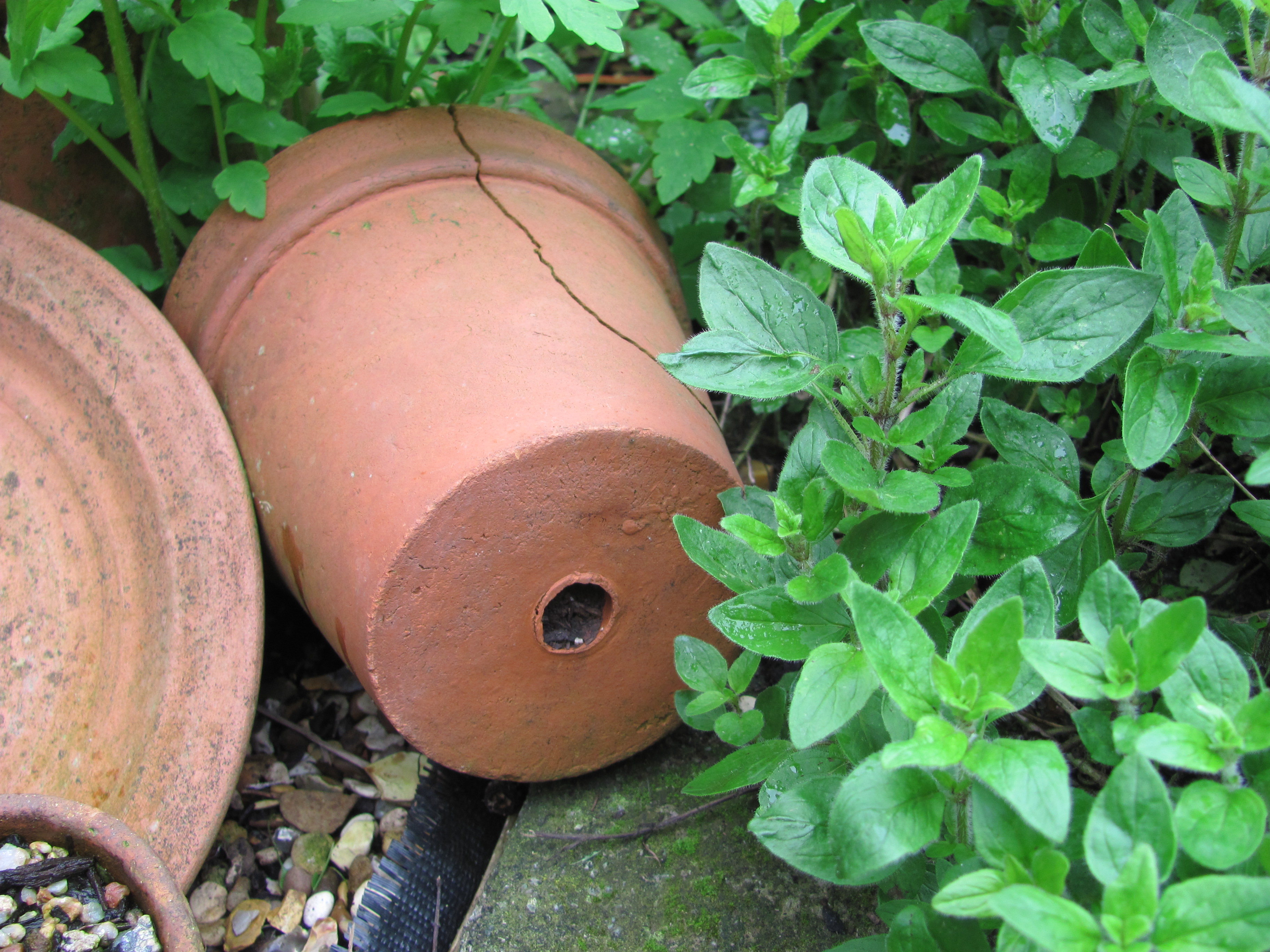
We always describe our garden as being wildlife friendly. But what makes it good for wildlife? What elements of our garden invite wildlife in? We are proud of the fact that we have gardened with organic principles at the front of our minds for decades. A garden cannot be regarded as wildlife friendly if the gardener is not working with these principles constantly driving what goes on.
We make deliberate decisions to attract wildlife by providing food, shelter and nesting places. Each time a plant is bought, a bed restructured or new beds made, wildlife is a factor. Equally how we manage the garden has to be friendly towards our natural friends.
But let’s be honest, we don’t do all these things just for wildlife, as there is a selfish element to it. We like being surrounded by birds, butterflies, insects et al. We need to hear, see and experience the natural history of our plot. A cup of coffee outside is all the better if accompanied by the song of birds, the movement and colour of butterflies and the constant flittering of insects.
I have recently read a wonderfully informative and thought-provoking book by John Walker entitled “How to Create an Eco Garden”, and in it he proposes the concept of “eco-fitting” your garden. This idea is all about making the garden “more self-sustaining, less wasteful of valuable resources, more reliant on renewable sources of energy and friendlier to wildlife”. This will provide a useful guide when considering the content of my blog, and it will be at the forefront of my mind as we go on a journey around our garden looking at how we make it good for wildlife.
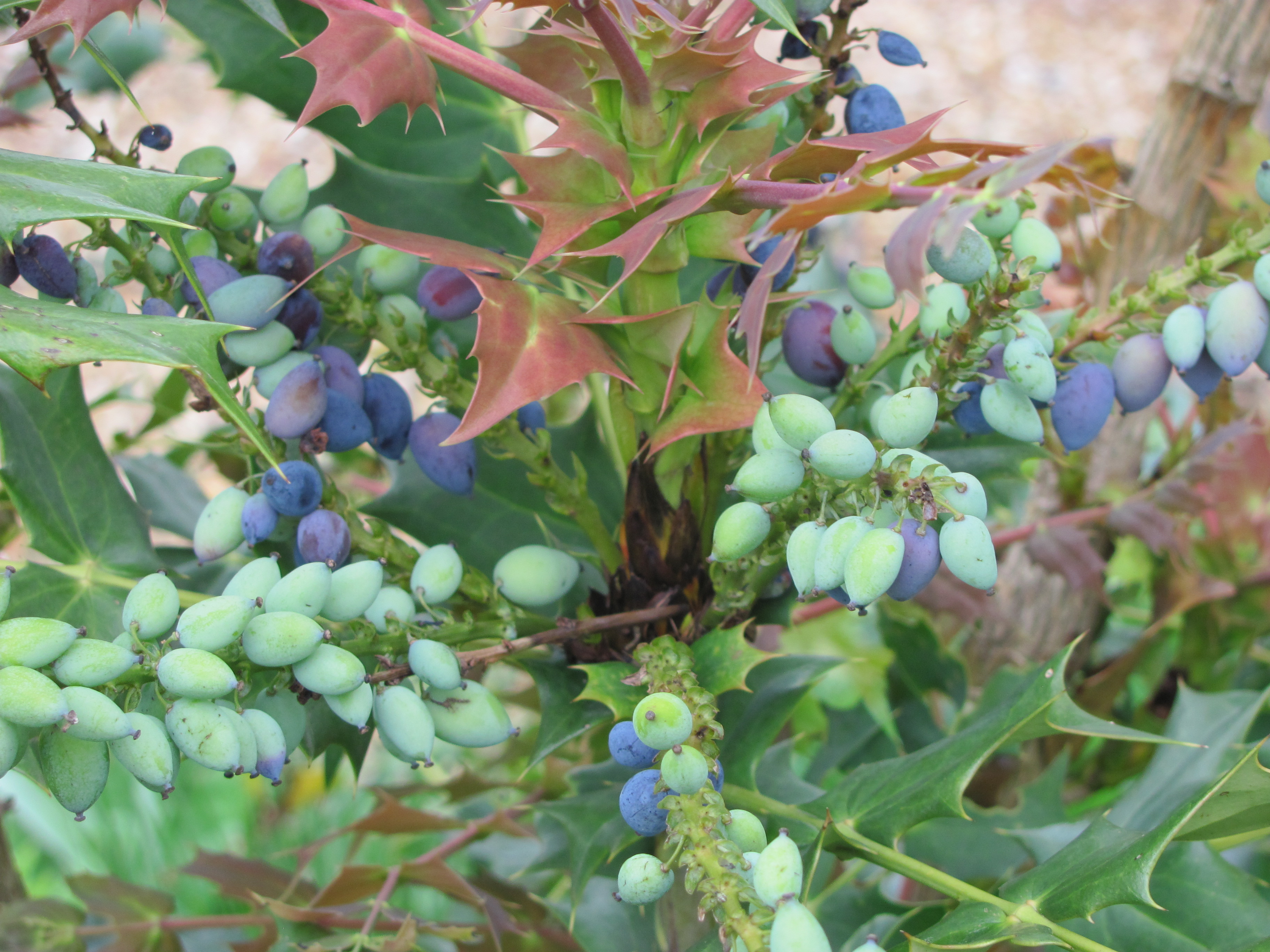
Throughout the garden, the trees and shrubs we have planted were chosen partly for their berries to feed the birds, blossom to attract pollinators and how well they give shelter, homes and nesting places.
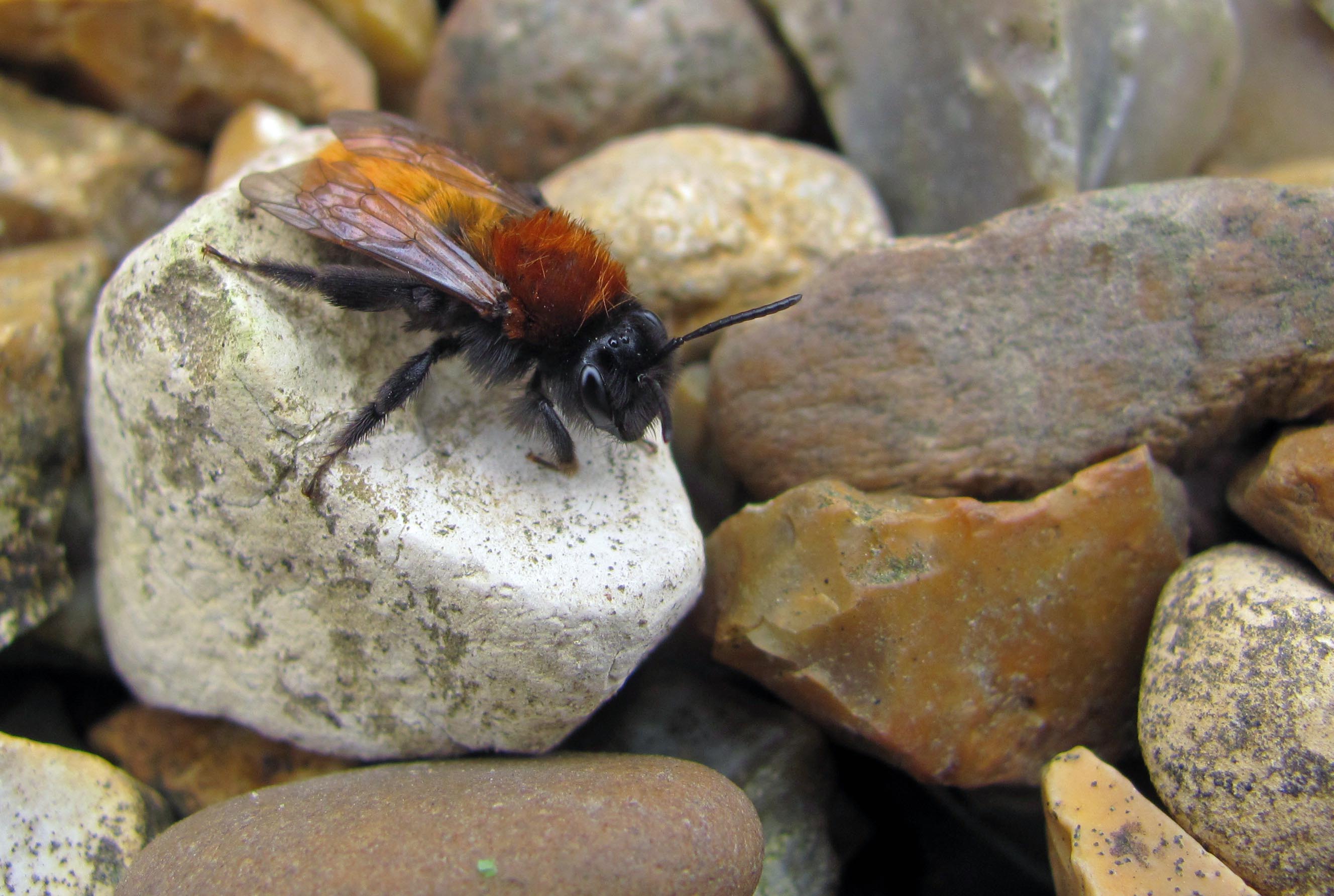
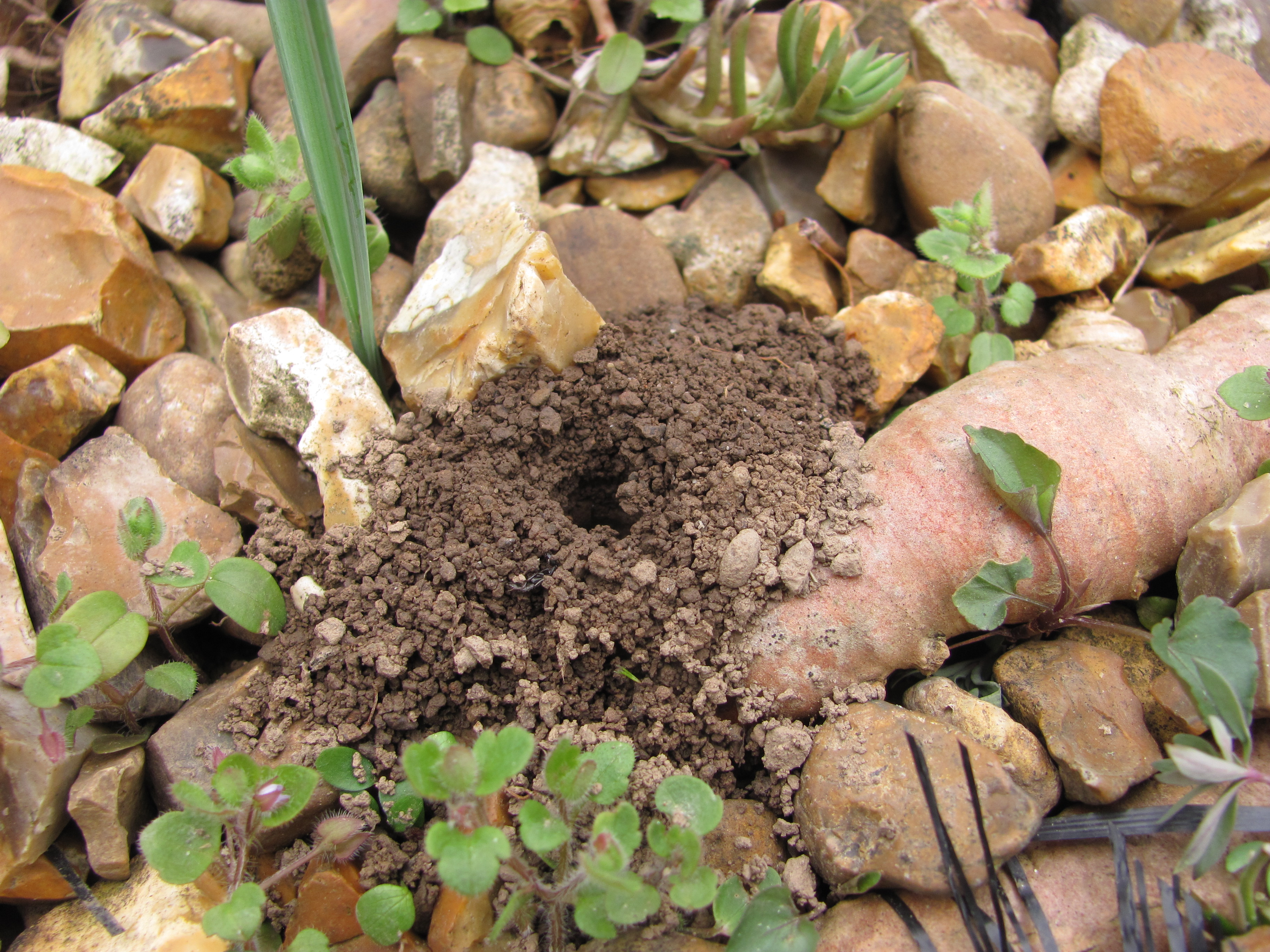
Look into our front garden and in full view of all windows is one of our three bird feeding centres where we provide mixed seeds, peanuts, suet balls and suet blocks. The front lawn supports White Clover and Dog Violets both loved by bees. Although we cut the grass and keep it quite short these wildflowers react by flowering on shorter stems. We use no weed killers or fertilisers on our grass as we enjoy knowing that Blackbirds can safely feed there. Tawny Lawn Bees make their homes here and in the gravel patch alongside. They make miniature volcano shaped piles of fine soil as they construct their tunnels.
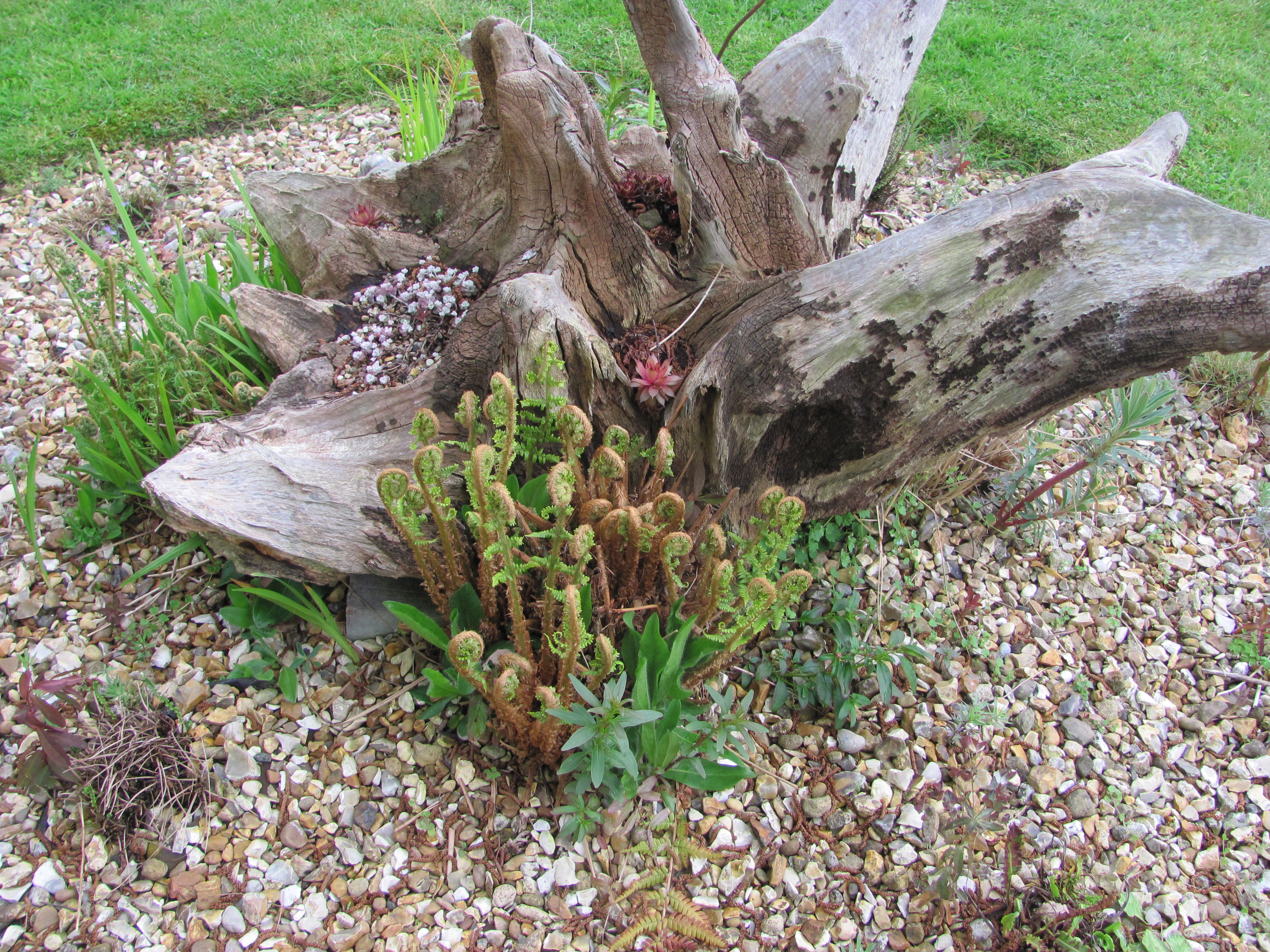
We have an old Oak stump around which we grow ferns and grasses. The Wrens, Robins, Warblers and Dunnock soon recognised this as a home for the insects they enjoy eating.
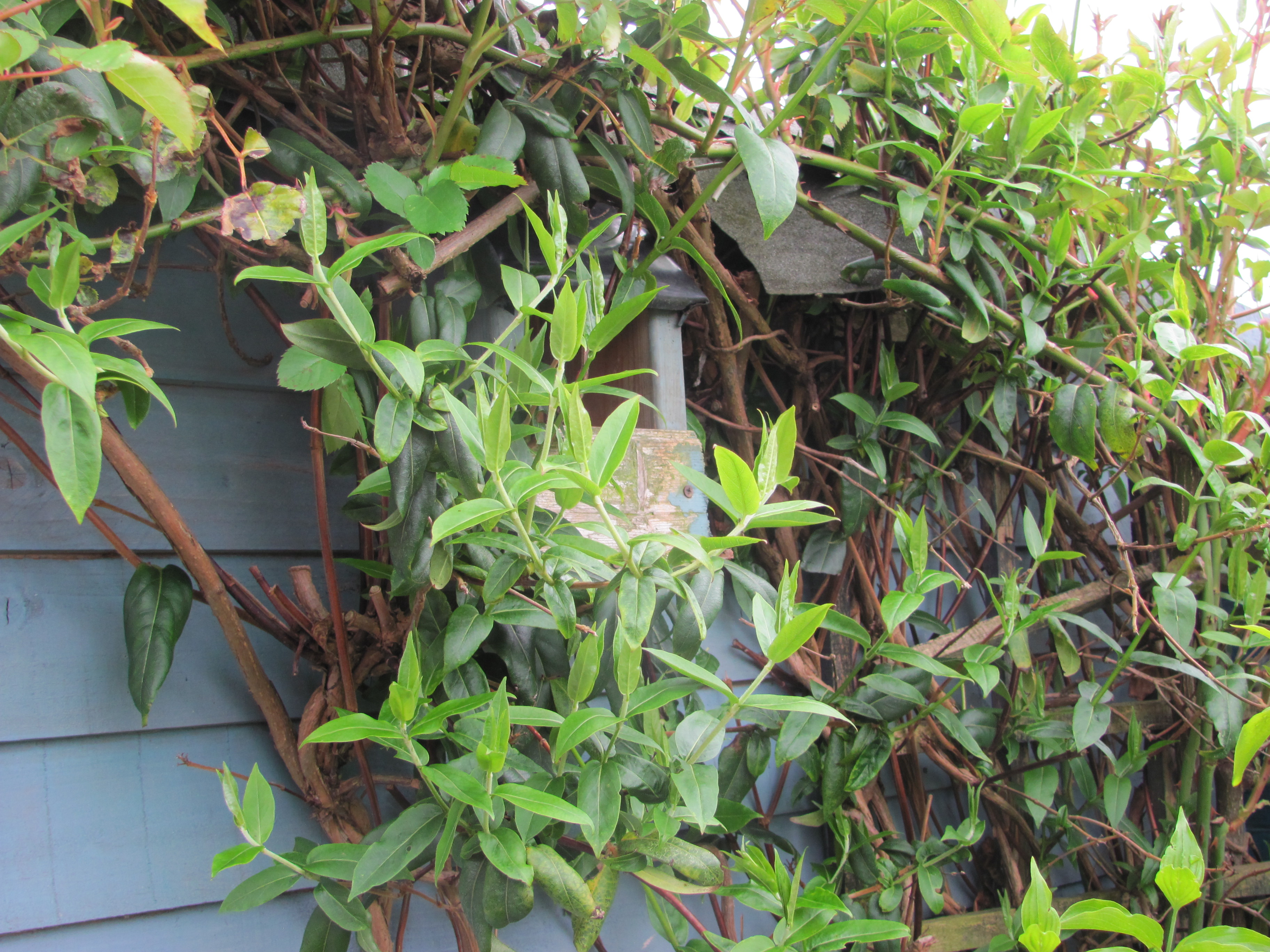
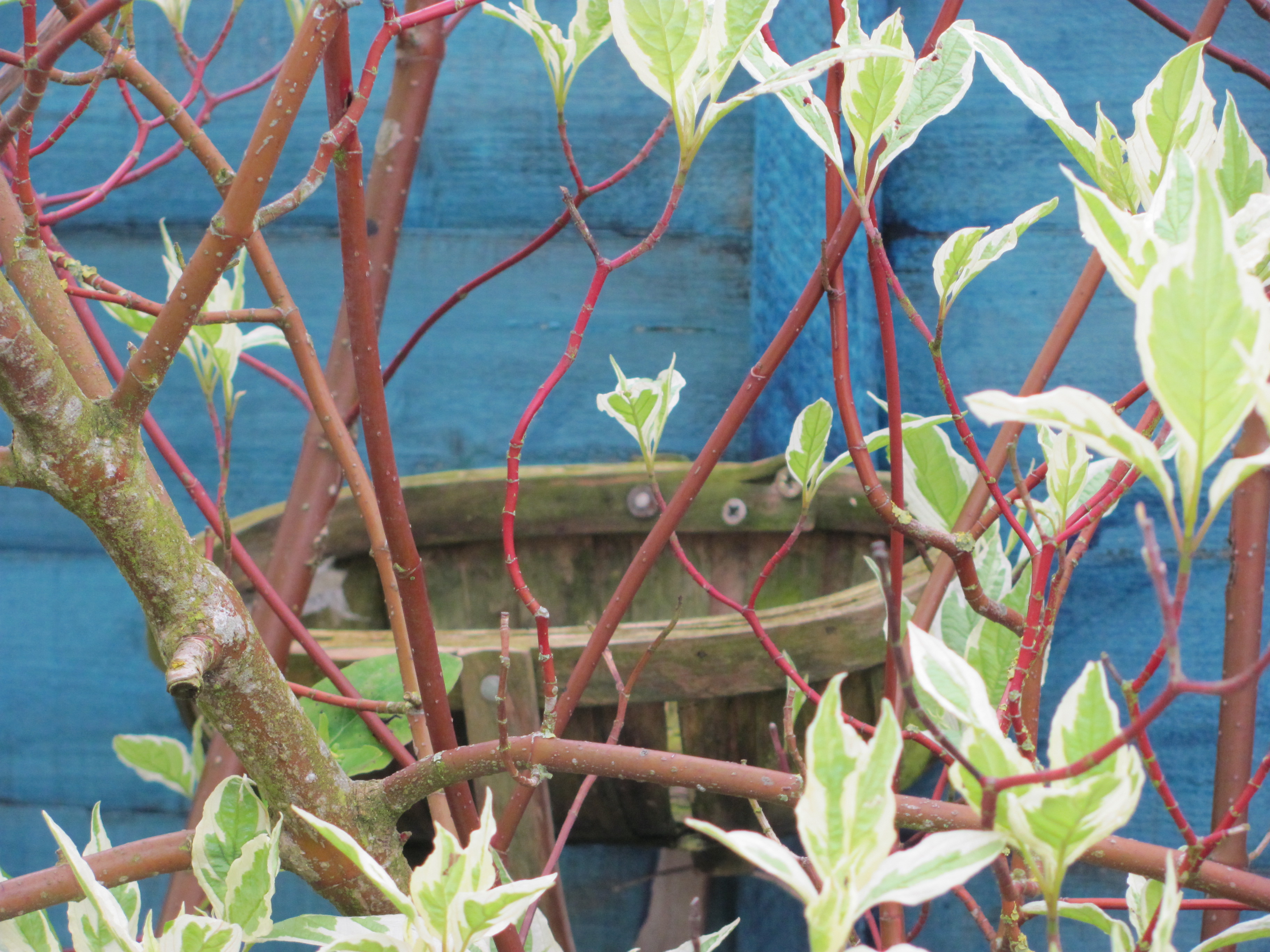
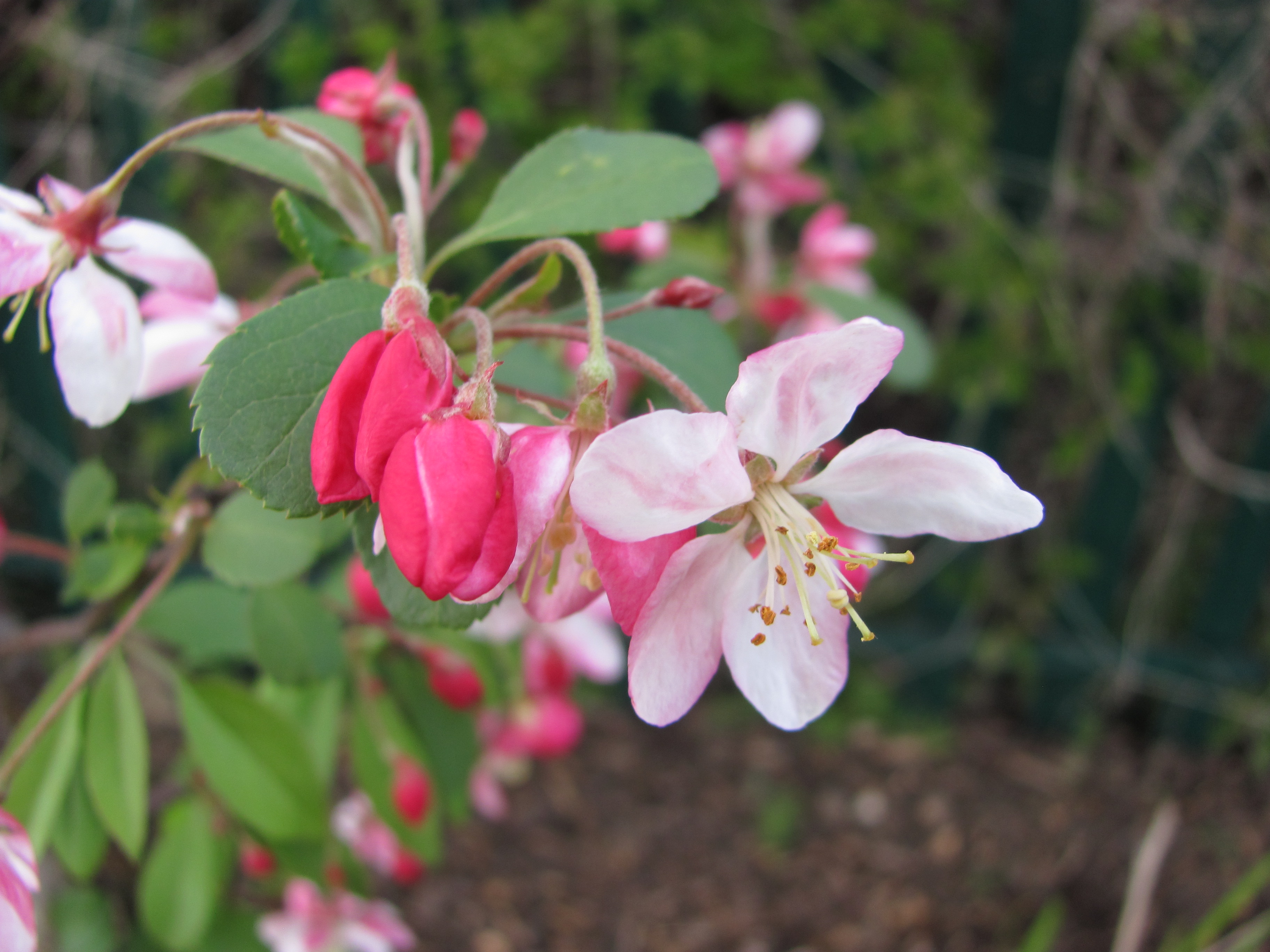
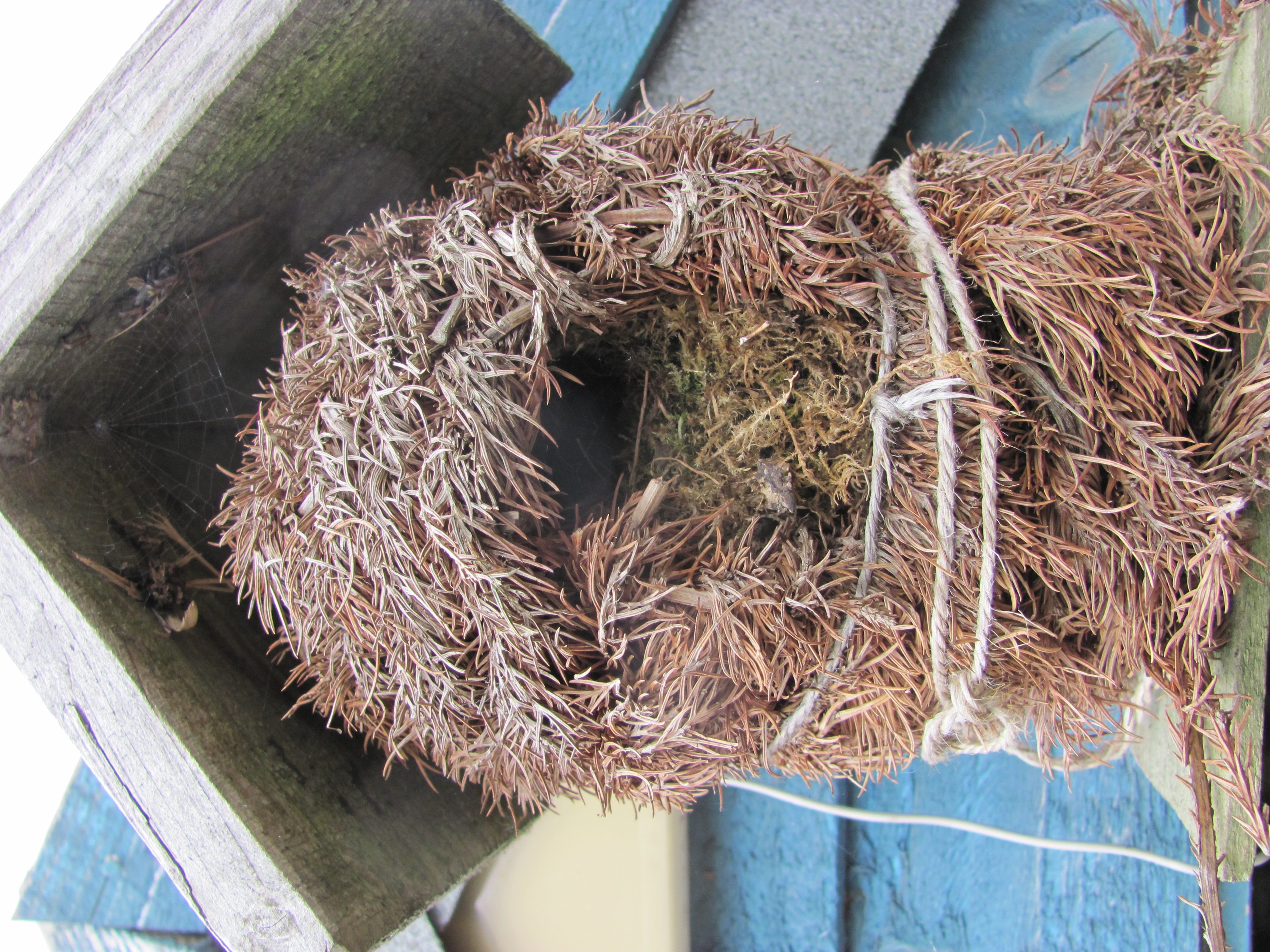
In our side garden opposite our main door are bird boxes for Robins, Tits and House Sparrows and an old trug was placed in a dogwood to provide a nest shelf for Blackbirds. On the shed there and the fence we grow Honeysuckles and Climbing Roses to provide shelter for wildlife and nest sites for Wrens and blackbirds. The Apple Trees growing in large terra-cotta pots are favourites of bees early in the spring, and in other large flower pots we have sown mini-meadows of wild flowers.

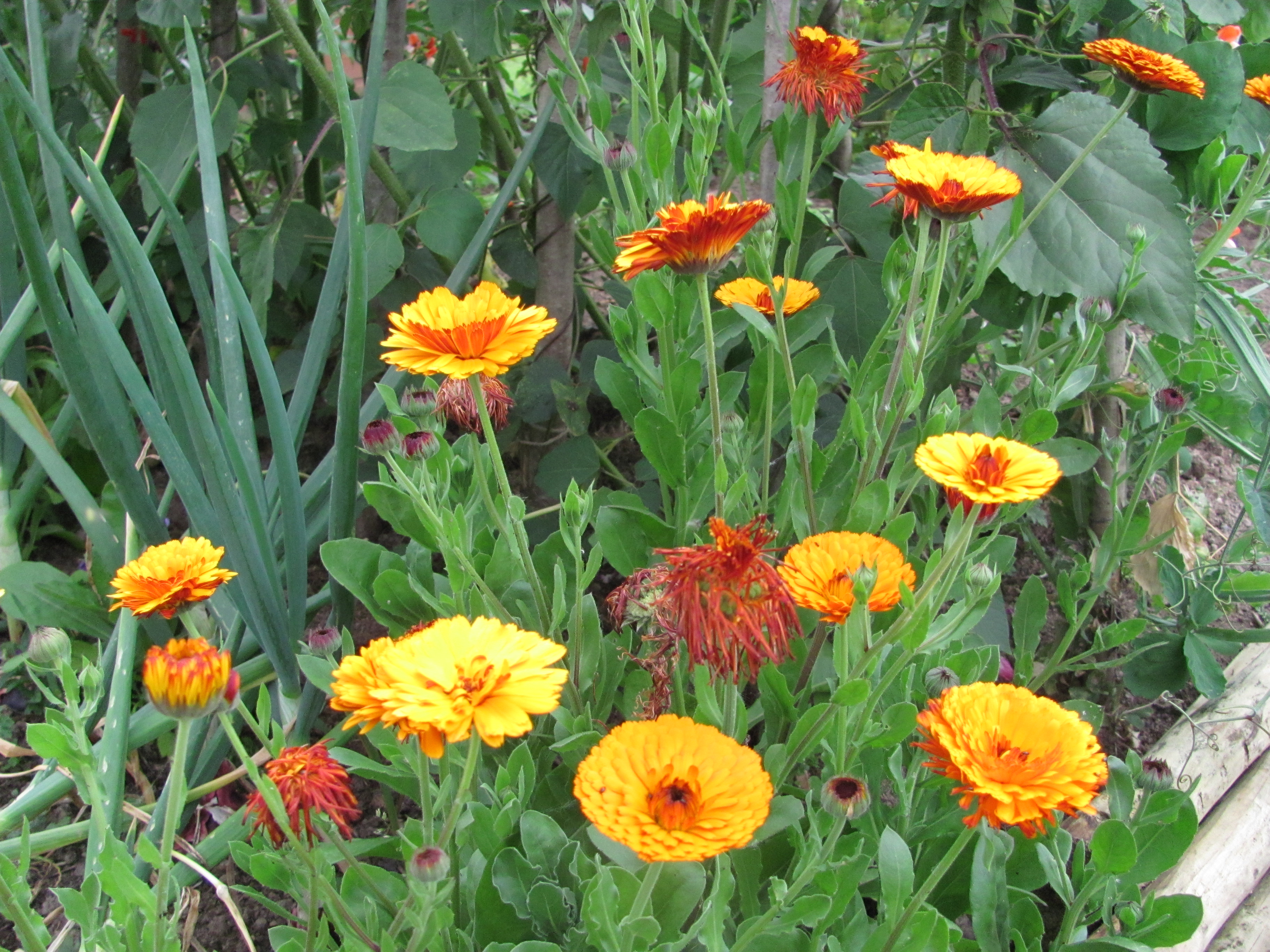
Into the back garden and immediately we spot the insect hotel, which sits in amongst our comfrey bed. The leaves of the comfrey provide us with our organic plant food and their flowers are loved by bees and hoverflies.

Nest boxes are scattered throughout the garden wherever we can find a suitable space. Most are used by members of the Titmice family or Robins. Our trained fruit trees and climbing roses are favourite nesting places. Last year a pair of Goldfinches nested in a climbing rose called Goldfinch – they must have read the label!


Throughout the borders we select plants with simple flowers, rarely doubles, and grow several native plants such as Red Campion, Cowslip, Foxglove and Cow Parsley.

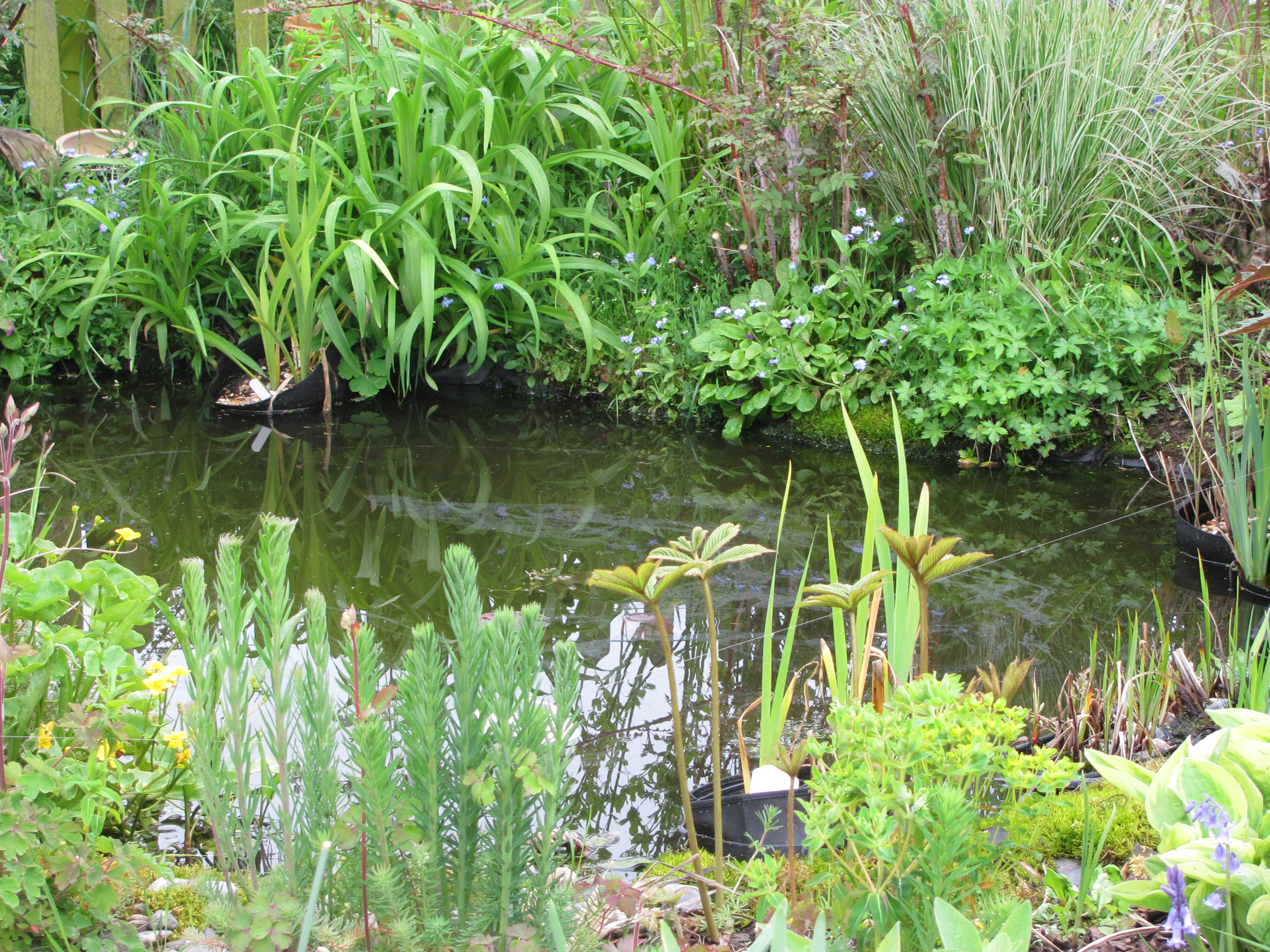
Towards the bottom of the garden is our wildlife pond all planted up with native plants, whereas the bog garden alongside is a mix of native and more exotic plants. The pool and bog are popular with our resident amphibians, toads, frogs ands newts as well as Dragonflies and Damsel Flies which breed in the pool. Birds use the shallow pebble beach area for bathing. Beneath the water live diving beetles and water boatmen, and on the surface Pond Skaters skim arouns on the surface film.
Beyond the pool and chicken run is a strip of wild grass about 6 feet wide which gives us access to the surrounding countryside. We cut this grass to attract Green Woodpeckers who come down to feed here. We grow a pair of Hazel bushes here which gives safe place to approach one of our bird feeding stations in the winter, give nuts for Jays in the autumn and every few years gives us poles to use as bean poles and brash to use as pea sticks.

This quick wander around our garden shows some of the wildlife friendly features we enjoy. Our whole garden is a little reserve where we hope wildlife can feel welcomed and safe.

 greenbenchramblings
11 replies on “Our Wildlife Garden – gardening for wildlife, gardening with wildlife.”
If wildlife could give an award, I think you’d get it and rightfully so. What a great yard. Thank you for sharing.
It is a pleasure to share our garden. The wildlife gives us awards by just being there.
________________________________
Yours is a wonderful wildlife garden – everyone should follow your example – mine is well on the way but no match for yours.
Keep at it and wait! It happens all around you quite quickly.
________________________________
What an amazing wildlife garden – I think I love this post the most! I particularly like the thought of the doves nesting in the apple arch and the little wrens popping in and out of the box on the shed! This shows why organic gardening is the way forward – after years of patience Mother Nature rewards you over and over again. Beautiful, inspiring post!
I would love to put up some birds nests but there isn’t much shelter around for them in our garden yet but you have given me a few ideas for using the shed. Slowly adding trees and plants to the garden makes me hope that in time our garden will be a mini wildlife haven too.
It is amazxing how quickly a garden can develop into a place for nature. Our garden is 9 years old now and keeps getting better for wildlife.
________________________________
I gave a few bee homes to others last year. But haven’t heard if they actually work. I have a bat house in my yard, which I hope gives these beneficial nocturnes another place to sleep. Just as you are giving back to Mother Nature where “we” have taken from her, I hope some of these human inventions (that mimic nature) work. By the way I adore the way my returning house wrens make their way each season around to different bird houses in my gardens, even after others have used them. My goal is to keep creating native wildlife habitats. Thanks for sharing your multi-faceted garden, which any creature would love to dwell, Sally
Yes bee homes really do work. Stand too close to ours on a warm day in late spring and we can watch them coming out in droves to feed on the comfrey planted for them close by.
What a lovely garden… something for us all to aspire to.
Many thanks.