Categories
allotments community gardening flower show fruit and veg garden design garden photography garden wildlife gardening grow your own hardy perennials meadows National Garden Scheme NGS photography roses wildlife

A Wander around the Allotments in August

August is when the busy harvest period begins. As land is cleared green manures are sown and compost is spread across empty spaces. Plans for next year’s gardening are beginning to form.

Another amusing sign has appeared on a plot in recent weeks. Doreen and Phil have a corner plot and it has been christened “The Naughty Corner”. Next to their plot, Gill has hung some vibrant decorations in her fruit.

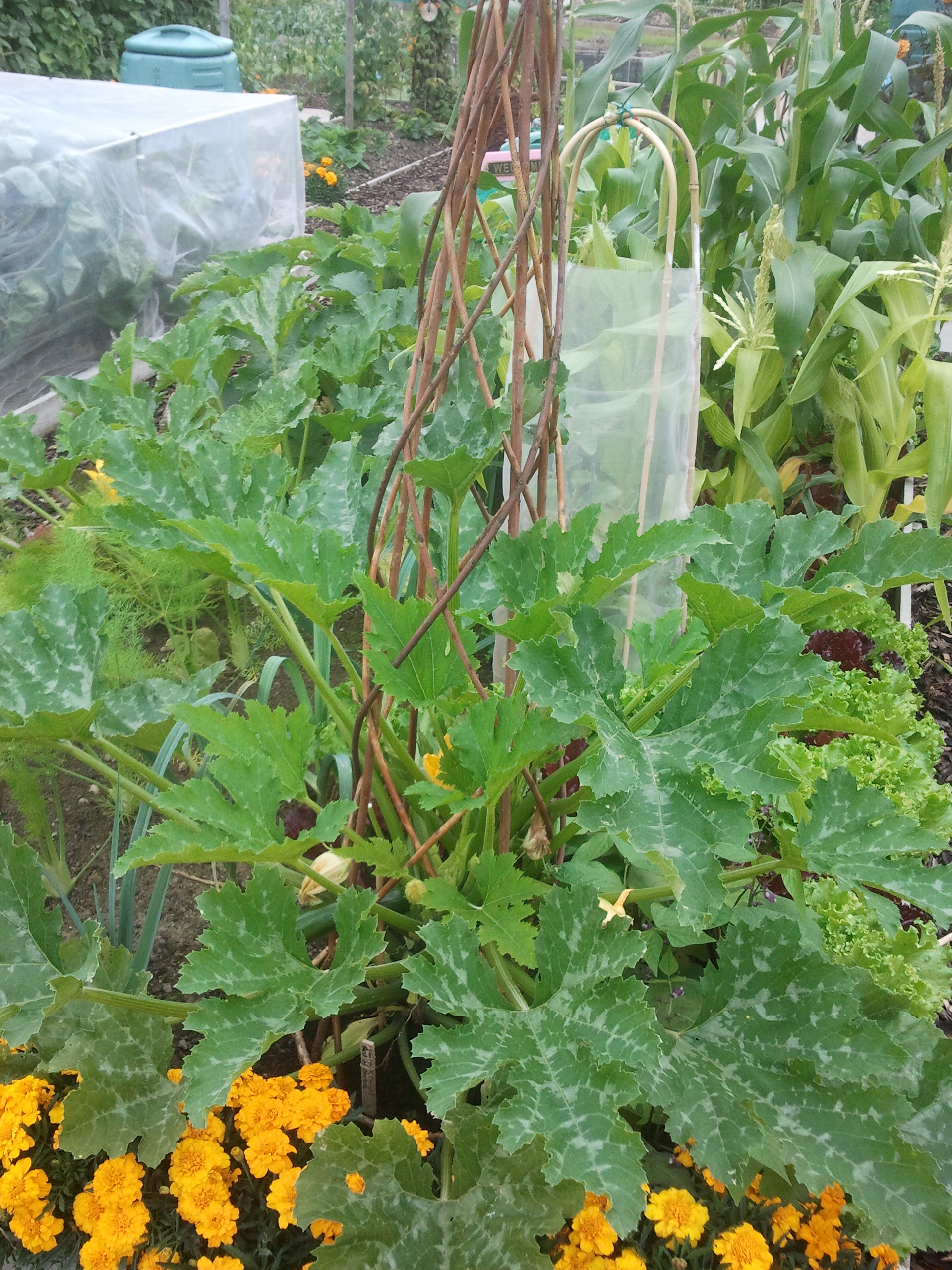
Wendy’s plot is always full of interest and at the moment the star of the show has to be the glitter ball hanging inside an obelisk up which is growing Morning Glory.

We have had a very successful month where awards are concerned, some for the whole site and others for individual allotment holders. Jude and I were invited to the Shrewsbury Flower Show to receive an award for the allotment site. Chris Beardshaw, author, broadcaster and TV gardener presented me, on behalf of our allotment site, with the award for “Shropshire’s Best Community Garden”.

Bowbrook Allotment Community members also provided plants for a show garden created by the Shrewsbury Residents Association – herbs, vegetables and companion plants. This garden won a medal.

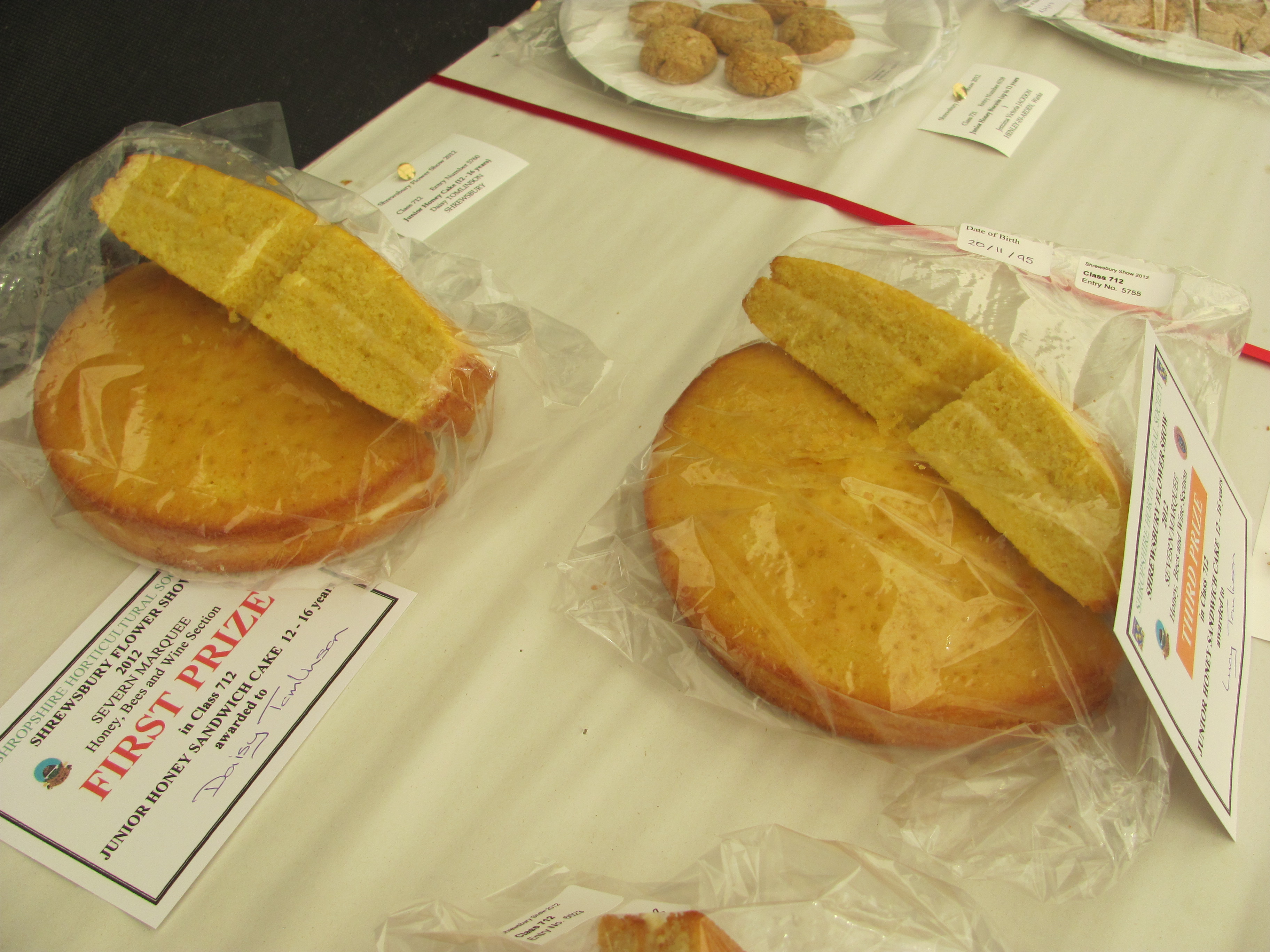
The two daughters of our Membership Secretary entered craft and art classes in the Honey Tent and won many certificates too. Their honey cakes and biscuits looked so tasty.
Jude and I also took part in the Shropshire Organic Gardeners Society stand at the show. Members were asked to provide photos of themselves with a pot plants and these took centre stage.

Dave Bagguley one of our plot holders was awarded Shrewsbury’s “Best Front Garden” award at the show.

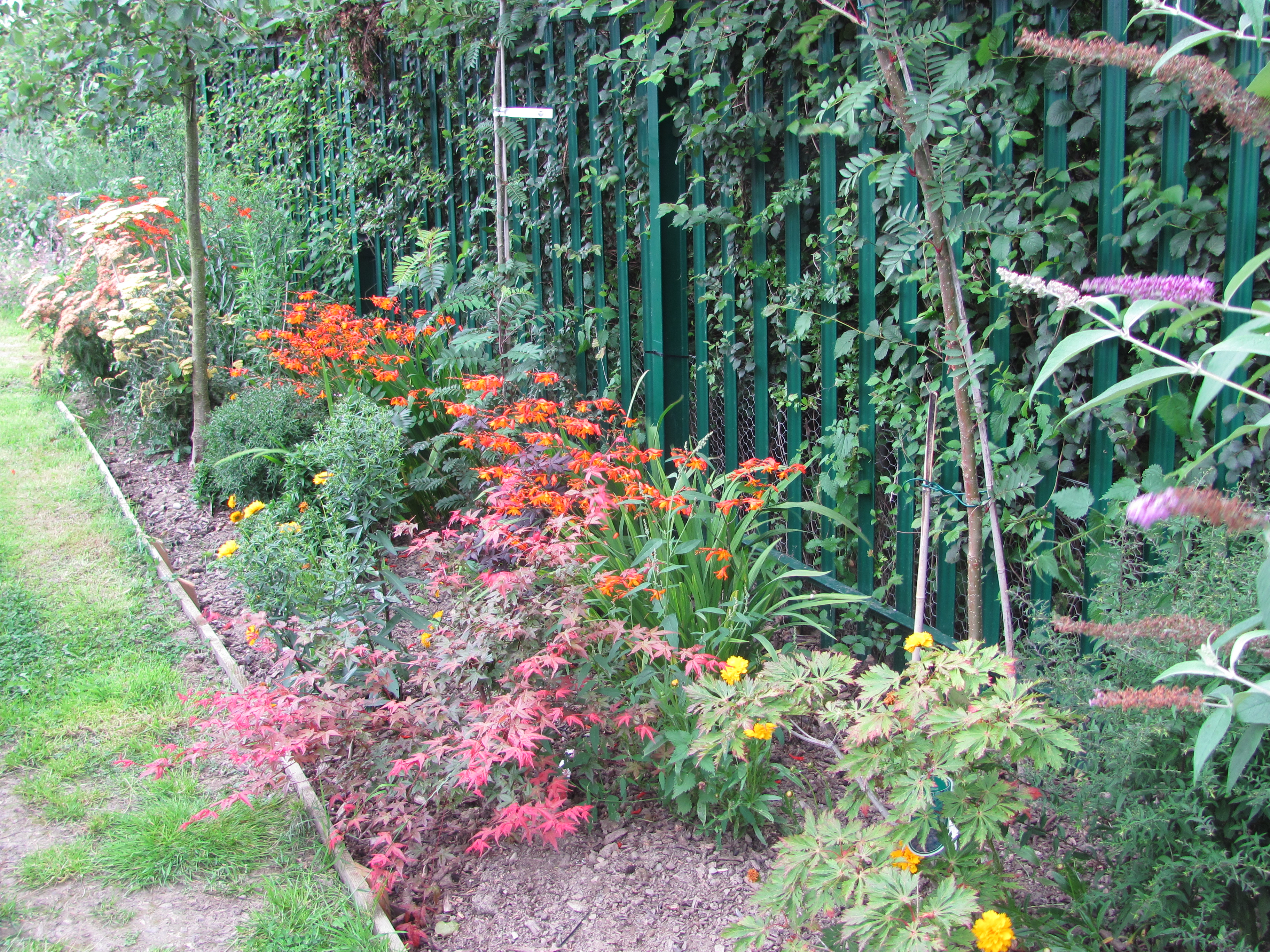
Back at the lotties the Autumn Garden, one of the site’s “Gardens of the Four Seasons” is beginning to look really good, with the late summer/early autumn perennials blooming in their hot colours.

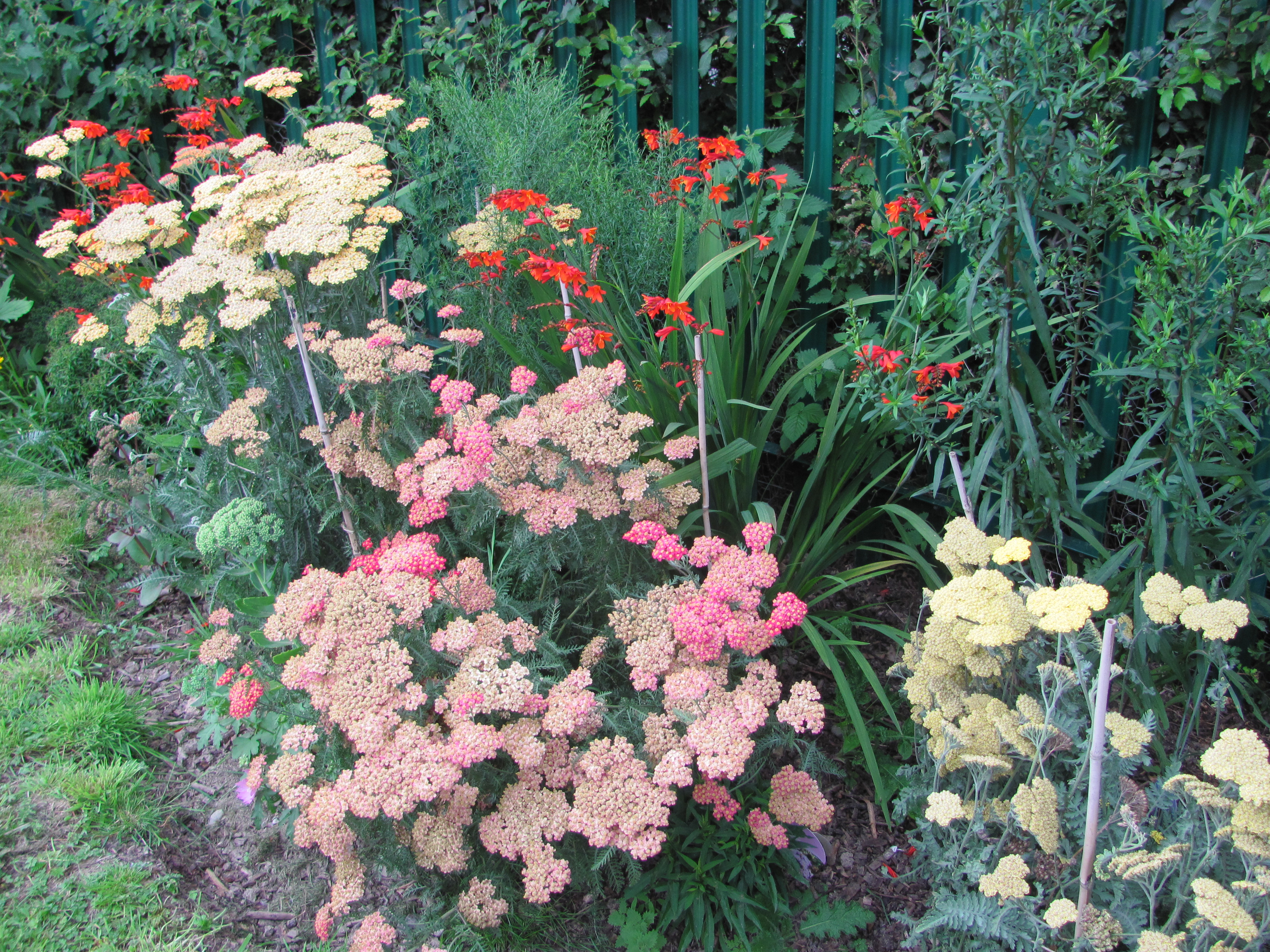
The meadows around the site are incredibly colourful at the moment but the early flowering ones are well-past their best. They will soon be due their annual haircut.

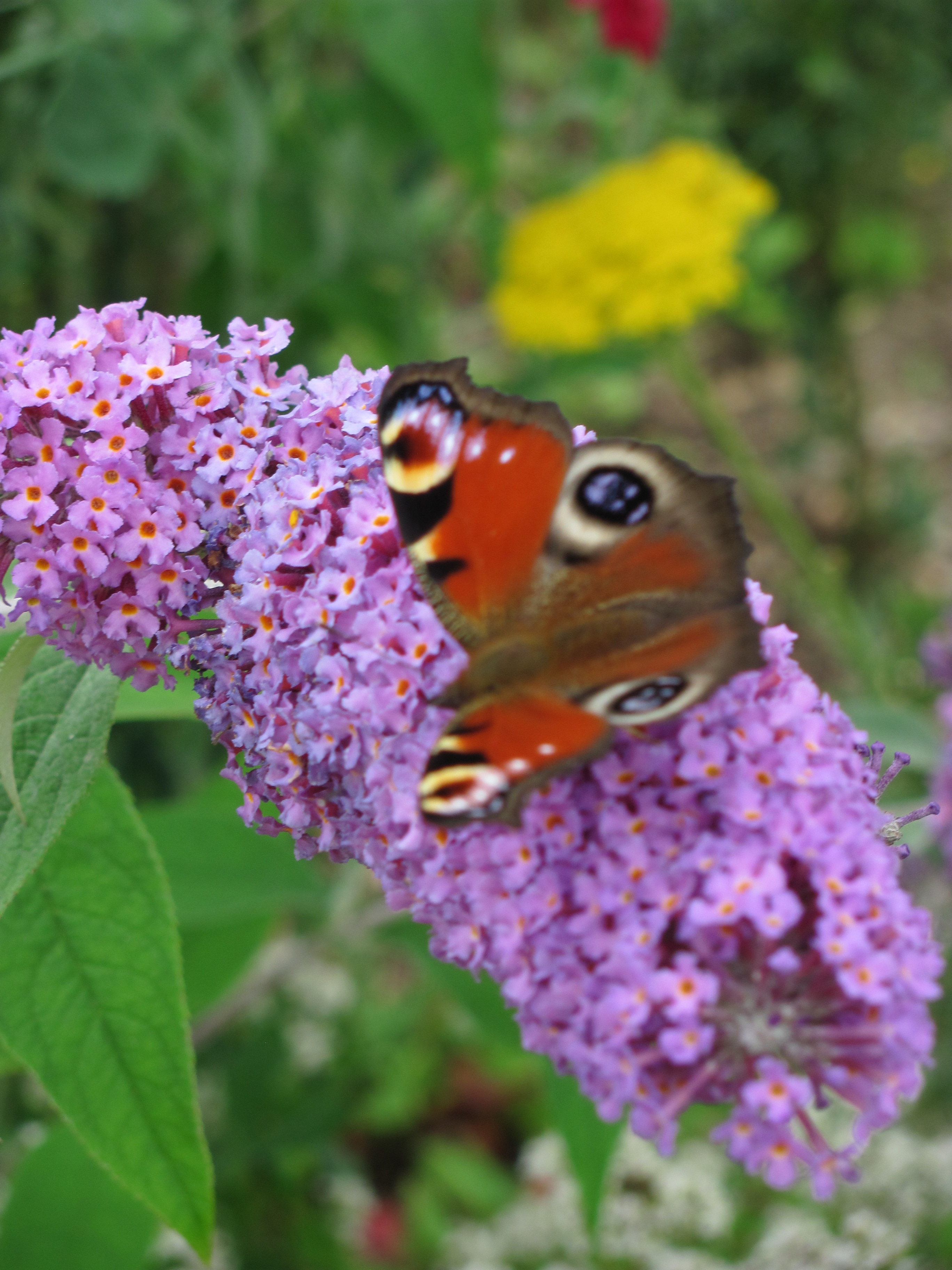
We like to leave the meadows’ annual haircuts as late as possible so delay them until seeds are well set and there is an obvious decrease in the amount of wildlife visitor activity. But in the Buddleja Borders the beautiful scented flowers are still bringing in so many butterflies, bees and hoverflies.

This year’s periods of extreme wet have taken their toll. Whole potato crops have rotted on plots and root crops badly split.

As I was finishing writing this post I heard that our site’s entry into the Shrewsbury Town Allotment Competition came out the winner, so well done to Sue and Paul from Plot 40. Here are a few shots of their plot to finish off this post.

Categories
garden design garden photography gardening grow your own meadows National Garden Scheme NGS ornamental trees and shrubs photography roses Shropshire The National Gardening Scheme"

The Garden at Ashley Farm – an NGS garden.

On a very wet weekend we decided we needed to get out whatever the weather so a quick check in the famous Yellow Book of gardens open under the auspices of the National Garden Scheme and we were off to visit a garden in the neighbouring county of Herefordshire.

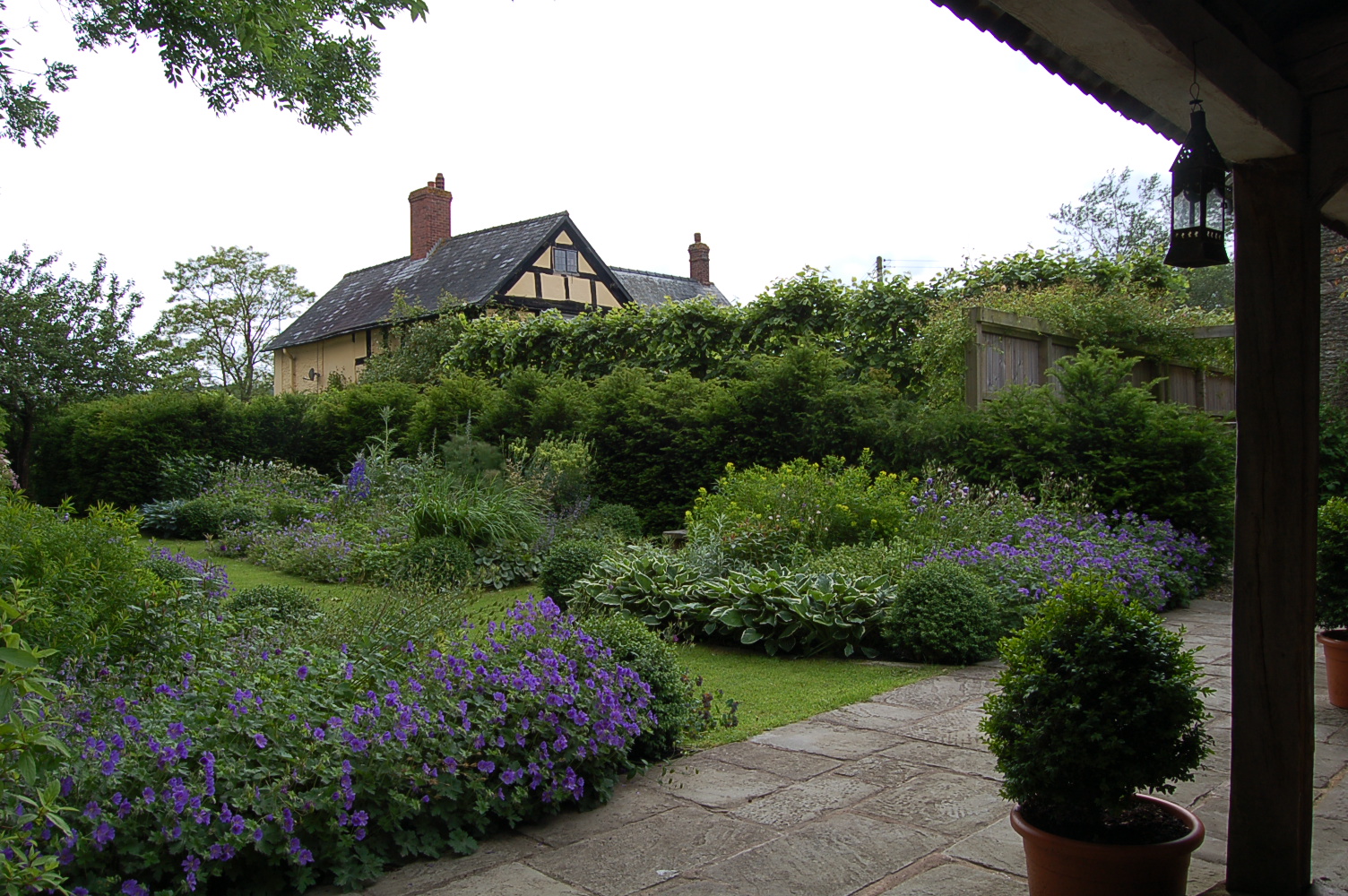
Herefordshire is a county of great gardens mostly created on rich red clay soils. Ashley Farm Gardens was described in the Yellow Book as a 5 acre garden designed as a series of formal rooms with the rooms getting less formal as the visitors move further from the house. We were presented with a plan as we entered the garden which showed a very formal layout. As we moved into the garden through farm buildings we could appreciate the way the gardeners had planted imaginatively and boisterously within the formal structures.

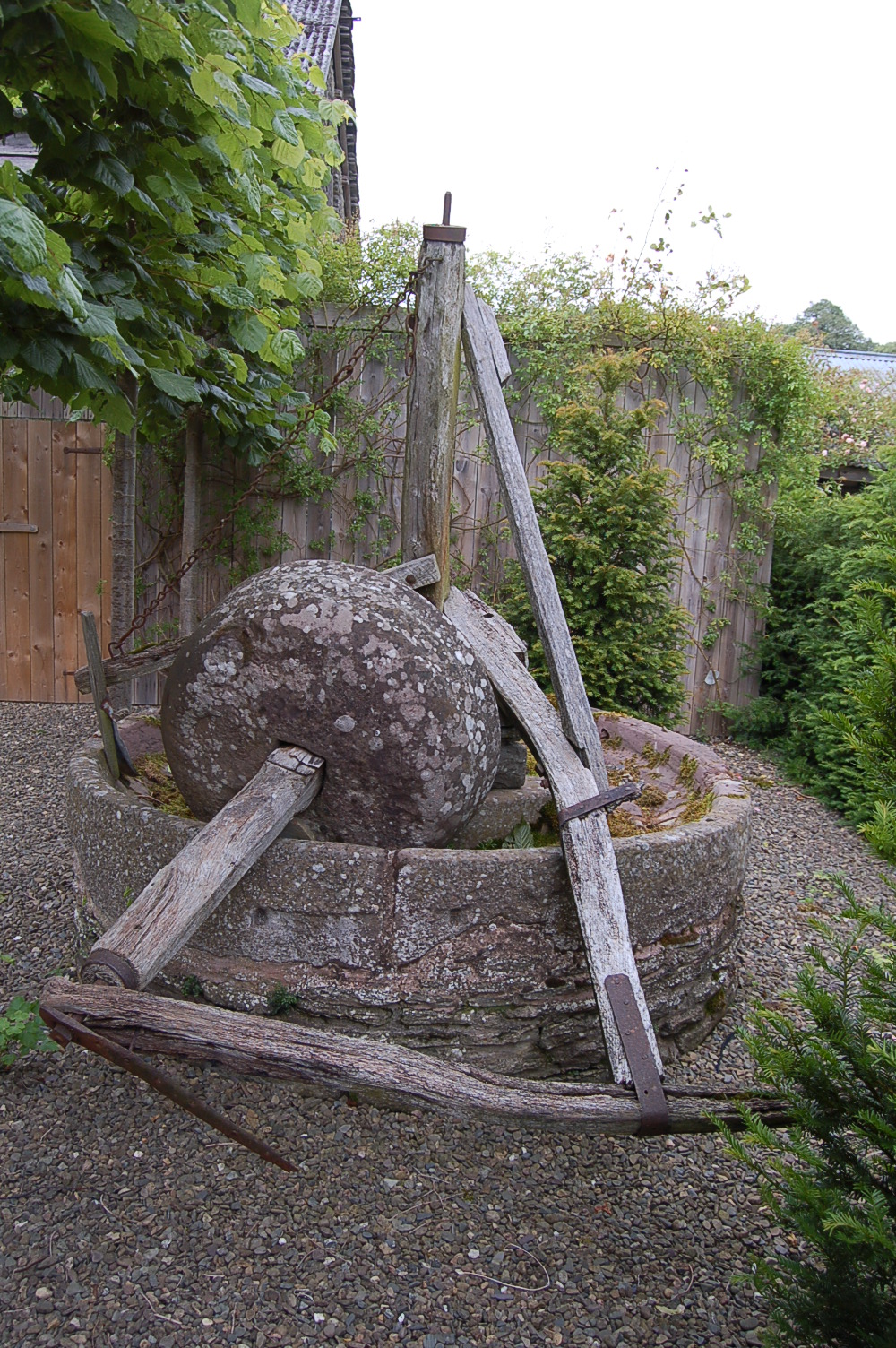
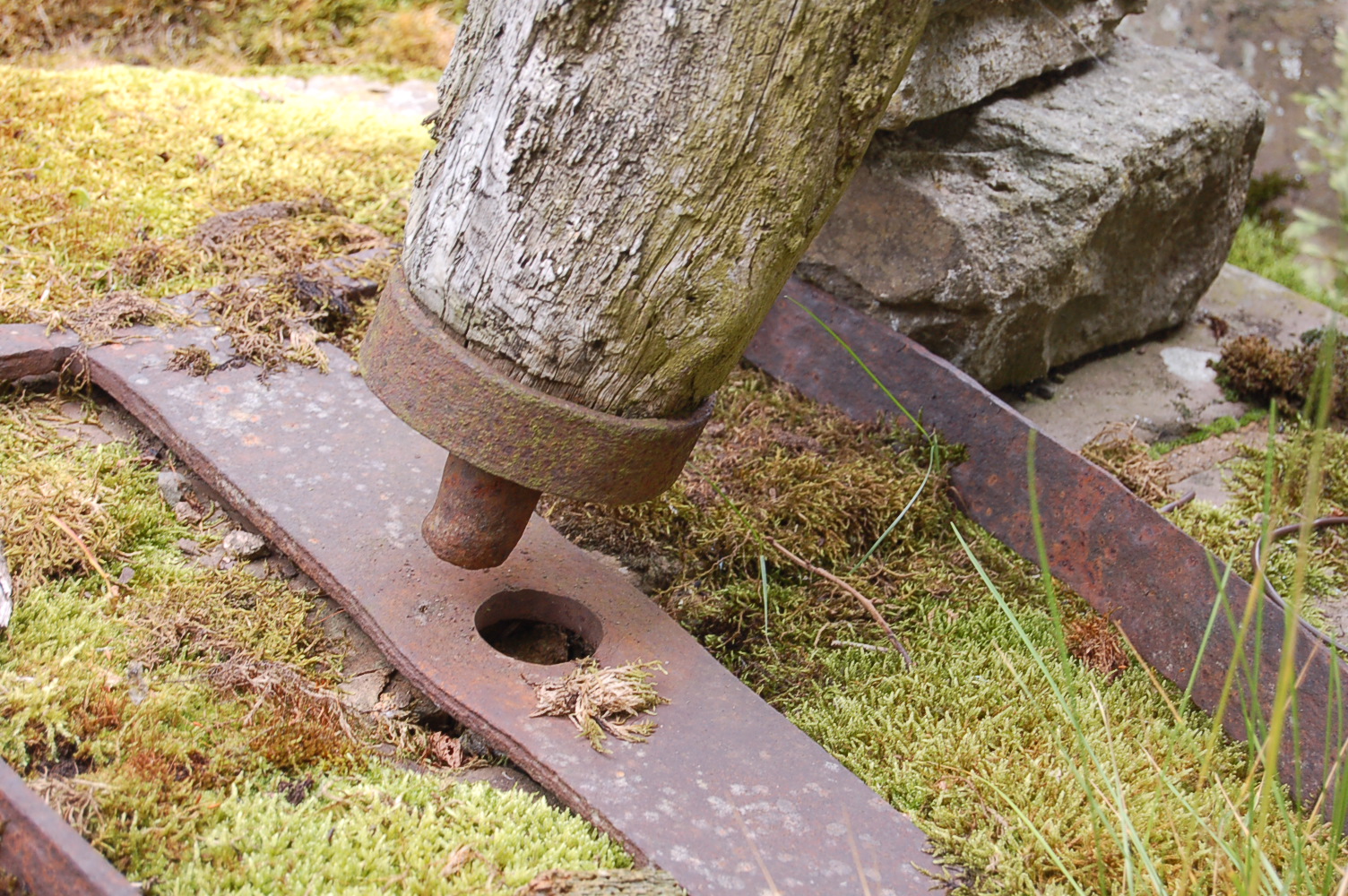
The old farm buildings were interesting and beautiful in themselves and featured some fascinating artifacts reminding us of the farm’s cider producing heritage. The buildings  are softened with plants and interesting collected and found objects.

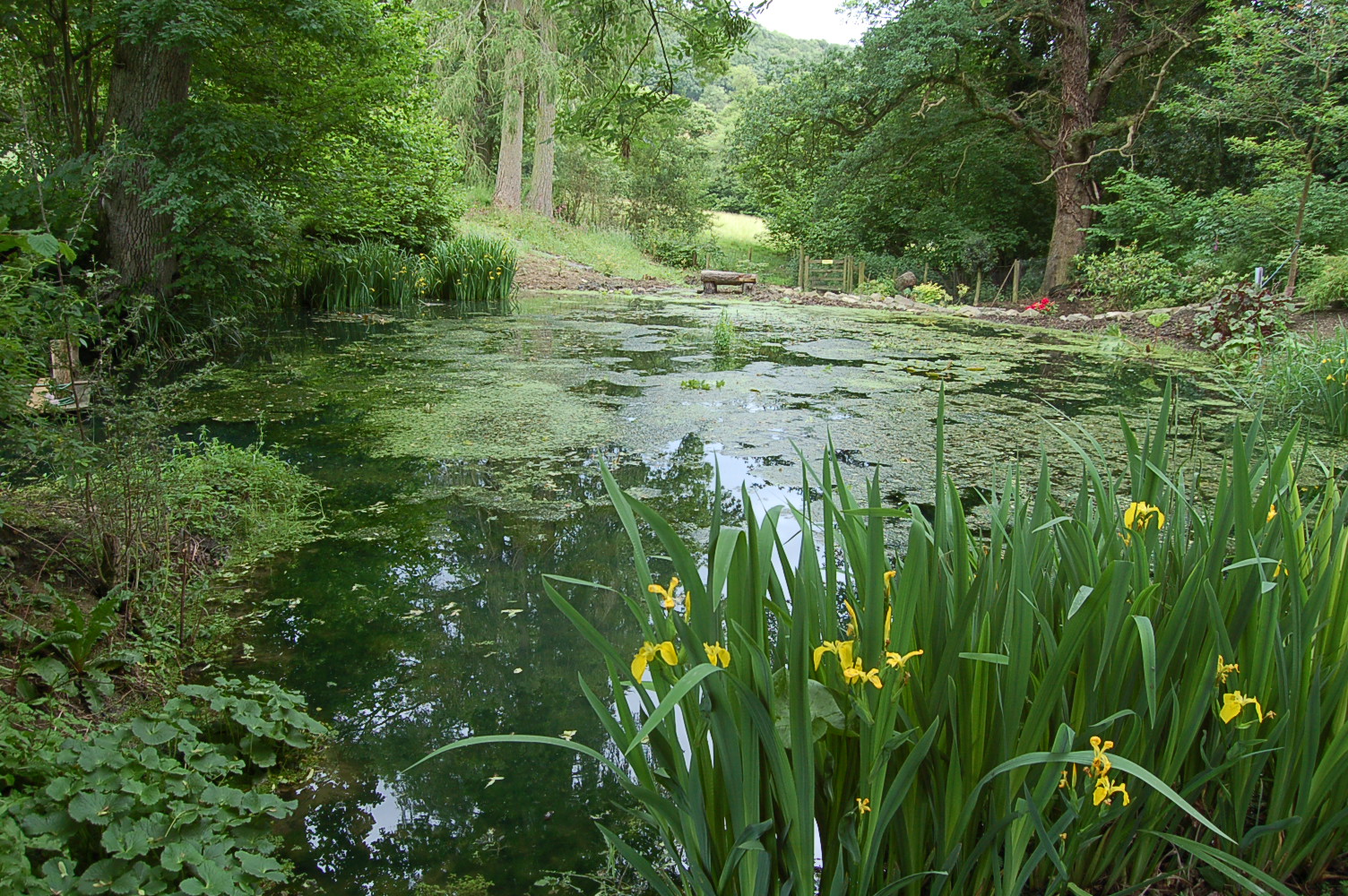
We made our way past the formal pool through blue borders and made our way towards a wildlife pool in woodland.

Seating around the pool encouraged us to sit, look and listen, although on closer inspection they looked a bit algae-covered and far too rickety to risk.

Through the trees along the edge of the wood the neat and tidy kitchen garden came into view.

The next stage of our garden wander took us through an interesting and very varied assortment of garden rooms.

Beyond the formal garden rooms we encountered meadows growing within orchards, a nuttery and unexpectedly a rose garden linked the garden to the countryside.

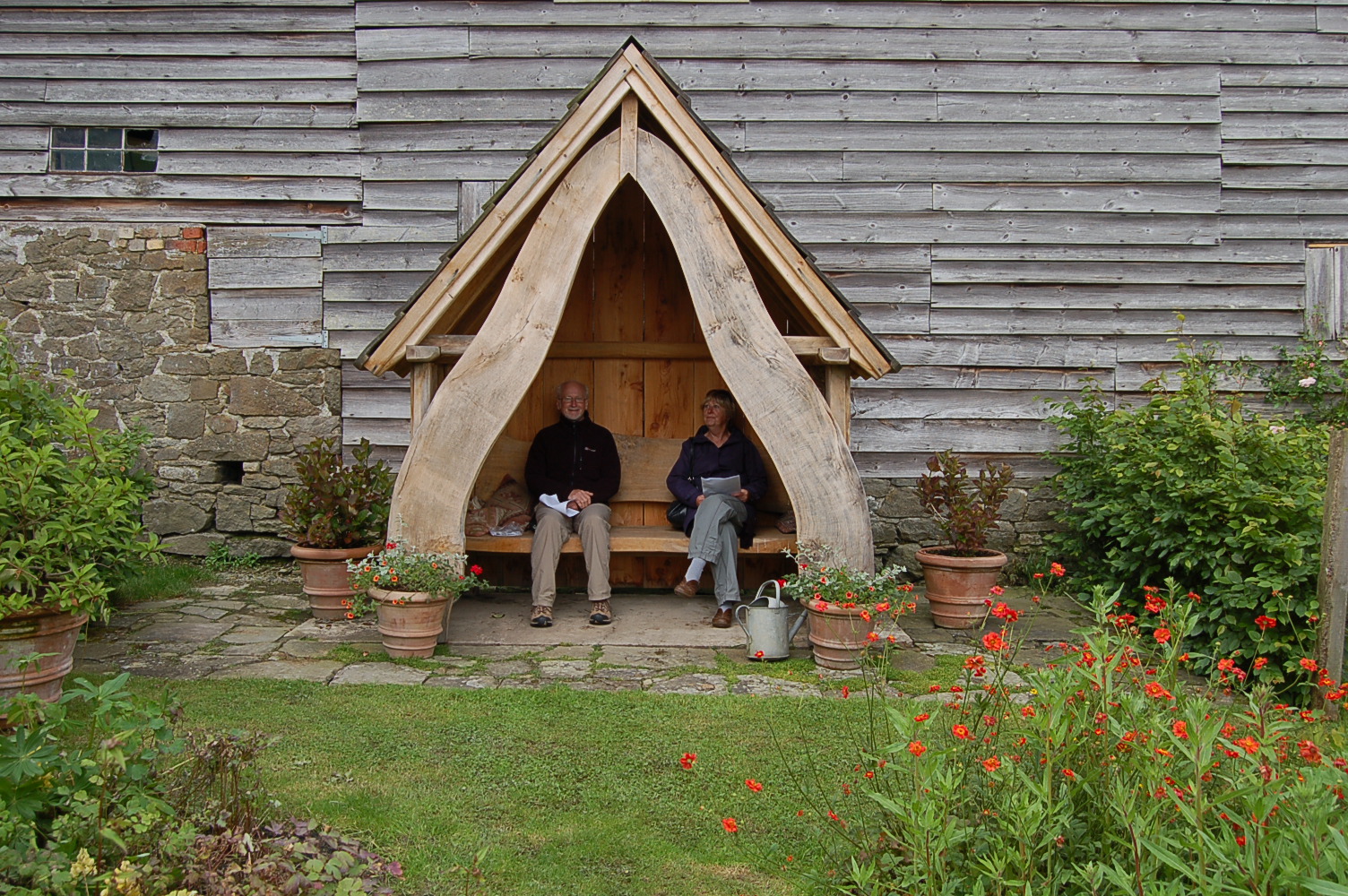
We moved back into the main garden where more rooms awaited us and a wonderful arbor made by a local craftsman in local oak. It was so tempting to have a seat and look in detail at the wood working skills.

Tea was served in an outbuilding constructed of wooden beams and stone. Inside were artifacts aplenty. The chocolate cake was excellent!

We explored the old farm buildings after our tea break before calling it a day – a really good day.

Categories
birds climbing plants photography Shropshire trees wildlife woodland

Through the Garden Gate – part two – getting lost!

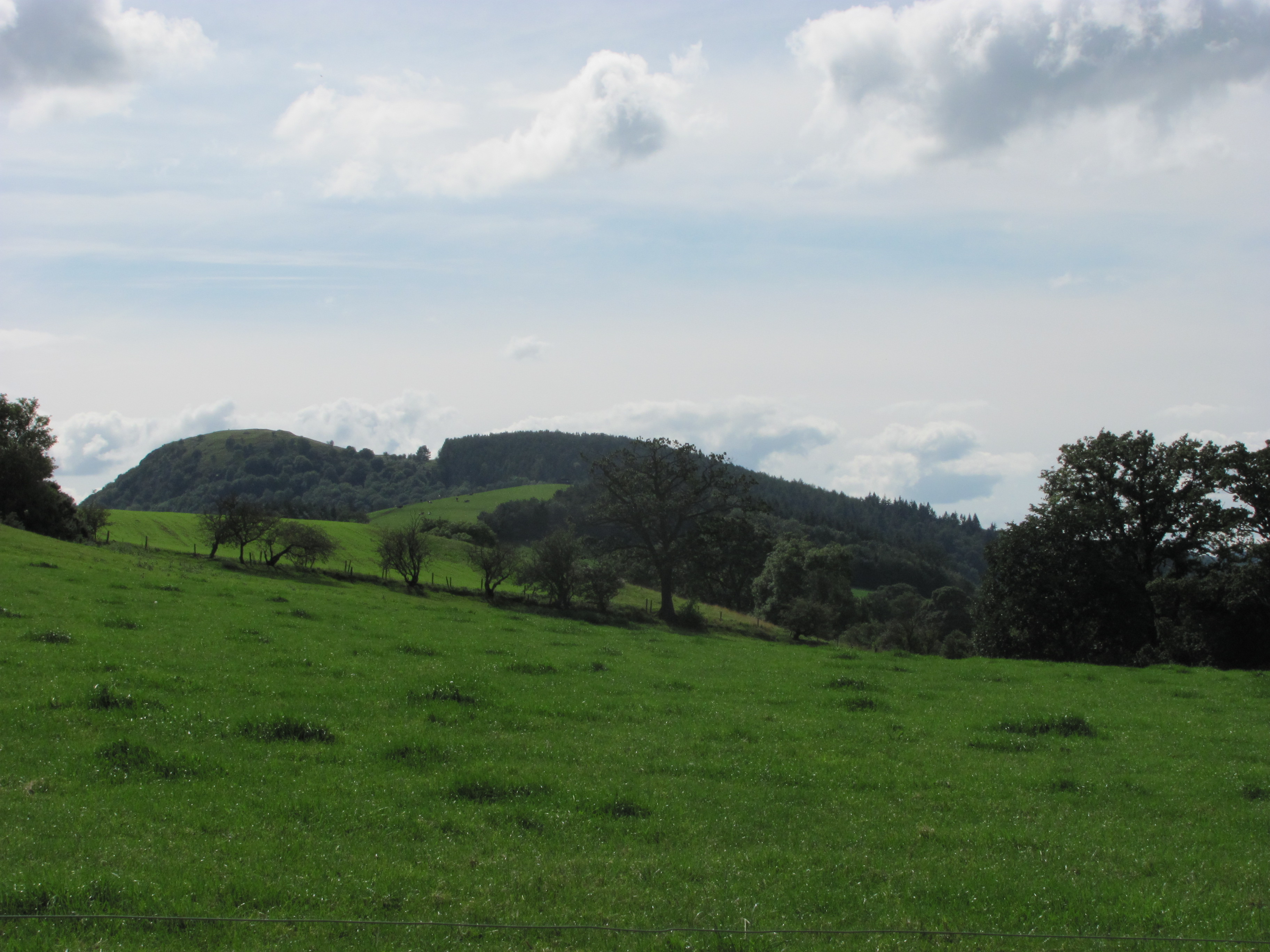
From the pool we could look back at the wood we had just left and enjoy a different view of the hill that we usually look at from our garden and over which we watch Buzzards riding the thermals created by its slopes.

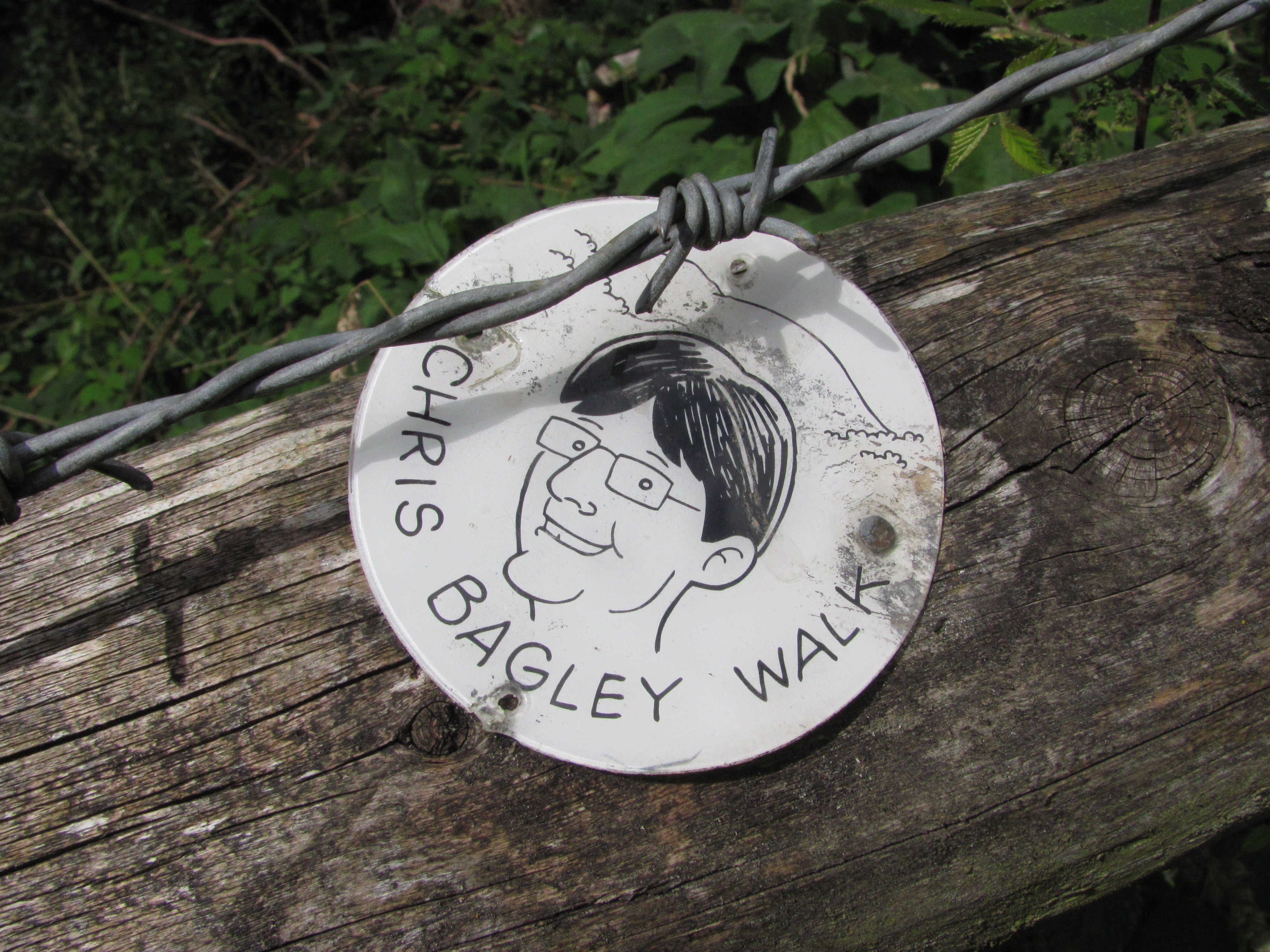
Well we may never have been more than a mile from home on this walk from our garden gate, but we did manage to get lost. The footpath signs kept disappearing, or that is our excuse. Our wander took us along sections of the long distance path, “The Shropshire Way” and on a local path “The Chris Bagley Walk”.

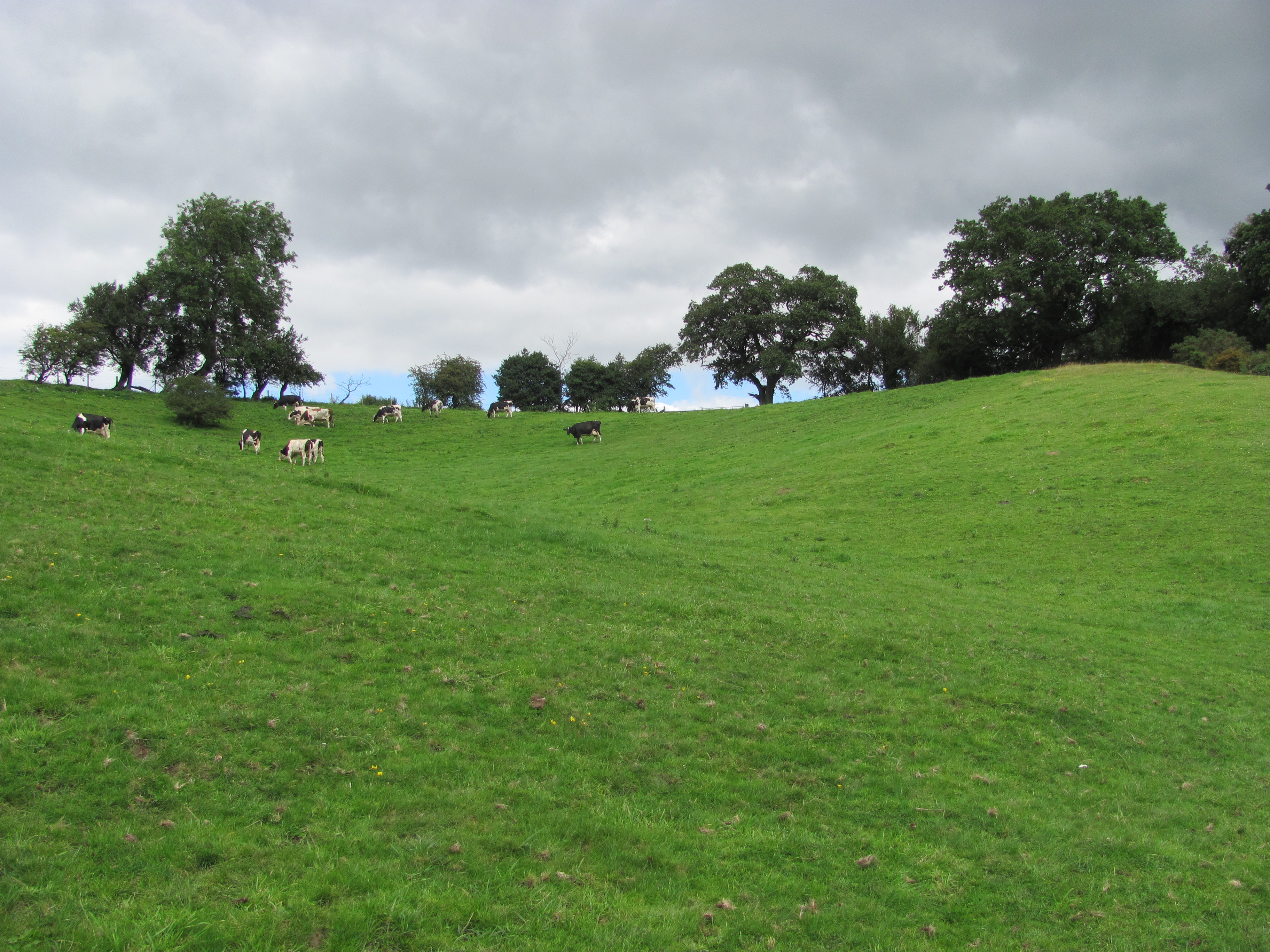
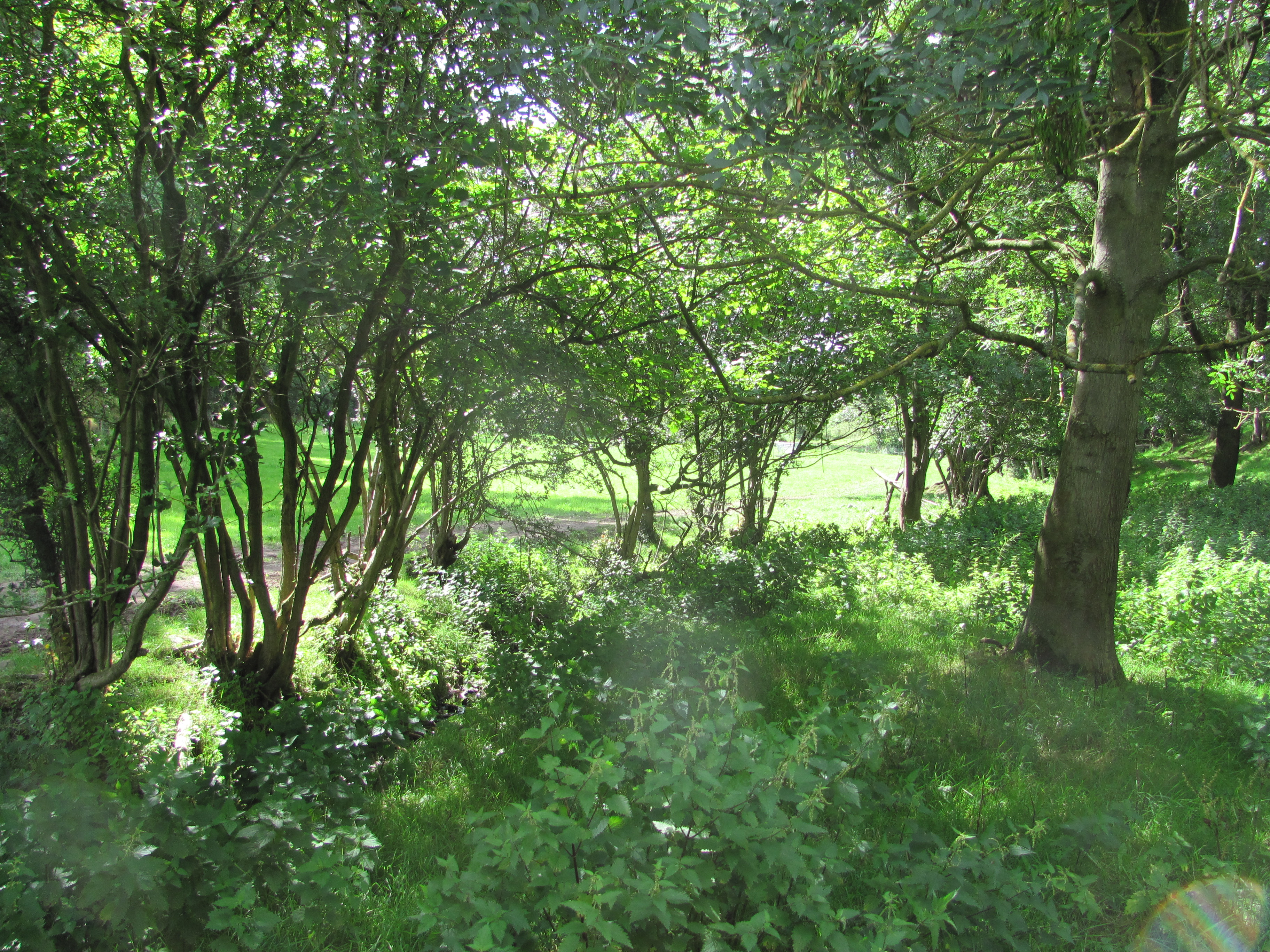
Leaving the fishing pool we followed the valley of the stream that fed it. The grassland here was rich and was being enjoyed by dairy calves, who watched our every move as we passed close to them.

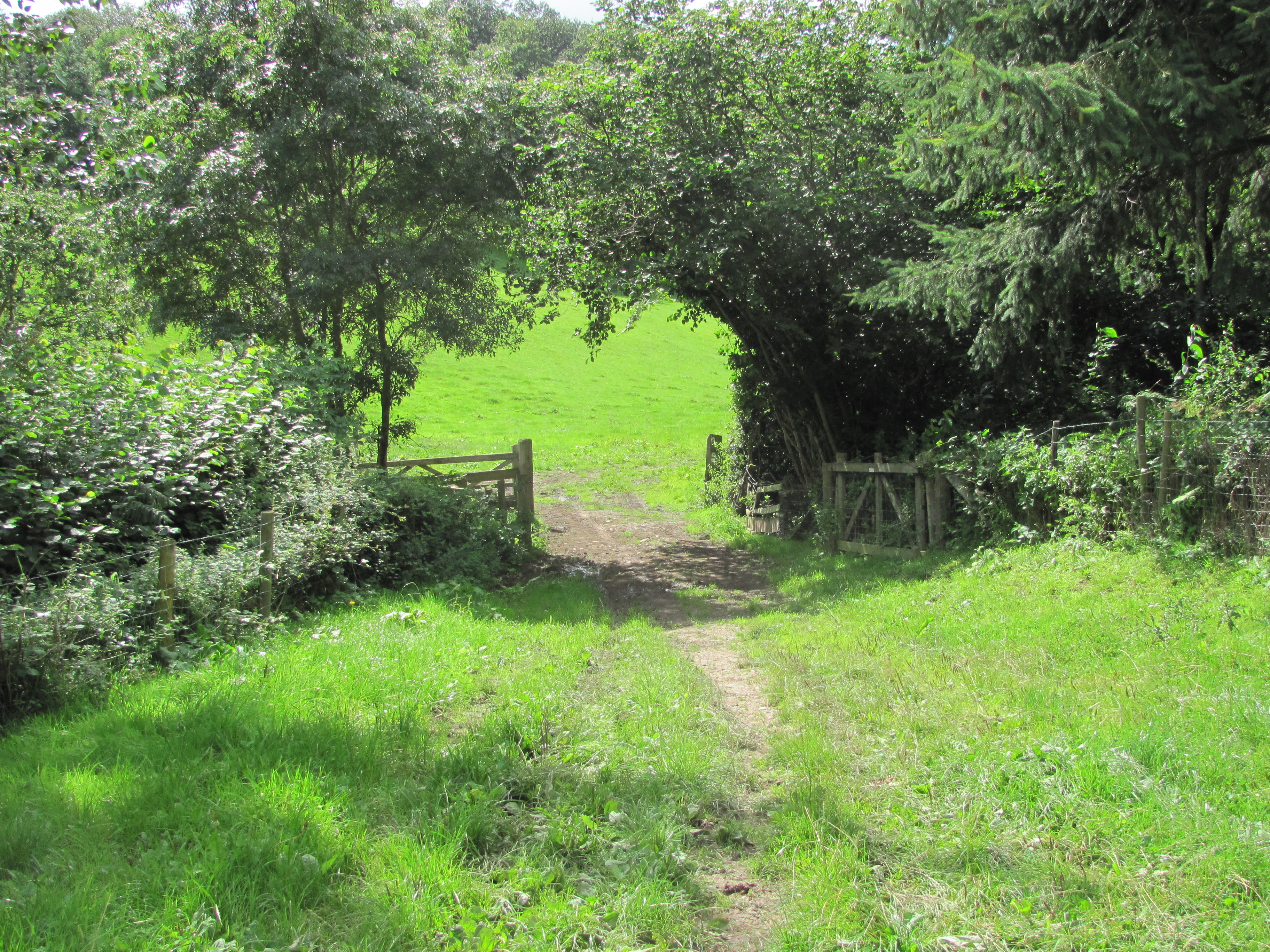
The valley widen out but the wooded slopes and tiny stream running through it kept it intimate. The fields of grass on which the calves fed was a lush green but was devoid of wild flowers, a sad sign of modern farming practices. we followed the path until it took us up a gentle slope away from the stream and up into a wood which was partly coppiced.

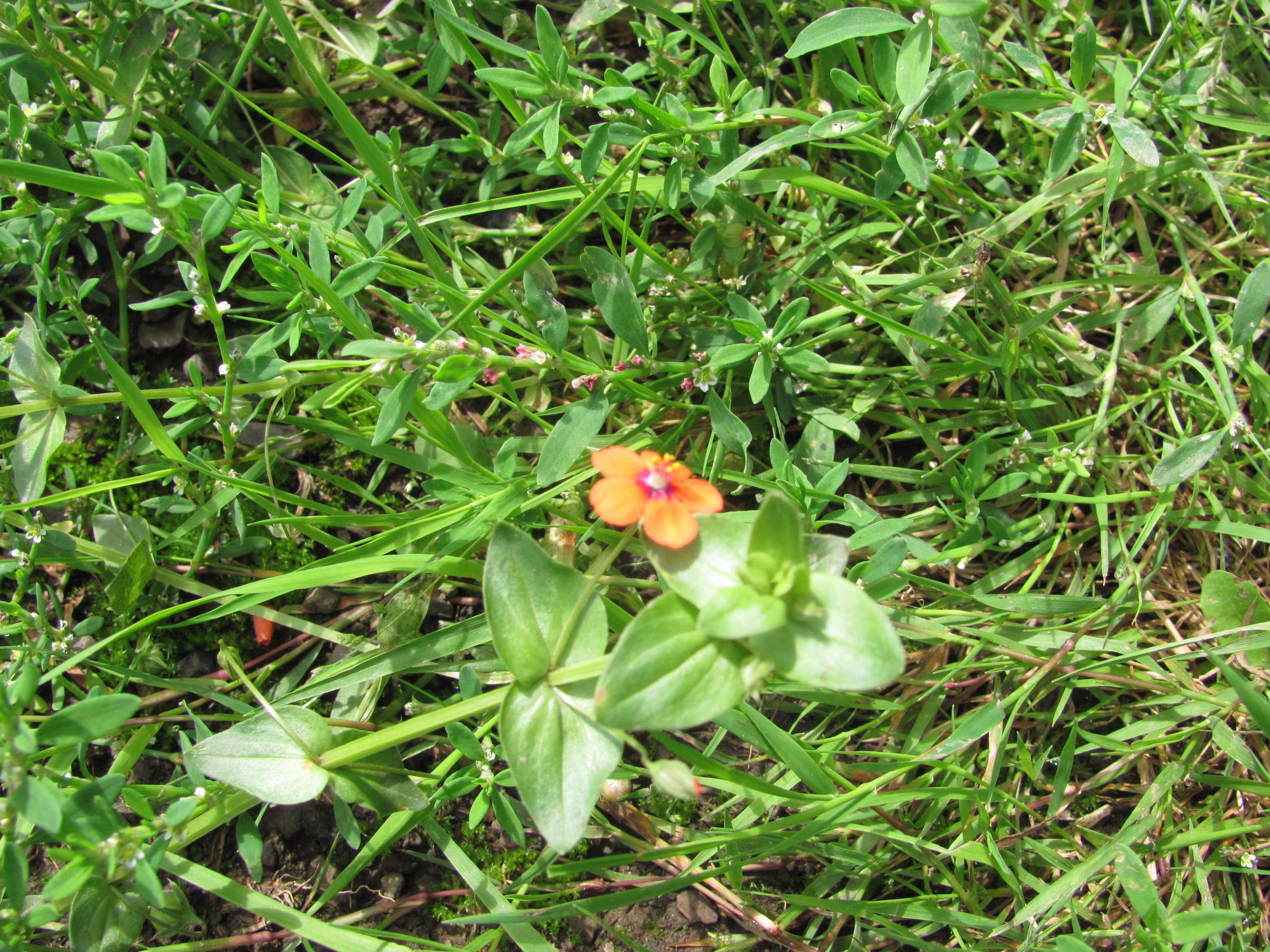
On the slope up to the wood we spotted this Scarlet Pimpernel in flower on the pathway beneath our feet. Although only a tiny flower its orange petals glow so it can be seen from a distance. We now lost the footpath and had to consult maps on the smart phone, which rescued us nicely.

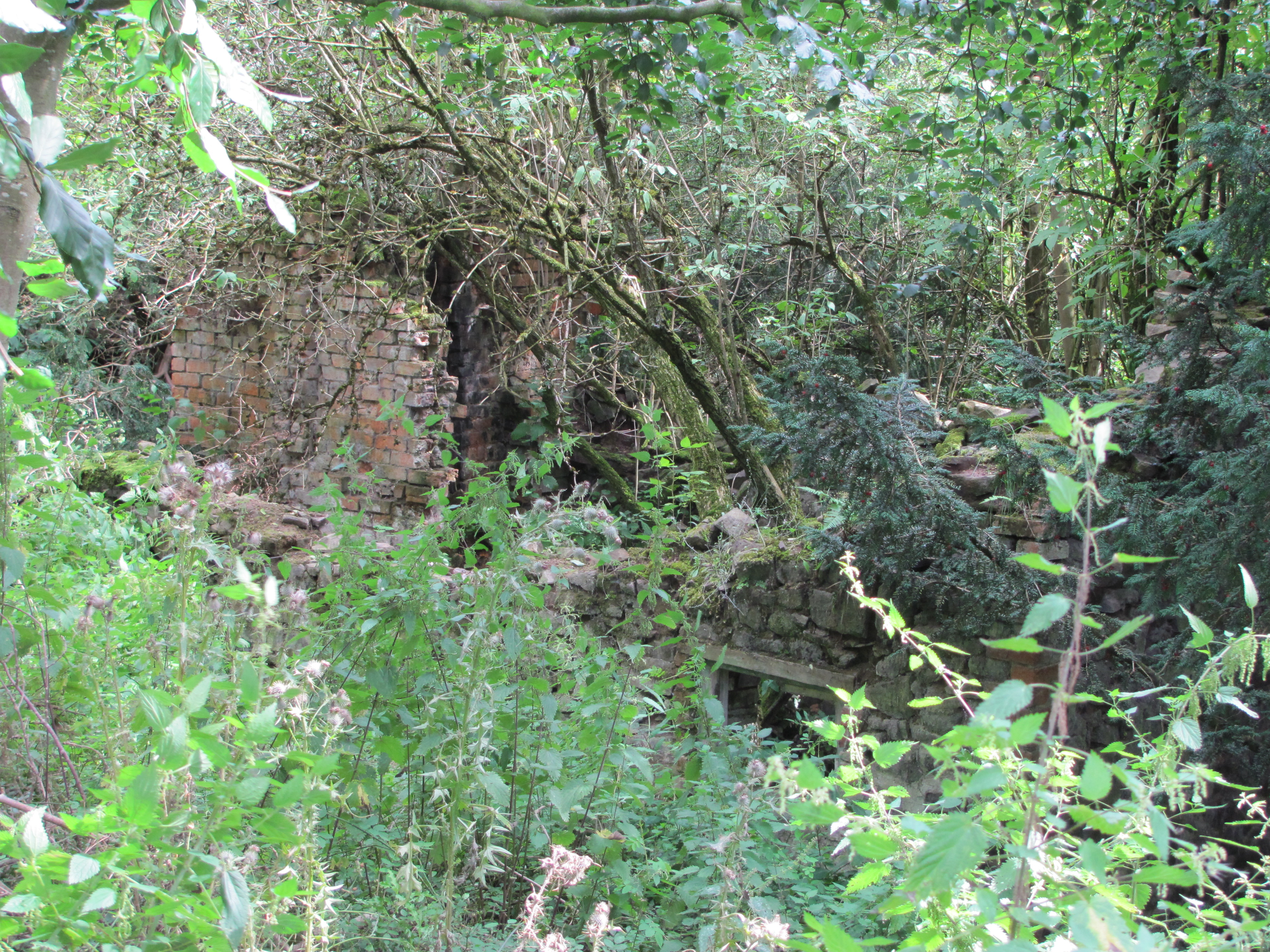
The wood gave away its past. Signs of the work of woodlanders abound. Their homes were now mere ruins covered in Ivy as Mother Nature reclaims her woodland. A clearing showed signs of coppicing.

The darkness of the wood and its cooler atmosphere was in stark contrast to the brightness and warmth that greeted us as we left it behind and returned to farmland. The path narrowed and took led us around a field edge where the sterility and silence of the arable farming on our left clashed with the natural exuberance of the hedge and the wildflower filled verges.

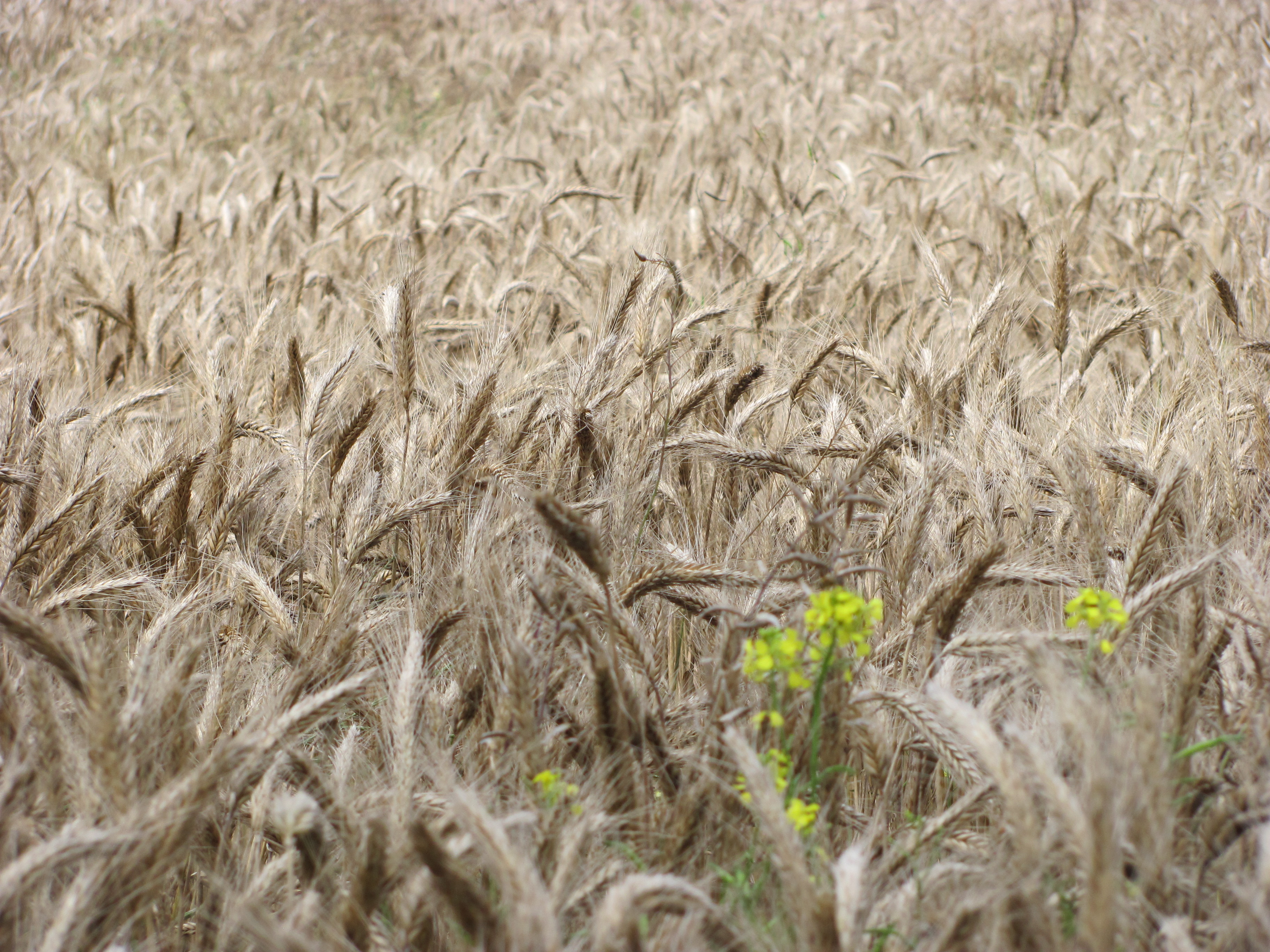
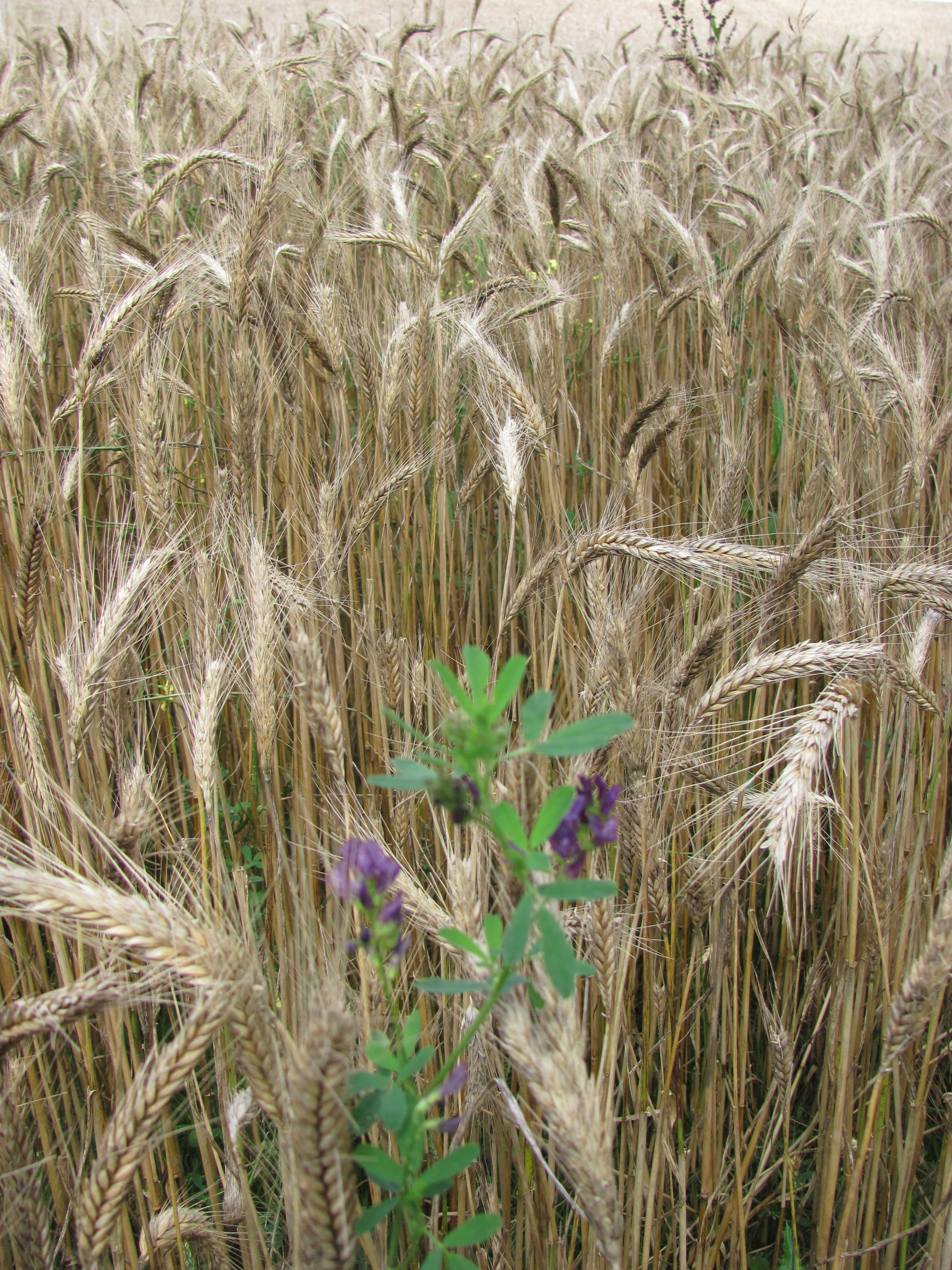
This was modern agricultural practice at its worse. We crossed over several of these fields and saw no signs of life apart from two Wood Pigeons flying overhead. The only flowers were a few yellow Rape plants from a previous crop and brave purple flowered Vetches attempting to clamber the Barley stalks close to the path. Years of pesticide and herbicide use coupled with monoculture has wiped out wildlife from these acres of land. To illustrate the point a small group of Swallows flew over the crop in search of insects, but it was in vain and they quickly moved on. At least until the footpath signs disappeared once more and we relied again on the smart phone maps to rescue us.

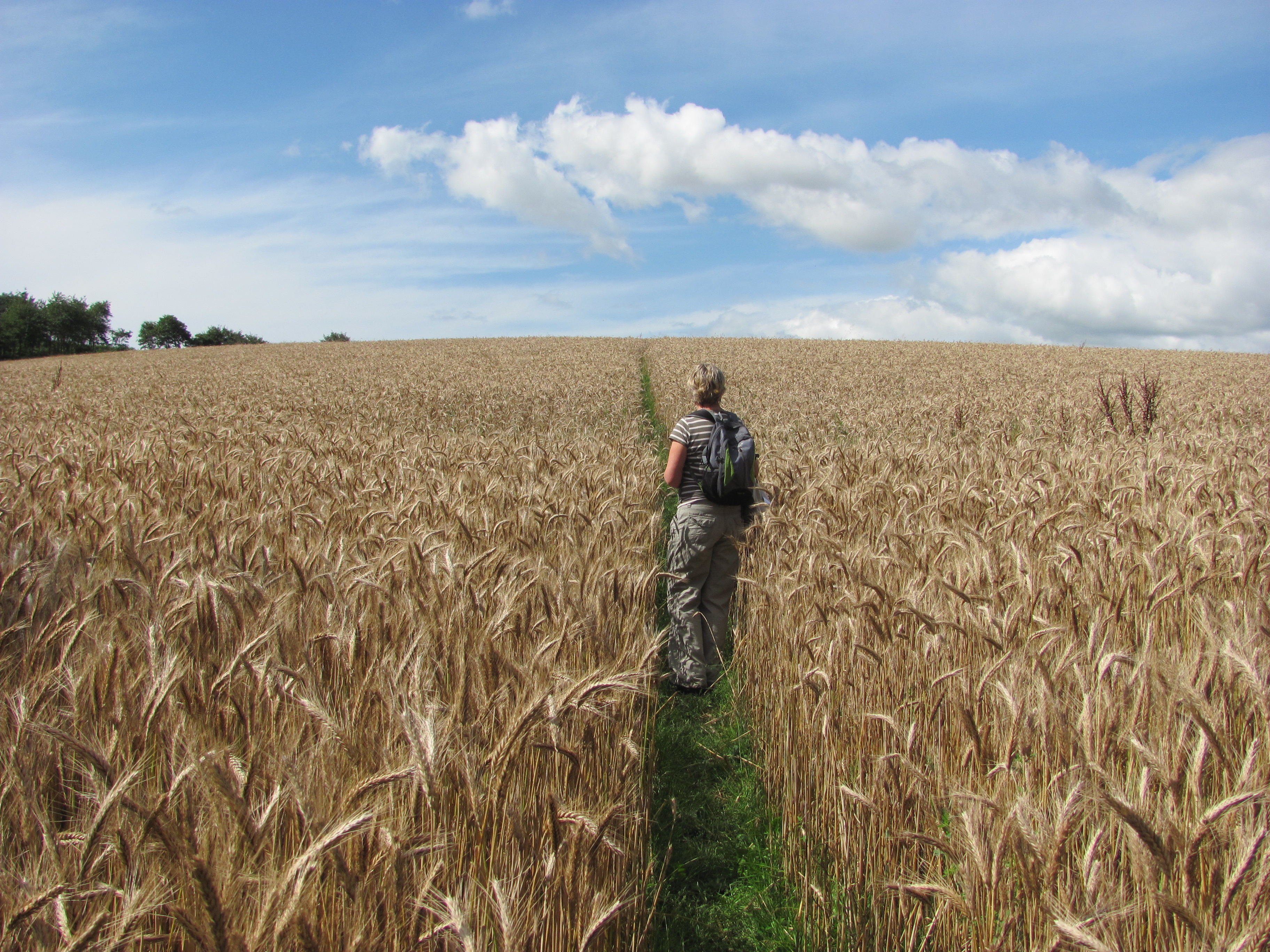
The path crossed one of these fields creating a narrow band of green which cut through the drab grey-yellow of the Barley. The only good part of crossing this desert was the rattling sound that the ears of Barley made as our elbows brushed past them.

Walking across the field we aimed for a style in the distant hedge. It seemed a long way across as there was little to look at or to listen to. The style in the hedge turned ou to be a double style, one each side of a thick, dense, tall hedge. there was a different world awaiting us on the other side. The grassland here was full of clovers and there were many different grasses, not just the ryegrass we had walked through earlier.

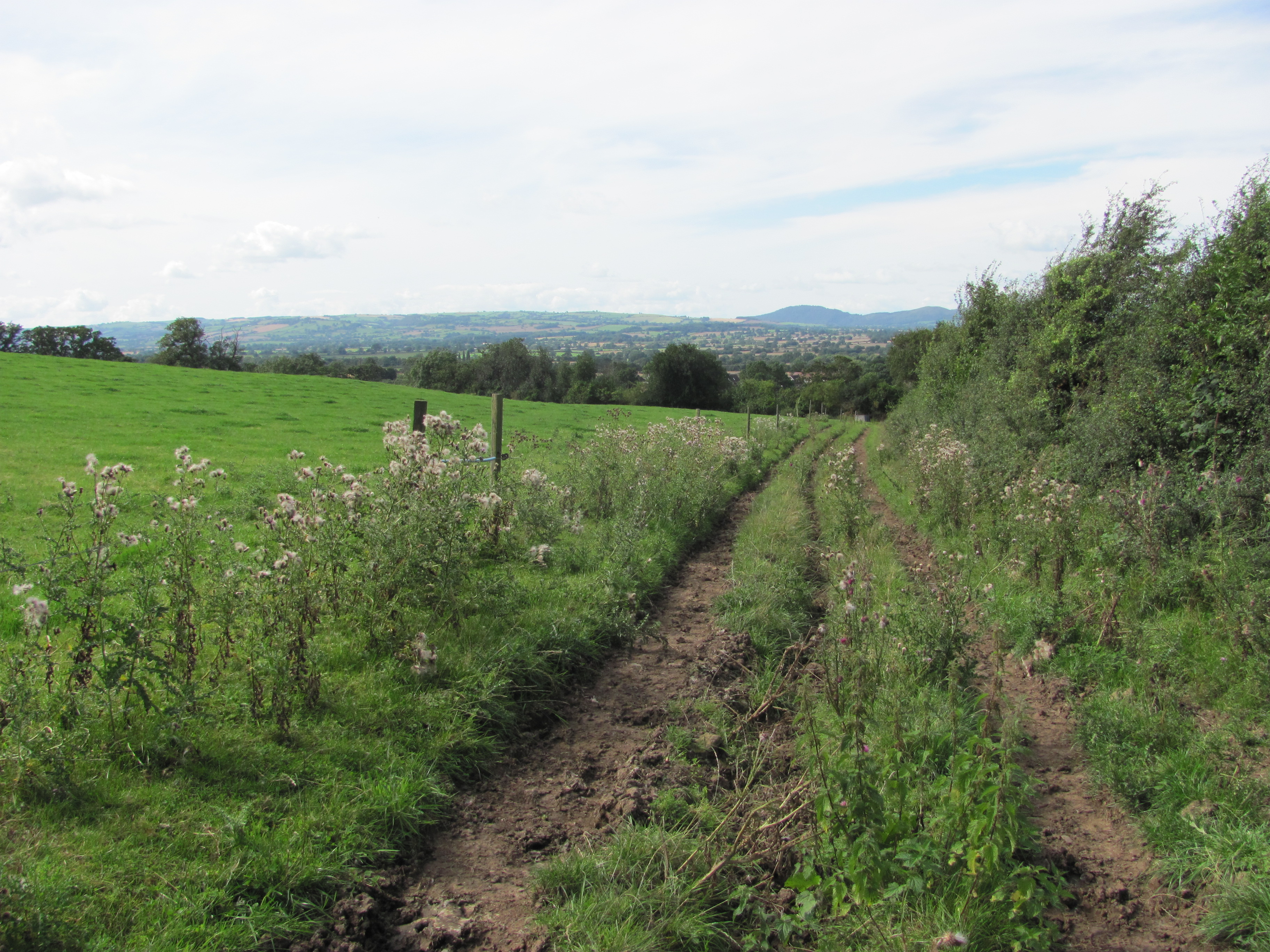
We were now within the land of our local organic dairy farmer. The hedgerows had deep verges full of wildlflowers, thistles, mallows and vetches. No hedges had been removed and the fields were much smaller.

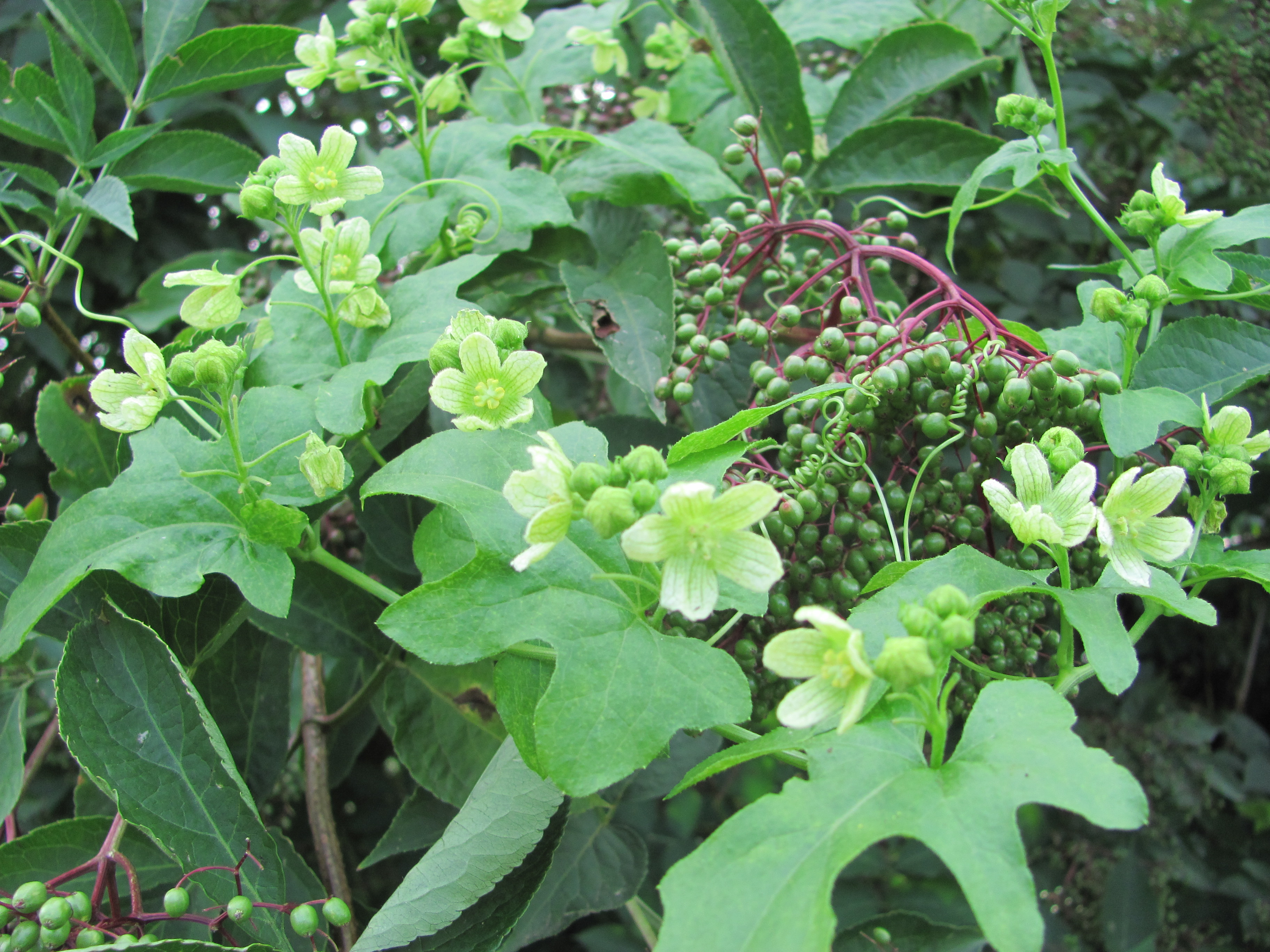
As we passed through to another field we were hit by a sweet. rich aroma from the hedge. It took us a while to find the source – a Sweet Bryony clambering over an Elder.
It was downhill now all the way home and we enjoyed lovely views through gaps in the tall hedges.

As we left the final field of pastureland we spied our house across the hayfield. We had to pass our big old oak tree which we admire from out back garden. As we walked along the fence to the garden gate we called out to the chickens. They looked totally confused – we were the wrong side of the fence.

Categories
garden photography gardening ornamental trees and shrubs RHS

The Tulip Tree

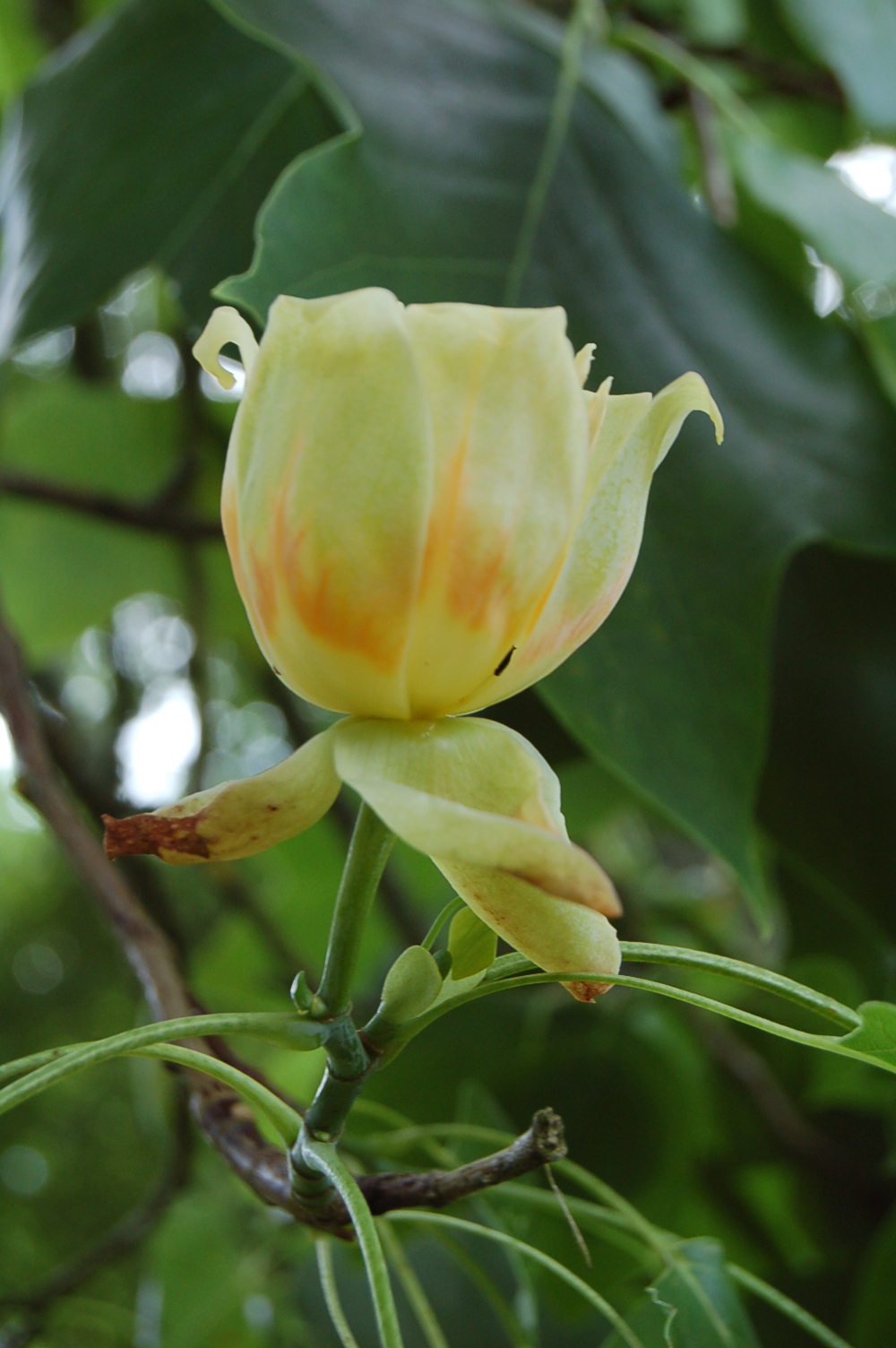
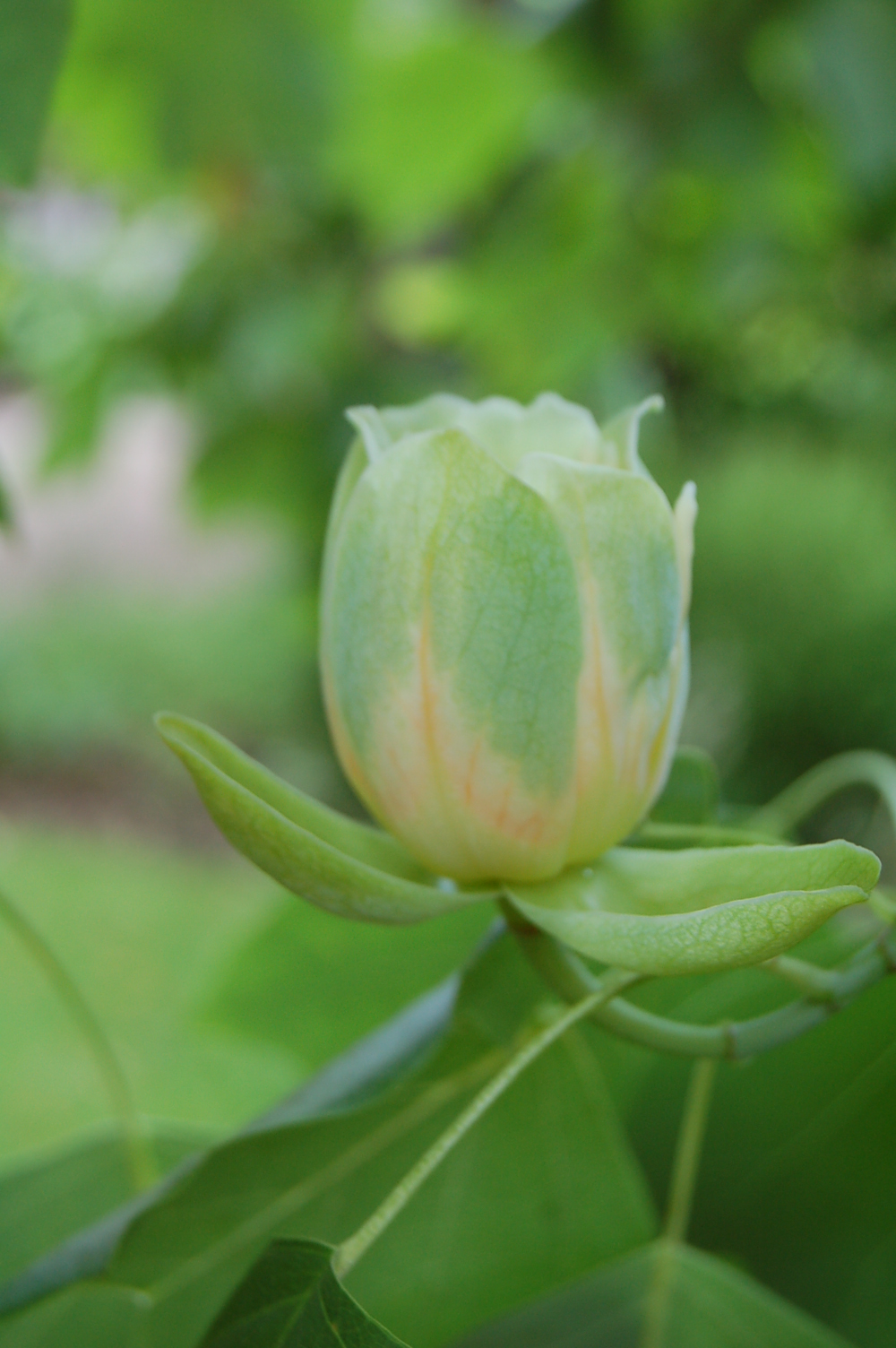
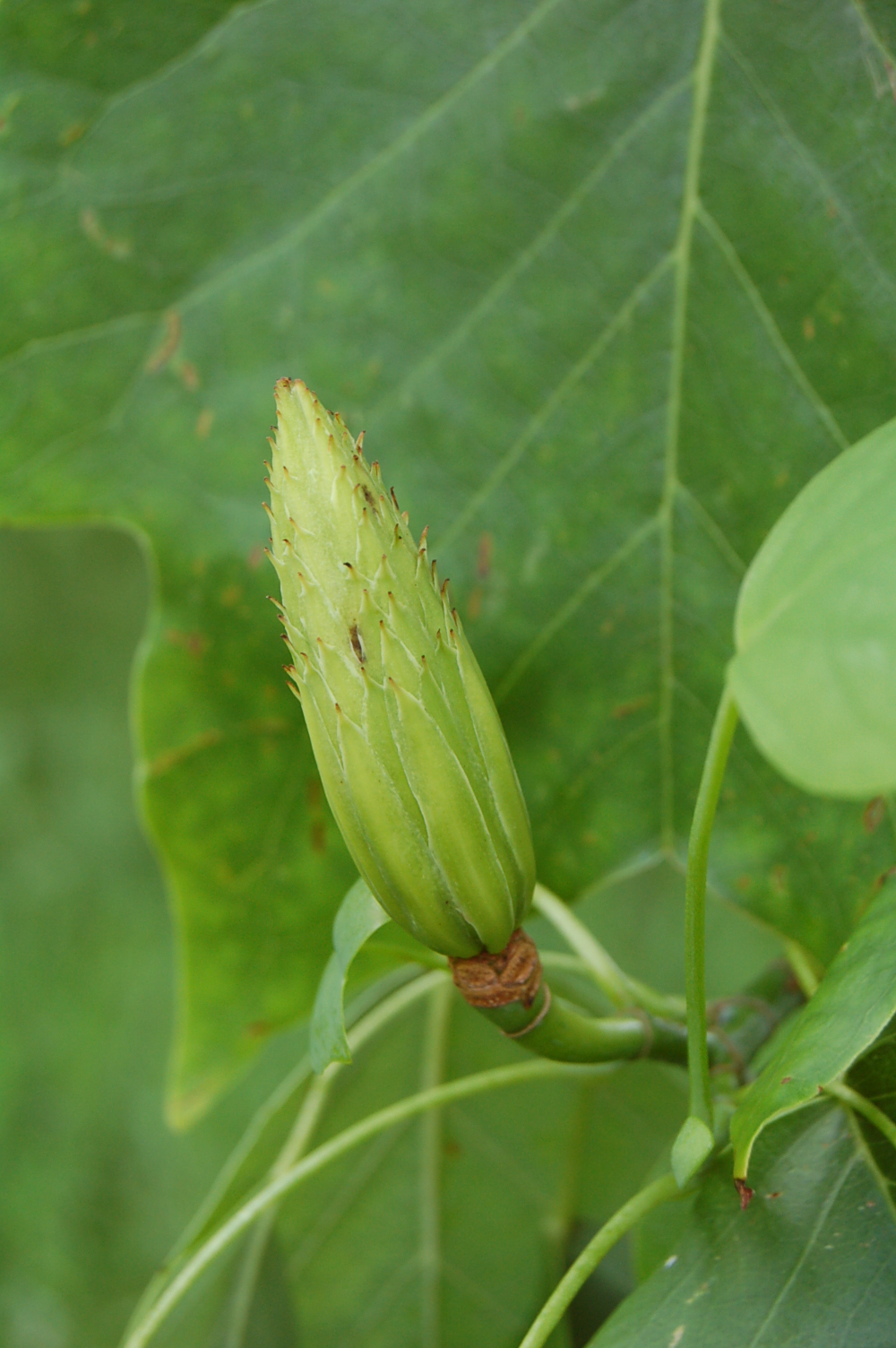
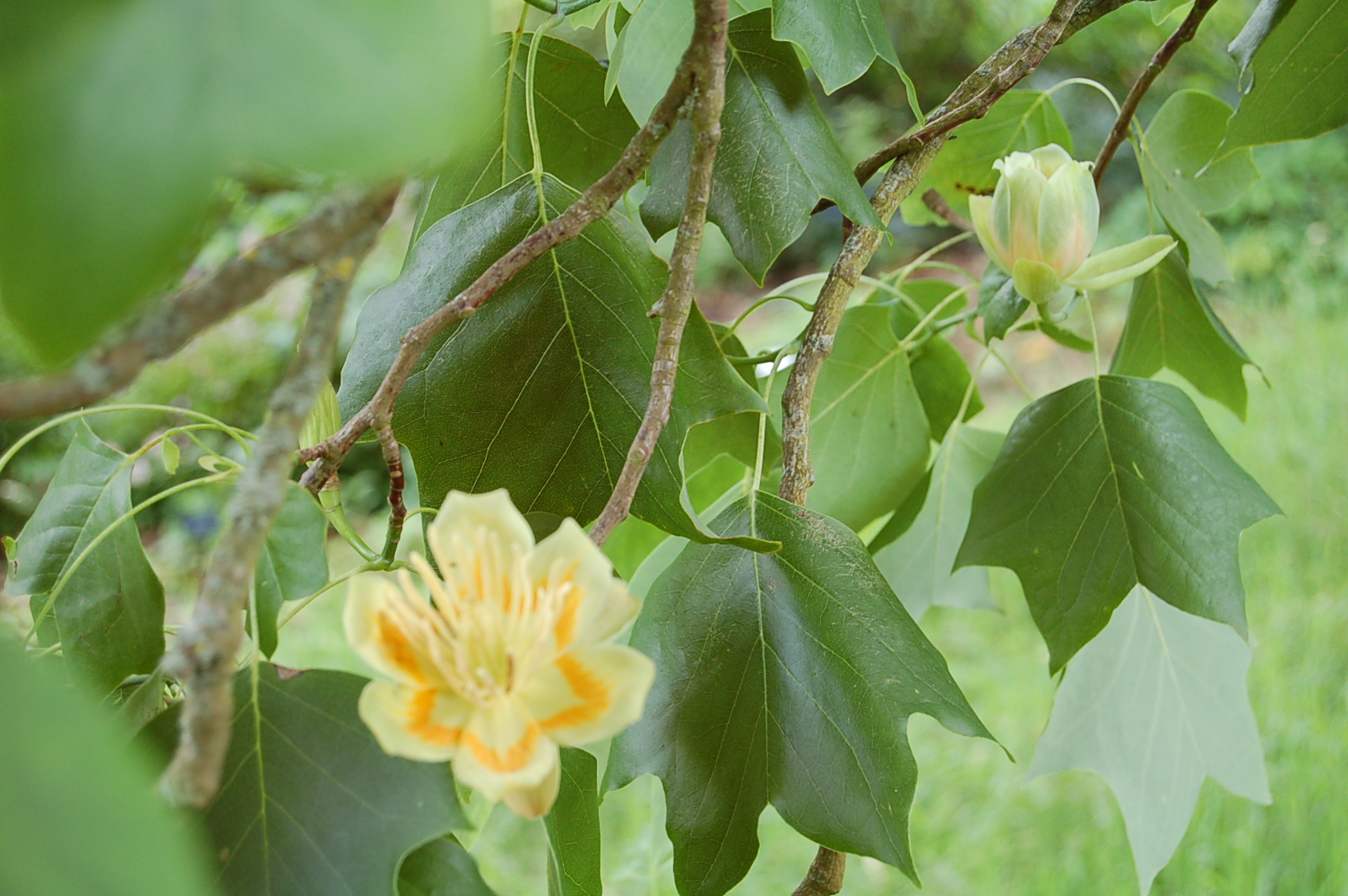
Over the years we have seen Tulip Trees with just a few flowers on them. Every time we see them we are amazed by them. How can a tree have flowers like tulips? But they are indeed just like big green, pale orange and lemon coloured tulip flowers.

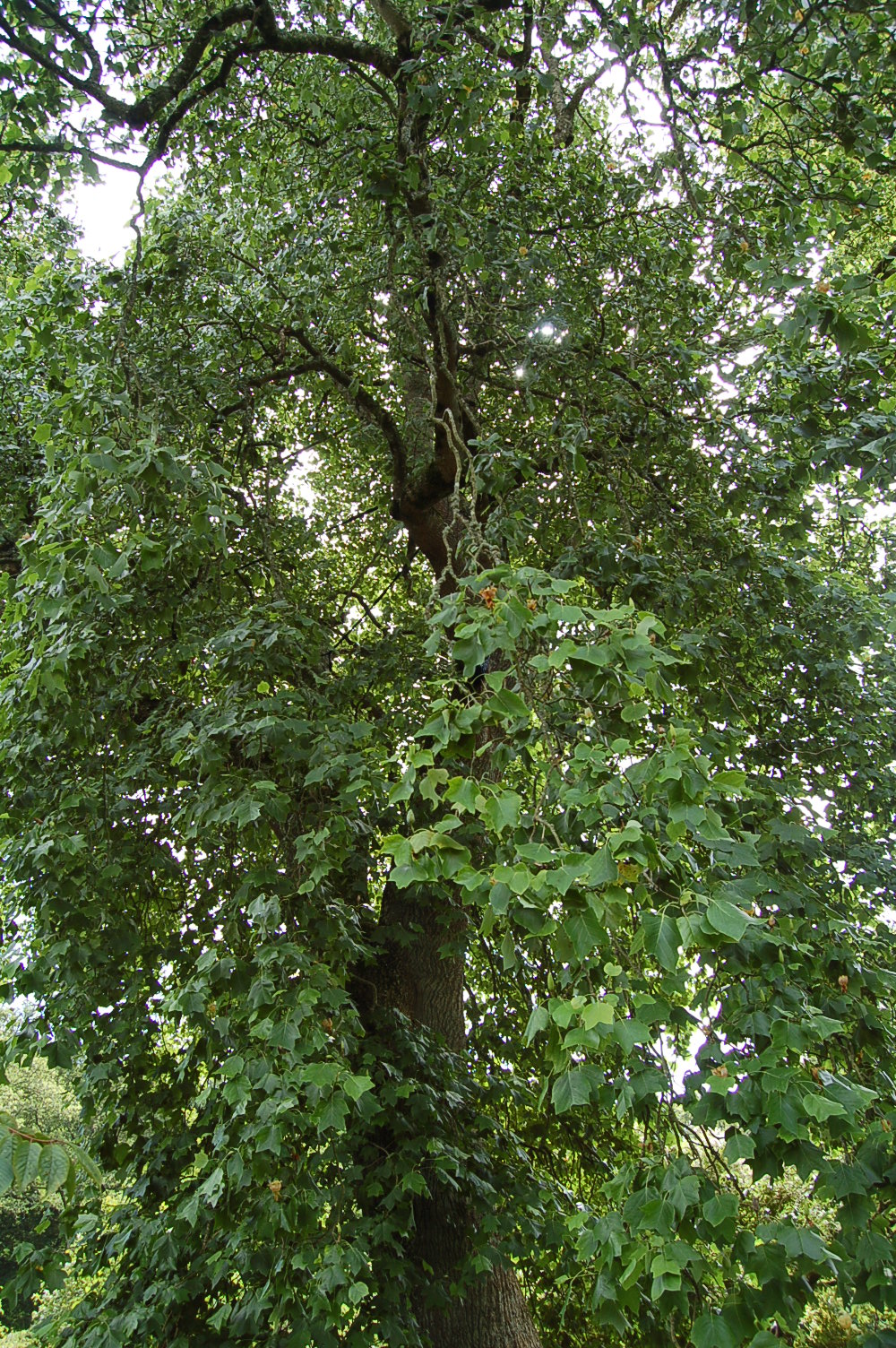
On a summer visit to Devon’s RHS garden Rosemoor, we were astonished to come across the biggest Tulip Tree we had ever seen and it was covered in bloom from top to toe. It must have been near maturity as it was about 100 feet tall, which is its maximum size.

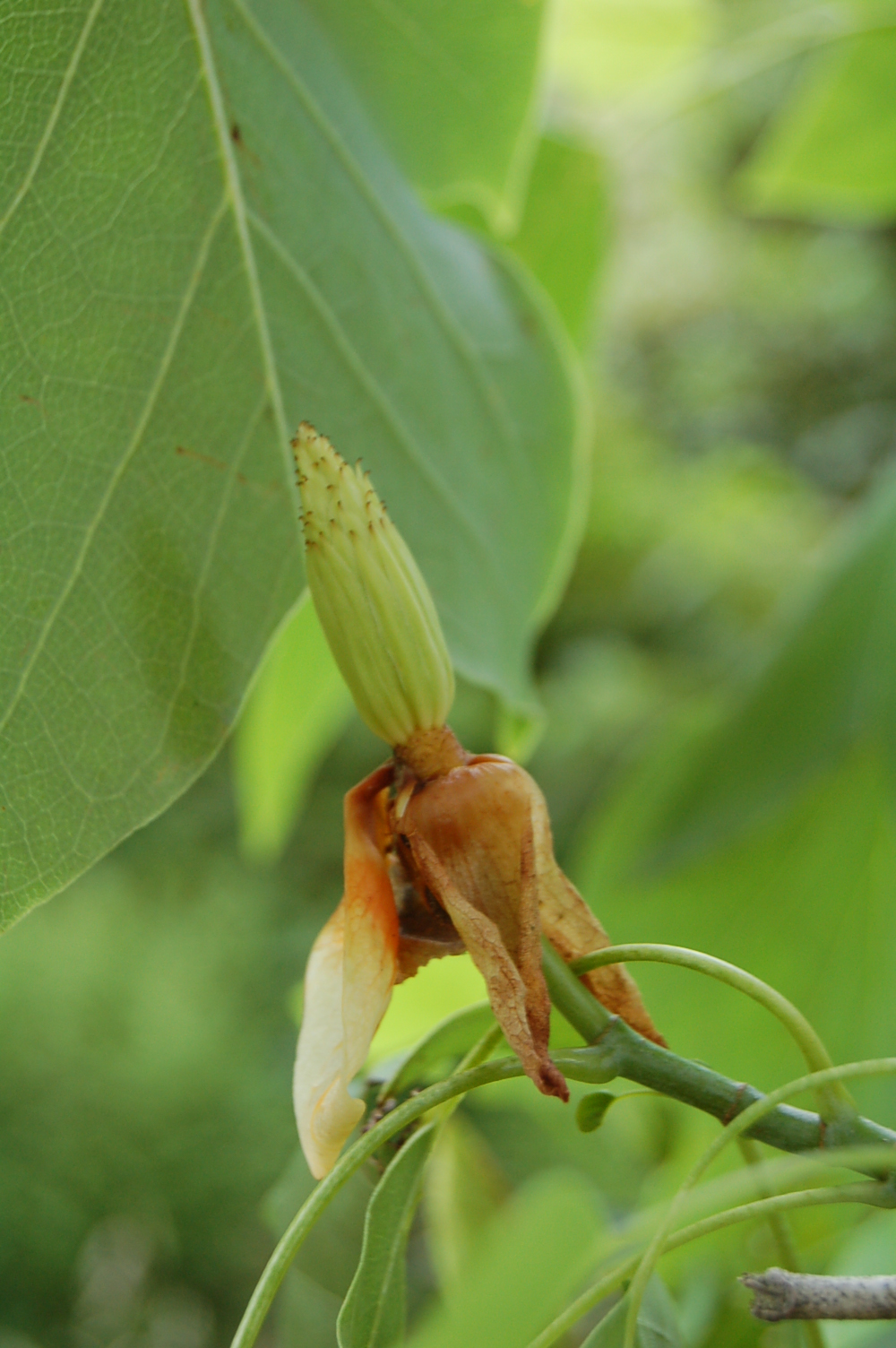
What made this tree particularly special at the time was that we could find the flowers from every stage of development from bud through to seed head.

Tulip Trees are also known as the Tulip Poplar and the Yellow Poplar. It has a lyrical botanic name – Liriodendron tulipifera. The photo above illustrates that it has leaves of an unusual shape, described by some as “saddle shaped” and these turn yellow and red in the autumn.

This Veggie Life

A Vegetarian | Nature Lifestyle Blog

Rambling in the Garden

.....and nurturing my soul

The Arch City Gardener

Journeys In St. Louis Gardening and Beyond

Garden Dreaming at Châtillon

Consult the genius of the place

Storyshucker

A blog full of humorous and poignant observations.

gardeninacity

Notes from a wildlife-friendly cottage garden

PlayGroundology

...an emerging social science

The Official Blog of British Wildlife

'The most important and informative publication on wildlife of our times' - The Independent. This blog is a member of The UK & Ireland Natural History Bloggers group: www.uknhb.blogspot.com

iGrowHort

Inspire - Cultivate - Grow Native Plants - Restore Landscapes

Bishops Meadow Trust

To create and protect a semi-natural wild space for the people of Farnham to enjoy and experience an array of British wildlife in our town

Gardening with Children

The www.gardeningwithchildren.co.uk Blog

UKbirdingtimeline

birding through the seasons, why birds matter and how to conserve them

NATURE WALKER

with a camera in hand

Jardin

Transform your outdoor space

Eva's space

My allotment, cooking and other interests

Old School Garden

my gardening life through the year

LEANNE COLE

Trying to live a creative life

fromacountrycottage

trying to live as lightly as possible on our beautiful planet

Good Life Gardening

Nature lovers from Leicester living the good life.

mybeautfulthings

Finding the beautiful in the everyday

mawsonmichelle

Michelle's Allotment

In and Out of My Garden

thoughts from and about my garden

Greenhousing

Big plans for a small garden

The Scottish Country Garden

A Walled Country Garden in South East Scotland

The Fruity Chicken

Life at the fruity chicken

willowarchway

Off grid living. Self sufficient. "PERMAGANICS RULE".

St Anns Allotments

Nottingham's Grade 2* Listed Allotments and Community Orchard

Manifest Joy Harvests

a journey in suburban vegetable gardening

Allotmental

The madness of growing your own

Penny's Garden: a harvest beyond my front door

A novel approach to vegetable gardening

arignagardener

Sustainable living in the Irish countryside.

NewEnglandGardenAndThread

Master Gardener, amateur photographer, quilter, NH native, and sometimes SC snowbird

dianajhale

Recent work and work in progress and anything else that interests me

planthoarder

a chaotic cottage gardener

Lens and Pens by Sally

a weekly blog that creates a personal philosophy through photographs and words

Dewdrops and Sunshine

Stories from a sassy and classy Southern farmbelle.

The Pyjama Gardener

Simple Organic Gardening & Seasonal Living

gettin' fresh!

turning dirt into dinner

JOY...

today the world is created anew

Garden Birds

Notes from a Devon garden

ShootAbout

Life Through The Lens

Adapting Pixels

A photography blog showcasing the best photography pictures and videos on the internet

Wildlifegardening's Blog

Just another WordPress.com site

naturestimeline

personal observations from the natural world as the search continues for a new approach to conservation.

LATEBLOOMERBUDS

The Wonders of Life through my Eyes, my Heart, my Soul