Categories
fruit and veg garden buildings garden photography gardening gardens gardens open to the public grow your own hardy perennials kitchen gardens National Trust ornamental trees and shrubs Shrewsbury Shropshire shrubs The National Trust walled gardens walled kitchen gardens woodland woodlands

A Walk in the Park – Attingham Park July

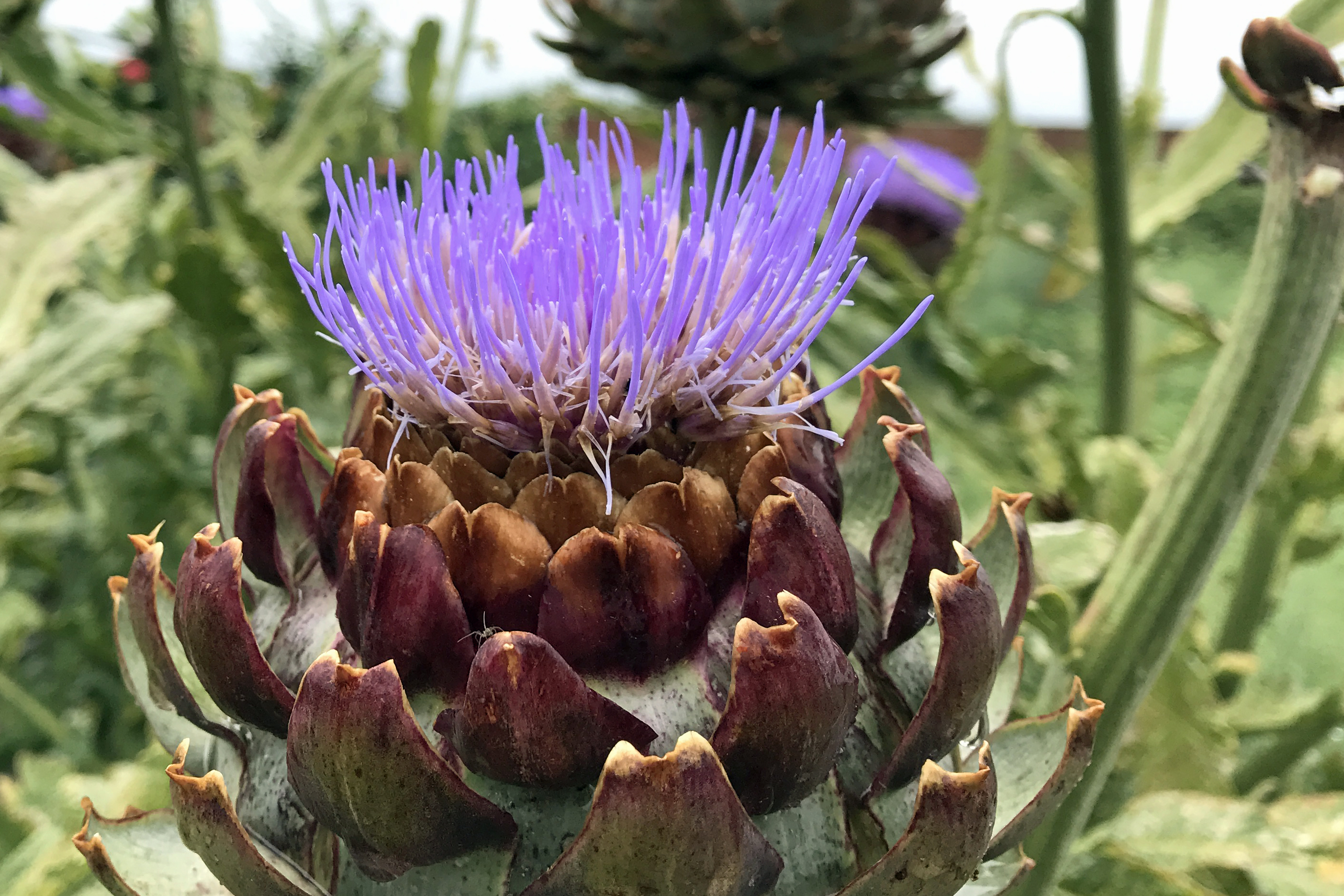
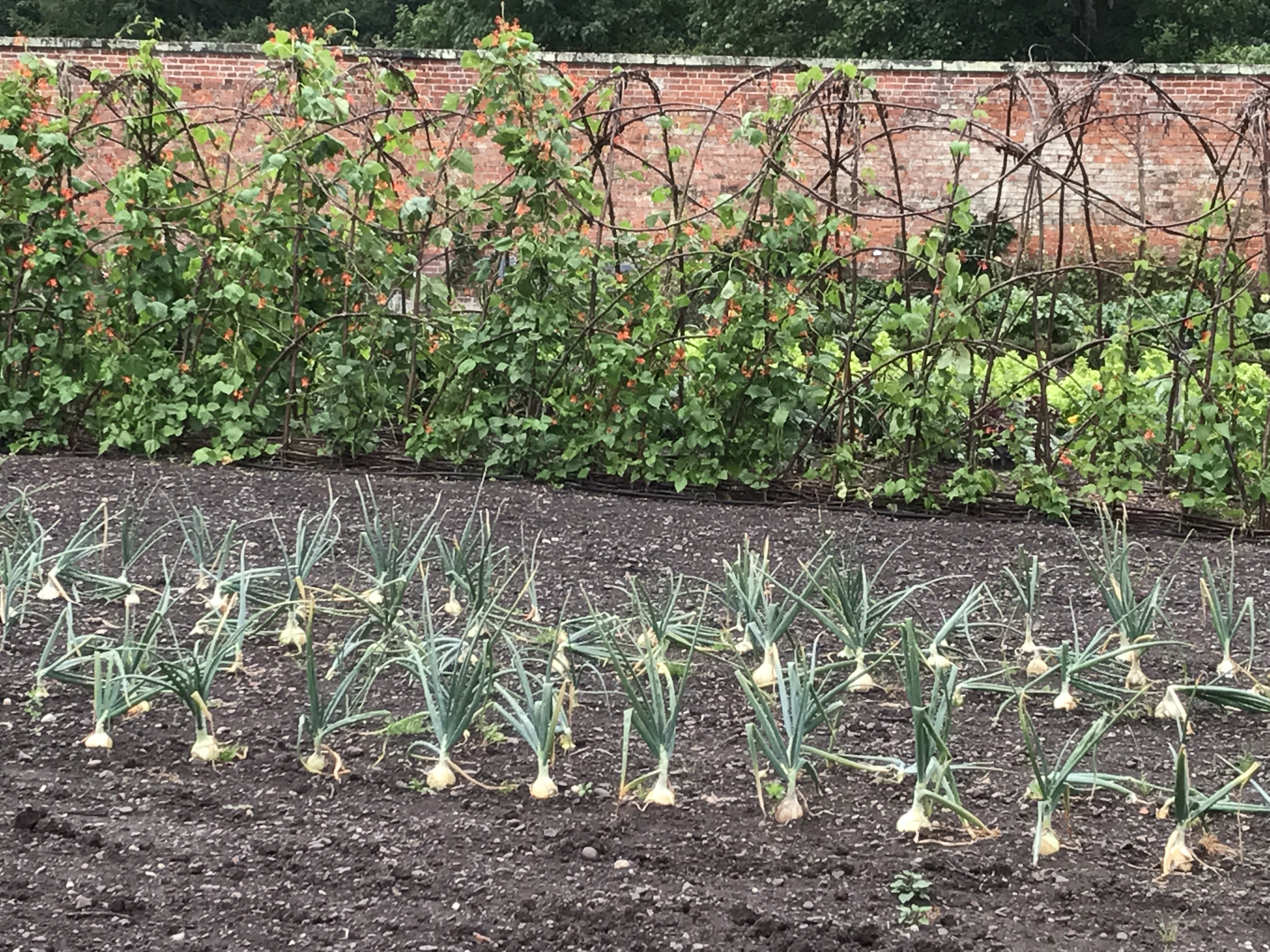
Here we are back at Attingham Park for another wander, this time to see what is going on in the walled garden and woodland pleasure gardens in July.

We arrived in the rain and carried on regardless. Foliage was glossy with moisture because of the steady drizzle, and large puddles had formed on the path.


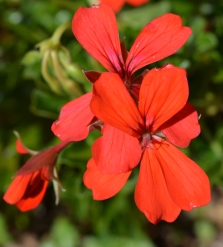
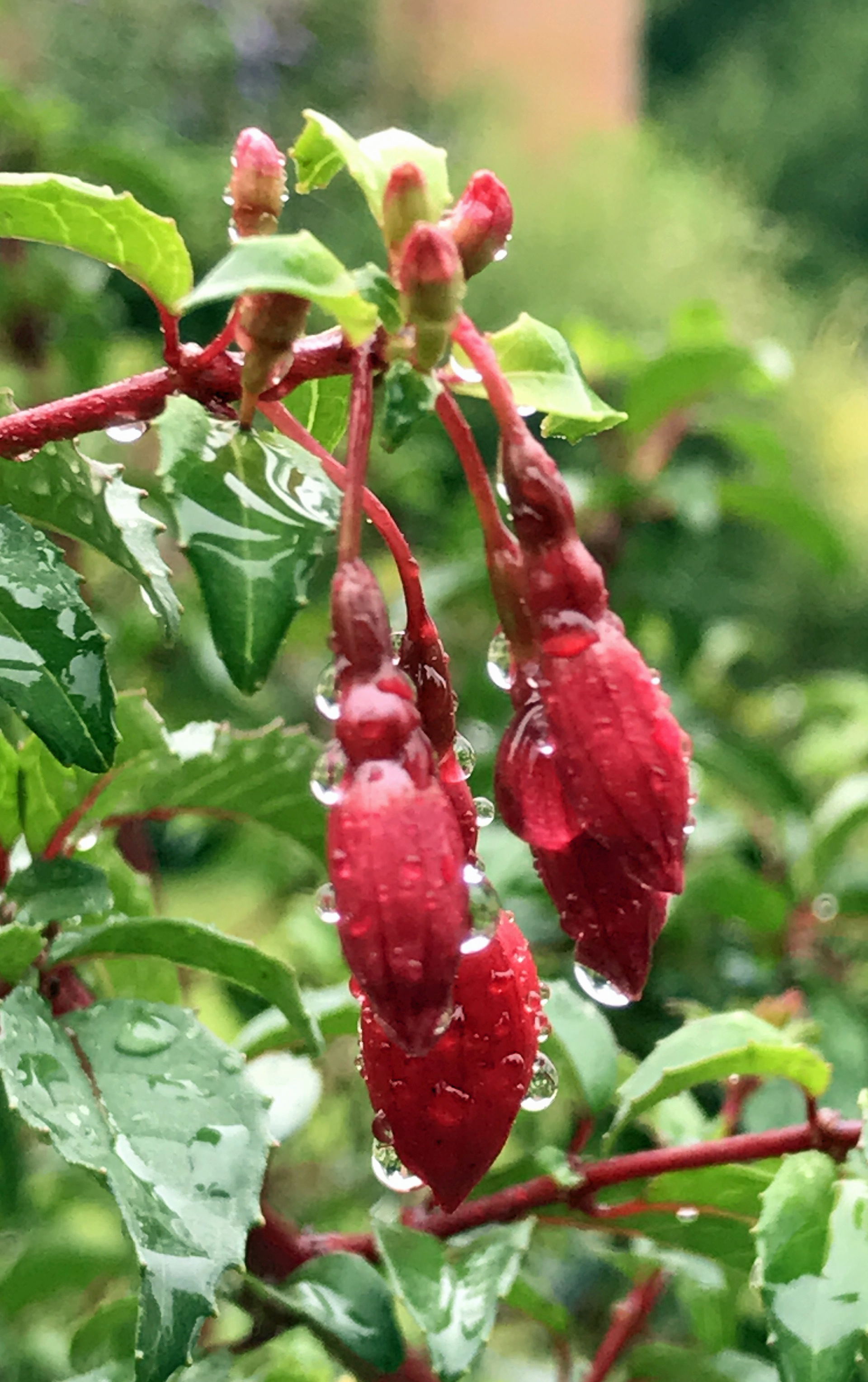
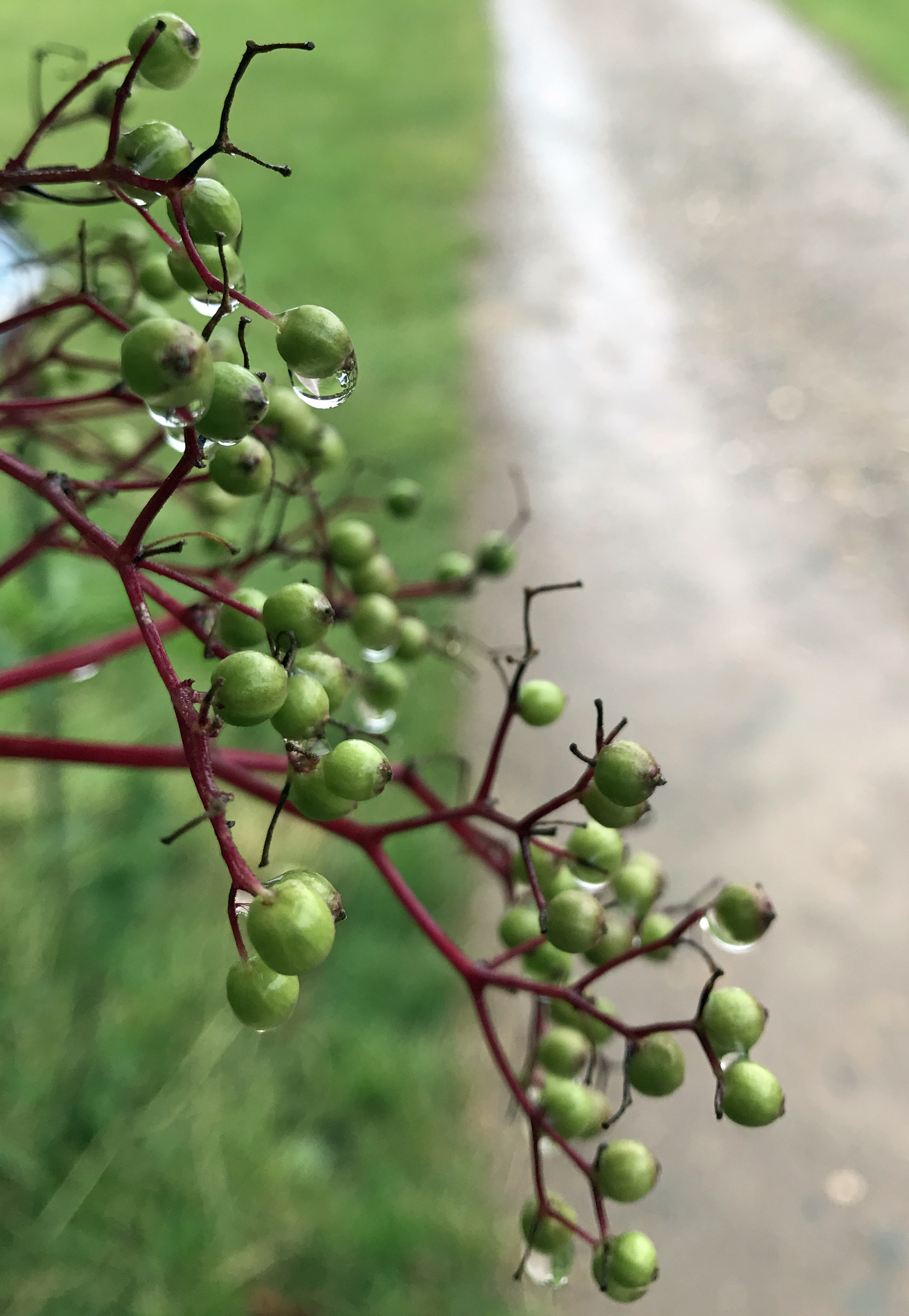
The gardener’s cottage garden gave a little colourful cheer to the day, and water droplets hung on flowers and berries. The heritage rare breed cattle in the field at the start of the track ignored the drizzle and continued tearing at the grass heads down.


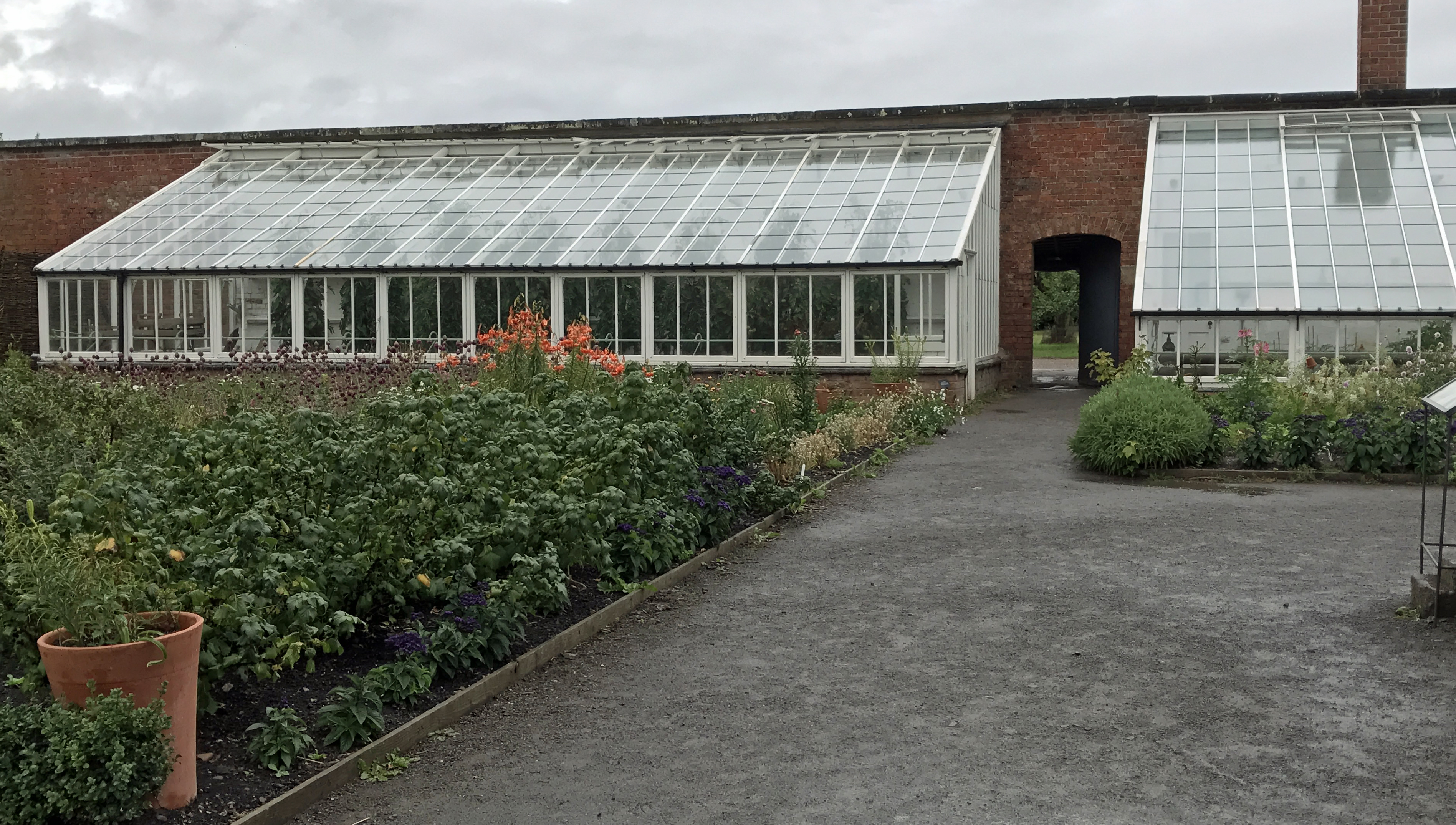
The walled garden gave protection and the day began to feel a little warmer as the rain stopped.


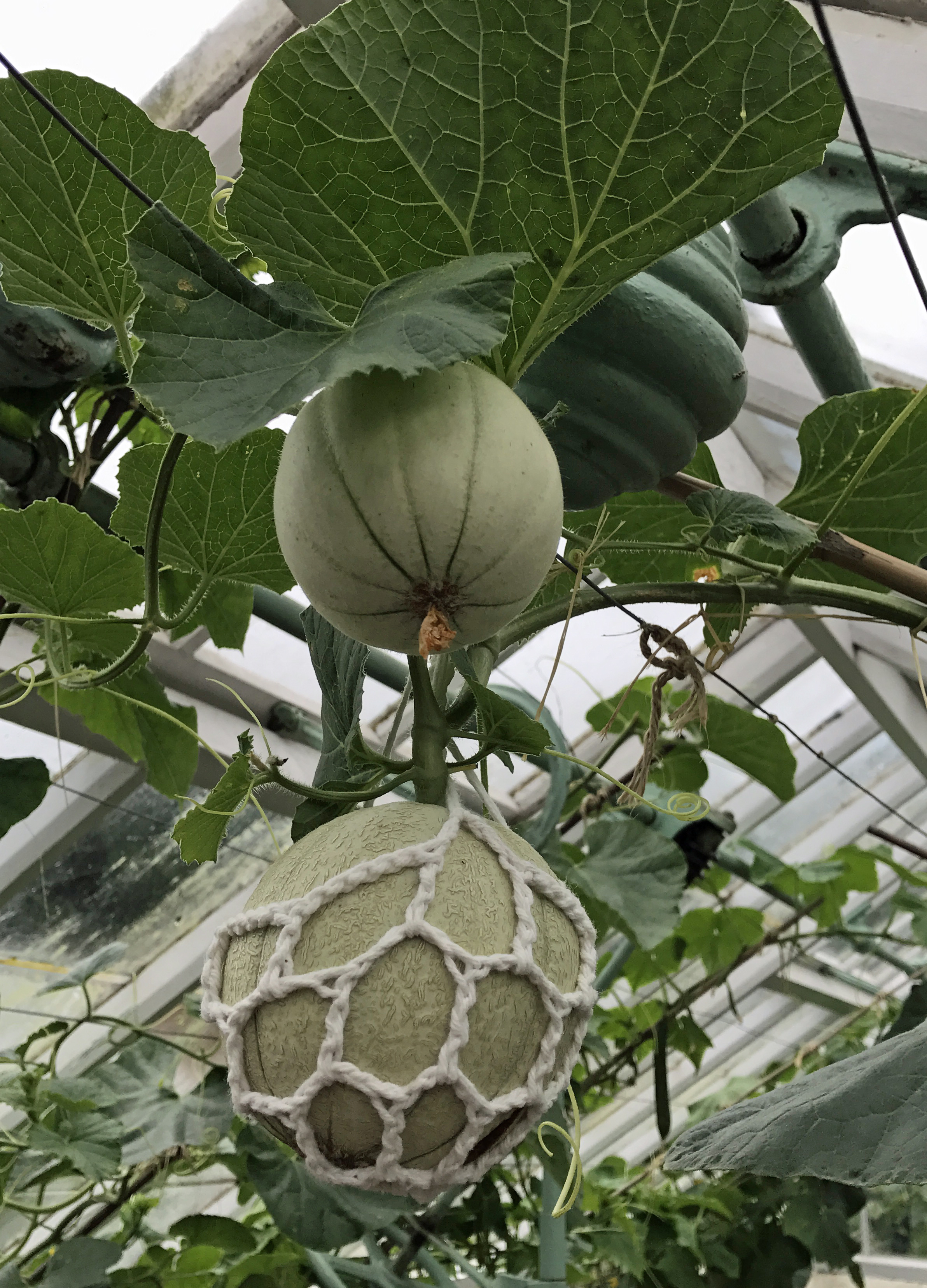
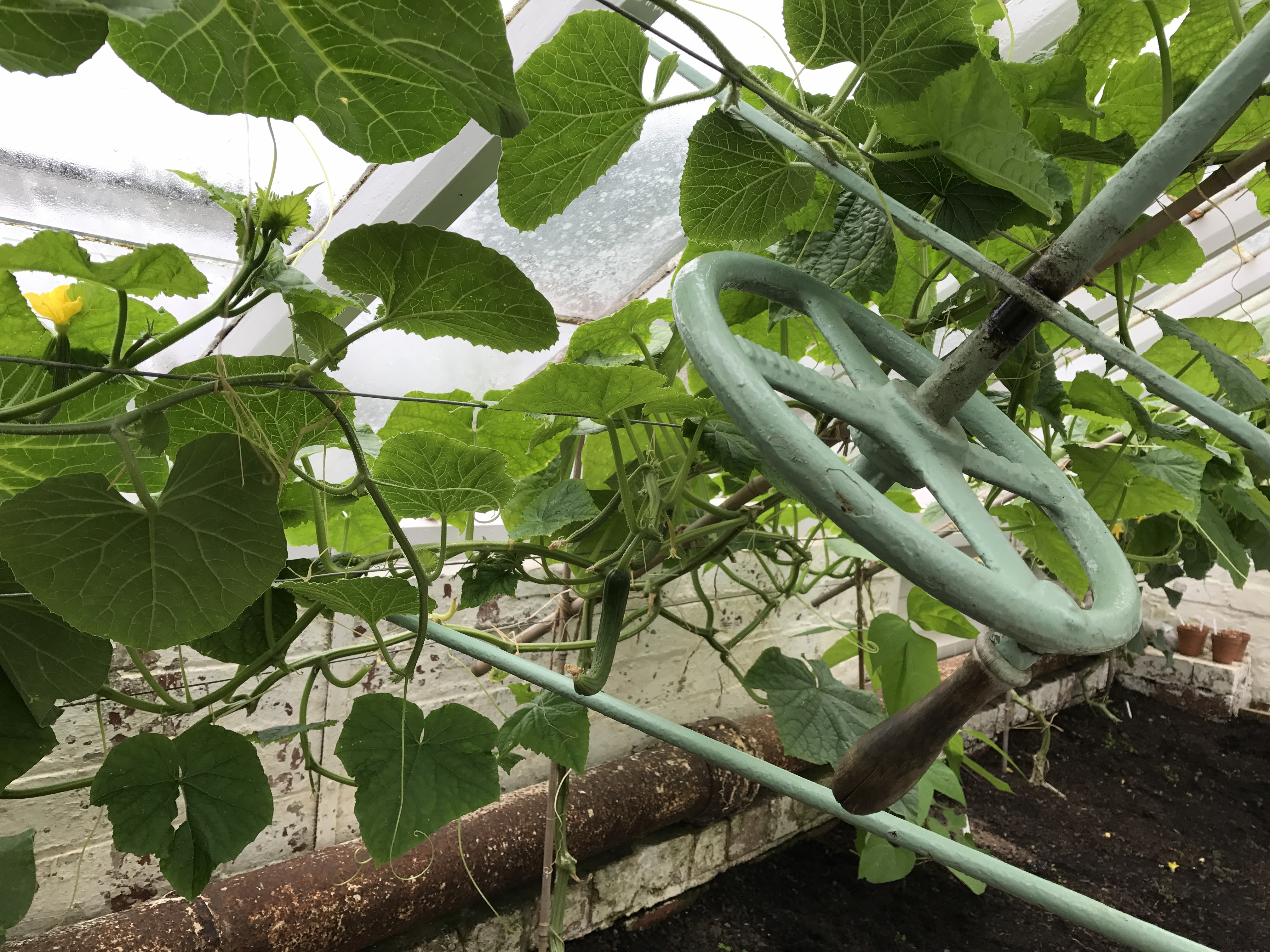
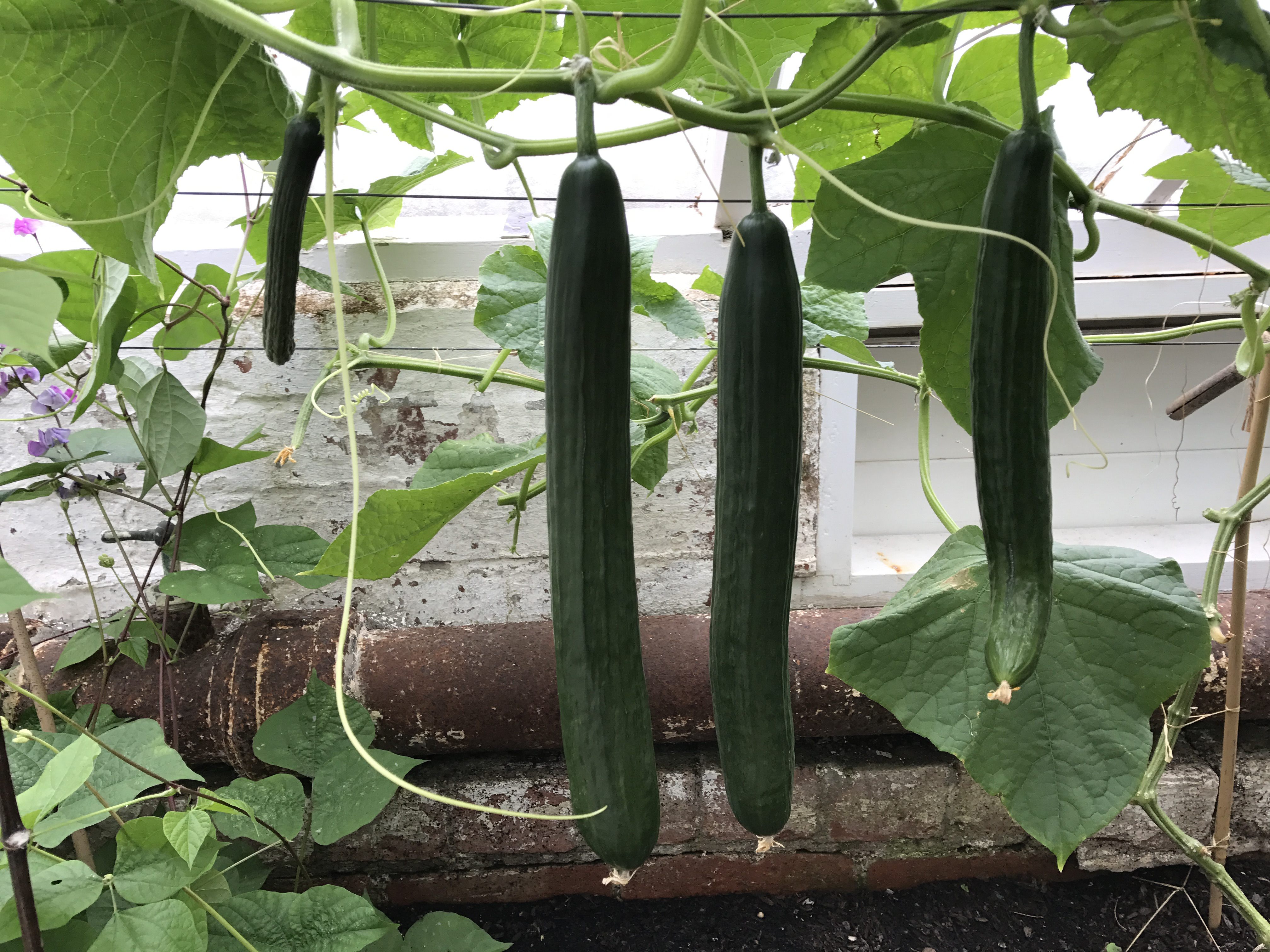
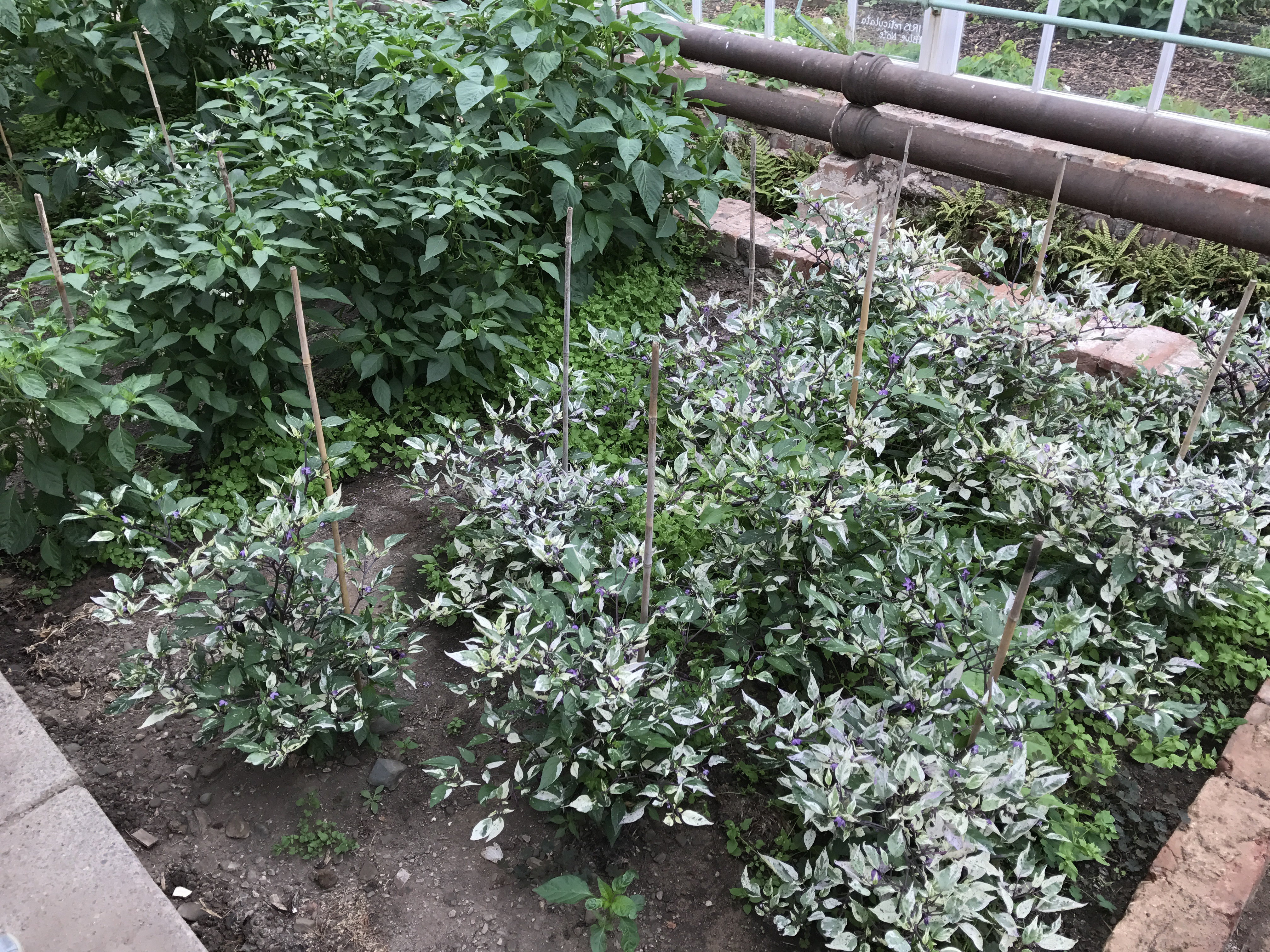
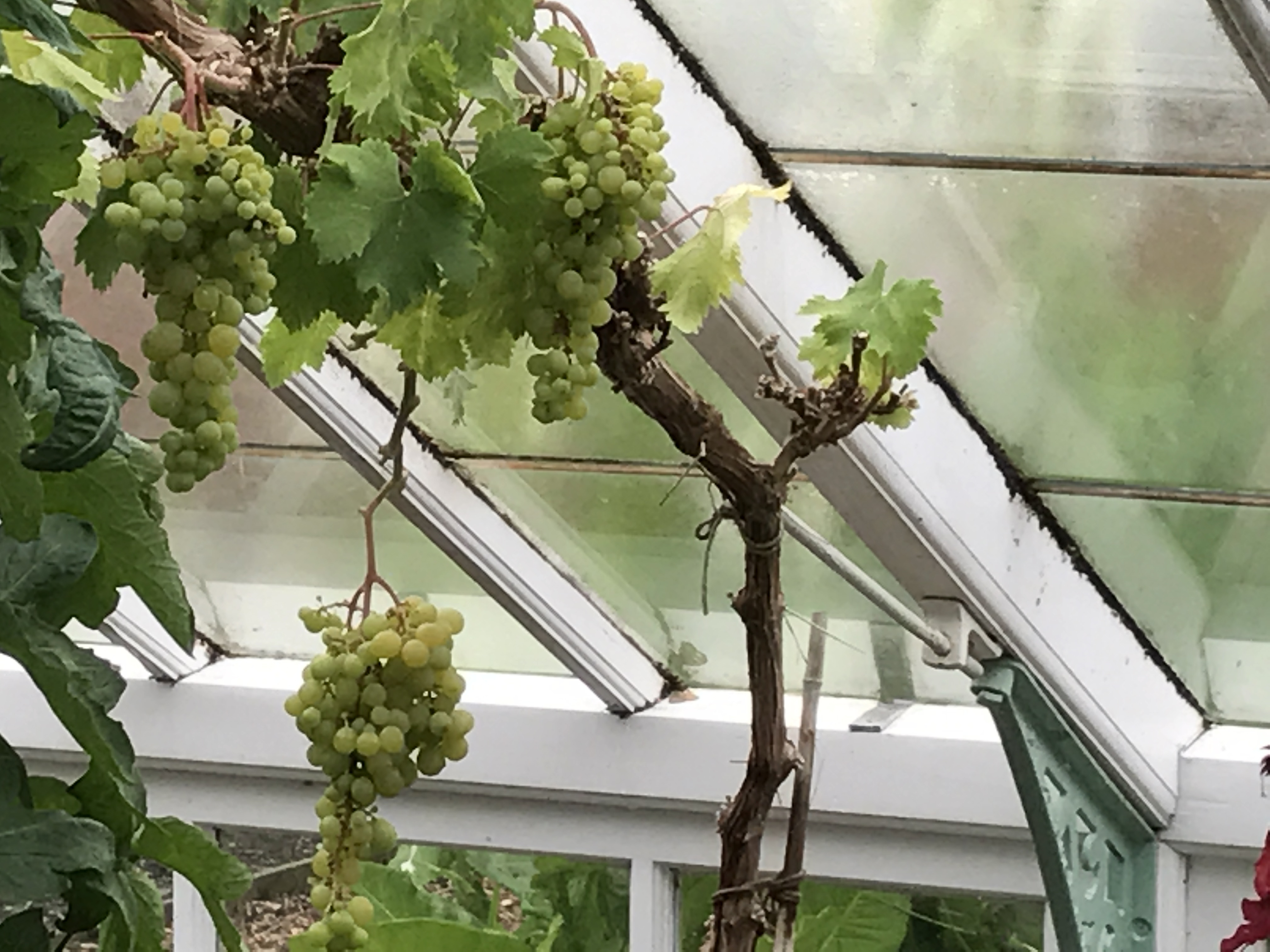
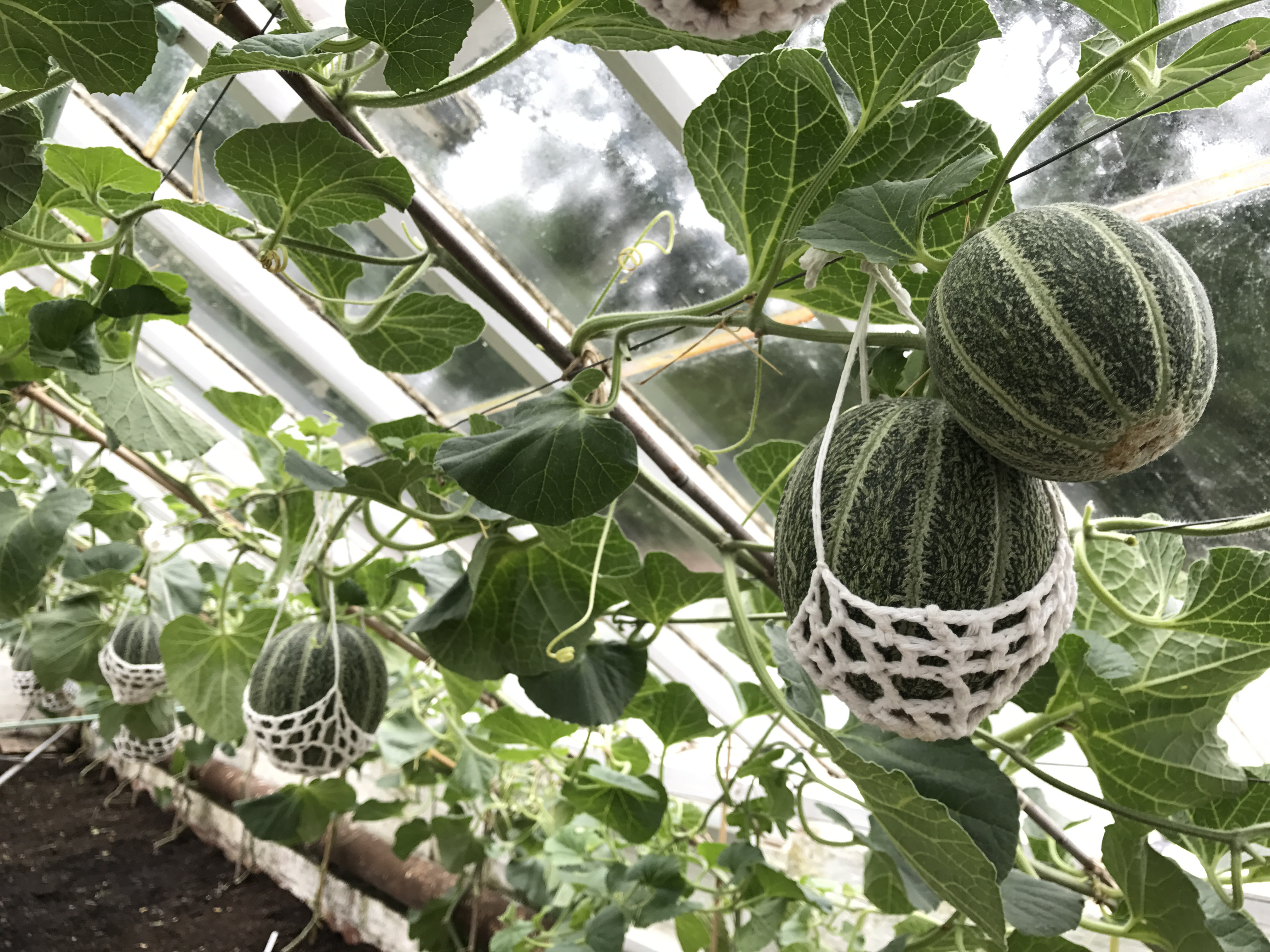
The beautiful, recently restored, vintage glasshouses are now becoming productive with melons, grapes, tomatoes, chillies and cucumbers.


We particularly liked the amazing textures of this melon and its subtle mix of greens.


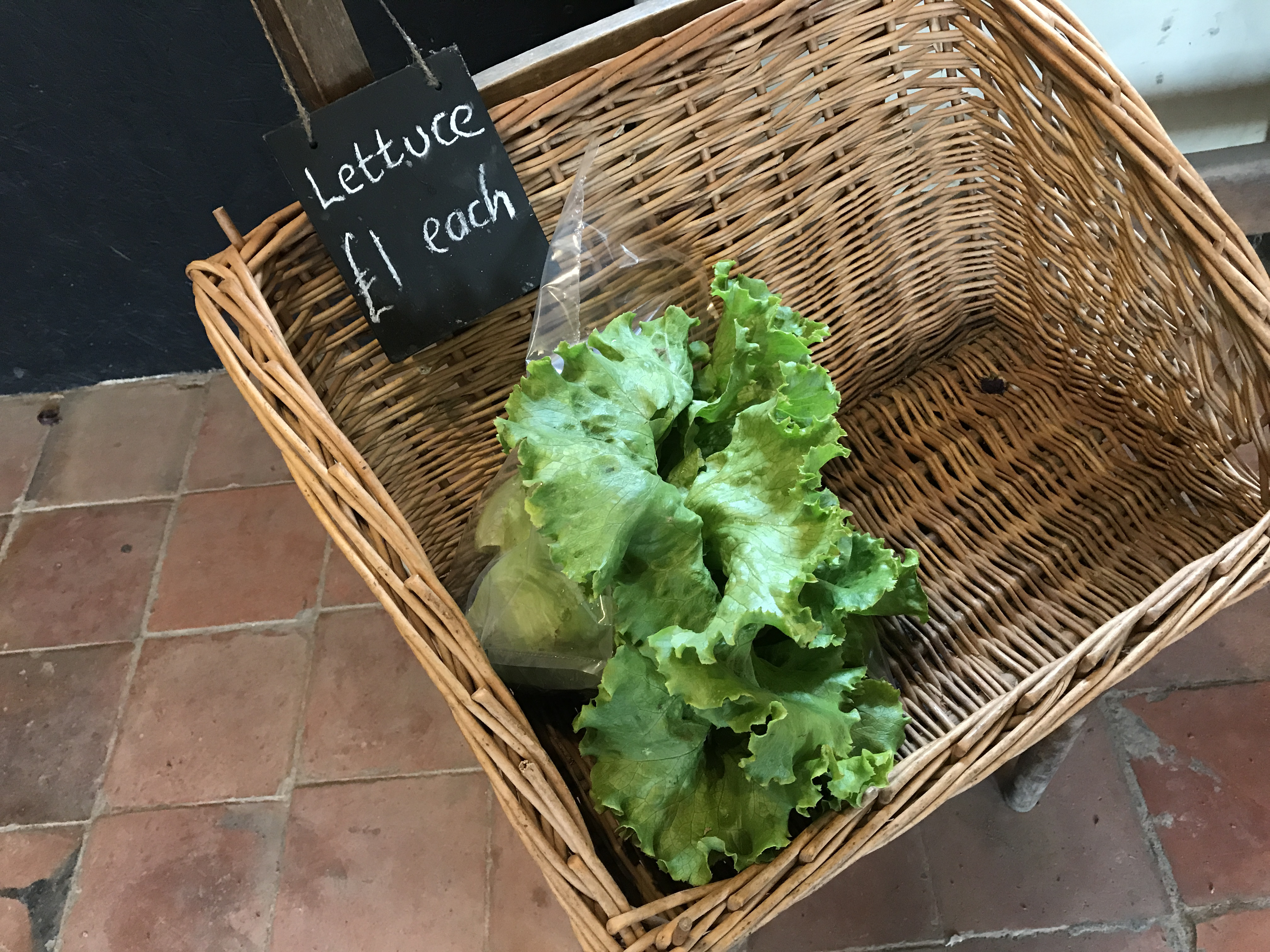
As we entered the gardeners’ bothy we could instantly enjoy the fresh uplifting aroma of bunches of freshly picked lavender, and the sight of simple flower arrangements and freshly harvested lettuces.


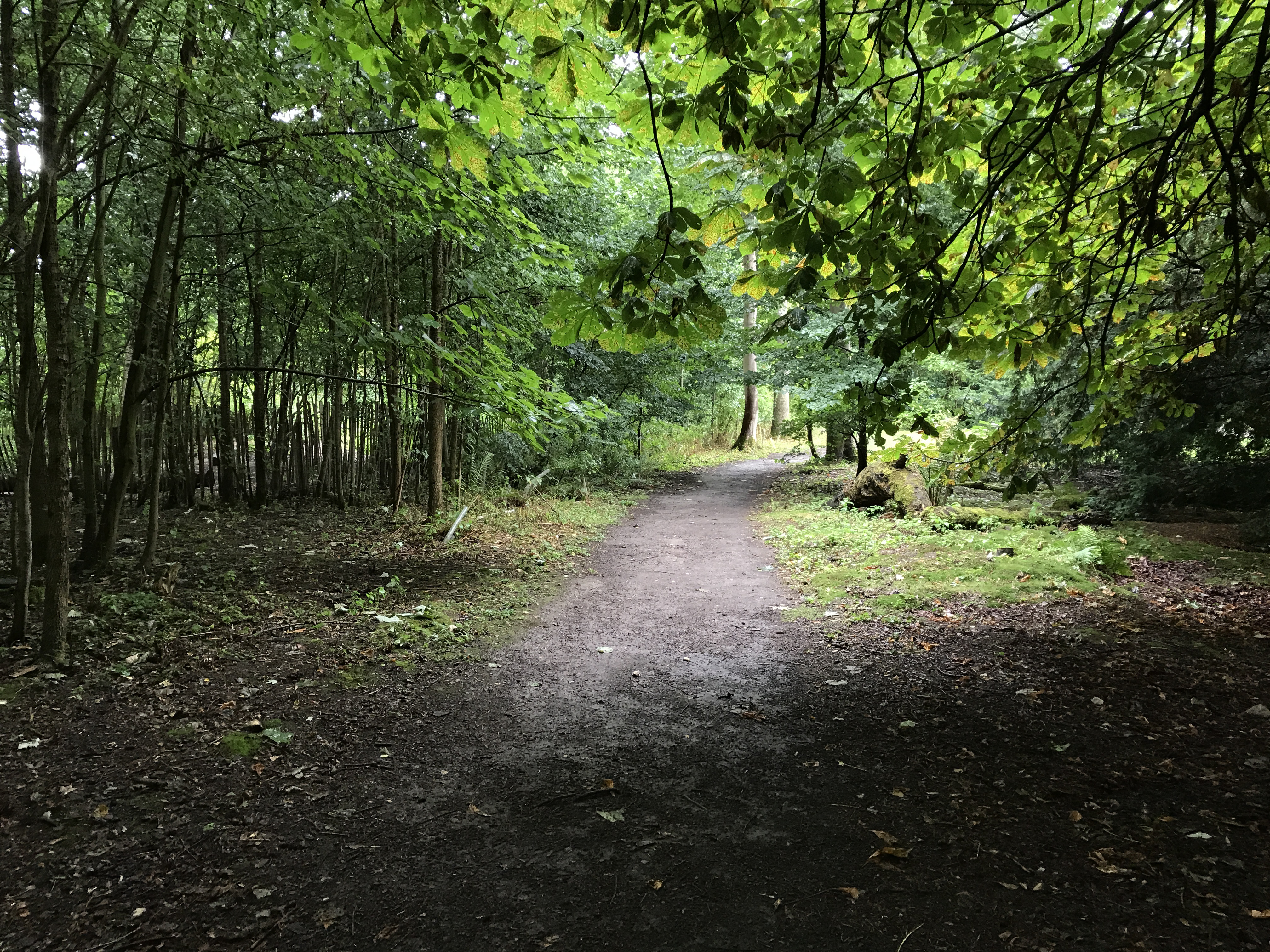
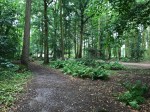
After taking in the sights, scents and sounds offered by the walled garden we continued on our wanders, following the One Mile Walk trail.


Come with us as we take you along this track in a gallery of photos. As usual click on the first and navigate with the arrows. We will return for another wander in August.


Categories
garden ponds garden pools garden wildlife natural pest control Shropshire South Shropshire wildlife Winter Gardening

Young naturalists visit Avocet

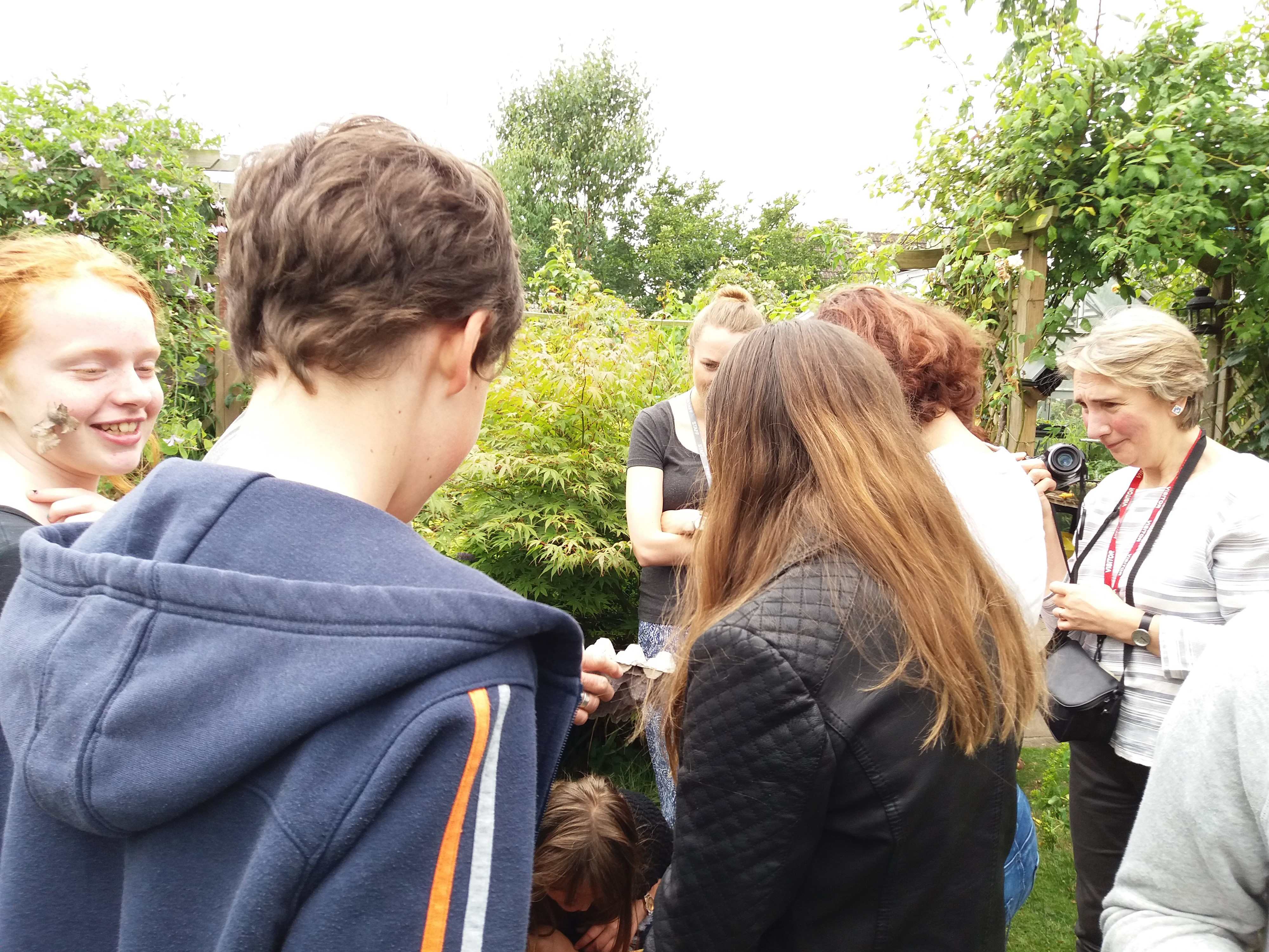
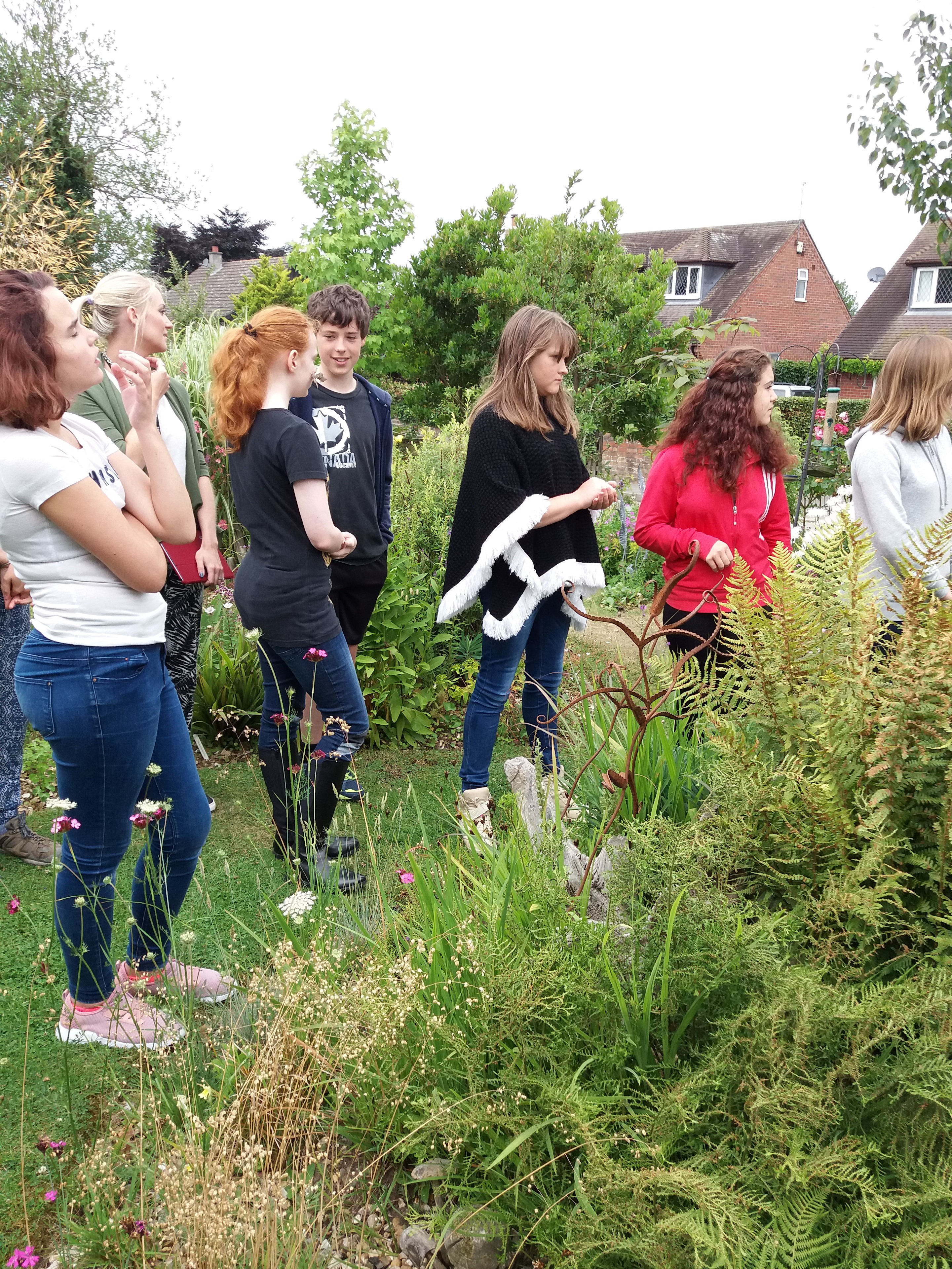
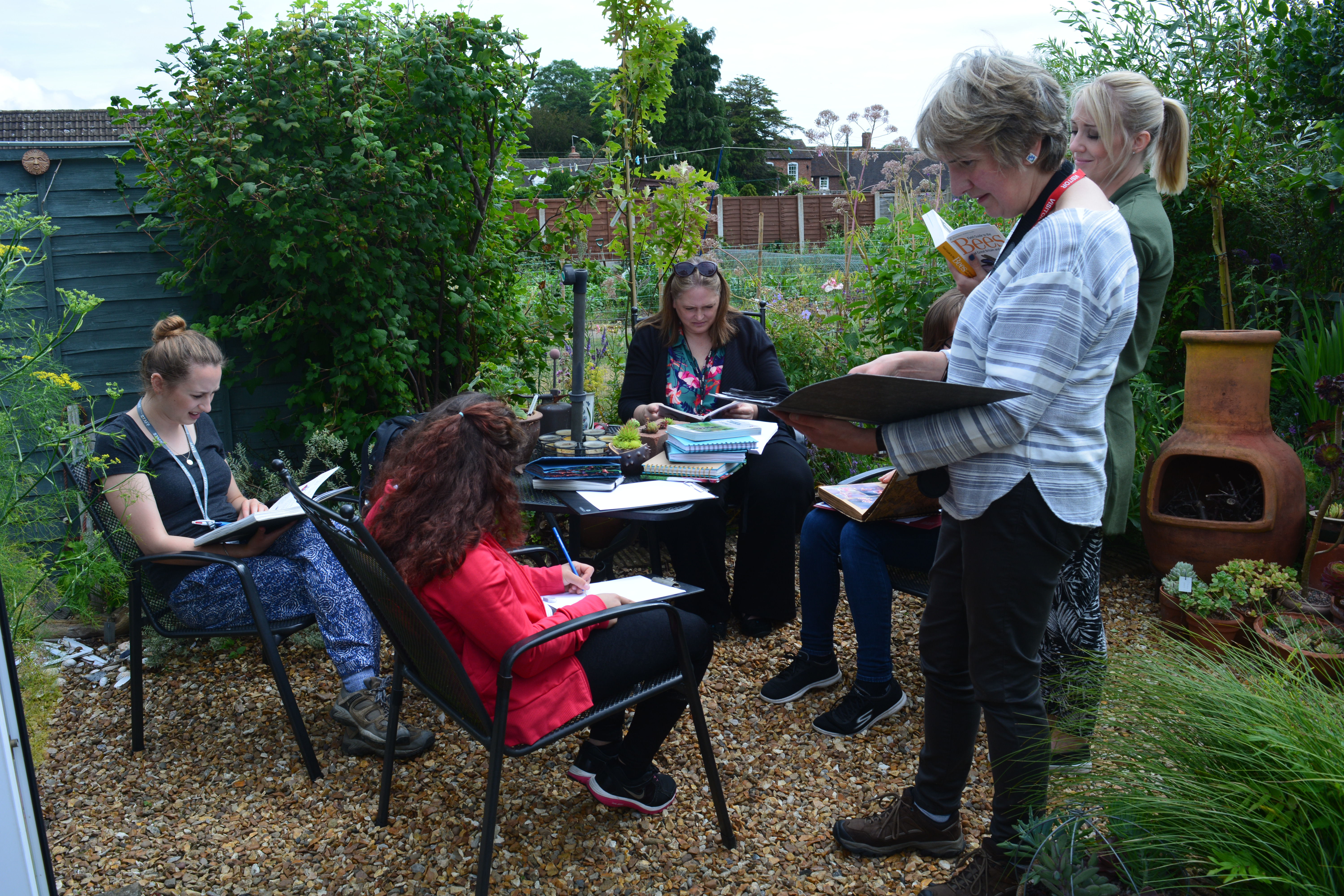
We recently hosted a visit to our garden by students from our local school, who came to look at how we garden with wildlife in mind, how we attract wildlife of all sorts and create a balanced ecosystem. We all had a great time!

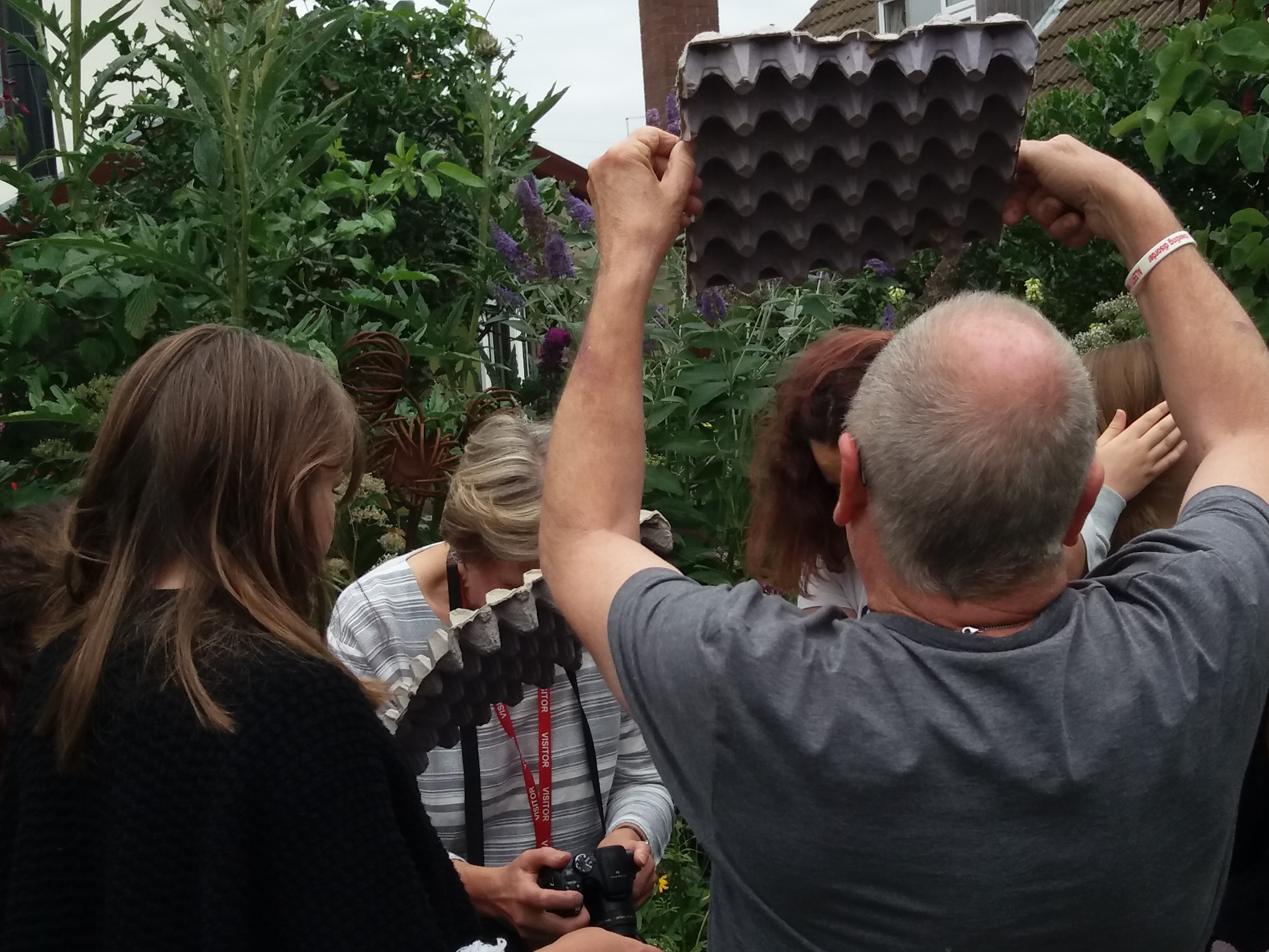
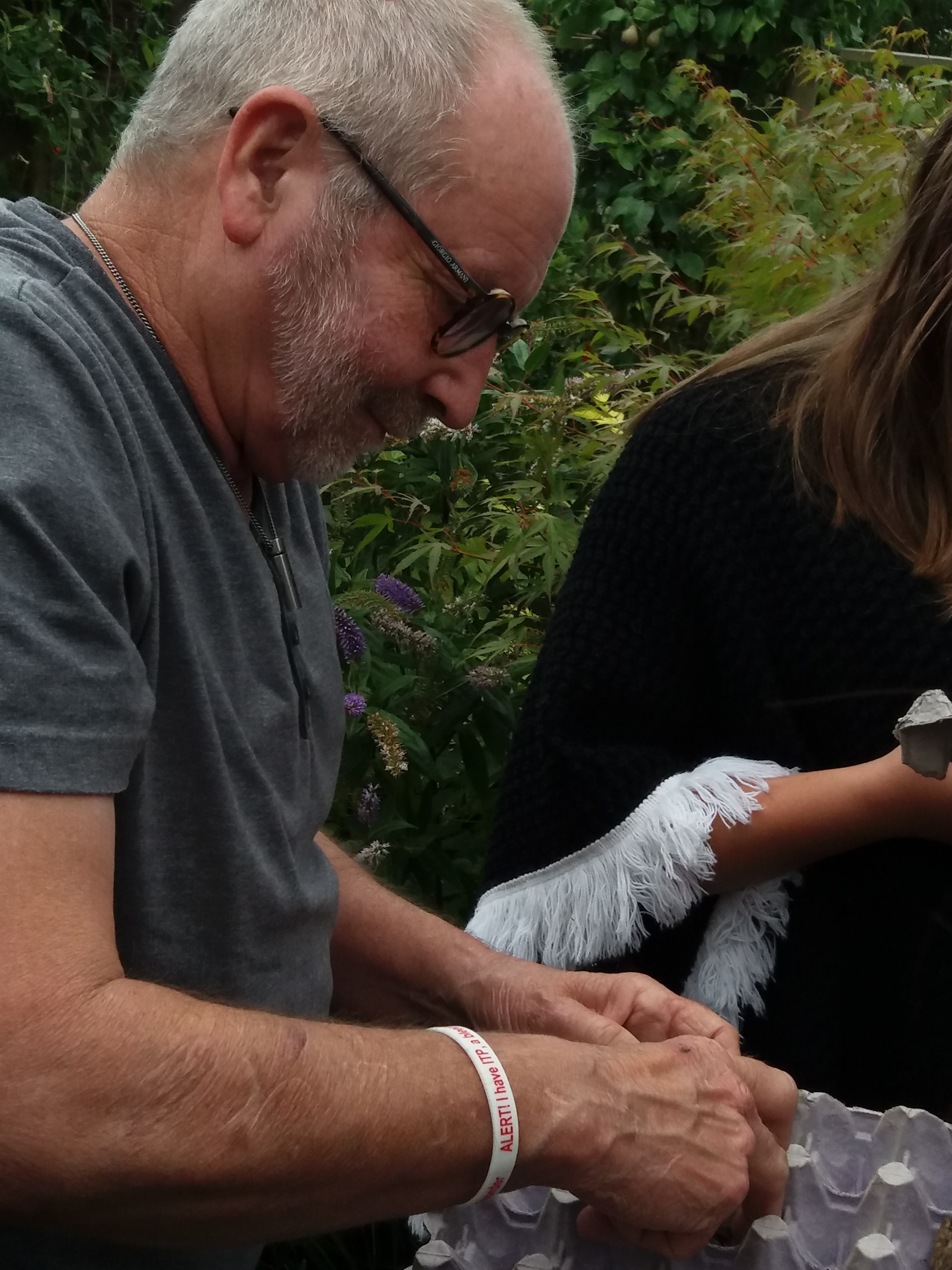
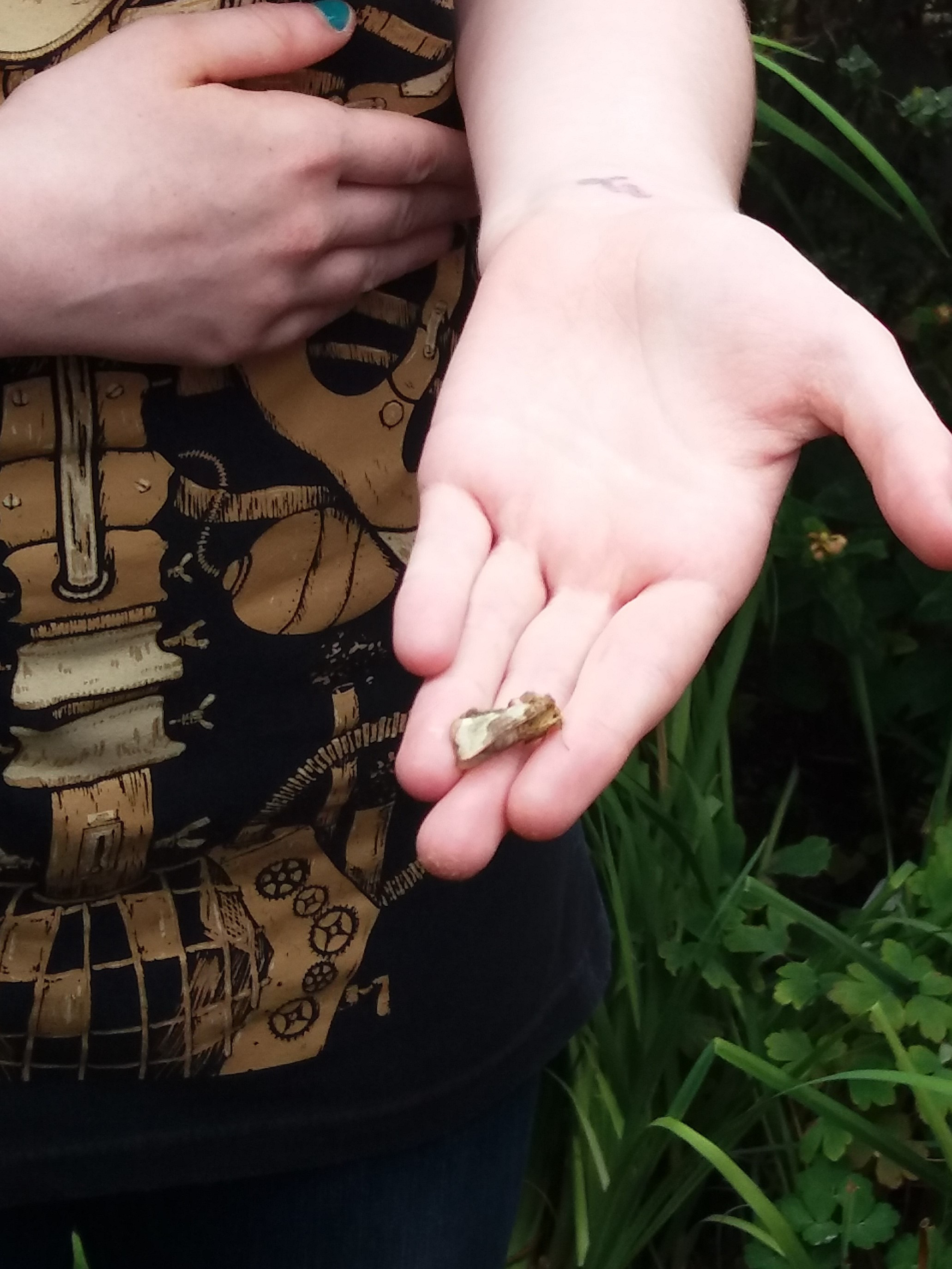
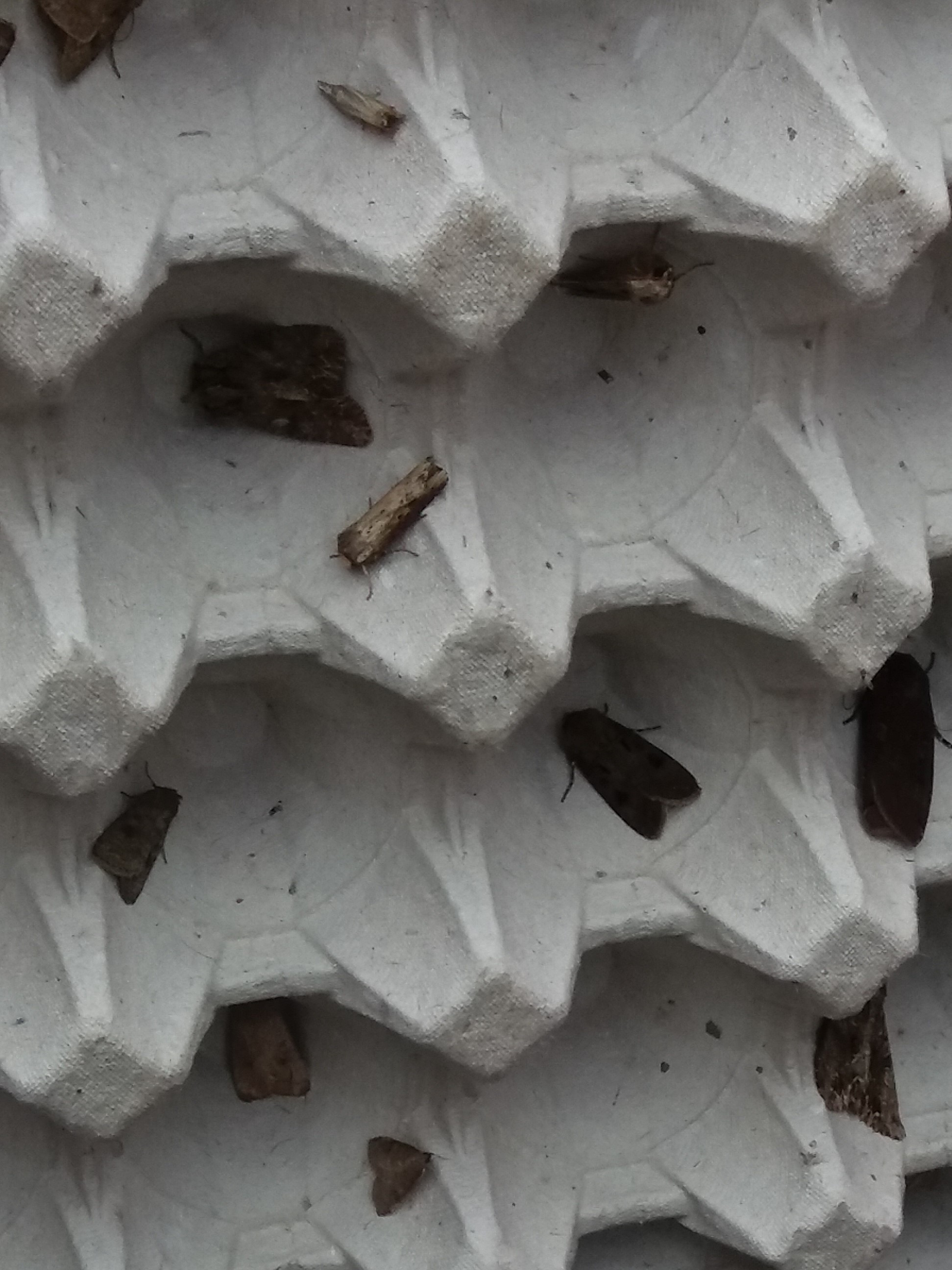
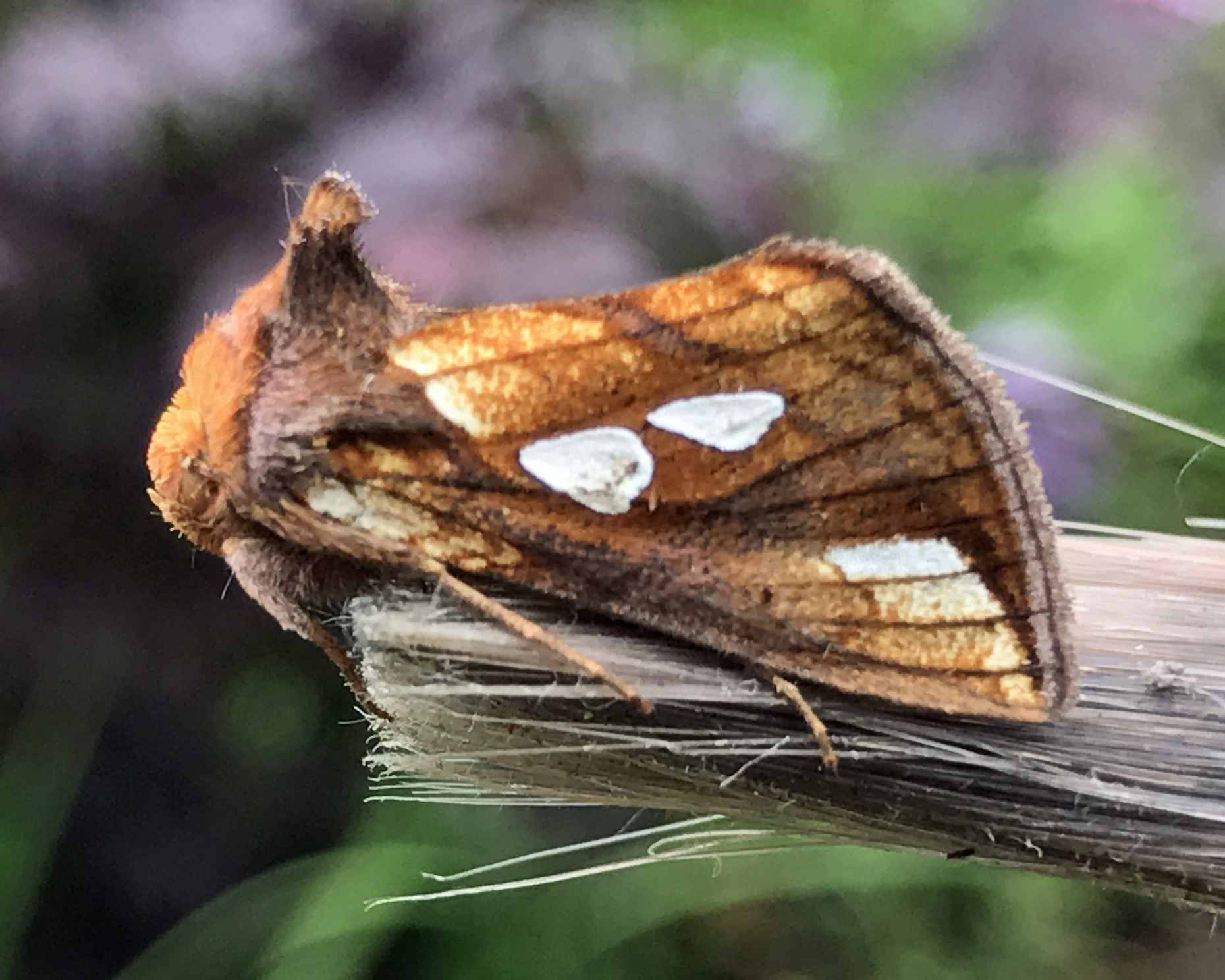
We began by looking at our live moth trap that had been in operation overnight. We studied the wide variety of moths that inhabit our garden overnight and slowly released them after encouraging each student to let a moth or two sit on their hands. Our overnight trapping was most successful with hundreds caught, with dozens of different species from the smallest micro moth up to our largest hawk moth. All were successfully released unharmed.


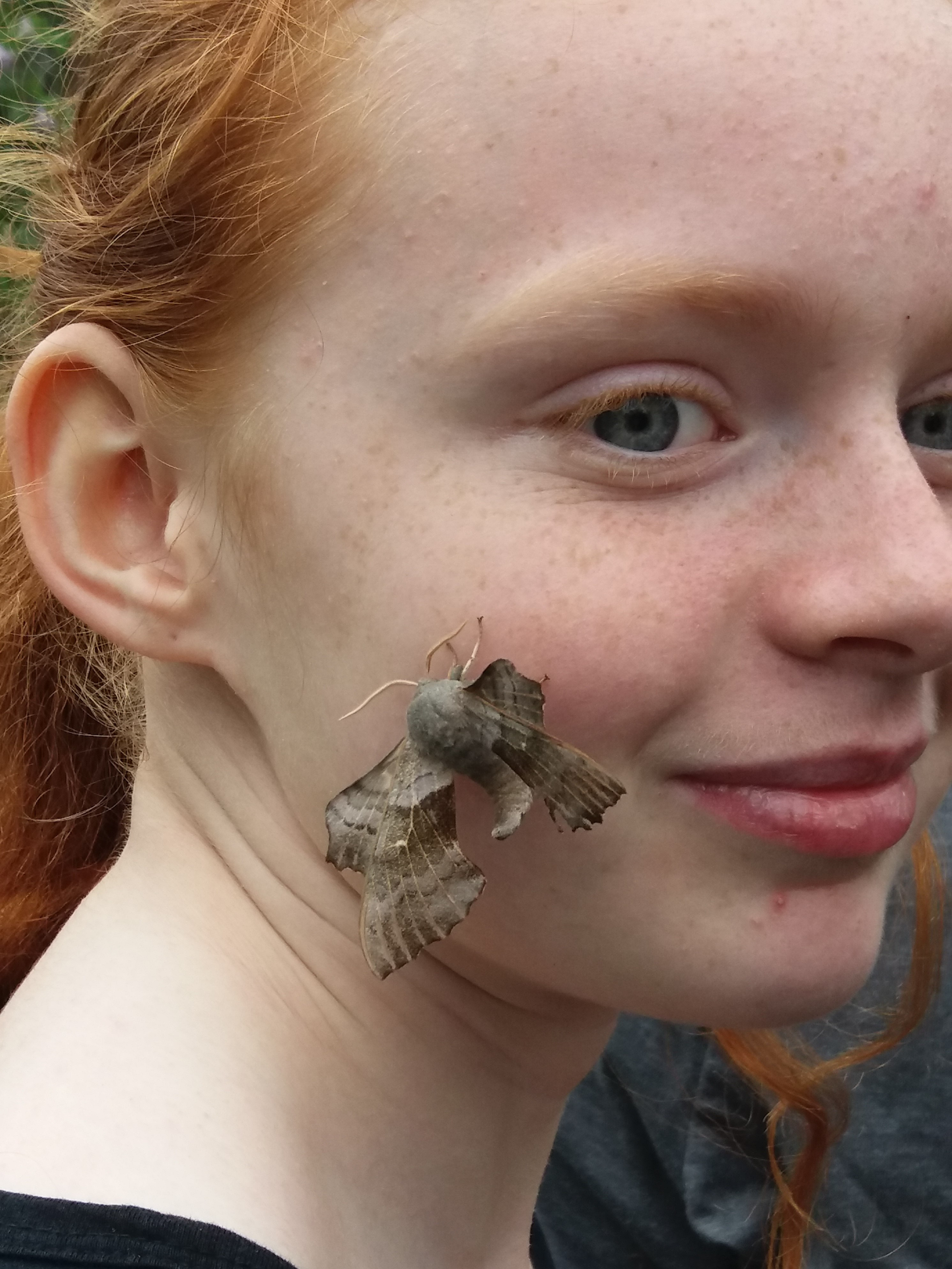
This Poplar Hawk Moth took a real liking to this young lady and stayed on her face for the whole visit. She even named him Steve!


We then enjoyed giving a guided tour of our patch, starting in the front garden and slowly moving through the whole patch, looking for plants that attract wild and identifying why and seeking out wildlife habitats and home made features.


A quick pond dip and the students were delighted to meet one of our frogs, a really impressive large one.

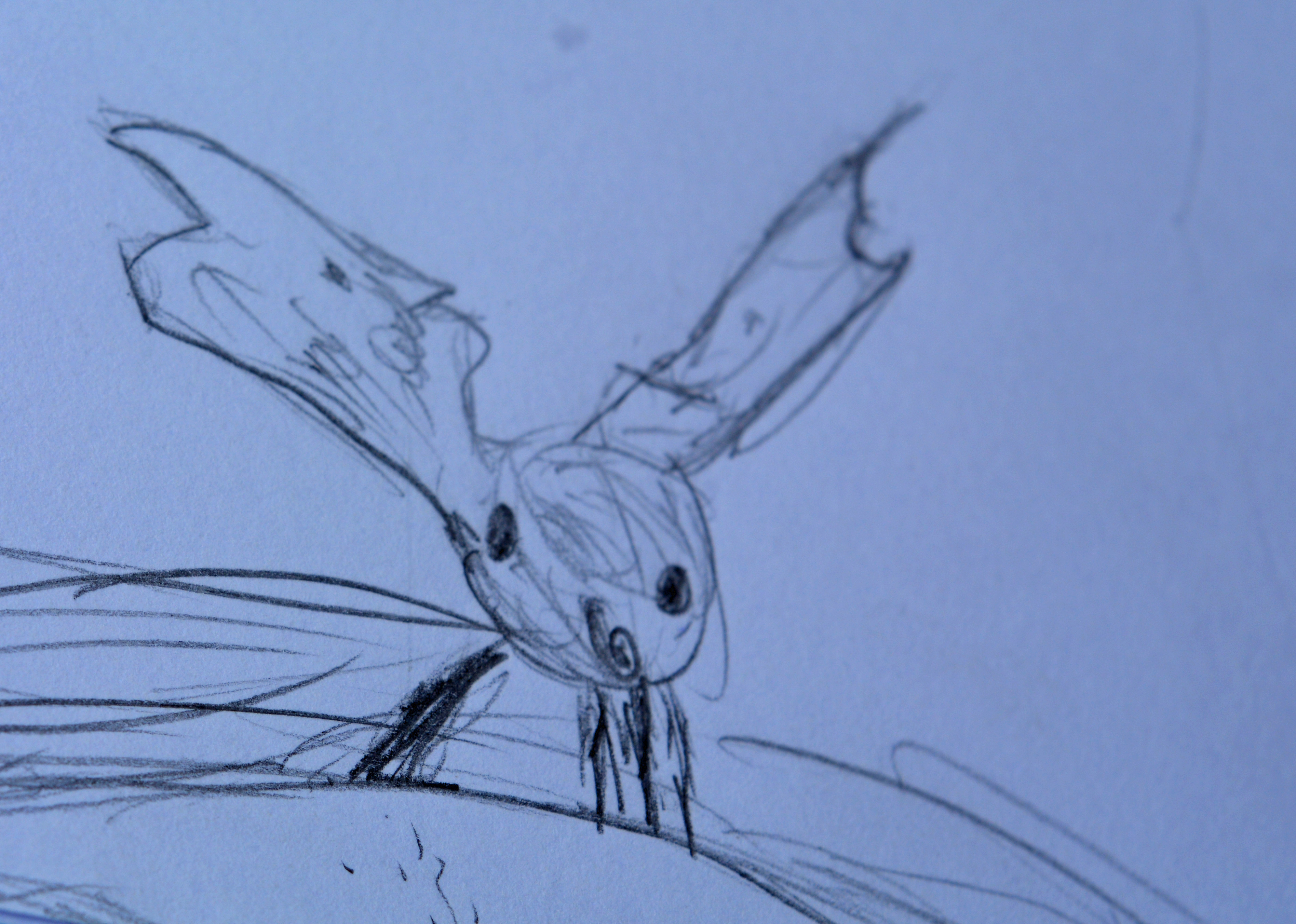
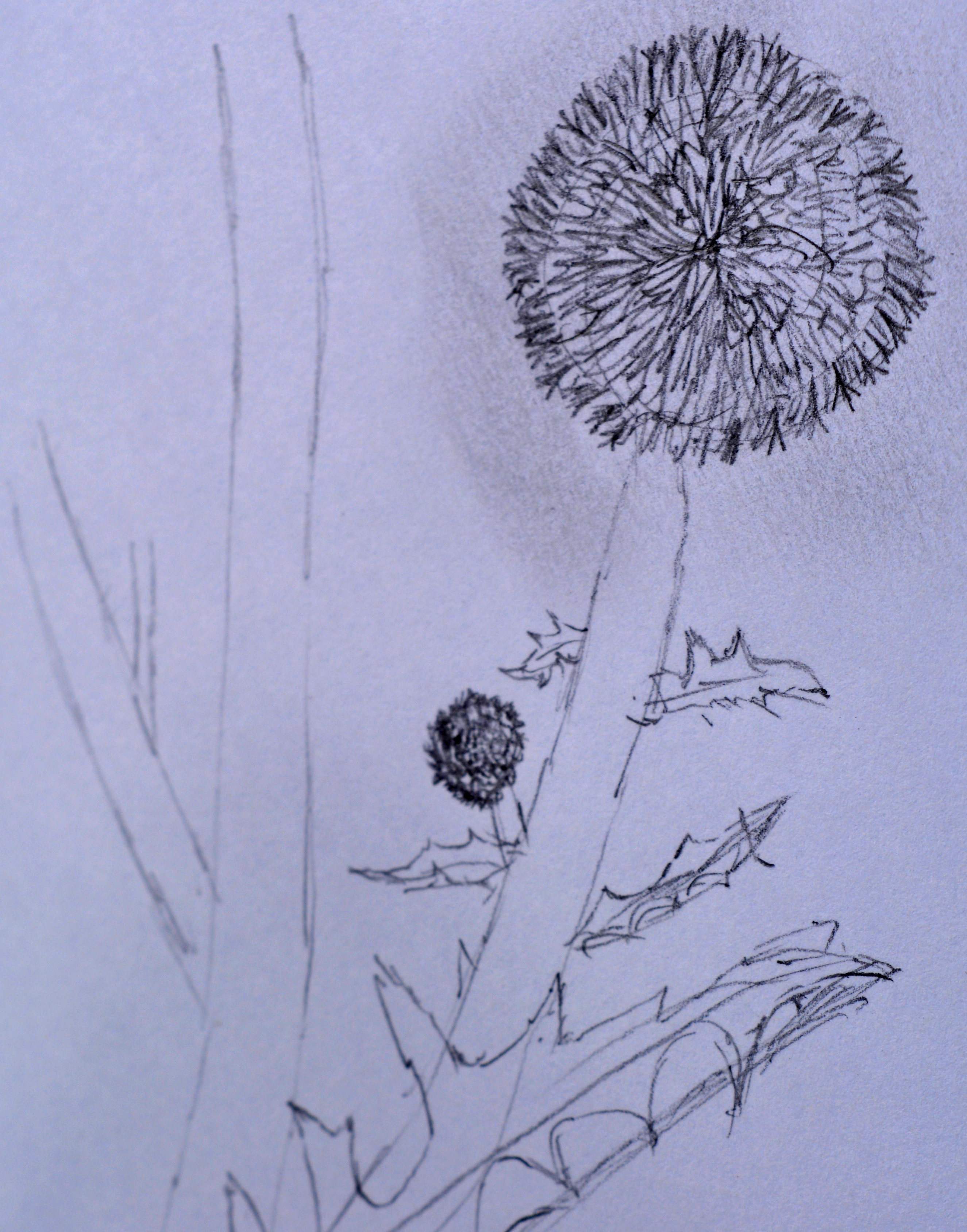
We then moved into the front garden and began a tour of our plot when we pointed out how we attract wildlife to our garden, highlighting plants that attract pollinators and all our home-made features, such as insect hotels and bird boxes. There was then time for a break when we all enjoyed tea, coffee and some of Jude’s home-made cakes. This was followed by a quiet time when the students explored the garden on their own and recorded what they had experienced in words and drawings.


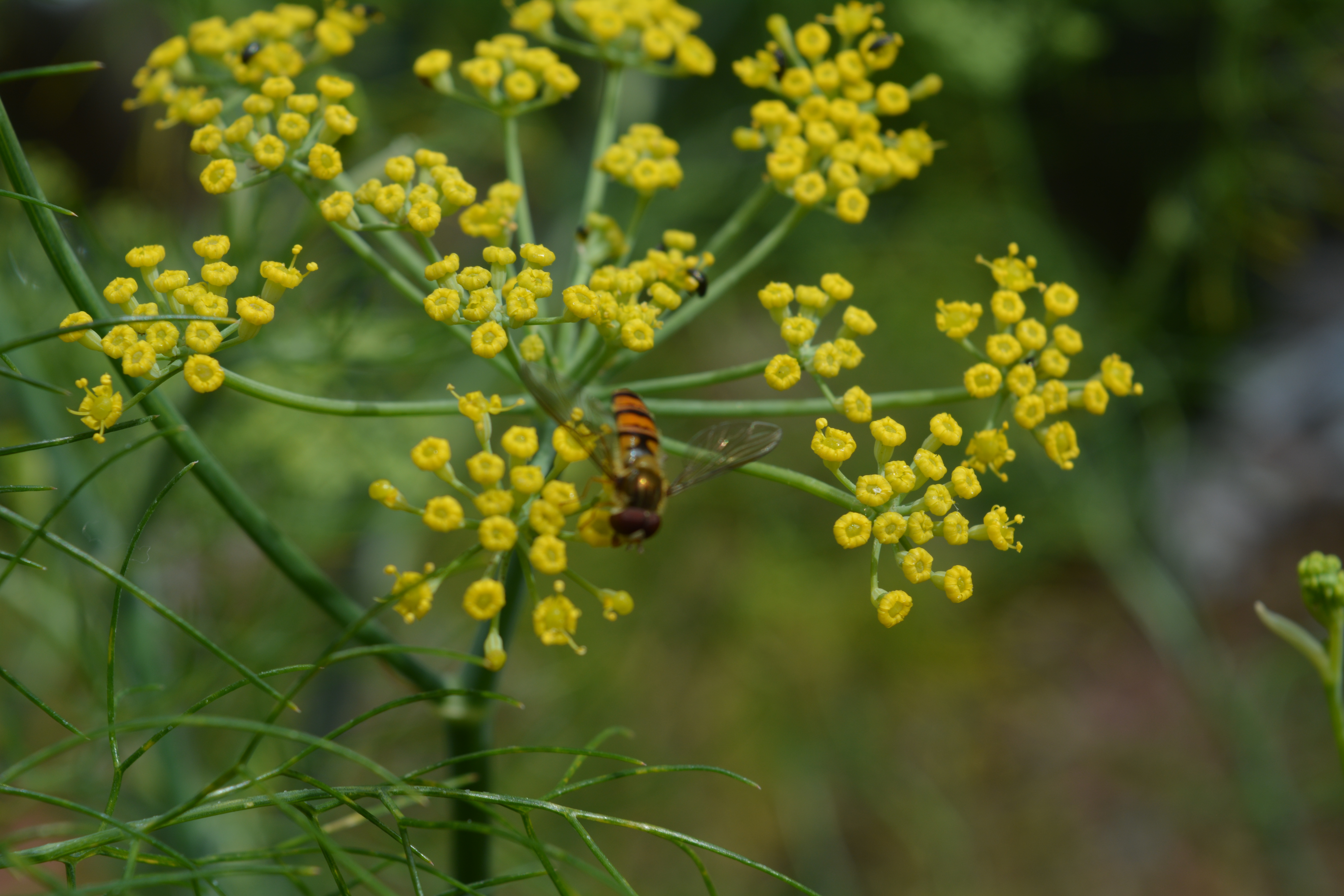
The group had target pollinator species to find and several were found and identified during the morning including this Marmalade Hoverfly, in its orange and black striped pyjamas.

All too soon it was time for the group to leave us and wander down the road to board their coach, with a request to come again. We enjoyed the big waves we received as the bus drove off.


Categories
garden buildings garden design garden photography gardening gardens hardy perennials National Garden Scheme NGS ornamental trees and shrubs outdoor sculpture Shropshire town gardens Yellow Book Gardens

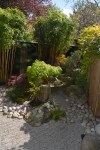
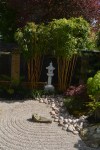
Westgate Villa, a Japanese garden in Shropshire

Jude and I have a soft spot for gardens with a Japanese feel to them, and we are lucky to have an excellent example in our home county of Shropshire and just a short drive away. We had heard of the garden at Westgate in Bridgnorth and always intended to pay a visit but circumstances had not allowed us to. But eventually we managed to make their National Garden Scheme open day in April.

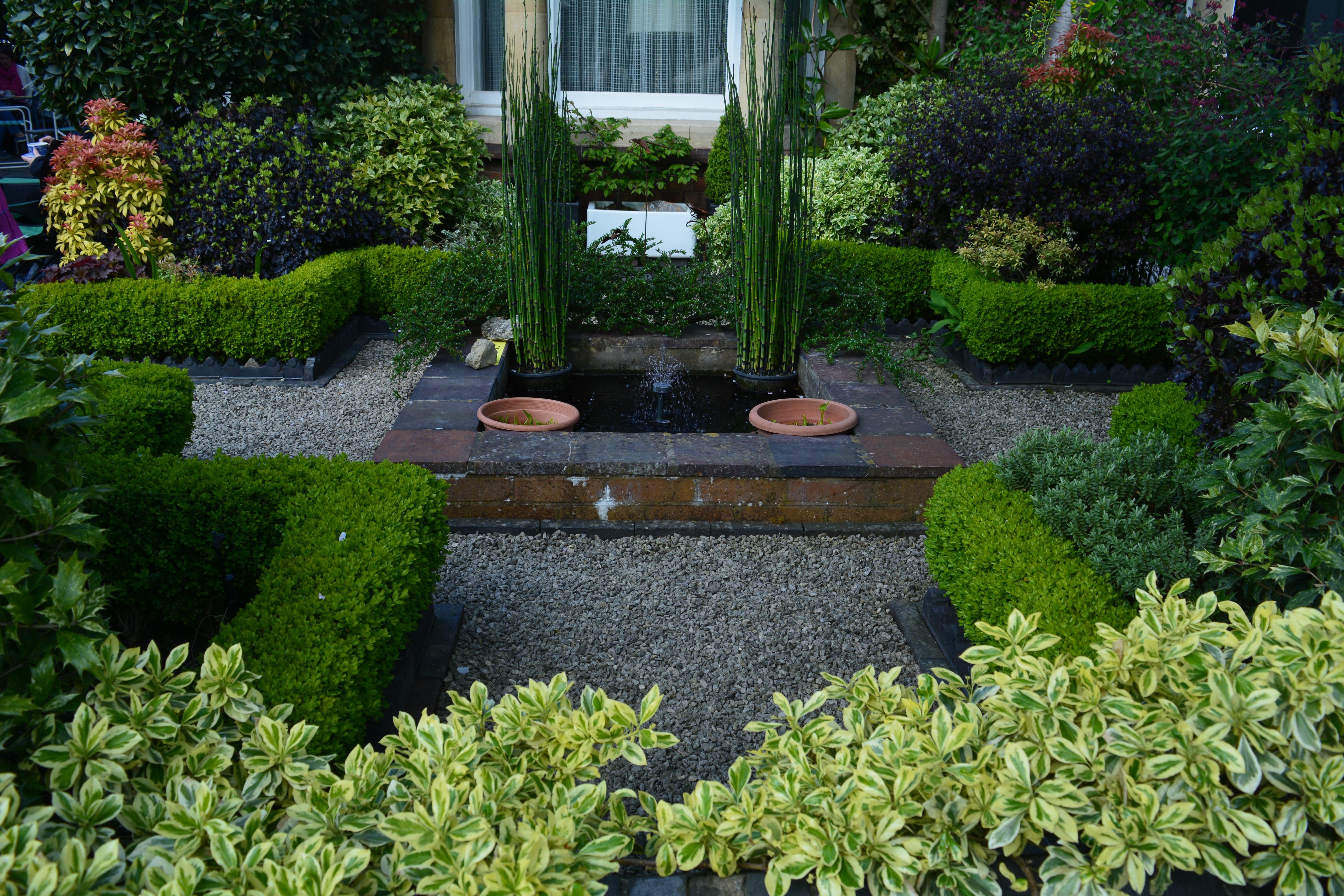
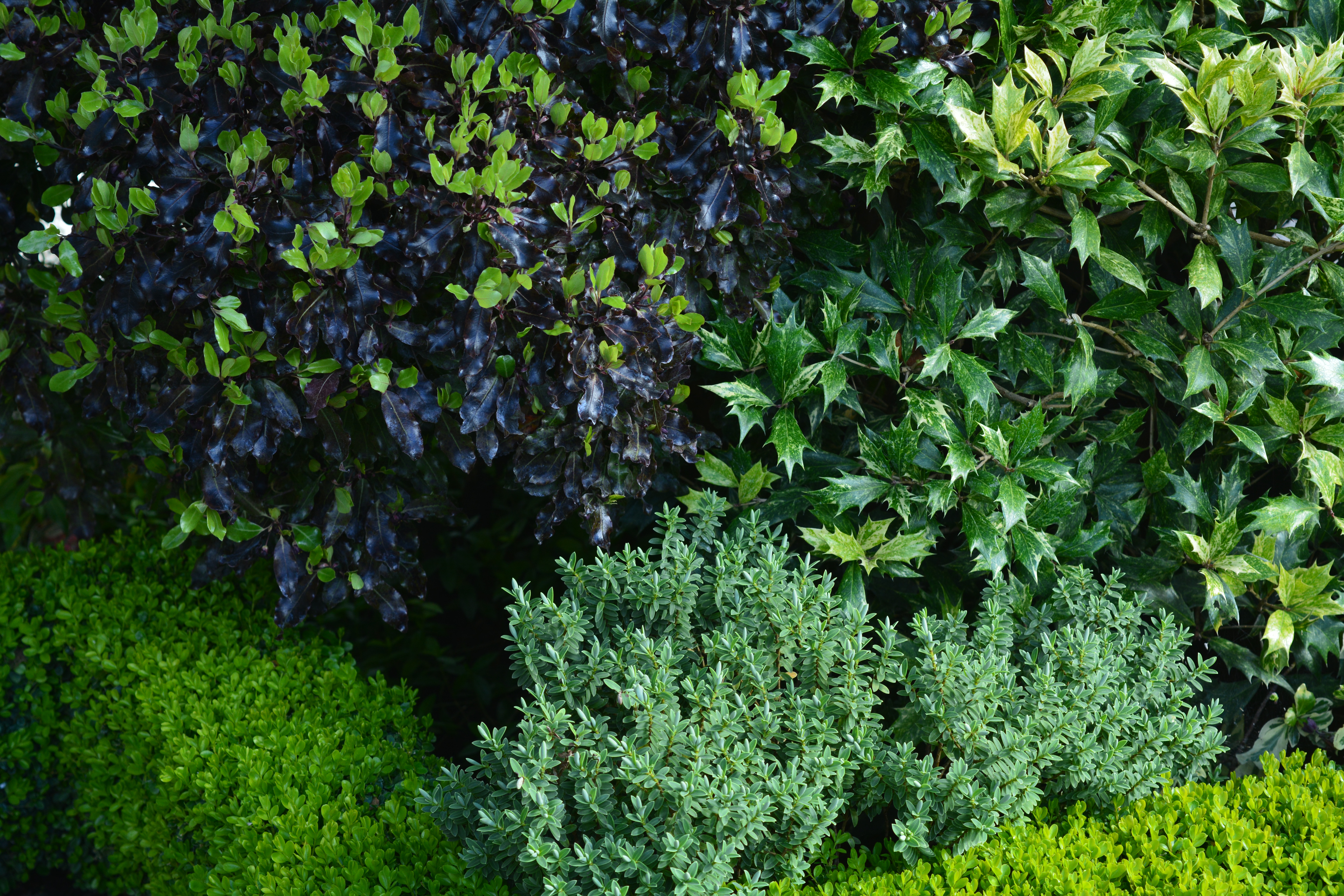
It was well worth the wait! We loved it, the planting, the structure and its special atmosphere. The front garden however was of a very different feel altogether being a formal garden designed to match the age and style of the house. Foliage was the star there!

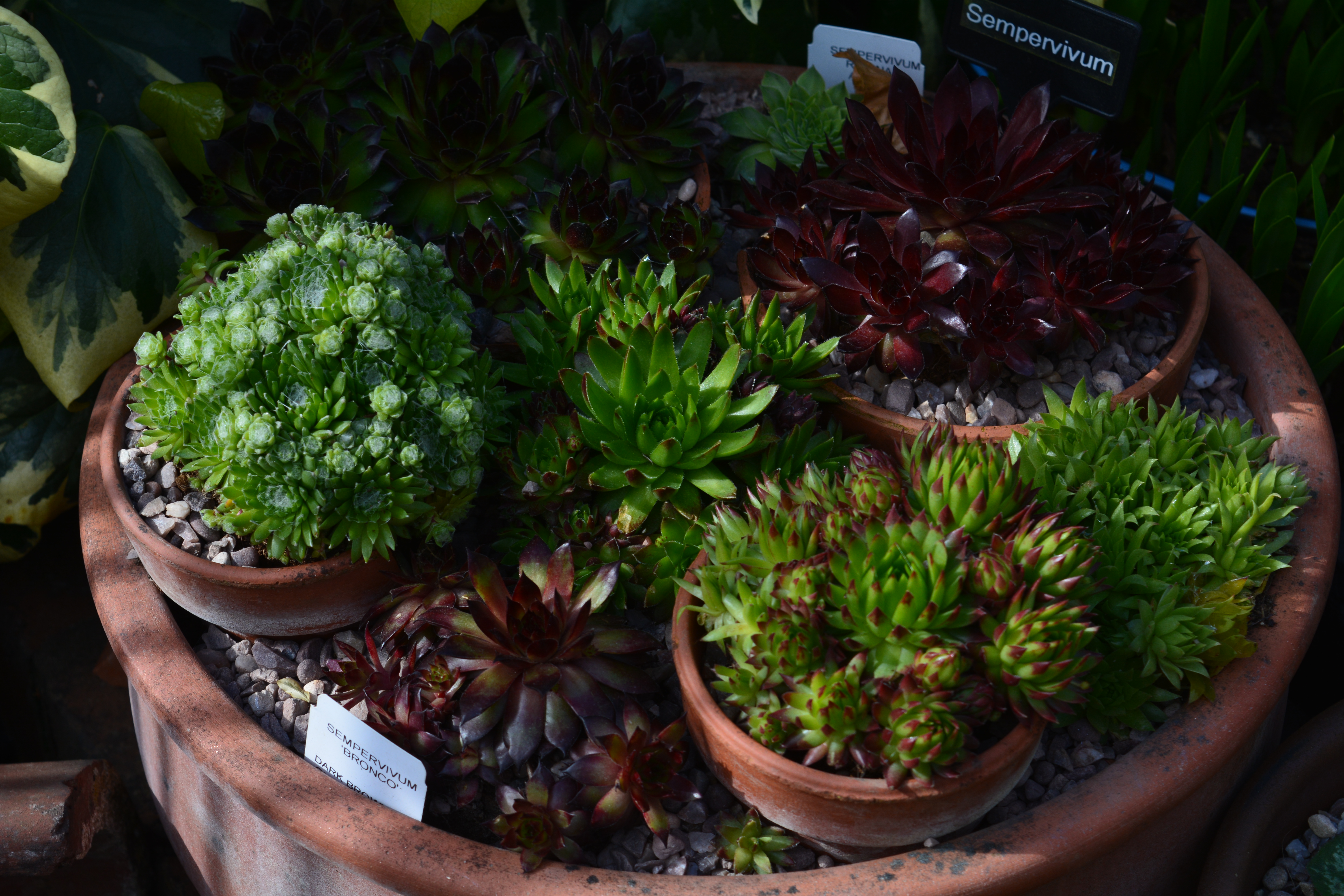
On the flight of steps nearby foliage again featured but this time succulents were the stars.


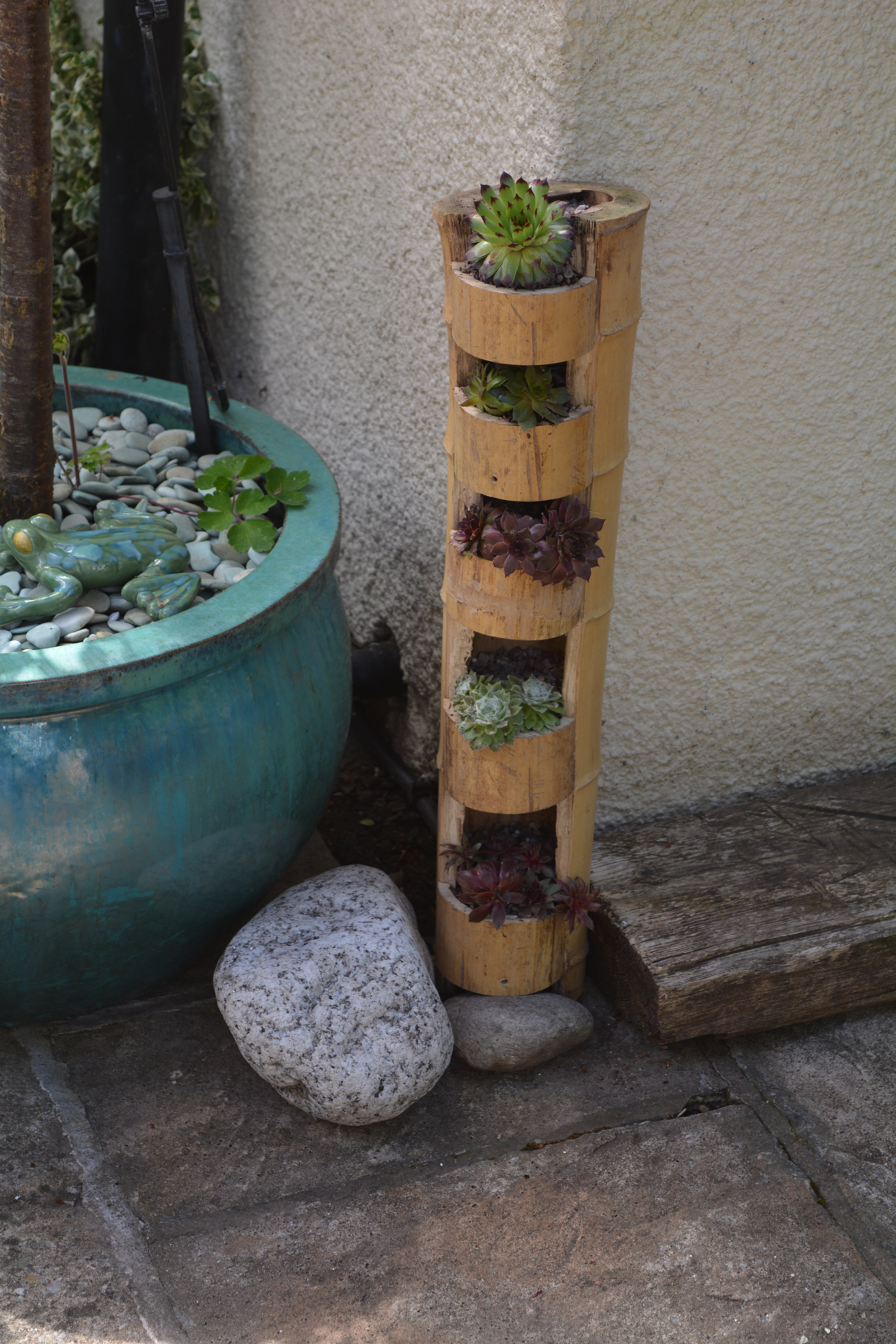
Moving around the house looking in small borders and corners we found interesting plants and objects that gave clues to the beauty of the Japanese section we were making our way towards. This area prepared us so well for the treat that lay ahead of us.


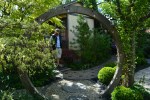
We stepped through an archway into a different world with an atmosphere of such peace that it made us feel so calm. The Japanese garden at Westgate was one of the best examples we have ever seen in an English garden. Come with us on a journey through such a special place. To view the gallery click on the first photo and navigate using the arrows.


Categories
colours garden design garden photography gardening gardens half-hardy perennials hardy perennials July Shropshire shrubs South Shropshire village gardens

My Garden Journal – July

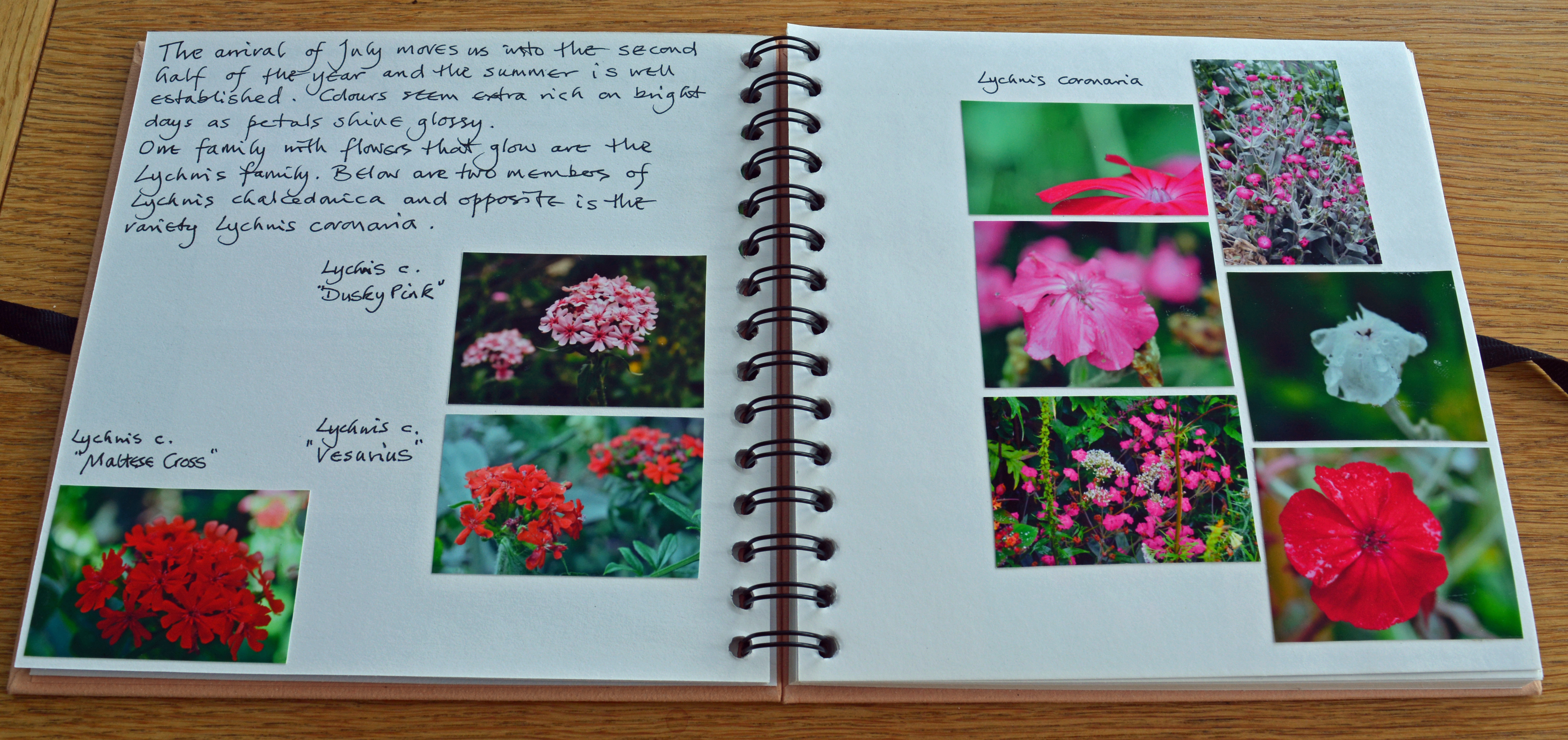
So it is already time to share my July entries in my garden journal. This year in the garden seems to be moving on so quickly. I began my July report by writing, “The arrival of July moves us into the second half of the year and the summer is well established. Colours seem extra rich on bright days as petals shine glossily.”
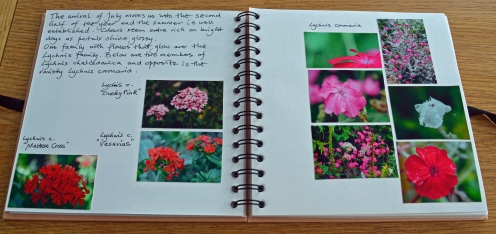
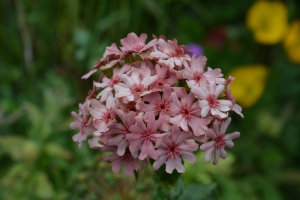
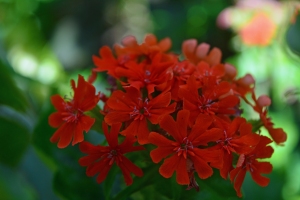
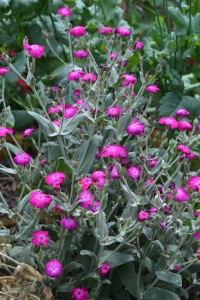
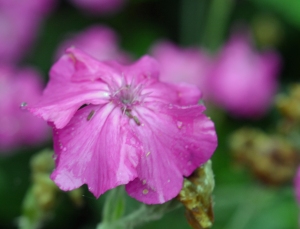
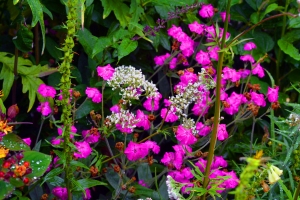
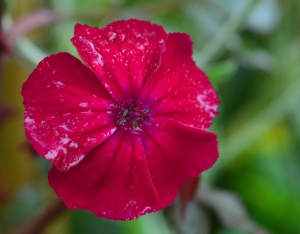
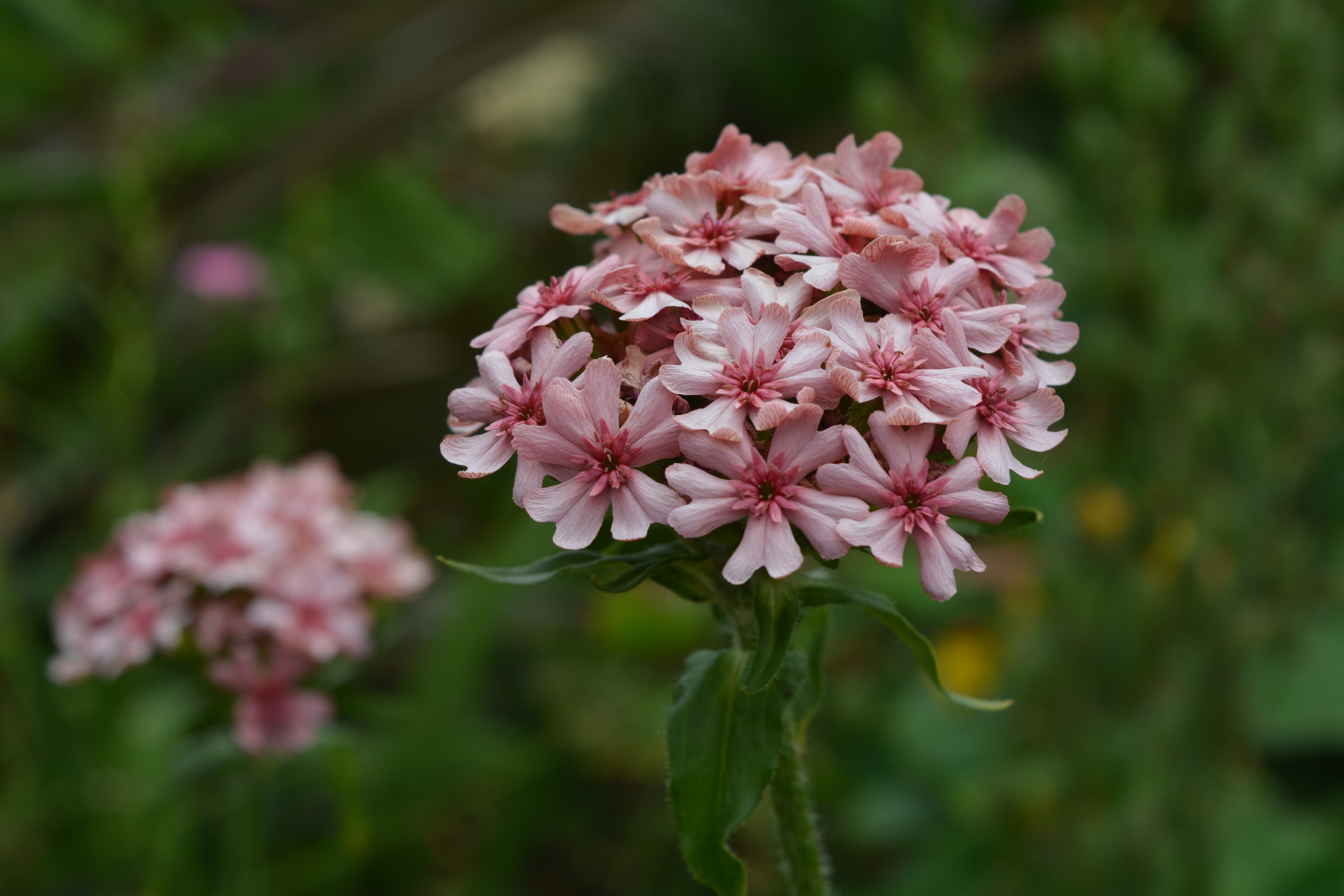
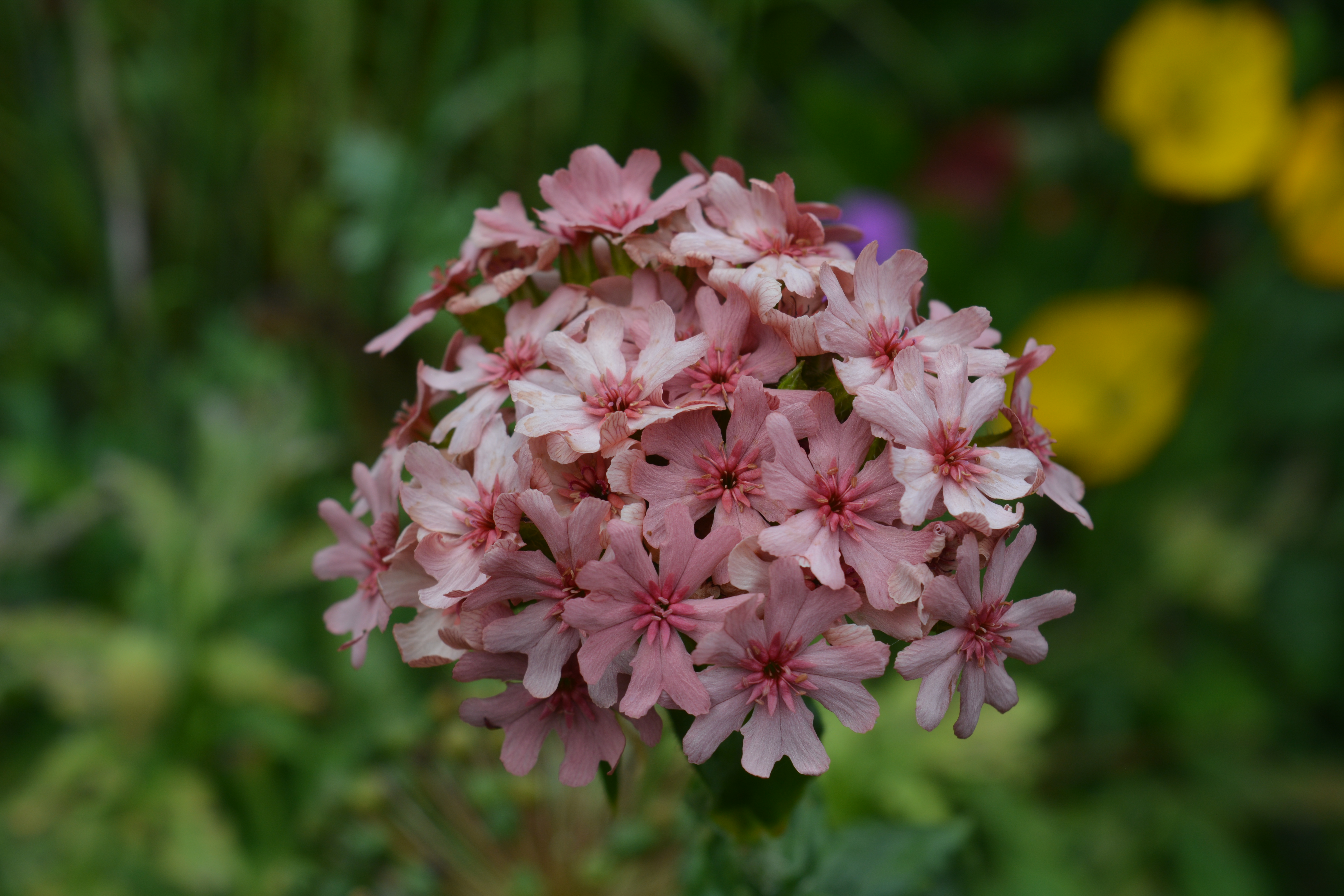
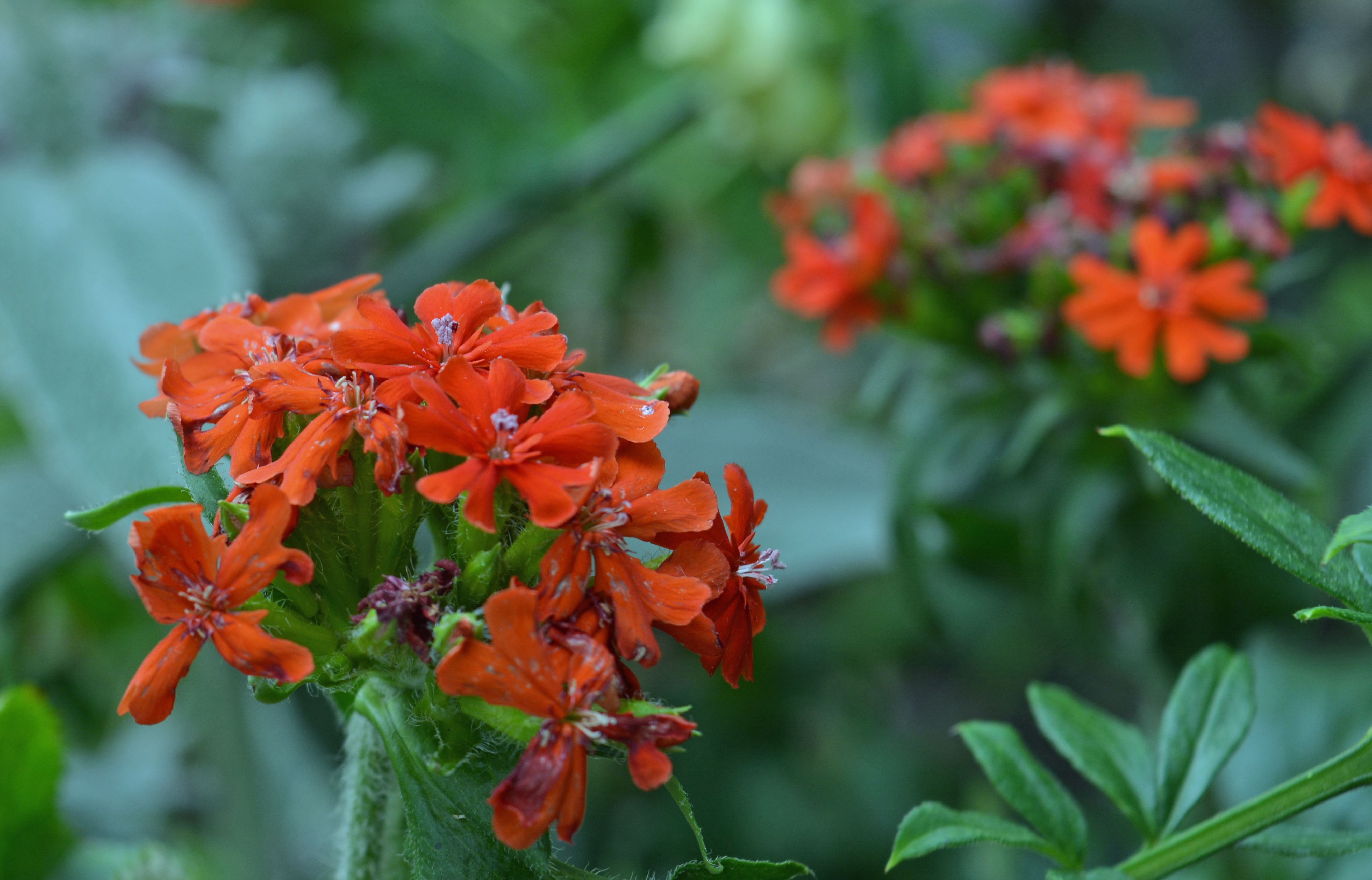
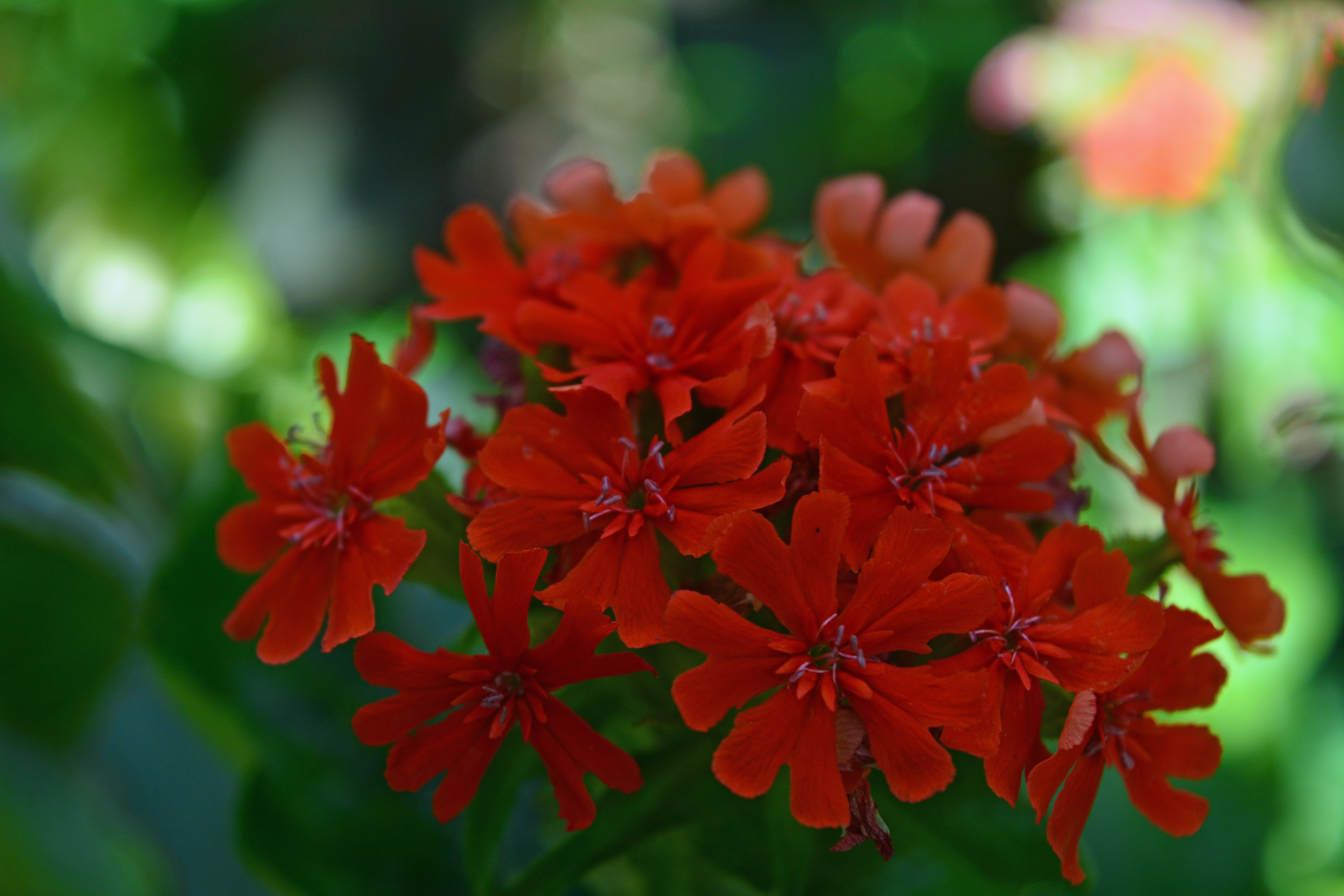
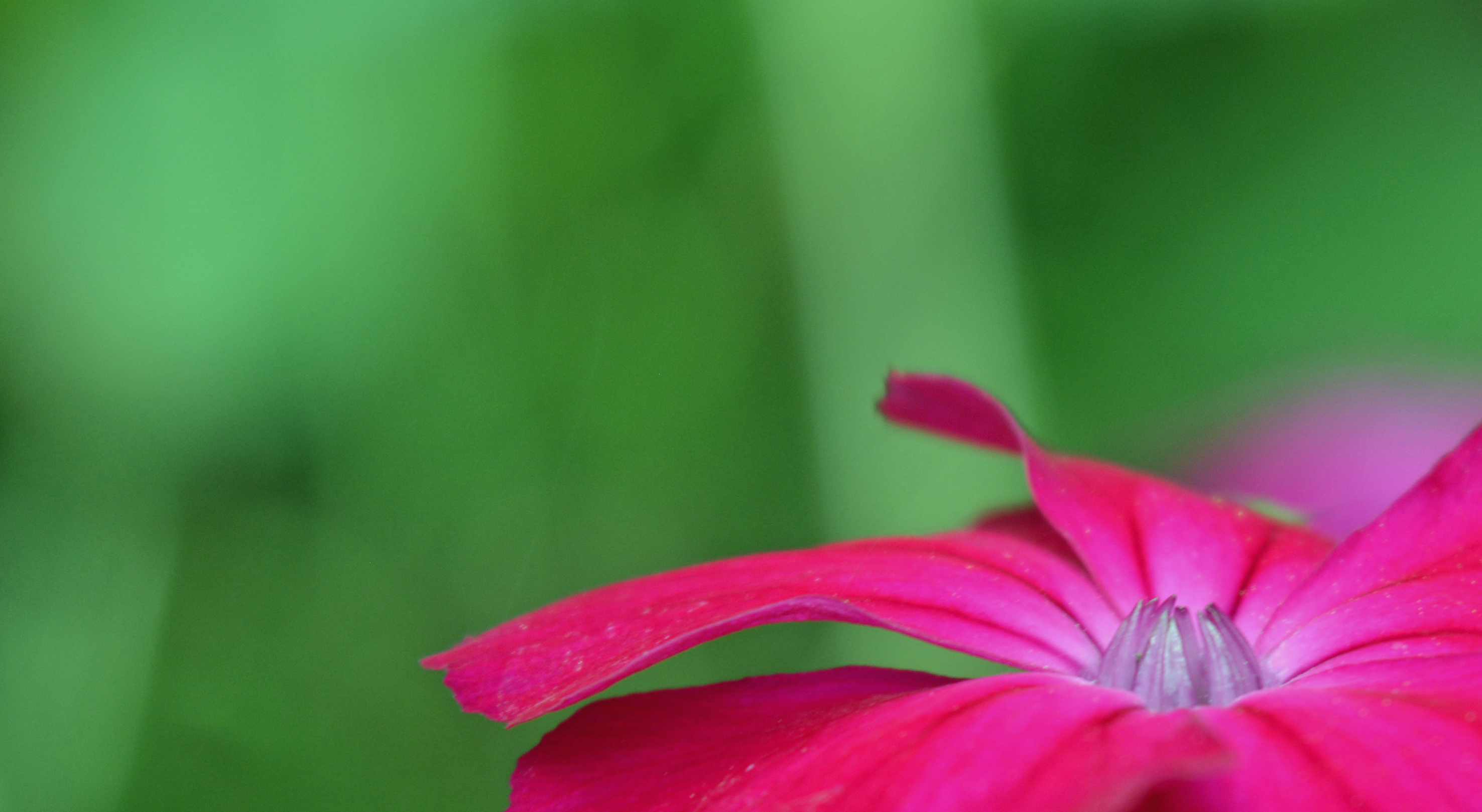
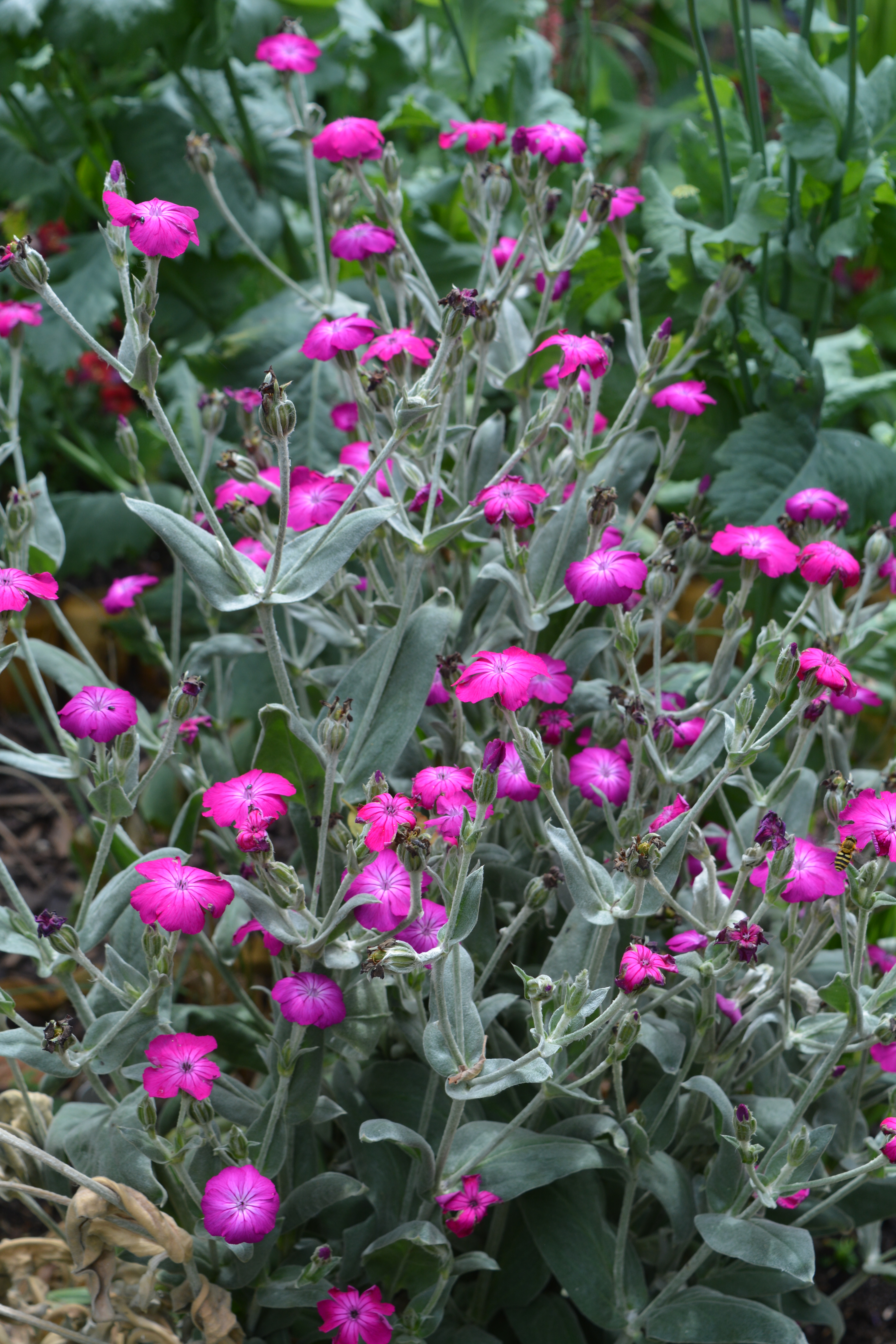
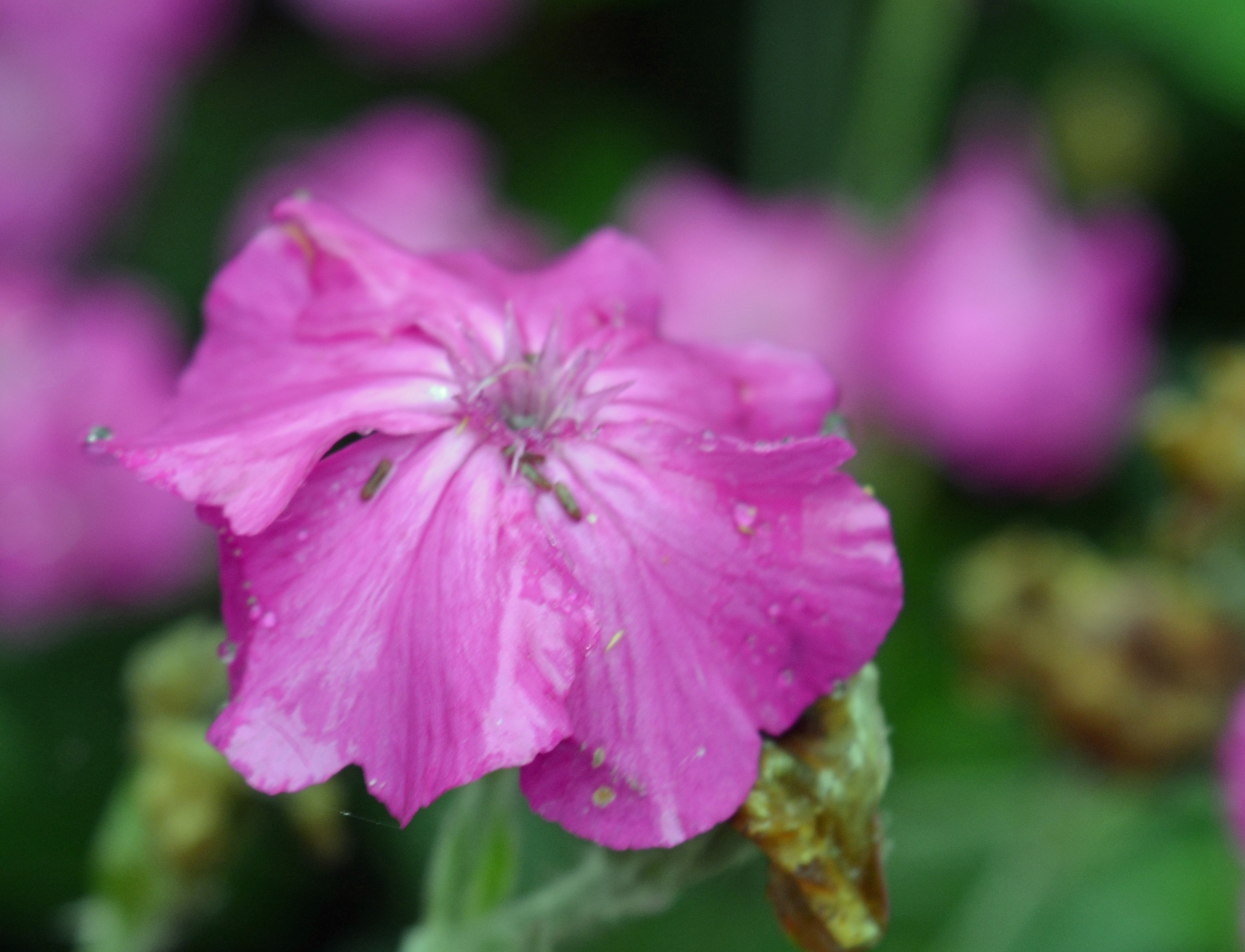
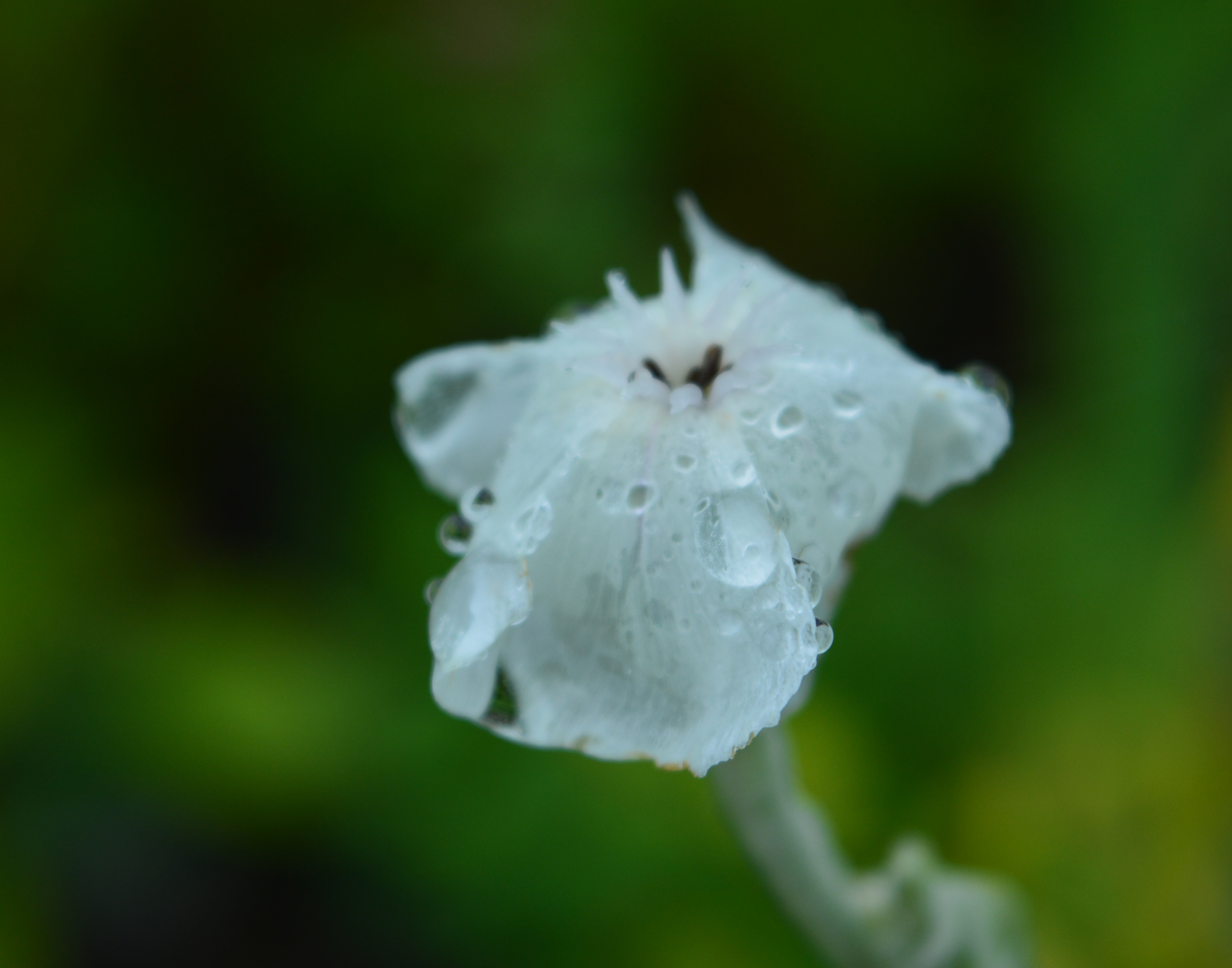
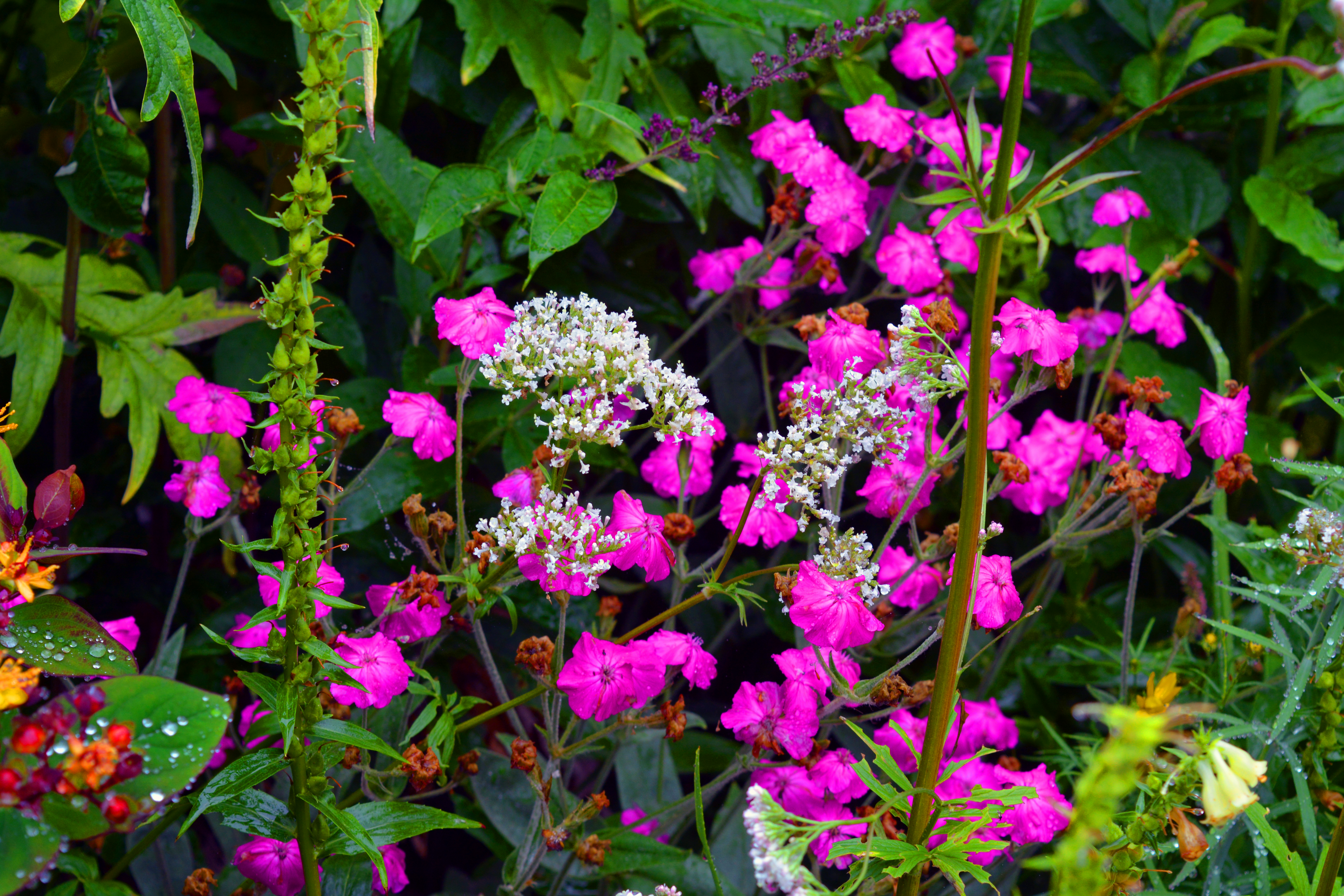
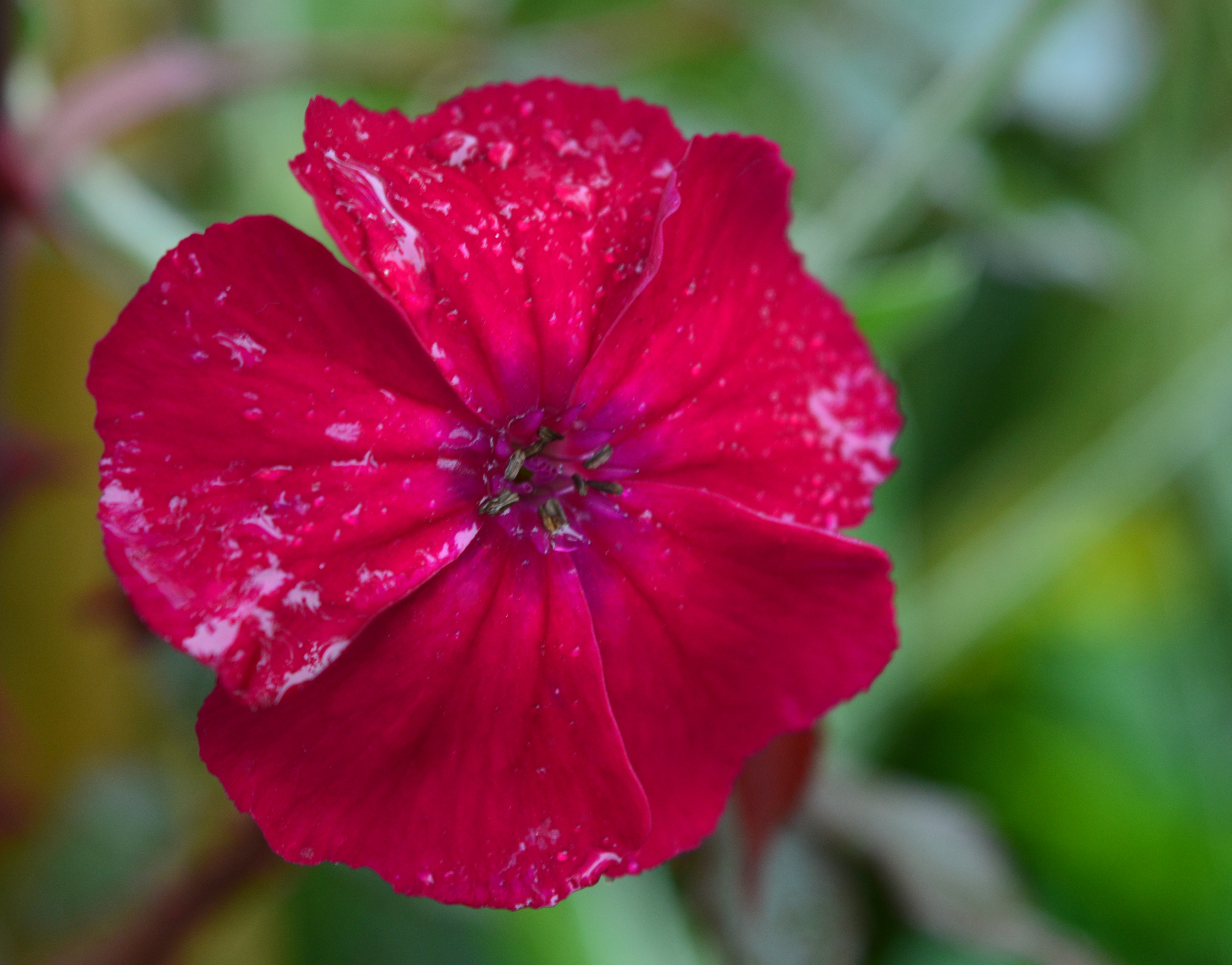
“One family with flowers that glow are the Lychnis family. Below are two members of Lychnis, the variety L. chalcedonica and another variety L. coronaria.”

“Lychnis chalcedonica “Dusky Pink”
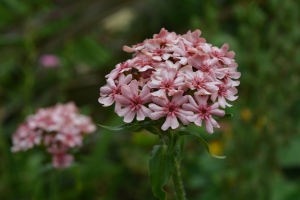
 

“Lychnis chalcedonica “Vesuvius” and Lychnis chalcedonica “Maltese Cross”


“Lychnis coronaria”


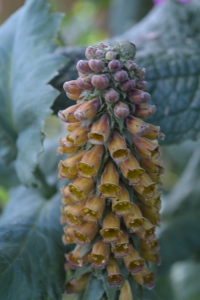
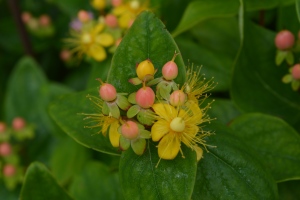
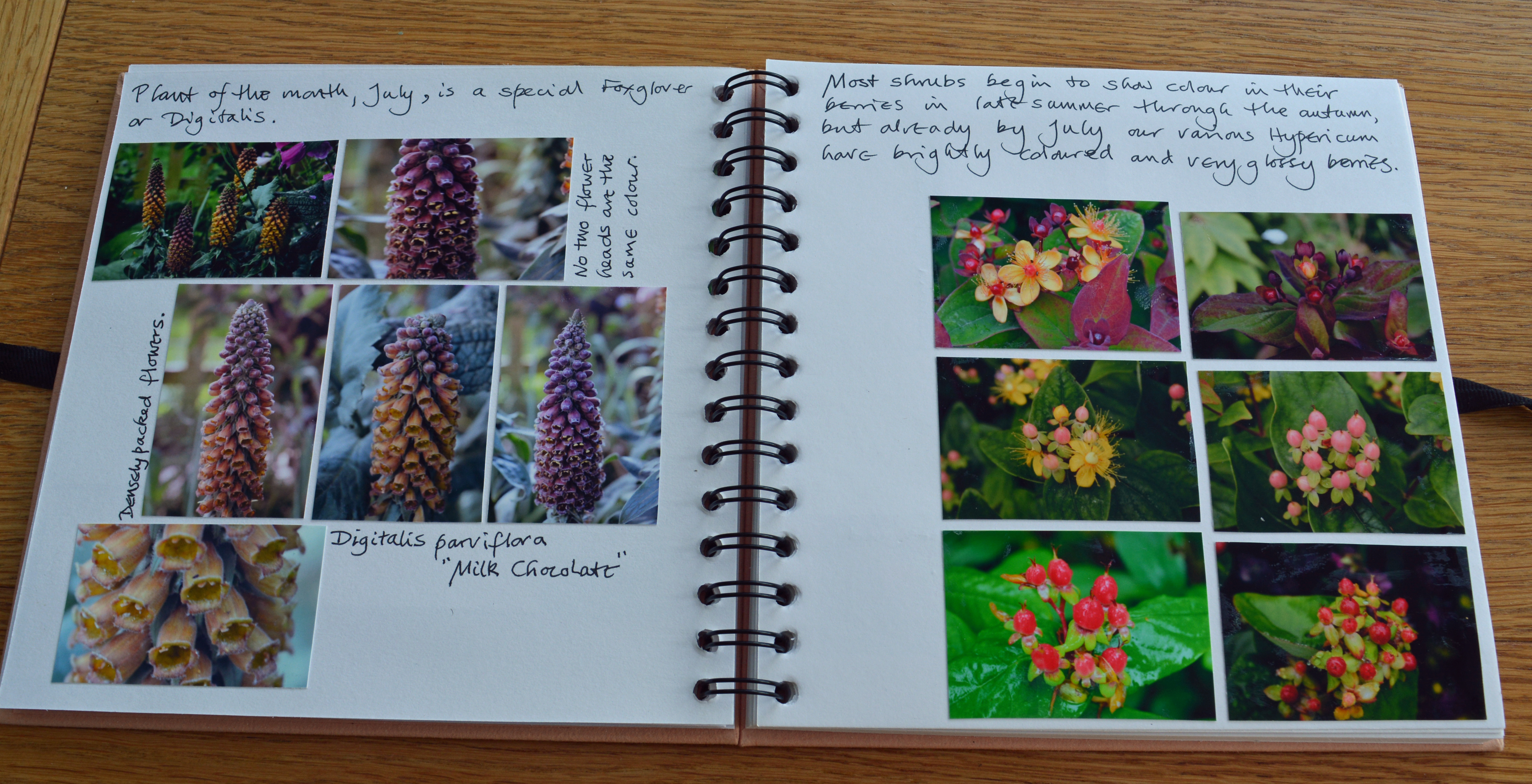
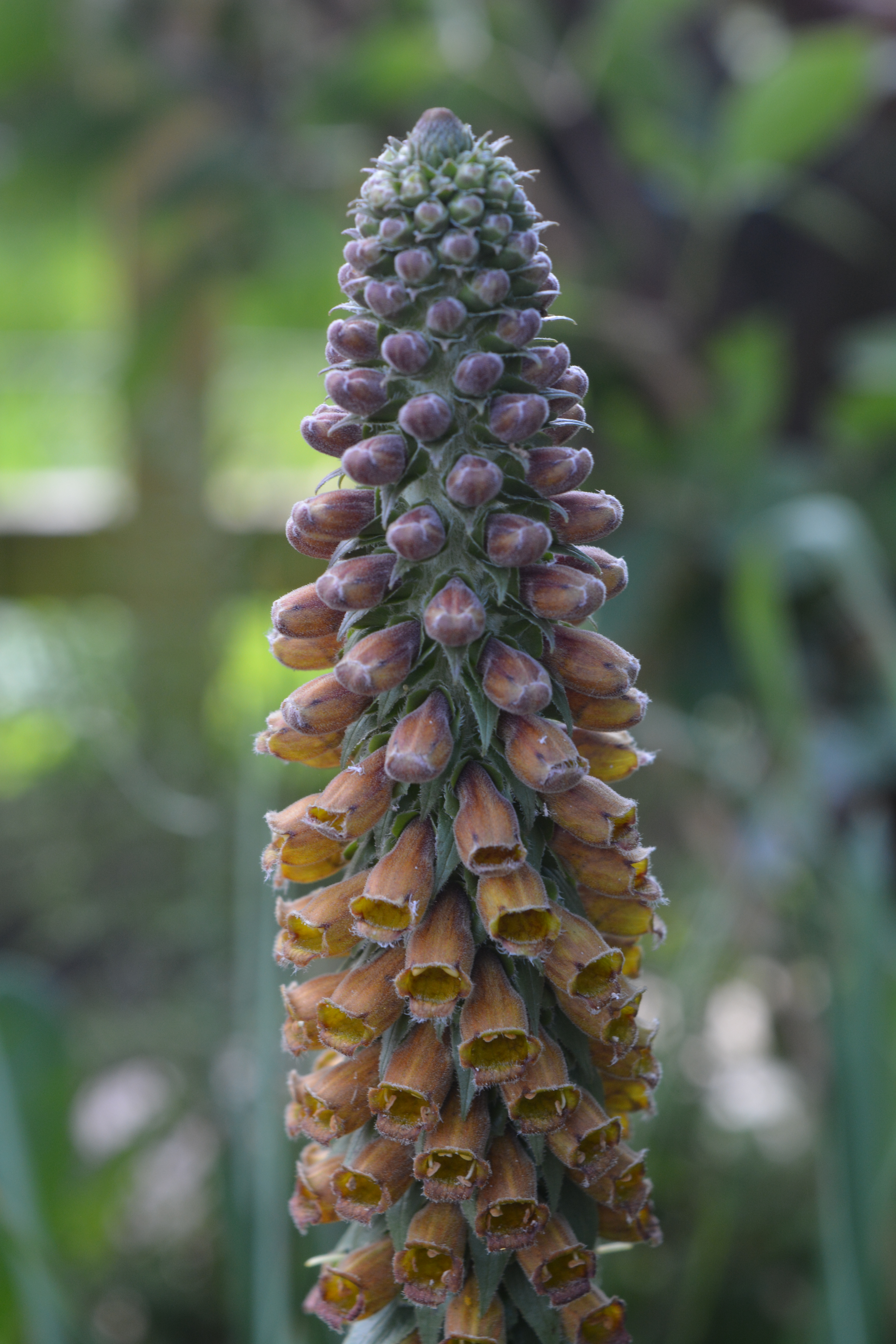
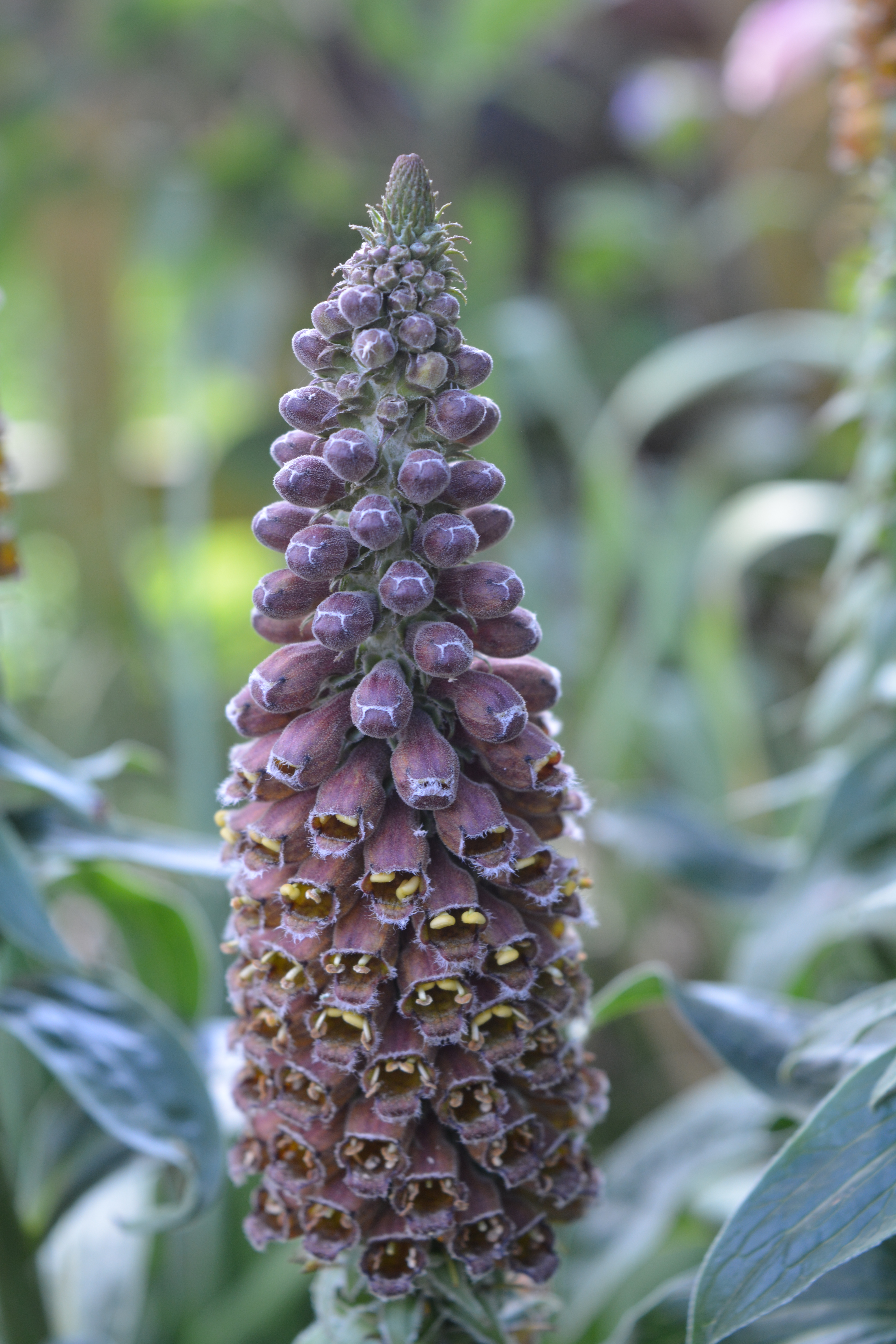
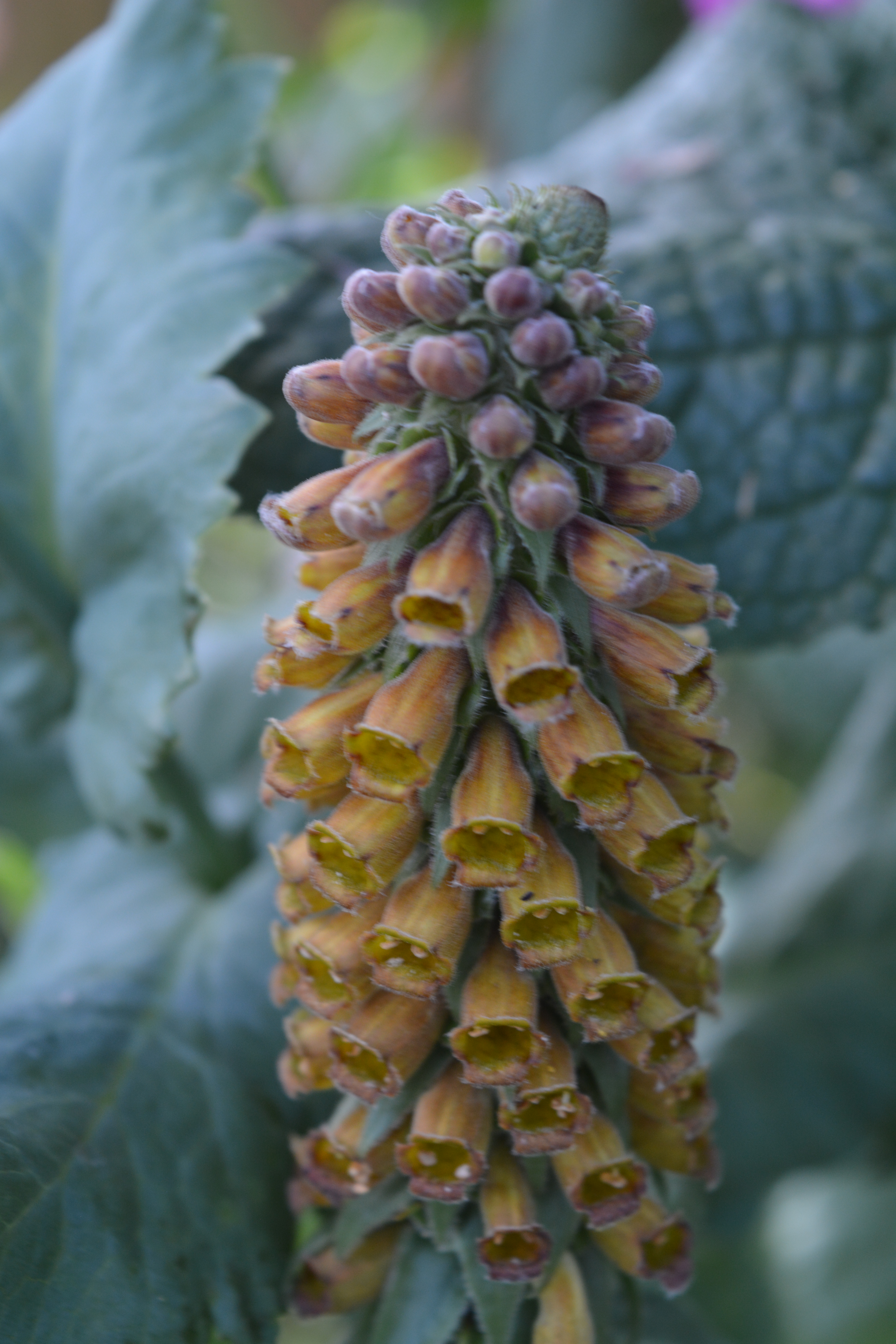
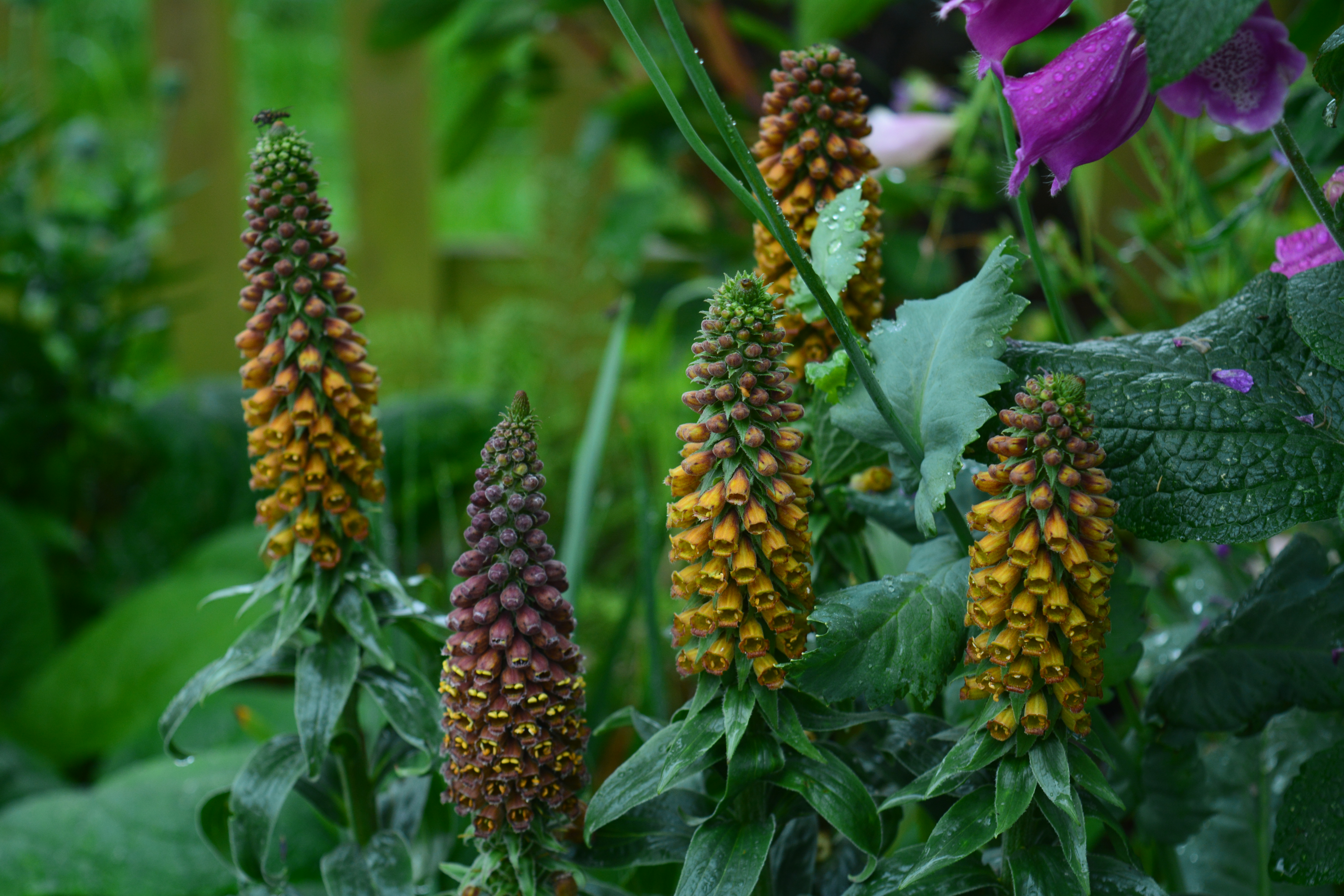
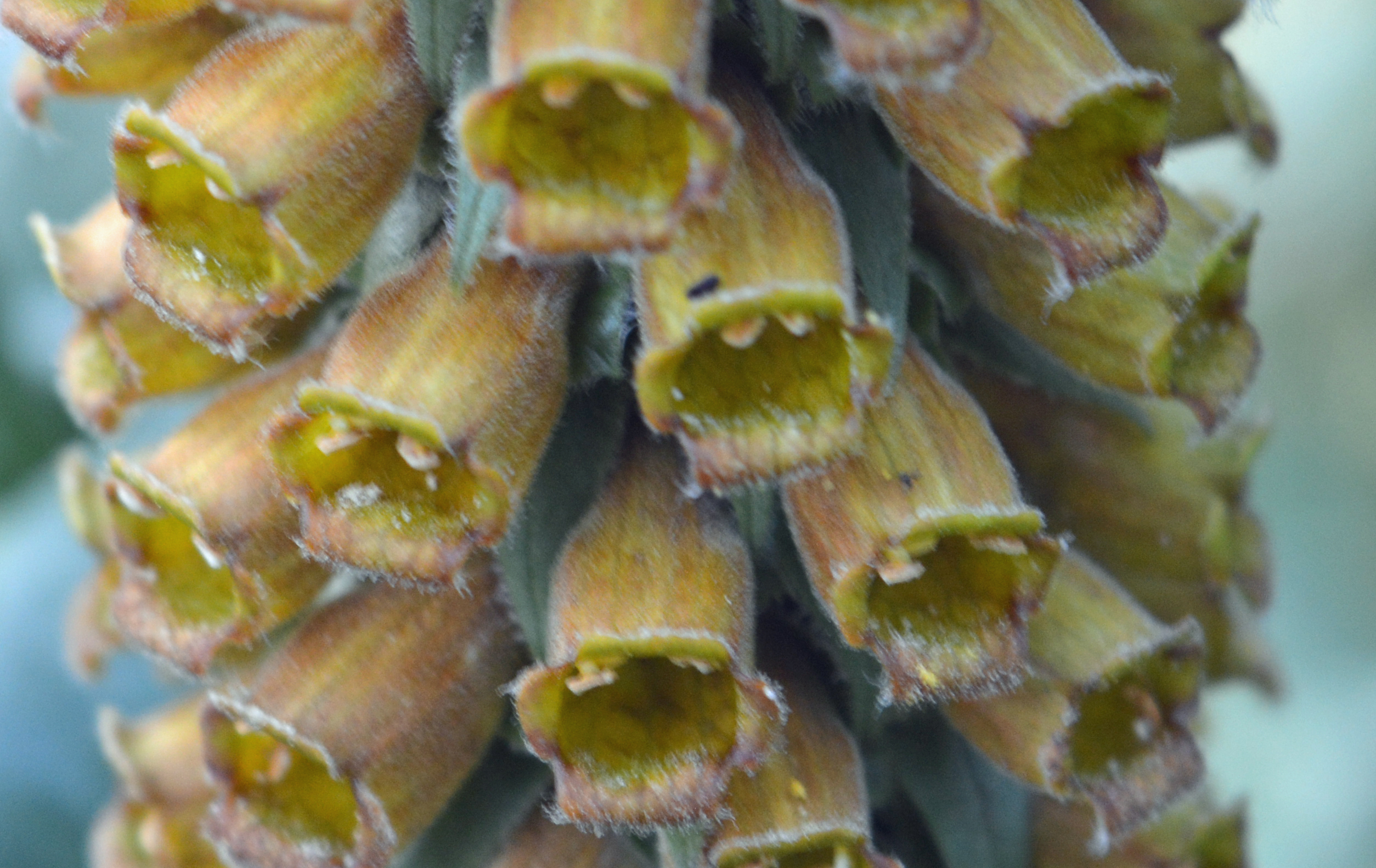
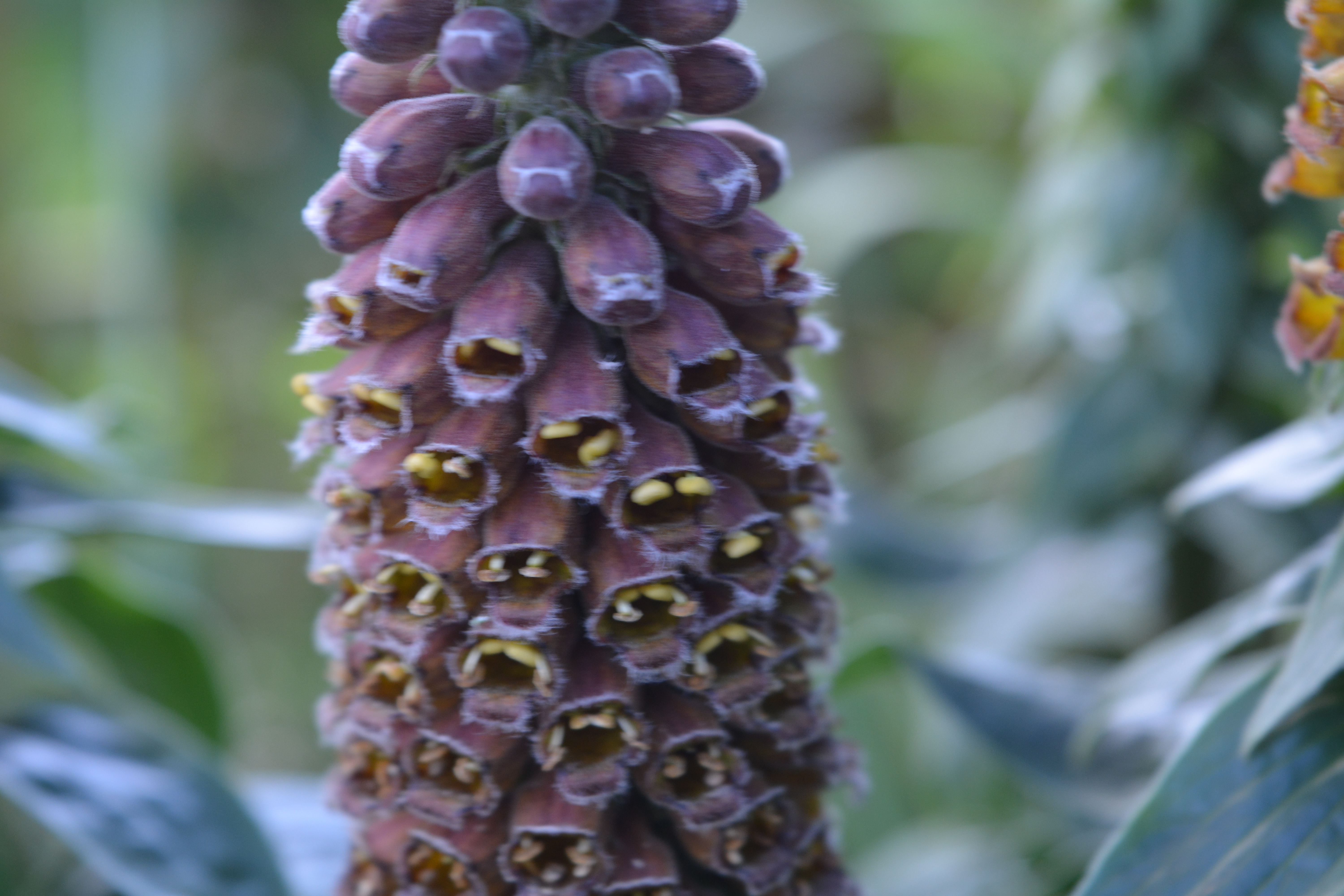
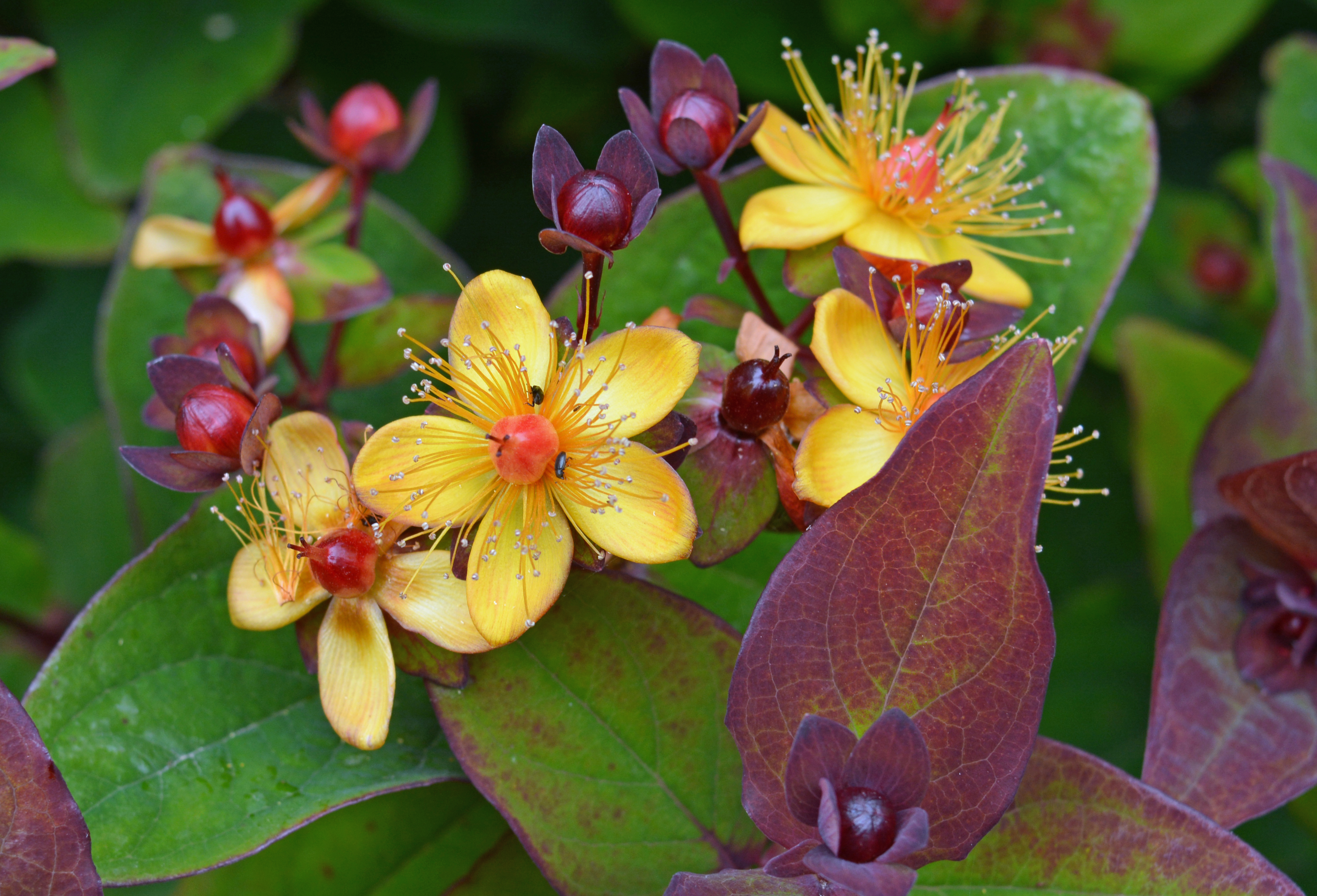
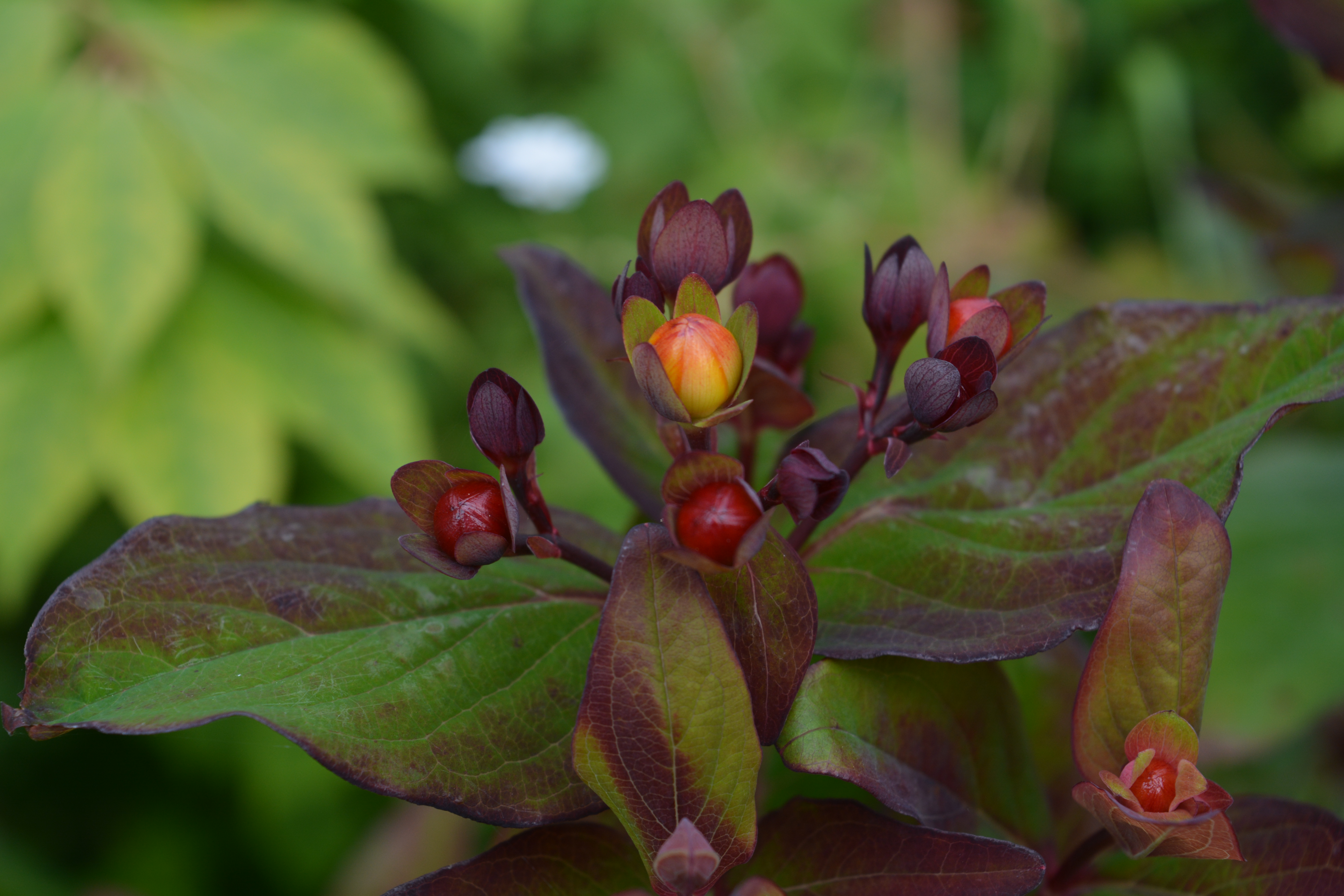
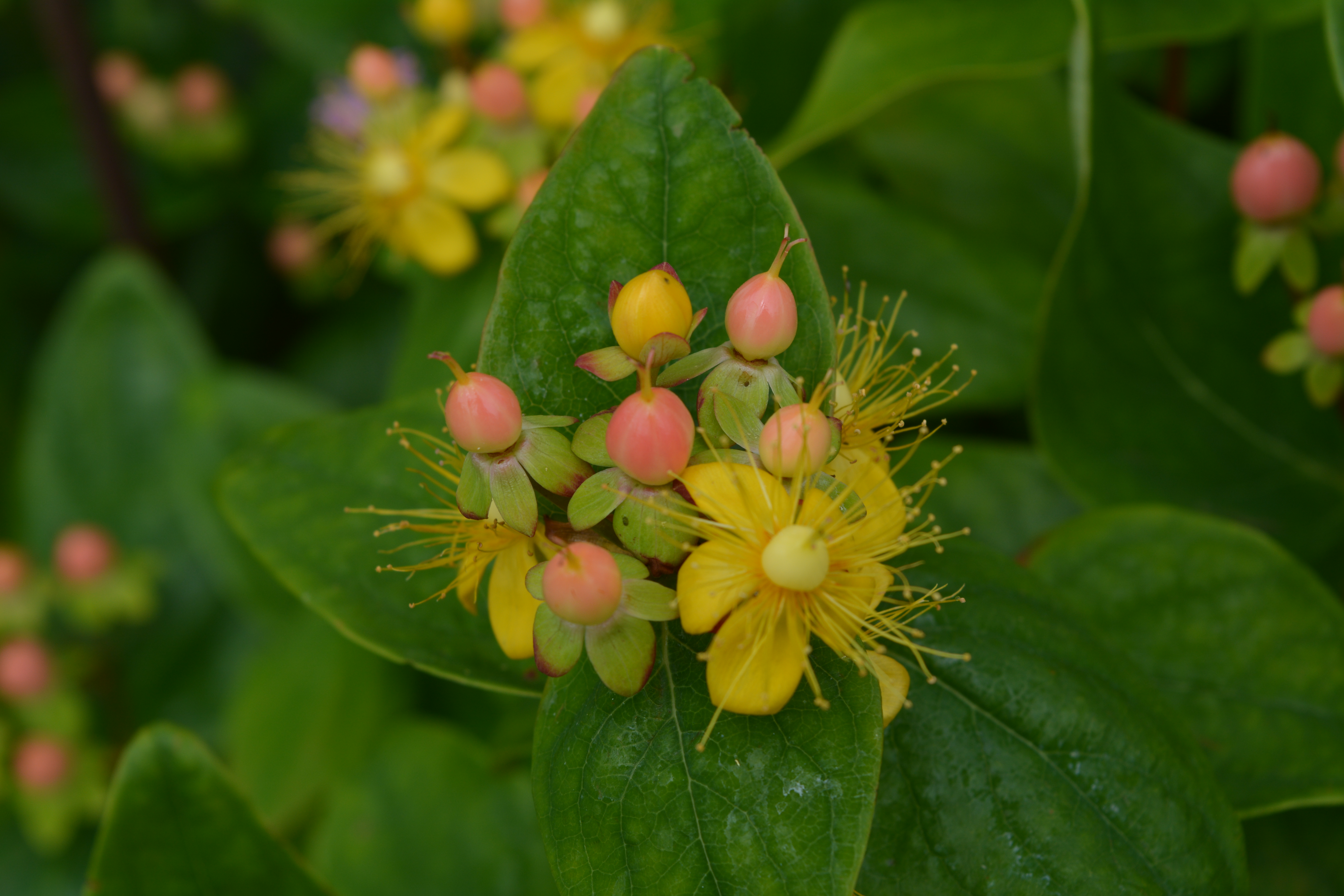
Over the page I move on to look at an unusual Foxglove, Digitalis parviflora “Milk Chocolate” and a berried shrub, Hypericum x inodorum.
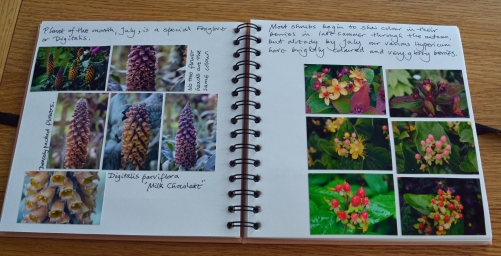
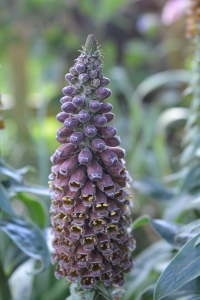
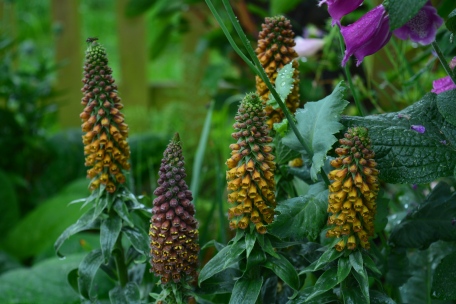
“Plant of the month, July, is a special Foxglove or Digitalis, Digitalis parviflora Milk Chocolate.”

“No two flower heads are the same.”
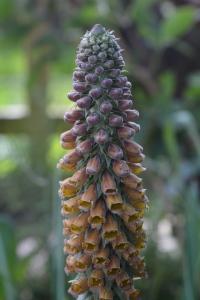
 

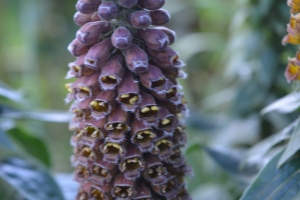
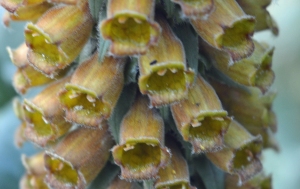
“Densely packed flowers.”
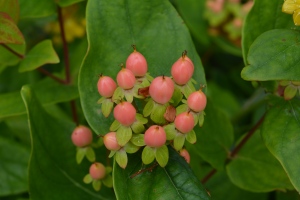
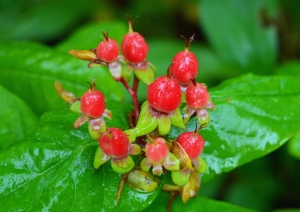
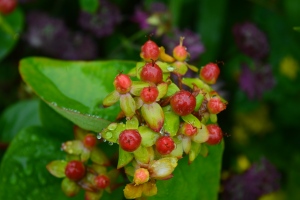
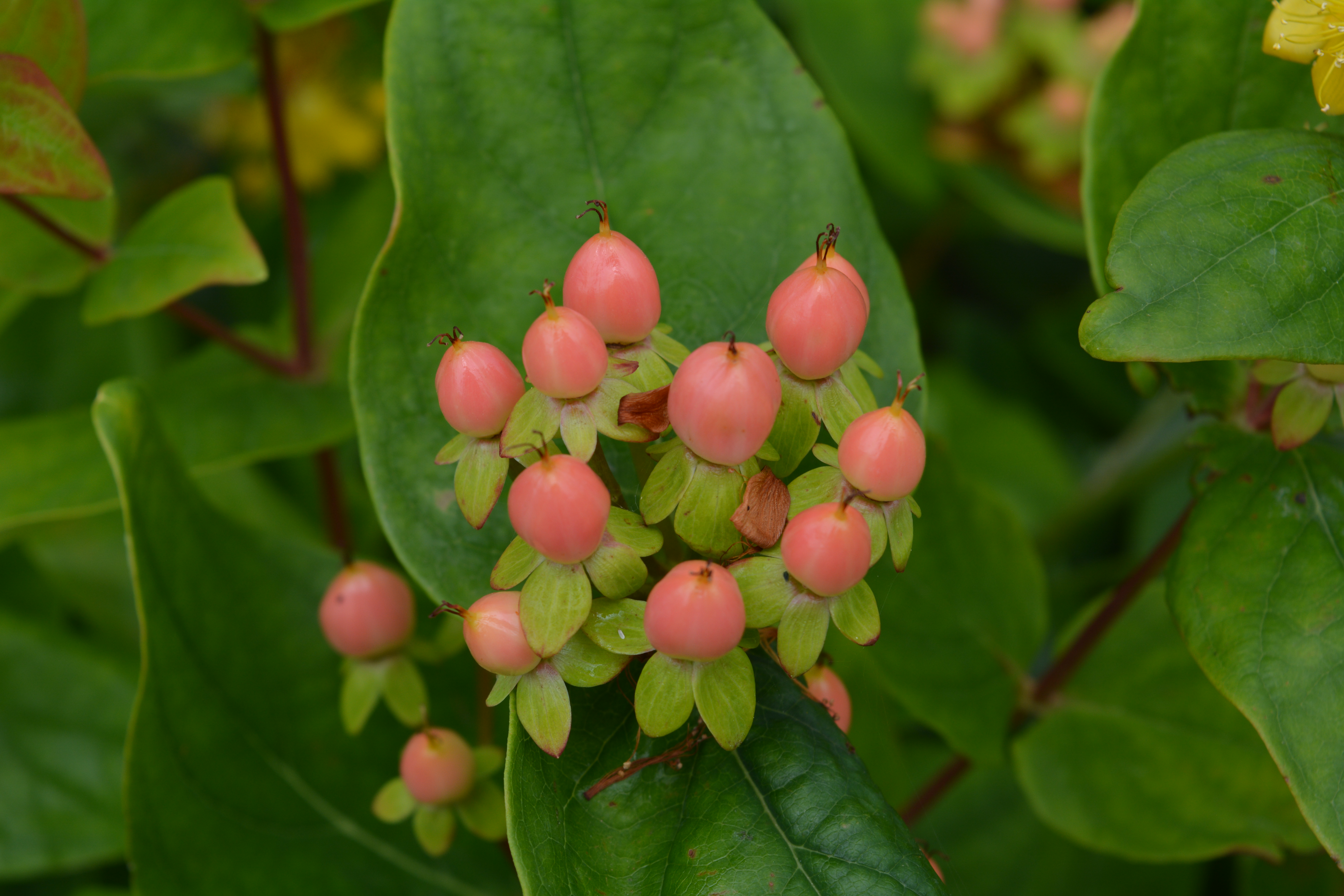
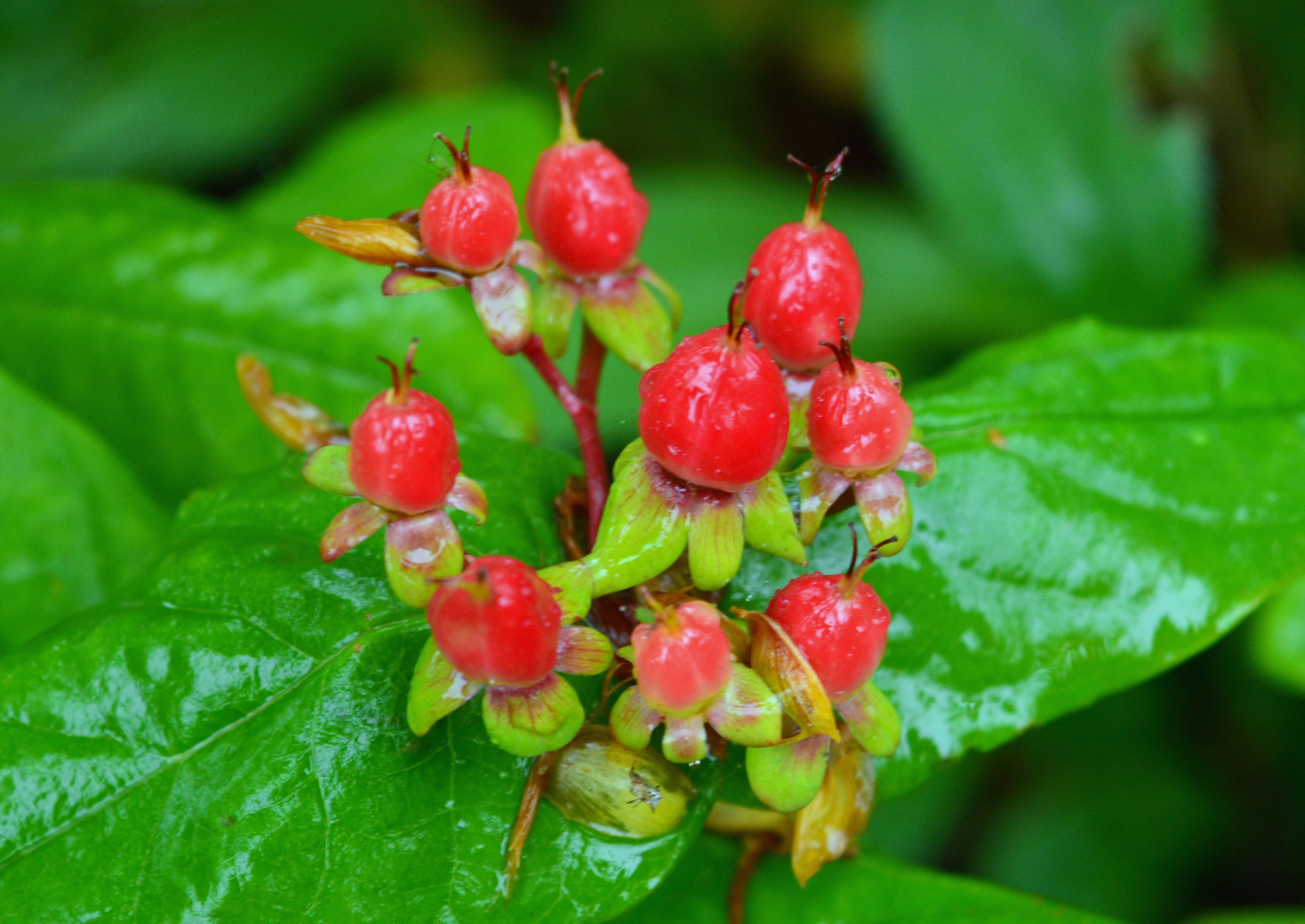
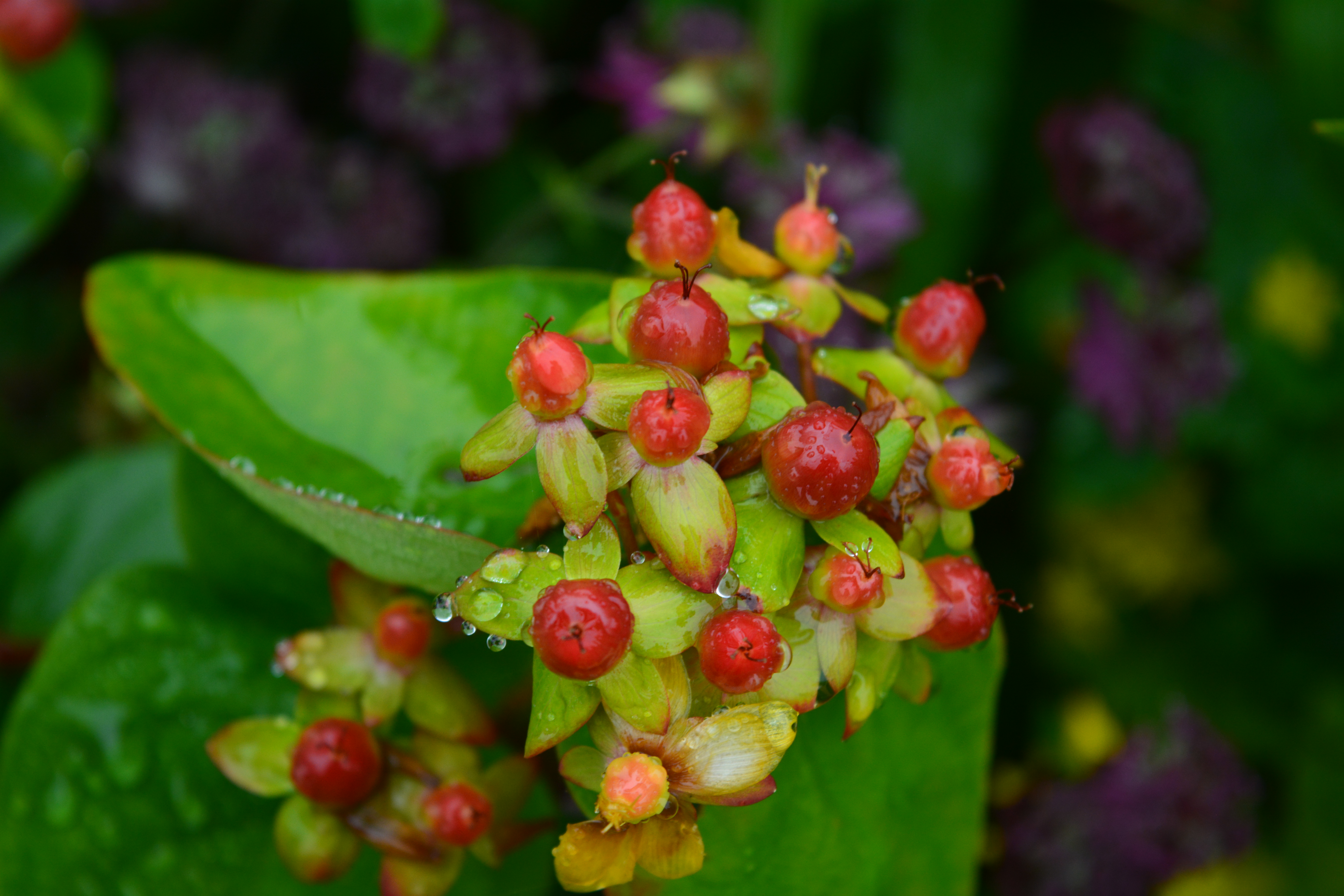
“Most berrying shrubs begin to show colour in their berries in late summer through the autumn, but already by July our various cultivars of Hypericum x inodorum have brightly coloured and very glossy berries.”
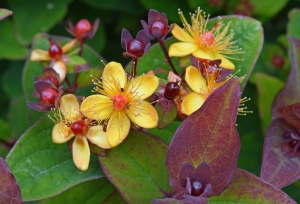
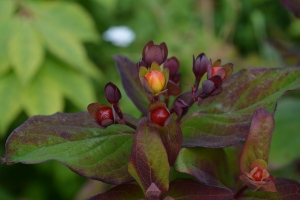
  

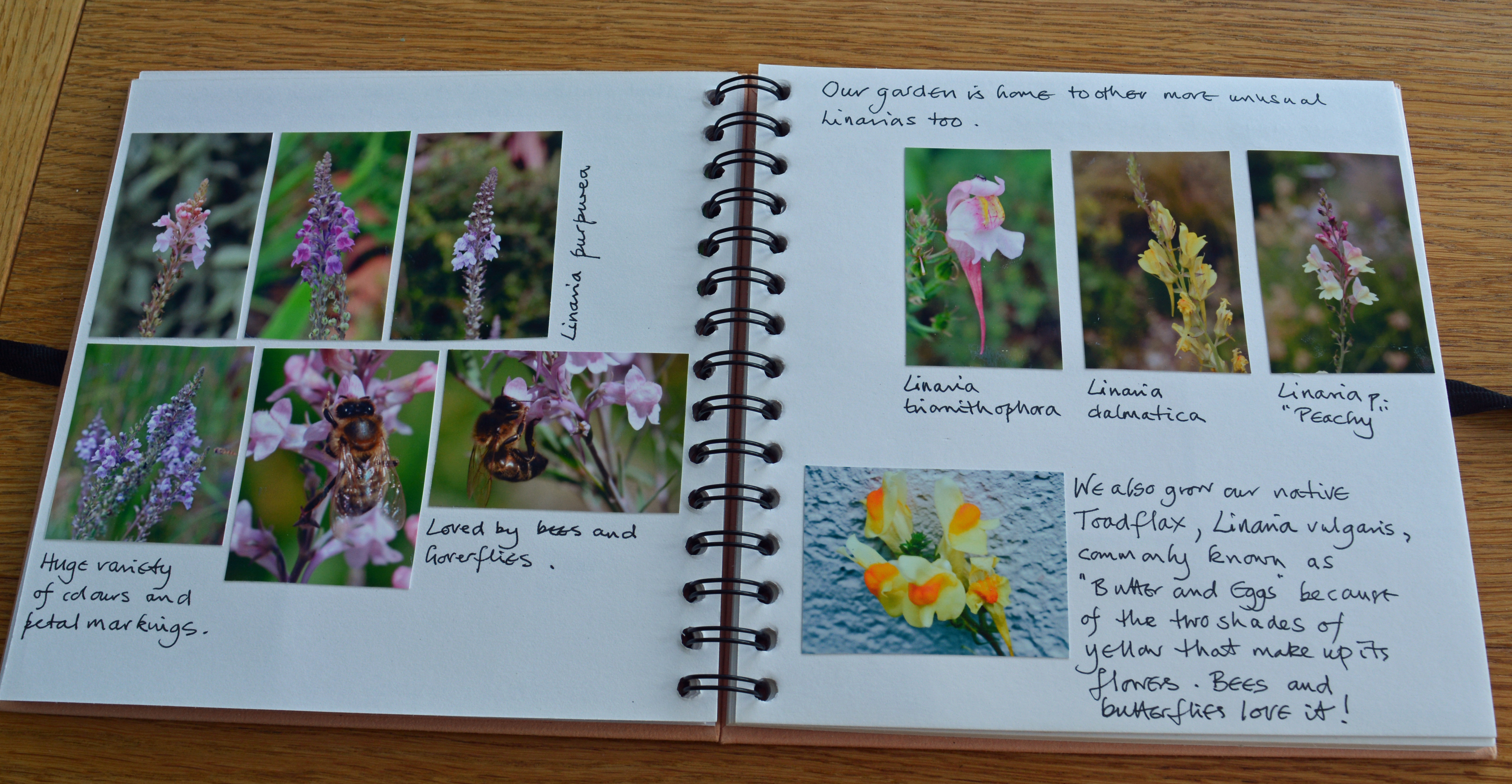
The next plant family I feature in July is Linaria, of which we grow many varied cultivars.
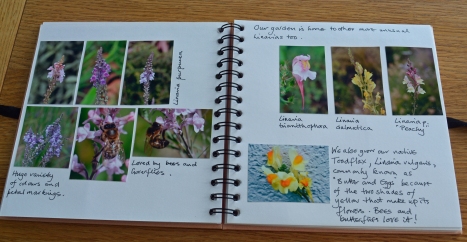
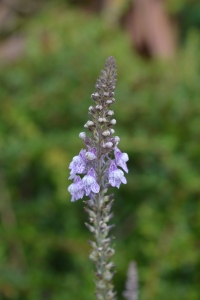
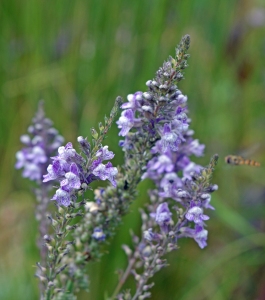
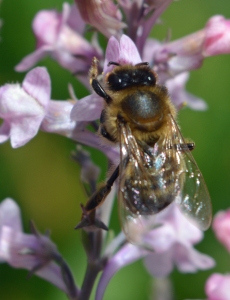
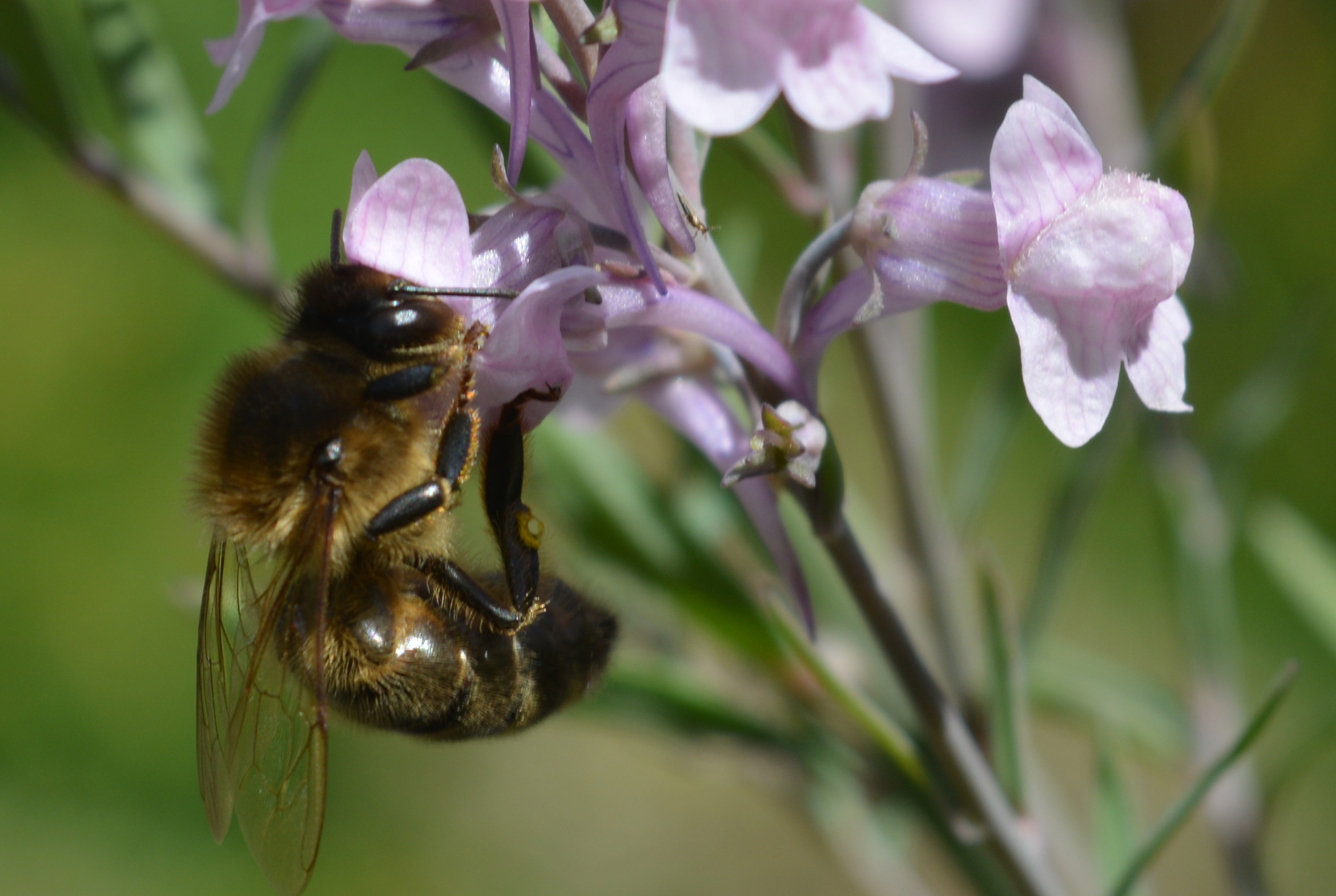
“Members of the Linaria family are always welcome in our garden. We love the way they self seed and hybridise. They display a huge range of colours and petal markings. Linaria purpurea is much loved by bees and hoverflies.”
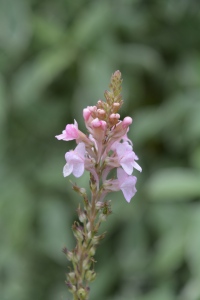
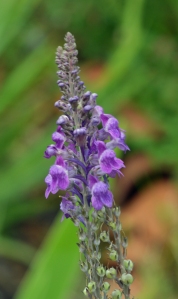
    

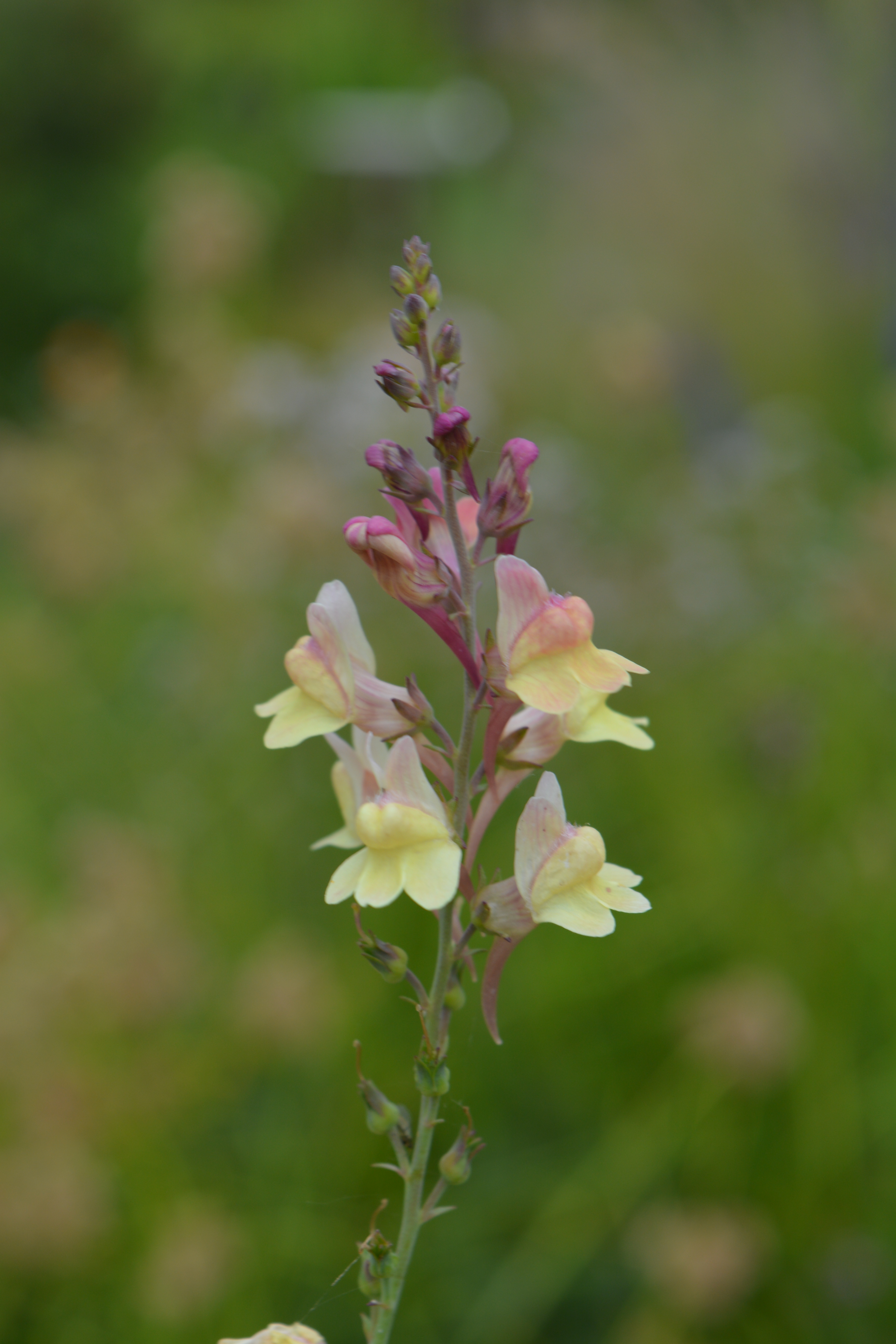
“Our garden is home to other more unusual Linarias too, all with their recognisable flower structure.”

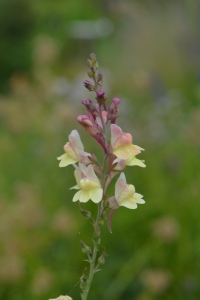
 

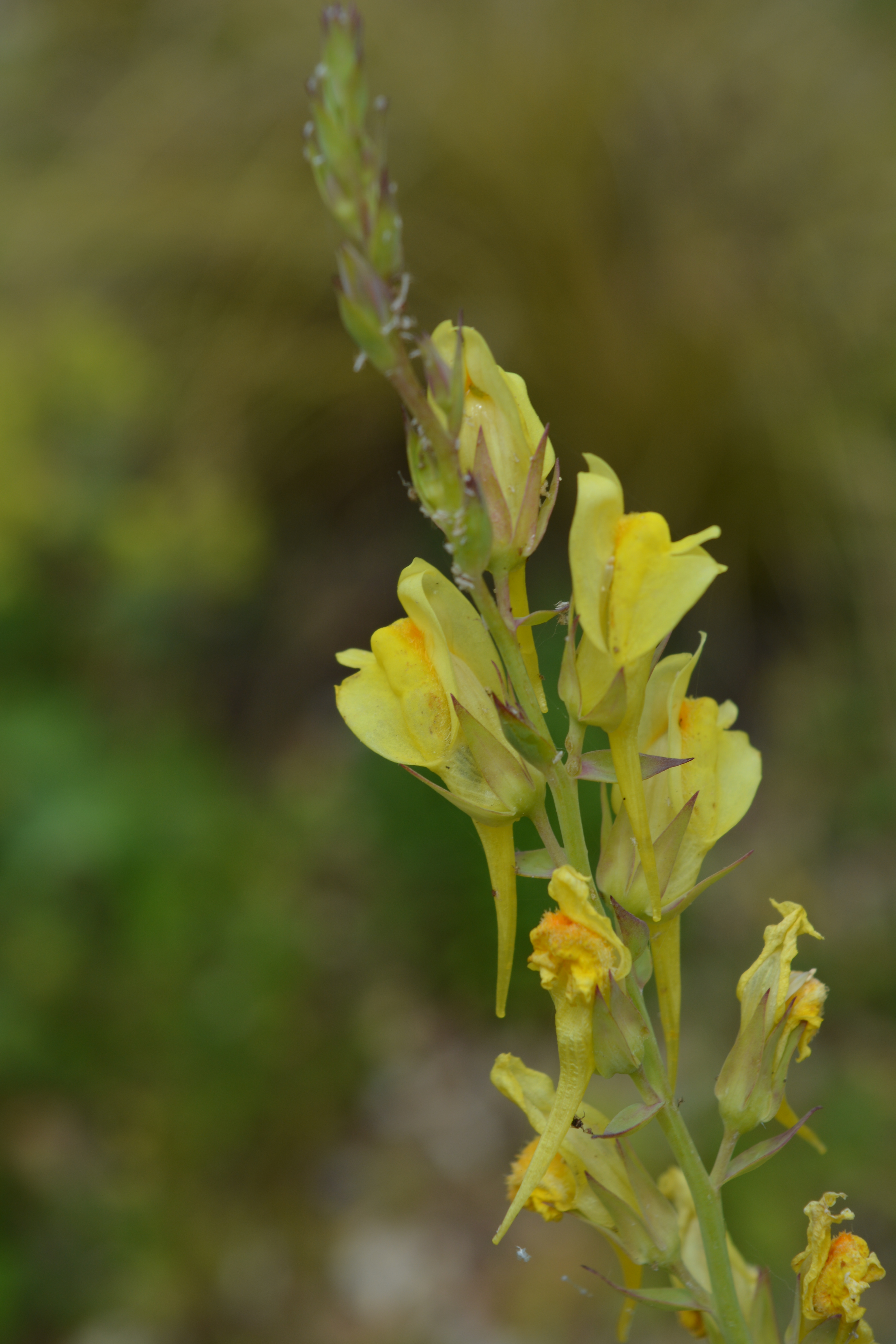
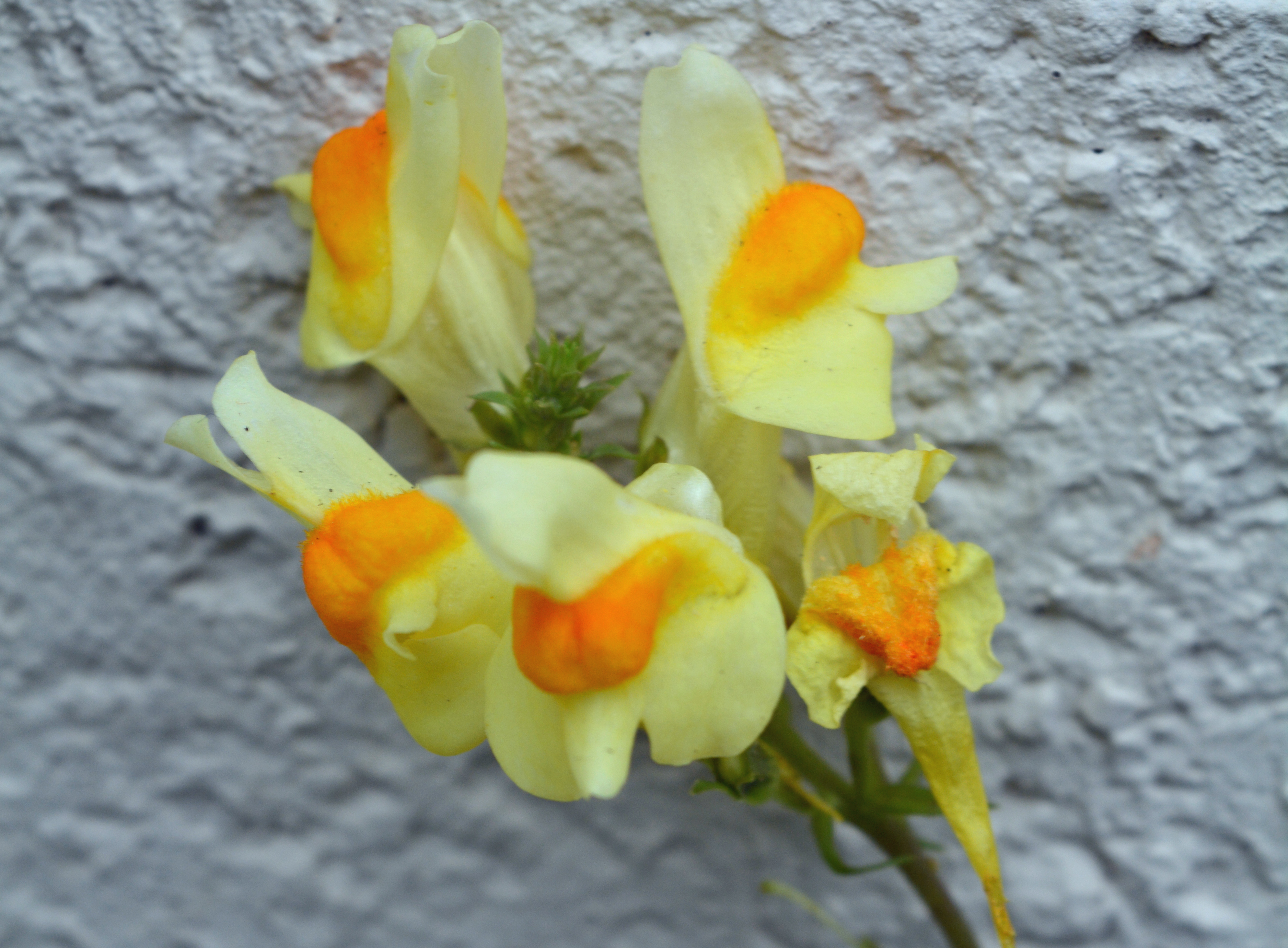
“We also grow our native Toadflax, Linaria vulgaris, commonly known as “Butter and Eggs” because of the two shades of yellow that make up its flowers. Bees and butterflies love it!”
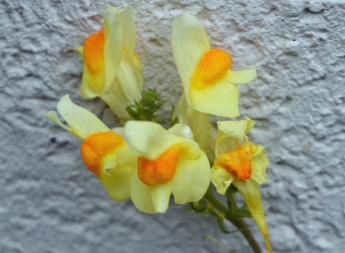
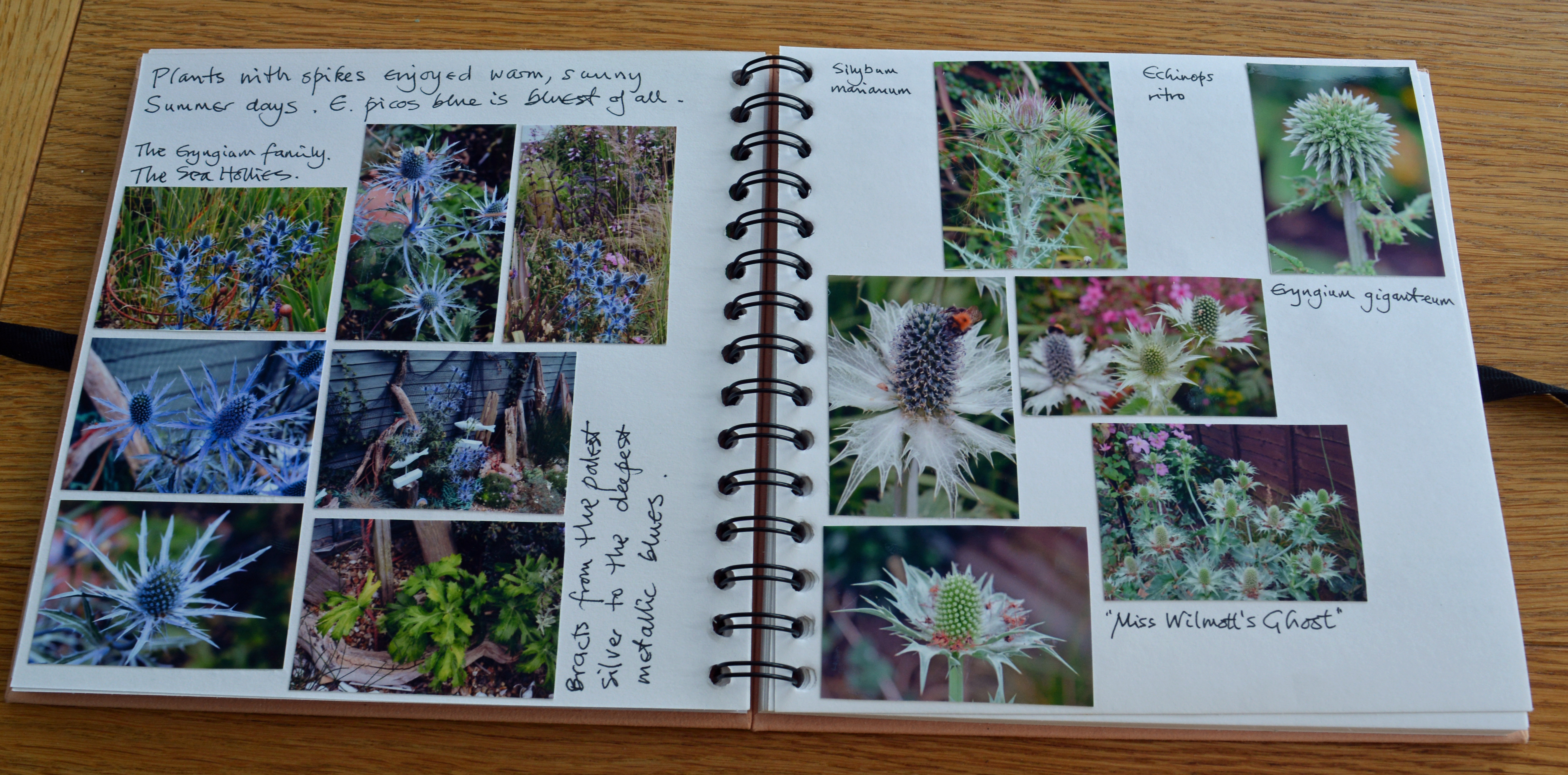
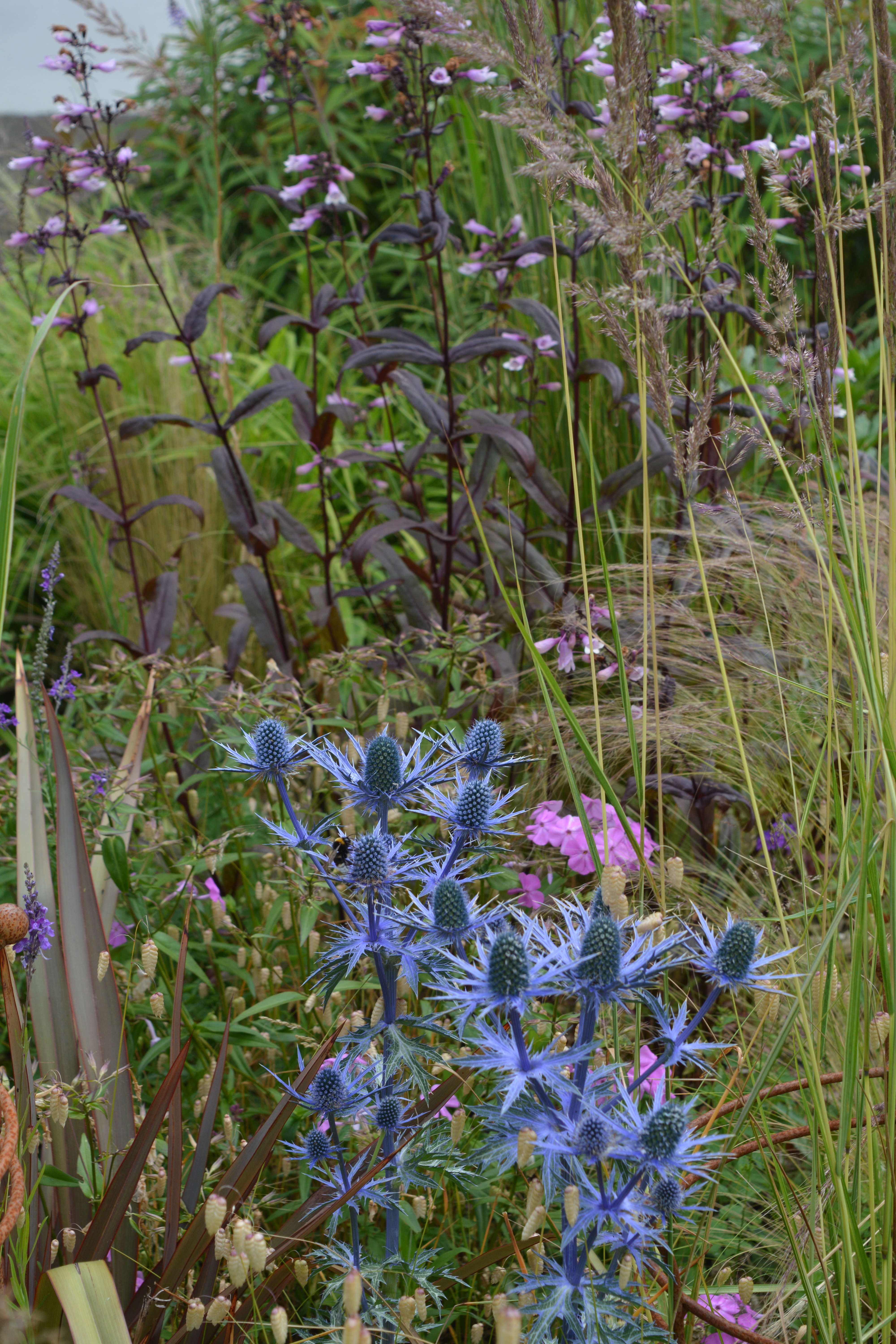
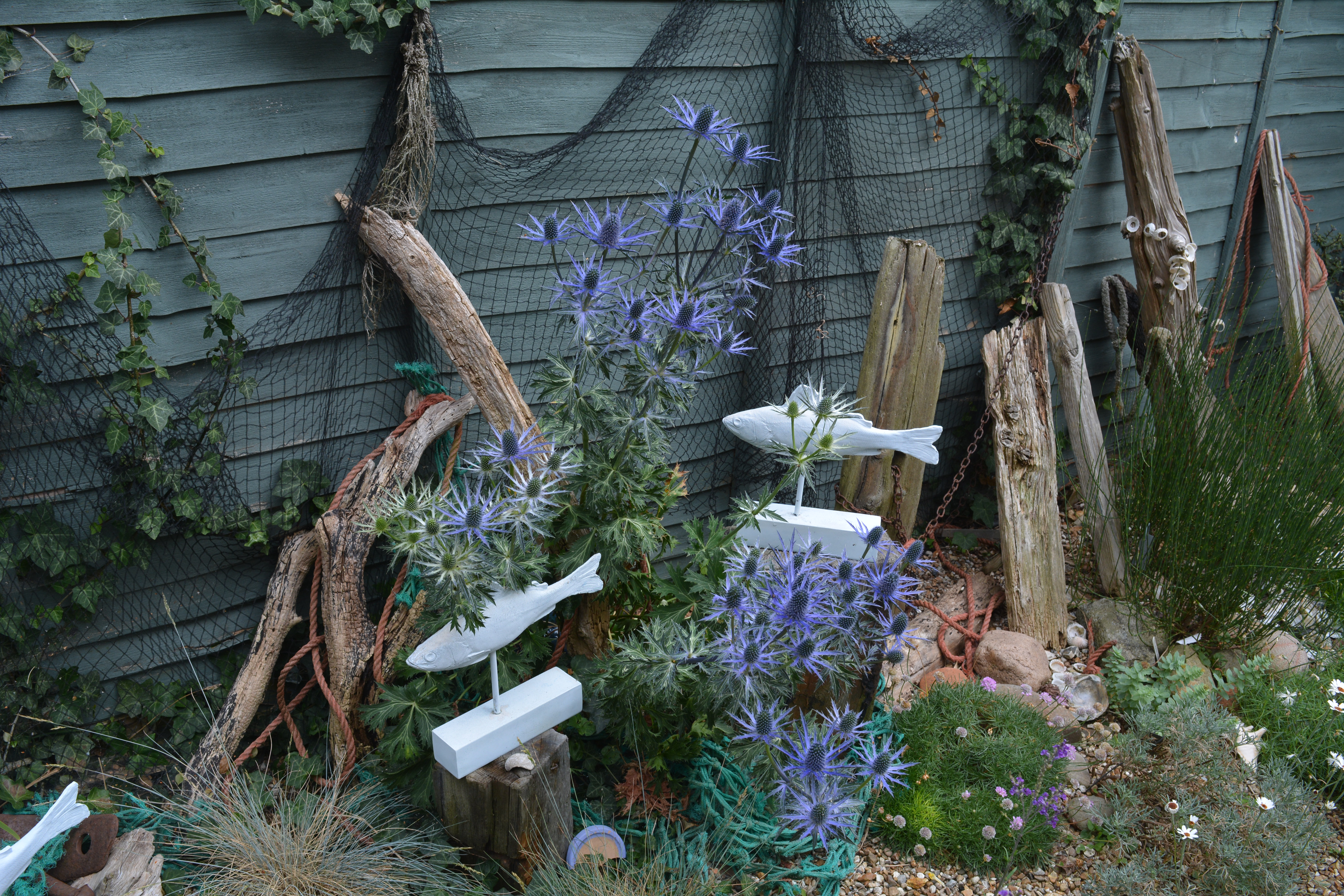
Next I looked at plants that are spiky in texture, of which we grow many in our patch as they seem to like our sunny aspect.

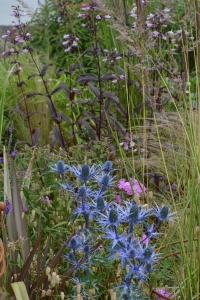
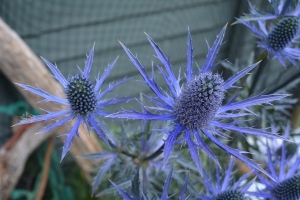
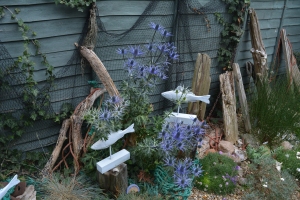
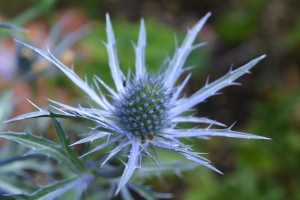
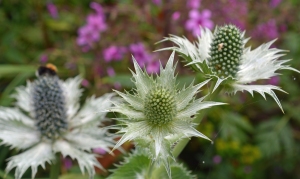
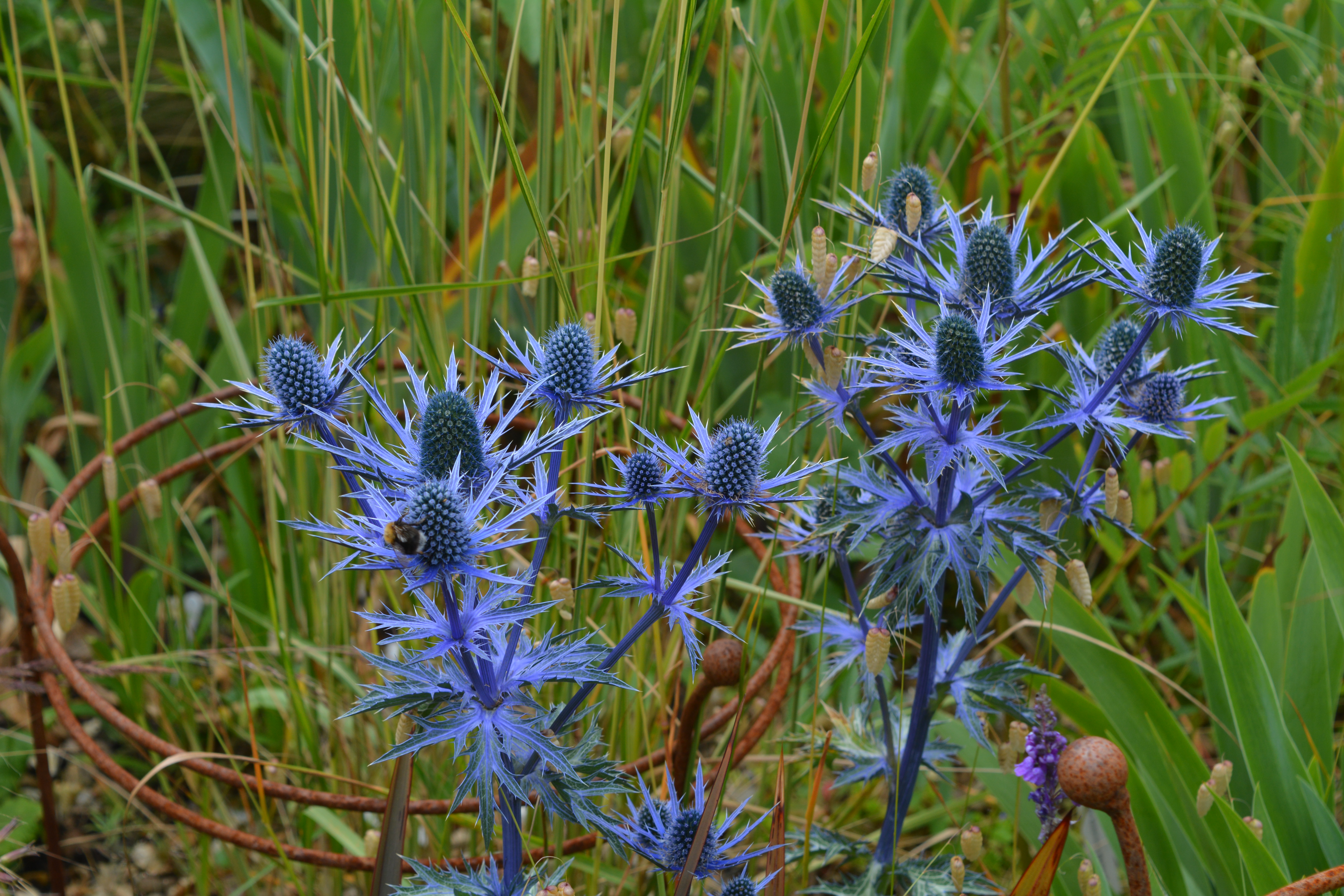
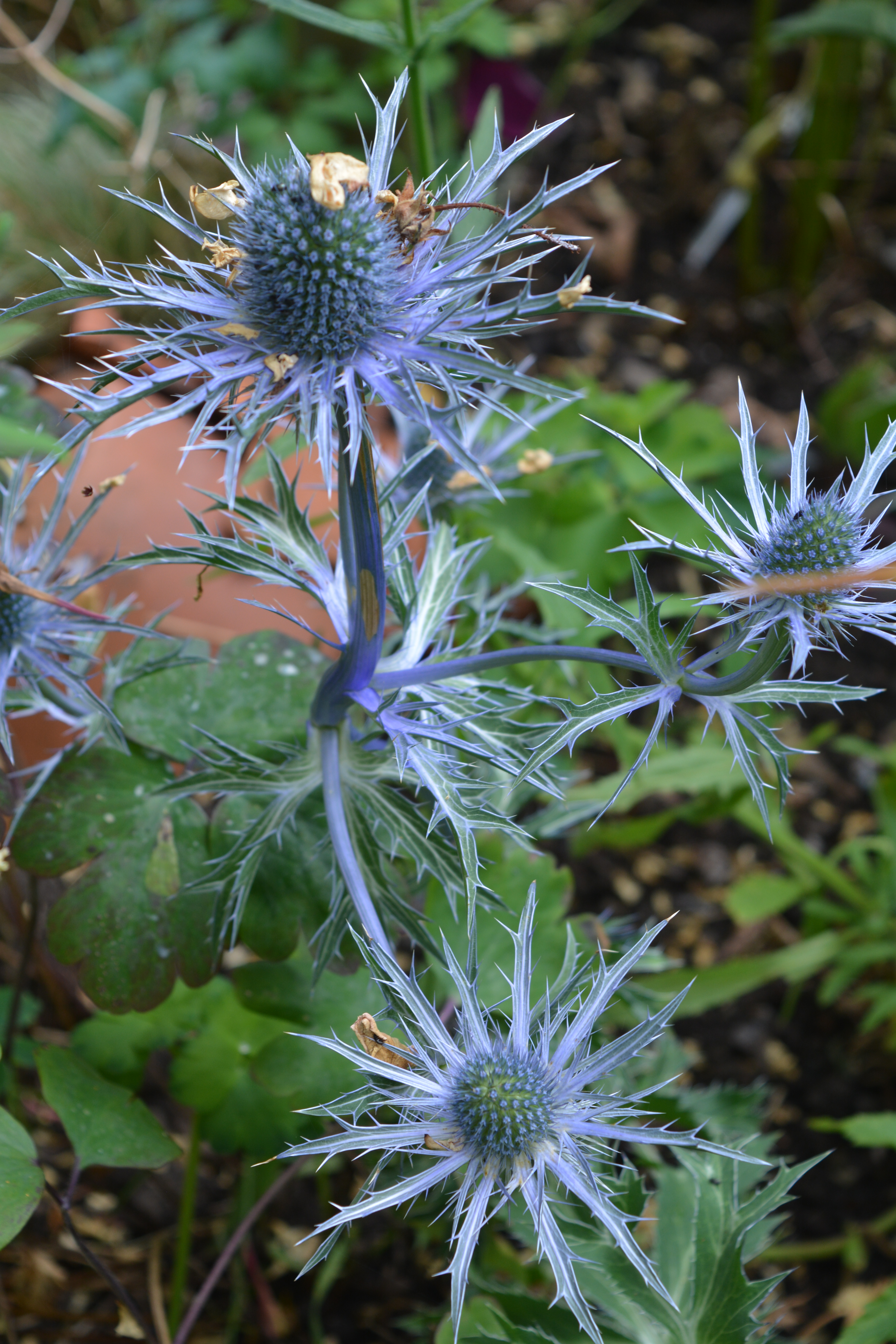
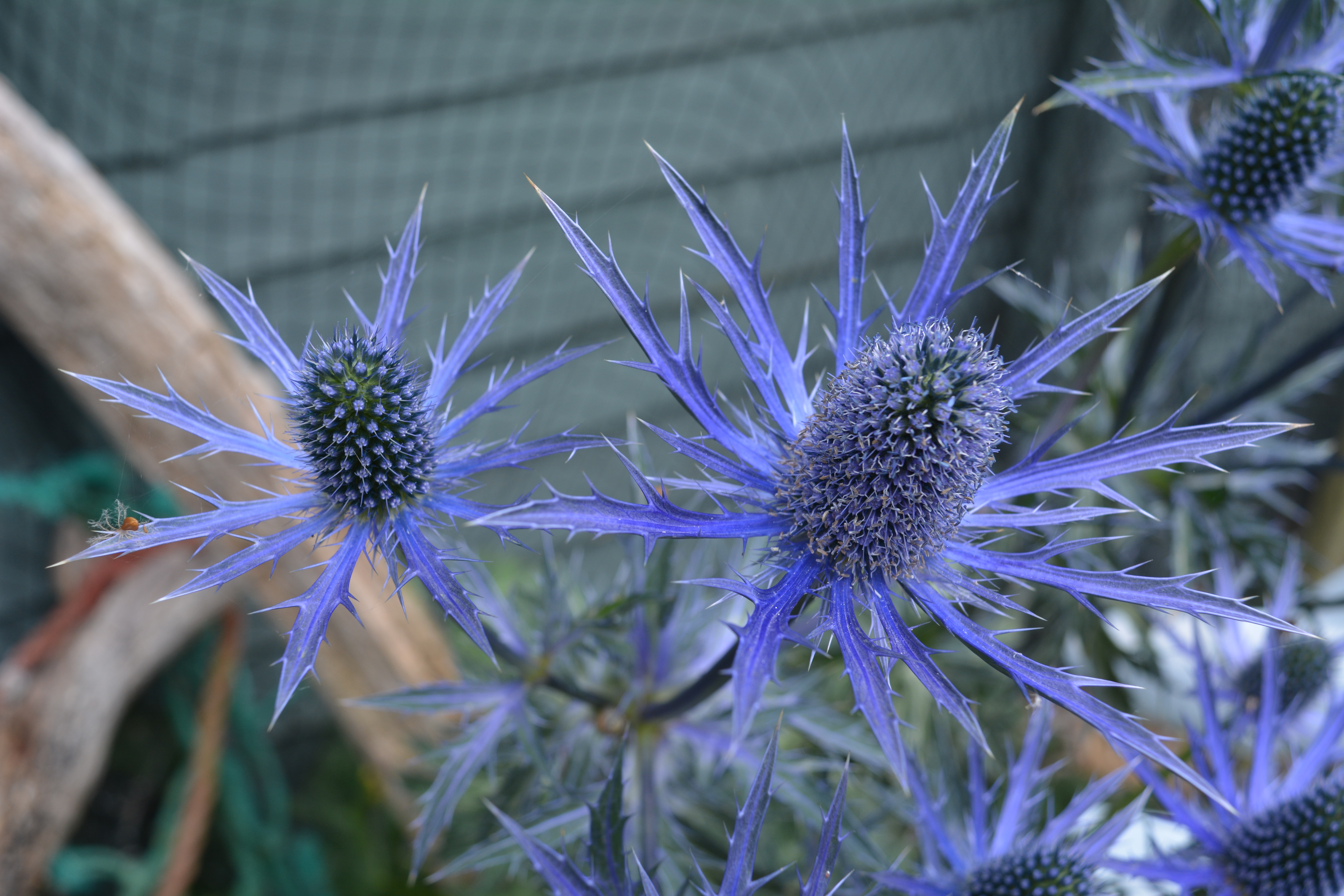
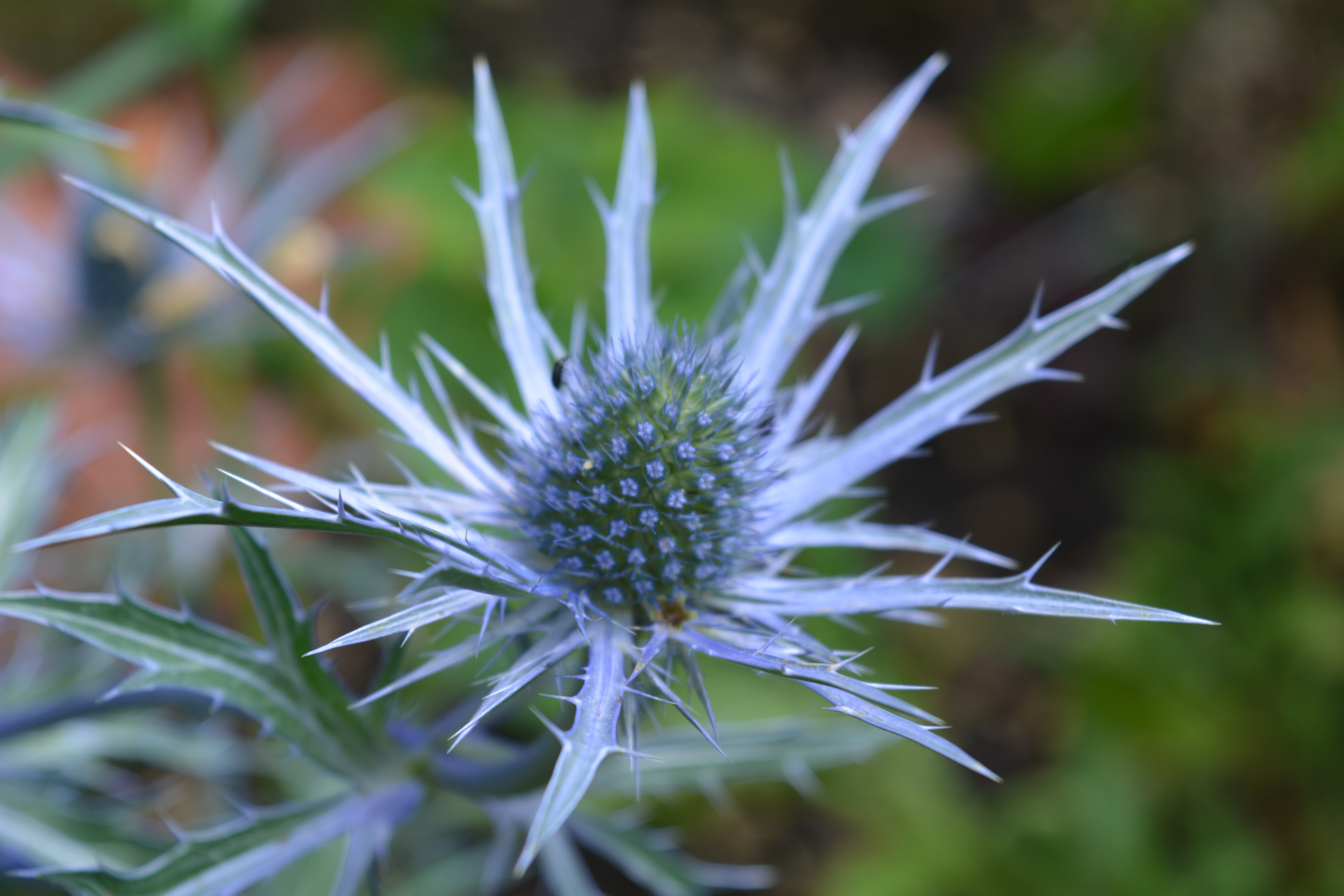
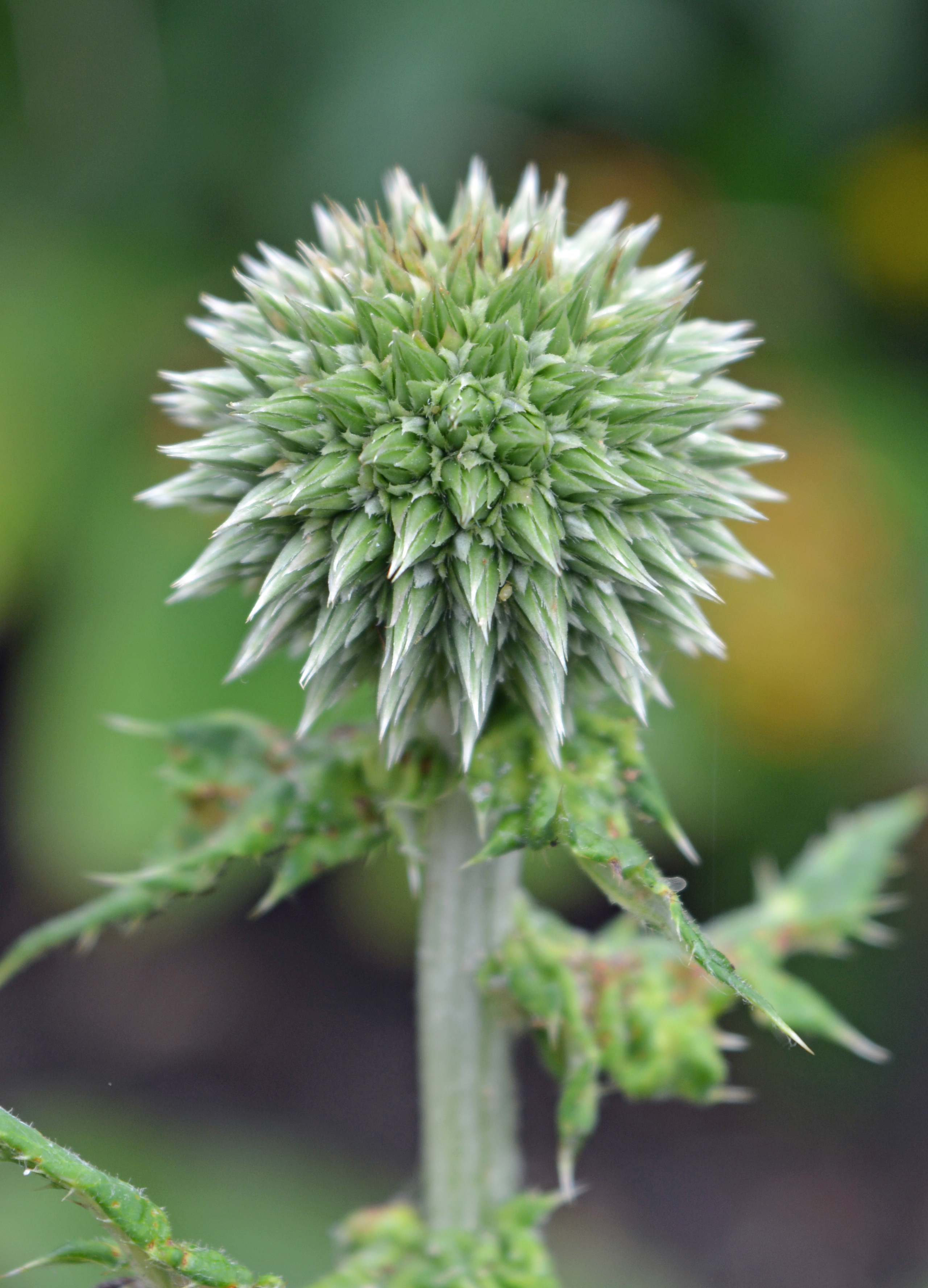
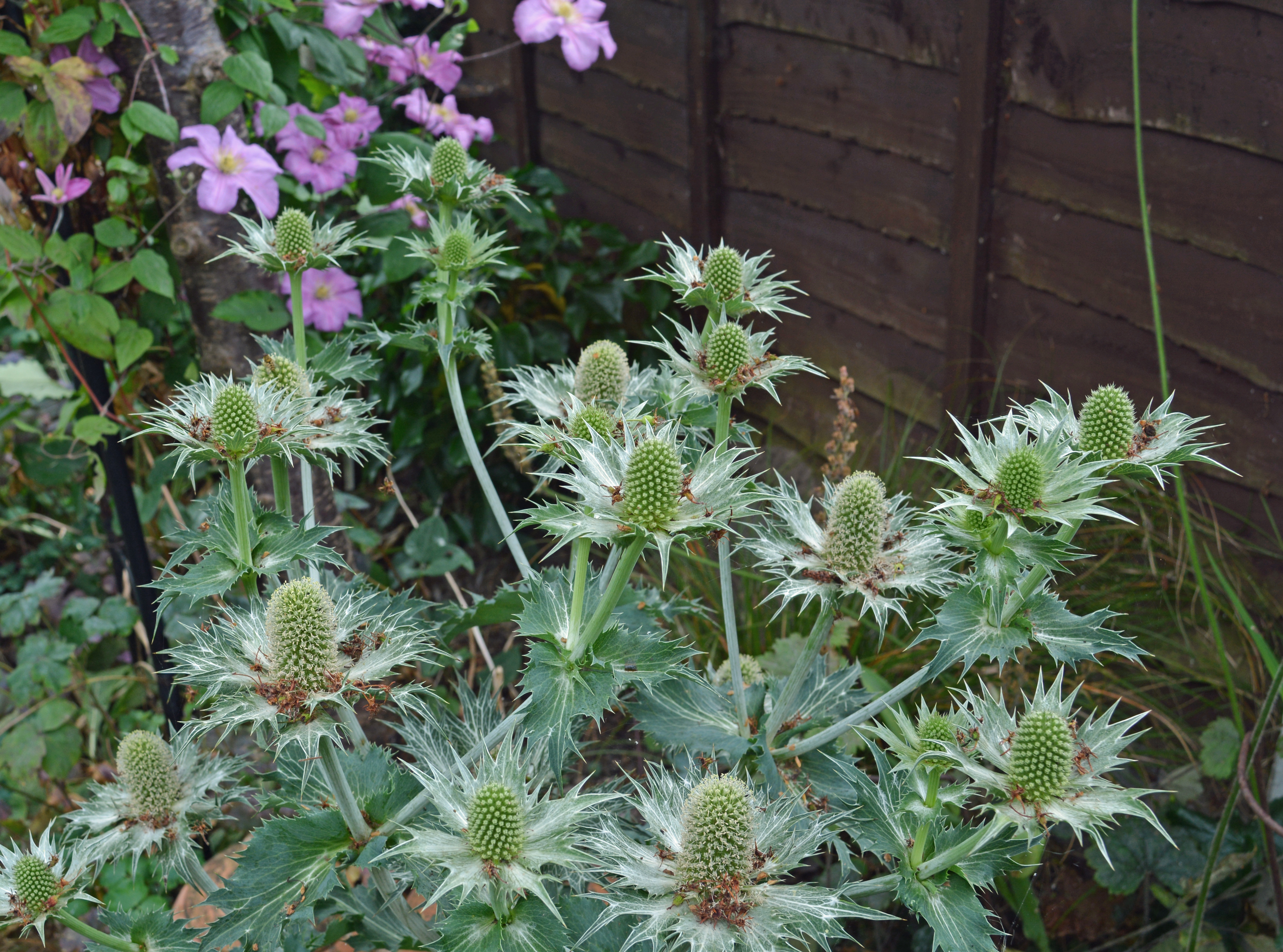
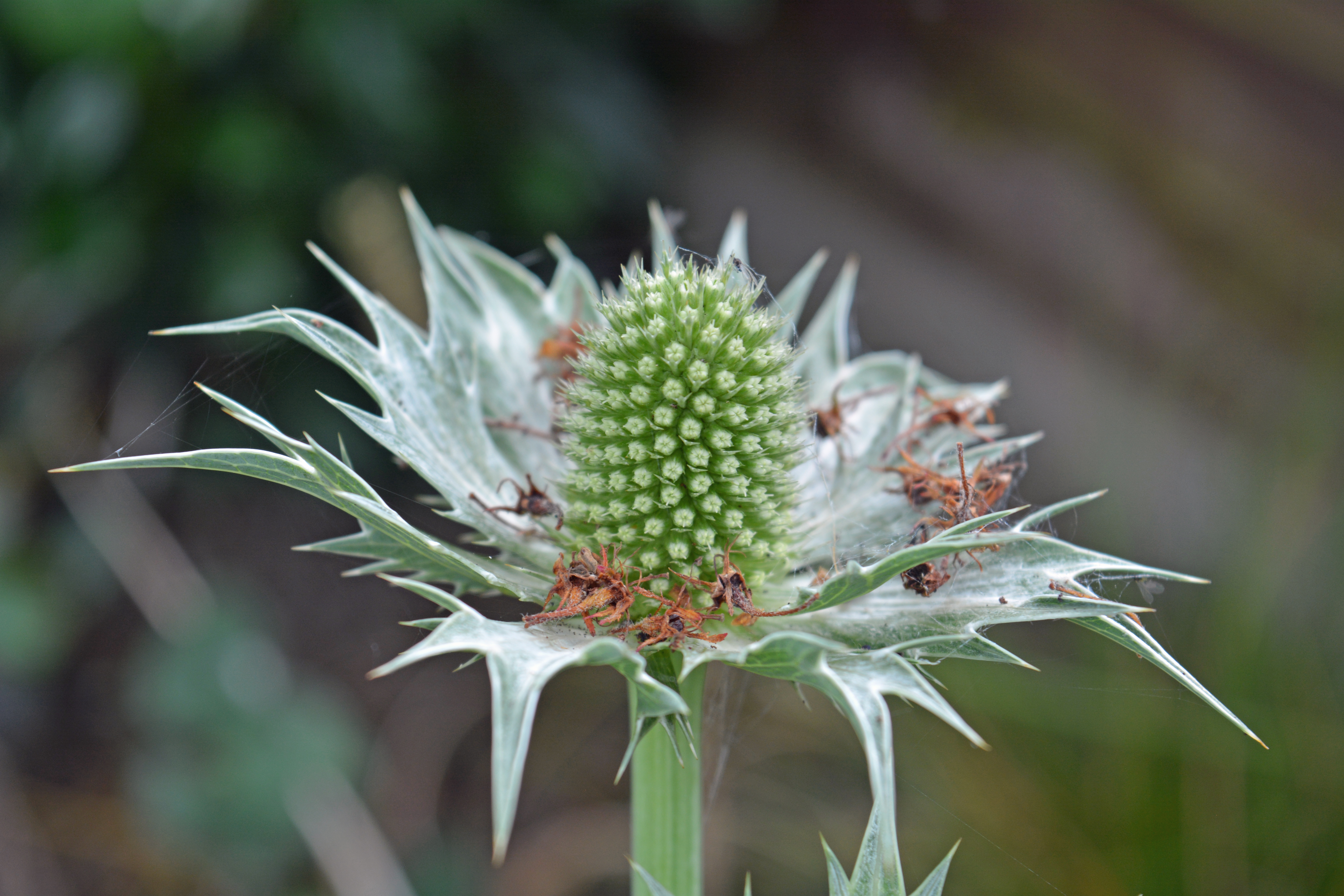
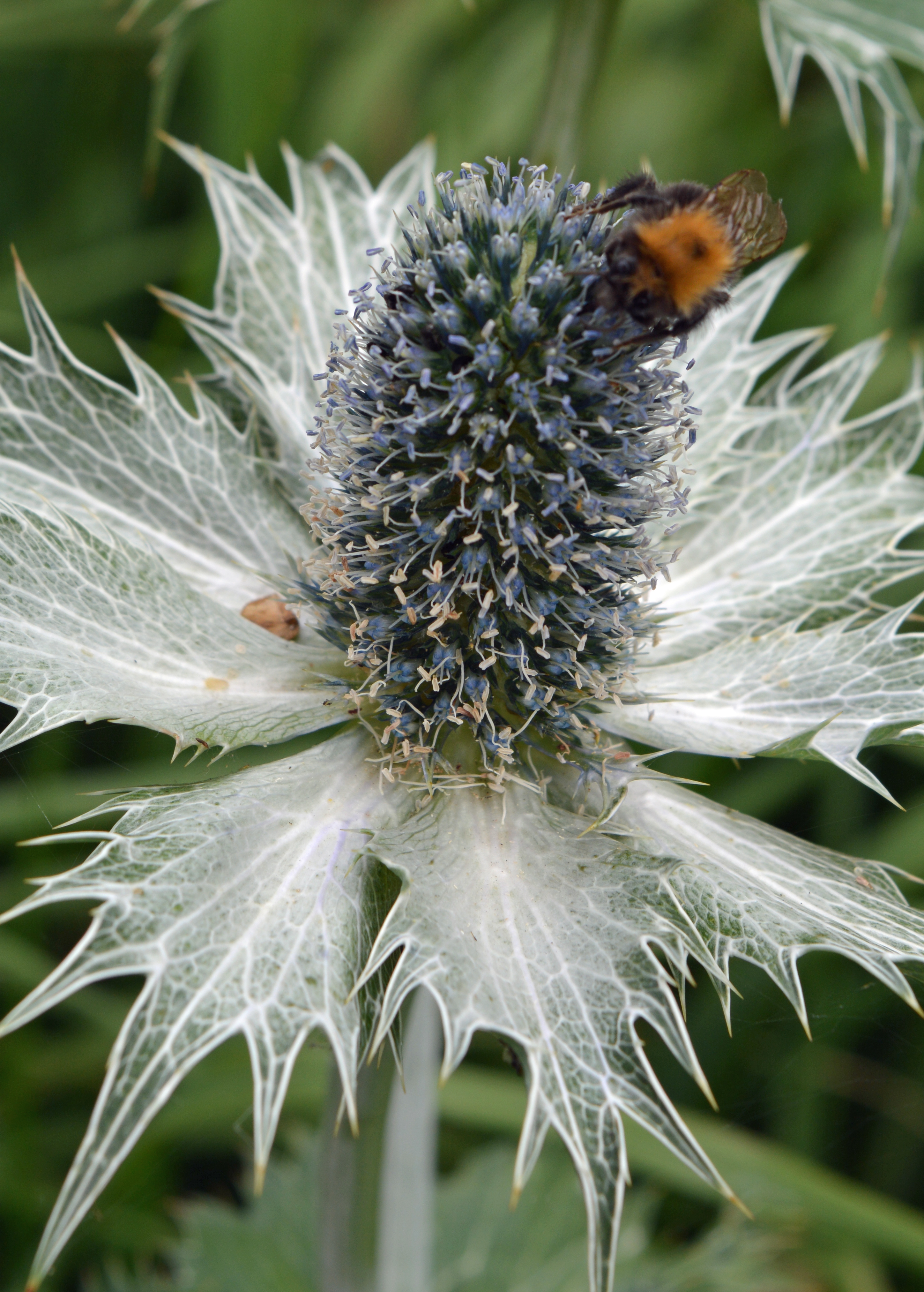
“Plants with spikes enjoyed warm, sunny summer days. We grow many eryngium family, the Sea Hollies, with bracts from the palest silver to the deepest metallic blues, of which E. Picos Blue is the bluest of all.”
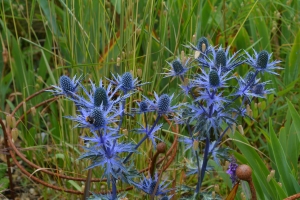
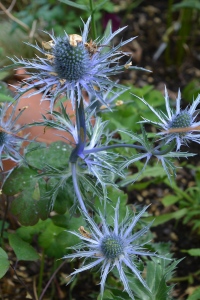
   

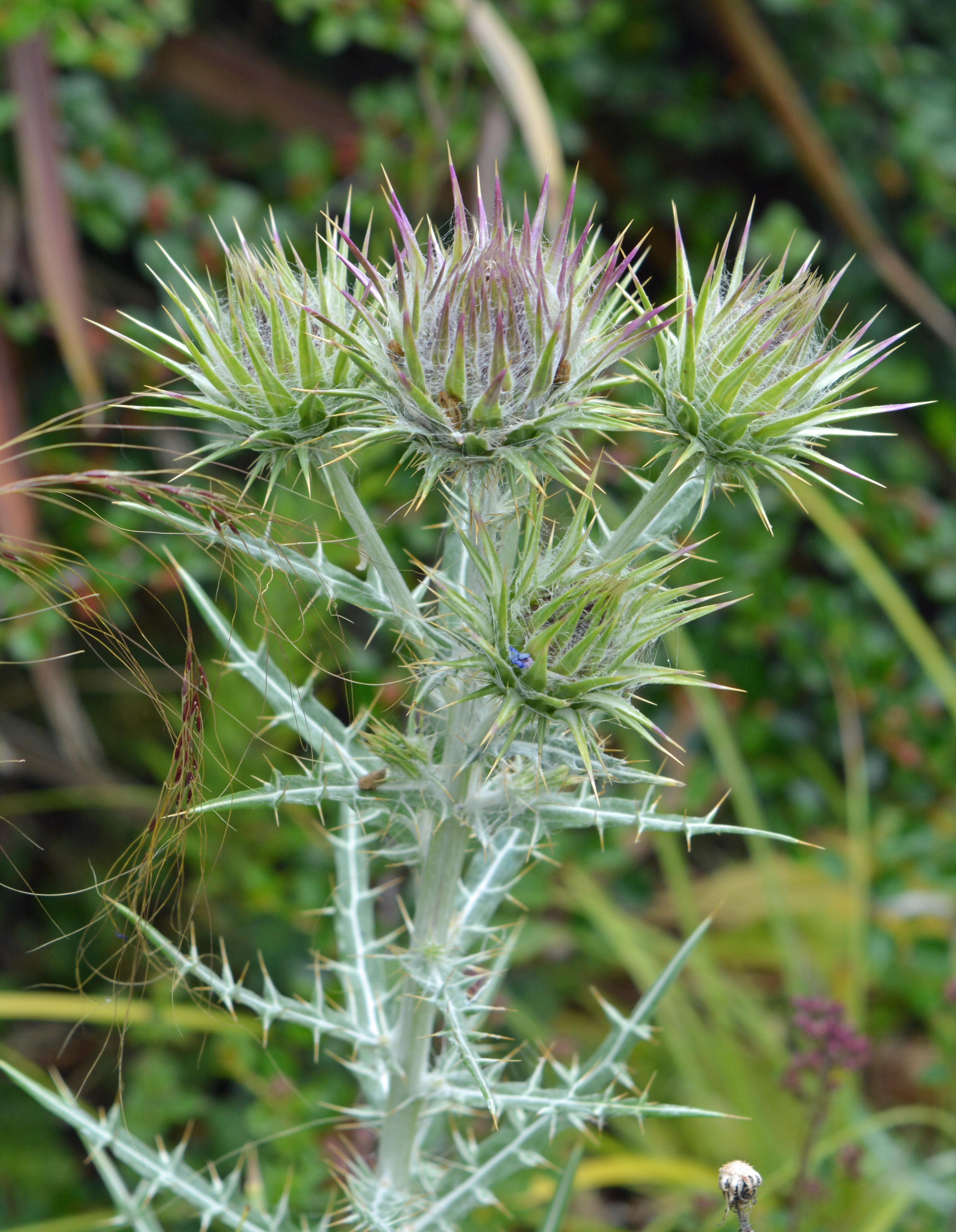
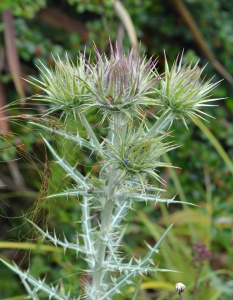
Not all of our spiky plants are Eryngiums however. We also grow Silybum marianum and Echinops ritro.
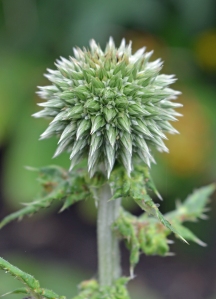
  

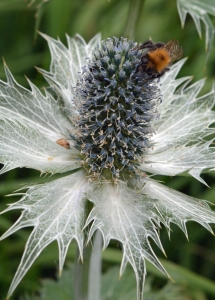
One of the Eryngium family is a biennial and luckily a strong self seeder, E. giganteum Miss Wilmott’s Ghost.

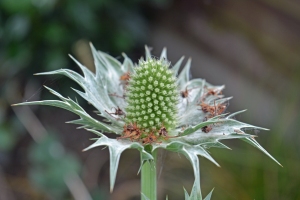
Turning over the page we move on from spiky plants to two much softer more delicate looking plants.
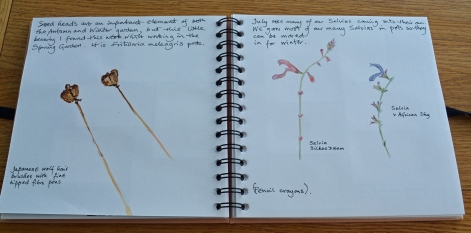
 

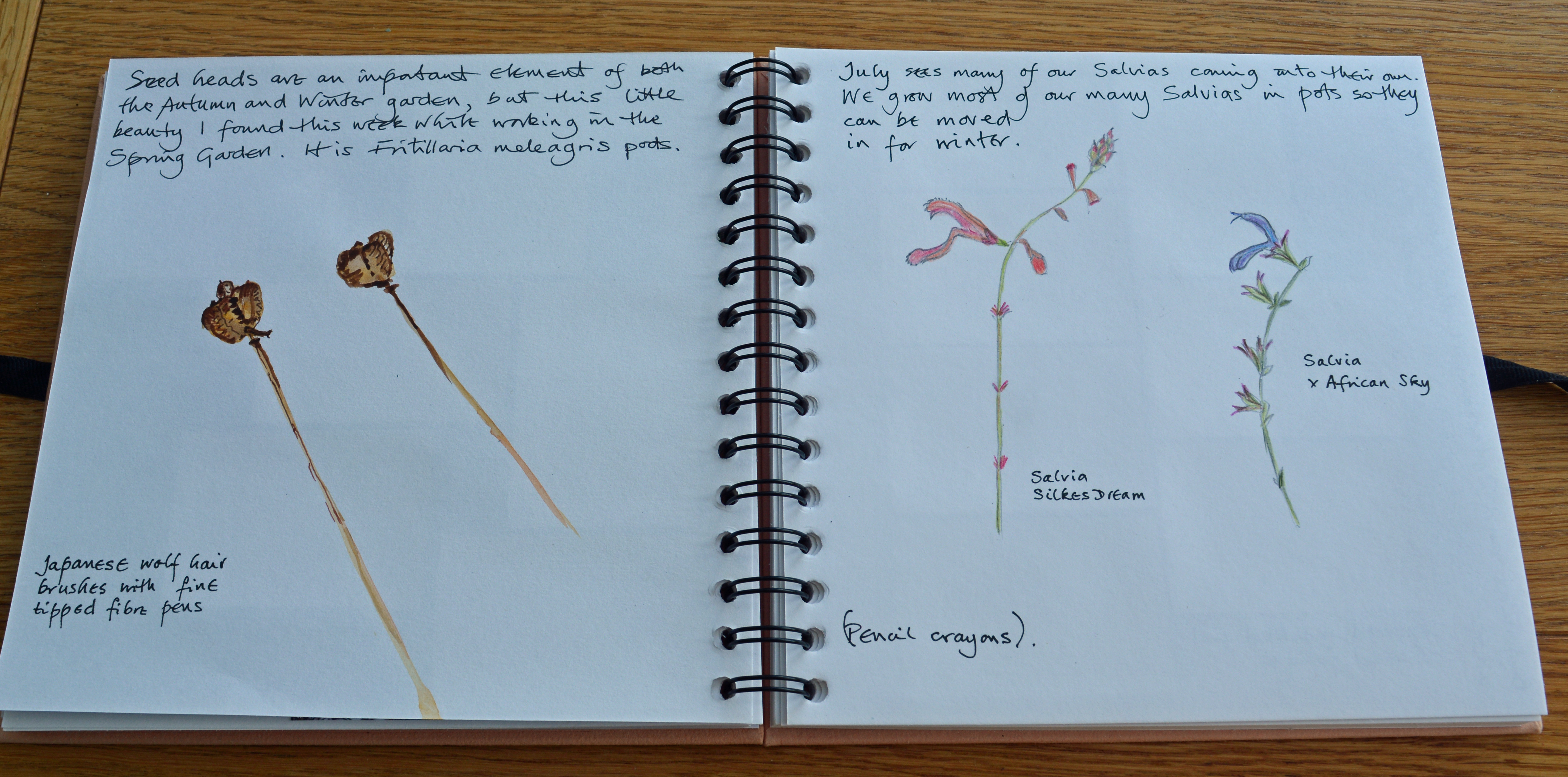
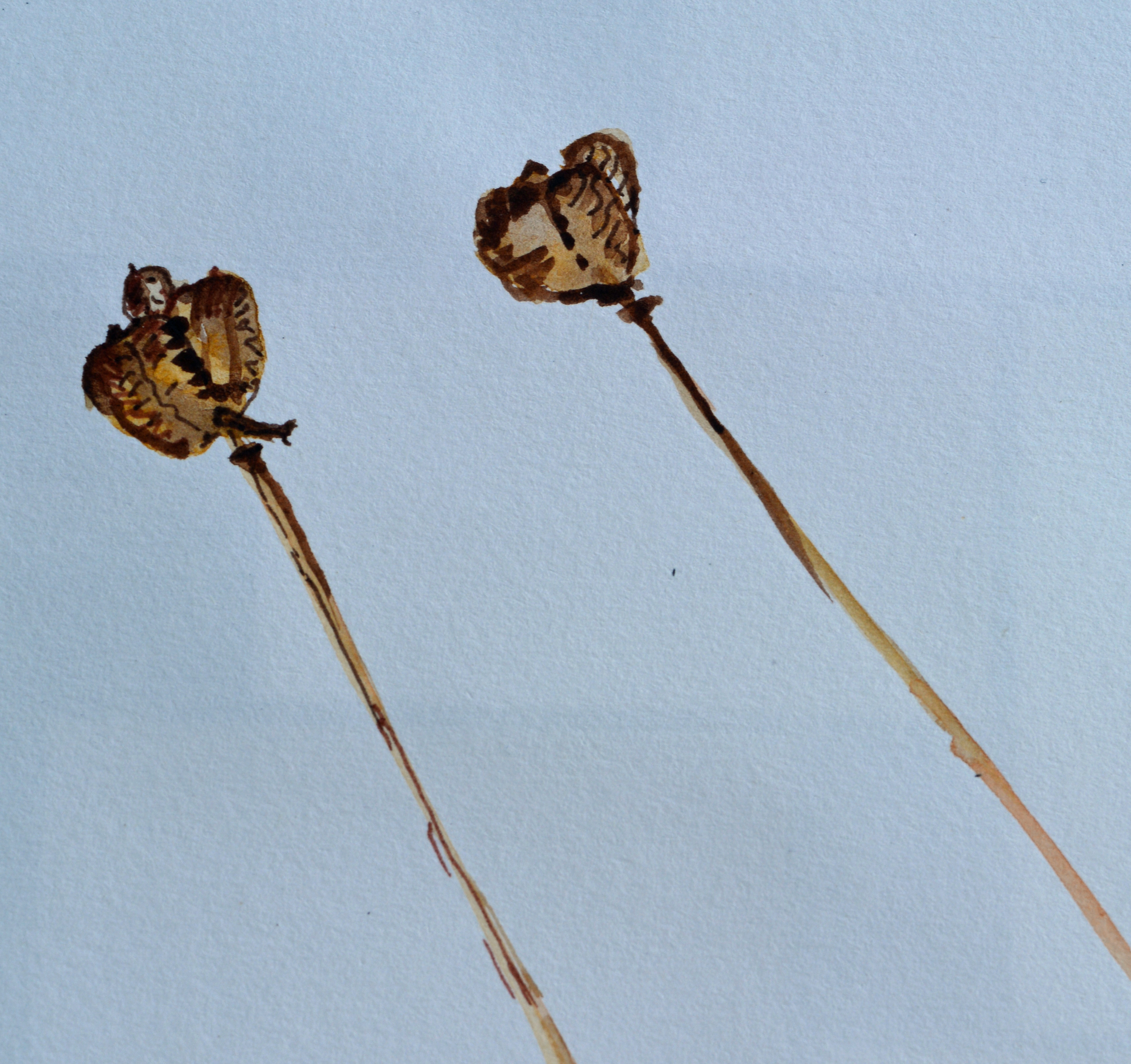
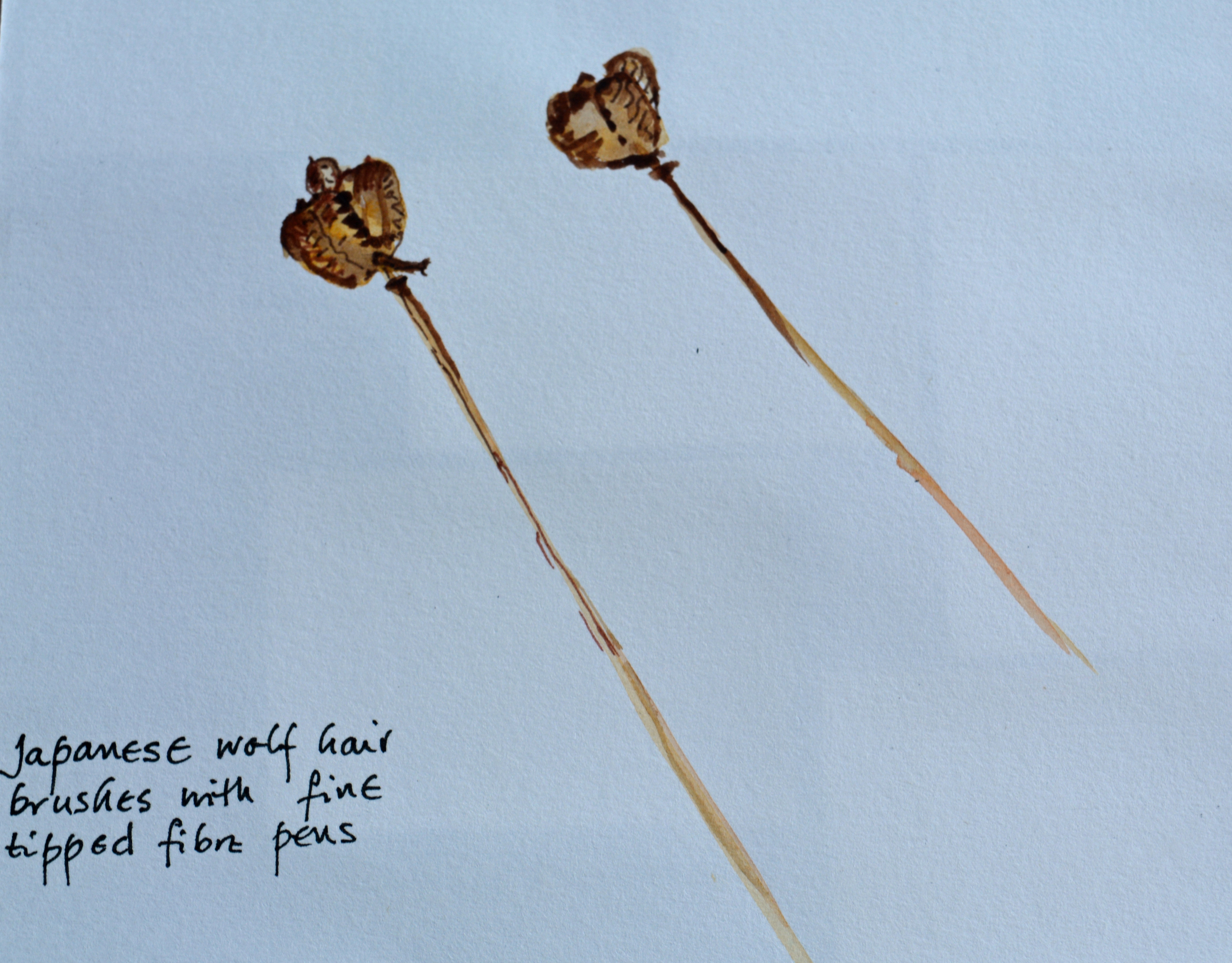
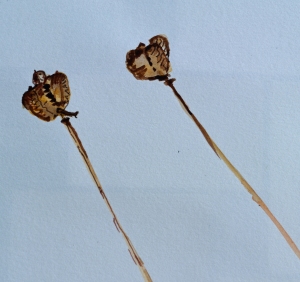
“Seed heads are an important element of the Autumn and Winter garden, but this little beauty I found this week while working in the Spring Garden. They are Fritillaria meleagris seed pods. I painted them in watercolours using Japanese wolf hair brushes and fine tipped fibre tips.”
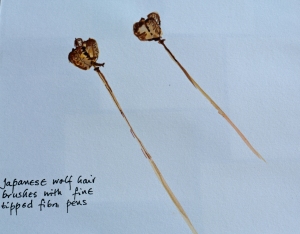
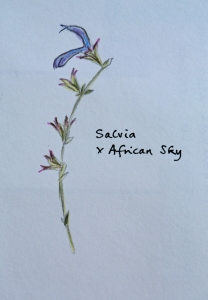
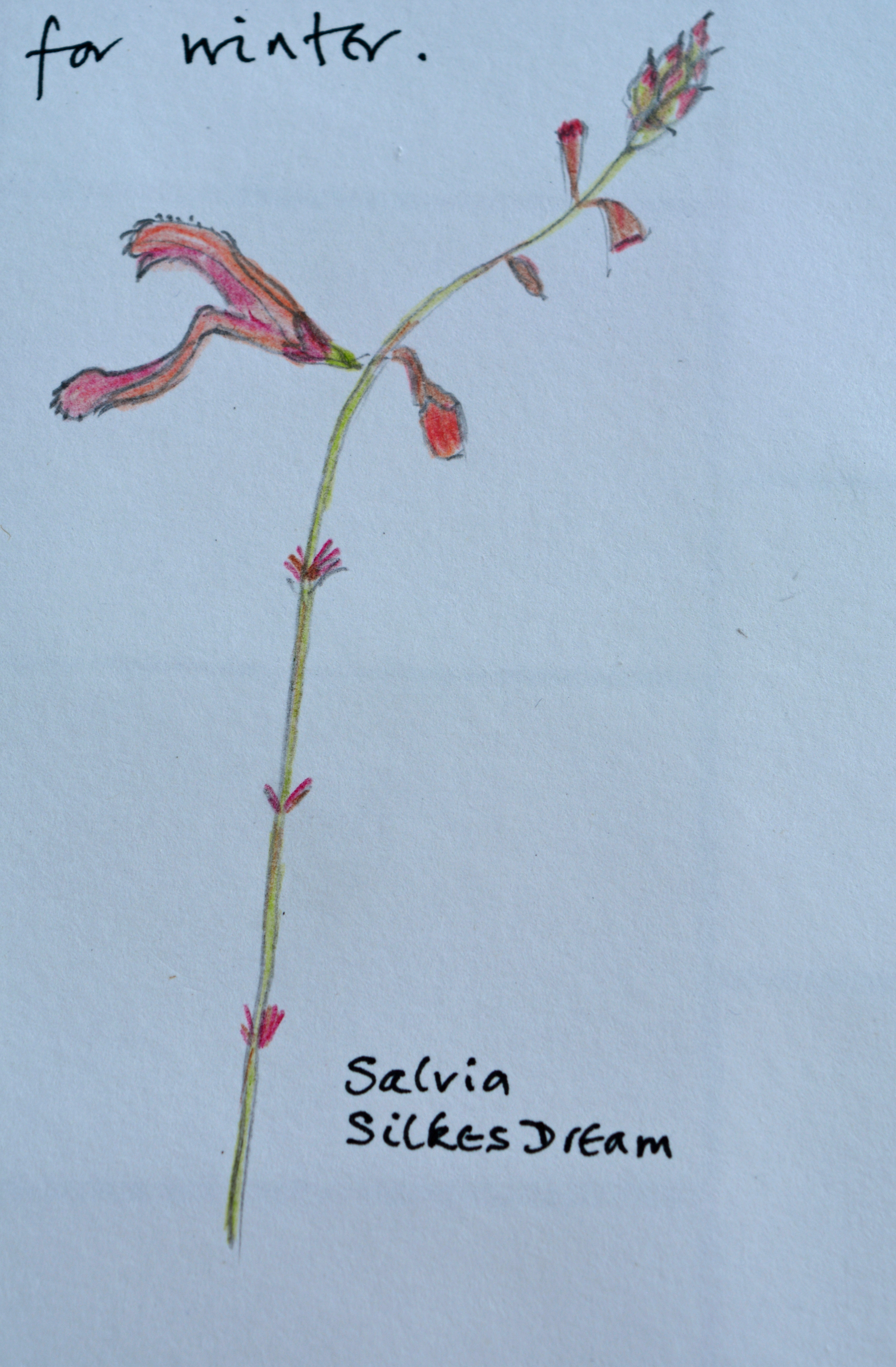
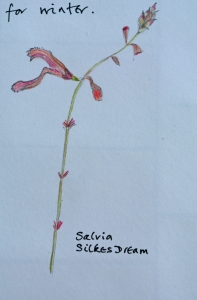
“July sees many of our Salvias coming into their own. We grow most in pots so they can be moved inside for the winter.” I used pencil crayons to draw Salvia Silkes Dream and Salvia x African Sky.
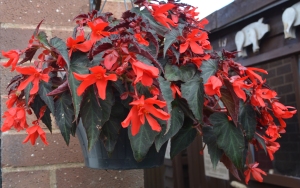
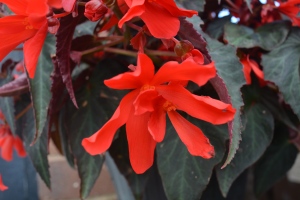
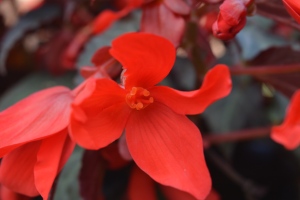
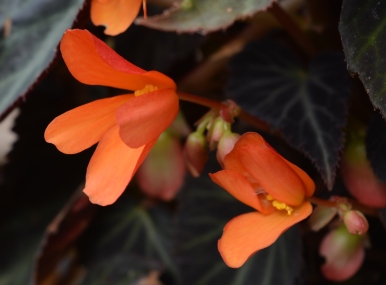
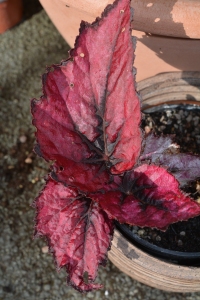
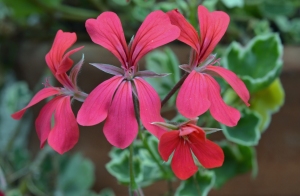
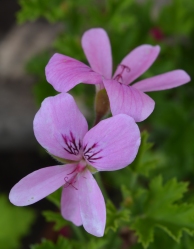
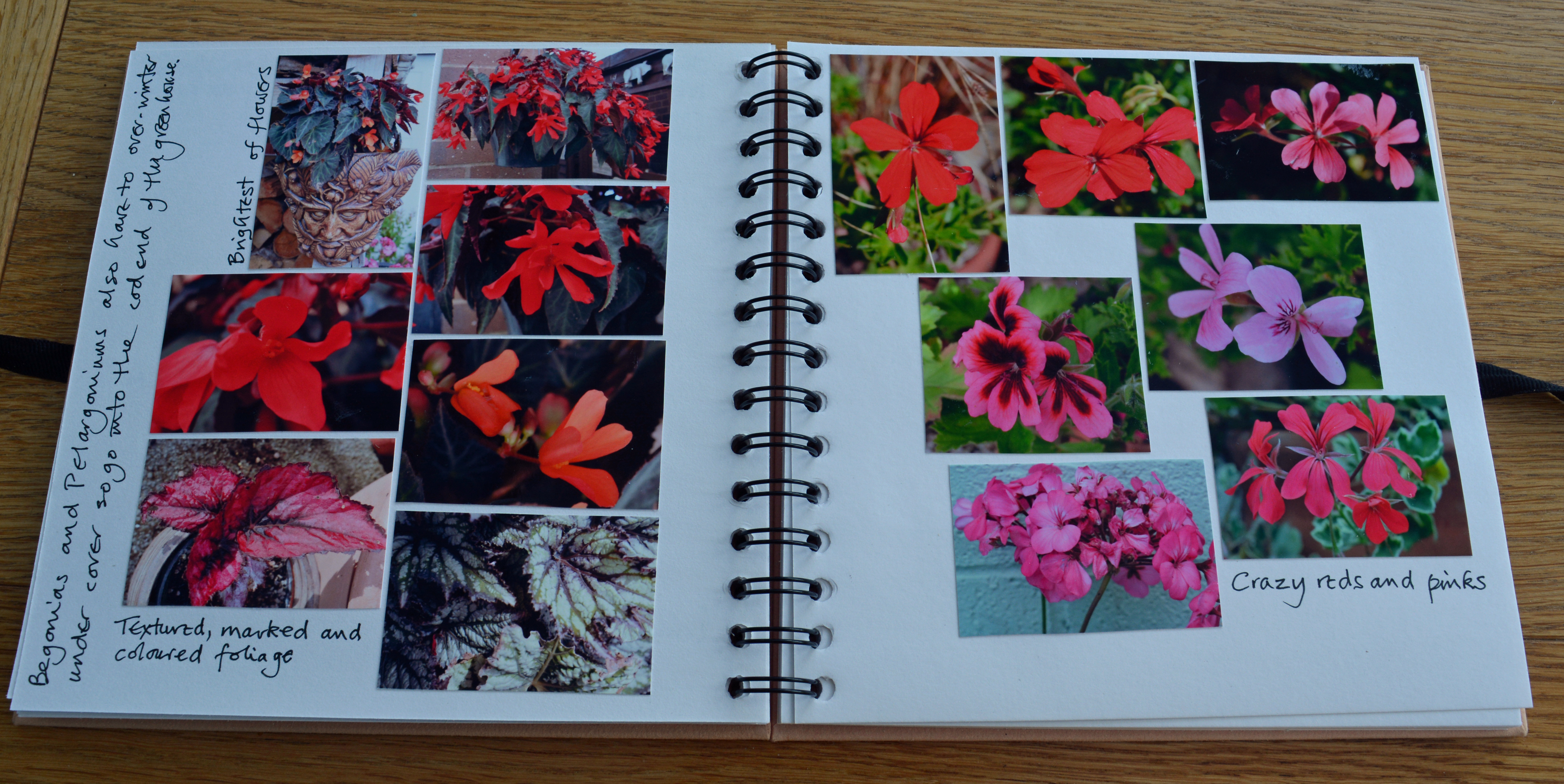
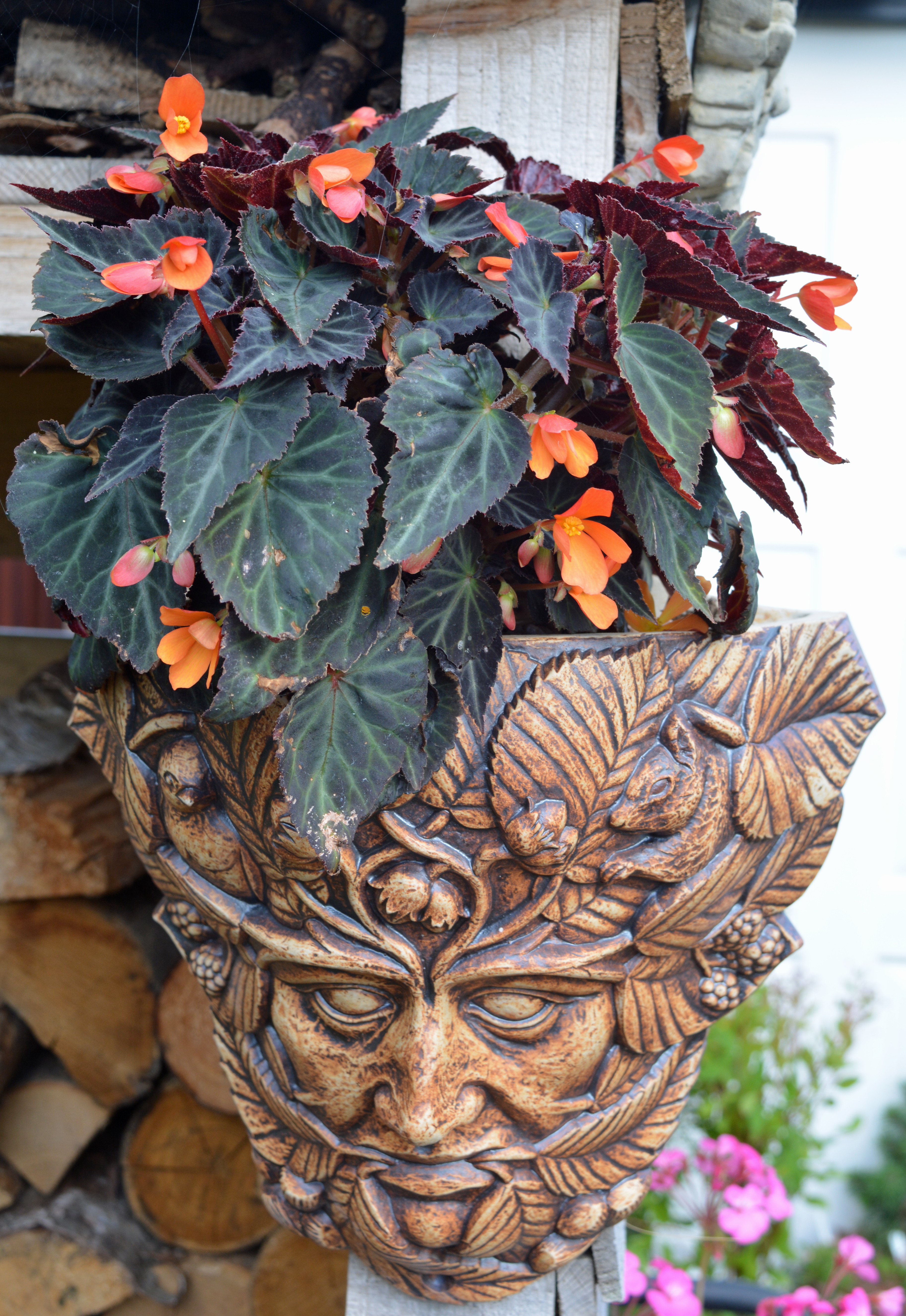
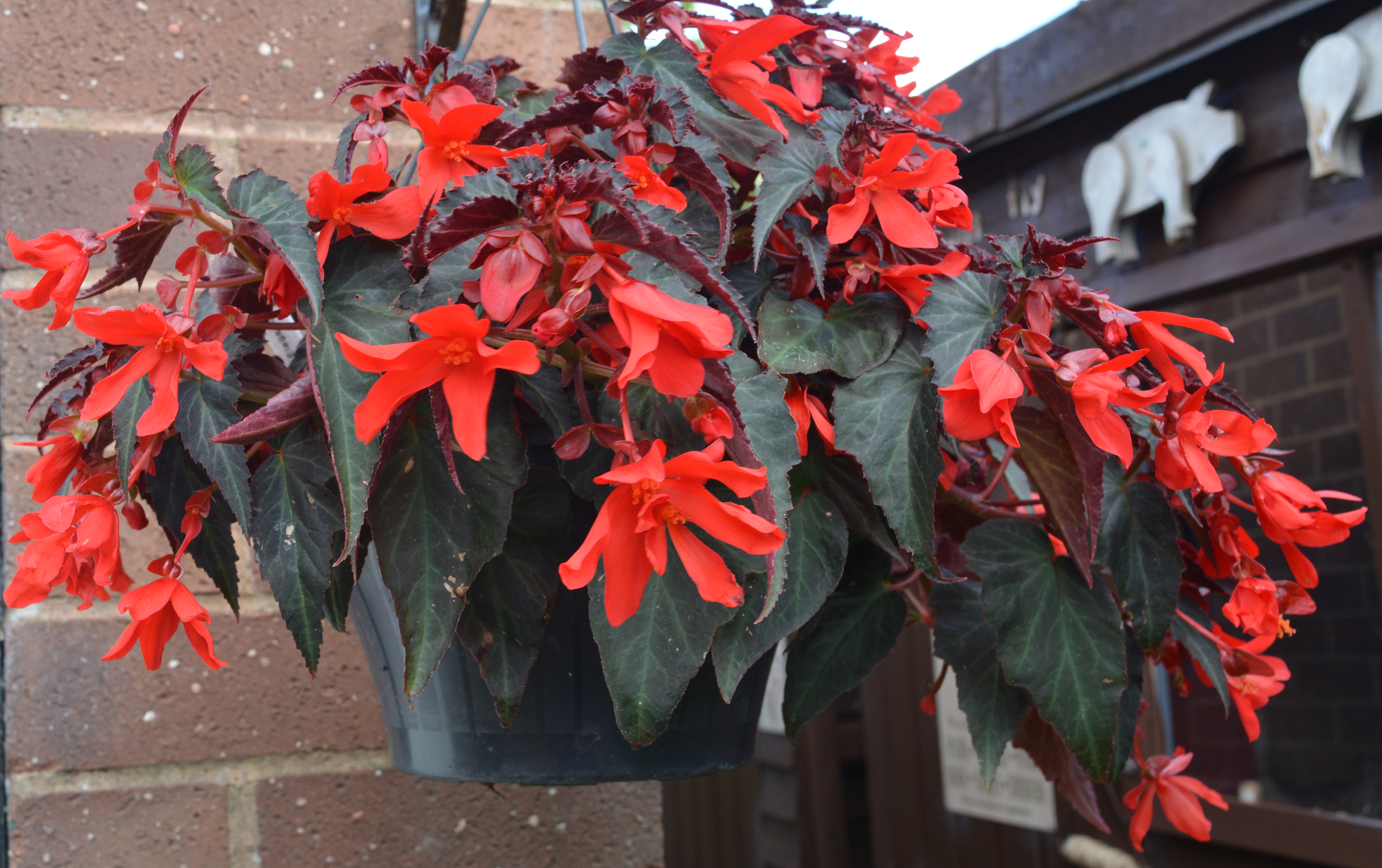
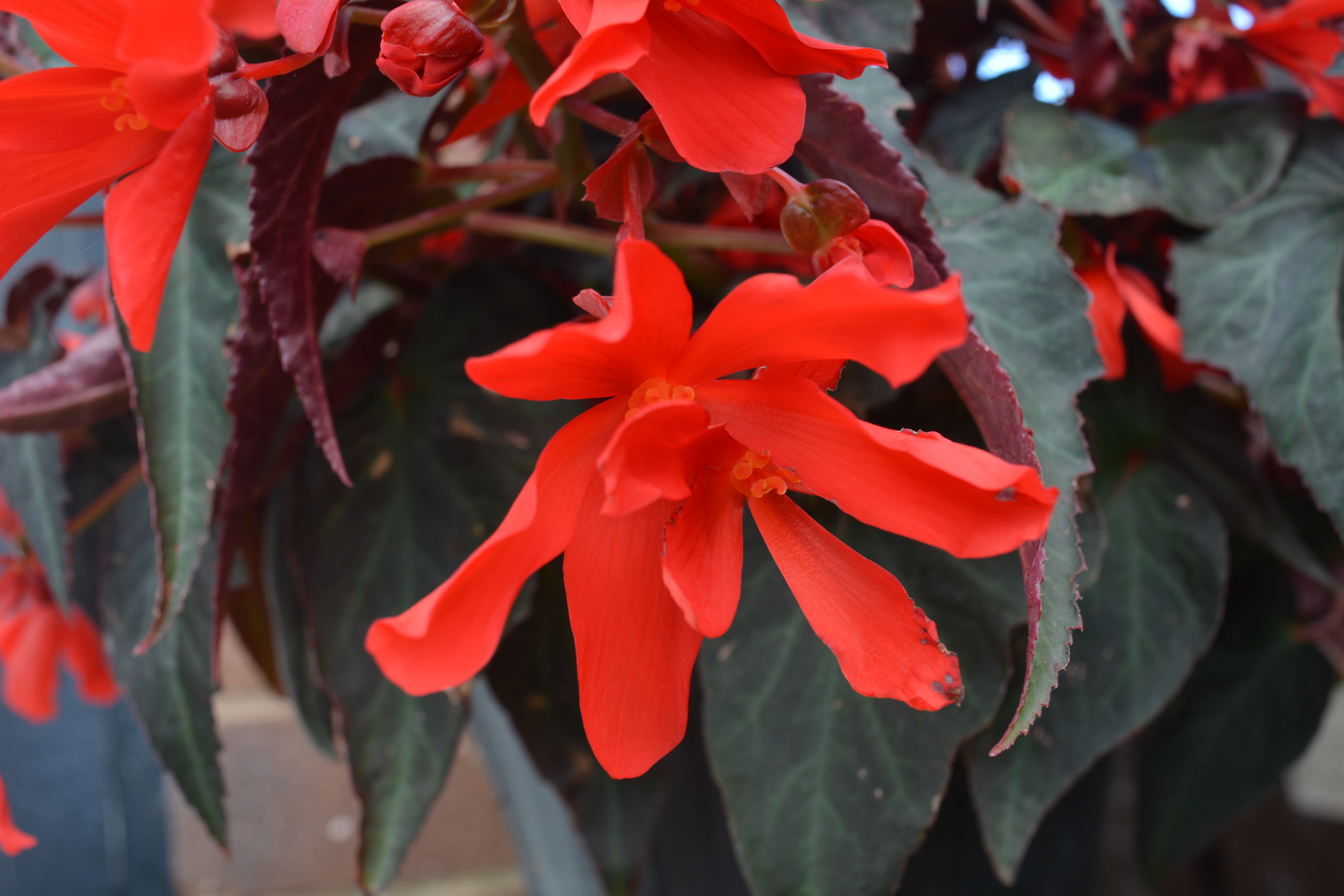
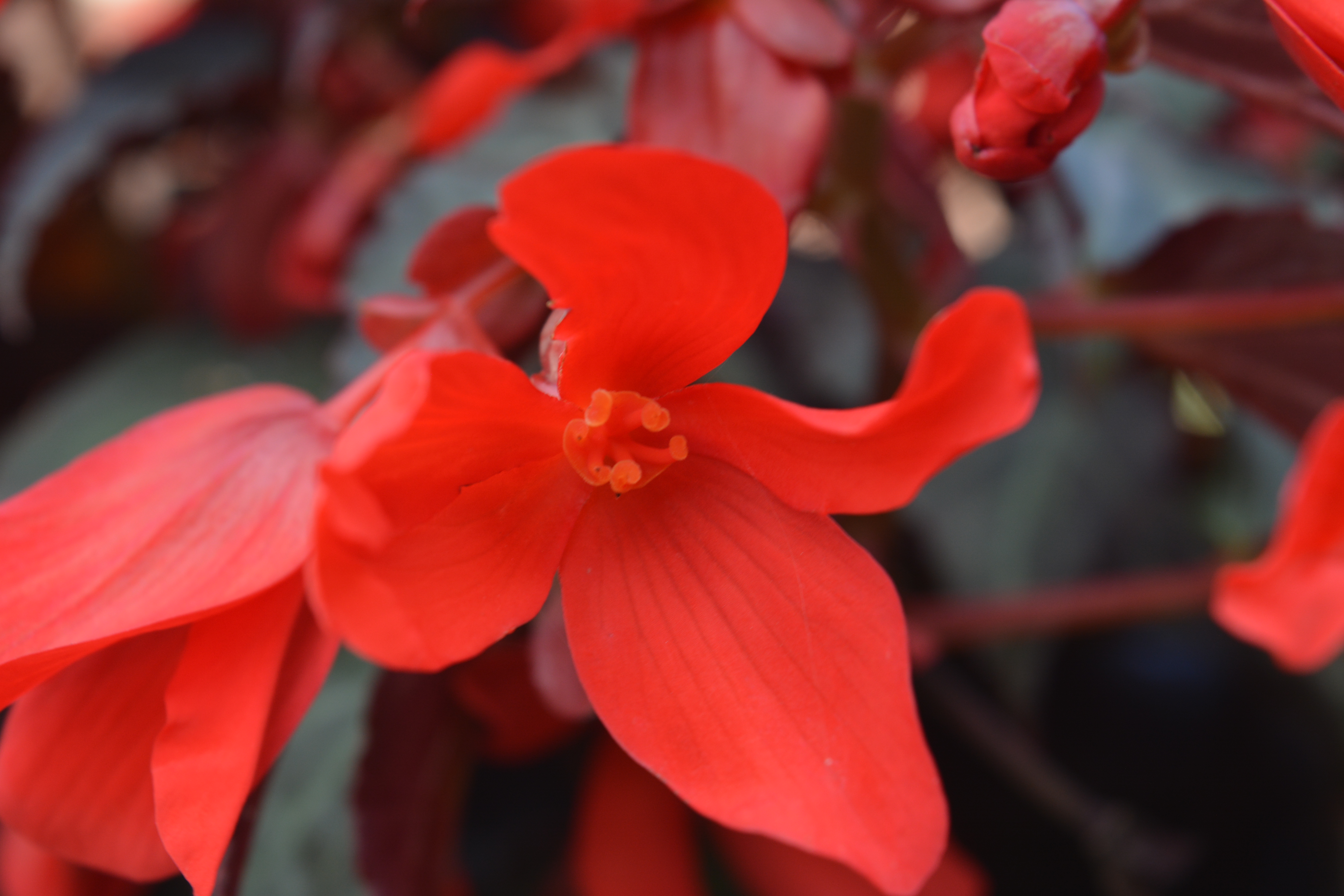
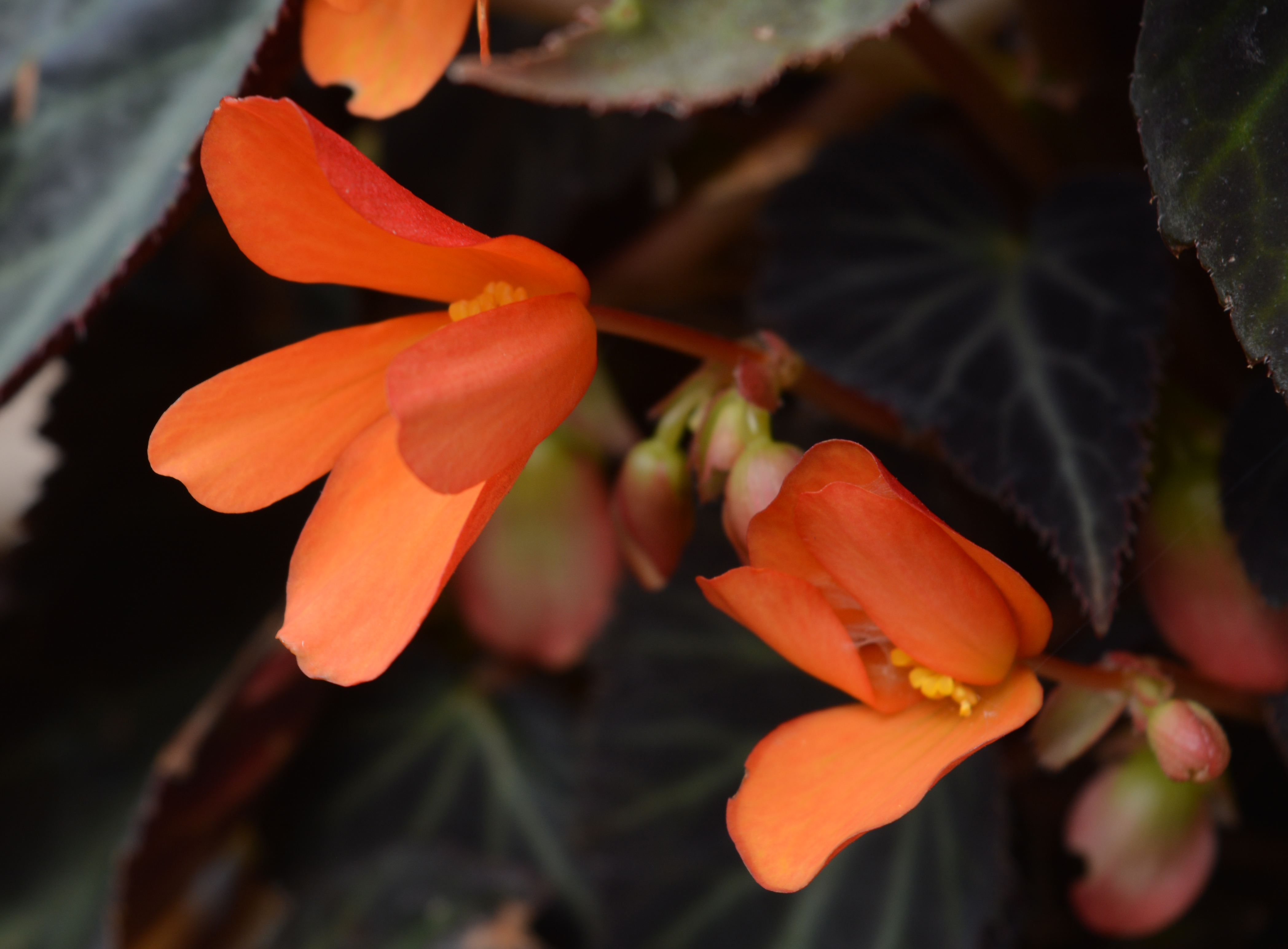
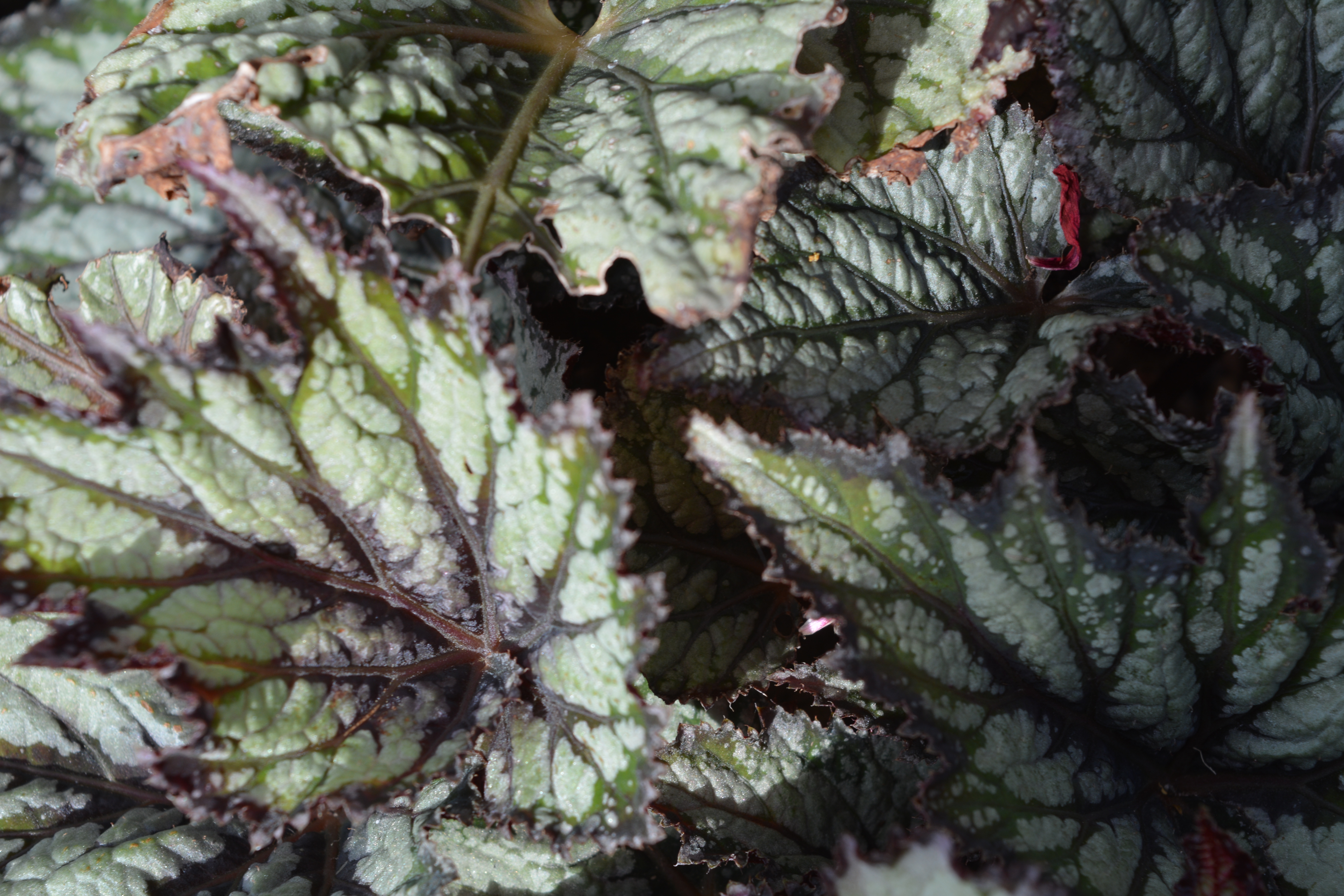
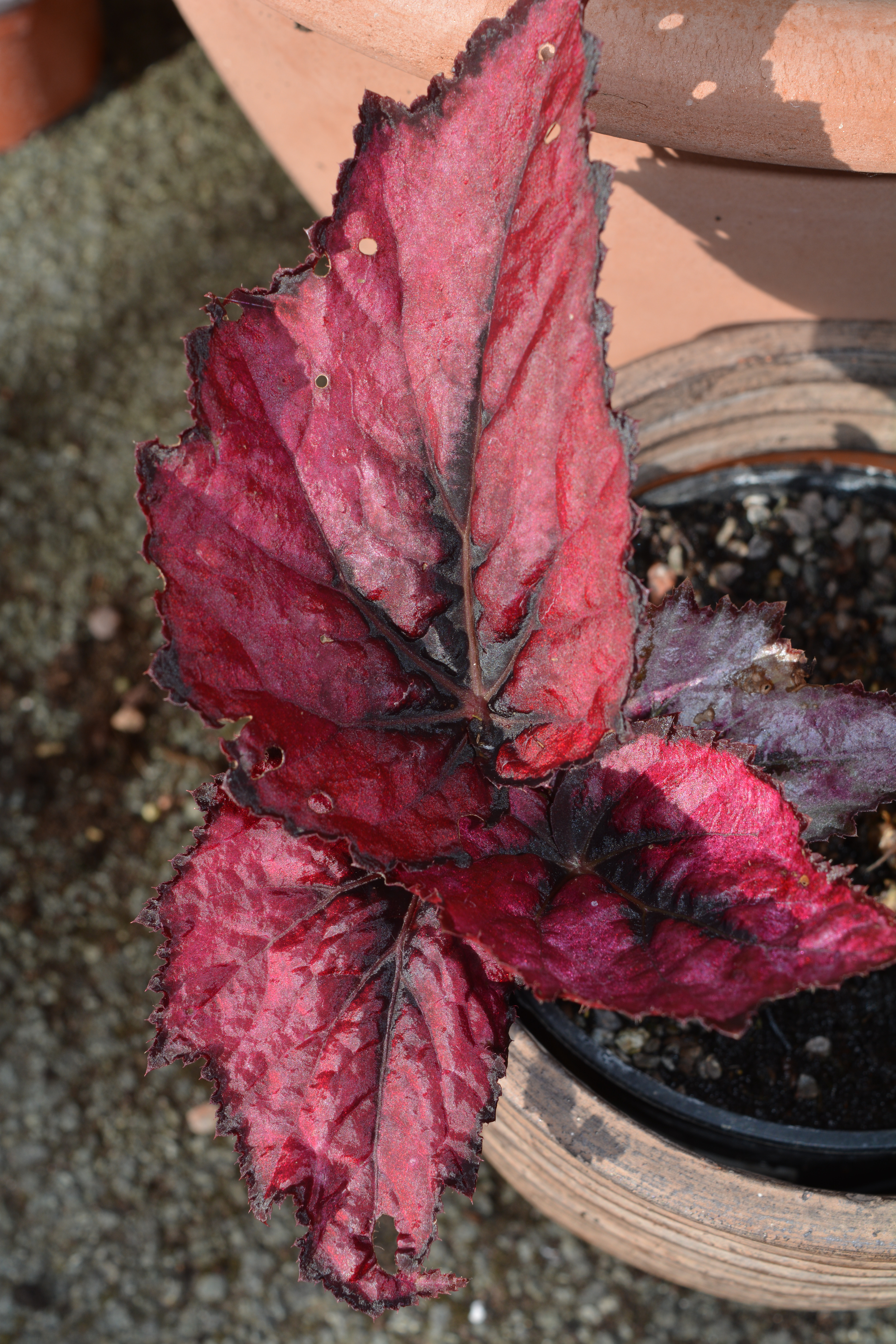
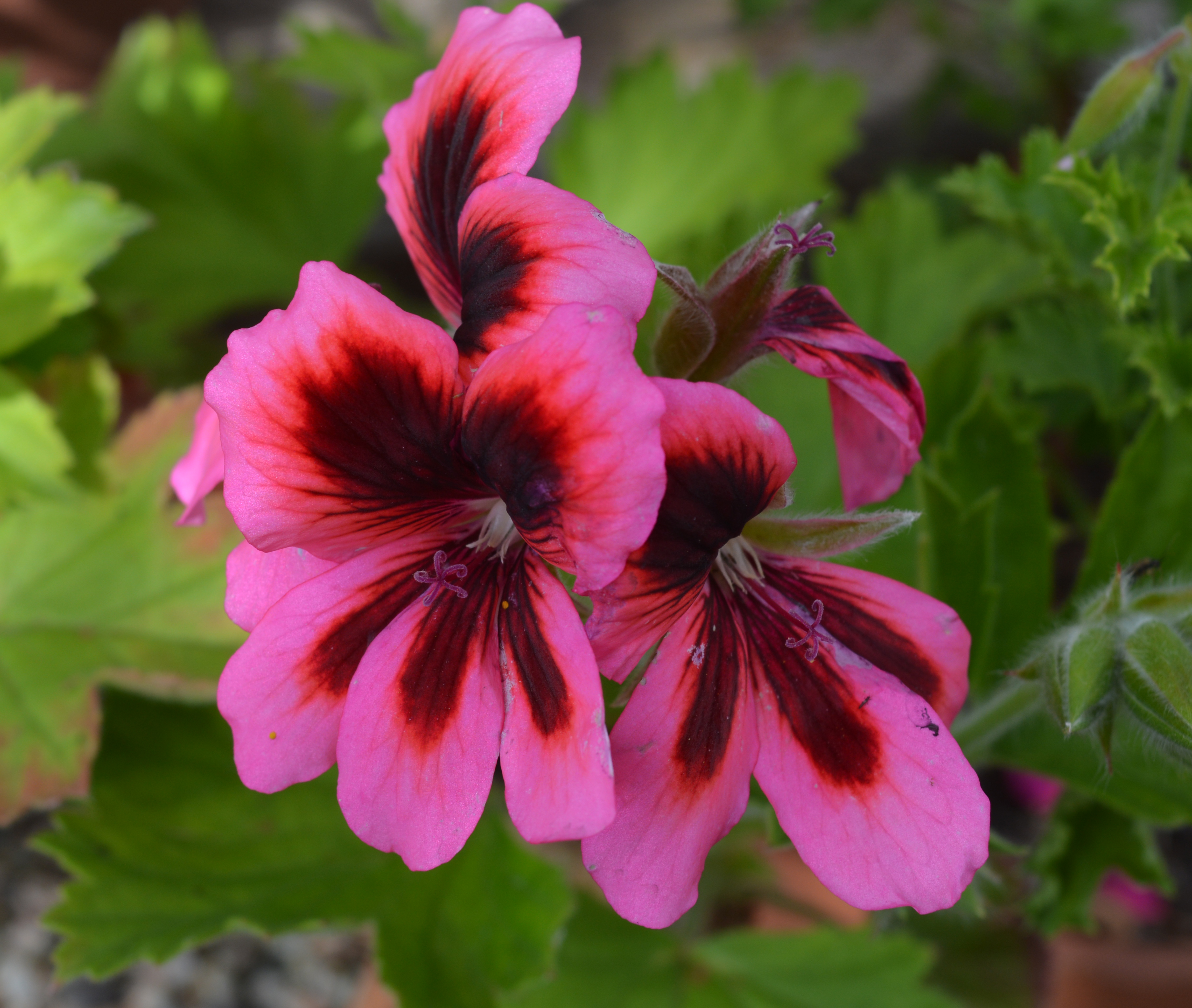
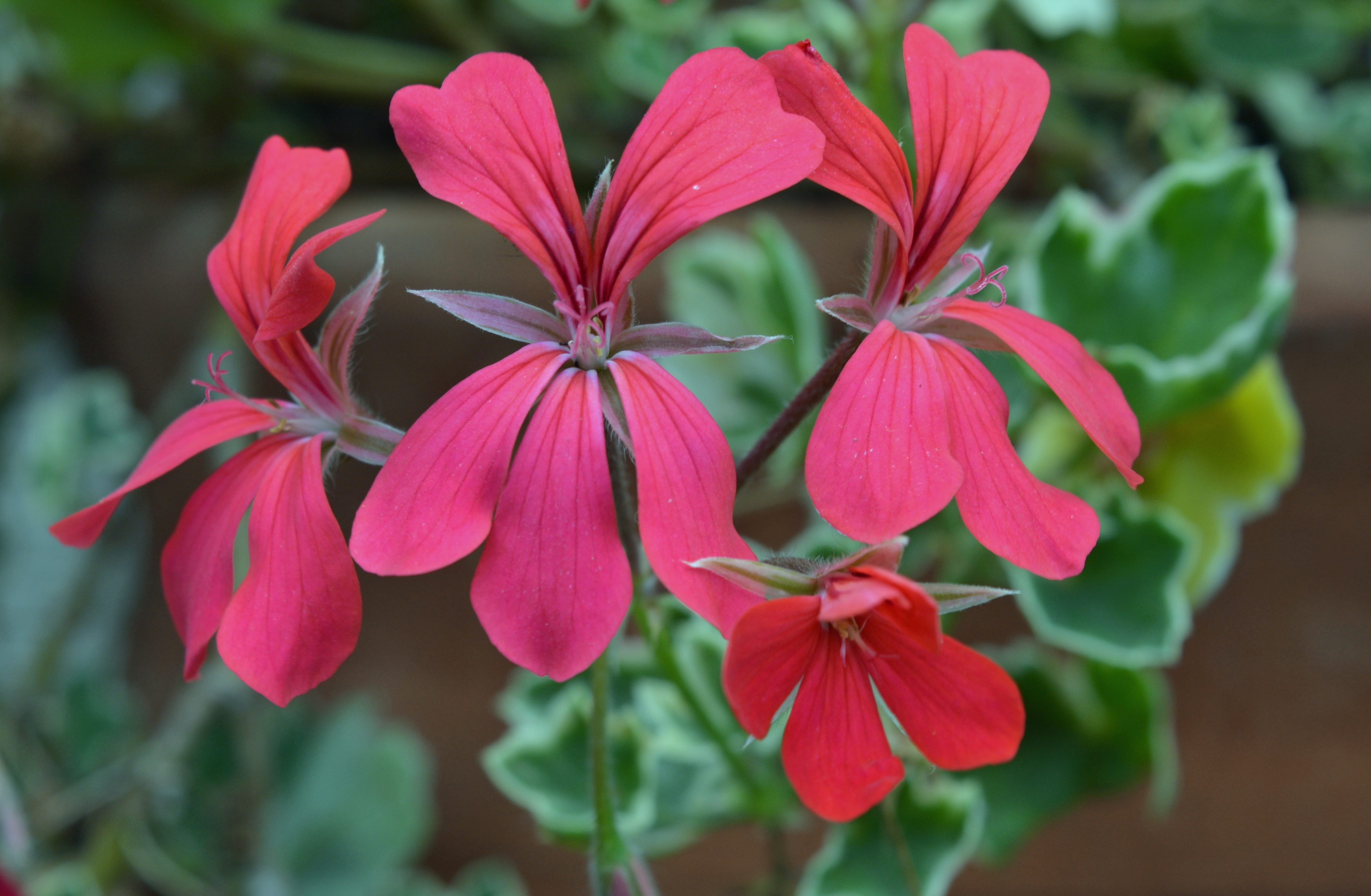
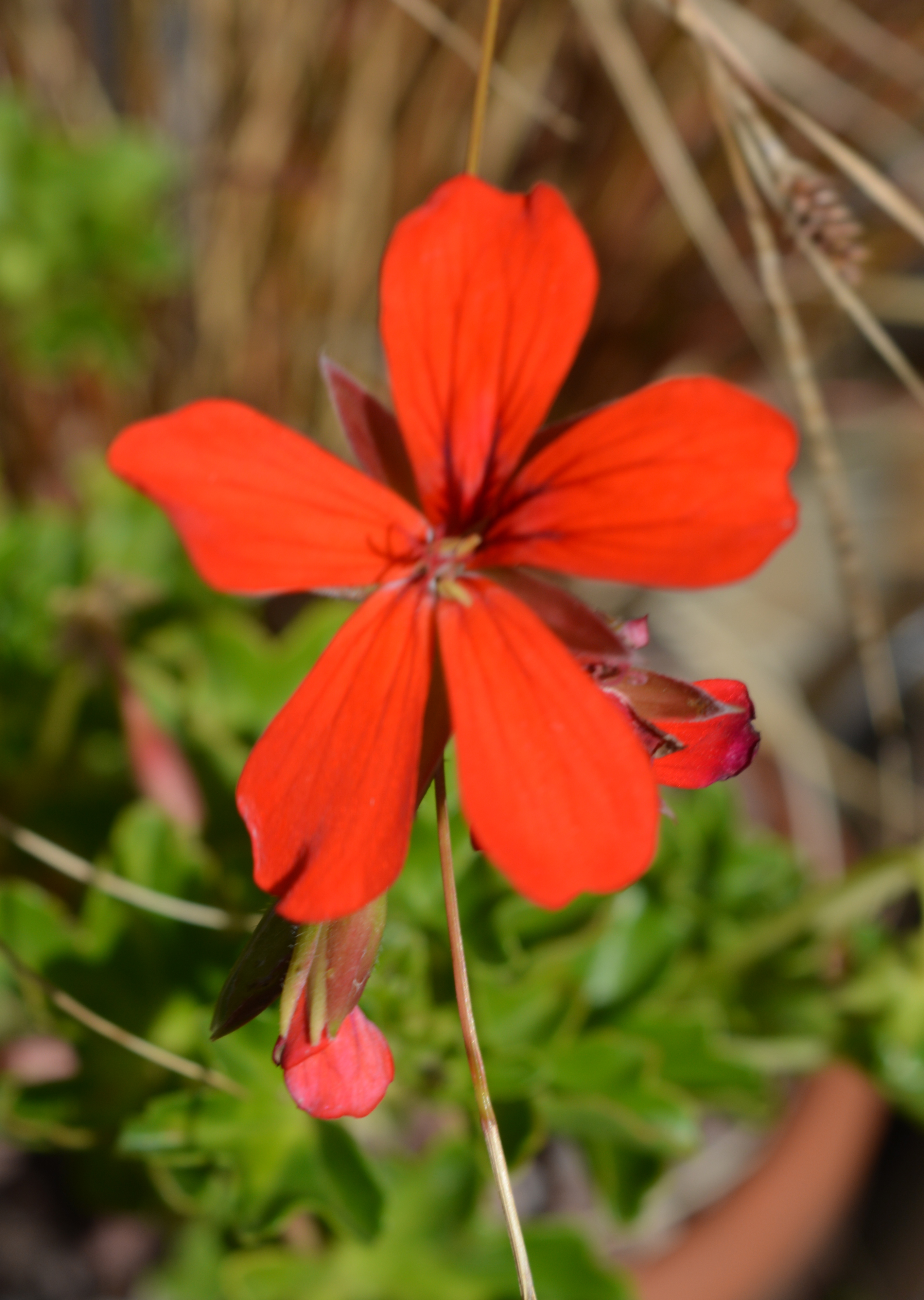
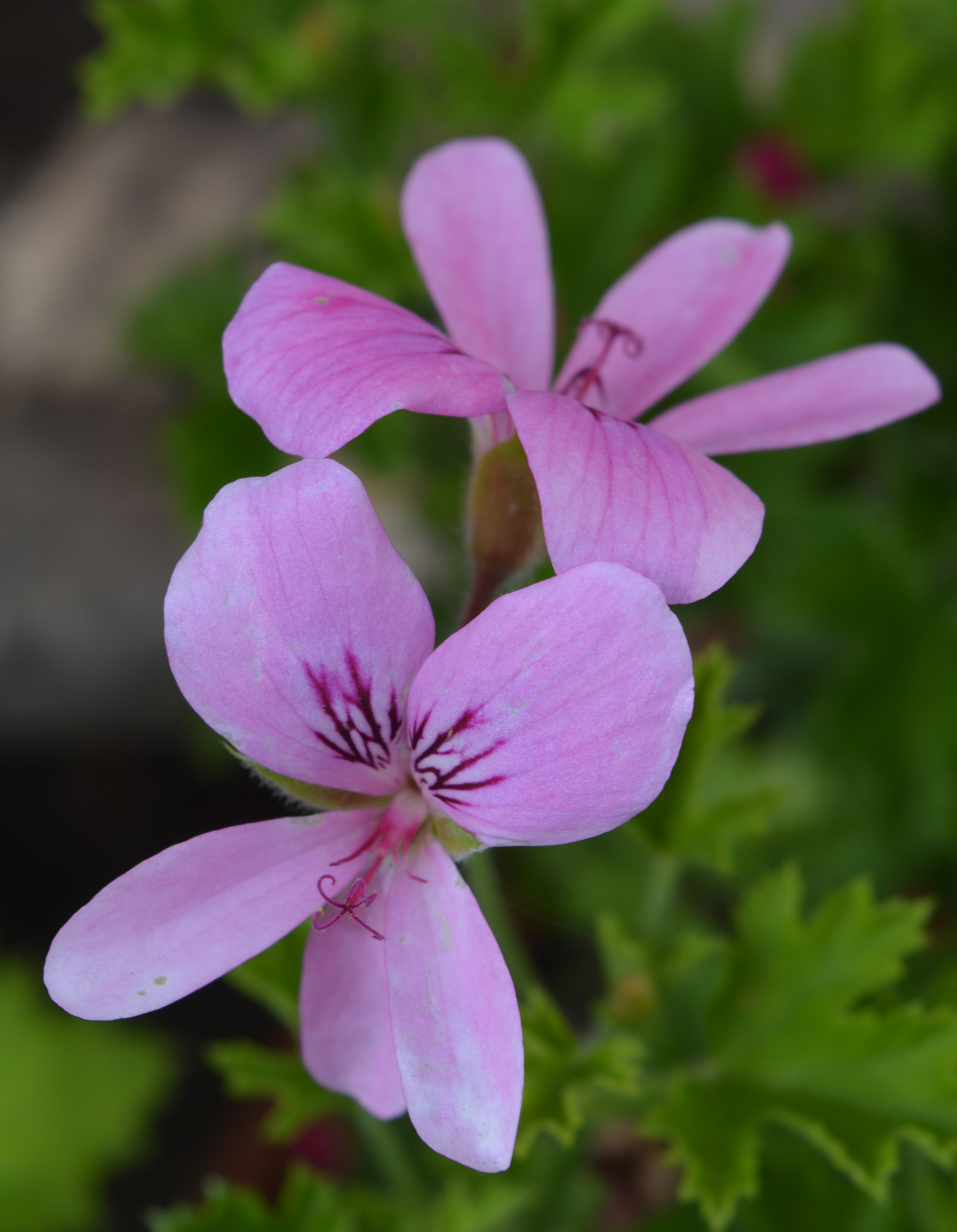
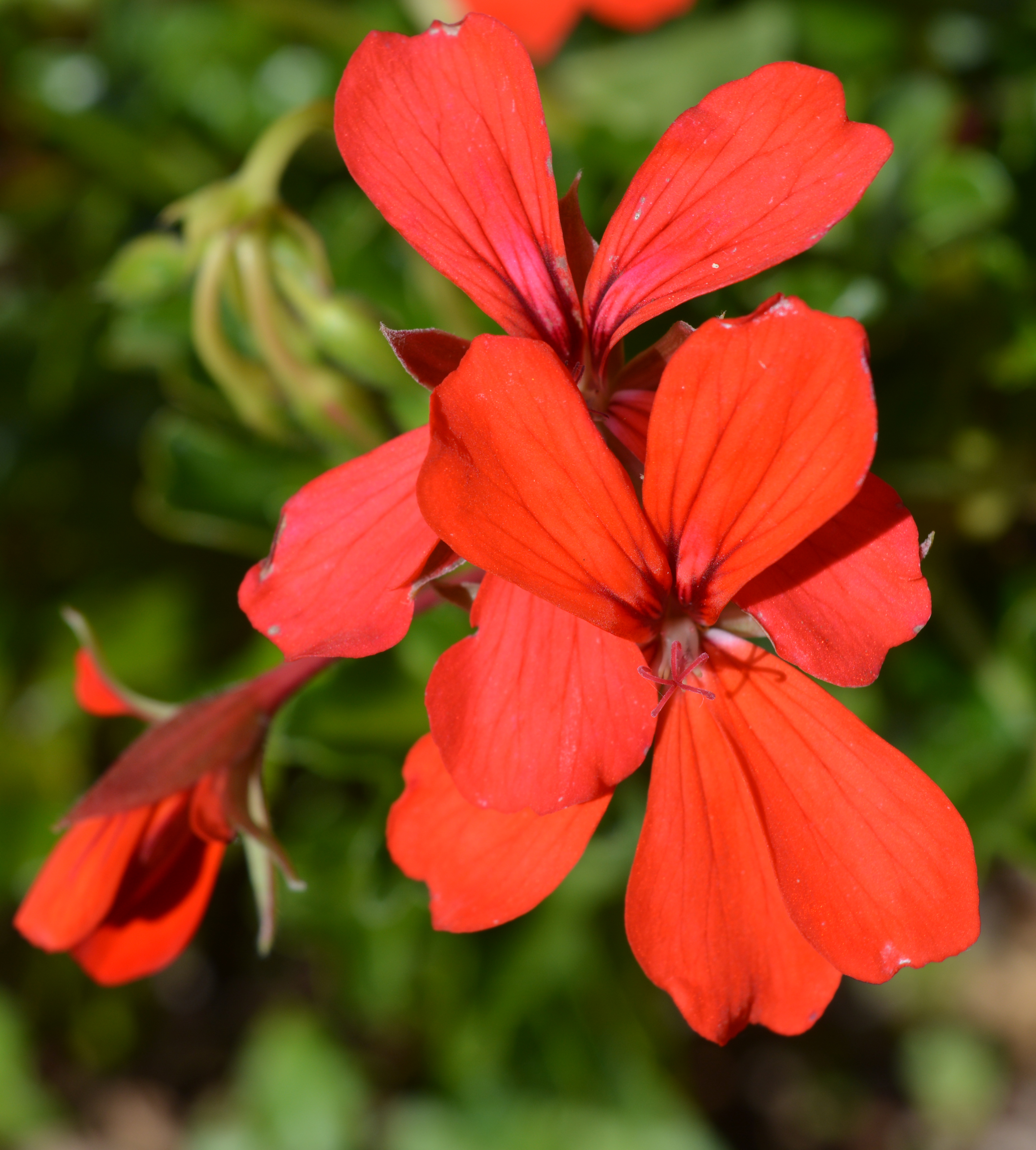
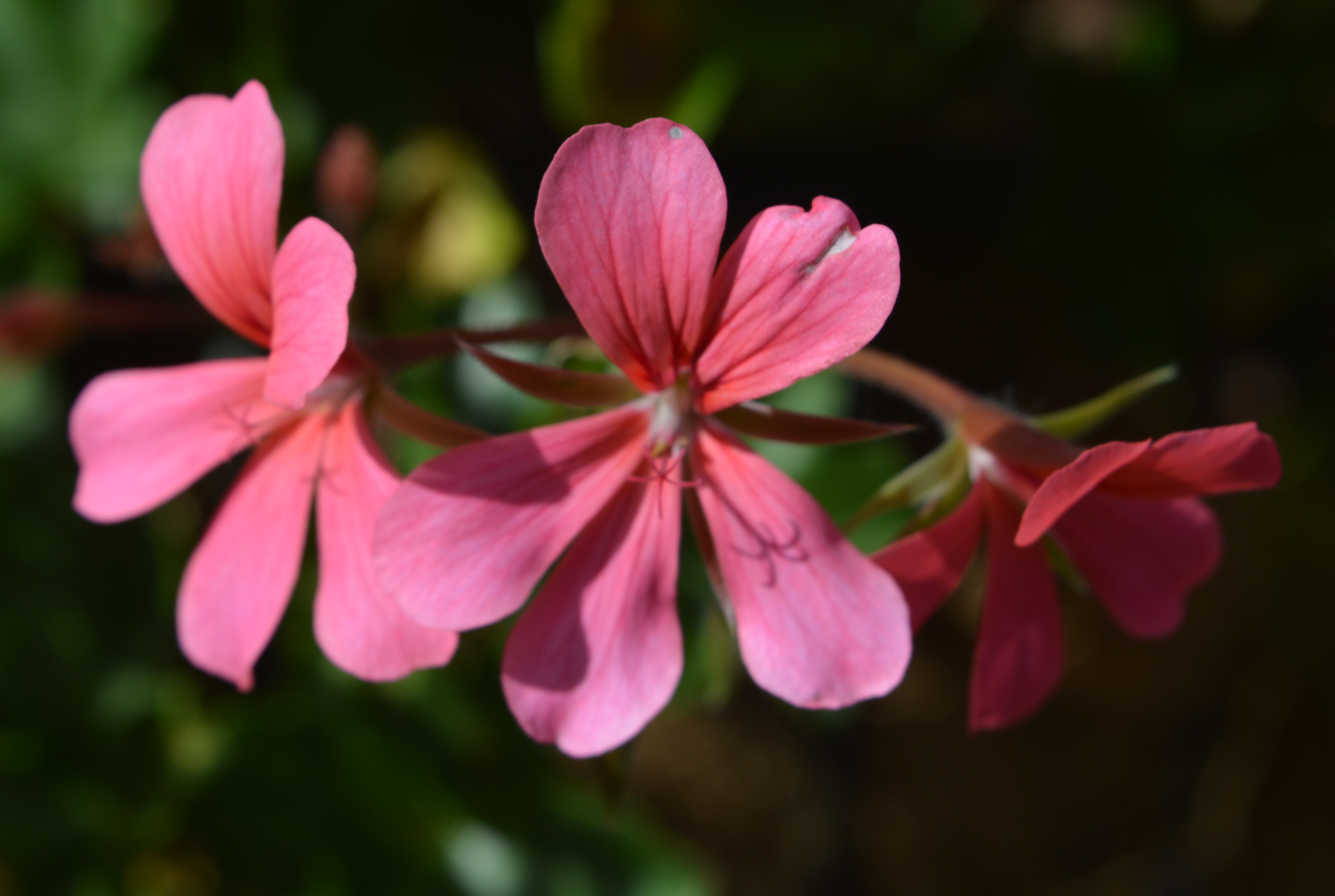
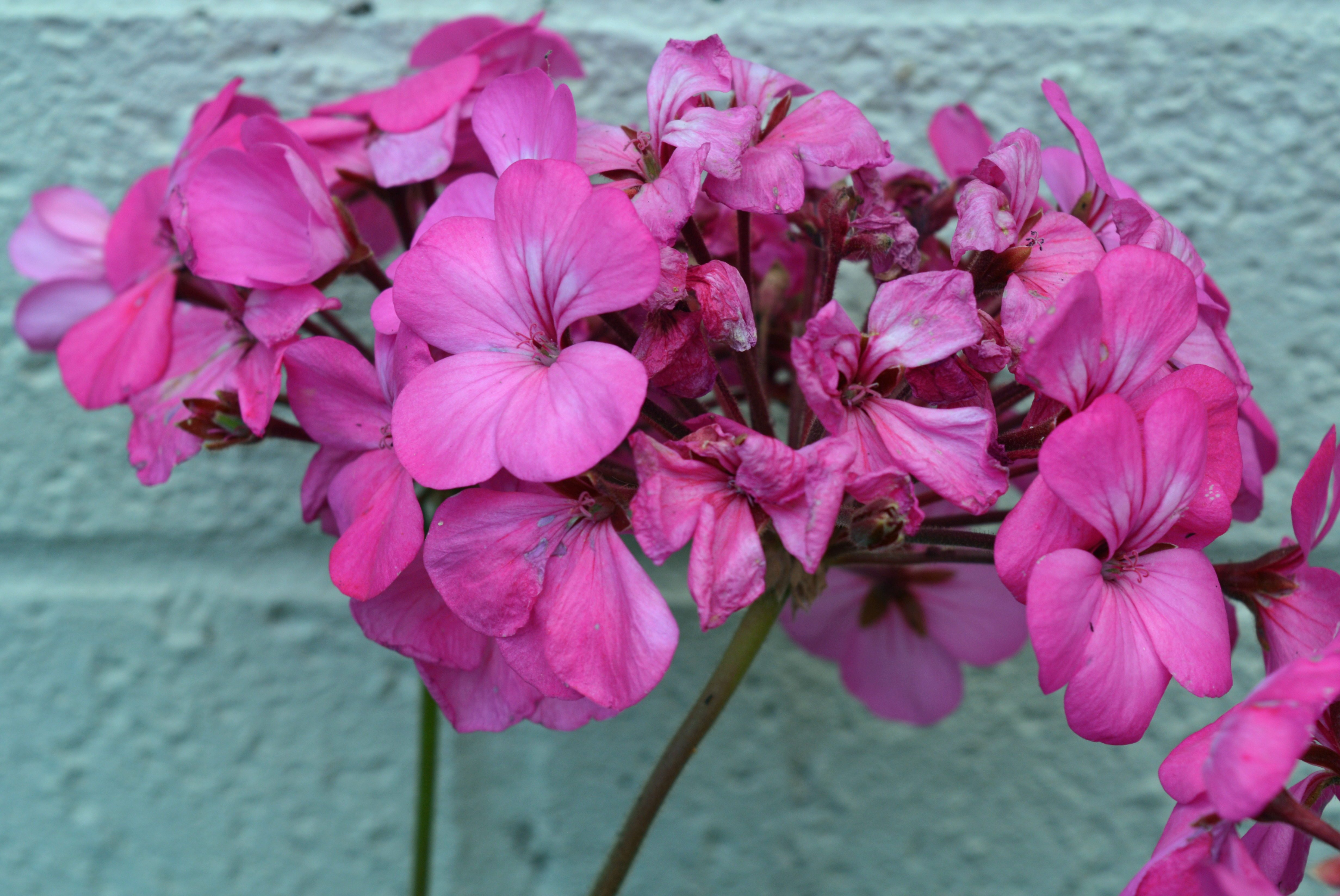
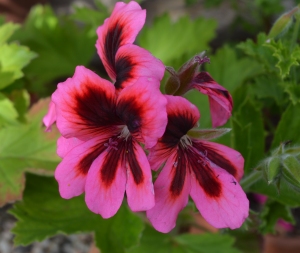
Bright pinks and reds dominate over the page where I featured Begonias and Pelargoniums. Enjoy the colours!
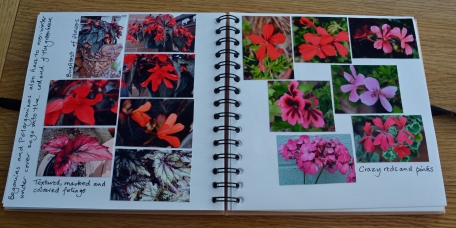
“Begonias and Pelargoniums also have to over-winter under cover so go into the cool end of the greenhouse.”

“Brightest of flowers.”
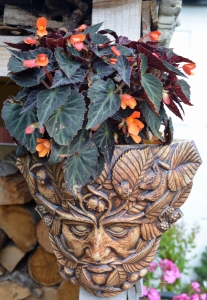
 

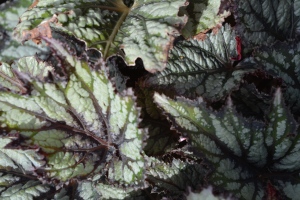
“Textured, marked and coloured foliage.”
Pelargoniums – “Crazy reds and pinks!”


And that is it for my garden journal for July. My next visit to my journal will be at the end of August, a month when keeping you garden looking good is pretty difficult so we shall see how we get on in our Avocet garden.
 

This Veggie Life

A Vegetarian | Nature Lifestyle Blog

Rambling in the Garden

.....and nurturing my soul

The Arch City Gardener

Journeys In St. Louis Gardening and Beyond

Garden Dreaming at Châtillon

Consult the genius of the place

Storyshucker

A blog full of humorous and poignant observations.

gardeninacity

Notes from a wildlife-friendly cottage garden

PlayGroundology

...an emerging social science

The Official Blog of British Wildlife

'The most important and informative publication on wildlife of our times' - The Independent. This blog is a member of The UK & Ireland Natural History Bloggers group: www.uknhb.blogspot.com

iGrowHort

Inspire - Cultivate - Grow Native Plants - Restore Landscapes

Bishops Meadow Trust

To create and protect a semi-natural wild space for the people of Farnham to enjoy and experience an array of British wildlife in our town

Gardening with Children

The www.gardeningwithchildren.co.uk Blog

UKbirdingtimeline

birding through the seasons, why birds matter and how to conserve them

NATURE WALKER

with a camera in hand

Jardin

Transform your outdoor space

Eva's space

My allotment, cooking and other interests

Old School Garden

my gardening life through the year

LEANNE COLE

Trying to live a creative life

fromacountrycottage

trying to live as lightly as possible on our beautiful planet

Good Life Gardening

Nature lovers from Leicester living the good life.

mybeautfulthings

Finding the beautiful in the everyday

mawsonmichelle

Michelle's Allotment

In and Out of My Garden

thoughts from and about my garden

Greenhousing

Big plans for a small garden

The Scottish Country Garden

A Walled Country Garden in South East Scotland

The Fruity Chicken

Life at the fruity chicken

willowarchway

Off grid living. Self sufficient. "PERMAGANICS RULE".

St Anns Allotments

Nottingham's Grade 2* Listed Allotments and Community Orchard

Manifest Joy Harvests

a journey in suburban vegetable gardening

Allotmental

The madness of growing your own

Penny's Garden: a harvest beyond my front door

A novel approach to vegetable gardening

arignagardener

Sustainable living in the Irish countryside.

NewEnglandGardenAndThread

Master Gardener, amateur photographer, quilter, NH native, and sometimes SC snowbird

dianajhale

Recent work and work in progress and anything else that interests me

planthoarder

a chaotic cottage gardener

Lens and Pens by Sally

a weekly blog that creates a personal philosophy through photographs and words

Dewdrops and Sunshine

Stories from a sassy and classy Southern farmbelle.

The Pyjama Gardener

Simple Organic Gardening & Seasonal Living

gettin' fresh!

turning dirt into dinner

JOY...

today the world is created anew

Garden Birds

Notes from a Devon garden

ShootAbout

Life Through The Lens

Adapting Pixels

A photography blog showcasing the best photography pictures and videos on the internet

Wildlifegardening's Blog

Just another WordPress.com site

naturestimeline

personal observations from the natural world as the search continues for a new approach to conservation.
LATEBLOOMERBUDS

The Wonders of Life through my Eyes, my Heart, my Soul