For the 36th post in this occasional series about simple beauty, I decided to revisit a summer’s day back in June when simple single roses were glowing in the sunshine.
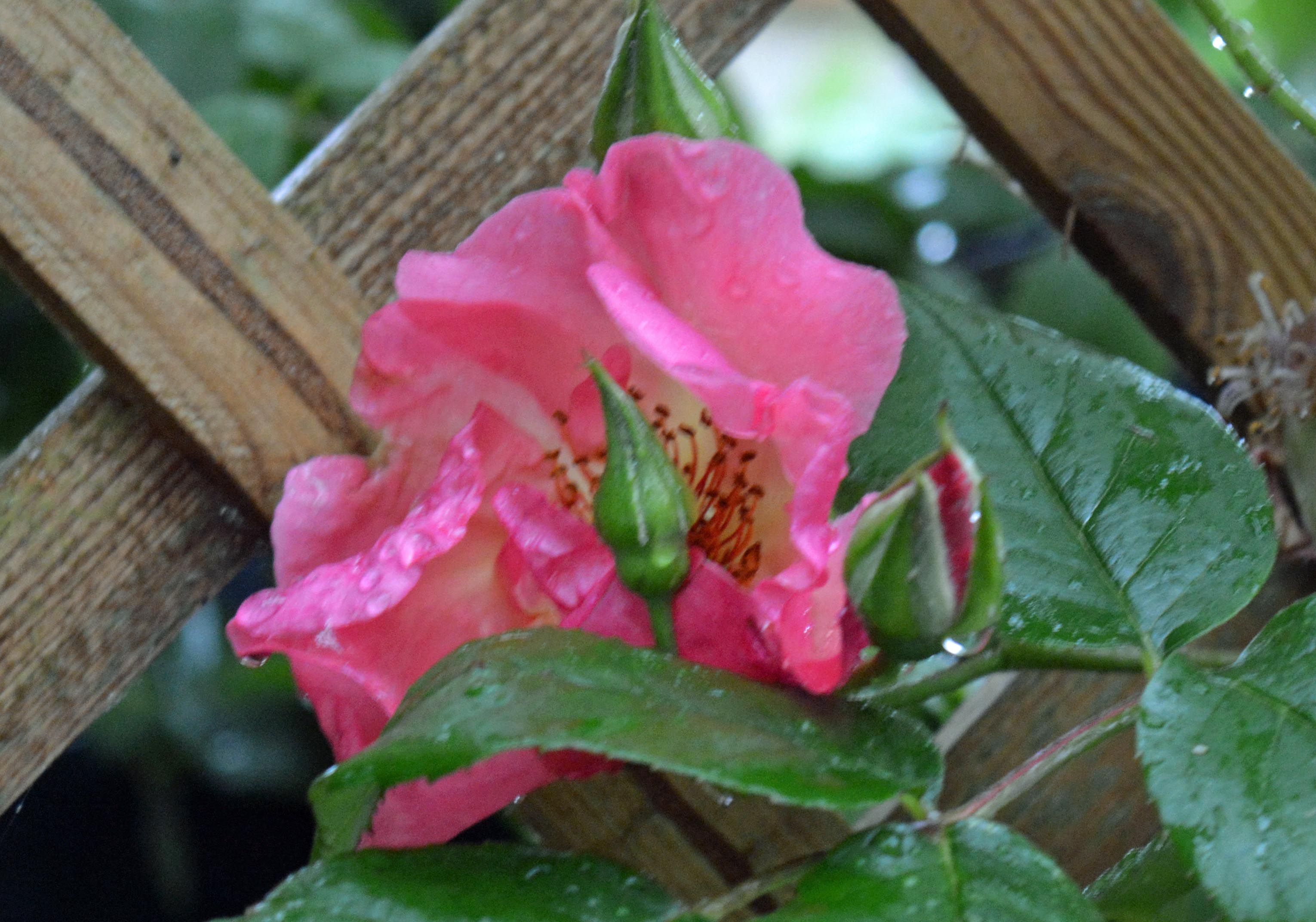
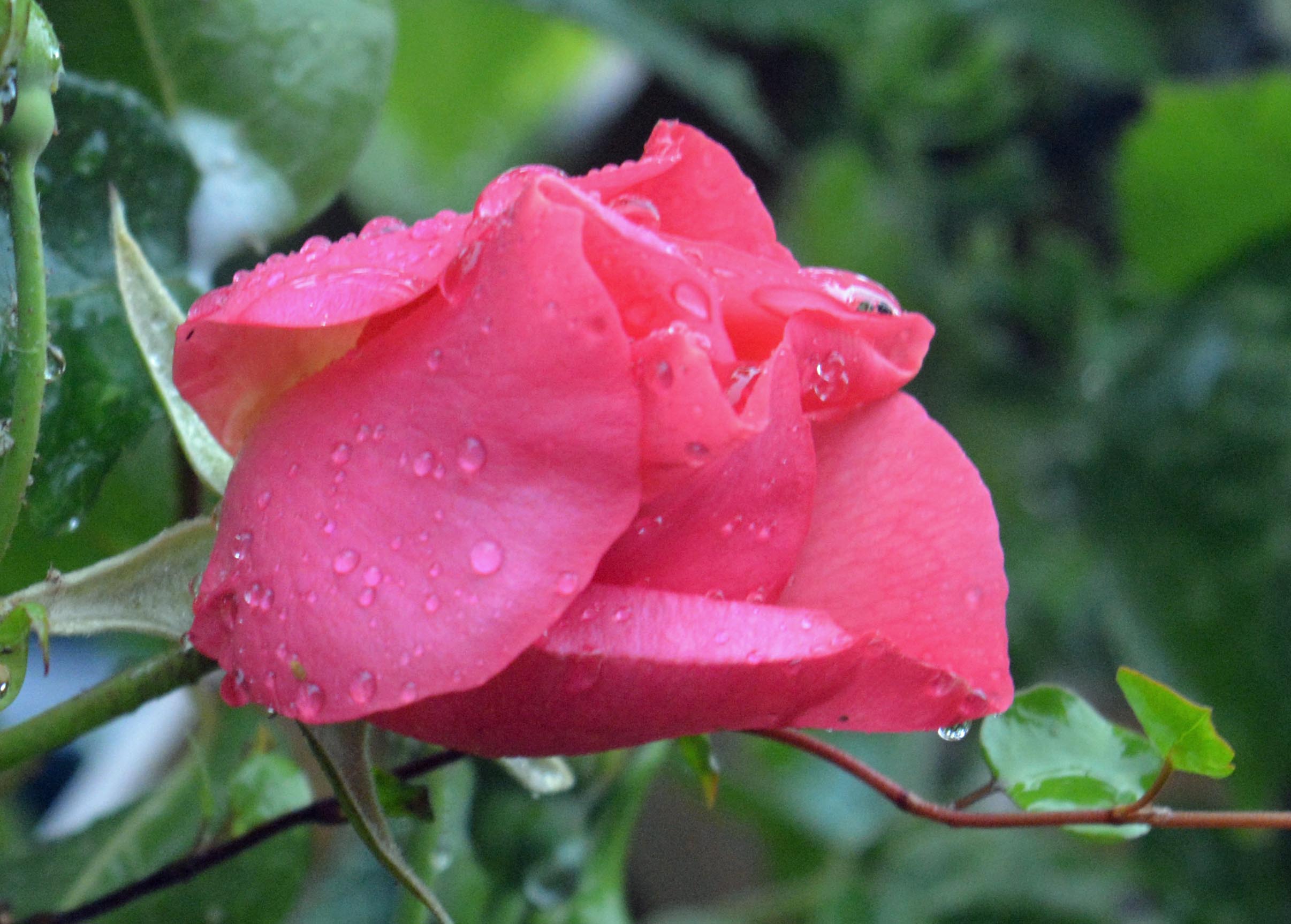
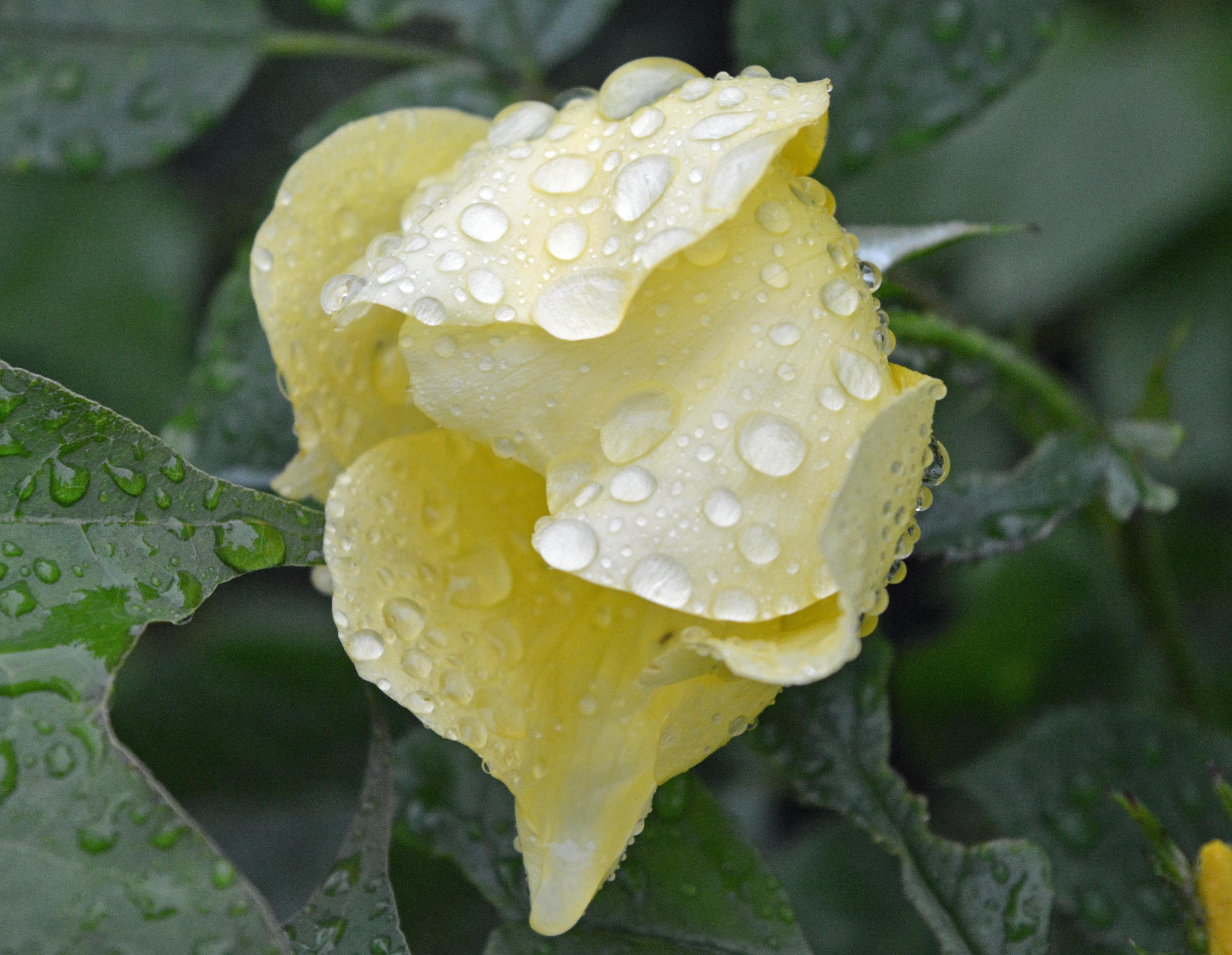
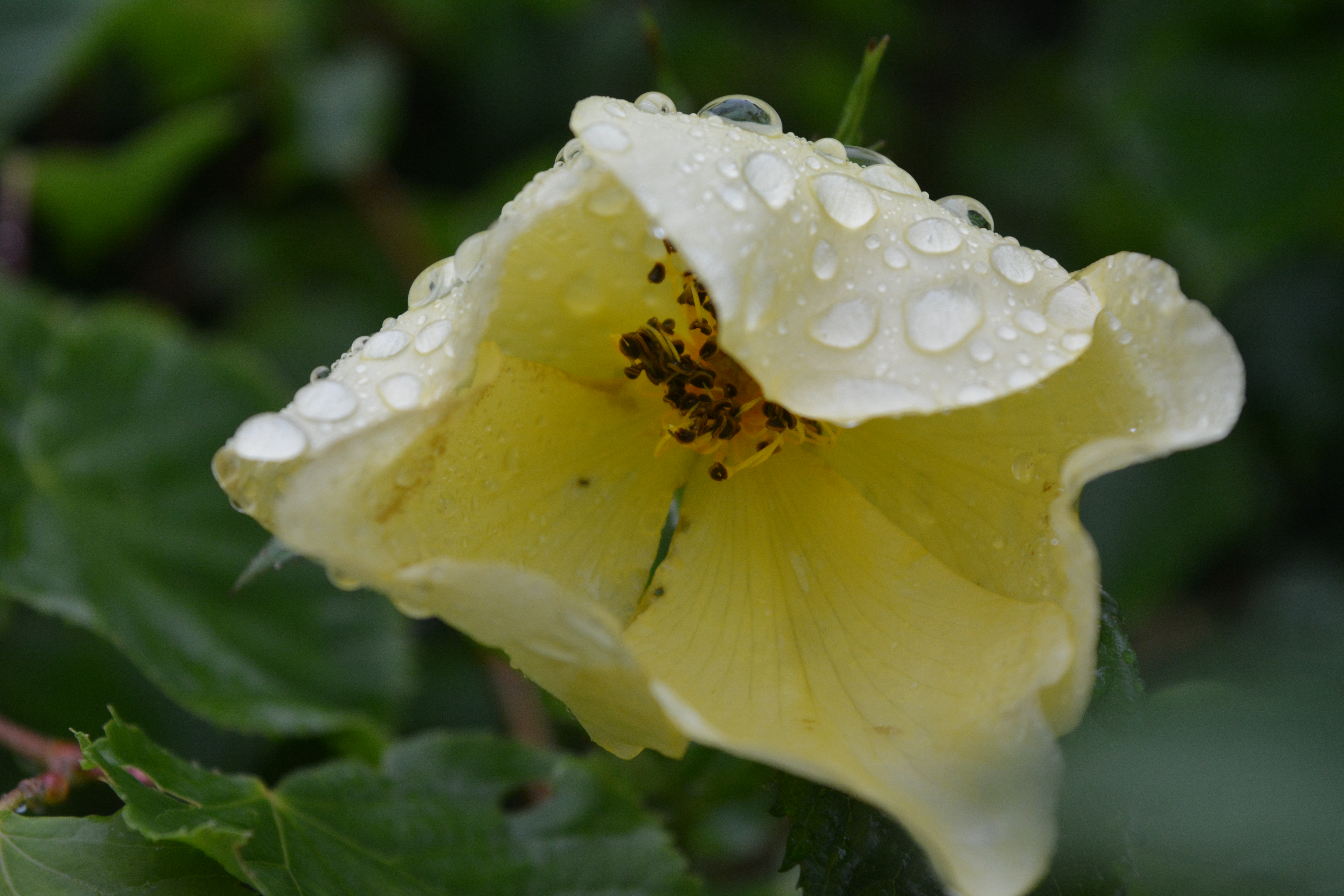
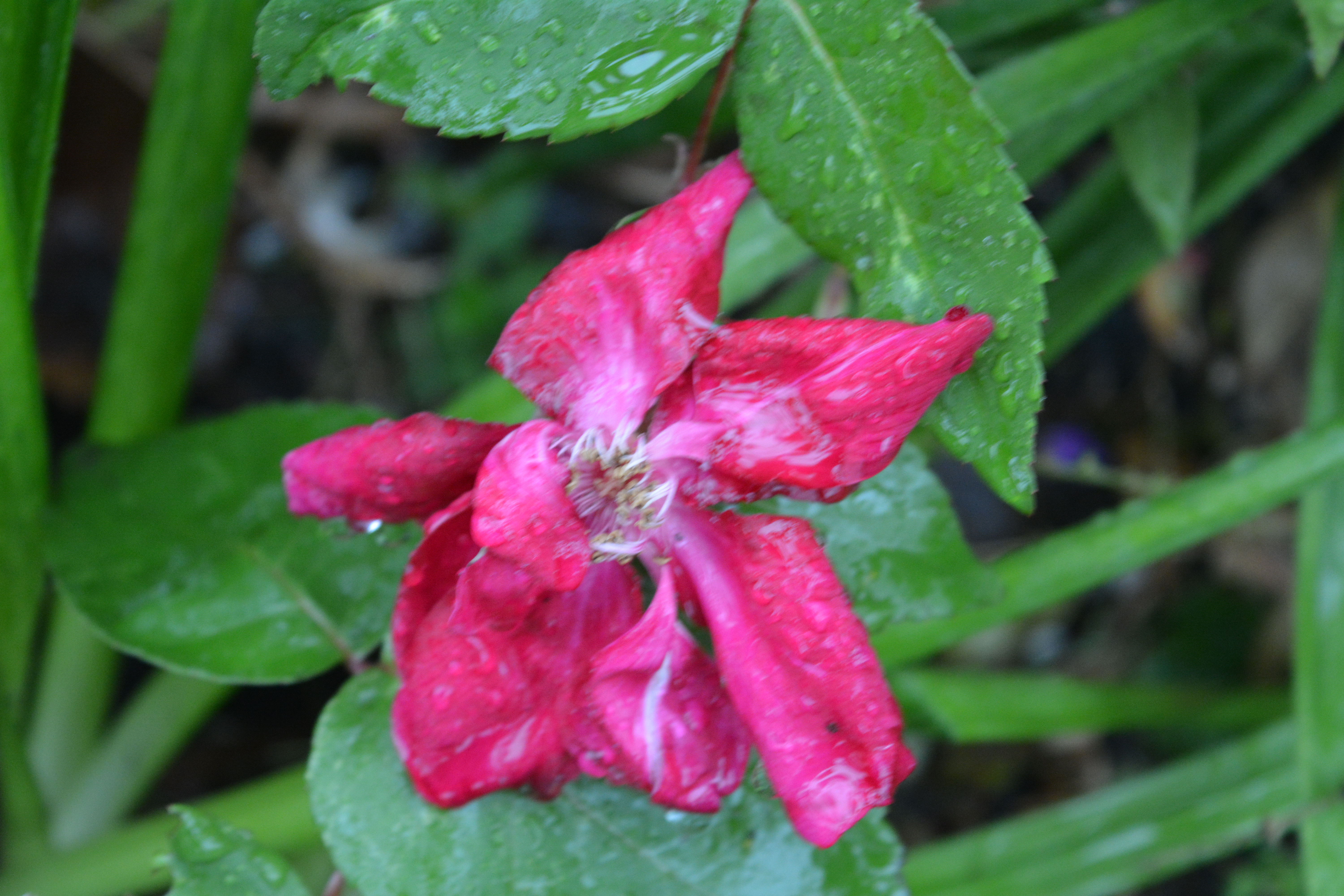
For the 36th post in this occasional series about simple beauty, I decided to revisit a summer’s day back in June when simple single roses were glowing in the sunshine.
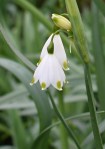
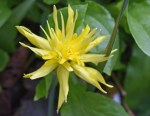
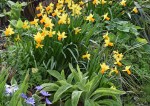
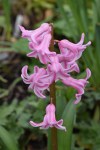
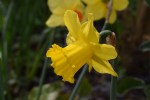
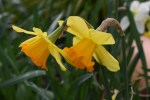
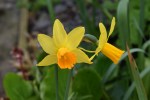
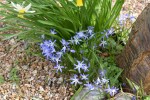
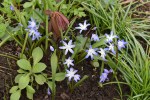
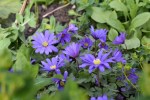
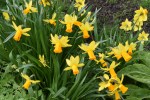
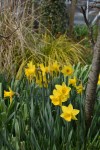
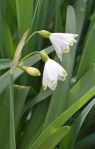
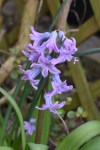
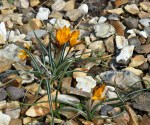
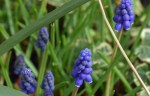
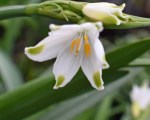
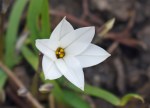
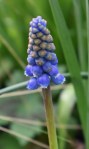
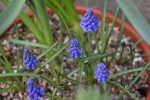
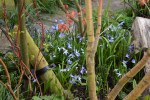
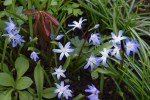
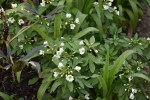
This time of year is made extra special as the bulbs we planted in the autumn start to burst into flower. Daffodils give splashes of every shade of yellow often with orange trumpets. We have a few whites left from the hundreds we inherited. We are not keen on white daffs as they seem so wishy-washy so we dug out hundreds leaving just odd clumps. Crocus are far more delicate and come in a wider range of colours from white to yellow, orange and purple. Anemone blandas are joining these now and appear as delicate blue daisies among the fresh growth of perennial plants. We don’t have many hyacinths but the few we have are most welcome and remind us to order more next autumn. You may spot the interloper – the flowers of a bergenia – walking past I could not resist taking its picture!
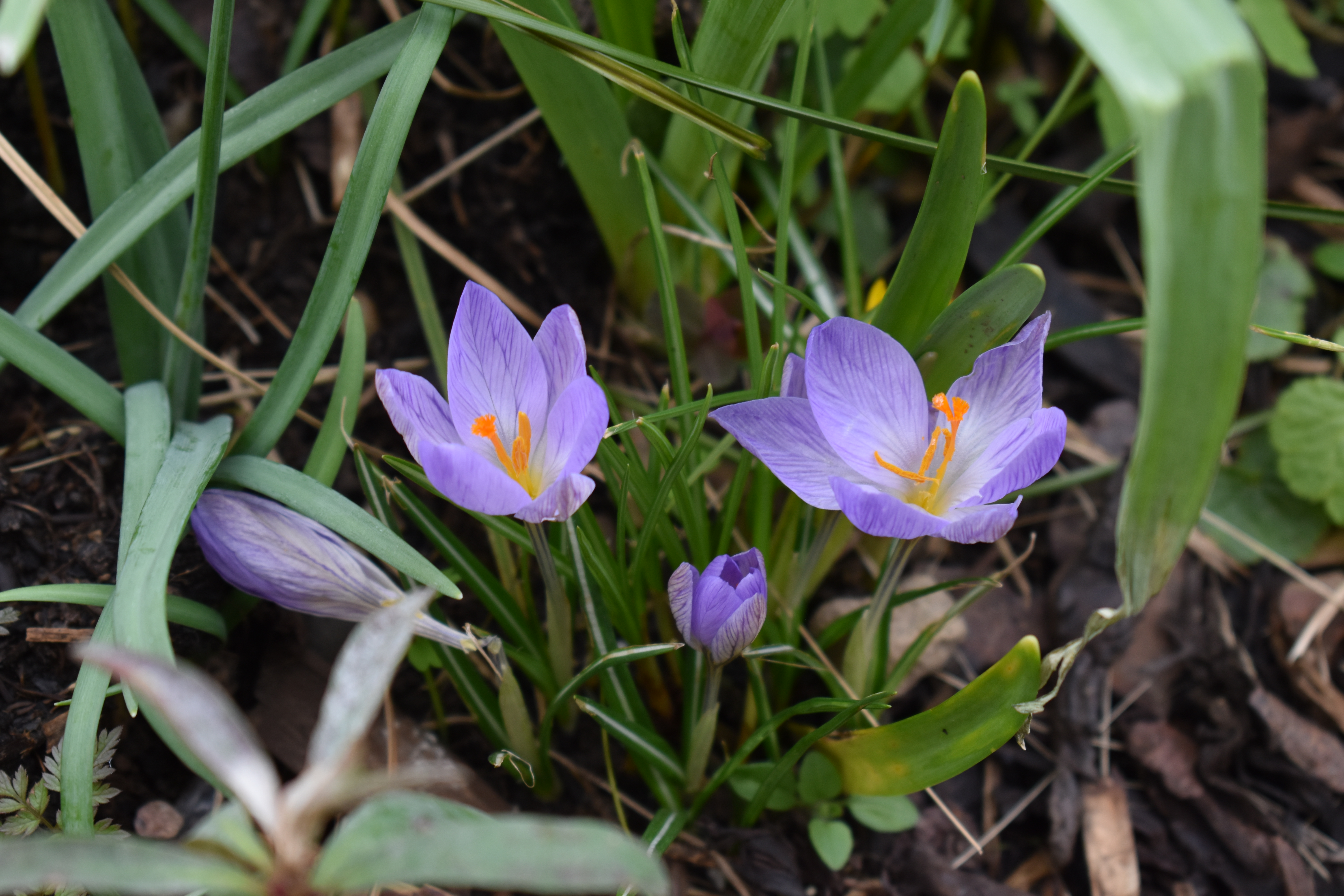
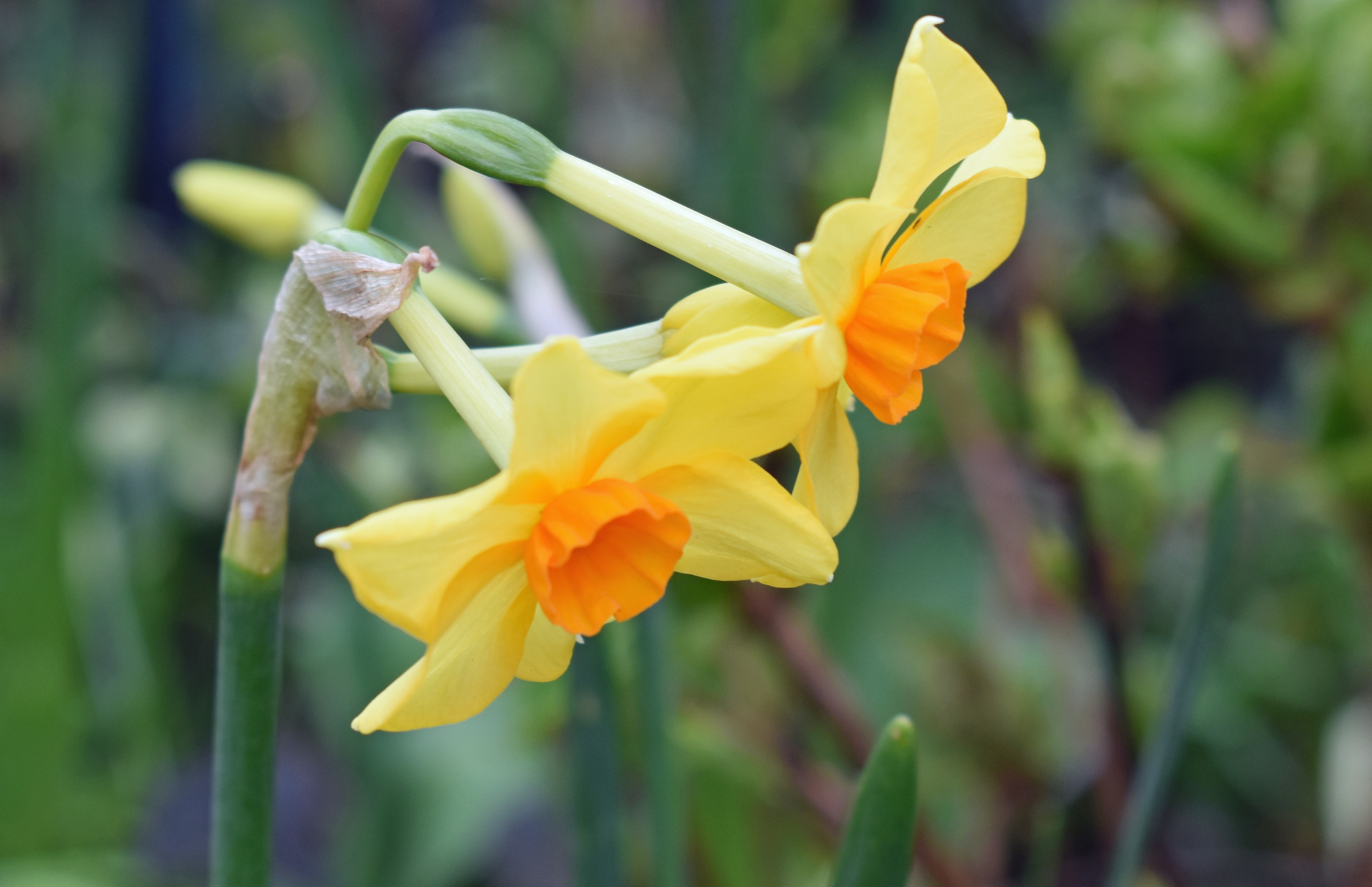


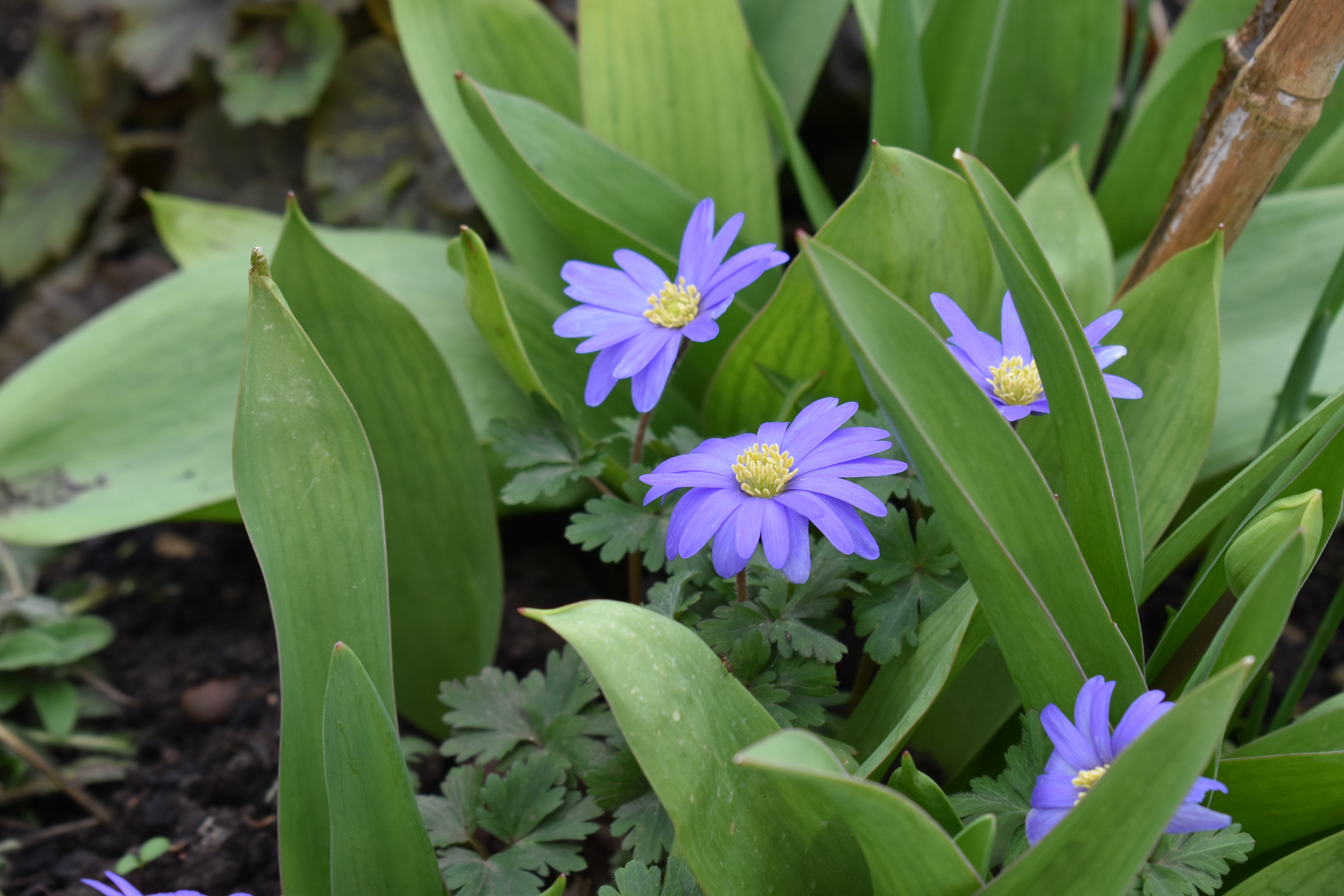
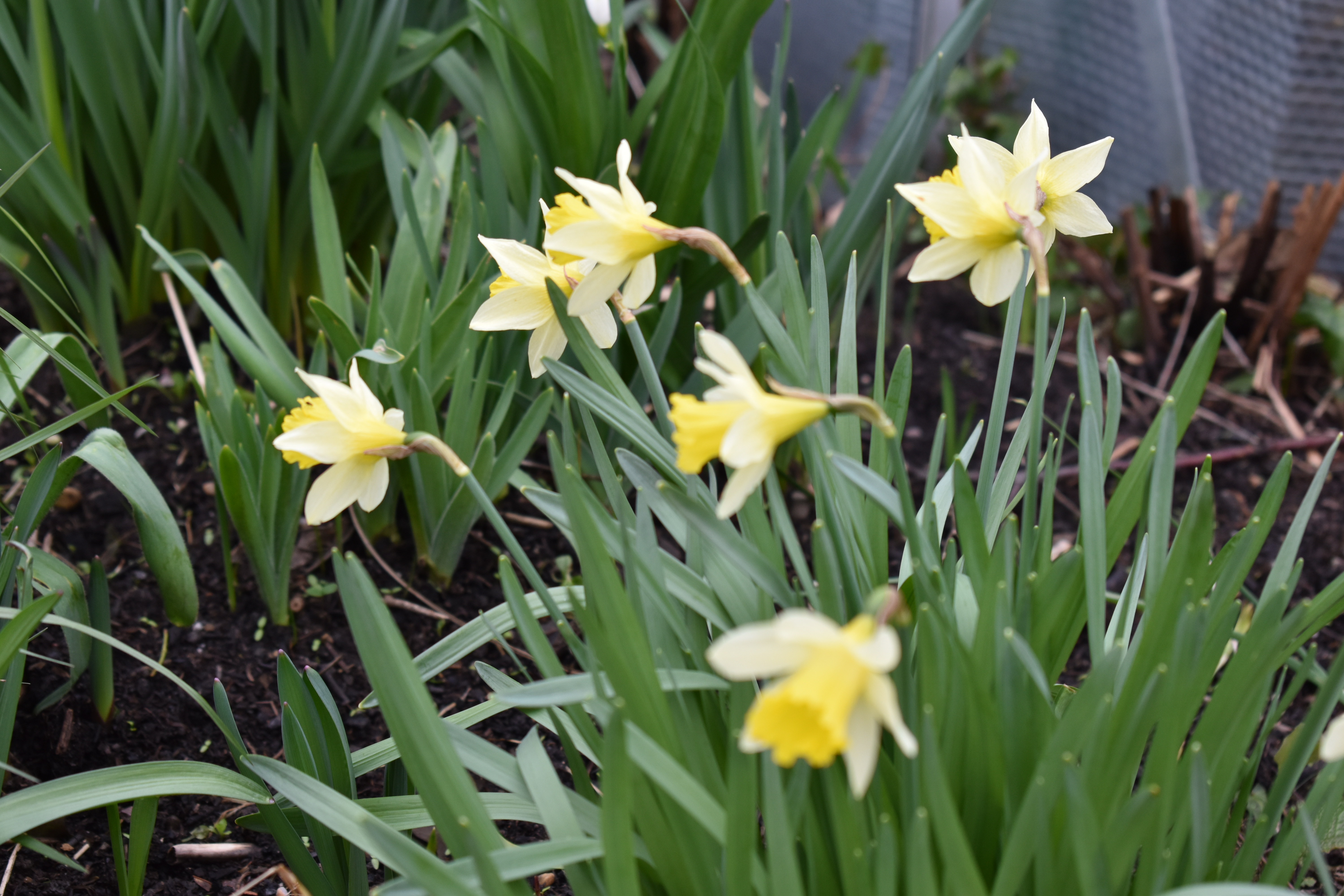
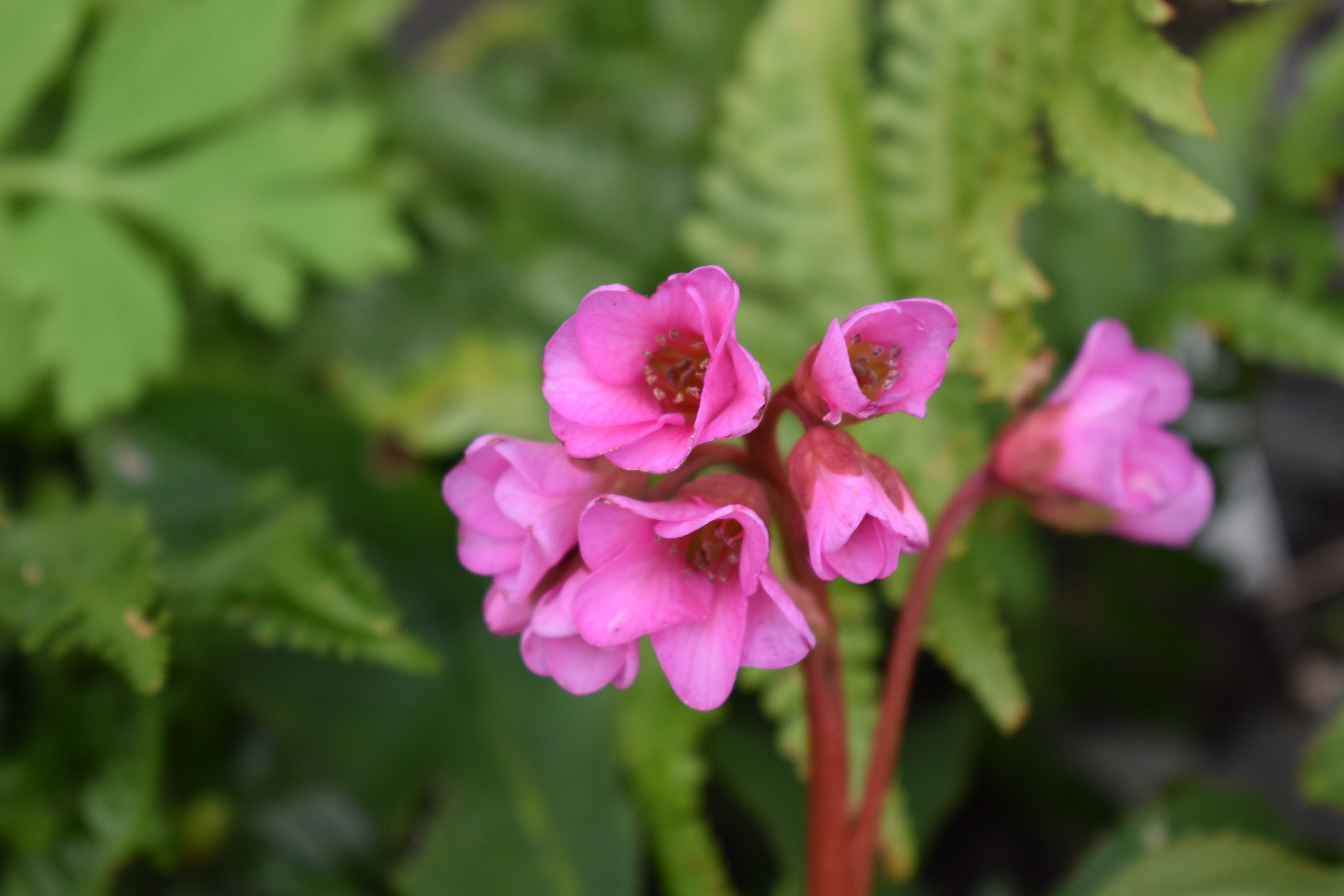

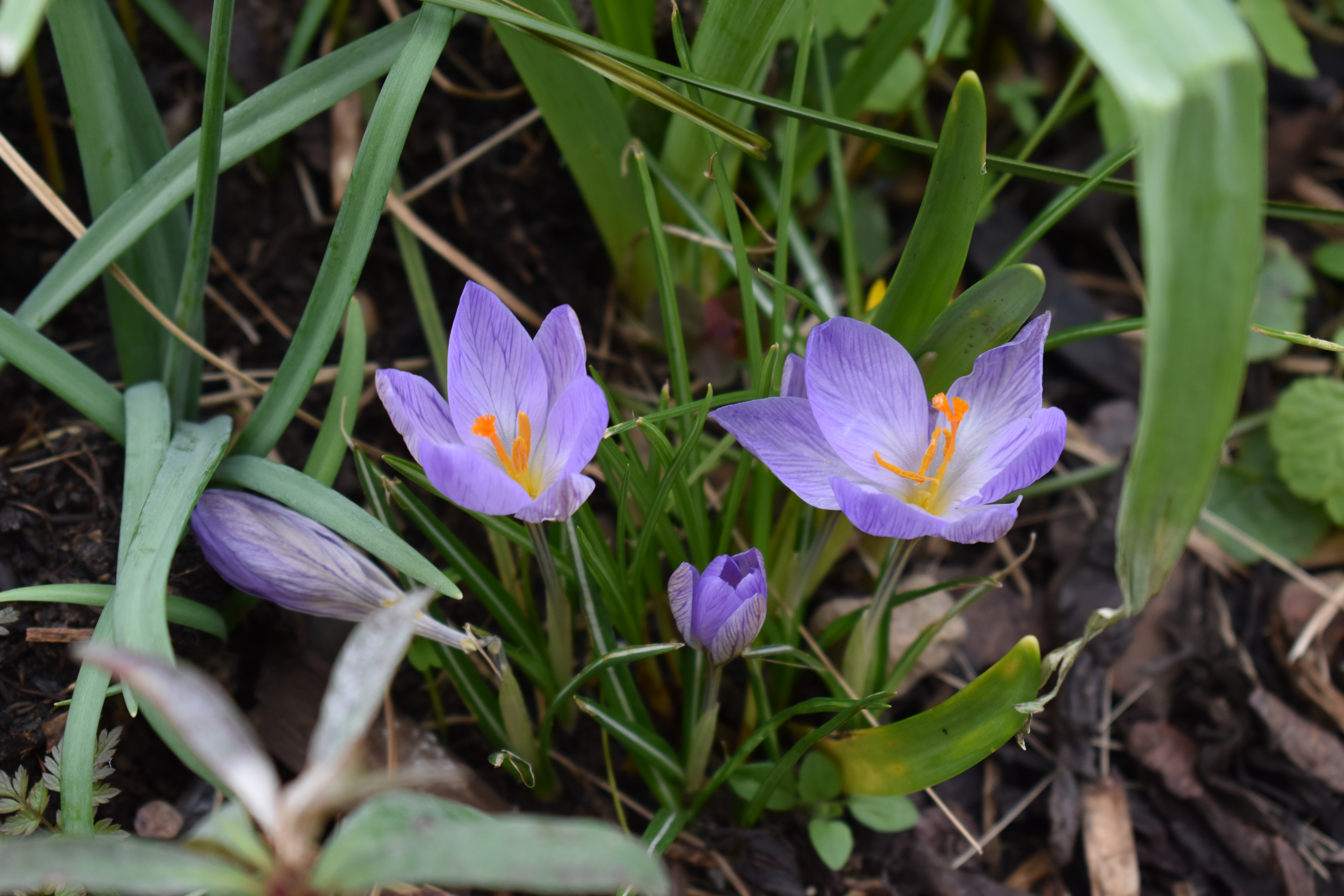
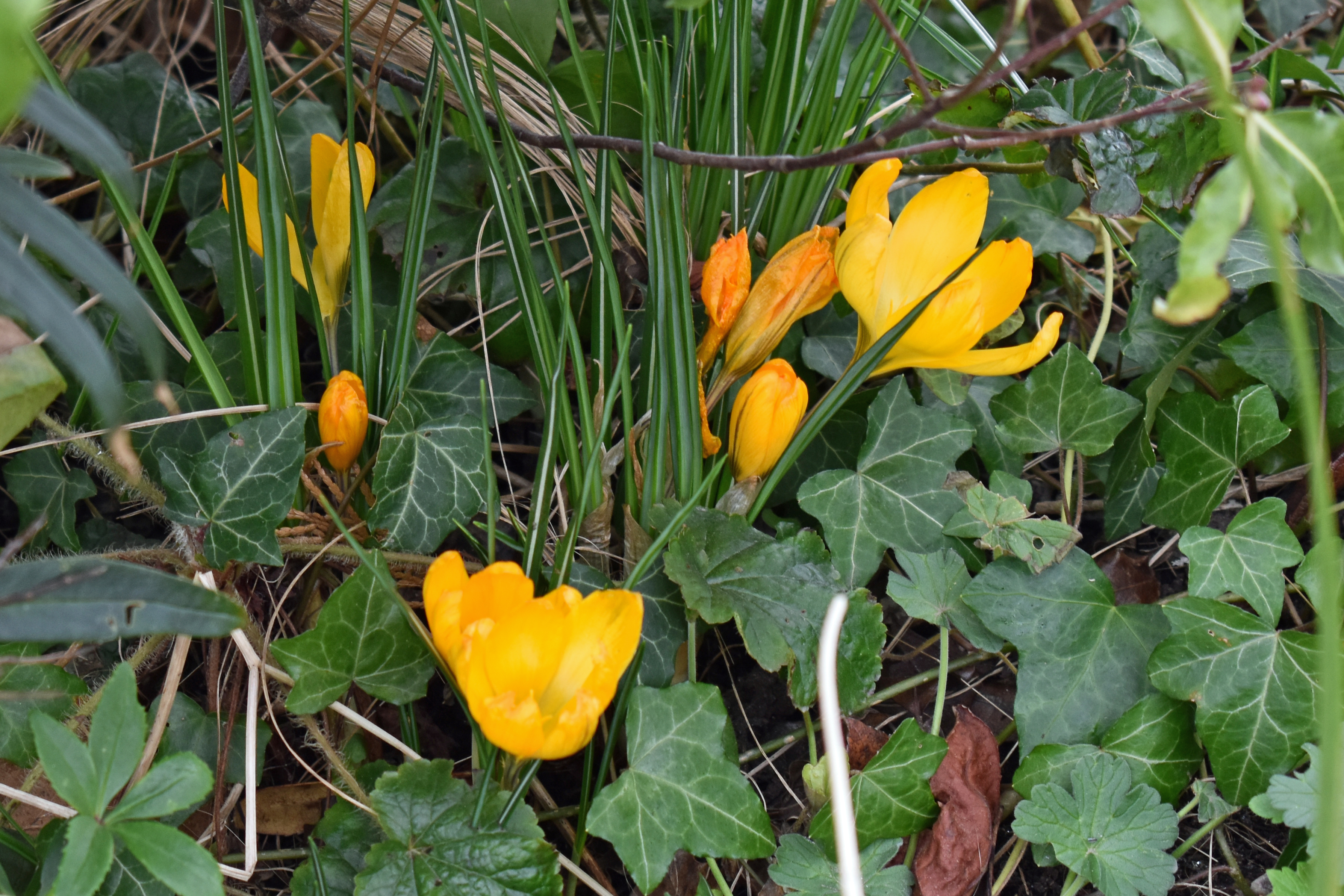
The best way to savour the effects that our bulbs have on our March garden is to come with me with my camera and see what we spot. So follow the gallery by clicking on the first photo and then use the arrows to navigate. Enjoy!
























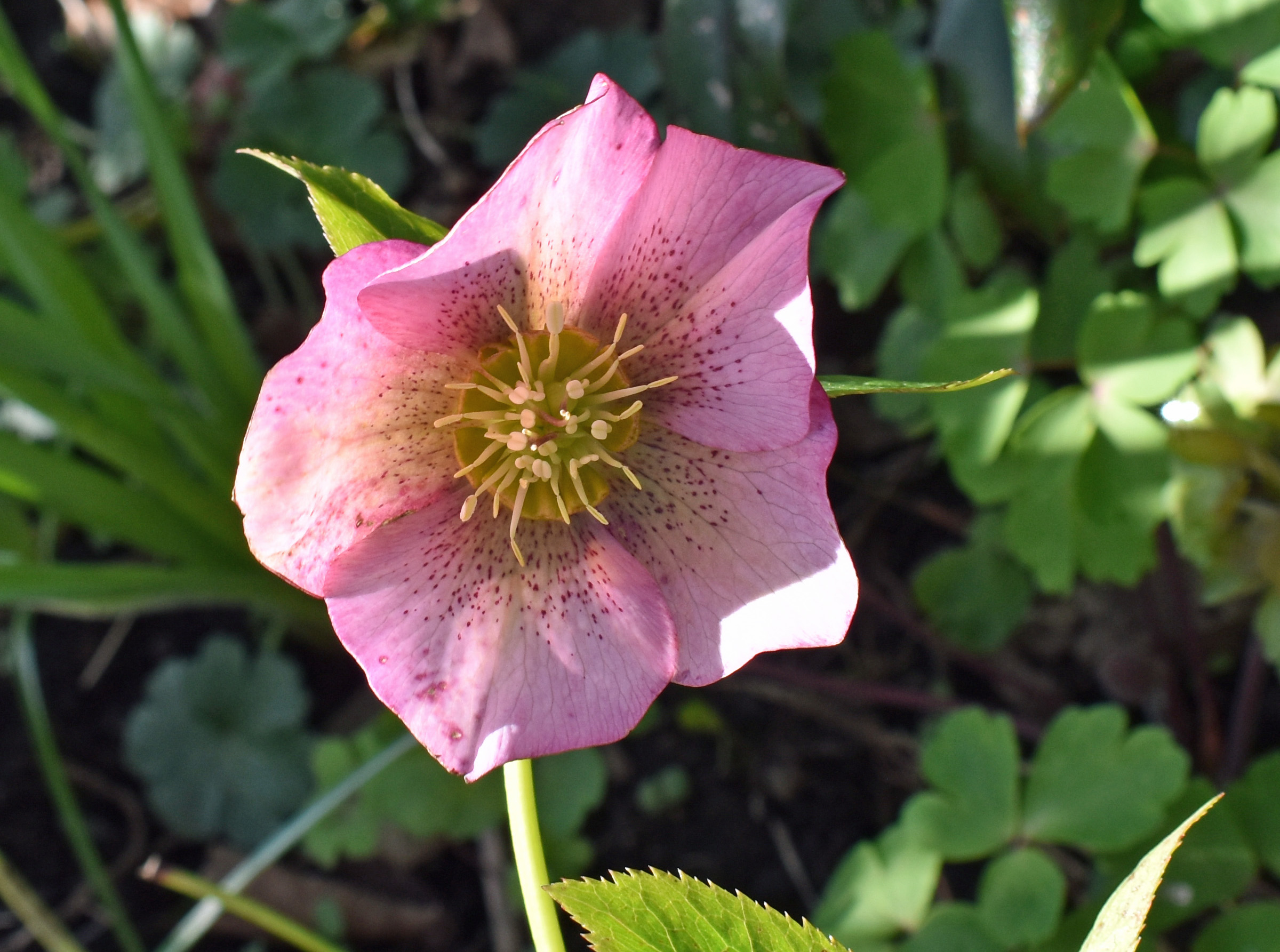
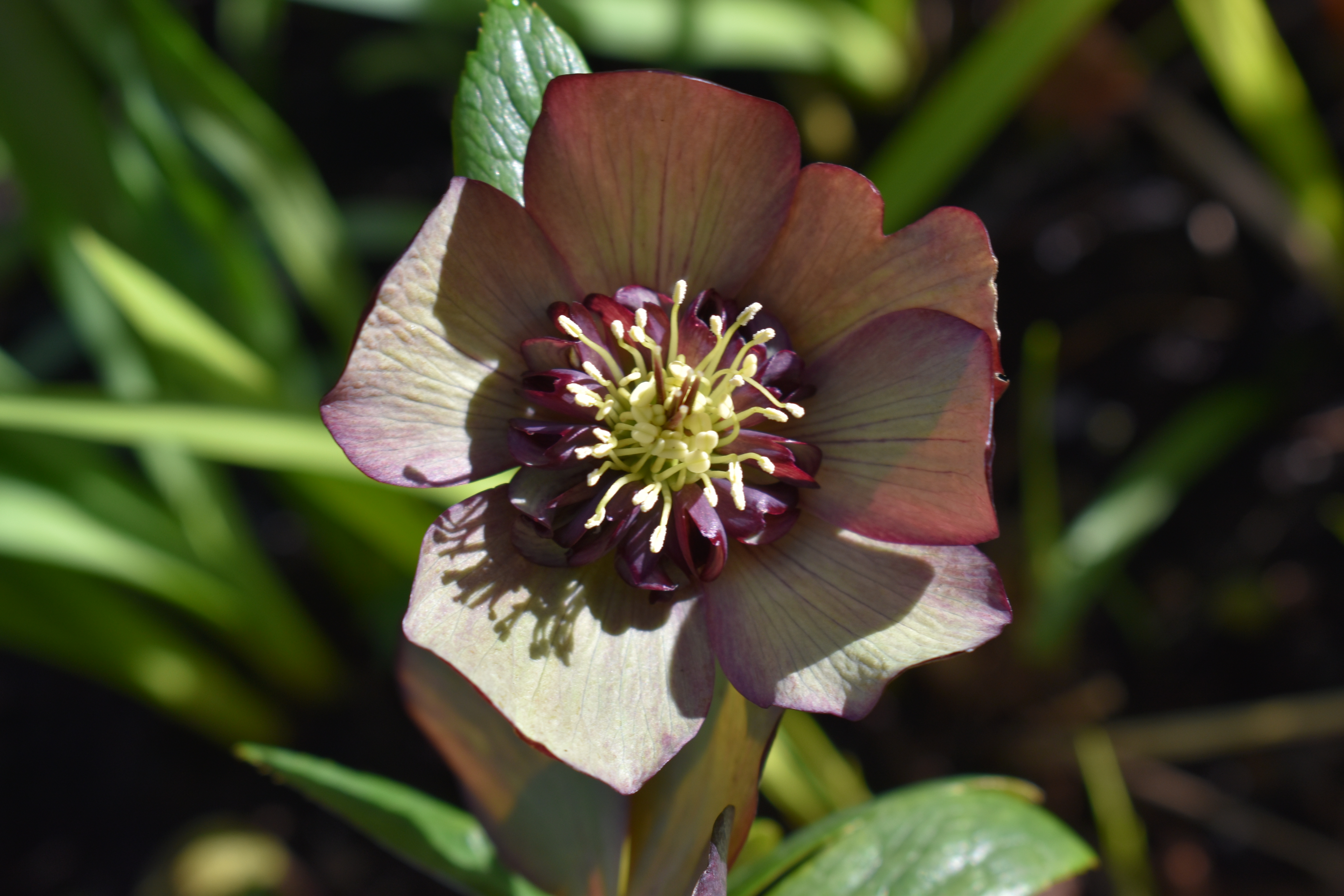
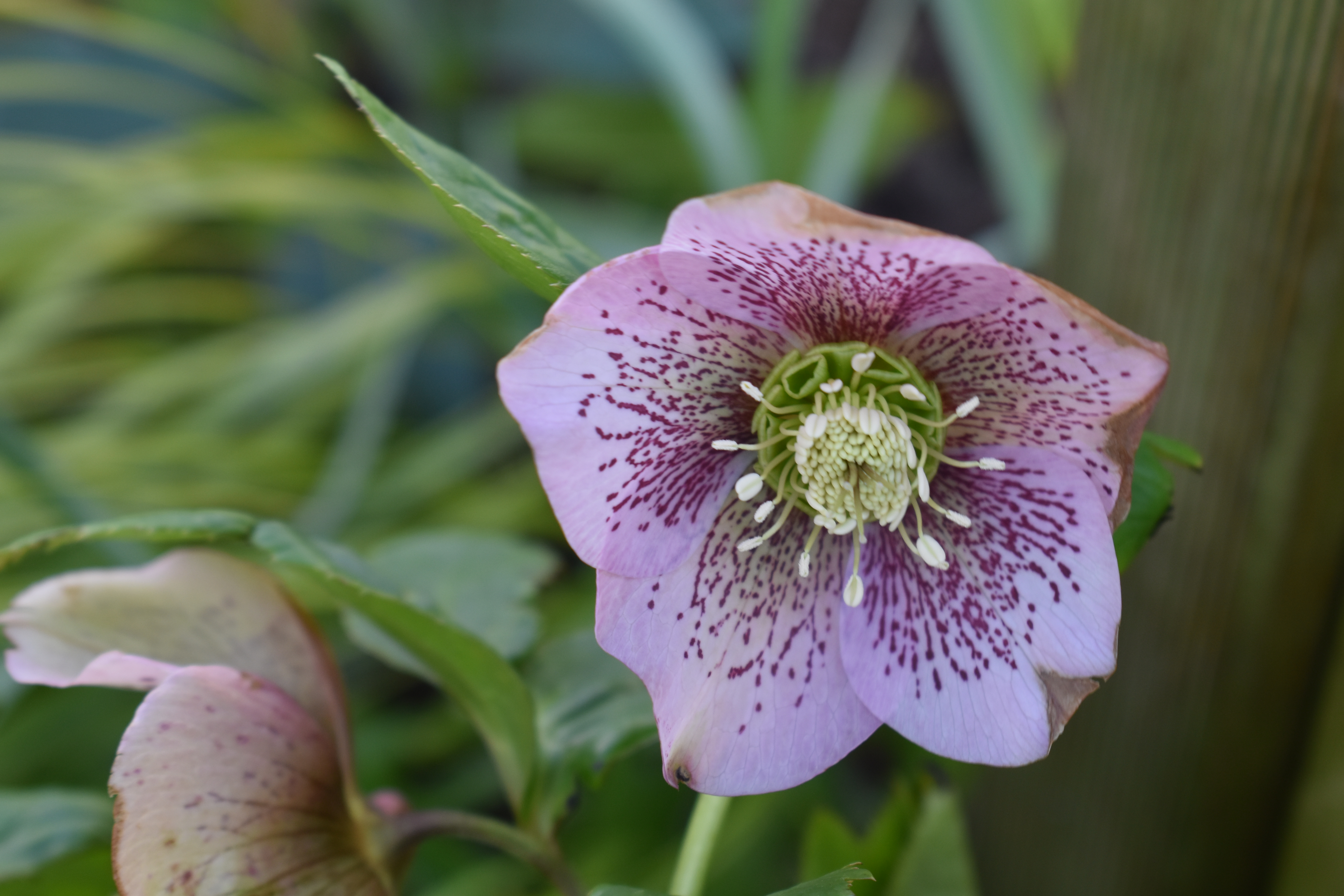
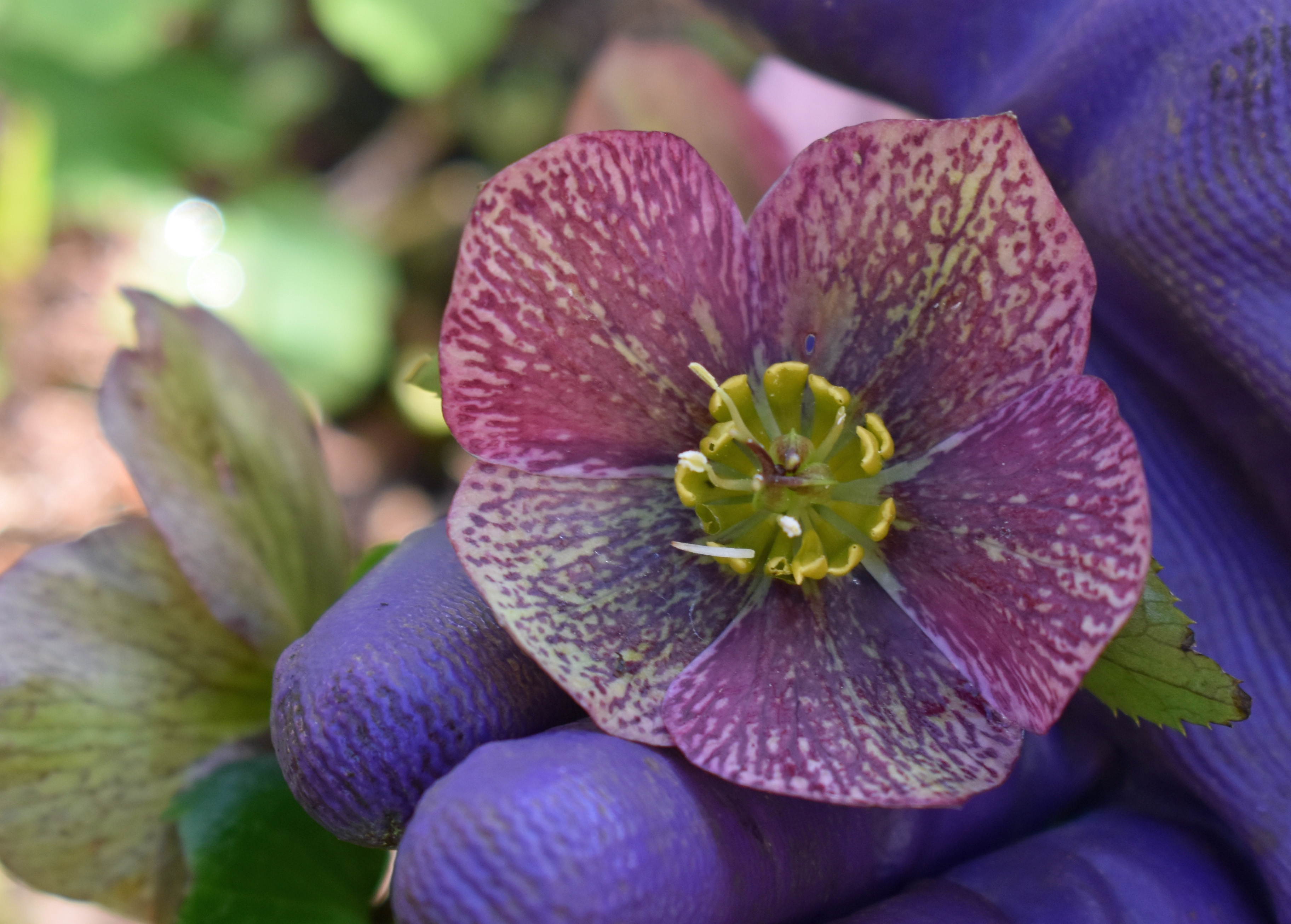
At this time of year we love turning up the drooping heads of our hybrid hellebores. They can flower from mid-winter on through spring so are such useful garden plants and loved by most gardeners.
Enjoy my photos below of some of the hellebores that are in flower mid-March.


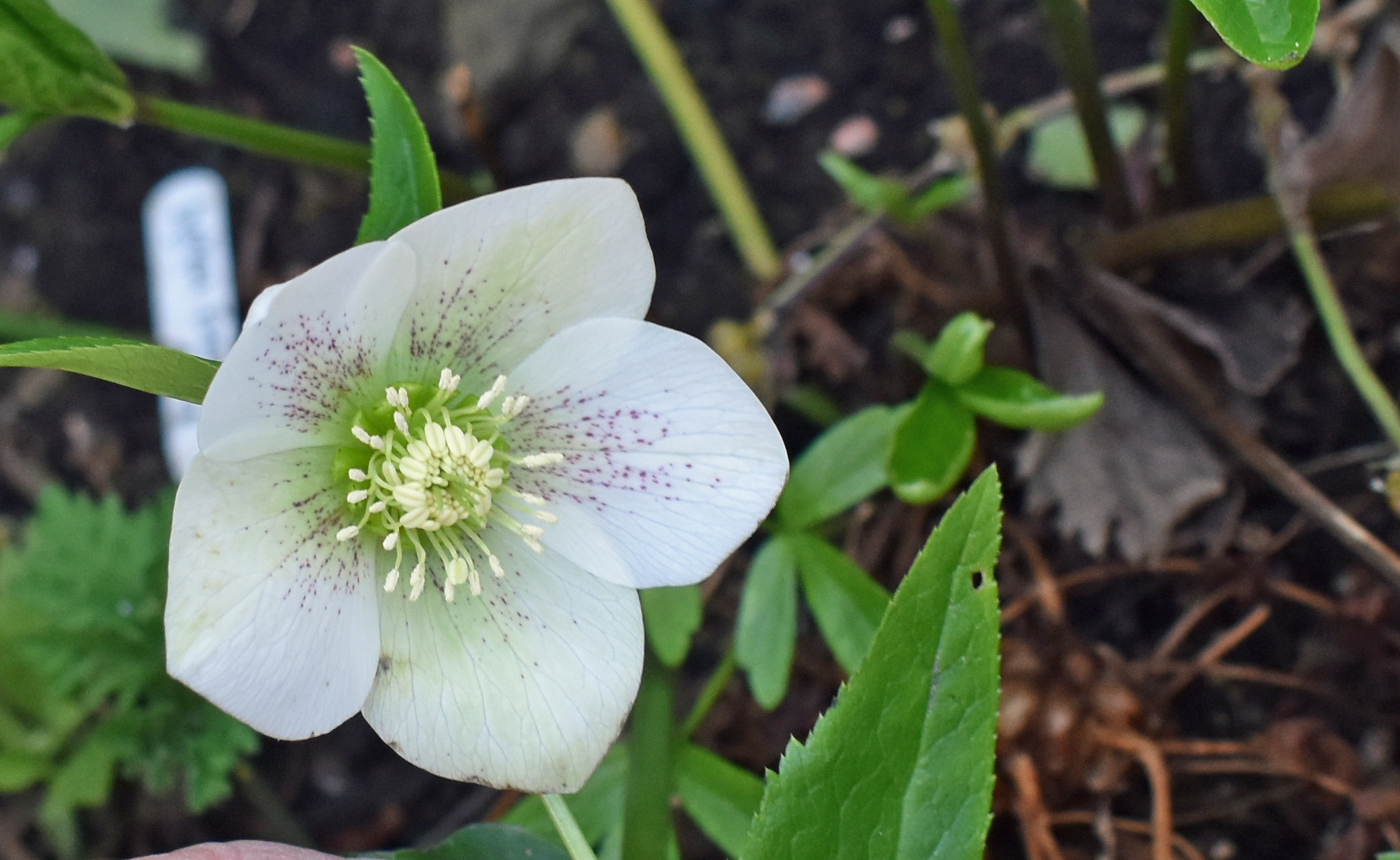


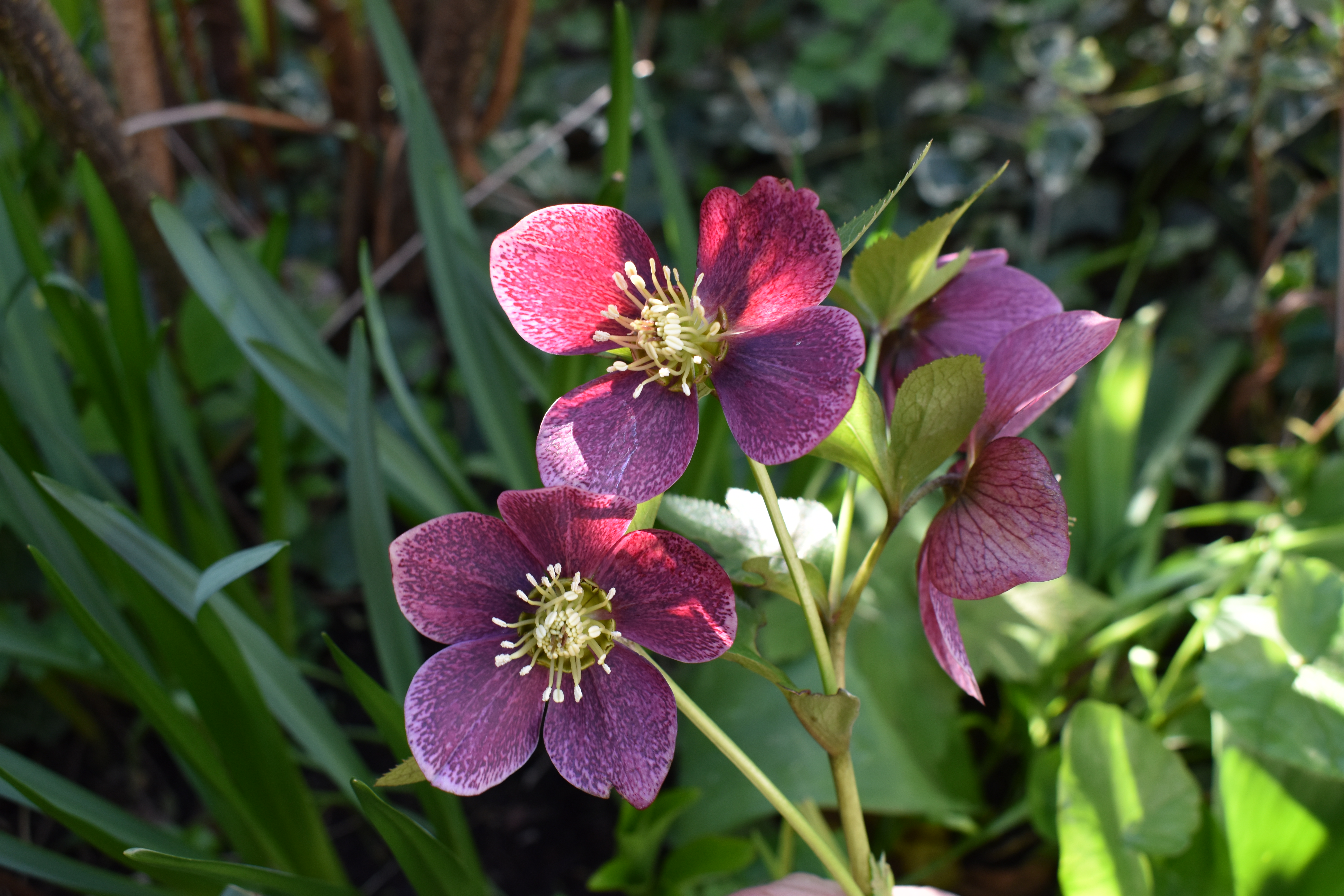
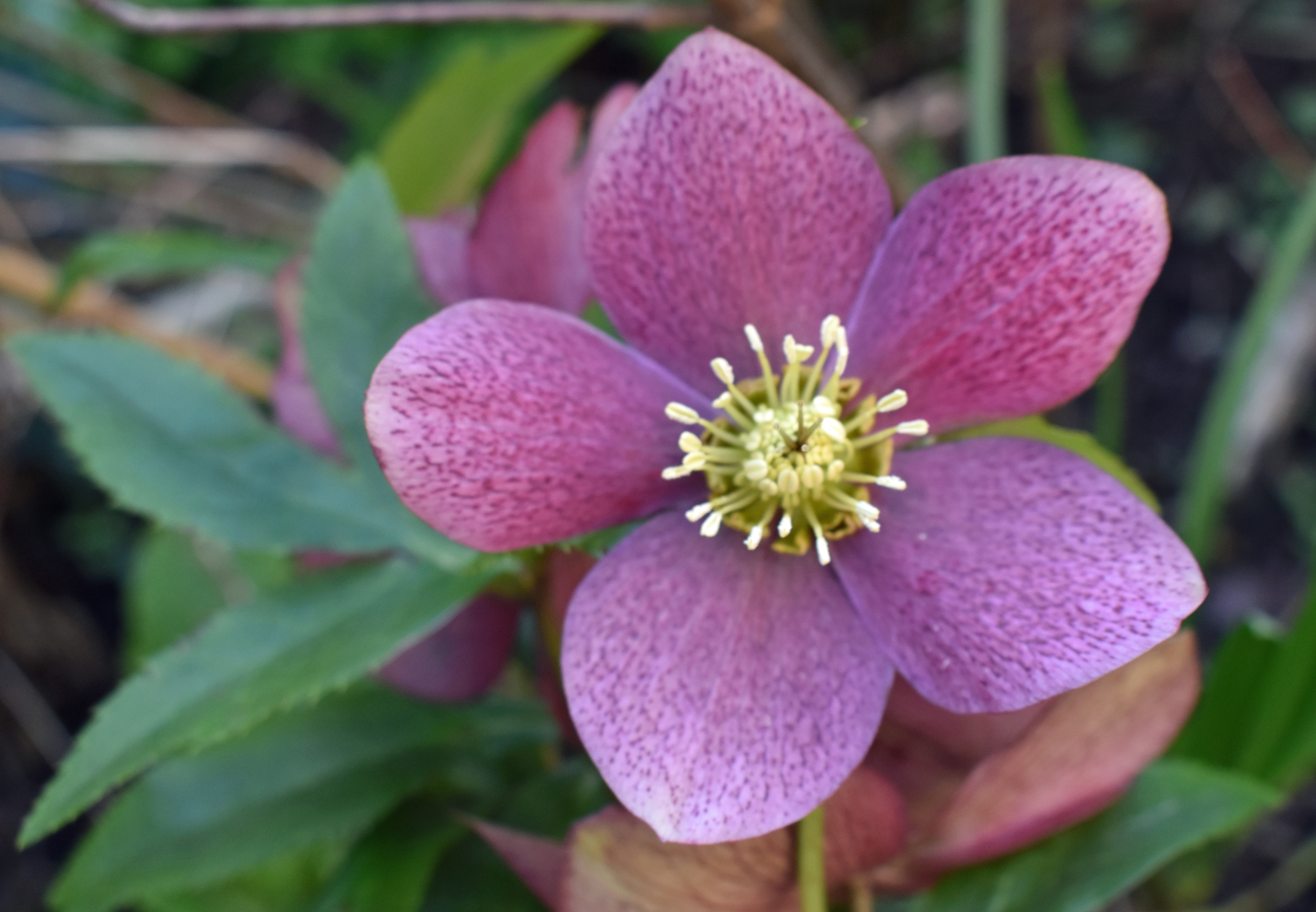

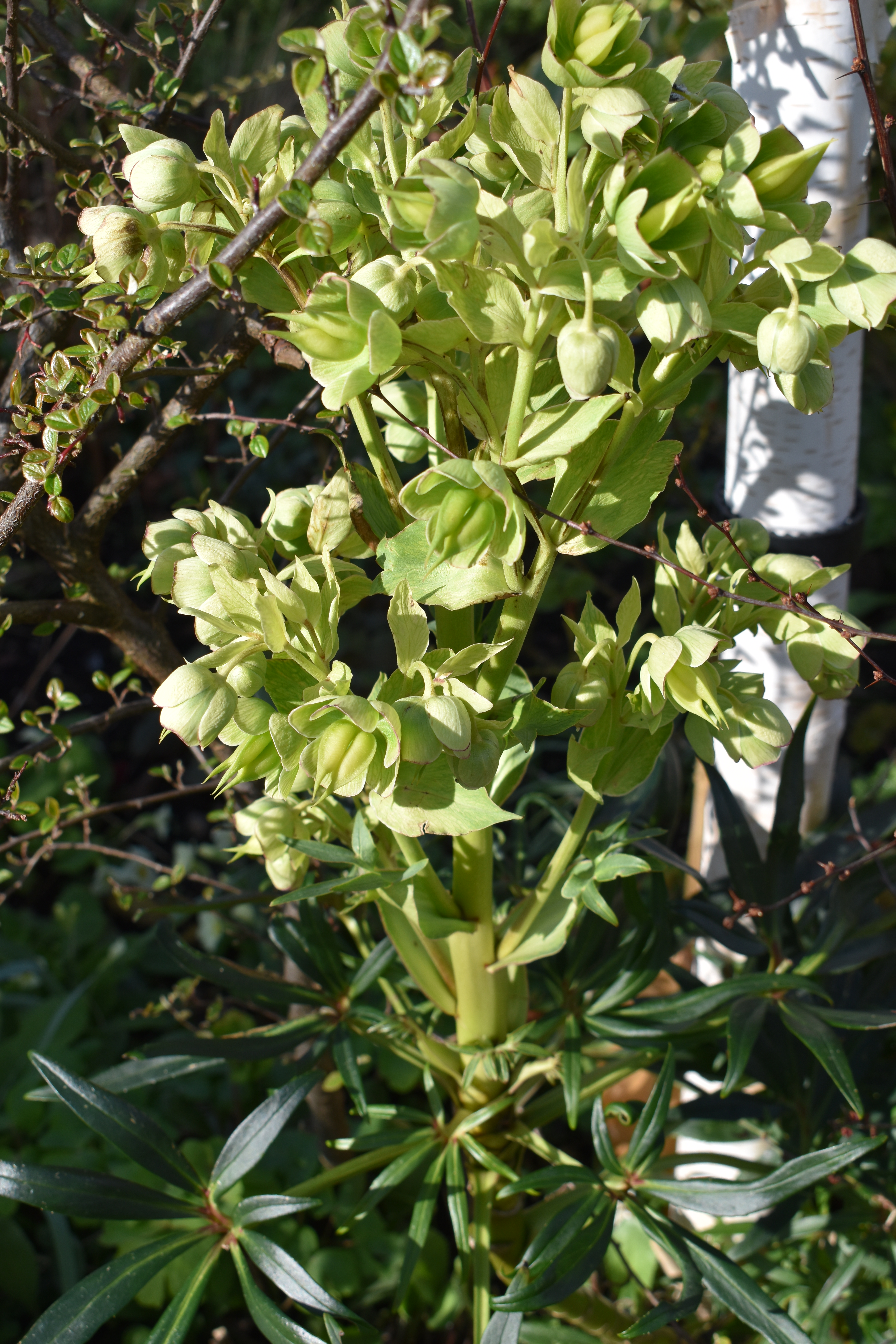




We grow a couple of dozen pulmonarias in the shadier parts of our garden, where they give both interestingly marked leaves and plenty of flowers in pinks, blues and white. We have lots in flower now, mid-March but several others will flower in the coming weeks.
I hope you enjoy my gallery of those that are flowering now. To follow the gallery just click on the first photo then navigate using the arrows.




This post takes us back to 2017 and shares part of a holiday week. As we are being effected by the coronavirus problems I thought this post would give a little cheer.
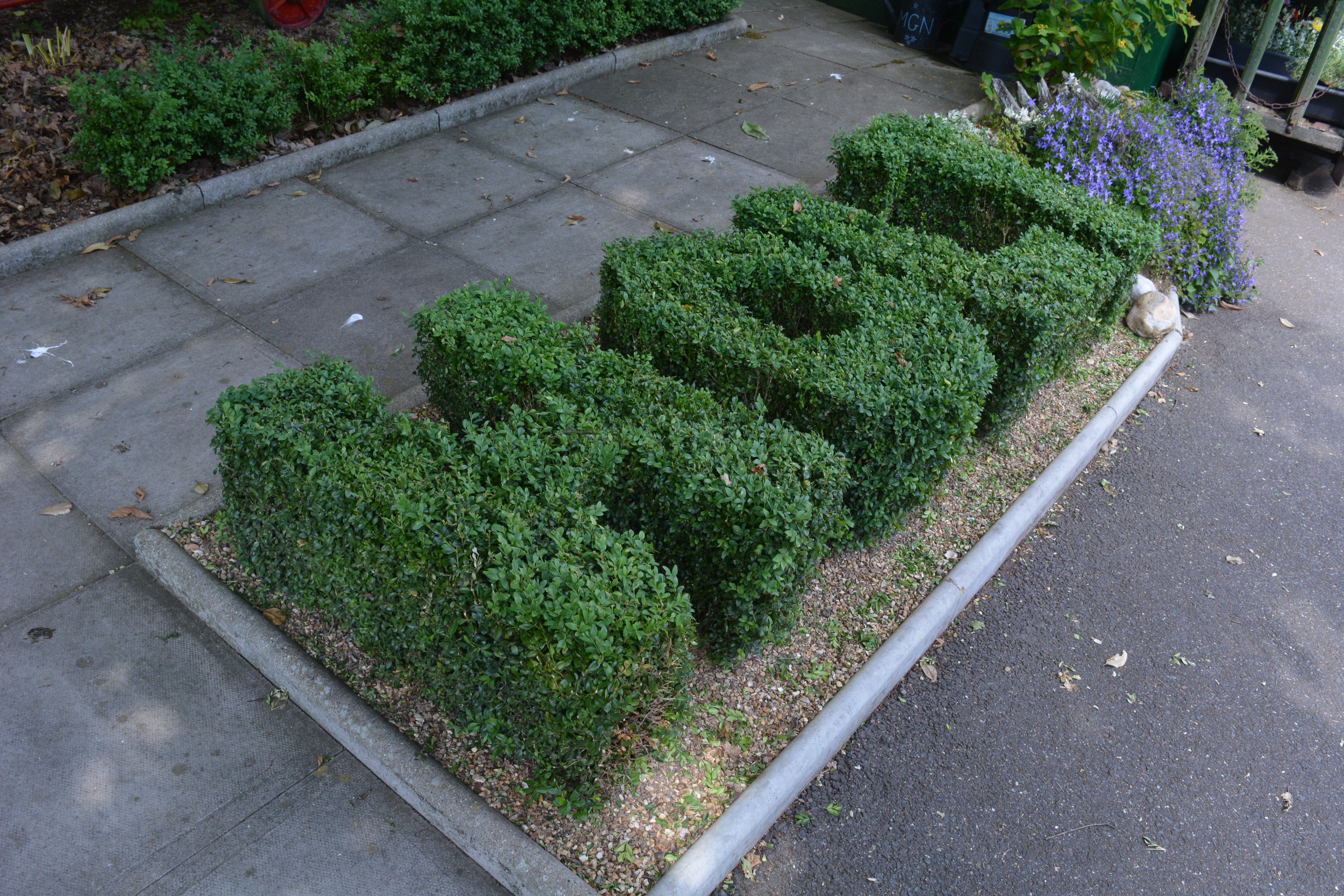
While holidaying in Norfolk with daughter Jo and son-in-law Rob in the summer of 2017 we were so pleased to find a steam railway line close to where we were staying. We alighted at Holt Station where it has its name written in cut box.
The railway itself is known as the North Norfolk Railway, with a friendly nickname of the Poppy Line. The station at Holt is run by a group of volunteers, the Friends of Holt Station and there is an obvious sense of pride in everything they do. Thus everything is clean, tidy and beautifully maintained. We decided to ride the train to the end of the line, not far away in Sheringham.
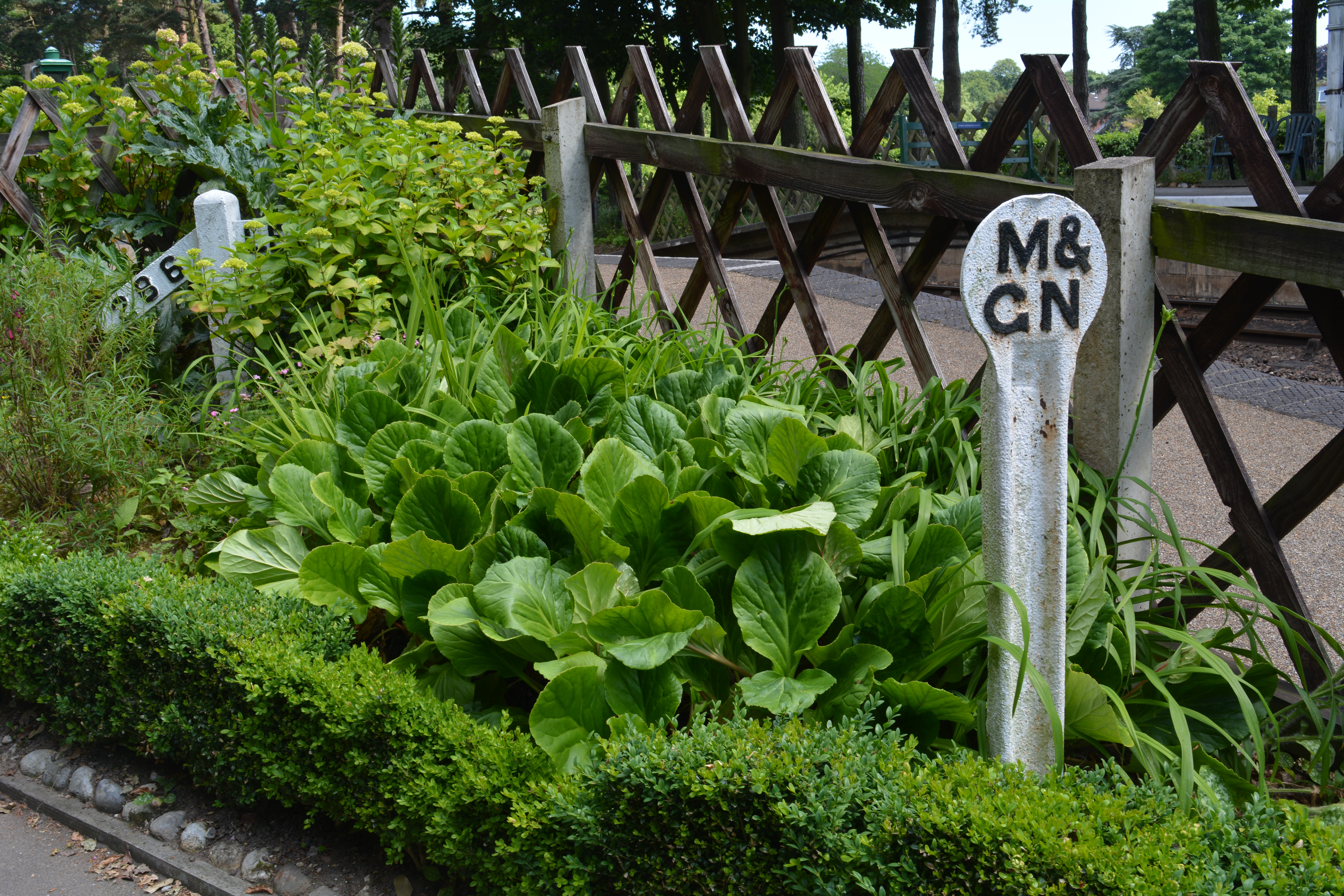

The detailing is full of character and beautifully restored and maintained. Each feature brought back memories of childhood for Jude and I but a secondhand nostalgia for Jo and Rob.
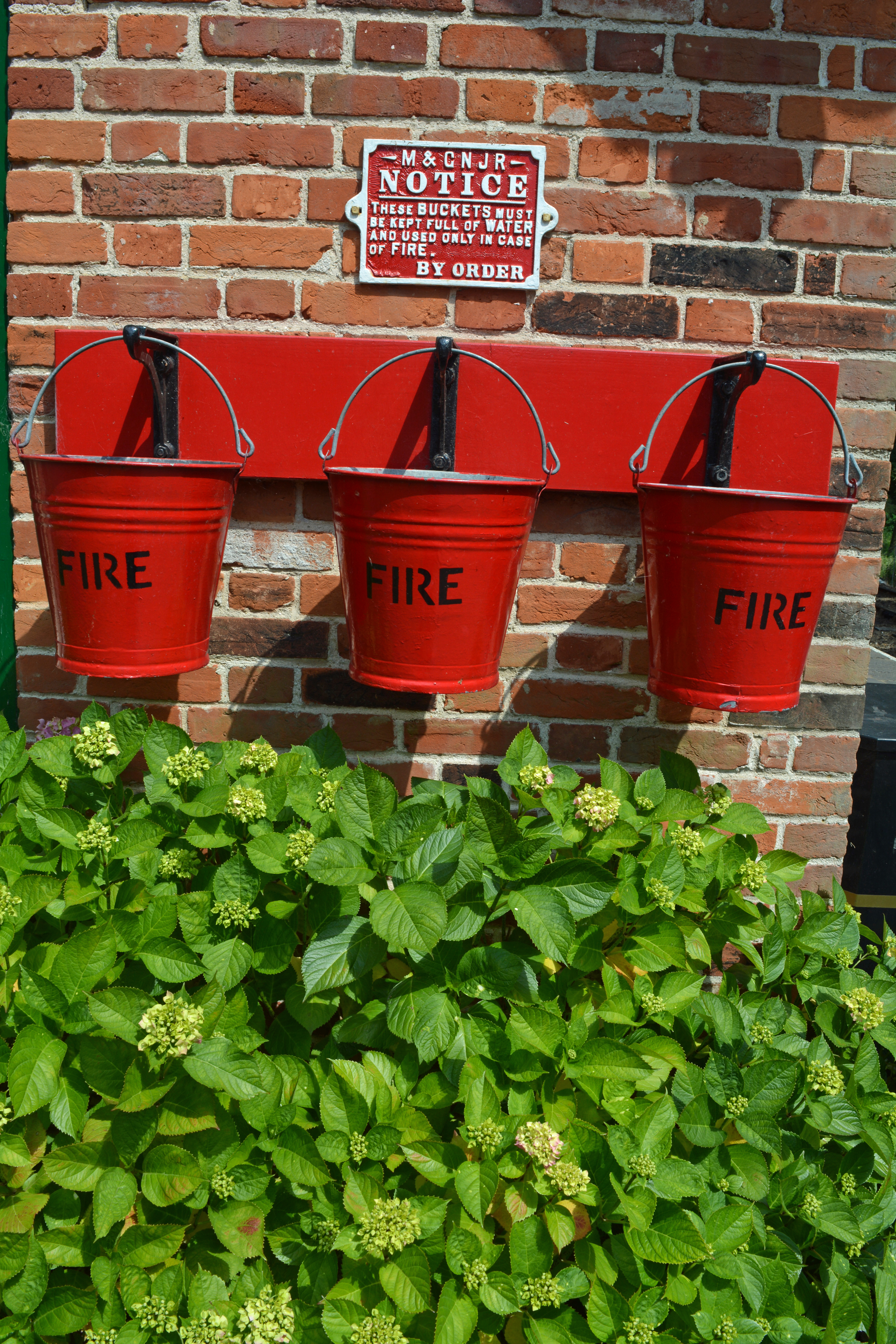
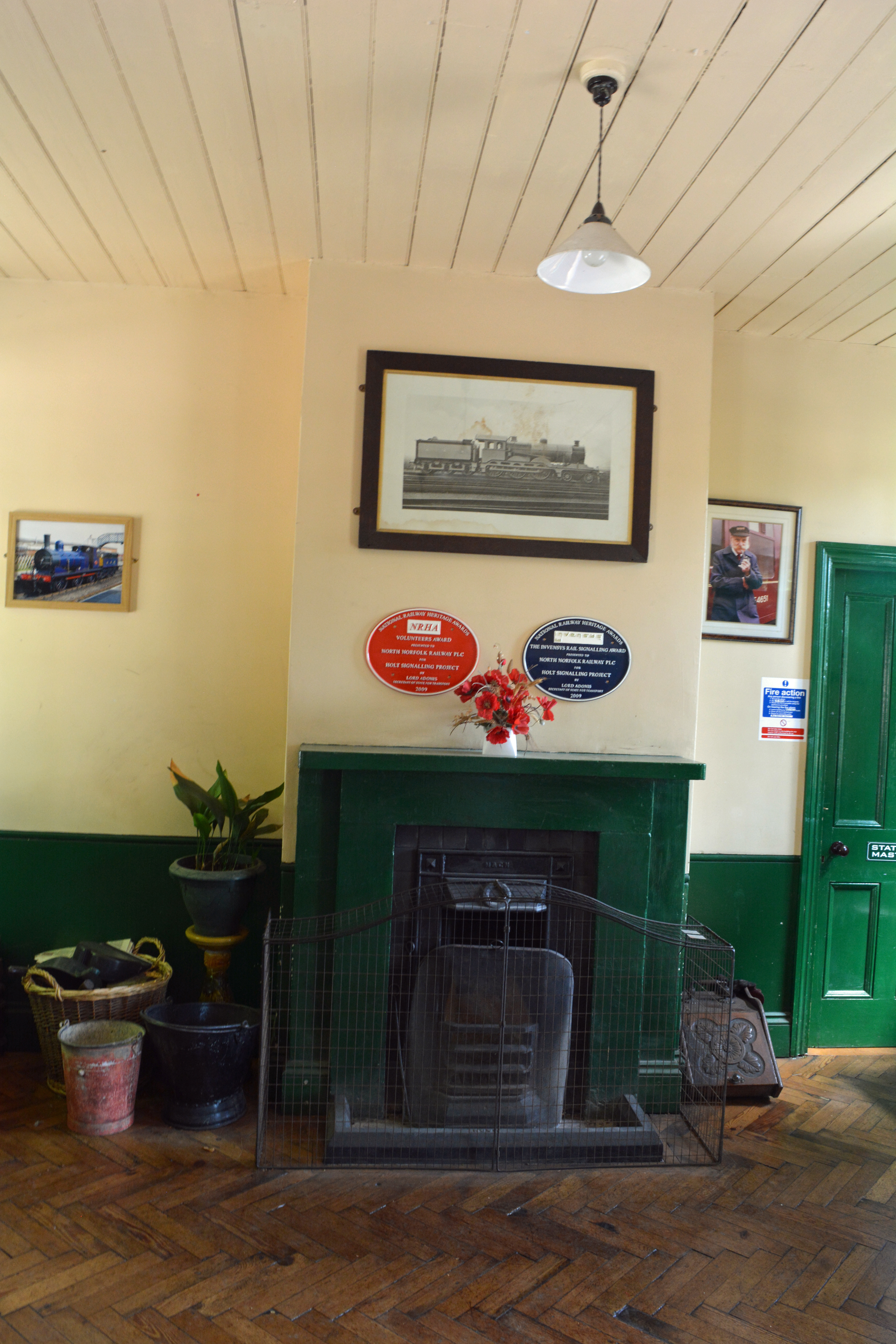

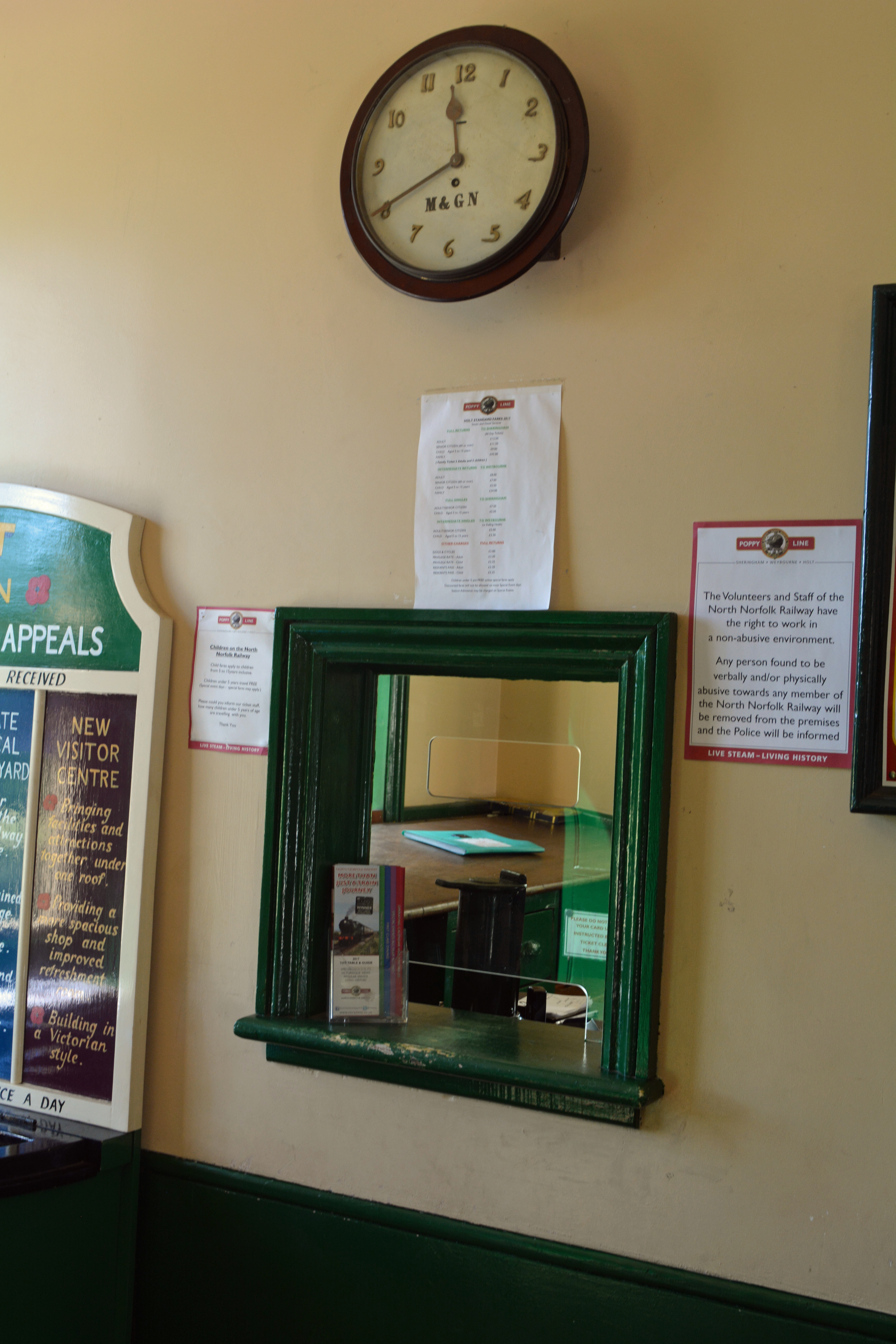

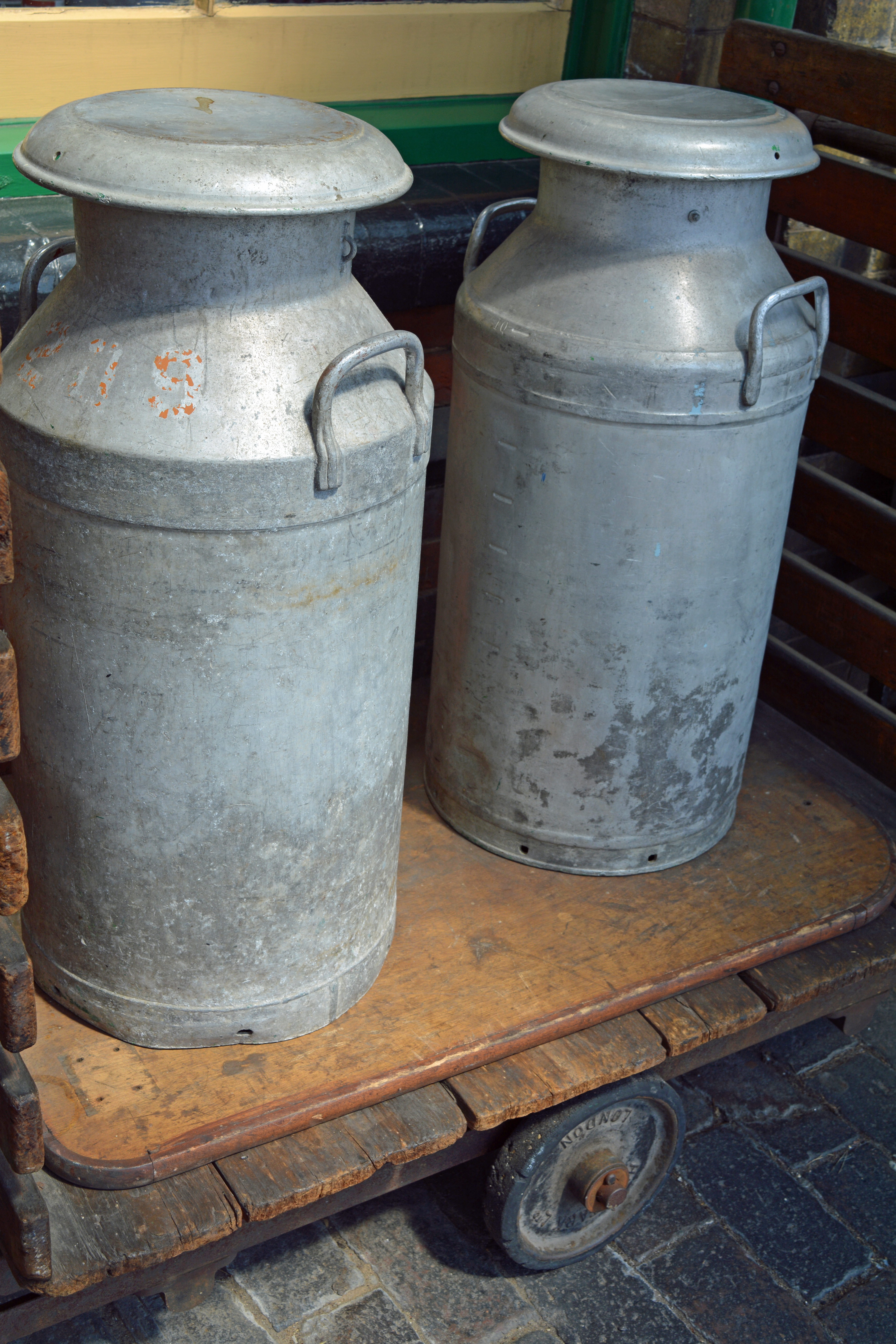

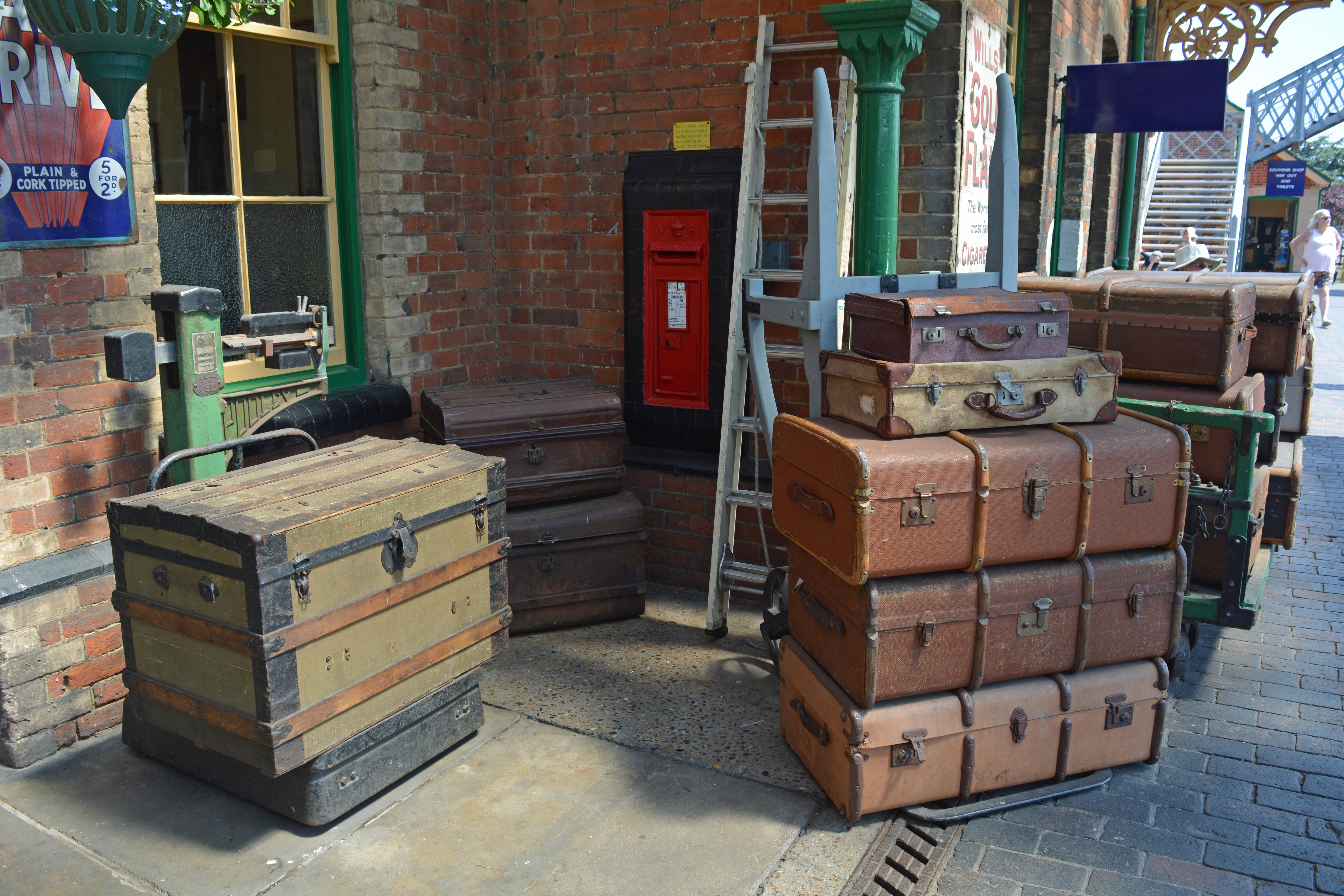
In the yard beyond the station buildings we discovered some old freight trucks and an old brown lorry, again beautifully restored.




While waiting for our train to arrive were disappointed that the first engine we spotted was a diesel. Luckily ours followed not long after, a shining green steam engine.





After a most enjoyable journey with sights, sounds and smells from times past we arrived at the seaside town of Sherringham where we spent the day. In our childhood travelling by steam train was a normal way of getting around so days like this bring back fond memories.
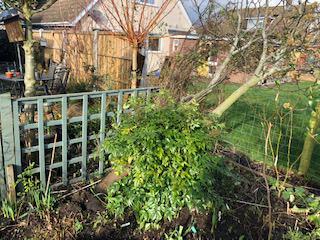
Two terrible storms hit the UK during February, both named storms – Storm Ciara and Dennis. We are always in the line of such storms and get battered by gale force winds and heavy precipitation, rain, hail, sleet and snow and both our house and our garden suffered badly. Our roof lost part of the ridge and a length of fascia board and in the garden we lost fence panels, a gate, trellises complete with their climbing plants and two rare specimen trees.
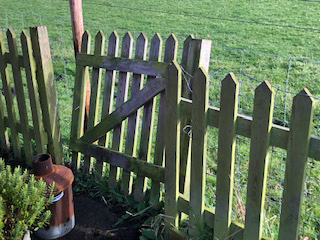
Our back gate was torn from its hinges and the fence either side is no longer fixed to many of its posts. It is held up be faith awaiting the next storm to finish it off. The right hand photo shows the mangled tangle of trellis that was a T-shaped structure which had a Clematis Bill MacKenzie, a bright yellow flowered ‘tangutica’ variety, and a honeysuckle, Lonicera periclymenum, our native honeysuckle also known as Old Man’s Beard. We had to prune so much growth out just to rescue the plants and dismantle the broken trellis.

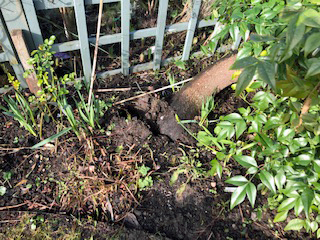
Our favourite tree was flattened but its roots remain in the ground – fingers crossed we may be able to rescue with the help of a woodsman friend. This is the second this has happened to this beautiful specimen of Cercis siliquastrum which delights with its pink spring flowers and later its ruby red pods. The right hand picture shows how most of the tree is now over the fence into the neighbouring garden.
The second beautiful unusual specimen tree to be blown over was our yellow-berried cotoneaster, Cotoneaster rothschildiana. We managed to get it back up and used tree ties to secure it against a larger tree stake, as seen in the left hand picture below.
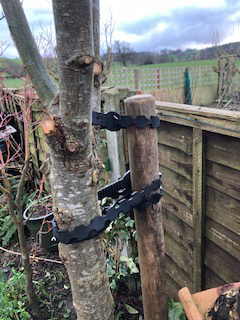
Sadly during the next storm it came out again and we had to put it back up and fix it with tree ties to two tree stakes.
Our recently acquired corten steel screens were blown backwards and are now all asquew, so we will have to refit them with tougher supports.


Every year in February we follow our usual walk around the grounds of Attingham Park, a National Trust property just a half hour drive away. What makes this February walk different is the thousands of snowdrops growing happily beneath beautiful mature trees.

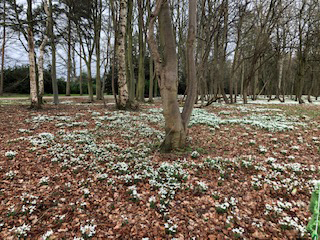
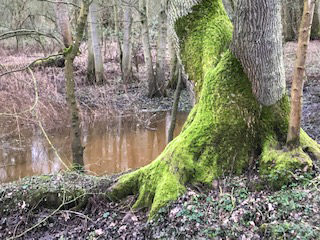
Another unusual aspect of our walk was the amount of standing water around, including flooding from the river that runs through the parkland.

An extra feature this year was a display put on by the local WI (Women’s Institute) all knitting and different forms of fabric craft. The pieces were displayed on the trees and on lengths of woolen yarn strung between trees and were created to highlight the plight of our planet, caused by climate change issues.

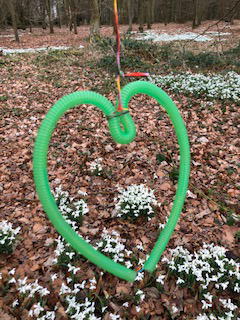
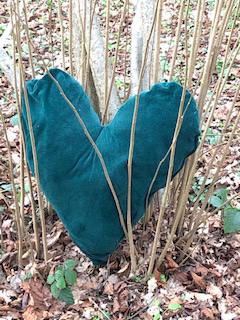


We particularly liked our first sighting of the signs of spring!

Okay, it’s February in this leap year so we will gain a day, and it is time for another visit to my garden journal. Weather has been interesting this month just because it has been so extreme and variable, wild and wet, with gales, hail, snow, sleet and rain!

On the first page I wrote,“February’s flowering plant of the month, Iris reticulata.” at the page top above a photograph of Iris reticulata ‘Cantab’ and two of my watercolour sketches of the same iris plus one called ‘George. I used Japanese brush pens.


Over the page I painted two Cyclamen growing in our Arabella Garden, which were planted as a clump of five small plants and have now become a lovely ground-hugging patch in shades of pink with a few whites. The foliage is as interesting as the flowers.
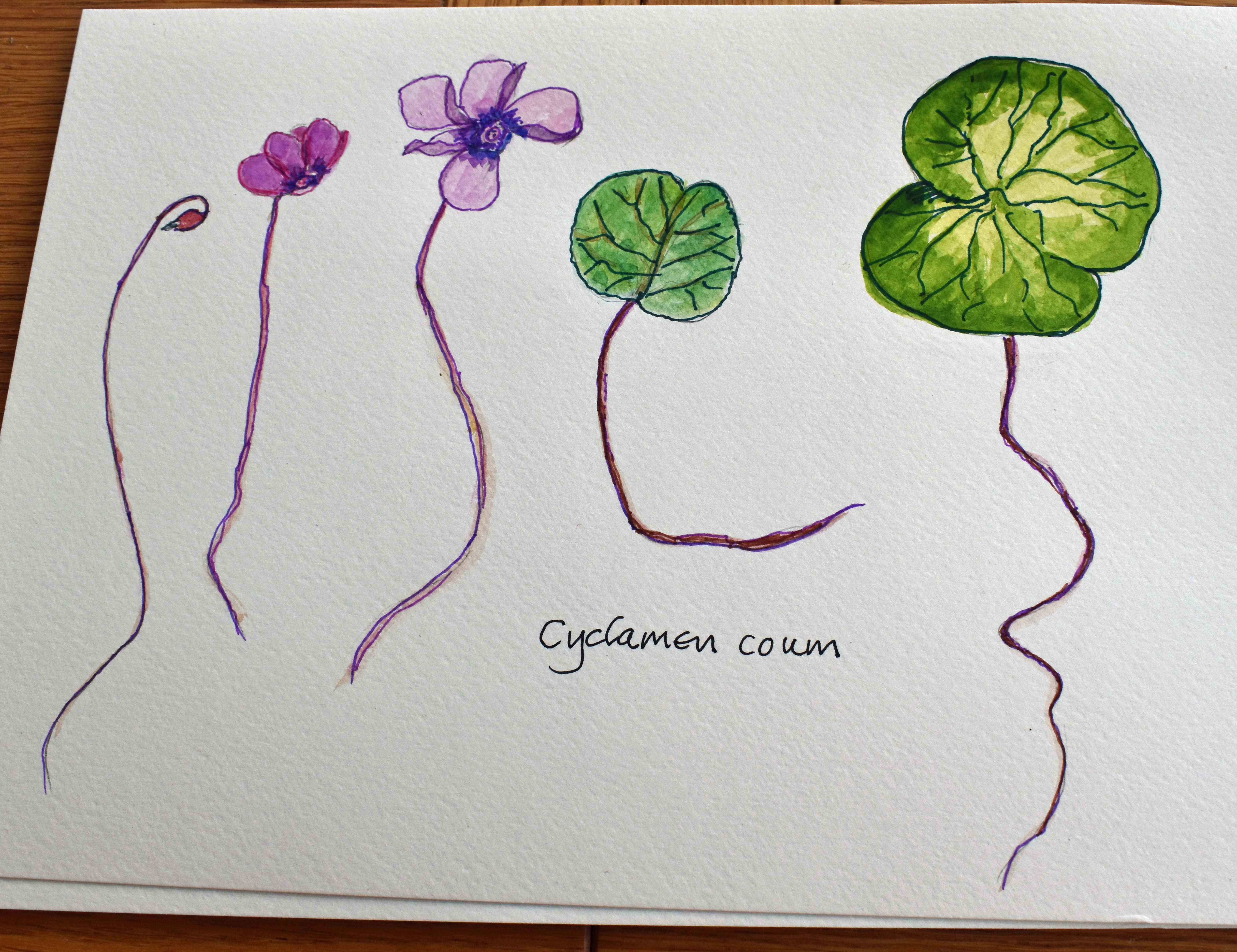


On the page opposite I feature a beautiful brown-bronze foliage evergreen shrub, my “Foliage plant of the month. Coprosma ‘Pacific Night!”


More sketches created using Japanese brush pens appear on the next page where I selected a few branches of some of my favourite Salix shrubs, willows, Salix daphnoides, Salix gracilistyla ‘Mount Aso’ and Salix gracilistyla ‘Melanostachys’. We love these for their unusually coloured catkins.
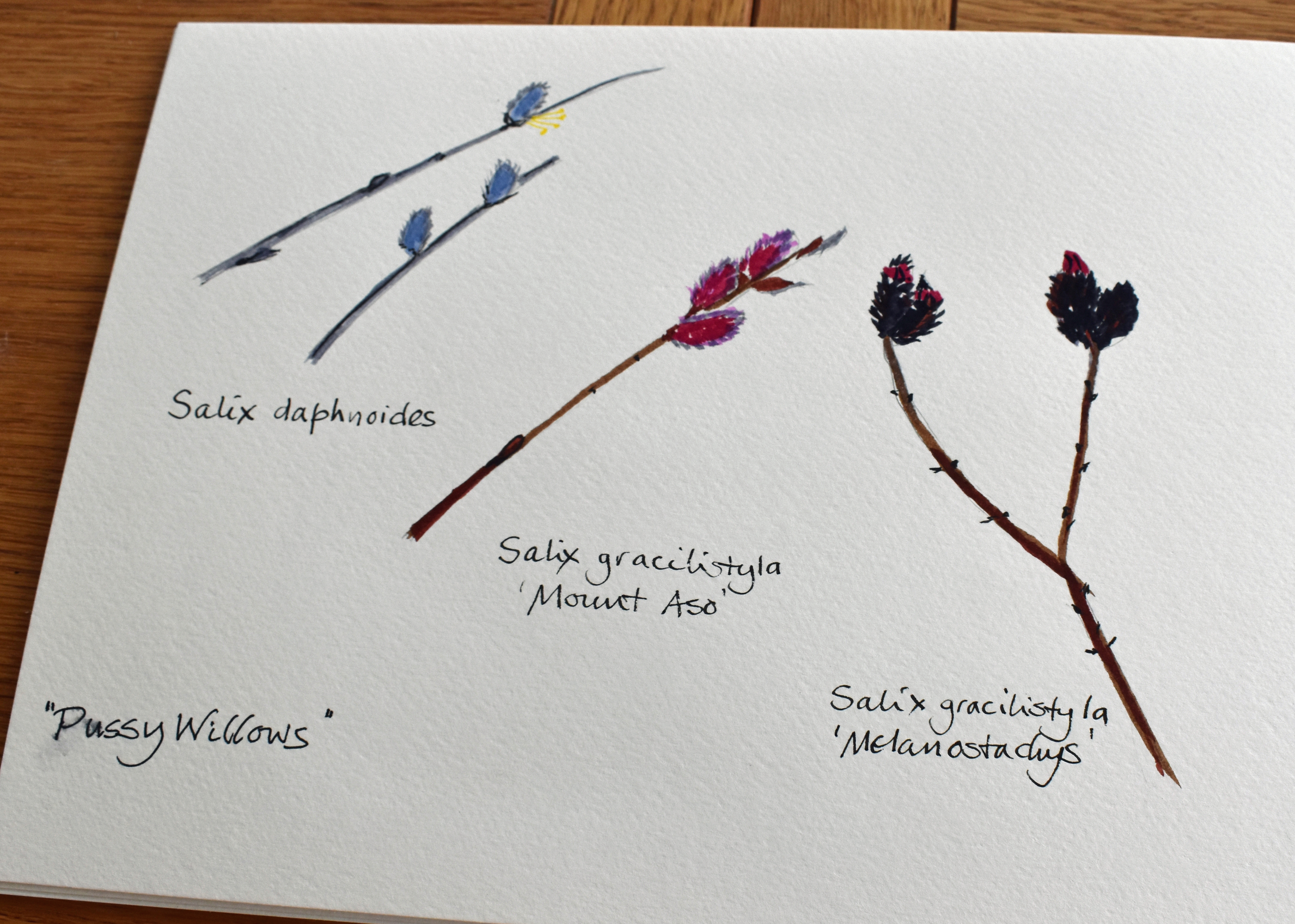
On the opposite page is my “Stem and bark plant of the month, Euonymus alata ‘Blade Runner’, so called because it sports long thin wings alongside each stem and these become a real feature in the winter months.

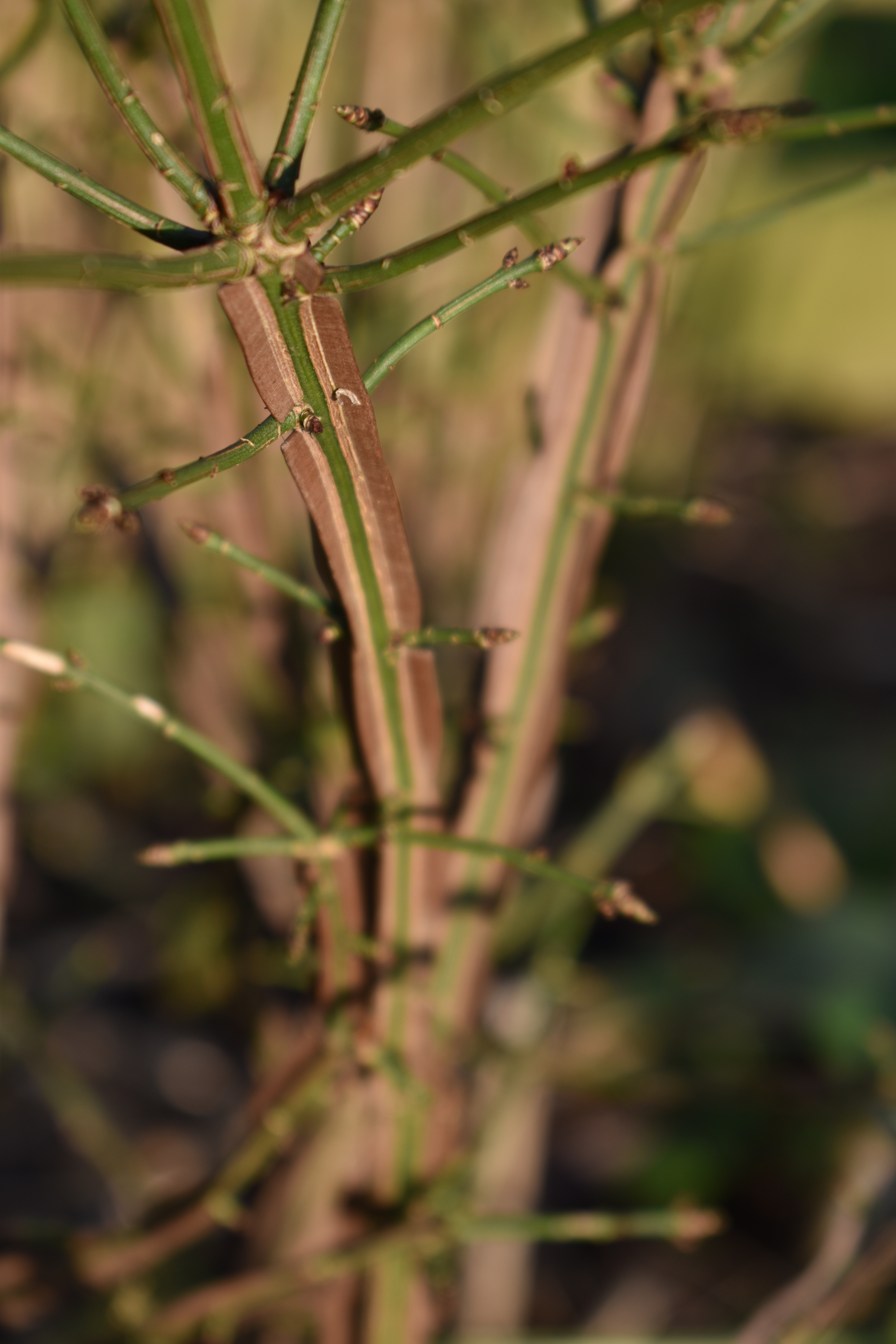

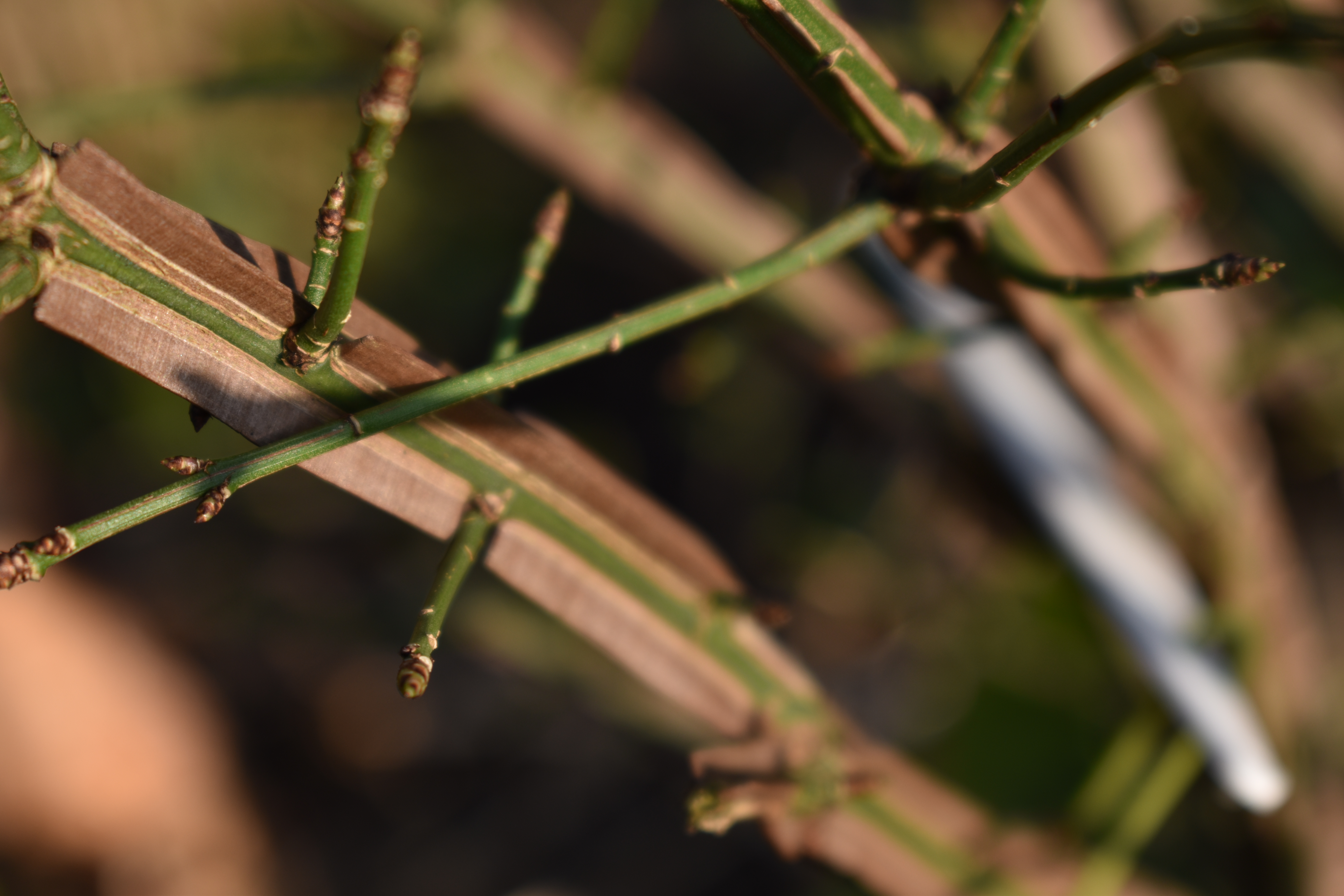
I finished off my February journal entries with a double page spread of photogrsaphs illustrating our “Gardening tasks for February”.

These tasks included pruning hydrangeas, pollarding our contorted willow, attempting to repair a leak that has appeared in our wildlife pond and beginning the time-consuming task of adding a 2 inch layer of organic compost as a mulch over every border. The most fiddly job was trying to repair our woven willow fence panel that the wild dog from next door decided to break through and create a hole right through.
We also began to create a new water feature for our front garden, a large fibreglass bowl finished in a granite effect ready to become a miniature water feature. We took up a square of turf up and filled the area with a few inches of gravel to sit the bowl in. We now wait until the right time to plant suitable plants.
So that is my February entries for my 2020 Garden Journal. In next month we might be able to report a few early signs of spring.
A Vegetarian | Nature Lifestyle Blog
.....and nurturing my soul
Journeys In St. Louis Gardening and Beyond
Consult the genius of the place
A blog full of humorous and poignant observations.
Notes from a wildlife-friendly cottage garden
...an emerging social science
'The most important and informative publication on wildlife of our times' - The Independent. This blog is a member of The UK & Ireland Natural History Bloggers group: www.uknhb.blogspot.com
Inspire - Cultivate - Grow Native Plants - Restore Landscapes
To create and protect a semi-natural wild space for the people of Farnham to enjoy and experience an array of British wildlife in our town
The www.gardeningwithchildren.co.uk Blog
birding through the seasons, why birds matter and how to conserve them
with a camera in hand
Transform your outdoor space
My allotment, cooking and other interests
my gardening life through the year
Trying to live a creative life
trying to live as lightly as possible on our beautiful planet
Nature lovers from Leicester living the good life.
Finding the beautiful in the everyday
Michelle's Allotment
thoughts from and about my garden
Big plans for a small garden
A Walled Country Garden in South East Scotland
Life at the fruity chicken
Off grid living. Self sufficient. "PERMAGANICS RULE".
Nottingham's Grade 2* Listed Allotments and Community Orchard
a journey in suburban vegetable gardening
The madness of growing your own
A novel approach to vegetable gardening
Sustainable living in the Irish countryside.
Master Gardener, amateur photographer, quilter, NH native, and sometimes SC snowbird
Recent work and work in progress and anything else that interests me
a chaotic cottage gardener
a weekly blog that creates a personal philosophy through photographs and words
Stories from a sassy and classy Southern farmbelle.
Simple Organic Gardening & Seasonal Living
turning dirt into dinner
today the world is created anew
Notes from a Devon garden
Life Through The Lens
A photography blog showcasing the best photography pictures and videos on the internet
Just another WordPress.com site
personal observations from the natural world as the search continues for a new approach to conservation.
The Wonders of Life through my Eyes, my Heart, my Soul
 greenbenchramblings