For our second Hardy Plant Society mini-group visit for this year we drove just 5 miles to a nearby village, Hanwood. A dozen or so members visited another garden of fellow members Richard and Mavis. This was the first time we had visited their patch so we looked forward to surprises.
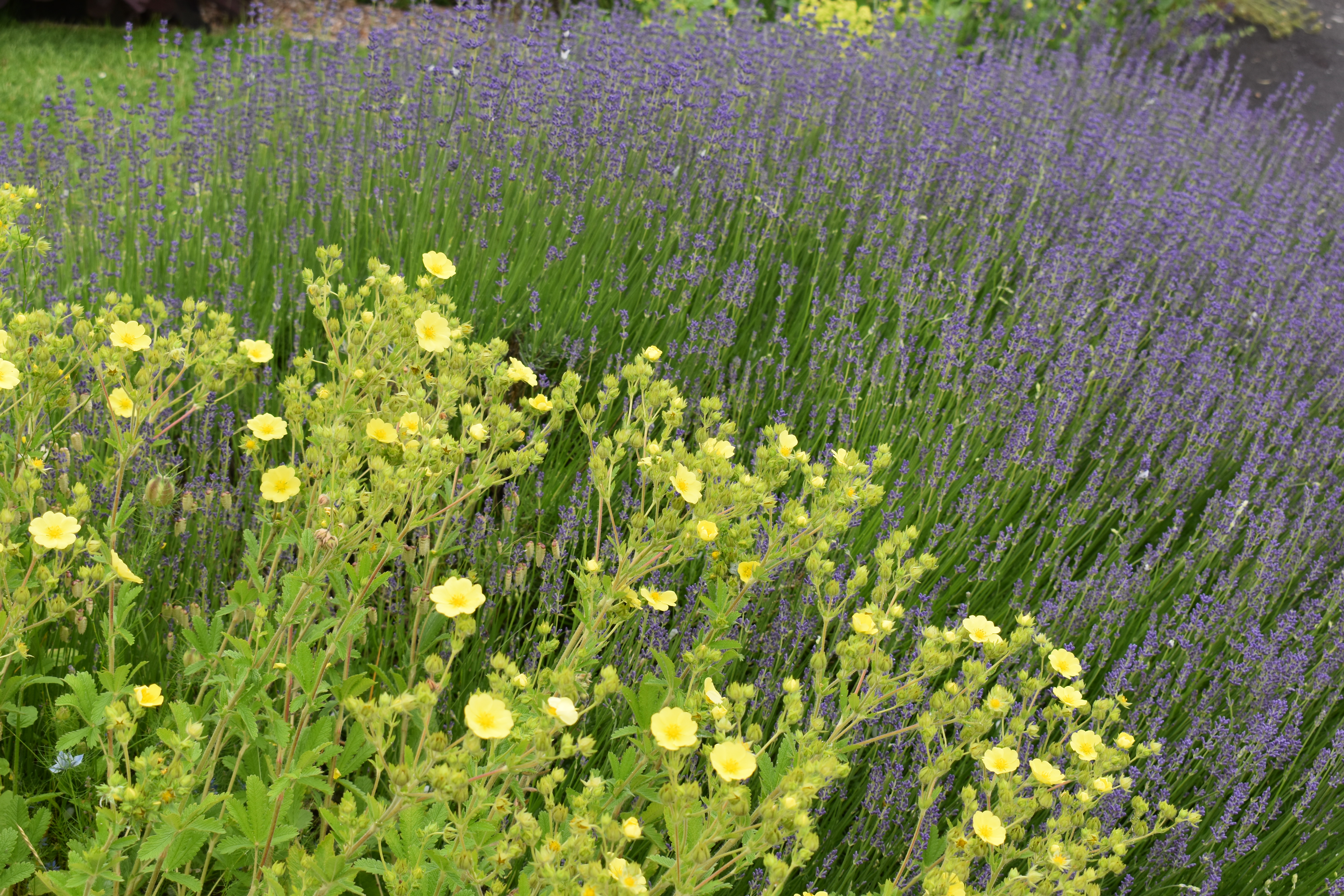
This lovely combination of potentilla and lavender greeted us as we walked into the front garden. Nearby a similar effect was achieved with a combination of lavender and Alchemilla mollis.
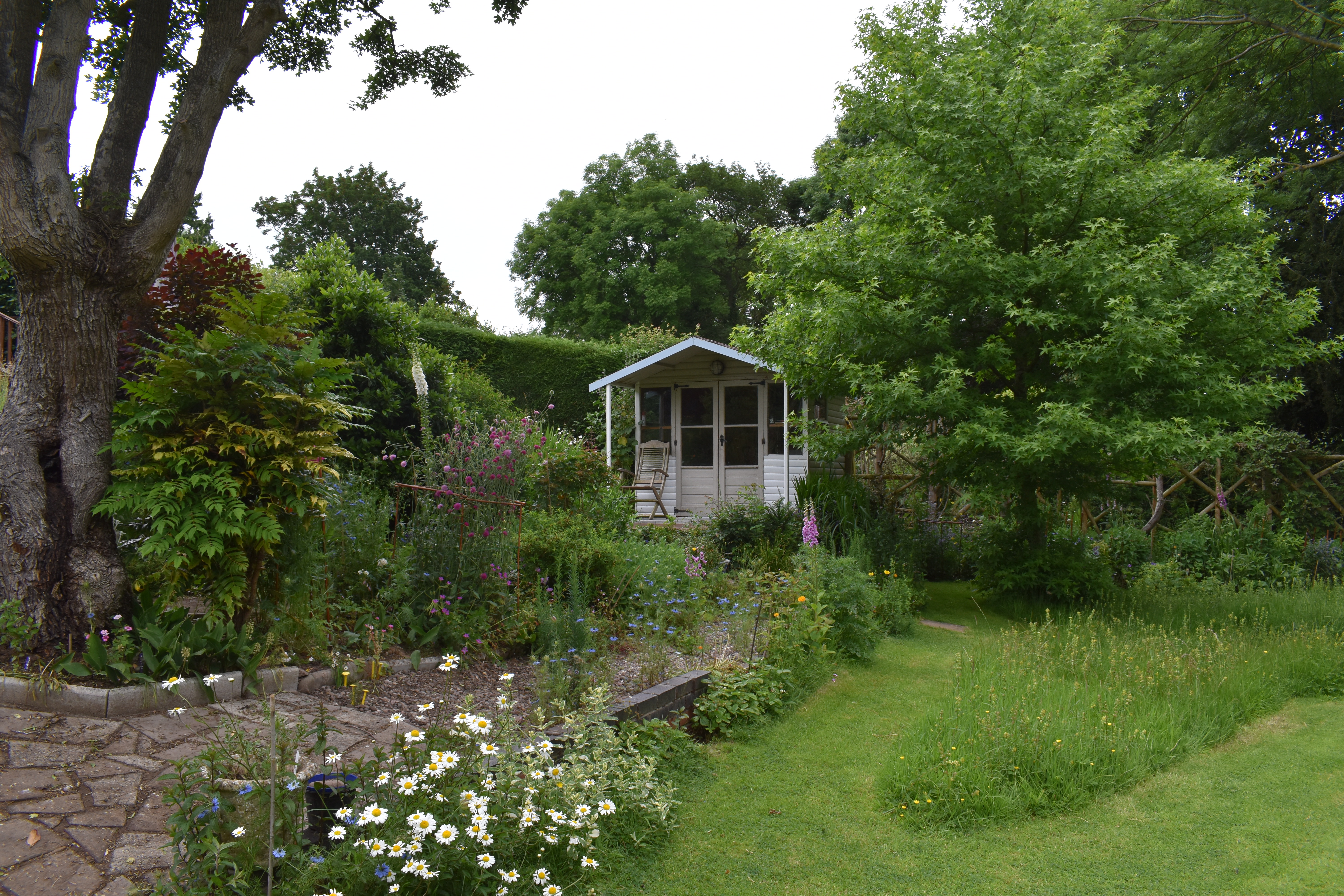
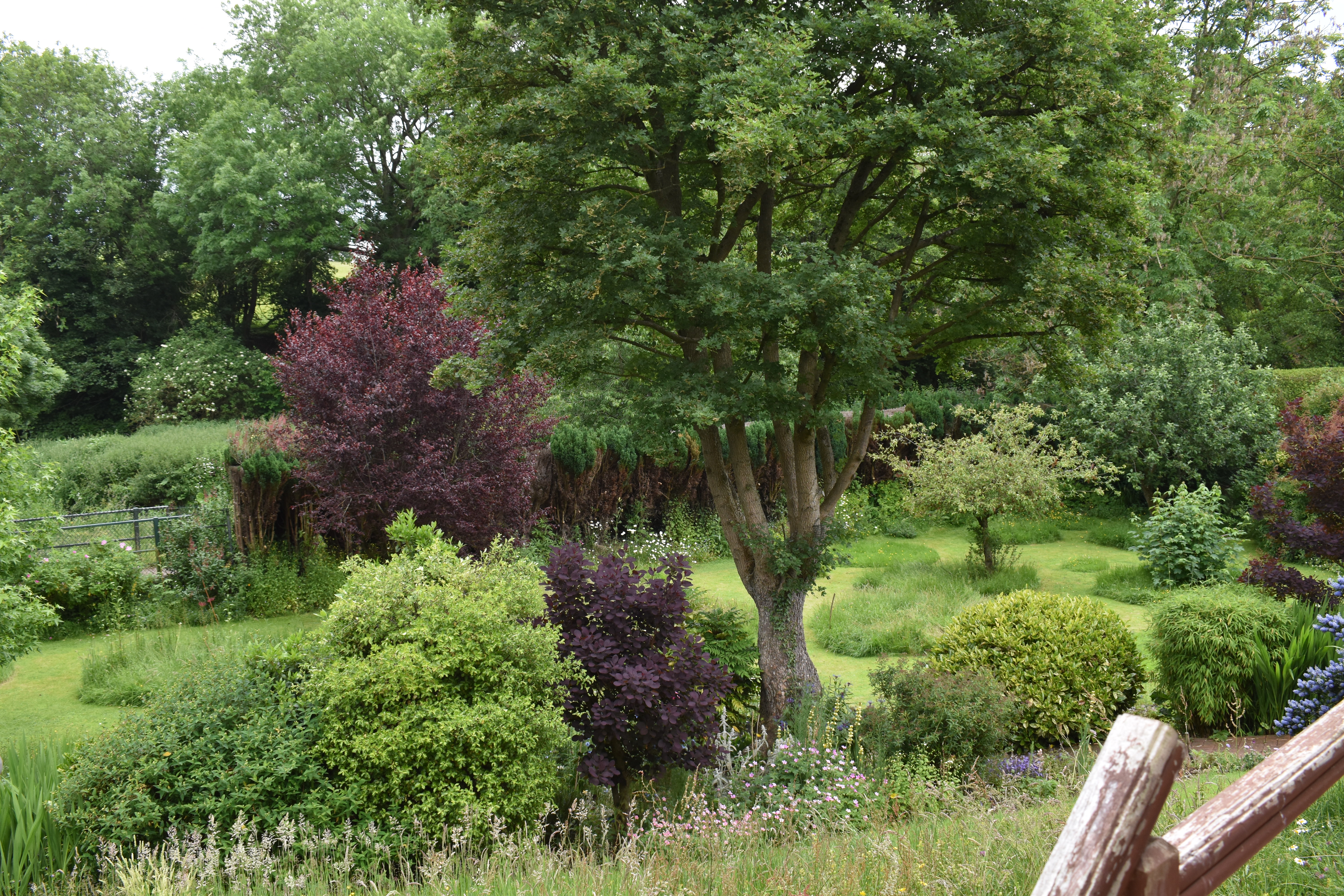
We soon realised that this was a garden that achieved a balance between aesthetics and attractiveness to wildlife. It felt so welcoming and peaceful, made even more so by its outlook.The land sloped down to the Rea Brook a small river inhabited by brown trout, grayling and chub.
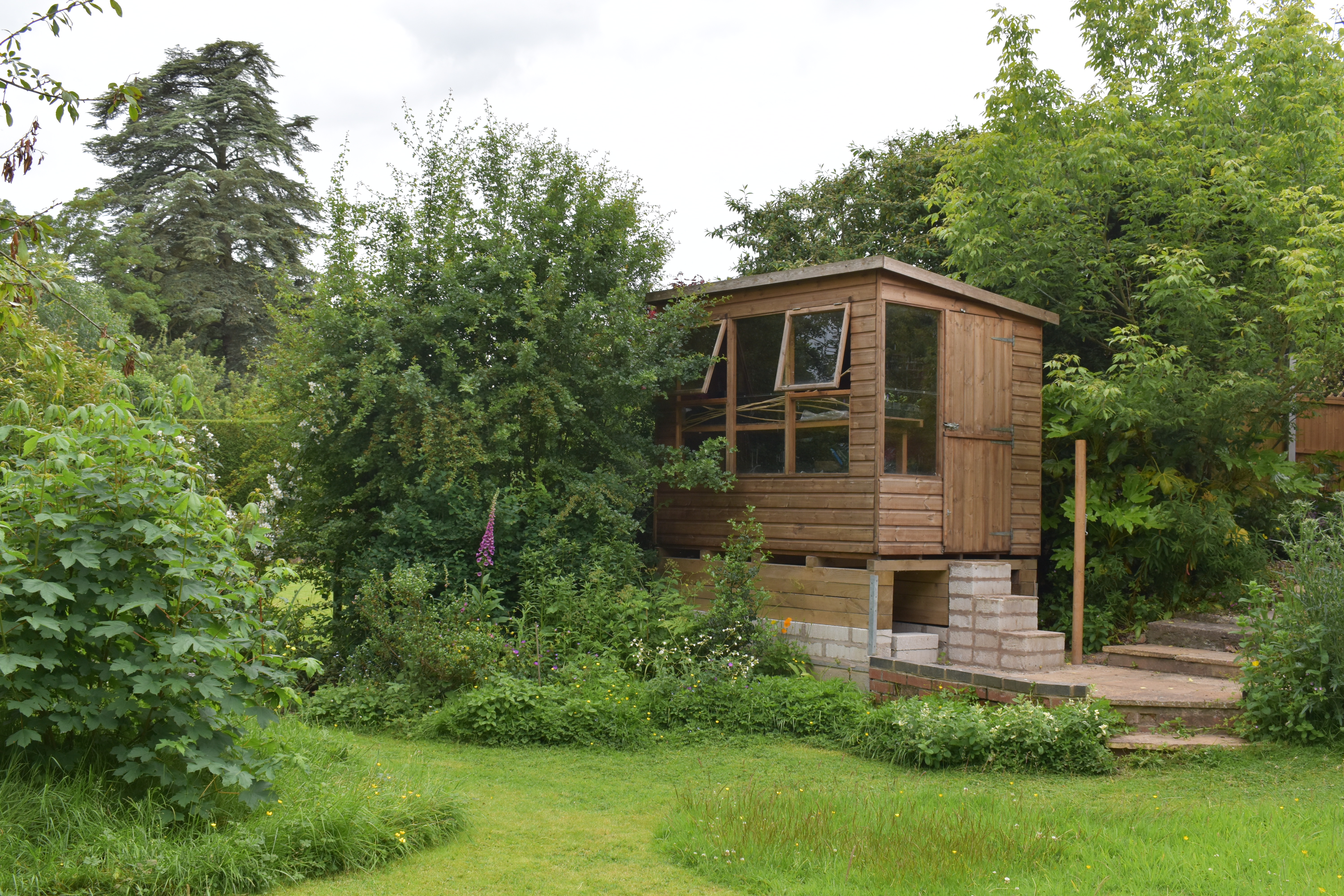
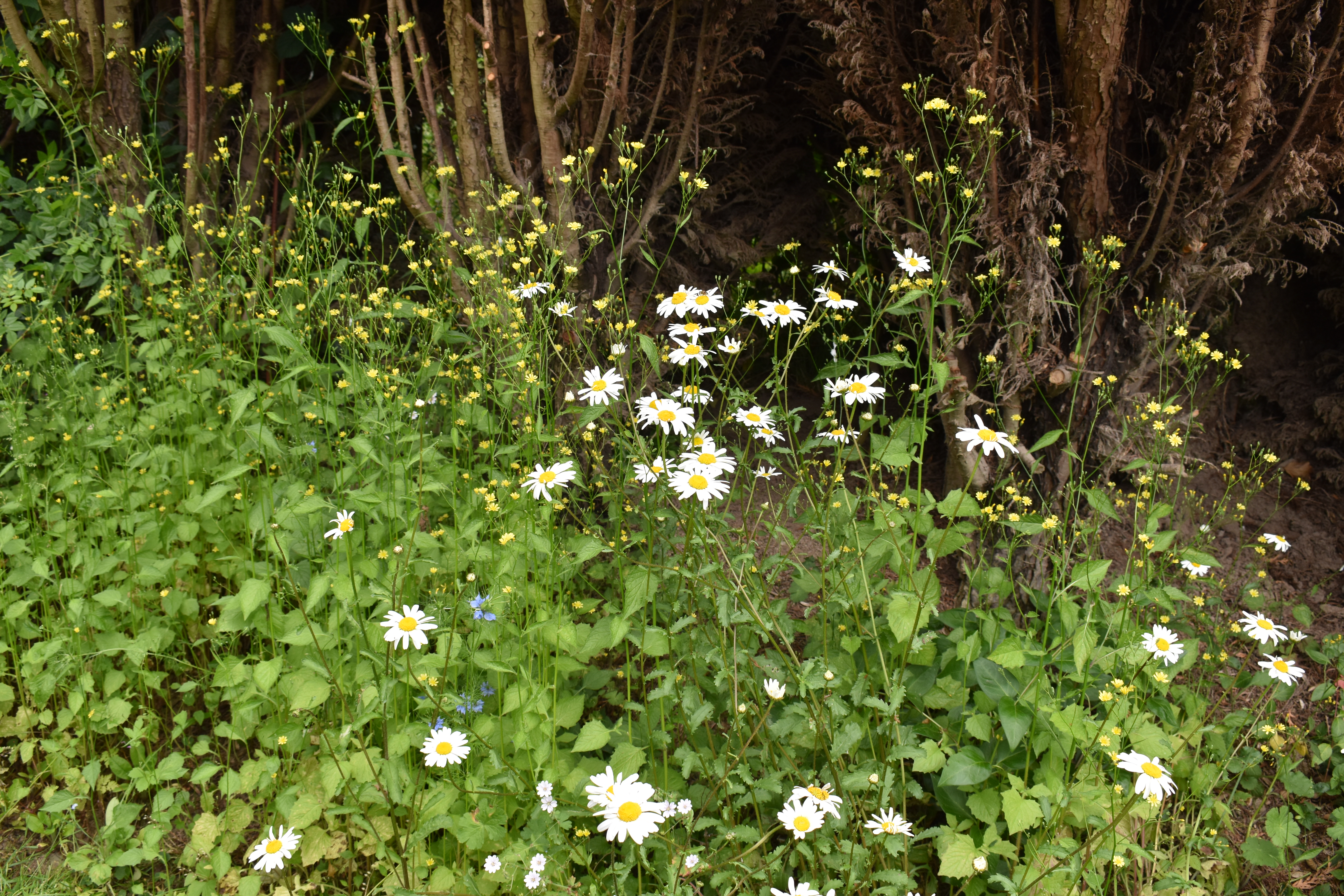
The lower garden featured island beds of wildflower meadow planting, each with a different set of grasses and flowering plants. This area regularly floods, so much that the potting shed is raised high above ground level.
We ended our afternoon enjoyment of this absorbing garden with coffee and cakes on the terrace which overlooked the lower garden and the natural area around the brook.
We have visited the arboretum at Arley on the banks of the River Severn several times over the years as it is our local arboretum, but we had never explored it in May. Thus, when the easing of lockdown rules happened, we arranged to meet our sister Penny and brother-in-law Tony at coffee time in readiness for an enjoyable wander along the pathways between and beneath the trees.
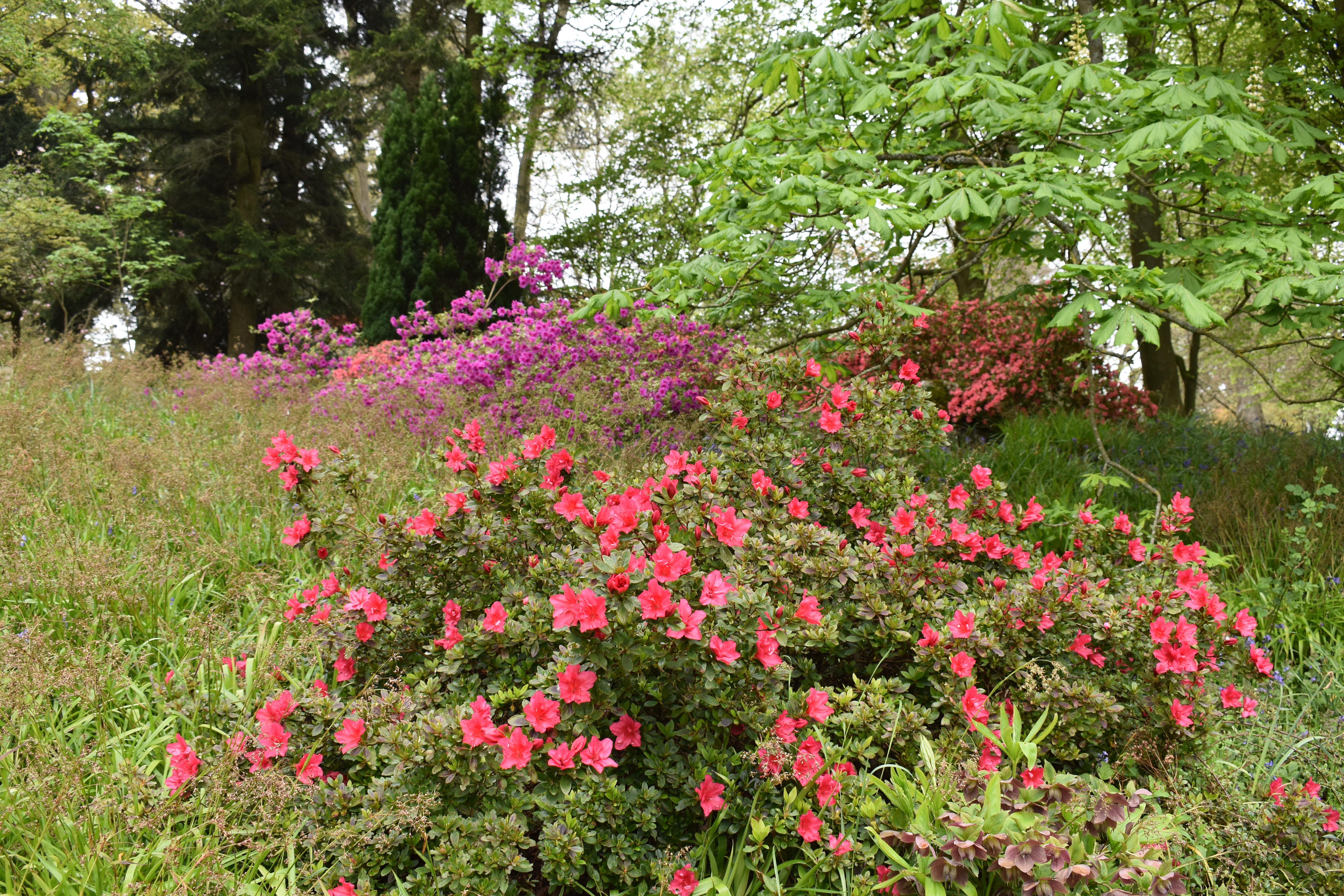
Just a few minutes into our walk brightly coloured azaleas and rhododendrons gave us a lively patch of colour beneath tall mature trees.
These subtle two-toned yellow and white daffodils reminded us it was really still spring. We wandered along the path at the edge of the arboretum as it skirted the Severn Valley where we heard the sounds of the vintage railway and saw early diesel engines pulling their rows of vintage carriages following on along the valley side.
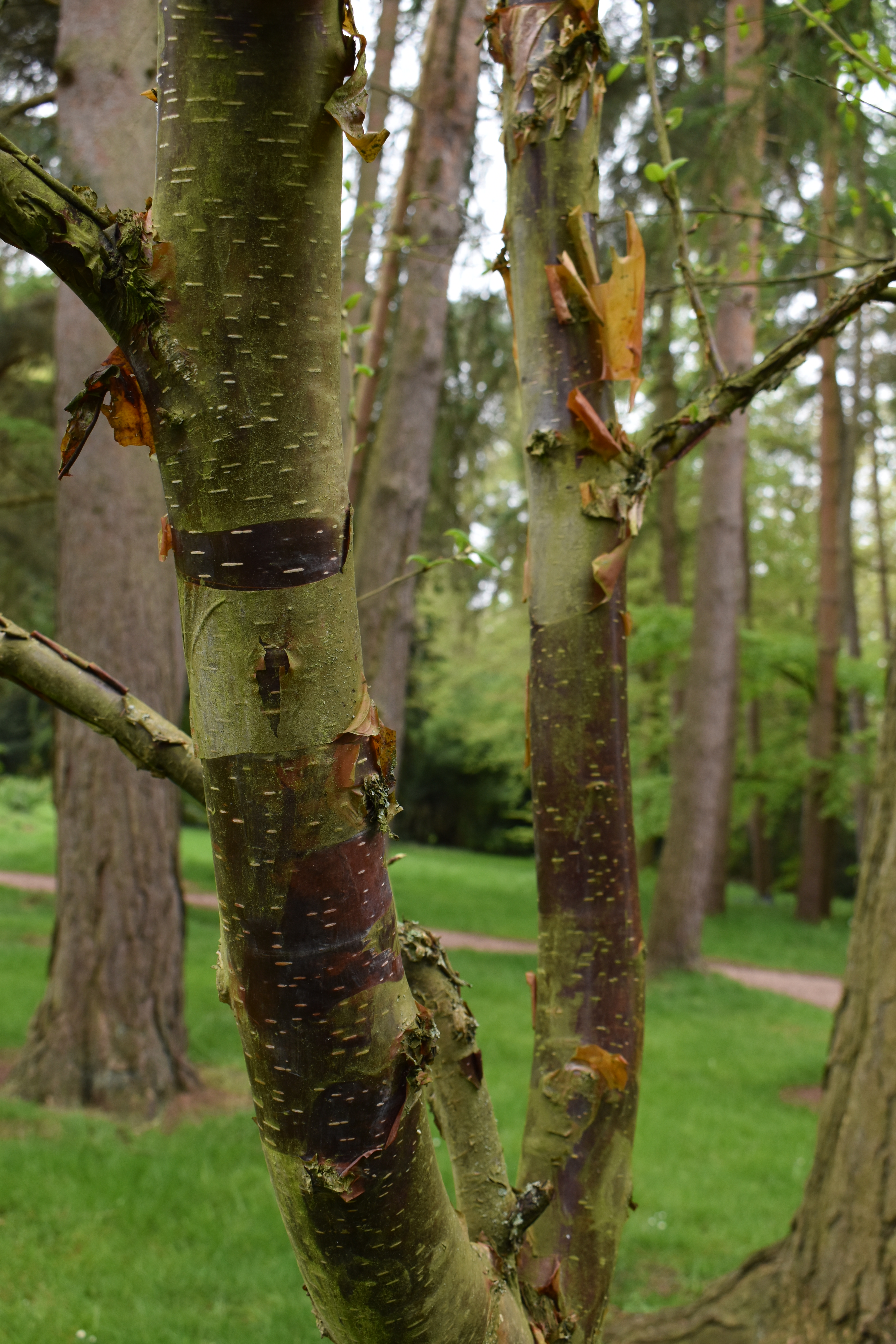
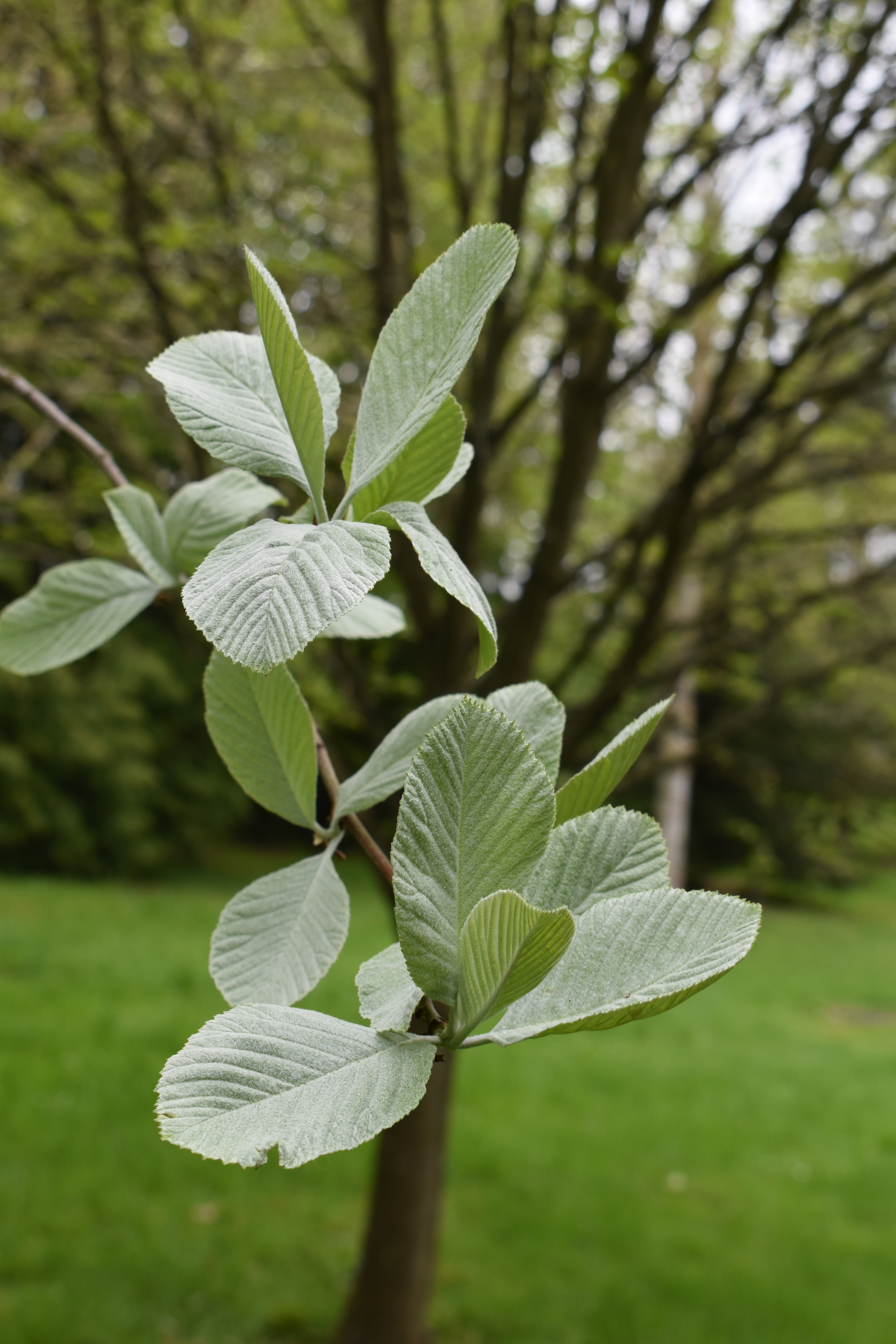
This darkly barked betula was a strong contrast to a nearby whitebeam. We saw the bright white bracts of Cornus kousa Eddies White wonder from a distance and wandered over for a close look – so beautiful.
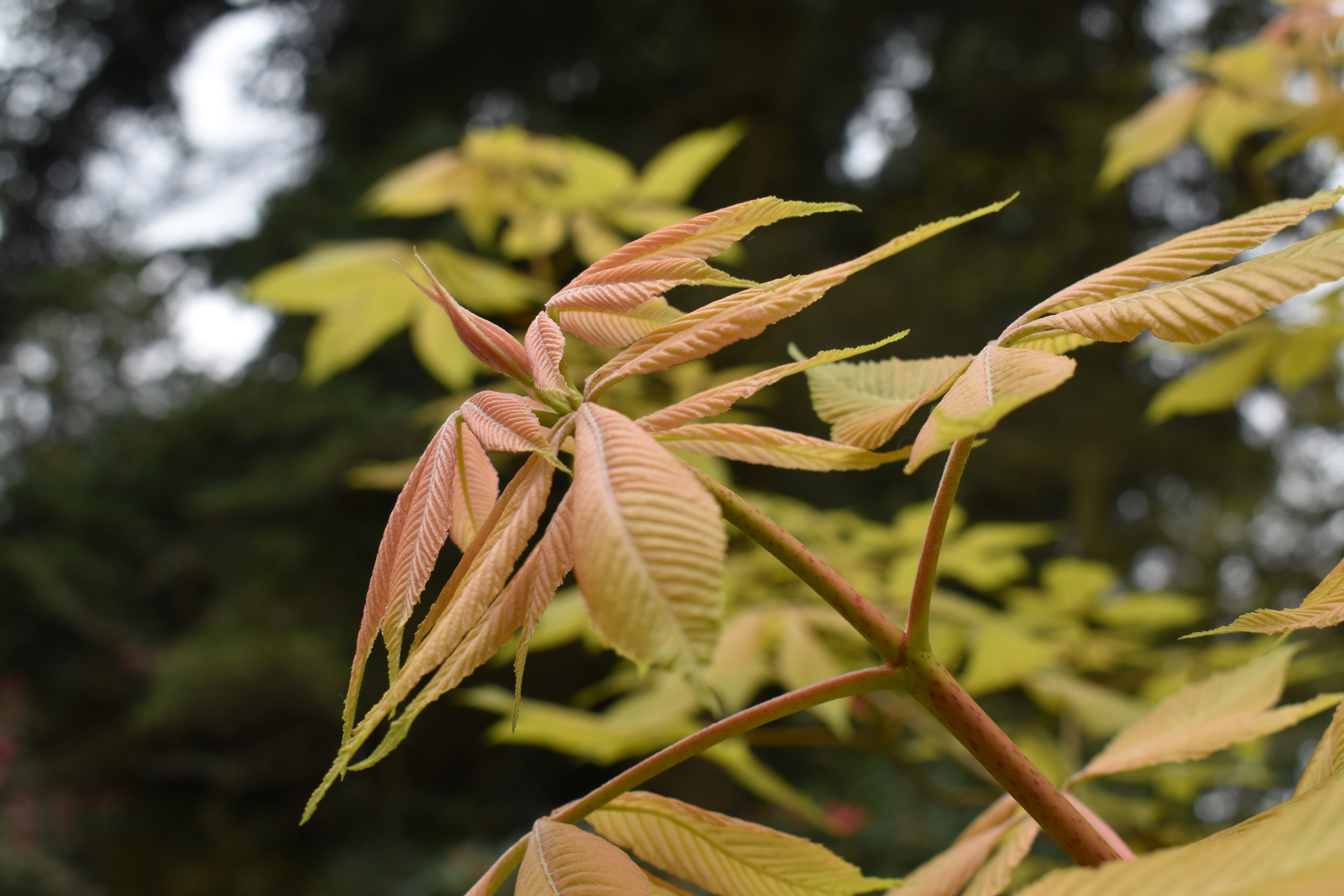
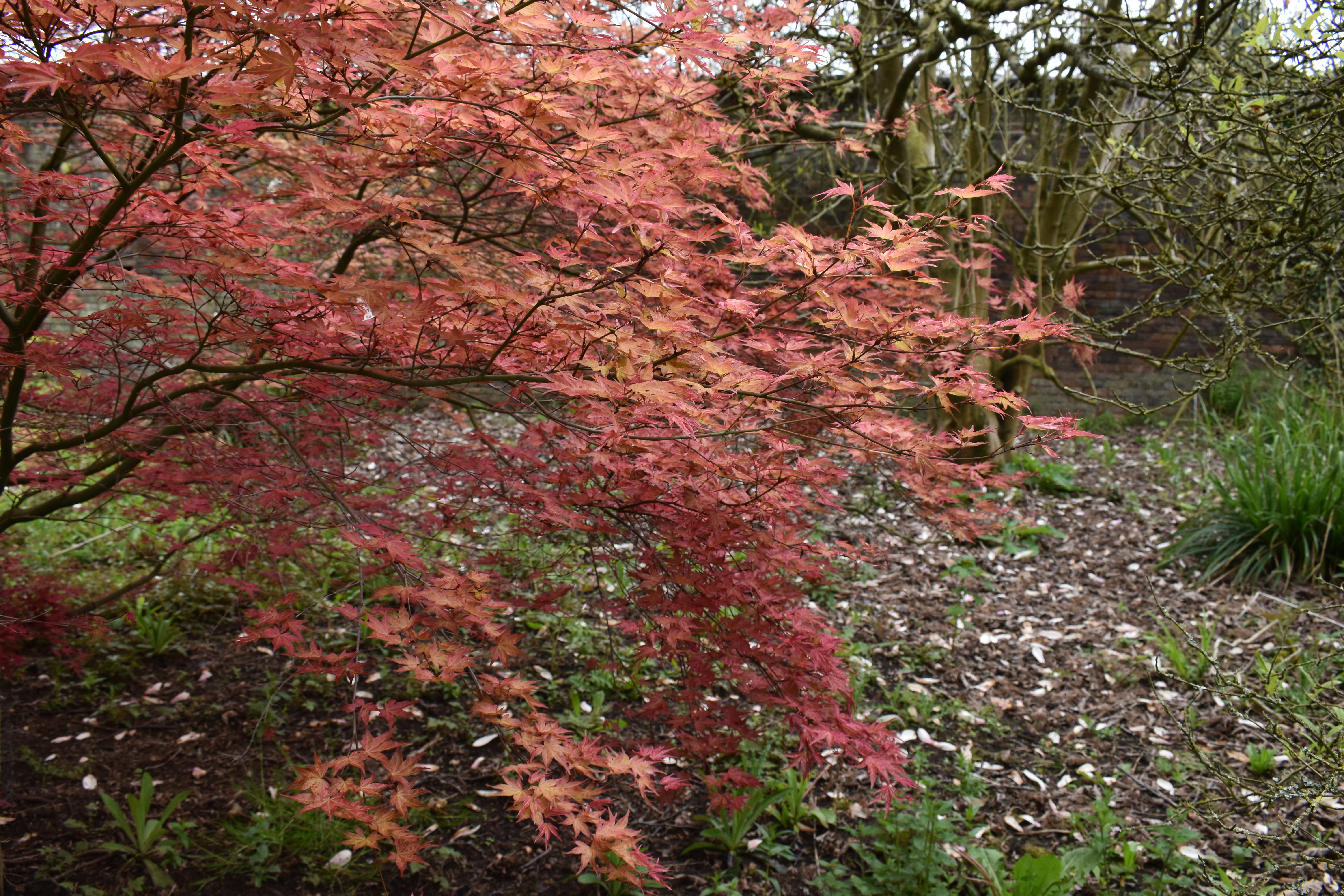
The spring colour of the fresh foliage of Acer brilliantissima gave little brightness to the dull day.
We left the main arboretum plantings and entered the more formal areas consisting of colourful mixed borders.
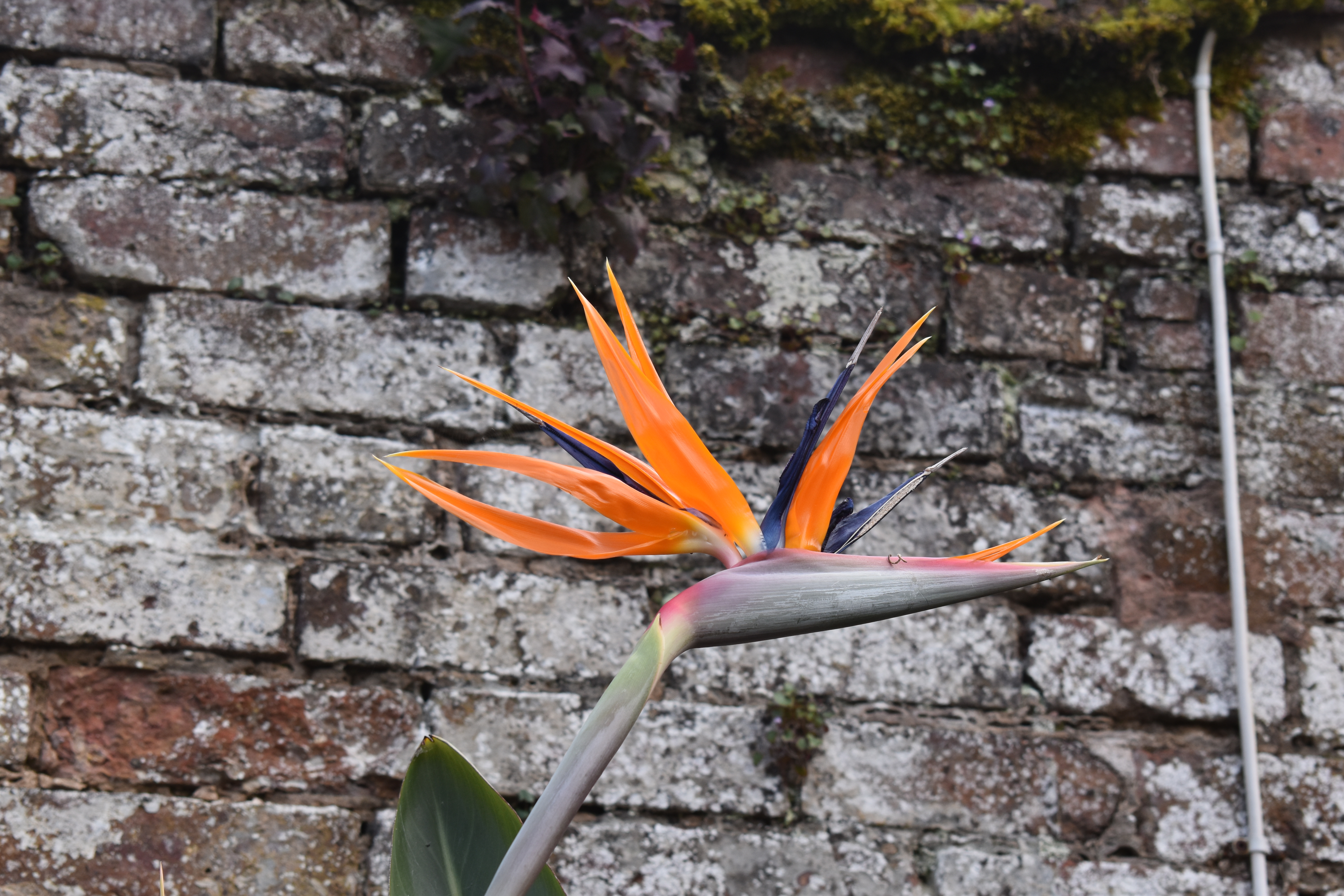
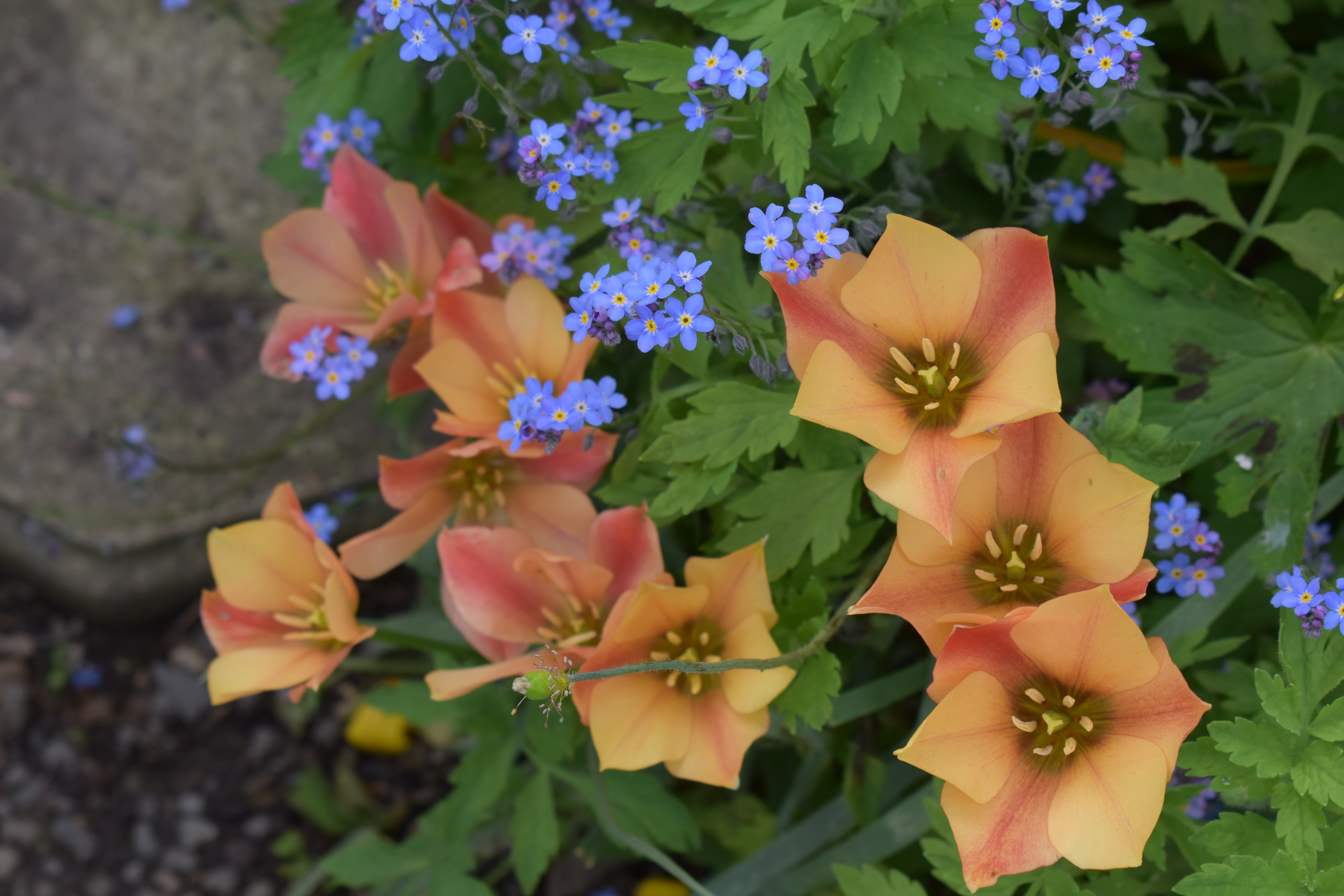
Back near the cafe polytunnels were home to more delicate plants, aeoniums, pelargoniums and echeveria. This oriental bloom livened up an old brick wall and deserved a close up look. We had a very colourful end to our tree orientated day.
This year seems to be going so quickly with the complications of changing Covid complications and such mixed up seasons.
Rapidly changing weather patterns have confused the garden with the plants and the wildlife being confused and impossible for us to predict.
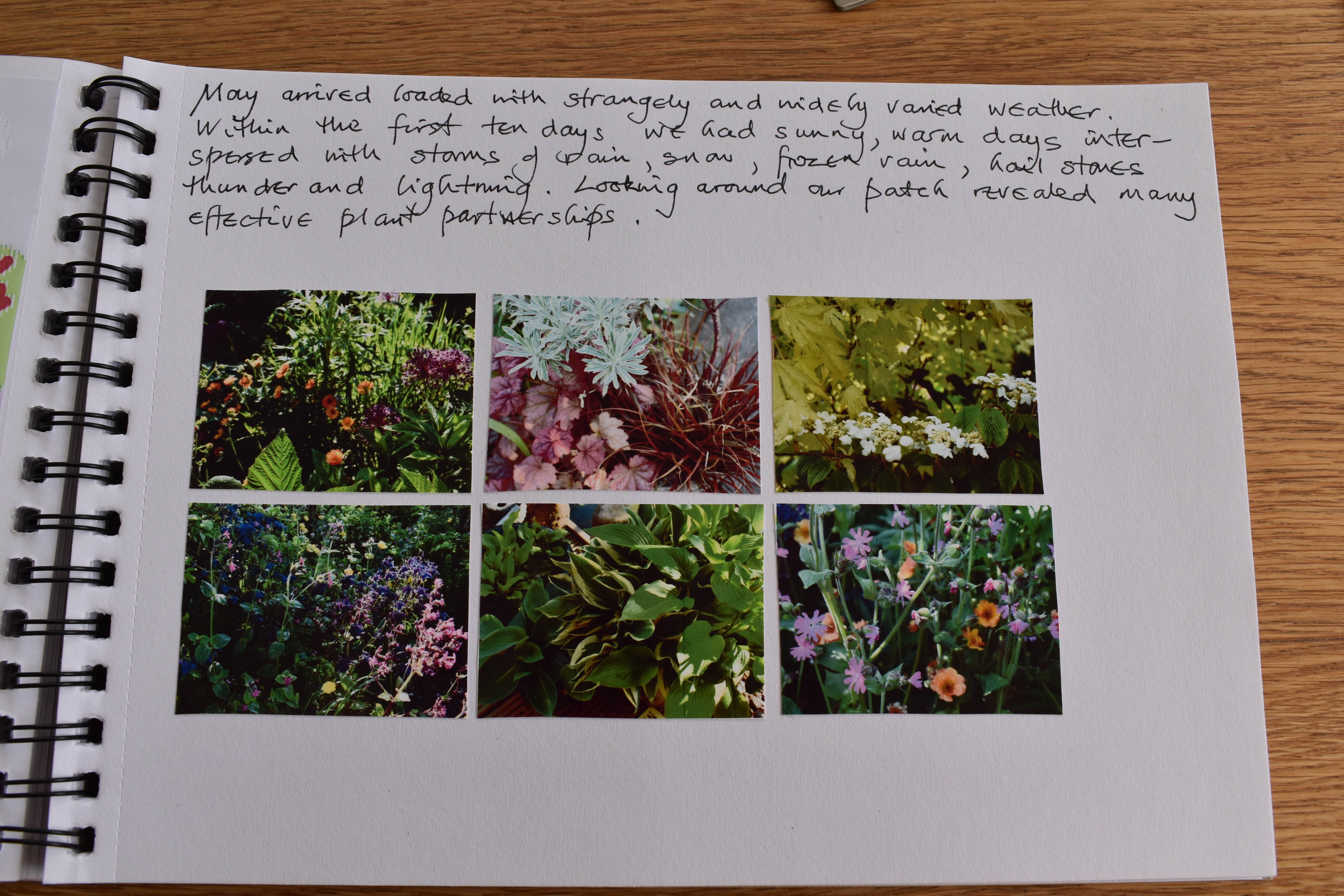
I began my May entries into my garden journal by writing, “May arrived loaded with strange and widely varied weather. Within the first ten days we had experienced sunny warm days interspersed with storms of rain, snow, frozen rain, hail stones and thunder and lightning.”
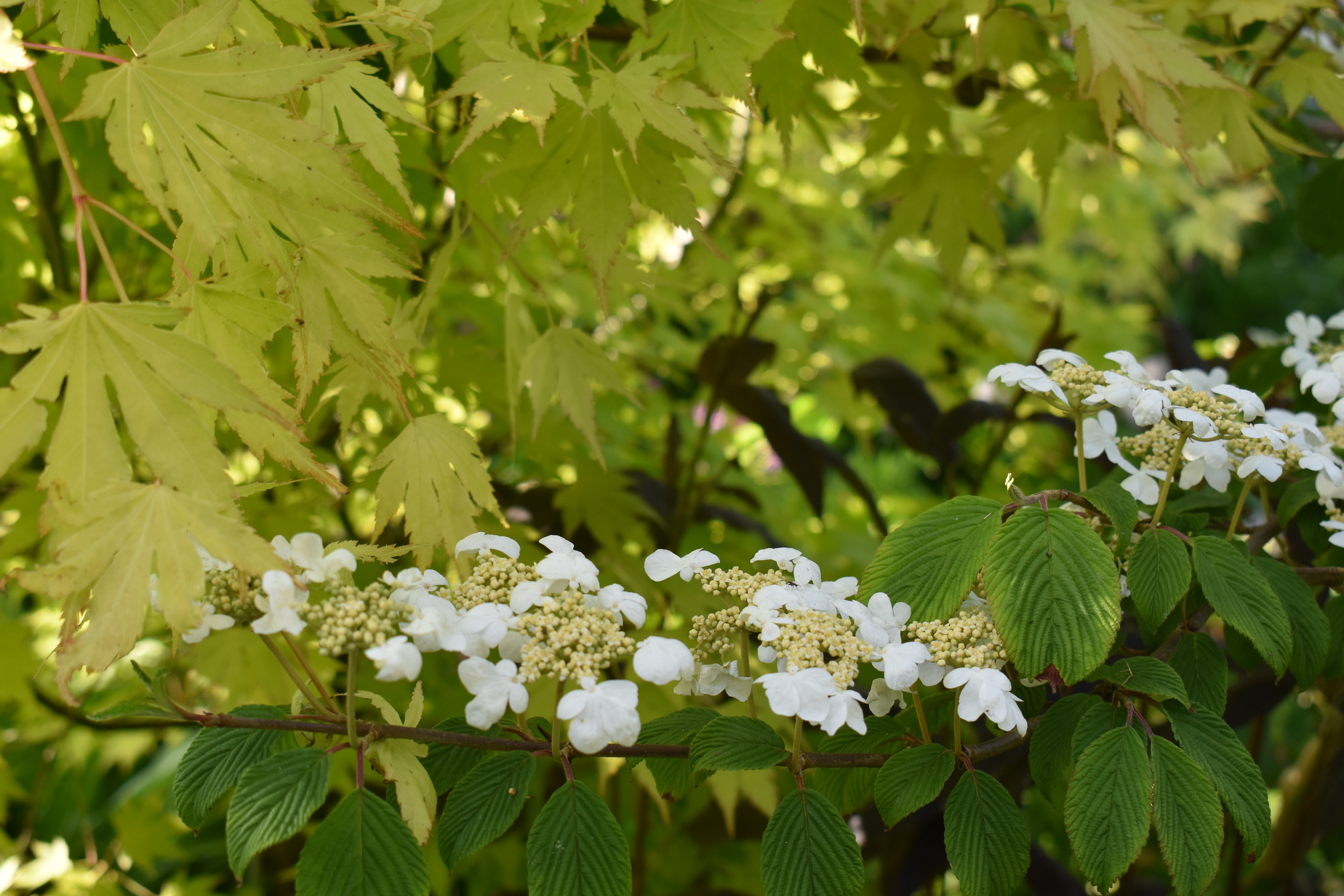
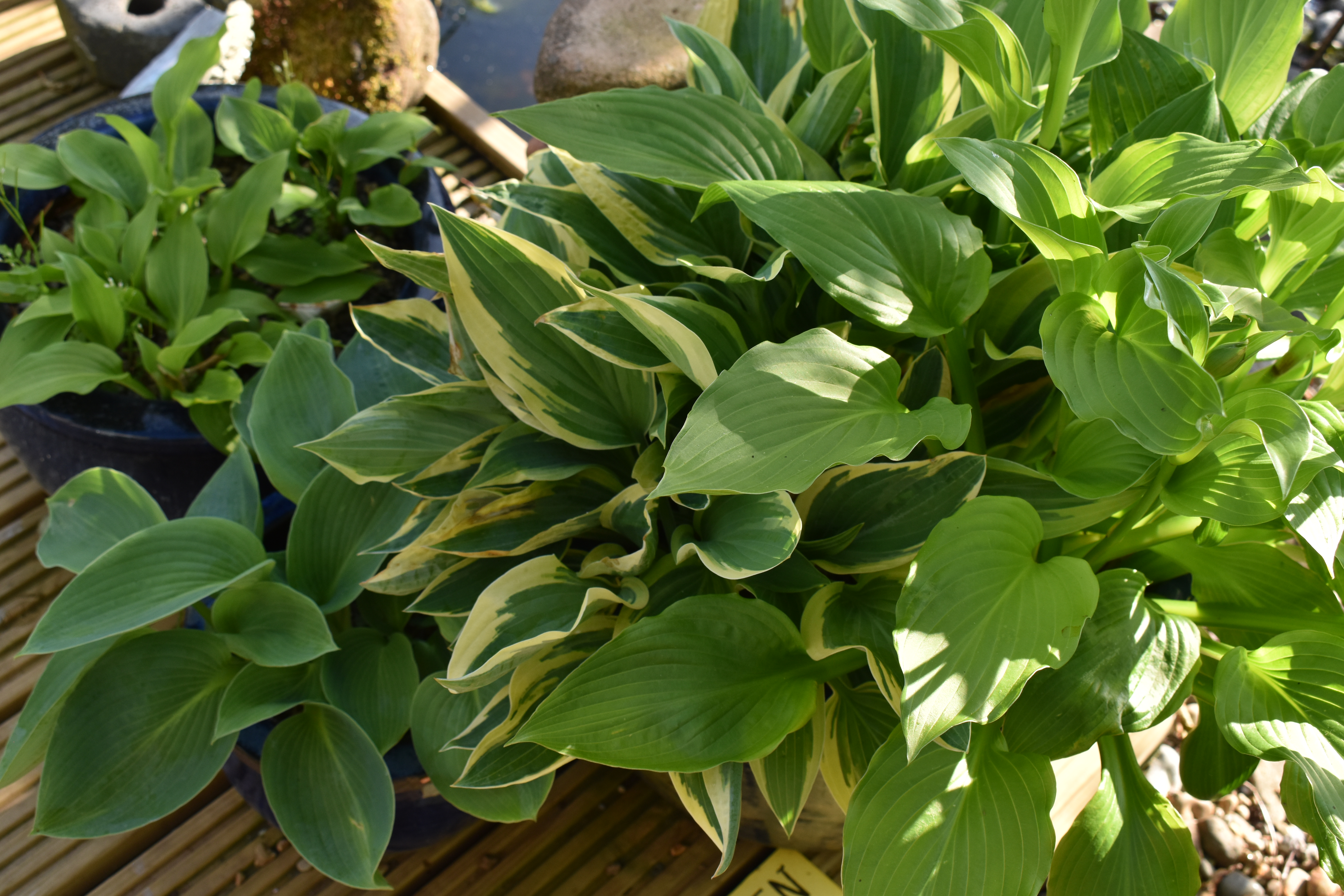
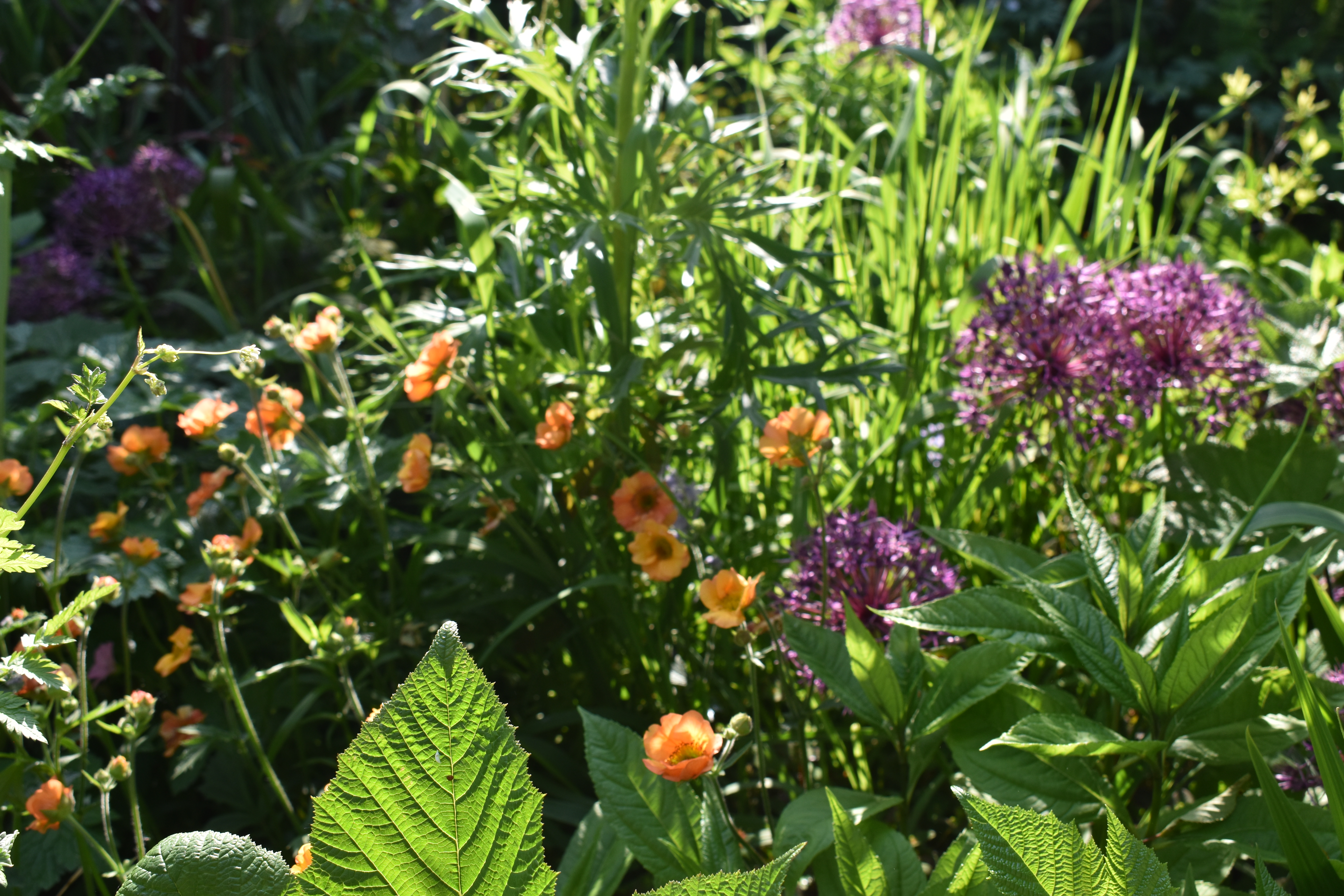
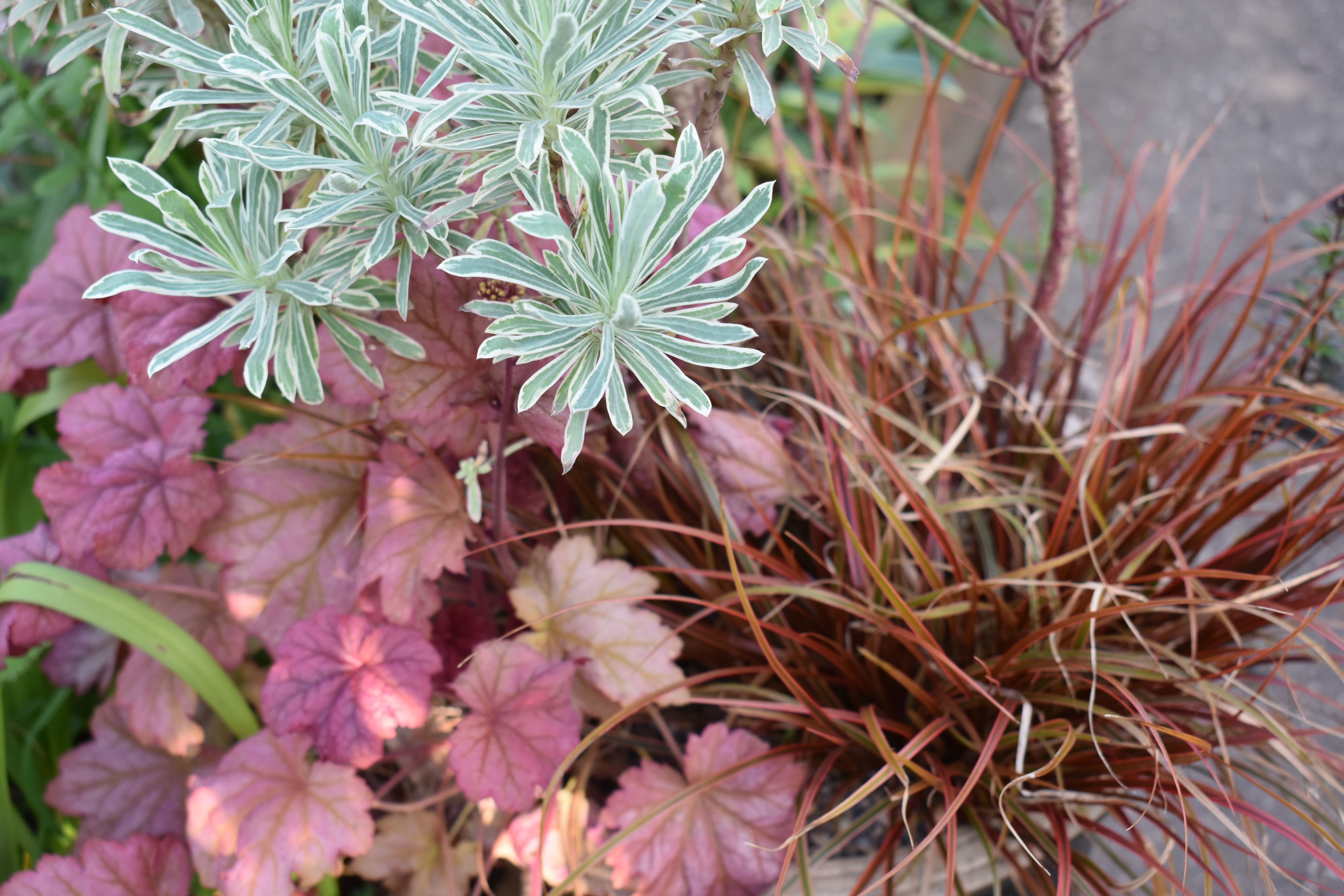
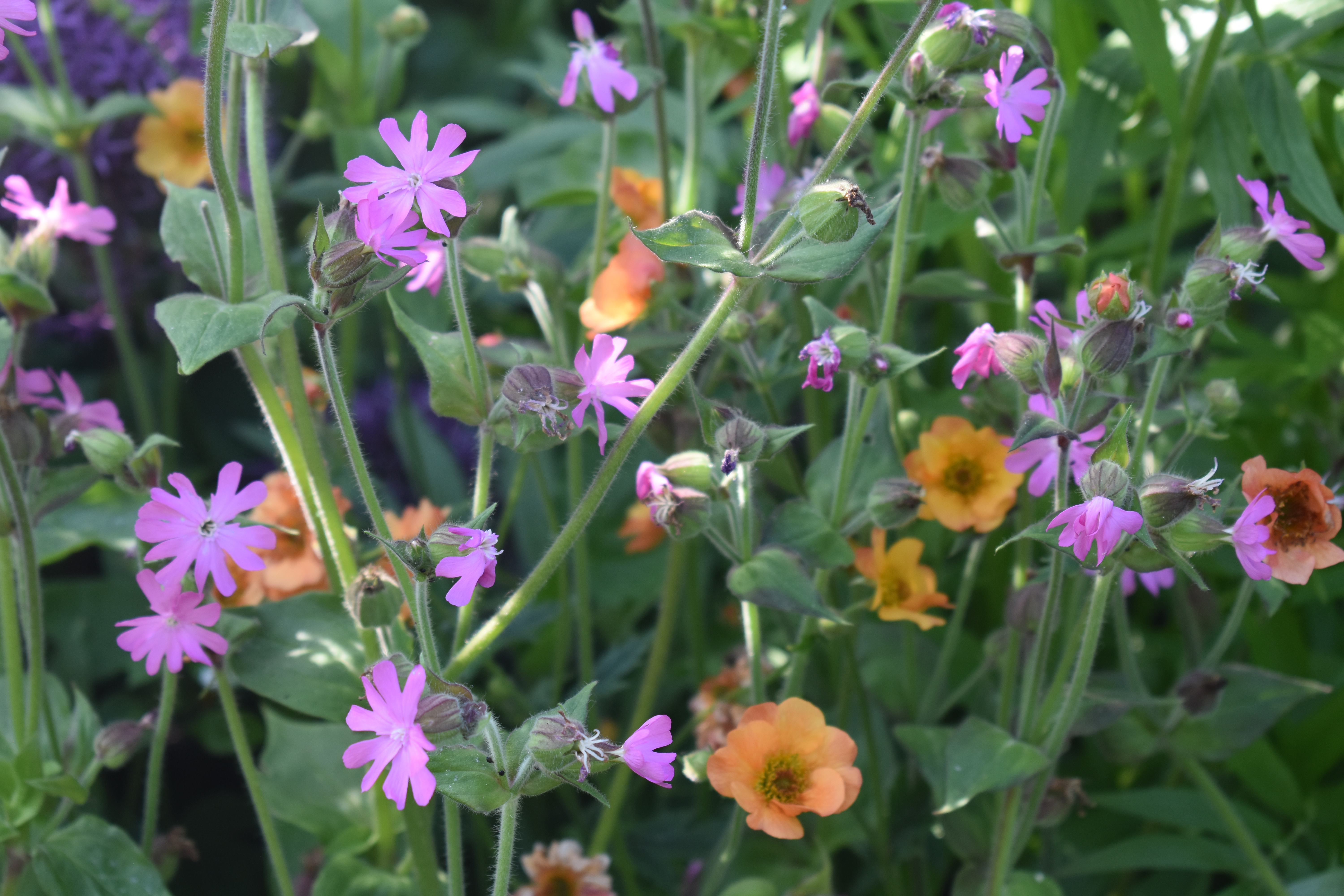
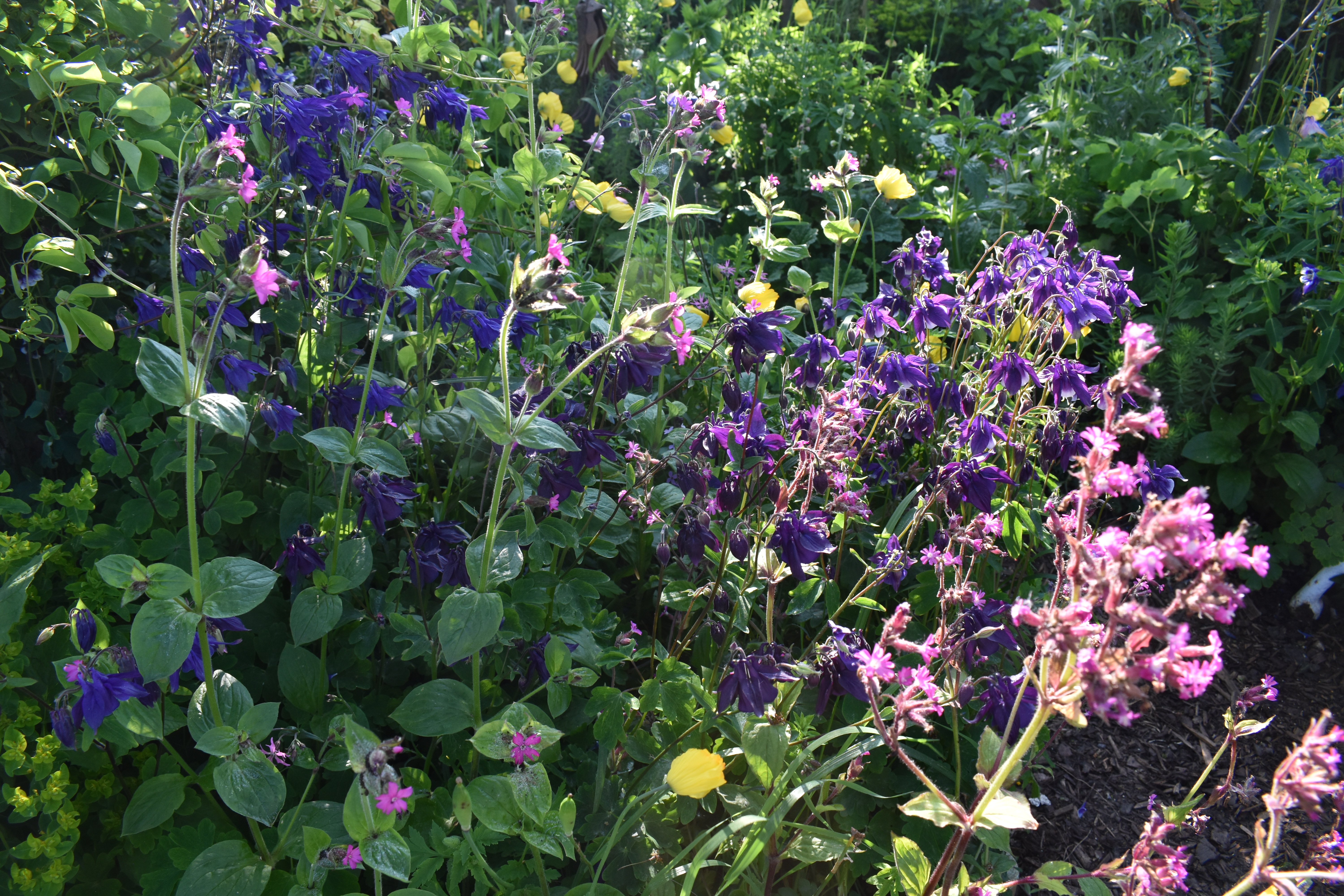
However looking around our patch revealed many effective plant partnerships. Here is just a small selection.
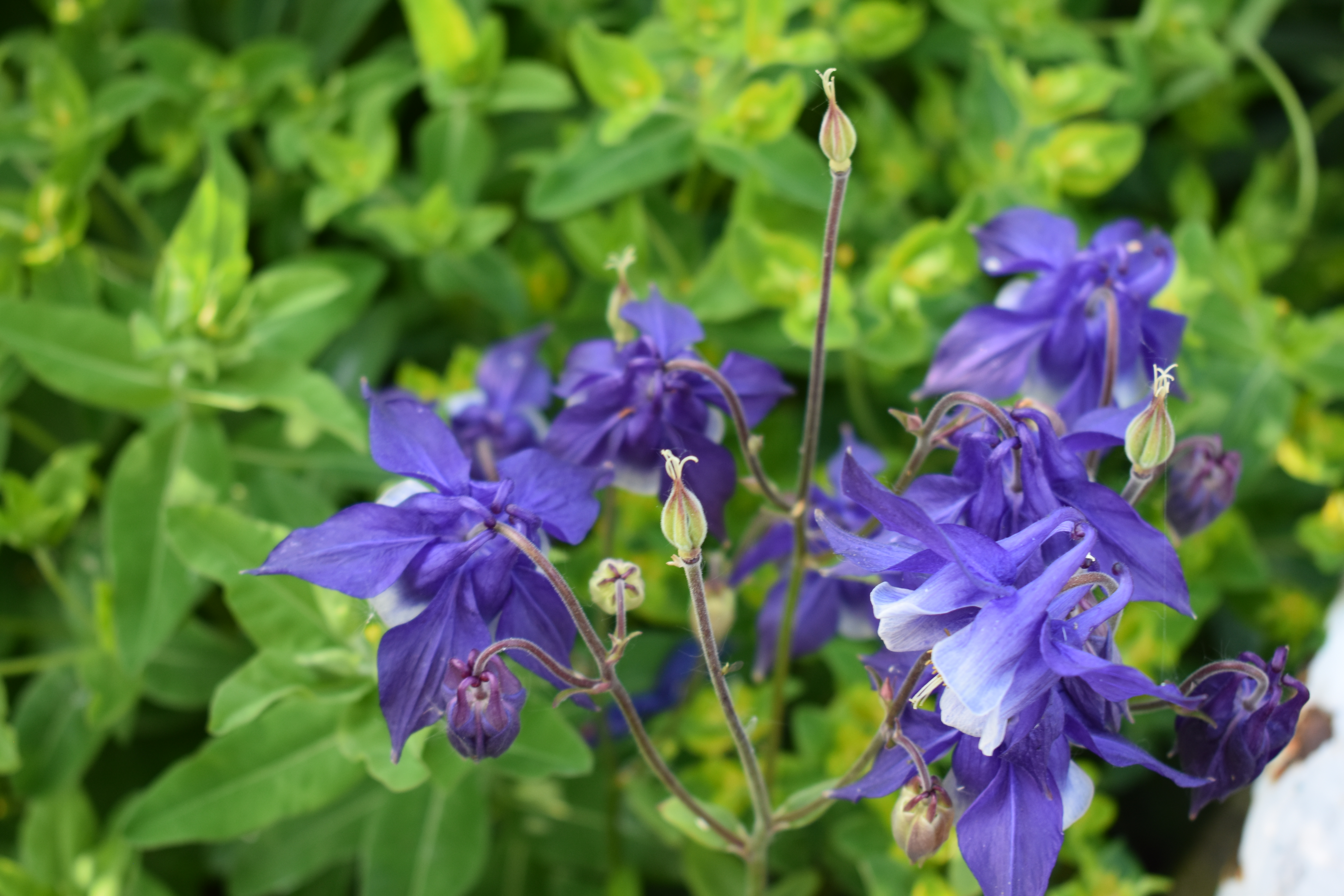
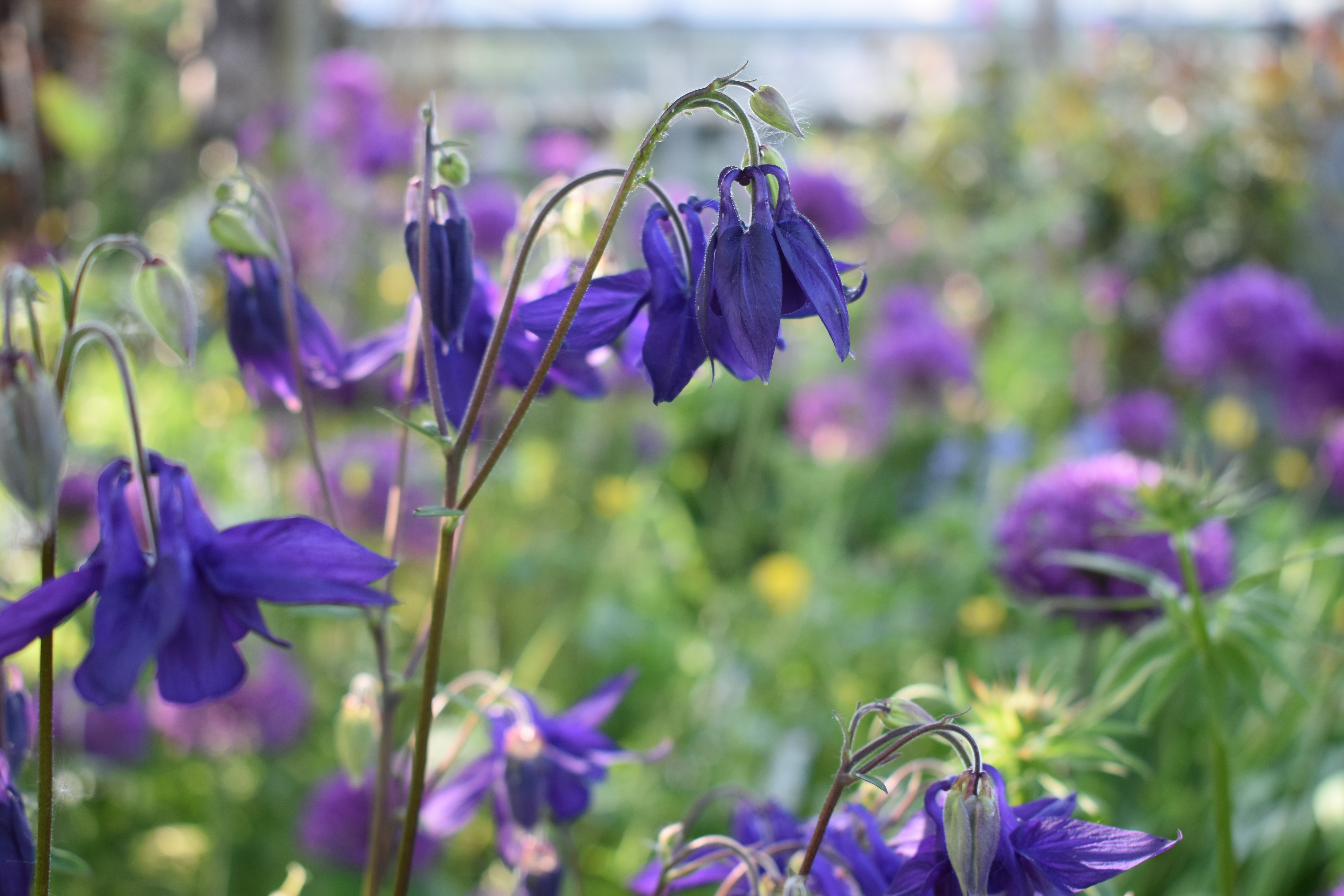
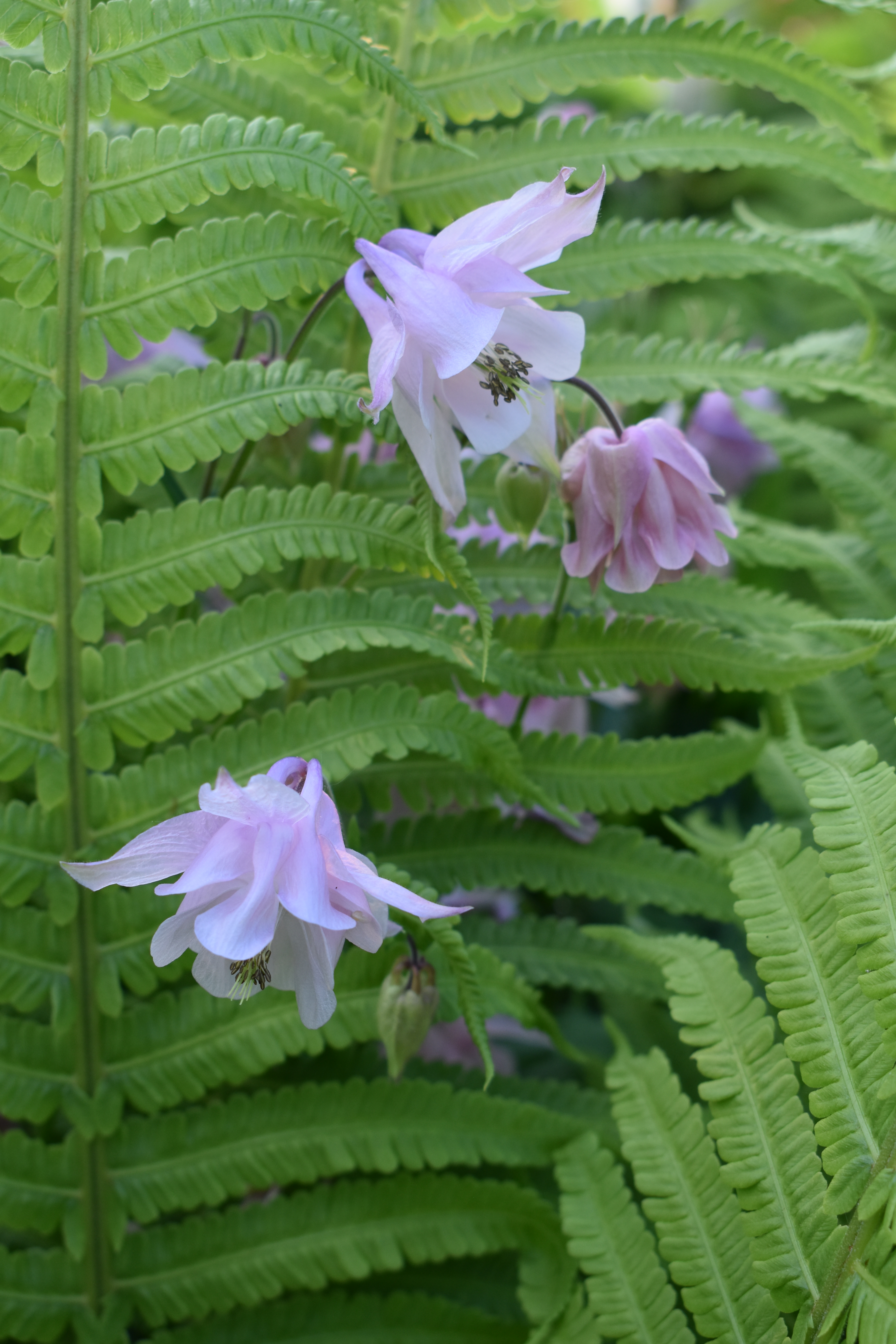
On the following page I considered that old cottage garden favourite the aquilegia and I wrote, “The first perennials to burst into life after the flowering bulbs of spring are often the aquilegias, some of which we plant as named cultivars and others that self-seed wherever they wish. But they do choose good places!”
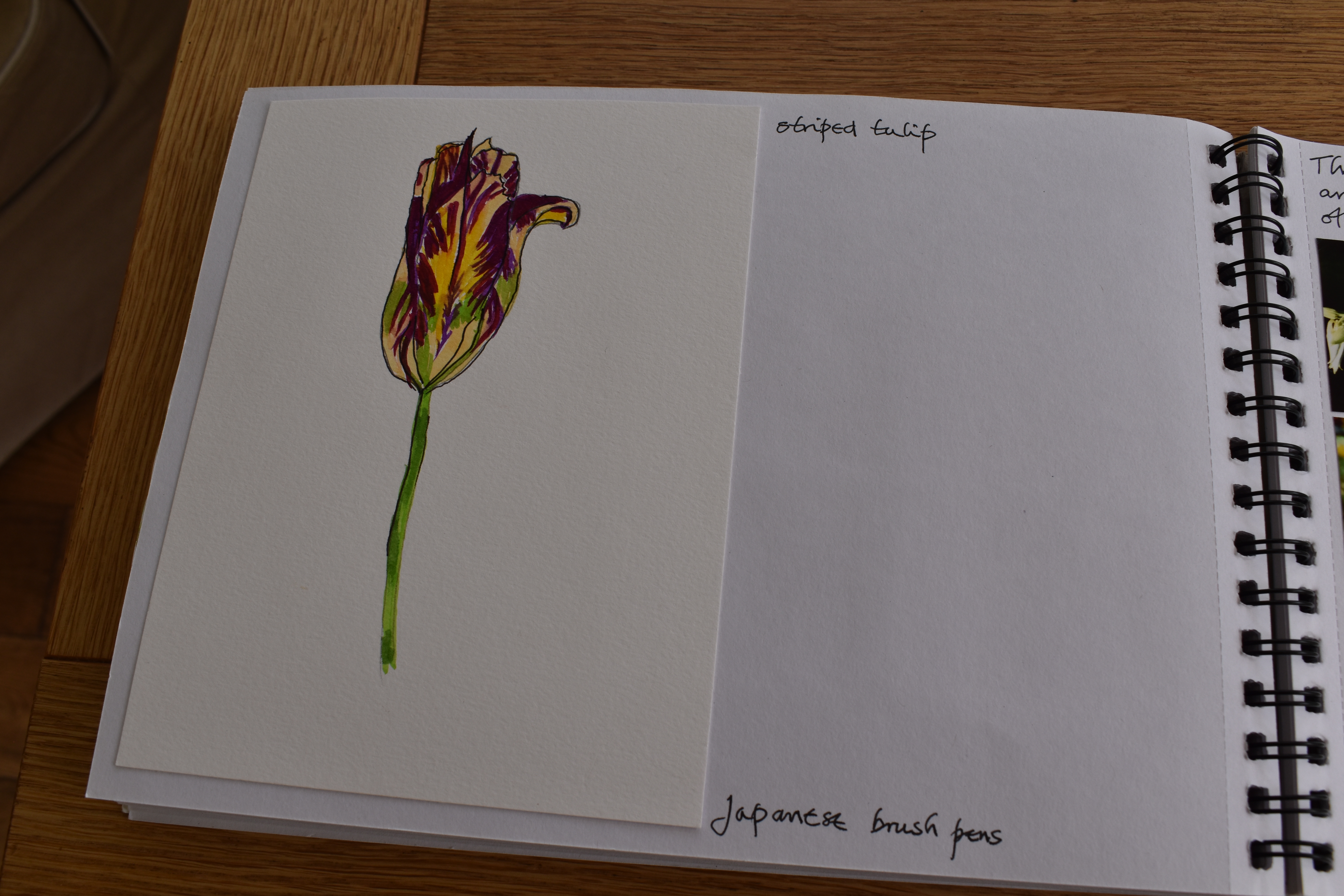
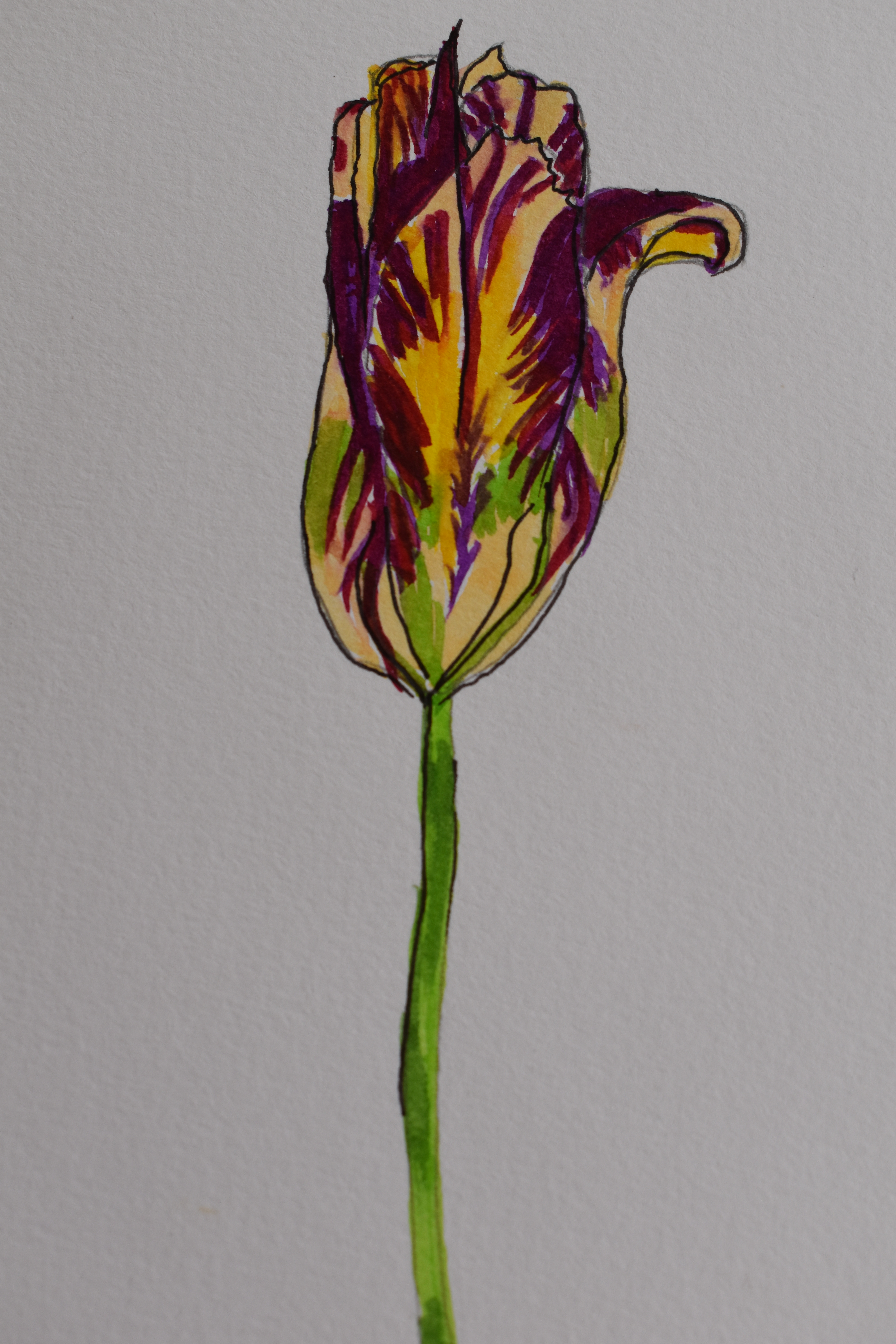
My painting of a striped tulip was the subject of the following page, which I created using Japanese Brush Pens.
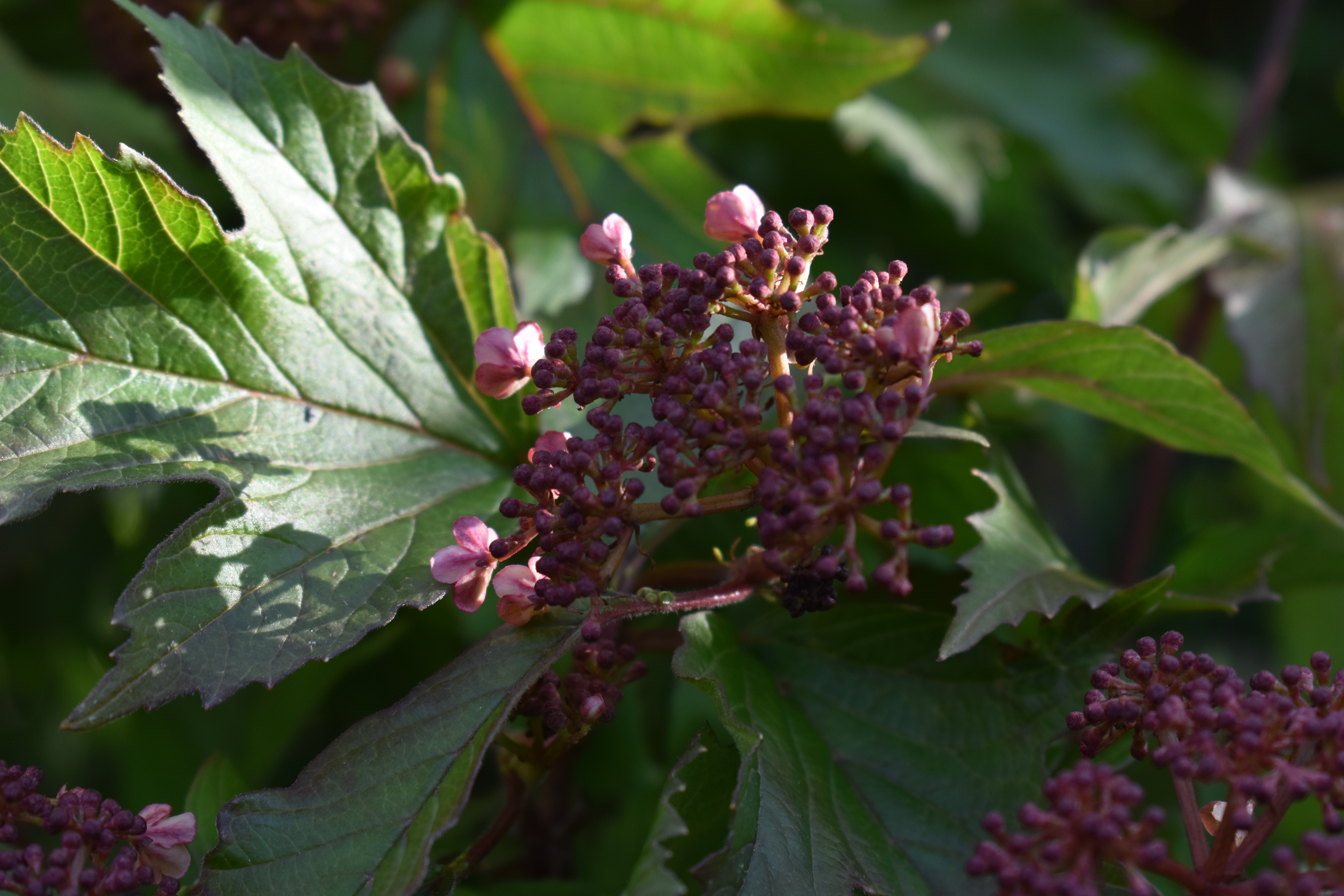
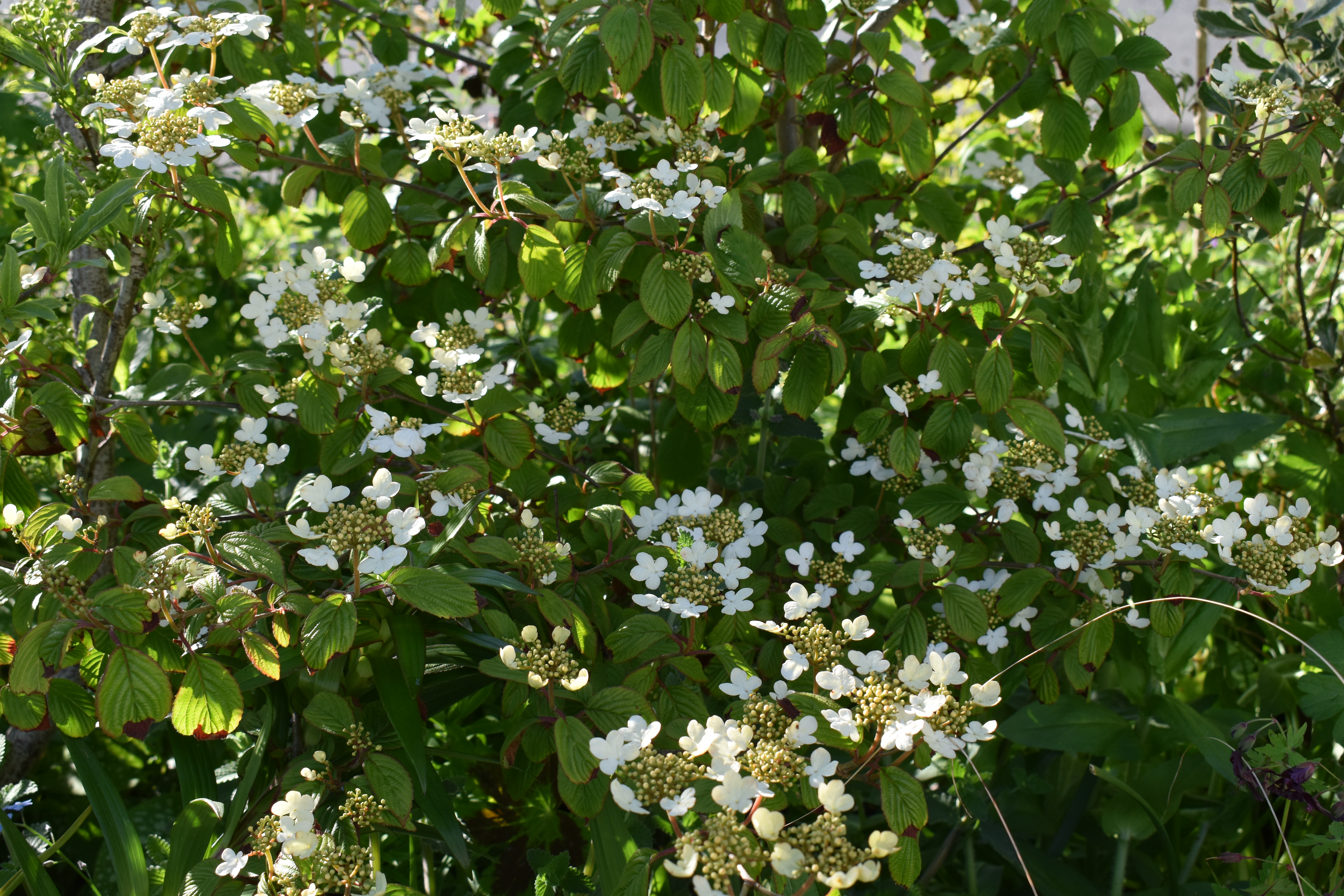
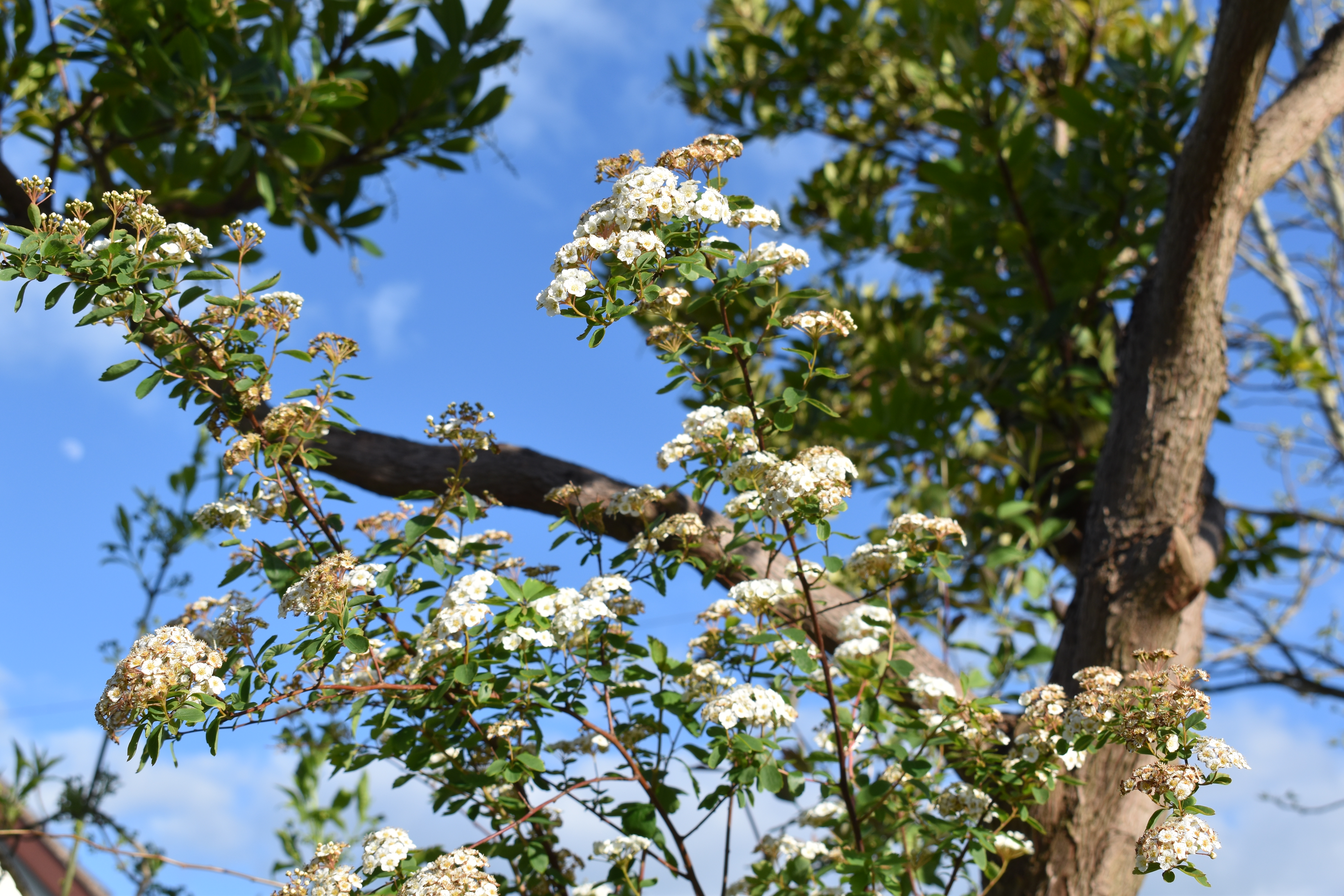
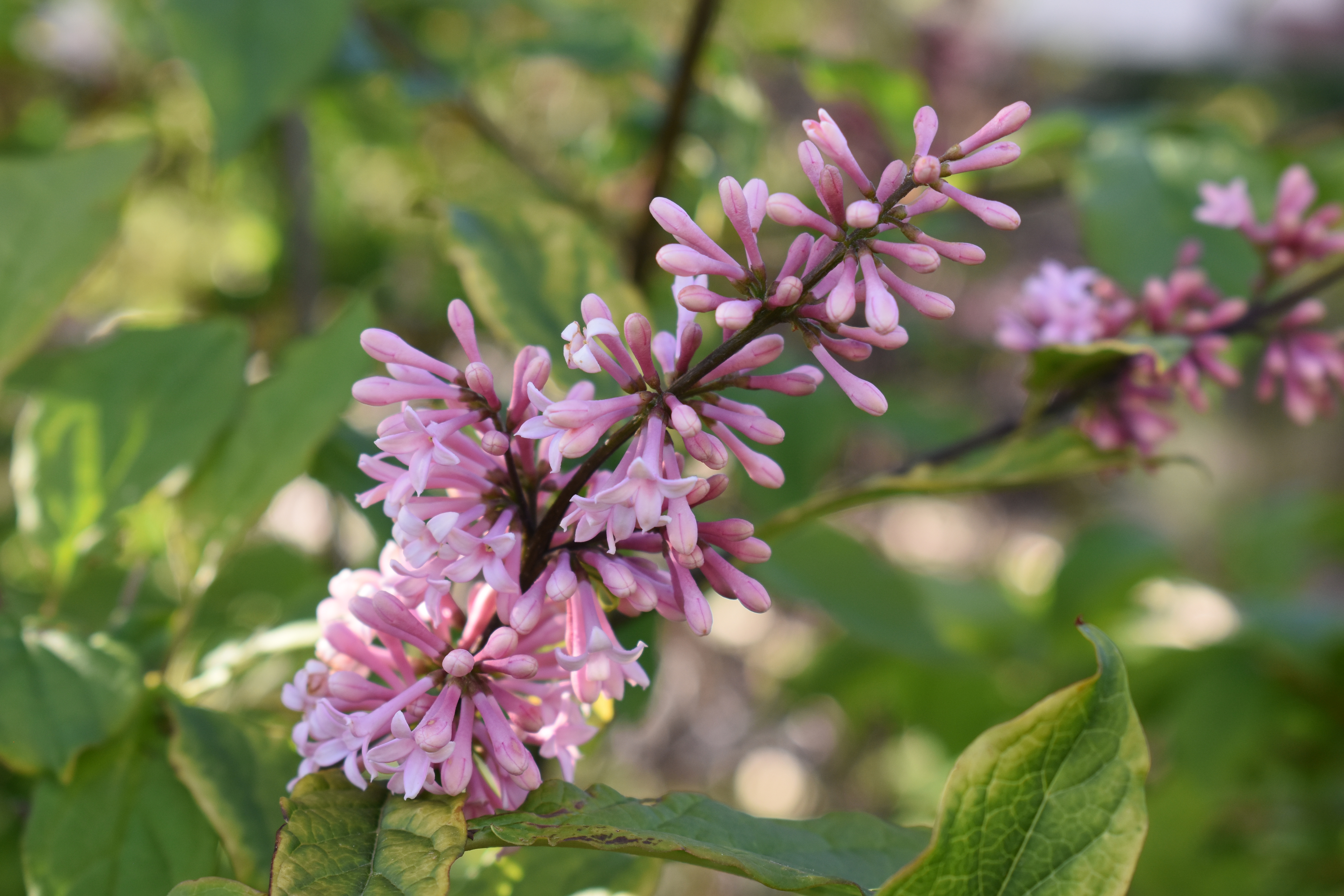
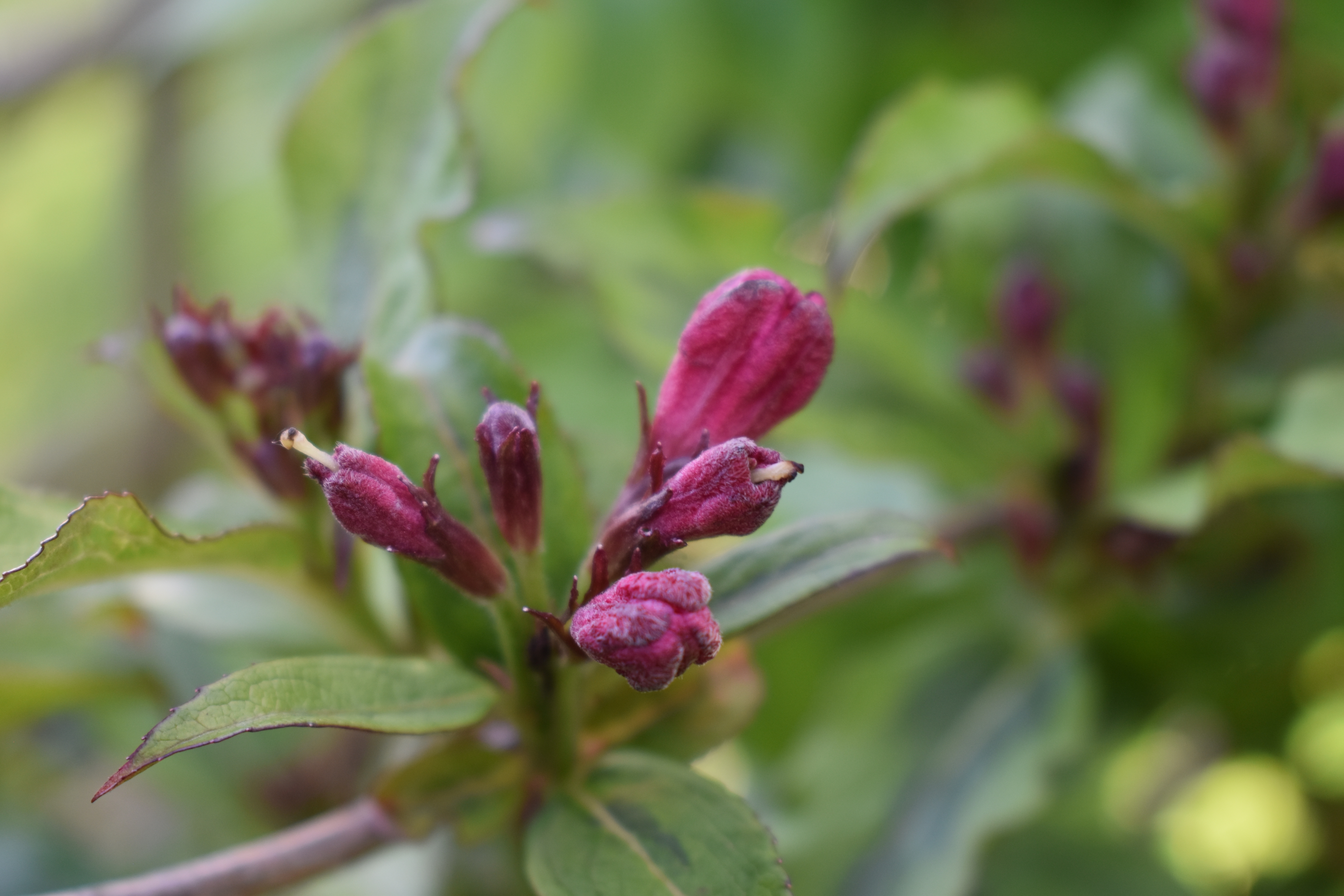
The next double page spread features flowering shrubs and alliums. Concerning flowering shrubs I noted, “Every month different shrubs come into flower to add another layer of interest to our garden and to provide pollen and nectar for our insects.”
“Here is a small selection of our flowering shrubs in the garden in May”
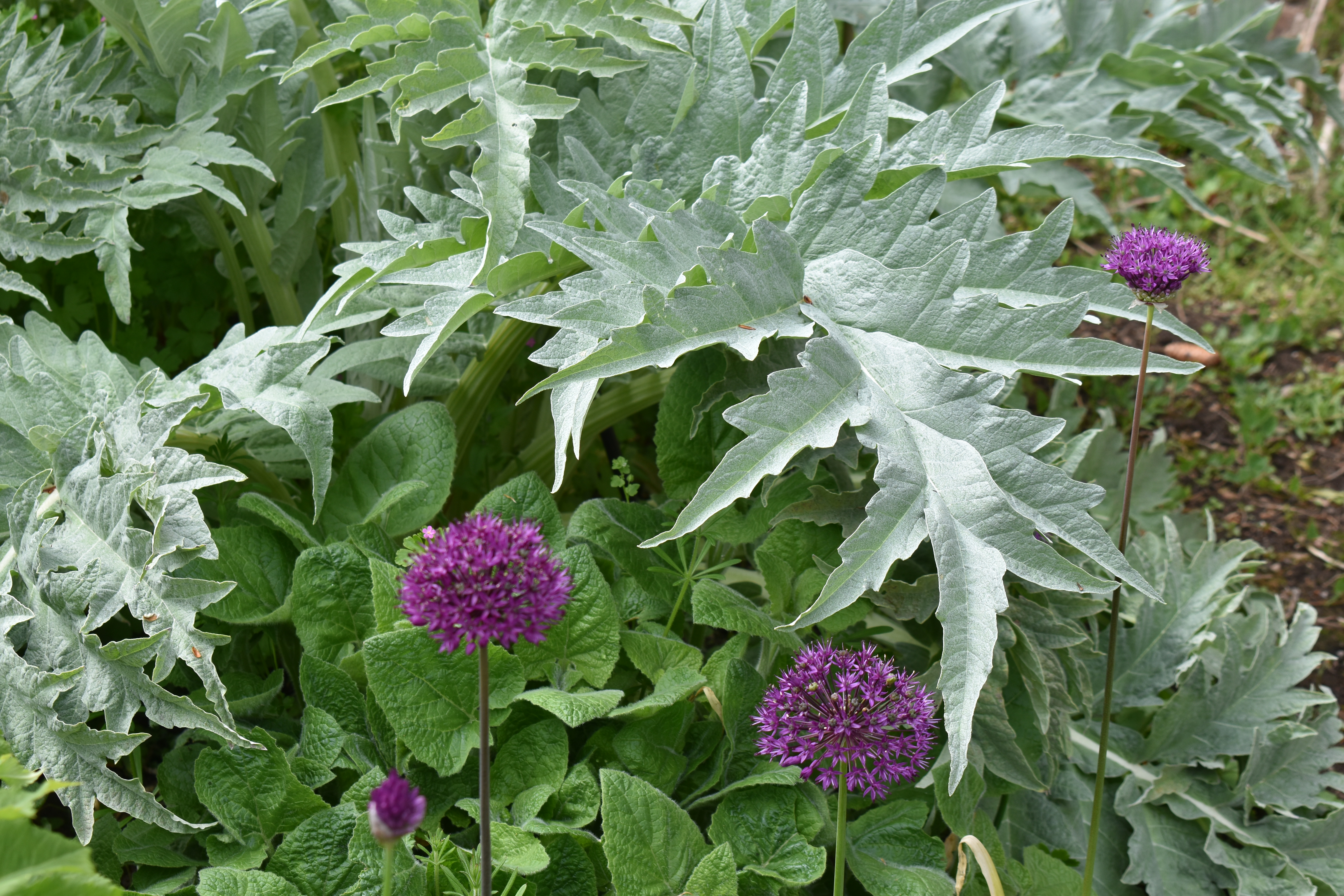
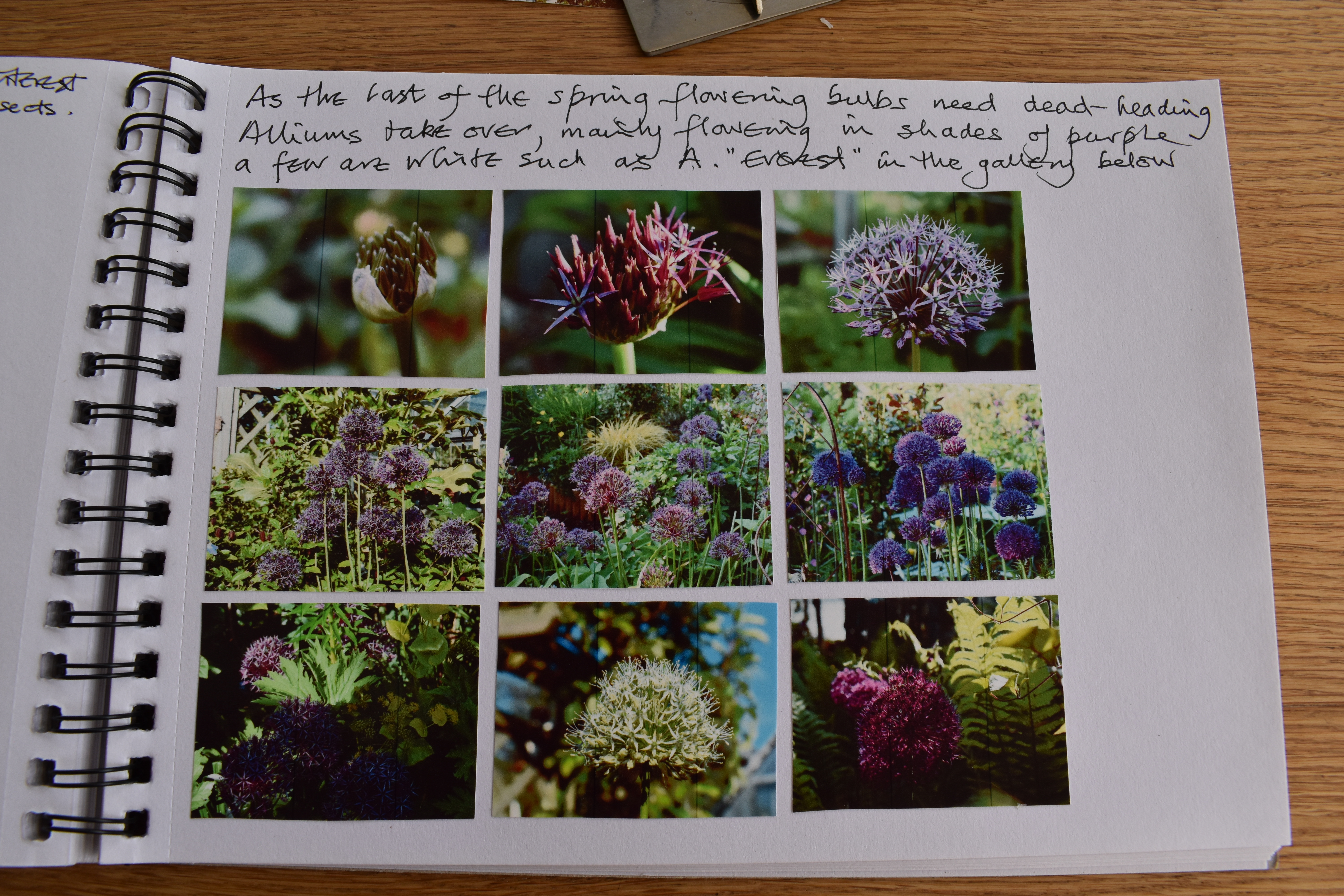
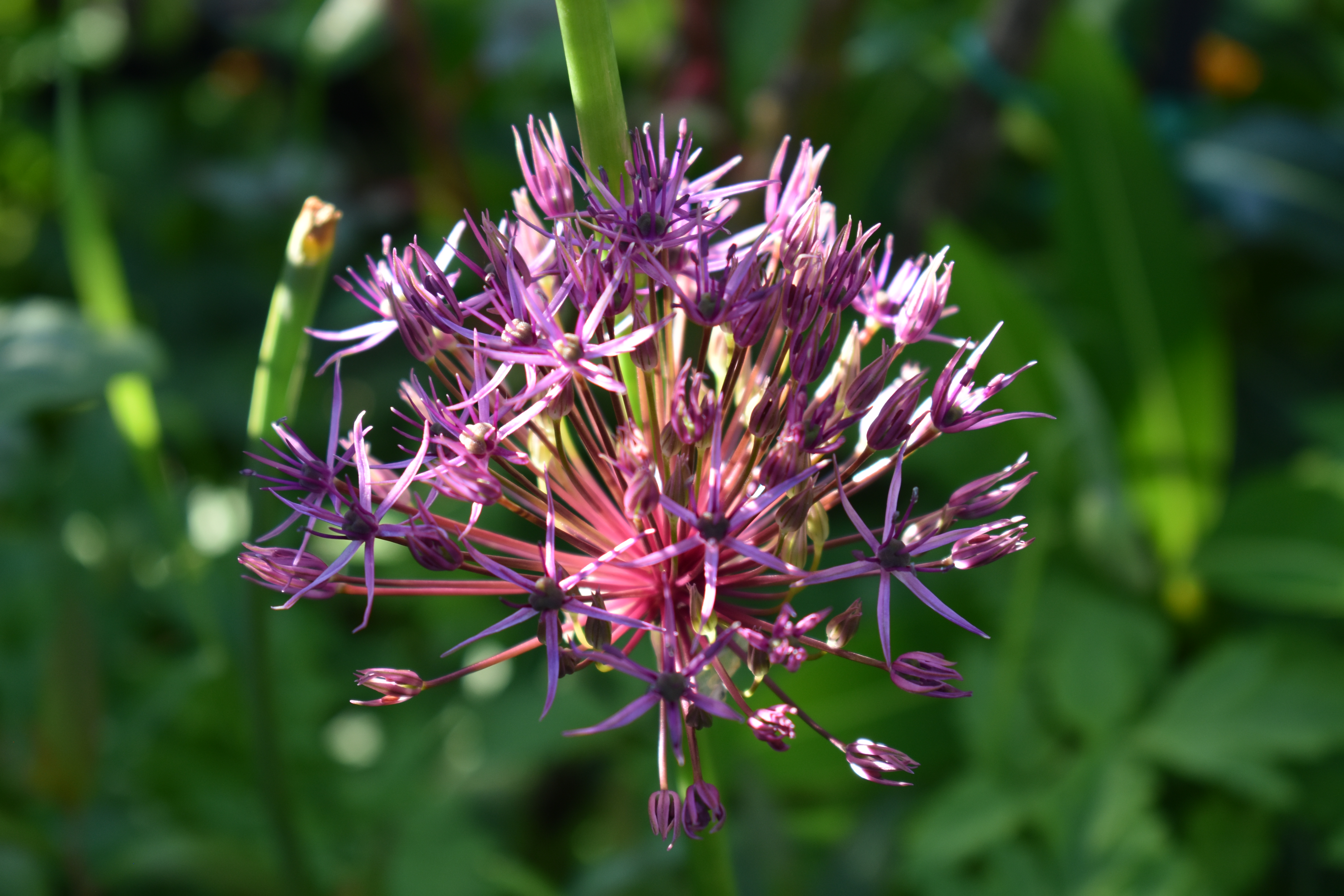
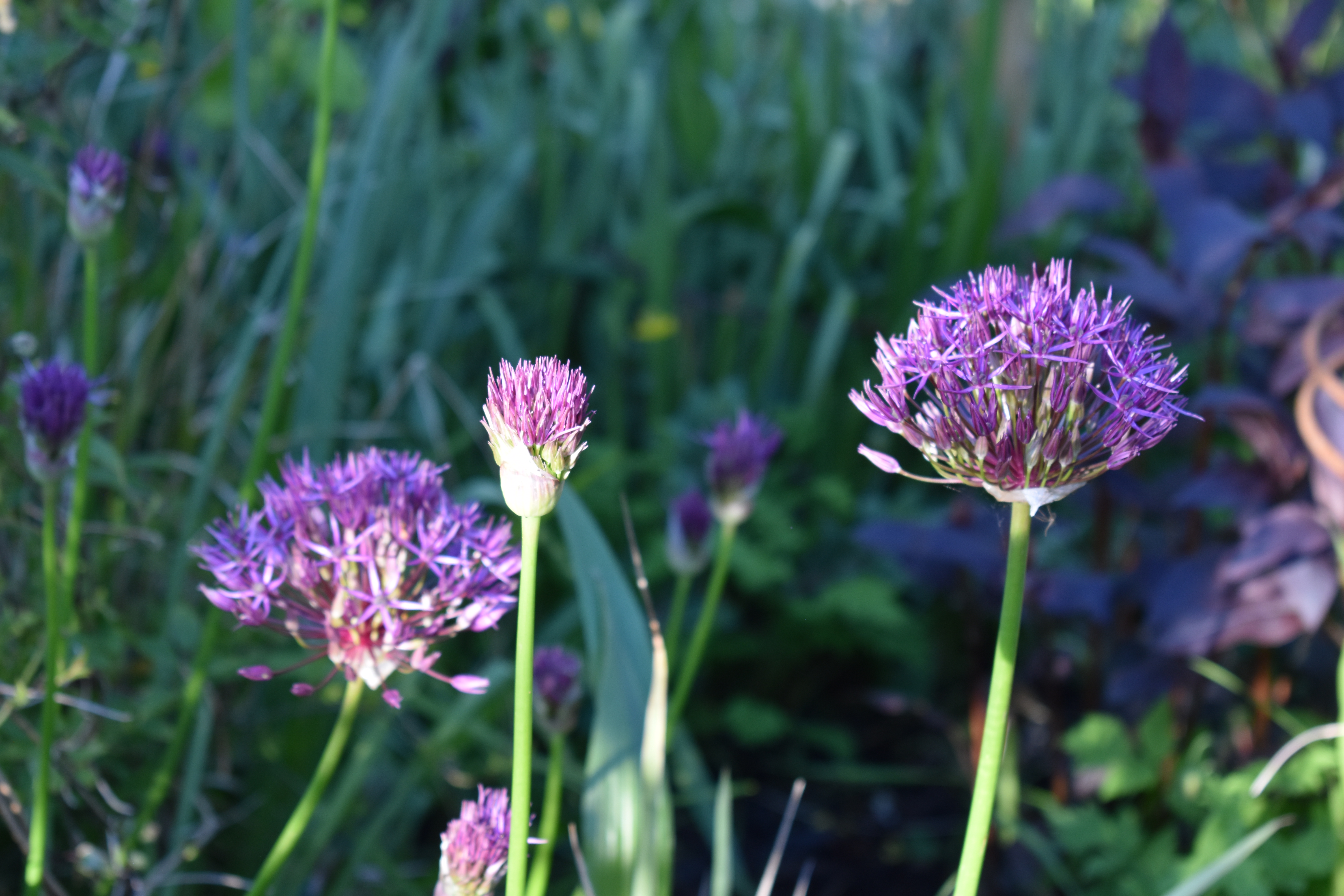
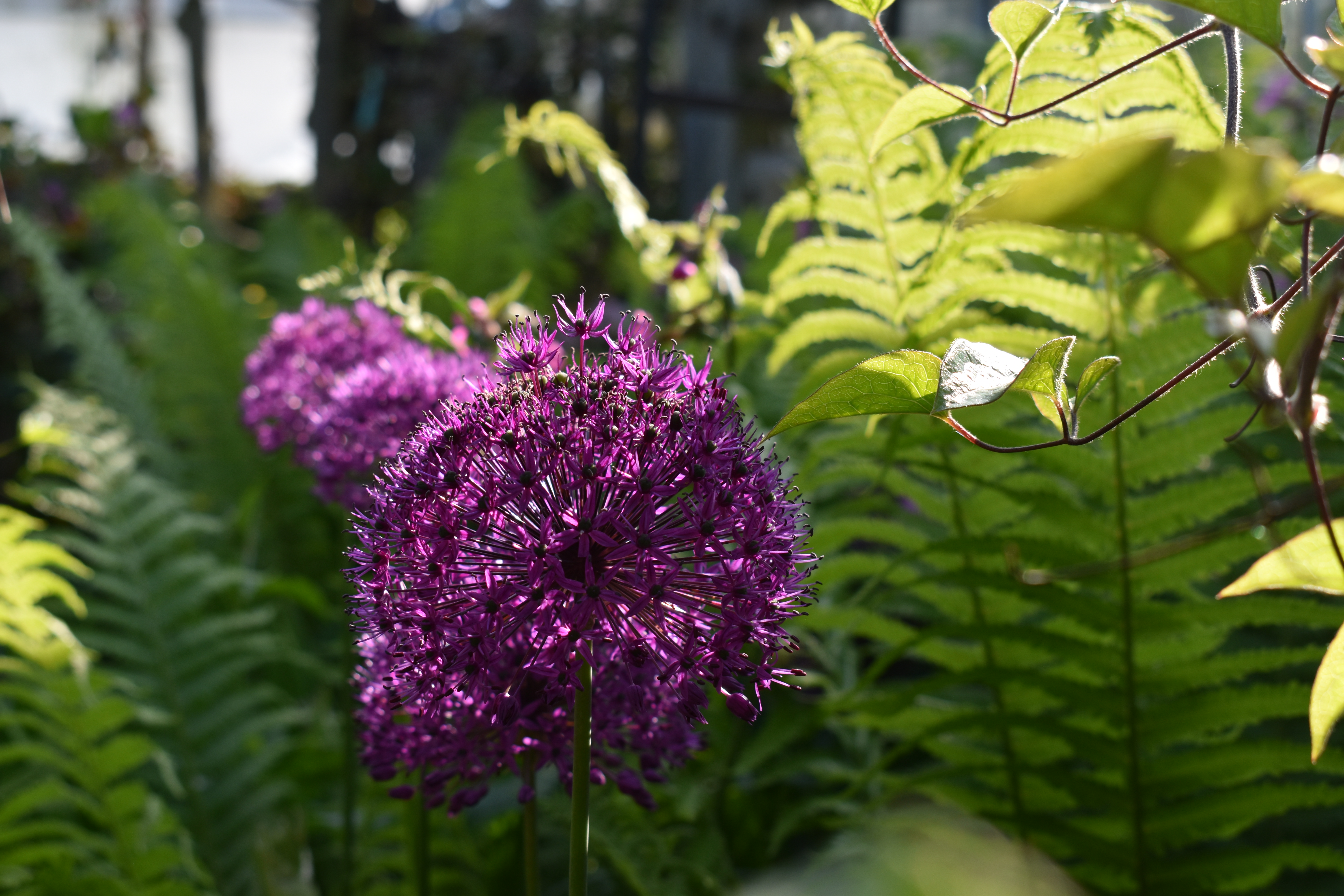
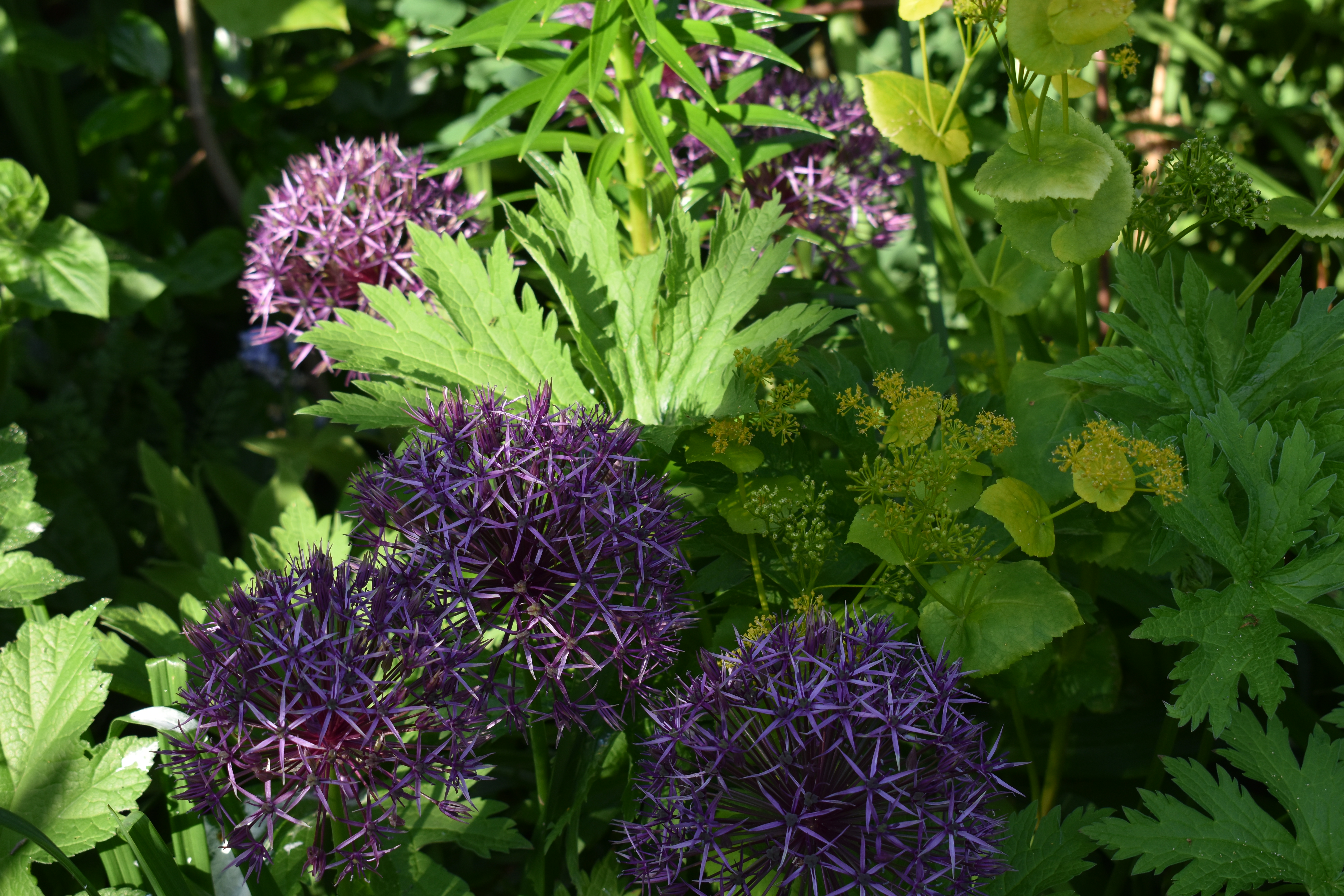
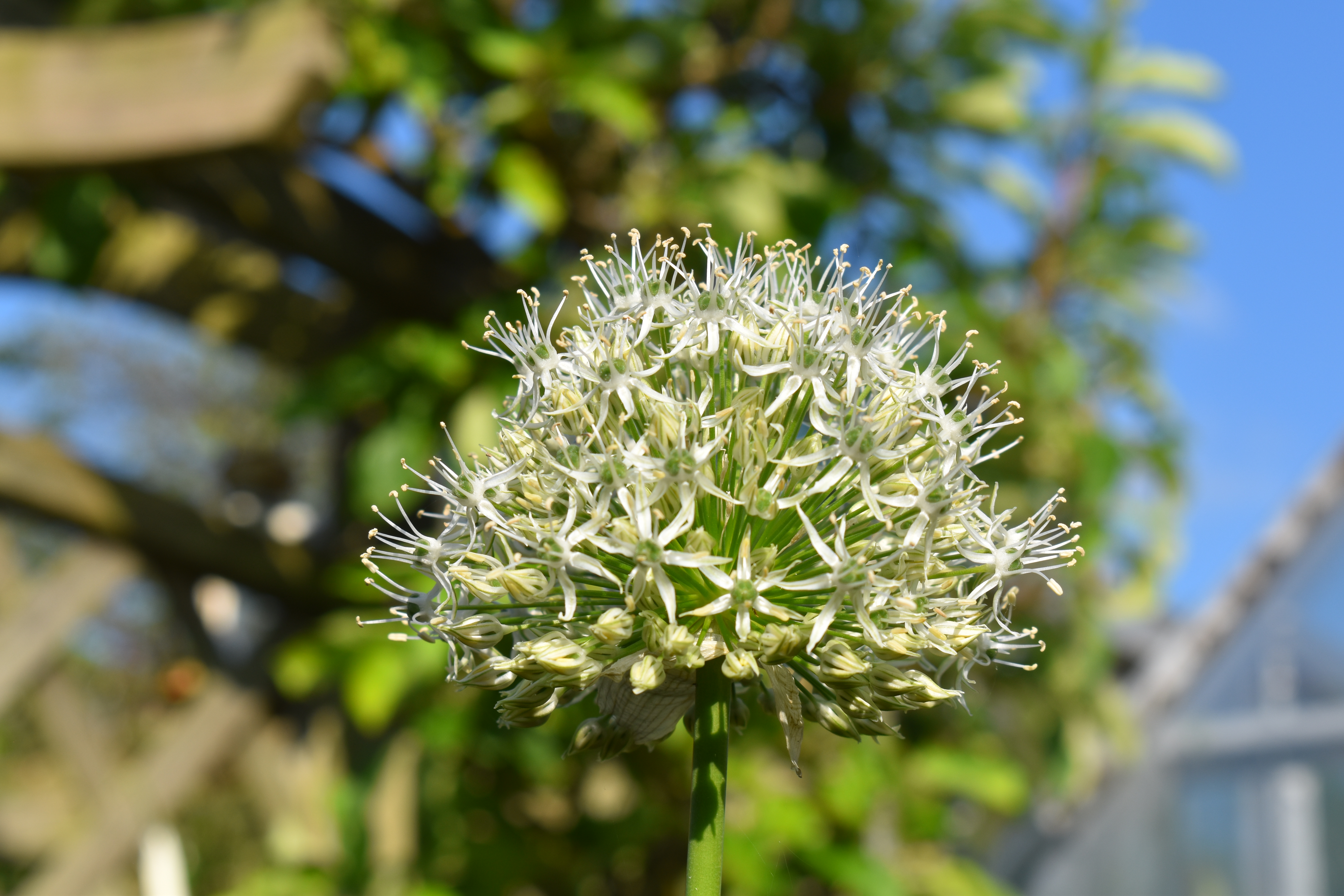
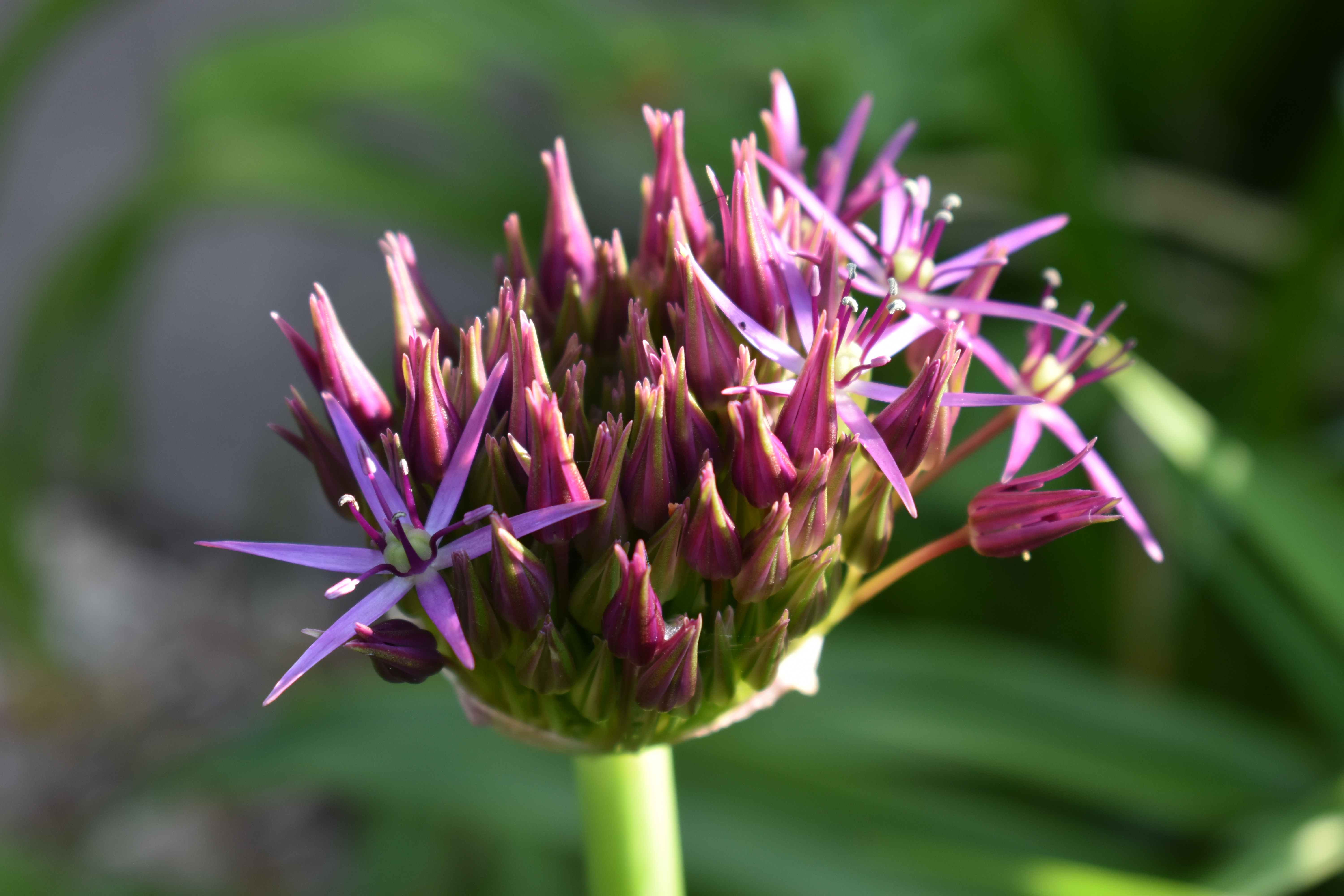
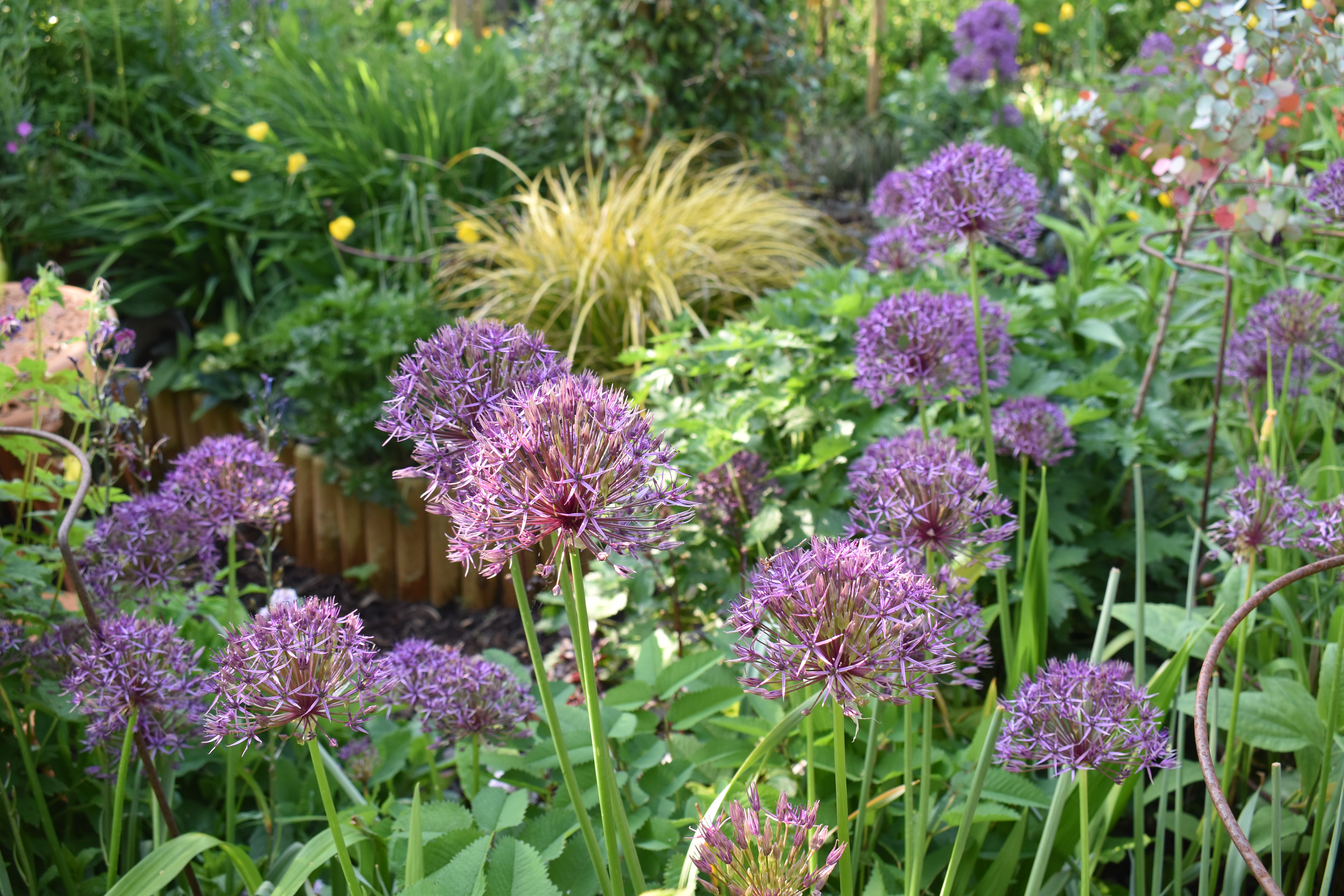
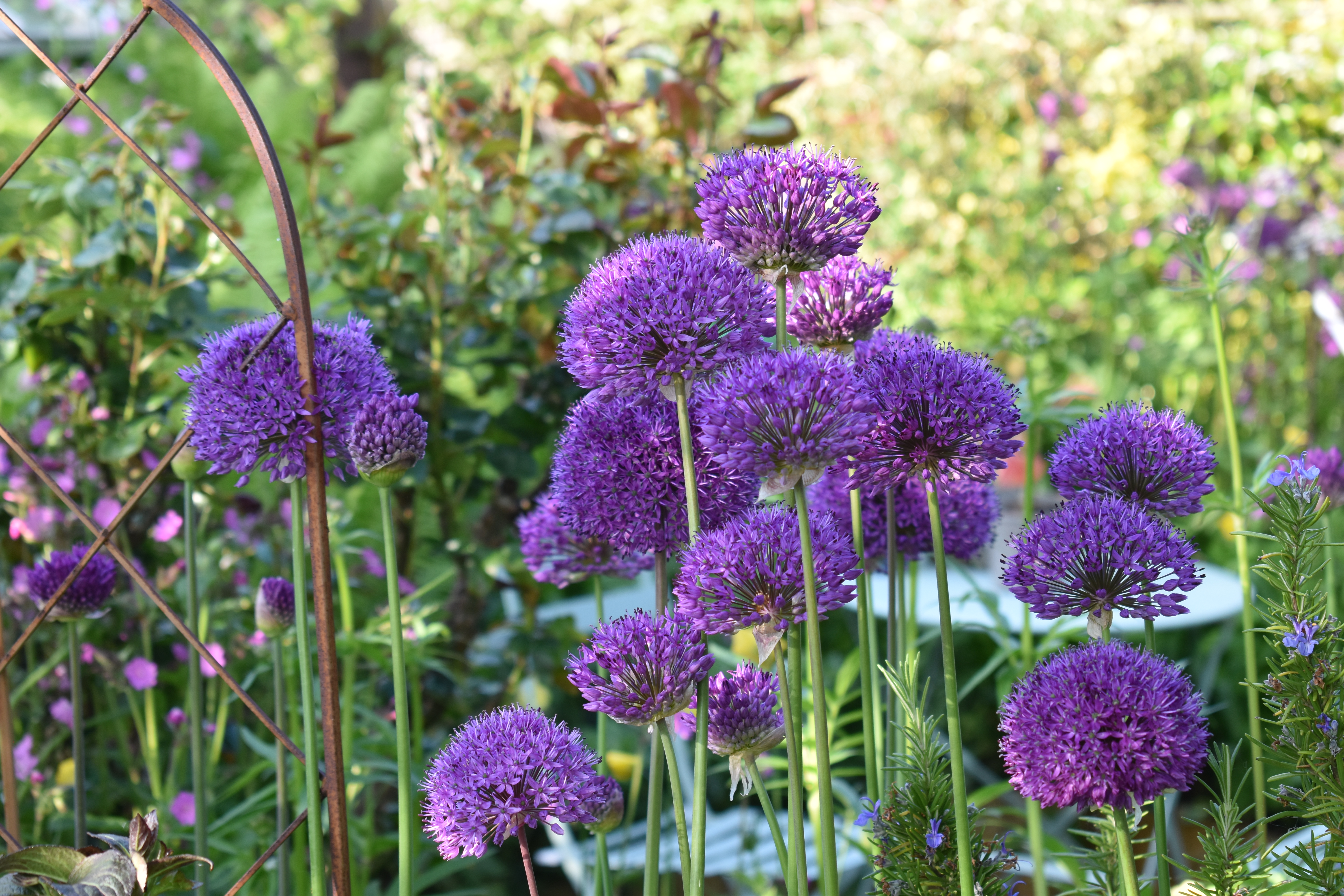
My next page features alliums and I noted, “As the last of the spring flowering bulbs need dead heading, alliums take over, mainly flowering in shades of purple with a few white such as our Allium ‘Everest’ in the gallery below.”
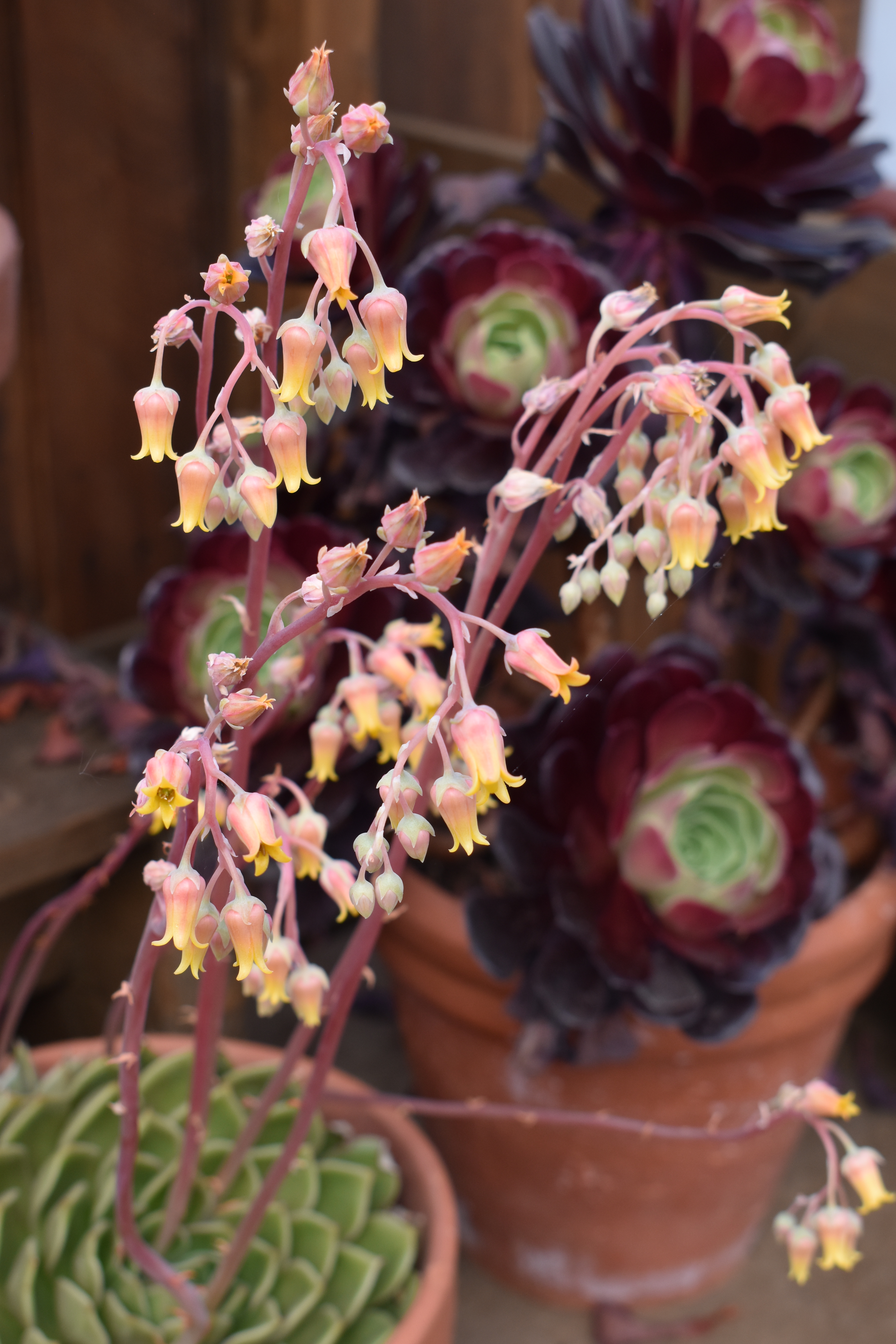
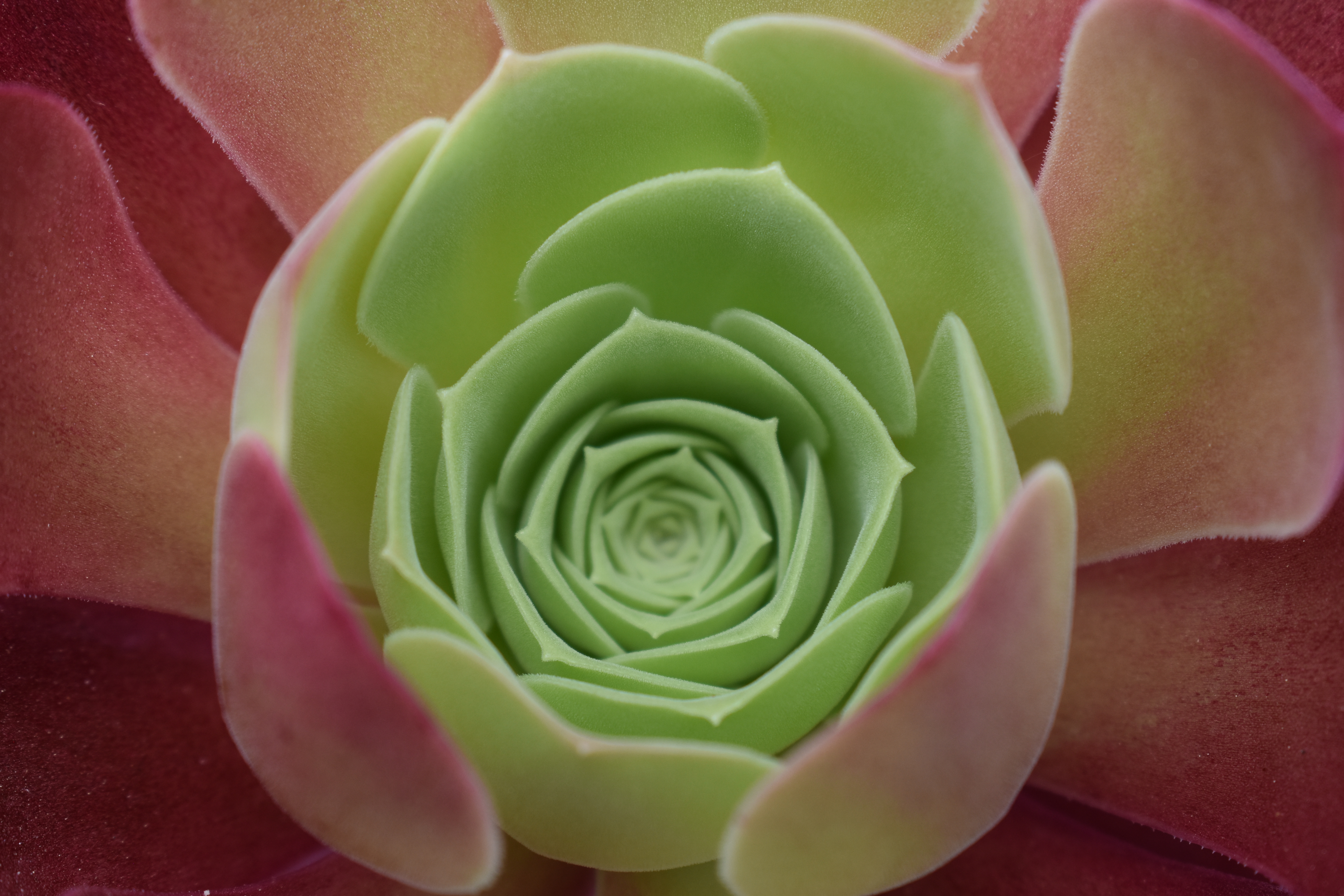
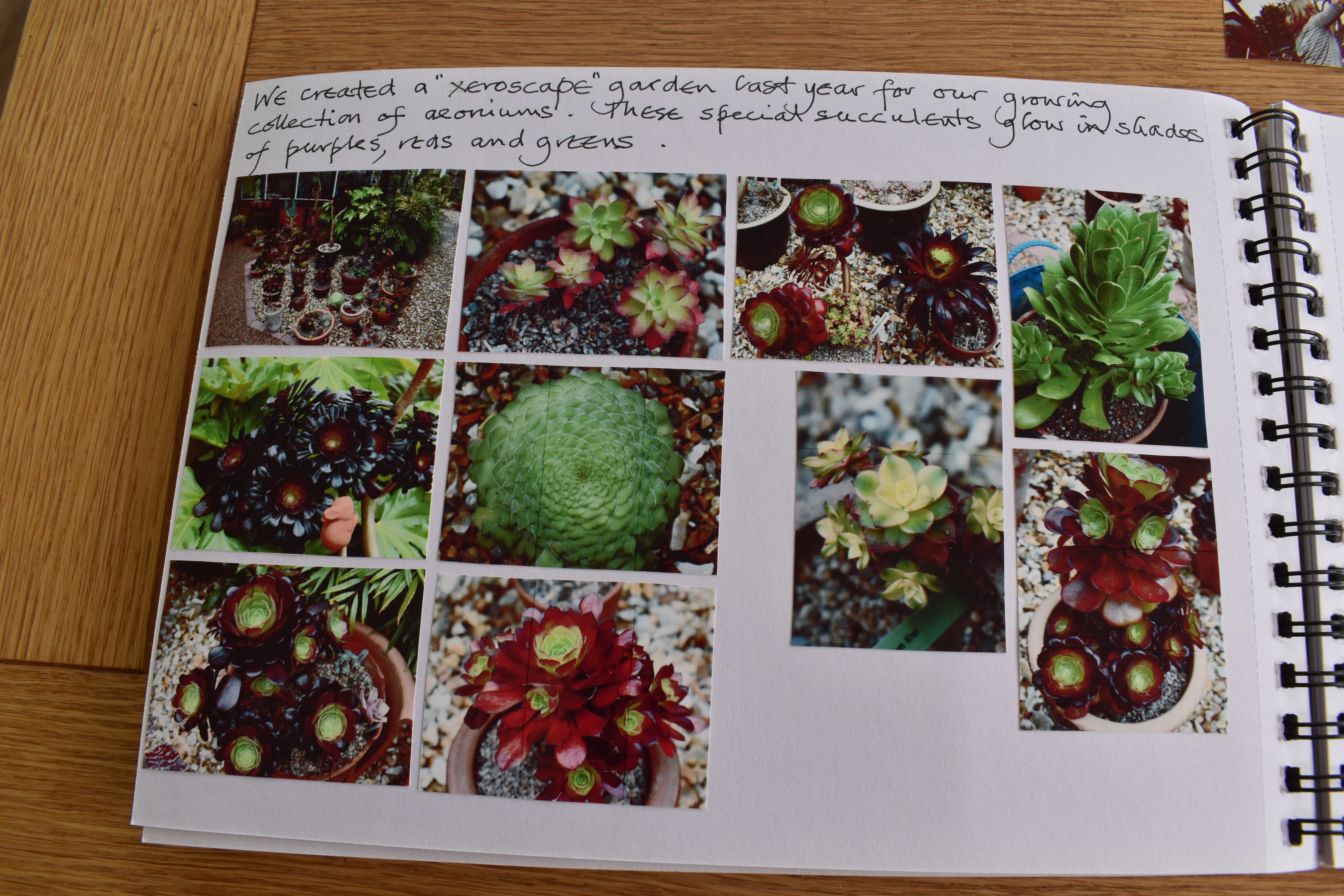
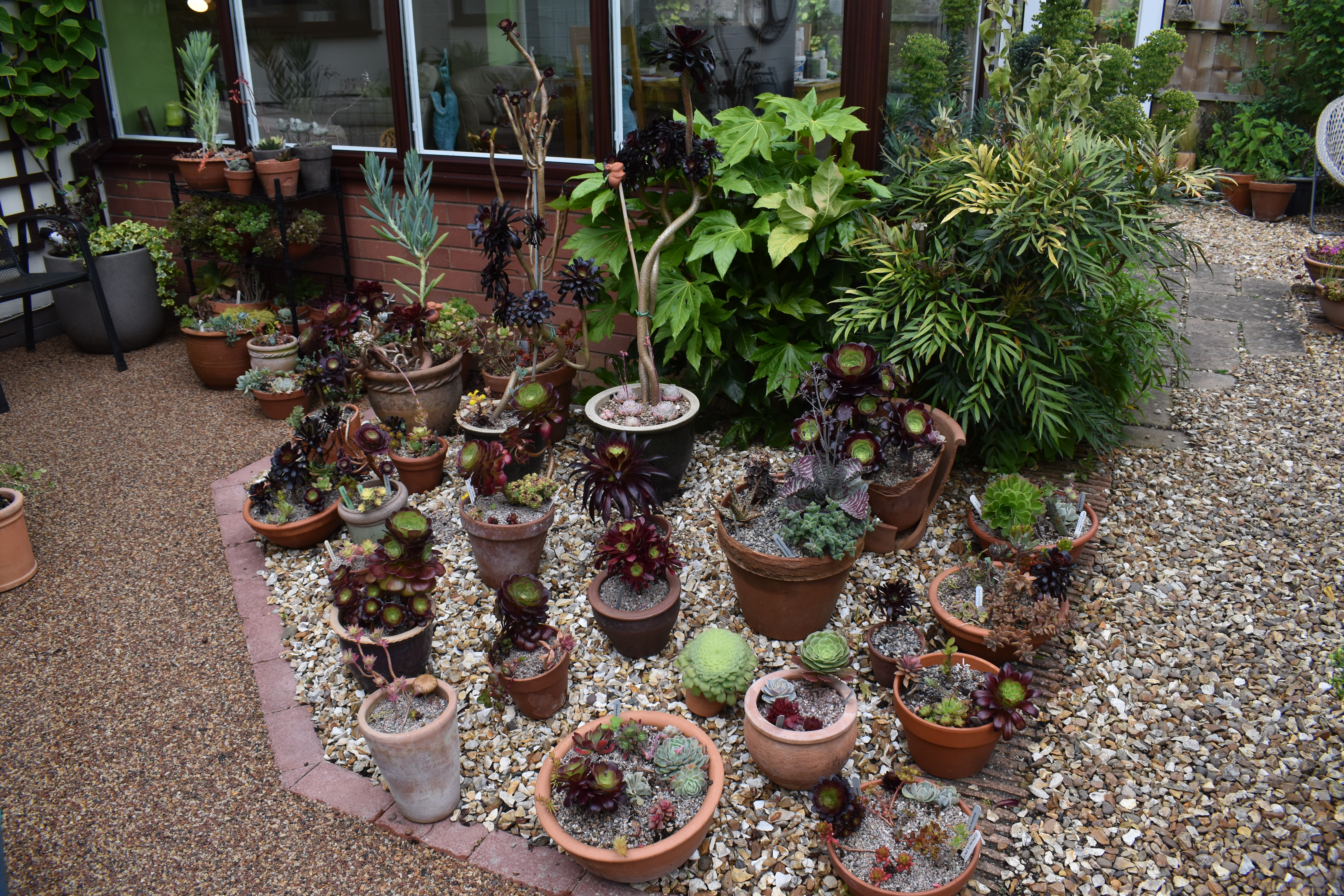
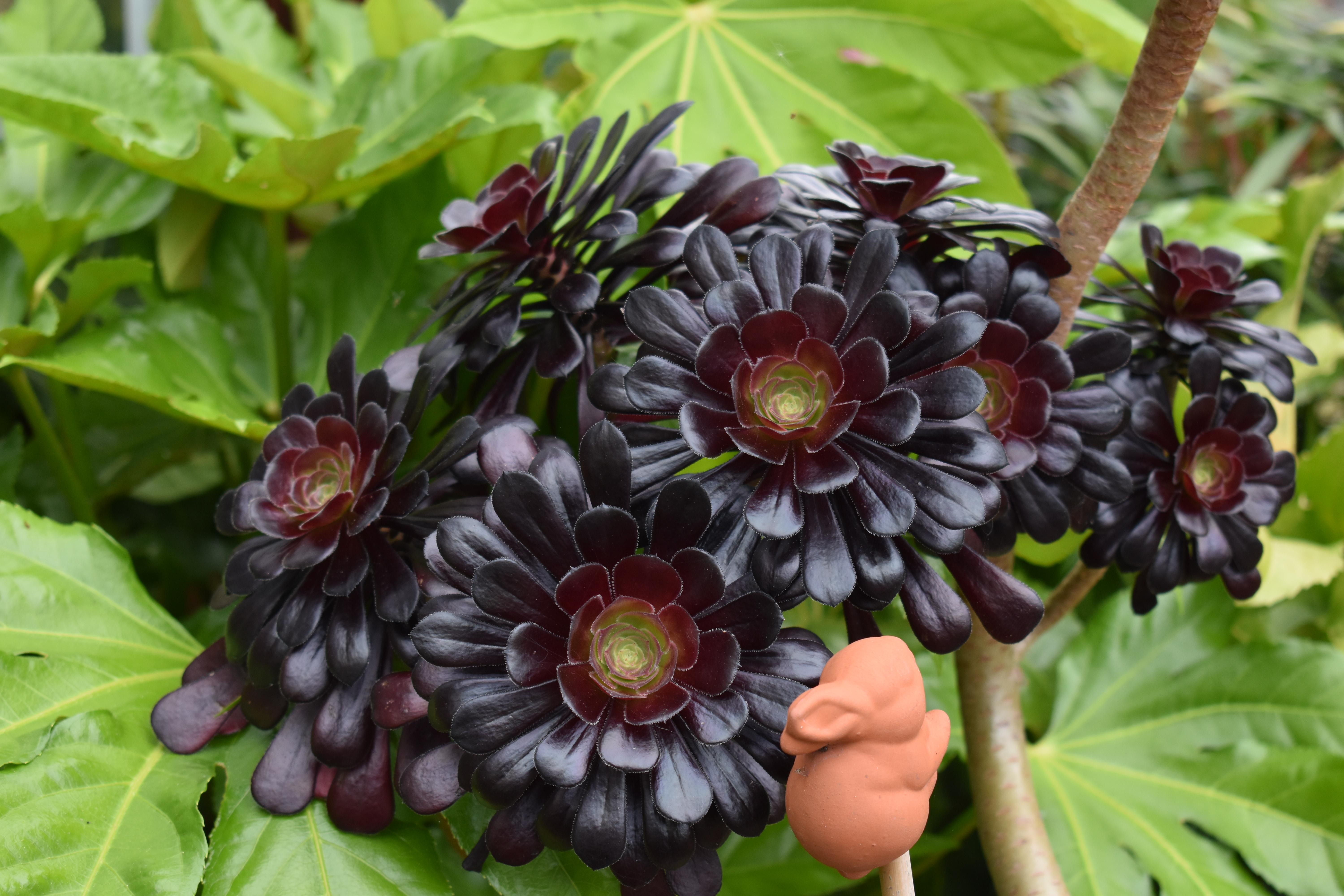
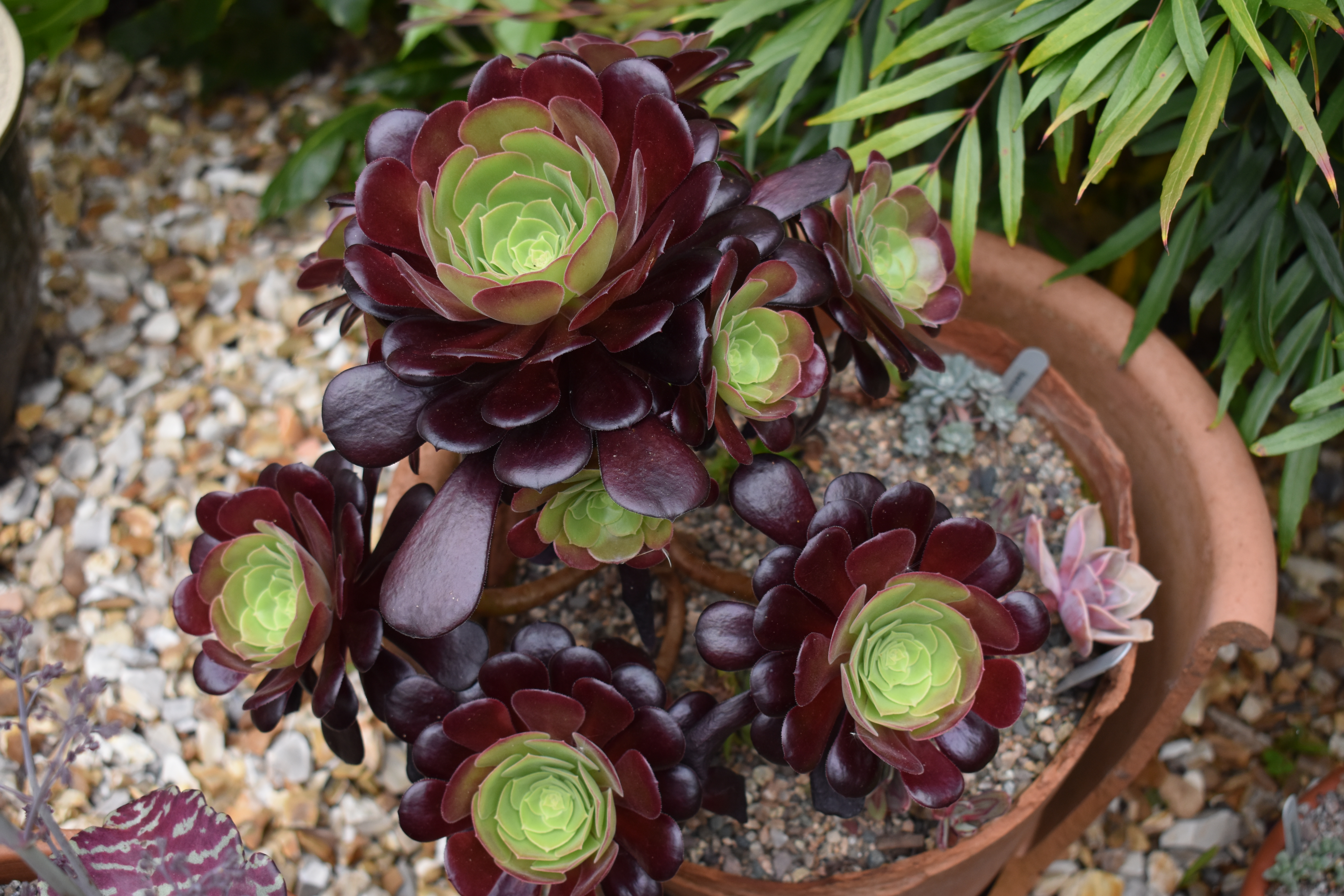
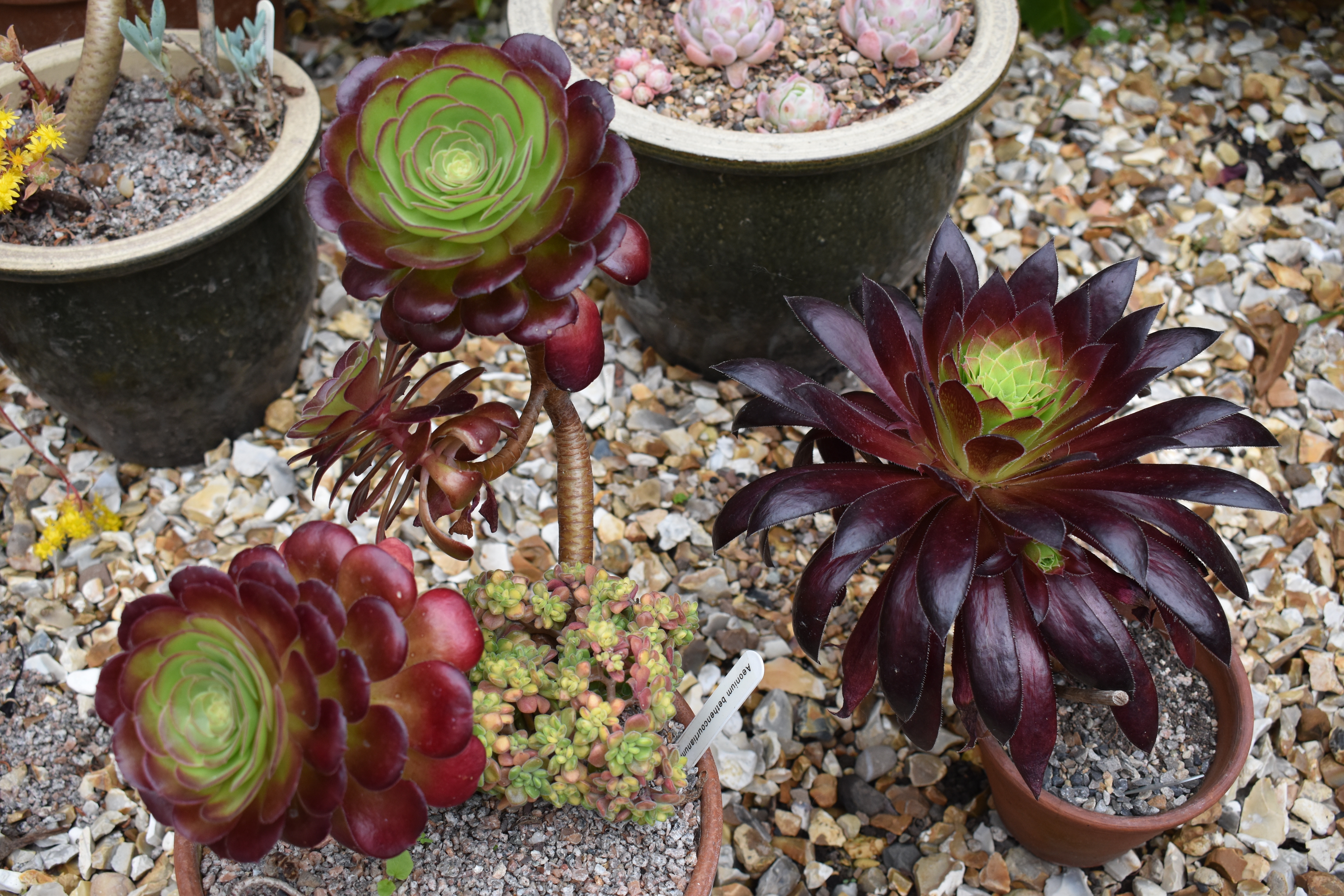
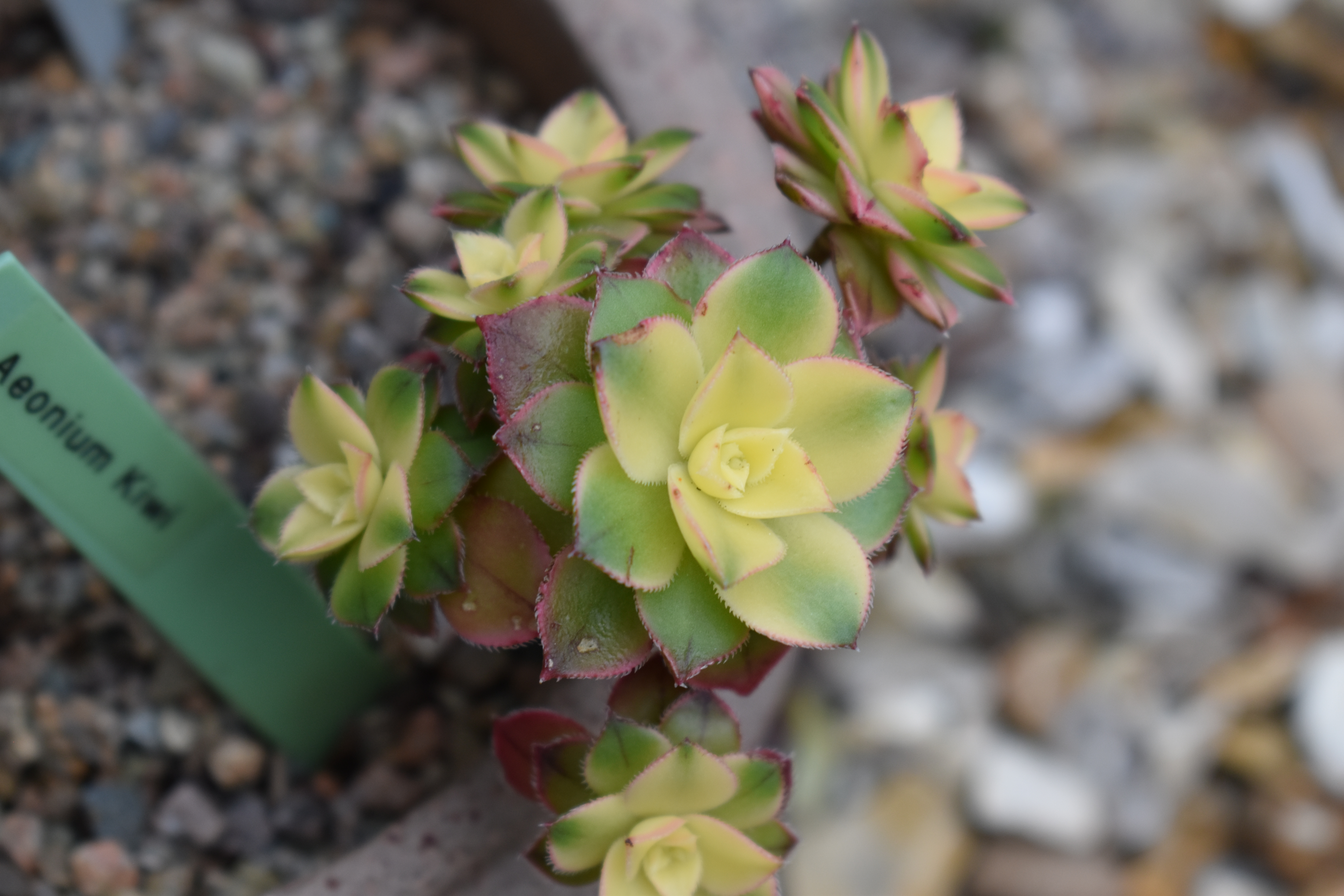
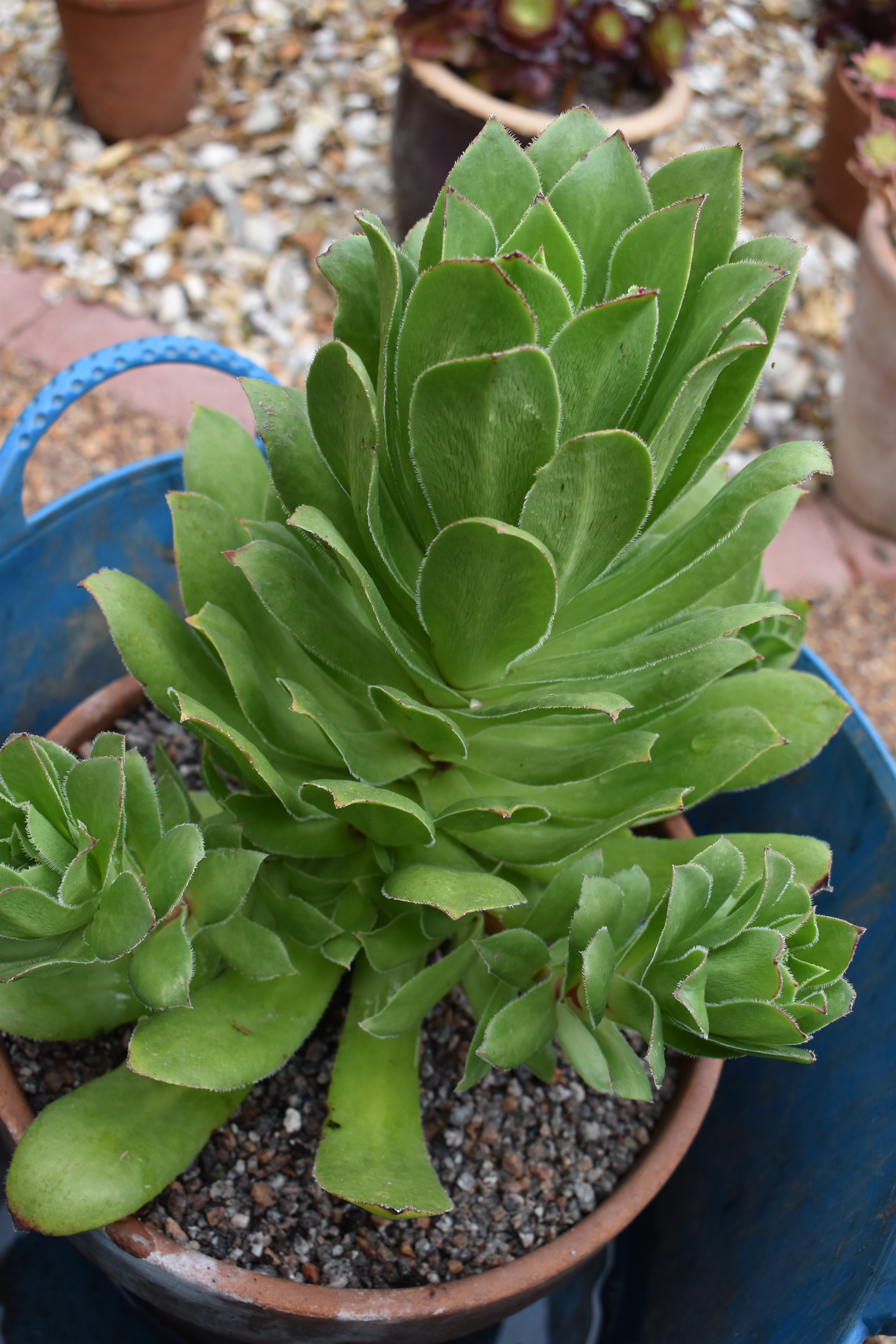
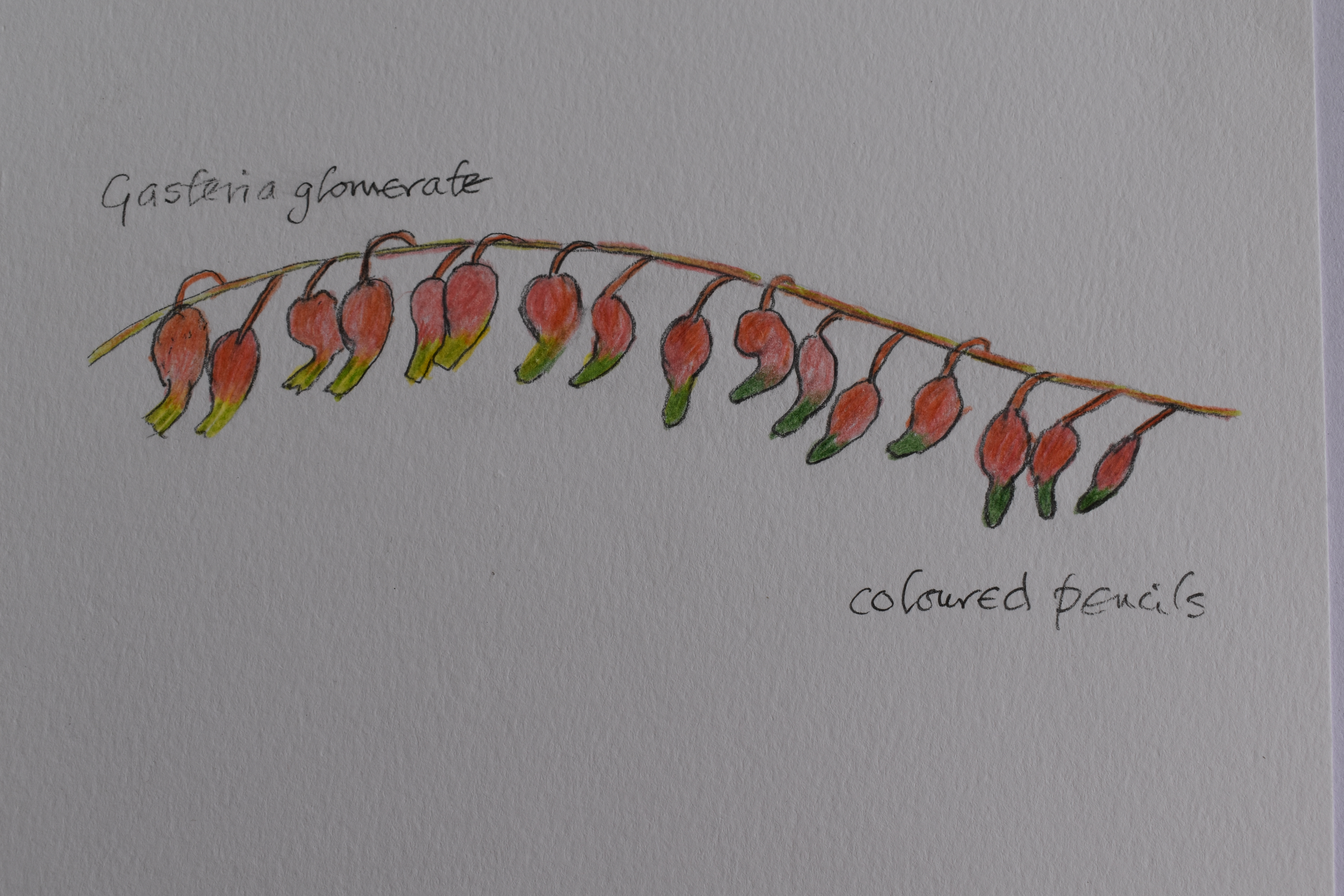
The final double page spread features succulents, firstly a page of photos of a few of my collection and then a coloured pencil drawing of one in flower. Here I wrote, “We created a ‘xeroscape’ garden last year for our ever increasing collection of aeoniums. These special succulents glow in shades of reds, purples and greens.”
The photos below show just a small selection of my collection of aeoniums.
I finished off my entries for May with a coloured pencil drawing of one of our succulents in flower. Gasteria glomerata sends up a single fine stem which displays its delicate coral and green flowers.
And that is it for my May entries in my garden journal for 2021. I shall return to look into it in June.
On a wet dull day in mid-May we made our way to the north of our county, Shropshire to visit the second NGS garden of the year, Pooh Corner owned and gardened by our friend and fellow Hardy Plants Society member, Sue. This is a garden that is well thought of by fellow Hardy Plant Society members and we had wanted to visit for a while. Sadly circumstances hadn’t allowed until now. It is situated on a modern estate in the town of St. Martins and is like an oasis among roads and other houses.
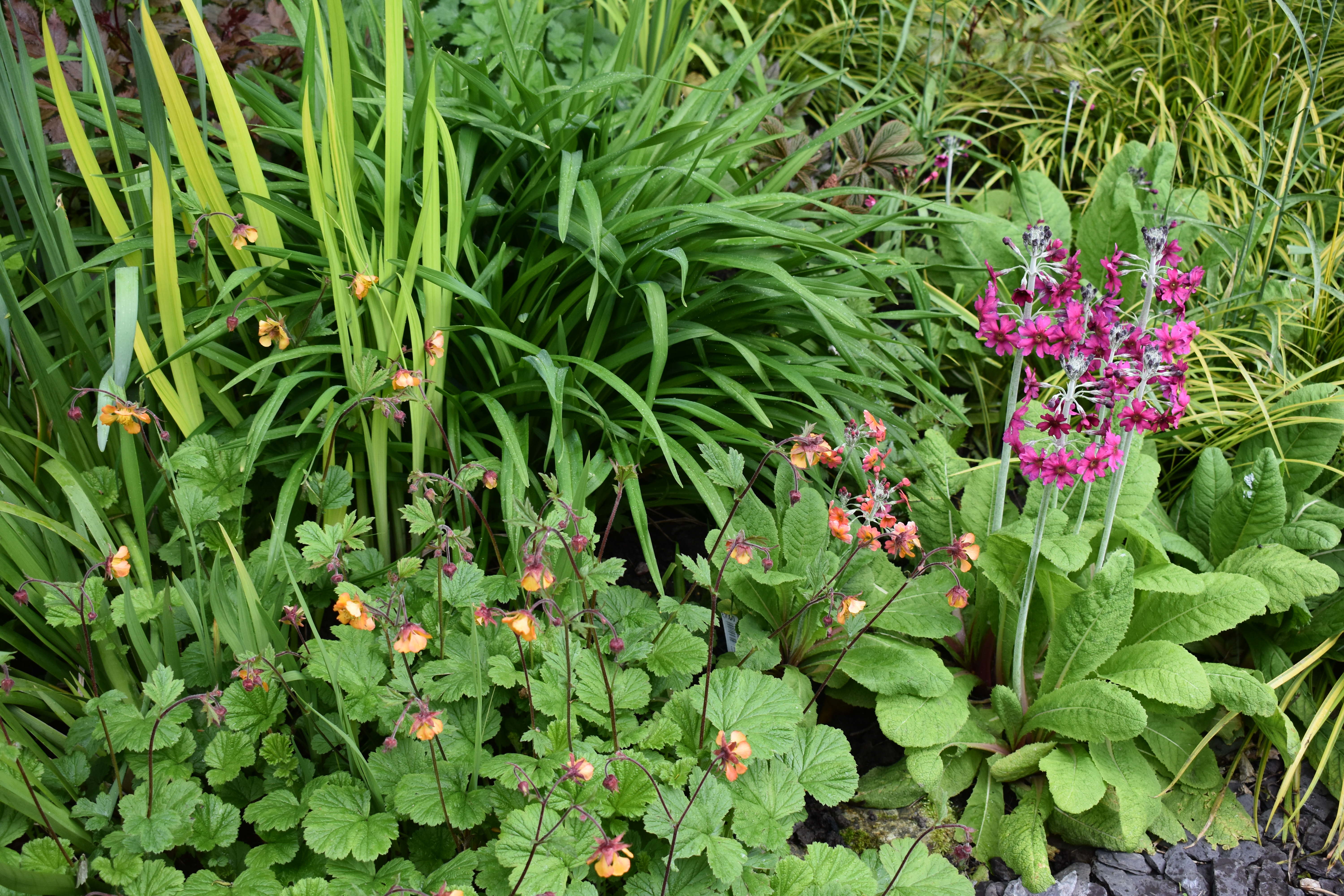
Straight away we found interesting plants often in great plant communities.
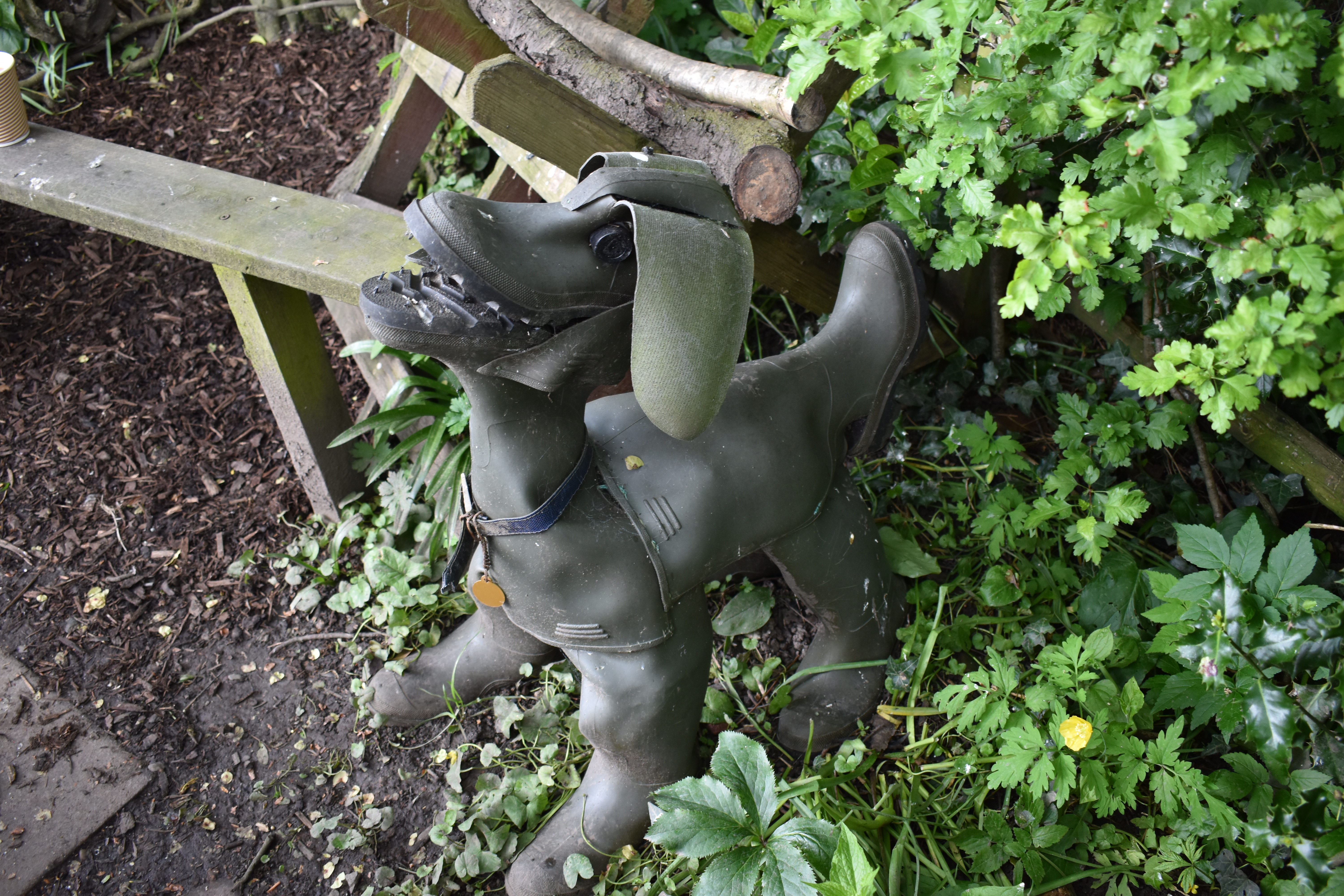
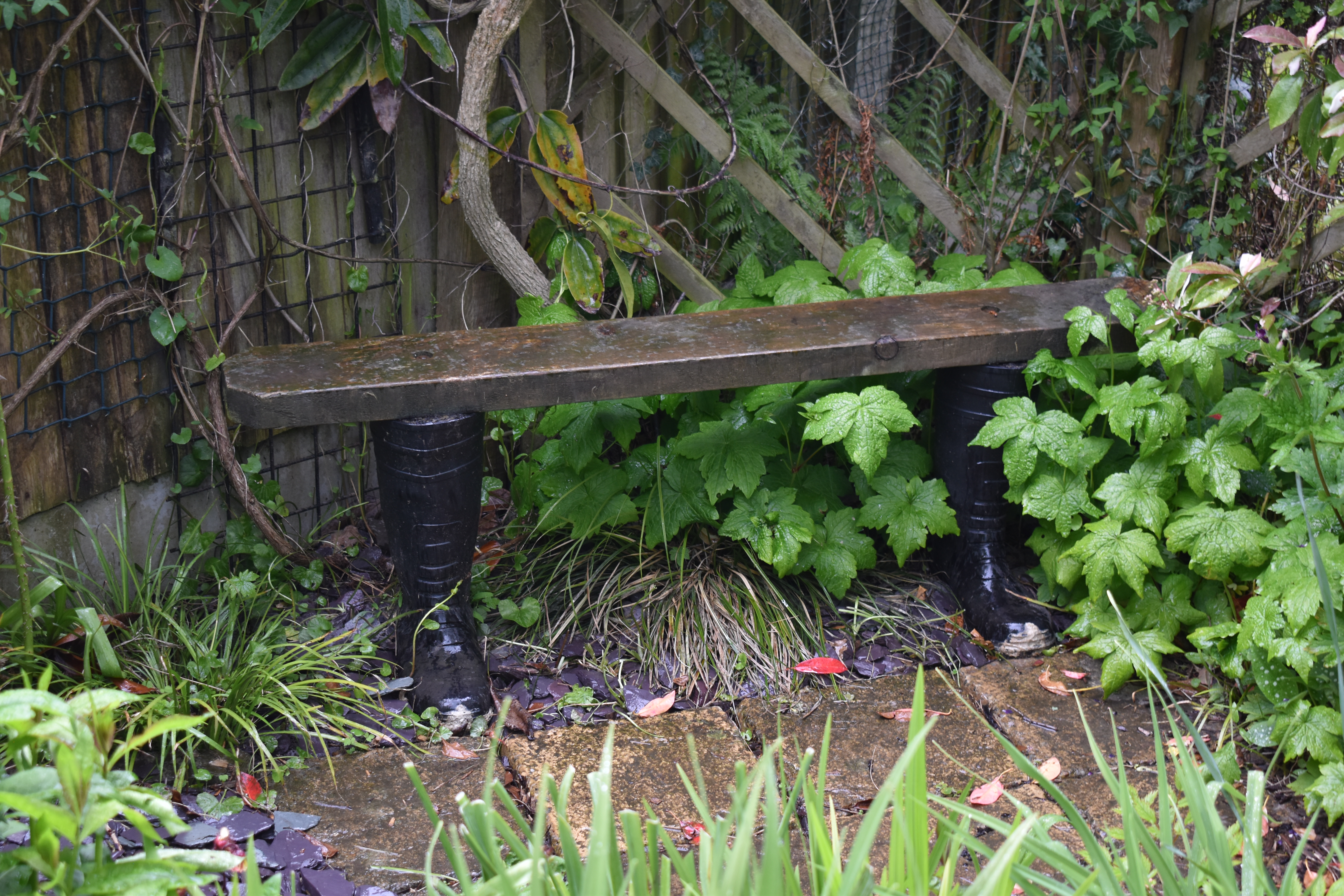
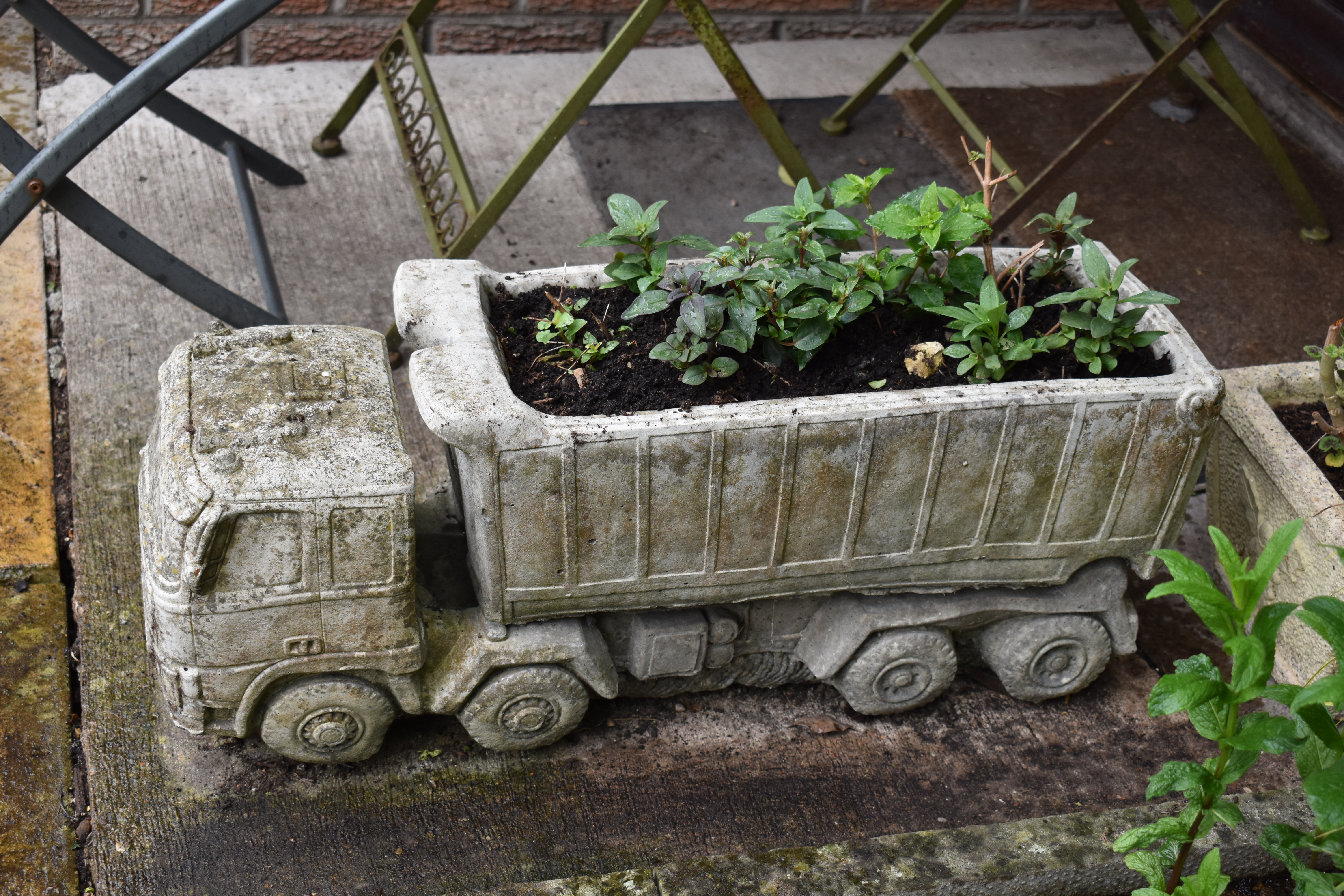
The garden with its amusing name showed off the gardener’s sense of humour along the many paths.
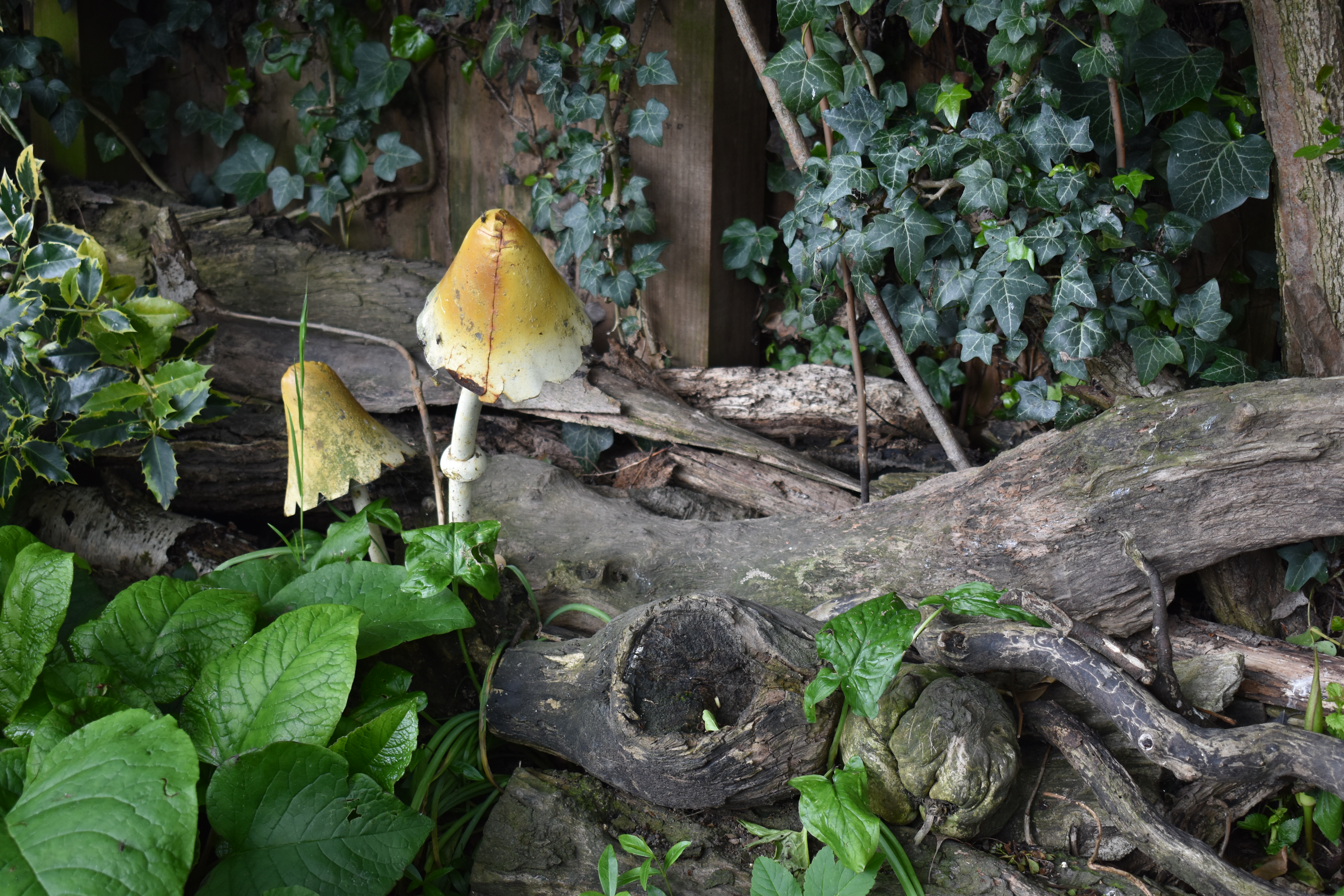
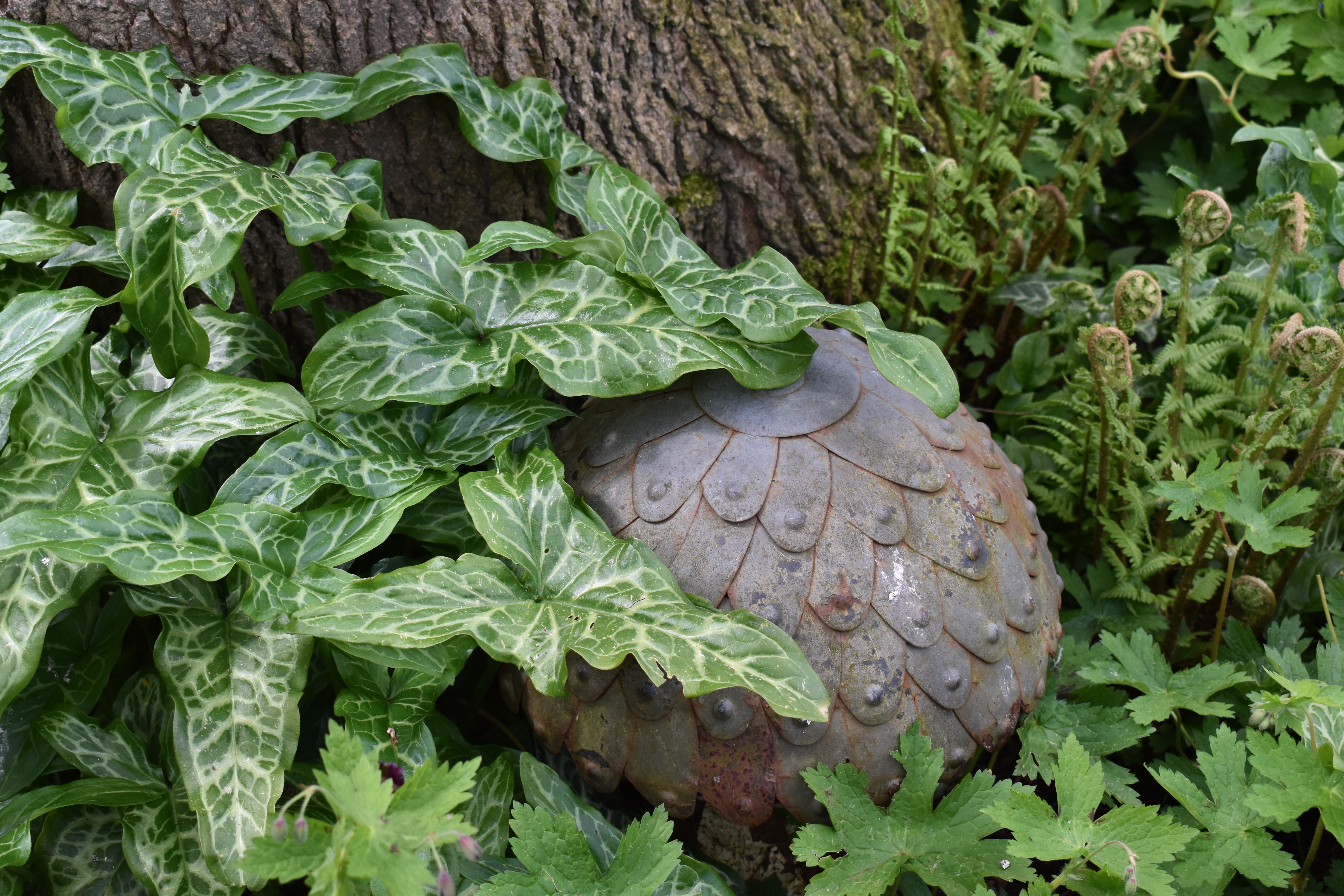
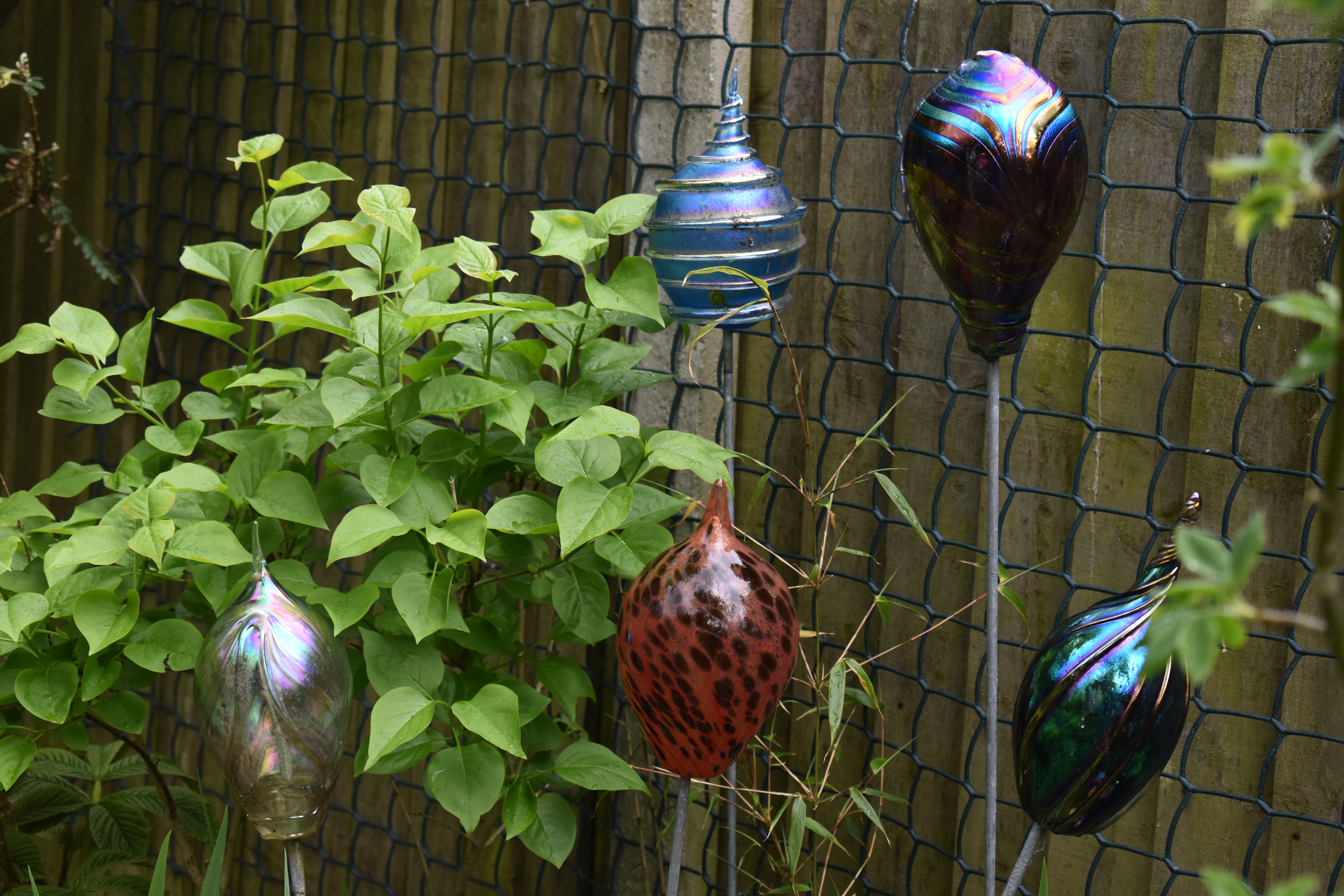
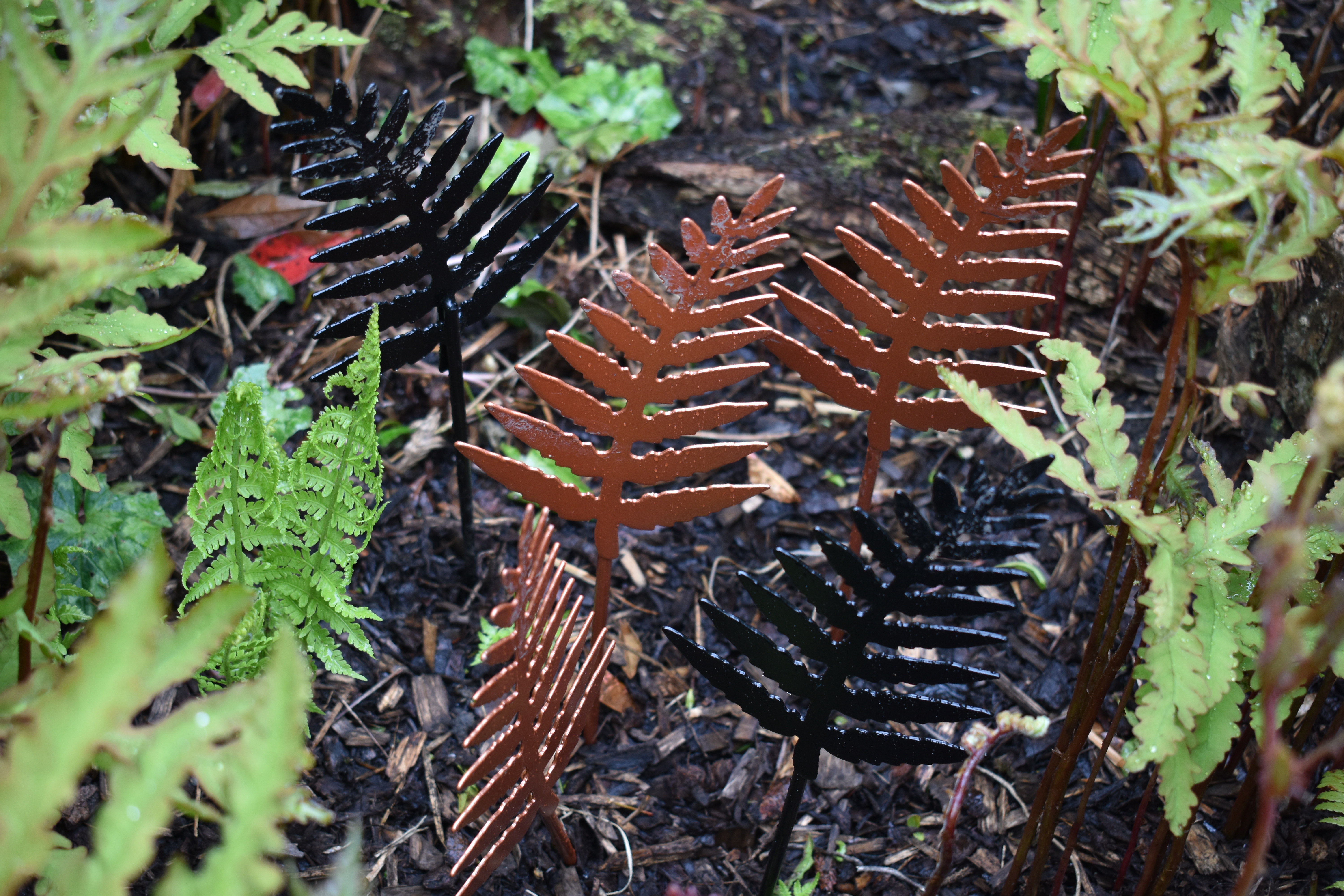
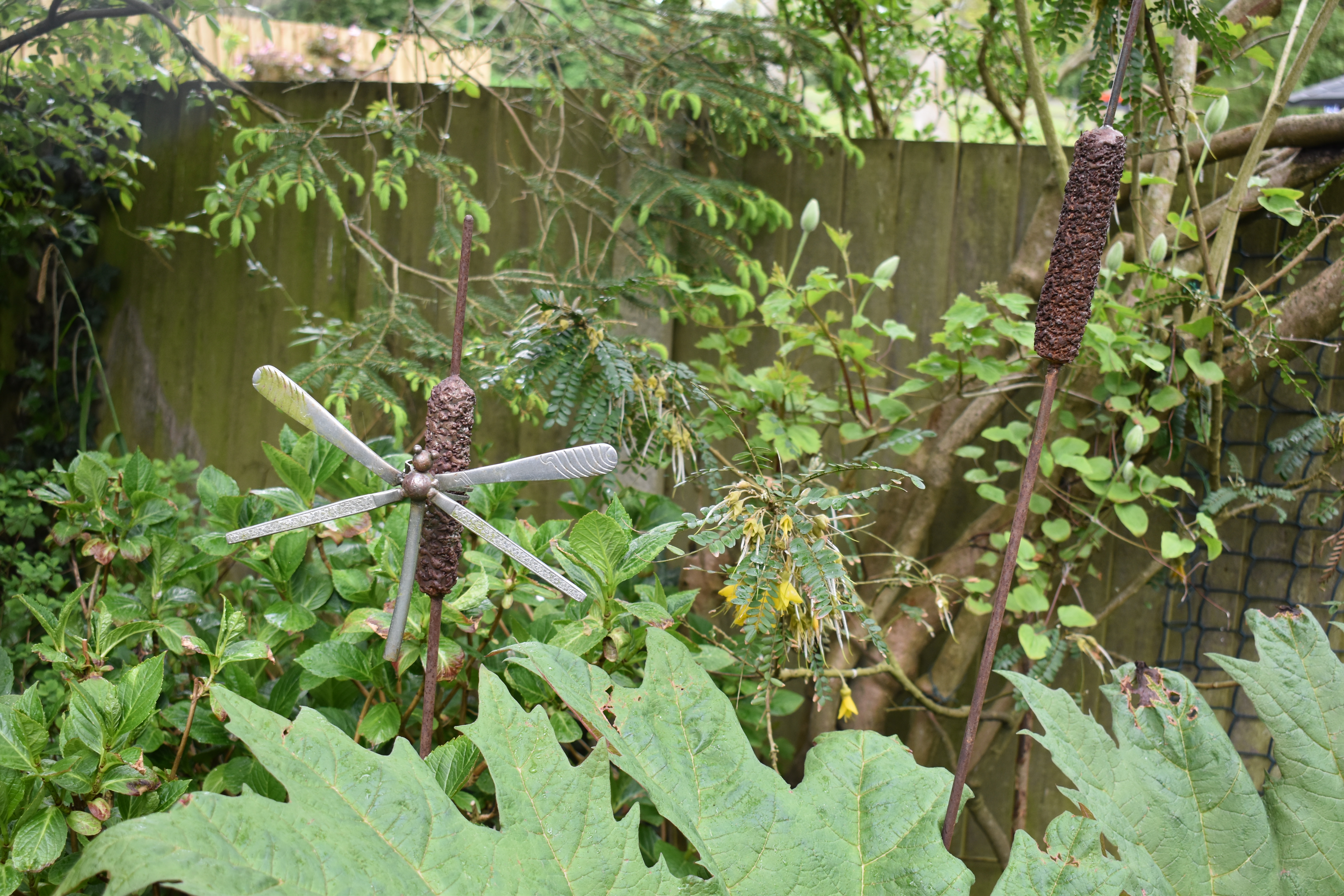
Hidden away among plants we were delighted to find some interesting and varied sculptural pieces.
Rain had been almost forgotten by the time we had explored much of the garden and we really enjoyed wandering its many narrow paths taking us amongst the plants.
What a lovely way to spend a disappointingly damp day out. We certainly felt much better for our time in this great little garden.
'The most important and informative publication on wildlife of our times' - The Independent. This blog is a member of The UK & Ireland Natural History Bloggers group: www.uknhb.blogspot.com




















 greenbenchramblings