We often visit our gardening friends, William and Linda and their garden up in the hills where it is often colder and windier than here lower down in our garden. In between our visits William and Linda visit us and our garden, so we share each other’s gardens.
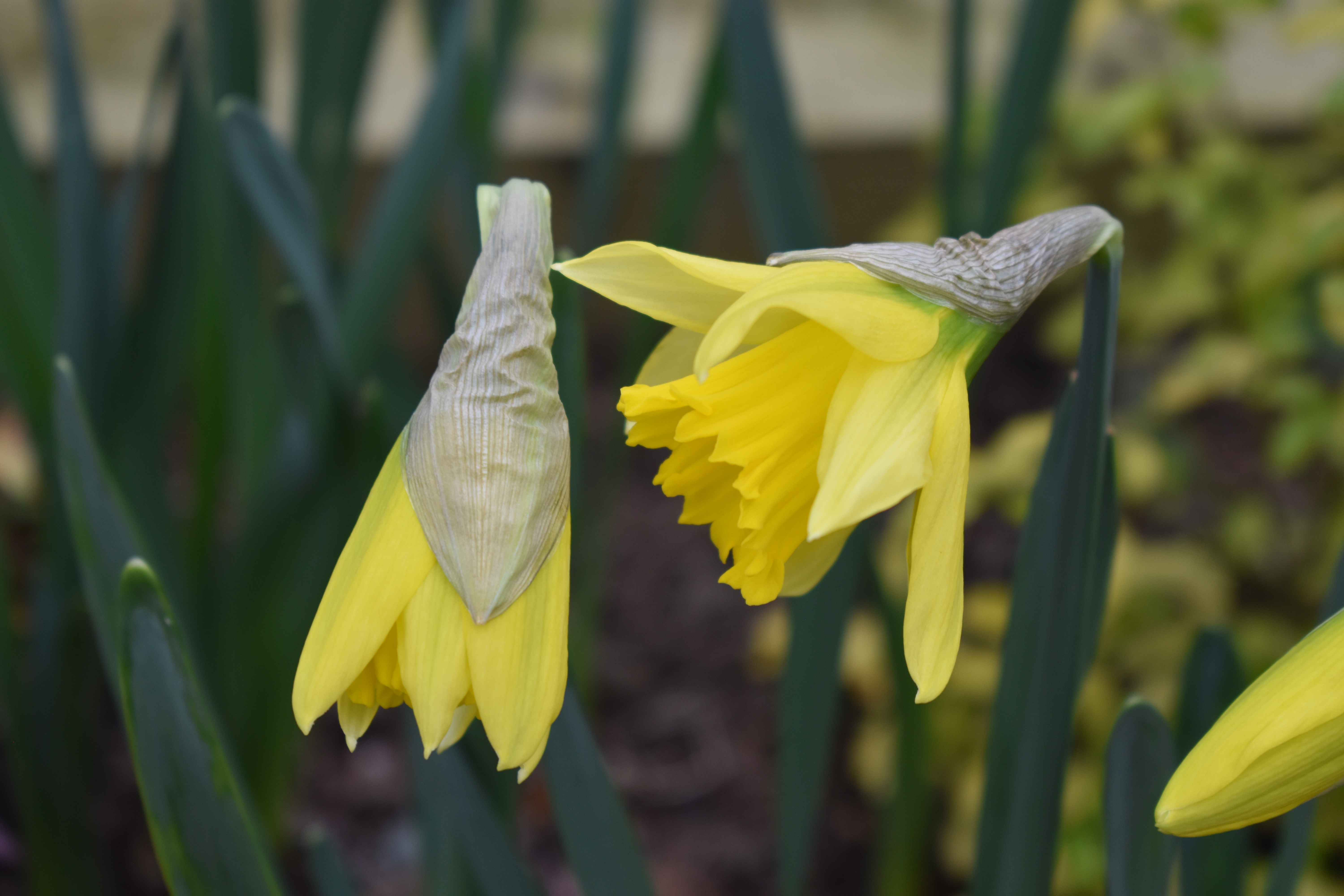
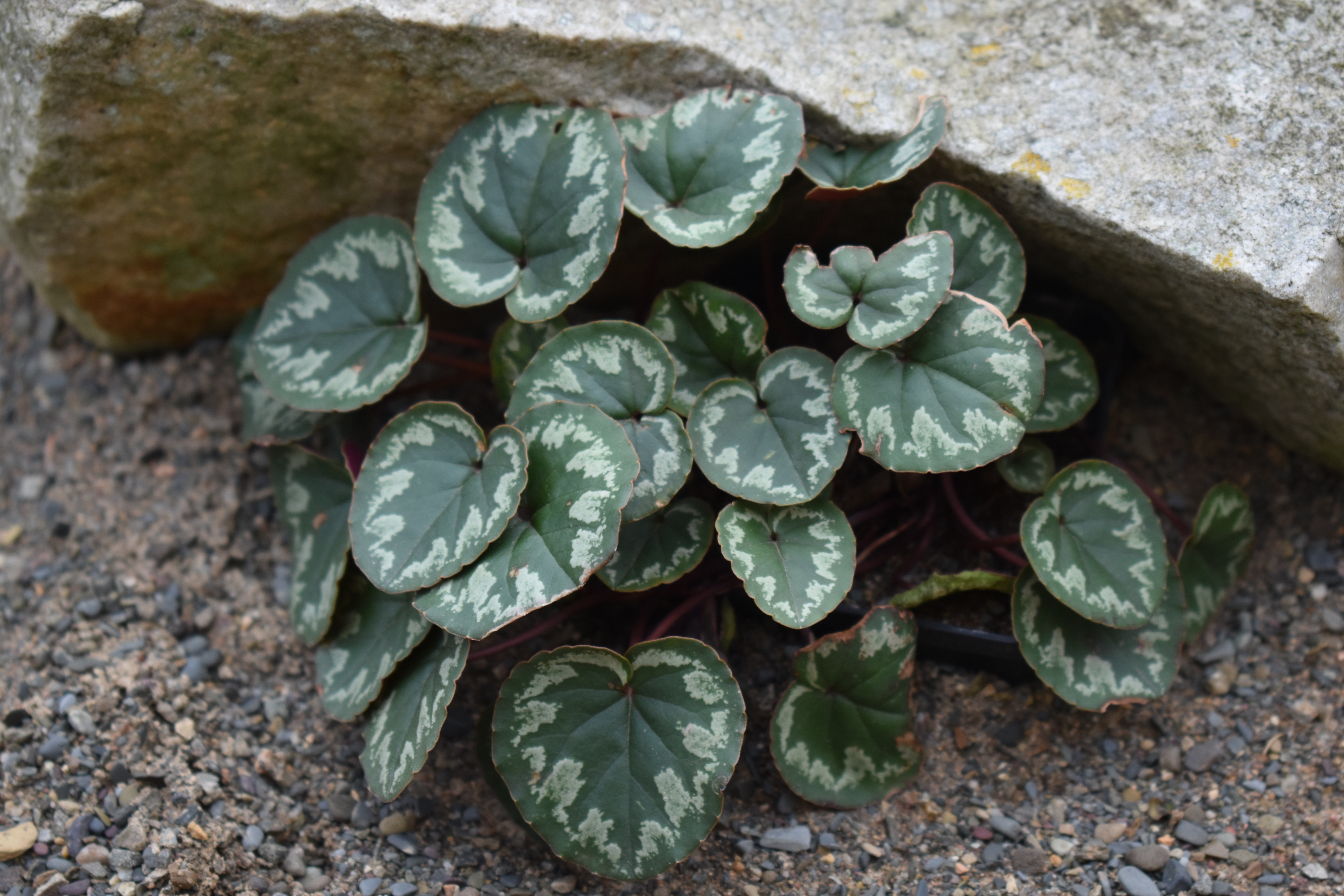
In late February we made our first visit of the year and there was plenty of interest for us to look at beneath the gloomy winter skies. The narcissus and cyclamen below certainly attracted our attention. Narcissus Rijnvelds Early Sensation and Cyclamen mirabile.
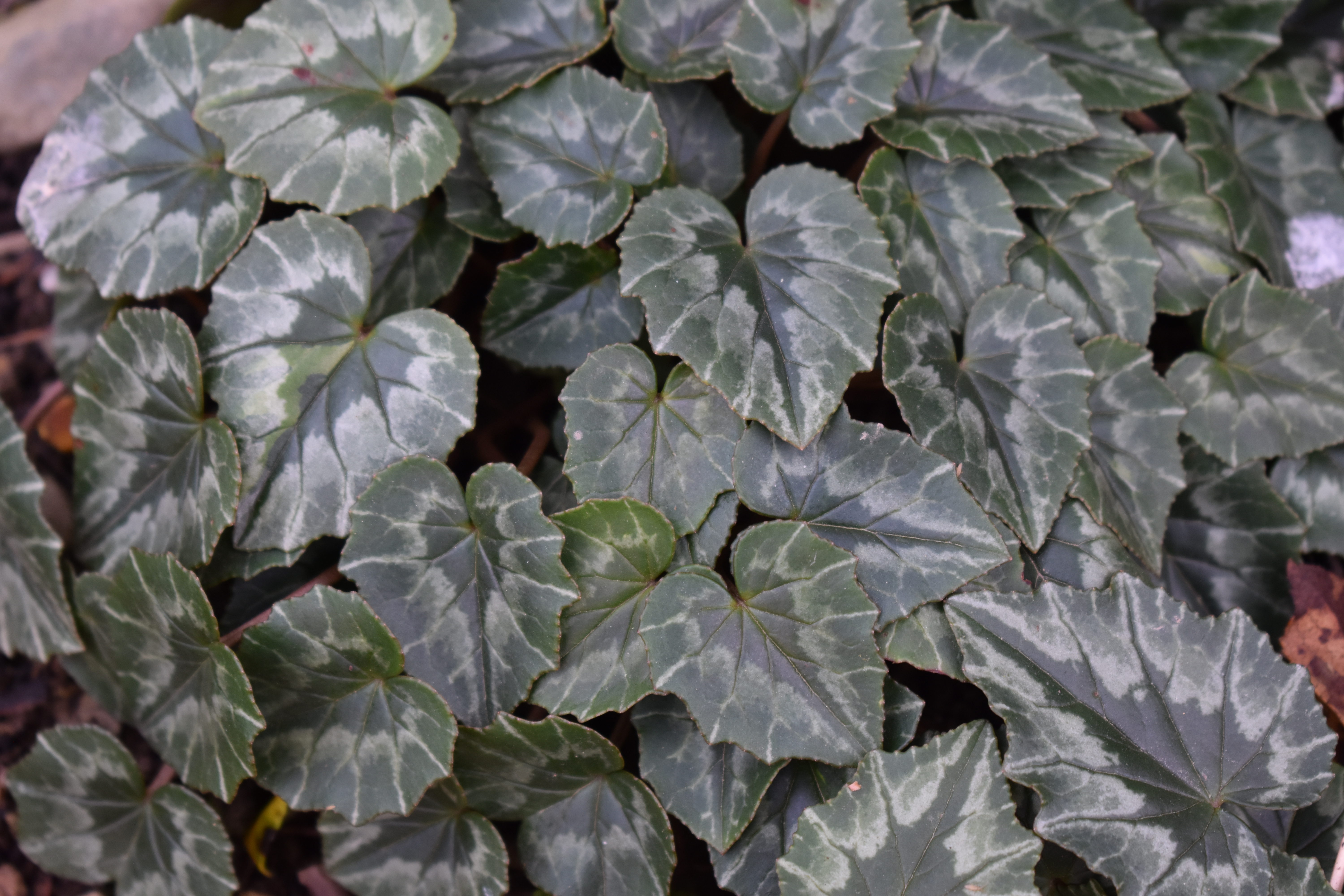
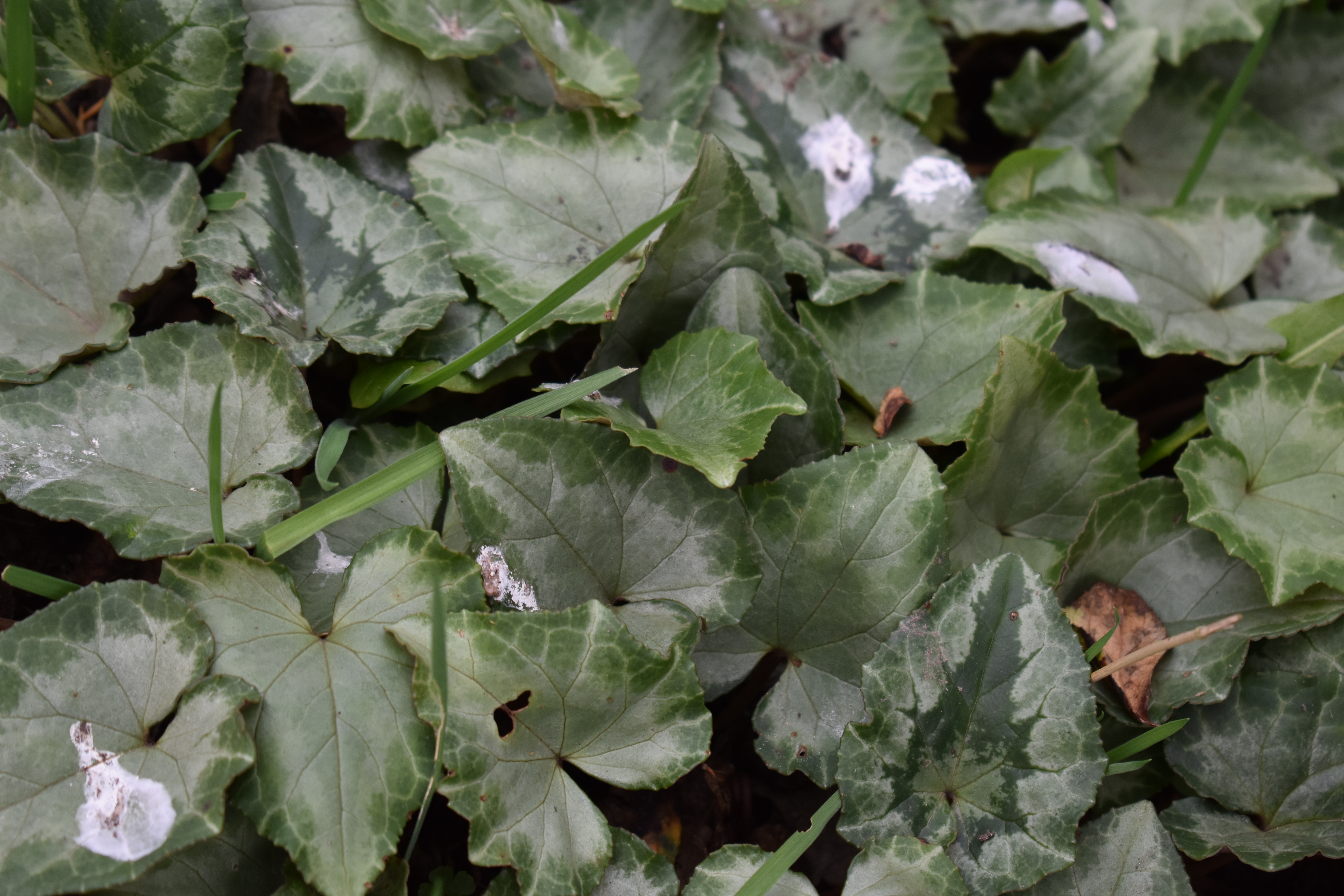
I chose these three cyclamen plants for their different foliage markings. Cyclamen foliage is so intricate and each leaf is different and equally fascinating.
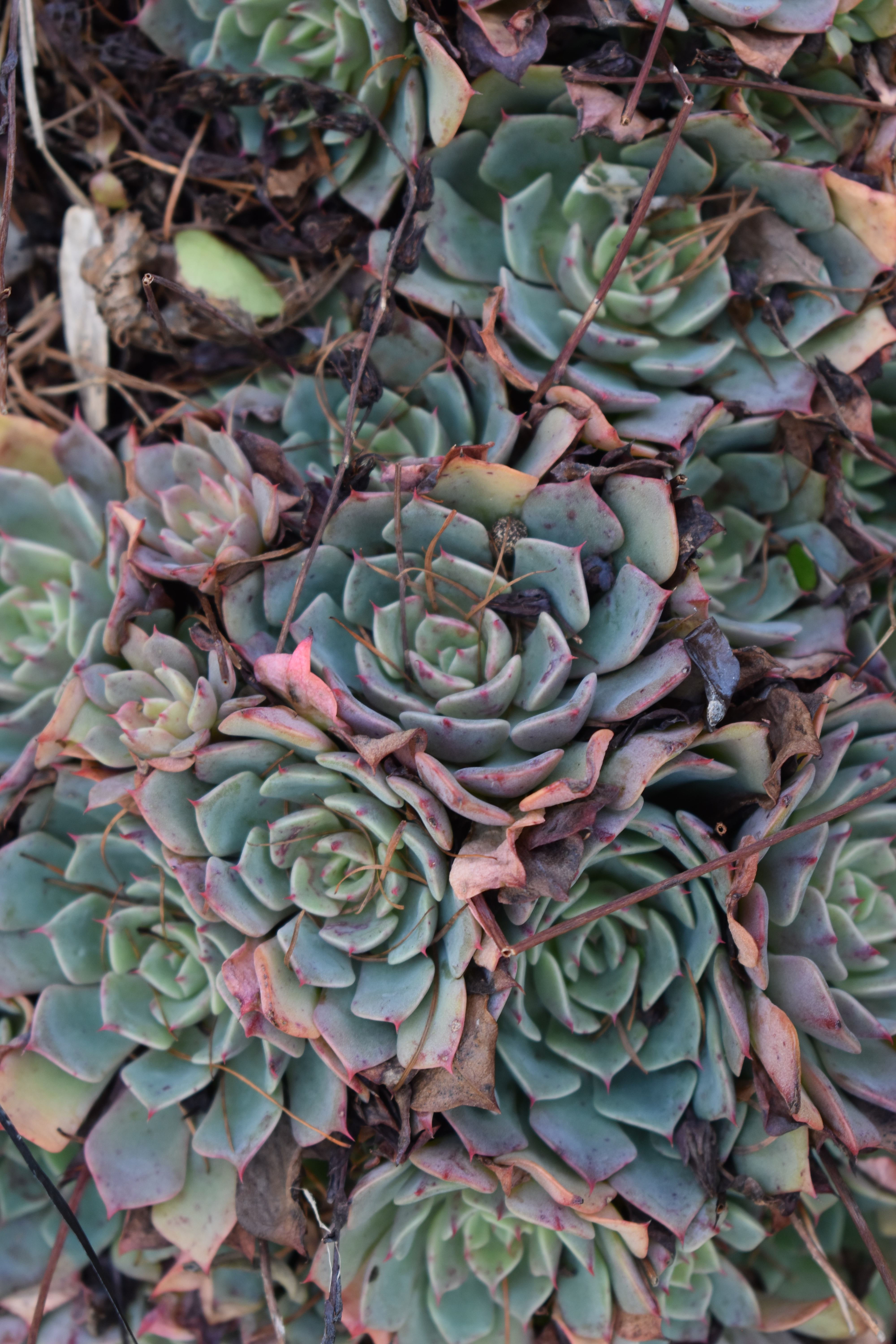
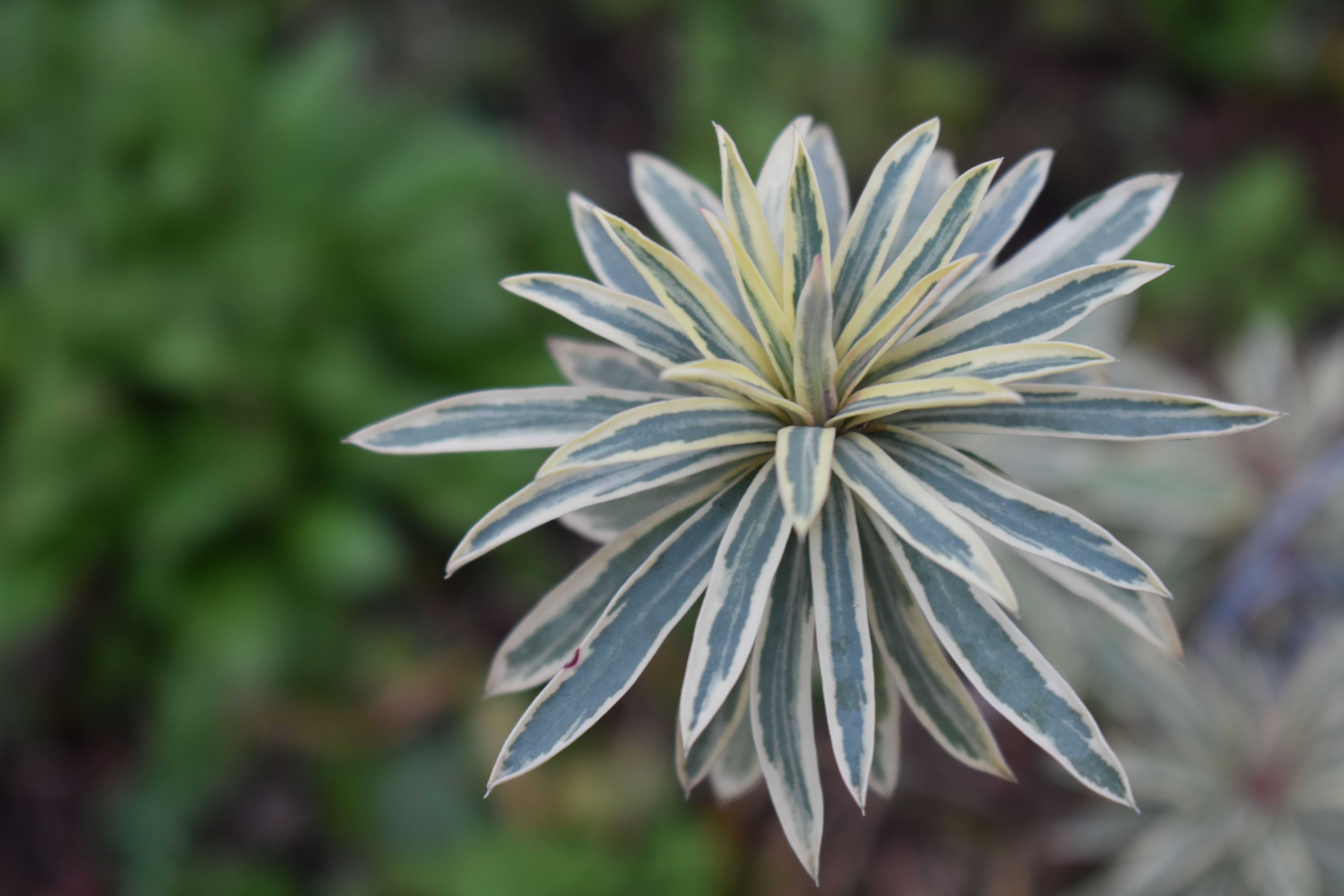
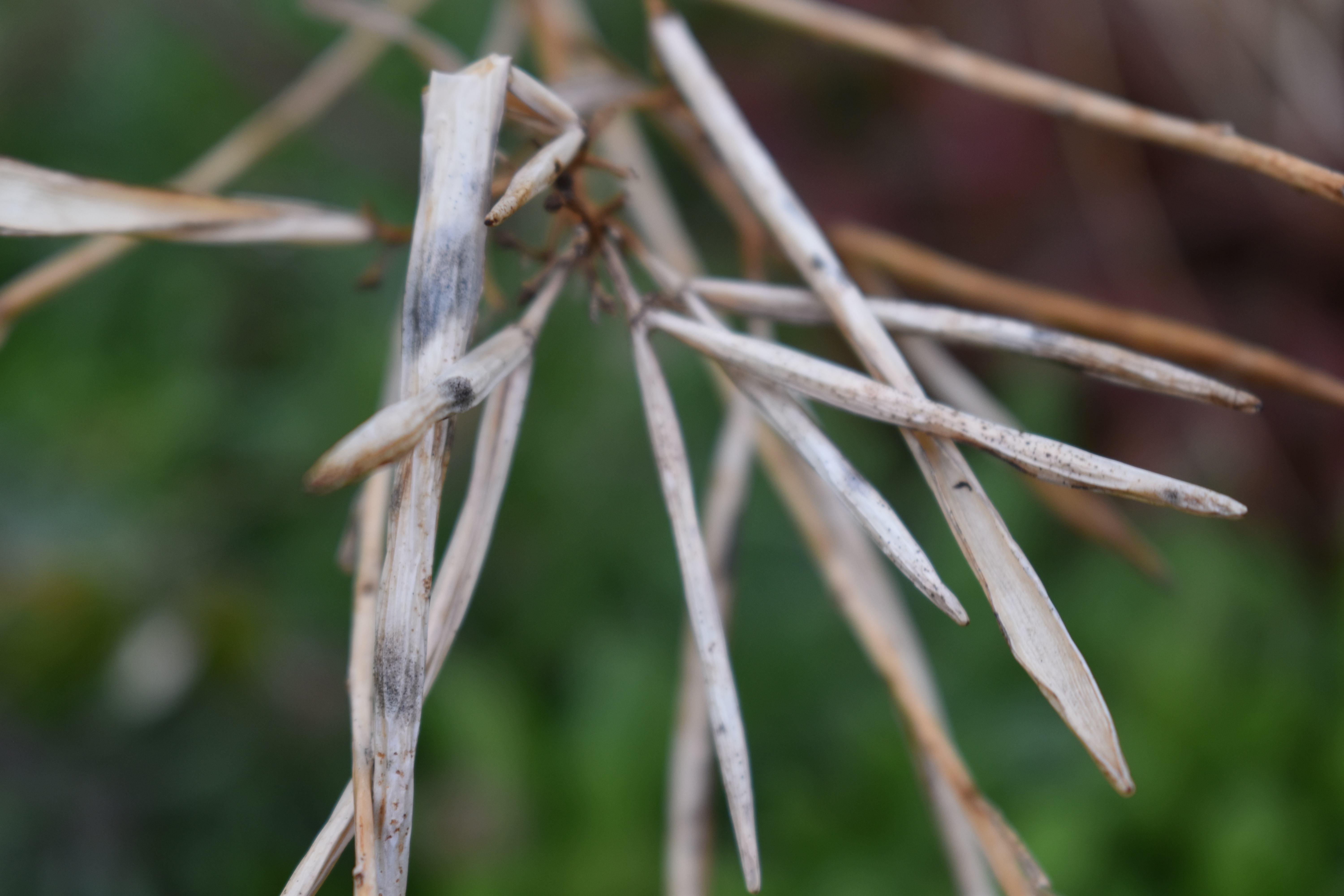
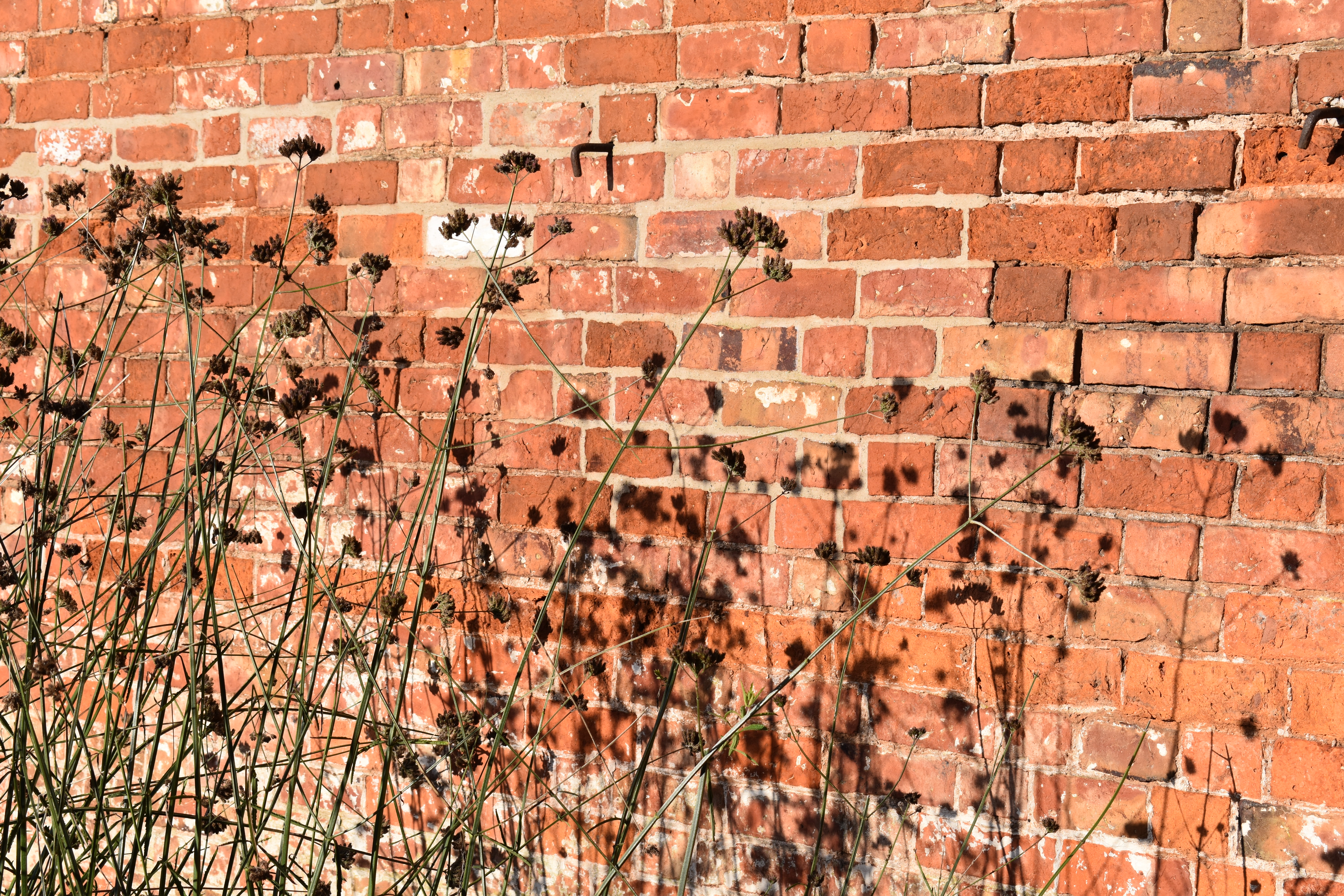
Carrying on wandering along a meandering pathway we found more little cameos to photograph along the way -foliage, flowers and dried stalks and seed heads.
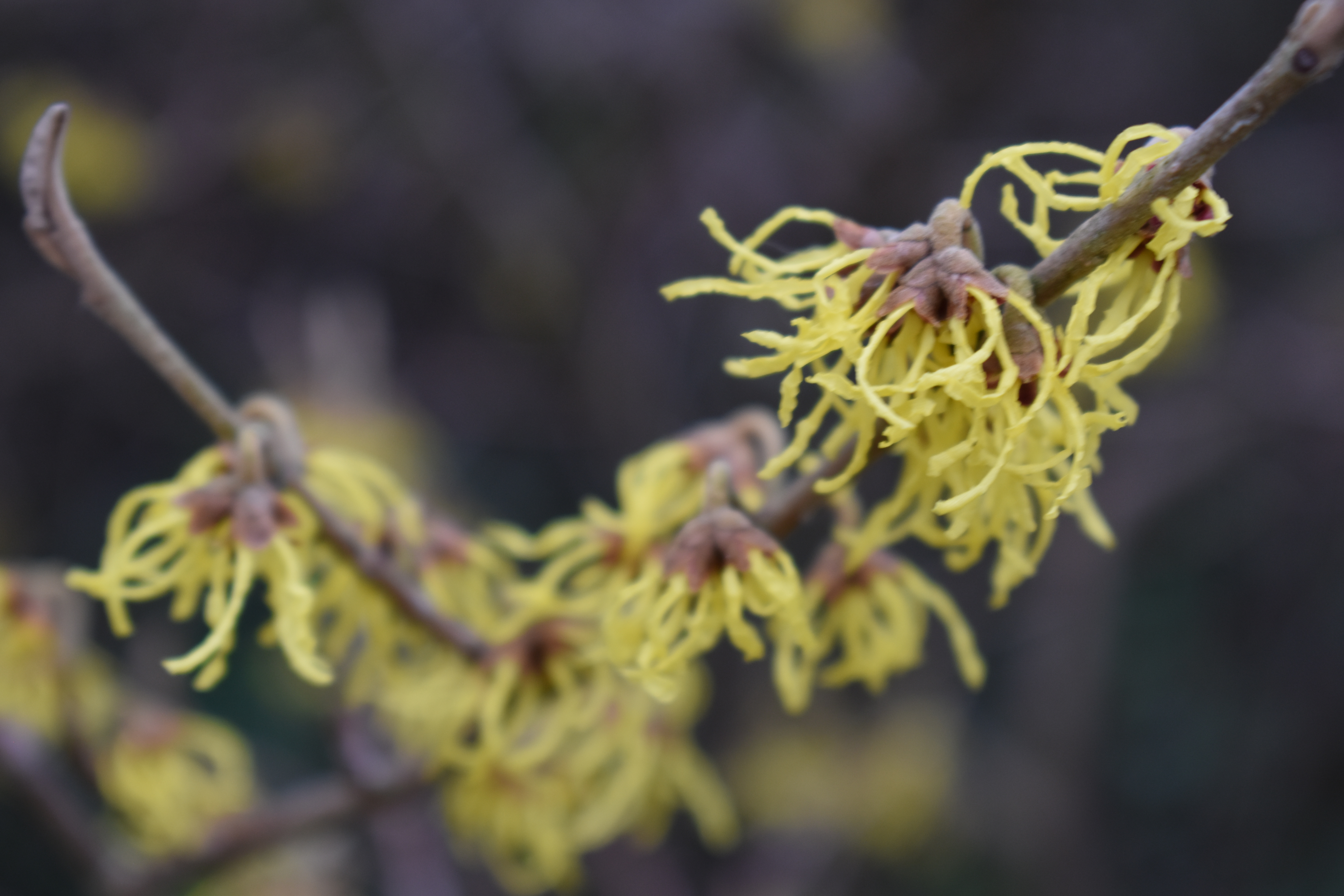
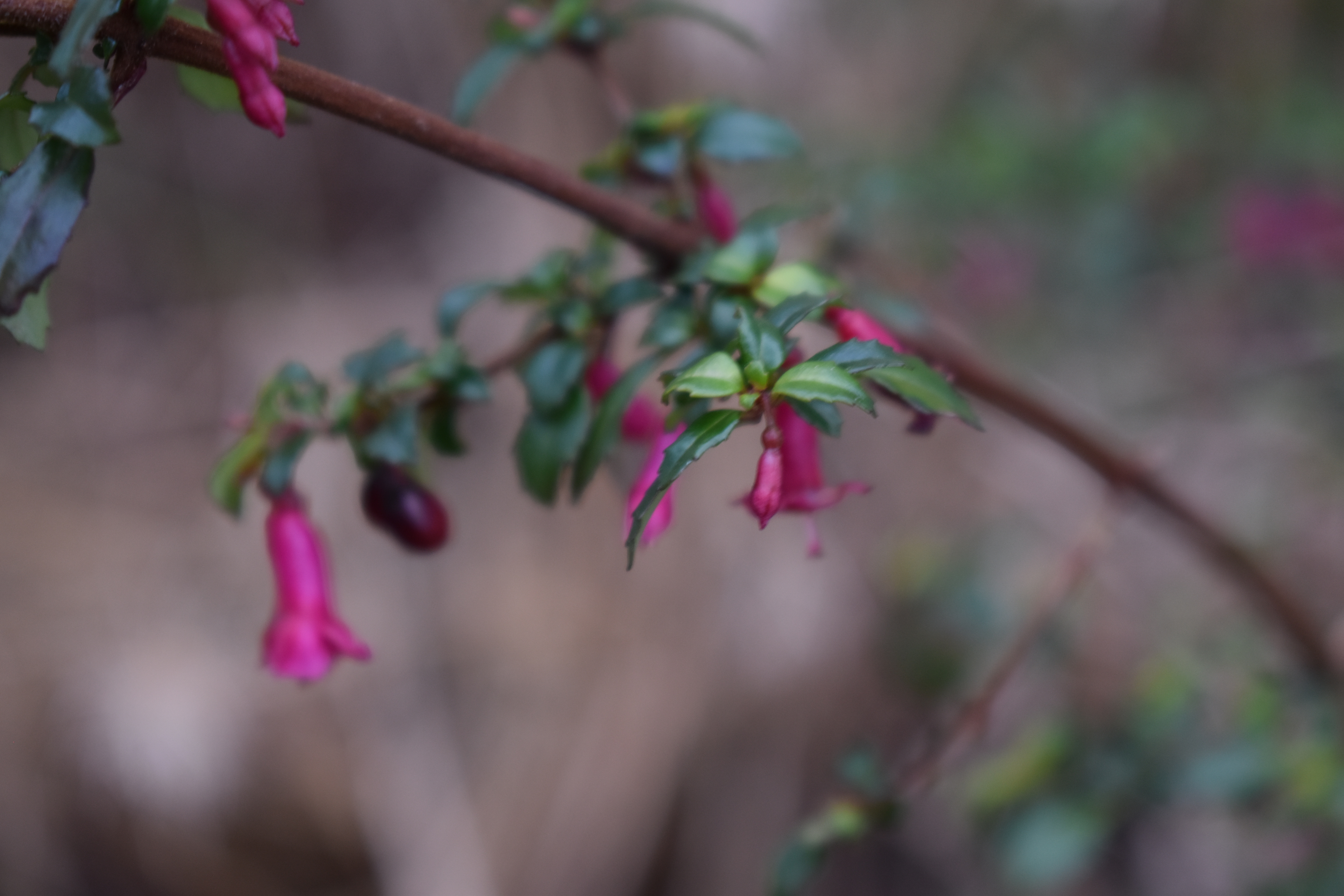
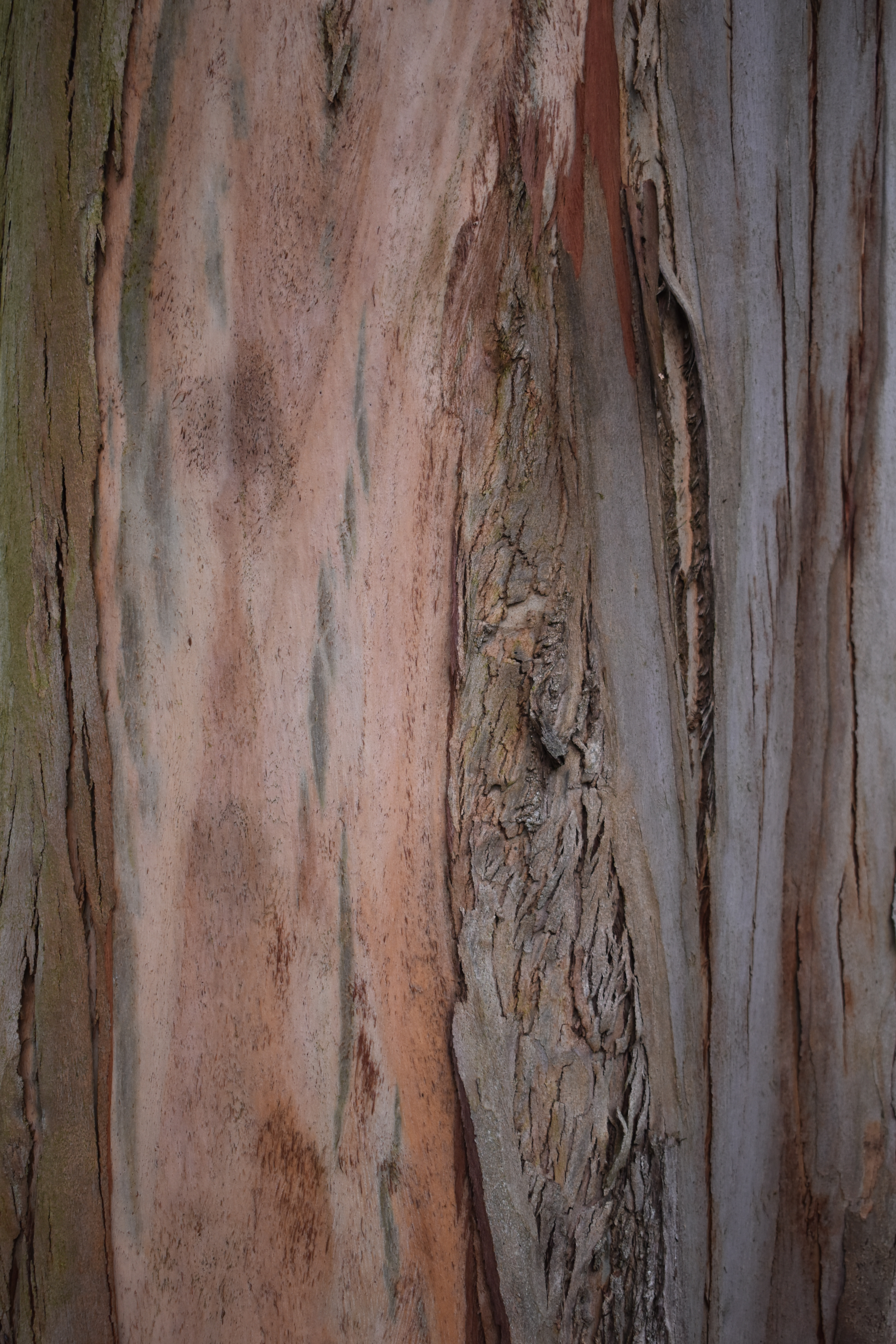
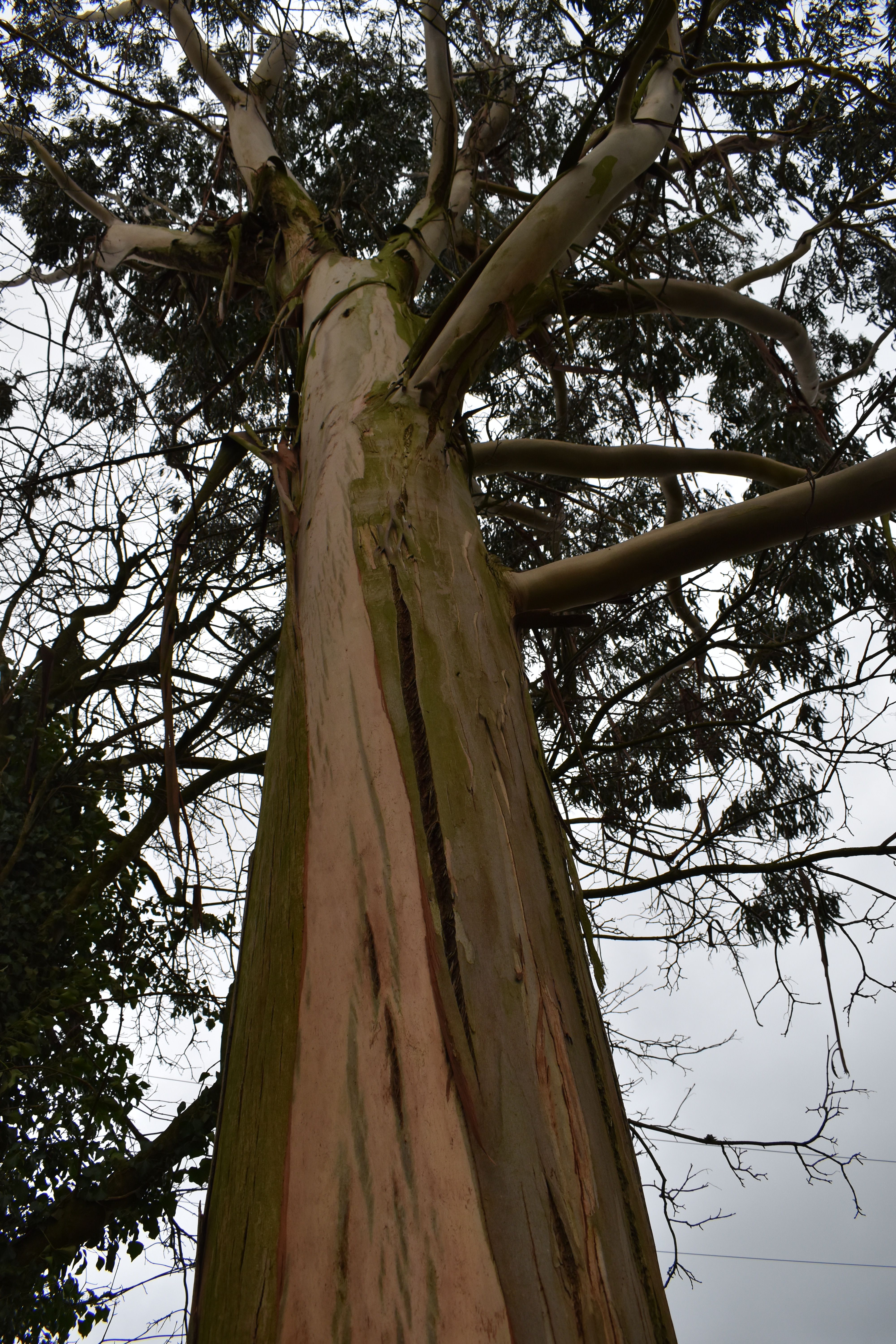
Surprises wait for us around every corner, the yellow of a Witch Hazel, the tiny fuschia flowers and at the other end of the scale the colourful bark of an old eucalyptus.
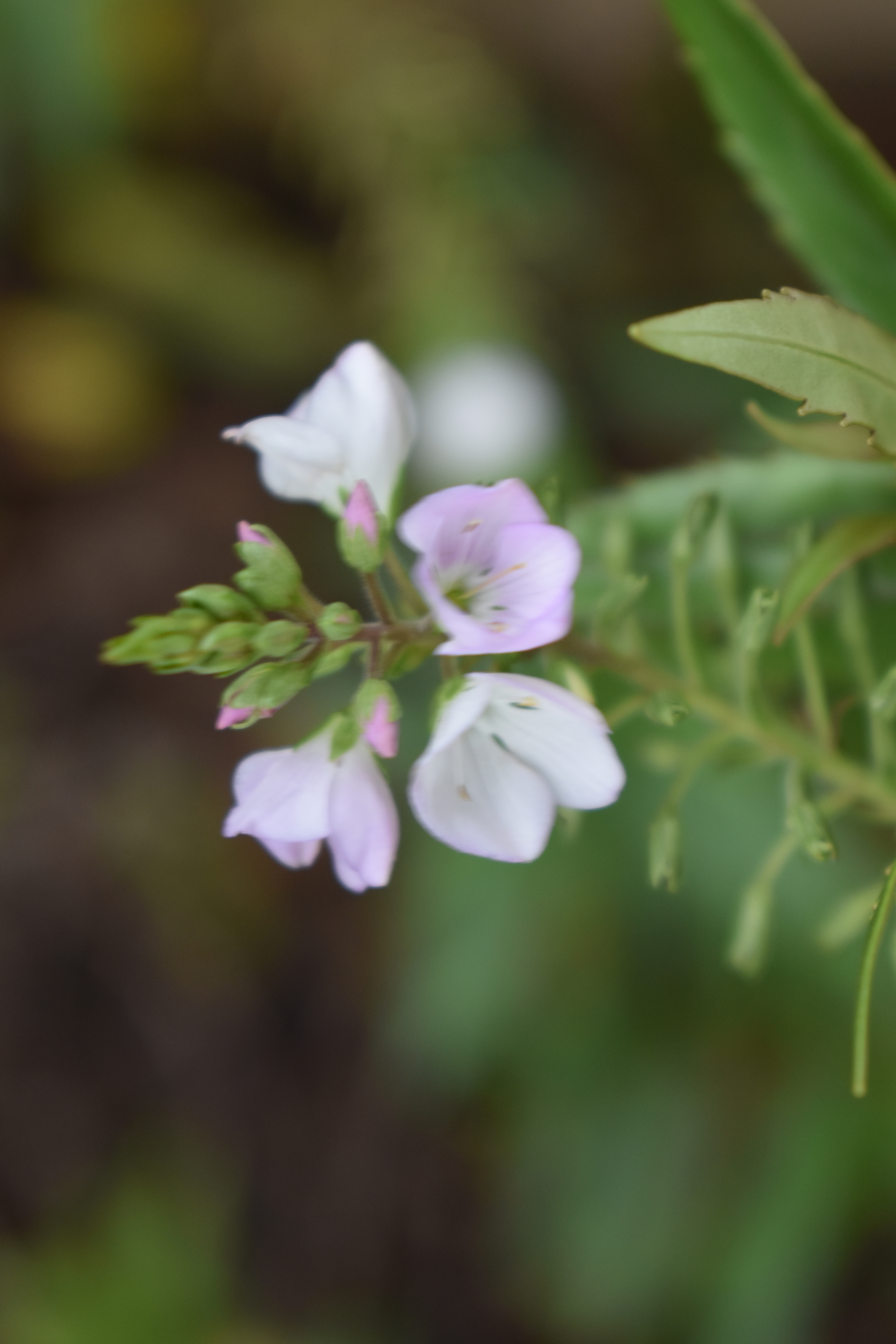
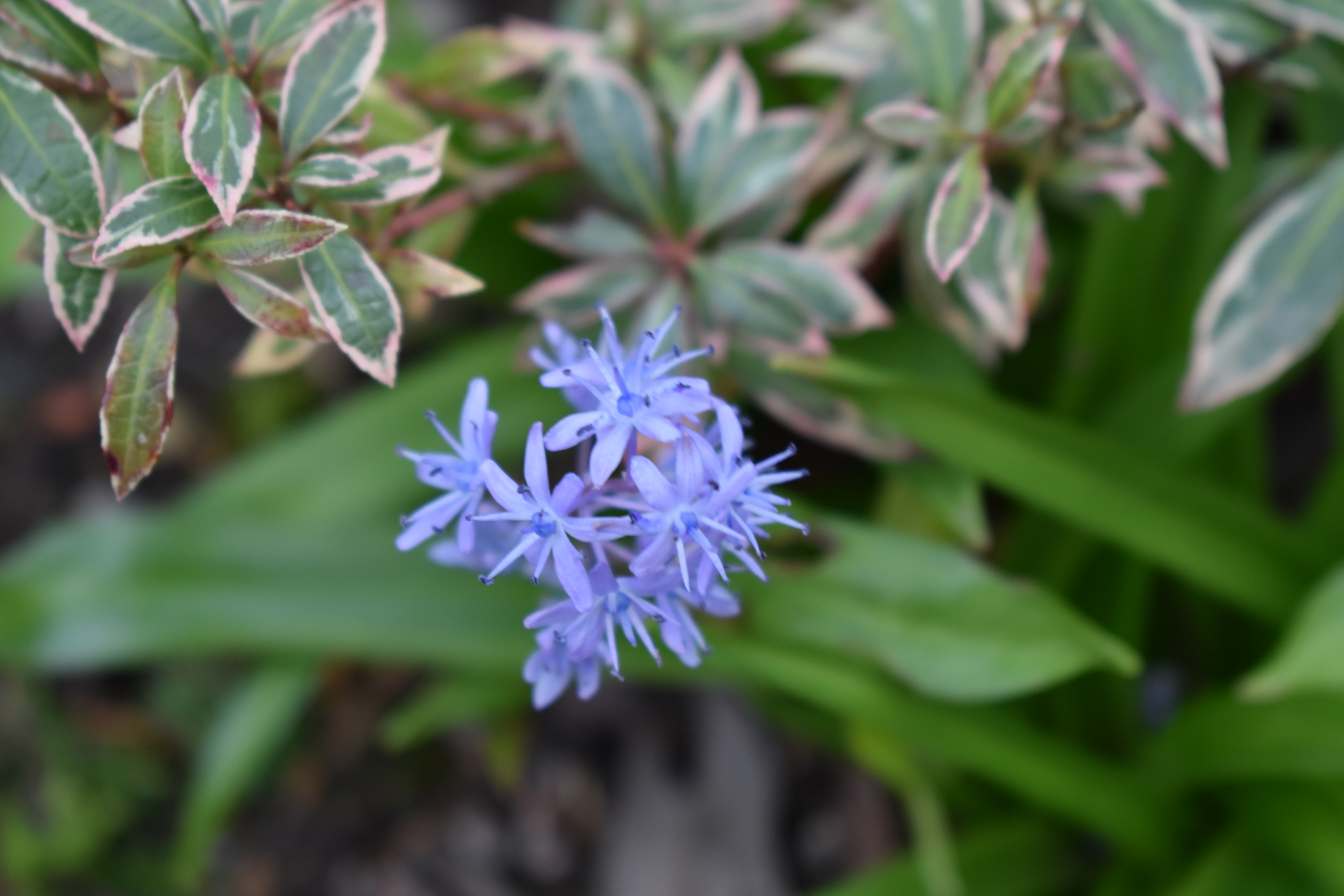
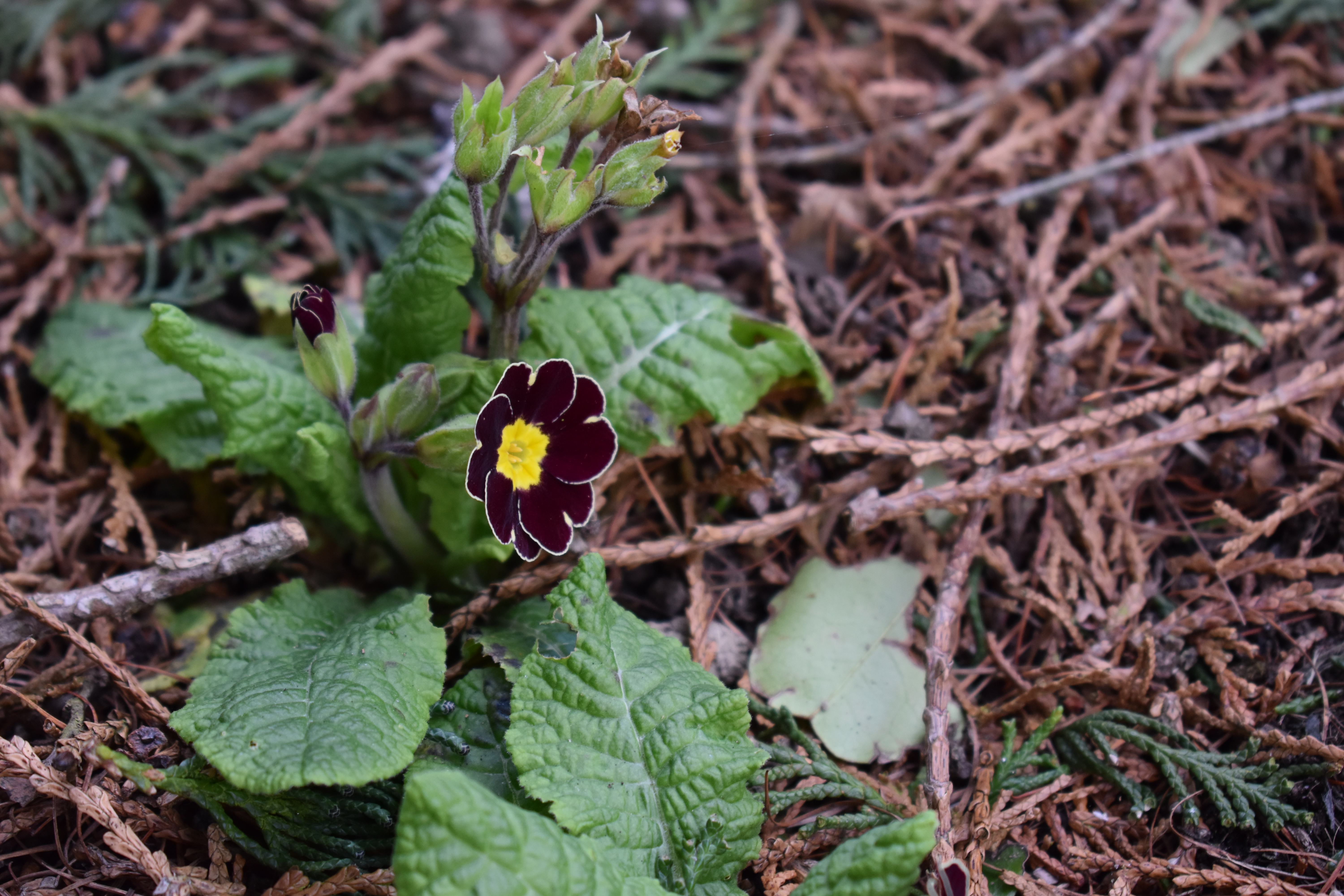
Beauty can also be surprising, an orange-red cowslip, a rare scilla and a yellow-edged deep mauve primula flower.
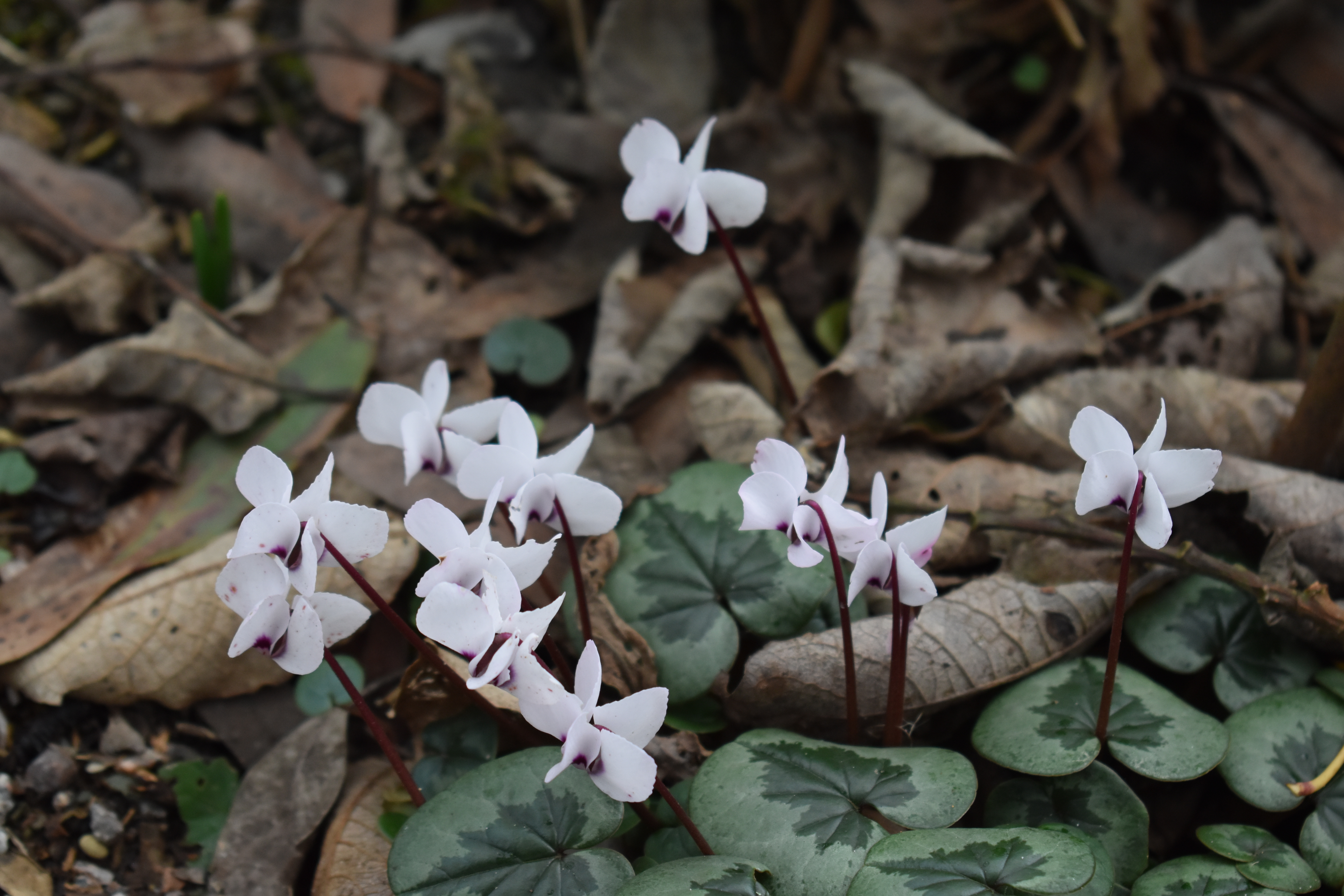
We were delighted to find more cyclamen, a white flowered one and another with long slender foliage.
A great way to finish off is with a photograph of a newly constructed dead hedge, a fine example of recycling green and brown materials.
We will return again soon and find even more delights and surprises.
We hadn’t gone far into the new year when we decided to take the short drive to Attingham Park our local National Trust property. We certainly were not the only ones to think the same as it was the busiest we had ever seen it!
I want to share a selection of my photos taken of details and patterns that appealed to me. Enjoy!
We will be returning in a few weeks to follow the snowdrop walk which we enjoy every February.
So we move into another year, 2022, and we are still stuck with the pandemic which has gone on now for far too long. Thank goodness for our lovely garden which keeps us both busy and sane.
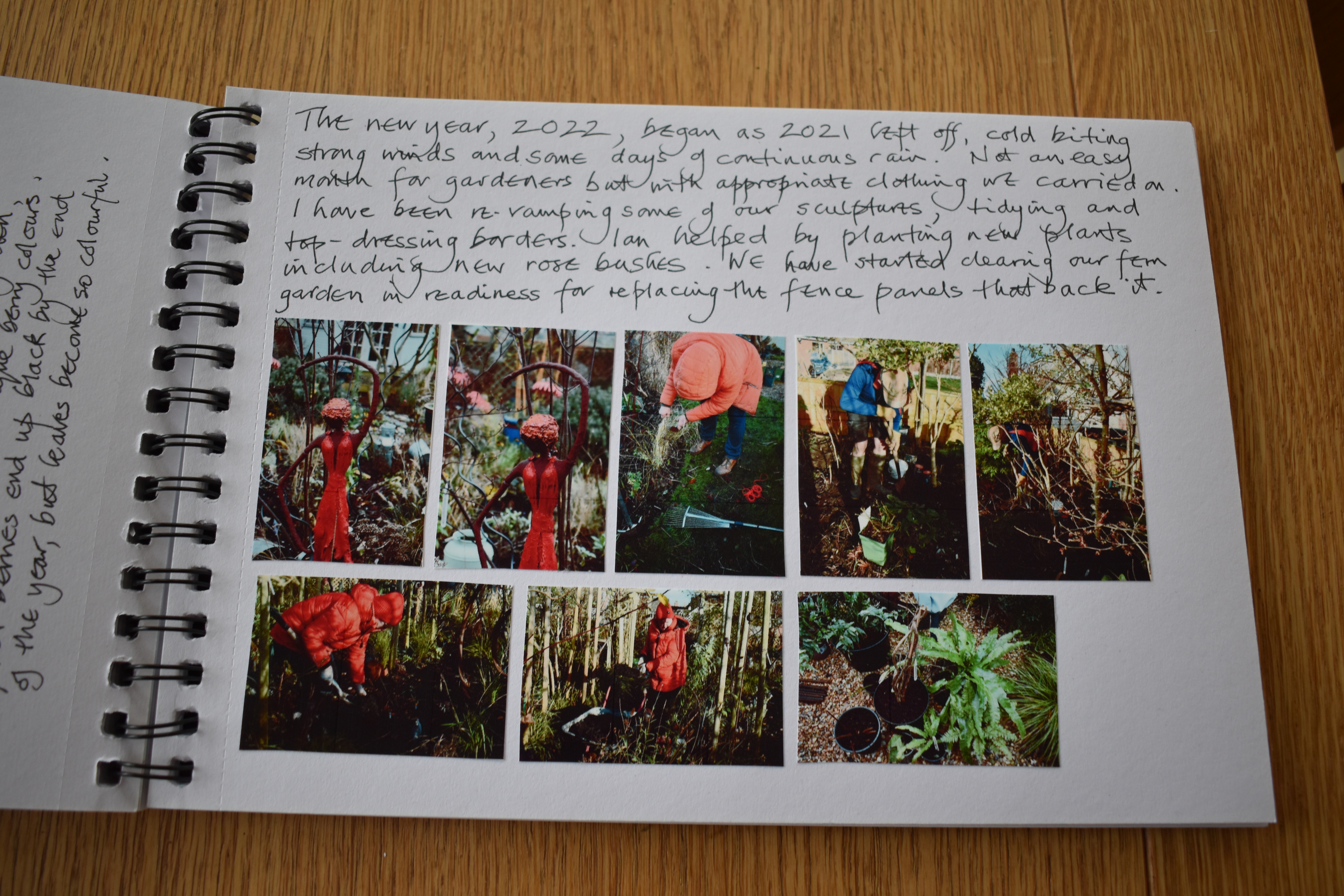
Here are my pages of my garden journal for January 2022.
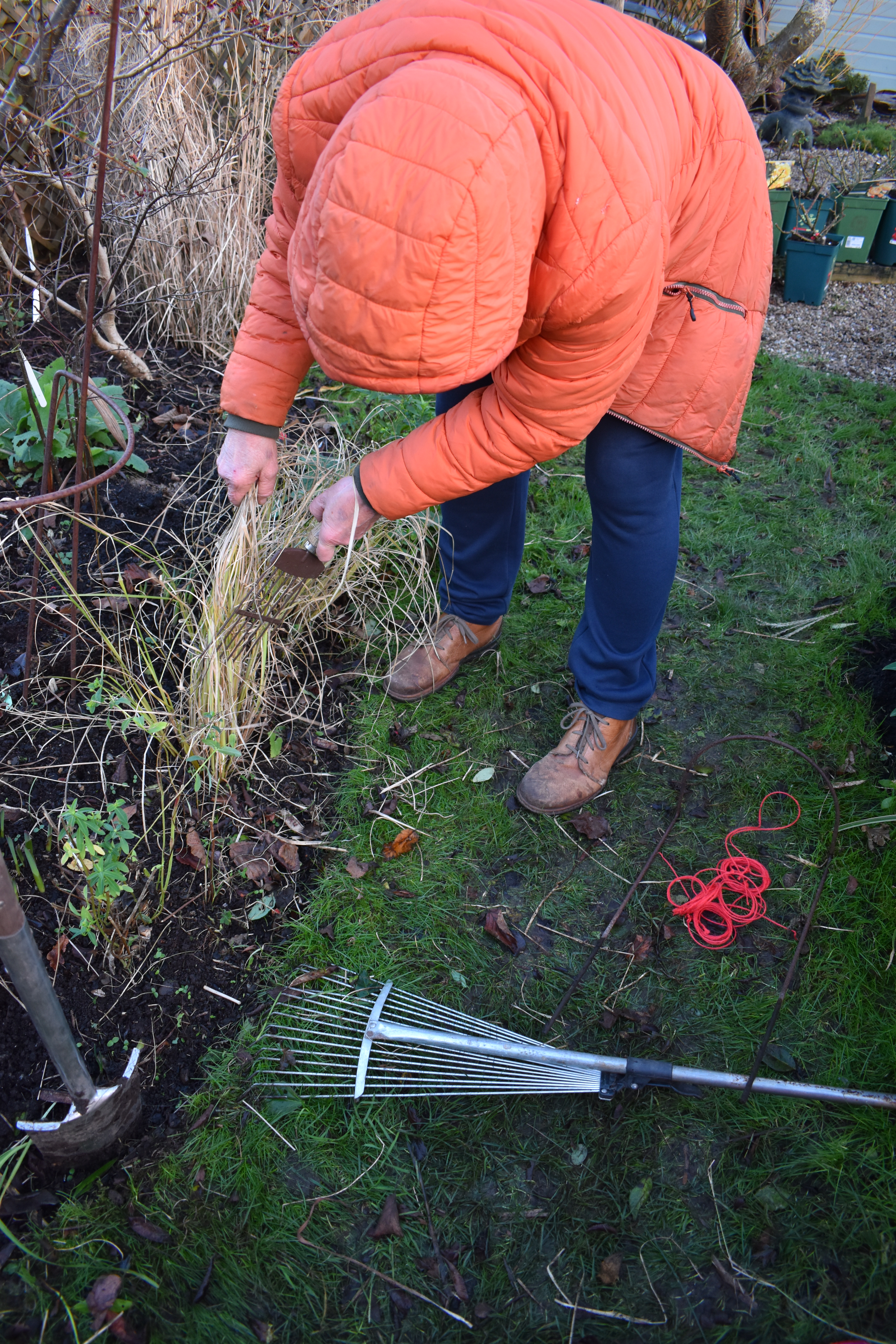
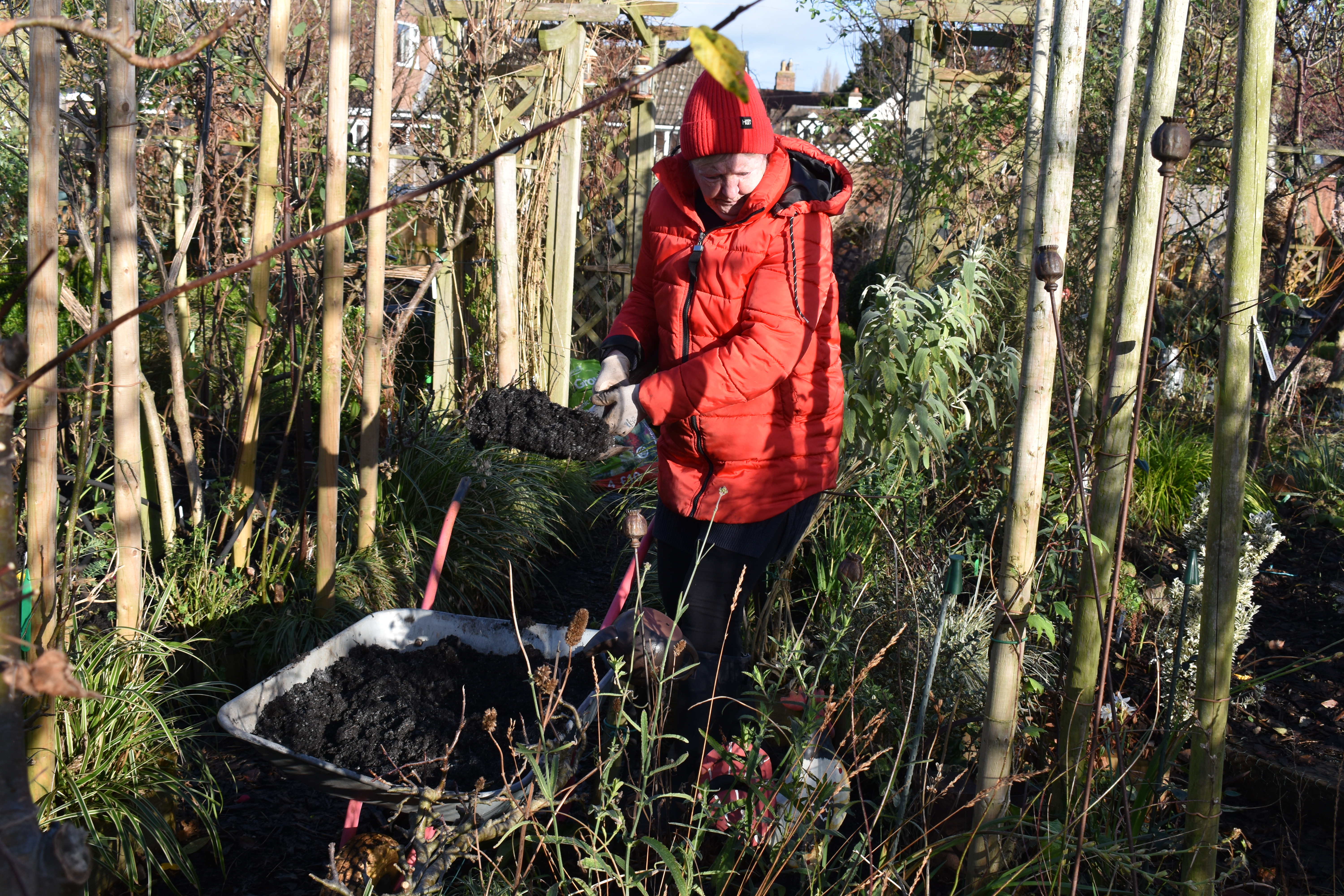
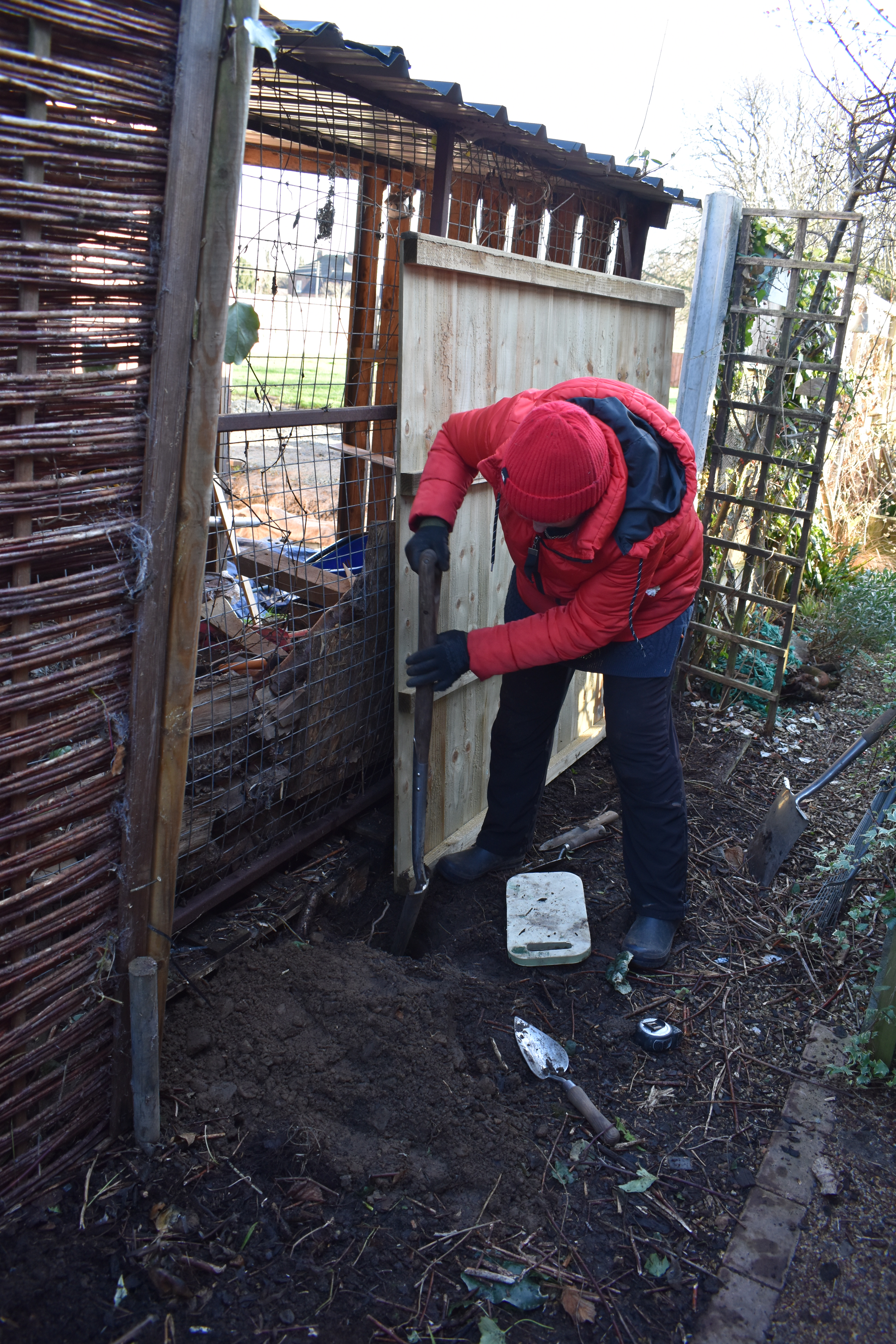
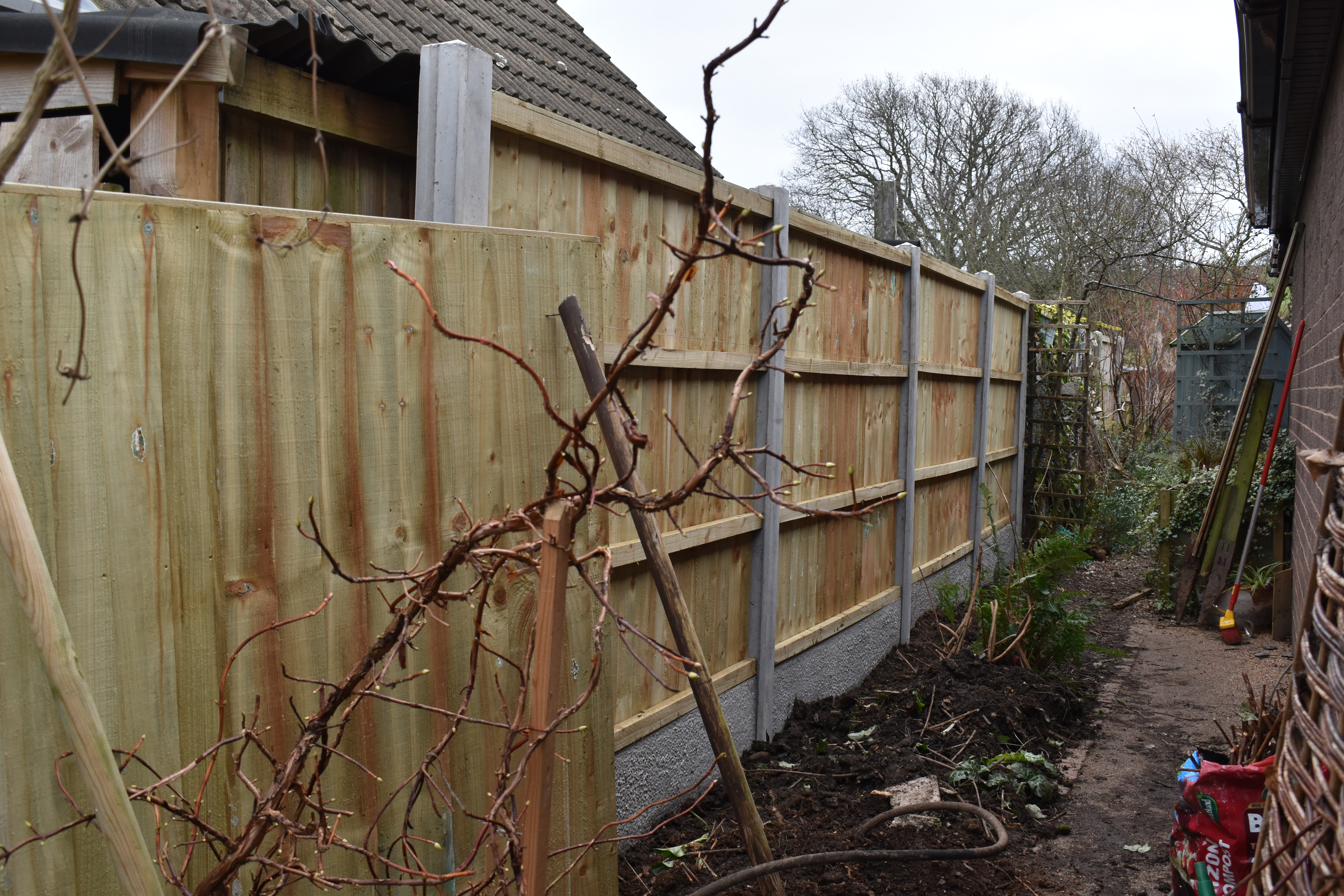
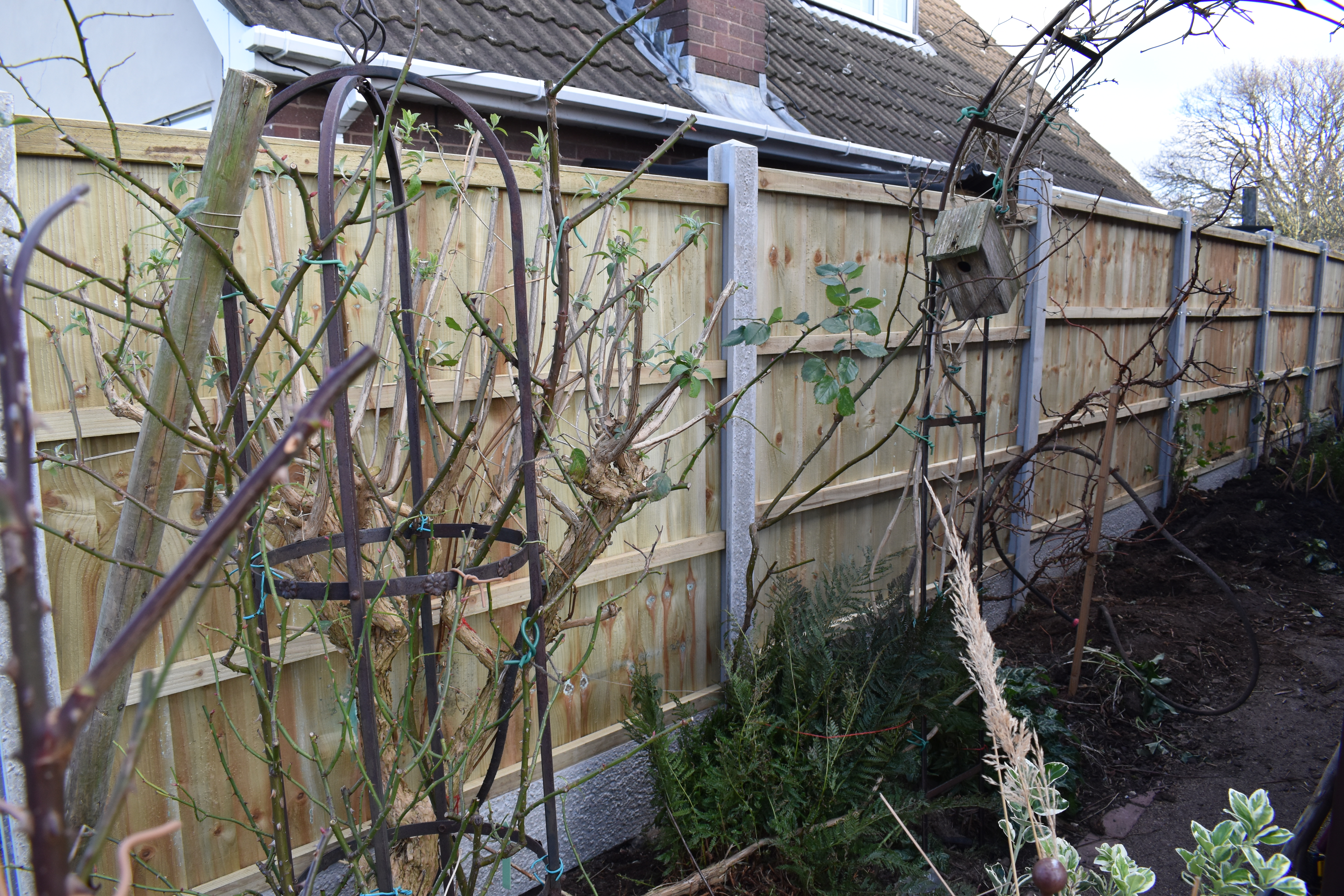
On the first page for the new year I wrote, “The new year, 2022, began as 2021 left off, cold biting strong winds and some days of continuous rain. Not an easy month for gardeners but with appropriate clothing we carried on. We have been re-vamping some of our garden sculptures, tidying and top-dressing borders. Ian helped by planting new plants including new rose bushes. We have started clearing our fern garden in readiness for replacing the fence panels that back it”.
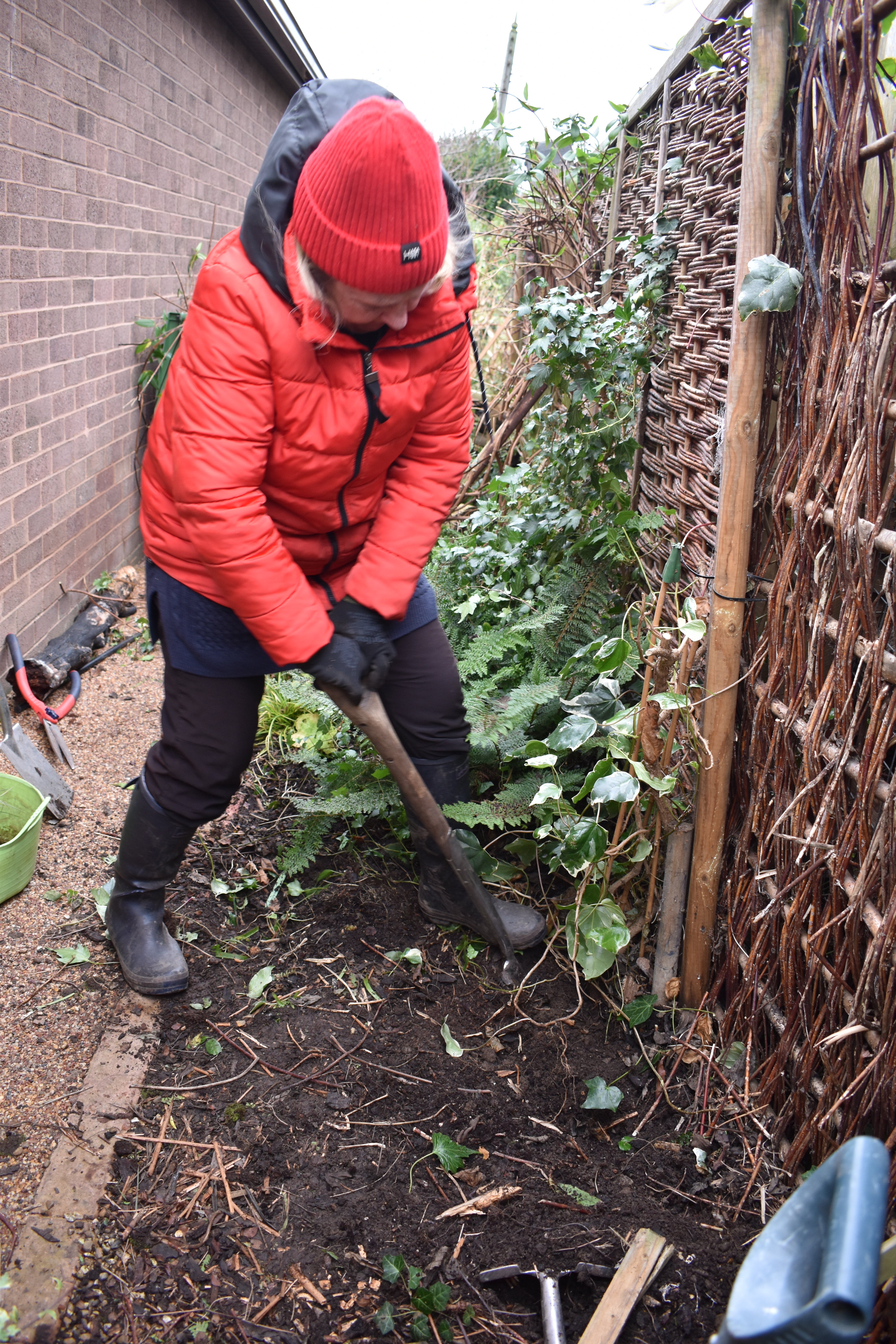
Below I shared photos of us getting on with some of these tasks.
The two pictures below show our resin and fabric sculpture called ‘Amber’ after I had revamped her somewhat and given her fresh paint.
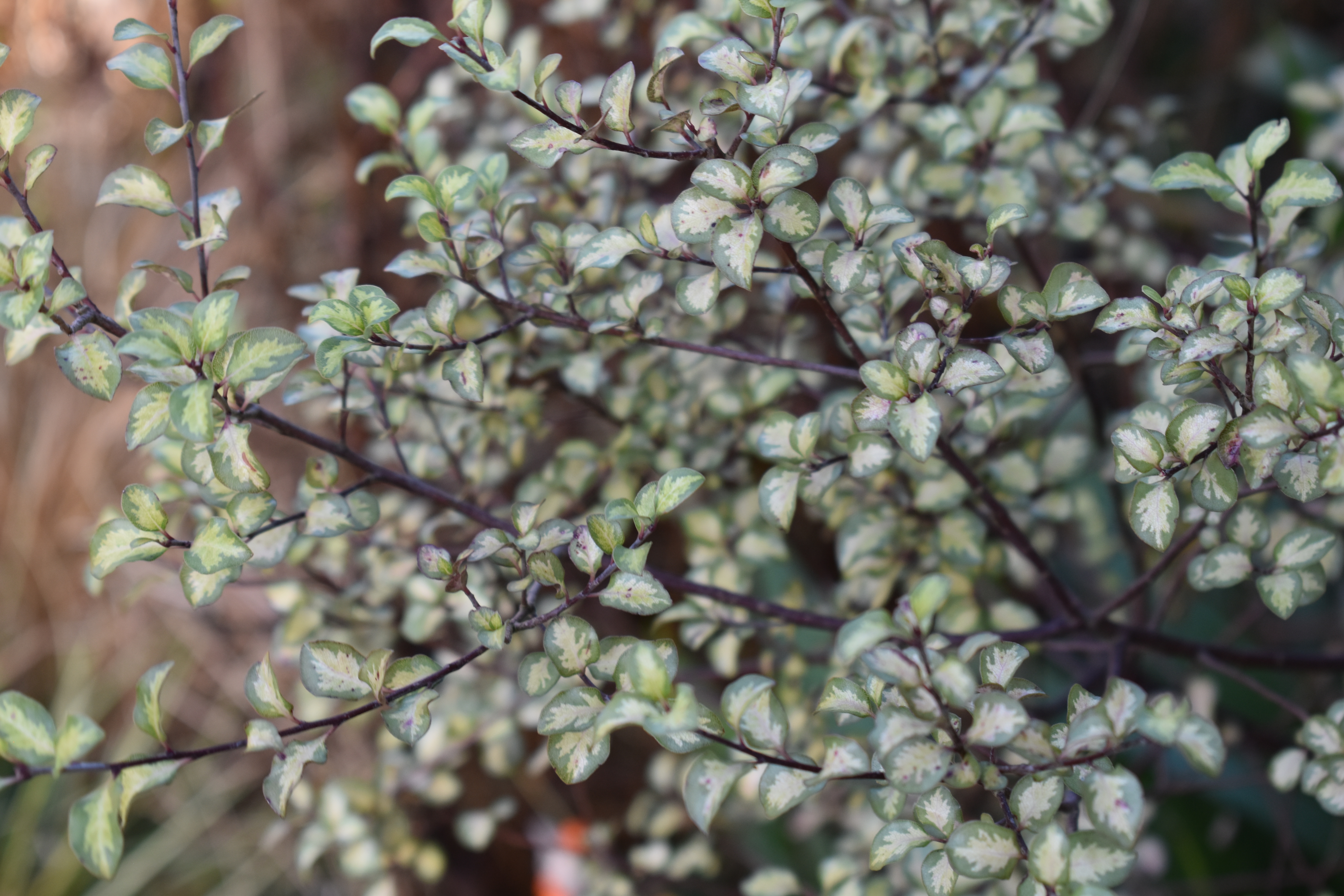
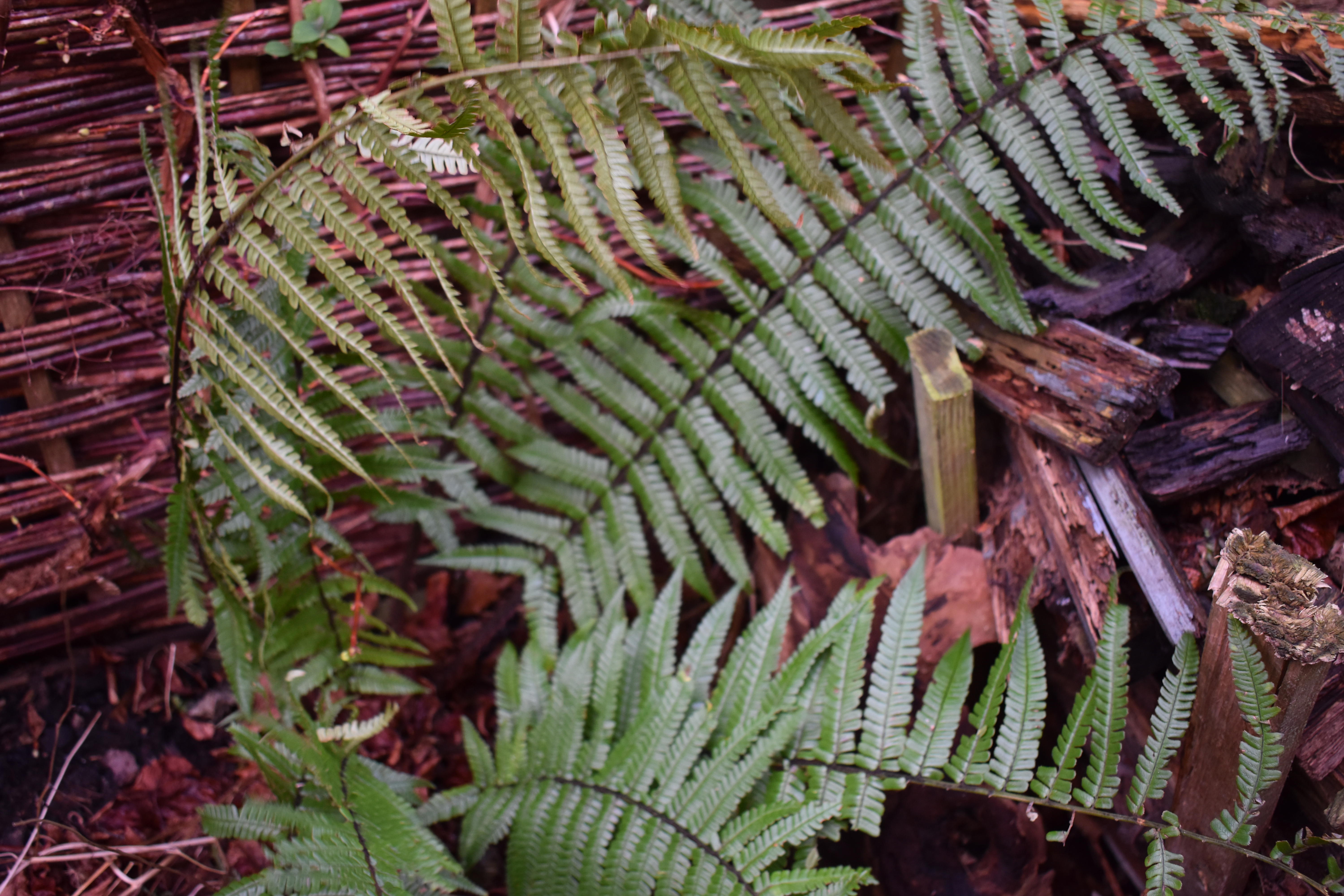
Turning over to the next double page spread I featured our pittosporum and opposite ferns.
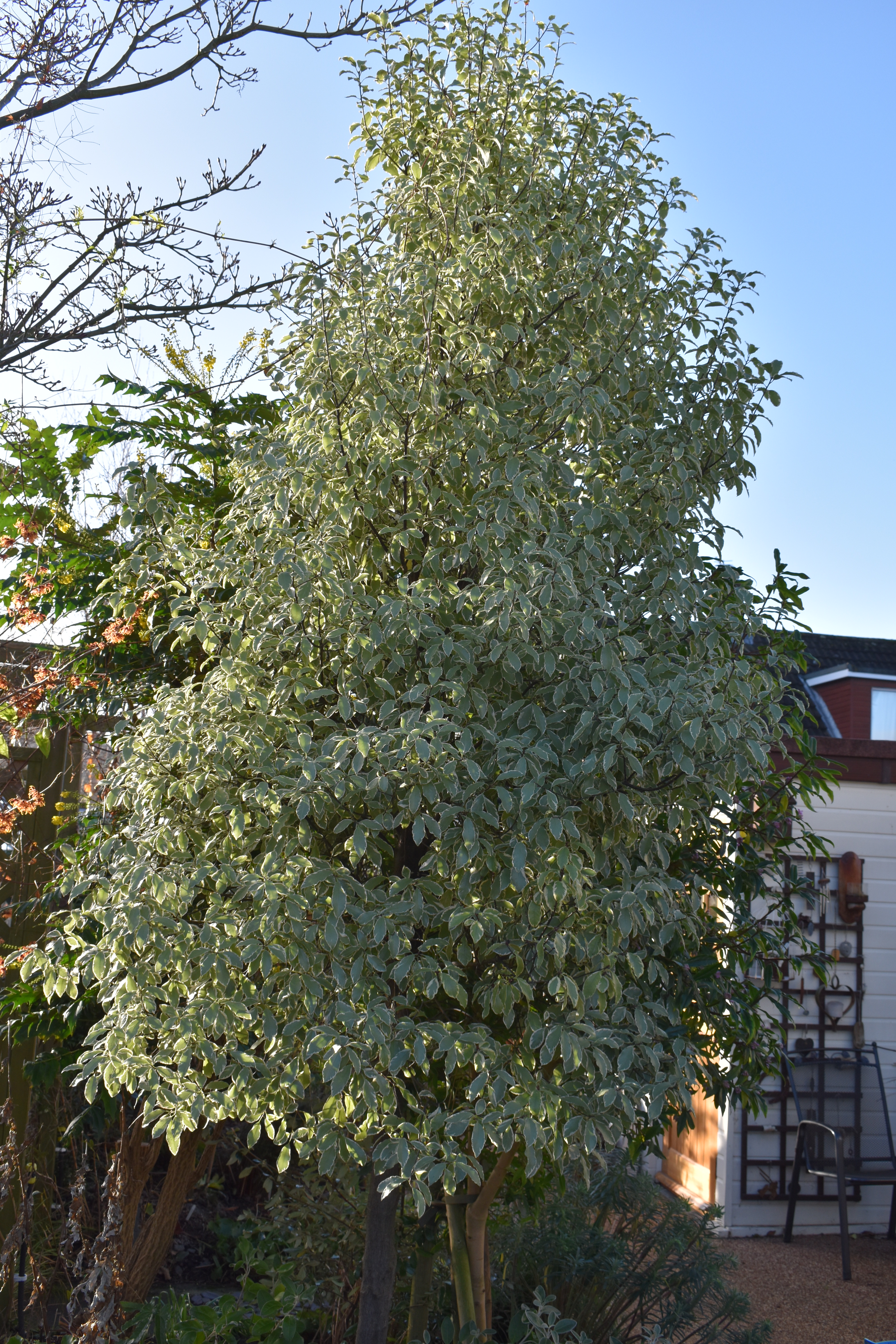
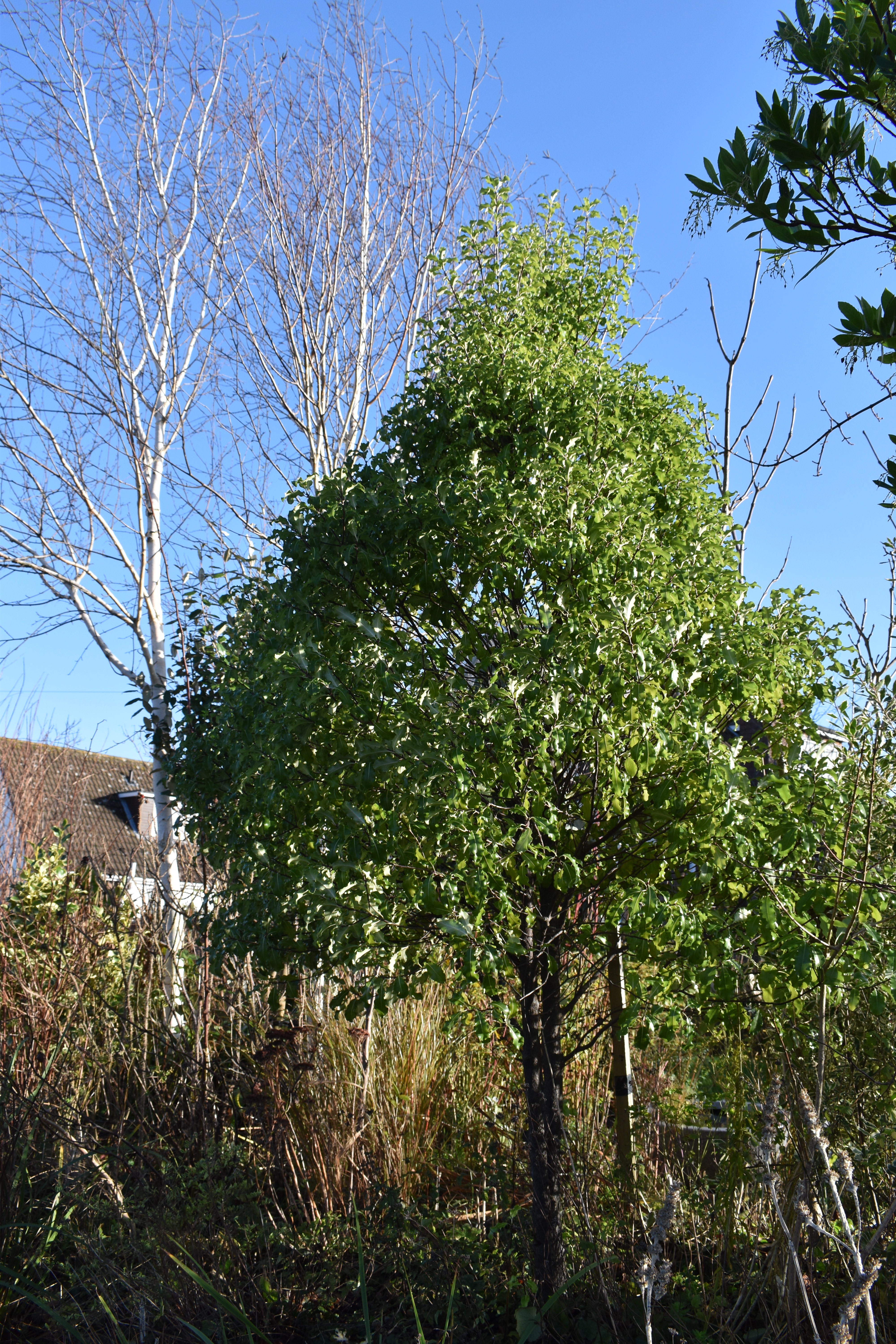
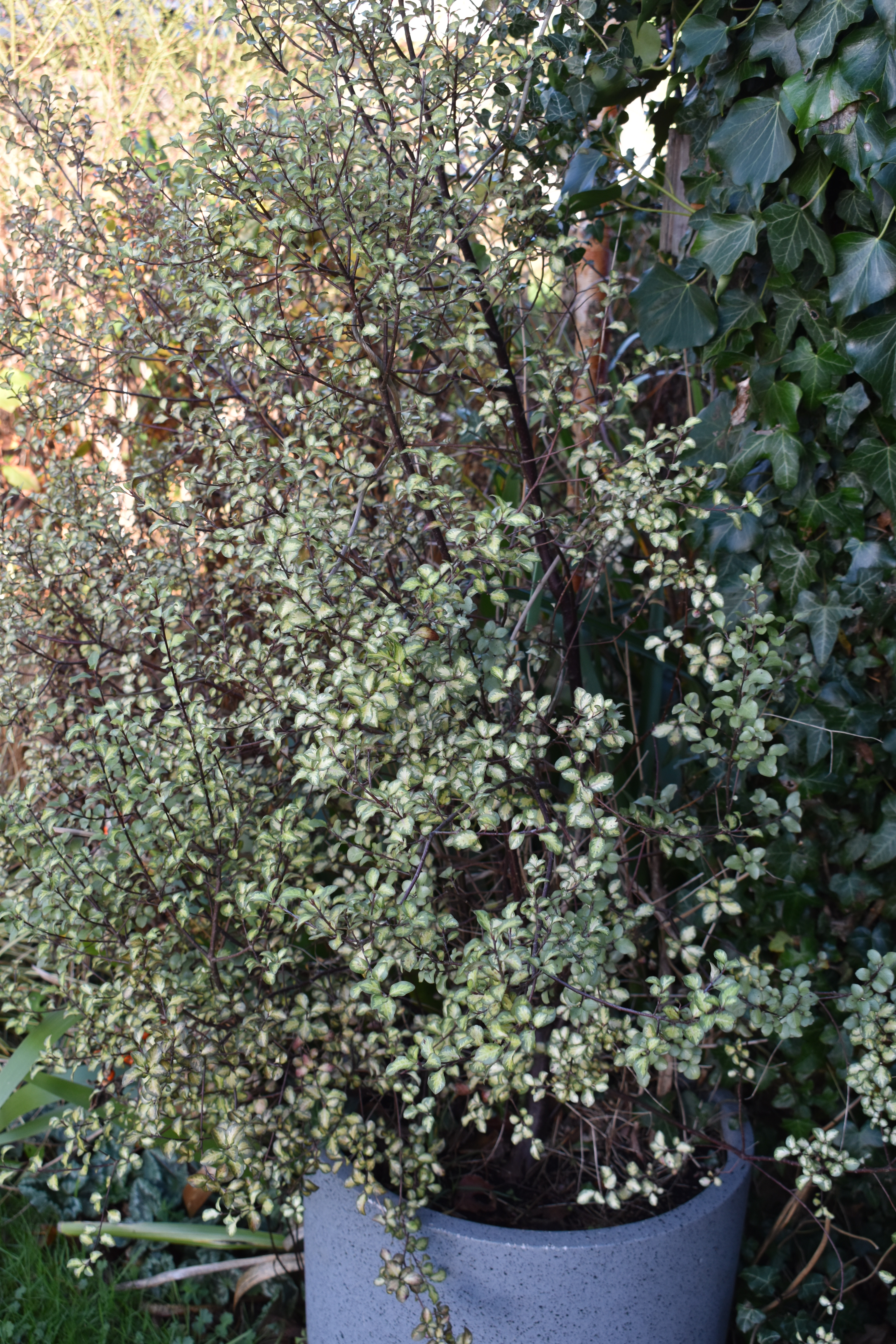
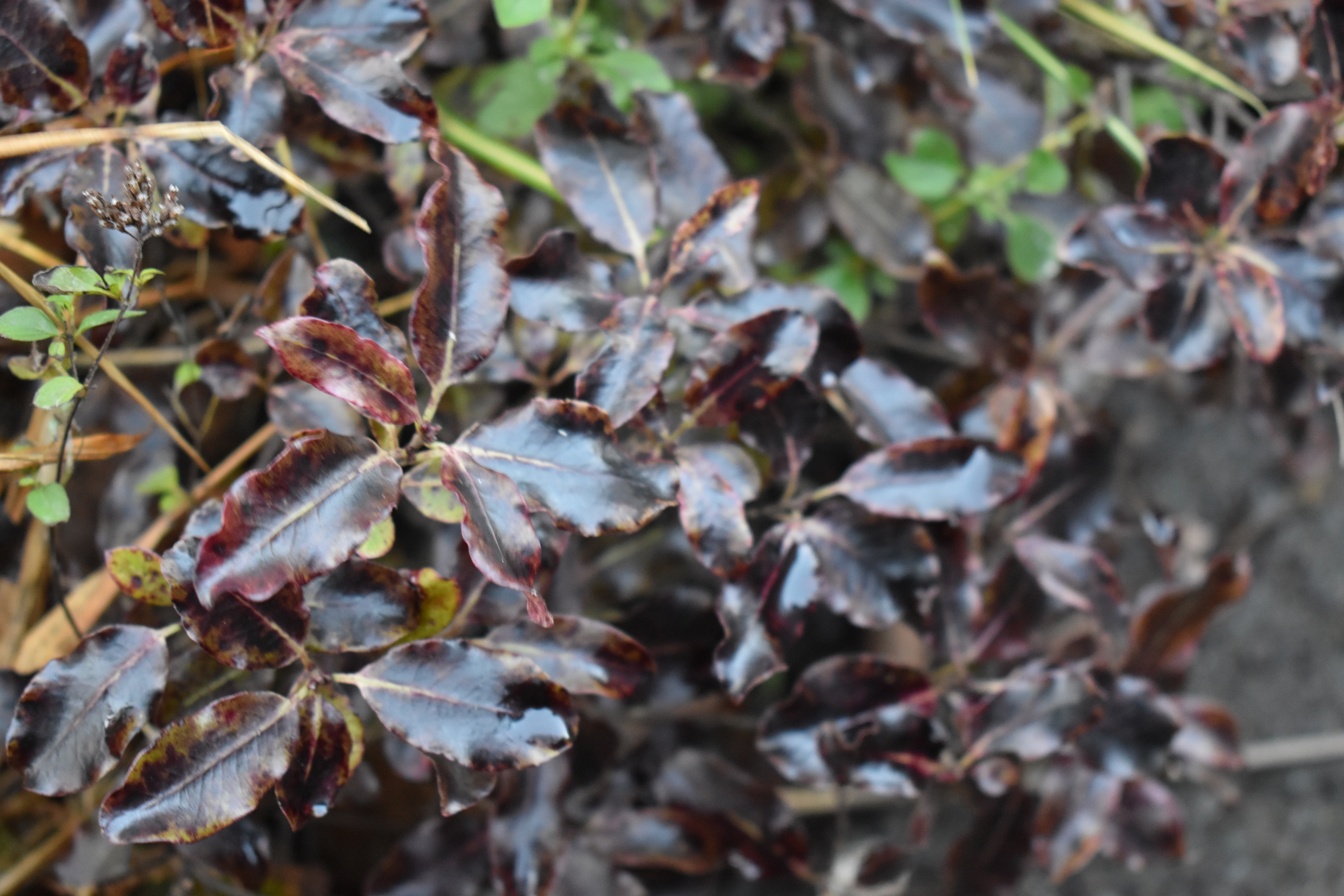
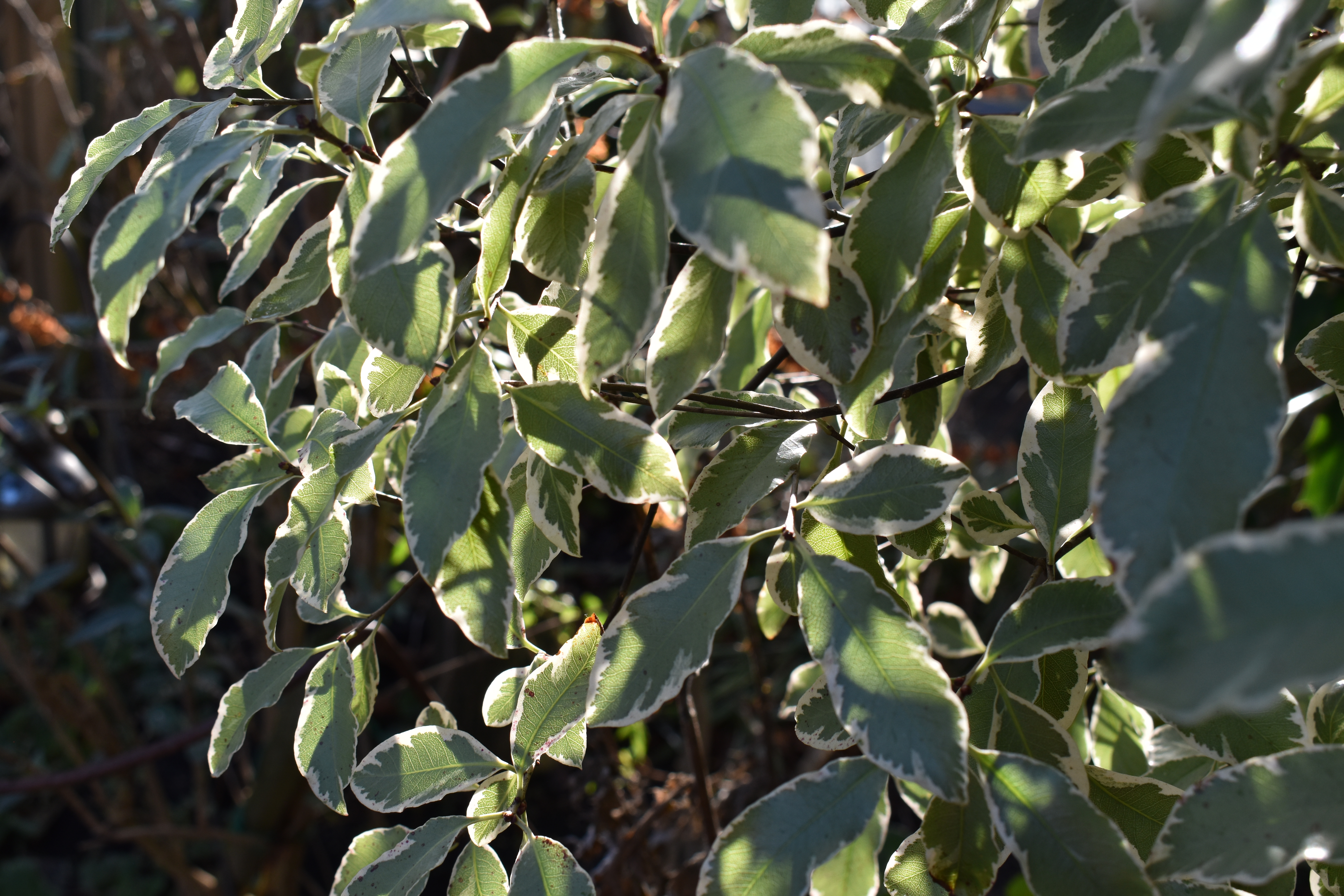
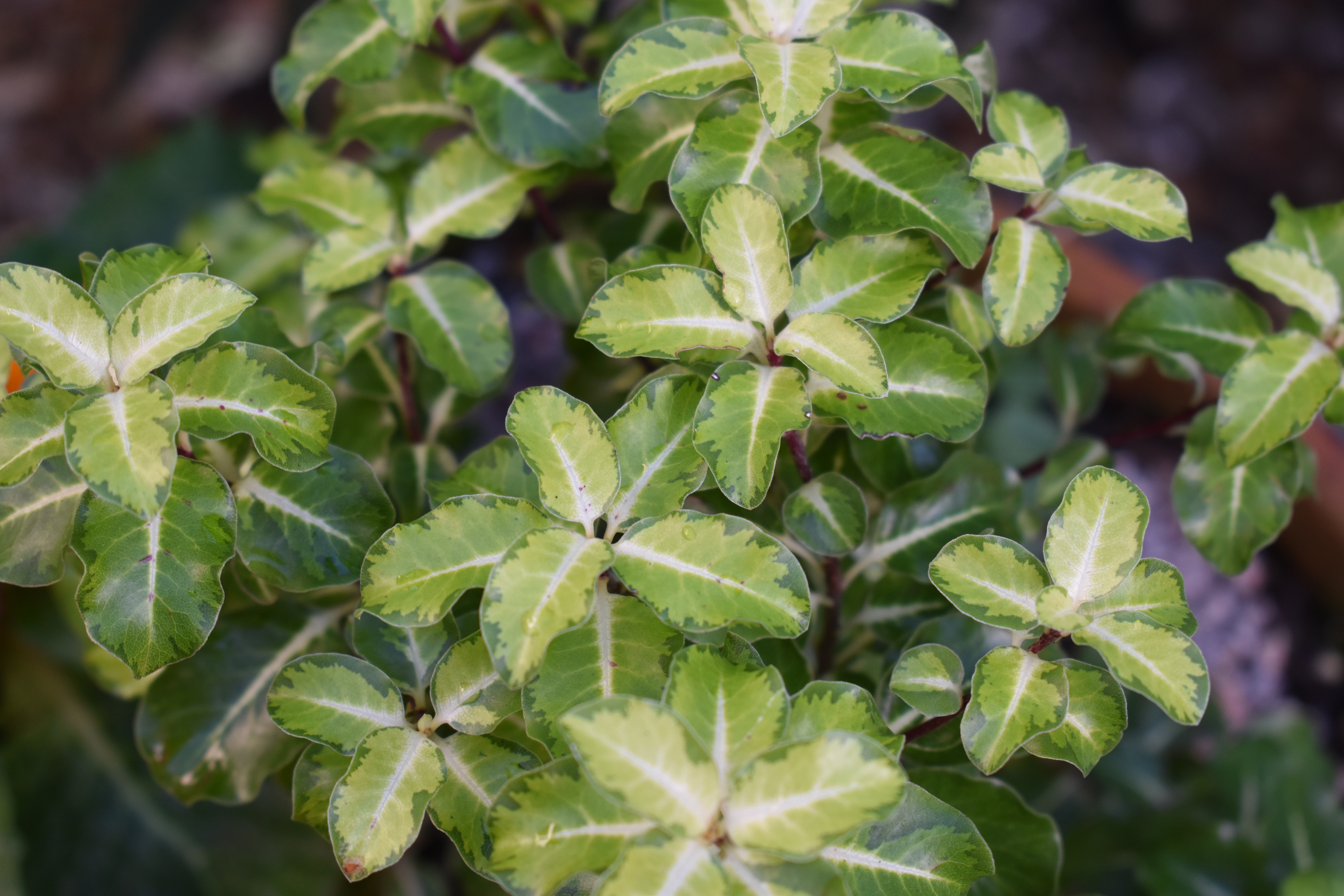
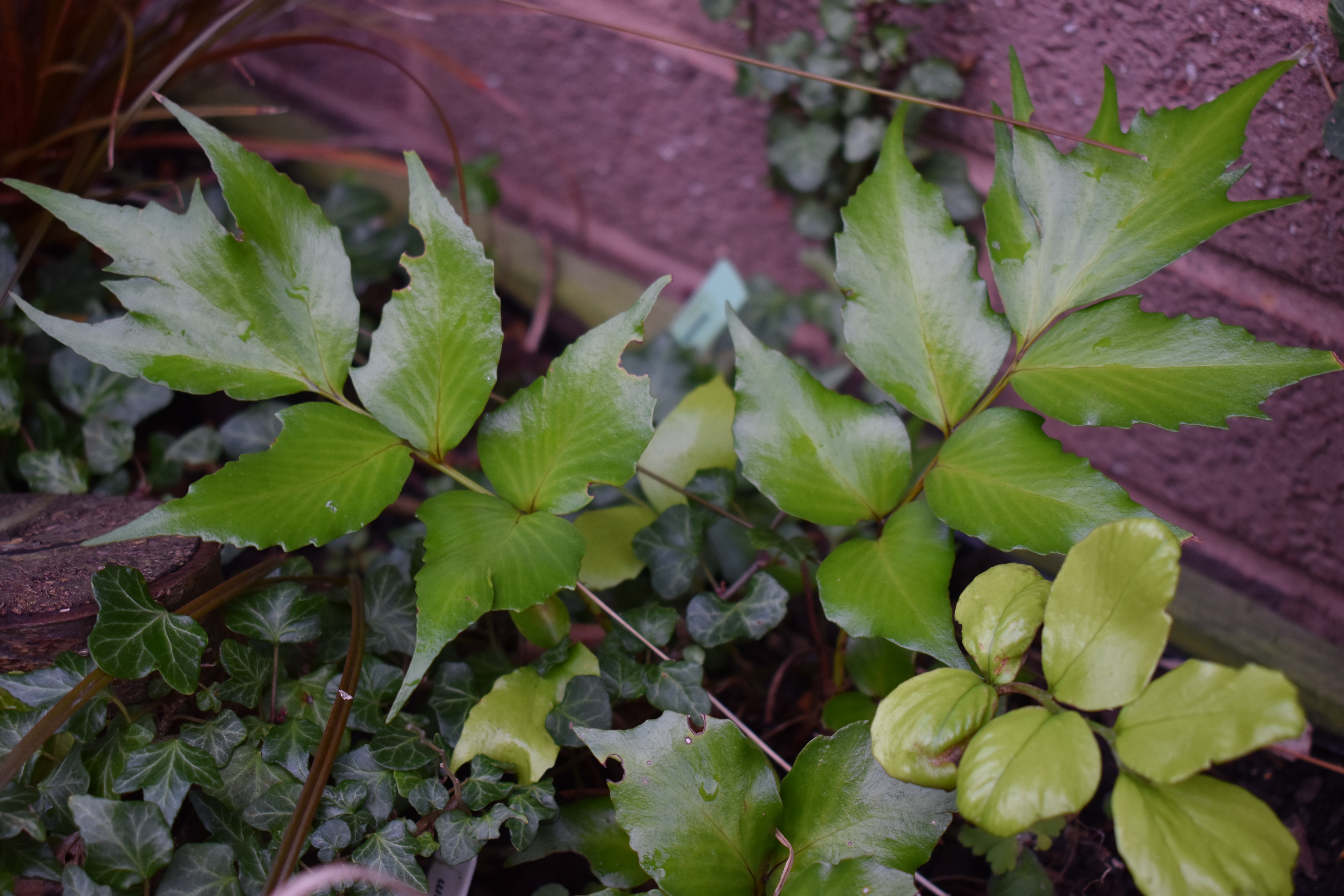
Concerning pittosporums I noted, “Early in the year, late on in the winter, foliage takes on a much more important, central role in our garden with such wide variety of shape, texture, colour and variegation. Shrubs such as those in the pittosporum family look beautiful all the rest of the year too. They present as such elegantly shaped shrubs.”
Below I shared photos of some of our pittosporums.
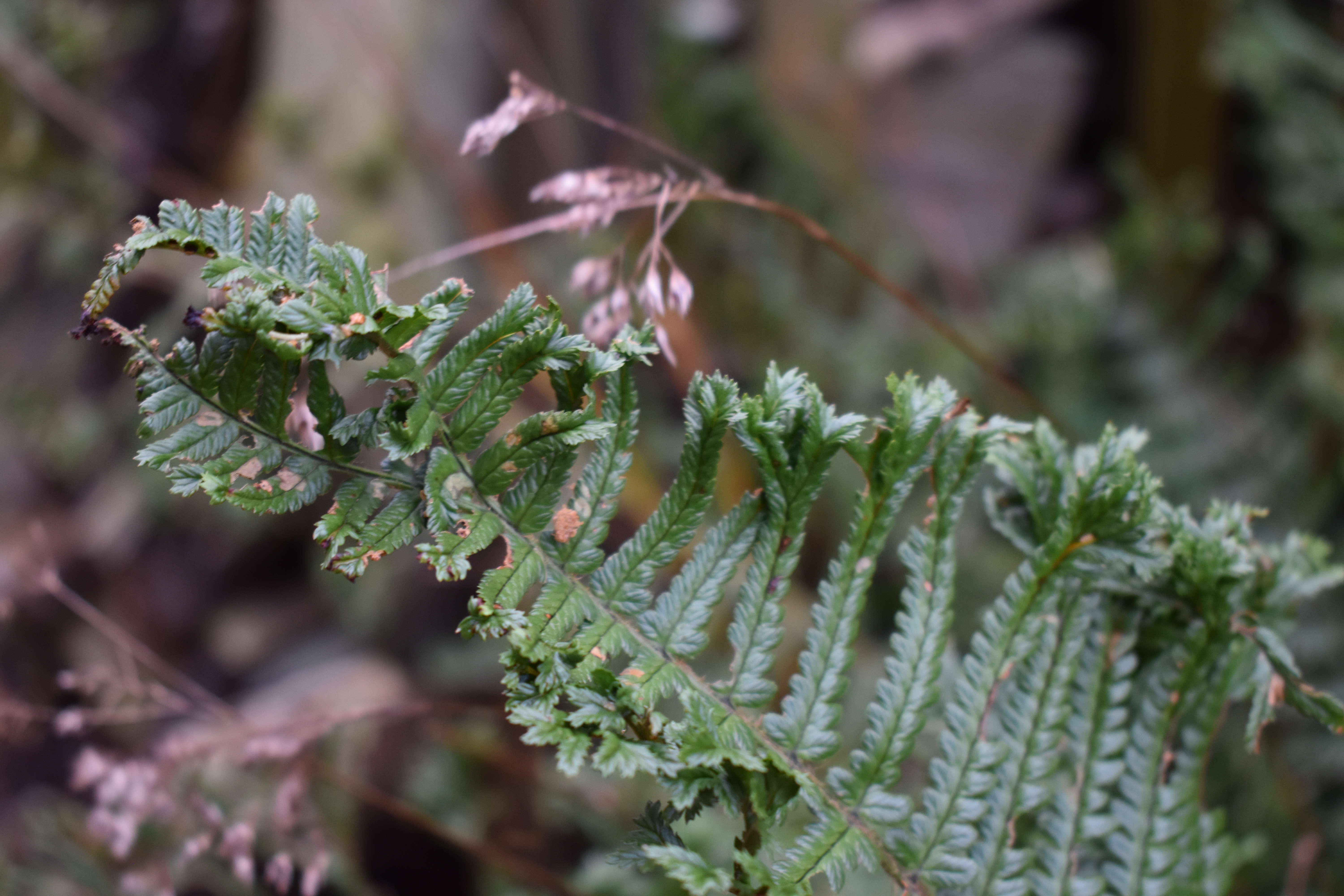
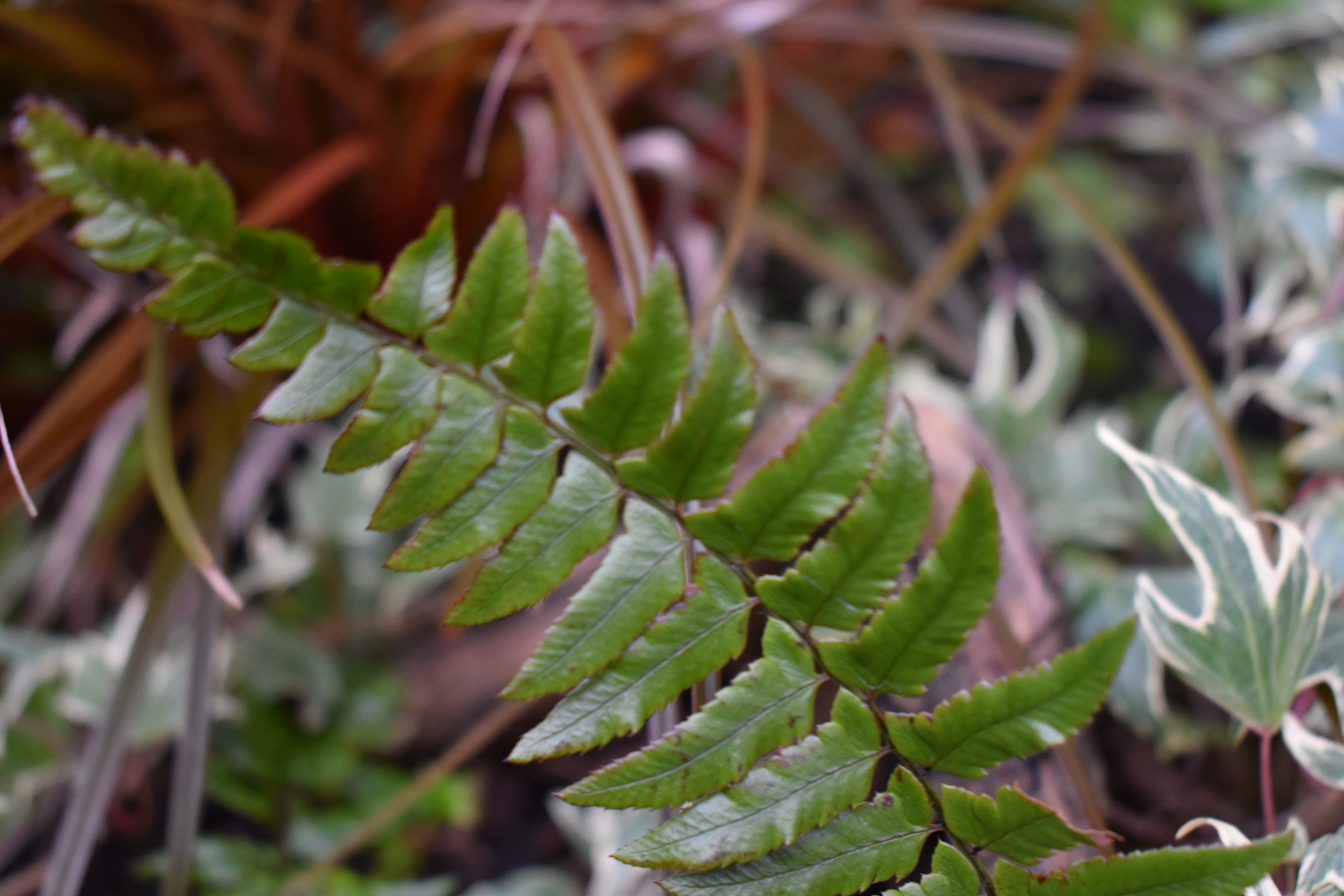
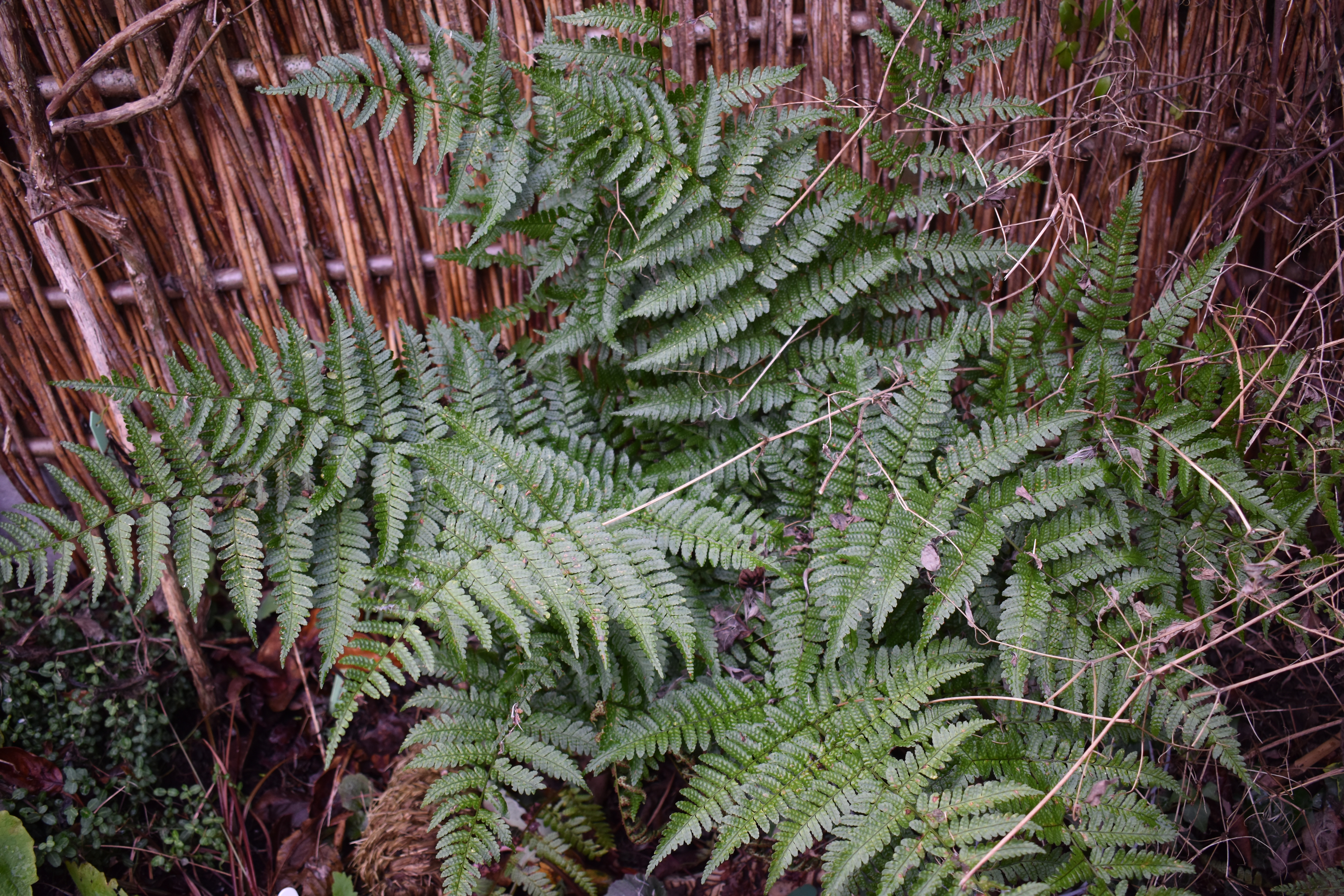
When discussing ferns I noted, “We grow dozens of different ferns throughout our garden and they provide huge variety in foliage, shape, size, structure and texture. Here are a few of our evergreen ones which add so much to several of our borders, a few in sun, some in part shade and others in full shade.”
Then I showed a selection of my photos of just a few of our many ferns.
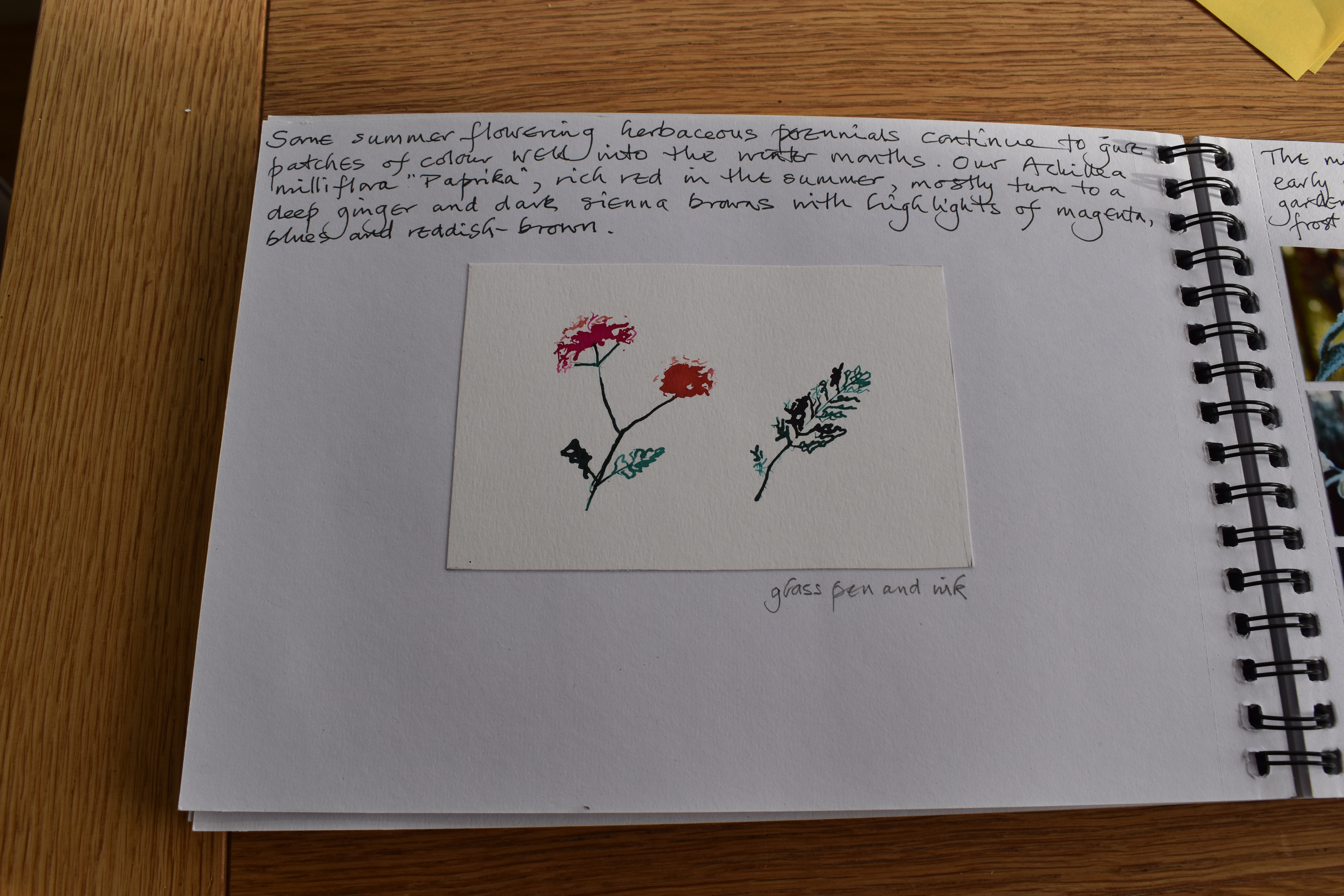
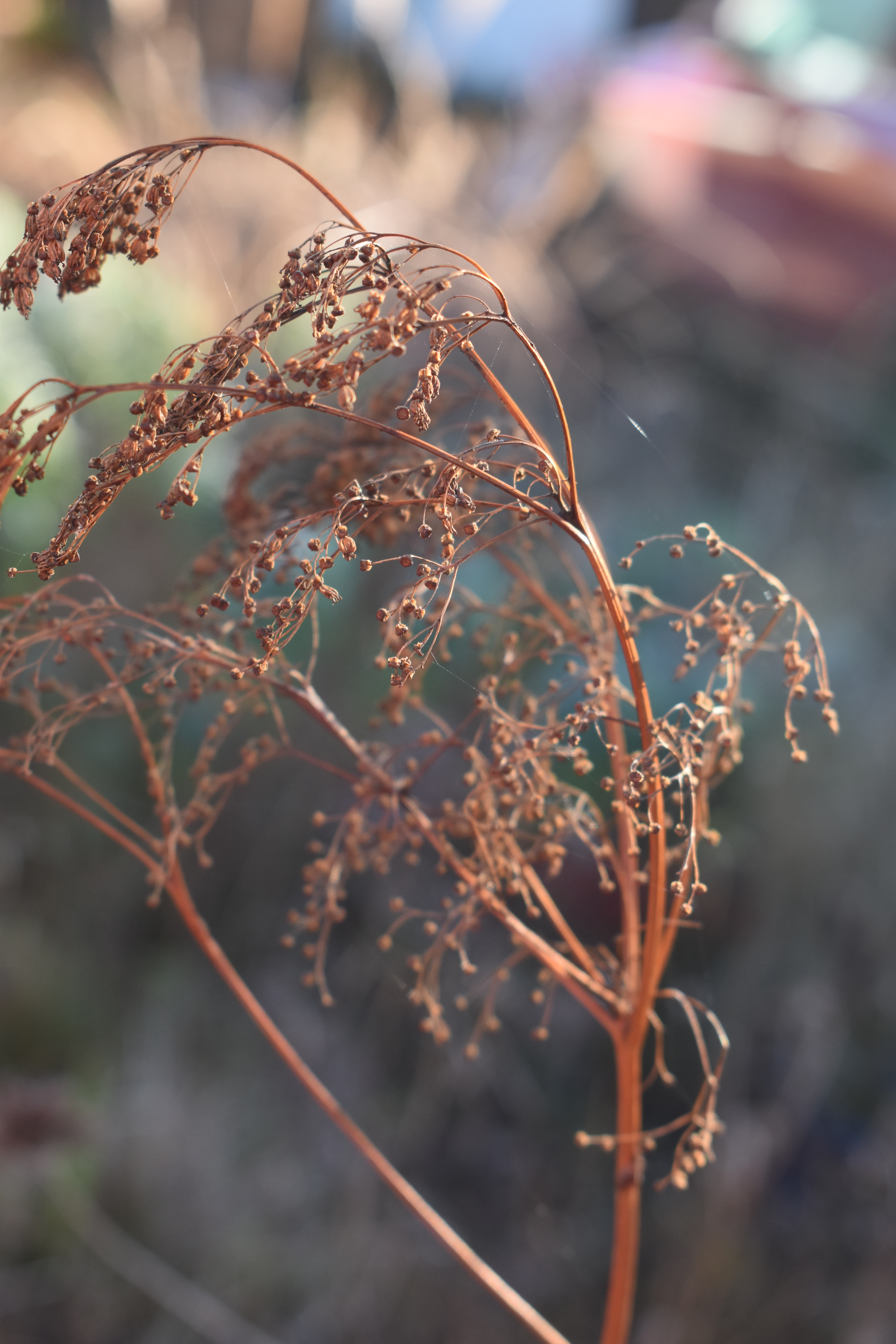
Onto the next double page spread I looked at an achillea called ‘Paprika’ and wrote, “Some summer-flowering herbaceous perennials continue to give patches of colour well into the winter months. our Achillea milliflora ‘Paprika’, rich red in the late summer months, mostly turn to a deep ginger and dark sienna browns with highlights of magenta, blues and reddish-brown.” I then shared a a sketch I did using inks and a glass pen.
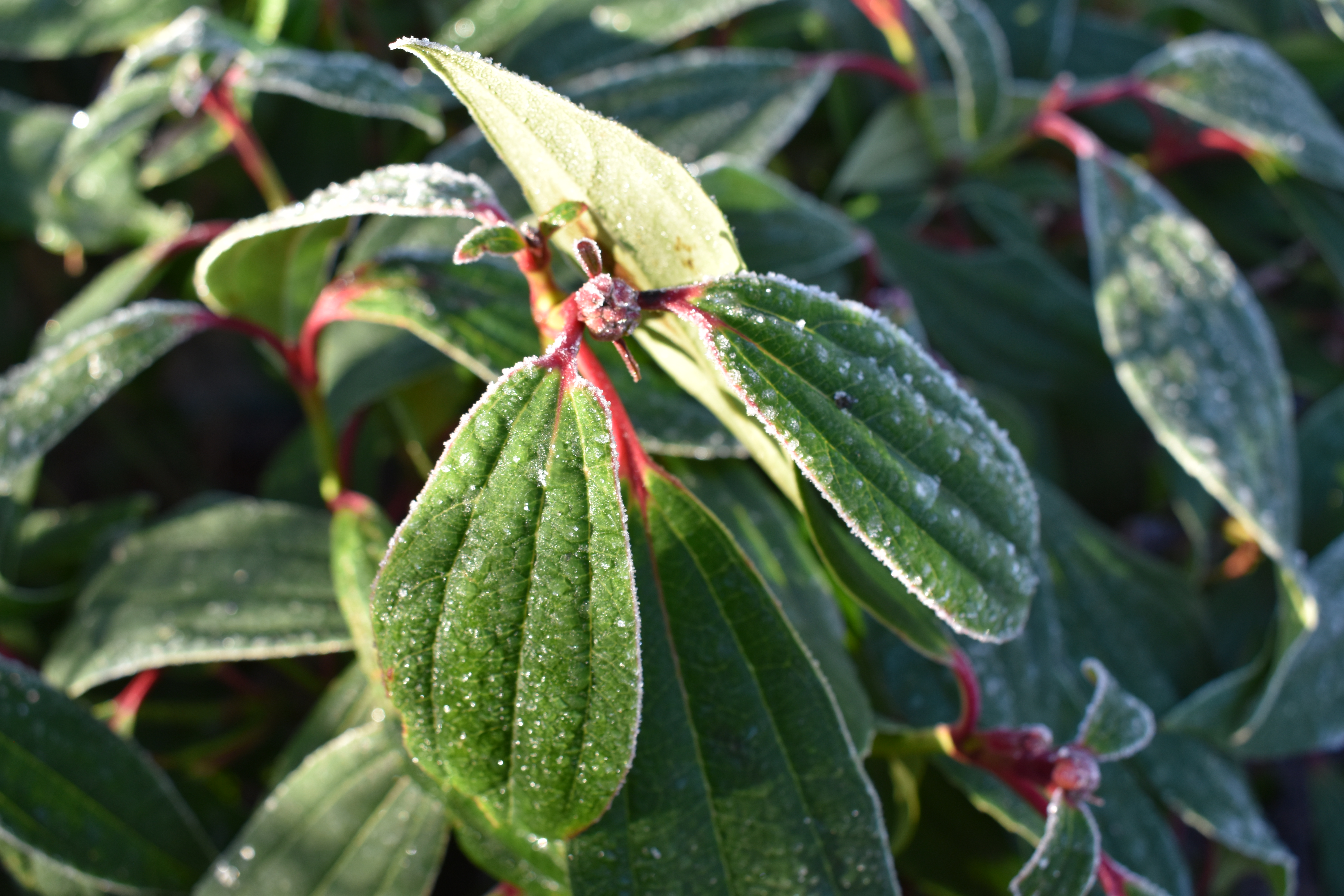
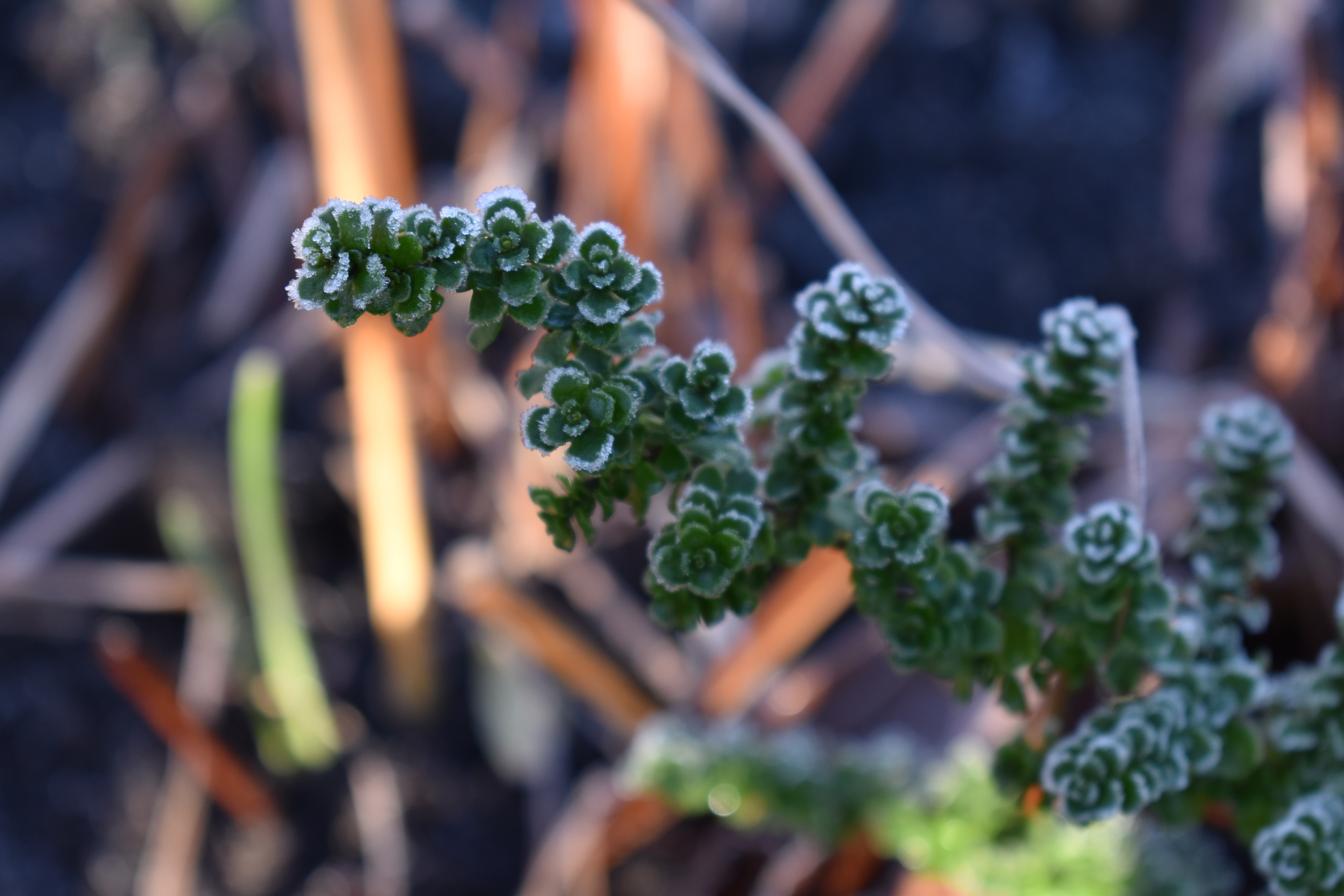
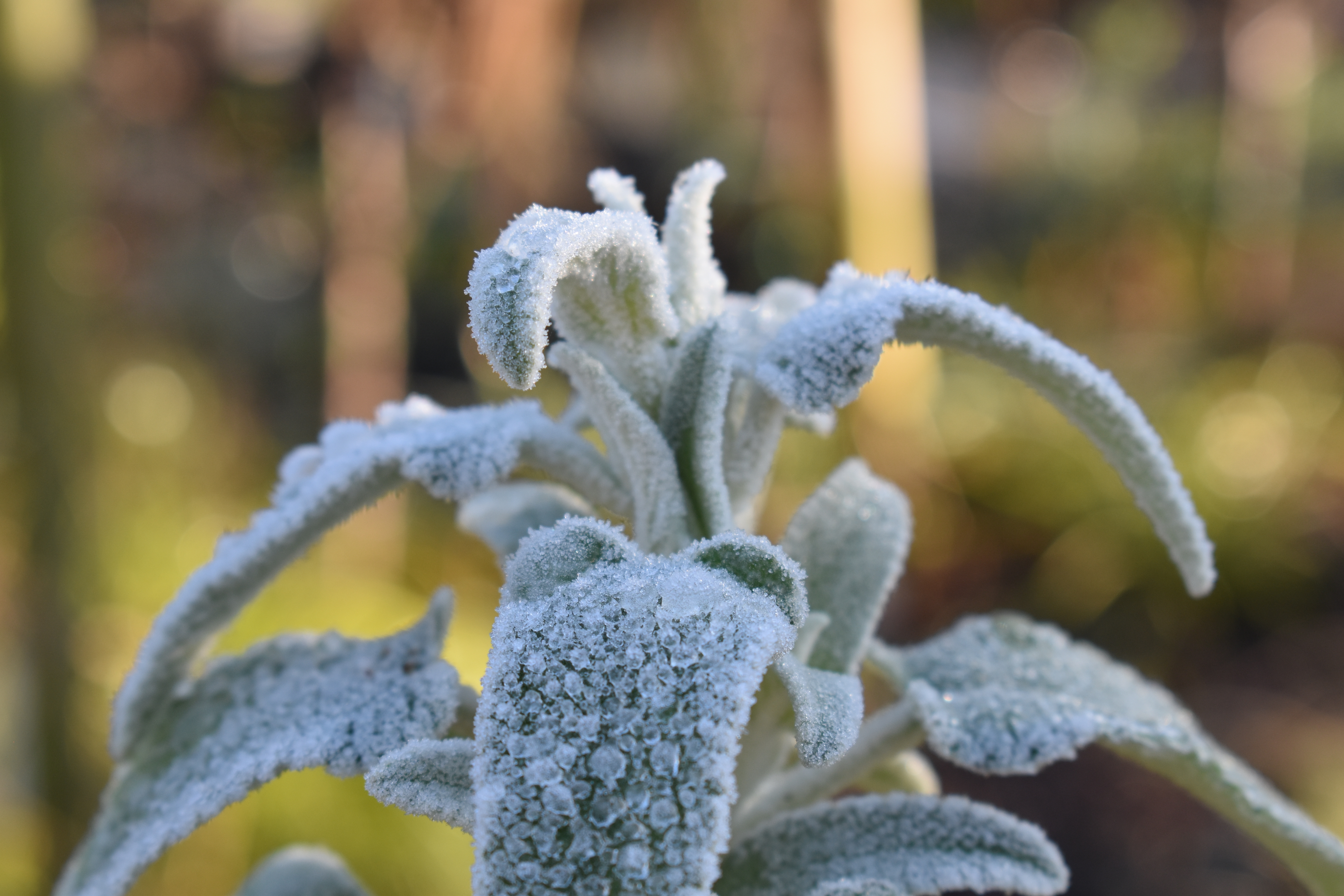
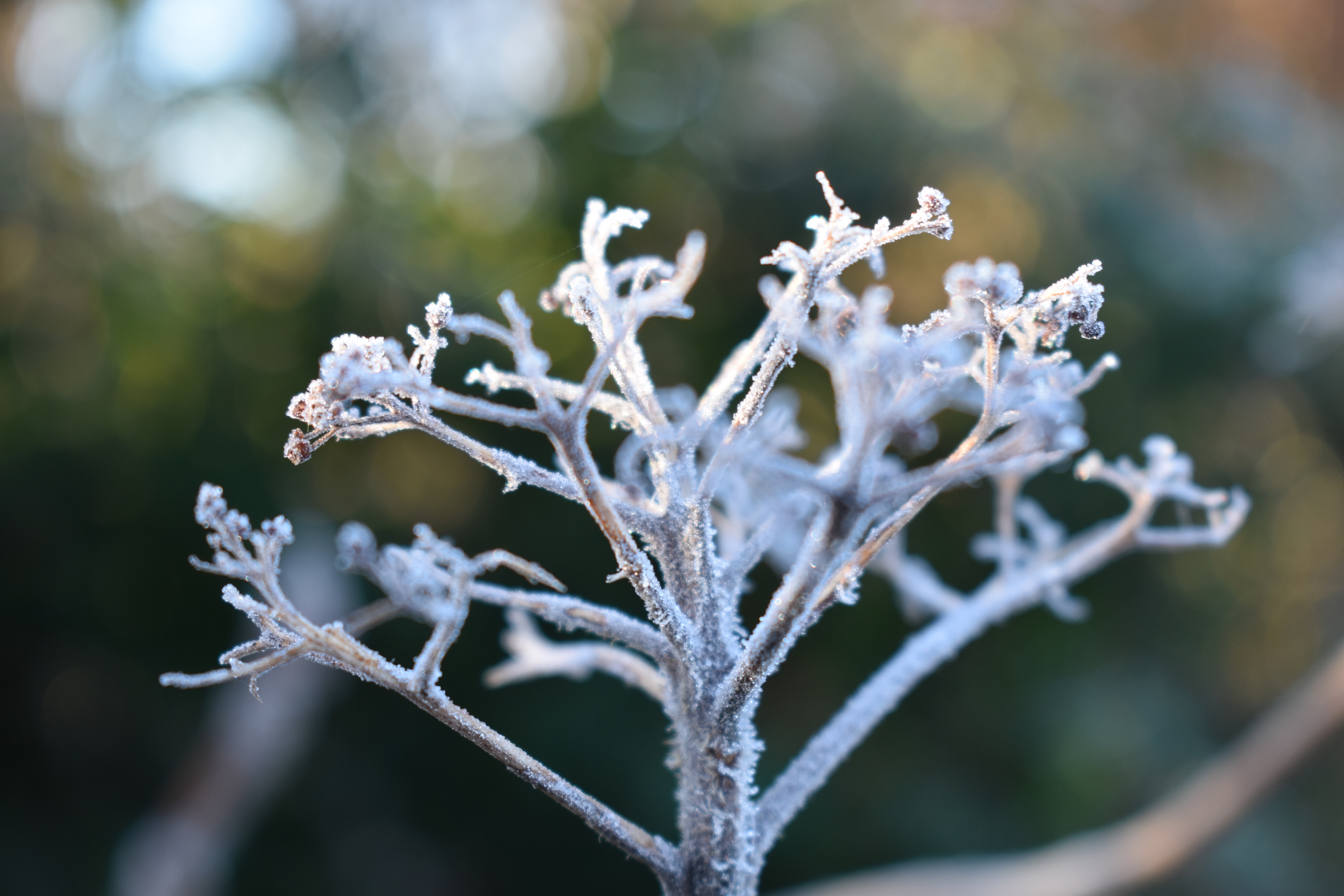
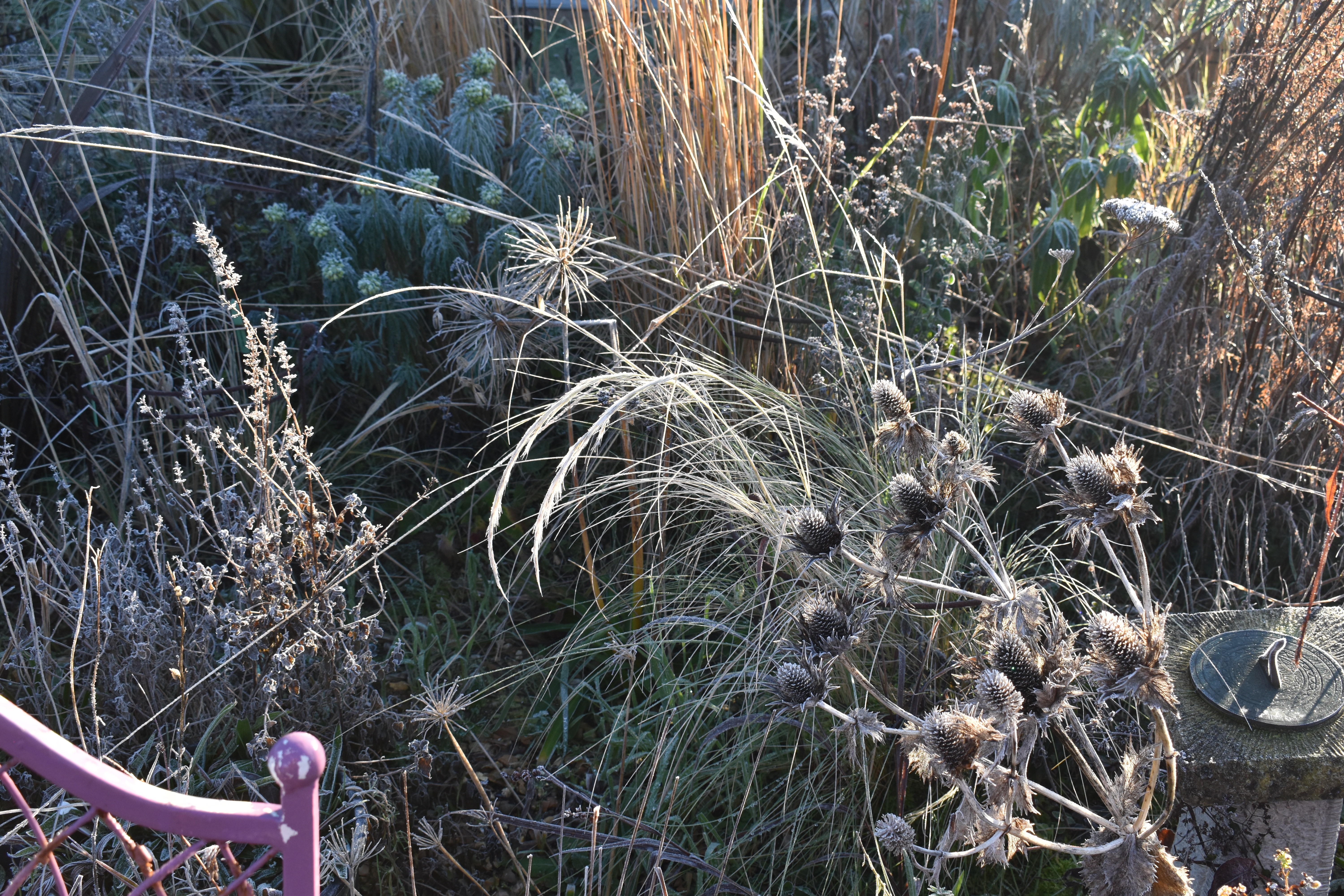
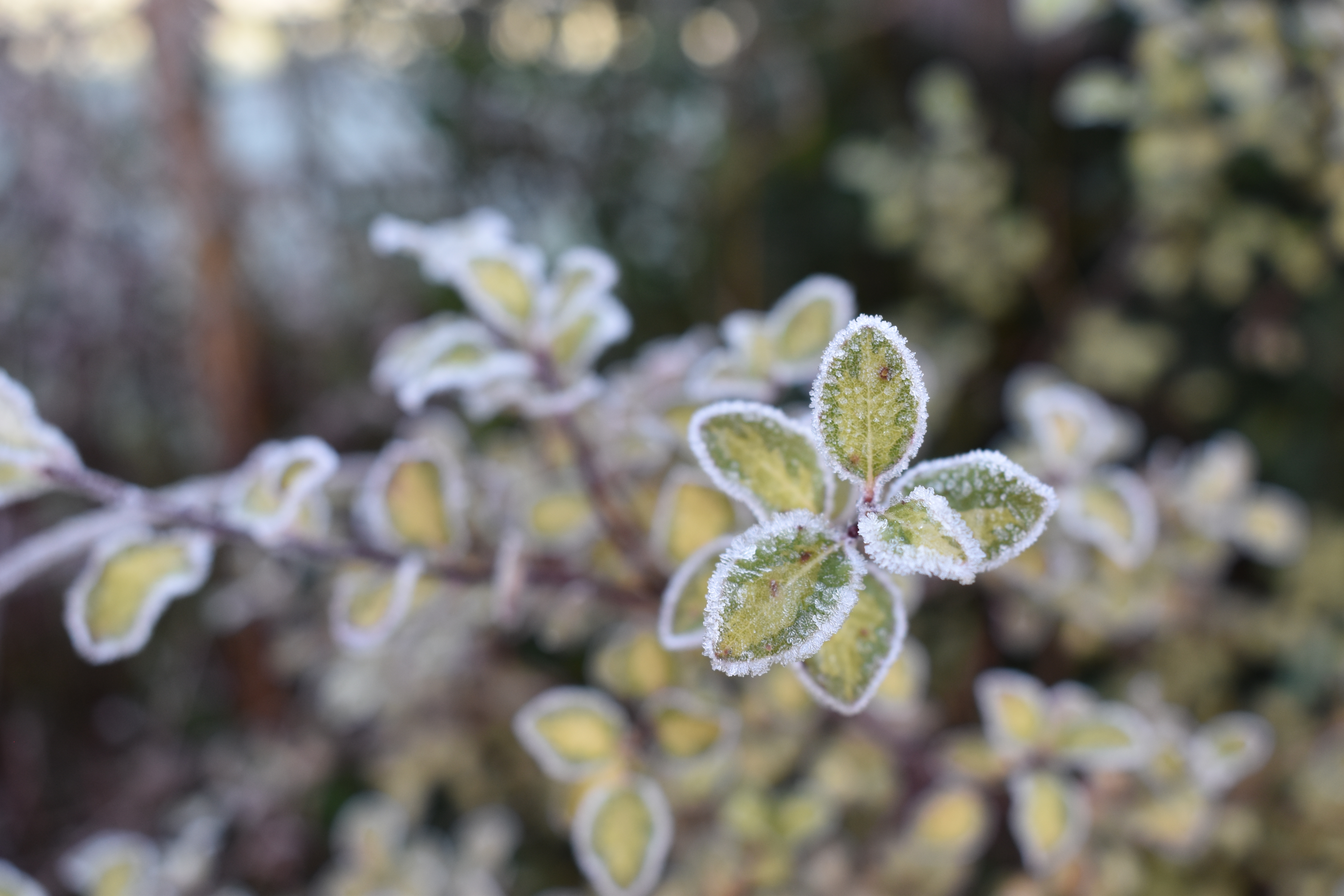
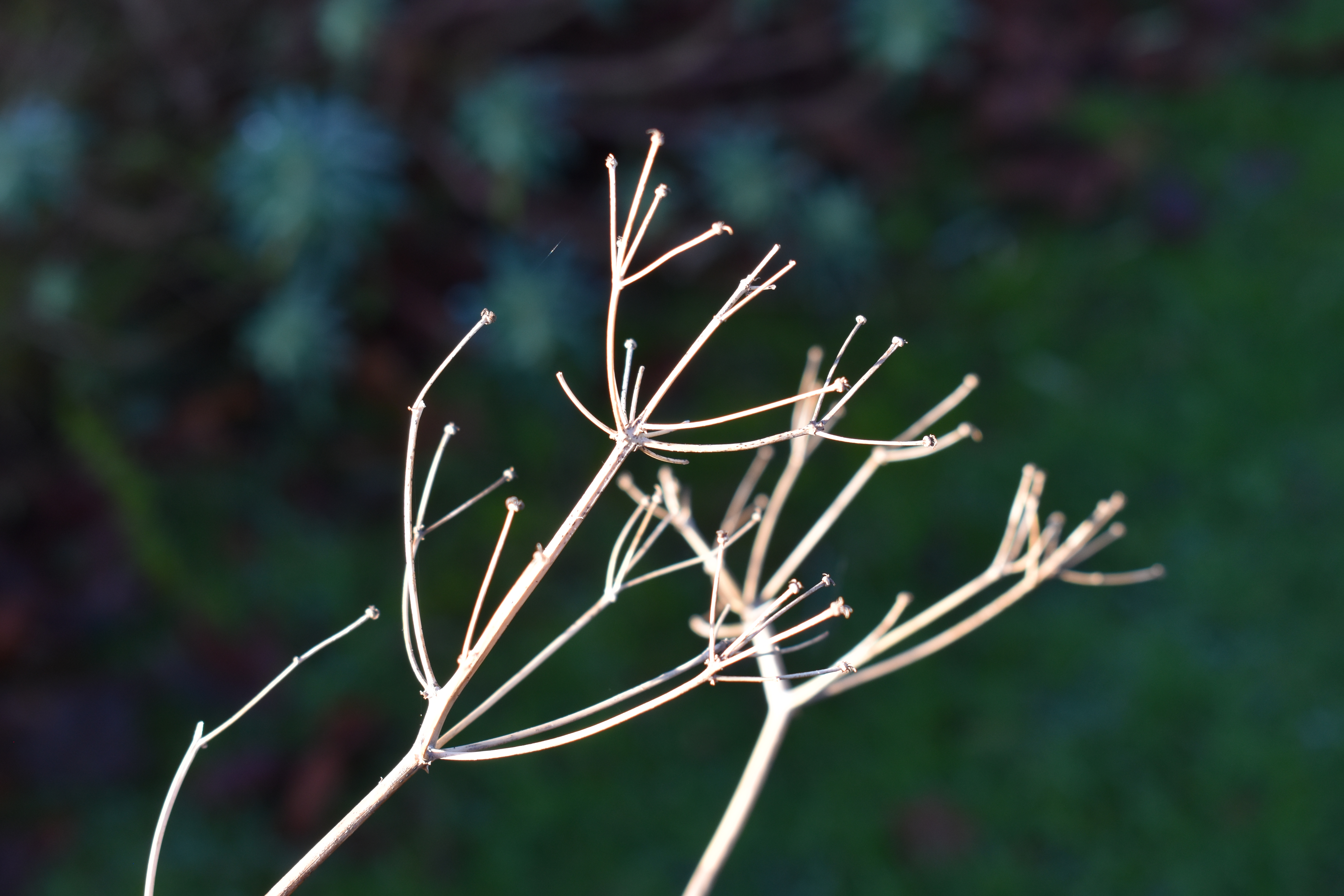
On the page opposite I spoke of the way or occasional frosts caught the evergreen foliage and dried seed heads and a grass.
I noted, ” The middle of the month brought clear night-time skies and early morning frosts.Days such as these are special in our garden as we leave dried grasses and perennials to catch the frost. These plants are also used by insects which overwinter within them too.” I added a selection of my frosty morning photos.
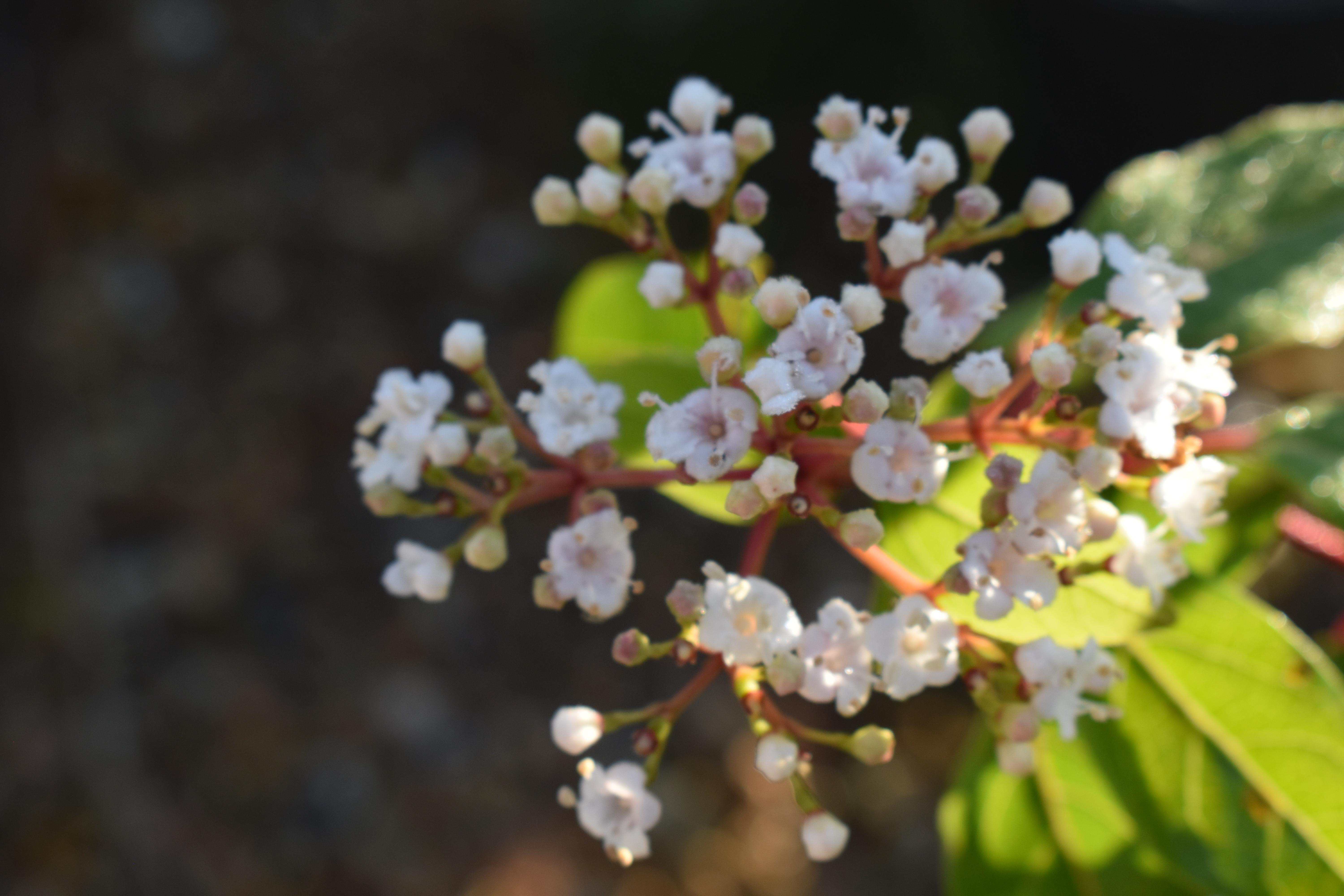
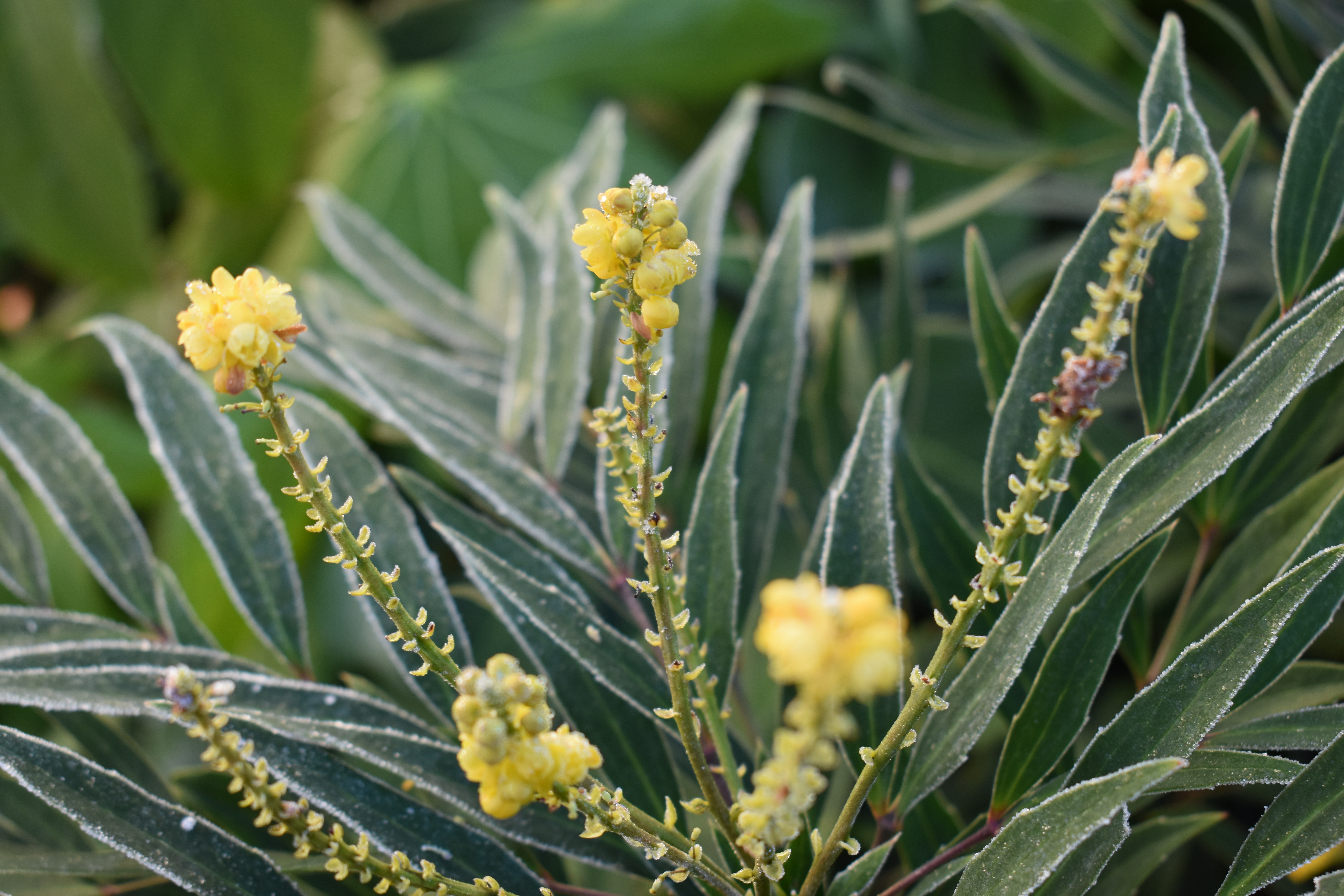
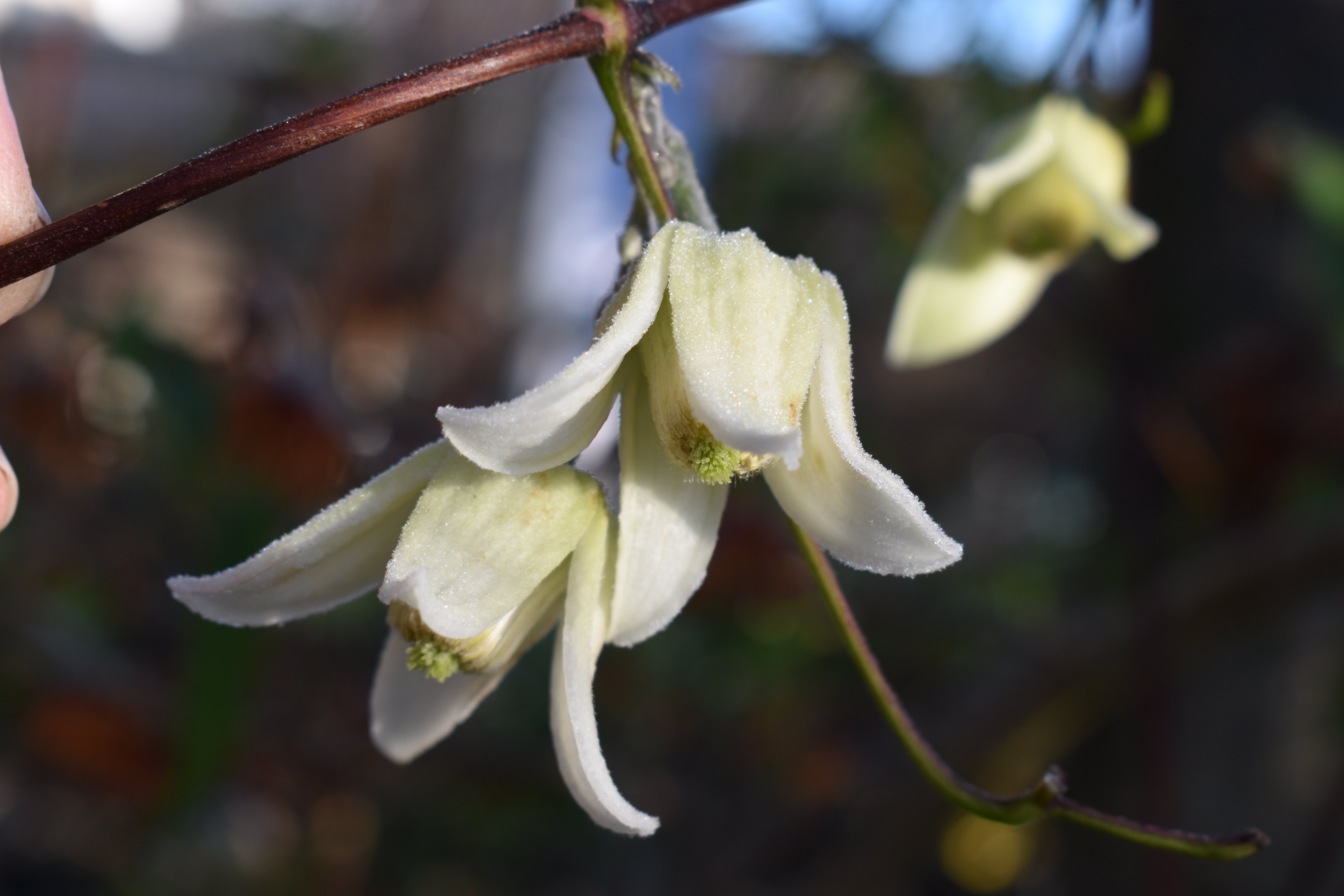
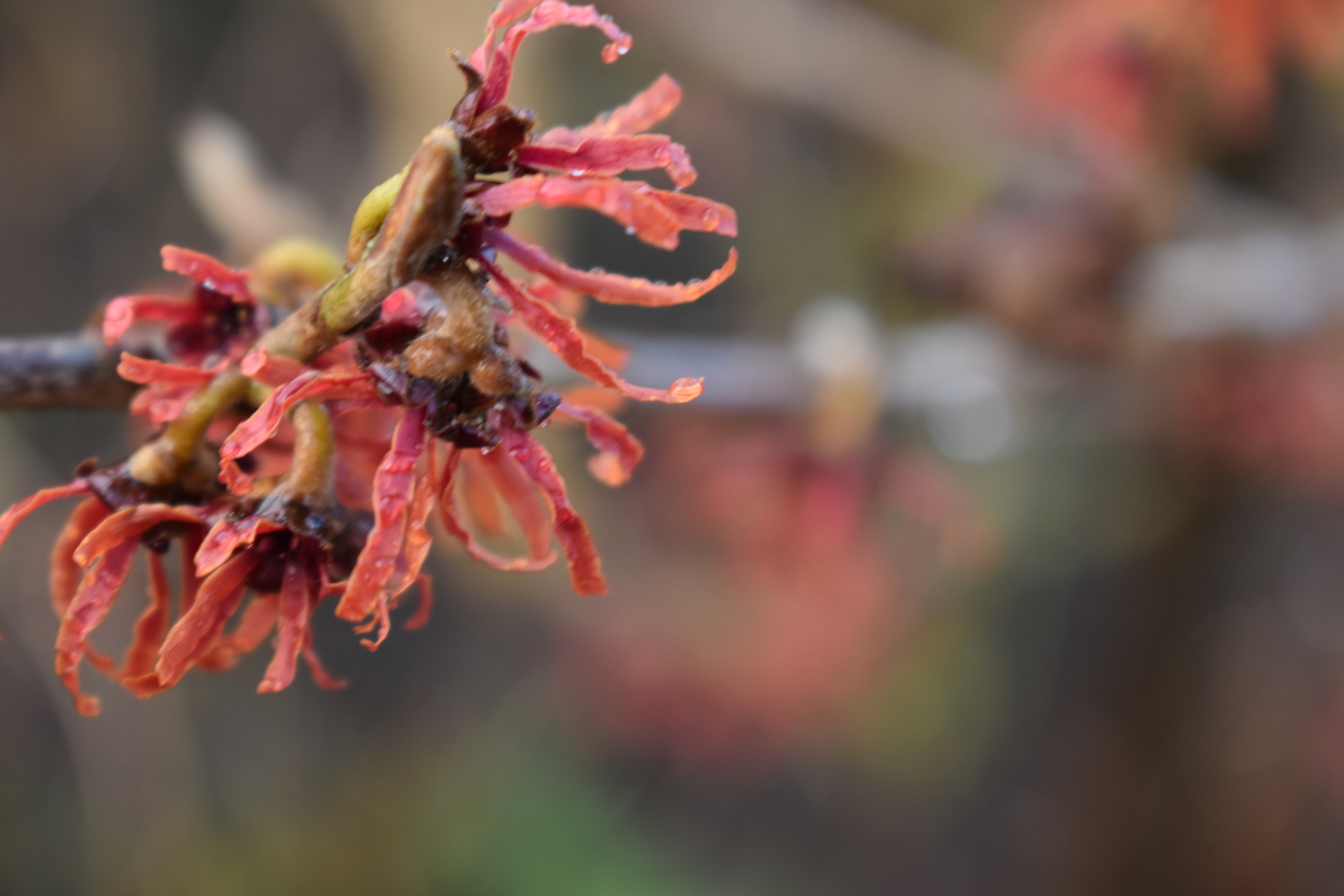
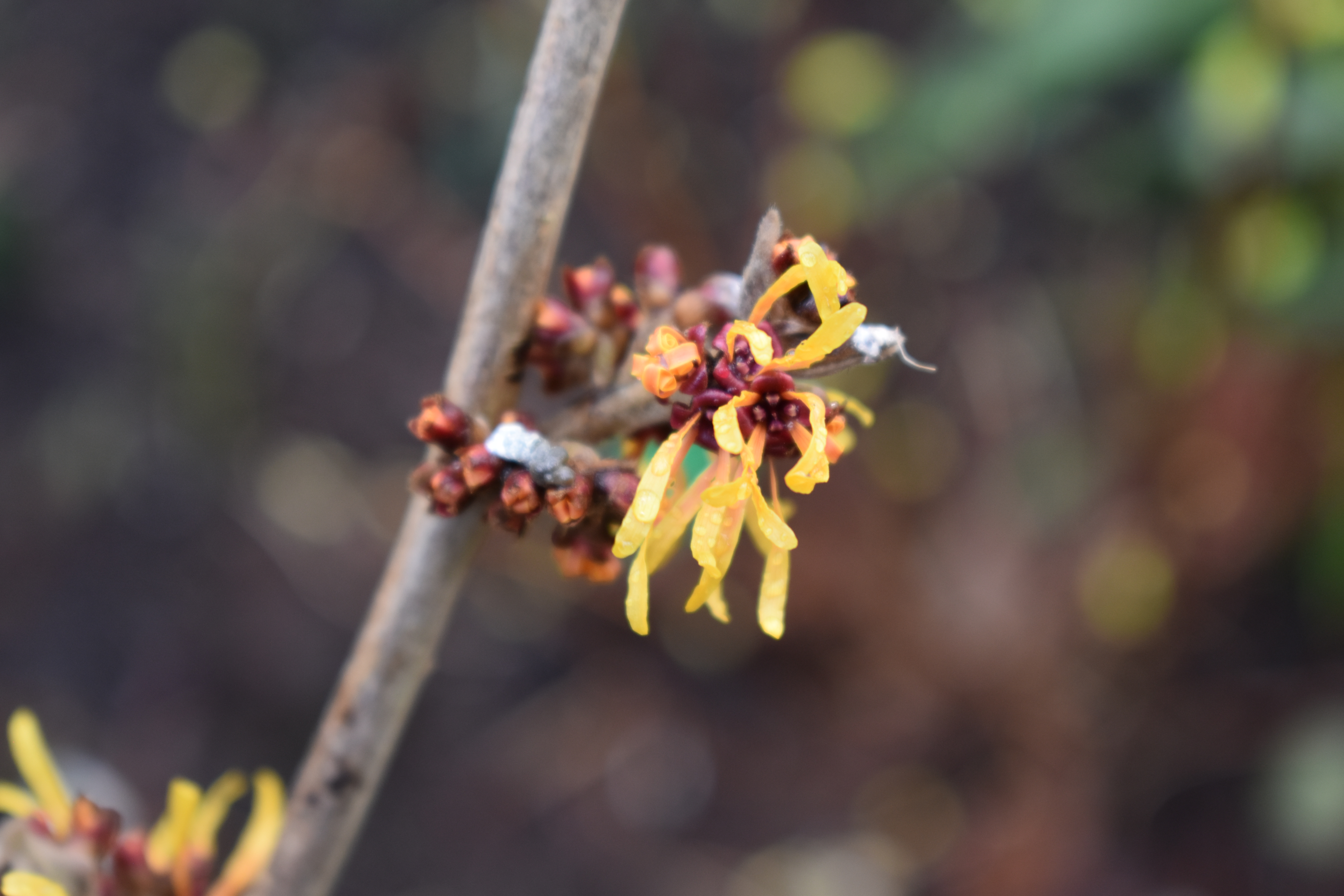
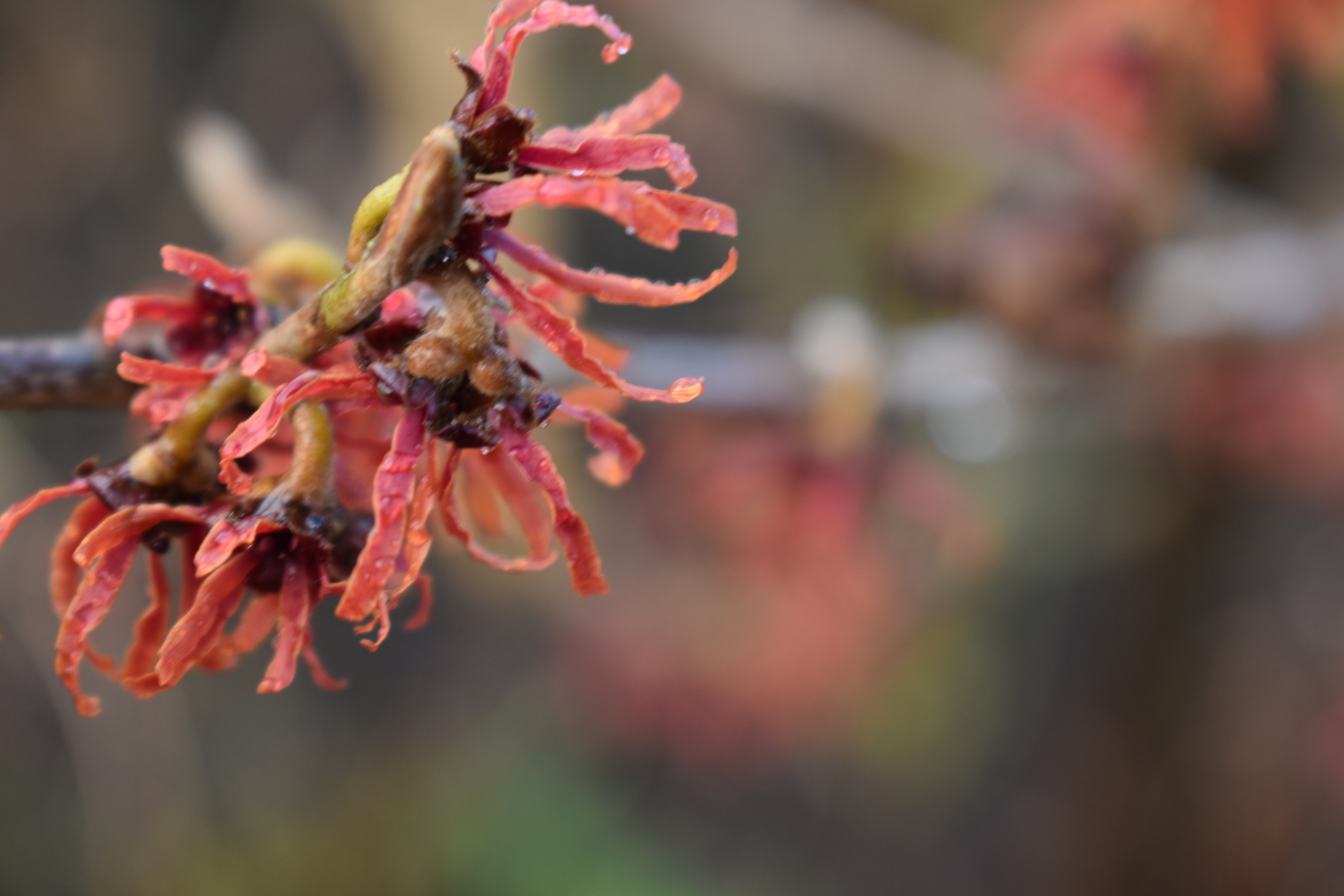
On the next double page spread I considered winter flowering shrubs and the effect of the low rays of winter light. Concerning winter flowering shrubs I wrote, “Most winter flowering shrubs are scented, and their scent tends to be stronger than scented shrubs from any other season. There are far fewer pollinators around in winter so shrubs need to work harder to attract them. We love these flowering shrubs too! Daphne, viburnum, sarcococca, cornus, hamamelis, clematis, mahonia, salix, ………”
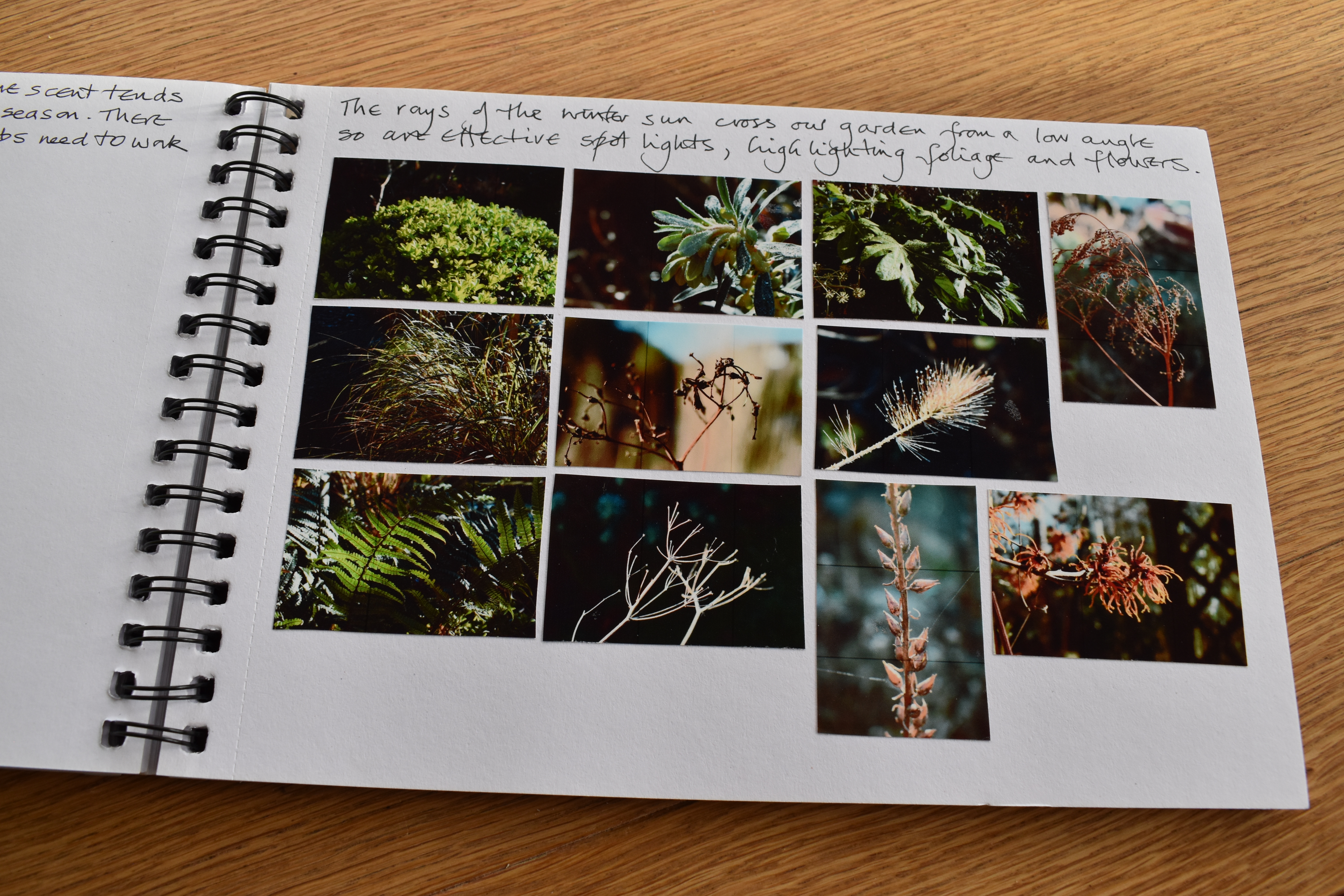
On the opposite page I noted, “The rays of the winter sun cross our garden from a low angle so are effective spotlights, highlighting foliage and flowers.”
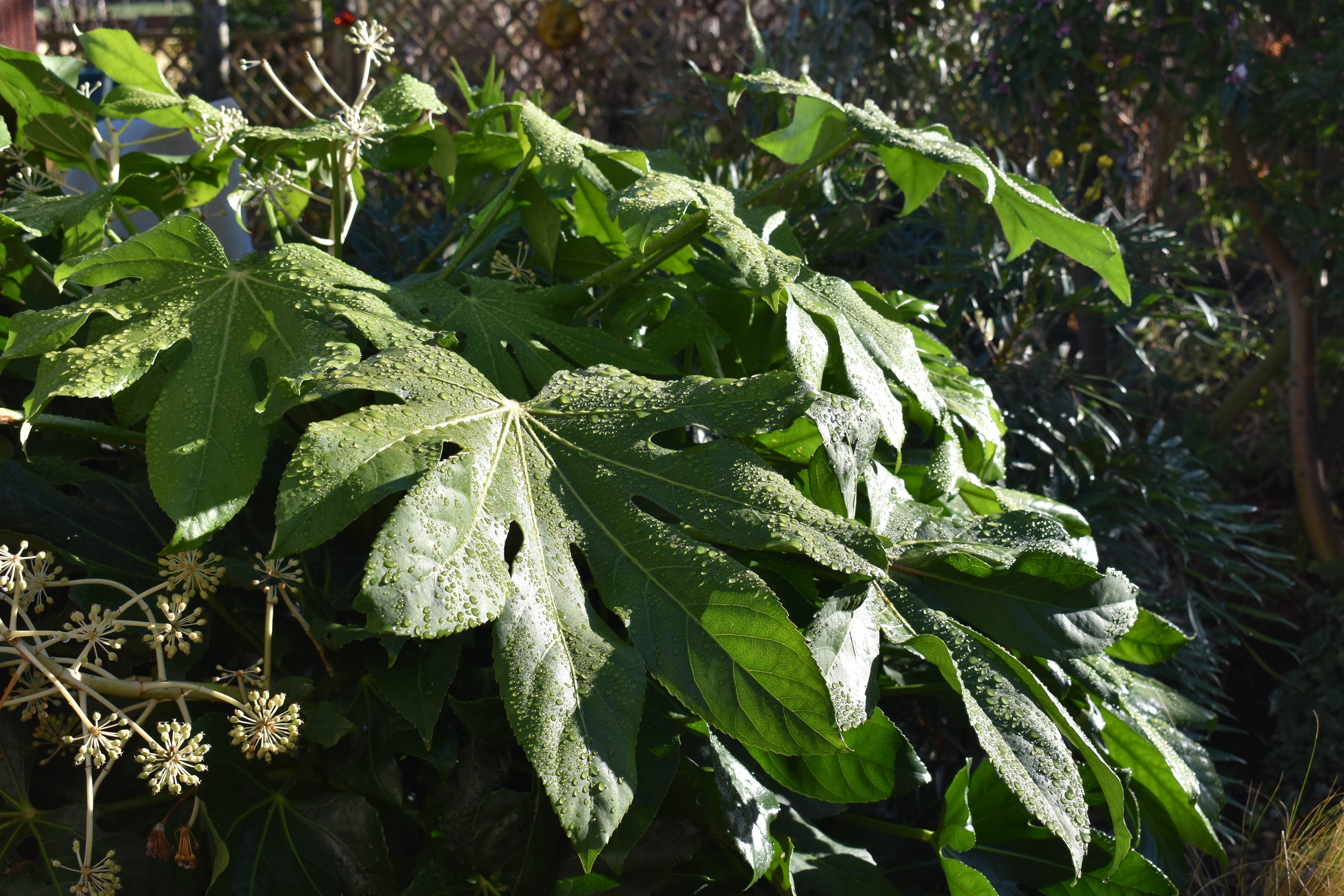
I then shared photos of the light catching our plants.
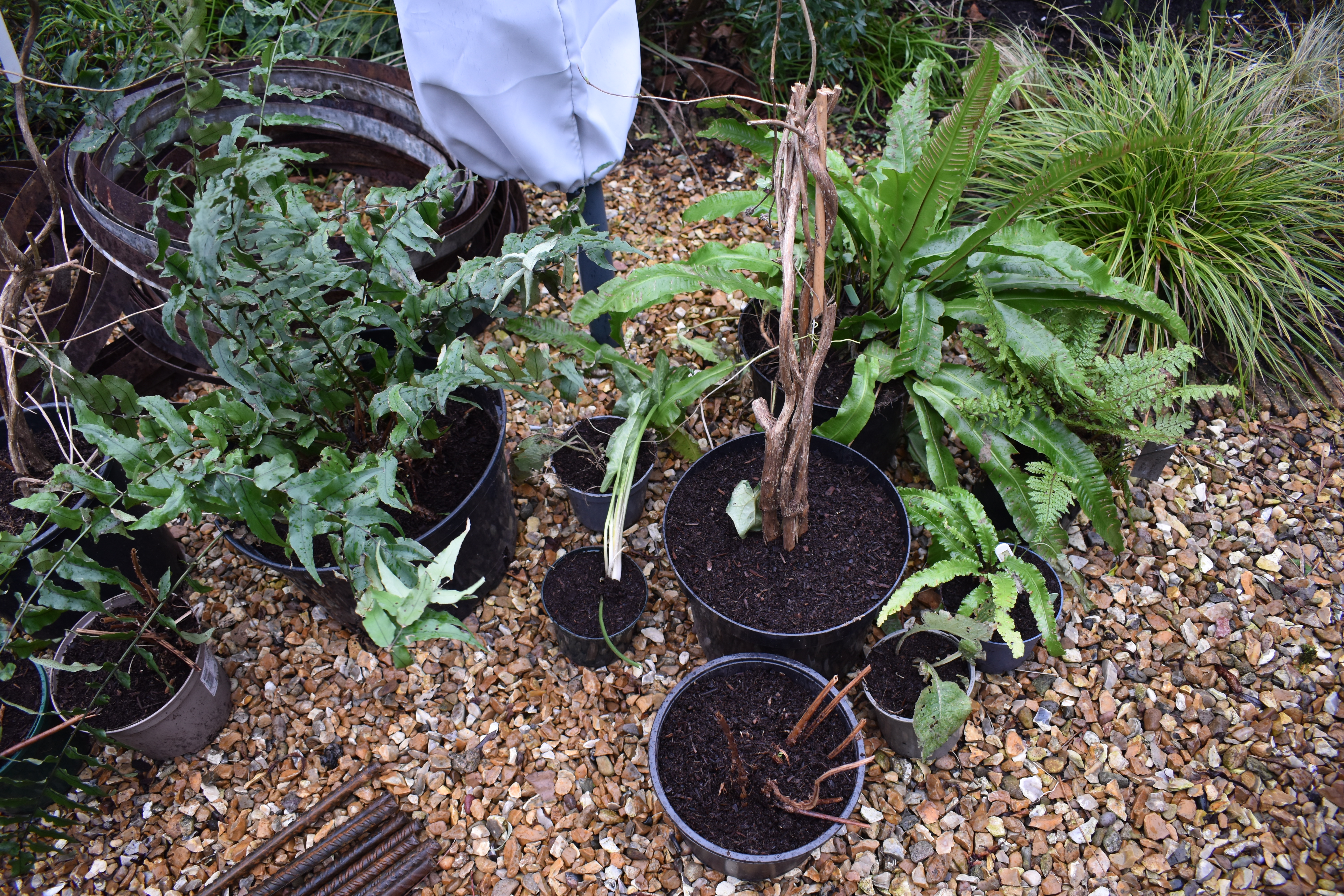
My last page for January concerned us working hard replacing six broken fence panels and I shared photos of our endeavours. I wrote, “We continued clearing our Shade Border and potted on all of the plants we had to remove temporarily. We received a delivery of fence panels, gravel boards and bags of ‘post fix’. We could then begin removing our old wattle fence panels and replace them with new wooden fences.” After the photos I noted, “Almost there!”
When we next visit my garden journal we will be in February and we will see how the shade border refurbishment develops.
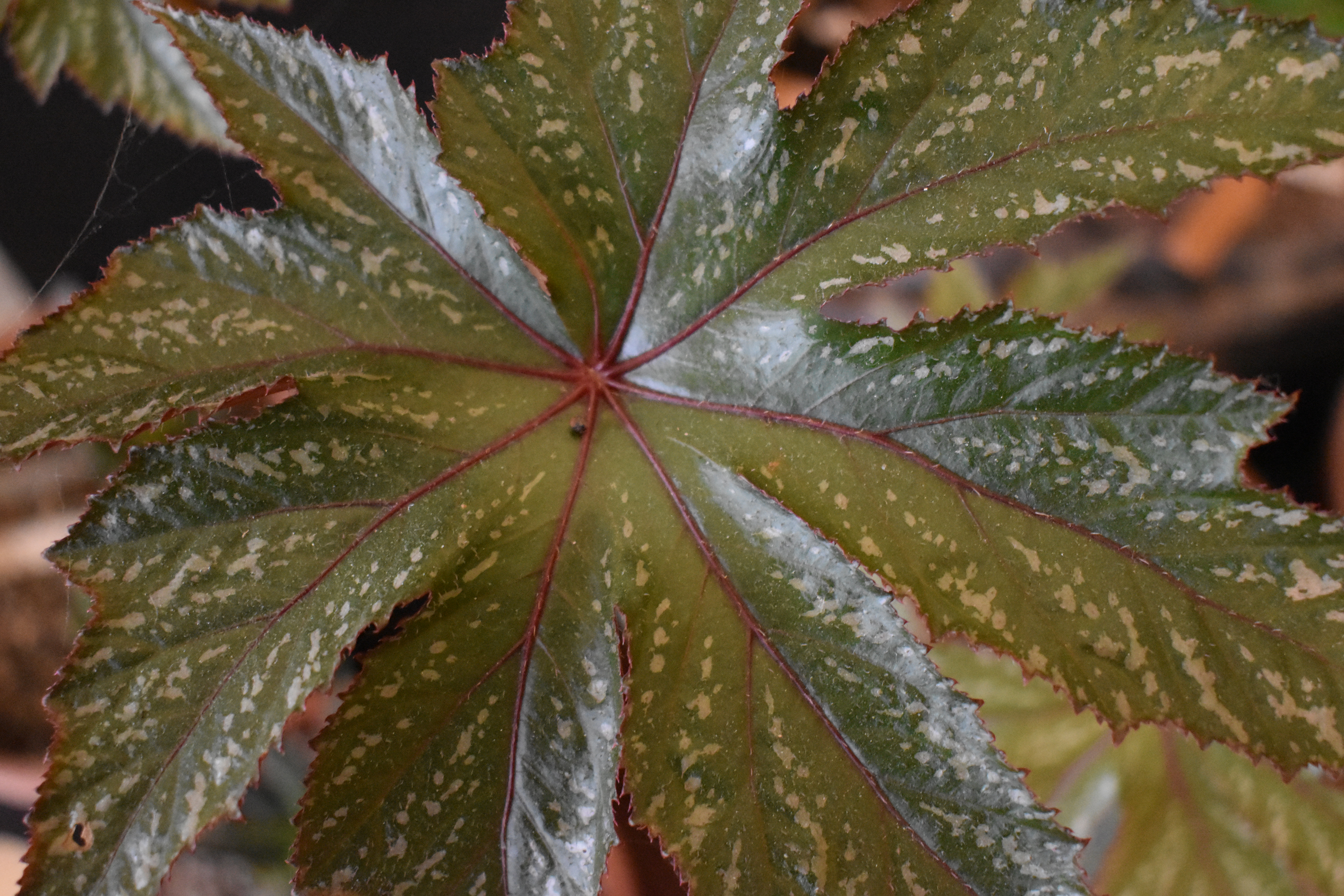
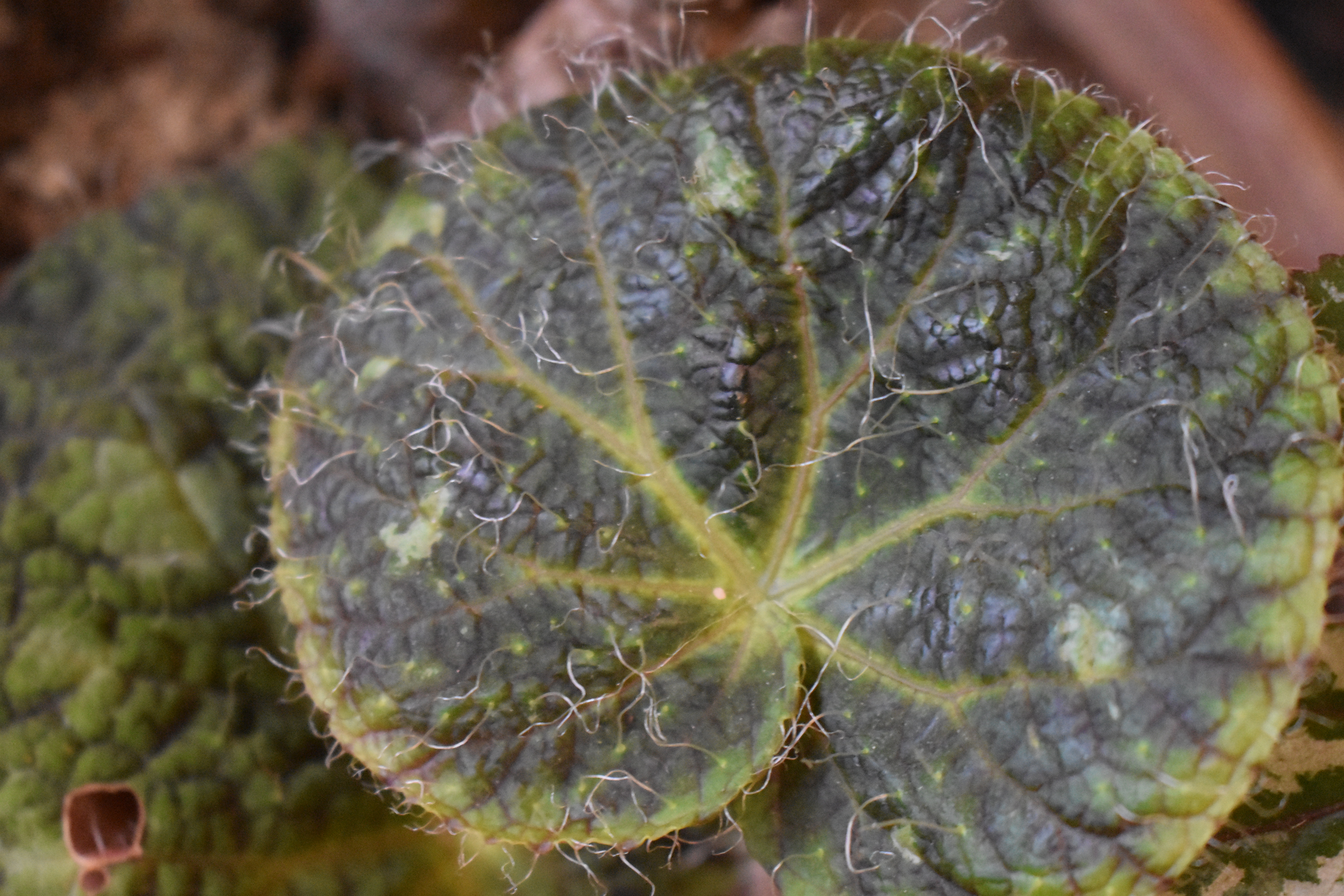
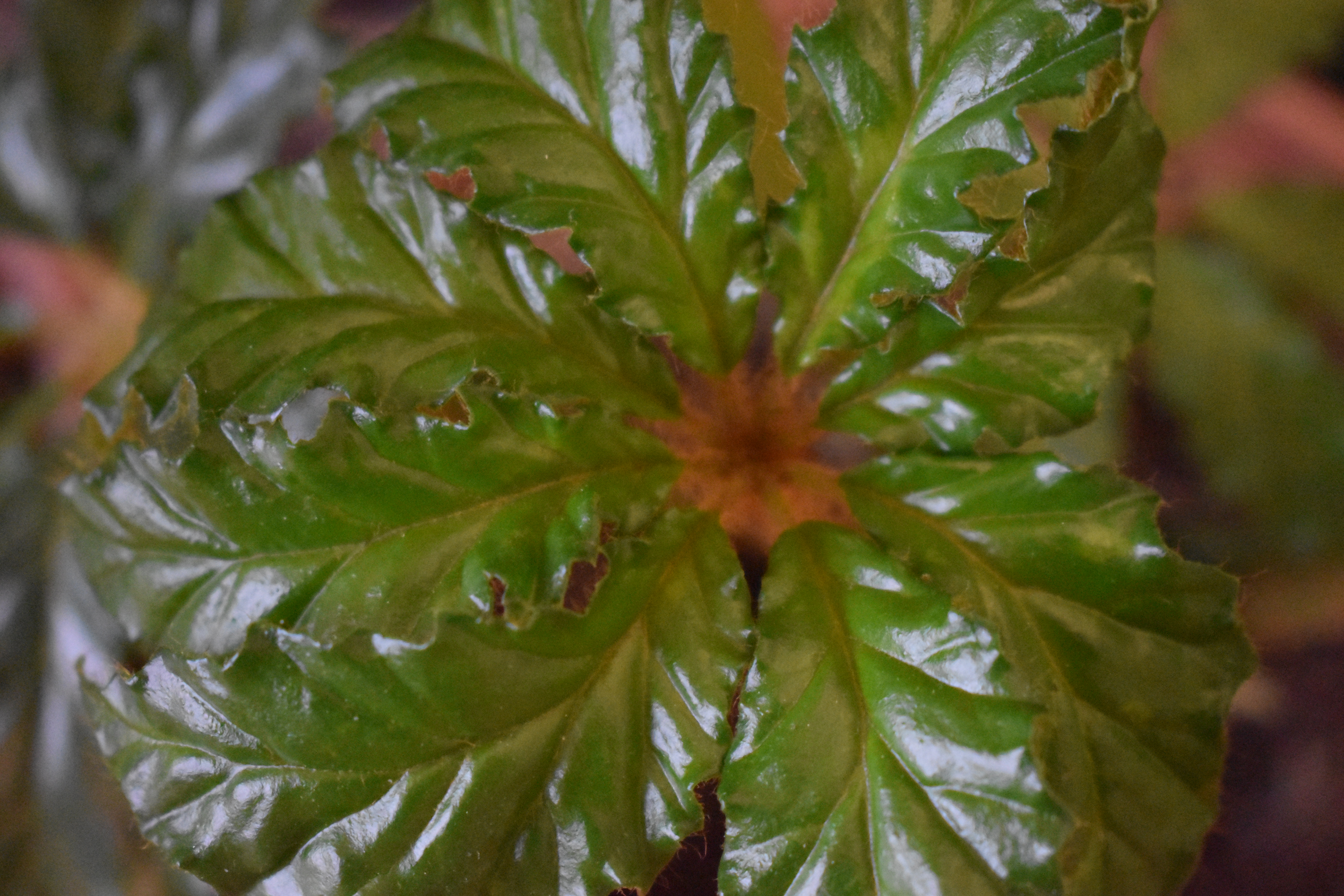
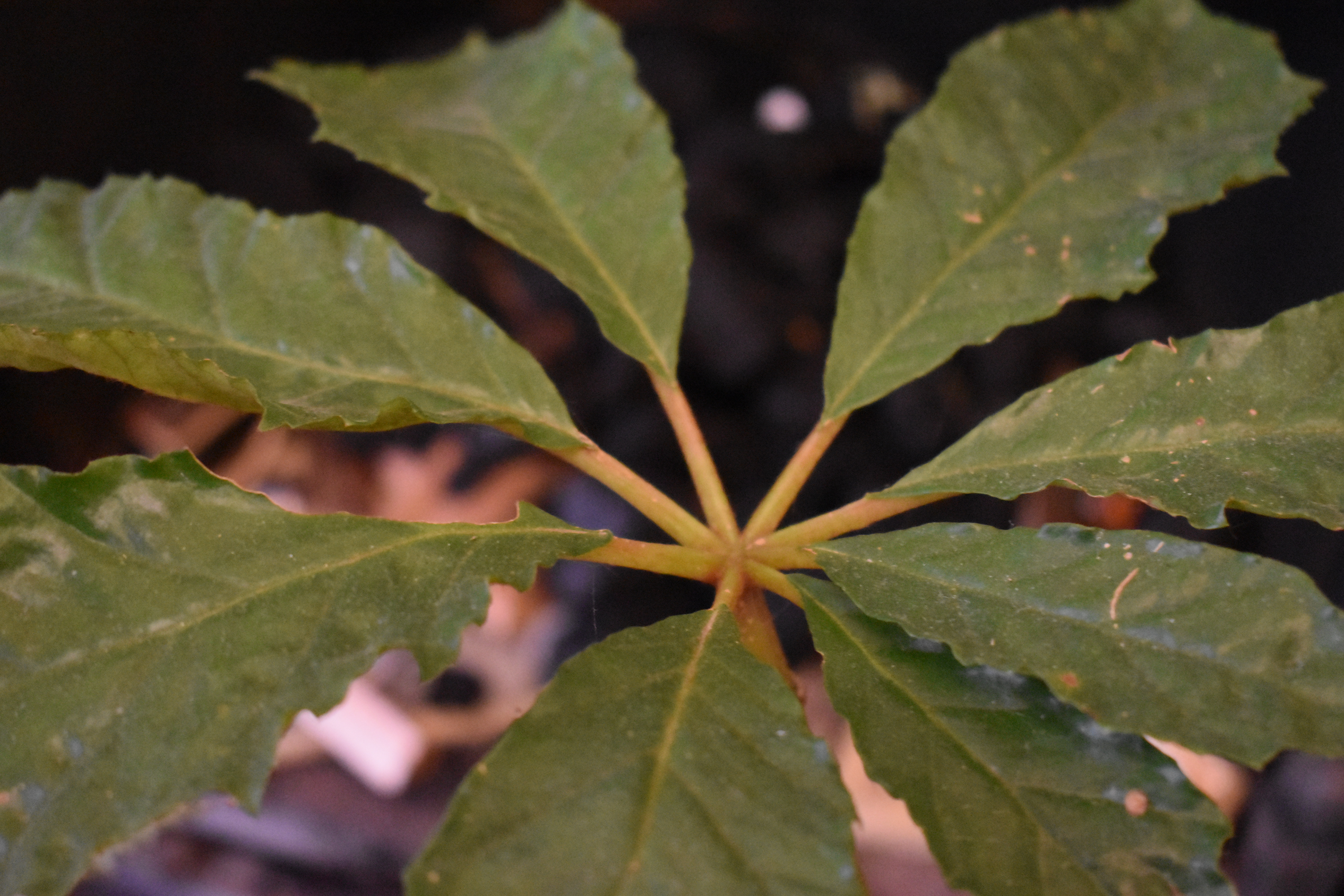
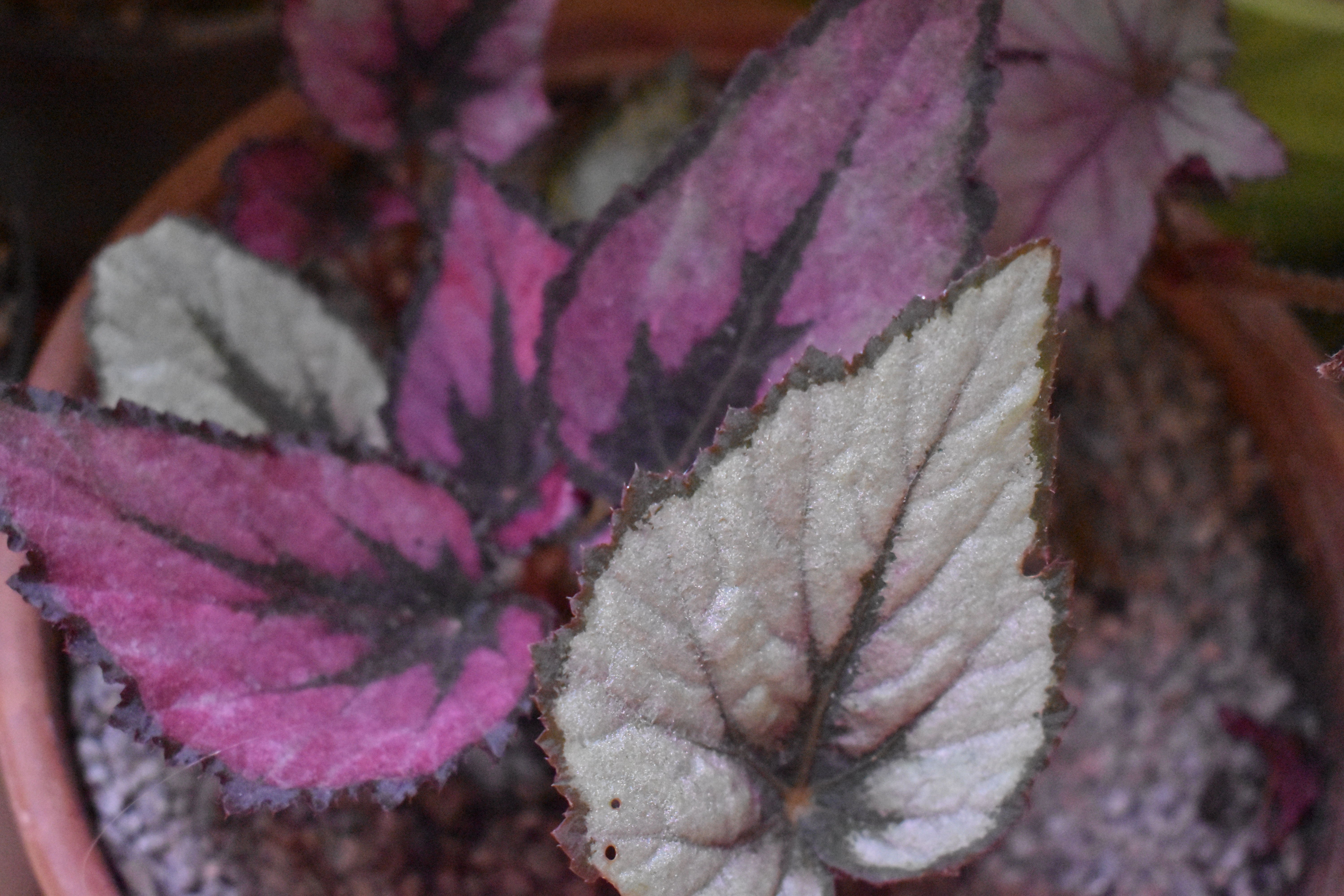
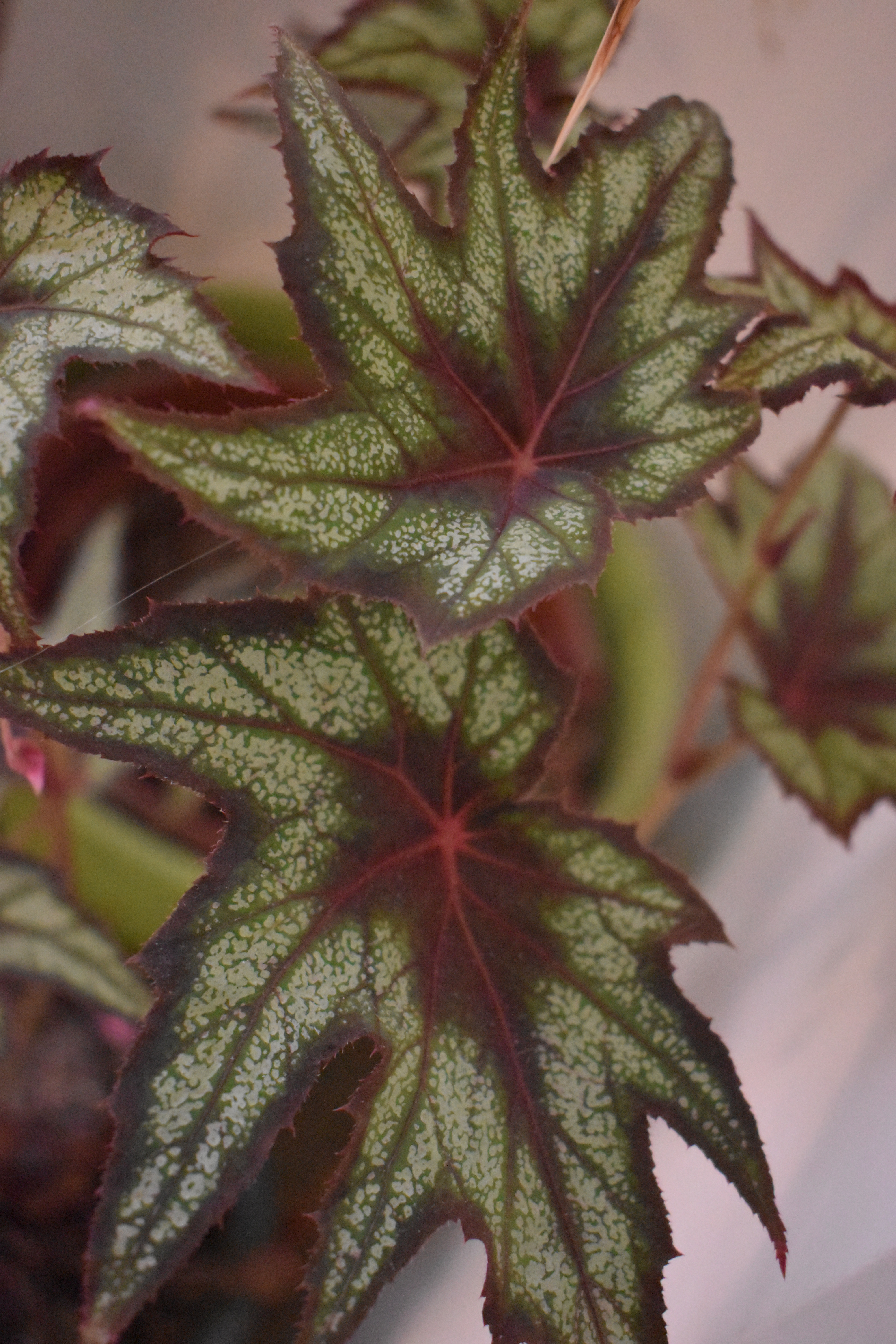
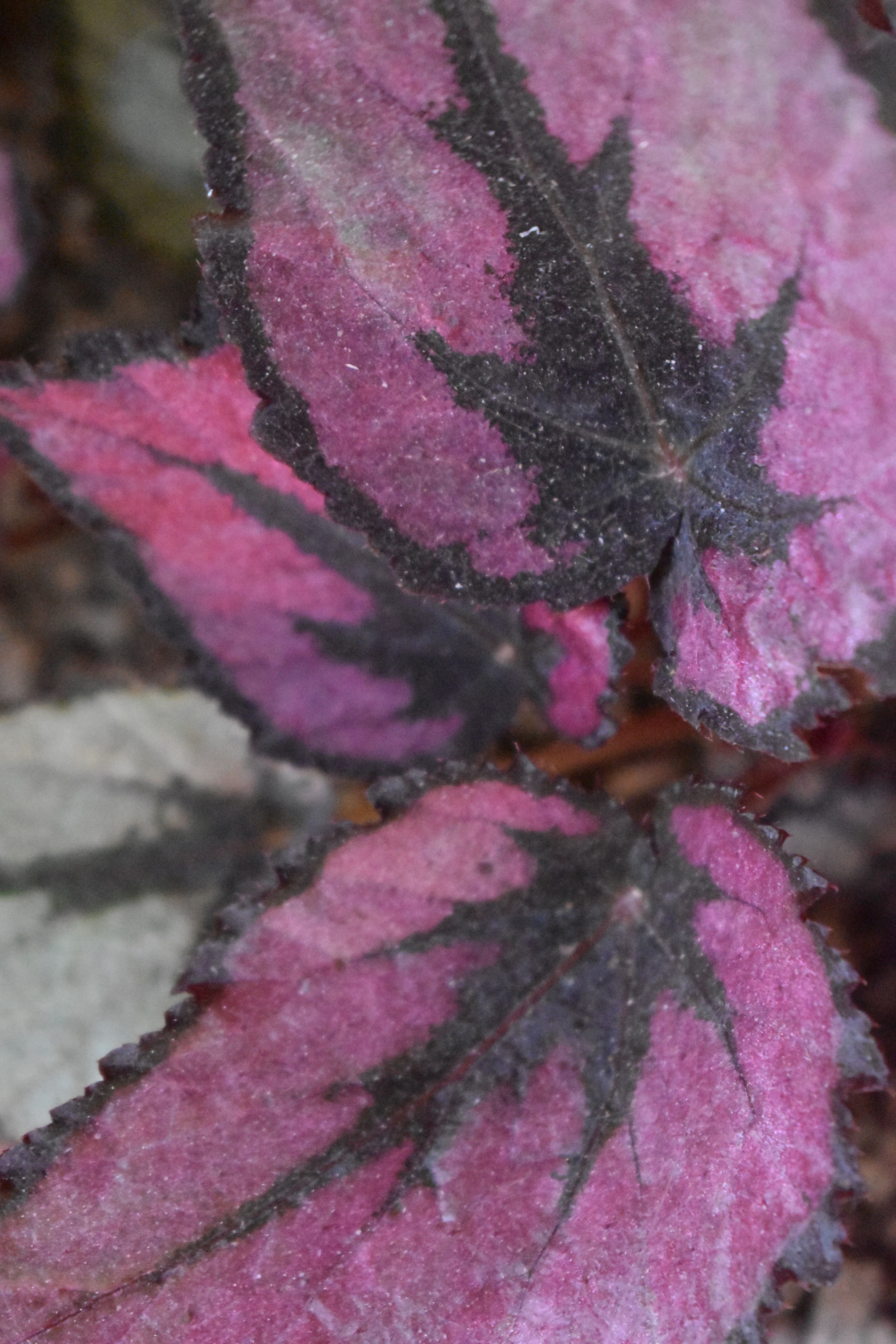
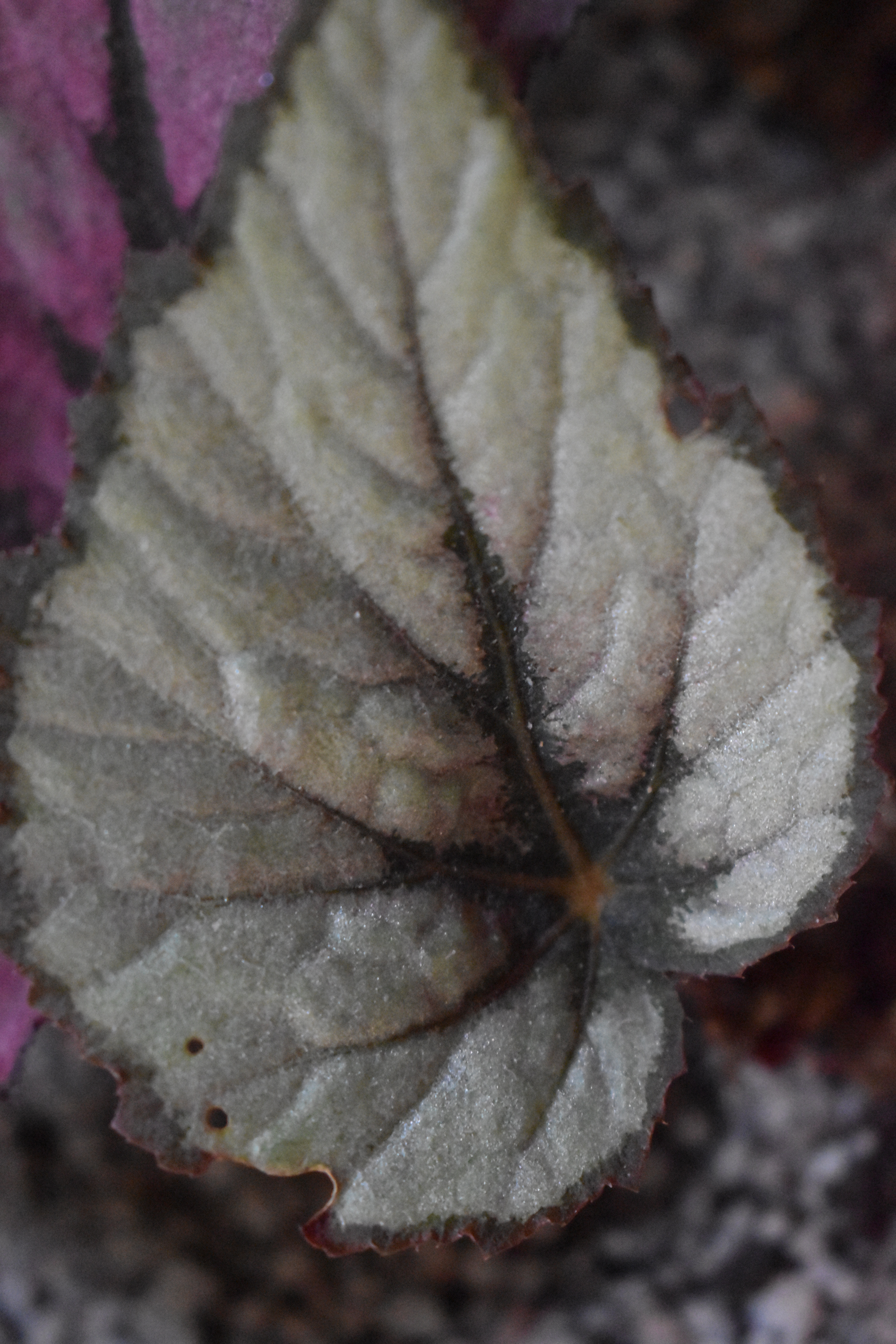
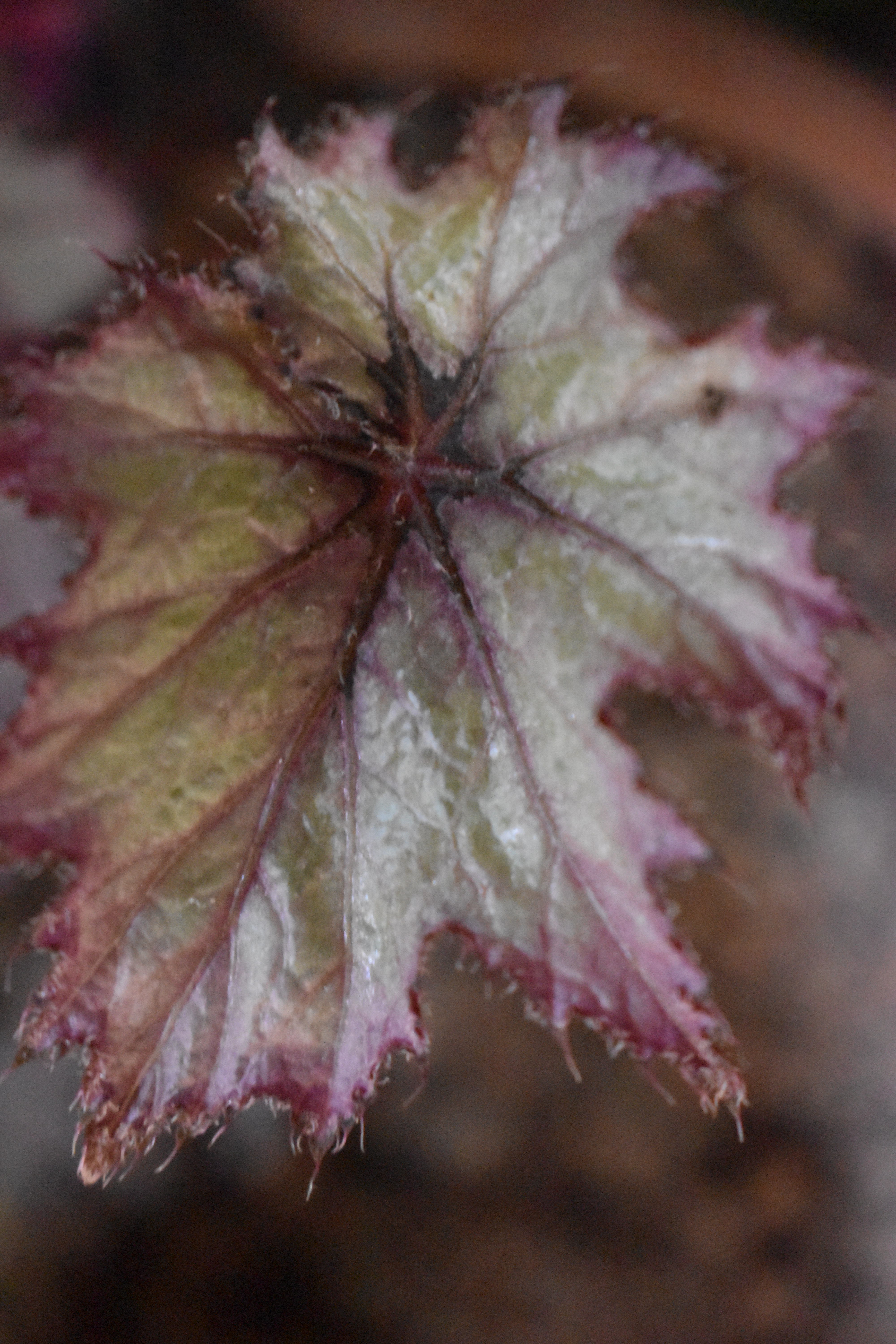
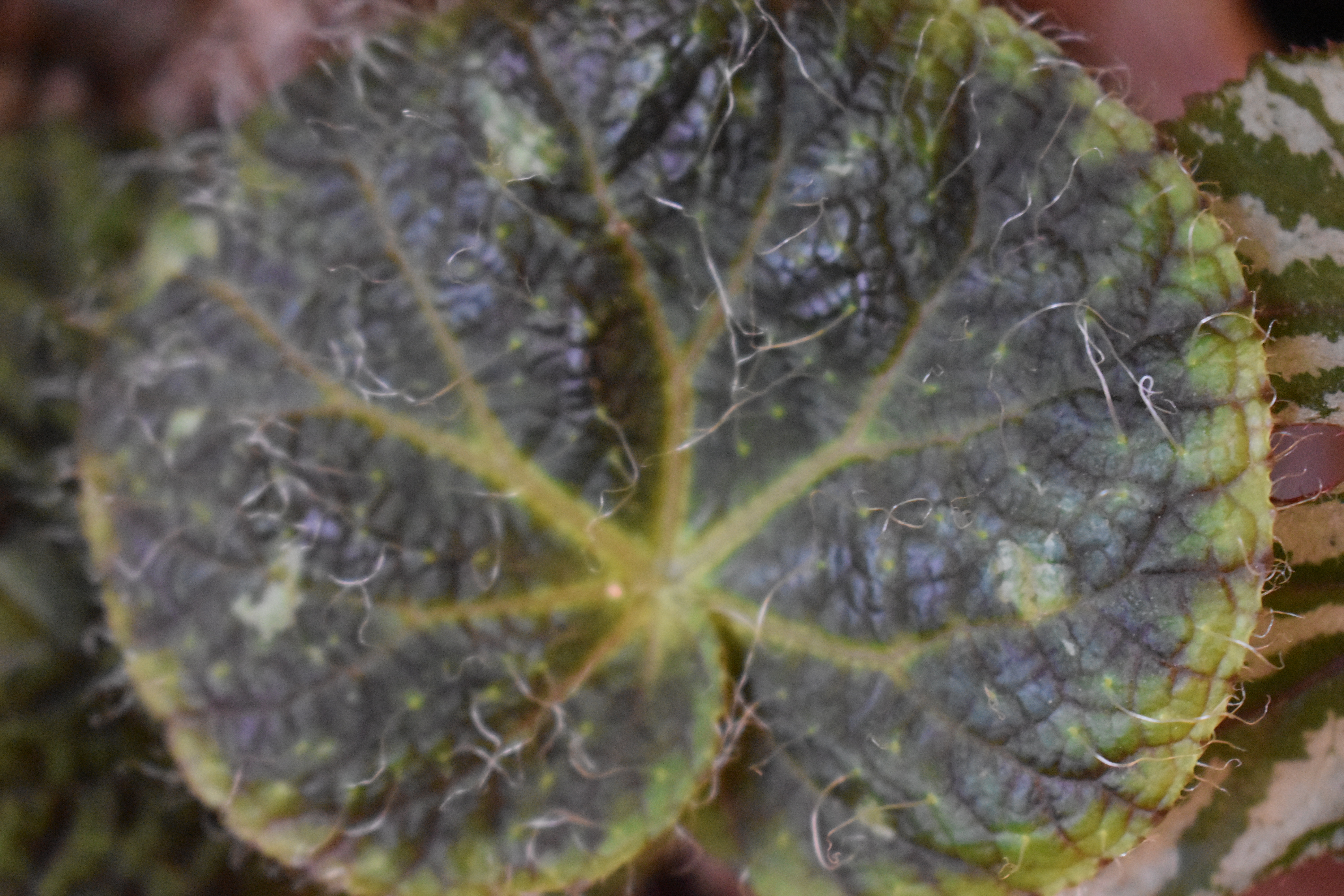
We grew a collection of begonias from plug plants a few years back to display and enjoy in the greenhouse during the warmer months but a few are grow outside in areas of shade specially for their foliage. The more delicate plants come into the house during the winter where we can enjoy them every day.
Here is a short gallery of photos of their foliage.
'The most important and informative publication on wildlife of our times' - The Independent. This blog is a member of The UK & Ireland Natural History Bloggers group: www.uknhb.blogspot.com

































 greenbenchramblings