Categories
Uncategorized

Peeling Bark on Ornamental Trees

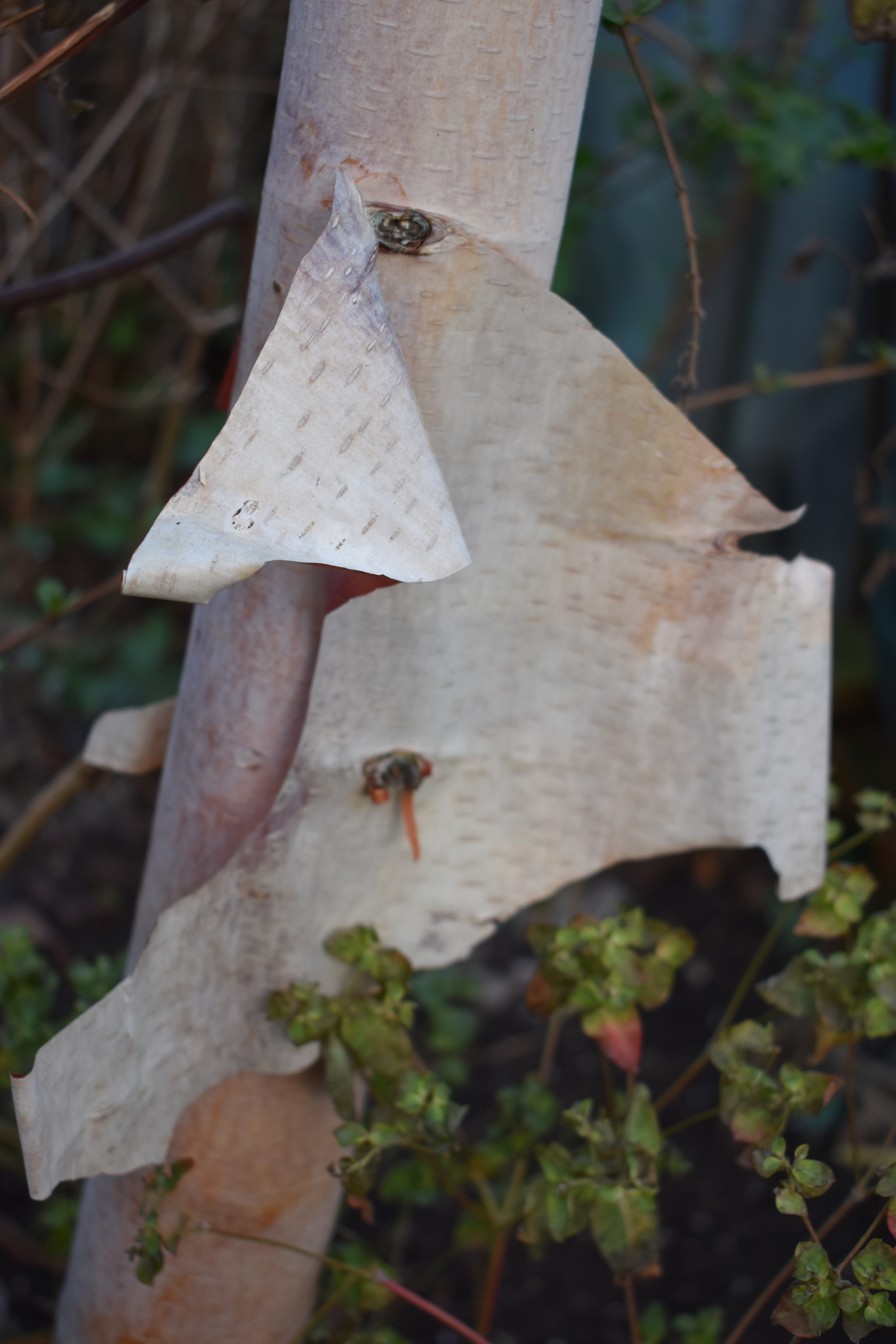
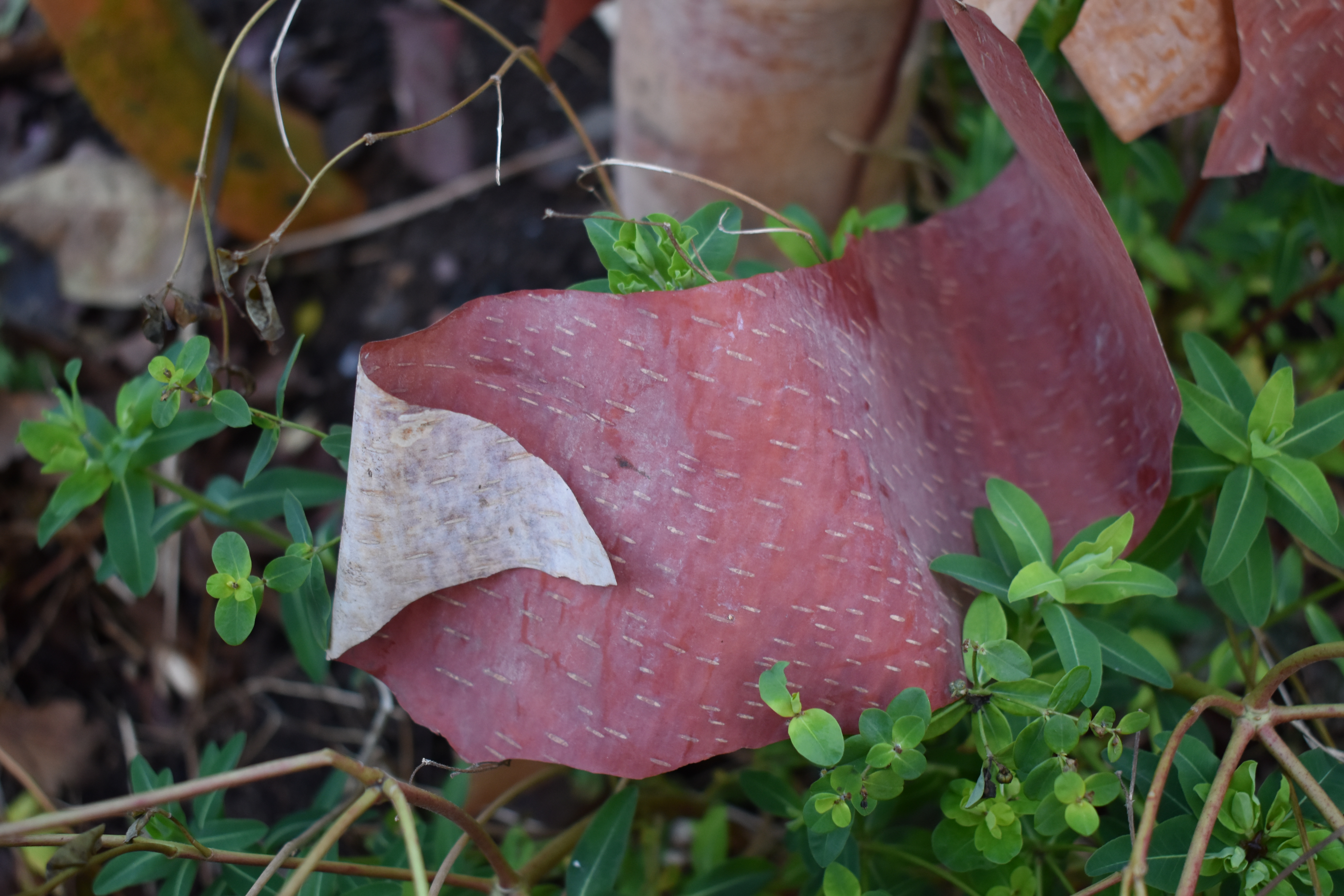
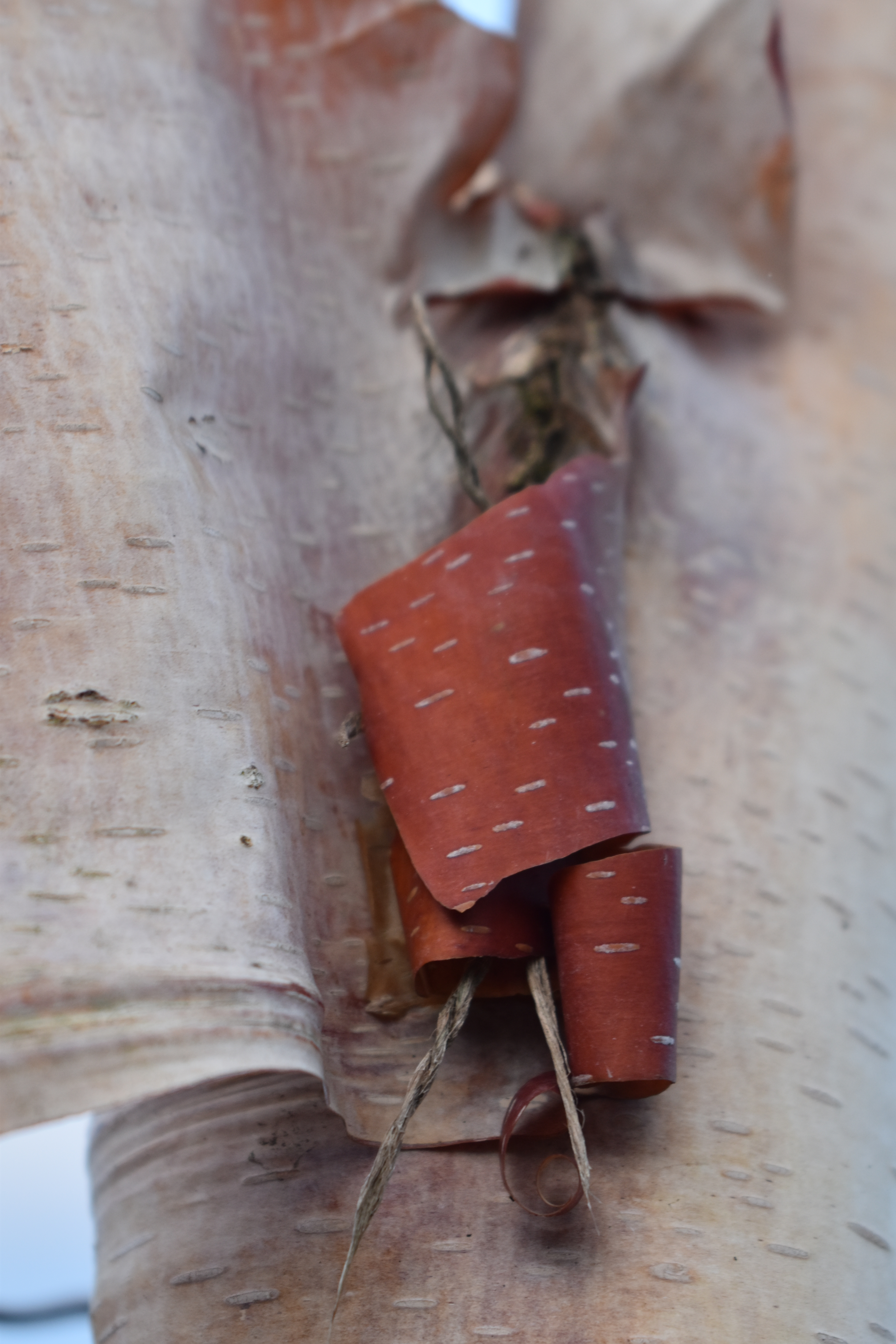
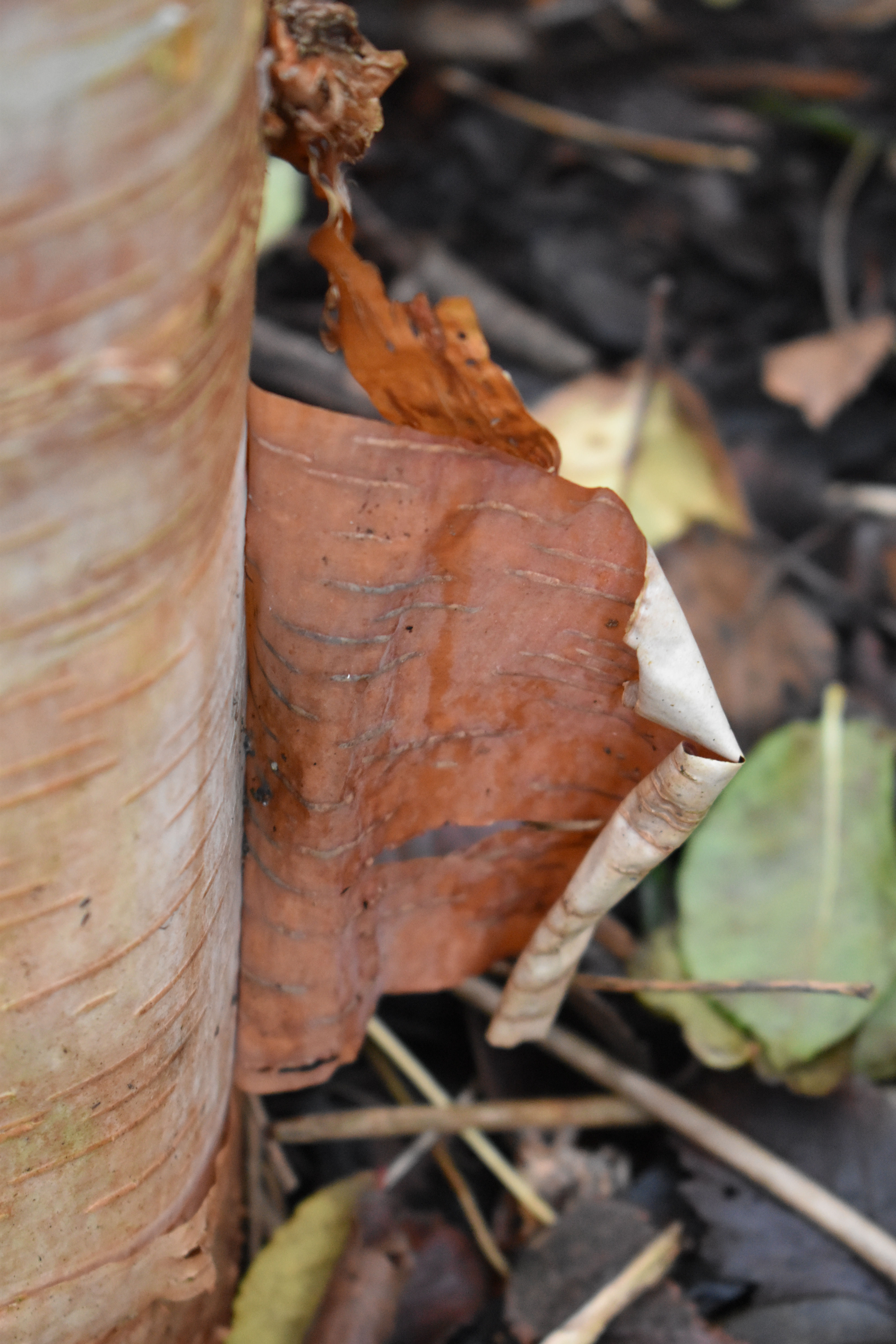
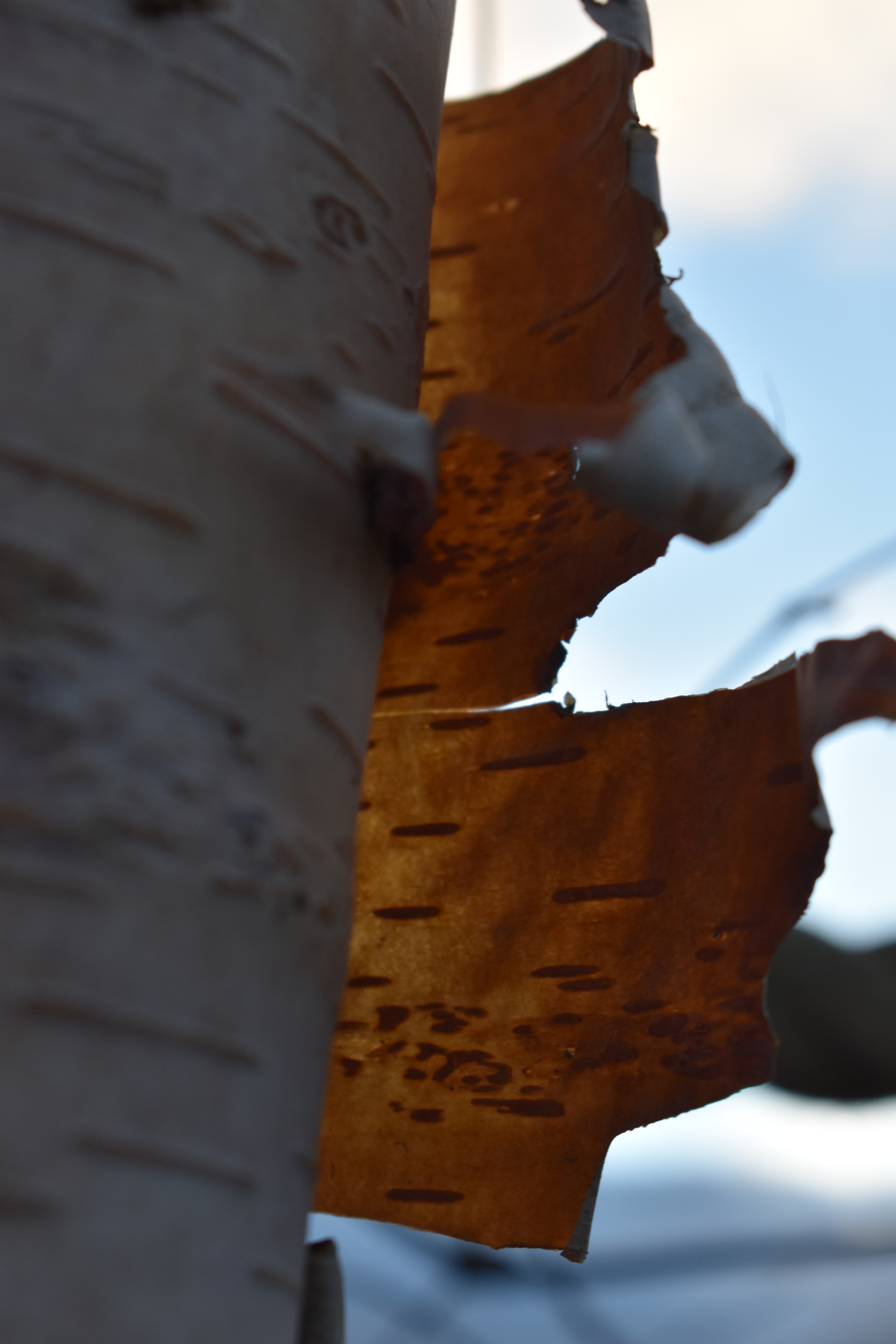
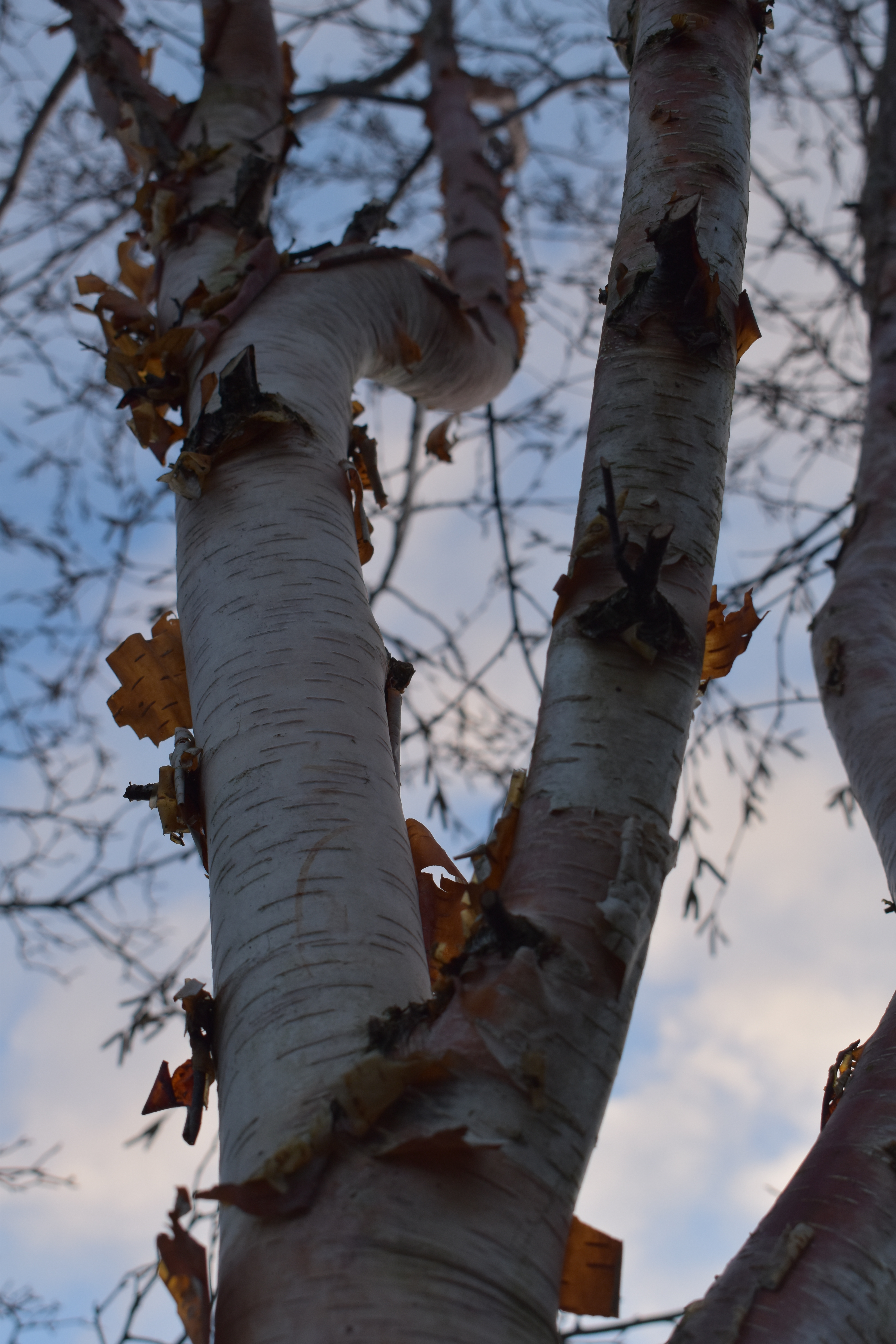
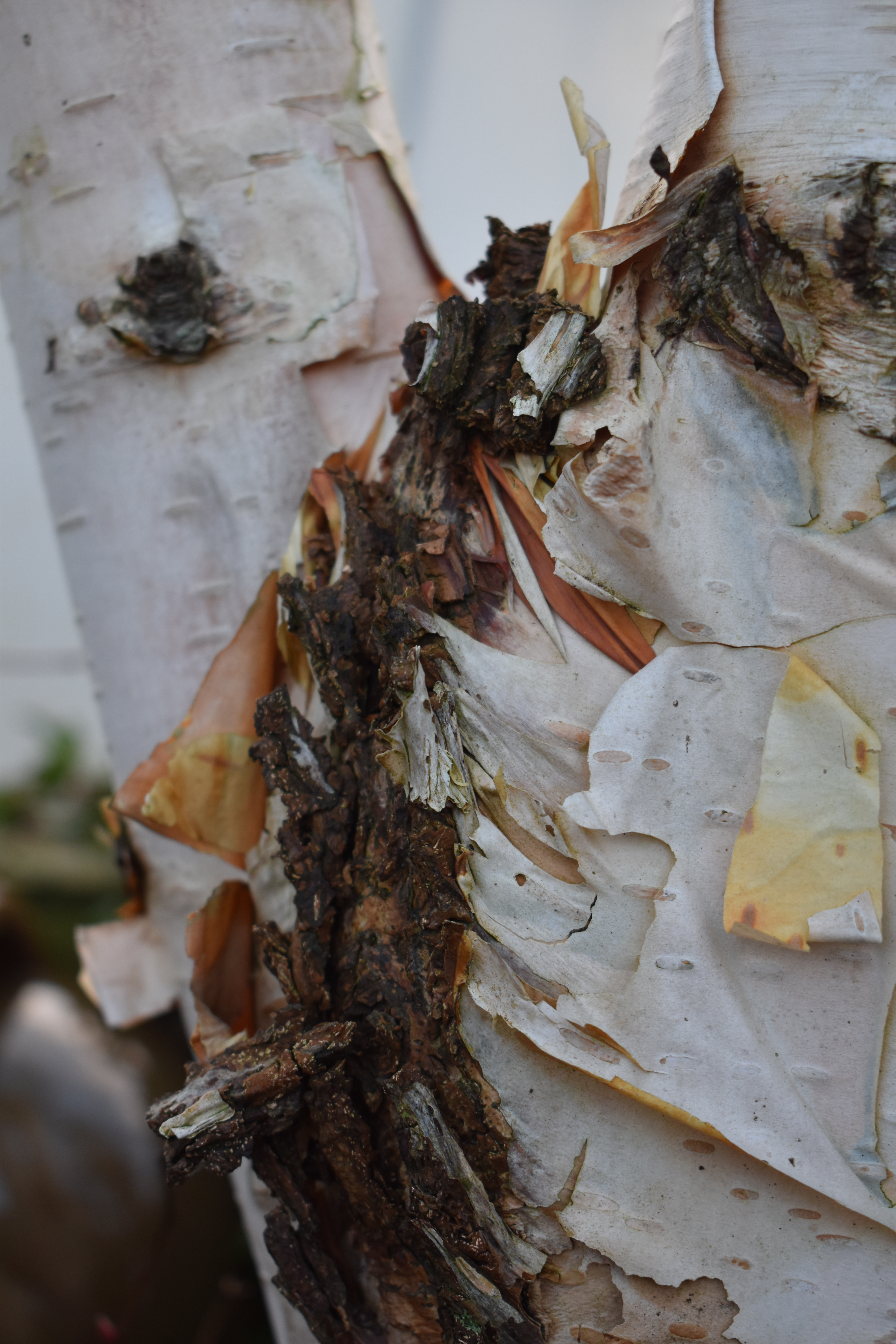
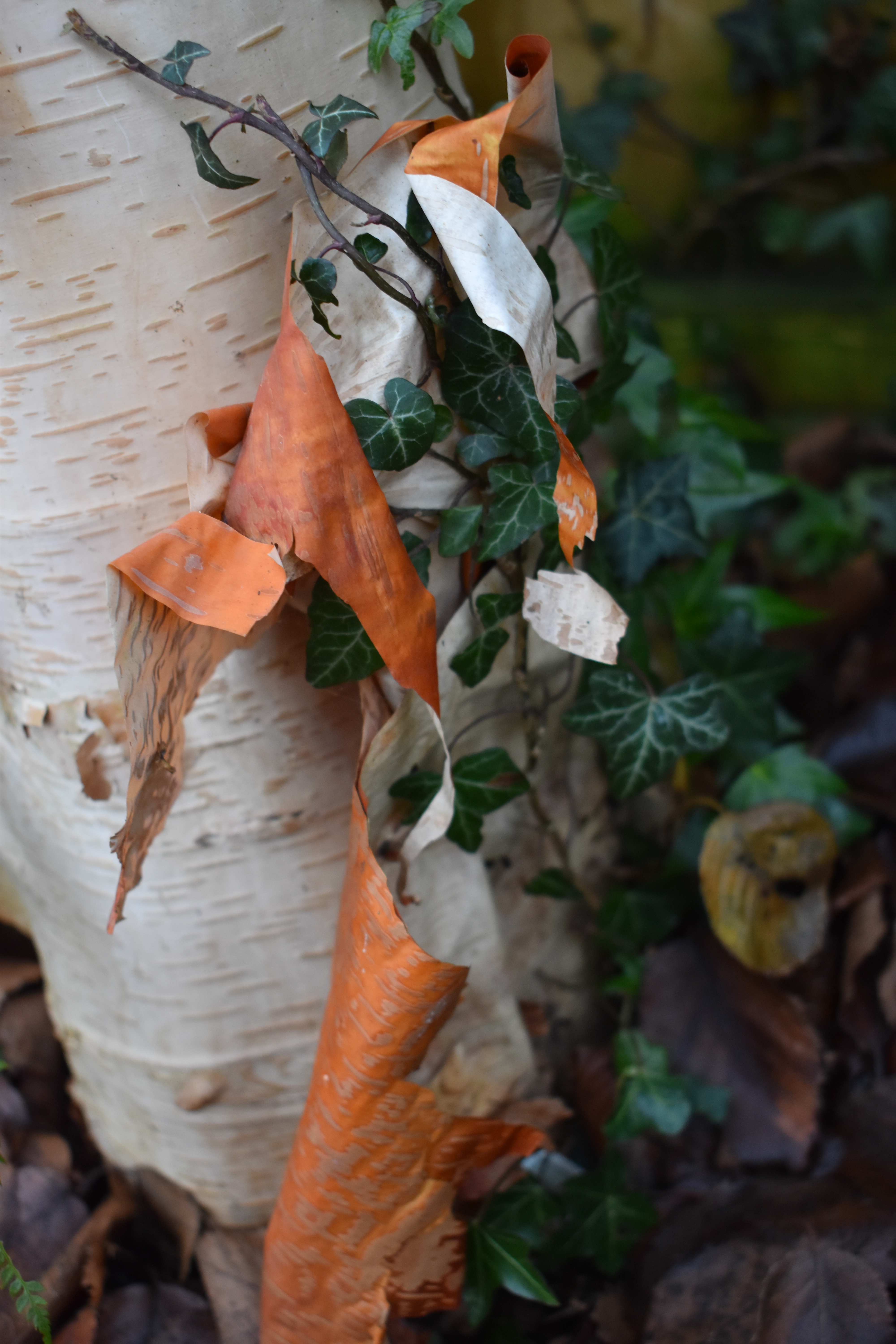
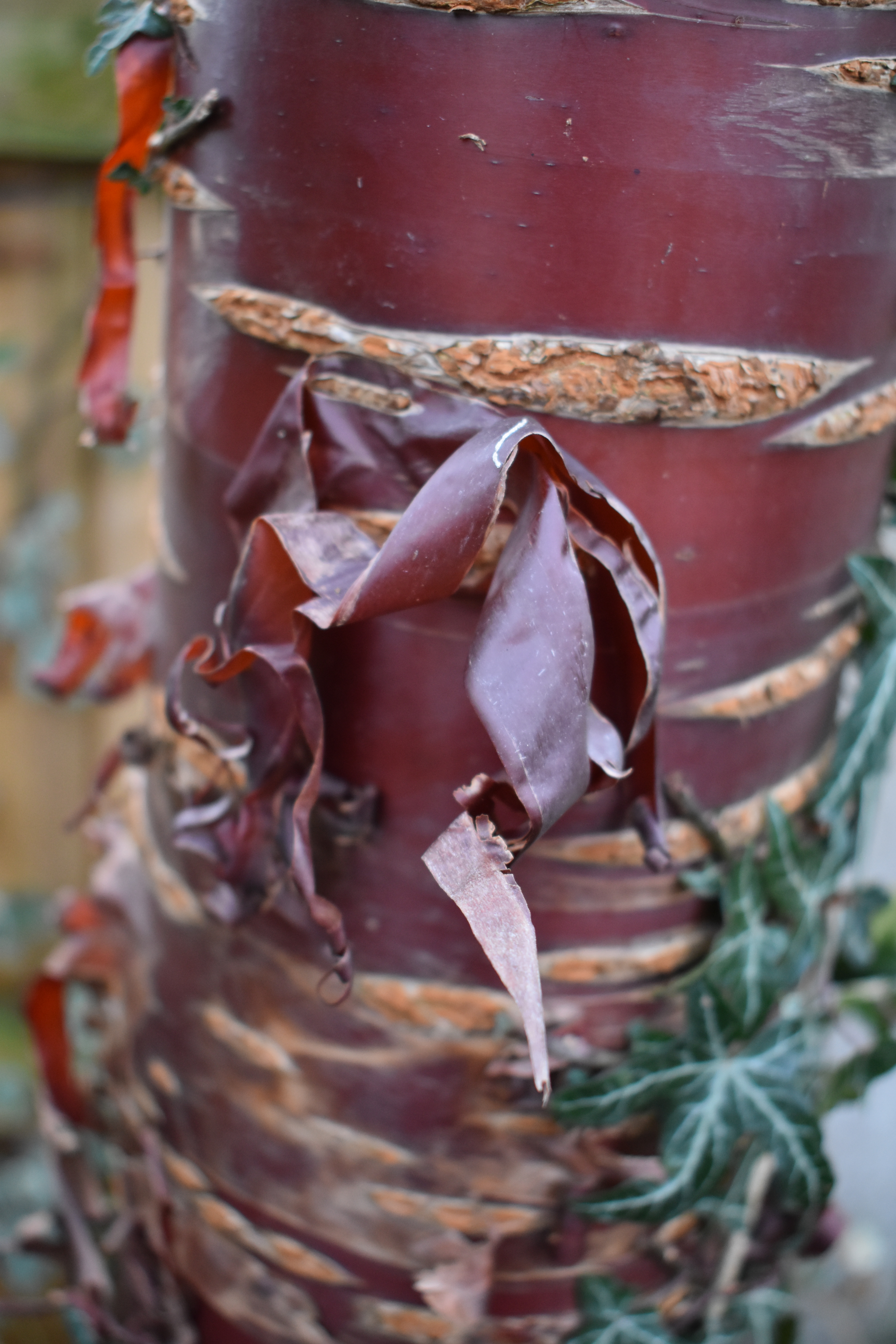
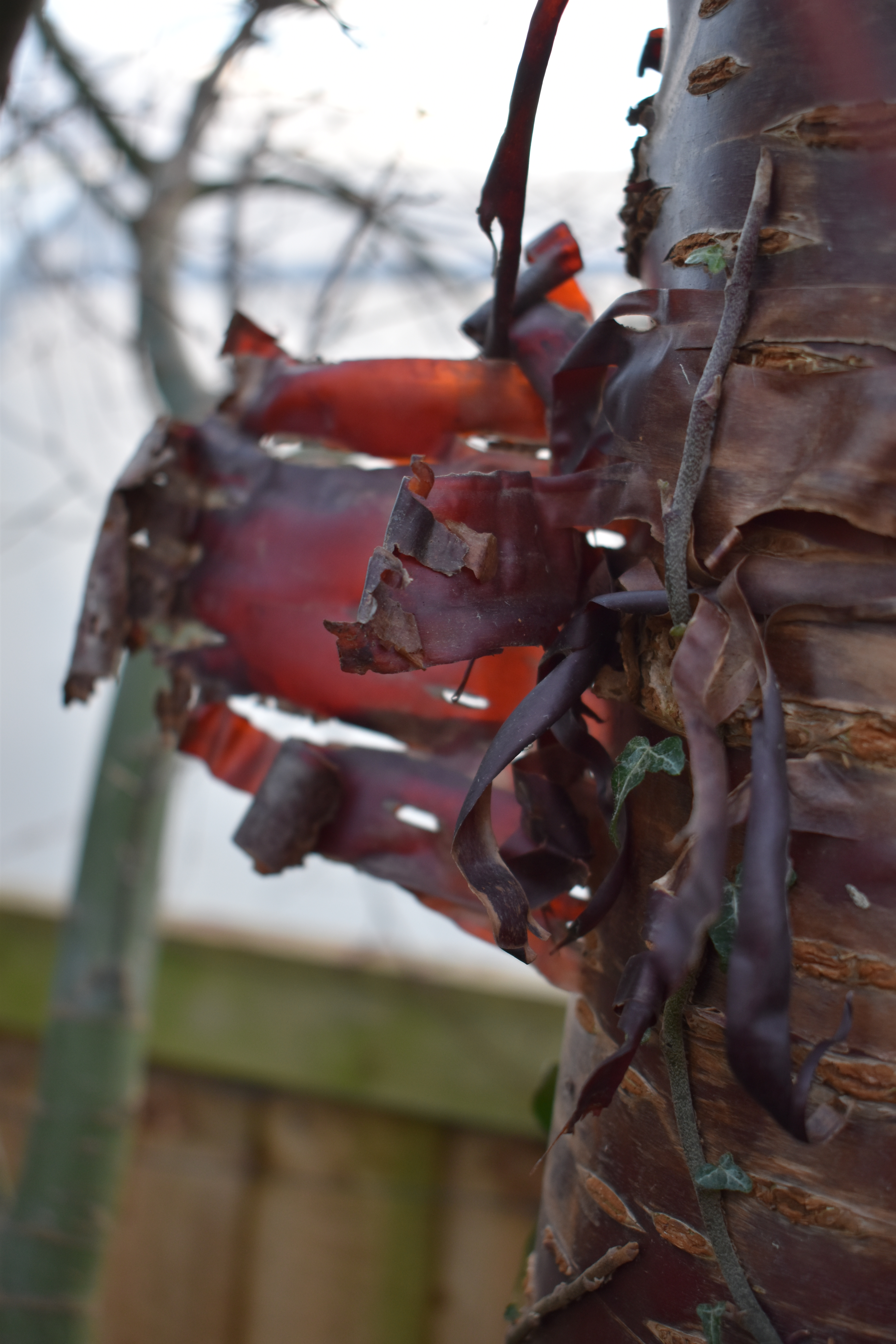
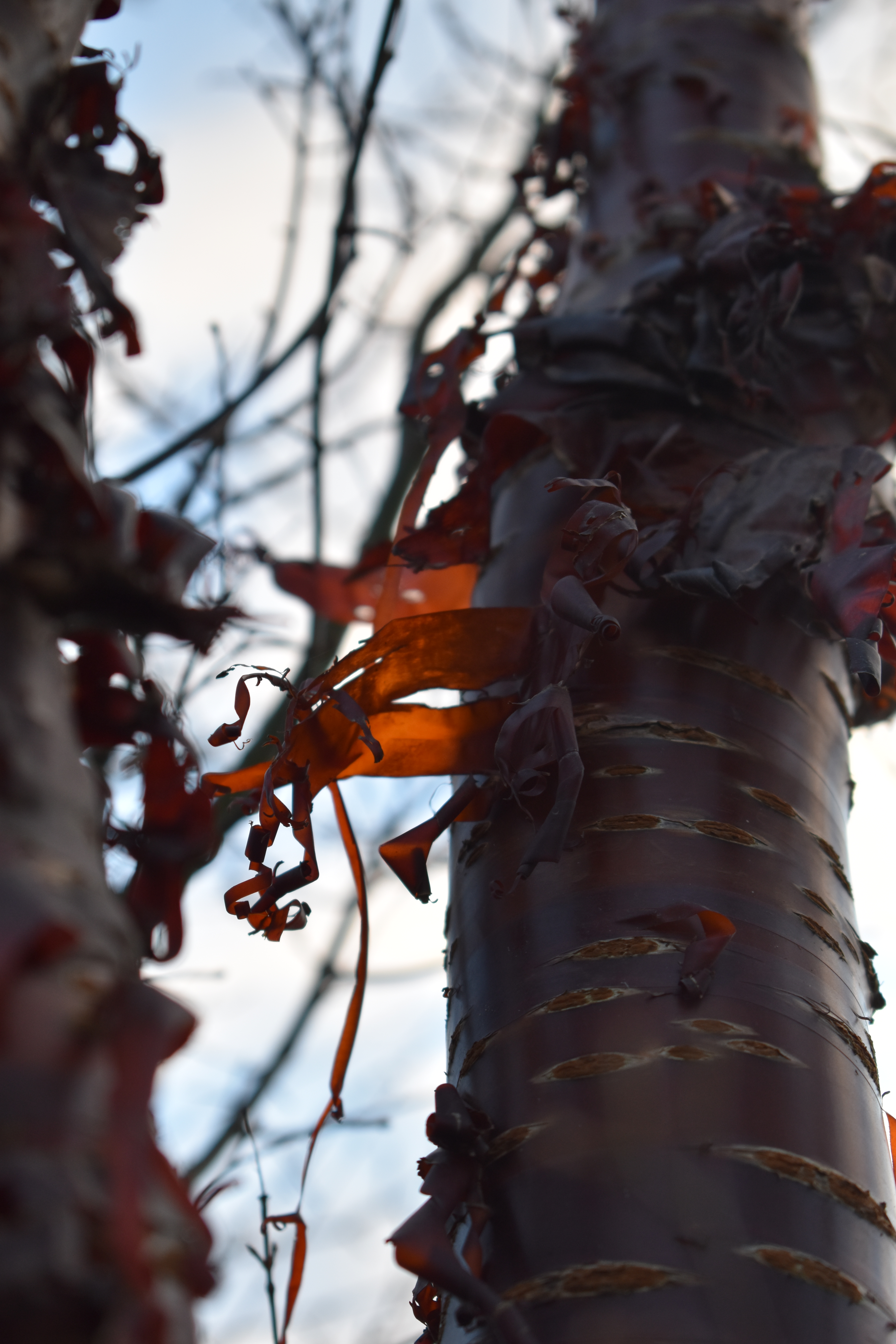
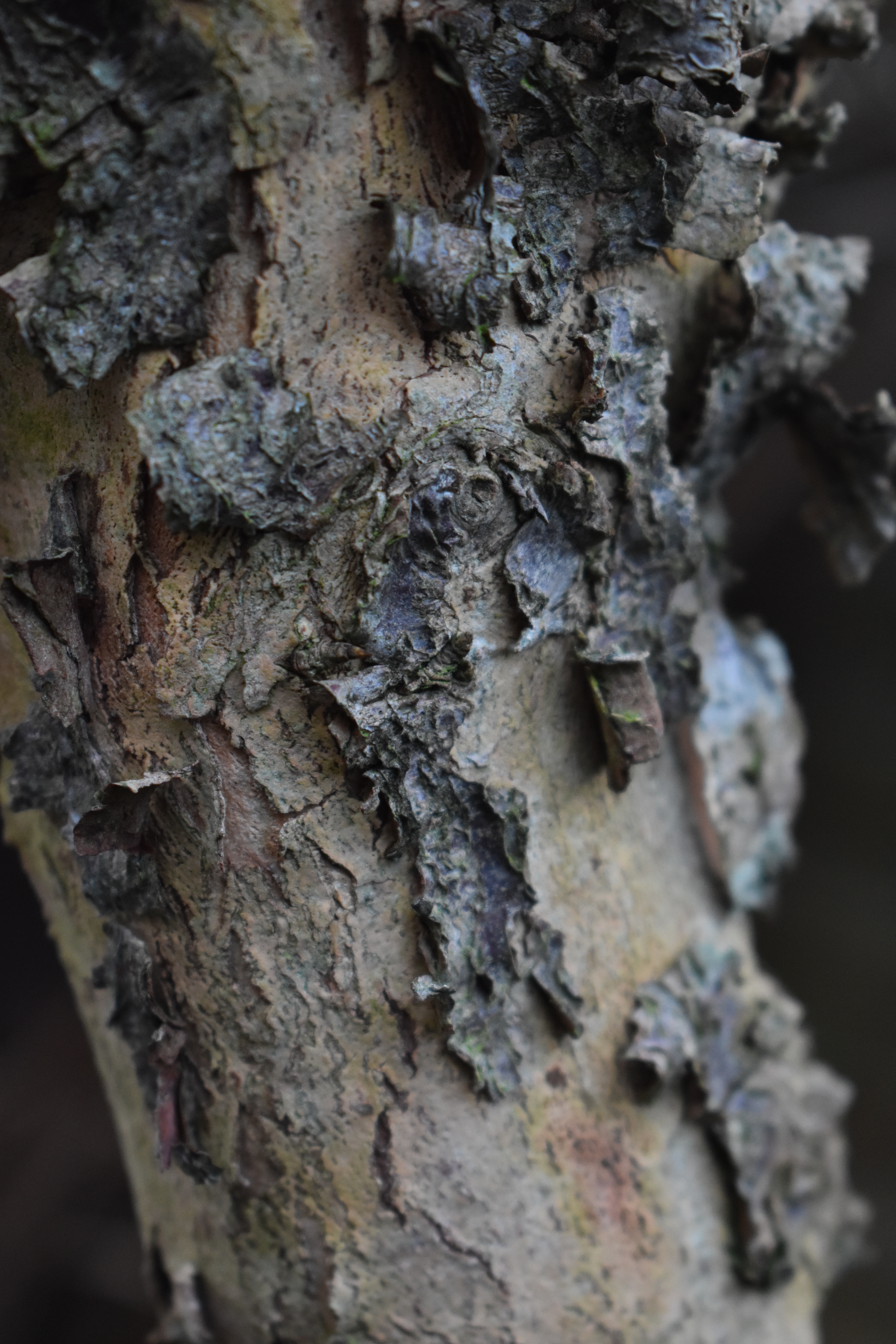
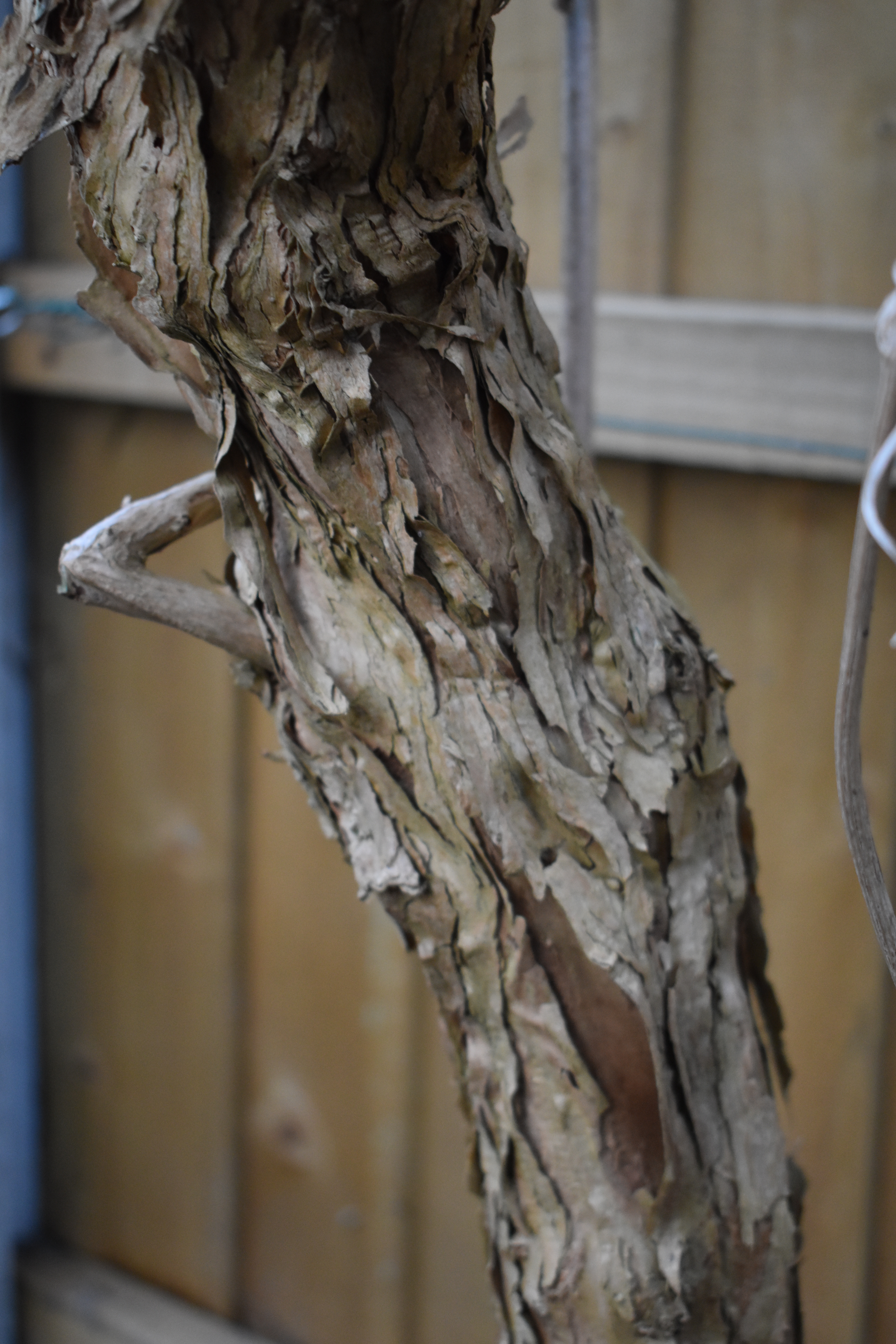
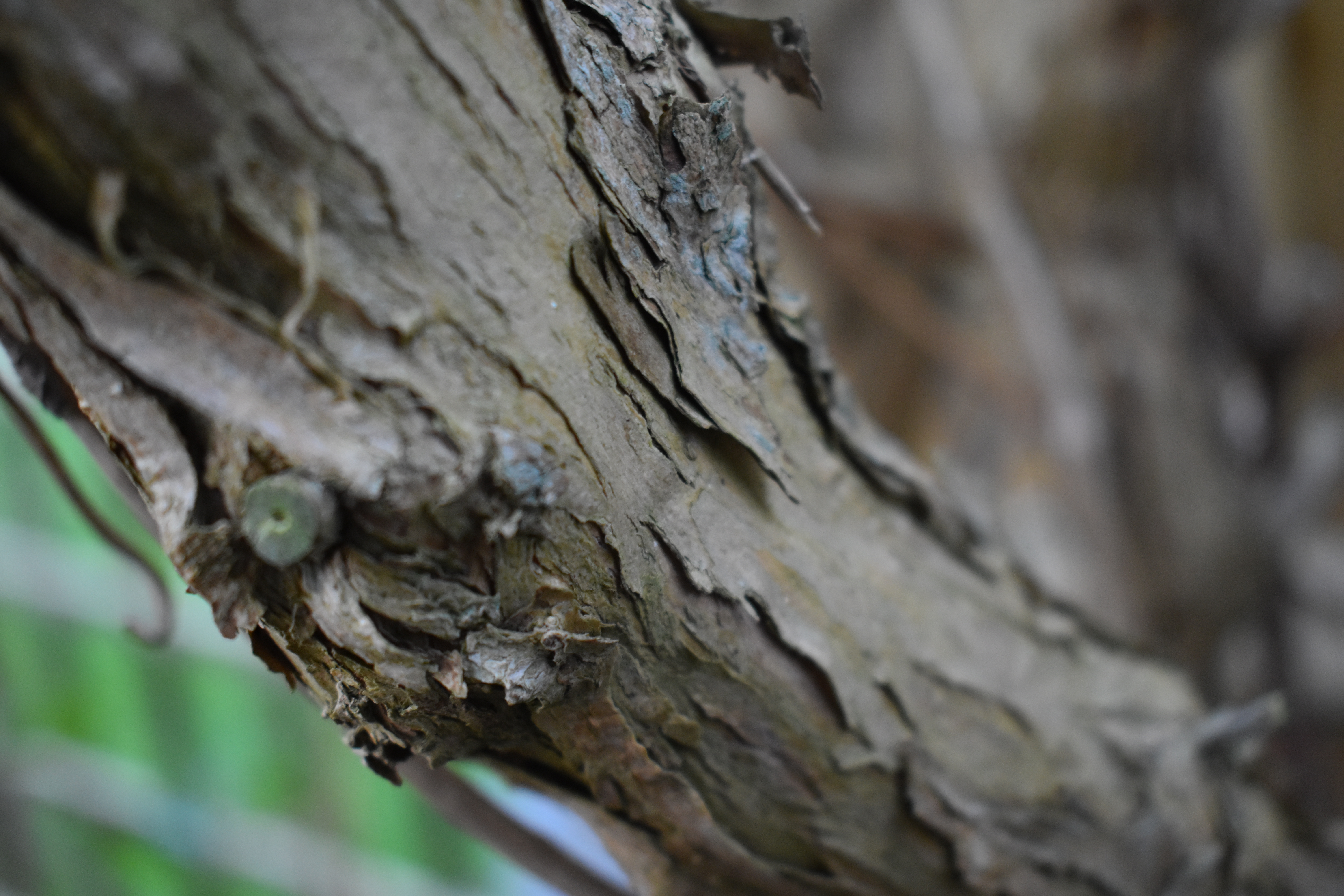
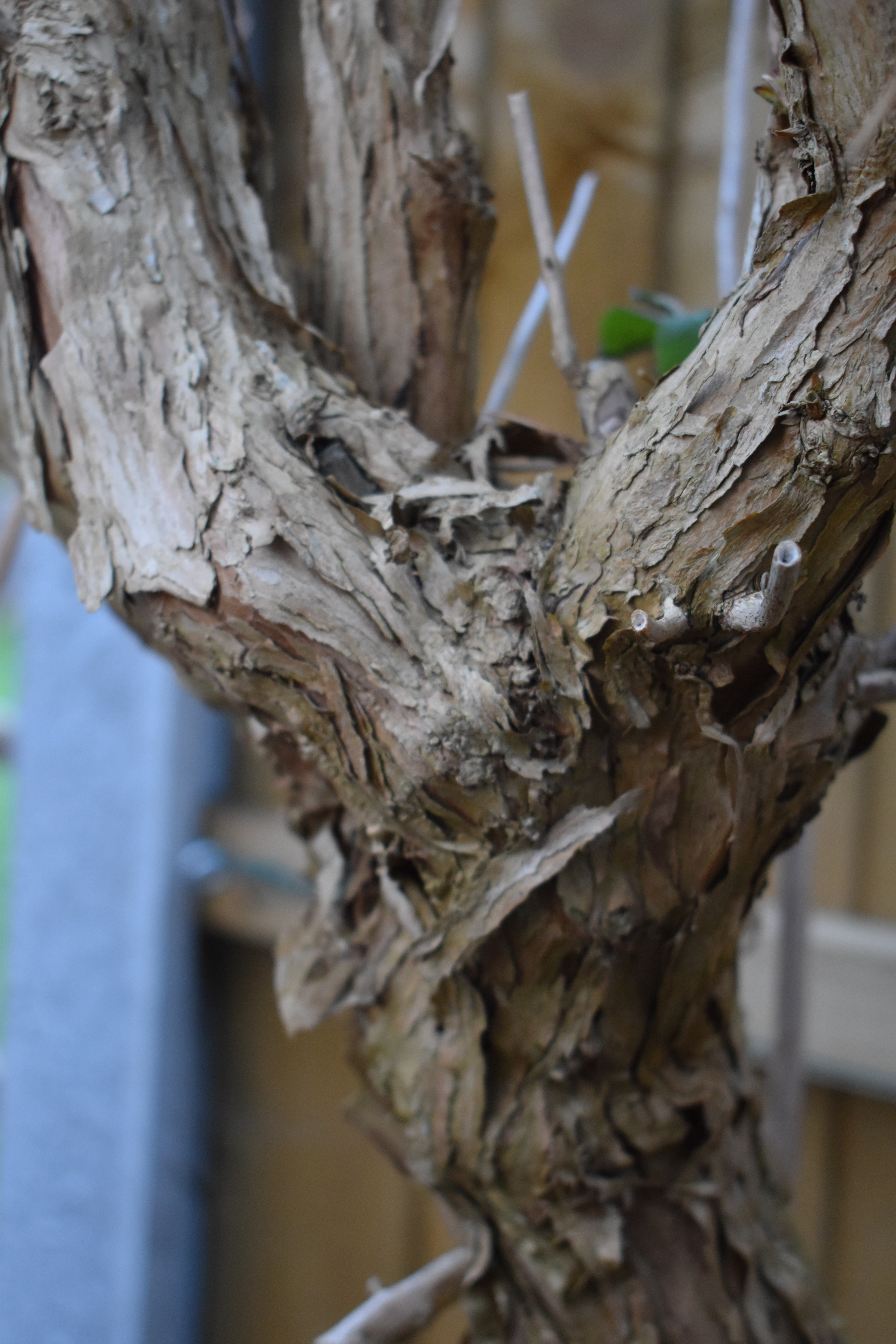
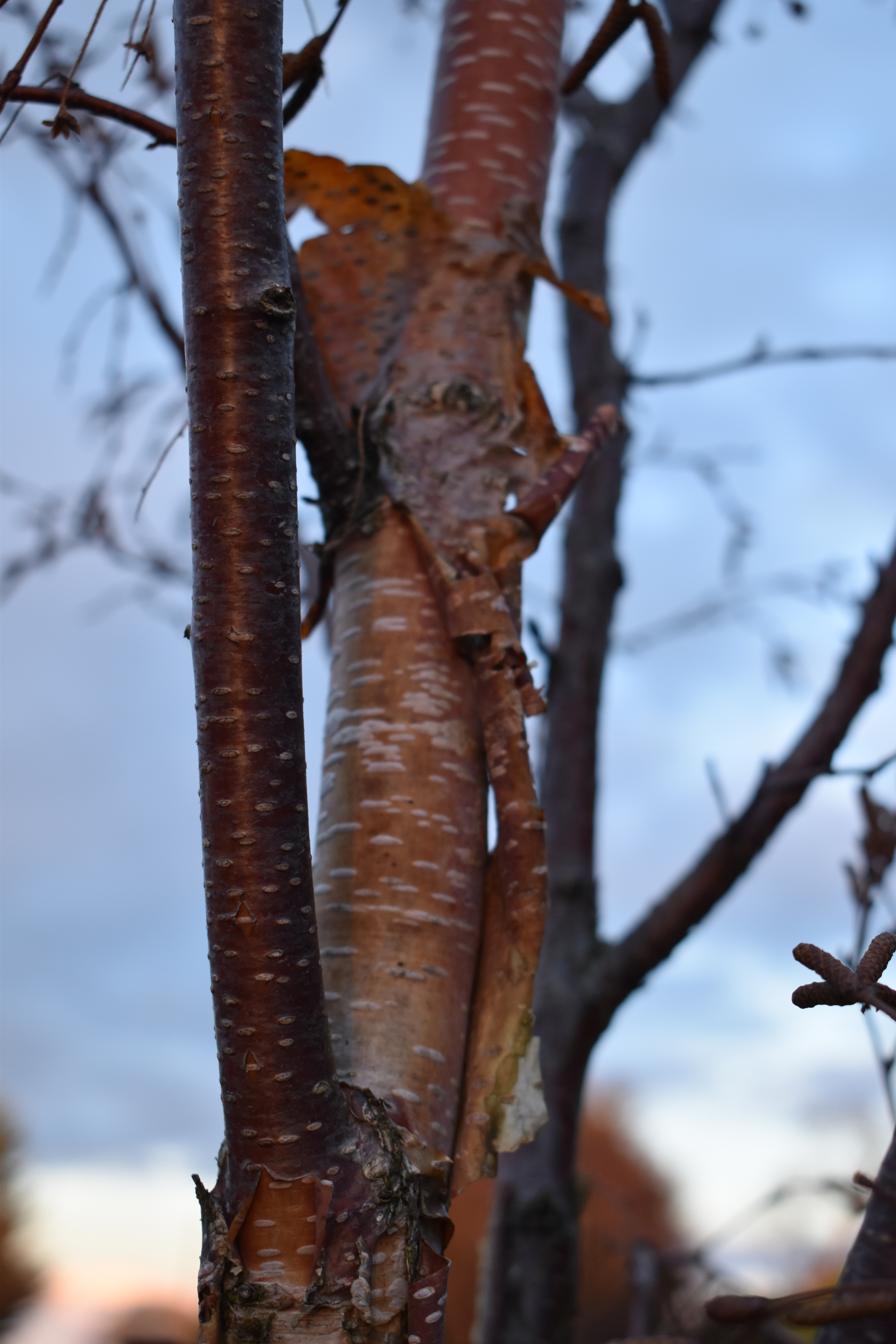
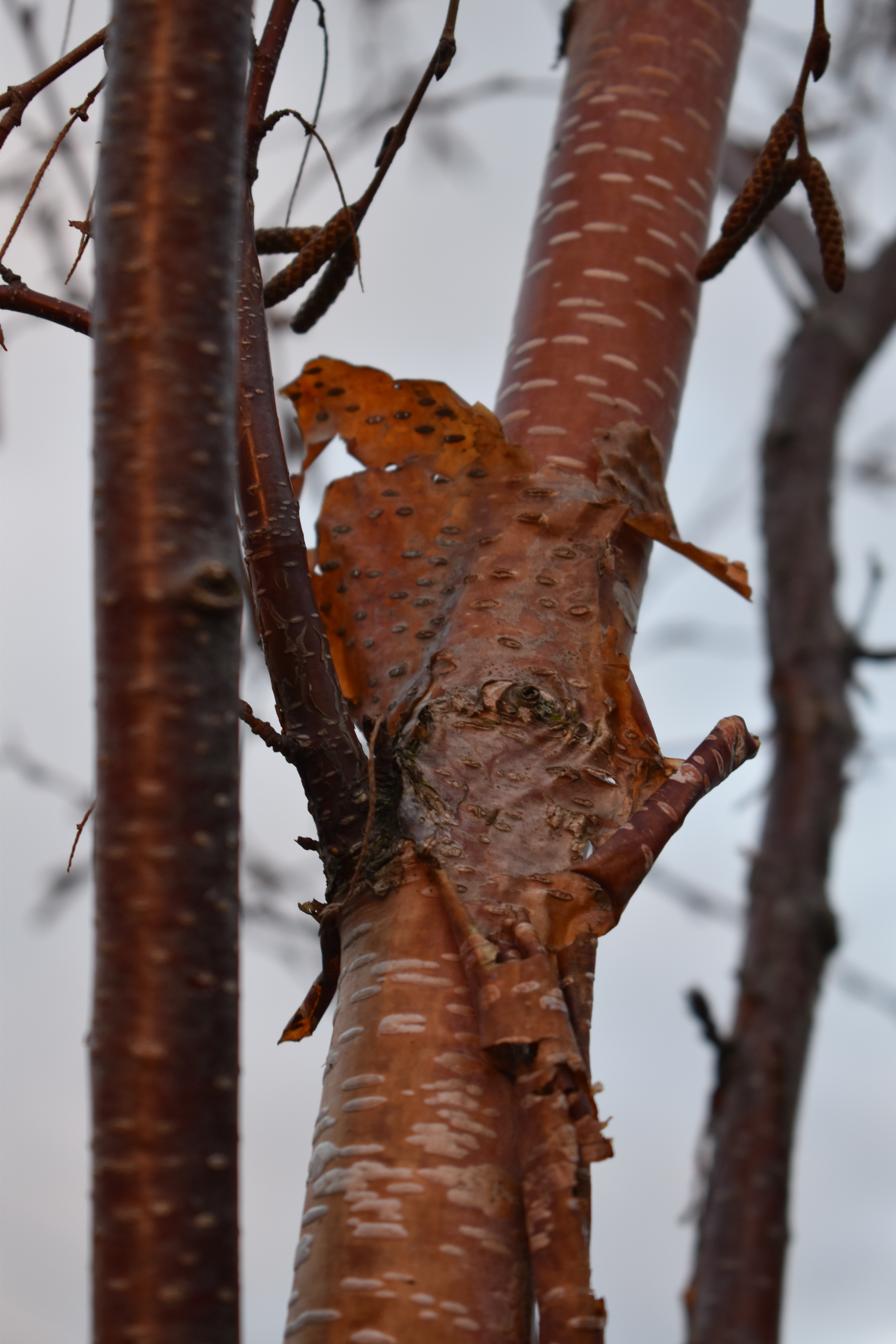
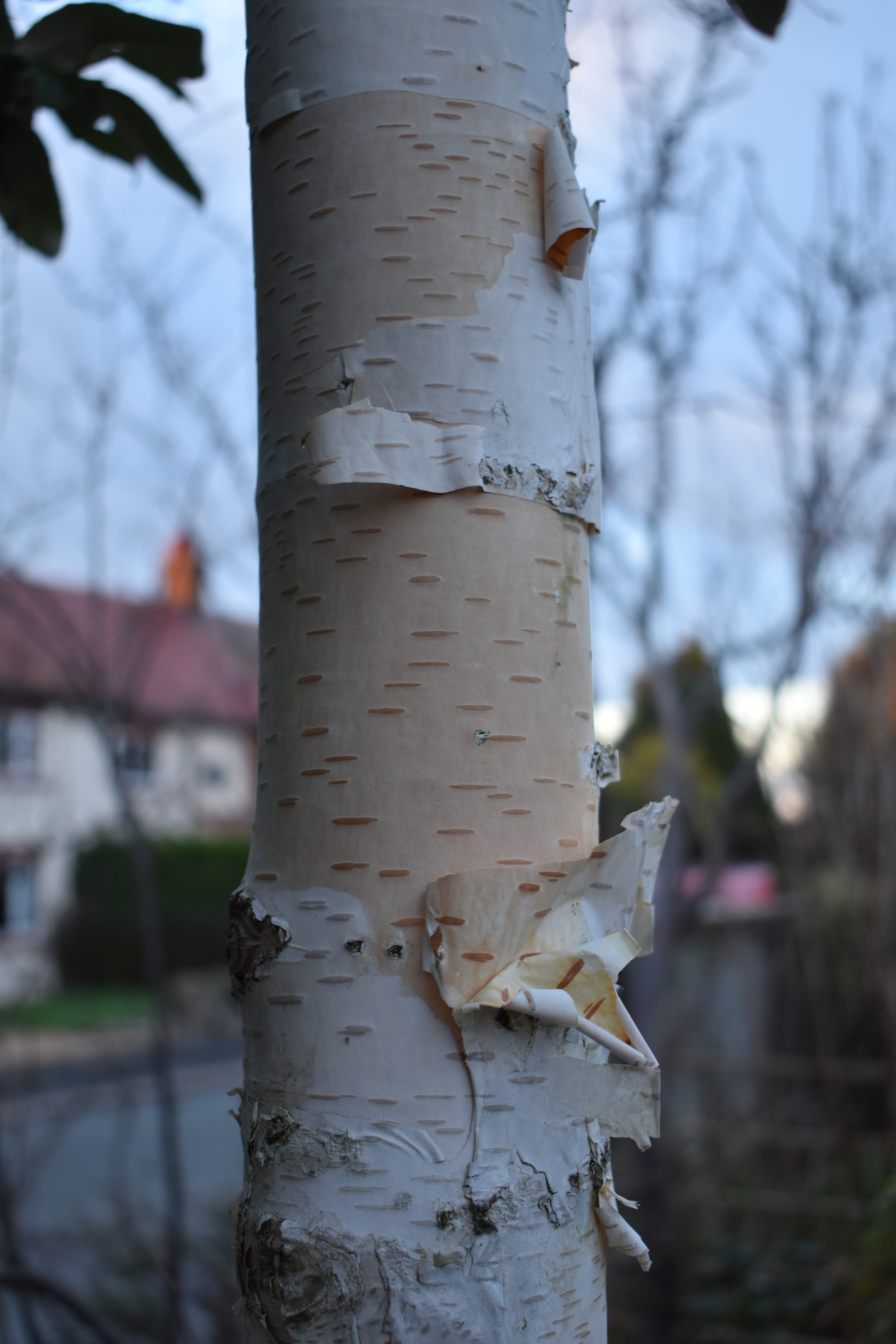
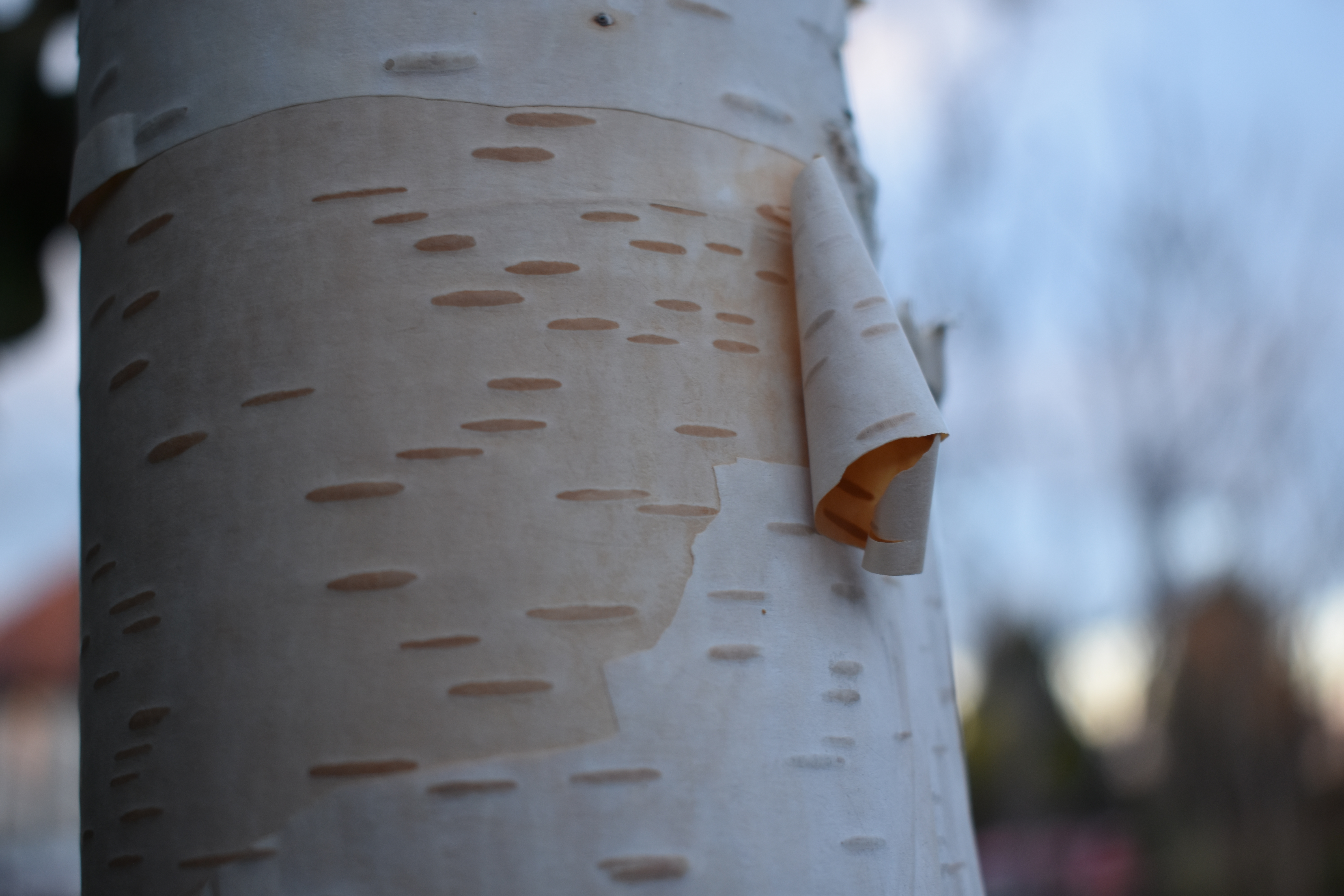
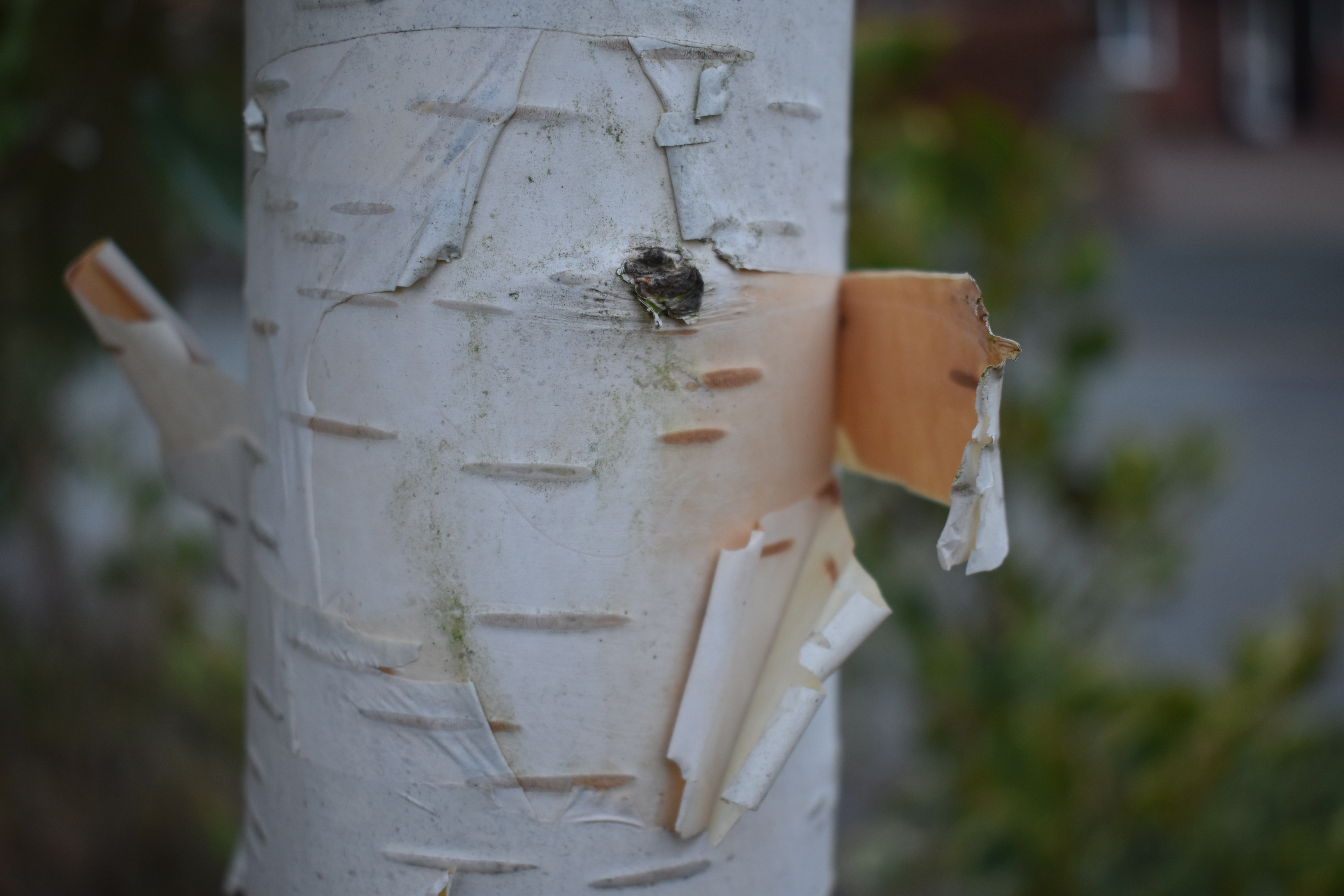
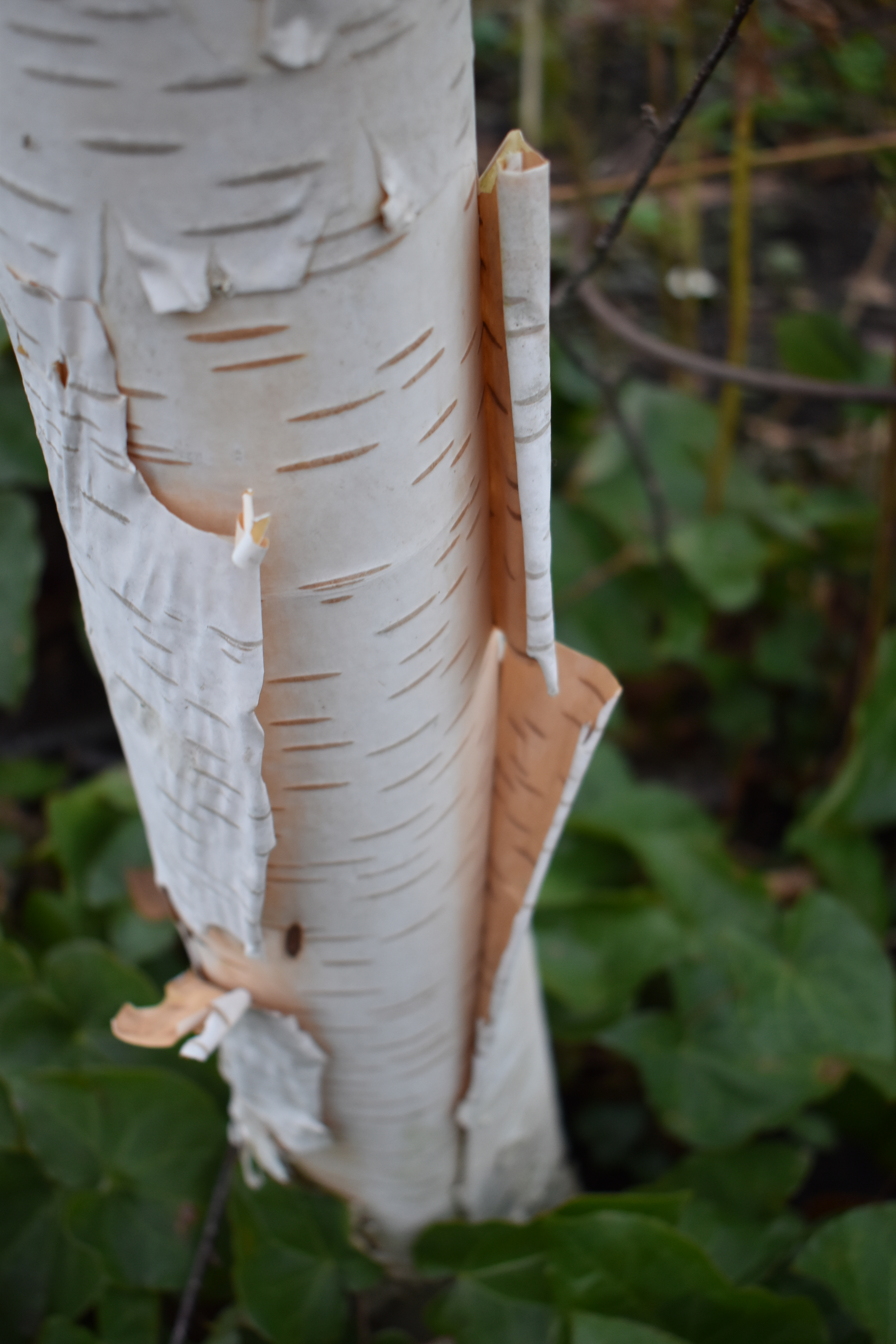
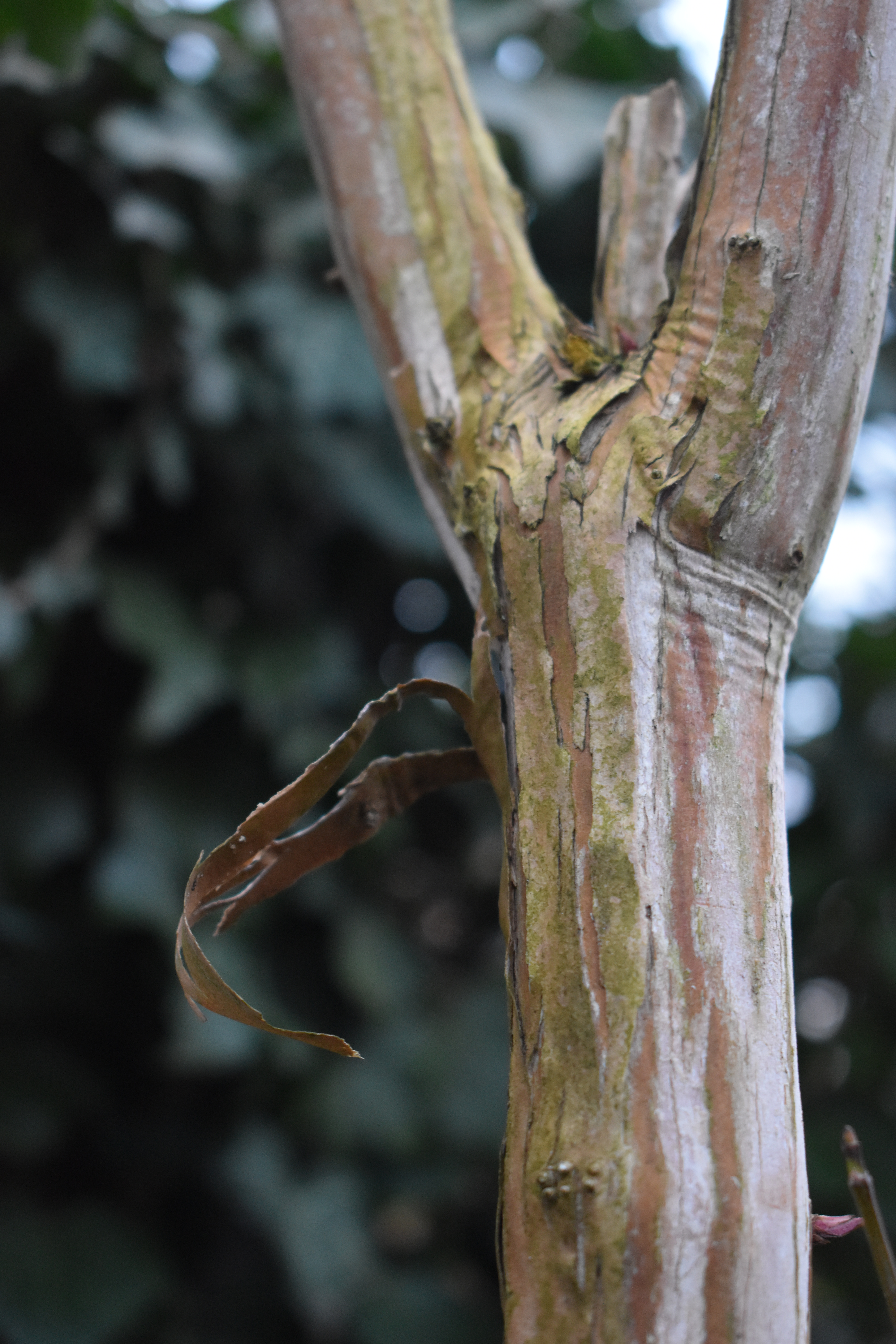
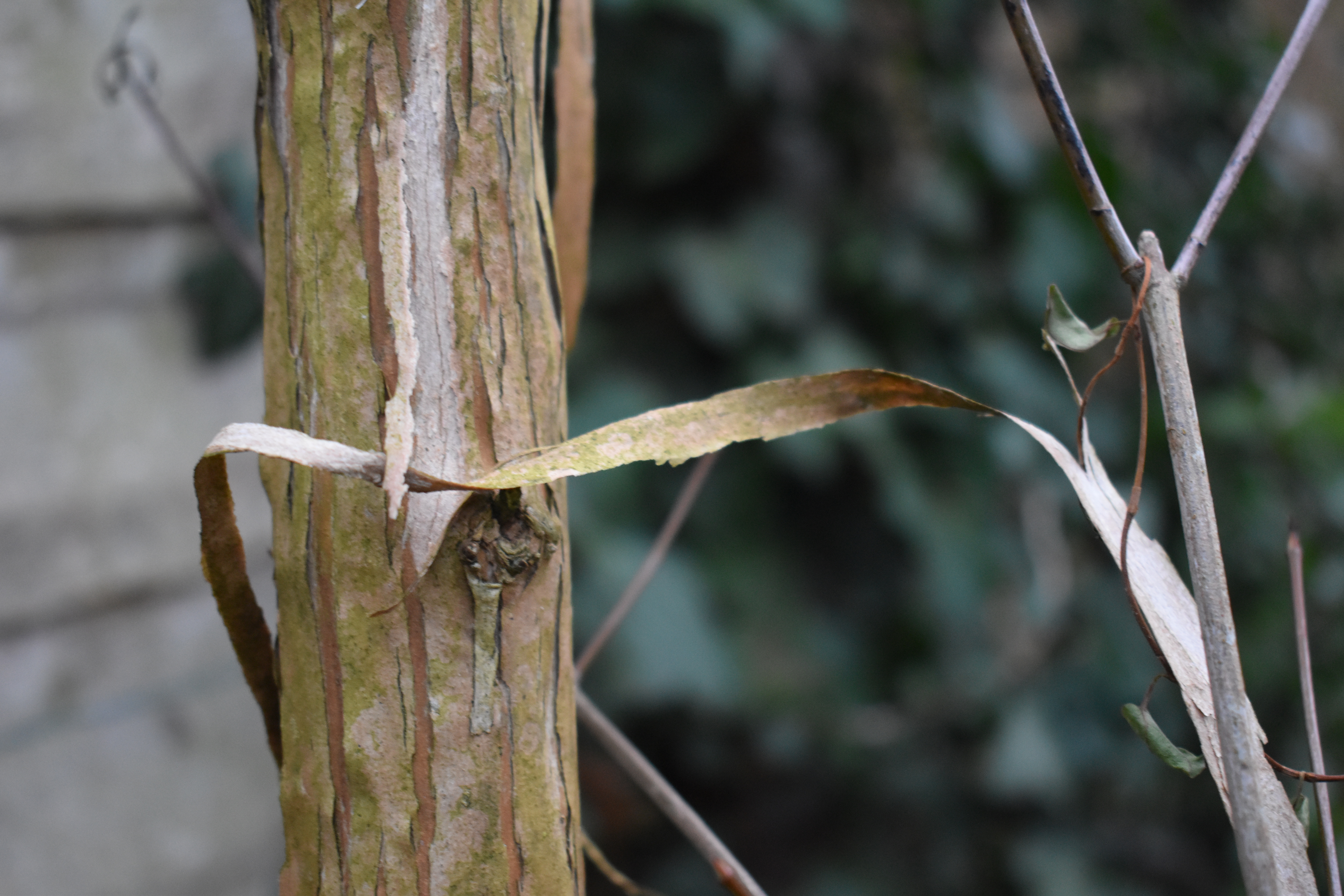
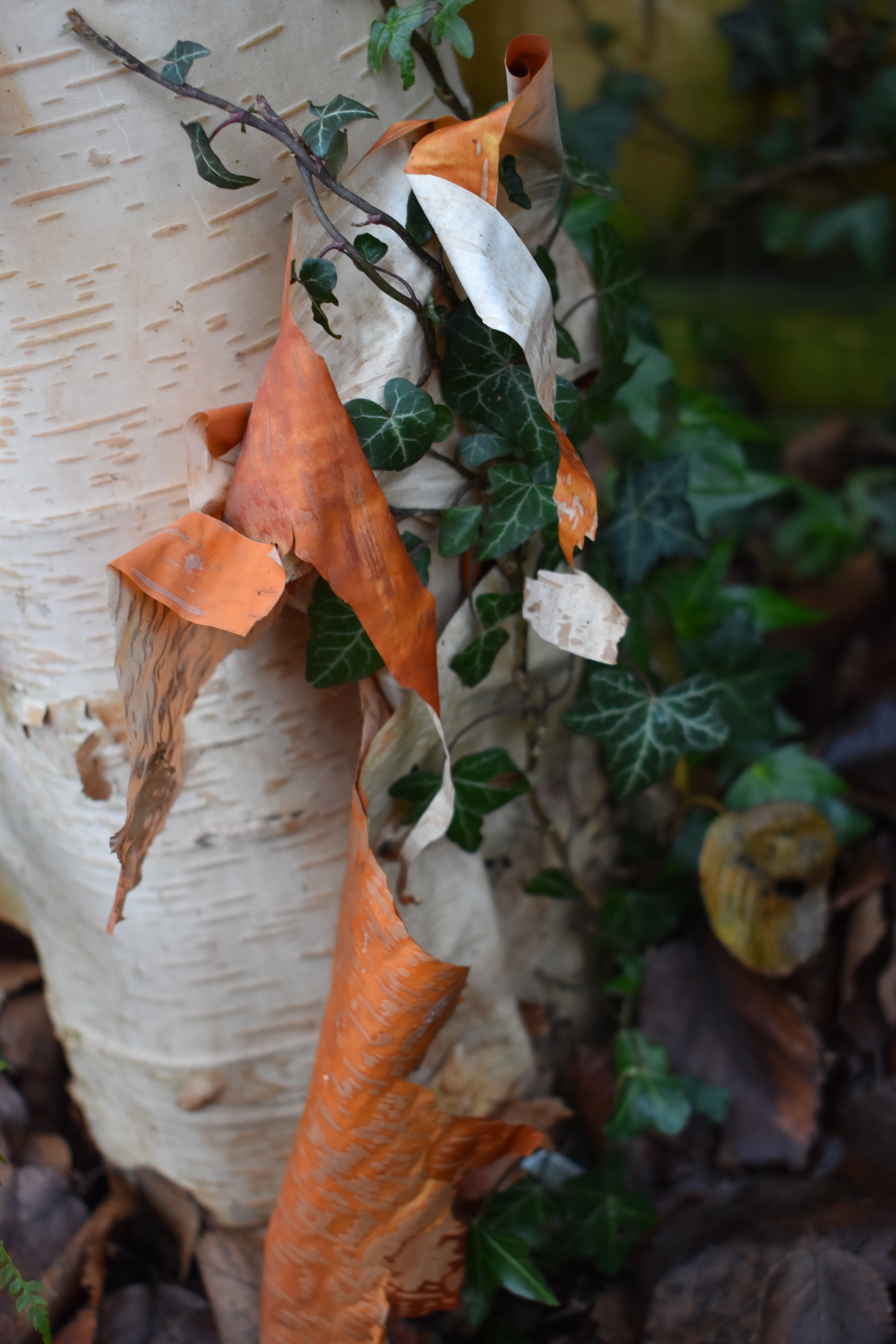
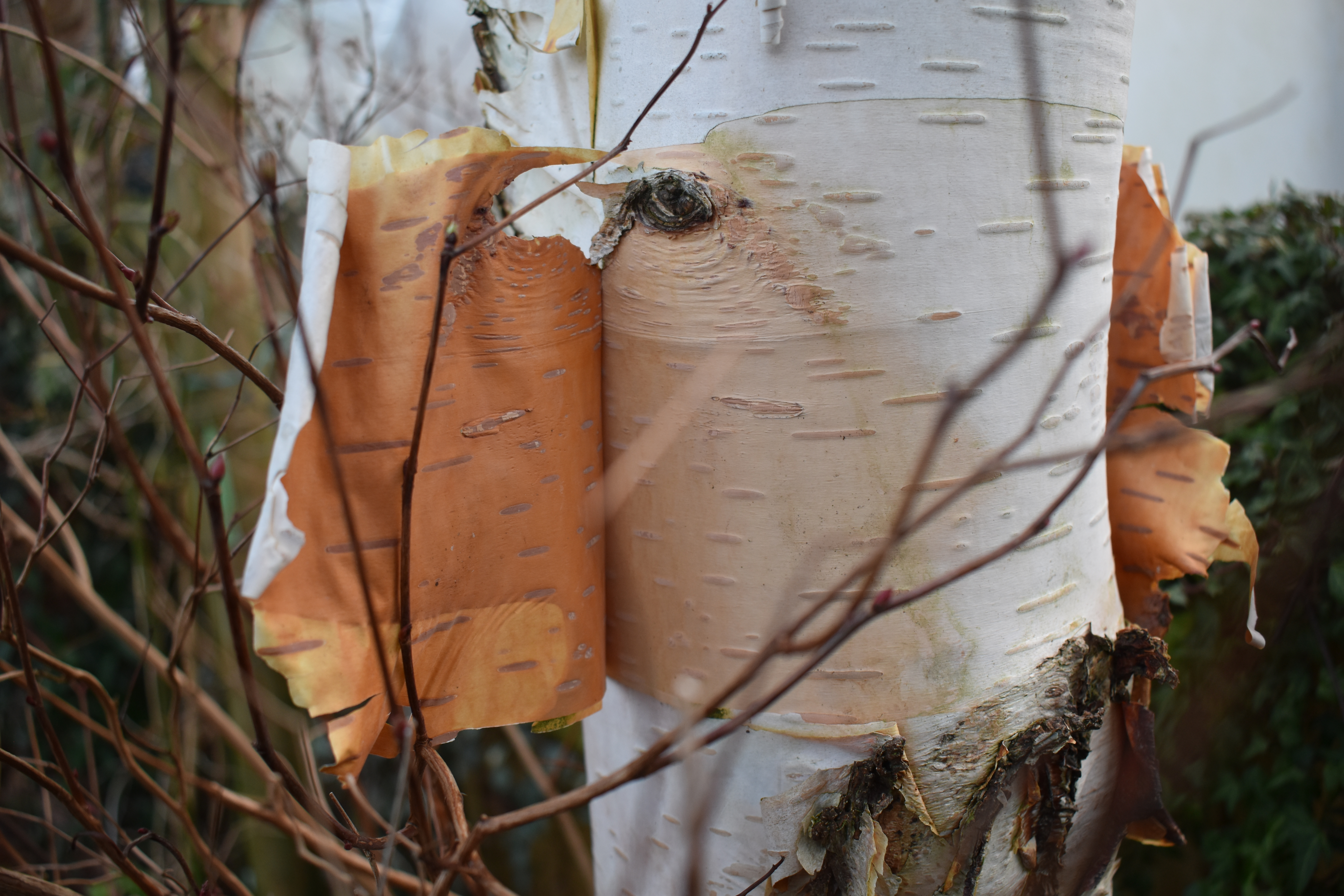
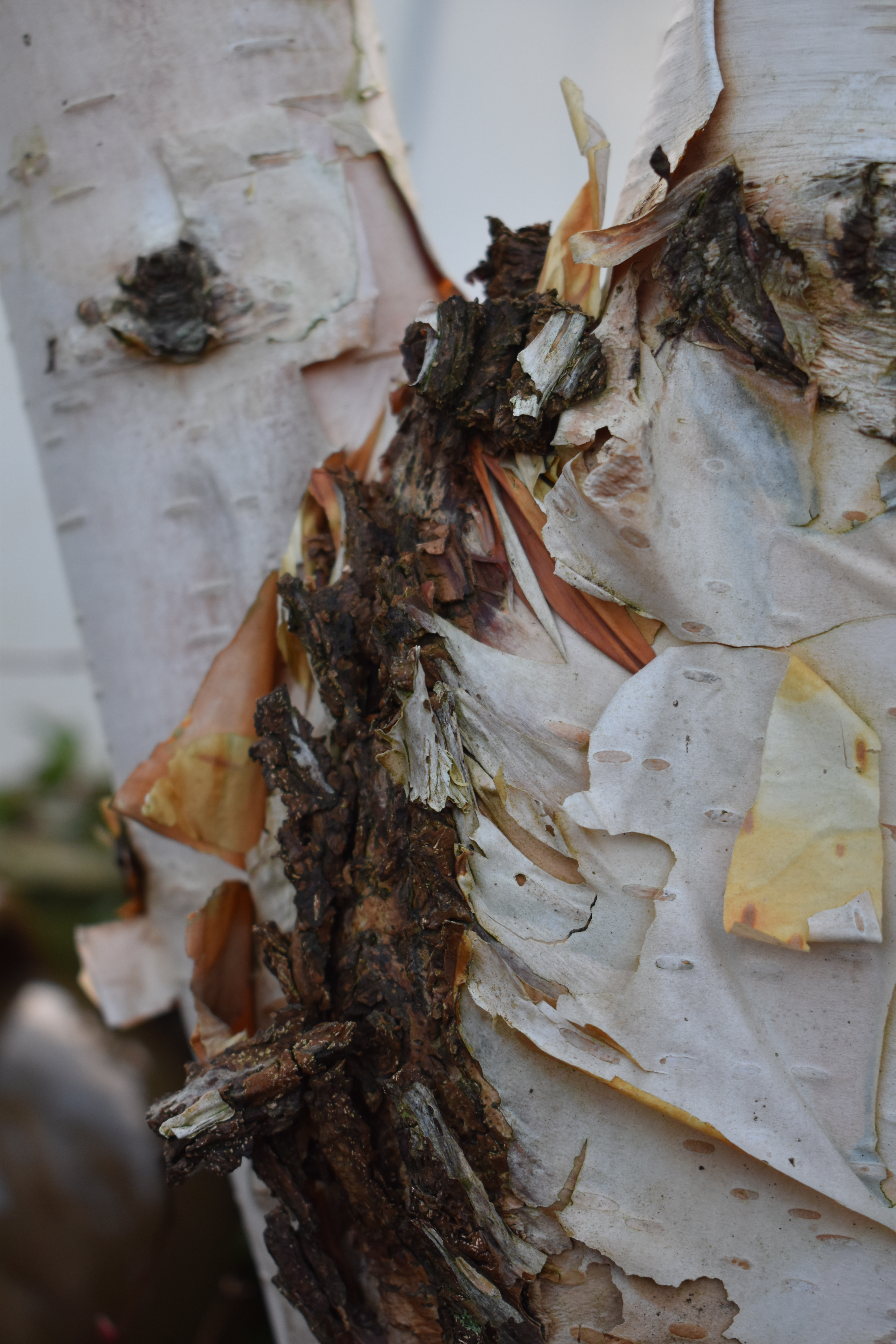
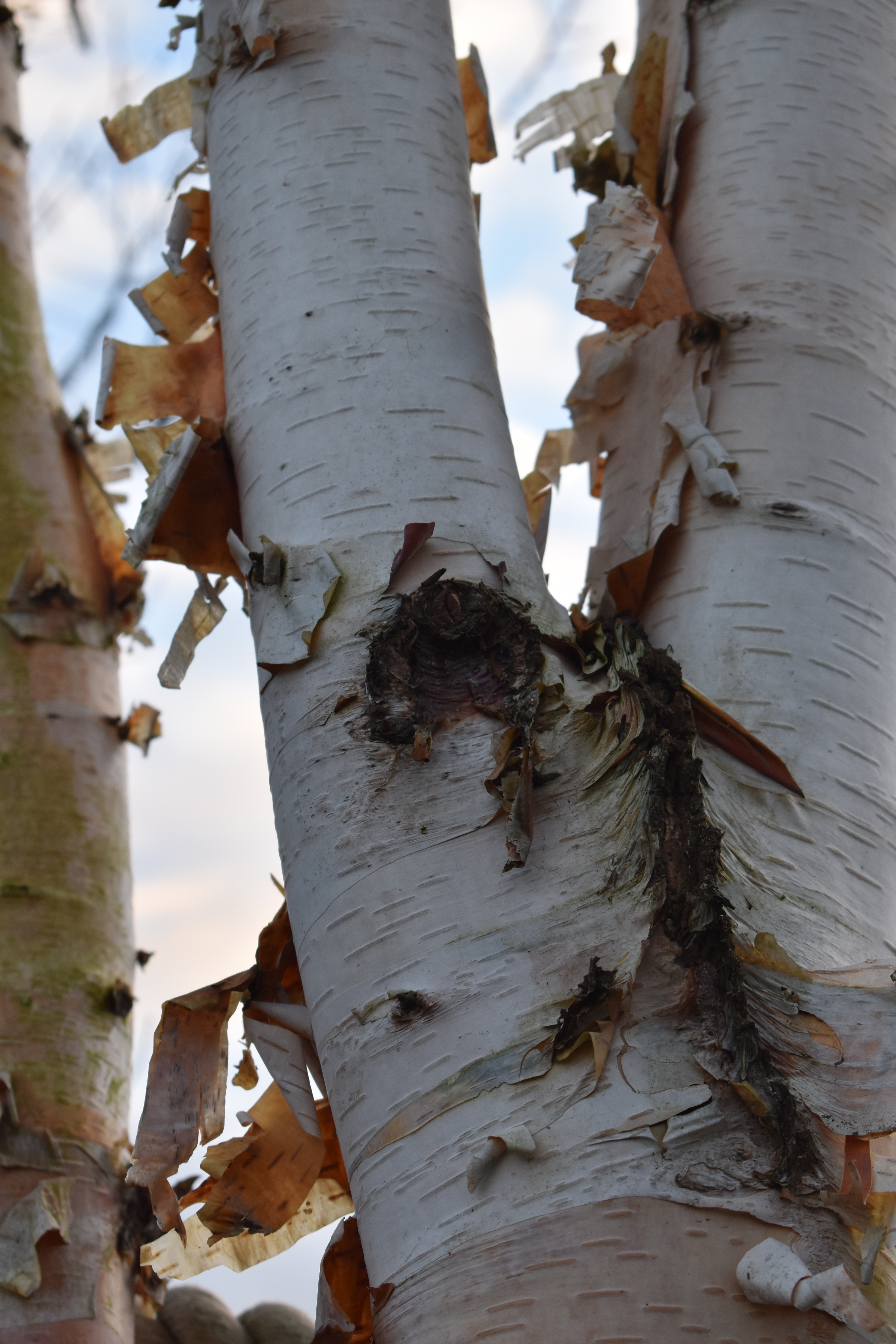
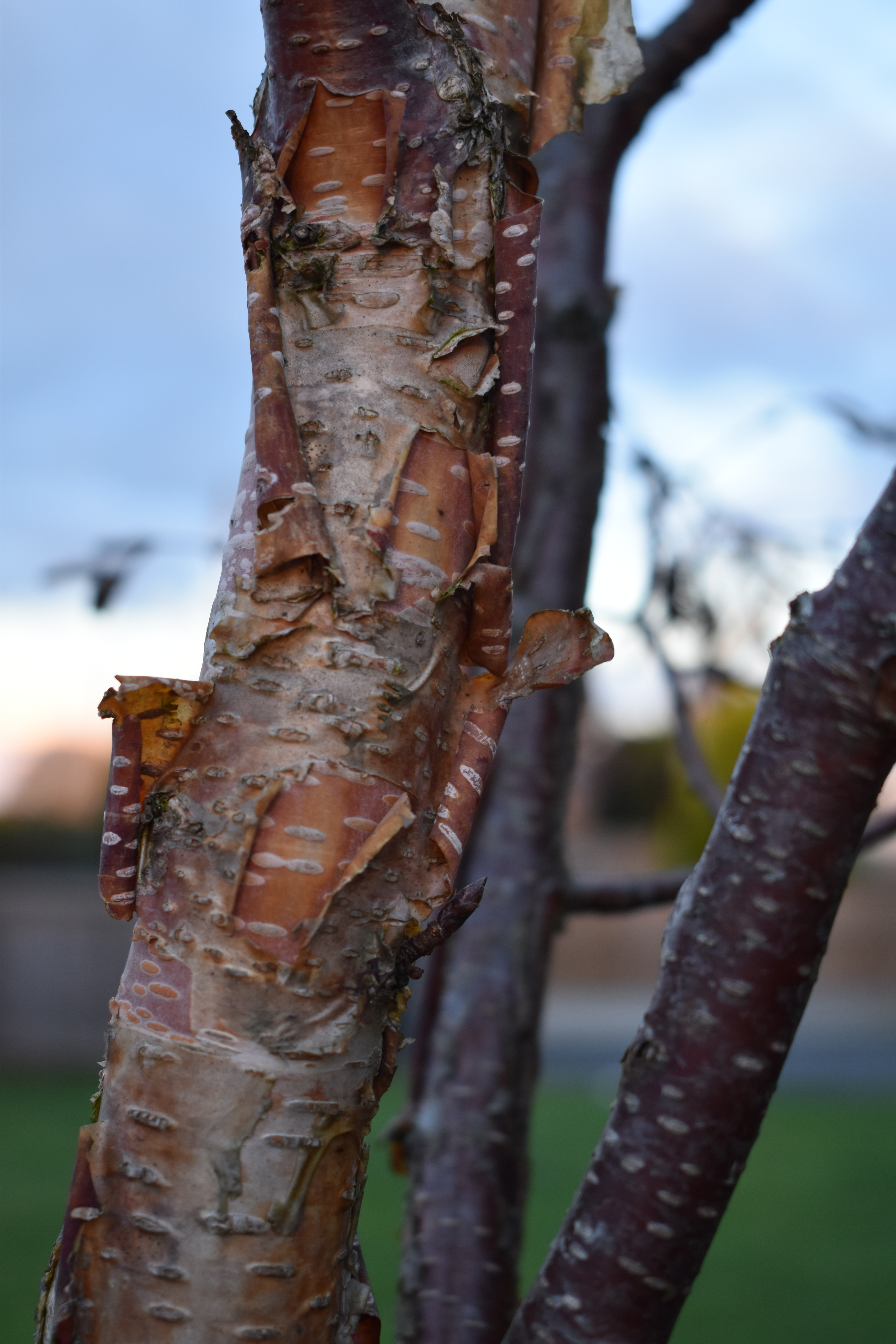
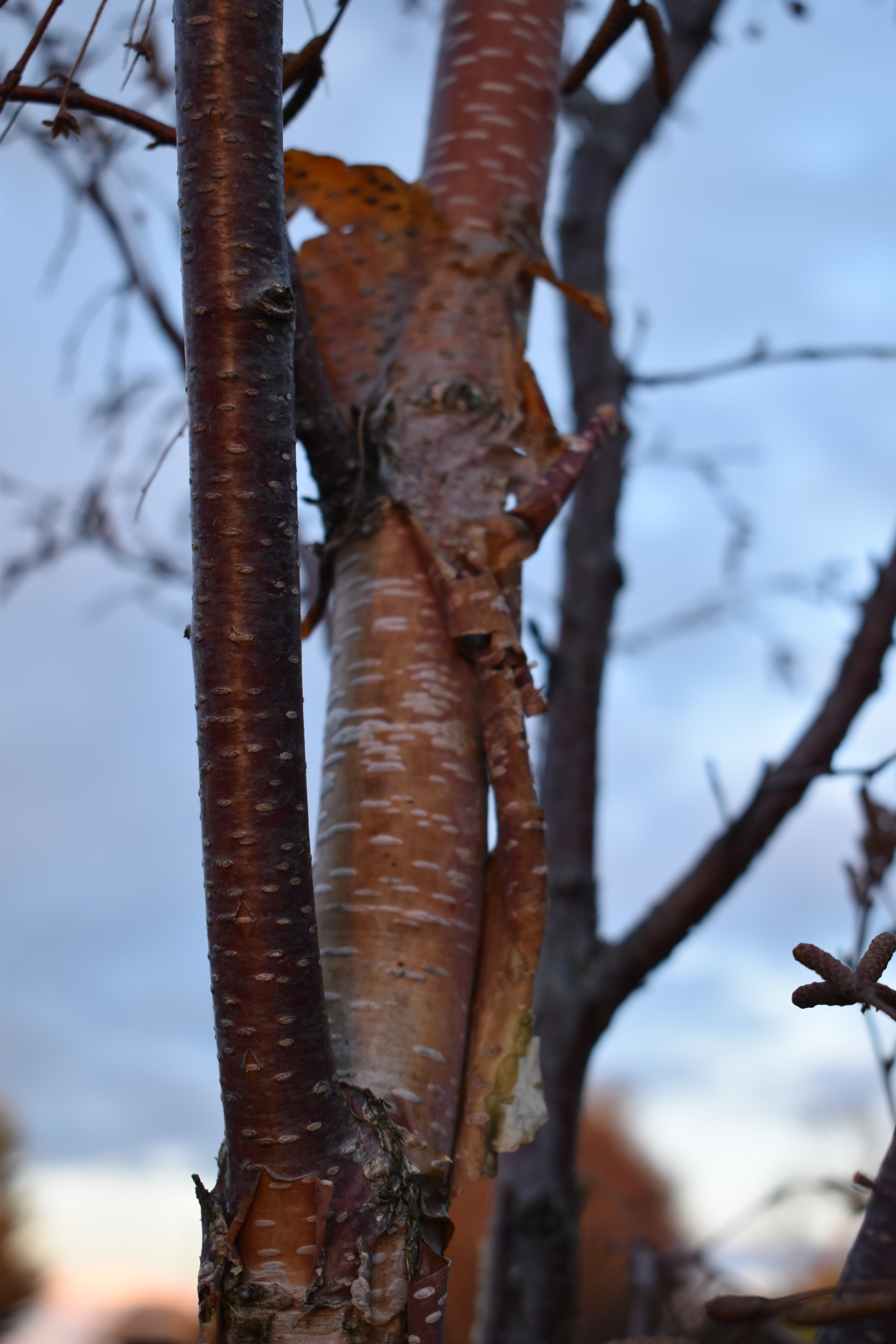
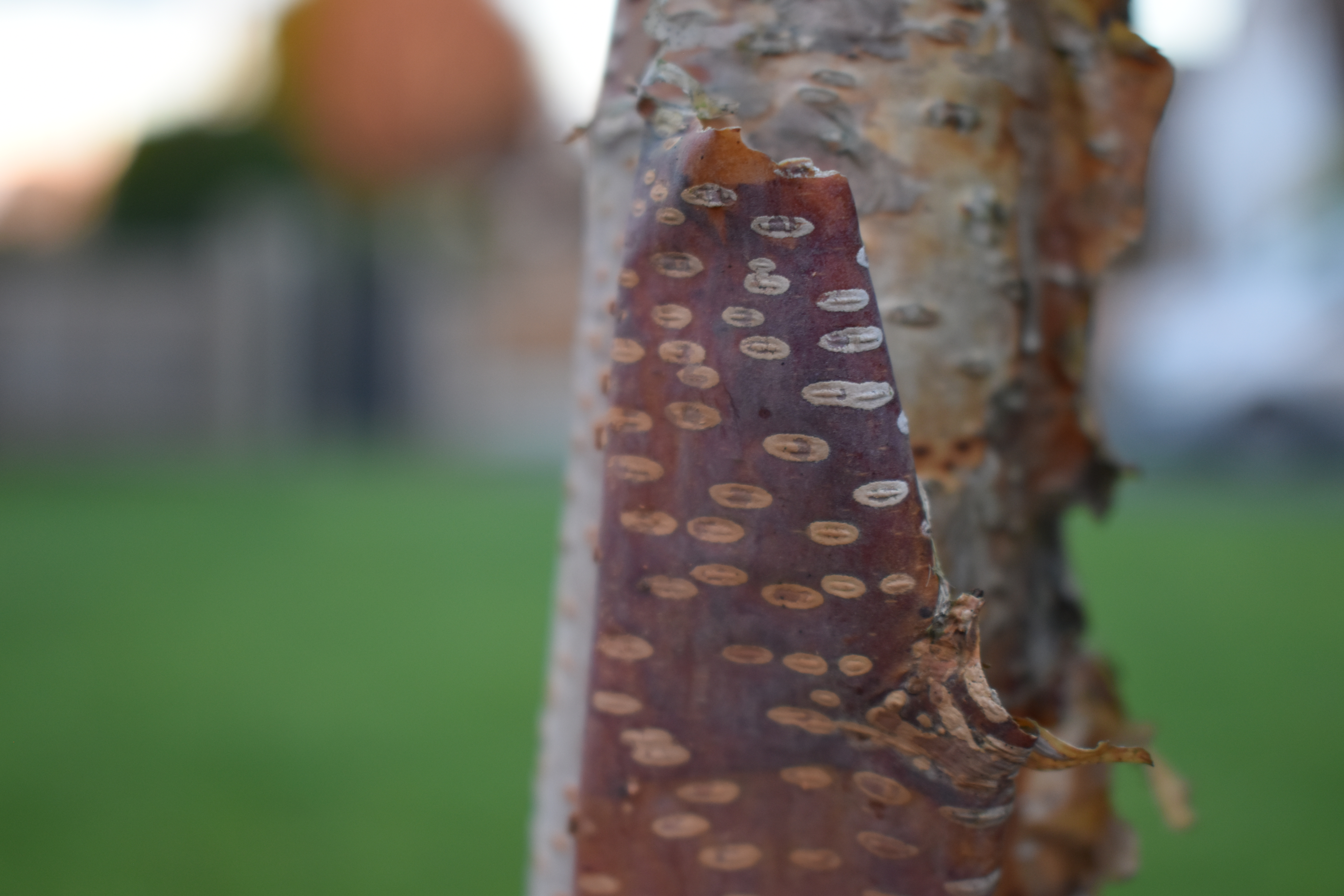
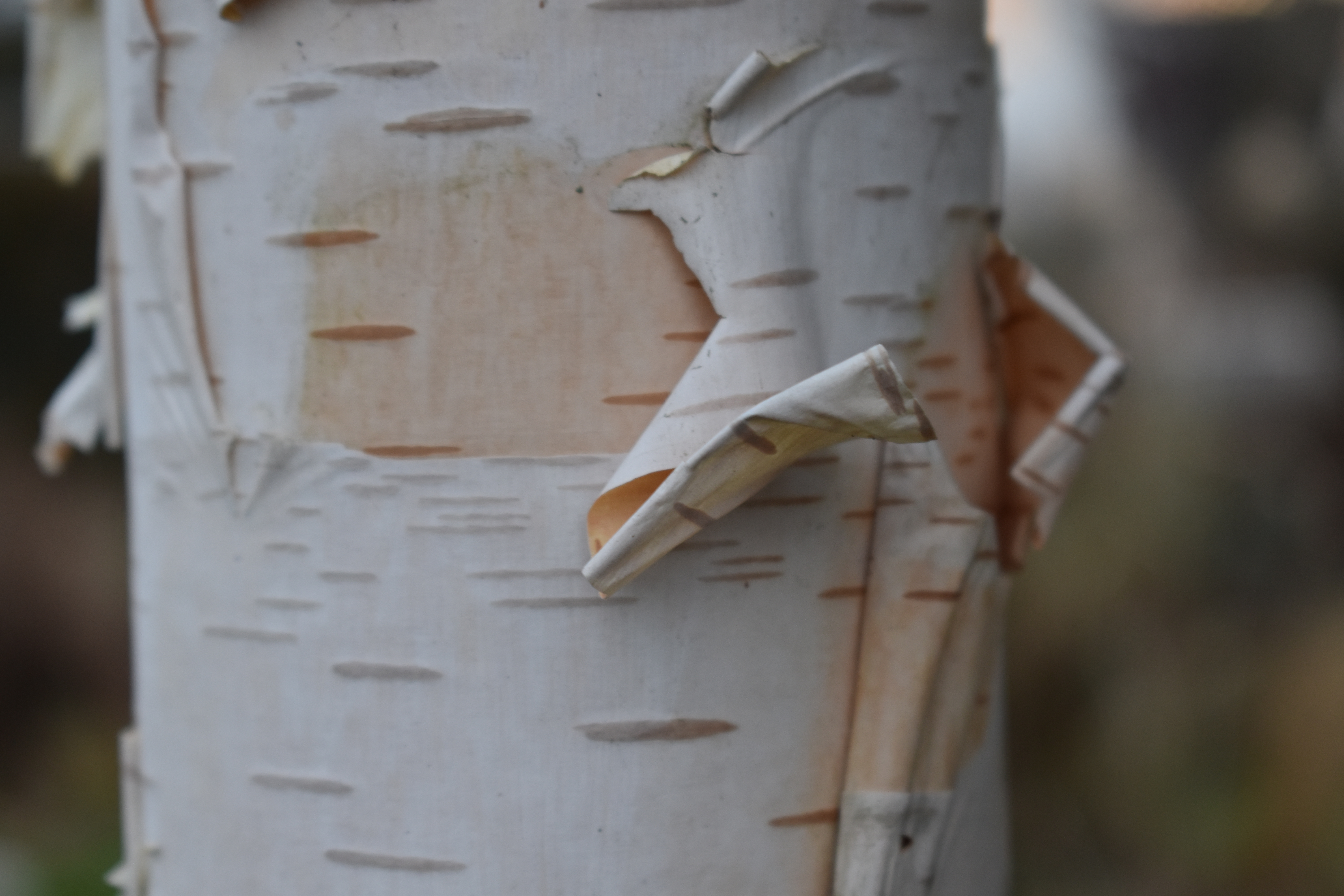
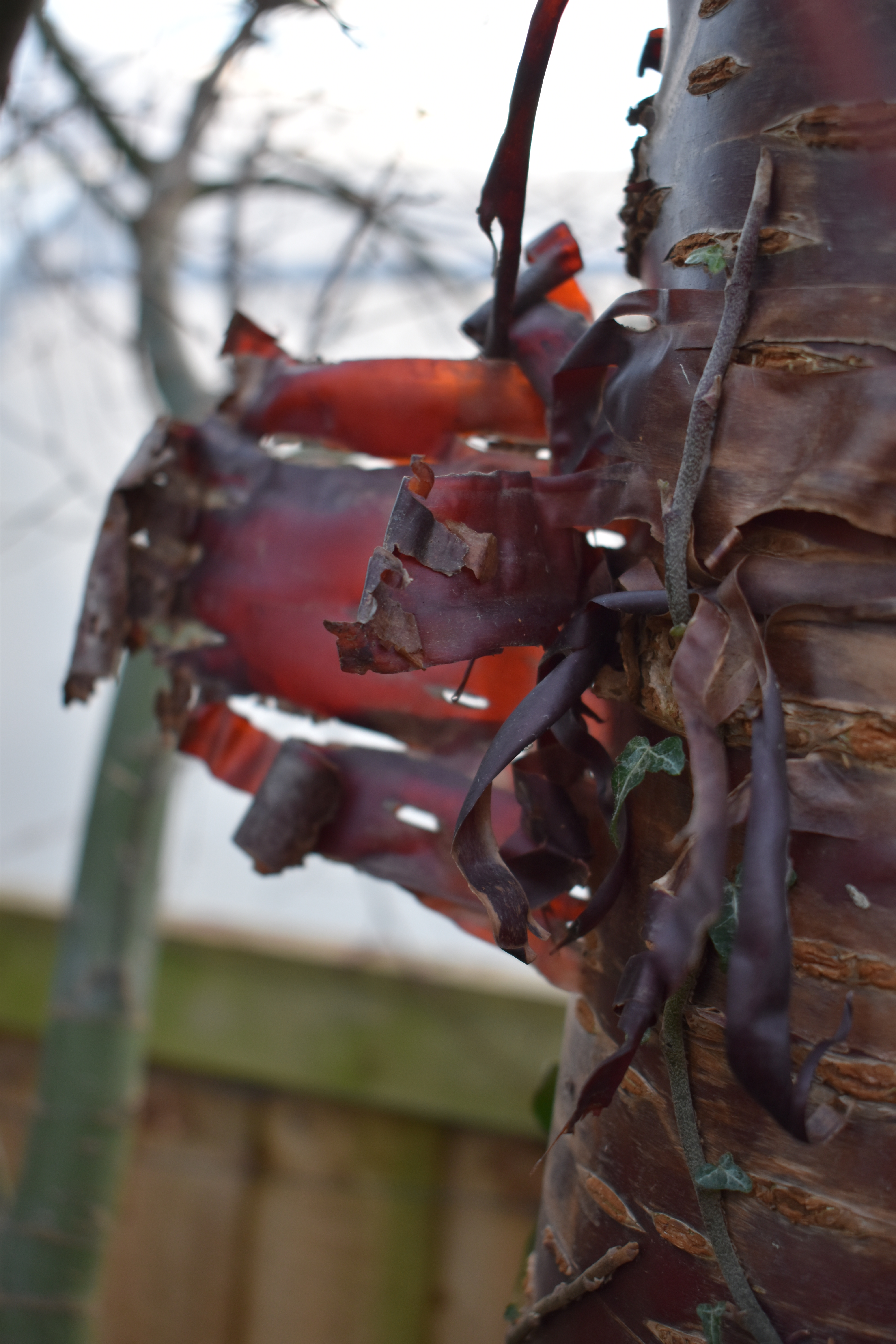
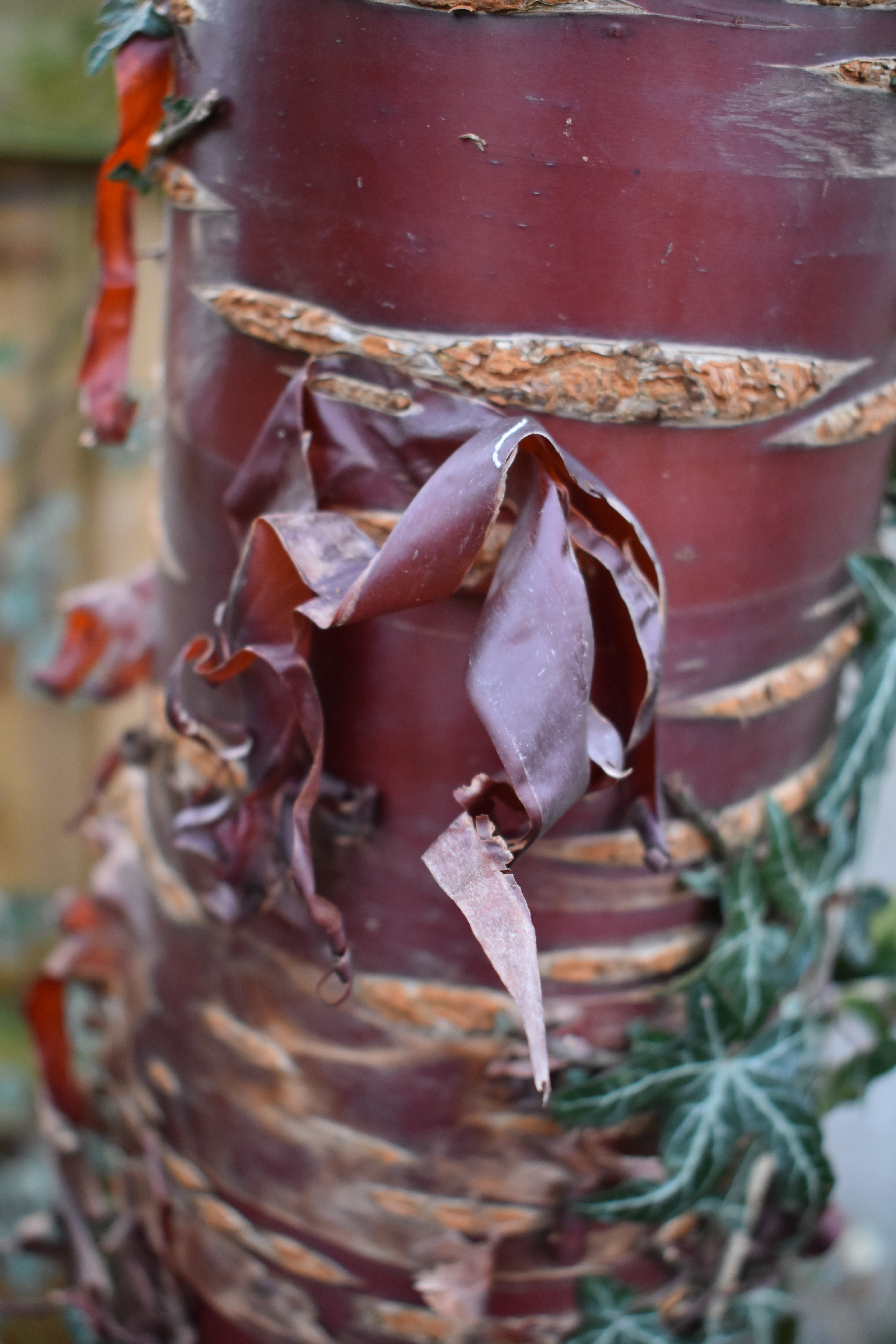
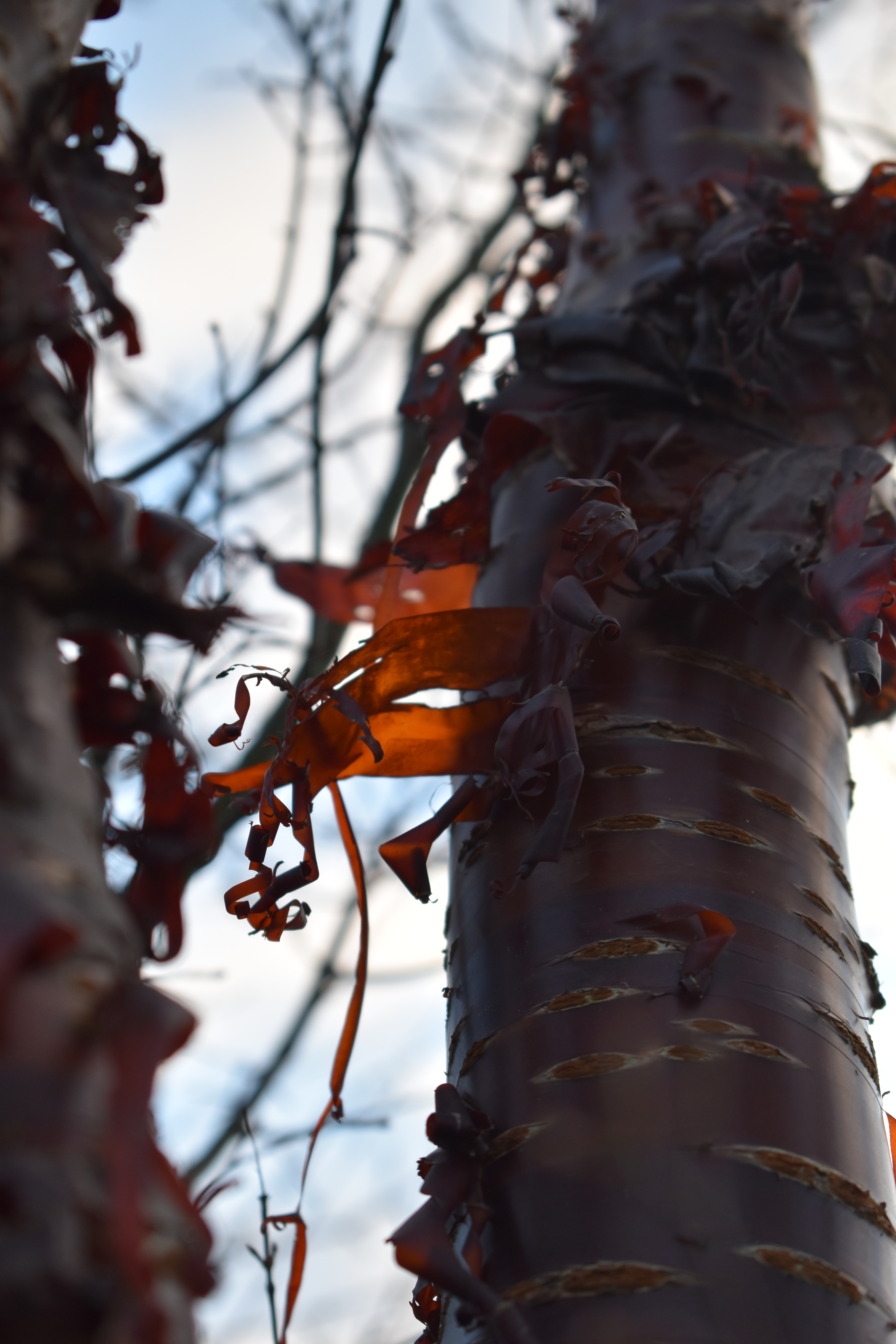
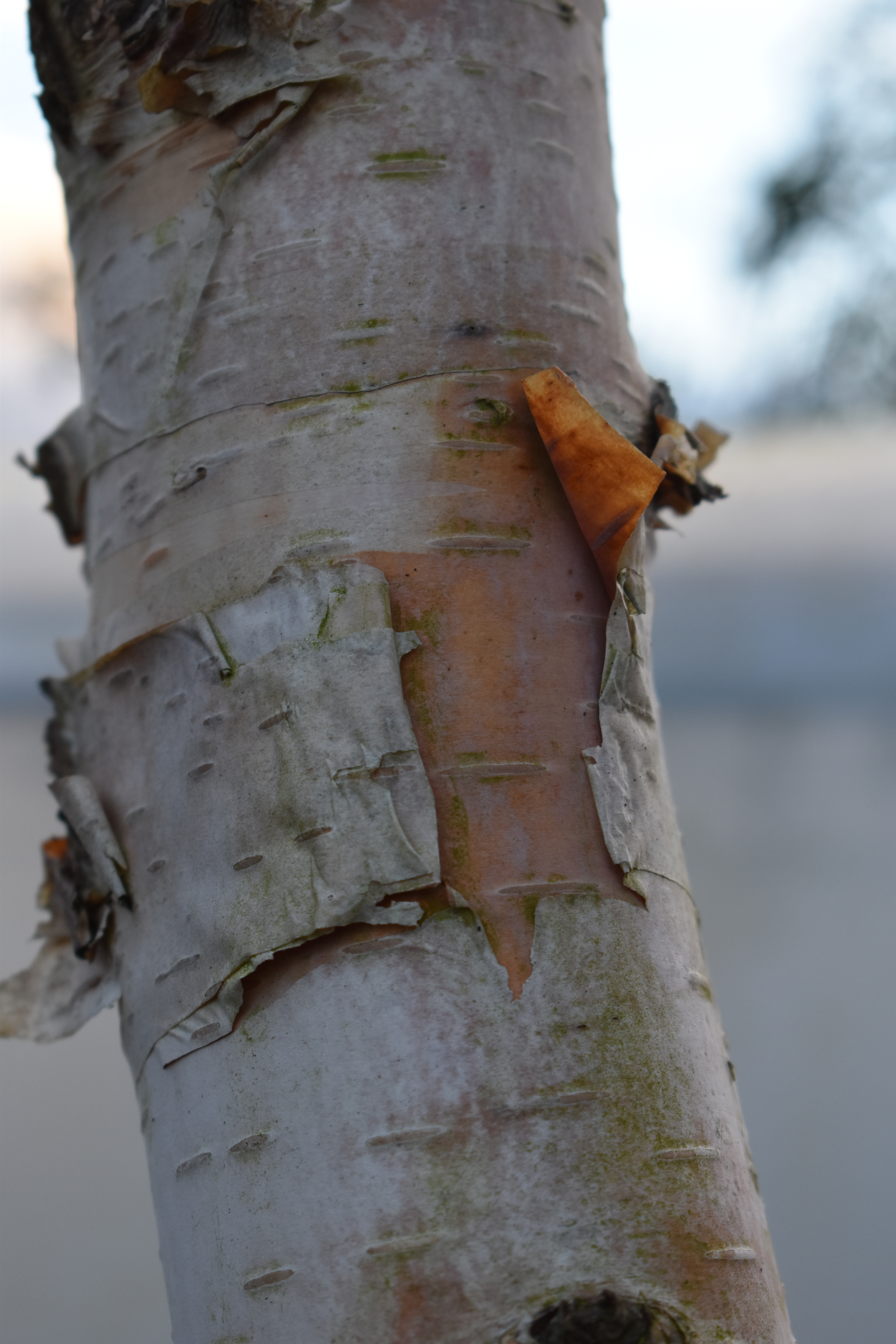
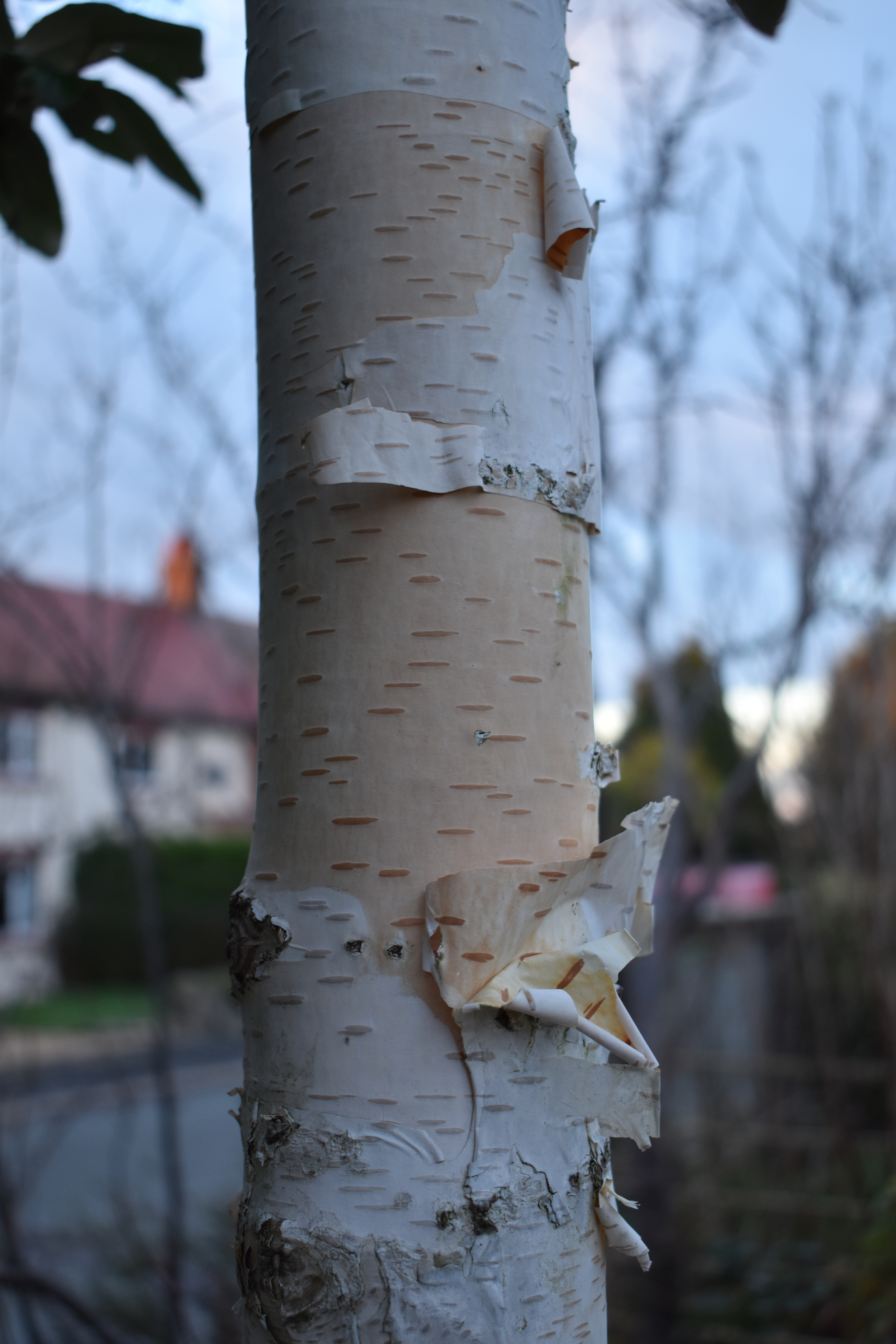
One of the delights of growing several species and cultivars of trees in our garden is being able to look at, observe and touch peeling bark that appears on several. Each different birch has different coloured peeled bark and some peel off more than others. Birches are the best bark peelers of all, but other trees do join in. Prunus serrula shows rich coloured ribbons of bark in a beautiful deep ginger colour.

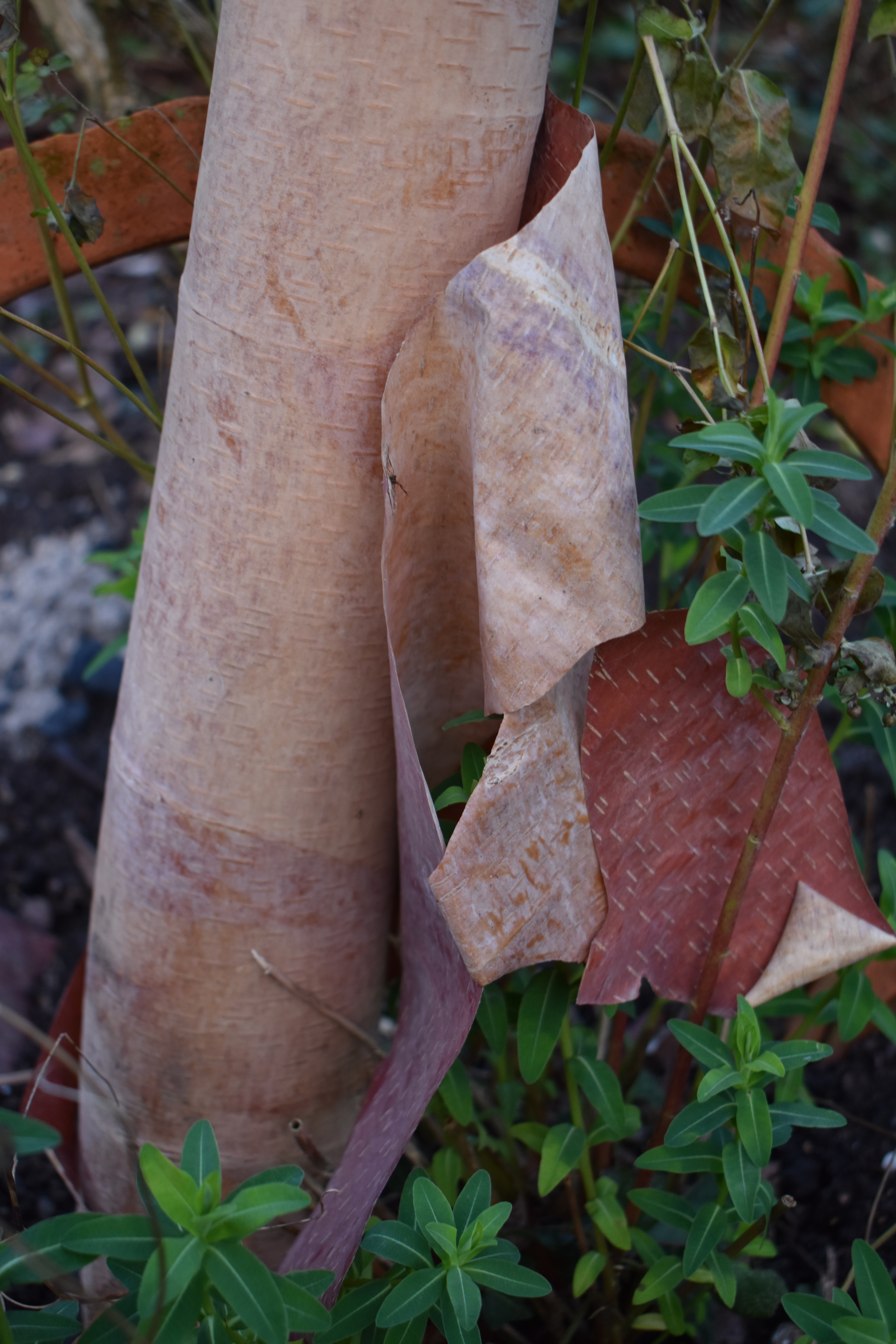
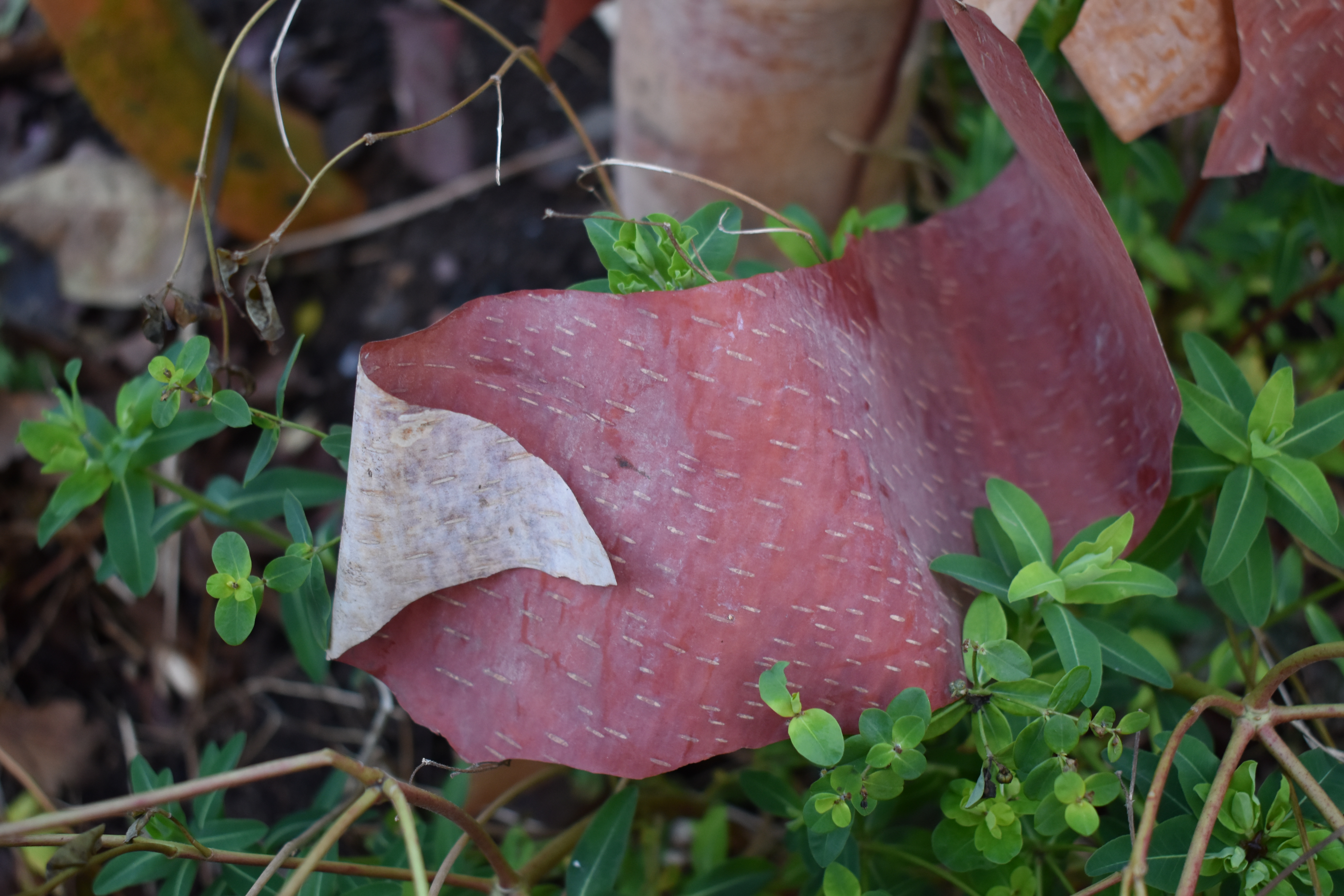
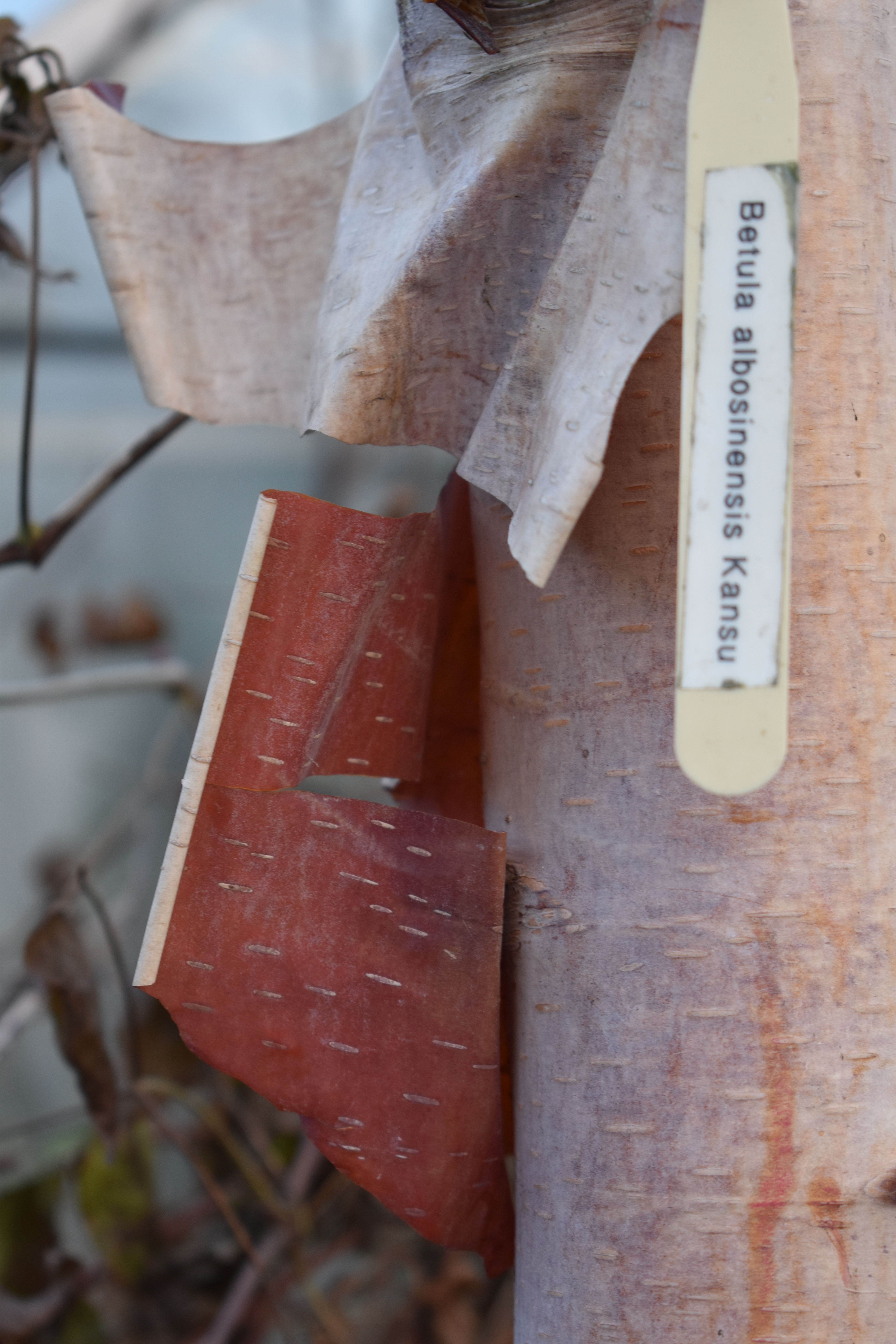
First let’s look at some of our birches. The first batch of photos are of Betula albosinensis ‘Kanzu’. As the years go on the bark gets more and more musty purple. This birch has so many colours on the main trunk.

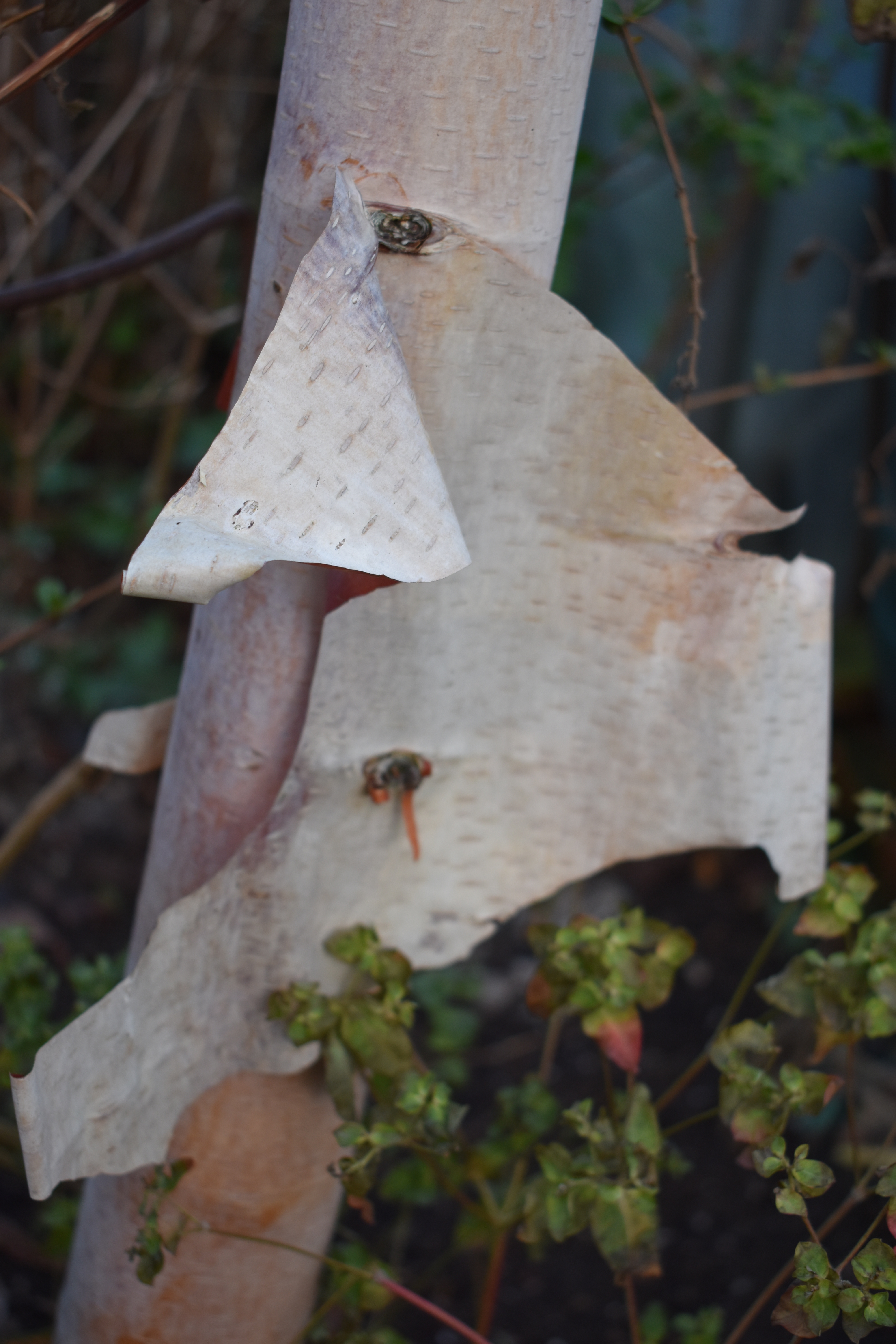
I then move on to another albosensis variety of birch called Betula albosinensis ‘Septentronalis’, which has much more orange-ginger peeling bark. It peels back from the main trunk and main branches and falls to the ground in sheets.

The deep ginger coloured bark of Prunus serrula is in complete contrast to the paler trunks of the betulas.

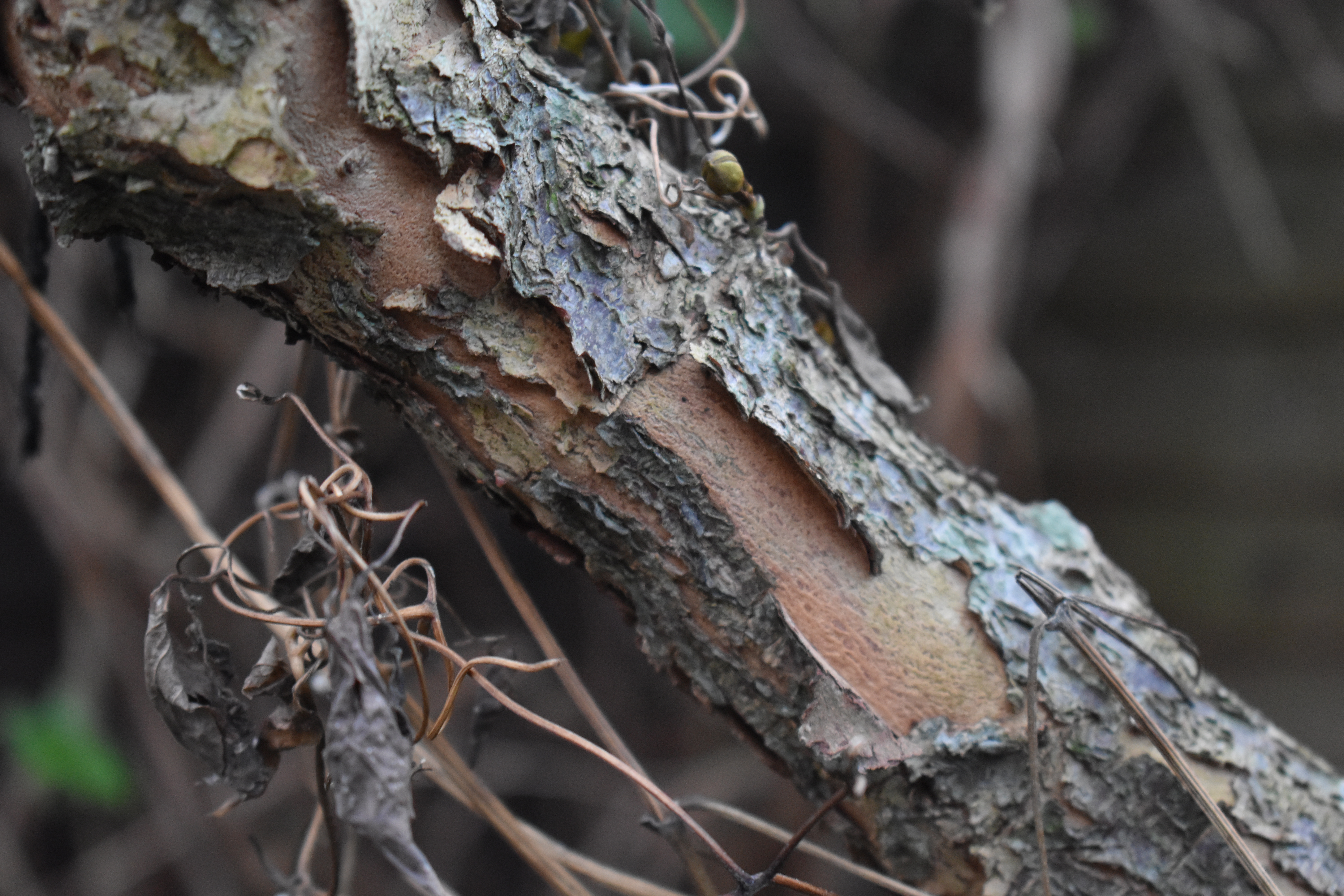
A small tree which we grow for its winter-flowering is Cornus mas, which produces bright yellow spidery flowers in winter. The flowers burst from the main trunk and branches and share with us its gentle scent. After a few years of pruning to do formative pruning we can now appreciate the grey rough peeling bark, a great place for insects to shelter and over-winter.

One of the youngest betulas in our garden is ‘Hergest’ which displays gingery coloured peeling bark and very obvious lenticels, marking the trunk. It will change colour as it grows.

White stemmed birches mostly Betula utilis jacqemontiii, are probably the most widely grown of all birches. We grow ours in a typical trio formation. These specimens are Betula utilis ‘Snow Queen’ with bright white bark which shows gentle salmon colouration beneath peeled bark.

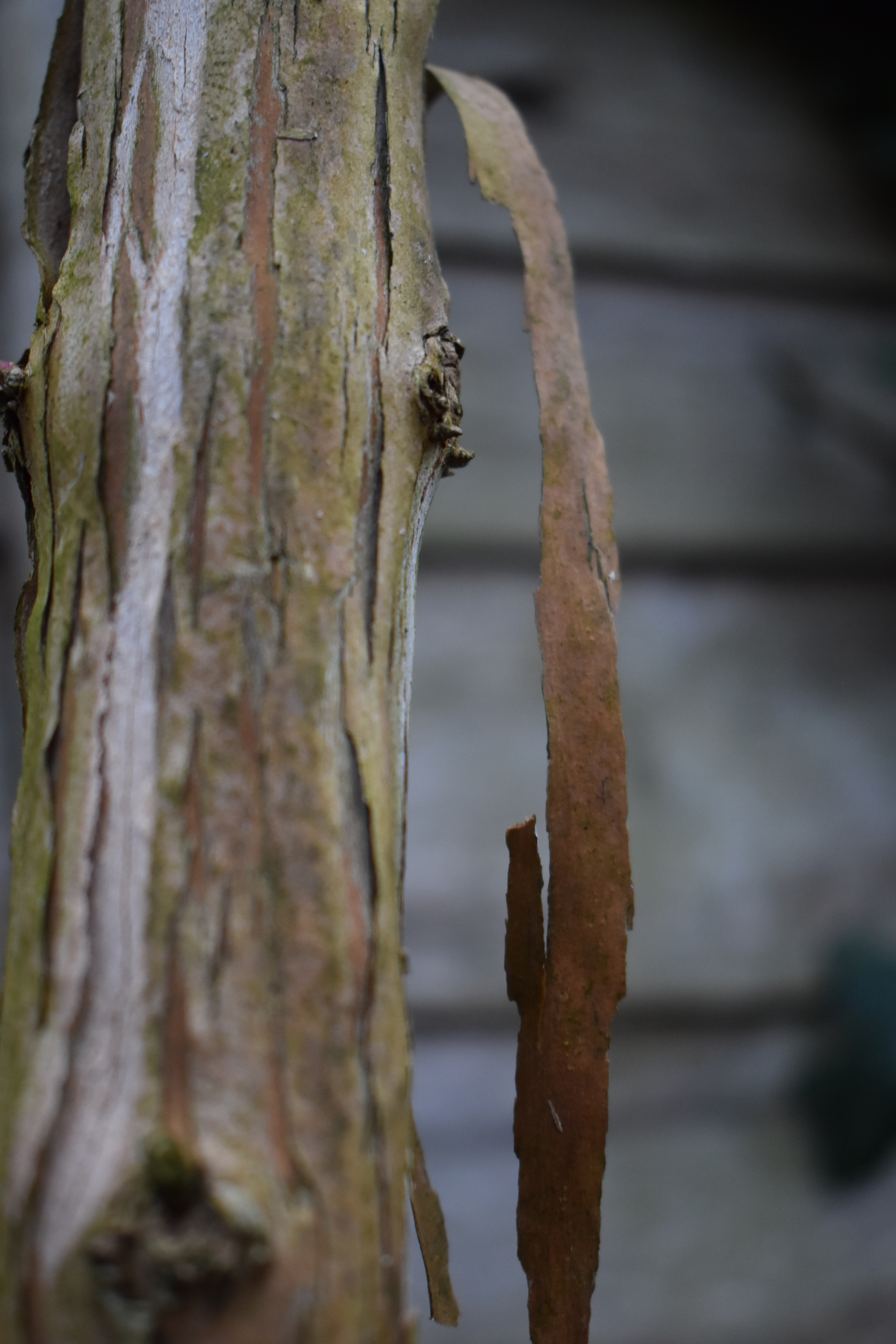
Finally I will share with you the tree whose bark peels off in thin strips. In a few months it will give us the pleasure of seeing its white clumps of flowers. It is quite an unusual garden tree and is known as Heptocodium miconiodes.

Categories
Uncategorized

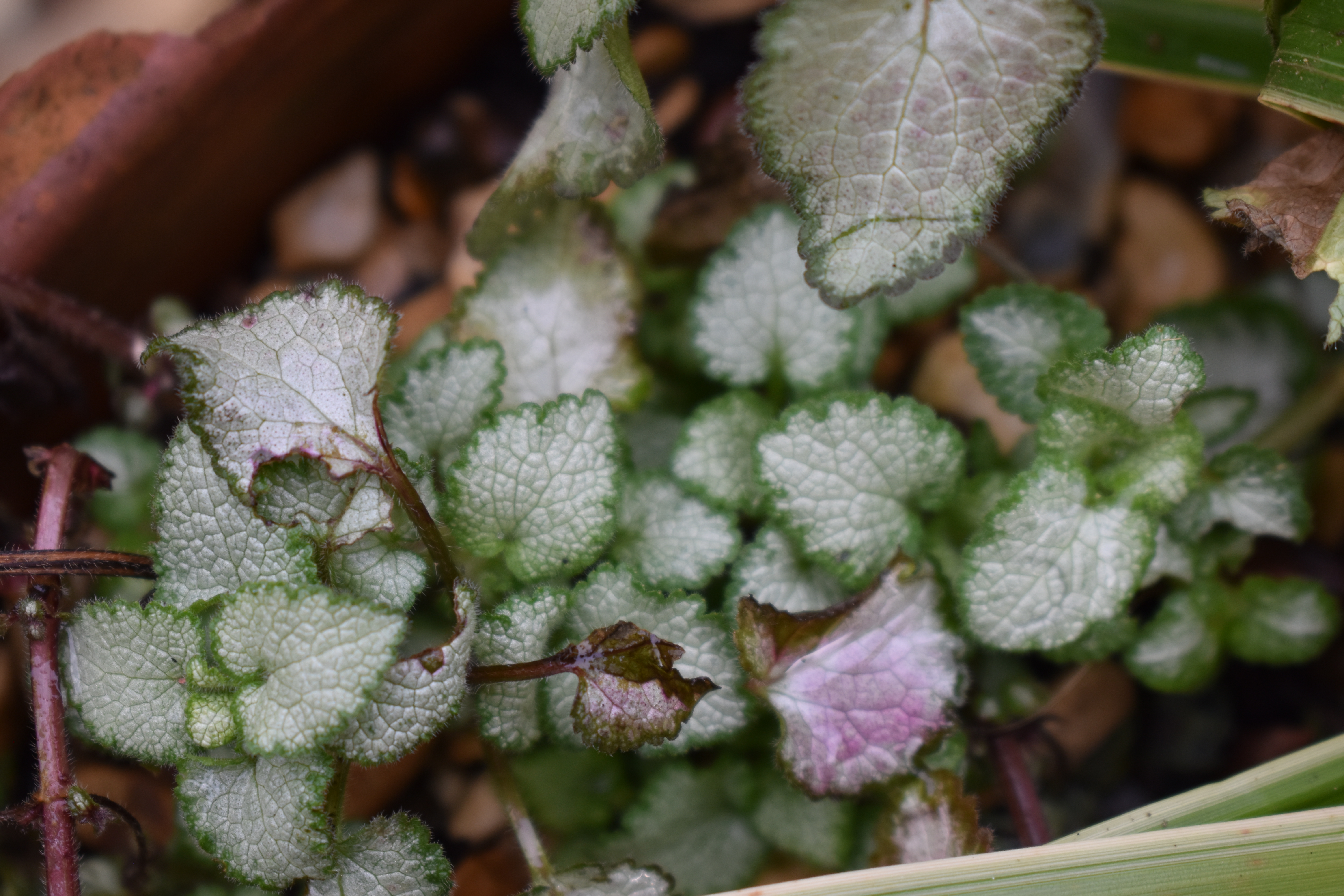
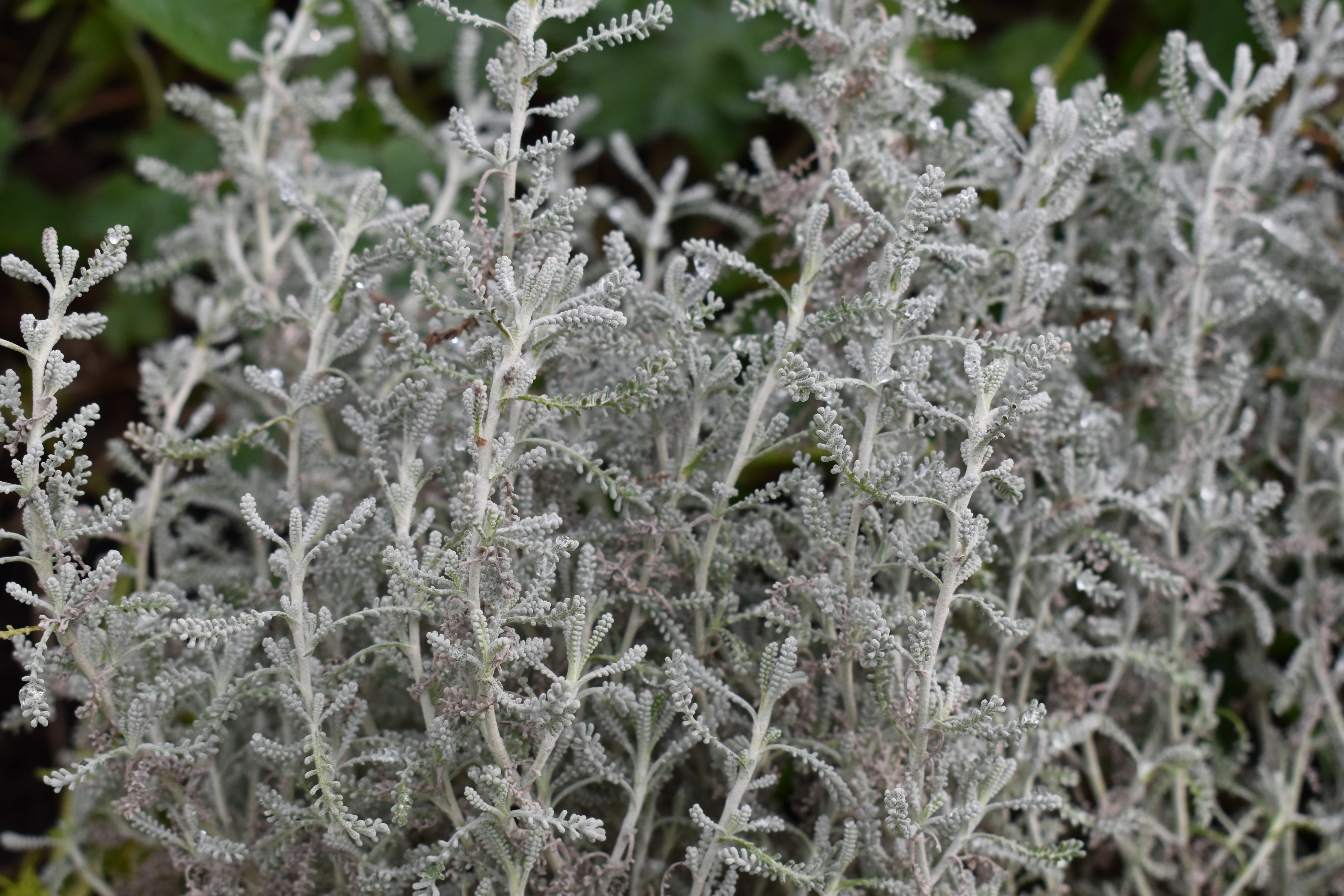
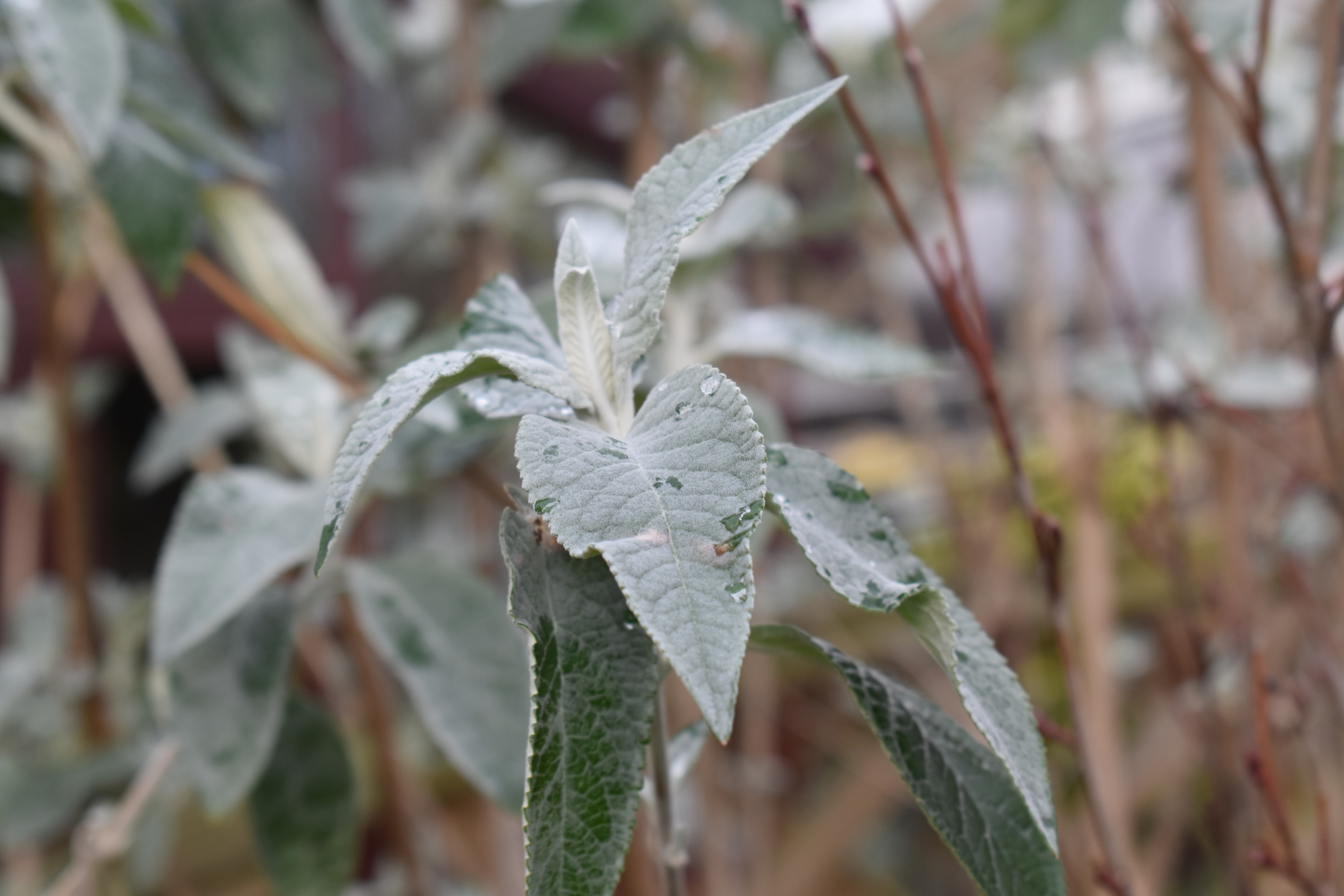
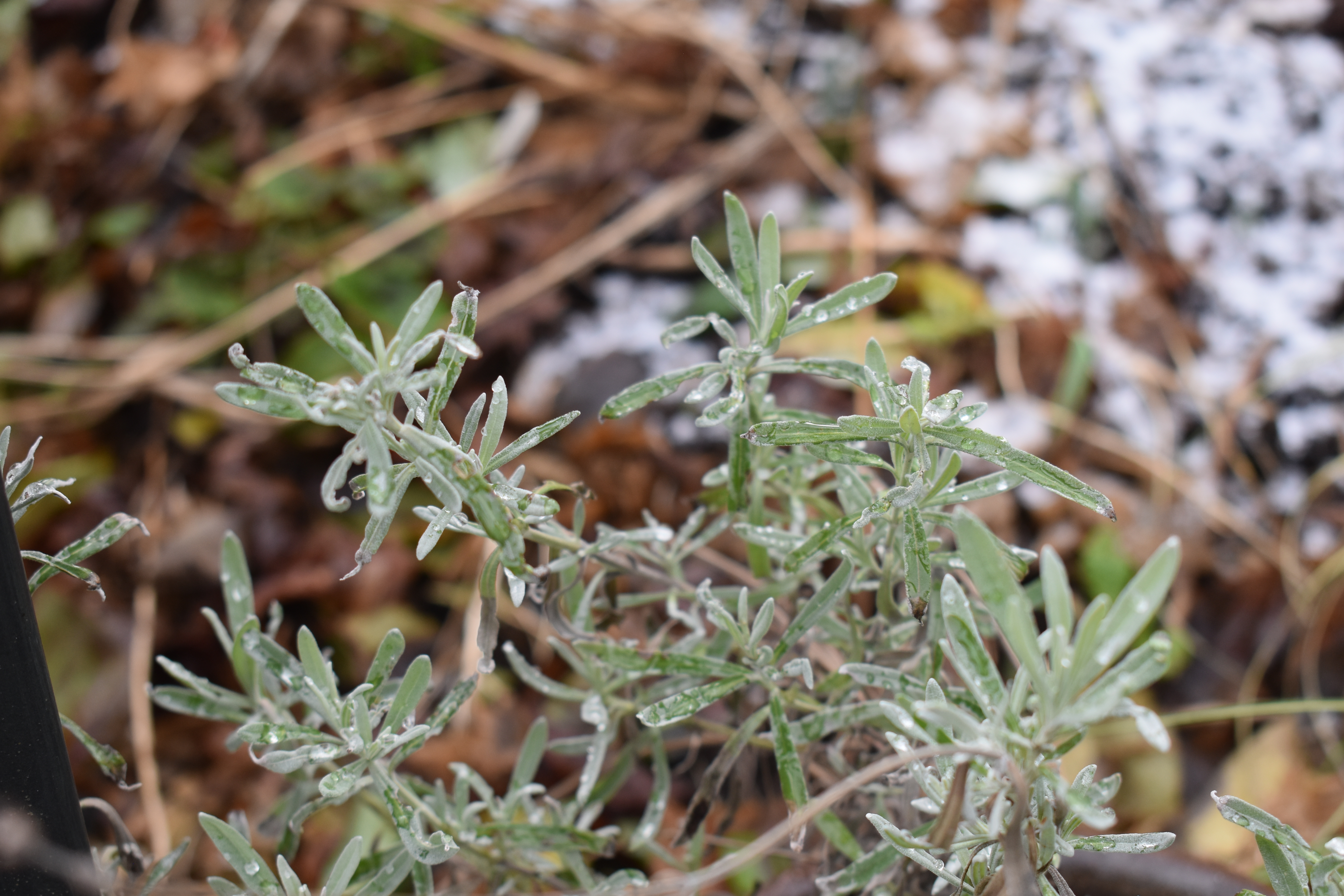
Winter Foliage in our Avocet Garden

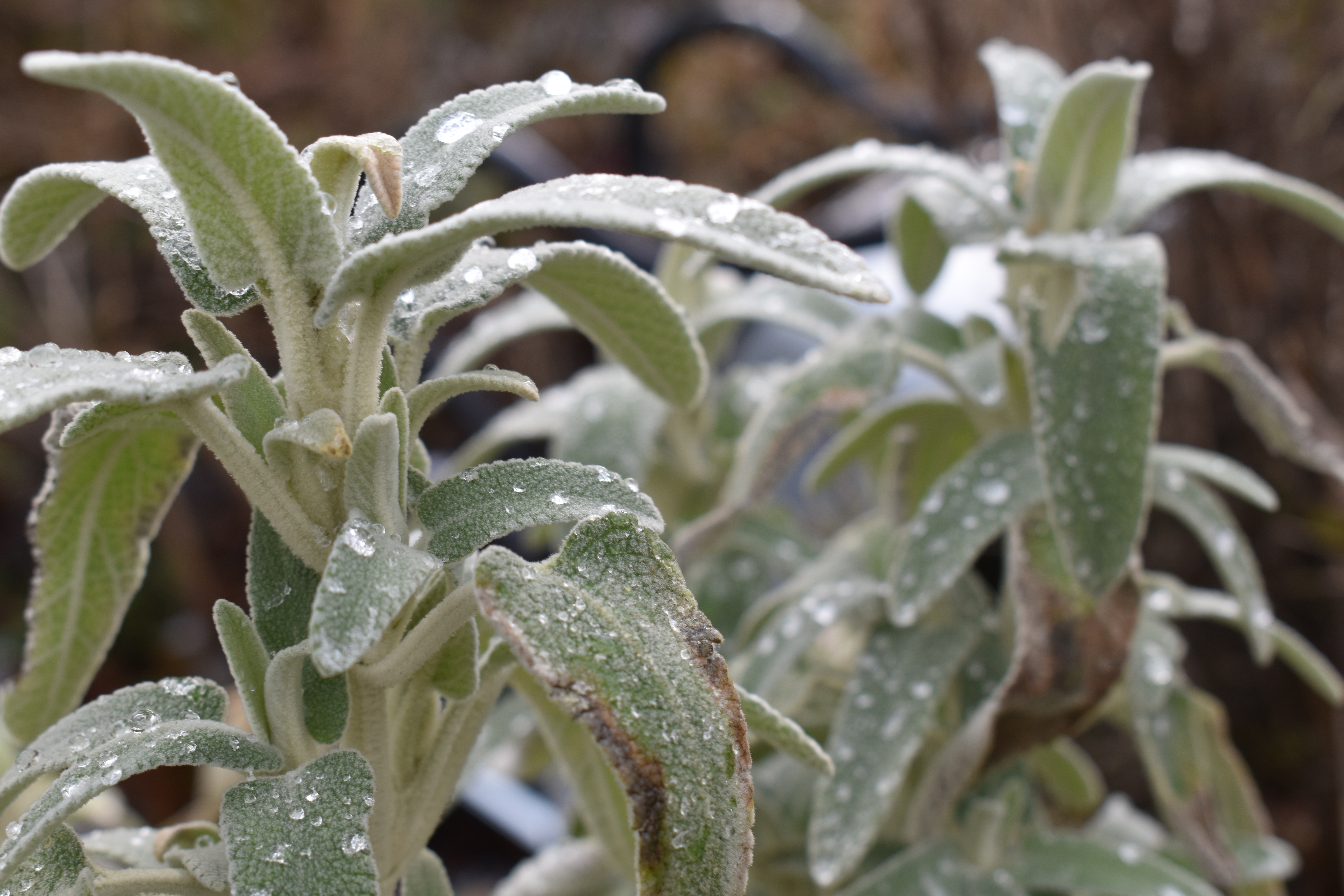
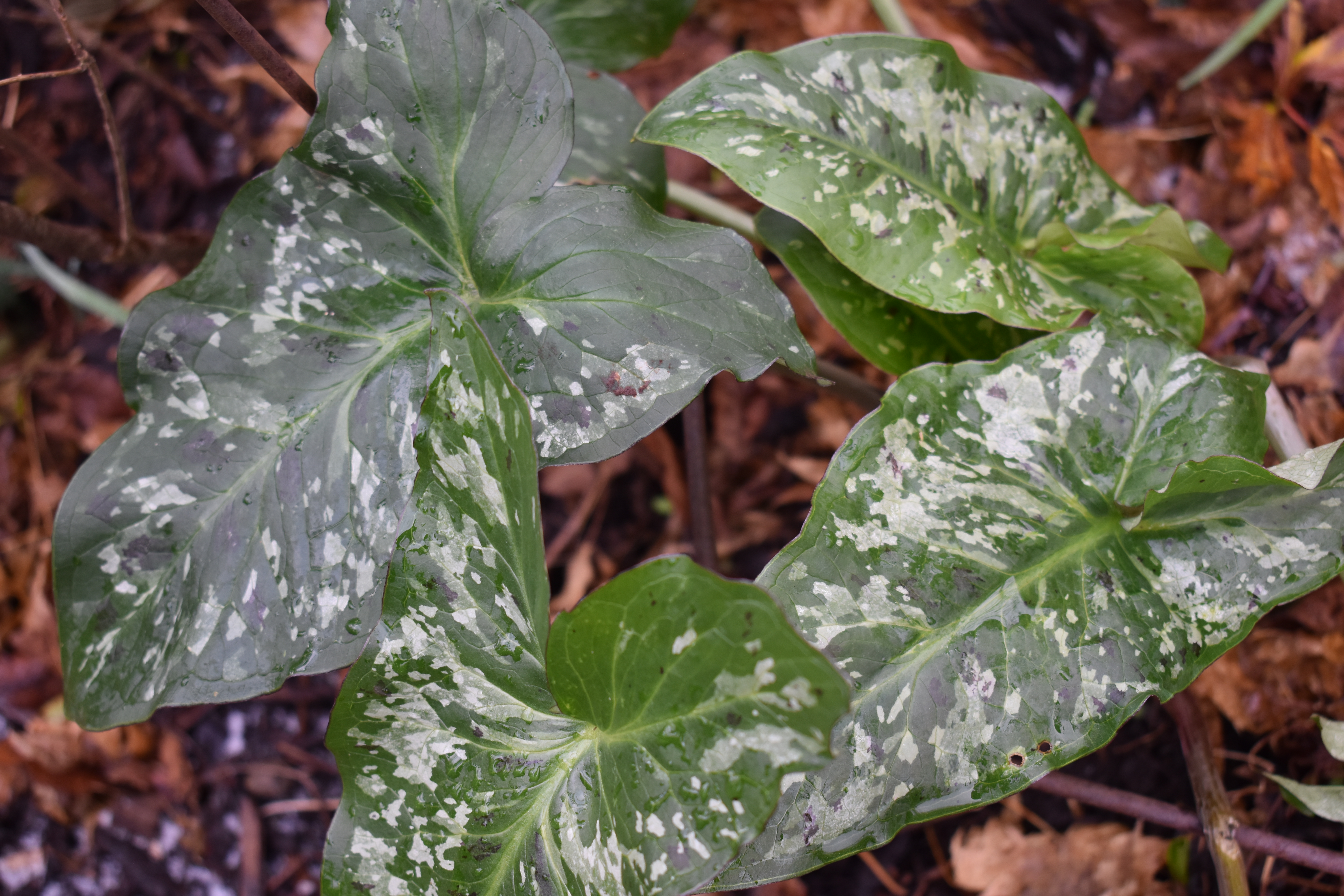
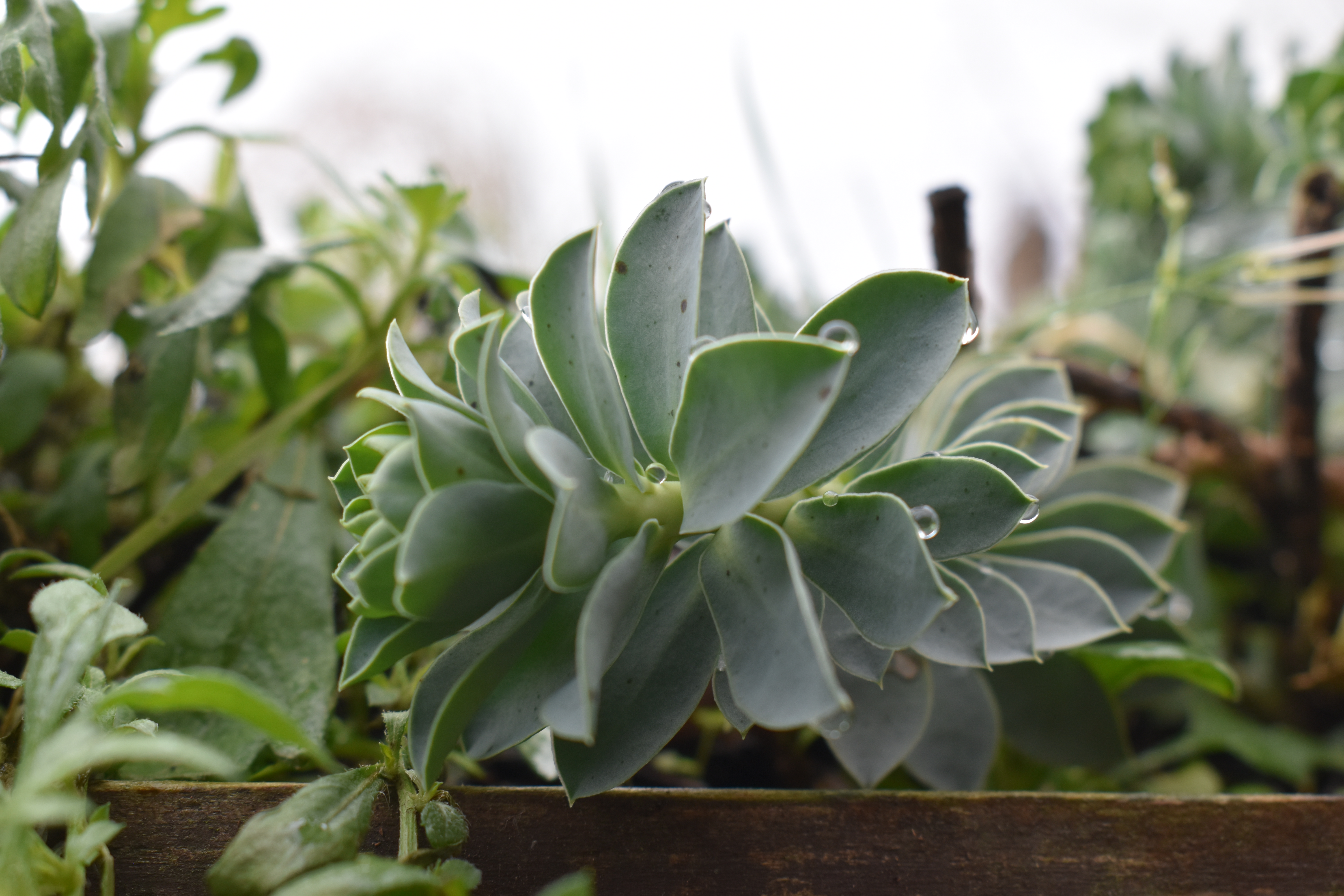
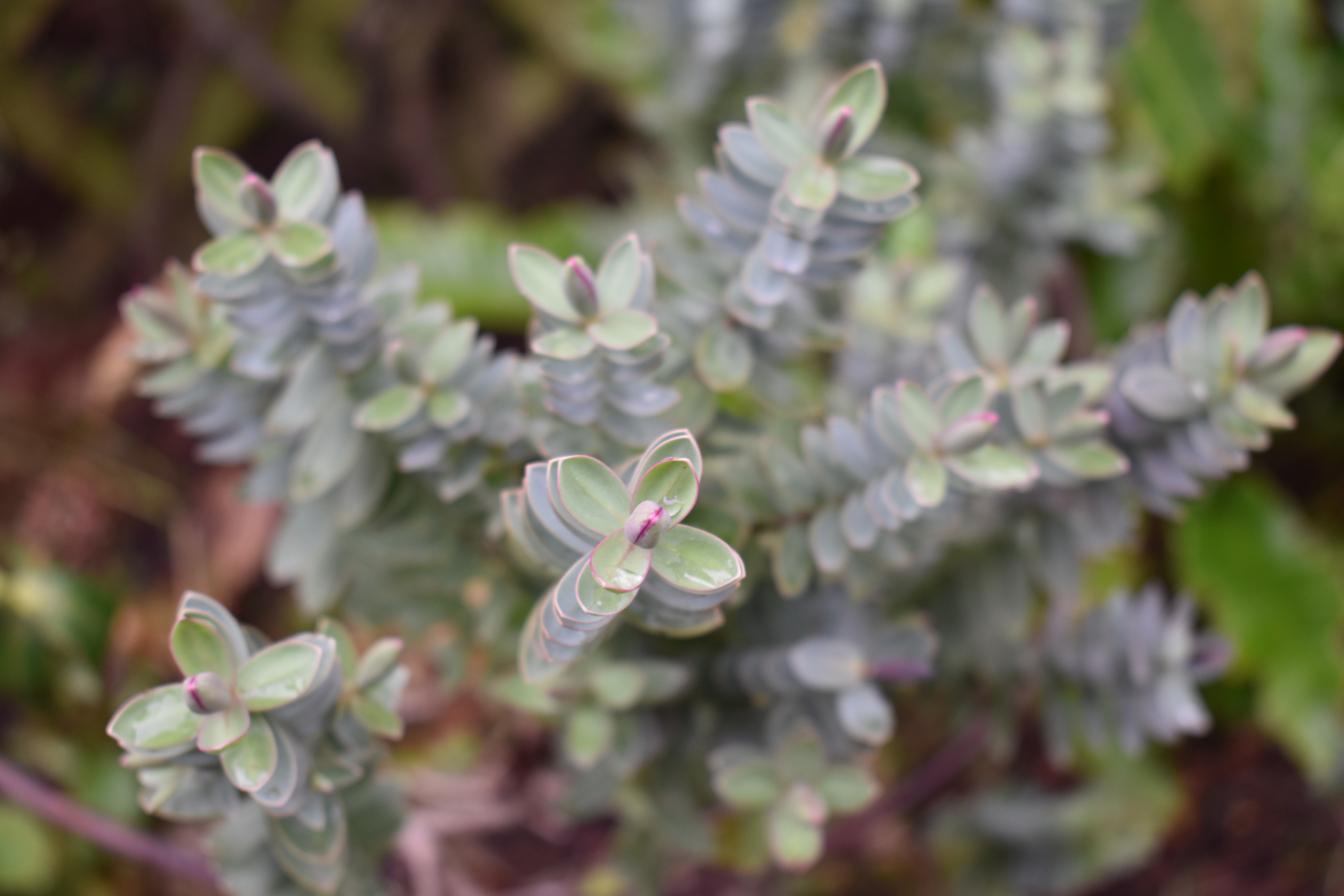
Foliage has important roles to play all year round and in winter it really comes to the fore. There are a reduced number of flowers to distract us. It is the third week of January and I shall take a wander around the garden with camera in hand, looking for variegated foliage and glaucous/grey/silver coloured leaves.

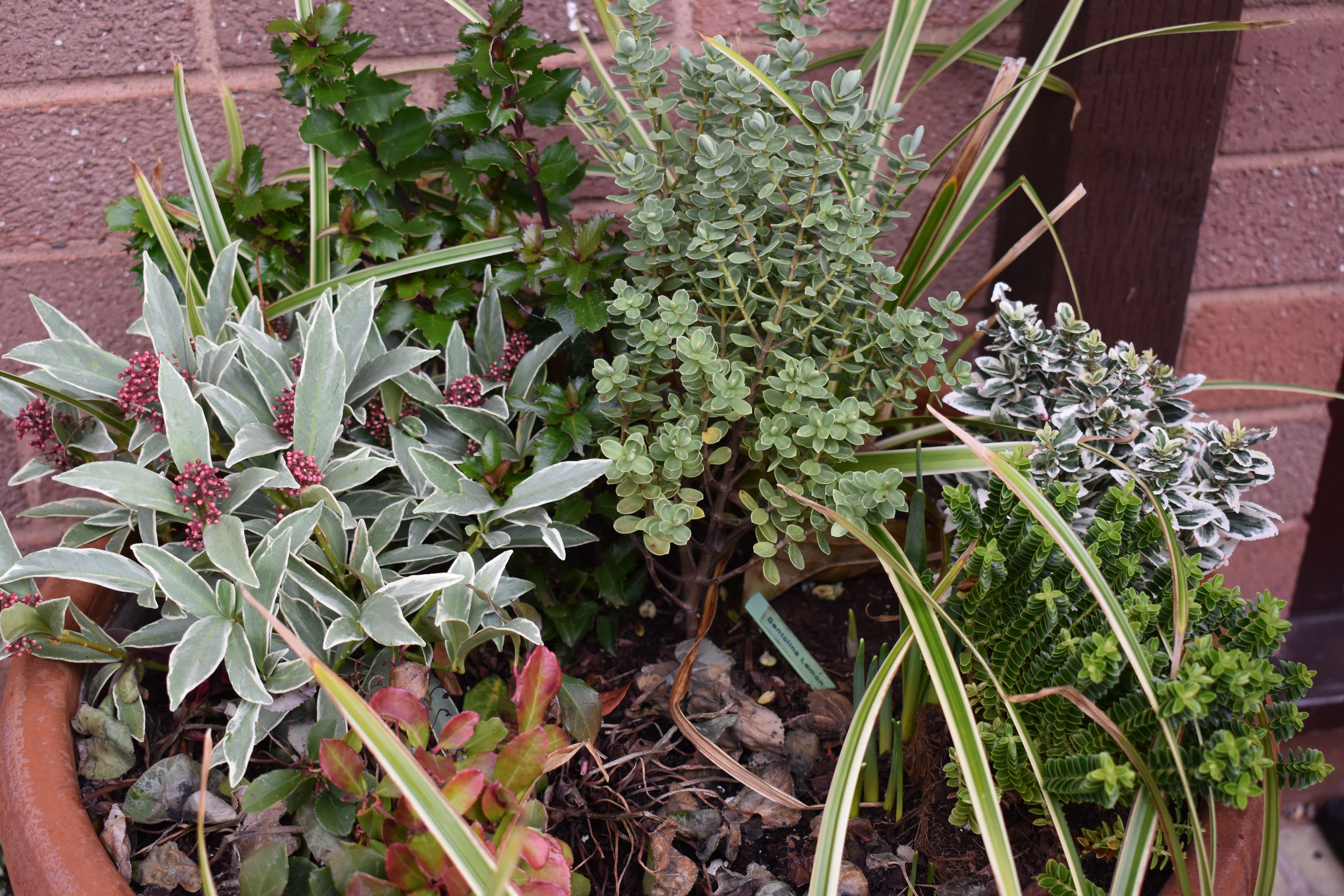
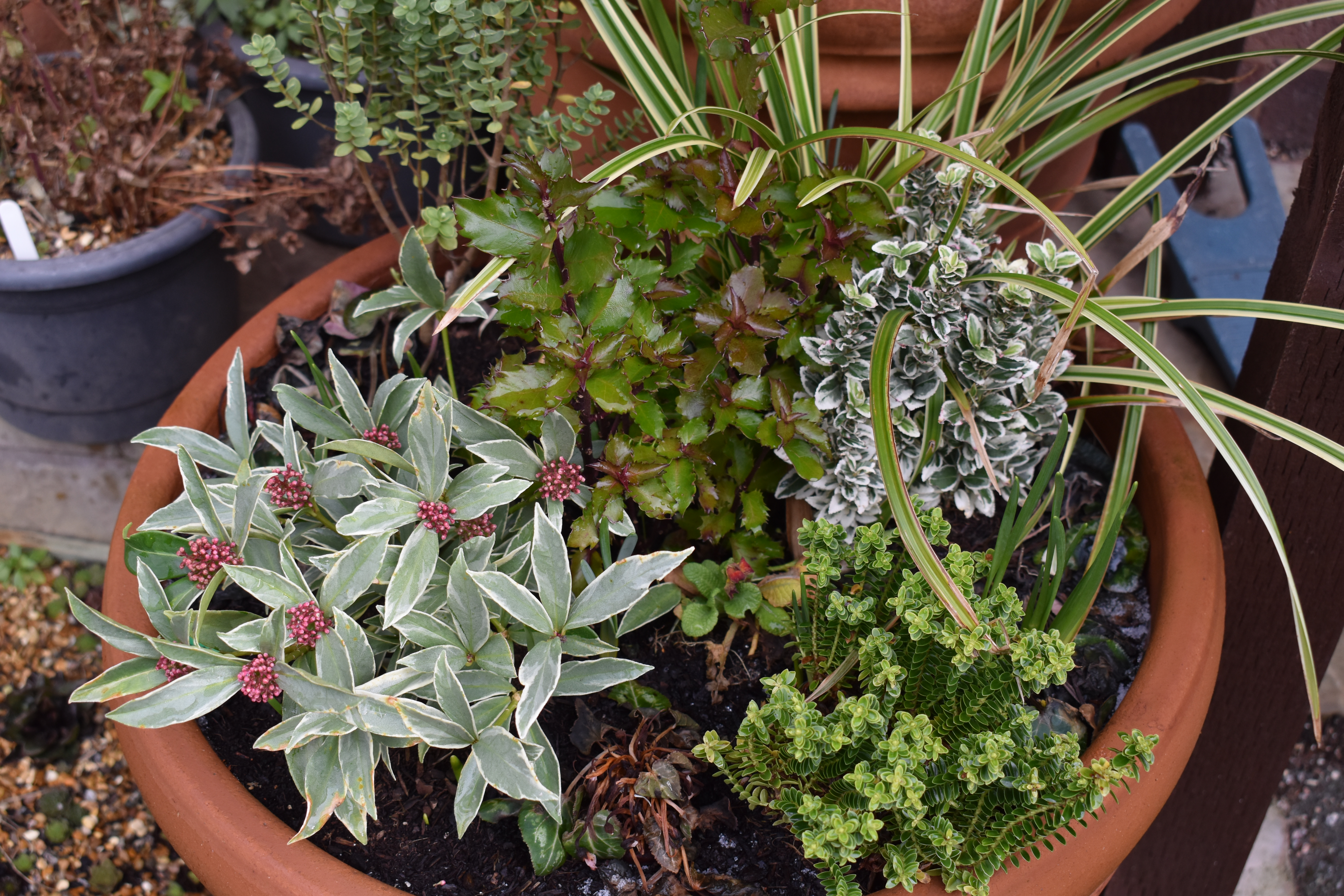
Alongside the front door we have two large terracotta pots featuring foliage plants and they look really good just now.

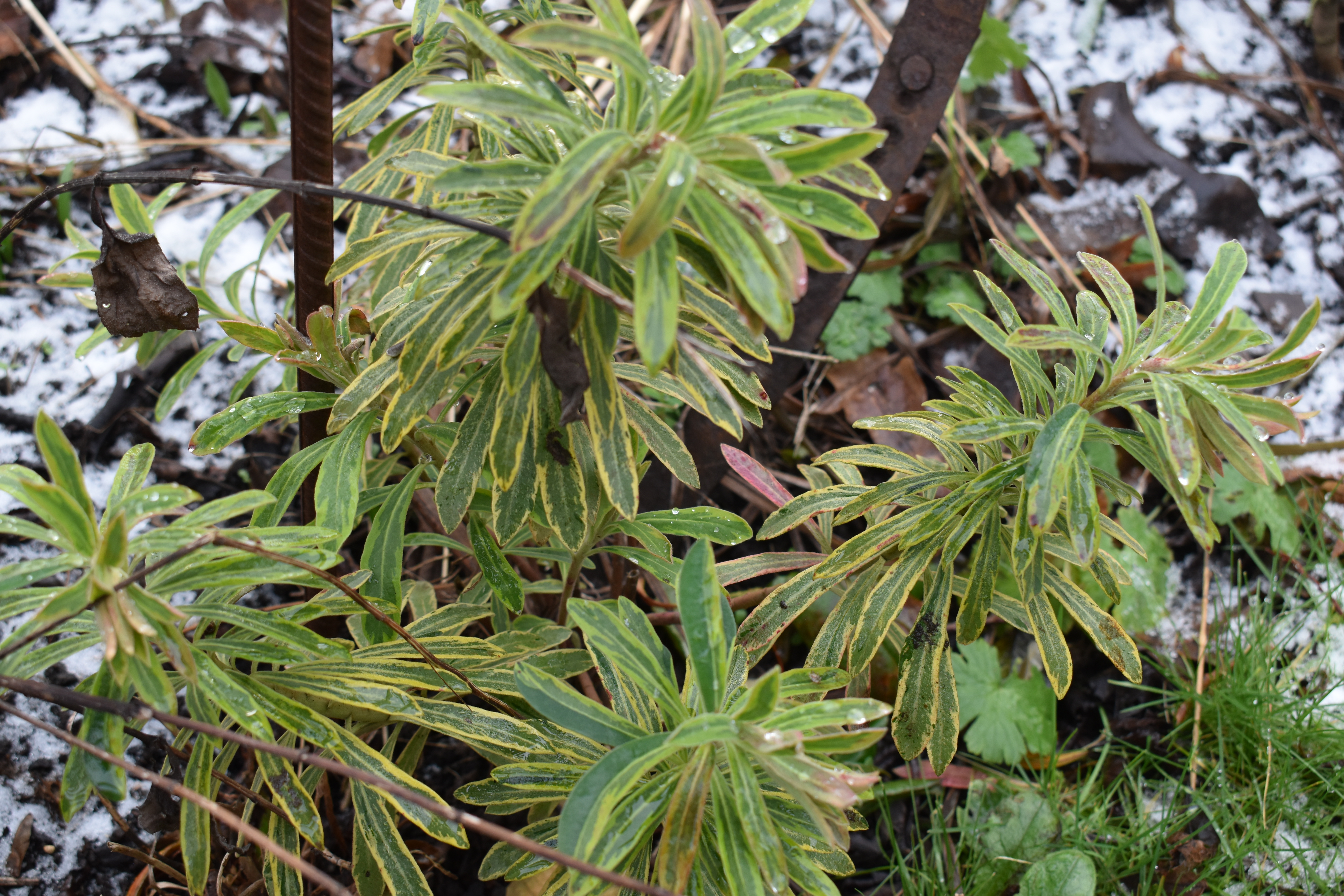
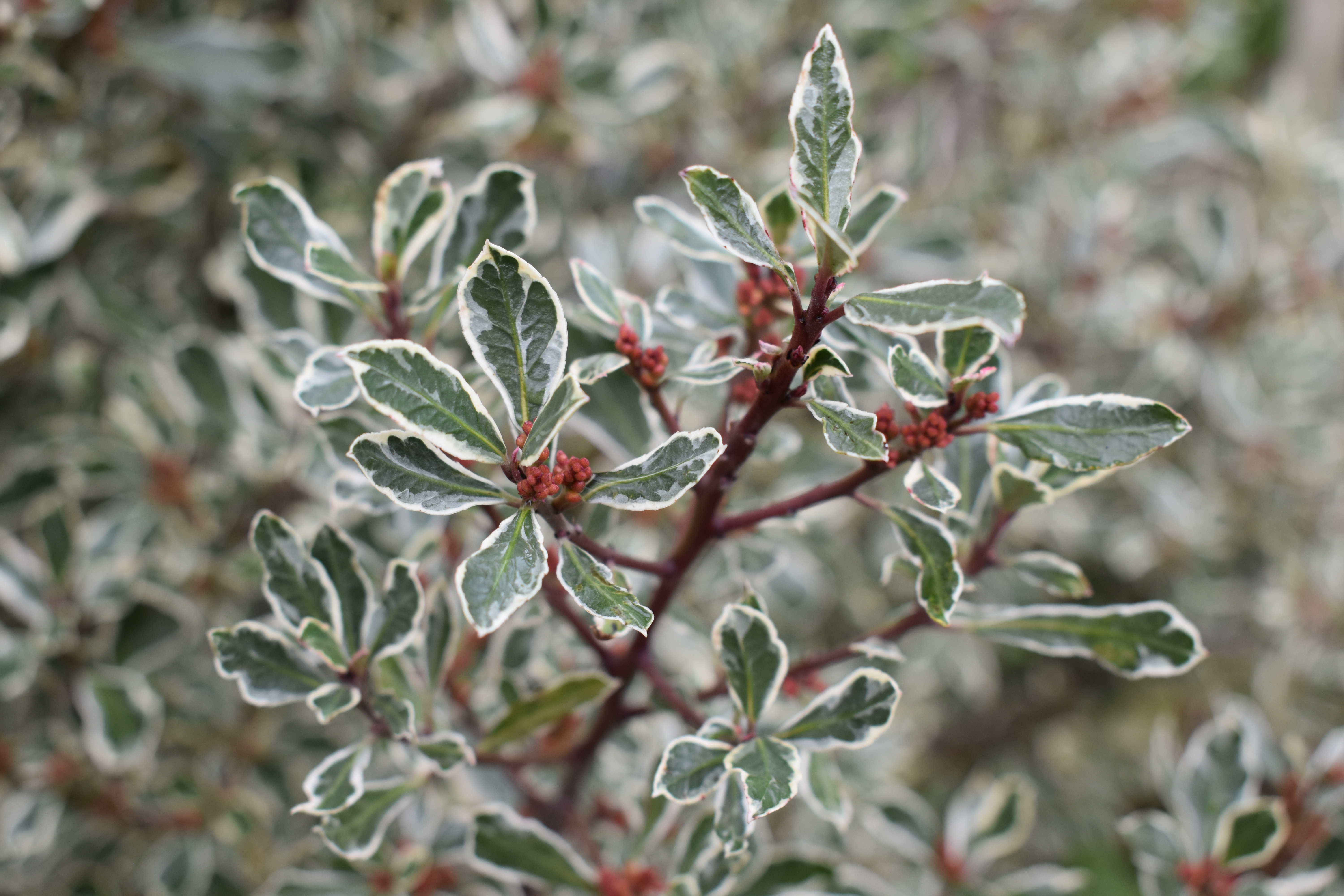
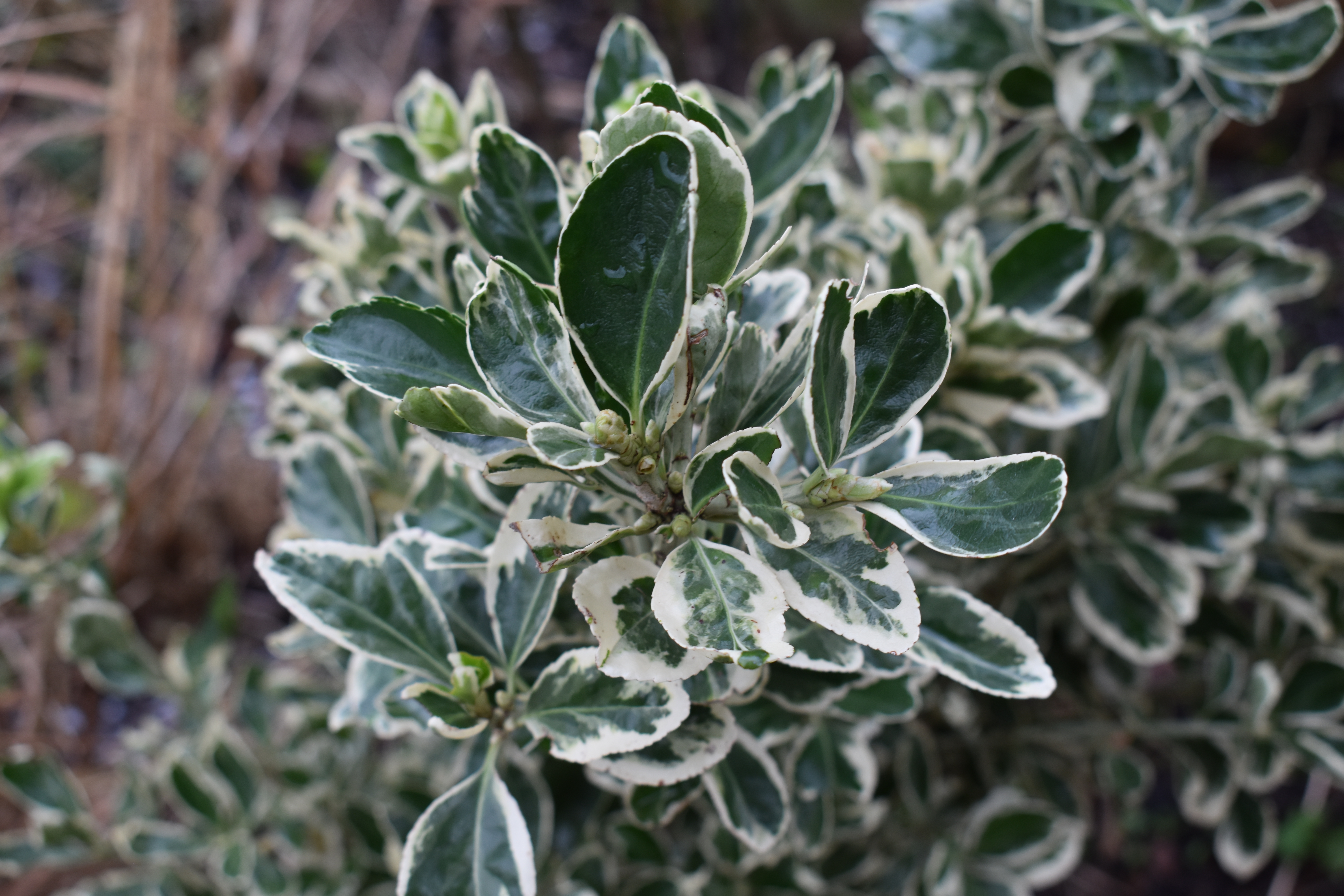
First off I wandered around the front garden looking for variegated foliage. The first trio of photos shows from left, a euphorbia, a rhamnus and a euonymus.

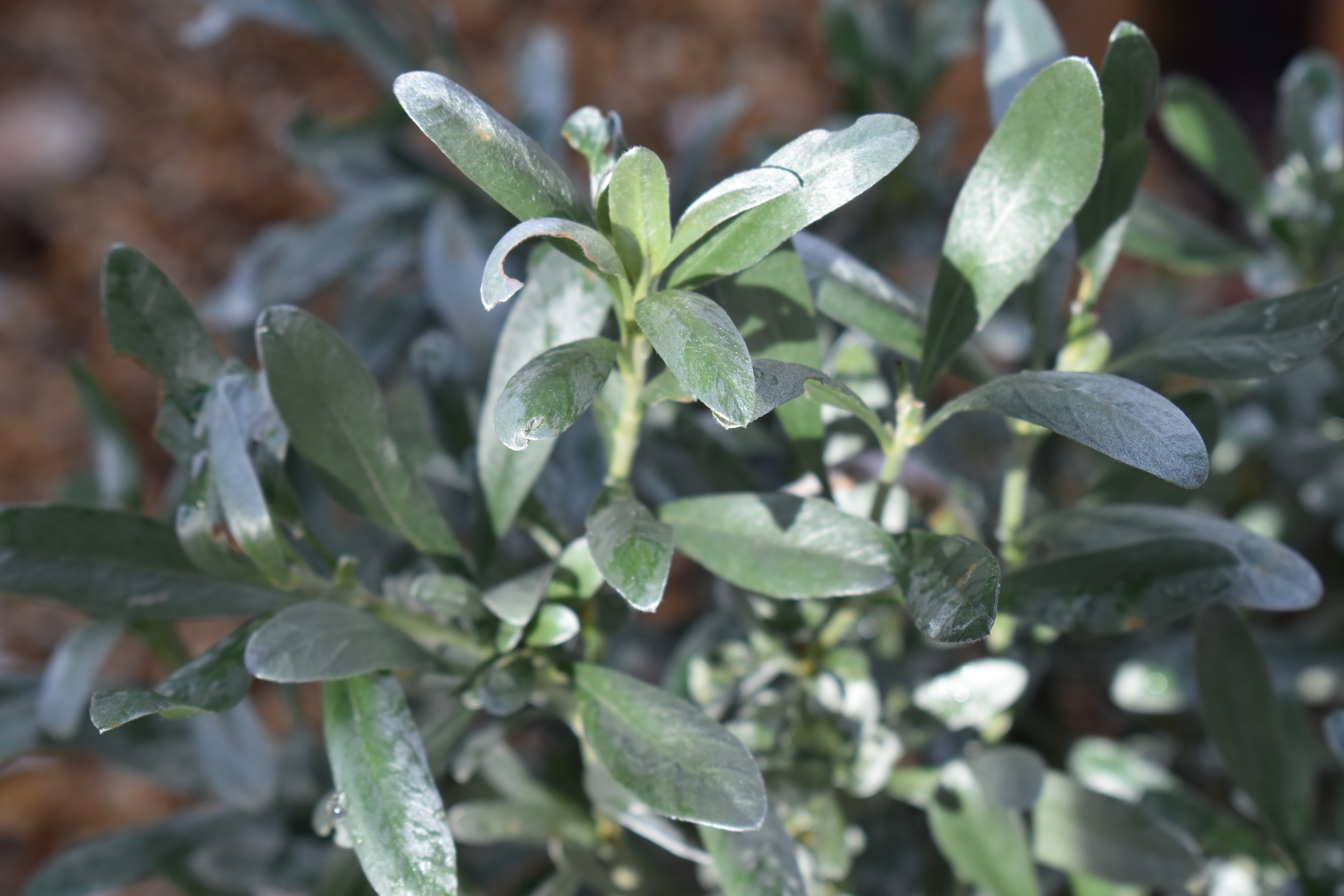
Moving around the shaded side of the house we wander along the ‘Shade Border’ sometimes called the Fern Garden which leads through the ‘Seaside Garden’ where silver foliage dominates. These two small shrubs are Convolvulus cneorum and Brachyglottis ‘Silver Dormouse’, the first has glossy foliage which catches the light beautifully whereas the dormouse is soft to the touch almost like suede.

While on the fence behind these two, a brightly leaved ivy, Hedera colchica ‘Sulphur Heart’, grows with large green and yellow foliage giving sunshine whatever the weather.

The pathway pathway through the ‘Seaside Garden’ leads us on to the ‘Rill Garden’ and then the ‘Winter Border’. There are so many interesting foliage plants to enjoy here.

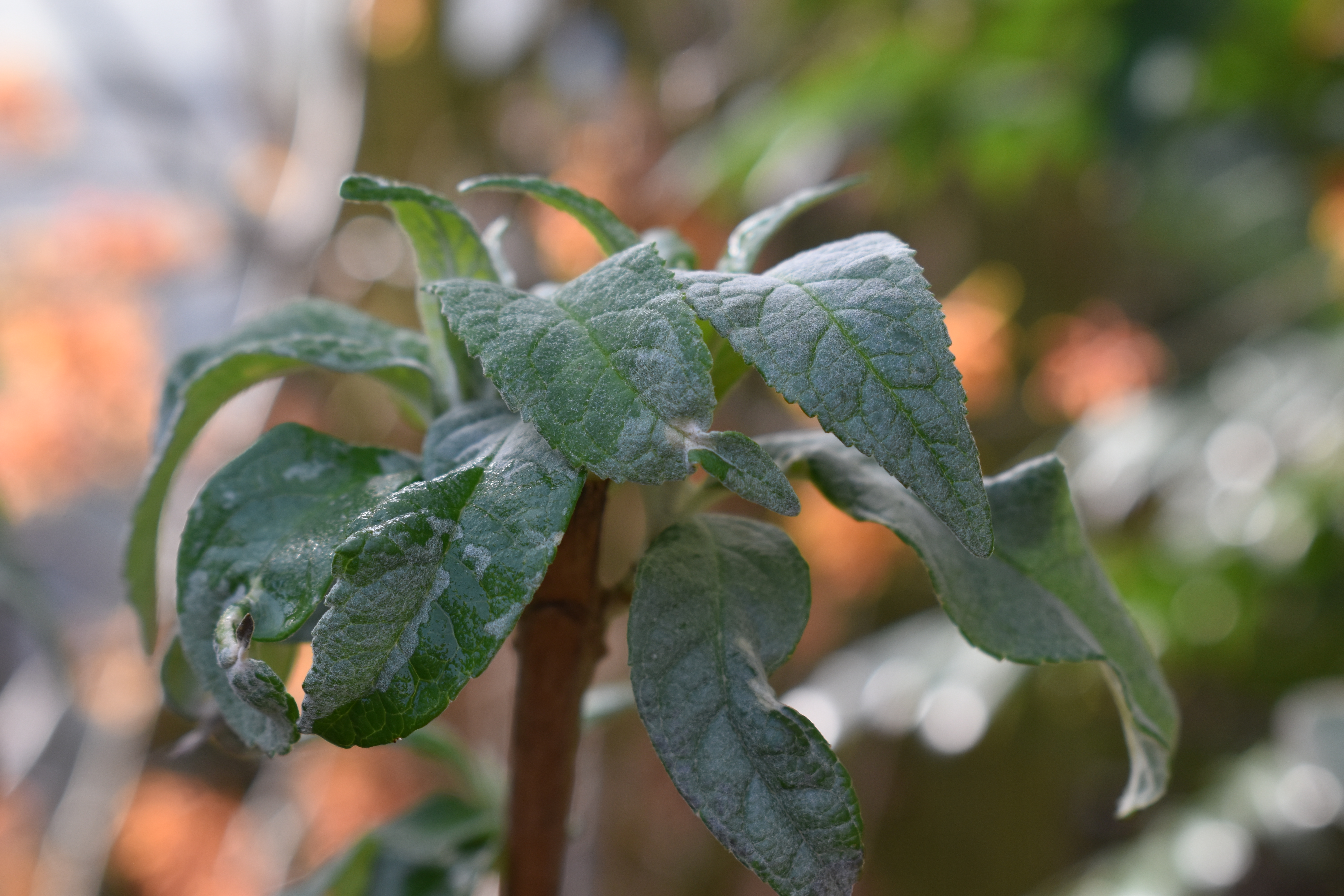
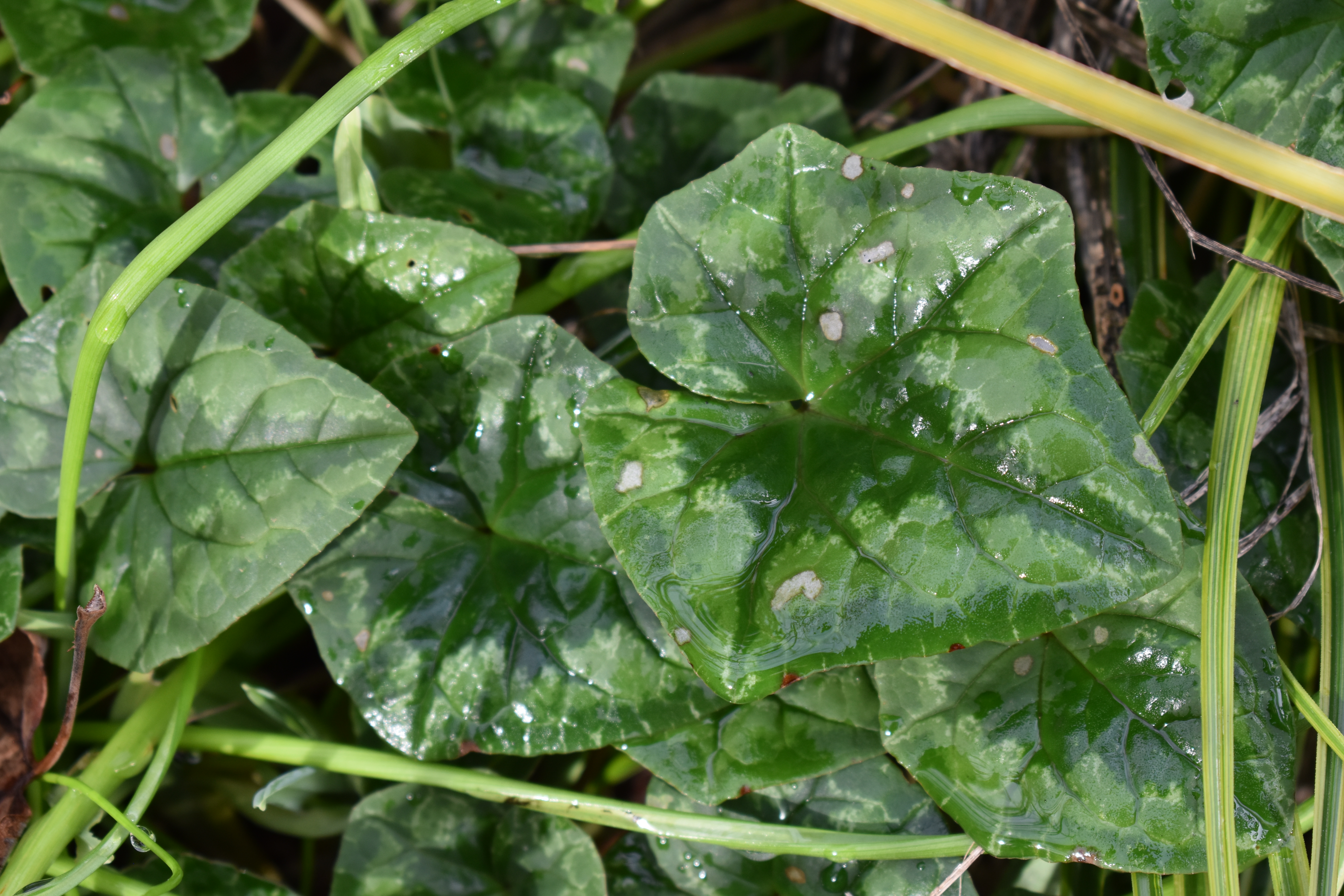
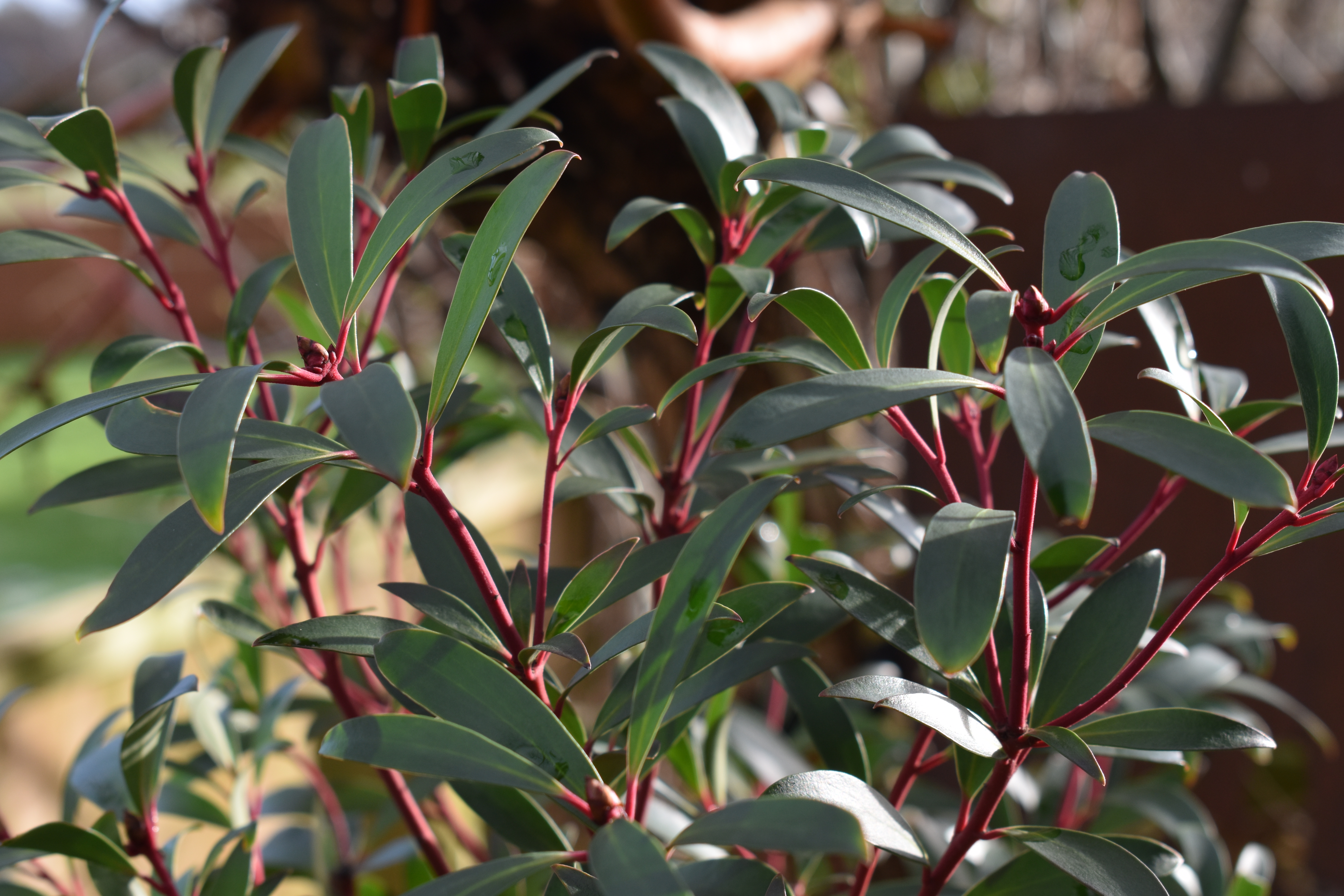
Pittosporum, buddleia, cyclamen and drimys.

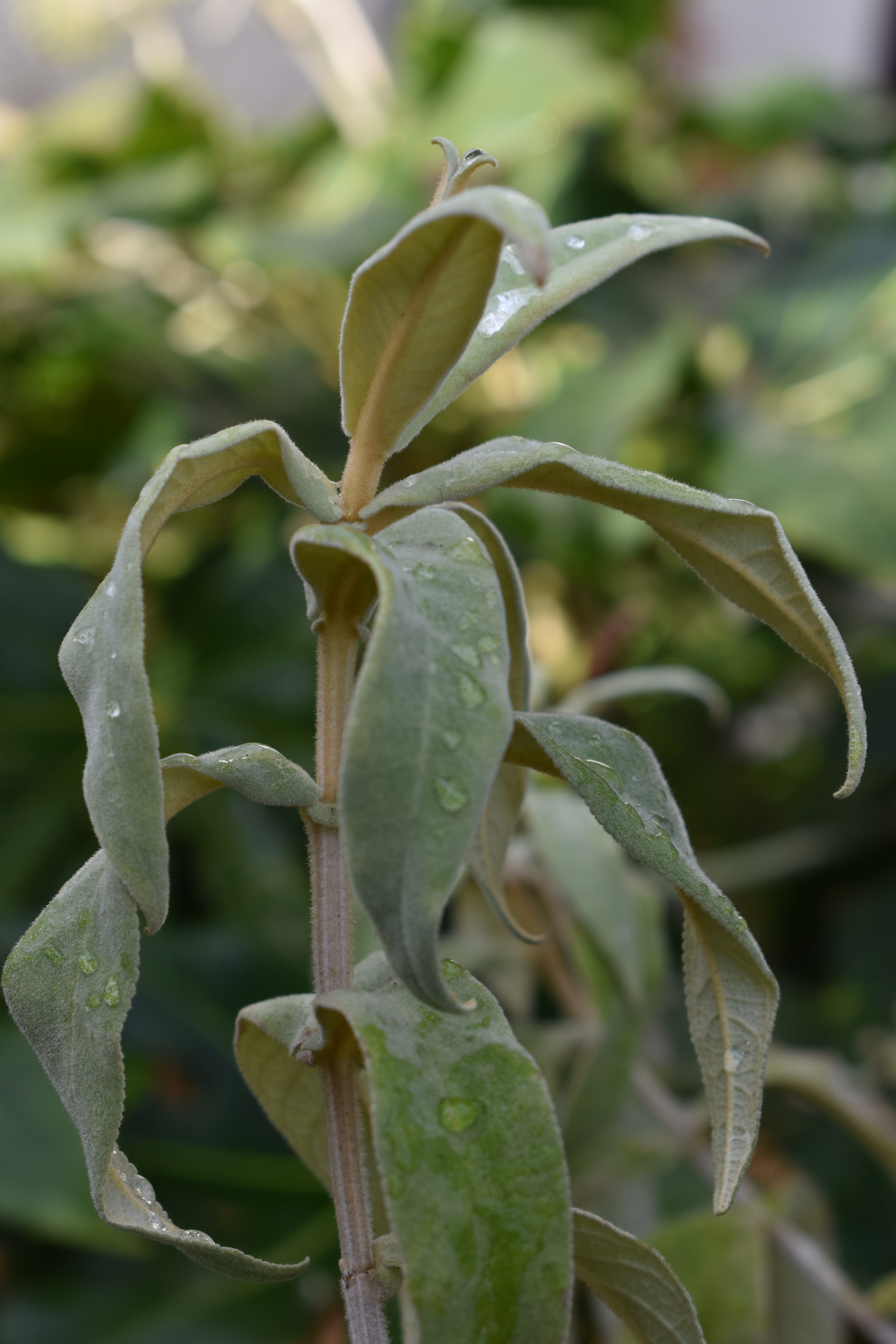
Below – euphorbia, Buddleia salvifolia and hebe.

Below – coprosma, lamium, santolina, a Buddleia davidii and lavender.

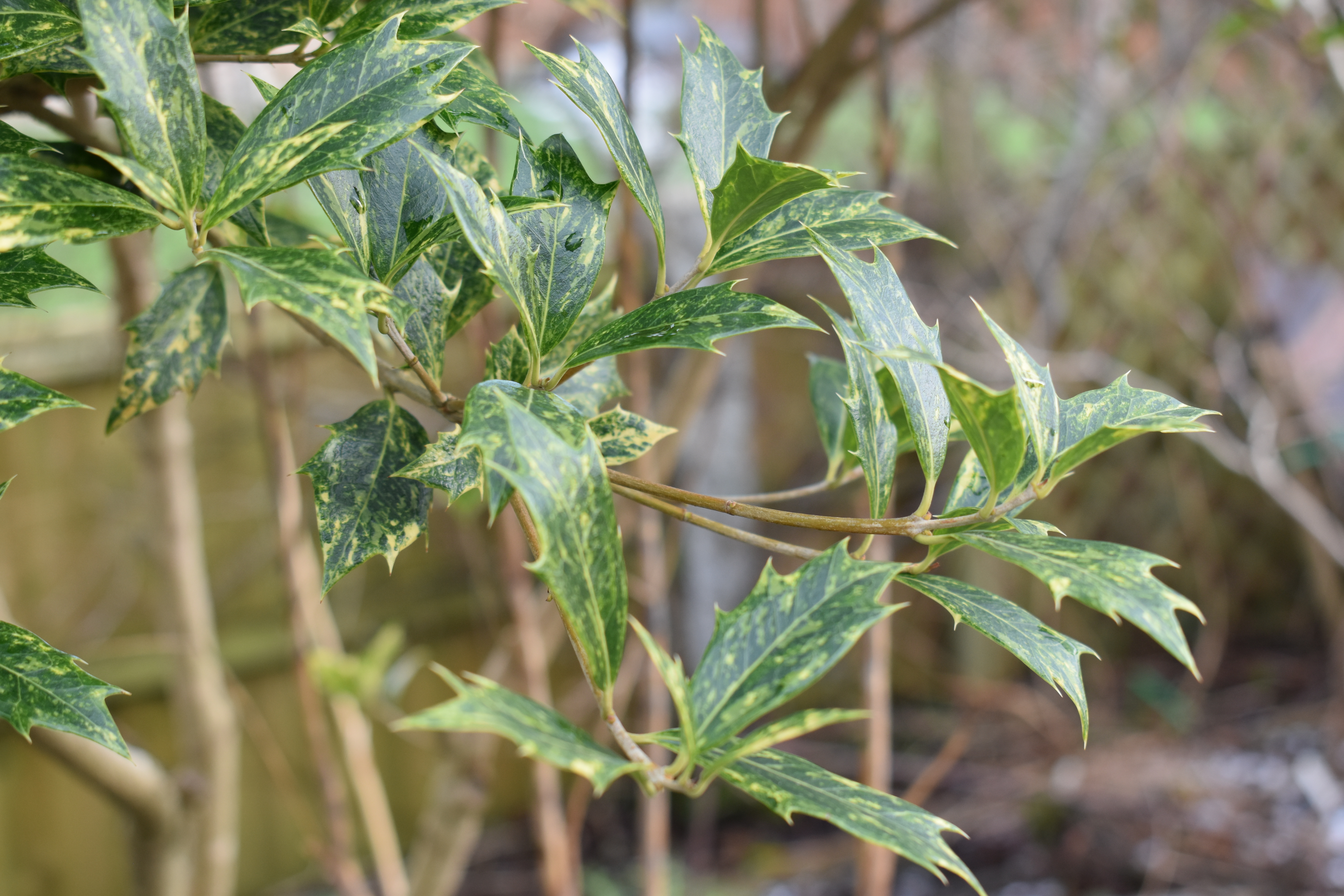
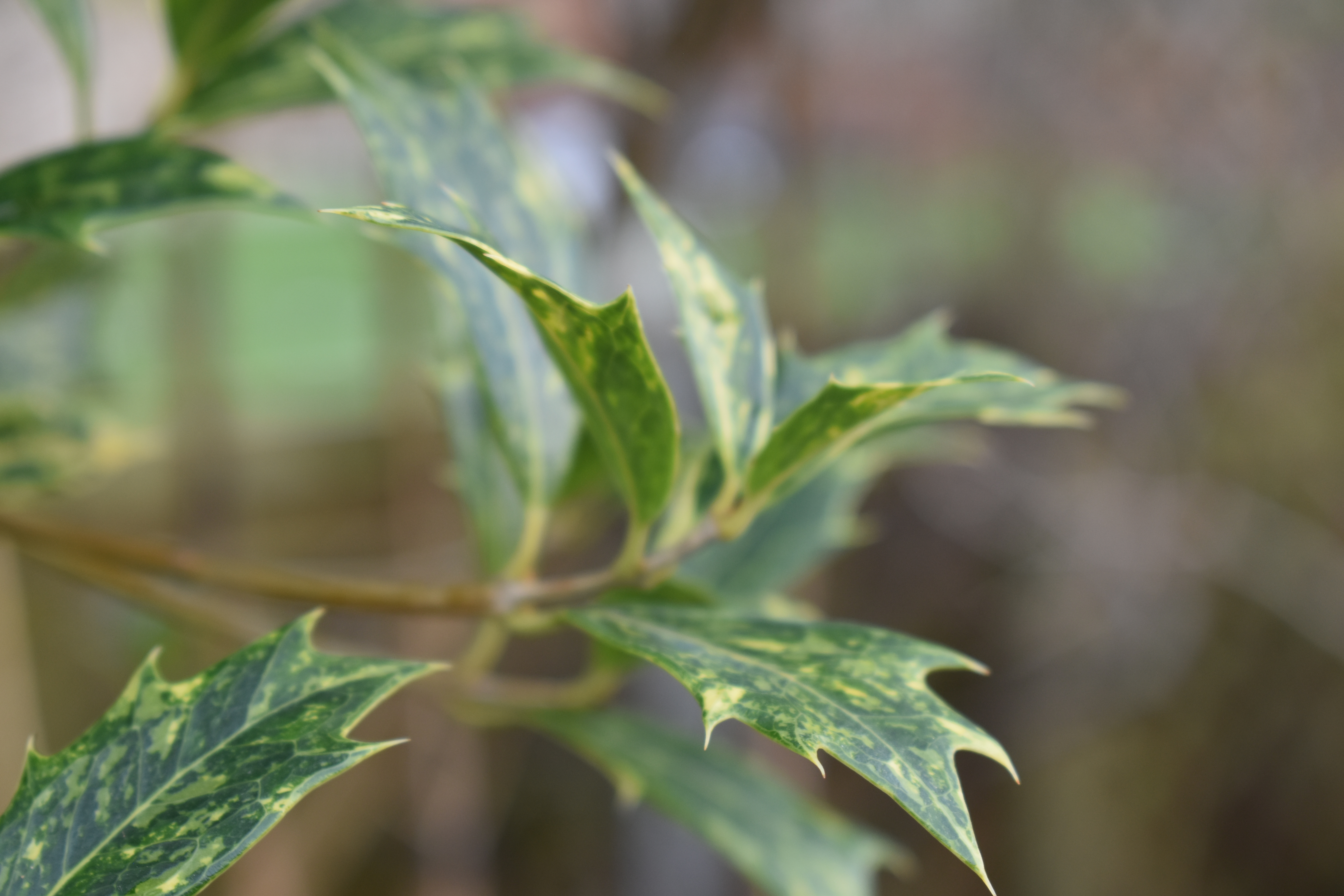
From the Winter Garden we follow the central path and take a left turn beneath a wooden arch into the the ‘Sensuous Garden’. Here lives the amazingly coloured and variegated Osmanthus heterophylus ‘Goshiki’, which is cloud pruned to make it even more of a feature.

For the next part of my wander I walked alongside the heritage apple trees grown as cordons and the along the Spring Garden to see what variegated or glaucous foliage we could find there.

On the left is Euphorbia ‘Ascot Rainbow’, above right is another hebe and finally one of our native euophorbias.

Below – stachys, centauria, and an arum.

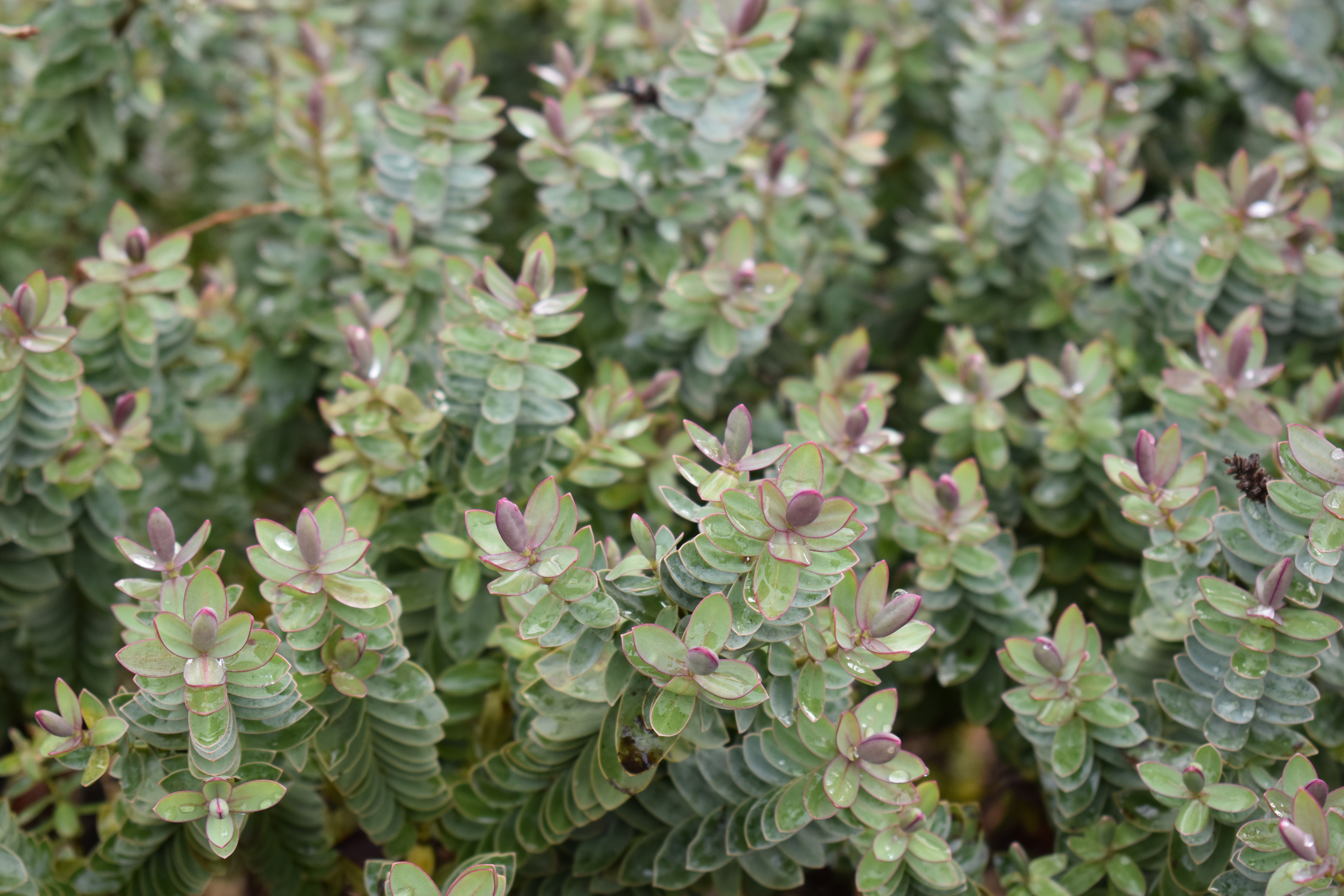
The final pair of foliage photos taken in our back garden are another different euphorbia and a very glaucous leaved hebe.

Categories
Uncategorized

My Garden Journal 2023 January

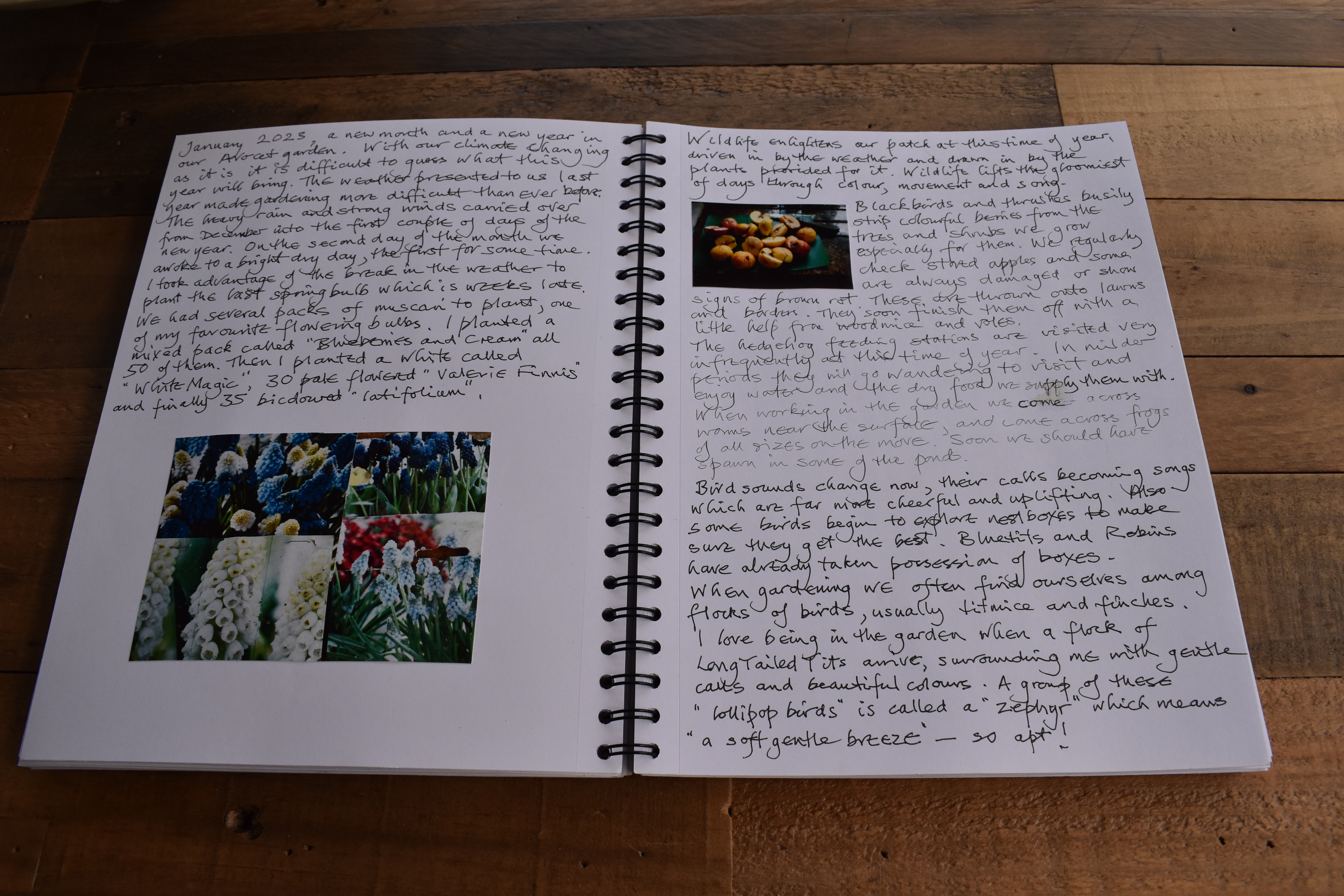
A new month and a new year for my garden journal, and the cold wet and windy weather continues as before.

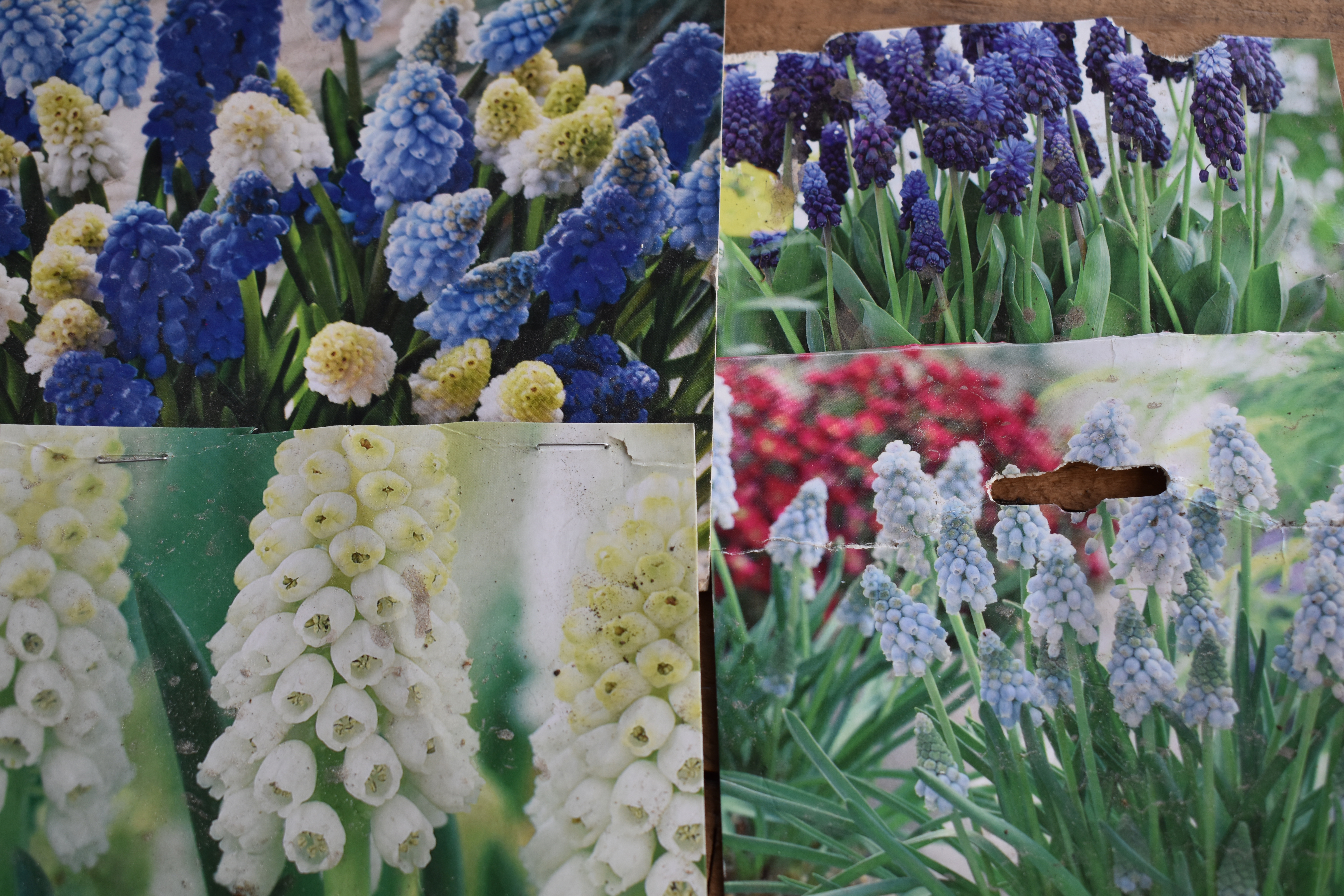
Muscari were the stars of the first page of this month, one of my favourite early bulbs. Over the last few years we have managed to find a few more unusual ones.

I began the year by writing, “January 2023, a new month and a new year in our Avocet garden. With our climate changing as it is, it is difficult to guess what this year will bring. the weather presented to us last year made gardening more difficult than ever before. The heavy rain and strong winds carried over from December into the first day of the new year. On the second we awoke to a bright dry day, the first for some time.

I took advantage of the break in the weather to plant the last spring bulbs, which is weeks late. We had several packs of muscari to plant, one of my favourite flowering bulbs. I started with a mixed pack called ‘Blueberries and Cream’ all 50 of them. Then I planted a white called ‘White Magic’, 30 pale-flowered ‘Valerie Finnis’ and finally35 bicoloured M. ‘latifolium’.”

Wildlife featured on the opposite page where I wrote, “Wildlife enlightens our patch at this time of the year, driven in by the weather and drawn in by the plants provided for it. Wildlife lifts the gloomiest of days through colour, movement and song. Blackbirds and their cousins the thrushes busily strip colourful berries from the trees and shrubs we grow especially for them. We regularly check stored apples and some are always damaged or show signs of rot. These are thrown onto lawns and borders. These birds soon finish them off with a little help from wood mice, voles and shrews.

The hedgehog feeding stations are visited very infrequently at this time of year. In milder periods they will go wandering to visit and enjoy the water and dry food we supply for them.

When working in the garden we come across worms near the surface , and also discover frogs of all ages and sizes on the move. Soon we should have spawn in some of the ponds.

Bird sounds change now, their calls becoming songs which are far more cheerful and uplifting. Also some birds begin to explore nestboxes and natural nest sites to ensure they get the best. Bluetits and robins have already taken possession of boxes.

When gardening we often find ourselves among flocks of birds, usually titmice and finches. I love being in the garden when a flock of long tailed tits arrive, surrounding me with gentle calls and beautiful colours. A group of these ‘lollipop birds’ is called a ‘Zephyr’, which means a soft gentle breeze – so apt!”

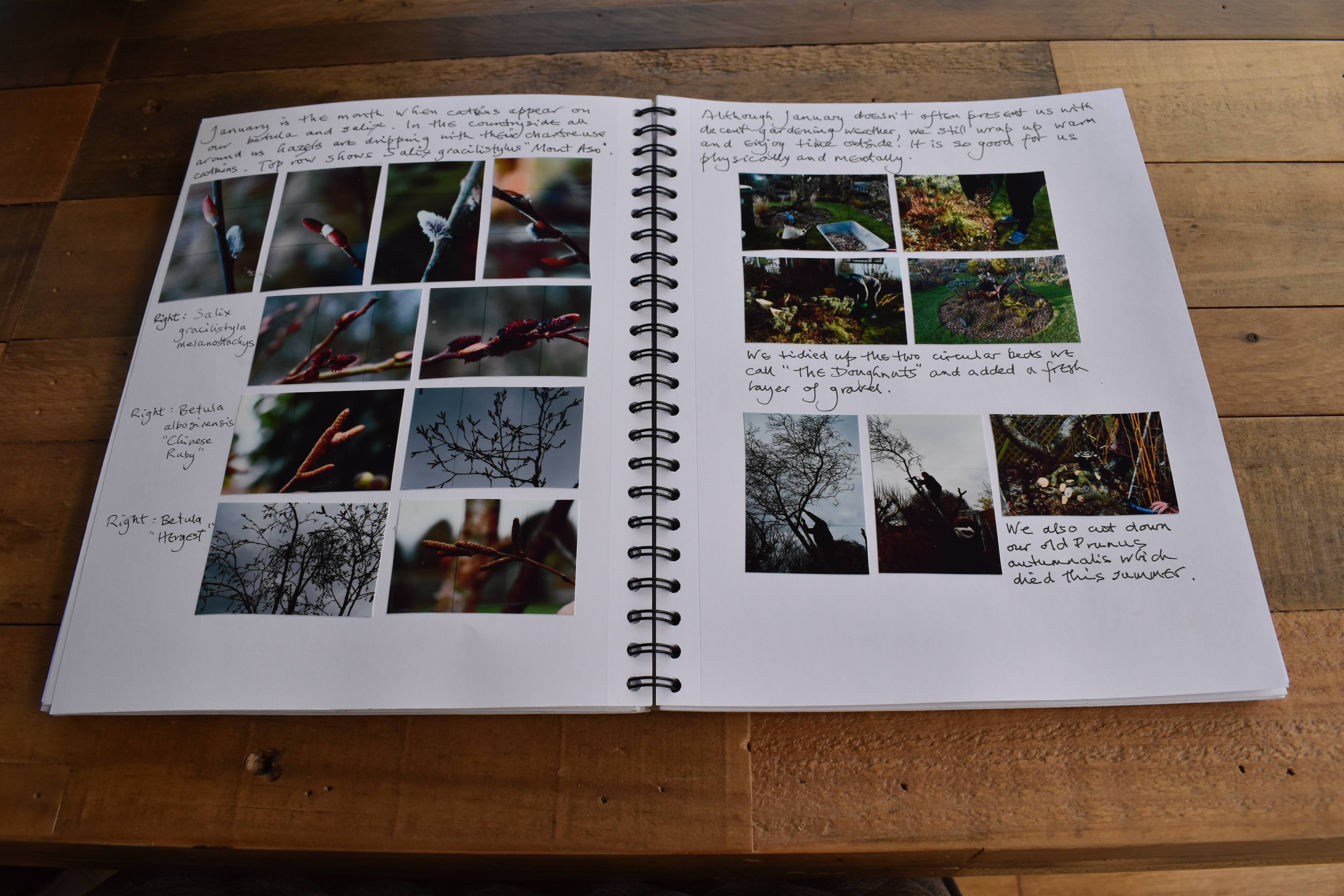
Over the page I feature catkins and on the opposite page I take a look at garden jobs we were involved in.

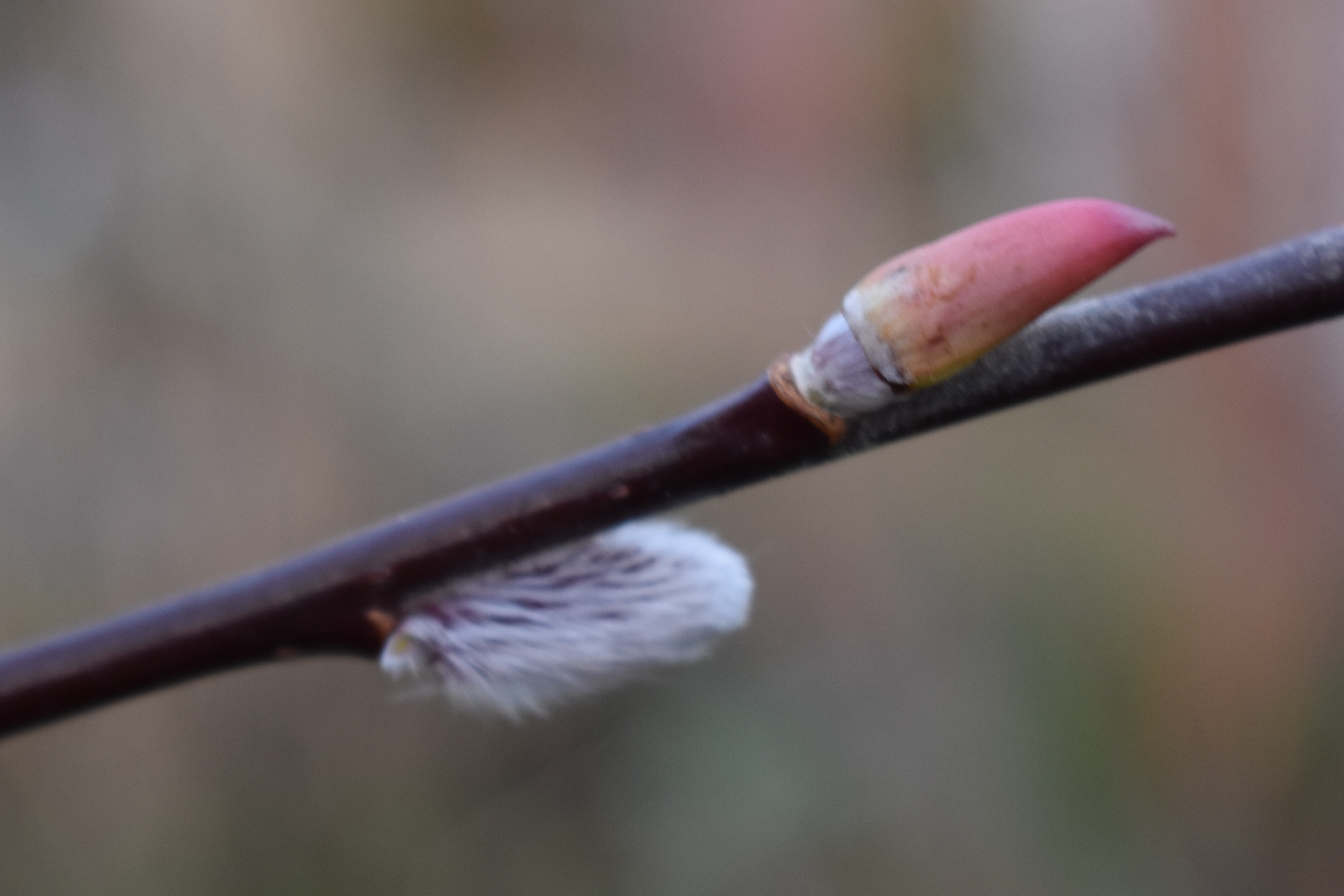
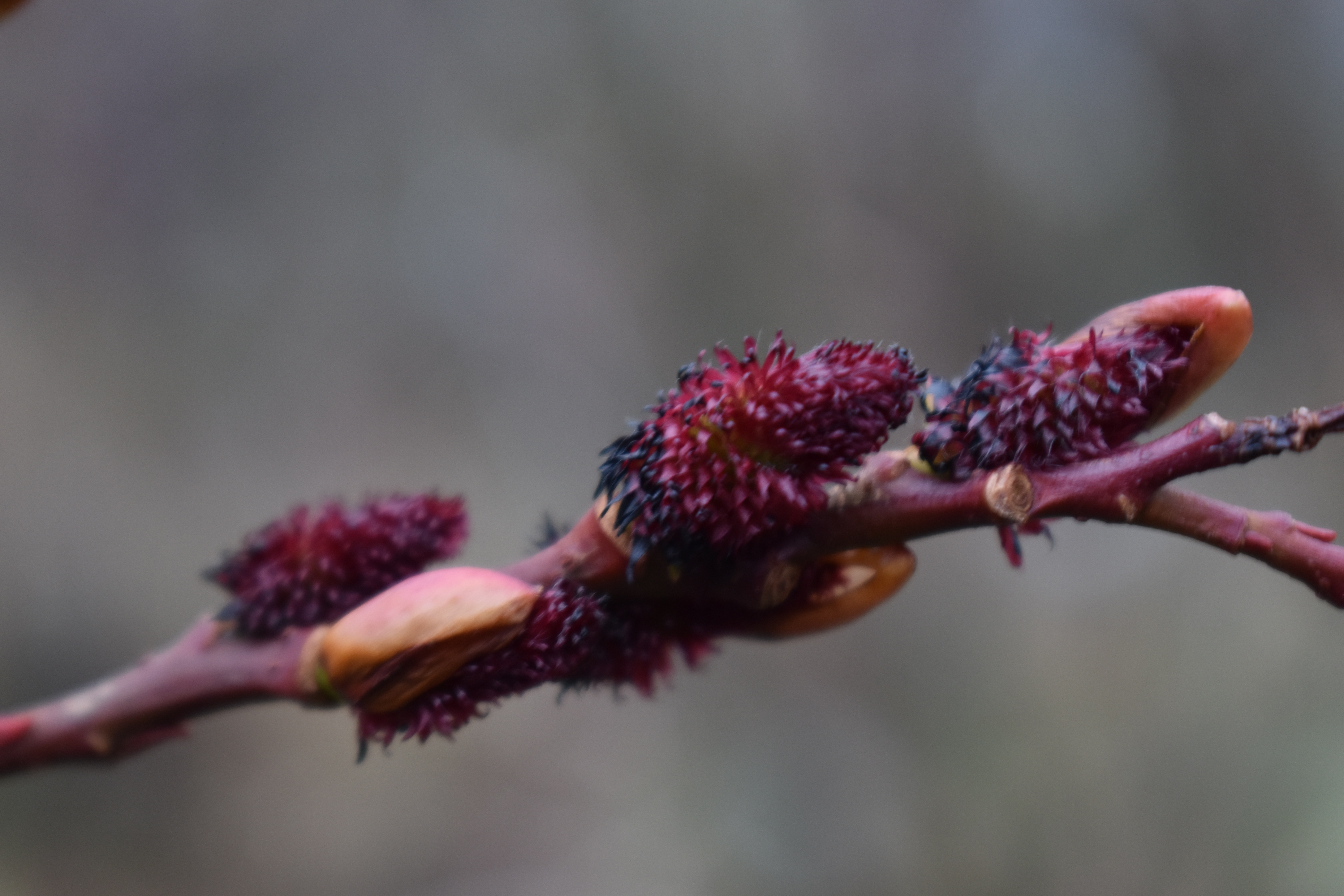
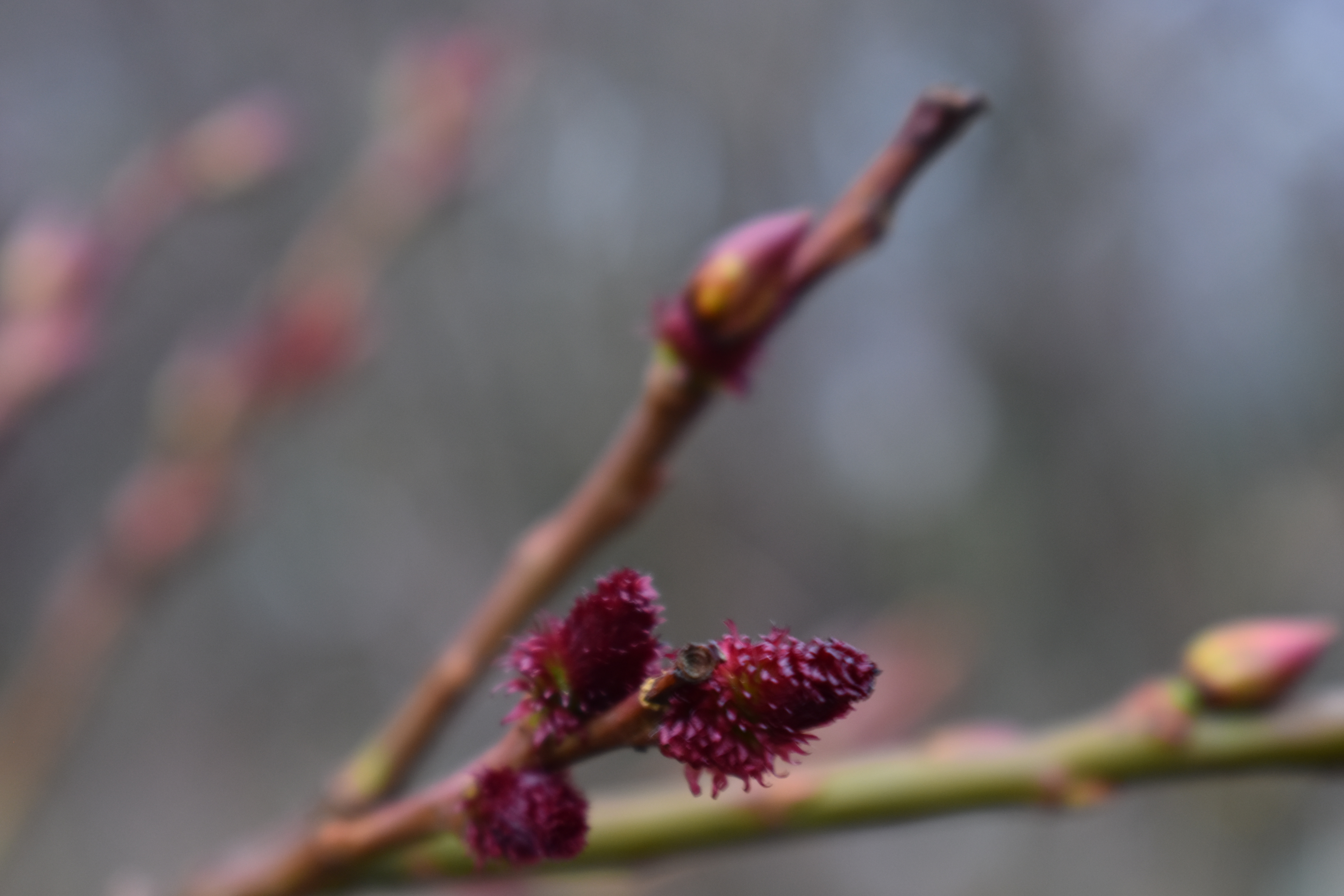
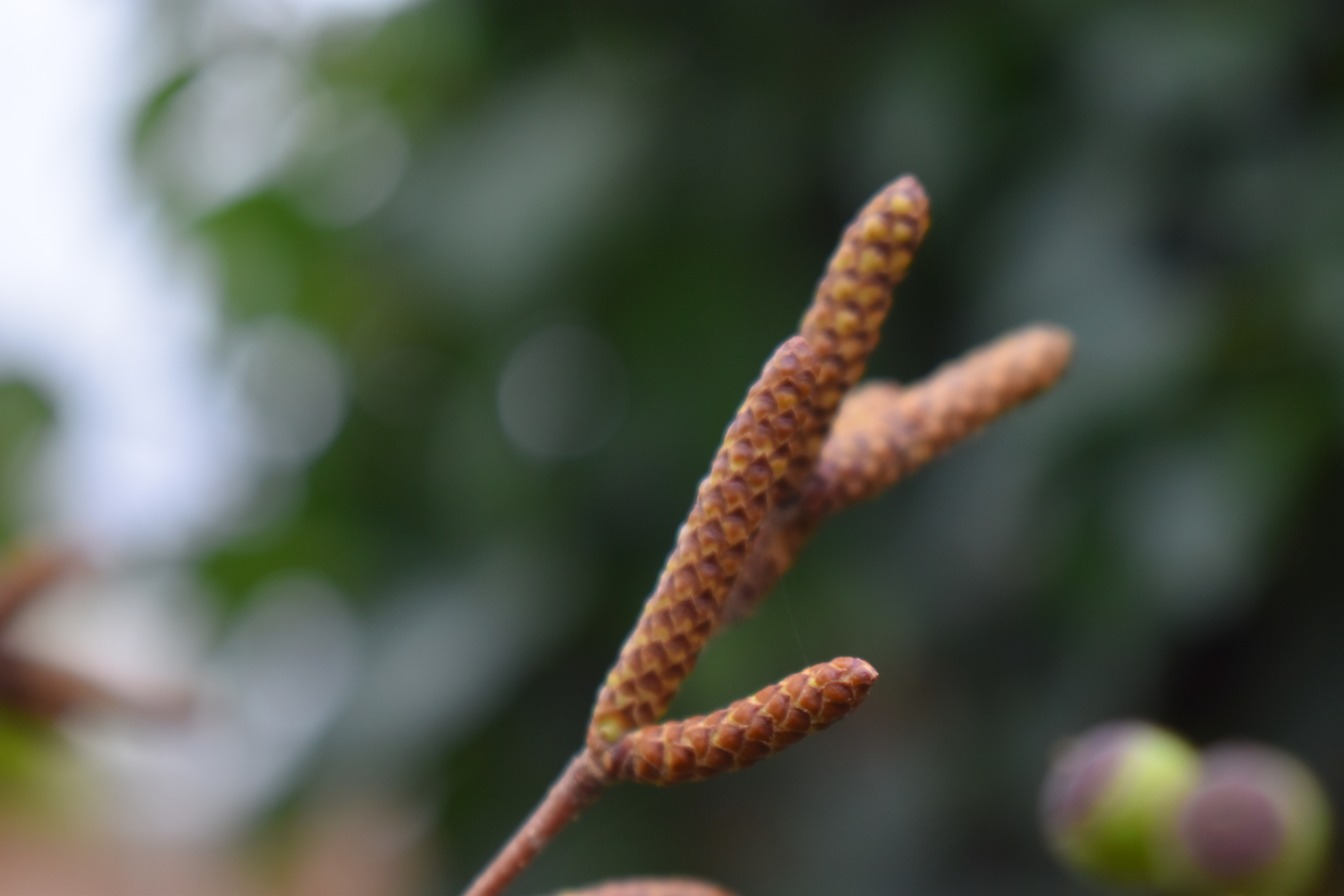
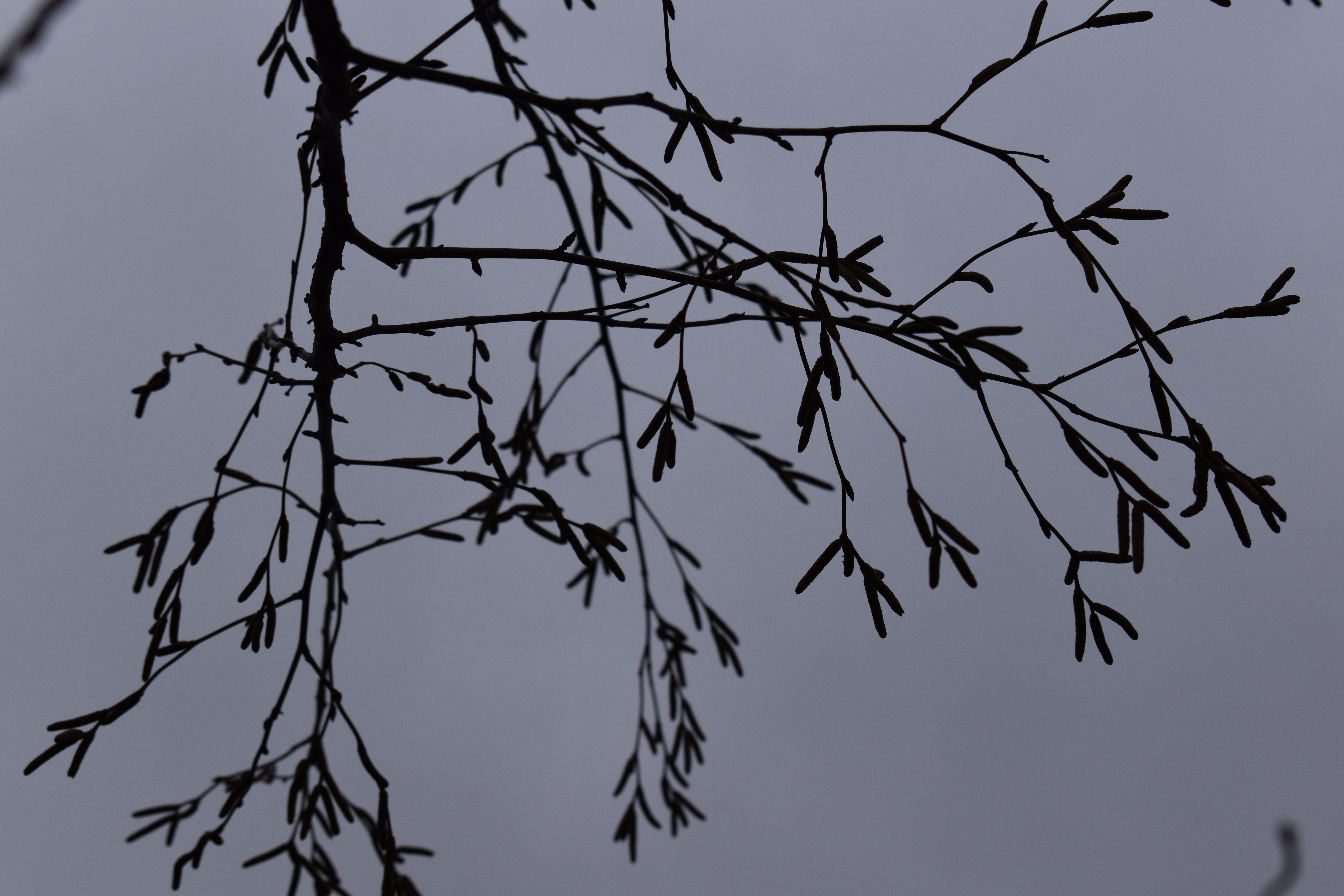
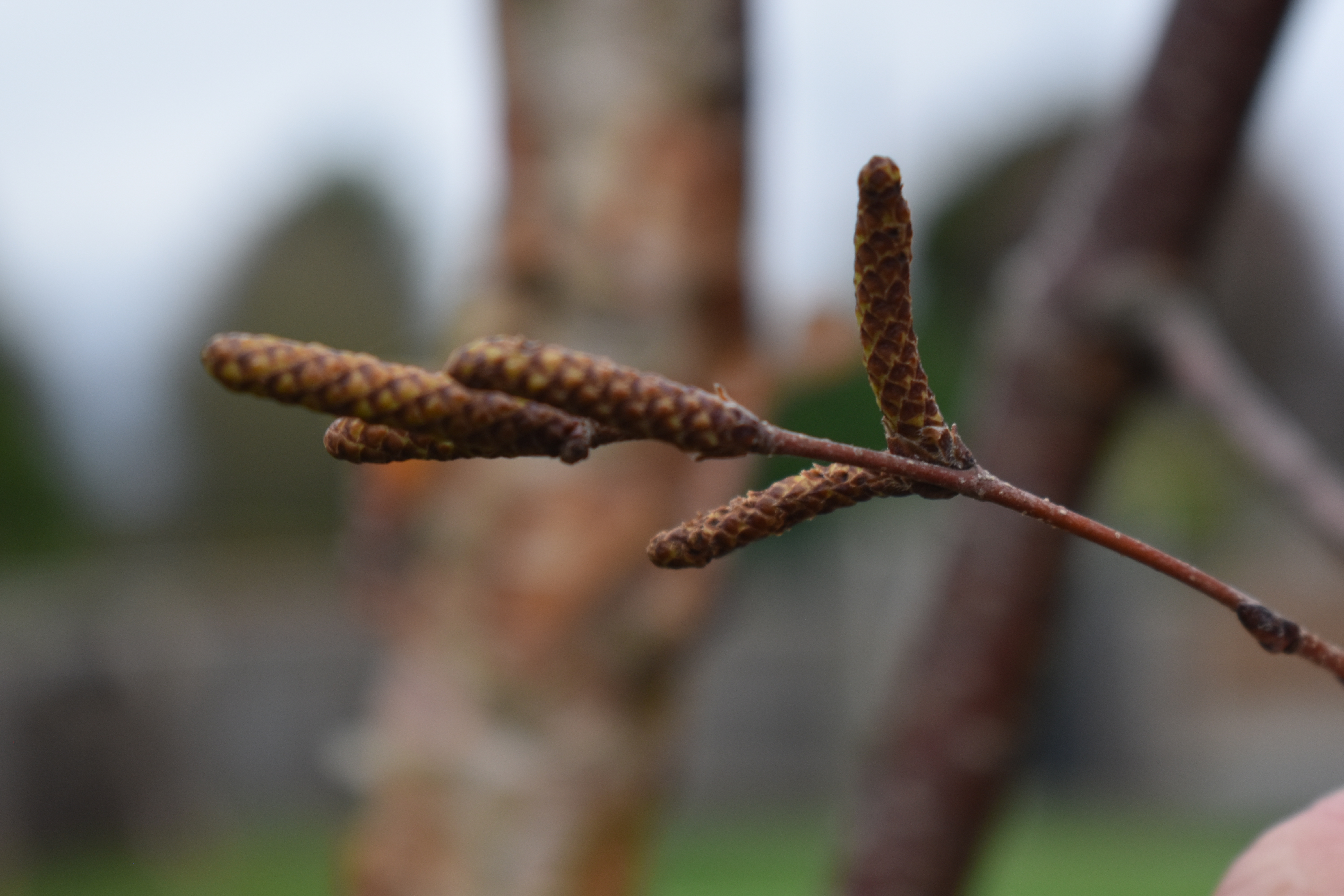
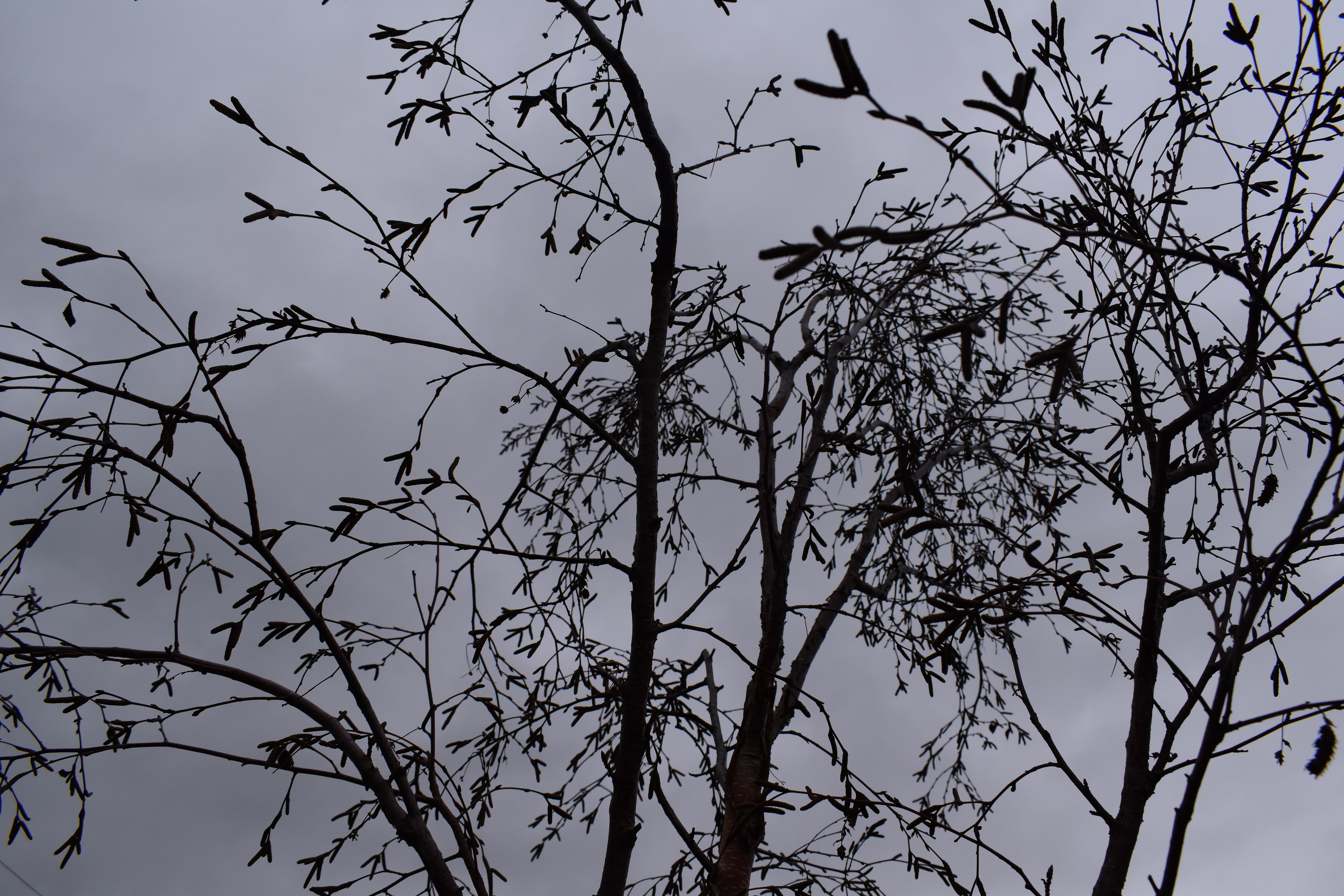
I noted,“January is the month when catkins appear on our betula and salix, birches and willows. In the countryside all around us hazels are dripping with their chartreuse coloured catkins.”

I then shared ten photos of some of our catkins. The top row shows Salix gracilistylus ‘Mount Aso’.

Next I shared two photos of a close relative of ‘Mount Aso’ called ‘Salix gracilistyla melanostachys’.

Then two photos of Betula albosinensis ‘Chinese Ruby’.

I will finish looking at catkins with three photos of another Betula, B. ‘Hergest’.

On the opposite page to these catkins was a page about working in the garden. I noted that, “Although January doesn’t often present us with decent gardening weather, we still wrap up warm and enjoy time outside! It is so good for us physically and mentally.”

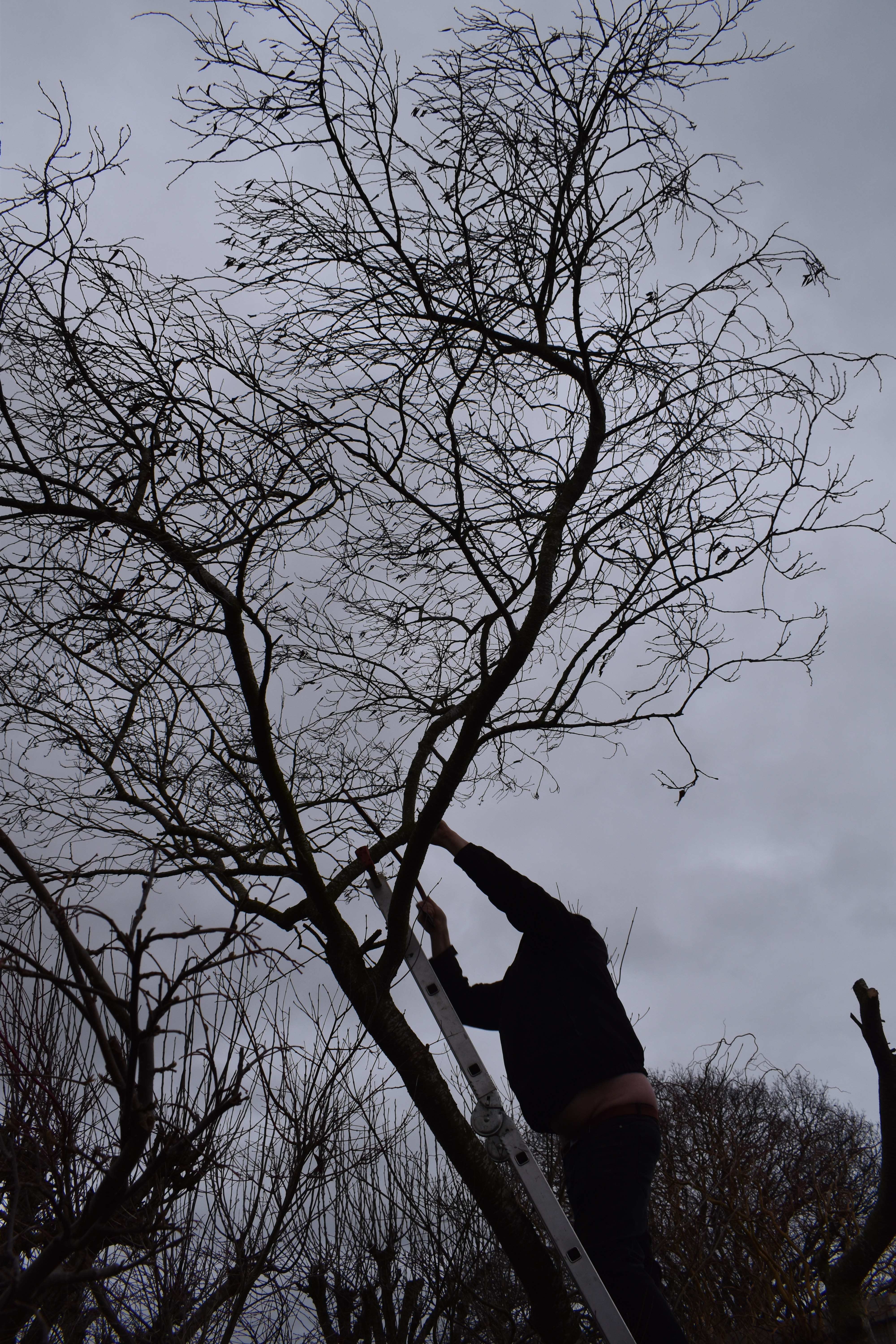
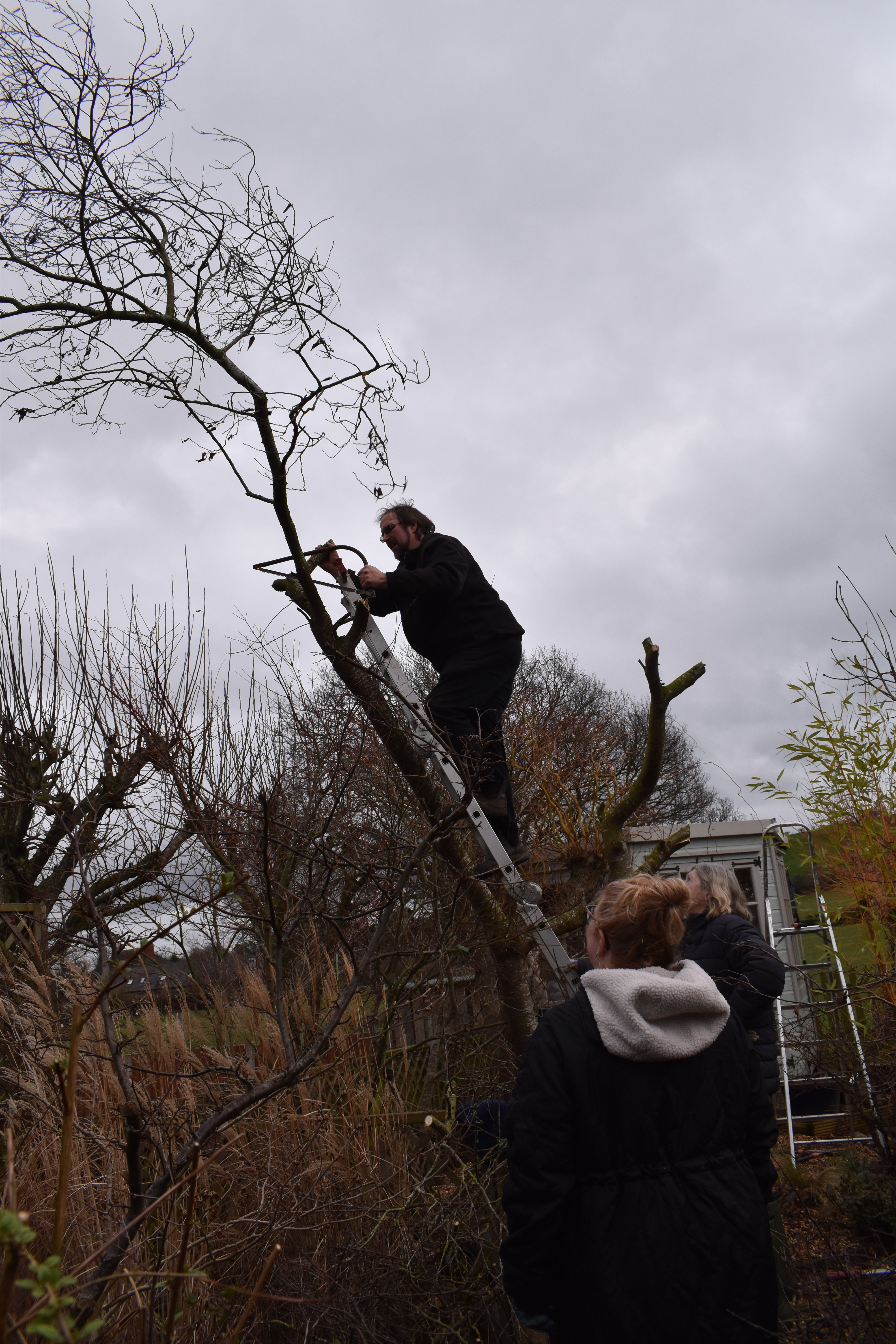
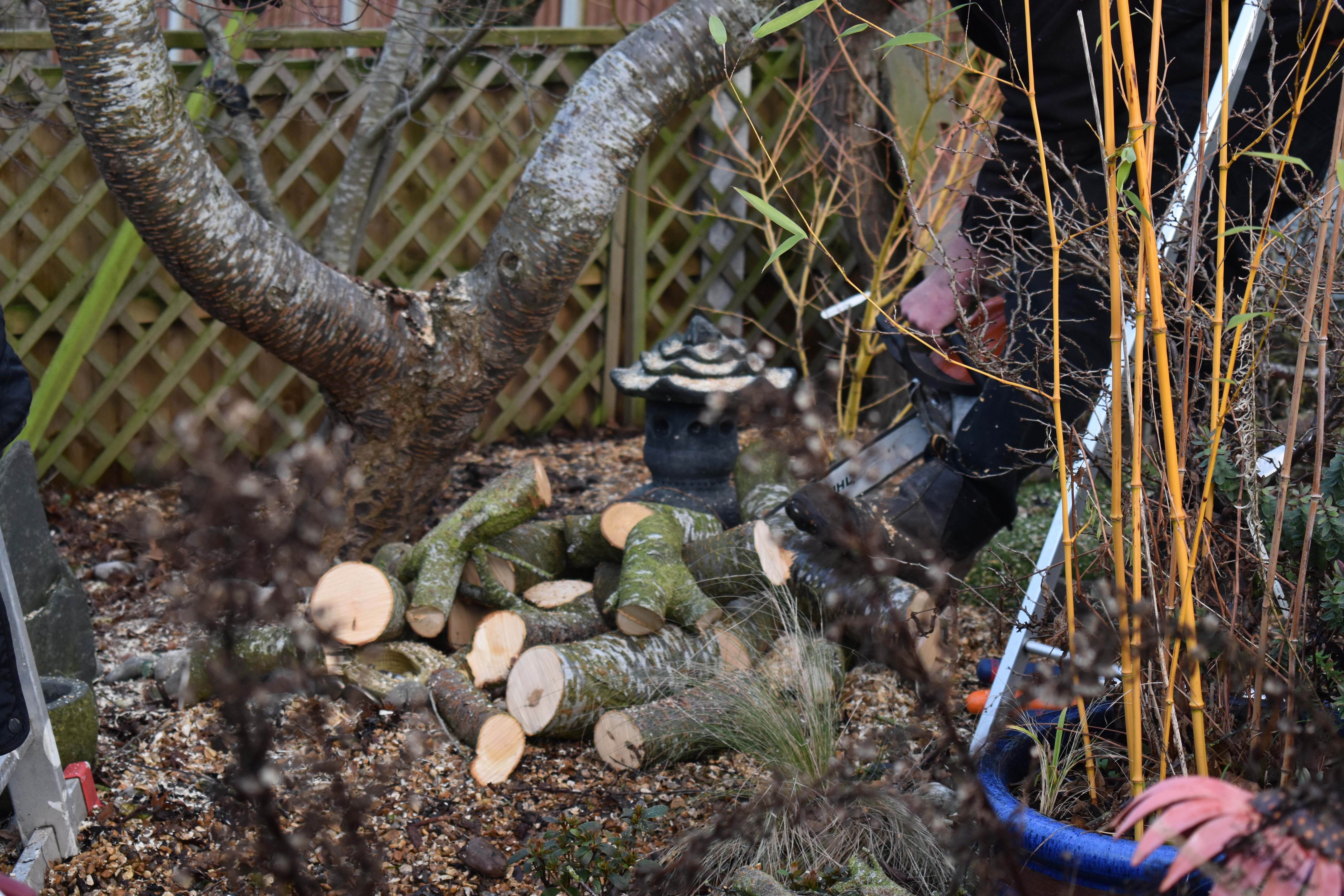
We also cut down our old Prunus autumnalis which had died in the summer. We had our daughter Jo and her partner Ed to do the heavy work.

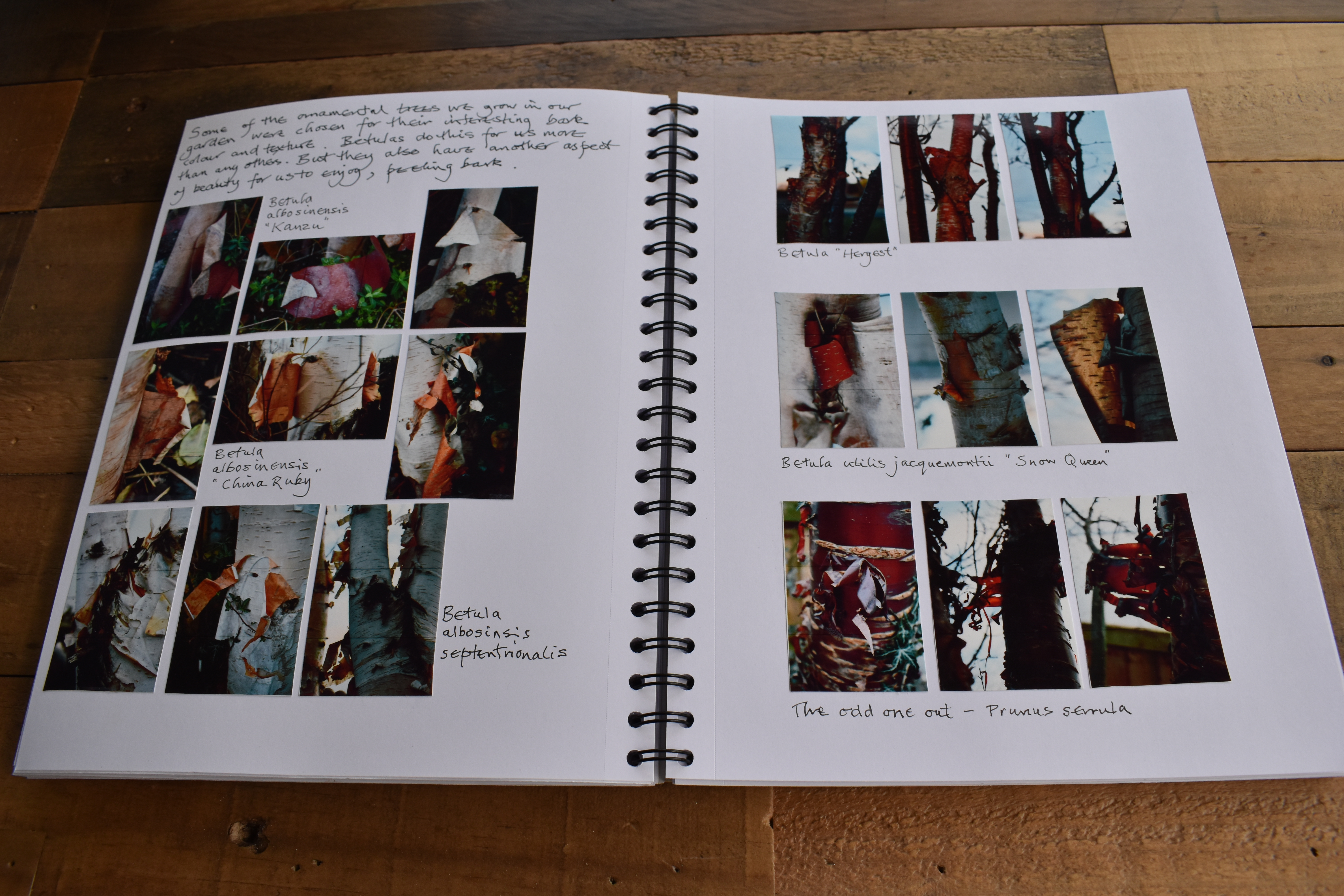
We can now turn over to two pages featuring trees with peeling bark, the first page being all betulas. I noted that, “Some of the ornamental trees we grow in our garden were chosen for their interesting bark, colour and texture. Betulas do this for us more than any other. But they also have another aspect of beauty for us to enjoy, peeling bark.”

Below; Betula albosinensis ‘Kanzu’.

Below; Betula albosinensis ‘China Ruby’

And below; Betula albosinensis septentrionalis

On the opposite page, the penultimate page for this month, I look at another two betulas with peeling bark plus a prunus that does the same.

Below; Betula ‘Hergest’

Below; Betula utilis jacquemontii ‘Snow Queen’

Below; The odd one out – Prunus serrula

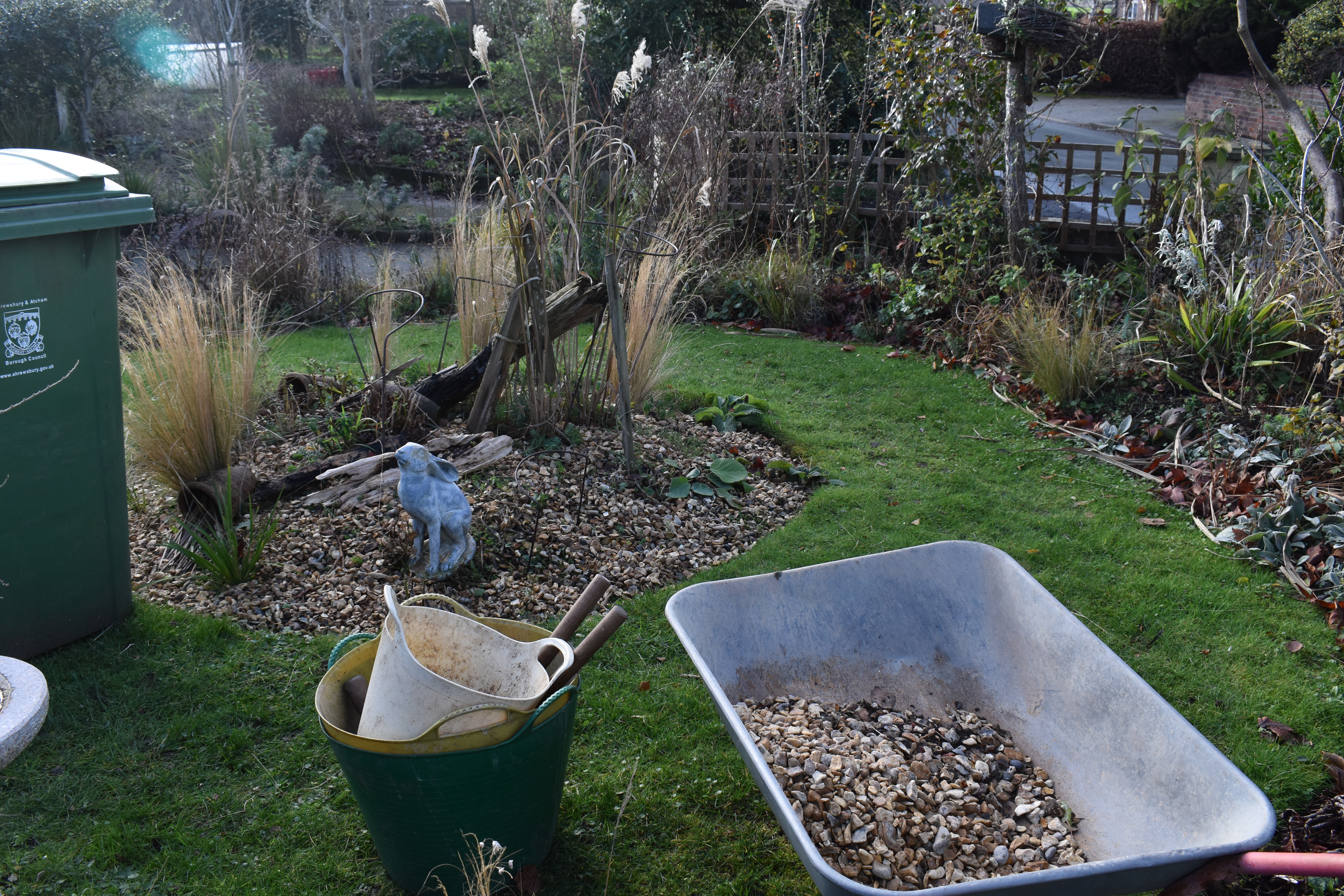
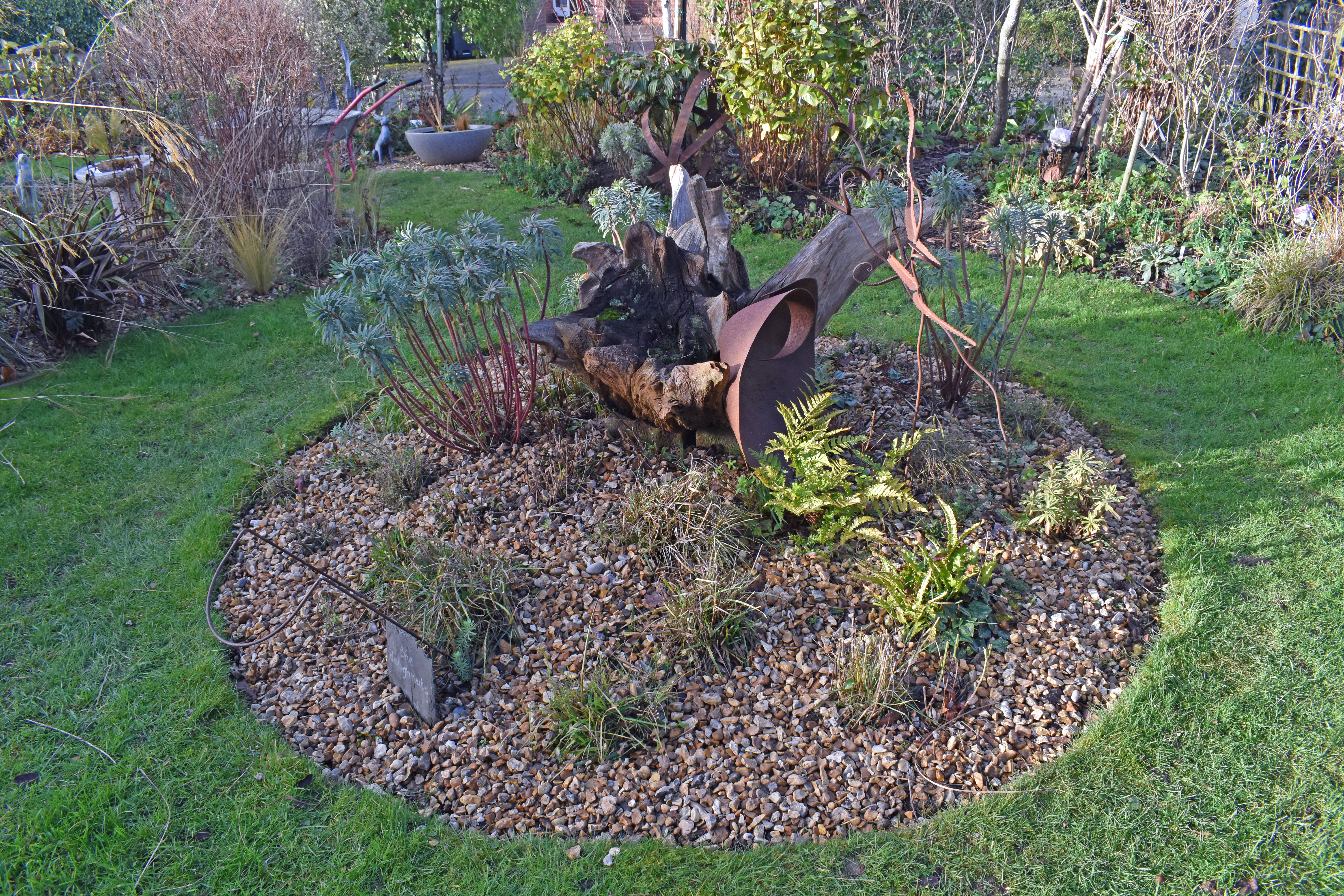
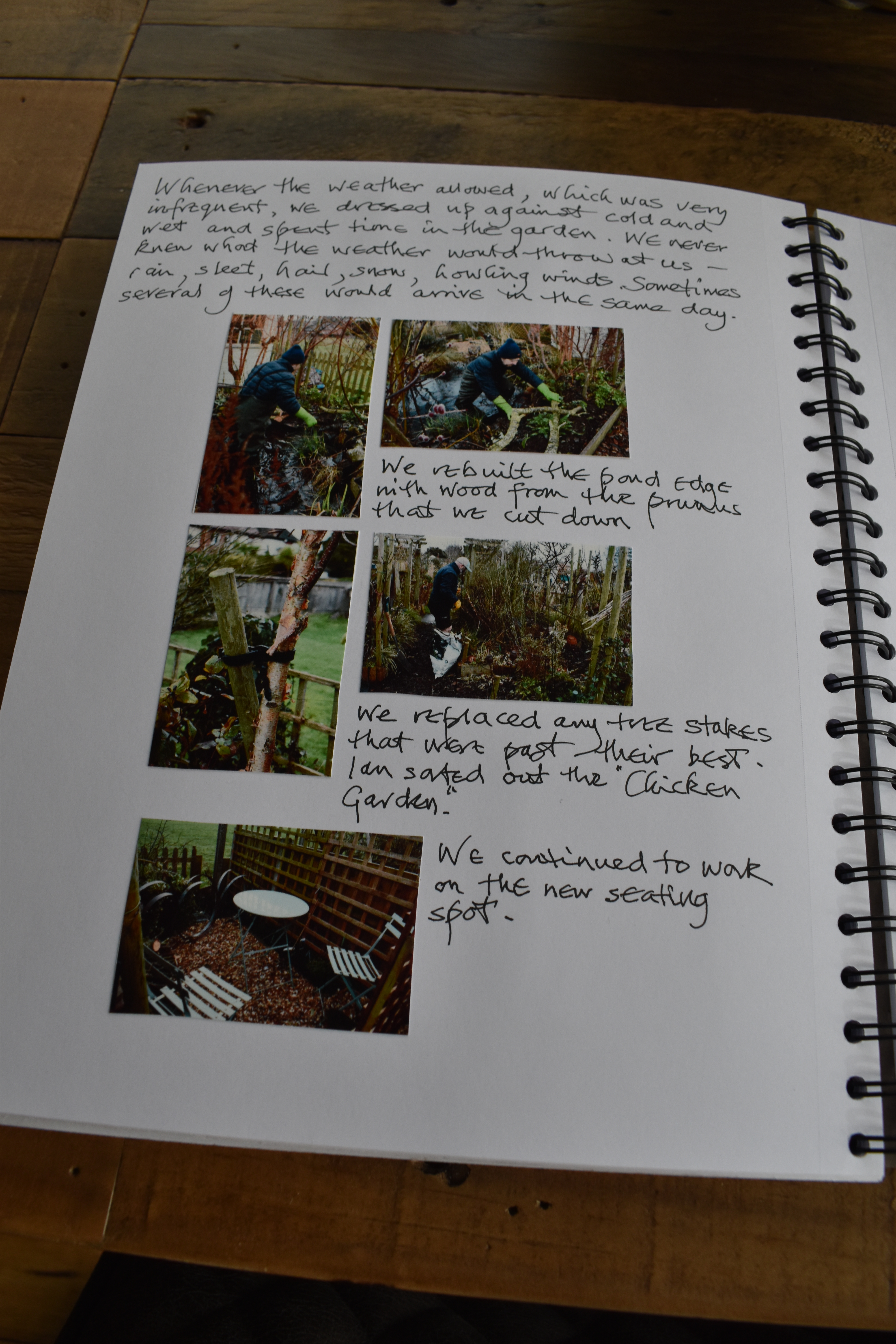
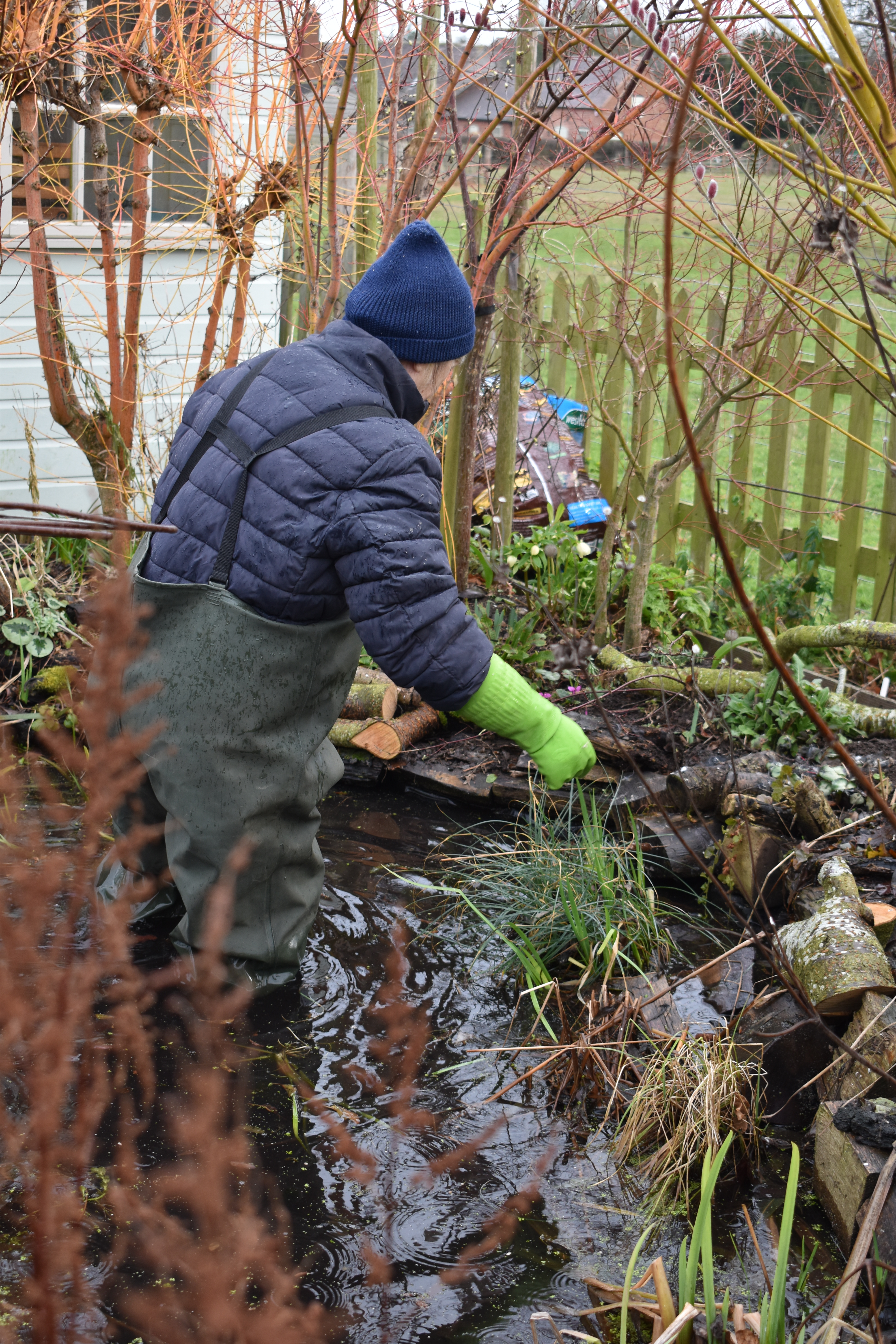
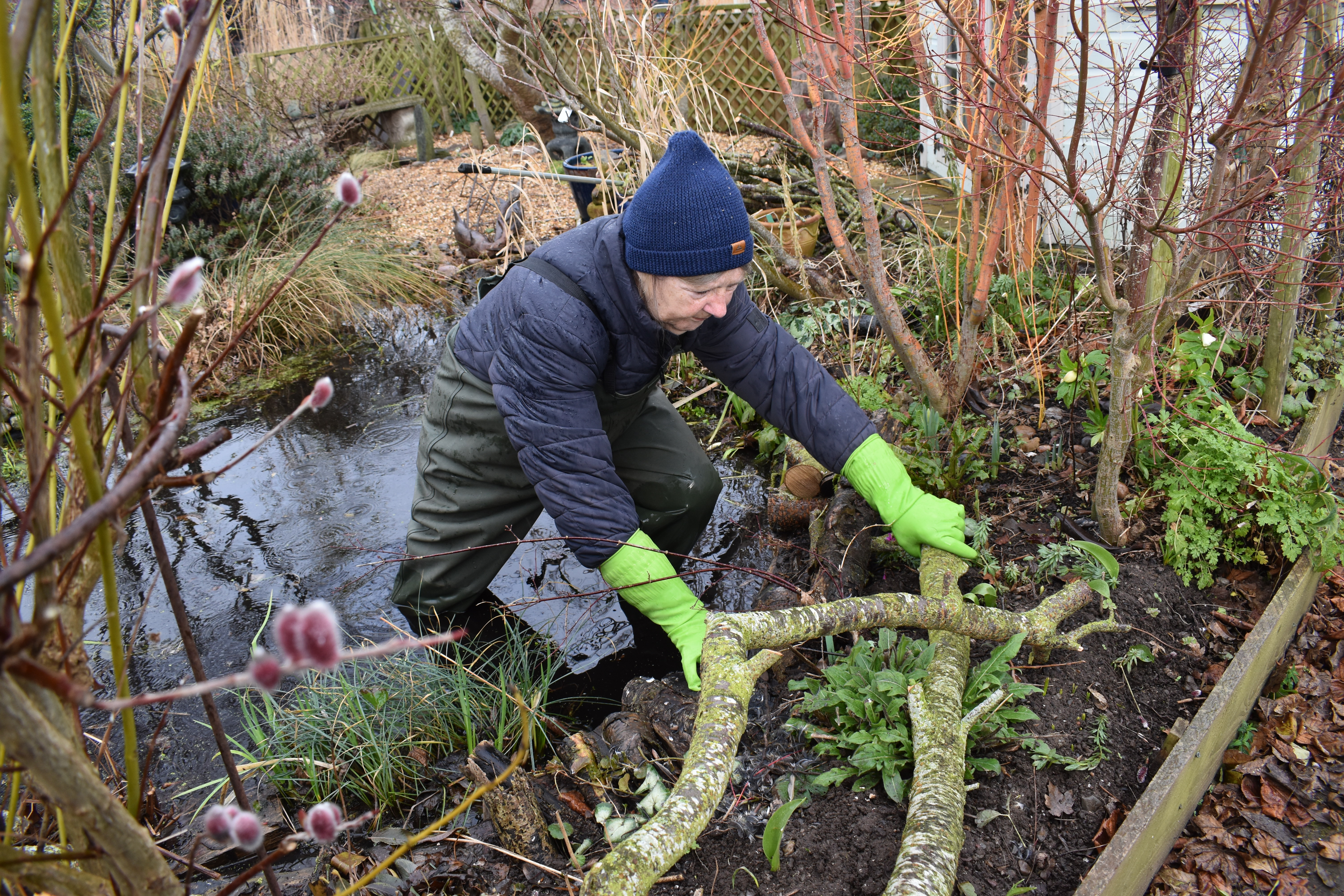
So now we reach the final page for January which features more garden tasks. I noted that, “Whenever the weather allowed, which was very infrequent, we dressed up against cold and wet and spent time in the garden. We never knew what the weather would throw at us – rain, sleet, hail, snow, howling winds. Sometimes several of these would arrive on the same day.

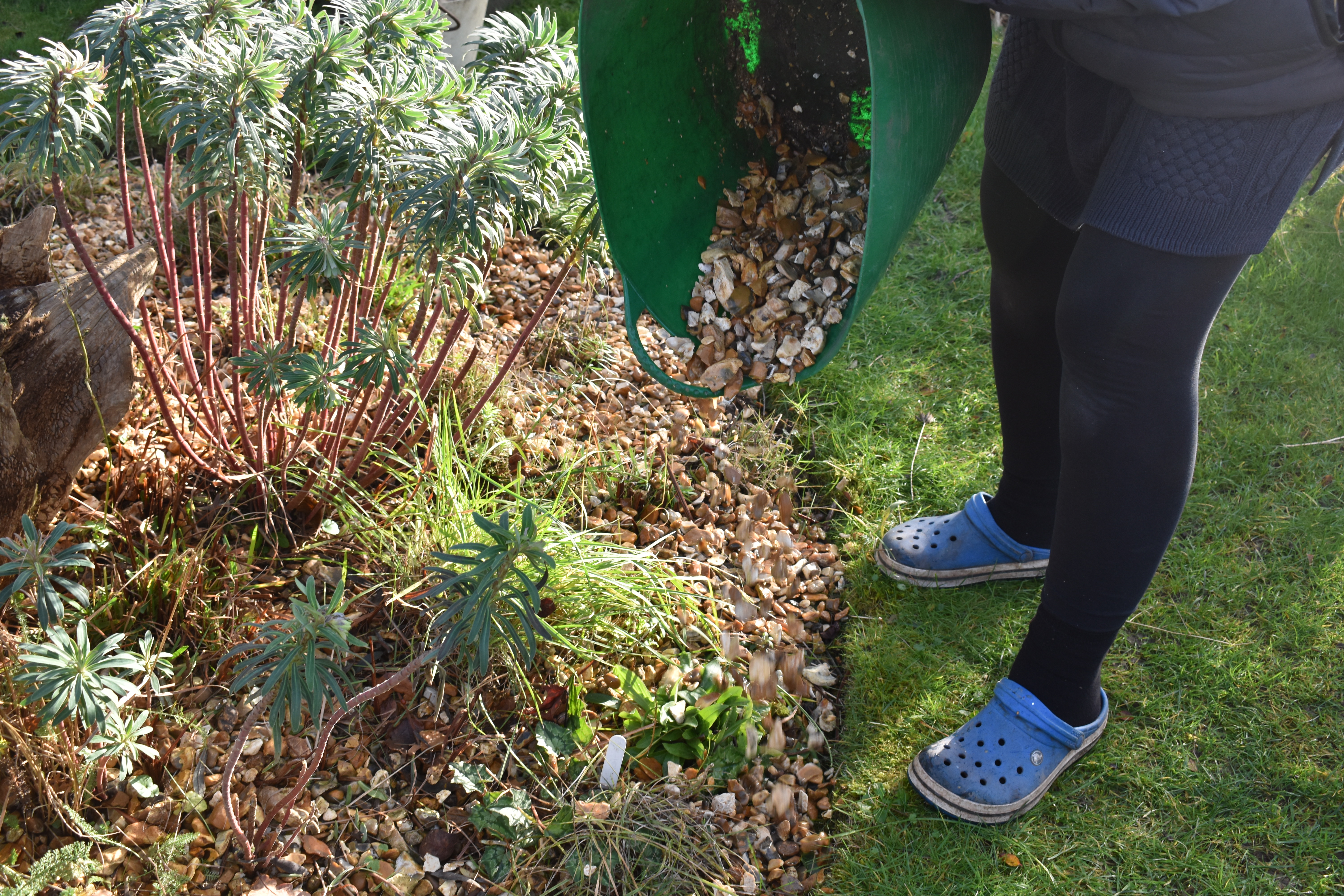
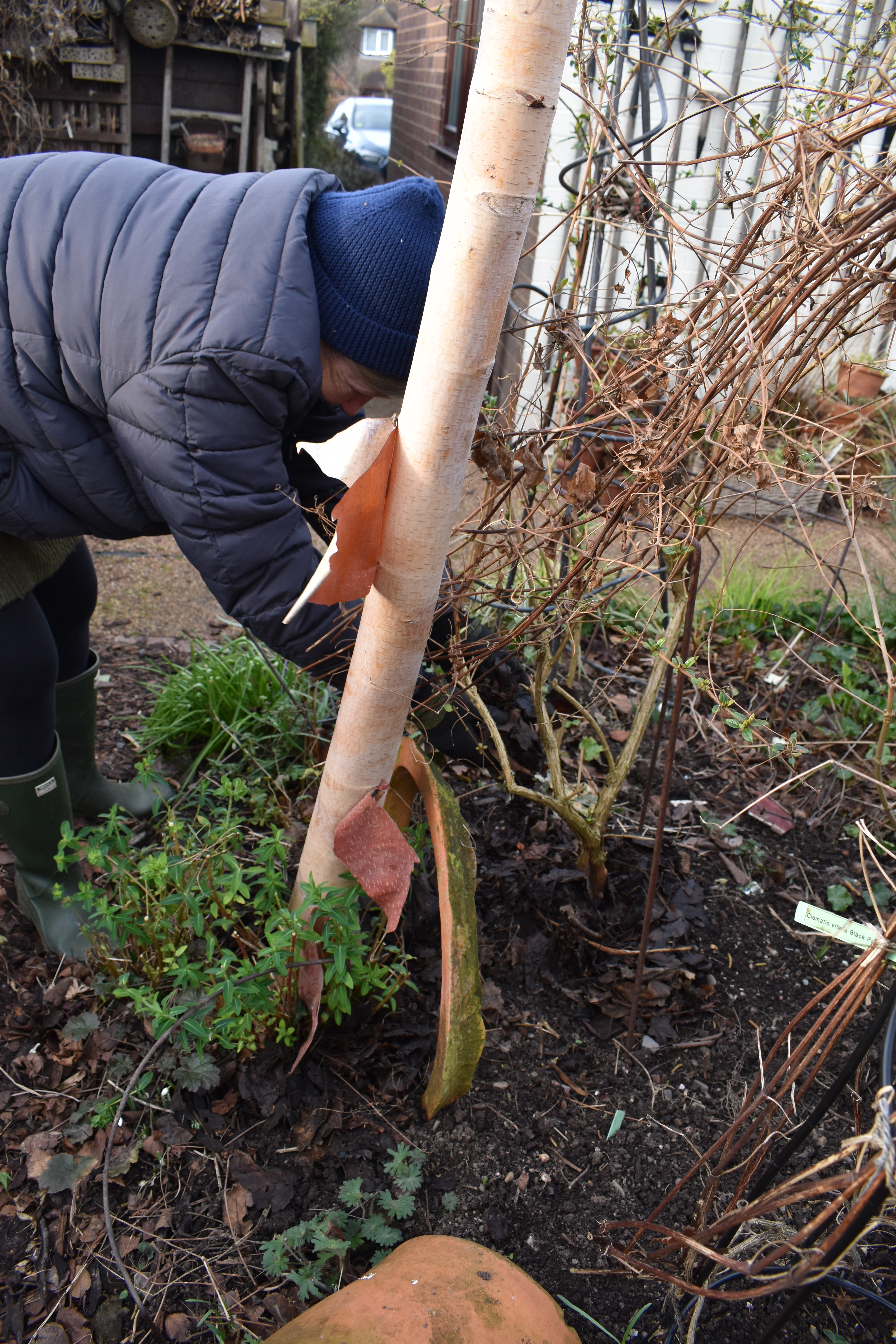
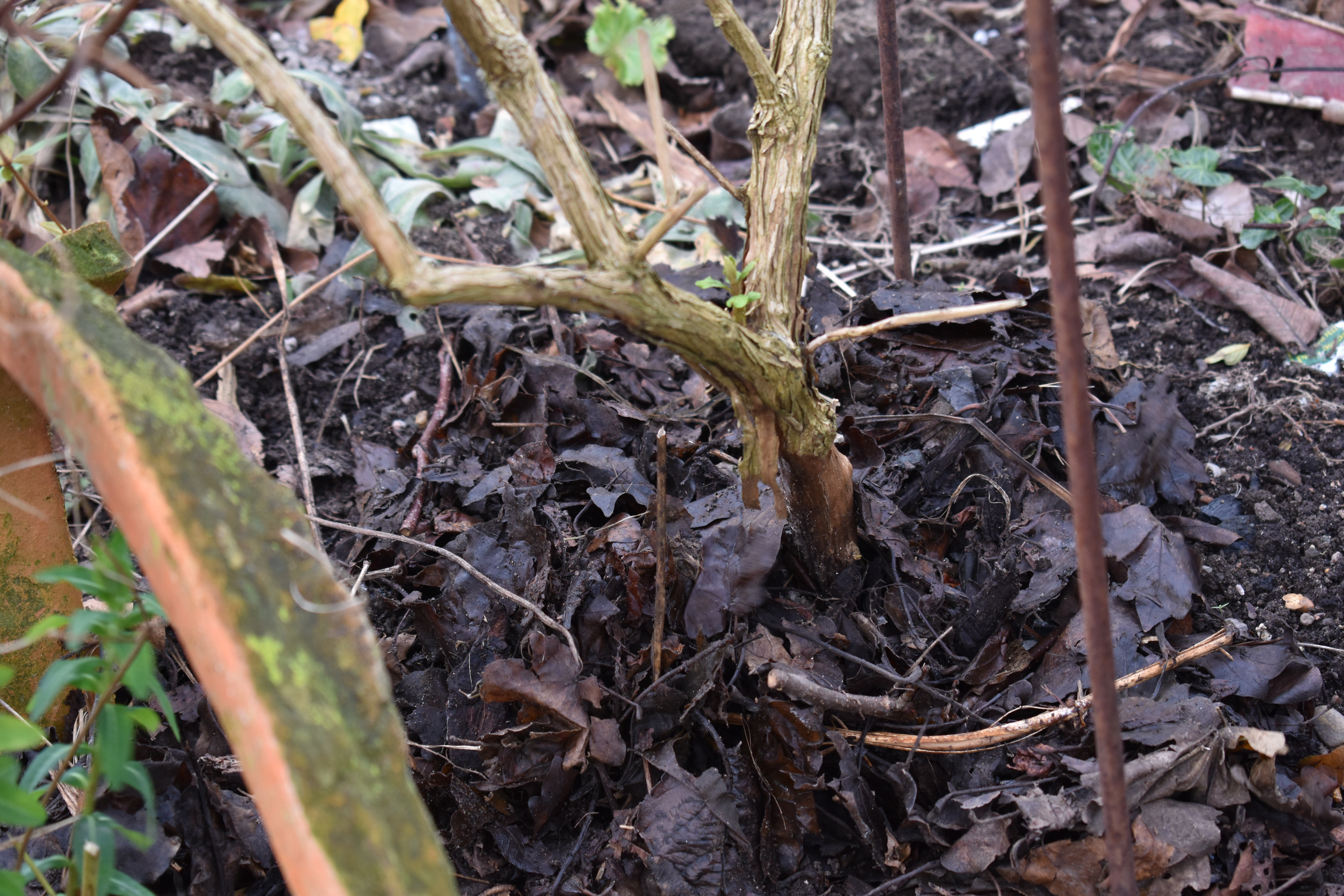
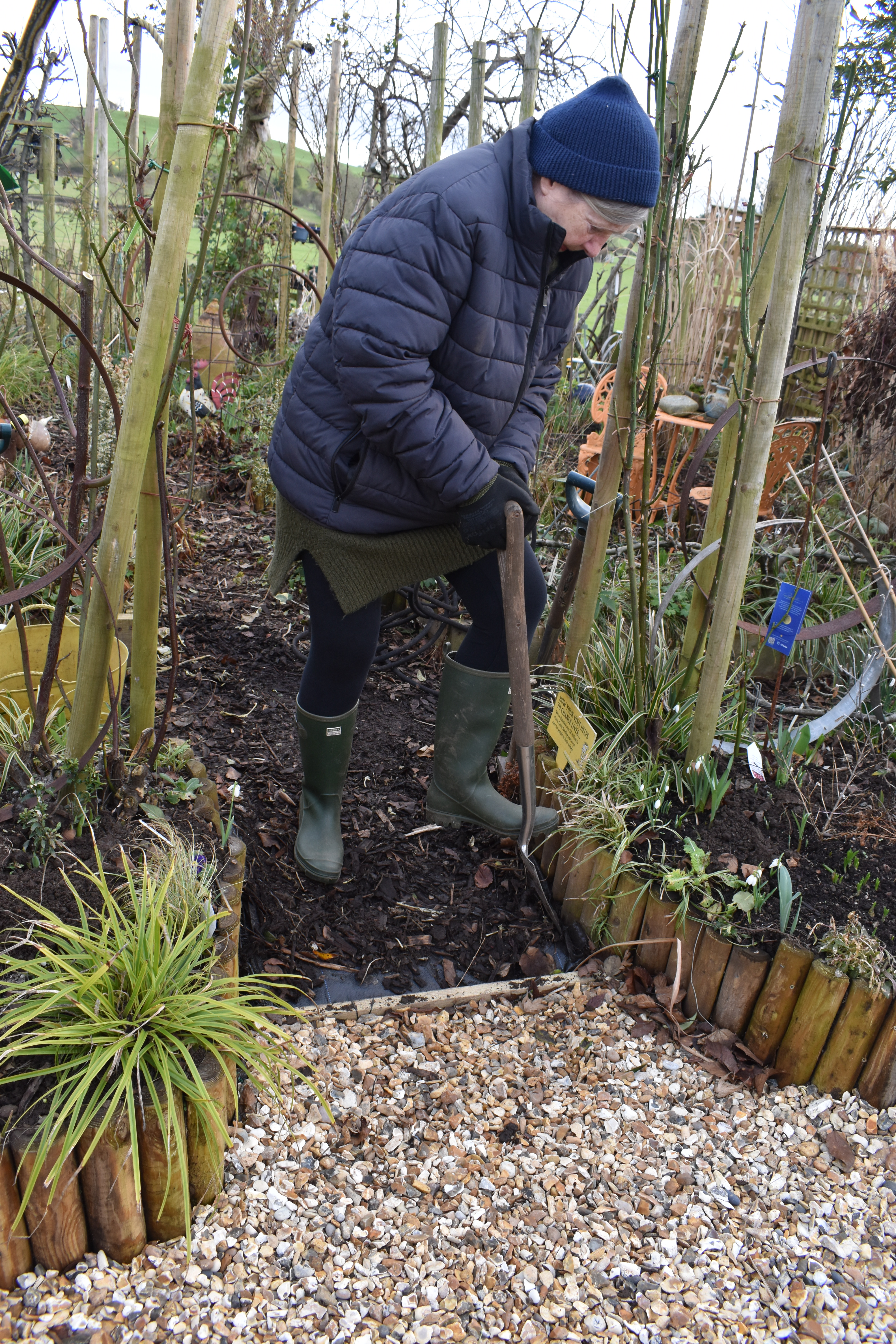
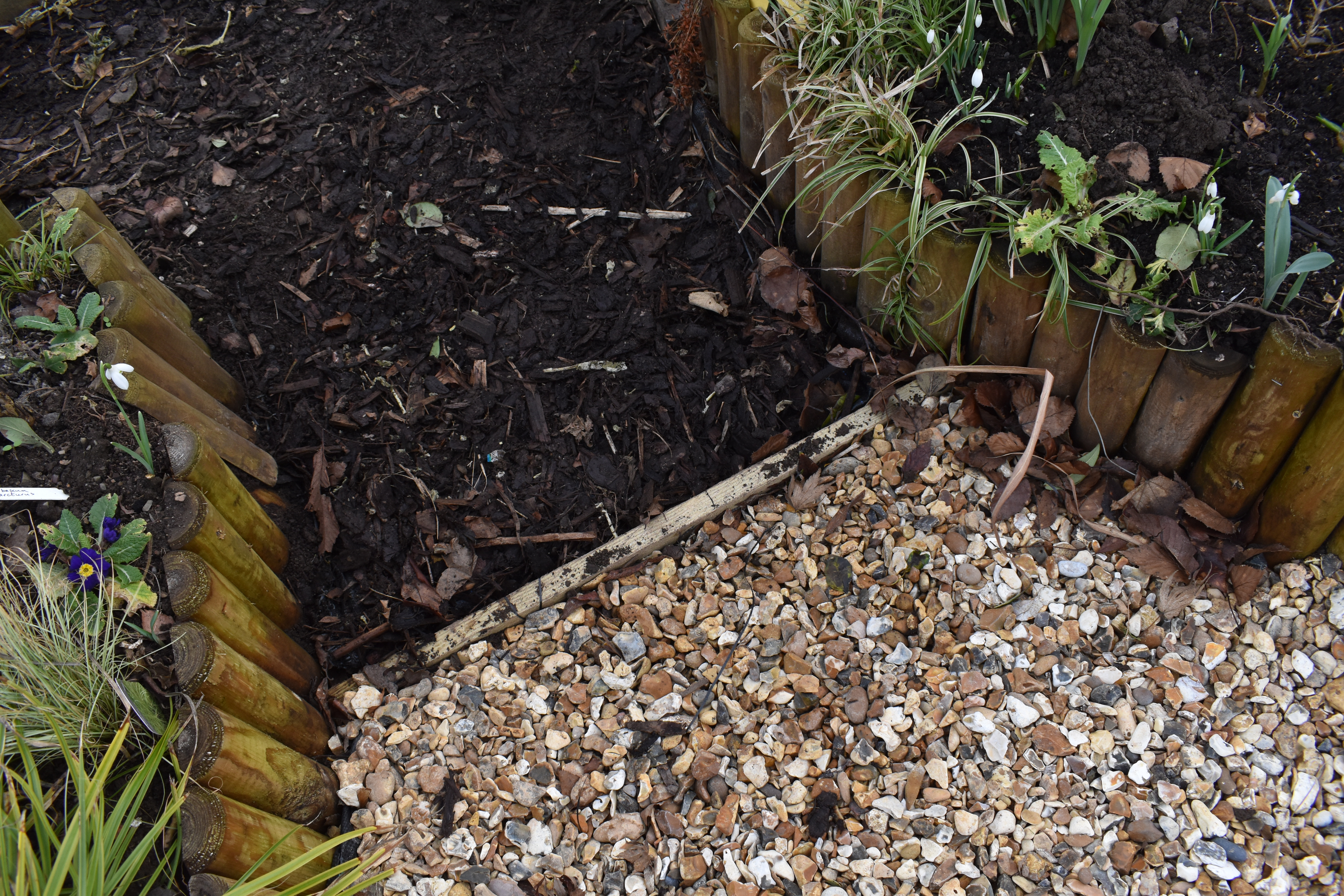
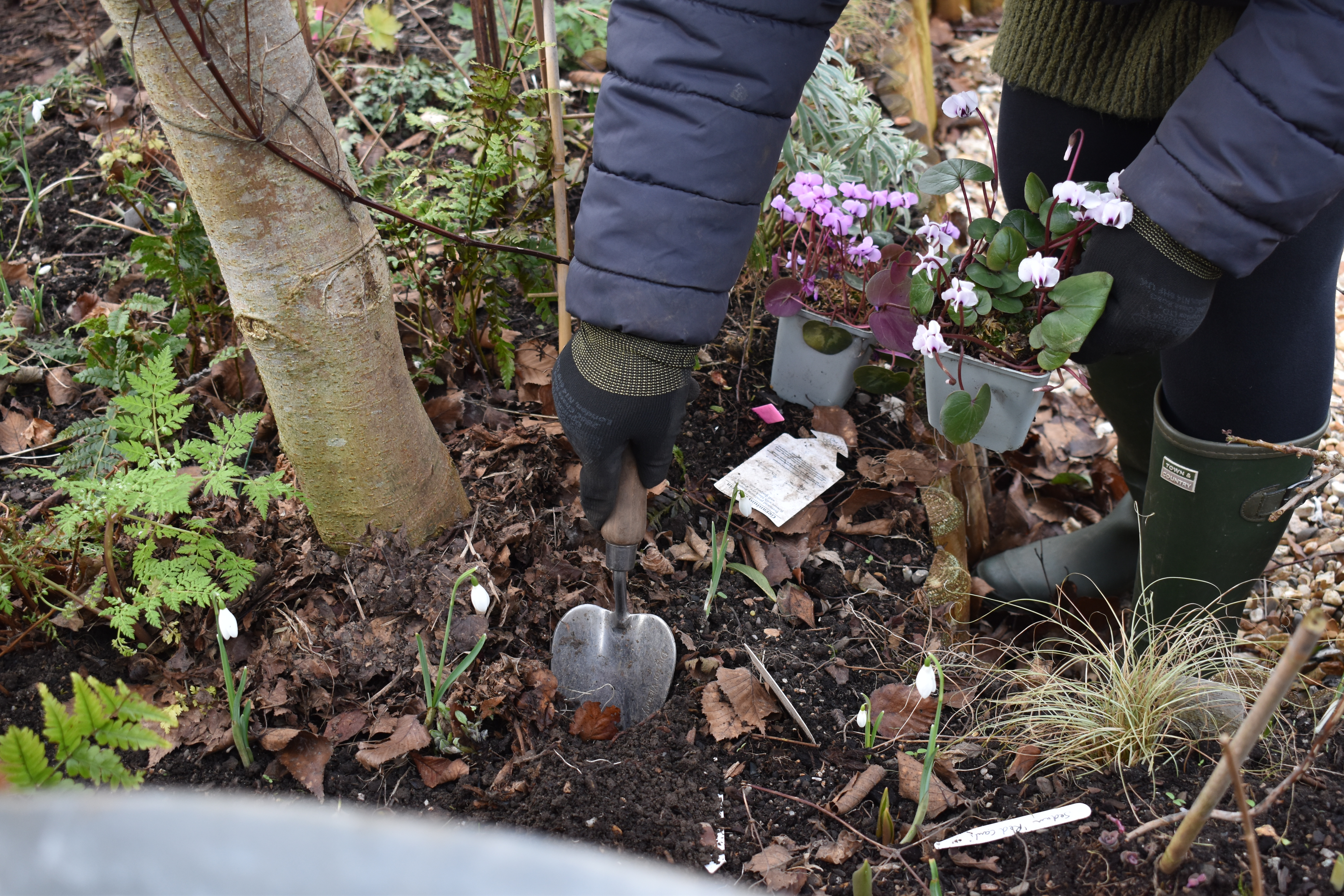
We top dressed trees with shredded autumn leaves and finished off the board between the bark path and the gravel of the new eating area.

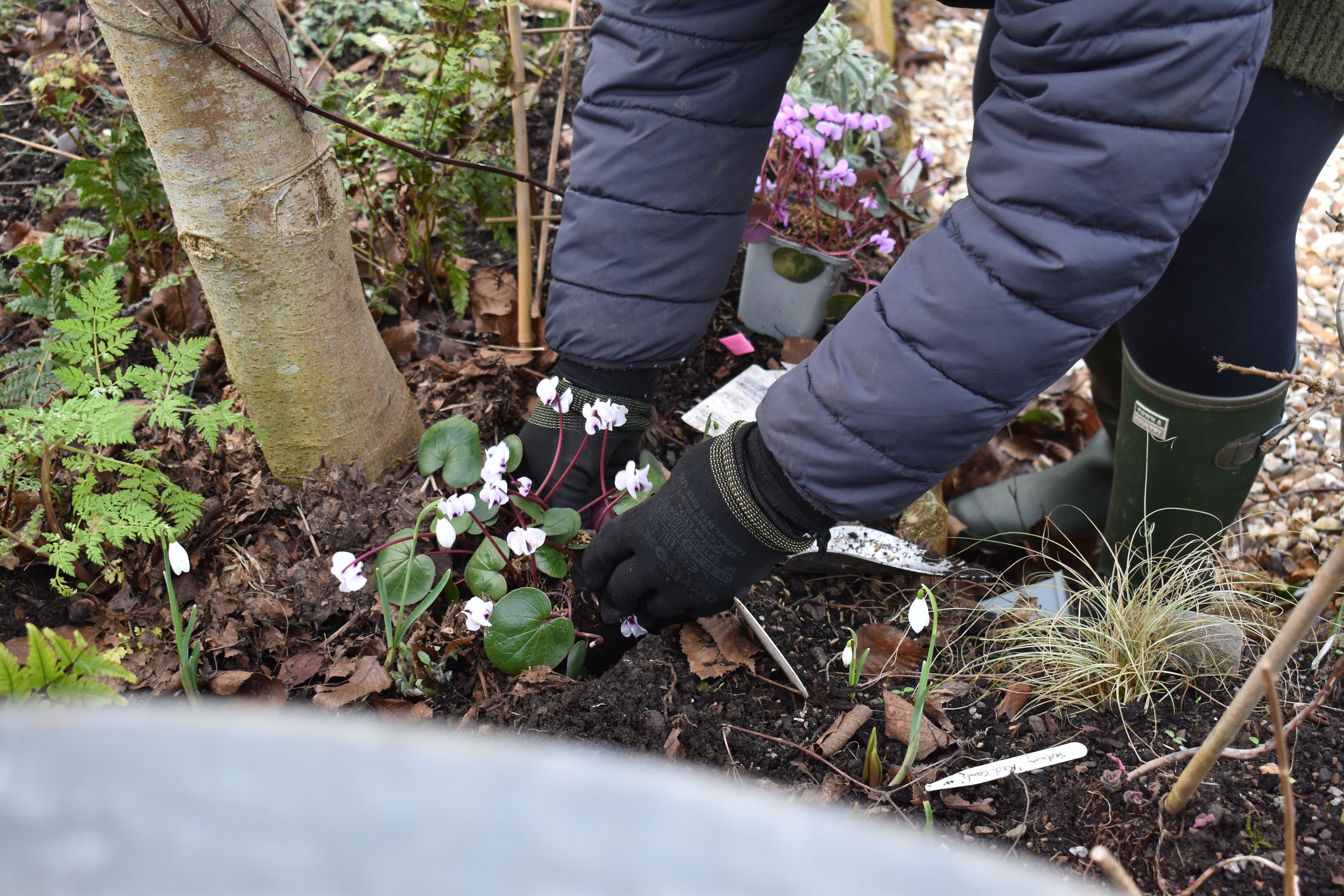
Jude planted some beautiful cyclamen given to us by gardening friends who came for lunch.

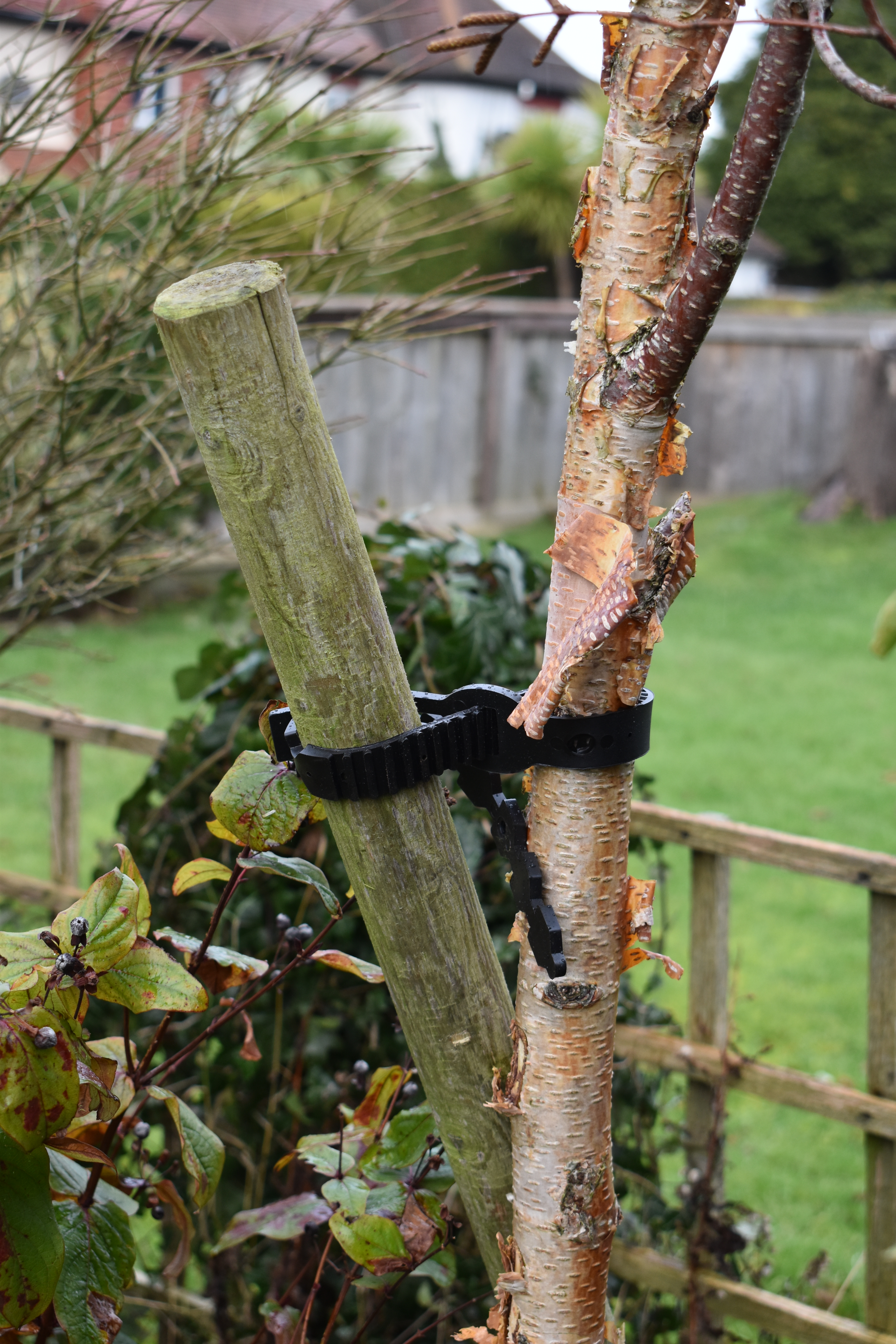
Ian cut down perennials in the Chicken Garden and we checked all tree stakes and ties.

All too soon January came to an end but hopefully it has taken the rotten weather with it.
This Veggie Life

A Vegetarian | Nature Lifestyle Blog

Rambling in the Garden

.....and nurturing my soul

The Arch City Gardener

Journeys In St. Louis Gardening and Beyond
Garden Dreaming at Châtillon

Consult the genius of the place

Storyshucker

A blog full of humorous and poignant observations.
gardeninacity

Notes from a wildlife-friendly cottage garden

PlayGroundology

...an emerging social science

The Official Blog of British Wildlife

'The most important and informative publication on wildlife of our times' - The Independent. This blog is a member of The UK & Ireland Natural History Bloggers group: www.uknhb.blogspot.com
iGrowHort

Inspire - Cultivate - Grow Native Plants - Restore Landscapes

Bishops Meadow Trust

To create and protect a semi-natural wild space for the people of Farnham to enjoy and experience an array of British wildlife in our town

Gardening with Children

The www.gardeningwithchildren.co.uk Blog

UKbirdingtimeline

birding through the seasons, why birds matter and how to conserve them

NATURE WALKER

with a camera in hand

Jardin

Transform your outdoor space

Eva's space

My allotment, cooking and other interests

Old School Garden

my gardening life through the year

LEANNE COLE

Trying to live a creative life

fromacountrycottage

trying to live as lightly as possible on our beautiful planet

Good Life Gardening

Nature lovers from Leicester living the good life.
mybeautfulthings

Finding the beautiful in the everyday

mawsonmichelle

Michelle's Allotment

In and Out of My Garden

thoughts from and about my garden

Greenhousing

Big plans for a small garden

The Scottish Country Garden

A Walled Country Garden in South East Scotland

The Fruity Chicken

Life at the fruity chicken

willowarchway

Off grid living. Self sufficient. "PERMAGANICS RULE".

St Anns Allotments

Nottingham's Grade 2* Listed Allotments and Community Orchard

Manifest Joy Harvests

a journey in suburban vegetable gardening

Allotmental

The madness of growing your own

Penny's Garden: a harvest beyond my front door

A novel approach to vegetable gardening

arignagardener

Sustainable living in the Irish countryside.

NewEnglandGardenAndThread

Master Gardener, amateur photographer, quilter, NH native, and sometimes SC snowbird

dianajhale

Recent work and work in progress and anything else that interests me

planthoarder

a chaotic cottage gardener

Lens and Pens by Sally

a weekly blog that creates a personal philosophy through photographs and words

Dewdrops and Sunshine

Stories from a sassy and classy Southern farmbelle.

The Pyjama Gardener

Simple Organic Gardening & Seasonal Living

gettin' fresh!

turning dirt into dinner

JOY...

today the world is created anew

Garden Birds

Notes from a Devon garden

ShootAbout

Life Through The Lens

Adapting Pixels

A photography blog showcasing the best photography pictures and videos on the internet

Wildlifegardening's Blog

Just another WordPress.com site

naturestimeline

personal observations from the natural world as the search continues for a new approach to conservation.

LATEBLOOMERBUDS

The Wonders of Life through my Eyes, my Heart, my Soul