Over the years we have visited “The Secret Hills Discovery Centre” many times as it is just a half hour drive away, down the A49 road through our picturesque Shropshire scenery.
Our visits were interrupted by the covid lockdowns and we still haven’t got back into the swing of visiting. But in January 2024 we decided to start visiting once again. The day we chose was dark and overcast and the threat of rain followed us around. Naturally we began our visit with an excellent cup of coffee.

The building housing the Secret Hills Discovery Centre is of a unique design based on the yin and yang symbol. It was unusual when constructed as it boasted a green roof featuring a meadow. The border close to the building is a butterfly garden, with outdoor seating area for the cafe alongside.
After walking away from the centre we went through a gateway made to look like mammoth tusks. This is a reference to one of the reasons the centre came into existence in the first place. A complete mammoth skeleton was discovered in a quarry just outside Shrewsbury at Bayston Hill. Since being built the centre has housed a large mammoth display. The centre was originally owned and run by the Shropshire County Council but they bowed out as a money saving decision in reaction to Government cuts. It is now run far more efficiently by a local charity, “Grow, Cook, Learn”.

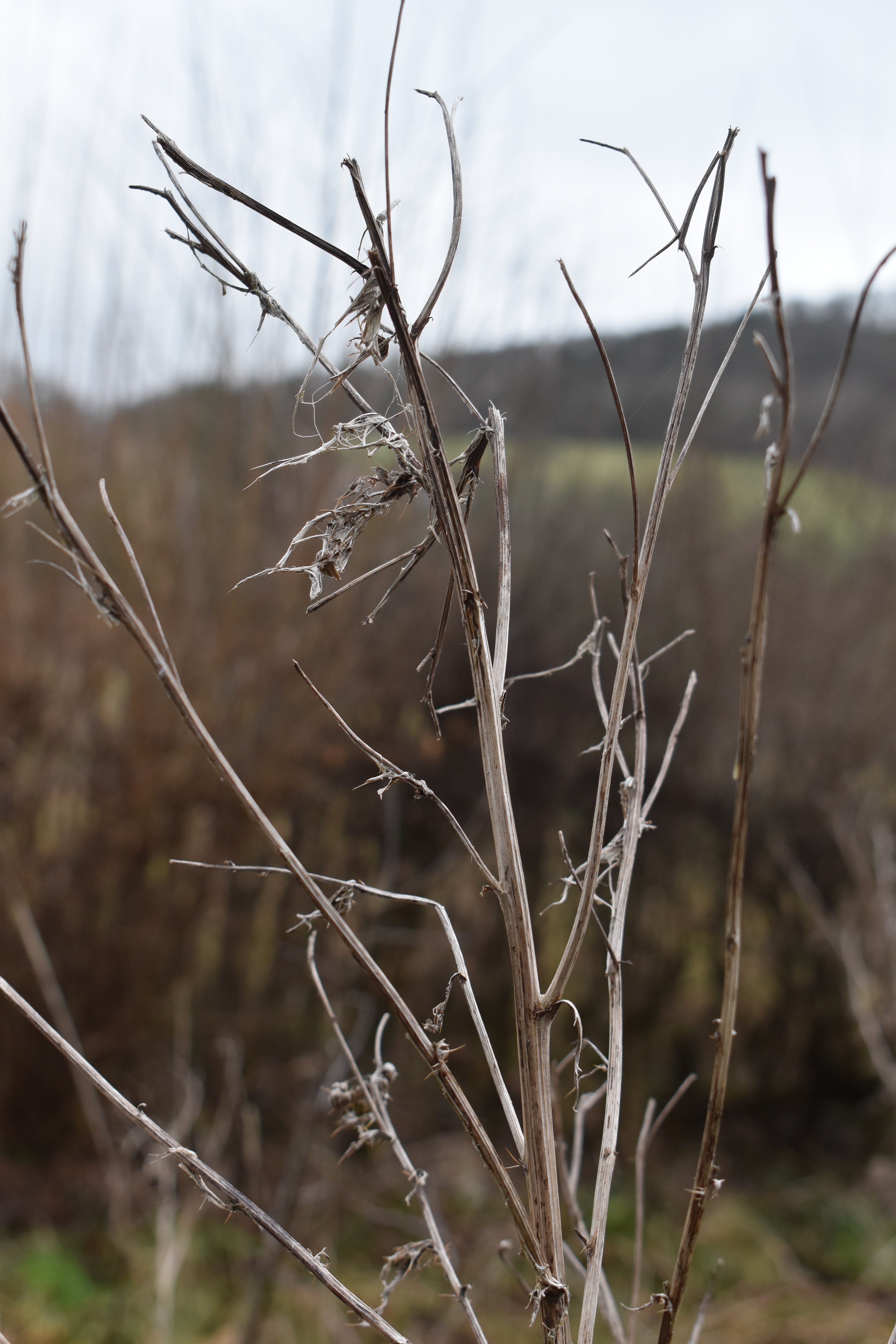
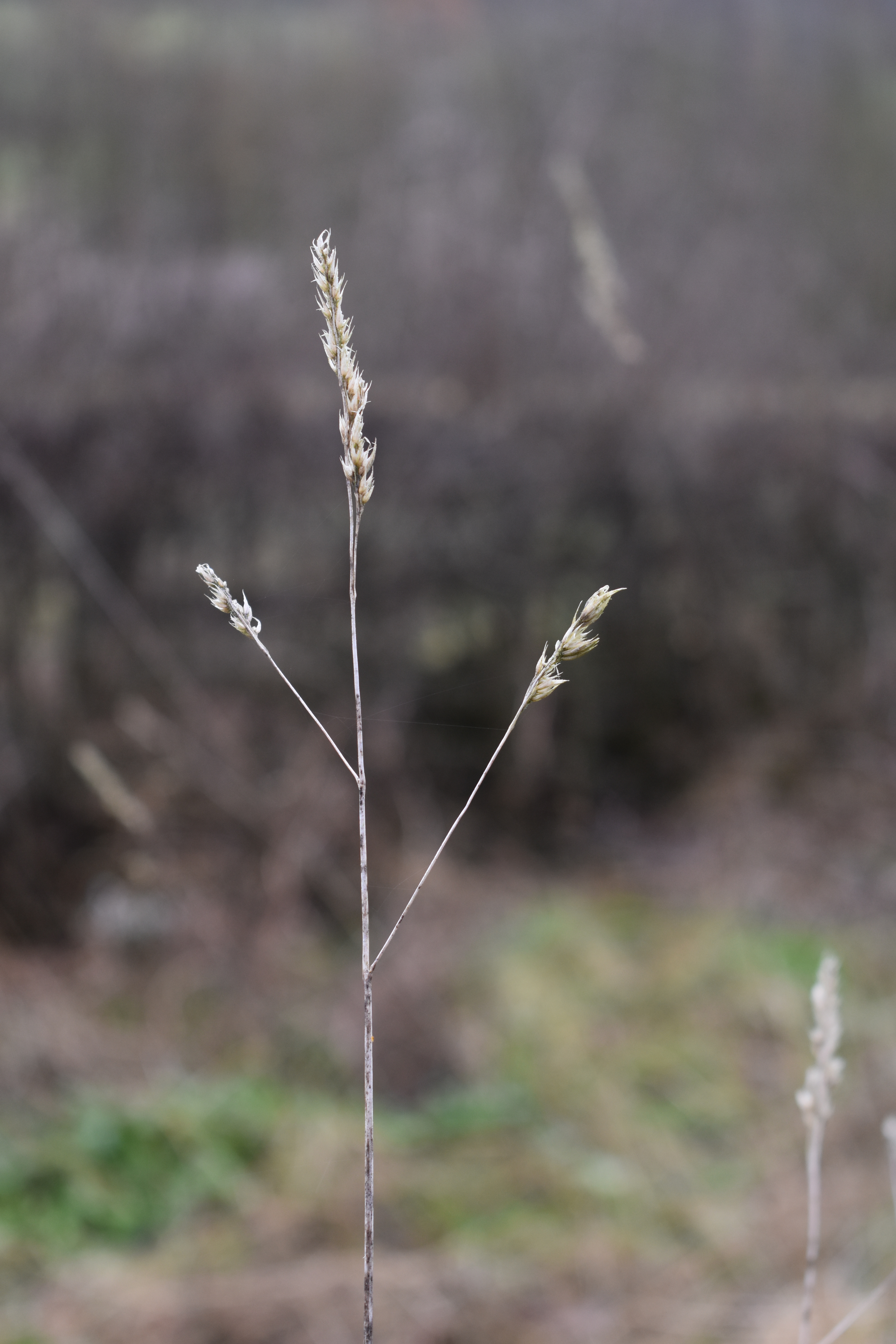
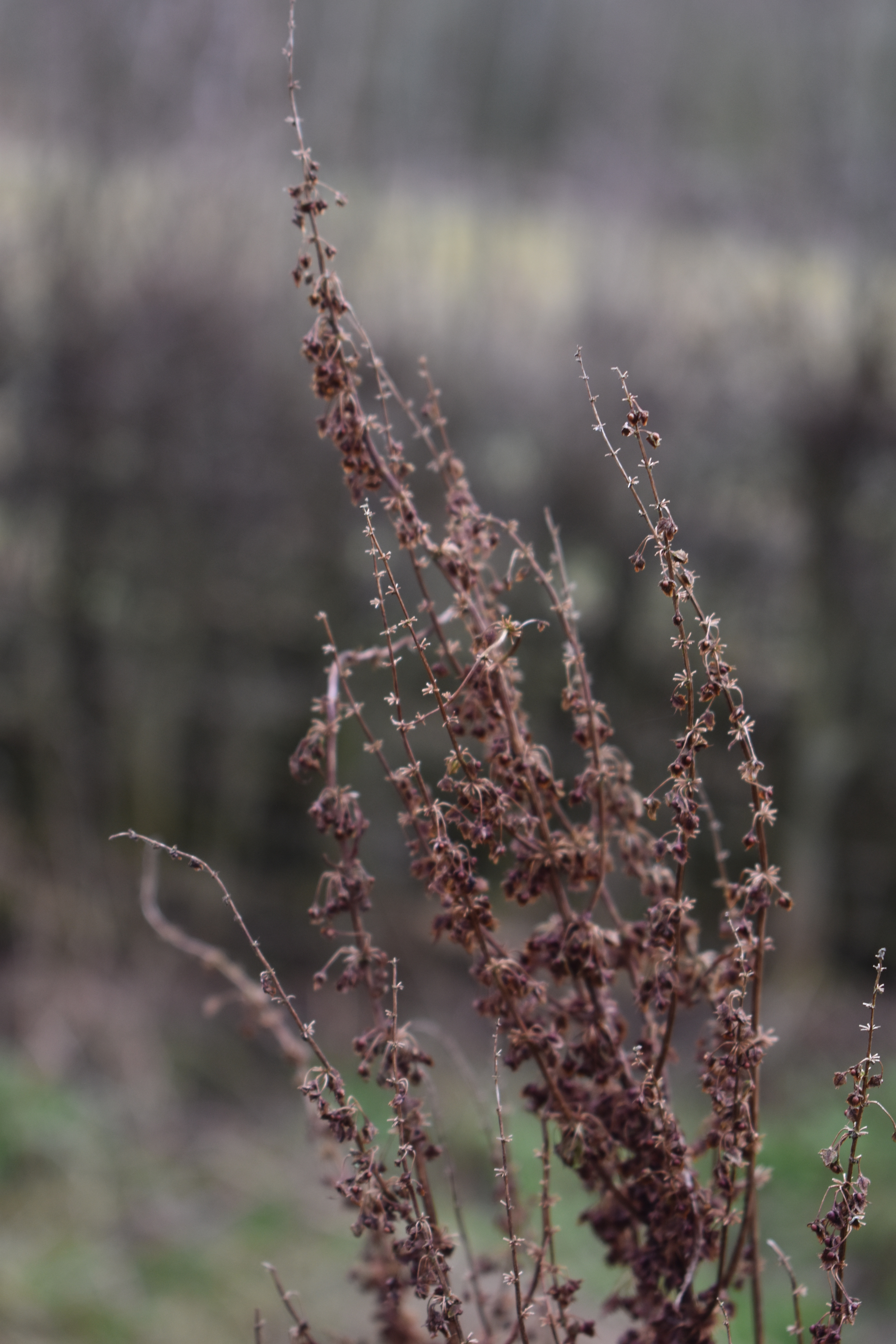
We followed the gravel footpath past the orchard and play area and into the immature woodland. On the walk we realised that several local long distance walks shared sections or crossed our routes. The skeletons of last year’s tall wild flowers were just hanging on in the grasses close to the hedge.

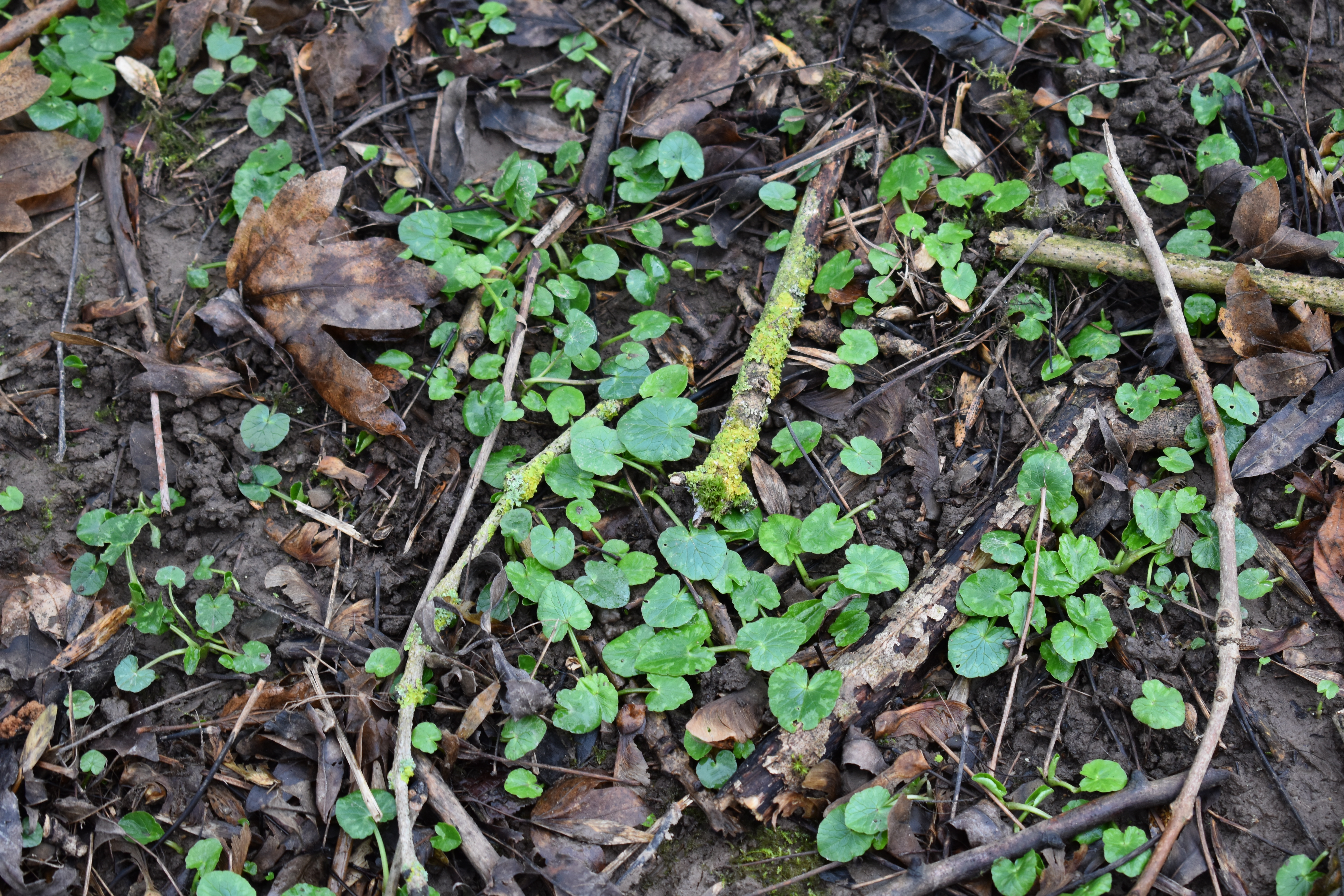
In complete contrast were the bright new leaves of celandine and arum close to the hedge line.


The young tree area was managed well for wildlife, with fallen branches left to rot down and create habitats where wildlife such as beetles and centipedes can thrive, and nutrients for fungi as they break down. We were also pleased to see the creation of another habitat, the dead hedge. Local or visiting youngsters use fallen boughs to create shelters and dens, an exciting and creative way to spend time.
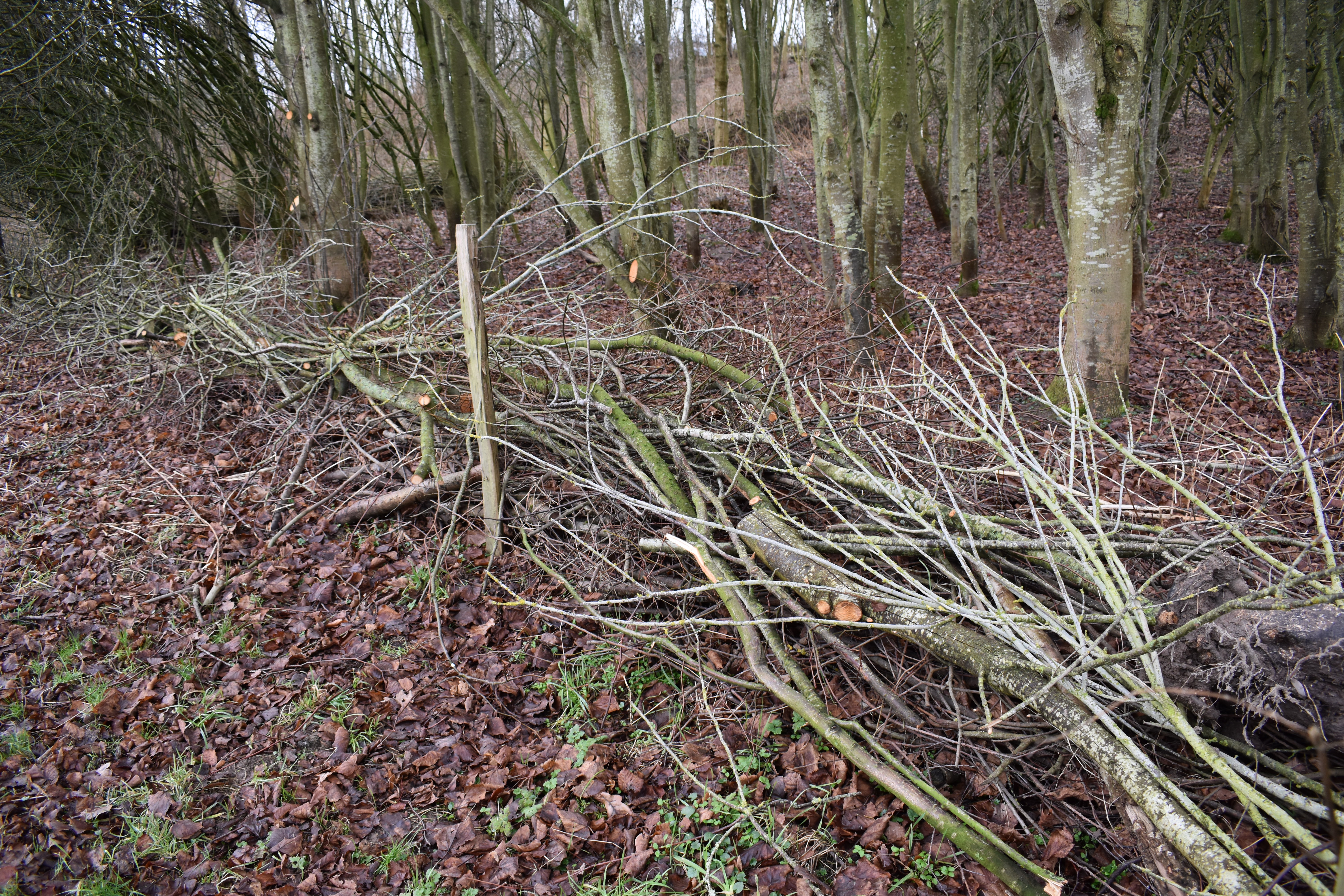

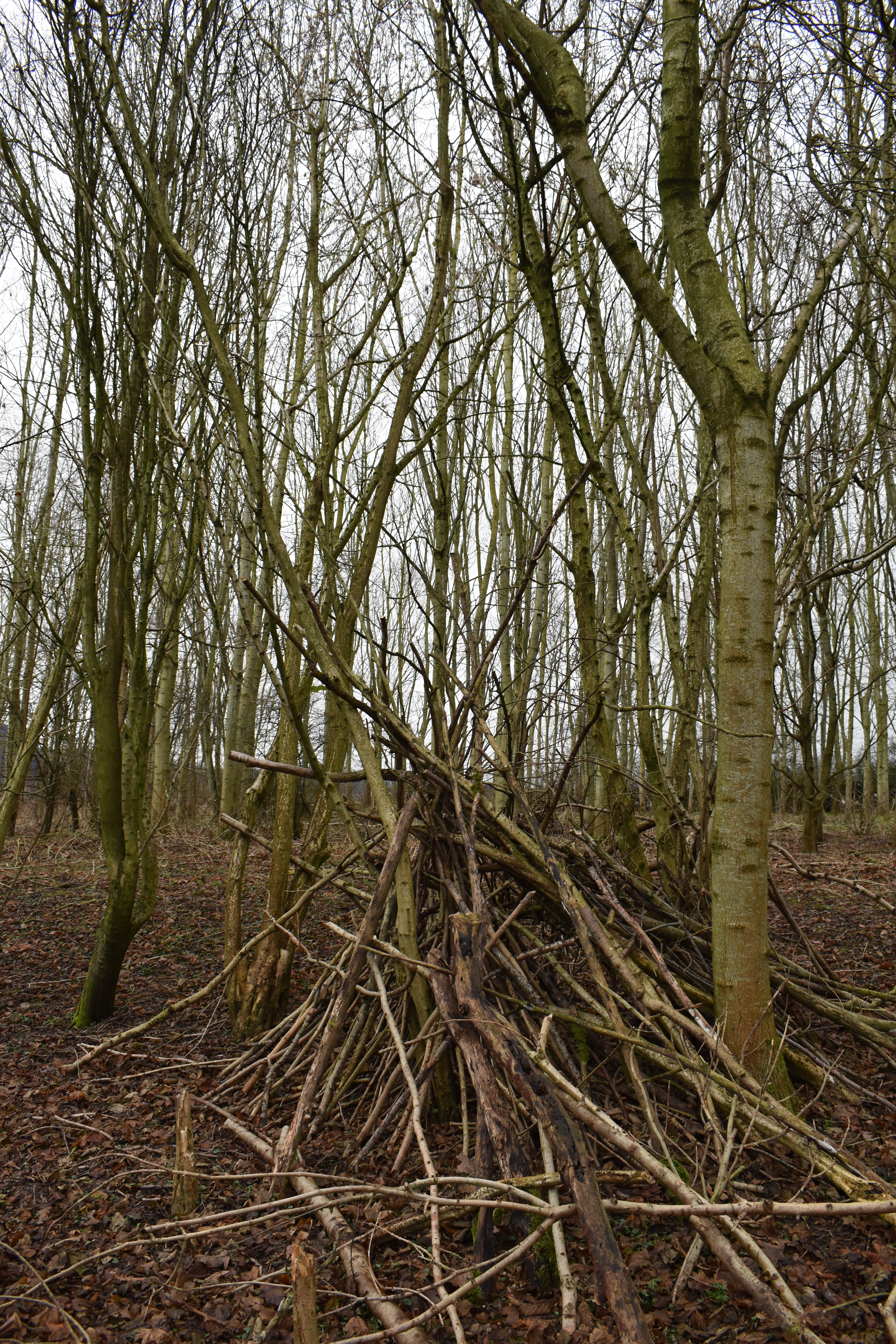
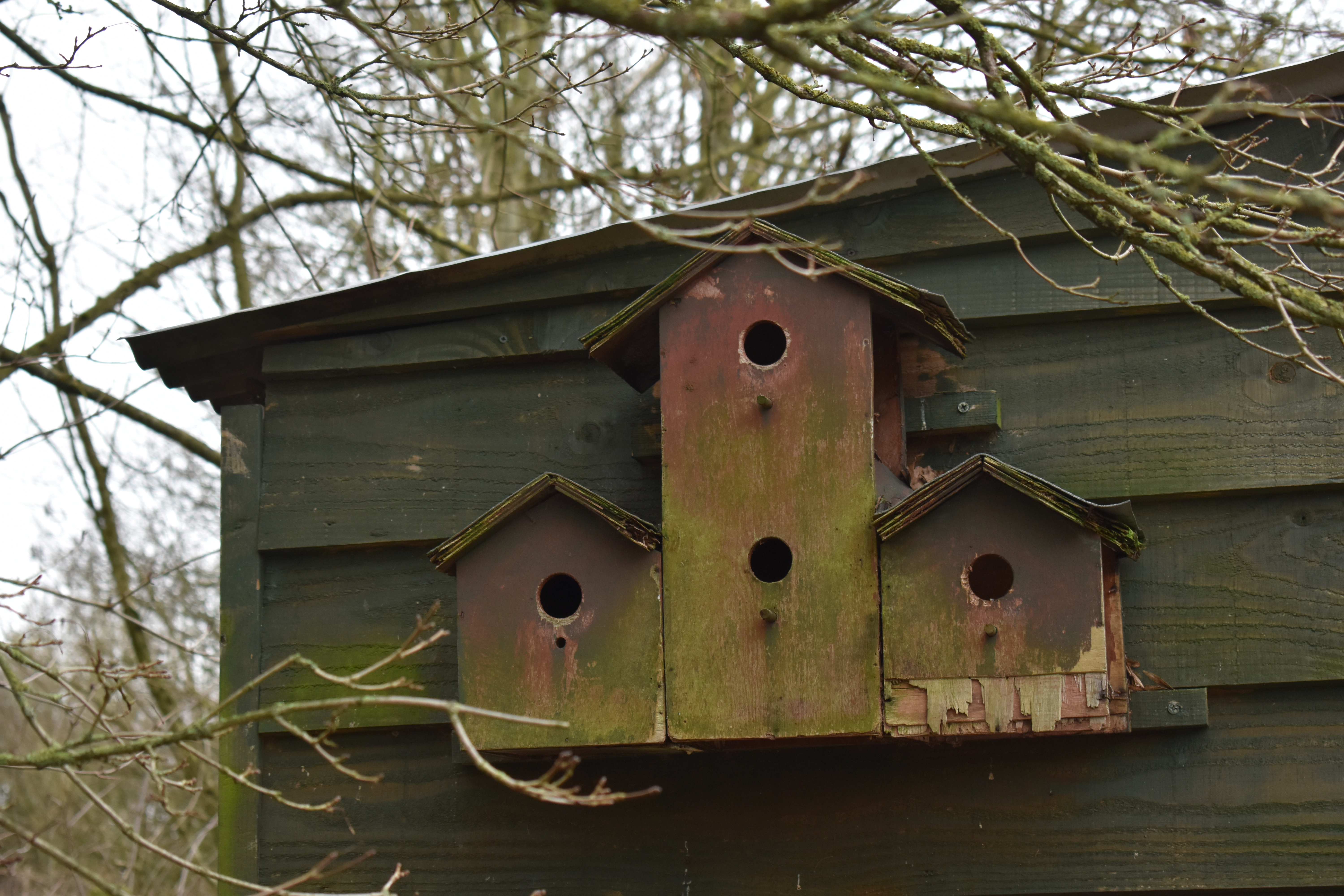
An activity offered here is hedge layering, which eventually creates a dense hedge for wildlife providing food and shelter for birds and small mammals. Sadly nearby this sparrow terrace had been left to fall into disrepair so useless as nest sites. House Sparrows were until recently one of our commonest birds living close to people and their homes but recently their population has dropped to very poor levels almost everywhere that was once their strongholds. They need all the help they can get!


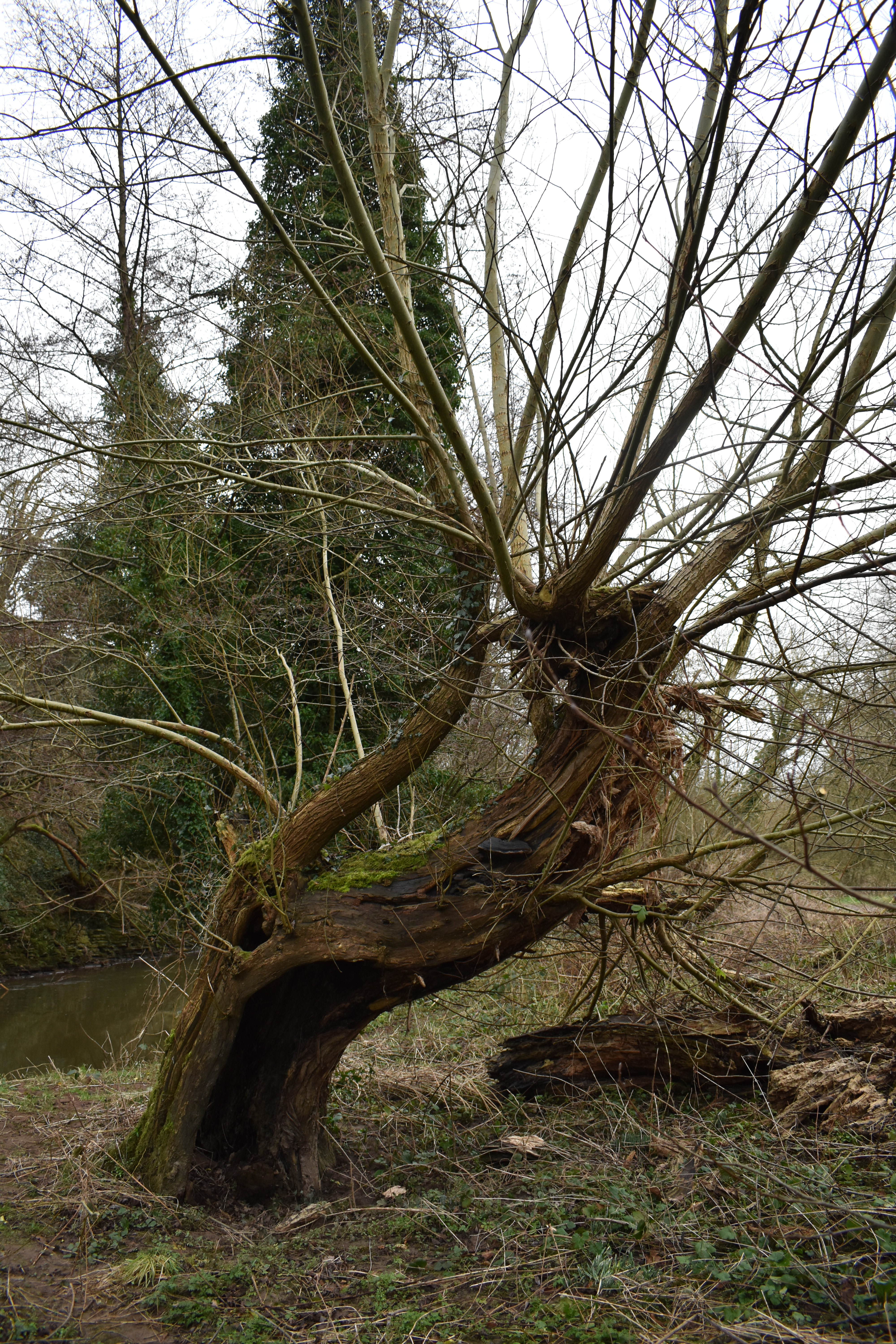
We then wandered off towards the wildlife pond with its surrounding open woodland and damp areas where fungi abound in the damp area. Several trees here were once coppiced and still show signs of this method of pruning and we even found one that had recently been coppiced.
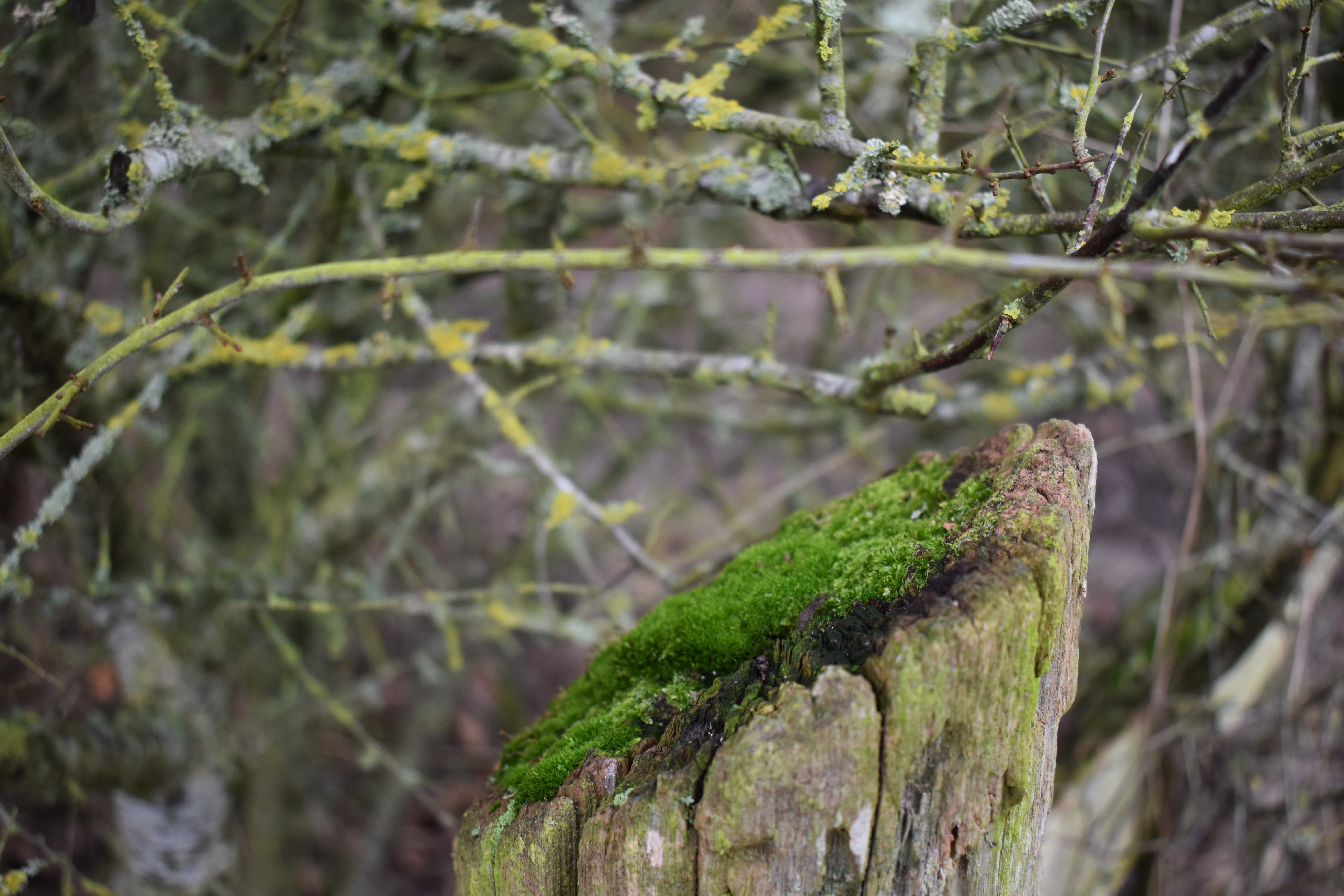
Alongside the fungi this area was rich in lichen and mosses.



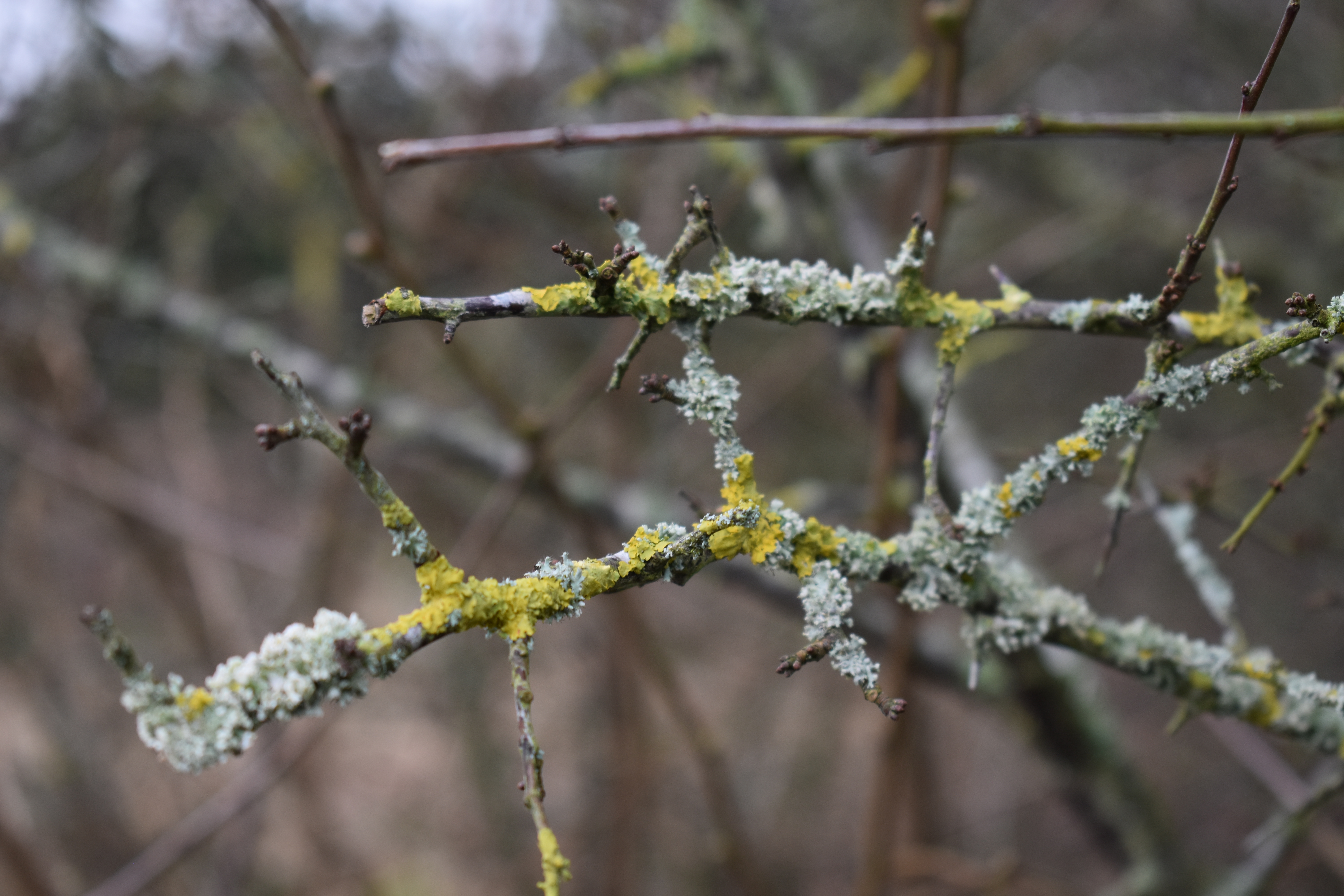
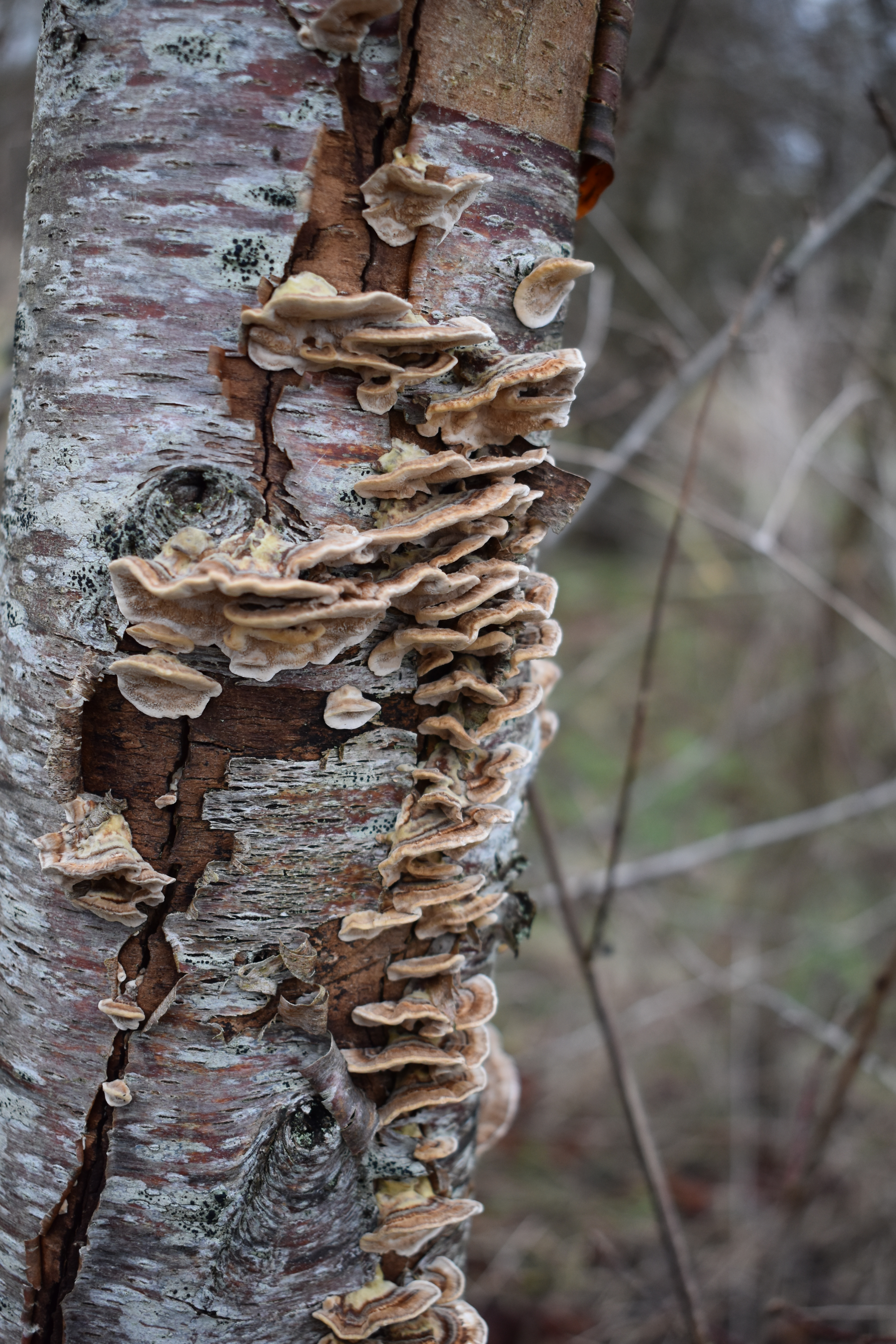
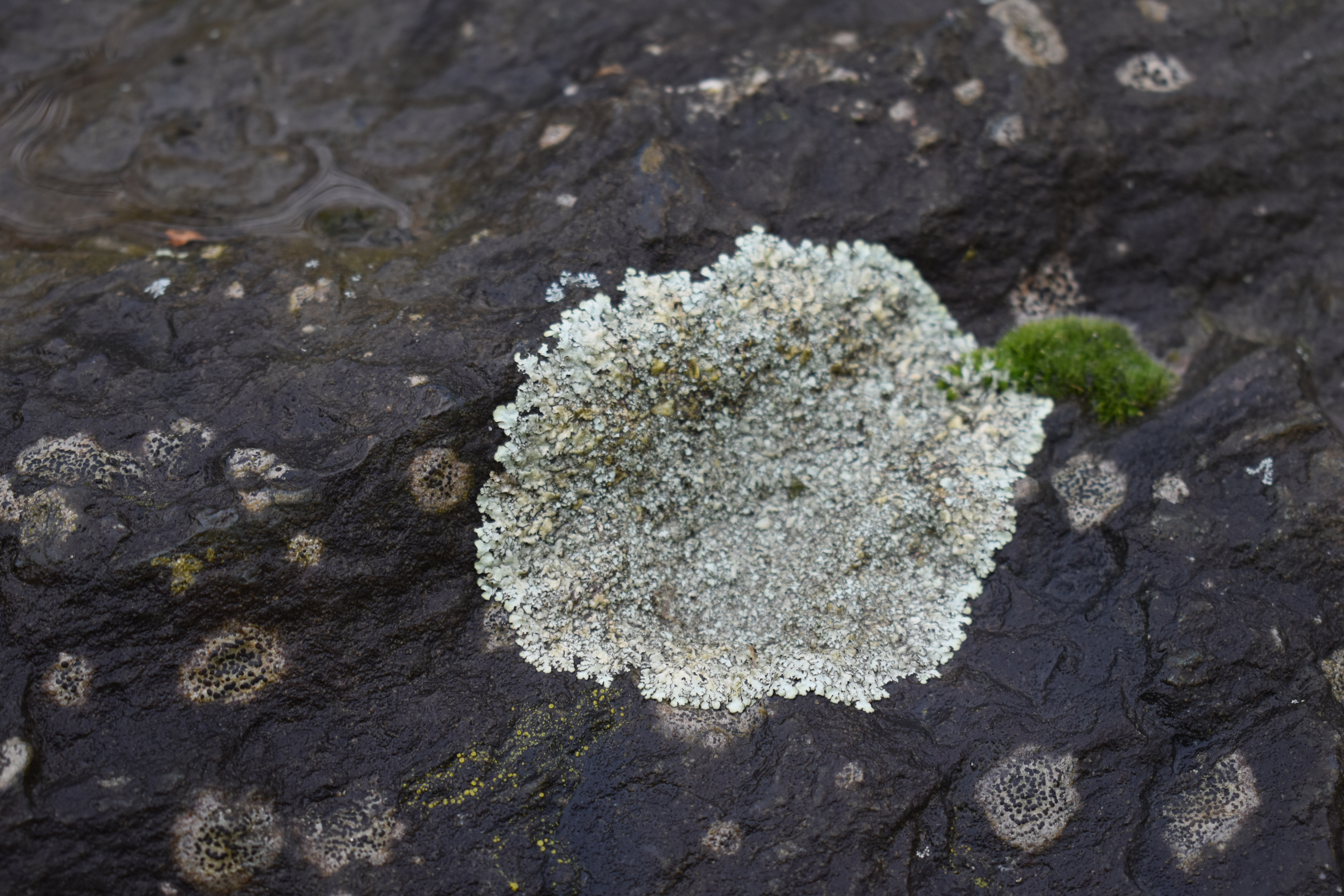
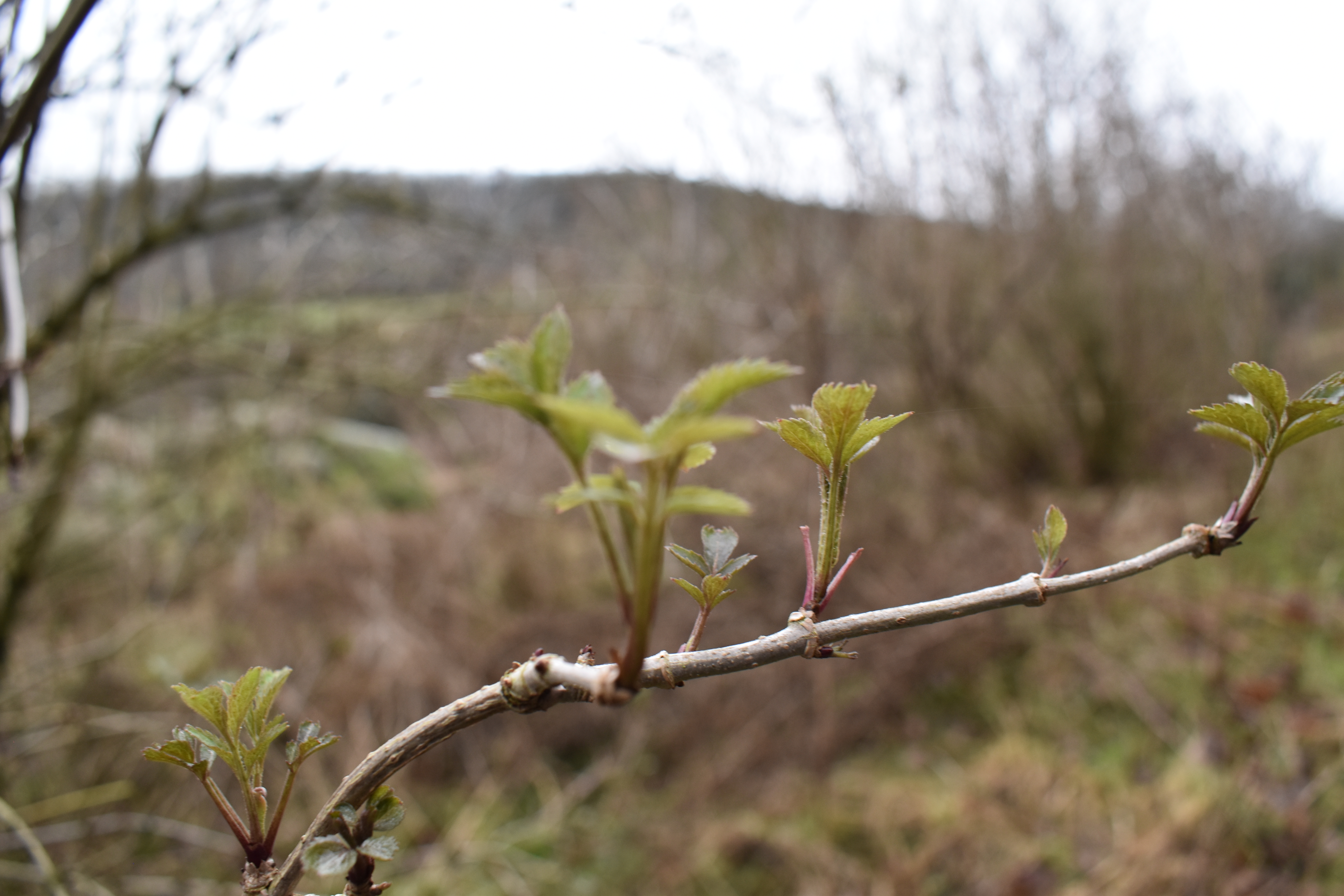
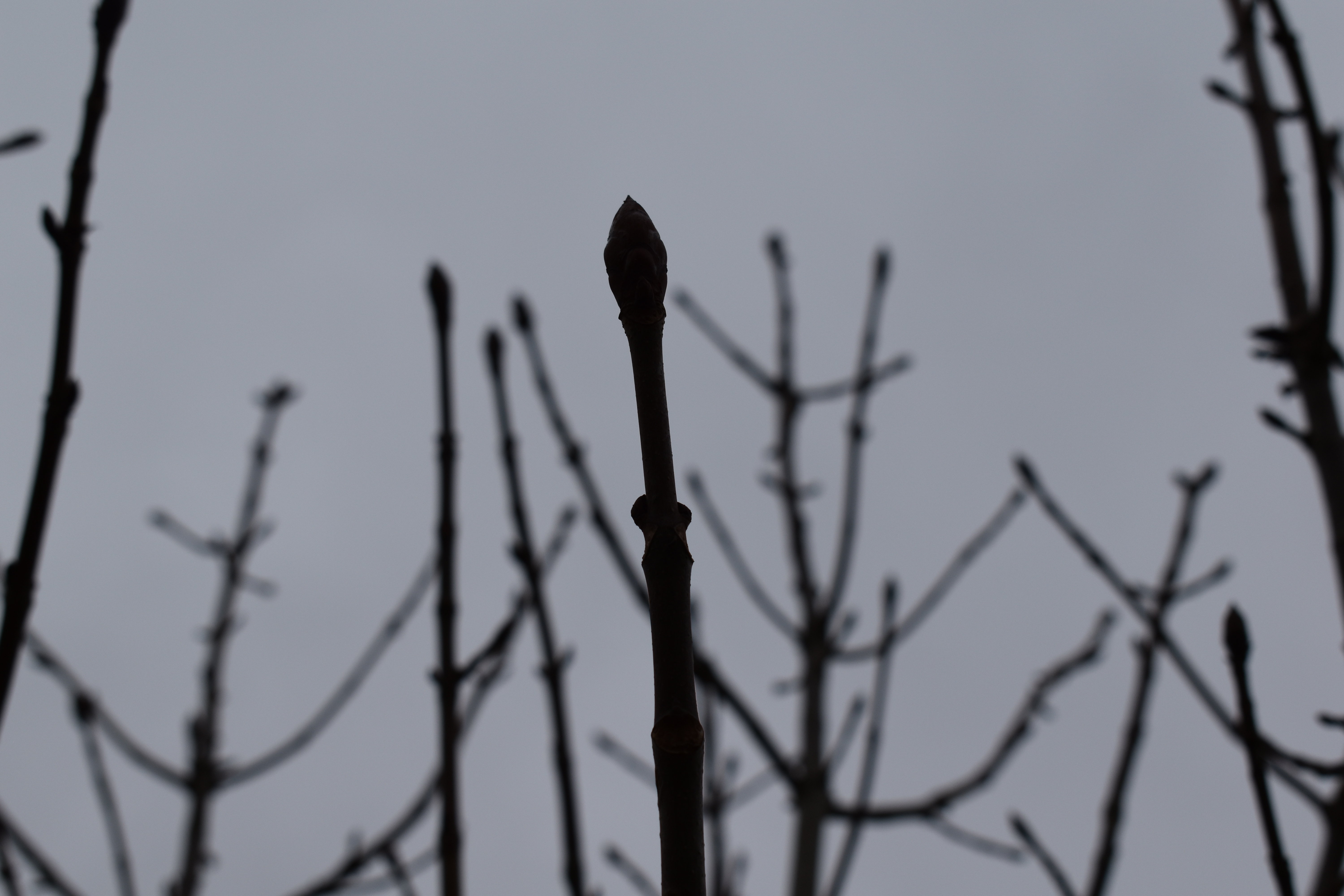
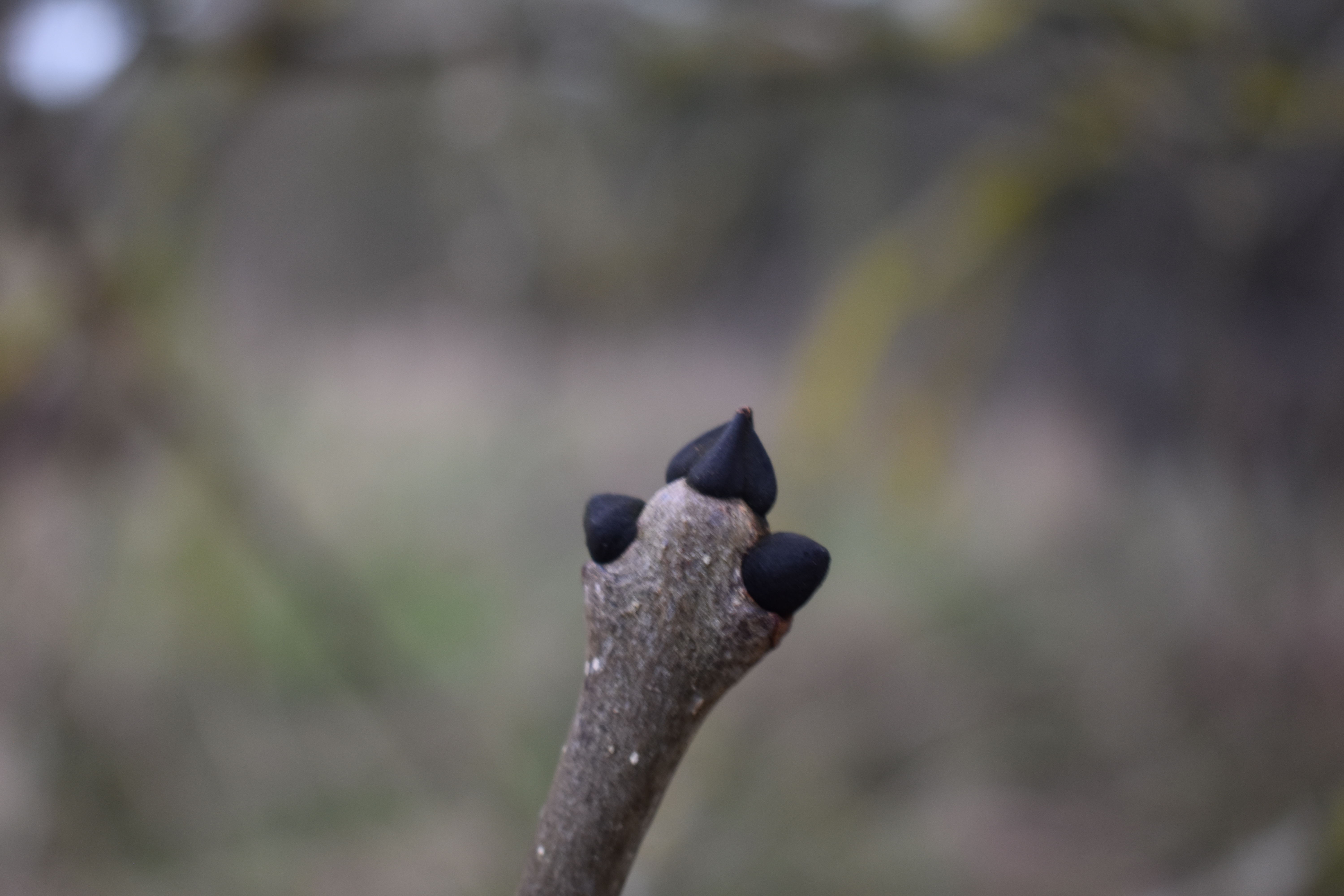
We were amazed how the buds on trees were fattening in readiness for springtime. Amazingly some buds were already beginning to sprout leaves. The new emerging leaves looked so fresh, a hopeful sign of spring.


We finished our wander around the centre by walking through a withy bed which had been recently pollarded and coppiced. There is something special about salix as they always appear fresh and lively. The first photo below shows an old pollarded willow growing alongside the River Onny.
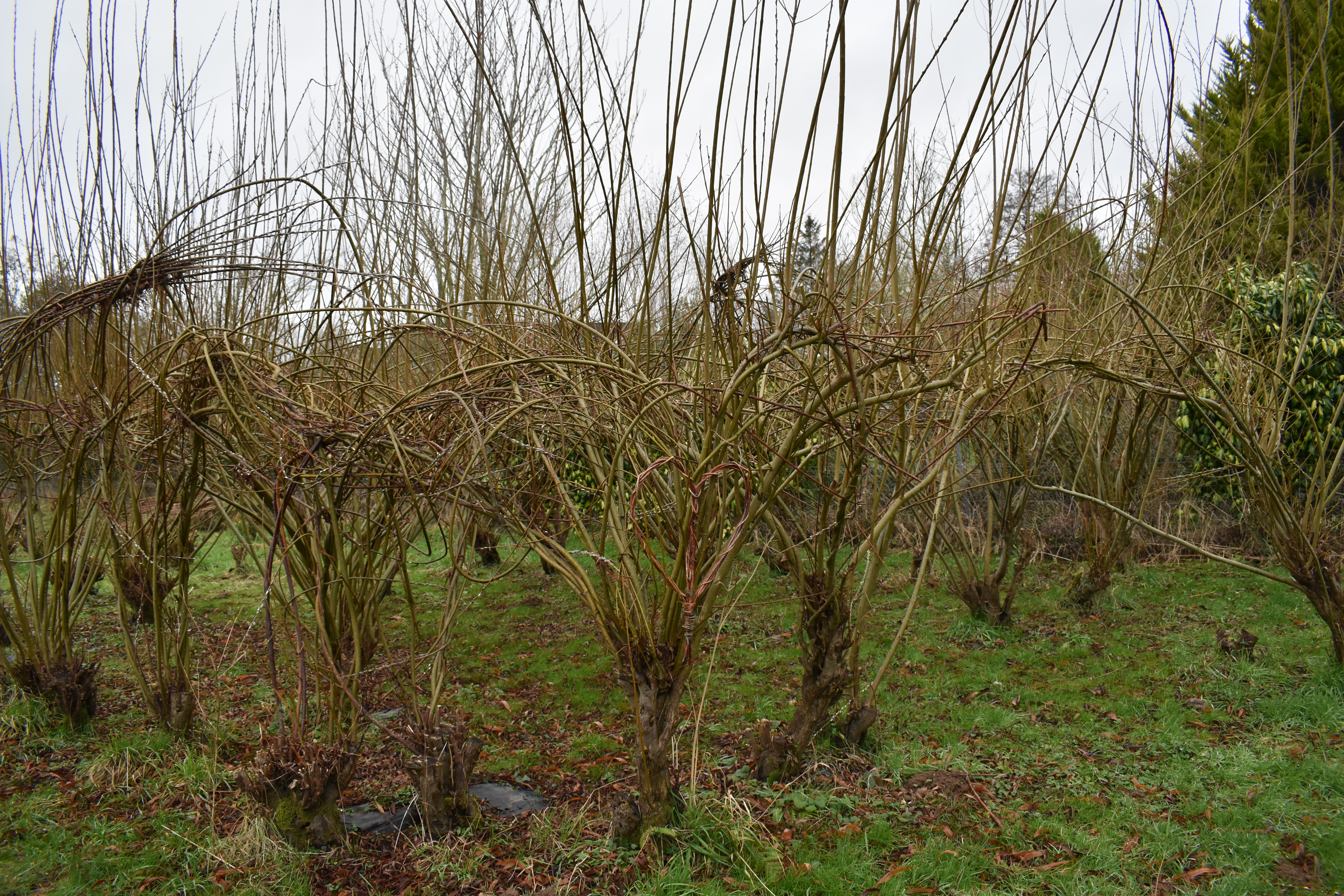
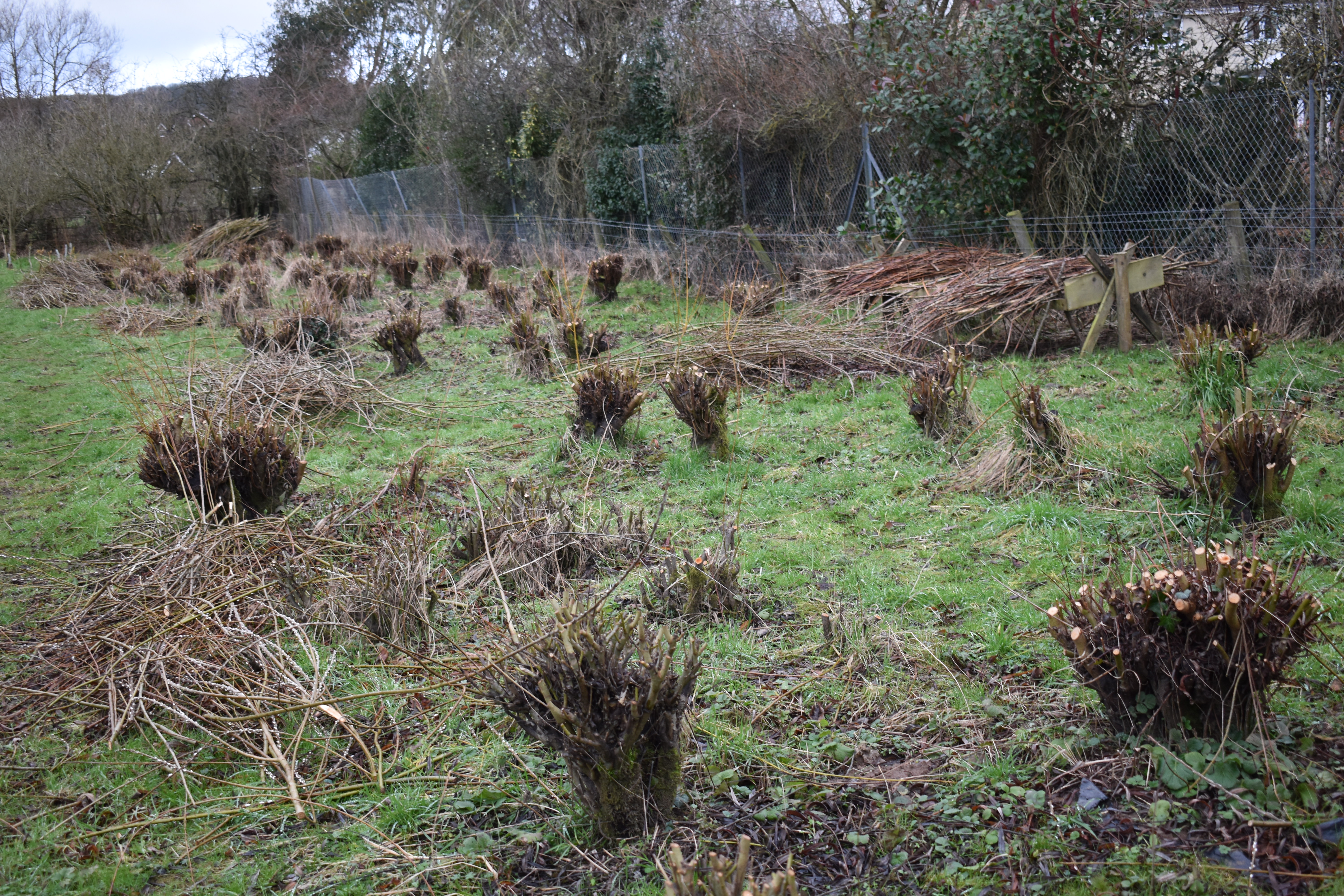
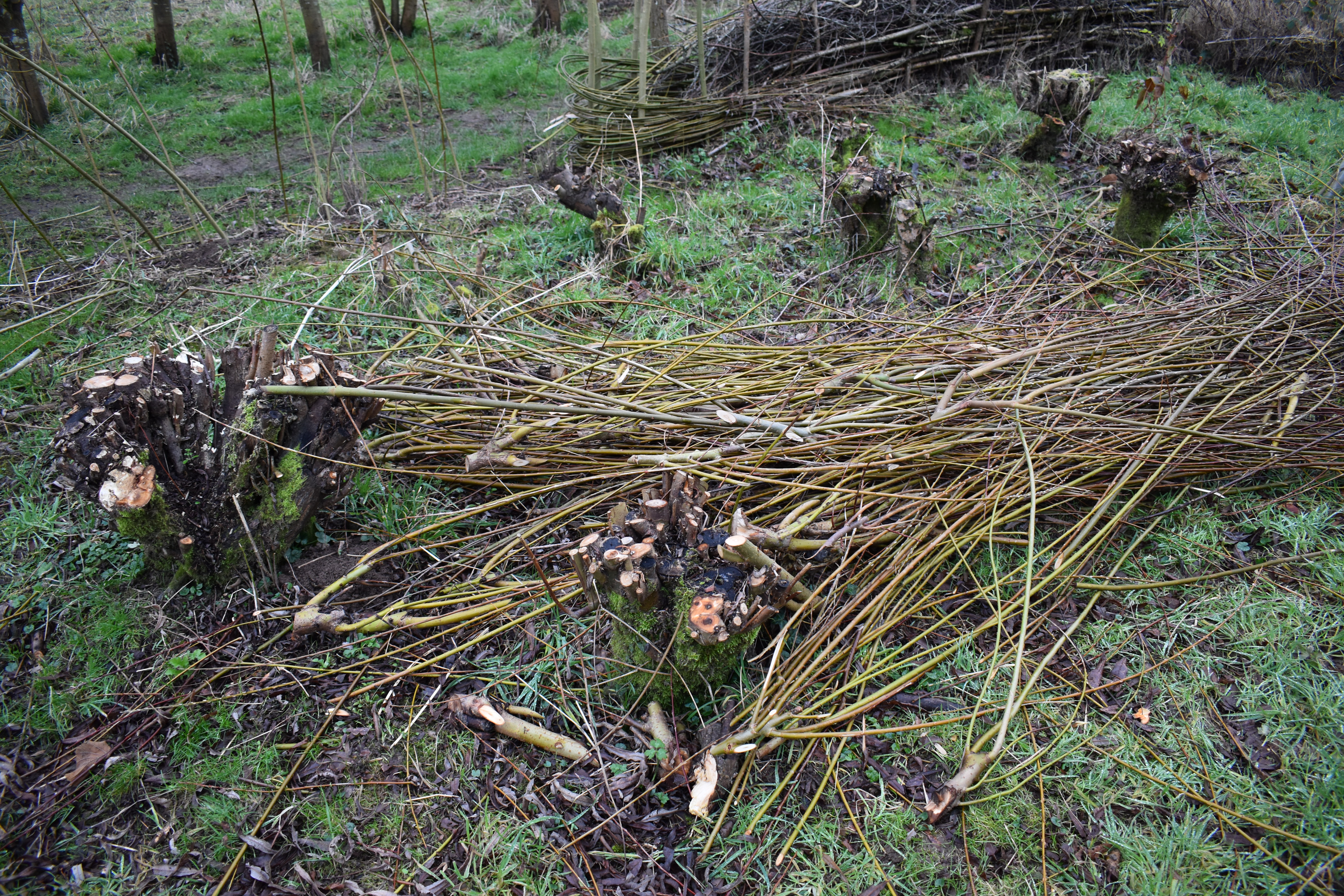

From enjoying studying the withy bed we made our way back to the visitors’ centre to indulge in yet more coffee.

 greenbenchramblings
One reply on “The Secret Hills Discovery Centre- Craven Arms”
All this and coffee too. Been out in the garden a lot this weekend and buds, fresh leaves and spring flowers certainly made it feel like spring despite near gale force winds. Hopefully time for a bit more sunshine.