Categories
Uncategorized

Ferns at Picton Gardens

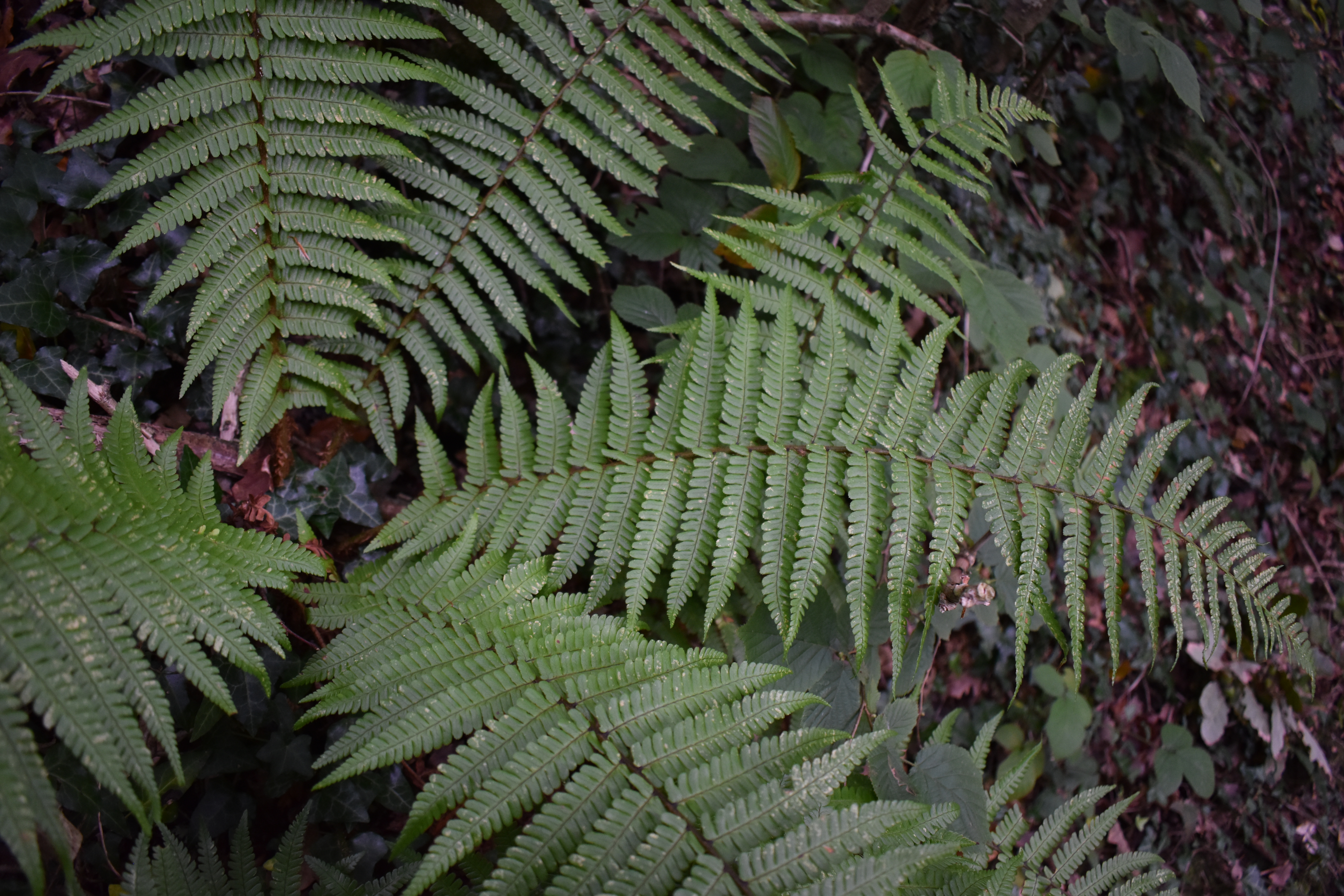
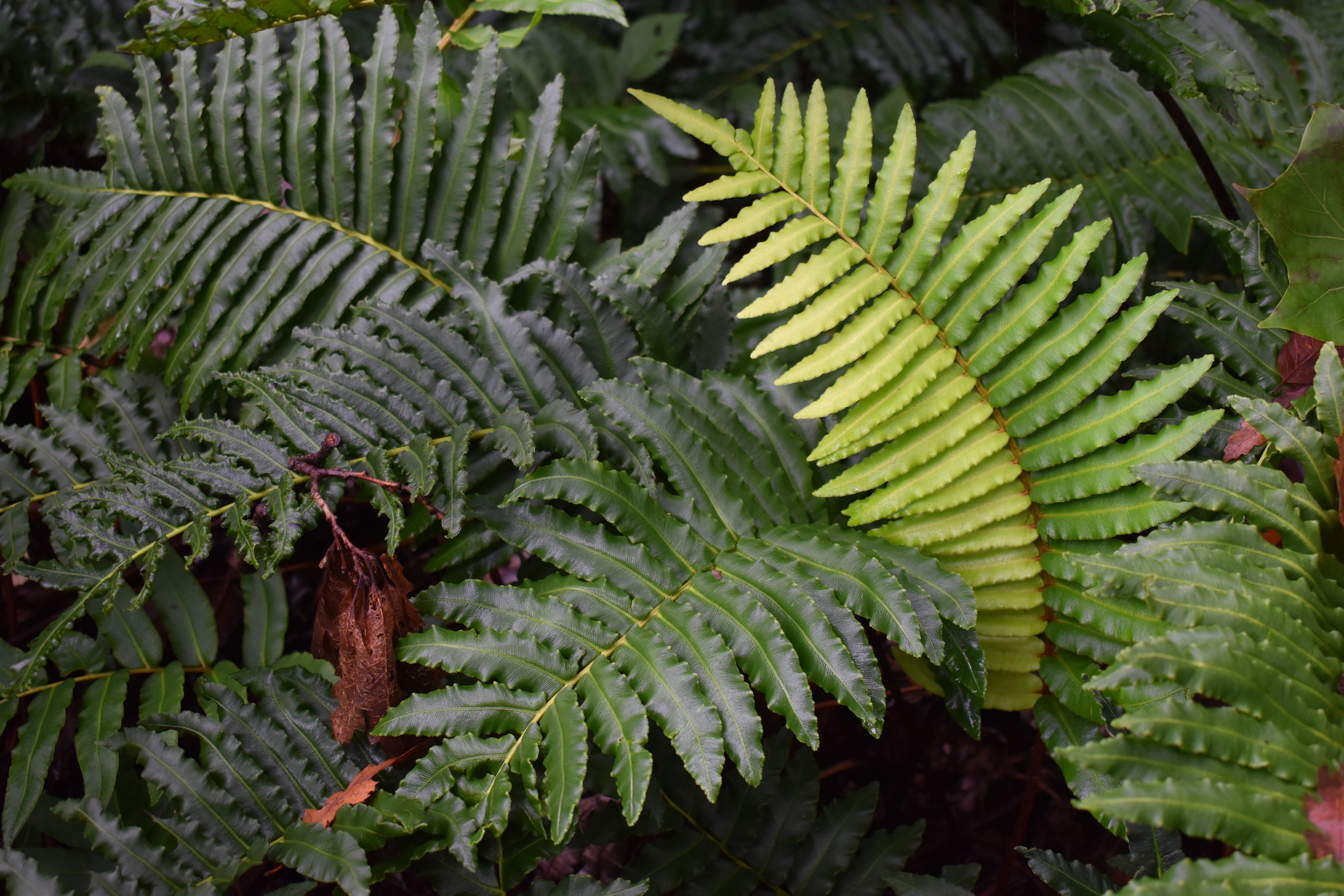
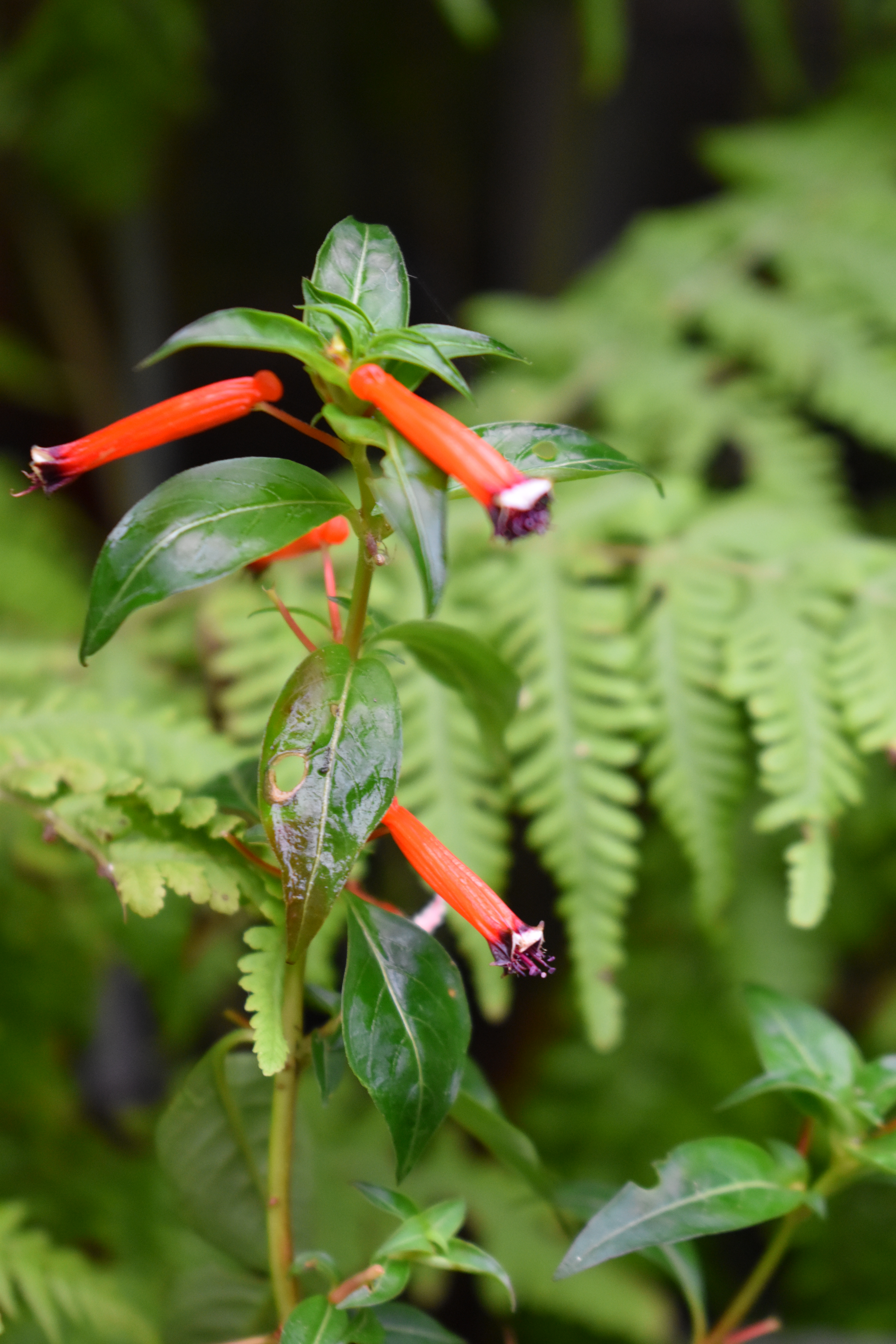
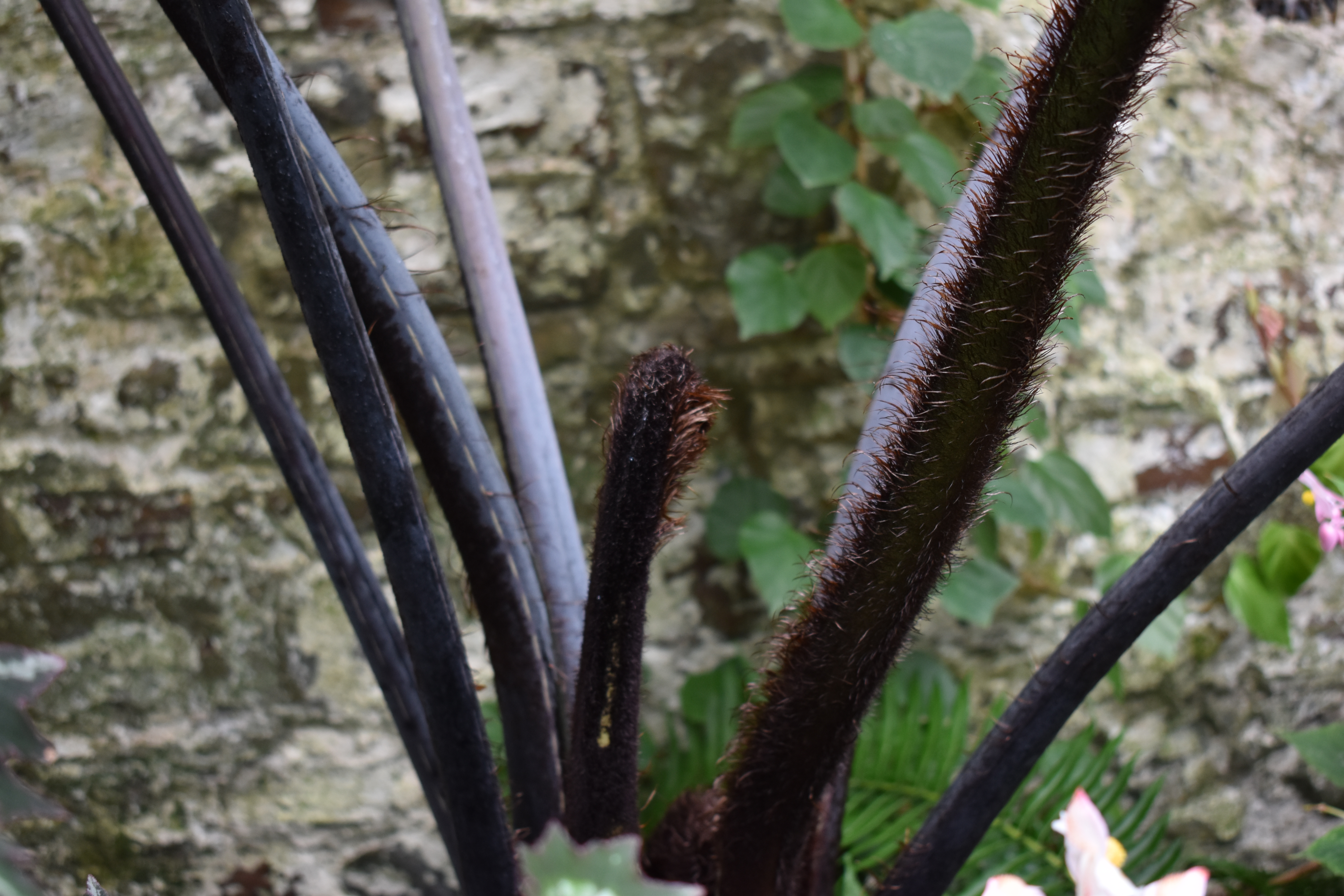
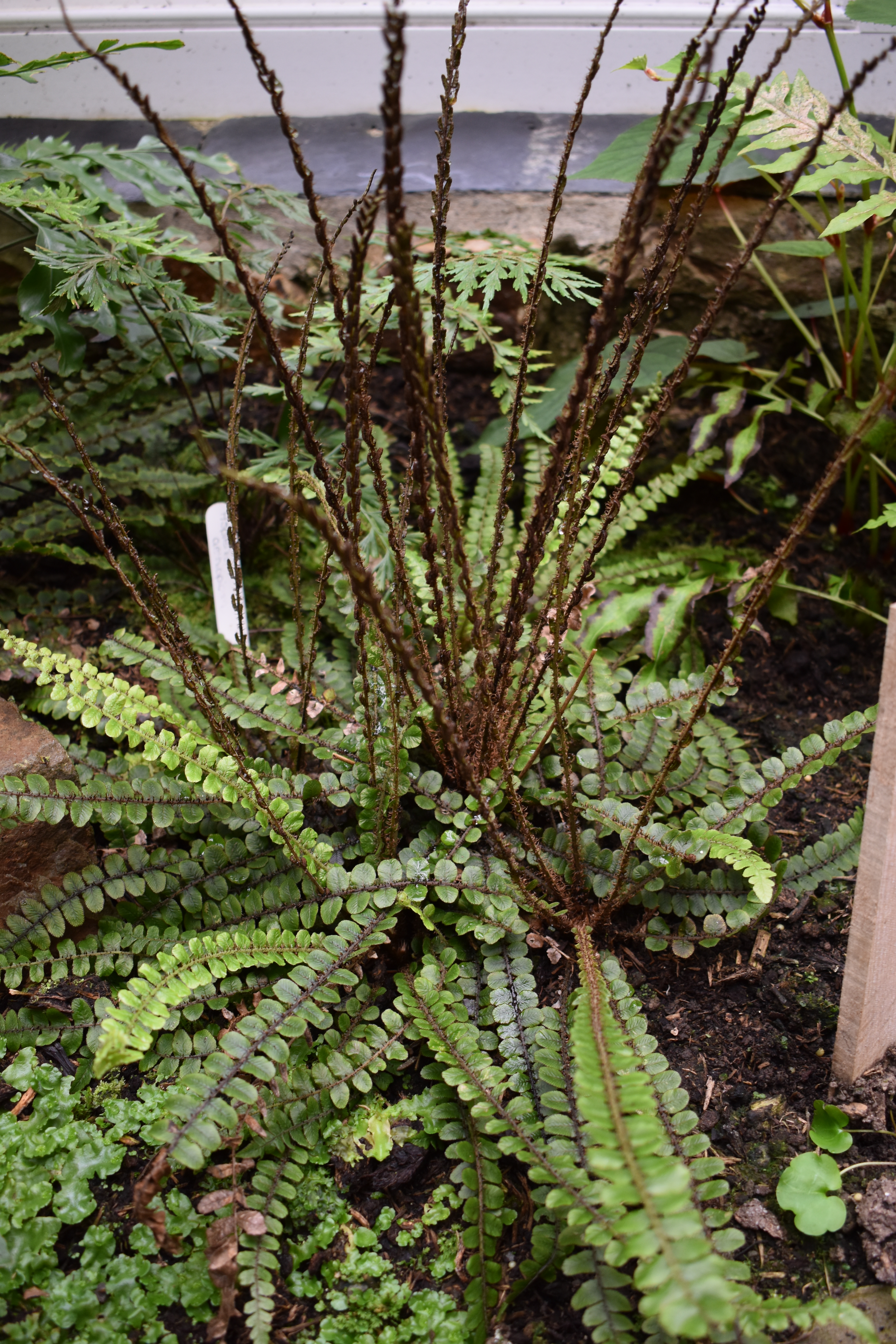
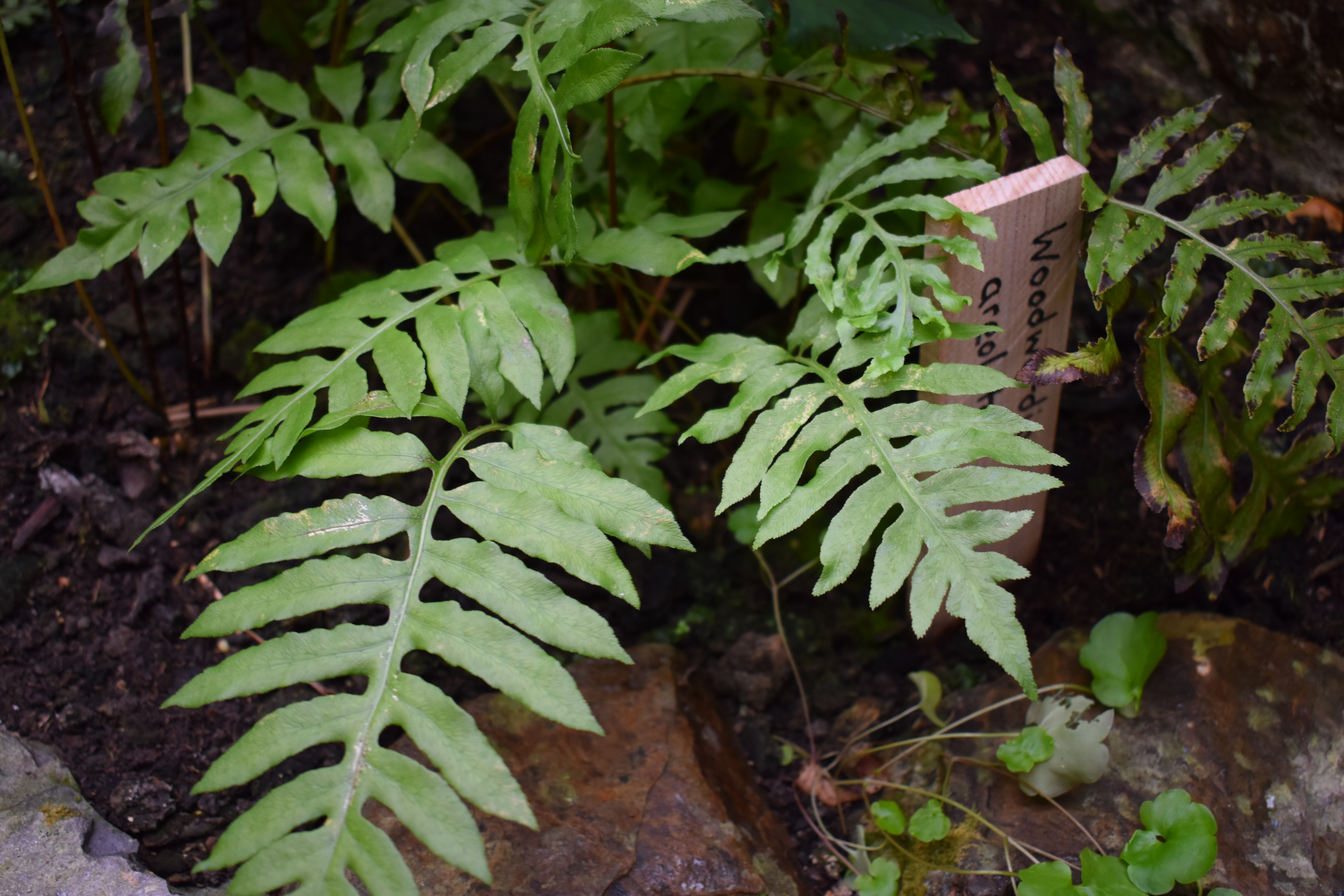
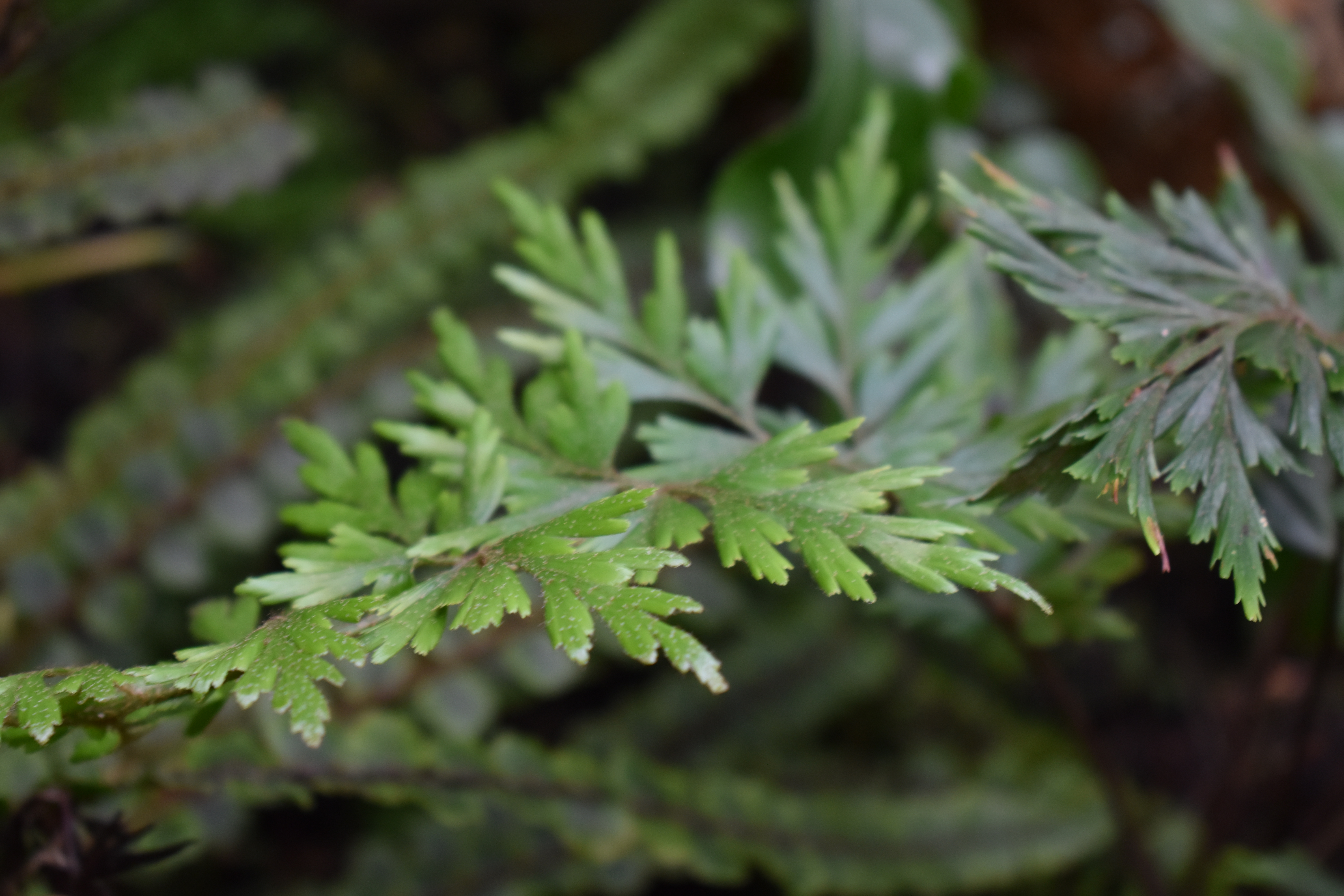
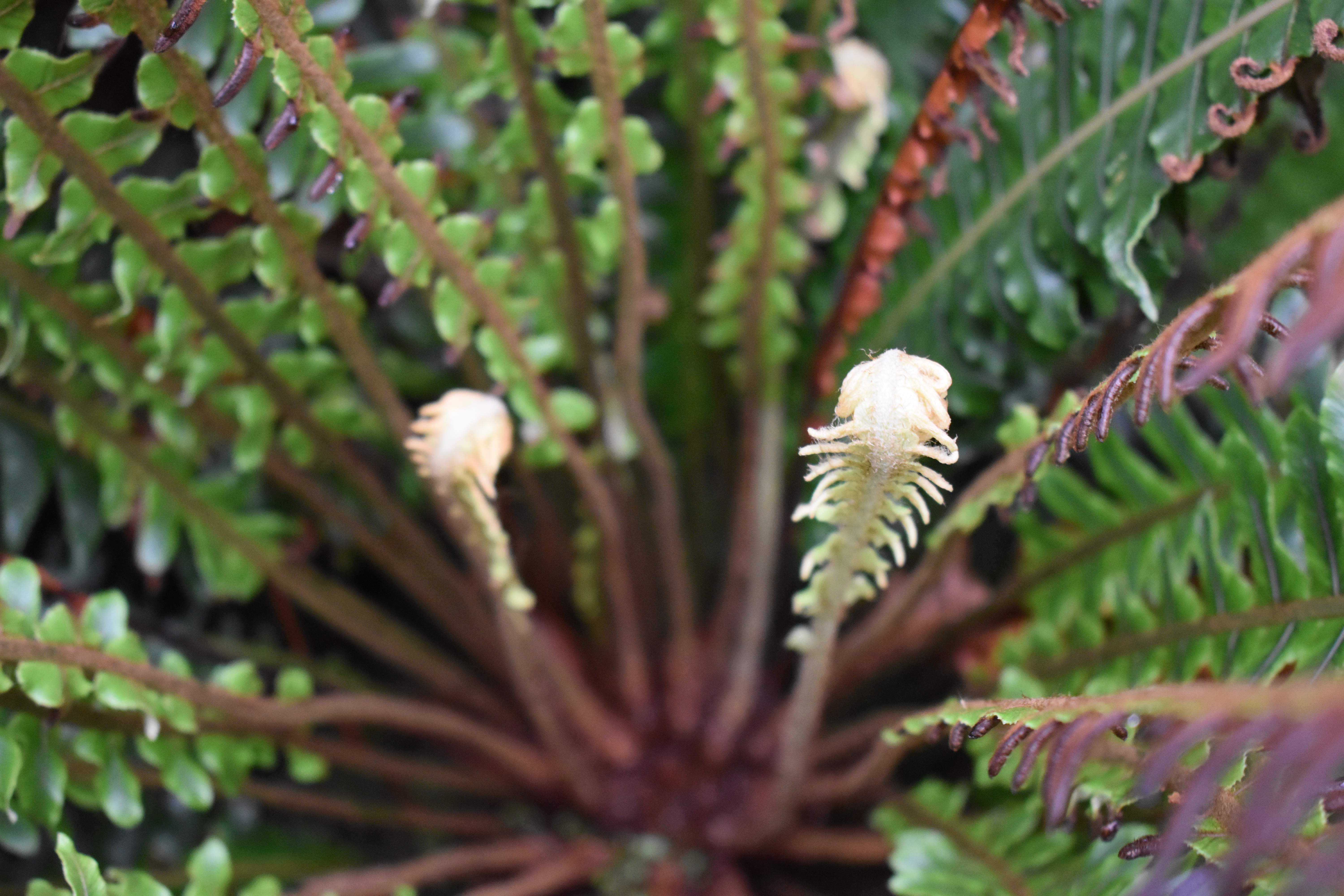
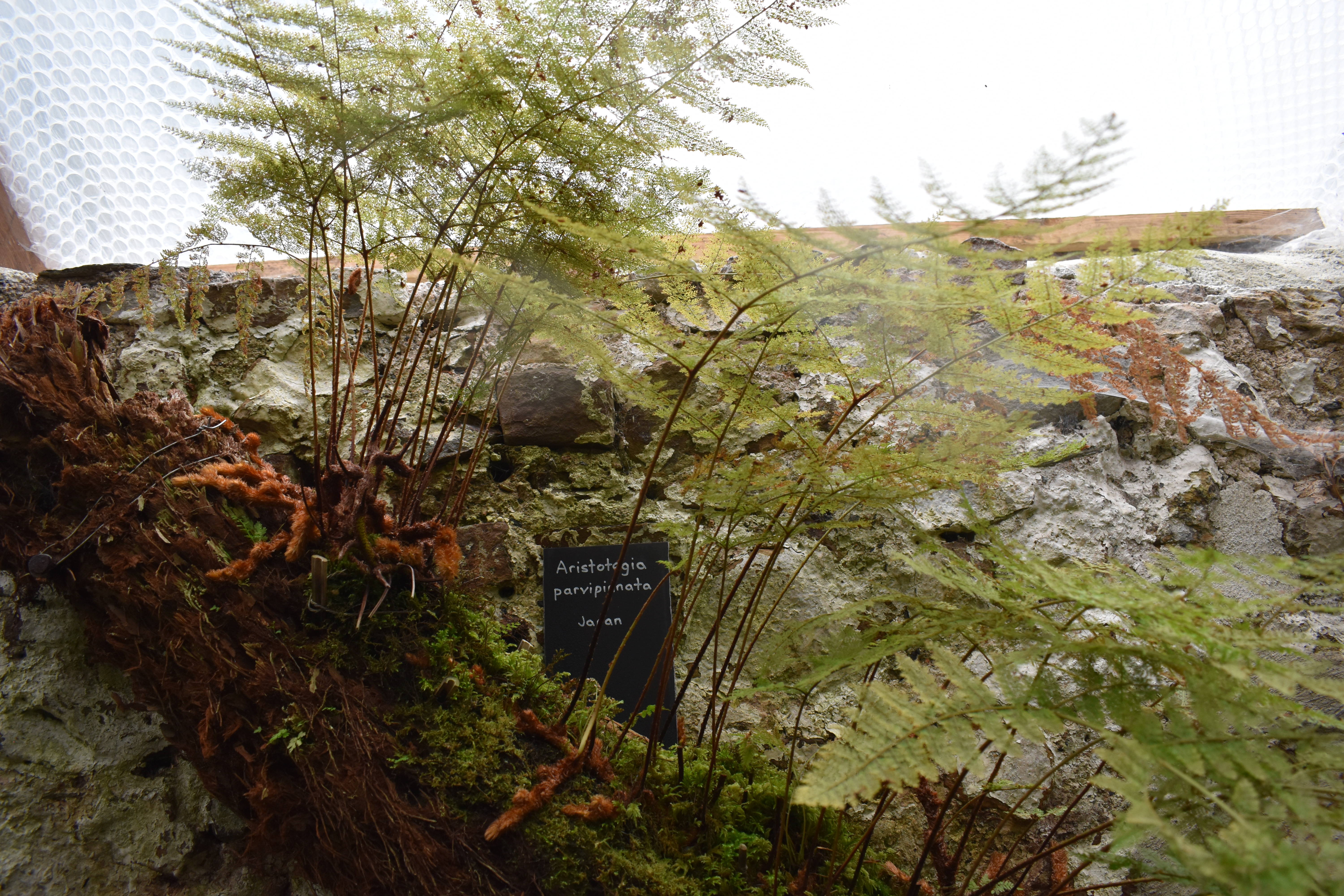
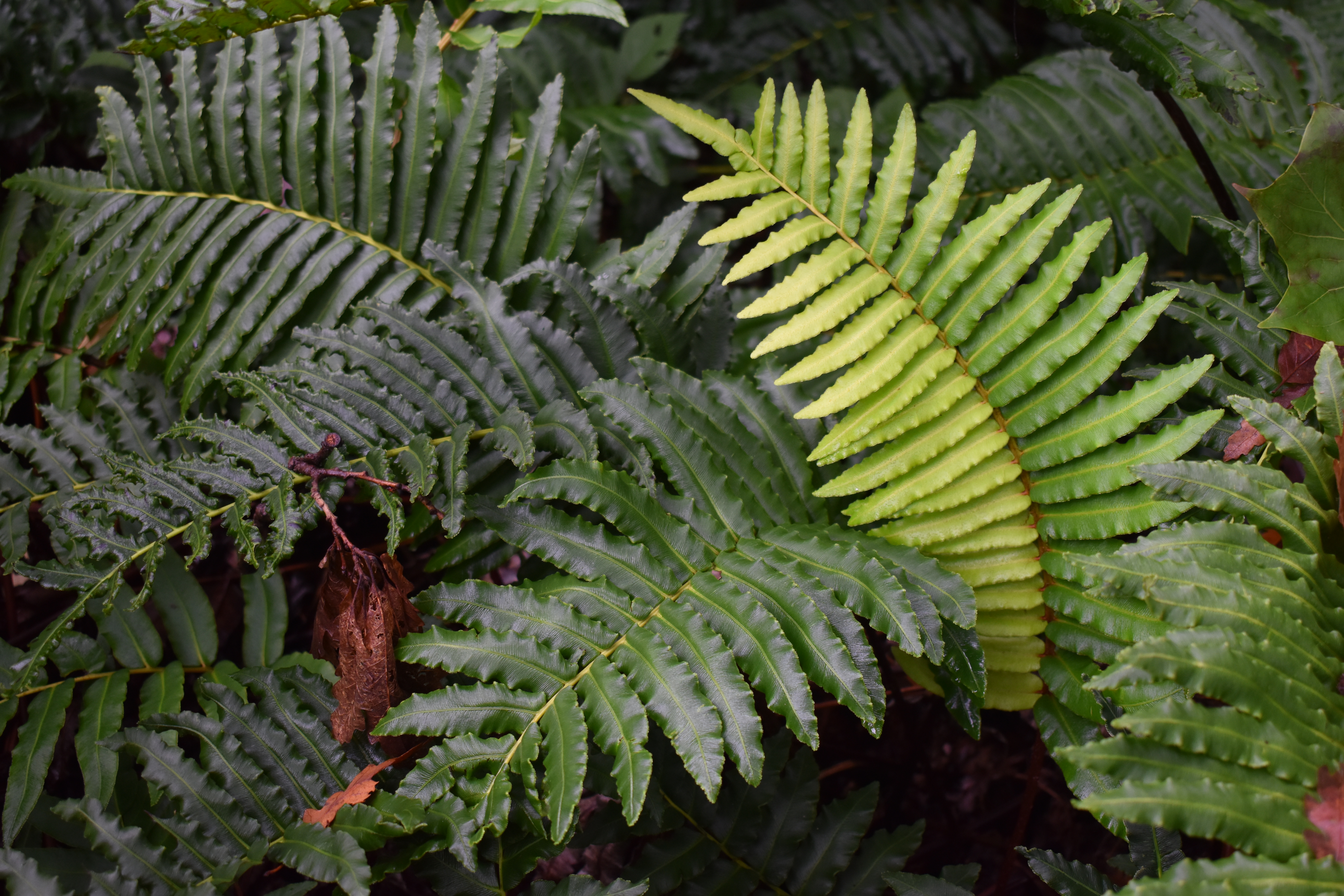
Ferns are one of my favourite plant families and thus we grow lots at home where conditions allow. I really enjoyed seeing so many in the gardens at Picton Gardens in Pembrokeshire. Some were the same as we grow whereas others we had never seen before!

This first set of fern photographs feature outdoor growing species.

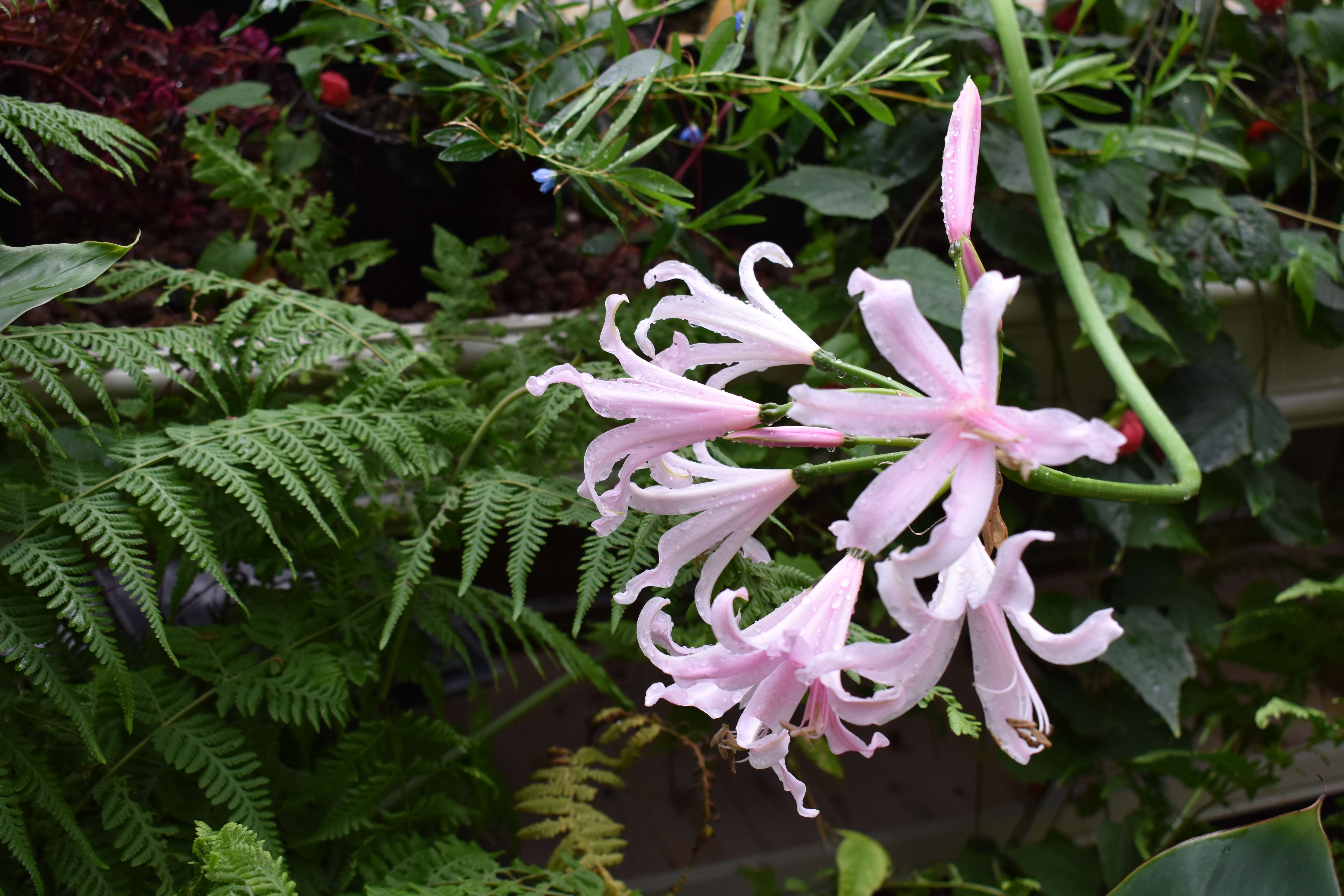
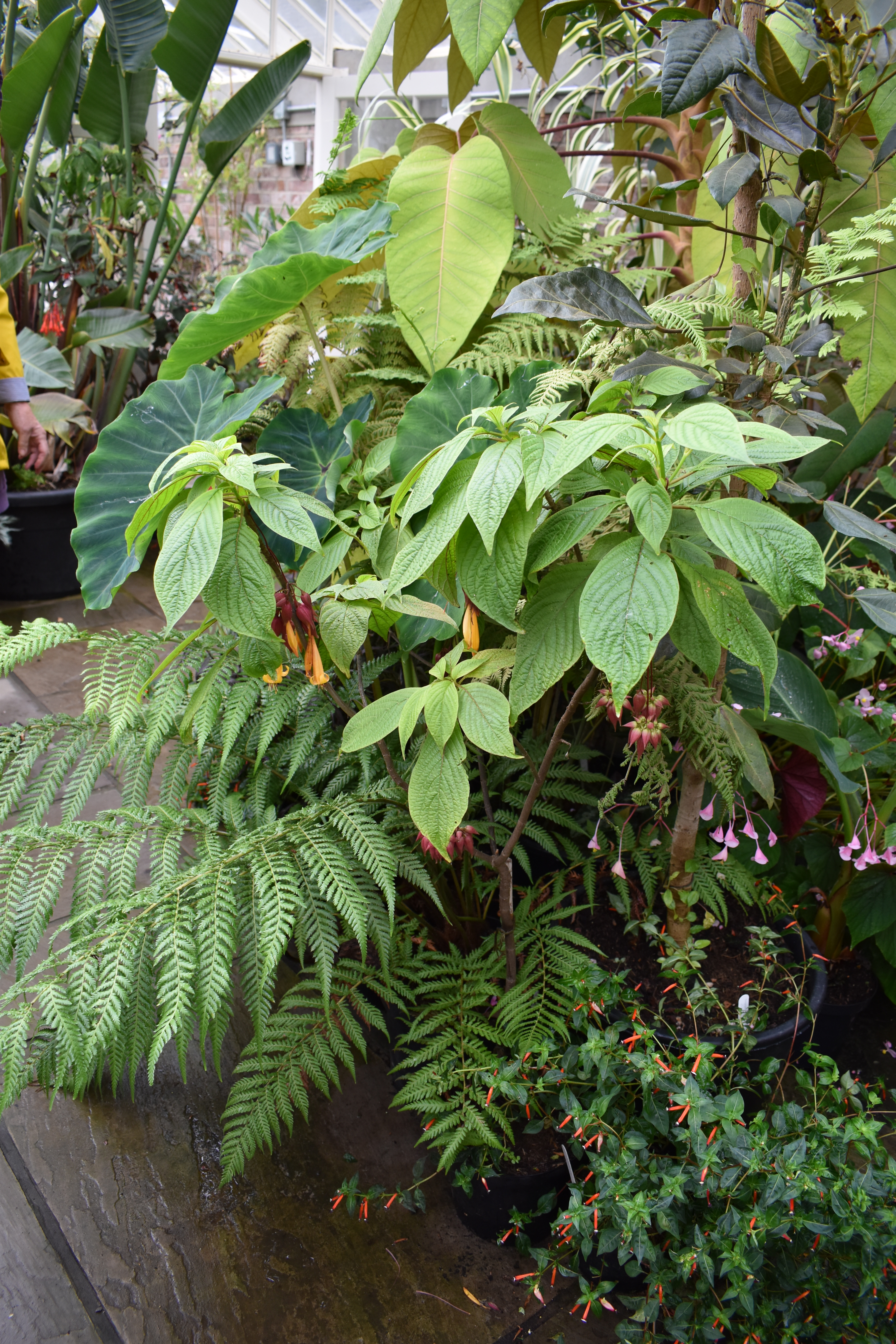
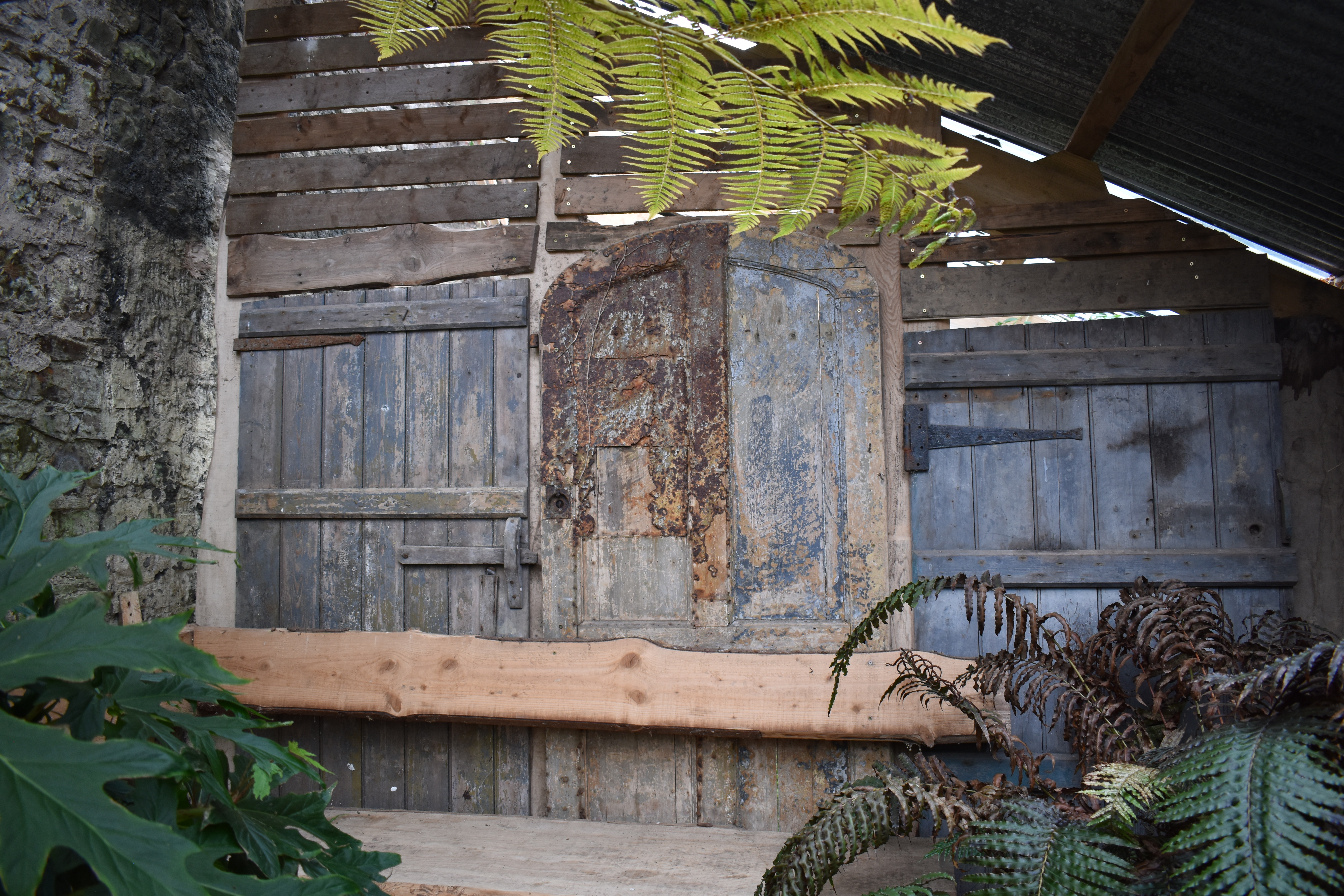
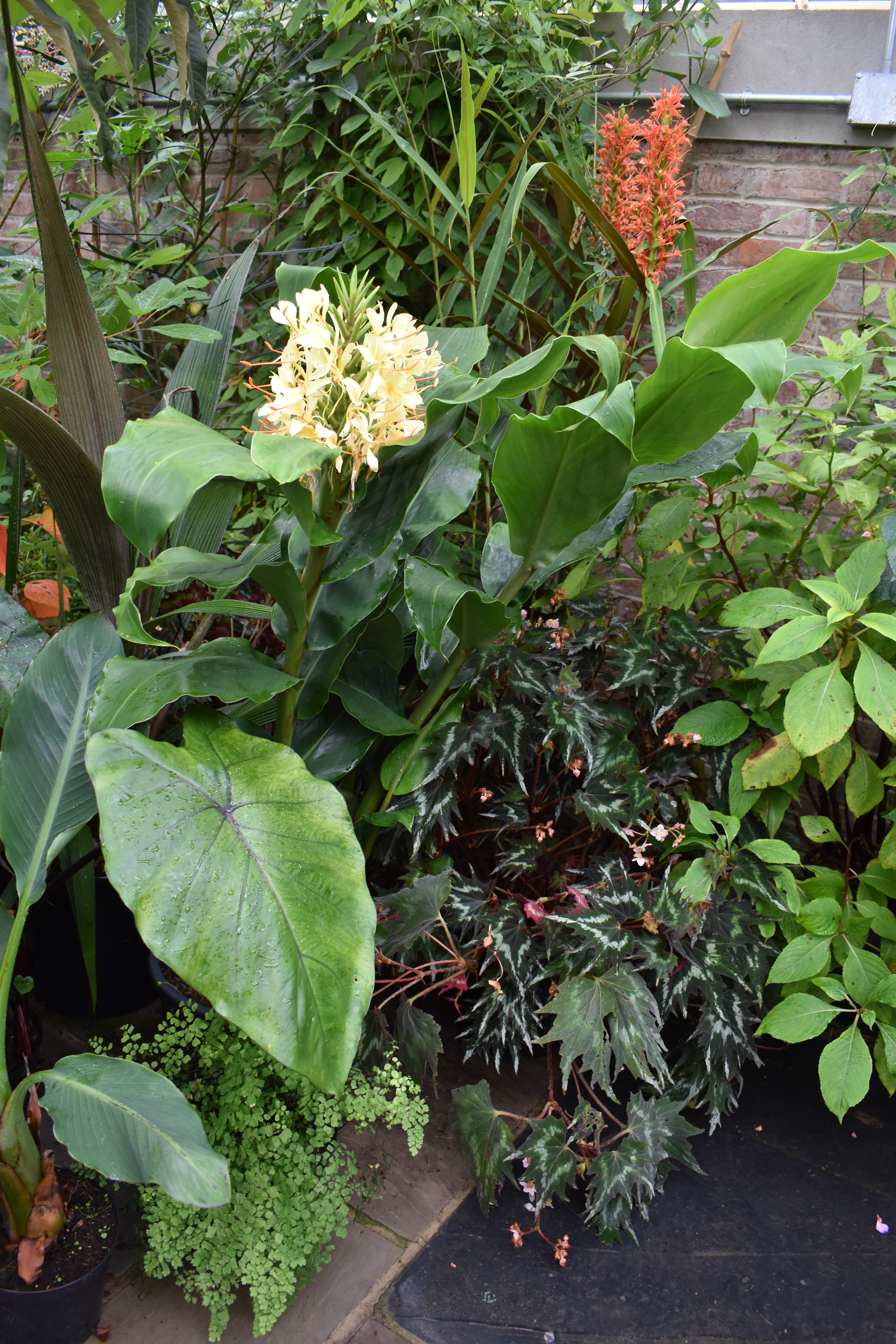
Within old garden buildings within the walled garden ferns grew happily among begonias, impatiens, nerines, gingers and tropical looking foliage plants.

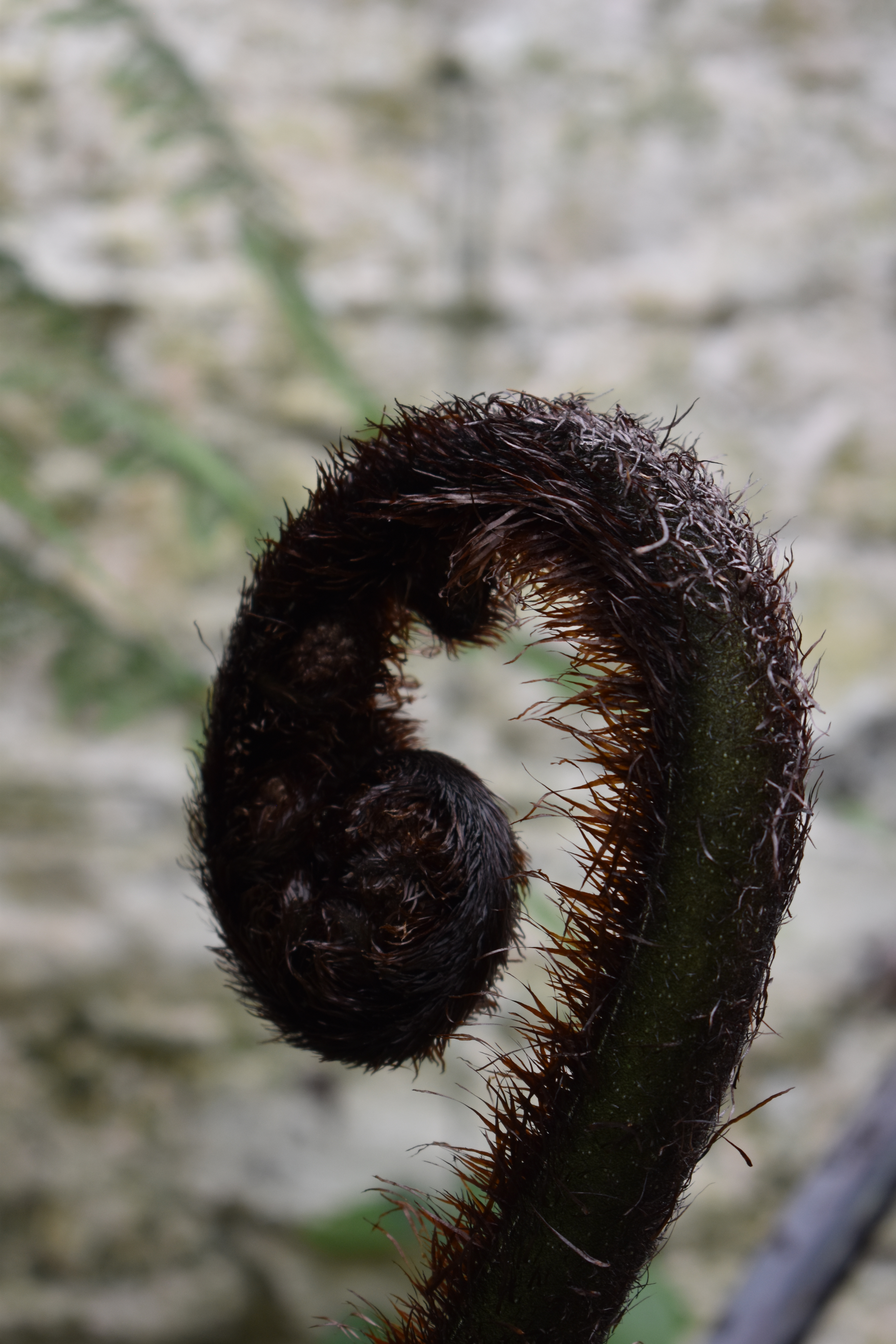
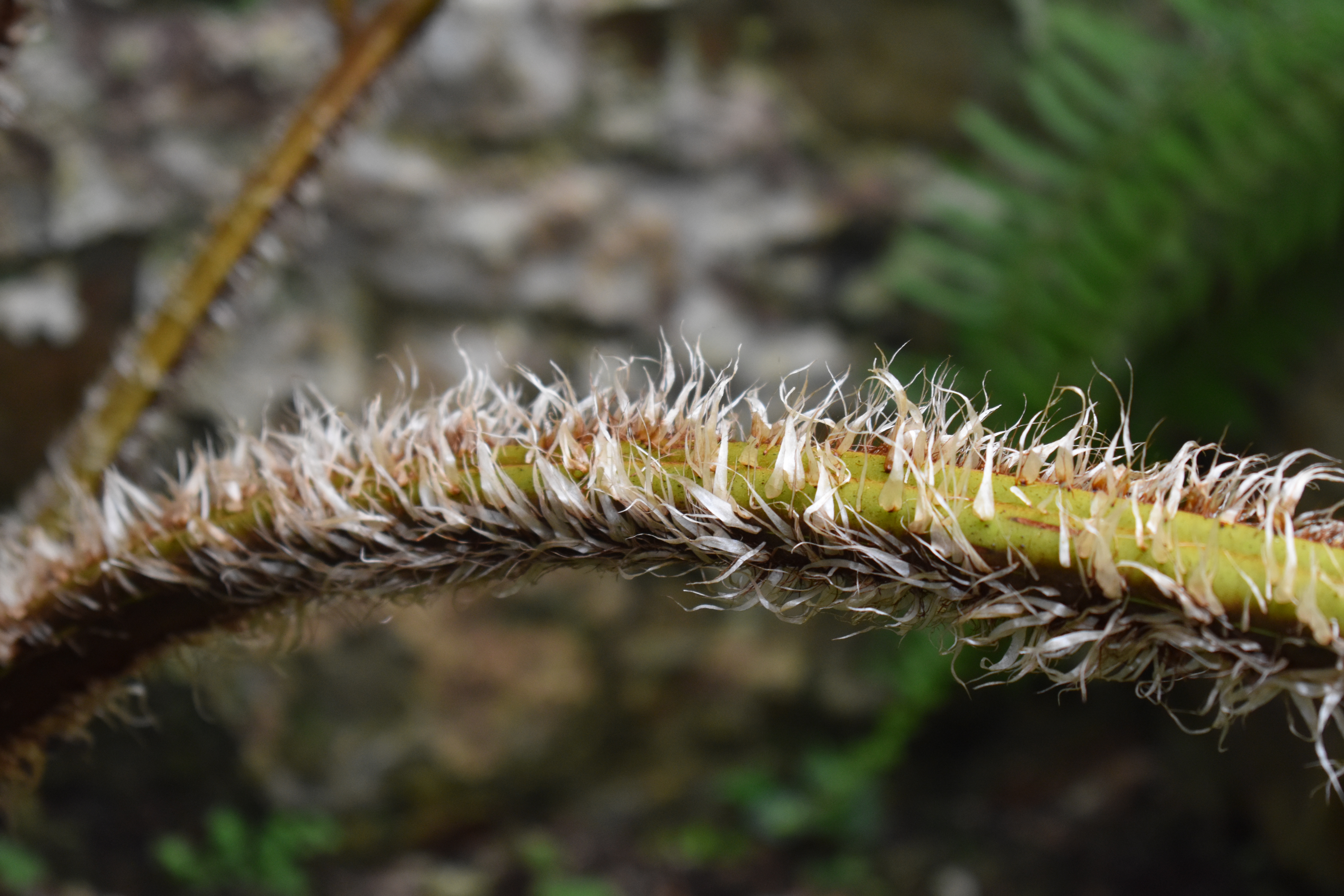
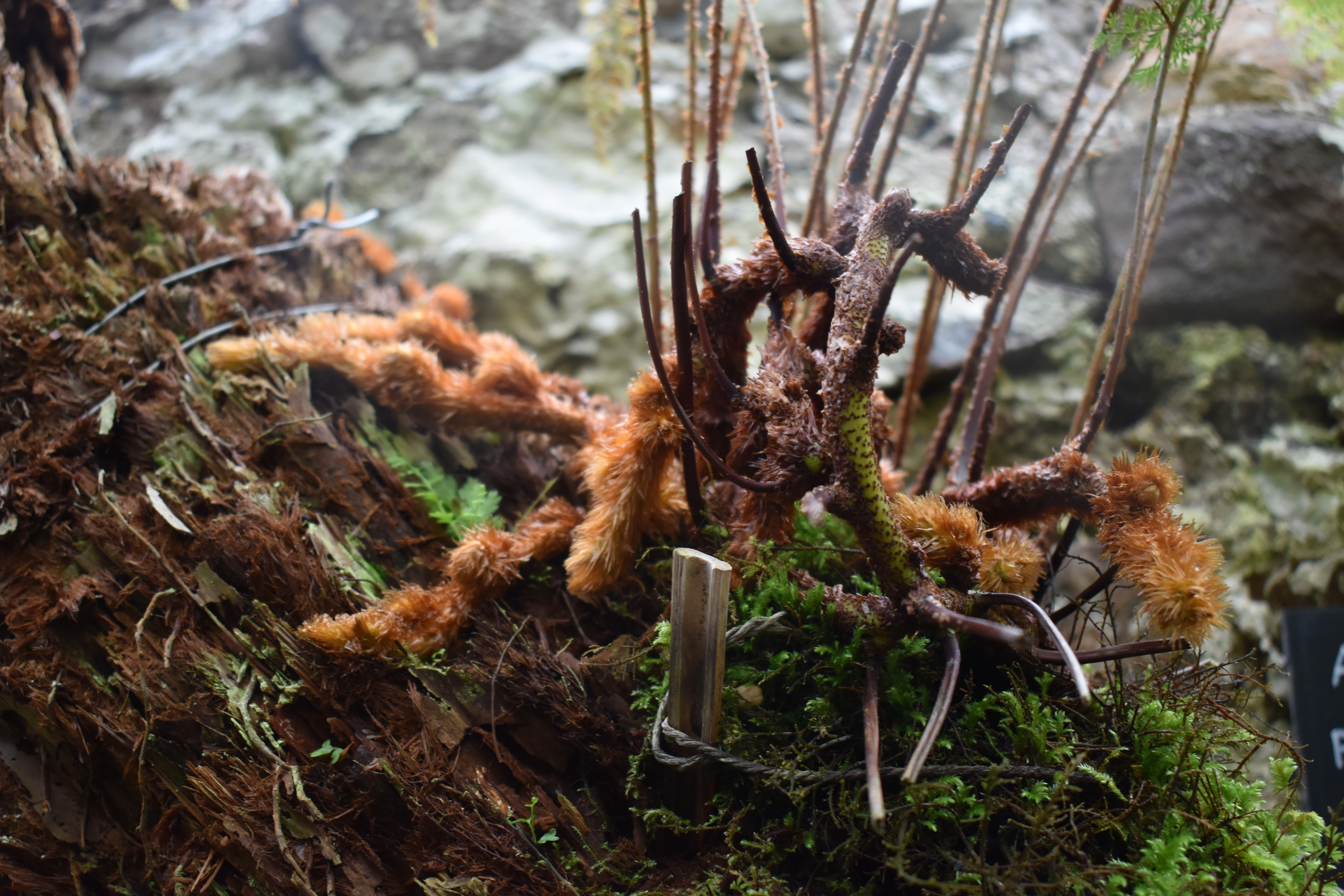
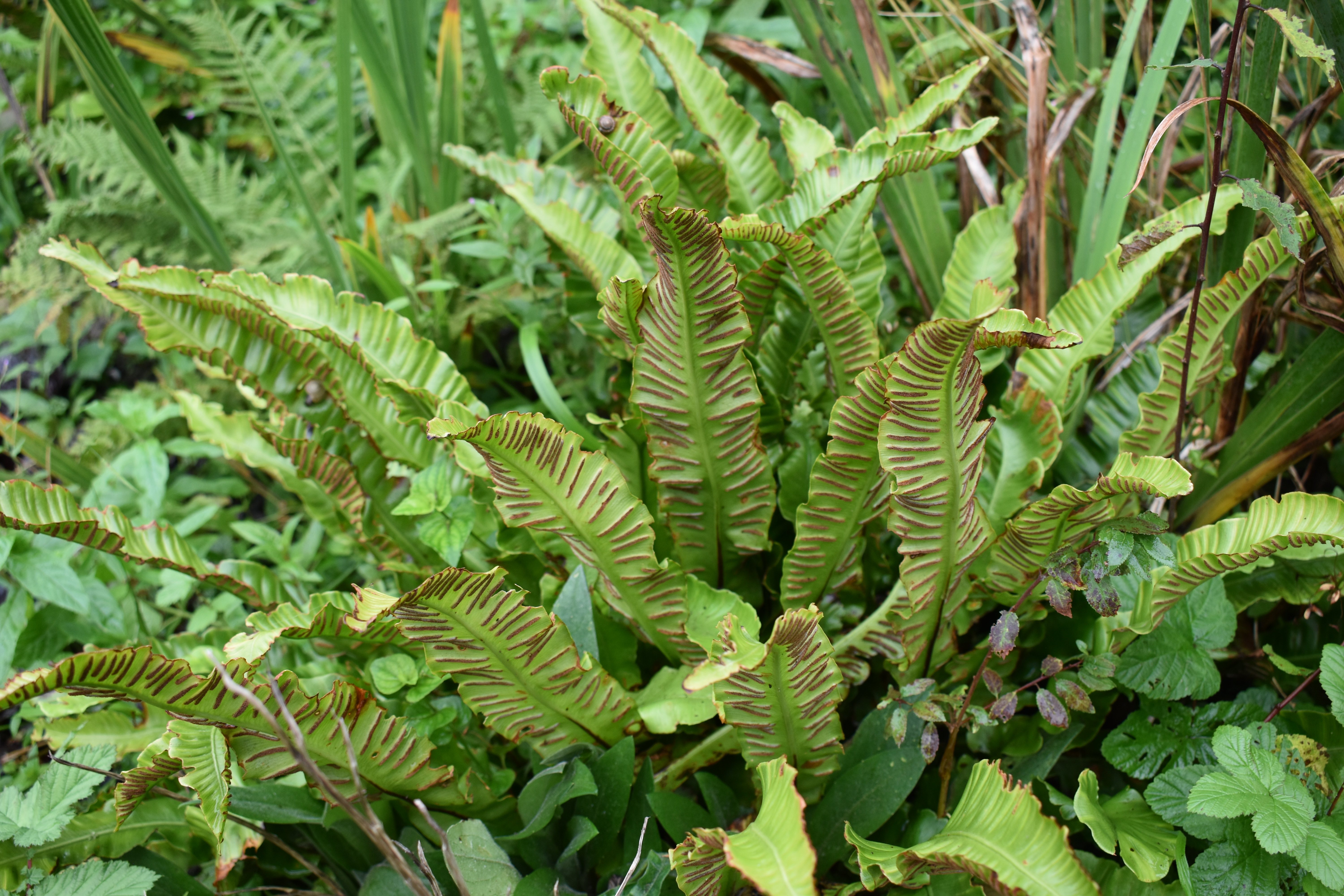
To be able to see so many different ferns together makes you realise the variation in leaf shape, texture and colour. Similarly stems vary in colour and pattern and can be as thin as wire or as thick as your finger, smooth or hairy.

The gardeners here at Picton must have carried out plenty of research to be able to place them so wisely. They look very healthy the way they are grouped or partnered with suitable plant partners.

Categories
Uncategorized

Picton Castle Gardens – the Walled Garden and Glasshouse

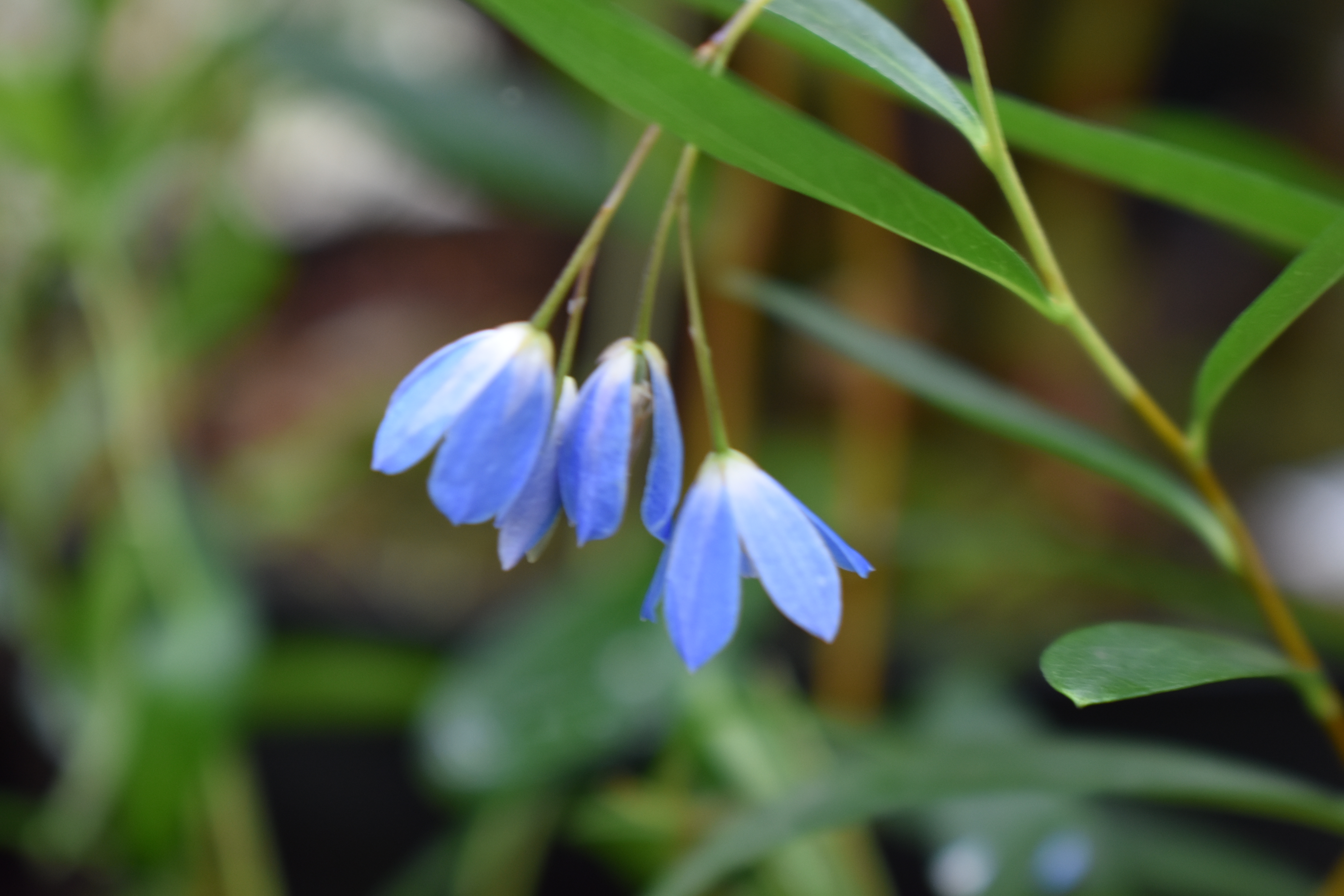
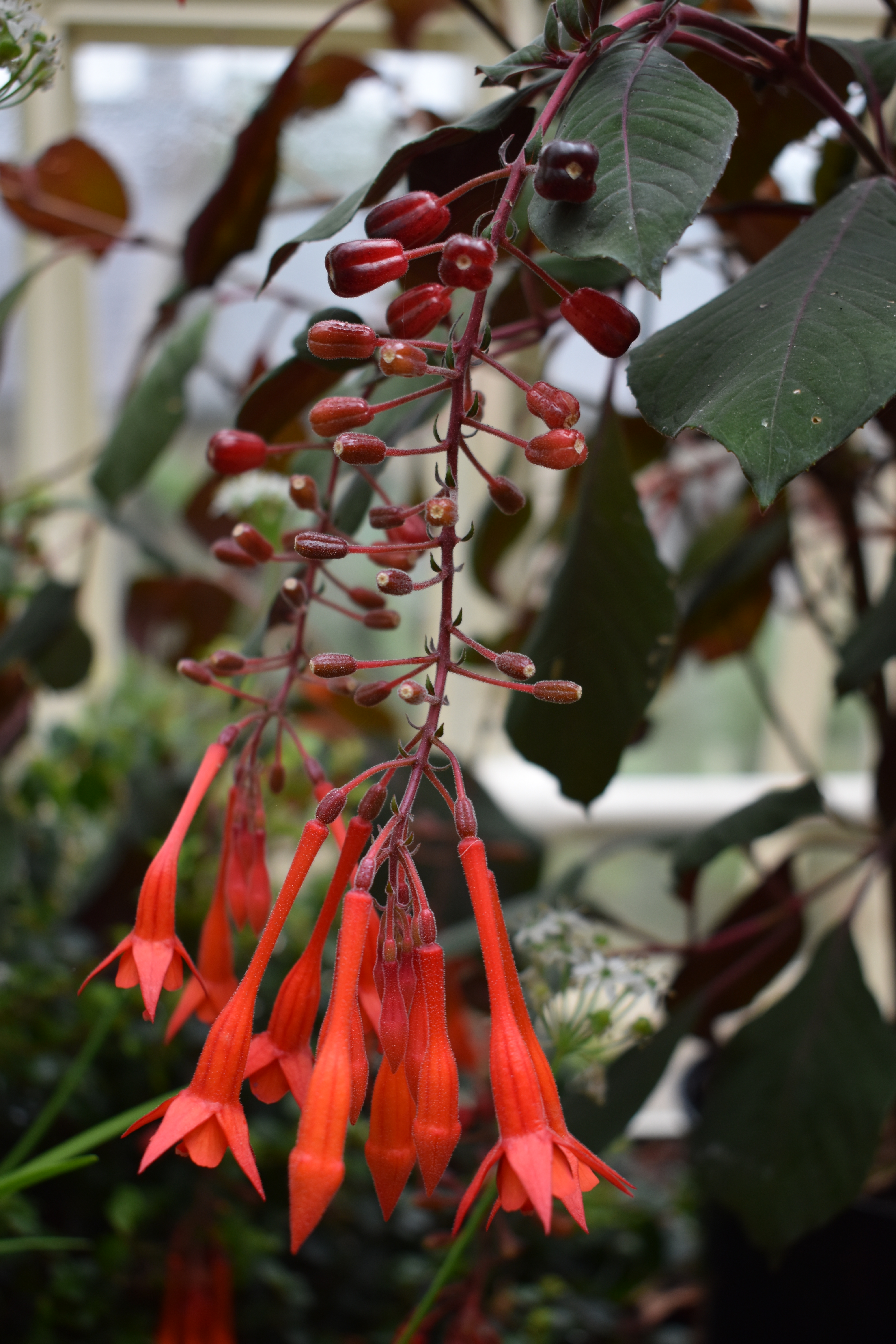
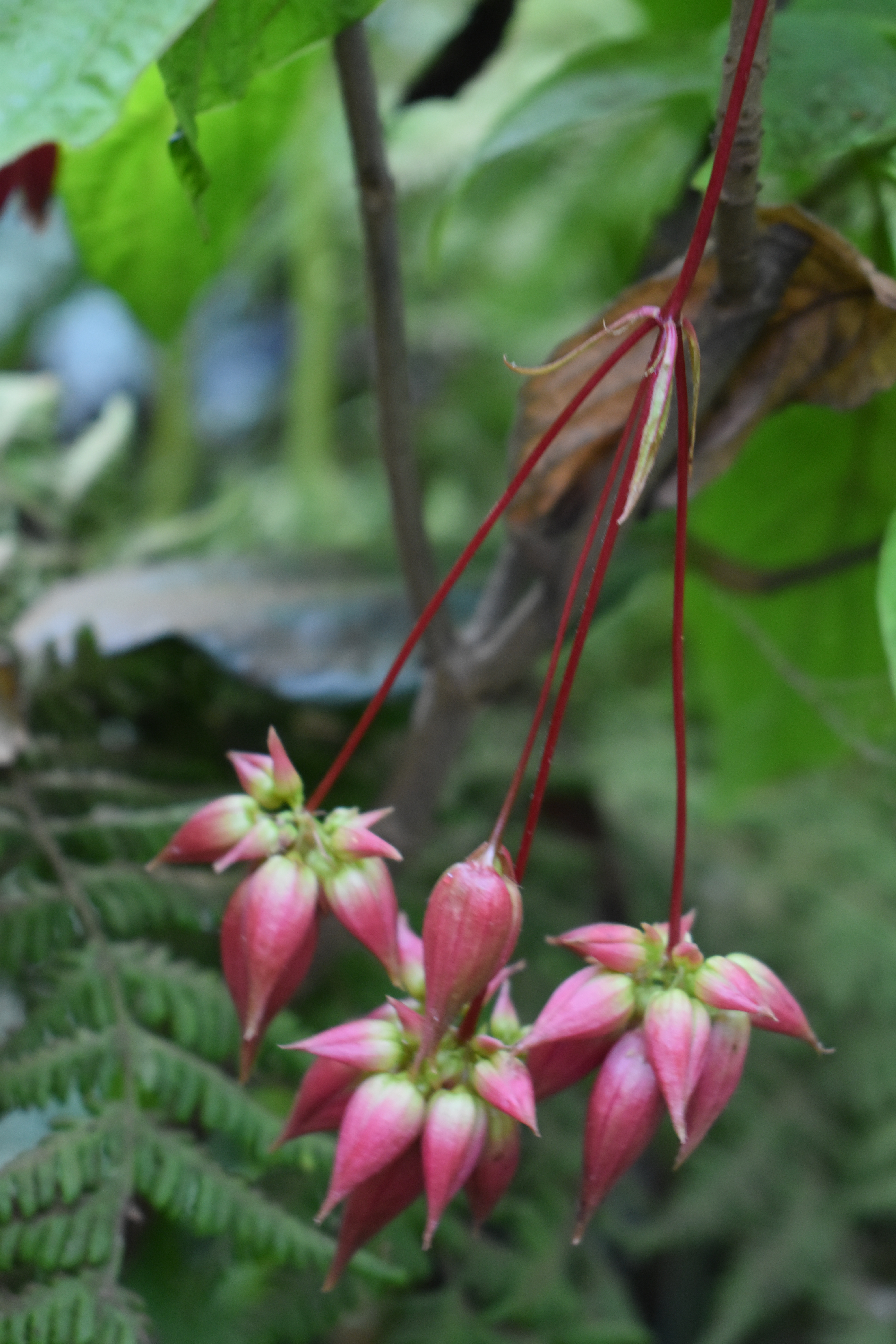
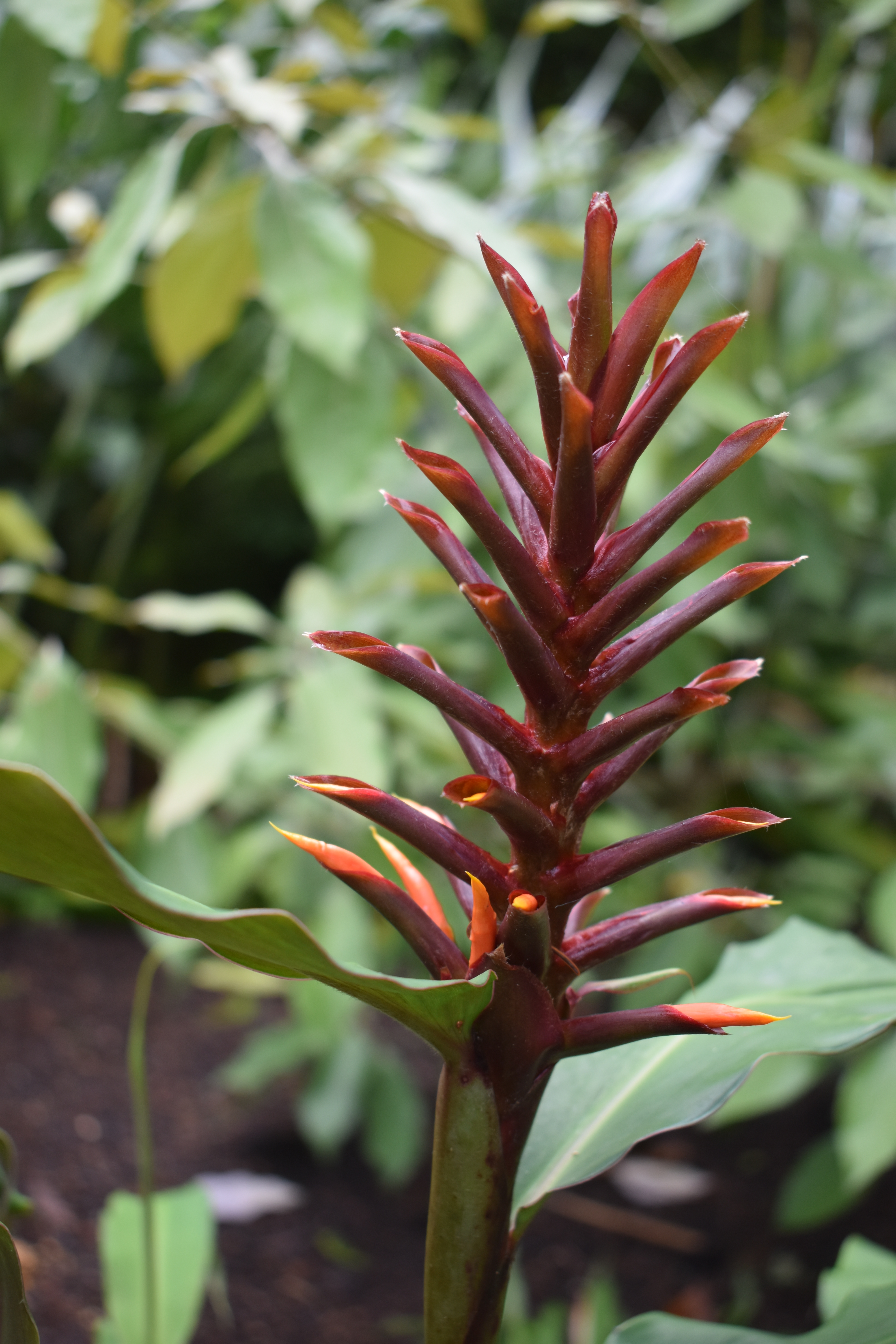
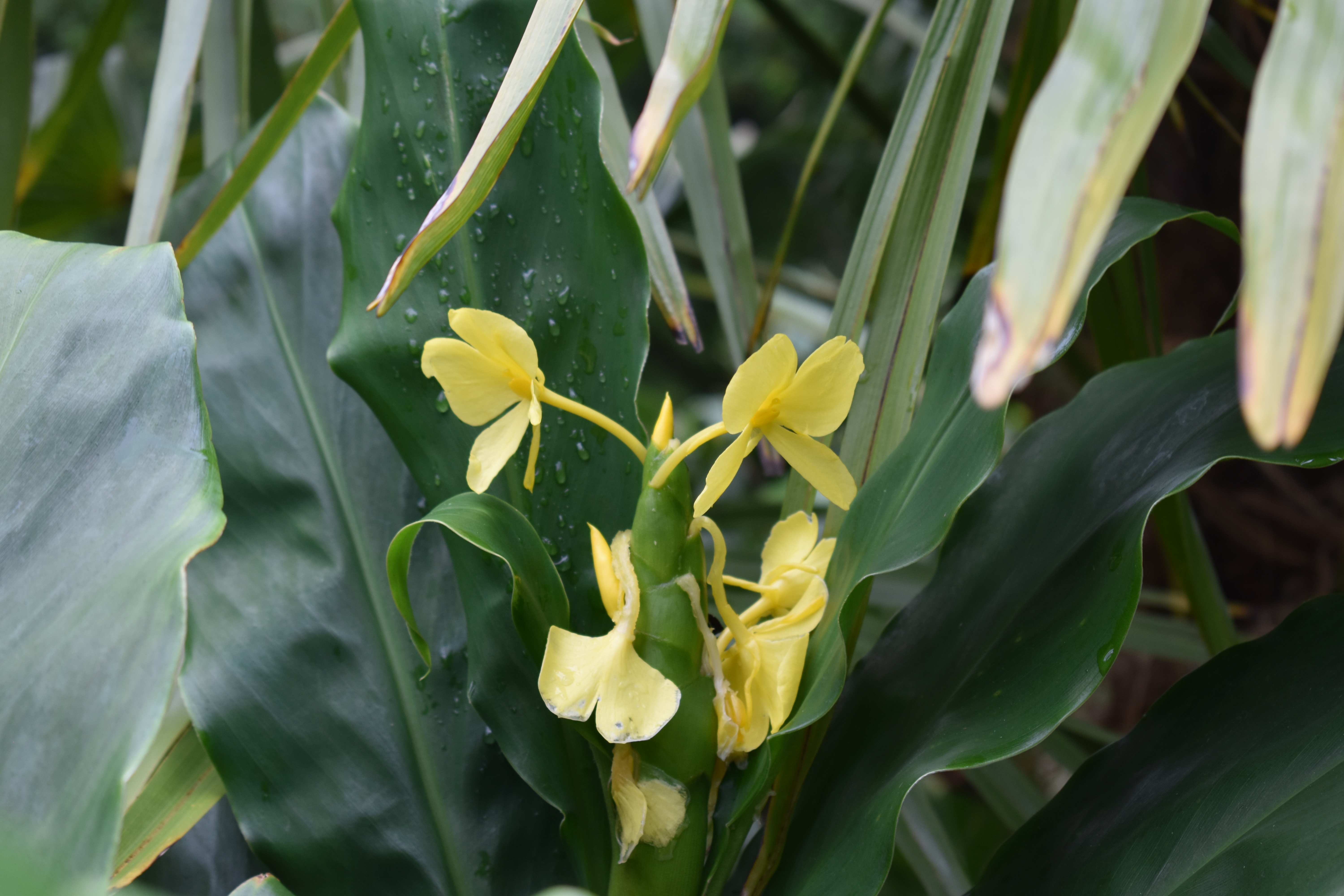
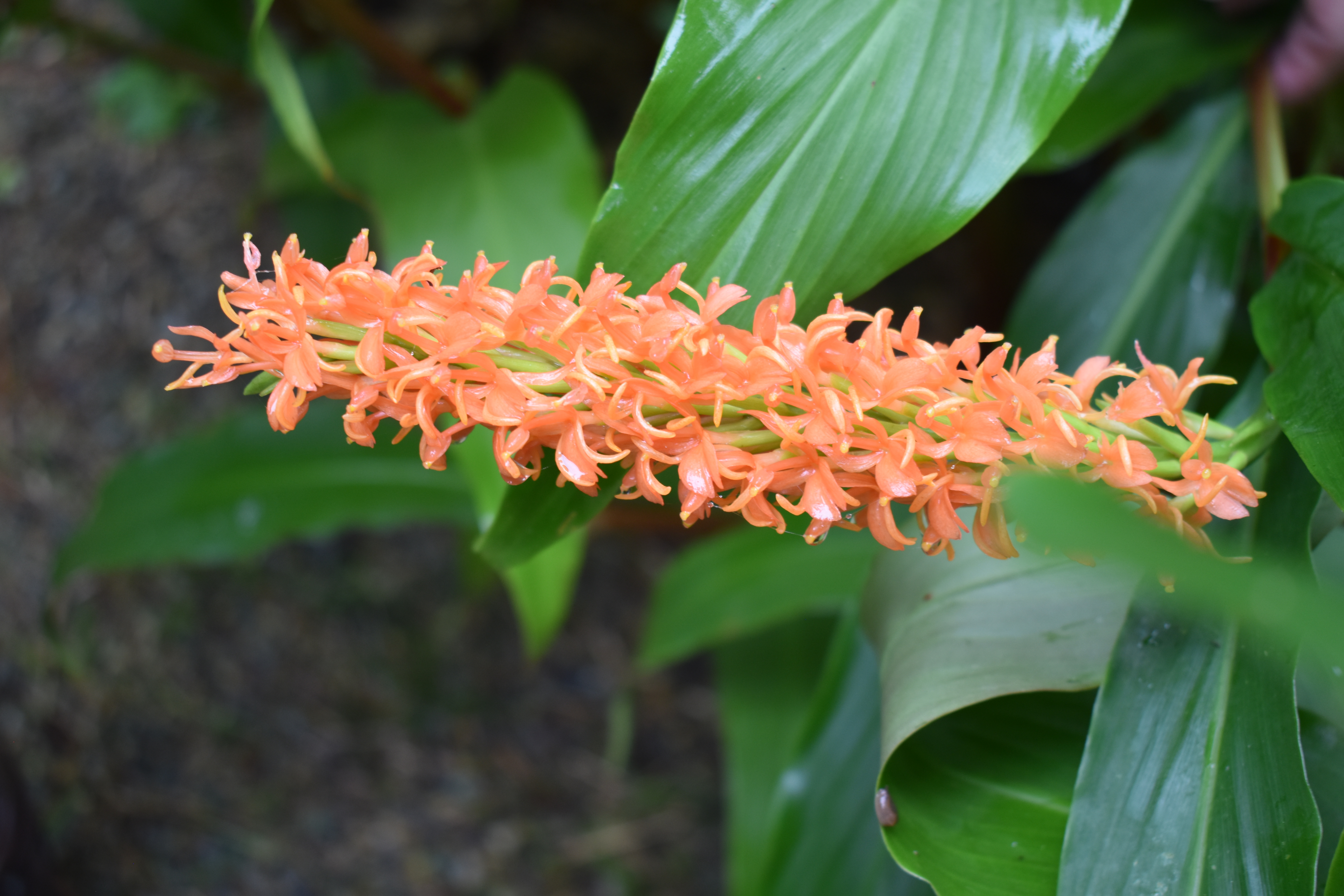
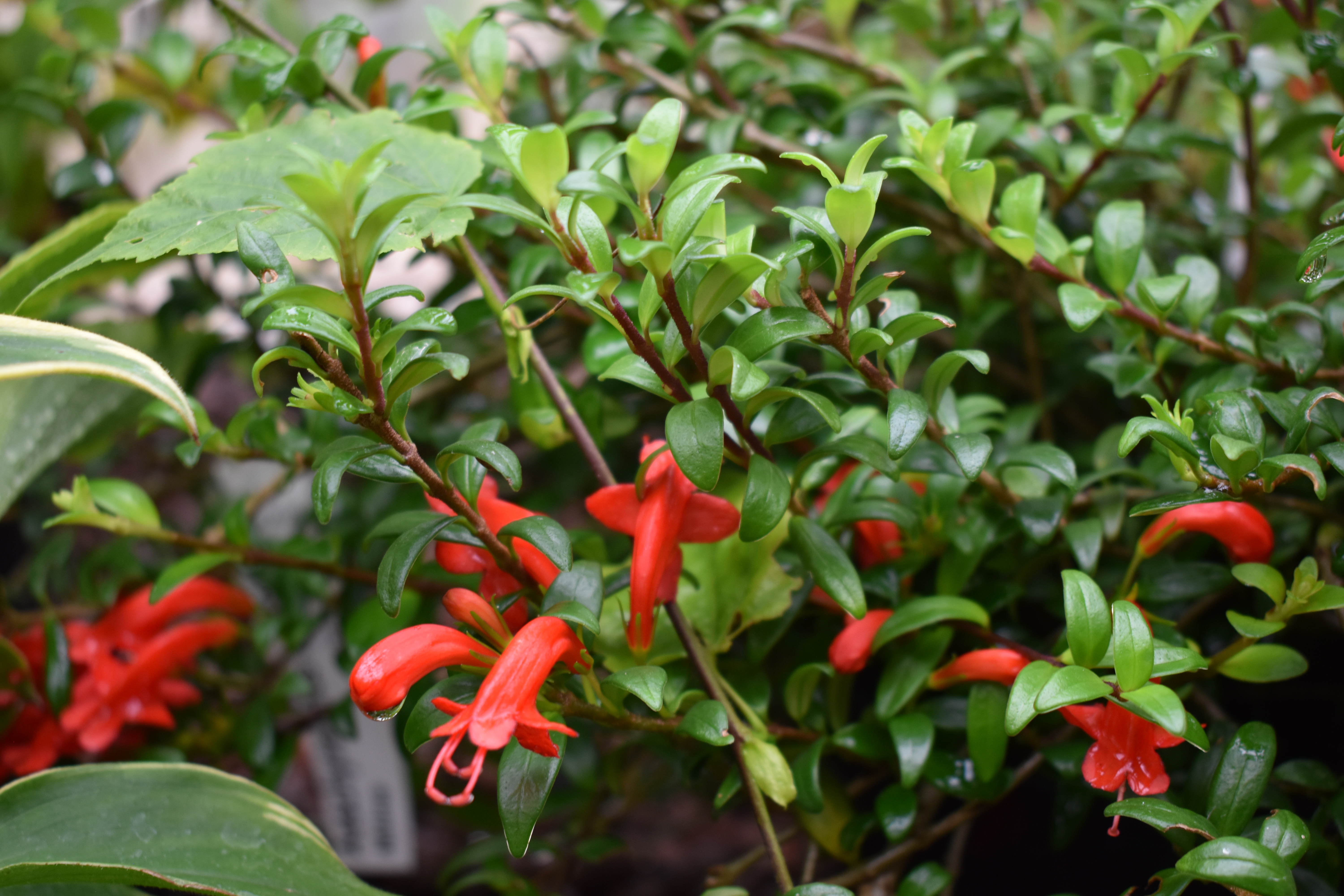
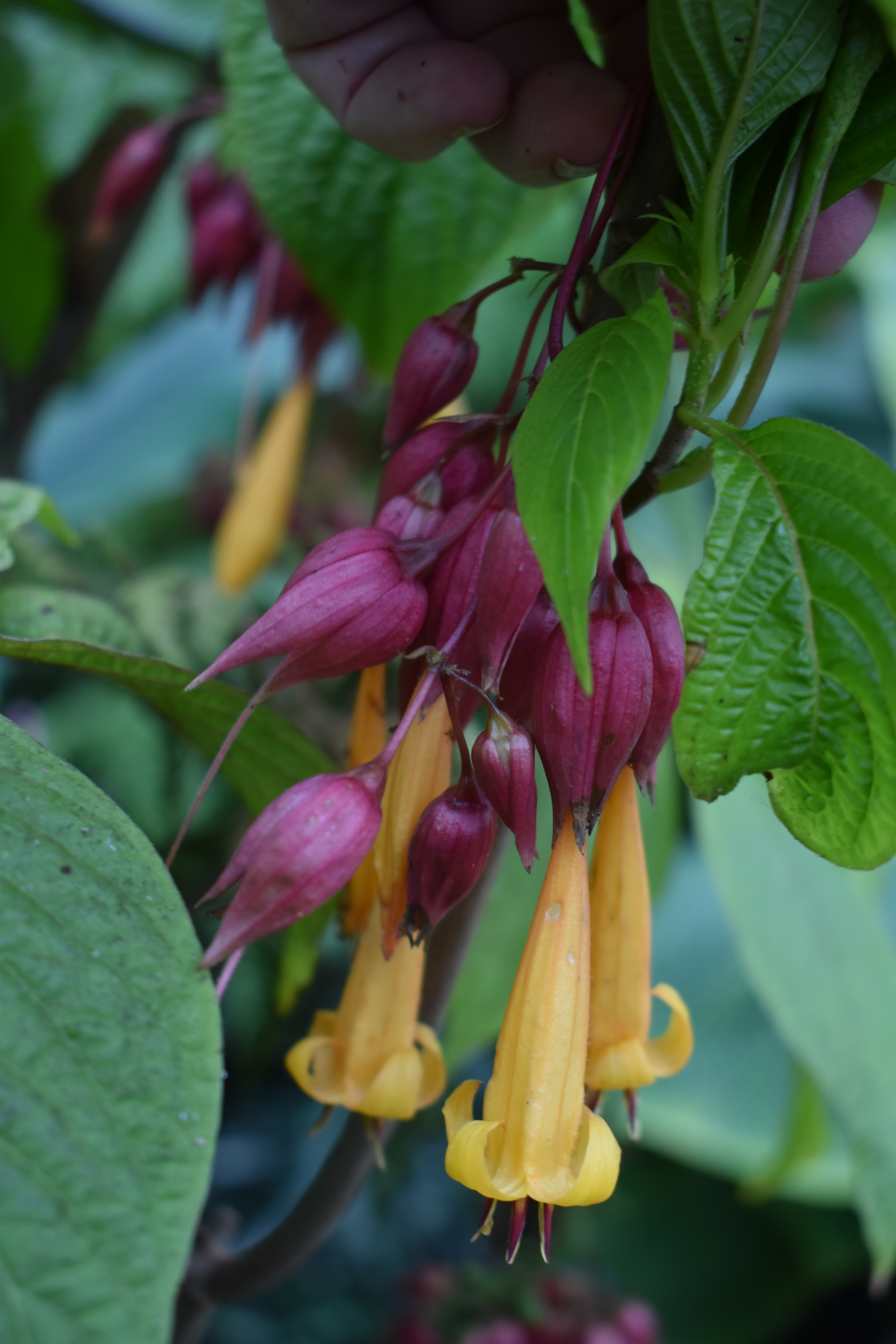
We arrived at the glasshouses and had a good look around to take advantage of our time sheltering from the rain. We delighted in these unusual flowers several of which we did not recognise. There was a great selection of begonias, gingers and fuschia. So many of these plants had unusually shaped and coloured flowers, odd ones with the added attraction of scent.

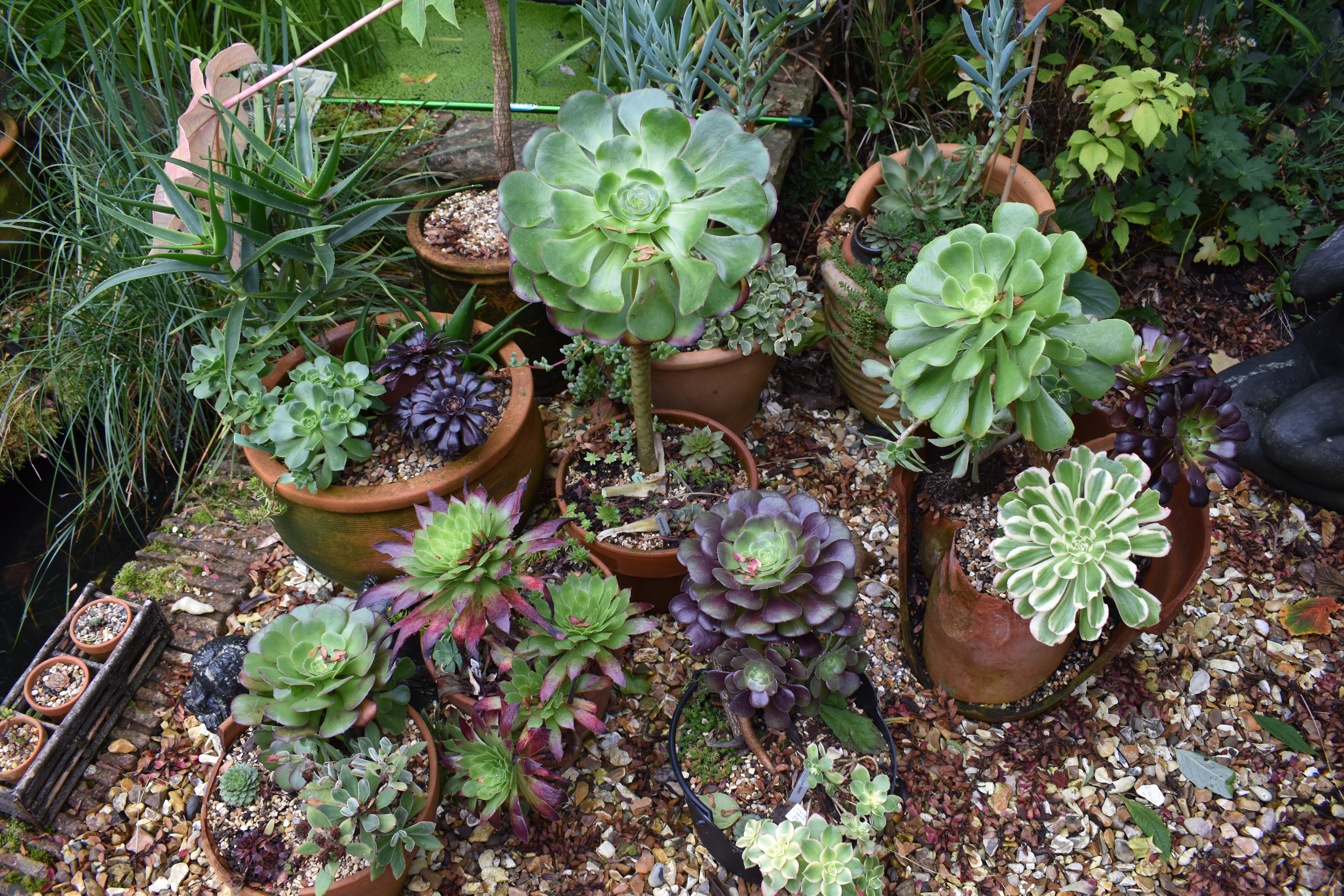
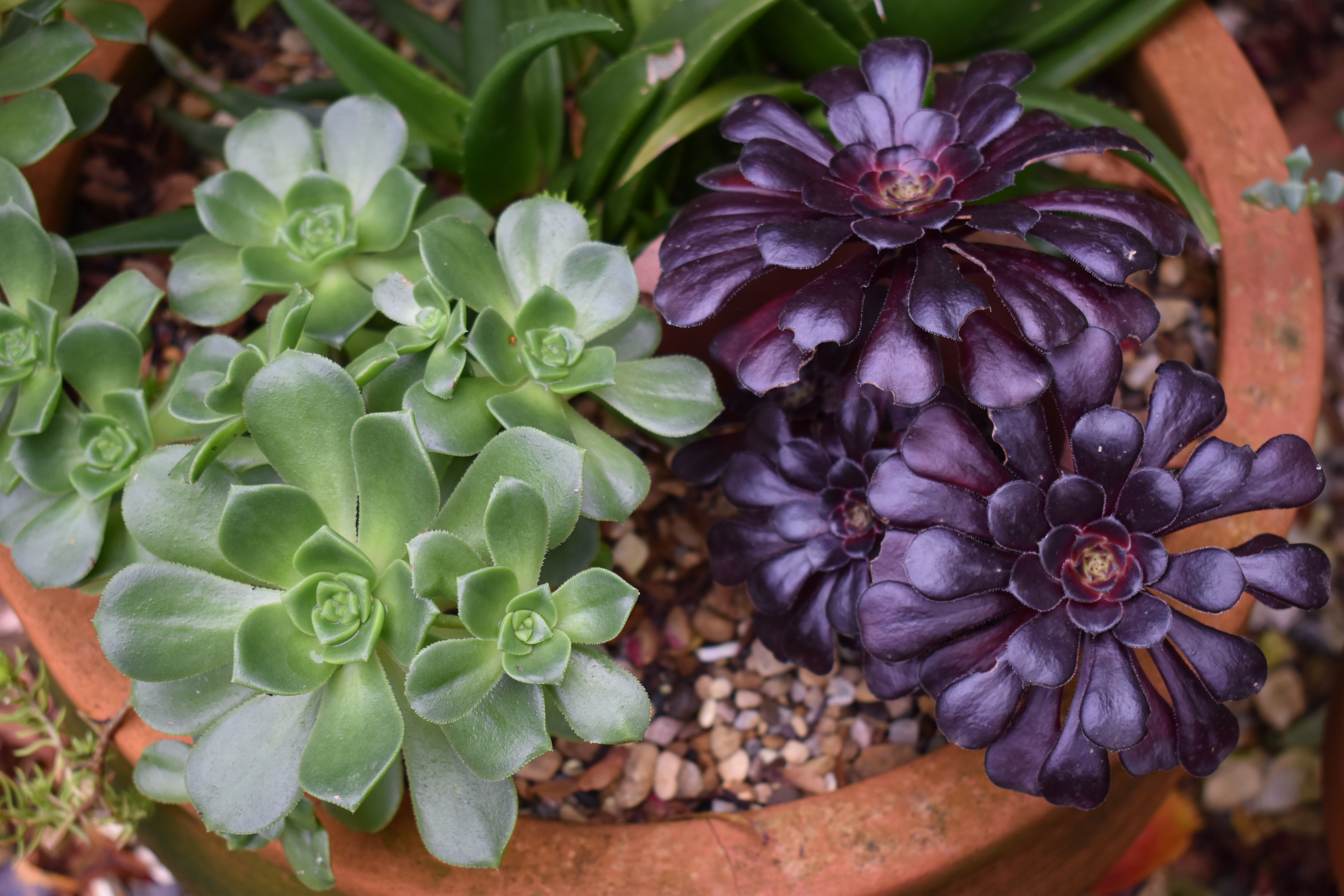
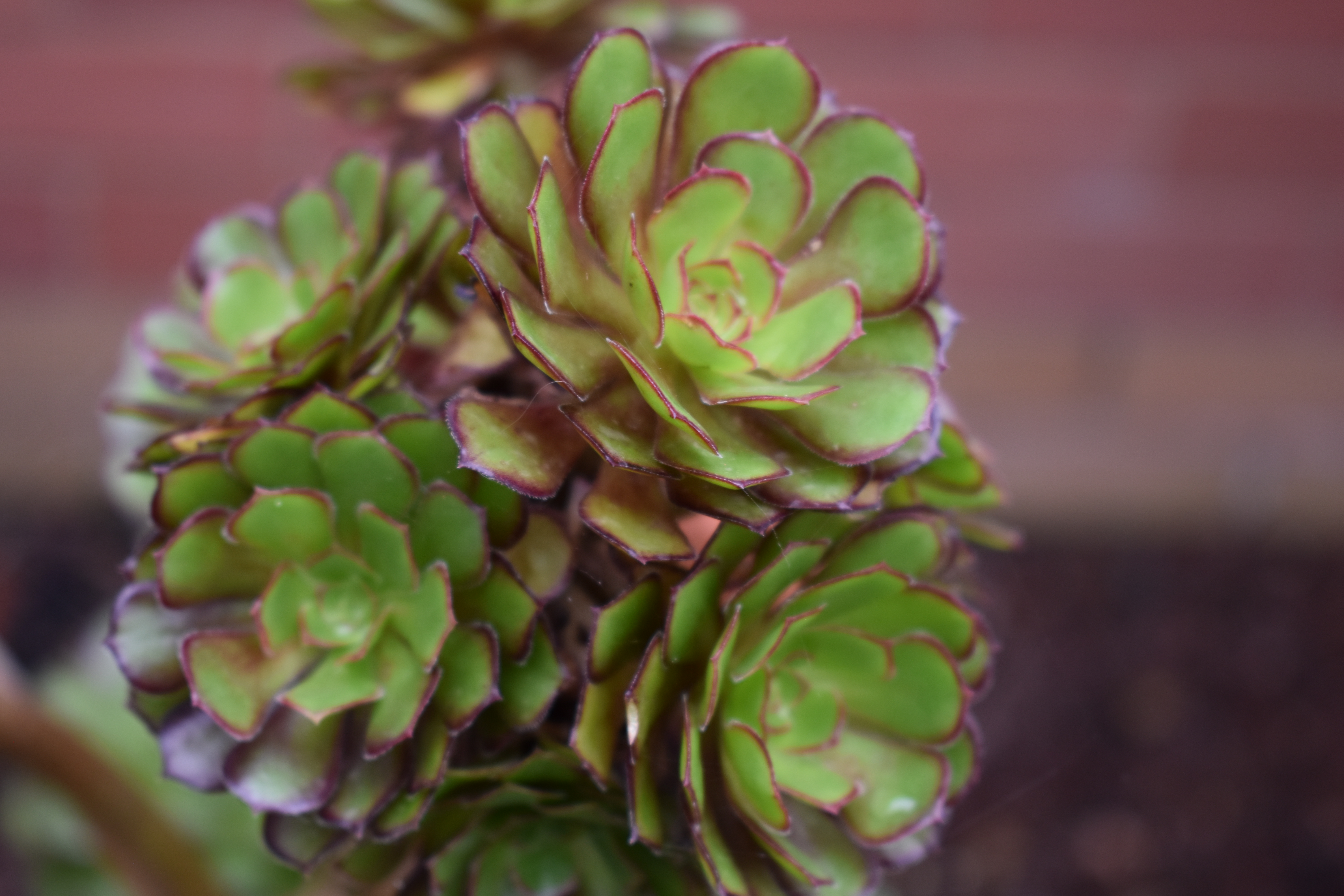
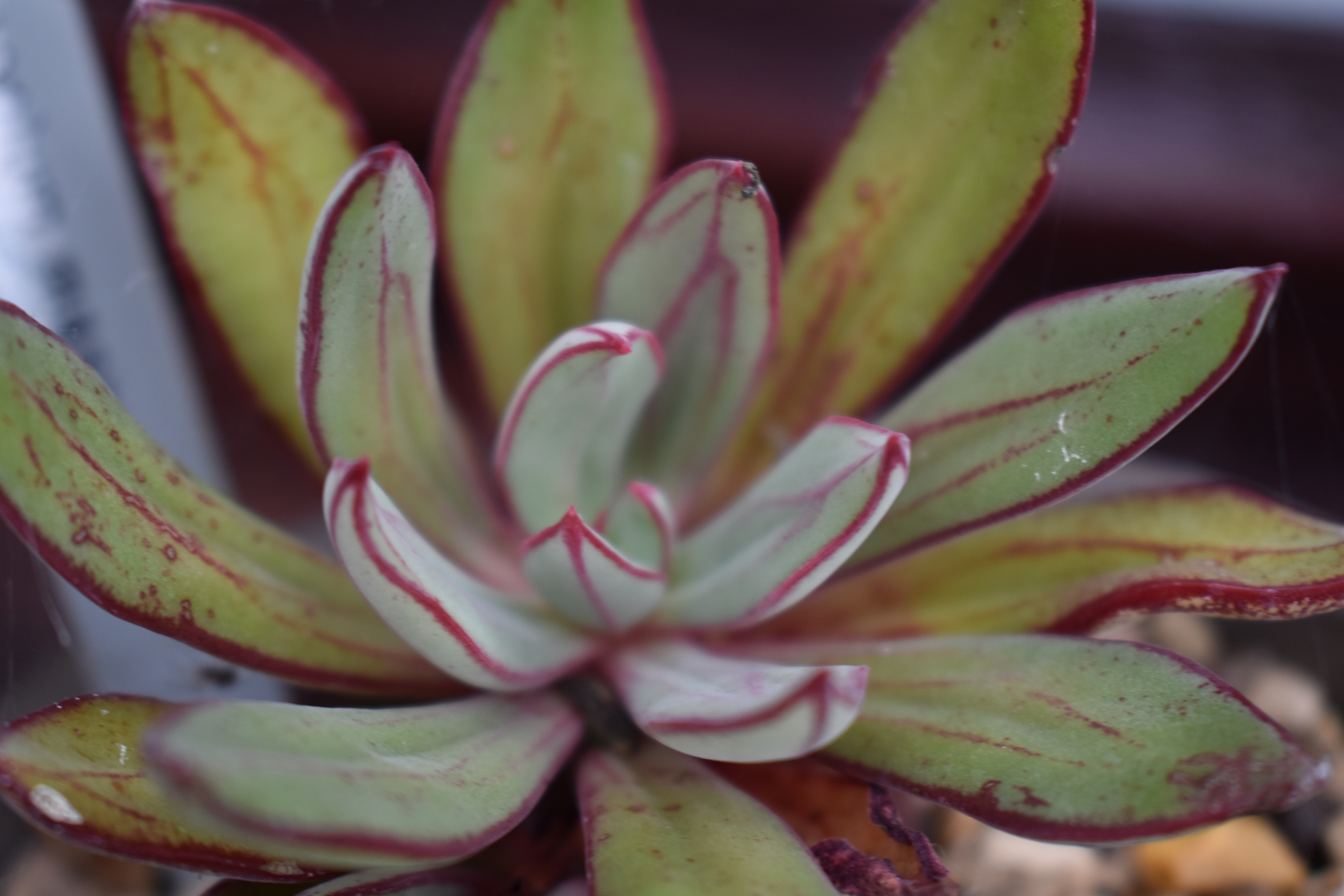
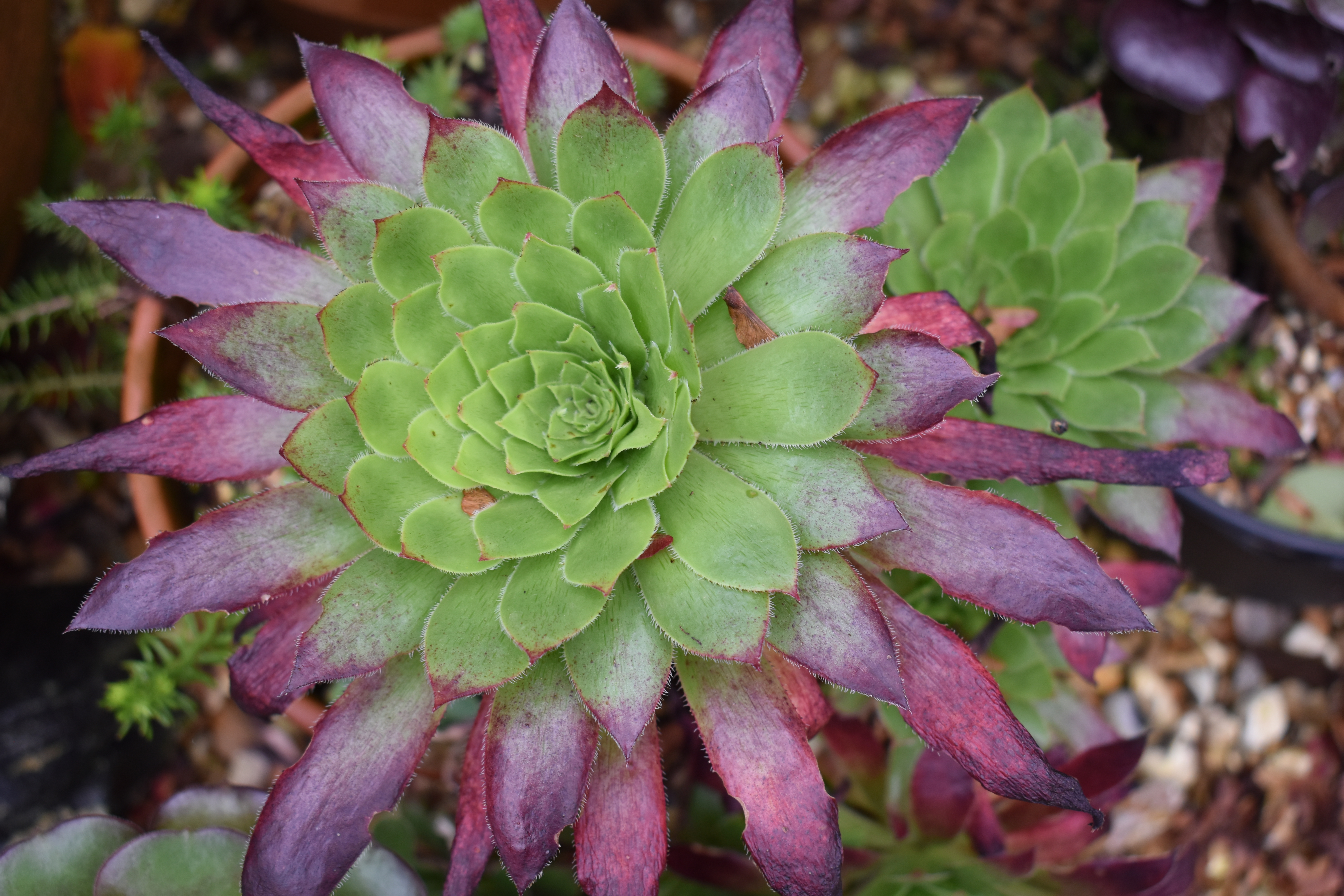
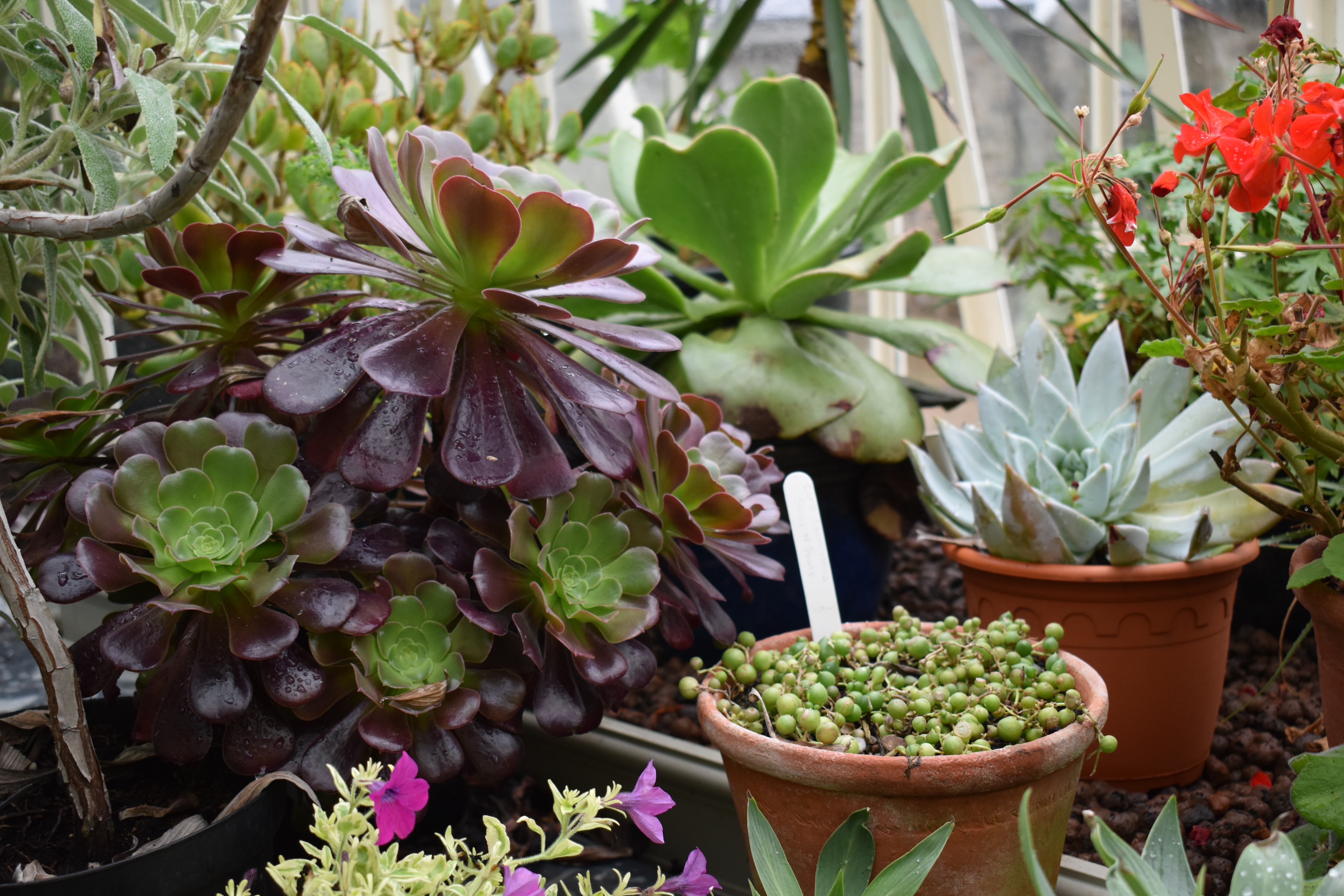
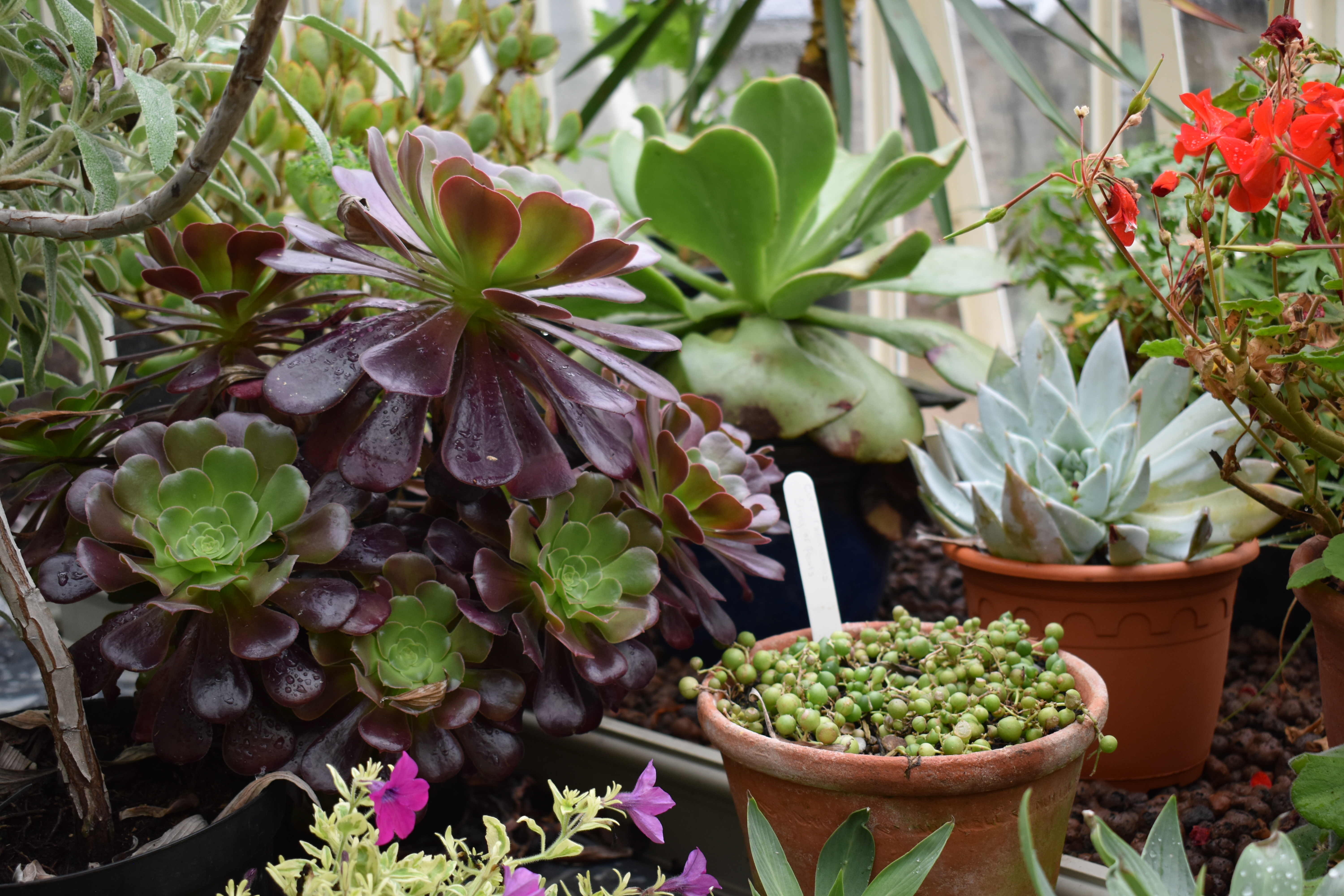
We have a big collection of succulents at home with many aeoniums included, so the displays of these plants drew our attention at the far end of the glasshouse.
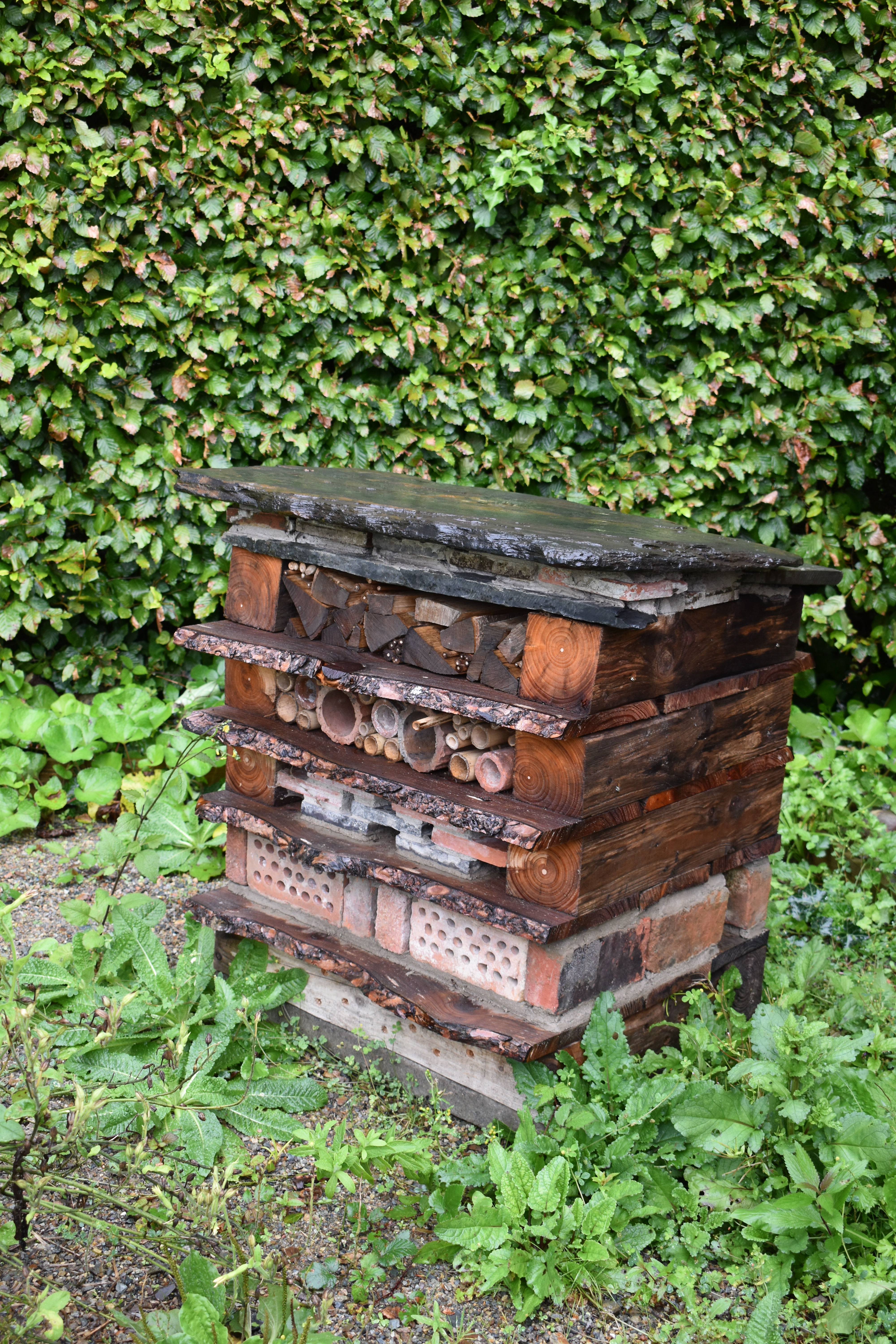
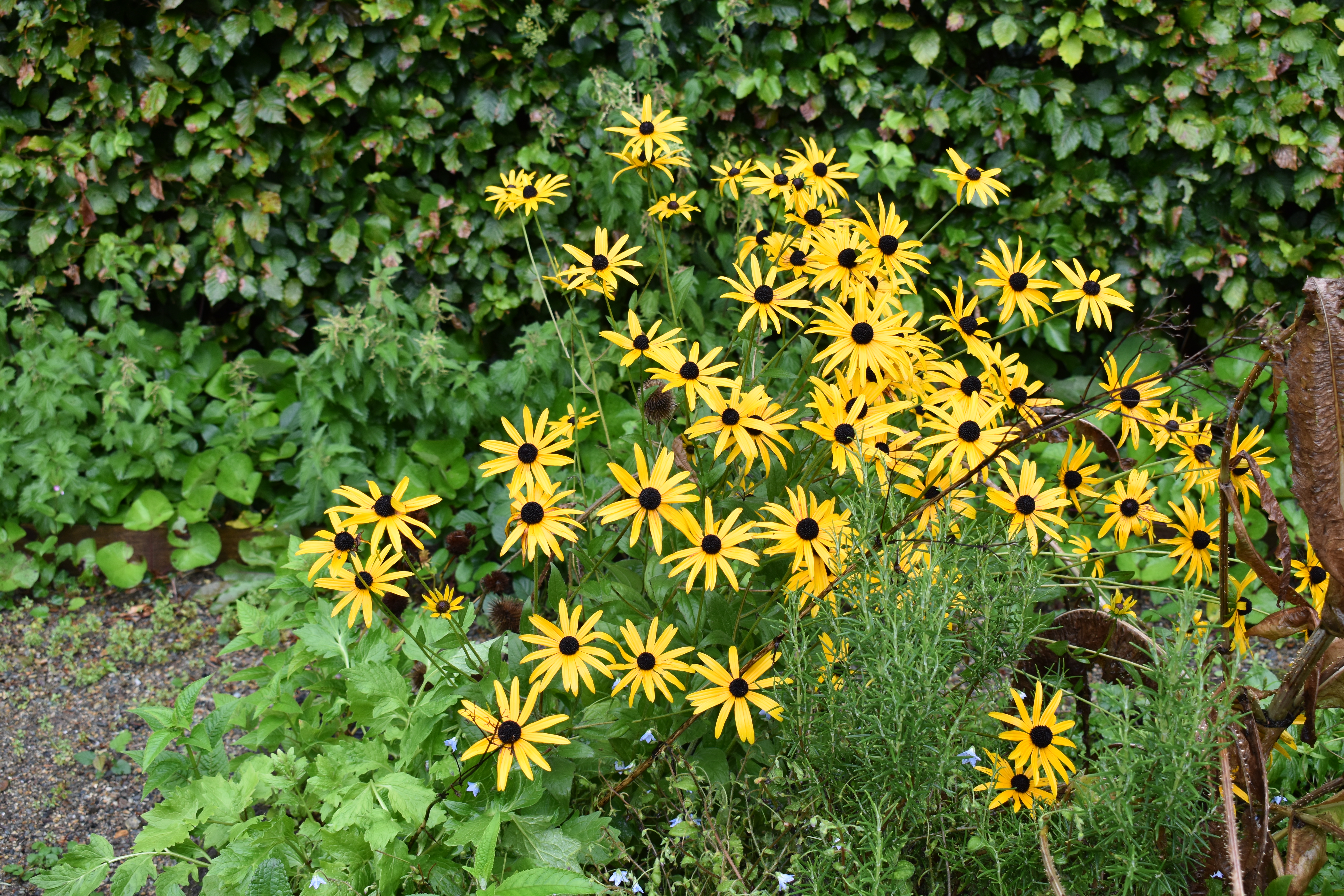
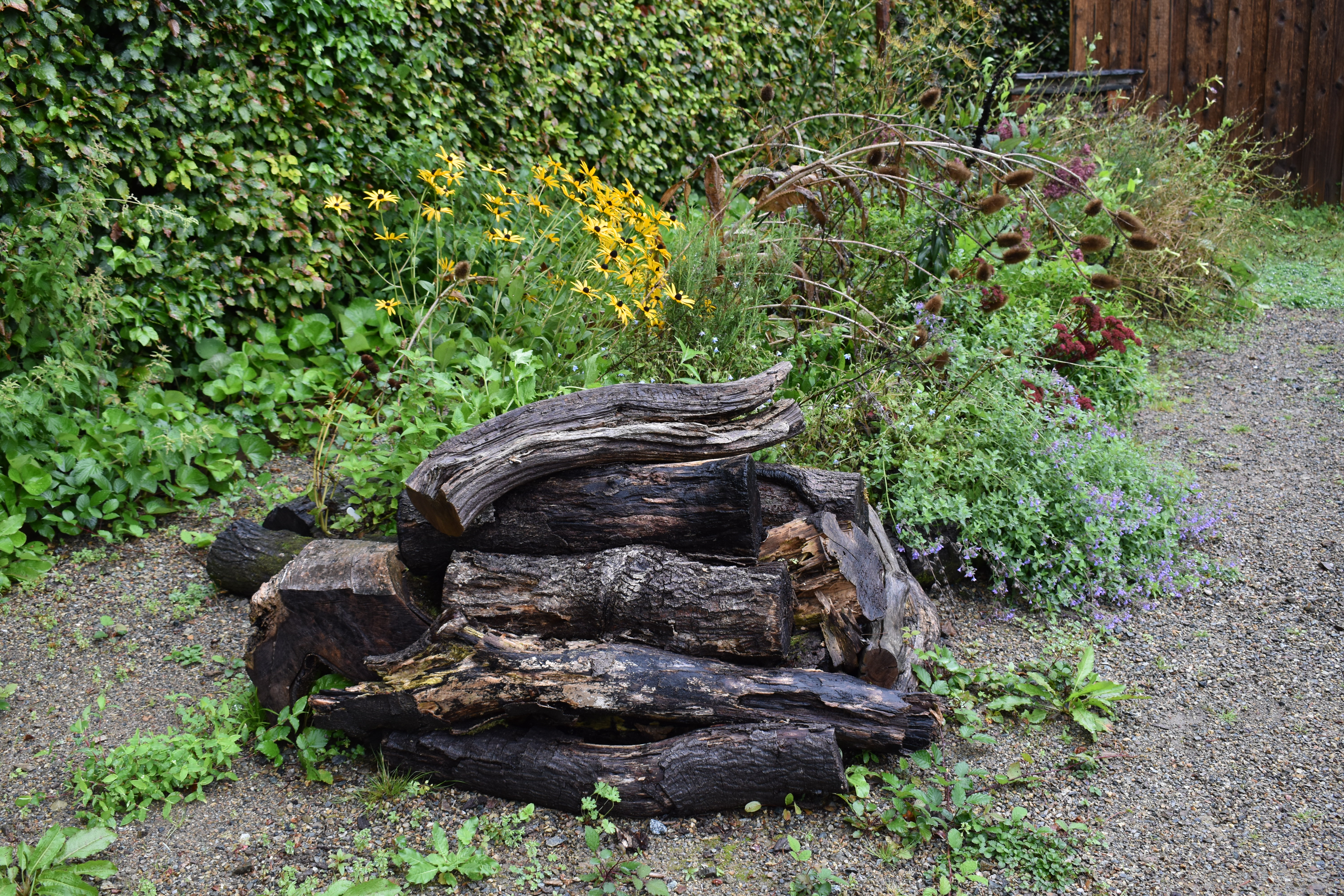
We then moved outside as the rain had ceased and found that the needs of wildlife had been well catered for. The planting had been chosen for pollinators and predators, features had been created such as this bug hotel and log pile. An old stone wall originally part of a glasshouse was covered in ivy the best plant for wildlife in the latter part of the year.

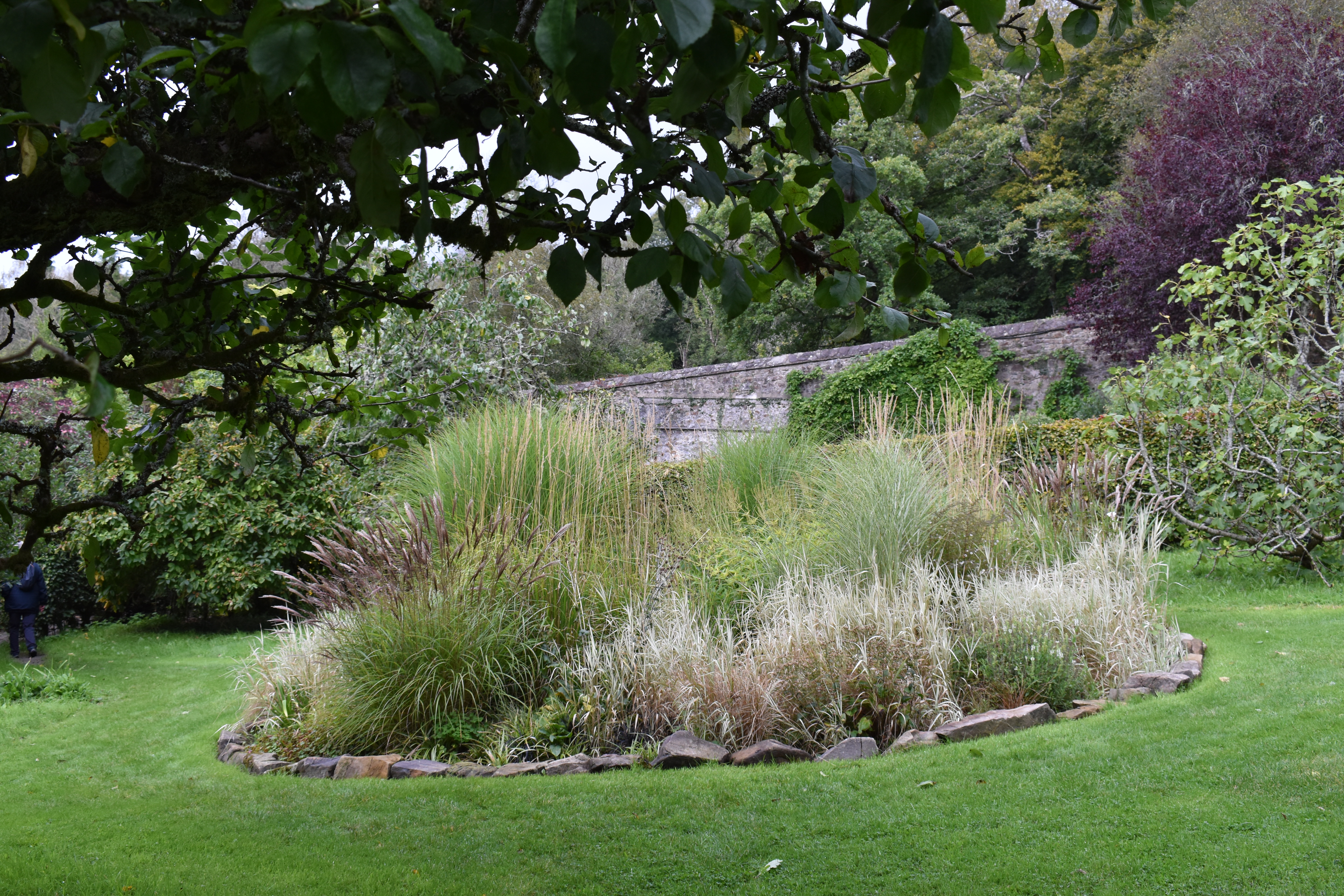
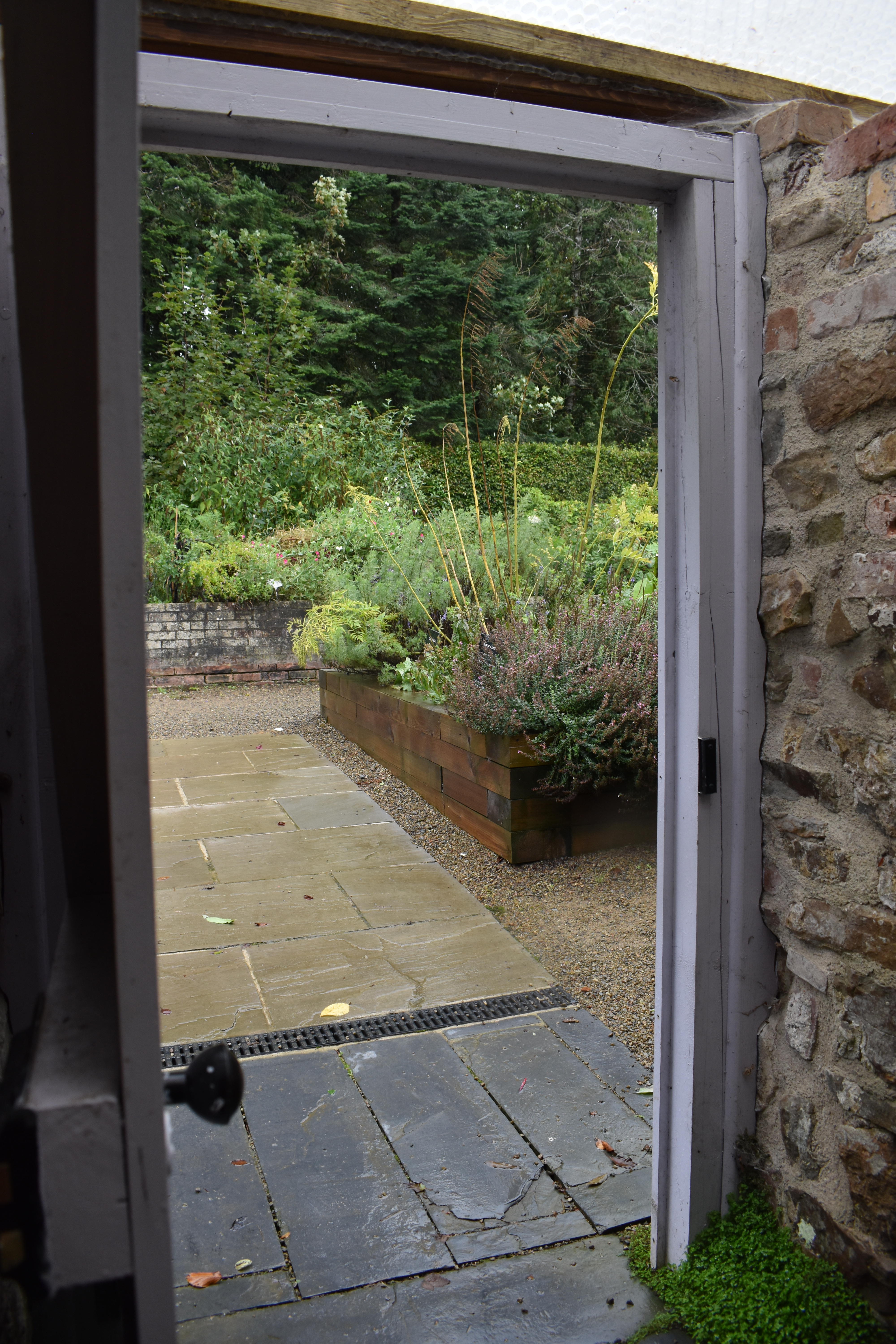
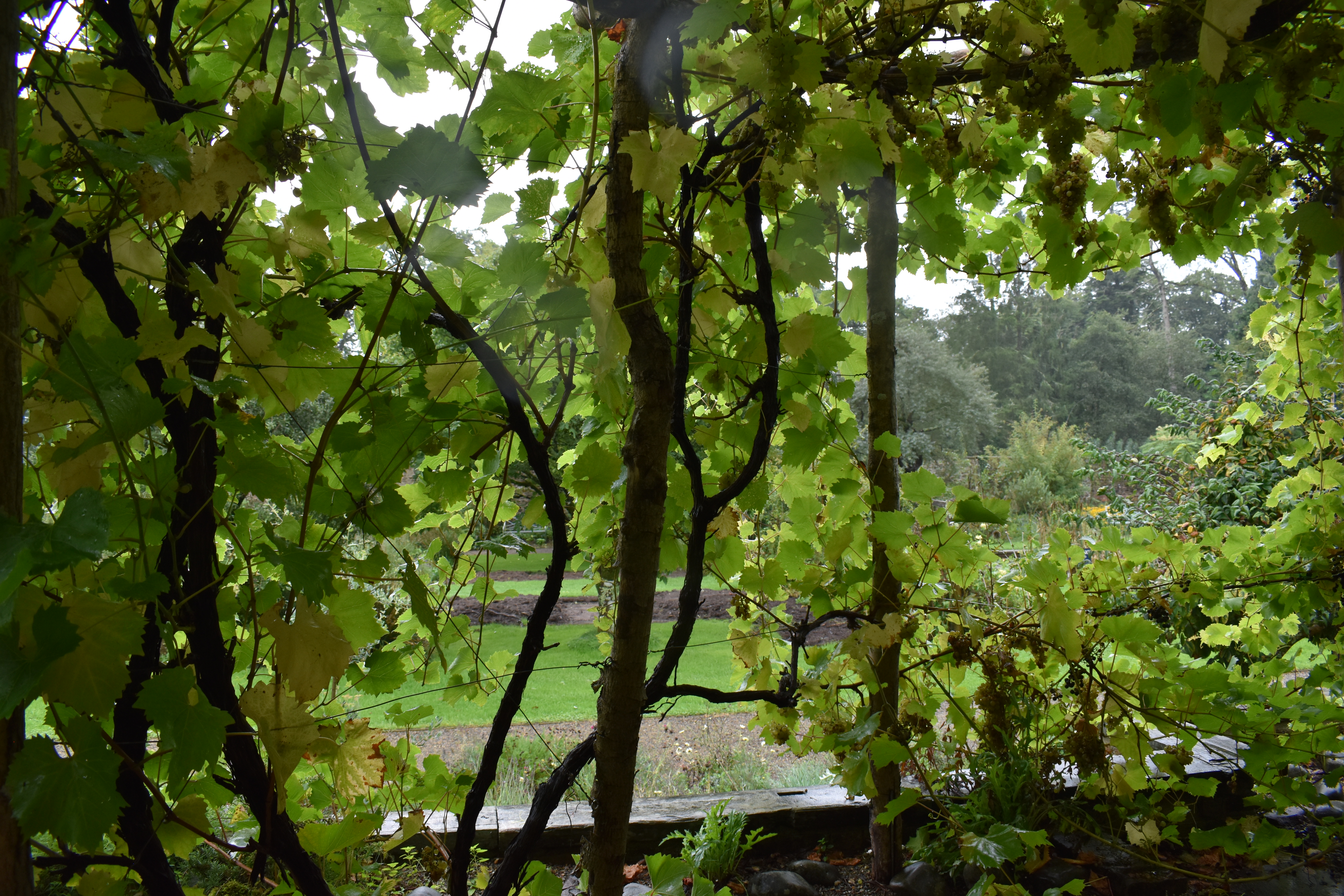
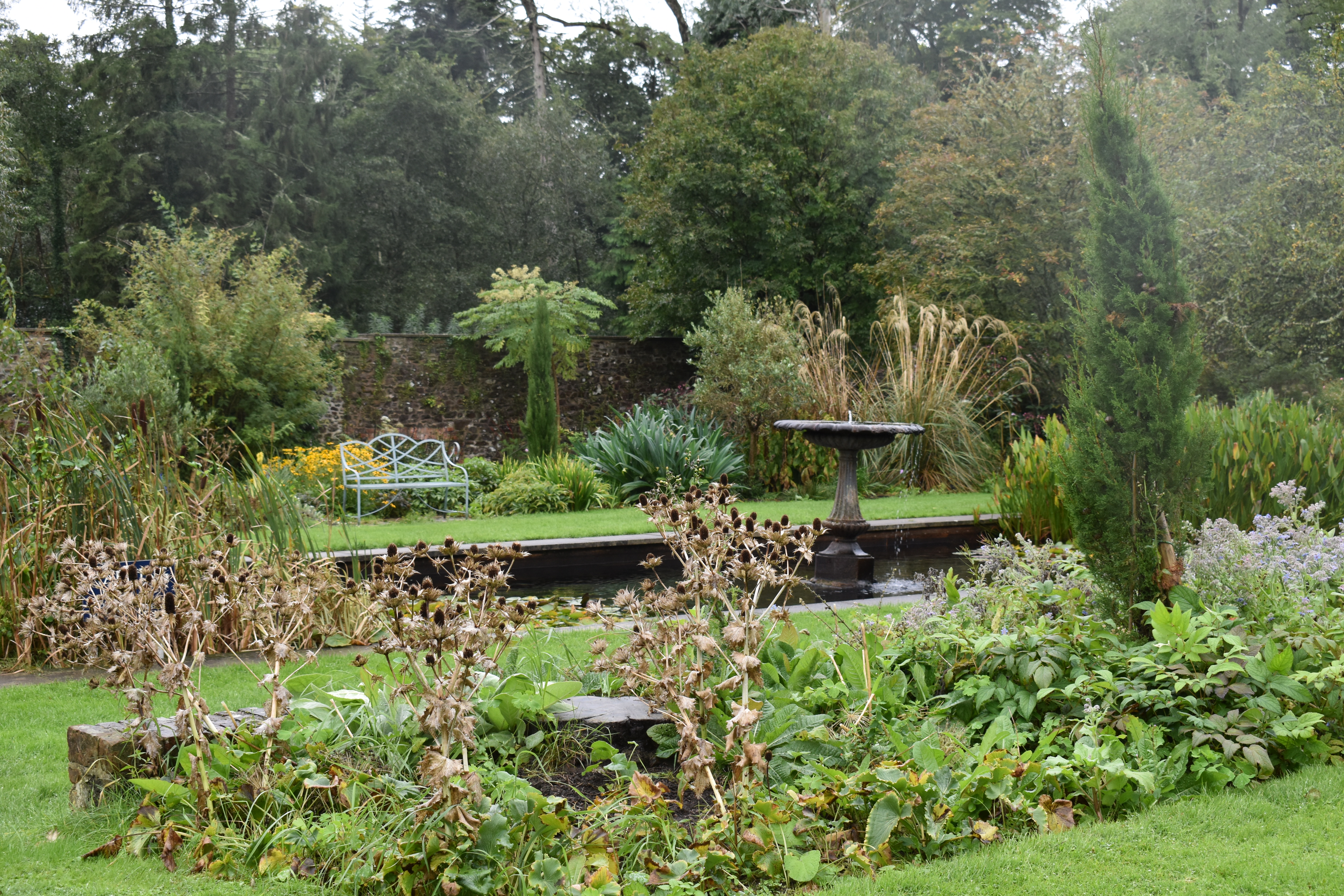
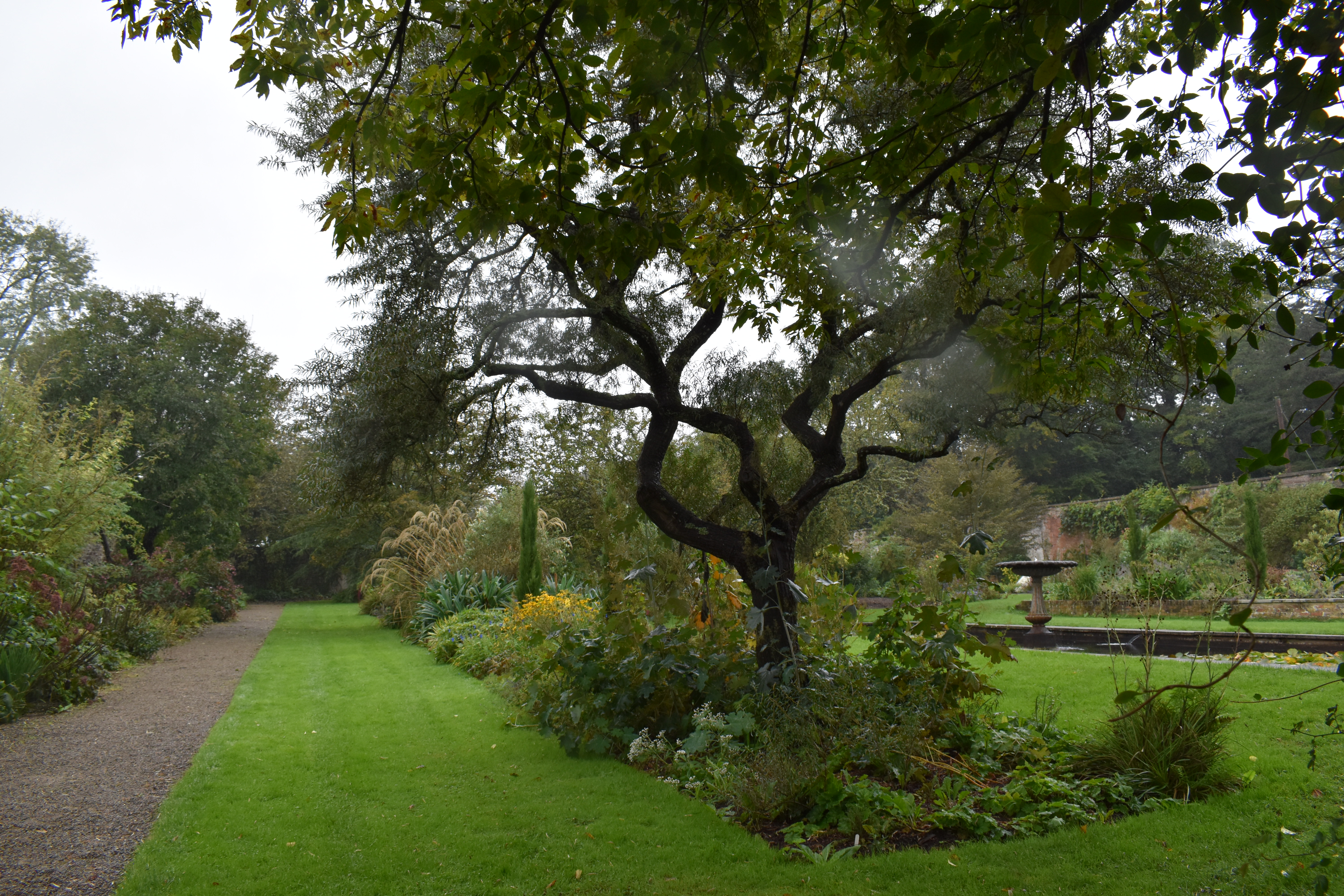
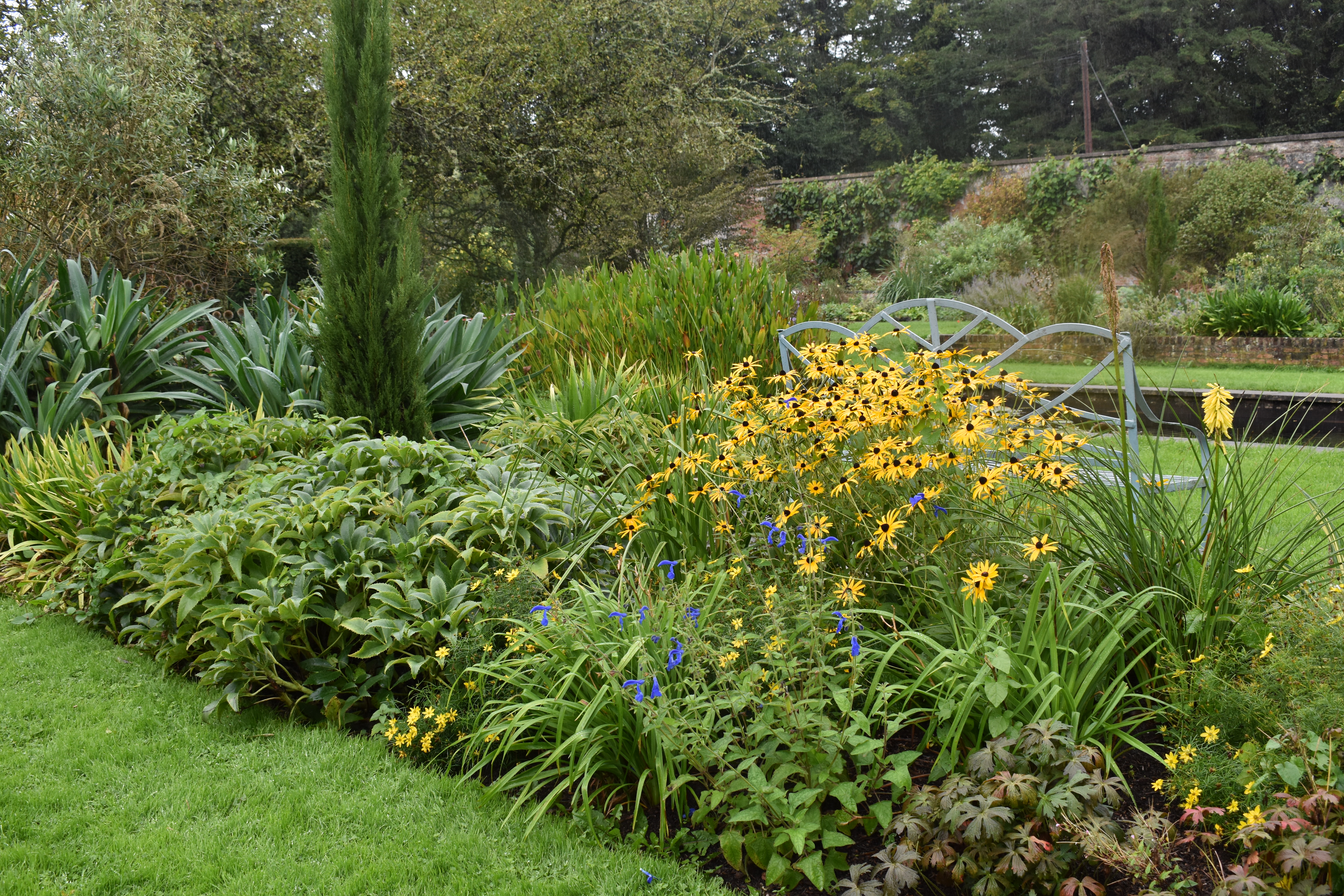
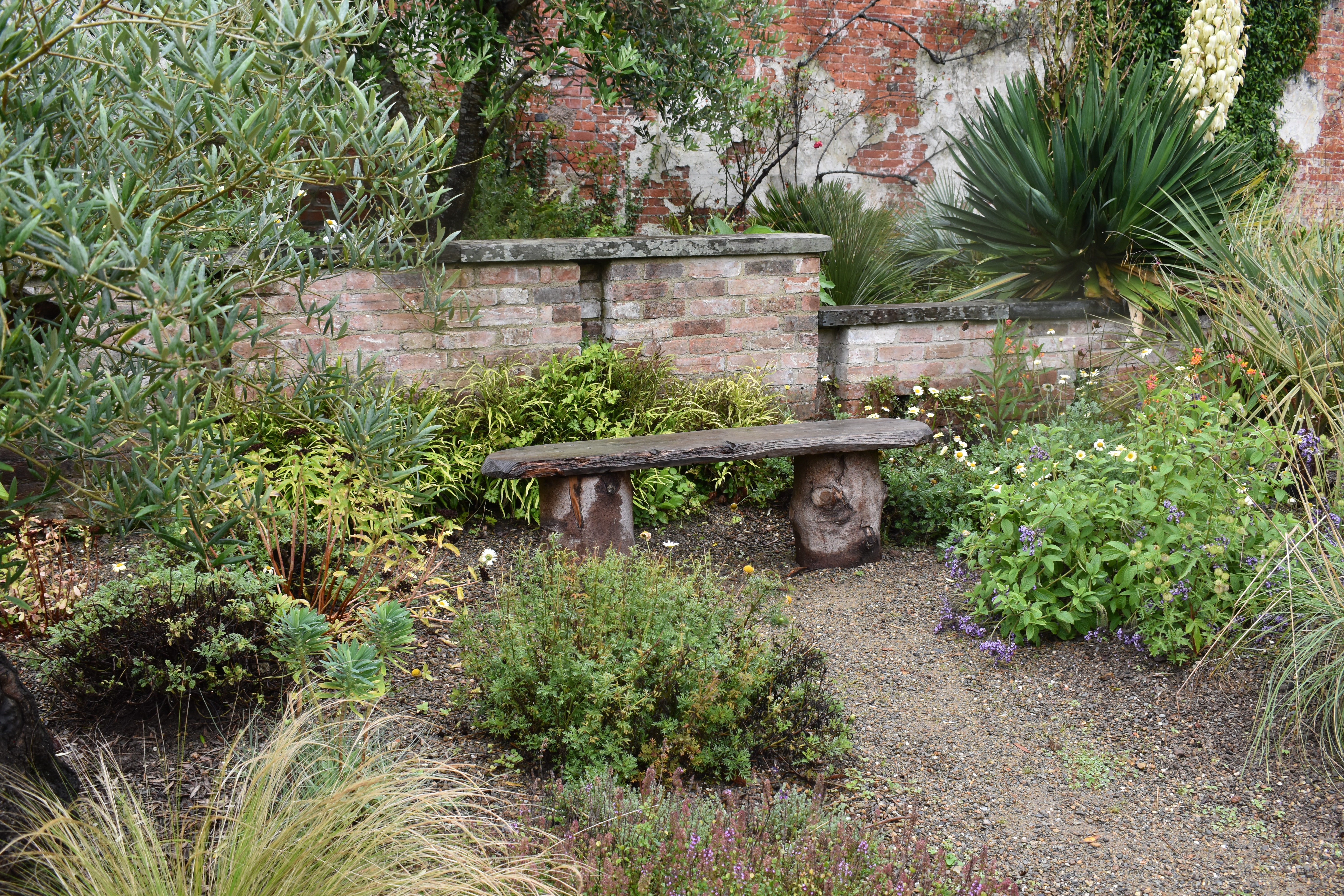
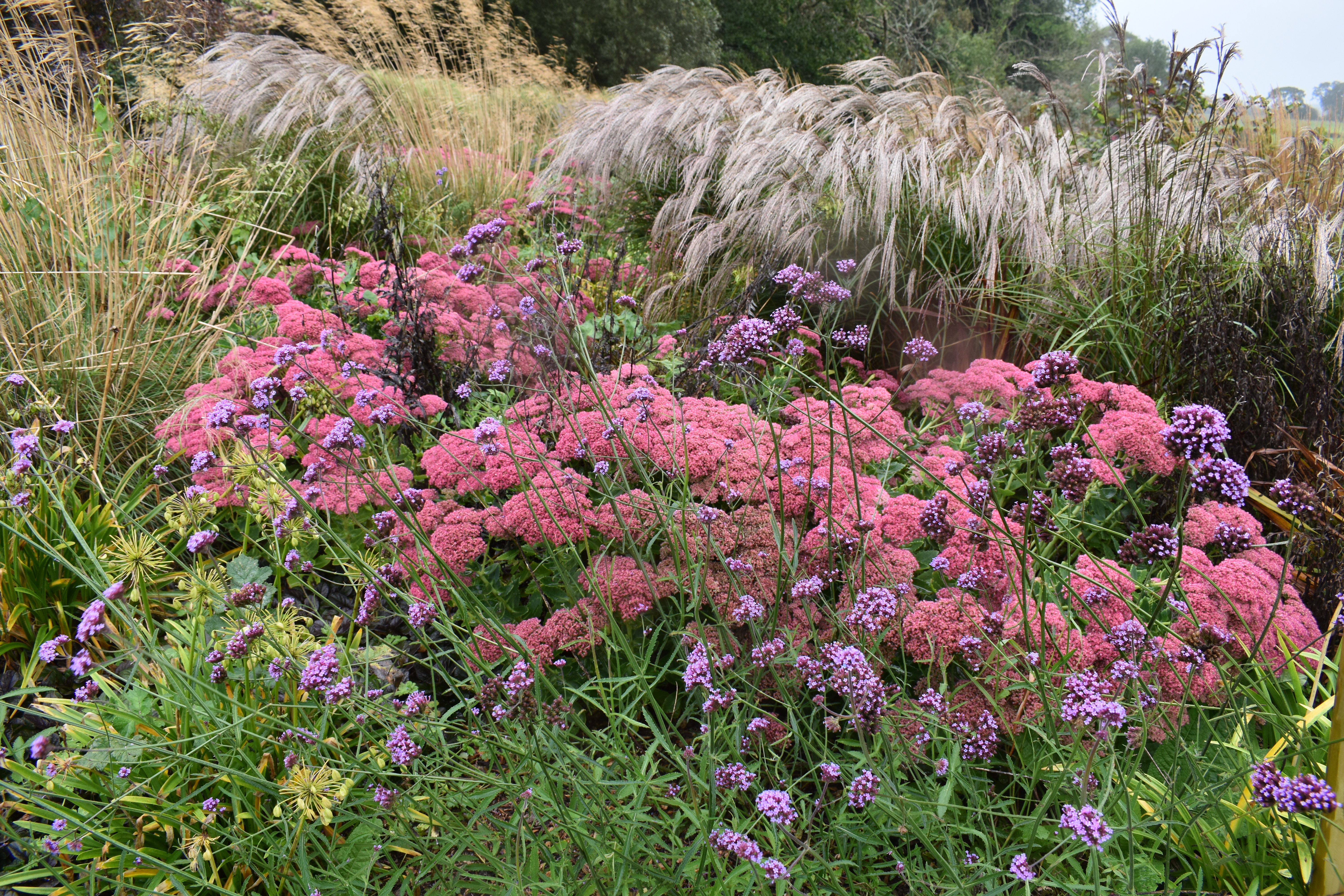
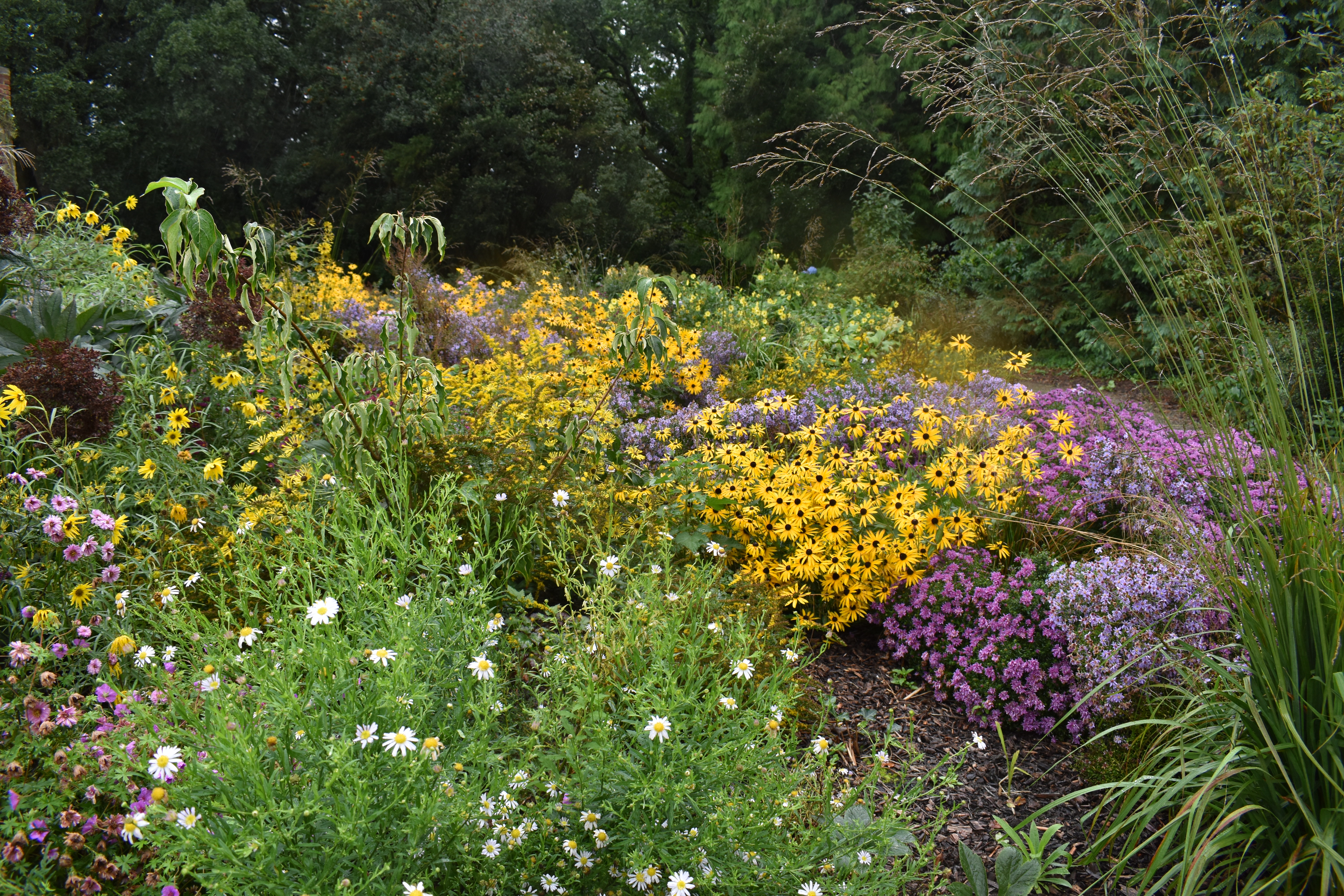
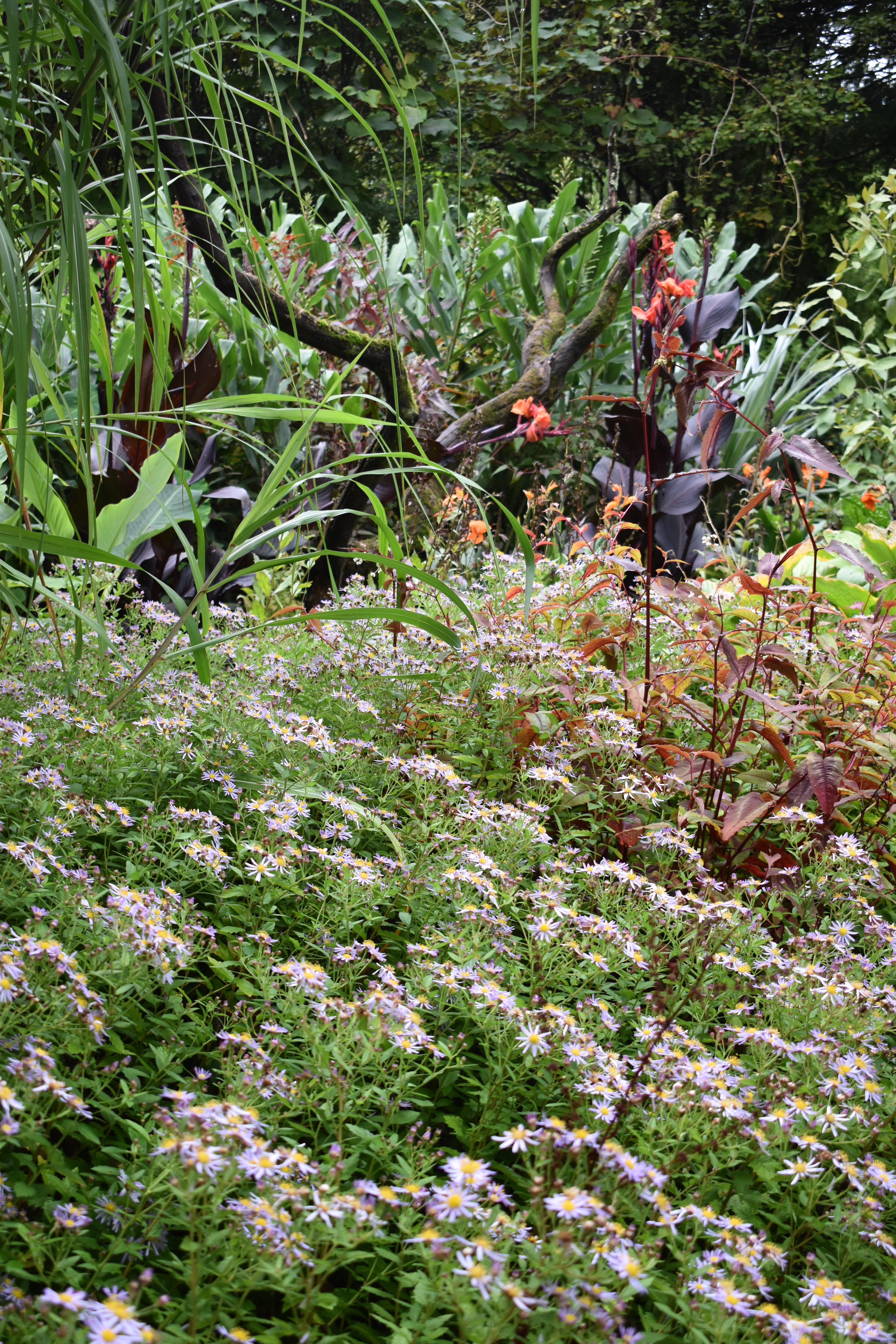
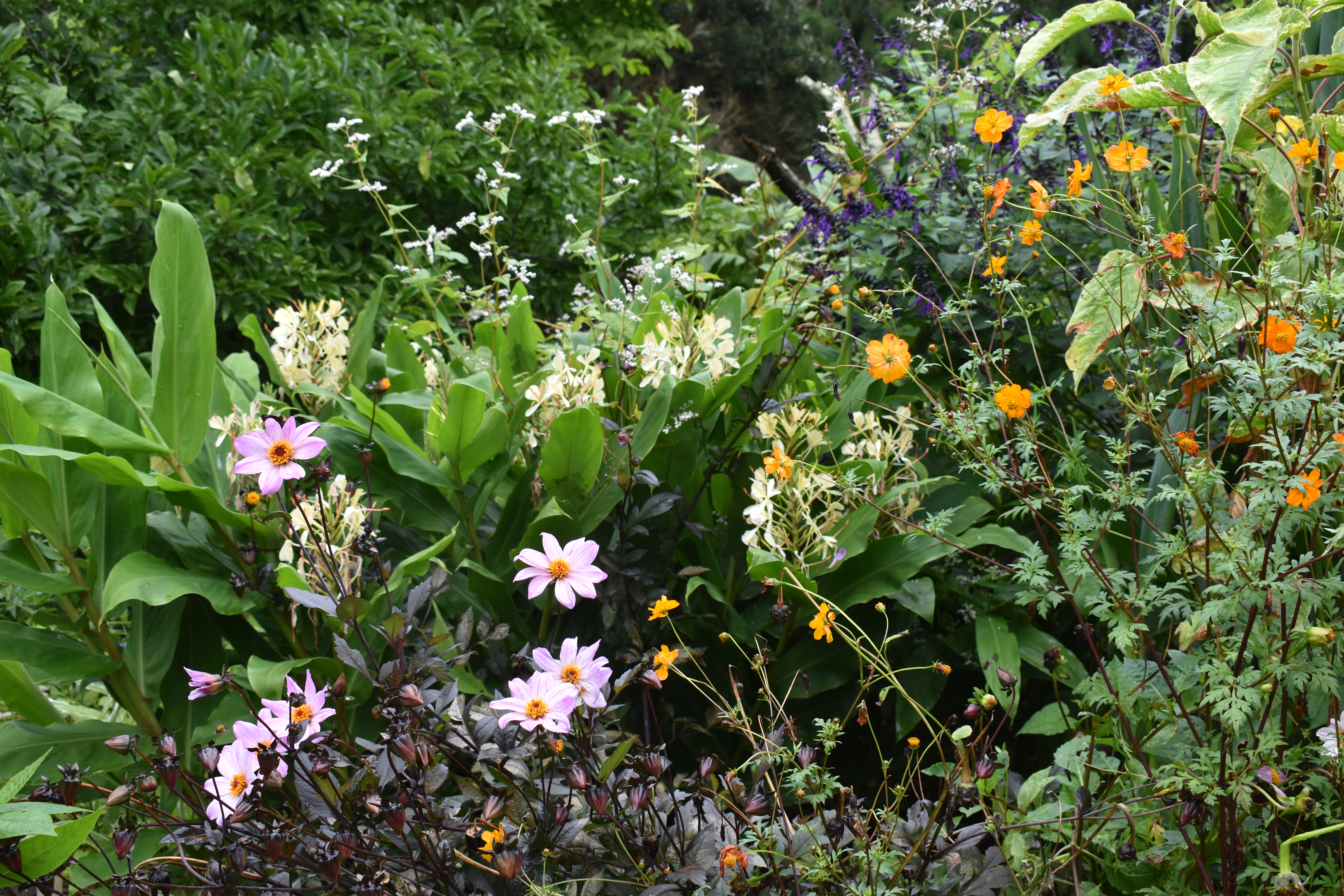
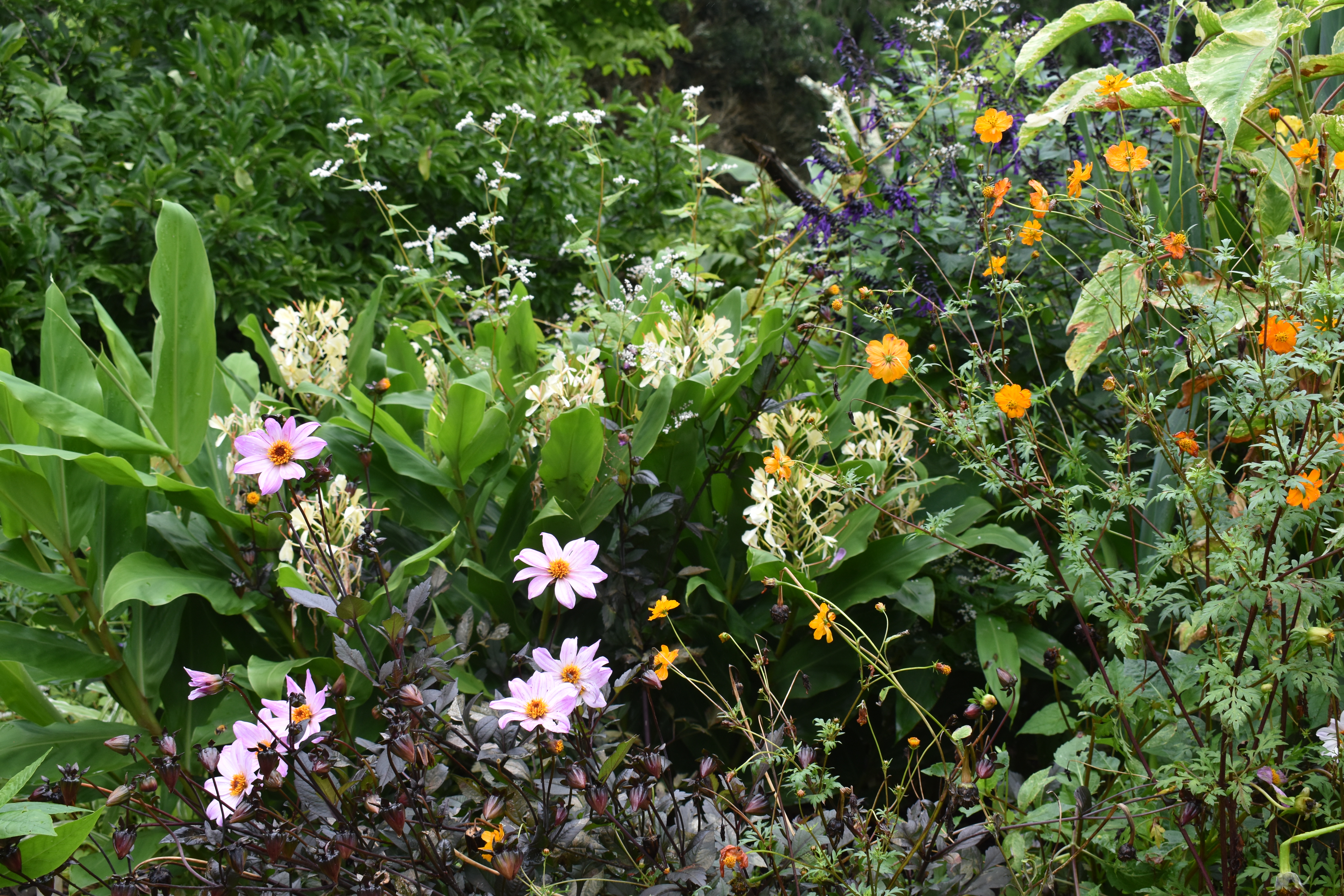
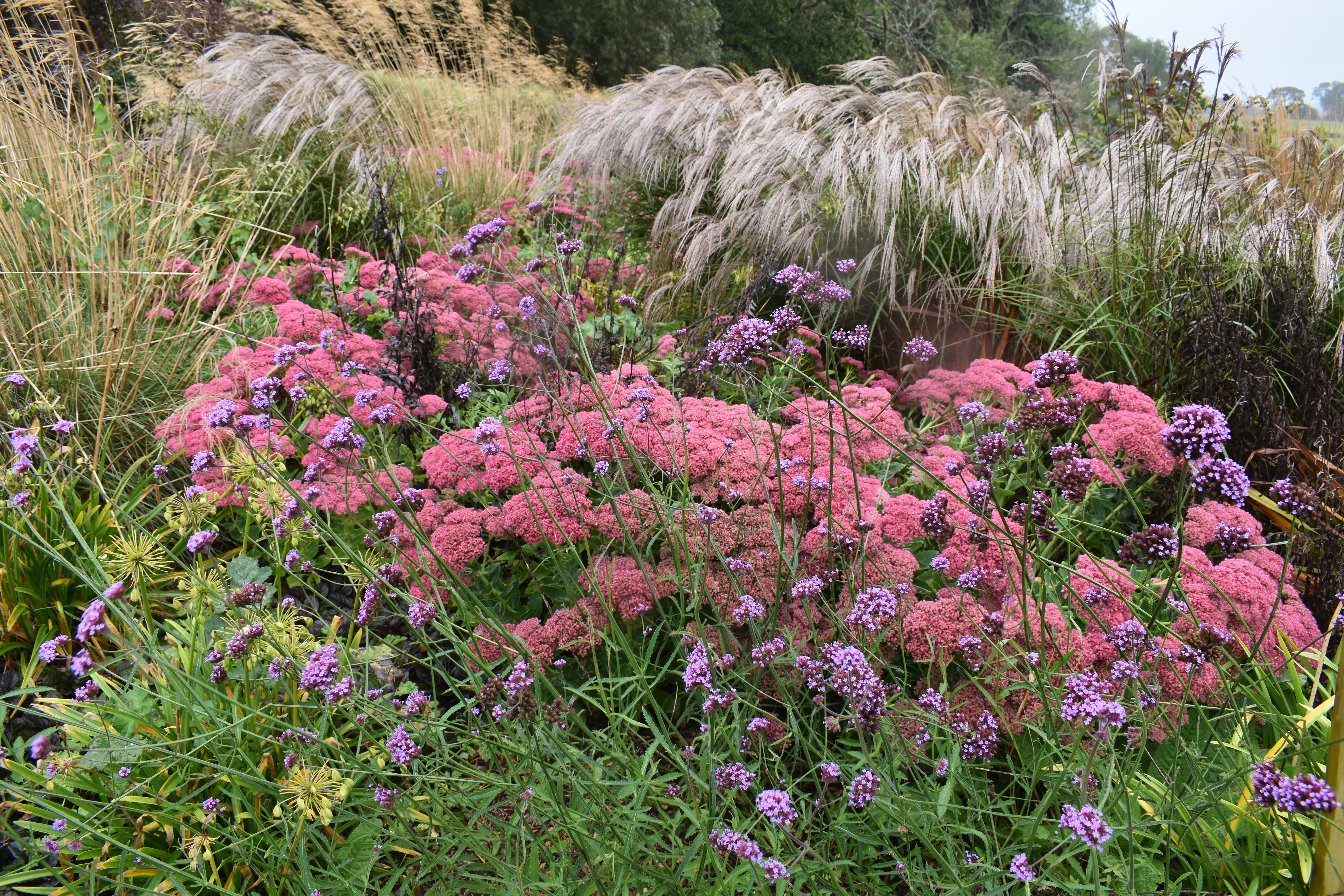
Back through the glasshouses and beneath a pergola we discovered a whole new world of lost formality in the walled garden and then in contrast we were most impressed by the adjoining prairie garden full of colourful perennials among grasses.

And finally a quick look at the prairie planting……

Categories
Uncategorized

Picton Castle Gardens – The Jungle Garden

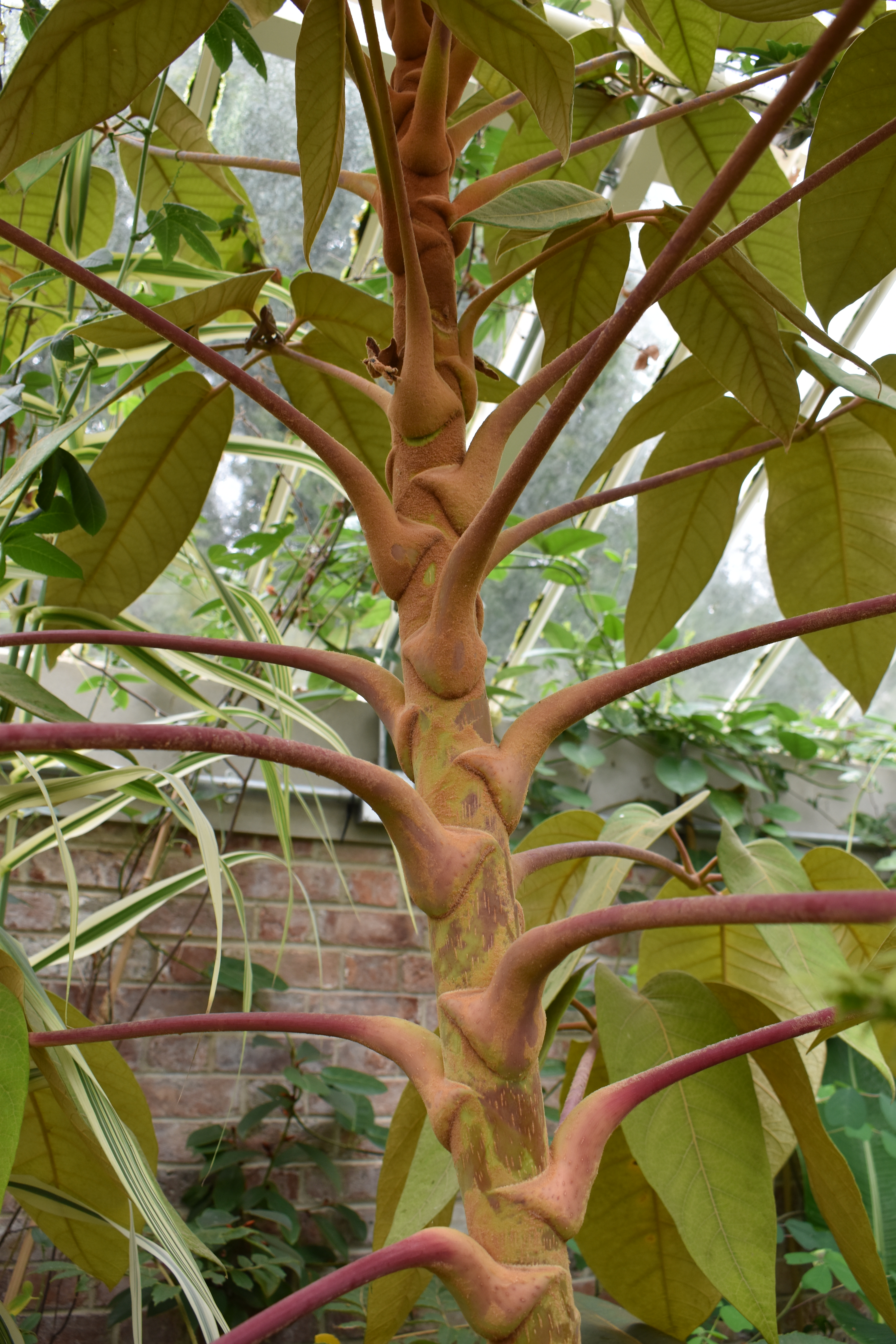
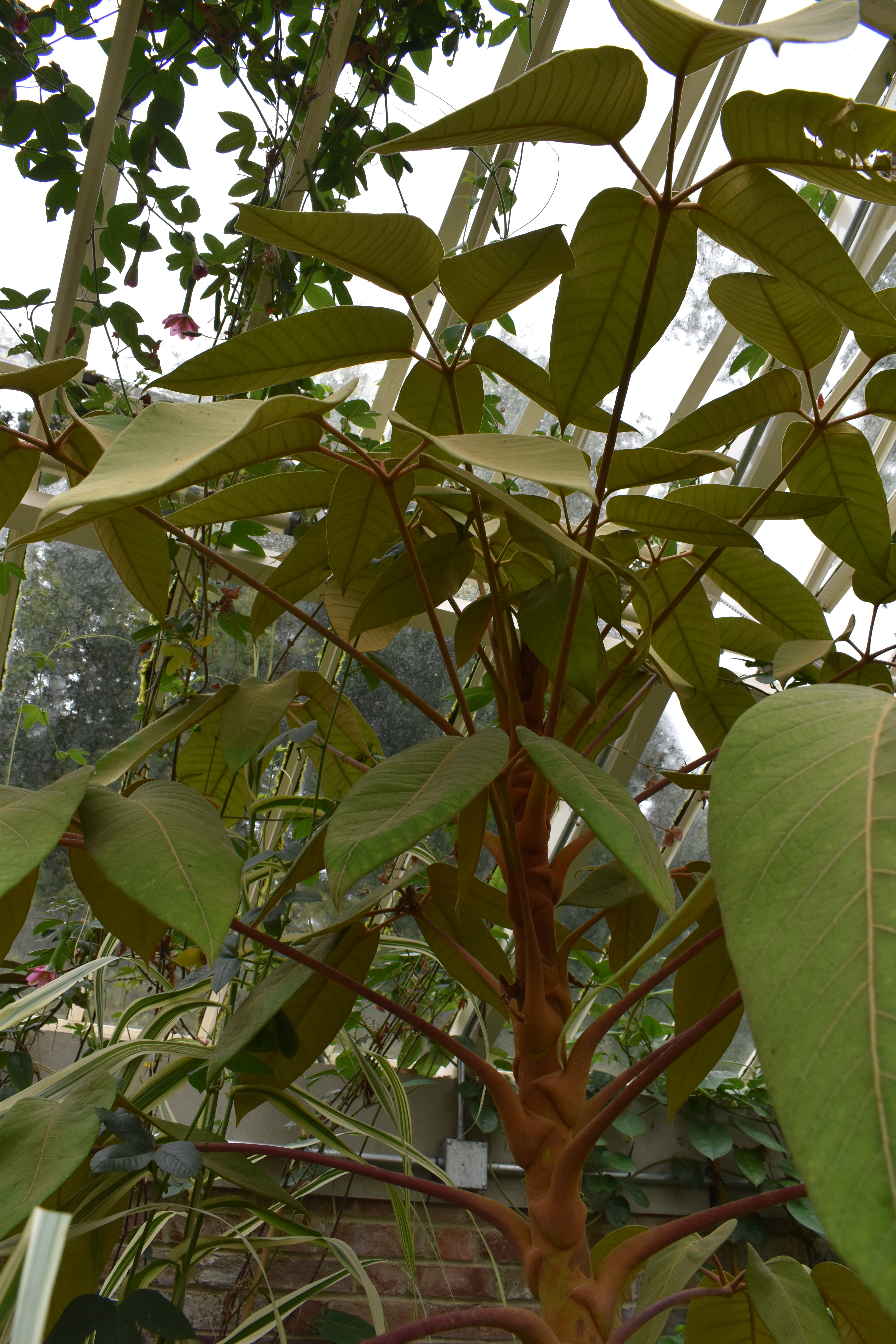
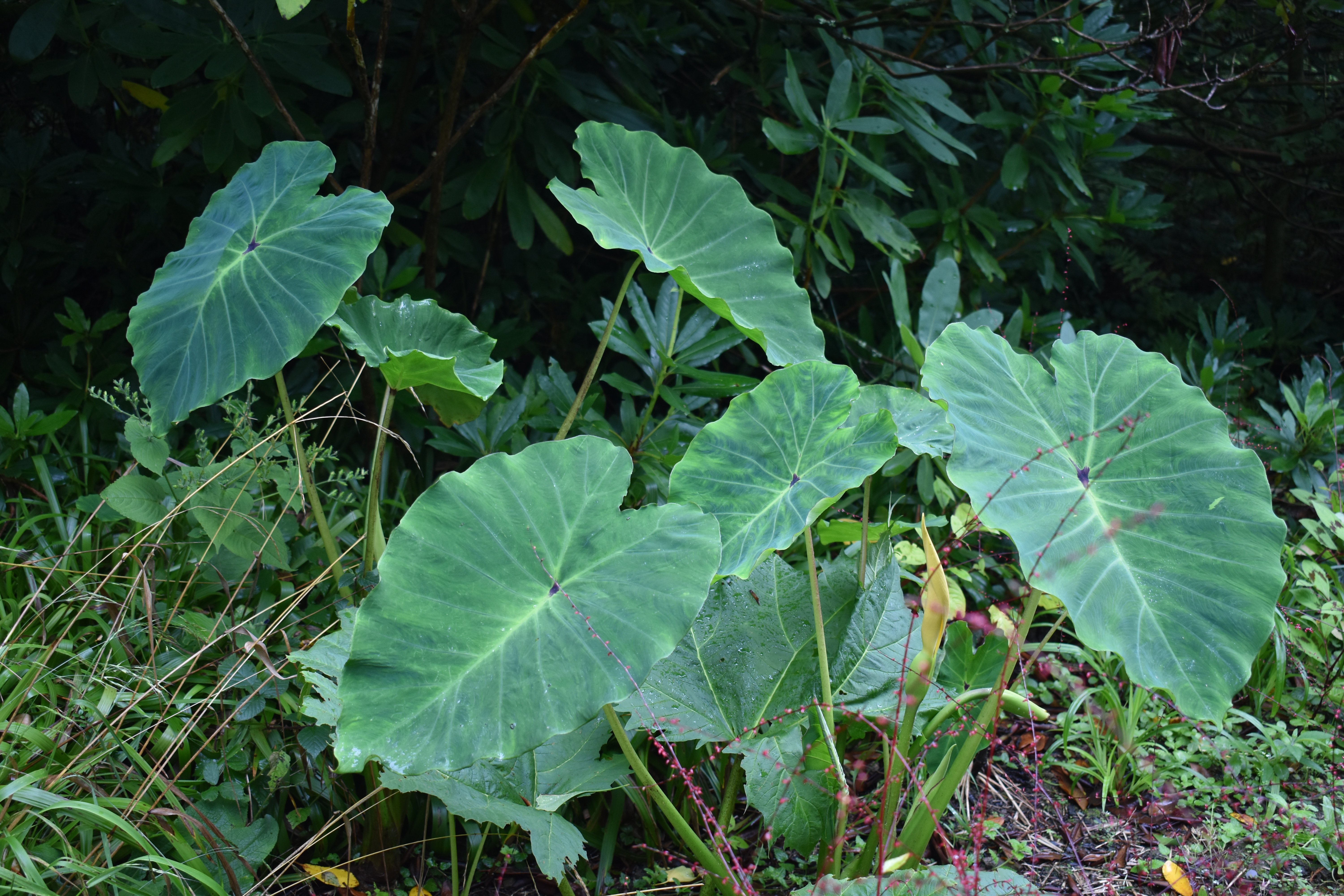
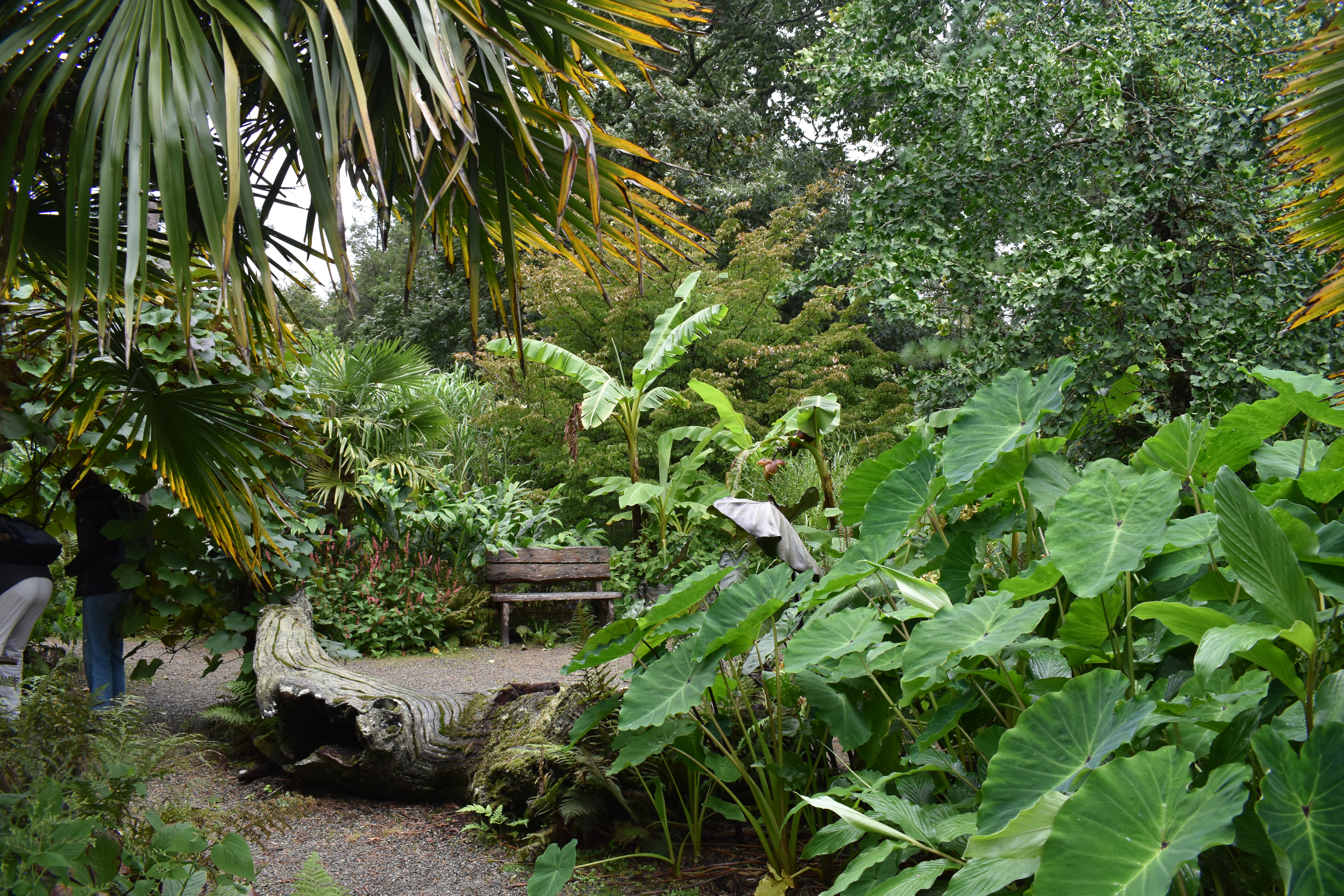
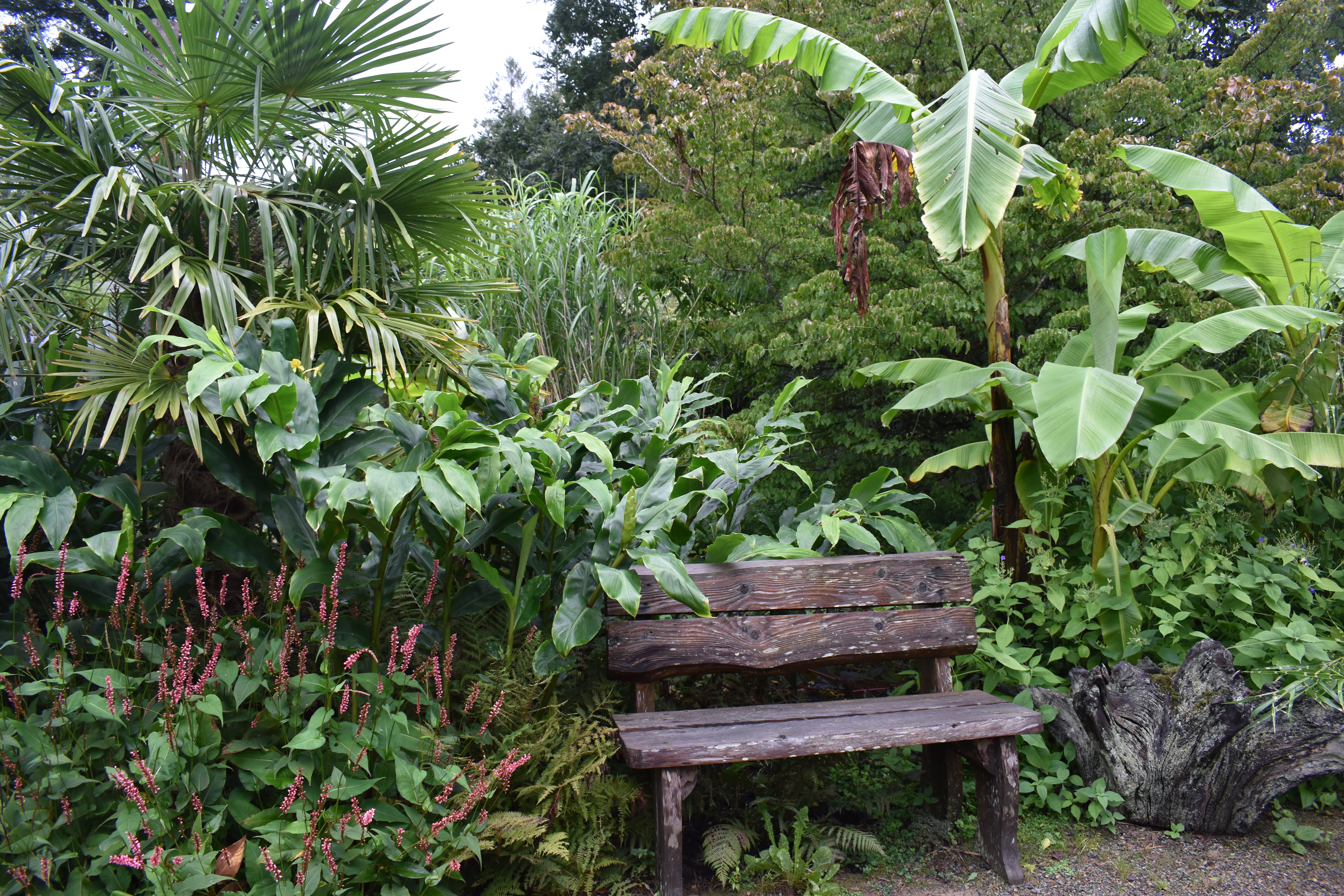
I am generally not a fan of using jungly, tropical plants in UK gardens as they feel so out of place and our light doesn’t enhance their characters. Such gardens are usually made in small city spaces designed with a lot of hard structures included.

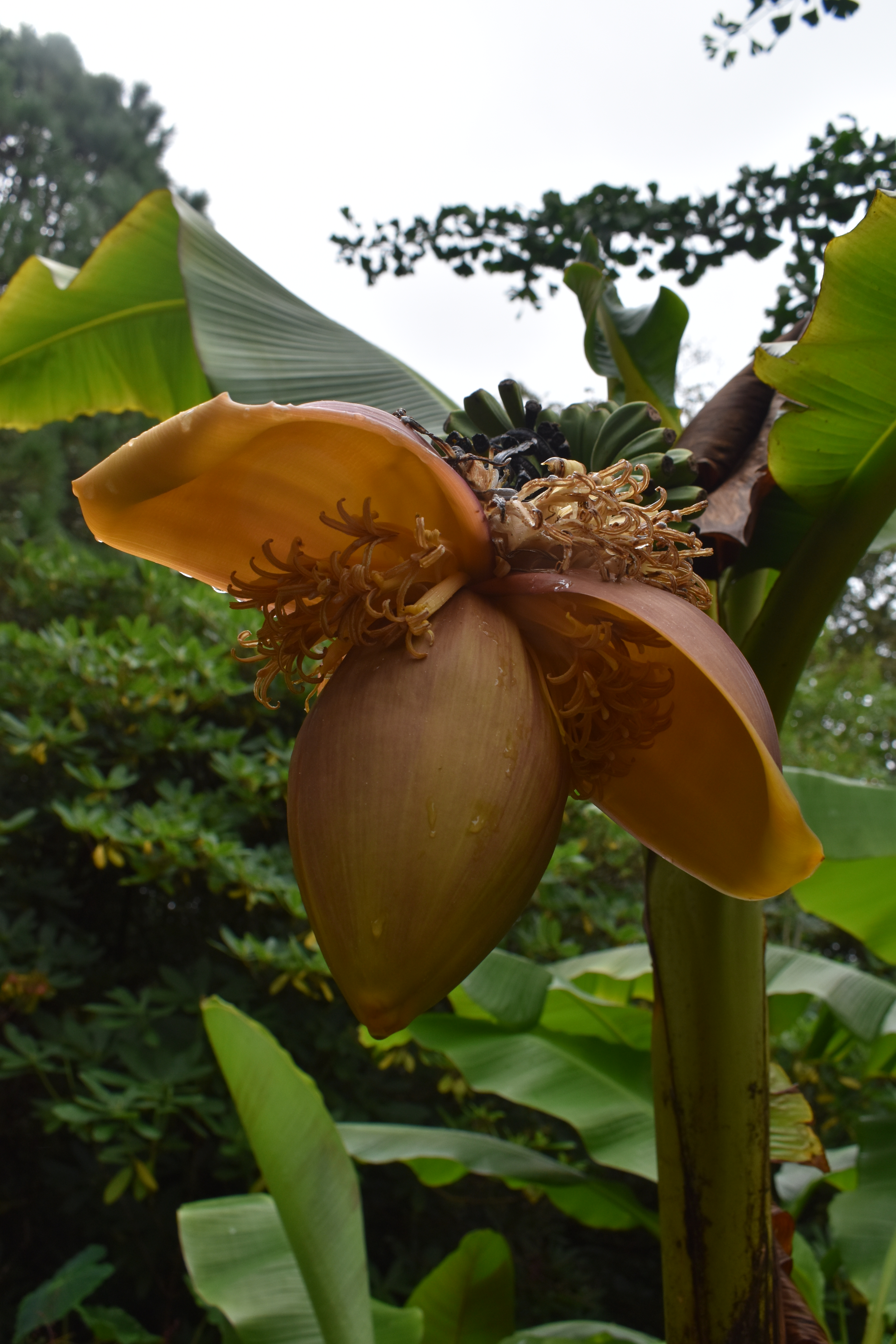
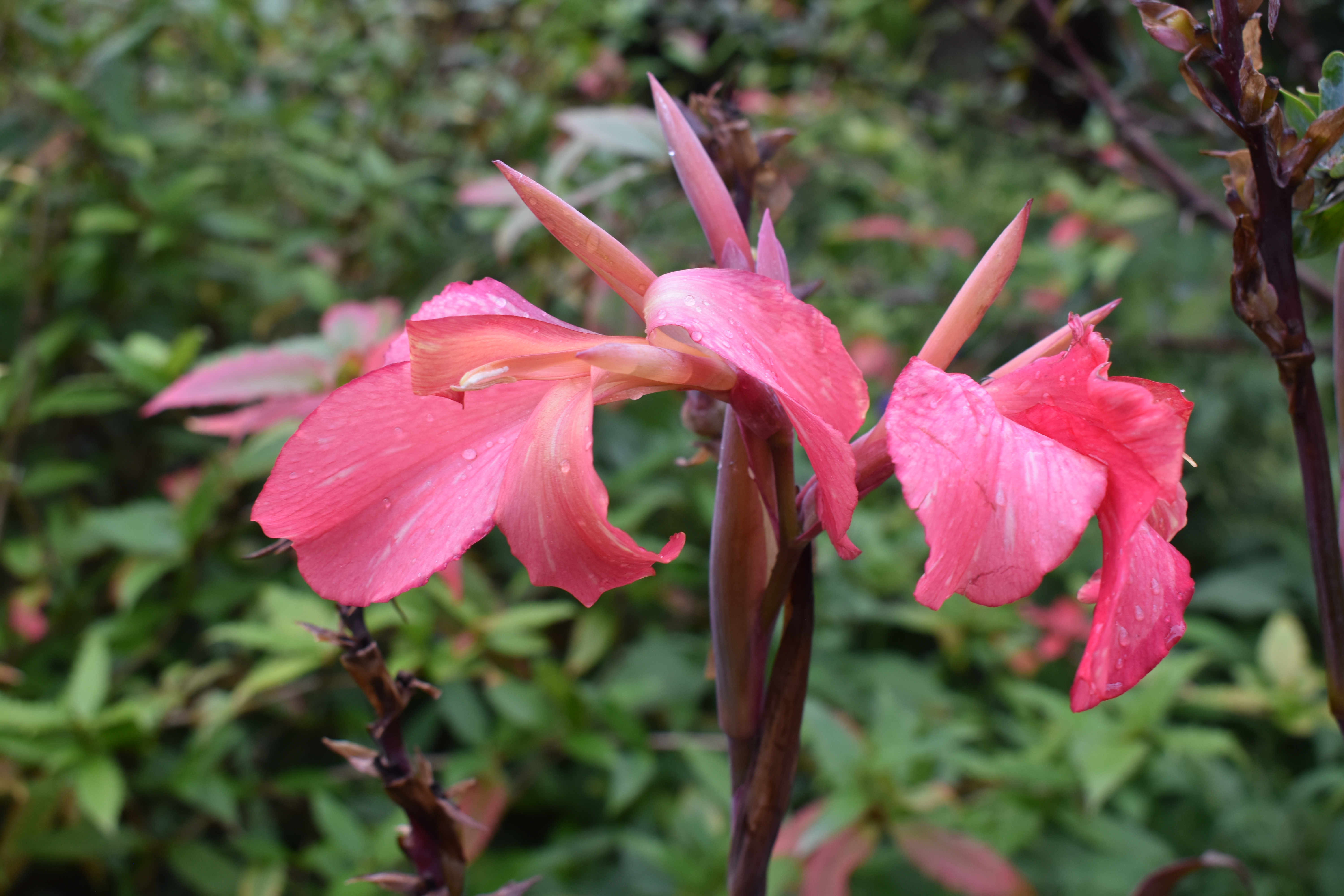
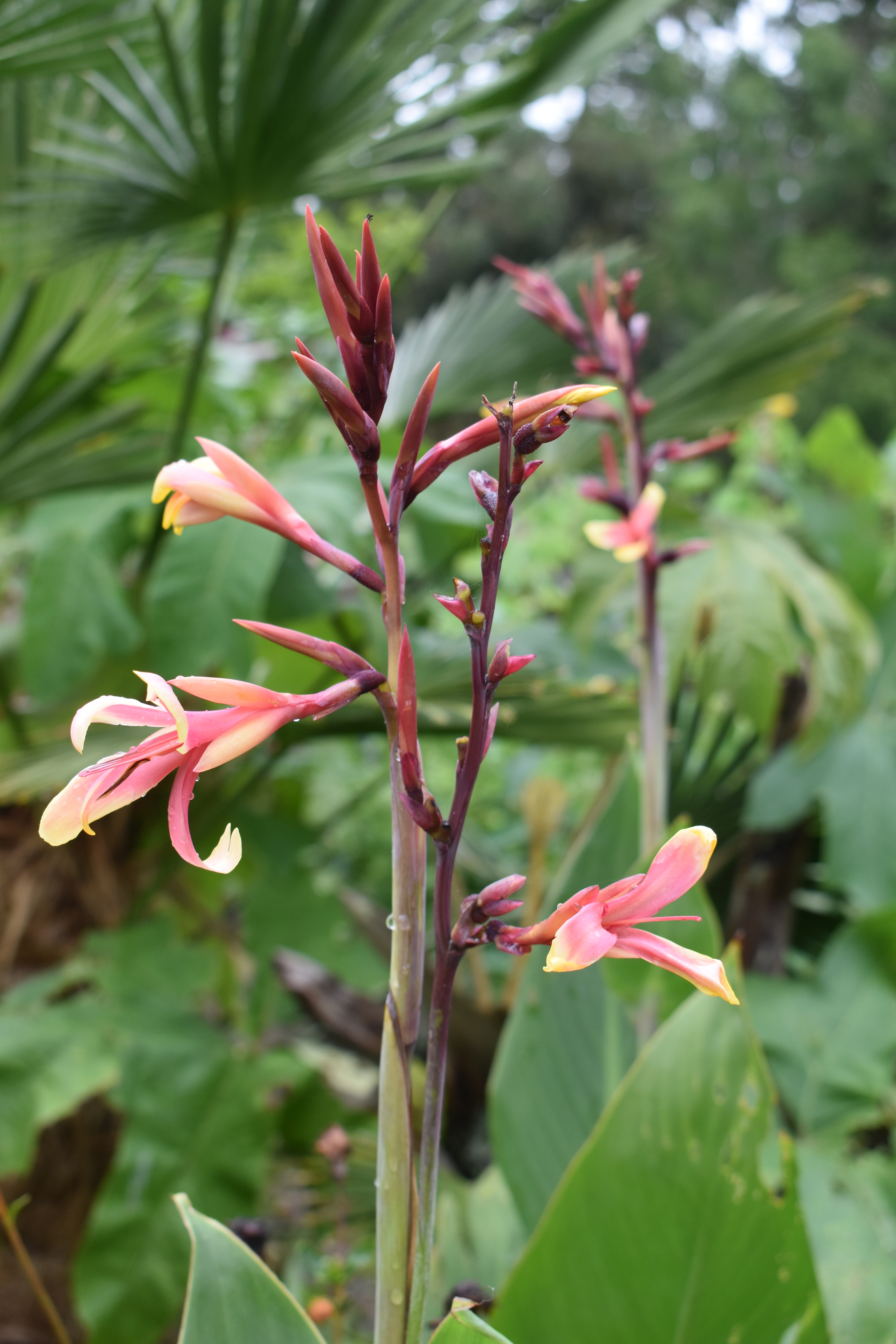
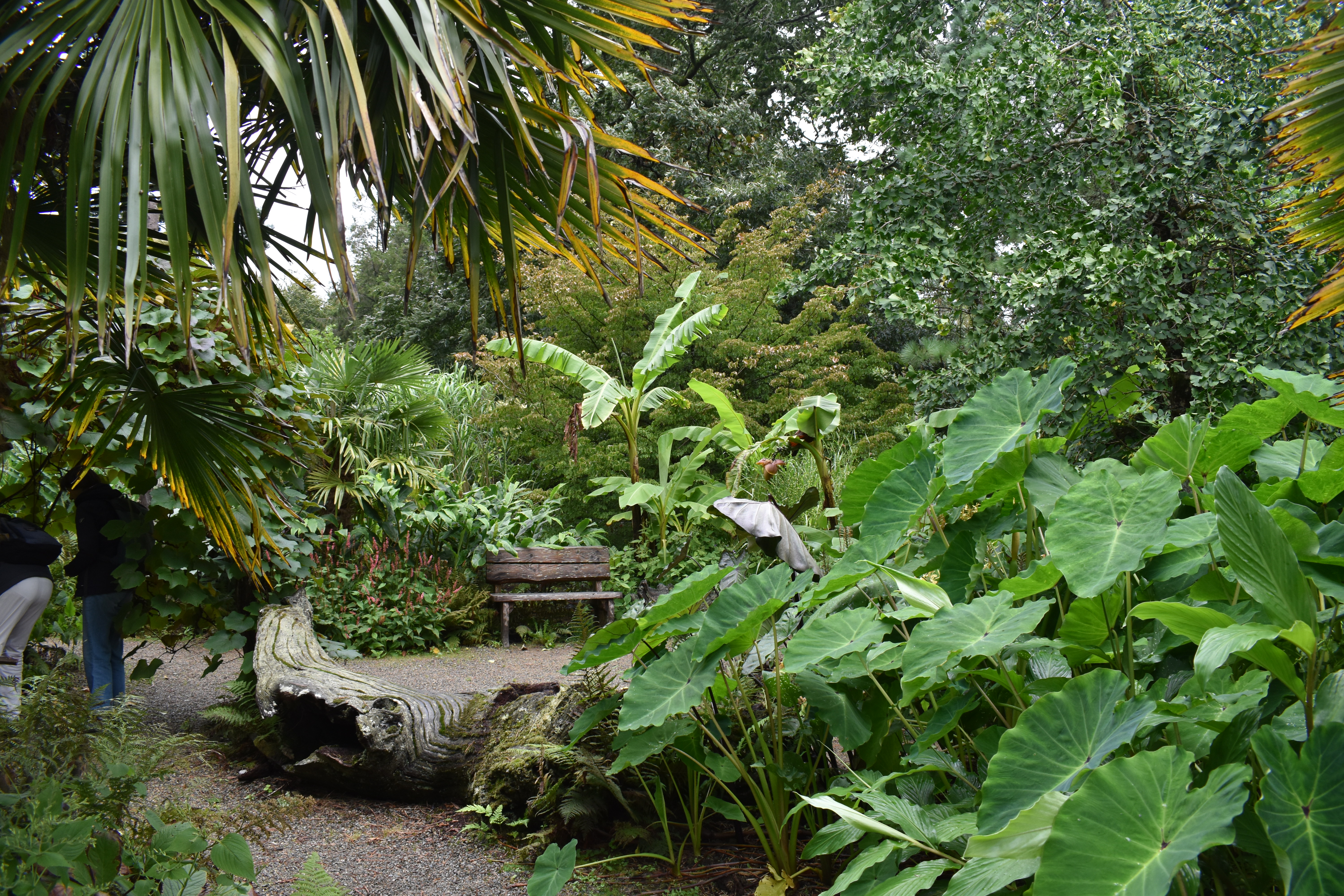
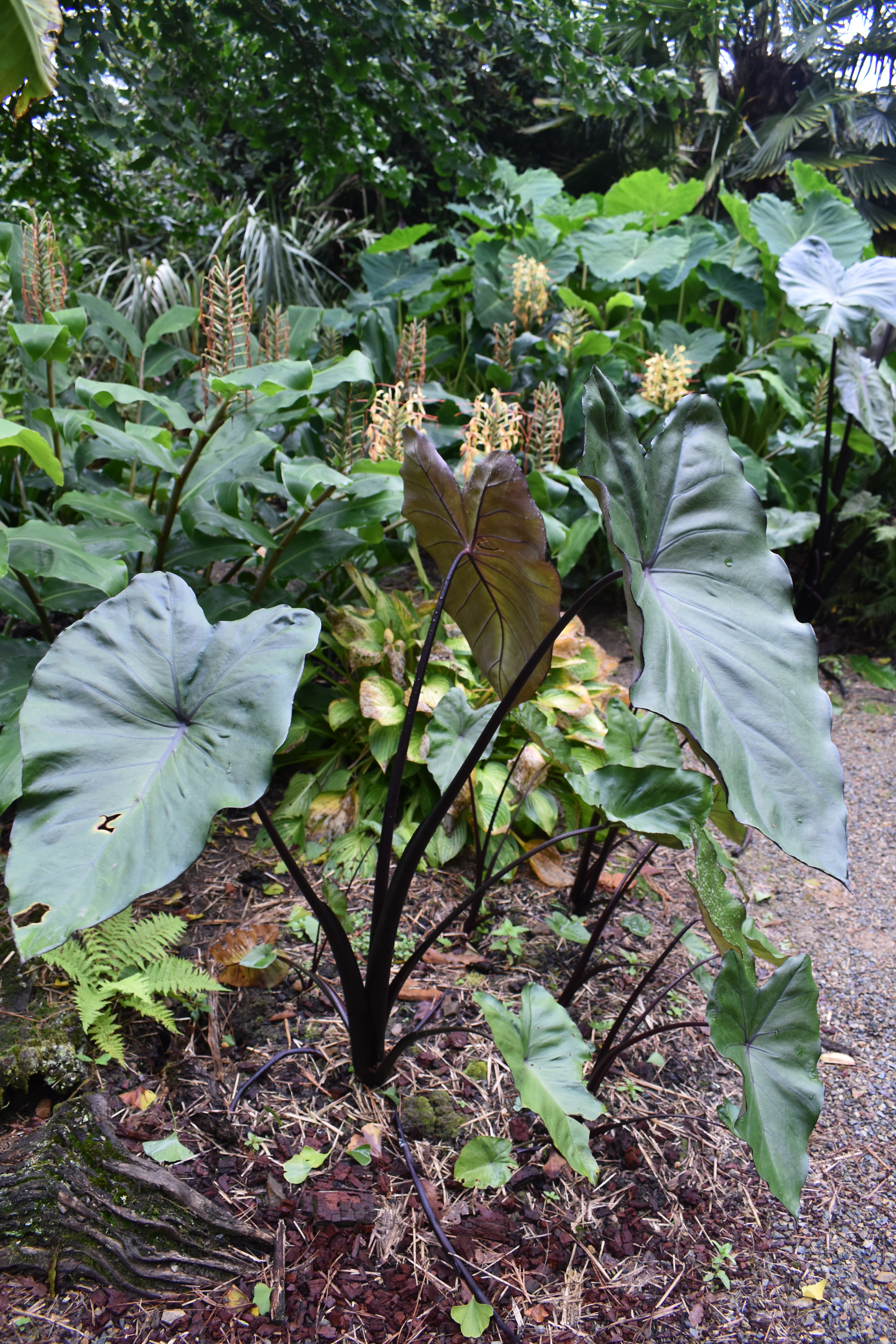
However the Jungle Garden at Picton Castle Gardens had no formal structural design elements, no hard landscaping just meandering pathways for wandering along among fabulous plants with big leaves, occasional bright colours and eventually heavy rain.

The heavy rain began as infrequent drops slowly increasing, so we made our way out of the jungle towards the glasshouse and the shelter it afforded us. I did stop a few times despite getting wetter, trying to find shelter, in order to take a few more photographs.

Categories
Uncategorized

My Garden Journal 2023 September

September is one of those months which recognises that summer is over but the autumn has yet to appear on the scene. We may enjoy an Indian Summer if we are lucky as they are a real highlight of the year. We can enjoy the garden in sunshine, without jumpers or coats and enjoy the calming of the harshness of summer light.

So let us have a look at what we were up to throughout the month of September.
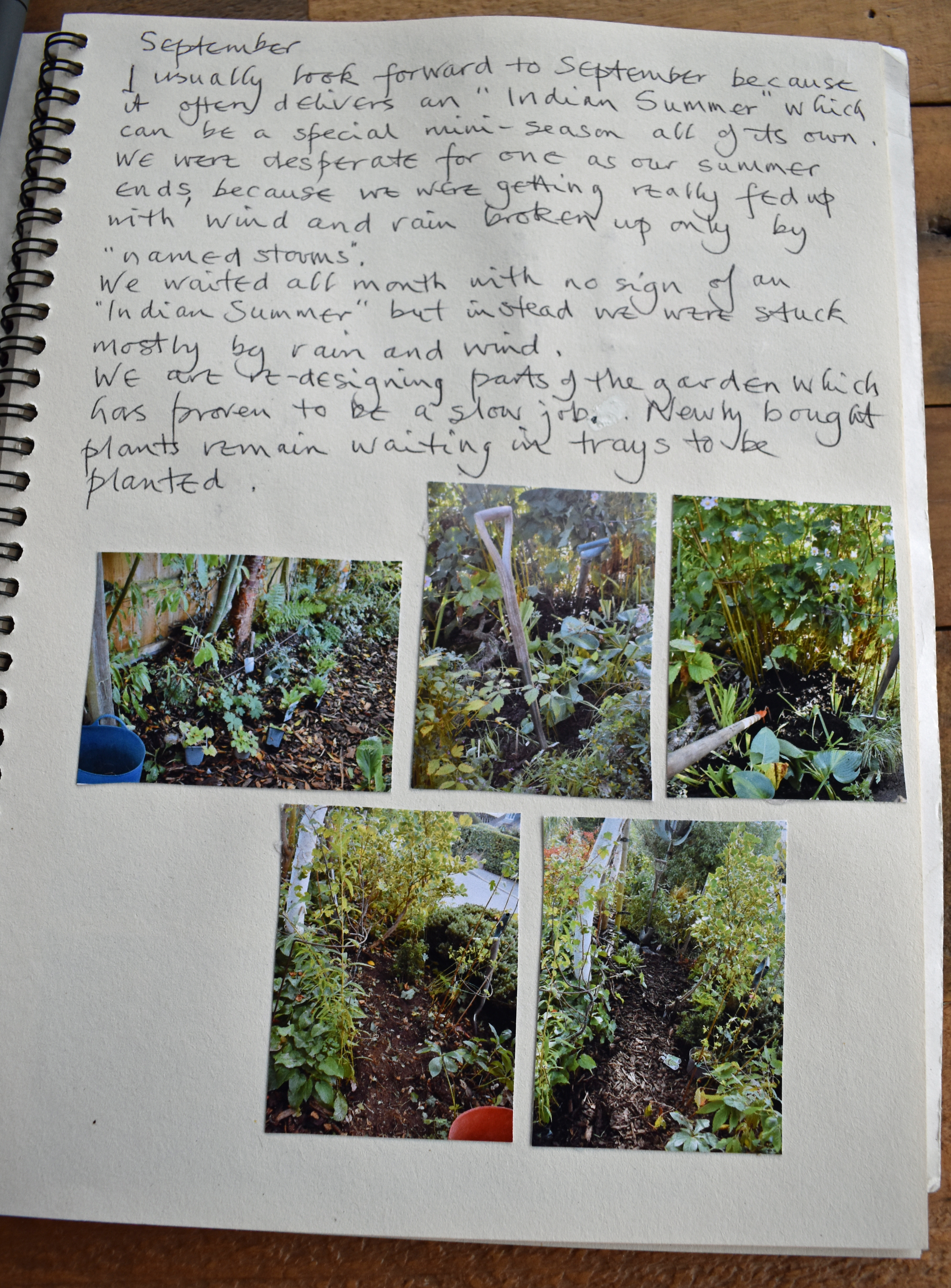
On the first page for September I wrote, “I usually look forward to September because it often delivers an ‘Indian Summer’ which can be a special mini-season all of its own.We were desperate for one as our summer ends, because we were getting really fed up with wind and rain broken broken up only by ‘named storms’.

We waited all month with no sign of an ‘Indian Summer’ but instead we were stuck mostly by rain and rain.

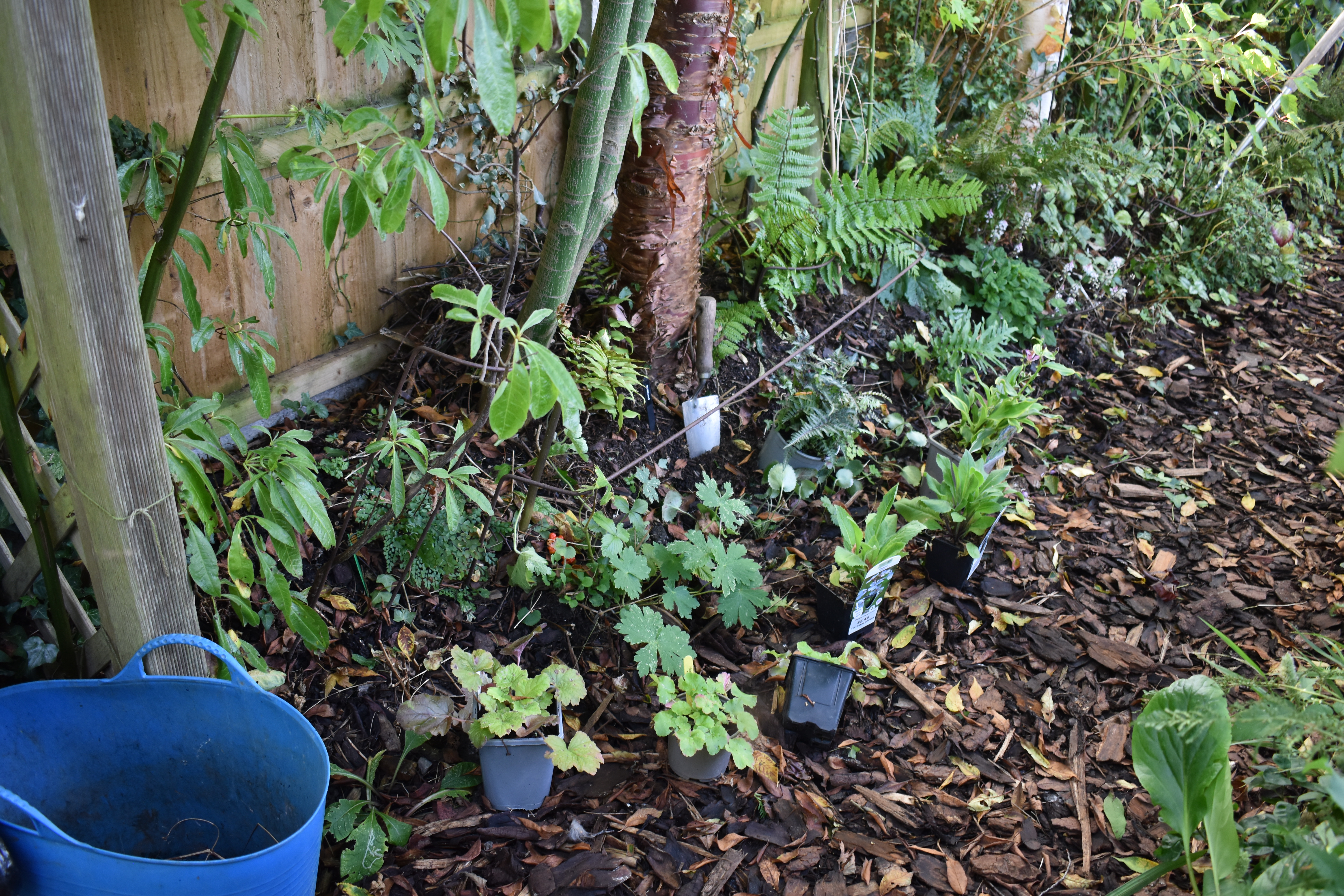
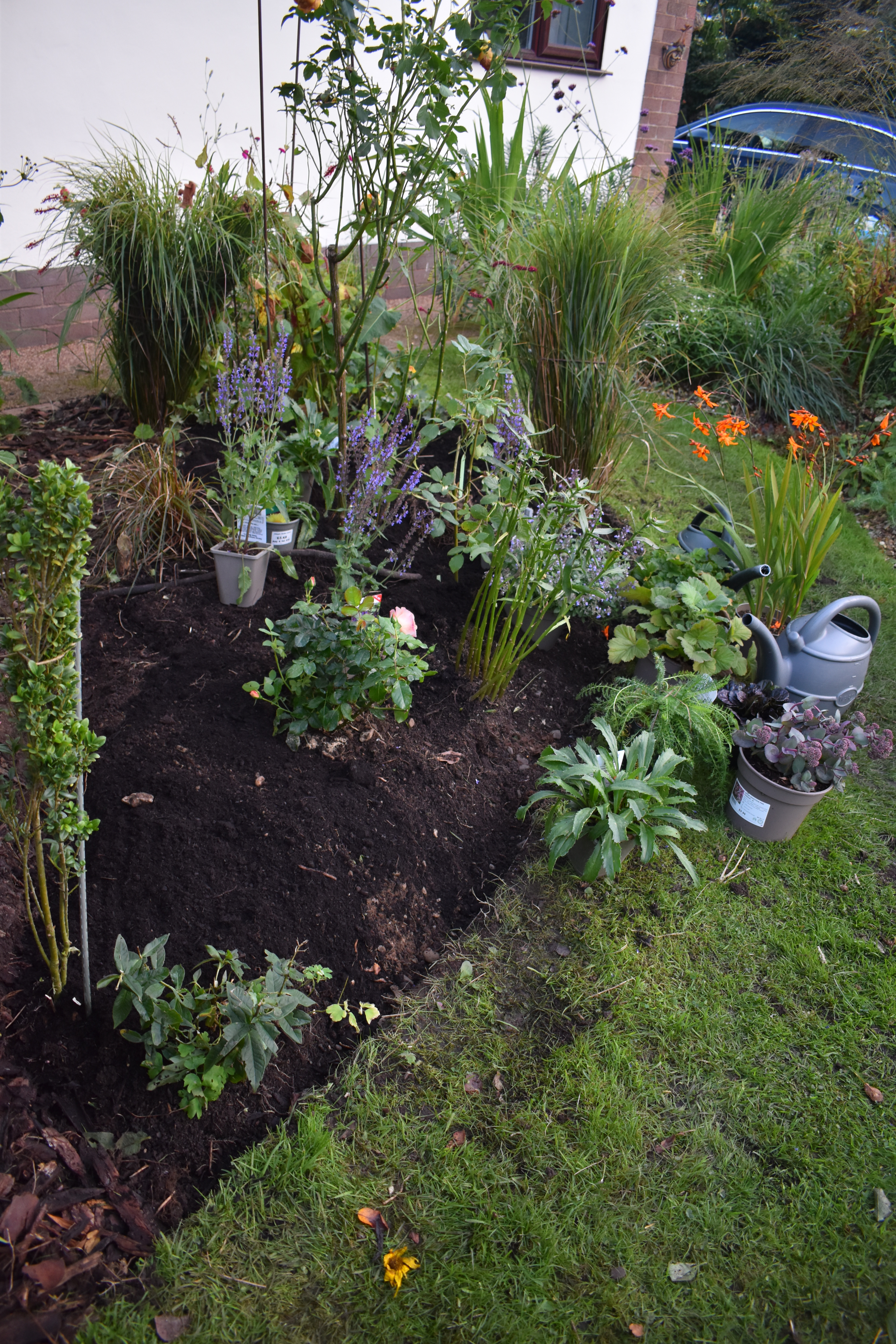
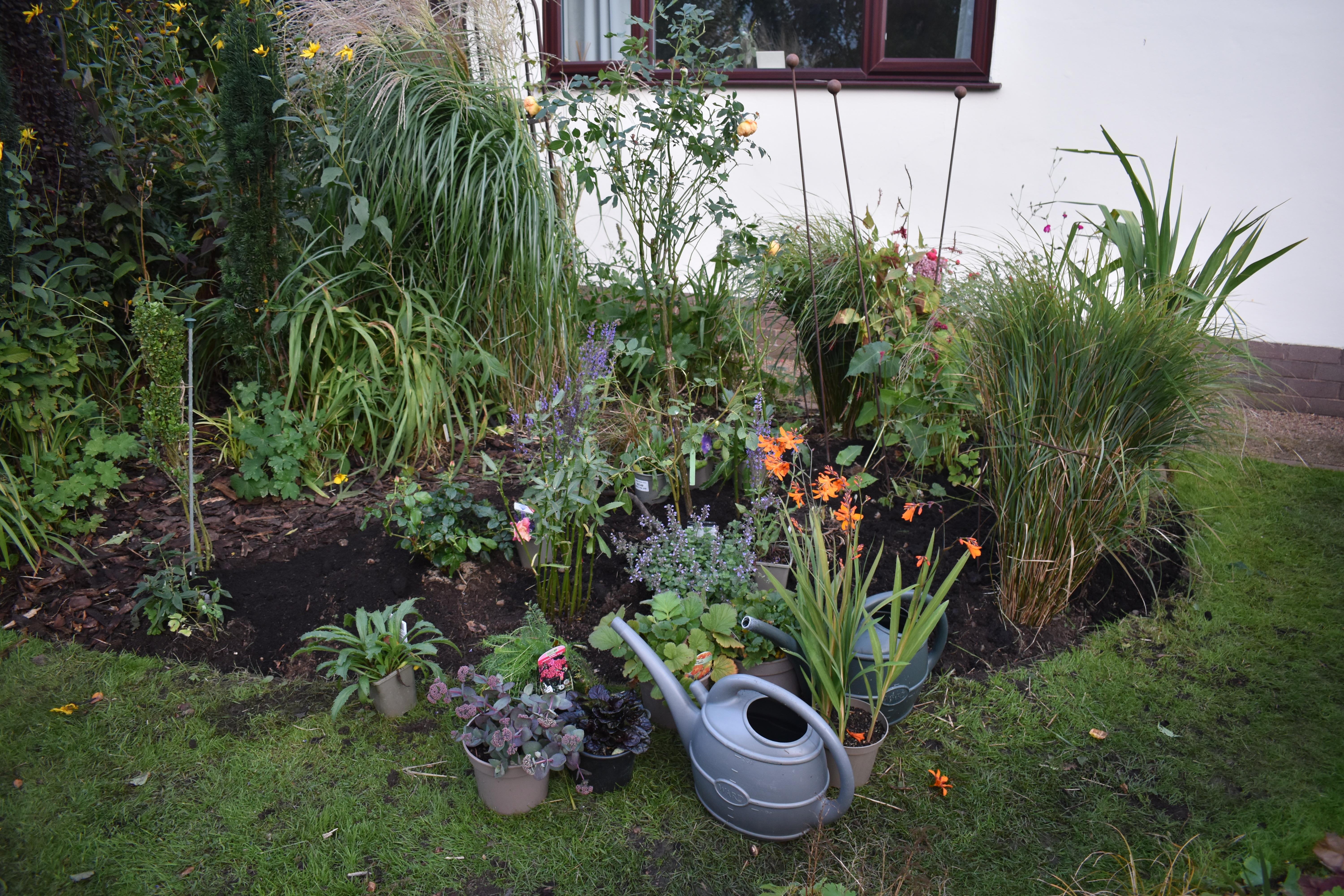
We are redesigning parts of the garden which has proven to be a slow job. Newly bought plants remain in trays to be planted.

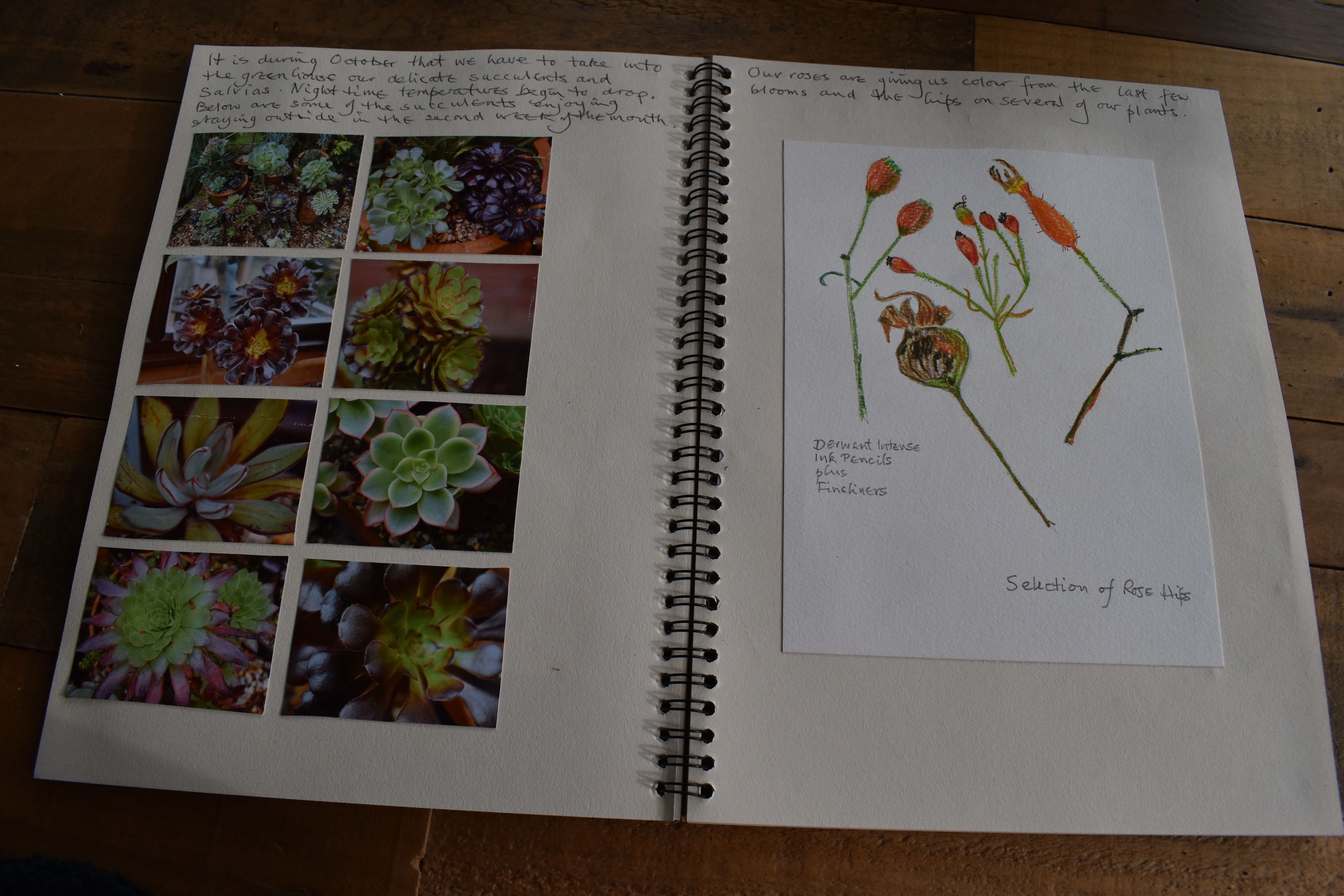
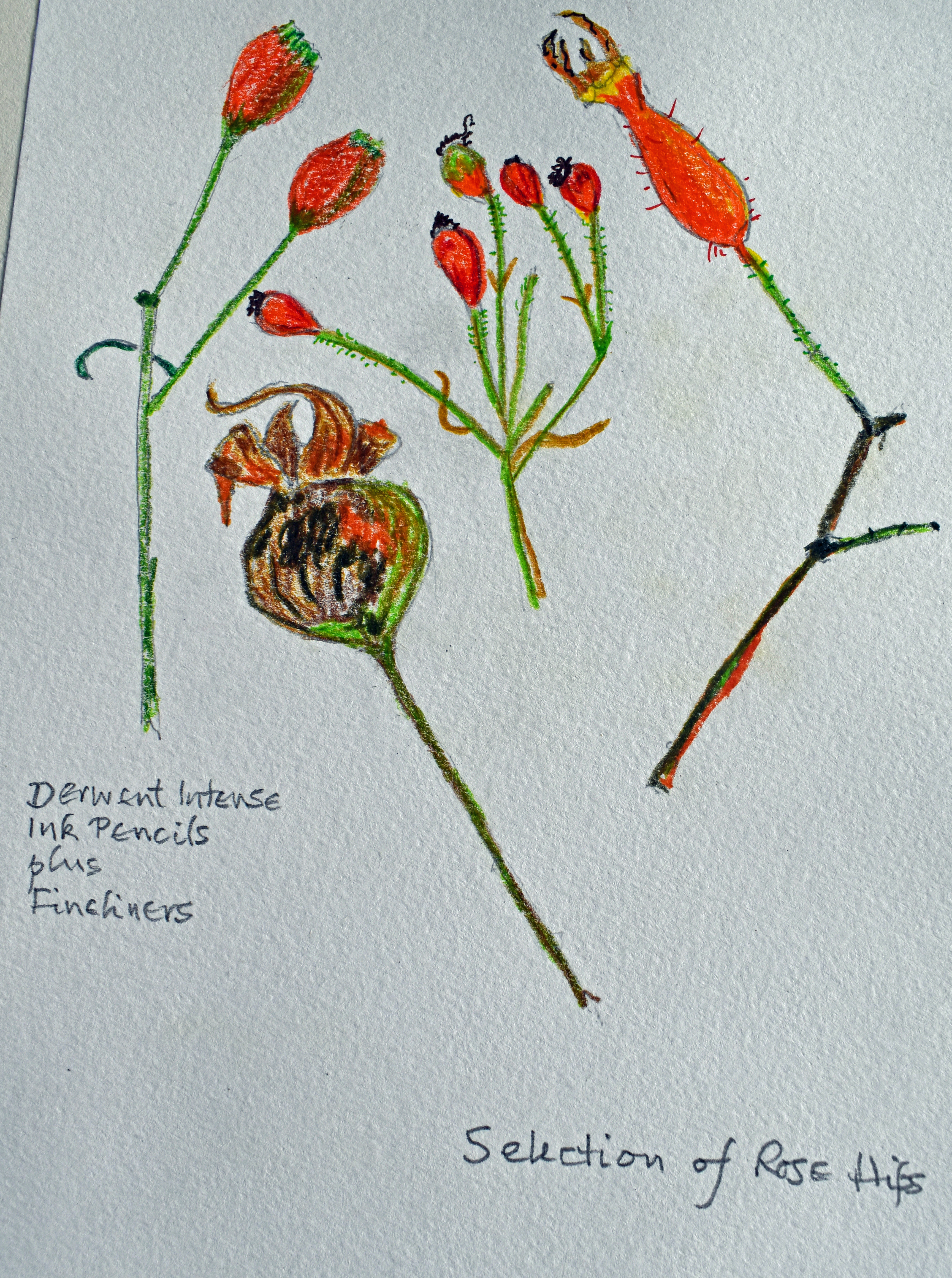
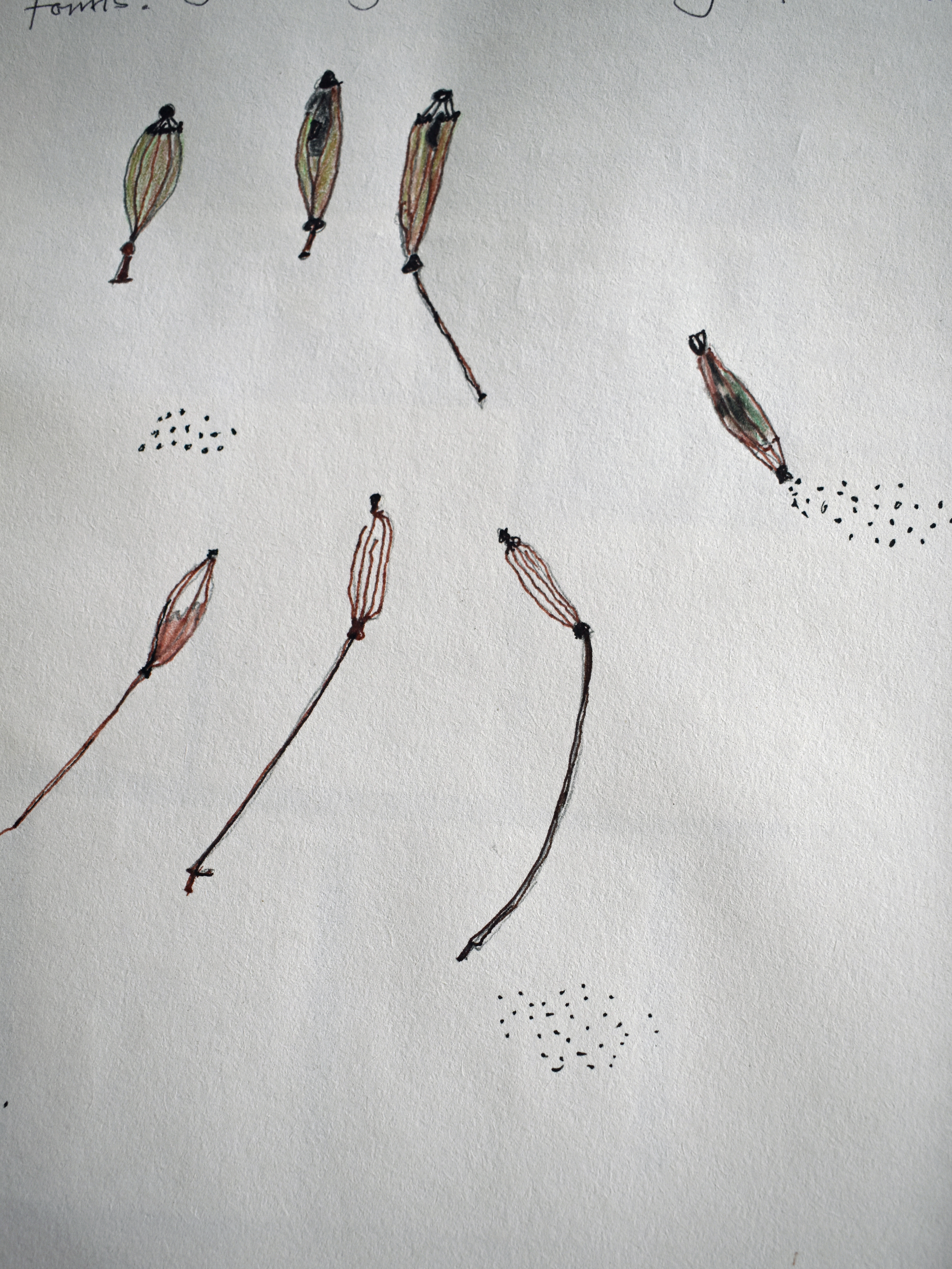
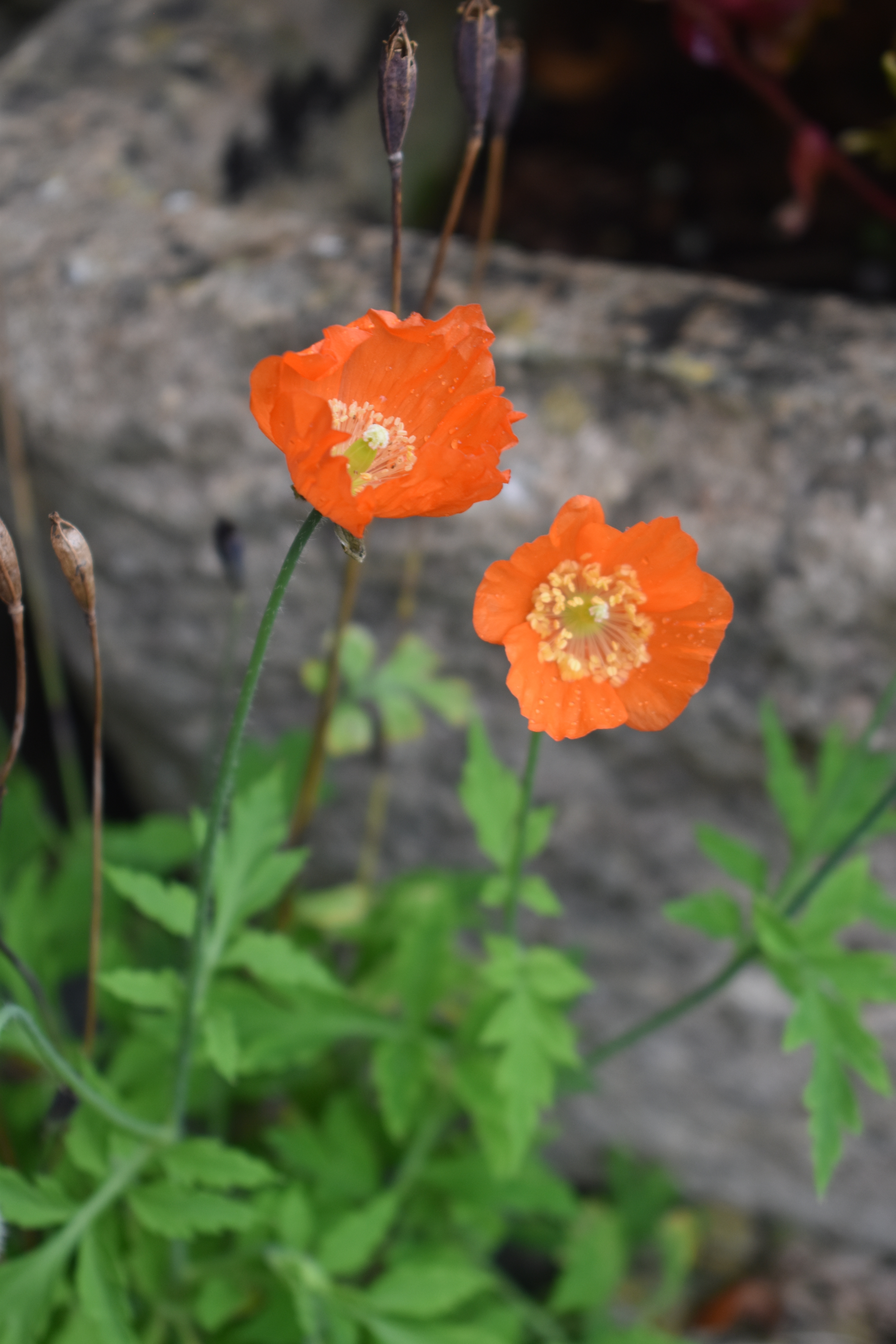
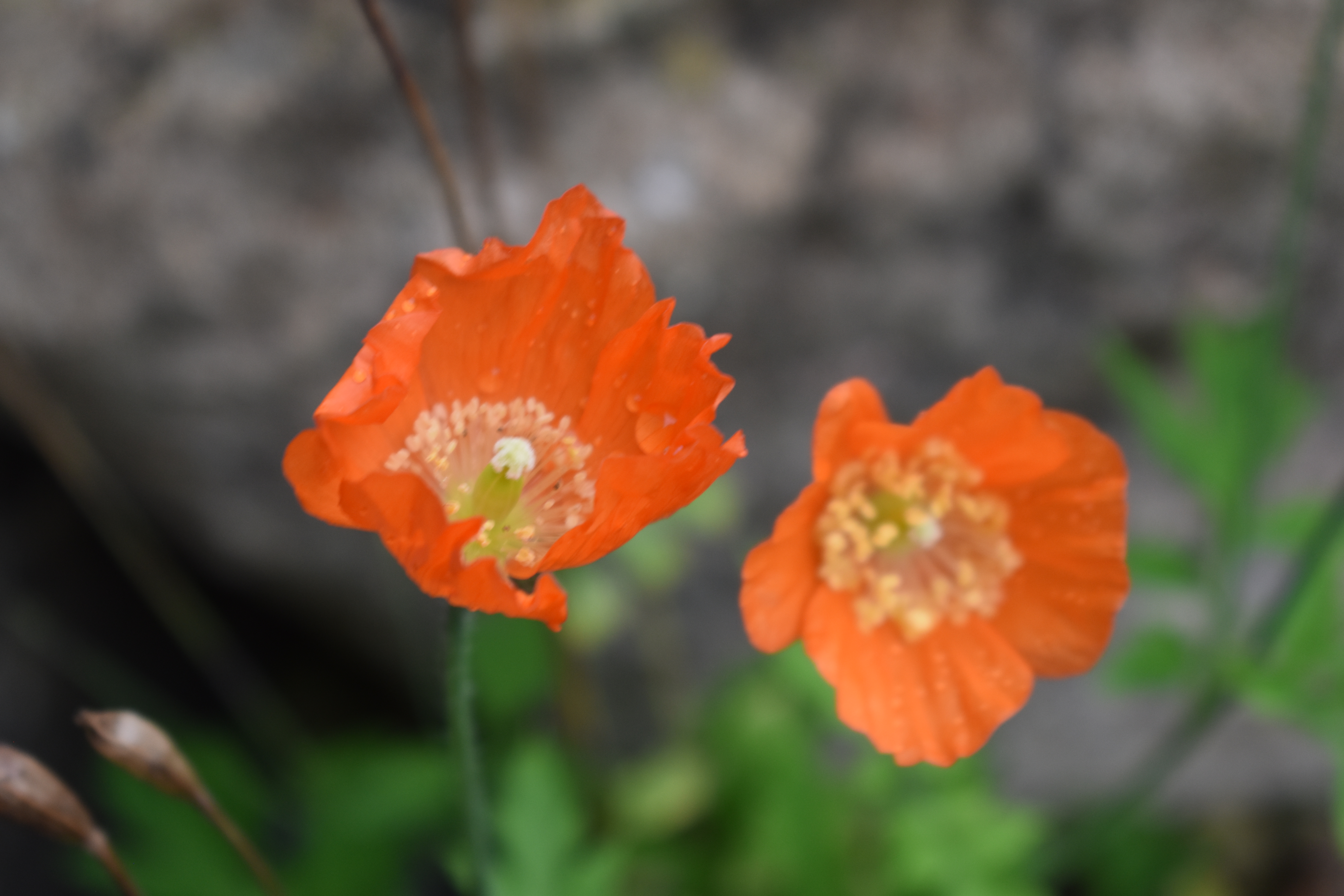
On the next page I wrote, “It is in this month that seed heads of Welsh Poppies, Meconopsis cambrica, scatter seeds far and wide, so they are well-known as powerful self seeders. I have been collecting seeds of both yellow and orange flowered forms.”

The first page of this double page spread featured some sketches I drew of the Welsh Poppy seedheads.

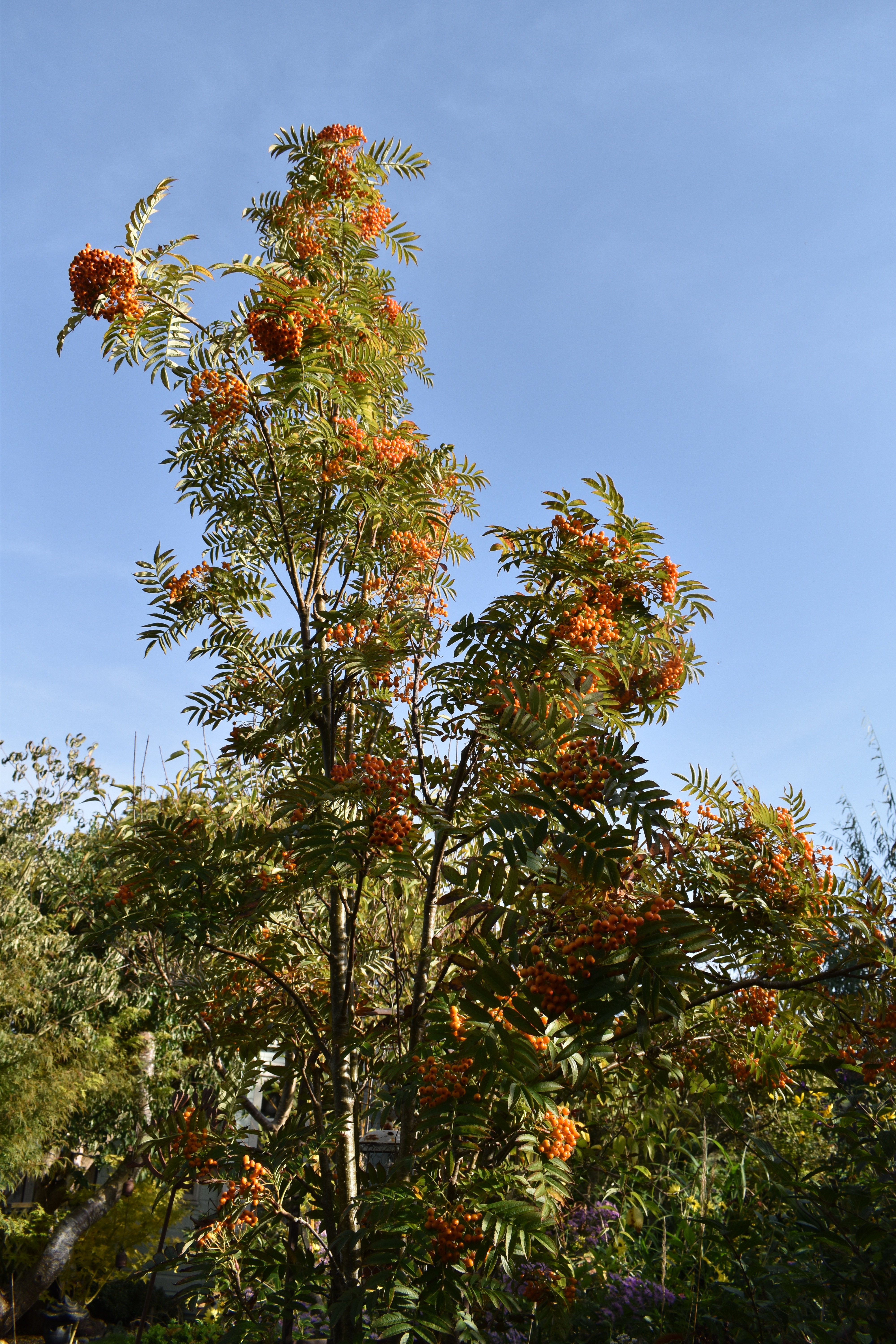
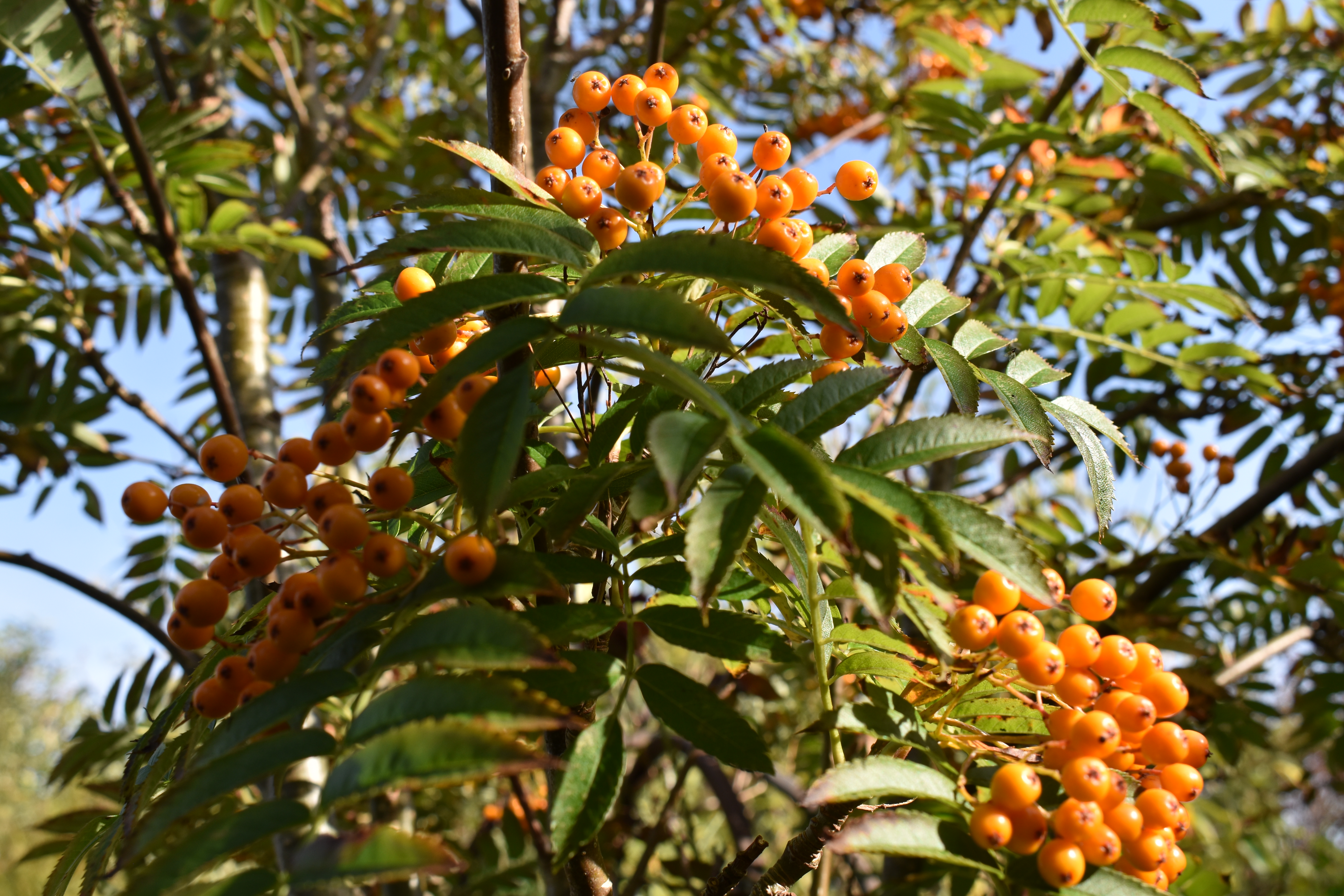
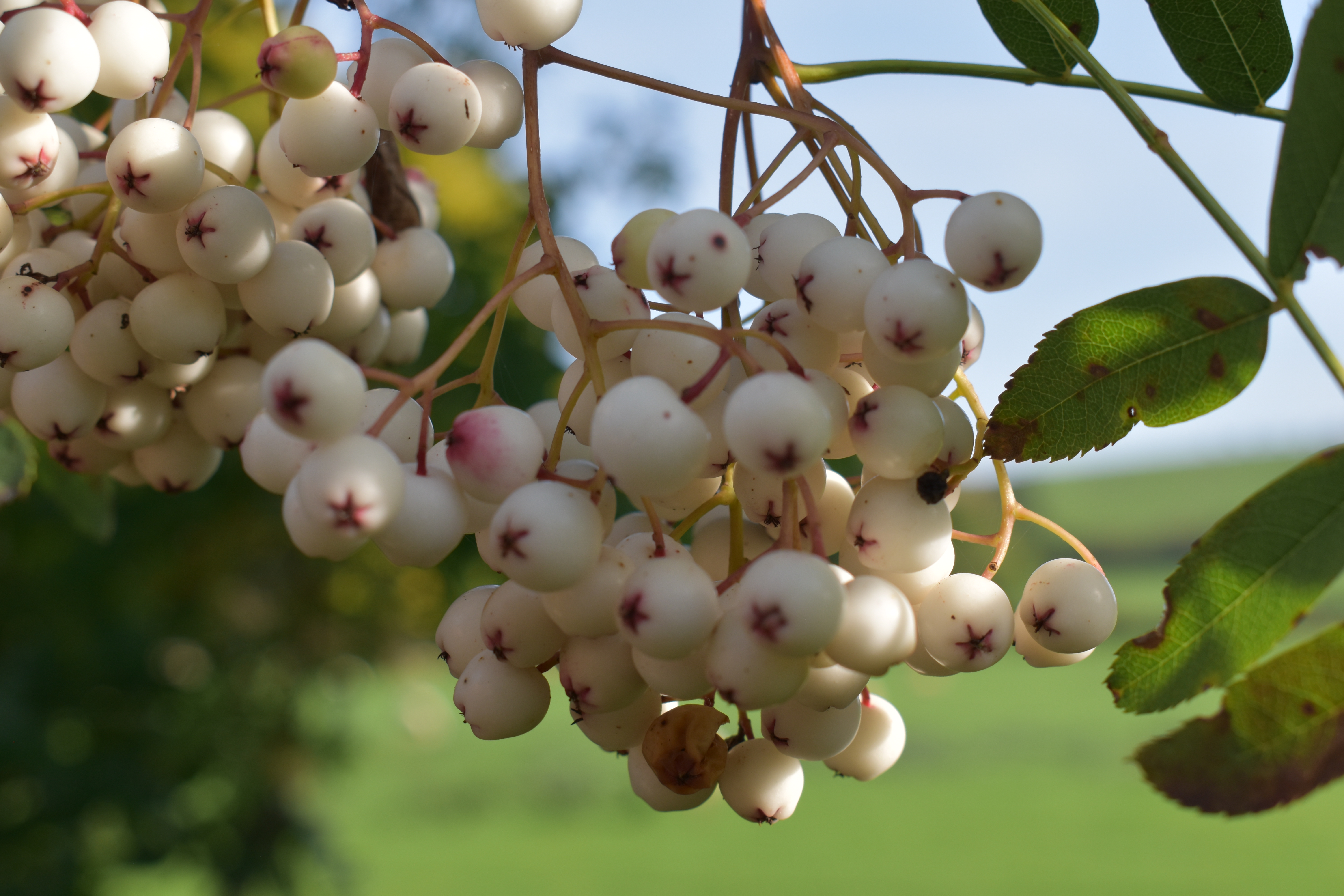
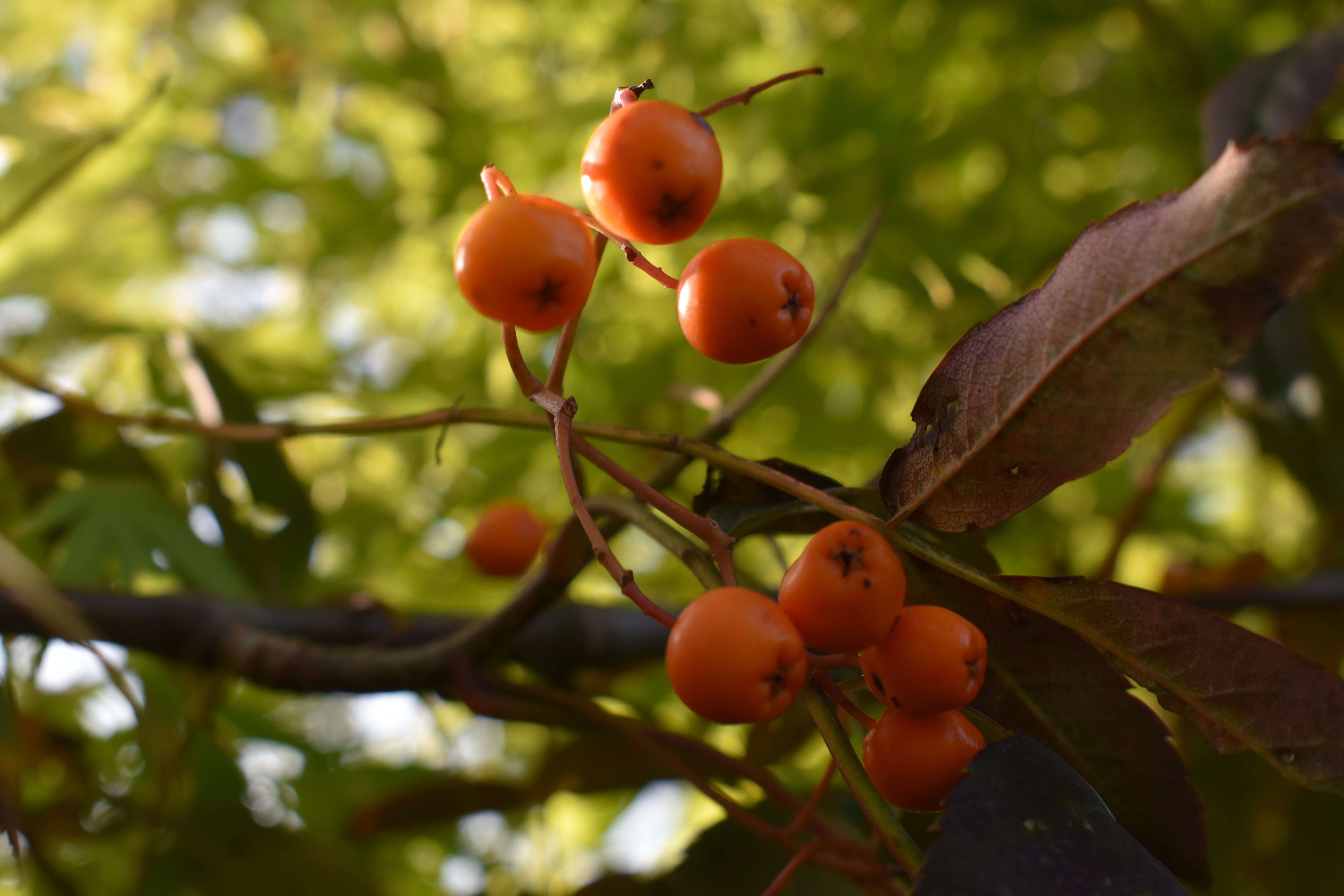
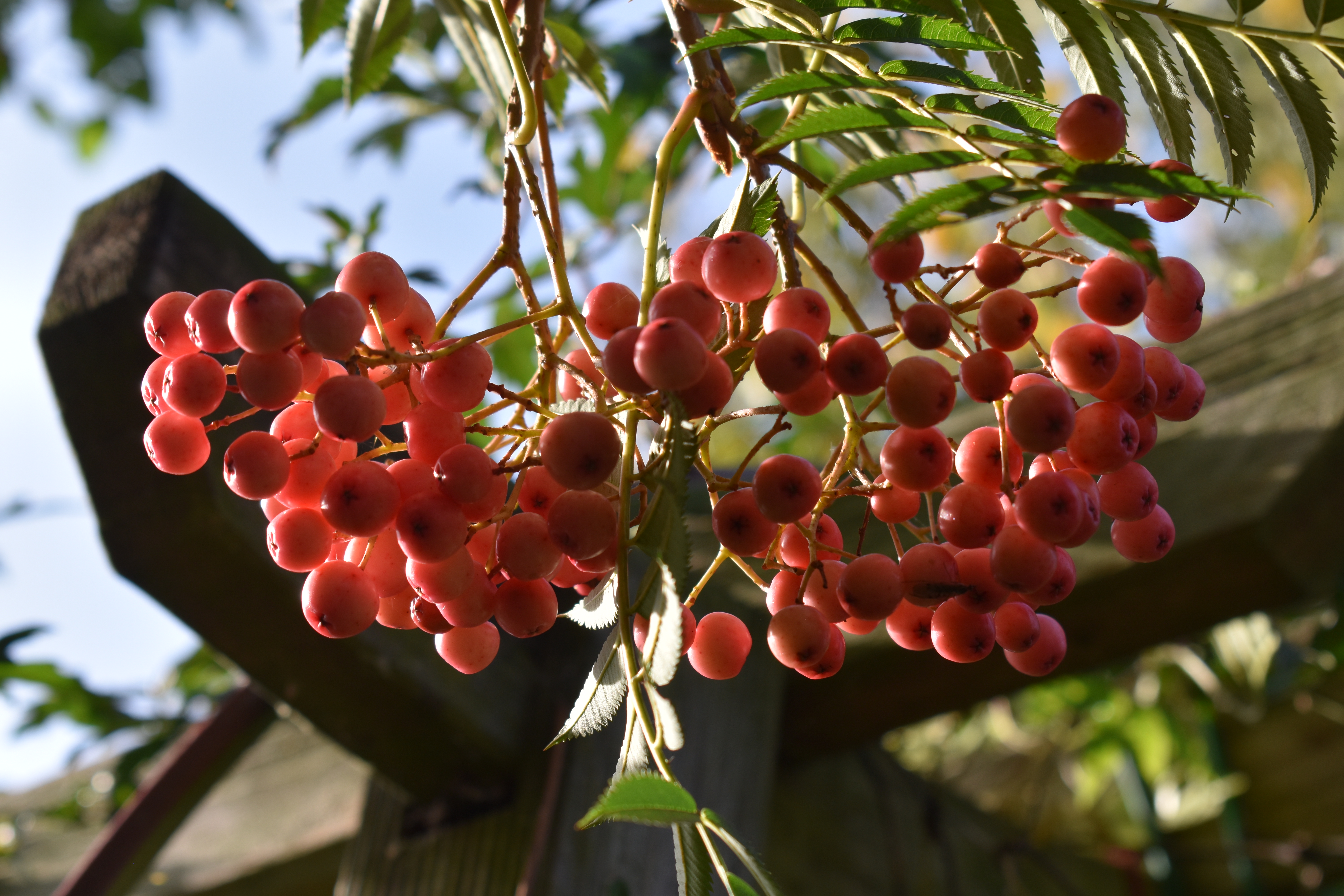
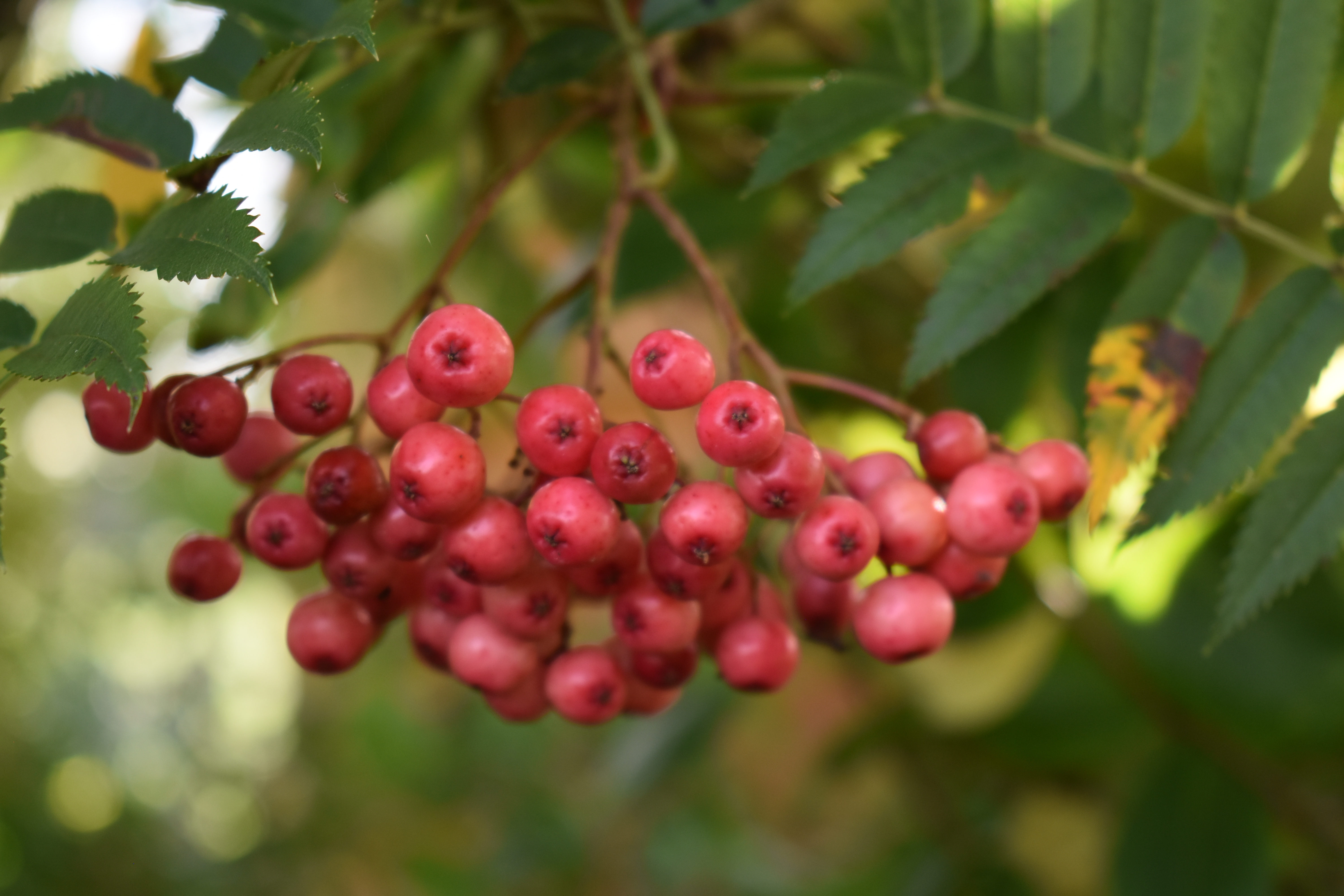
On the page featuring Sorbus berries I shared photos of a few of our collection. I noted that, “September is the month when colours are not just from flowers, but also from berries. We have several Sorbus trees and their berry colours vary a lot, some are also enhanced by rich autumn foliage colours.”

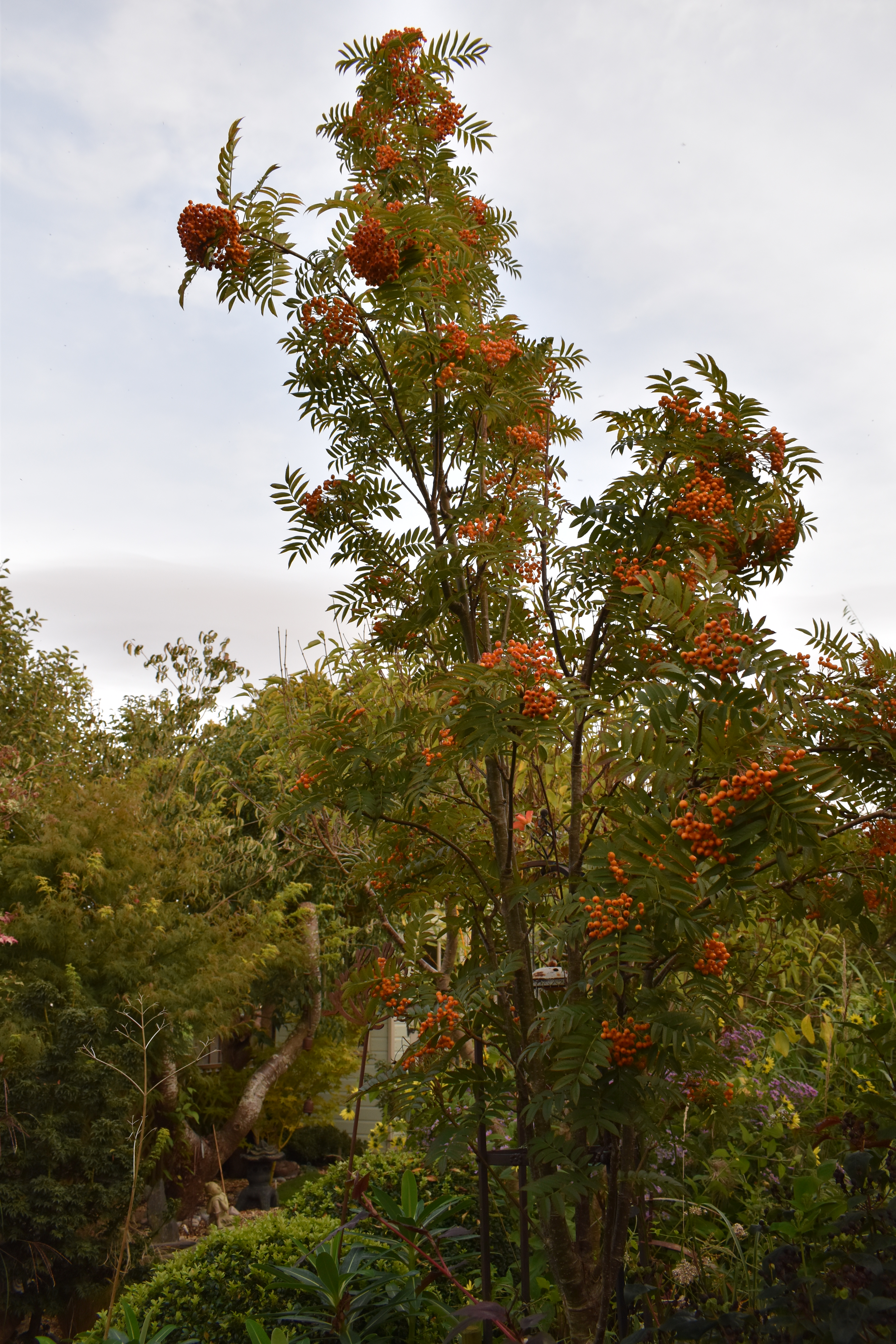
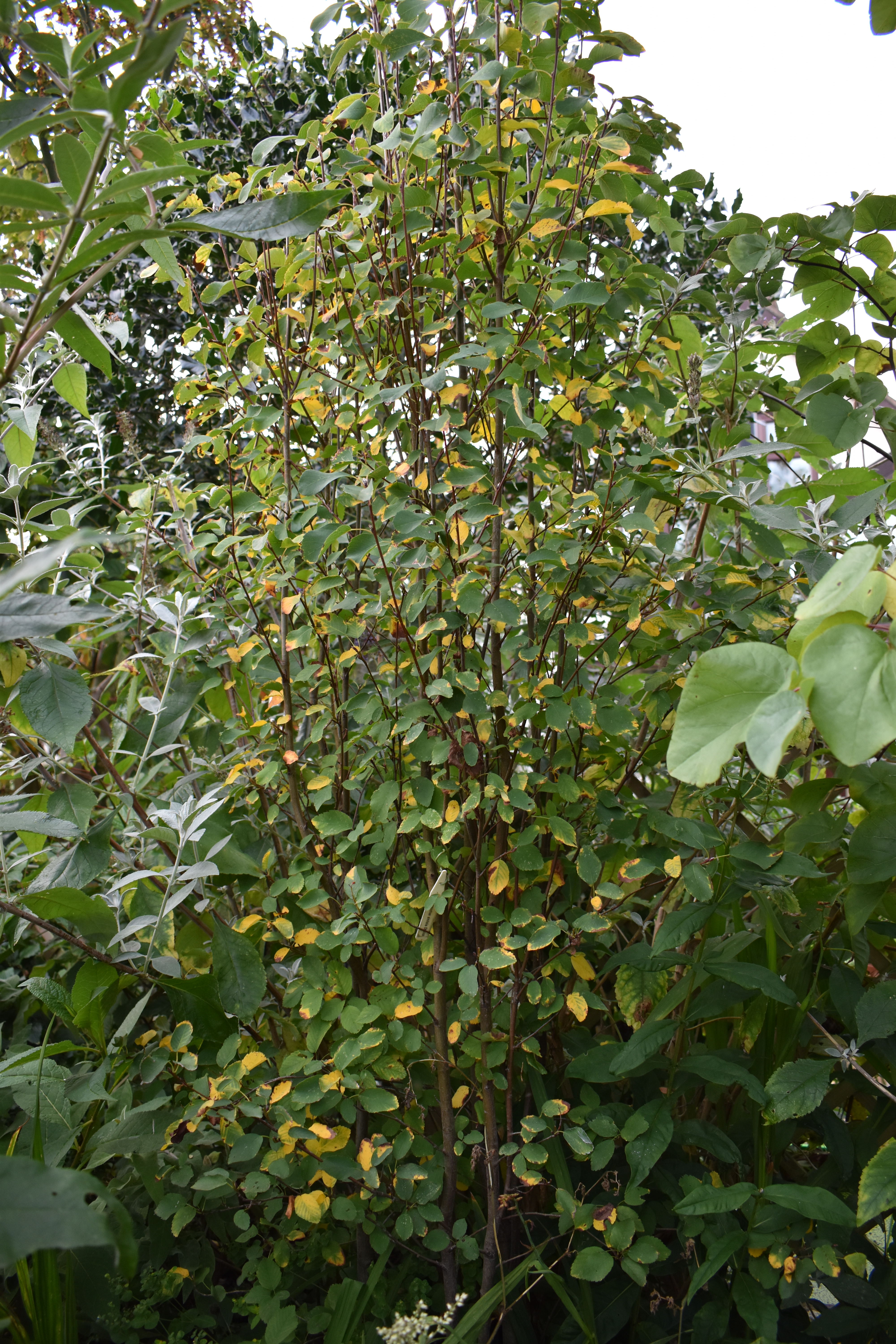
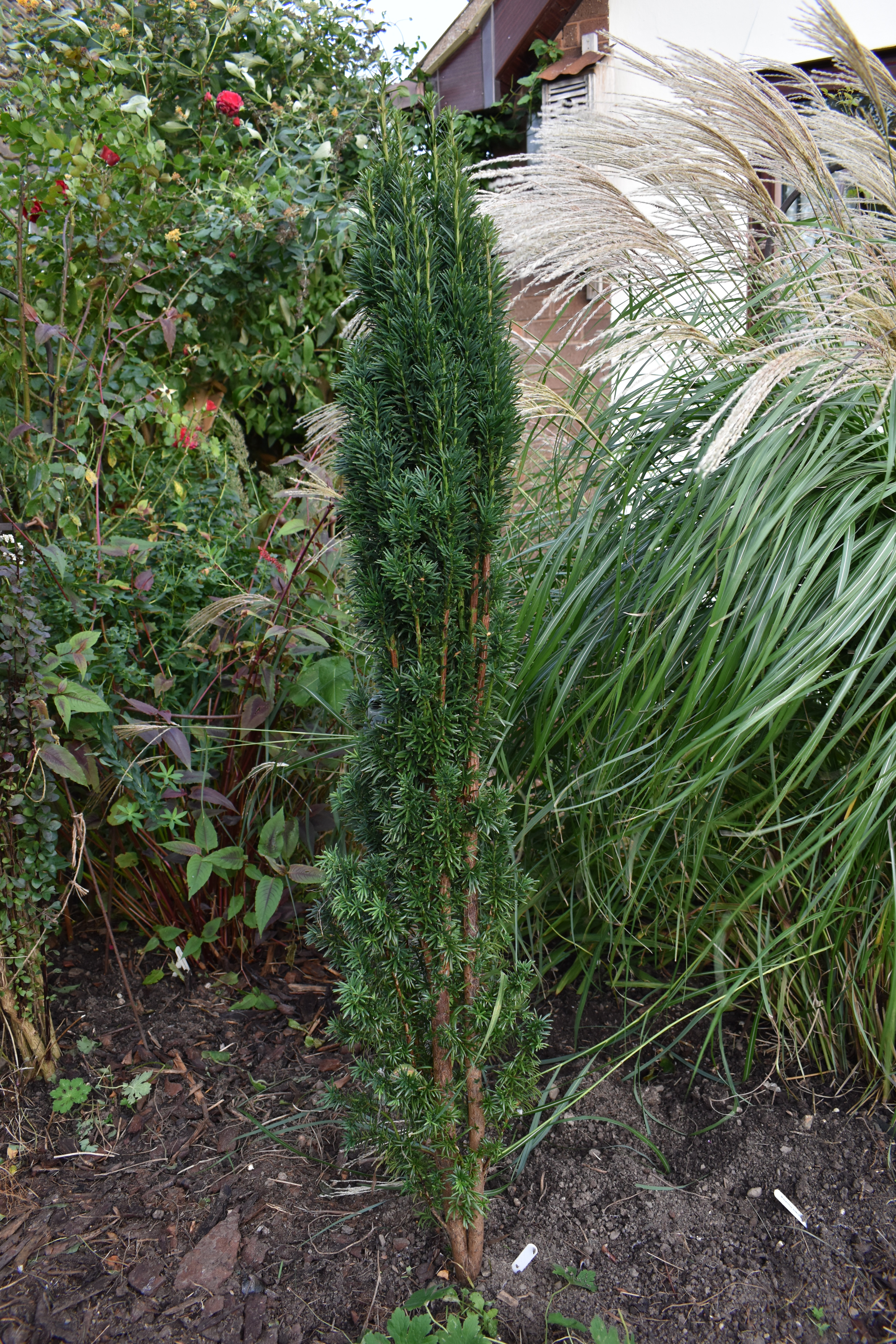
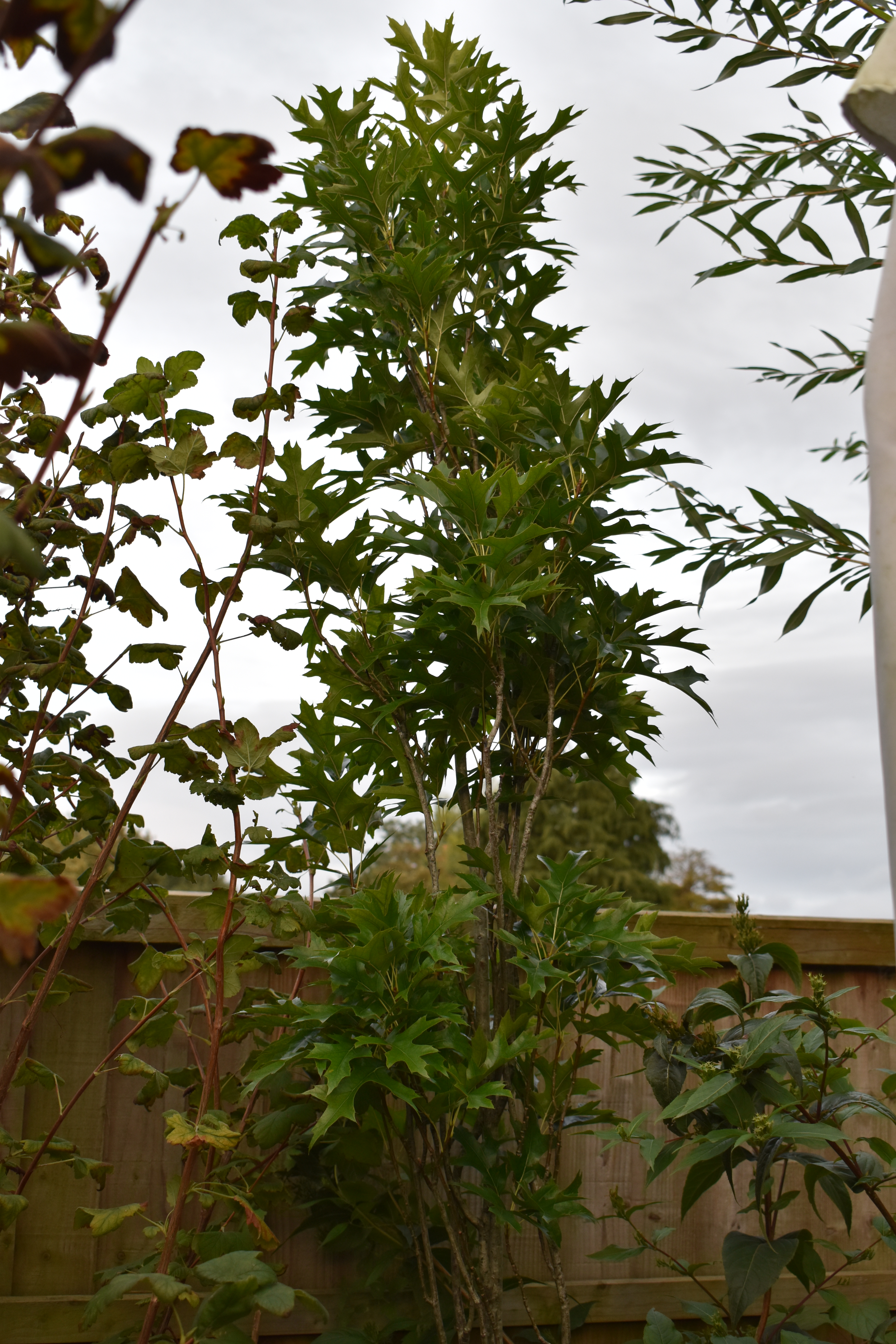
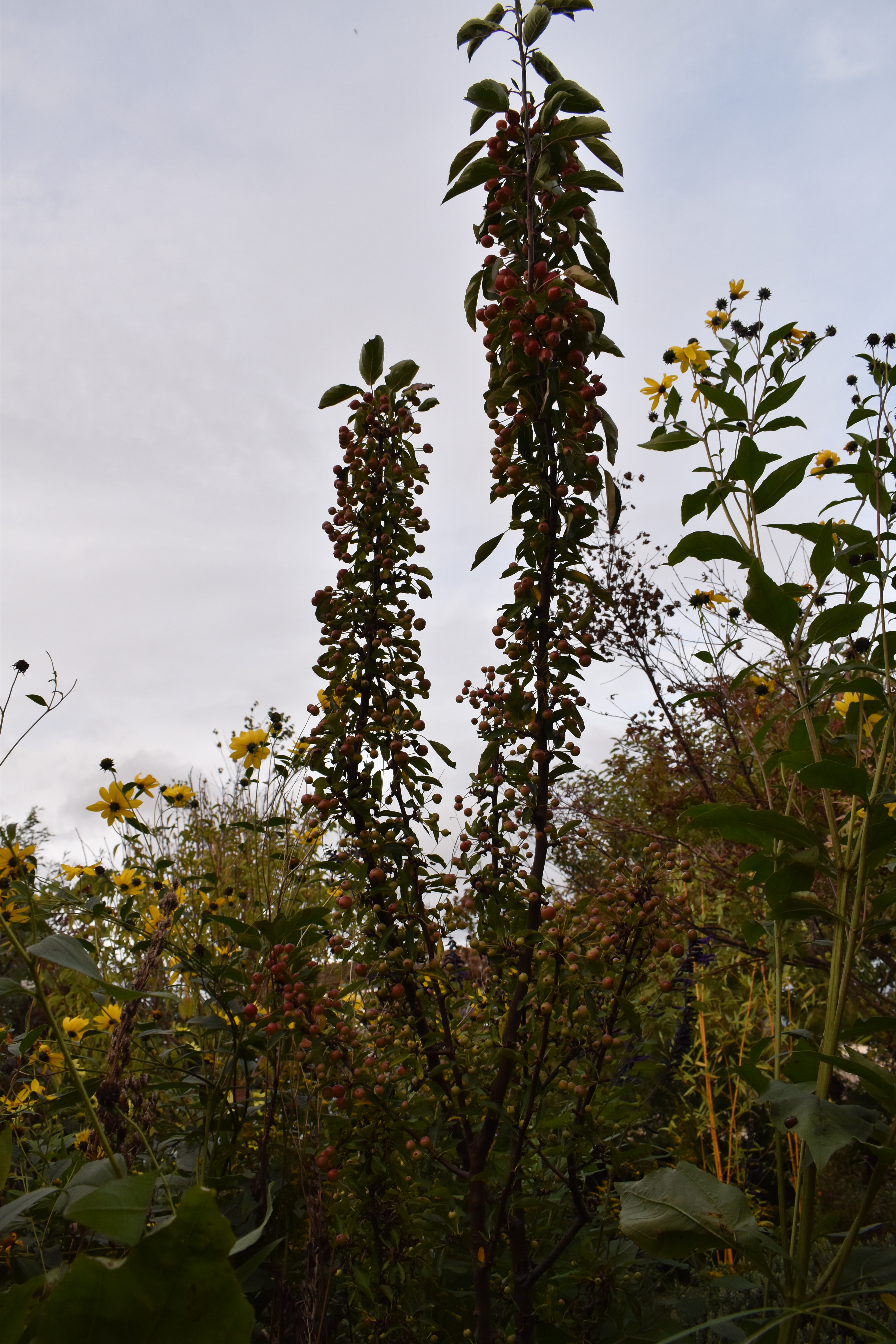
The next two pages are concerned with fastigiate trees and more gardening tasks. About the trees I wrote,”Trees are essential elements of any small garden, where they add a sense of scale and add drama as well as foliage, flowers, seed pods and berries.

In our garden, at just under a quarter acre, we are growing over 60 trees. Recently, over the last few years or so we have concentrated on fastigiate trees with their small footprint.”

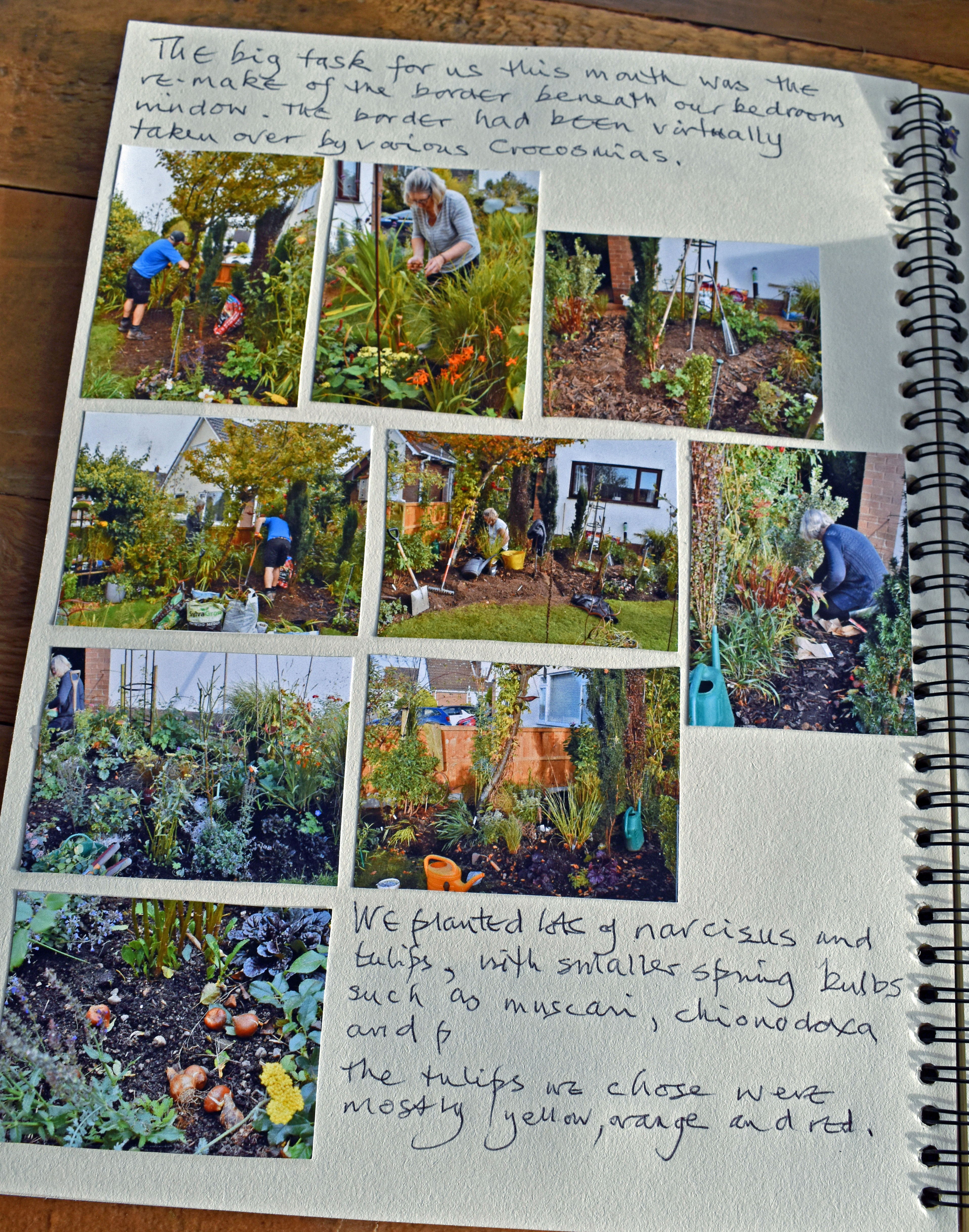
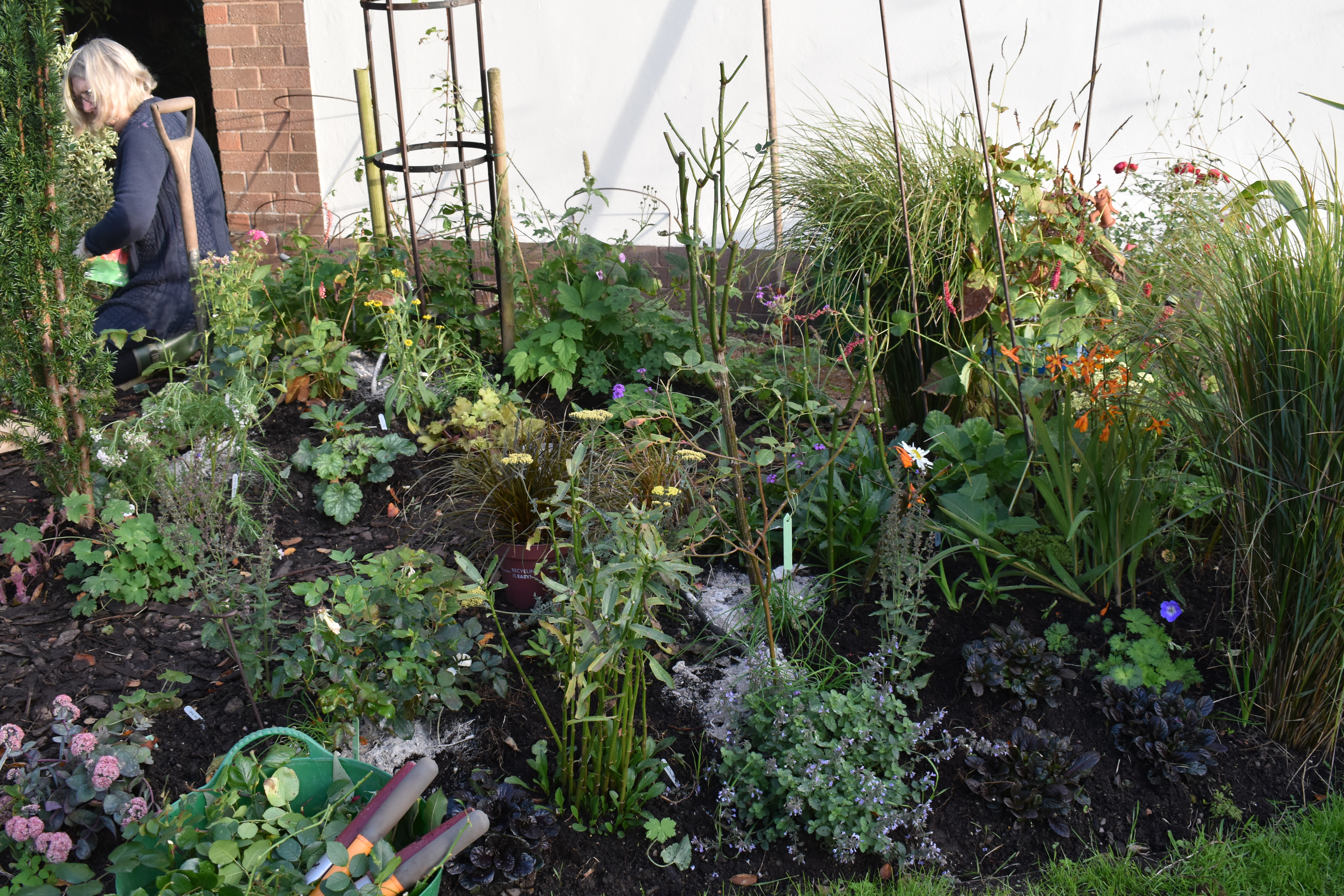
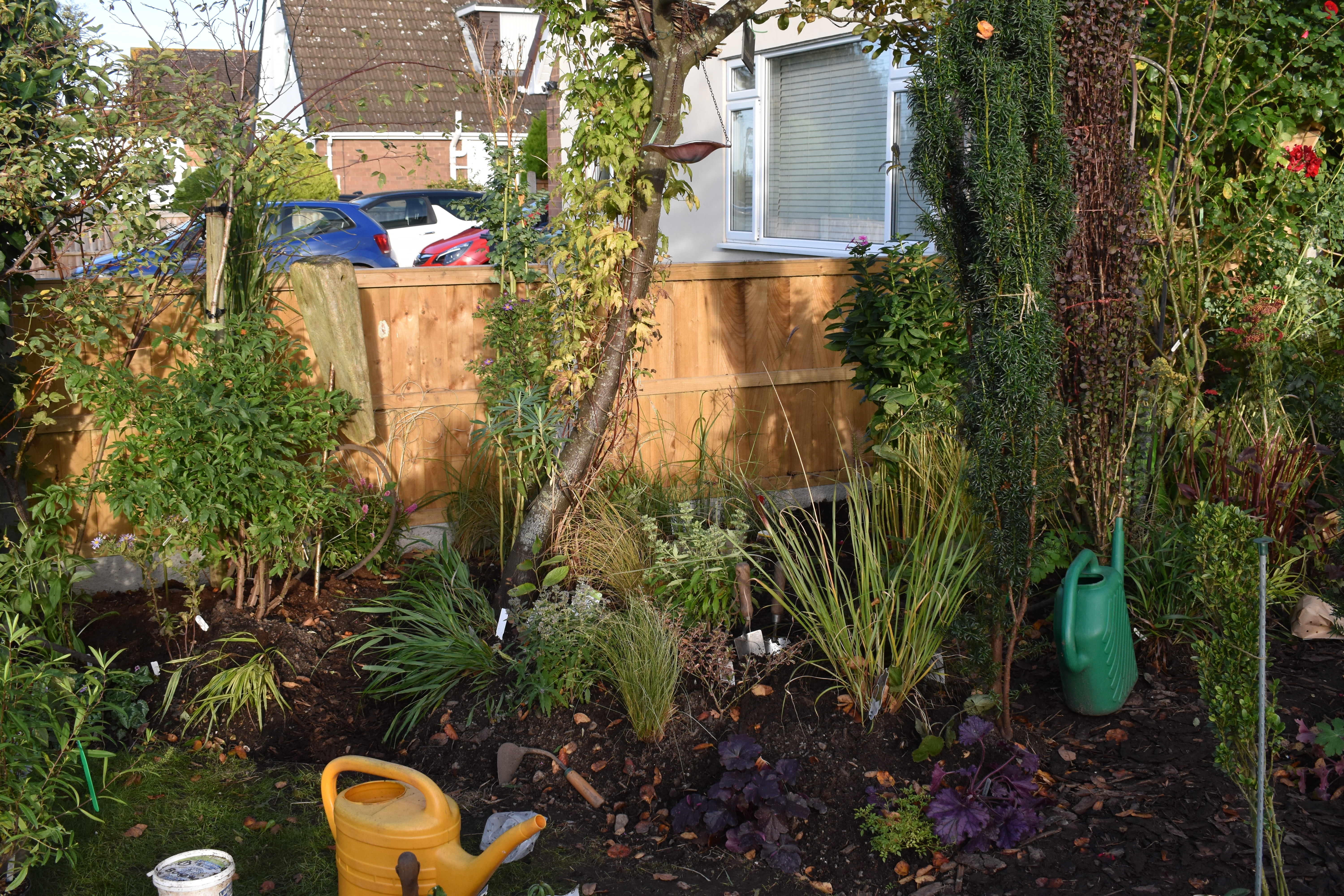
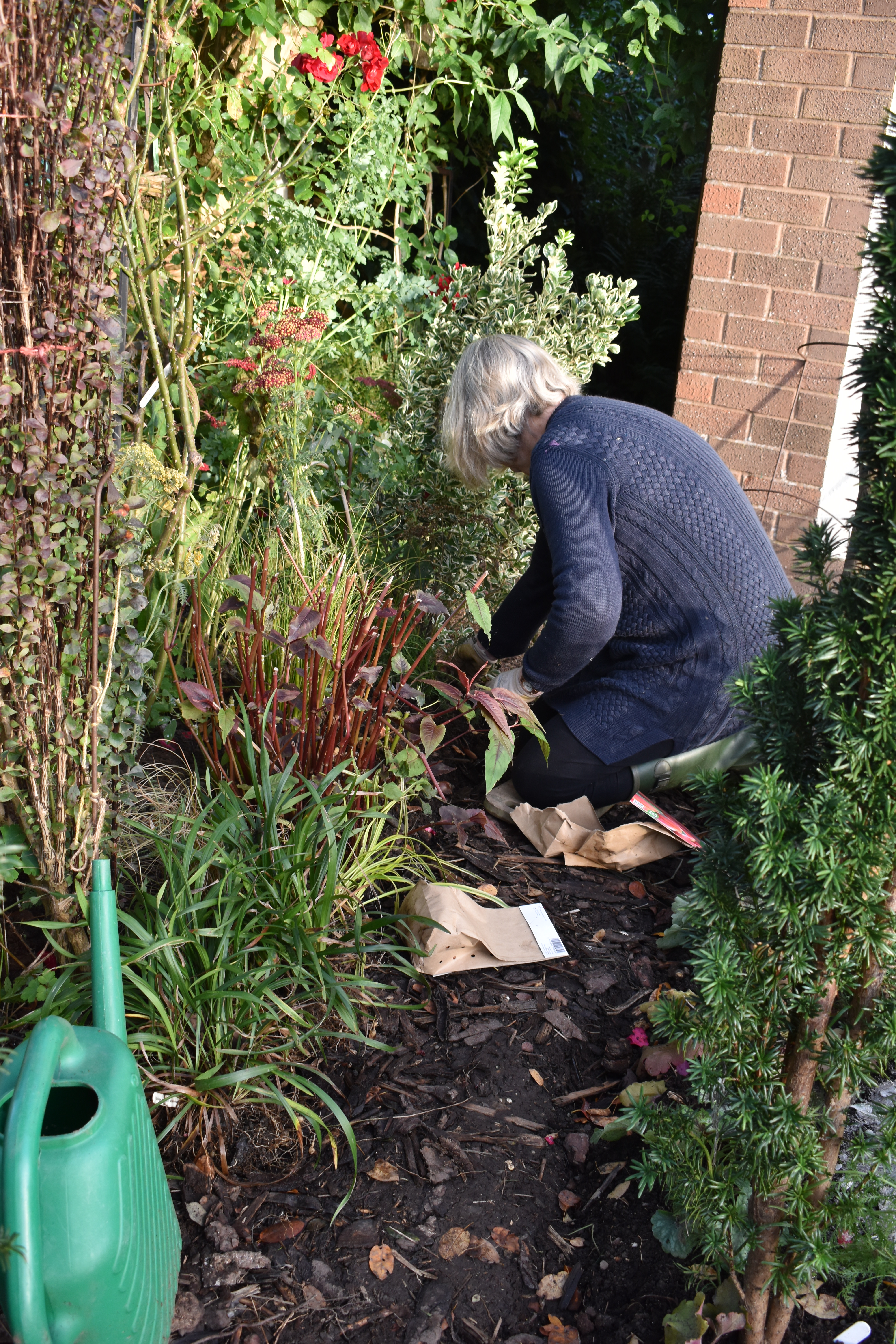
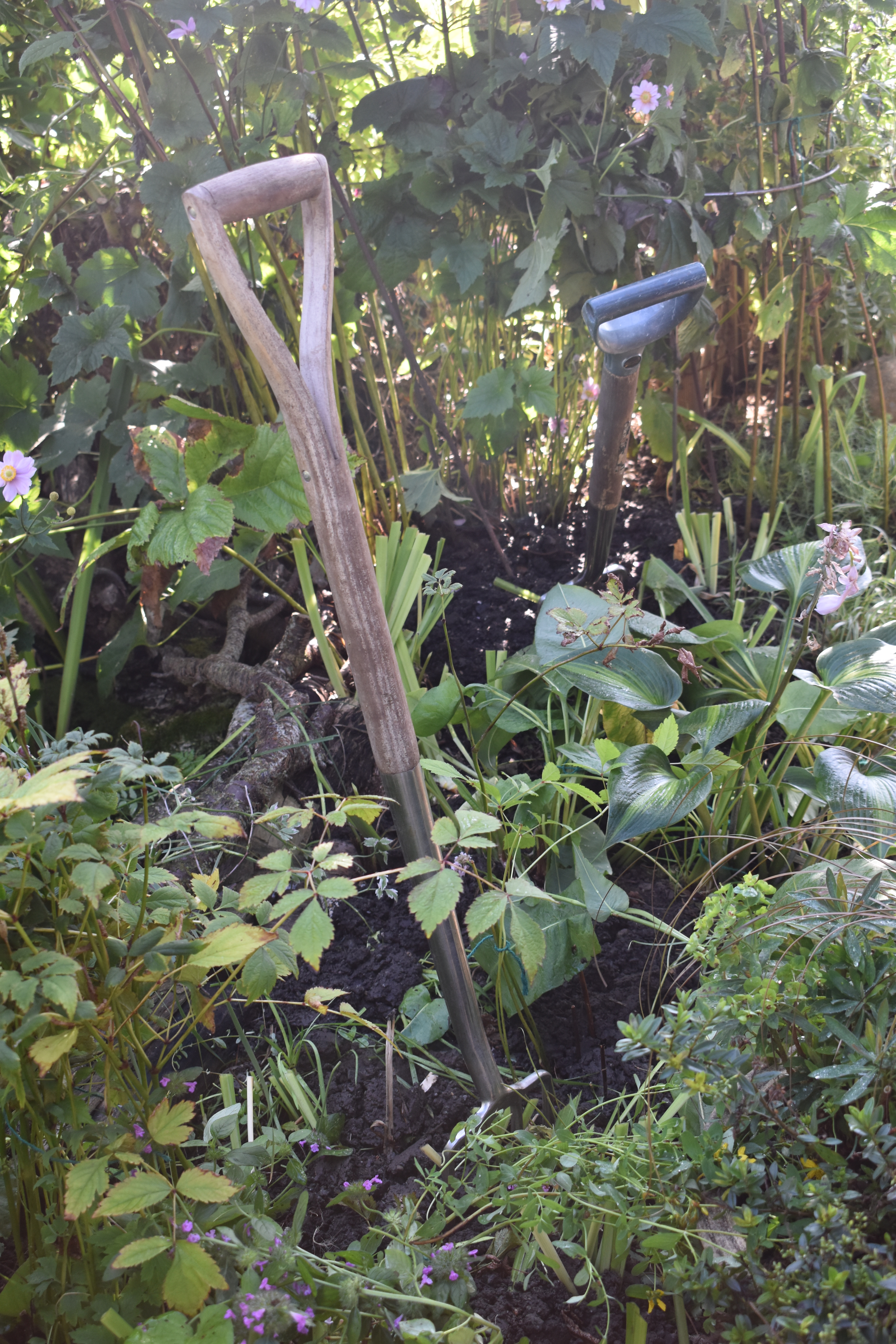
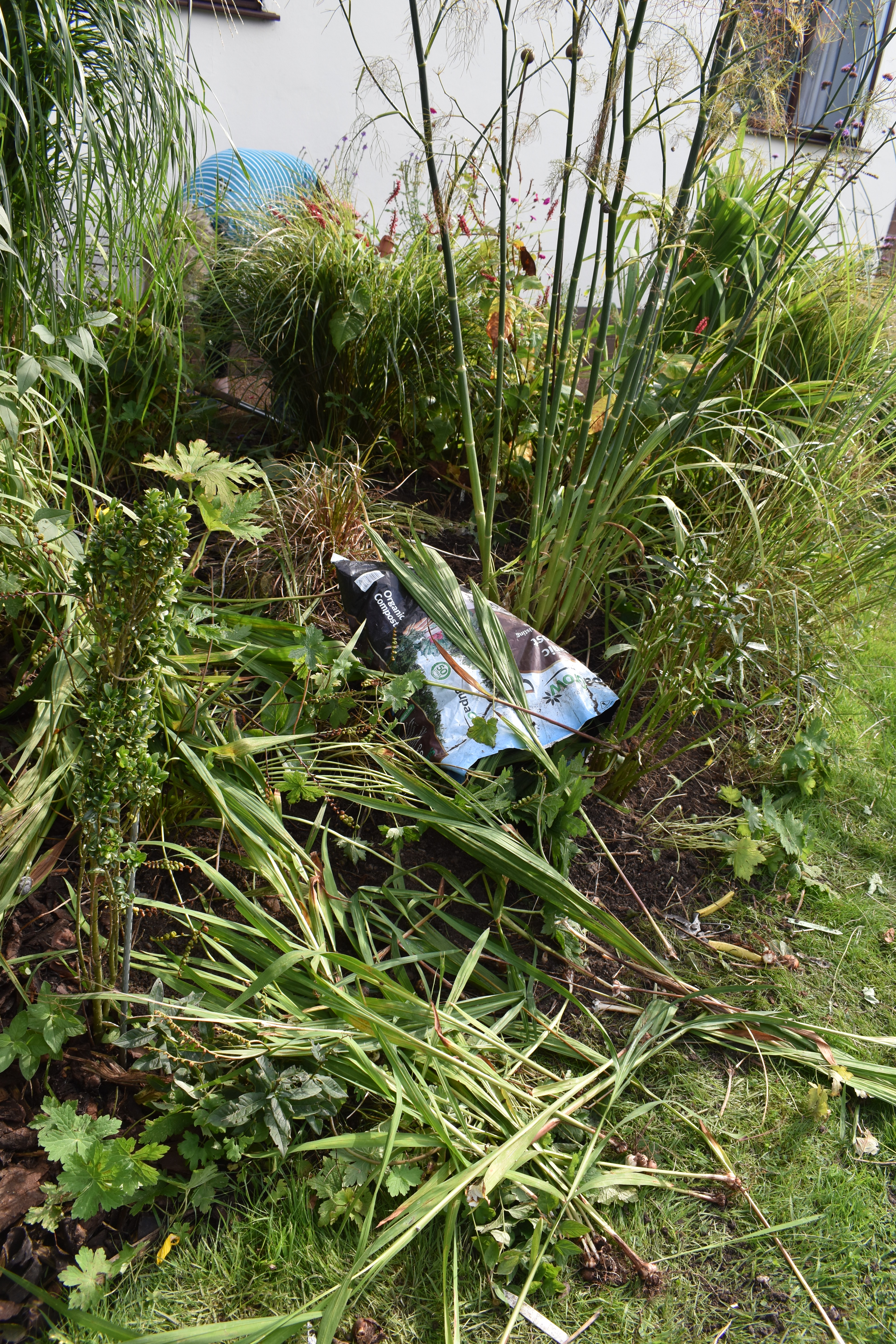
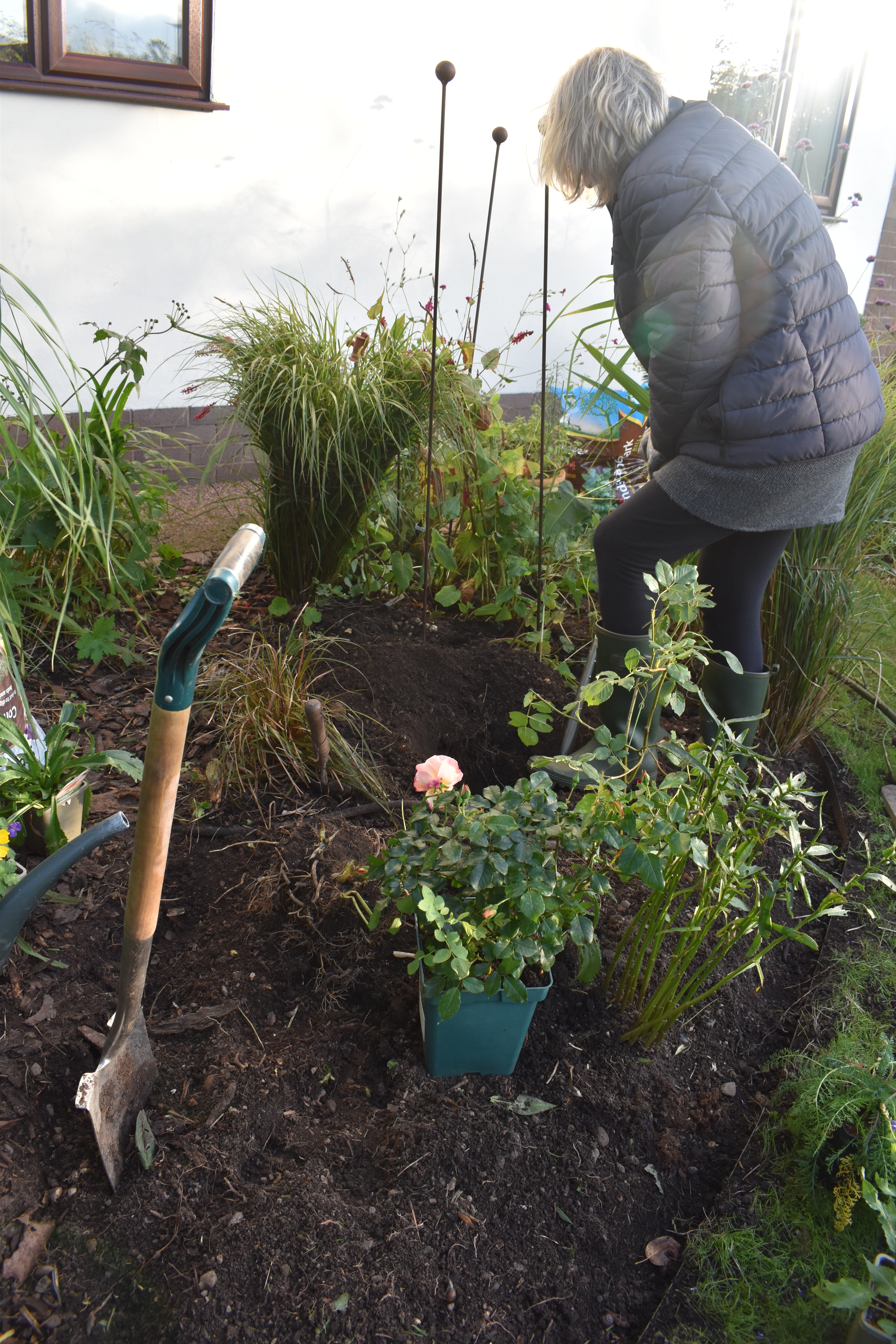
On the last page for September I returned to look at some of the tasks we tackled in the garden. I wrote, “We are continuing to revamp the borders in our front garden. The area is divided into three parts, all of them needing almost total revamps.”

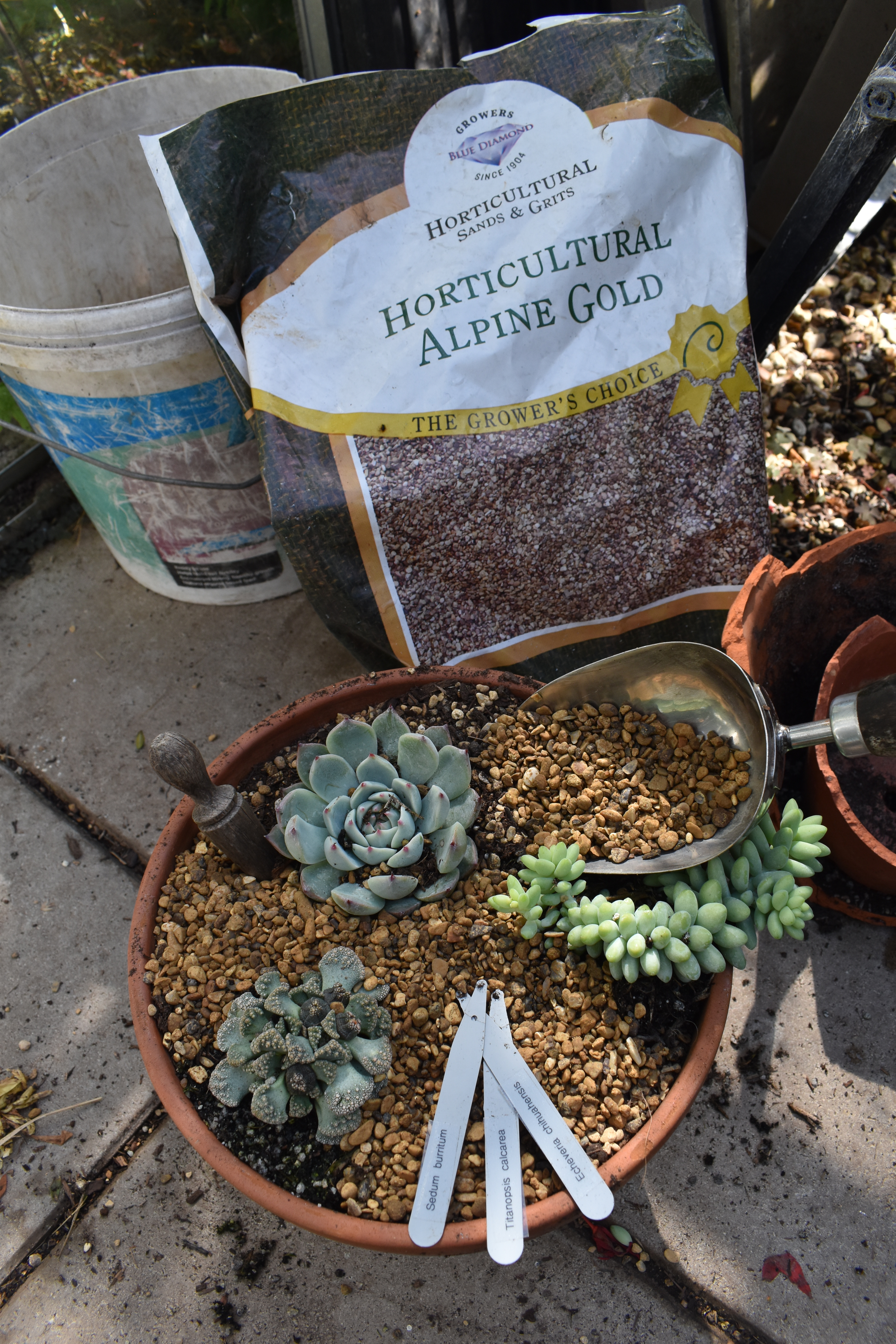
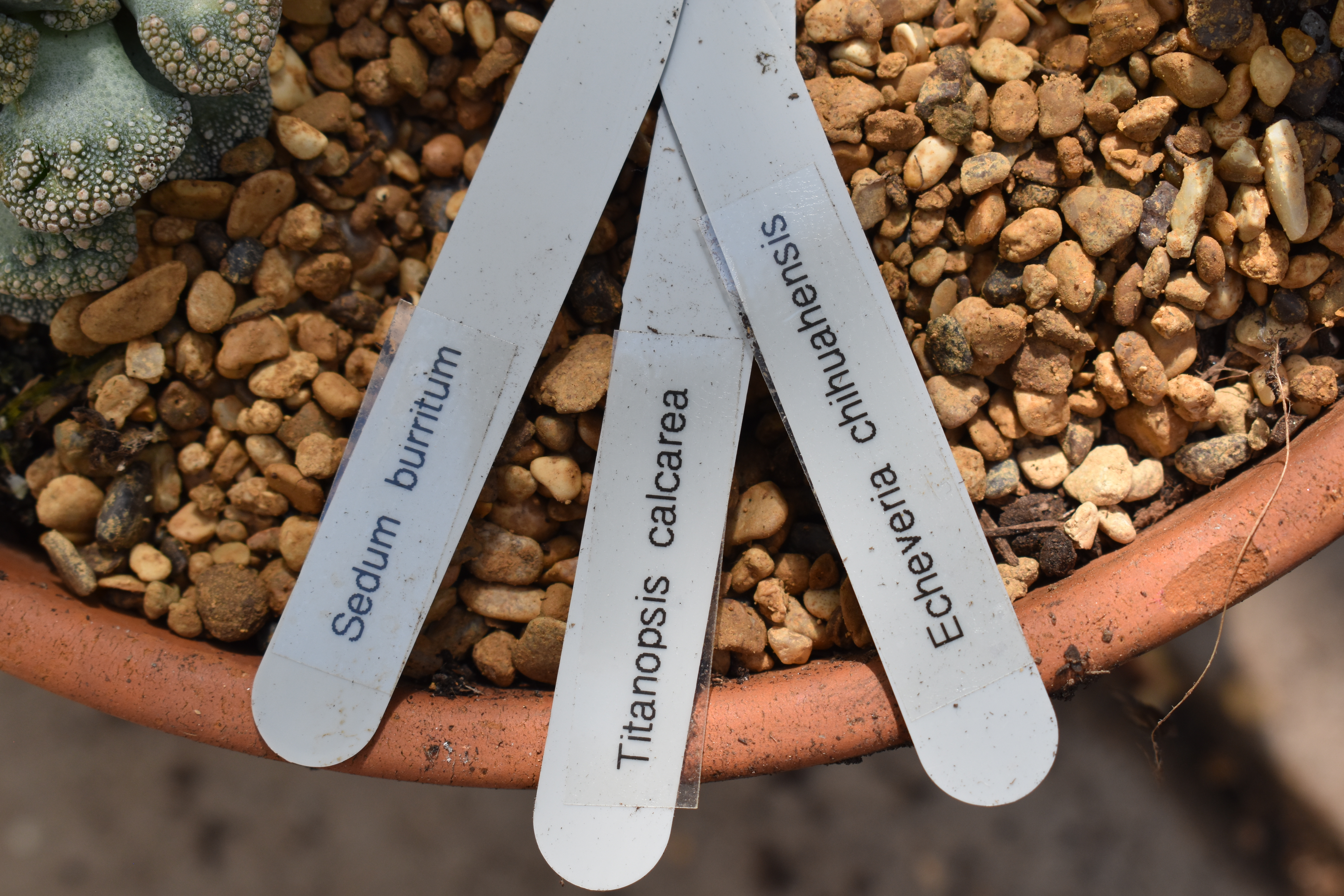
Towards the bottom of this page I wrote, “On rainy days we worked in the greenhouse, Jude potting on perennials plants while I took succulent cuttings.”

So there is our month in the garden. Next month will be October the time when perhaps we will begin to see changes that will lead us to he autumn.

Categories
Uncategorized

A Week in Pembrokeshire Our Home for a Week

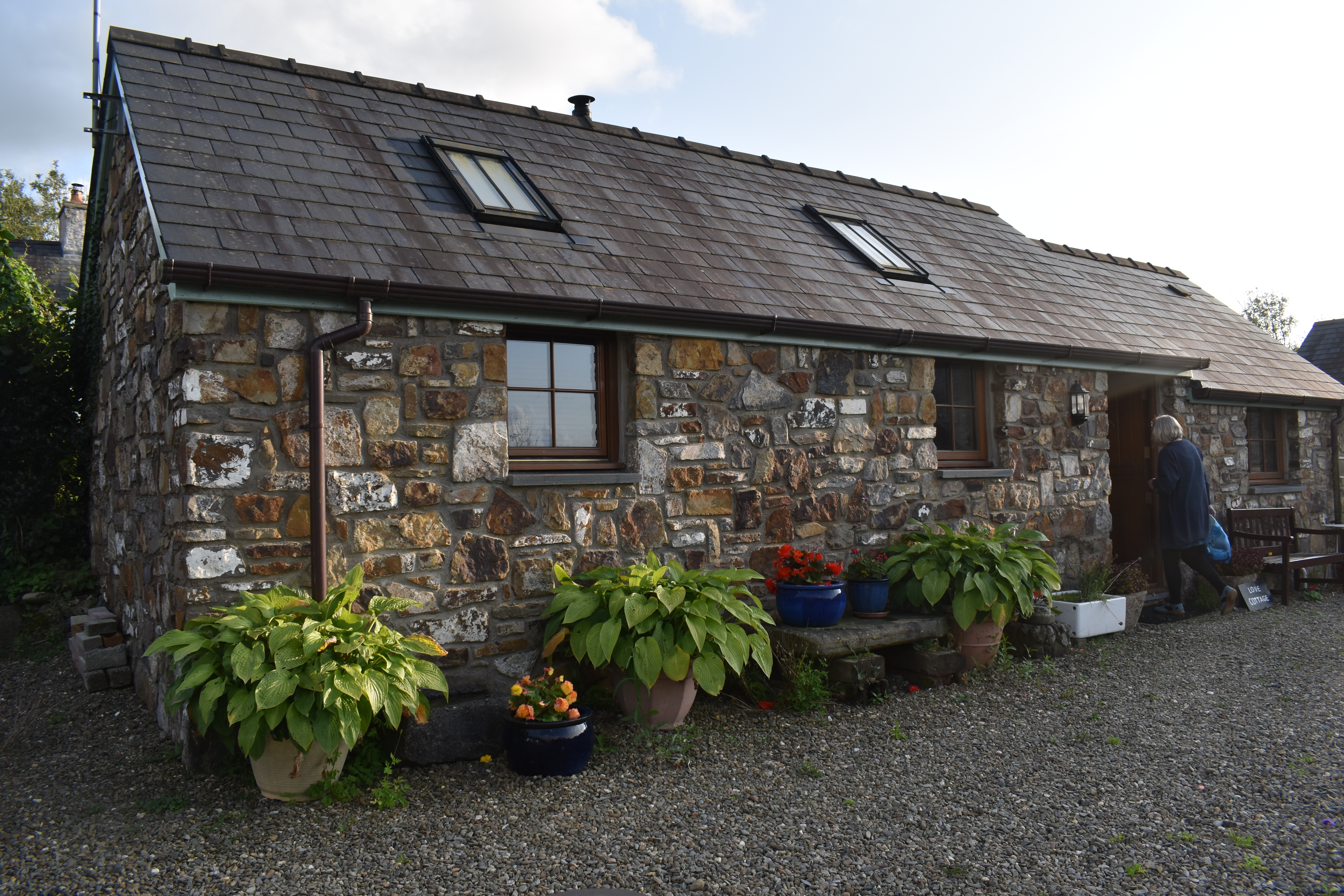
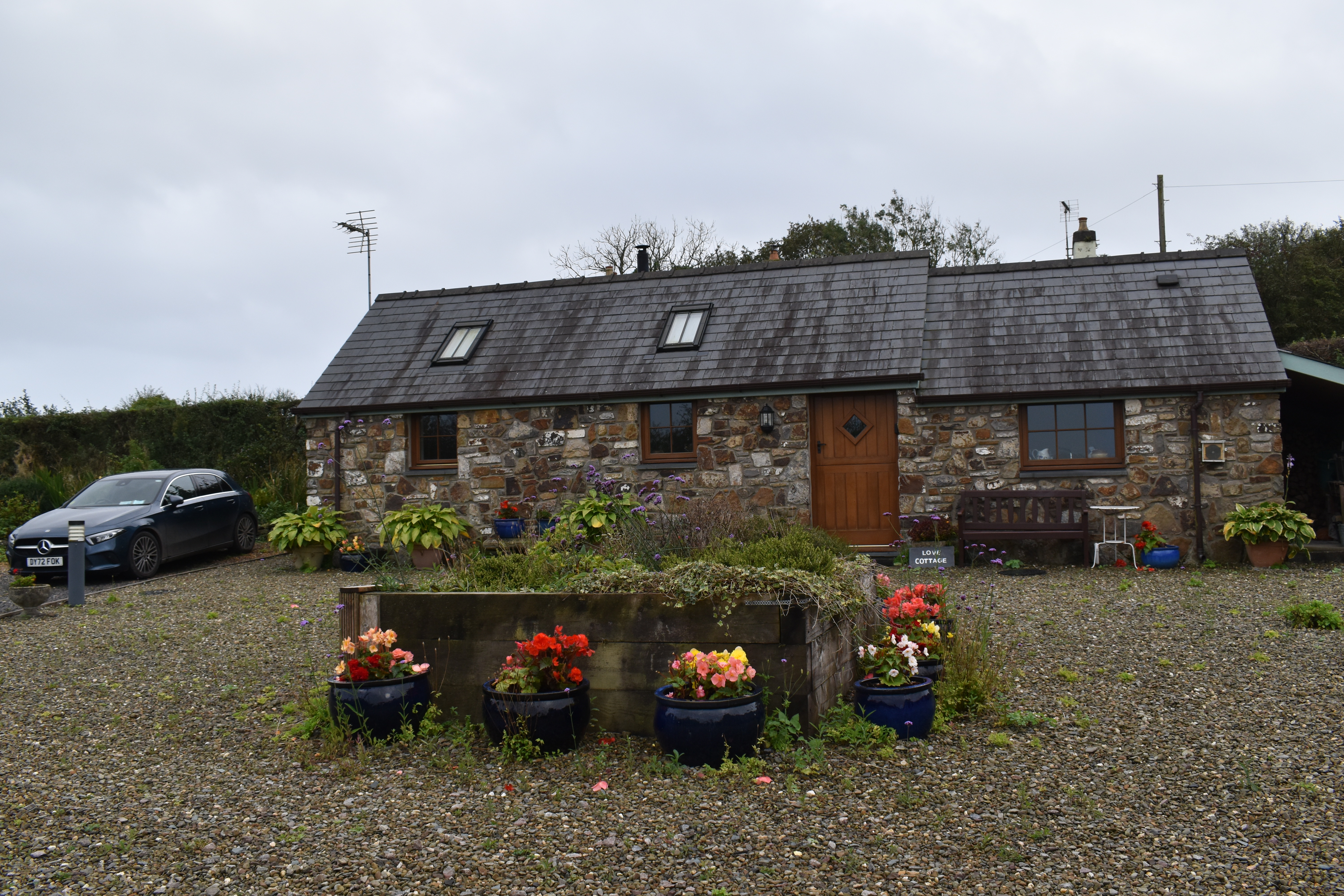
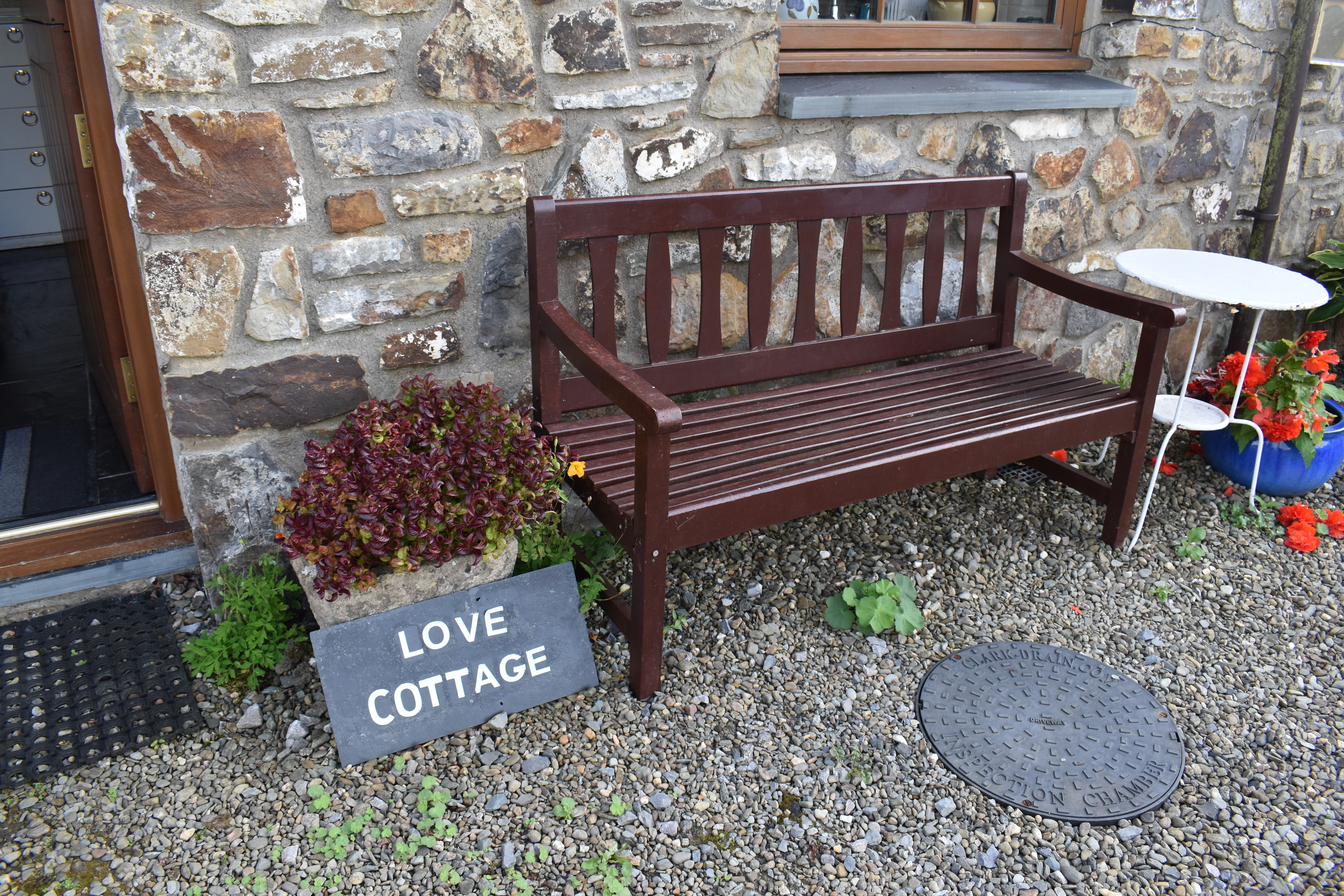
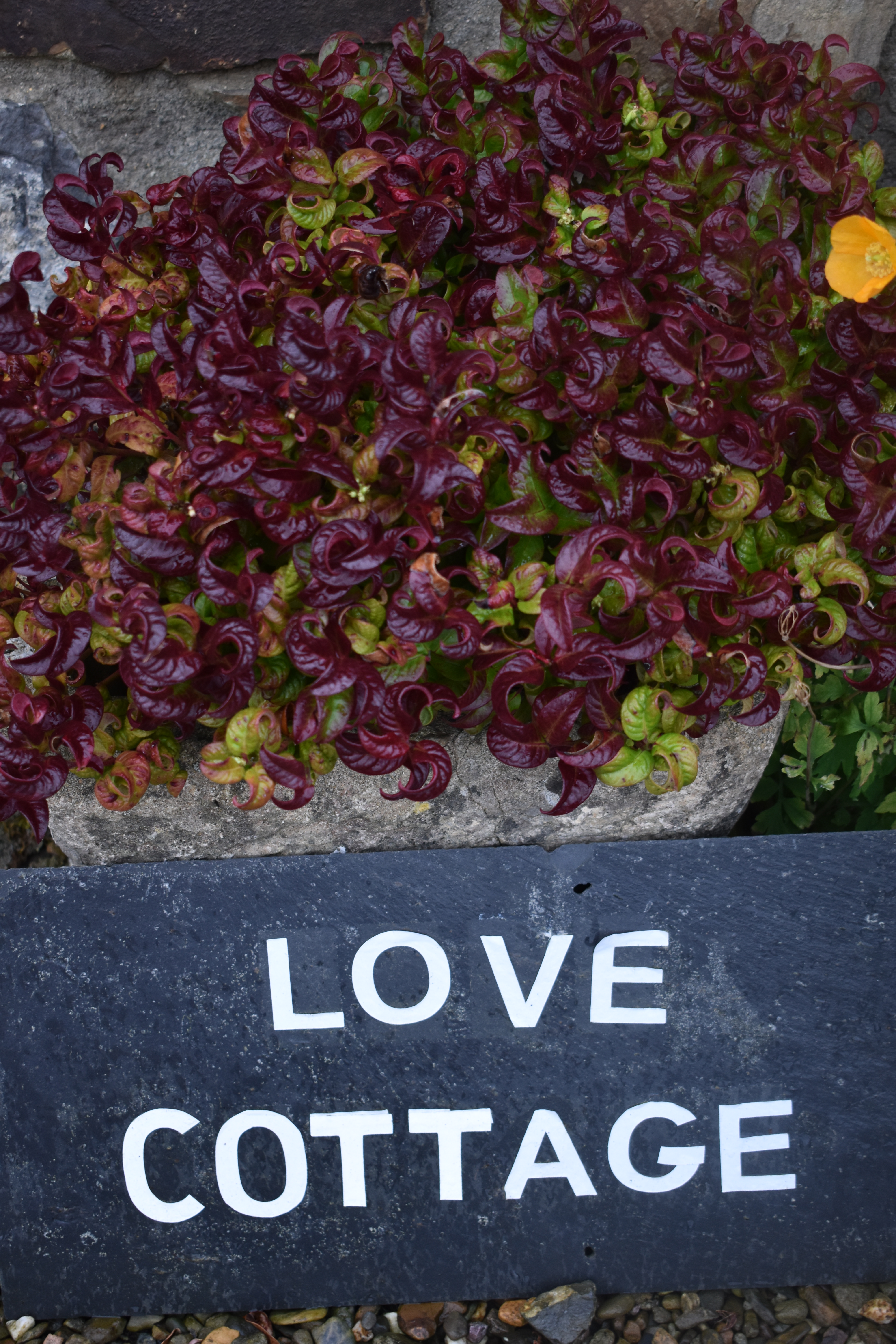
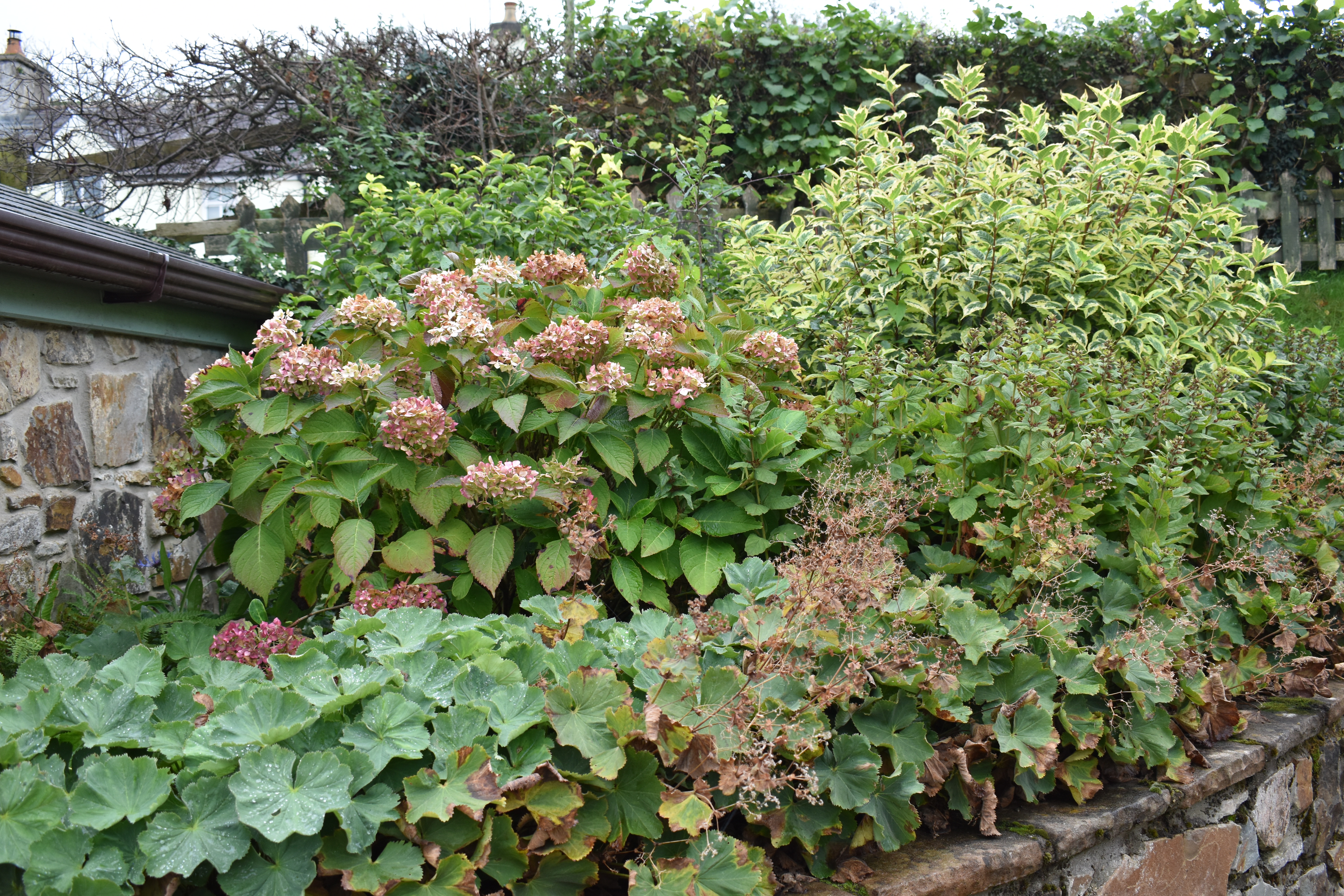
Most of my posts reporting on our week’s holiday in Pembrokeshire will be about places we visited especially gardens and woodland walks. So I thought it would be a good idea to feature the cottage and the plants around it for change!

This beautiful stone cottage started its life as a corrugated ironclad cowshed. It had been renovated to such a high standard throughout. It gave us a warm and comfortable week.

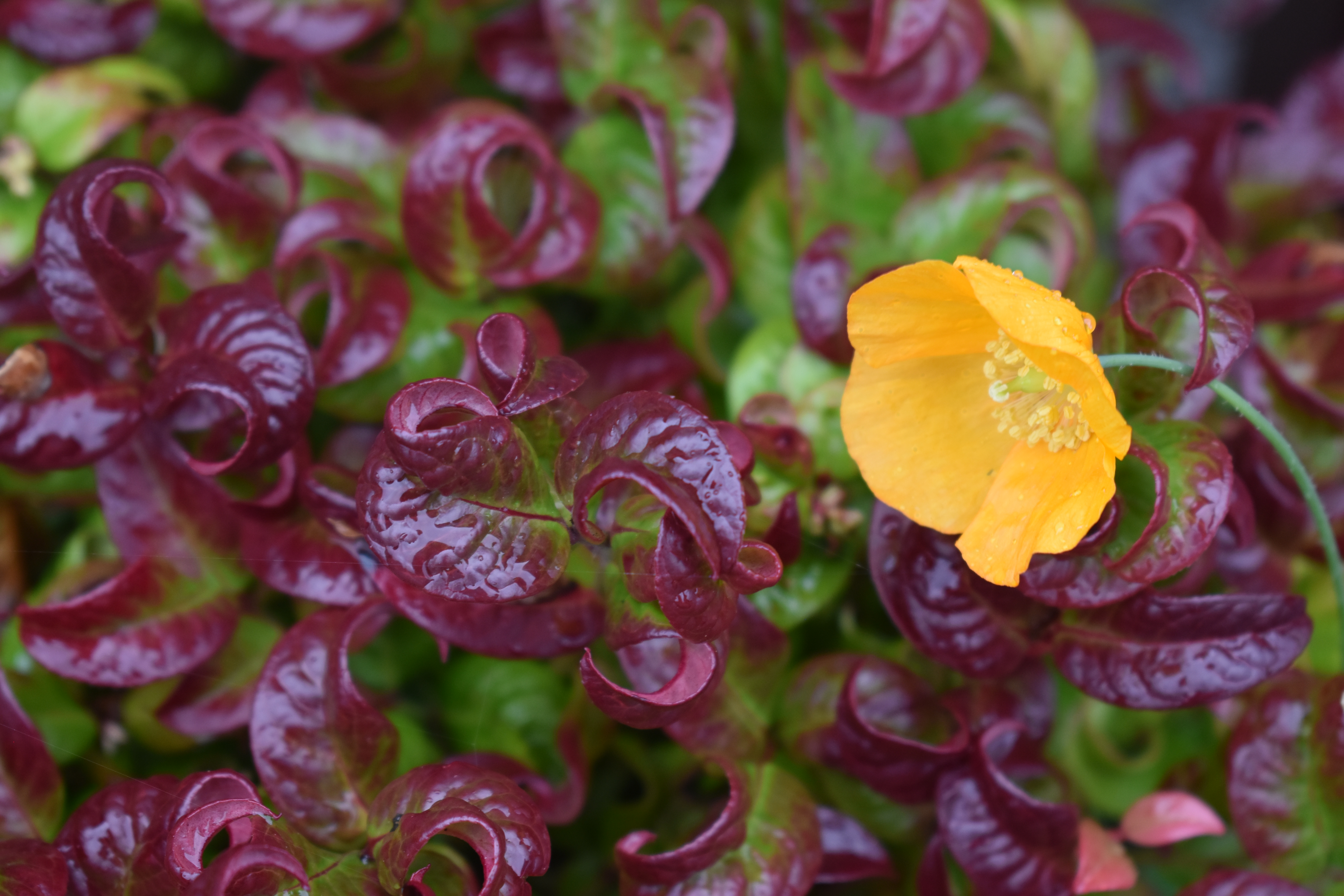
There were four such conversions around a gravel courtyard which by looking at the plants surrounding it must at one time have been an inviting garden. We liked the way self-seeding plants were decorating the grey gravel most of which were Verbena bonariensis and Welsh poppies ( Meconopsis cambrica) in an impressive range of yellows and oranges.

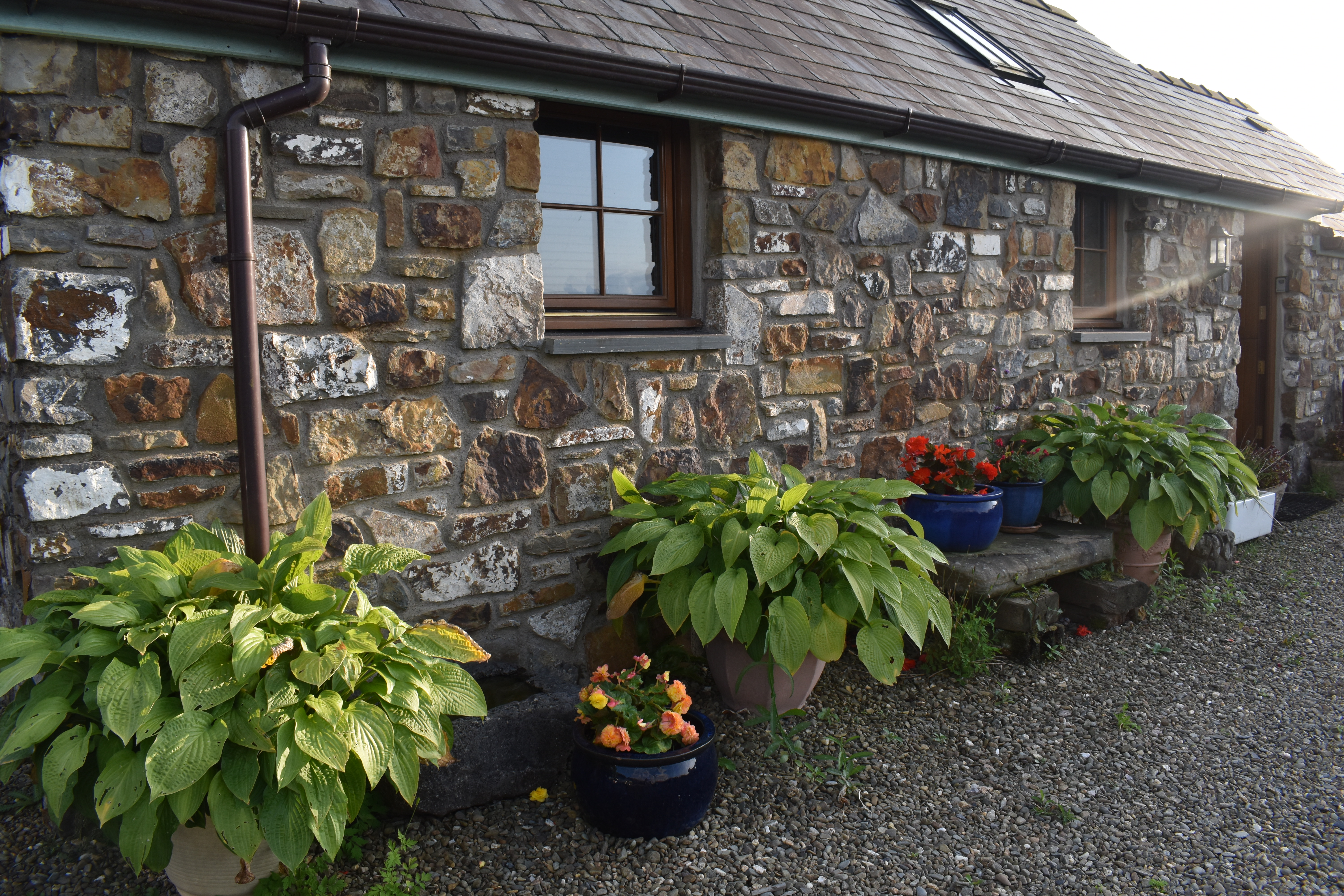
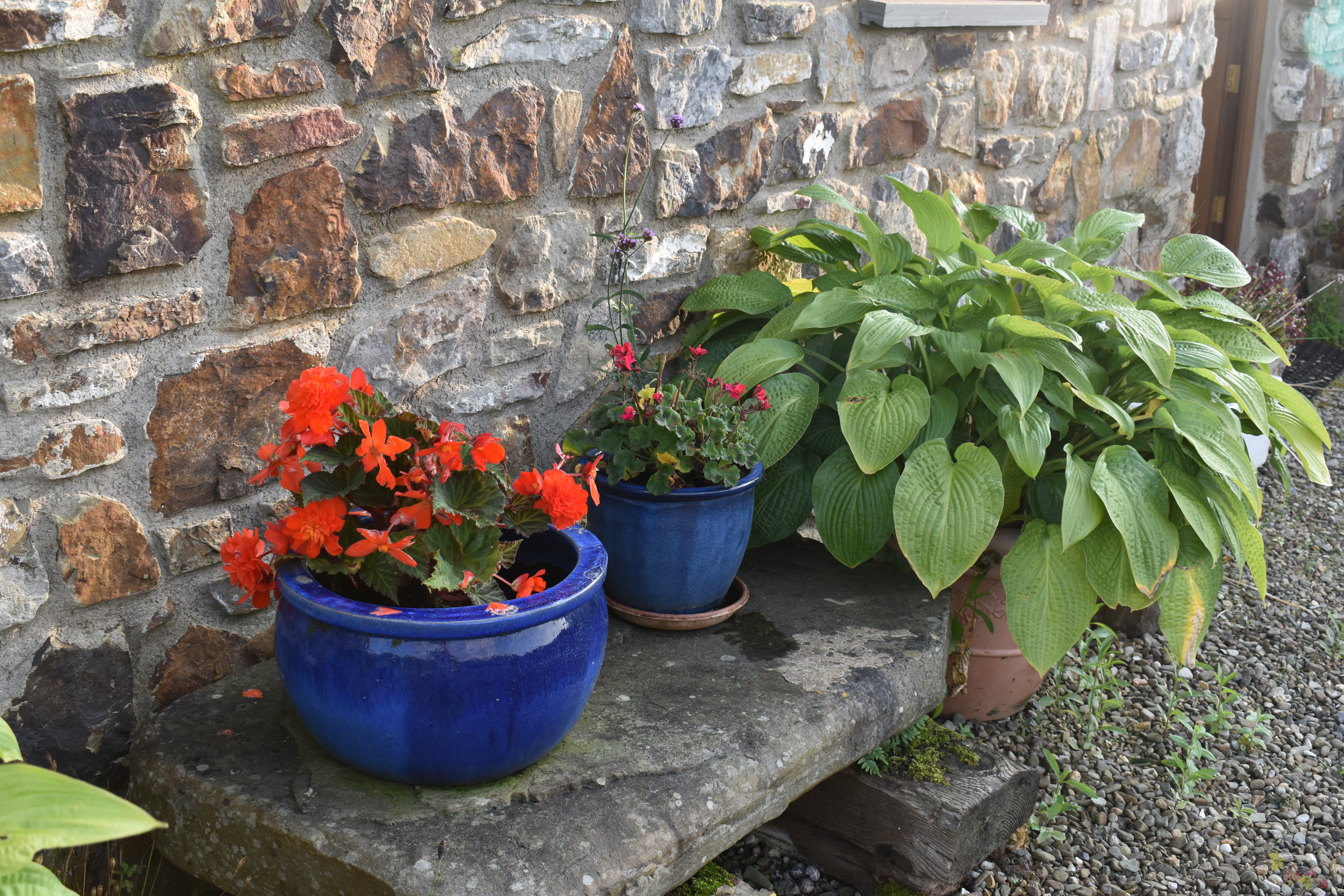
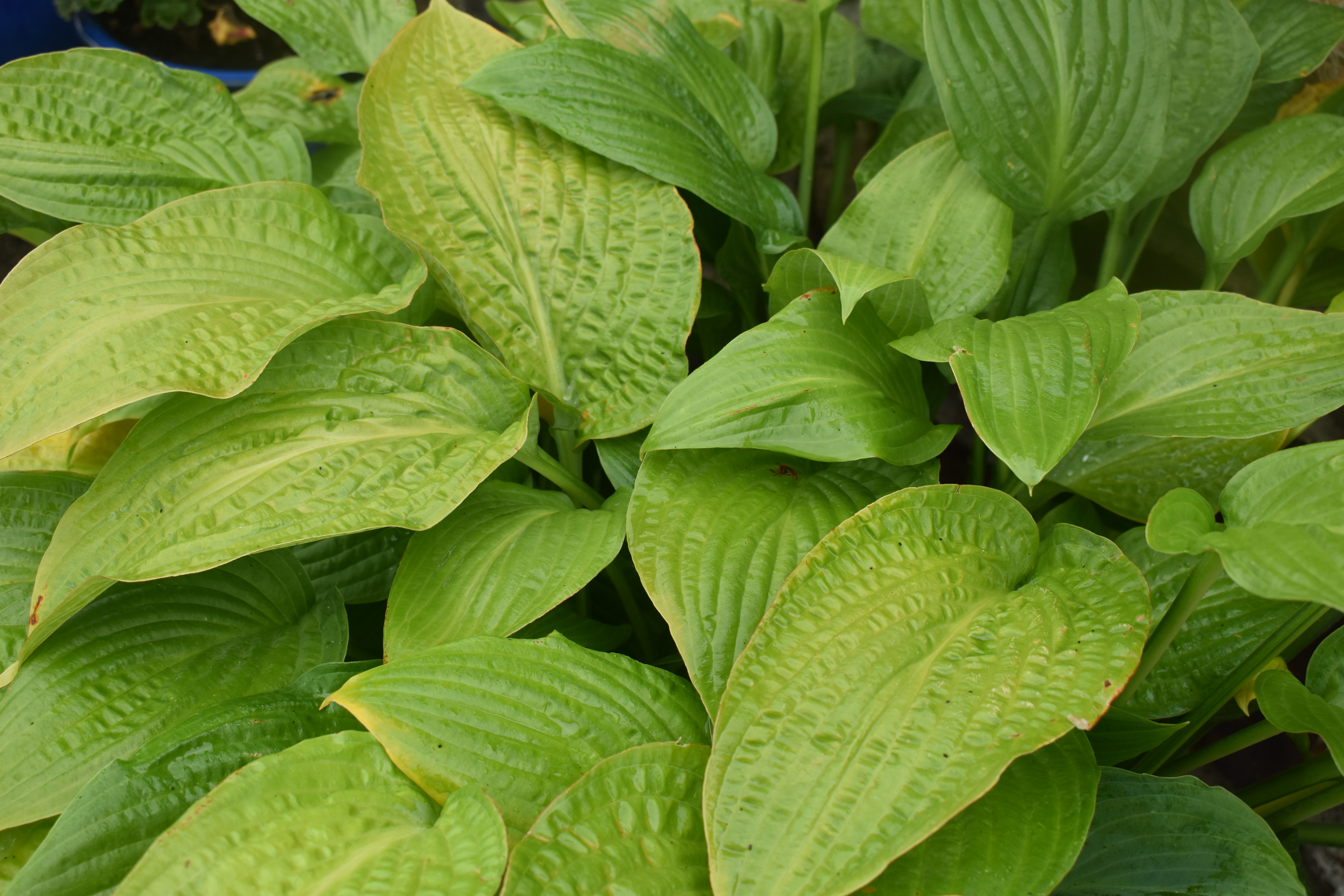
Blue glossy pots were home to the brightest begonias while larger terra cotta or blue glazed pots were full of foliage shrubs and perennials.

The stonework of the cottage in its beautiful range of colours provided a suitable background for anything that grew or was placed in front of it.

To the left of the cottage, near where we parked the car, was a neglected and overgrown hedge and border, which would have once been quite attractive. There were clues to its past when we explored it.

A old overgrown hedge provided the boundary between the cottage area and the countryside. There were once again signs of former glory.

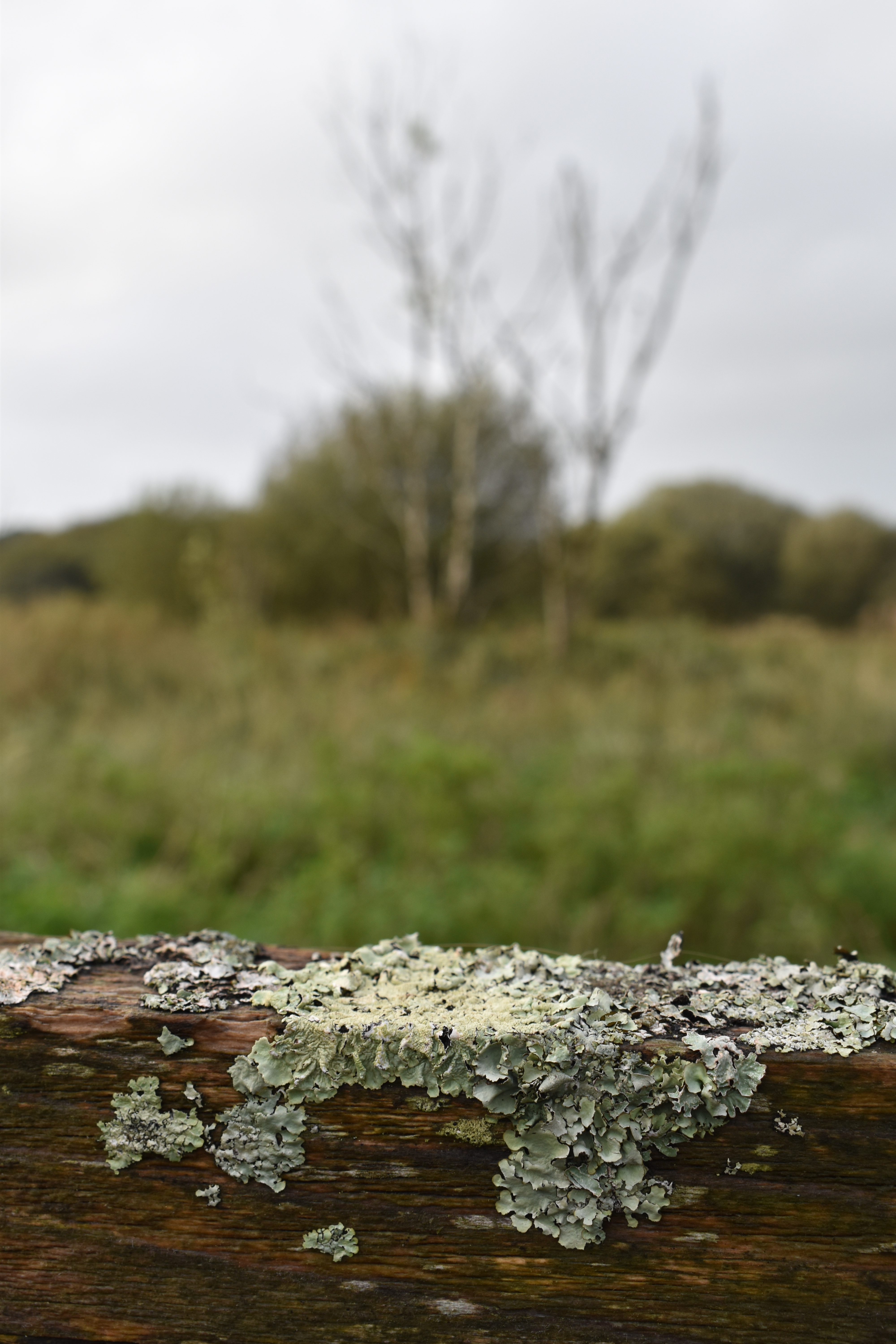
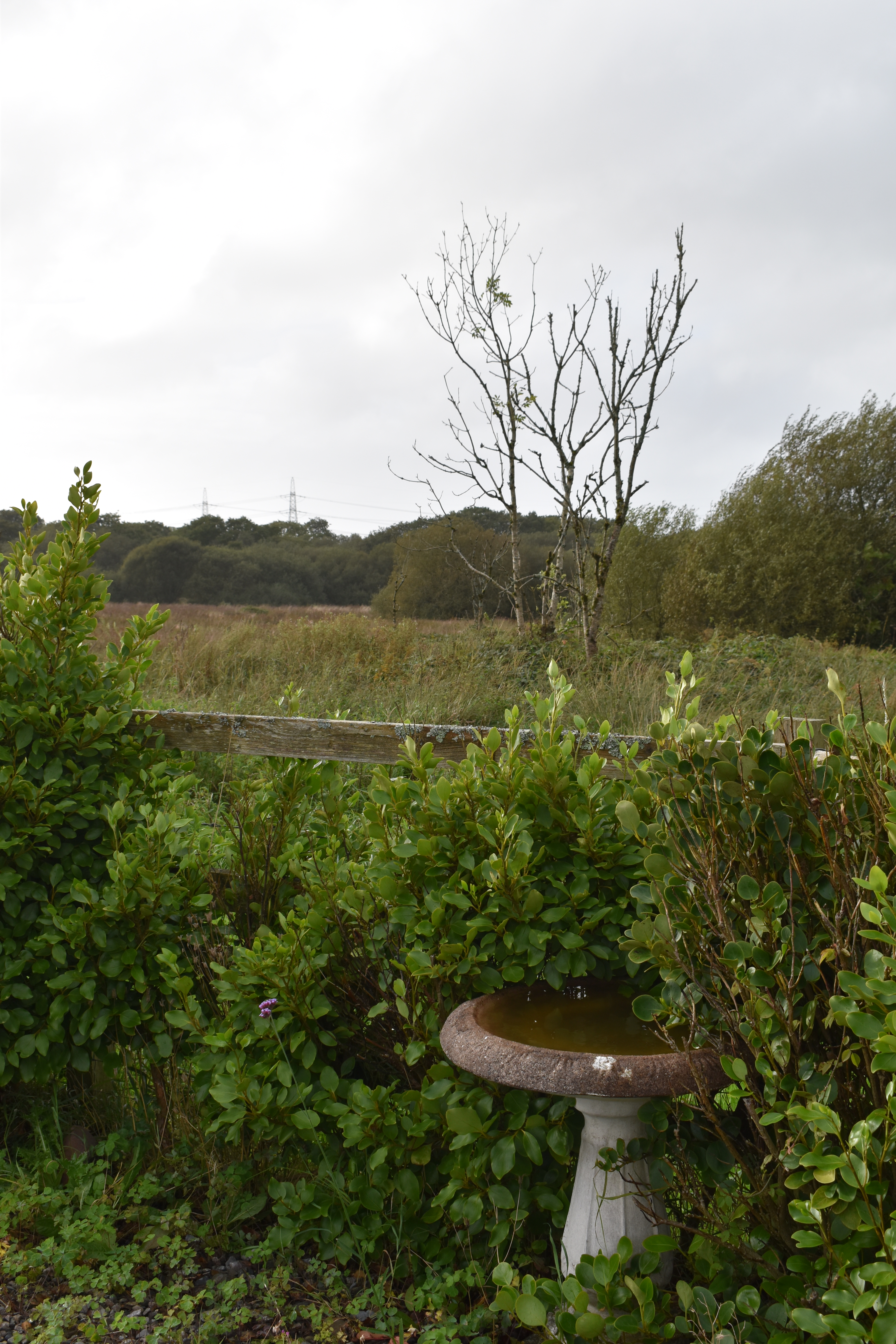
The final two photographs look over the wall and hedge to the wider countryside beyond. Beautiful lichen grew along the top of a fence and an old stone bird bath was trying to hide in the hedge.

We were delighted with our accommodation and are looking to return in the spring!

Categories
Uncategorized

Picton Castle and Gardens – a Plantsman’s Delight

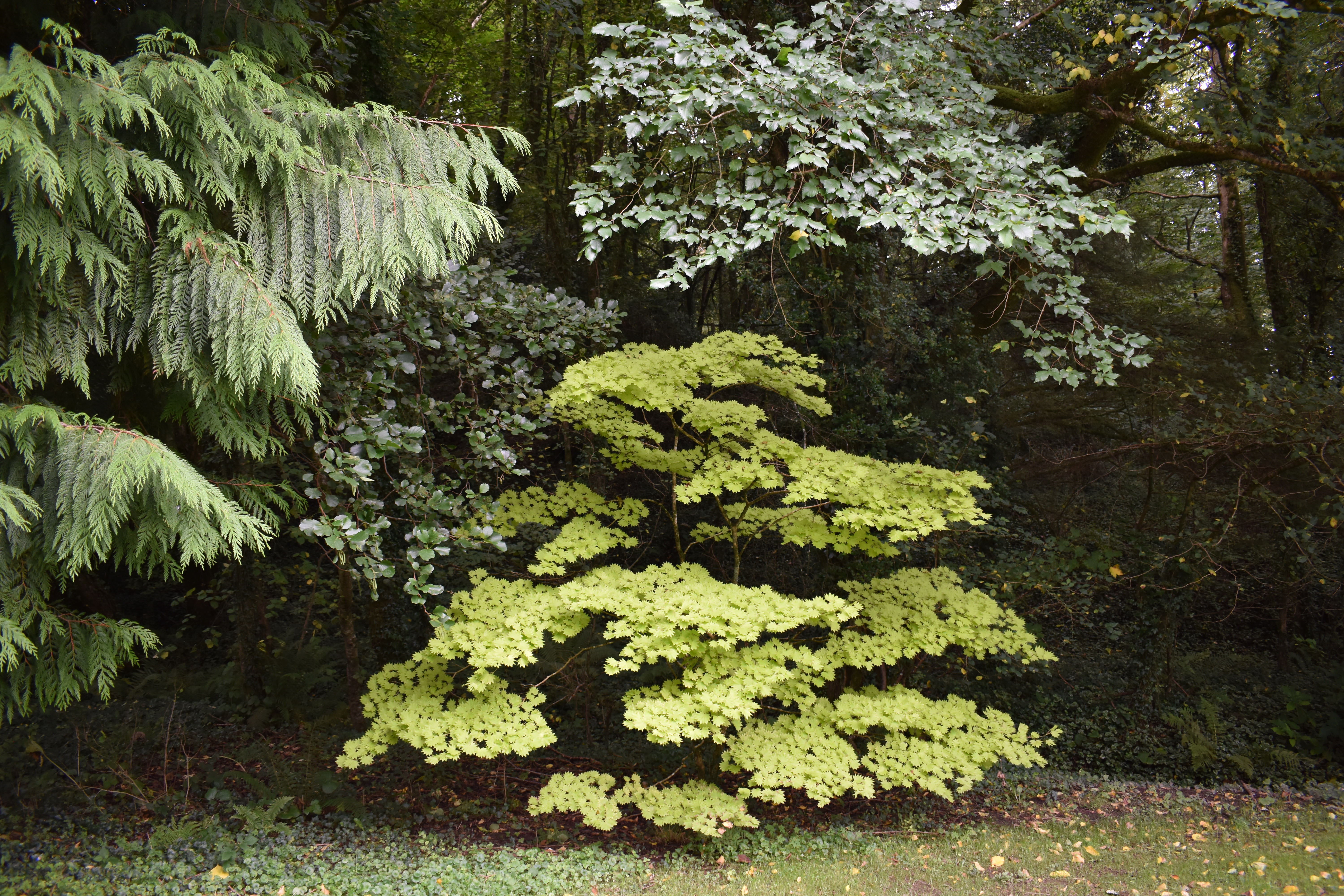
While on our week’s holiday in Pembrokeshire we found this garden on a map and decided to do some research. It sounded well worth a visit. The weather forecast was far from promising – cool, wet and windy – but we were on holiday so decided to ignore it. So with waterproofs on and tough shoes protecting our feet we paid and went straight to the cafe for sustenance – latte for me and cappuccino for Jude, accompanied by a brownie for me and a slice of carrot cake for Jude. Excellent!

We soon discovered that there was so much of interest here that it would provide subject matter for a few posts. But for now this post will be about the garden in general to provide a taster and prepare for more specific posts to follow later.

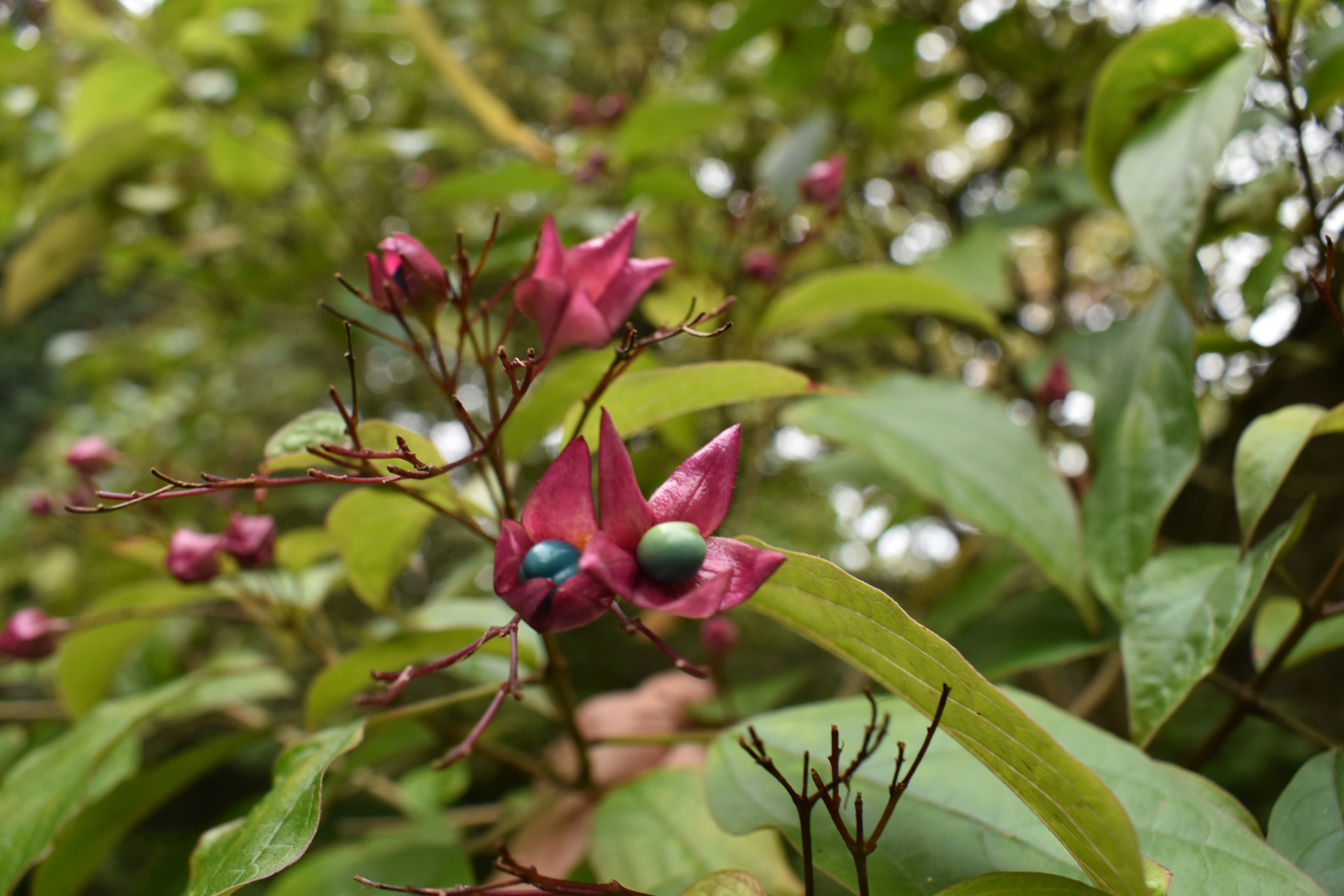
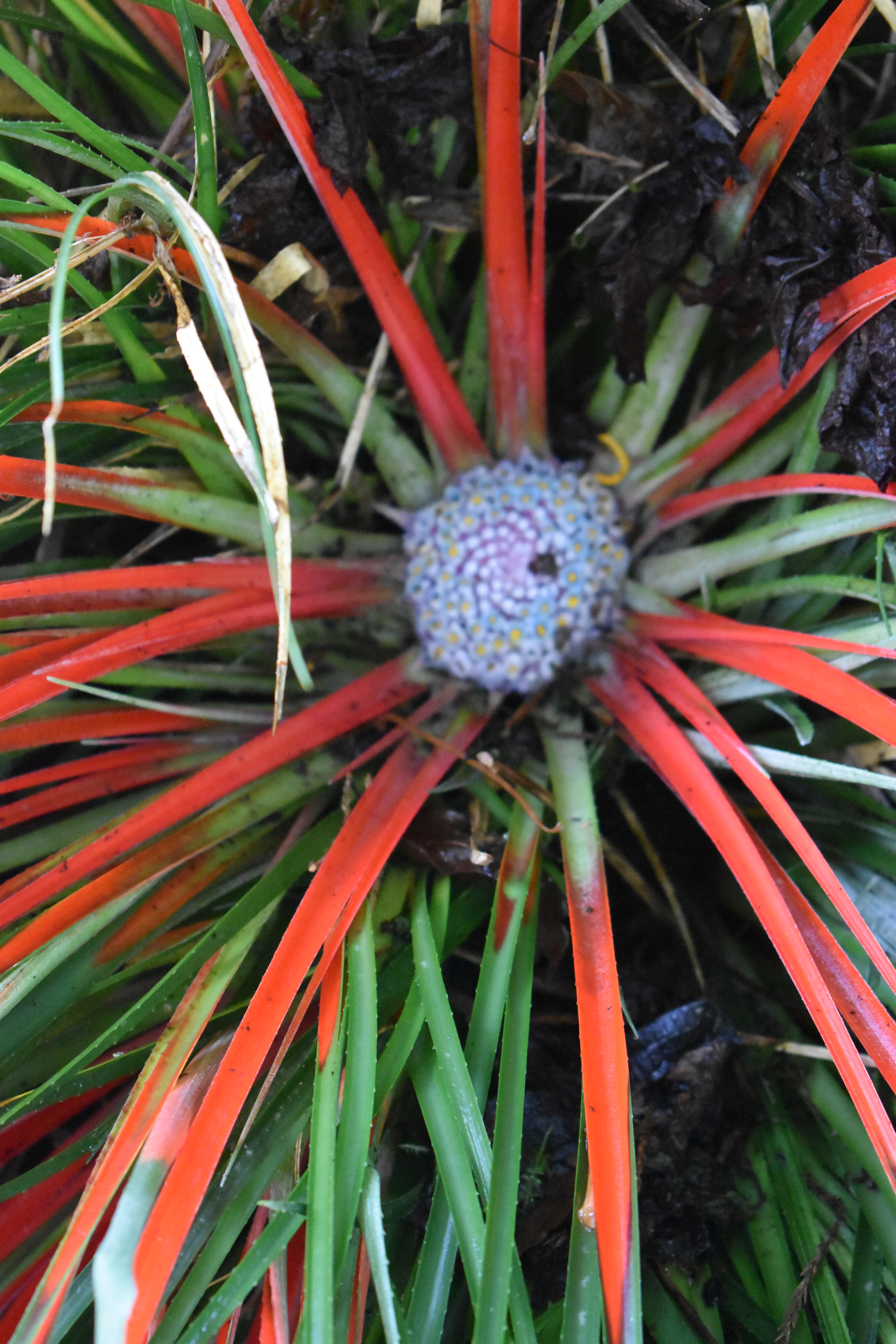
Just while walking on the few yards from car to coffee, we were attracted by these interesting plants worth stopping at for a close up look.

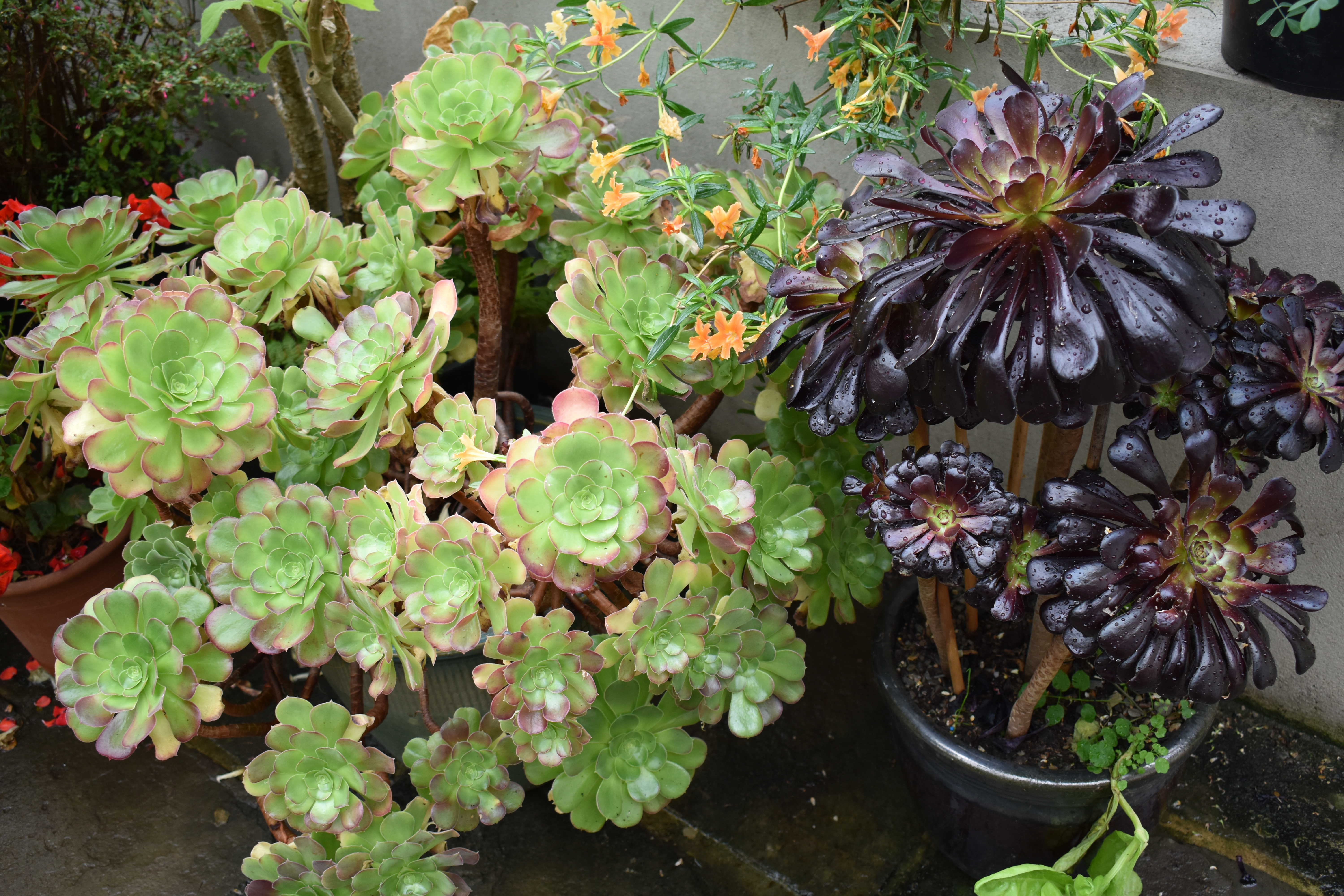
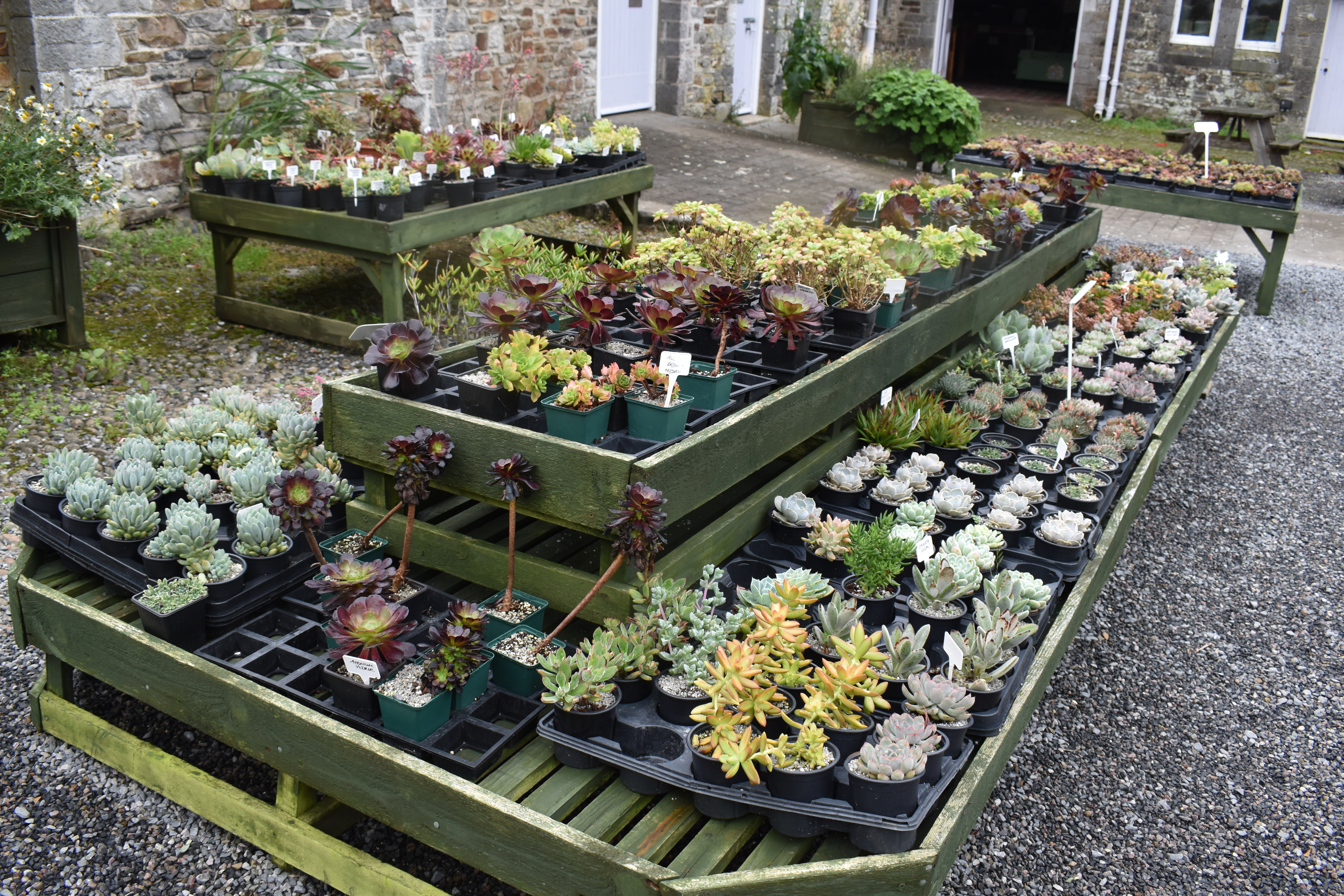
As we left the cafe replete and ready for a good explore, we noticed that in the courtyard there were wooden trellis tables displaying plants for sale. Best of all were two tables full of succulents several of which were aeoniums, an absolute obsession of mine. After a quick look and vowing to return to indulge ourselves we set off for the jungle garden.

I will come back to the jungle area later and I will publish a post just about it.

Rain suddenly hit us when we were in the middle of studying the jungly plants, so we went along now wet slippery paths to shelter in the glasshouses situated inside the Walled Garden.

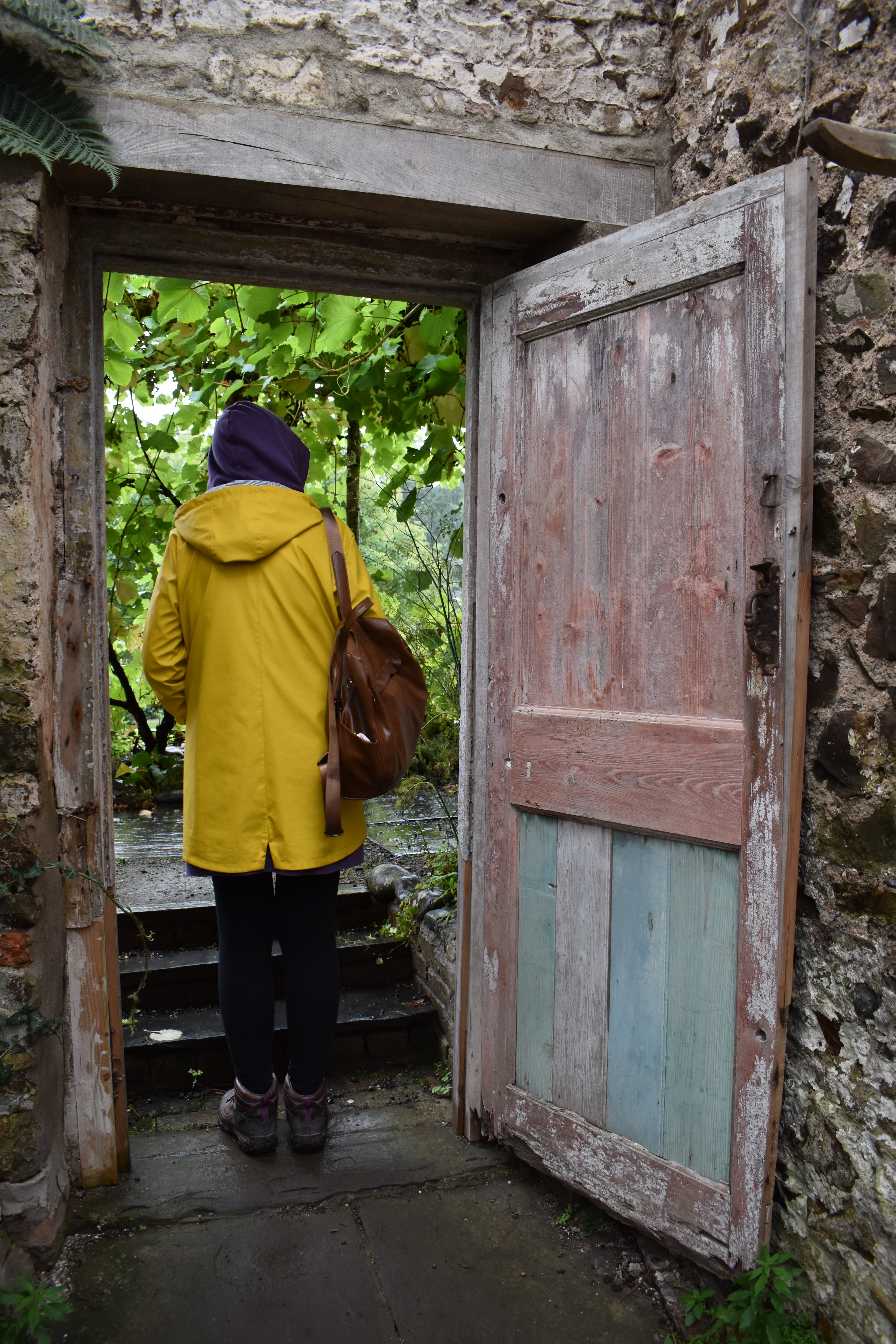
Within the walled garden the old walls remained in places and the area was now planted to attract wildlife. The glasshouses were in poor repair but now housed good collections of ferns, tropical plants and succulents.

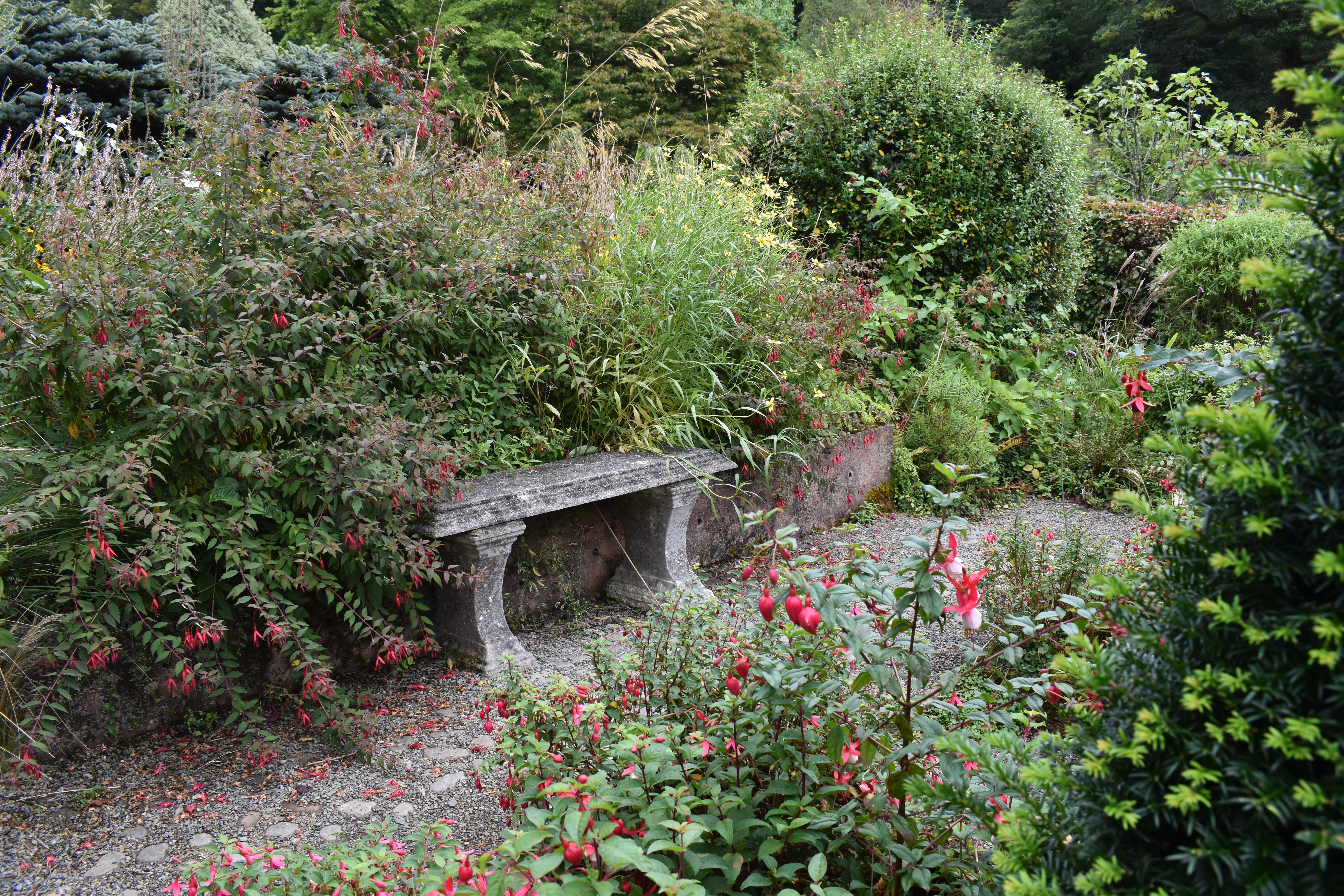
As we exited the glasshouses we discovered the outdoor spaces there were quite formal with areas of exciting planting ,such as in the prairie garden, clambering into and over the pergolas and around the water features. In the near future I will post a feature on the glasshouses, prairie and other parts of the formal areas.

We left these areas and set off in search of the fern walk, winter gardens and myrtle avenue. Sadly we failed to find these features apart from the winter garden which had been left to become overgrown and sad looking.

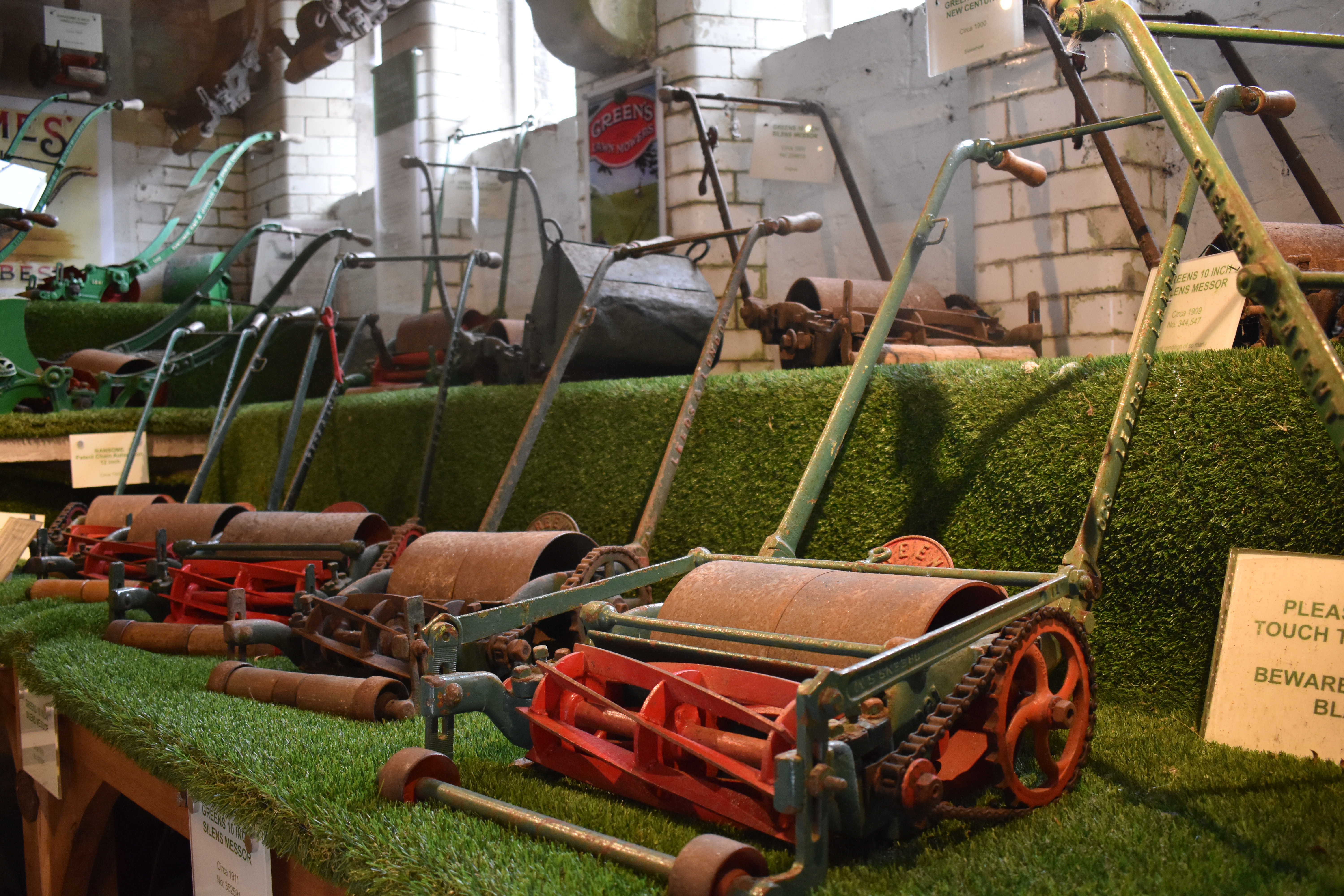
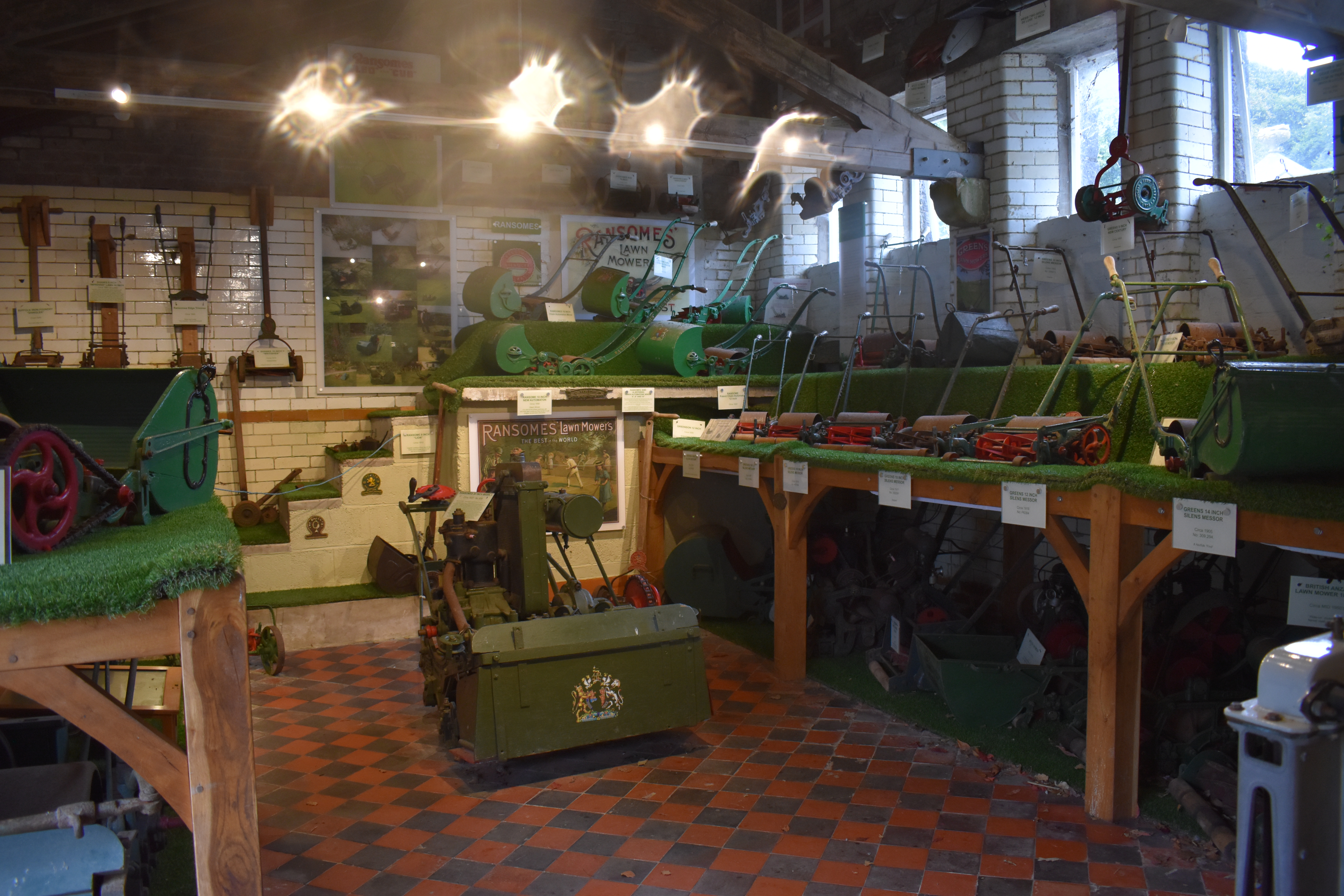
We returned to the courtyard by the cafe as we just had time to look at the mower museum and purchase some succulents, especially aeoniums from the sales tables.

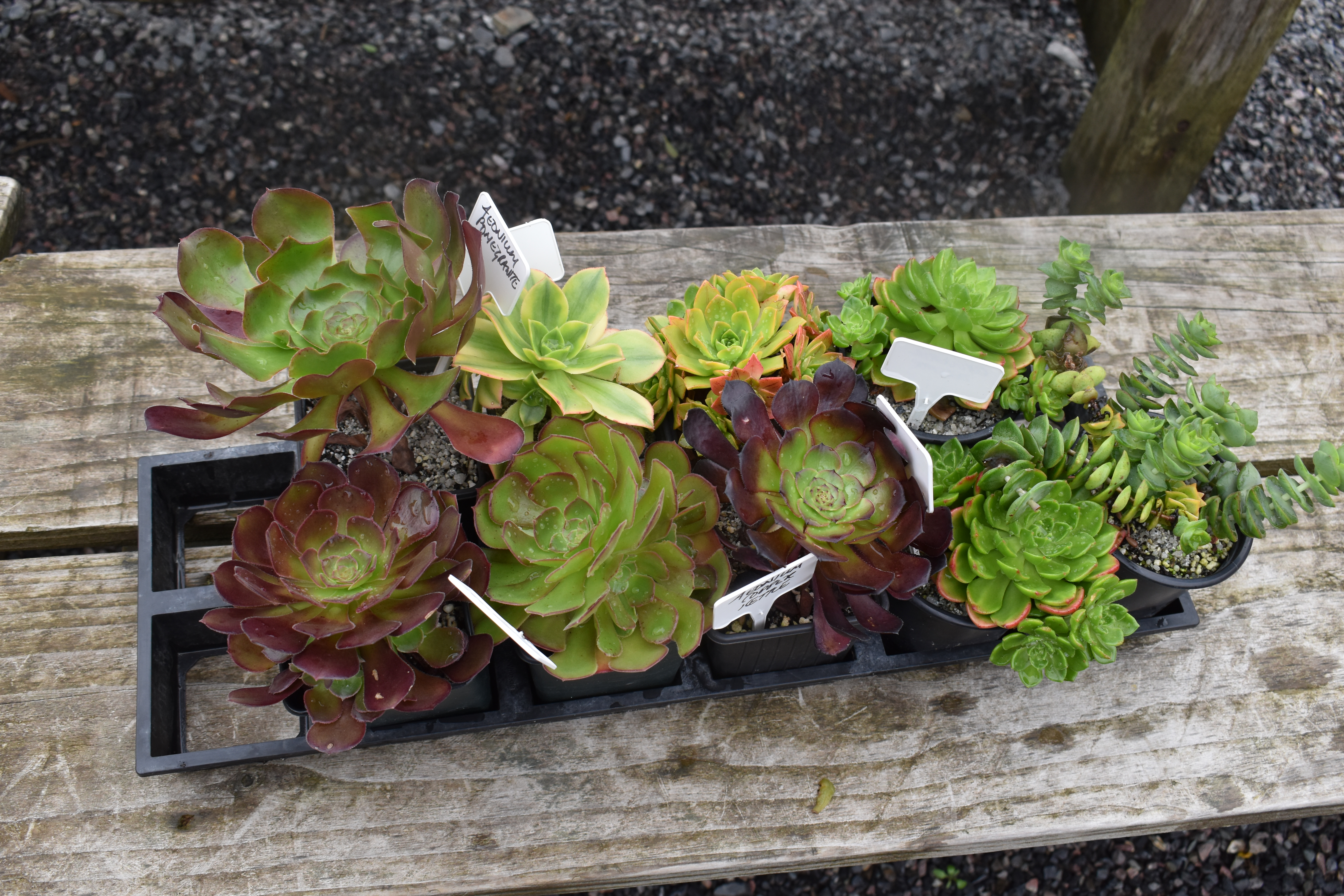
Finally we studied all the succulents for sale and selected a dozen or so mostly aeonium to add to my collection.

What an enjoyable wander we had in that lovely garden.

Categories
Uncategorized

Tenby in the Wind

We decided to go to a seaside town for our first day out on our Pembrokeshire holiday because we haven’t visited the sea much this year and Jude needs her regular fix of seaside air, beach and a quick paddle.

We decided on Tenby as we had recently seen photographs of streets with colourful houses. as it was a windy day and late on in the year we didn’t expect it to be too busy. How wrong we were – we had such trouble parking and when we found carpark with spaces available we soon discovered that it had one of those new style parking machines that no-one understands.

It was worth spending so long seeking a parking space though as we wandered into the old town we soon found one of the old town gates.

We liked this laser cut piece of sculpture, so few lines needed!

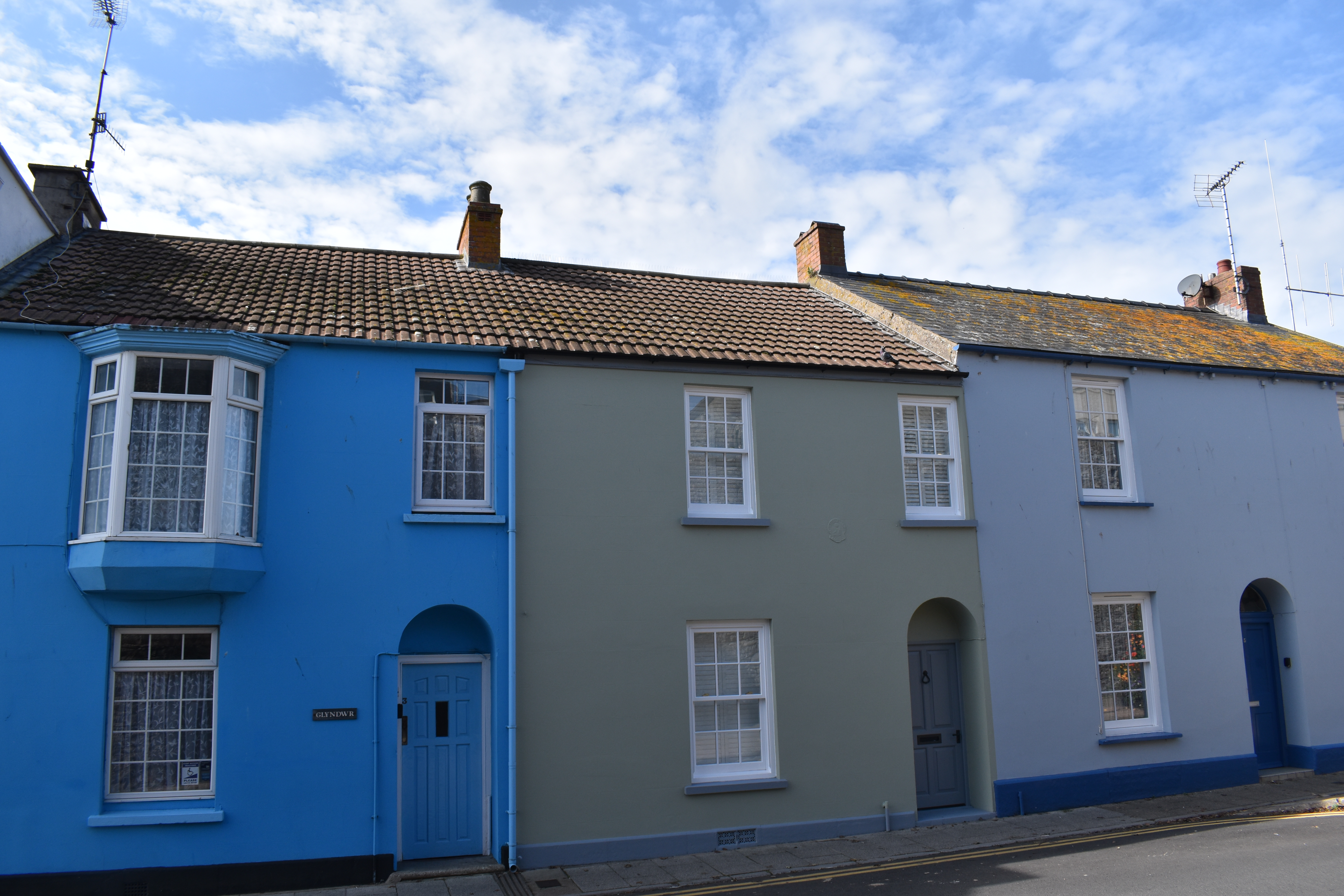
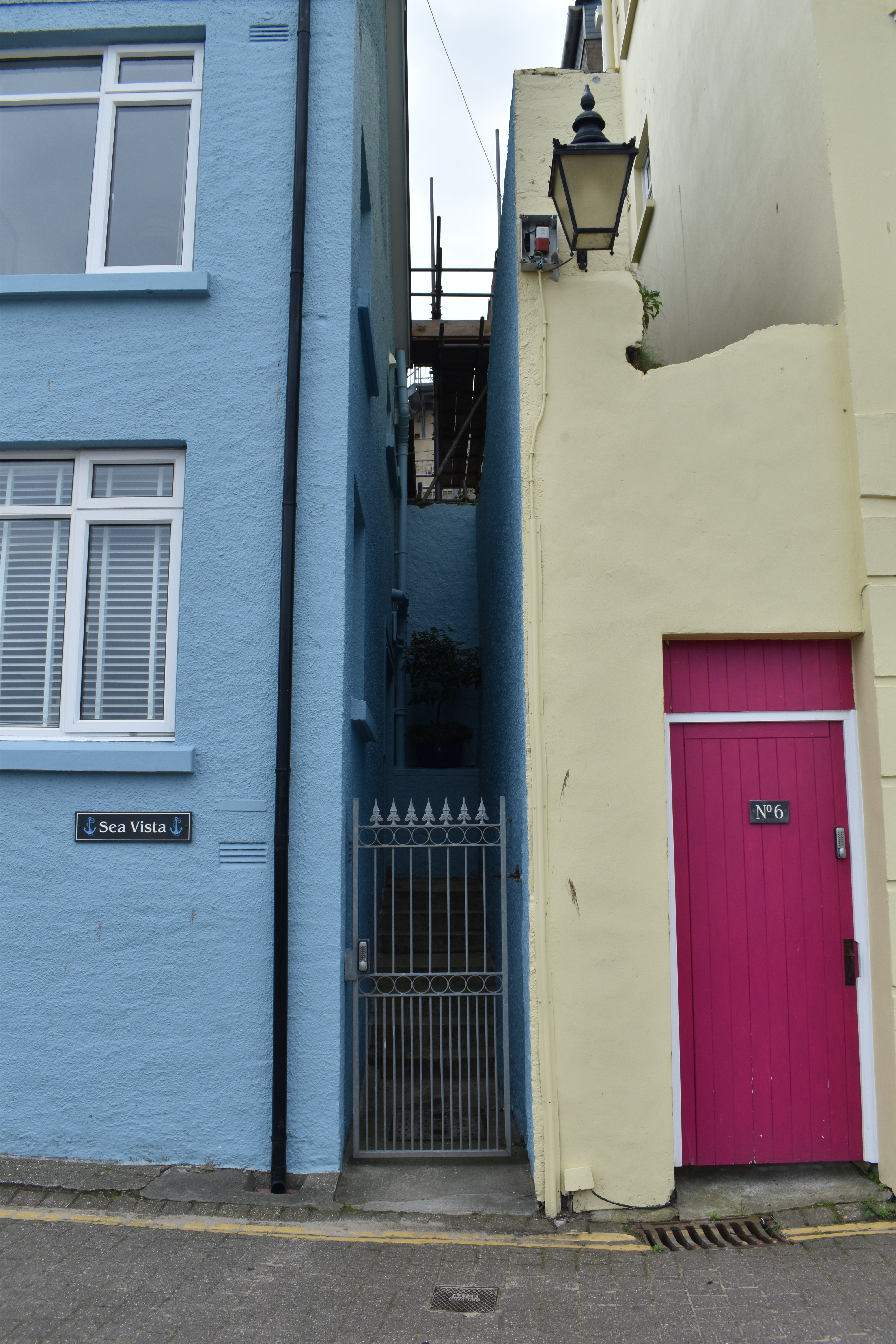
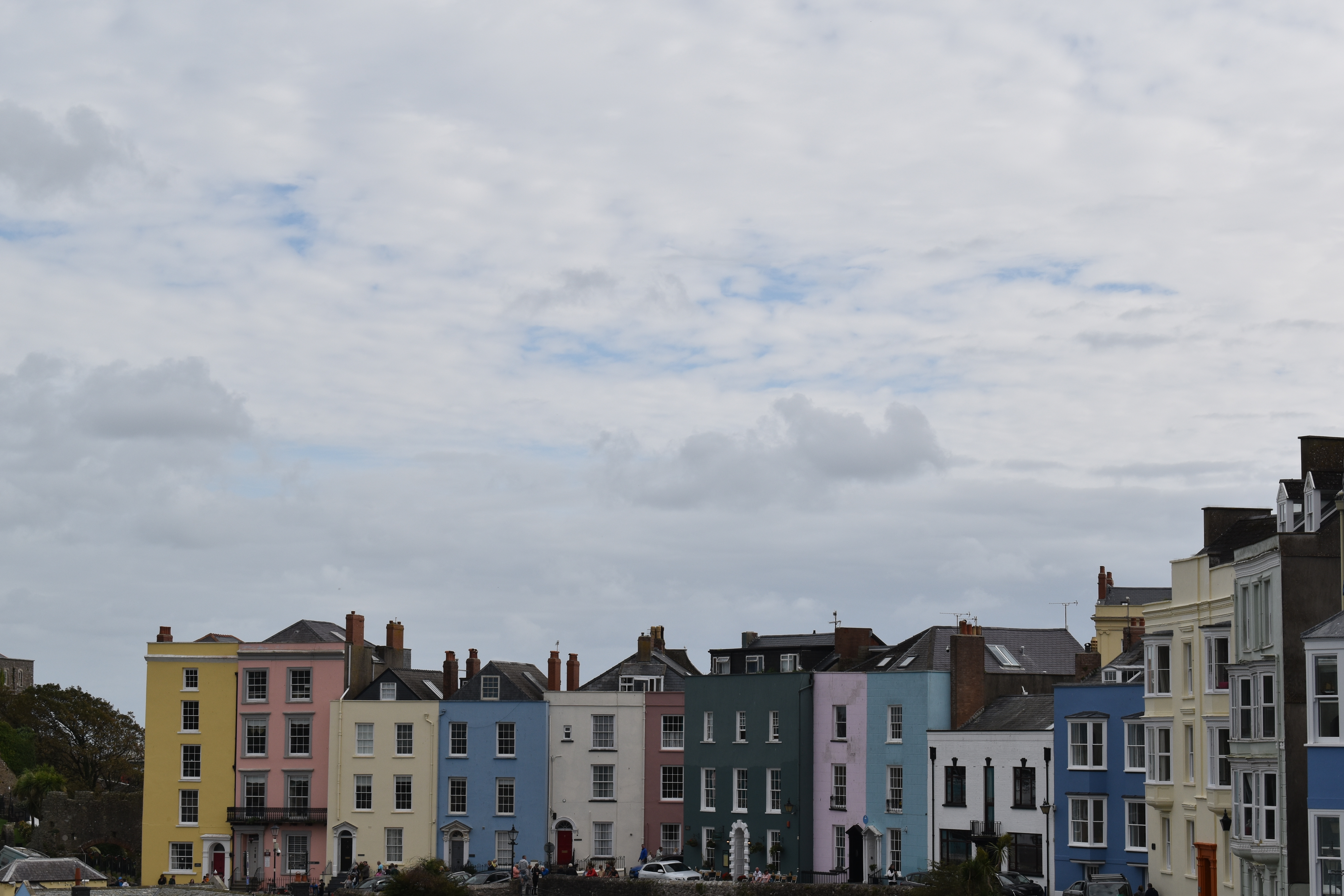
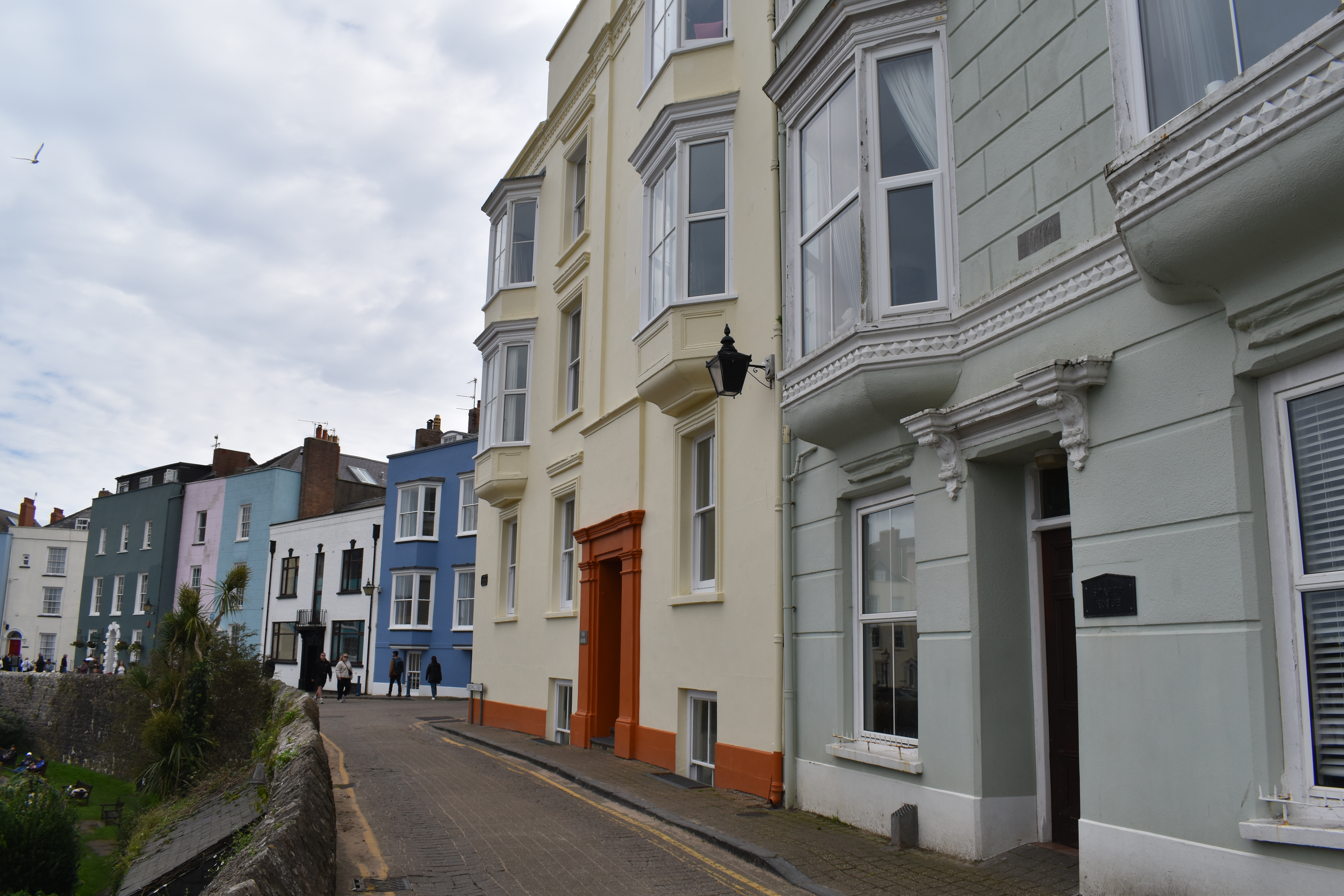
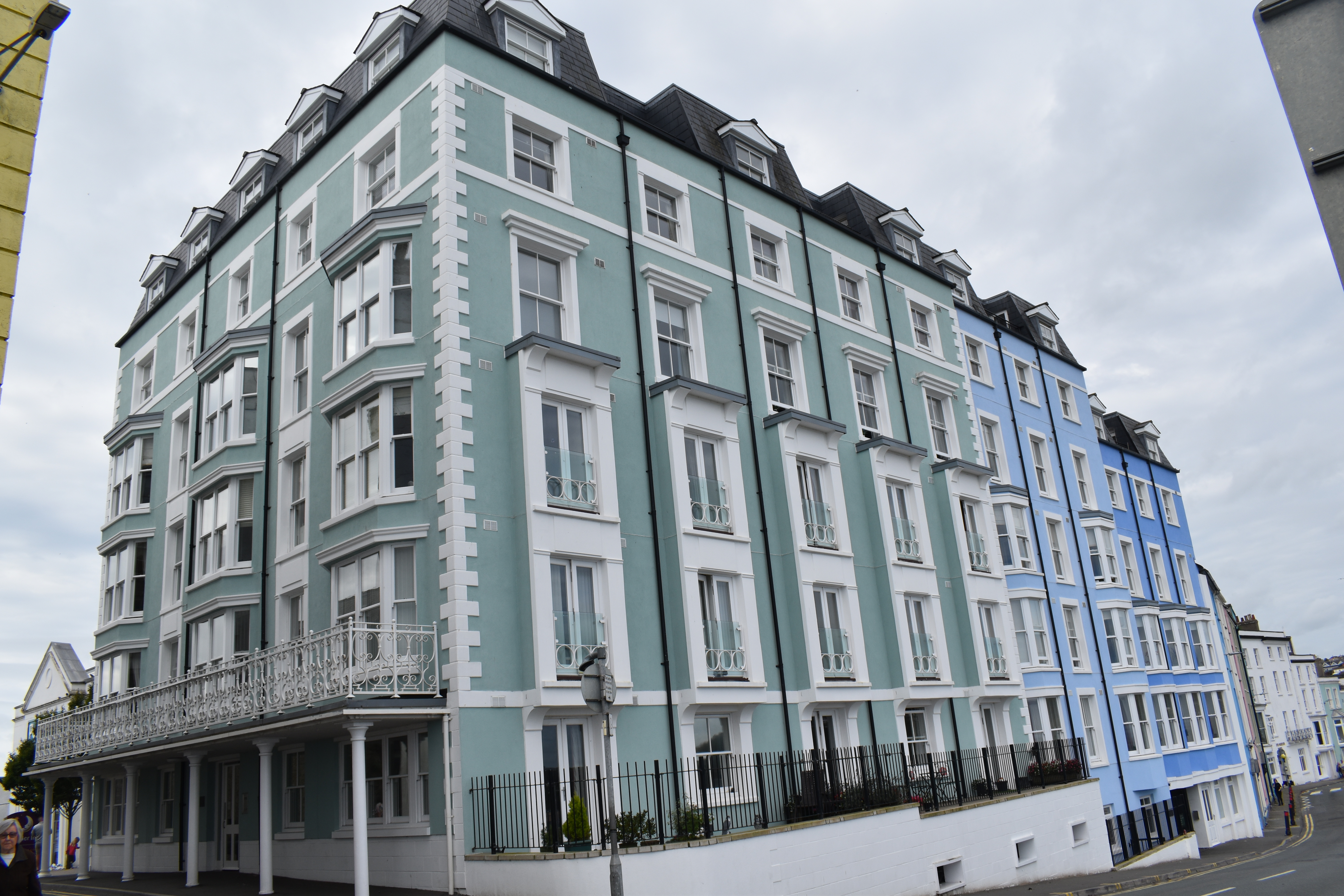
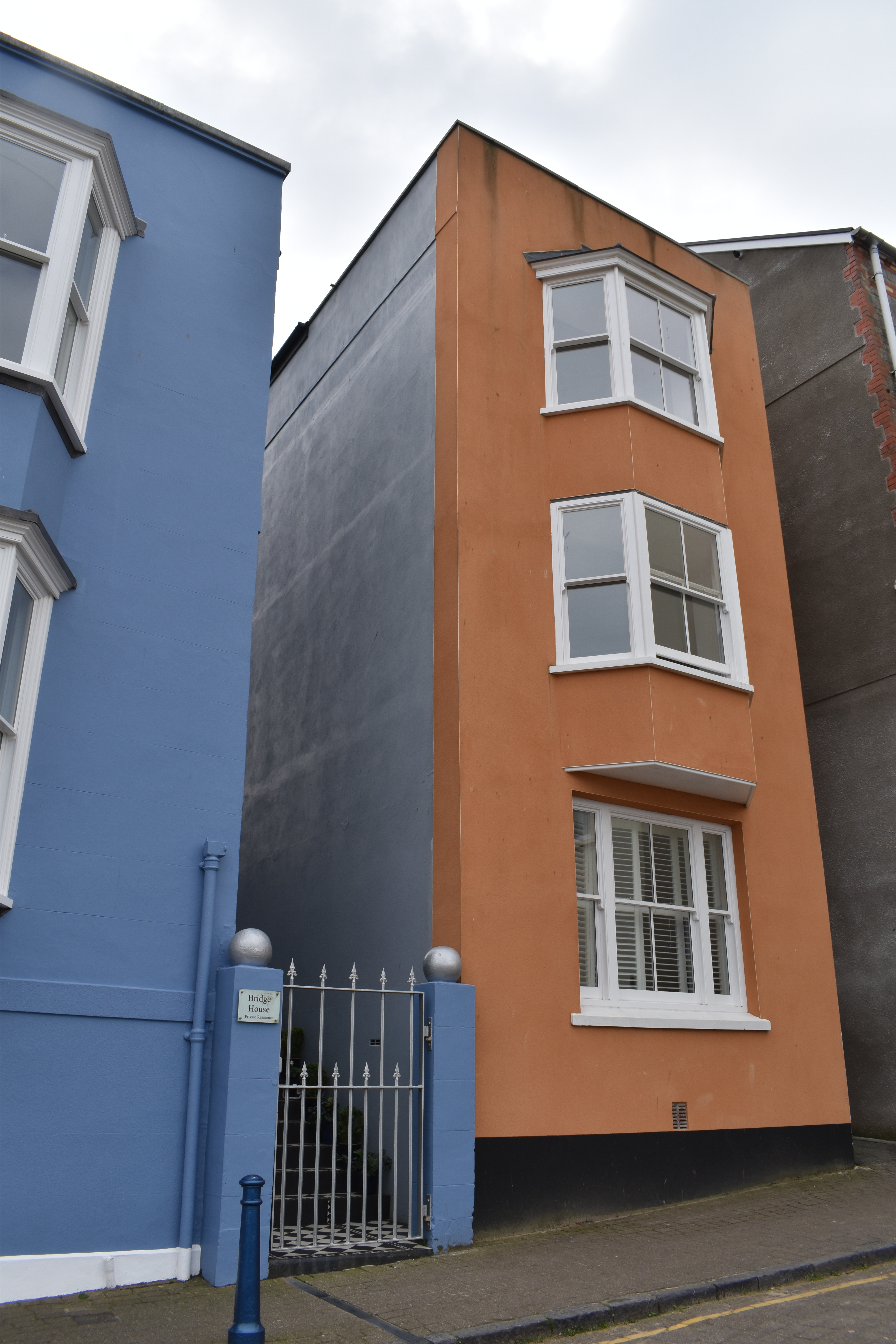
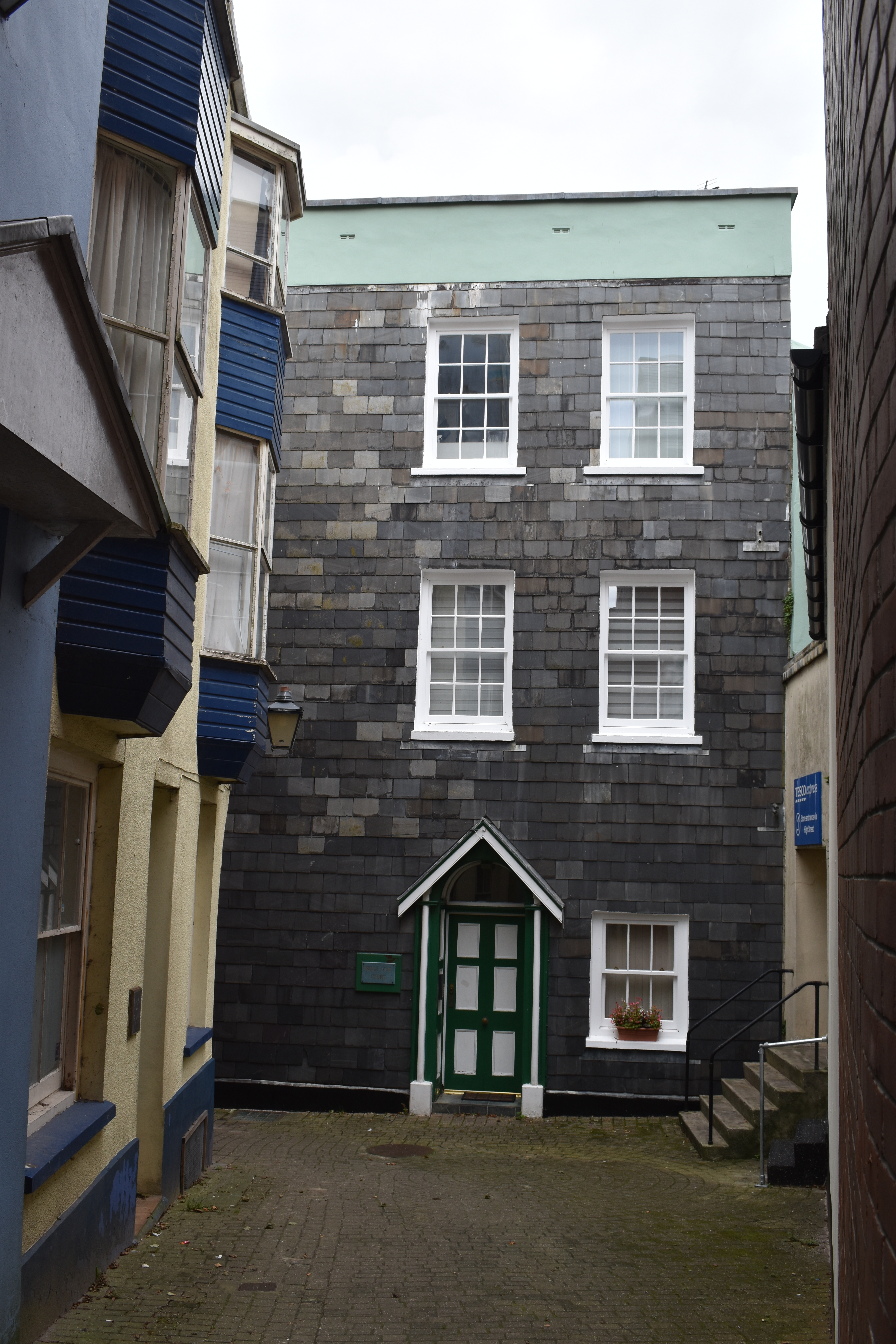
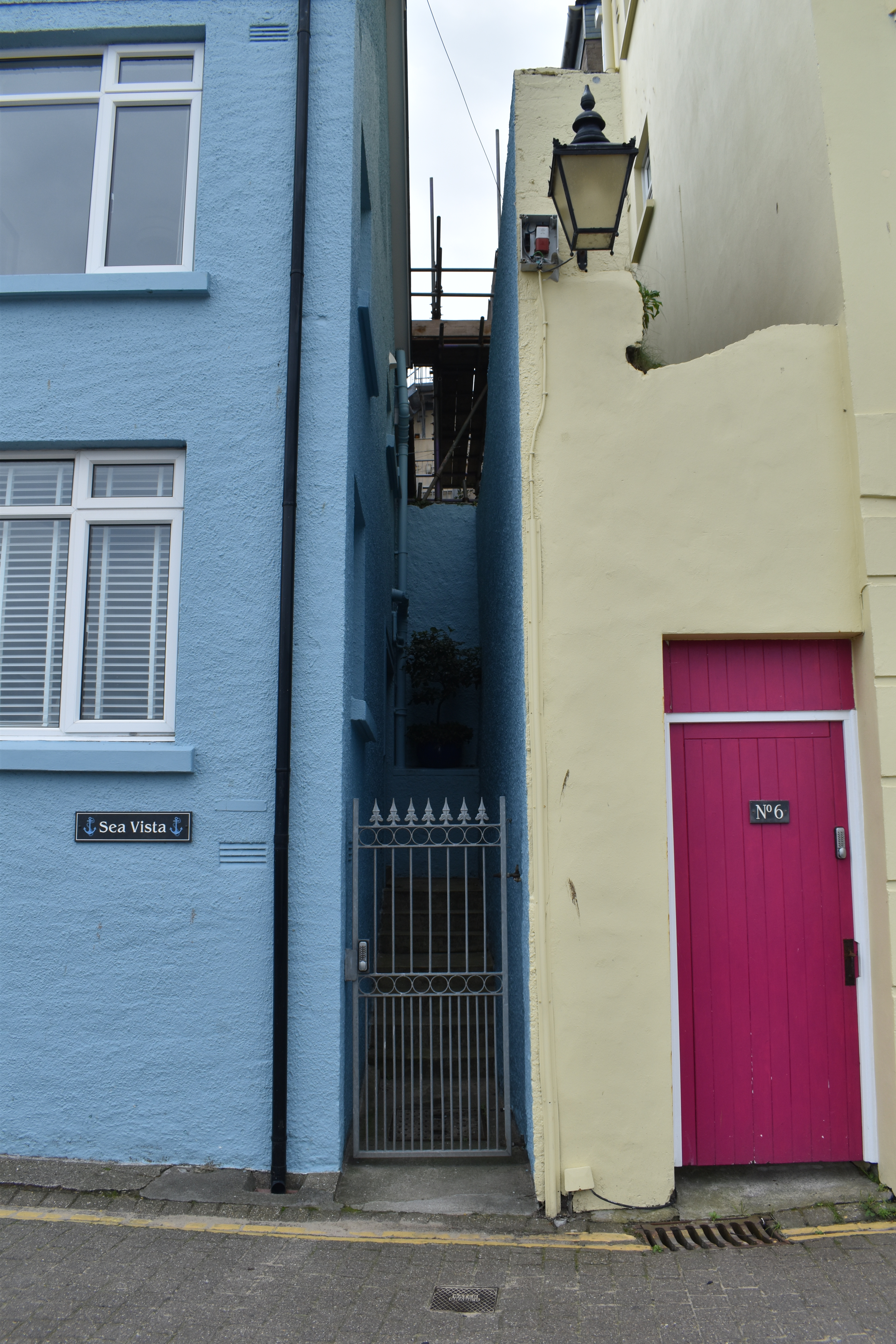
One reason we wanted to take a town wander around Tenby was for its interesting architectural features especially its colourful buildings, large and small.

The tall many-storey hotels and blocks of flats are very imposing. a few modern buildings loked like attempts to reflet their style but seem to fail miserably. The building materials and finishes soon looked worn.

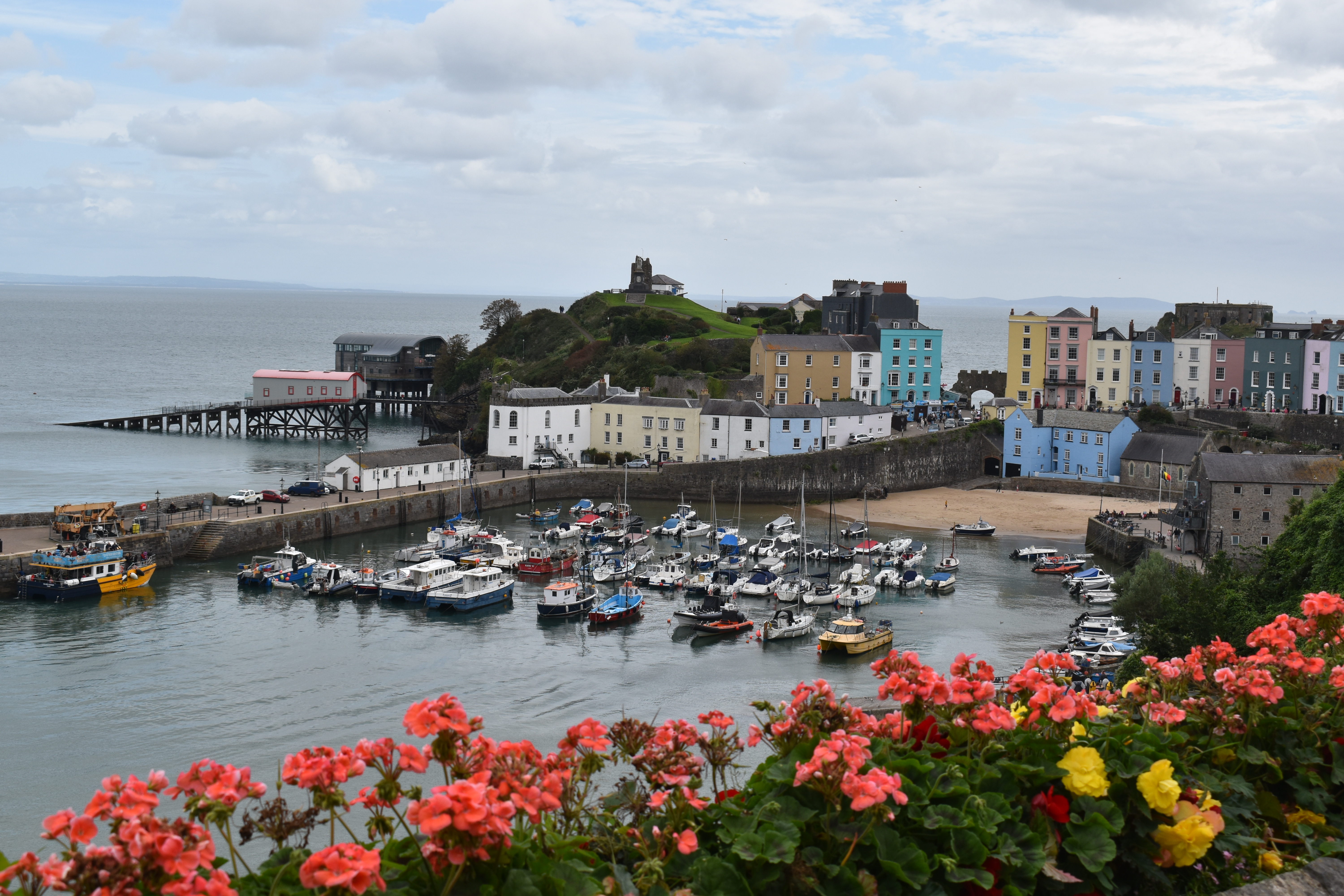
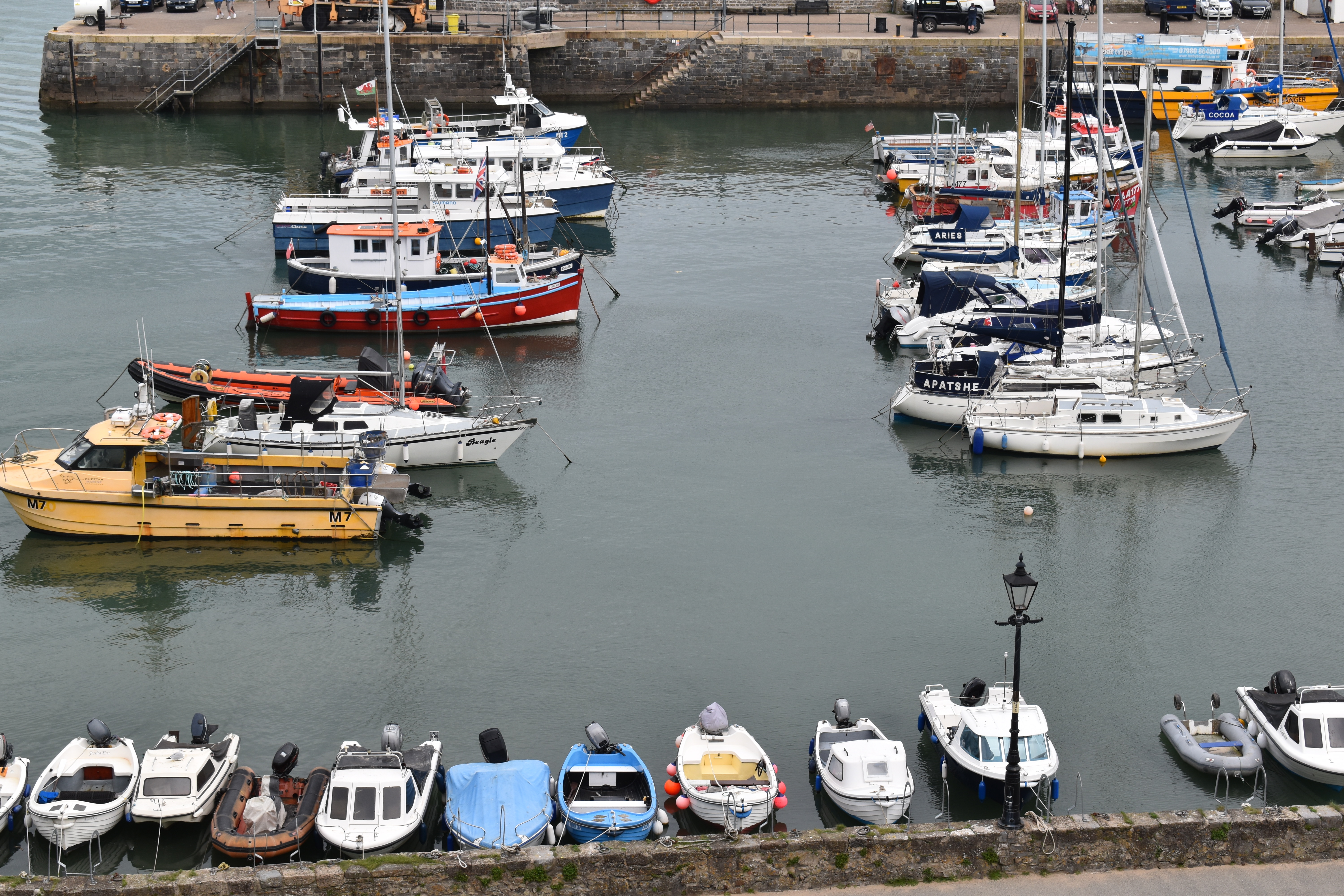
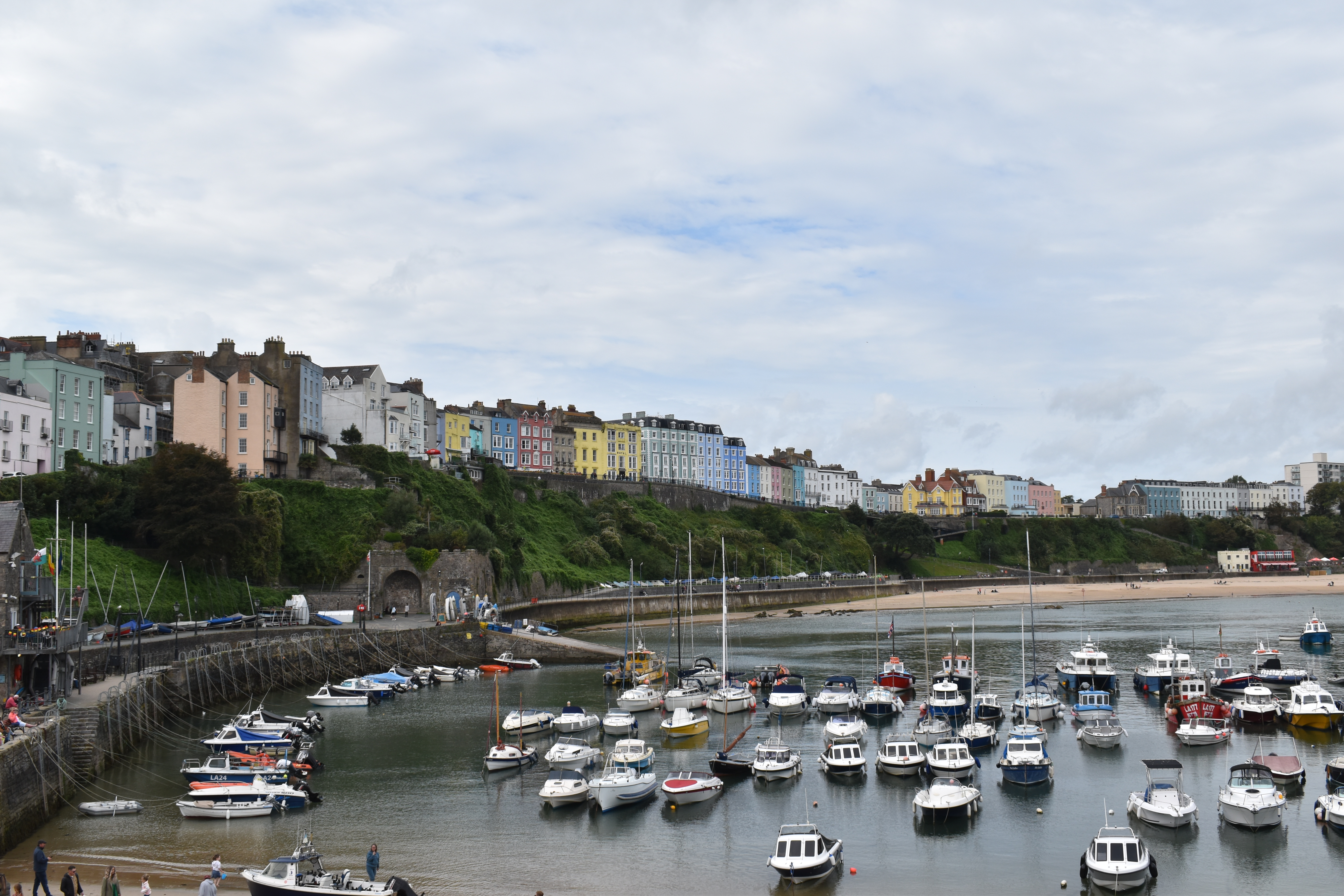
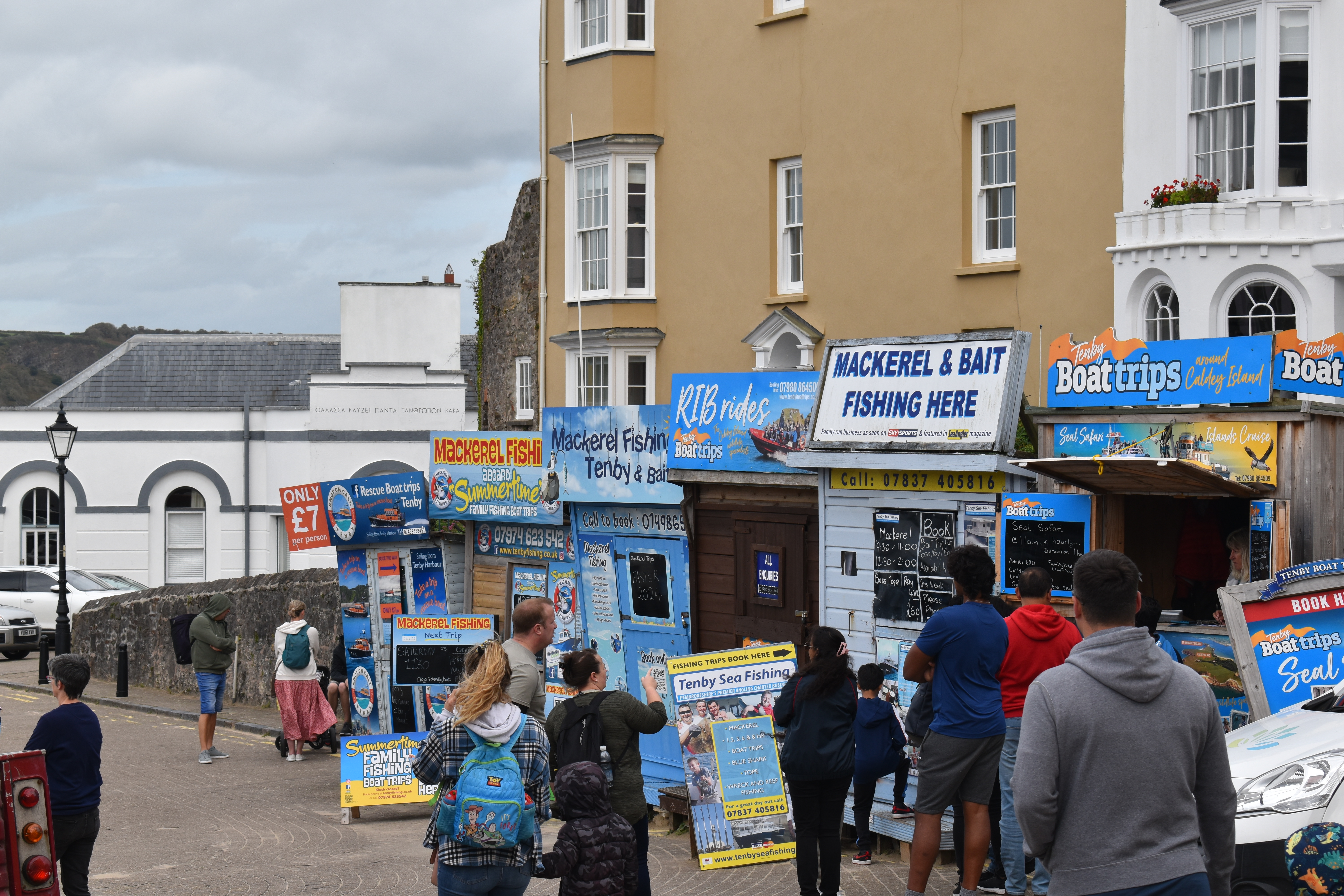
The place that attracts most visitors is probably the harbour area with its small boats from fishing boats to large catamarans used to take tourists out to nature hotspots around the island. The approach to this part of Tenby affords us the opportunity to look down over the harbour.

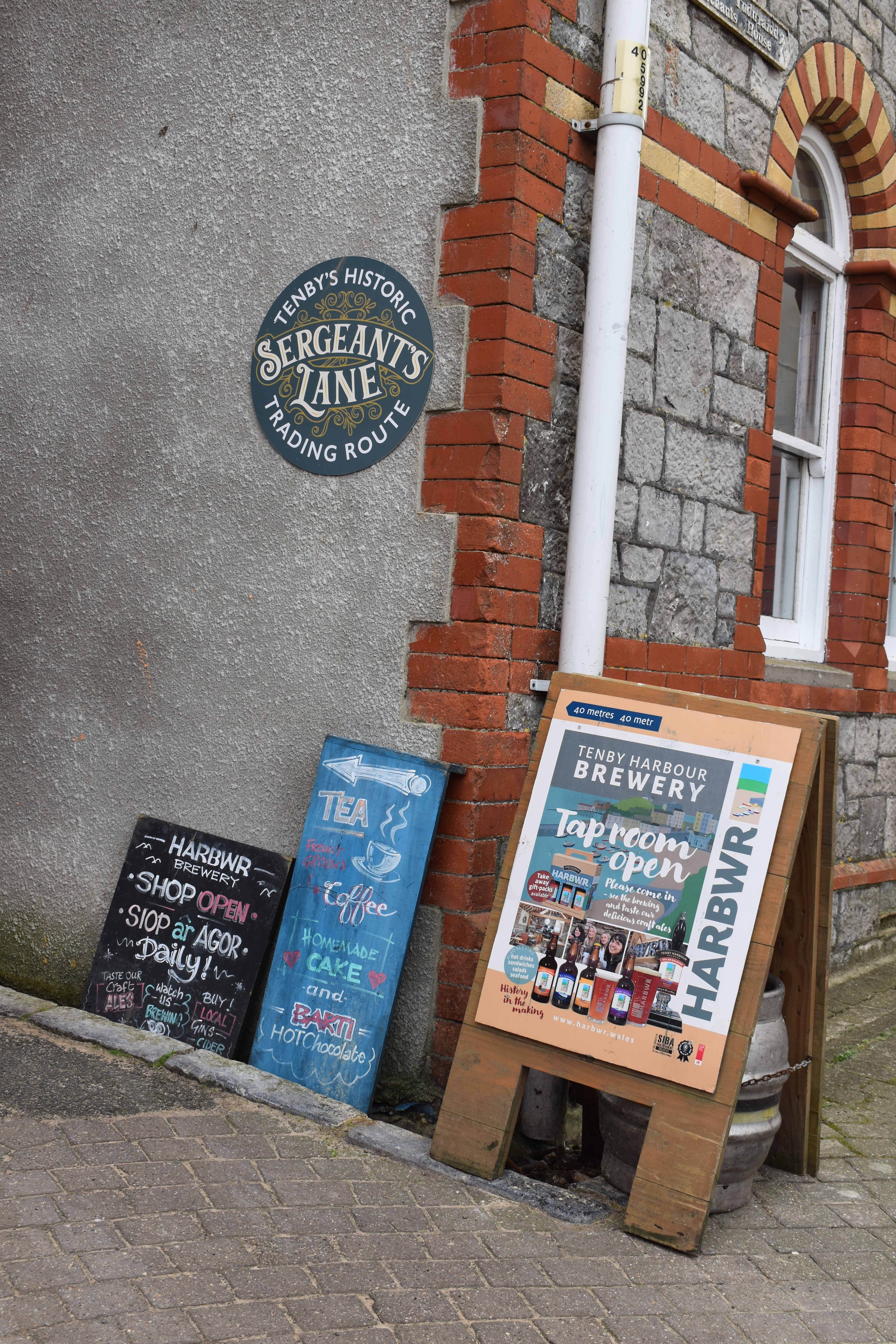
I shall finish this report of our visit to the seaside town of Tenby with a photo gallery of shots of interesting places and features.

When we visit the seaside we have to find an ice cream to enjoy. We usually indulge in a ‘No 99’, whipped ice cream with a chocolate flake in a cone. Here in Tenby however we were tempted by freshly made farm ice cream in a range of flavours. I chose to have a salted caramel cone and Jude decided on the same. Of course we also had them decorated with flakes. They were amazing!

With those ice creams our day was complete!

Categories
Uncategorized

A Woodland Walk on a Journey

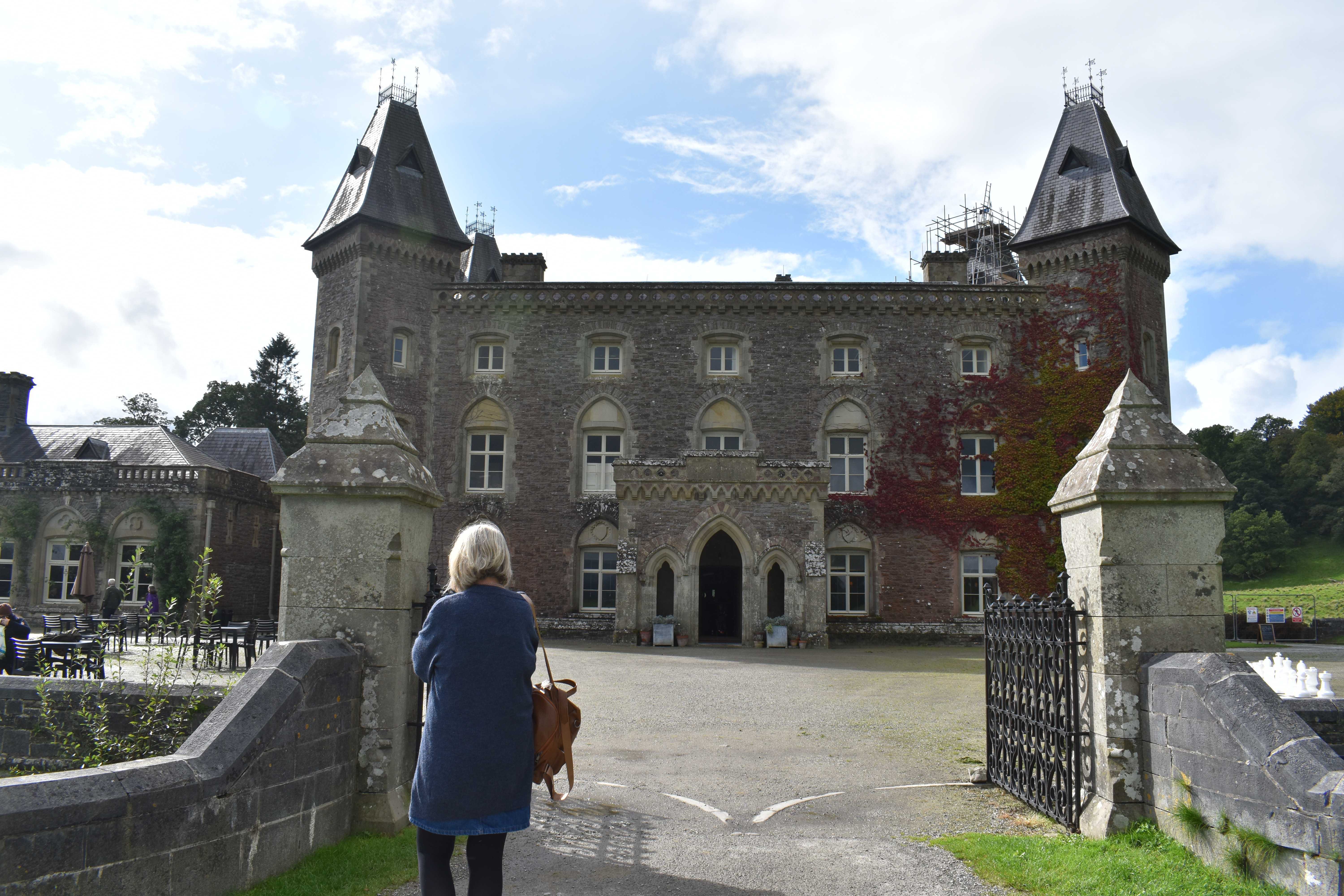
We are on our way to stay in a cottage in Pembrokeshire for a week’s holiday. We always try to find an interesting place to stop off at on the journey and today we did just that, dropping in to Dinefwr a National Trust property. The building was both beautiful and unusual.

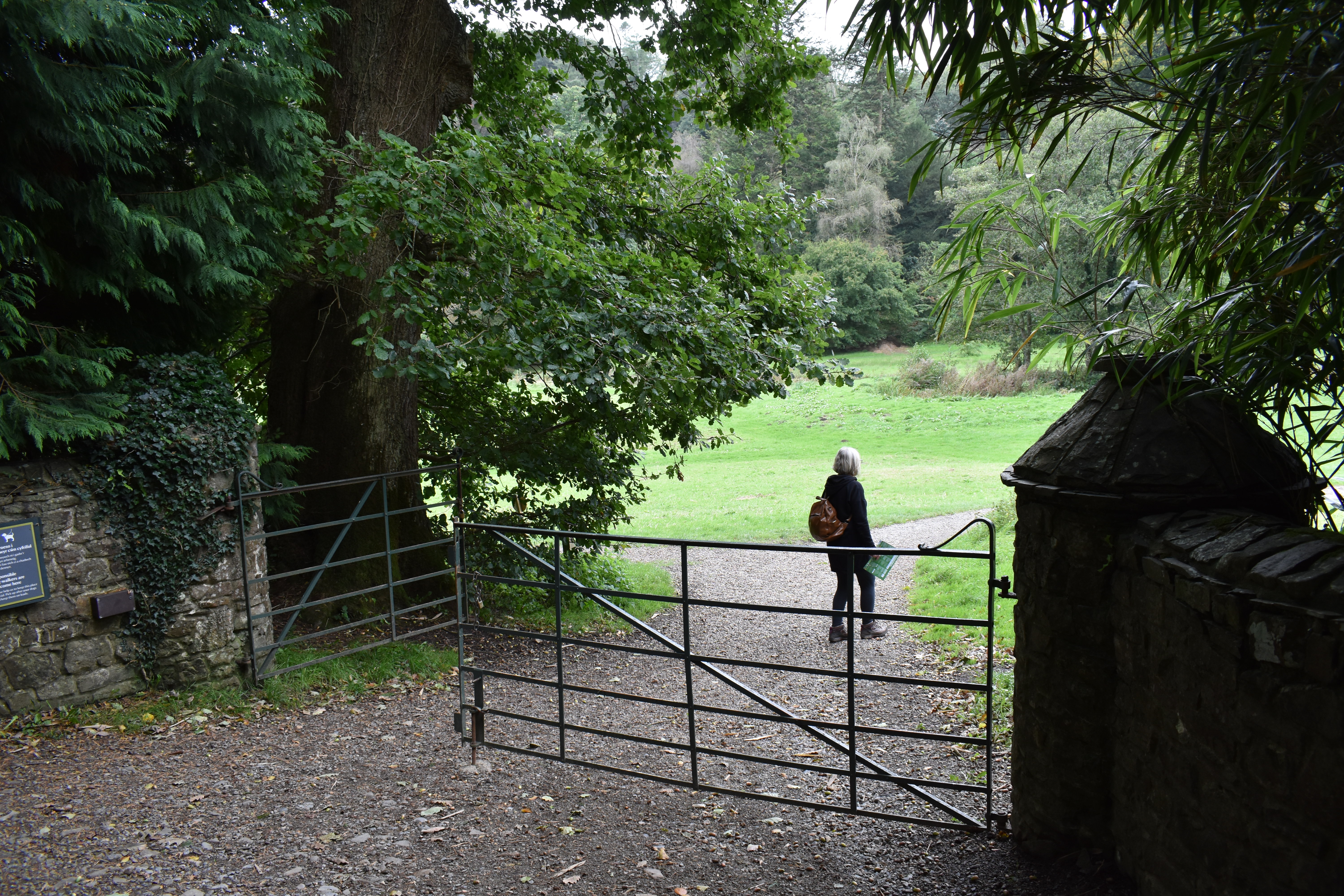
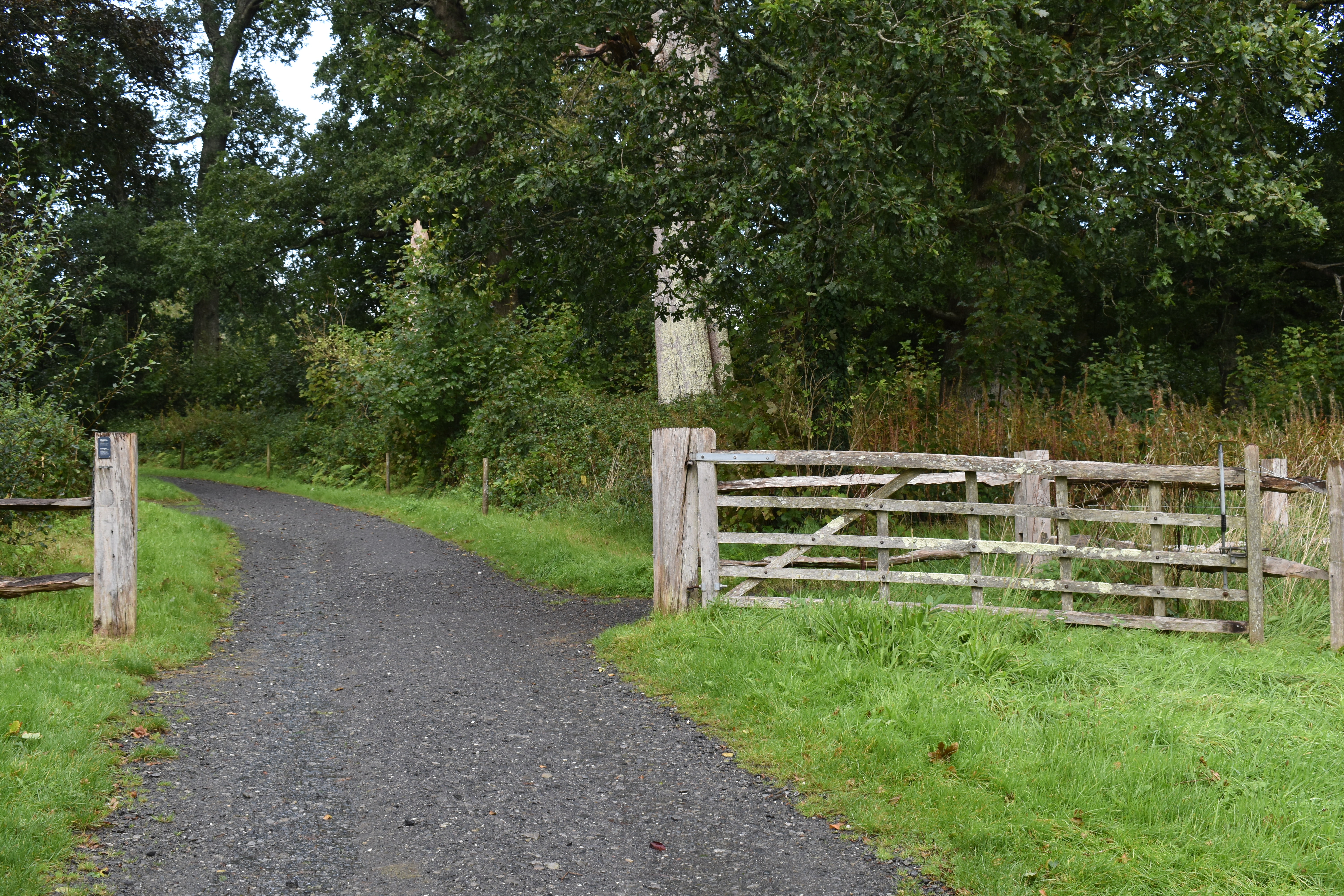
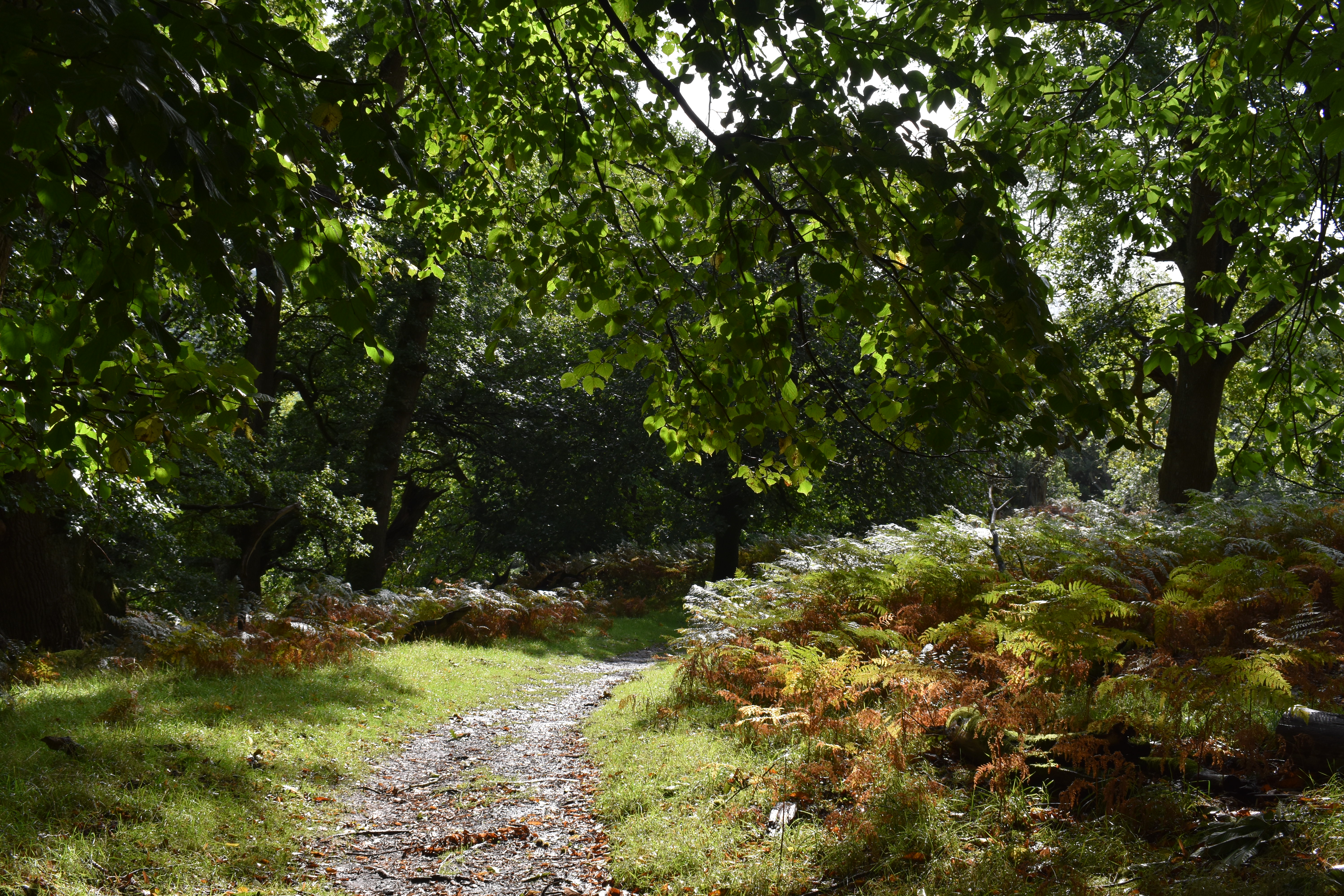
After a coffee and cake in the cafe we set off to enjoy a walk in woodland, after gong through this wide gateway. We donned waterproofs as drizzle had set in. After only a sloping hundred yards or so we entered woodland and followed the blue trail. There were very few posts to guide us on the way so there was a lot of chances to use our imagination.

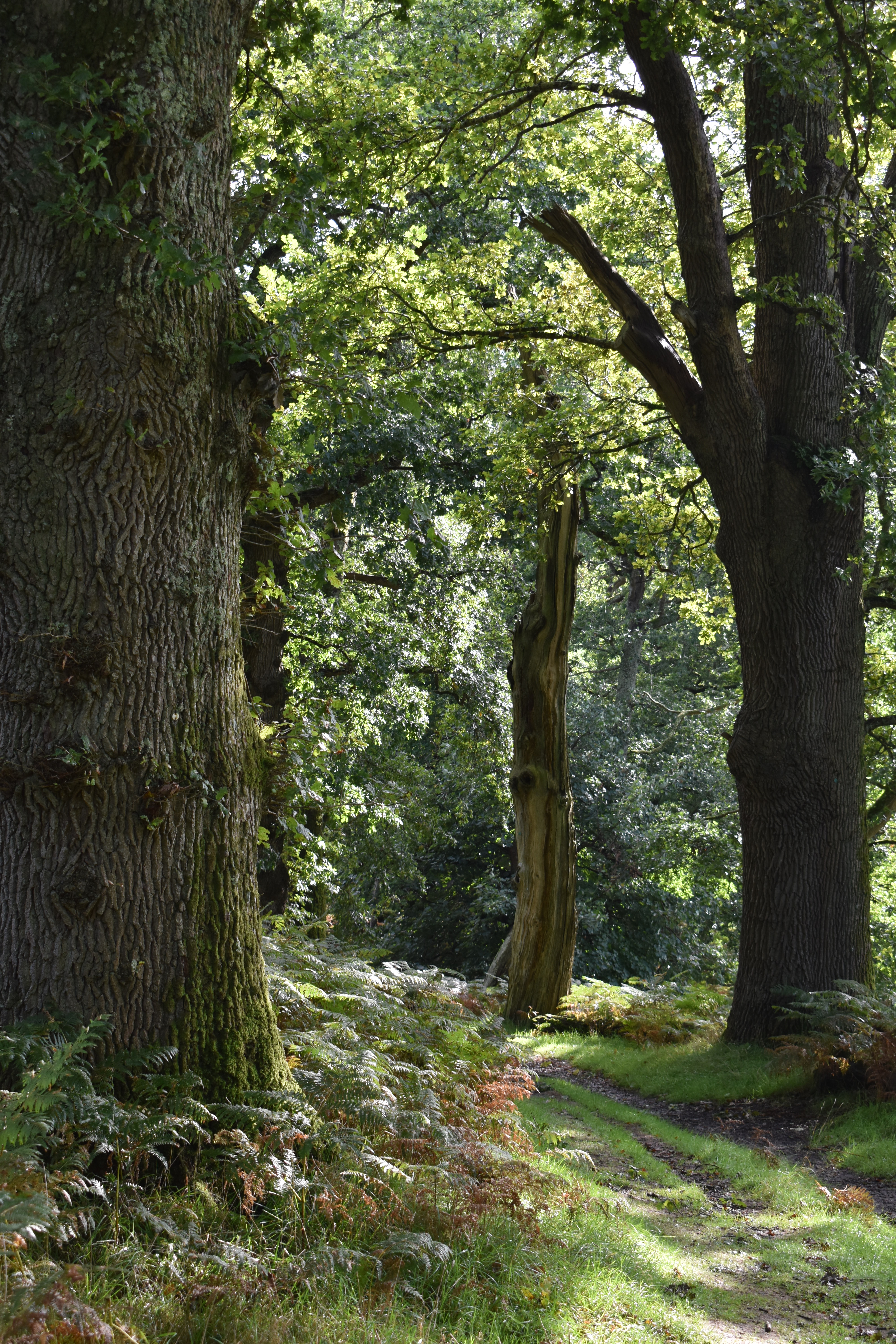
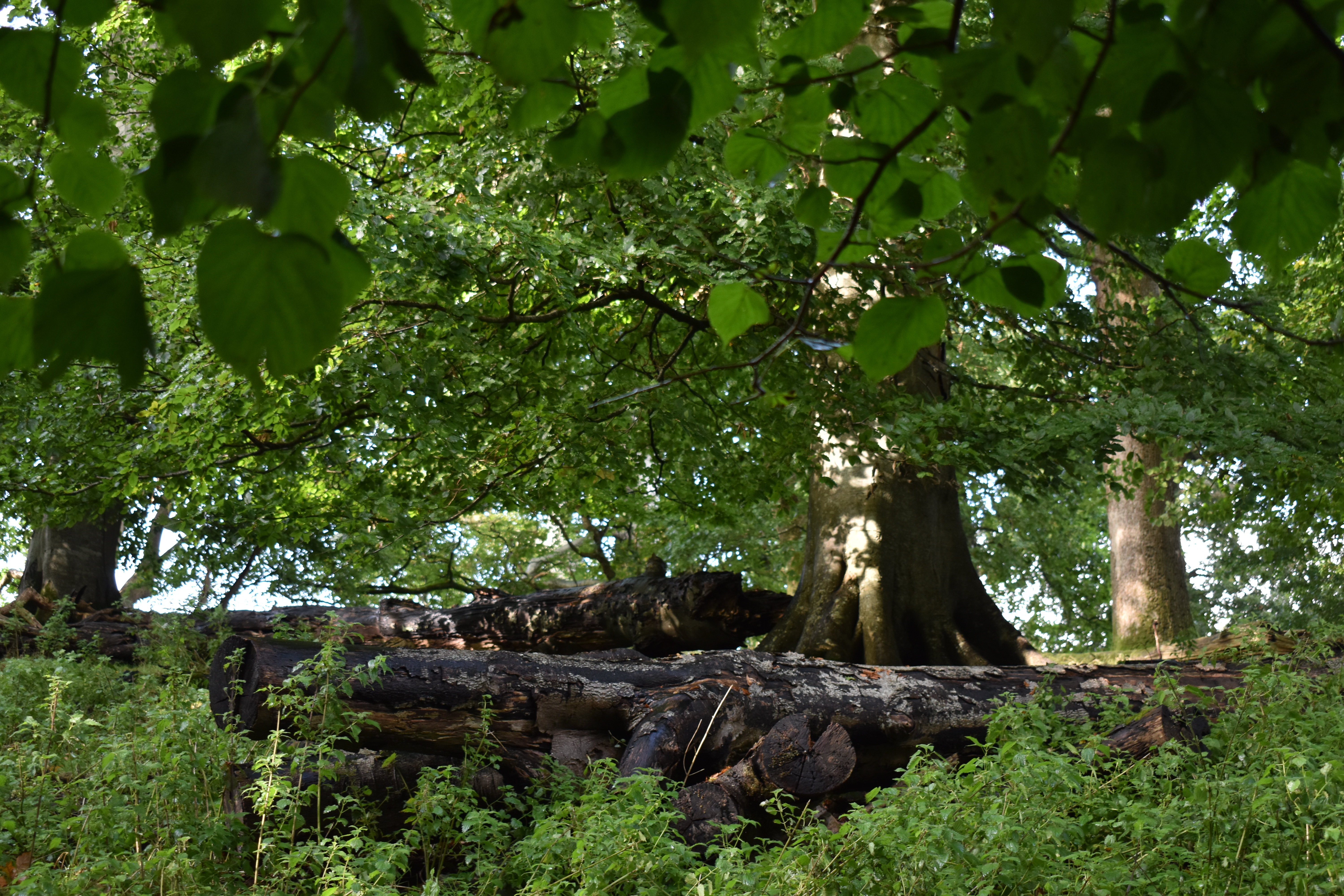
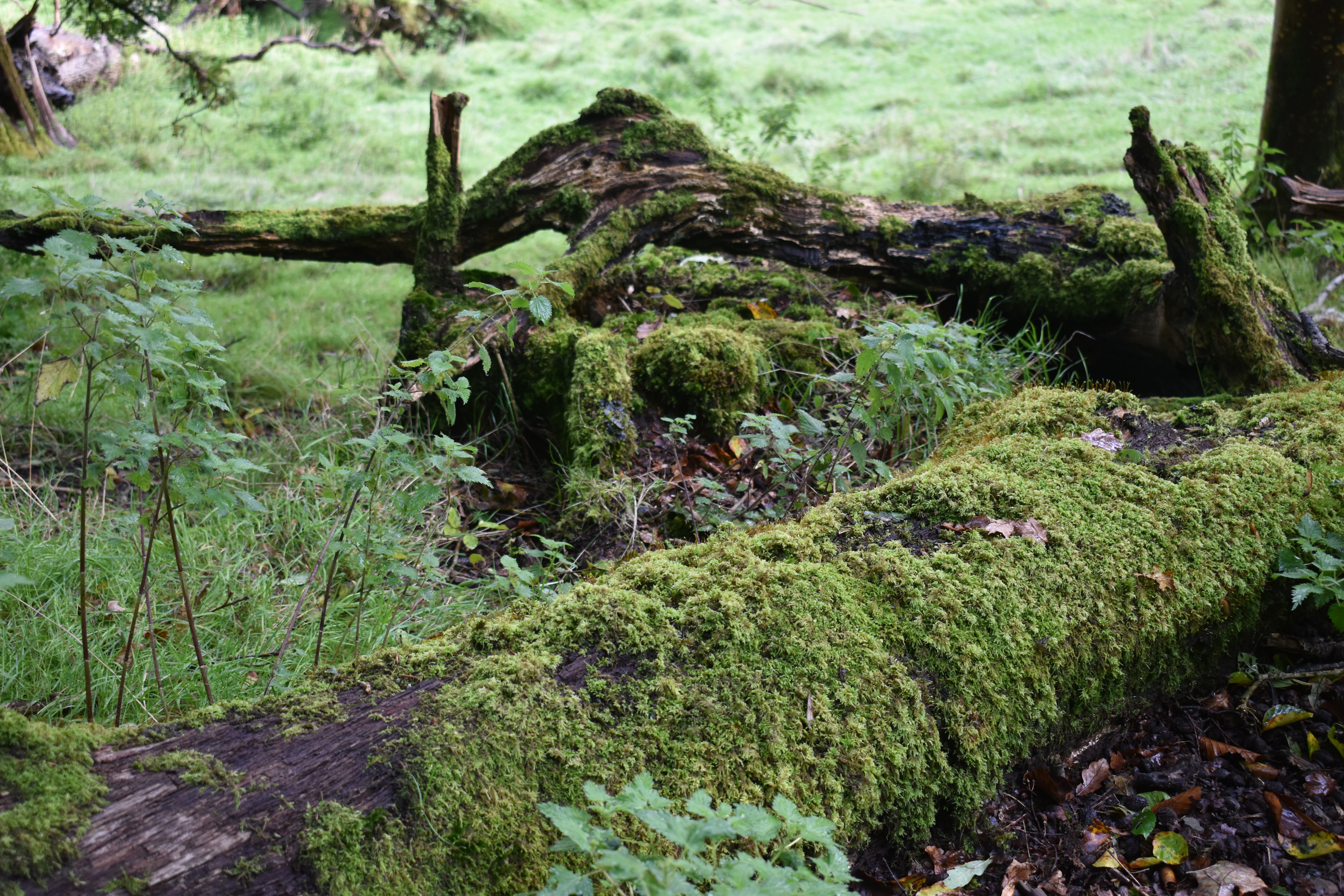
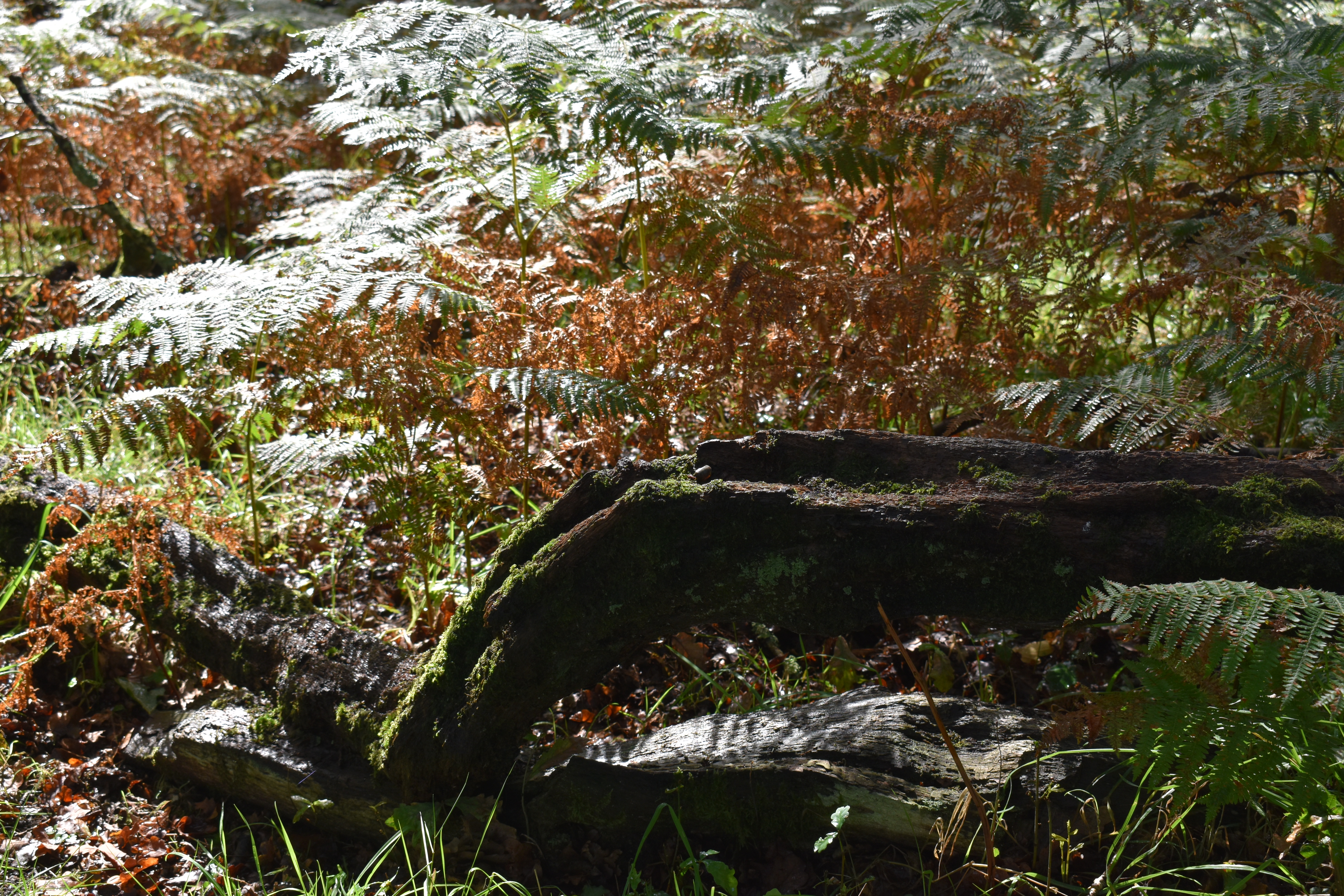
What quickly became apparent was that the woodland has been managed with wildlife in mind, fallen trees were left where they fell and we soon discovered wood and brash piles created throughout.

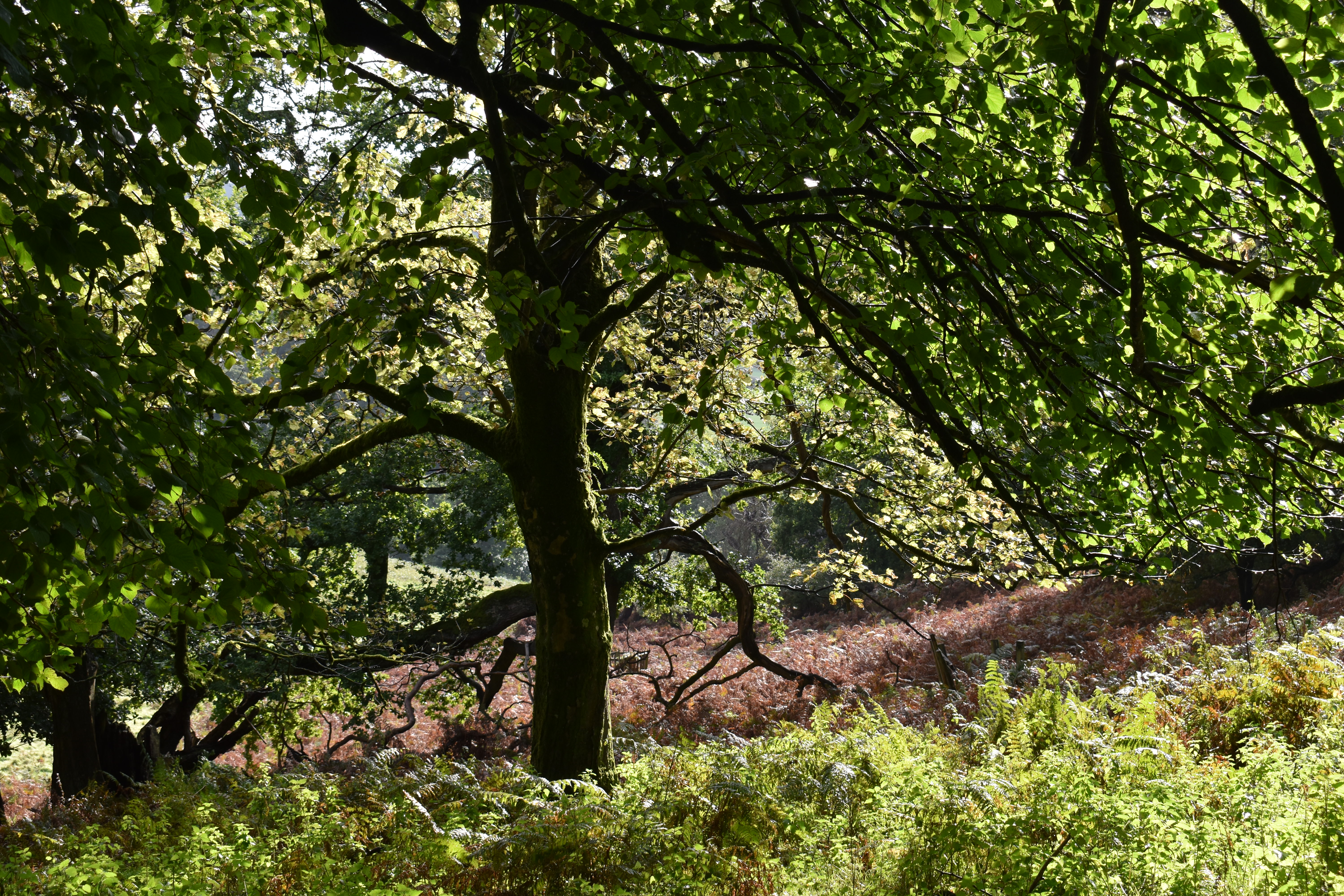
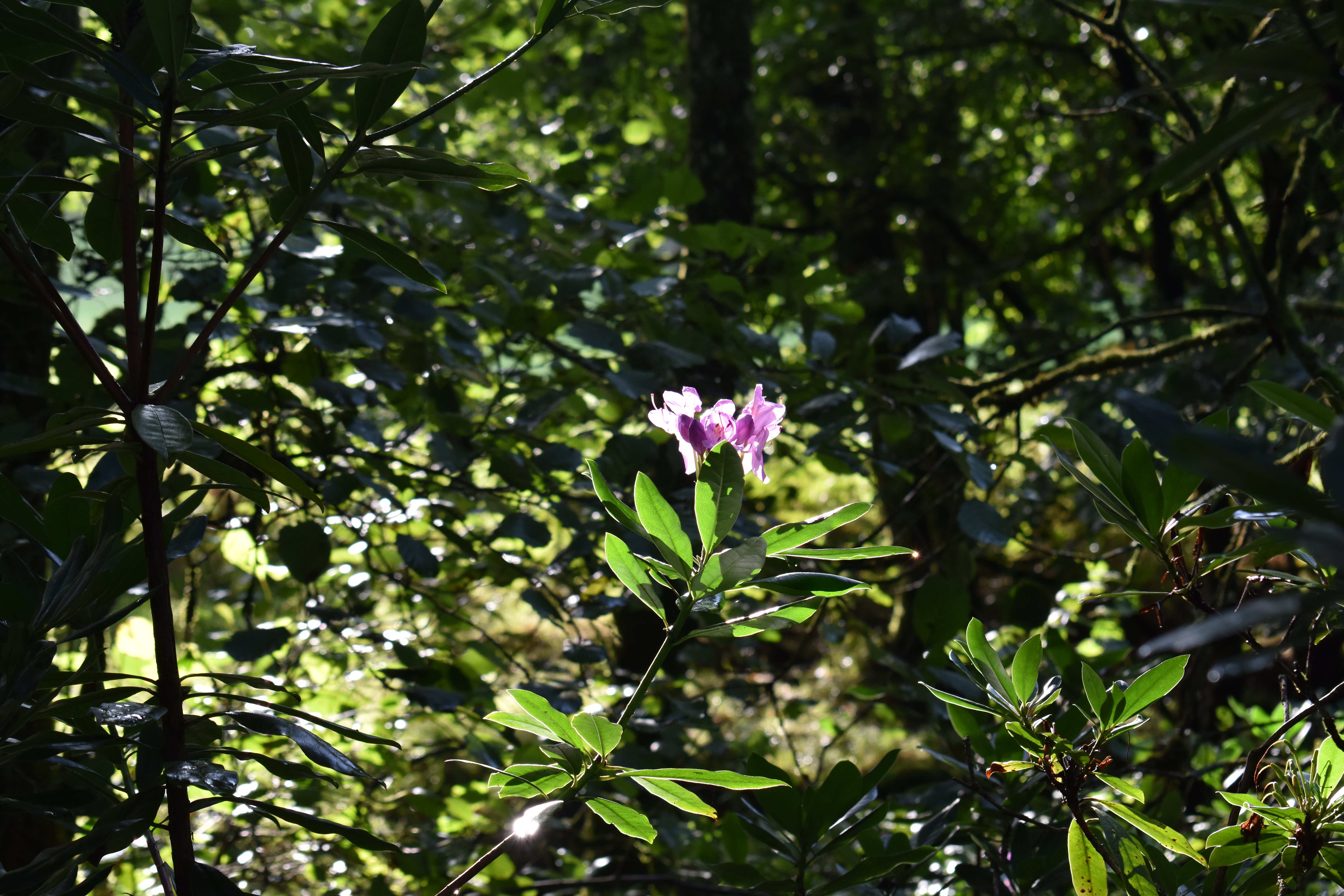
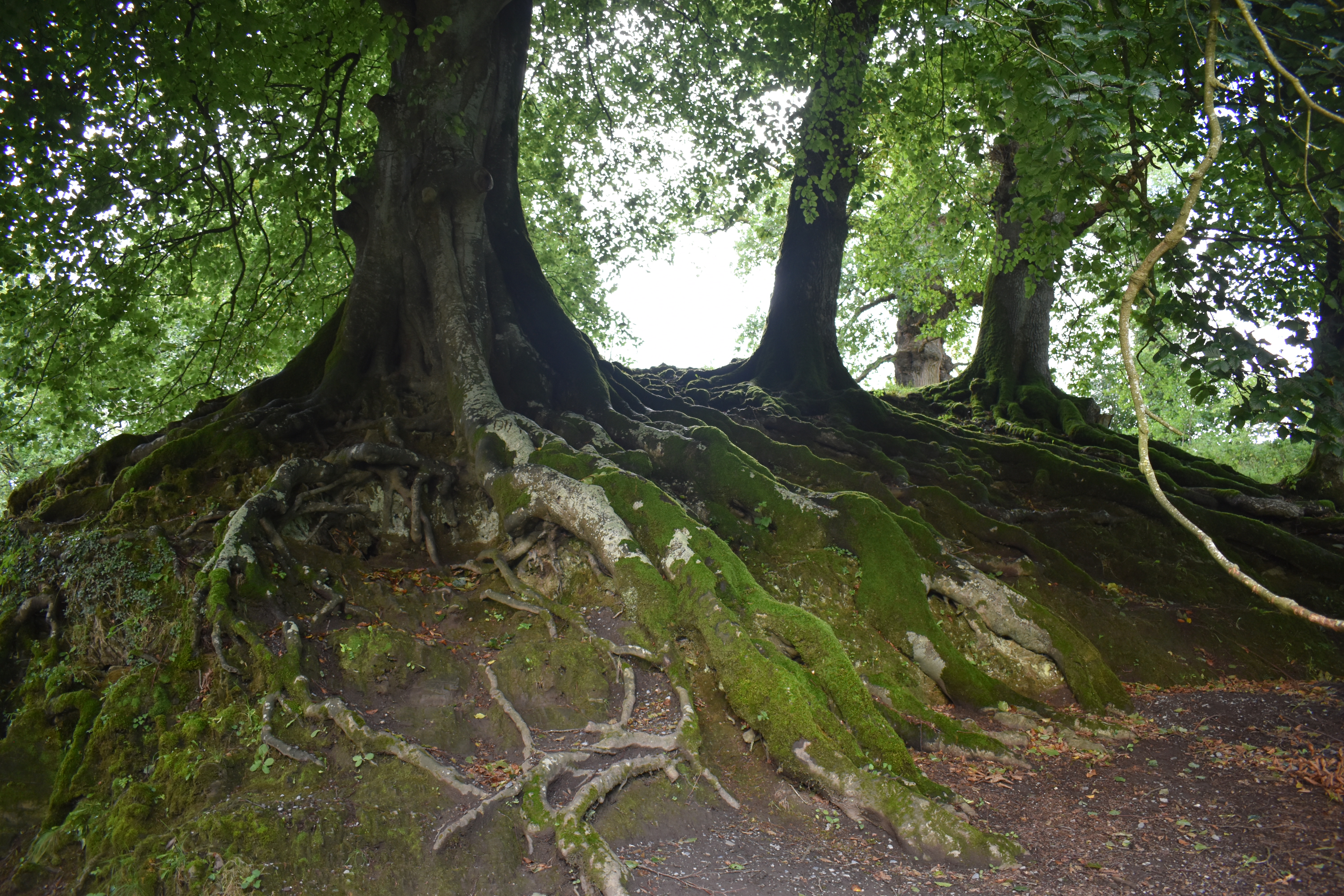
There were signs of autumn even though the trees were mostly still dressed in shades of green. As the drizzle had stopped so the atmosphere amongst the trees and herb layer plants was deeply peaceful and satisfying.

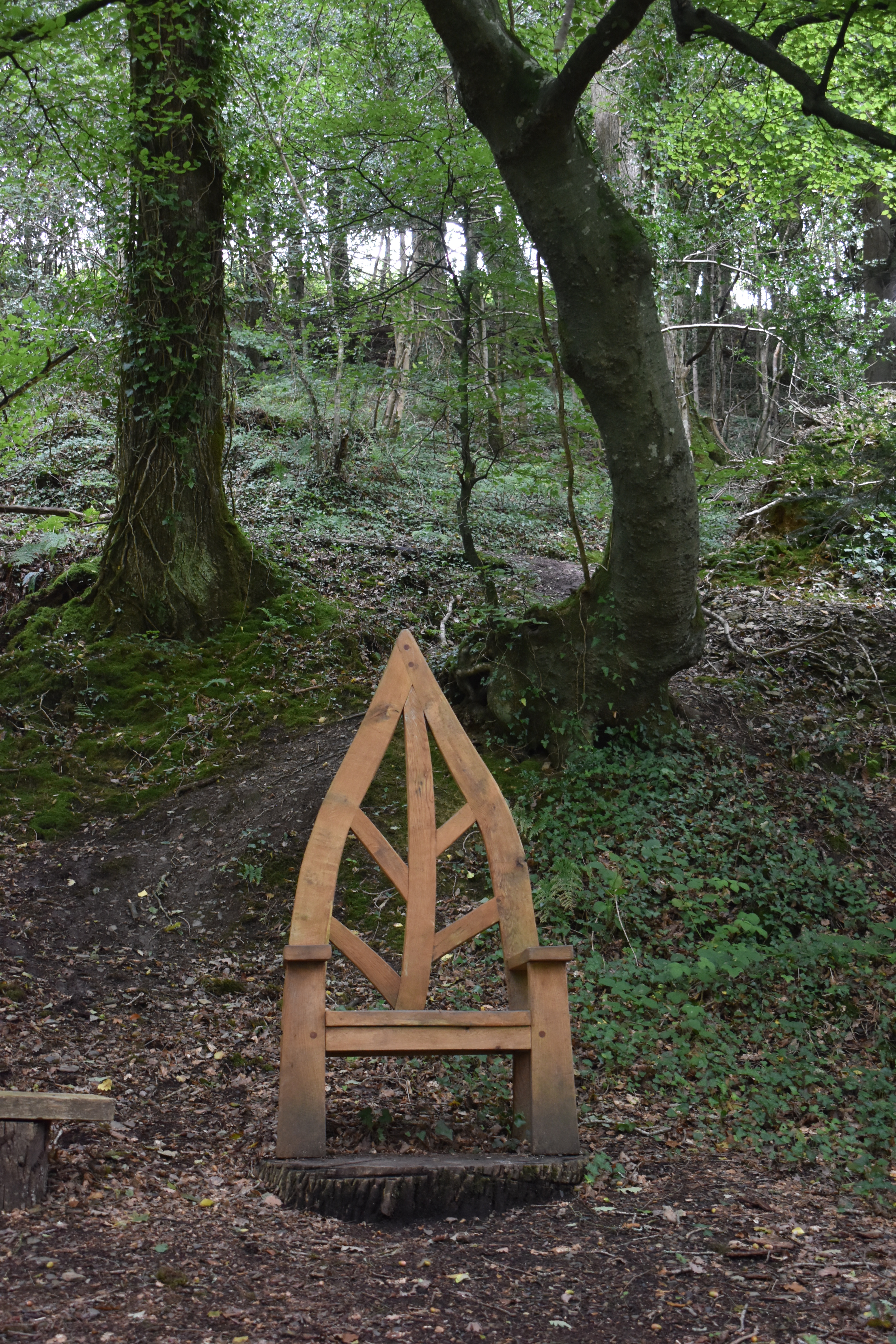
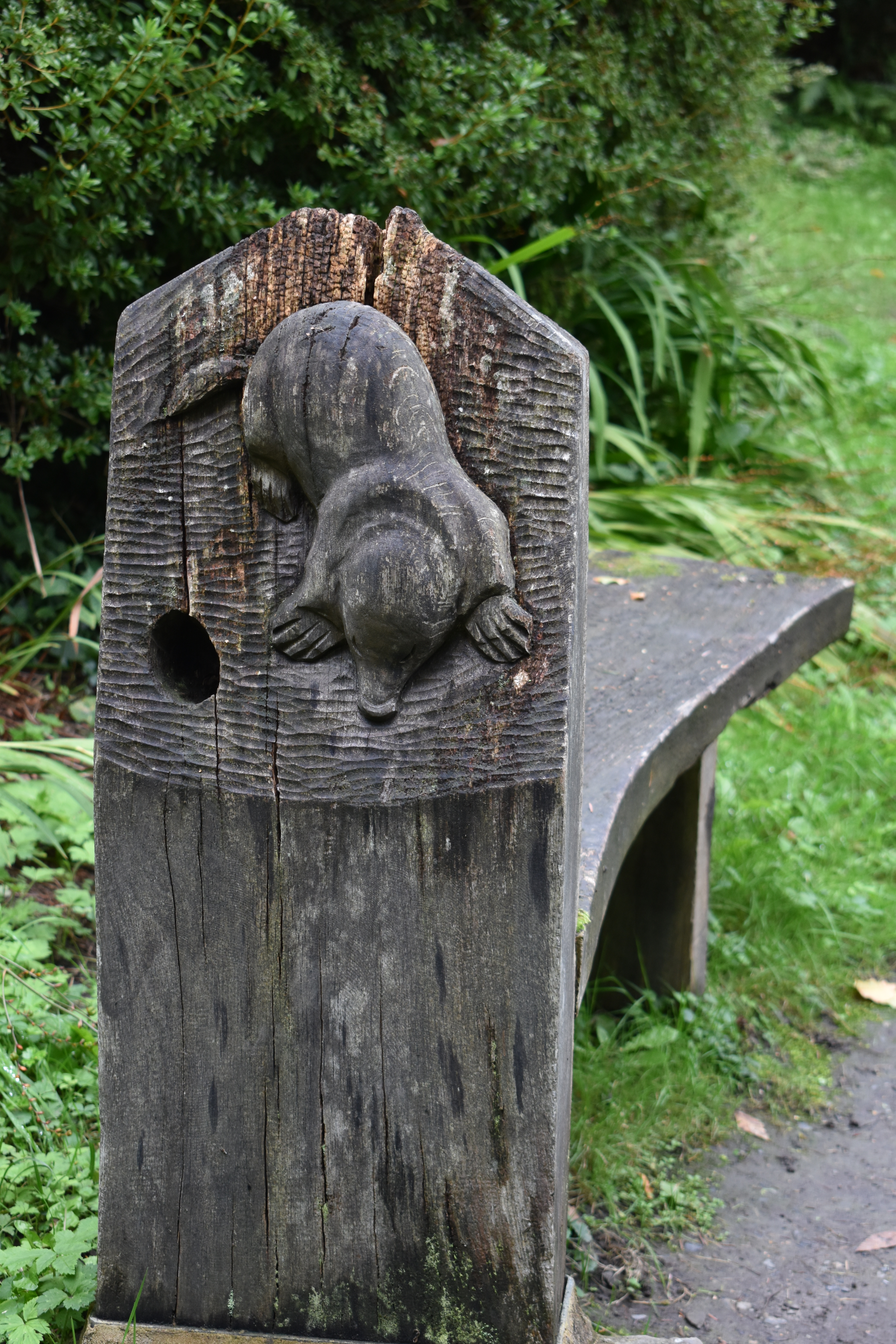
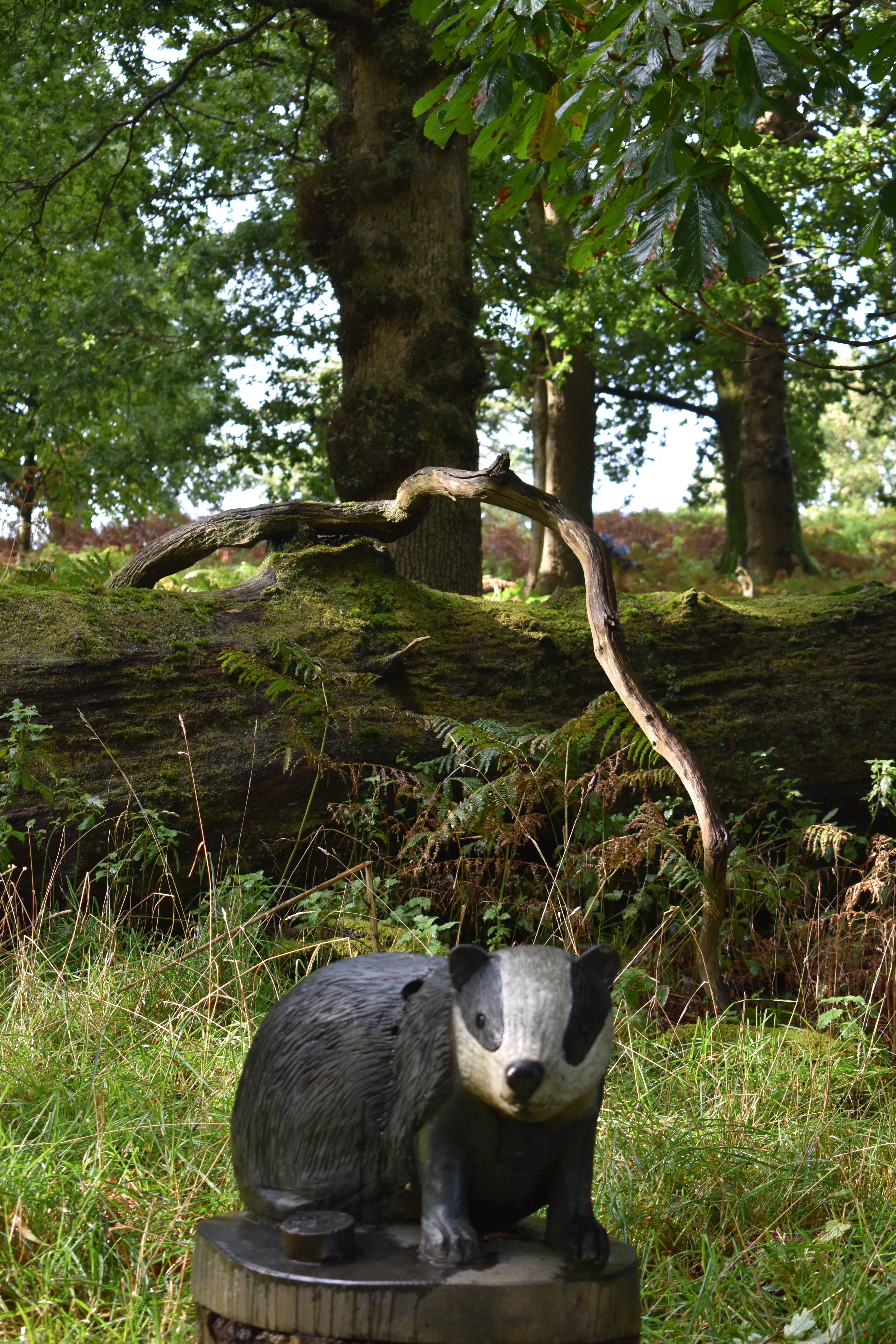
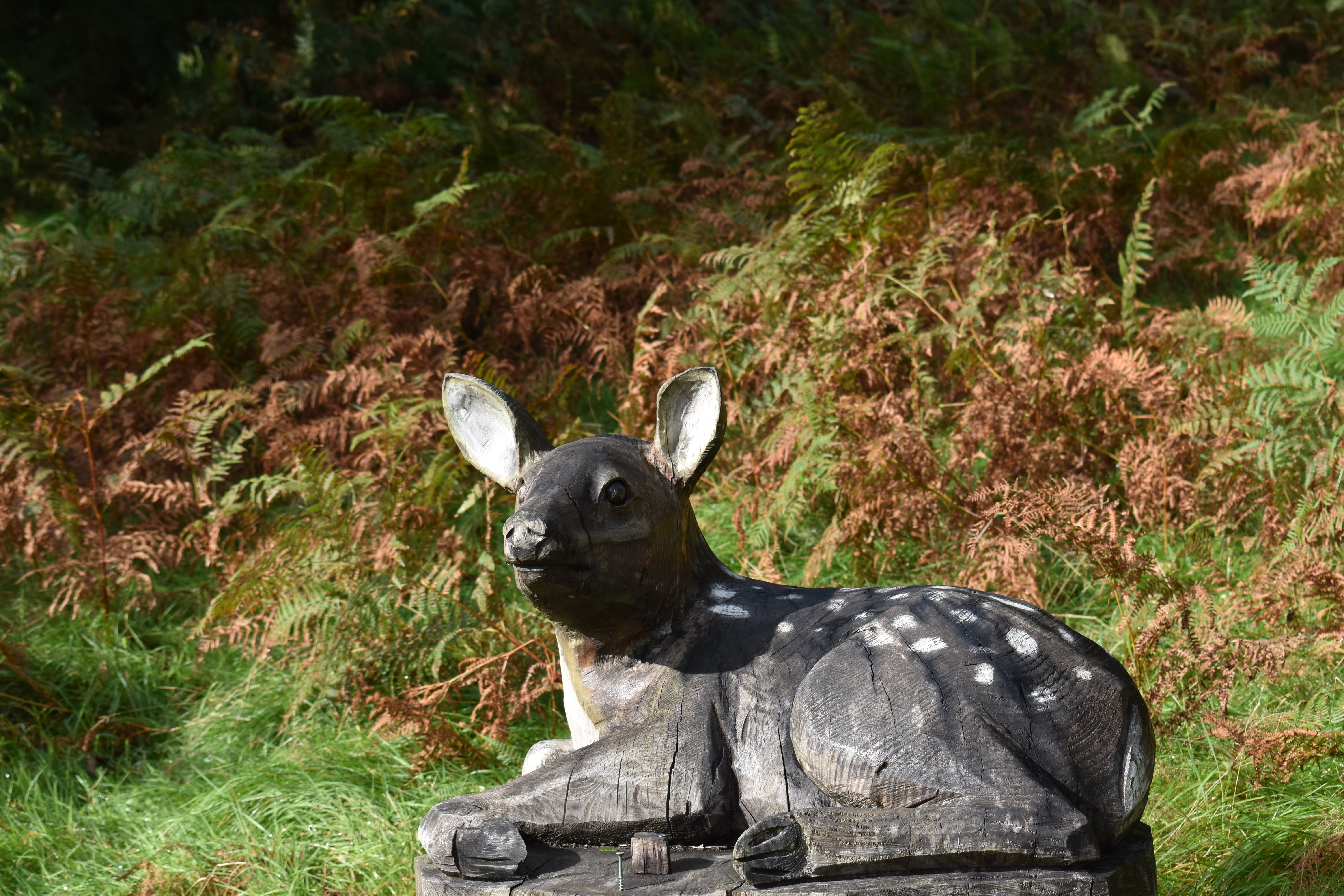
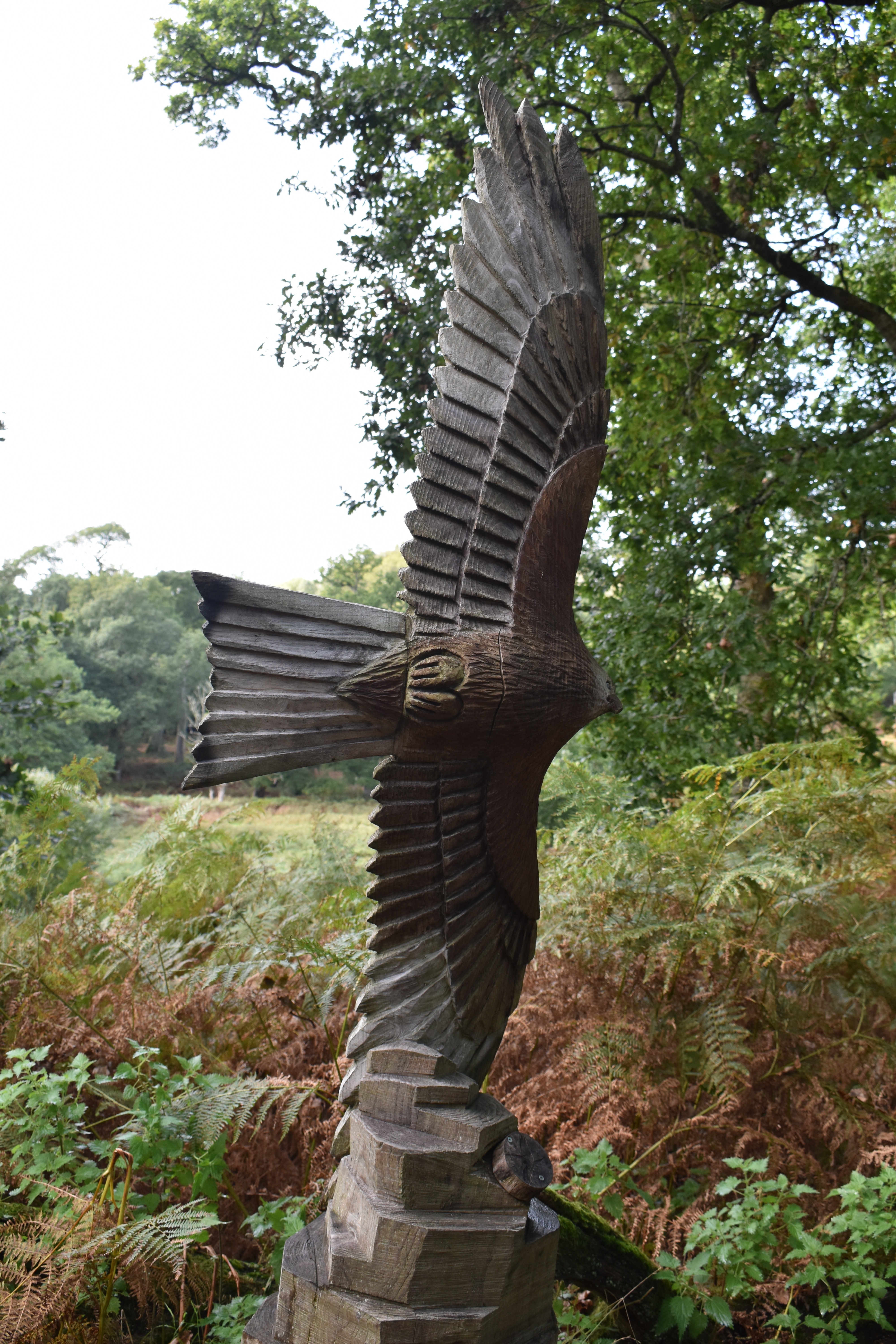
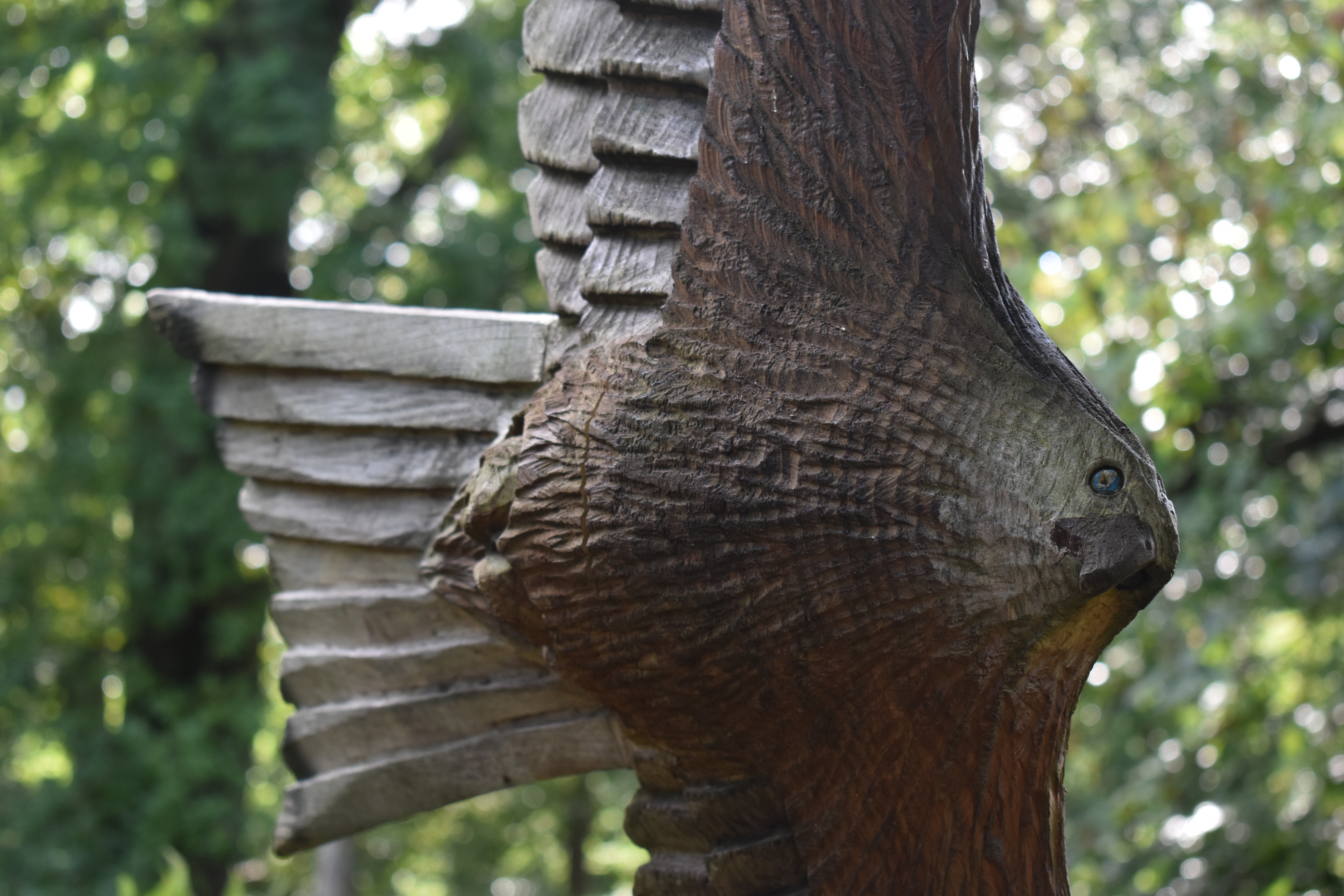
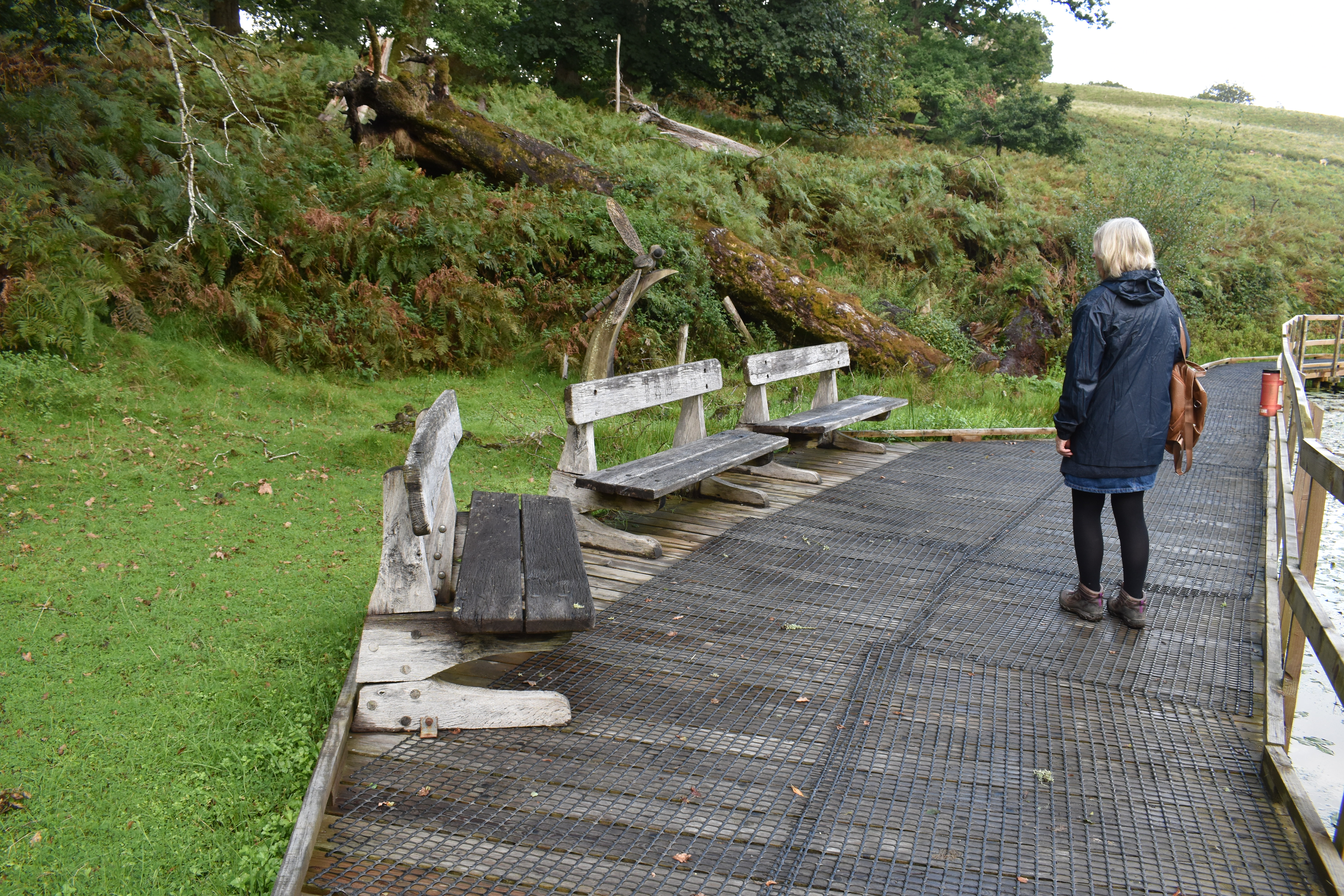
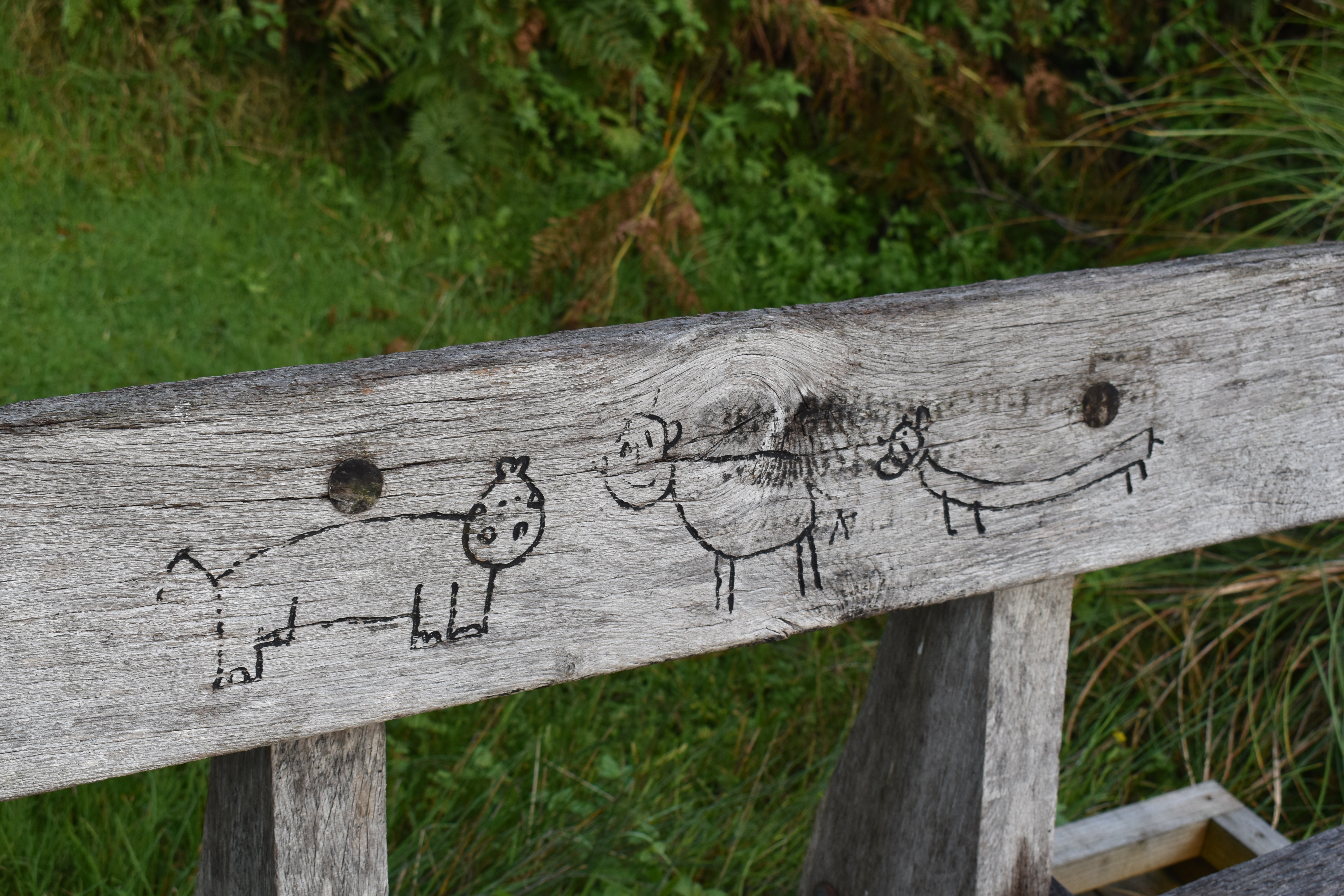
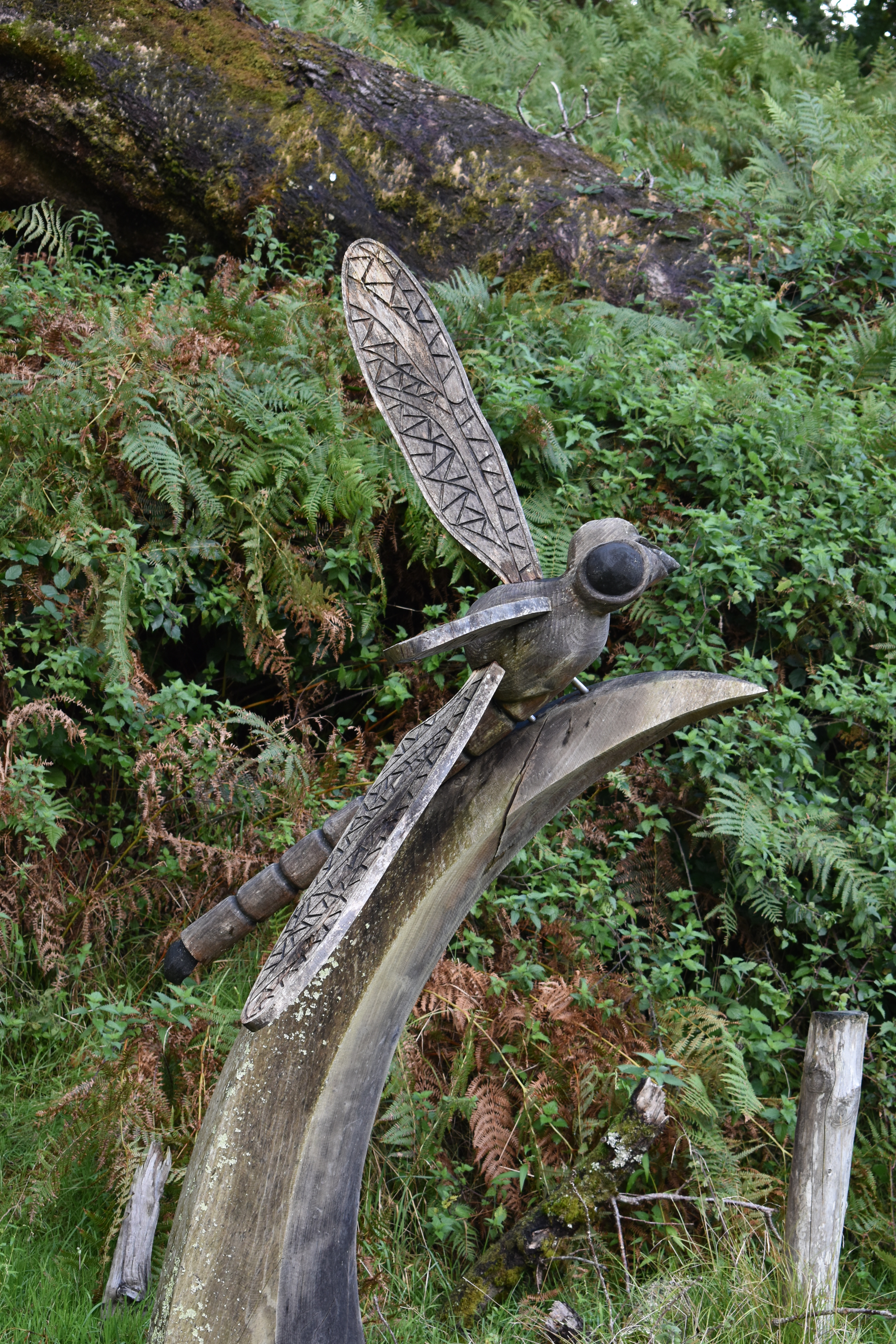
As in many woodlands accessible to the public the trees and herbaceous layer plants were joined by sculptural pieces made from wood, some a little twee such as the first two photos but the Kite piece was beautiful and evocative.

Just along the track from the wooden kite we came across a lake whose surface was broken by concentric circles ripples created by fish. Reed mace grew thickly along one edge alongside the raised boardwalk.

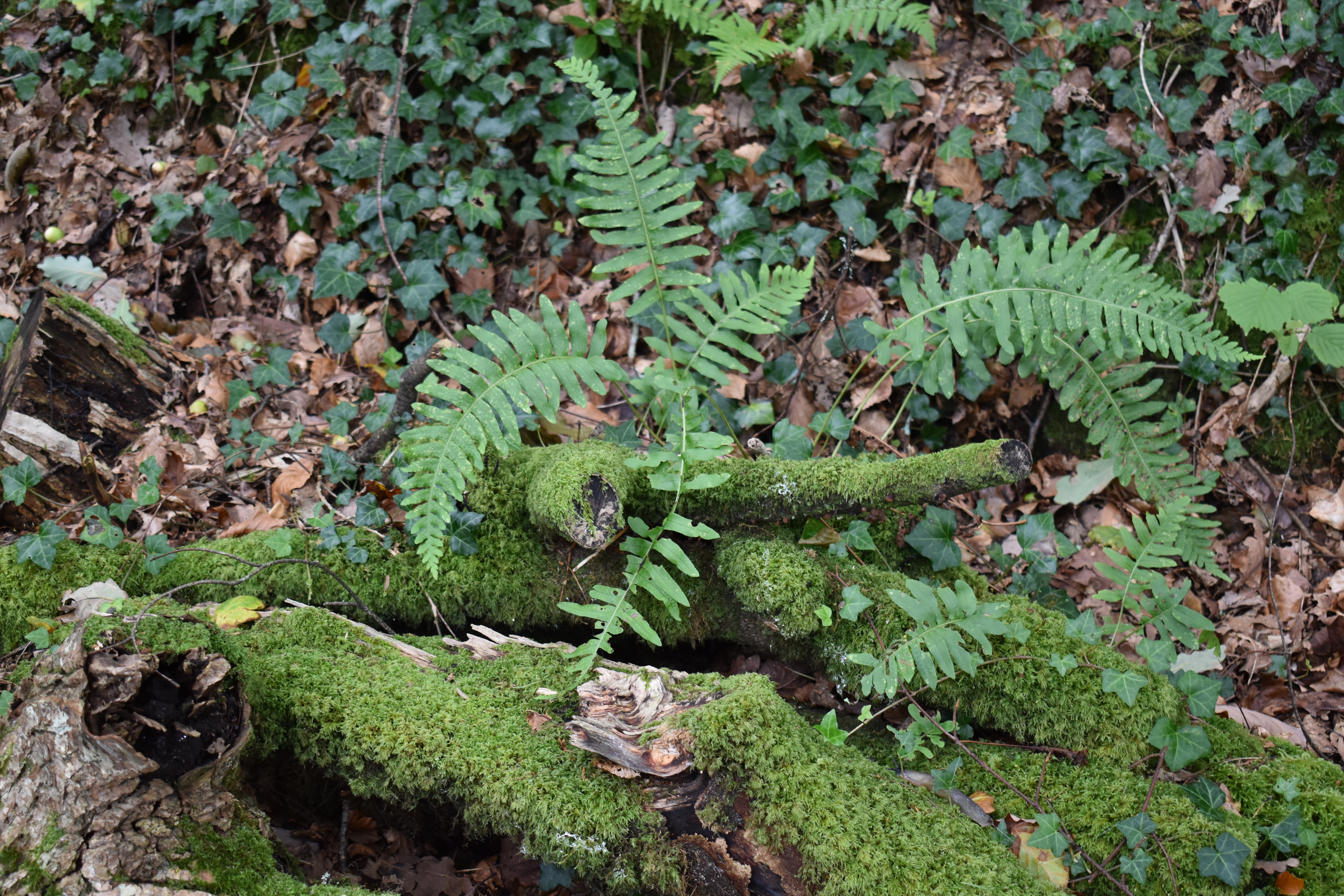
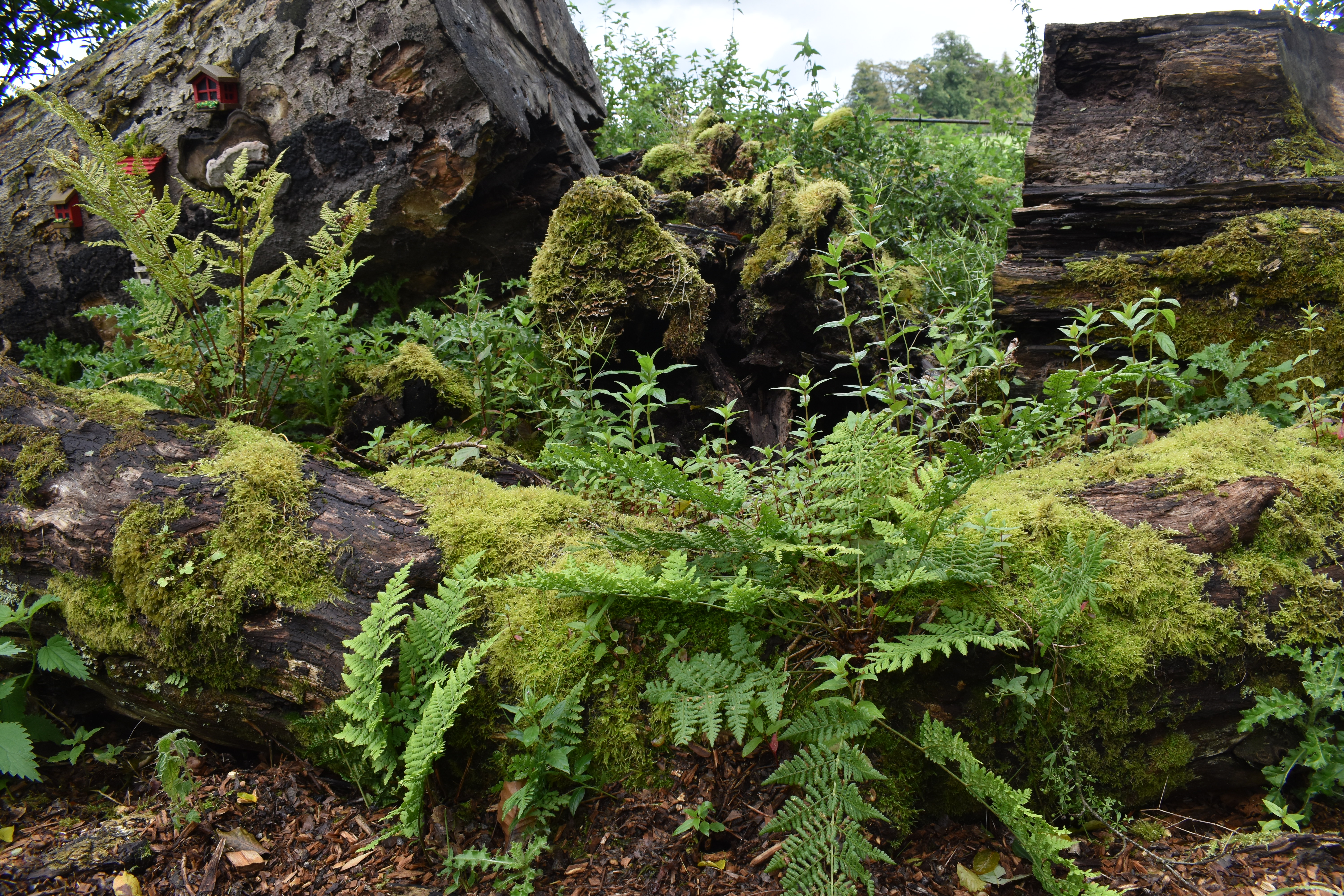
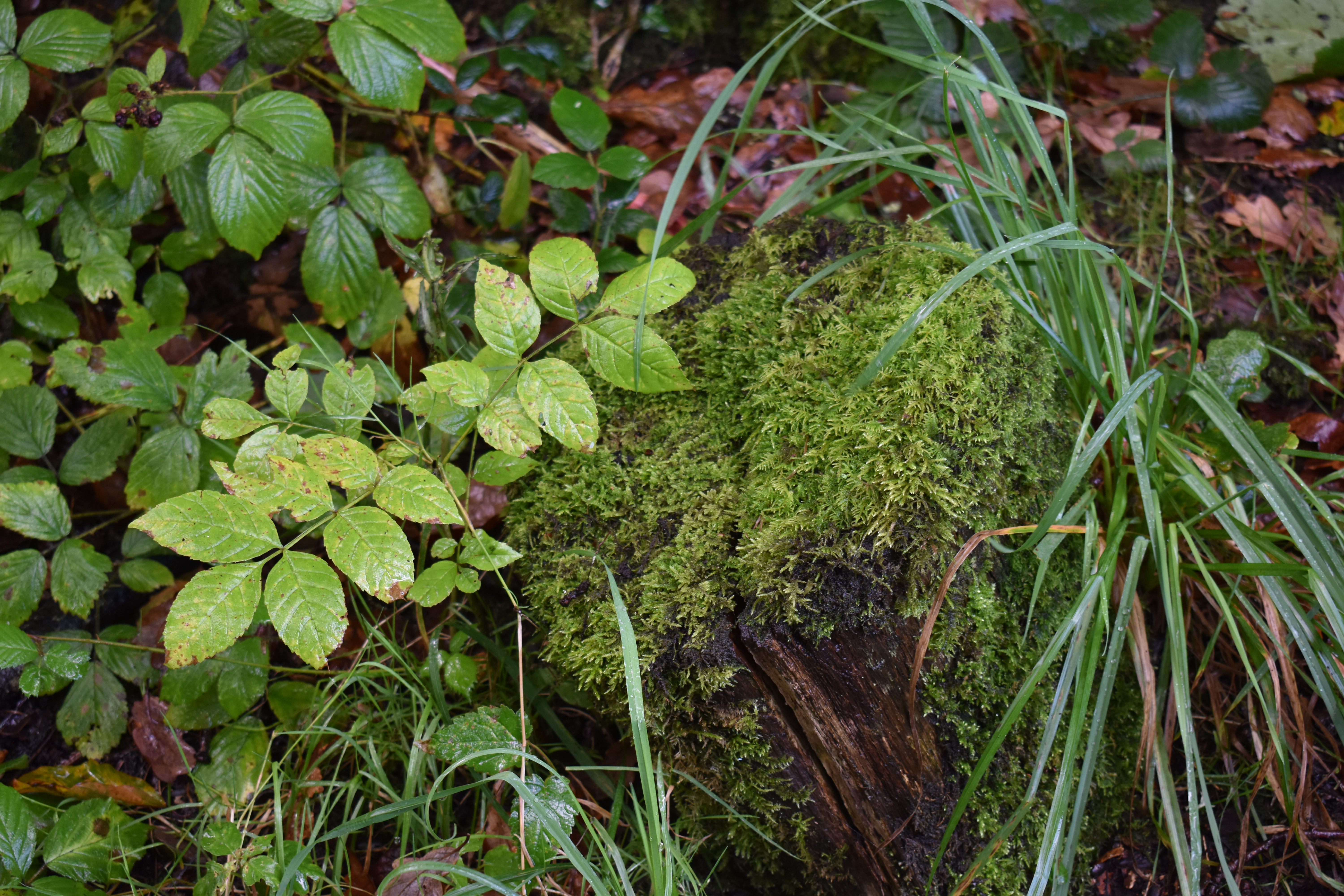
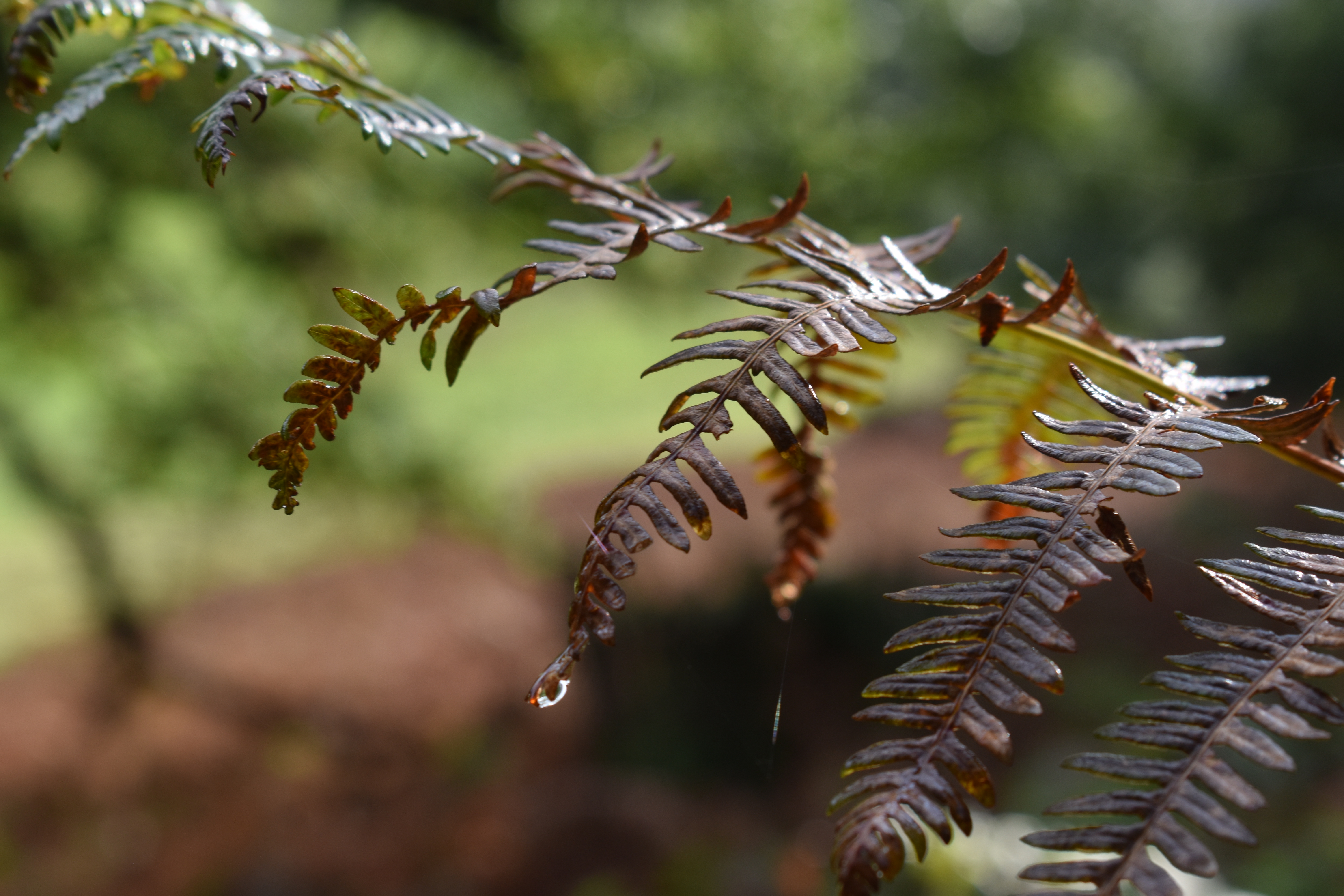
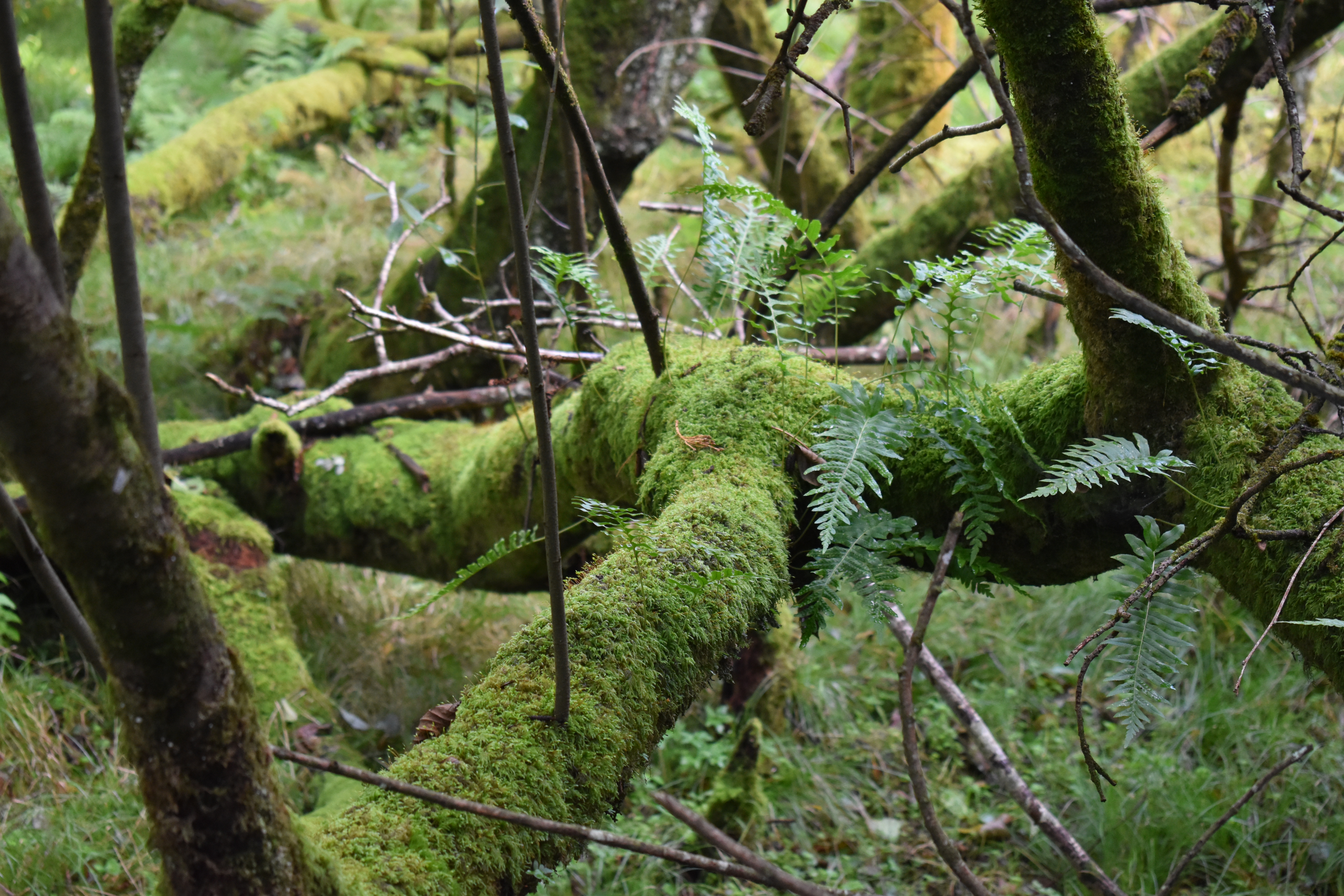
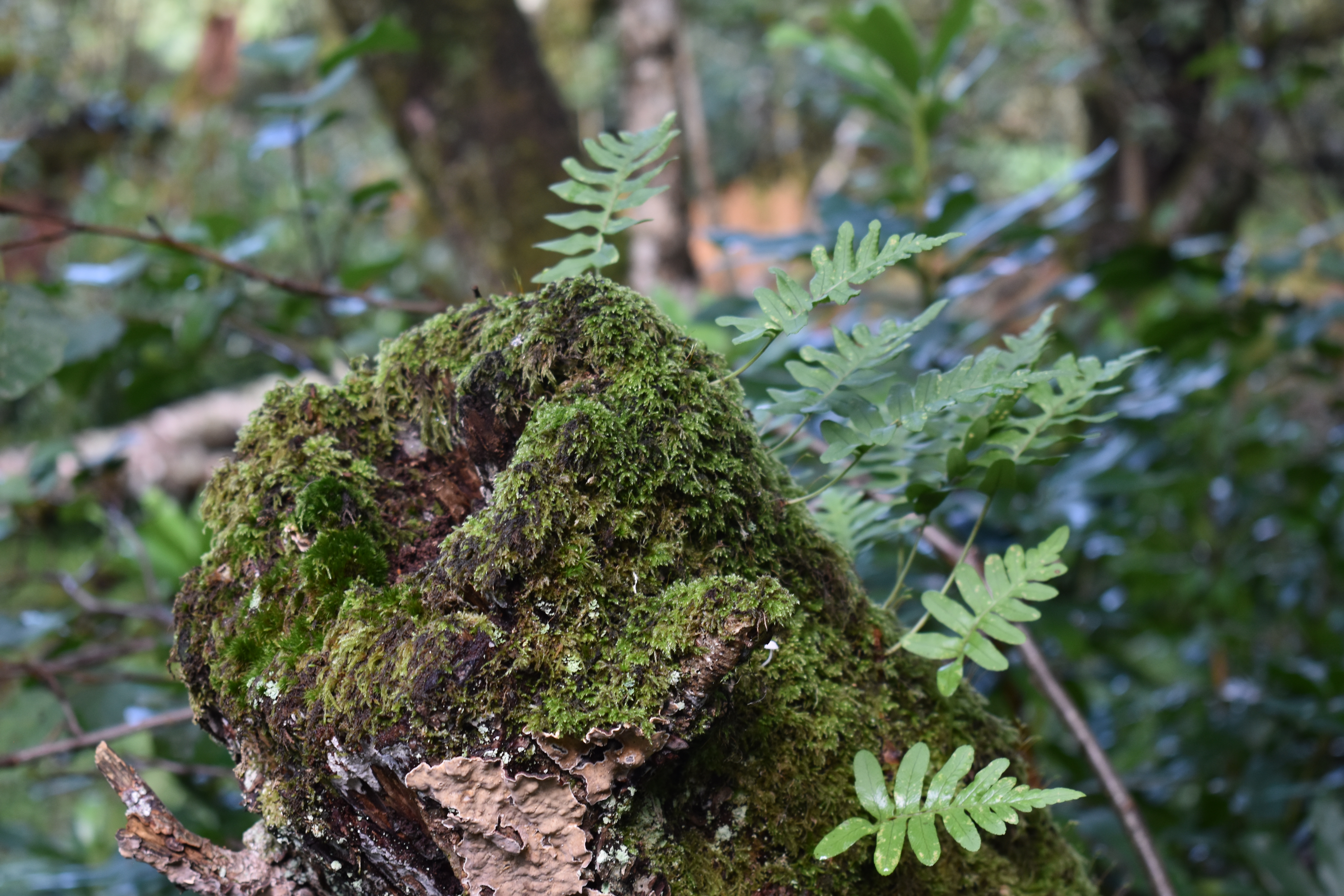
We walked following the blue track which took us next through a completely different environment called ‘Bog Wood’. It was a habitat that we now recognise as our own ‘temperate rain forest’ with water in the form of clear shallow streams and pools. So many trees had fallen and those still upright were stunted and covered in carpets of mosses, lichen and ferns. It felt and looked so beautiful!

The final few hundred yards took us slowly uphill to the carpark. Slopes feel steeper than they actually are at the end of a walk. We arrived with quarter of an hour to spare before gates closed!

Categories
Uncategorized

Return Visit to a special friend’s Garden

We really enjoy visiting the gardens of friends throughout the year to see how they change and develop. Many of these friends are also fellow members of the Shropshire Branch of the Hardy Plant Society.

One such garden belongs to our friend Von and we have visited her special garden several times. In the summer we visited this garden which is a short drive from home. The garden gently slopes away from the house and the conservatory affords a good view down the garden and to the countryside beyond.

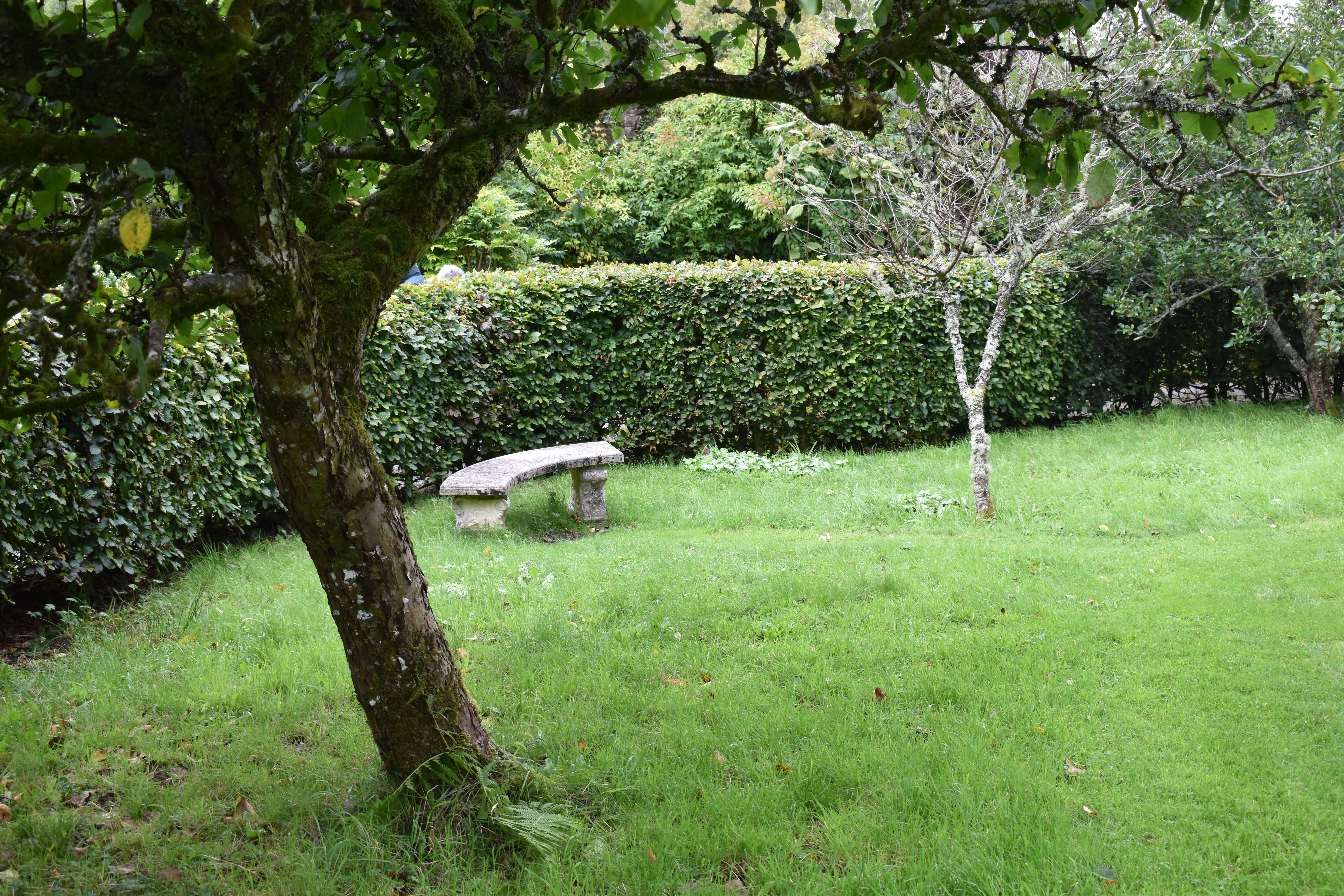
The first photo was taken from partway down the slope looking back up towards the house. The second is the view through Von’s old apple tree to the countryside.

The next sets of photos shows other broader views within the garden.

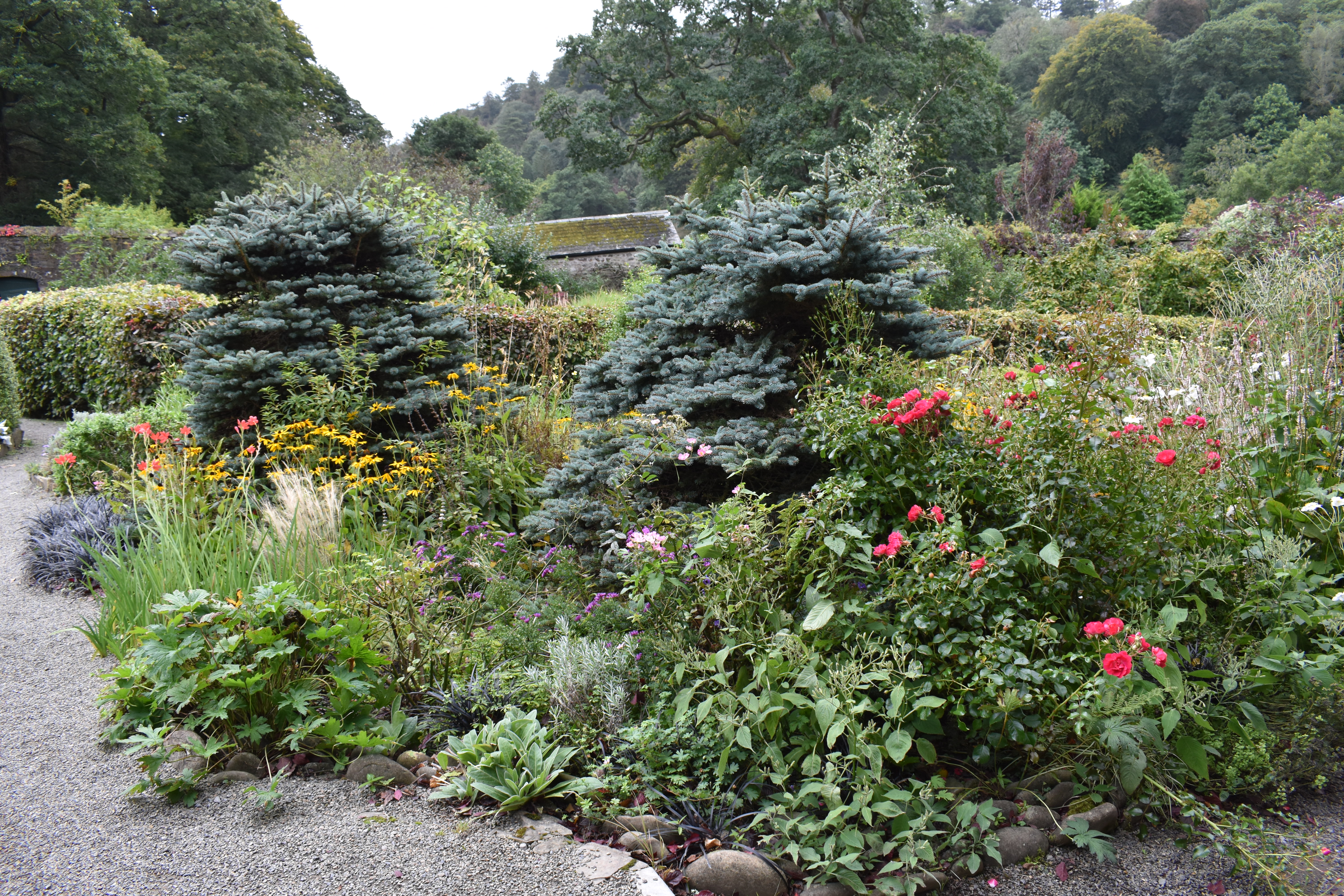
One powerful element of a garden that lifts it from the average is the way plants are grouped. Each plant group works together to create a plant community just as in the natural world.

Sculptural pieces and found objects integrated into a border add extra interest to Von’s creation.

It is amazing what you can find on shelves in greenhouses!

We always enjoy time spent in Von’s garden and this early May visit was no different. Meeting there with other members of our mini-group of the Shropshire HPS added so much more as we have got to know each other as friends as well as group members.

Categories
Uncategorized

My Garden Journal 2023 -August

After a break of a few months, due to family health probems and computer troubles, my garden journal returns to share with you my pages in the journal for August.

On the first two pages I featured some of the roses we had in flower in August and wrote, “August starts as a confusing month both for us gardeners and our gardens.

Some days felt like spring with the addition of April showers, while others were more like dull November days. Some plants developed rapidly and collapsed when wind and rain battered the borders Nothing could stop our roses from flowering though. They are having their best year ever.”

Over onto the next double page I shared two of my sketches, a pencil drawing of a small grass called, Briza maxima and a pencil sketch of the seed heads of a plant that has just had its name changed back to Allium siculum after a decade or so being removed from the allium group and named then to Nectaroscordum siculum. So someone must have realised that its first name change must have been recognised as a mistake.

Over the page onto another double page spread featuring our crazy weather and the damage it caused and opposite I looked at some of our August wildlife.

“In the skies above us huge flocks of gulls congregate. We feel like we are at the seaside as we enjoy their calls.”

I wrote that, “After last year’s drought and the long wet periods that followed complete with deeply cold times, the garden is reflecting this in the trees and shrubs that are suffering. But now some are dying and we are experiencing many sad losses.

Our Cercis ‘Forest Pansy’ has had branches broken in the wind and we have had to prune back to healthy growth points.Several of our Acer palmatum are slowly dying as foliage dries and becomes crinkled.”

I wrote that, “Our Pittosporum tennuifolium ‘Silver Queen’ lost all its leaves and branches after turning brown and brittle.”

The first photo below shows Jude helping Ian to reduce the Pitosporum to just a 6ft trunk. Within weeks there were new shoots shooting which was so unexpected.

On the next page I looked at some of the fruit appearing on some of our shrubs and I noted that, “Fruit comes to the fore from now onwards and two 0f our cornus shrubs have produced so many berries. Cornus mas drips with deep red fruit almost grape-like.”

Below I wrote, “Cornus kousa ‘China Girl’ follows its white bracts looking just like impressive flowers with fruit on 3in stalks. They begin green and move on to red raspberry-like fruit. In dry weather they turn brown and drop.”

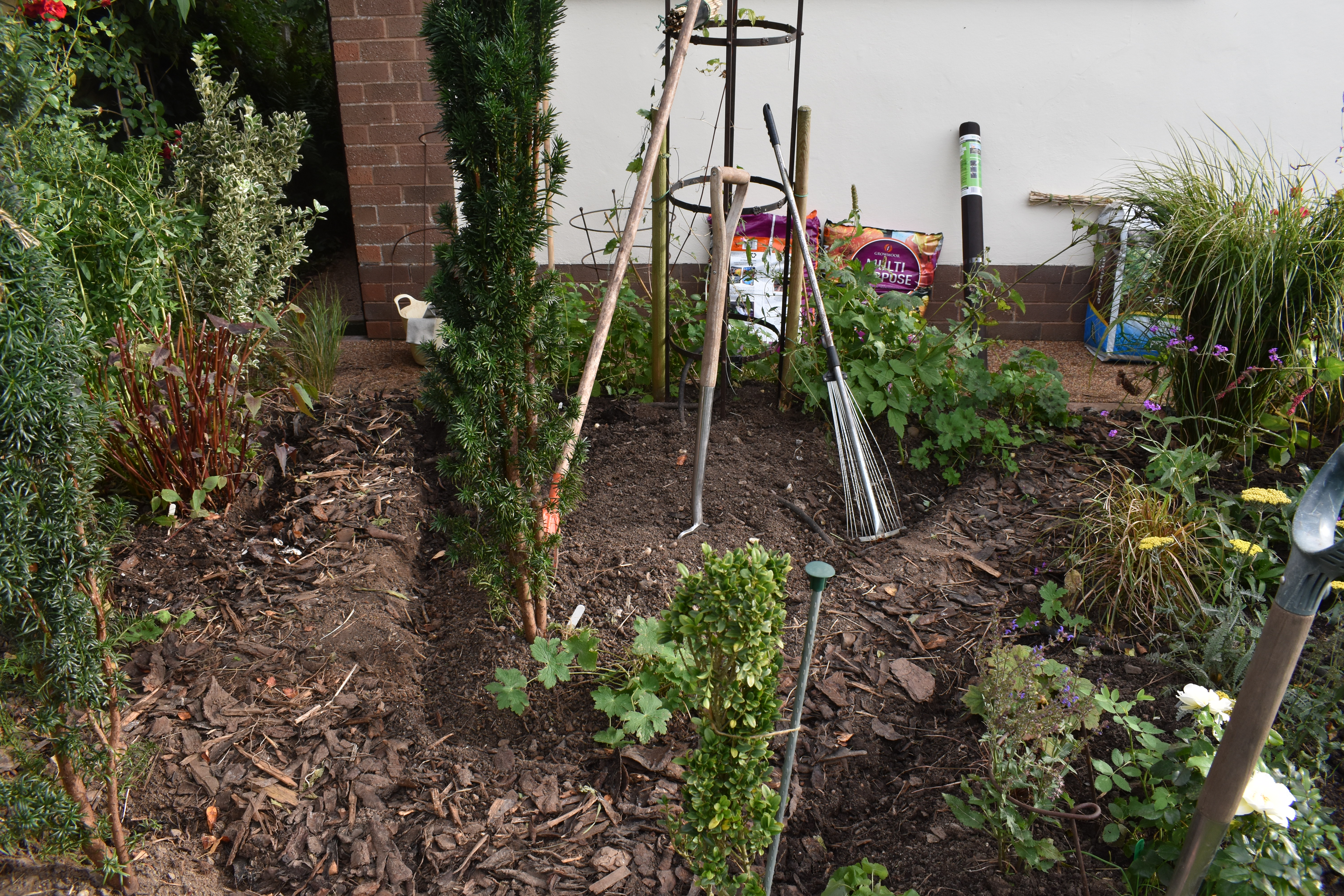
On the opposite page I looked at the time when we tried to improve one of the ‘Doughnut Circles’. I wrote, “We often redesign areas of our garden and this month it was the turn of one of our circular beds in the front garden. We call the two circles “Doughnuts”.

Firstly we stripped the bed of most of the existing planting. We put fresh gravel on the surface and began planting a new set of plants.”

I continued by adding, “The new plants are featured overleaf. We were so pleased with our ‘new look’ doughnut.”

The final page in my journal was concerned with new plants that we ordered for the doughnut. “The plants we chose were Agapanthus, Alliums, Sanguisorba and Thalictrum.”

We will return for another look into the entries for my garden journal for the month of September. Plenty to look forward to in the next few weeks!

This Veggie Life

A Vegetarian | Nature Lifestyle Blog

Rambling in the Garden

.....and nurturing my soul

The Arch City Gardener

Journeys In St. Louis Gardening and Beyond

Garden Dreaming at Châtillon

Consult the genius of the place

Storyshucker

A blog full of humorous and poignant observations.

gardeninacity

Notes from a wildlife-friendly cottage garden

PlayGroundology

...an emerging social science

The Official Blog of British Wildlife

'The most important and informative publication on wildlife of our times' - The Independent. This blog is a member of The UK & Ireland Natural History Bloggers group: www.uknhb.blogspot.com

iGrowHort

Inspire - Cultivate - Grow Native Plants - Restore Landscapes

Bishops Meadow Trust

To create and protect a semi-natural wild space for the people of Farnham to enjoy and experience an array of British wildlife in our town

Gardening with Children

The www.gardeningwithchildren.co.uk Blog

UKbirdingtimeline

birding through the seasons, why birds matter and how to conserve them

NATURE WALKER

with a camera in hand

Jardin

Transform your outdoor space

Eva's space

My allotment, cooking and other interests

Old School Garden

my gardening life through the year

LEANNE COLE

Trying to live a creative life

fromacountrycottage

trying to live as lightly as possible on our beautiful planet

Good Life Gardening

Nature lovers from Leicester living the good life.

mybeautfulthings

Finding the beautiful in the everyday

mawsonmichelle

Michelle's Allotment

In and Out of My Garden

thoughts from and about my garden

Greenhousing

Big plans for a small garden

The Scottish Country Garden

A Walled Country Garden in South East Scotland

The Fruity Chicken

Life at the fruity chicken

willowarchway

Off grid living. Self sufficient. "PERMAGANICS RULE".

St Anns Allotments

Nottingham's Grade 2* Listed Allotments and Community Orchard

Manifest Joy Harvests

a journey in suburban vegetable gardening

Allotmental

The madness of growing your own

Penny's Garden: a harvest beyond my front door

A novel approach to vegetable gardening

arignagardener

Sustainable living in the Irish countryside.

NewEnglandGardenAndThread

Master Gardener, amateur photographer, quilter, NH native, and sometimes SC snowbird

dianajhale

Recent work and work in progress and anything else that interests me

planthoarder

a chaotic cottage gardener

Lens and Pens by Sally

a weekly blog that creates a personal philosophy through photographs and words

Dewdrops and Sunshine

Stories from a sassy and classy Southern farmbelle.

The Pyjama Gardener

Simple Organic Gardening & Seasonal Living

gettin' fresh!

turning dirt into dinner

JOY...

today the world is created anew

Garden Birds

Notes from a Devon garden

ShootAbout

Life Through The Lens

Adapting Pixels

A photography blog showcasing the best photography pictures and videos on the internet

Wildlifegardening's Blog

Just another WordPress.com site

naturestimeline

personal observations from the natural world as the search continues for a new approach to conservation.

LATEBLOOMERBUDS

The Wonders of Life through my Eyes, my Heart, my Soul