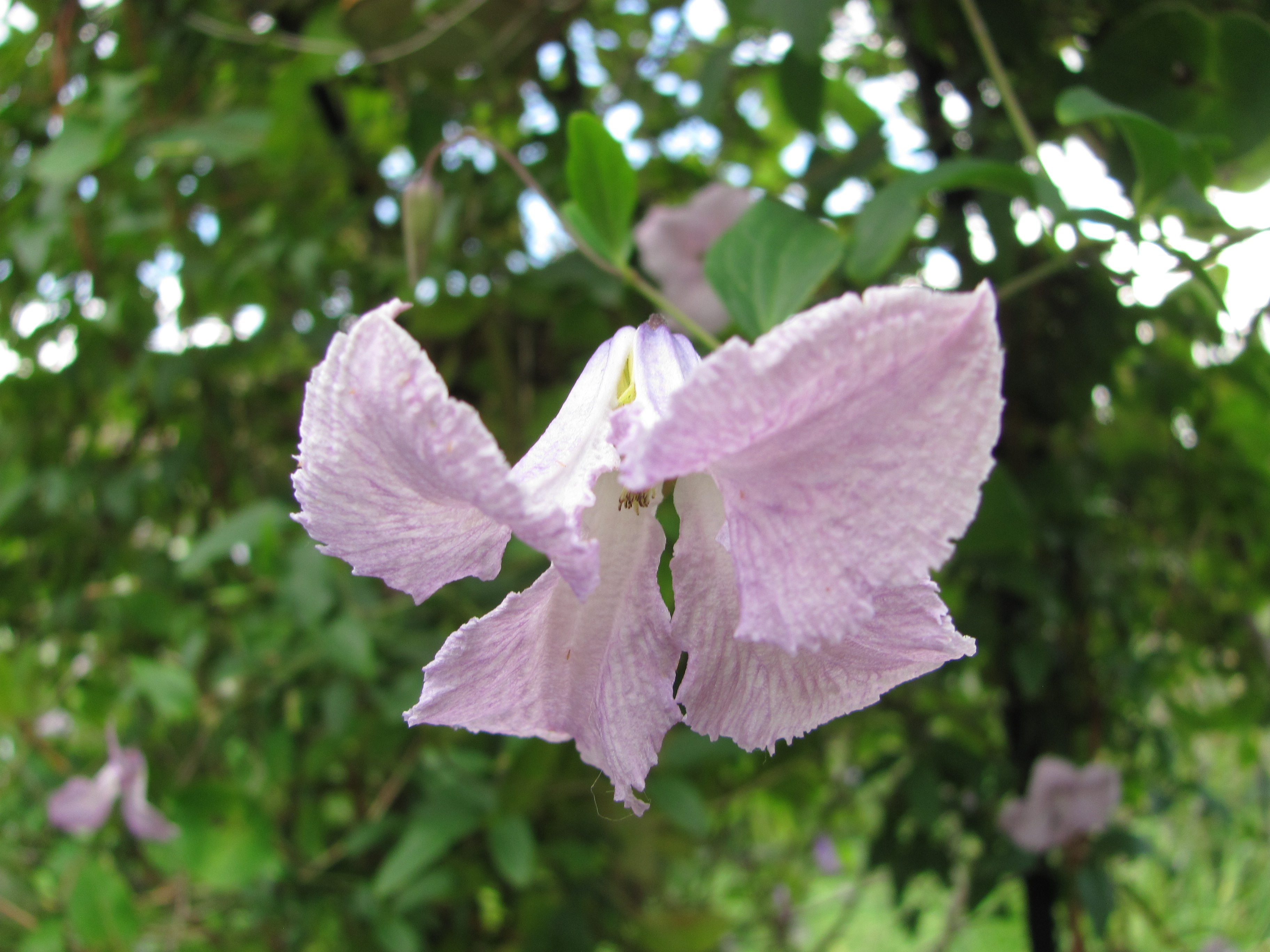
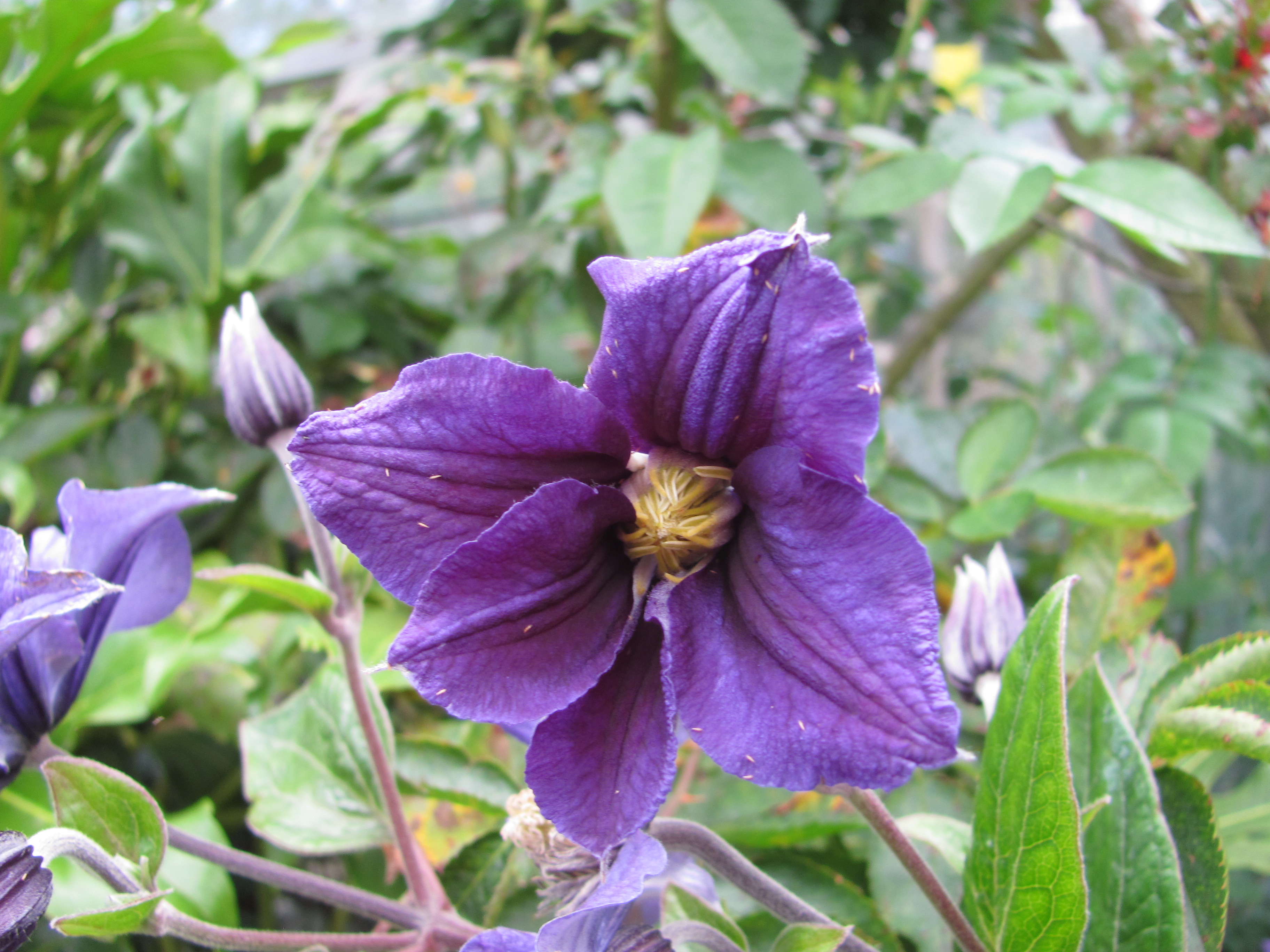
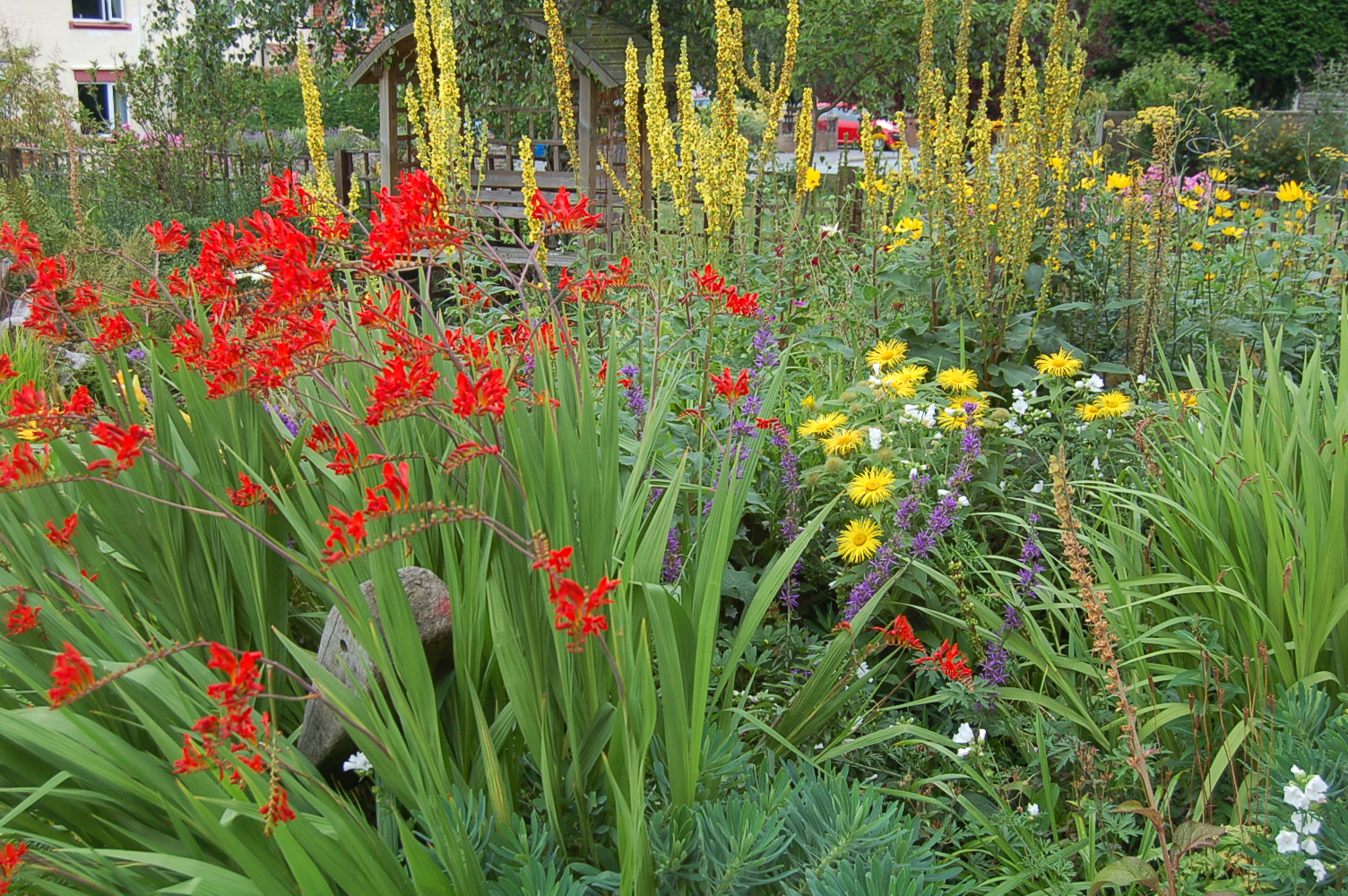
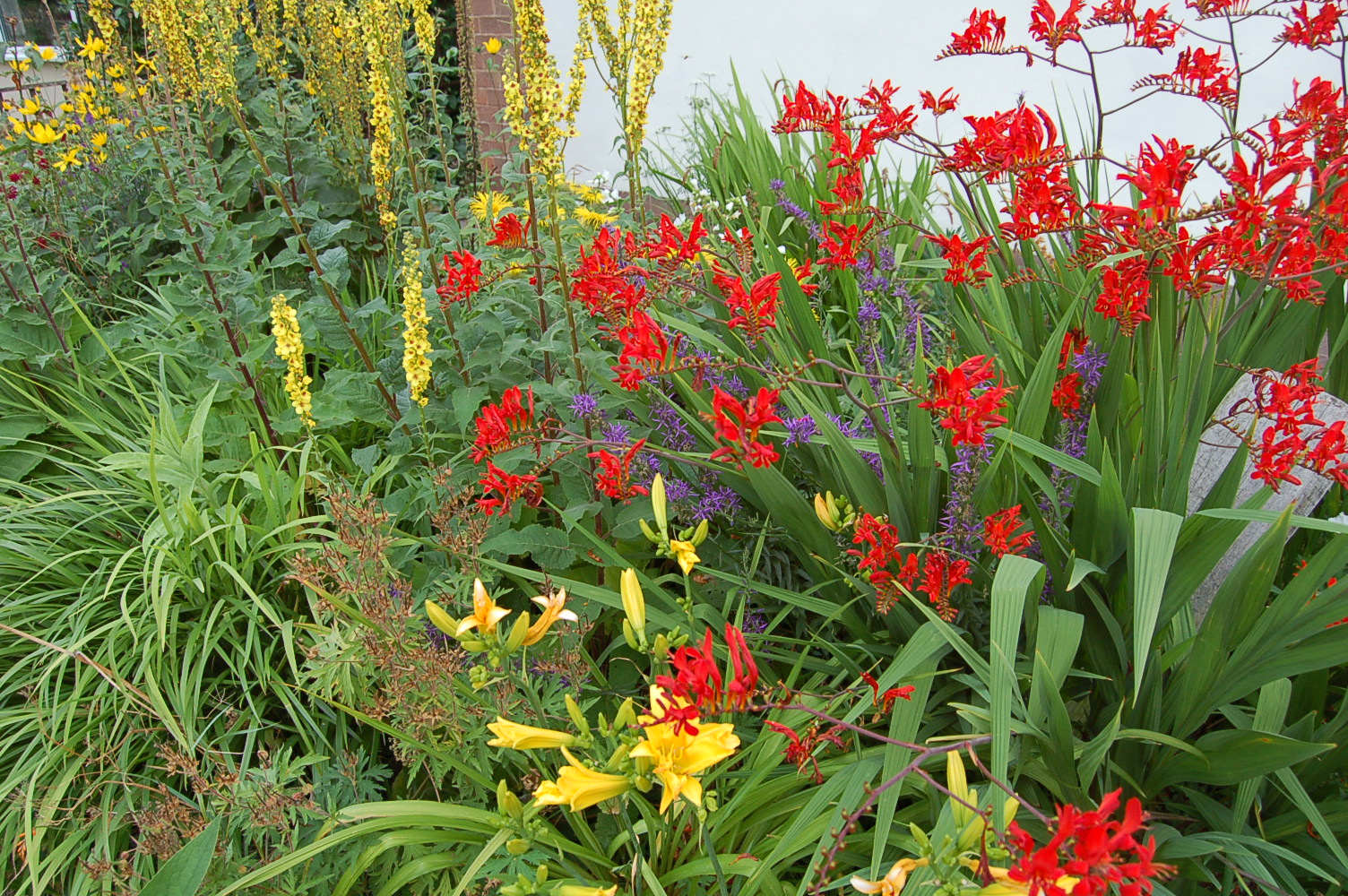
Should 2011 have been “The Year of the Clematis”? All ours have flowered so well and for so long, be they the usual climbers or the less-often grown and less well known herbaceous varieties. Just look at the photos! The first is a climber and the second an herbaceous type.
Author: greenbenchramblings
A retired primary school head teacher, I now spend much of my time gardening in our quarter acre plot in rural Shropshire south of Shrewsbury. I share my garden with Jude my wife a newly retired teacher , eight assorted chickens and a plethora of wildlife. Jude does all the heavy work as I have a damaged spine and right leg. We also garden on an allotment nearby. We are interested in all things related to gardens, green issues and wildlife.
Conservation – habitat or species?
This is a controversial issue with strong feelings on both sides I suspect, but should we really be expending energy, resources and finance on reintroducing creatures such as the beaver when we could be concentrating on improving and increasing scarce habitats? My feeling is that if we concentrate on habitat conservation and improvement first then an increase in all species indigenous to that habitat would increase in numbers and indeed some species that have disappeared could reappear – plants, insects, birds and mammals. 
The landscape in the photo is part of the RSPB reserve on Anglesay which consists of cliffside habitat and cliff top heathland. The habitat here is well maintained and as well as looking colouful with its heathers, lings and gorse, and dramatic with its steep cliffs and huge splashing waves, it is home to so much wildlife. On a recent visit we watched choughs along the clifftop crying out their “chee-ew” calls. And perching atop stems and stalks stonechat and pippets. On other visits we have watched hunting displays of peregrines and sparrowhawks.
The cliffs themselves are home to nesting seabird colonies of razorbills, guillemots and puffins while out at sea lucky watchers may spot porpoises and dolphins. The heathland is home to adders.
While there I decided that by conserving rich habitats such as this we are best serving wildlife. Surely value for money and value for effort wildlife conservation is best served in this way. Reintroducing beavers to a remote loch in Scotland surely comes a poor second!
Meet the under-gardener.
Hot! Hot! Hot!
Bud Burst
Striped Intruder

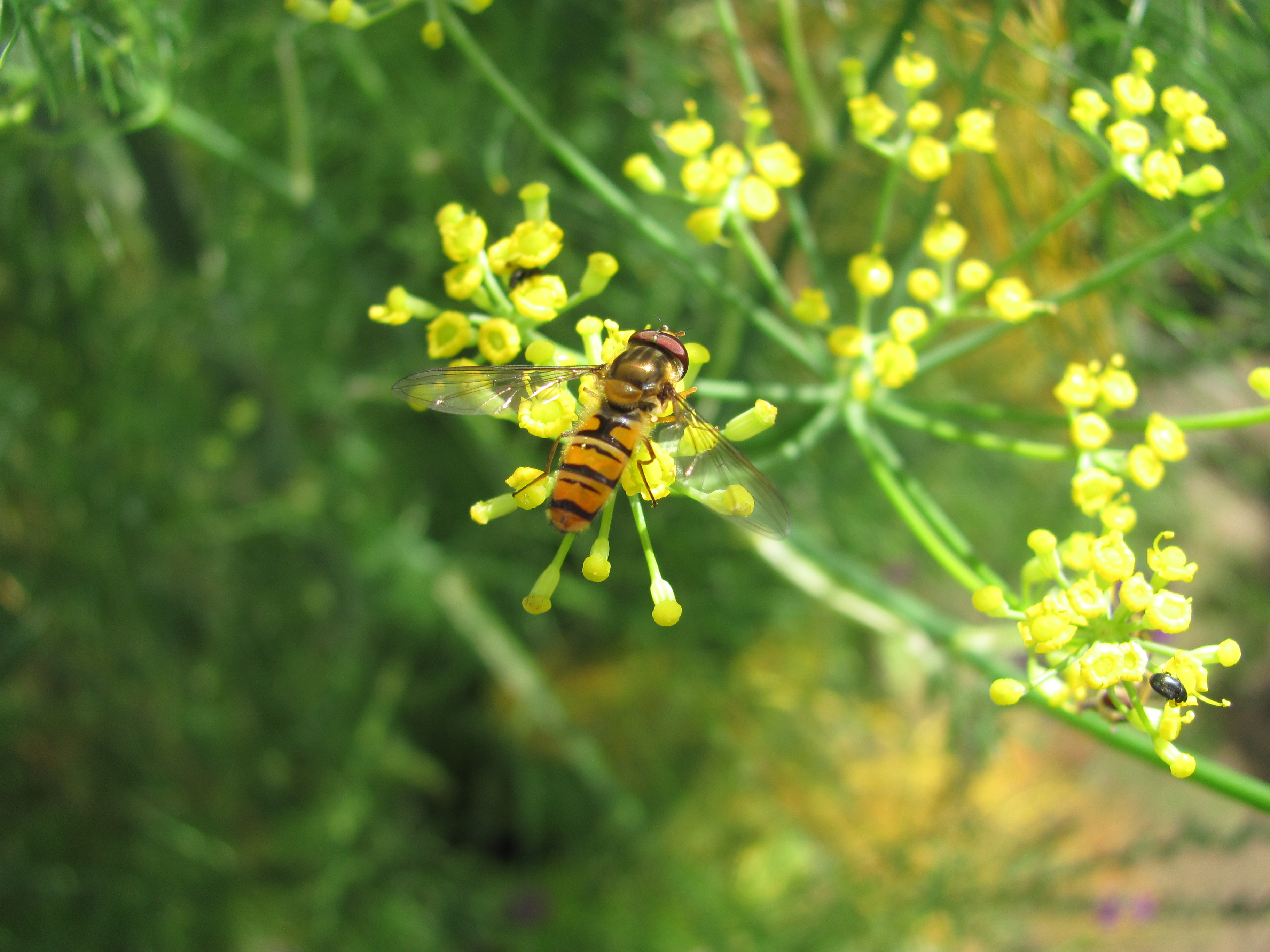
There are so many different hoverflies around us, with Britain alone host to 276 species, and many so cleverly copying other insects that we are not aware that we are looking at hoverflies at all. The most obvious one is the yellow striped one, the Marmalade Hoverfly, seen in the photo which mimics a wasp. This is a clever move as wasps are rarely preyed upon by larger creatures, their yellow and black striped colour scheme acting as a warning.
Sunshine in the borders
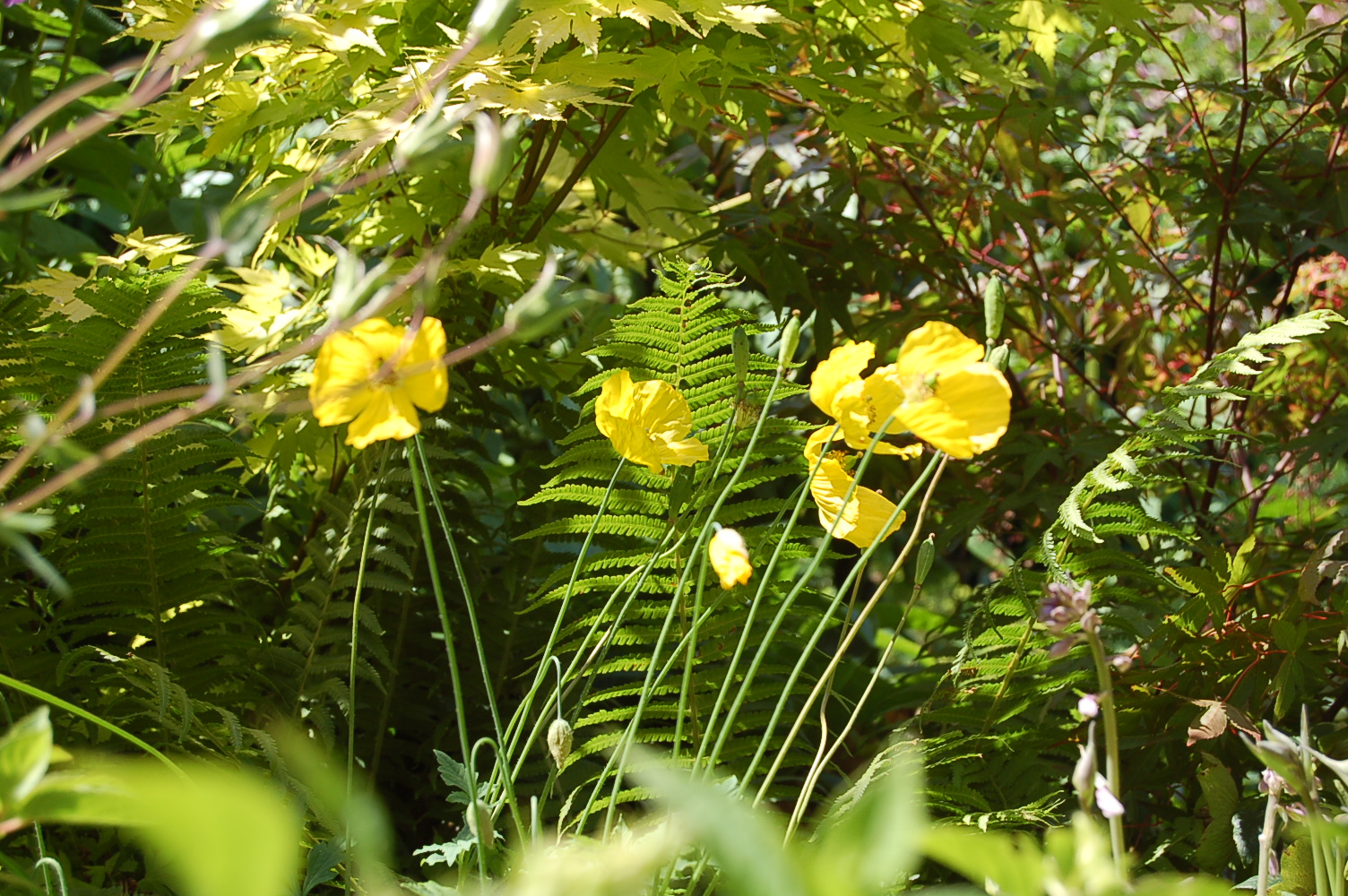
Sometimes the simplest and most common of plants are the stars of the garden. This yellow Welsh Poppy, Meconopsis cambrica, comes to life in the low-angled rays of sunshine at the beginning and end of the day. Considered by many gardeners to be a weed because it happily and freely self-seeds wherever it is happy, this diminutive gem has the knack of placing itself brilliantly. We wouldn’t be without it.
Today we visited the display gardens at David Austin Roses for an assault on our senses. The mixed scent of hundreds of roses hits you as you enter the garden from the nursery and shop. To begin with we lift each bloom to be smelt, each one delicious in its own way – some fruity, citrus in particular, some myrrh, some hinting at vanilla. Before long too much olfactory sensation means numbness of the nose!
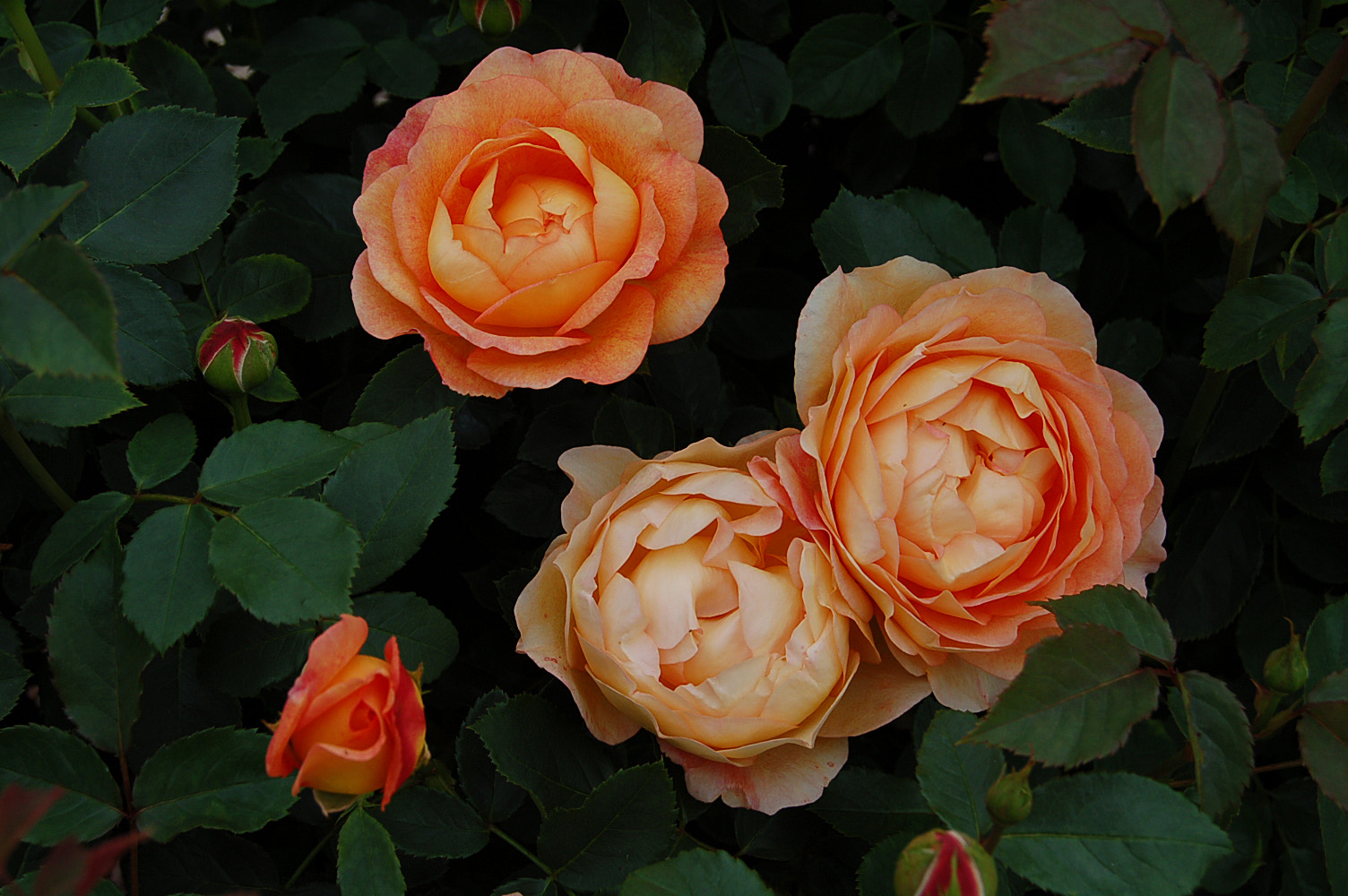
Today we went with a different agenda and a David Austin Voucher to spend. We were seeking a bright zingy rose to plant in the Hot Garden which currently seems too yellow. We decided on the rose, the Lady of Shalott, having been tempted by her orange-red buds which when open reveal a golden orange flower and a scent described as a blend of cloves and spiced apple.

We know botanists love to play around with plant names and recently there seem so many cases of this happening. Sometimes it seems to make sense, but why oh why did they change the plant family name of the umbels from “Umbellifer” to “Apiacea”? The original name reflected the character of these plants so well. They simply do look like umbrellas don’t they? Their inflorescences are usually scented and most definitely umbrella-shaped.