So, here we are back taking a look into my Garden Journal 2017 at the entries I made during September. Within the first double page spread I looked at a few hot coloured perennials and shared a favourite quotation from designer, Dan Pearson.

I started off by writing, “September is a favourite month of mine in our garden because it is the time when our grasses peak and hot colours of late perennials get blazing and burning against pale clear blue skies”.
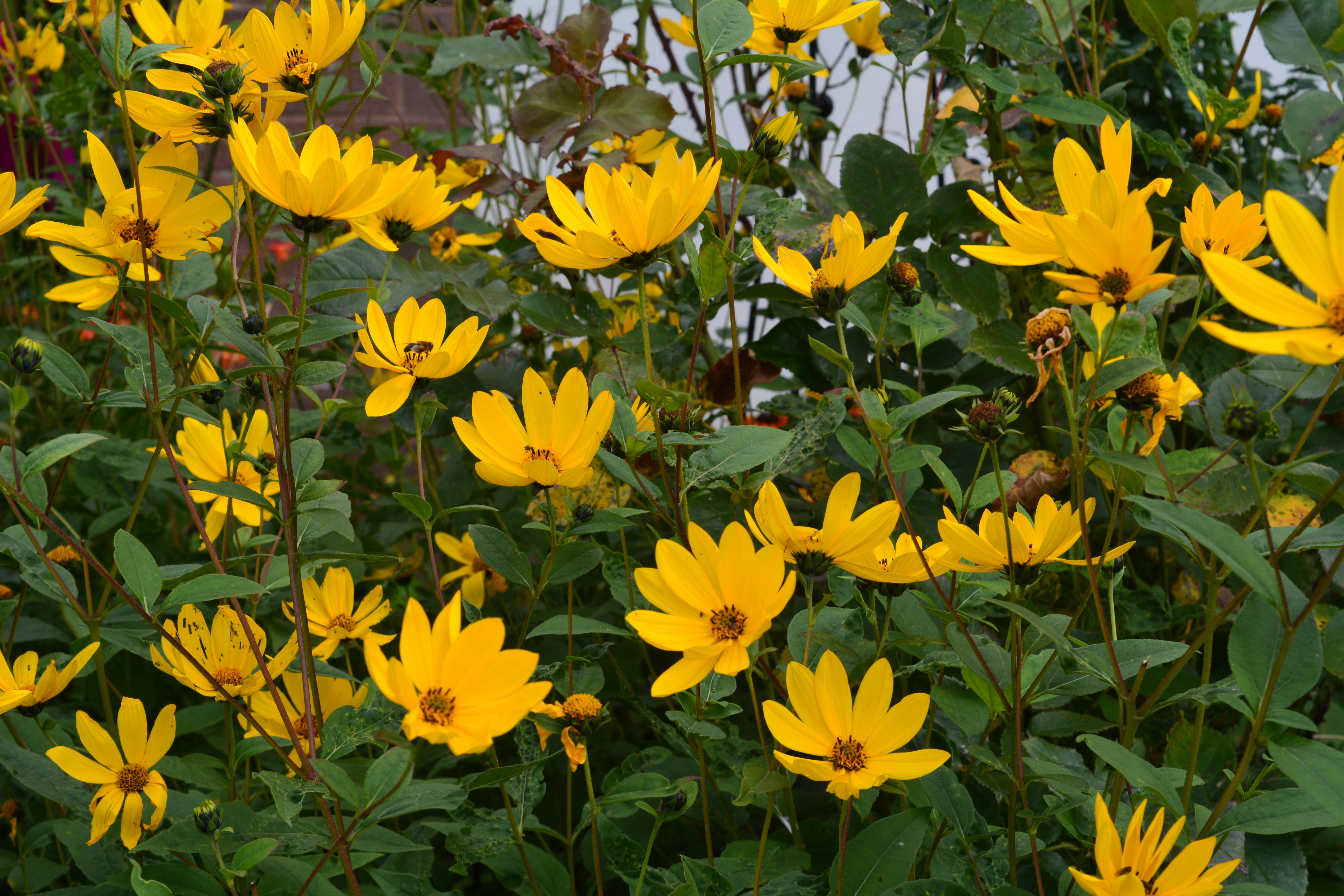
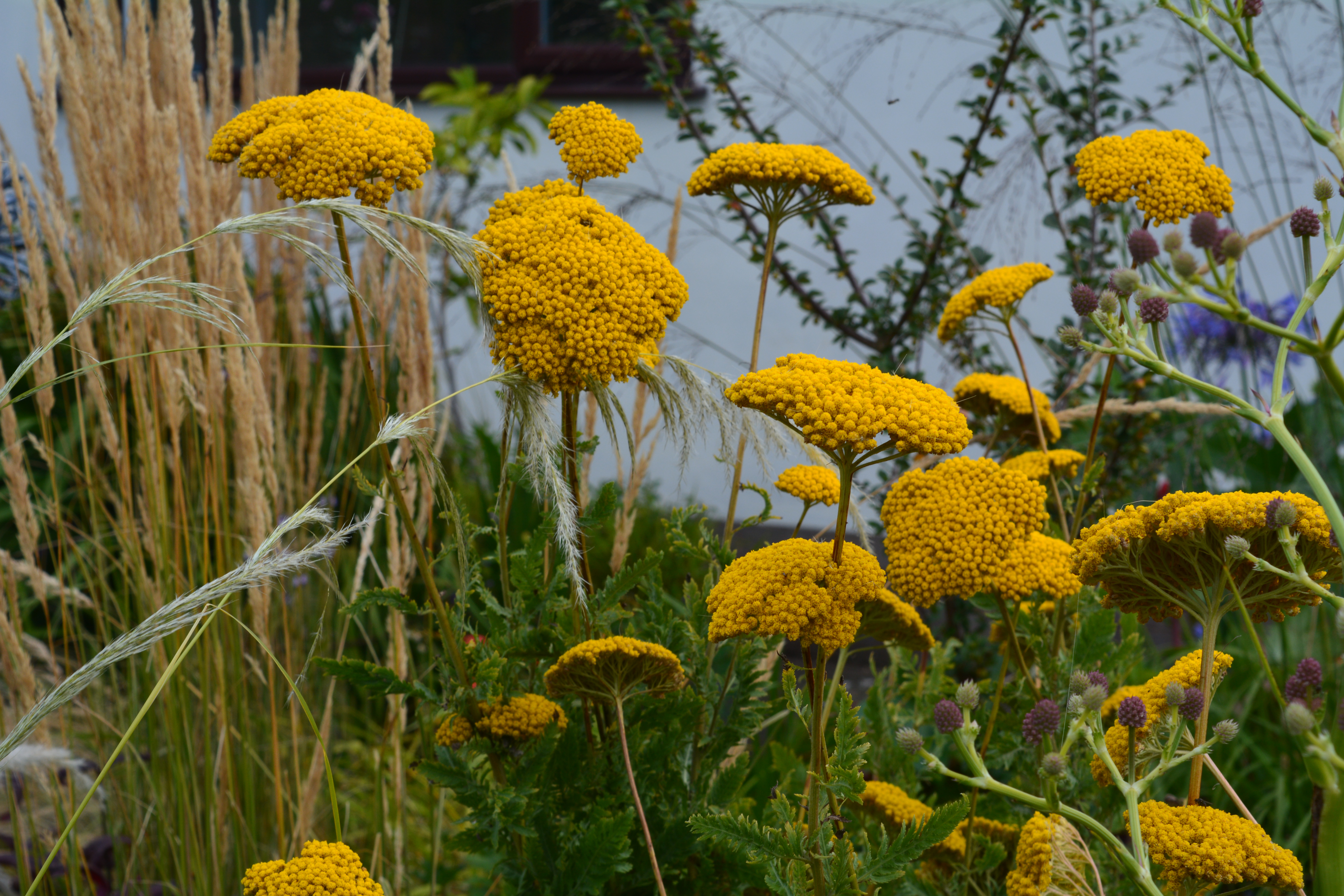


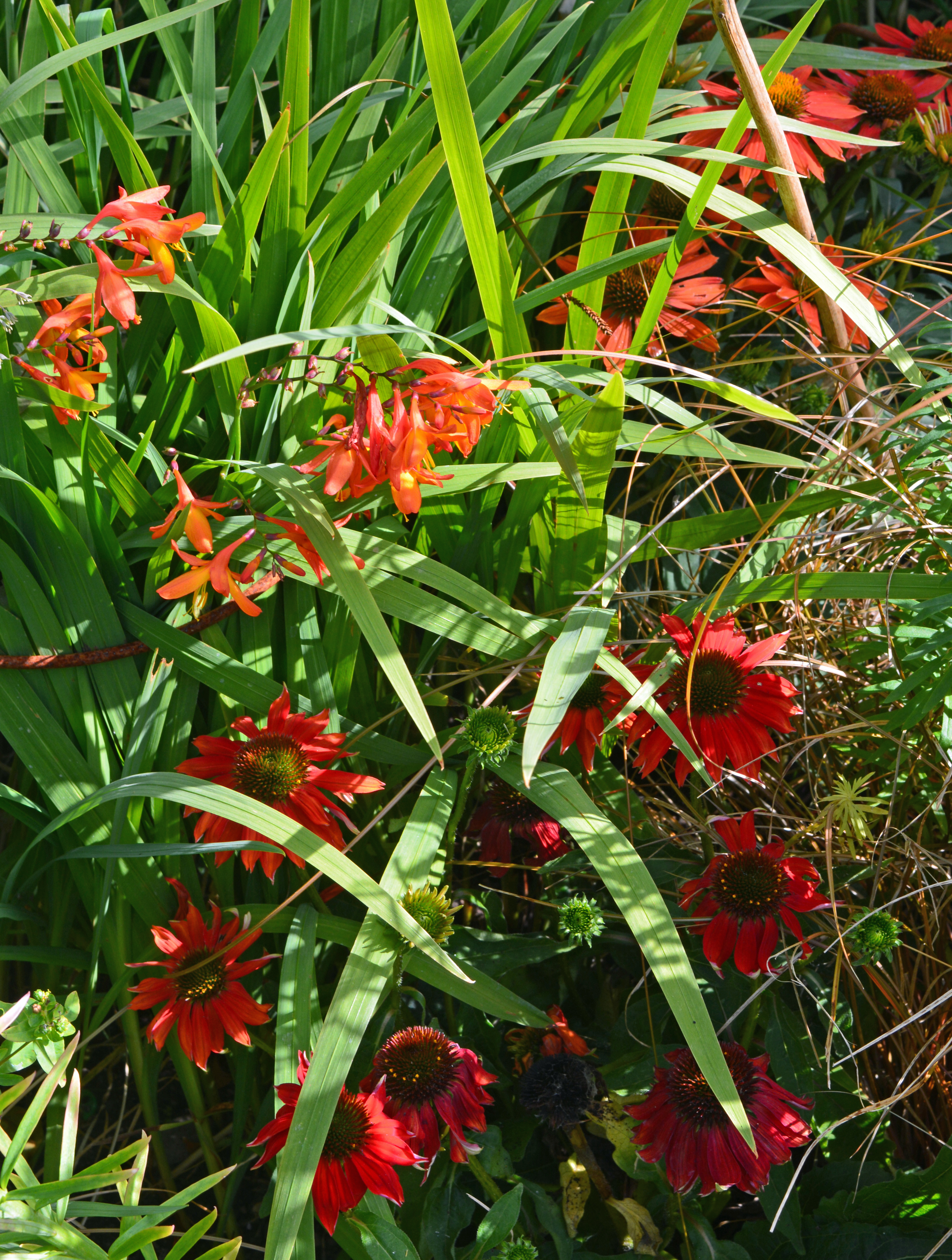
Dan Pearson, probably the world’s leading garden designer, wrote in his book “Natural Selection, a Year in the Garden”, “The light is never more beautiful than it is now, sliding into the garden at an ever-increasing angle to tease out the detail………. Rosy-faced apples weigh down branches and lazy wasps have the remains of the plum harvest. Sunflowers will never be taller, berries are hanging heavy on the once-blooming roses, and the butterflies which have had a hard time of it this summer, are making the most of the asters and the last heat of the sun.”
As long as the weather remains mild and calm then our predatory insects and pollinators remain busy taking advantage of every possibility as they sense the onset of autumn.
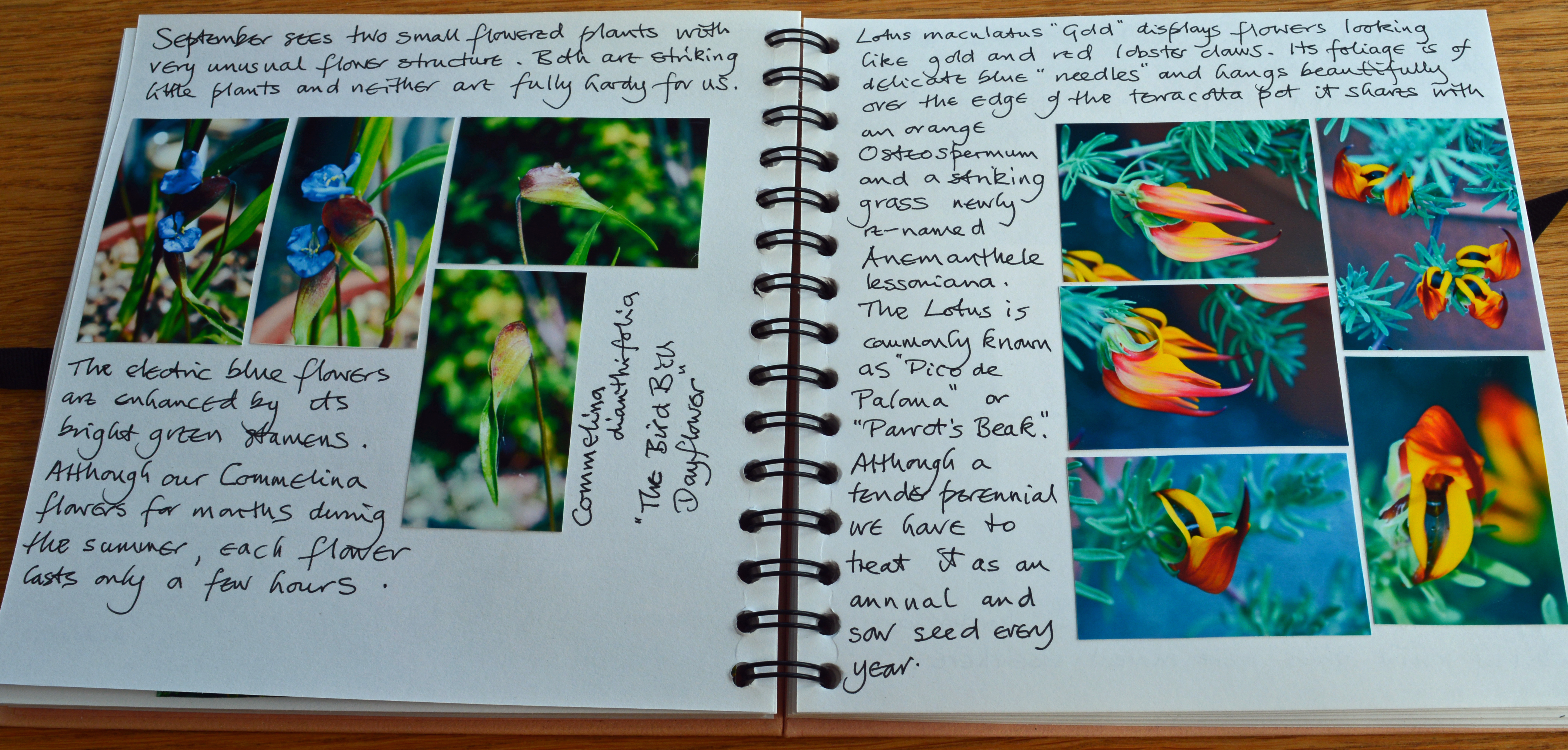
Over the page I continued by considering two very special small-flowered plants. I wrote,
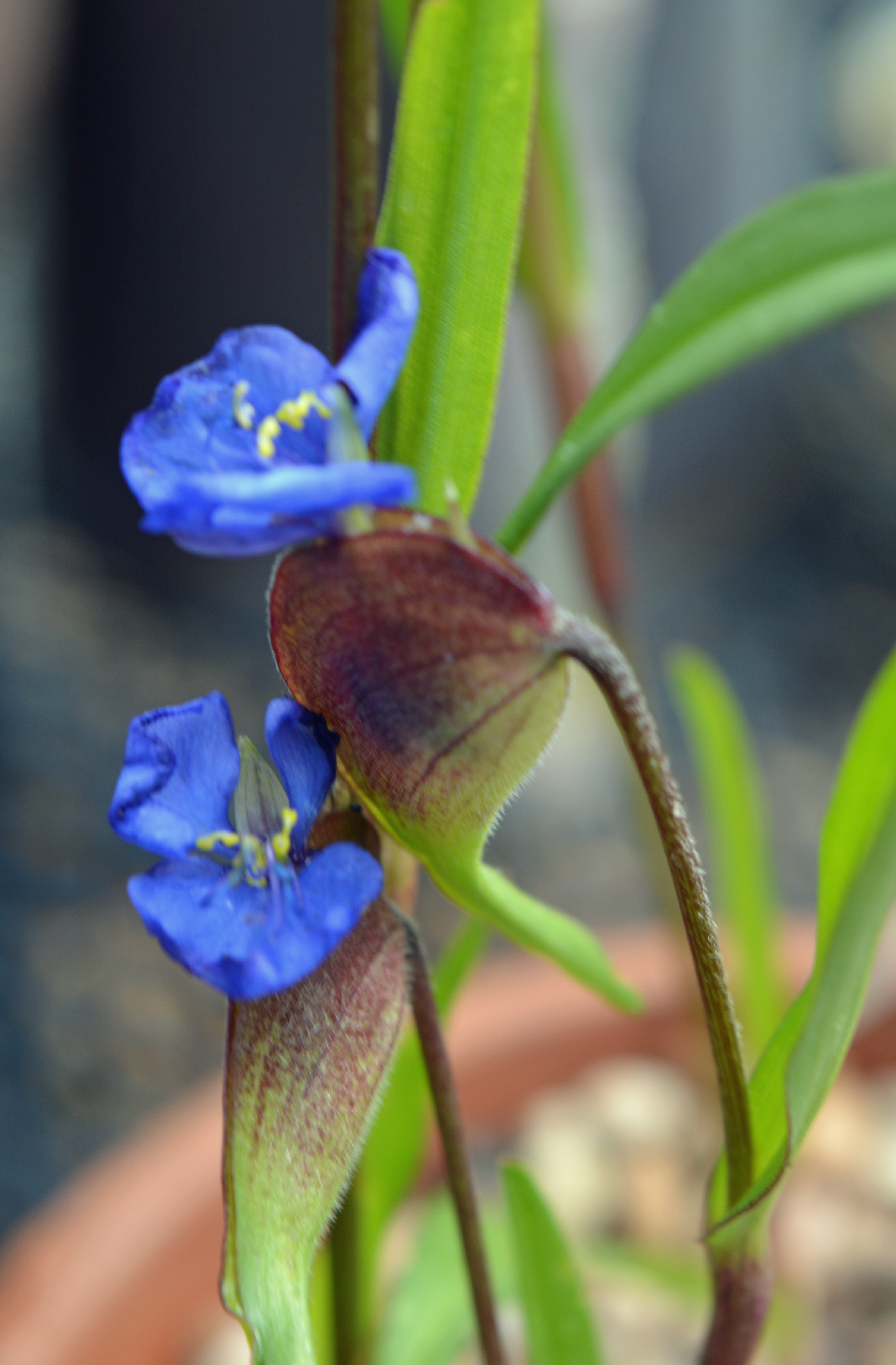
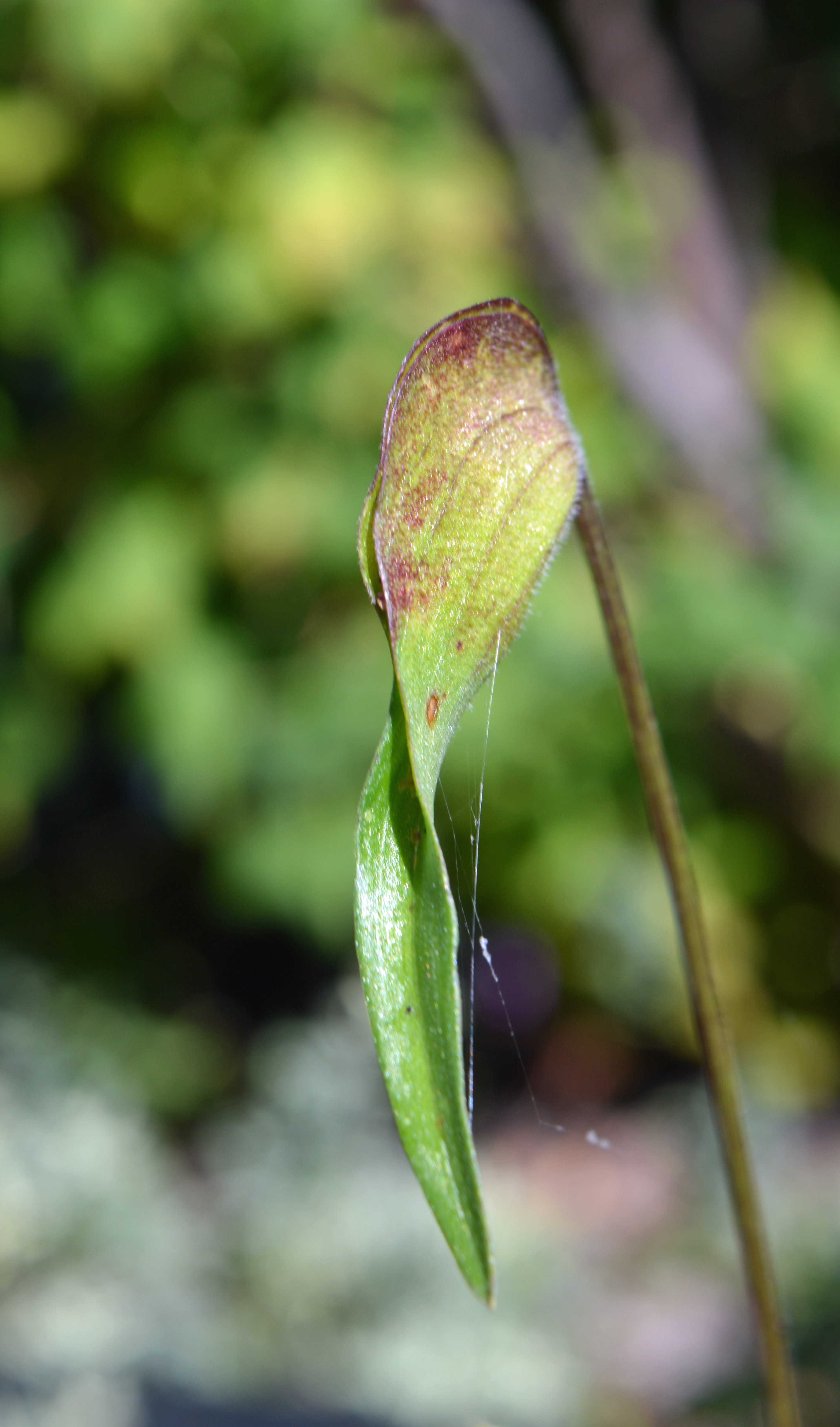
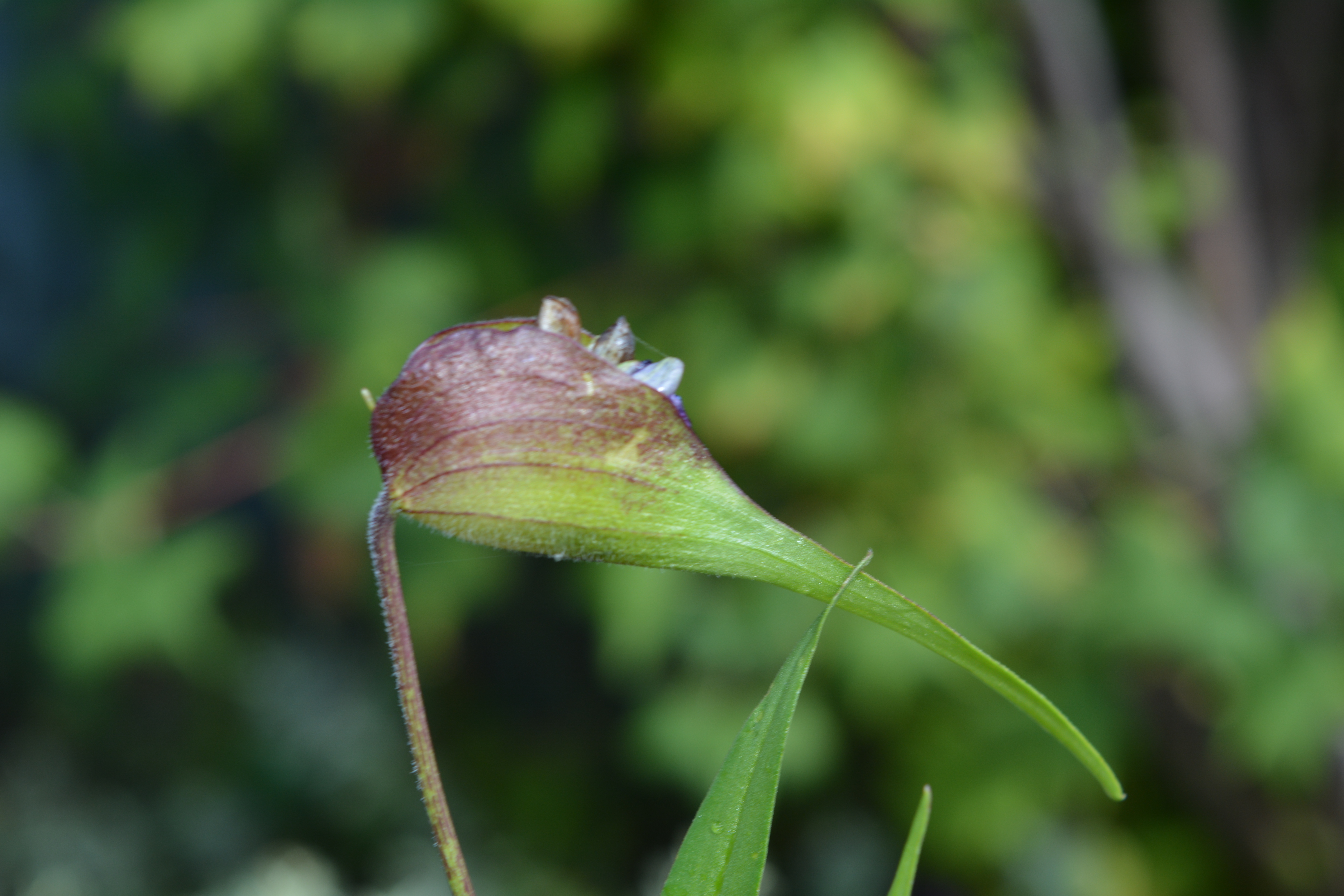
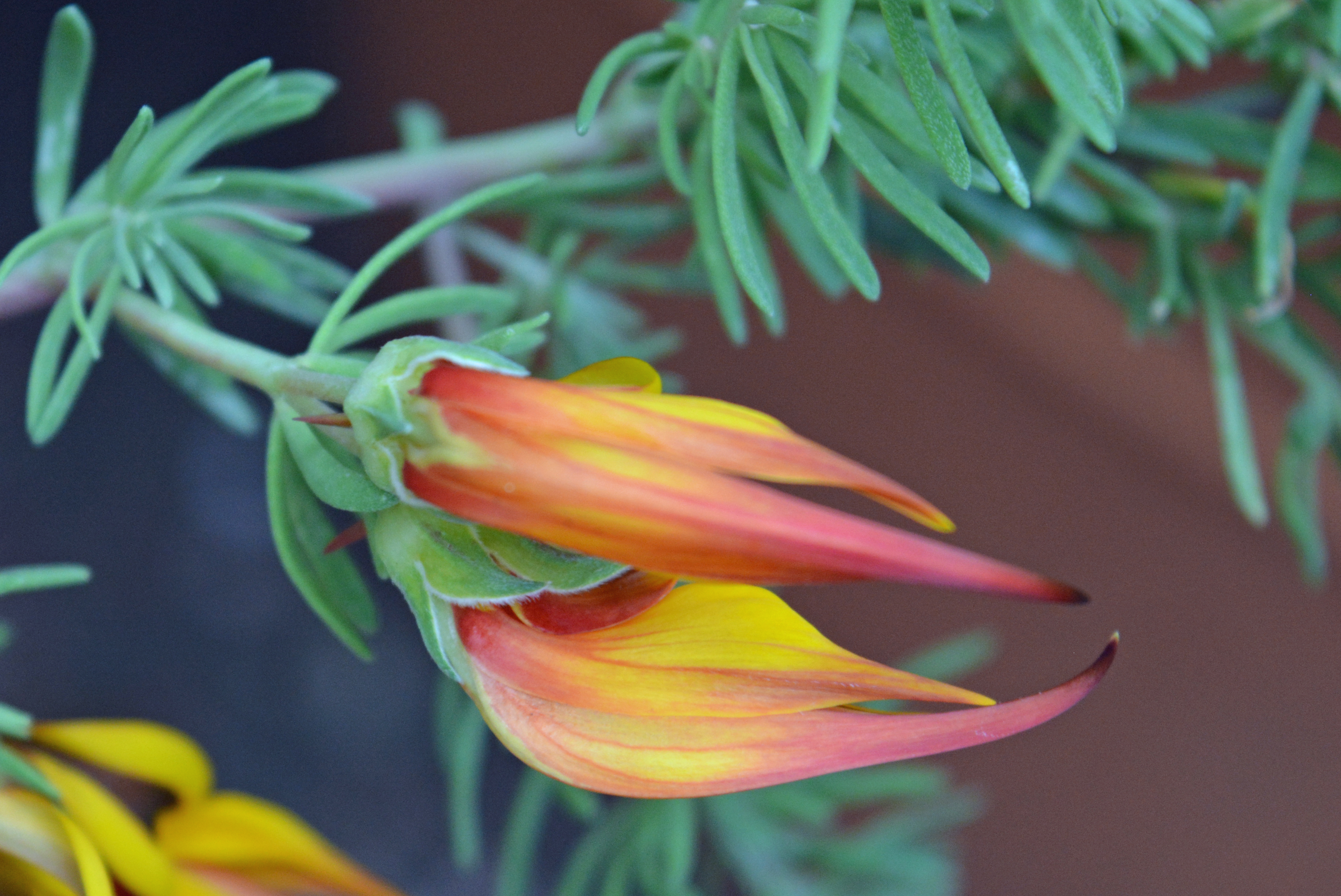
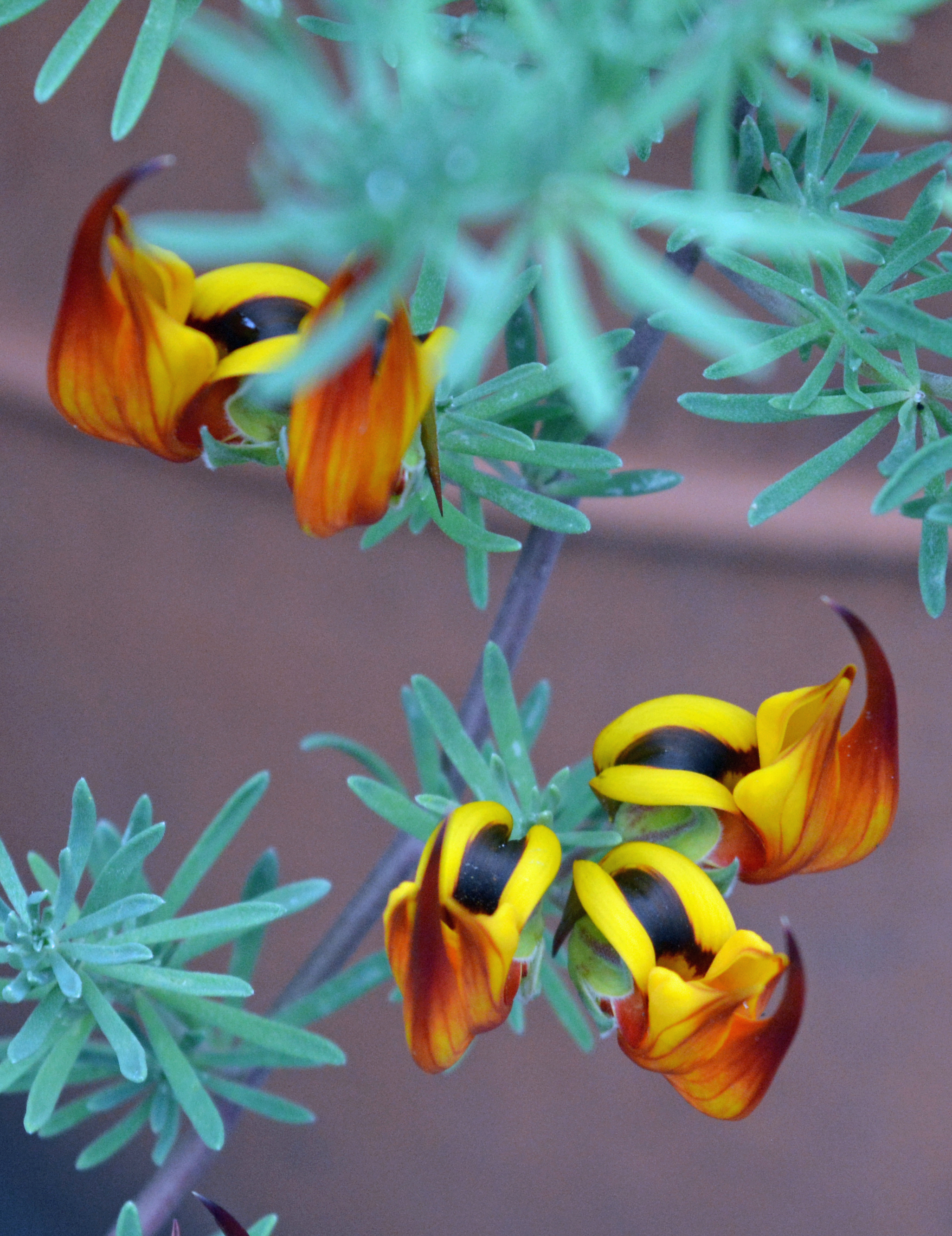
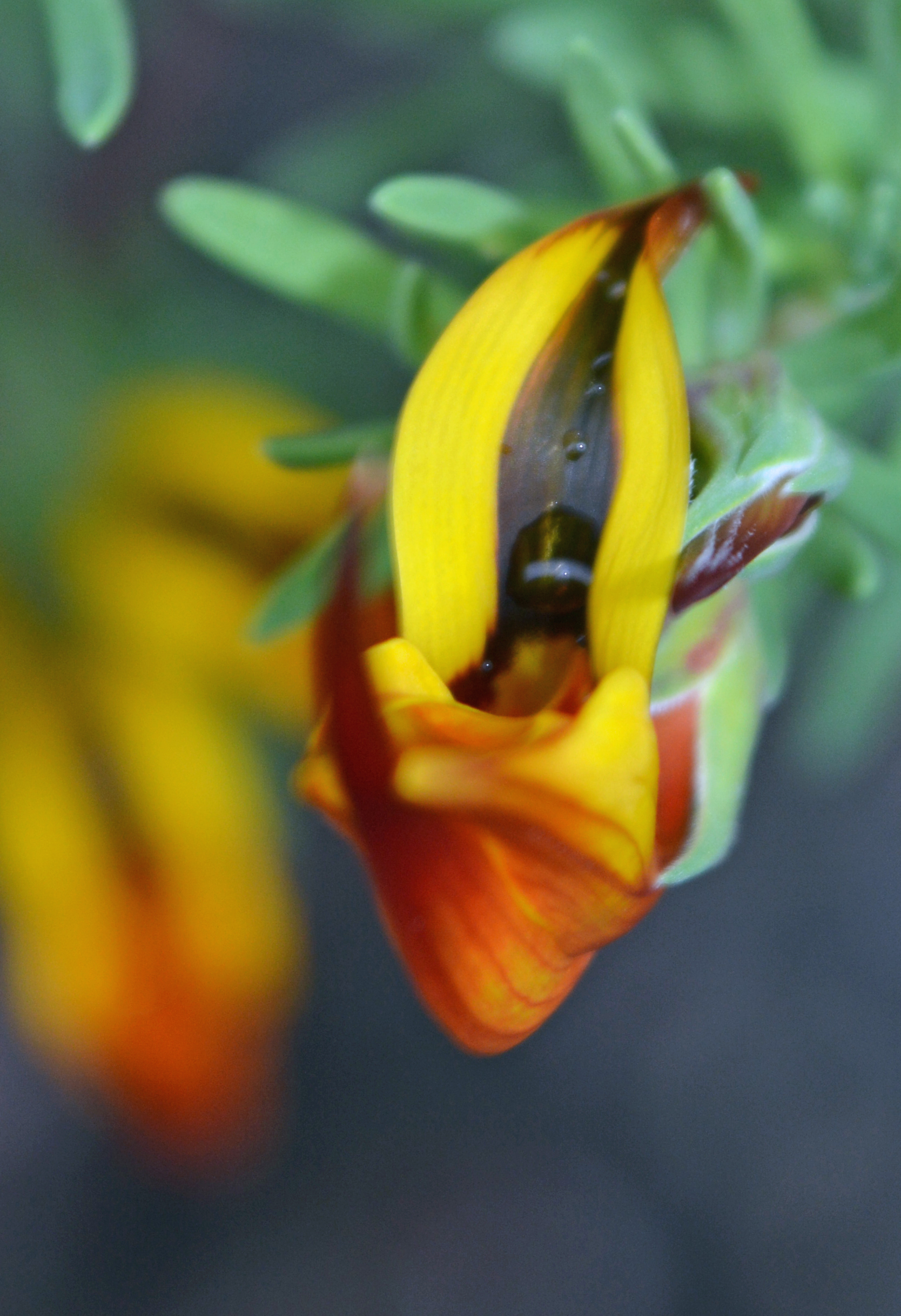
“September sees two small-flowered plants with very unusual flower structures. Both are striking little plants and neither are fully hardy for us.” I was referring to “Commelina dianthifolia” and “Lotus maculatus “Gold”.
“Commelina dianthifolia is commonly known as “The Bird Bill Dayflower”. The electric blue flowers are enhanced byits bright green stamens. Although our Commelina flowers for months during the summer, each flower lasts only a few hours.”

“Lotus maculatus “Gold” displays flowers looking like gold and red lobster claws. Its foliage is of delicate blue”needles” and hangs beautifully over the edge of the terra-cotta pot it shares with an orange Osteospermum and a striking grass, newly renamed Anemanthele lessioniana. The Lotus is commonly known as “Pico de Paloma” or “Parrot’s Beak”. Although a tender perennial we have to treat it as an annual and sow it every year.”



Over the next page I began to show how we are re-building a garden, not by choice but out of necessity.
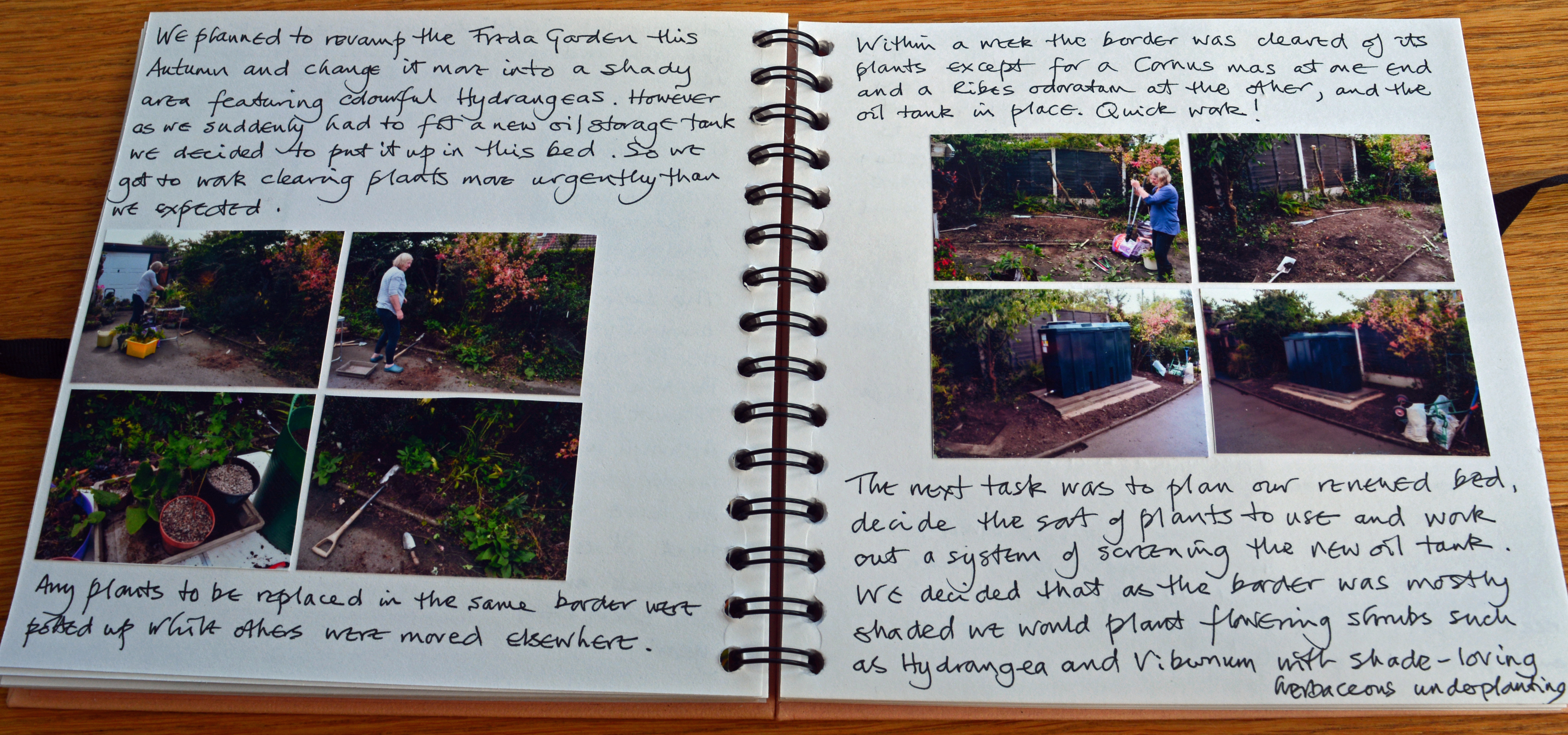
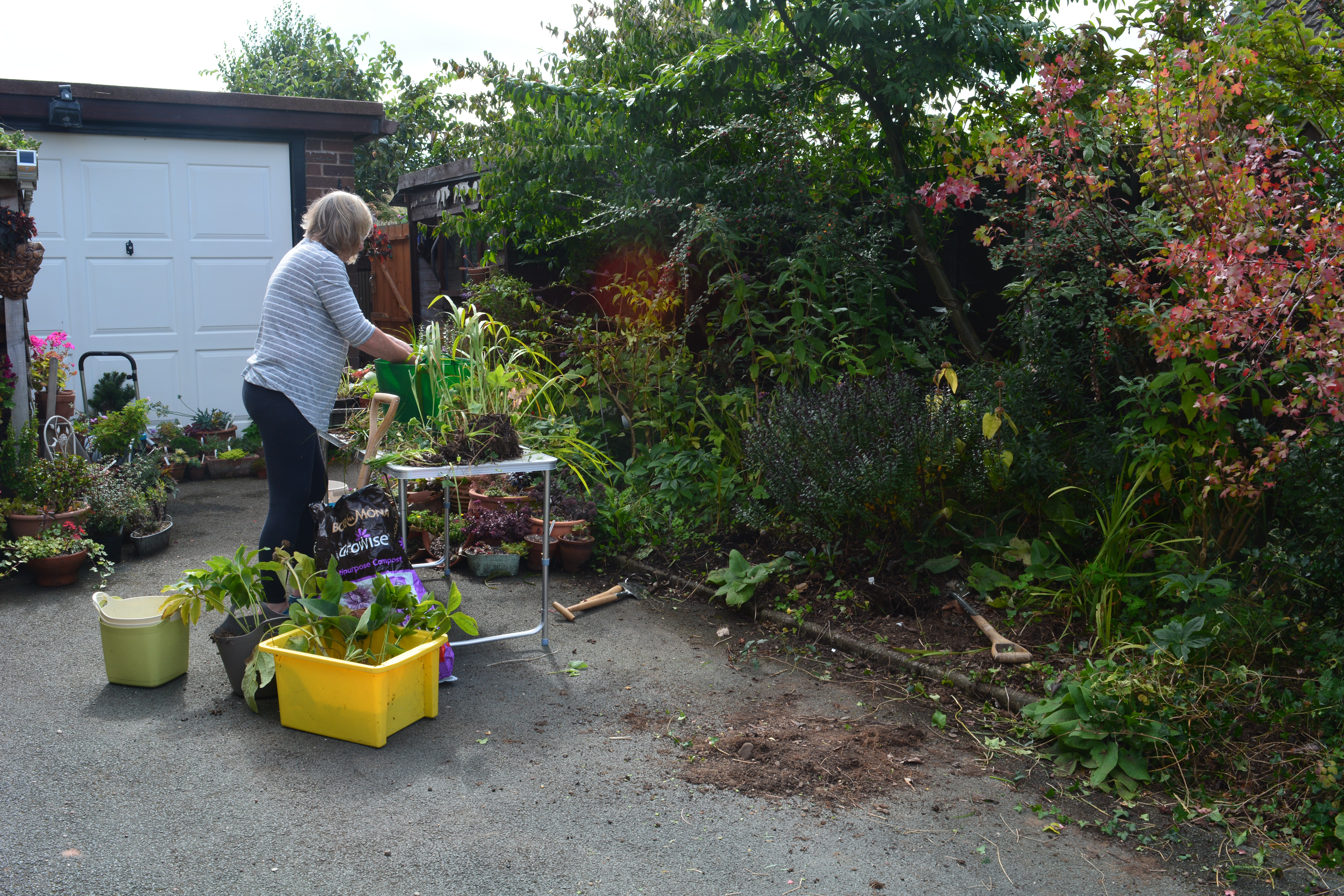
“We planned to revamp the Freda Garden this Autumn and change it more into a shady area featuring colourful Hydrangeas. However as we suddenly had to fit a new oil storage tank we decided to put it up in this bed. So we got to work clearing plants more urgently than we had expected.”
“Any plants to be replaced in the same border were potted up while others were moved elsewhere.”

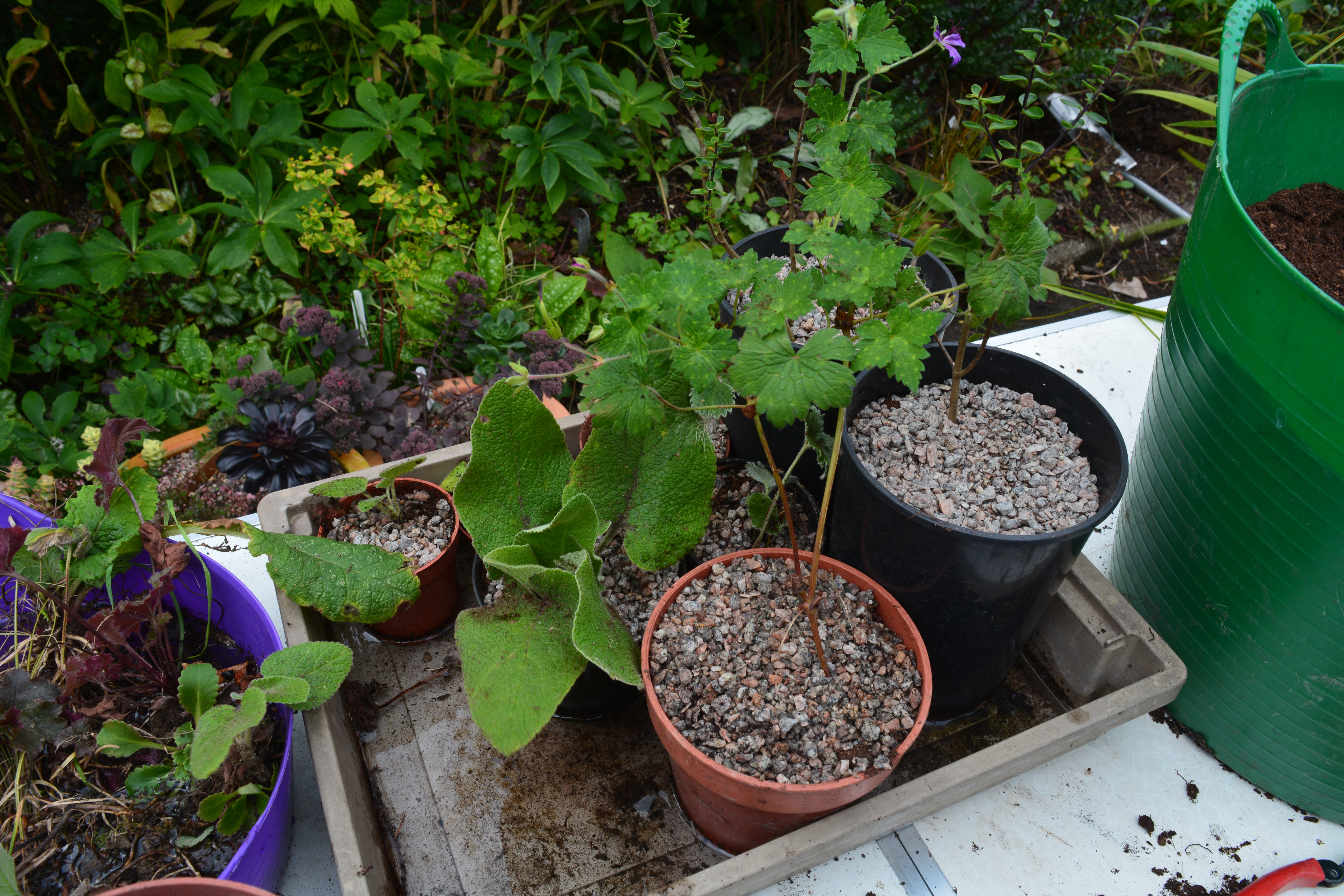
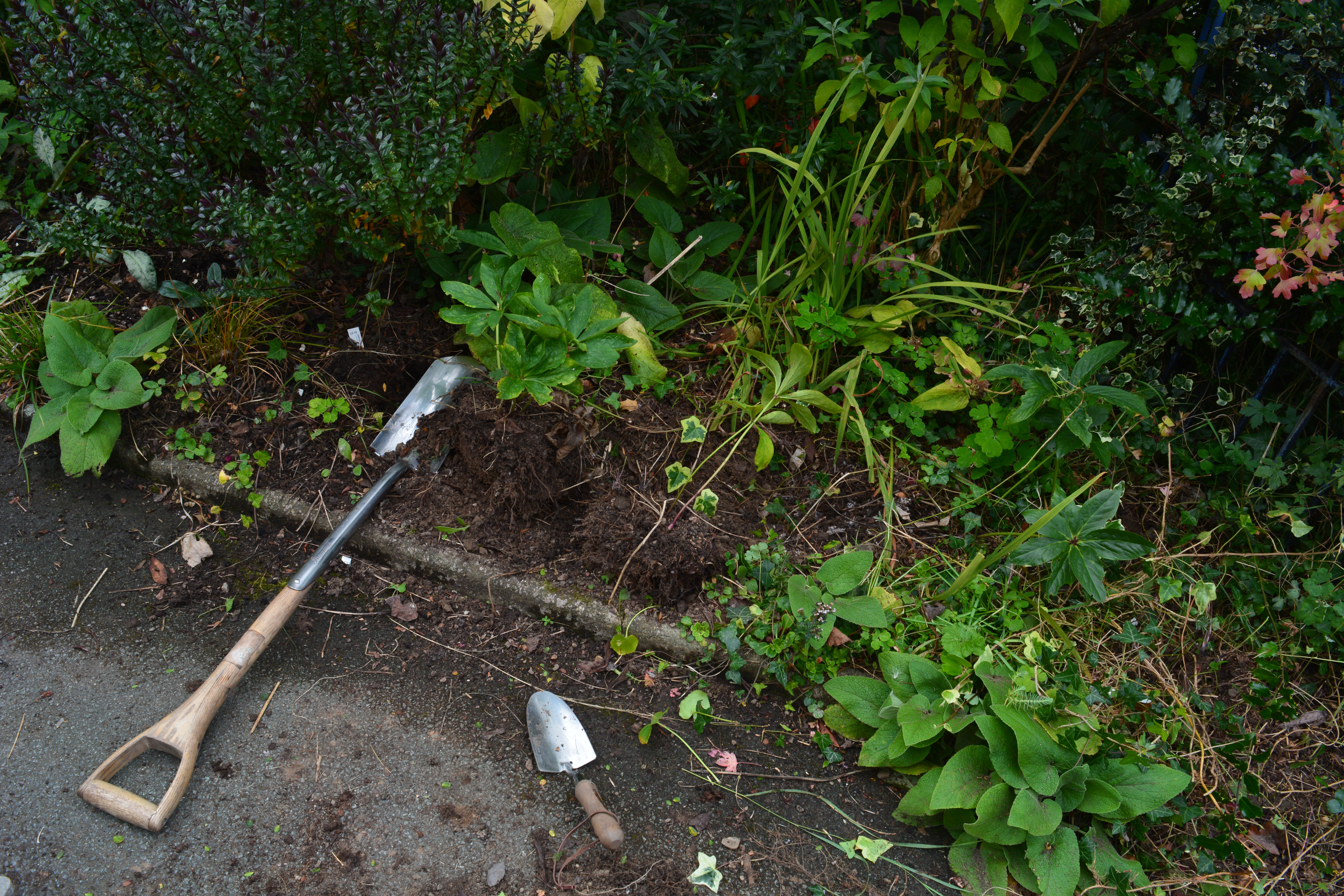
“Within a week the border was cleared of its plants except for a Cornus mas at one end and a Ribes odoratum at the other, and the oil storage tank in place. Quick work!

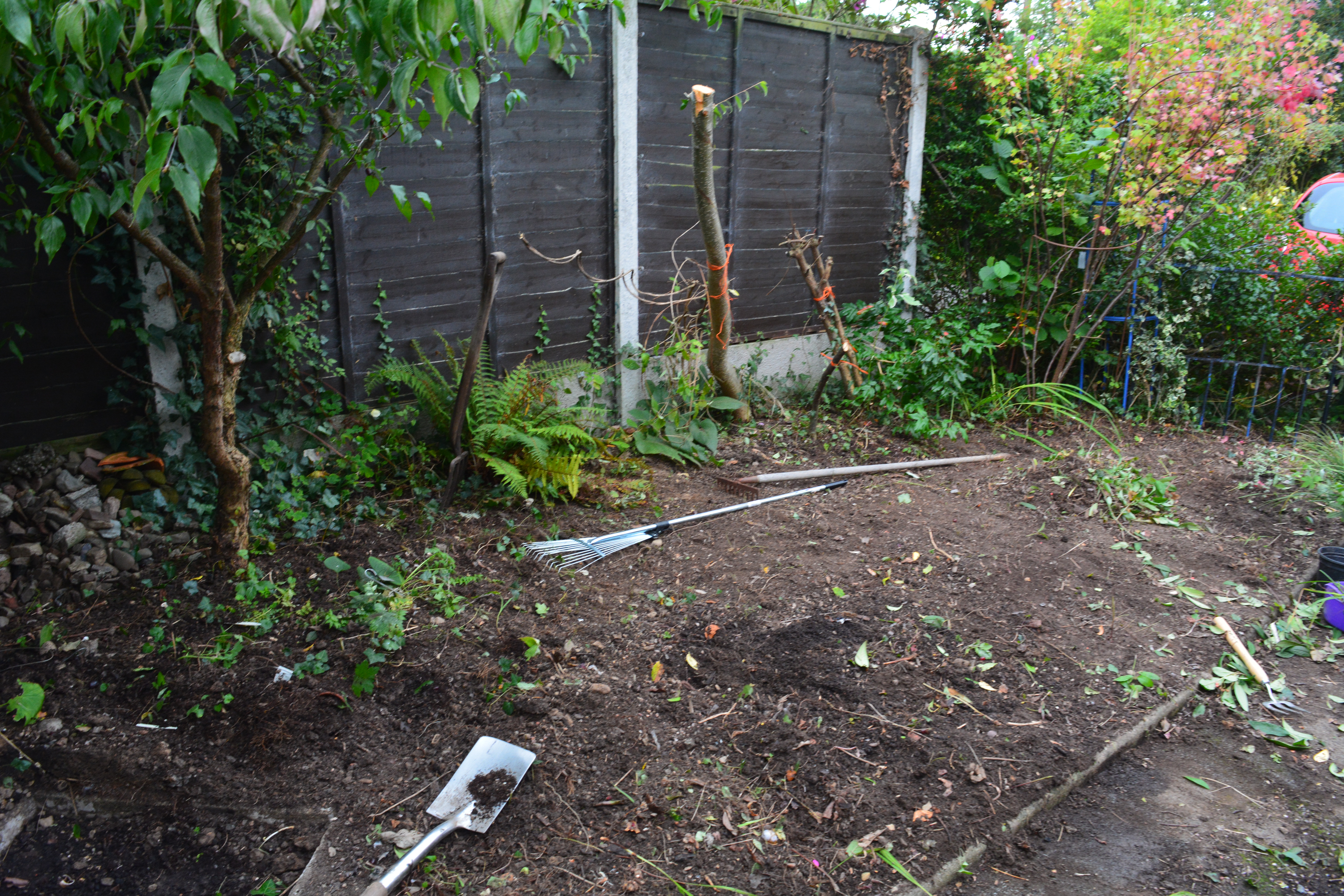
“The next task was to plan our renewed bed, decide the sort of plants to use and work out a system of screening the new oil tank. We decided that as the border was mostly shaded or semi-shaded we would plant flowering shrubs such as Hydrangea and Viburnum with shade-loving herbaceous underplanting.”
As we move to the next double page, I will begin to share the plants we discovered as we searched for suitable candidates

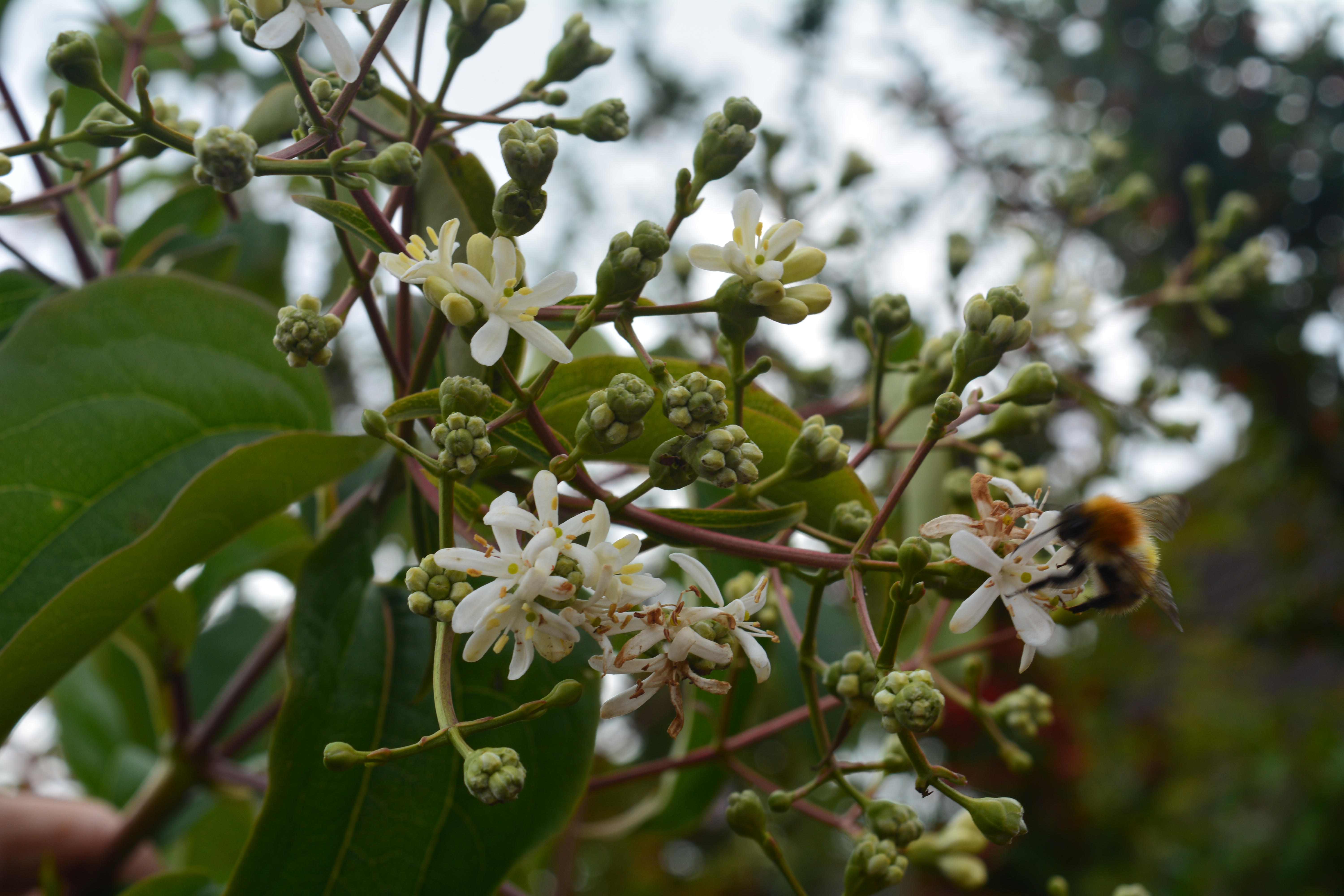
“We have room for a couple of trees at the back of the border – so far we have got one very special tree ready to plant. Heptacodium miconiodes is an elegant tree with peeling bark, fragrant white flowers that are attractive to useful wildlife and attractively curled leaves. It will be such a wonderful addition to our tree collection.
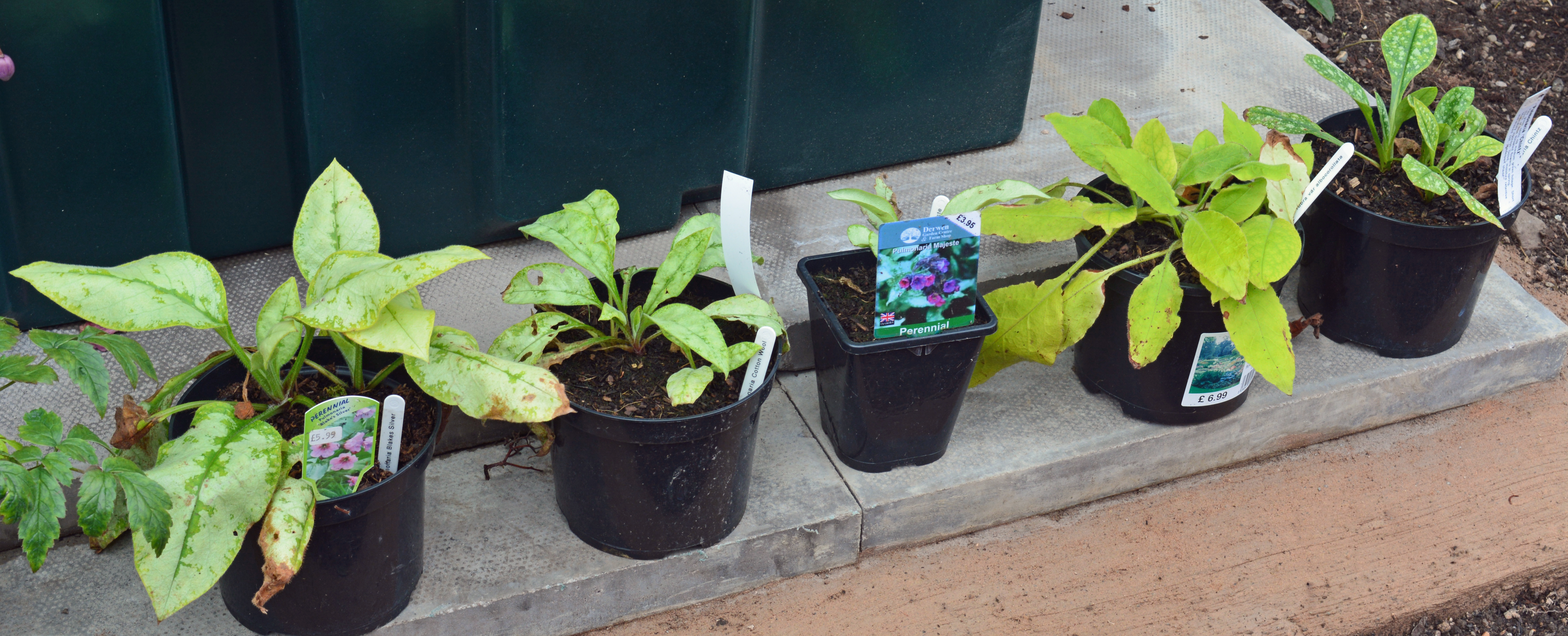
To grace the ground beneath our new tree we have a collection of Pulmonarias chosen for their early flowering and finely coloured and marked leaves. We will also plant an Anemone, grasses and ferns with a selection of Viburnum and Hydrangea. Now we need to prepare the soil for fresh planting and plant the plants.”


Three Hydrangeas, pink, white and blue.


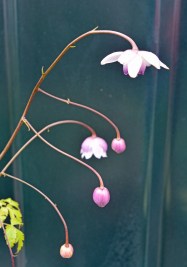
Viburnum nudum, Anemonopsis macrophylla and Panicum virgatum “Squaw”.


Next I shall look at some wildlife visitors who share our Plealey garden, and get out my watercolours, brushes and fine felt pens.
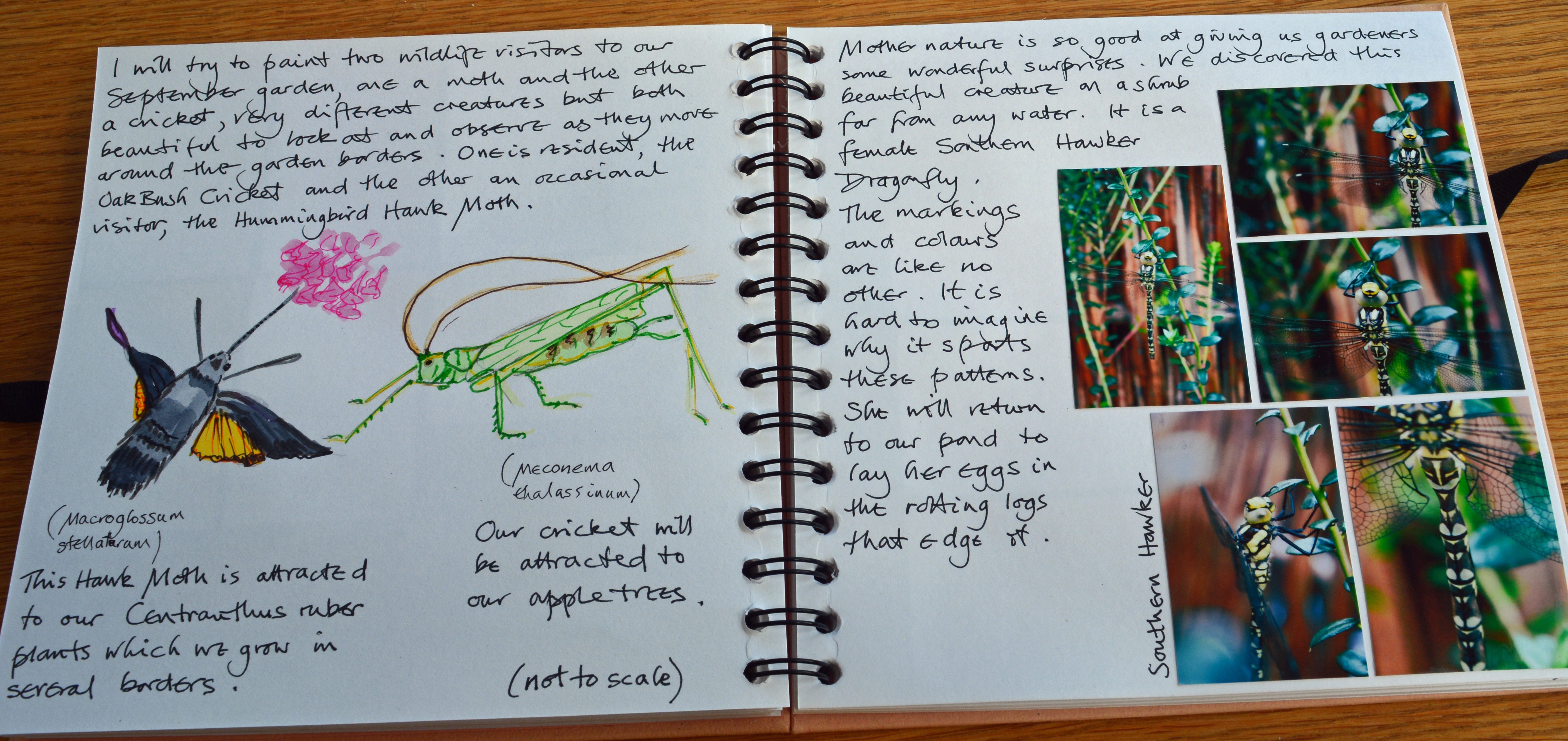
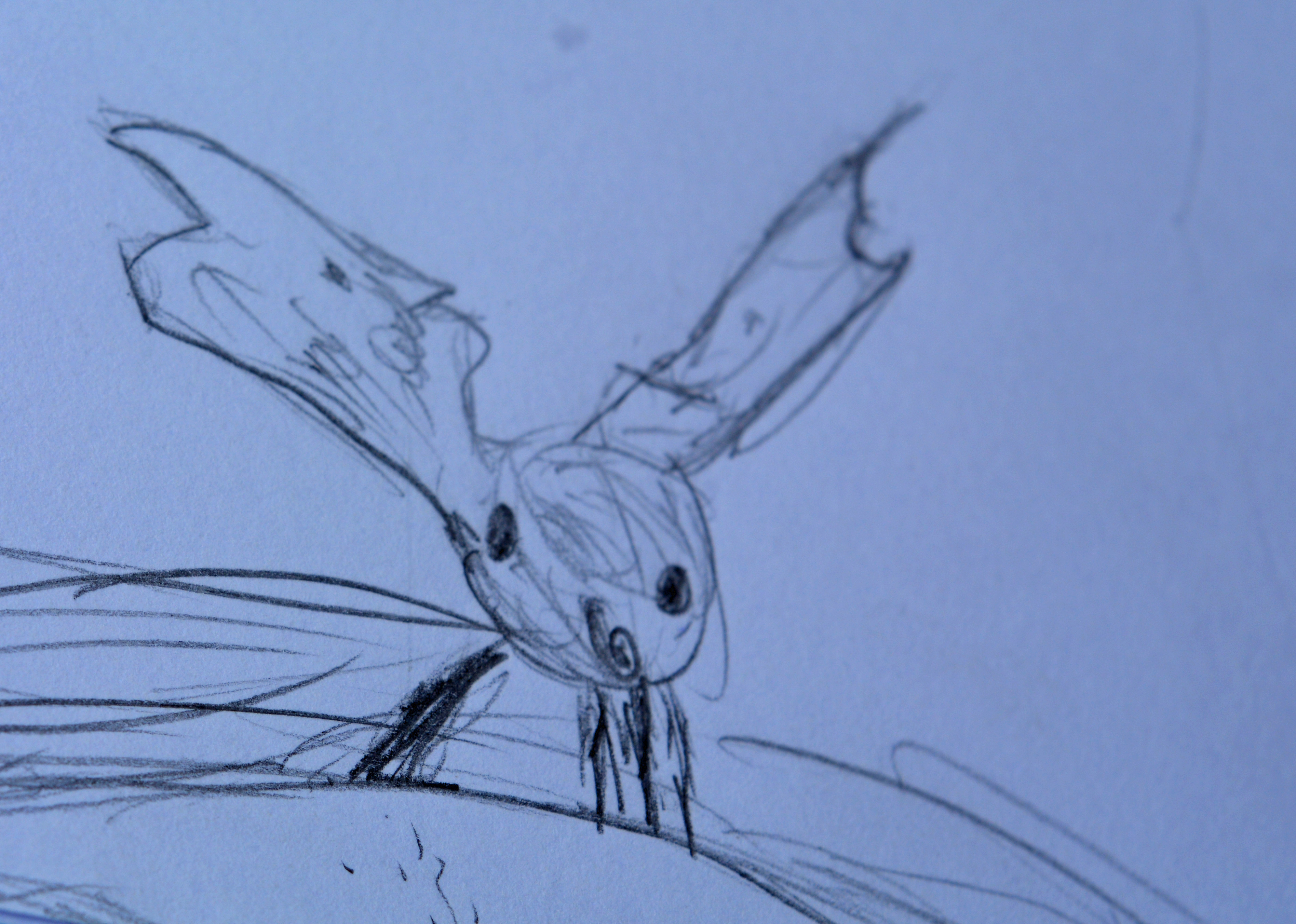
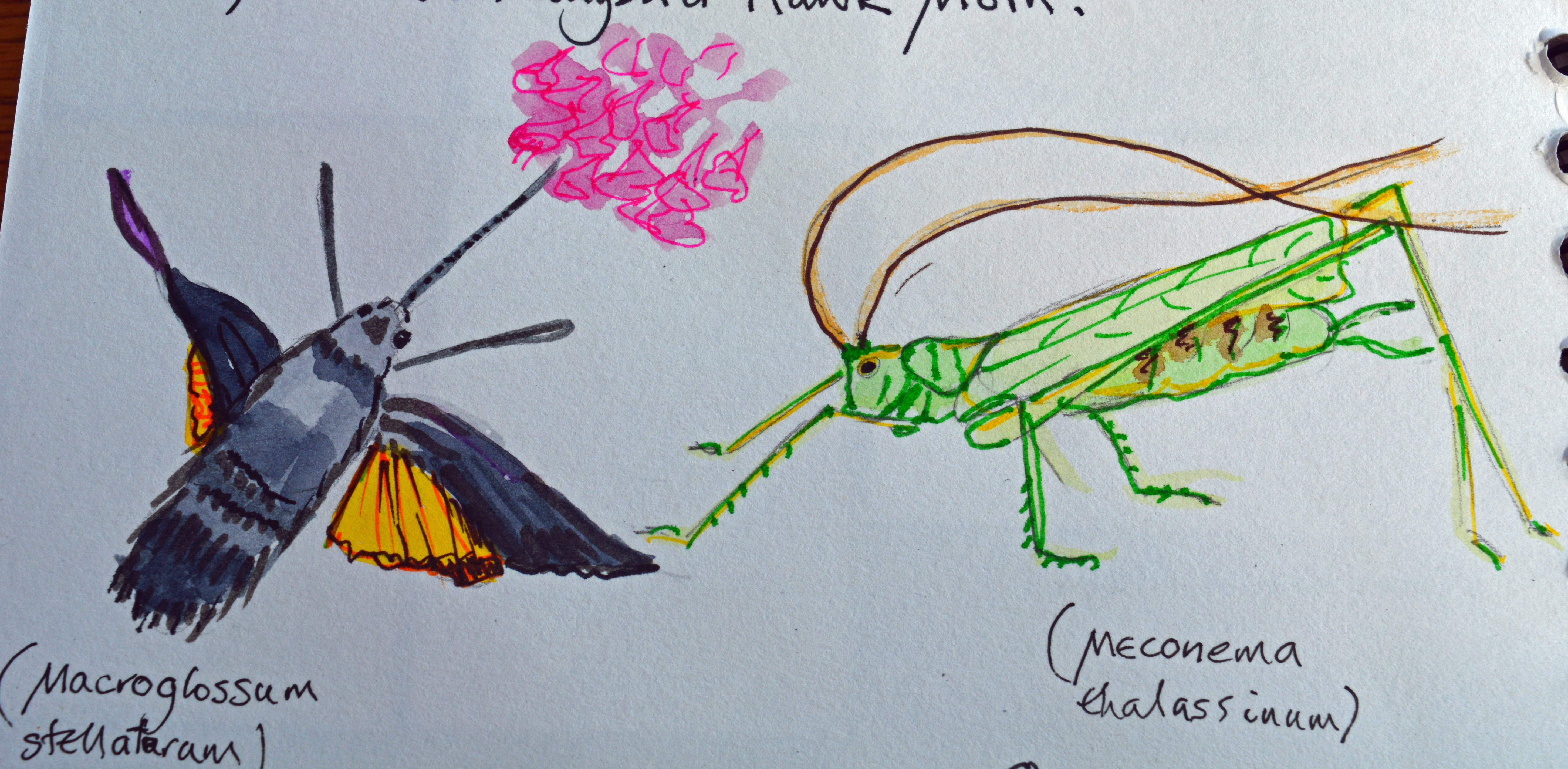
“I will try to paint two wildlife visitors to our September garden, one a moth and the other a cricket, very different creatures but both beautiful to look at and observe as they move around the garden borders. One is resident, the Oak Bush Cricket and the other an occasional visitor, the Hummingbird Hawk Moth.”
“The Hawk Moth is attracted to our Centranthus ruber plants which we grow in several borders, but our cricket will be attracted to our apple trees.”
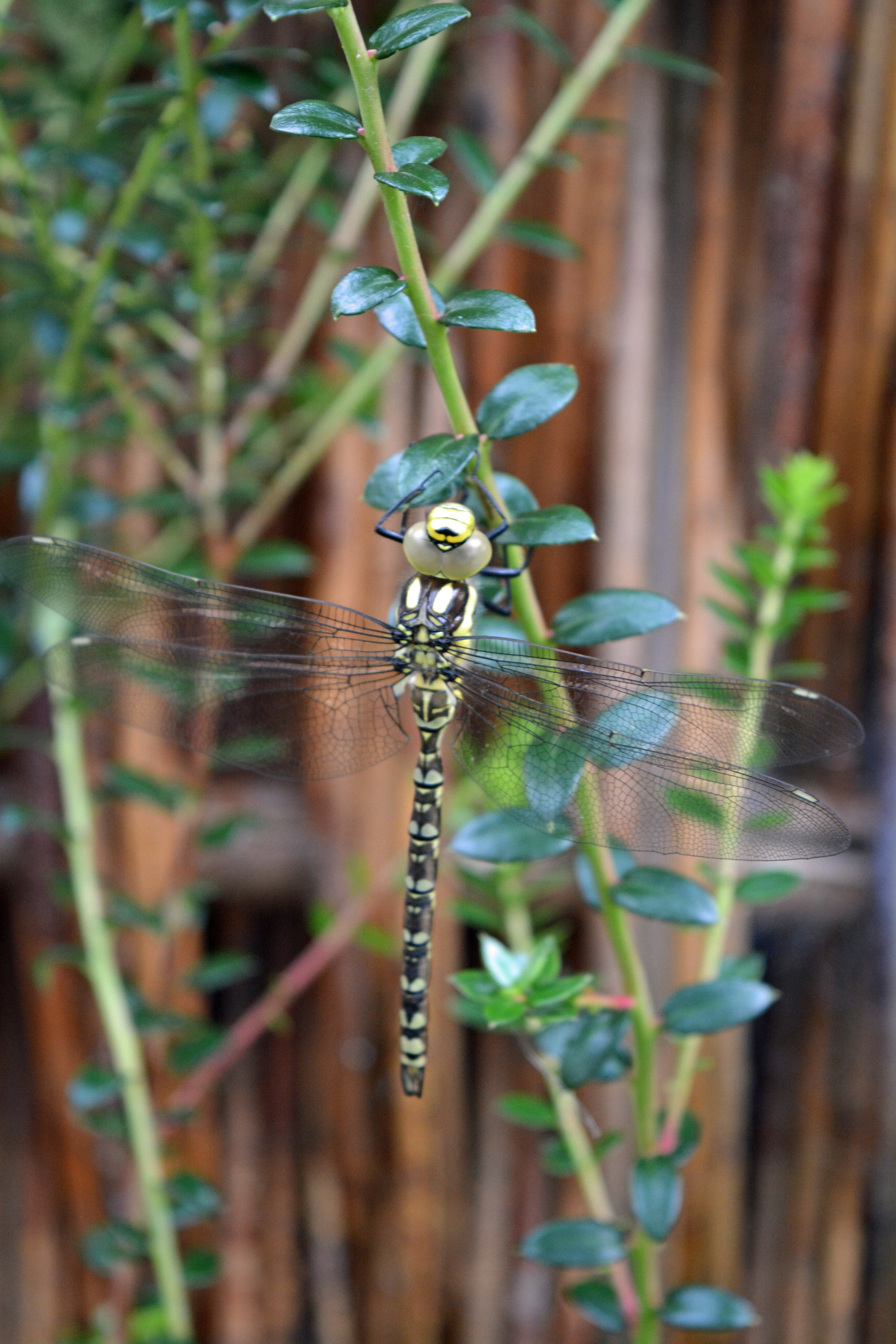
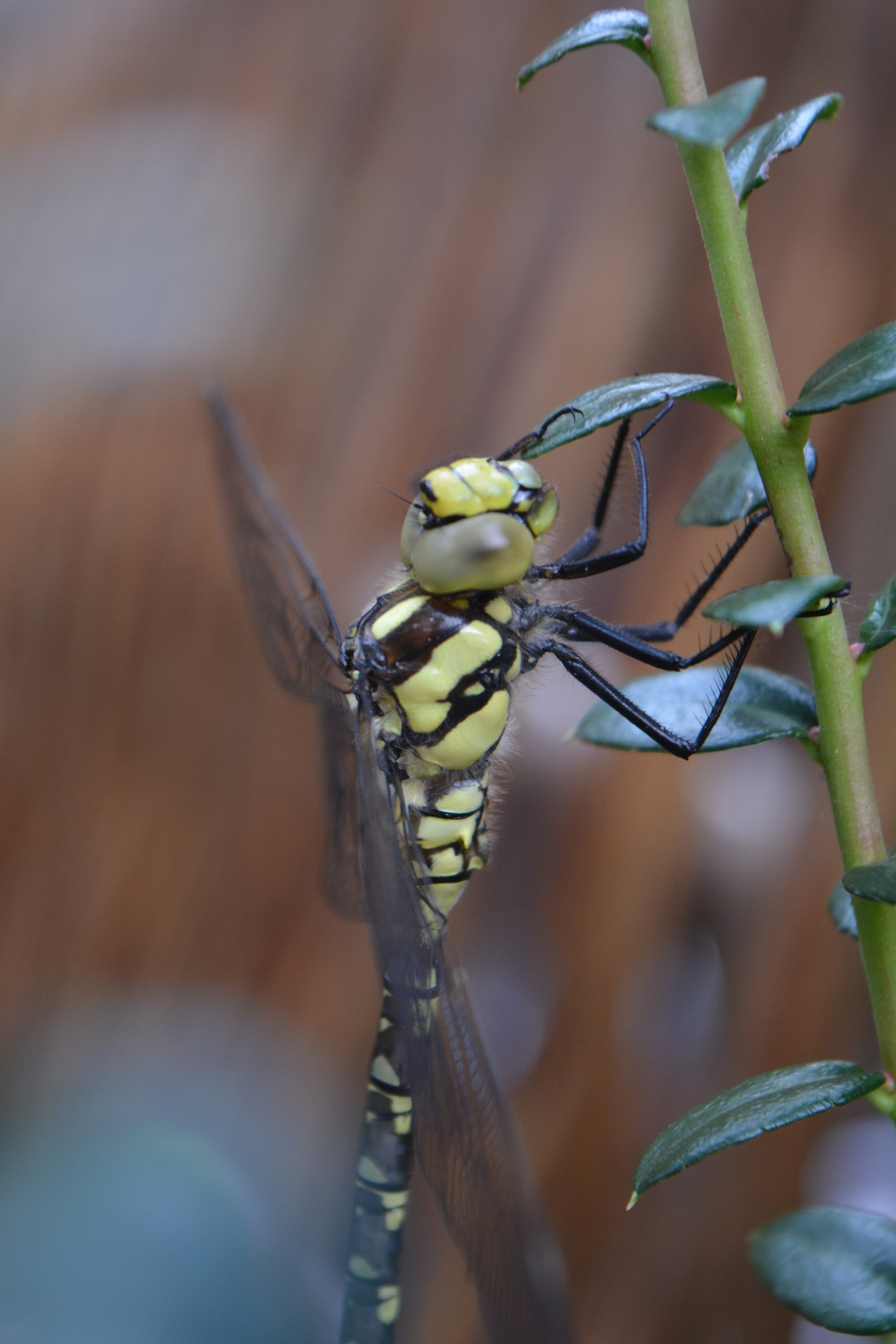
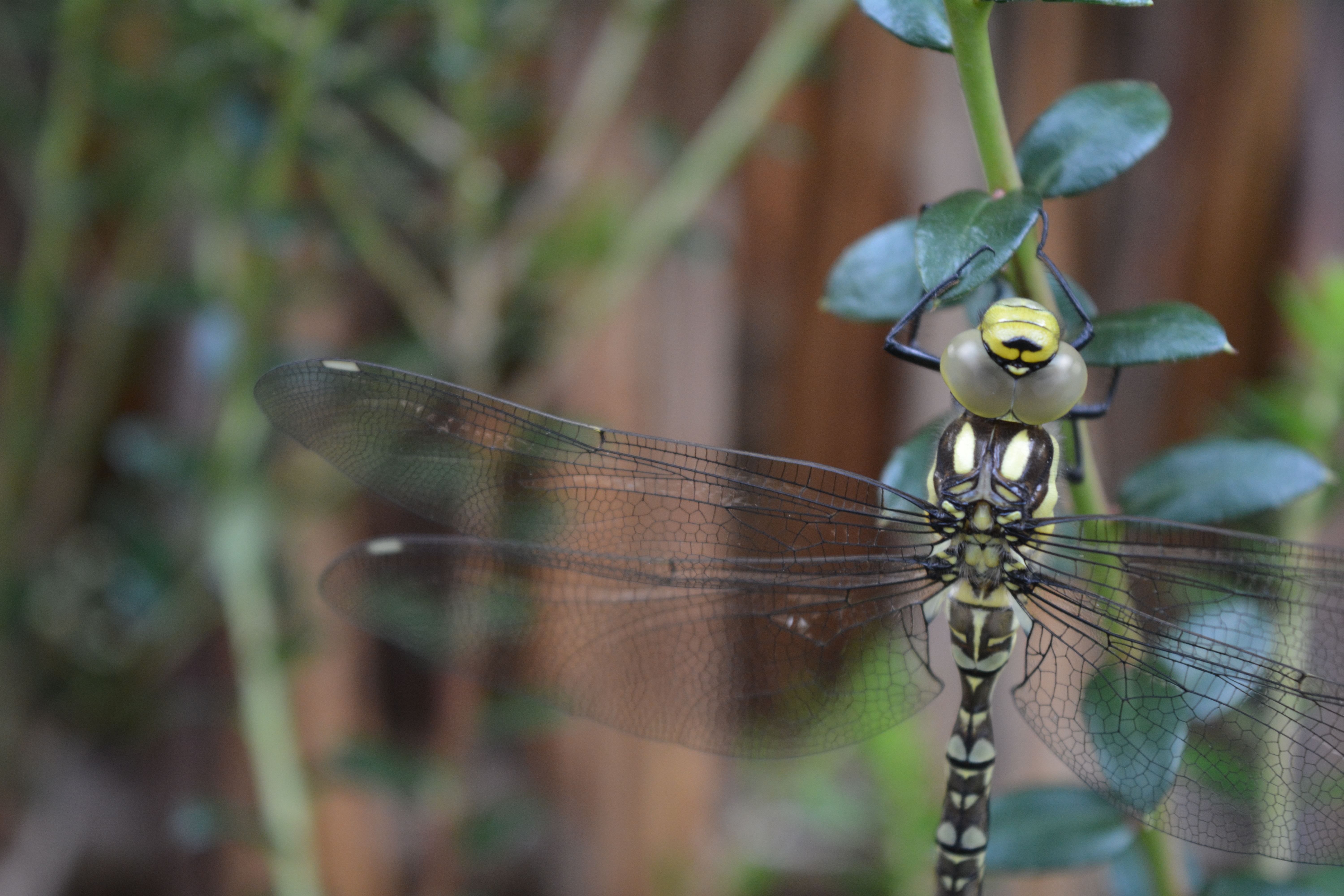
On the opposite page I record the visit of a beautiful dragonfly to our garden. Over the summer months on any sunny warm day there is a good chance of us spotting a dragonfly or damselfly hatching from our wildlife pond or resting almost anywhere in the garden. This particular dragonfly had alighted on a shrub close to the house itself and was enjoying a spot of sunbathing, absorbing the rays. “Mother Nature is so god at giving us gardeners some wonderful surprises. We discovered this beautiful creature on a shrub far from any water. It is a female Southern Hawker. The markings and colours are like no other. It is hard to imagine why it sports these patterns. She will return to our pond to lay her eggs in the rotting logs that edge it.”


We can now turn over to another double page spread where dew highlights some natural creativity and three small flowered Clematis flower brightly.
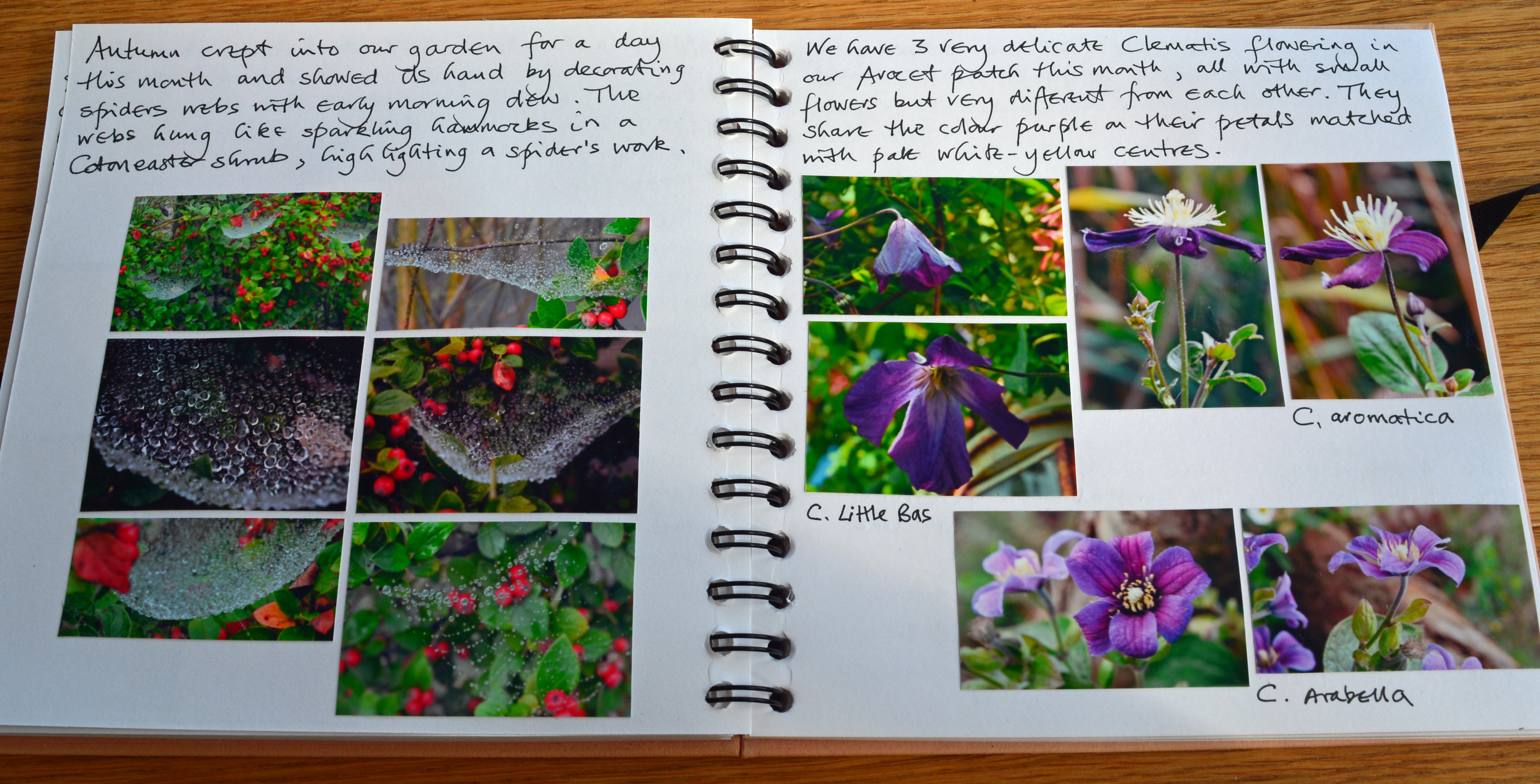
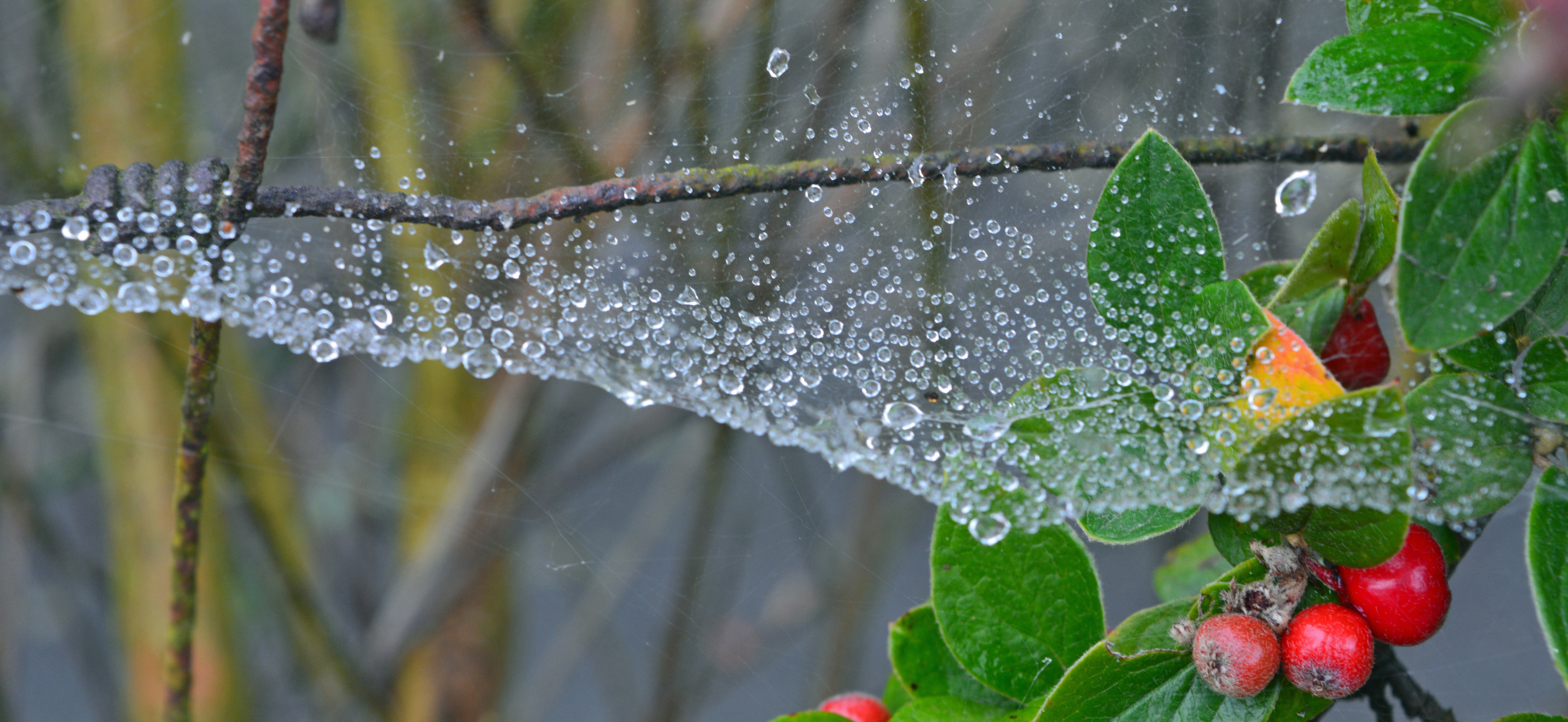
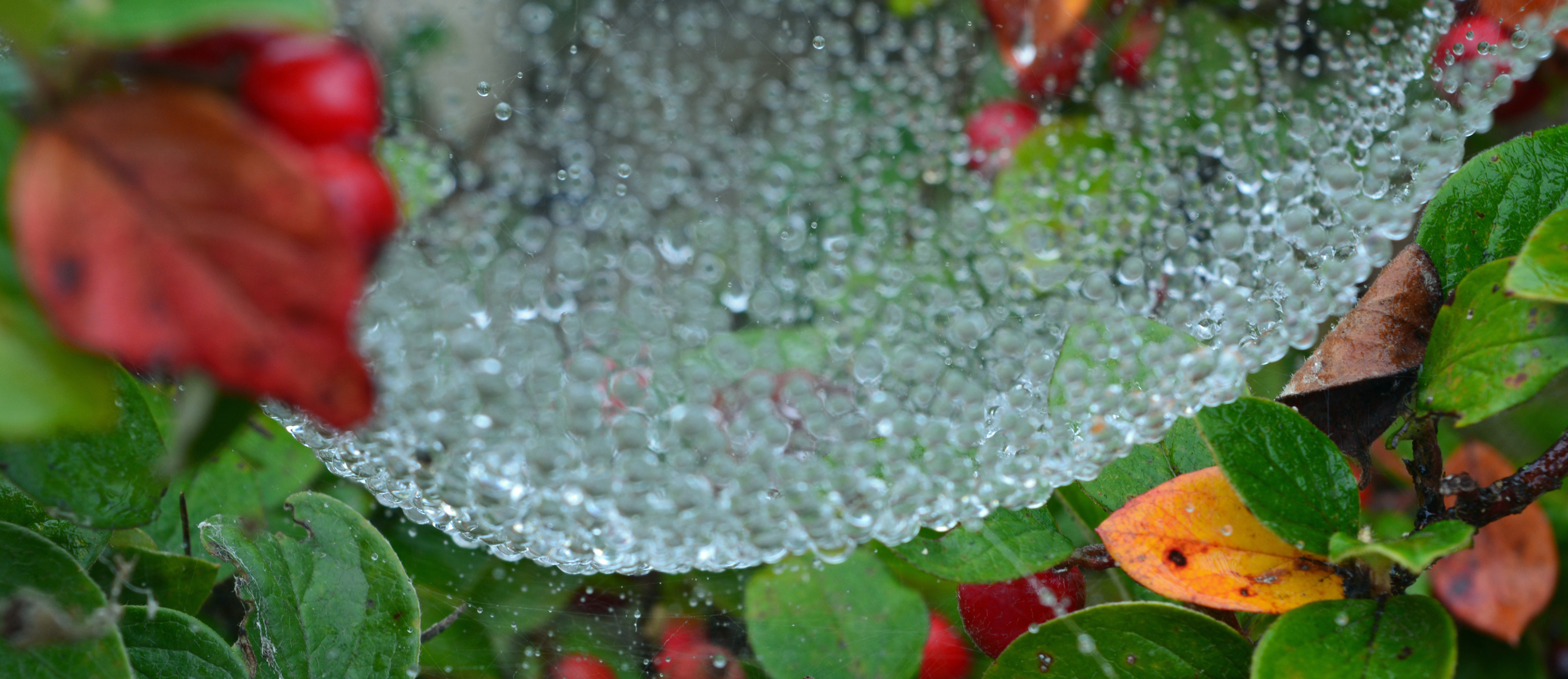
As September moved on we began to notice dew on the grass and plants in the borders several mornings each week. One special effect this has is the way it highlights the handiwork of our garden spiders. It is good to see so many webs as we like to have spiders working as predators in the garden for us. On one particular morning the dew was so heavy that it was weighing down the webs heavily.


“We have three very delicate Clematis flowering in our Avocet patch this month, all with small flowers but very different from each other. They share the same colour purple on their petals with white-yellow centres.”
“Clematis Little Bas”
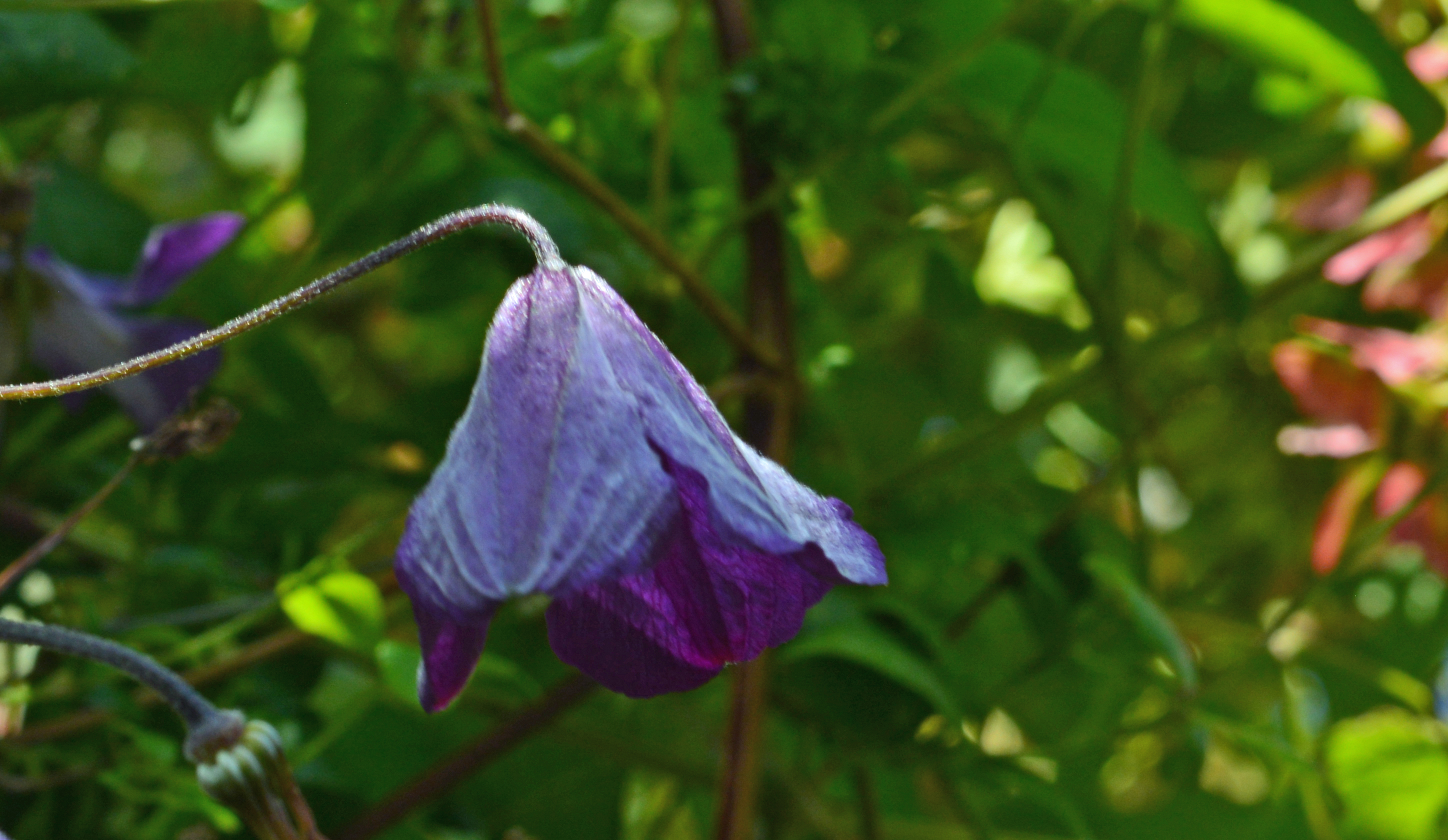
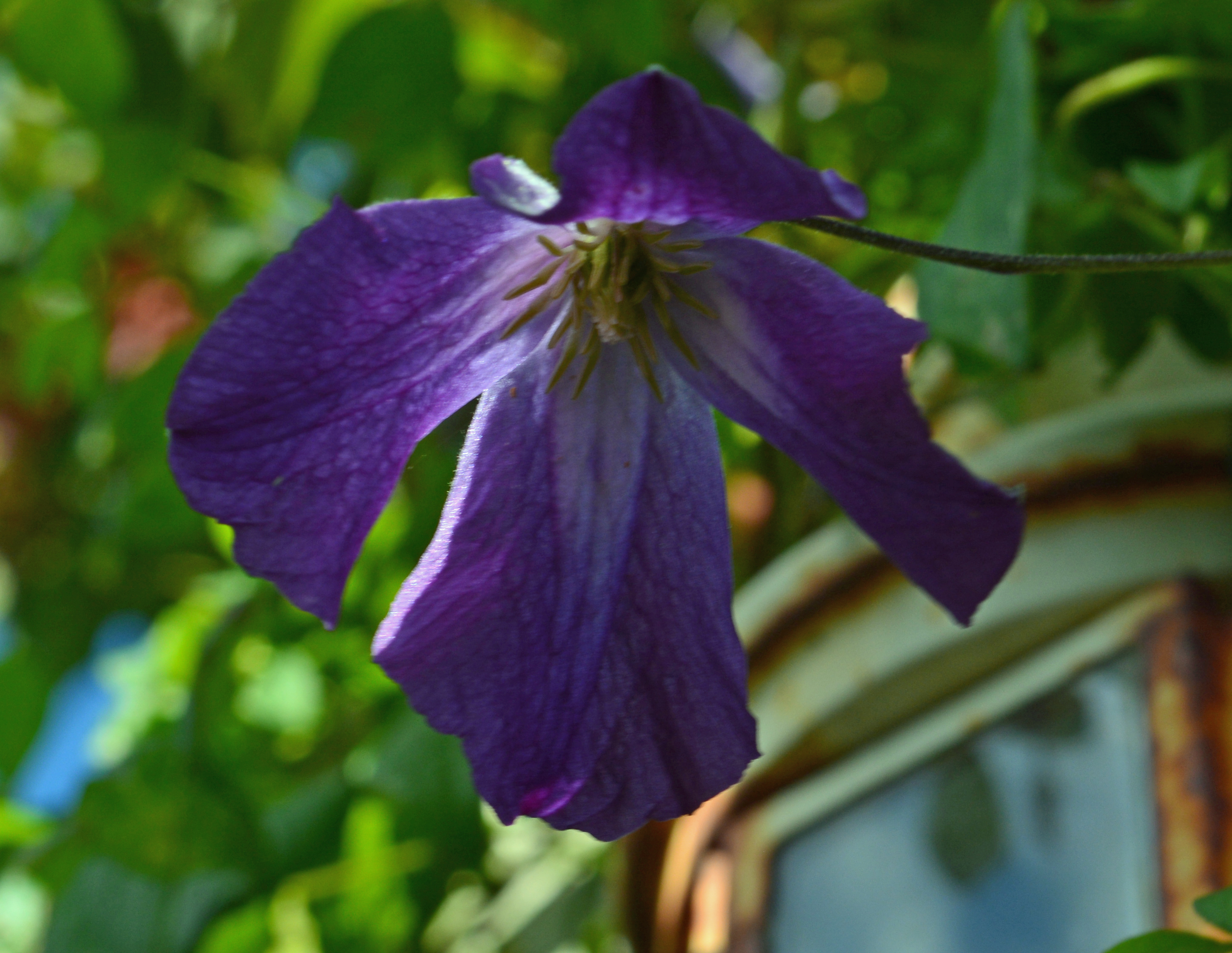
“Clematis aromatica”


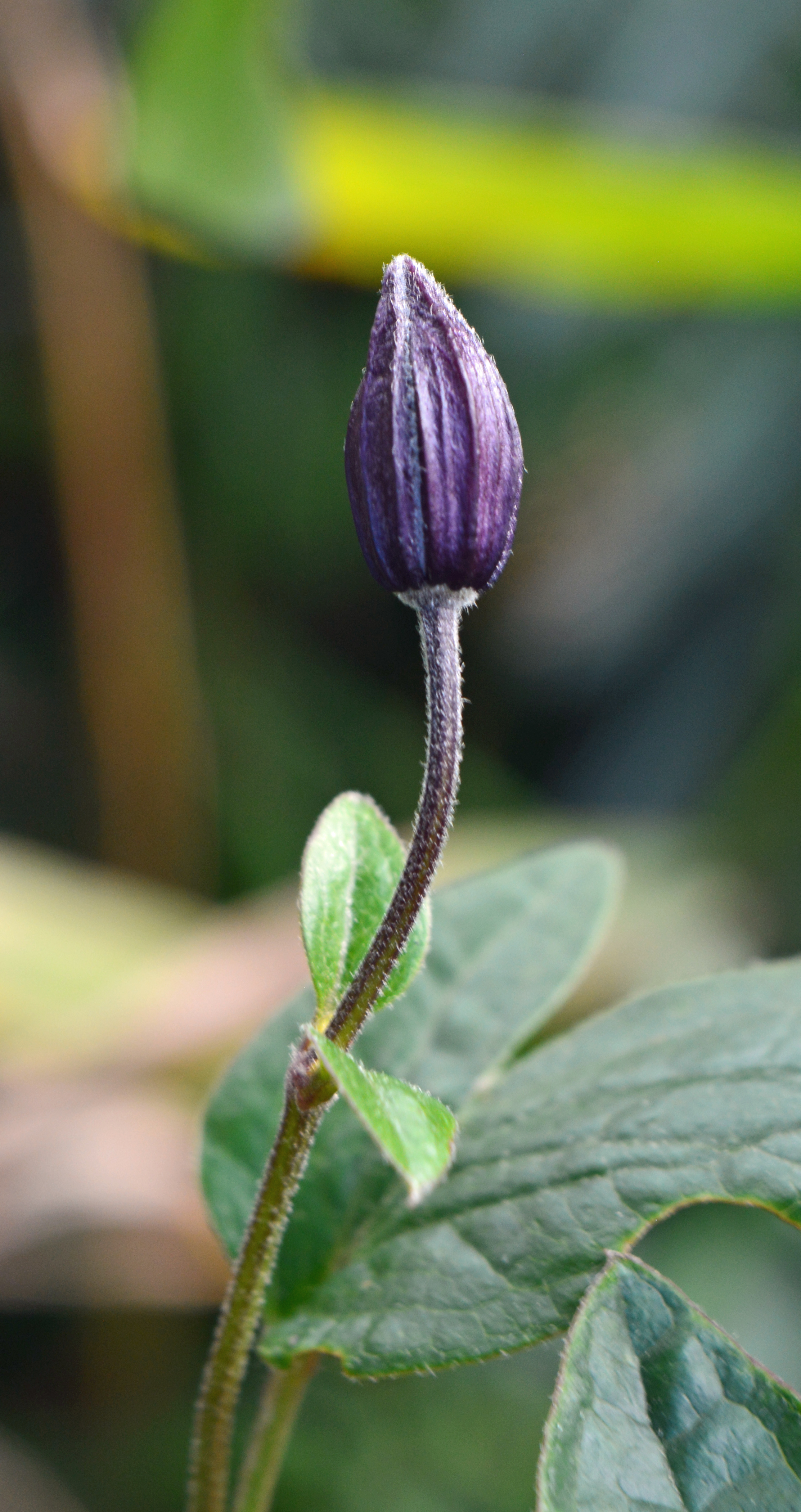
“Clematis Arabella”


Another Clematis features overleaf, this time a yellow flowered one matched with some pencil crayon sketches of some seed heads.

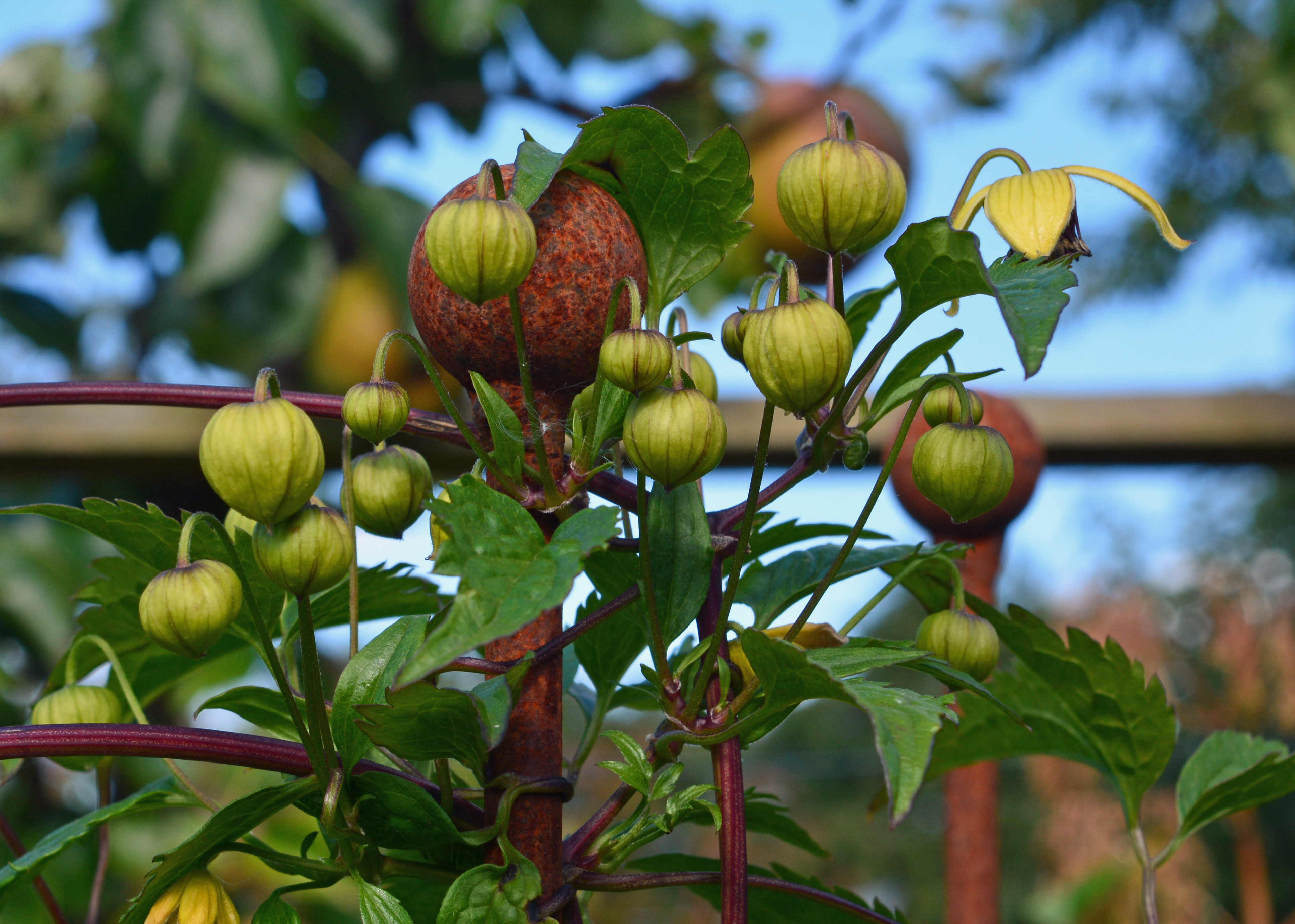
“Staying with Clematis I will now look at a very delicate and unusual yellow-flowered cultivar, Clematis serratifolia “Golden Harvest”. The centre of each flower contrasts strongly with the golden petals. The central area features deep yellow, a touch of orange but mostly a deep purple-maroon colour. “Golden Harvest” is often sold as a Golden Wedding Anniversary gift. That surely would be a gift to give years of pleasure to any gardeners.”
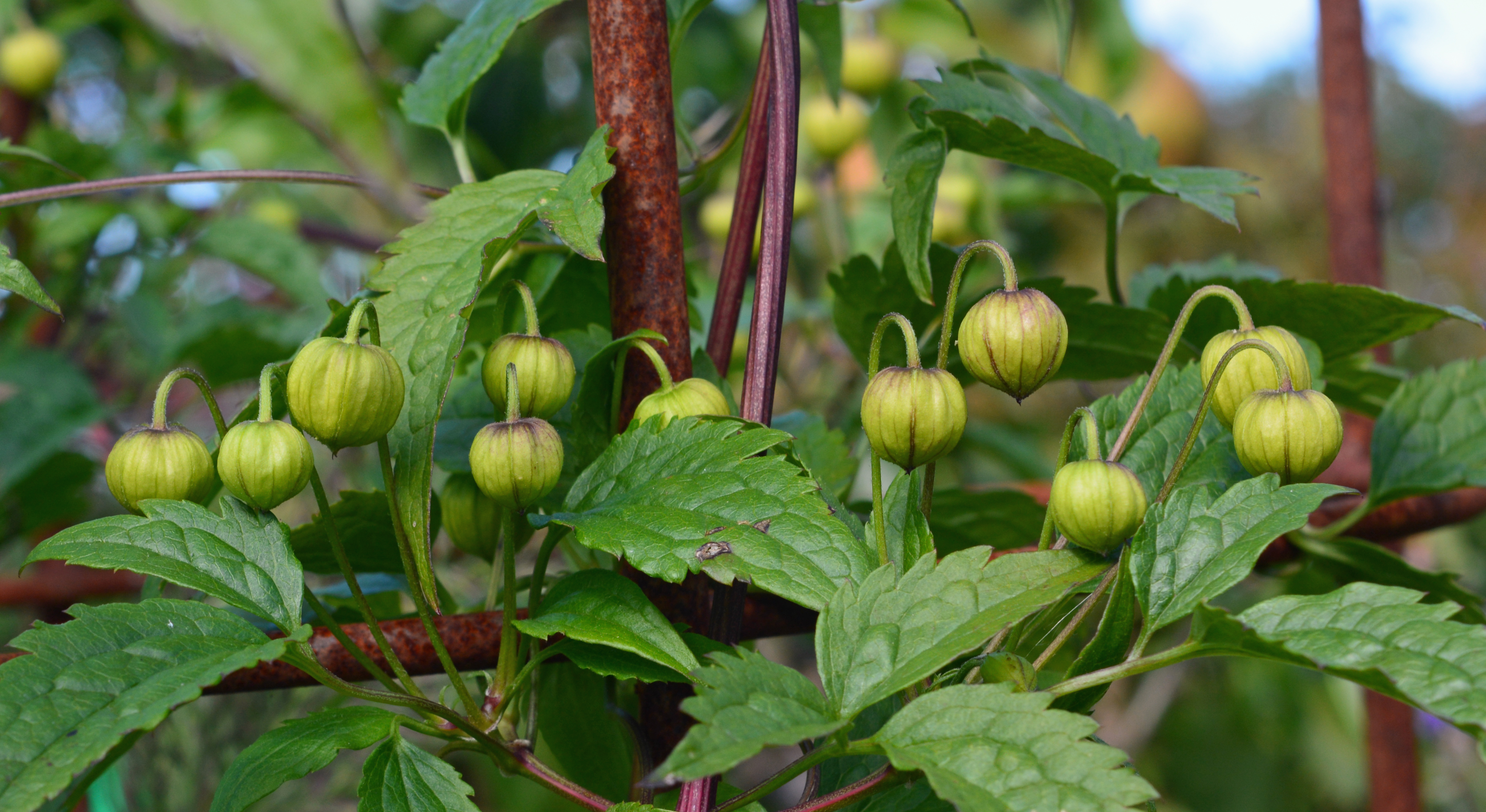
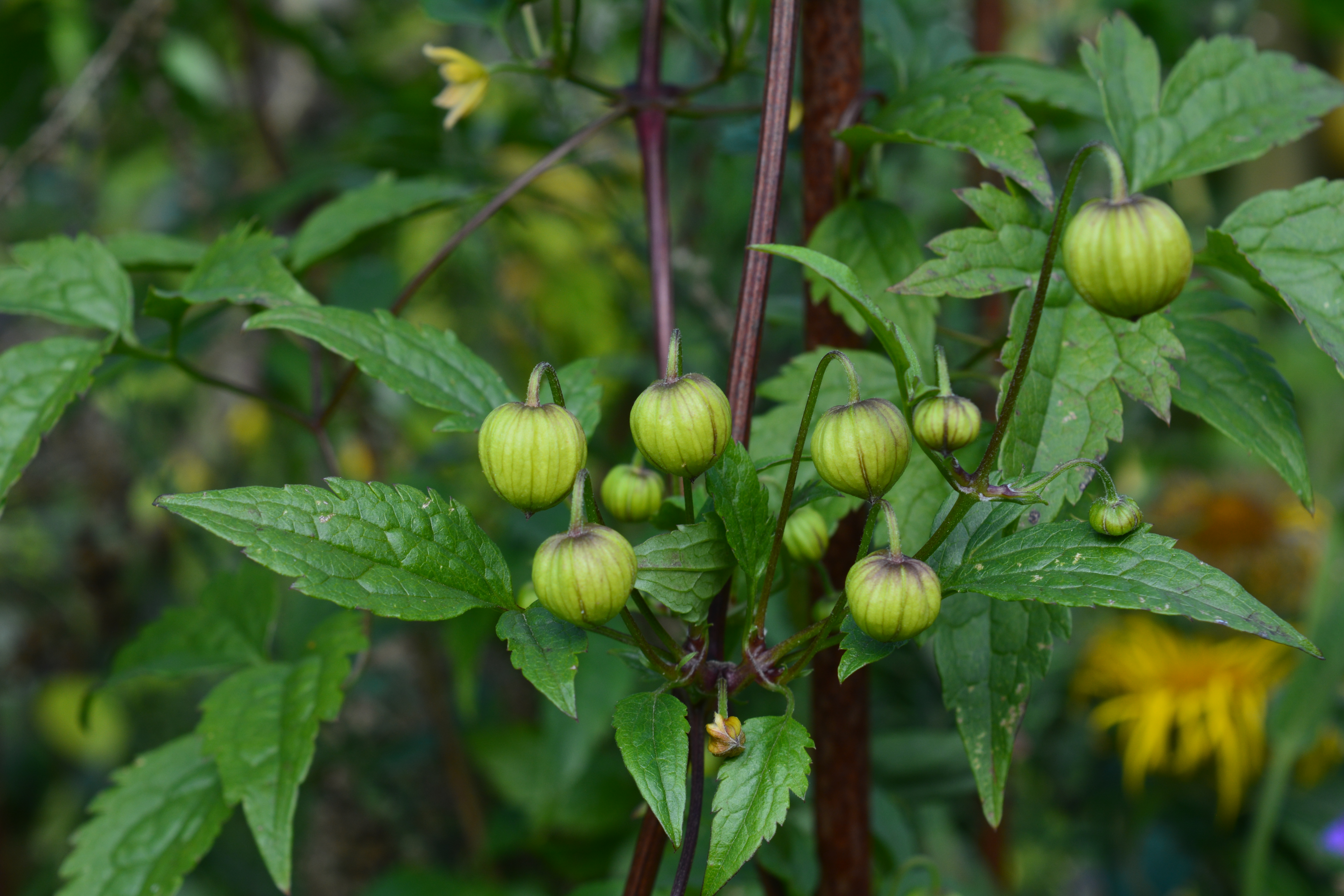

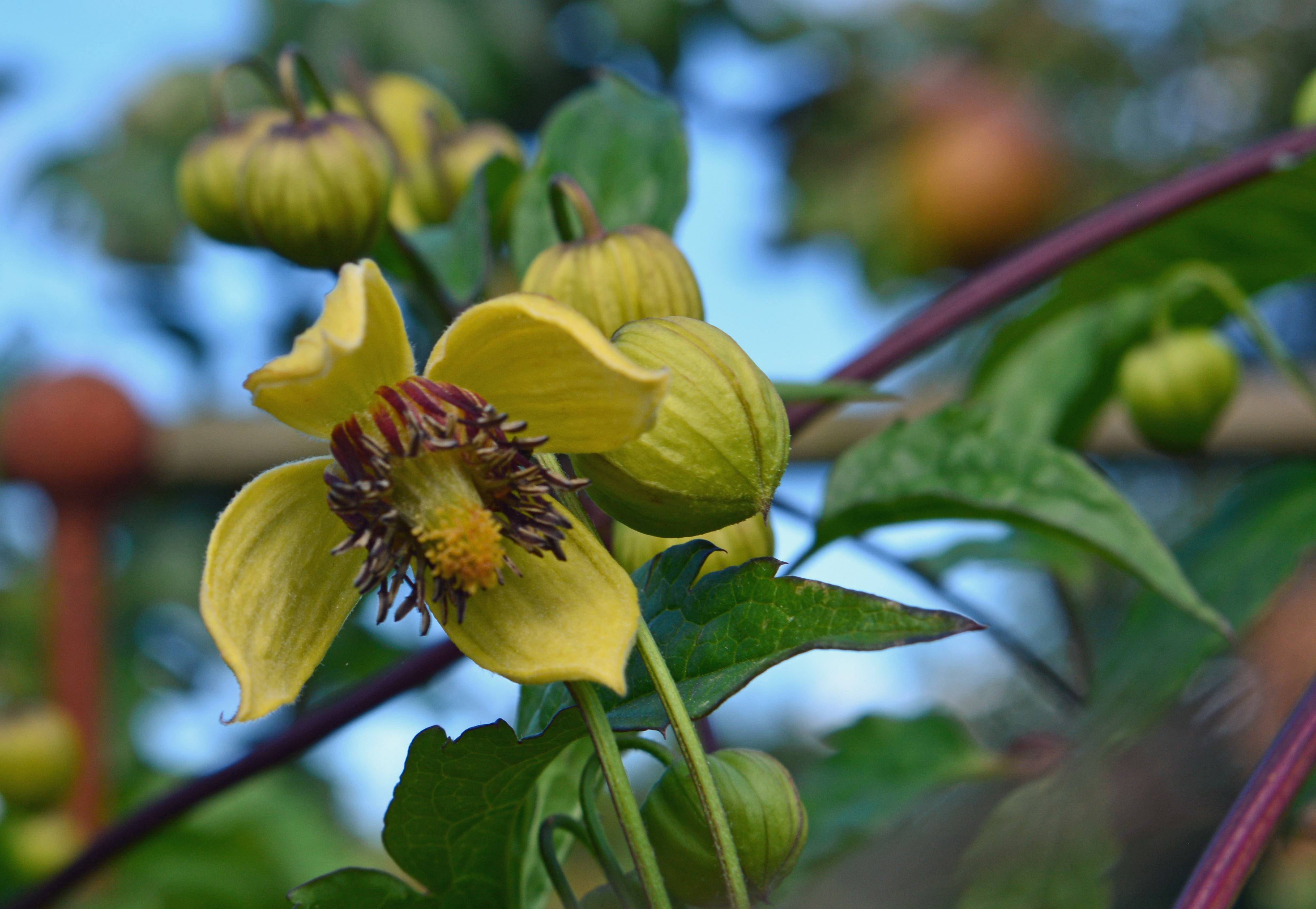
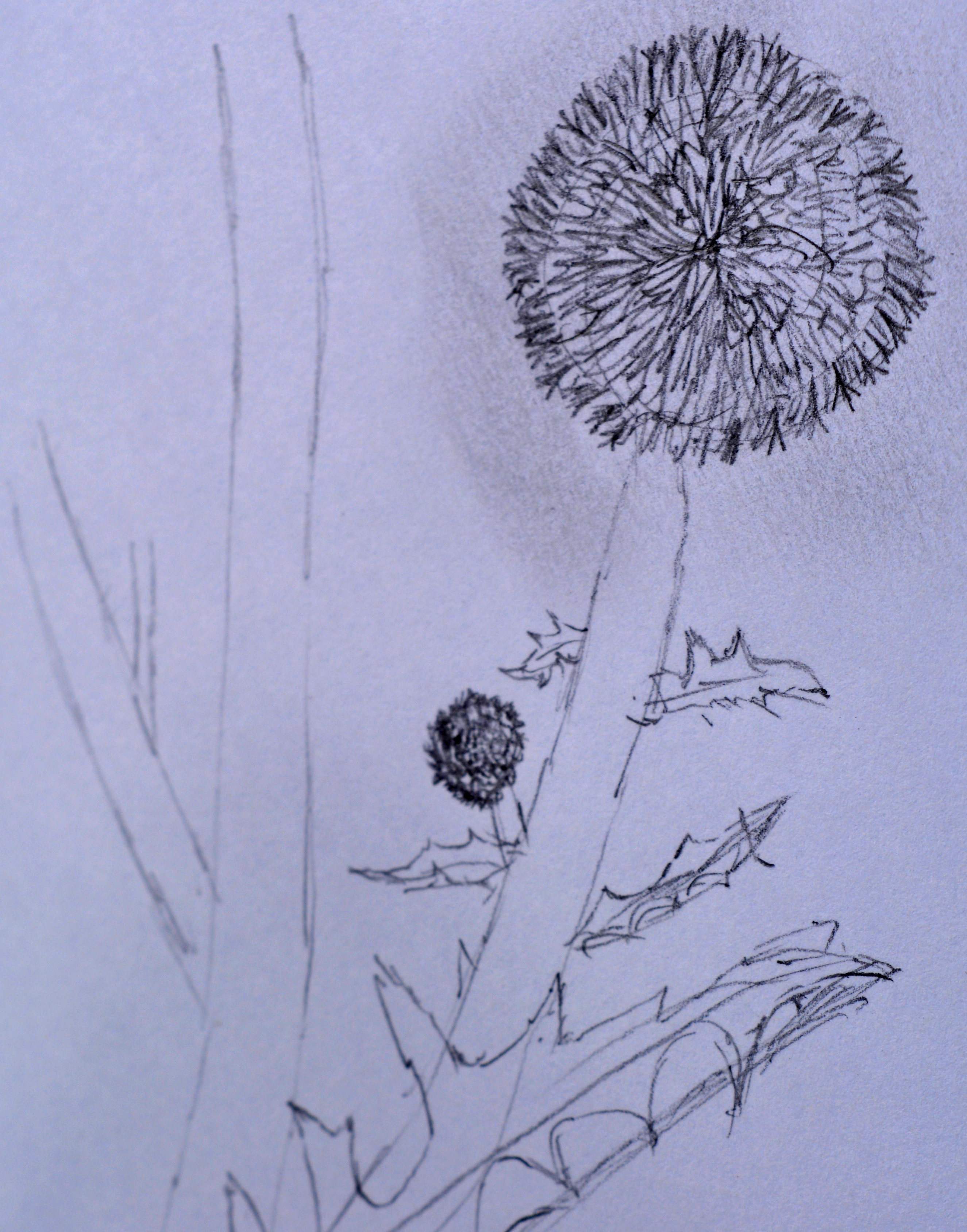
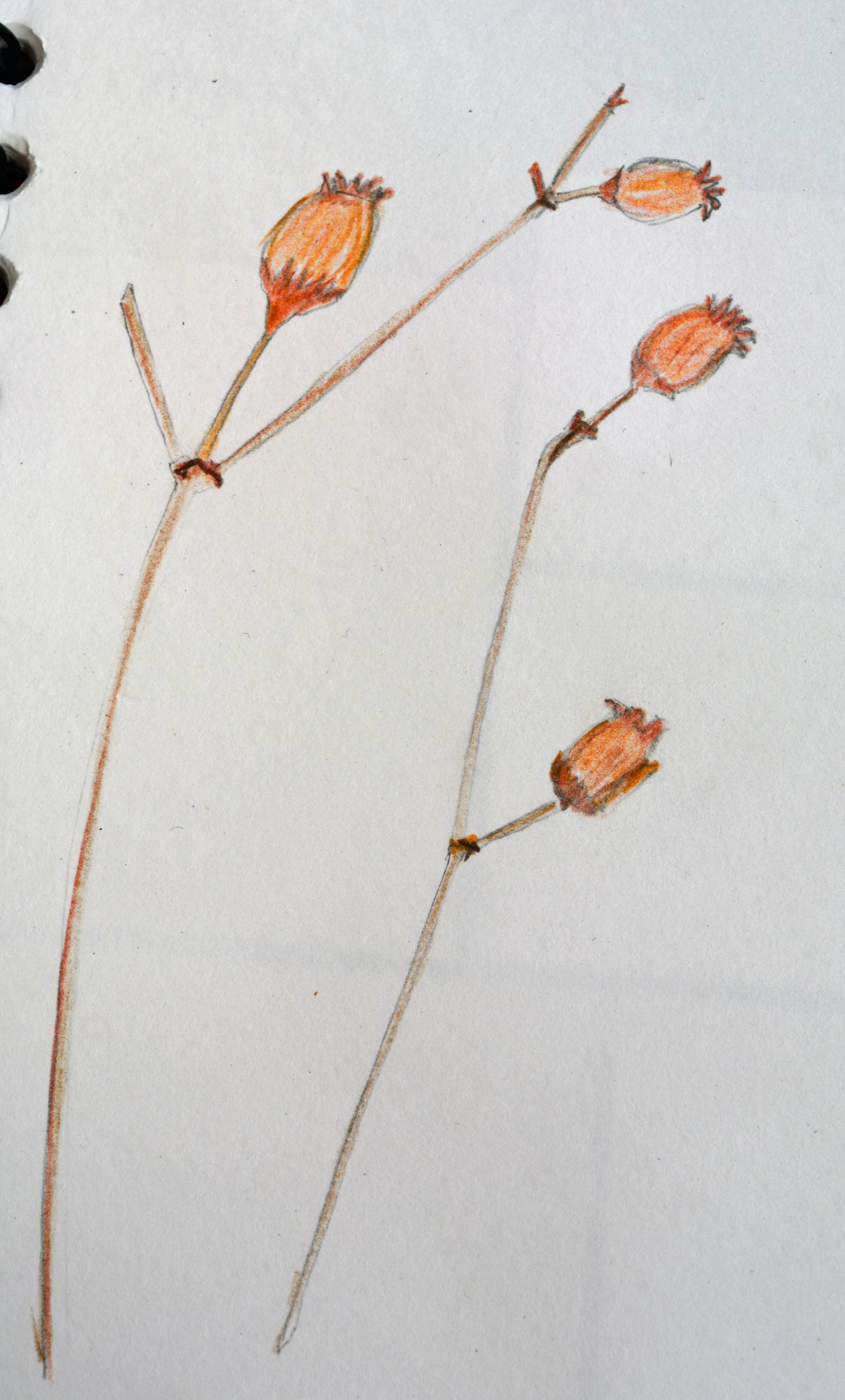
Now we move on to look at a couple of my coloured pencil sketches of seed heads found in our September garden. “Two more seed heads discovered in our borders, with slender stems and bell-shaped seed capsules coloured biscuit and rust.”


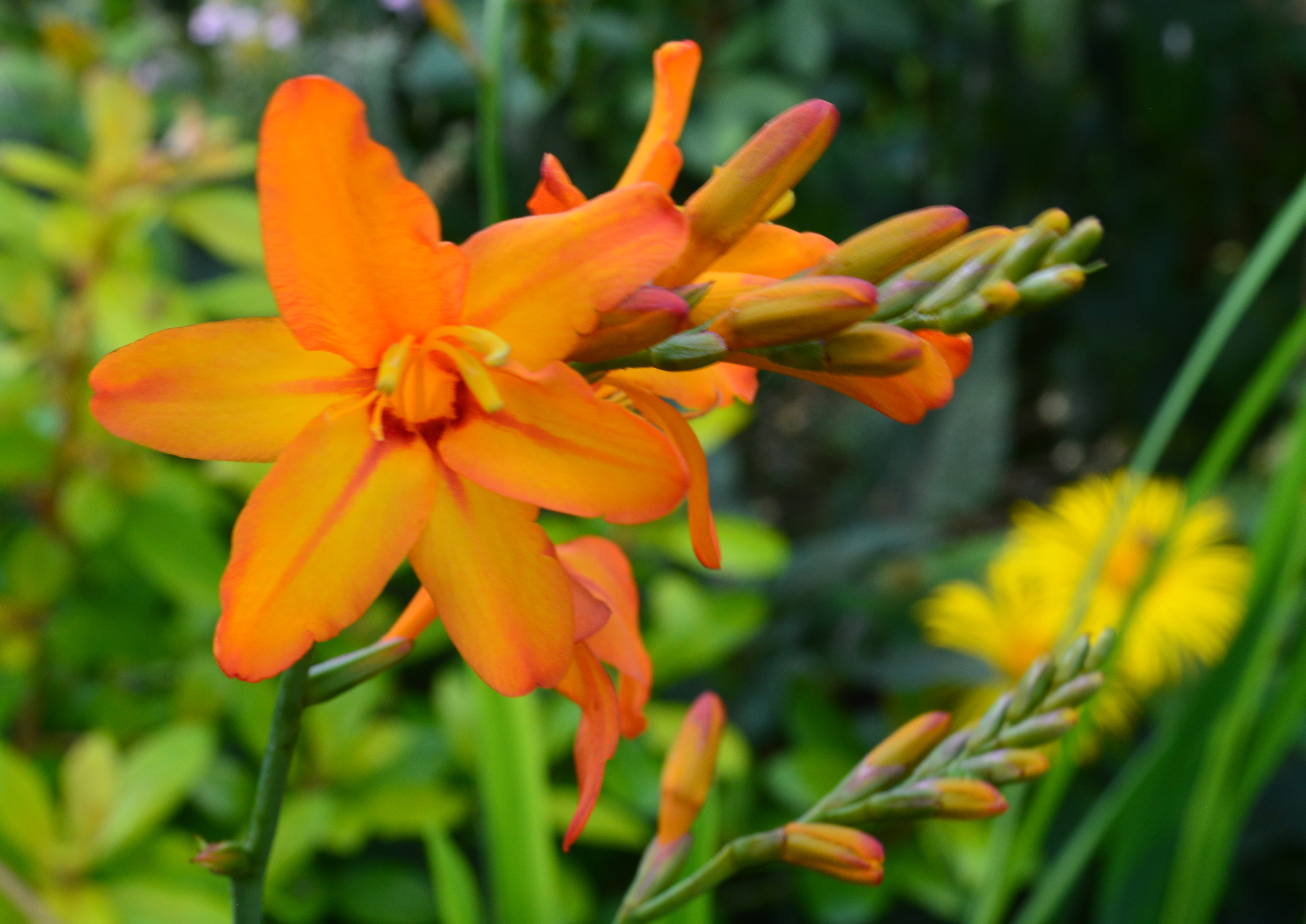
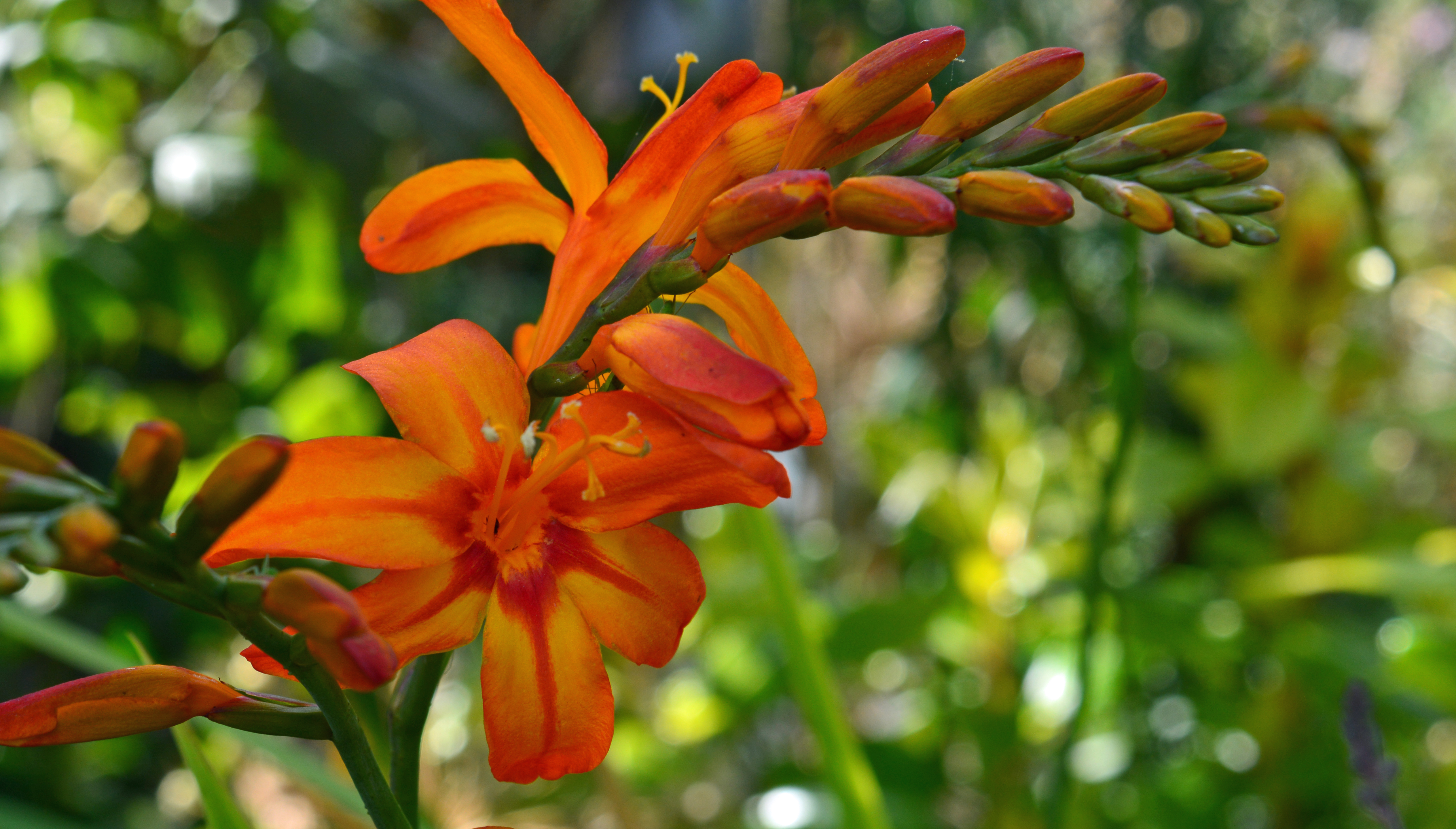
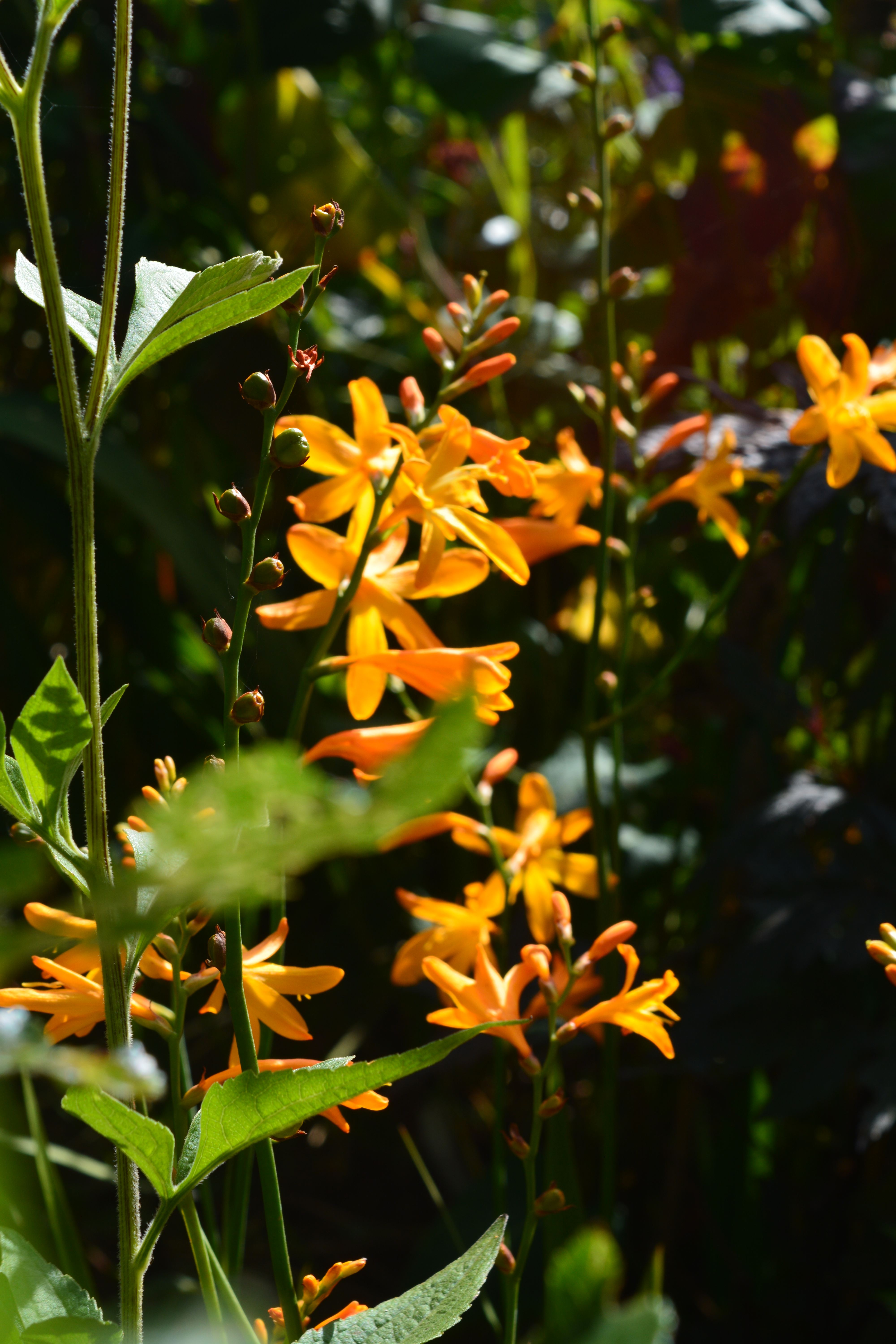
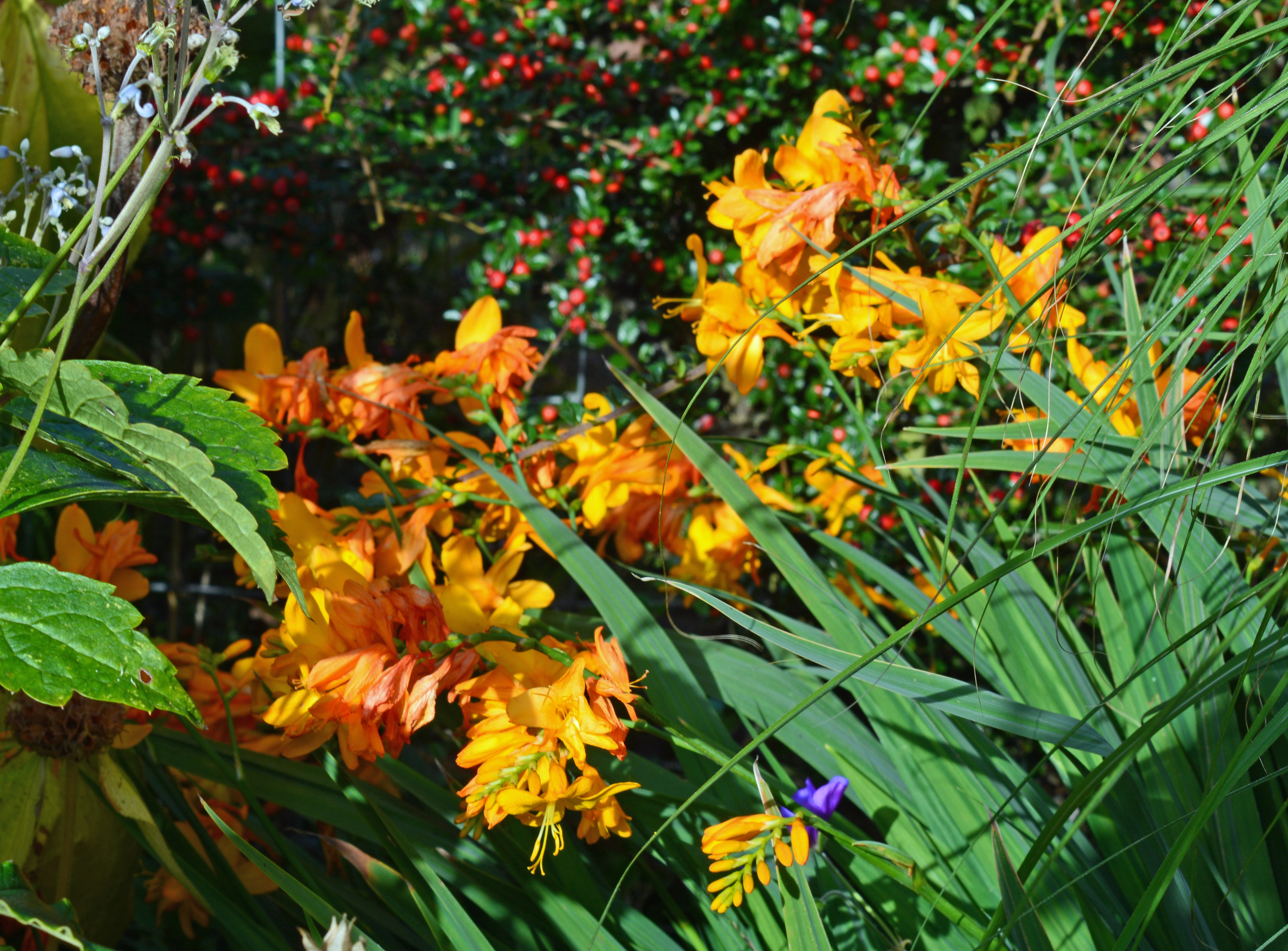
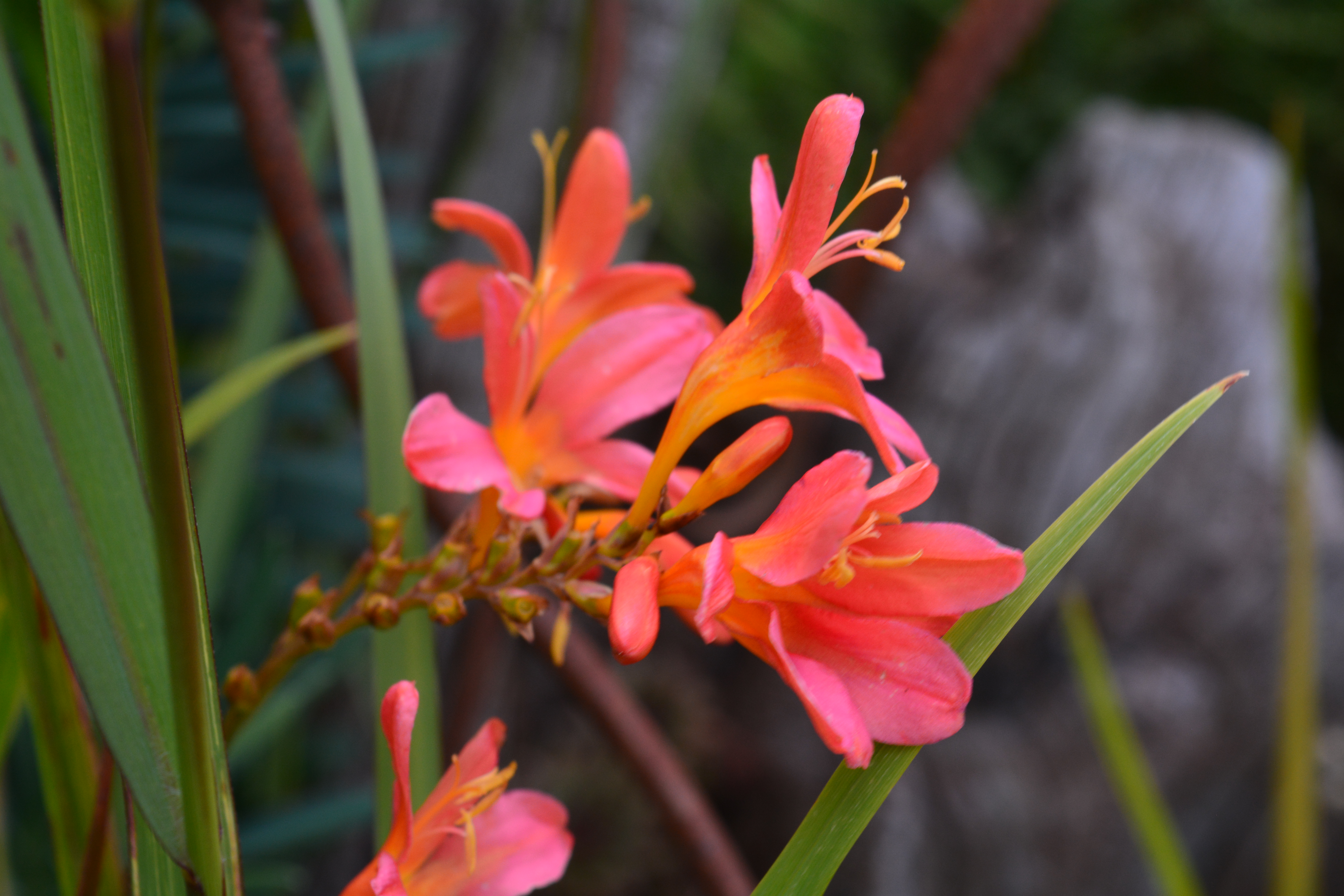
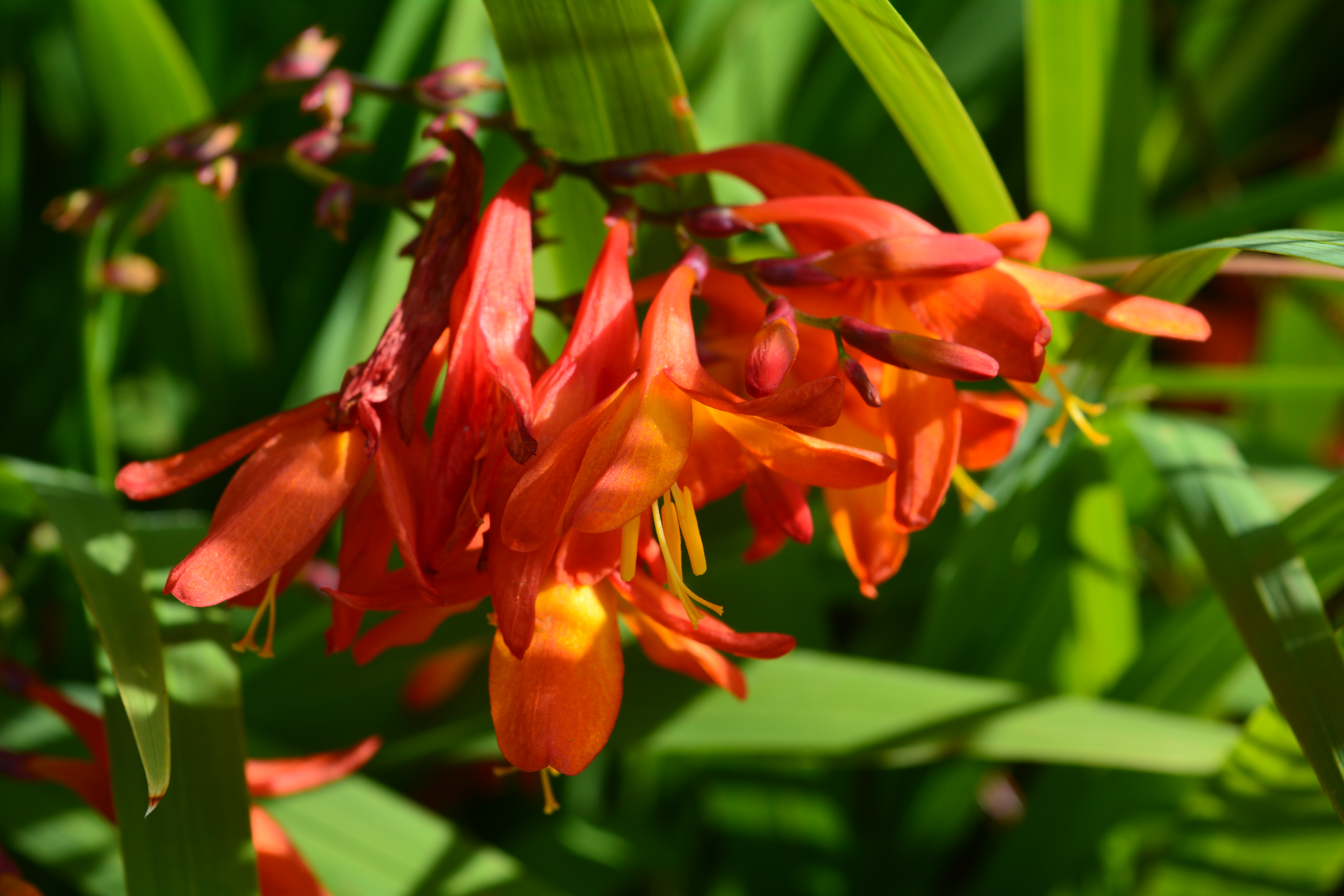
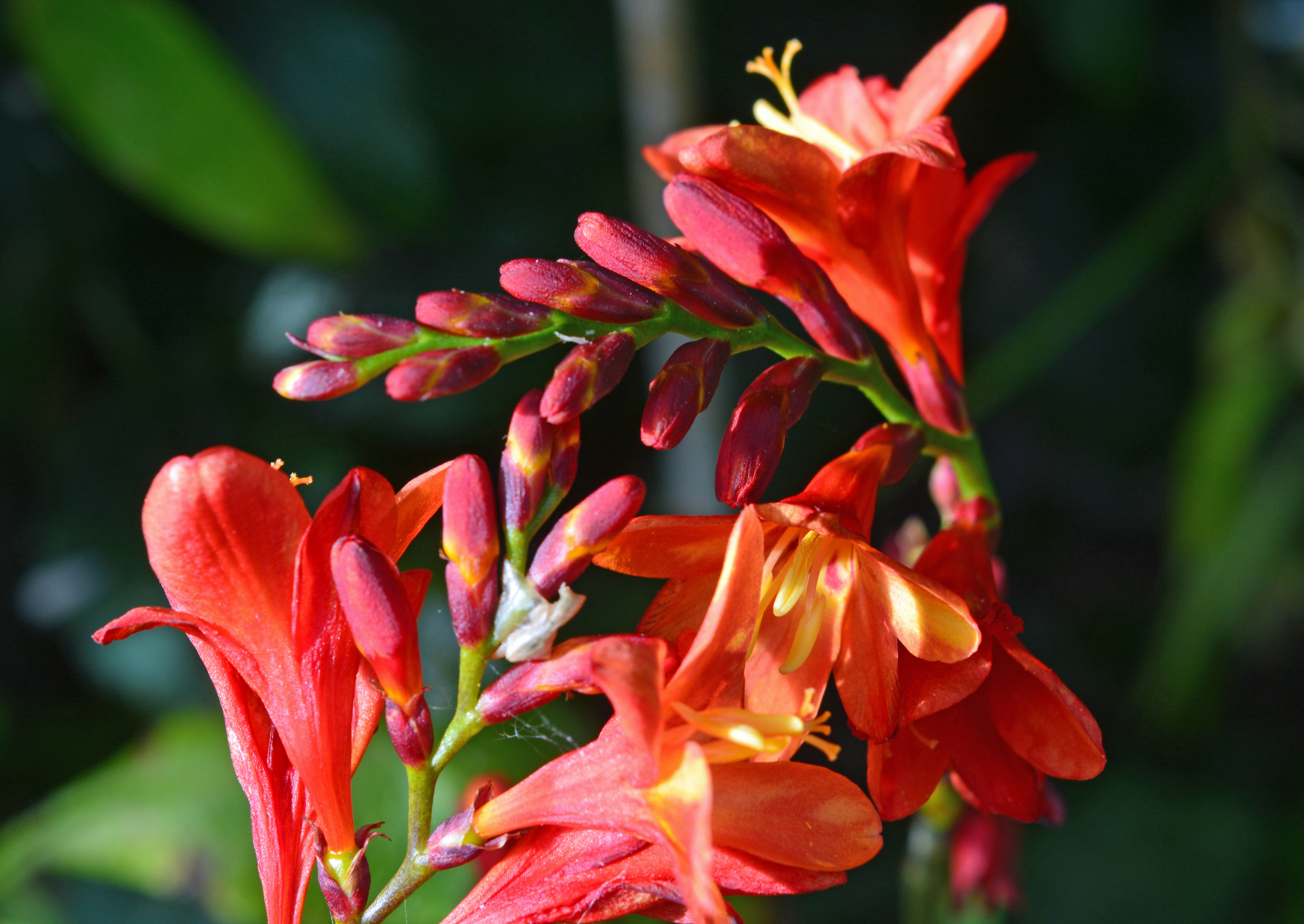
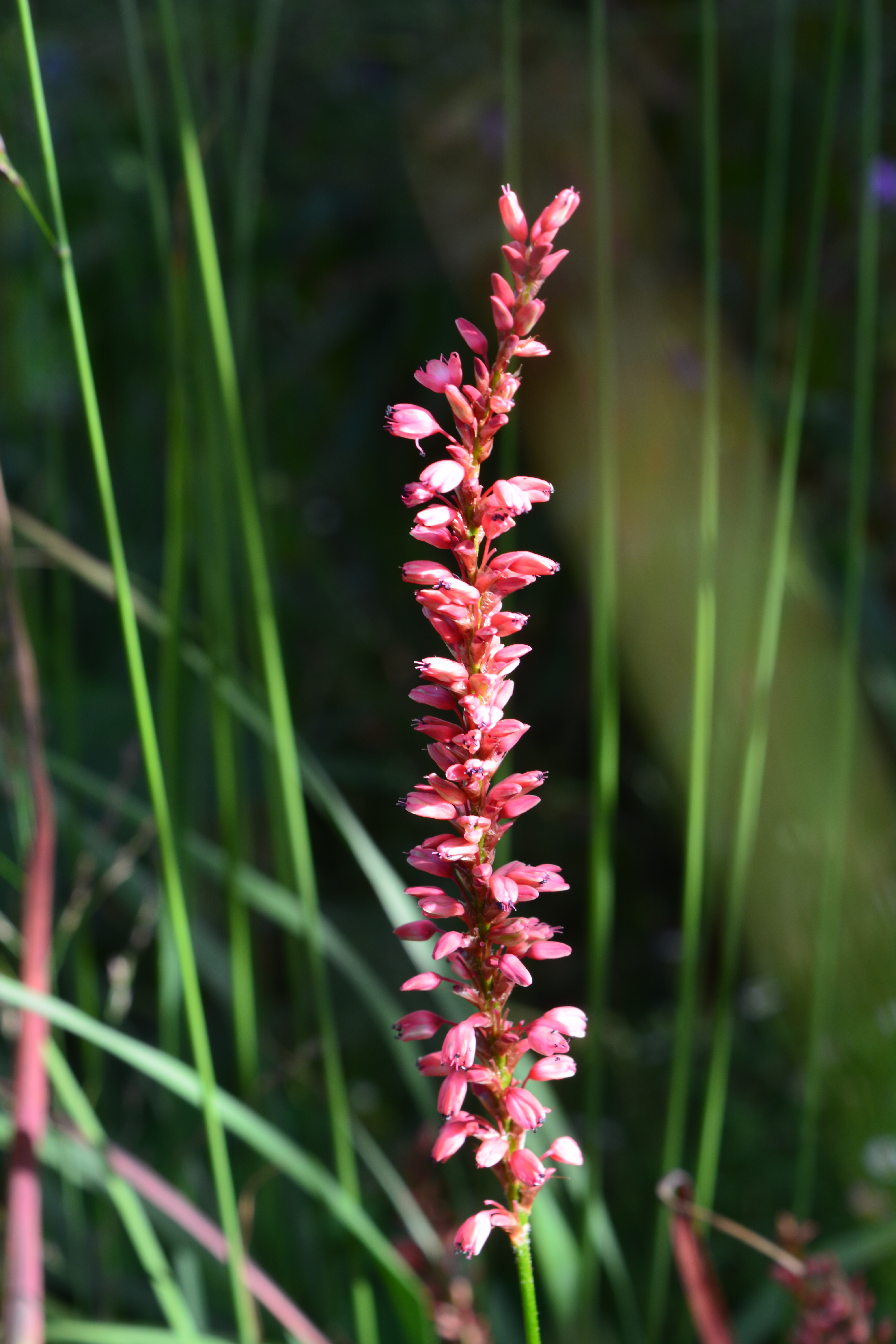
I moved on next to look at two of our larger plant collections which feature strongly in our September garden. “Two of our largest plant collections we grow at Avocet are Crocosmias and Persicarias, both of which look at their best in late summer moving into autumn.
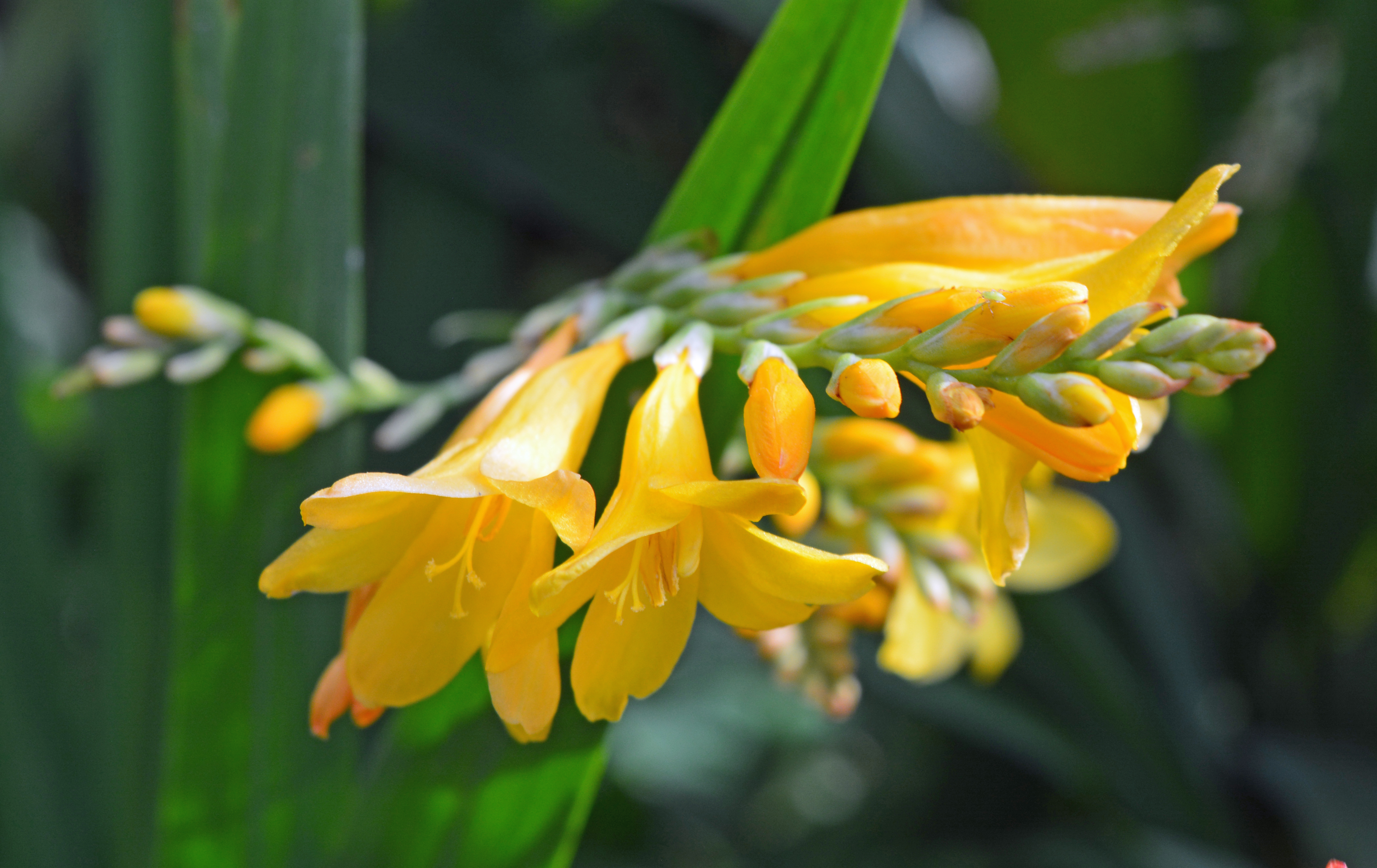
Crocosmias appear in every shade of yellow, orange and red and thus add cheer to our patch.”
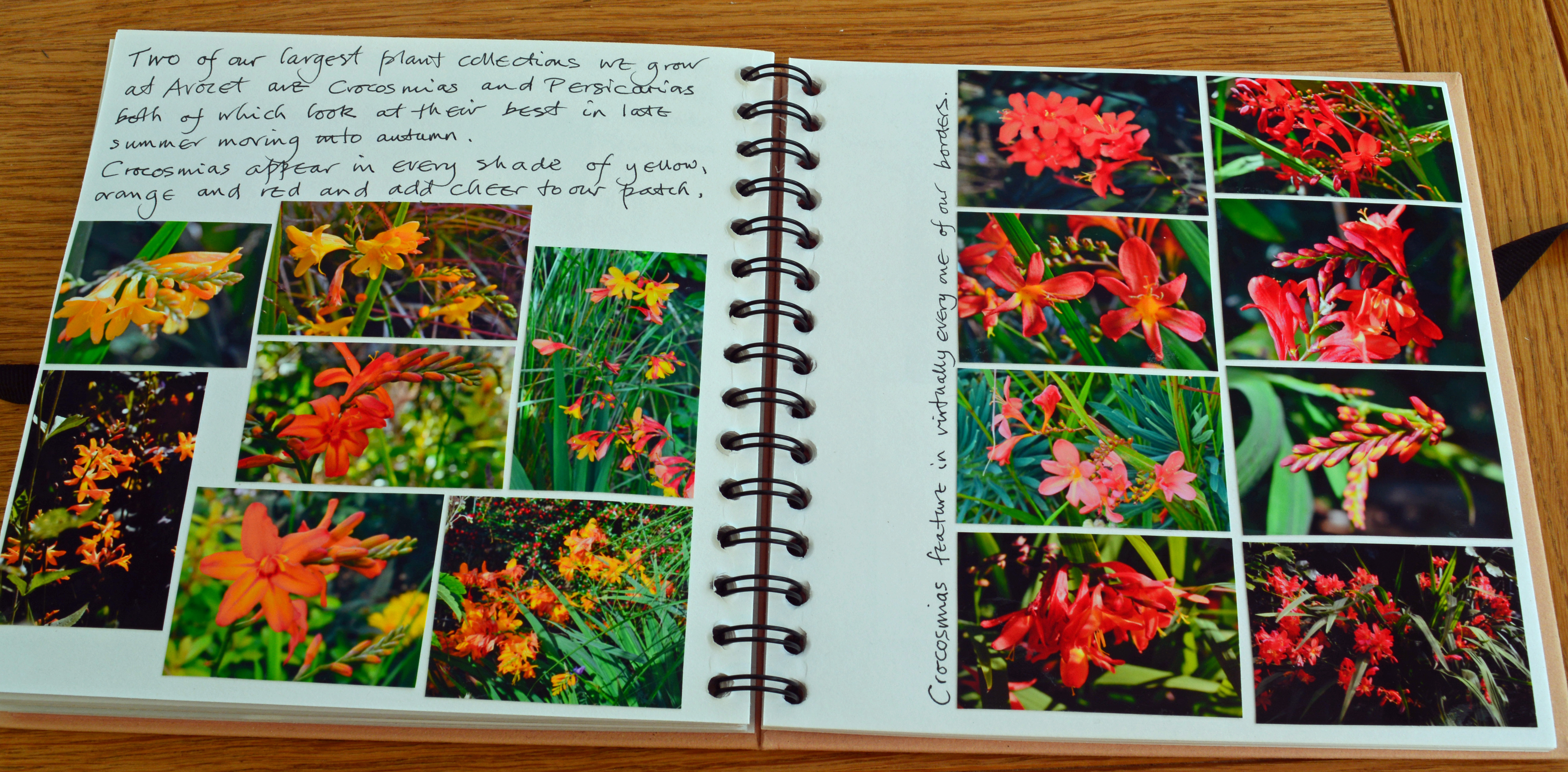
“Crocosmias feature in virtually every one of our borders.”






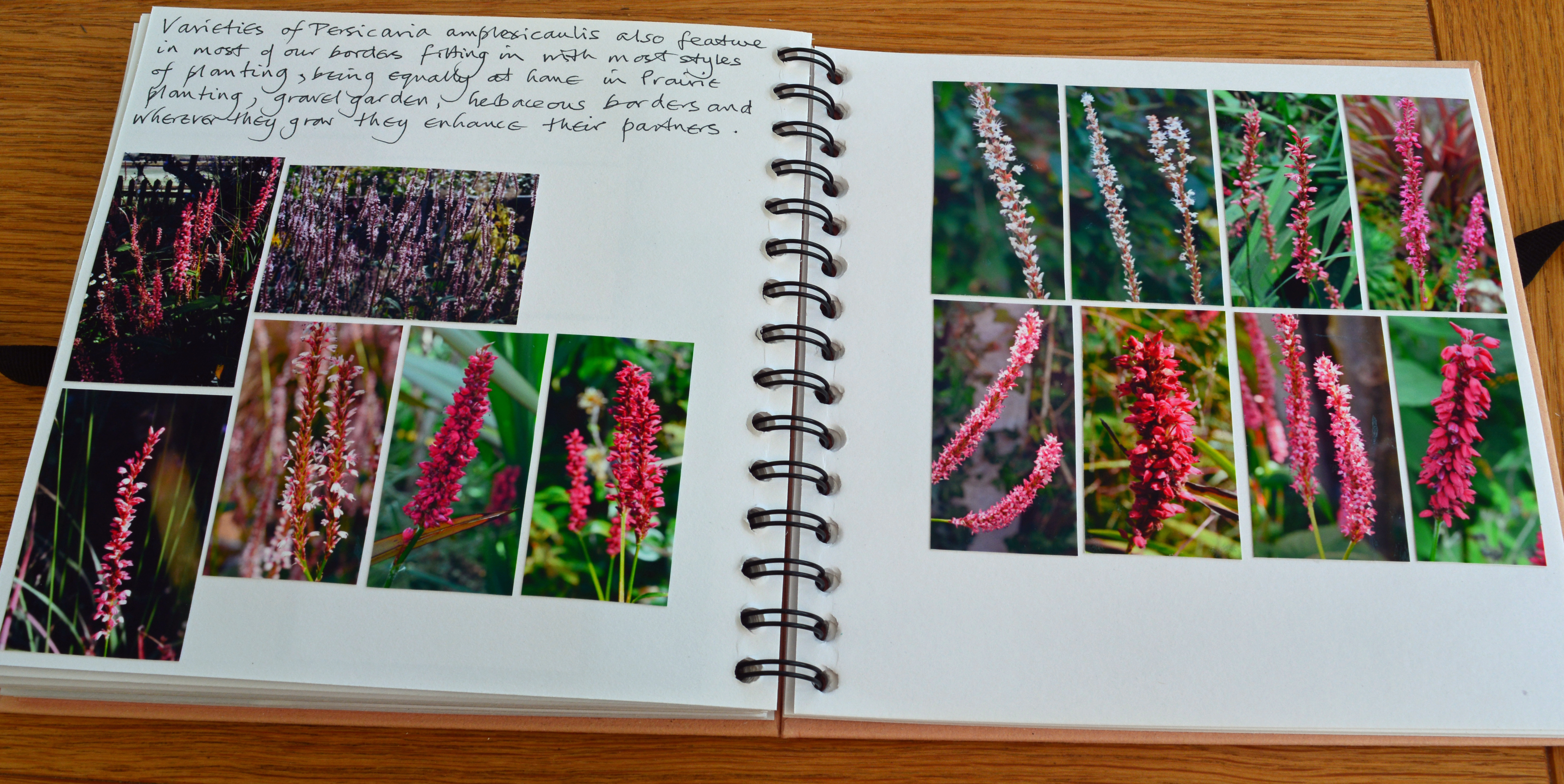
“Varieties of Persicaria amplexicaulis also feature on most of our borders fitting in with most styles of planting, being equally at home in Prairie planting, gravel garden, herbaceous borders and wherever they grow they enhance their border partners.”

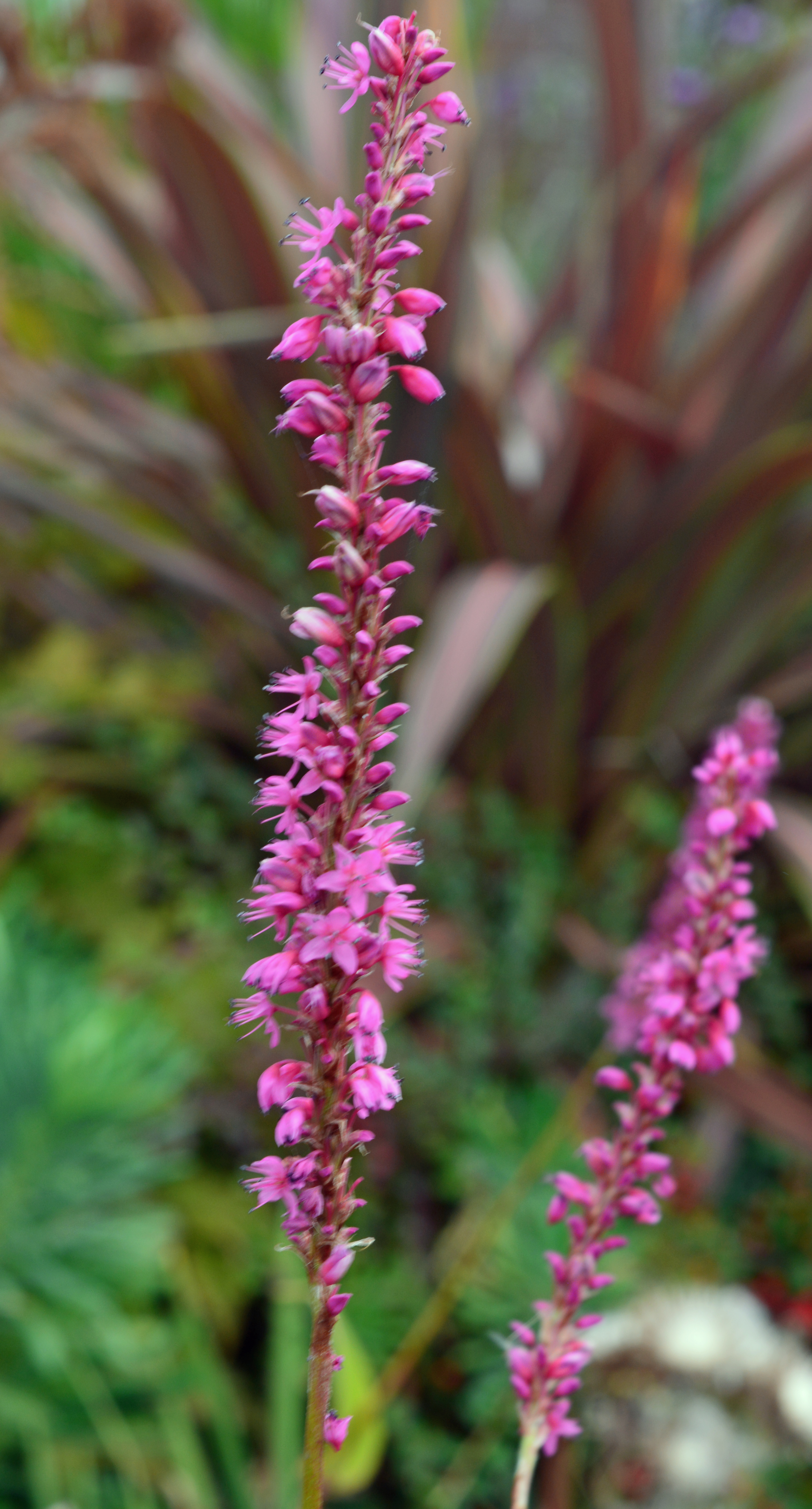
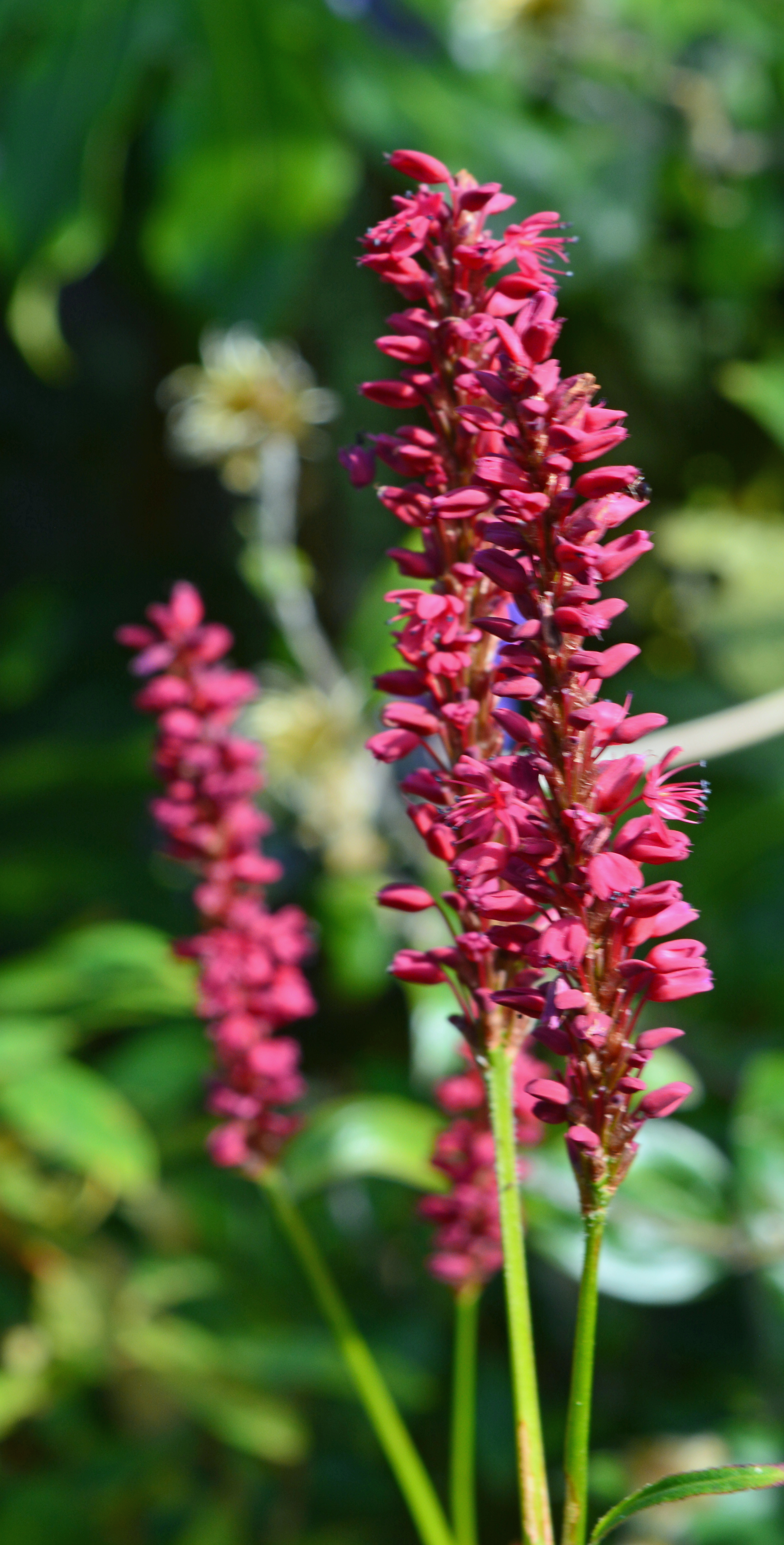
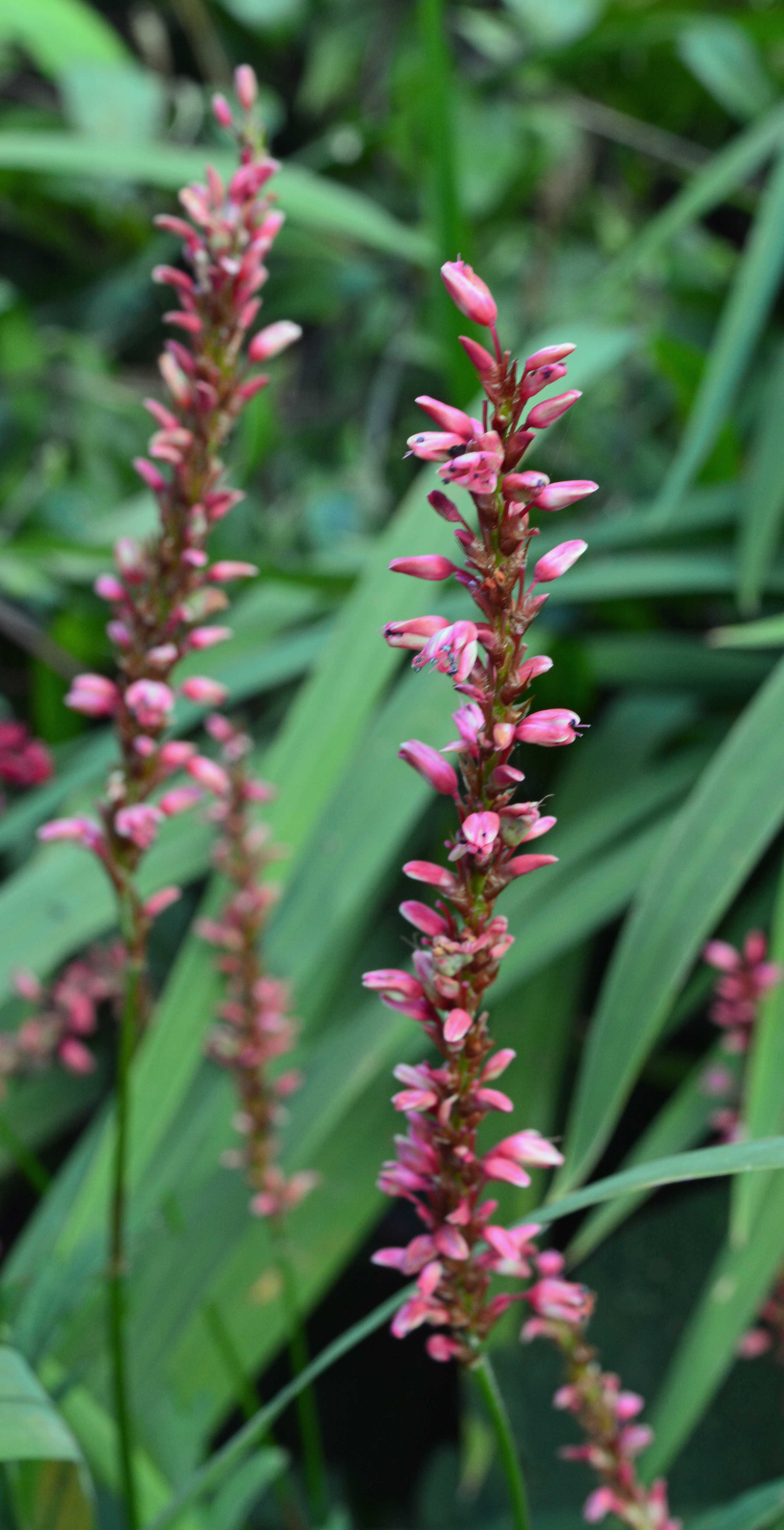


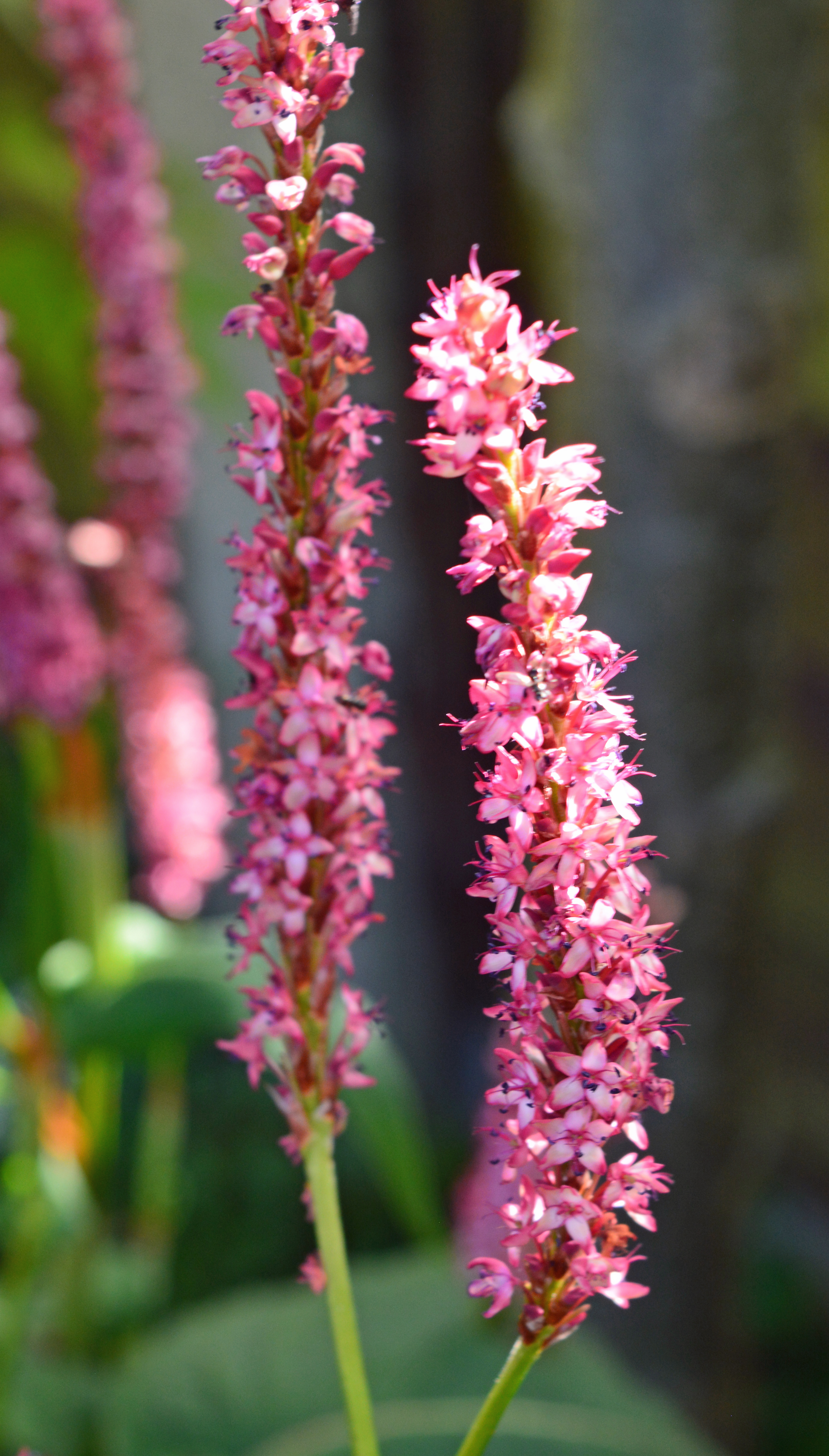



These two collections of hardy herbaceous perennials brings the month of September to an end. The next visit to my garden journal will be in October