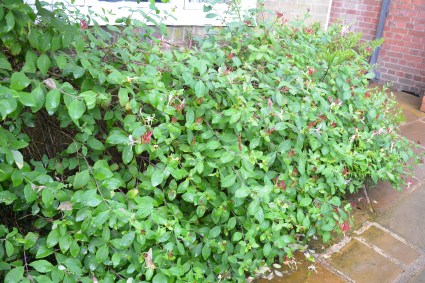
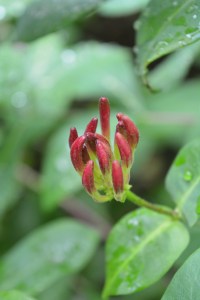
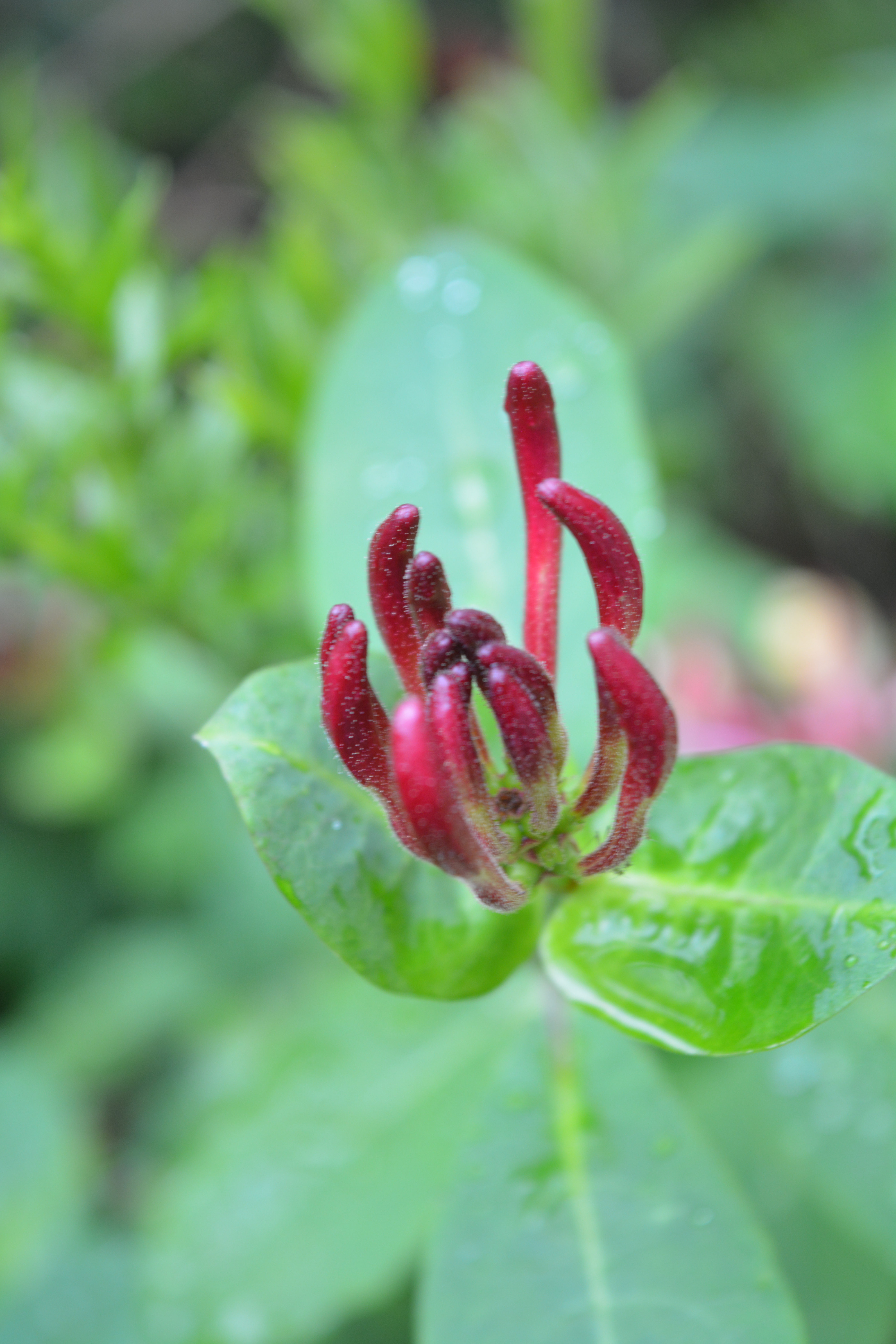
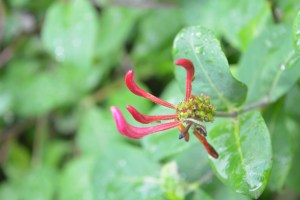
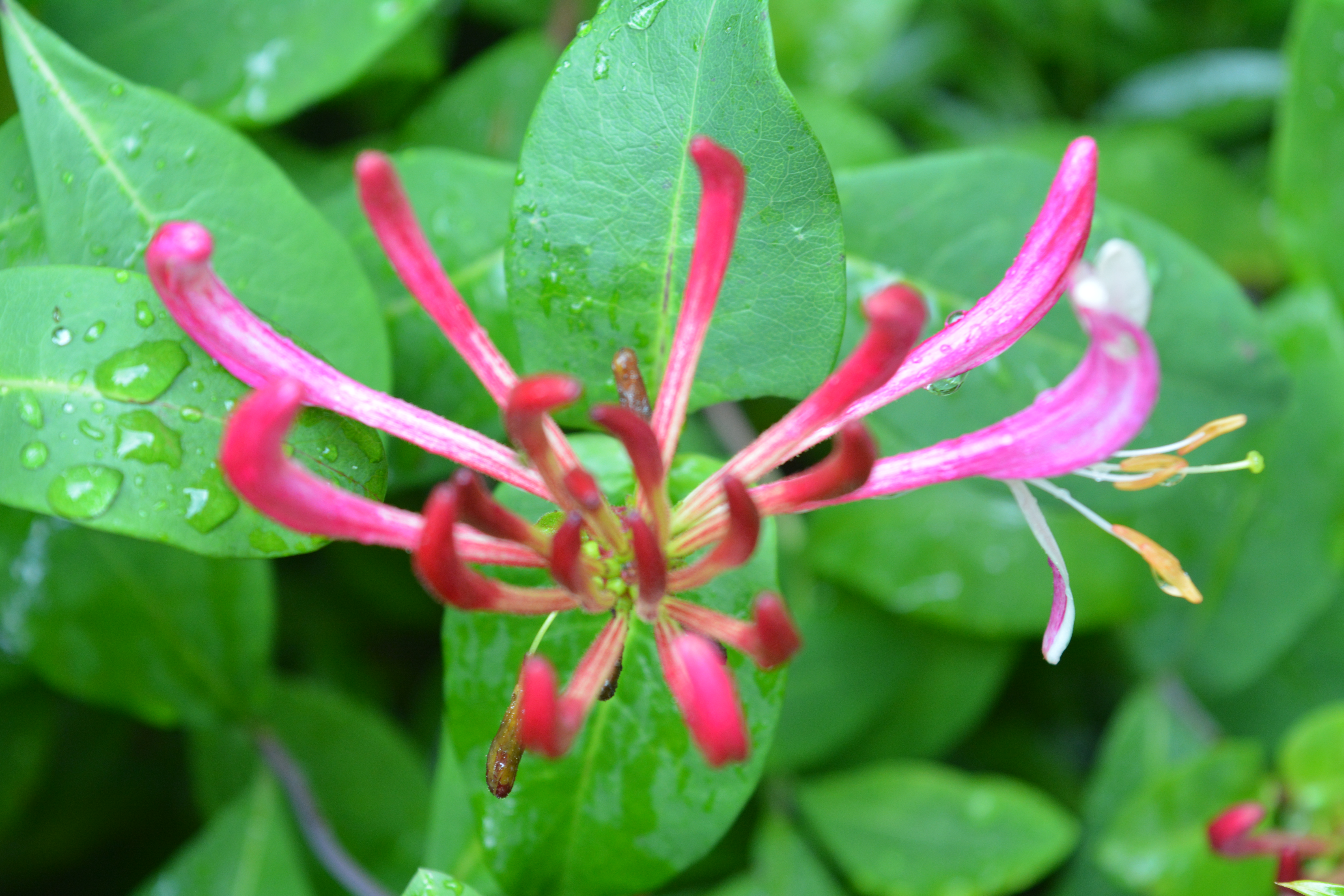
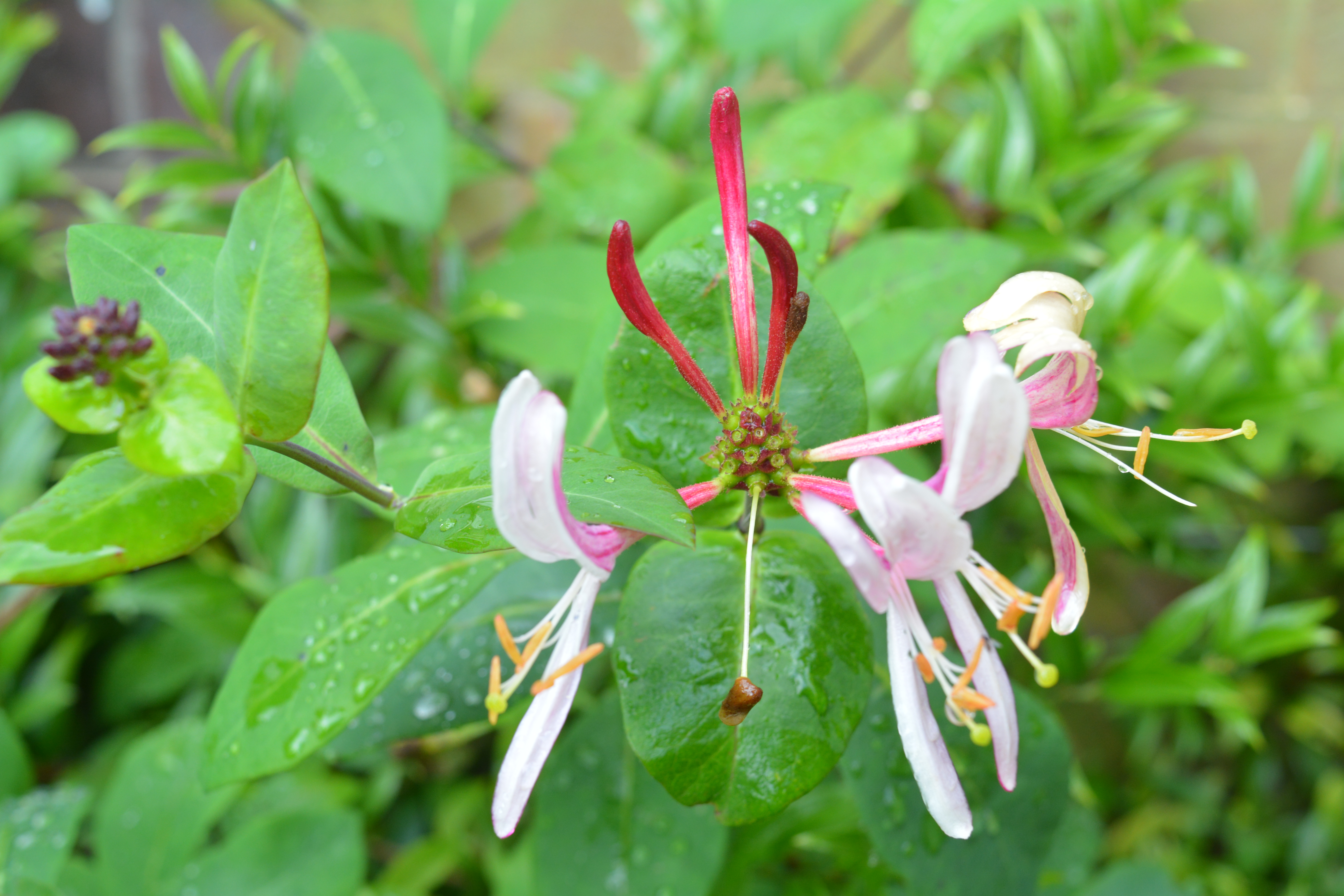
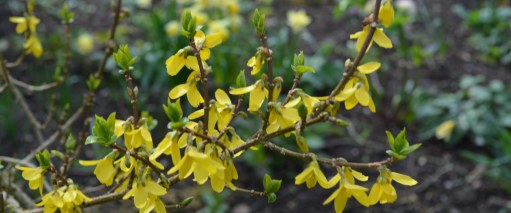
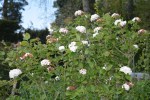
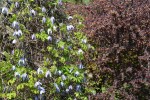
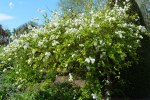
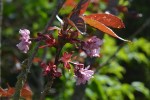
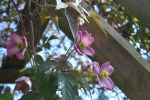
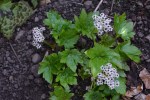
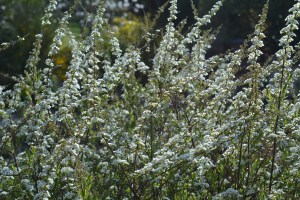
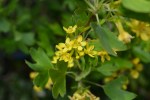
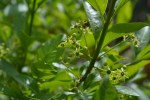
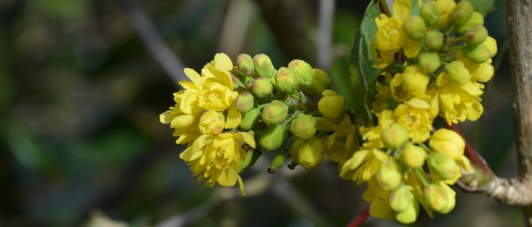
We found a shrub of a beautifully flowered Honeysuckle, Lonicera, while visiting a city garden recently and noticed it had buds at every stage of flowering from early bud to fully open flowers. I hope you enjoy these shots I took.


A retired primary school head teacher, I now spend much of my time gardening in our quarter acre plot in rural Shropshire south of Shrewsbury. I share my garden with Jude my wife a newly retired teacher , eight assorted chickens and a plethora of wildlife. Jude does all the heavy work as I have a damaged spine and right leg. We also garden on an allotment nearby. We are interested in all things related to gardens, green issues and wildlife.
We found a shrub of a beautifully flowered Honeysuckle, Lonicera, while visiting a city garden recently and noticed it had buds at every stage of flowering from early bud to fully open flowers. I hope you enjoy these shots I took.
Today we returned to the Dorothy Clive Gardens to see what was going on in May and to see what had changed since our last visit in March. We had to miss out on our planned April visit due to commitments of giving talks to garden groups and opening our own garden. It was worth waiting a little longer because we really enjoyed our visit discovering so many changes and new things to see.

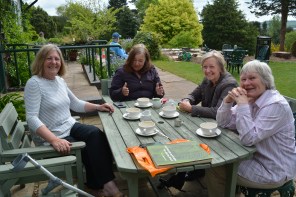
But an extra element for this visit was our arranged meeting with friends from college over 40 years ago. After meeting up again as a consequence of one of our college friends spotting me during my TV appearance in a gardening programme last year we now meet regularly at cafes and gardens.

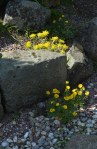
The mystery patch being developed this year is now beginning to take shape and we think it may eventually become a scree bed or gravel garden. We shall see. Time will tell.

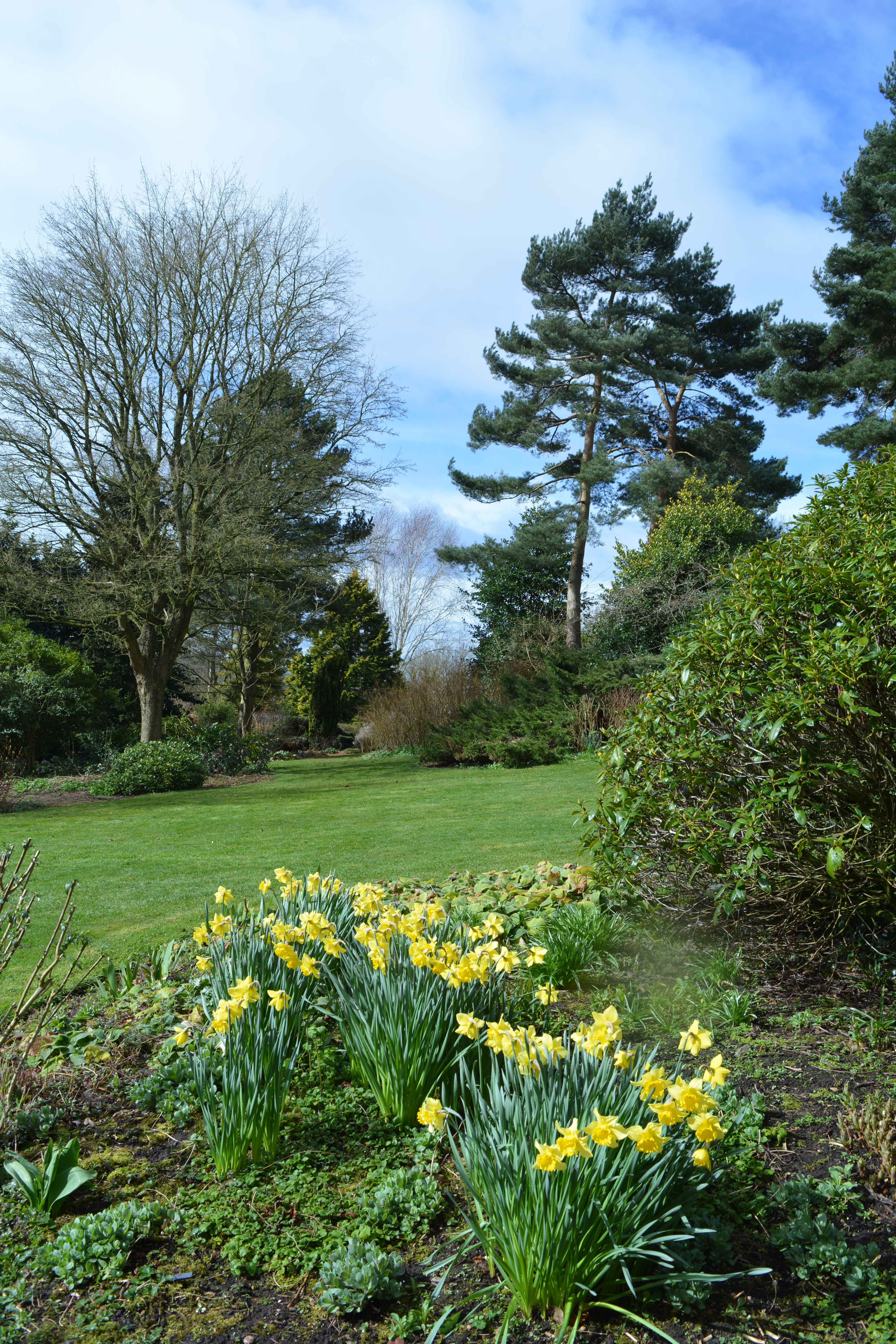
The first views of the garden showed a much greener scene. Deciduous plants were beginning to show colour in their leaves and the last of the spring bulbs continued to flower.

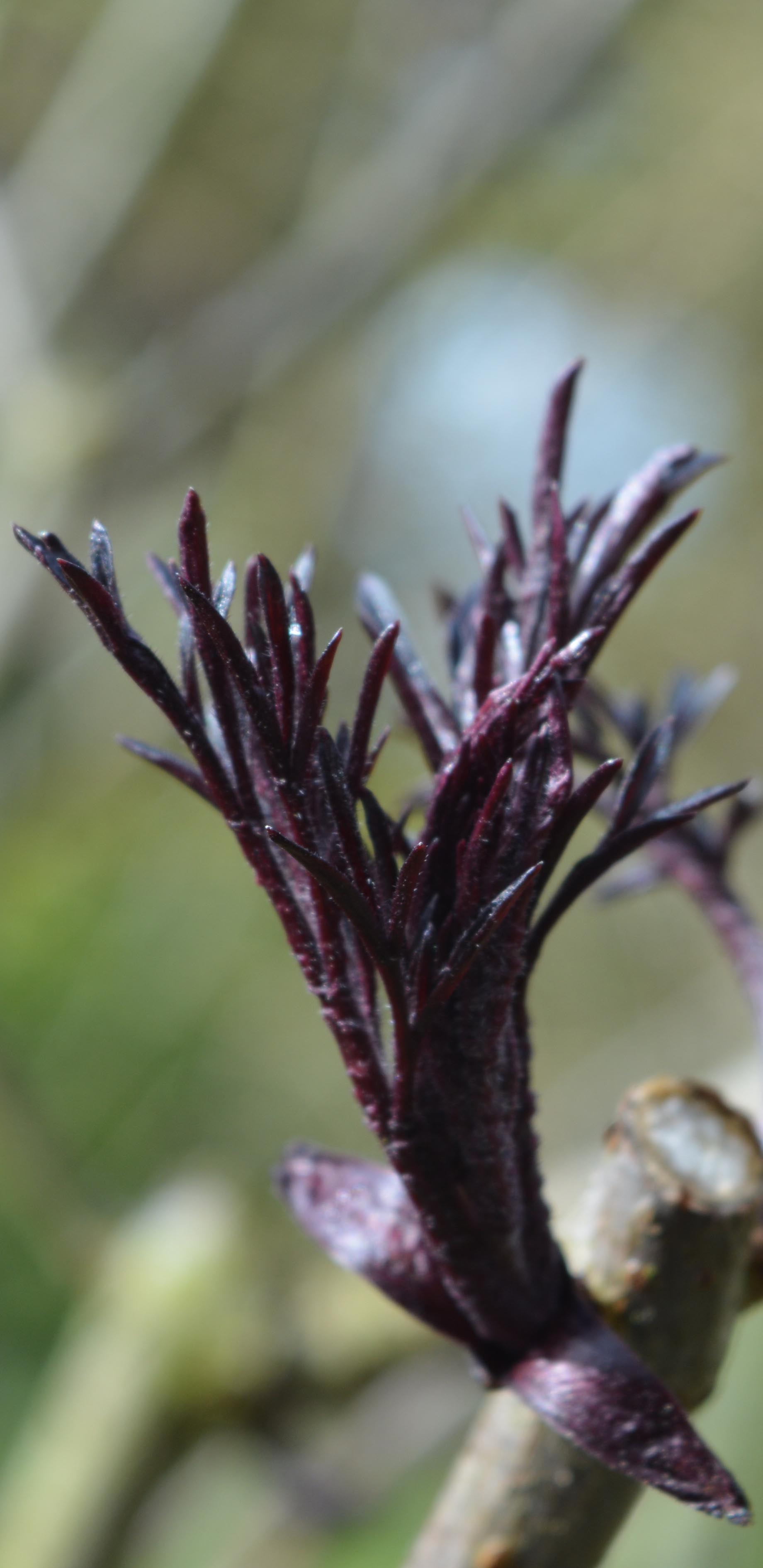

The area around the pond was gradually coming to life and the Camellia Walk shone pink.
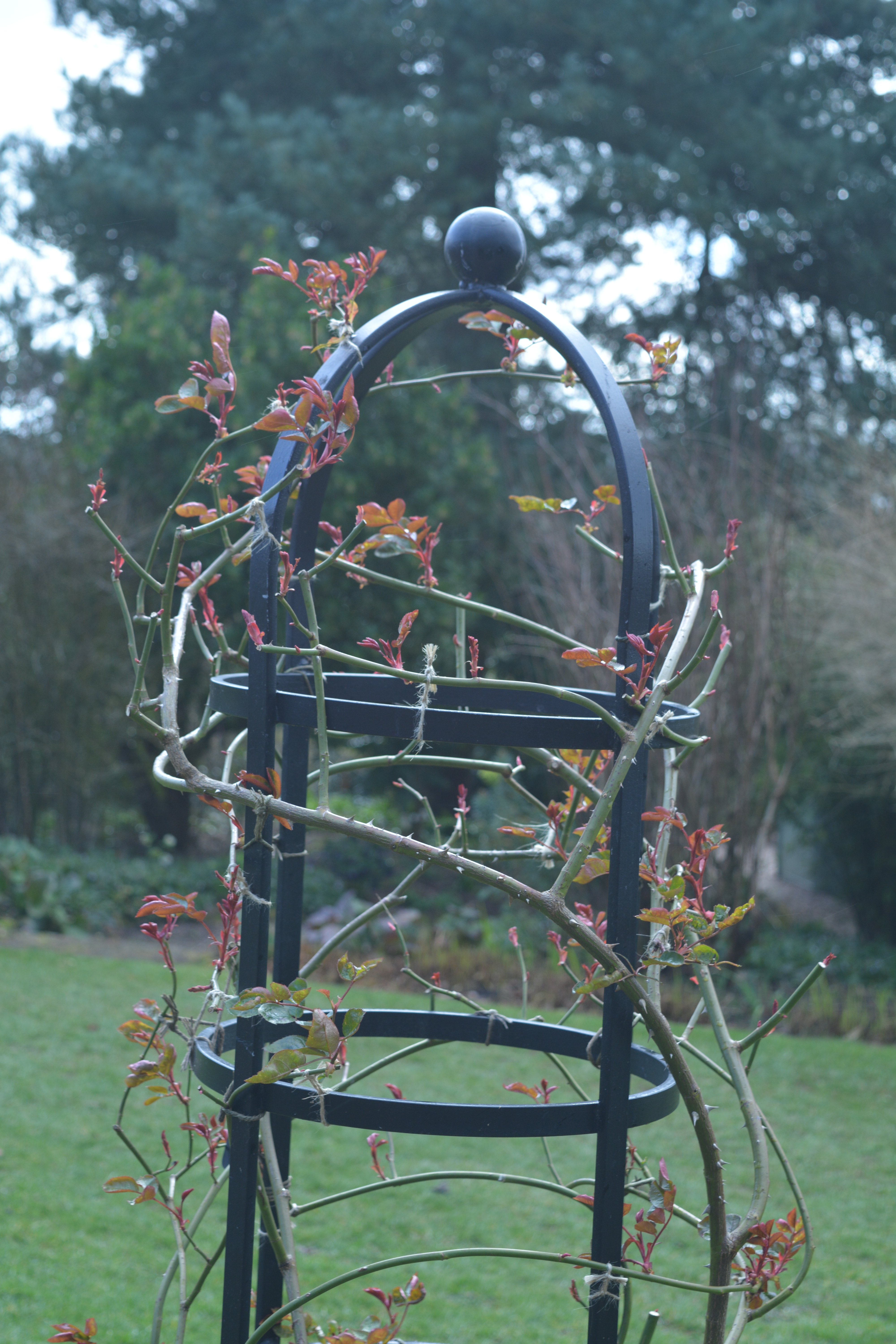
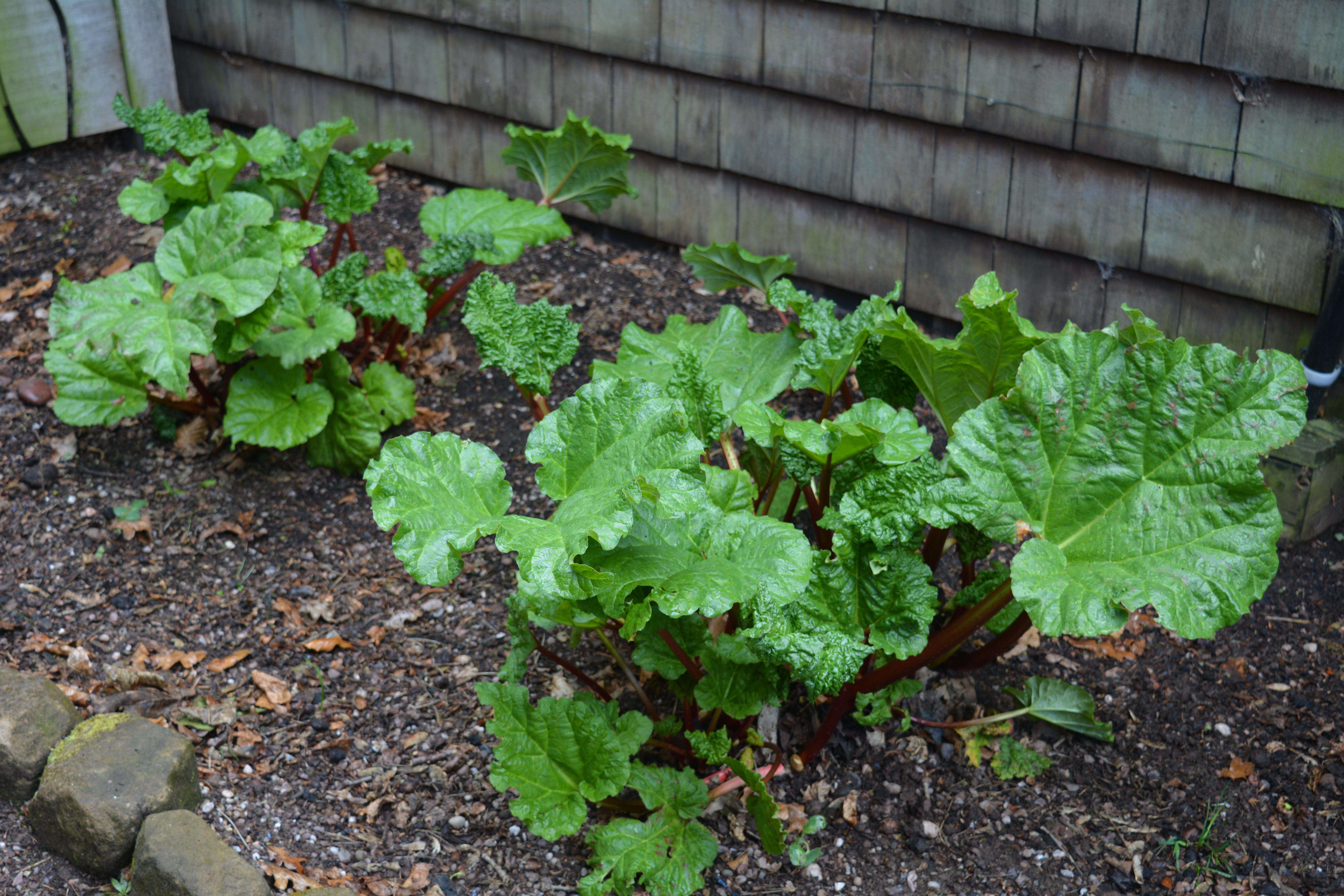
The first leaves were bursting from their buds in the Rose Garden and the productive areas showing promise.
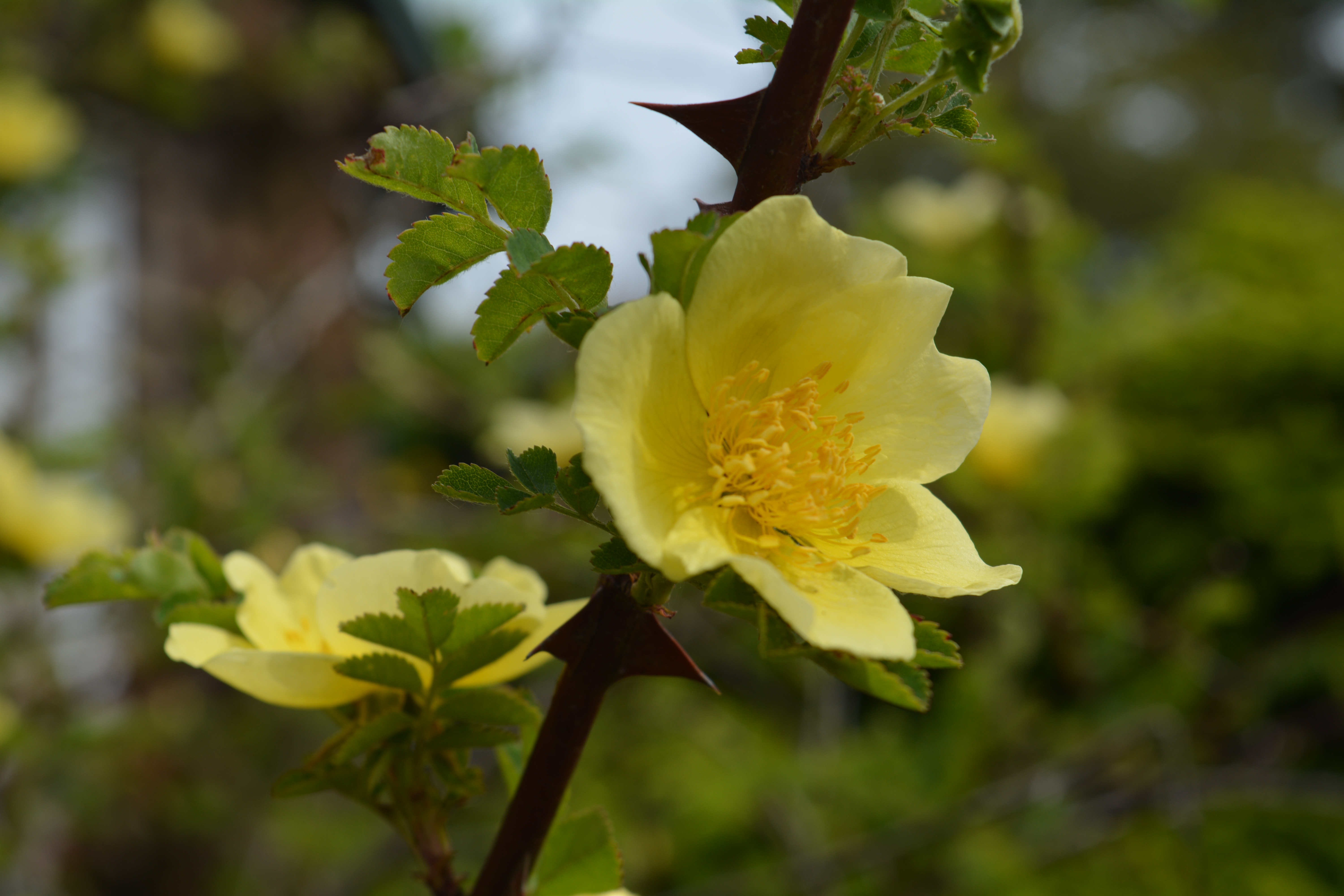
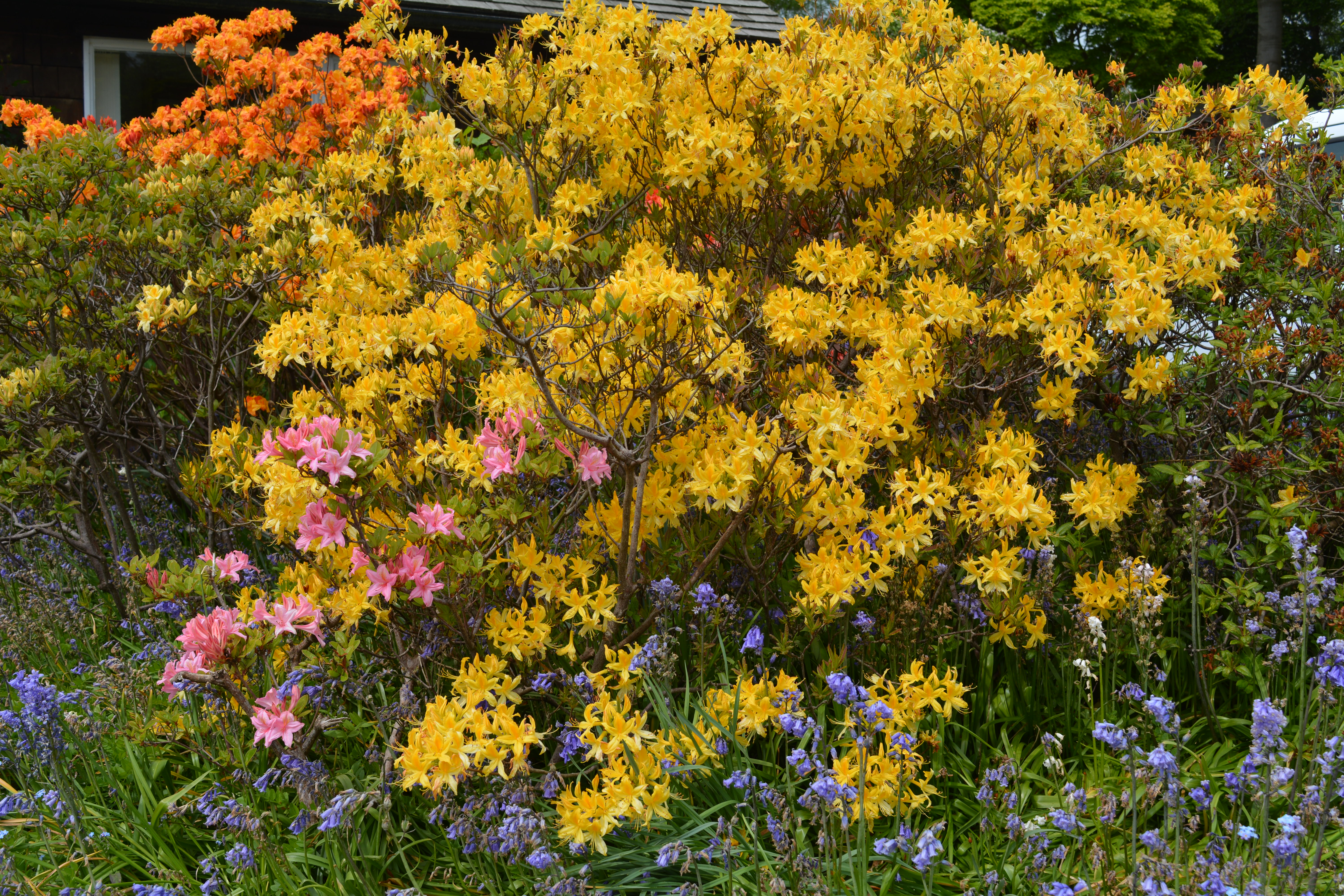
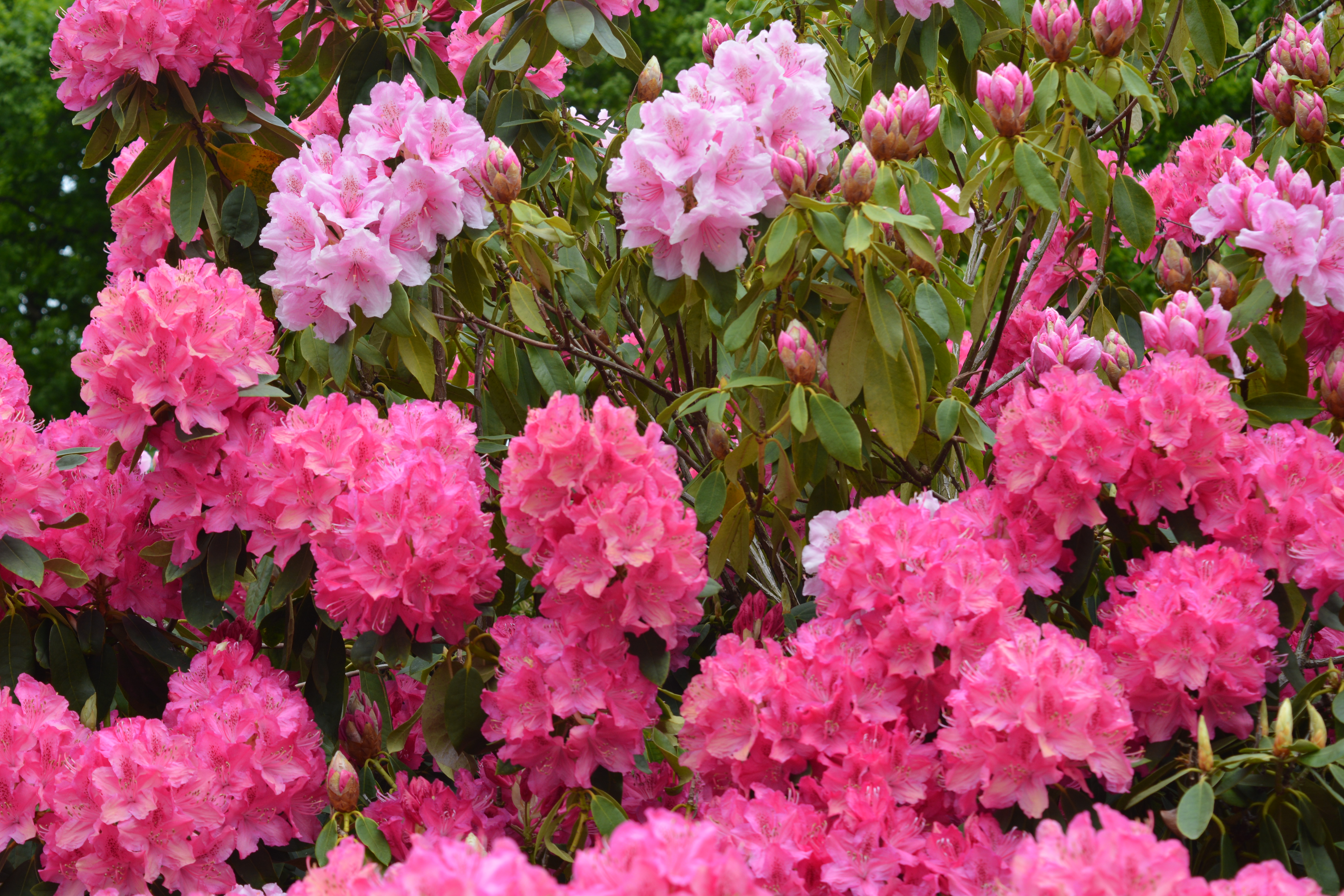
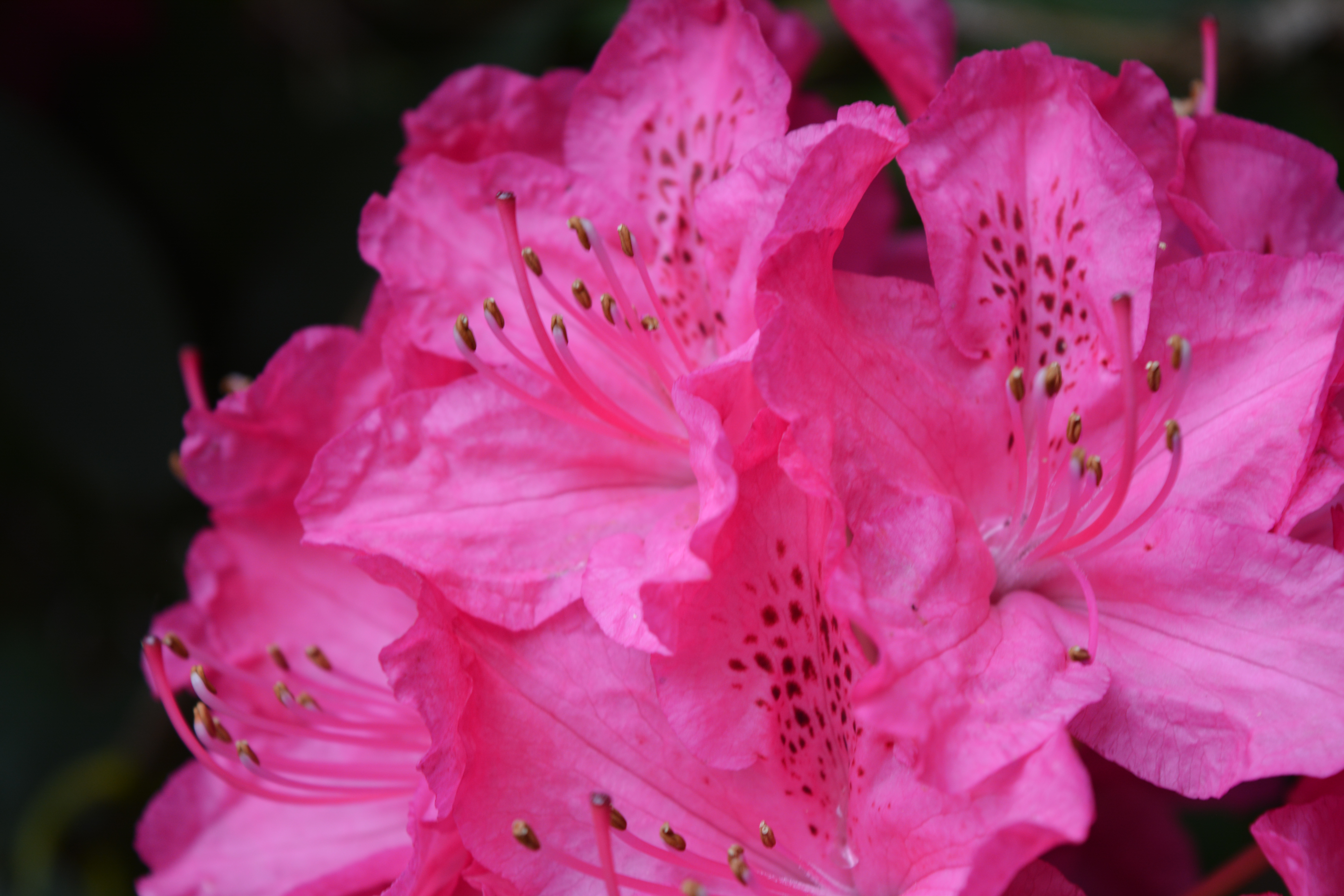
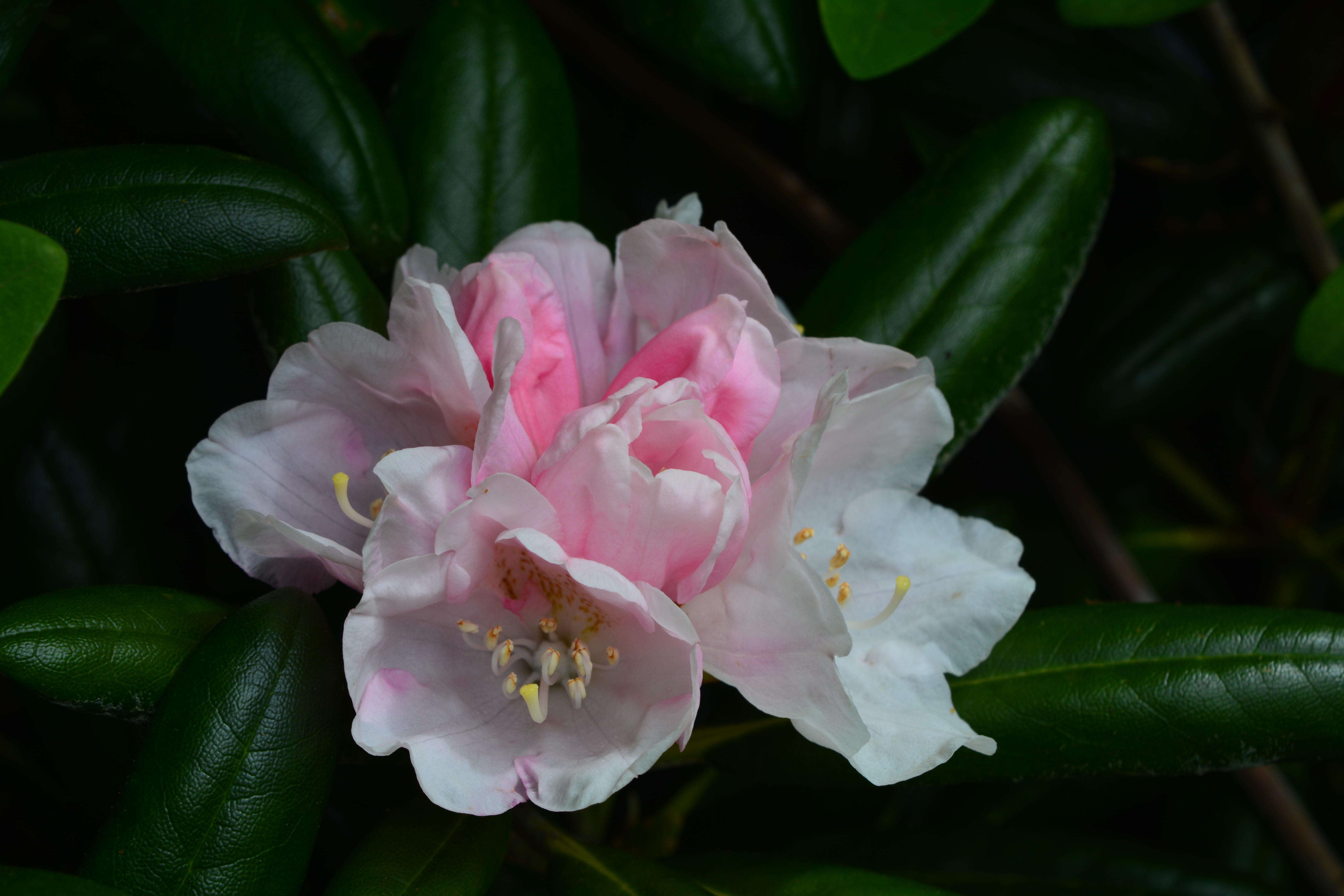
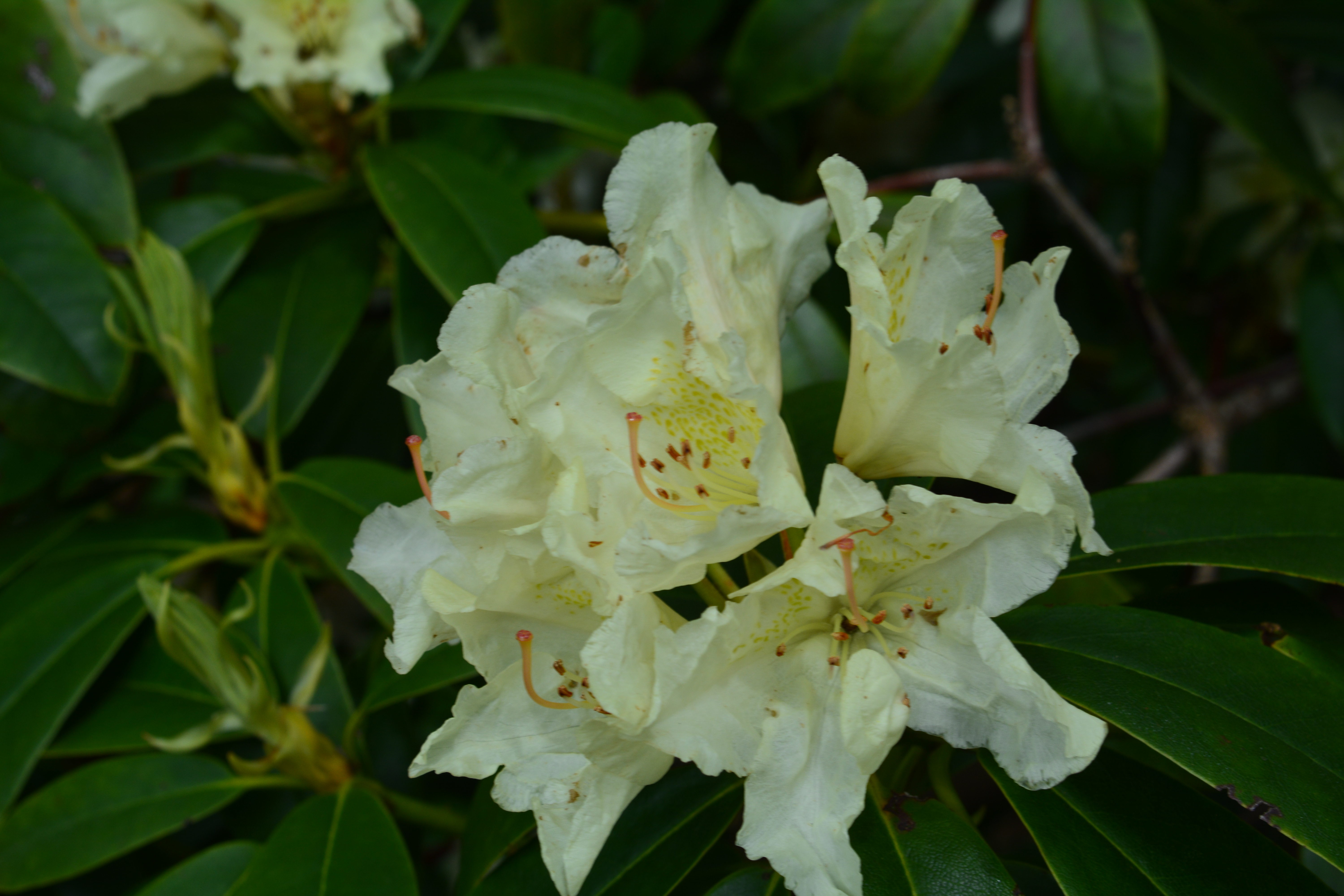
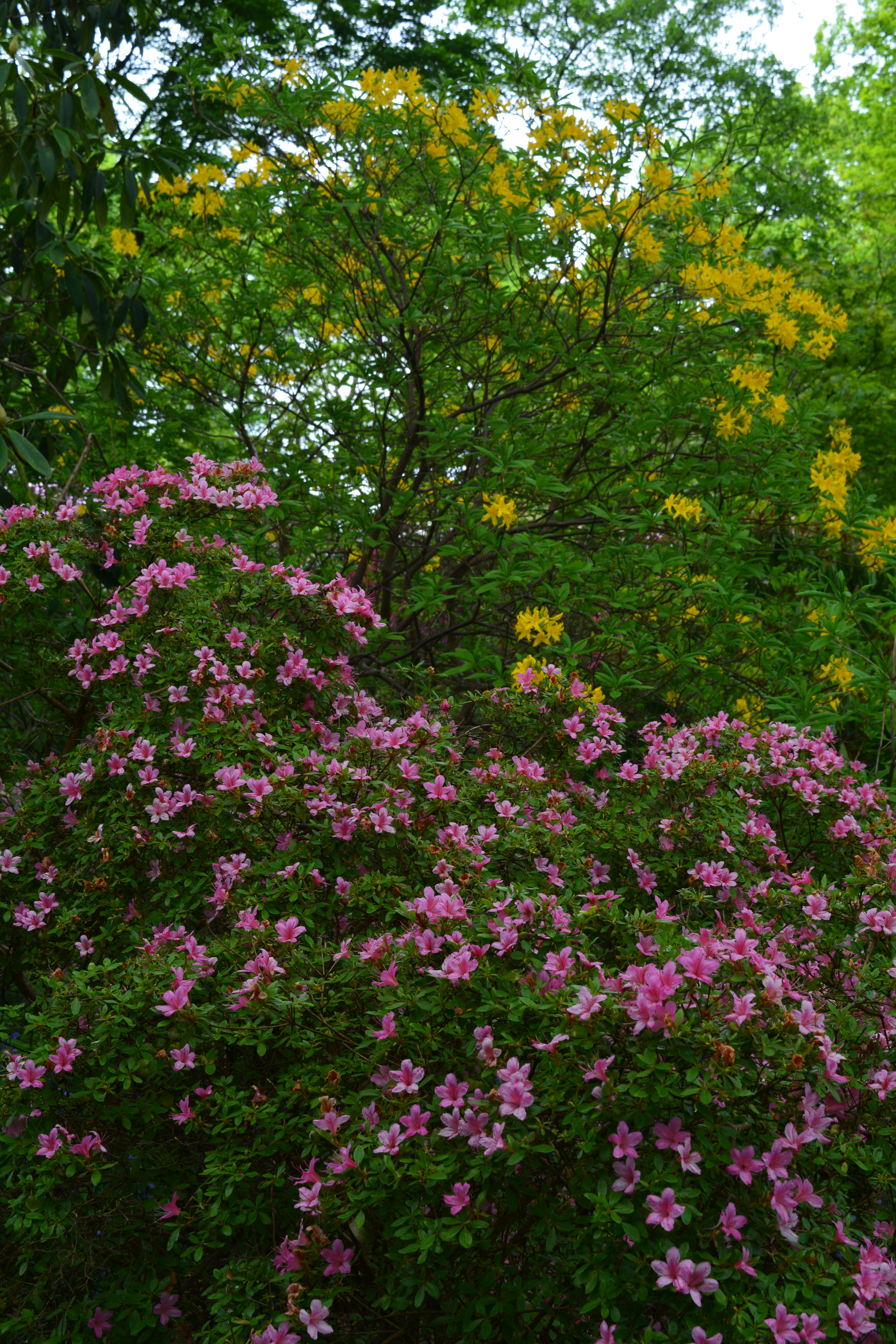
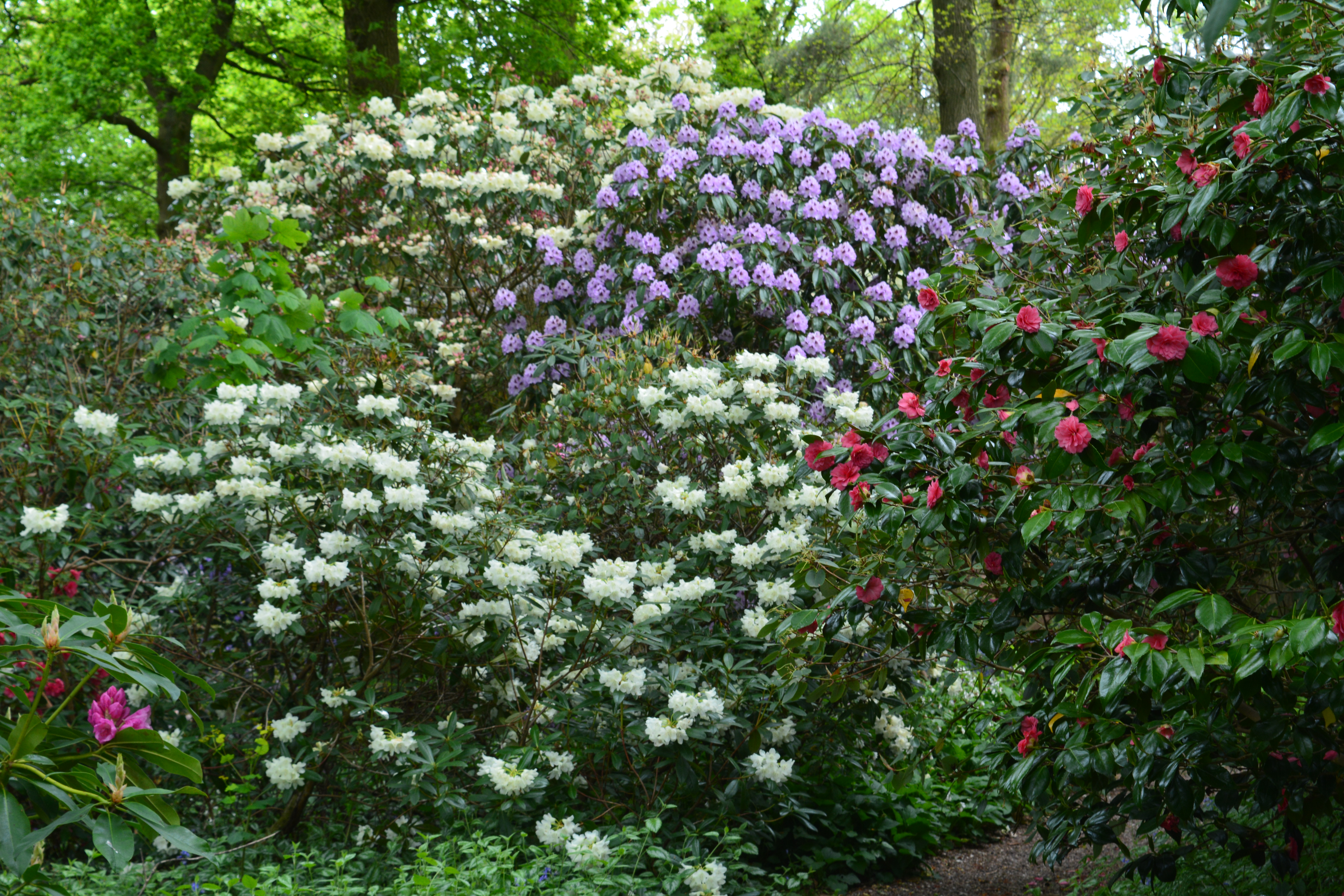
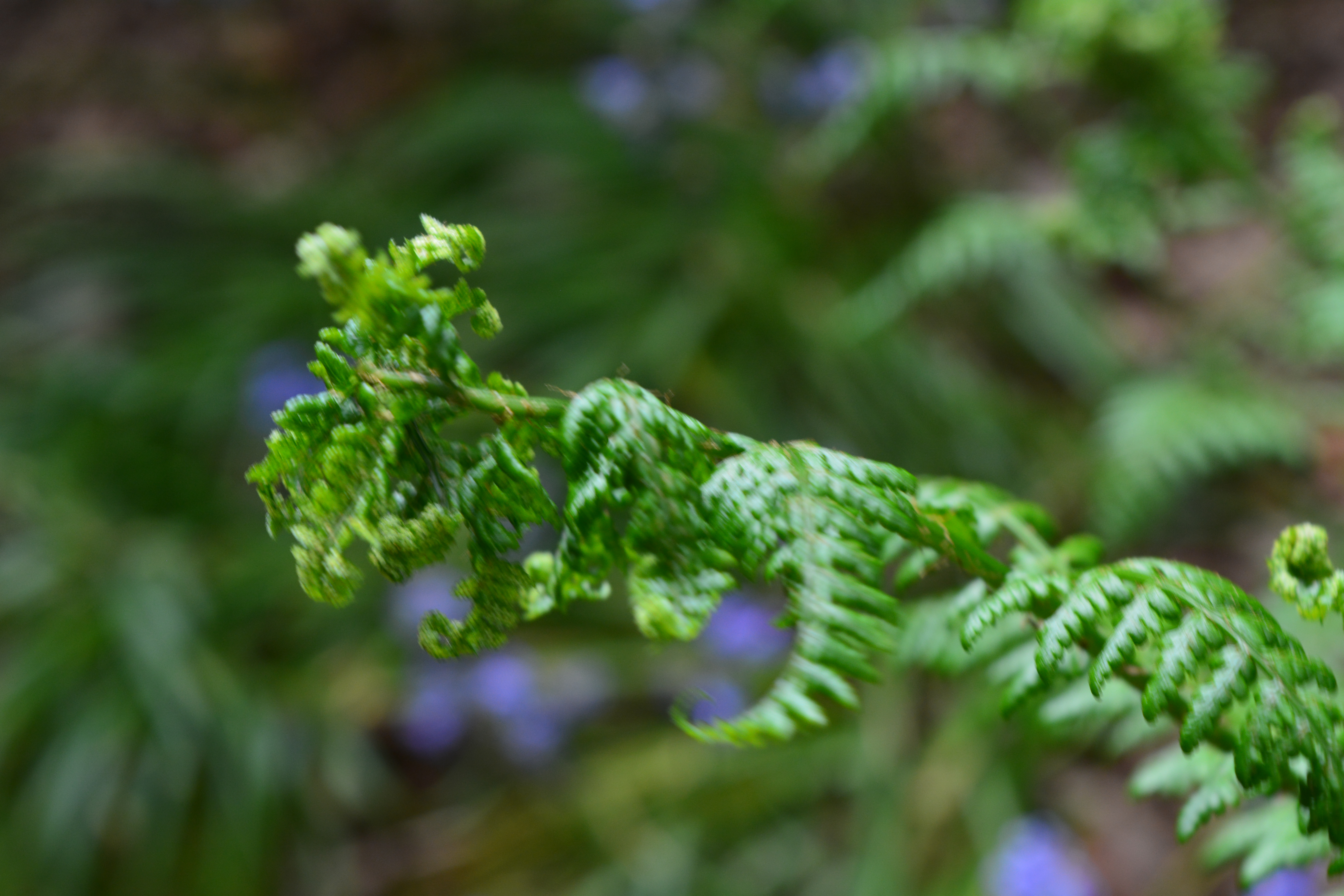
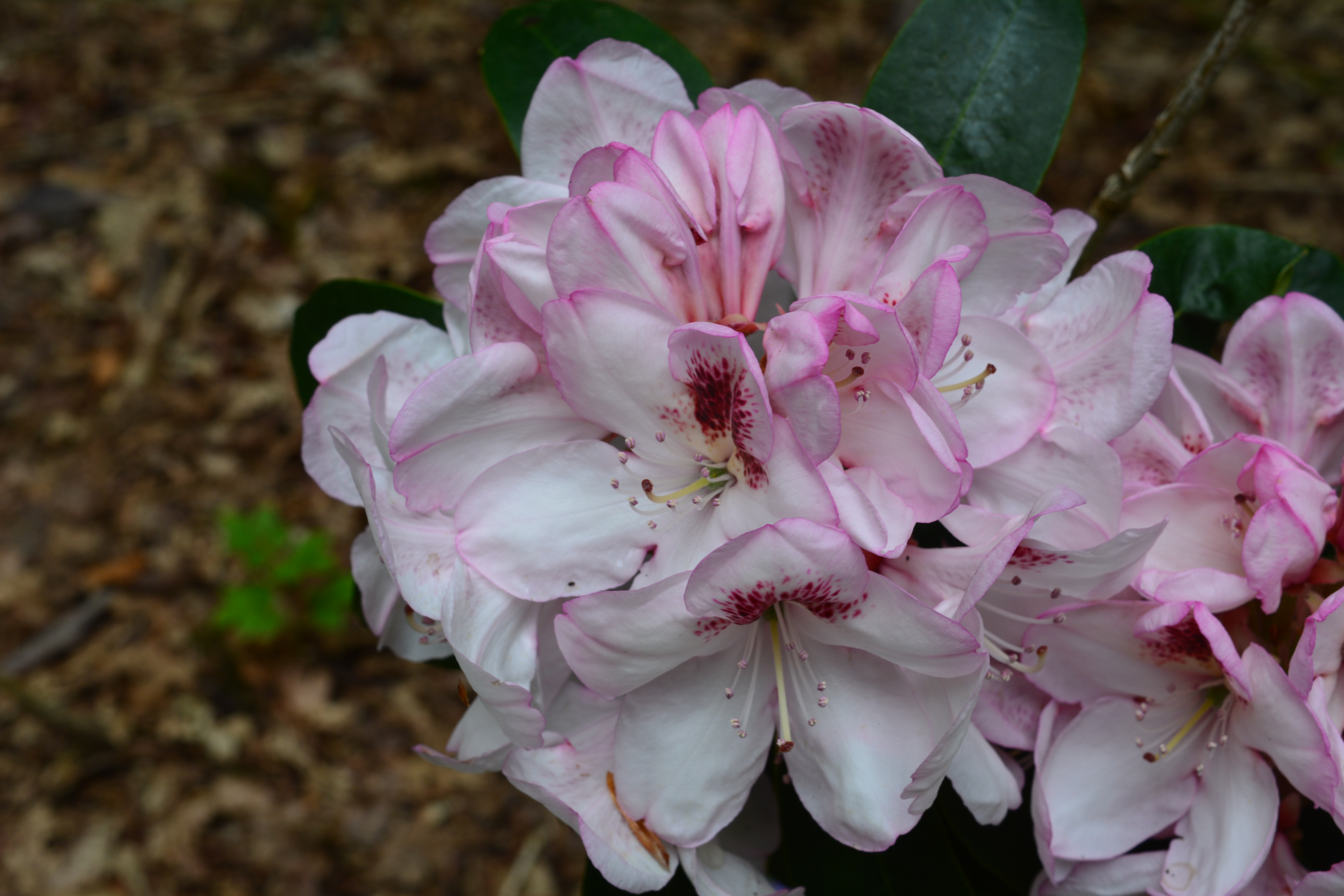
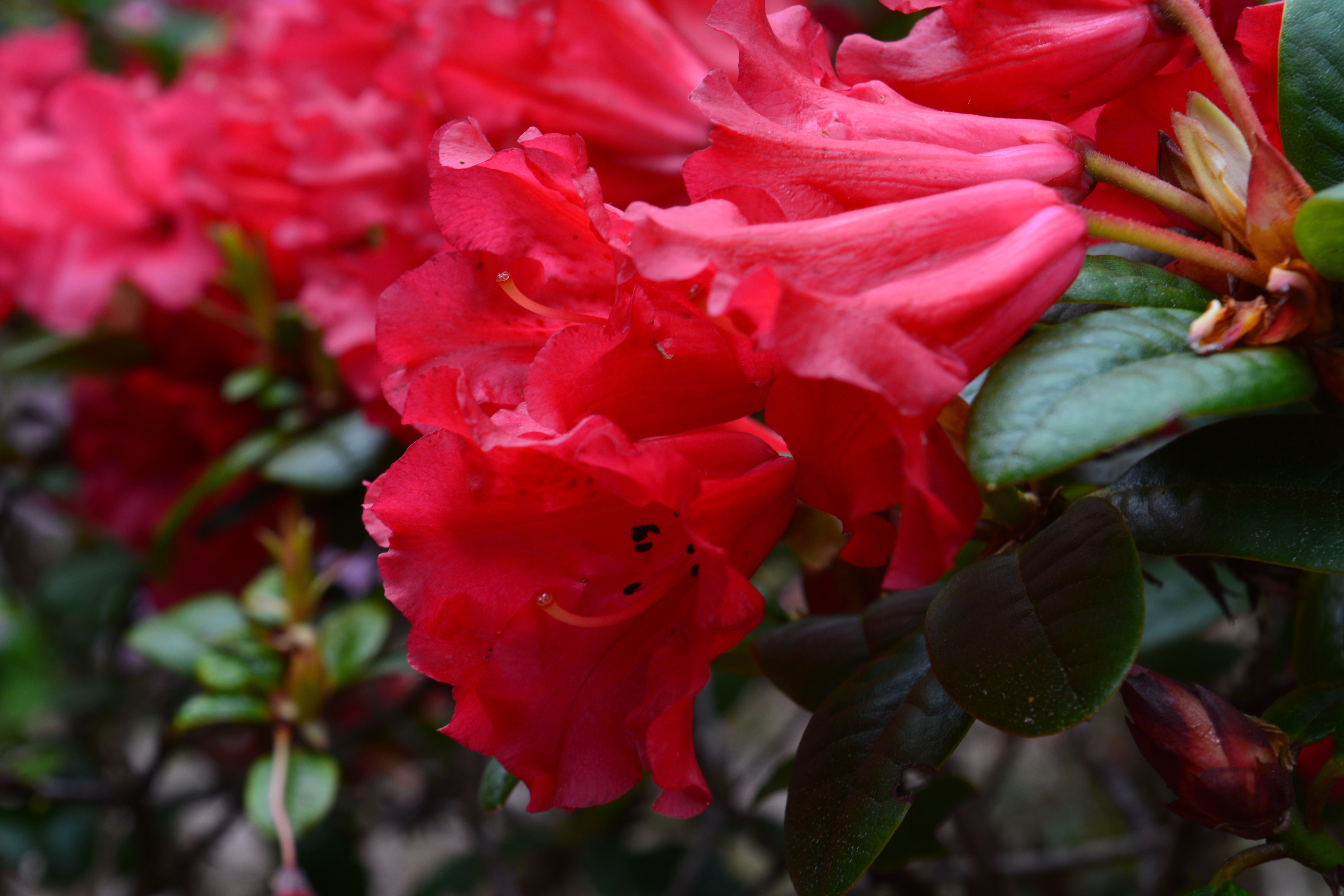
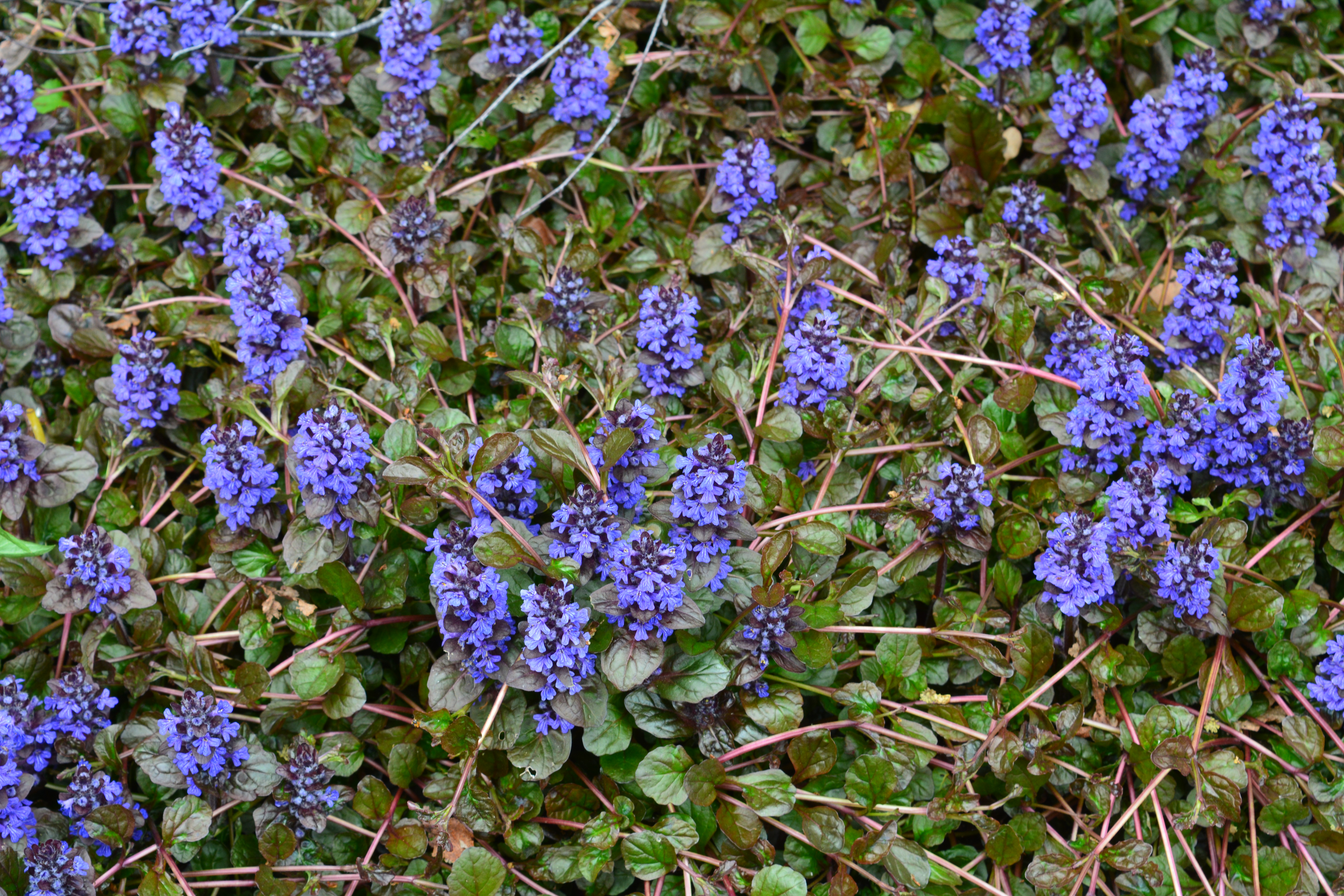
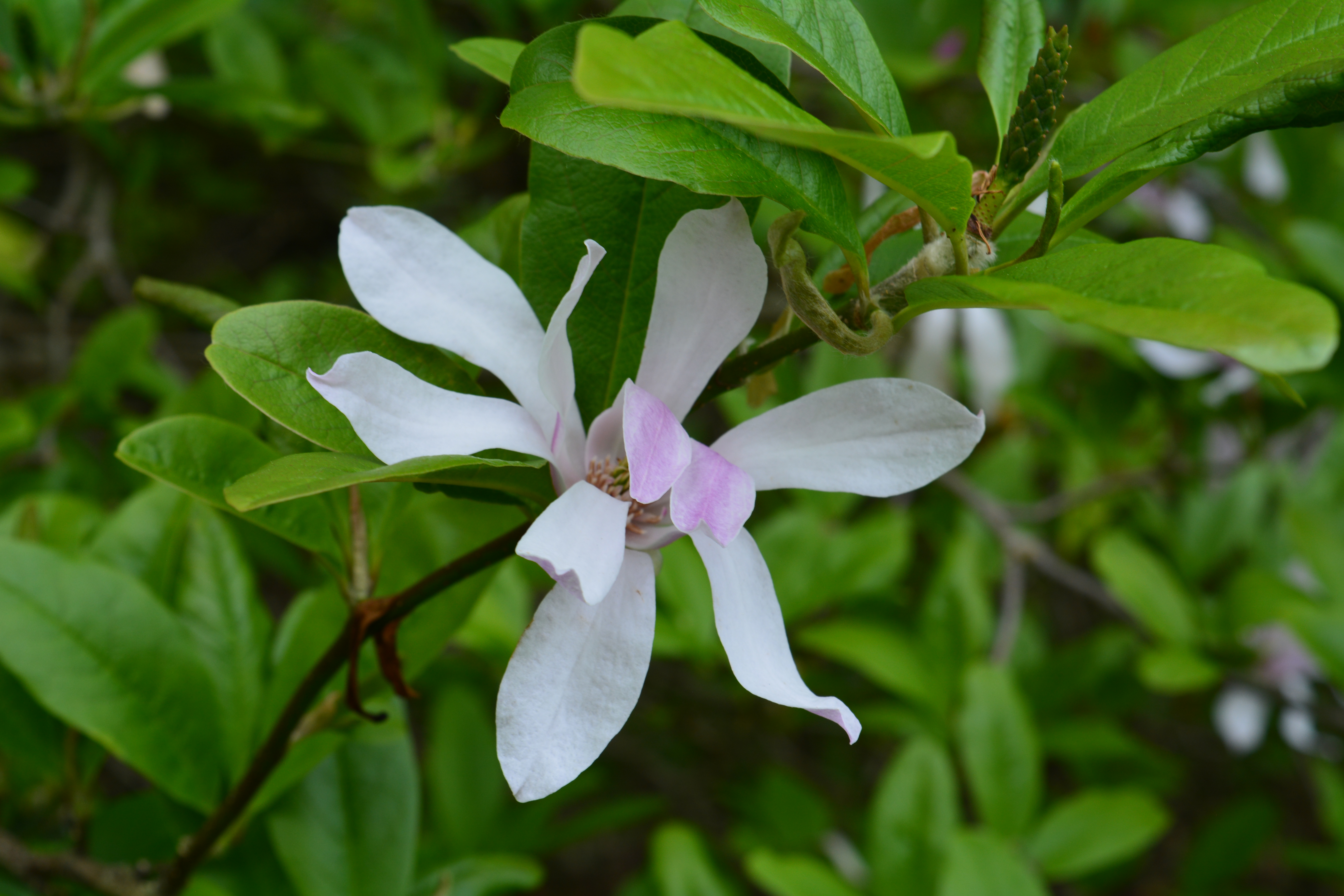
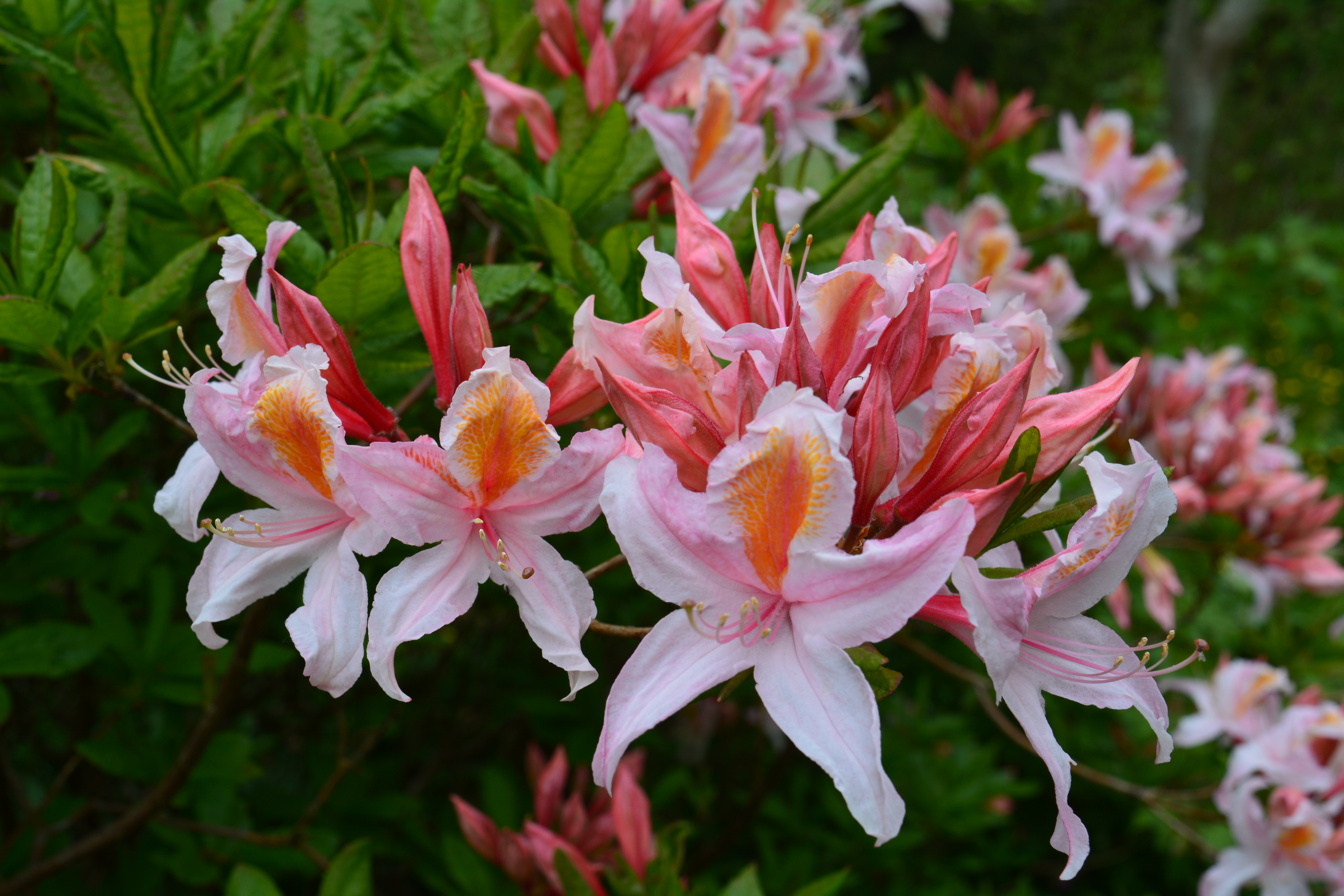
However the real star of the Dorothy Clive Gardens at this time of the year has to be the area called The Dingle, a woodland garden full of azaleas, rhododendrons and ferns, an area of bright colours and rich fresh greens. Enjoy wandering through the narrow winding gravel paths of The dingle with me, the Undergardener, our friends and of course my camera!


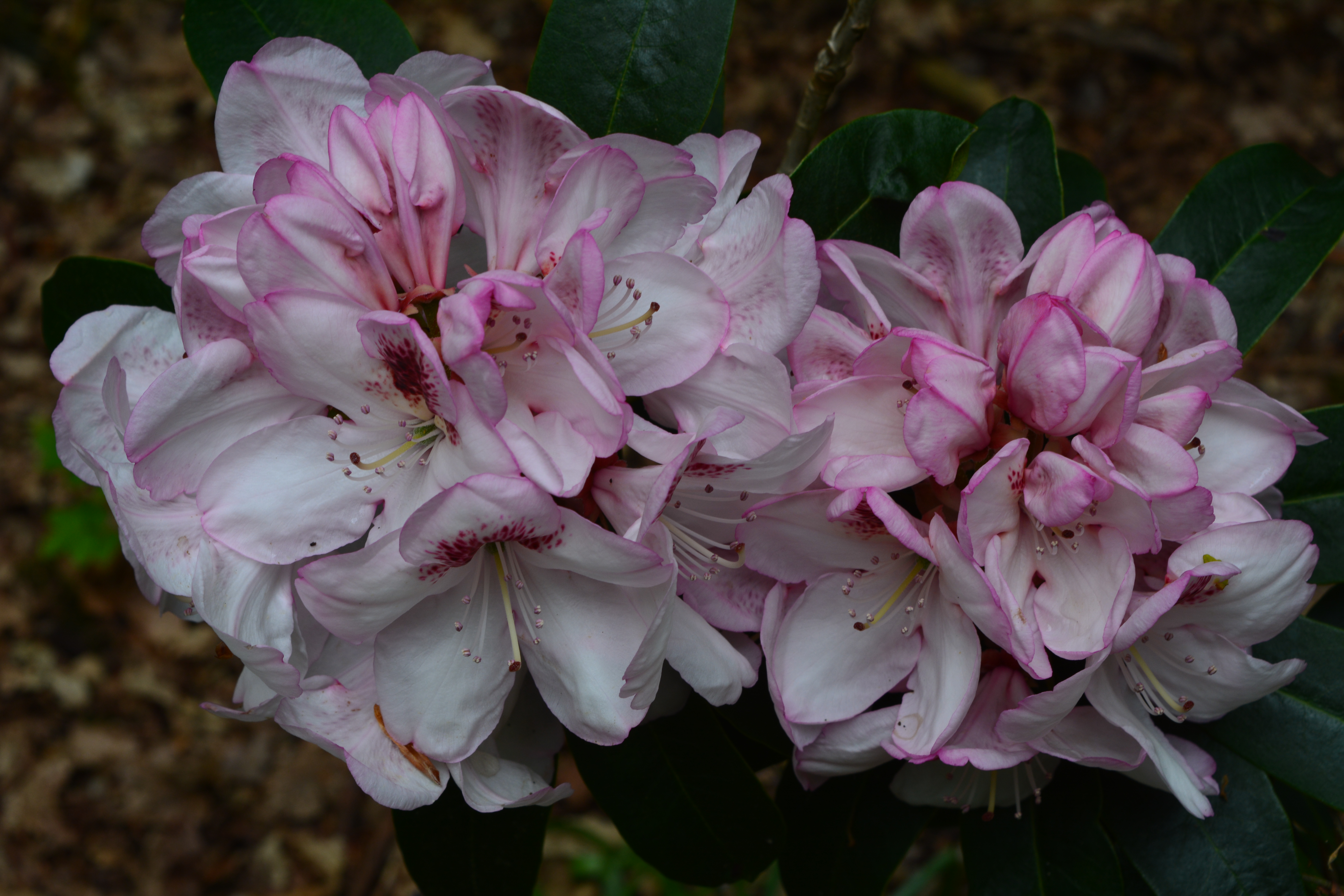
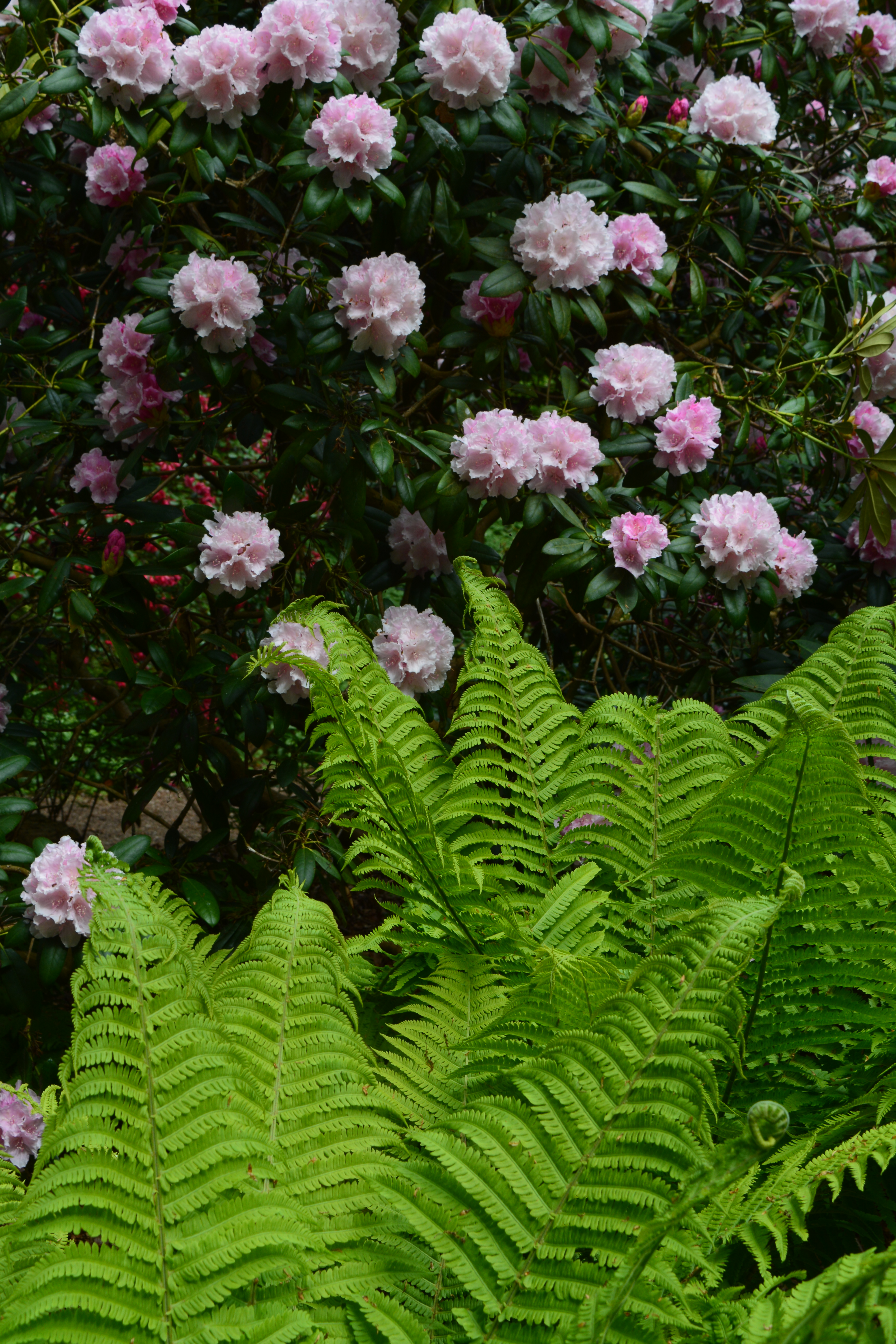

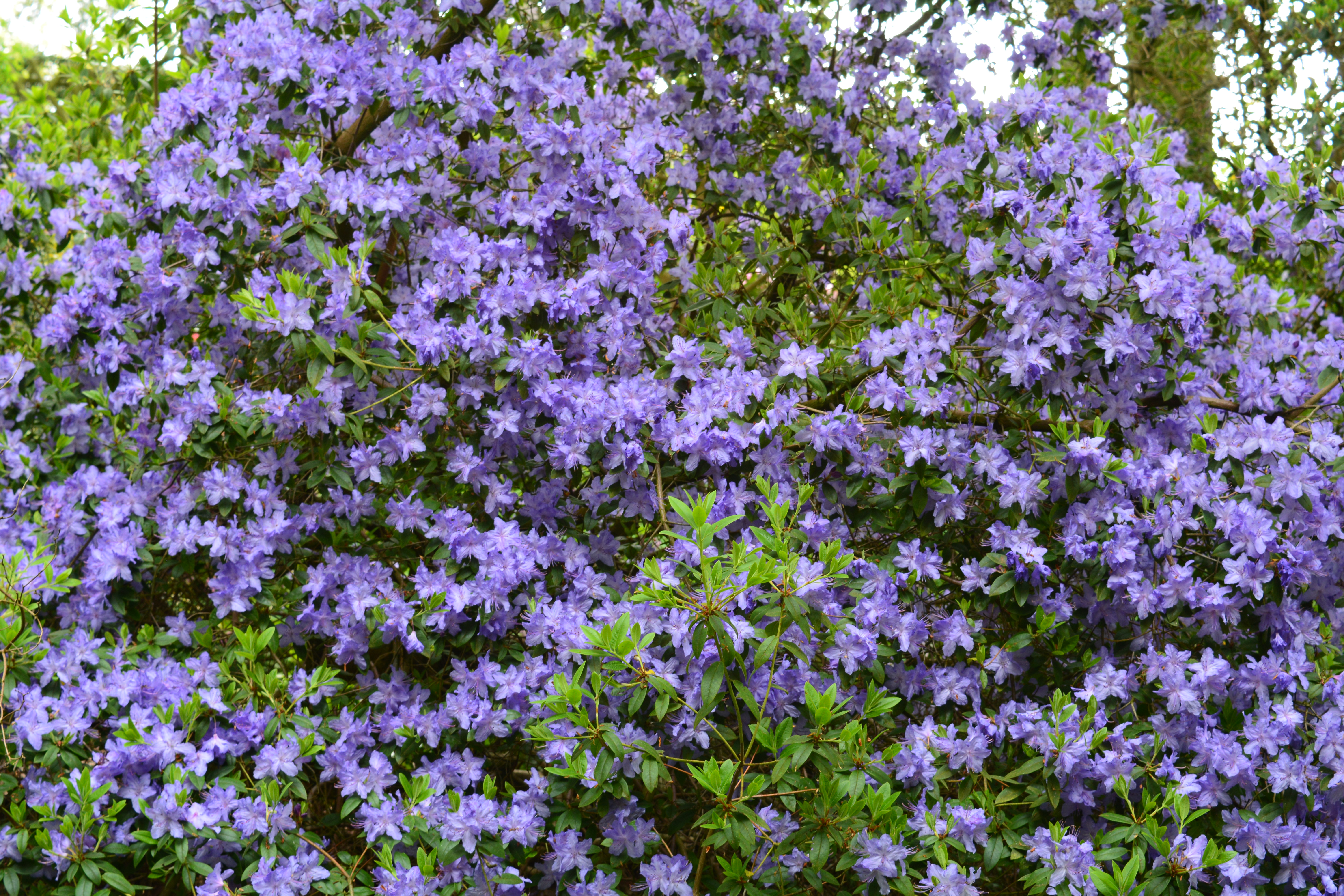
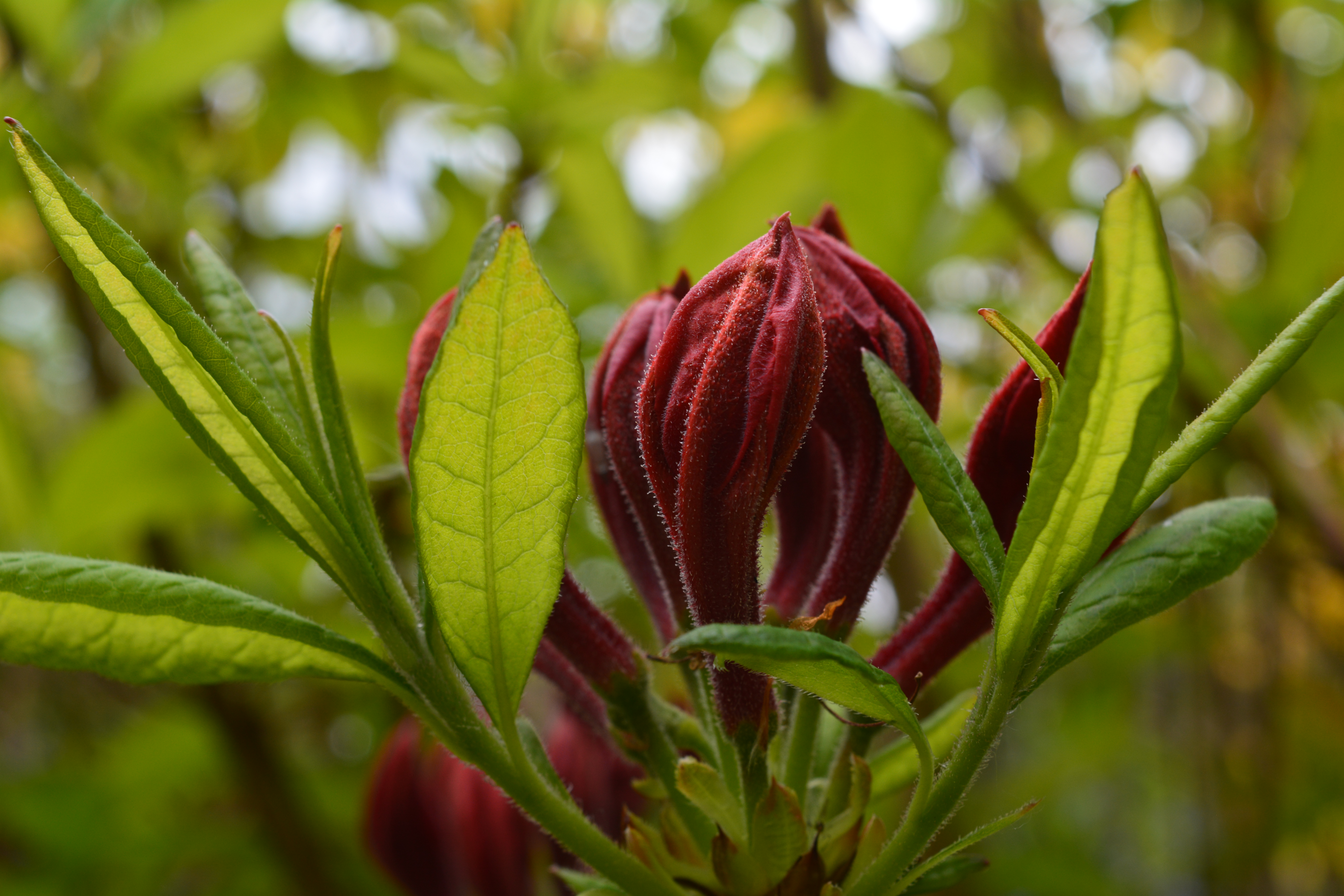




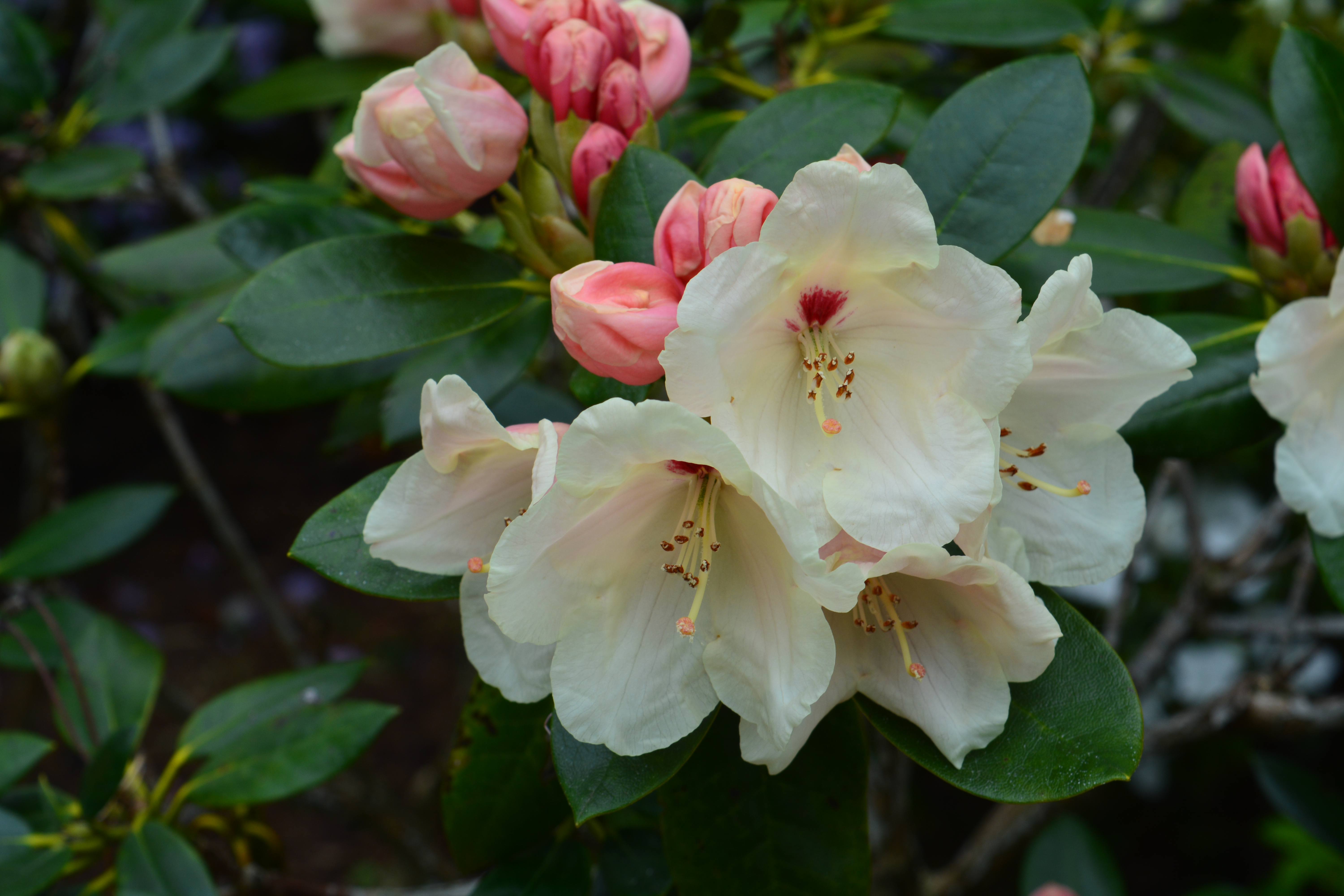

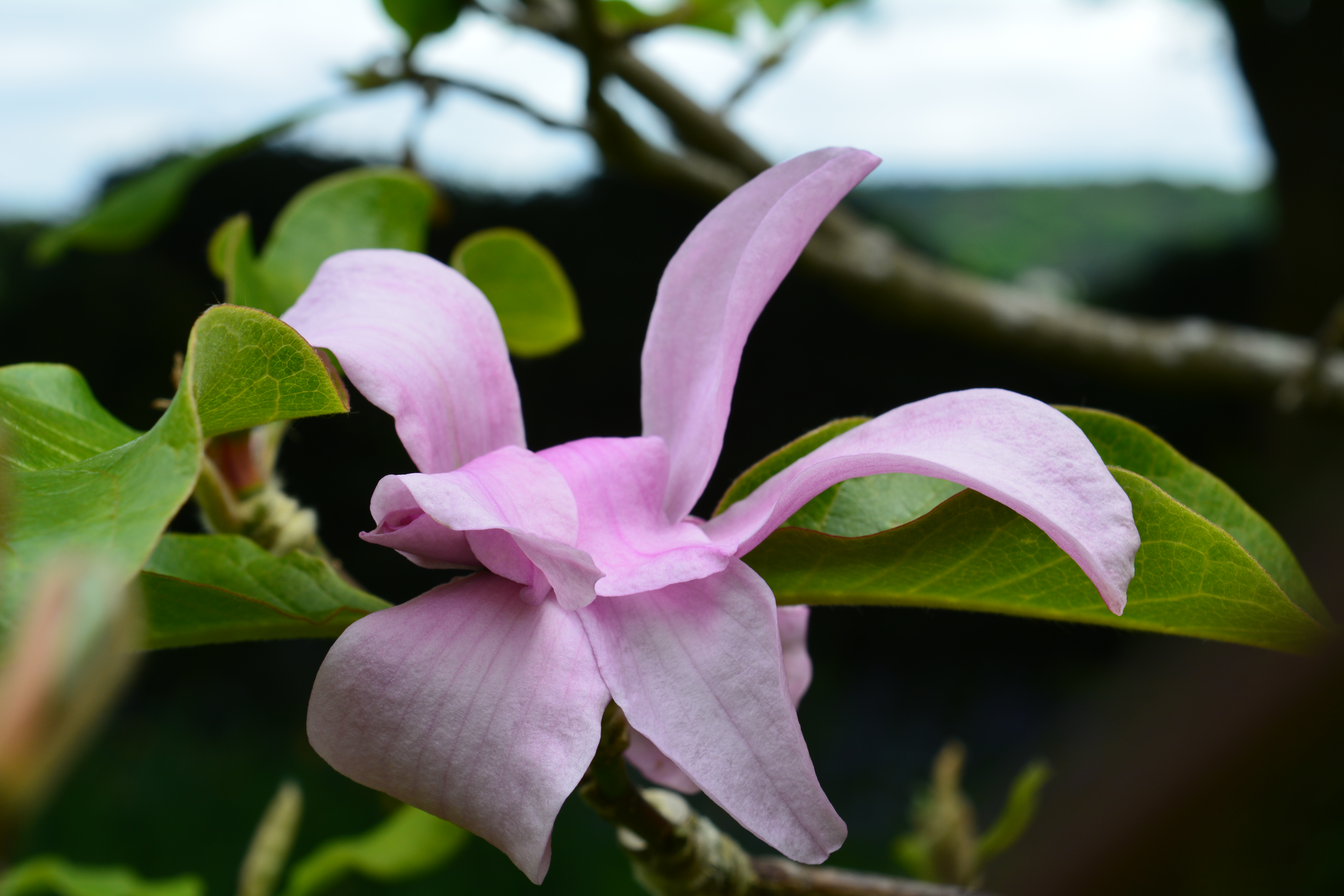
We will return in June for our next excursion to the Dorothy Clive Gardens.
Our friend Mary and her husband Bob open their garden for the National Garden Scheme just as we do, so we were determined to go and see her garden this year. A few weeks before her open garden she told us she hoped her tulips would still look good. She had no reason to worry – they were a treat for the eye and lifted the spirits!

It was a perfect day for garden visiting, bright, warm and so sunny.

We began our visit with big hugs from Mary followed by our usual tea and cake and found a seat where we could enjoy views over Mary and Bob’s garden. From there we could see interesting plants that deserved a closer look and inviting winding paths and archways. We watched with interest the reactions of other visitors and which plants they made a beeline for. Once suitably refreshed we explored!

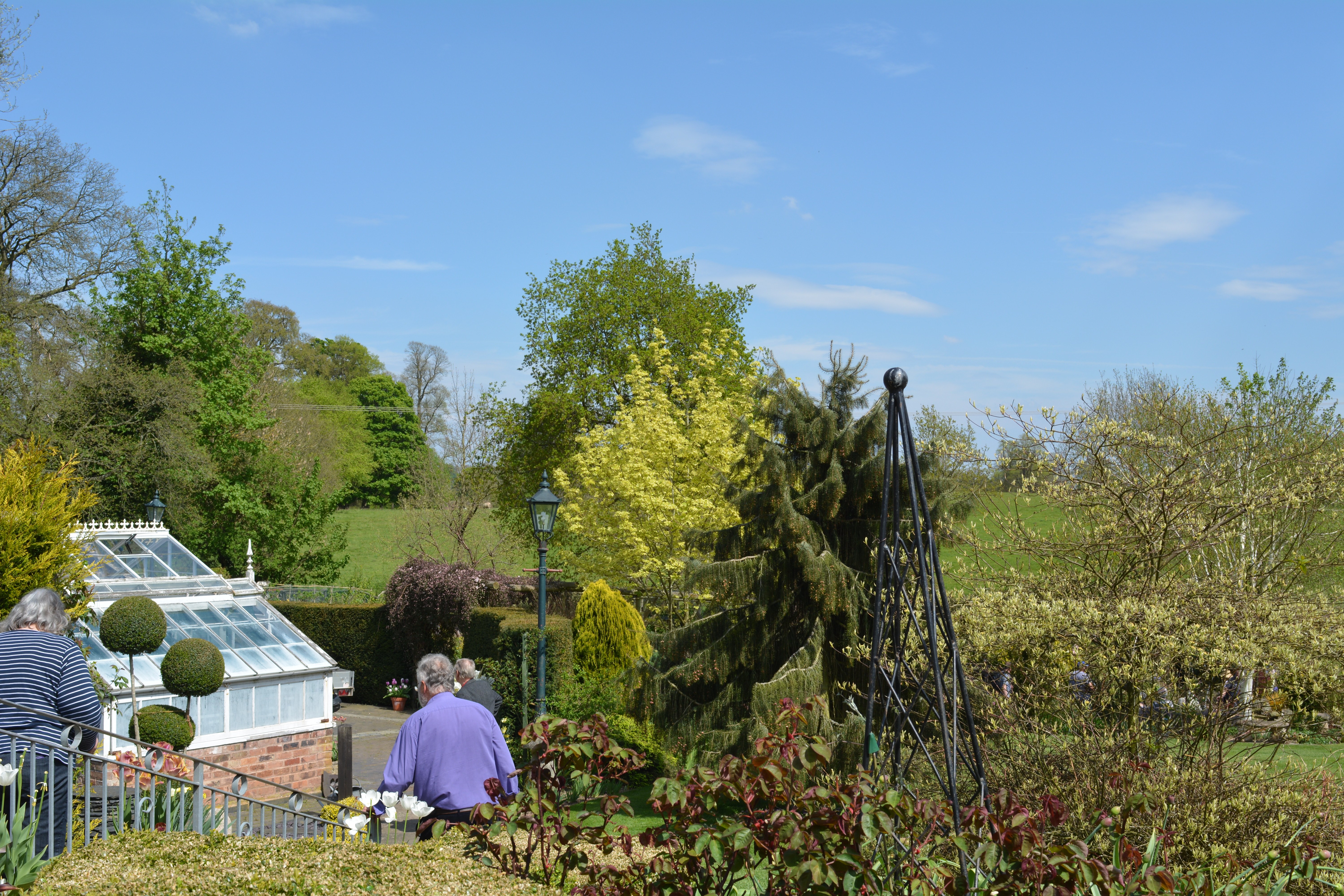
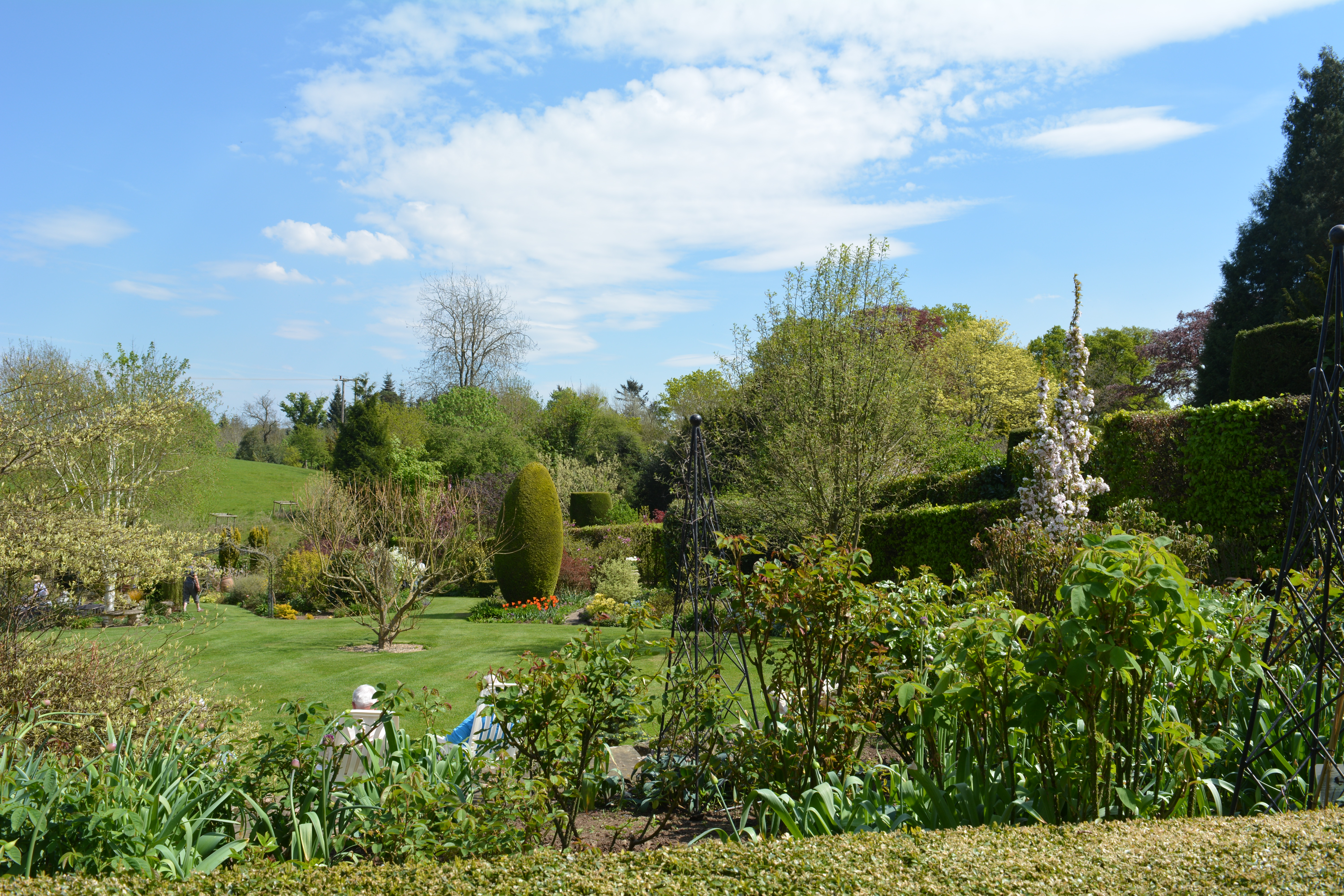
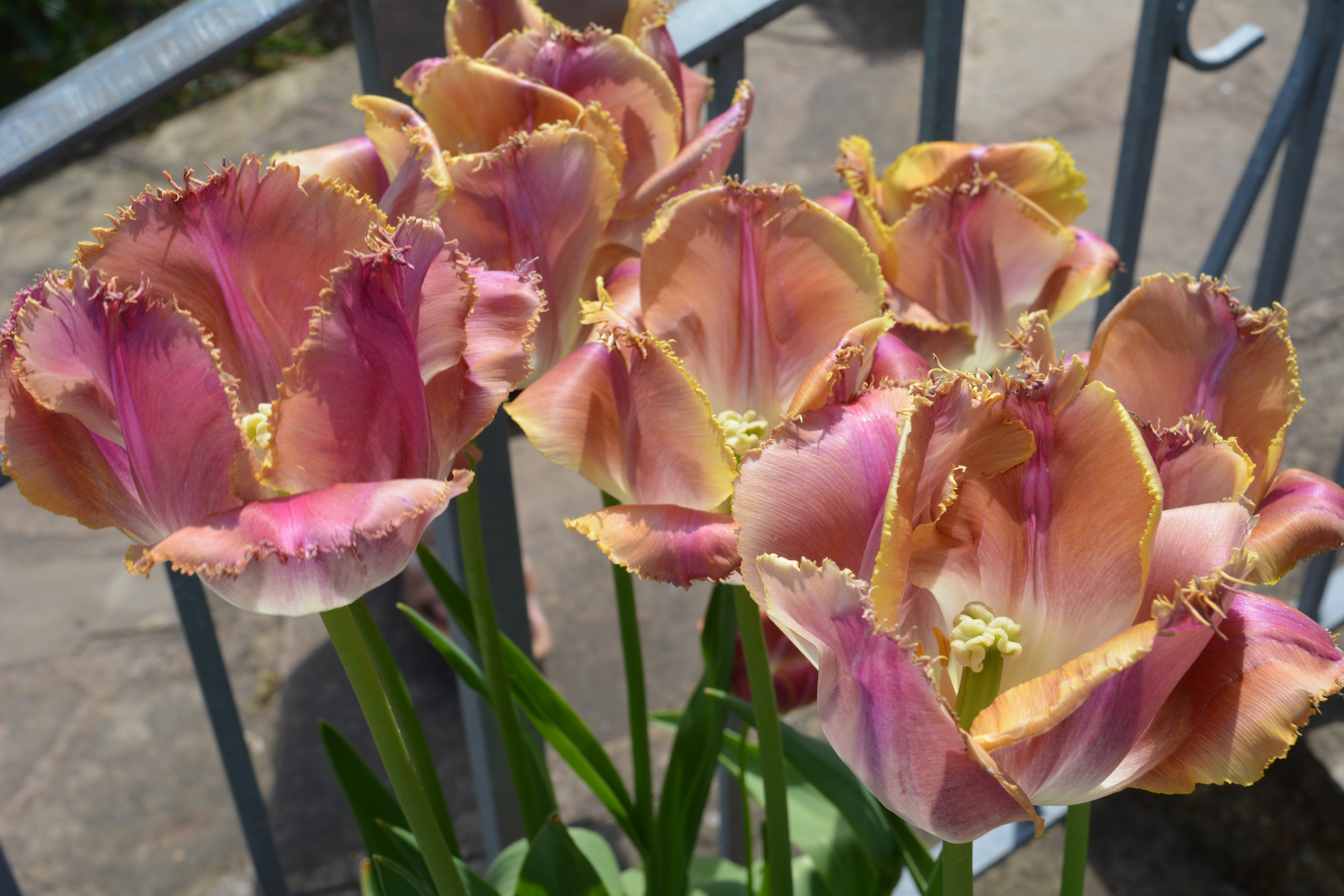
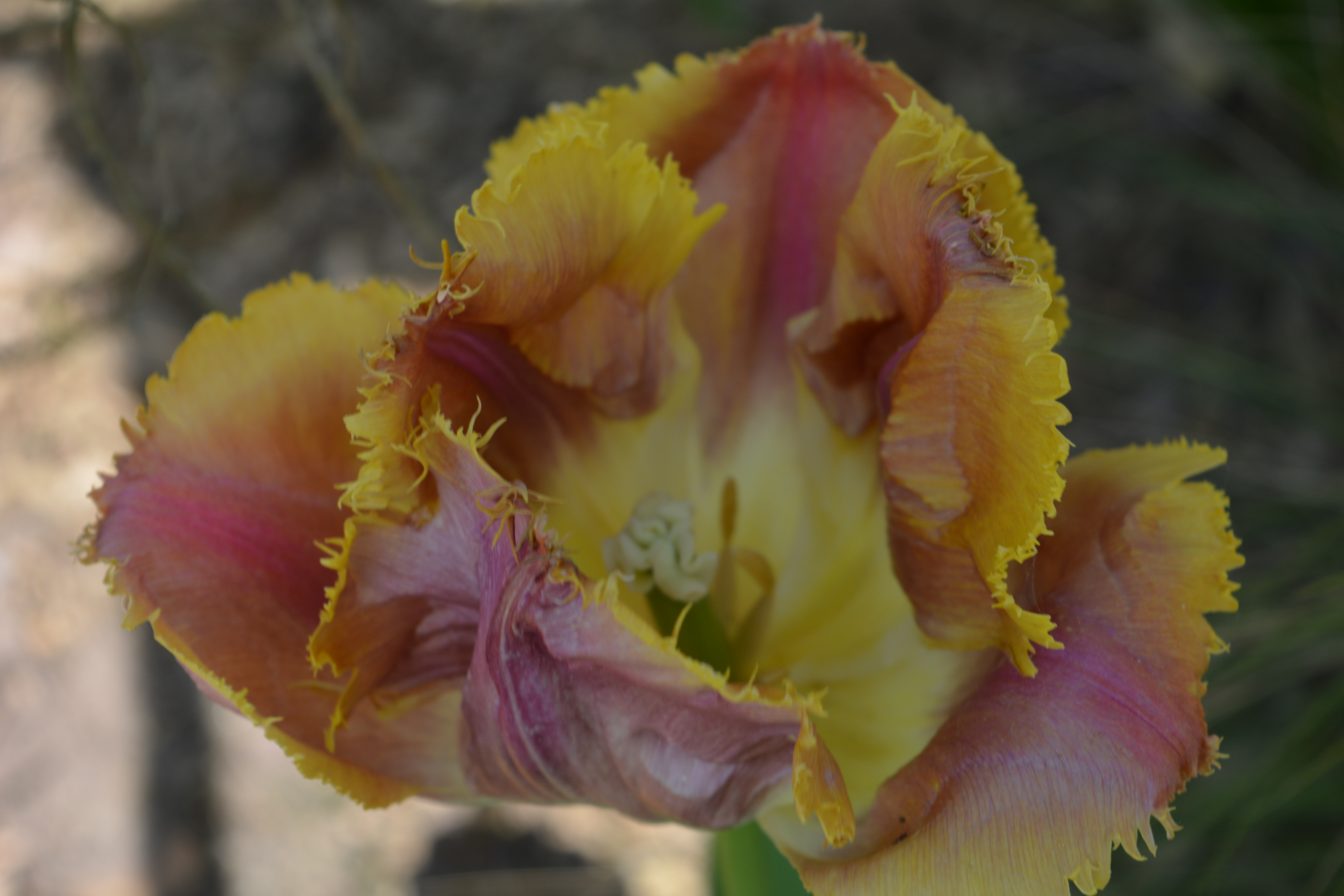
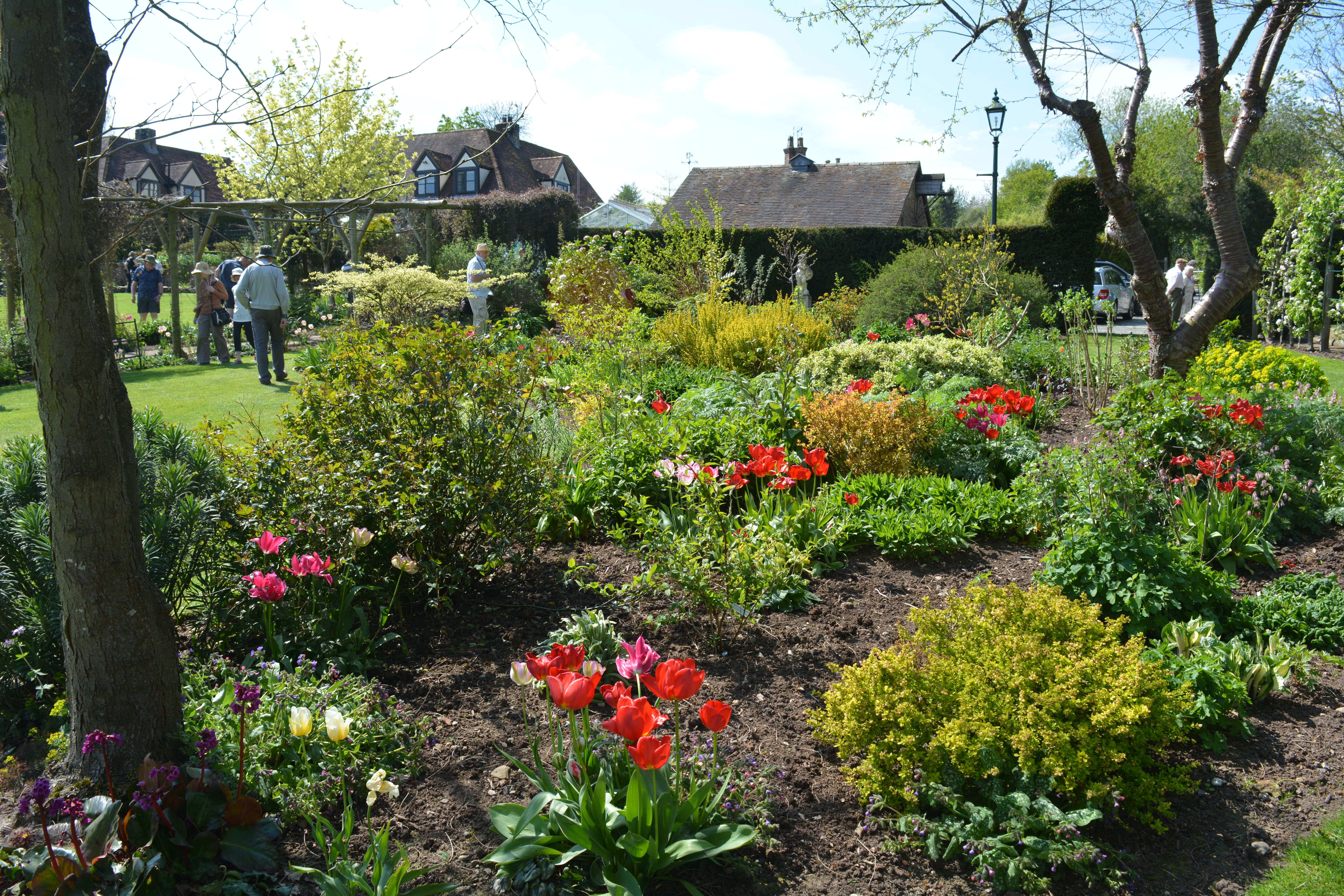
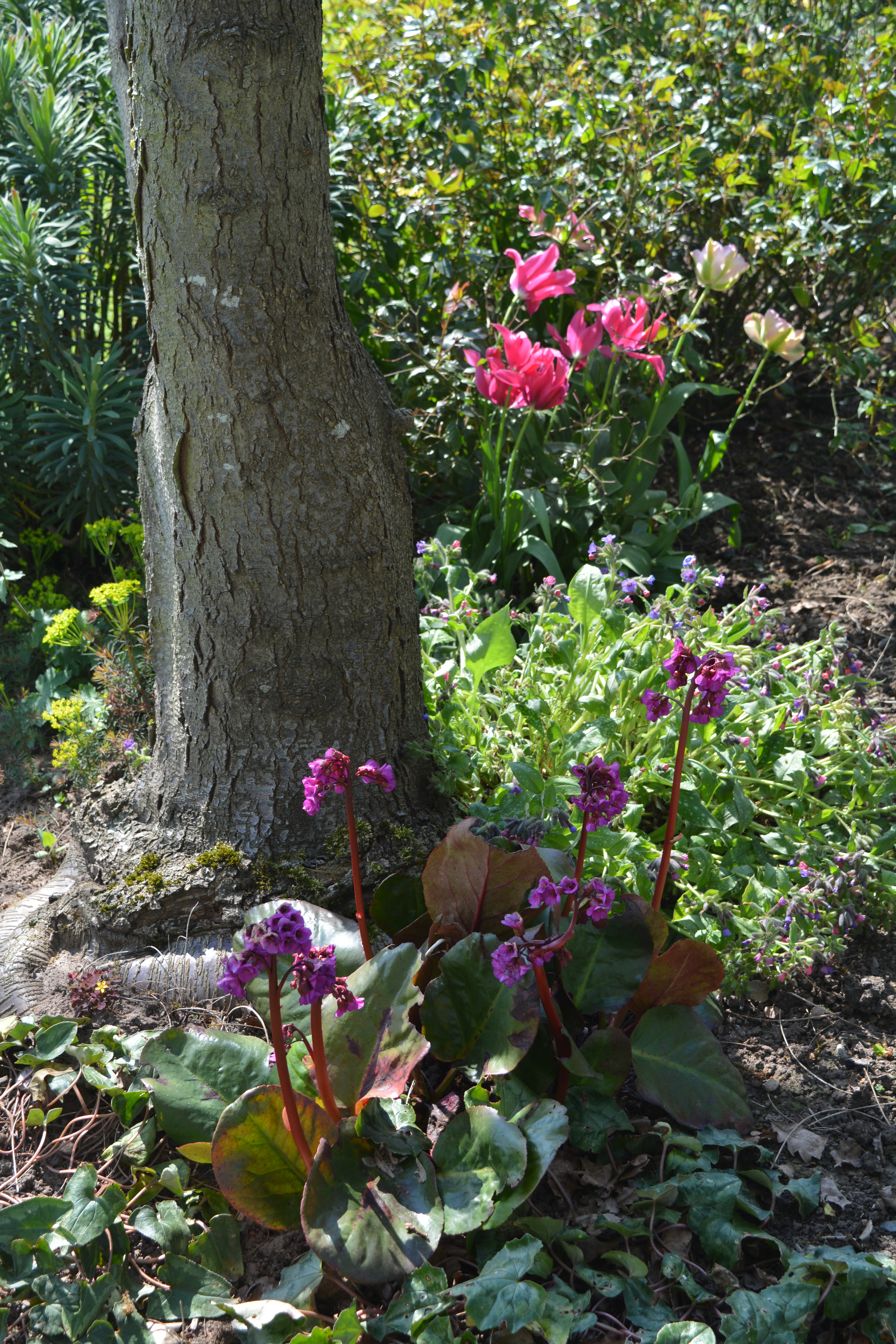
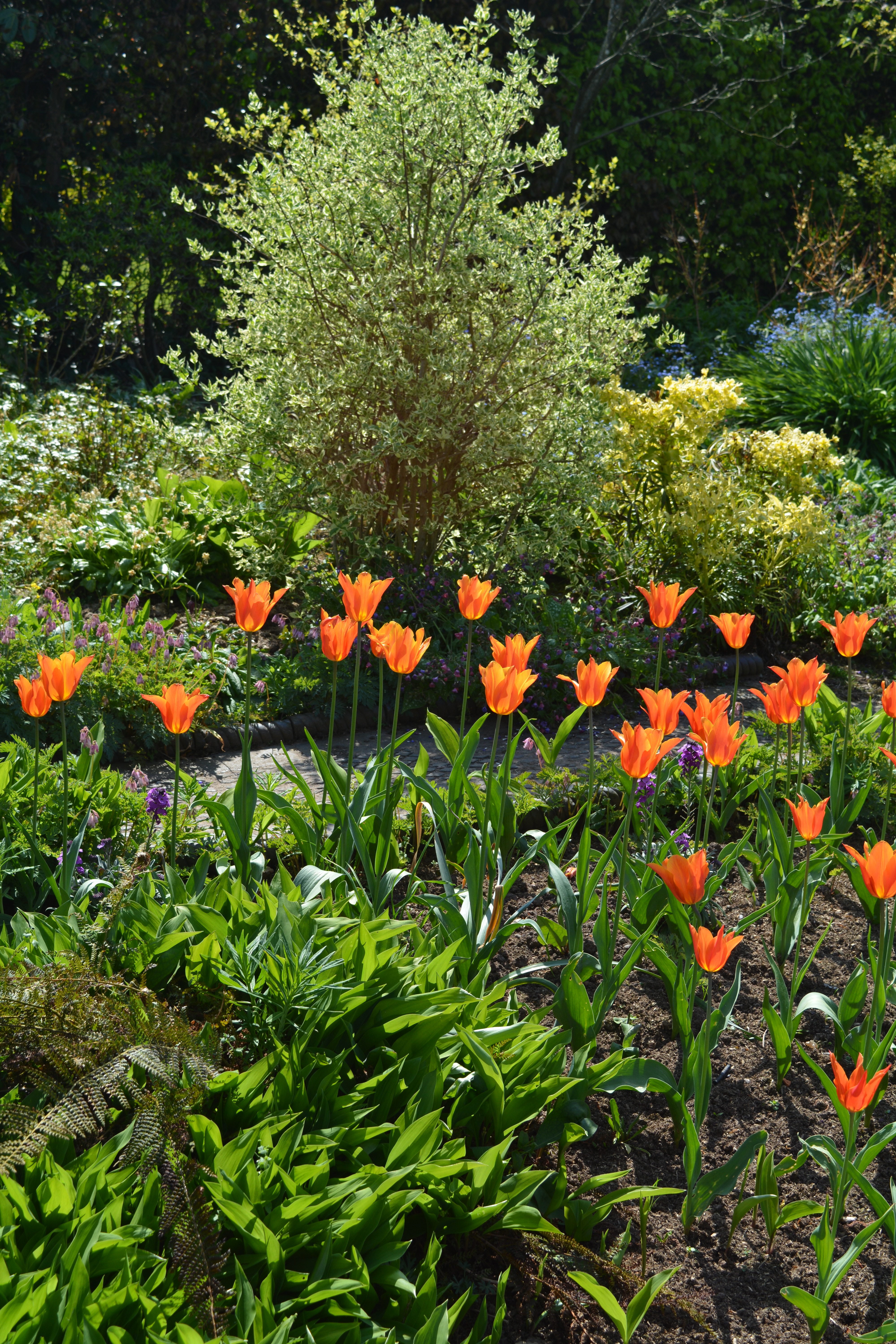
We found tulips throughout the borders some in exciting unusual colours. We enjoyed them all.
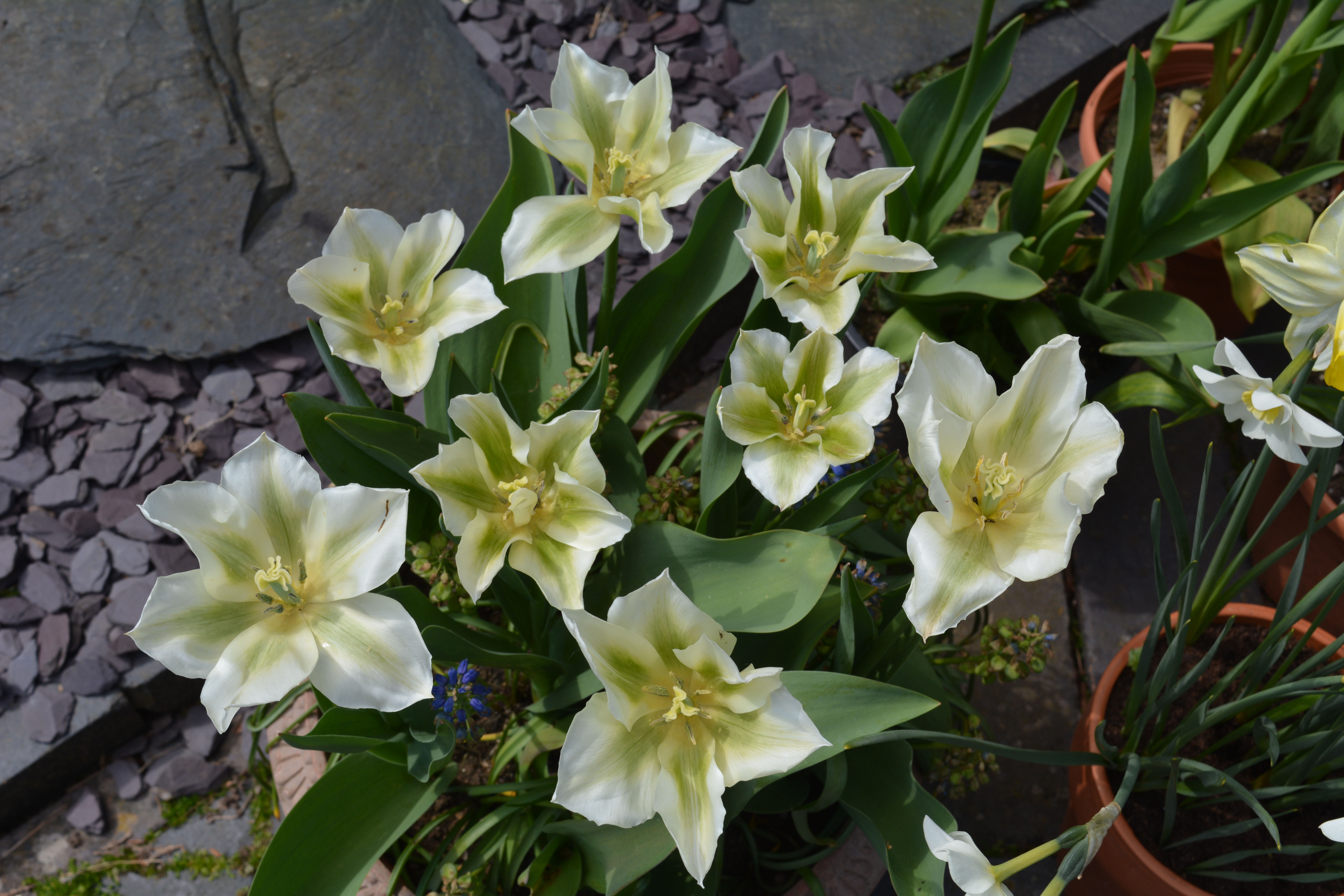





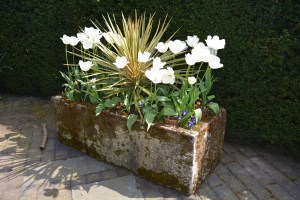
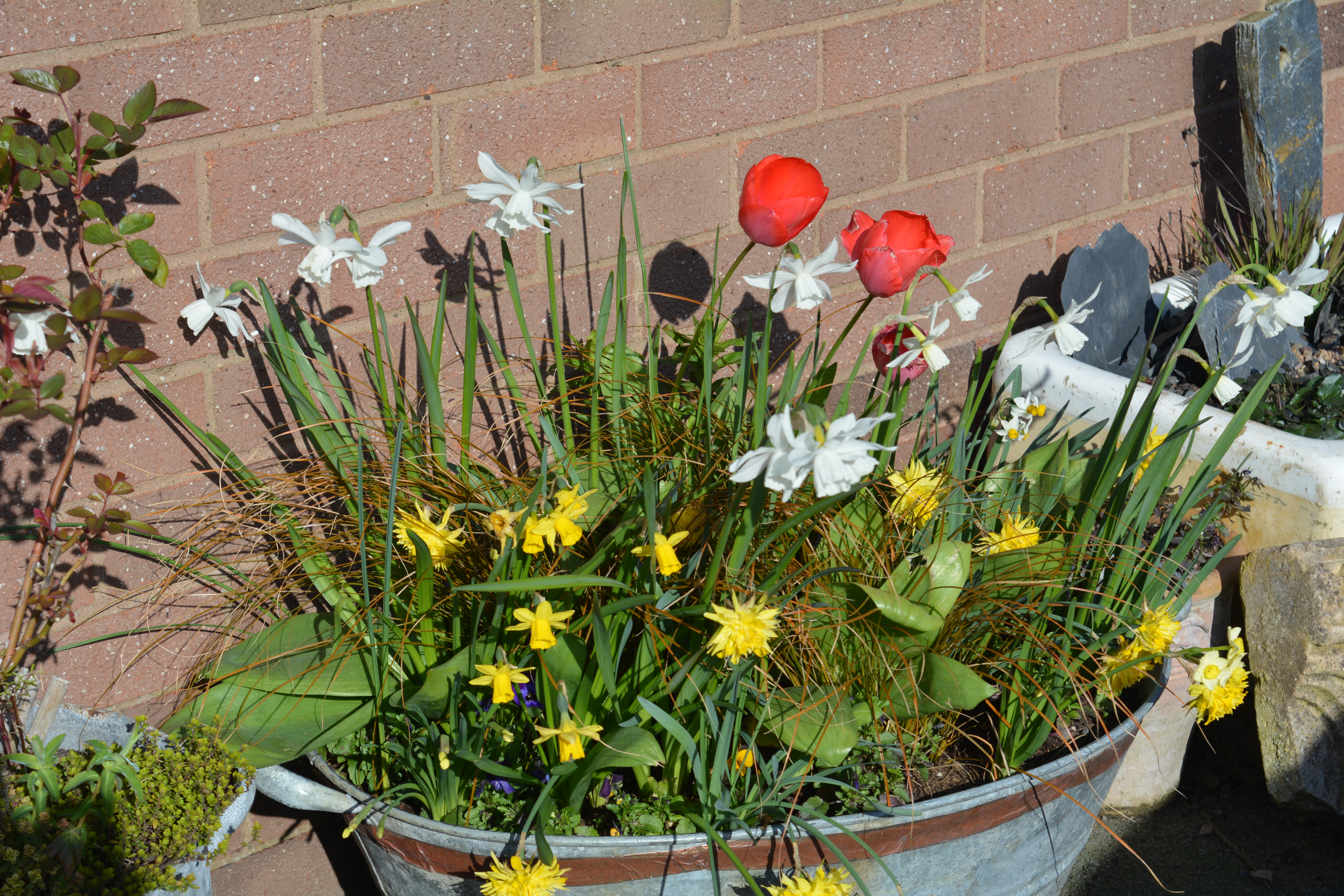
These purest of white tulips were beautifully displayed in their containers which raised them up and gave the afternoon sun the chance to light them up.
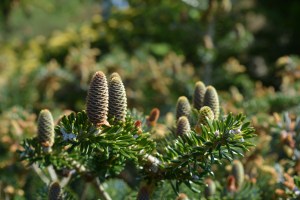
There was a lot more of interest here though than these beautiful tulips. Neither Jude the Undergardener or I are particular fans of evergreen coniferous plants and indeed have just a single alpine Pinus mugo “Mumpitz” in our patch, but the cones on Mary and Bob’s trees caught our attention.
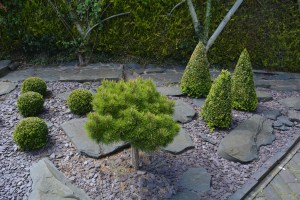
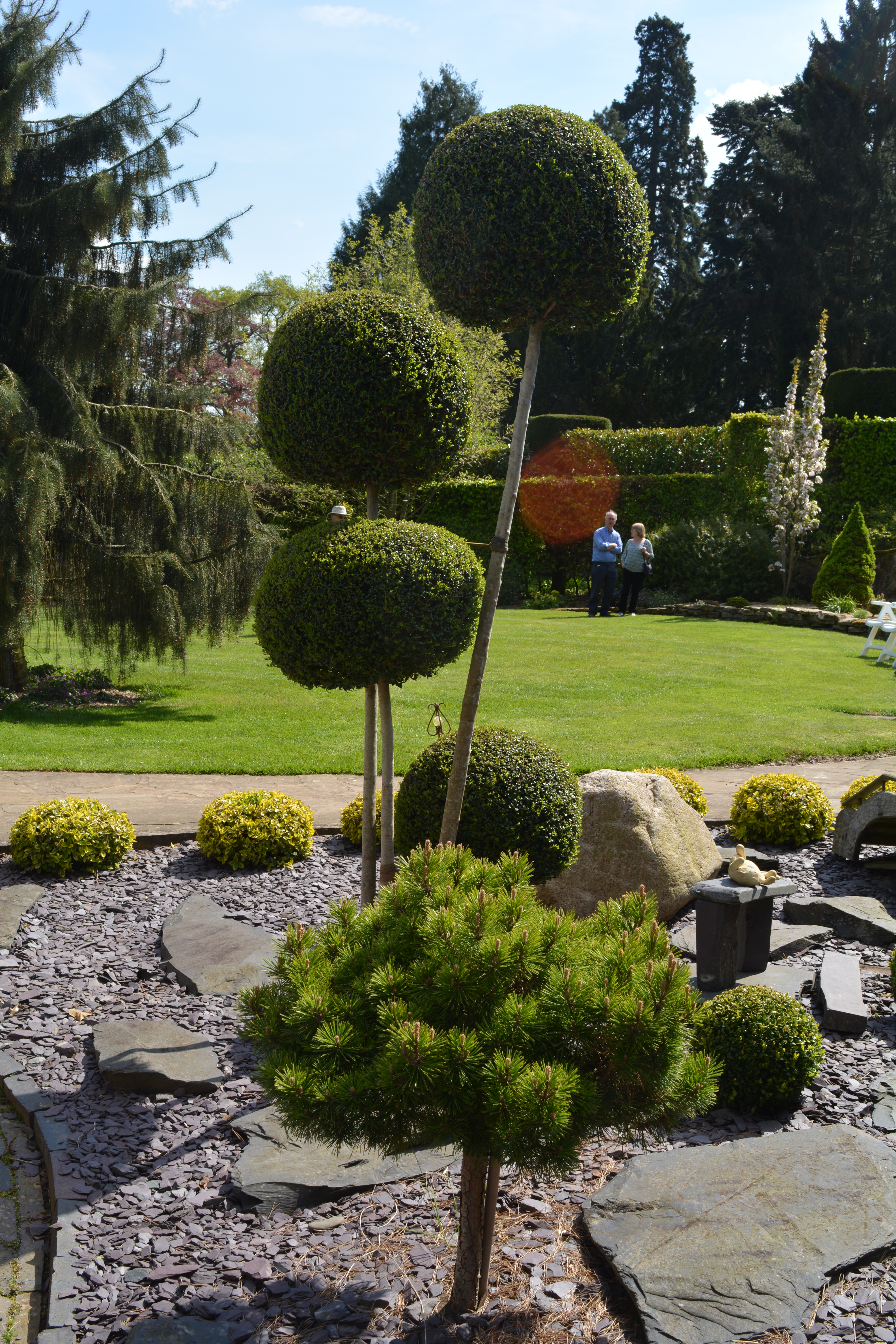

I think the best way to see the rest of this lovely garden will be to enjoy the following gallery. As usual click on the first picture then navigate using the right hand arrow.



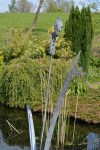



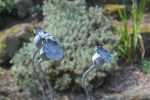






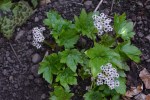











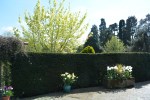


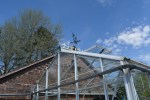





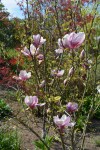
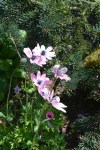
We enjoyed a visit to another garden which appears in the National Garden Scheme’s Yellow Book, the scheme which our own Avocet garden is a part of. We spend many an afternoon visiting our fellow gardeners who open their gardens for charity.

In mid-May we set off through the Hope Valley near our home and on through South Shropshire through the village of Clun up a narrow lane that got more and more narrow and rougher and rougher until we reached a field designated as a car park for the day. The garden of Guilden Down Cottage awaited a short walk away. We soon realised that we knew of this garden already in its other guise as “Tea on the Way”. The cottage owners serve refreshments to walkers passing by. But on the day of our visit they were open to raise funds for the charities of the National Garden Scheme.

At the entrance to the garden we spotted produce for sale in a lane side stall.


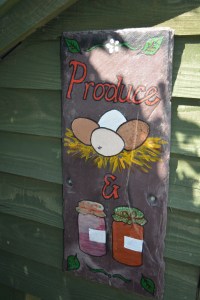

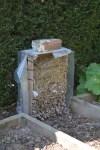
We waited to pay our entry fee and order our usual tea and cakes to prime us for our garden exploration! I noticed a beautiful woodstore and beside it a sleepy old sheep dog.


We soon began to realise that this was gong to be an interesting visit, perhaps not so much for the plants but more for its quirkiness and cheerful atmosphere. As we wandered towards a seat on which to enjoy our refreshments we spotted the first quirky artifacts. Even the seat we sat upon was home made and full of character.


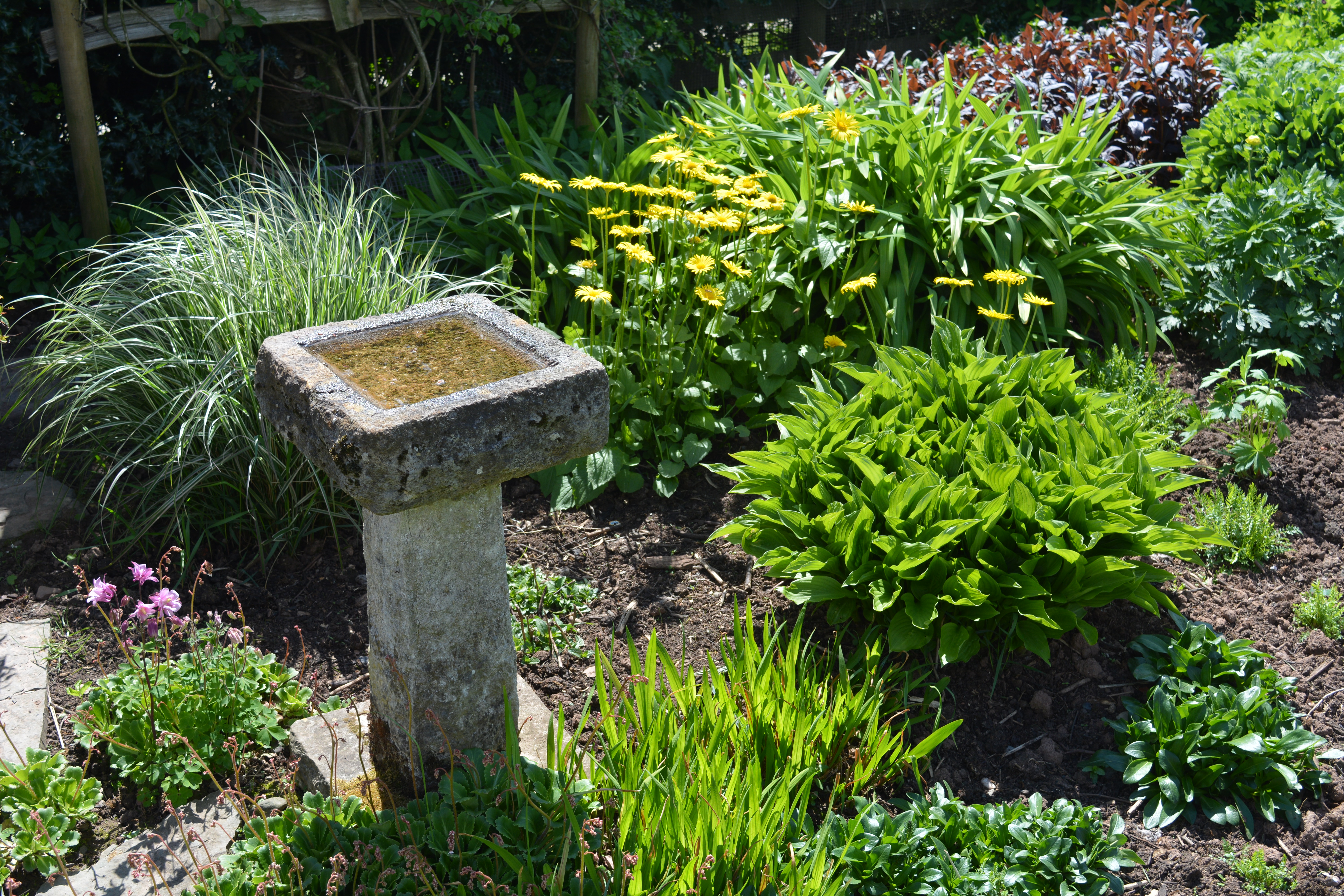
Once refreshed we took off on our exploration and first off found this well planted container. The planting around the front lawn looked lush and was set off by the bird bath.
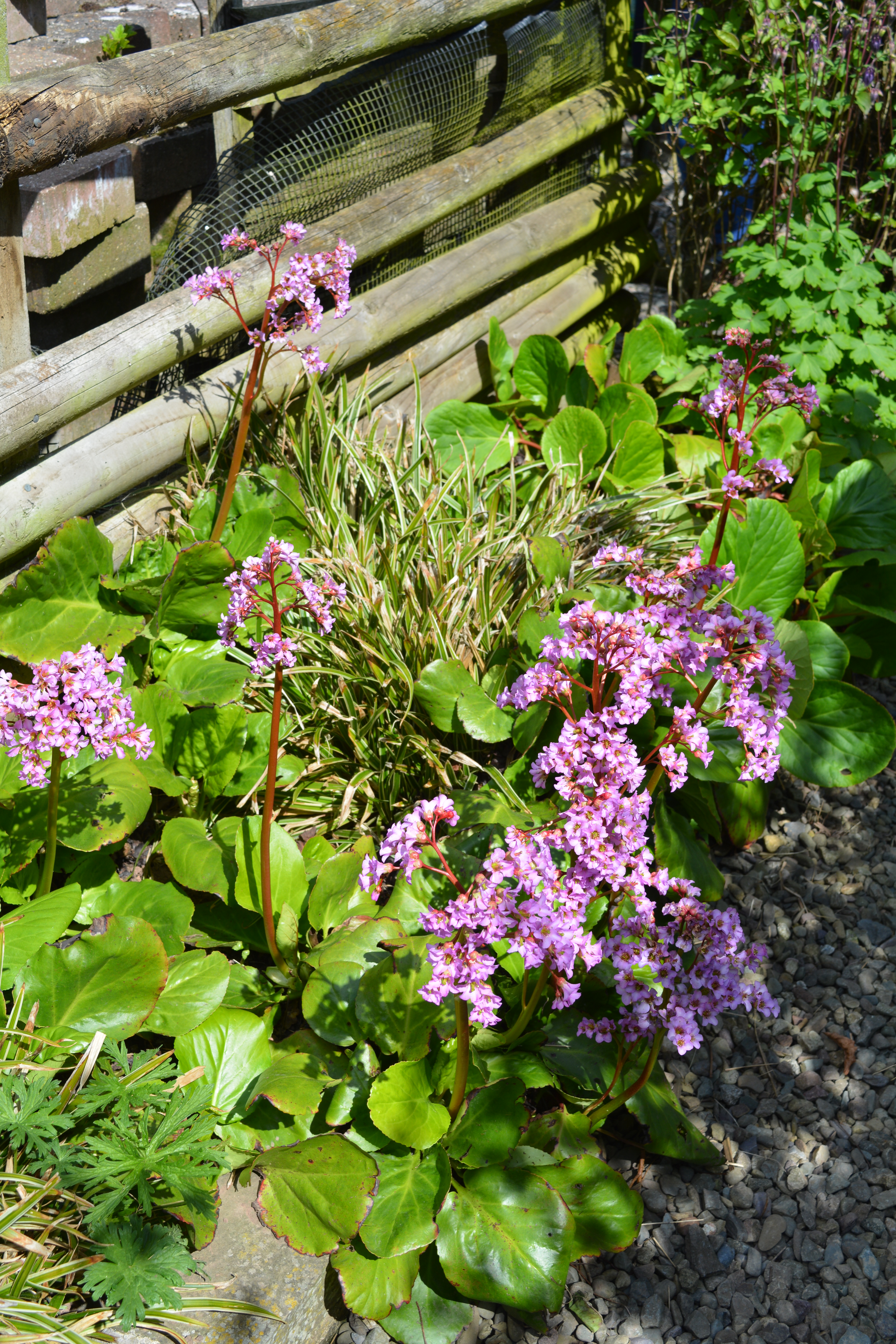
A flight of stone steps with rustic trellis either side welcomed us into the main garden. Being an organic garden we were on the look out for unusual ideas and gardening methods. As always though we were searching out the plants!

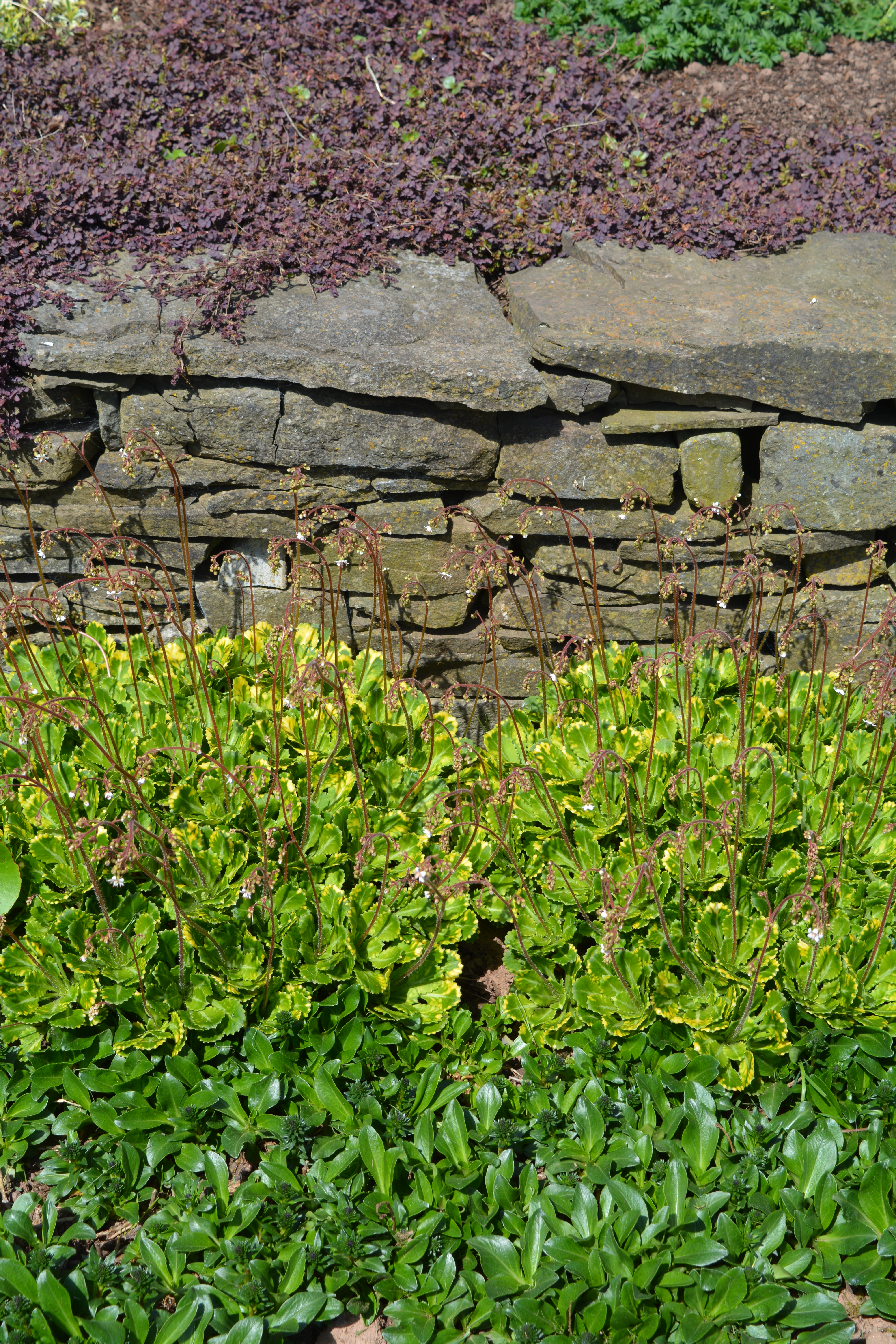




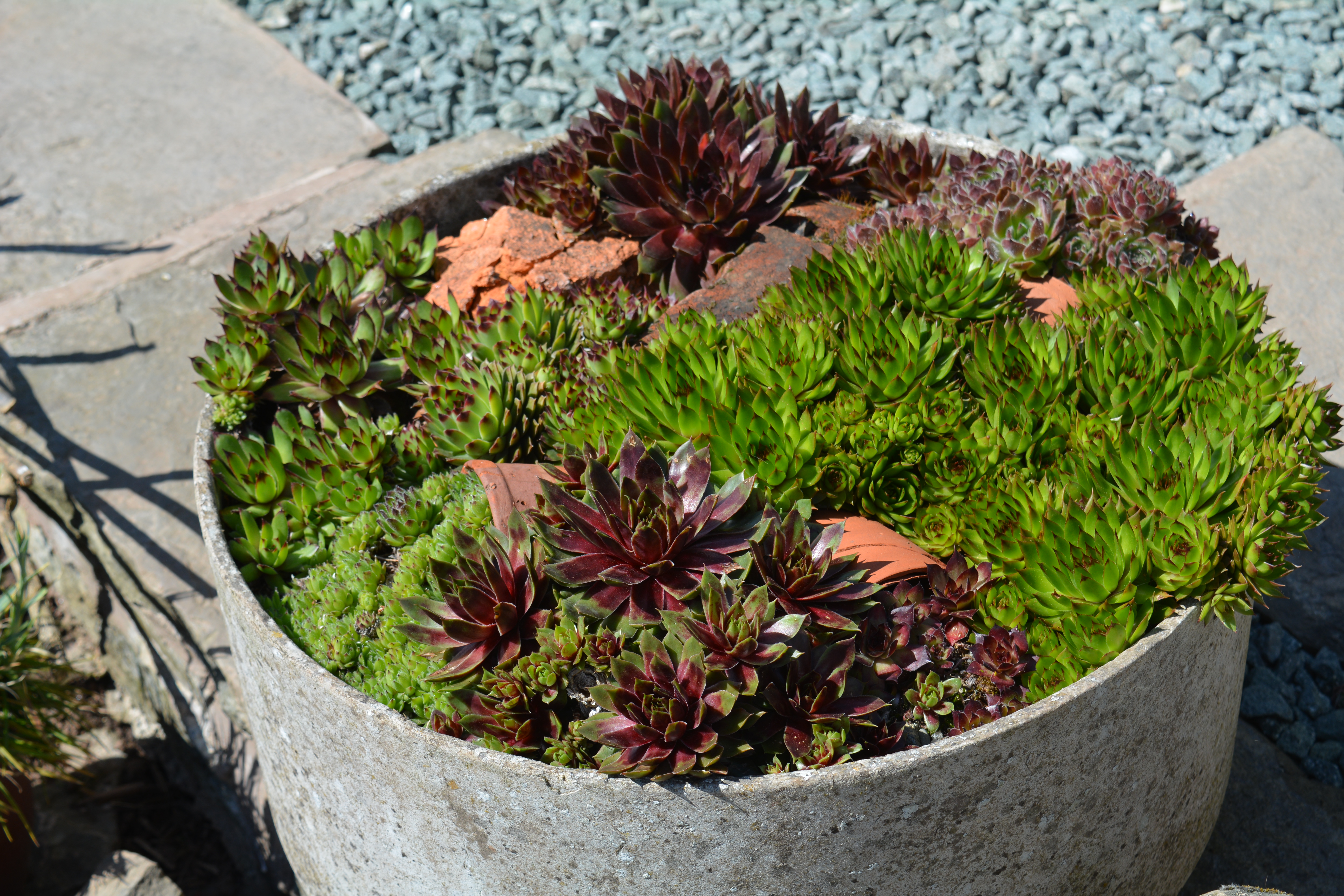
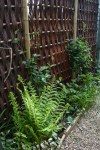
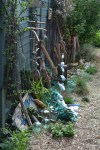
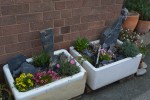
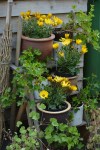
Some plants were planted in interesting containers or within collections of artifacts.


The kitchen garden was beautiful with a network of paths made from woodchip entered via handmade gates created using wood harvested from the garden.
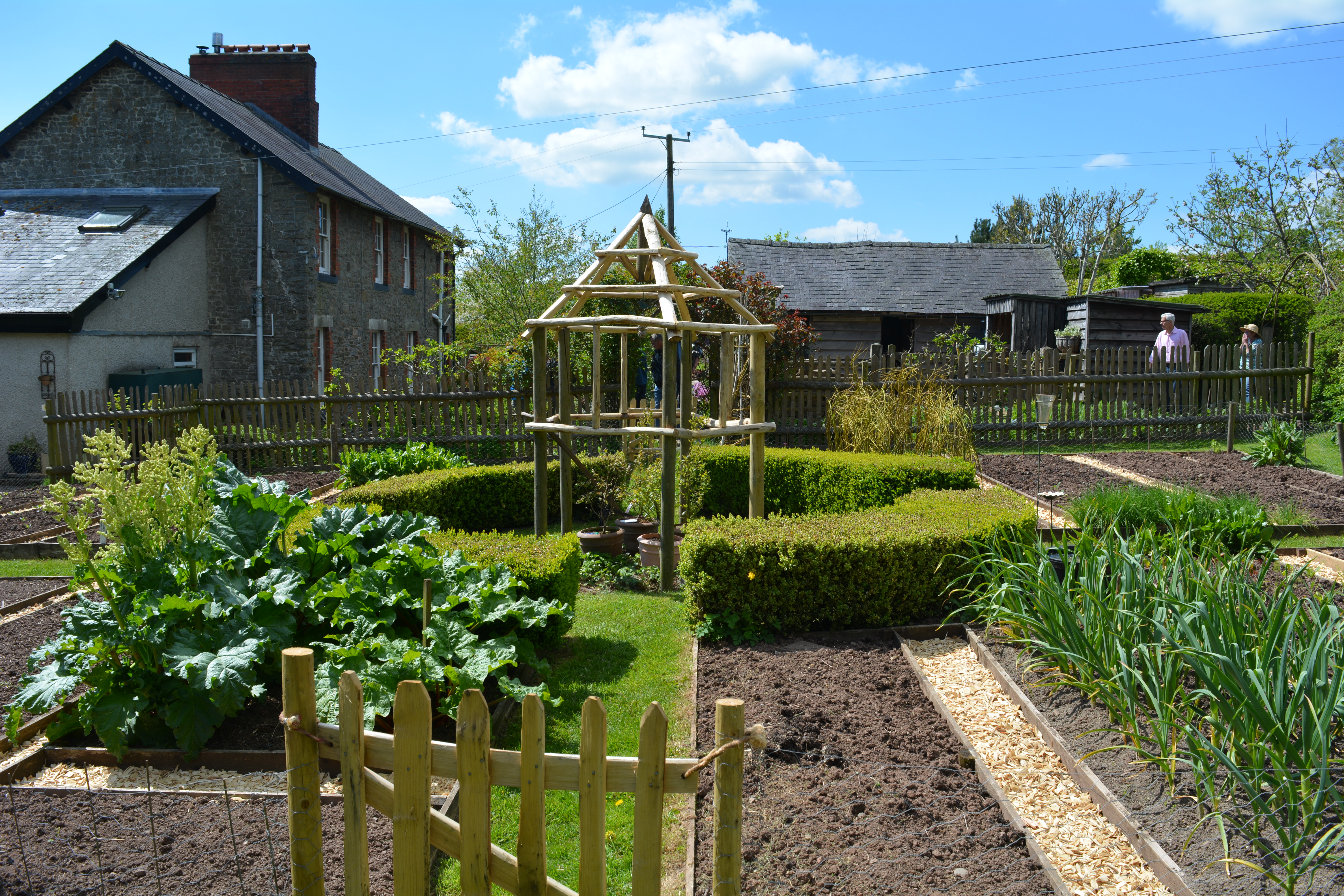


Close to the kitchen garden we found a polytunnel and a fruit cage and some signs of organic principles in action, an insect home, comfrey liquid fertiliser and worm pee fertiliser.


A few more artifacts and craft pieces spotted at Guilden Down Cottage will end this post nicely.


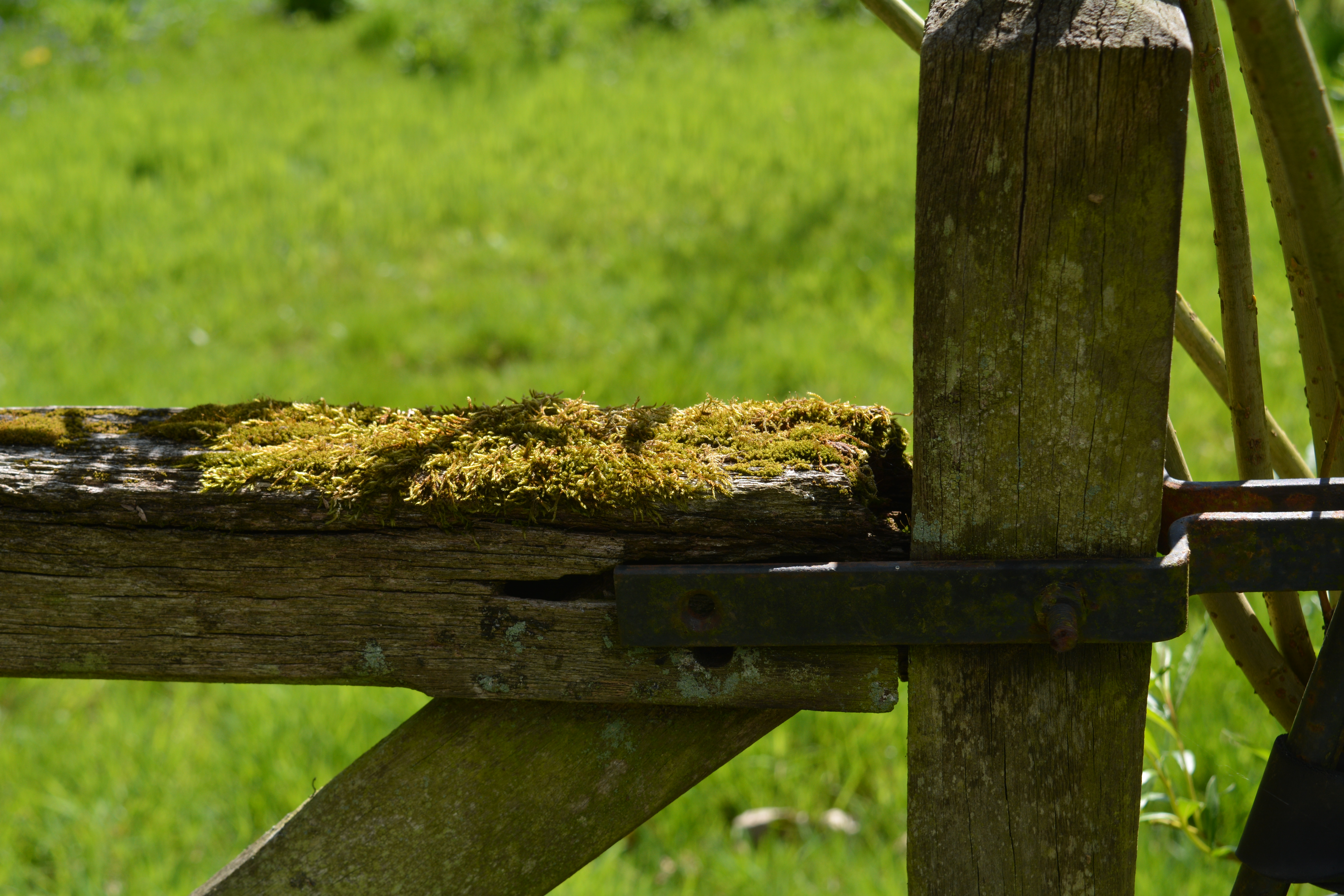
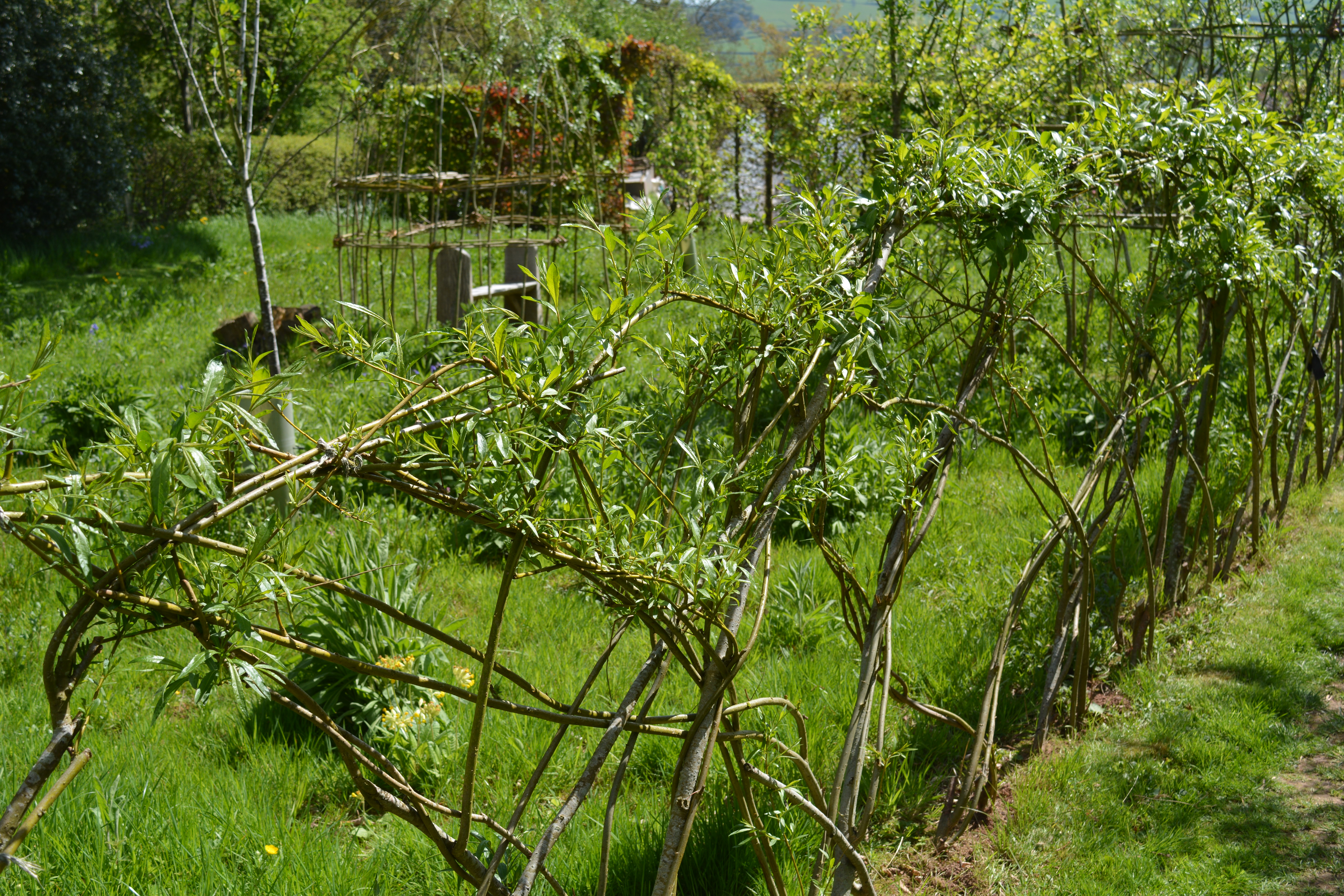
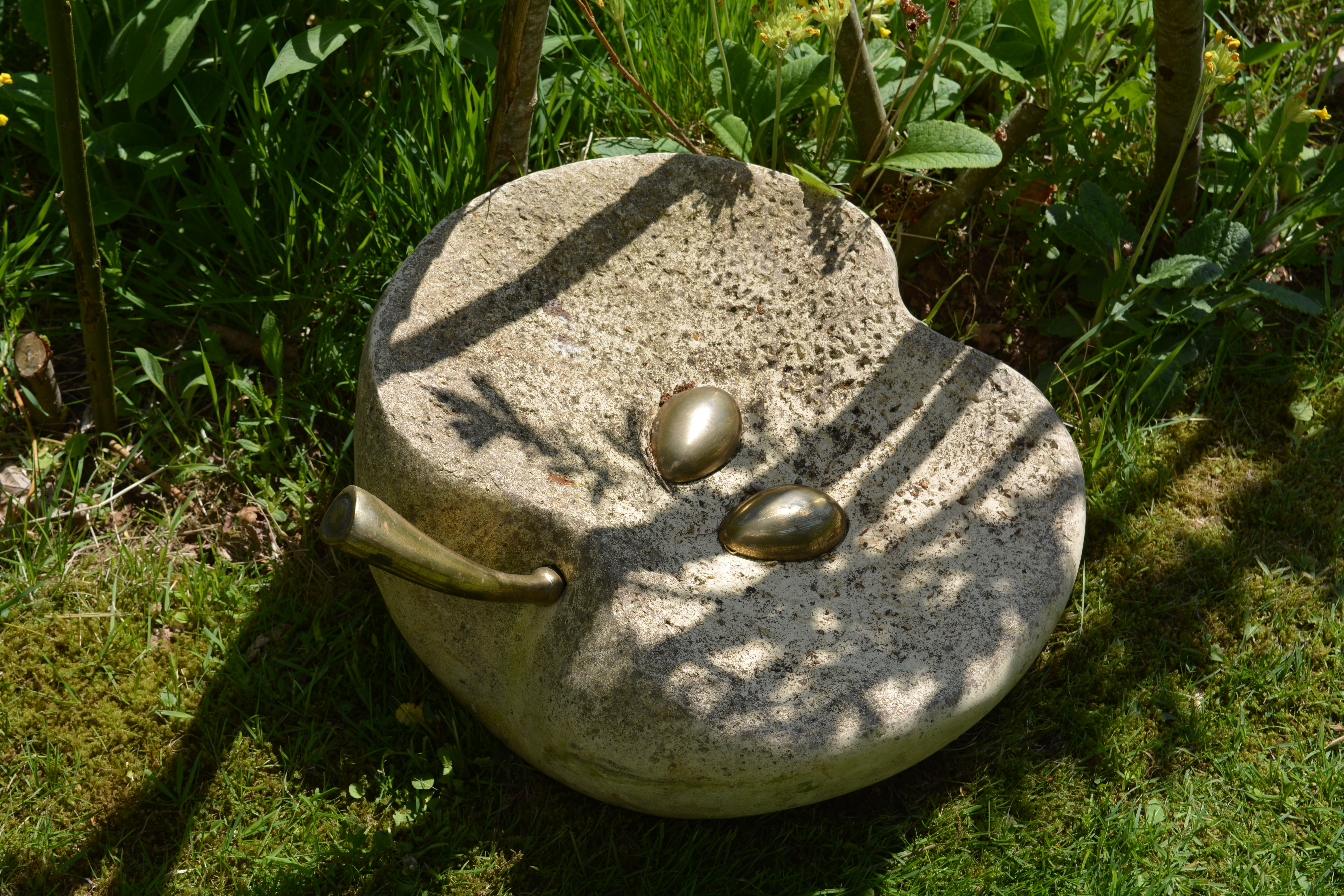


We always enjoy reading plaques in gardens when they contain words of wisdom. There are so many plaques around aimed at gardeners that are simply too twee and really of no use in the garden.
I thought you may like to see the few we have displayed throughout our patch.
First off is this simple phrase. If “Life’s Good in the Garden” is not true in your patch then you are probably due a rethink!
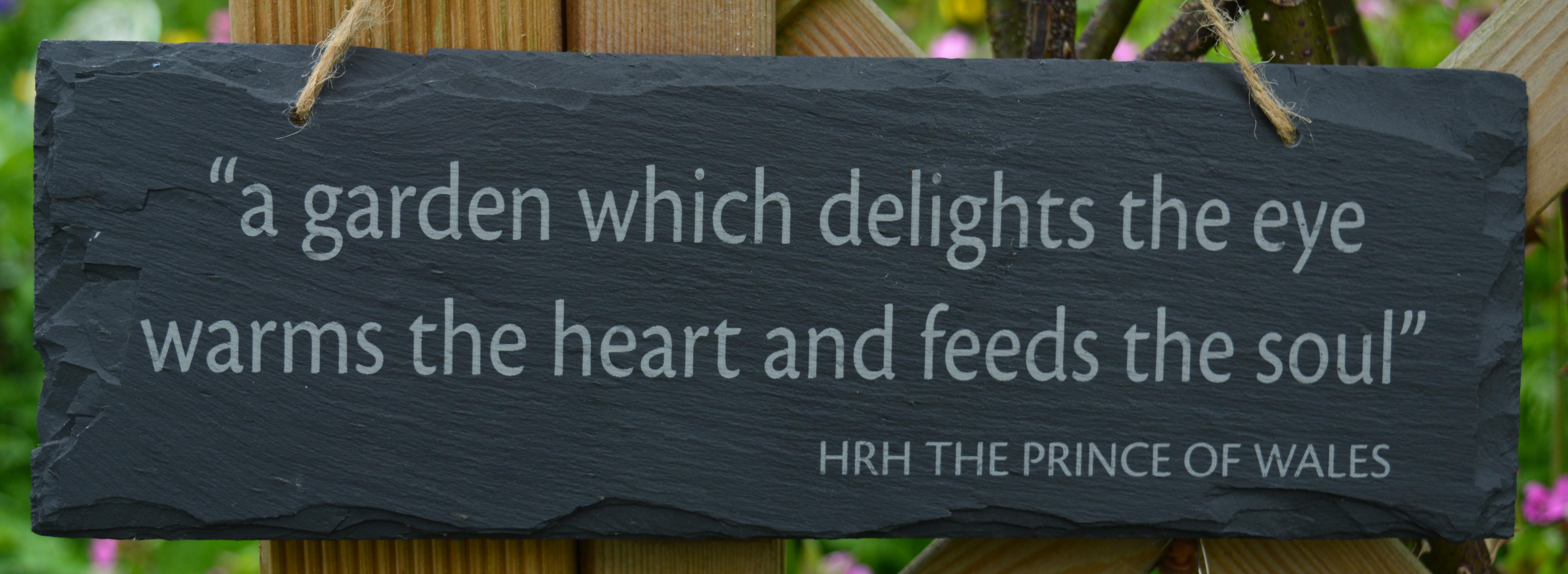
This next plaque was bought from Prince Charles’ garden when we visited last week. It is certainly true of his garden at Highgrove and we hope our garden at Avocet is also “a garden which delights the eye warms the heart and feeds the soul”.
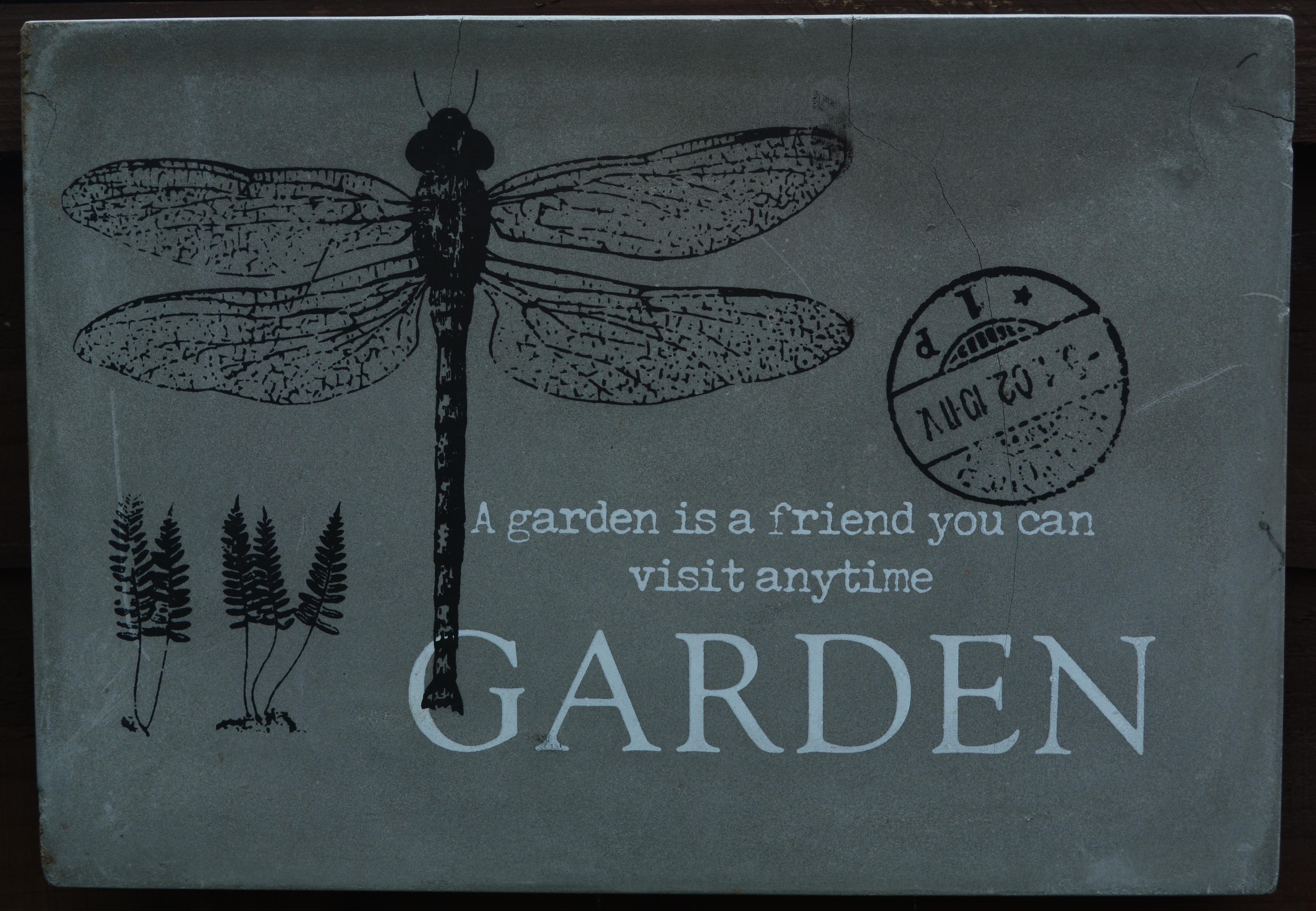
This larger plaque was discovered in the shop of a National Trust garden we recently visited and we both warmed to it. We love its sentiment, “A garden is a friend you can visit anytime.” We love the idea of our garden being a friend and we visit it every day.
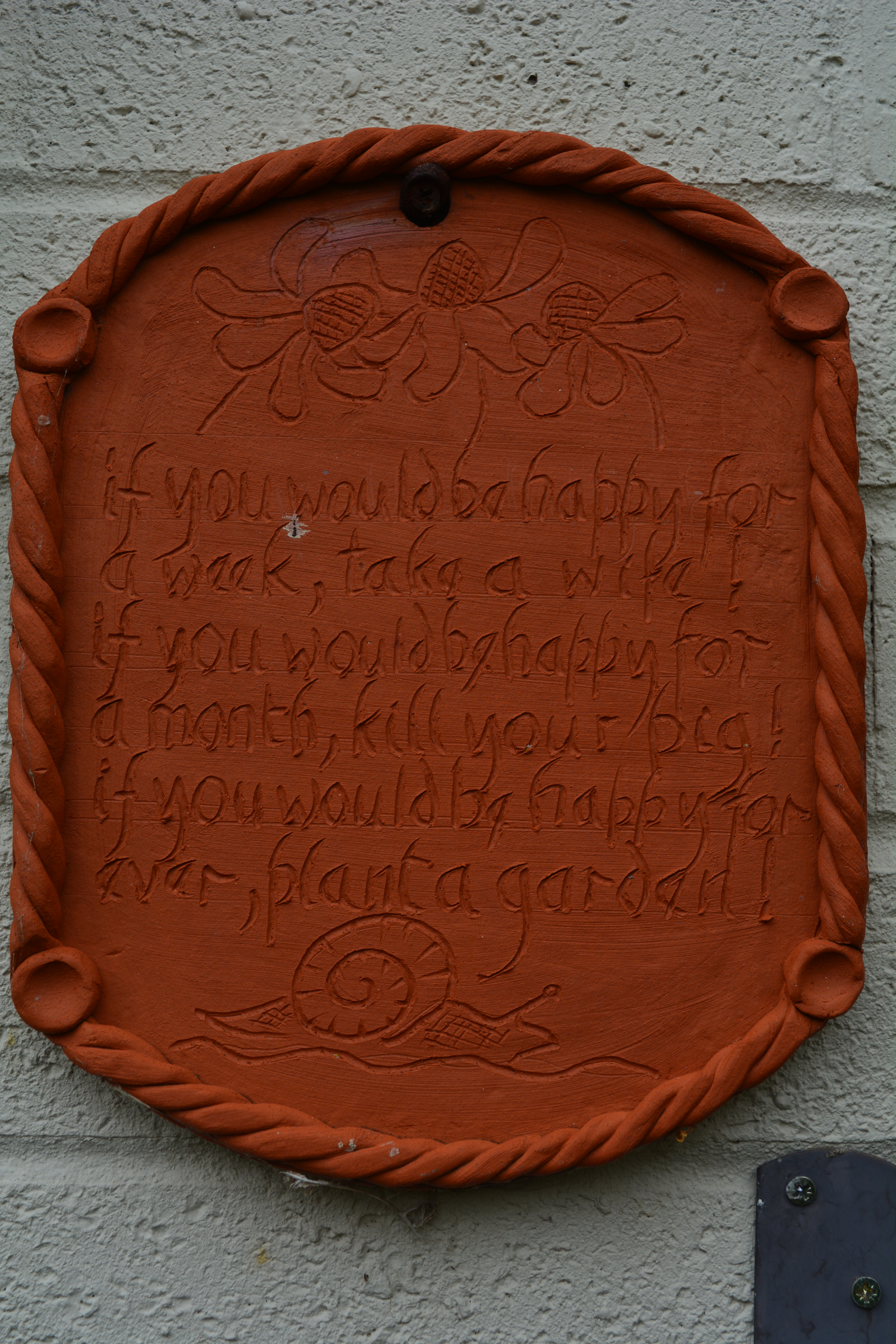
The final plaque is a terracotta piece created by my brother Derrick and I believe the text is from an Indian philosopher. “If you would be happy for a week take a wife. If you would be happy for a month kill your pig. If you would be happy forever plant a garden.”
I definitely agree with the the third idea but definitely not the first two!
Here we are with my April look at my garden journal. I began as I often do with a look at the weather that was affecting our garden.
“April is known for its showery weather and we hope it is the first frost-free weeks of the year. This will allow us to begin hardening off our delicate plants that have hidden away in our greenhouse and summerhouse. Looking back at my first garden journal I notice that in early April birds were then showing signs of nest building. I wrote …“Spring is here! Sometimes at least. Birds are collecting nesting materials, blackbirds, greenfinches and all the Titmice family.” This year birds are singing and calling well but we have seen no signs of nest building activities. The Titmice have given up their earlier explorations of our many birdboxes. We hope Spring will catch up and get wildlife stirring again.”
Over the page I continue by looking at one member of the Titmice family, the Coal Tit, and I included one of my gouache paintings of these active little birds.
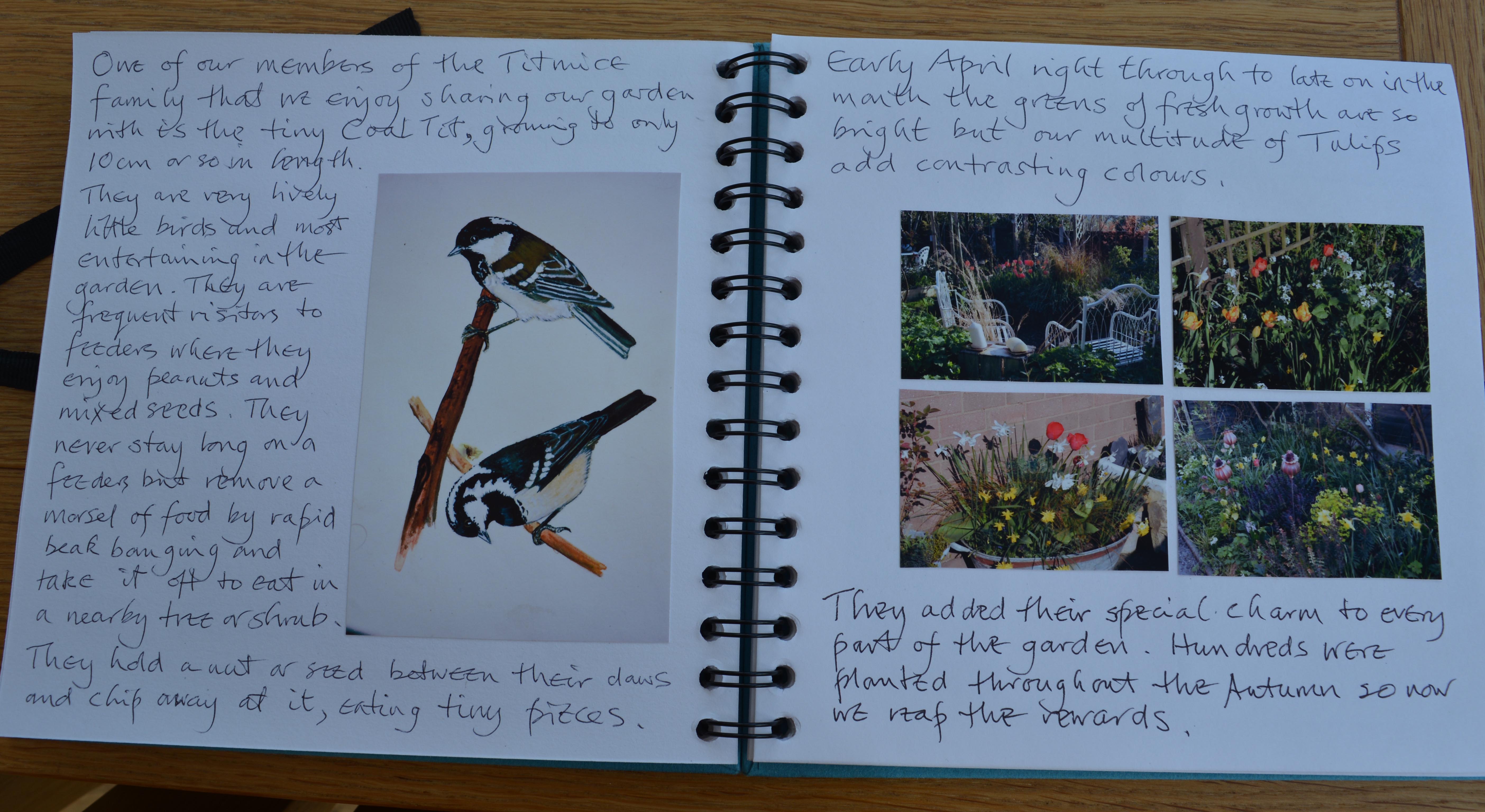
“One of our members of the Titmice family that we enjoy sharing our garden with is the tiny Coal Tit, growing to only 10cm or so in length. They are very lively little birds and most entertaining in the garden. They are frequent visitors to feeders where they enjoy peanuts and mixed seeds. They never stay long on a feeder but remove a morsel of food by rapid beak banging and take it off to eat in a nearby tree or shrub. They hold a nut or seed between their claws and chip away at it, eating tiny pieces.”

On the page opposite I take a look at the bright Tulips in our garden and what they add to it.
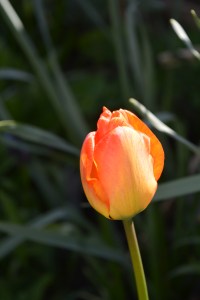
“Early April right through to late on in the month the greens of fresh growth are so bright but our multitude of Tulips add contrasting colours. They add their special charm to every part of the garden. Hundreds were planted throughout the Autumn so now we reap the rewards.”


Tulips and other bulbs continue to be featured on my next couple of pages.
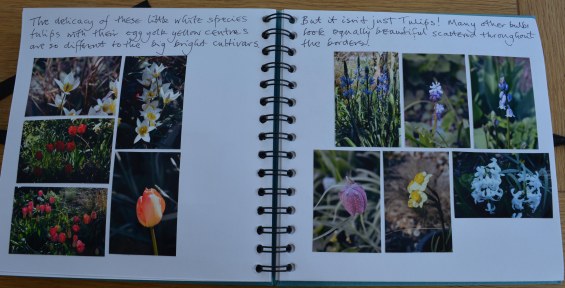
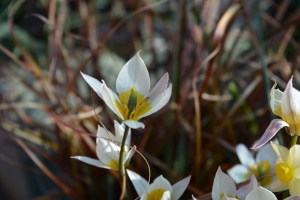
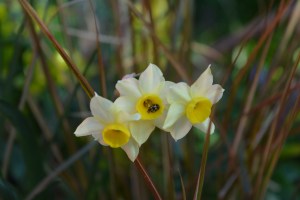
“The delicacy of these little white species Tulips with their egg yolk yellow centres are so different to the big bright cultivars.”


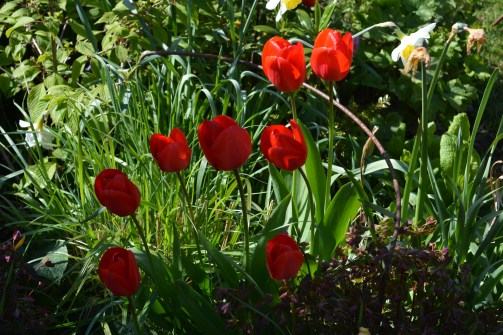
“But it isn’t just Tulips! Many other bulbs look equally beautiful scattered throughout the borders.”


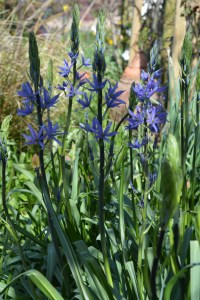

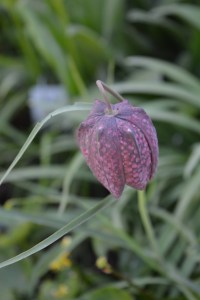
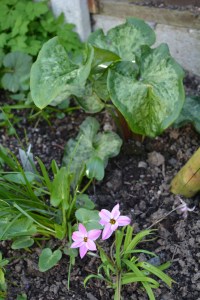
Turning the page we find a much wordier look with an odd photo to illustrate the words, followed by a look at some of our Acers.
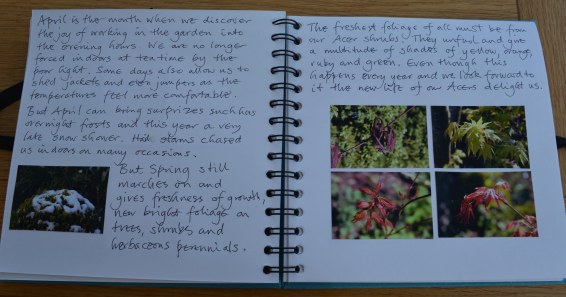
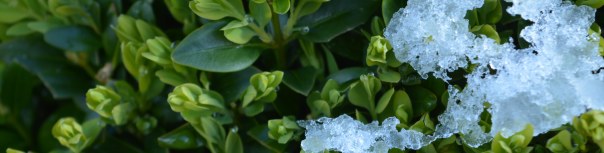
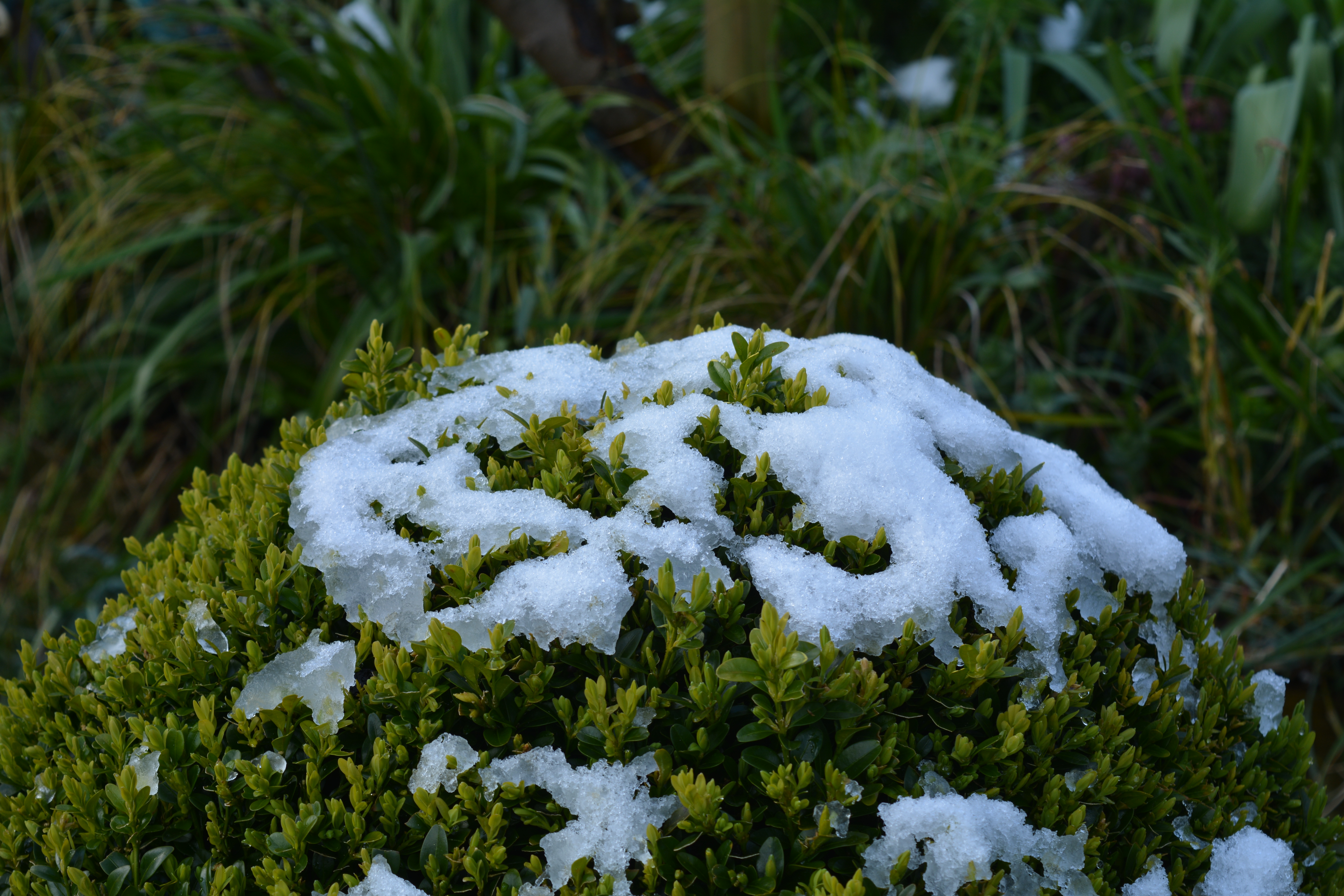
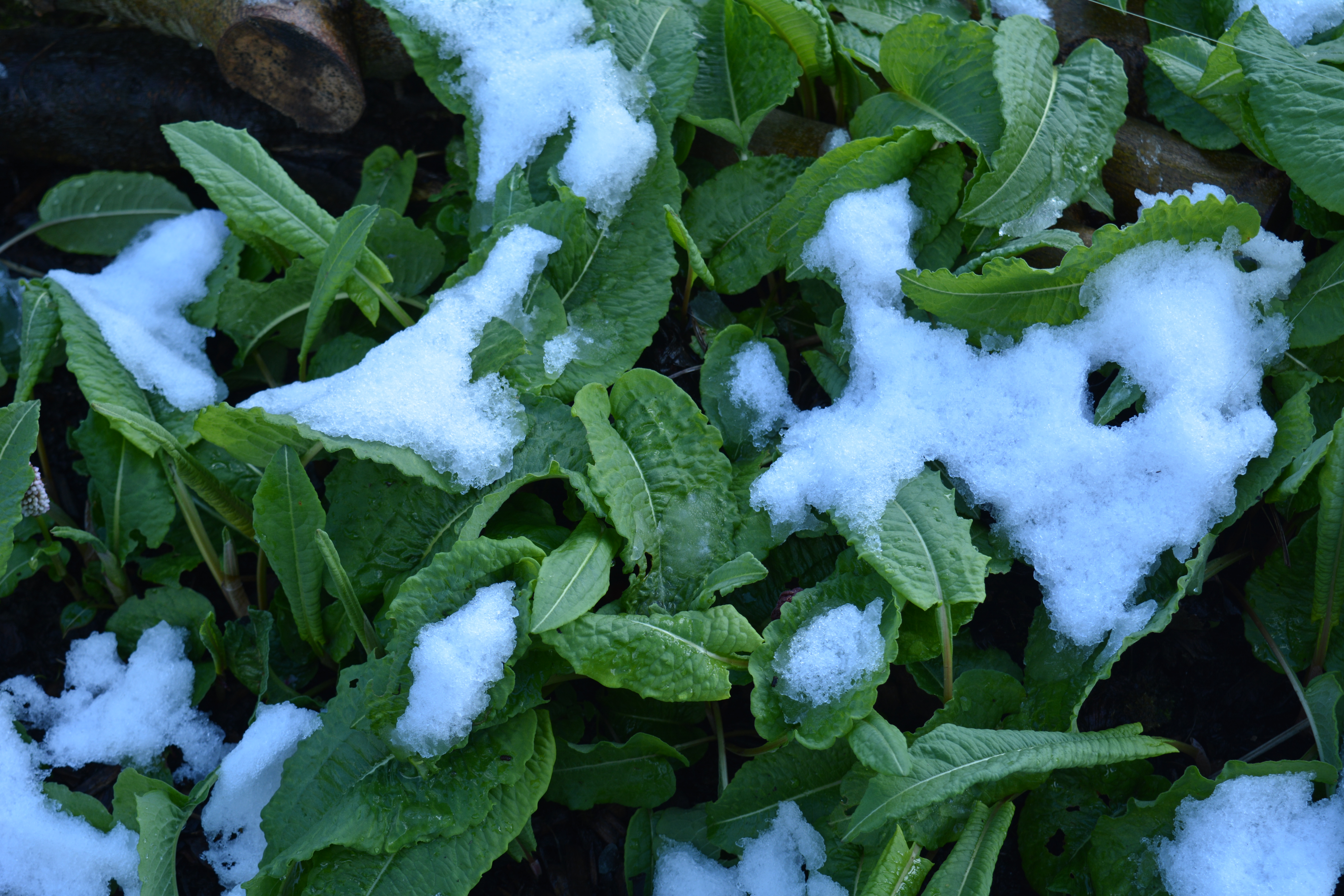
“April is the month when we discover the joy of working in the garden into the evening hours. We are no longer forced indoors at teatime by the poor light. Some days also allow us to shed jackets and even jumpers as the temperatures feel more comfortable. But April can bring surprises such as overnight frosts and this year a very late snow shower. Hail storms chased us indoors on many occasions. But Spring still marches on and gives freshness of growth, new bright foliage on trees, shrubs and herbaceous perennials.”


“The freshest foliage of all must be from our Acer shrubs. They unfurl their buds and give a multitude of shades of yellow, orange, ruby and green. Even though this happens every year and we look forward to it, the new life of our Acers delights us.”


I then look at yellow in our garden.
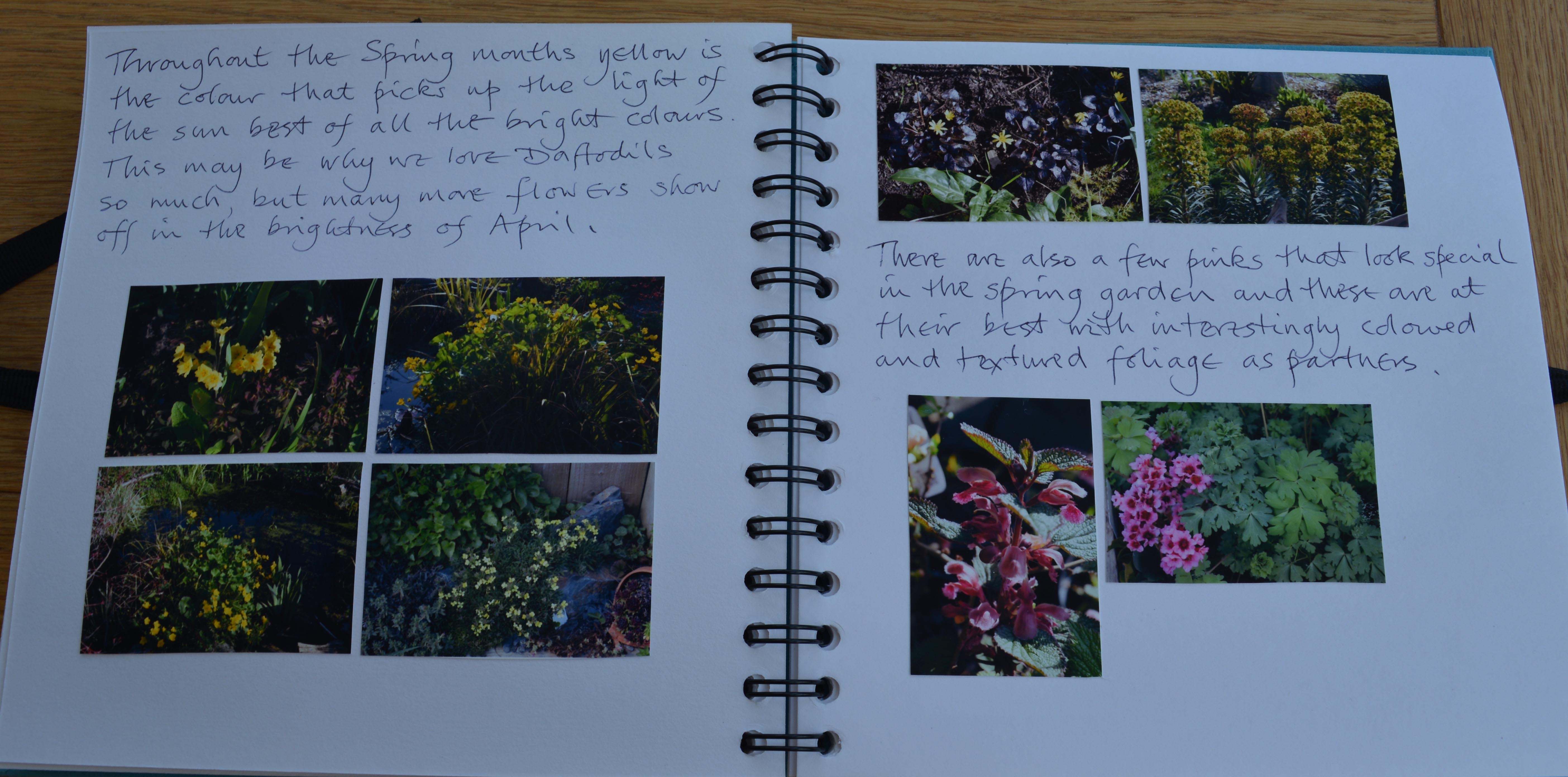
“Throughout the Spring months yellow is the colour that picks up the bright light of the sun best of all the bright colours. This may be why we love Daffodils so much, but many more flowers show off in the brightness of April.”
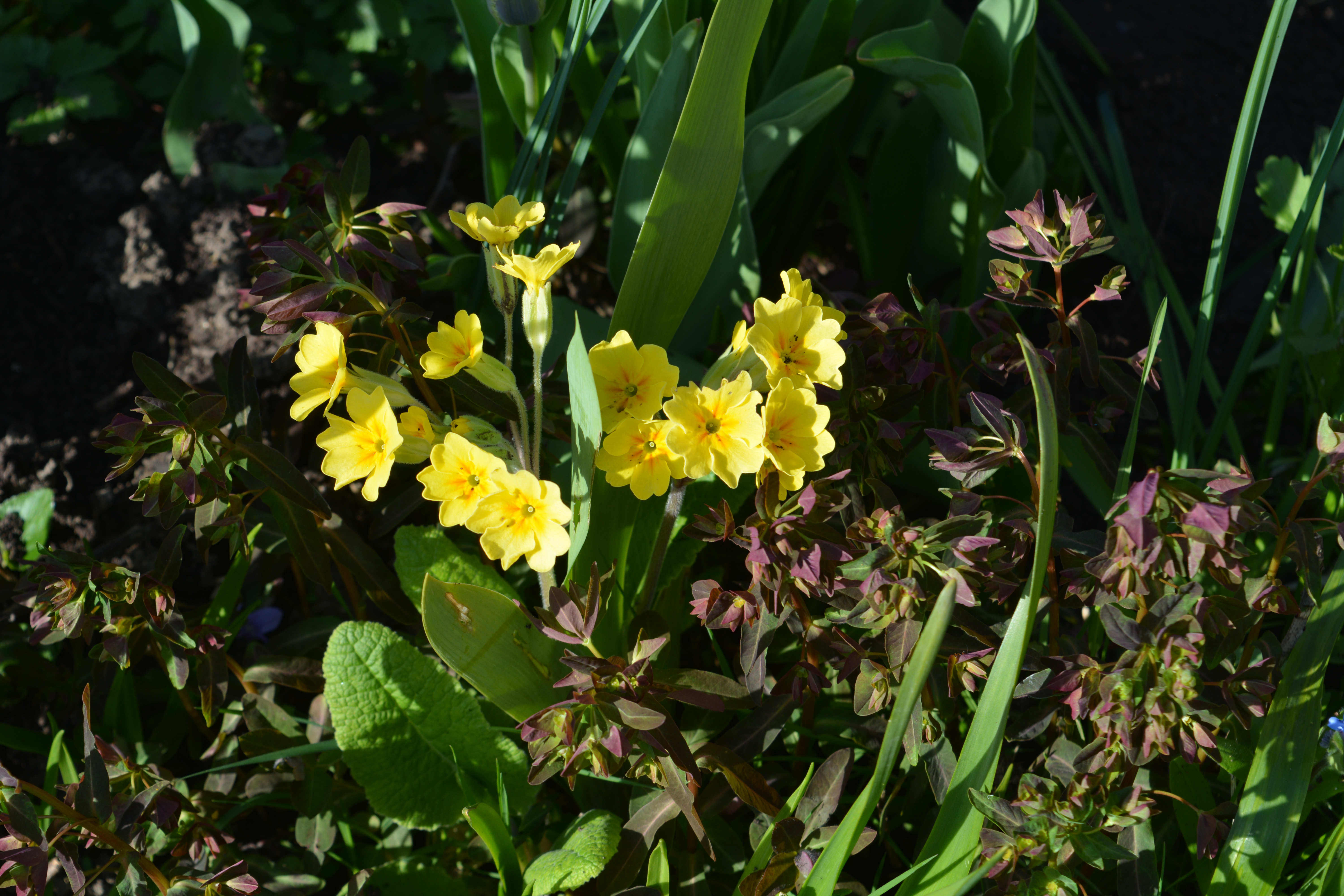

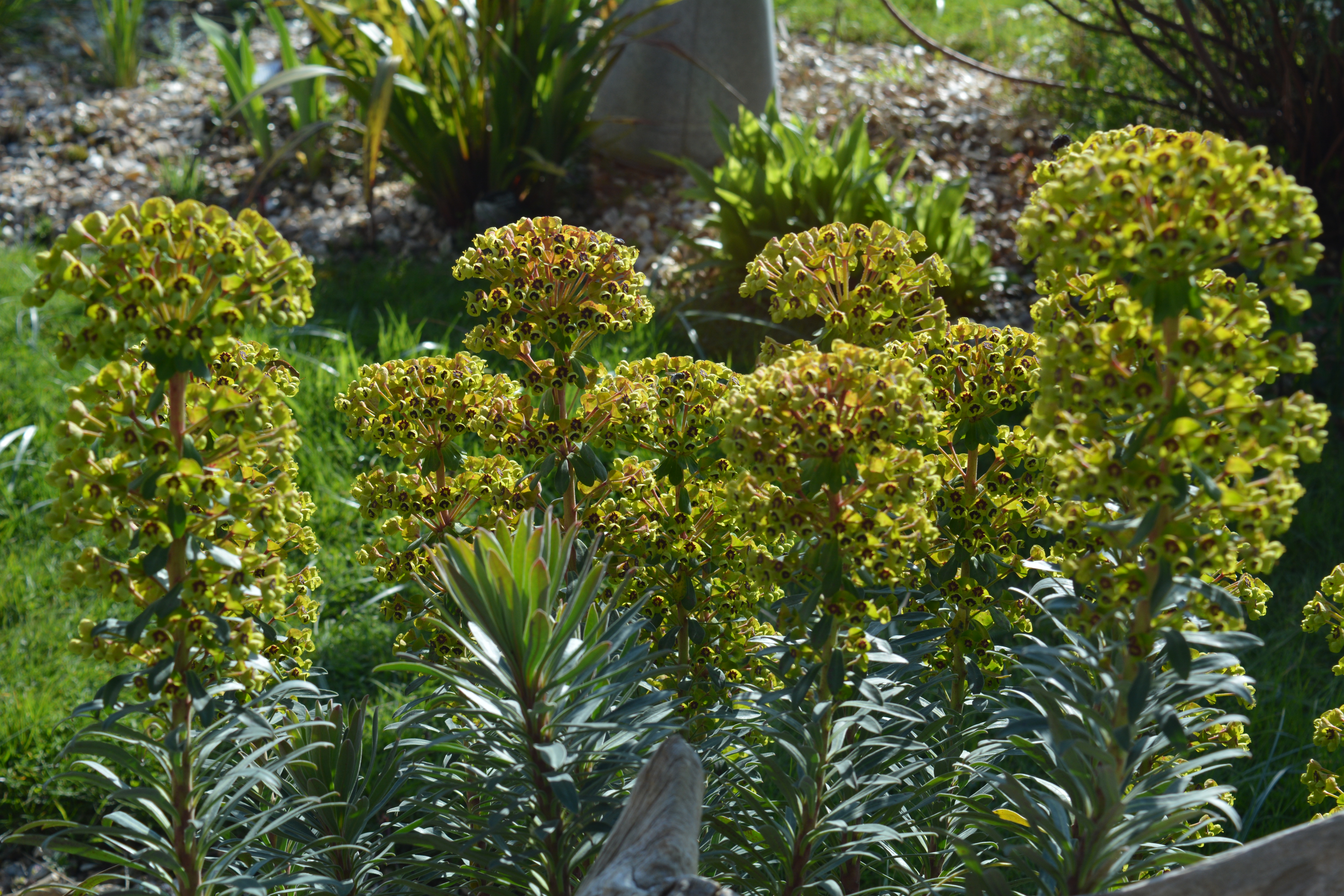

“There are also a few pinks that look special in the Spring garden and these are at their best with interestingly coloured and textured foliage as partners.”


Blossom and the plants of cool shade appear on the final couple of my journal’s pages for April.
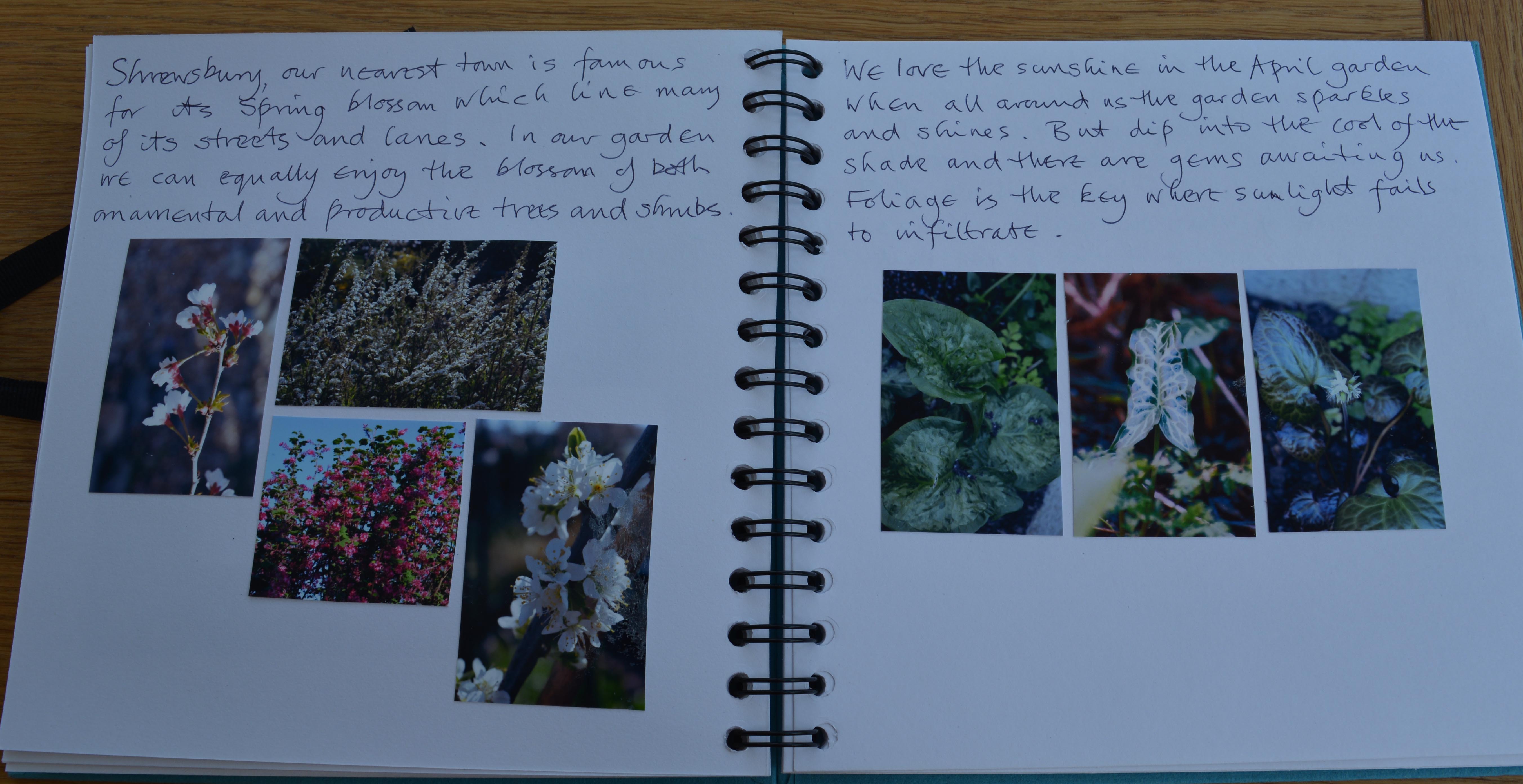
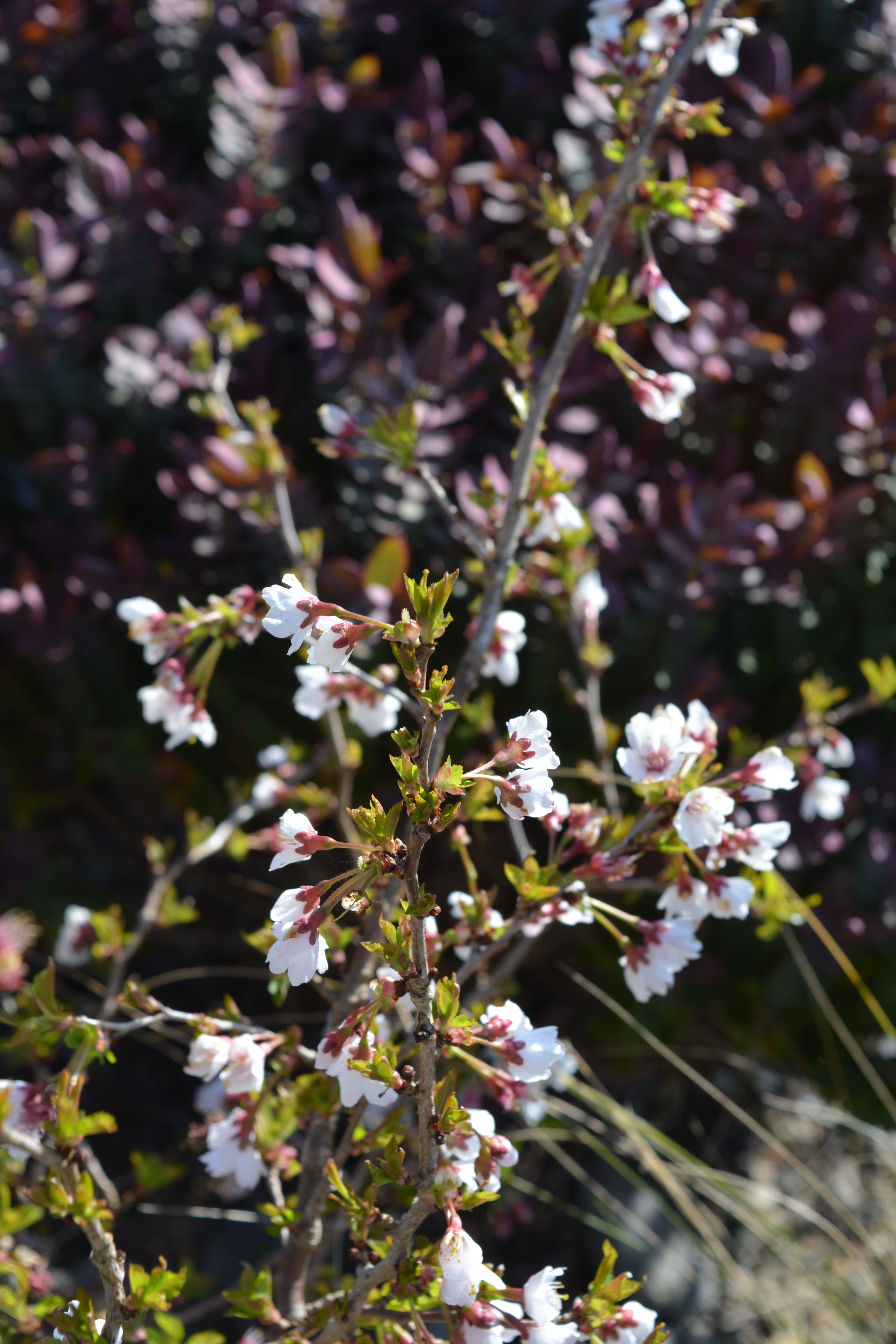
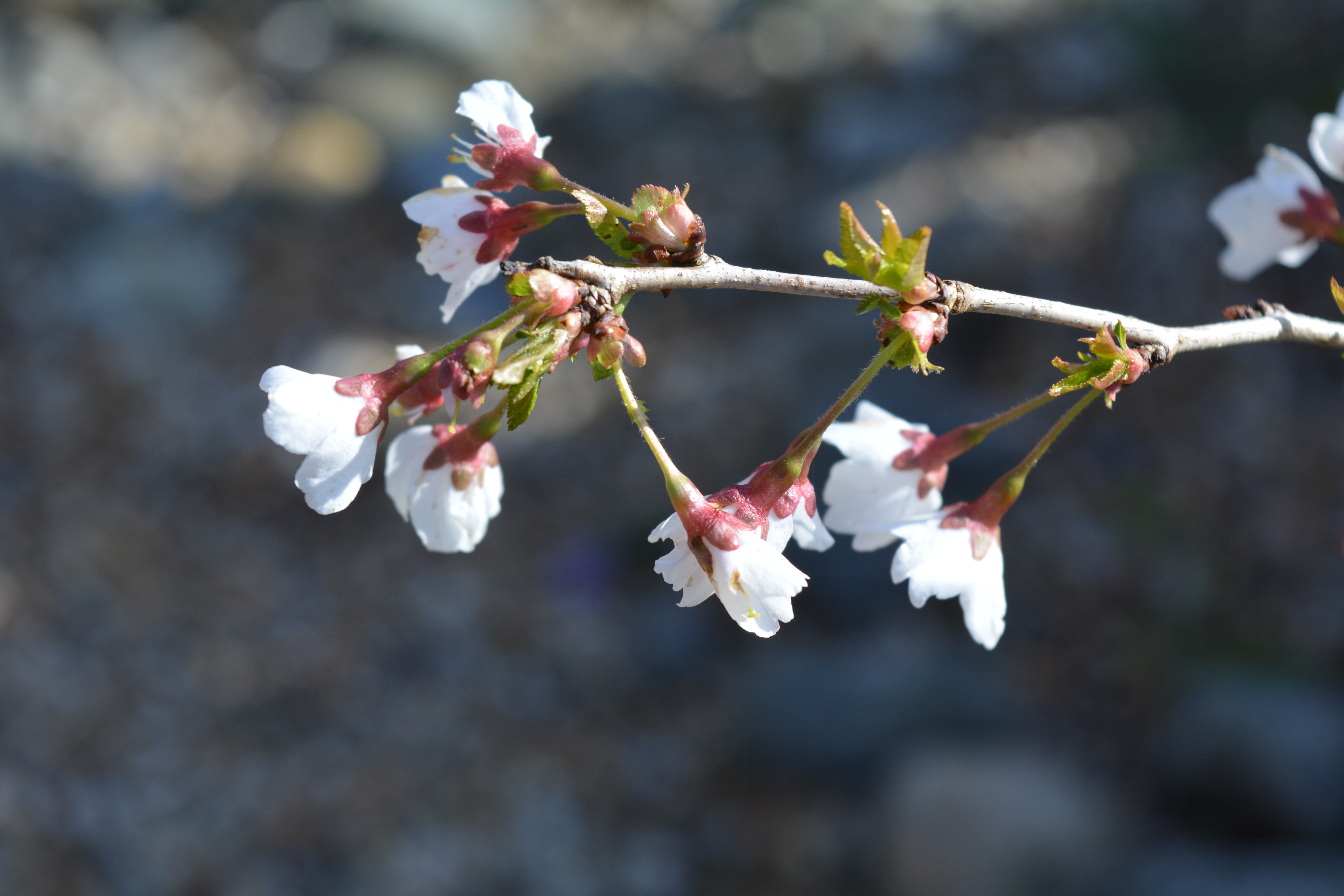
“Shrewsbury, our nearest town, is famous for its Spring blossom which lines many of its streets and lanes. In our garden we can equally enjoy the blossom of both ornamental and productive trees and shrubs.”



“We love the sunshine in the April garden when all around us the garden sparkles and shines. But dip into the cool of the shade and there are gems awaiting us. Foliage is the key where sunlight fails to infiltrate.”
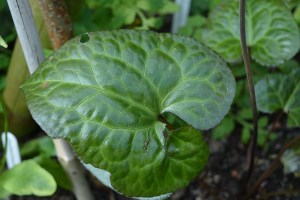

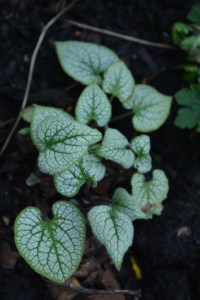

But any flowers that accompany this amazing foliage are tiny little star-like flowers.
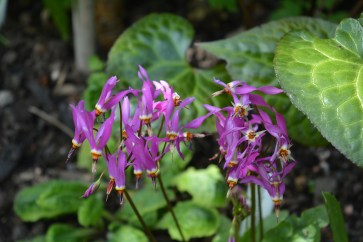


So that is April in our garden. We now look forward to what May will bring!
We opened our gardens three times last week (Monday 9th, Thursday 12th and Saturday 14th May and in between managed to give a talk to a garden society on the Tuesday, so by Saturday night we were exhausted and our knees and backs ached. But as it was all for the National Garden Scheme charities however much we ached it was worth it.
I thought I would share with you a series of photographs showing our garden during that week to show you what our visitors saw, but this post is specially for my sister Alison who planned to come and help out but illness prevented this happening. So at least she can share this virtual journey around our patch.
We made sure our entrance gave our visitors a warm welcome.
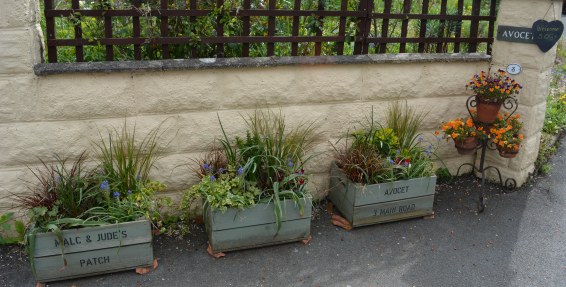
As visitors walk up our drive towards the house they get good views of the patch in front of the house.


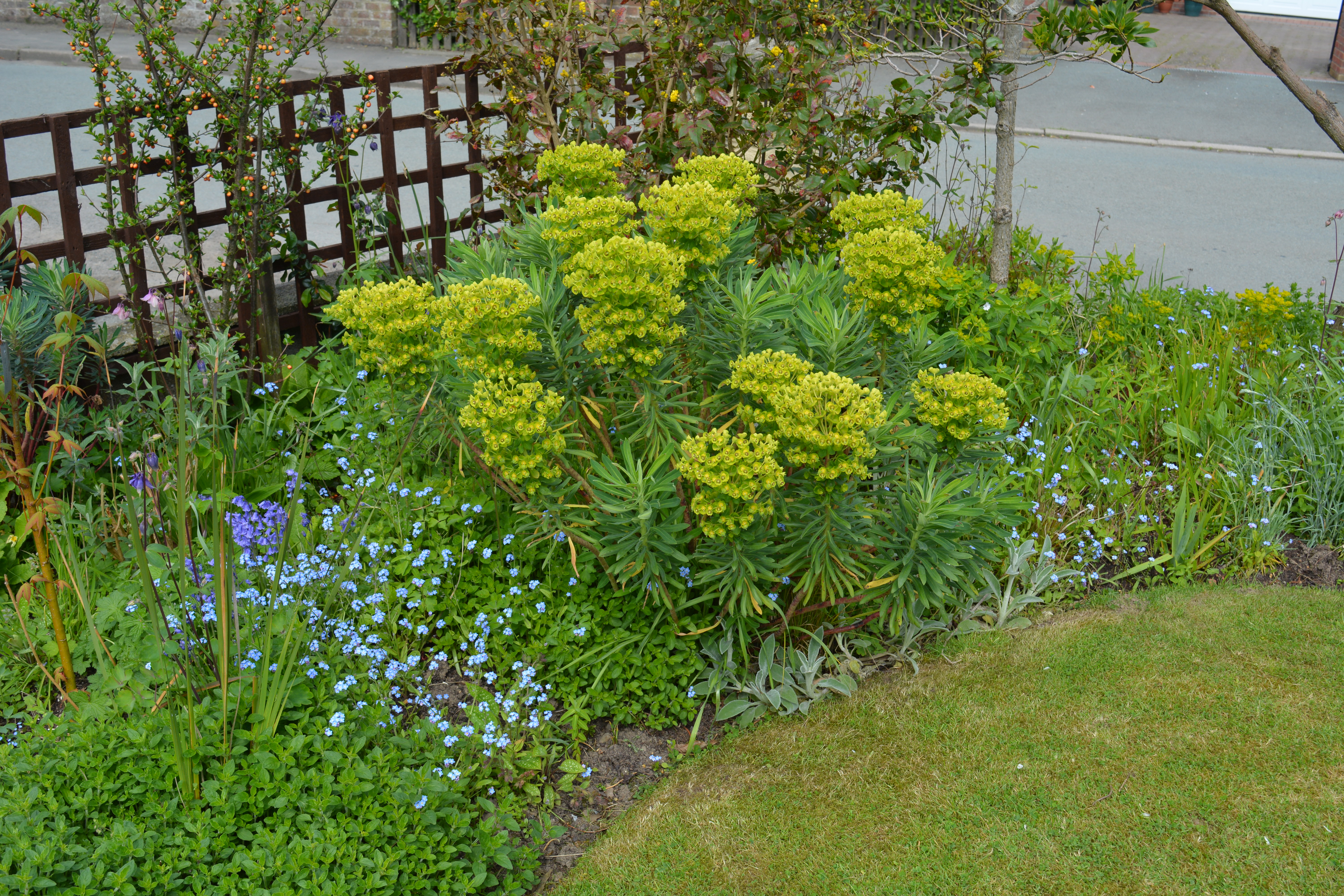
Most people who visit us start their tour in the front garden and this is what it looked like last week.


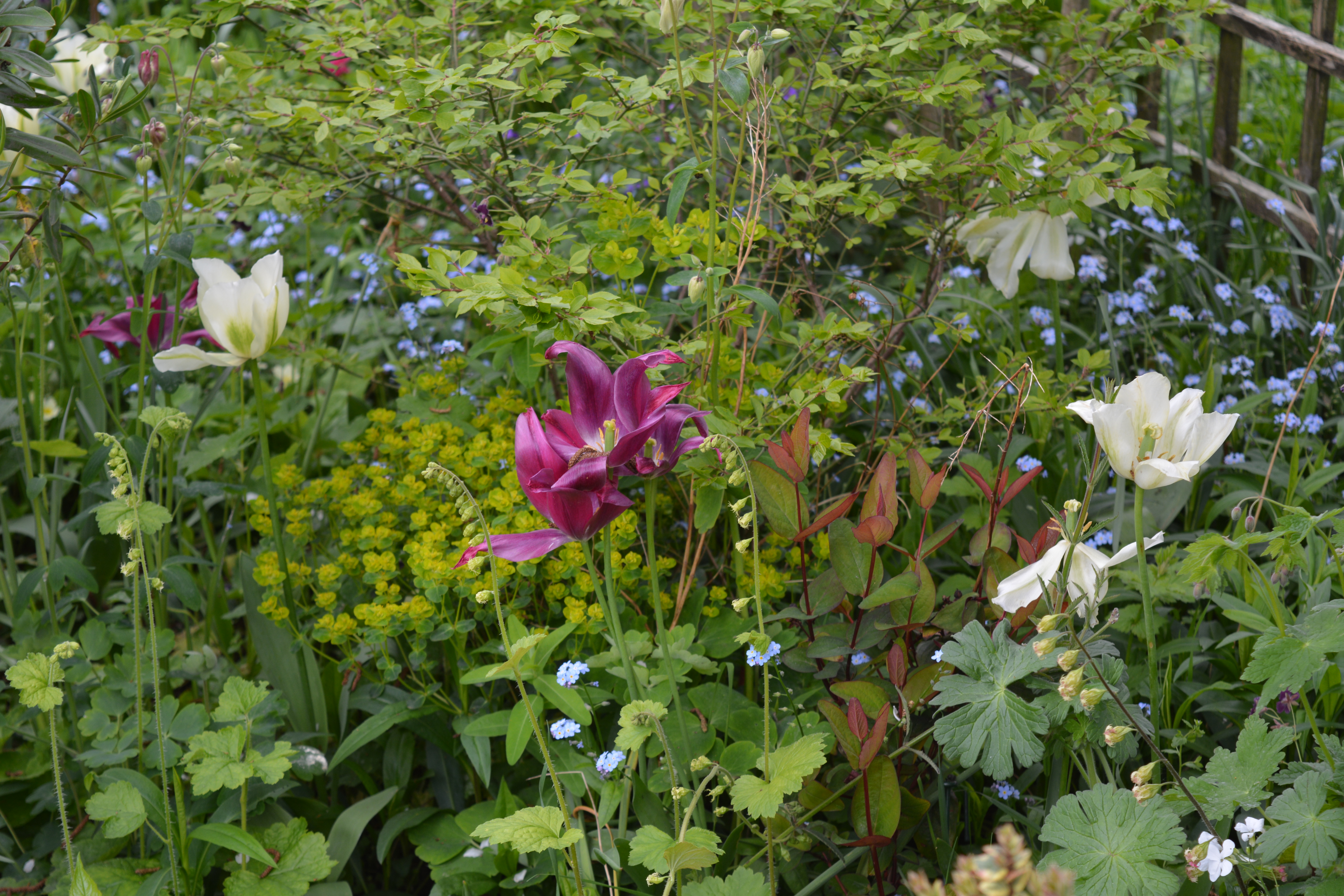
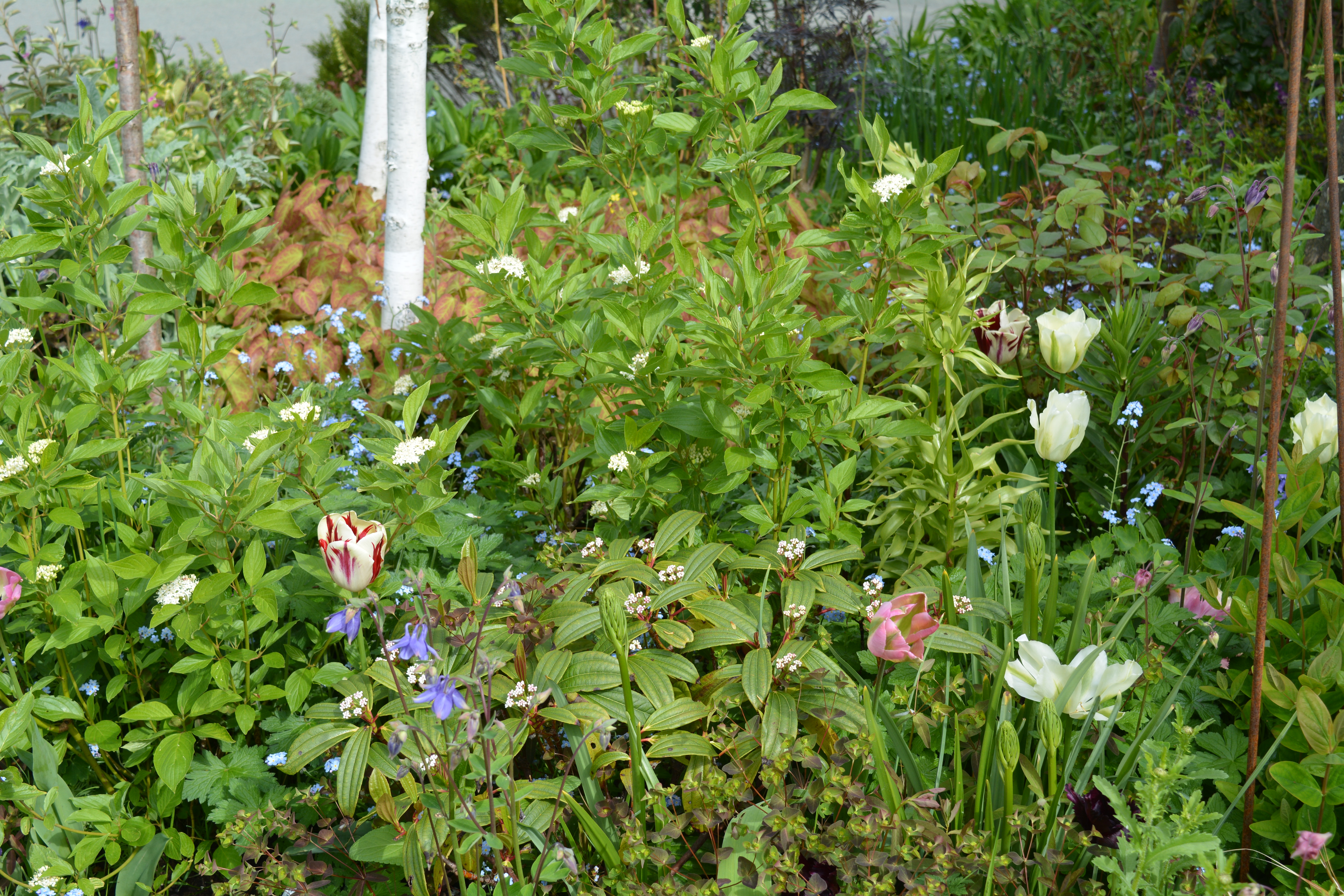
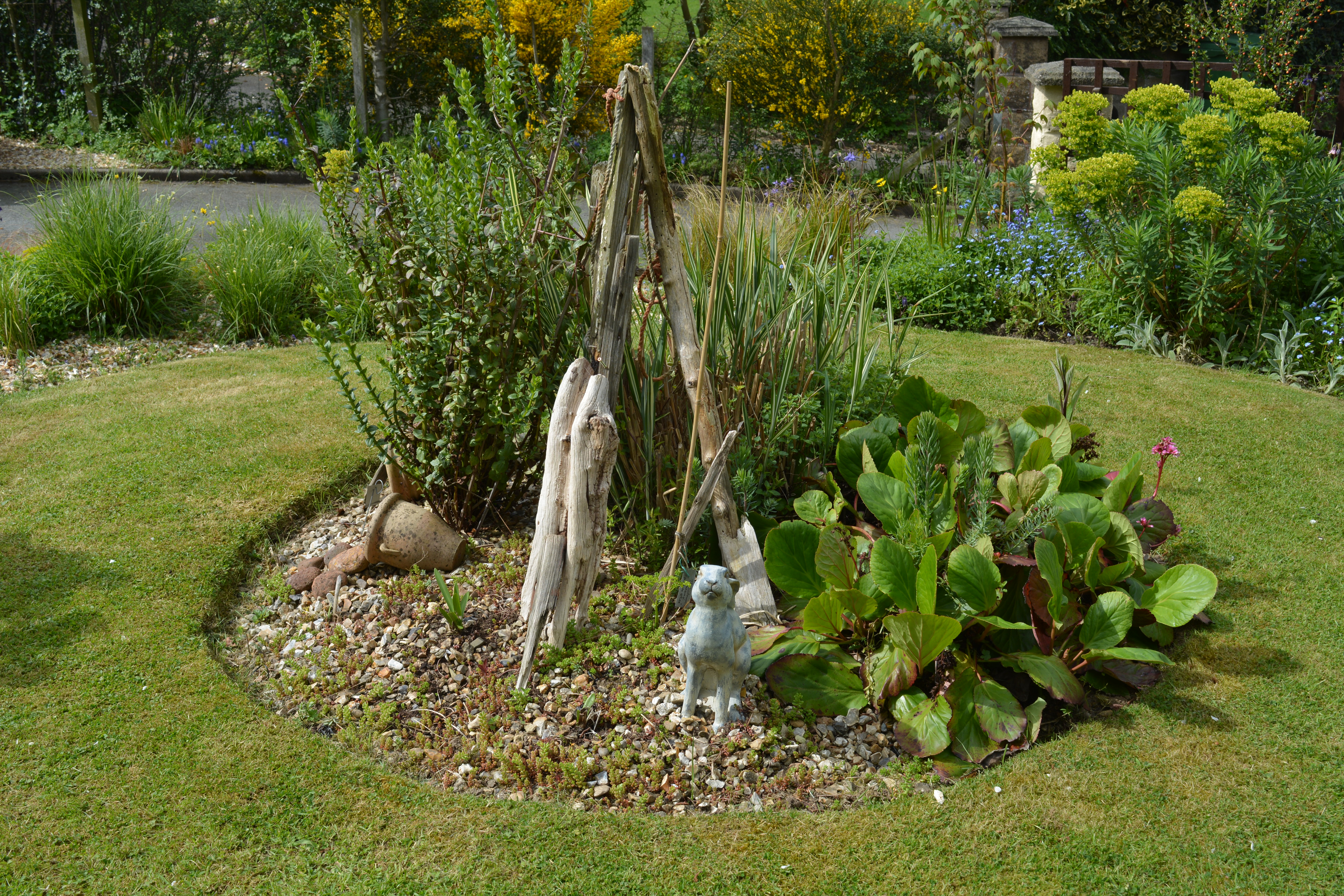
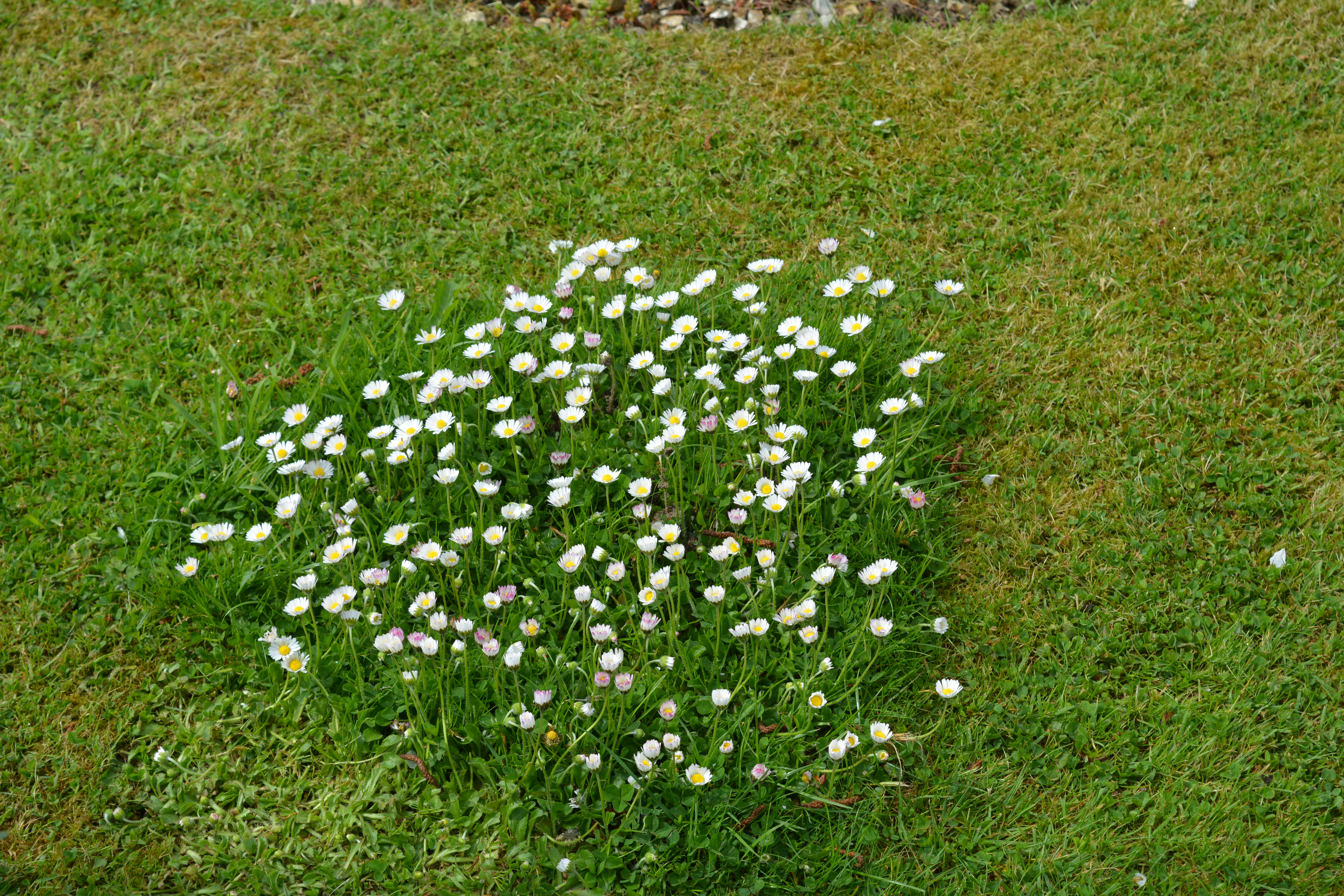
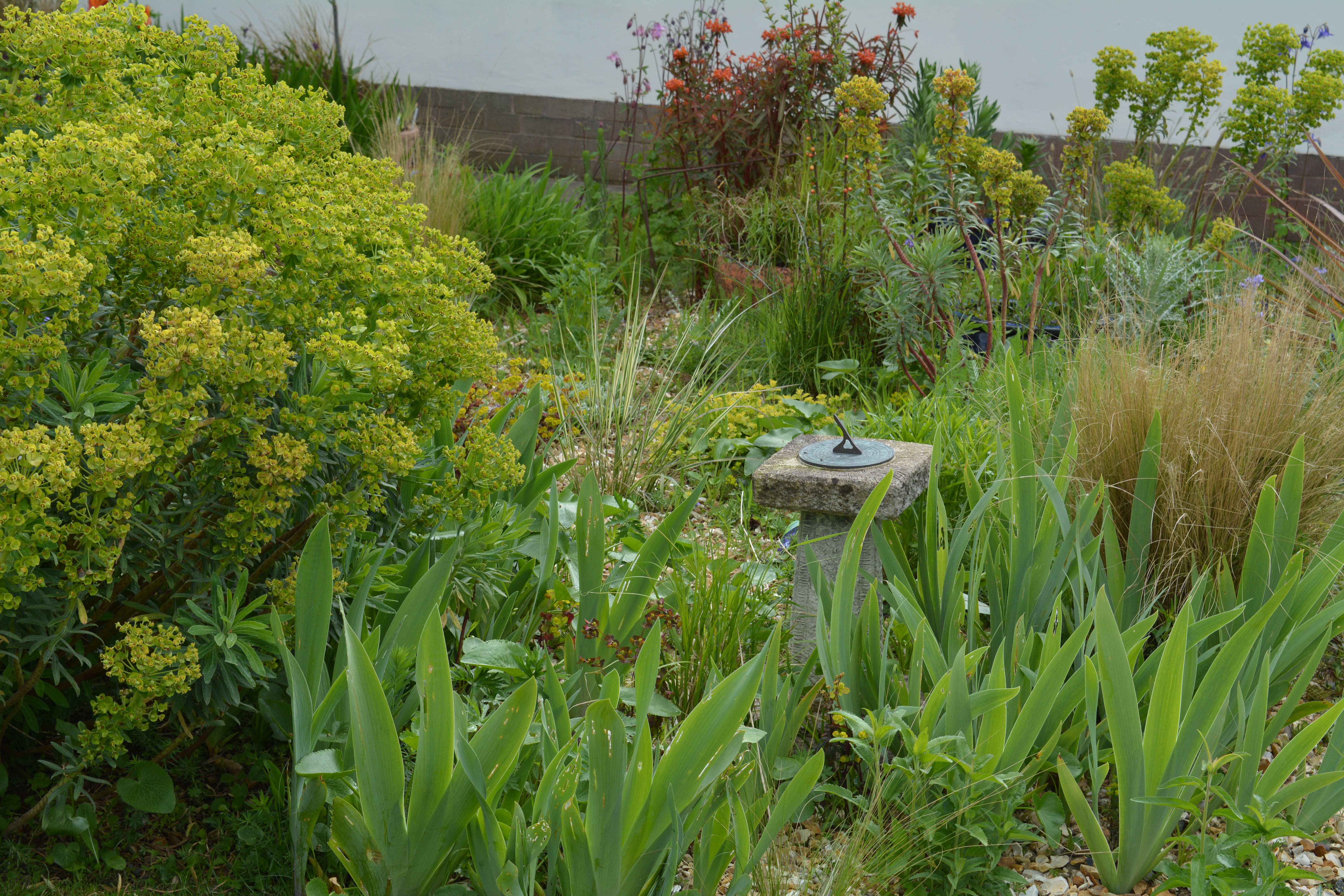
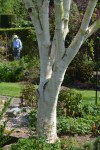
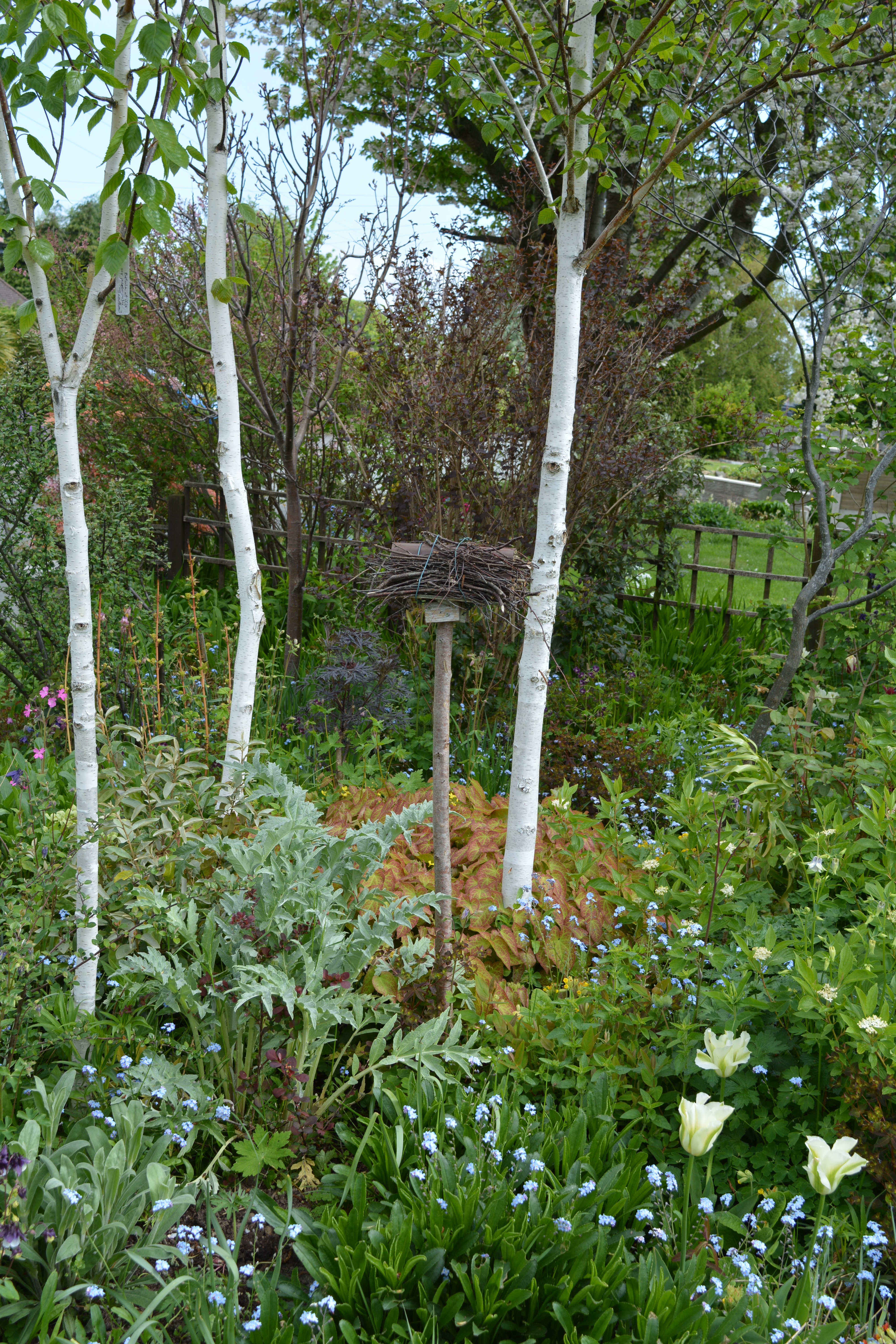
Our white birches are often commented upon!

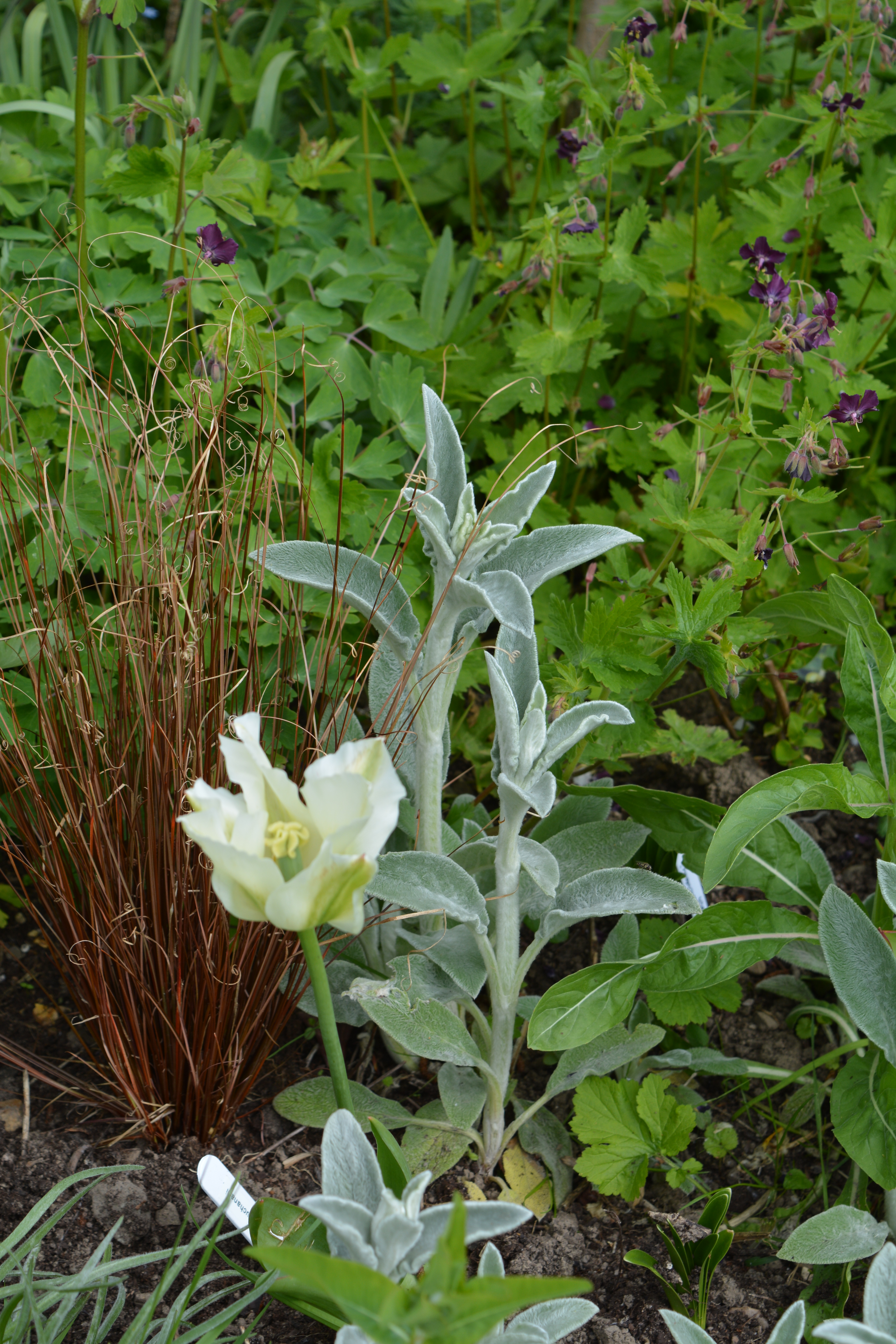
Our large collection of tulips were really playing a starring role!!


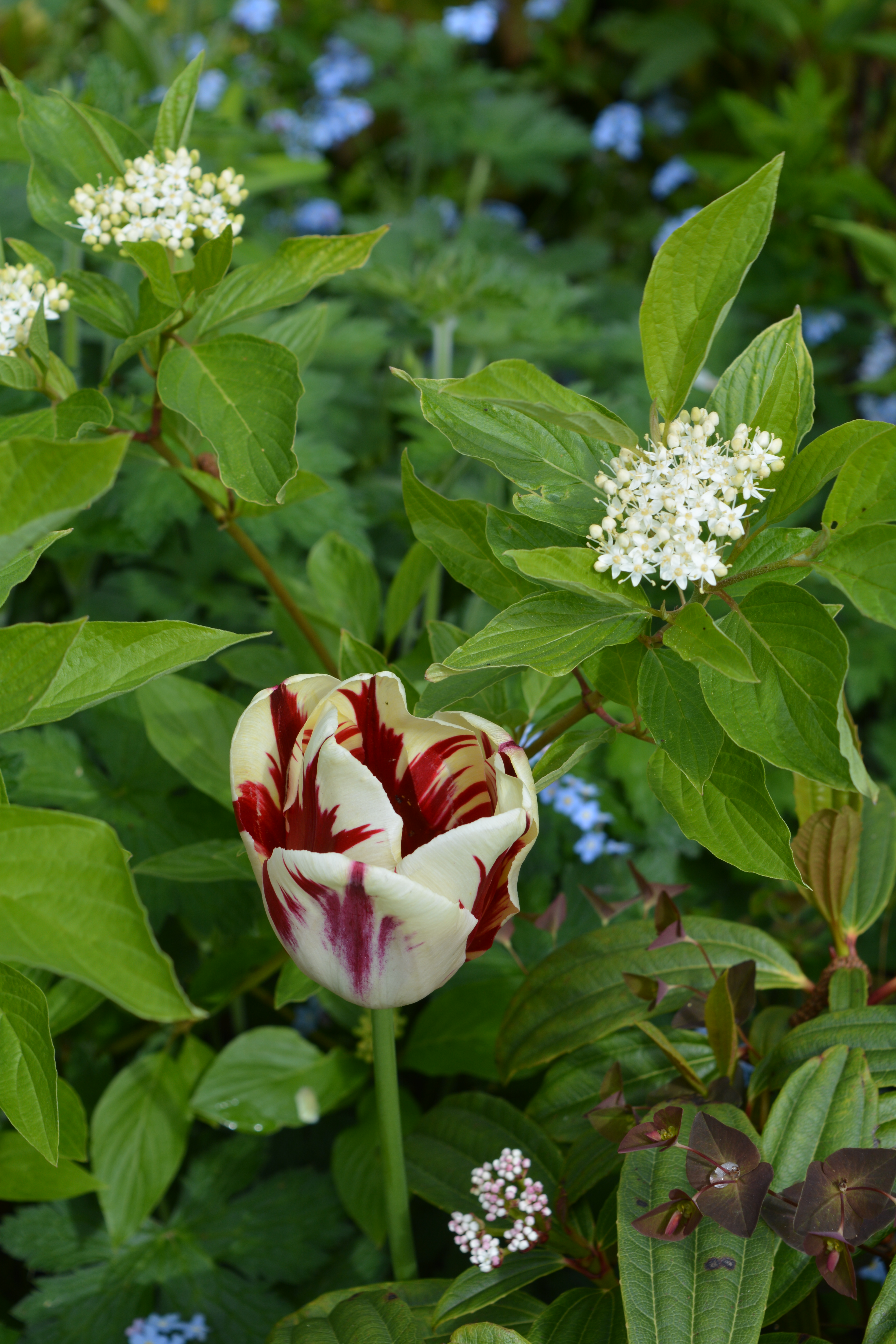

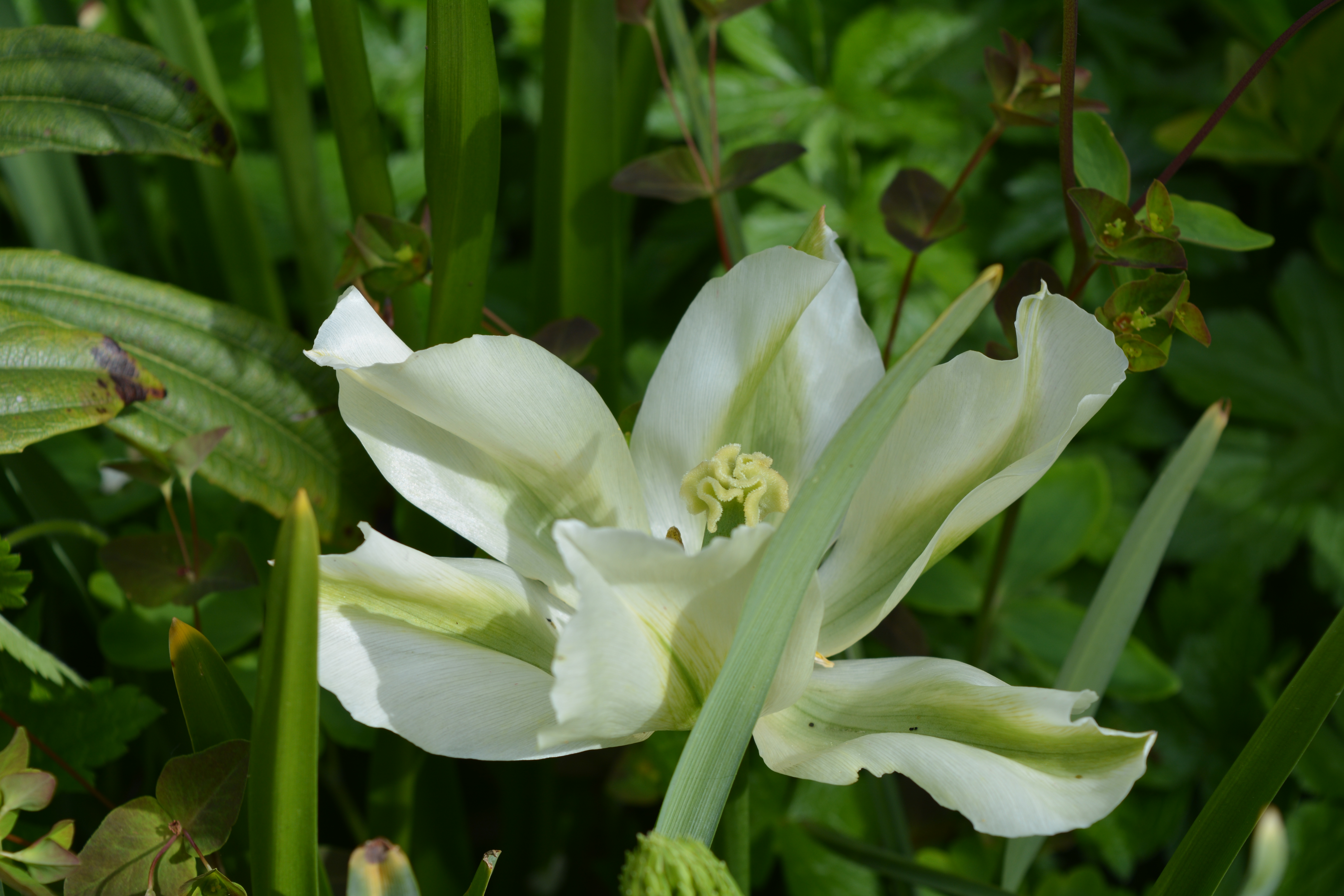
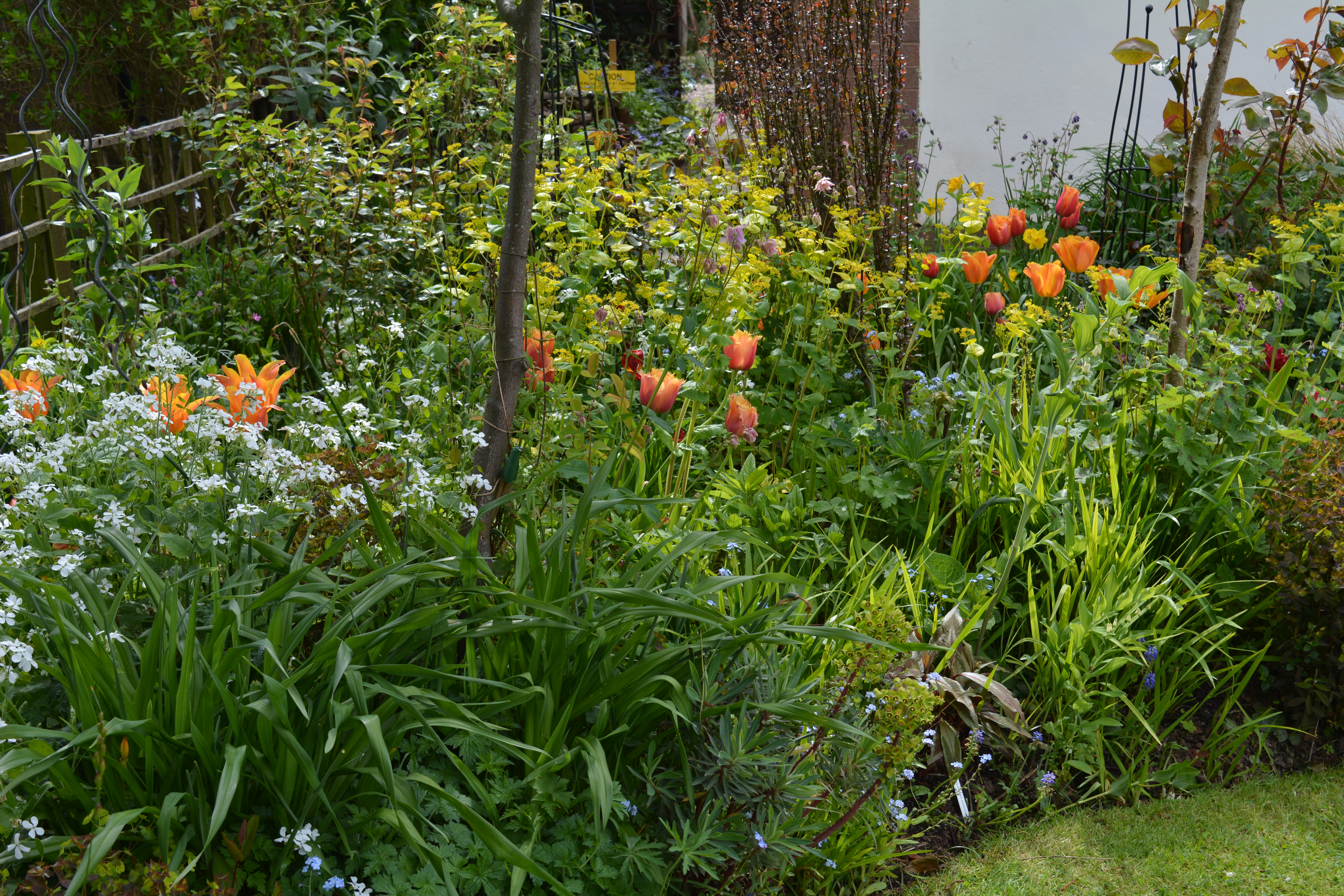

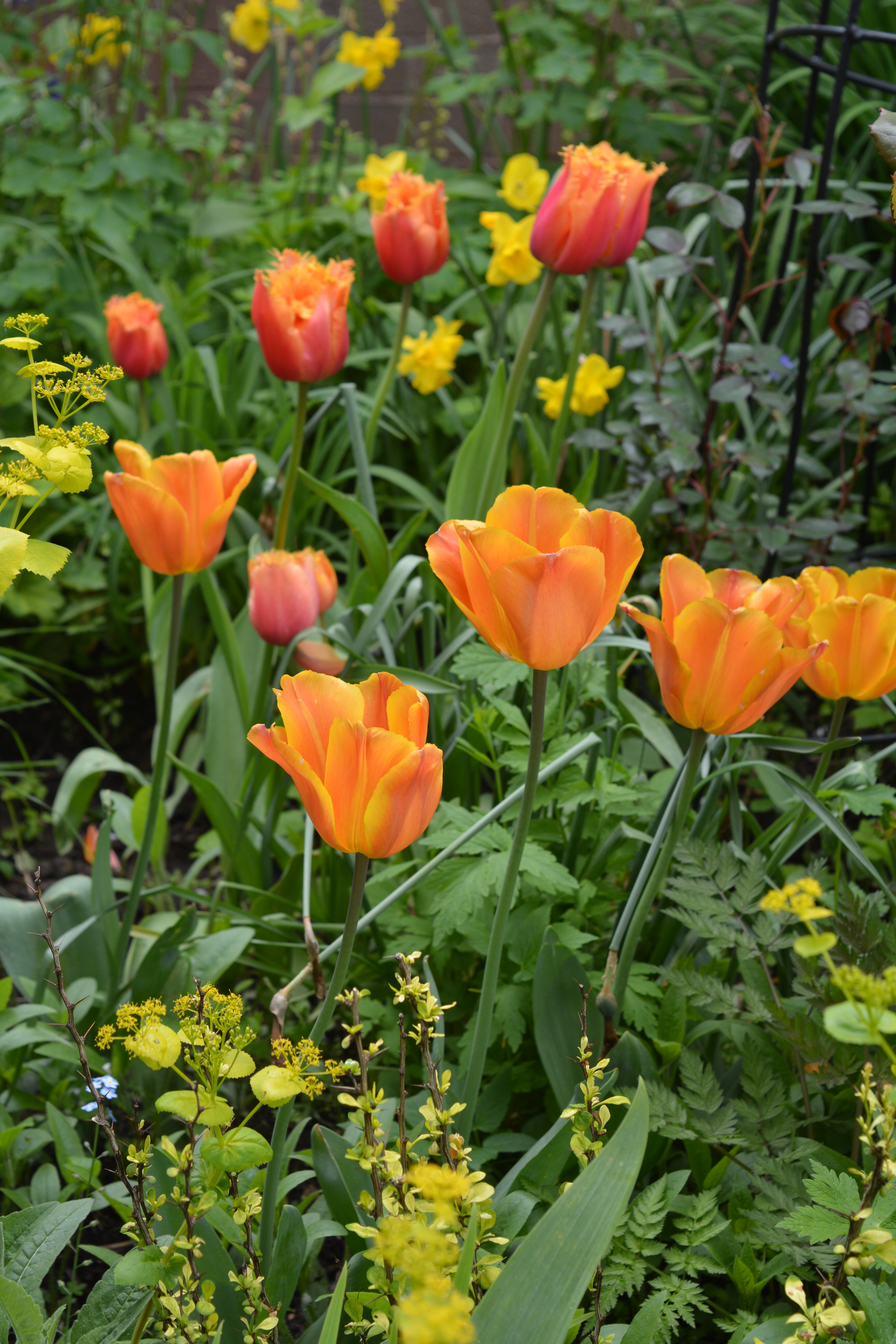
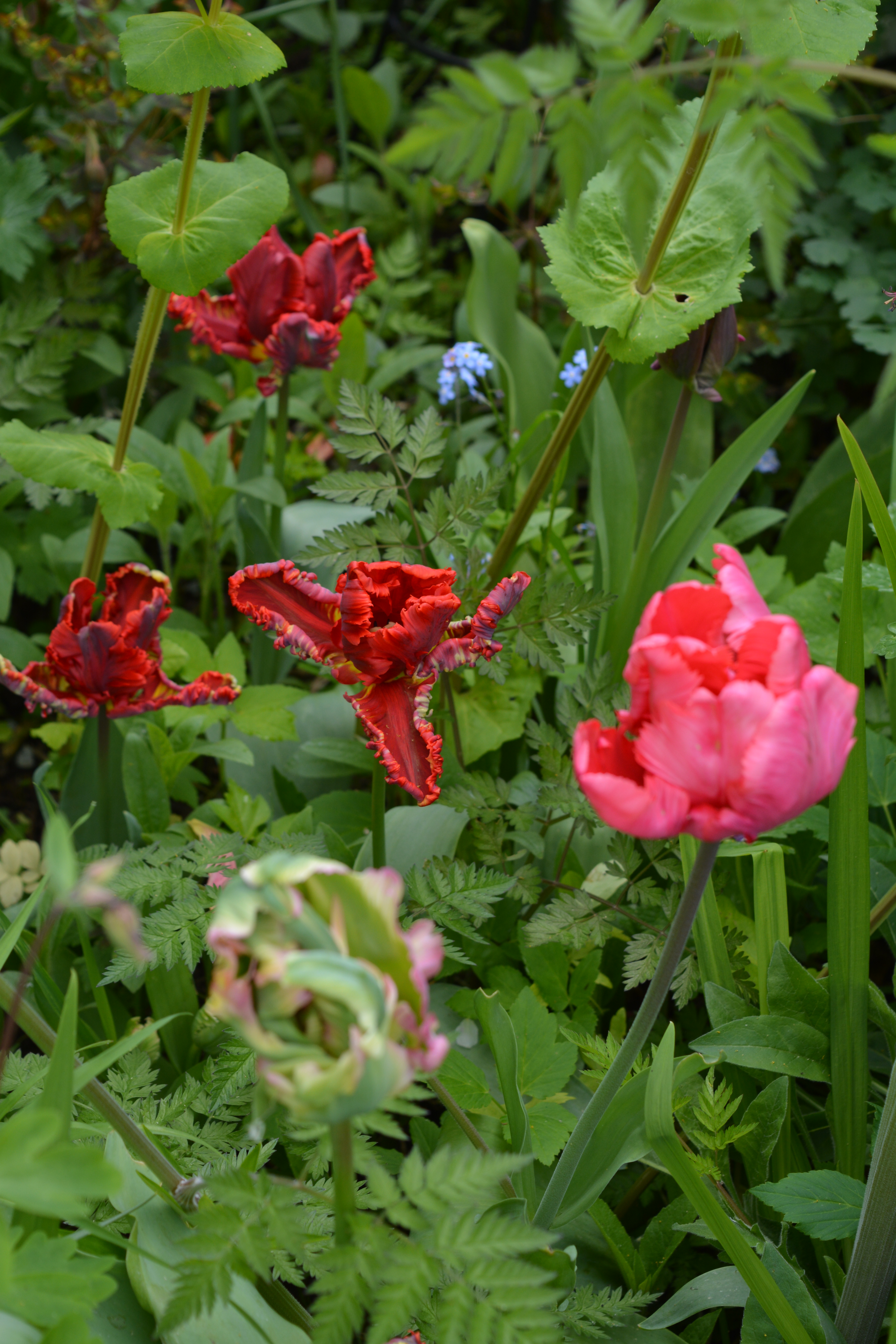
So after this taster of what our garden presented our visitors with please now come for a wander around our Avocet Garden in the following gallery. As usual simply click on the first photo then navigate using the arrows. We hope you enjoy your wander.




















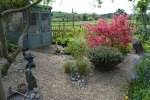

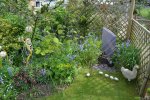



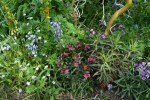


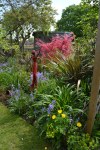




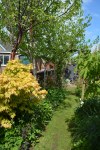

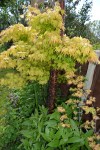






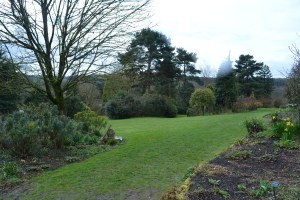
We returned to the Dorothy Clive Garden late in March to see what the early spring month presented to us. Our first view across the garden showed little change in fact so we hoped for more signs of seasonal progress elsewhere throughout the garden.


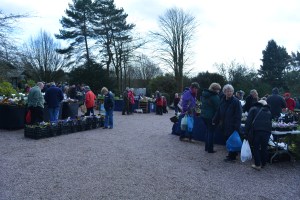
Last time we visited there was a wildlife activity going on and once again we had timed our visit to coincide with a special event, a Rare Plant Fair.
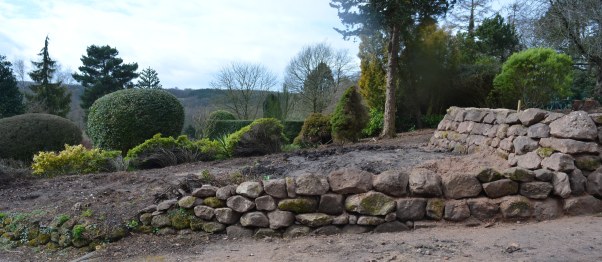
As we made our way in search of our usual coffee and cake we passed the developing area we found on our last visit. The area had been further cleared and a perimeter wall rebuilt. Perhaps on our next visit we may be able to work out what is being constructed.

As we walked along the woodland path skirting around the top edge of the Dingle Garden we followed sinuous grass tracks through naturalised golden daffodils.


Dropping into the Dingle itself we discovered the blooms of Azaleas, Rhododendrons and Prunus in the shade beneath the tall evergreen trees.
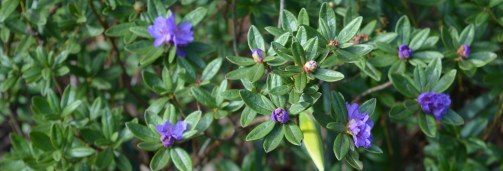


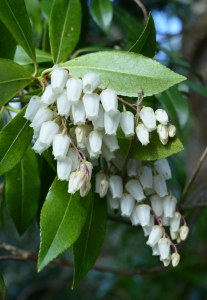


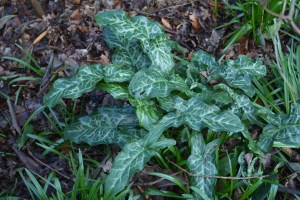
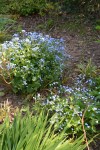
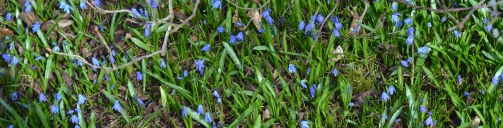
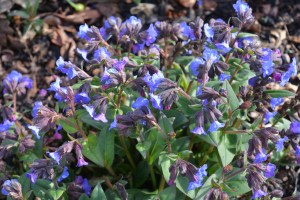
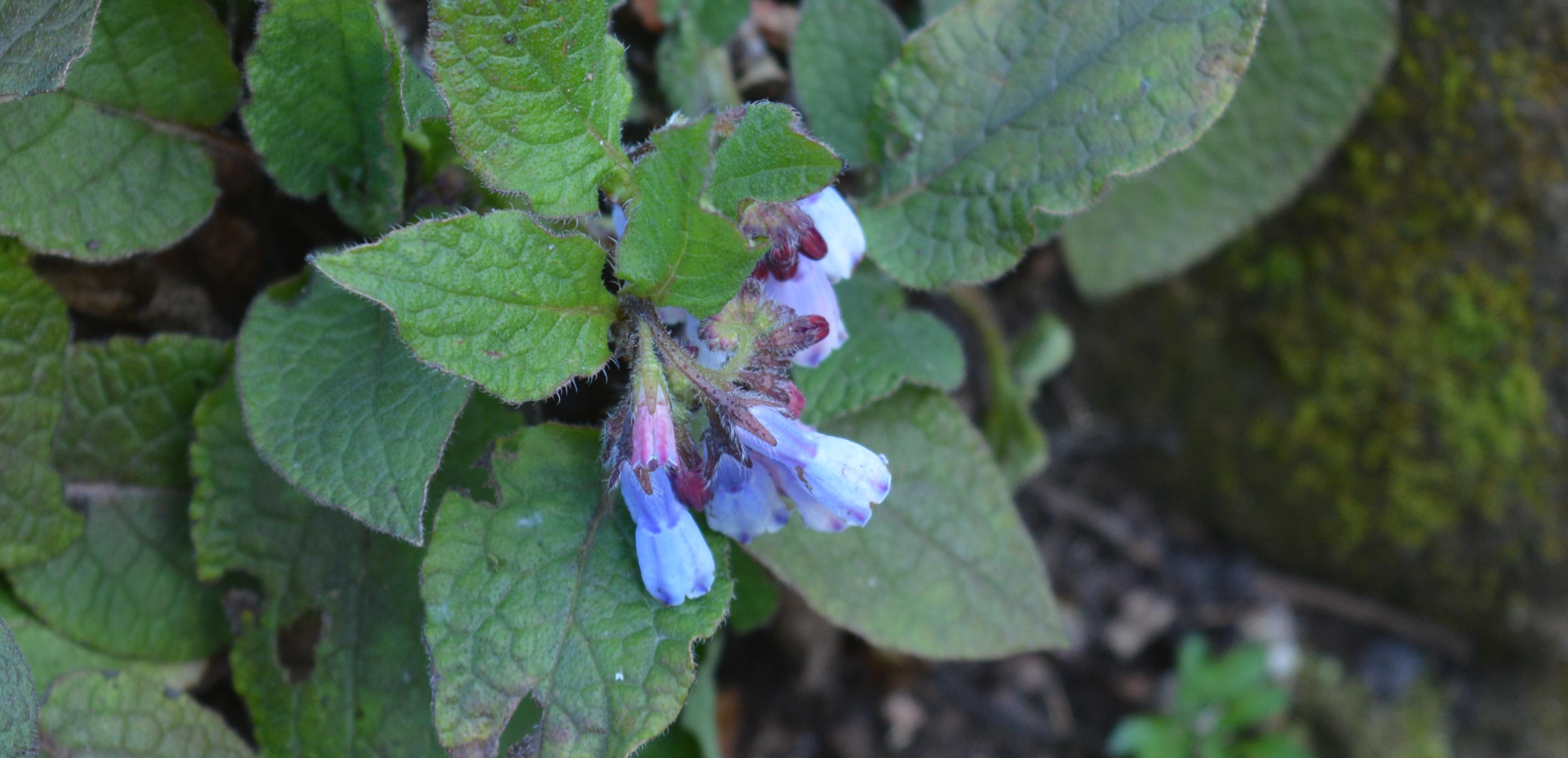
Beneath the Rhododendron shrubs small blue flowered bulbous plants shone jewel-like on the dingle floor.
We were looking forward seeing the new Winter Garden again as we were so impressed with it on our last visit. Our first views encouraged us to look closer.

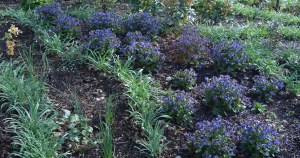

We enjoyed both the flowers and foliage of the new plantings. This area will be such a good winter garden in the years to come. We look forward to seeing it develop.

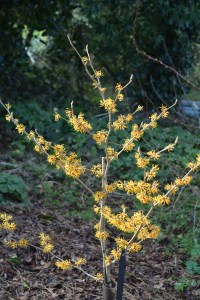
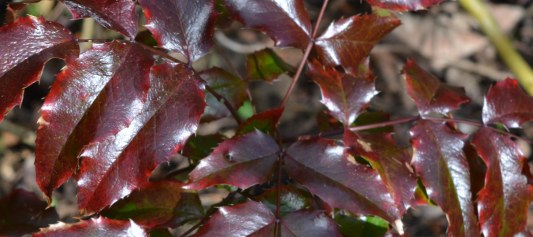




We emerged from the Winter Garden and wandered around the front of the tea shop to explore the sloping areas of the garden.


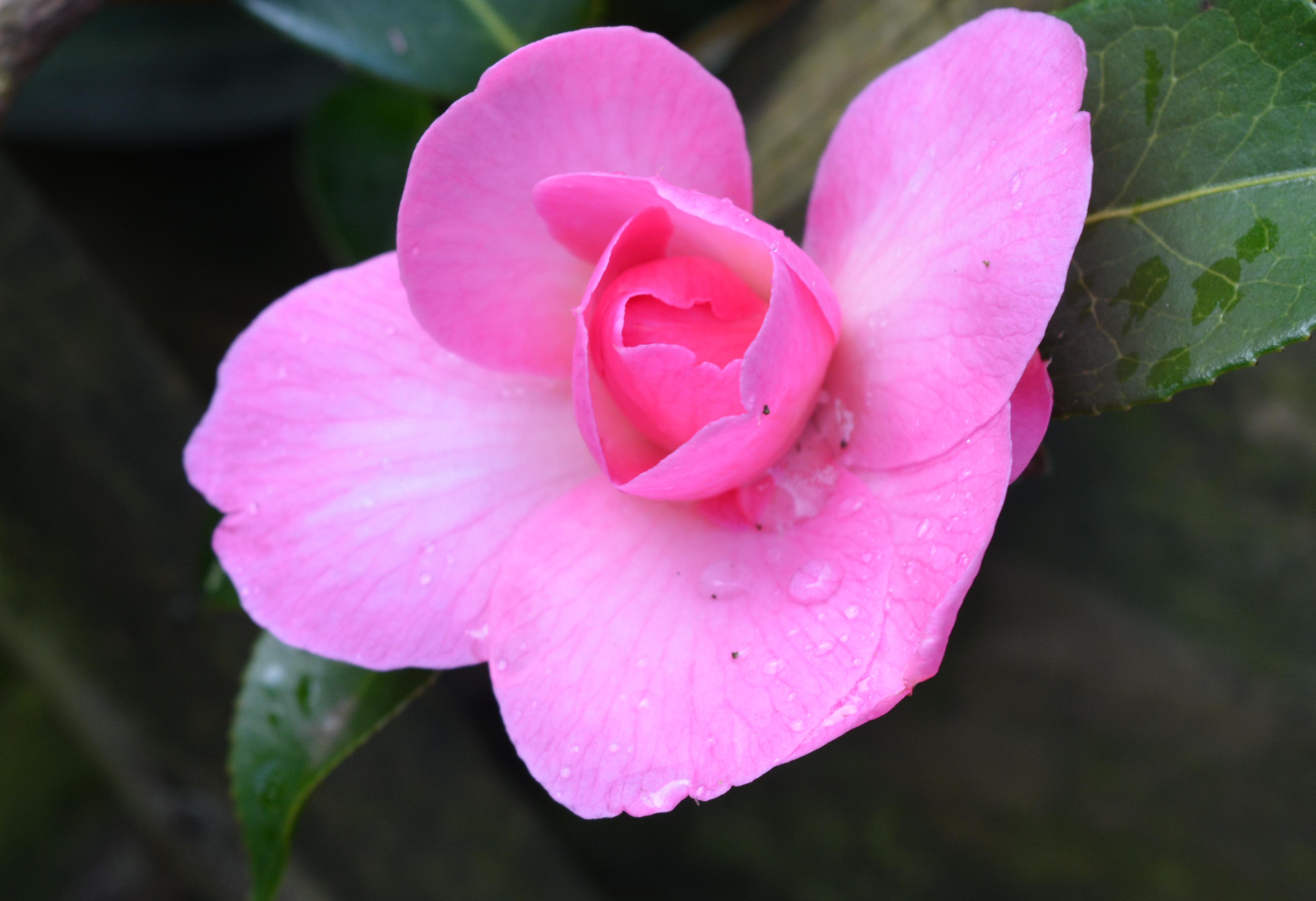
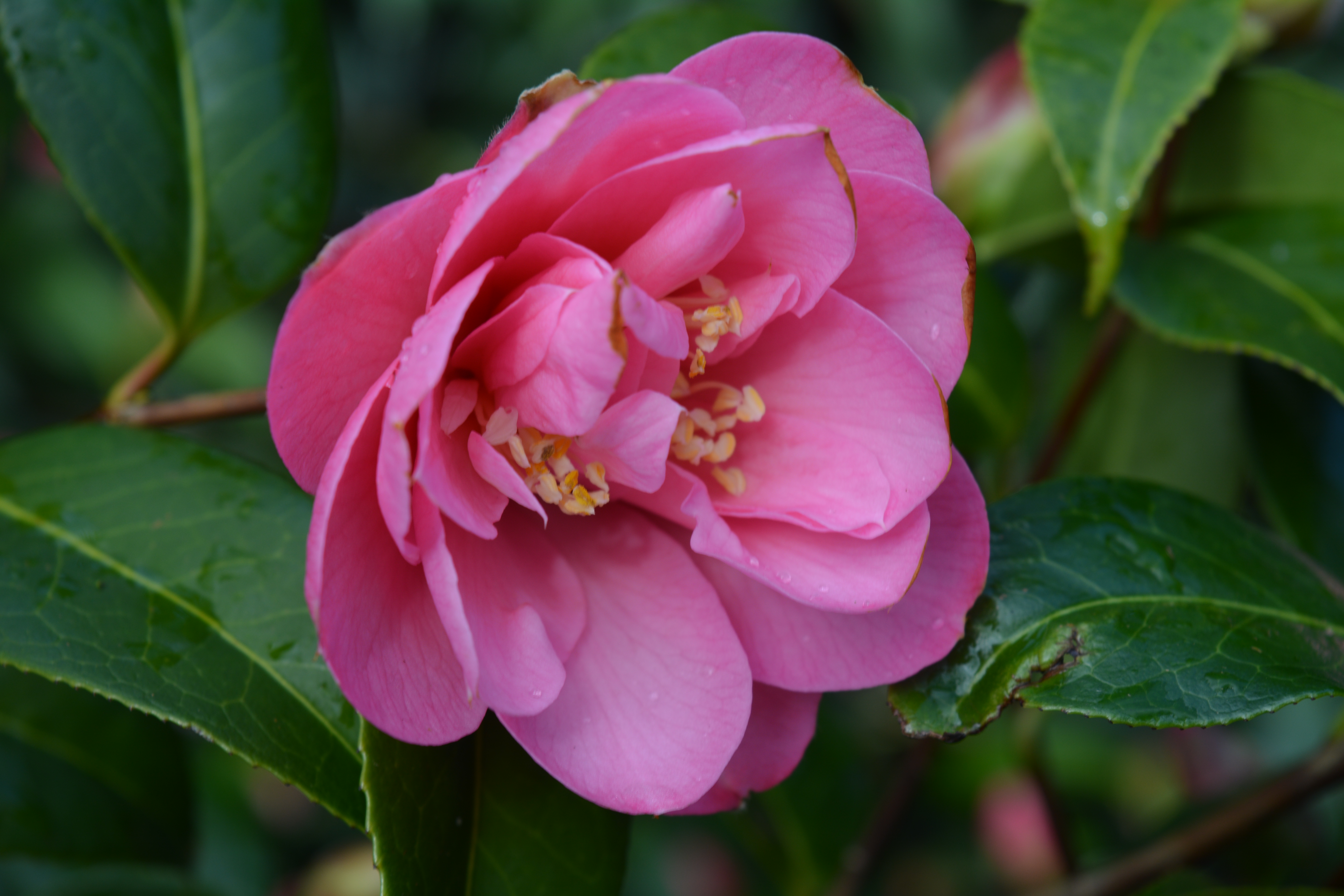
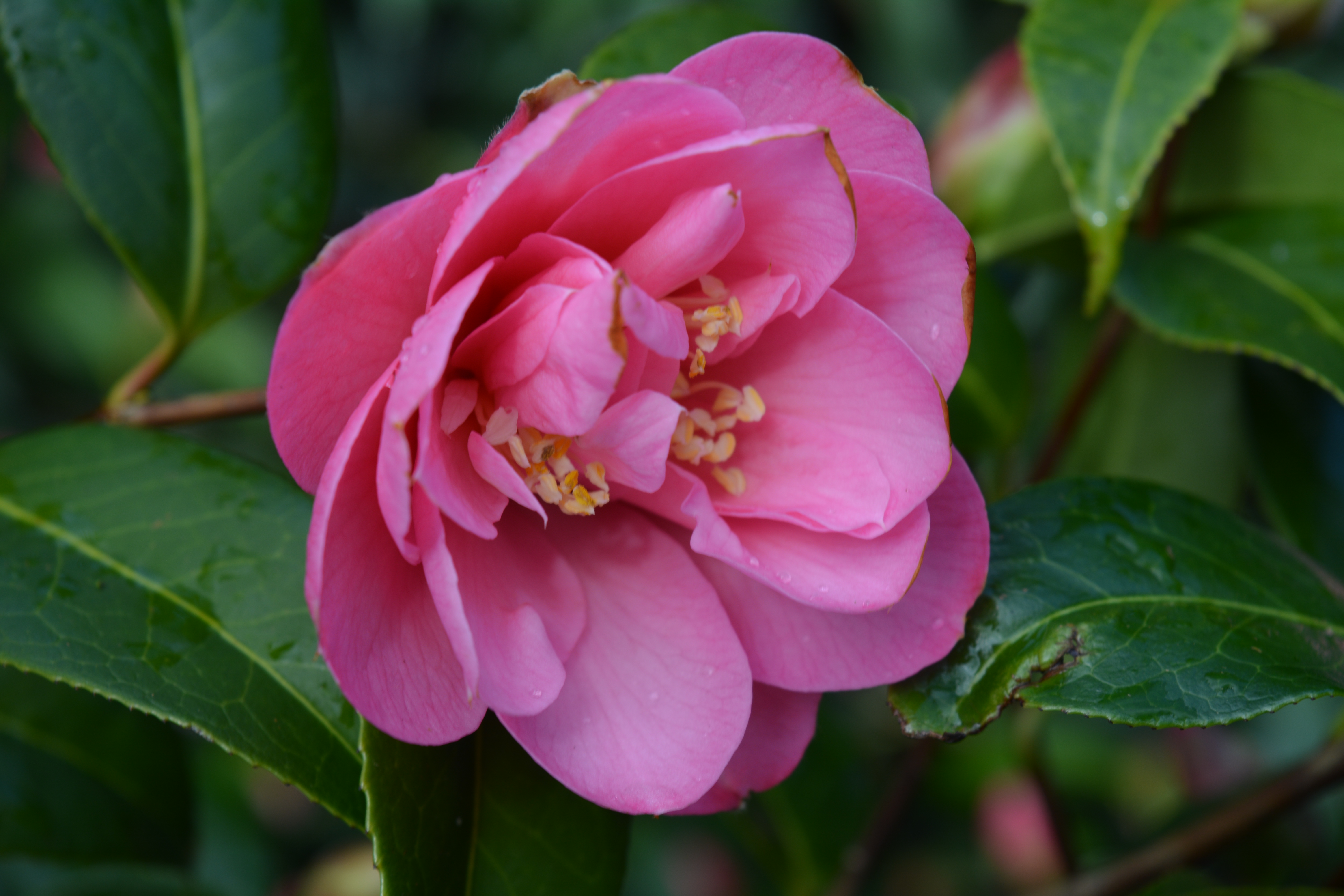
The Camellia Walk was at last showing lots more blooms but neither of us particularly like them. I include a couple of shots for those who do!

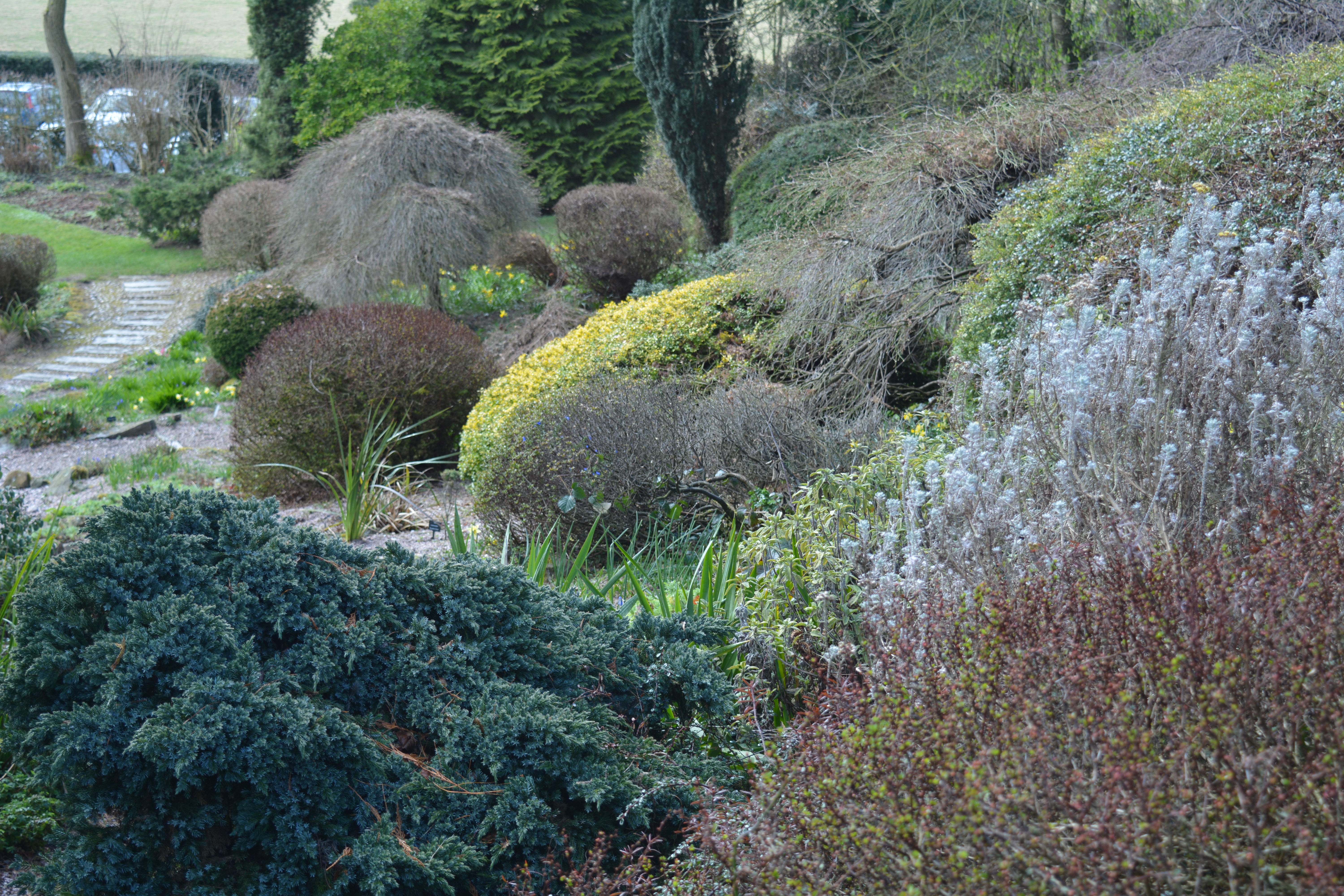
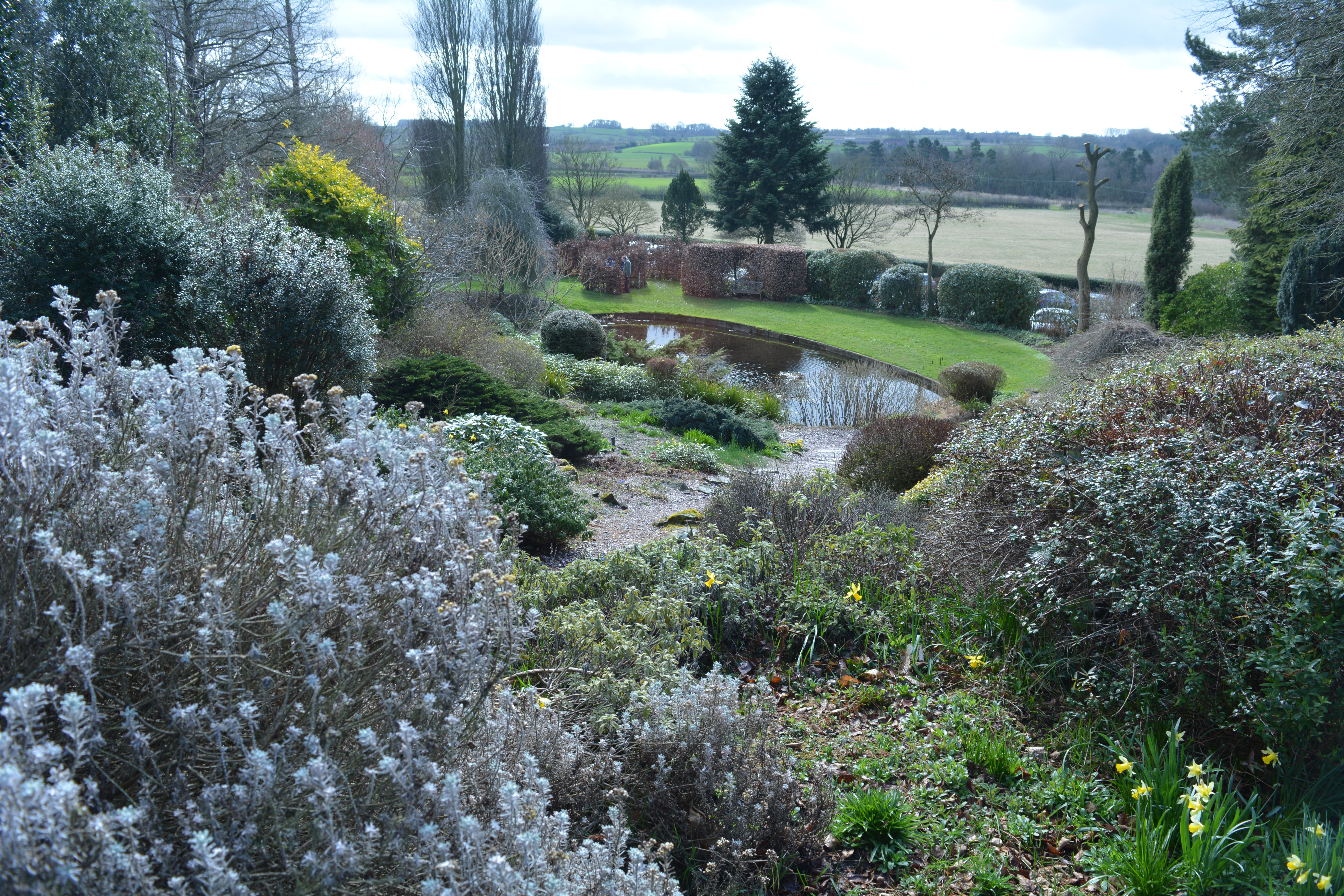
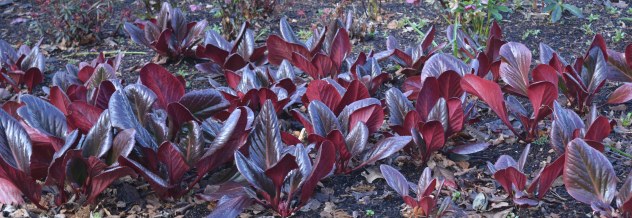
The views down to the pond through the scree area showed great variations in colour and texture but many of the shrubs still remained totally leafless.
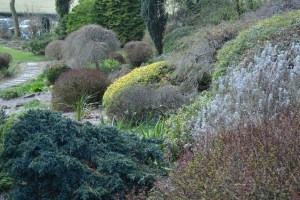
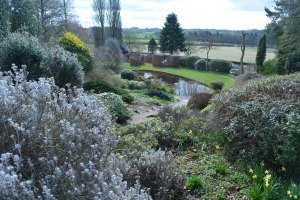
Within the borders in the sloping part of the gardens there were points of colour from shrubs and herbaceous plants.
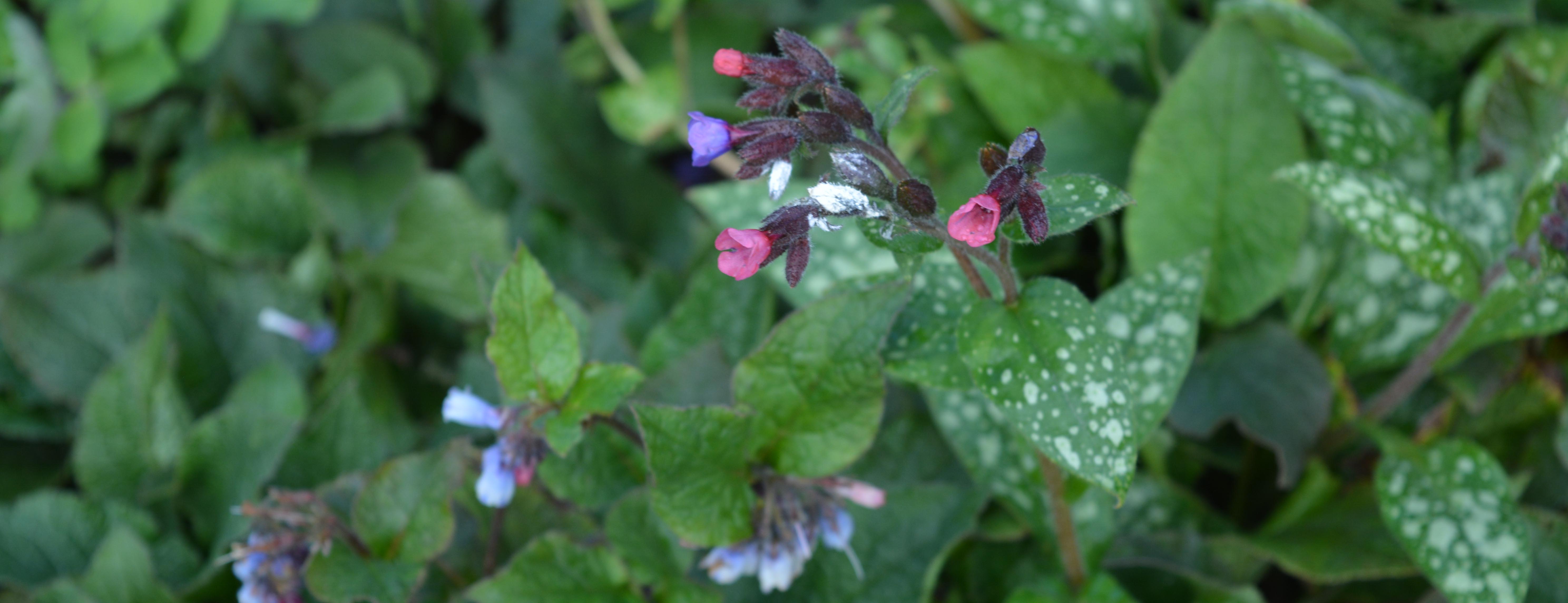
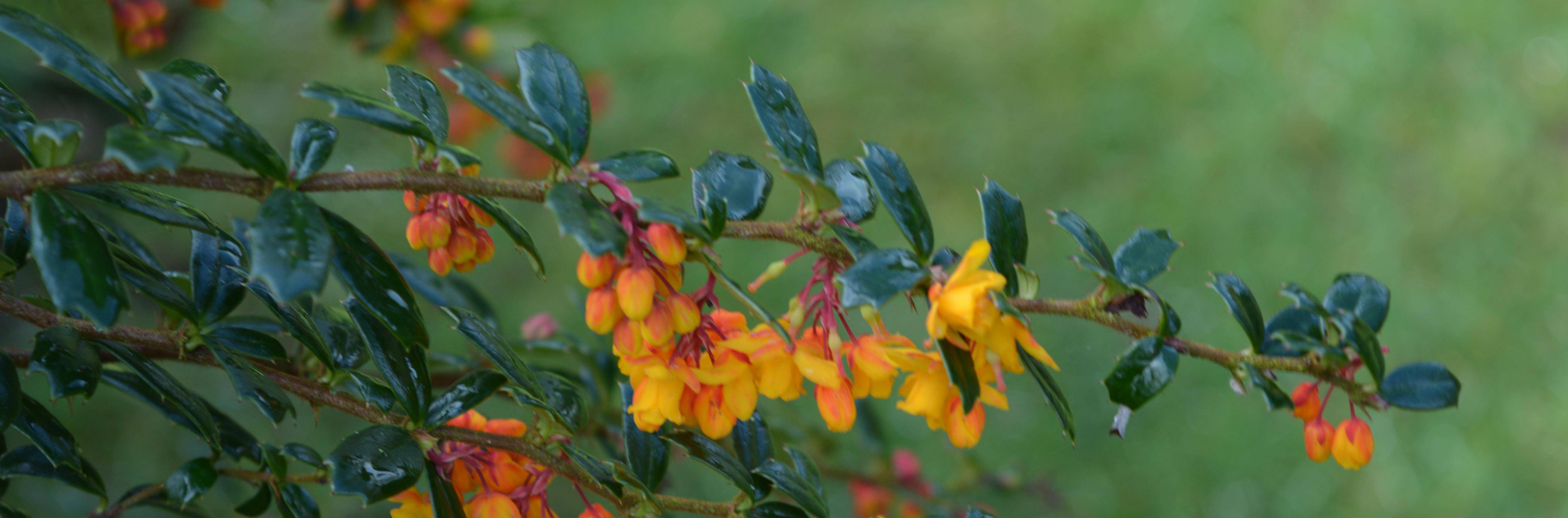
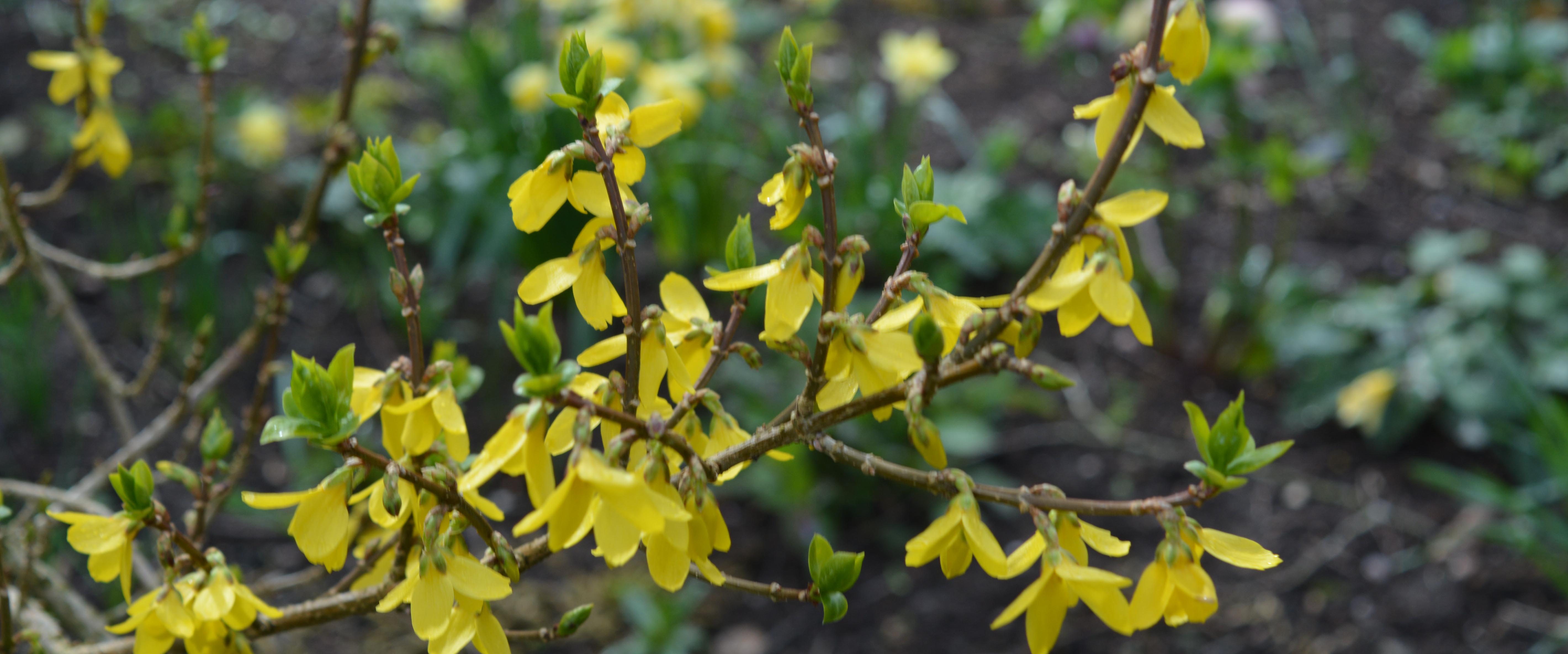
Among these plants we discovered promises of more to come. Perhaps when we next return these buds will be fully open leaves and flowers. We can’t wait to return!


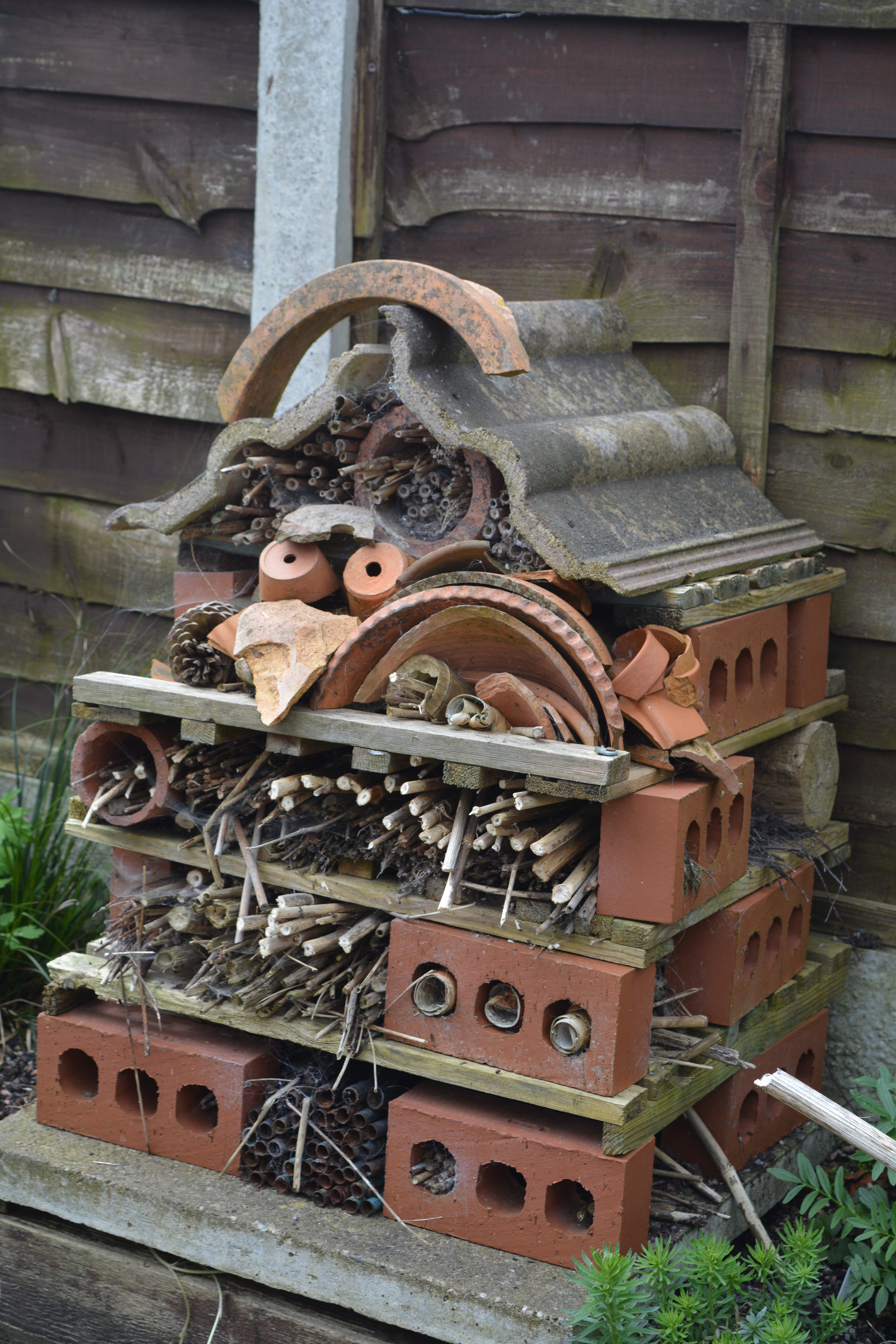
We recently made a new insect hotel and revamped one of the older ones, so I thought I would share them with you. This post is particularly for the follower who asked about insect hotels and adding green roofs to them. Apologies for not getting back to you sooner and more personally – no excuse except a bad memory.
This is the first one we built in our garden and it has proved very successful with plenty of minibeast visitors but it also gave us some surprises! Last year a Dunnock nested on one of the layers and at the end of the year we discovered that a Goldcrest had nested in one of the holes in a brick.
We then built a second hotel for our garden critters in our Spring Border and this one was created from an old wooden vegetable box. This one had a surprise for us too as at the end of last summer we found an old nest of a Dunnock.

We next made a smaller insect hotel from a wine box and placed it in the Crescent Garden. So far no bird has nested in it but there are lots of “minibeasts” especially Ladybirds living in it and hibernating there through the colder months. Sitting on top of it though is one of our pieces of sculpture, a thoughtful young girl.
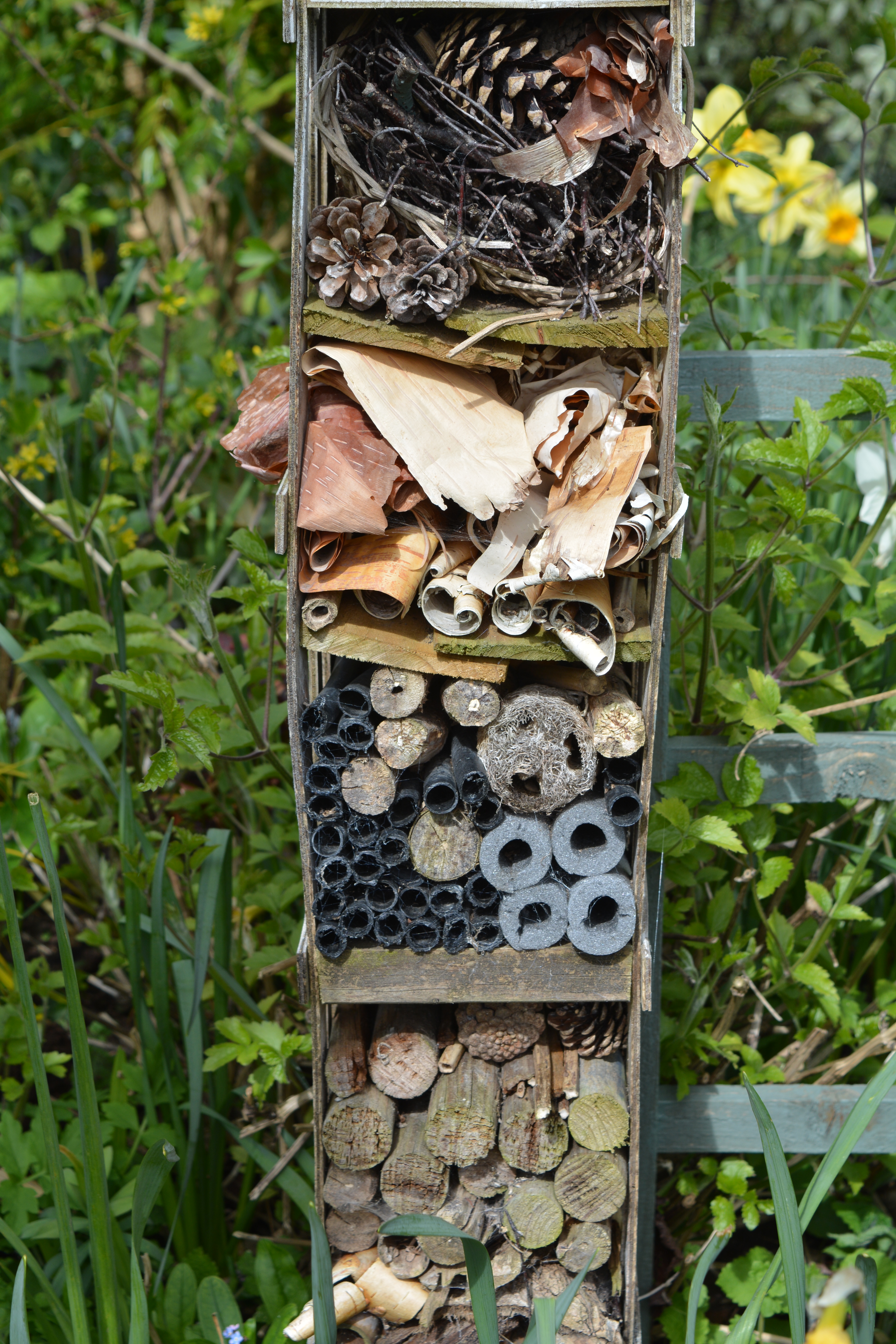
And then this spring we added yet another insect hotel, this time we constructed it in our Freda Garden and placed two small log piles on each side of it to attract Violet Ground Beetles who we hope will eat the slug eggs in the ground.
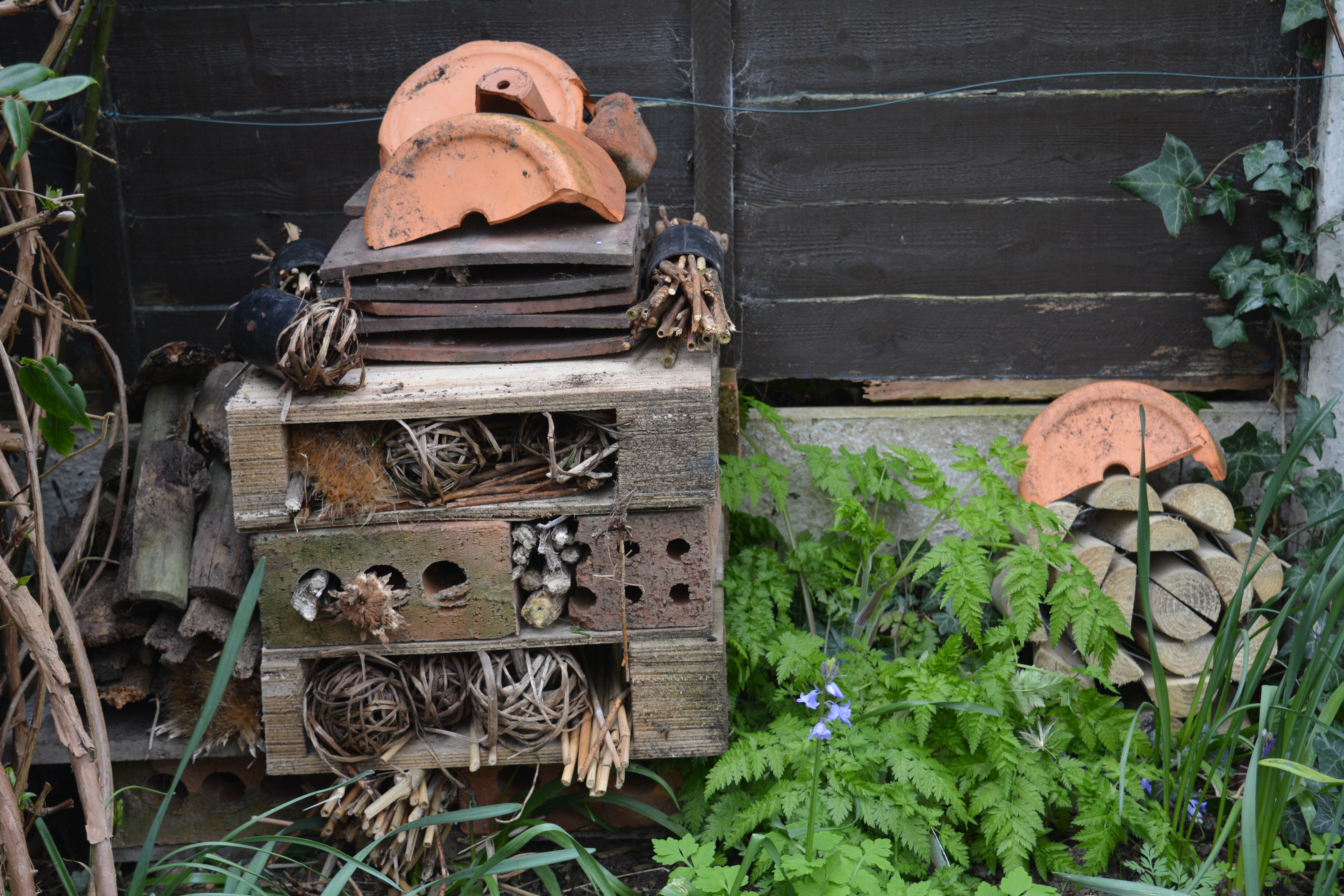
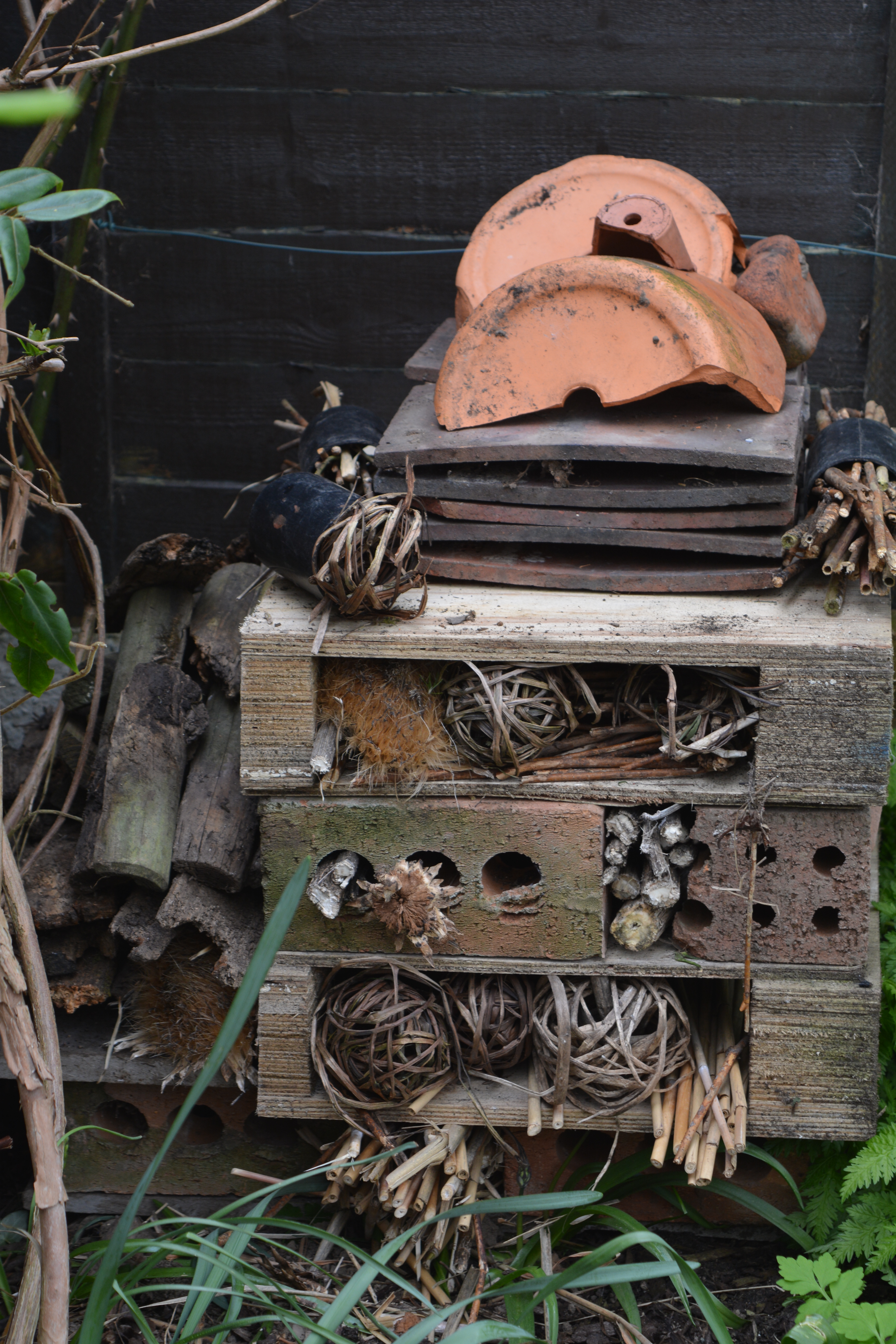
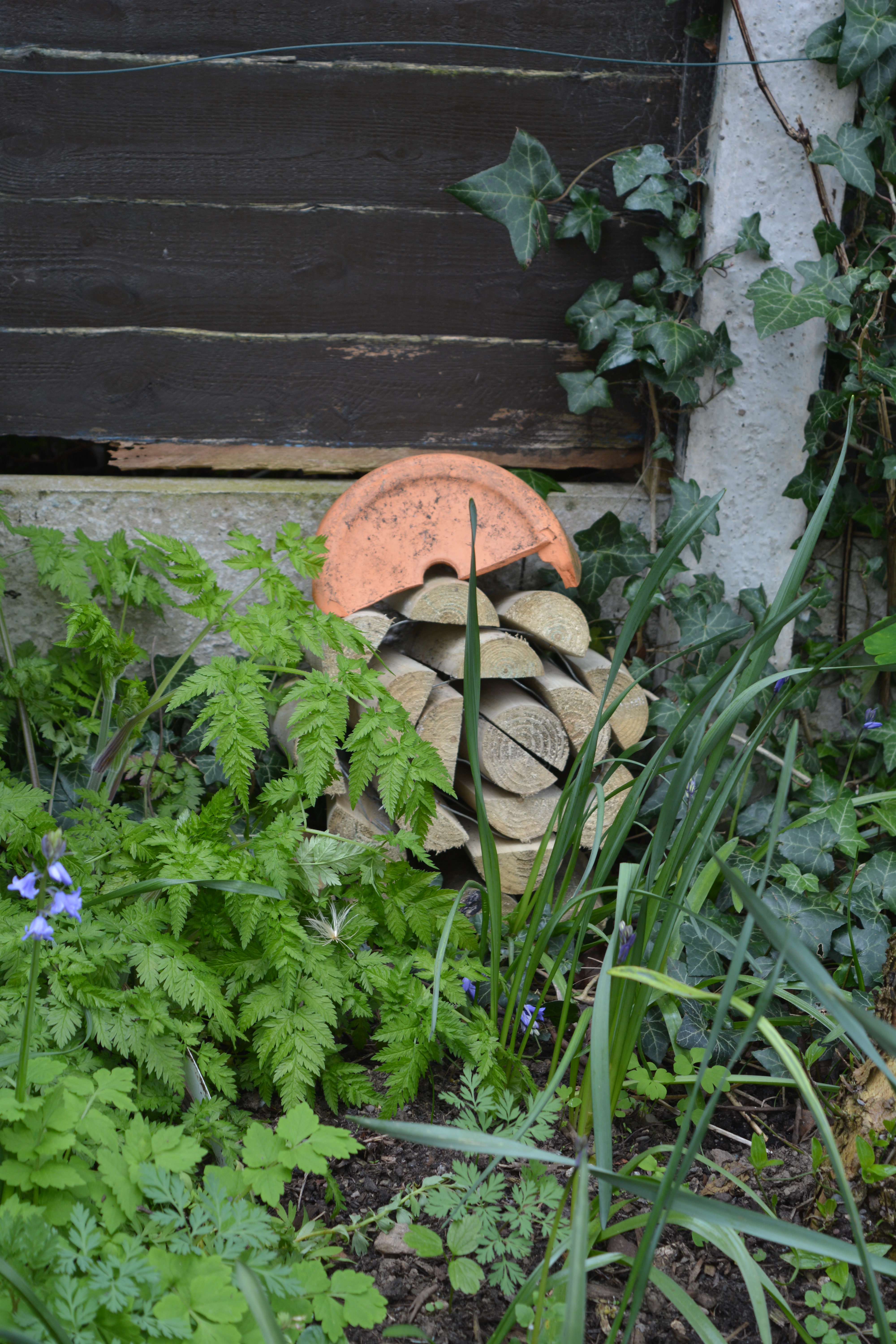
On our allotment we made an insect home with a green roof to add further interest and another habitat. We grow succulents, Sedums and Sempervivums on top of our insect hotel as they have tiny flowers loved by insects especially bees. The secret is to make a tray which sits on top and supported by 4 posts banged into the ground at each corner of the hotel. This means the posts support the green roof rather than putting weight on the insect hotel itself.
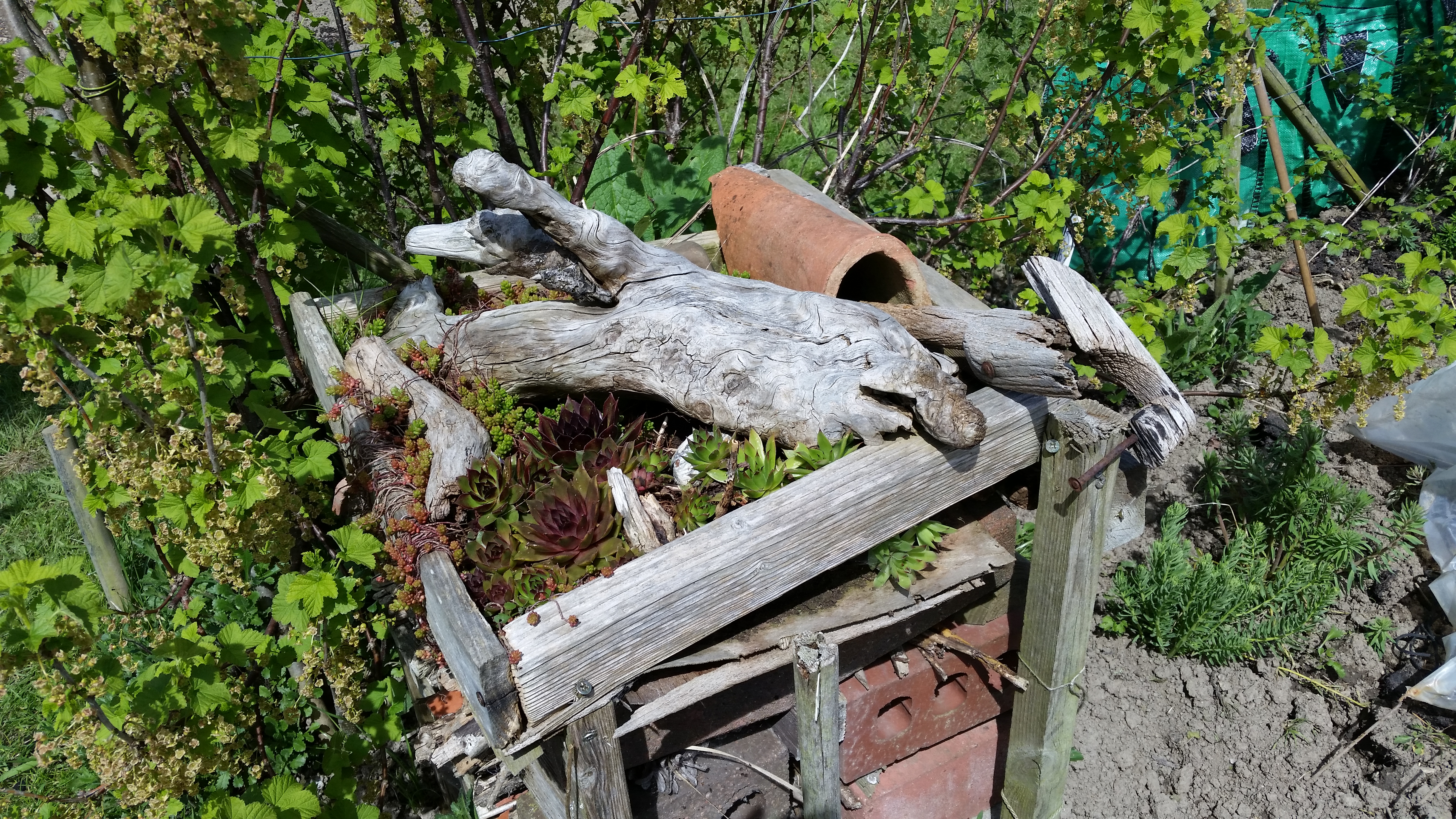
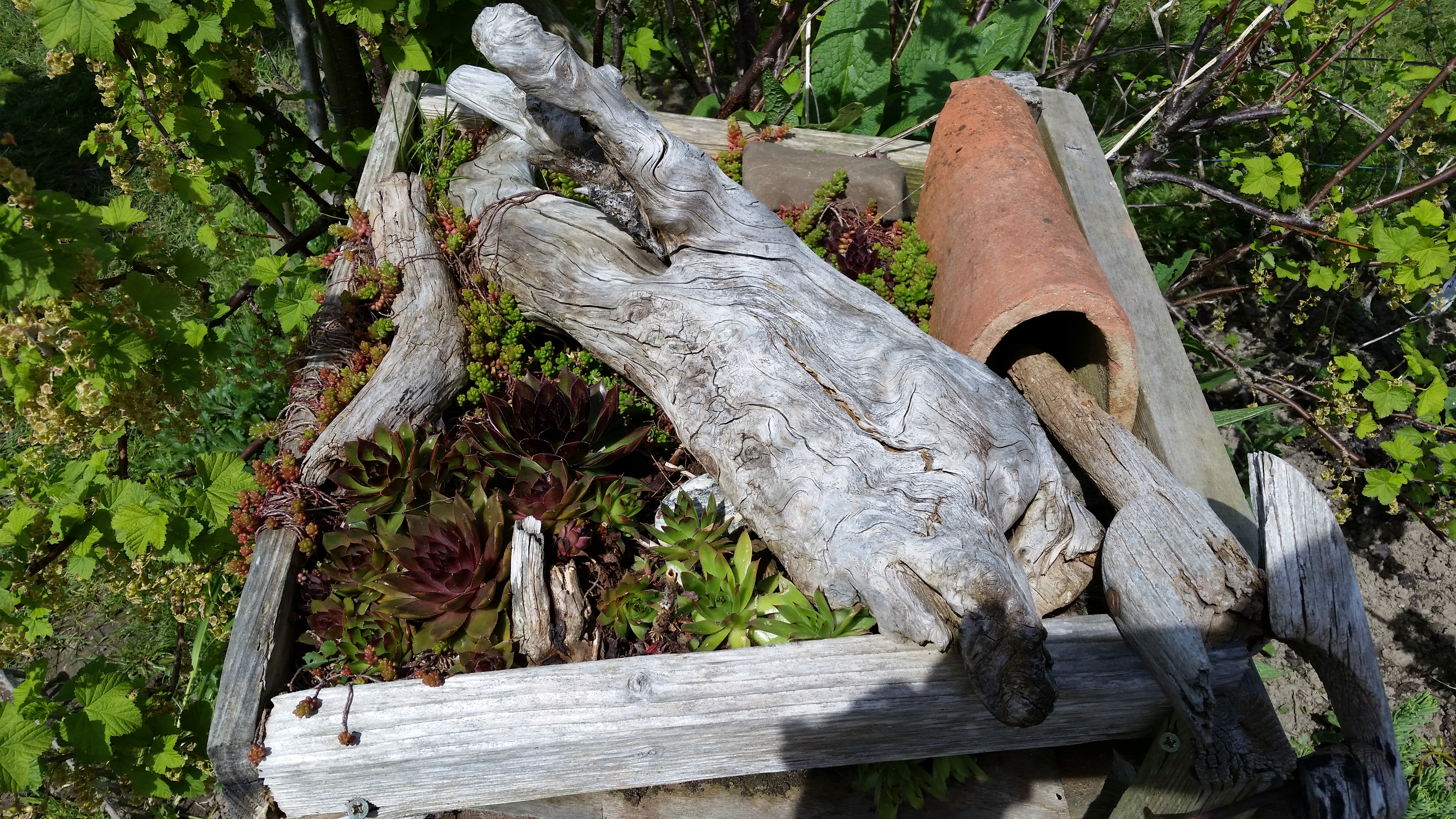
Each spring on warm, calm days we enjoy seeing the Ladybirds emerging and resting on the driftwood pieces to absorb the warmth of the sun.

We were expecting March to bring some signs of spring but really our seasons remained confused and muddled. March has brought us warm sunny days, days with cold biting winds, days with heavy persistent rain and many combinations of these.

My March report started with references to the weather as it controlled when we gardenened and days when it prevented us from getting out in the garden.
“During the first 2 days, March had delivered so many different types of weather, clear skies, sunshine, dark heavy cloud cover, rain and sleet. I wonder what else this month might have in store. This unseasonal weather delayed the arrival of our frogs until March whereas February is more usual a time. They soon added large clumps of spawn down one side of the wildlife pond.”



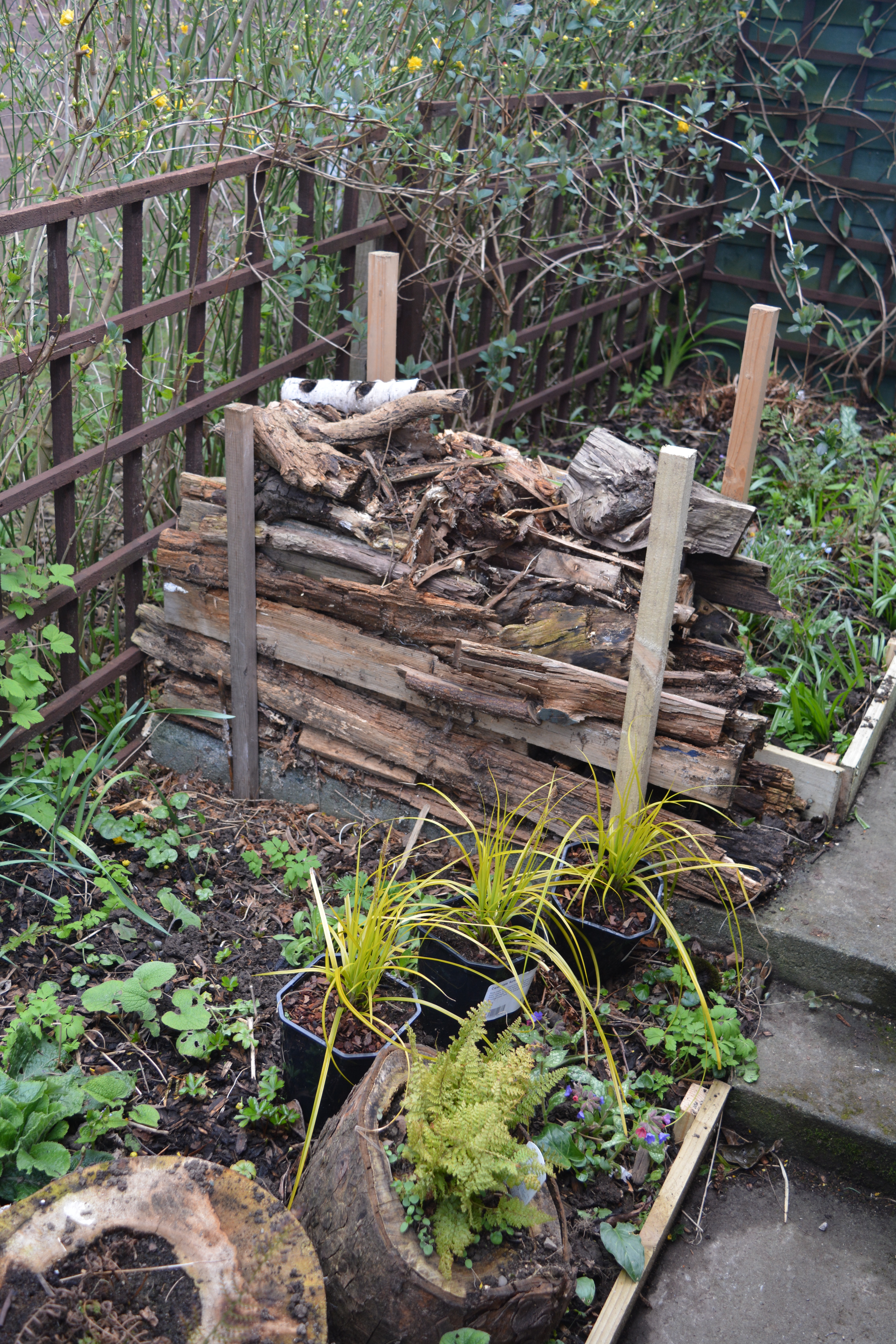
To help the smaller creatures that share our garden with us and help with pest control and pollination of our fruit we had great fun creating a new habitat for them, in the form of a log pile. The log pile is aimed specifically at beetles who are great pest controllers. We particularly appreciate their love of slug eggs!

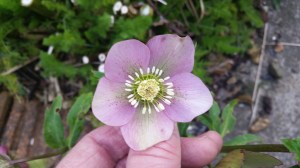
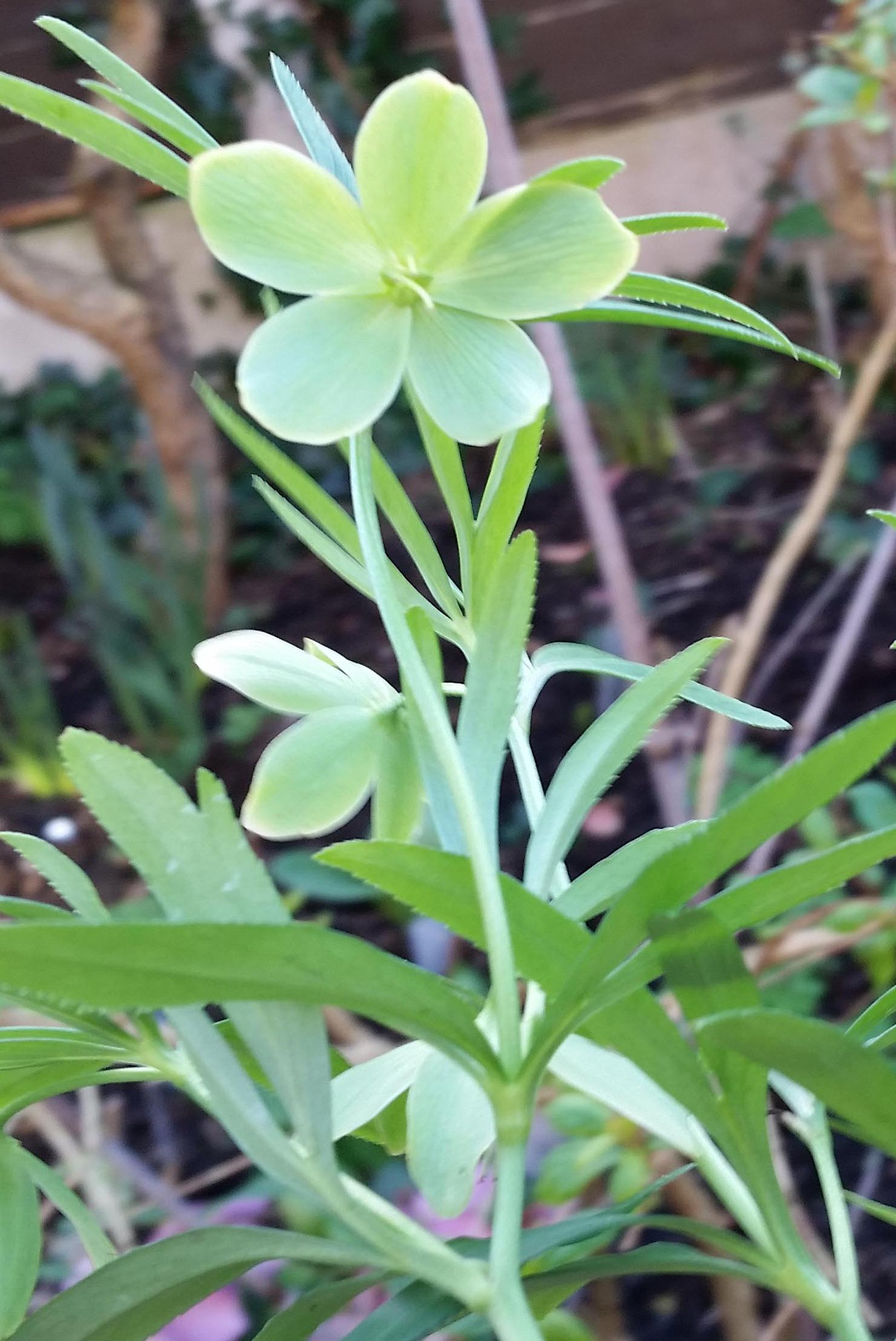
On the page opposite my frog photos I feature some of our large collection of Hellebore.
“Each year we add a few more Hellebores to our collection. This year is no exception! We are also getting a few interesting seedlings appearing, and some are worth keeping.”


Turning the page I moved on to looking at the bird life we enjoyed in March, where I featured a gouache painting of a pair of Chaffinches and wrote about them.
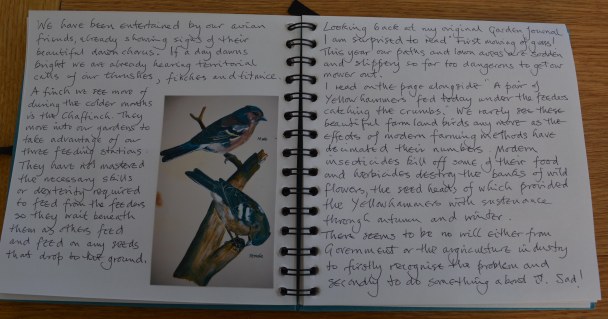
“We have been entertained by our avian friends, already showing signs of their beautiful dawn chorus. If a day dawns bright we are already hearing territorial calls of our thrushes, finches and titmice. A finch we see more of during the colder months is the Chaffinch. They move into our garden to take advantage of our three feeding stations. They have not mastered the necessary skills or dexterity required to feed from the feeders so they wait beneath them as others feed and feed on any seeds that drop to the ground.”

I then moved on to look back at previous garden journals from a decade or so ago.
“Looking back at my original Garden Journal I am surprised to read “First mowing of grass! This year our paths and lawn areas are sodden and slippery so far too dangerous to get our mower out.
I read a page alongside, “A pair of Yellowhammers fed today under the feeders catching the crumbs.” We rarely see these beautiful farmland birds any more as the effects of modern farming methods have decimated their numbers. Modern insecticides kill off some of their food and herbicides destroy the banks of wild flowers, the seed heads of which provided the Yellowhammers with sustenance through autumn and winter. There seems to be no will either from Government or the agriculture industry to firstly recognise the problem and secondly to do something about it. Sad!”
I then reported on progress we had made with our recently constructed propagation bench.

In my January entries to my journal I wrote about making a propagating bench in the greenhouse and then in February I looked at how we had prepared the greenhouse in readiness for seed sowing. Now in March we have seedlings showing well.”


Flowering shrubs feature over the next few pages, looking at those that flower and provide scent, starting off with the shrubs in the Ribes family.

“The genus Ribes is a family of some 150 species of shrubs, mainly deciduous with just a few evergreens. We grow 3 species on our allotment to give us Redcurrants, Blackcurrants and Gooseberries. In the ornamental garden at home we grow 5 species and 4 of these are flowering in March, Ribes sanguineum “King Edward VII” and Ribes s. “Elkington White”.

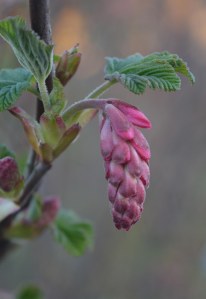

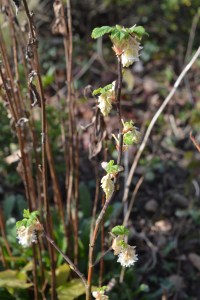
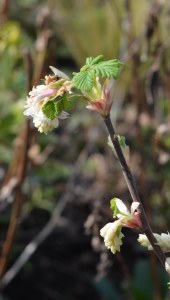
“The other two March flowering Ribes are very different to the Ribes sanguineums. Ribes laurifolium has thick evergreen foliage, each leaf shaped and textured just like those oa a Laurel, hence its name. The flowers at first glance appear white but close up they are pale cream with a hint of green – absolutely beautiful! Beautiful and scented! The final Ribes to flower in March is Ribes speciosum with crimson flowers. To be fair though this Ribes species shows flowers on and off all year. It is generally evergreen for us as we planted it in a sheltered spot. Its flowers are like tiny Fuschias hanging along most of its branches. The downside? Every inch of every stem is covered in thin spines, so pruning can be difficult. On our open days so many visitors ask about Ribes speciosum.”


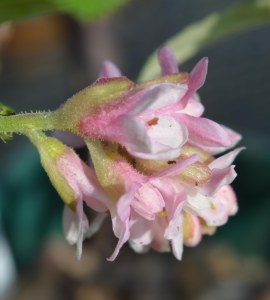
“In the autumn we took cuttings of Ribes s. King Edward VII. What a surprise we had when one of them produced these pale gentle pink flowers. One more shrub of the Ribes family still has not yet flowered, Ribes odorarum.”
My journal then tells of other unusual flowering shrubs we grow here at Avocet.
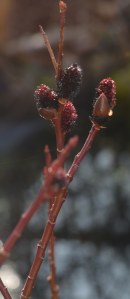
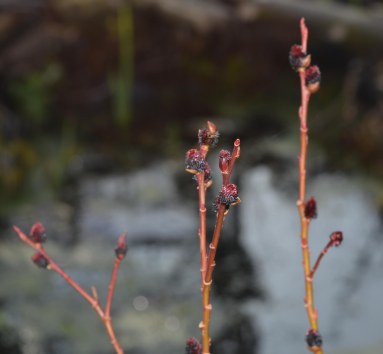
“Abnother unusual shrub we grow for March interest is a special willow. Salix gracilistyla melanostachyla has amazing flowers, red and black catkins. Early flying bees love them.”



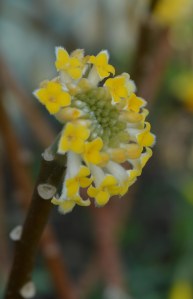
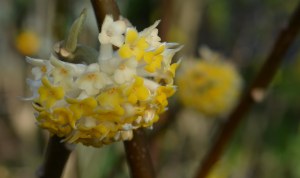
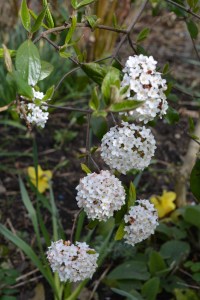
“Two other March flowering shrubs are grown for their large umbels of flowers but also their scent. The first, Edgeworthia chrysantha grandiflora, has unusual bright yellow flowers which add scent to the late winter and early spring garden. Their second is a Viburnum, Viburnum x burkwoodii, which does not open its flower buds until late March.”

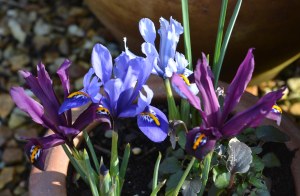
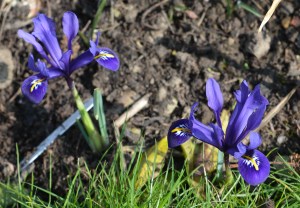
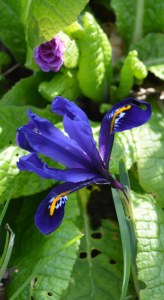
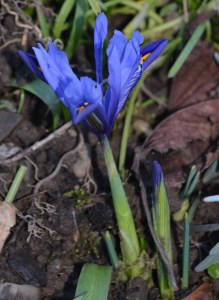
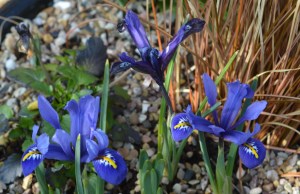
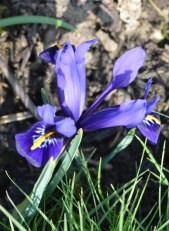
Turn over the page of my journal and you will be delighted by photos of Iris reticulata in all their glorious shades of blue and purple.
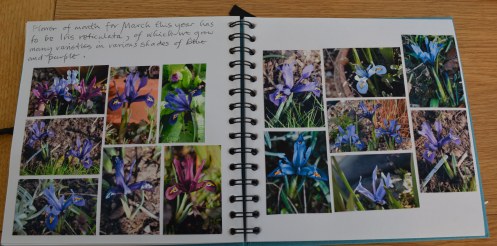
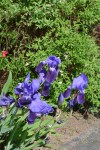
“Flower of the month for March has to be Iris reticulata, of which we grow many varieties in various shades of blue and purple.”






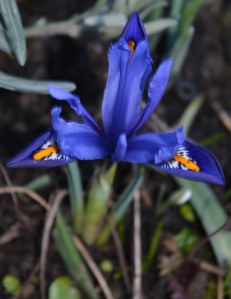
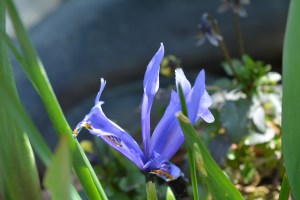
My final page for March takes another look at what is going on in the greenhouse as the month comes to an end.
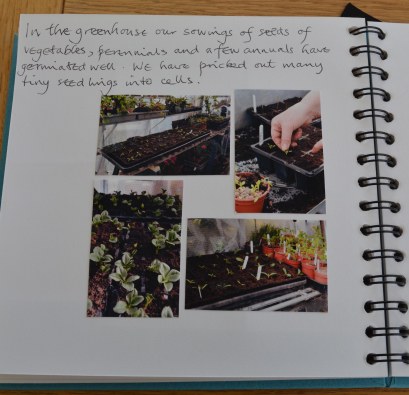
“In our greenhouse our sowings of seeds of vegetables, perennials and a few annuals have continued to germinate well and grow strongly. We have pricked out many tiny seedlings into cells.”


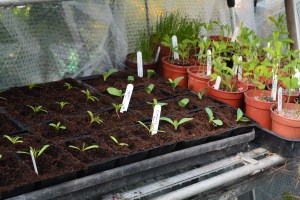
Our next visit to my garden journal will report on what will be happening in our garden at Avocet in April, the month traditionally associated with showers.
A Vegetarian | Nature Lifestyle Blog
.....and nurturing my soul
Journeys In St. Louis Gardening and Beyond
Consult the genius of the place
A blog full of humorous and poignant observations.
Notes from a wildlife-friendly cottage garden
...an emerging social science
'The most important and informative publication on wildlife of our times' - The Independent. This blog is a member of The UK & Ireland Natural History Bloggers group: www.uknhb.blogspot.com
Inspire - Cultivate - Grow Native Plants - Restore Landscapes
To create and protect a semi-natural wild space for the people of Farnham to enjoy and experience an array of British wildlife in our town
The www.gardeningwithchildren.co.uk Blog
birding through the seasons, why birds matter and how to conserve them
with a camera in hand
Transform your outdoor space
My allotment, cooking and other interests
my gardening life through the year
Trying to live a creative life
trying to live as lightly as possible on our beautiful planet
Nature lovers from Leicester living the good life.
Finding the beautiful in the everyday
Michelle's Allotment
thoughts from and about my garden
Big plans for a small garden
A Walled Country Garden in South East Scotland
Life at the fruity chicken
Off grid living. Self sufficient. "PERMAGANICS RULE".
Nottingham's Grade 2* Listed Allotments and Community Orchard
a journey in suburban vegetable gardening
The madness of growing your own
A novel approach to vegetable gardening
Sustainable living in the Irish countryside.
Master Gardener, amateur photographer, quilter, NH native, and sometimes SC snowbird
Recent work and work in progress and anything else that interests me
a chaotic cottage gardener
a weekly blog that creates a personal philosophy through photographs and words
Stories from a sassy and classy Southern farmbelle.
Simple Organic Gardening & Seasonal Living
turning dirt into dinner
today the world is created anew
Notes from a Devon garden
Life Through The Lens
A photography blog showcasing the best photography pictures and videos on the internet
Just another WordPress.com site
personal observations from the natural world as the search continues for a new approach to conservation.
The Wonders of Life through my Eyes, my Heart, my Soul
 greenbenchramblings