Flooding and its problems have dominated our allotment month. For the third time this year our allotment site has been under water. Rotten potatoes, bark paths washed away, rows of seedlings washed onto other plots and onto pathways and items stored in sheds ruined. This is sadly becoming a regular occurence. We have a meeting with the town council next week so perhaps we can come away with some positive news for the allotment members.
But let’s concentrate on the positives of our lovely site. The people and the plants. This is our friend Sherlie with a monster cabbage!
Phil had never grown apples until four years ago when he asked me to help him set up a row of cordon apples and pears and teach him the necessary skills. Now look at what he has achieved this year!
Our wander with camera in hand took us through the Autumn Garden over to our plot and then across to the Winter Garden via the Spring and Summer Gardens.
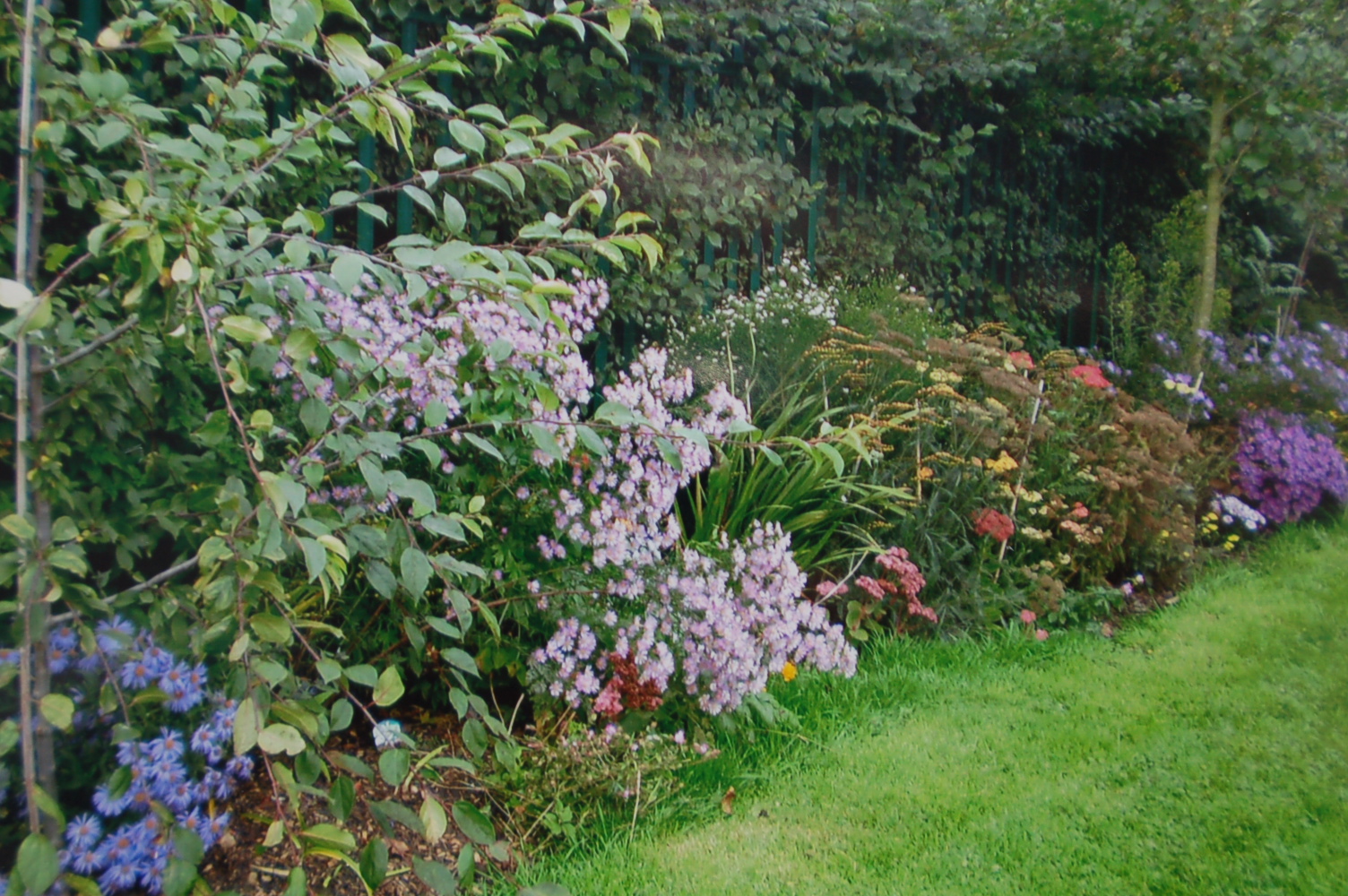
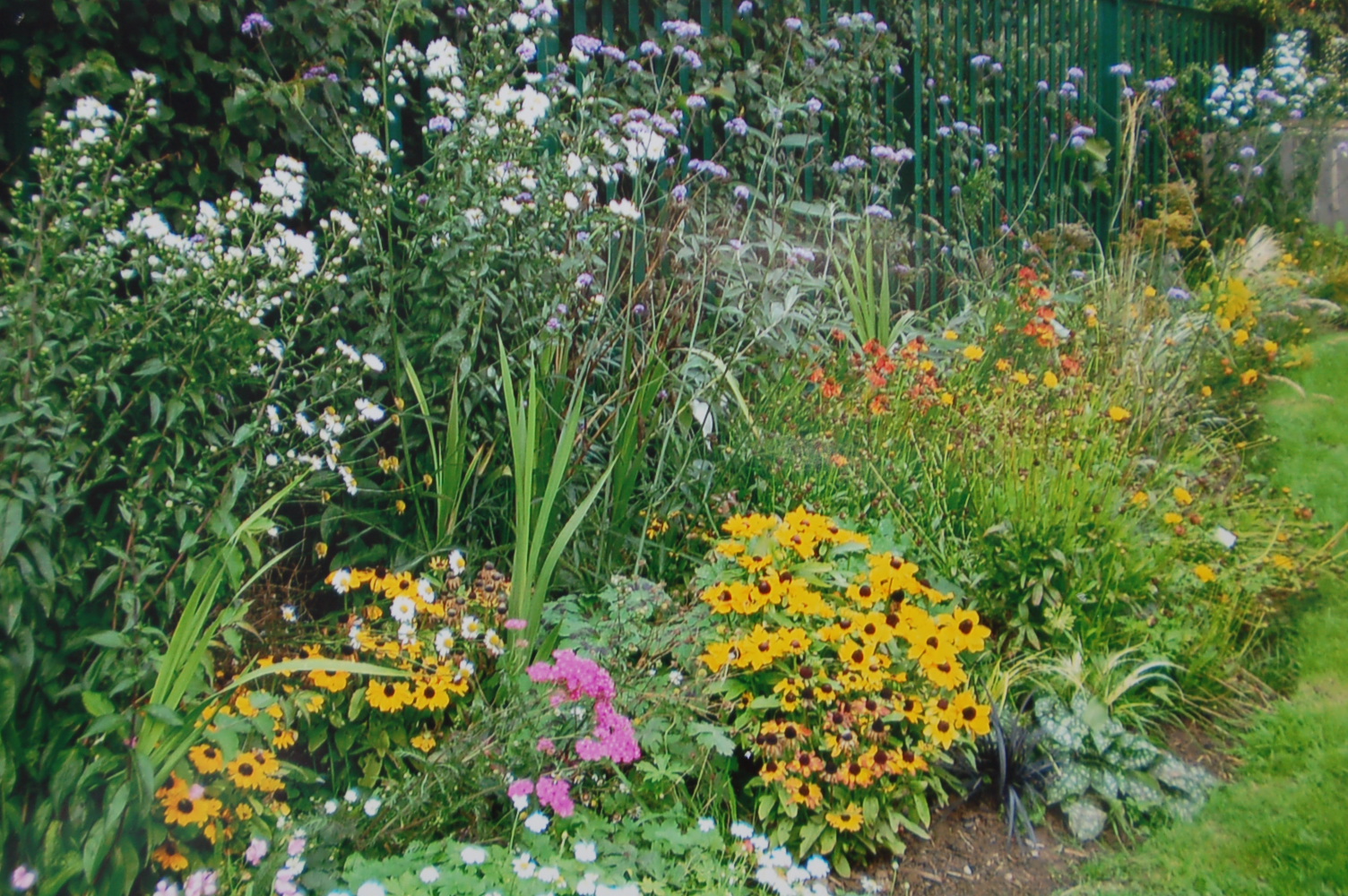
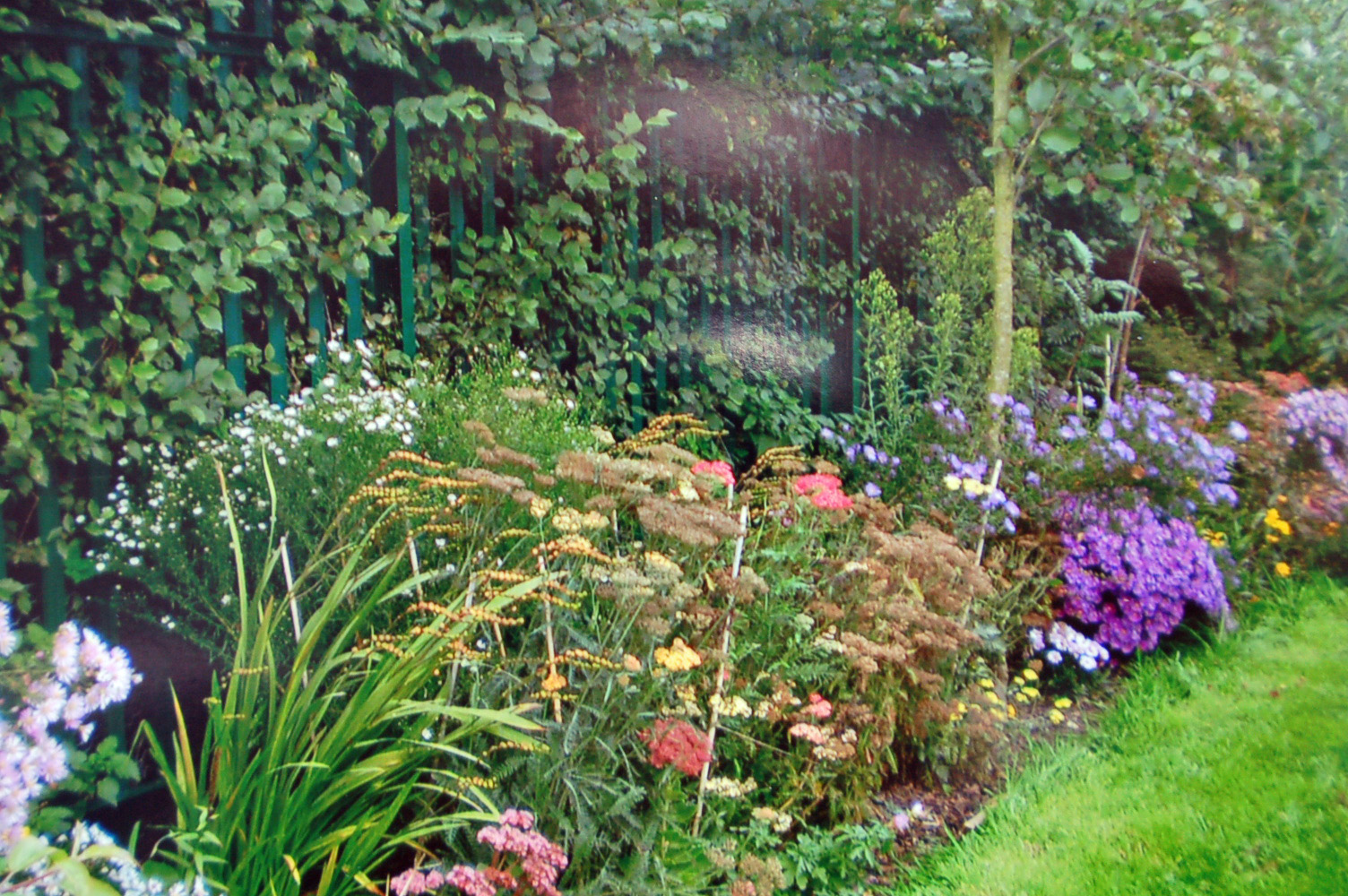
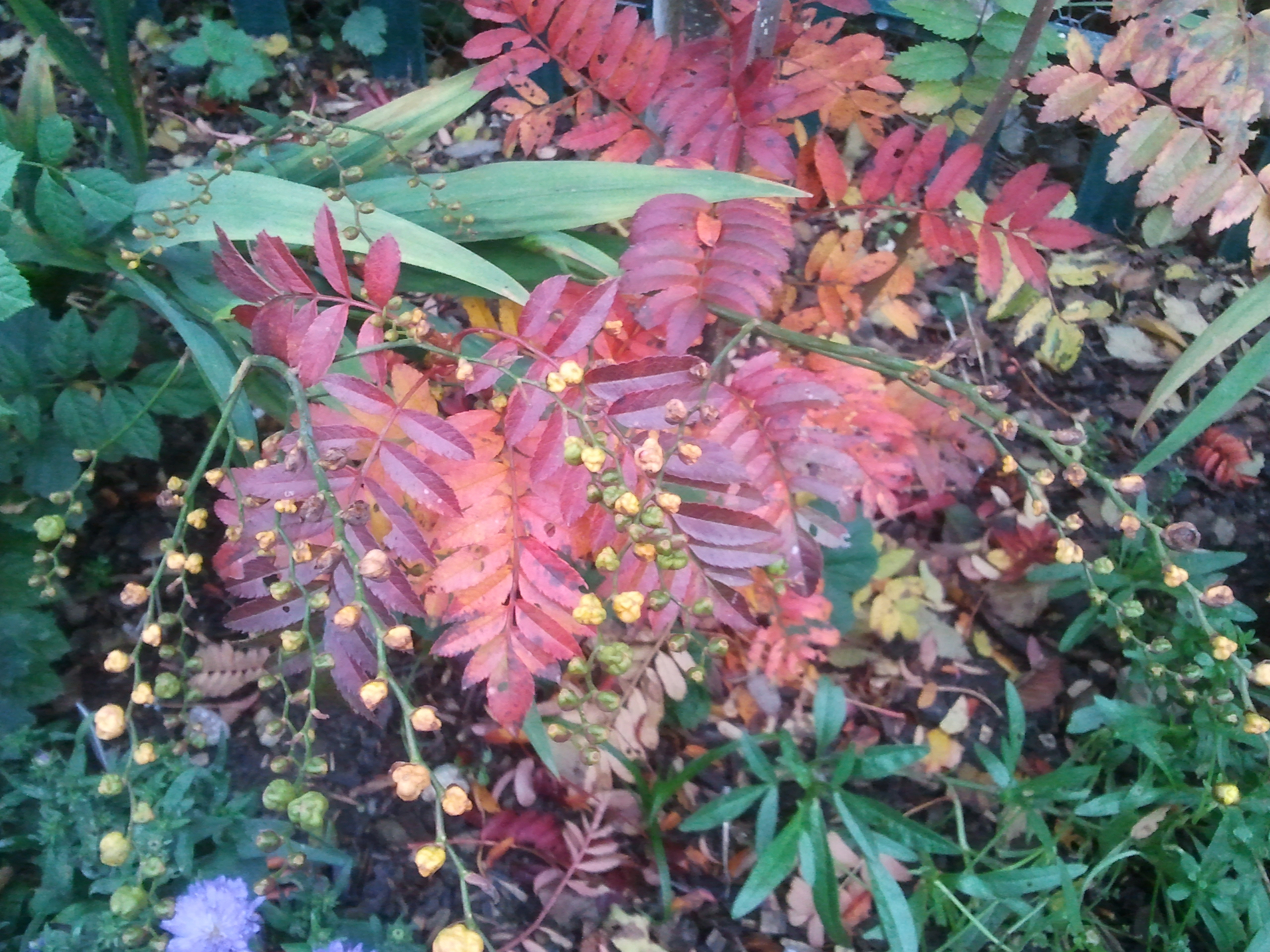
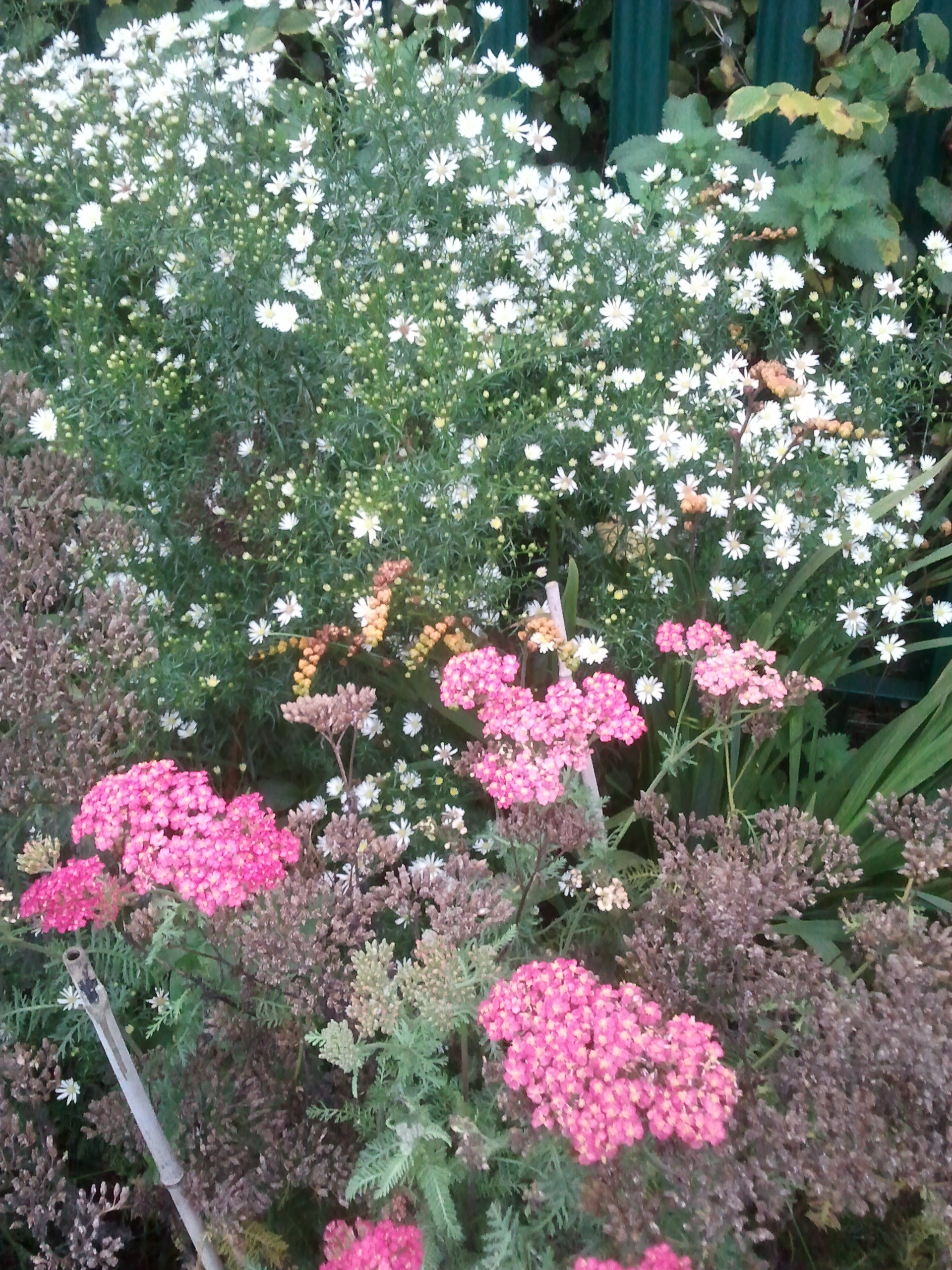
The Autumn Garden, appropriately, is now looking wonderful with late season flowers looking colourful amongst foliage the colour of fire.
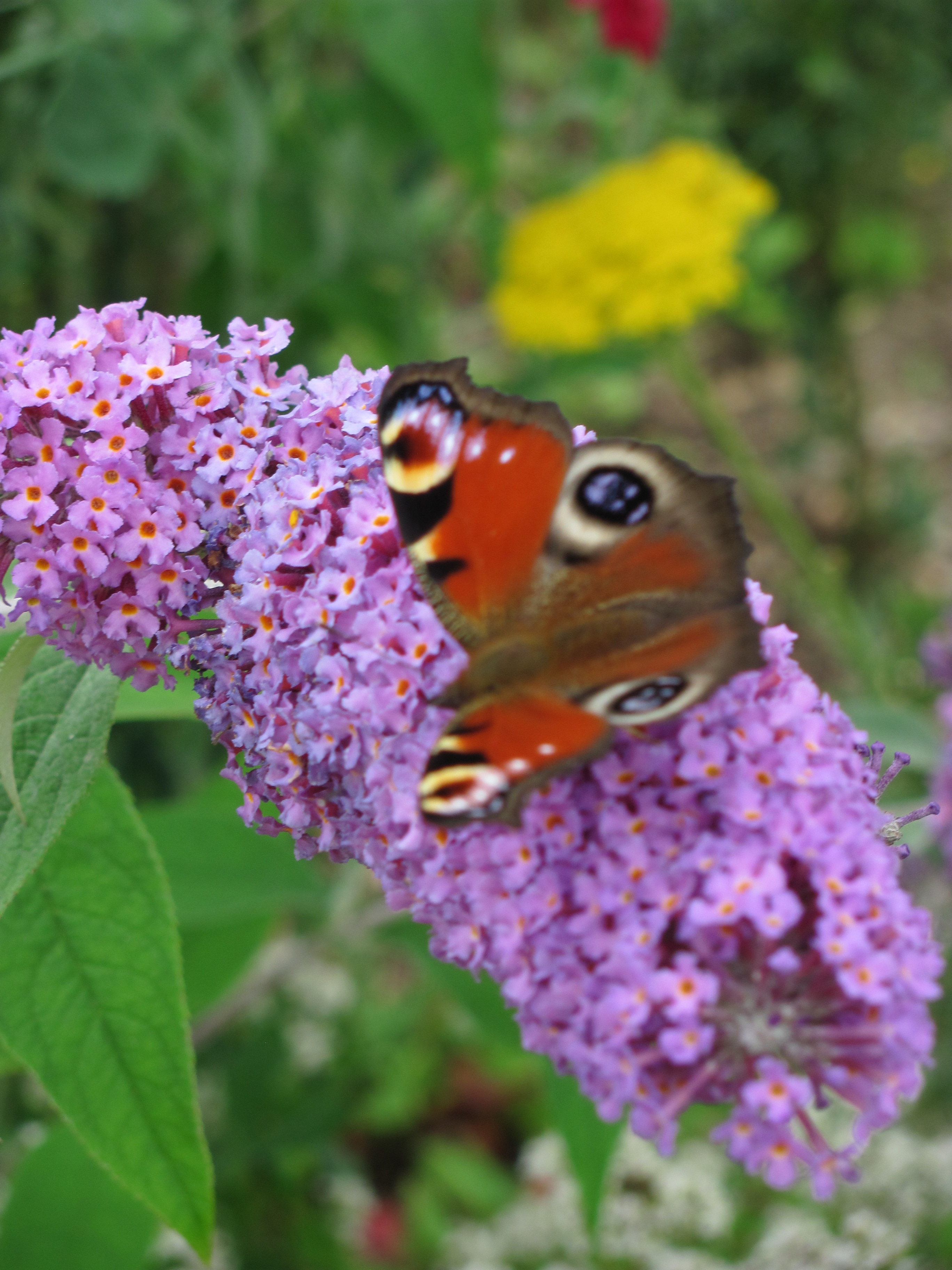
Butterflies, bees and hoverflies were flocking to the asters in this garden for the first fortnight this month but as the weather turned colder they rapidly disappeared. Buddlejas flower profusely around the site during the summer attracting beneficial insects and pollinators, but this orange one flowers in the autumn.
We grow a variety of Sorbus trees here and they provide wonderful foils for late flowering perennials.
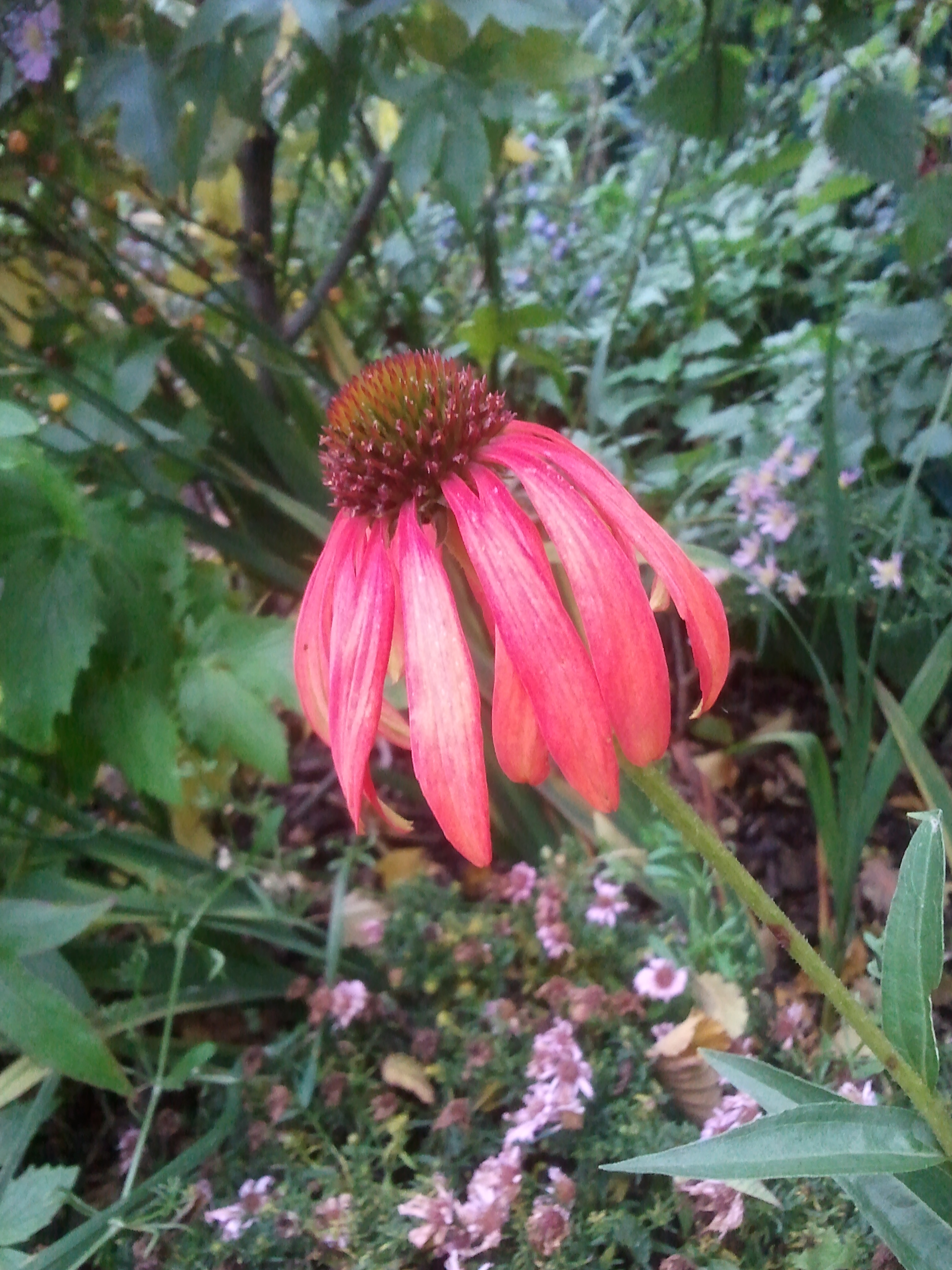
The stars here though have to be the Echinacea.
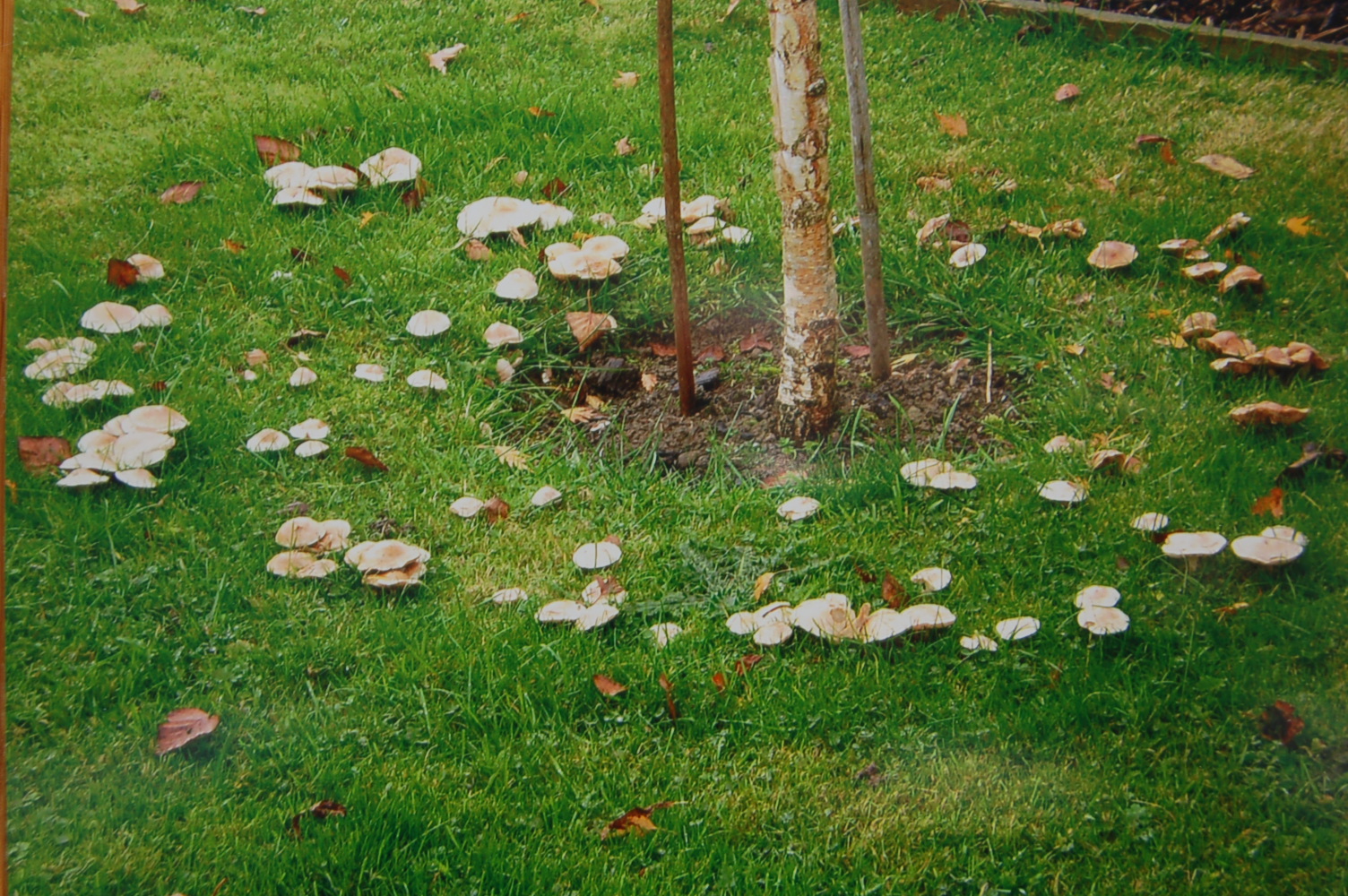
Around the trees in the Birch Grove fairies have been at work. So many plot holders have been taking photos of their handywork.
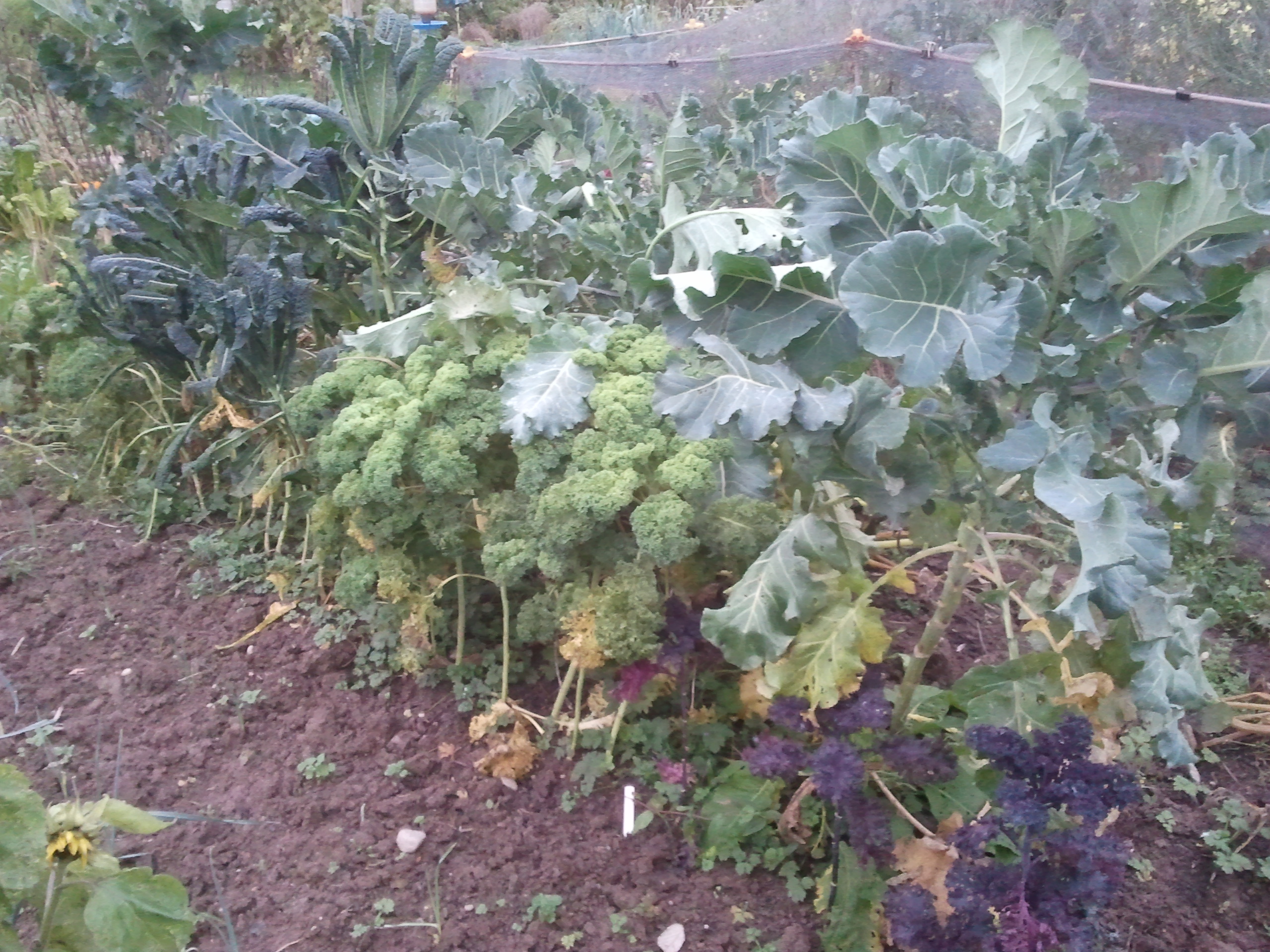
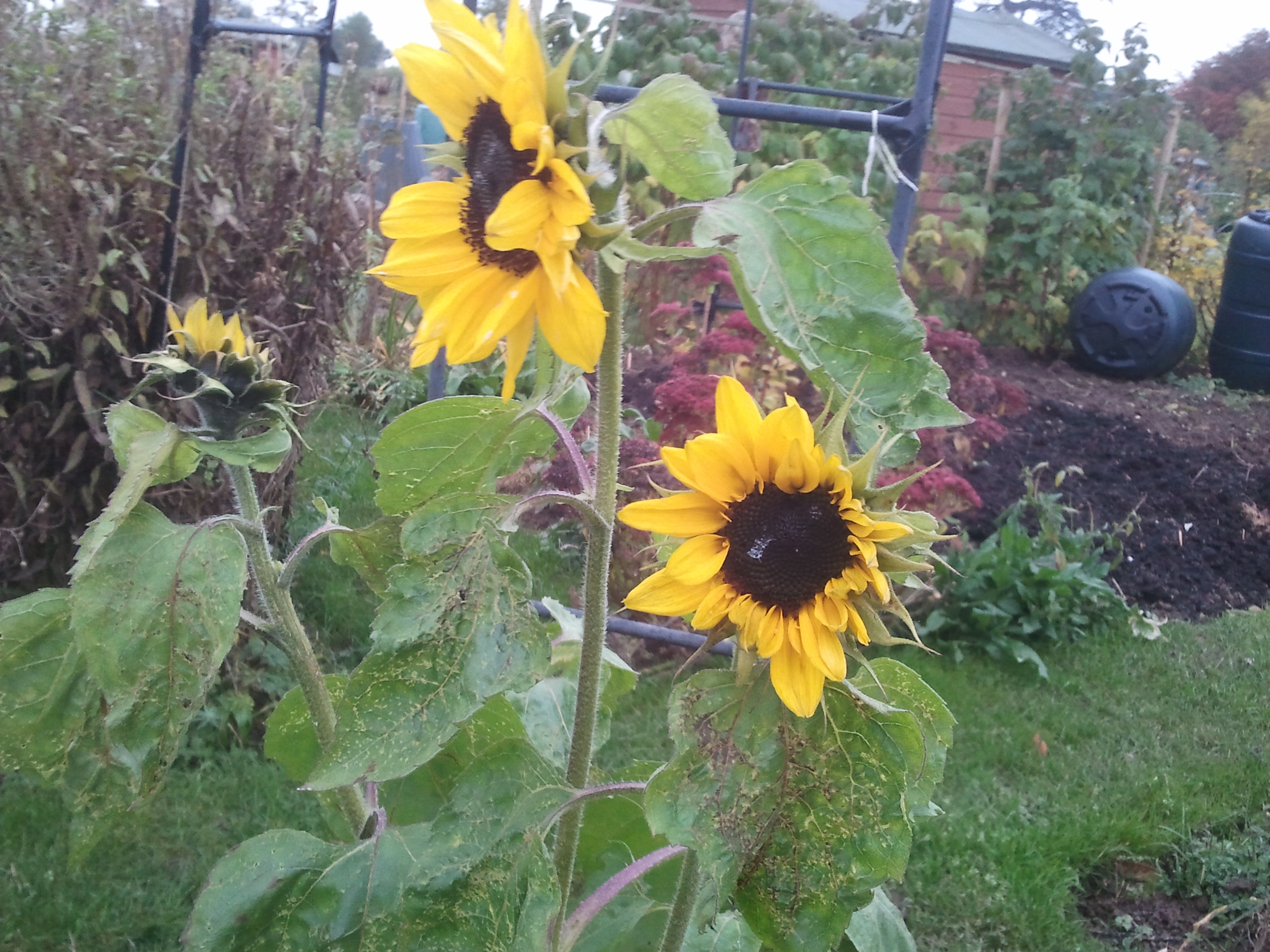
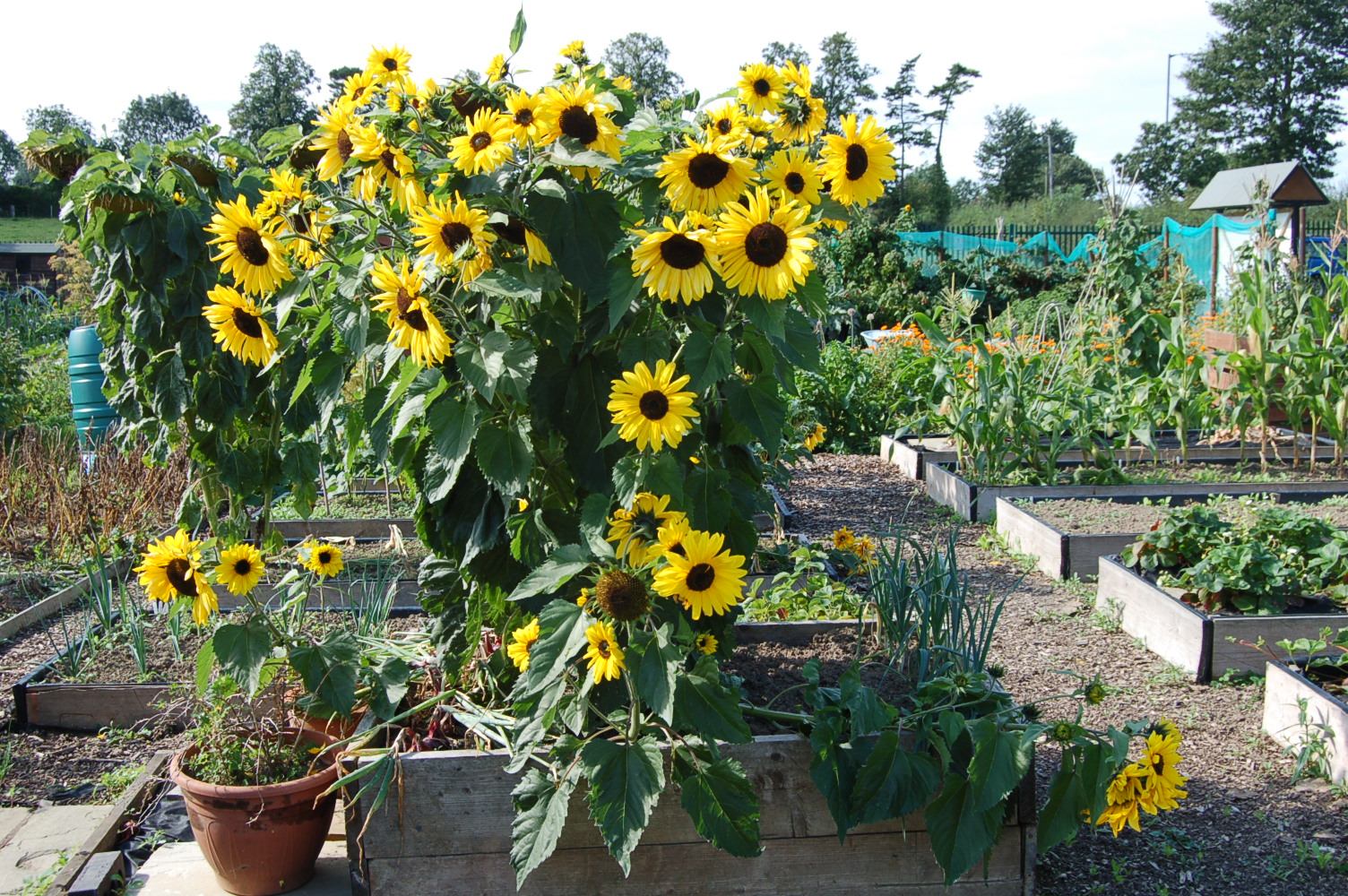
On our own plot we are still picking autumn raspberries. The three varieties of kale we are growing are looking quite colourful as is a sole sunflower – the only sun to be seen up on the lotties at the moment. The day these pics were taken was dark and overcast.
A little bit of extra colour can be found in the leaves of our blackberry bramble.
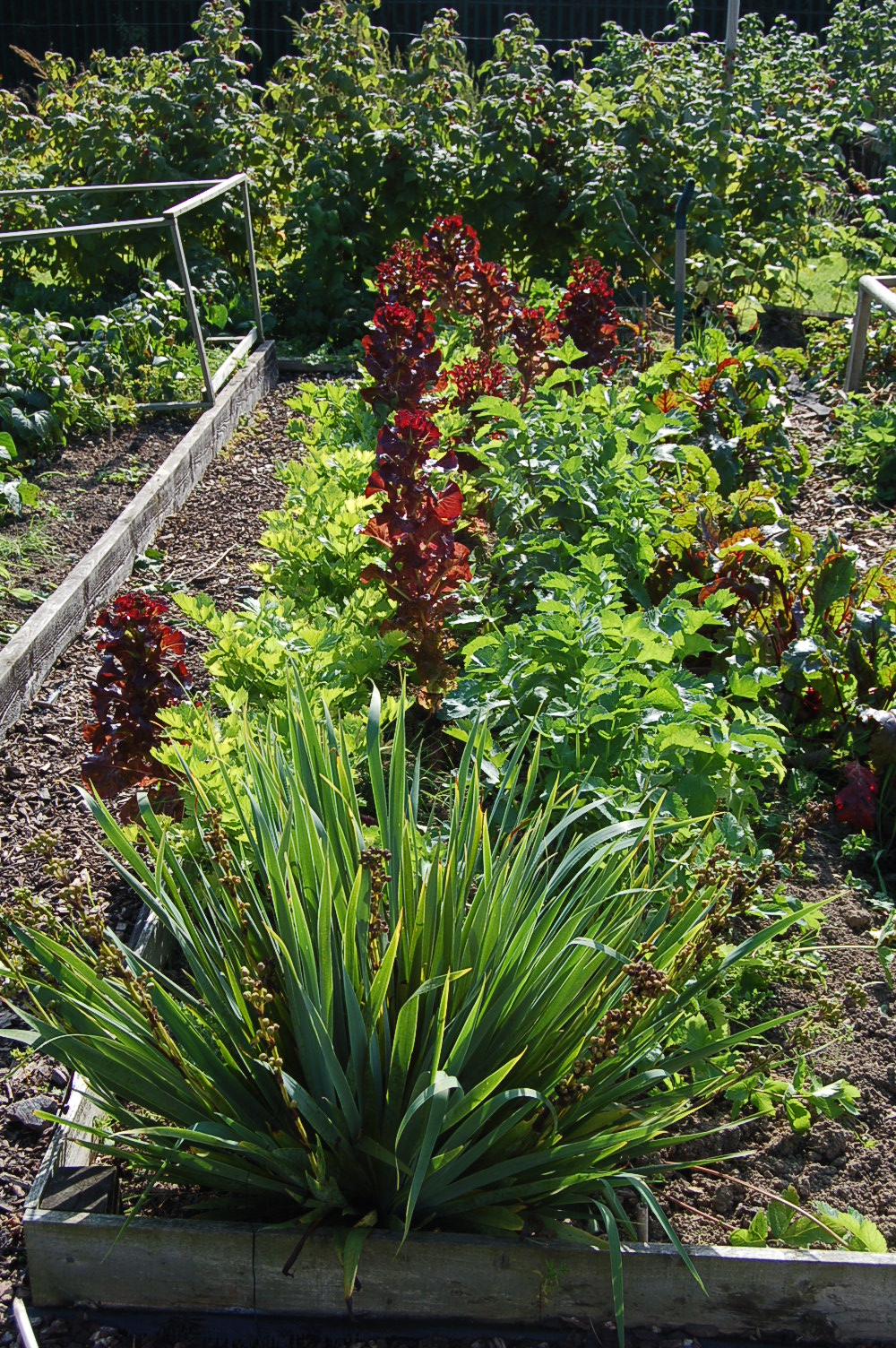
The crops that we will be harvesting during the winter and early spring are coming along nicely. Leeks, parsnips, carrots and celeriac.
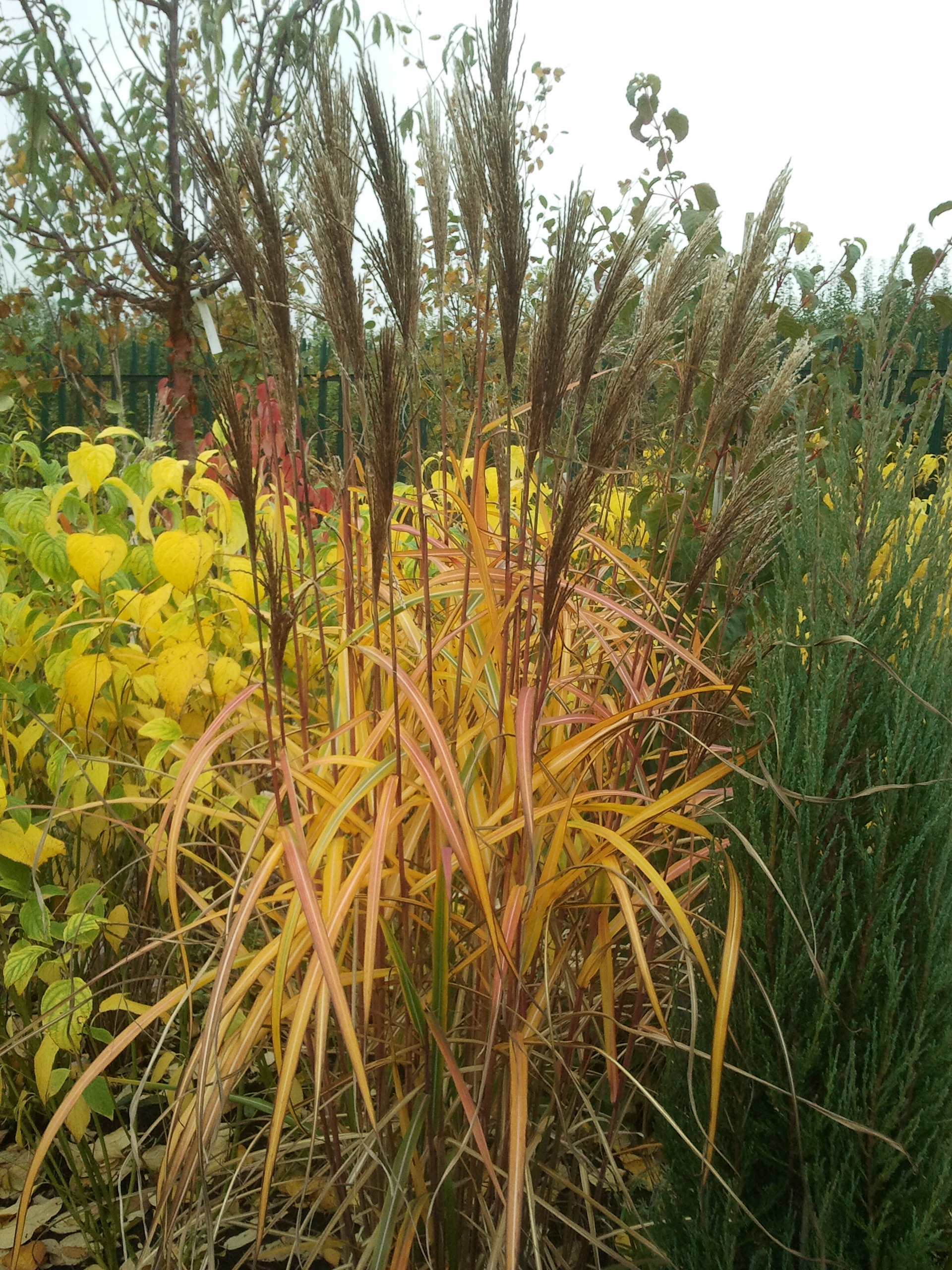
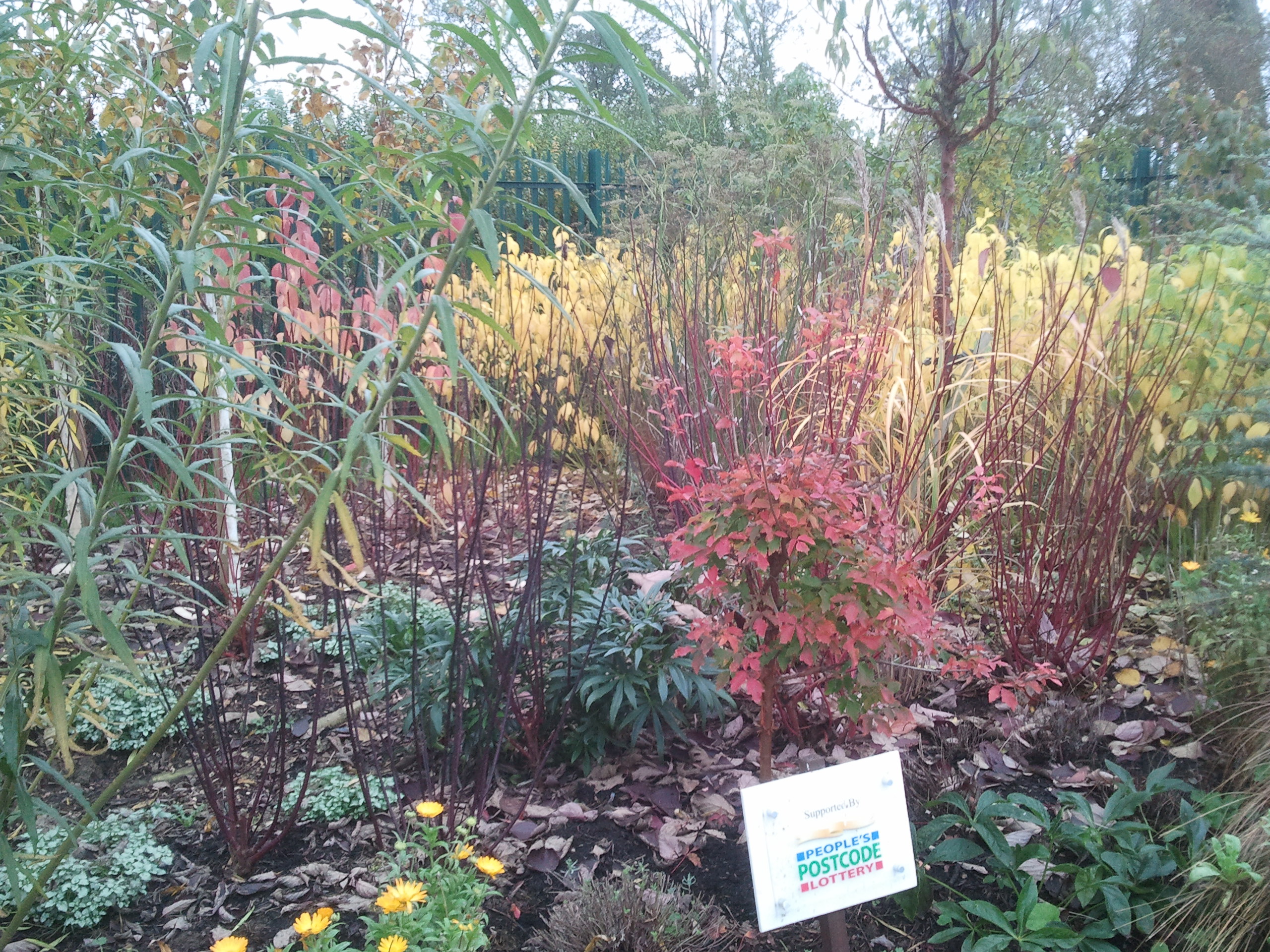
The Winter Garden is an oasis of brightness with most of the colours coming from foliage.
I shall finish my October wander with some great news. Three Bowbrook Allotment Community gardeners were invited to the Mayor’s Award Ceremony earlier in the month. Dave, on the left, received his certificate and cup for the Best Front Garden in Shrewsbury and Sue and Paul collected their award for Best Half Allotment in Shrewsbury. Well done to them!
This is the month of harvesting and preparing the soil recently vacated by crops that have been dug, cut, pulled and picked,ready for next year’s new crops.
As we wander around the allotments now it is noticeably colourful – flowers abound with almost all plot holders growing some for picking, to enhance their plot or to attract beneficial predatory or pollinating insects.
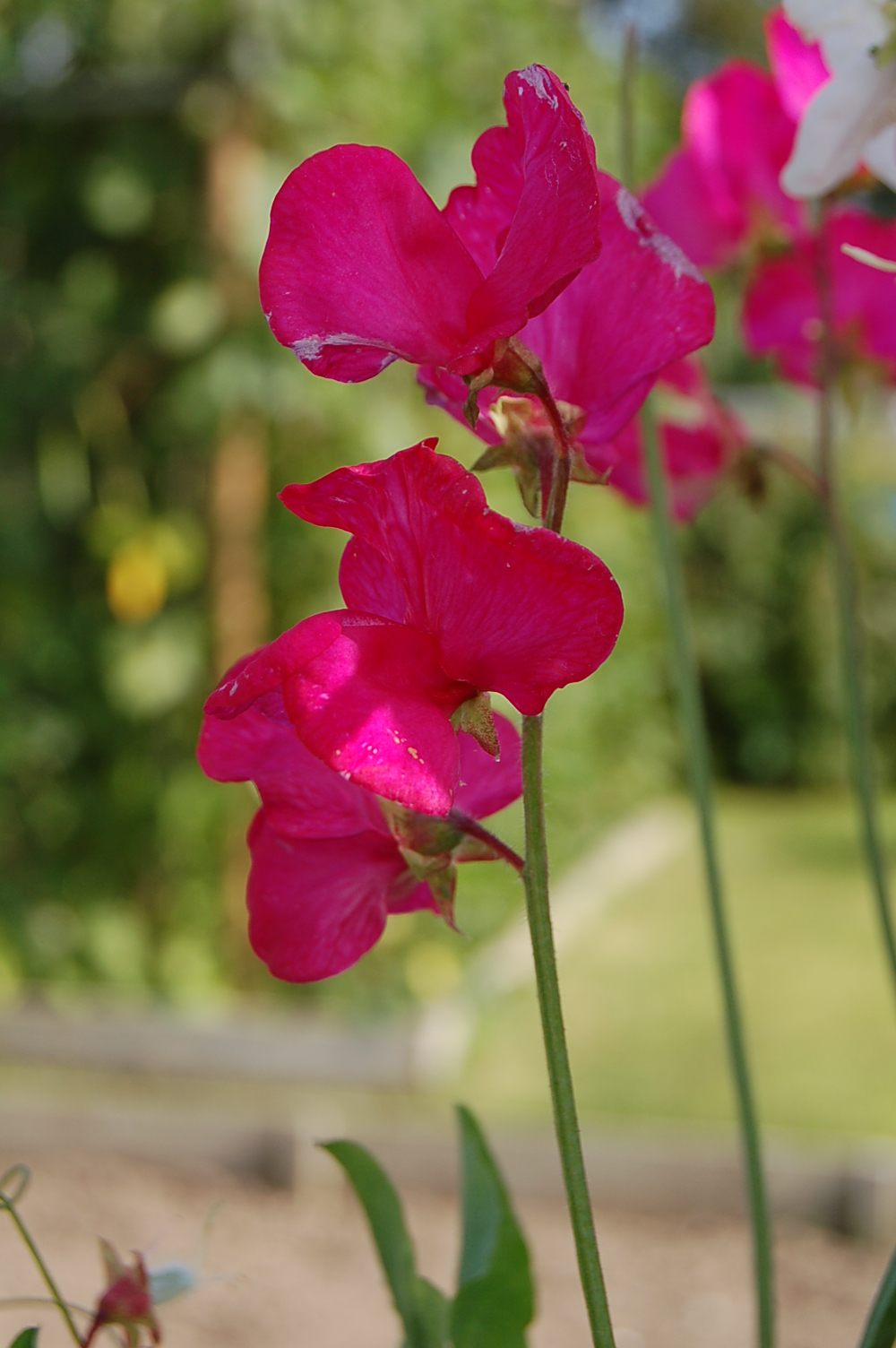
Some plots feature the more expected allotment flowers grown for cutting, such as Sweetpeas, Dahlias. Chrysanths and Gladioli.
And of course productive plants give floral displays before the fruit, pods and berries appear.
Many plot holders grow a variety of flowering plants as companion plants to attract beneficial insects, both as pollinators and predators, or to benefit crops or act as barriers.
In our communal borders, designed to look good for the plot holders and visitors as well as serving to attract wildlife, late summer flowers are adding a feast of colour and scent.
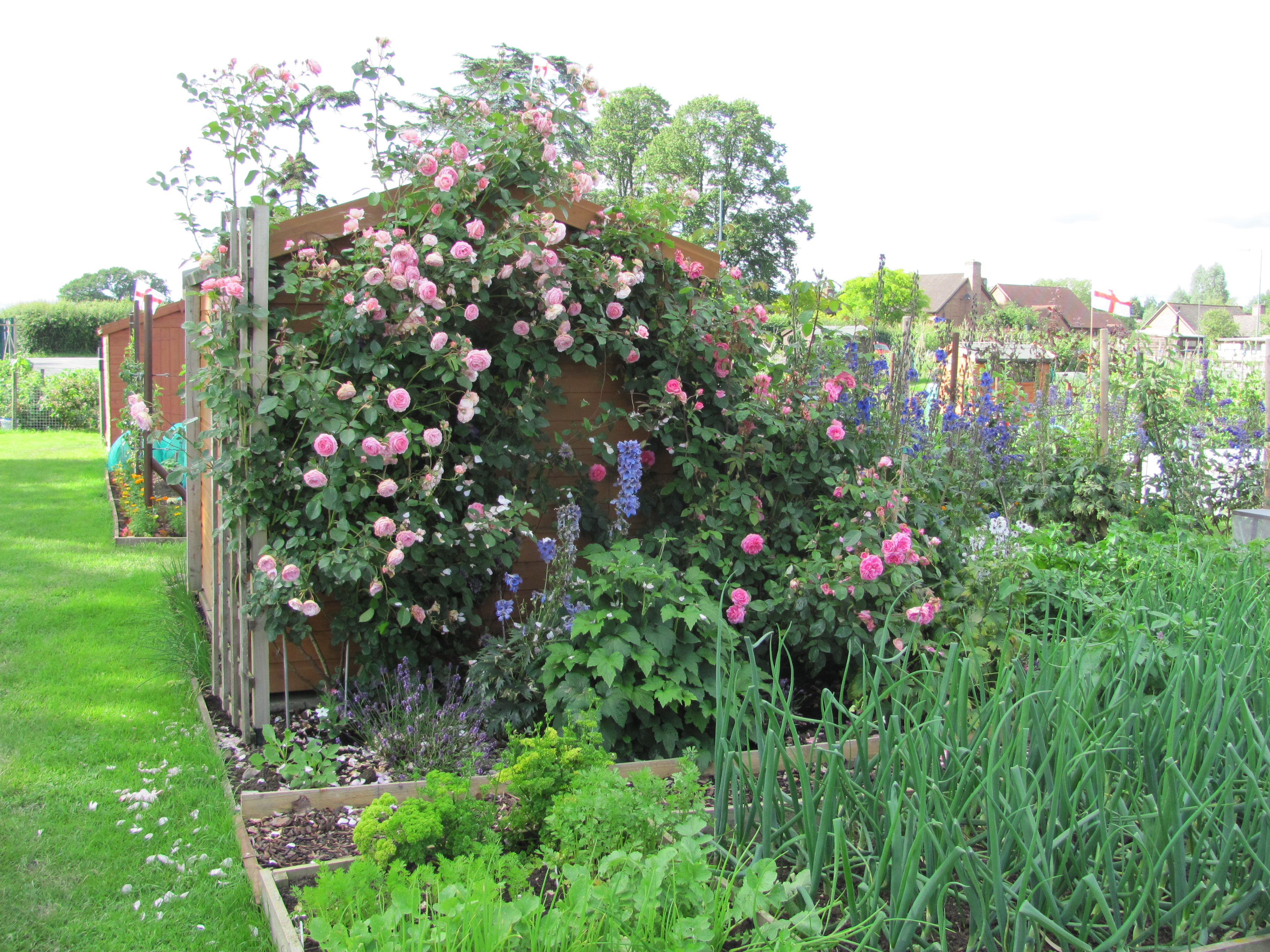
On some plots the gardeners have such a good sense of design that their vegetable raised beds look structured and colourful without the need of flowers.
Some flowers on our lottie site had to serve a very different purpose recently. Annie, one of our neighbouring plot holders sadly passed away after a long illness. It was decided that as Annie loved the allotments so much that Jill, who represented the site at the funeral, should create a big bouquet made up of flowers cut from the plots. It was a bright, colourful, cheerful and summery and perfectly reflected Annie’s personality. We will miss her.
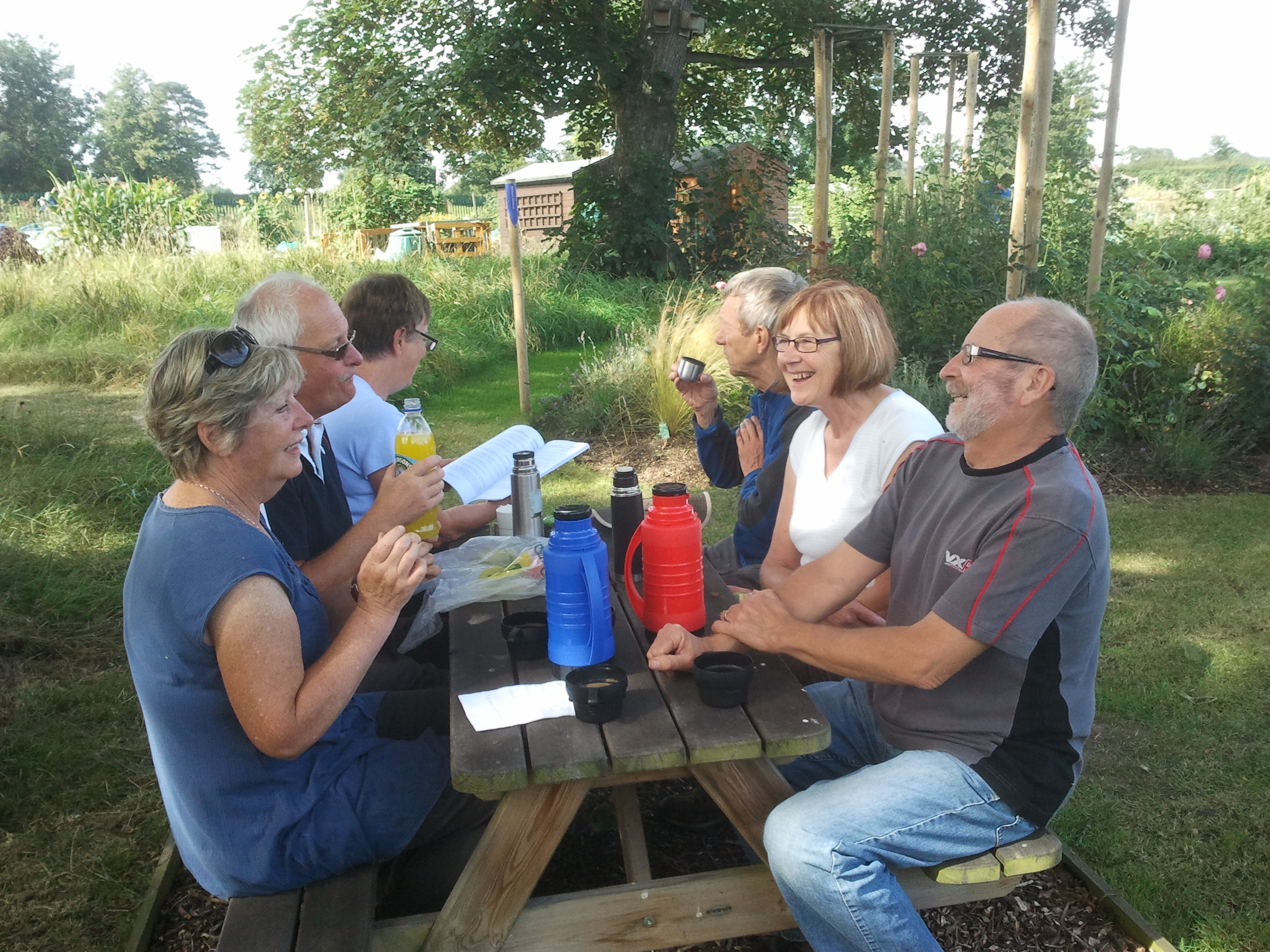
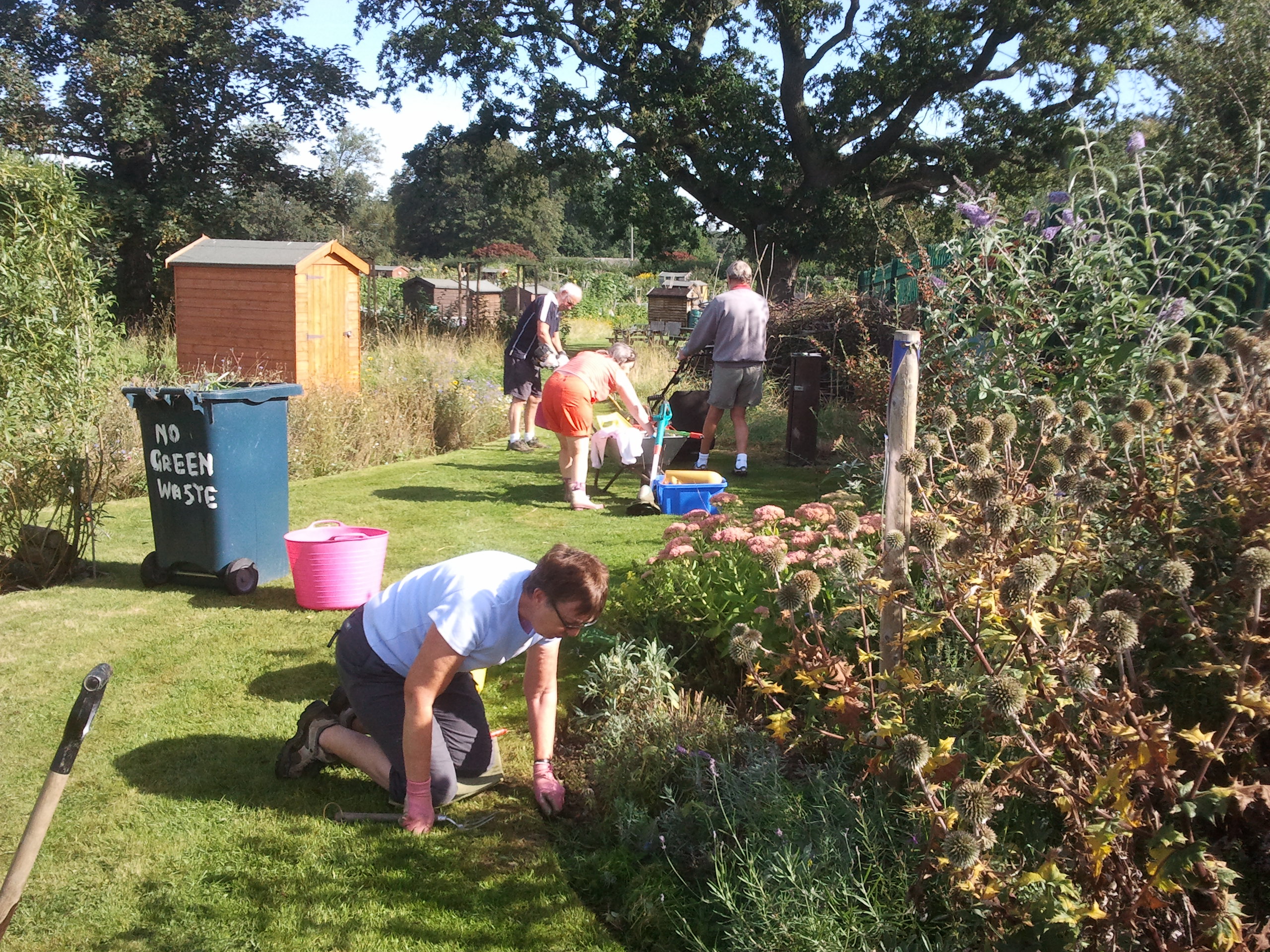
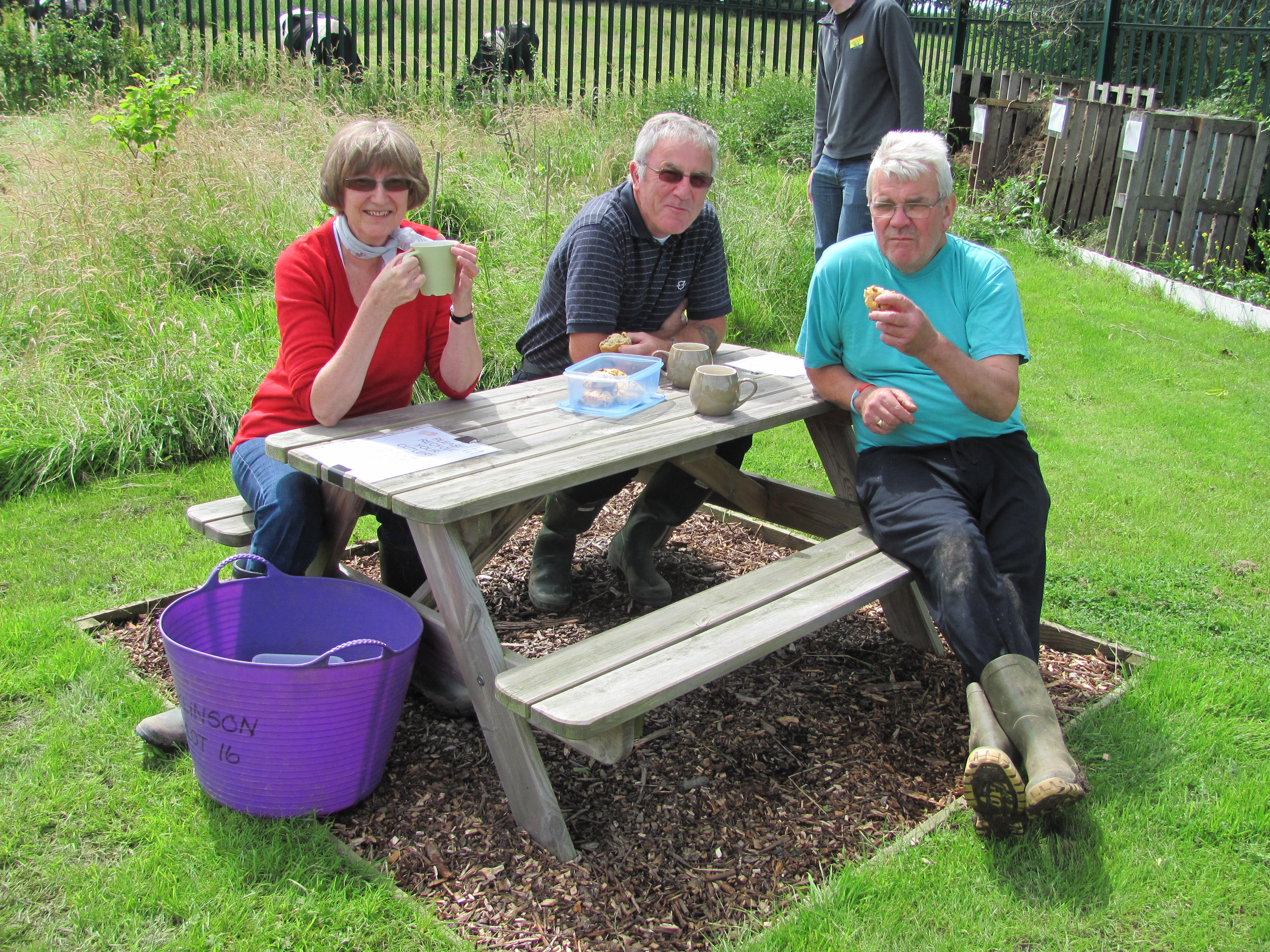
On a warm, bright Saturday morning we met at the allotments for a working party. We had lots of tasks and achieved most of them simply because everyone worked tirelessly. These working parties are so important as they not only keep the site looking good but they are good social events. Every tea or coffee break becomes an excuse for lots of talk and laughter.
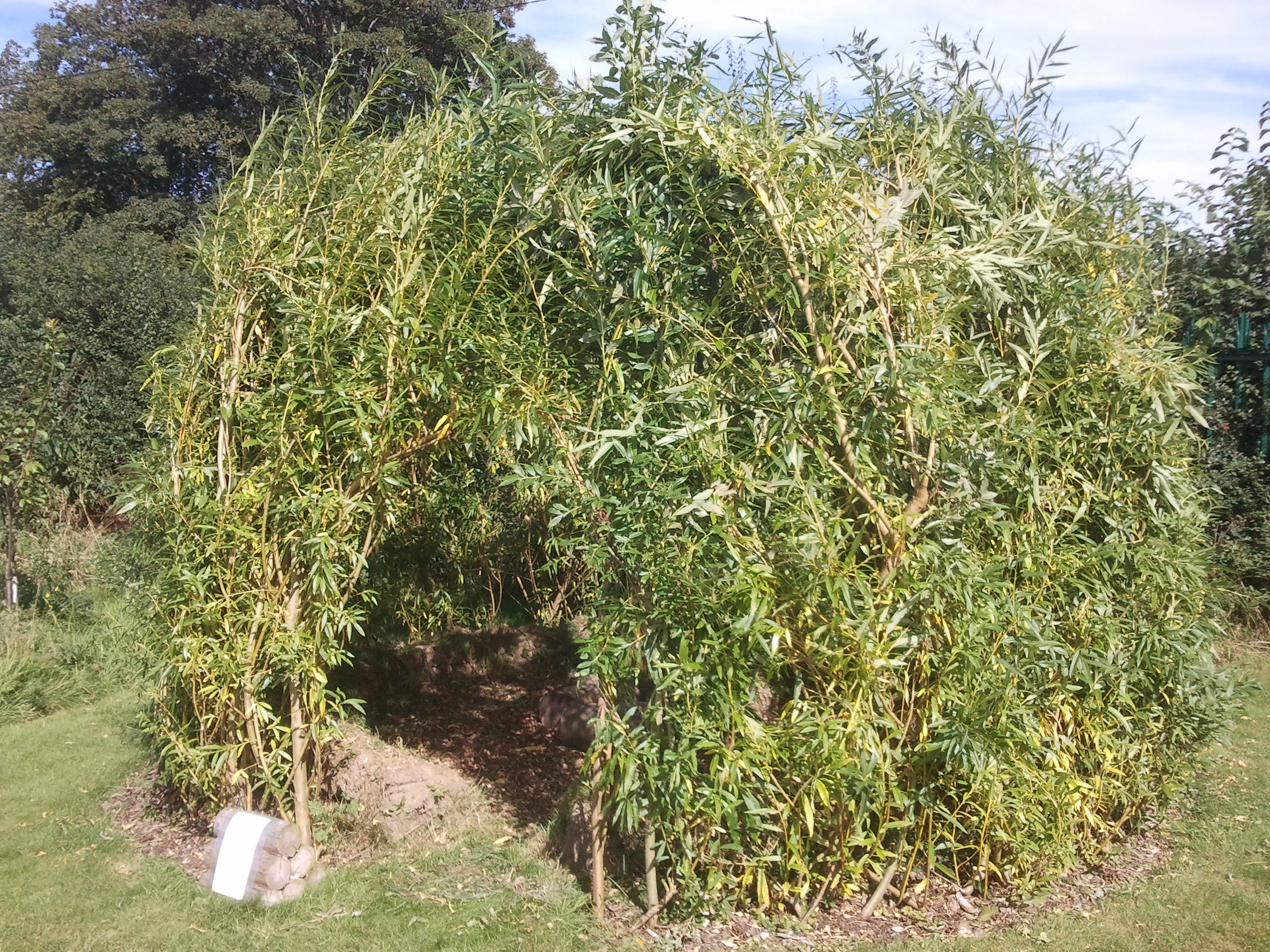
Some of the committee members and their partners gave time during the week before to get some of the jobs ticked off our September task list. Jude and I re-vitalised the willow features, pruning, trimming, weaving and re-making the doorway and windows of the Willow dome and weaving in recent long growths on the Willow Tunnel.
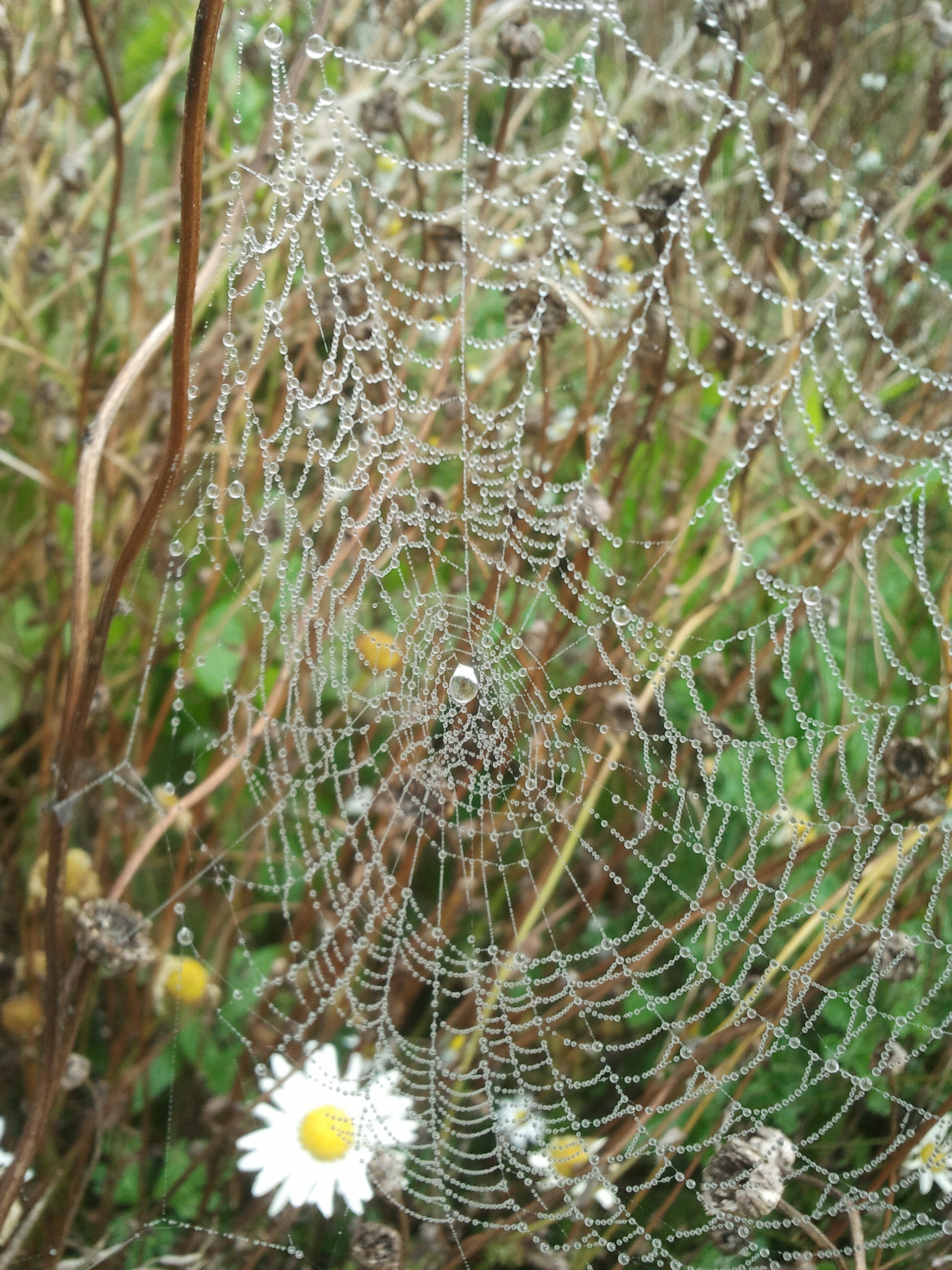
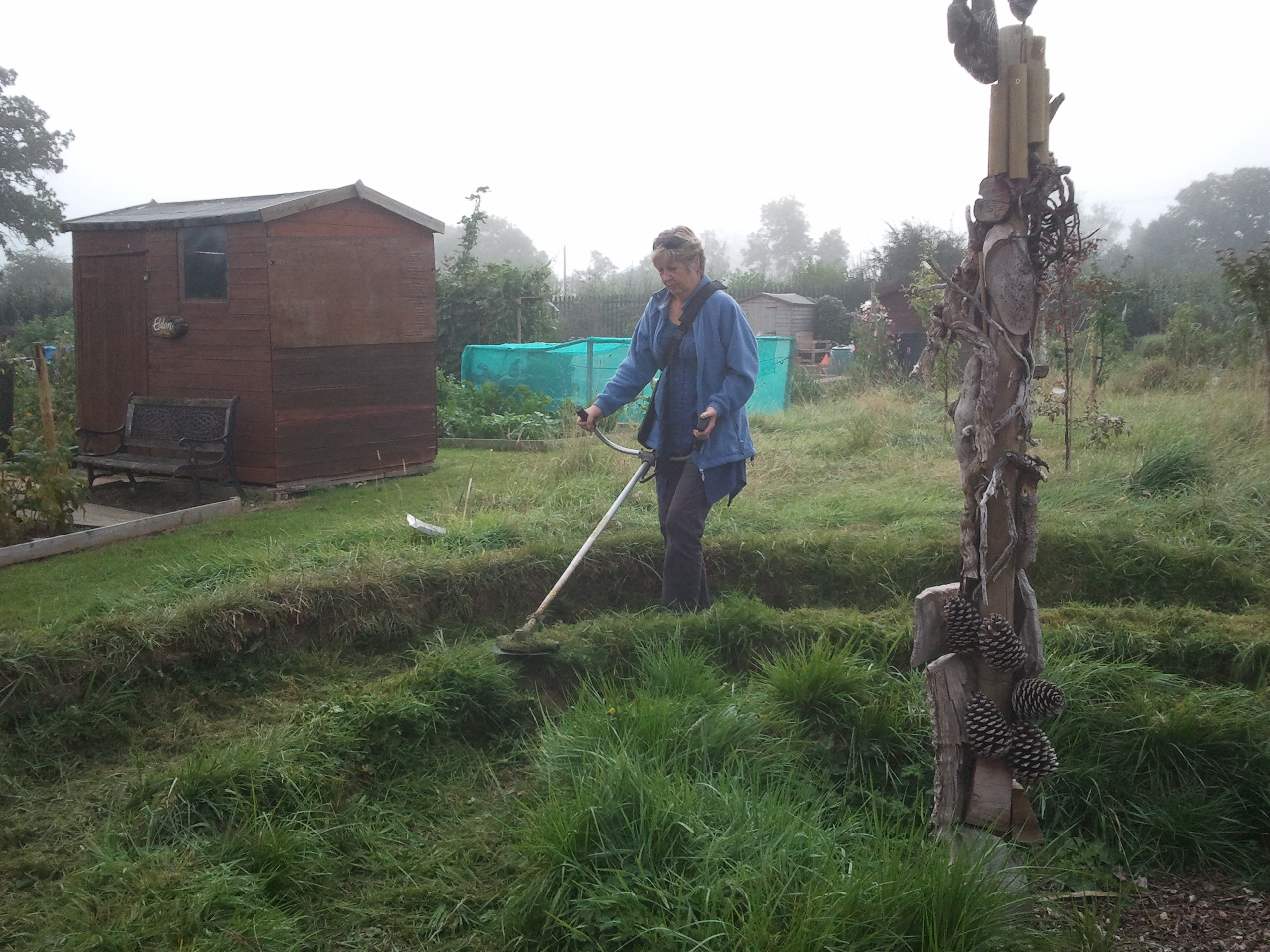
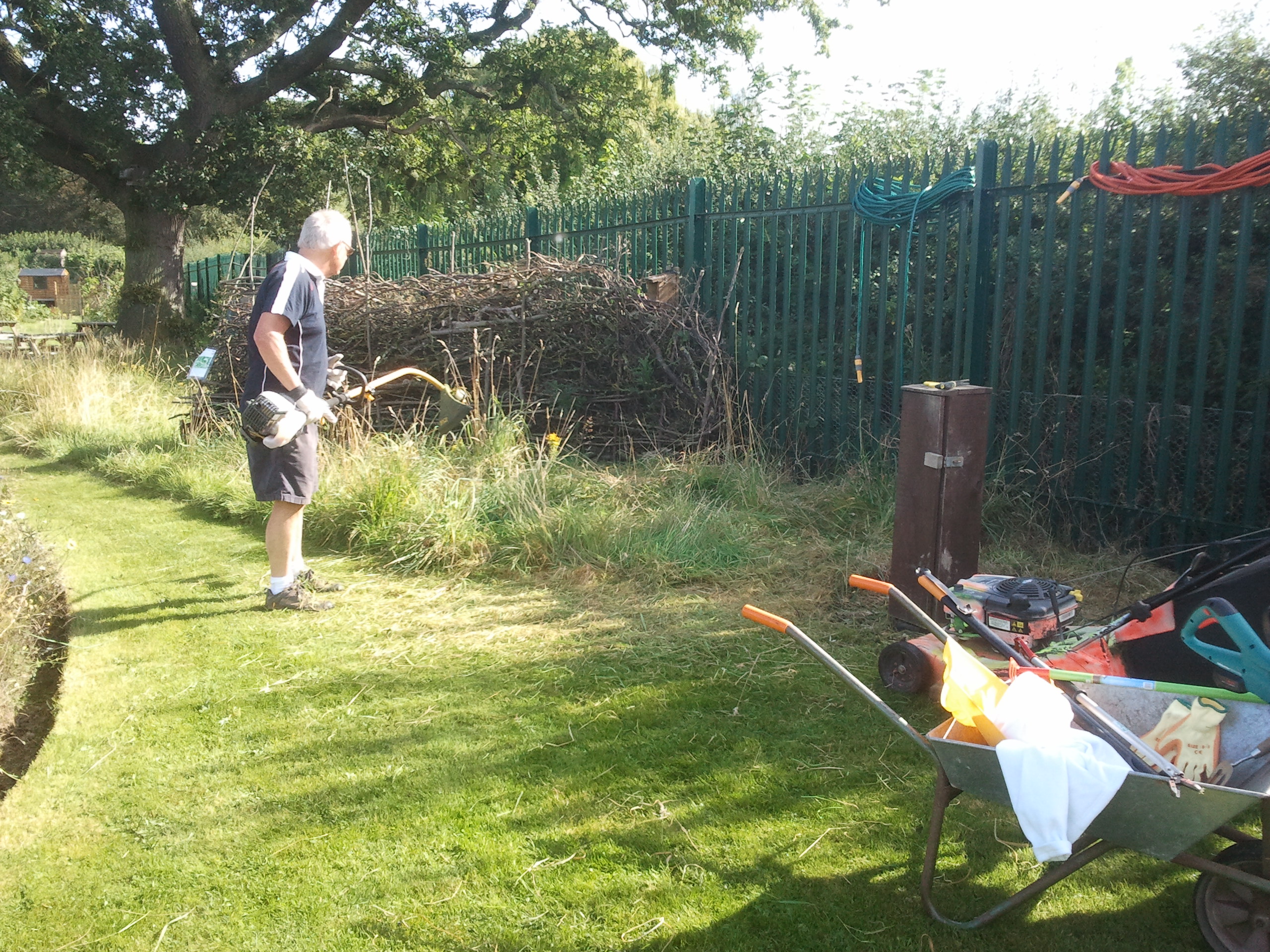
The day of the working party started off with a surprise fog which rapidly cleared as the sun warmed and chased it off. The plants of the meadows had been decorated by spiders who had created webs to which Mother Nature had added jewels of dew. As we began work, Jude strimmed the Turf Spiral while the air was still cool and remants of fog hung over the plots.
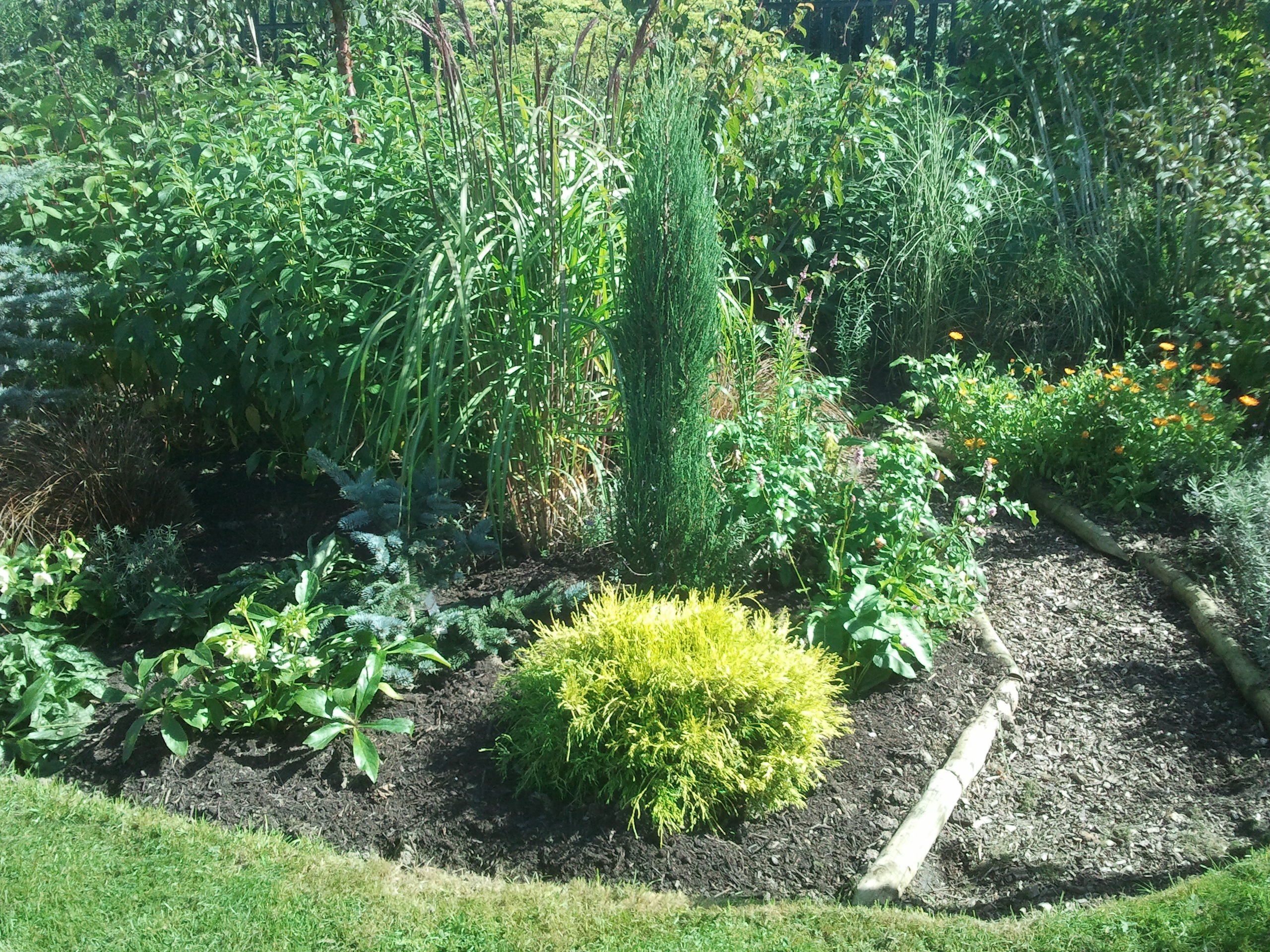
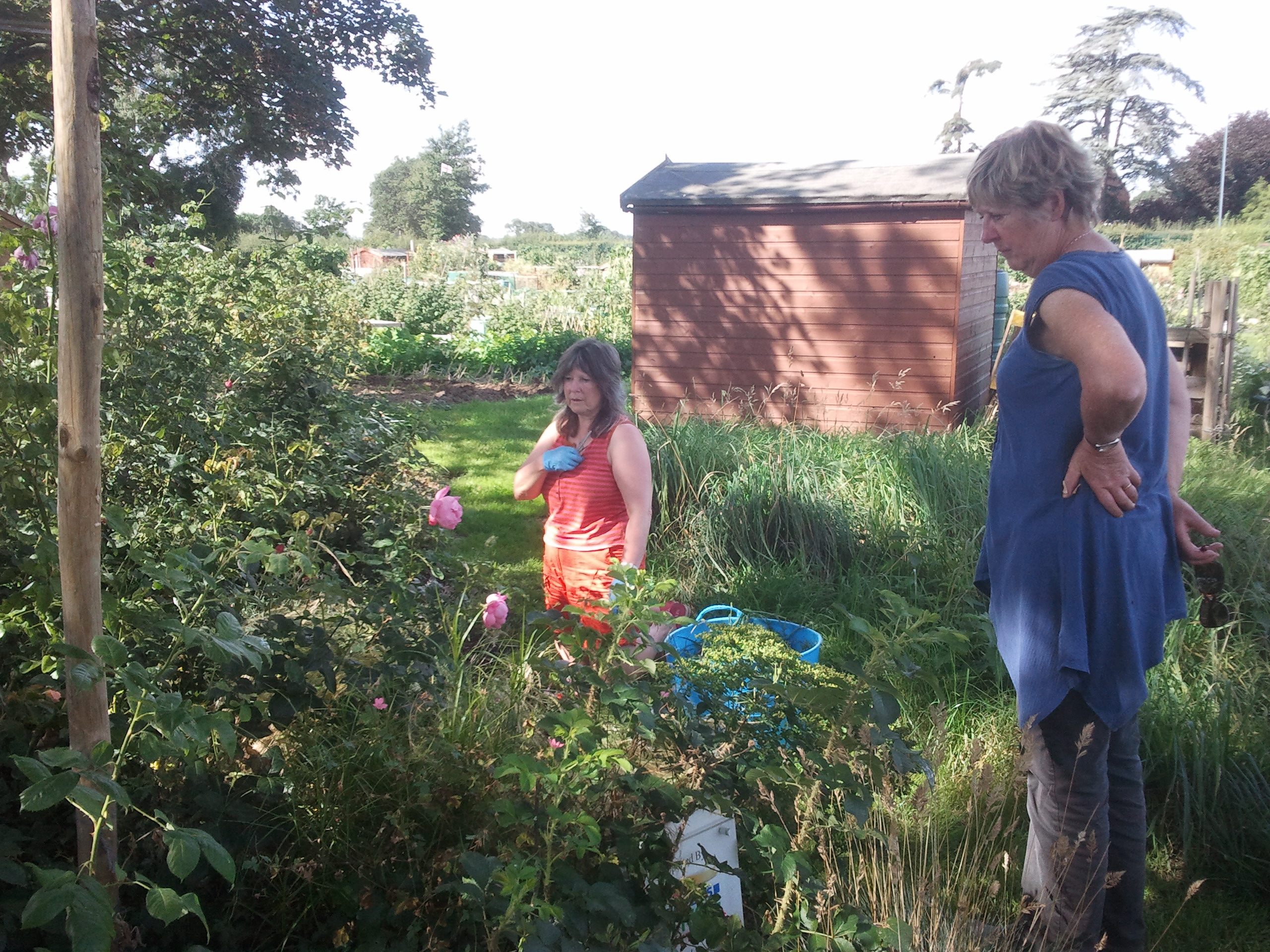
The Winter Garden was given a big tidy up. We weeded, forked it over and mulched but the biggest job of all was pruning and cutting down the shrubs.
All the Buddleia Beds were also tidied in the same way, as was the Summer Garden.
The Withy Bed was weeded and its woodchip mulch was renewed.
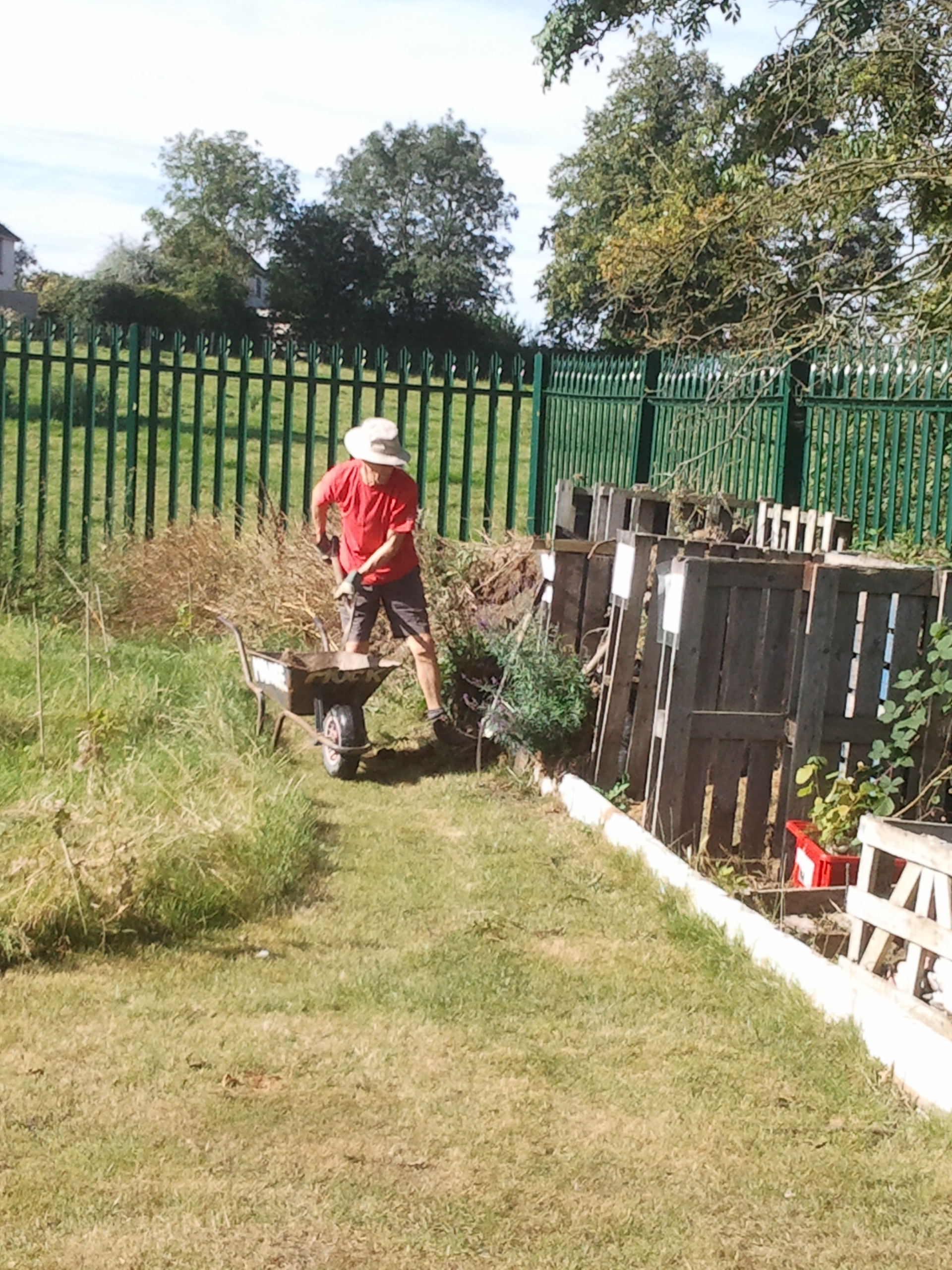
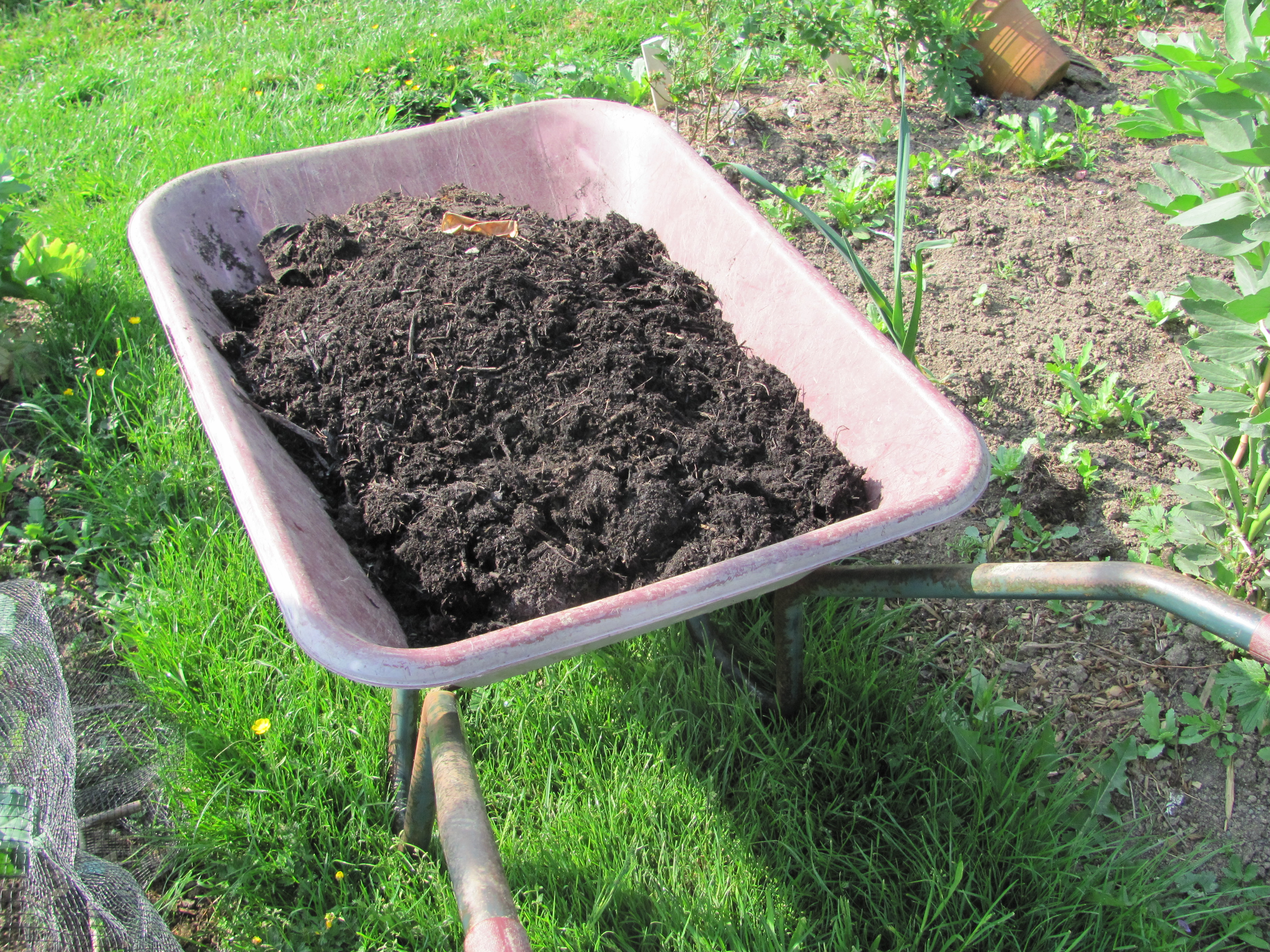
The hardest job of all though was sorting out the communal compost area and taking the compost to where it was needed around the site. We have to empty all of this area in readiness for when the development of the extension to our site starts in October.
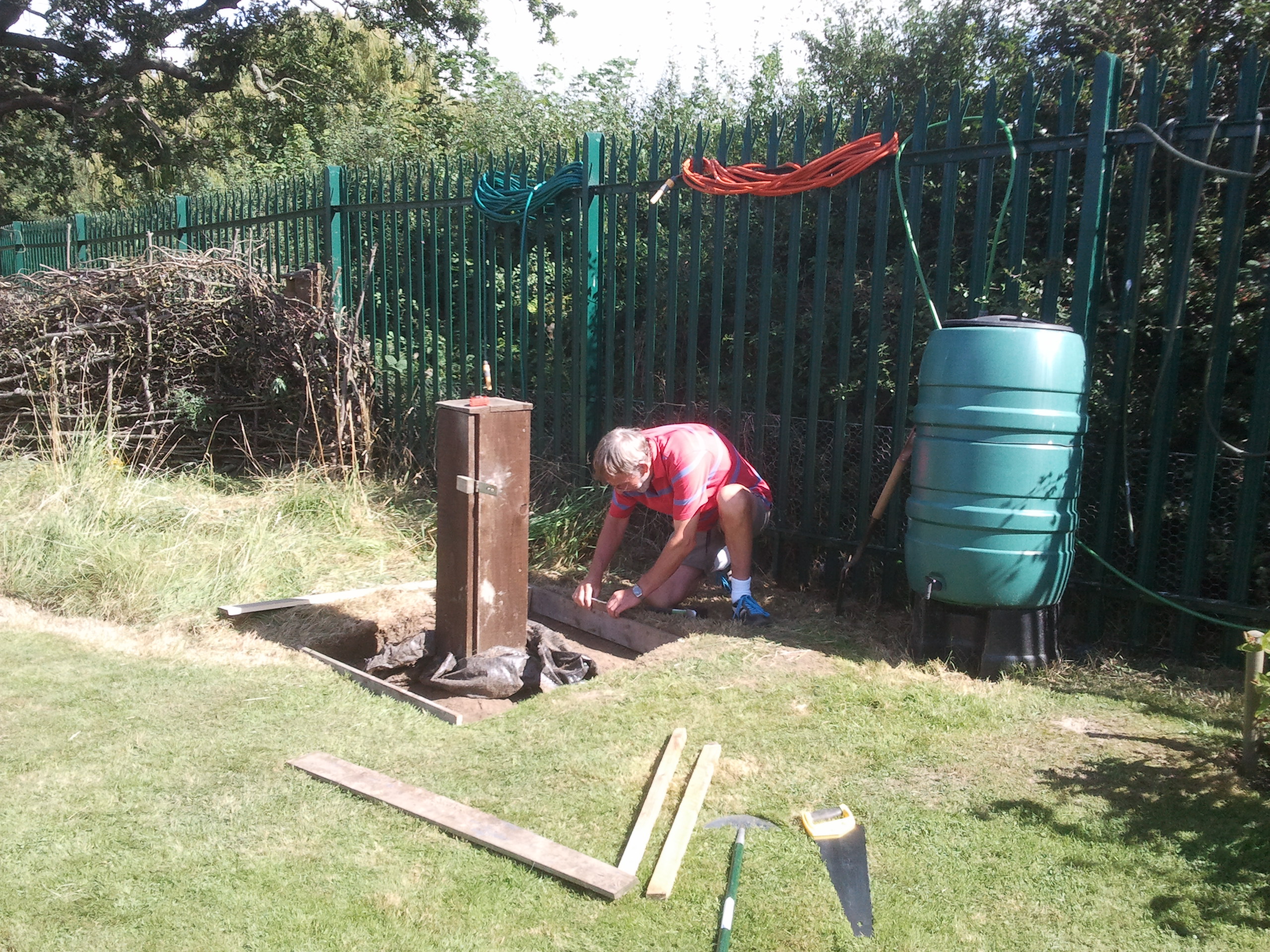
Geoff offered to sort out a tap standpipe which was becoming messy and spoilt the look of the area where it was housed. So with saw, screwdrivers, drills and recycled wood great improvements were made.
And in addition to all this the site was generally tidied. The next working party will be in October when our main task will be giving the meadows their annual haircuts.
We return to Barnsdale Gardens every few years on a trip down memory lane. Barnsdale was the garden of TV gardener Geoff Hamilton the nation’s favourite gardener for many years. He was the gardener on the BBC’s “Gardeners World” programme so he visited many gardeners’ homes every Friday evening for years. He was the first truly organic TV gardener and as such he promoted these sound garden principles and backed them up by conducting experiments and sharing the results on his show.
As well as Gardeners World he made several series of gardening programmes based on making gardens such as “The Cottage Garden” and “The Paradise Garden”.
He sadly died at a young age when taking part in a sponsored cycle ride for charity, but he has never been forgotten.
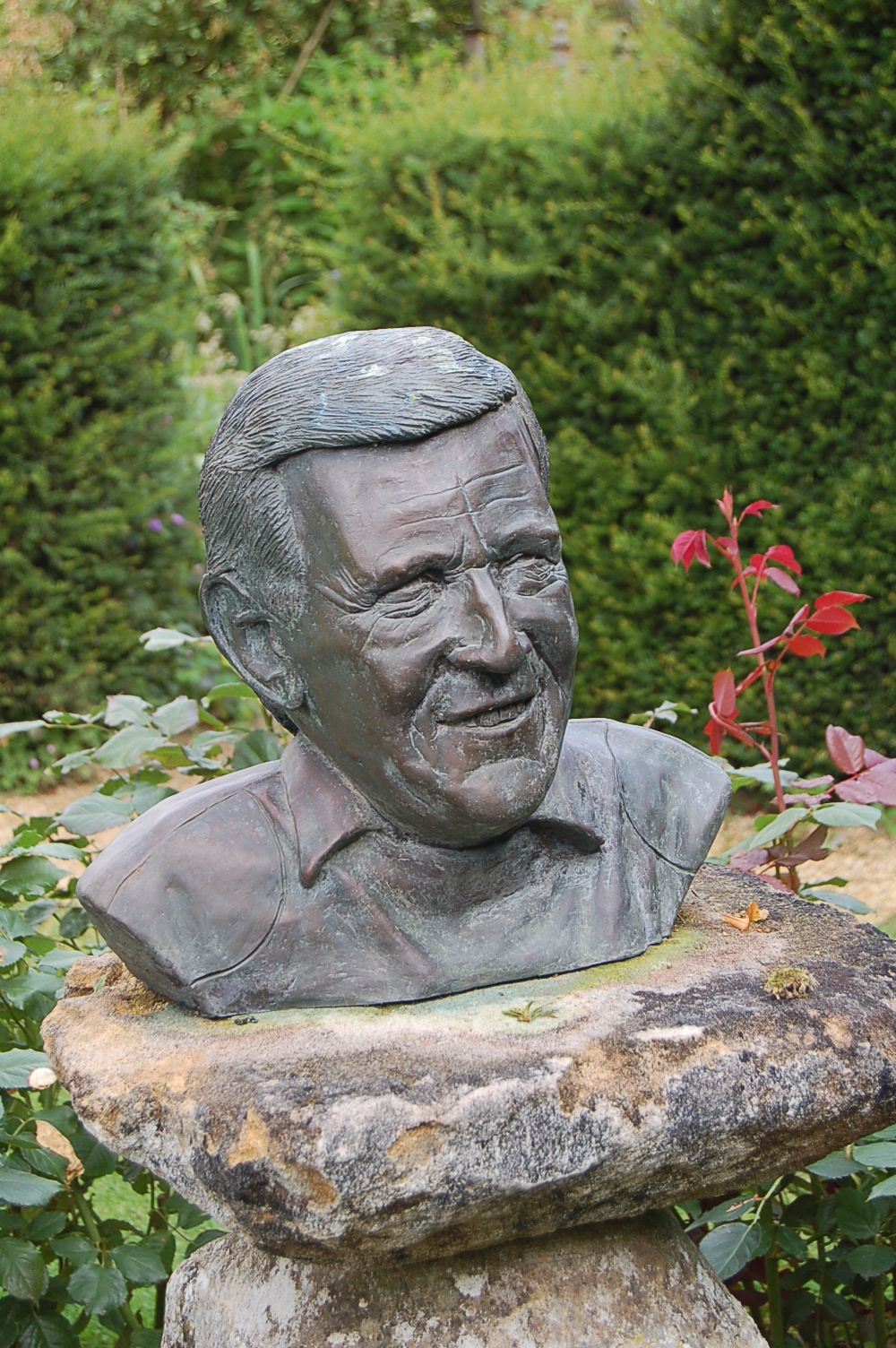
The Barnsdale Gardens still display all the model gardens Geoff made and others have been added since his death. The garden and the nursery attached are run by his son and daughter-in-law. His other son created this bronze sculpture that graces the garden.
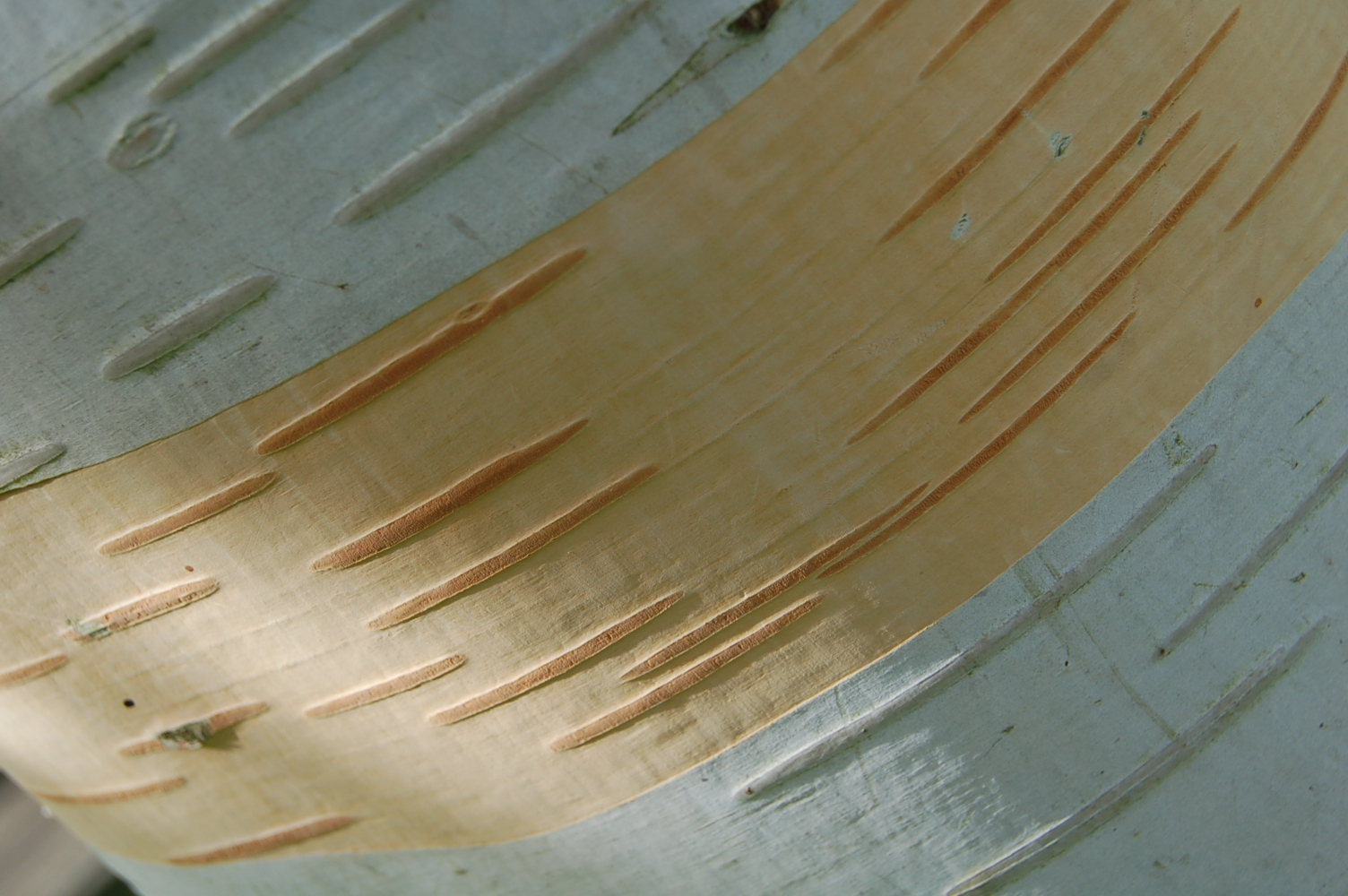
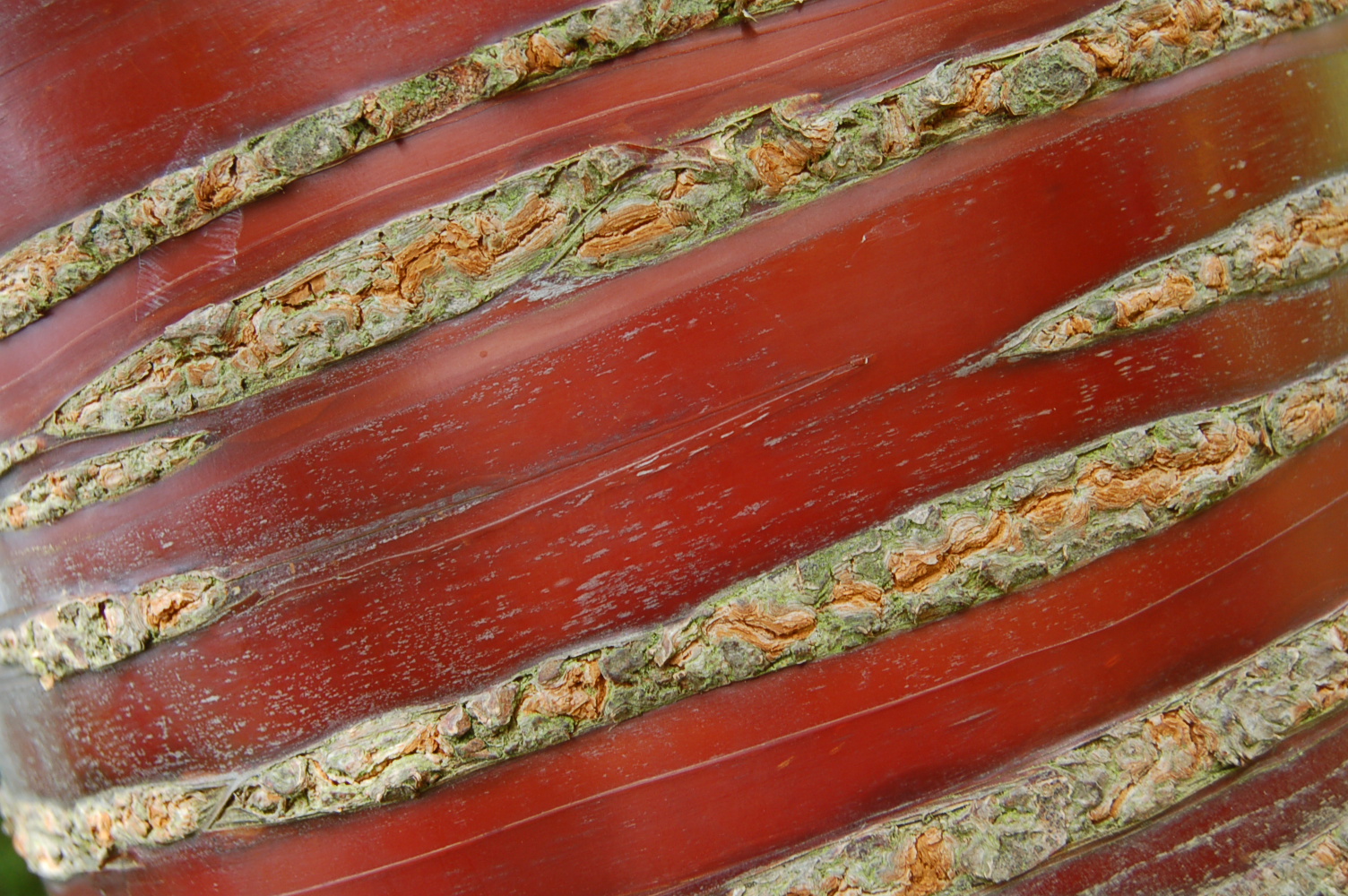
The trees that we saw Geoff plant many years ago are now impressive specimens and display interesting bark colours and textures.
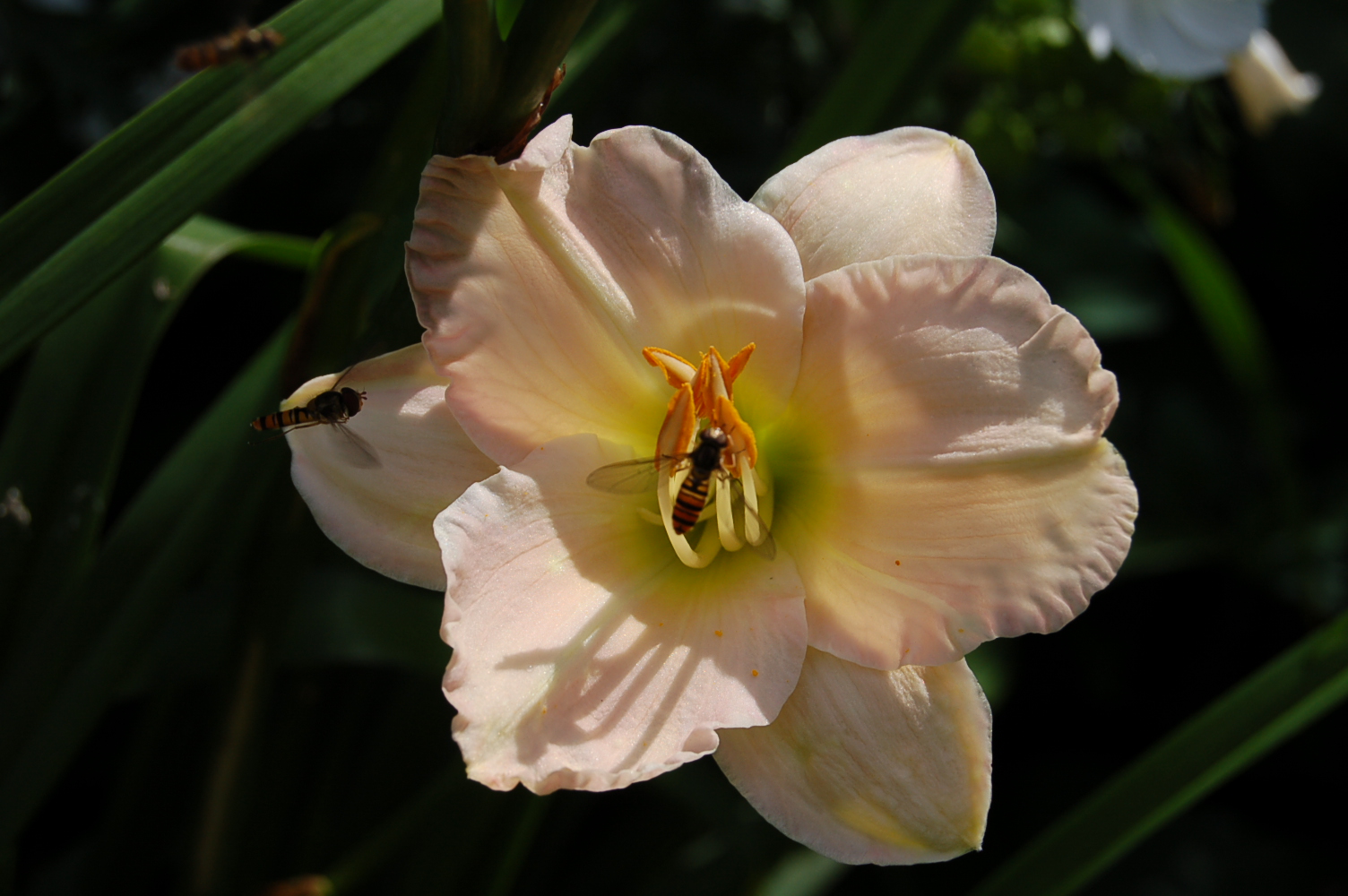
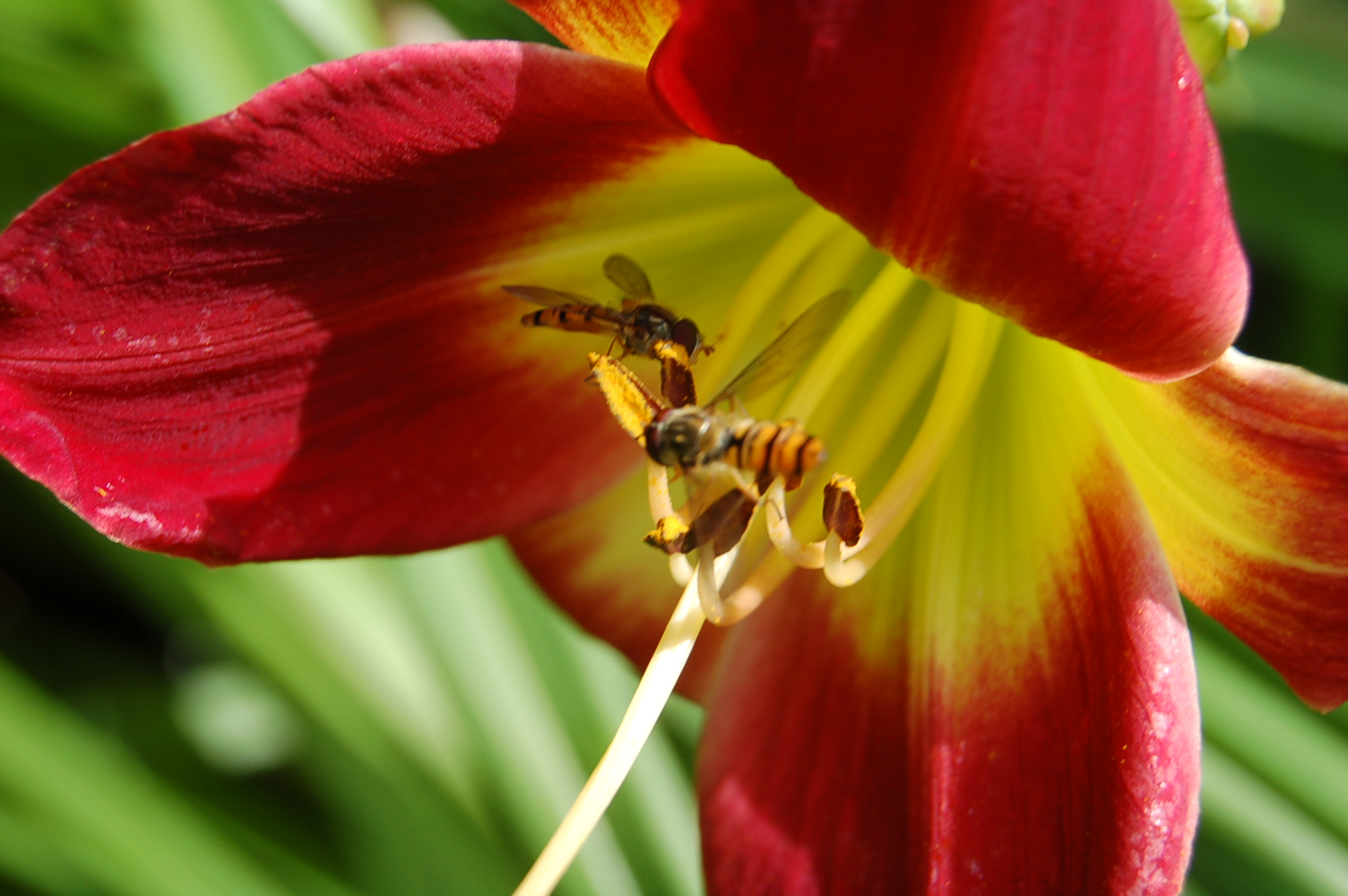
One of his favourite flowers was the Day Lily and many remain in the gardens still. Coming a close second as his most popular garden plant must be the rose.
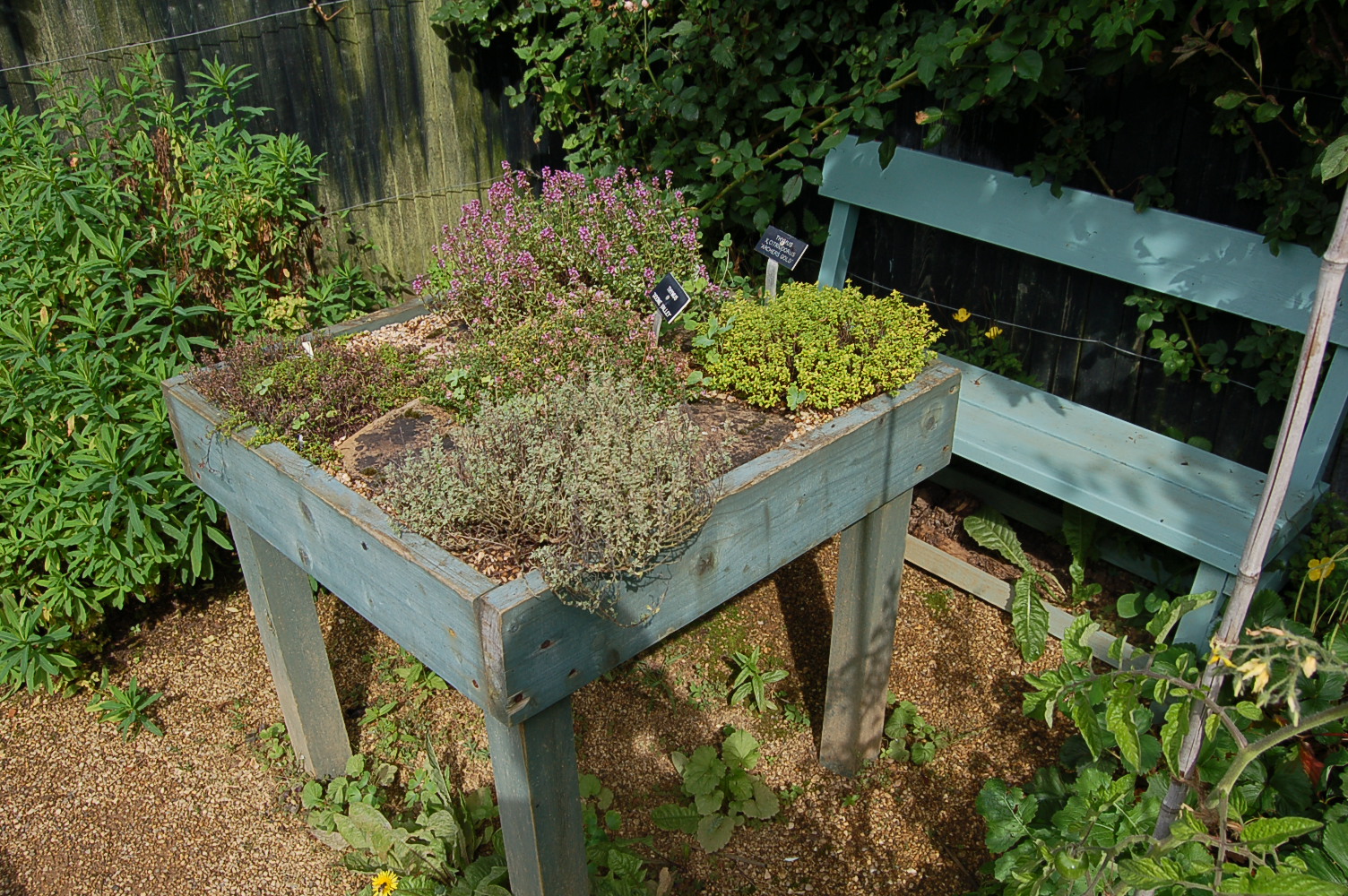
A popular feature of “Gardeners World” was Geoff’s do-it-yourself projects – he was always making furniture and garden features, to try to save his viewers money. Below is his garden bench with matching herb coffee table made from recycled pallets with old roof slates built in as coasters.
He also constructed this compost bin disguised as a beehive and accompanying garden store, both created from recycled wood.
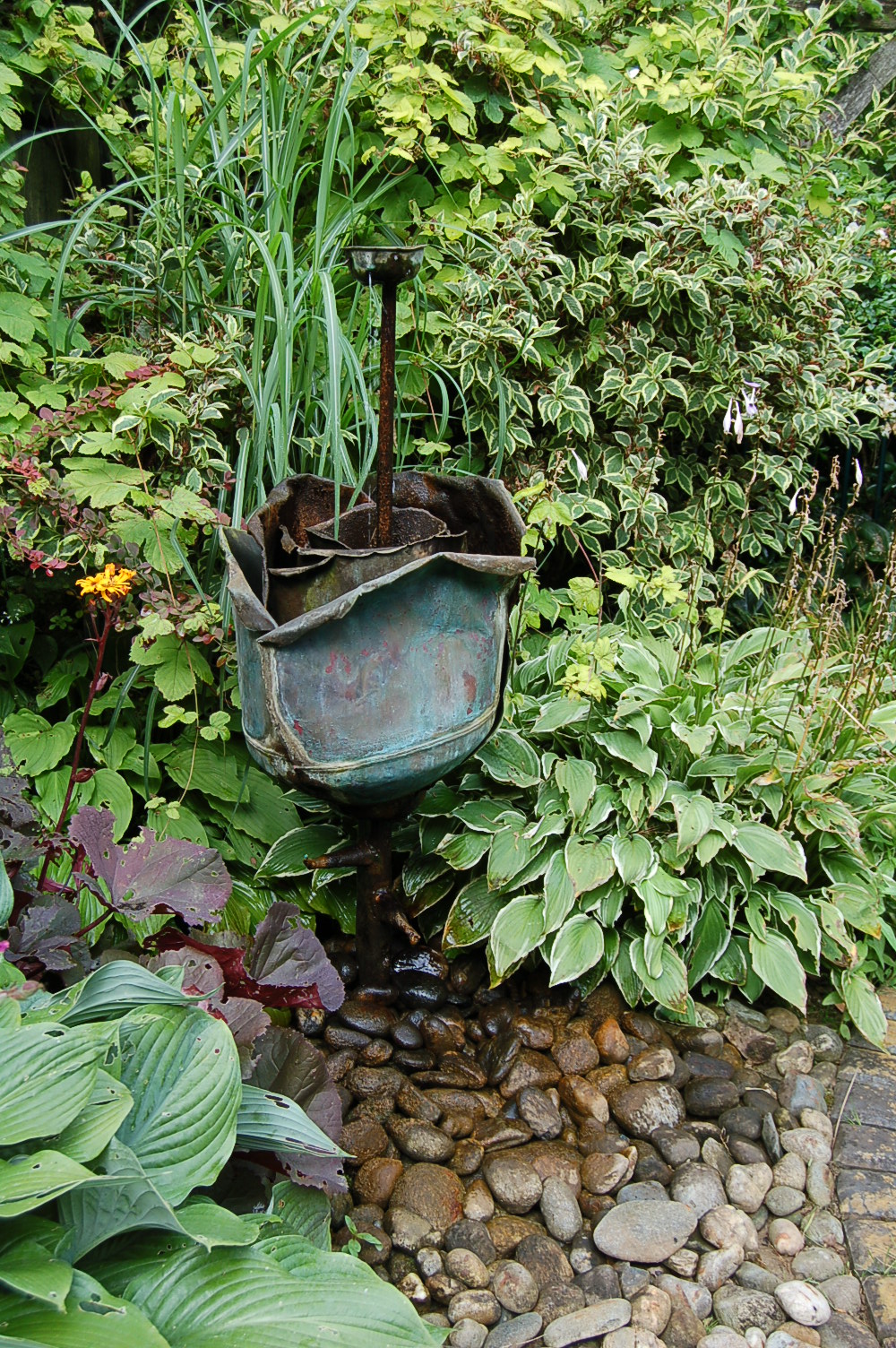
He even made a water feature from an old copper water cylinder!
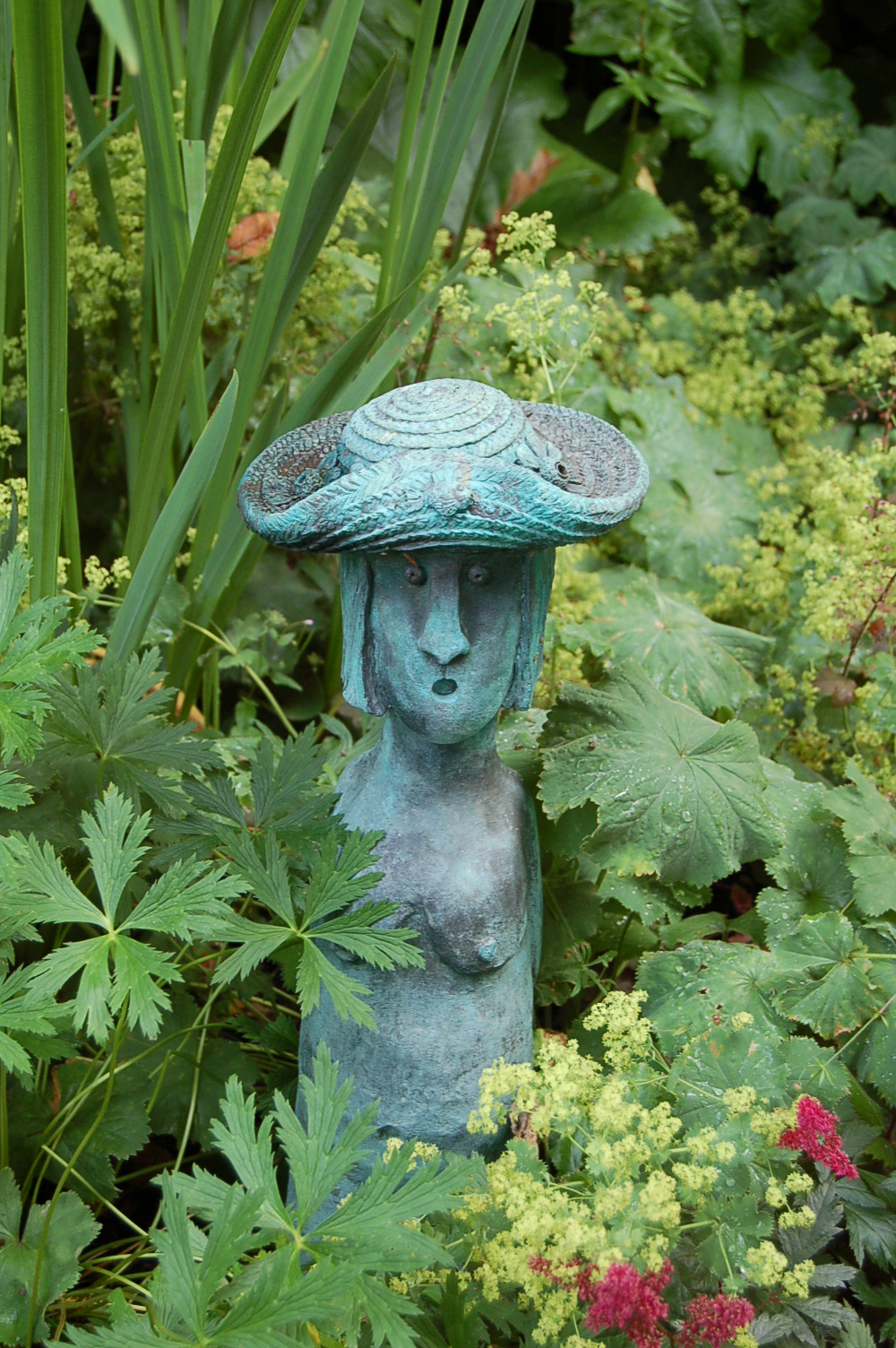
Although he encouraged gardeners to construct things for their own gardens he also extolled the virtues of craftsmen and his garden diaplays many works by craftsmen local to Barnsdale. In particular he brought locally made furniture into the garden.
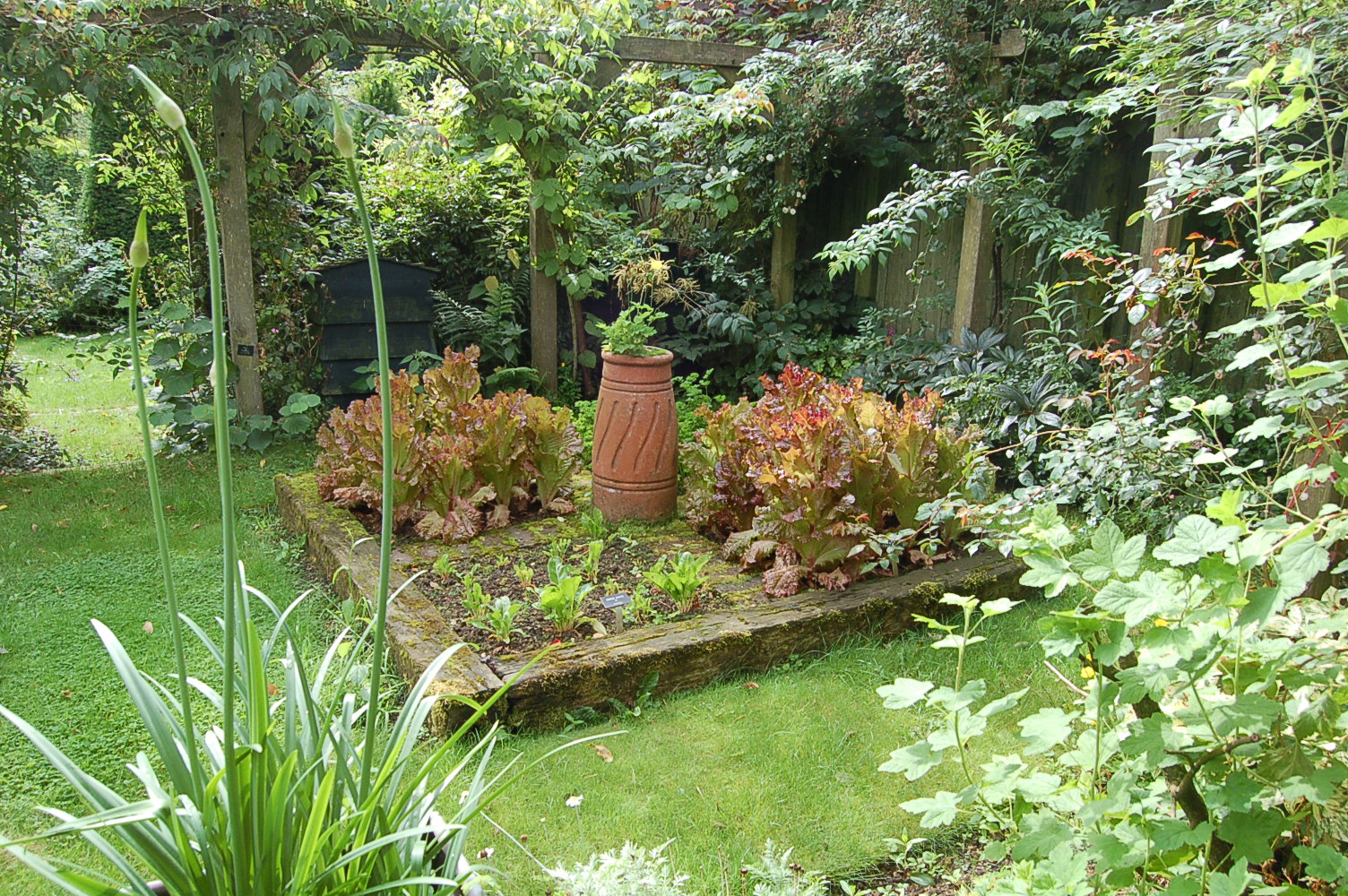
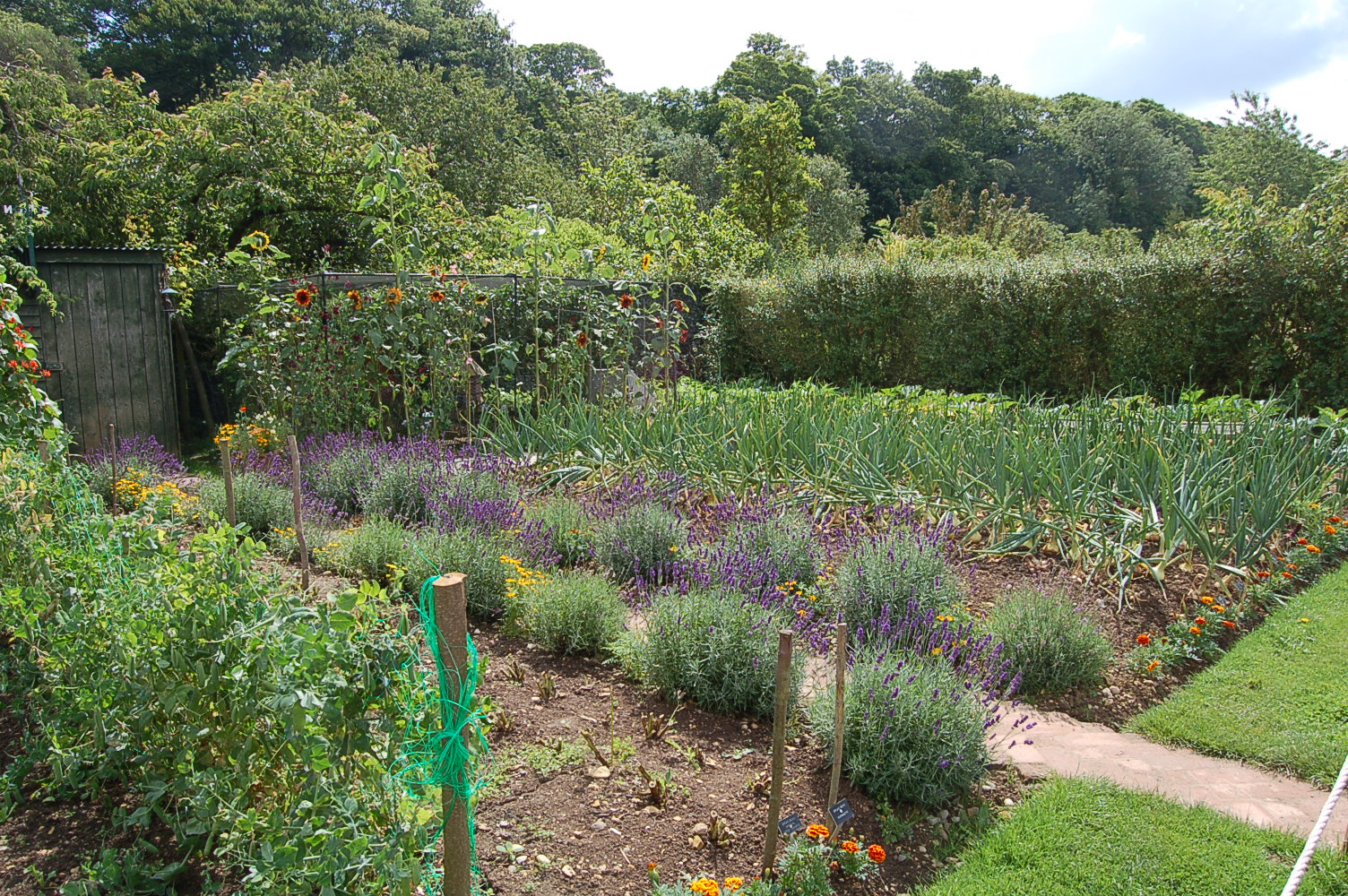
Productive gardening – fruit, veg and herbs – played a big part in his programmes, magazine articles and books. Several of his productive plots are still at Barnsdale, such as an allotment, the Ornamental Kitchen Garden, an Elizabethan Vegetable Garden. the Fruit Orchard, an Apple Arch and Herb Garden.
Geoff was definitely ahead of his time, encouraging organic principals and attracting insects into the garden. he recognised them as pollinators and predators of garden pests.
He featured plants such as Achilleas, Heleniums and other hot coloured flowers, and using lots of different grasses. These are all popular now.
Since Geoff’s untimely death the garden has continued to develop. His son, Nick and daughter-in-law have created new gardens so now Barnsdale is described as “39 inspiring gardens, all in one place”
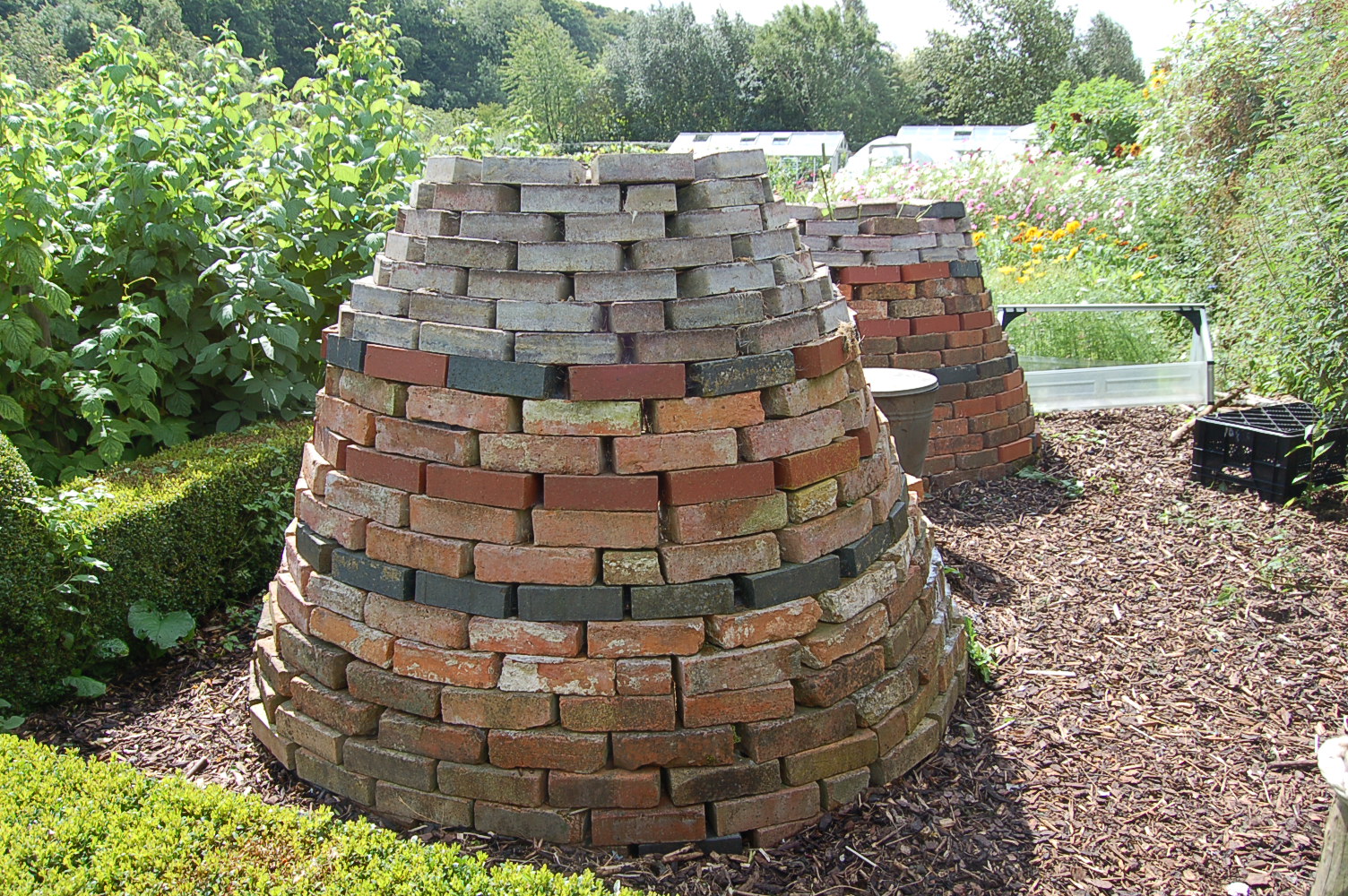
A sign of just how popular and influential Geoff Hamilton was is the fact that his book on Organic Gardening is still in print and has been updated and revised on several occasions. He was a great believer in the importance of compost and found all sorts of ways of making it efficiently. How about this brick-made composter. The bricks would absorb warmth from the sun and heat up the composting material inside and speed up its decomposition.
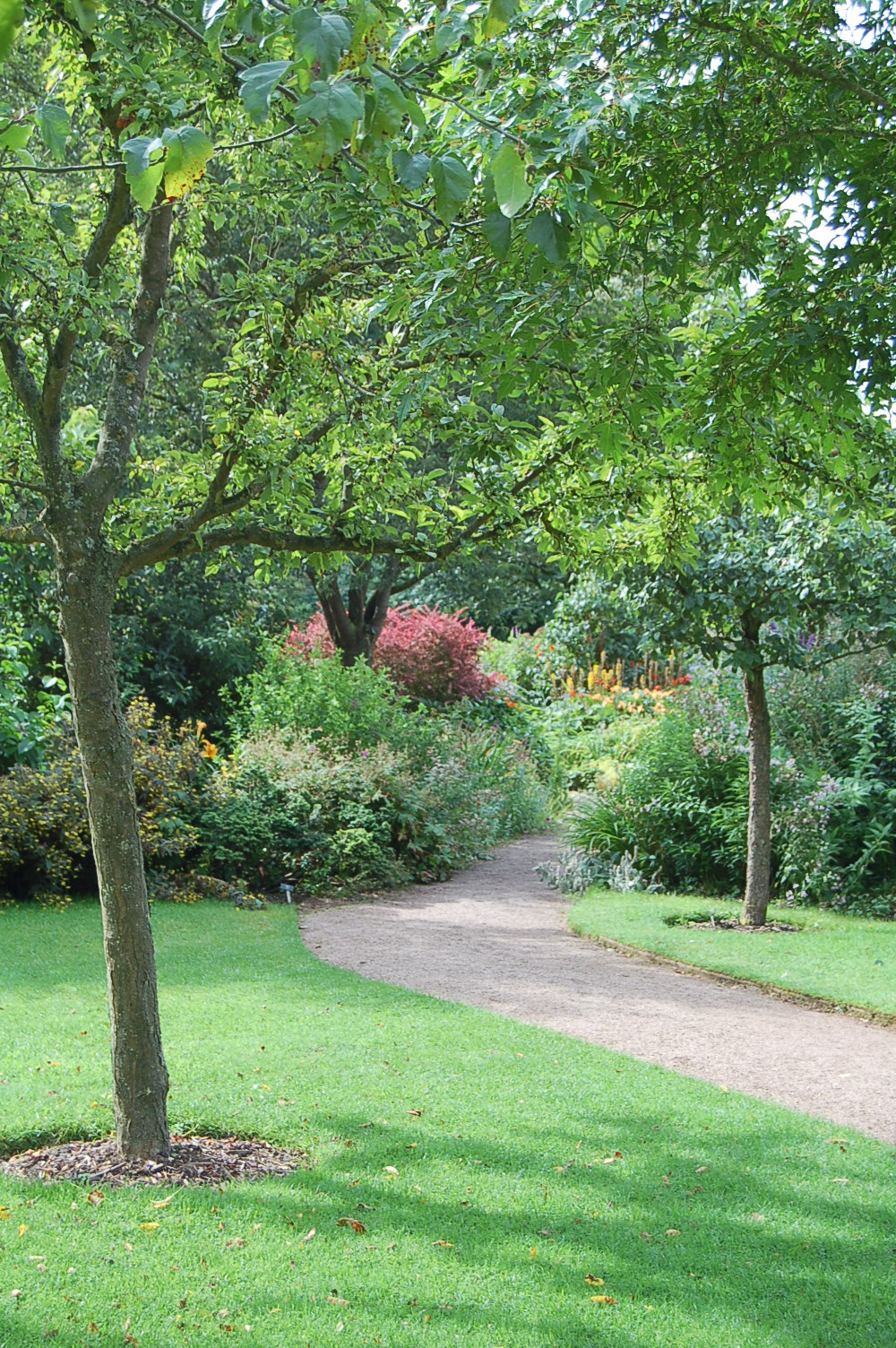
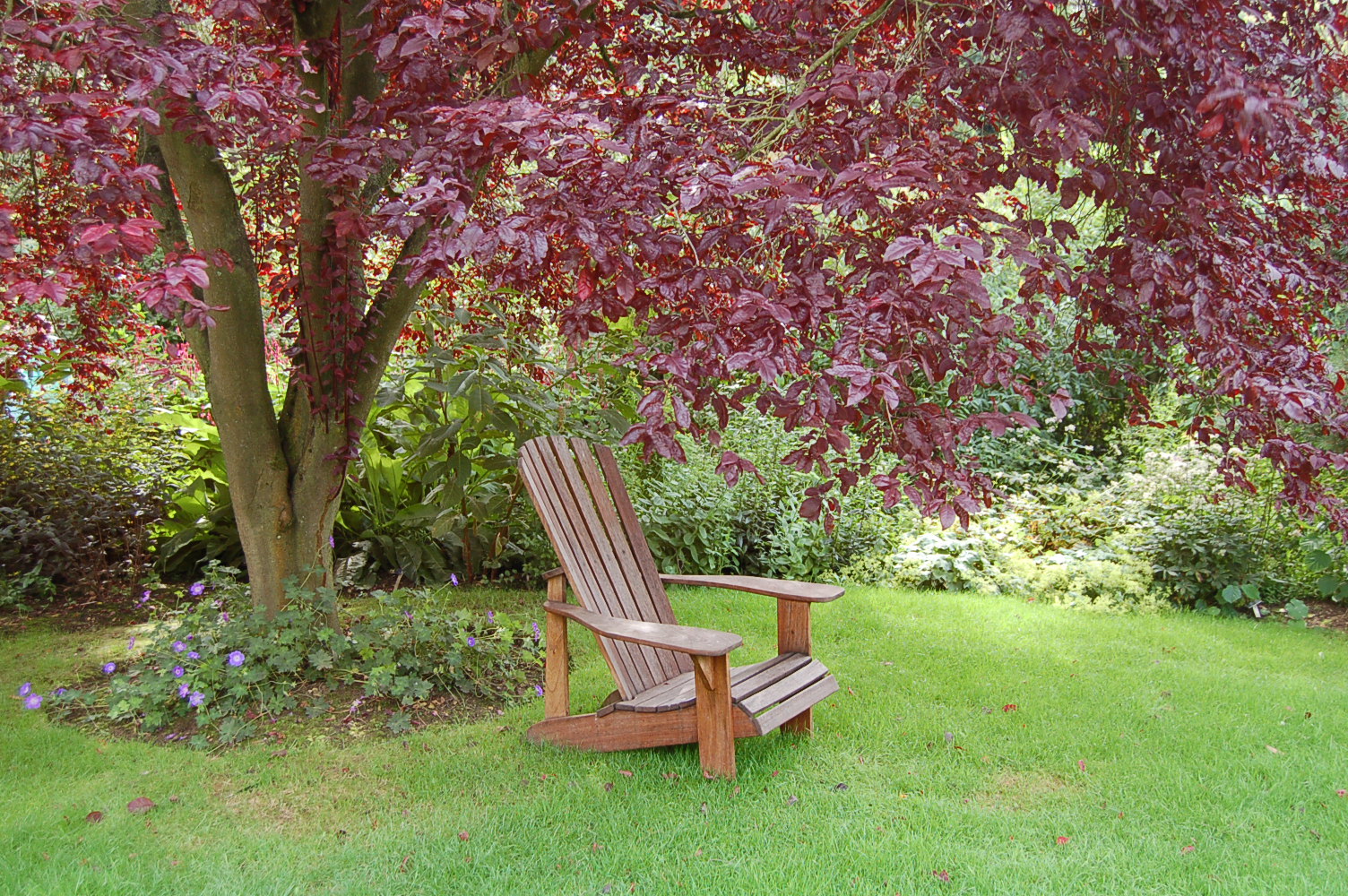
I shall end this visit to Geoff Hamilton’s Barnsdale with a few more views of the garden.
August is when the busy harvest period begins. As land is cleared green manures are sown and compost is spread across empty spaces. Plans for next year’s gardening are beginning to form.
Another amusing sign has appeared on a plot in recent weeks. Doreen and Phil have a corner plot and it has been christened “The Naughty Corner”. Next to their plot, Gill has hung some vibrant decorations in her fruit.
Wendy’s plot is always full of interest and at the moment the star of the show has to be the glitter ball hanging inside an obelisk up which is growing Morning Glory.
We have had a very successful month where awards are concerned, some for the whole site and others for individual allotment holders. Jude and I were invited to the Shrewsbury Flower Show to receive an award for the allotment site. Chris Beardshaw, author, broadcaster and TV gardener presented me, on behalf of our allotment site, with the award for “Shropshire’s Best Community Garden”.
Bowbrook Allotment Community members also provided plants for a show garden created by the Shrewsbury Residents Association – herbs, vegetables and companion plants. This garden won a medal.
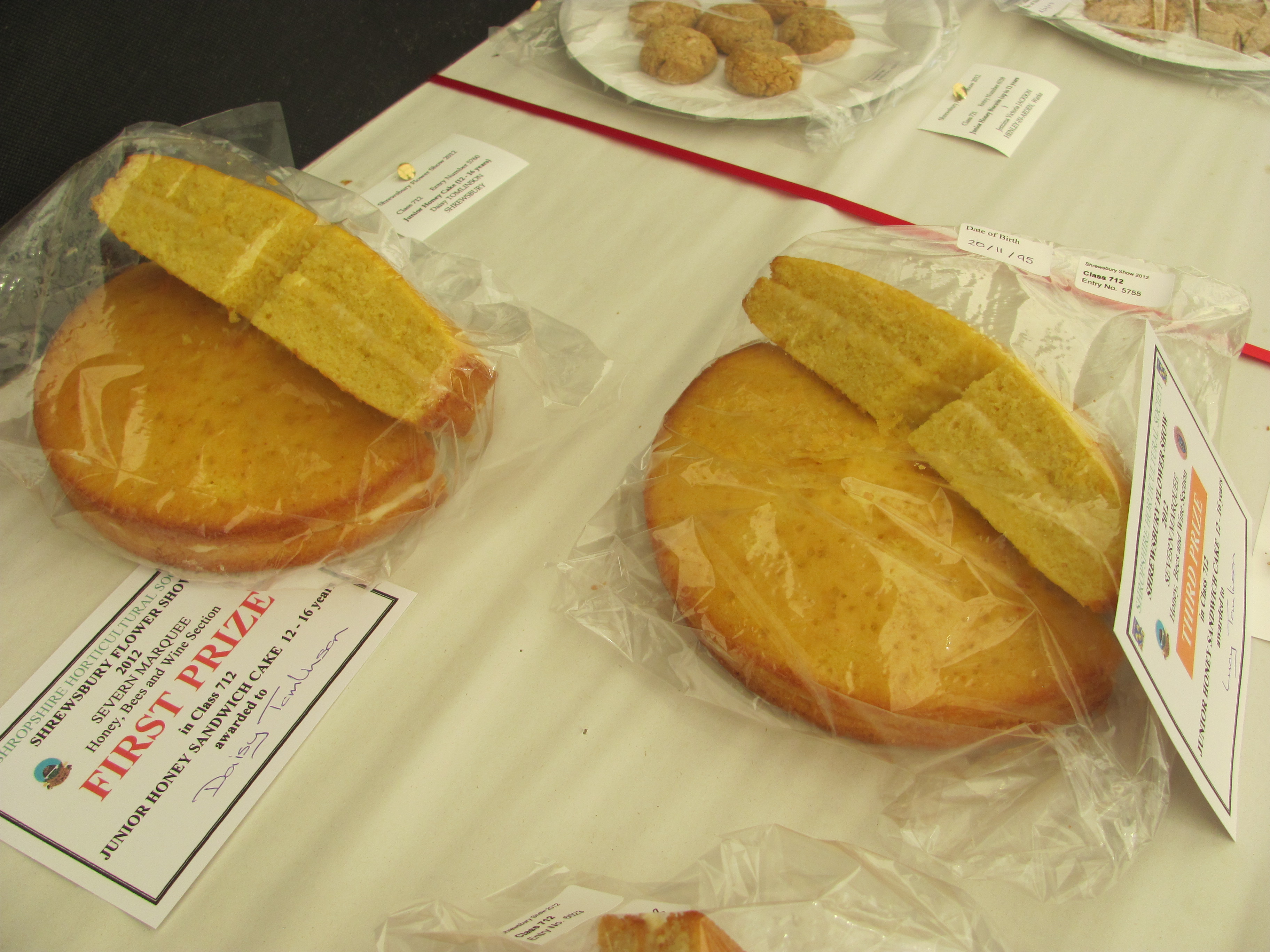
The two daughters of our Membership Secretary entered craft and art classes in the Honey Tent and won many certificates too. Their honey cakes and biscuits looked so tasty.
Jude and I also took part in the Shropshire Organic Gardeners Society stand at the show. Members were asked to provide photos of themselves with a pot plants and these took centre stage.
Dave Bagguley one of our plot holders was awarded Shrewsbury’s “Best Front Garden” award at the show.
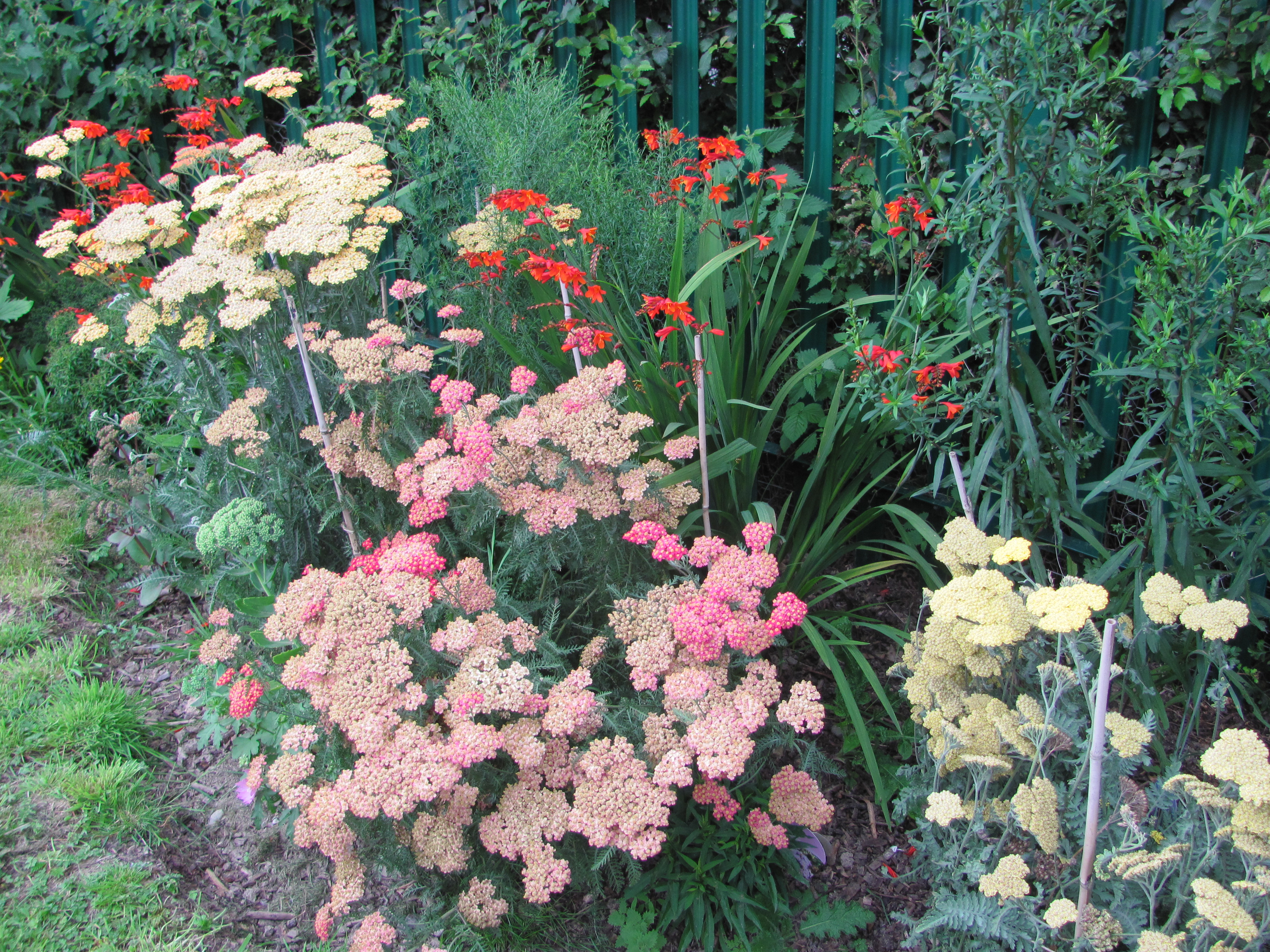
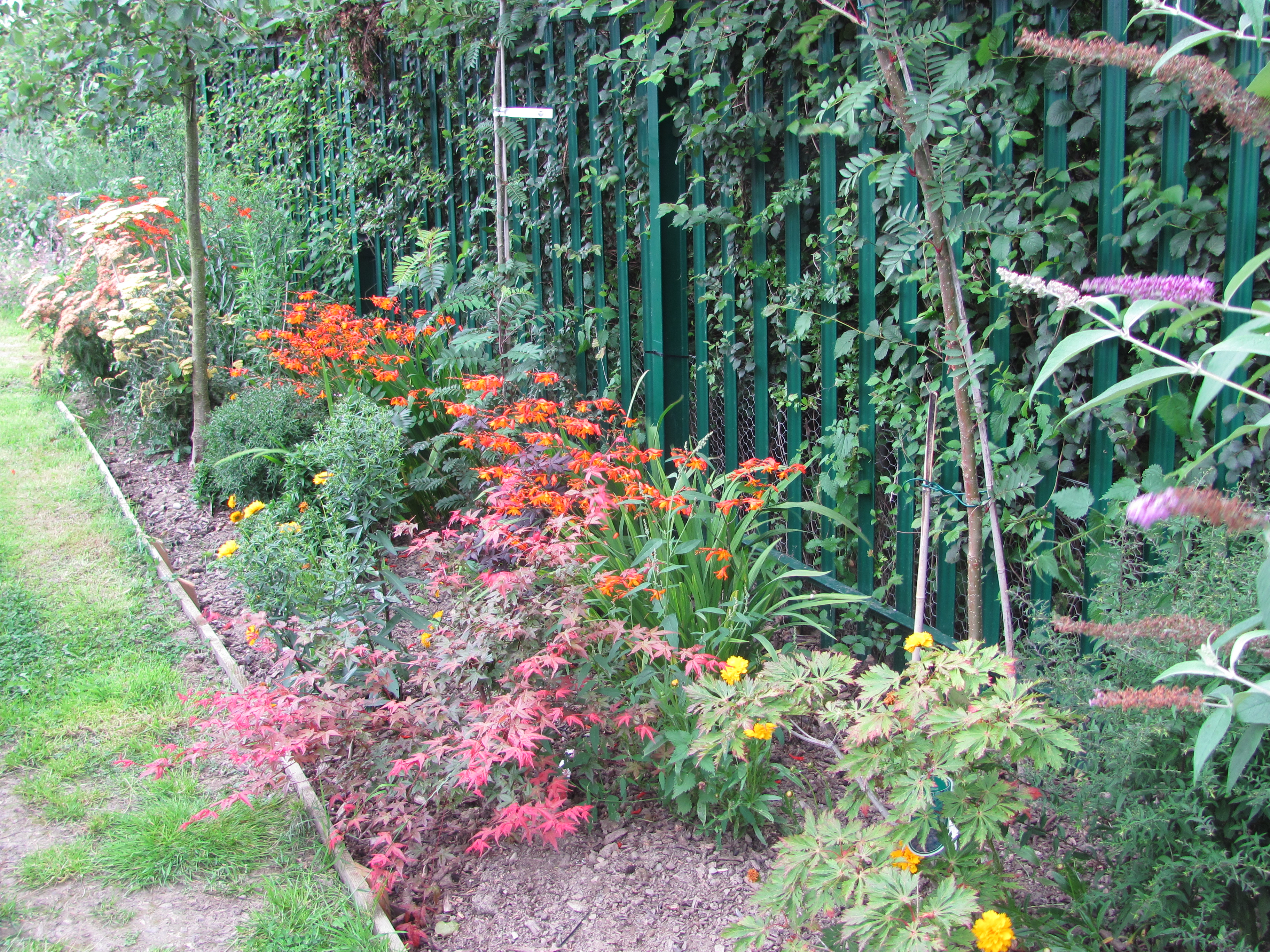
Back at the lotties the Autumn Garden, one of the site’s “Gardens of the Four Seasons” is beginning to look really good, with the late summer/early autumn perennials blooming in their hot colours.
The meadows around the site are incredibly colourful at the moment but the early flowering ones are well-past their best. They will soon be due their annual haircut.
We like to leave the meadows’ annual haircuts as late as possible so delay them until seeds are well set and there is an obvious decrease in the amount of wildlife visitor activity. But in the Buddleja Borders the beautiful scented flowers are still bringing in so many butterflies, bees and hoverflies.
This year’s periods of extreme wet have taken their toll. Whole potato crops have rotted on plots and root crops badly split.
As I was finishing writing this post I heard that our site’s entry into the Shrewsbury Town Allotment Competition came out the winner, so well done to Sue and Paul from Plot 40. Here are a few shots of their plot to finish off this post.
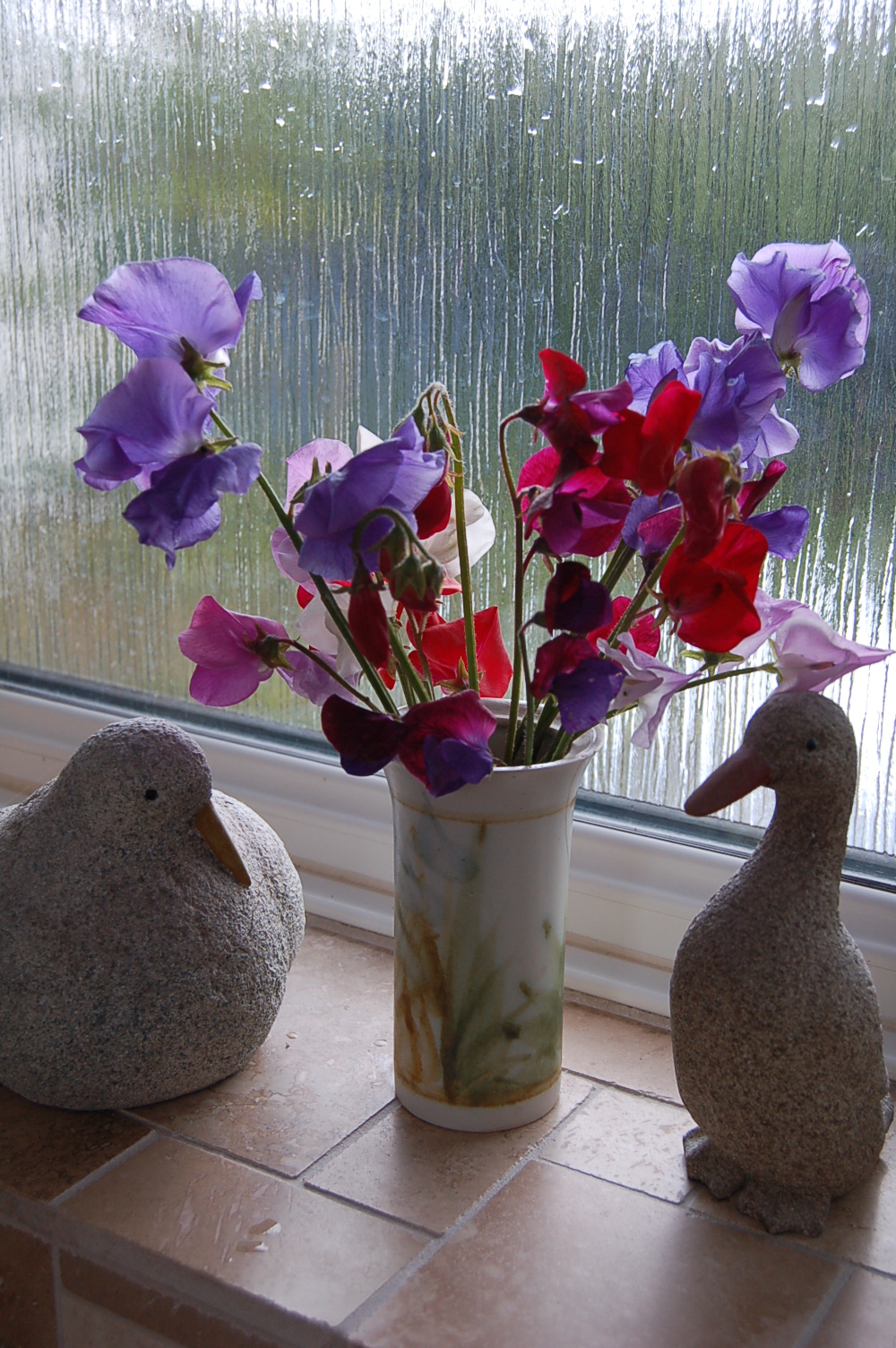
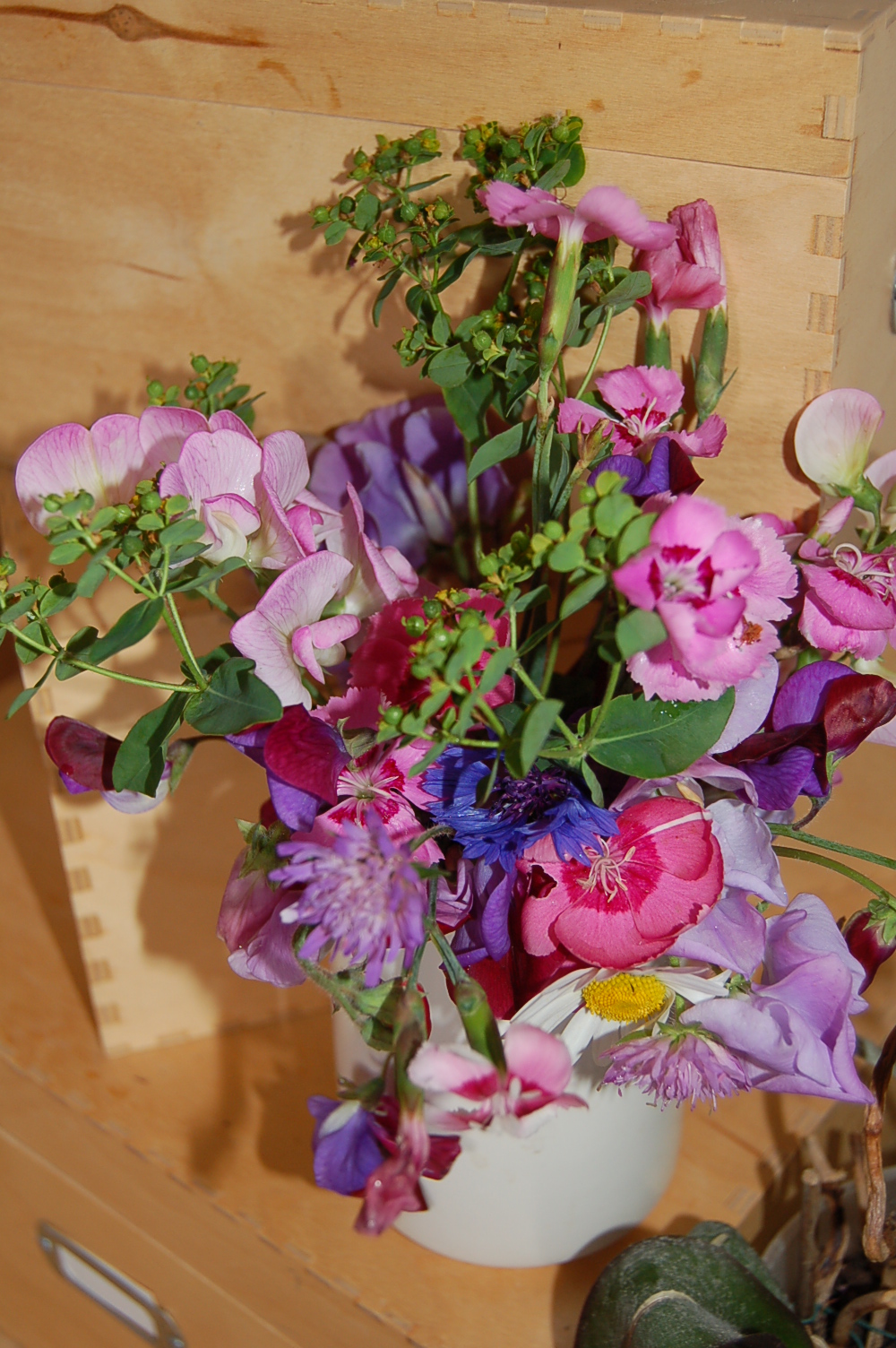
Today we visited the lottie to harvest veggies to use fresh and to store in the freezer for use in the less productive days of the winter and early spring, together with bunches of Sweet Peas and Dianthus.
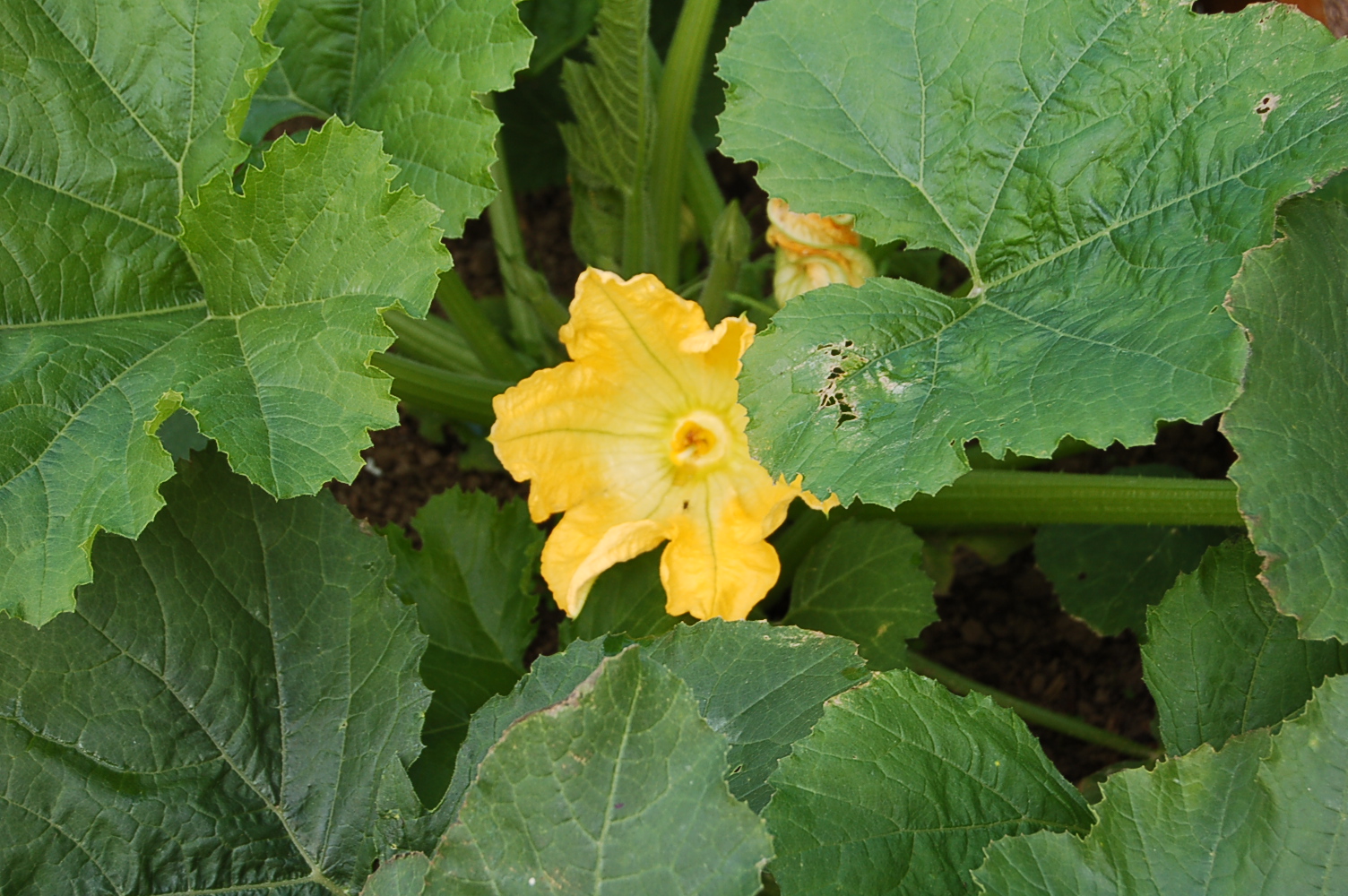
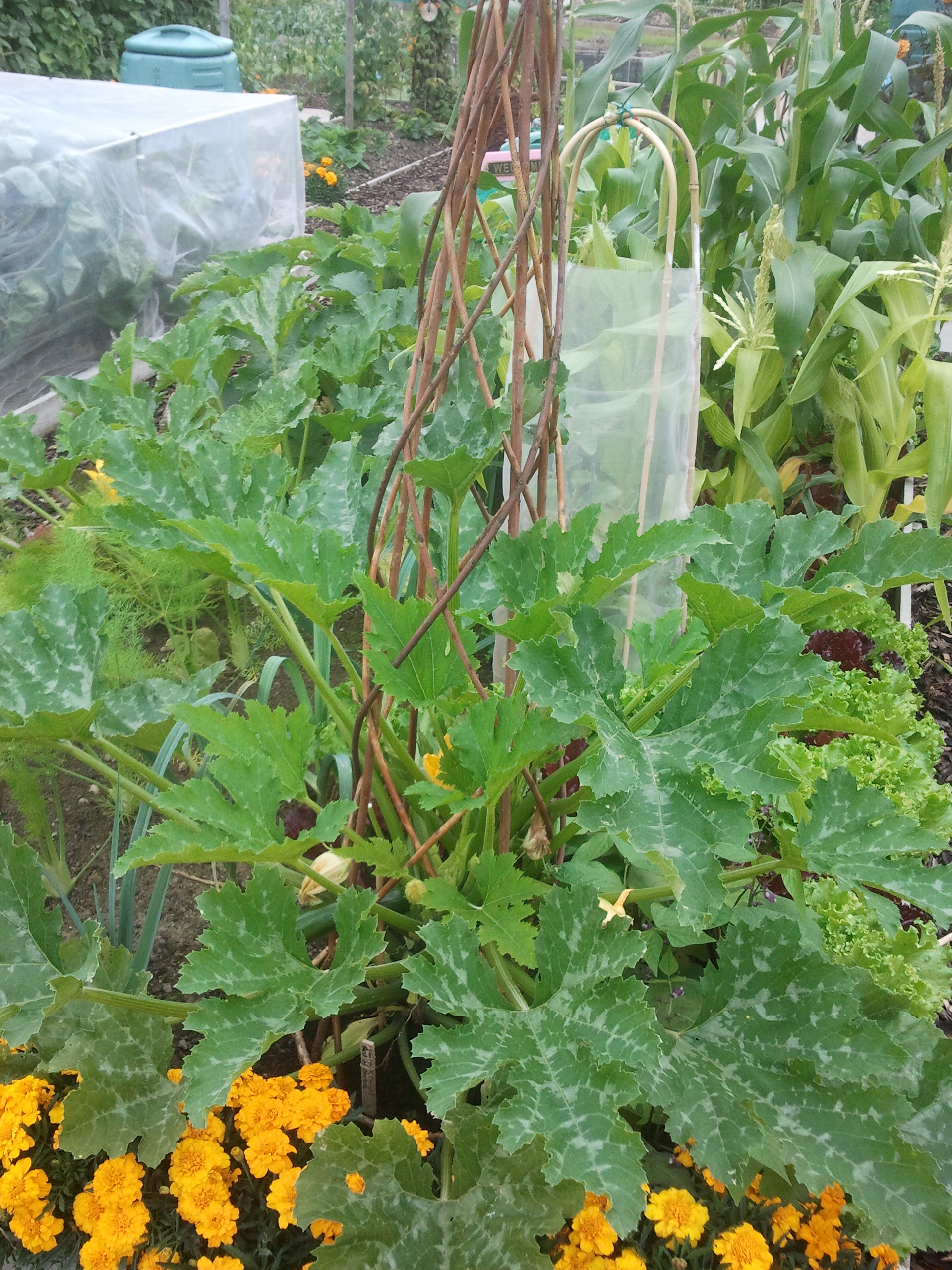
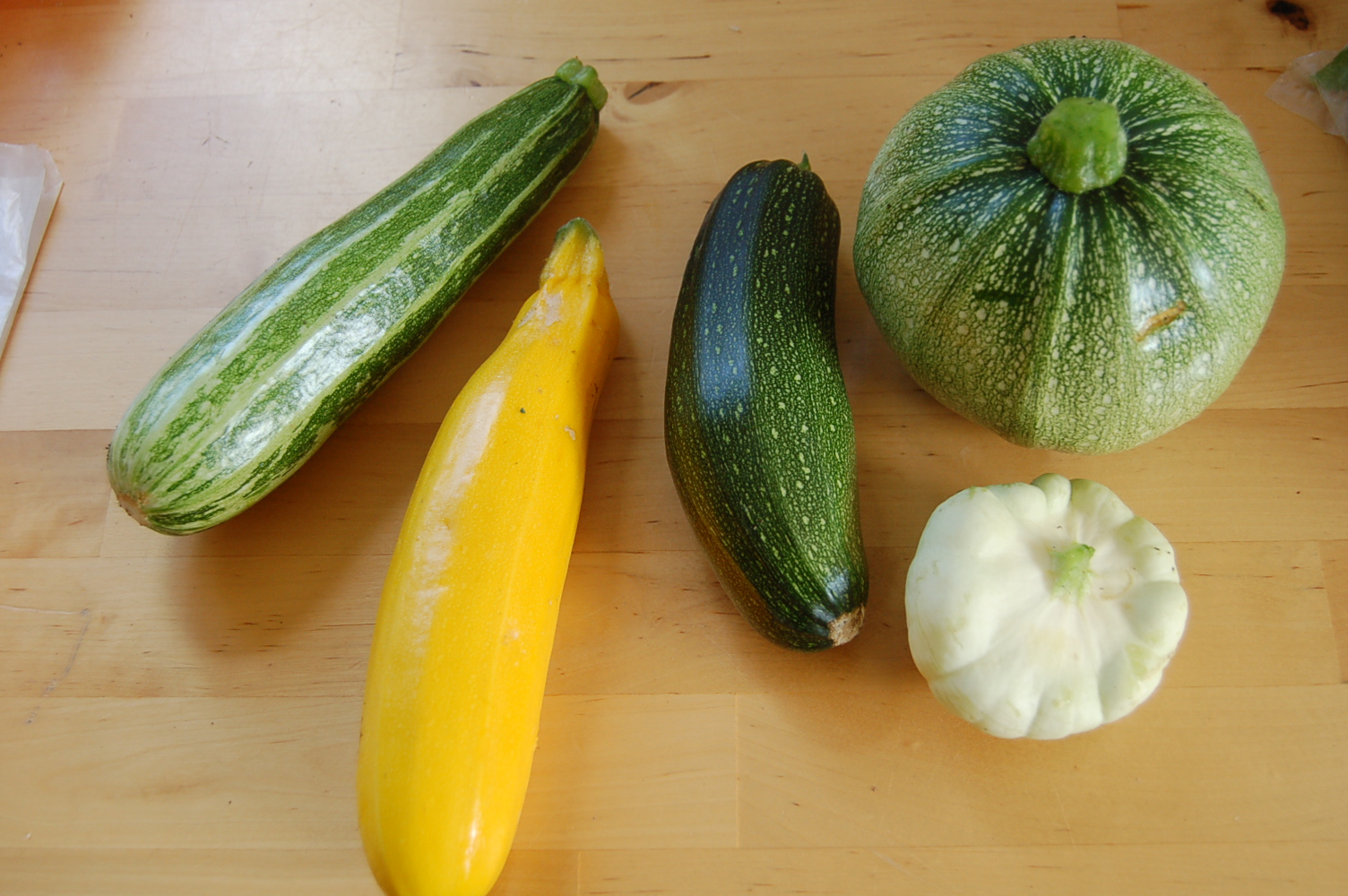
This year we have grown four different Courgettes including this round one, and little saucer-shaped patty pan squashes.
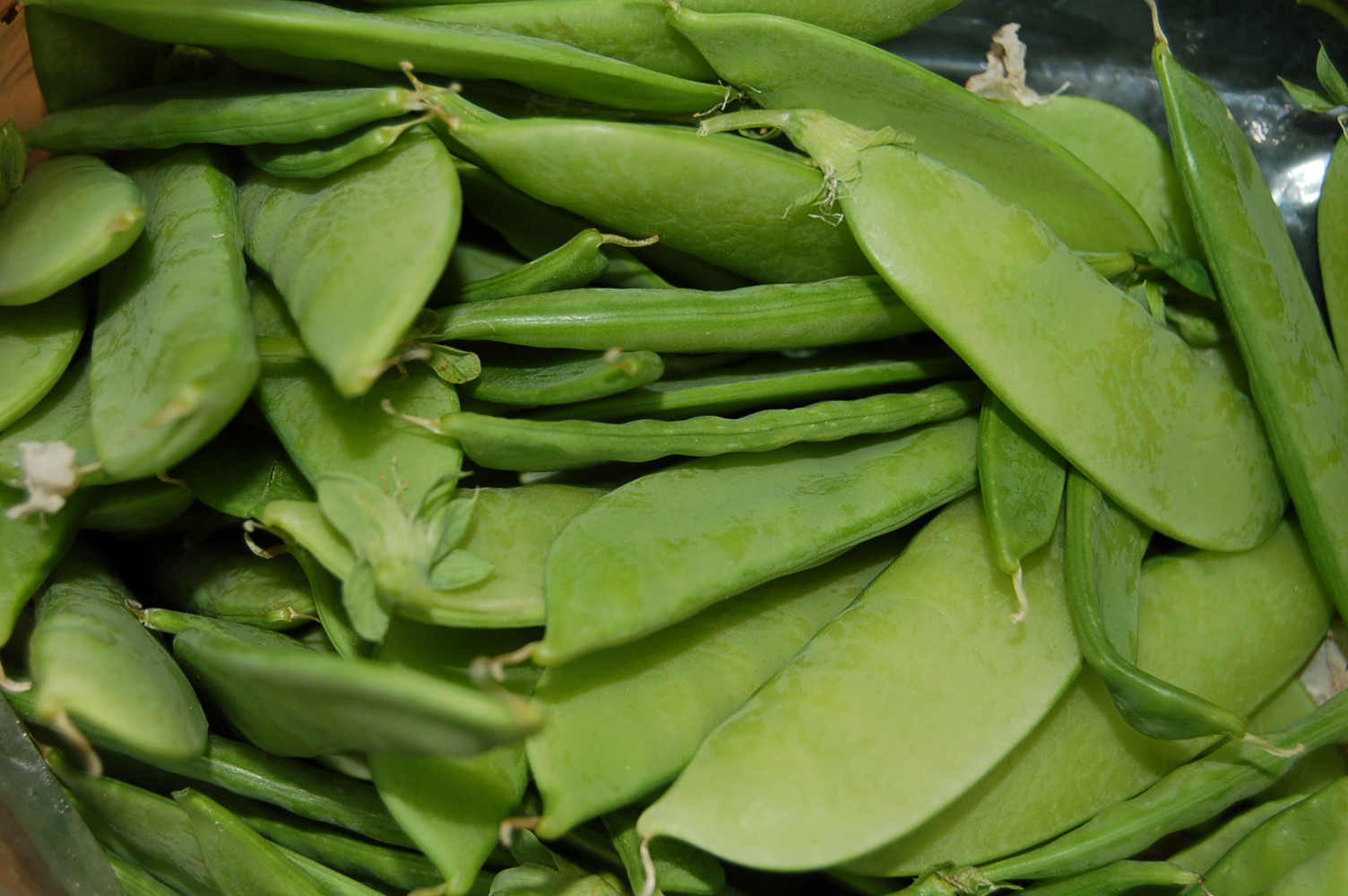
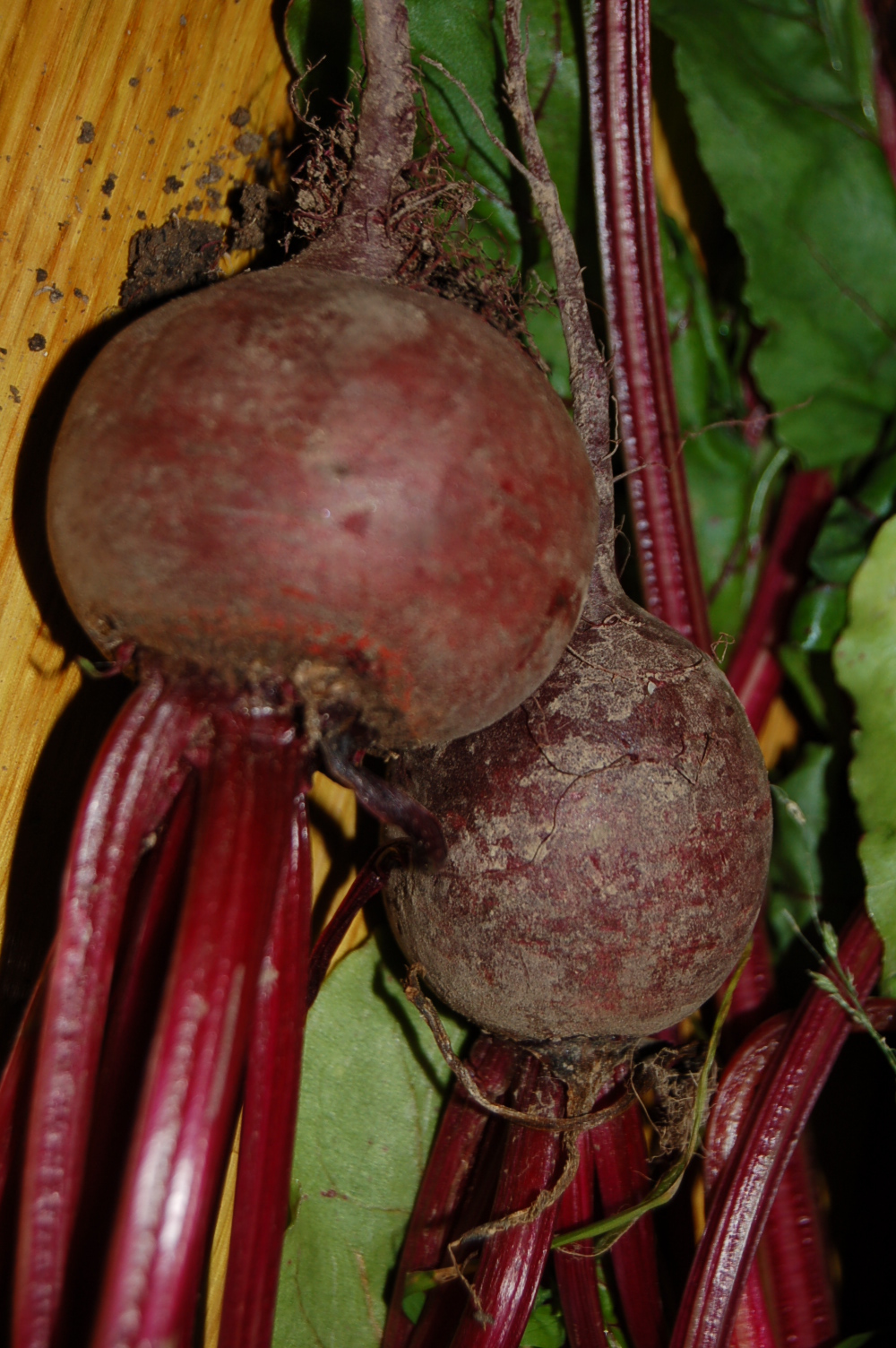
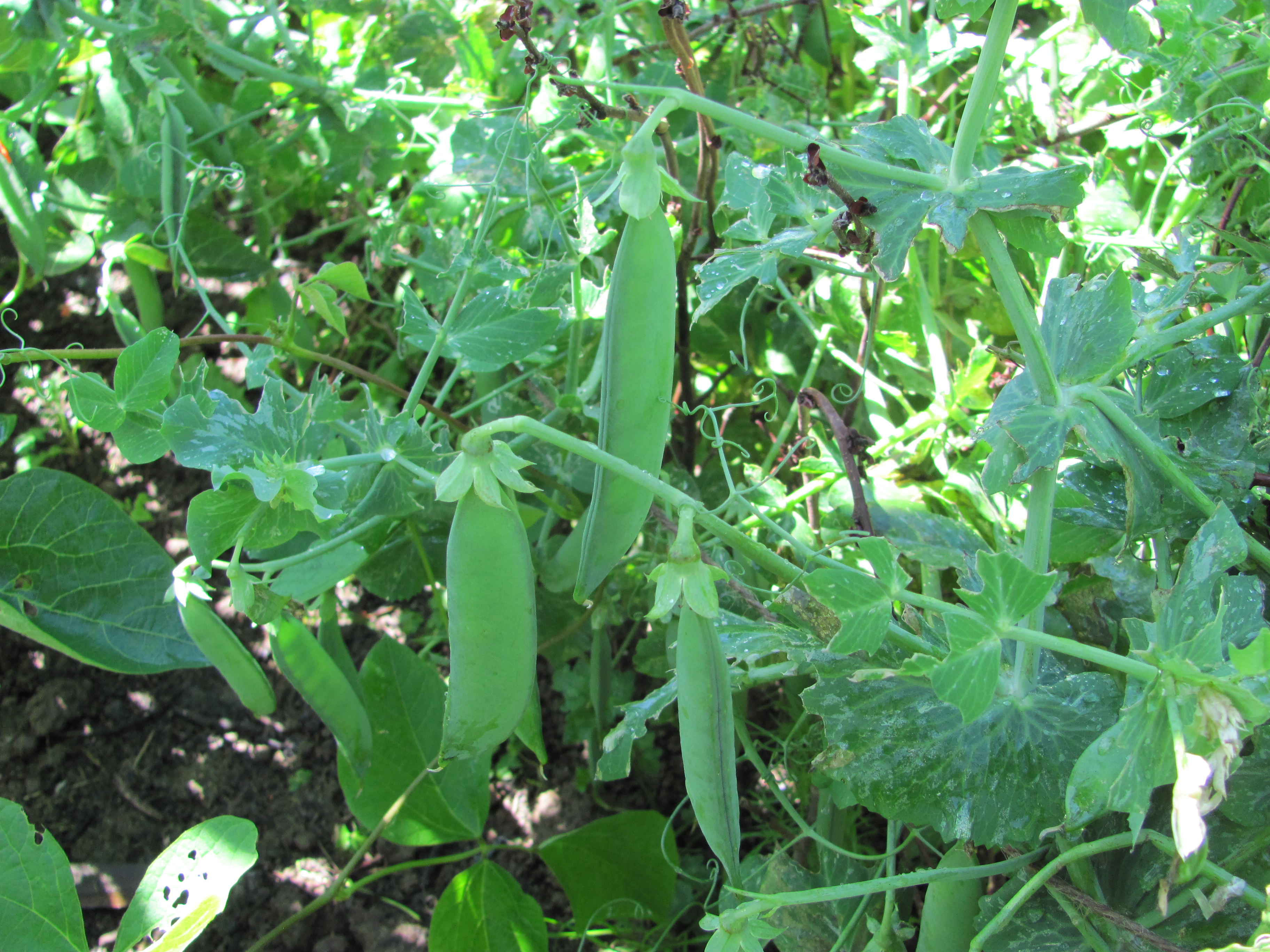
These sweet green peas are eaten in their pods and are wonderfully crunchy and juicy to eat raw or cooked. The dark purple roots of Beetroot are great boiled and used in salads or pickled to use in the winter. They are also ingredients for the sweetest of cakes and relishes. The Broad Beans are a variety called Green Windsor which gives green succulent beans to eat now or freeze for later.
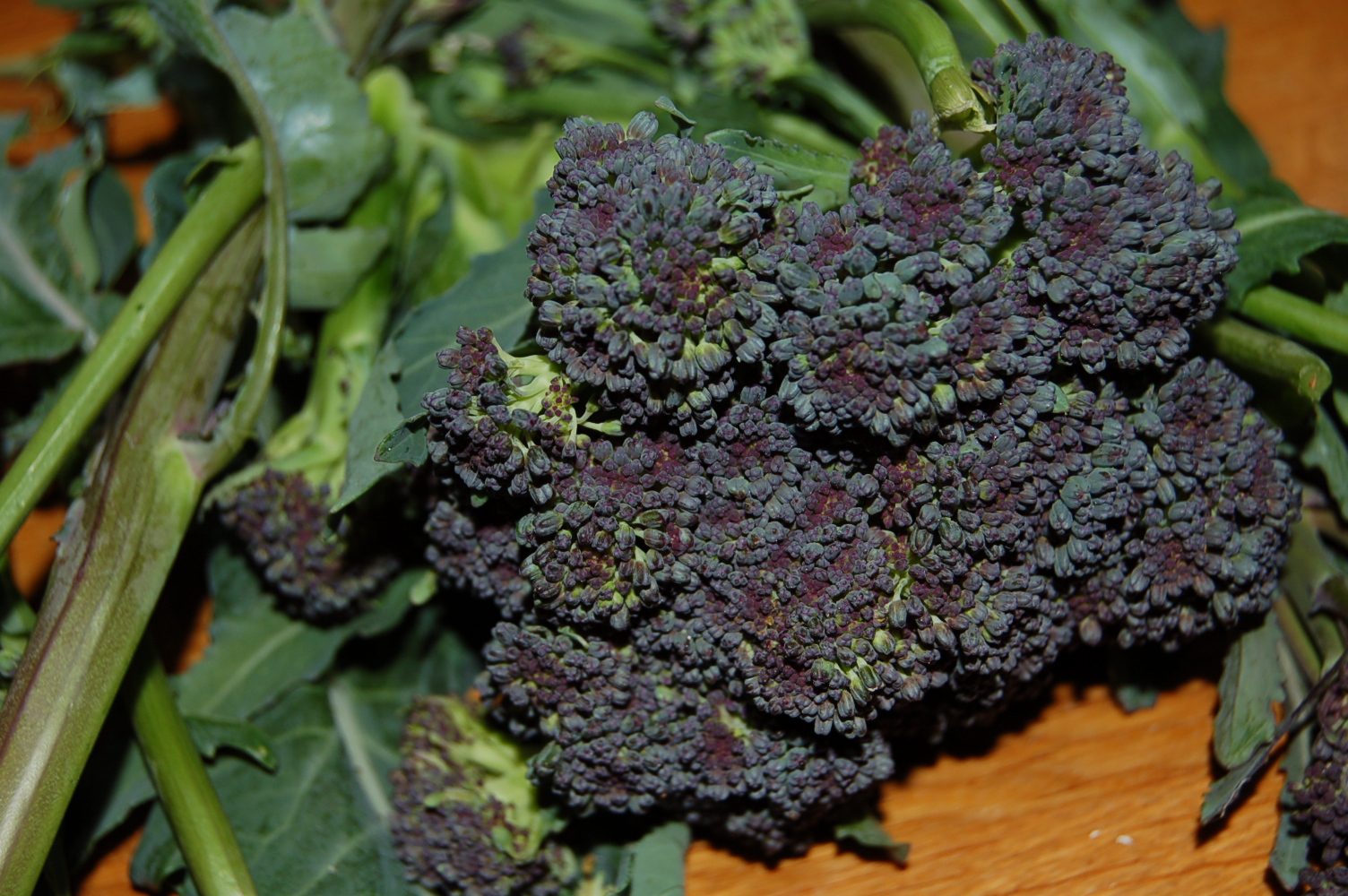
Purple Sprouting Brocolli is one of our favourite crops on the lottie but this year they are ready so early. We usually harvest them from December to April but have already been picking them for a month or so. Strange season!
The last harvest this year off our Rhubarb. The plants have served us well this year and we have enjoyed rhubarb pies and crumbles, and have lots in the freezer to make jam. We tend to freeze lots of our fruit to use in jams, relishes and chutneys, which we make when the weather deteriorates and we can’t get in the garden.
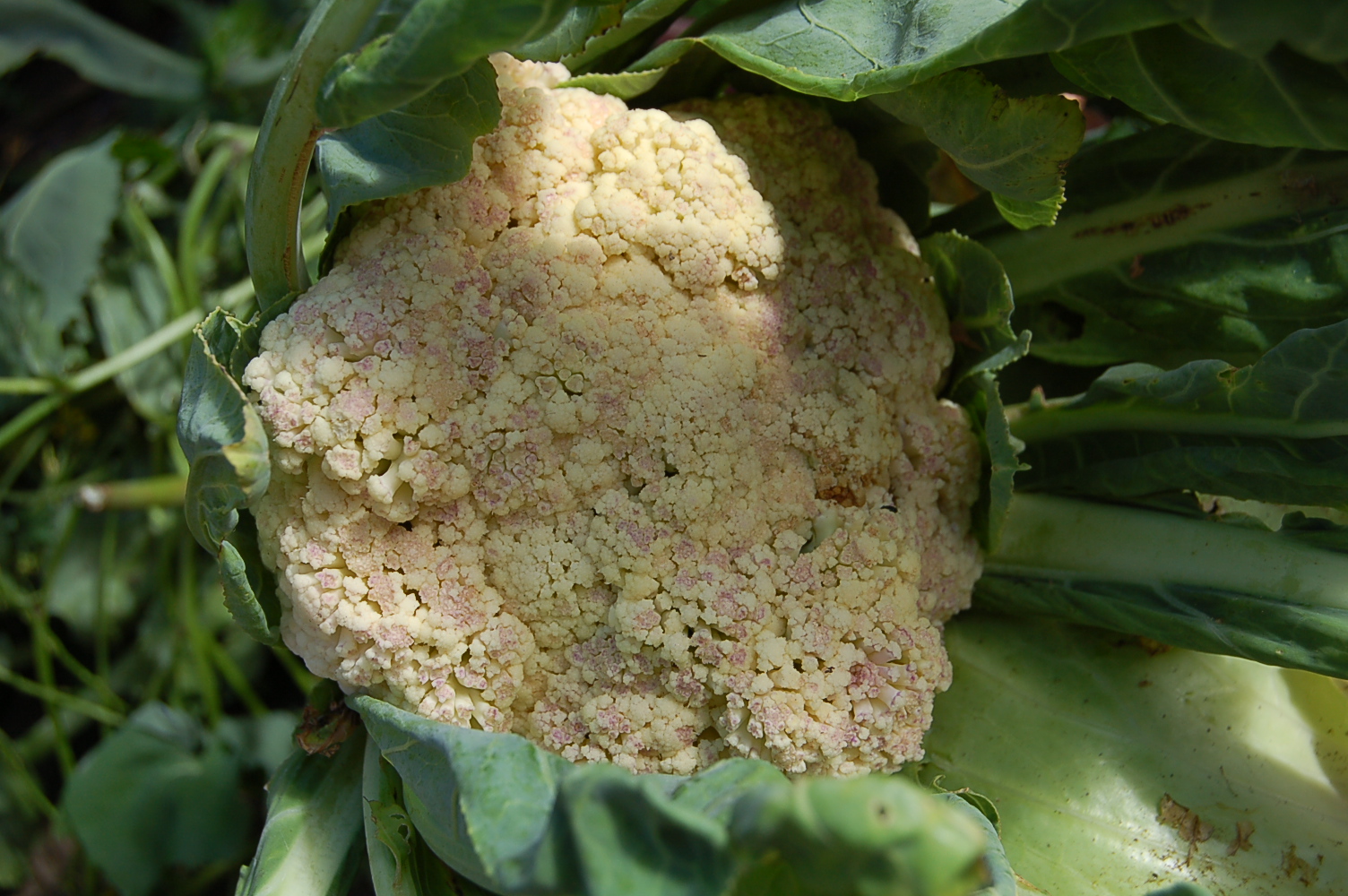
A lovely big, crunchy, sweet white cabbage and a failure of a cauliflower – a bit small and not very white!
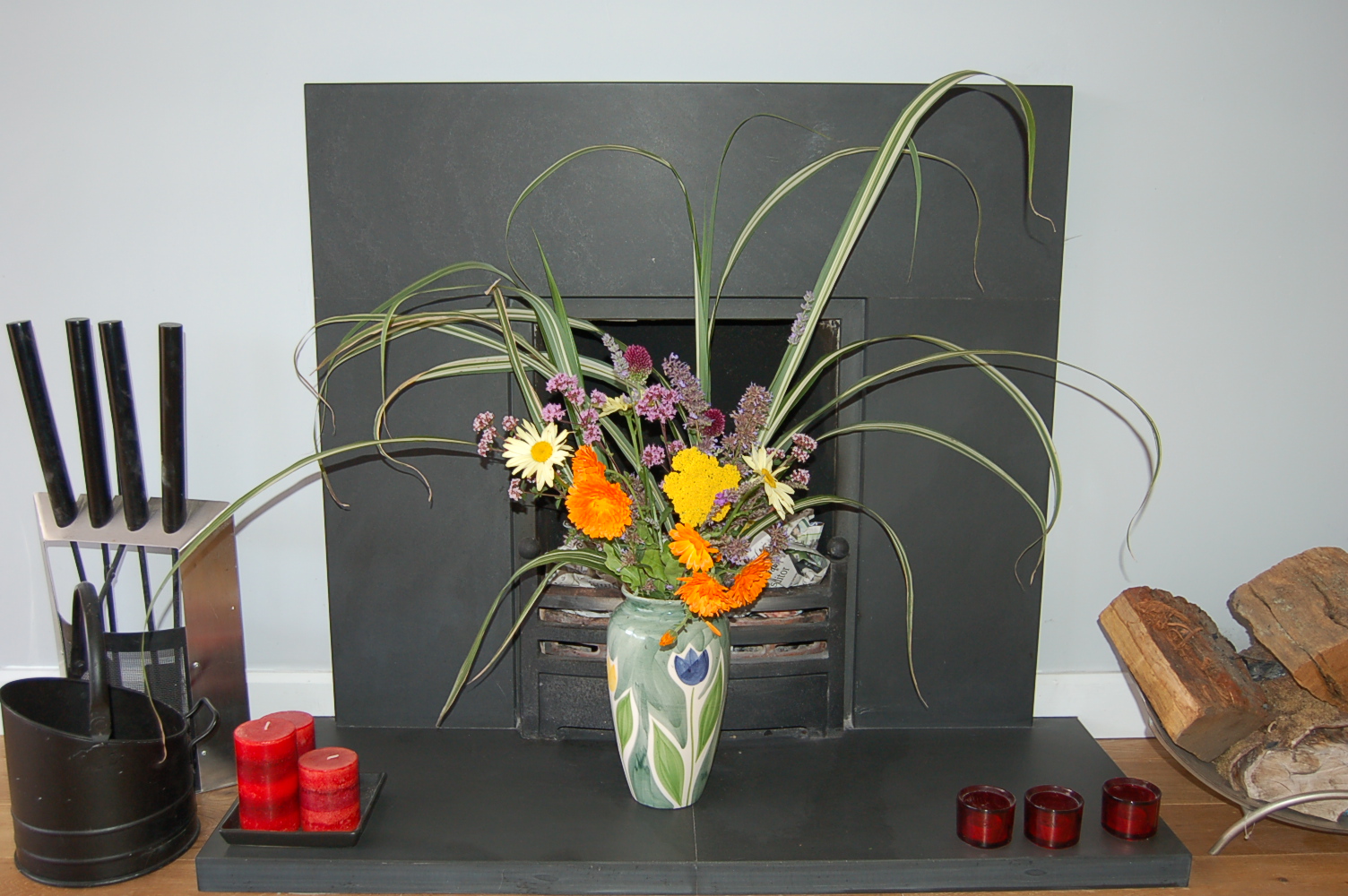
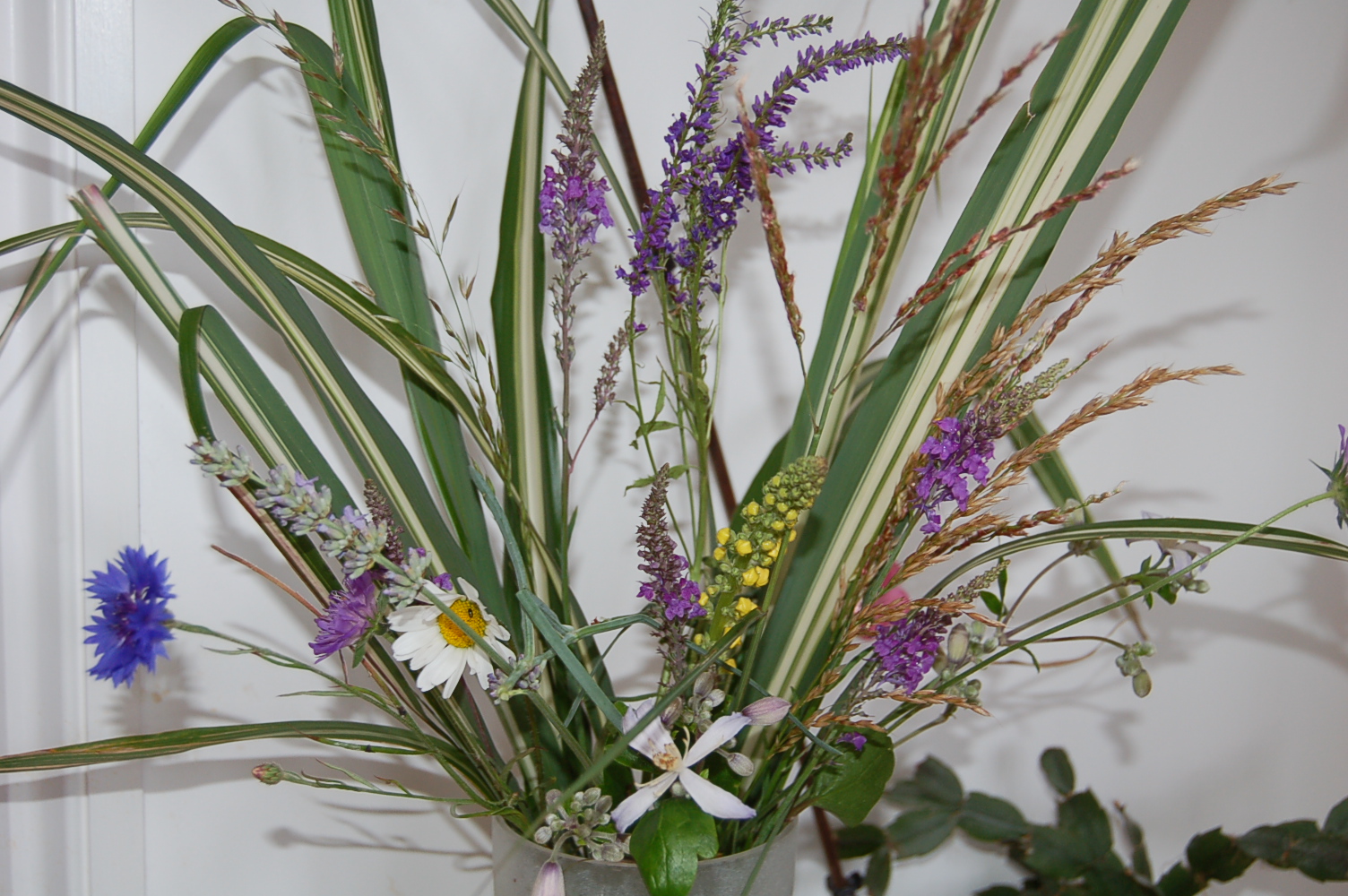
Once we returned home after a welcome refreshing cup of tea, and then took to the garden to pick a flowery harvest. Dramatic grasses and bright blooms of Calendula, Achillea and Anthemis mingle with purples of Alliums, Marjorams and Nepetas to give us a wonderful bouquet for our lounge fireplace.
Sweet Peas and Dianthus scent the house, their sweet and clove-like aromas permeating every nook and cranny.
This very natural soft display links the long leaves of grass, Arundo donax variegata, with Lavenders, Linarias, Verbascum, delicate smaller grasses and daisies.
July on our allotment site has been a month of rain resulting in regular flooding. Now as the rain has disappeared for a while things are drying out. Amazingly potatoes are being dug up out of flooded plots and have given reasonable crops but on others crops have rotted below ground. On our own plot we have been harvesting good crops of carrots, beetroot, garlic, cabbages, broccoli, broad beans, peas and salad leaves. We regularly pick tayberries, rhubarb and gooseberries. Strawberries however are rotting before we get to pick them and even the blackbirds are missing out.
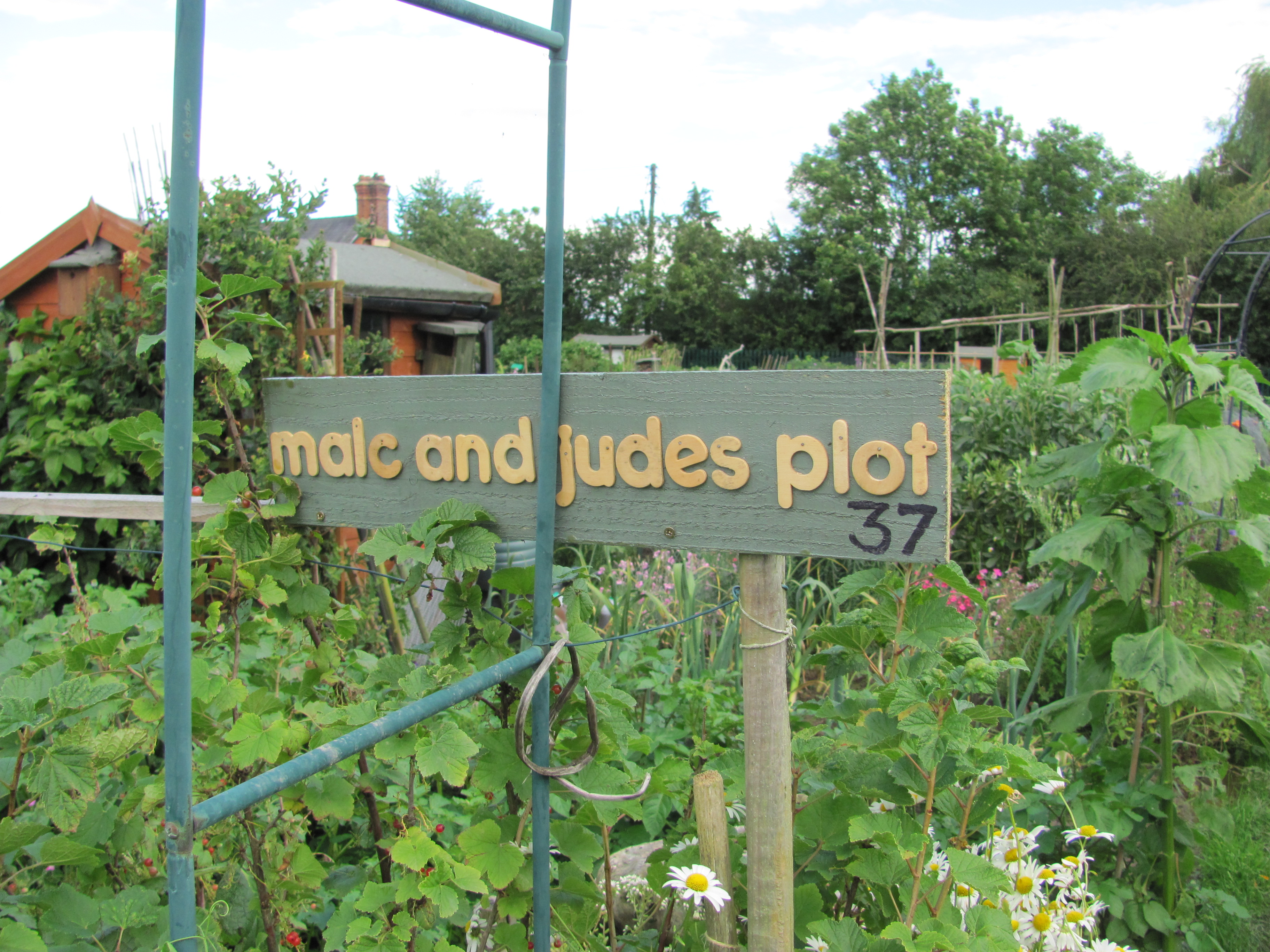
We shall as usual start our lottie wander on our own plot to see what is going on and with our new sign, the old one having fallen apart.
Our crops are mostly looking well and the “Bug Borders” bursting with colourful flowers, alive with bees, hoverflies and lots of other useful insects.
But in between the colourful lush plantings of veg, fruit and flowers standing water sat getting stagnant.
And this is our poor grass path.
Things are getting easier though and we have managed to get on the soil without damaging the structure too badly, so we cleared any weeds, loosened up the soil surface and sowed more crops such as beetroot and radish and planted out our seedling leeks.
Now we can start our wander around the site looking at what is happening on other plots and in the communal areas.
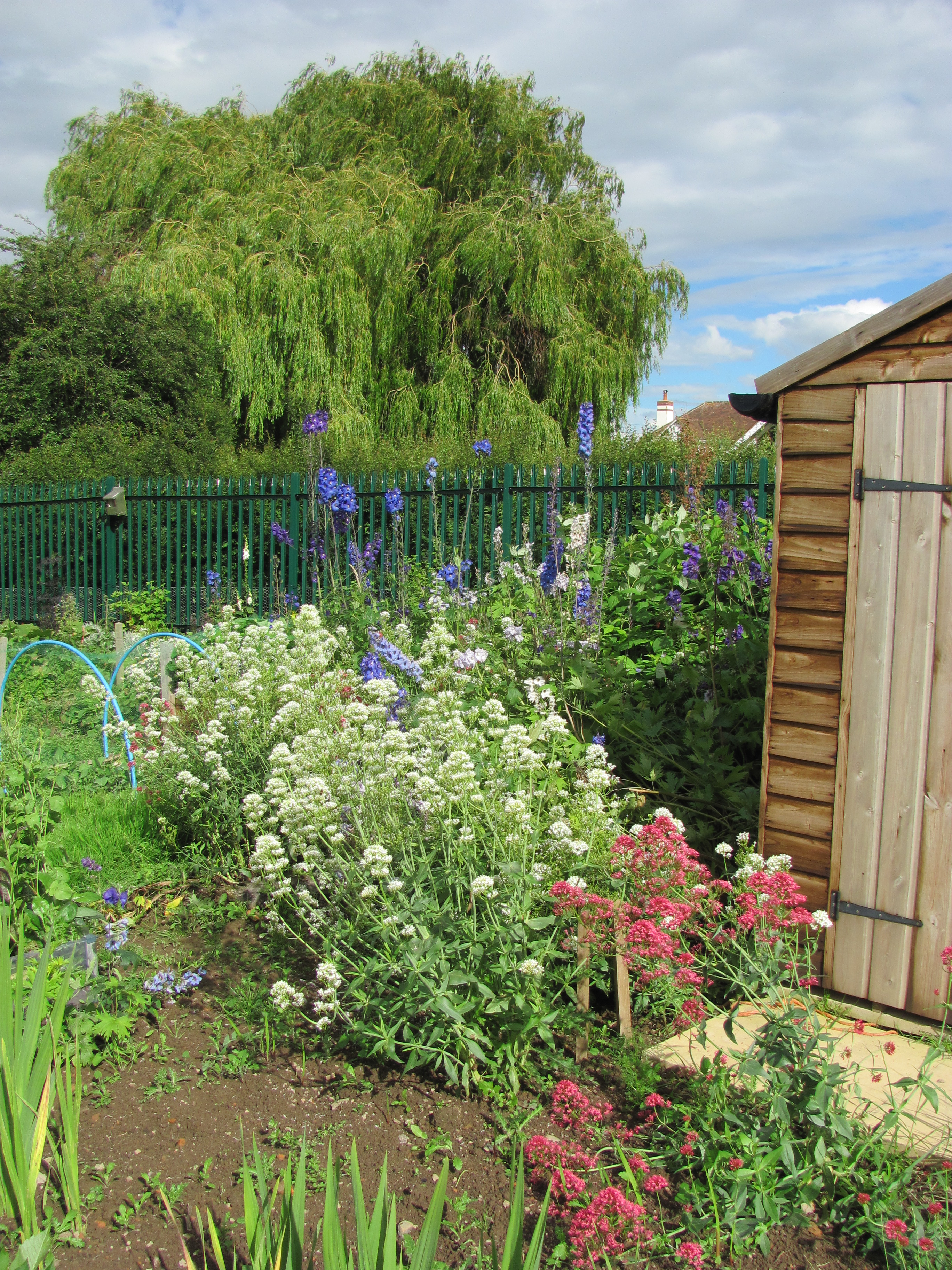
The Spring Garden and Summer Garden have come through the terrible weather with flying colours.
Of course the Willow features have enjoyed the wet around their feet and look so green and fresh, but they need a lot of pruning to keep them in trim shape.
The meadows are flowering nicely now and flowers are giving colour on lots of the plots.
I shall finish this wander with a good idea. How about this for an idea for trying to foil the dreaded carrot rootfly – simply grow them up in the air hopefully above their maximum flight height.
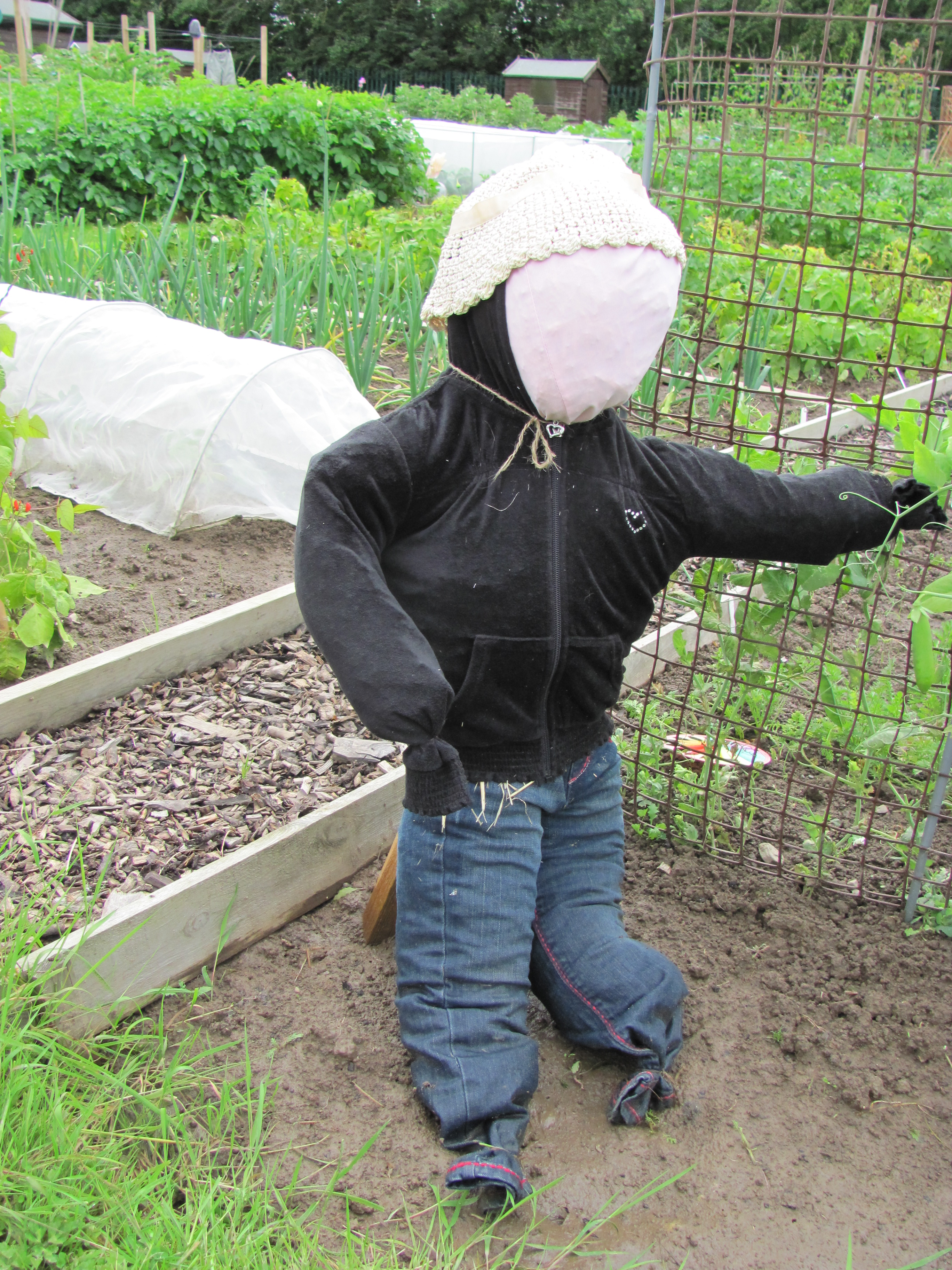
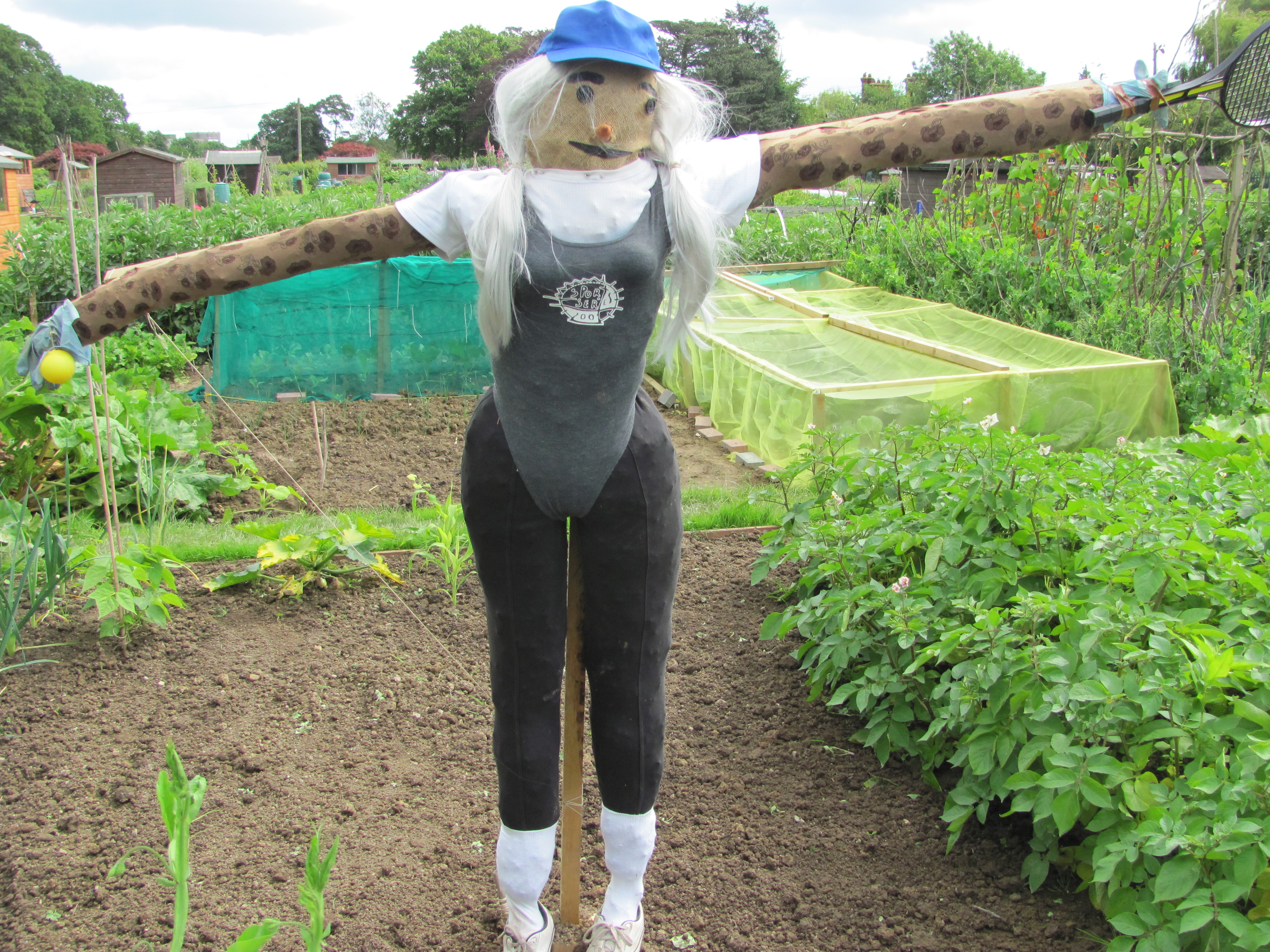
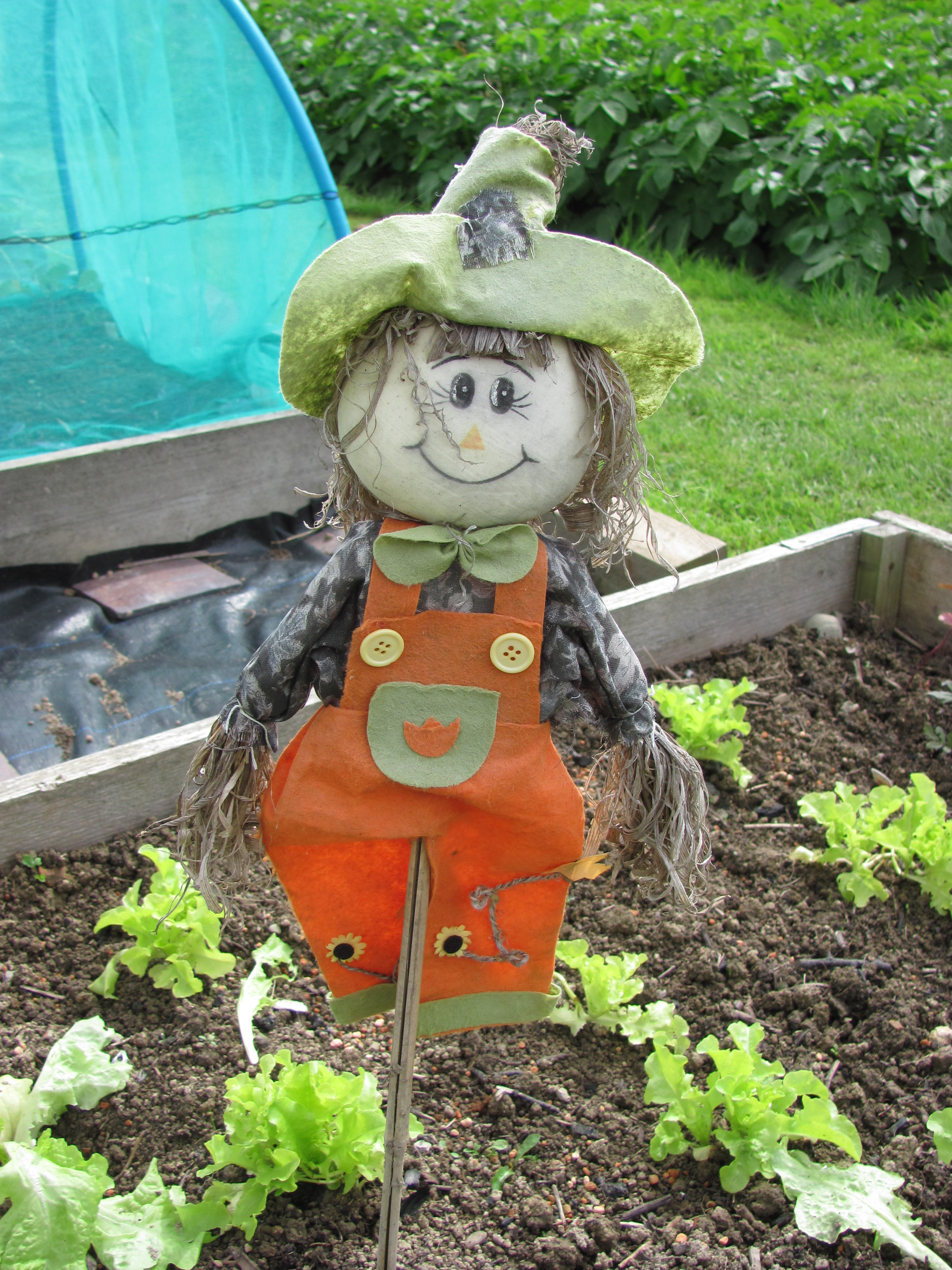
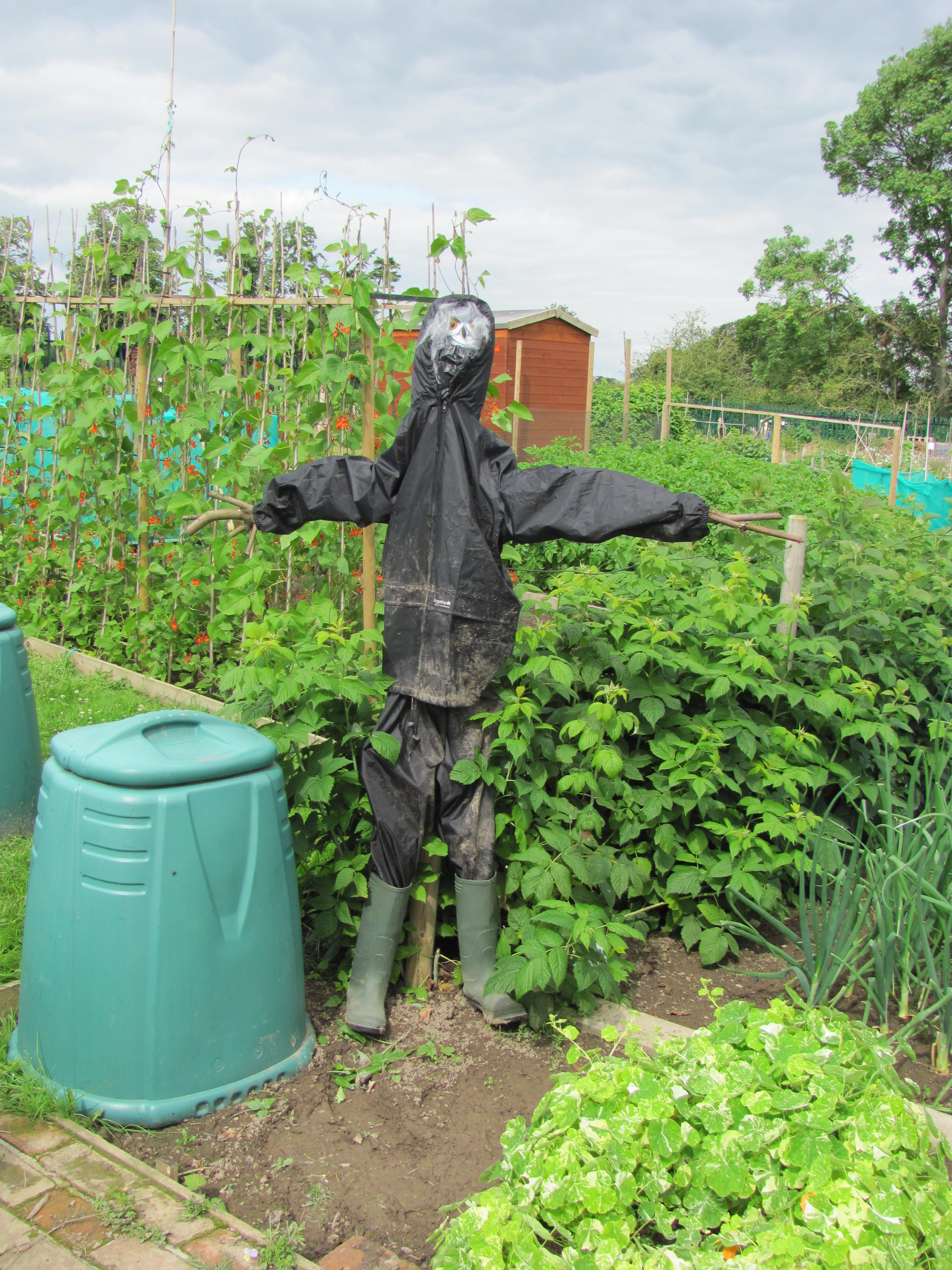
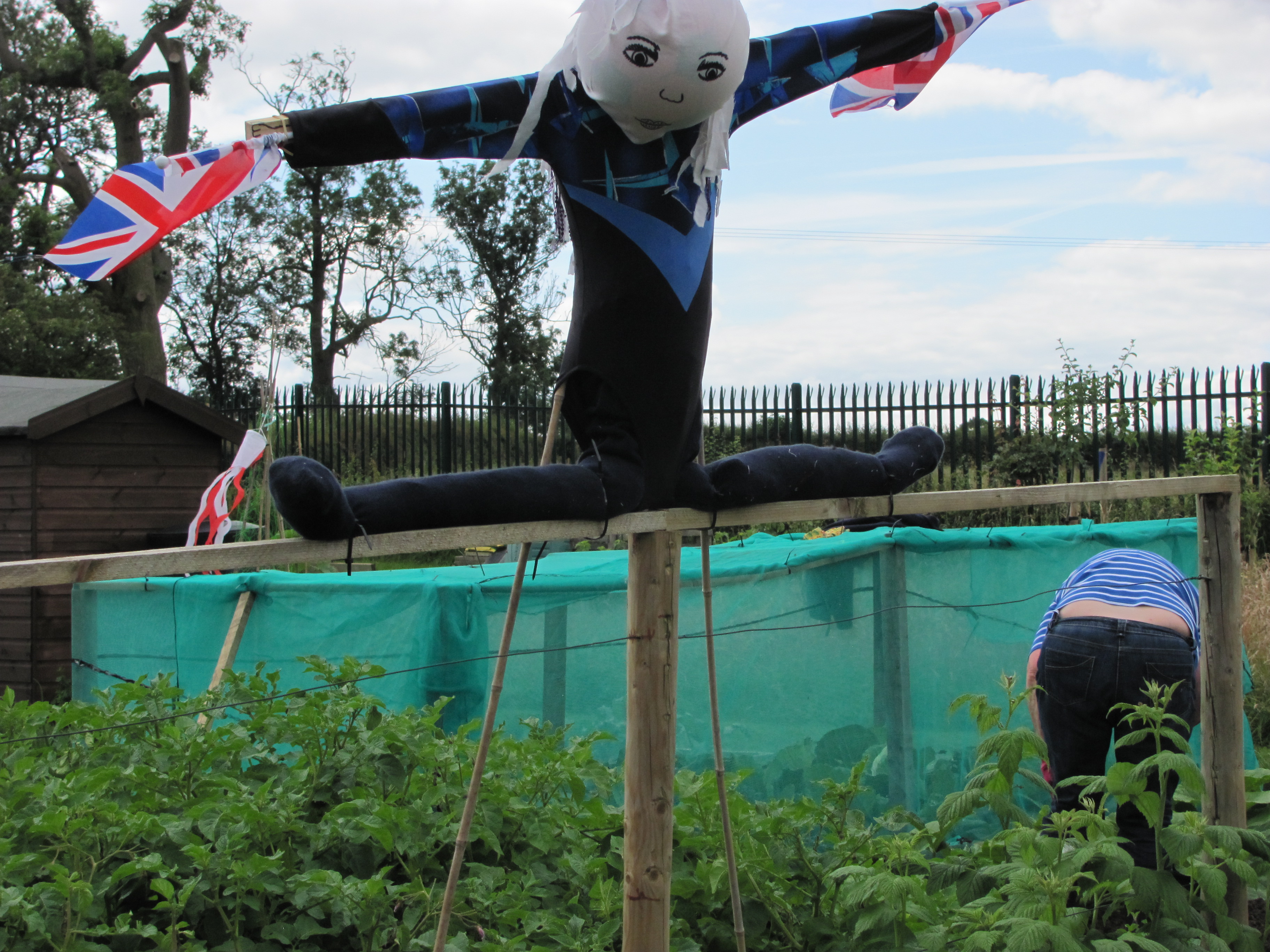
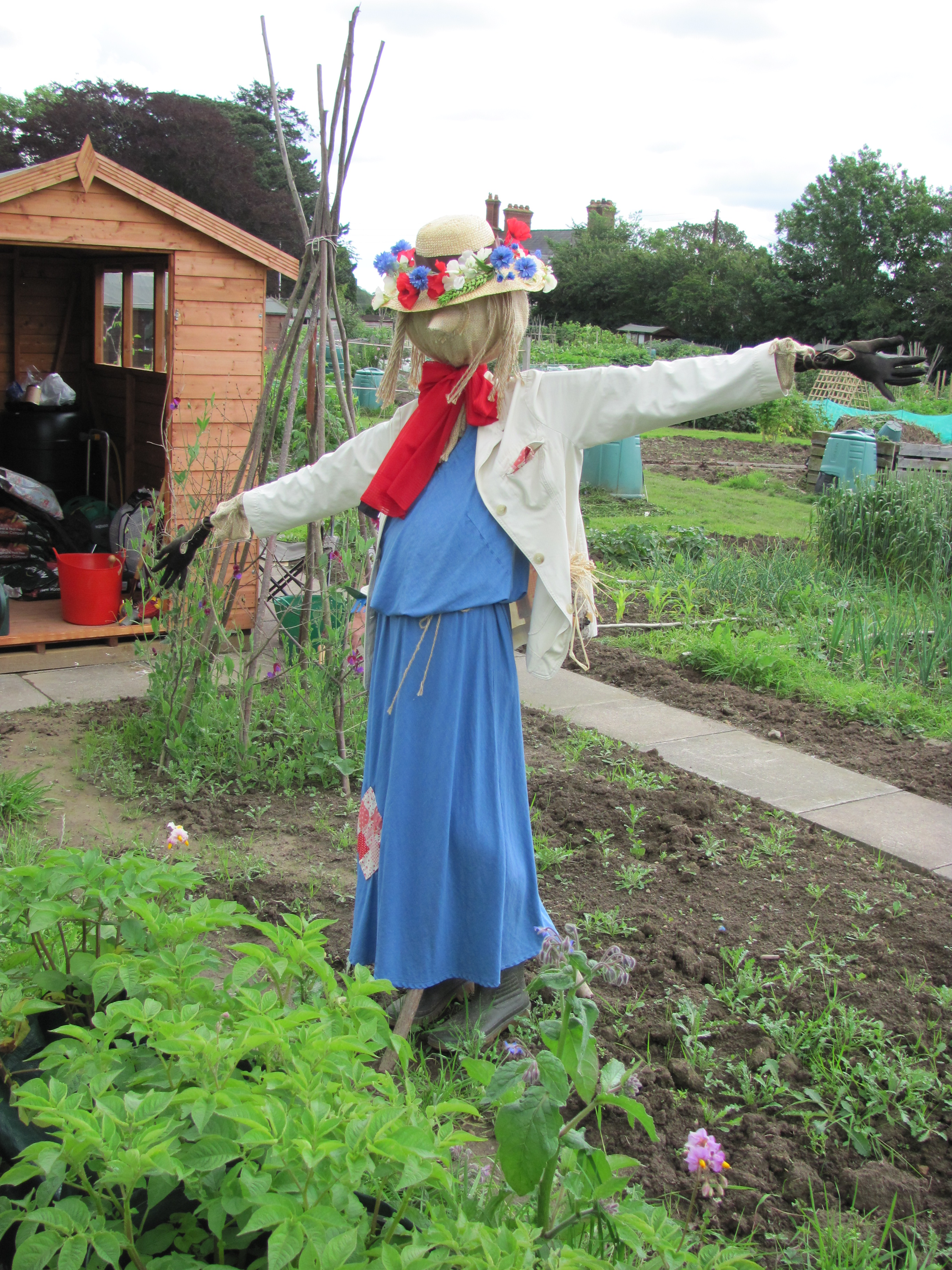
As promised in my recent post about our NGS Open Day this post will be a gallery of photos of some of the scarecrows made by our allotmenteers for our scarecrow competition. Our theme this year was the year’s celebrations, The Olympics and The Queen’s Jubilee. The first is the creation that won the competition. Enjoy the characters!
For one day each year, in the middle of July, we open our allotment site, Bowbrook Allotment Community, for charity. We open under the auspices of the National Garden Scheme so are proud to be in the famous Yellow Book. The choice was made to join the NGS because they raise money for caring charities, such as the Macmillan Nurses and Marie Curie. This is our second year of opening – in the first year in gale force winds and rain we raised £415 and this year on a dry day in the middle of the wettest of summers we raised £815 – so we feel a little proud! This means we have now sent the NGS £1230.
We chose July as the month to open as it seemed to be a month when we would be most guaranteed to have a spell of good weather to encourage visitors to come along. Last year we opened in heavy rain and gale force winds.
This year however after weeks of rain, we had two dry days coinciding with the day when we planned to spruce up and prepare the site and the open day itself. Although the whole area was very wet underfoot, plots themselves too wet to get on, some paths unusable and standing water in places, we felt the site looked as good as it could.
The day of the opening dawned bright and dry. The sun was shining and it felt warm. As we arrived early in the morning the car park was full and the site crawled with members working away. Soon the signs were in place, the gazebos up, the tea shop readied and the quiz pictures in place. We felt ready!
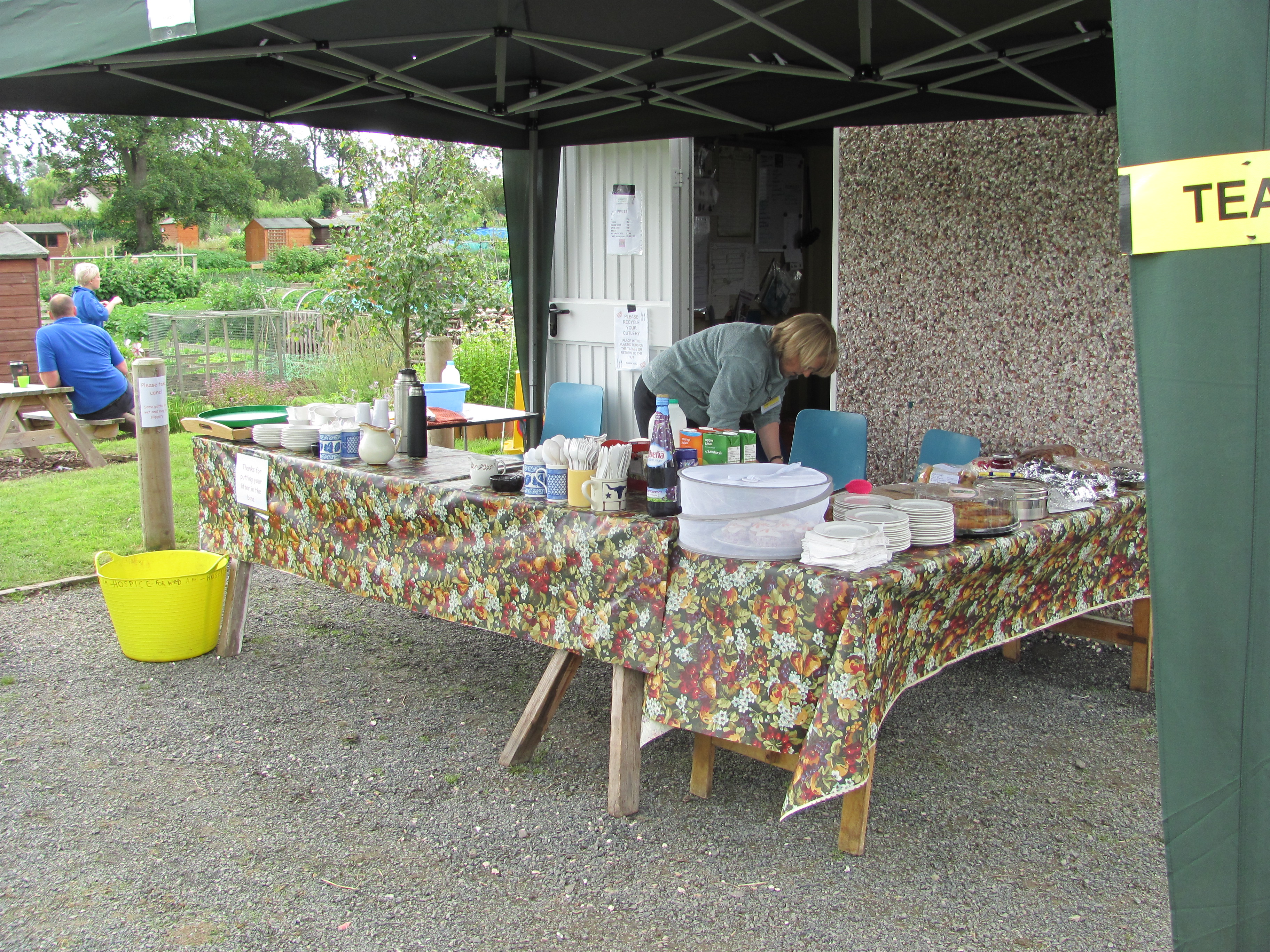
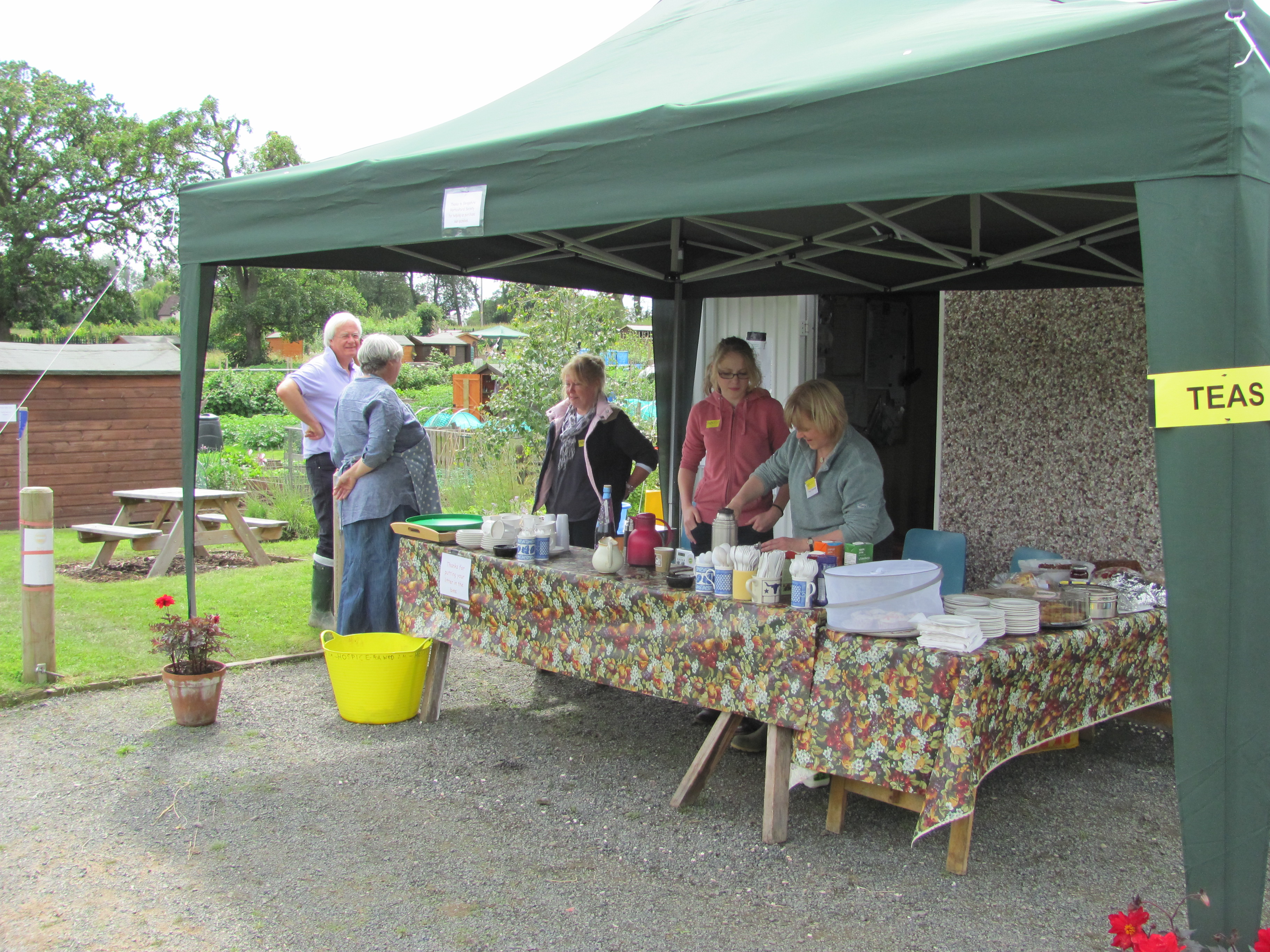
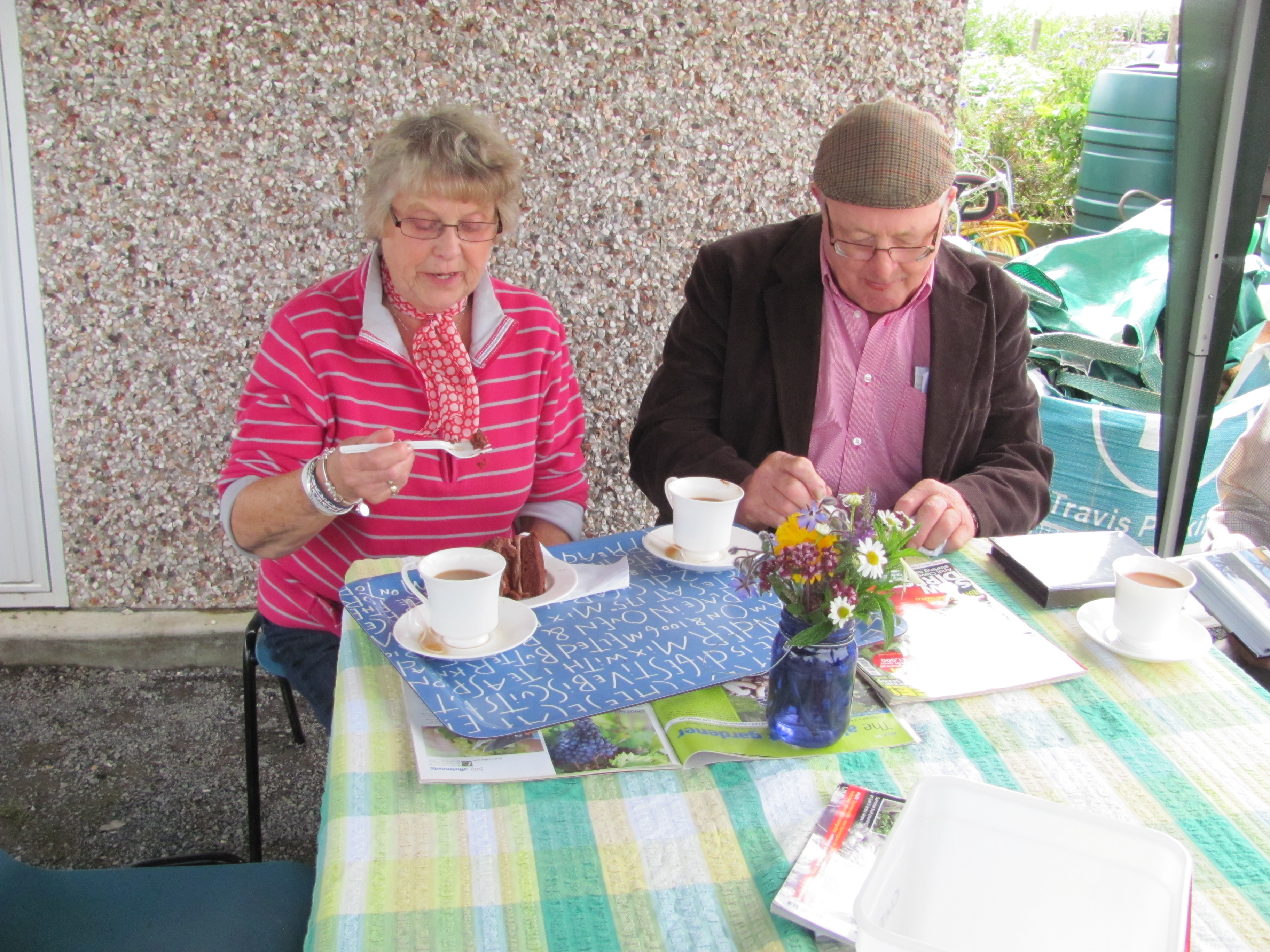
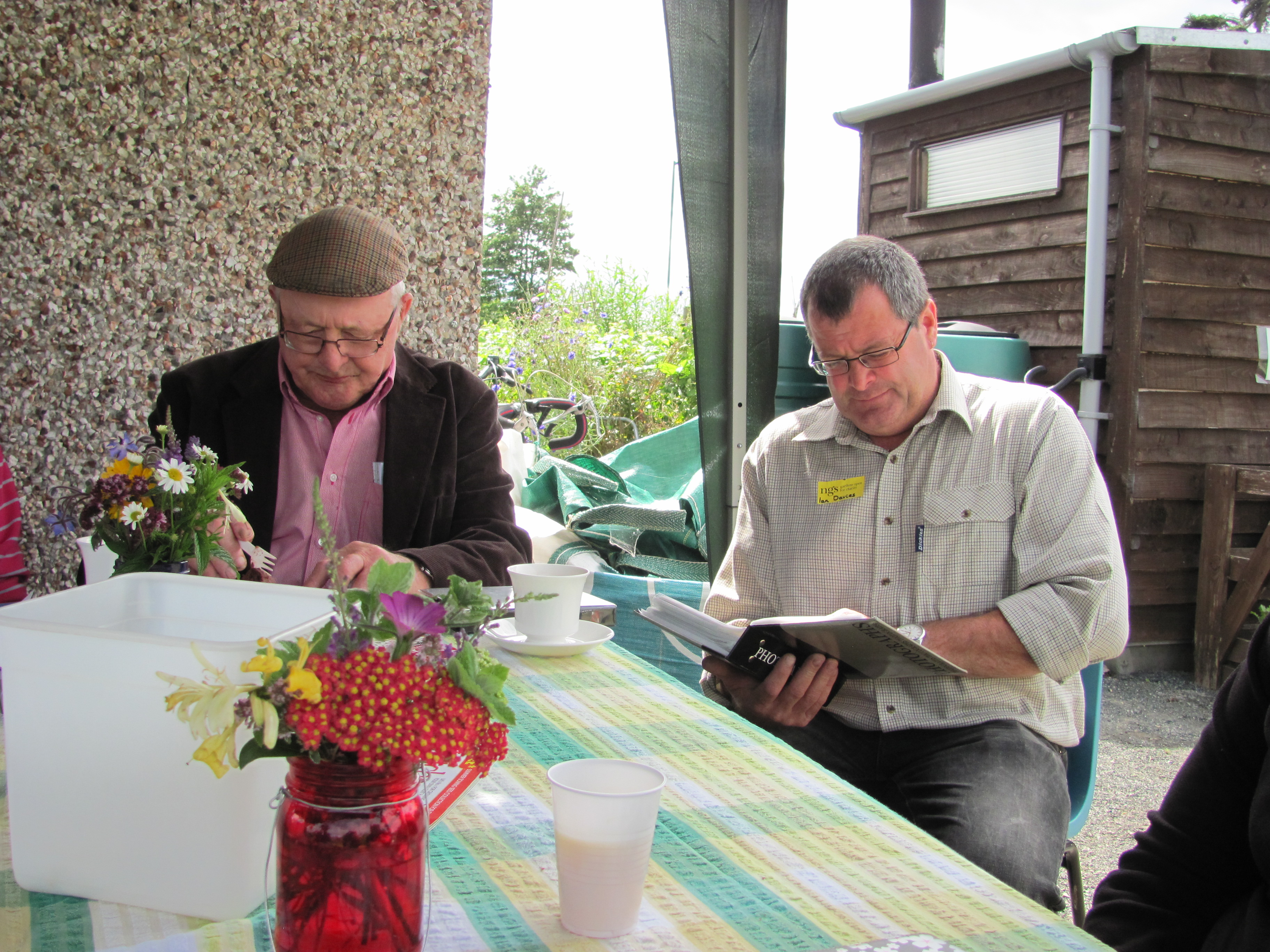
We were so pleased to see so many plot holders helping out in so many ways – true community spirit! The tea shop was stocked with dozens of cakes baked by members and the table under the gazebos were made attractive and welcoming after one member, Shirlie, created beautiful table centre posies, magazines were placed on them for visitors to read and our photo albums made available for their enjoyment.
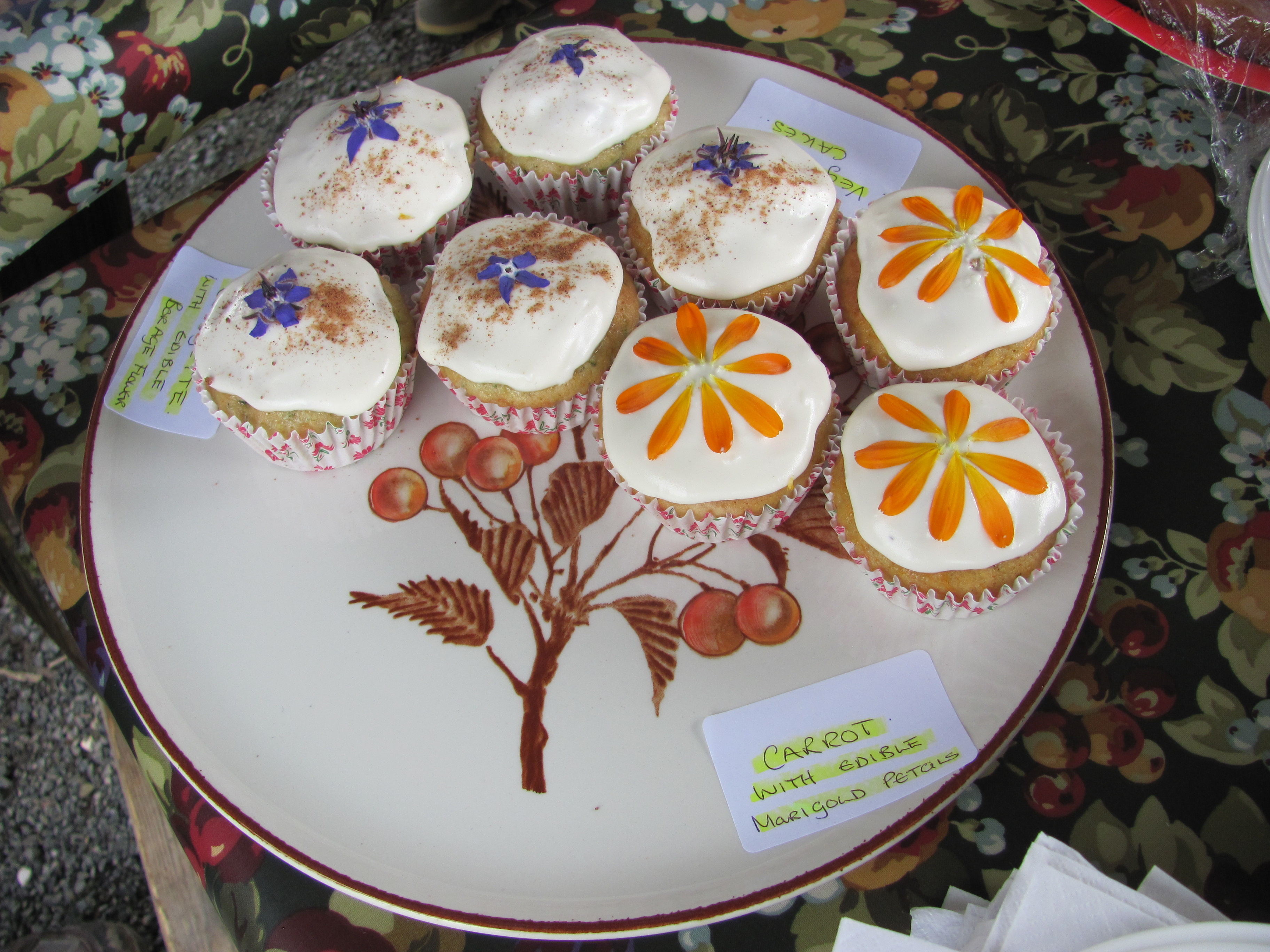
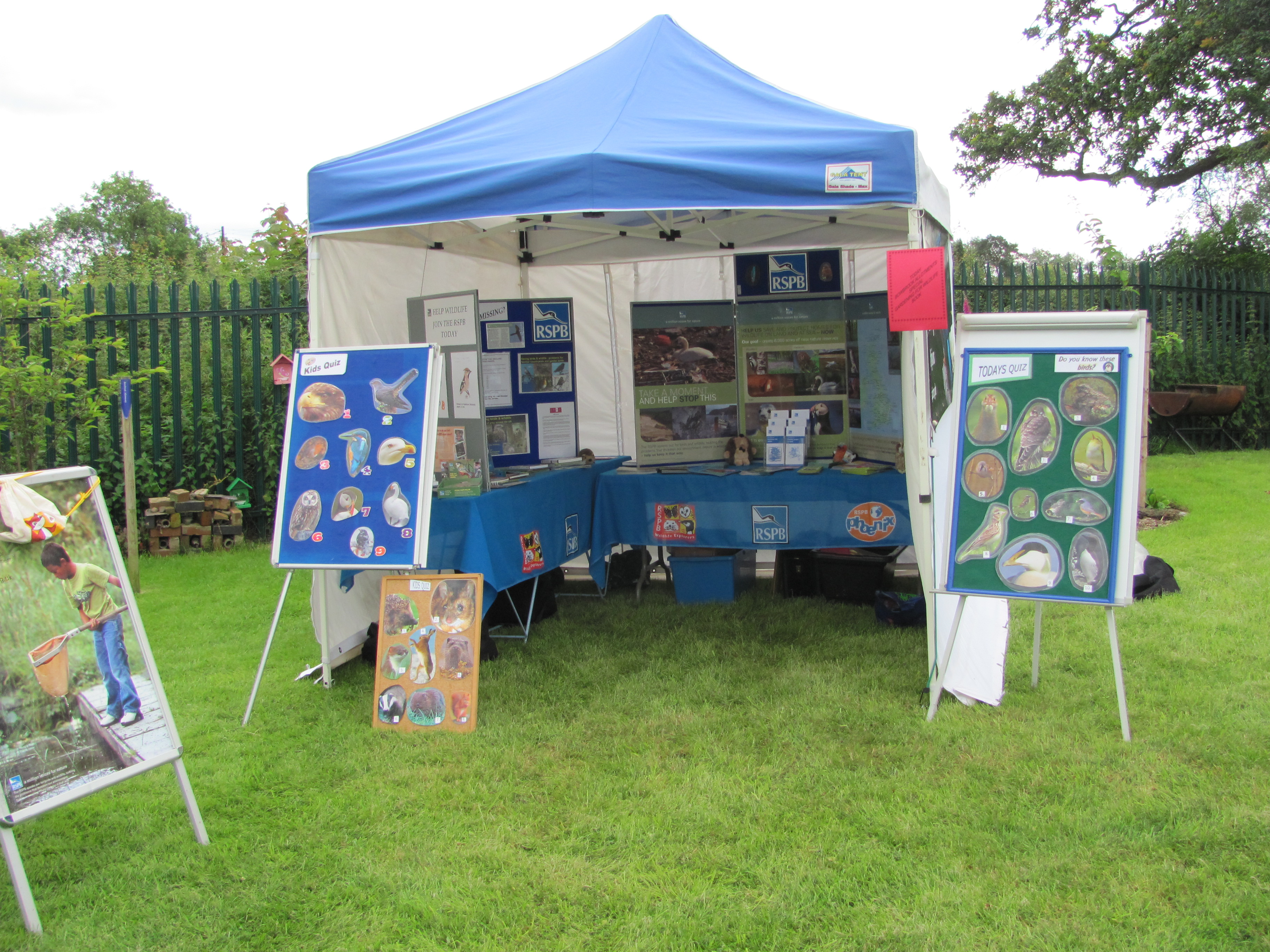
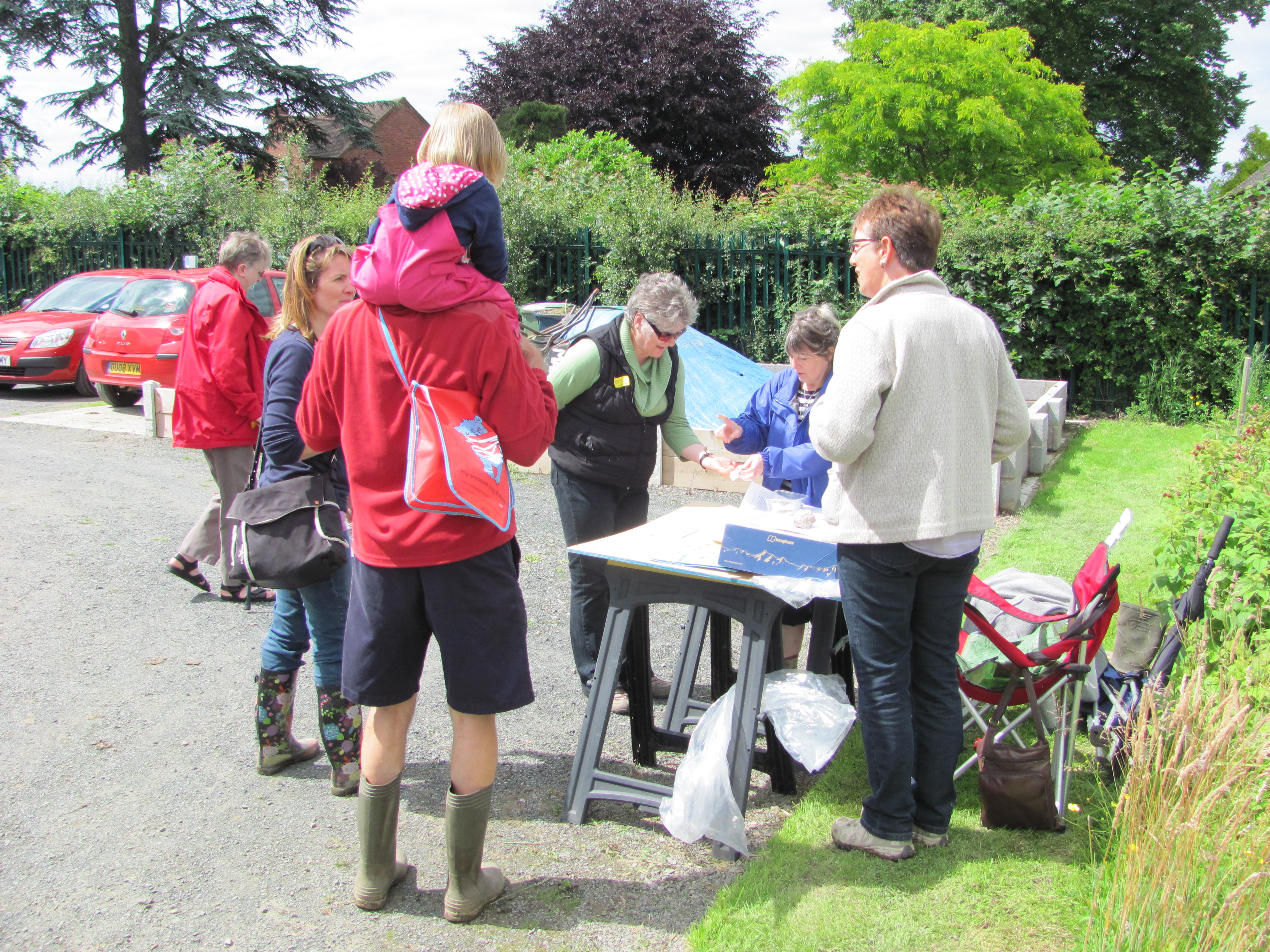
Tracy getting the tea shop sorted.Special “Allotment Cakes” carrot cakes decorated with petals of Calendula and Borage.Tea shop all ready for action and in plenty of time.Di and Jill prepare their “meet and greet” table.Warning signs in place.The volunteers from the RSPB (Royal Society for the Protection of Birds) take a break once their display is set up in readiness.Pete and Sherlie all ready and togged up in fluorescent safety to do car park control.
As soon as the clock showed 1:00 our visited started arriving – it is always a relief when the first one comes through the gate. Each visitor was handed a map and suggested route, competition details. Children were given a quiz sheet requesting they find pictures of some of our wildlife hidden around the site, matched to their favourite habitats.
We invited our visitors to judge two competitions for us during their amblings, The Best Scarecrow and The Favourite Plot. The two following pictures show the winning plot and the winning scarecrow.
The plots are all neat and ready for the perusal of our guests including Jill’s pink plot.Ken and Lesley’s very beautifully designed scarecrow.
As we pride ourselves in designing our site and interest trail to be accessible to all we were pleased to see so many young families with toddlers or youngsters in push-chairs and people with mobility problems some using sticks or crutches, others wheelchairs or mobility scooters. We were delighted how easily they accessed the site and we received many compliments.
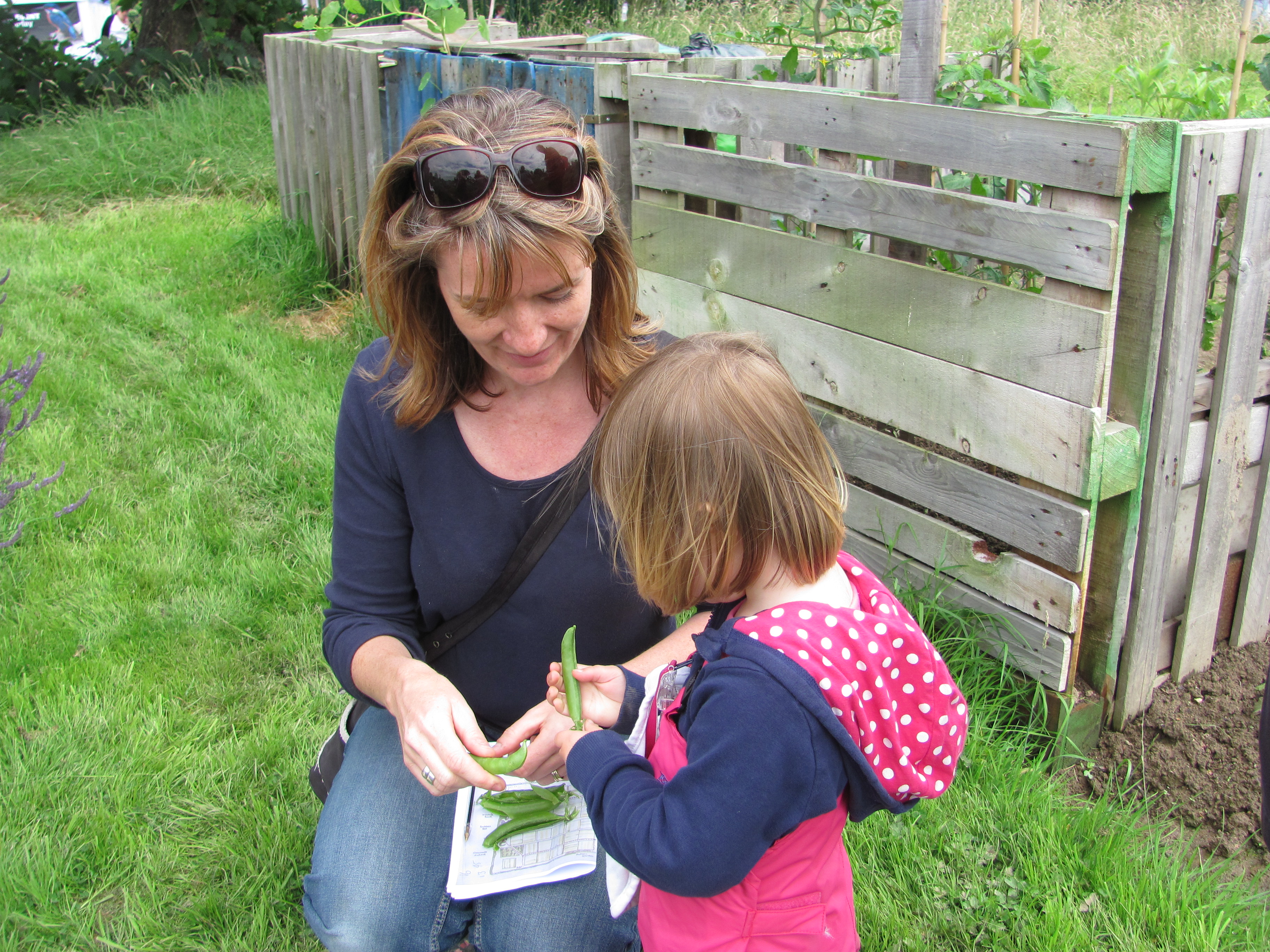
Our visitors enjoyed lots of free advice and even free strawberries and fresh peas straight off the plots. I spent most of my day as a mobile “Gardeners Question Time”, answering queries about pests, diseases and how to grow certain crops and identifying plants. I was handed a cabbage leaf with pests attached and a drawing of a “nasty, looking insect which looked like a dragon and was mostly black with bits of red”. I managed to identify the dragon insect as the larvae of a ladybird and the cabbage dwelling ones as whitefly. I suggested that the ladybirds should be encouraged to stay and informed the gardeners that they were very lucky to have them, but had to tell the cabbage growers that they were not lucky and advised them to get rid of their pests quickly.
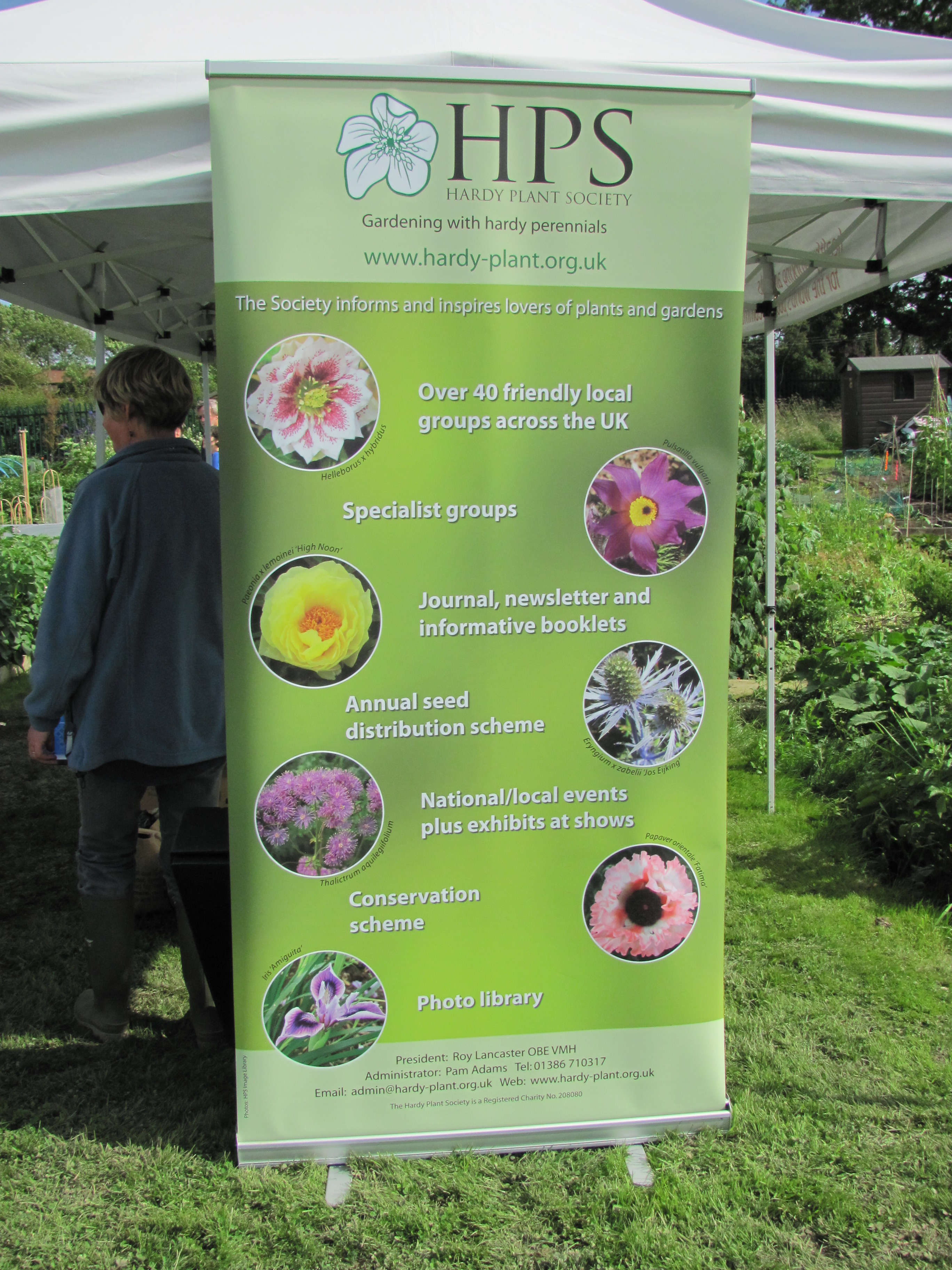
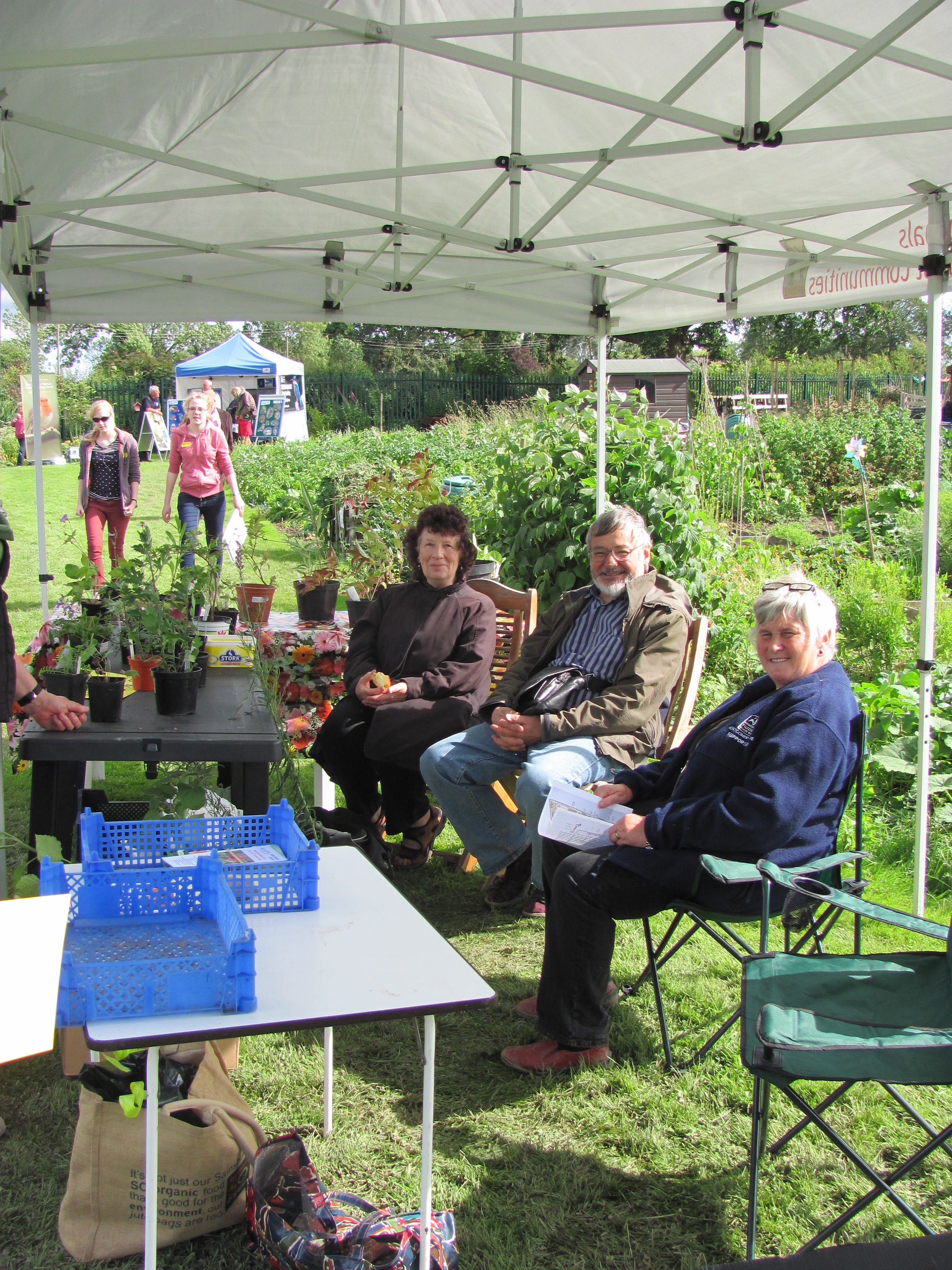
Some of our friends from the Shropshire Hardy Plant Society organised a plant sale and many guests left happy with their bags or boxes of unusual plants.
Most visitors who came spent several hours looking around with occasional breaks for a sit while enjoying a tea and cake, with some staying for the whole four hours we were open.
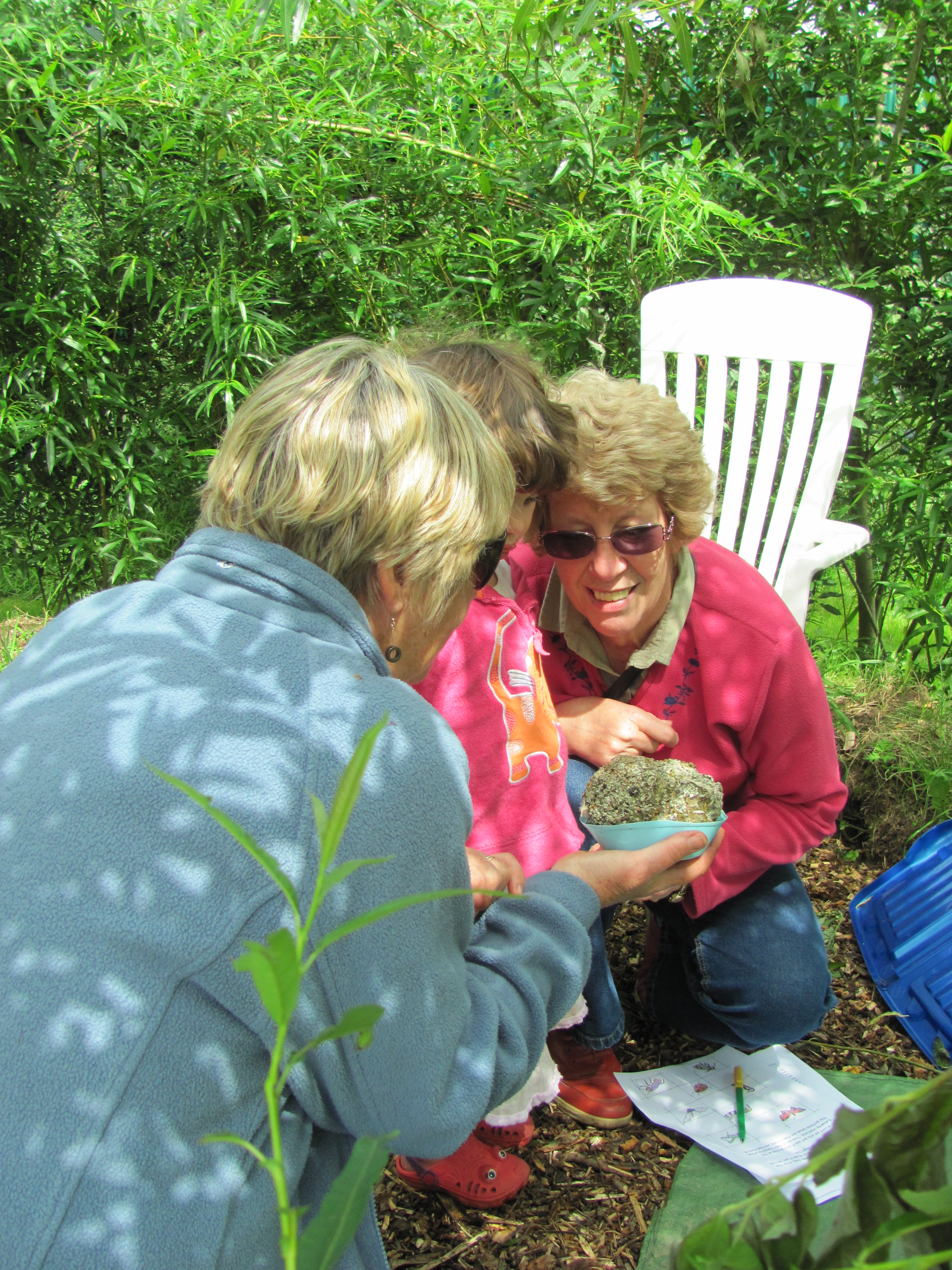
“The Undergardener”, Jude used her teaching experience to good purpose showing young visitors interesting artifacts found by plot holders such as an old Wren’s nest and an aborted Wasp nest.
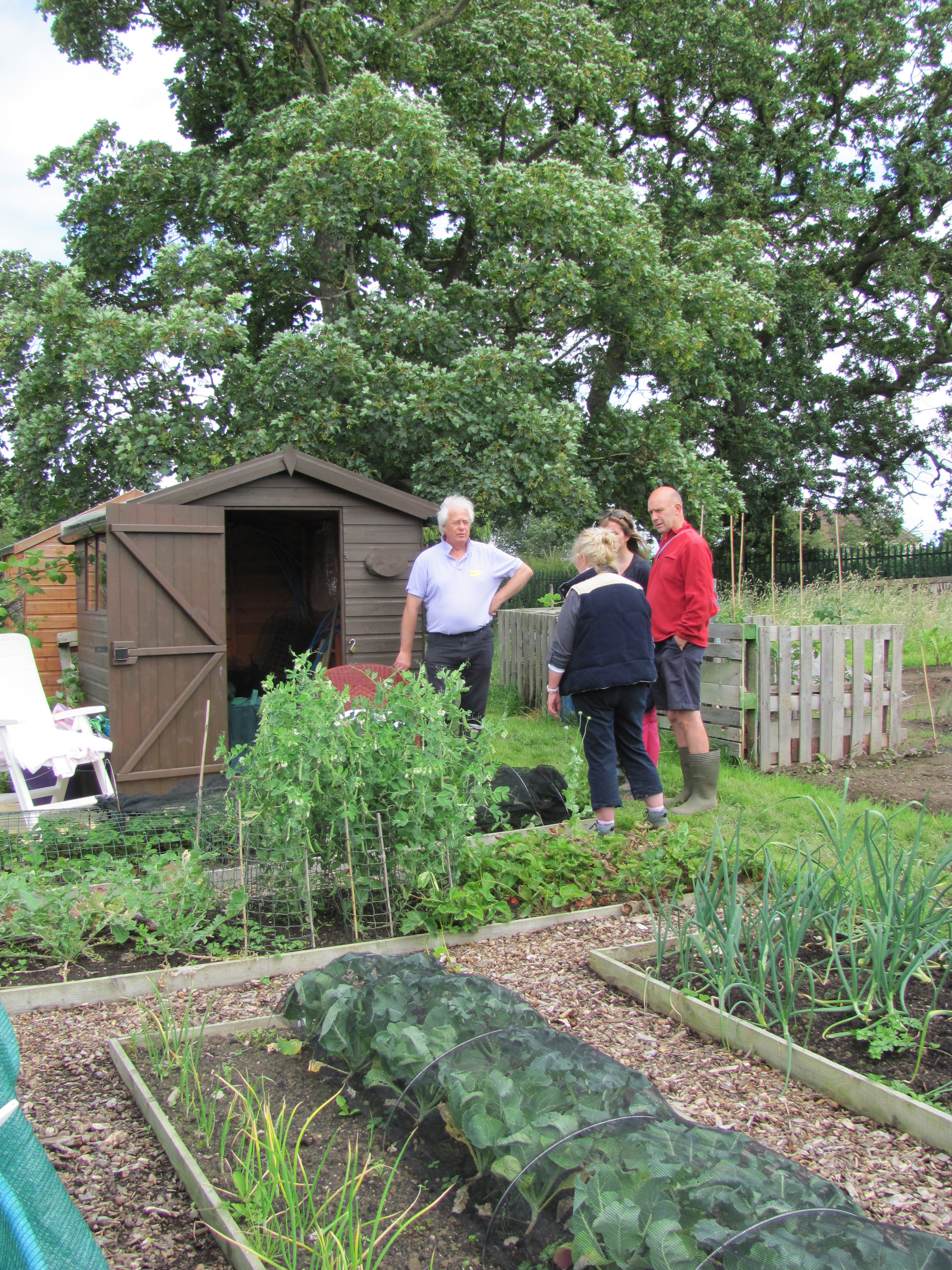
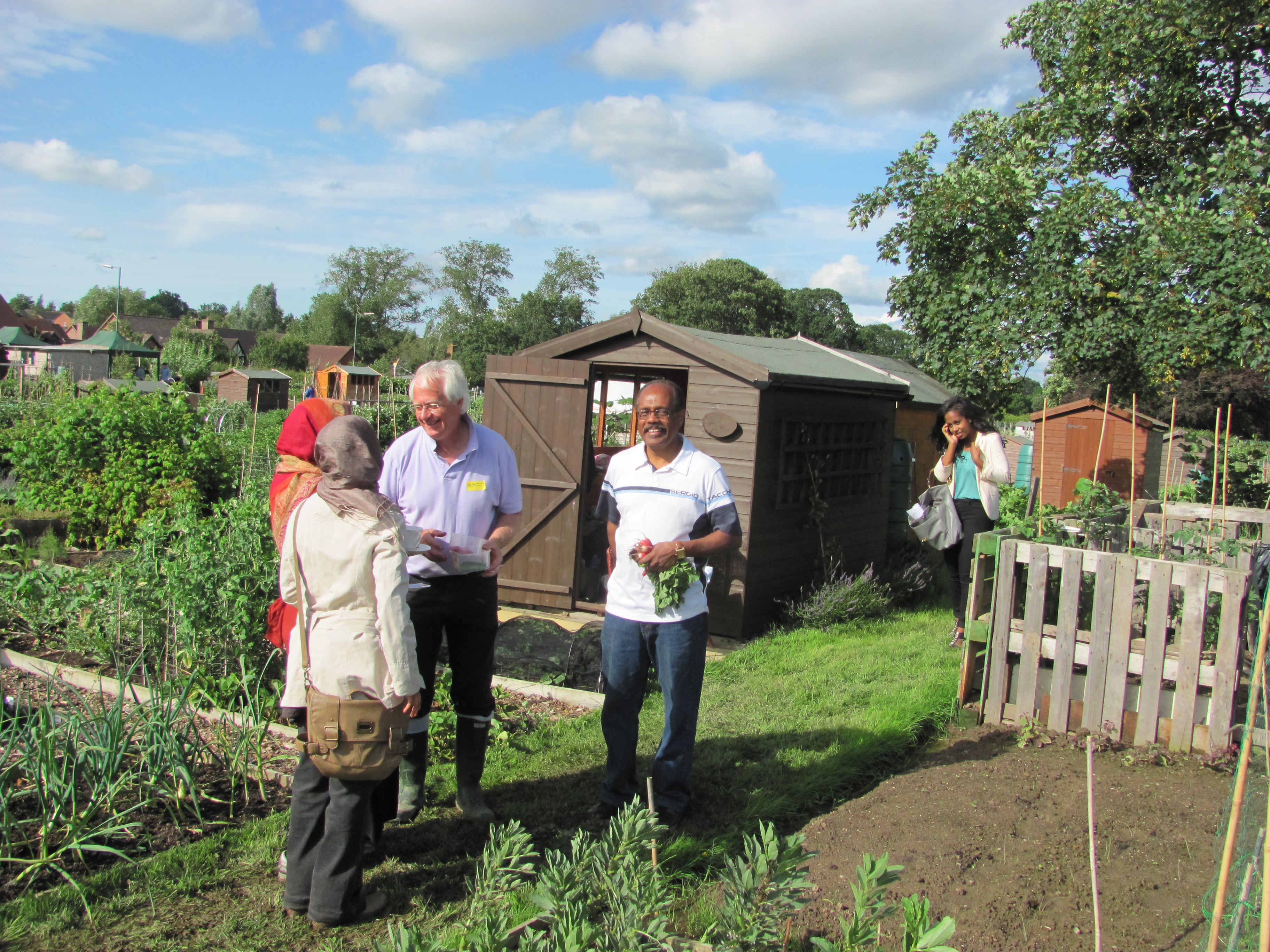
Several plot holders worked on their plots so that our visitors could ask them questions, others sat on picnic benches around the site to greet visitors and make them welcome.
When we closed and the last of our guests had left members rallied around and returned the site back to its former state. The tea shop returned to its function as a community hut, the gazebos were taken down and returned to their boxes, signs along the local roads were pulled up and put back into store. The RSPB and HPS volunteers packed up their goods and gazebos and said their goodbyes, and said they looked forward to our open day in 2013.
The last visitors to leave were these two characters who had spent the day sat comfortably in their thrones under the trees and greeted their subjects.
It had been a great day! Our visitors book contained some complimentary comments. We enjoyed reading them as they help show that we are achieving our aims. Here are some to examples to share.
“Fantastic, so much to see, great kids trail, thank you.”
“Completely lost in the interesting ideas. What a wonderful time I’ve had!”
“A truly inspiring place, wonderful for wildlife and kids.”
“Beautiful plots and welcoming tea and cake.”
“Inspirational model for all allotments.”
“Friendly, knowledgable gardeners.”
“Inspiring and clever ideas to encourage wildlife whilst giving plenty of space for produce. So much done in three years.”
On our allotment site this year the management committee are running a Wise Watering Campaign, with the aim of reducing the amount of water used by plot holders. We were ashamed to hear that our site uses more water than any other in Shrewsbury. When we looked into the situation we were amazed that only 18 of the 68 plots had guttering and water butts attached to their sheds to catch rainwater run-off. Many plot holders turned to their hose pipes too readily to water their crops. Something had to be done.
We had already fixed guttering, downpipes and butts to our communal buildings and we use this captured rain to water our communal gardens, so we began our campaign by encouraging members to follow that example. Jude, Mrs Greenbench aka the Undergardener, in her role as secretary to the committee has been trying to source grant money to help purchase more water butts. Amazingly our local water board did not even bother replying, but there are still a few irons in the fire.
I was asked to write an article for our newsletter, “Dig It!”, giving advice on how to water efficiently and a summary was sent to all plot holders. I wrote a much extended more detailed article which I posted on the allotments’ website. (see www.bowbrookallotments.co.uk and click on “Wise Watering”)
Our initial emphasis has been on using watering cans instead of hoses and encouraging members to add guttering and water butts to their sheds.
I thought I would give a few ideas here too, for your interest and wondered if anyone had any further ideas that we could use.
I emphasised the importance of improving soil quality and adding humus and fibrous material, which would help moisture retention after rain or watering, and allow the plants to take up moisture efficiently. We sell municipal compost and farmyard manure on site.
The best time to add manure is in late autumn or early winter and for compost early spring. I suggested also that compost should be used as a mulch after periods of rain to hold this natural moisture in.
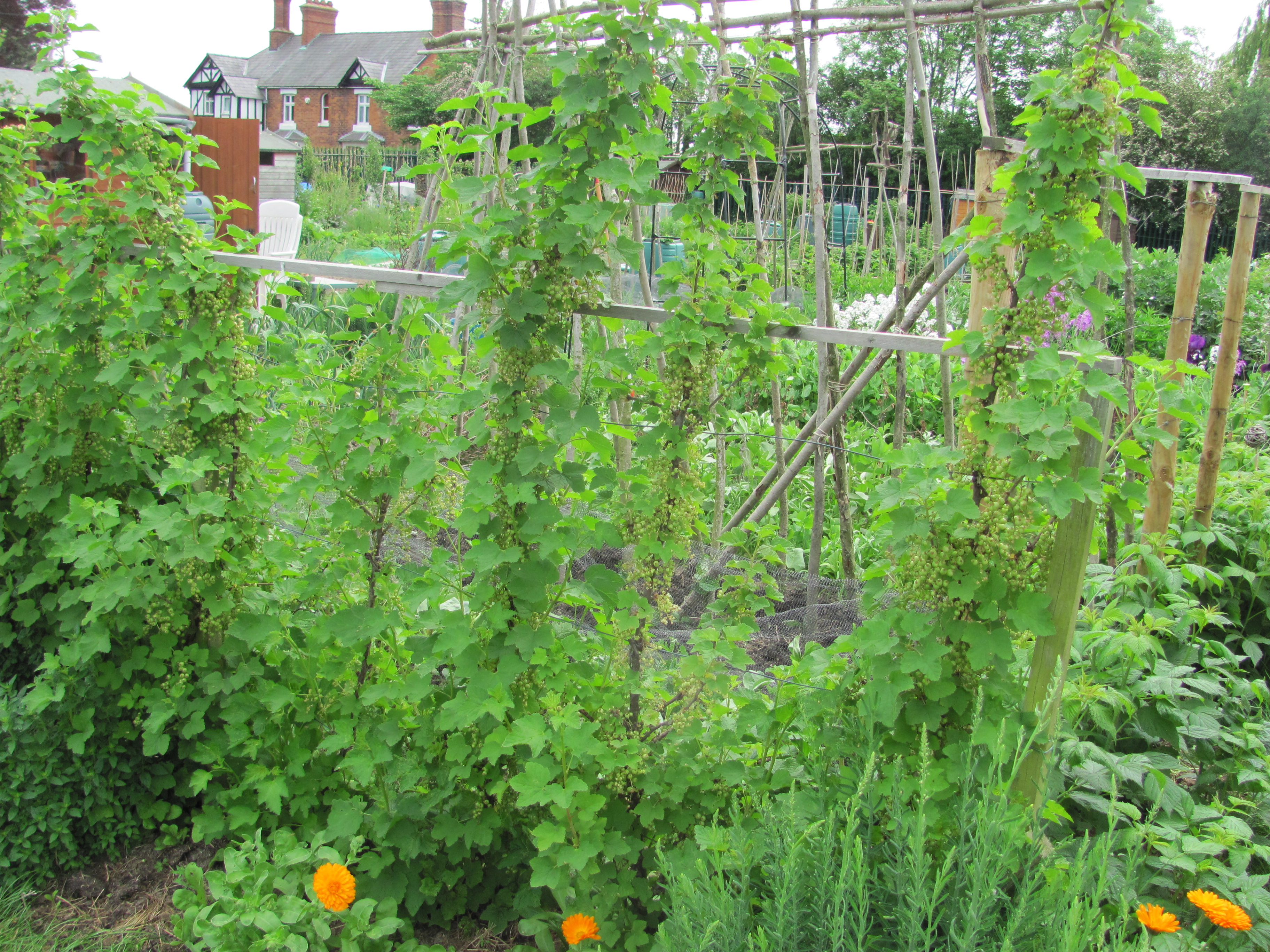
Mulching under fruit bushes is always useful as a lot of moisture is needed in the production of fruit. Old straw, hay or farmyard manure when added as a mulch will also slowly break down and feed the plants as well as improve soil texture.
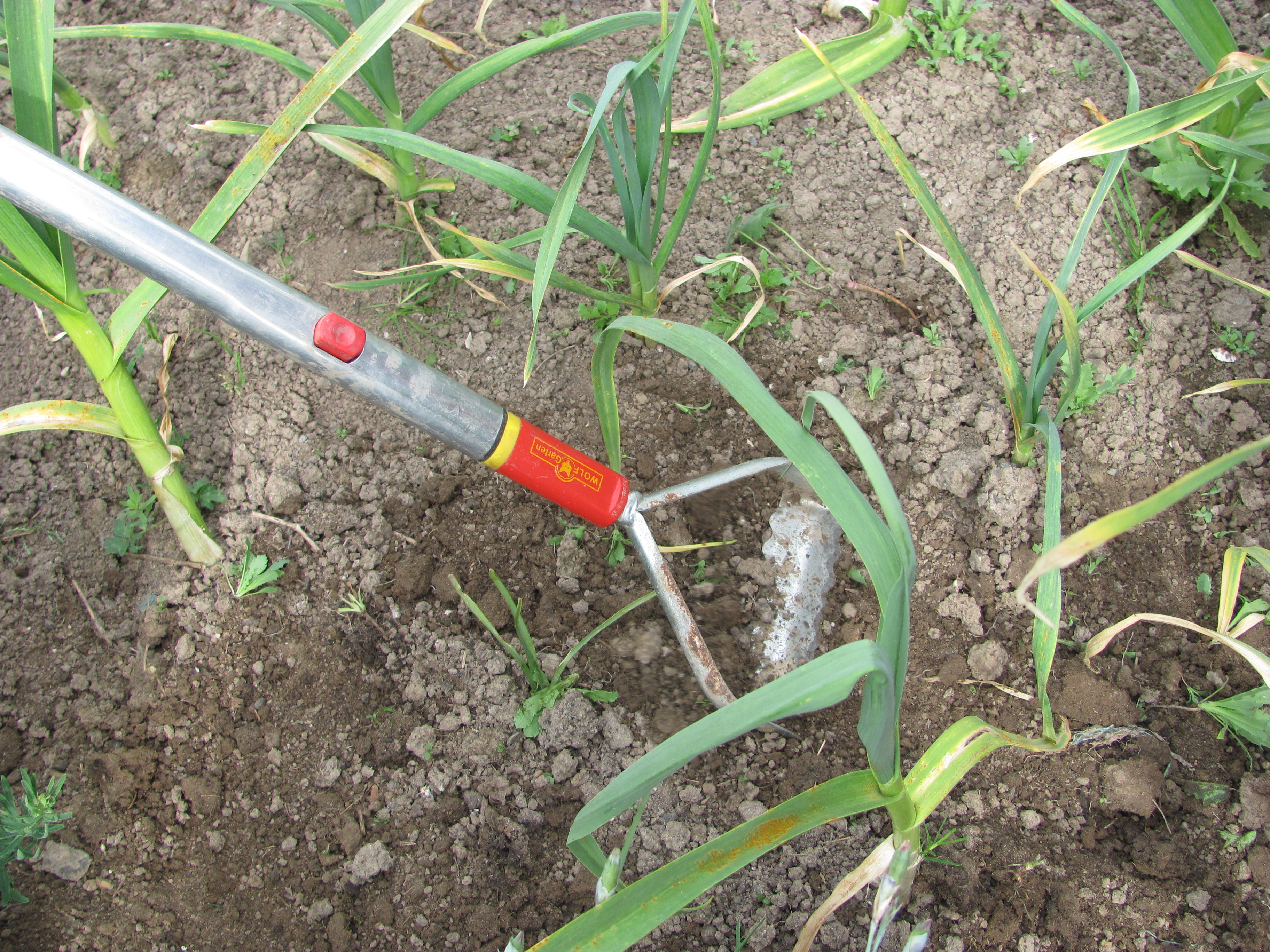
Another important way of managing the watering of your plot is to ensure it is always free of weed material. Weeds will use up moisture that would otherwise be available to crops. Using a hoe regularly is the best method to employ as keeping the surface loose helps rainwater get below the surface.
Growing your fruit trees as cordons on the windward side of your plot cuts down on evaporation. Alternatives are flower borders or a row of root artichokes.
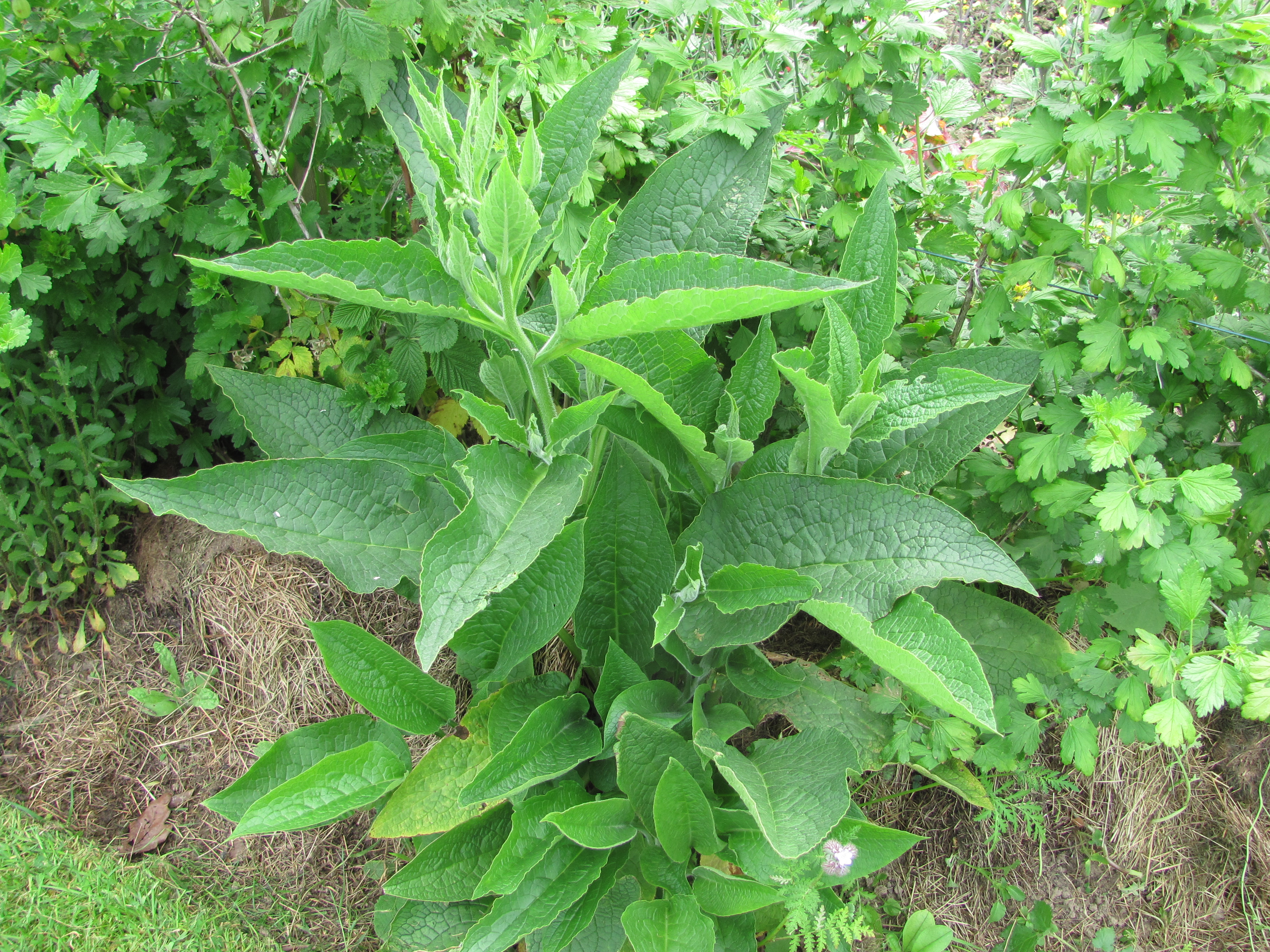
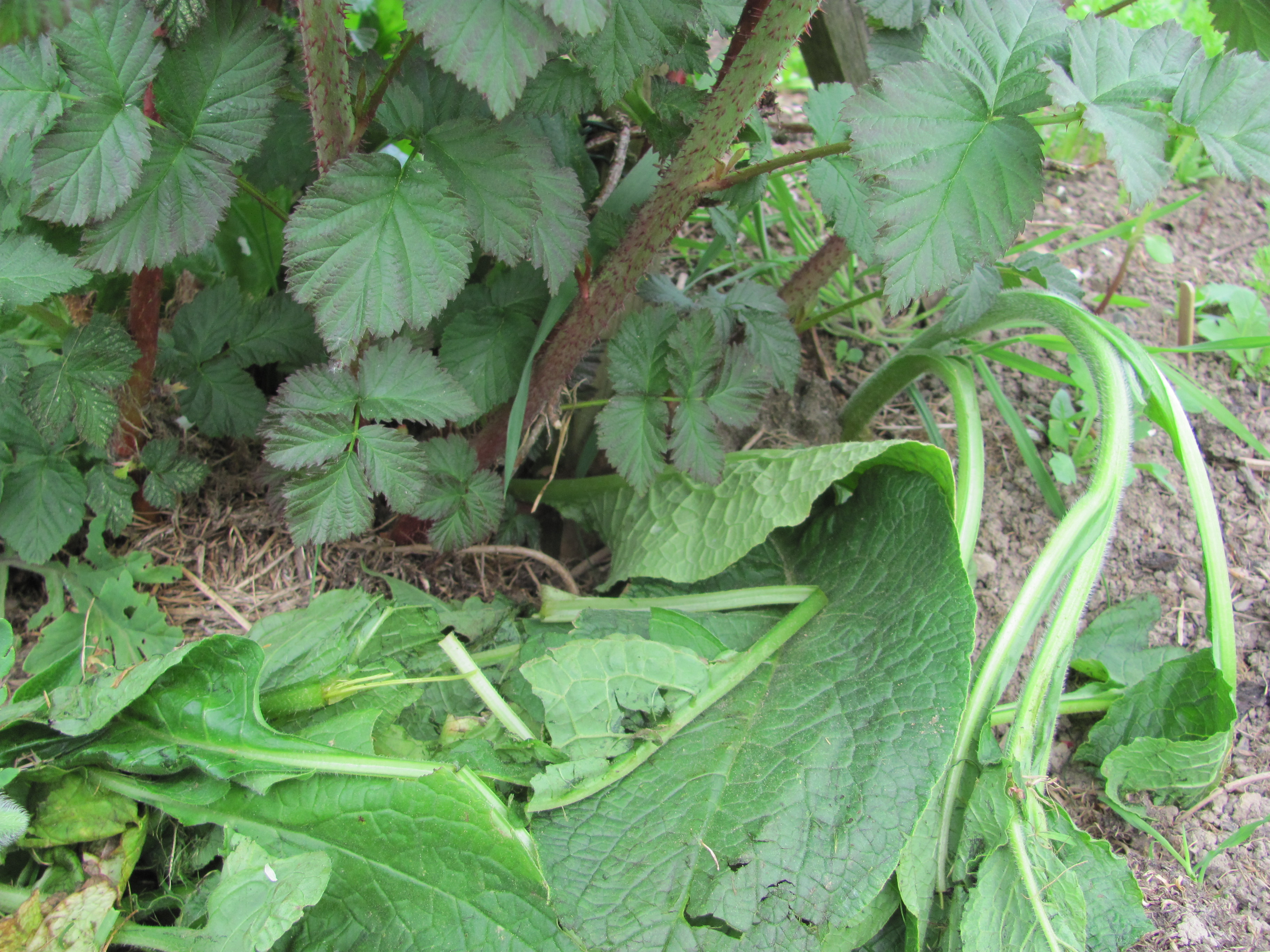
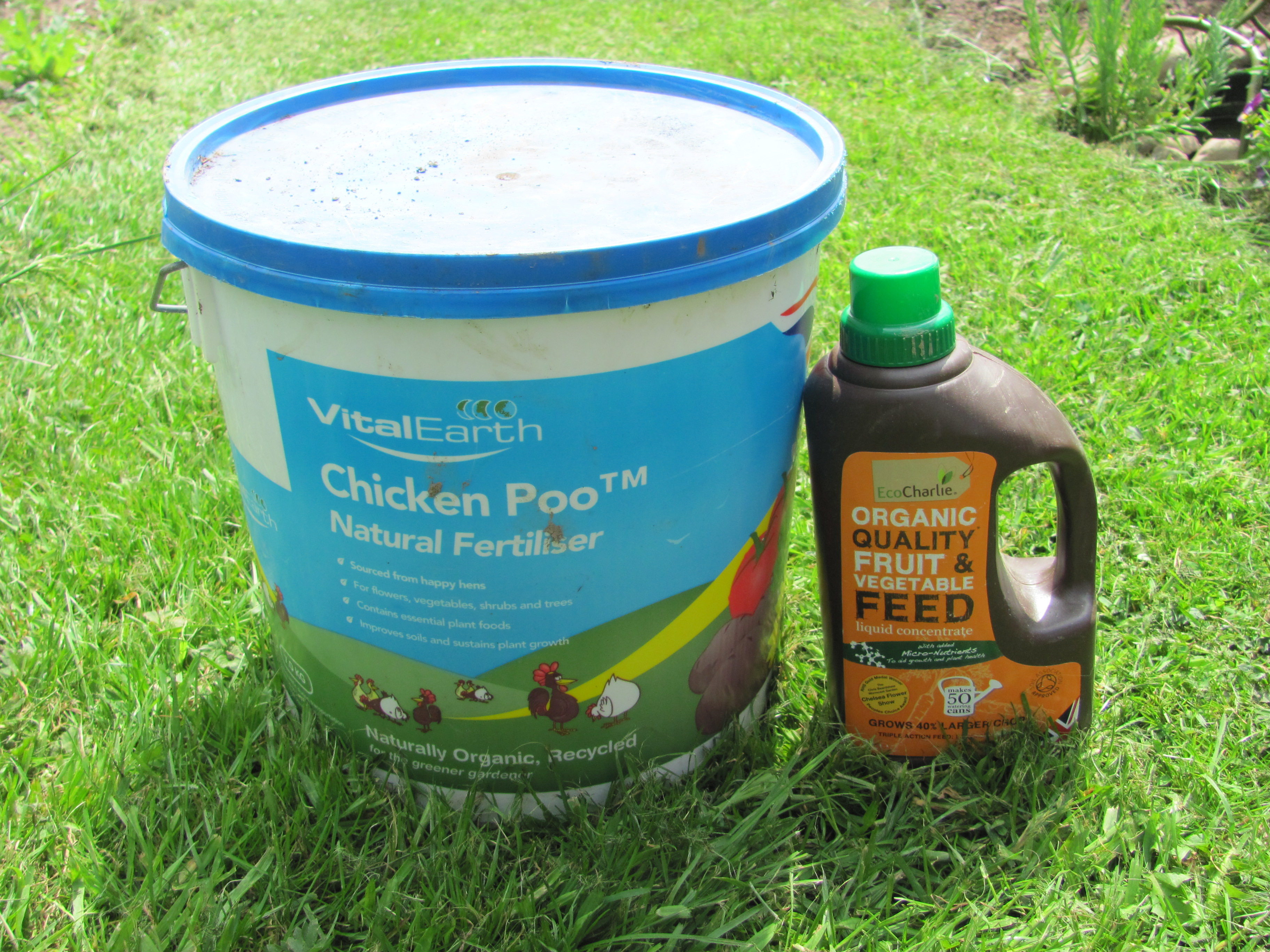
Strong, healthy plants will survive dry periods better and newly planted quality plants will establish without regular bouts of watering. To ensure plants are as healthy as possible feed them with natural, organic feeds rather than chemical based fertilisers. Growing your own fertilisers is even possible. Comfrey can be grown and regularly cut, soaking the leaves and stems in water for a few weeks produces a free and effective feed when watered down to the colour of weak tea. The leaves can also be utilised as a mulch placed directly below fruit trees and bushes.
The way the plants are watered is also an important factor in determining how much water is used. Watering with a hose all around rows of plants is wasteful as most of the water lands on the bare soil and not where plants can use it. To ensure that plants can take up and use as much water as possible, it is best to water from a can without a rose and direct the flow of water towards the base of the plants.
When your potatoes need earthing up, add a layer of fresh grass cuttings before the soil as this will help retain moisture as the potatoes are forming.
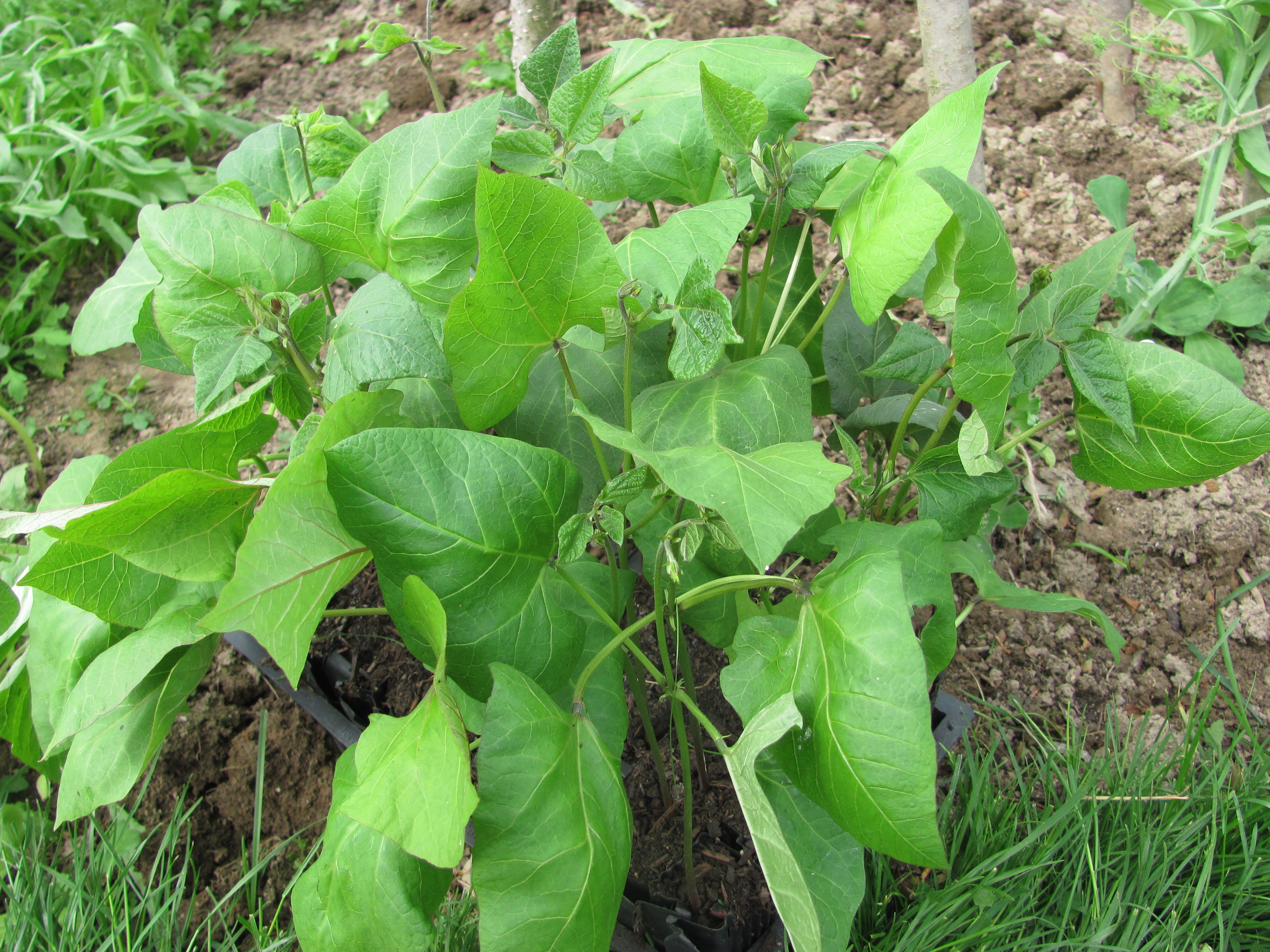
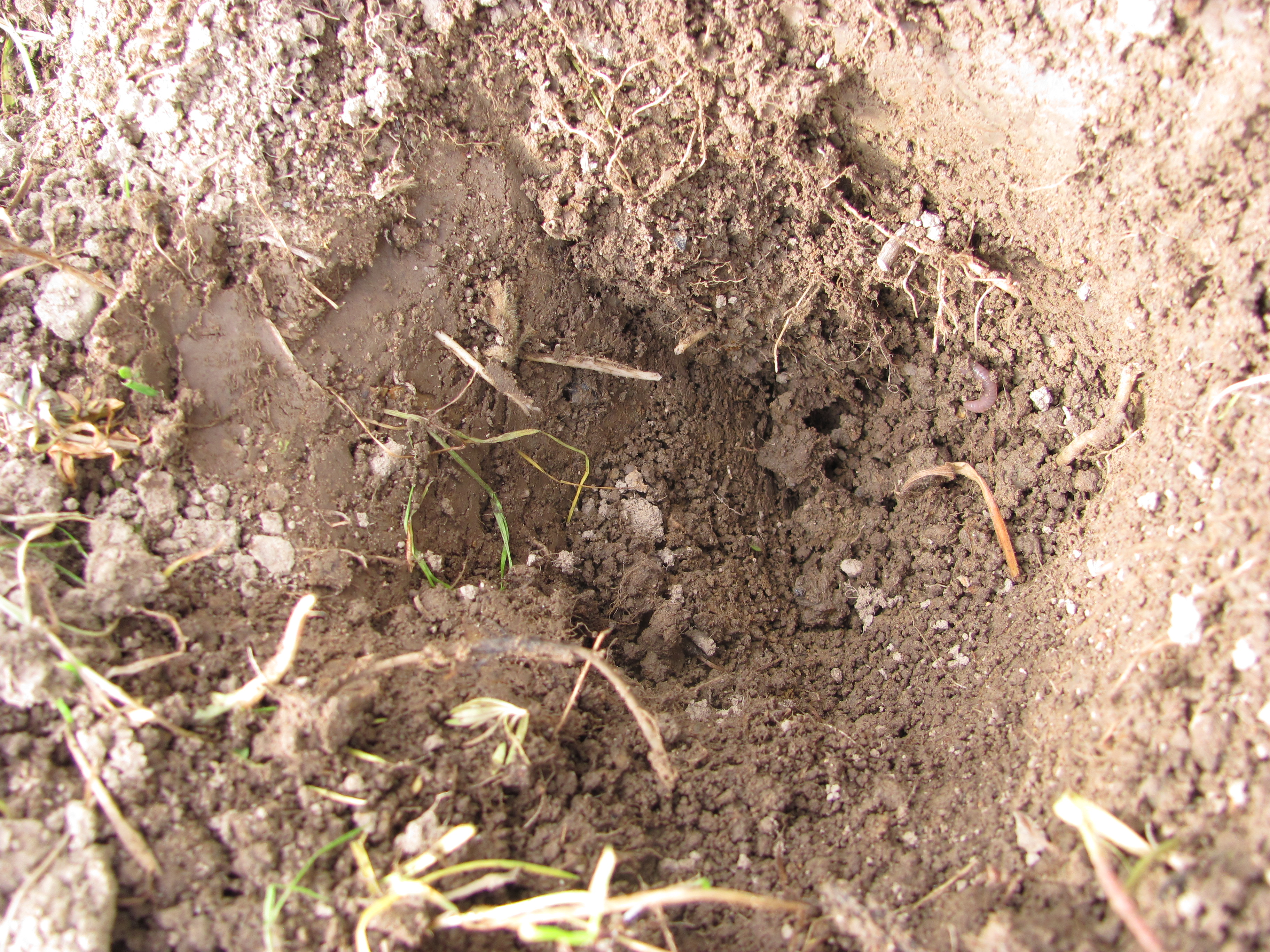
I tried to work out the most water-efficient way of planting out our vegetable plants and used runner beans as an example. The first point is to ensure your plants are strong and healthy.
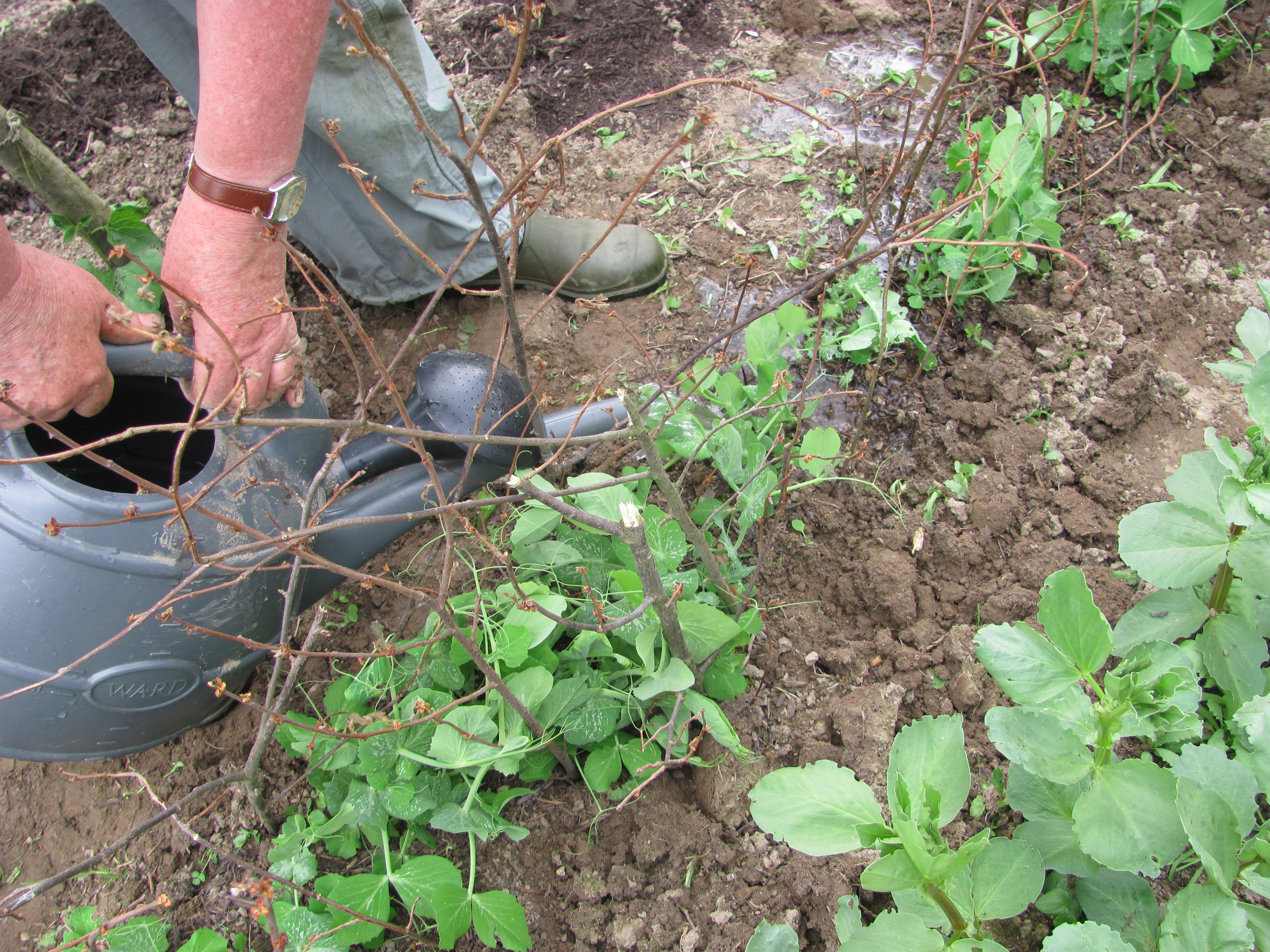
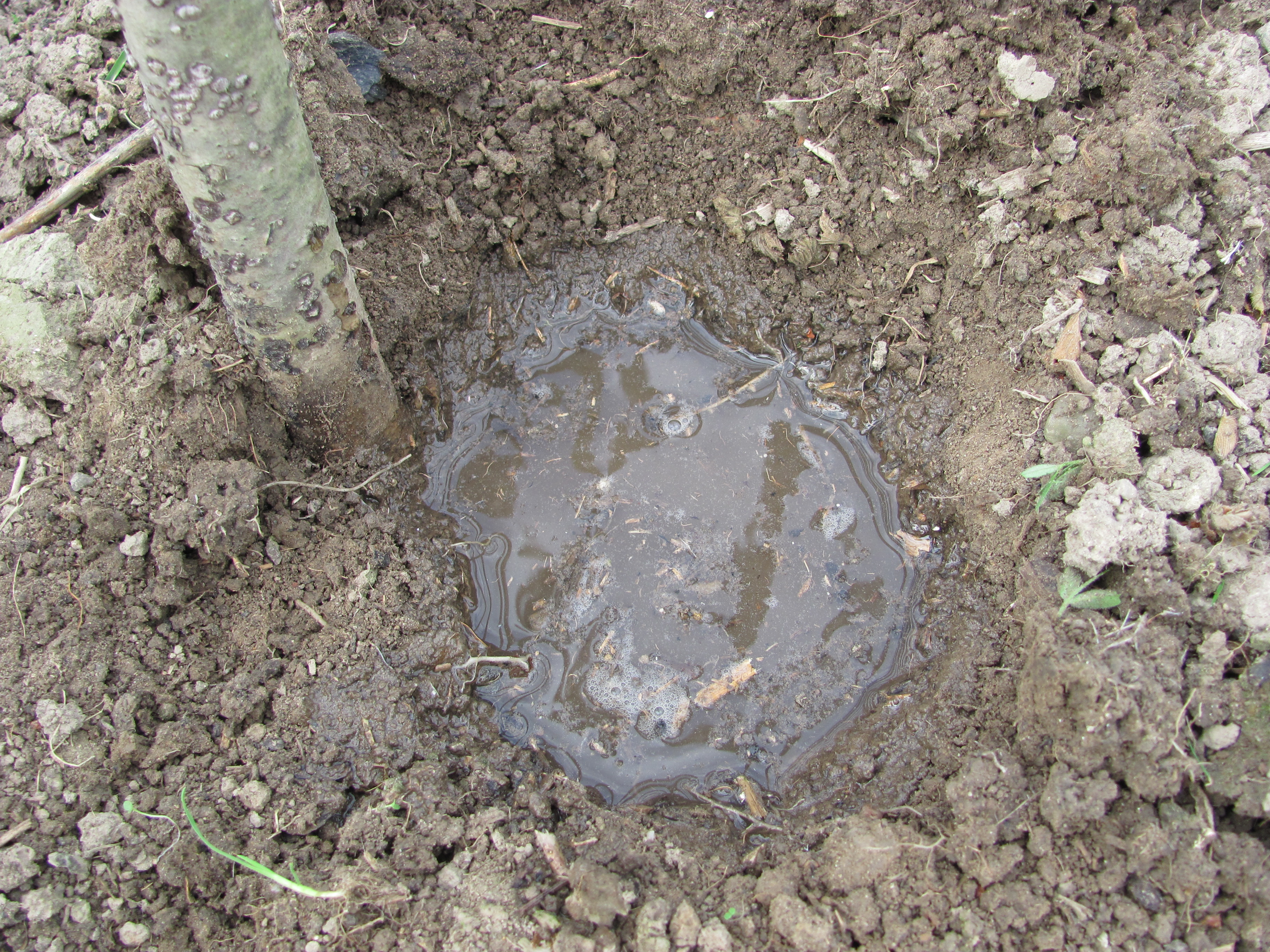
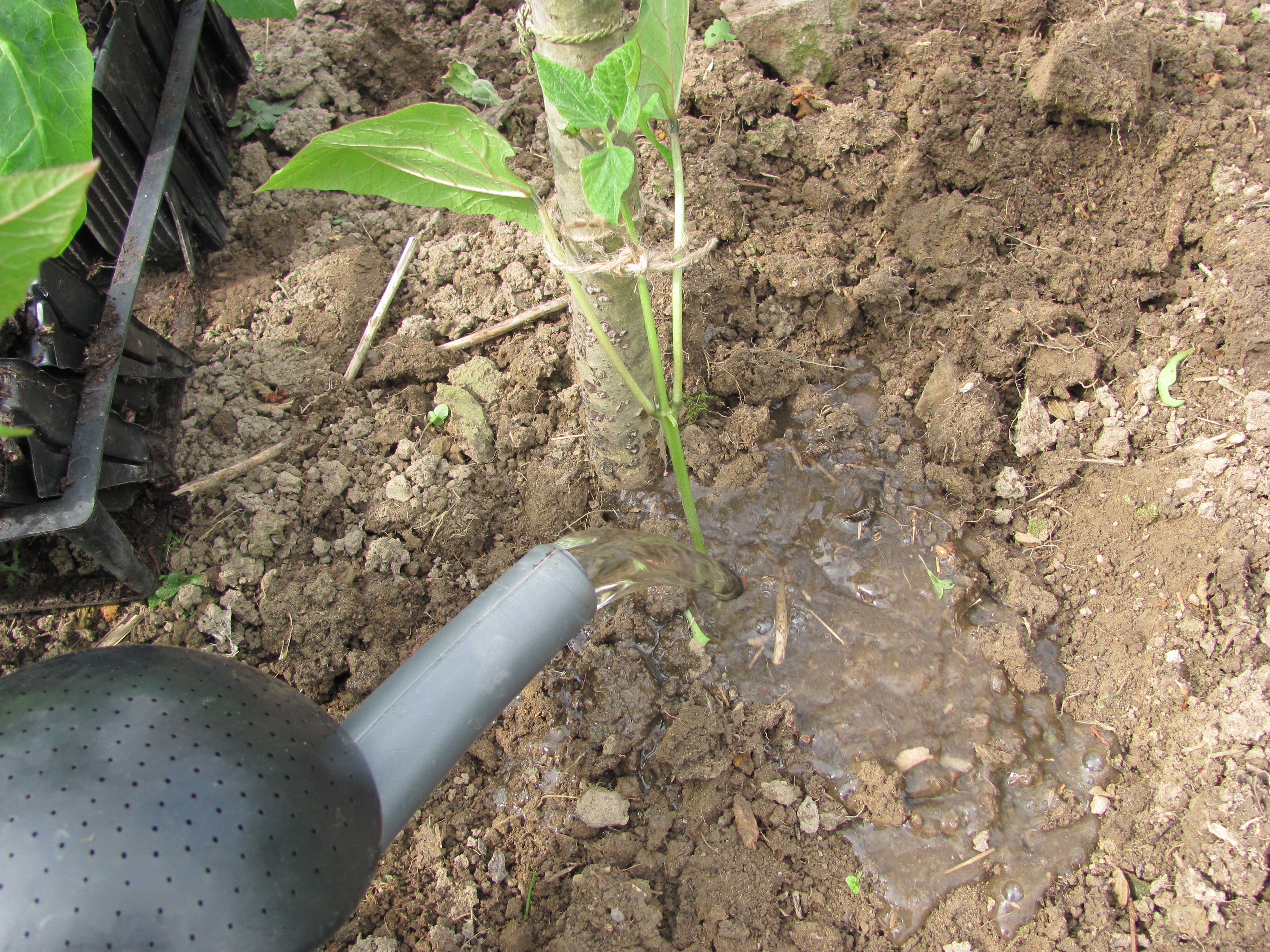
Take out your planting hole and fill with water from a watering can – I also add some comfrey feed to this. Let the water drain away and repeat the process.
Place the plant in the hole and water yet again after firming soil back in around it.
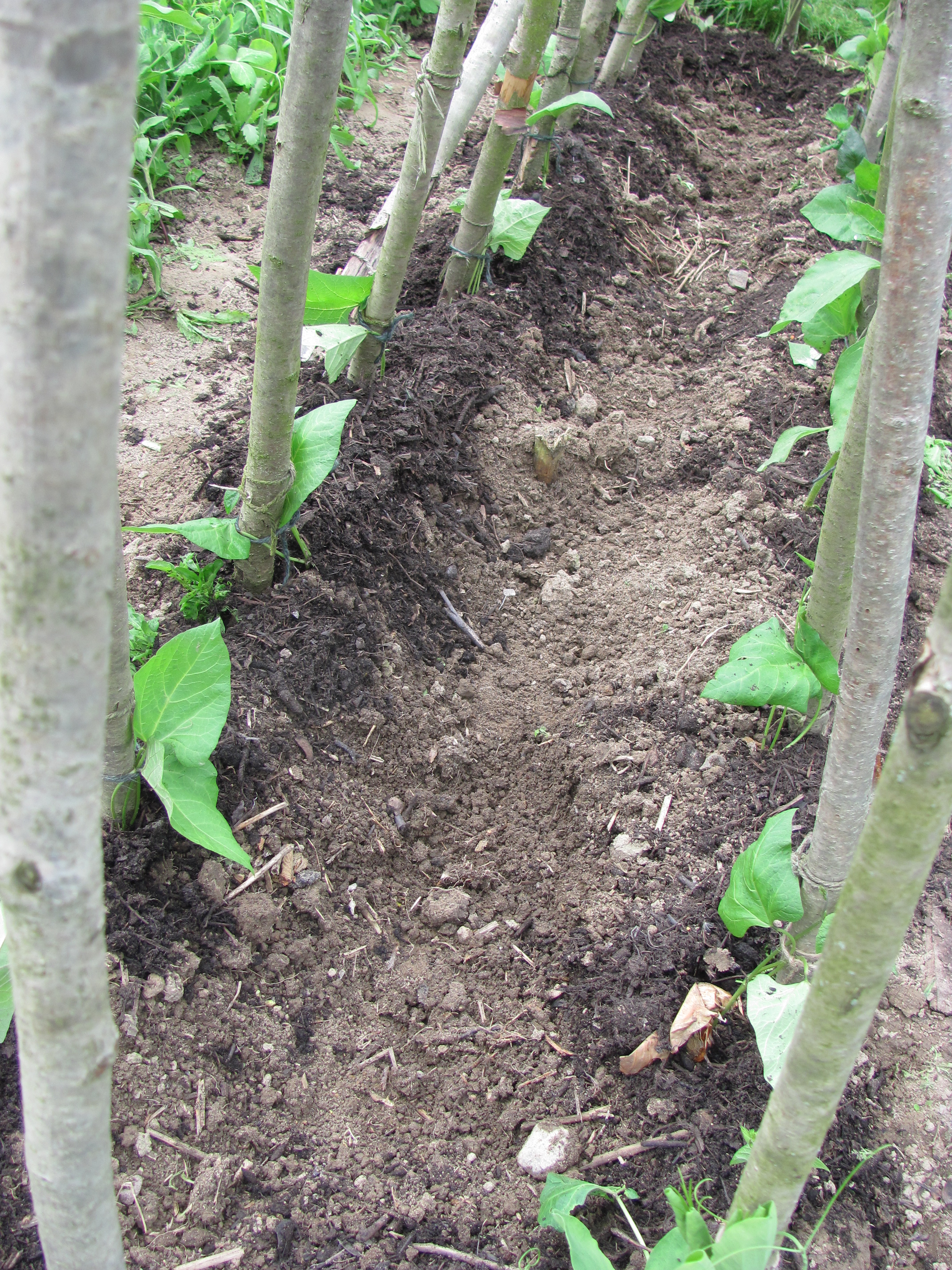
Add a good layer (at least 2 inches deep) of compost to keep the moisture in as the plant establishes. This helps the plants settle in as it is getting its roots down.
Form a trench alongside the row of plants to collect any rainfall and direct it towards the plants.
Before you decide to water your plants take out a trowel depth of soil close to your plants and see if it is moist below the surface. If it is then do not water. This water in the soil down to about 6 inches is the moisture that plants will be using. Conversely if you water the surface it will just attract roots upwards to search for it. Remember then that watering over the soil surface with a hose will make plants shallow rooting.
There are lots more ideas on the website. In this year of drought following last year’s almost desert levels of rain, our water table in this part of Shropshire around the allotments is about 2 feet lower than it should be so however much rain there appears to be falling we need lots more.
I would love to hear of more ideas that I can share with our allotmenteers!
'The most important and informative publication on wildlife of our times' - The Independent. This blog is a member of The UK & Ireland Natural History Bloggers group: www.uknhb.blogspot.com






































































 greenbenchramblings