Categories
birds garden wildlife gardening hardy perennials trees wildlife

Agapanthus – a plant for winter?

On my early morning wander down to feed the chucks today I was accompanied by the usual Robin who followed me, flying from post to post down the fence line stopping off to treat me to a burst of his gentle transparent winter song. He does this every day except when the rain is torrential when he never shows. If I take the grass path past the slate bed, the Secret Garden and the Chicken bed he takes the fence route, but if I take the concrete central path he flies along the cordon pears and plums stopping to sing on each tree. Today was different for I had the added benefit of the first song this winter from the Song Thrush. The first signs of true territorial song mapping out his patch and letting others know. Sadly recently he just sings for us for there seem few rival males to want his territory. Here in Plealey we seem to have far more Mistle Thrushes than Song Thrushes.

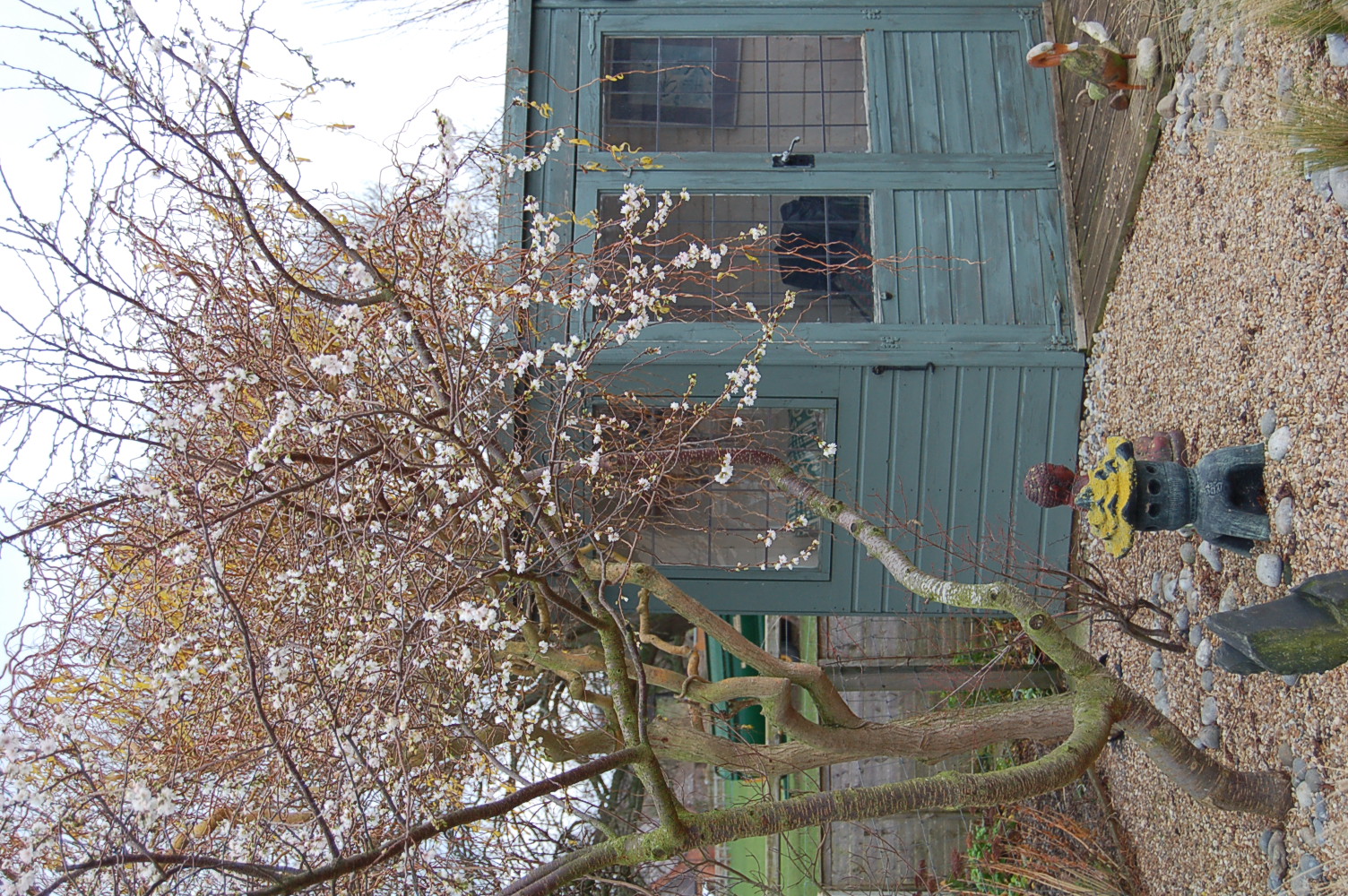
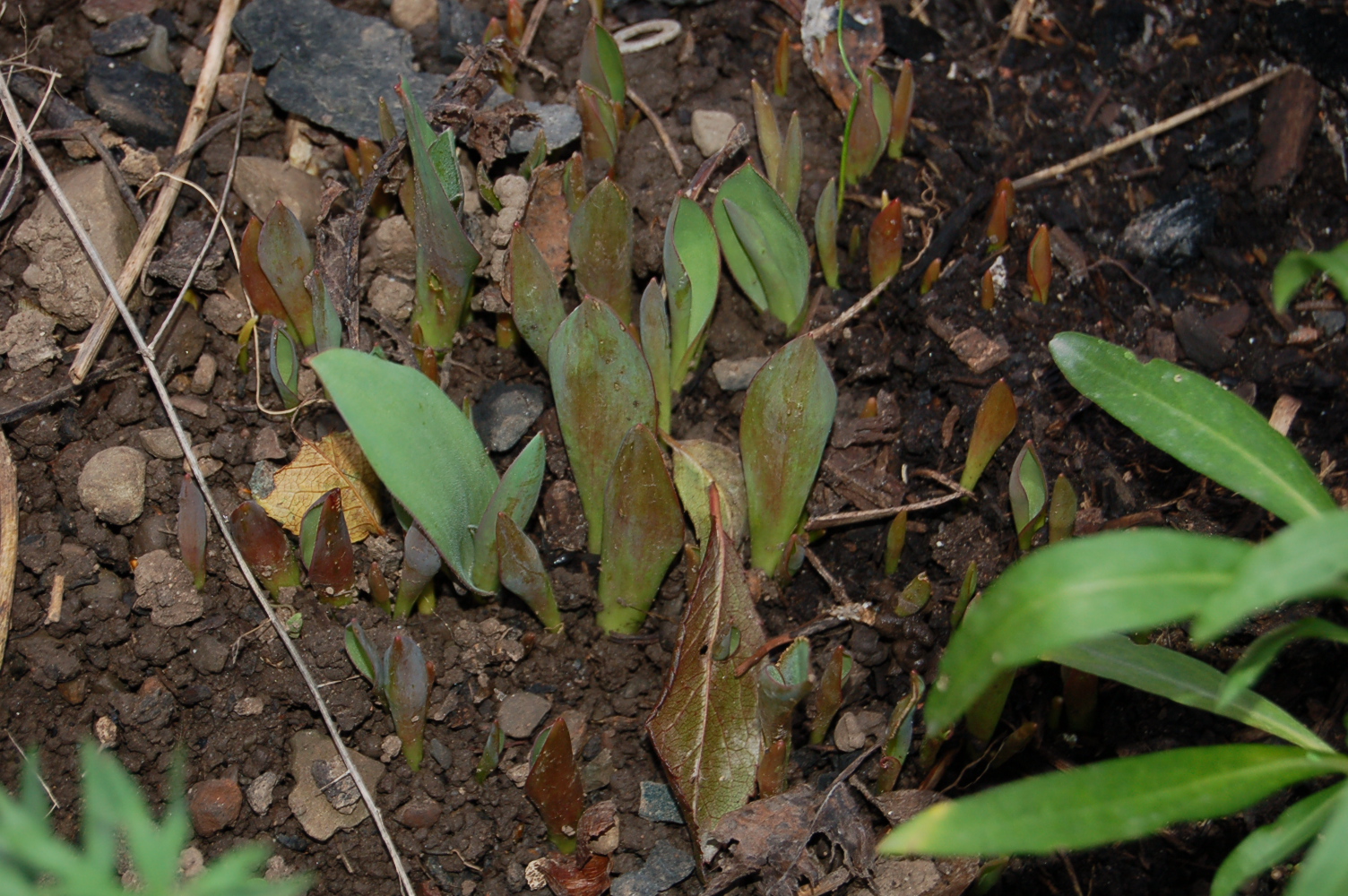
As usual I wandered around the garden to see what was happening and today felt warmer so a slow aimless wander was on the cards. I was impressed by the Prunus subhirtella autumnalis, the centre piece of our little Japanese Garden, which is littered with its delicate white blooms. And at last new spears of bulb leaves have made their way to the surface to show us their intent. But a plant that struck me as an unusual “winter interest” plant was the Agapanthus.
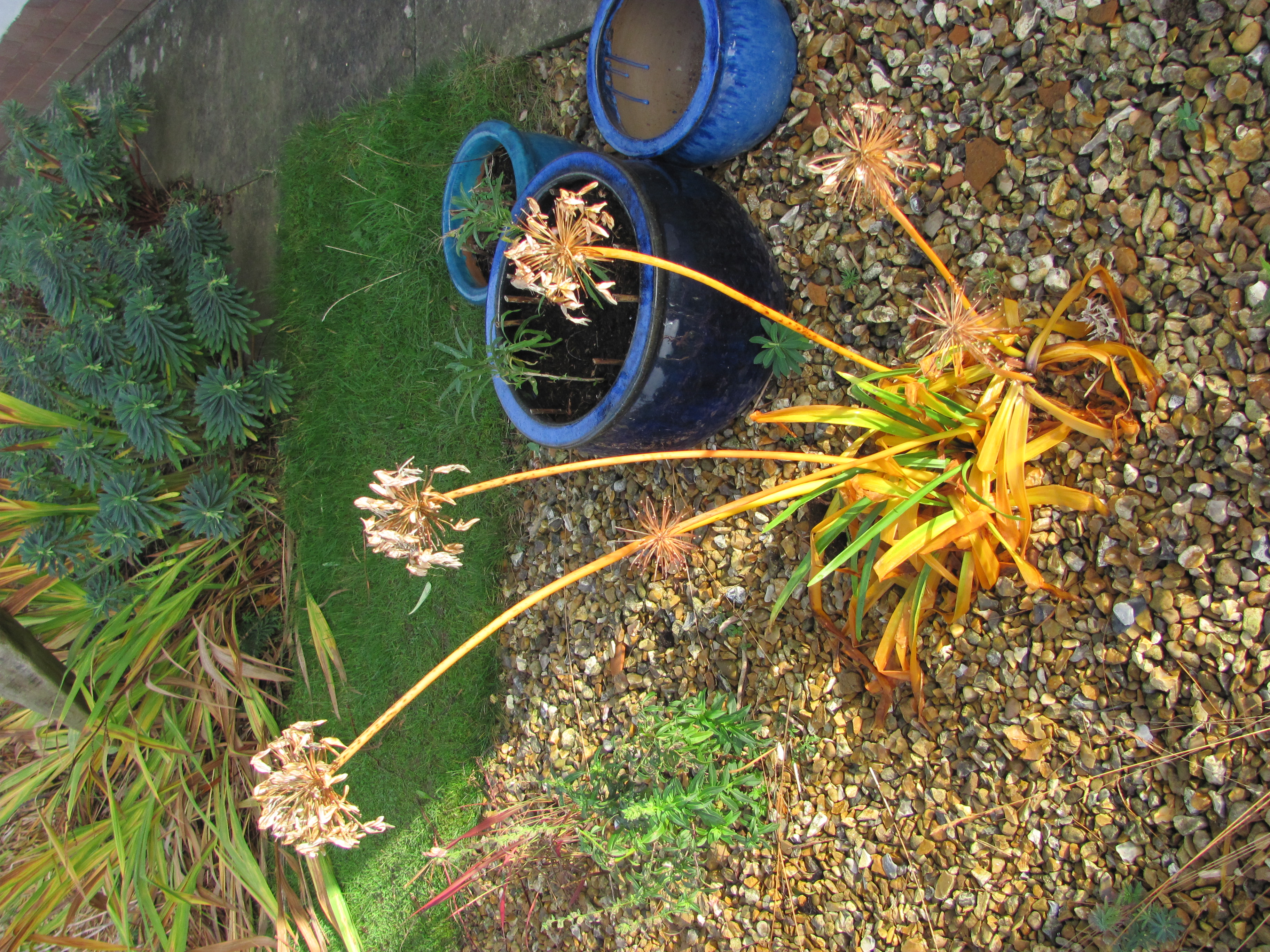
Agapanthus, a striking summer flowering plant, is growing in our “Chatto Garden”, a gravel bed we made after visiting Beth Chatto’s wonderful garden and being struck by her gravel garden created on her old car park. When there we bought a few agapanthus and on our gravel bed we grew a deep dark blue flowering variety. I wrote two earlier blogs about the amazing buds and how they open. ( see “Bud Burst” published in July 2011 and “Bud Burst Part 2” published in August 2011.)

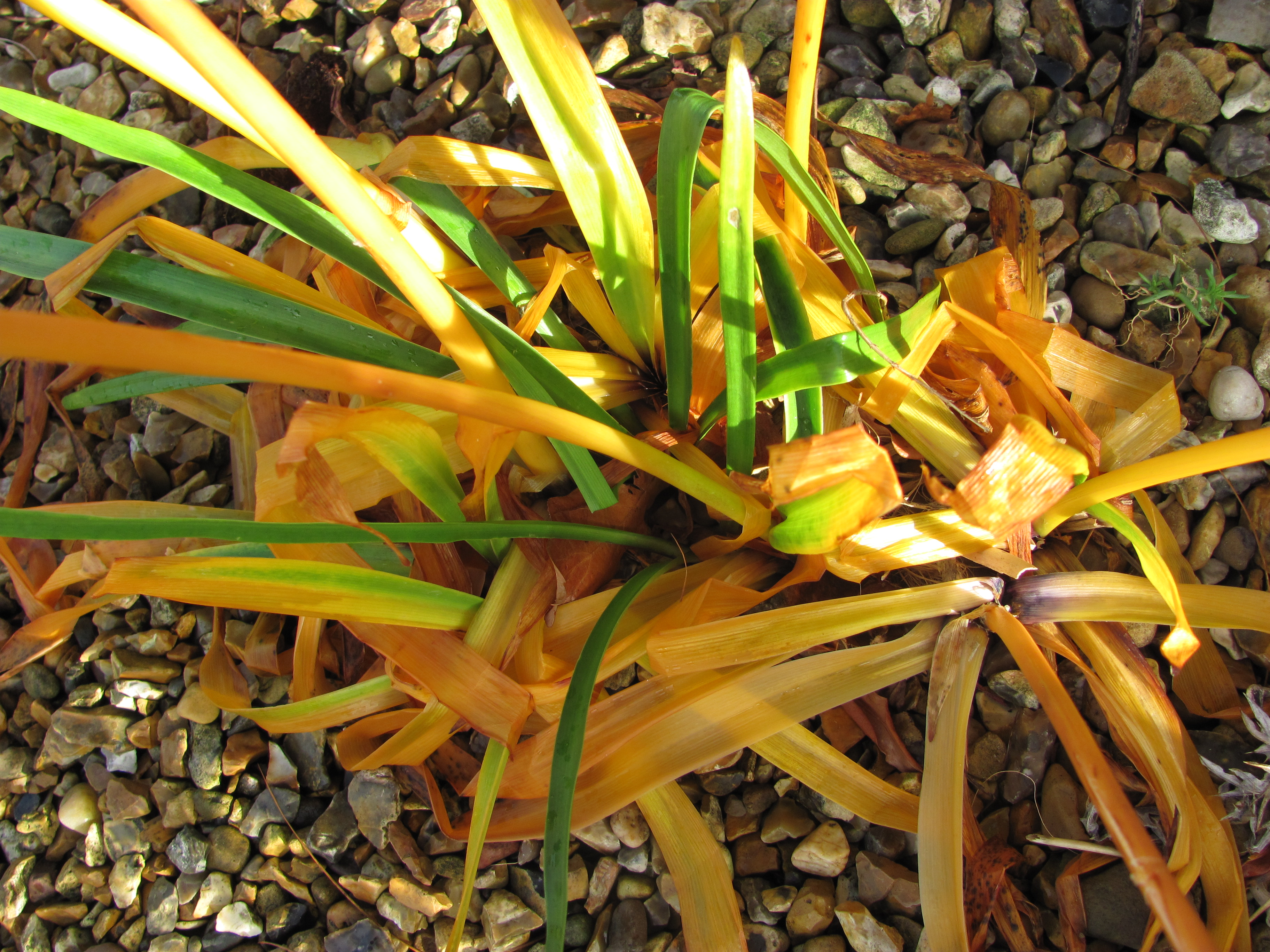
Now in December it is still giving interest on our “Chatto Garden”, but not blue this time but the absolute opposite – a rich yellow. The foliage and stems are yellow and the seed heads are like delicate sculptures.

Until now I had not considered the Agapanthus to be a plant for winter interest. They always say that a good gardener is one who never stops learning!
Categories
birds conservation garden wildlife RSPB wildlife

The Wonderful Starlings of Aberystwyth

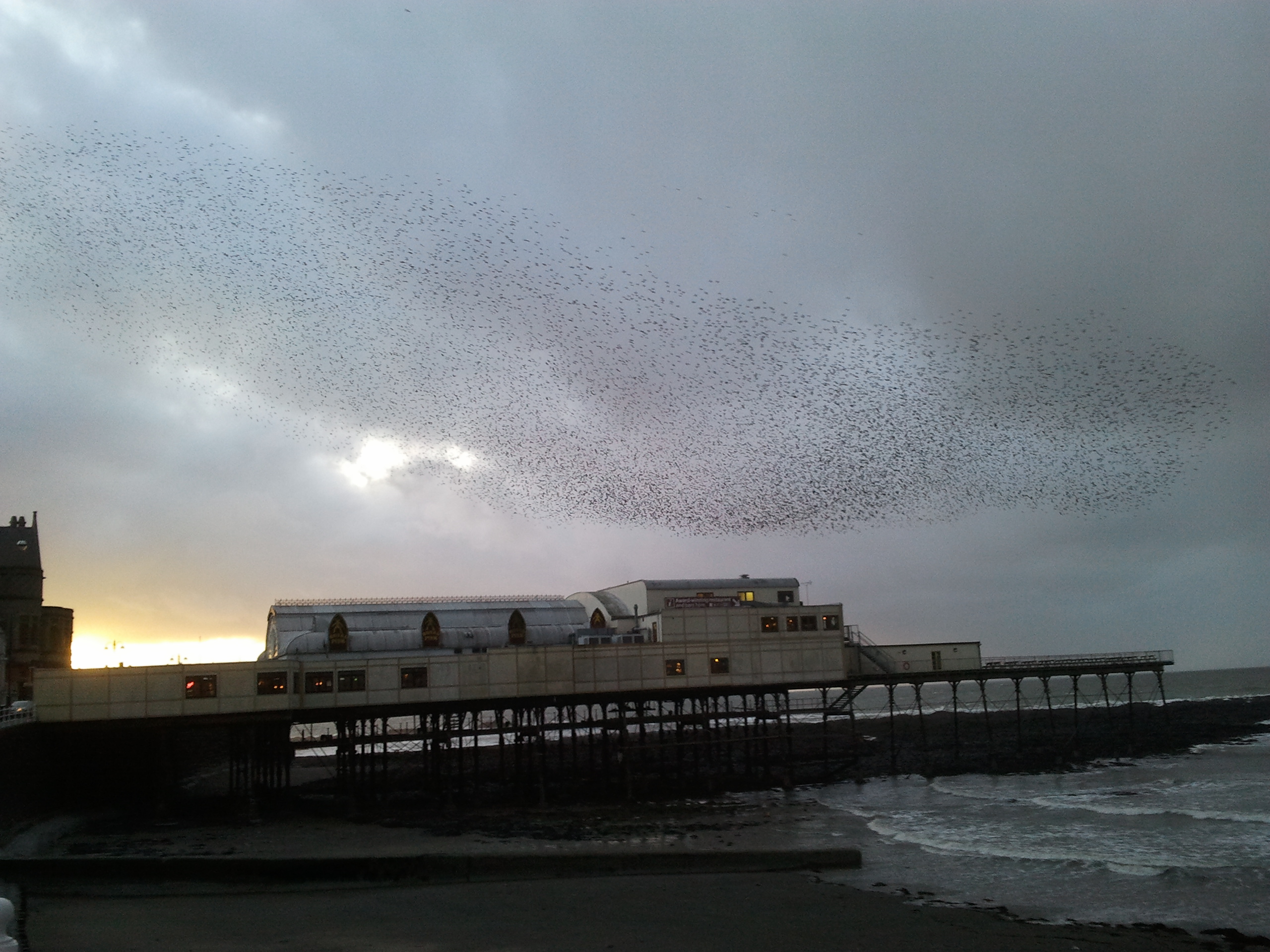
When we received a text asking if we fancied a trip to Aberystwyth to see the murmuration of starlings at the pier we didn’t need asking twice. This was a chance to see one of the UK’s most incredible wildlife spectacles. We had experienced small murmurations in Northumberland when we watched hundreds of starlings grouped together to roost in a clump of tall coniferous trees. That impressed us – the Welsh murmuration should amaze us!

After a long drive of nearly 3 hours we arrived just before the expected start time of 3:30 and found a parking space just 50 yards from the stage – the pier. Apparently they are very accurate time keepers these starlings. It was dull with heavy deep grey cloud overhead and it started to spit with rain. The skies above the pier were quiet so we decided we had time for a coffee and buttie. After that long drive which found us stuck behind everyone who didn’t seem very keen on getting to their destination so drove at 30mph, I was desperate for a coffee and so were my three companions.

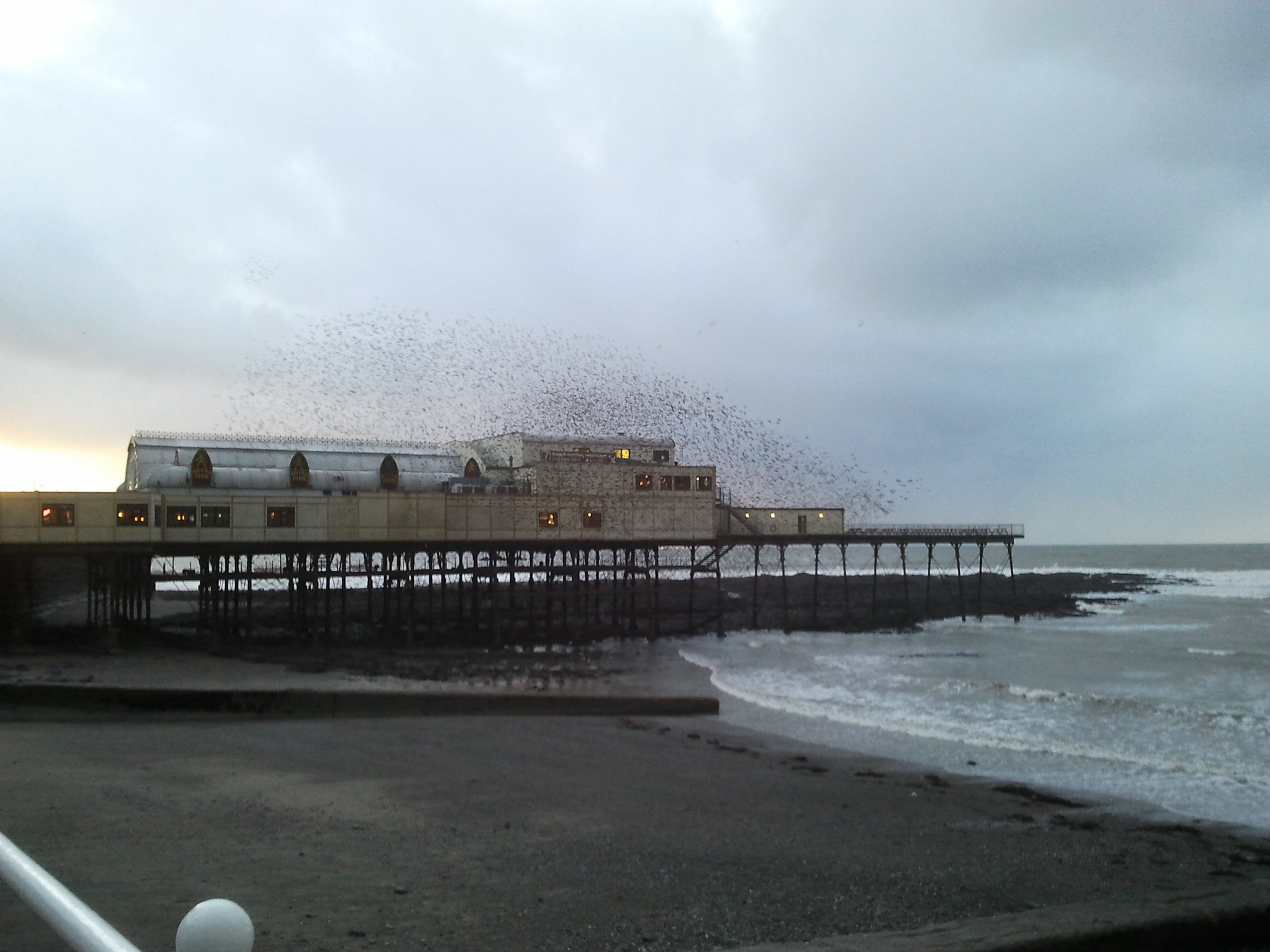
We poured the coffee out and each of managed a bite of s buttie before the spectacular crept up on us. First a small flock of a dozen or so starlings, a few minutes later a nother small flock. But suddenly flocks of every size and odd individual bird wer homing in on Aberystwyth pier. We jumped from the car coffees in one hand butties in the other. these were soon dumped on a bench as we grabbed binoculars and smart phones (for their cameras). Then all hell broke loose as starlings in flocks of all sizes arrived from all directions and at every angle some over the roofs of the town some over the line of sea and beach.

In the end the skies overhead were patterned by tens of thousands of little black birds all trying to communicate at the same time. As the flocks merged they created smoke like patterns moving in harmony. Choreographed by social understanding, these dark bird clouds moulded into ever-changing shapes, soft curved shapes. An aerial dance of waves. Some birds had traveled from 20 miles or so  away but every single one had time to dance.

They entertained us. They enthralled us. The sky was simply full of starlings all awaiting that time when the group decision was made to drop down and settle for a night under the pier, on every beam and bar. They dropped like closing blinds. Chose good spots safe from predators, sharing each others warm and news of the day’s foraging. Their talking is deafening like an ill-disciplined school dining hall on a wet and windy day.

They repeat this performance every day. They know the pier affords them good visibility and a feeling of safety. As the tide rolls in the sea adds further protection and drowns out their chatter. They have once again found the security of their communal night-time shelter. As the last small flocks found spaces under the pier the gentle rain turned heavy and we retreated to the cover of the car.

As we drove home high on the spectacle we kept wondering why these gatherings were called murmurations. A murmuration is simply the name for a group of starlings. The dictionary definition is “a flock of starlings” or “an act or instance of murmuring” – no help really. So we don’t have an answer and neither does anyone else seem to. Let’s just be satisfied with the memory of seeing this one at the pier.

It is hard to comprehend that the status of the starling in the UK is Red Status as these gathering give such a false impression. The majority of the starlings in these roosts come from the European continent. Perhaps the publicity given on TV through Autumn Watch and through the many video clips on the internet we may become more concerned and determined to do something about their falling numbers. We try to do our bit by encouraging them to the feeding stations in our garden where they gorge on suet blocks and fat balls. The big picture is hard to comprehend – if farming methods and the related food shortages are to blame then some big changes in the way Britain produces its food is called for. Those who make decisions about our farming need to display great strength of mind and a strong will. We can but hope!

Categories
birds conservation RSPB wildlife

Wildlife Oasis

Whilst gardening today I was aware of so much wildlife around us even this late in the year. The bird feeding stations were unusually busy and birds moved though the borders searching for insects and seeds. Nuthatches have returned this year after a three-year absence and the blackcaps have arrived for the winter. The mixed titmice flocks lead by the Long Tails visit regularly and bring the garden to life. There are still insects around and the occasional bee and wasp. The Field Voles and Shrews make forays into the borders in search of their meals. It has not taken a great deal of effort to encourage our wildlife but certainly benefit from seeing and hearing it all around us whenever we are in the garden, so why are there not nature reserves on every spare patch of land in town and country? Look out for a future blog about our wildlife gardening efforts.

When on holiday in Dorset in the early autumn we were amazed by the RSPB reserve in Weymouth,  Radipole, which is a true wildlife oasis in this busy seaside town. It is a wonderful place! So much nature just where you expect to see very little. We were treated to sightings of kingfisher, hobby, marsh harrier, little egret, snipe, reed bunting and warblers aplenty.

We found the walks around the reserve easy as they were flat and comfortable and refreshments were at hand via the bountiful blackberry bushes alongside the tracks. One section of the track is bordered with buddlejas specially planted for butterflies and wildflowers abound.

The reserve is home to rarities such as bittern, bearded tit and cettis warbler as well as many species of wader, duck and warblers such as sedge and grasshopper. As well as the birds otter are regularly spotted. The huge variety of species here is due to the variety of habitat which include lagoon and reedbed.

And all this is found alongside busy town roads, bustling junctions and retail parks. We thought we were lost when we found ourselves in a town car park until we spotted the thatched roof of the little visitors’ centre right at the far end. The welcome is so warm – all RSPB centres give a warm welcome to their visitors but the welcome here is warmer than the norm. The volunteers are full of useful information and will talk you through recent sightings and the best places to get good views. We arrived in a heavy downpour but enjoyed a good cup of coffee a chat with a volunteer and a view over the lagoon from the centre’s huge viewing window. We had a brilliant day and can recommend it to anyone visiting the South West.


This Veggie Life

A Vegetarian | Nature Lifestyle Blog

Rambling in the Garden

.....and nurturing my soul

The Arch City Gardener

Journeys In St. Louis Gardening and Beyond

Garden Dreaming at Châtillon

Consult the genius of the place

Storyshucker

A blog full of humorous and poignant observations.

gardeninacity

Notes from a wildlife-friendly cottage garden

PlayGroundology

...an emerging social science

The Official Blog of British Wildlife

'The most important and informative publication on wildlife of our times' - The Independent. This blog is a member of The UK & Ireland Natural History Bloggers group: www.uknhb.blogspot.com

iGrowHort

Inspire - Cultivate - Grow Native Plants - Restore Landscapes

Bishops Meadow Trust

To create and protect a semi-natural wild space for the people of Farnham to enjoy and experience an array of British wildlife in our town

Gardening with Children

The www.gardeningwithchildren.co.uk Blog

UKbirdingtimeline

birding through the seasons, why birds matter and how to conserve them

NATURE WALKER

with a camera in hand

Jardin

Transform your outdoor space

Eva's space

My allotment, cooking and other interests

Old School Garden

my gardening life through the year

LEANNE COLE

Trying to live a creative life

fromacountrycottage

trying to live as lightly as possible on our beautiful planet

Good Life Gardening

Nature lovers from Leicester living the good life.

mybeautfulthings

Finding the beautiful in the everyday

mawsonmichelle

Michelle's Allotment

In and Out of My Garden

thoughts from and about my garden

Greenhousing

Big plans for a small garden

The Scottish Country Garden

A Walled Country Garden in South East Scotland

The Fruity Chicken

Life at the fruity chicken

willowarchway

Off grid living. Self sufficient. "PERMAGANICS RULE".

St Anns Allotments

Nottingham's Grade 2* Listed Allotments and Community Orchard

Manifest Joy Harvests

a journey in suburban vegetable gardening

Allotmental

The madness of growing your own

Penny's Garden: a harvest beyond my front door

A novel approach to vegetable gardening

arignagardener

Sustainable living in the Irish countryside.

NewEnglandGardenAndThread

Master Gardener, amateur photographer, quilter, NH native, and sometimes SC snowbird

dianajhale

Recent work and work in progress and anything else that interests me

planthoarder

a chaotic cottage gardener

Lens and Pens by Sally

a weekly blog that creates a personal philosophy through photographs and words

Dewdrops and Sunshine

Stories from a sassy and classy Southern farmbelle.

The Pyjama Gardener

Simple Organic Gardening & Seasonal Living

gettin' fresh!

turning dirt into dinner

JOY...

today the world is created anew

Garden Birds

Notes from a Devon garden

ShootAbout

Life Through The Lens

Adapting Pixels

A photography blog showcasing the best photography pictures and videos on the internet

Wildlifegardening's Blog

Just another WordPress.com site

naturestimeline

personal observations from the natural world as the search continues for a new approach to conservation.

LATEBLOOMERBUDS

The Wonders of Life through my Eyes, my Heart, my Soul