Categories
architecture birds gardens gardens open to the public grasses hardy perennials lakes landscapes meadows National Trust ornamental trees and shrubs outdoor sculpture renovation shrubs The National Trust trees water in the garden

A Walk in the Park – Croome

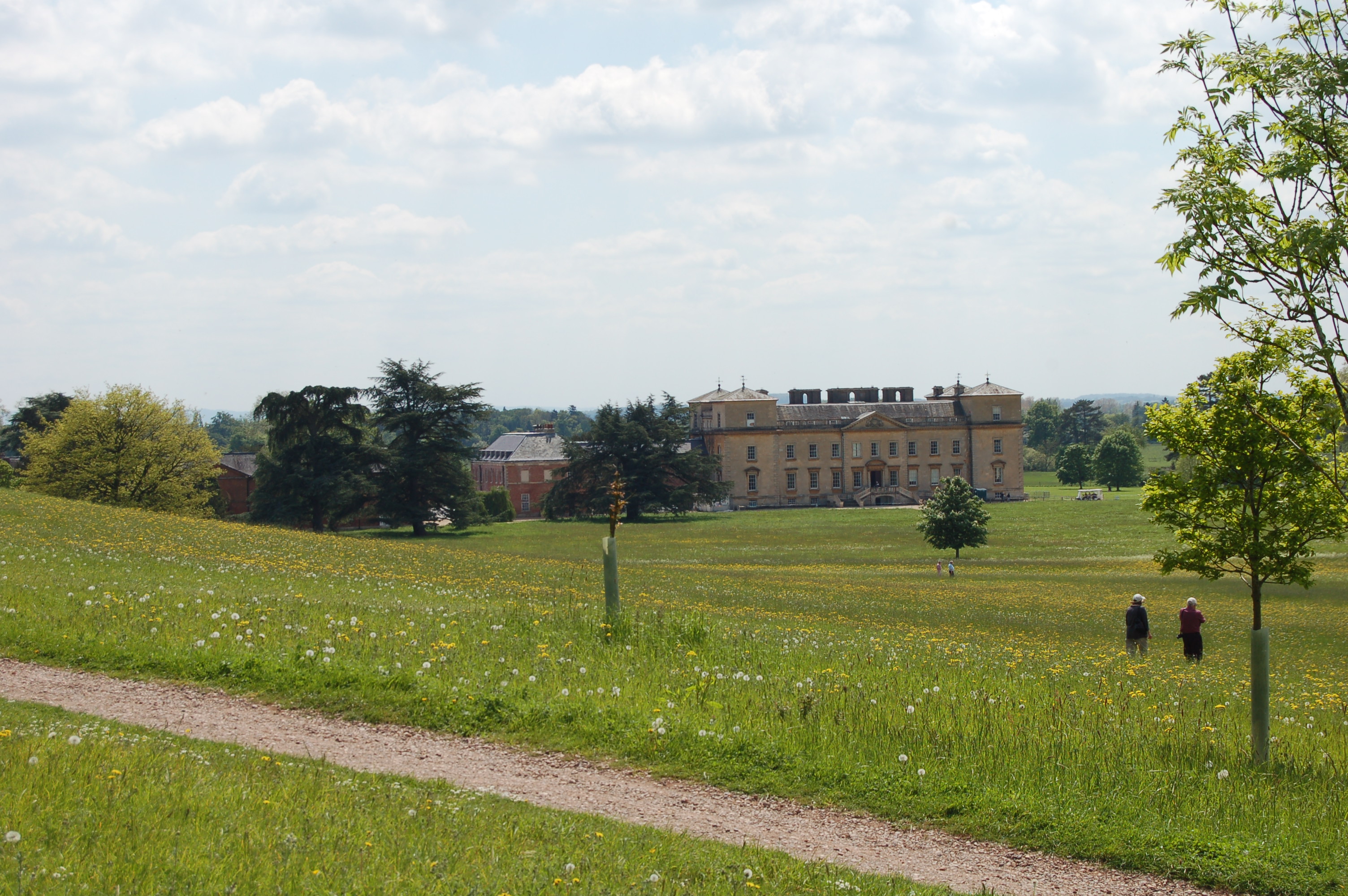
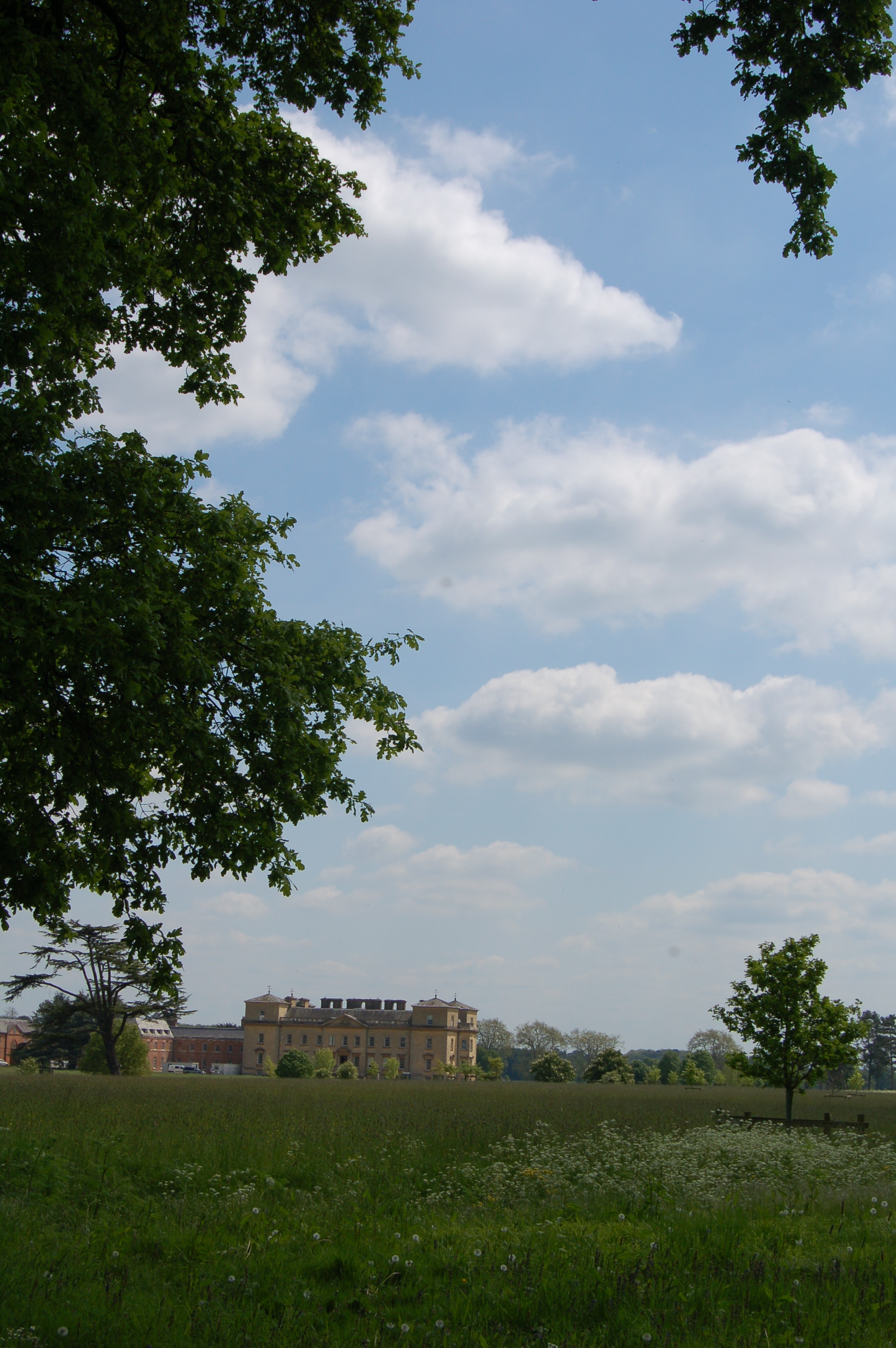
A a rare warm day in May we met my sister, Penny and husband Tony, for a walk in the park near their home. But this is no ordinary park – it was Croome a National Trust property near the village of Pershore in Worcestershire. The park and house are undergoing a huge long-term restoration programme. We were pleased to get a chance to enjoy it part way through its rebirth.

2014 05 16_9307 2014 05 16_9308

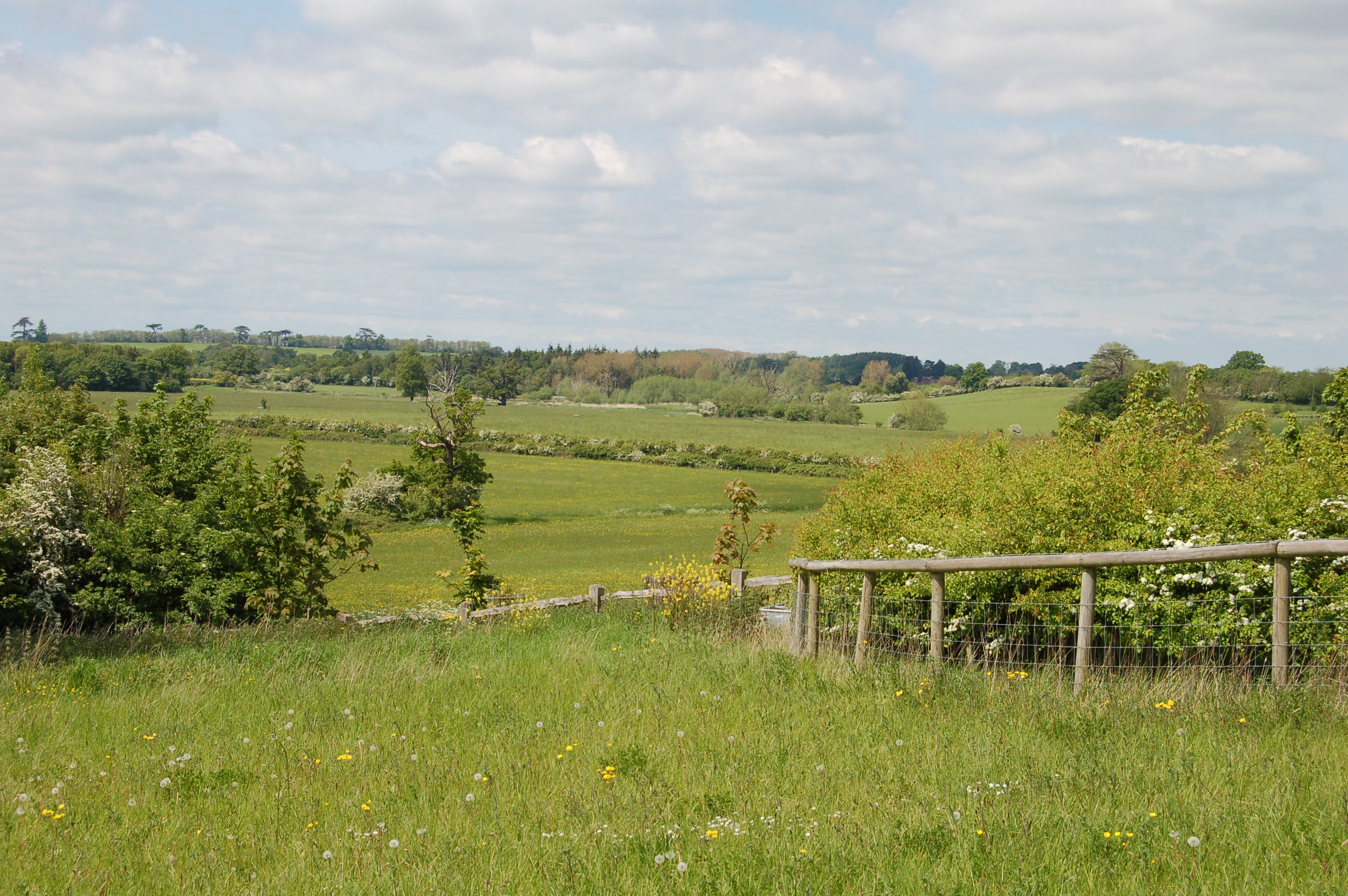
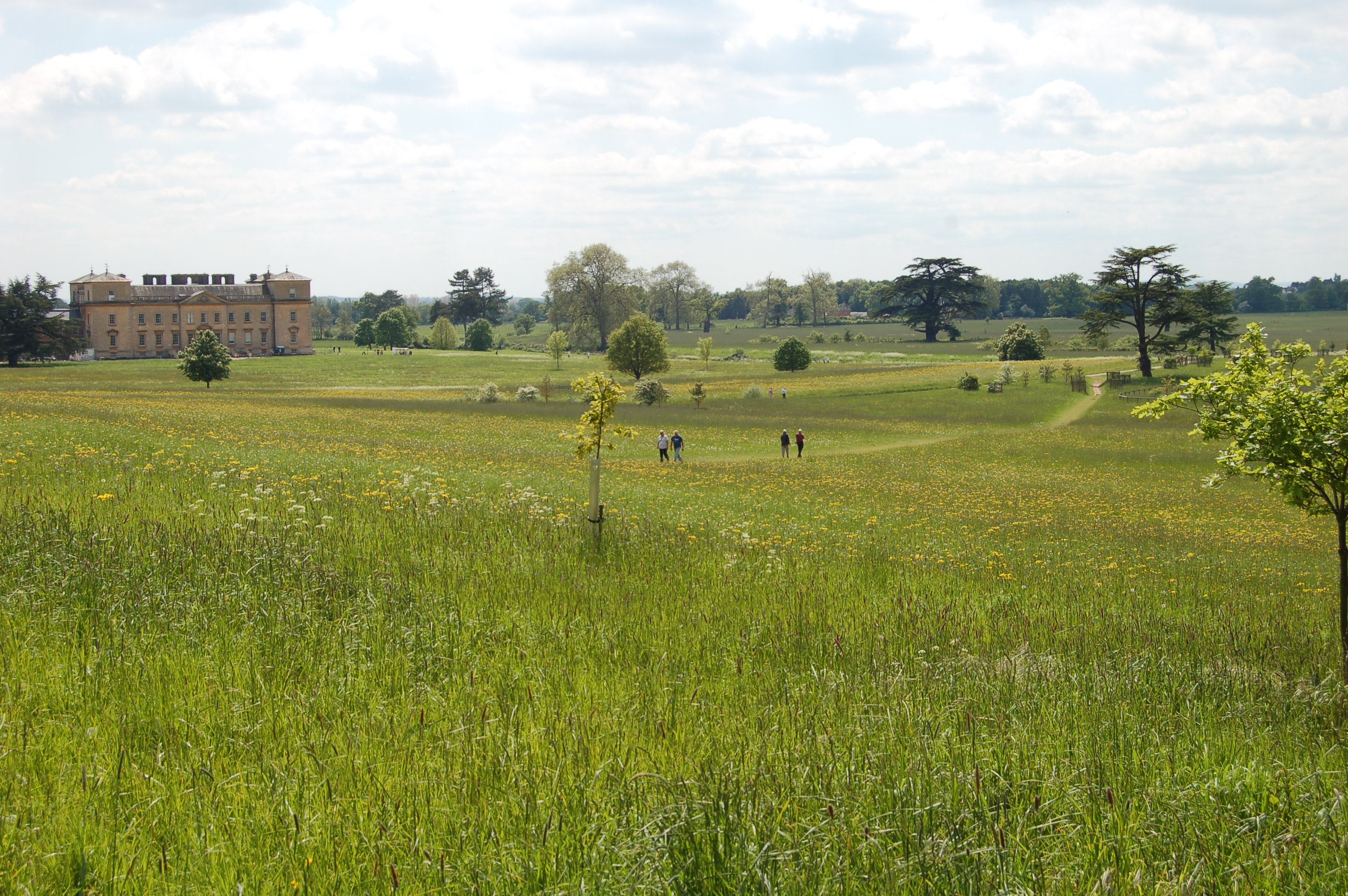
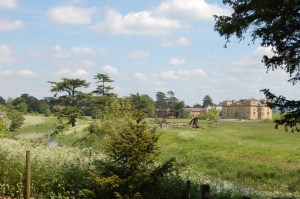
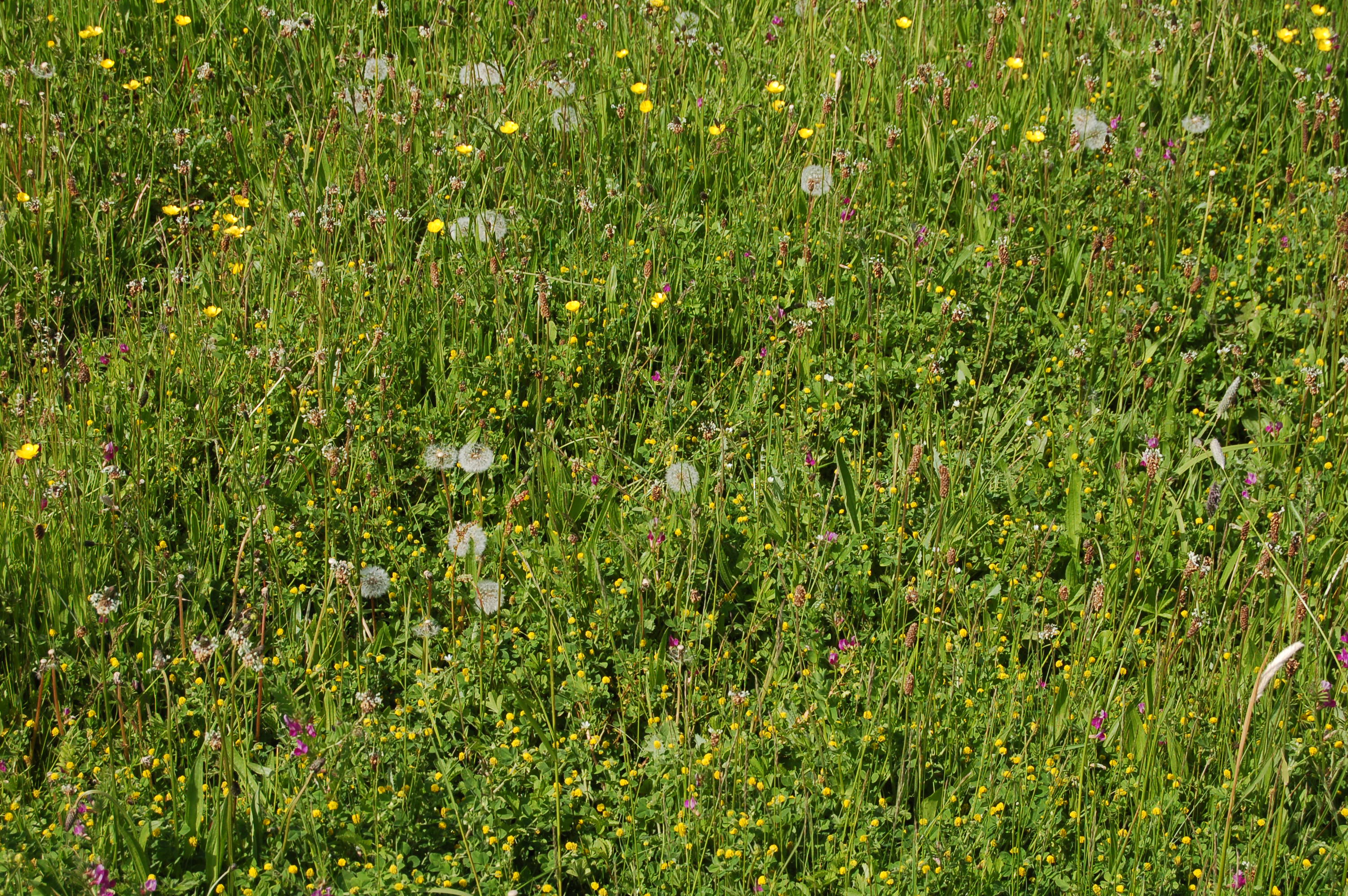
The parkland was originally designed by Capability Brown and it is beginning to come back to life after decades of neglect. Sweeping wildflower meadows were punctuated with newly planted trees. From the slightly elevated parts of the park we enjoyed distant views of the Worcestershire countryside.

2014 05 16_9309 2014 05 16_9310 2014 05 16_9311

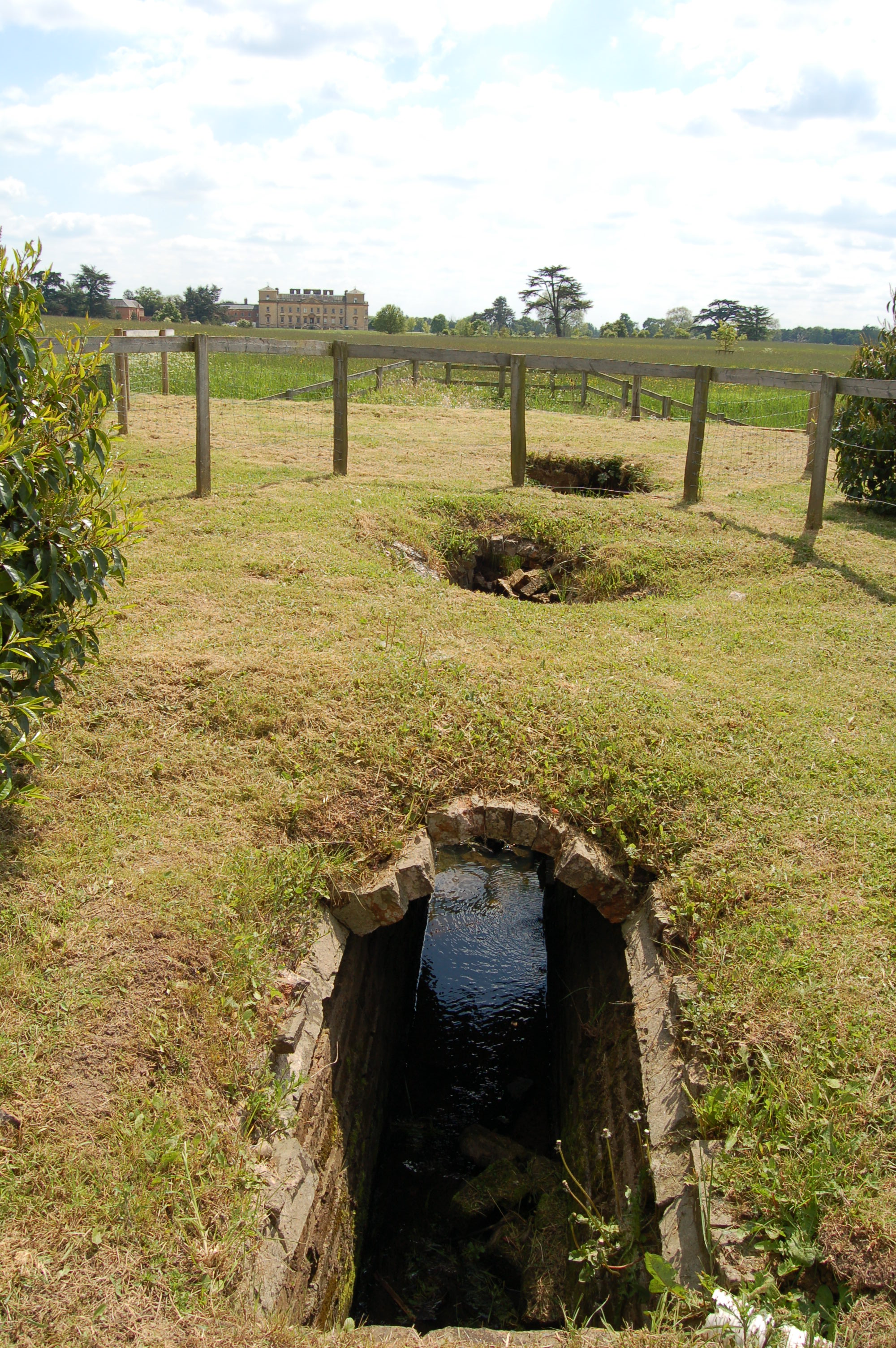
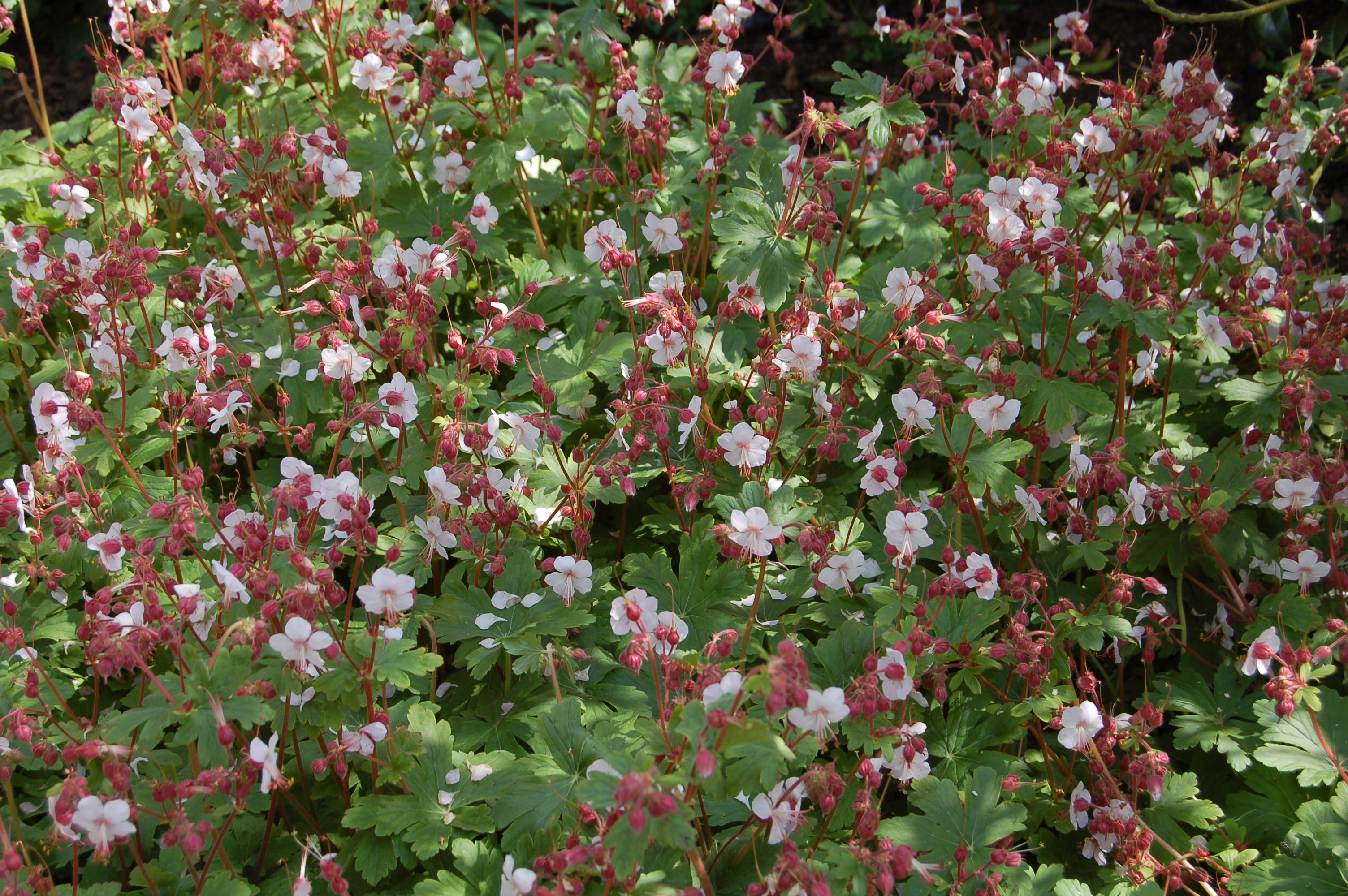
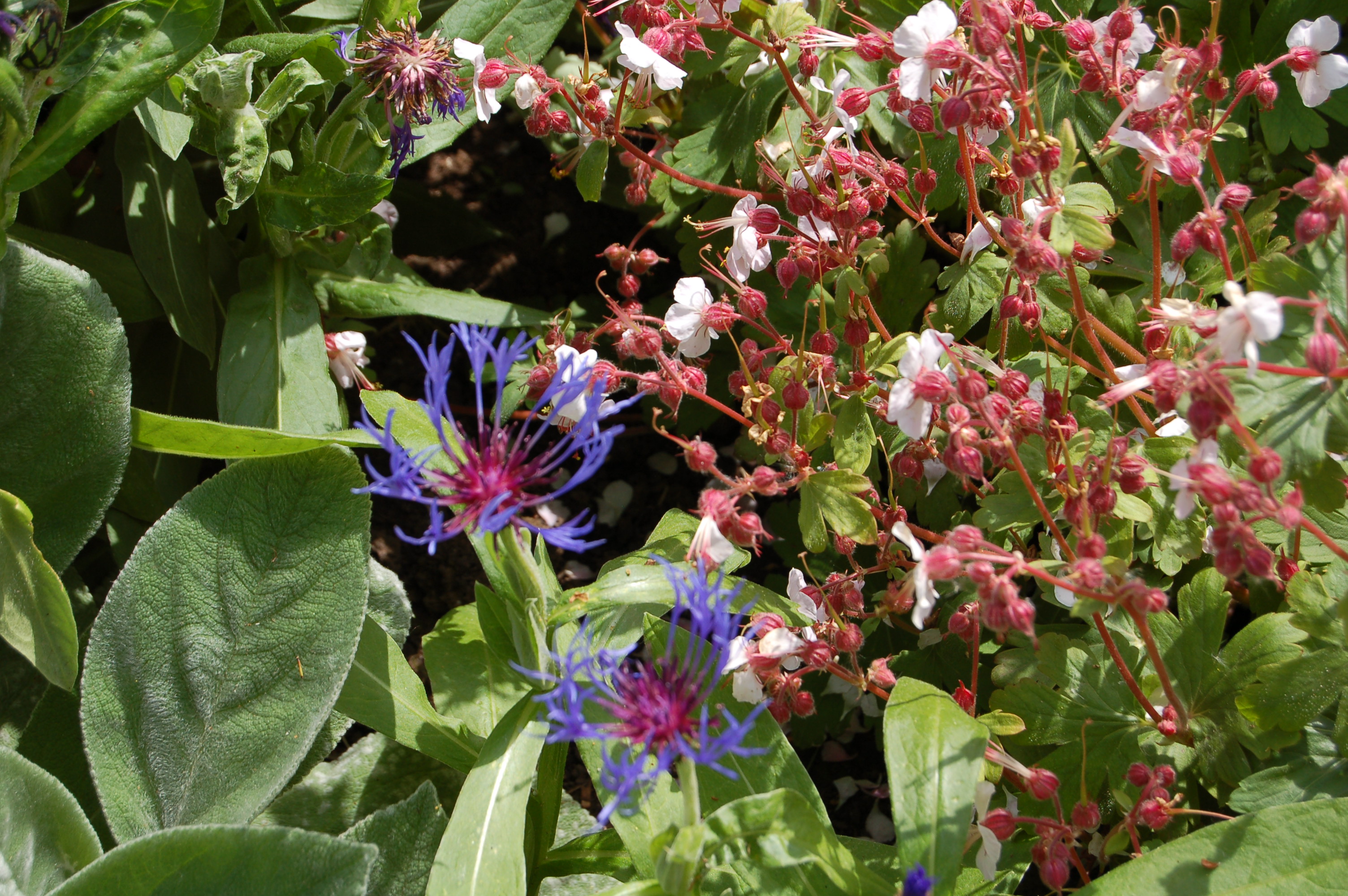
As we walked along the highest ridge in the park through newly planted shrubs and trees we were amazed to see that one section of the original underground water system had been exposed by a landslip. A glimpse into the genius of those water feature engineers. In places small areas of herbaceous planting had been established. It was refreshing to look at colour close to and in detail as the parkland here is mostly about large-scale views.

2014 05 16_9312 2014 05 16_9313 2014 05 16_9314 2014 05 16_9316

2014 05 16_9317 2014 05 16_9318

2014 05 16_9324 2014 05 16_9325

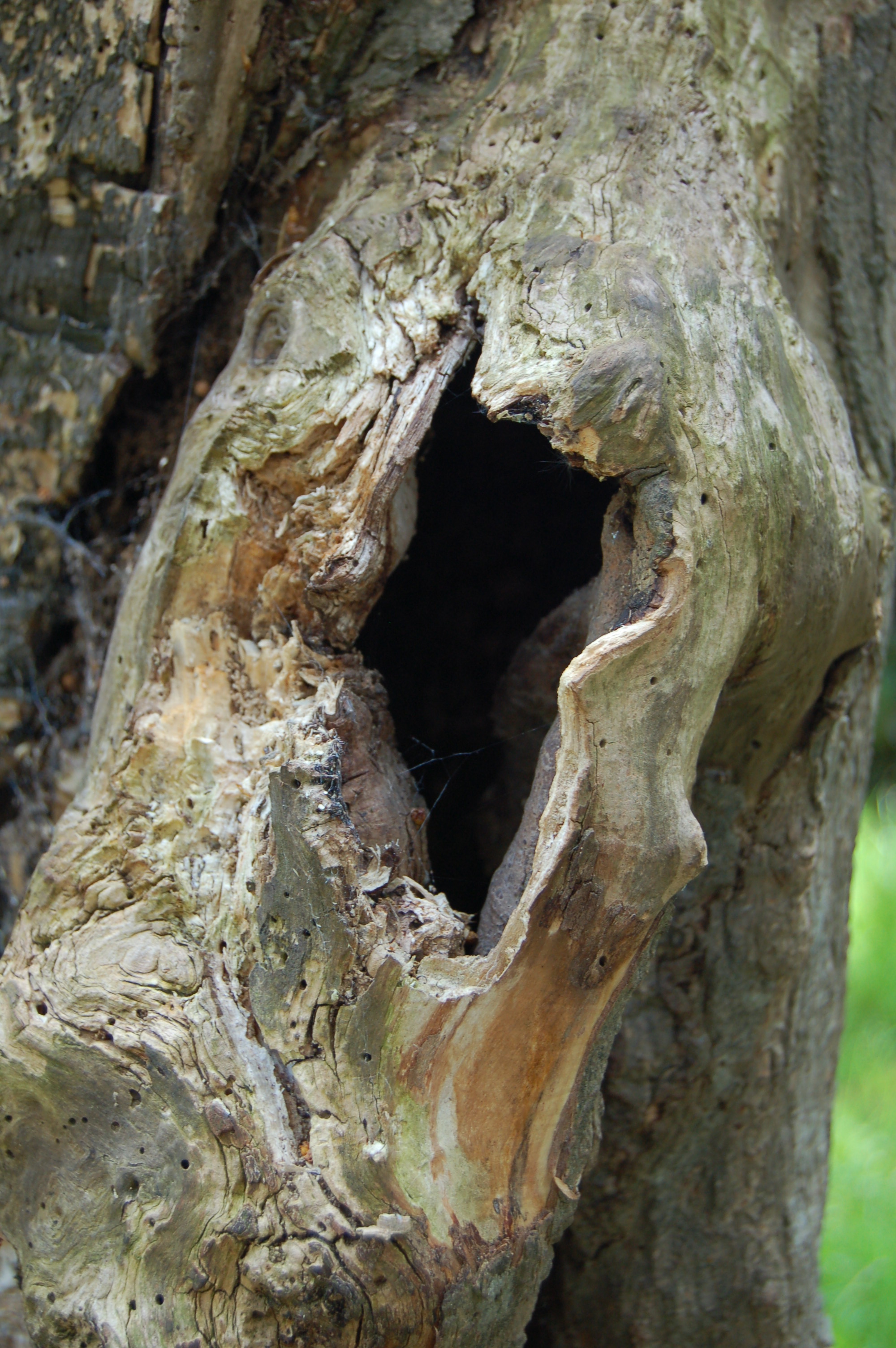
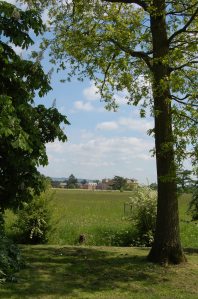
A few old specimen trees have survived and their gnarled twisted trunks were a stark contrast to the newly planted shrubs and trees. Beyond them glimpses of the house and church were revealed.

2014 05 16_9320 2014 05 16_9321 2014 05 16_9322 2014 05 16_9323  2014 05 16_9329 2014 05 16_93512014 05 16_9333 2014 05 16_9328

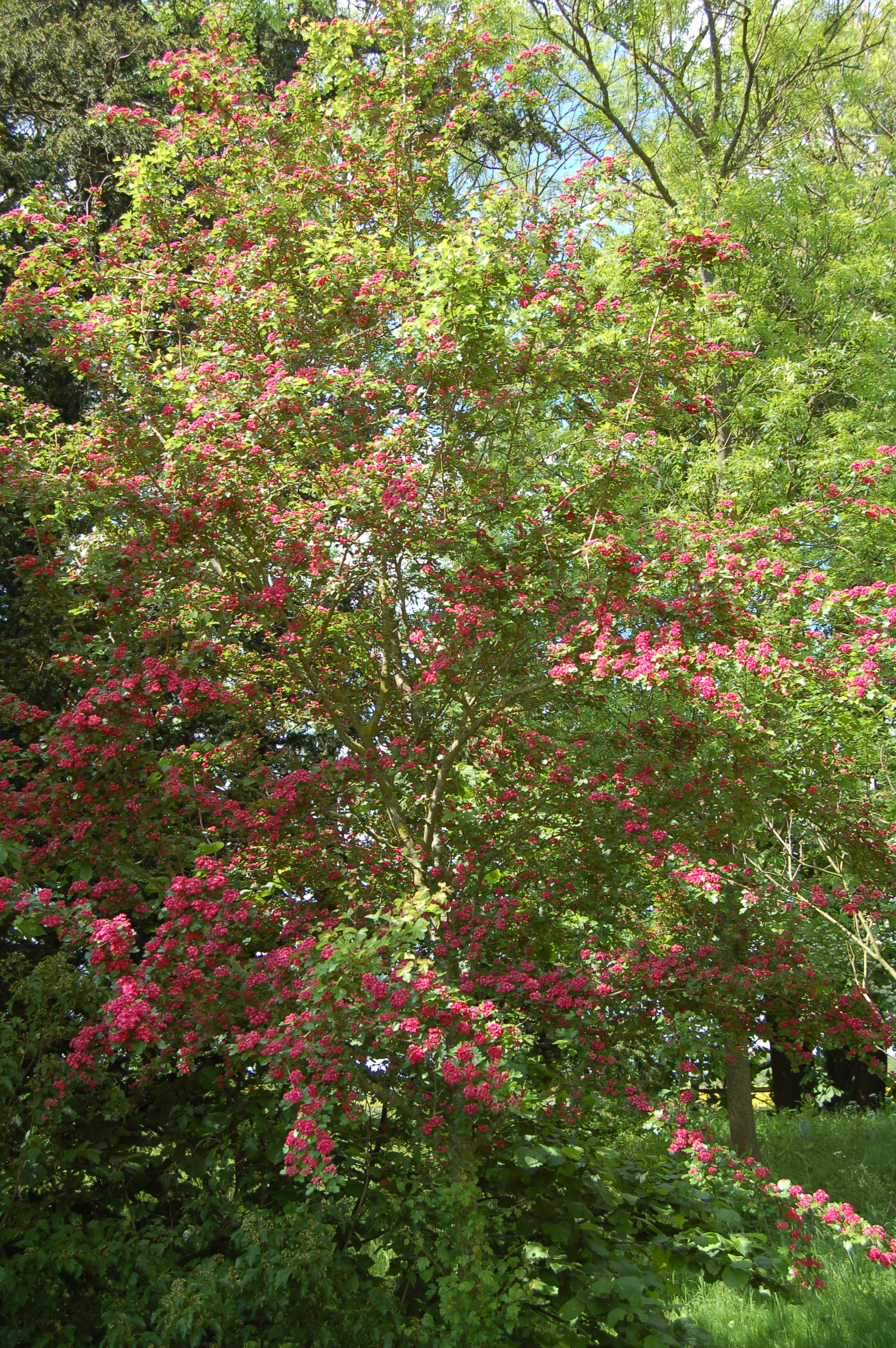
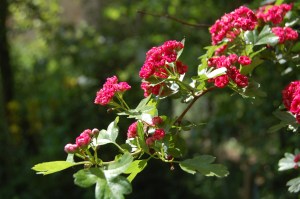
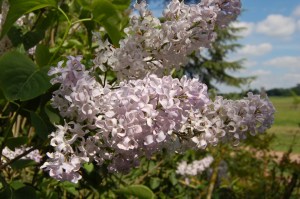
Flowering shrubs seemed particularly happy here with fine examples of sweetly scented Lilac and Hawthorn with their rather unpleasant aroma.

2014 05 16_9326  2014 05 16_9327 2014 05 16_9330 2014 05 16_9319

As we left the shrubberies we moved back out into the open passing over an old stone-built bridge over the River Croome where it had been widened out to form a lake. This was typical of the way Capability Brown manipulated the landscape. The fence on the bridge was constructed from the wood of chestnut. This wood makes unusual looking fencing which lasts for centuries without maintenance. (see another post, coming soon, concerning Chestnut trees and fences constructed from their wood)

2014 05 16_9340 2014 05 16_9341

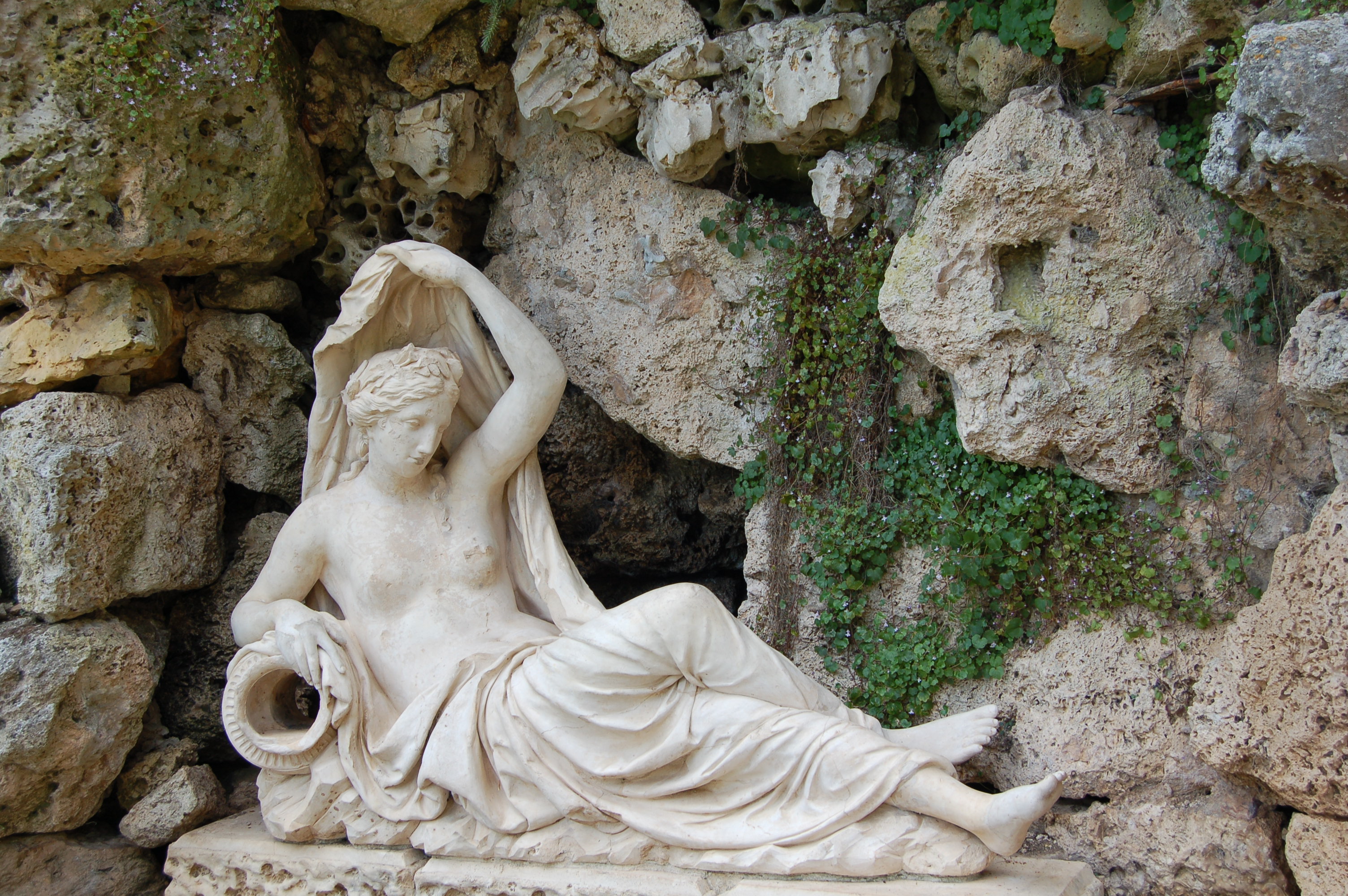
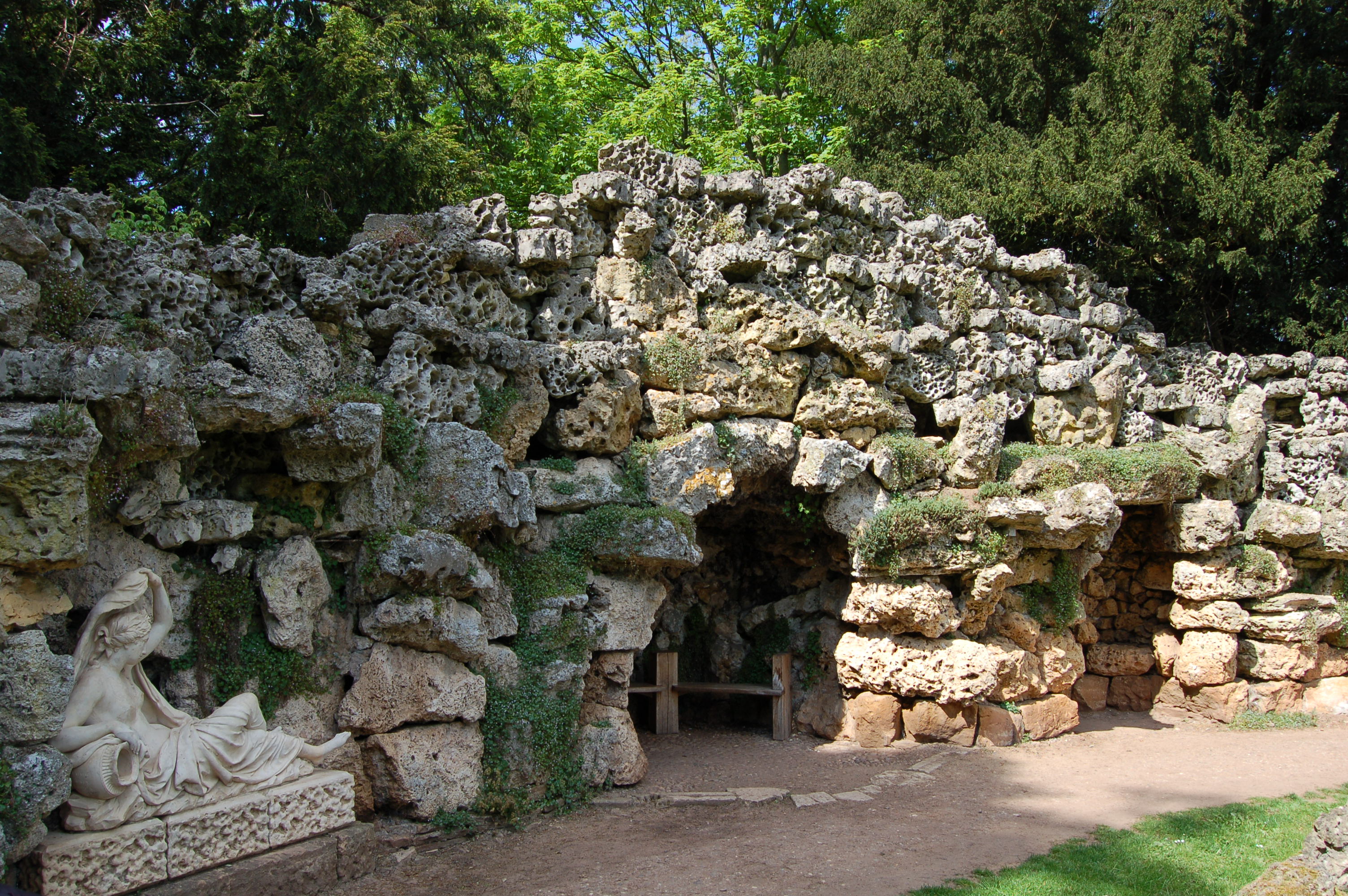
Overlooking the lake was a grotto which had been lovingly restored and on this extremely hot and humid day it provided some much appreciated shade and cool air. The fissures and cracks within it afforded the local small birds with safe, secret nesting sites. We spotted Wrens, Blue Tits and Coal Tits while we sat and rested a short while. A statue here was dedicated to Sabrina the Goddess of the River Severn. Sabrina is well known to us as our home town, Shrewsbury, huddles within a loop of the River Severn. The goddess lends her name to many a boat and building in the town.

2014 05 16_9342 2014 05 16_9343 2014 05 16_9344 2014 05 16_9345

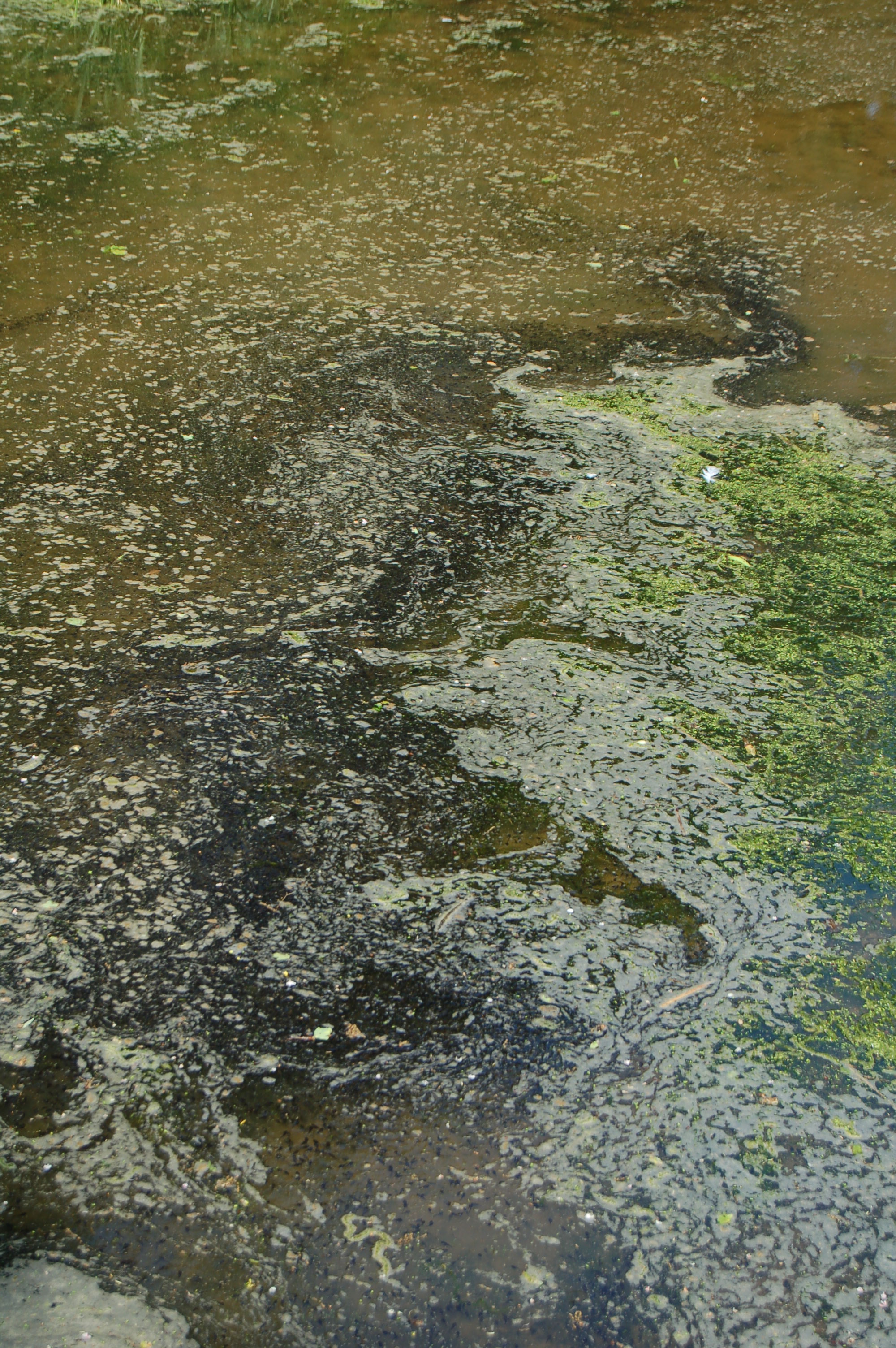
In places the lake’s surface bubbled and frothed with a seething black mass of tadpoles. Amazing!

2014 05 16_9346


Our wanderings back to the car park took us along the banks of the River Croome where we were entertained by Sedge Warblers in full song atop waterside plants, through more flower rich meadows.

2014 05 16_9347 2014 05 16_9348 2014 05 16_9349 2014 05 16_9350


Categories
birds countryside hedgerows landscapes nature reserves swallows trees wildlife woodland woodlands

Up on the Downs – a wander on chalk uplands.

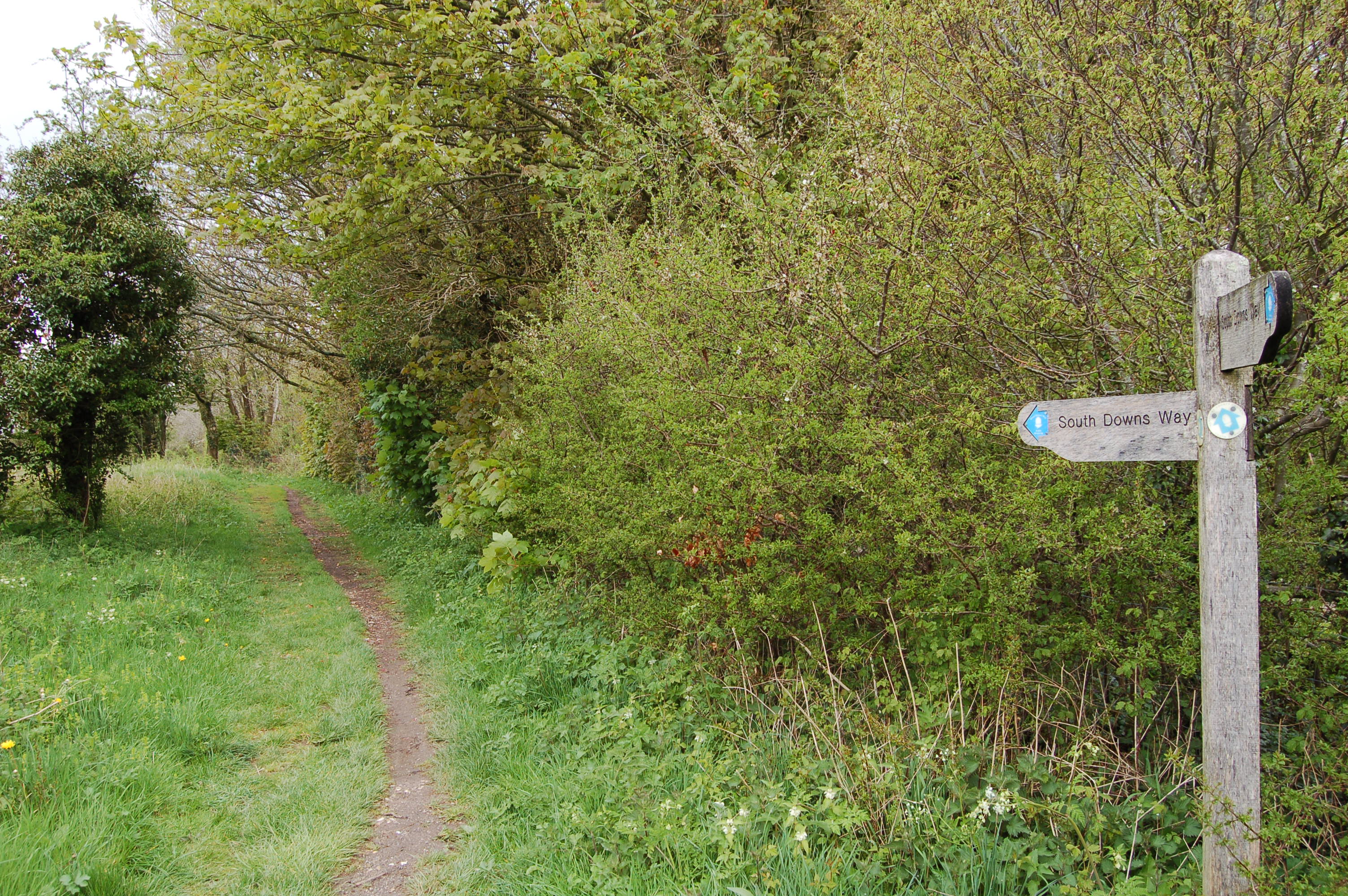
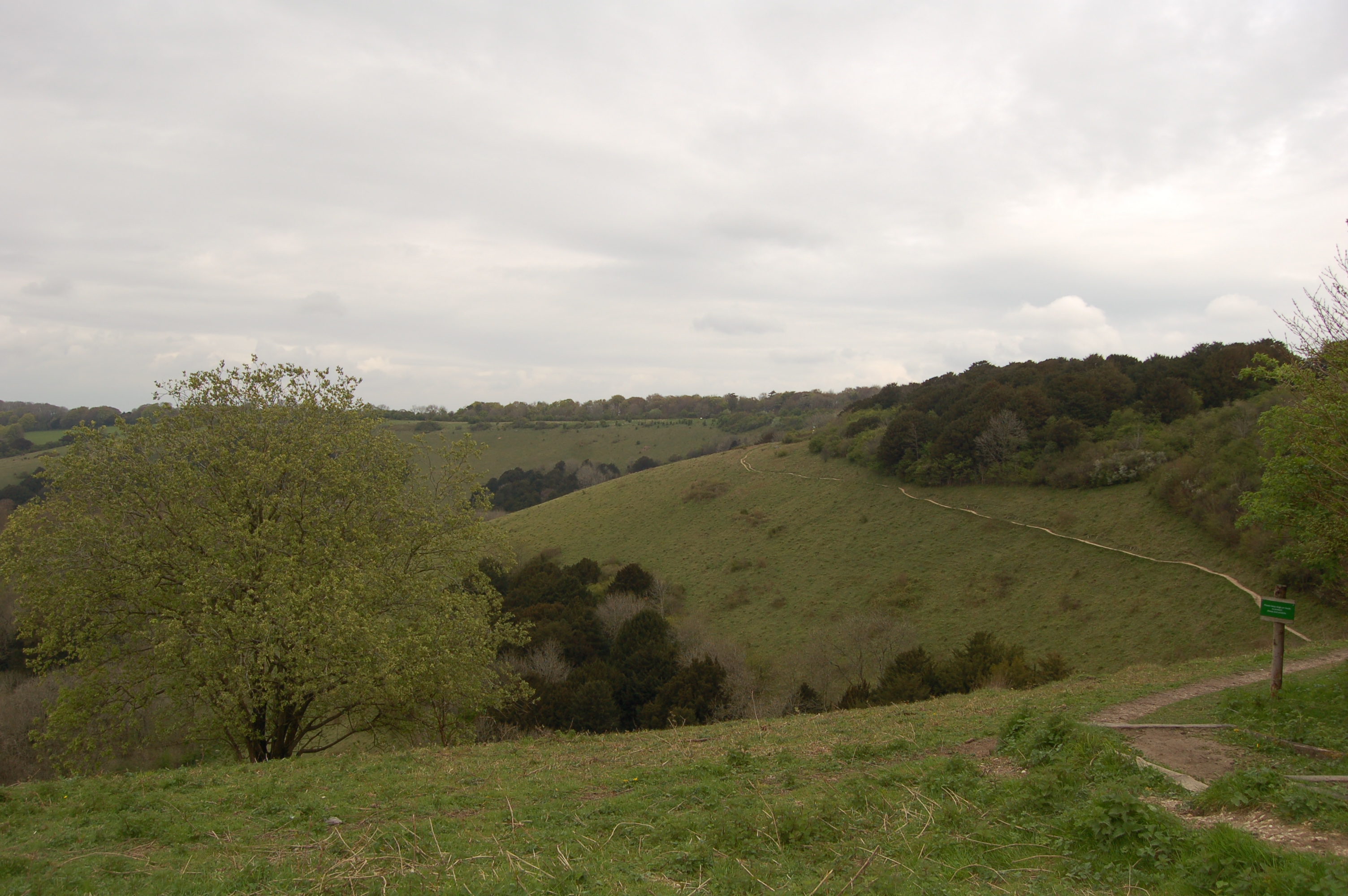
We have wanted to take a walk on the “Downs” for a while now and we have it written in our “to do” book. However whilst visiting my brother, Graham and his wife Vicky in Farnham  we took the opportunity to make a half hour drive  which led us to the car park at the start of a gentle walk along Old Winchester Hill. The panoramic views gave an added incentive to get going despite a cold, biting wind.

2014 04 22_85542014 04 22_85552014 04 22_8556

Although it is still relatively early in the year we had expectations of seeing site specific plants and birds. We were not to be disappointed.

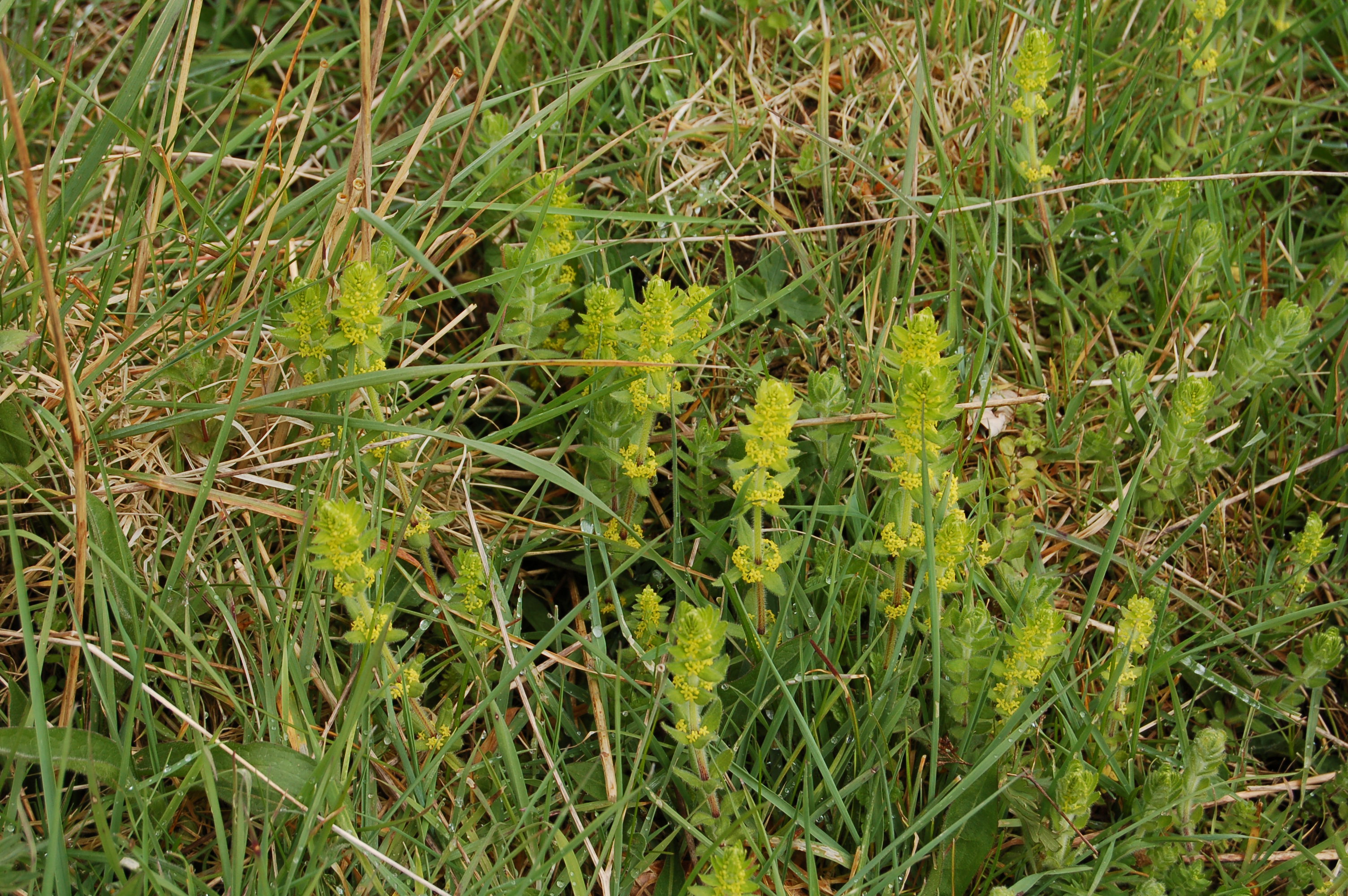
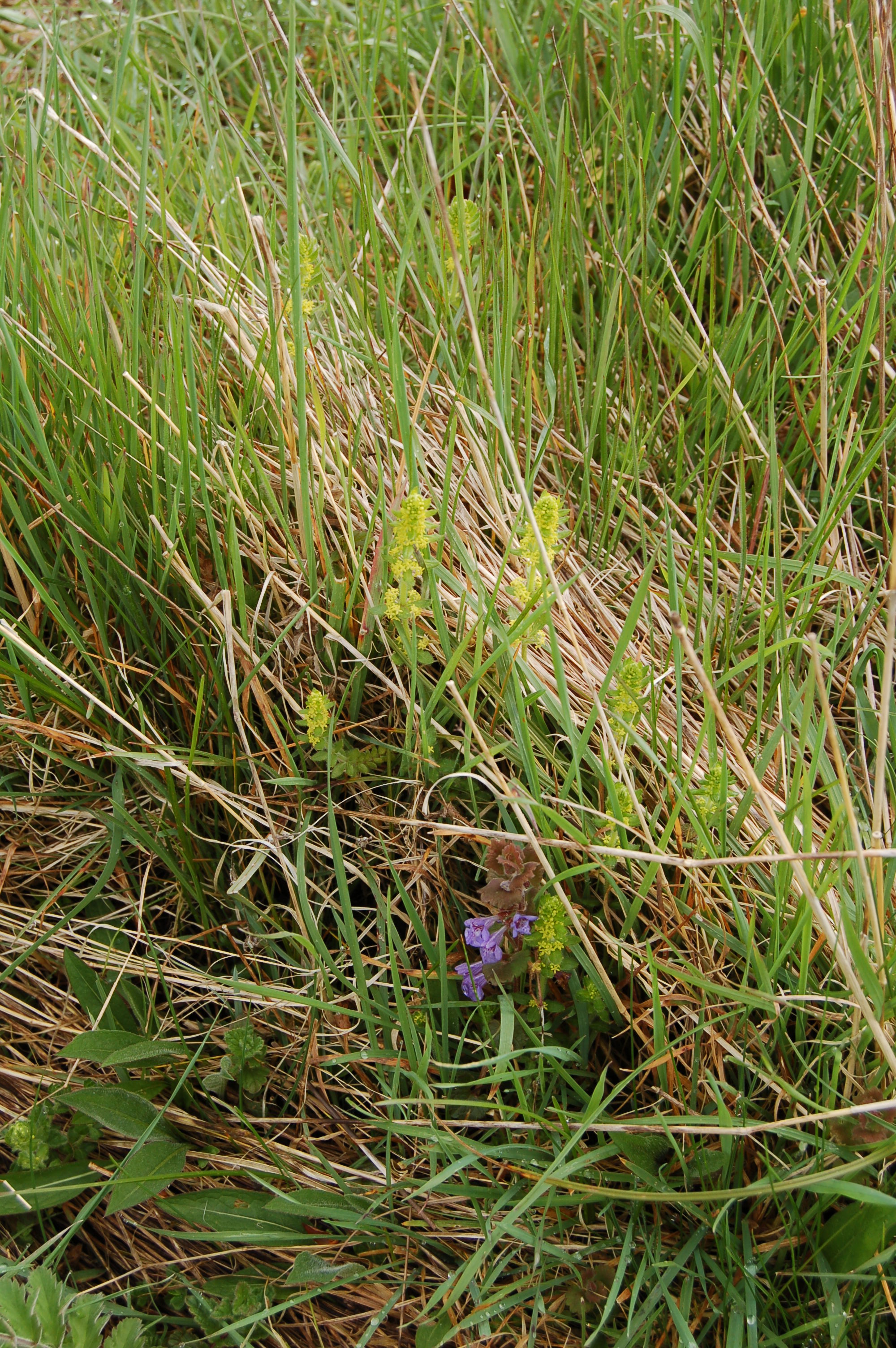
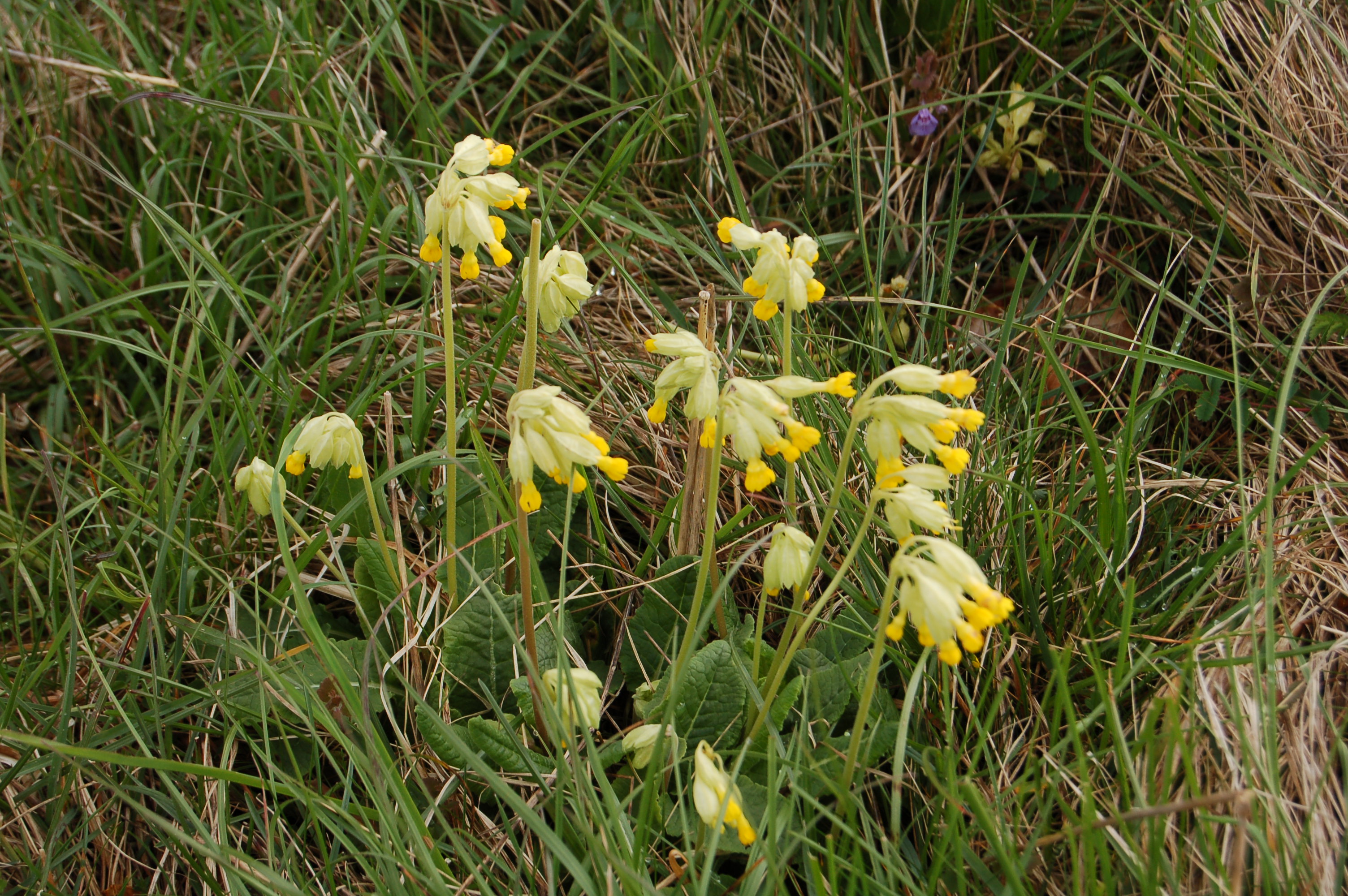
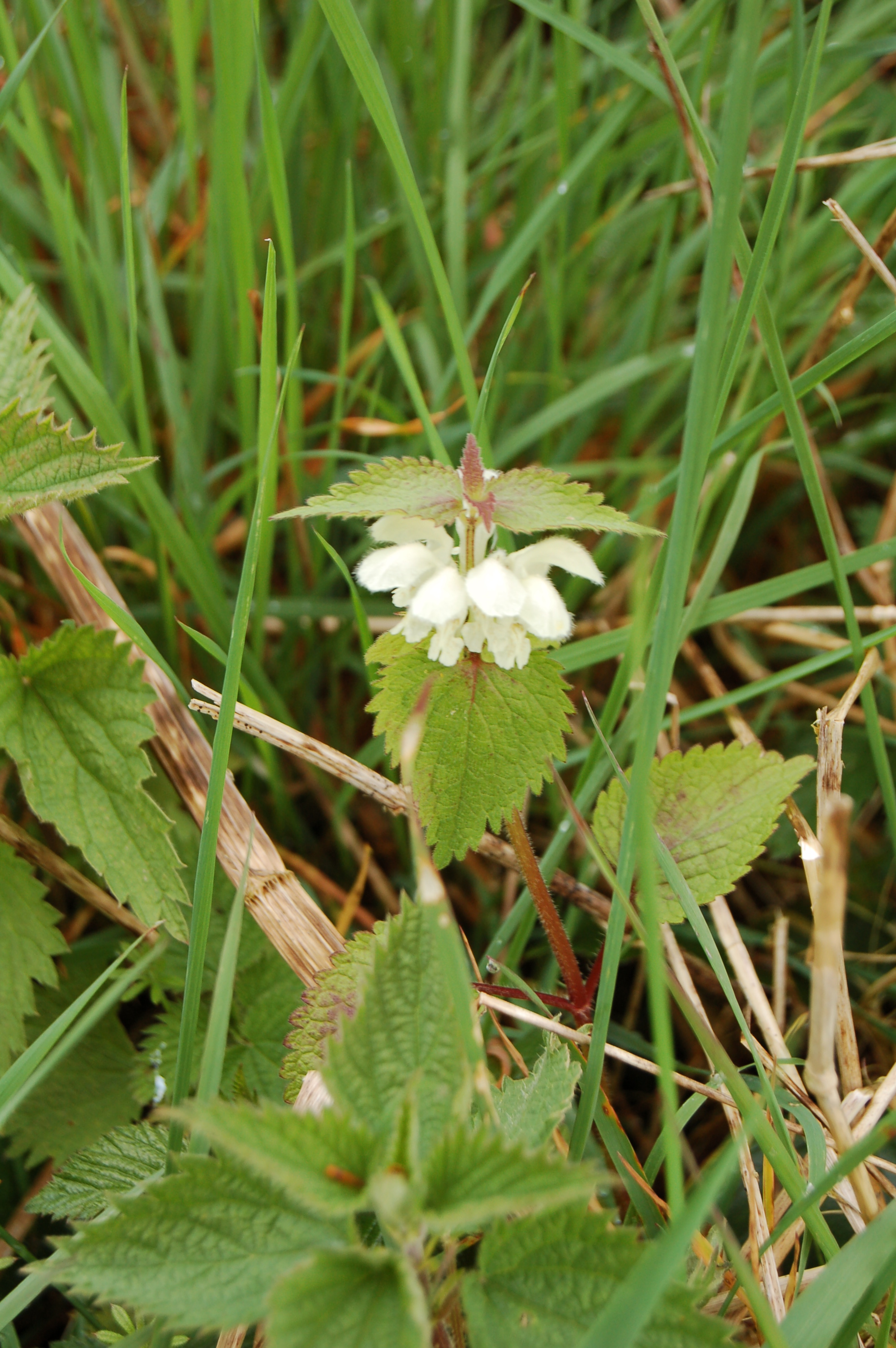
Lady’s Bedstraw, White Deadnettle and Cowslip were probably the most frequently occurring flowering plants.

2014 04 22_8557 2014 04 22_8558 2014 04 22_8559 2014 04 22_8560

2014 04 22_8562

It was good to see one of our native Euphorbias growing along the woodland margins. This Wood Spurge looked so similar to some we grow in our Plealey garden.

2014 04 22_8561 2014 04 22_8564

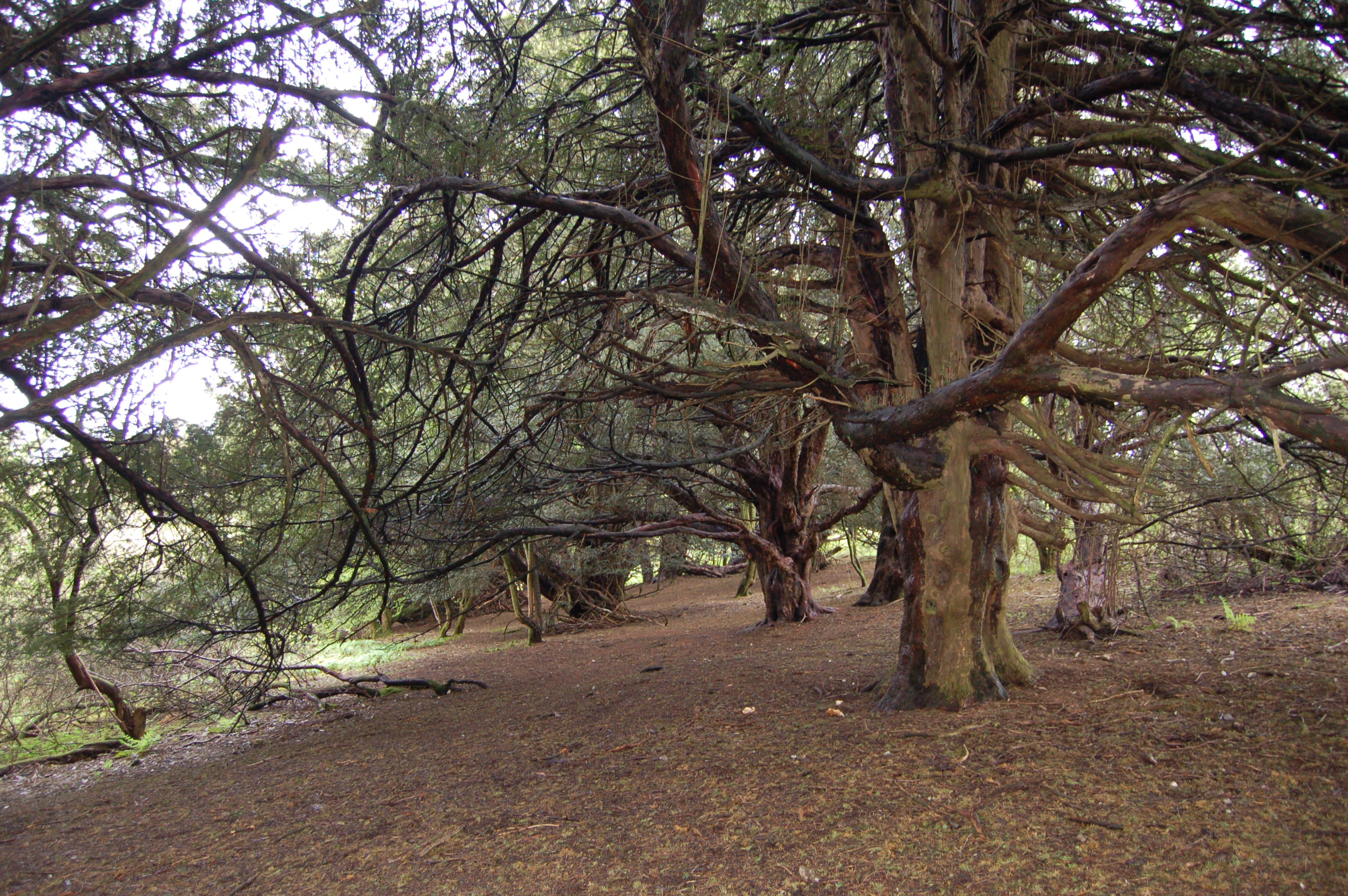
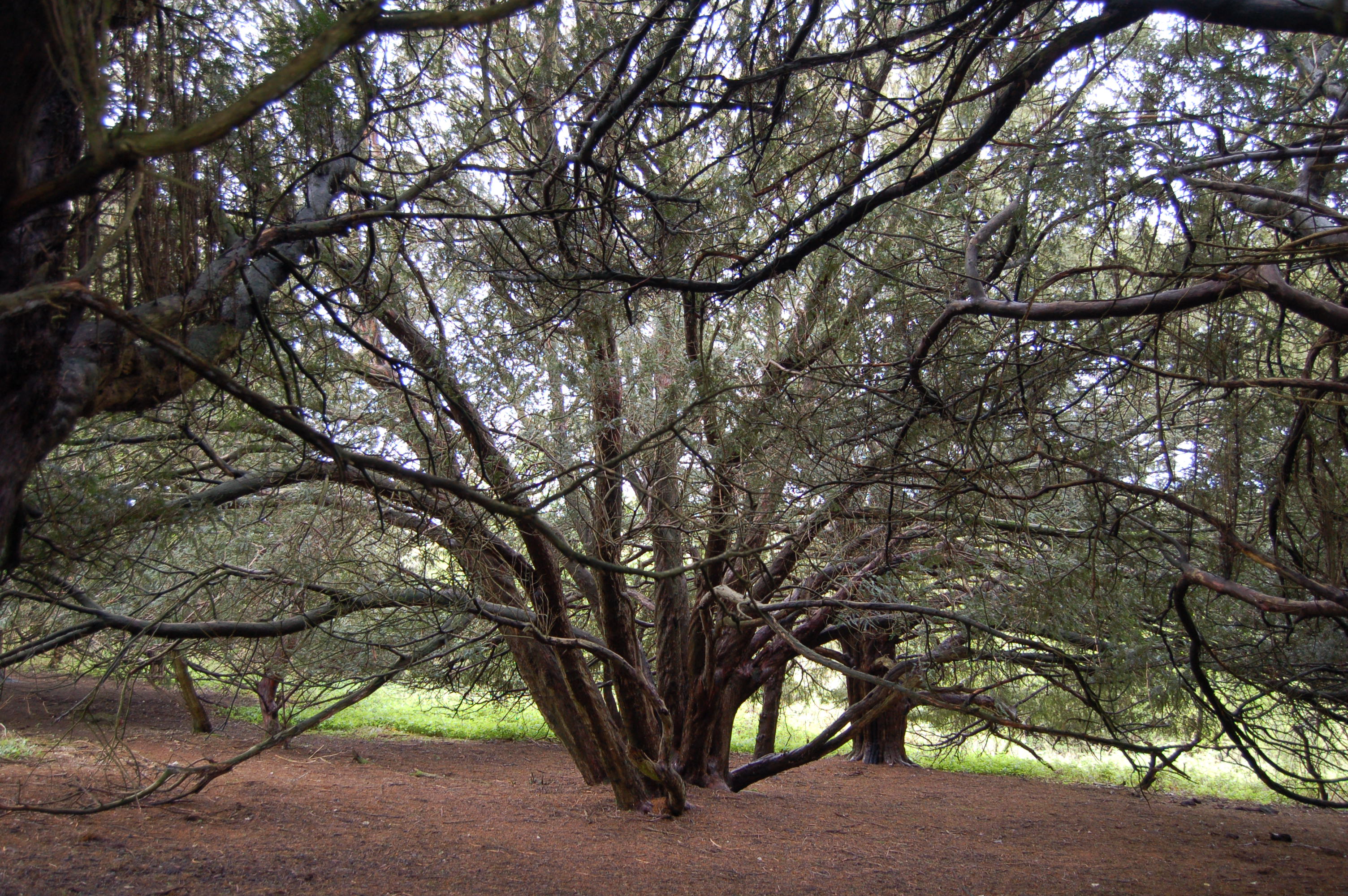
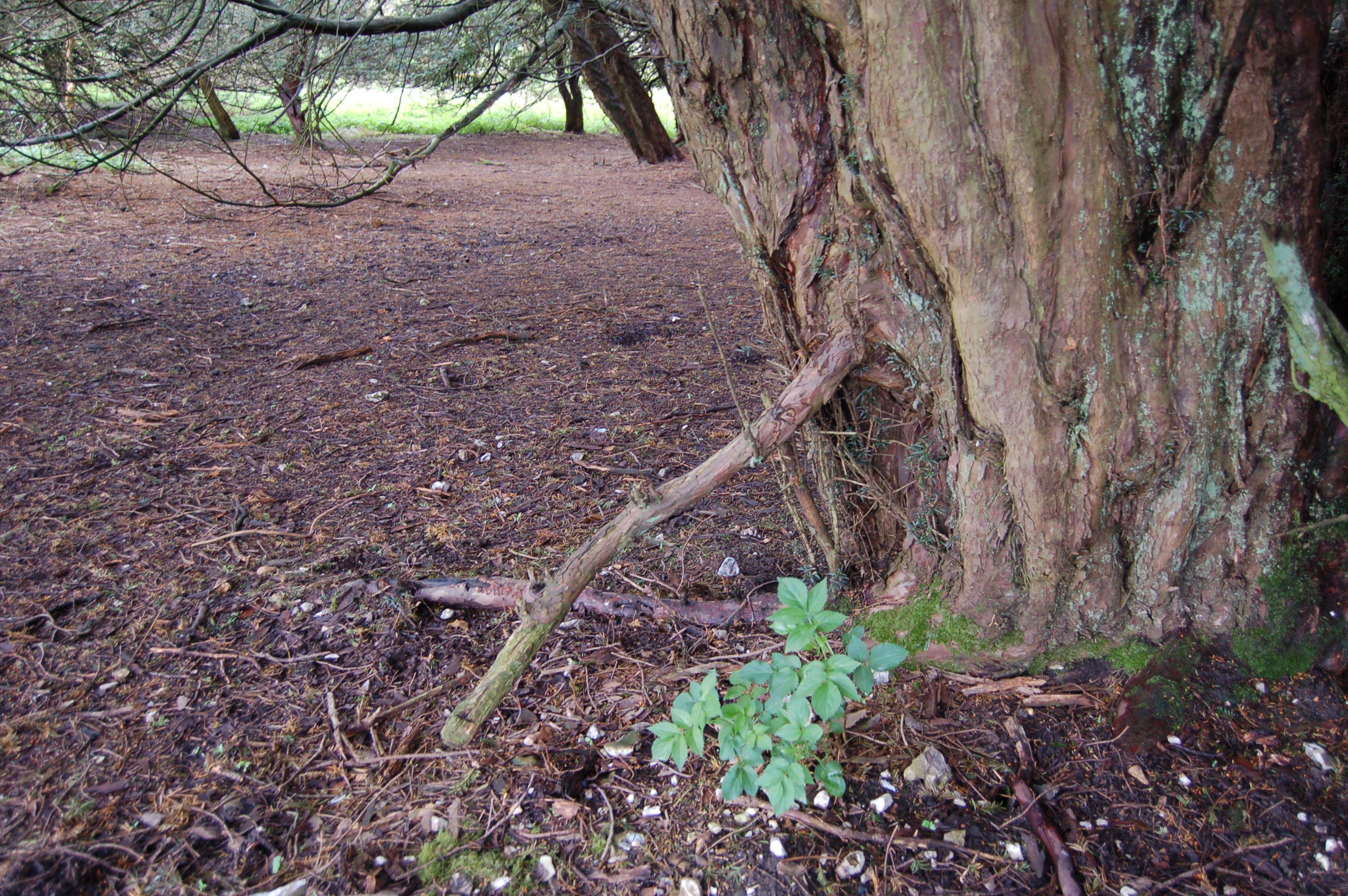
As we reached the end of the ridge the path changed direction and we walked along a track between woodland and open fields. The woodland birdlife was in full song with summer migrant Warblers joining the resident Robins and Dunnocks. Above our heads Swallows called constantly. Over the farmland the song of Skylarks and the calls of Lapwing, two of our ground nesting birds, was carried on the wind for us to enjoy. We were really surprised to see large areas of very mature yew trees growing within areas of the usual deciduous trees, as we do not see them growing like this at home in Shropshire. They formed dark patches on the hillsides. We ventured underneath them and all of us found them decidedly spooky as they cut out all sound and much of the light leaving us in gloom. Beneath them nothing ventured to grow, apart from one lone, brave Elder seedling.It is no wonder that they feature strongly in ancient myths and folklore.

2014 04 22_8566 2014 04 22_8567


2014 04 22_8568 2014 04 22_8569

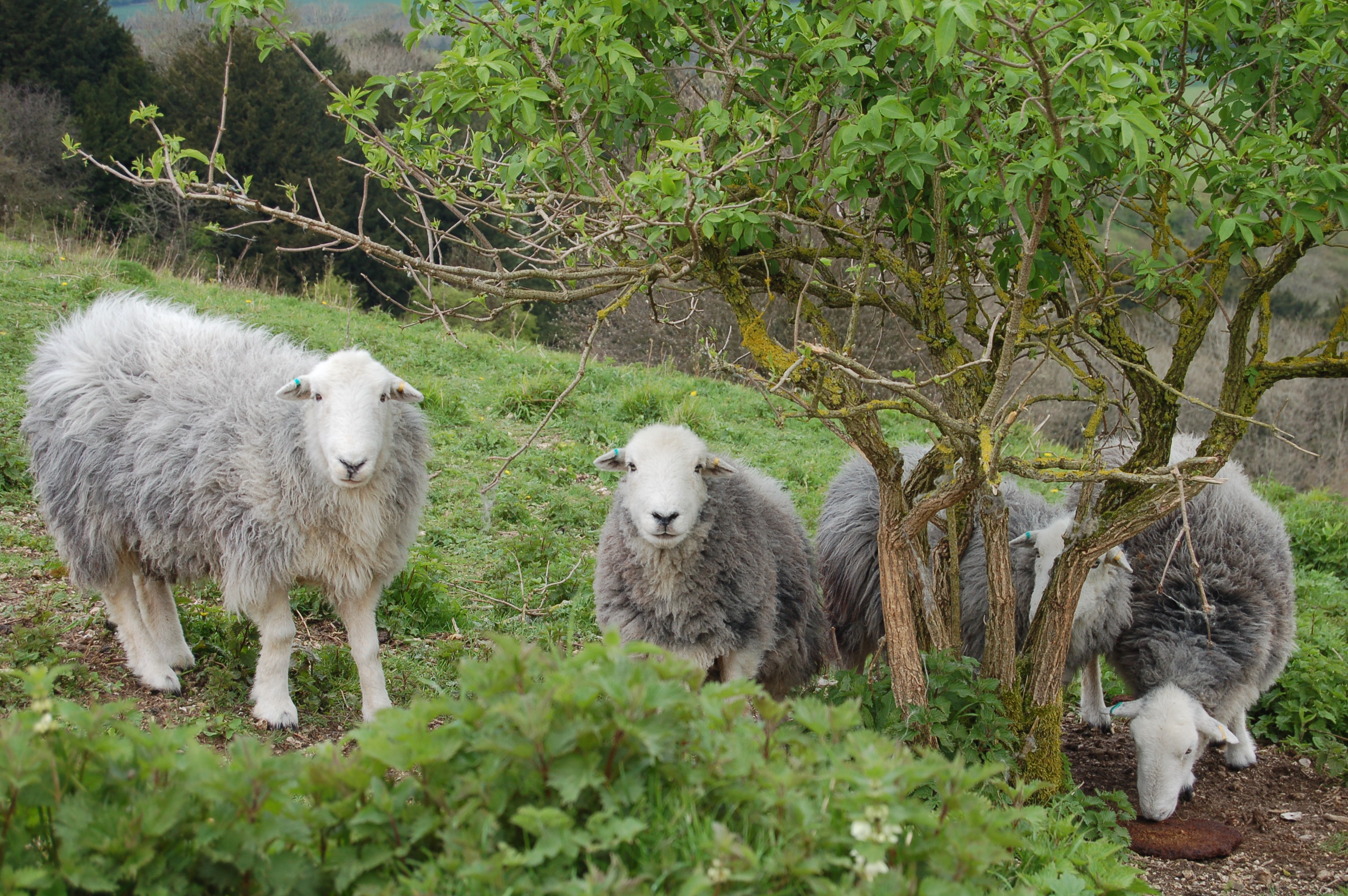
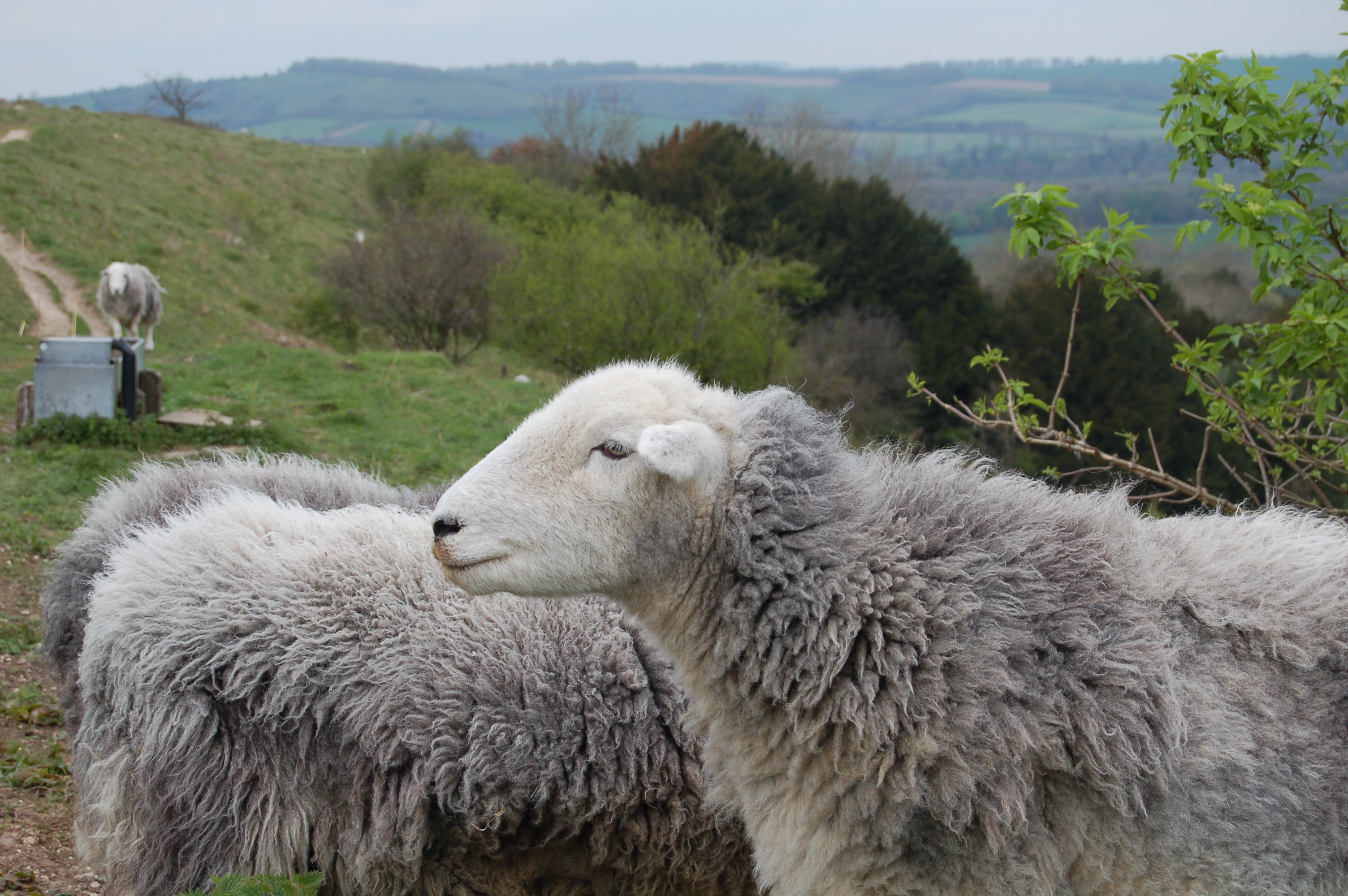
When we stopped for our coffee break on the only bench on the walk we were soon joined by a small flock of very inquisitive rare breed Herdwick Sheep, the sort I think that Beatrix Potter helped to save from extinction up on her Lake District farm.

2014 04 22_8575 2014 04 22_8576

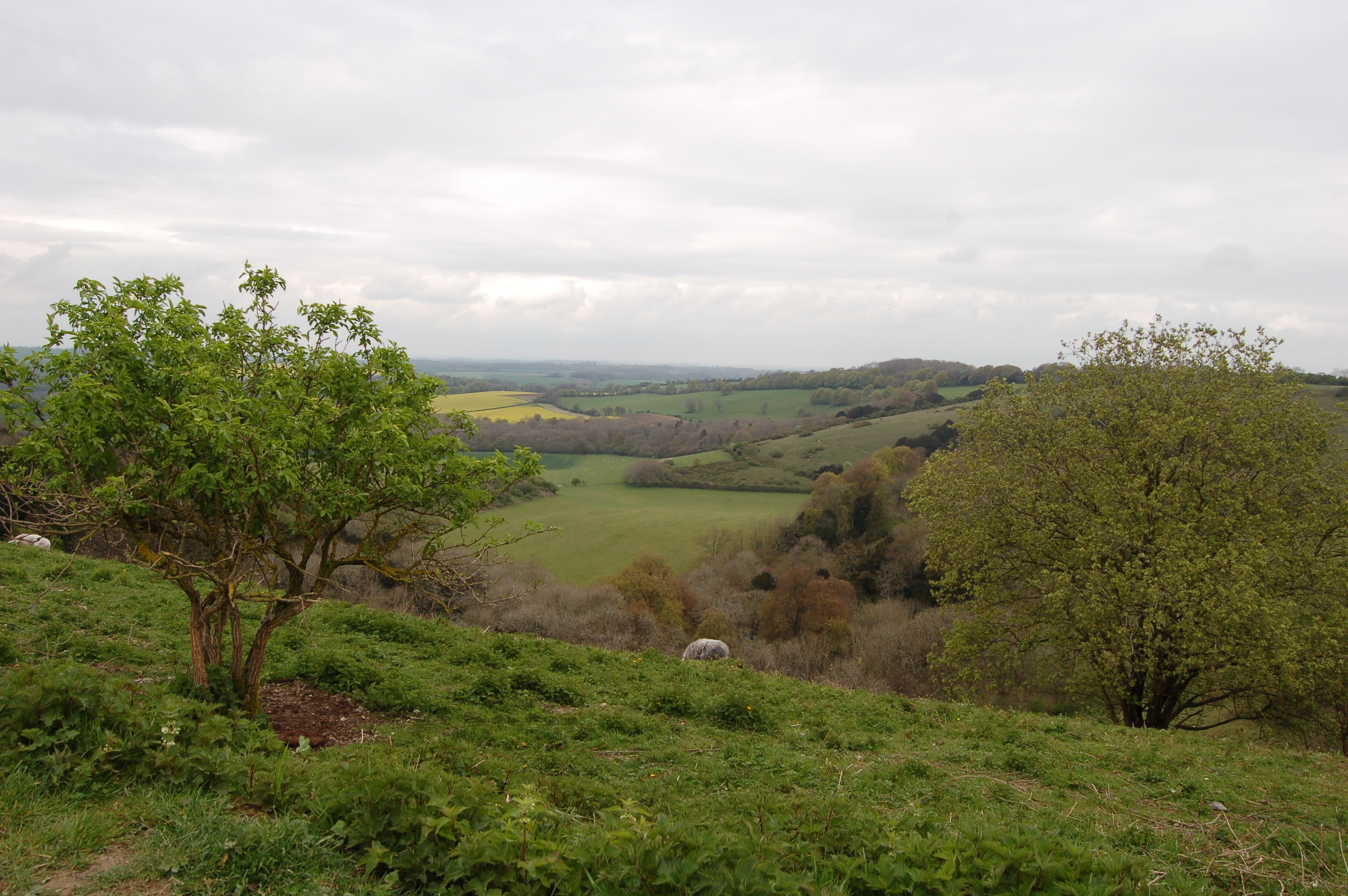
Beyond the sheep the views were stunning and far-reaching.

2014 04 22_8577 2014 04 22_8573

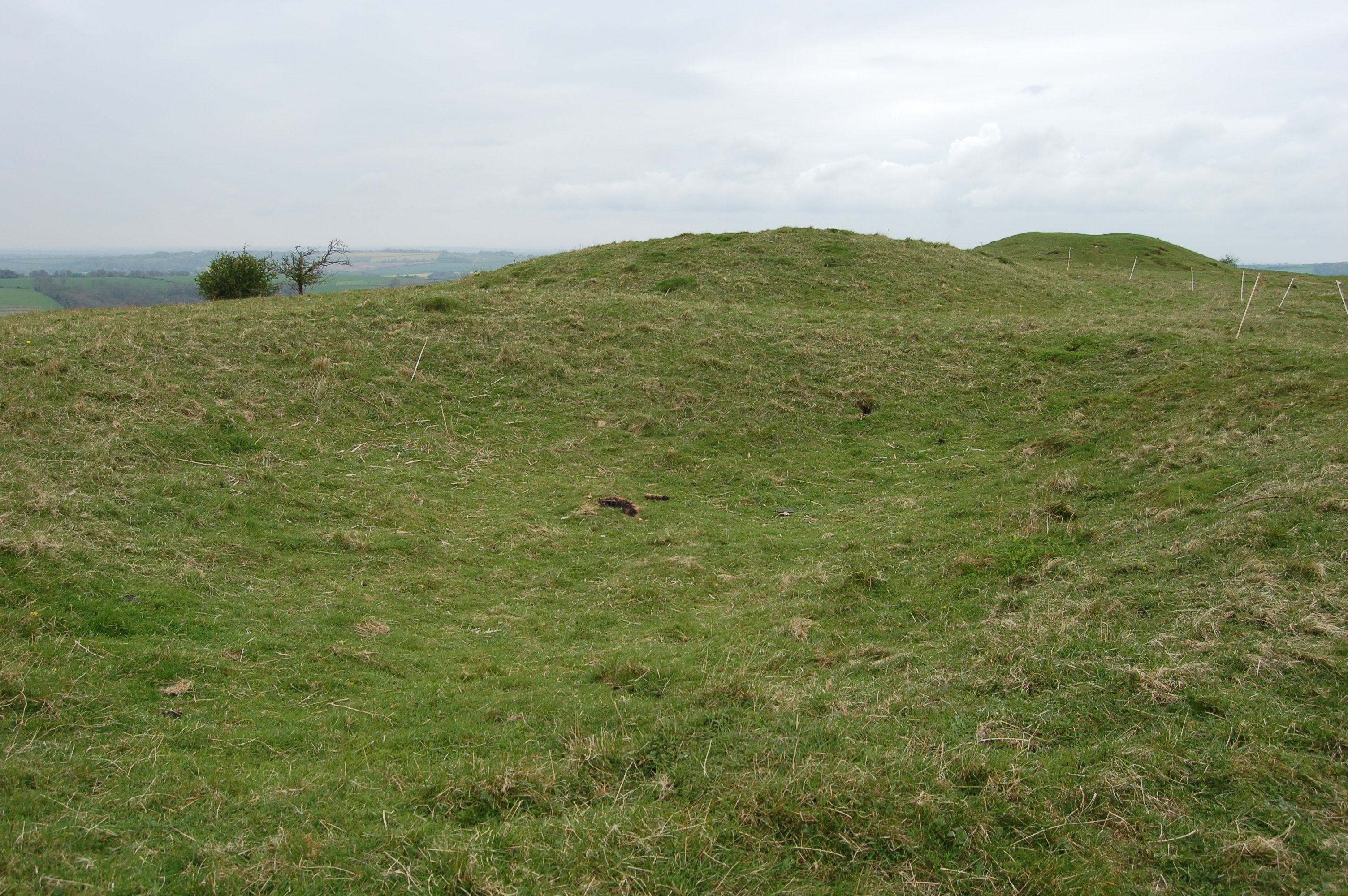
After our coffee break, with a slice of cake as well of course for added energy, we walked through the ancient hill fort with its Bronze Age burial mounds. It is amazing how interesting mounds of earth can be!

2014 04 22_8578 2014 04 22_8579 2014 04 22_8580

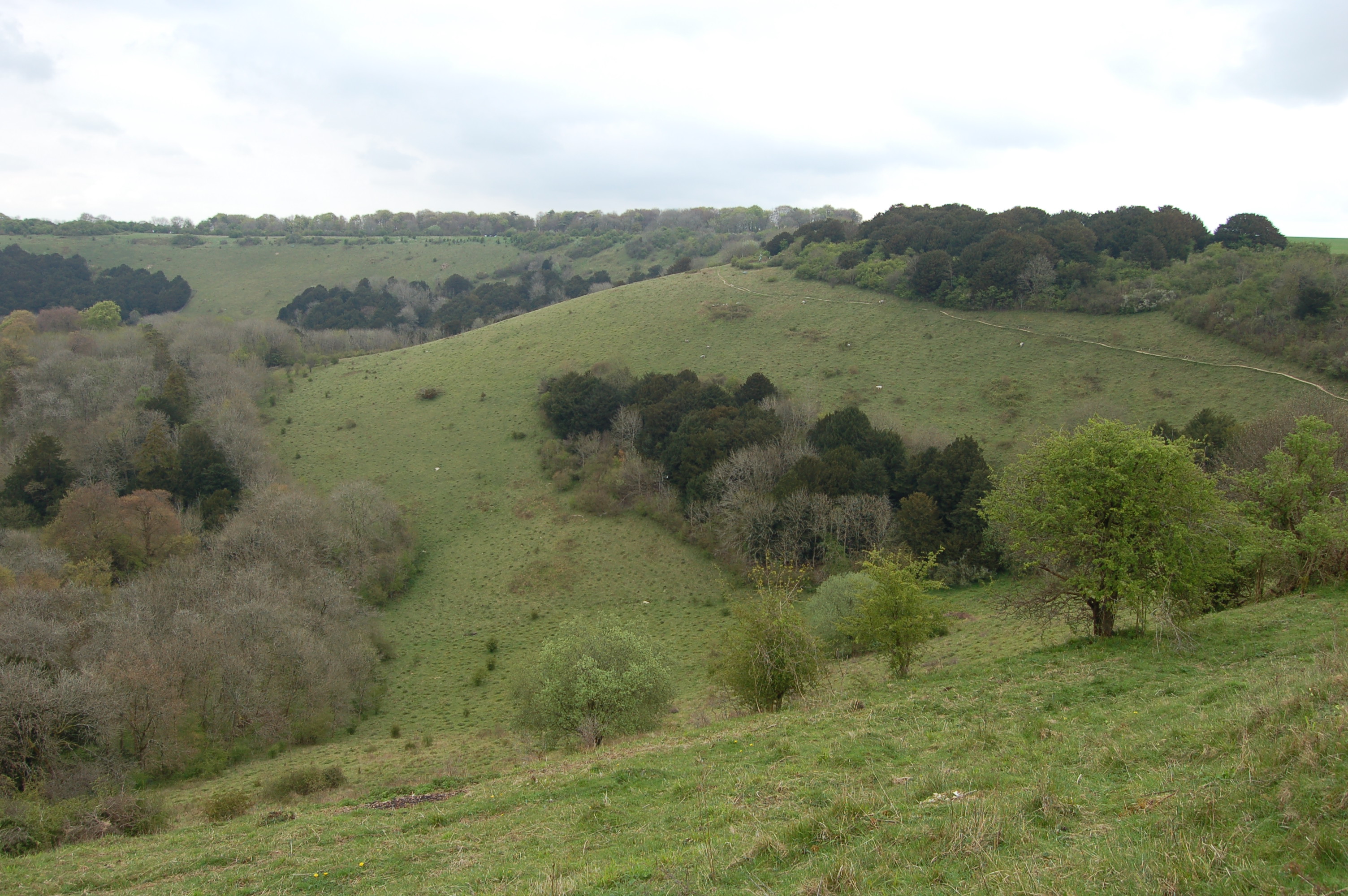
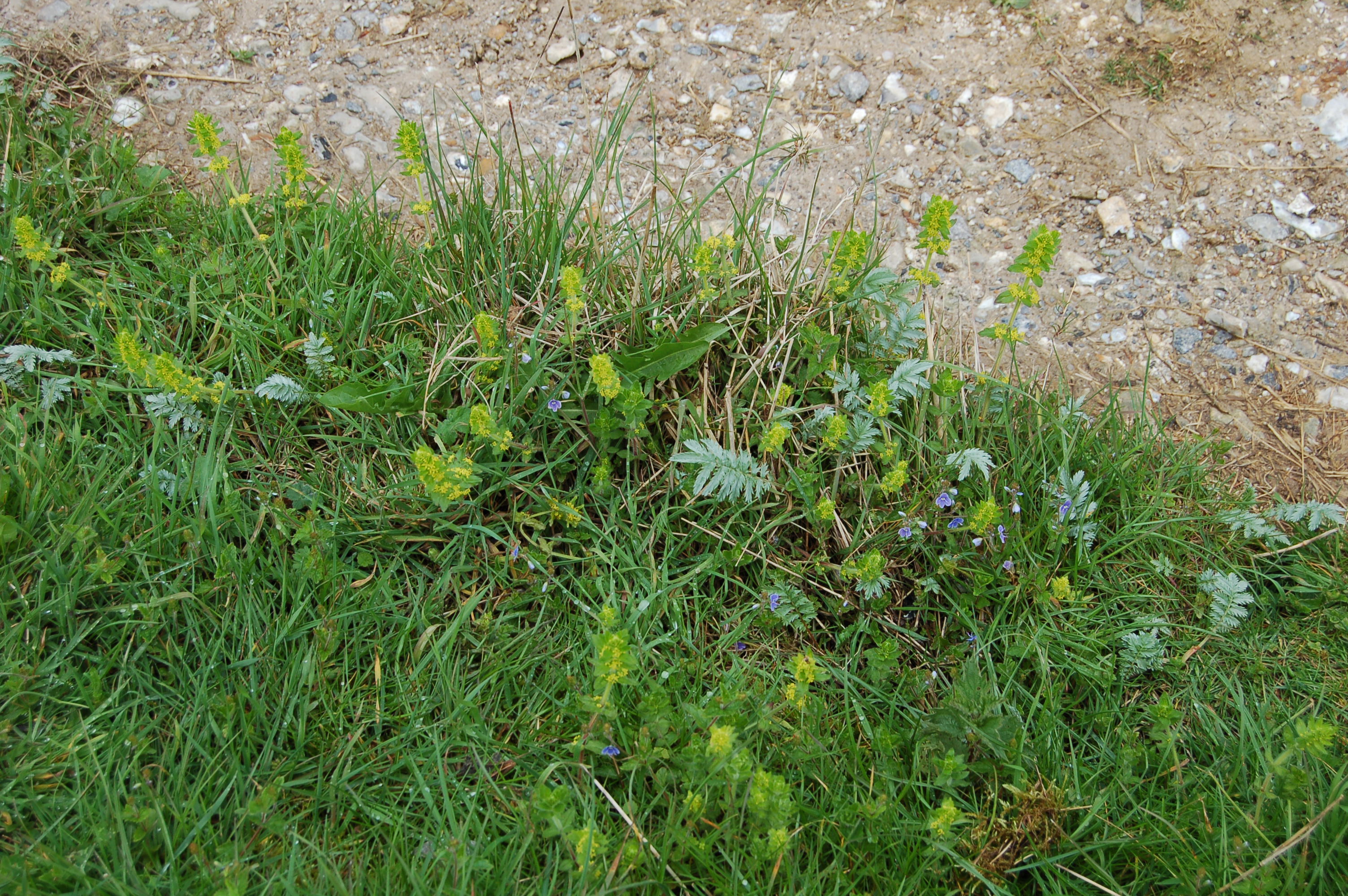
I shall finish off with one last view of this unique downland landscape and one of the wildflowers growing right alongside the track. We have waited a long time for our first walk on the Downs. It was worth the wait.

2014 04 22_8581 2014 04 22_8582

Categories
allotments bird watching birds community gardening garden wildlife wildlife

A Morning at the Allotments – Checking the Bird Boxes

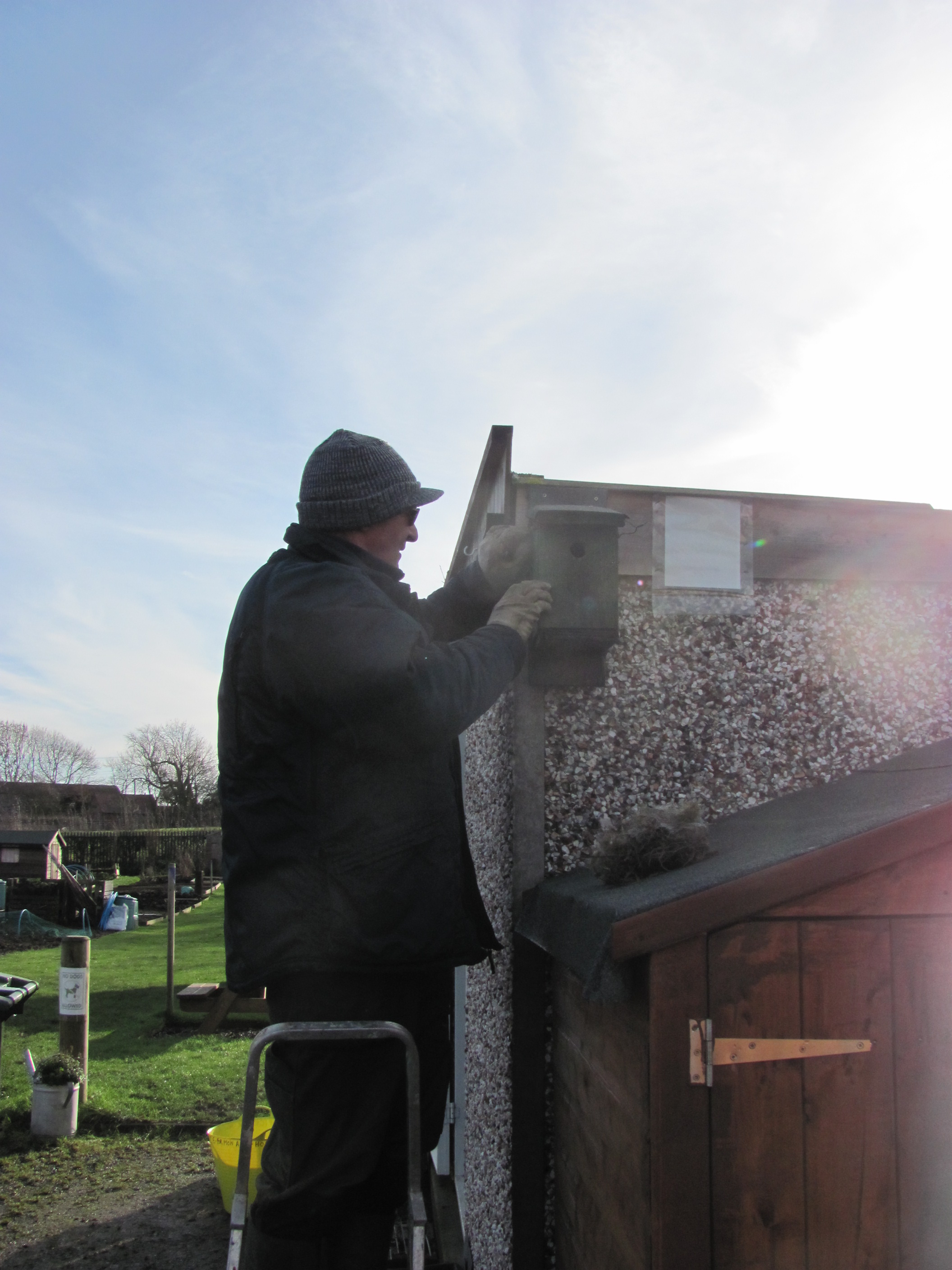
We usually check out the bird boxes around the allotment site in late autumn but as the autumn and early winter were so wet and windy we didn’t fancy using the ladder on the soft, waterlogged ground. Eventually in mid-January we got it done.

Pete and I wandered around the site with step ladders and trug and of course both wearing a good pair of gloves to avoid any little nips from the nest mites that may still be in residence. They would normally have been killed off by now if we had had cold spells but with the milder than usual temperatures we were taking no chances.

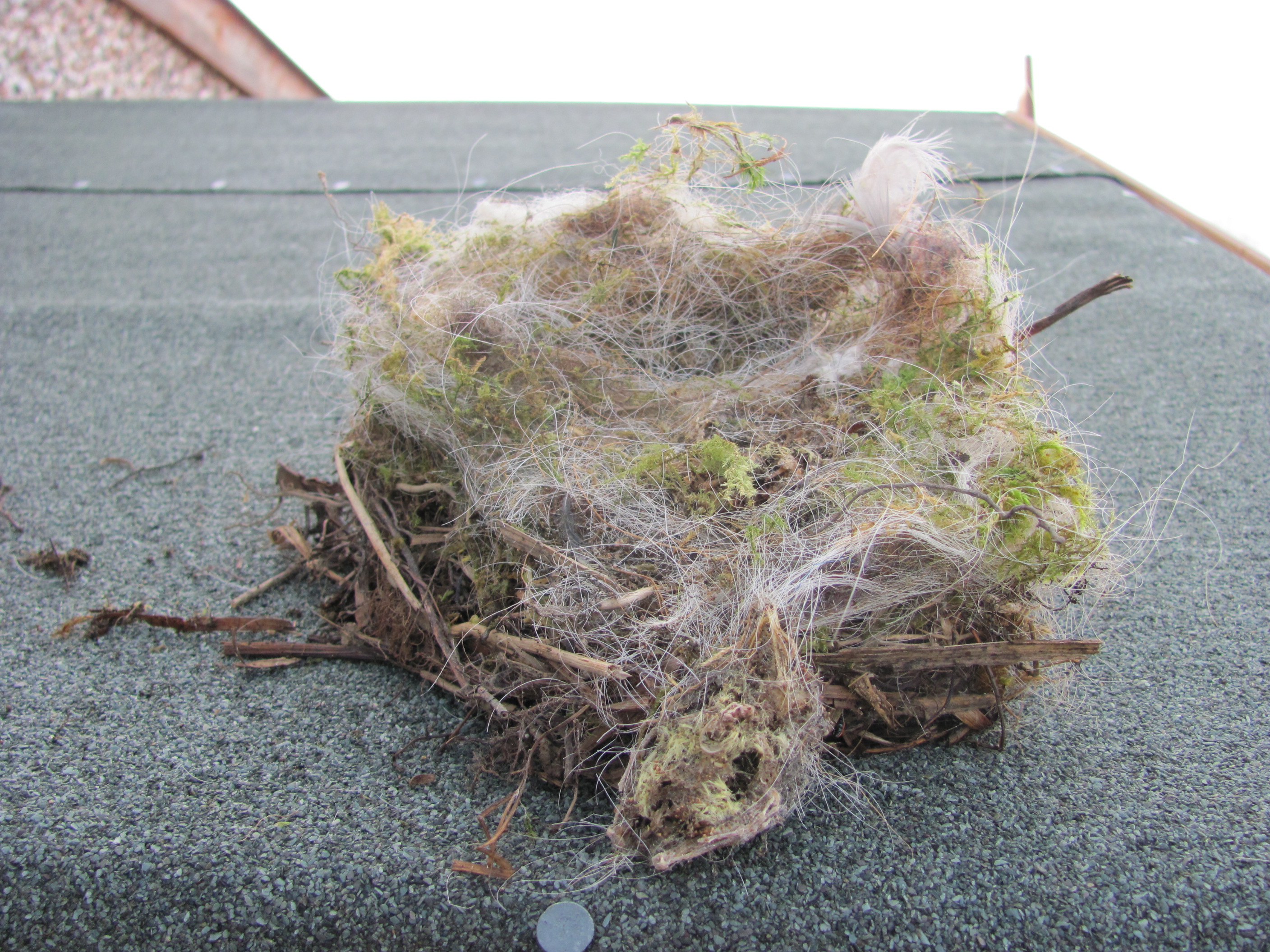
As usual all the holed boxes had been nested in by Blue Tits and Great Tits so we removed the old nest materials of fine grasses, horse hair mosses etc. and put them on the communal compost heaps to rot down.

2014 01 16_5910 2014 01 16_5909

2014 01 16_5912 2014 01 16_5911

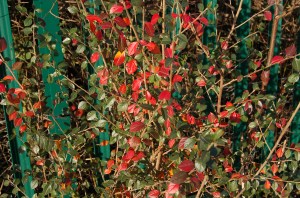
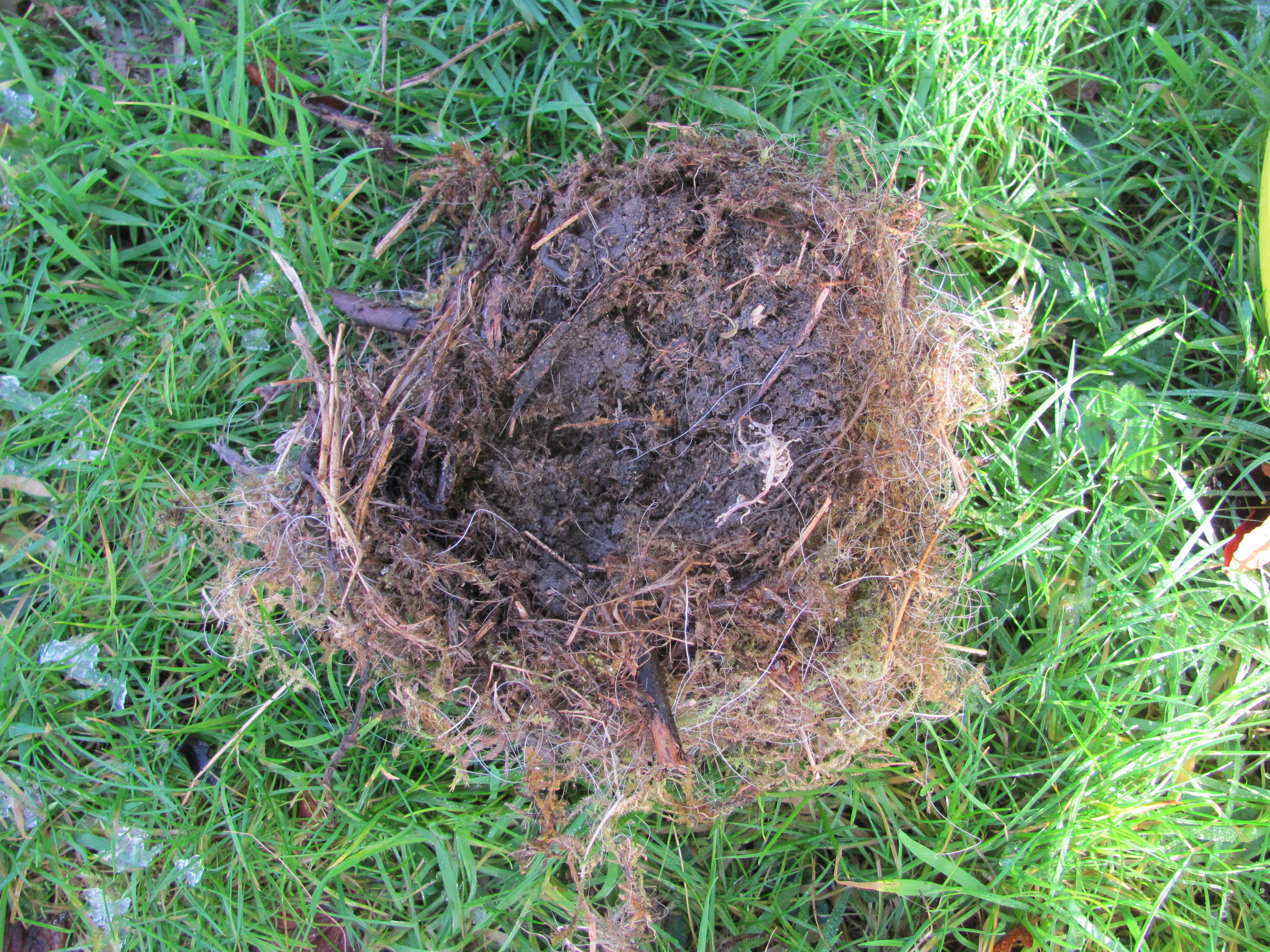
A bonus find was a Dunnock nest at the bottom of a cotoneaster shrub in the Autumn Garden, built just 9 inches from the ground. These secretive little songsters are normally very shy, spending much of their time skulking in hedge bottoms searching for insects and invertebrates. This pair were confident enough to build their nest right alongside a pathway, just a couple of feet from where people regularly pass following our “Interest Trail”.  The nest is hard to see but try to spot it in these photos.

2014 01 16_5906 2014 01 16_5907 2014 01 16_5908

Completely different in character to the Dunnocks Great Tits are far more brazen. A pair had nested in this nest box fixed to the Communal Hut 2, one of the busiest places on the site. They gave hours of entertainment for members who could watch them taking nesting materials in, then the male bird feeding the female as she incubated the eggs and then the busiest time of all when both parents fed their hungry youngsters. Free entertainment when we enjoyed our tea breaks.

The nest boxes and bird feeding stations around the site afford members, their families, friends and our many visitors with plenty of entertainment and of course for the children they have an important educational role to play.

Of course being an all organic site we rely on our feathered friends to help us with our pest control. When feeding their nestlings the adult birds catch thousands of aphids and caterpillars.

2014 01 16_5913 2014 01 16_5925

None of the open fronted boxes were used last nesting season so we are hoping for success this year. We have tried moving a few to more secluded places where the birds may feel more confident to try them out. As our extension opened in the spring this year we have more nest boxes to go up – a job for the next week or two.

Categories
allotments birds community gardening countryside garden wildlife gardens wildlife

New Wildlife Pictures for the Allotments

We have an interest trail on our allotment site with accompanying trail guide and also several quizzes for different ages of children. For one quiz we challenge the children to follow our trail keeping an eye out for the pictures of several creatures who live in the wildlife friendly green spaces. The pictures are found in the sort of habitat where each creature would live. The pics are just photocopies of pictures which are laminated so have a short life span. We seem forever to be having to replace them so decided to try a more permanent solution.

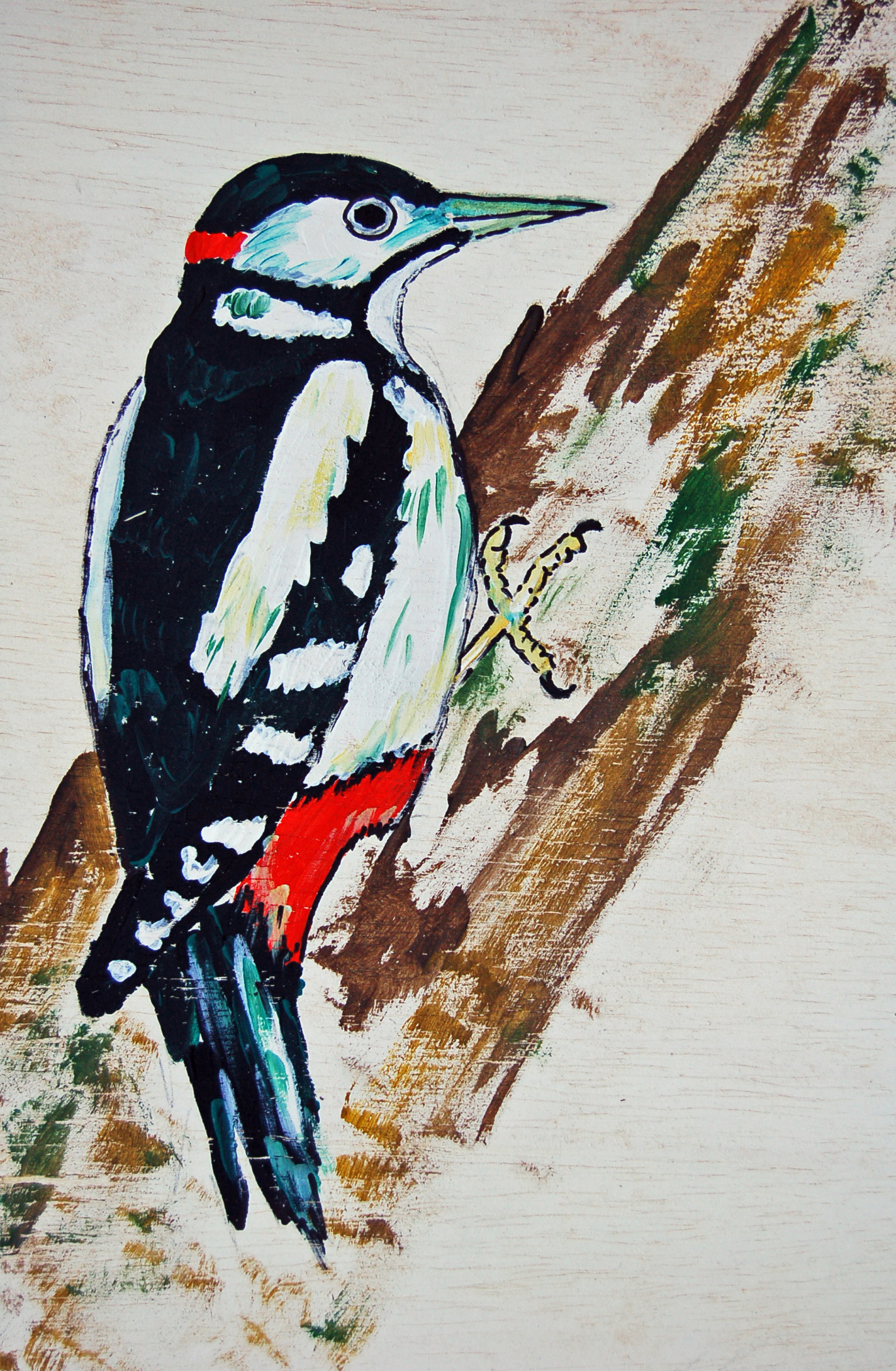
I have just finished creating paintings of the creatures onto marine plywood and varnished them so that they will last a long time. So here they are for you to look at. It seems a while since I included any of my paintings on a post so I shall have to try to include more this year. Being destined for the outdoors the signs needed to be waterproof and able to stand up to our open site. I decided my usual watercolours would bot suffice so I retuned to a medium that I had not used for decades, Acrylics. Once I started using them though the skills all came back – just like riding a bike!

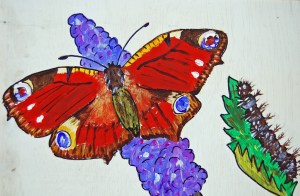
The Greater Spotted Woodpecker and the Peacock Butterfly. I start with these two as they were the cause of strange happenings as I was painting them. As I finished the picture of the Woodpecker I held it up to show Jude and a real one flew across the garden and landed on a feeder where he proceeded to devour peanuts for a long while. This seemed a little coincidental but the Butterfly picture caused a similar happening. As I finished the painting again I held it up and as I did so a real Peacock Butterfly flew down and fluttered around me. Amazing! We can only presume it was hibernating in the roof of the conservatory where I was painting and for some reason woke up. I caught it gently and placed it carefully in the garage where we hope it has found another snug winter hibernation home.

2013 12 31_5648_edited-1 2013 12 31_5649_edited-1

The Grasshopper and the Bumble Bee.

2013 12 31_5647_edited-1 2013 12 31_5646_edited-1

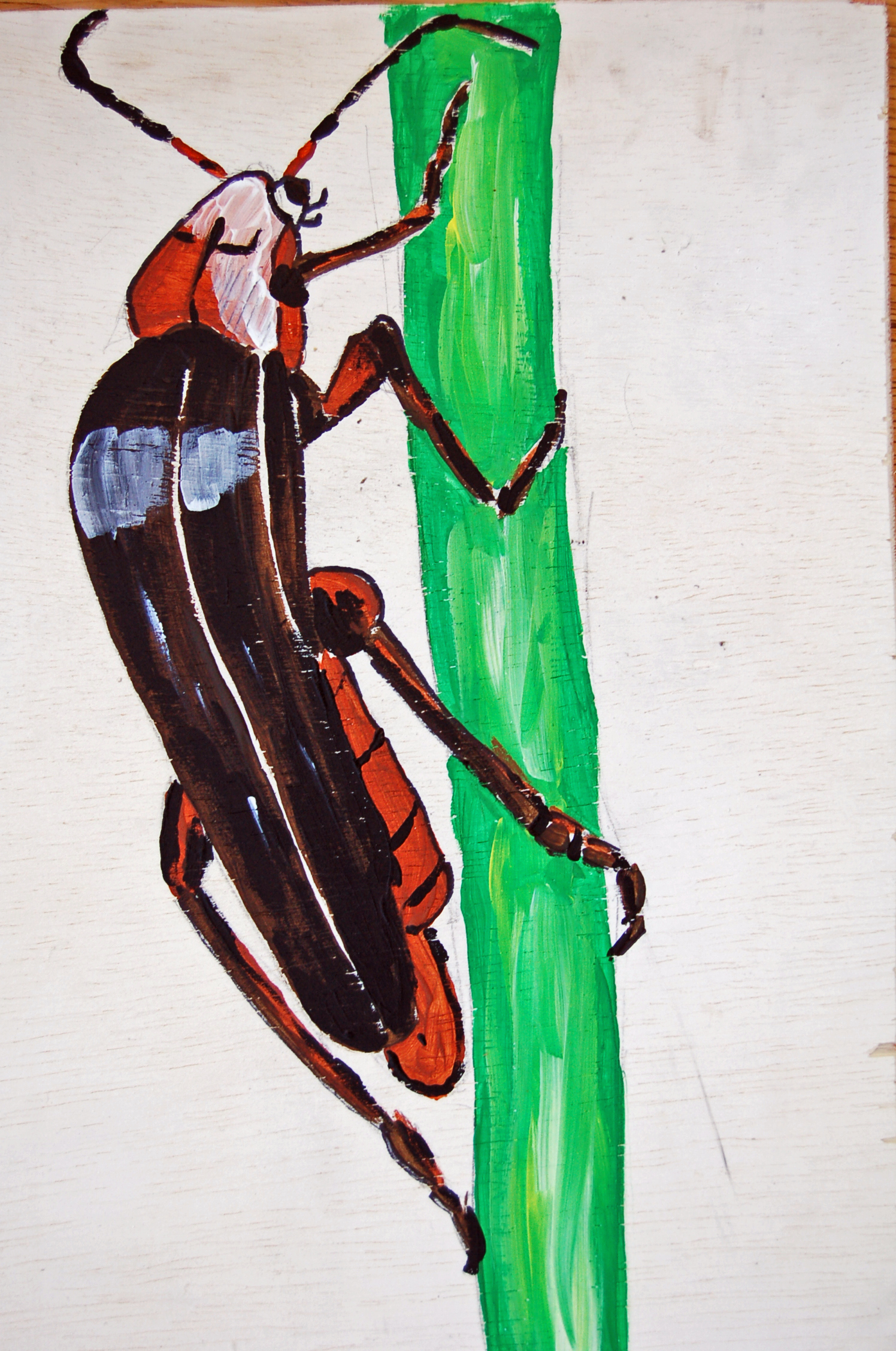
The Grass Snake and the Soldier Beetle.

2013 12 31_5645_edited-1 2013 12 31_5644_edited-1

The Bat and the Seven Spot Ladybird.

2013 12 31_5643_edited-1 2013 12 31_5650

For my next batch I will try to depict a Damsel Fly, Dragonfly, Field Vole, some moths, more butterflies and some more birds especially birds of prey which have become a bit of a hallmark for our site.

Categories
allotments birds community gardening fruit and veg garden photography garden wildlife gardening gardens grasses grow your own hardy perennials kitchen gardens light light quality meadows natural pest control ornamental grasses ornamental trees and shrubs photography roses spring bulbs wildlife Winter Gardening

What’s on the Plots? An end of year wander around the allotments.

Mid-December often sees the allotment site under snow or at least coated in frost, but not this year. We wandered around today with camera in hand and we were appreciative of the bright clear blue sky overhead. The midday sun cast long sharp shadows and it had enough strength in it for us to feel its warmth.

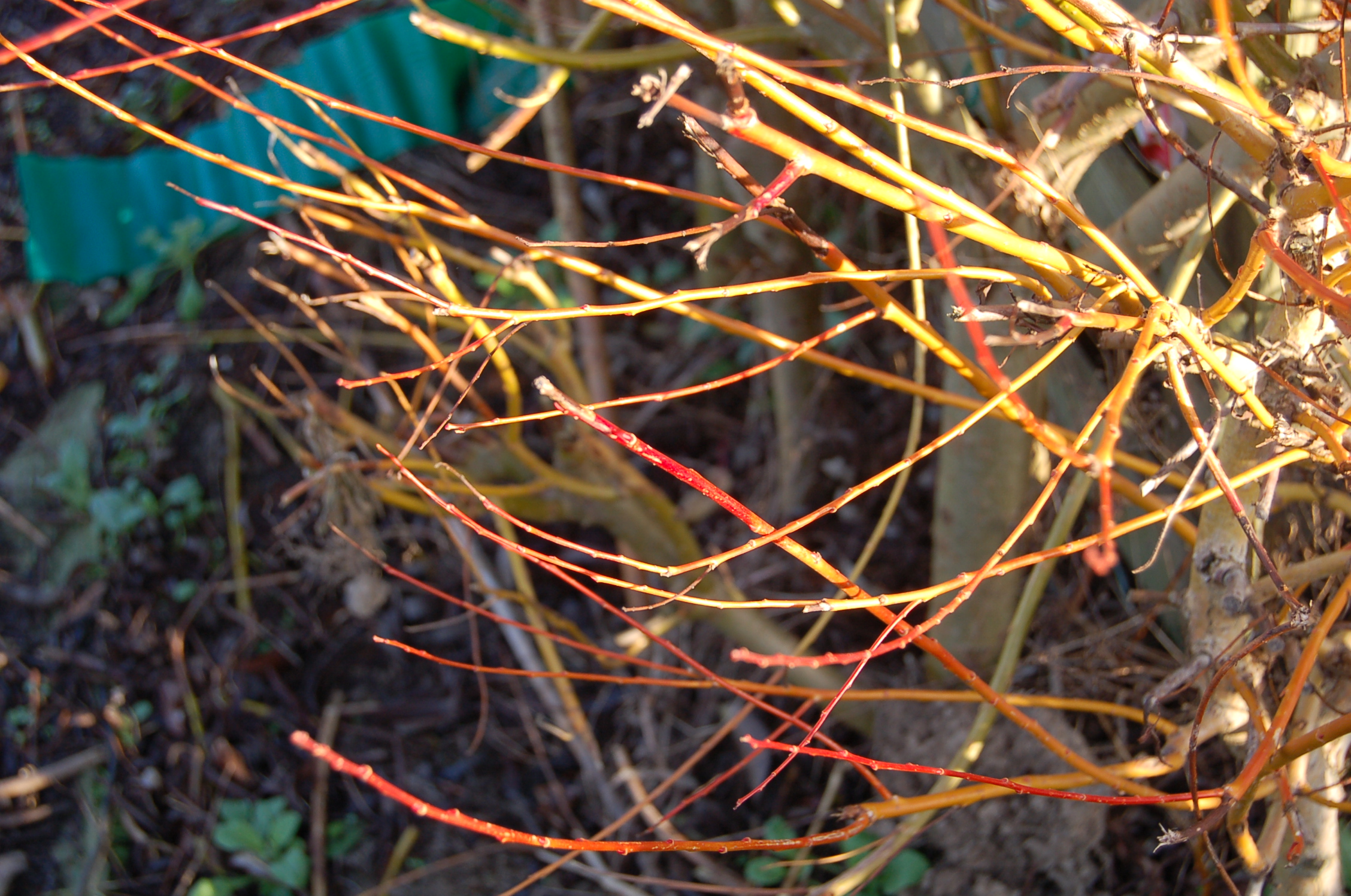
Having checked the post box for messages, and left a few magazines in the communal hut for others to enjoy, we started our tour at Wendy’s lovely plot. There is always something of interest to see and new things going on. We were not to be disappointed today. The sun caught the bright fiery colours of the willow hedge surrounding her compost heap.
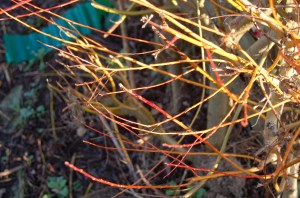
2013 12 17_5480 2013 12 17_5481

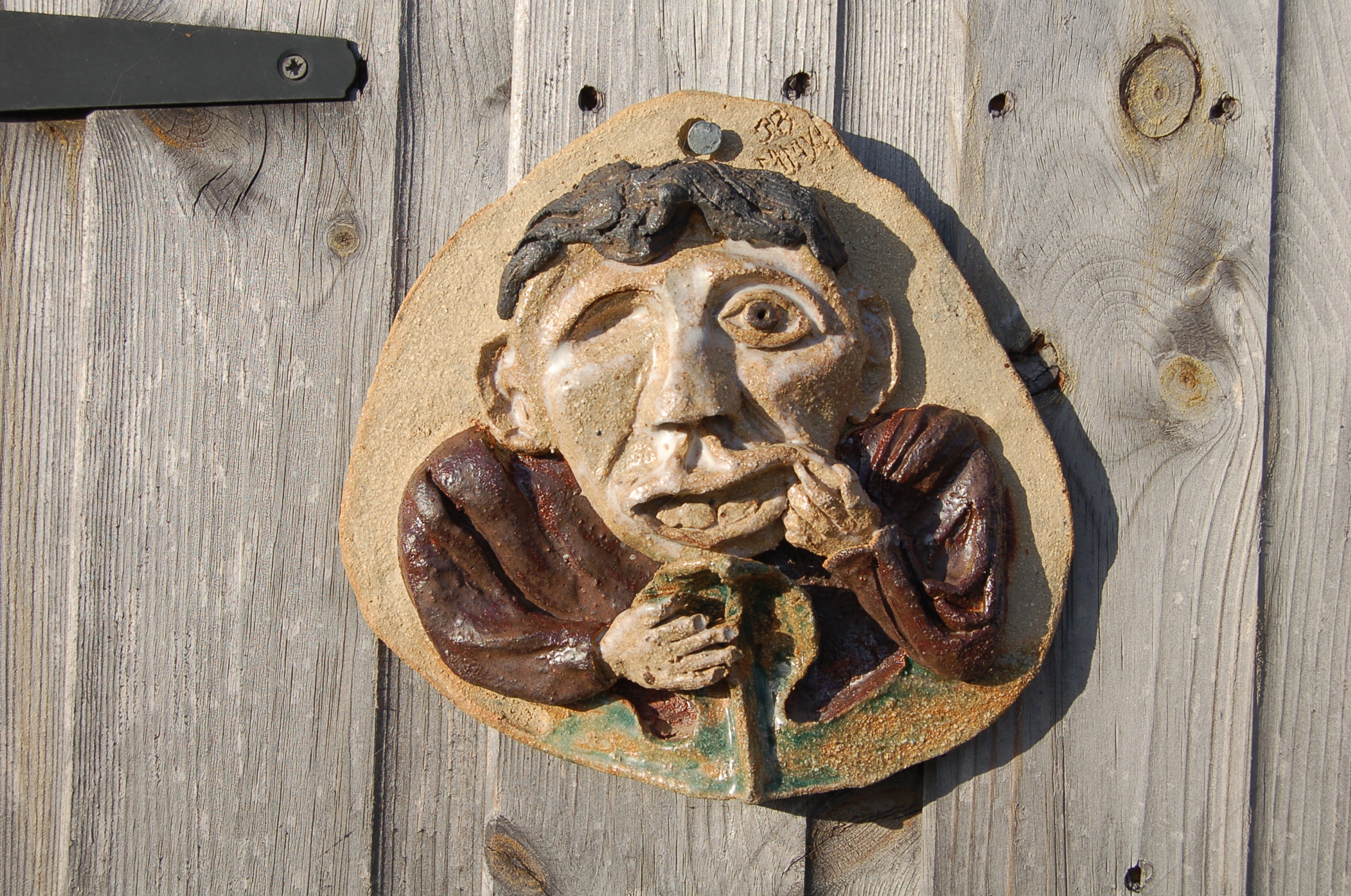
On an obelisk where the soft bark paths cross the striped flag glowed alongside a sparkling glitterball, while this character decorated her shed door. A cranky old monk? Brother Cadfael perhaps when he was dropped by the BBC.
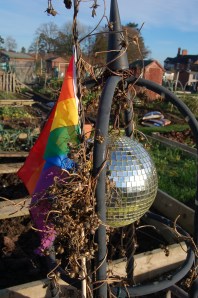

2013 12 17_5482 2013 12 17_5483

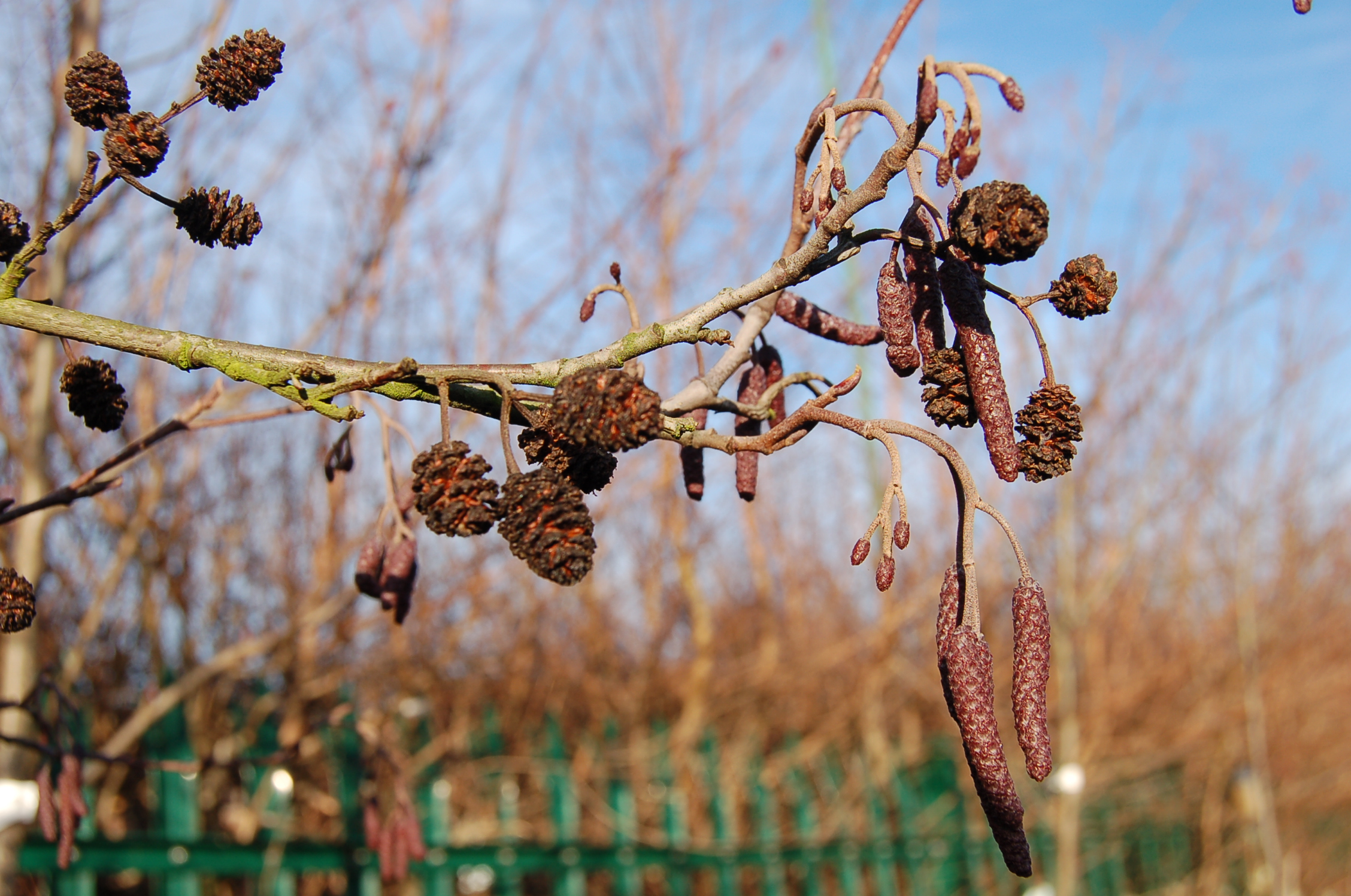
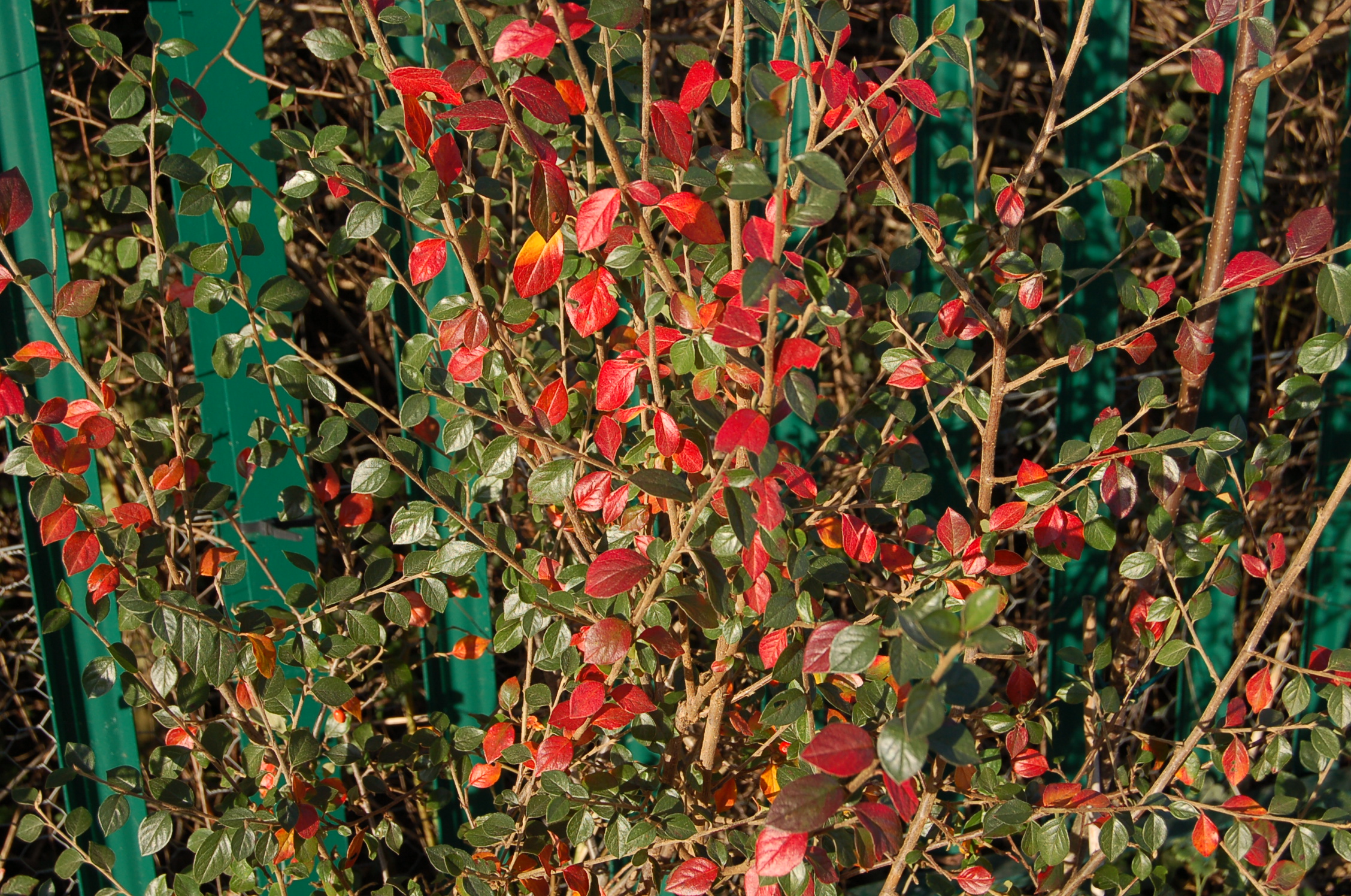
We next moved to the Autumn Garden and our newly planted section alongside our young fedge. The tree here is a Crataegus prunifolia which gives rich red autumn colour and deep red berries which is underplanted with bulbs. The border is planted up with sedum, asters, ferns, some perennial native flora and small shrubs. The cones and catkins of alders are beginning to get their purple hue. Cotoneaster leaves are as red as their berries.

2013 12 17_5486 2013 12 17_5487

2013 12 17_5489

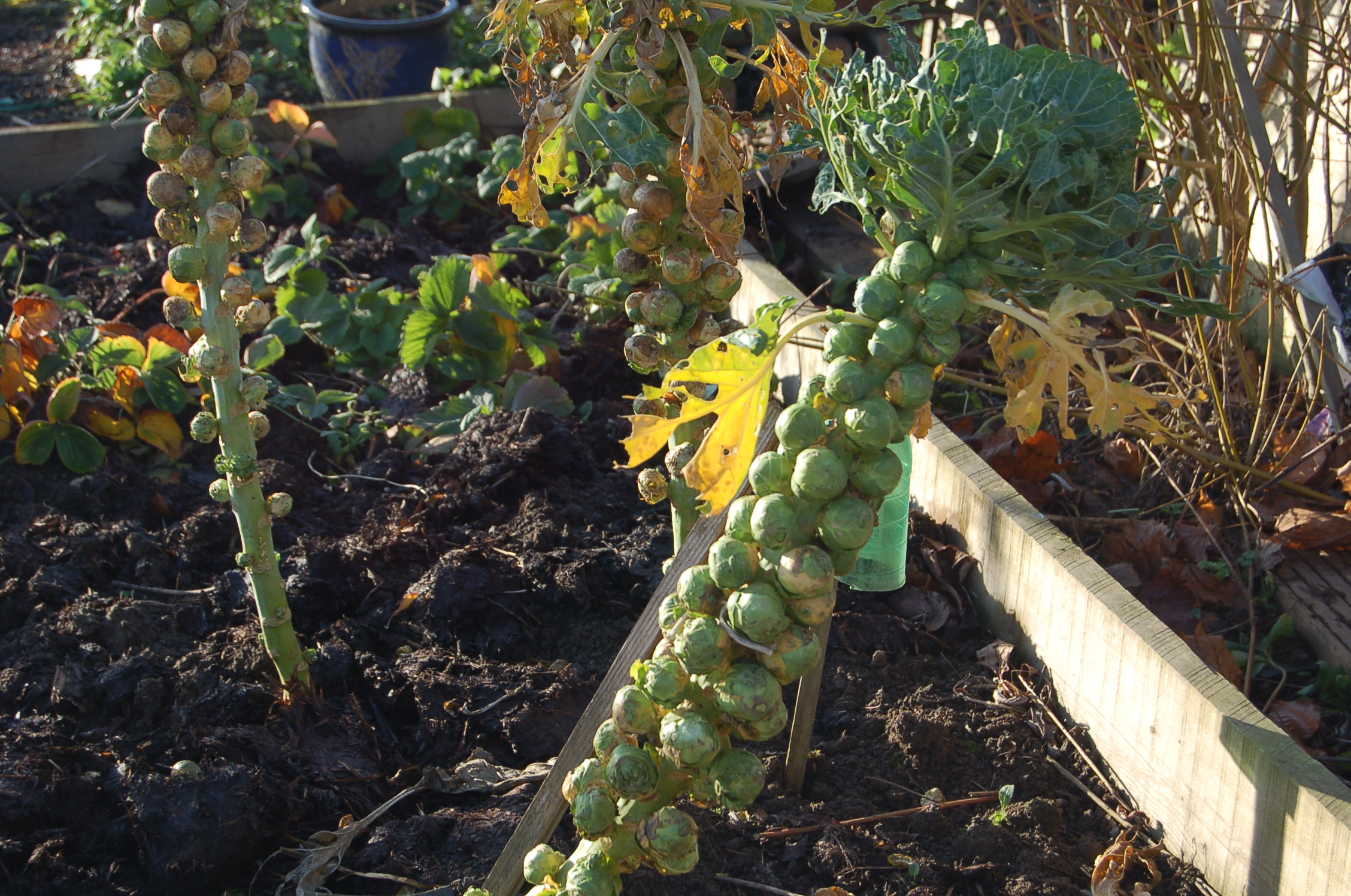
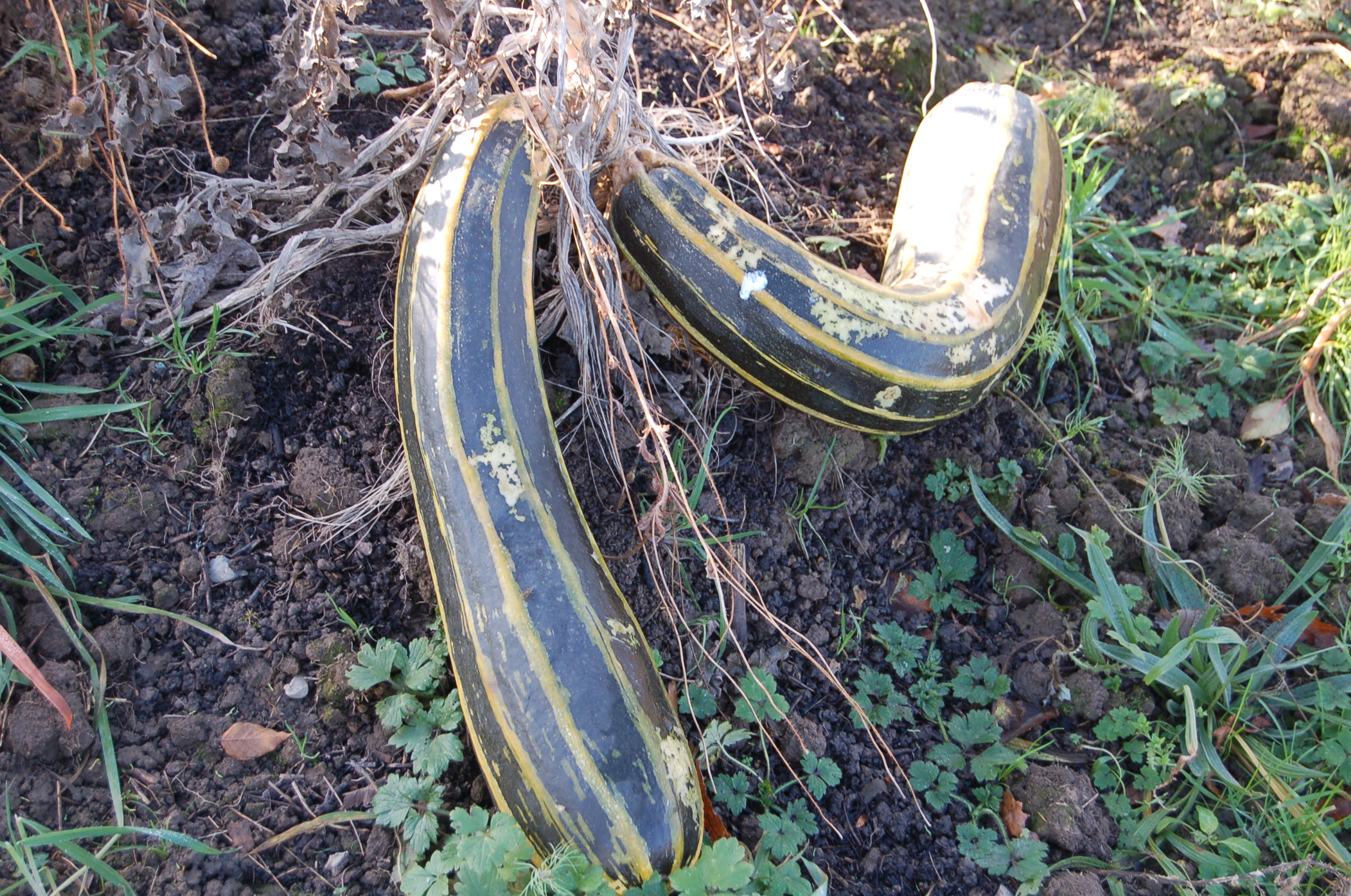
On many plots old crops sit forgotten in places whilst others await being picked throughout the winter. The sprouts will grace a plot holder’s Christmas dinner spread.
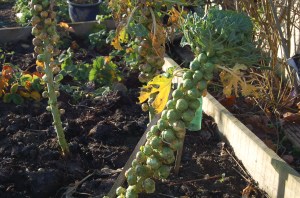
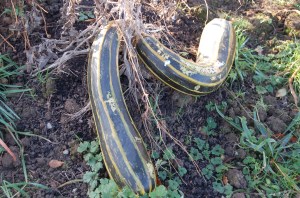
2013 12 17_5484 2013 12 17_5485

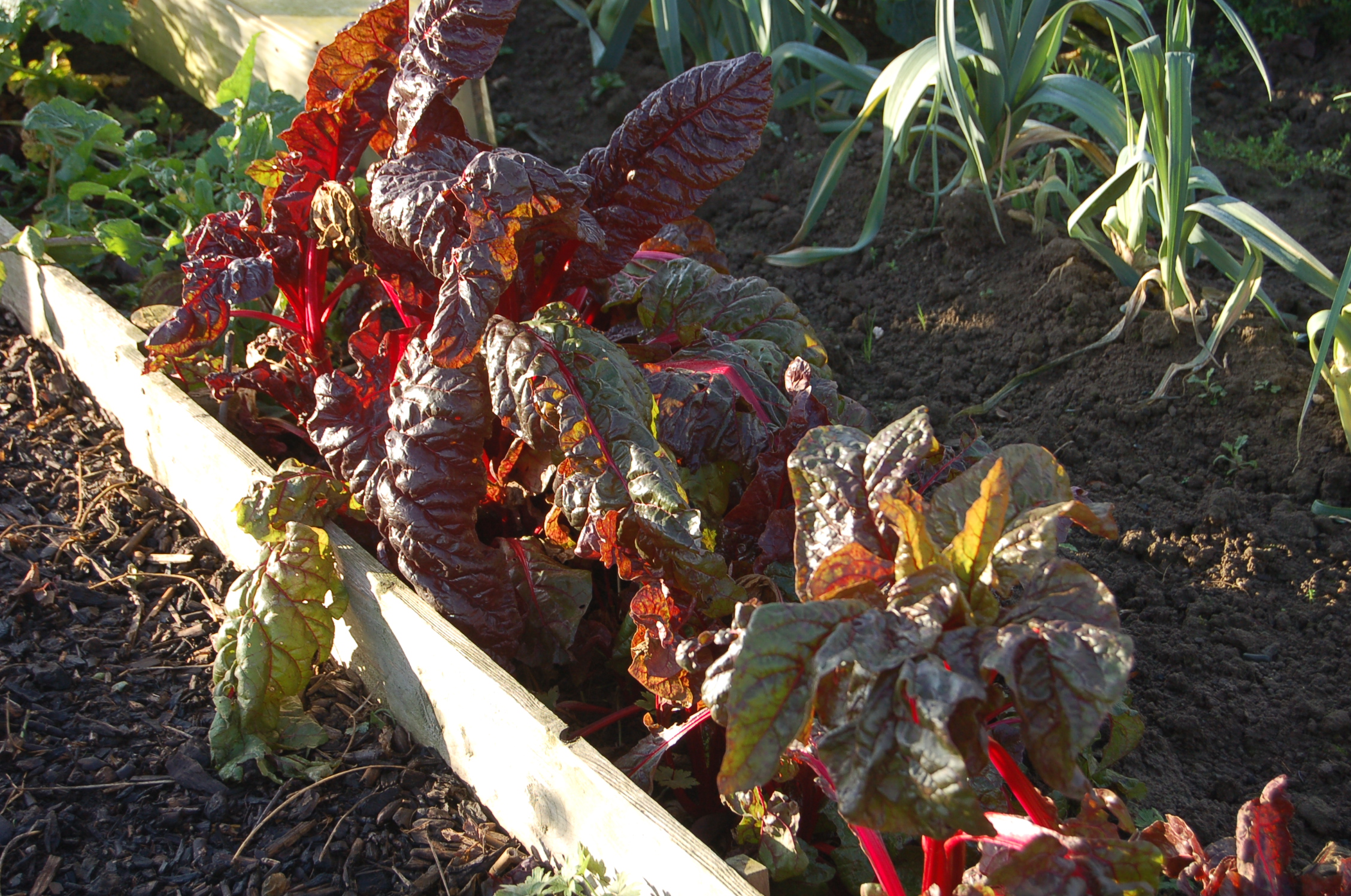
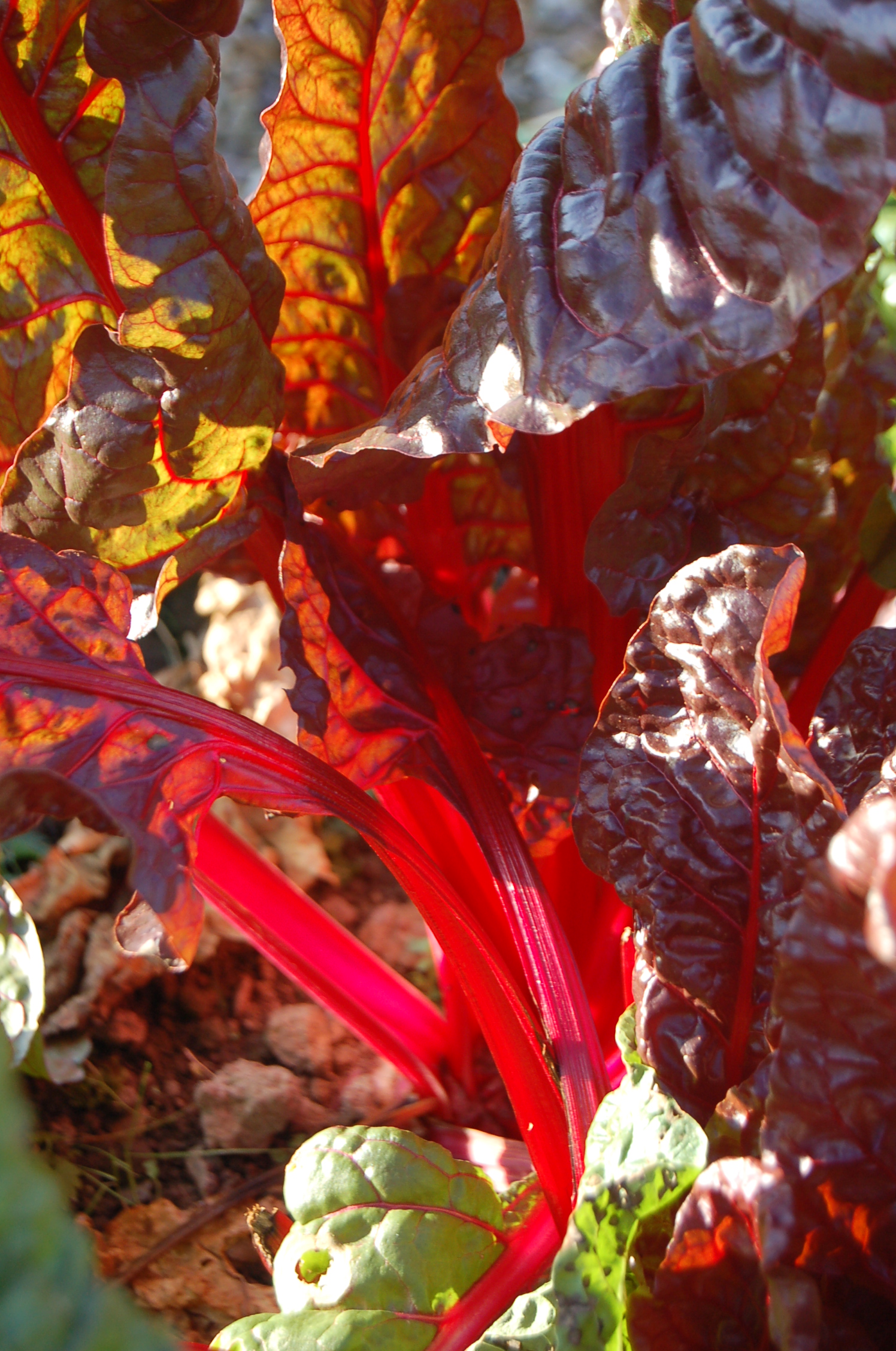
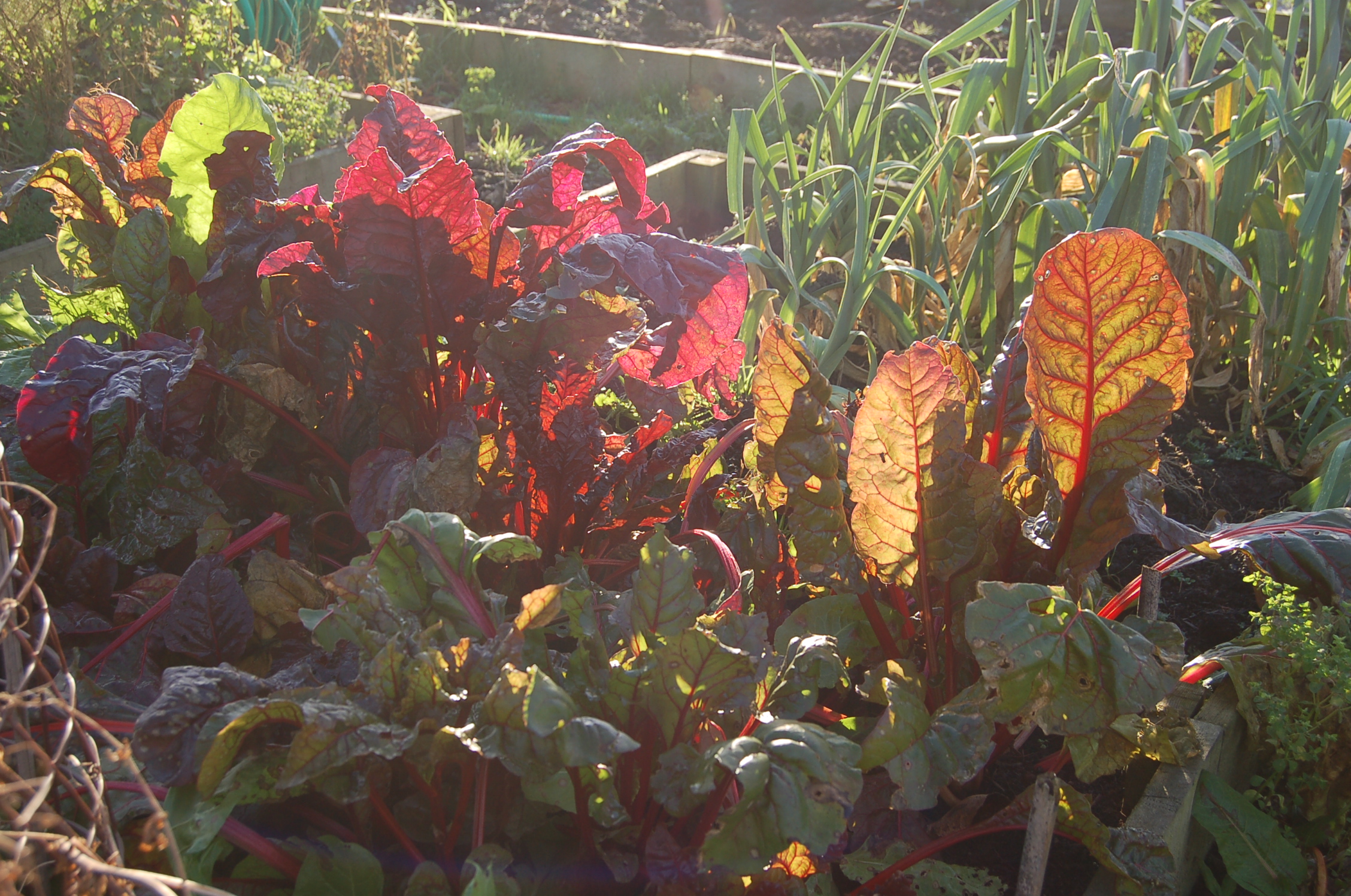
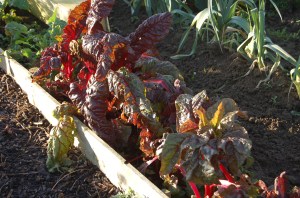
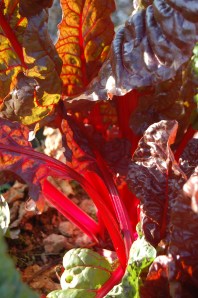
Chard leaves on a sunny day are delightful. The reds, yellows and purples of their leaves and stems glow with the sun behind them.
2013 12 17_5488  2013 12 17_5502

2013 12 17_5495 2013 12 17_5535

Further along the borders of the Autumn Garden we passed Trevor’s plot where there is always an interesting development to find. Today we discovered his new shed number. He must have problems remembering his plot number or needs to arrange to visit an optician.

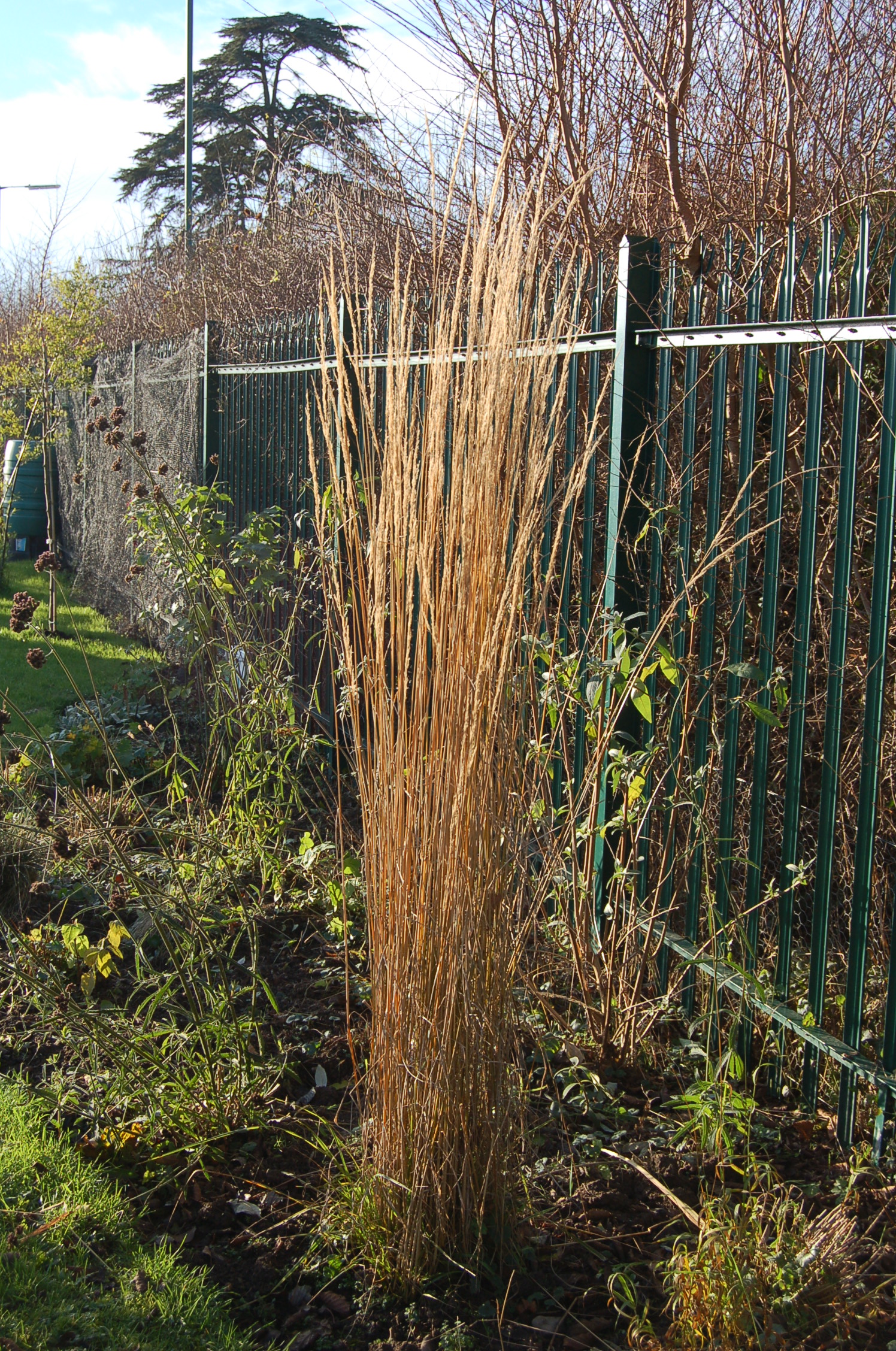
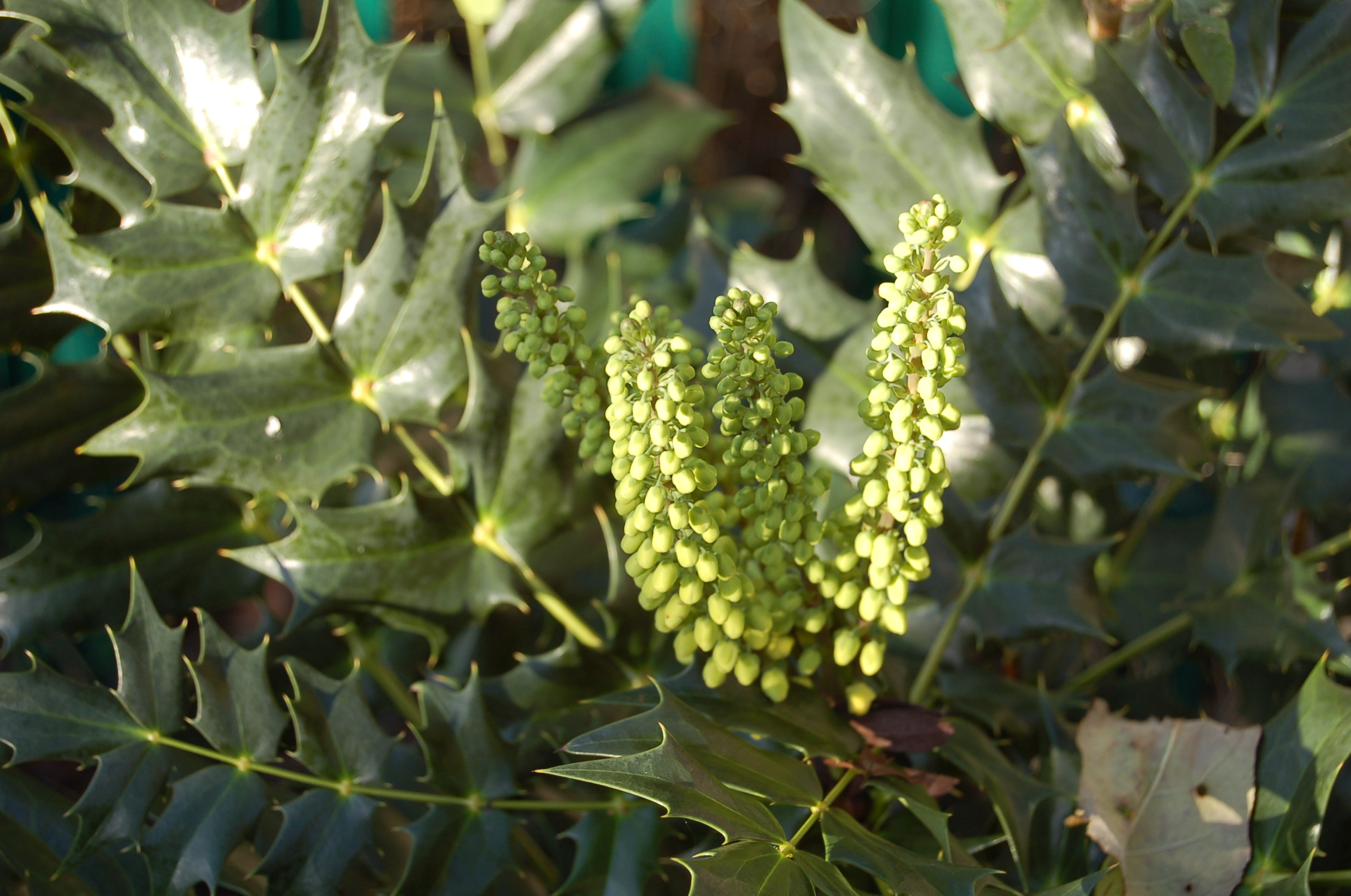
In the final section of the Autumn Garden the grass Calamagrostis acutifolia “Overdam” stand tall and to attention and gentle honey scents flow from the lemon flowered Mahonia.

2013 12 17_5490 2013 12 17_5491 2013 12 17_5492

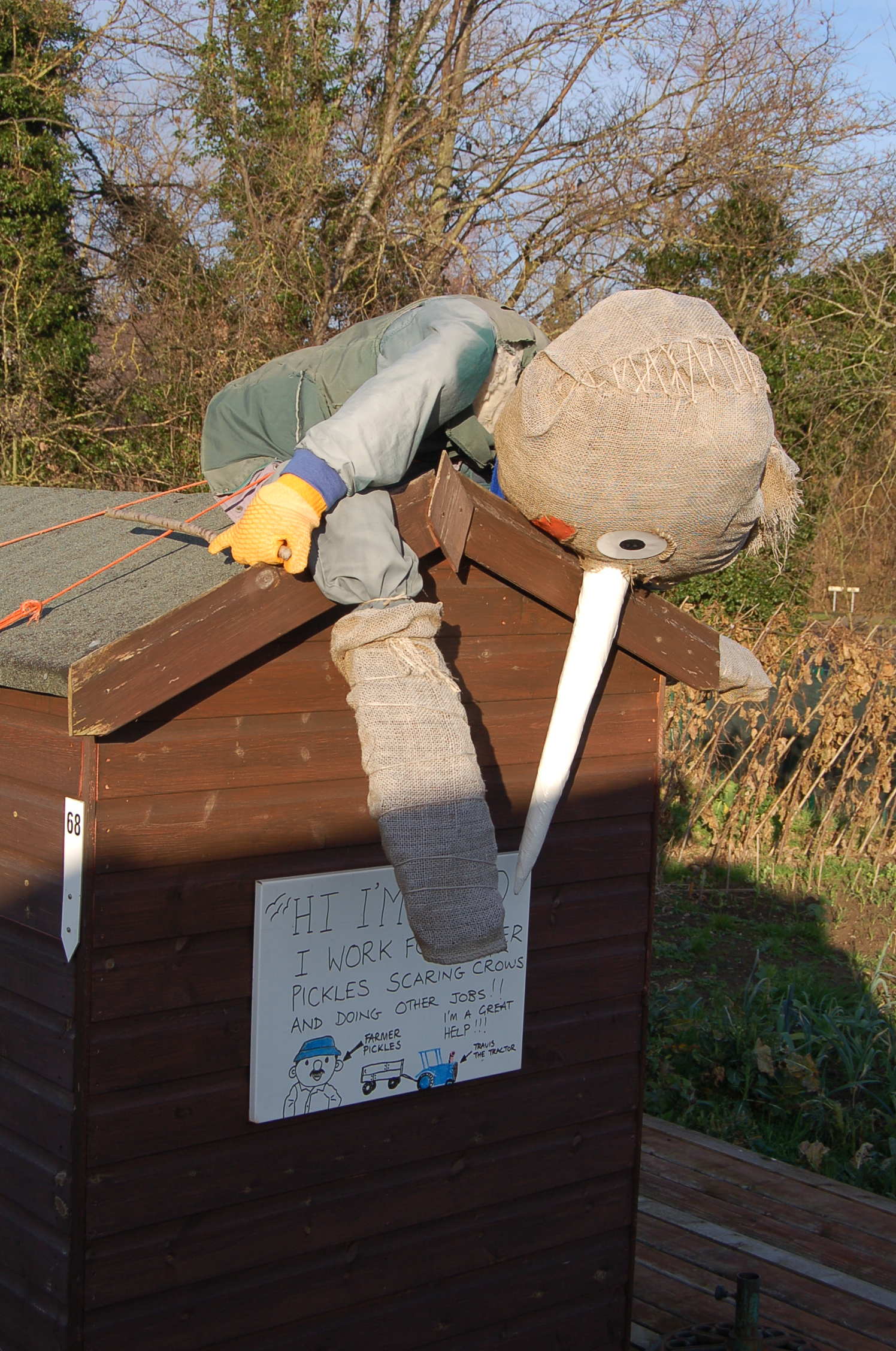
On the shed roof of Plot 68 the massive scarecrow is looking worse for wear after our recent weather featuring heavy rains and strong winds. In the summer he won our annual scarecrow competition. It is hard to believe how he wowed our visitors on our Open Day.

2013 12 17_5493

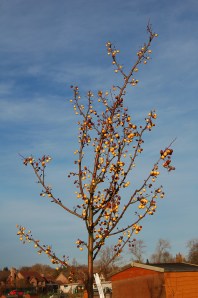
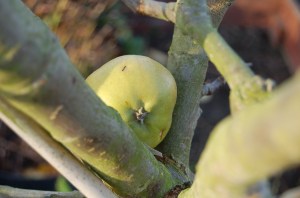
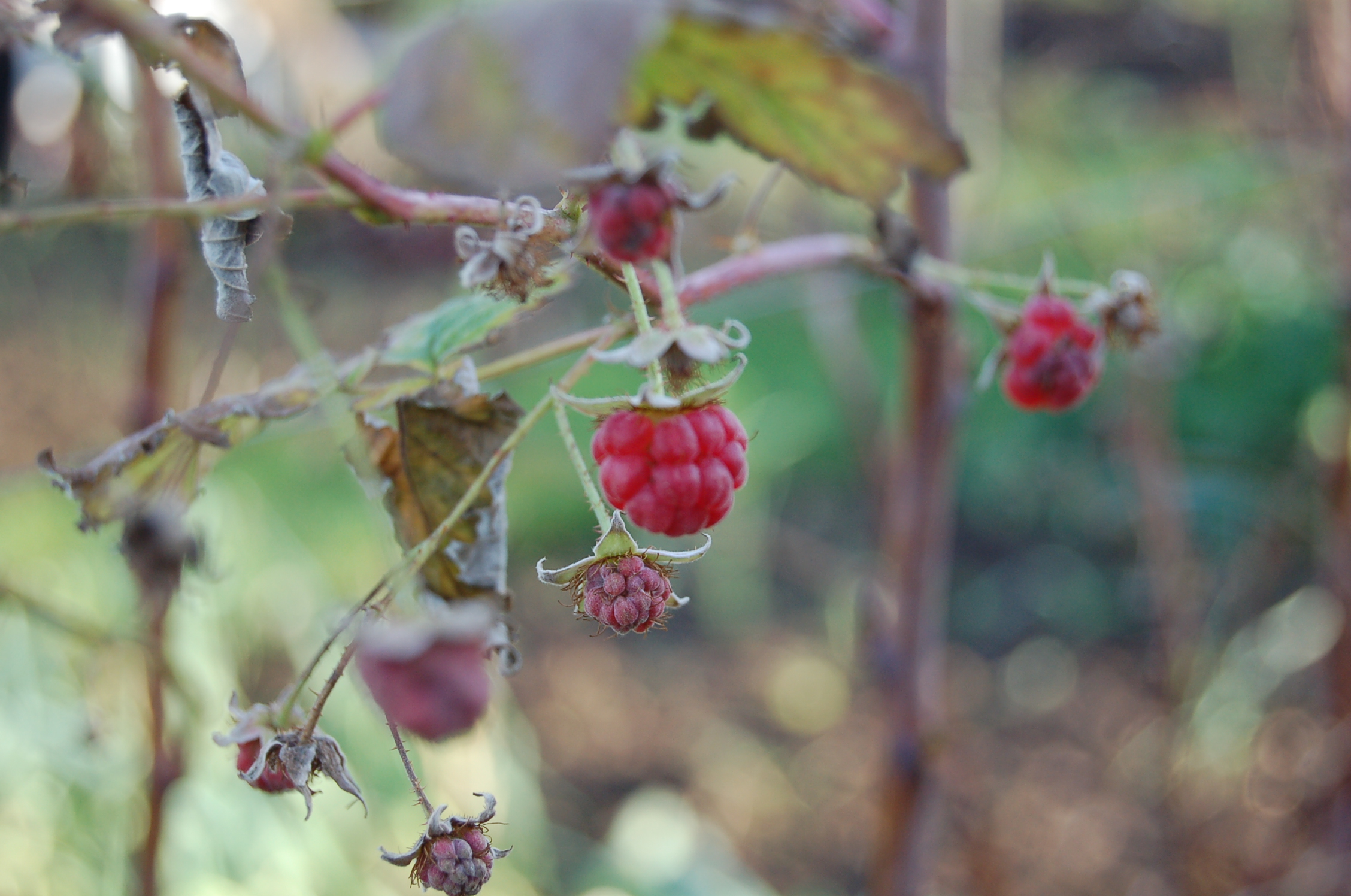
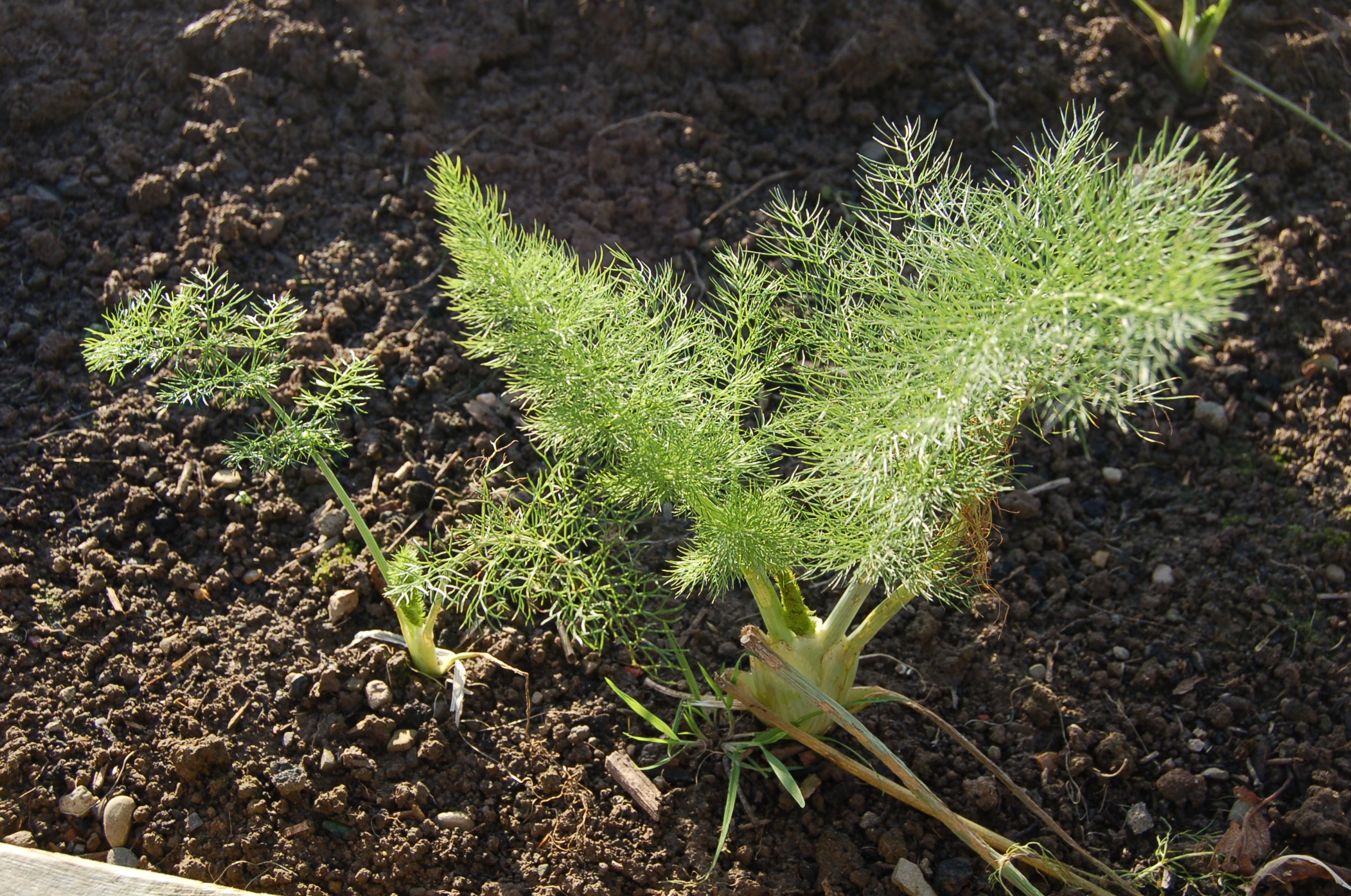
In the first orchard the last fruit hangs on, a golden crab apple. Fennel is already sporting new foliage on Alan’s plot and the last of the Raspberry fruits sit awaiting a hungry Blackbird. Close by in the first Buddleja Border a Shistsotylus bravely blooms on with an early Primula.

2013 12 17_5494  2013 12 17_5497

2013 12 17_5501

2013 12 17_5498 2013 12 17_5499

The Globe Artichoke in the second Buddleja Border will soon burst and finches will flock in to feed off them, especially Goldfinches and Linnets.

2013 12 17_5500

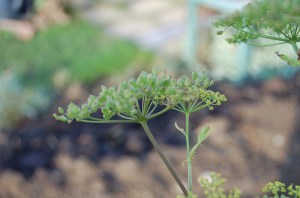
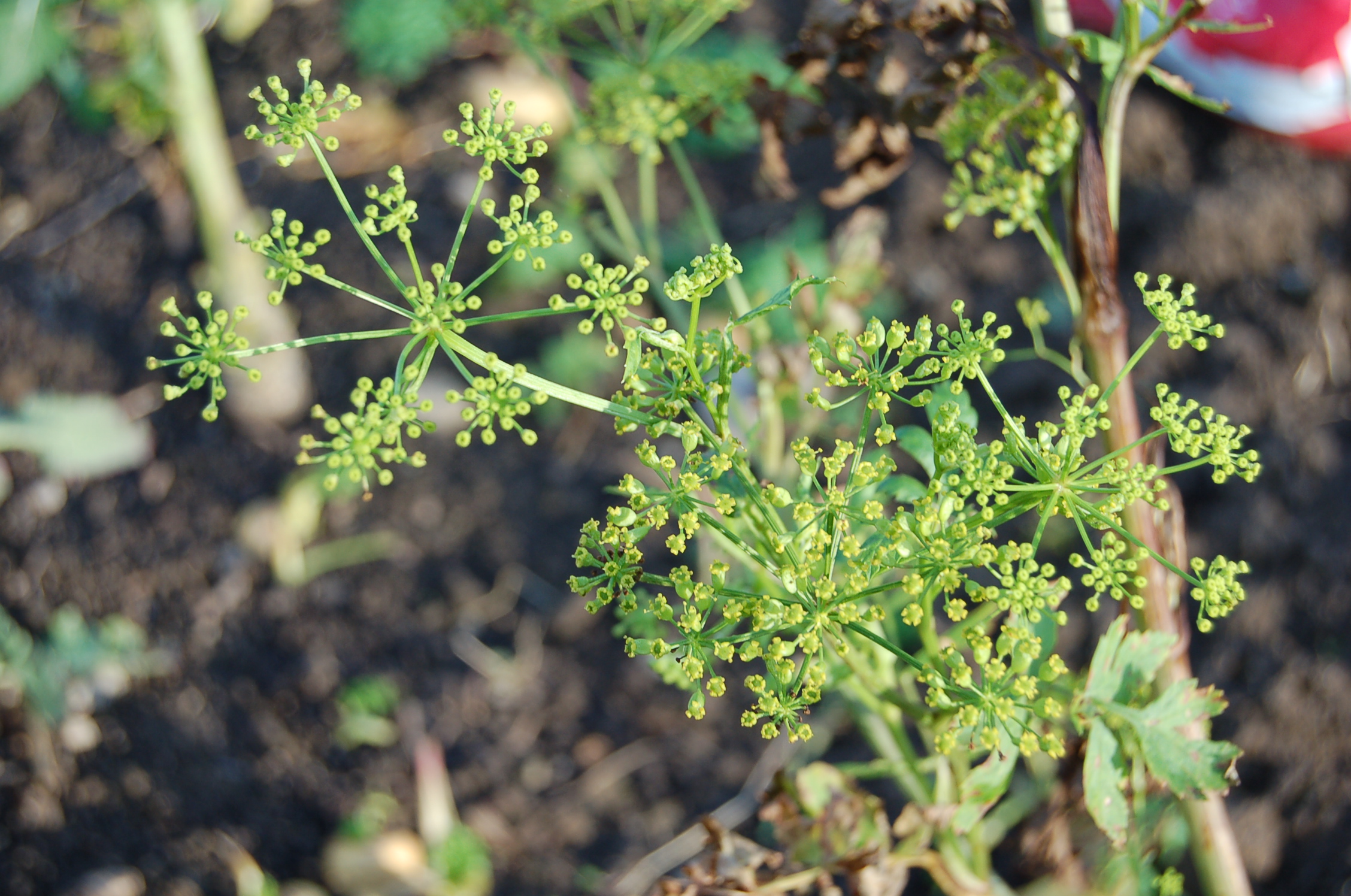
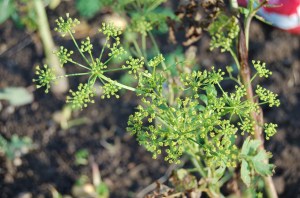
We then took a detour to see what is happening on our own plot, Number 37. The last of the flowers in our wildflower mini-meadow are bravely hanging on and a few of our parsnips have gone to flower producing chartreuse umbrella heads. A few autumn raspberries provide welcome food for Blackbirds.

2013 12 17_5503 2013 12 17_5504 2013 12 17_5505 2013 12 17_5506 2013 12 17_5507 2013 12 17_5508

We moved on towards our old oak tree past plots where winter grown crops await Christmas dinners in members homes, leeks with their glaucous strappy leaves and sprouts behind netting protected against marauding Wood Pigeons.

2013 12 17_5509  2013 12 17_5552

2013 12 17_5511

2013 12 17_5510  2013 12 17_5512

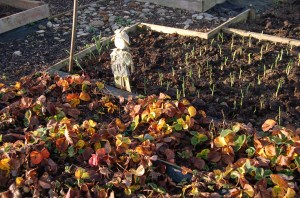
This little scarecrow bravely guards overwintering alliums.
2013 12 17_5513

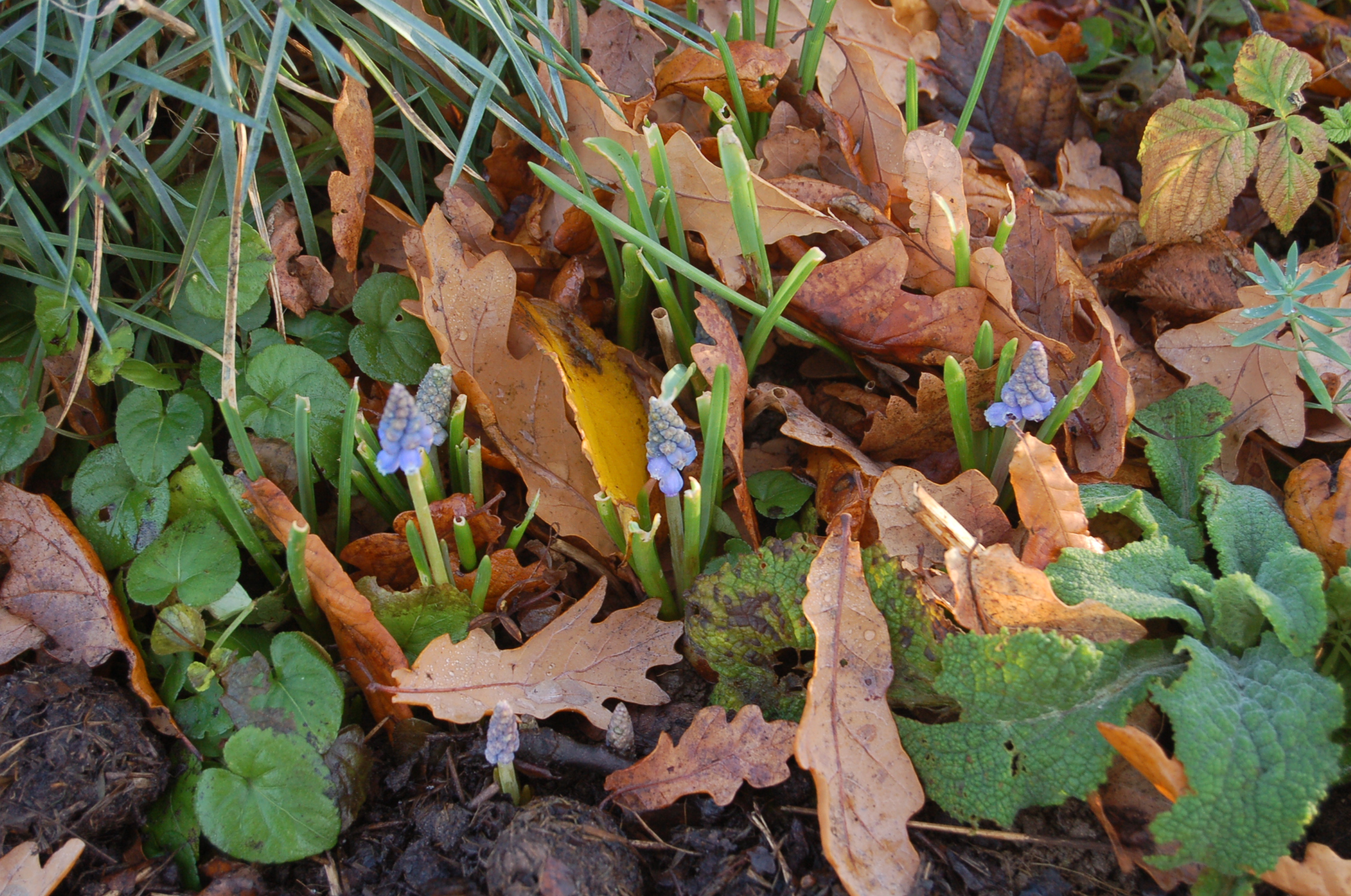
The Oak invariably looks wonderfully majestic but on a winter’s afternoon it excels with its long sharp shadows and silhouette of bare branches. In the spring Garden nearby the first bulbs are coming into flower, a pale Muscari, pushing their way through fallen oak leaves.

2013 12 17_5514 2013 12 17_5515 2013 12 17_5516 2013 12 17_5517 2013 12 17_5518

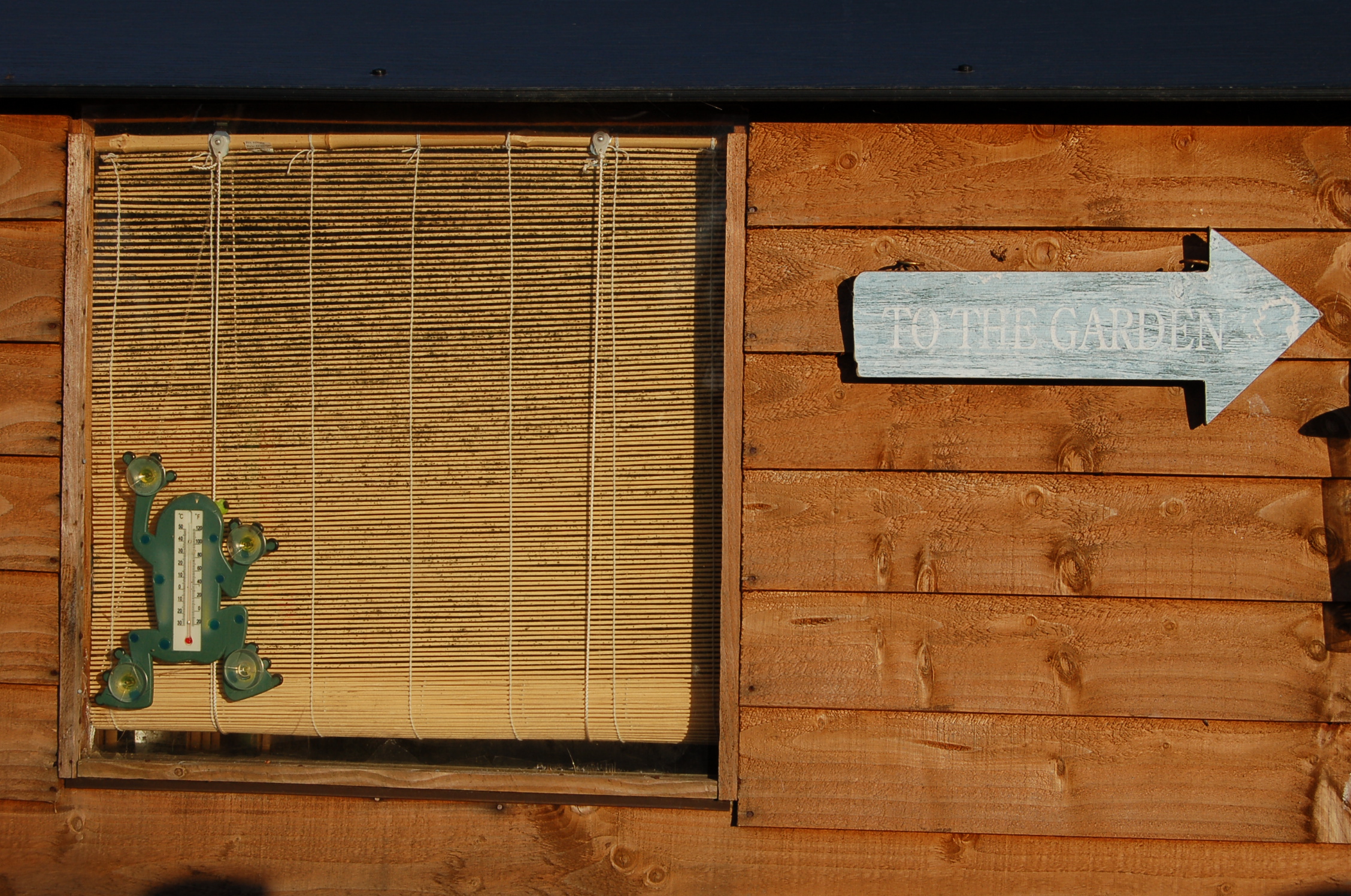
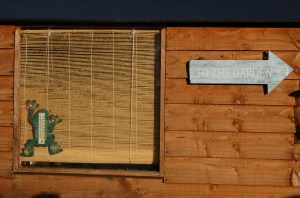
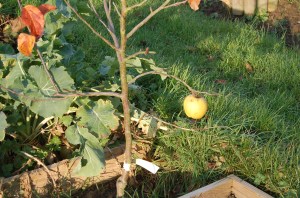
On Sharon’s plot her frog thermometer shows it is mild for December and near by a lone apple hangs waiting to give sustenance to the Blackbirds.
2013 12 17_5519 2013 12 17_5520

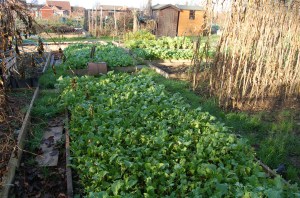
Glyn’s plot is well covered in a mat of green manures, so no heavy rain is going to leach away the goodness from the soil. Now that is good gardening!
2013 12 17_5521

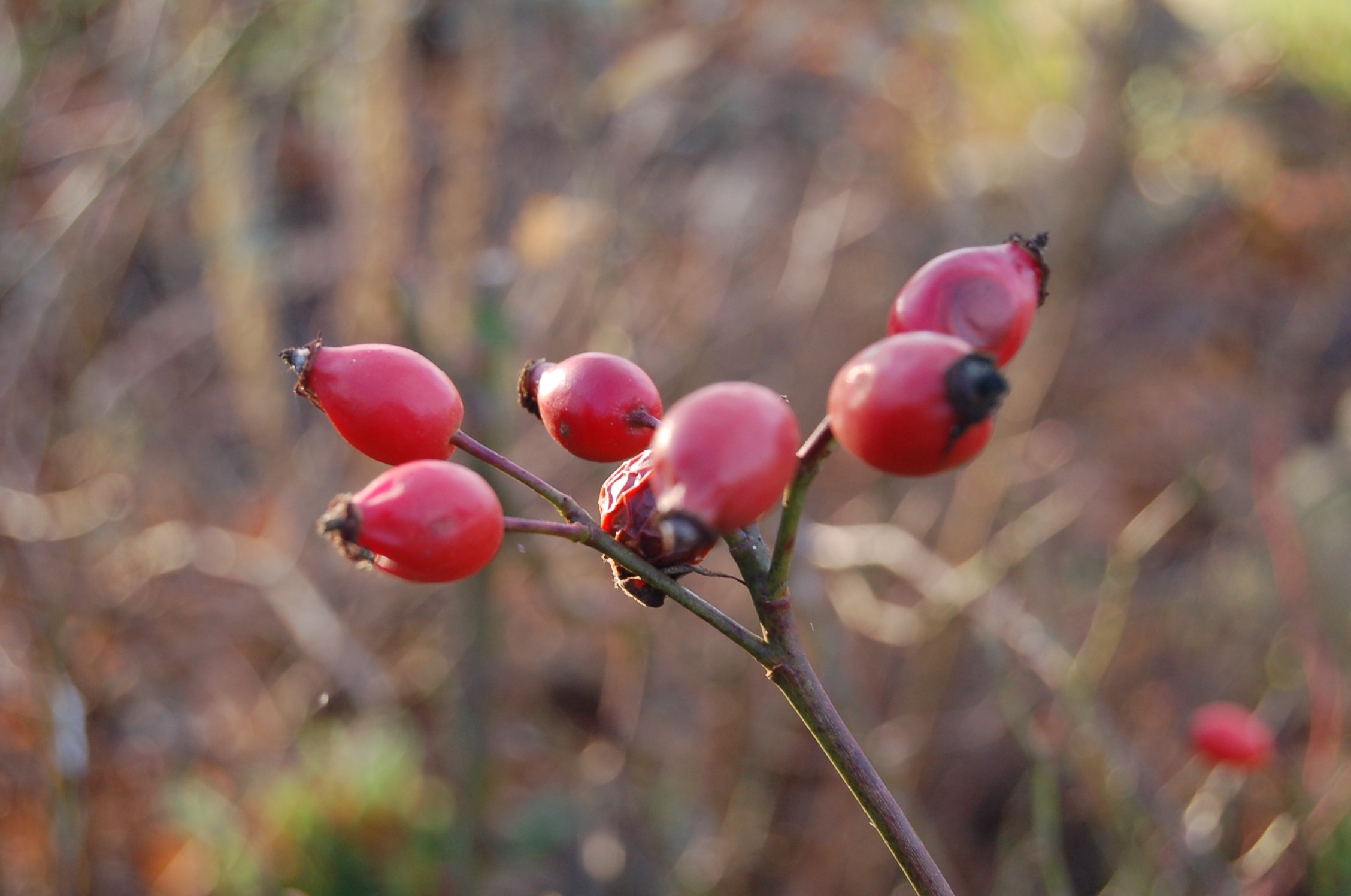
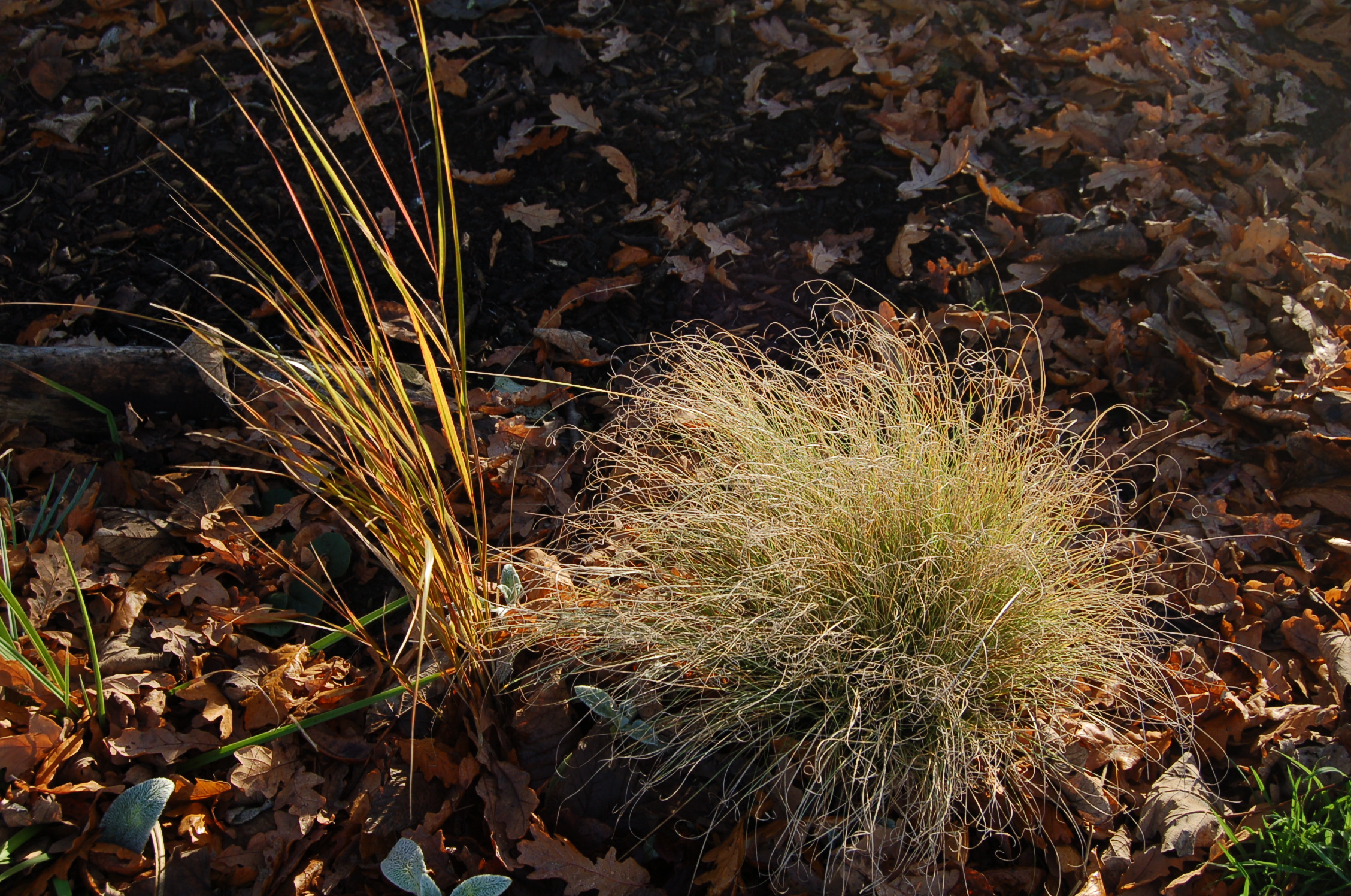
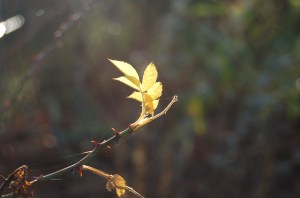
In the Sensory Garden the rose hips sparkle away in the winter sun which glows through the last of the rose bush’s foliage. Grasses here always look good but add extra movement in the gentlest of breezes.

2013 12 17_5522 2013 12 17_5523 2013 12 17_5524

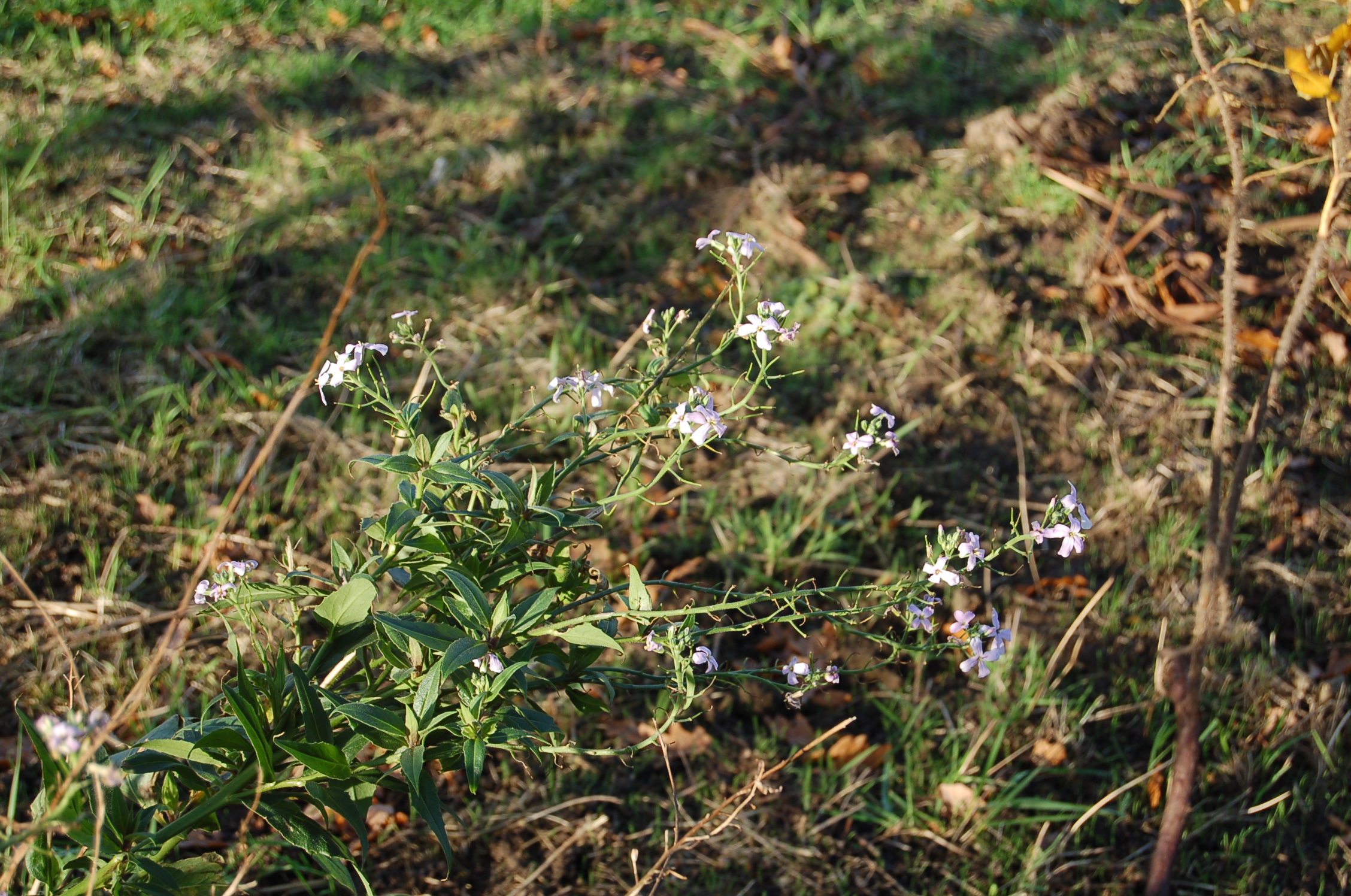
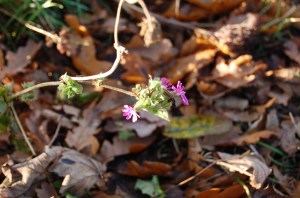
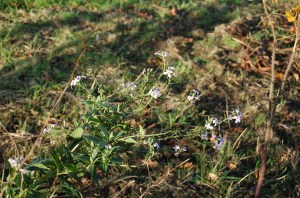
In the big meadow the last of the Red Campion and the Honesty are gamely flowering still. A lone bloom of Rosa Shropshire Lad casts a beautiful fruity scent across the picnic area.
2013 12 17_5526 2013 12 17_5527 2013 12 17_5528

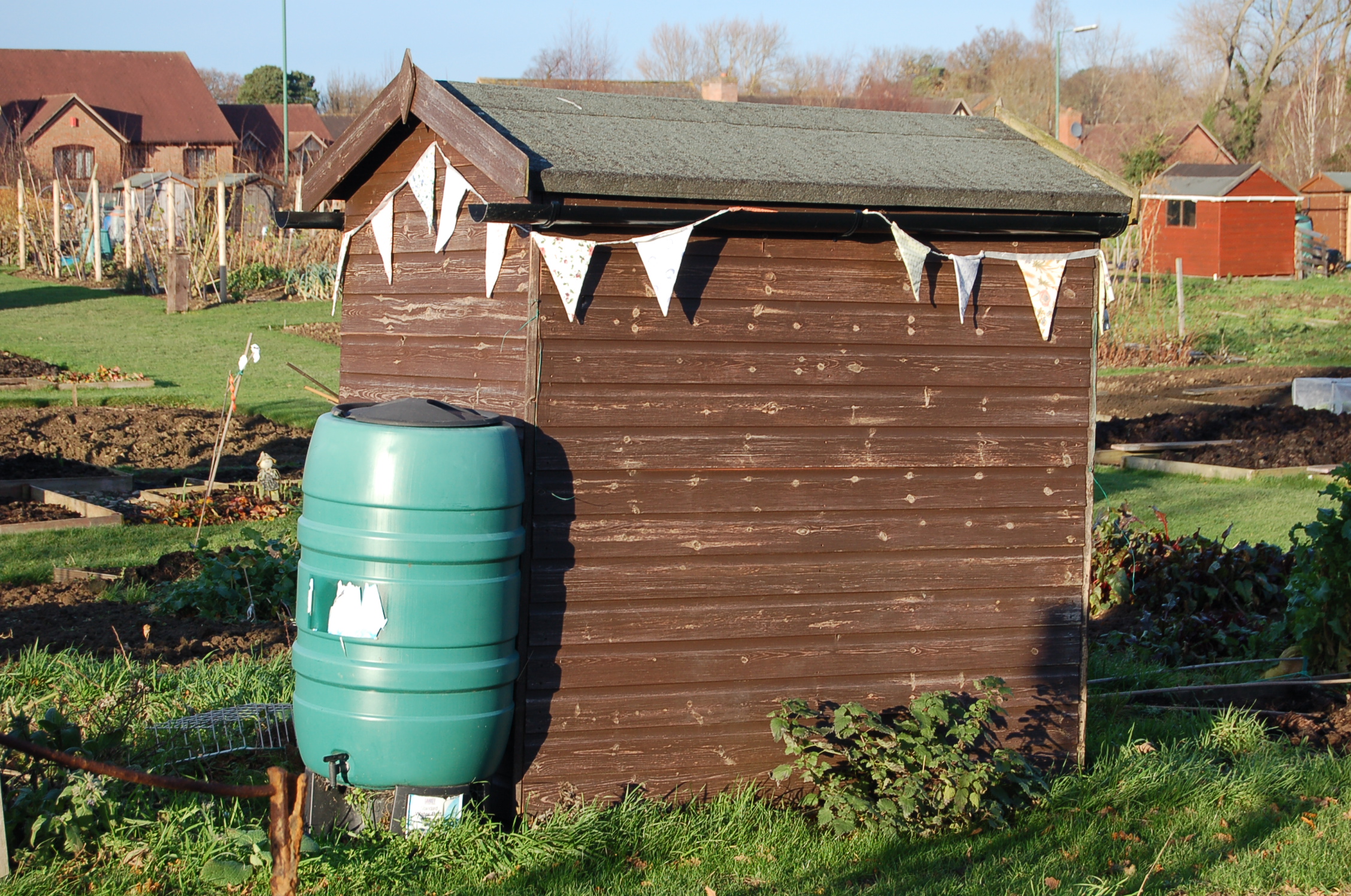
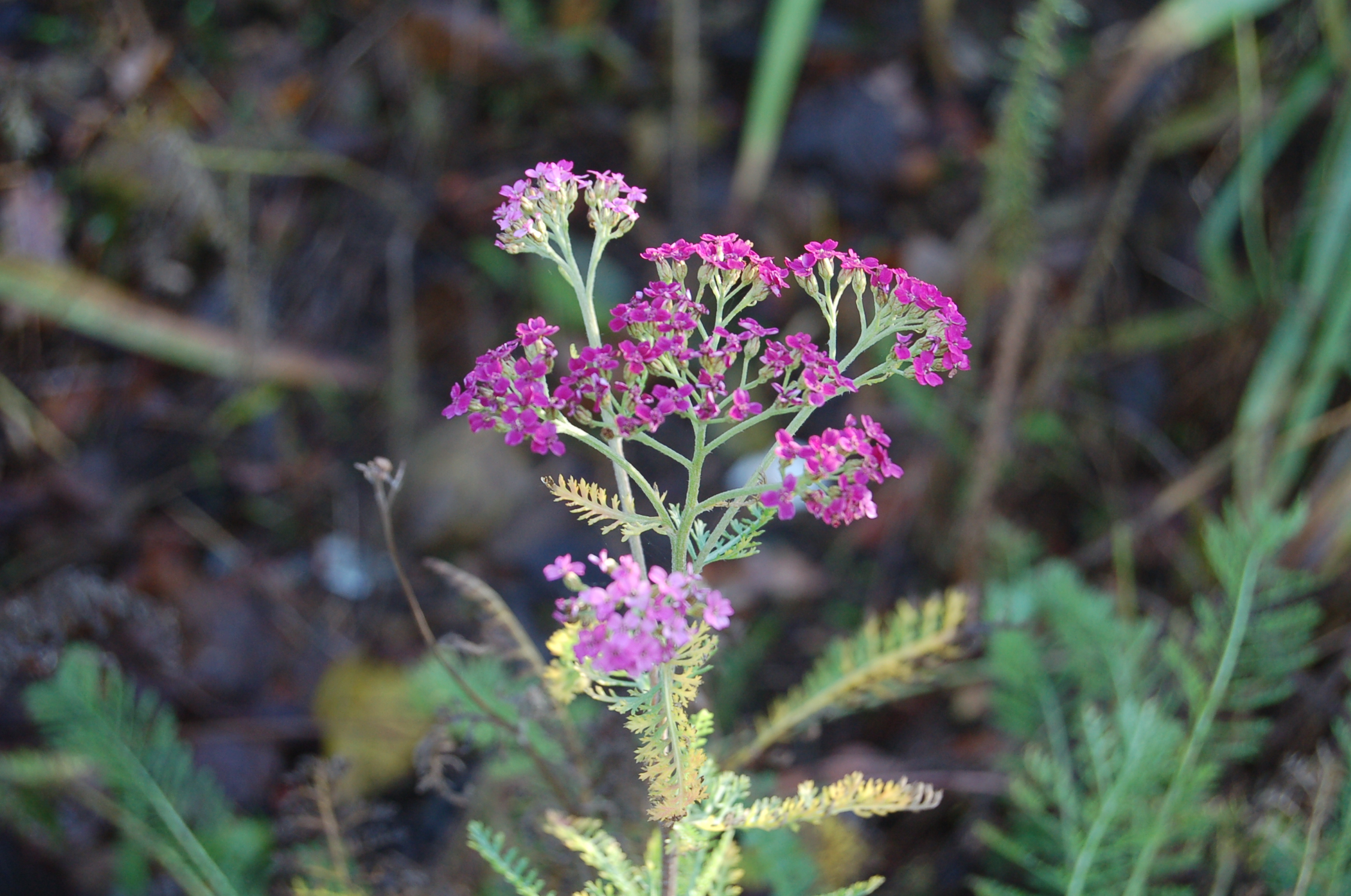
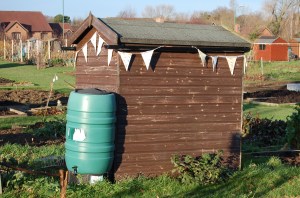
The bunting on Brian’s shed looks faded now but still adds cheer. The sunlight beams through the Dedge and intensifies the flat plate flower heads of the late Achillea.
2013 12 17_5529 2013 12 17_5530 2013 12 17_5531

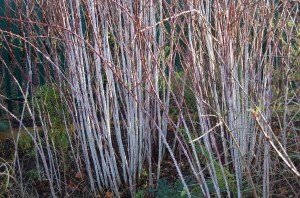
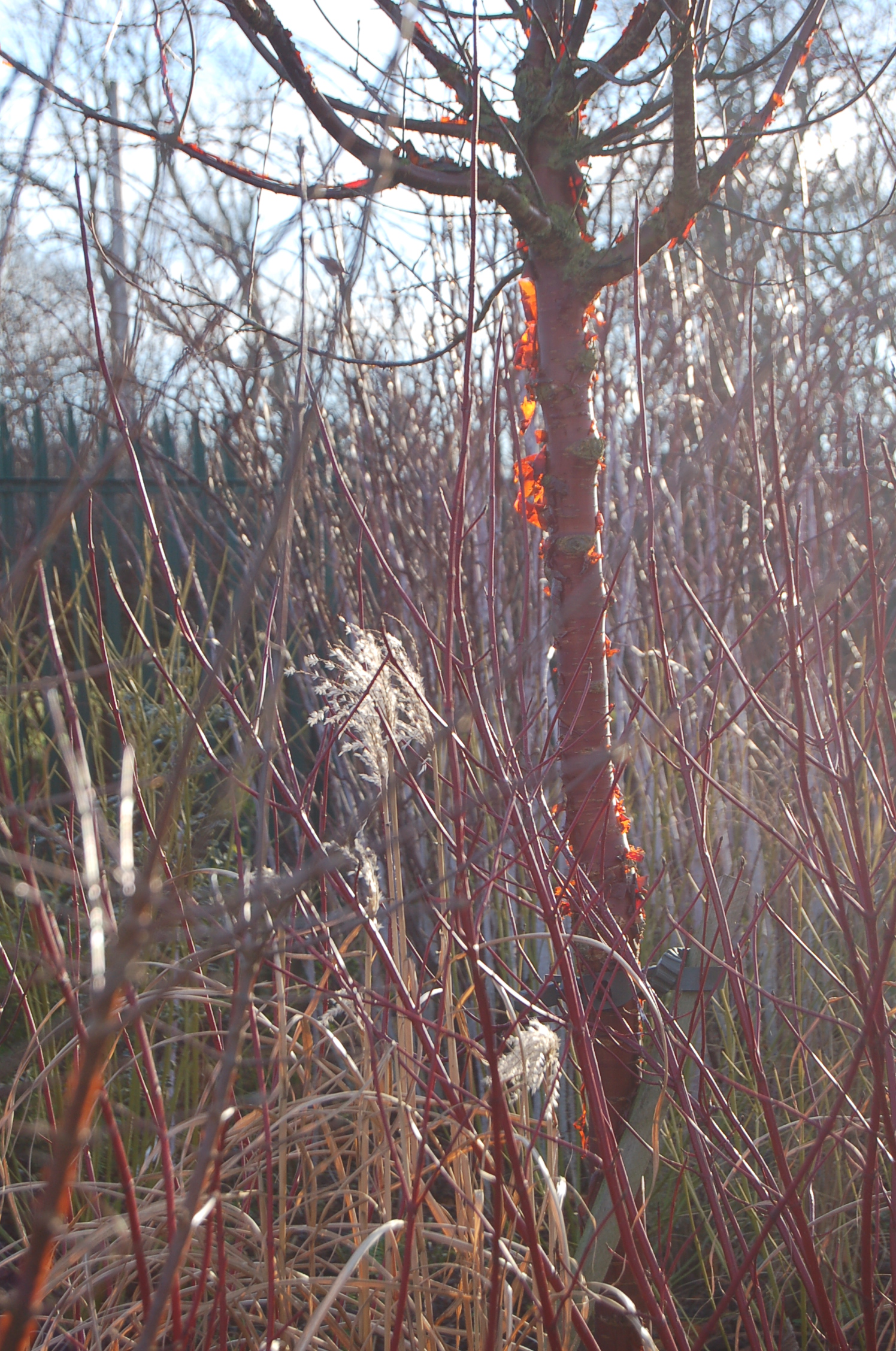
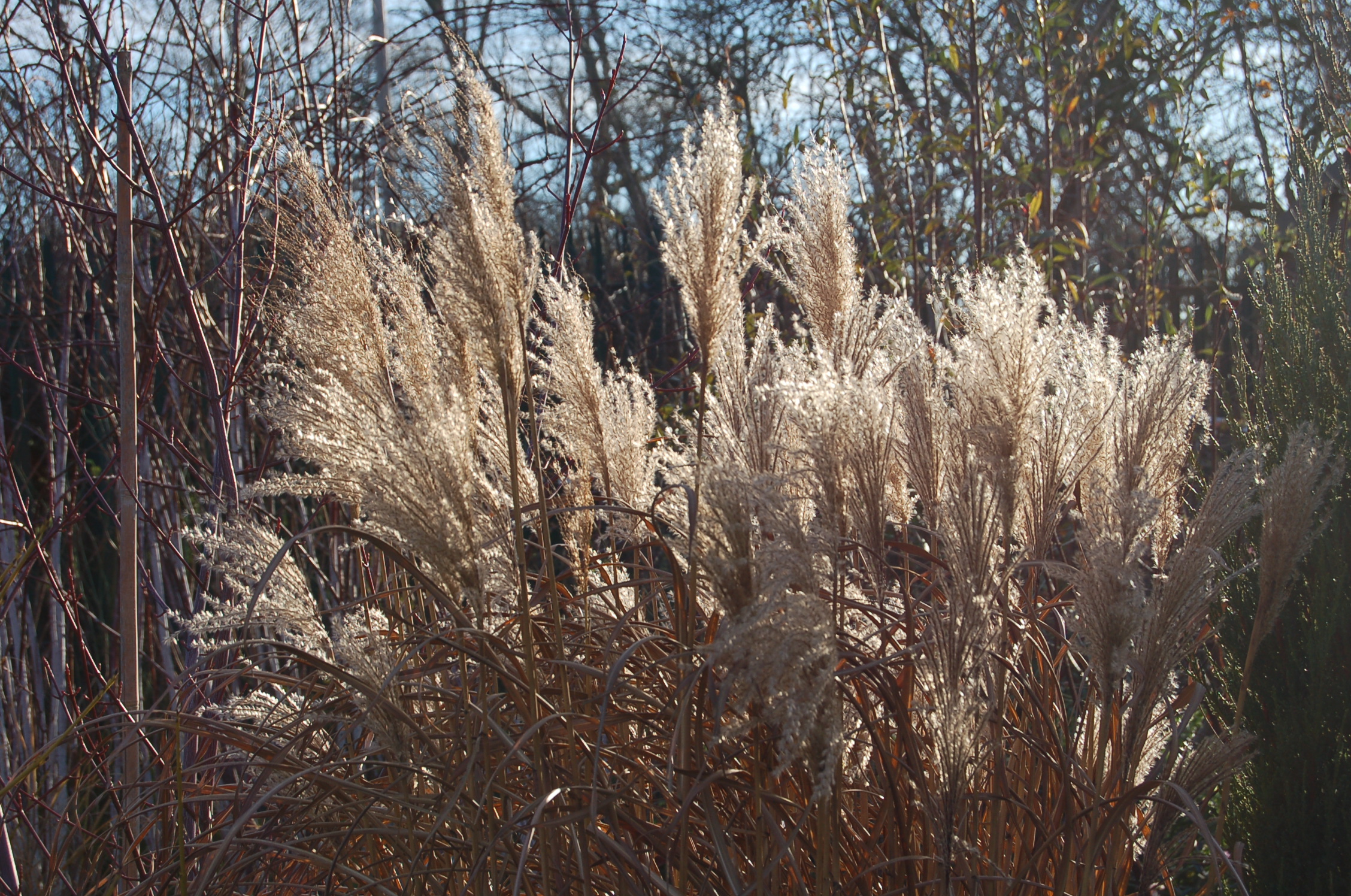
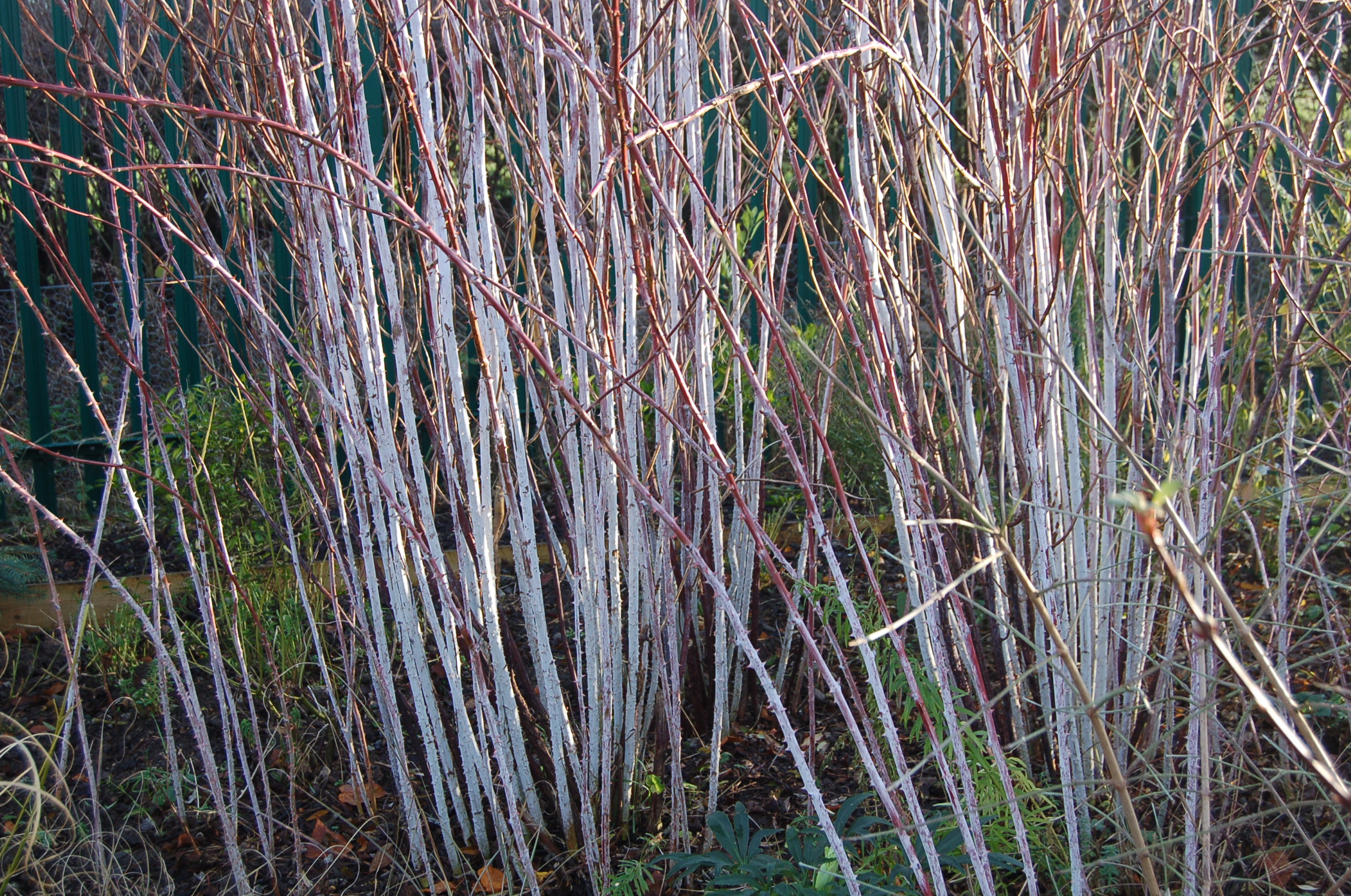
The Winter Garden is beginning to come into its own with peeling bark, powdery white stems and fluffy grass seed heads.

2013 12 17_5532 2013 12 17_5533 2013 12 17_5534

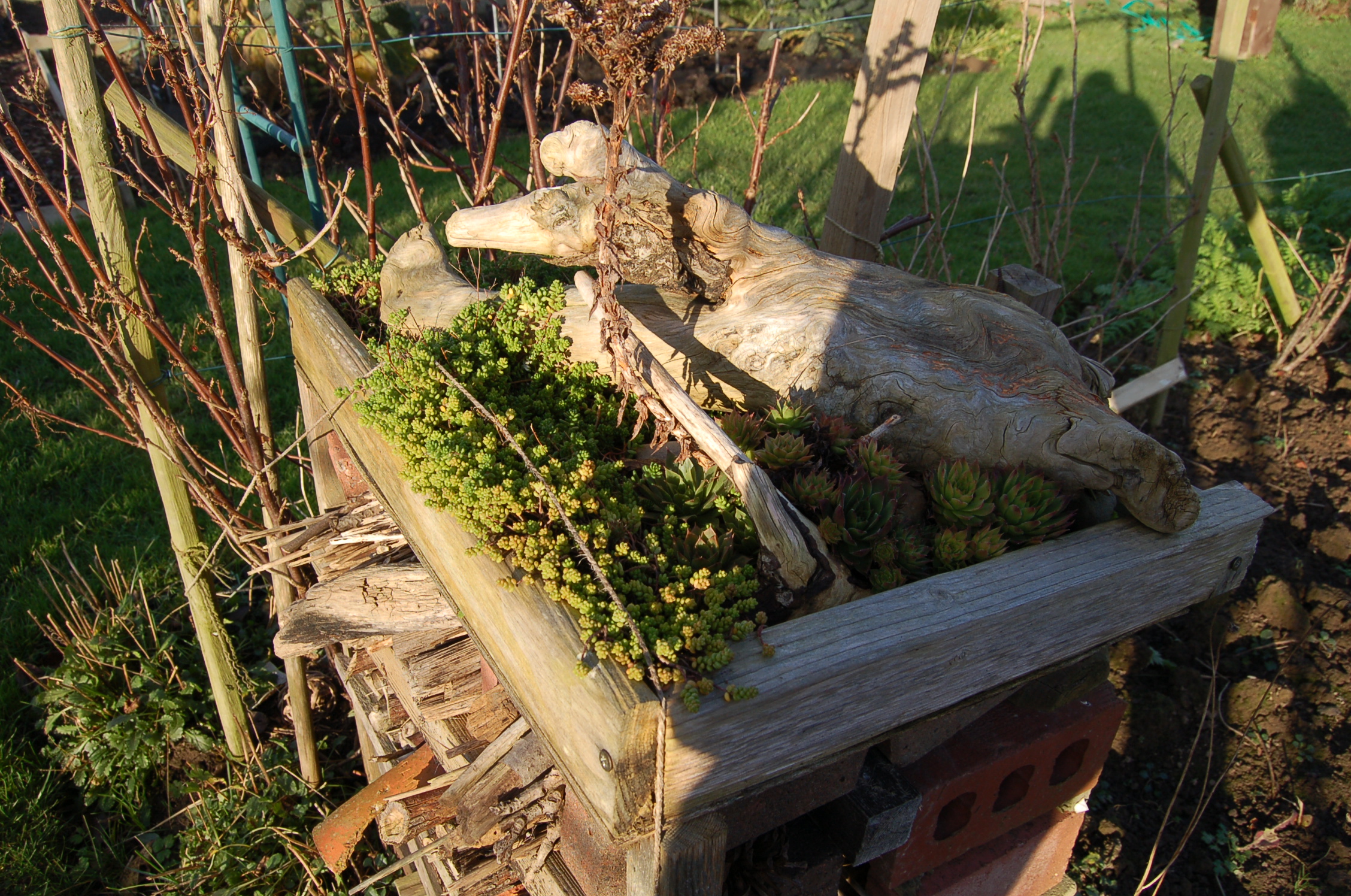
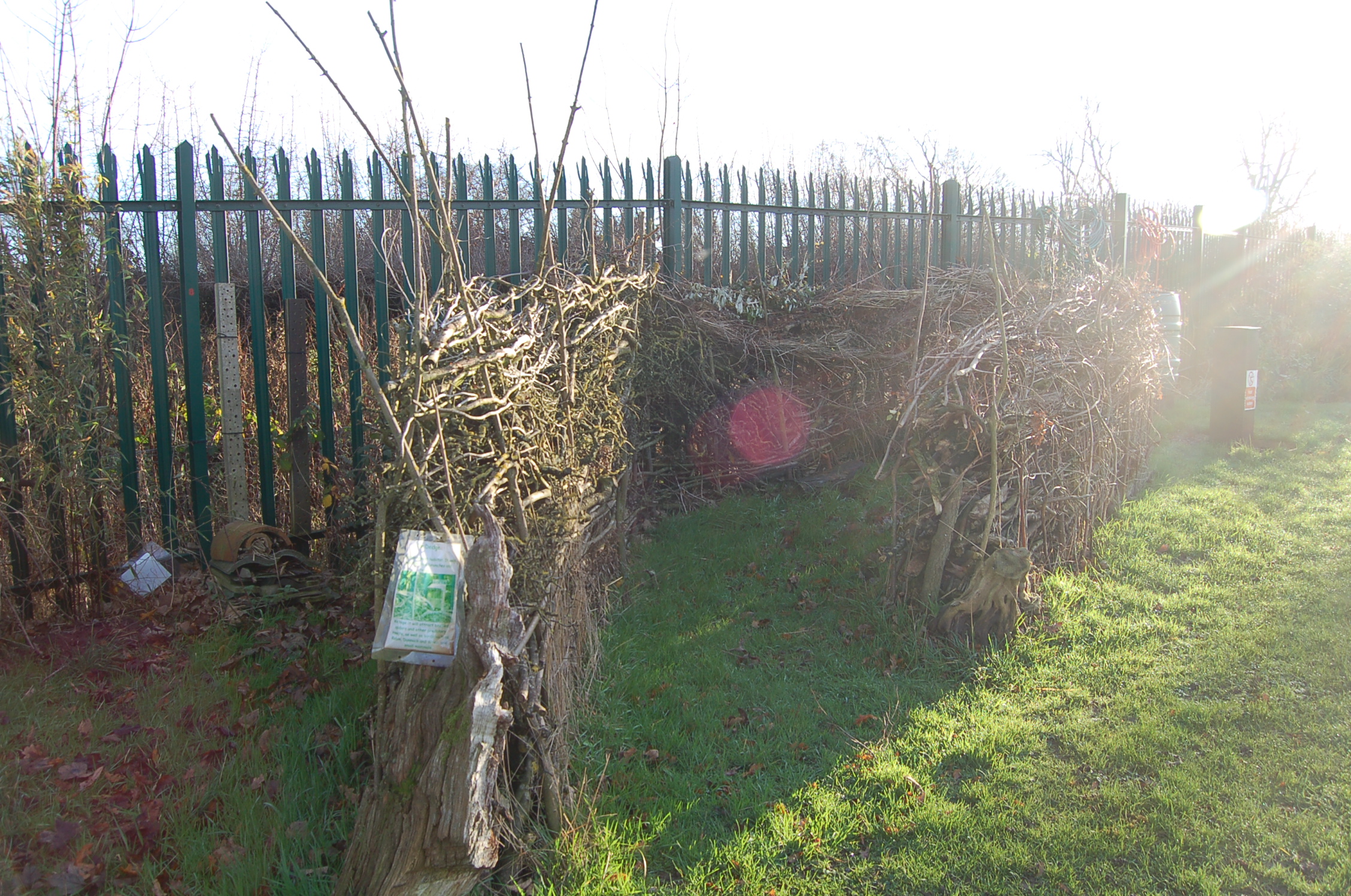
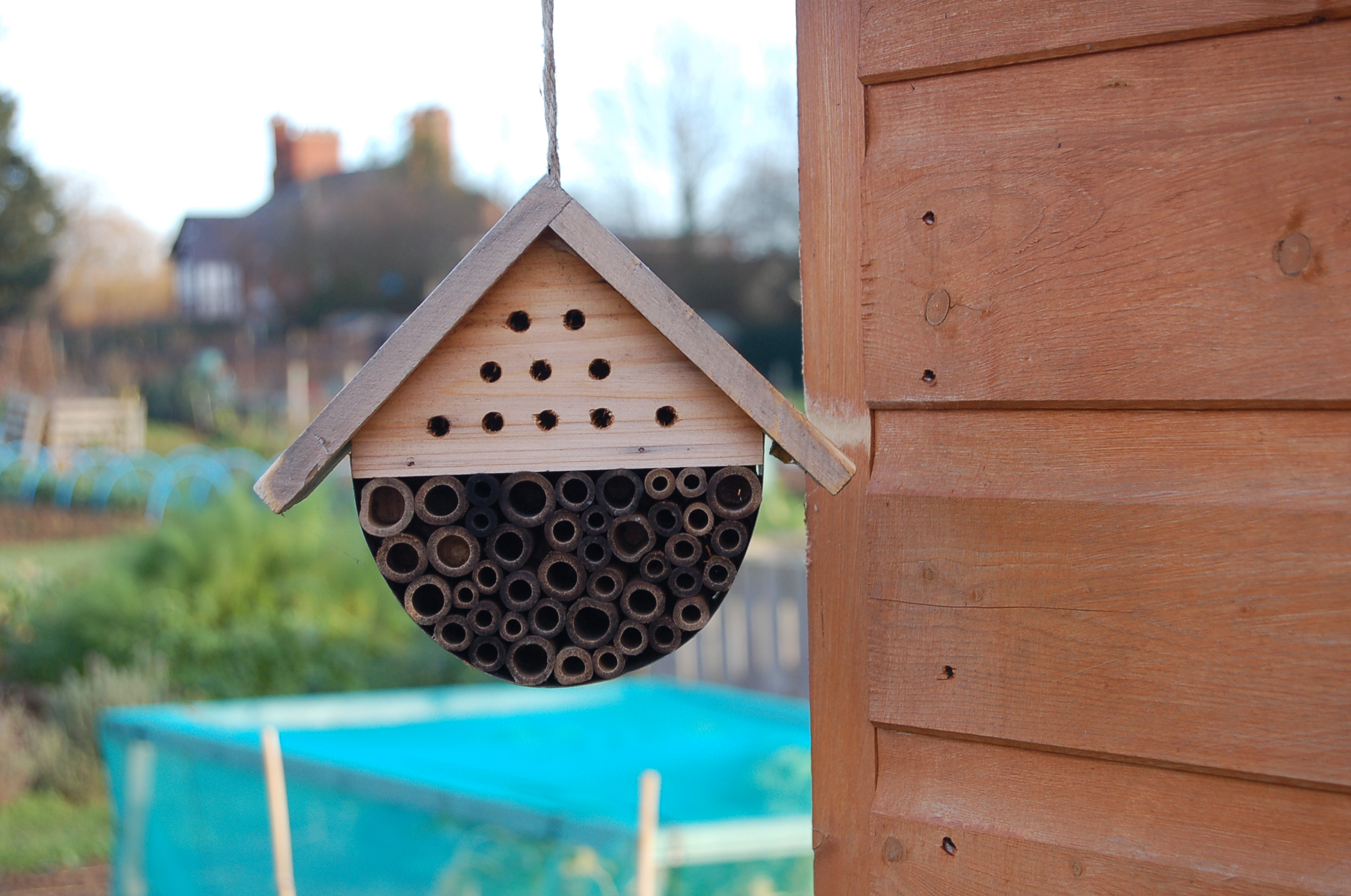
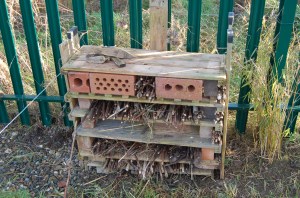
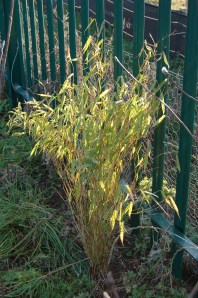
Moving on into the site extension we find our newest insect hotel still standing after recent strong winds. As usual I have string and my Opinel garden knife in my pocket so tie it back to the fence. The bamboo looks settled in its new home at the end of the proposed Garden of Contemplation. From here we can see the mass of “keys” adorning every branch of our ancient Ash tree.
2013 12 17_5536 2013 12 17_5537 2013 12 17_5538

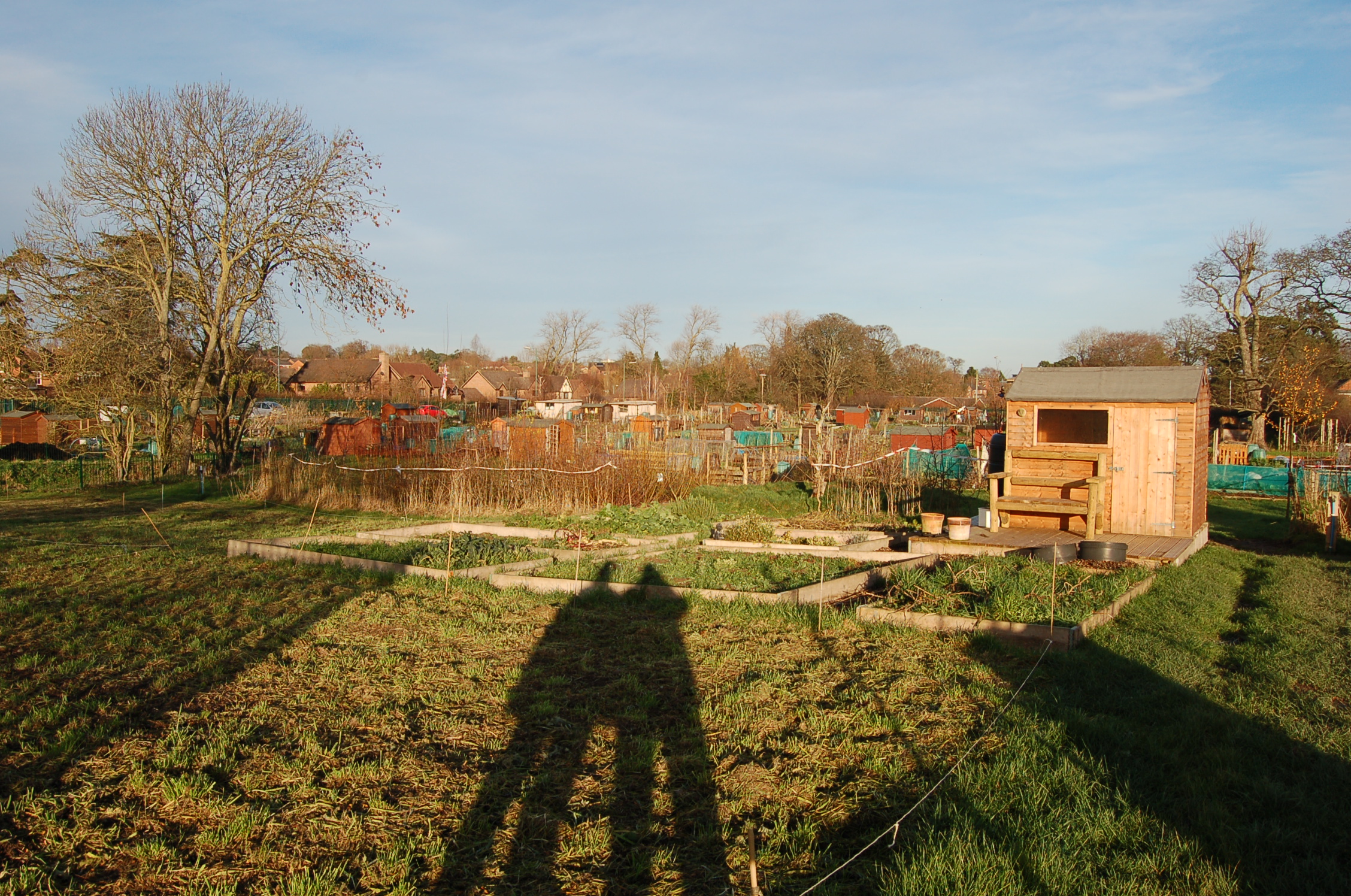
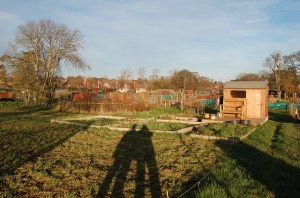
Our long shadows look out across the site.
2013 12 17_5539

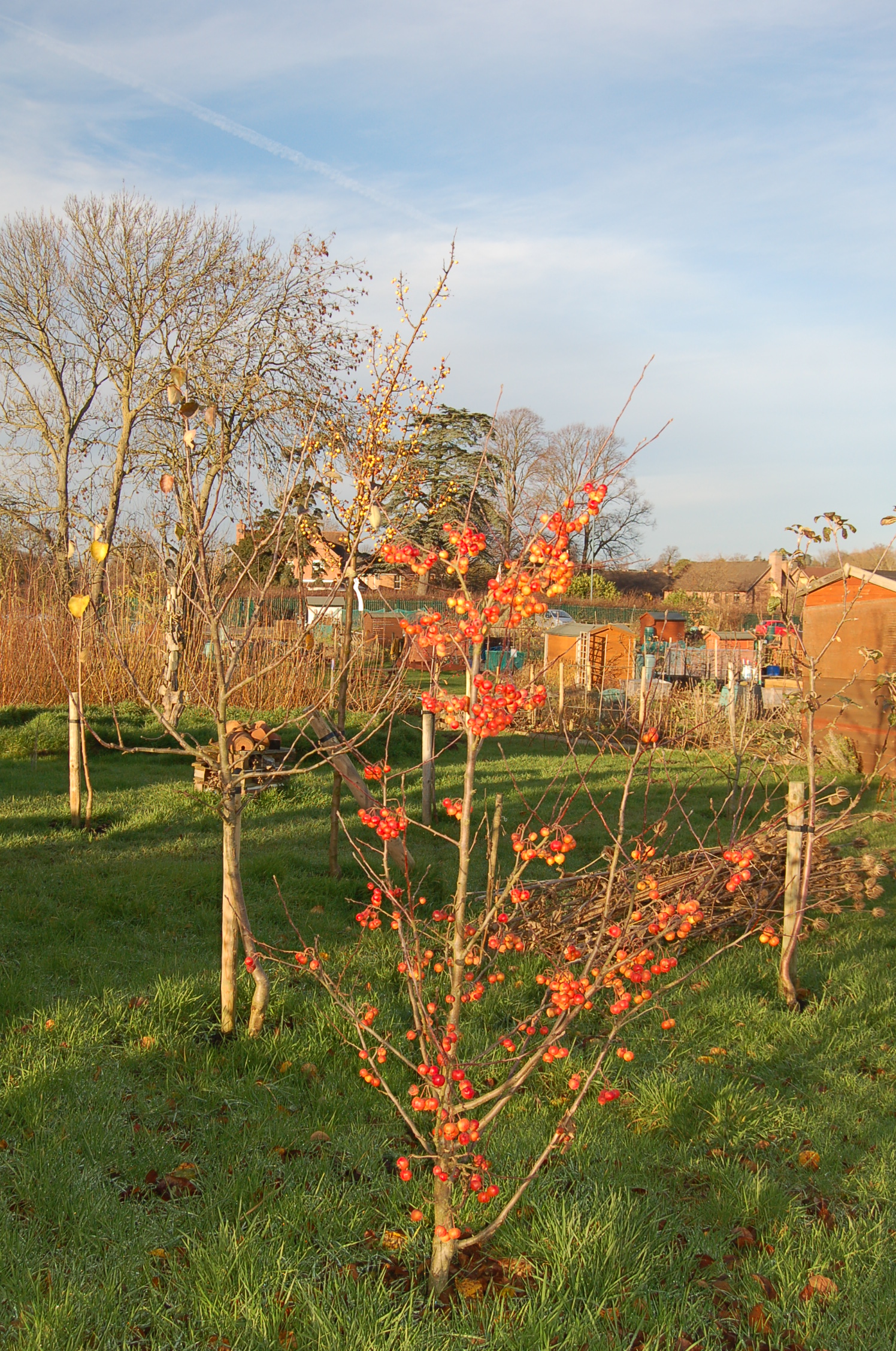
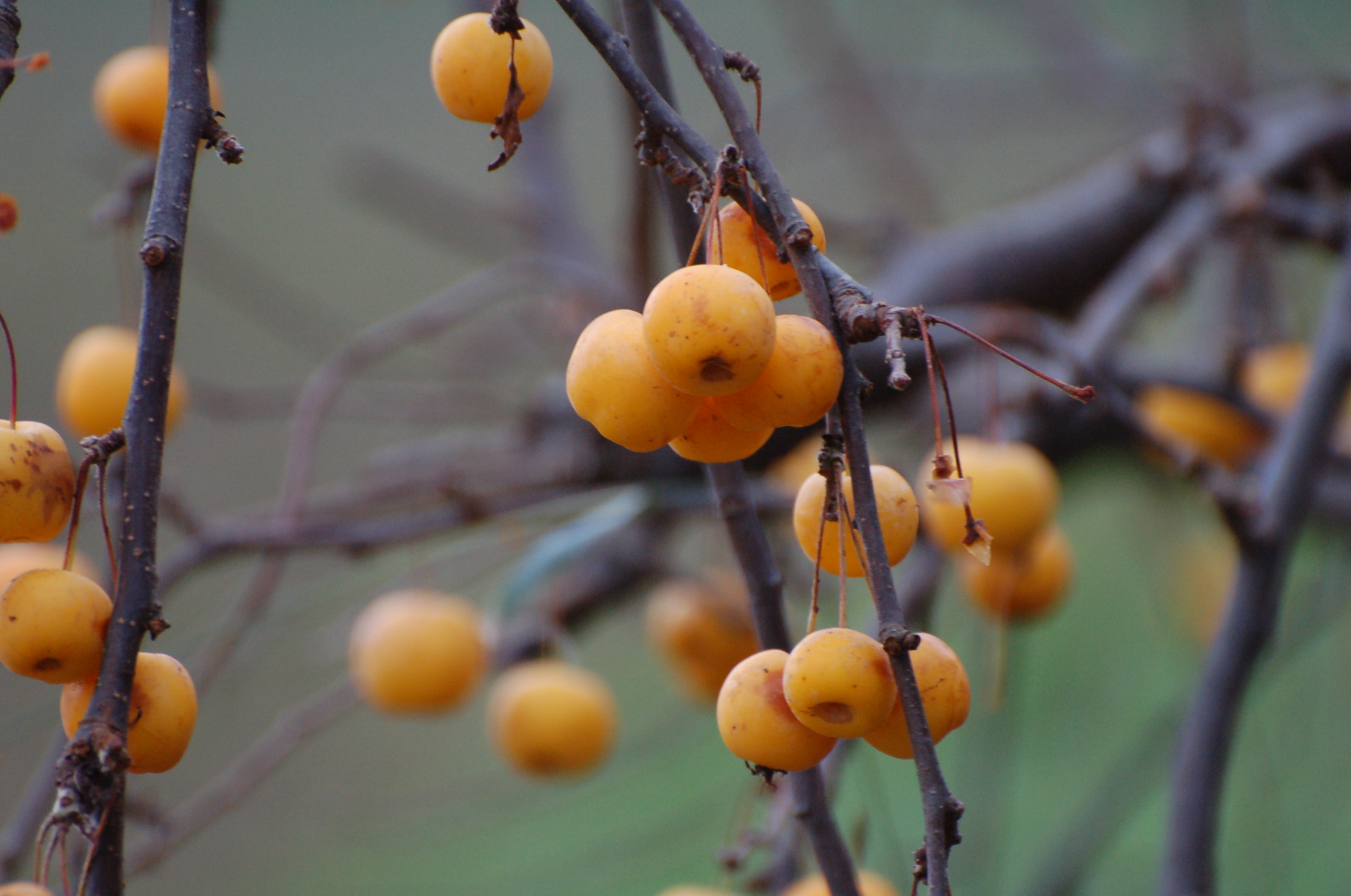
In the second orchard the crab apples still have much fruit left on and these give bright patches of colour visible from all over the site.

2013 12 17_5540 2013 12 17_5541 2013 12 17_5542

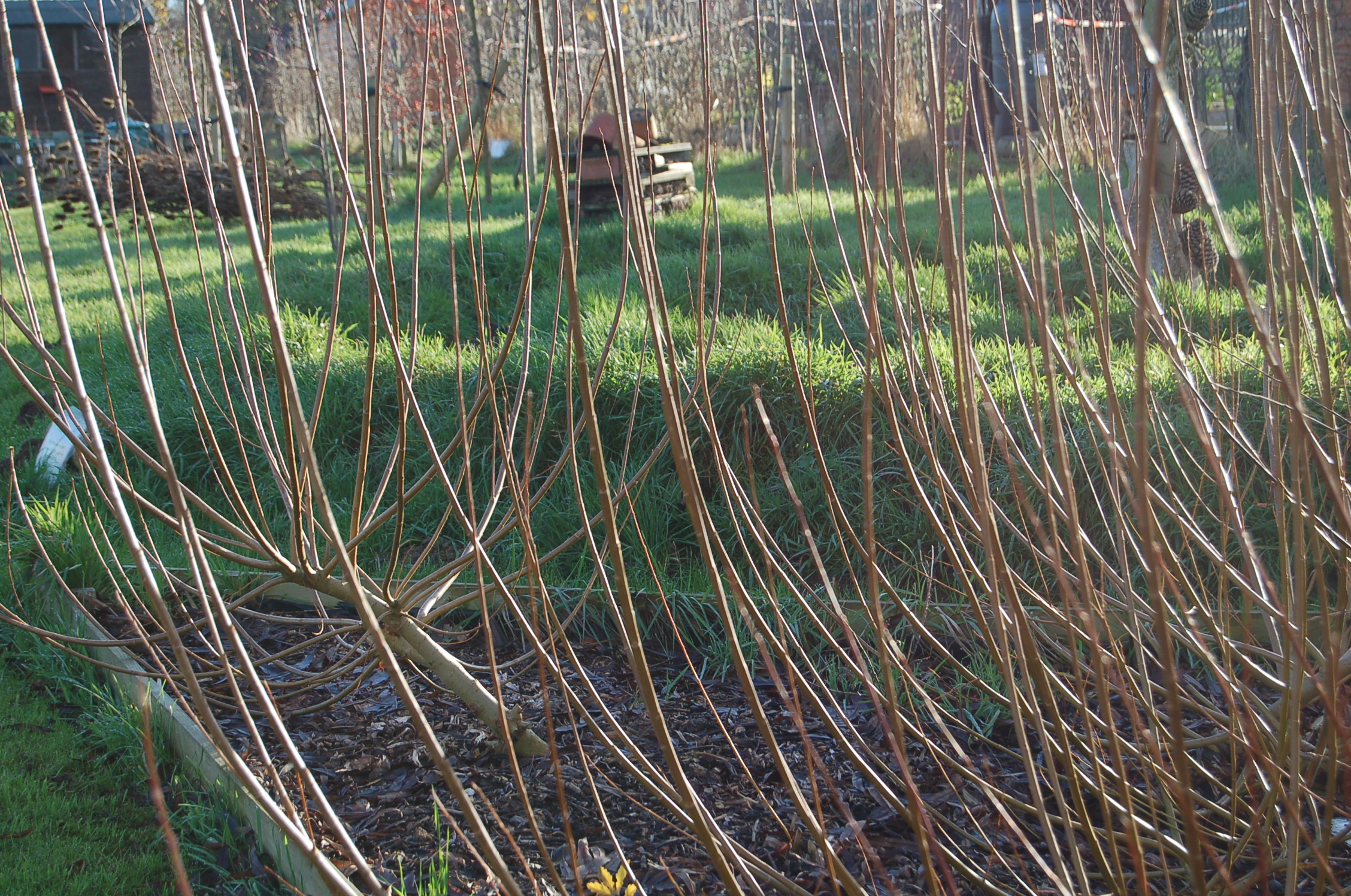
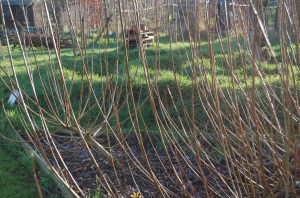
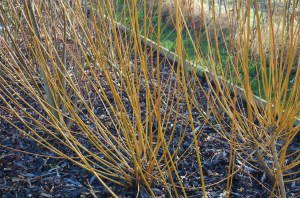
The stems of the coppiced willows in the Withy Bed shine as they start to show their late winter colour. This is something we are looking forward to. We have 17 different willow here in every colour possible.
2013 12 17_5543 2013 12 17_5544

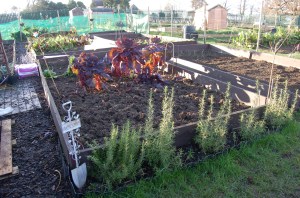
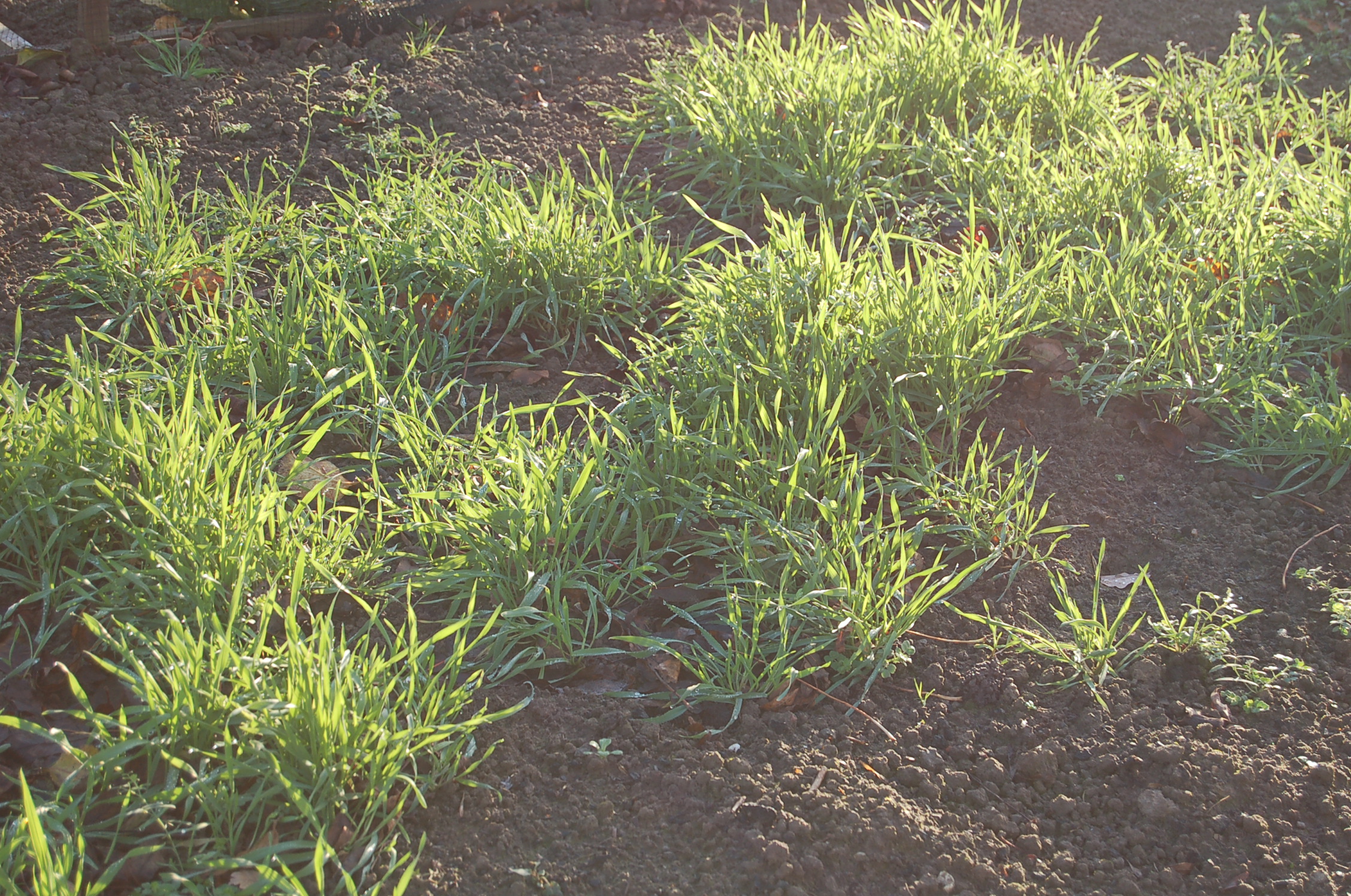
We are just beginning to prepare the ground for our new Prairie Garden which we shall make in the new year. This big patch of bare ground promises to become a riot of year round colour. We can’t wait to get started. On nearby plots we spot a patch of another green manure, Grazing Ryegrass and another lone apple on a tree.

2013 12 17_5545 2013 12 17_5546 2013 12 17_5547

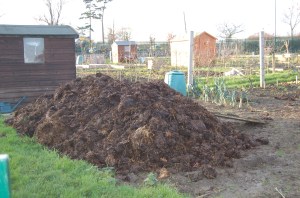
On Ian’s plot a big pile of farmyard manure waits the time when he digs it into the soil to add nutrients, humus and structure. It won’t take him long – he is a strong chap.
2013 12 17_5548

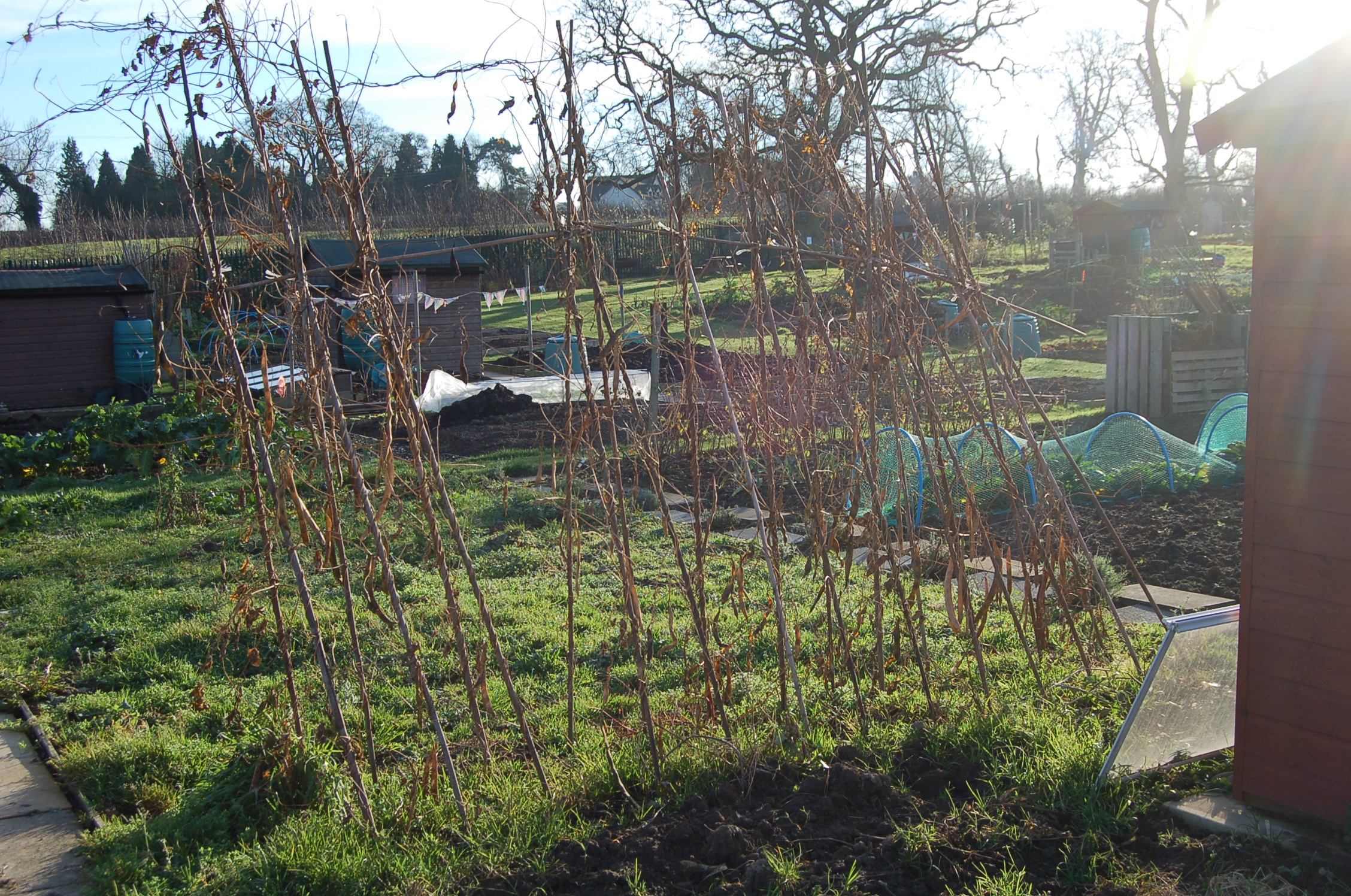
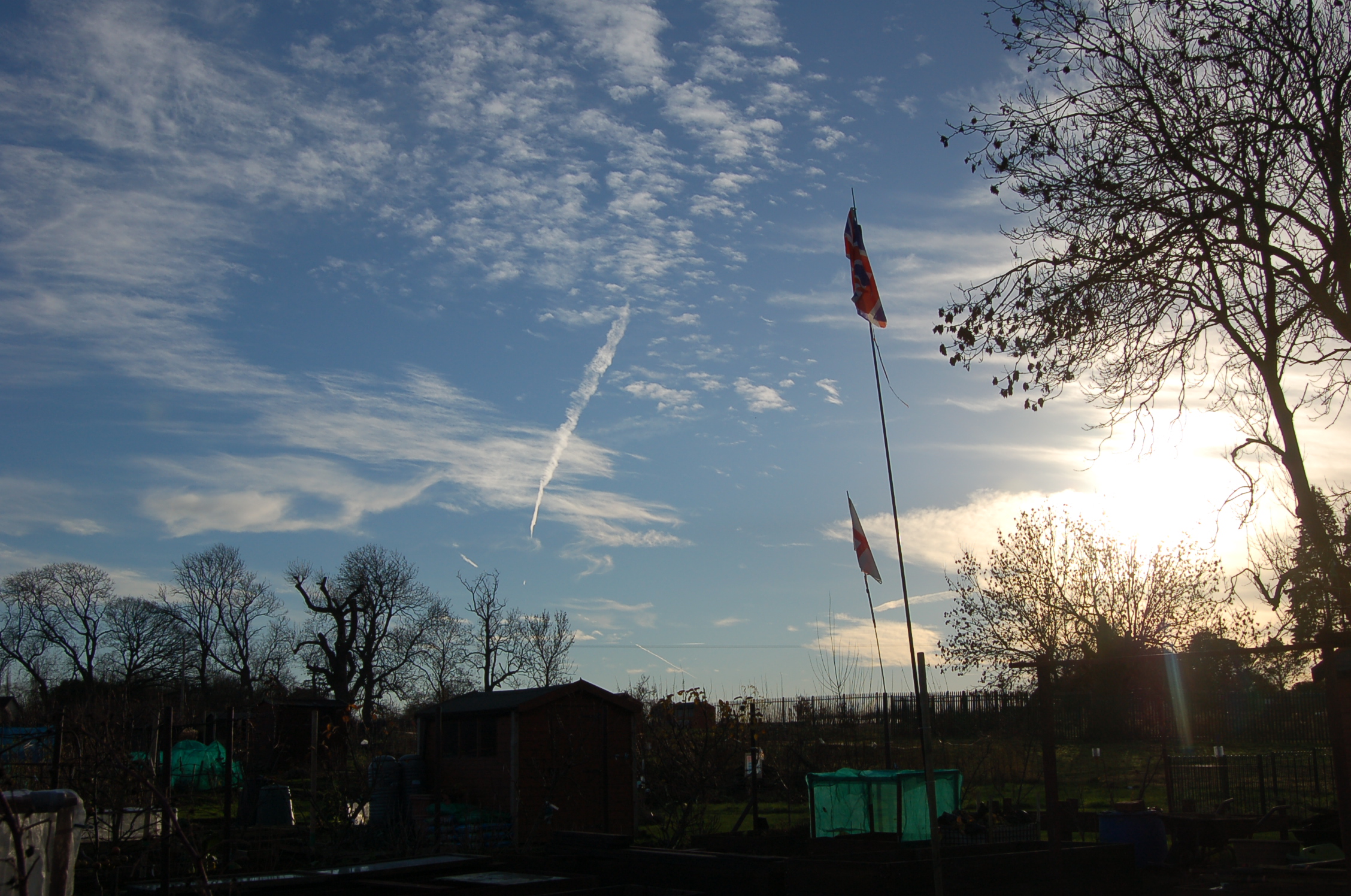
Returning to the communal hut along the wide path we spot this old beer can acting as a cane top rattling away by the old sweetcorn stalks. On Mandy’s plot this little insect home will be looking after hibernating friendly critters who will emerge in the spring to eat pests such as aphids. Dave’s flags hang sadly atop their poles.

2013 12 17_5549 2013 12 17_5550 2013 12 17_5551

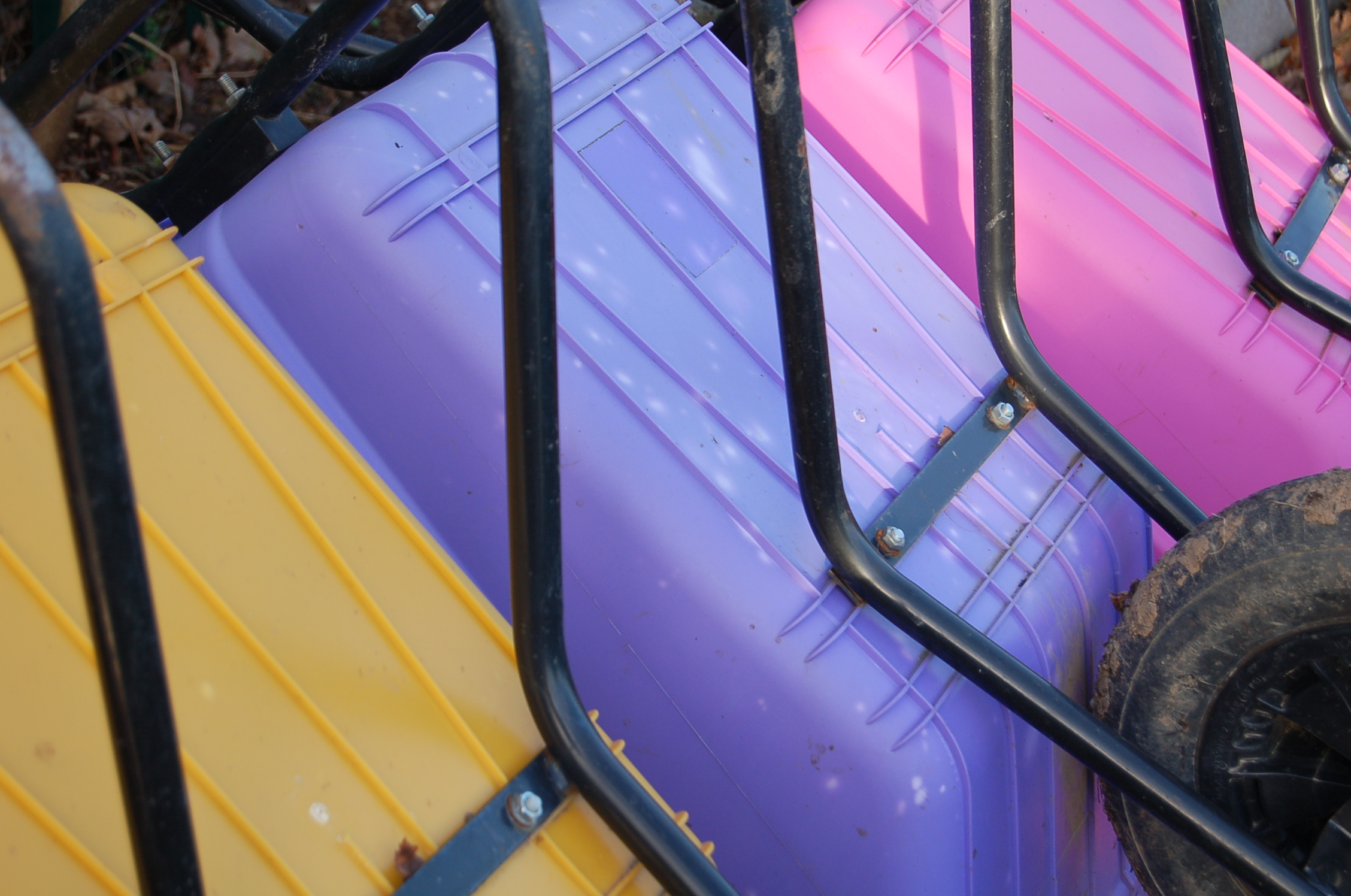
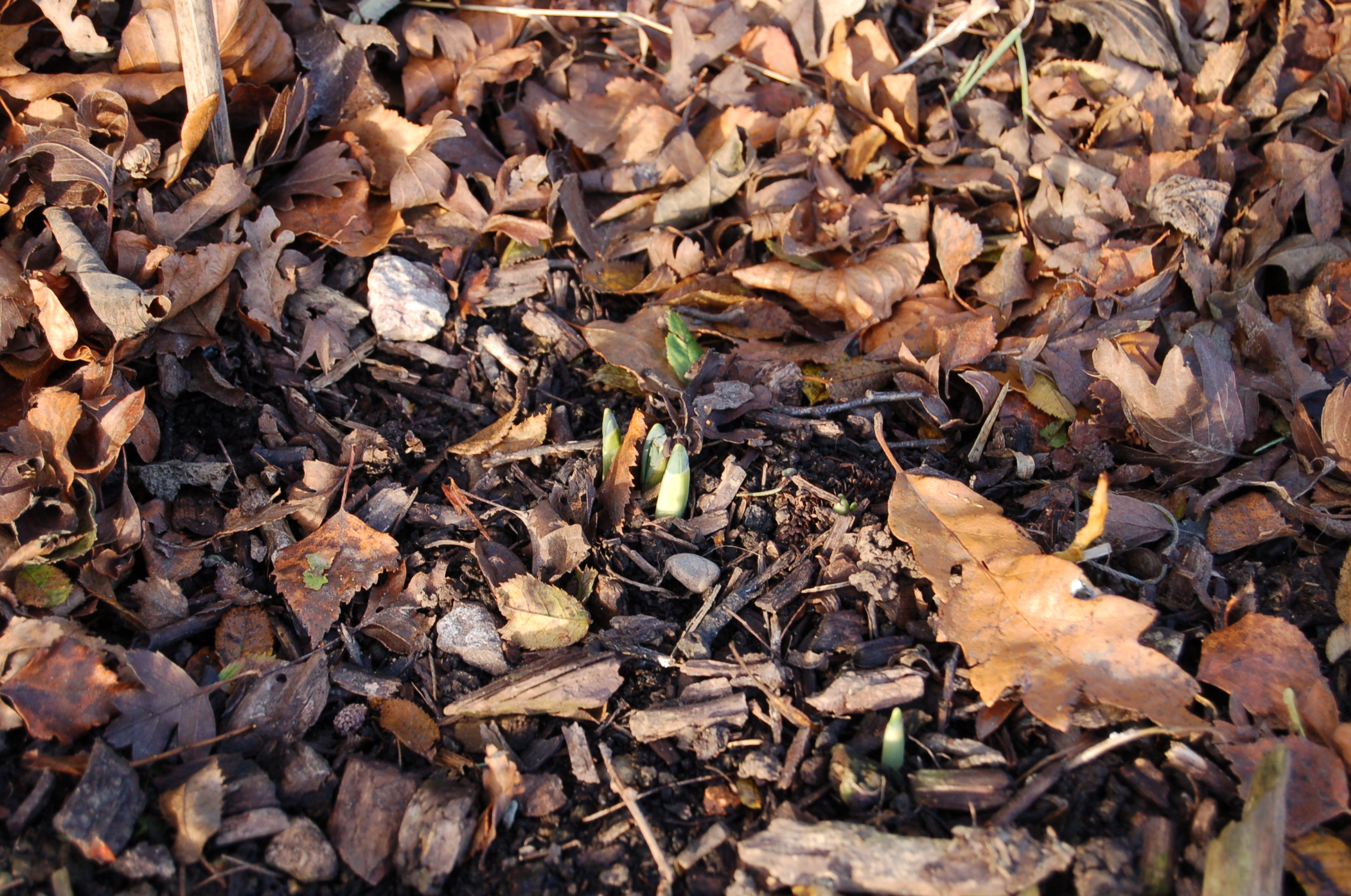
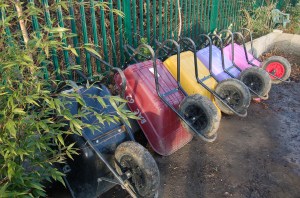
As we returned to the car we noticed the first signs of growth on our spring bulbs. The first leaves of the daffodils have just made their way through the bark mulch. A promise of golden flowers to come. Our wheelbarrows give a big splash of colour in low sunlight.

2013 12 17_5554 2013 12 17_5553

2013 12 17_5555

Categories
bird watching birds canals conservation countryside landscapes nature reserves Norfolk wildlife

The Wonders of Wicken

I am not a fan of flat land, I love hills and mountains and views. The fens are just too flat for me. But we discovered a wonderful wildlife reserve a few years ago run by the National Trust, Wicken Fen. We were in the area again this September so we couldn’t resist a return visit. Last time we were there it was warm but wet. This time it was cold and wet.
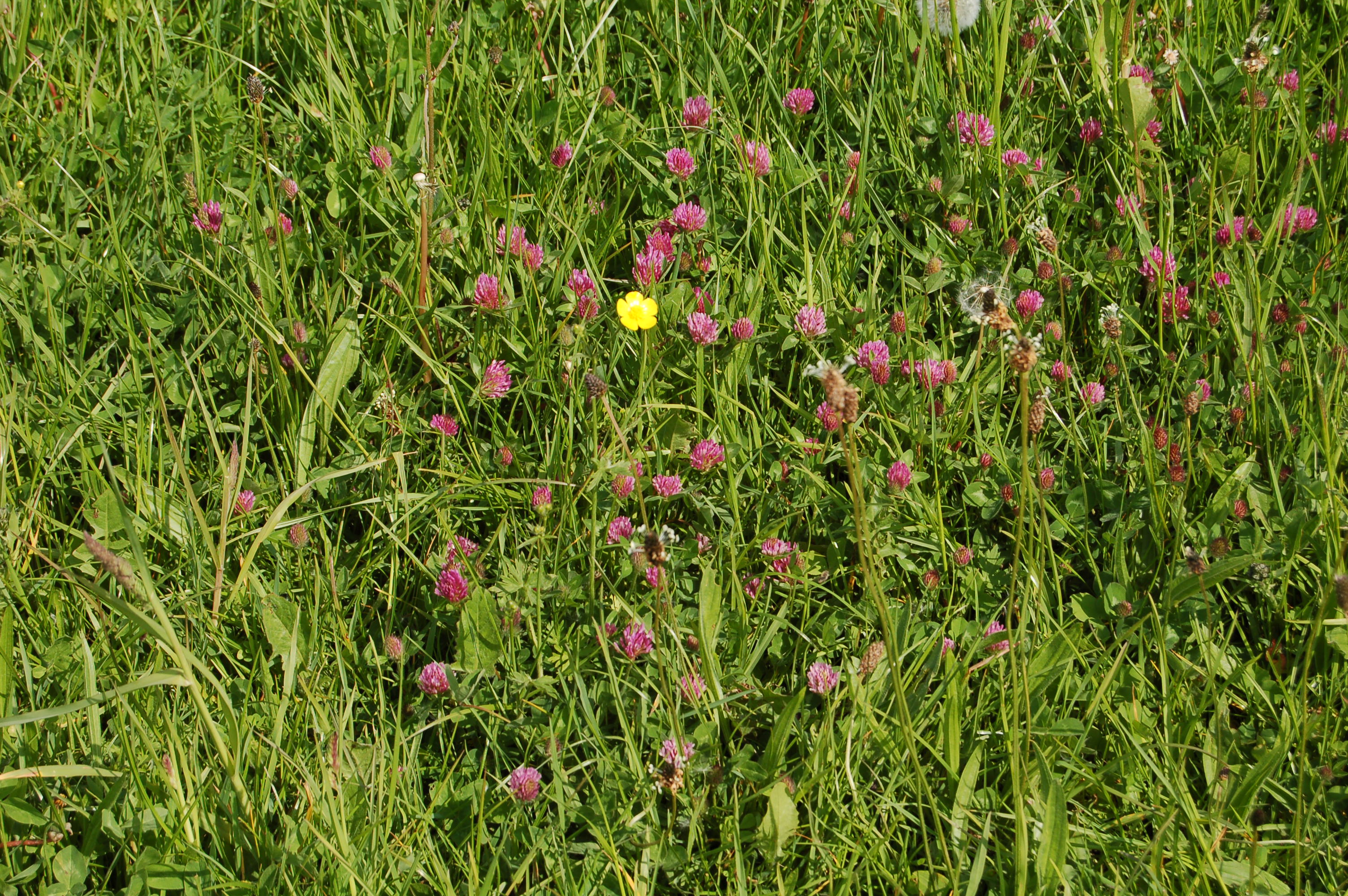
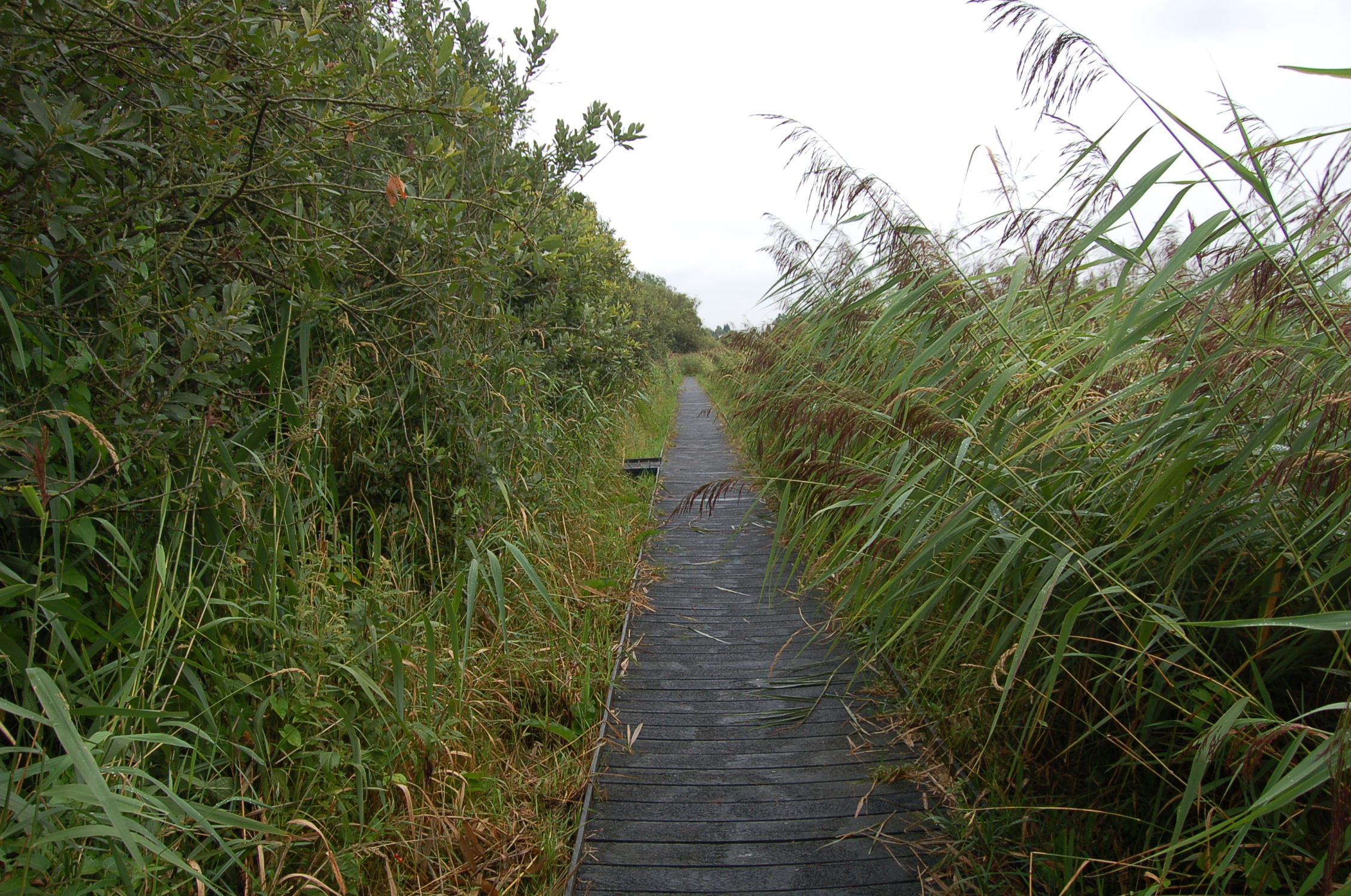
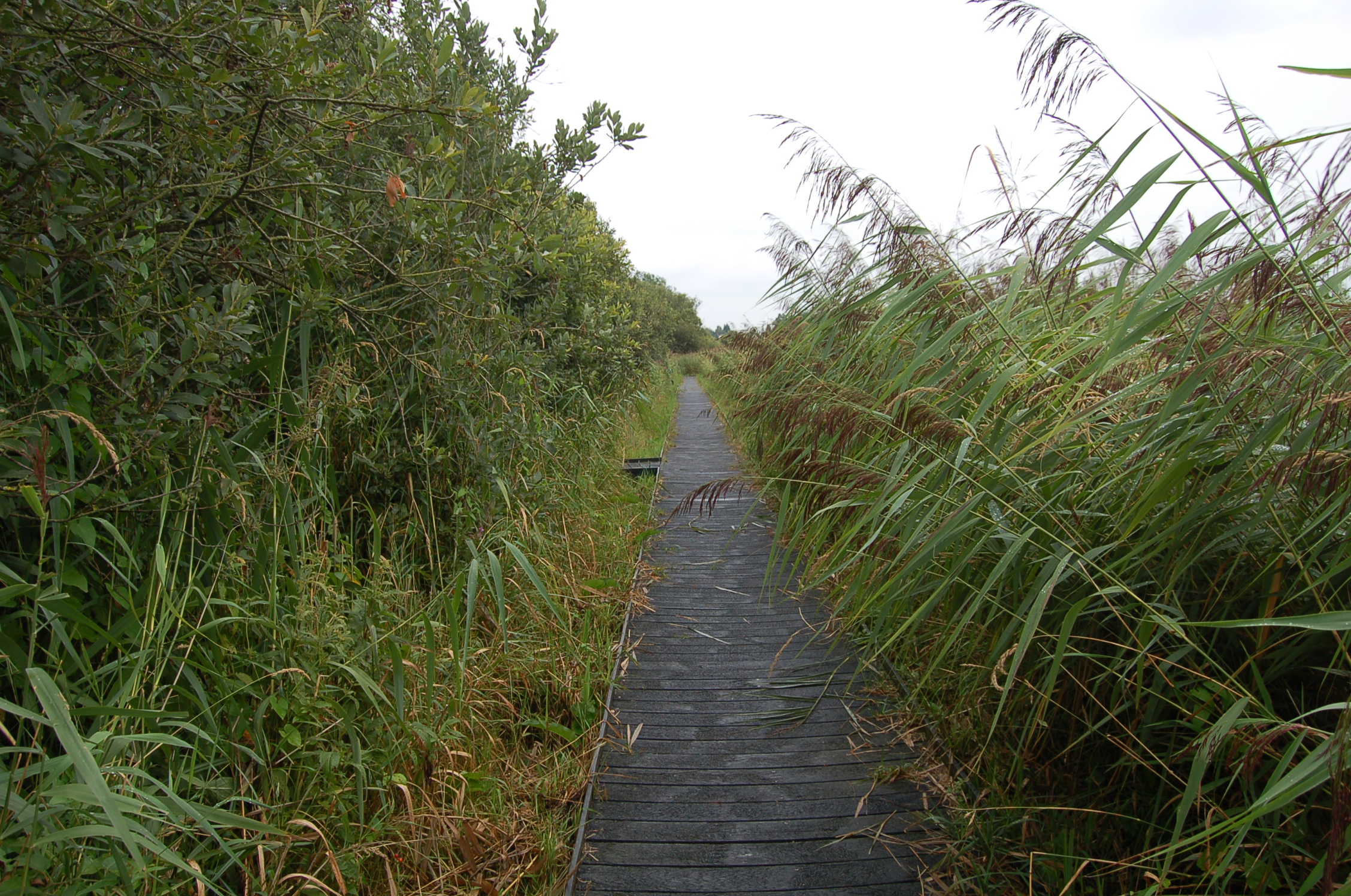
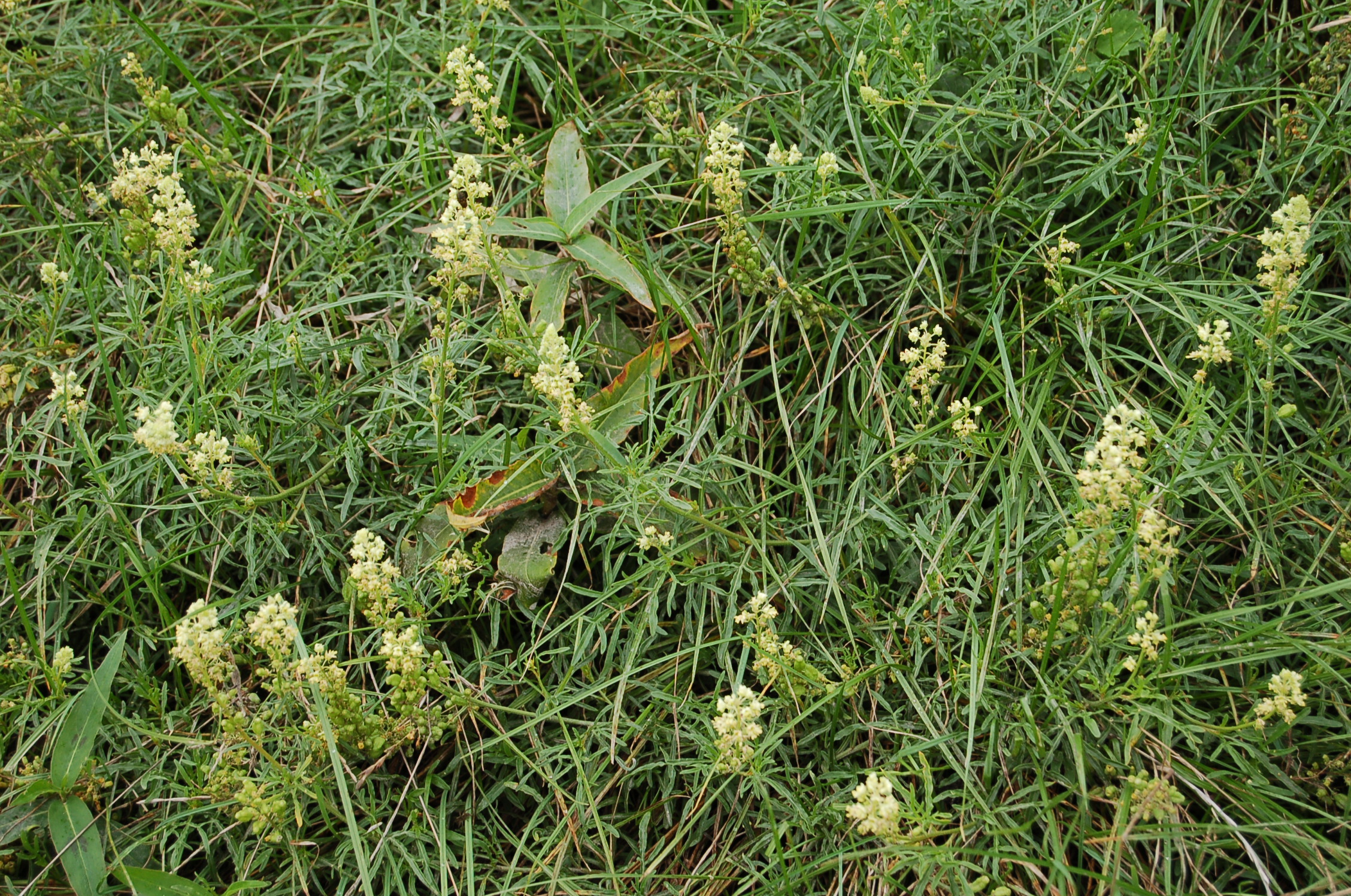
We followed the boardwalk out into the fen and were amazed by the variety of wildflowers we could spot from the walkway.

2013 08 26_3205 2013 08 26_3188

2013 08 26_3187   2013 08 26_3190 2013 08 26_3191 2013 08 26_3192 2013 08 26_3193 2013 08 26_3194 2013 08 26_3195 2013 08 26_3196 2013 08 26_3197    2013 08 26_3201 2013 08 26_3203 2013 08 26_3204

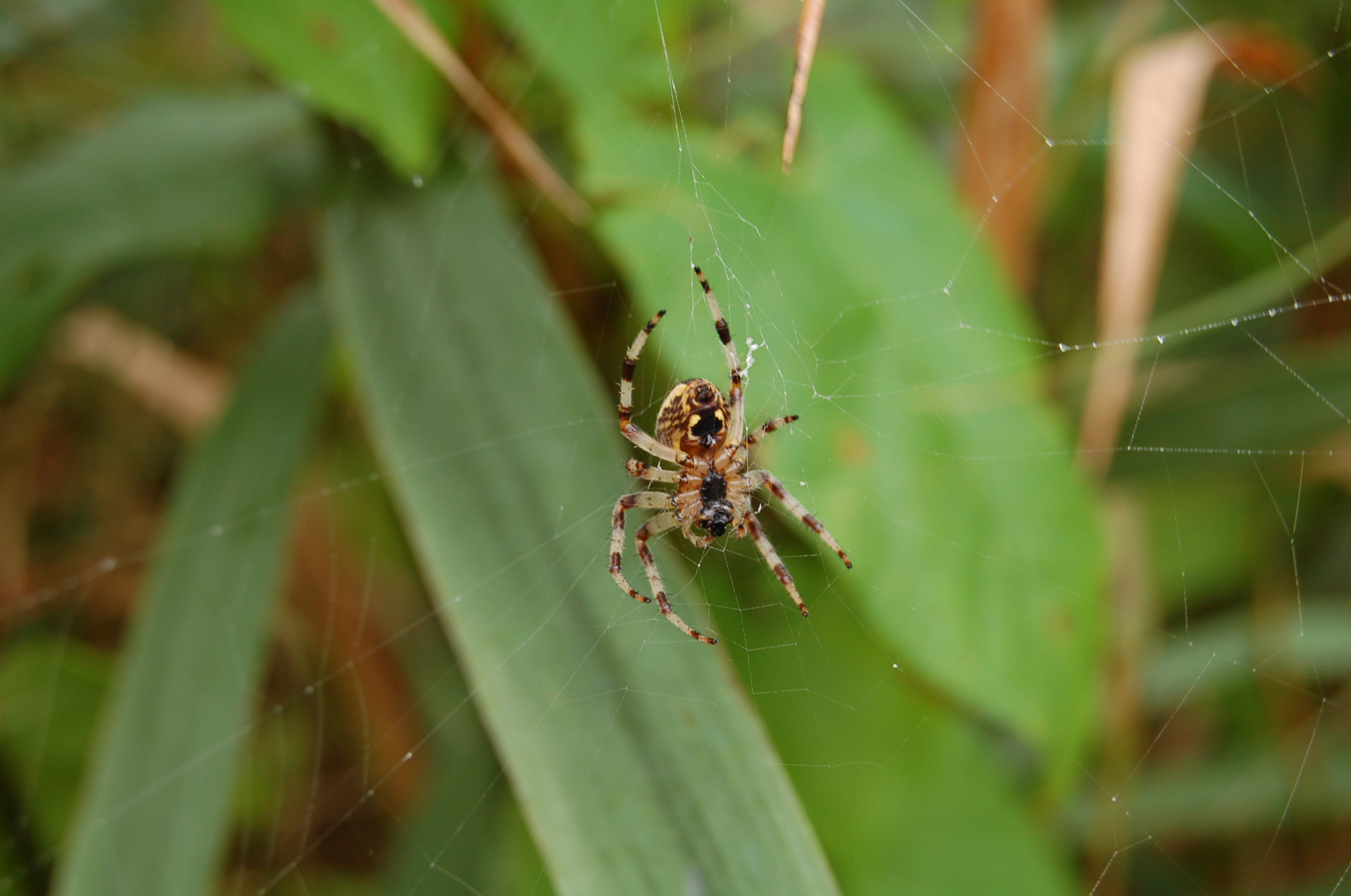
We enjoyed a few moments watching this spider attempting to build its web in the wet weather. He was most persistent and crafted a fine web.

2013 08 26_3200

Stopping off for a coffee in a hide overlooking a pool with a bird feeding station close to the viewing windows gave us opportunities to watch common and less common birds busily feeding. Tree Sparrows were a delight to spot as they are becoming very scarce now due to habitat degradation and loss, as were a pair of Turtle Doves which are real rarities now. The biggest surprise here though was the Muntjac Deer which crept through the shrubbery knocked the feeders with its head and then ate the spilled food off the ground. It then disappeared just as quickly and quietly as it has arrived. It skulked away very quietly.

2013 08 26_3198 2013 08 26_3199

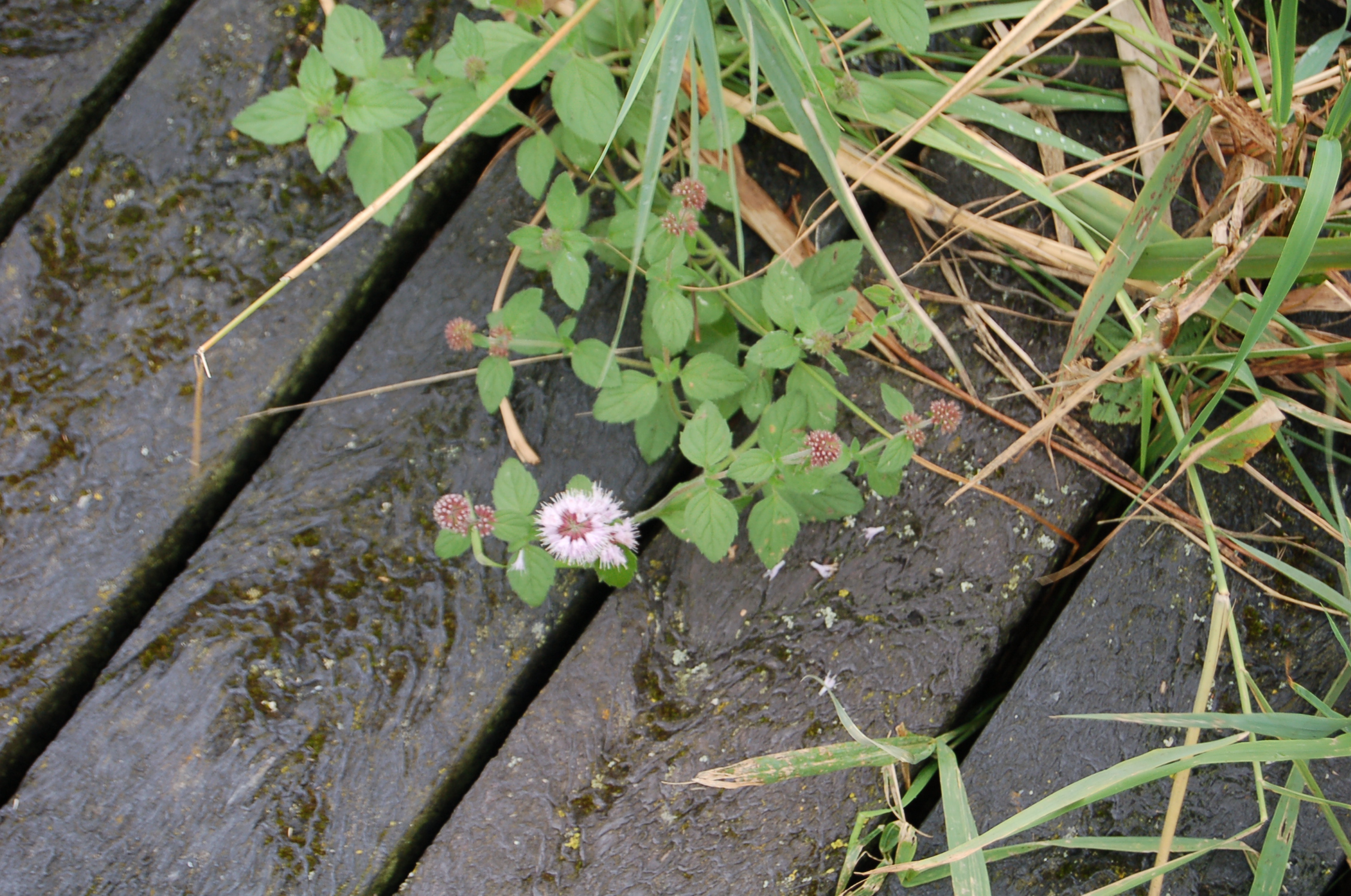
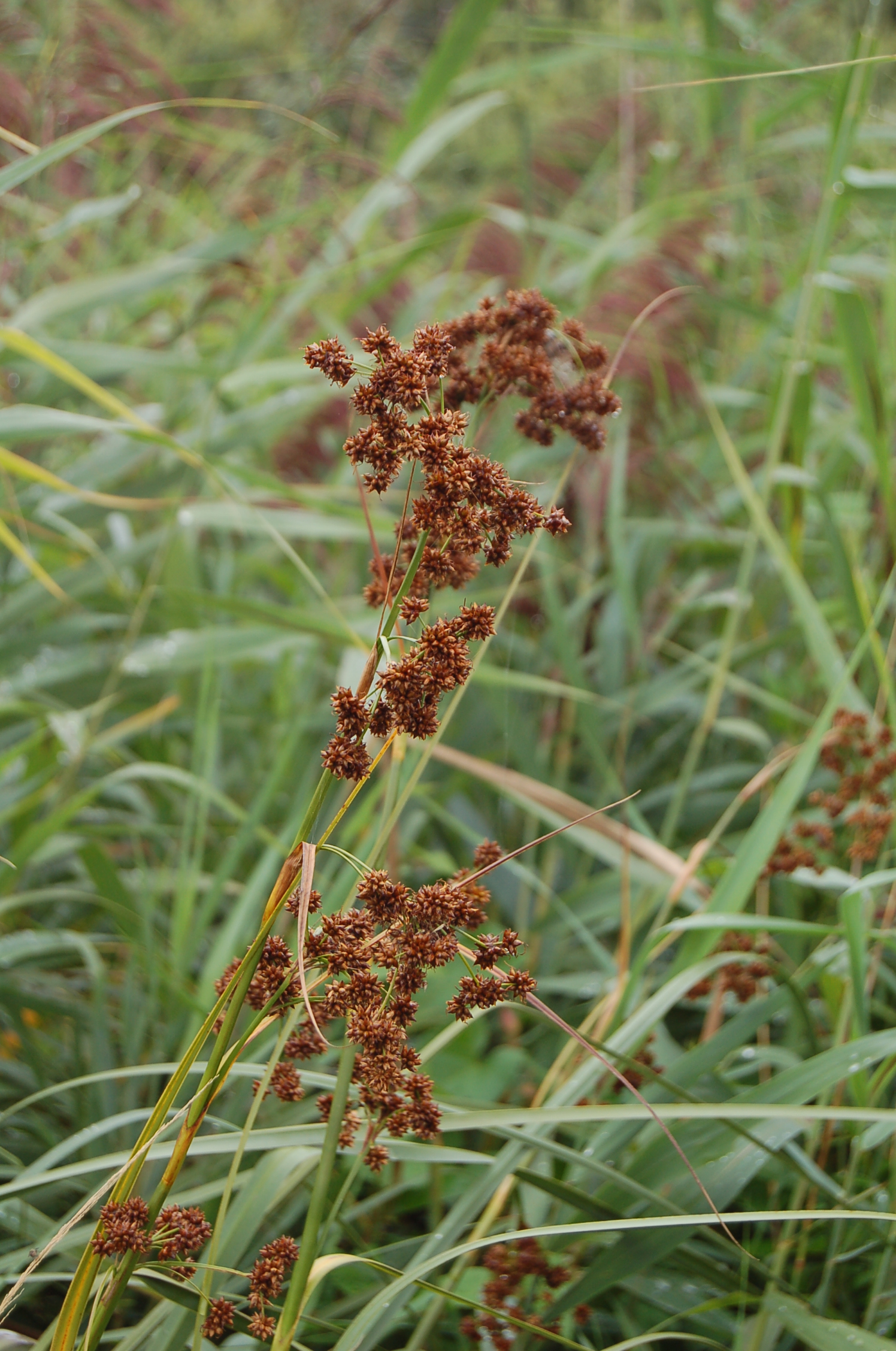
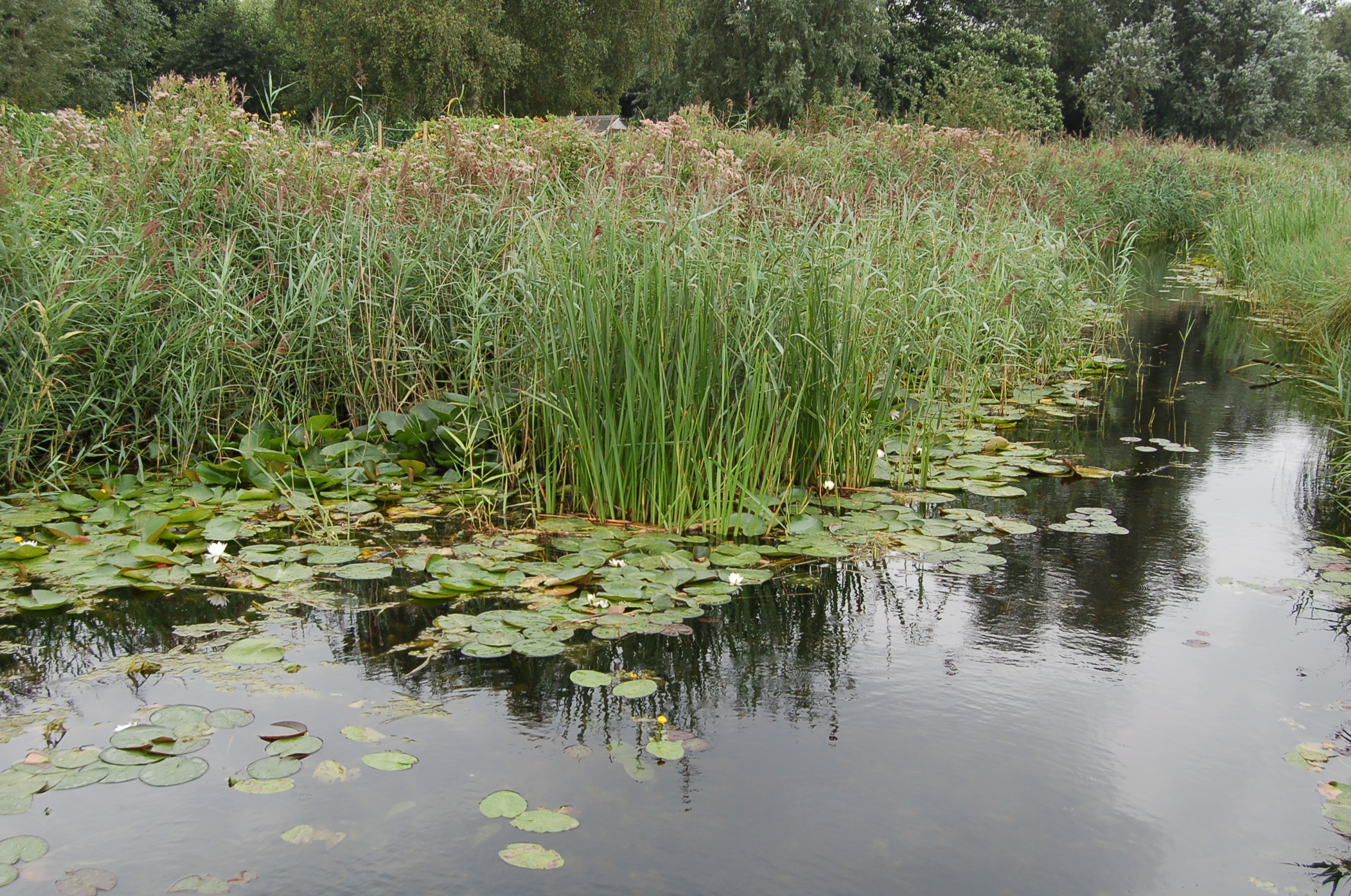
We moved on through the fens along damp pathways and boardwalks where the ground was even wetter. We enjoyed the variety of flora that need these unusual conditions to thrive. This little plant, possibly a Water Mint, crept across the boards themselves so we had to watch where we put our boots.

2013 08 26_3211

2013 08 26_3205 2013 08 26_3208

2013 08 26_3207

2013 08 26_3201 2013 08 26_3202  2013 08 26_3204 2013 08 26_3206   2013 08 26_3209 2013 08 26_3210  2013 08 26_3212

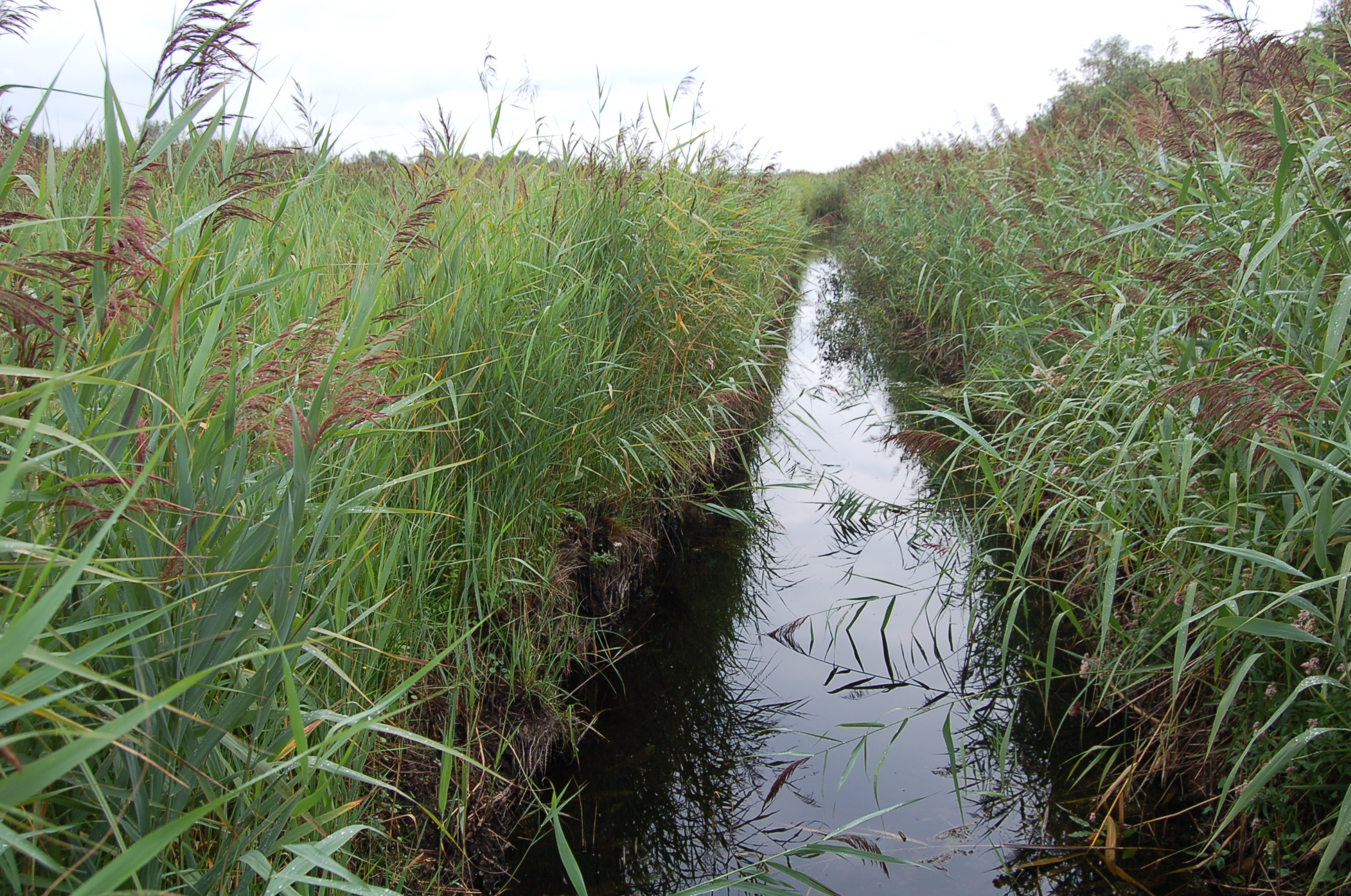
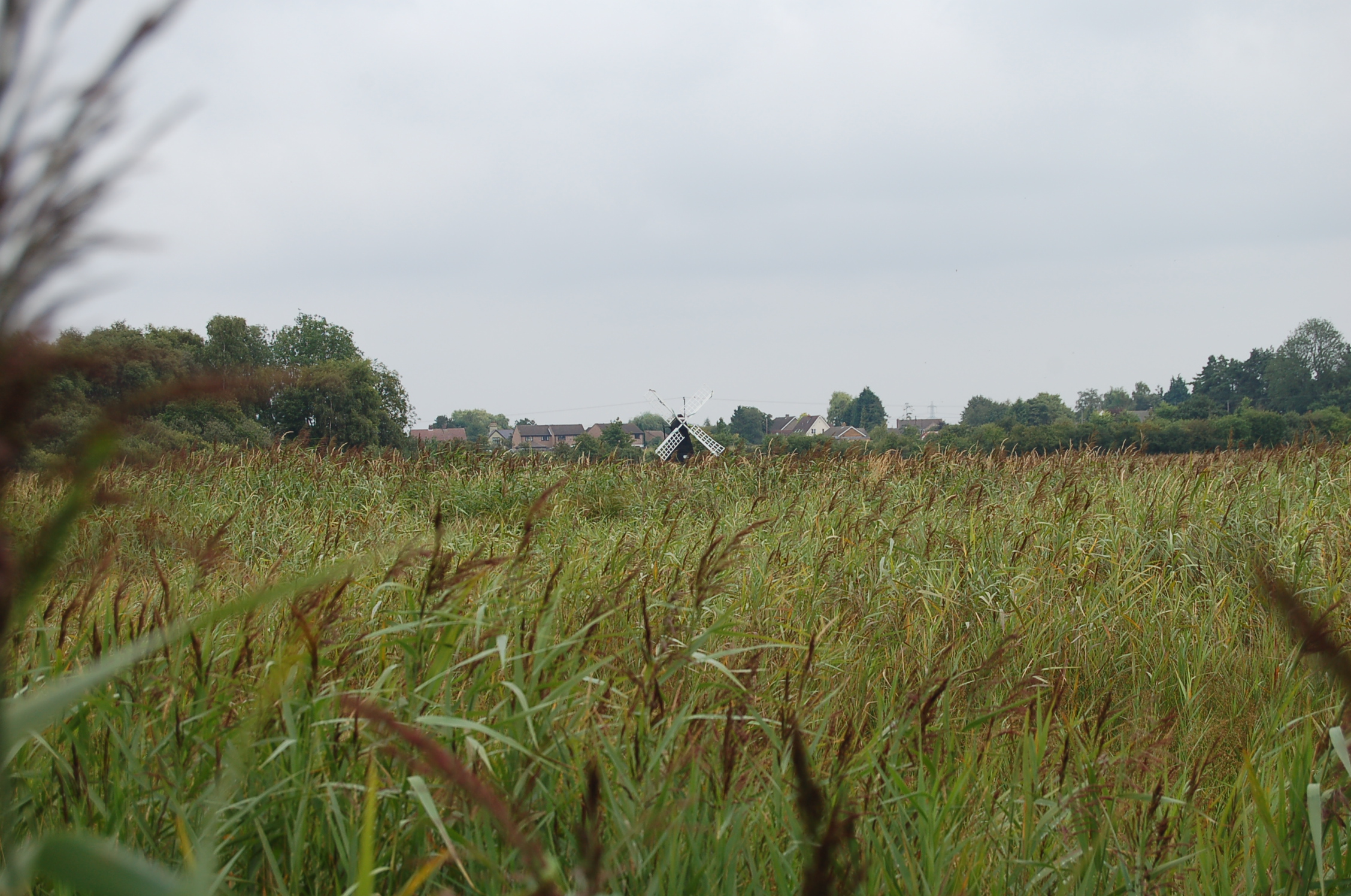
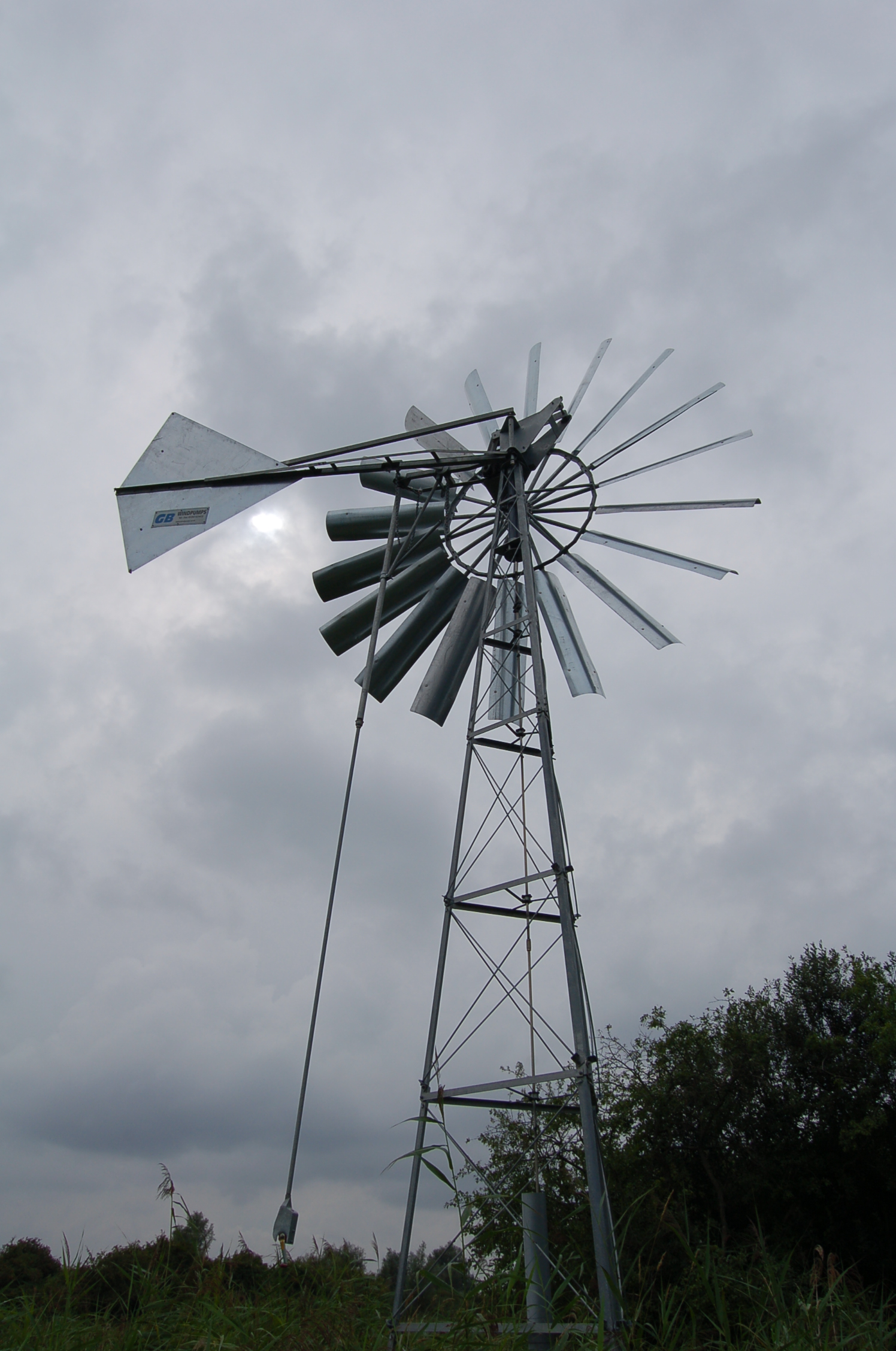
The water levels in the fens here are carefully controlled to create and maintain the different habitat types. This increases the variety of plants, insects, invertebates, mammals, fish and birds that set up home here. Windmills power the pumps. They stand tall and rigid above the low level of the herbage below.

2013 08 26_3213 2013 08 26_3214 2013 08 26_3215 2013 08 26_3216 2013 08 26_3219

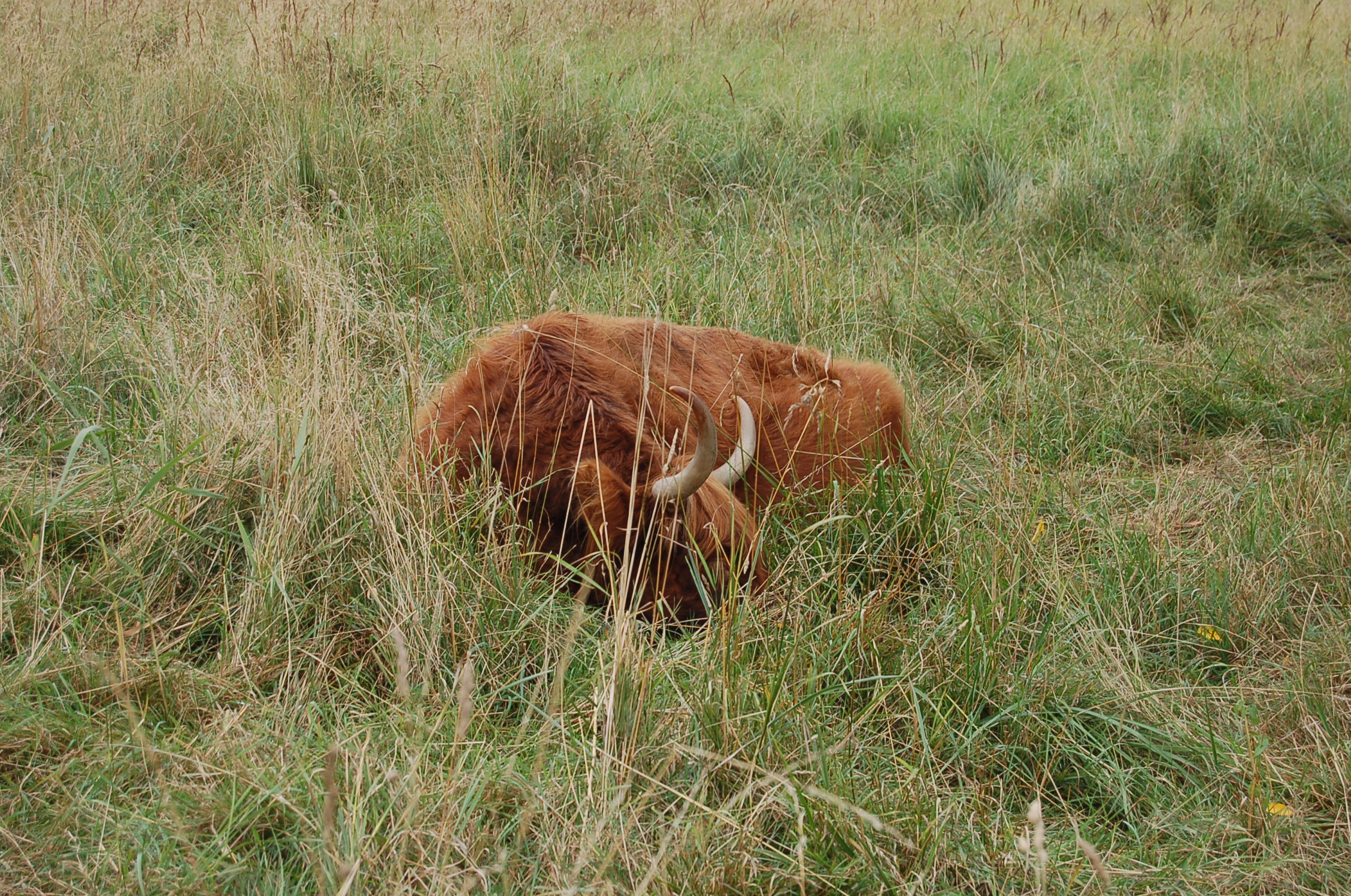
To help manage some areas some unusual lawnmowers are being used, these handsome Highland Cattle.

2013 08 26_3217 2013 08 26_3218

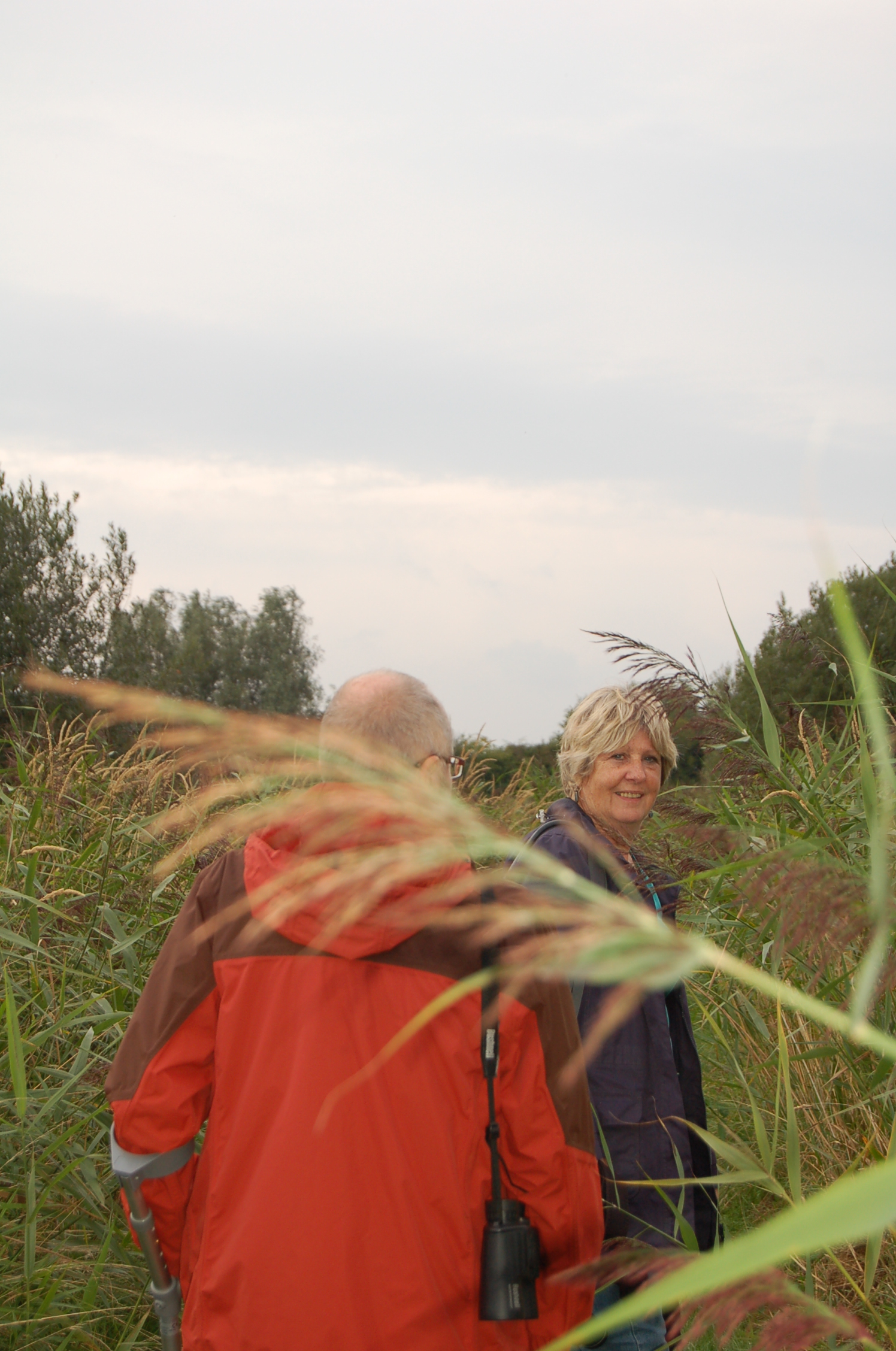
The two critters below, later identified as a Greenbench and a Mrs Greenbench, tried many ways of hiding from the photography!

2013 08 26_3220 2013 08 26_3221

Categories
autumn autumn colours birds climbing plants colours garden photography garden wildlife gardening gardens grasses hardy perennials migration ornamental trees and shrubs poppies roses trees wildlife Winter Gardening

A Garden Bouquet for December

Already we are almost at the end of the year so here is my December bouquet from our garden,the final chapter in 2013.

2013 12 12_5469_edited-1

It is only mid-December and while in the garden we are treated to the beautiful repetitive piping call of a Song Thrush, already making his territorial proclamation. He must have found a mighty fine territory which he is making sure no-one else can take possession of.

The skies seem full of passing flocks of Redwing and their larger noisier cousins the Fieldfare on migration, escaping their cold food-less summer homes in central Europe. Below them exploring the trees and shrubs of our garden mixed foraging flocks of finches seek out the last of the seeds and berries while amongst them groups of Titmice, Great, Blue, Long-tailed and Coal arrive in hurried flight to explore every nook and cranny of dried stems, tree bark and shrub branches for insects especially spiders.

A few delicate looking soft coloured flowers still hang on determined to be the final blooms of the year. It seems amazing but the odd big bumbling Queen Bumble Bee appears to feed on them.

2013 12 12_5438 2013 12 12_5440

2013 12 12_5444 2013 12 12_5452

2013 12 12_5462 2013 12 12_5463

2013 12 12_5468 2013 12 12_5471

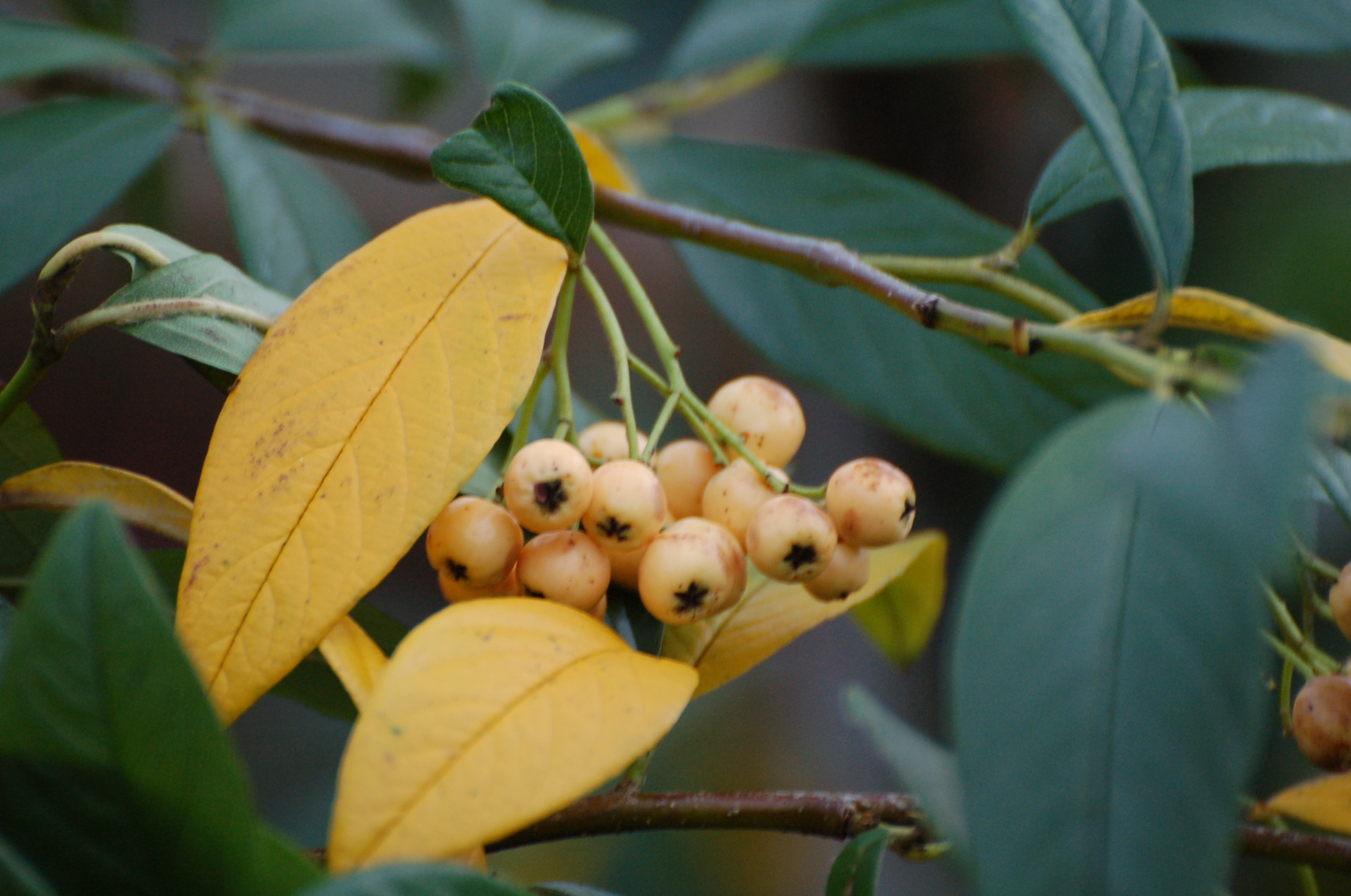
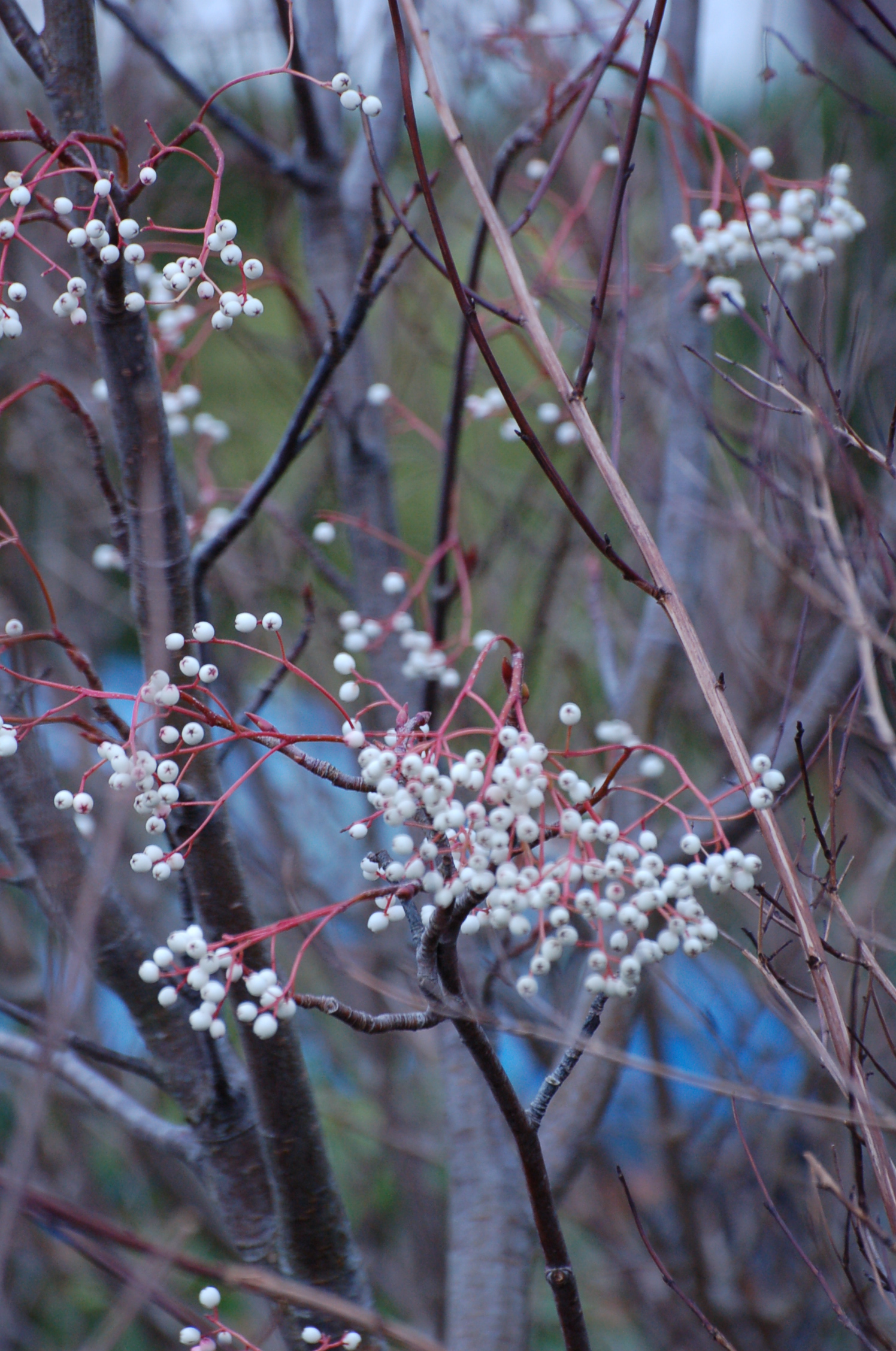
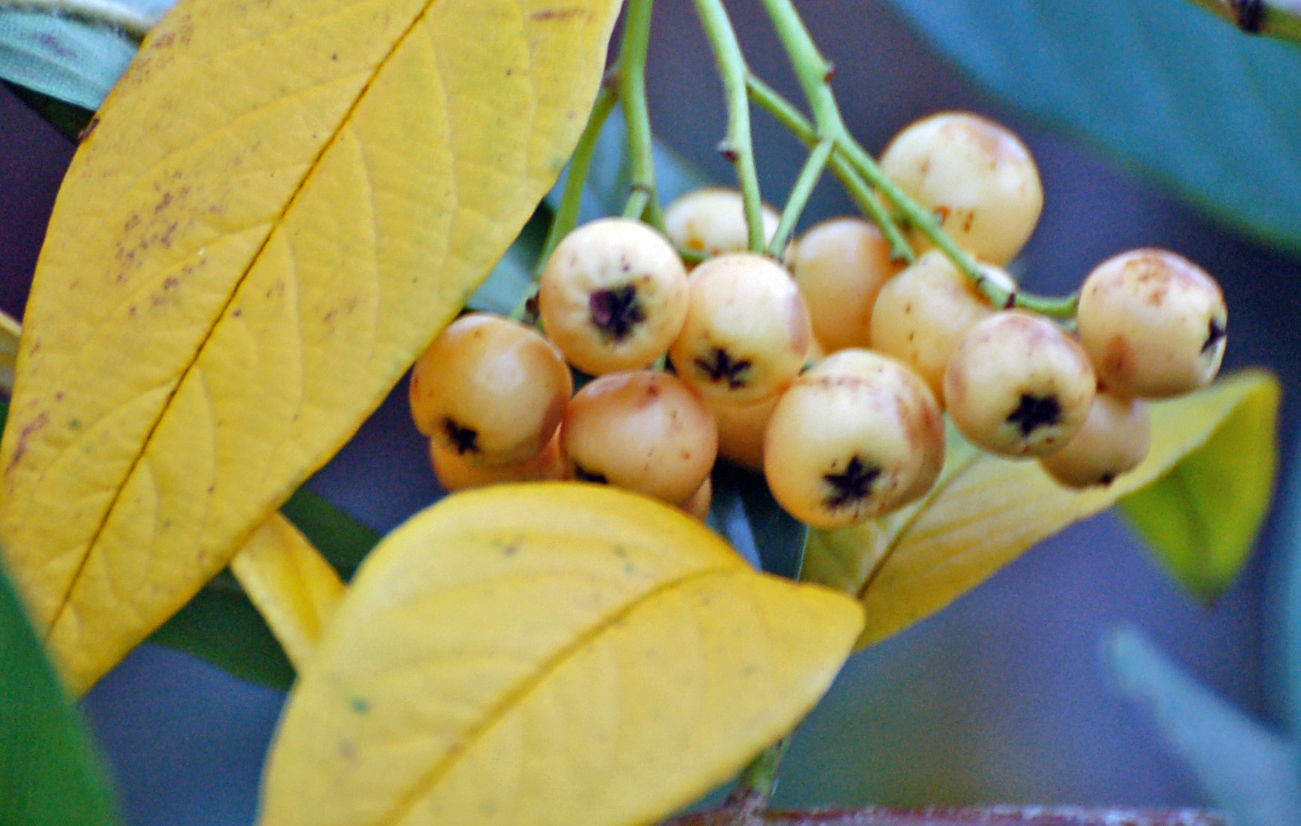
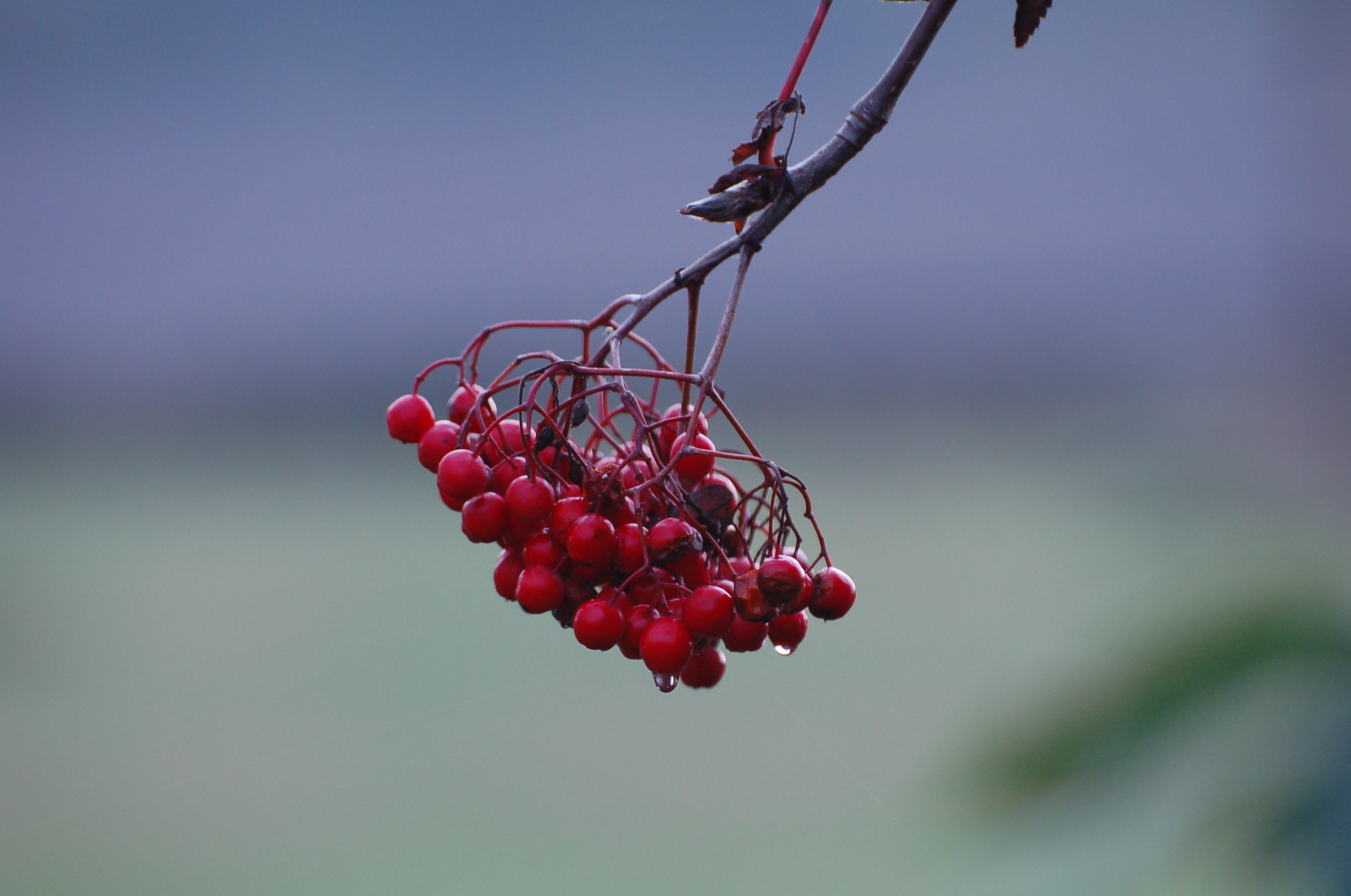
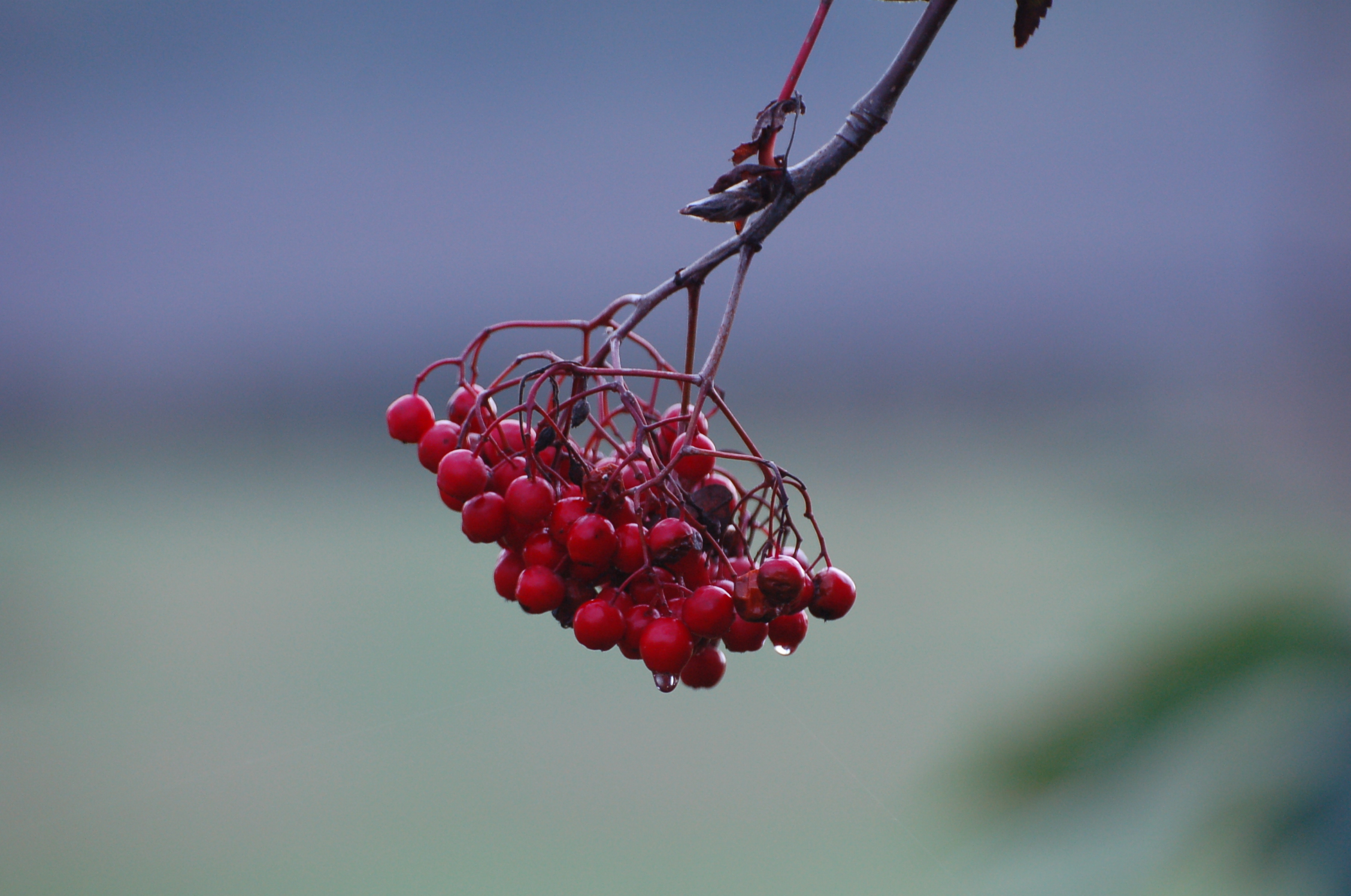
Berries on shrubs and small trees add extra sparkles of colour but the resident Mistle Thrushes guard them from the migrant thrushes. They are the larder for the colder days to come. The red fruit of the Cotoneasters, Hollies and Rowans will be eaten first and most will have been devoured by the thrushes and Blackbirds before the month is out. The creamy-yellow berries of the Cotoneaster rothschildiana will stay longer being mere second choices. The last to go without fail will be the white berries of the Sorbus, so we can get to enjoy them against dark winter storm clouds before the birds eat them.

2013 12 12_5445 2013 12 12_5446

2013 12 12_5454 2013 12 12_5472

2013 12 12_5479 2013 12 12_5445_edited-1

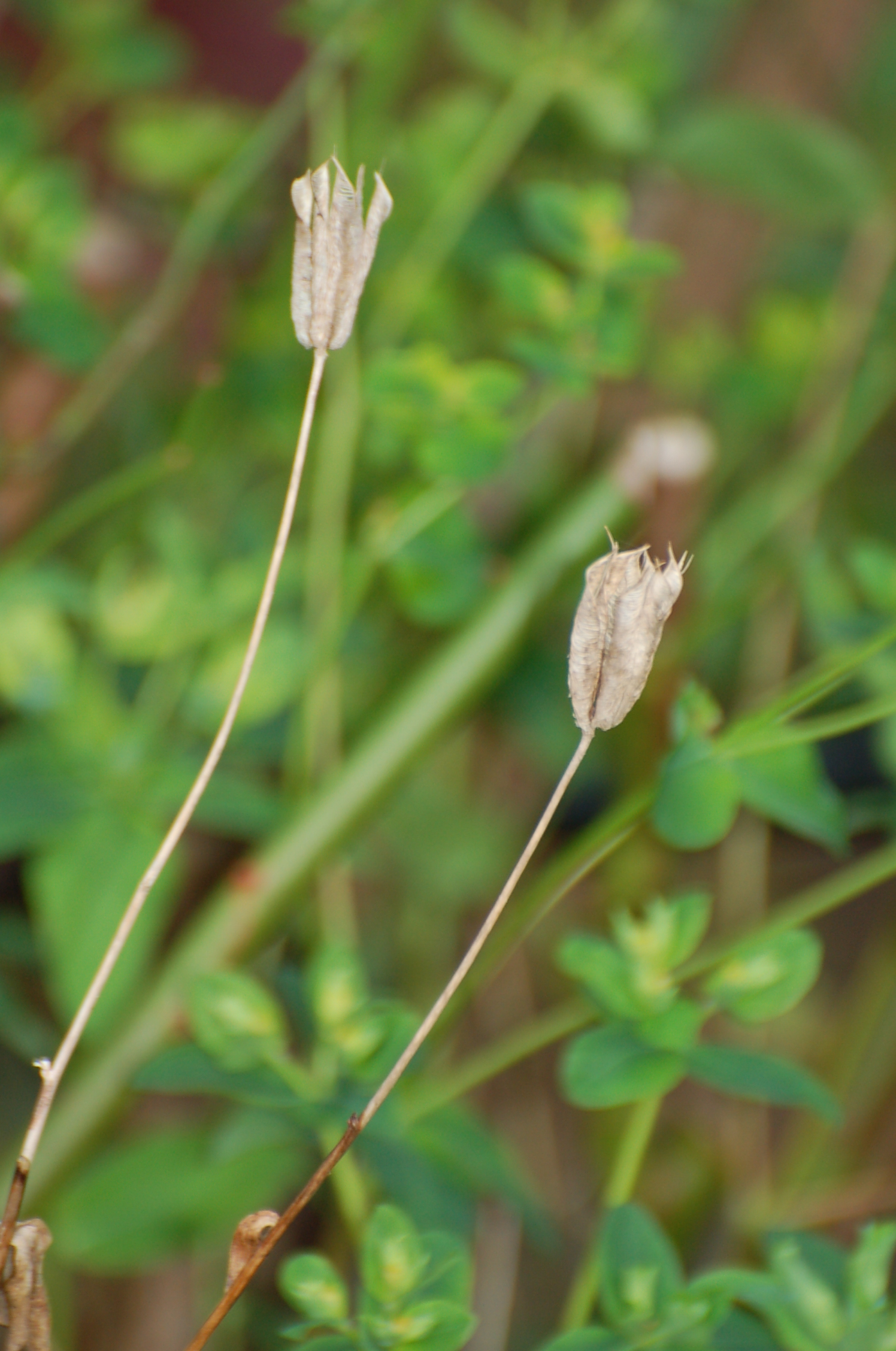
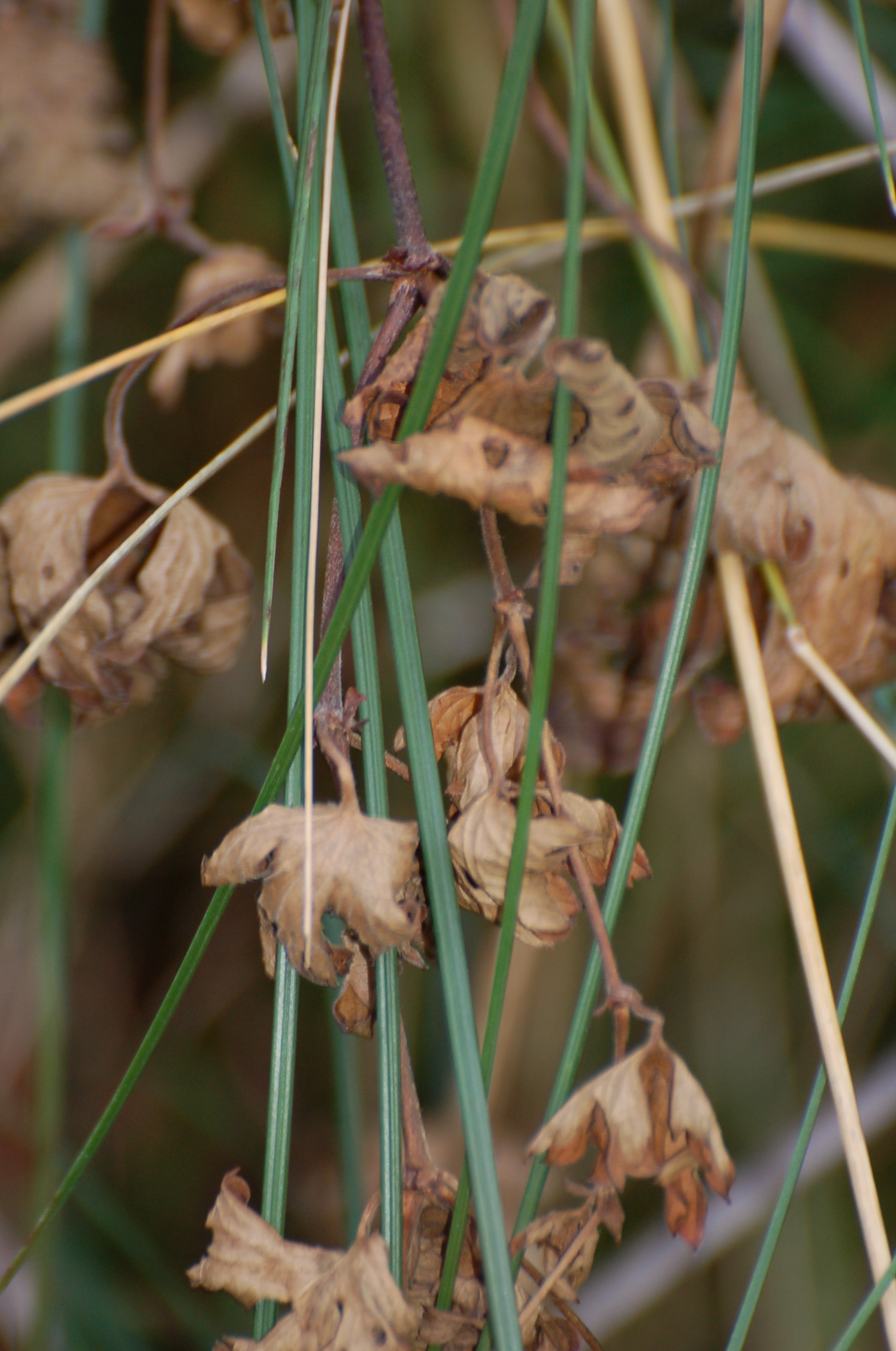
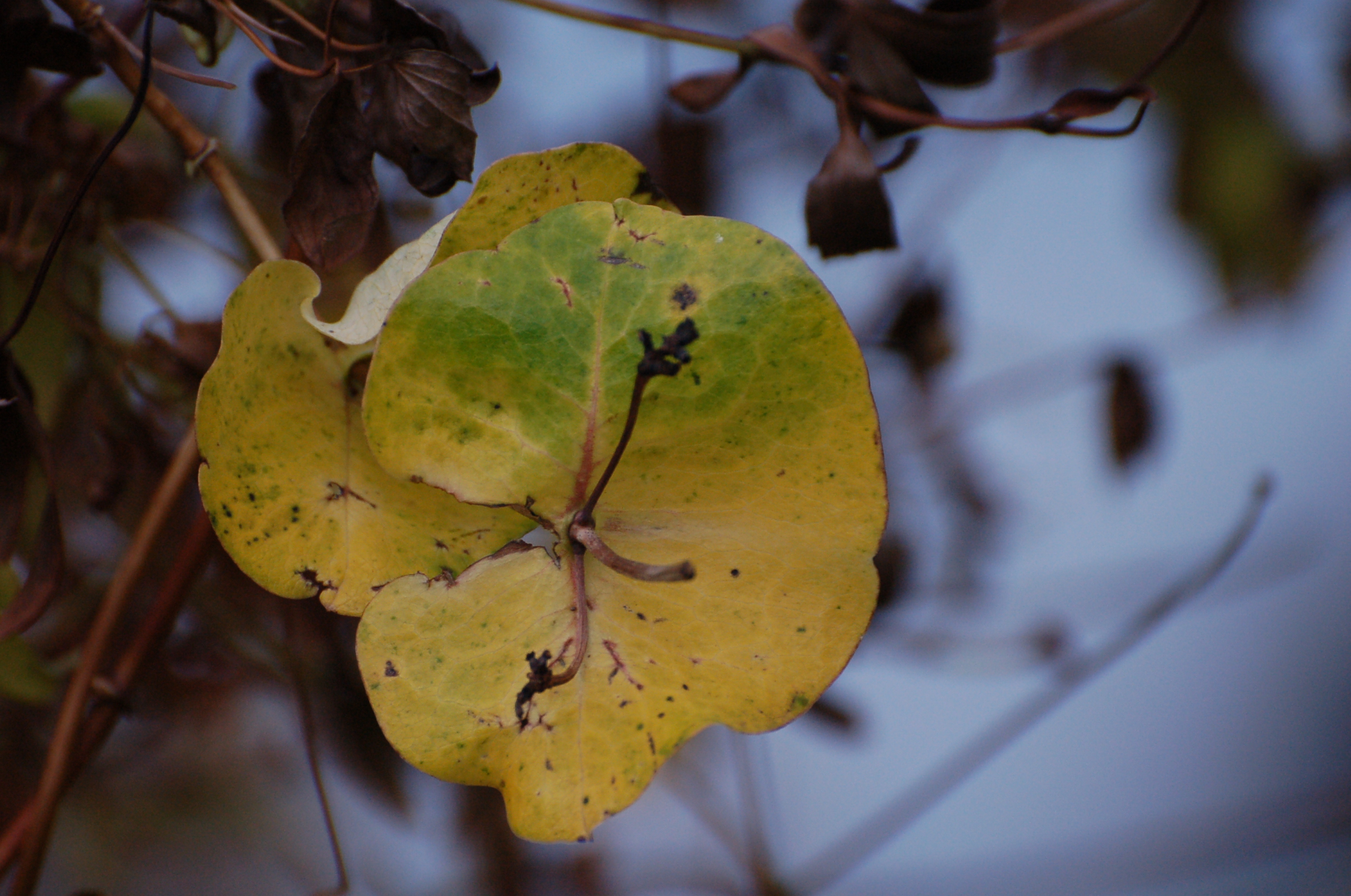
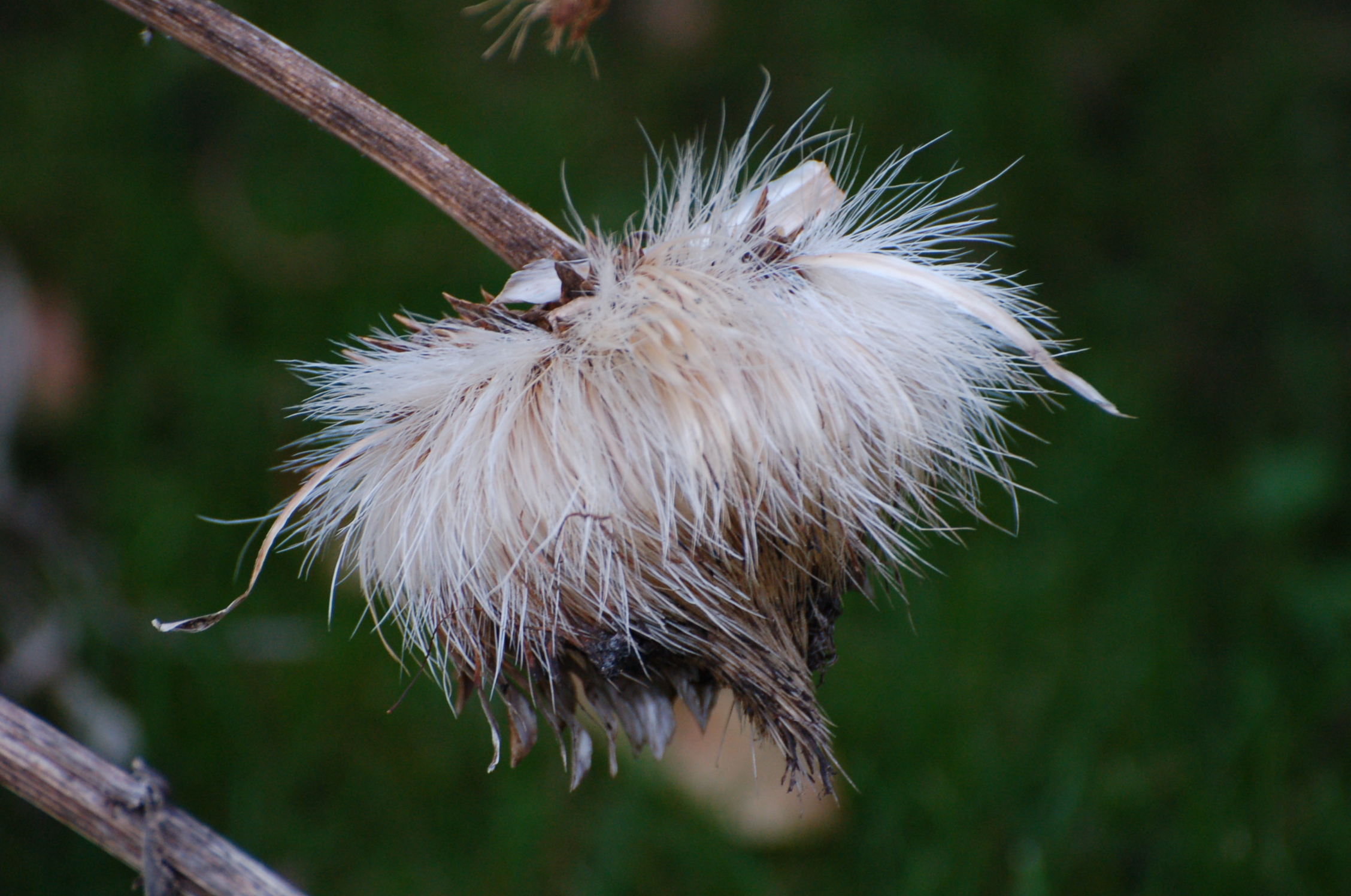
At this time of year we can enjoy the dessicated seed heads and old flower heads that have managed to survive the wet times that autumn invariably brings. This year has been so wet that we seem to have fewer still standing than ever before. But a few are putting on a display for us and when covered in a frosty layer or when donning a hat made of snow will look even better. Within them are the remnant autumn leaves as yet to be blown from their branches by blasts of wind.

2013 12 12_5439   2013 12 12_5442    2013 12 12_5447 2013 12 12_5448 2013 12 12_5449 2013 12 12_5450 2013 12 12_5451

2013 12 12_5453 2013 12 12_5457 2013 12 12_5459 2013 12 12_5460  2013 12 12_5465 2013 12 12_5466 2013 12 12_5467

2013 12 12_5469 2013 12 12_5470 2013 12 12_5475 2013 12 12_5474 2013 12 12_5473   2013 12 12_5477 2013 12 12_5478   2013 12 12_5448_edited-1

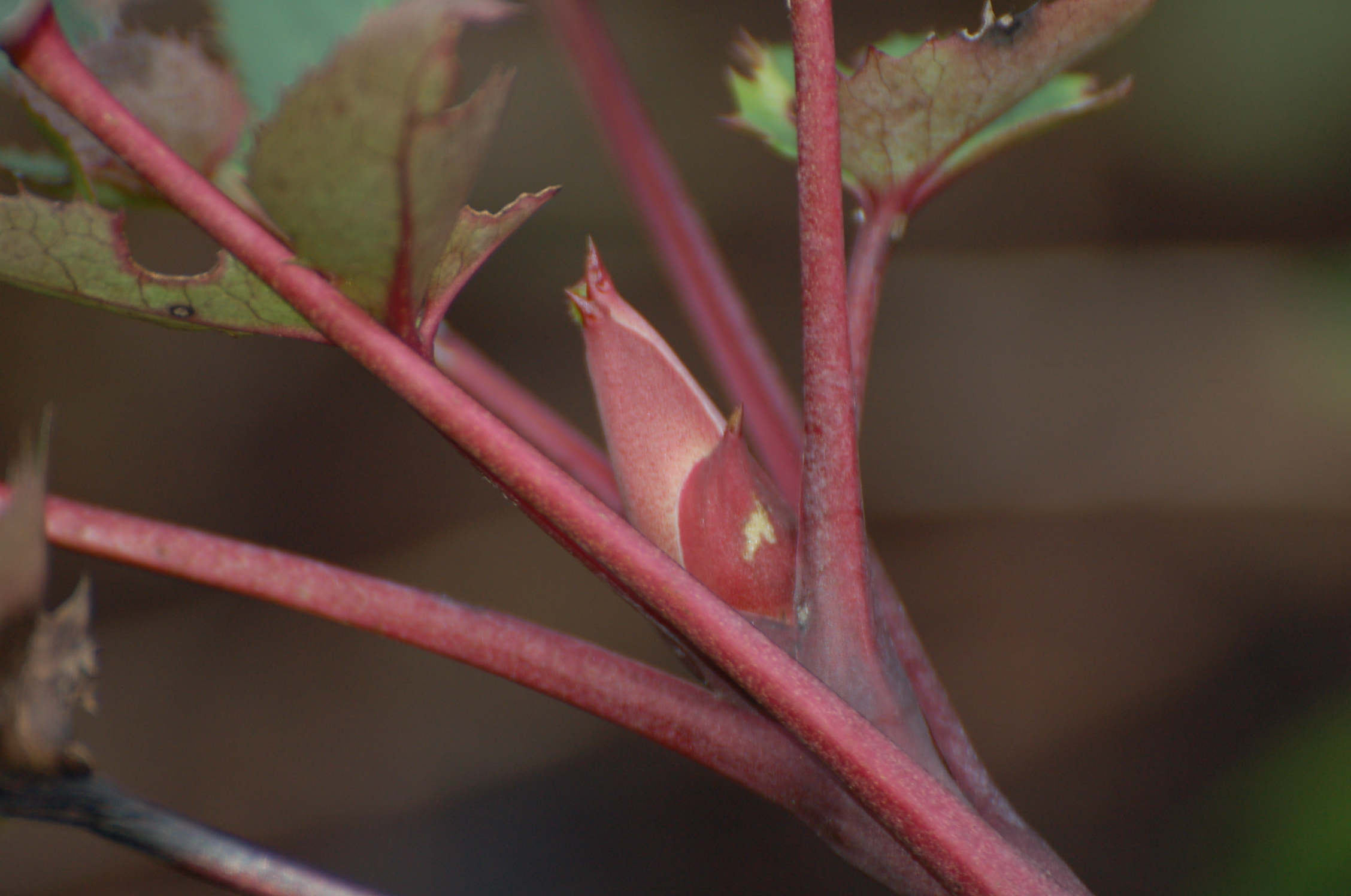
Signs of next year’s growth are already in evidence like this adventurous bud found on a clematis snuggled between stem and petioles.

2013 12 12_5441

Patterns become important in winter as they emerge from seasons hidden away behind plants. So that is the end of my year of garden bouquets for 2013. Perhaps they will return for 2014.

2013 12 12_5460_edited-1 2013 12 12_5459_edited-1 2013 12 12_5464_edited-1

Categories
autumn autumn colours birds garden design garden photography garden wildlife gardening grasses hardy perennials migration ornamental grasses ornamental trees and shrubs photography trees

A Garden Bouquet for November

I began writing this post in mid-november when we should have been surrounded by the blaze of autumn colour, the hedges and trees should be on fire with the reds and oranges and the autumn migrant thrushes should be gorging on the berries in the hedgerows and gardens. At that time there was little sign of these things  happening.

As we move towards the end of November things have changed greatly. We now garden to the sounds of migrant thrushes passing high over head, Redwings, Fieldfares and Mistle Thrushes and a few small flocks are settling in our berried trees. They see us as a stopping off point where they can gorge on the berries and fruits of our Crab Apples, Sorbus and Cotoneasters.

But what will they see when they drop in? Come with me and my camera for a wander.

2013 11 12_5078 2013 11 12_5077 2013 11 12_5076 2013 11 12_5074 2013 11 12_5073 2013 11 12_5072 2013 11 12_5071 2013 11 12_5069 2013 11 12_5068 2013 11 12_5067 2013 11 12_5066 2013 11 12_5065 2013 11 12_5064 2013 11 12_5063 2013 11 12_5062 2013 11 12_5061 2013 11 12_5060 2013 11 12_5059

2013 11 16_5156

2013 11 12_5066 2013 11 12_5065 2013 11 12_5064 2013 11 12_5063 2013 11 12_5062 2013 11 12_5061 2013 11 12_5060 2013 11 12_5059 2013 11 12_5058 2013 11 12_5057 2013 11 12_5054 2013 11 12_5053 2013 11 12_5052 2013 11 12_5051 2013 11 12_5050 2013 11 12_5049 2013 11 12_5046 2013 11 12_5045 2013 11 12_5044

Categories
bird watching birds nature reserves Norfolk the sea the seaside wildlife

A Wader Spectacular

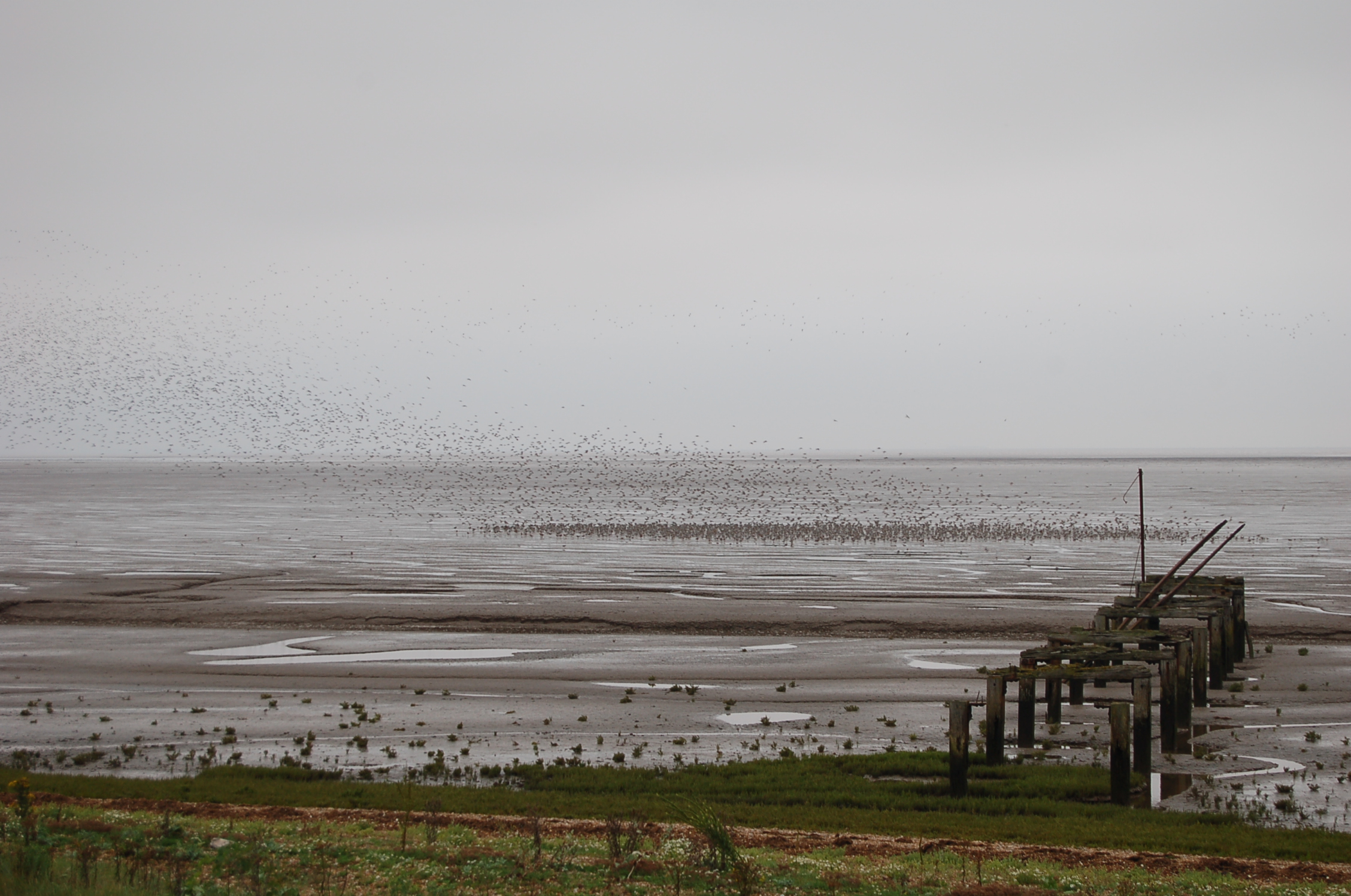
This was a special day. A spectacular day full of waders, which could only be billed as “A Wader Spectacular”. The action takes place at the RSPB reserve, Snettisham in Norfolk. The RSPB keep members informed of when the spectacular is at its best so we knew we could expect something special.

We made an early start as the success of our day was reliant on firstly the tides and secondly the weather. Tide tables told us we had the day right where the behaviour of the sea was concerned and as the darkness of night gave way to day we realised we were going to be in luck with the weather. But we were well prepared with flasks of hot coffee, for the coast of north Norfolk is always a cold place.

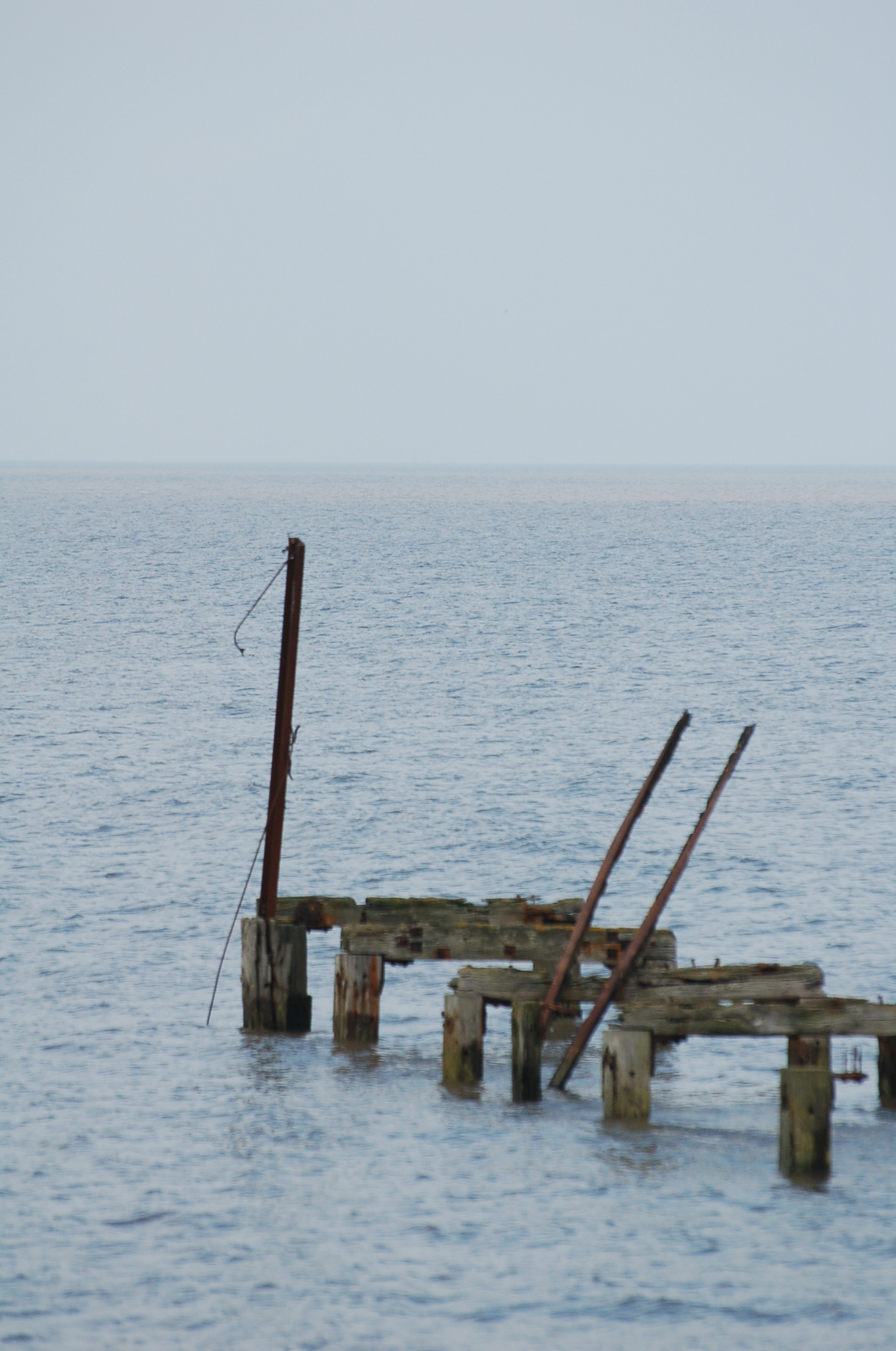
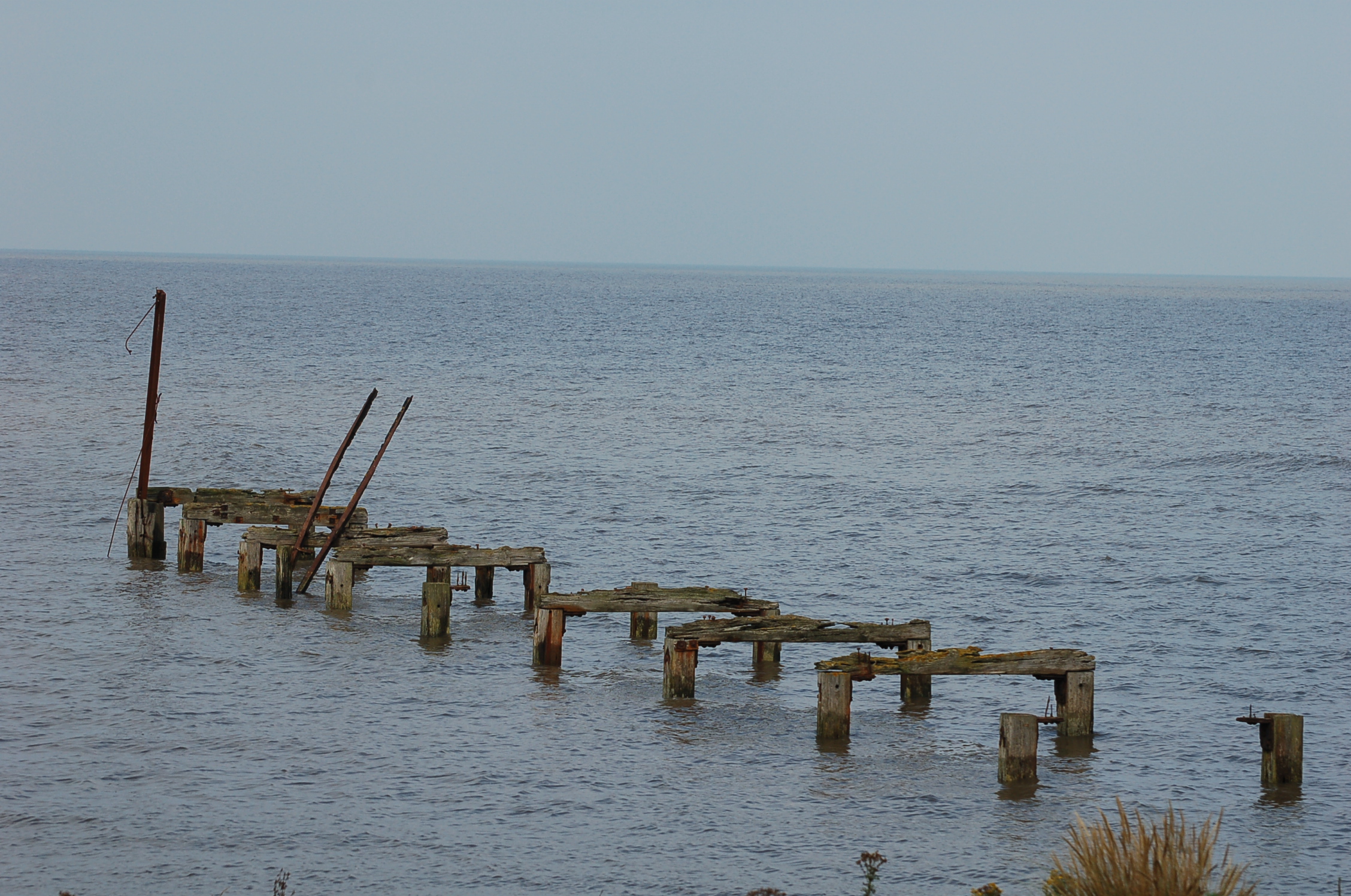
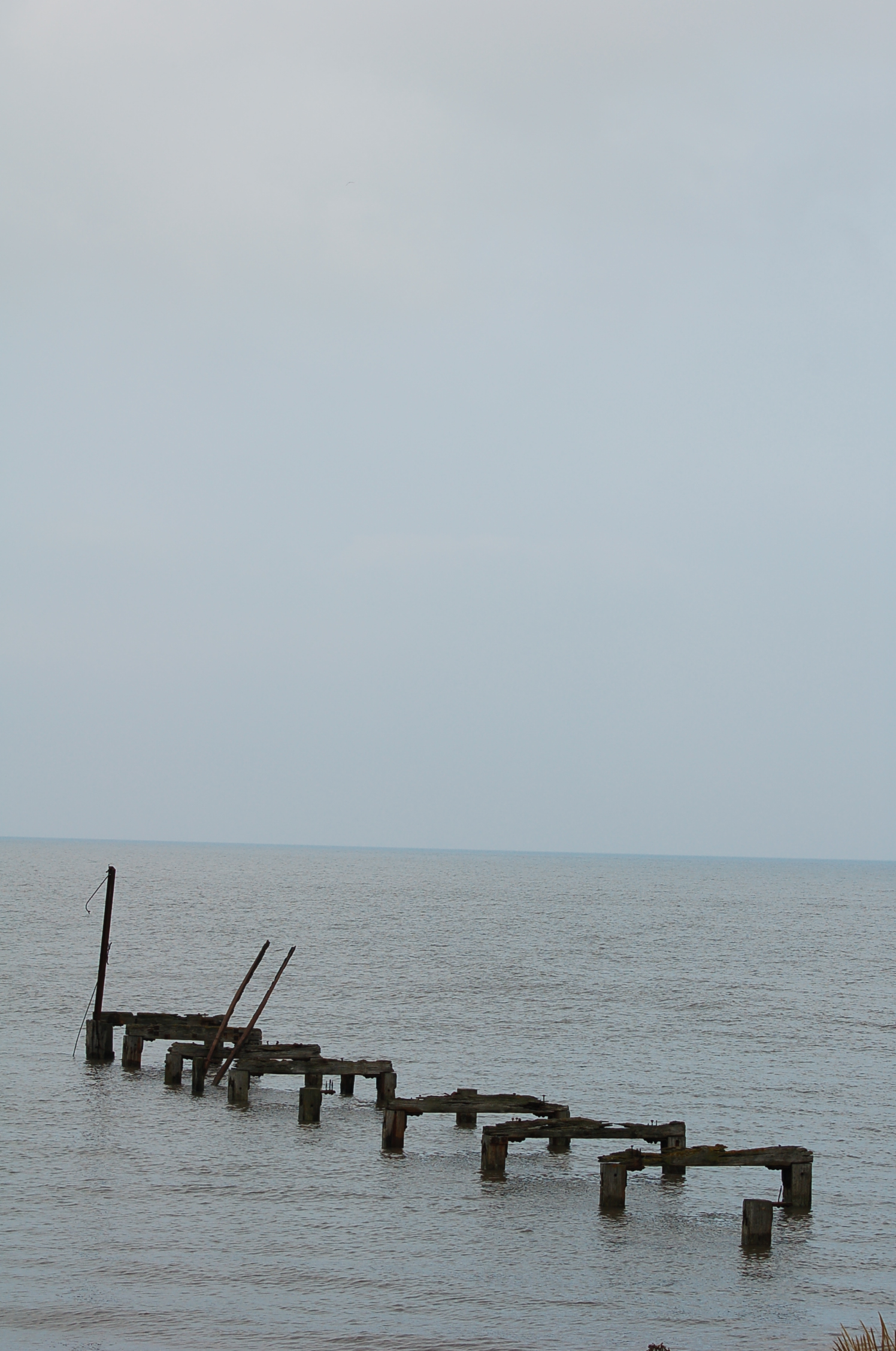
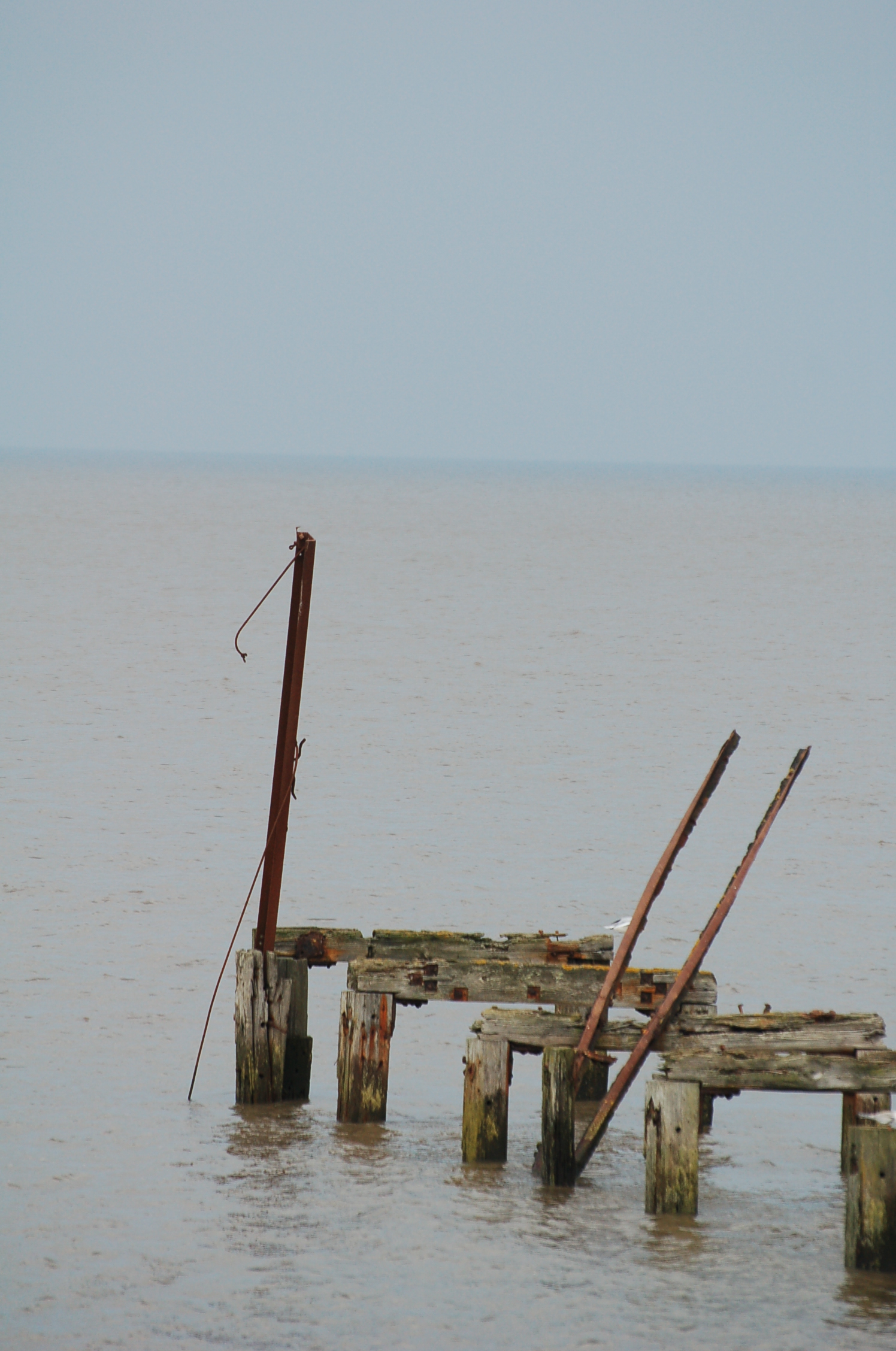
We walked along the shoreline past this old landing stage and found a comfortable place to settle down to wait with fold away chairs and flasks of warm coffee. As we waited for the tide to start to come in and the sandbanks to become engulfed in salty water we readied our binoculars and fixed the telescopes on their tripods. We didn’t have long to wait before the first flocks of waders surged over our heads making for the lagoons behind the sand dunes.

2013 08 26_3107  2013 08 26_3109 2013 08 26_3110

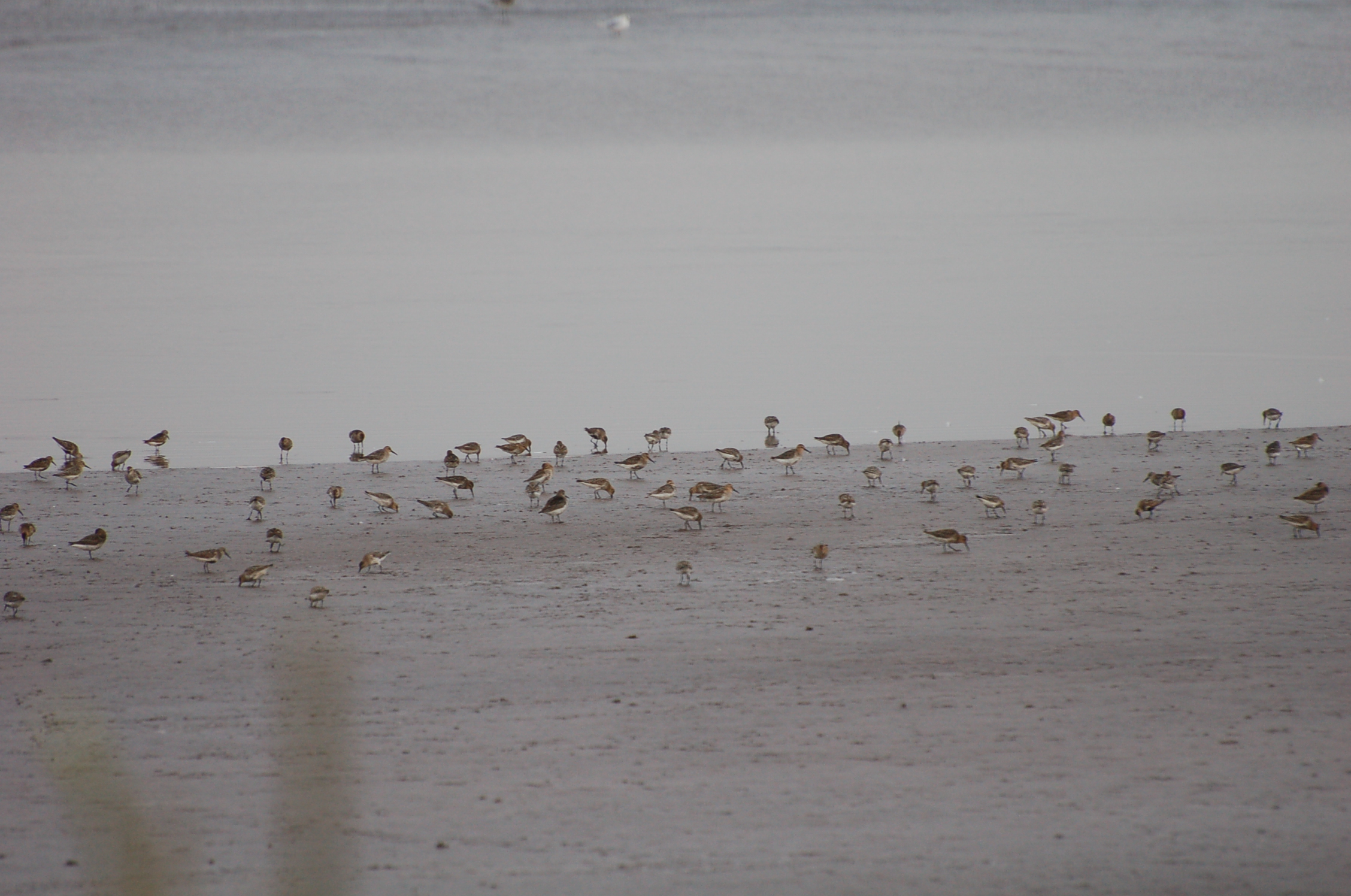
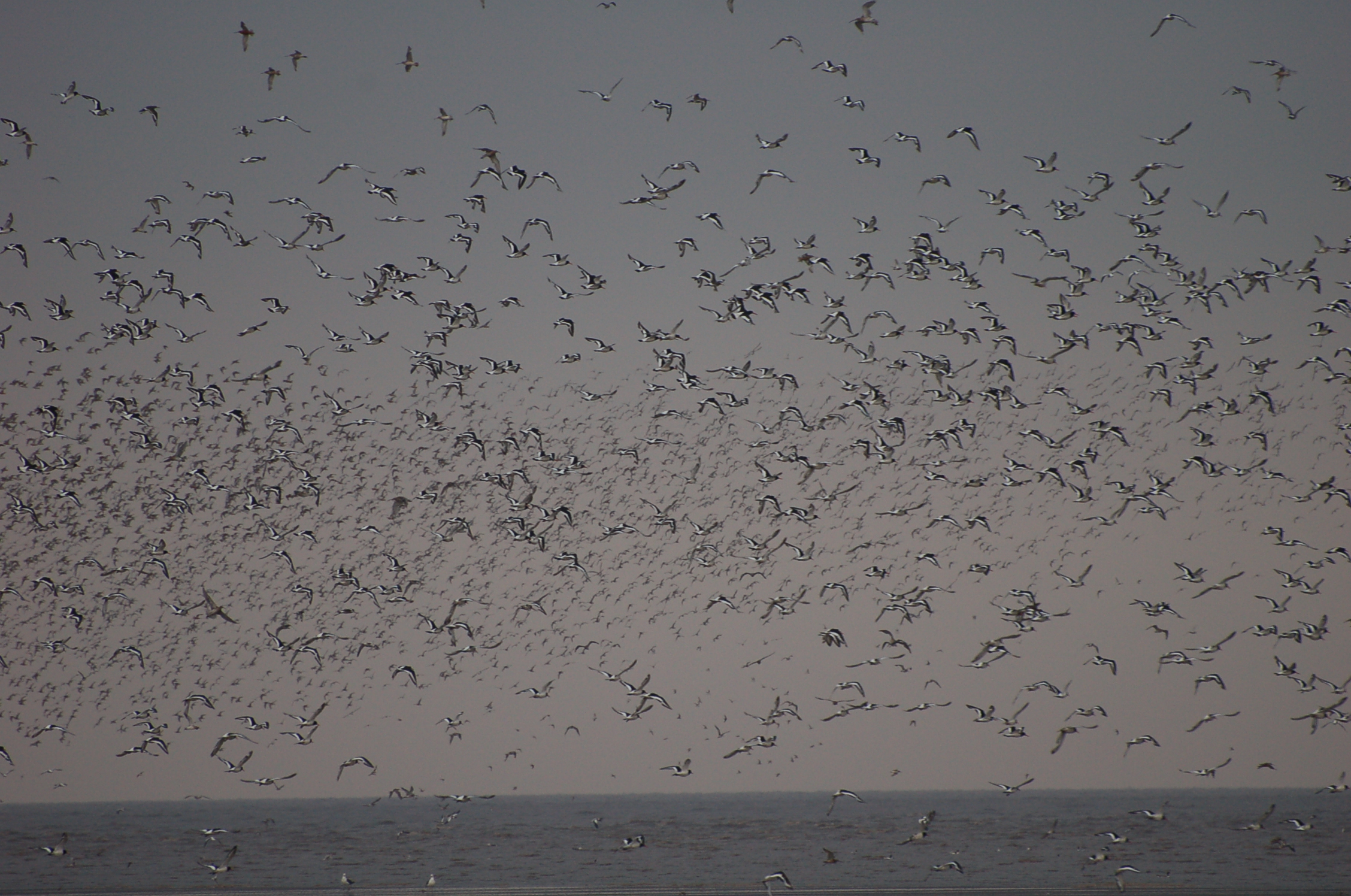
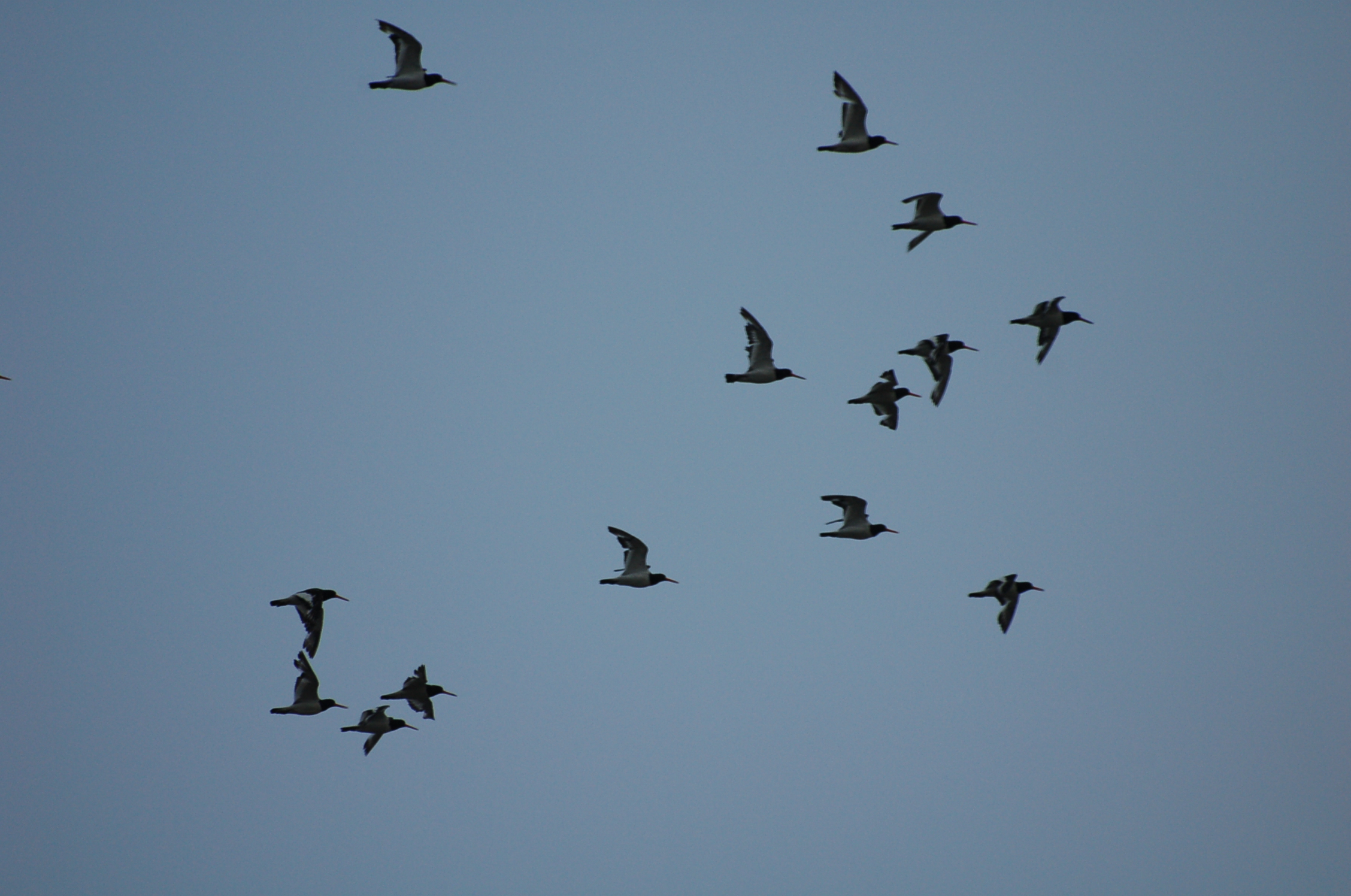
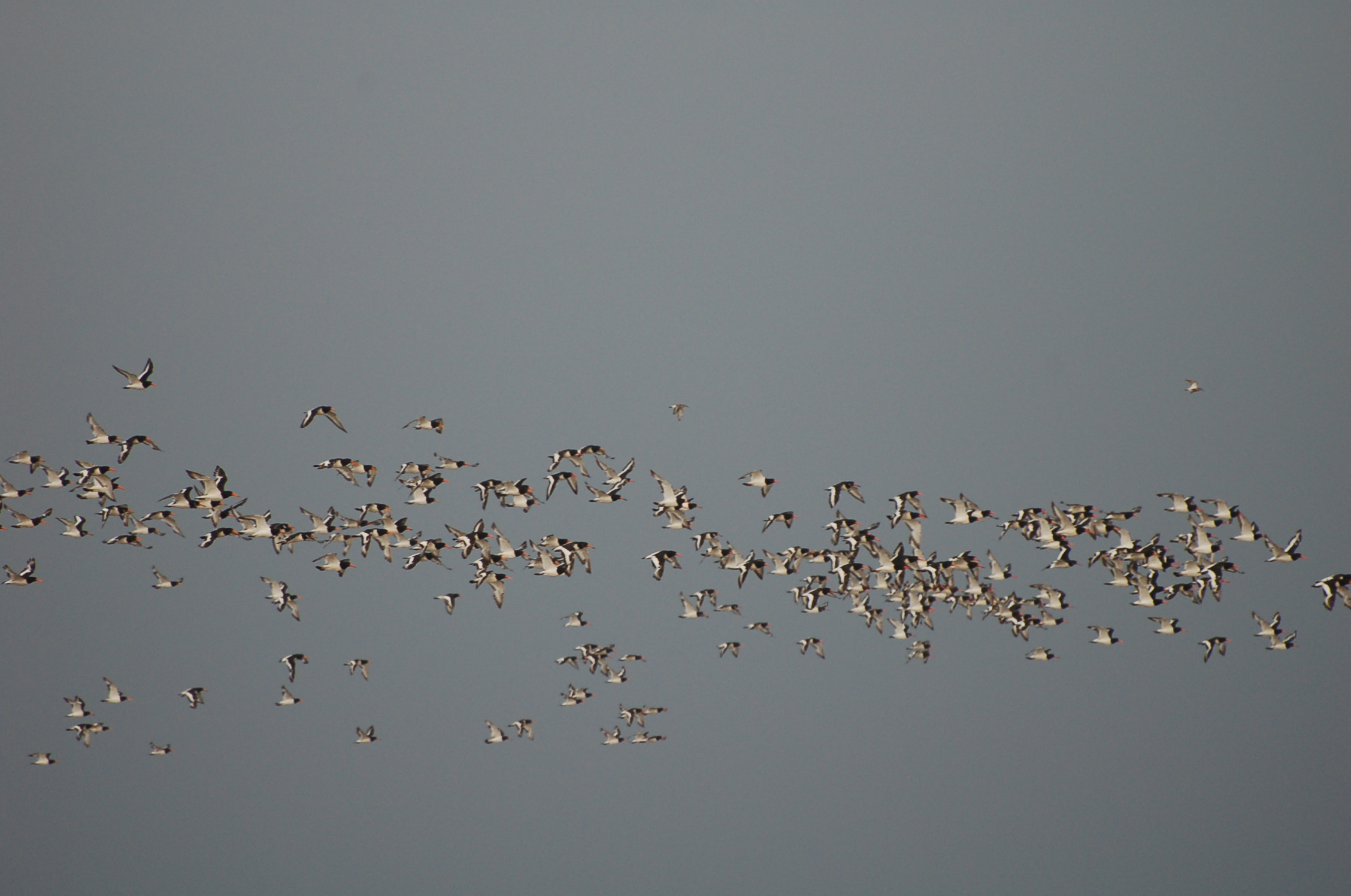
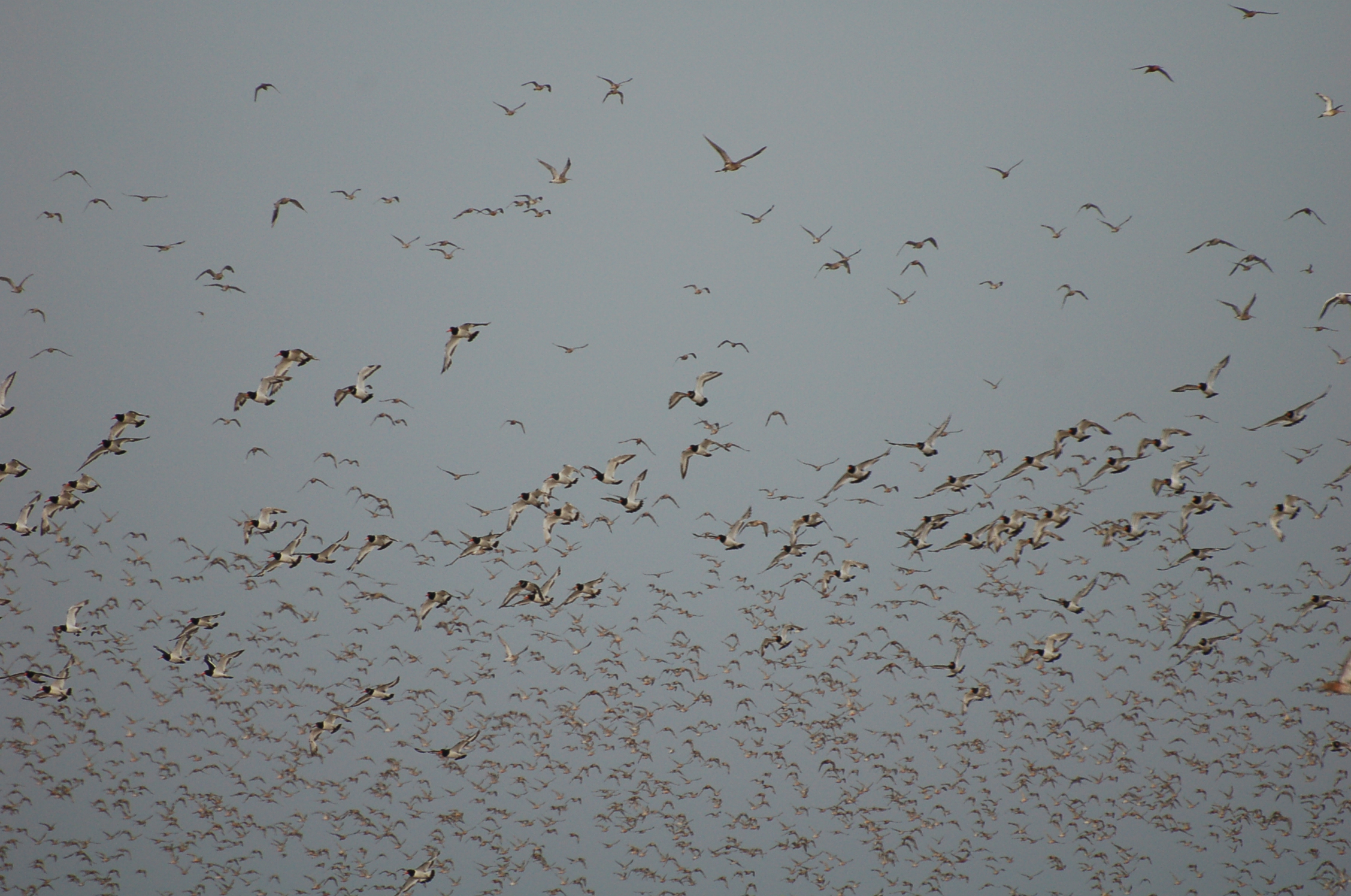
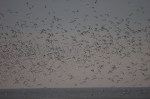
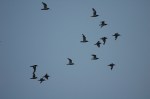
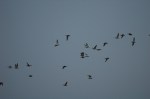
The vast flocks mostly continued to feed greedily on the bugs and invertebrates hiding in the sand. Every second counts when your feeding is controlled by the turning of the tides. The waders were mainly Knots and Oyster Catchers but surprises appeared amongst them such as small groups of Avocet and the lone flock of just half a dozen Common Scoter which passed low over our heads like black overweight ducks.

2013 08 26_3112 2013 08 26_3111

2013 08 26_3115 2013 08 26_3116

2013 08 26_3117 2013 08 26_3119

As each minute ticked away, the flocks fleeing the tides flew more frequently over our heads and each flock appeared to be larger than the last. We could feel and hear the air moving above us, stirred by the combined power of thousands of beating wings.

2013 08 26_3108 2013 08 26_3118  2013 08 26_3120 2013 08 26_3125 2013 08 26_3124 2013 08 26_3130

As the flocks flew behind us they settled quickly into the reeds surrounding the lagoons, dropping from the sky as one. As the tide sped in covering their feeding grounds the sand banks at sea become emptied as the lagoons filled up.

2013 08 26_3113 2013 08 26_3150

Enjoy the spectacle by following the photos in the gallery and watch the drama unfold.

When the flocks had moved from sea to lagoon, everything felt and sounded calm around us and we were engulfed by a strangely hollow feeling. We had been surrounded by hundreds of thousands of waders in flight and then suddenly it stopped as the last stragglers made their move.

We then found time to appreciate the beauty of nature on the beach. When finding our spot to watch the wader show the light was still too poor to see what was at our feet. Wild flowers, butterflies, moths and small birds were all there for us to enjoy.

2013 08 26_3155 2013 08 26_3154 2013 08 26_3153 2013 08 26_3152 2013 08 26_3151 2013 08 26_3156 2013 08 26_3157 2013 08 26_3158 2013 08 26_3159 2013 08 26_3160 2013 08 26_3163 2013 08 26_3164 2013 08 26_3165 2013 08 26_3166 2013 08 26_3167

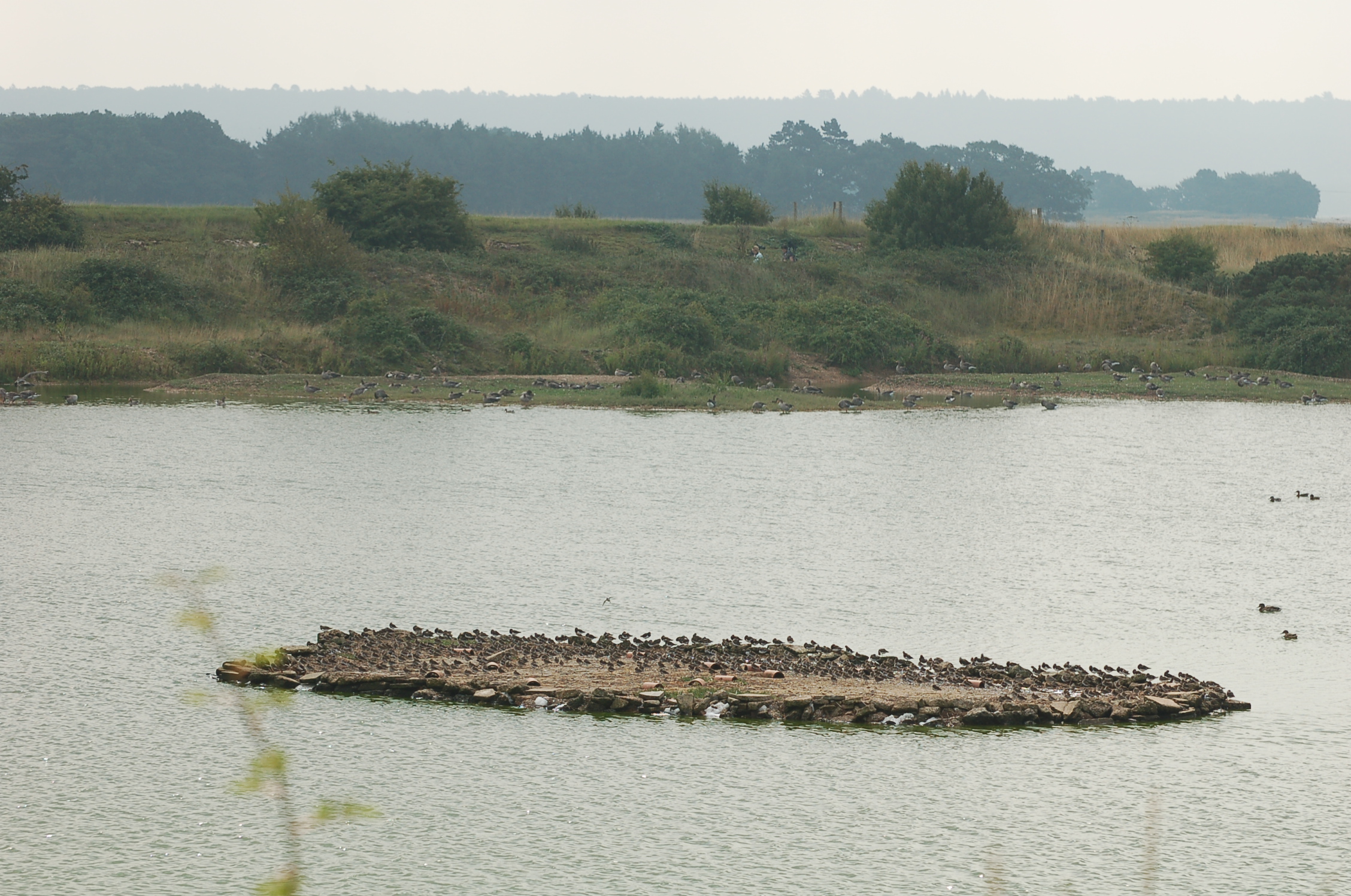
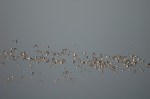
After enjoying the life of the shoreline we returned to the car via a hide that overlooked one end of one of the lagoons to see if we could spot any of the birds who had entertained us with their spectacular fly past. As you can see from the two photos they were pretty well hidden. I suppose once away from the safety of the sand banks and the surrounding sea they are more vulnerable to predator attack.

2013 08 26_3176 2013 08 26_3175

As we left the hide my camera was attracted to this old landing stage once again.

2013 08 26_3174 2013 08 26_3171 2013 08 26_3170 2013 08 26_3169 2013 08 26_3168 2013 08 26_3183 2013 08 26_3184 2013 08 26_3185

If you ever get a chance to experience a wader spectacular take it – it is an amazing natural phenomenon. To see more of my wader spectacular photos just click on the first photo and then follow the arrows.

Categories
autumn birds garden wildlife hedgerows migration

The Little Edible Hedge

When we were visiting my mother recently I was amazed to see just how much food for wildlife the old hedge alongside her back garden was presenting to the mammals and birds and of course the odd late flying butterfly and wasp. This stretch of hedge was originally an old field boundary and it illustrates just how much damage to Mother Nature’s larder the destruction of our hedges by intensive style agriculture actually causes. Here we have a 20 yard stretch of mixed natives with an odd cultivated plant creeping in from the garden that is a veritable larder for all sorts of wildlife.

2013 10 18_4344 2013 10 18_4354

2013 10 18_4349

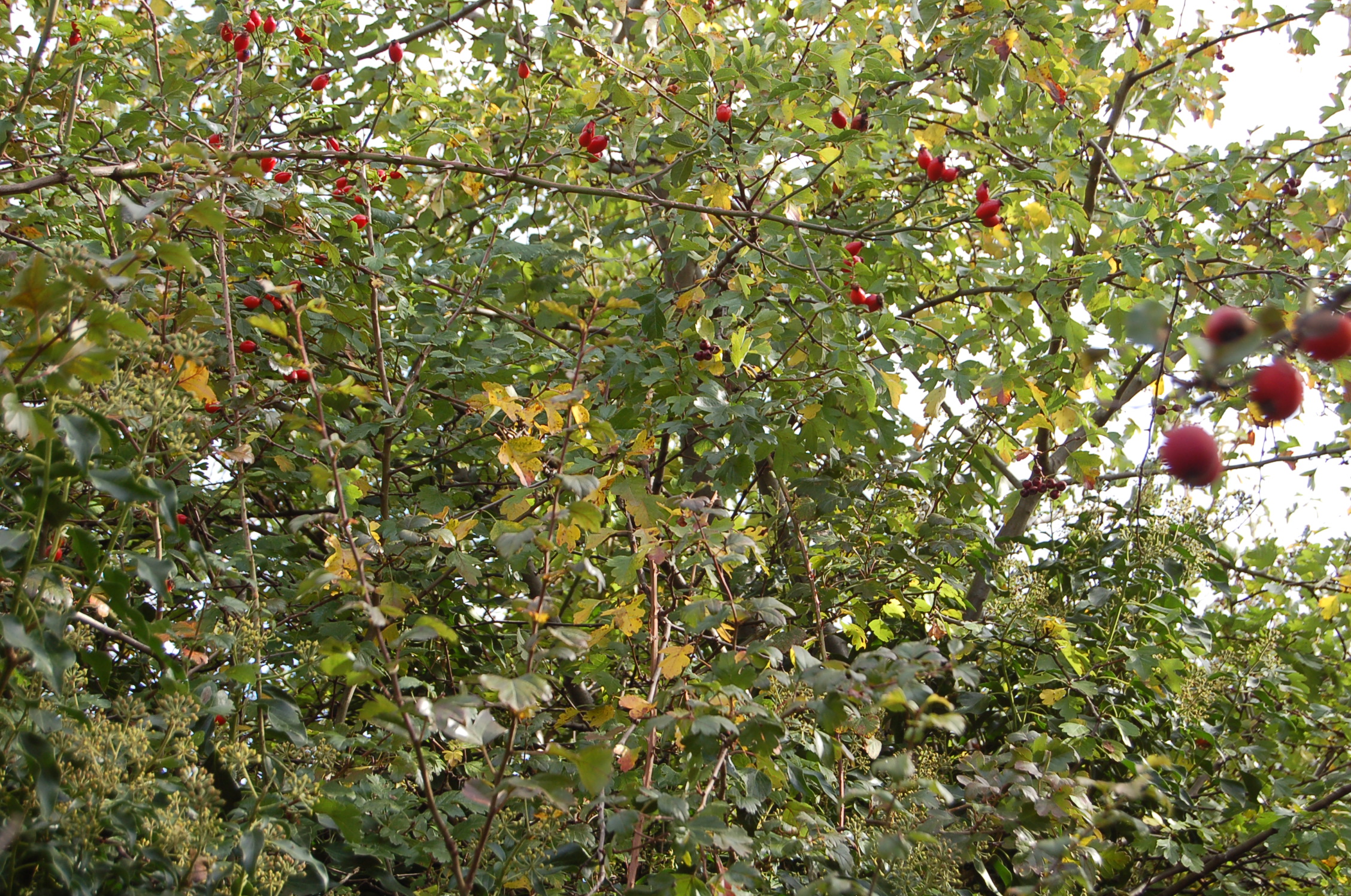
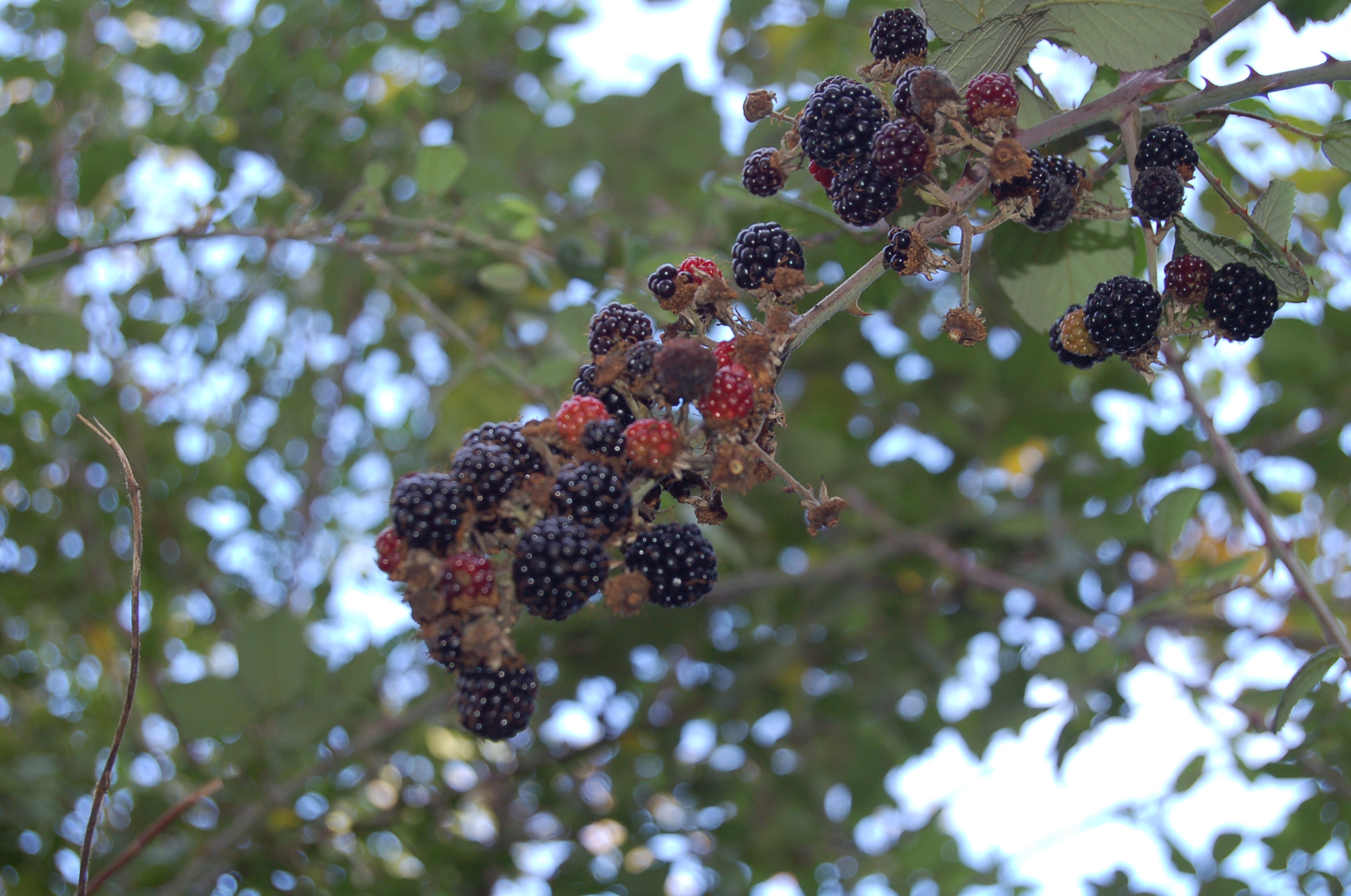
Think of hedgerow food for wildlife and the first fruit to come to mind will be the Bramble or Blackberry. This may be simply because we enjoy a tasty nibble of these glossy black gems ourselves. We might also think of Roses with their red fruit following on from their beautiful pink or white flowers. As children we may remember them as natural itching powder – remember the effects of popping a crushed hip down a friend’s jumper? Admit it! Humans have also long collected the hips of the wild roses to produce Rose Hip Syrup.

Rose Hips have long been enjoyed by humans as well as wildlife, being used for jams, jellies, marmalades, wine and tisanes. More recently it has been appreciated for its medicinal benefits in relation to alleviating the effects of arthritis, gradually displacing glucosamine. Our pets also appreciate them as apparently they are given to chinchillas and guinea pigs as a treat.

2013 10 18_4326 2013 10 18_4350

2013 10 18_4352 2013 10 18_4334 2013 10 18_4335

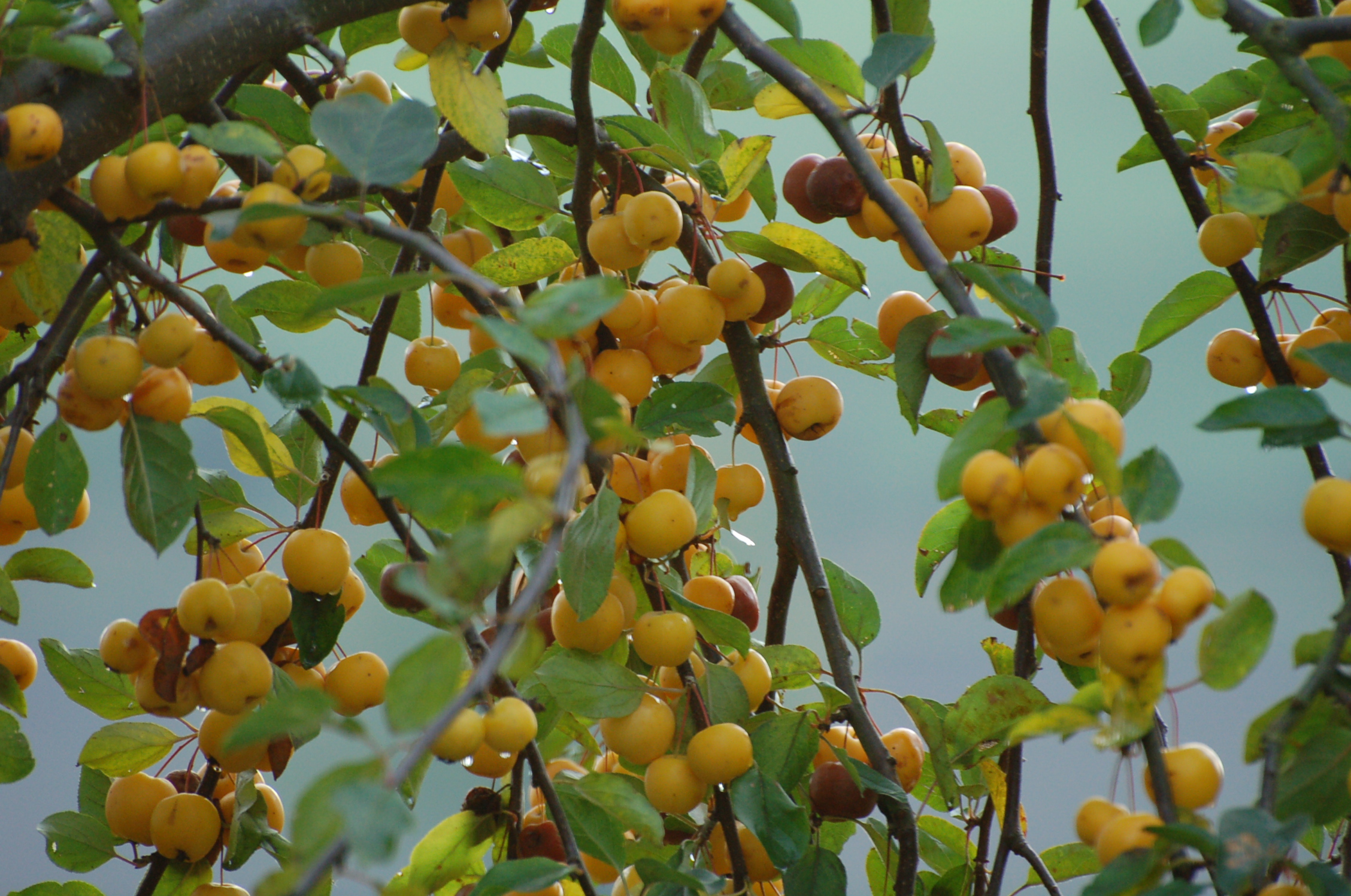
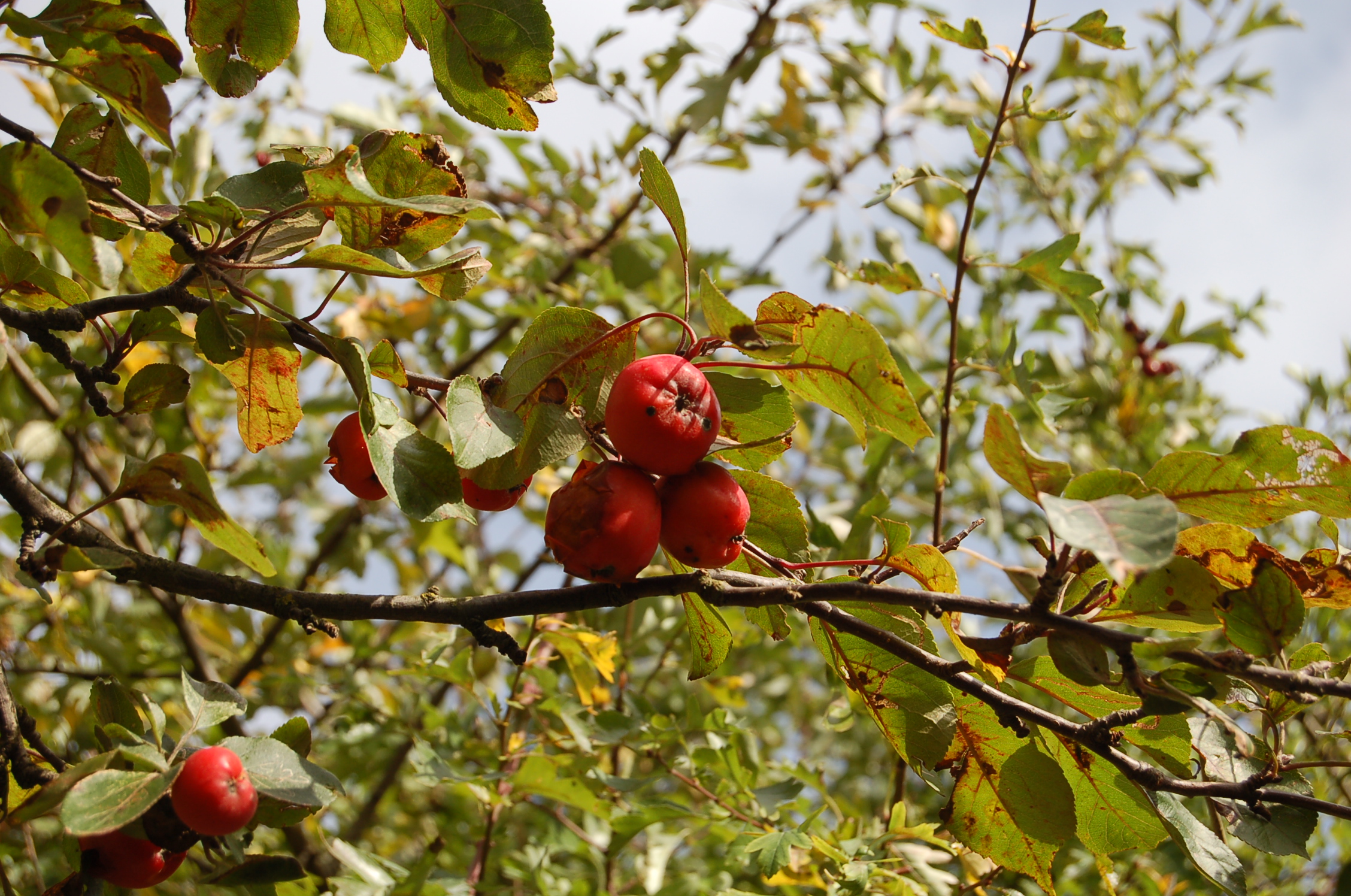
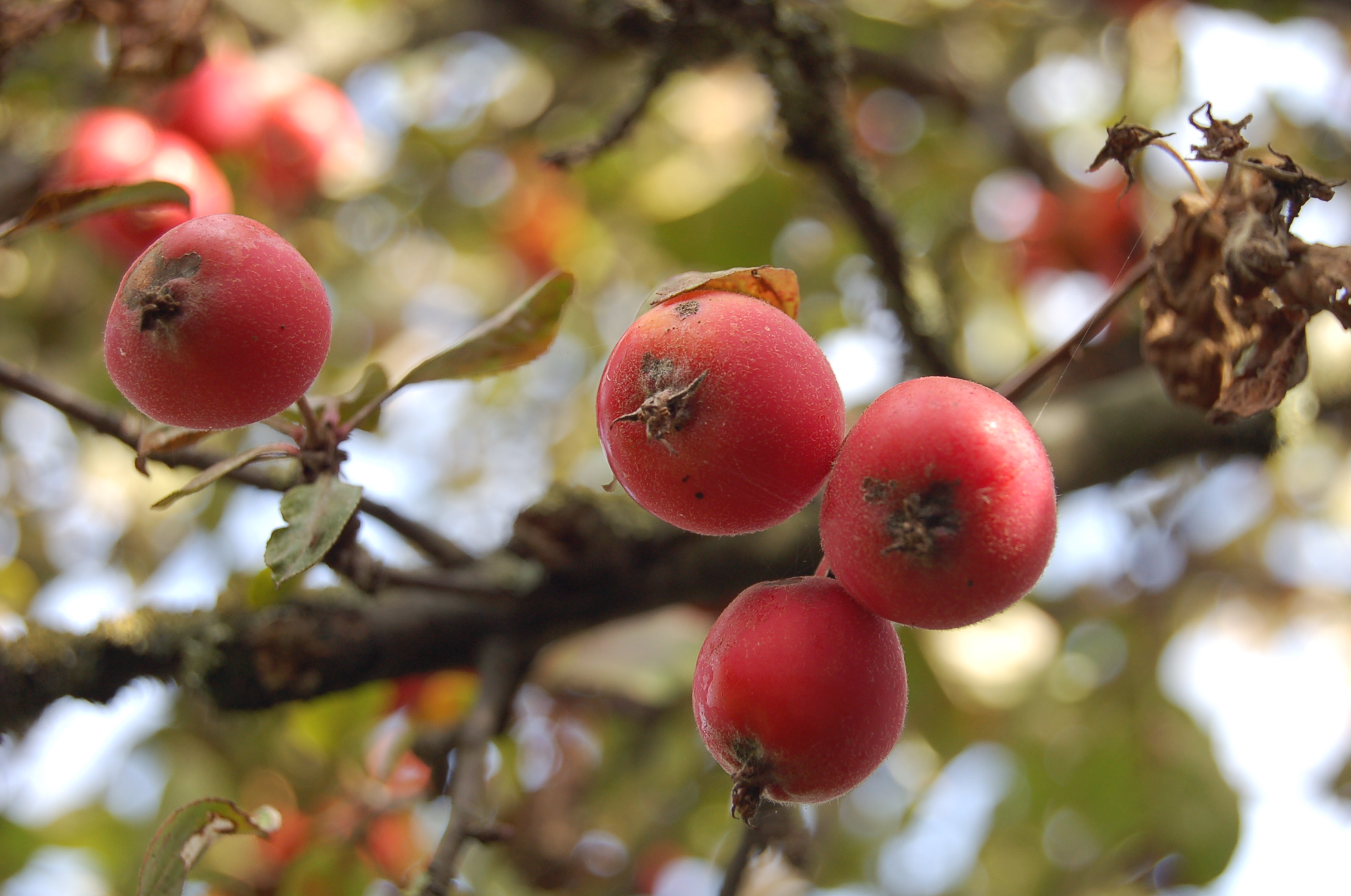
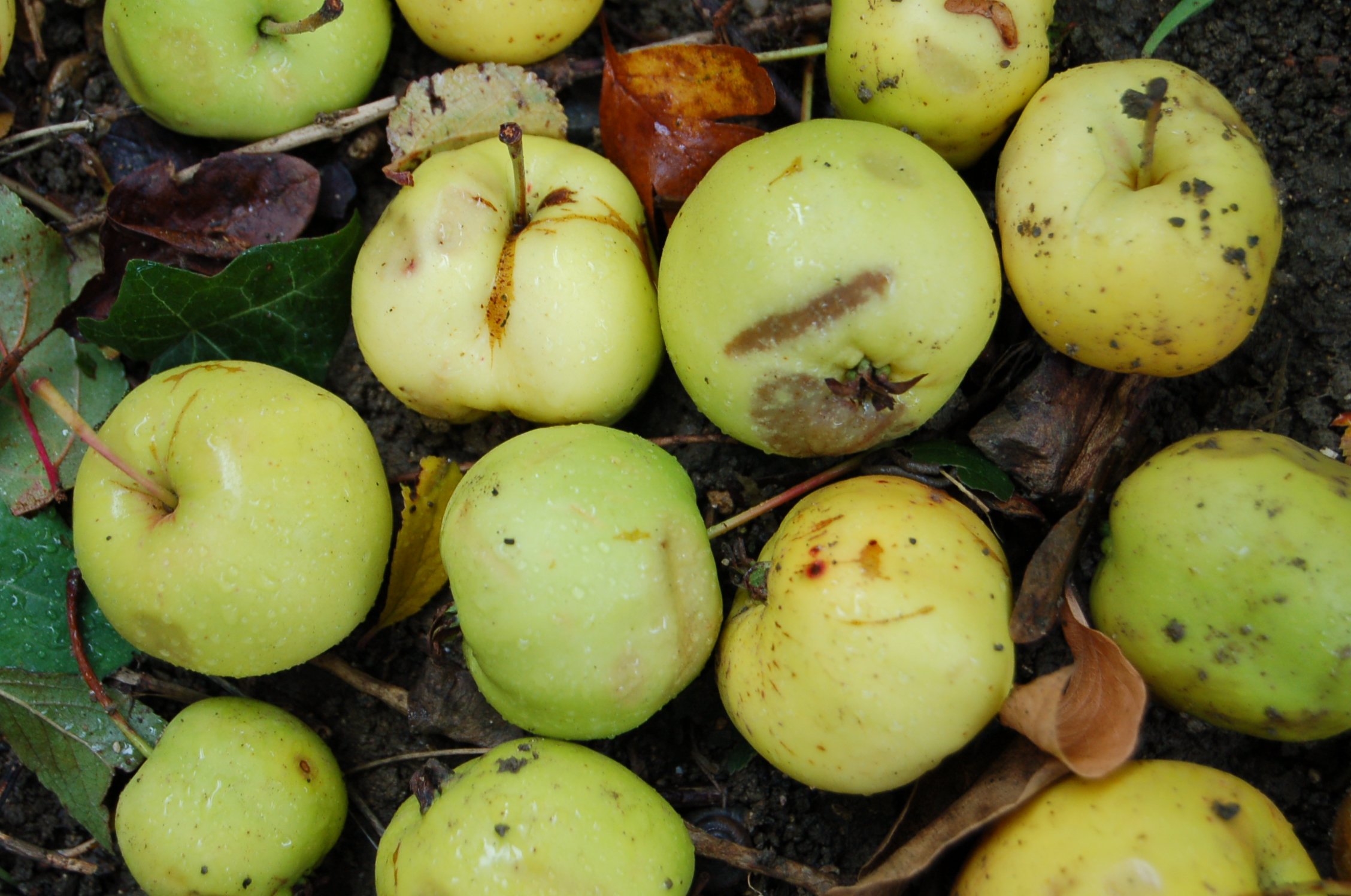
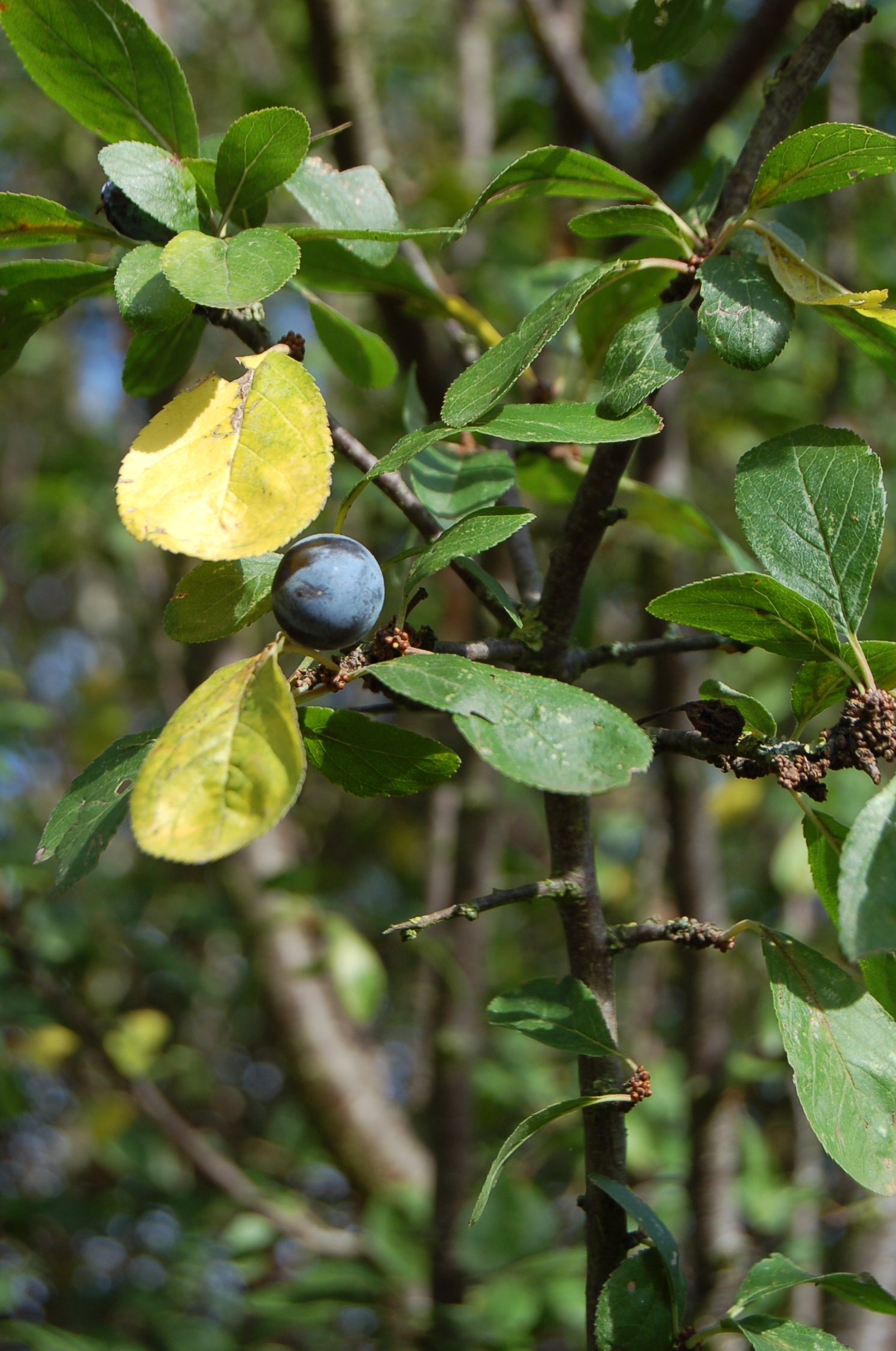
A couple of hedge row fruits are also favourites of foragers, the Sloe and the Crab Apple as we readily turn these into tasty winter warmers Sloe Gin and Crab Apple Jelly. In this little length of hedge we found a wild crab and a cultivated crab growing a few feet away from each other. Our birds and mammals probably view them as equally important sources of winter nutrition. They will not be concerned that one has been planted to delight my mother with its spring blossom and red autumn fruits.

2013 10 18_4351 2013 10 18_4345

2013 10 18_4346 2013 10 18_4347

2013 10 18_4331 2013 10 18_4353

2013 10 18_4332 2013 10 18_4338

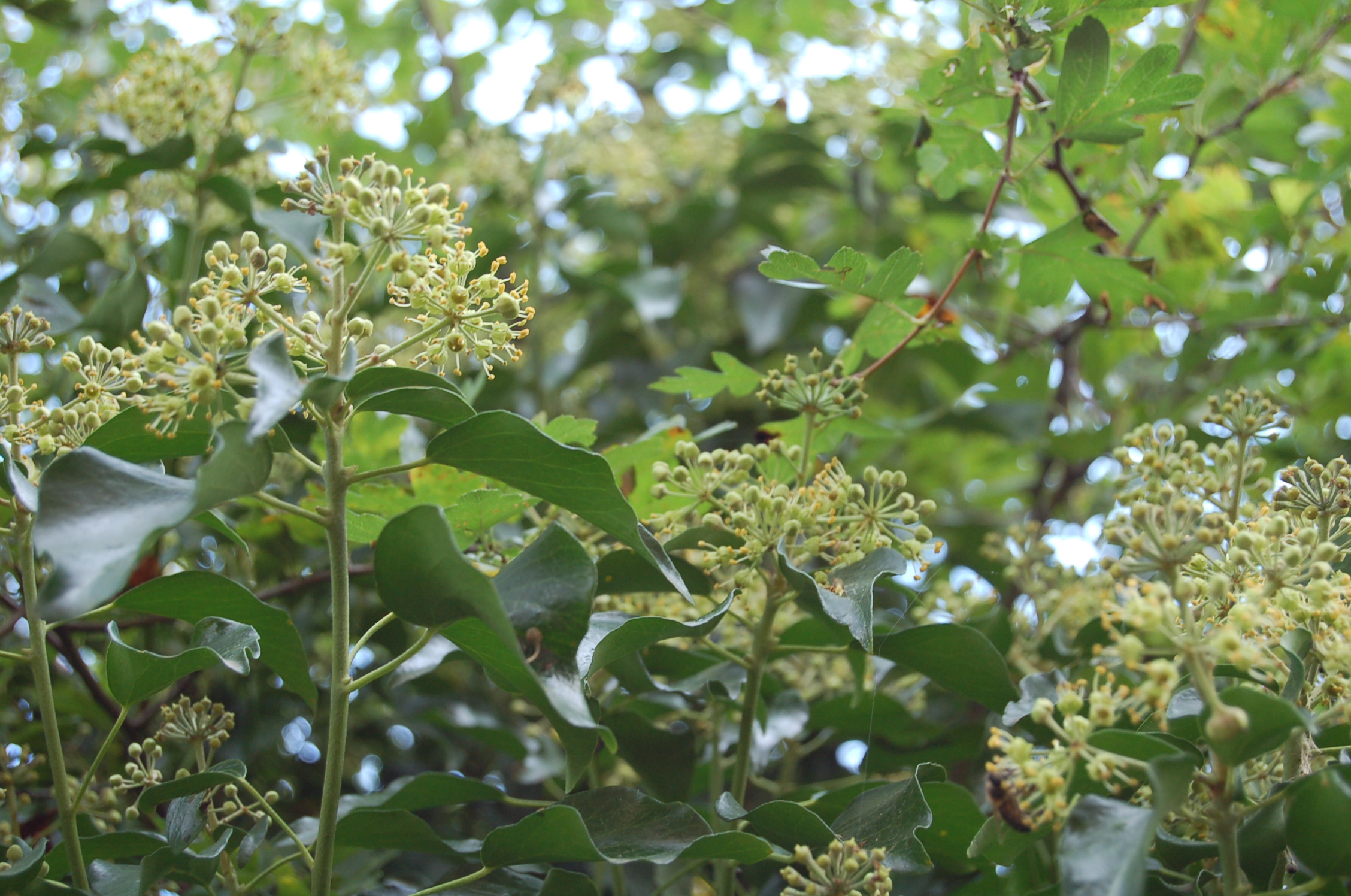
One important food source for wildlife is a little black berry that clumps together in spheres but this will not be until later on in the winter. For now the Ivy is still in flower and these tiny green florets are just starting to become berries. The Ivy plant is a vital  for wildlife throughout the whole year. It provides shelter for all sorts of creatures from the tiniest insect to the plump Wood Pigeons, nest sites for birds such as Wrens, Blackbirds, Song Thrush and Robins and again the Wood Pigeon. In winter the Ivy provides warmth and secret hiding places for all sorts of creatures.

2013 10 18_4324 2013 10 18_4325

2013 10 18_4323 2013 10 18_4328

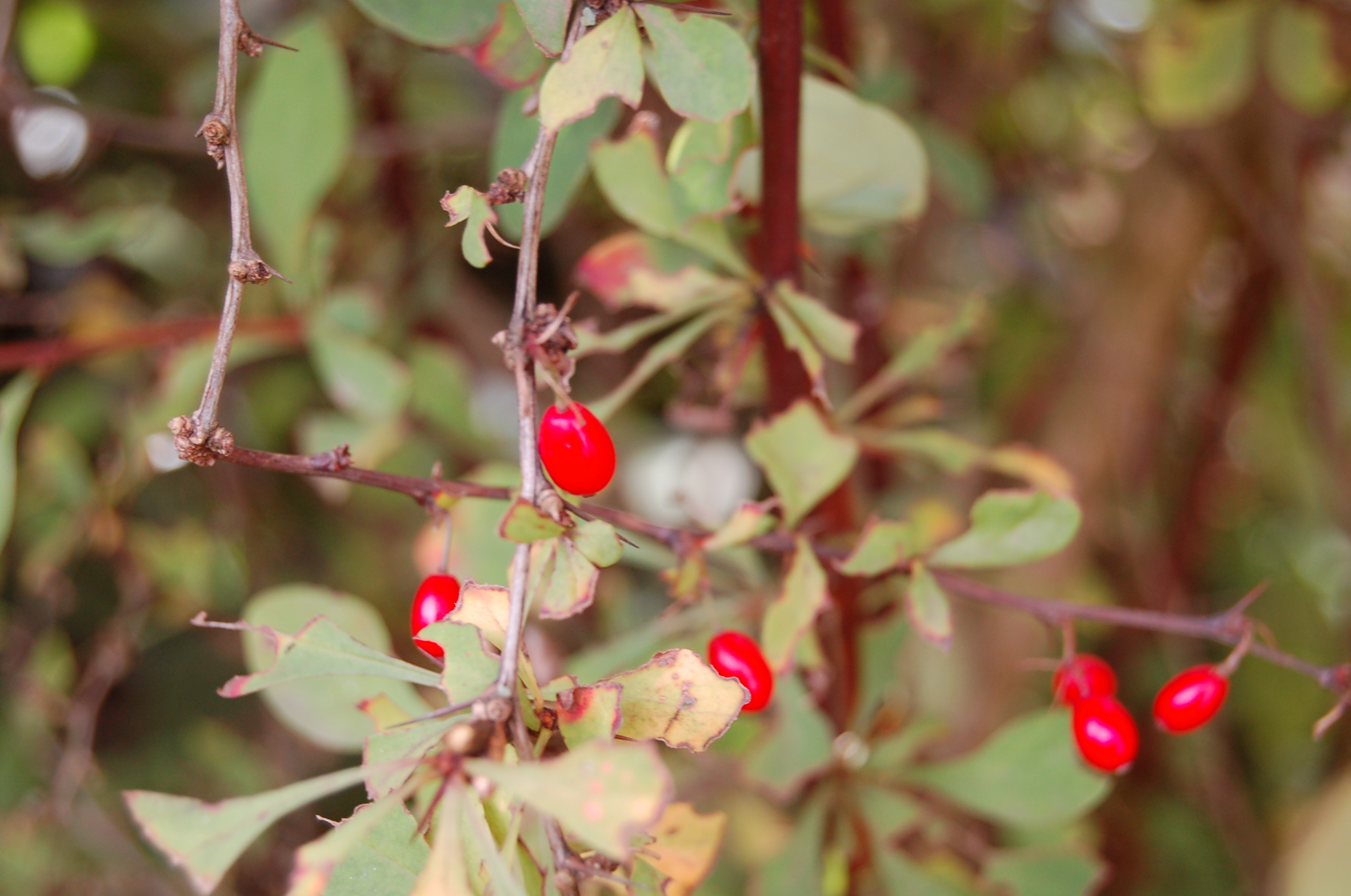
Less useful for wildlife are the cultivated plants that make their way into the hedge but the local Blackbird population will not turn their beaks up at the tiny long tear drop berries of the Berberis.

2013 10 18_4355 2013 10 18_4356

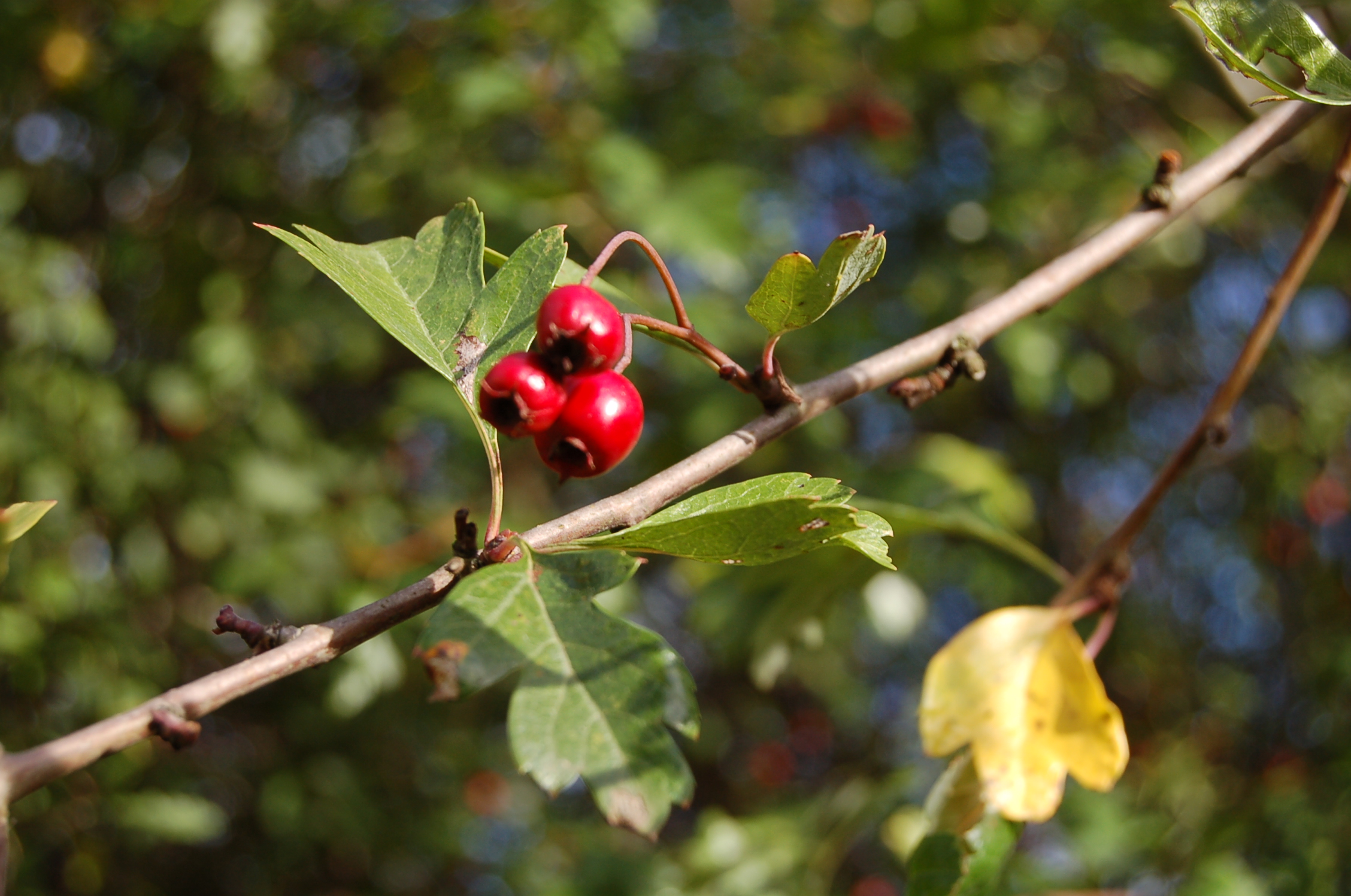
In contrast the deep red berries hanging in full bunches on the Hawthorns will be appreciated by many birds both residents and winter migrants. Once the Redwings and Fieldfares arrive on the back of the cold wet storms of autumn they will soon disappear.

The hawthorn berries have a place to play in human lives as well as wildlife, perhaps not yet seen as important as rose hip but it is being researched at the moment in relation to heart functions. For centuries it has been a part of the cuisine in China. Interestingly the name haw, which is now used to mean the berries, was originally a name meaning “hedge”.

2013 10 18_4333 2013 10 18_4336

2013 10 18_4337

So this short section of hedge of native shrubs mixed with the odd garden specimen will soon become the favourite restaurant for our avian neighbours.

This Veggie Life

A Vegetarian | Nature Lifestyle Blog

Rambling in the Garden

.....and nurturing my soul

The Arch City Gardener

Journeys In St. Louis Gardening and Beyond

Garden Dreaming at Châtillon

Consult the genius of the place

Storyshucker

A blog full of humorous and poignant observations.

gardeninacity

Notes from a wildlife-friendly cottage garden

PlayGroundology

...an emerging social science

The Official Blog of British Wildlife

'The most important and informative publication on wildlife of our times' - The Independent. This blog is a member of The UK & Ireland Natural History Bloggers group: www.uknhb.blogspot.com

iGrowHort

Inspire - Cultivate - Grow Native Plants - Restore Landscapes

Bishops Meadow Trust

To create and protect a semi-natural wild space for the people of Farnham to enjoy and experience an array of British wildlife in our town

Gardening with Children

The www.gardeningwithchildren.co.uk Blog

UKbirdingtimeline

birding through the seasons, why birds matter and how to conserve them

NATURE WALKER

with a camera in hand

Jardin

Transform your outdoor space

Eva's space

My allotment, cooking and other interests

Old School Garden

my gardening life through the year

LEANNE COLE

Trying to live a creative life

fromacountrycottage

trying to live as lightly as possible on our beautiful planet

Good Life Gardening

Nature lovers from Leicester living the good life.

mybeautfulthings

Finding the beautiful in the everyday

mawsonmichelle

Michelle's Allotment

In and Out of My Garden

thoughts from and about my garden

Greenhousing

Big plans for a small garden

The Scottish Country Garden

A Walled Country Garden in South East Scotland

The Fruity Chicken

Life at the fruity chicken

willowarchway

Off grid living. Self sufficient. "PERMAGANICS RULE".

St Anns Allotments

Nottingham's Grade 2* Listed Allotments and Community Orchard

Manifest Joy Harvests

a journey in suburban vegetable gardening

Allotmental

The madness of growing your own

Penny's Garden: a harvest beyond my front door

A novel approach to vegetable gardening

arignagardener

Sustainable living in the Irish countryside.

NewEnglandGardenAndThread

Master Gardener, amateur photographer, quilter, NH native, and sometimes SC snowbird

dianajhale

Recent work and work in progress and anything else that interests me

planthoarder

a chaotic cottage gardener

Lens and Pens by Sally

a weekly blog that creates a personal philosophy through photographs and words

Dewdrops and Sunshine

Stories from a sassy and classy Southern farmbelle.

The Pyjama Gardener

Simple Organic Gardening & Seasonal Living

gettin' fresh!

turning dirt into dinner

JOY...

today the world is created anew

Garden Birds

Notes from a Devon garden

ShootAbout

Life Through The Lens

Adapting Pixels

A photography blog showcasing the best photography pictures and videos on the internet

Wildlifegardening's Blog

Just another WordPress.com site

naturestimeline

personal observations from the natural world as the search continues for a new approach to conservation.

LATEBLOOMERBUDS

The Wonders of Life through my Eyes, my Heart, my Soul