Categories
allotments colours flowering bulbs garden design garden photography gardening gardens hardy perennials ornamental trees and shrubs spring bulbs spring gardening trees village gardens Wales Winter Gardening

Anne’s Garden

It is always special to visit a friend’s garden for the first time. Today with fellow Shropshire Hardy Plant Society members we visited the garden of our group chairman, Anne. She lives just over the Welsh border so we had but a forty minute journey.
2014 04 17_8174

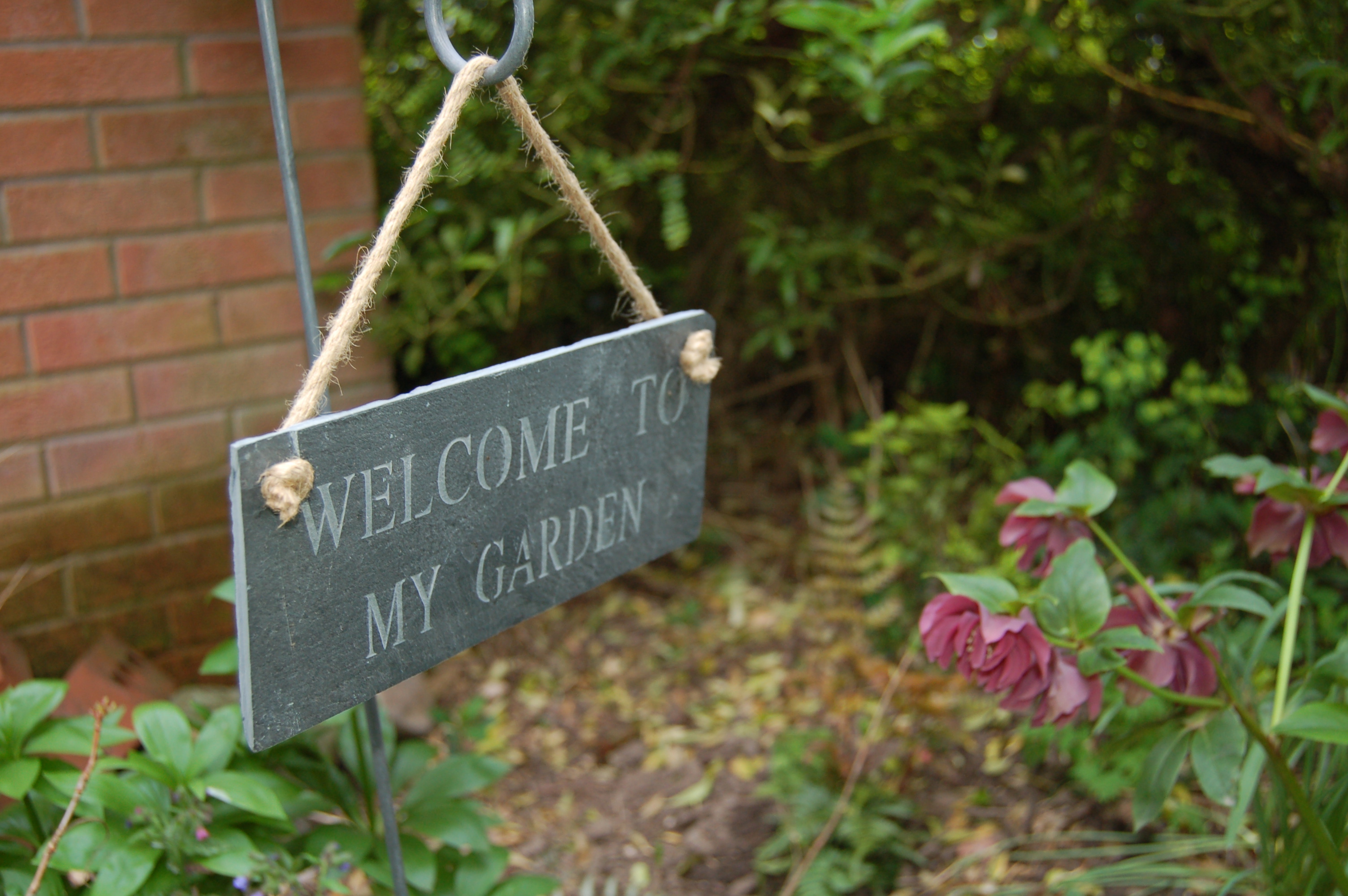
The pathway to the front door set the scene with plants jostling for position to make sure they were seen. I always believe this sort of way into a garden heightens the anticipation. You just know you are going to enjoy the garden and discover some real gems. This was just what happened.
2014 04 17_8151

Anne greeted us at her door and from then on we had a very enjoyable afternoon exploring her little garden, drinking tea and relishing cakes. The garden had pathways wriggling beneath trees and shrubs giving the atmosphere of a small copse.

Anne’s garden illustrated the importance of growing trees in small gardens. So many small gardens are full of small plants which just makes you look down. Anne’s patch had your eyes rushing around, upwards, downwards and seeking out the next corner to peer around.

In the front garden Cercis “Forest Pansy”, Pyrus salifolius pendula and a splendid specimen of Cornus “Midwinter Fire” held the garden together.
2014 04 17_8146 2014 04 17_8143

2014 04 17_8144


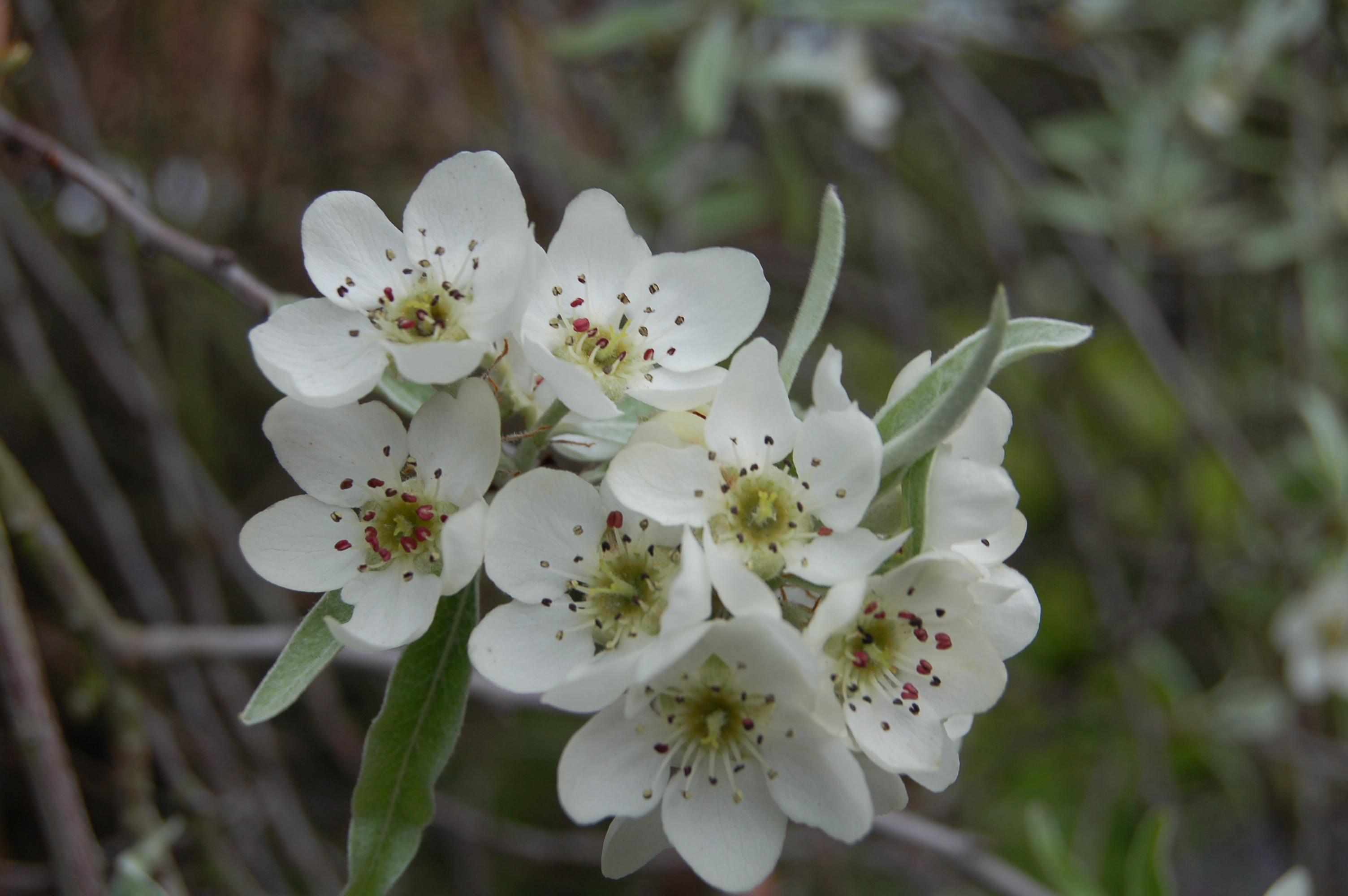
The weeping pear’s leaves were fully out and its pure white blossom showed off its black stamens. The Forest Pansy was way behind ,its bare black stems just starting to show bursting purple buds.

2014 04 17_8142


I enjoyed the way so many different leaf shapes, colours and textures juxtaposed so happily.


2014 04 17_8141 2014 04 17_8158

2014 04 17_8163 2014 04 17_8170

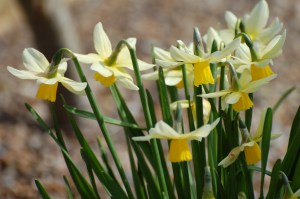
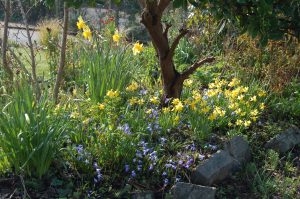
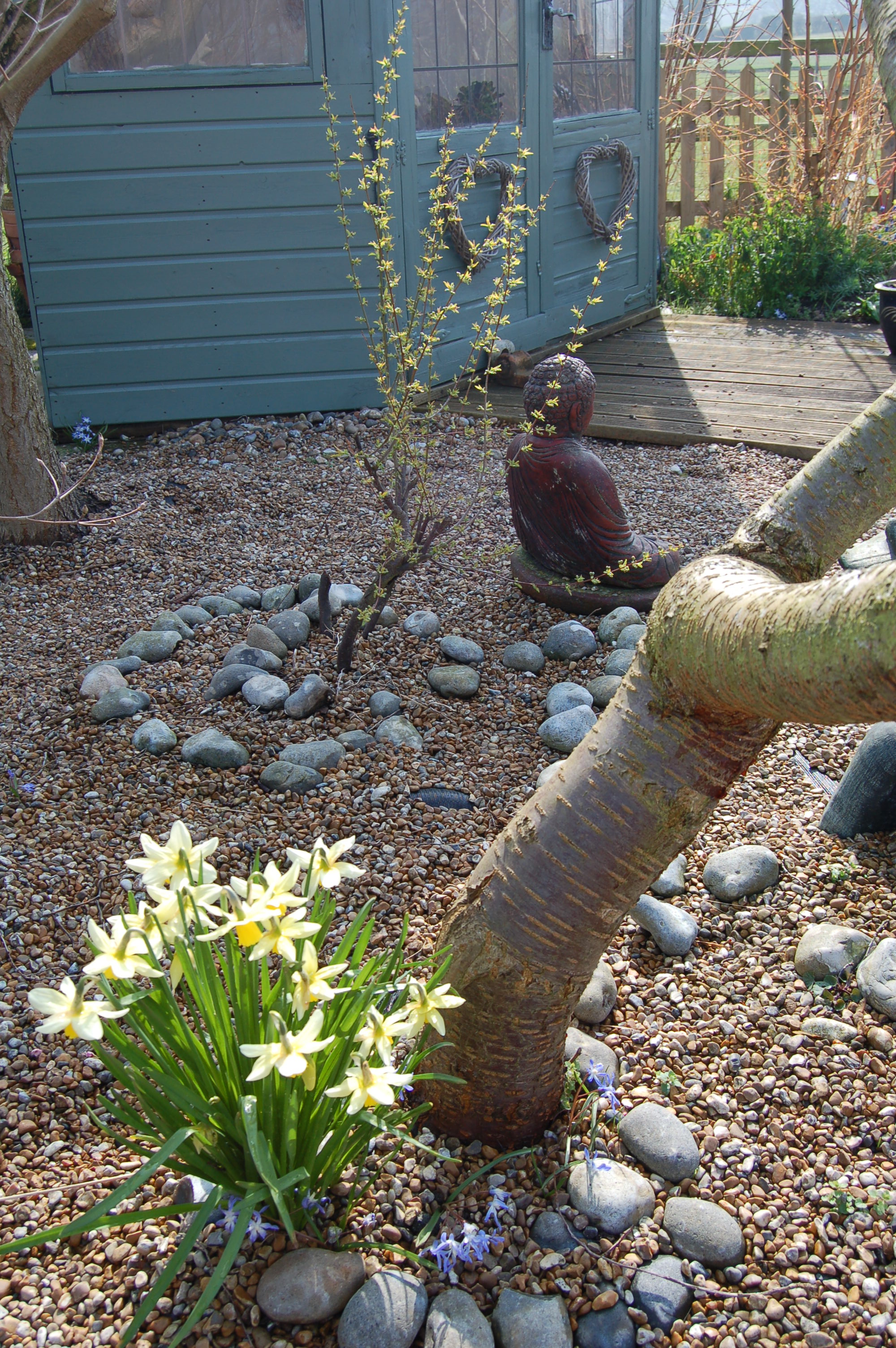
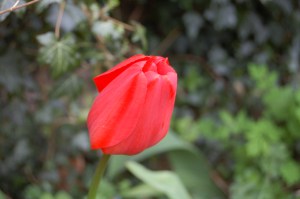
Being mid-April spring flowering bulbs added cheer to combat the grey skies of the day.
2014 04 17_8148 2014 04 17_8162

2014 04 17_8177 2014 04 17_8152

2014 04 17_8178 2014 04 17_8181

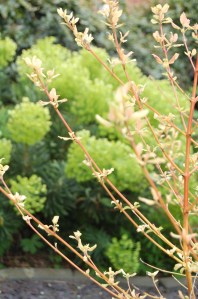
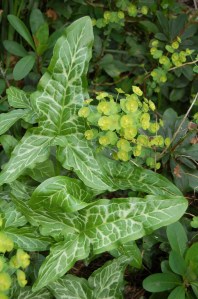
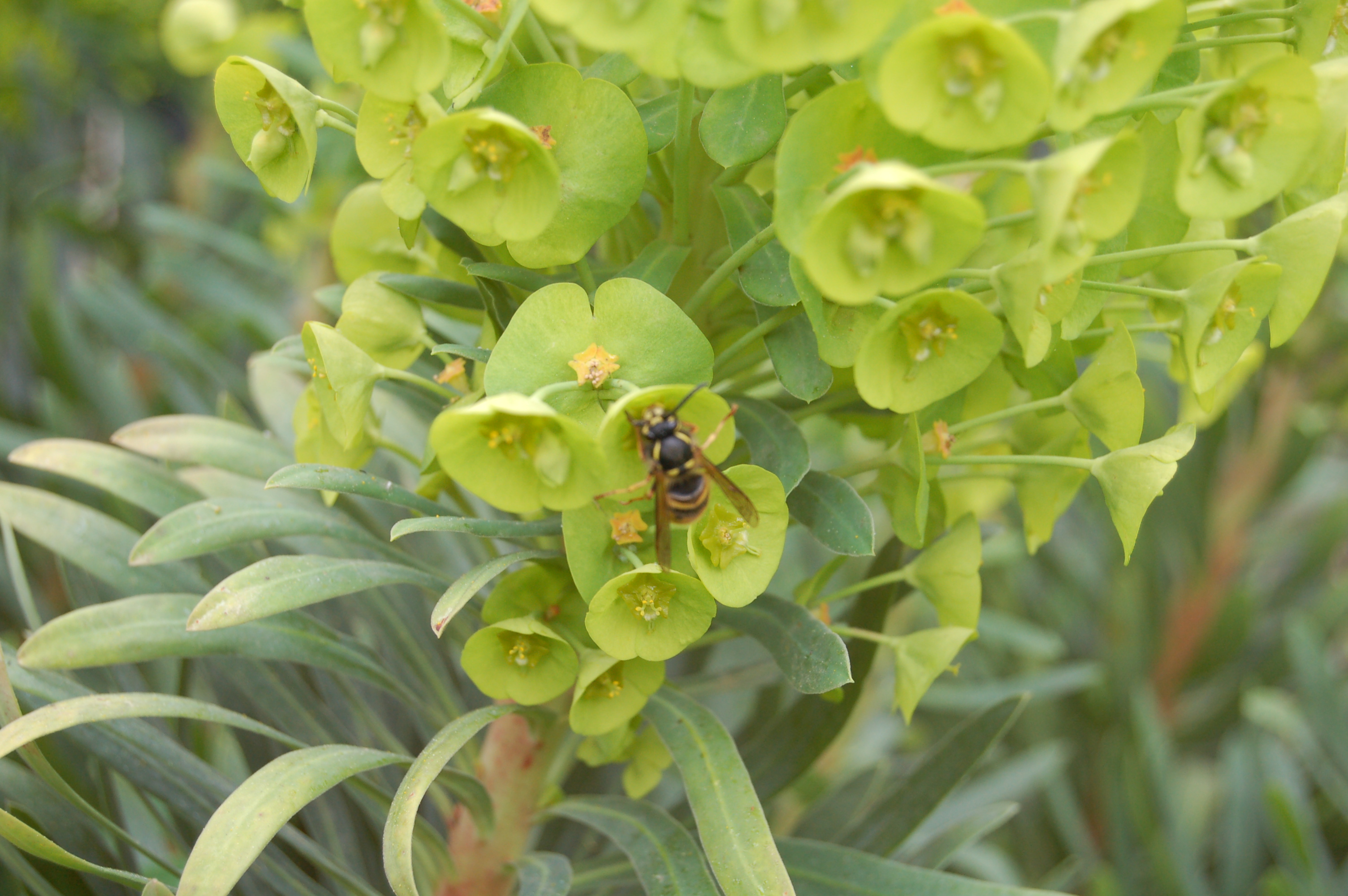
Whenever I visit a garden I spot one of my favourite families of plants, the euphorbias. Anne had some fine euphorbias including E. mellifera a variety that we grow but have to take in during the winter as it just couldn’t survive our winter weather. Anne’s happily lived outside all year.

2014 04 17_8145  2014 04 17_8149

2014 04 17_8182

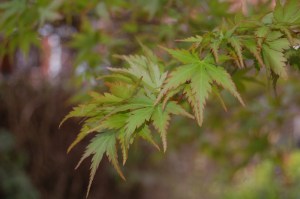
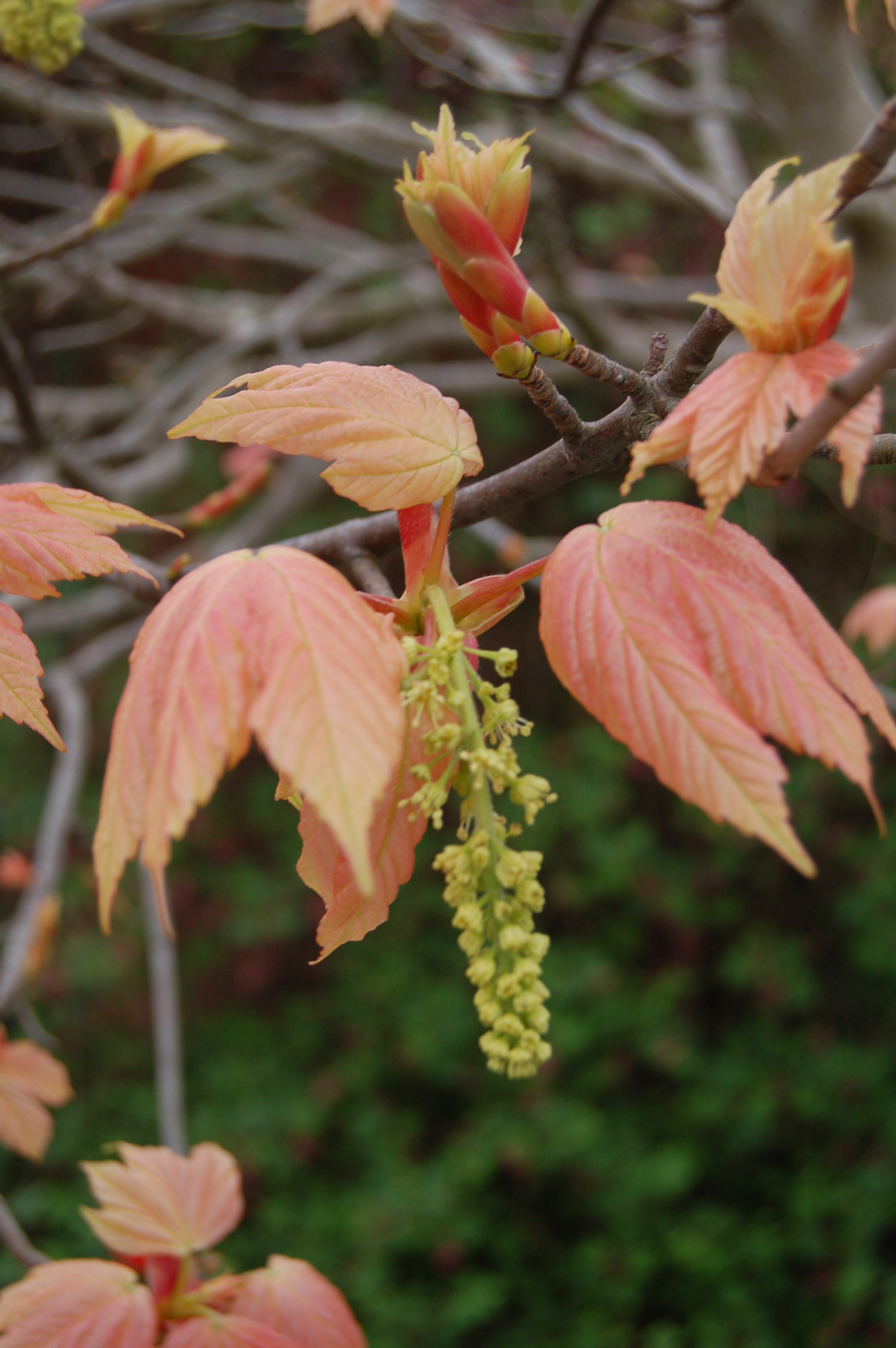
Acers feature here too and mid-April is a good time to enjoy their fresh subtly coloured new foliage bursting from their buds.
2014 04 17_8153 2014 04 17_8154

2014 04 17_8164 2014 04 17_8171

2014 04 17_8165

We have been looking for small Hostas recently to plant around a water feature situated close to a corner where two path meet. We were really taken with those we found growing in pots in a little shaded courtyard. Luckily they had labels on giving us ideas for our own planting.
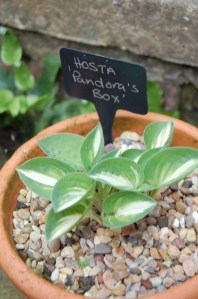
2014 04 17_8150 2014 04 17_8166

2014 04 17_8167

Anne’s garden is small in size but it has a mighty big heart! As the last set of photographs below show it is a garden full of interesting individual plants, original plant combinations and many appealing features. We had a great afternoon – thanks Anne.

2014 04 17_8155 2014 04 17_8157           2014 04 17_8168 2014 04 17_8169   2014 04 17_8172 2014 04 17_8173 2014 04 17_8175 2014 04 17_81562014 04 17_8176   2014 04 17_8179 2014 04 17_8180  2014 04 17_8183

Categories
colours flowering bulbs garden design garden photography gardening gardens gardens open to the public grasses hardy perennials irises ornamental grasses ornamental trees and shrubs shrubs spring bulbs trees Winter Gardening winter gardens

Three Winter Gardens – Part Two – Cambridge Botanic Gardens

We had never been to Cambridge before. Lots of people told us it is just like Oxford its parallel university city. We decided to put things right and find out for ourselves so spent a few days there. One day we spent in the University Botanic Gardens where we were keen to explore the winter garden as we had heard good things about it.
We were pleased we decided to visit both Cambridge and its botanic garden as we enjoyed both immensely. The Botanic Garden was good enough to make us plan to return in different seasons. If a garden impresses in winter then it will at any time.

So for part two of my “Three Winter Gardens” we shine the spotlight on Cambridge. Look out for a post in the near future looking at the rest of the garden in winter too.

We knew we were in for a treat for within the first 20 yards of our walk after passing through the gate we were mystified by a couple of plants we did not know.

2014 03 17_7183 2014 03 17_7179

Luckily they were both labelled and I shall say what they are in my post about the gardens in general but first off to the Winter Garden. We were particularly keen to see this seasonal patch as it had been created in 1989 so now it is well established. Many gardens now boast winter borders or winter gardens and we have even created one on our allotment site in the communal areas, but these are mostly immature.

2014 03 17_7254

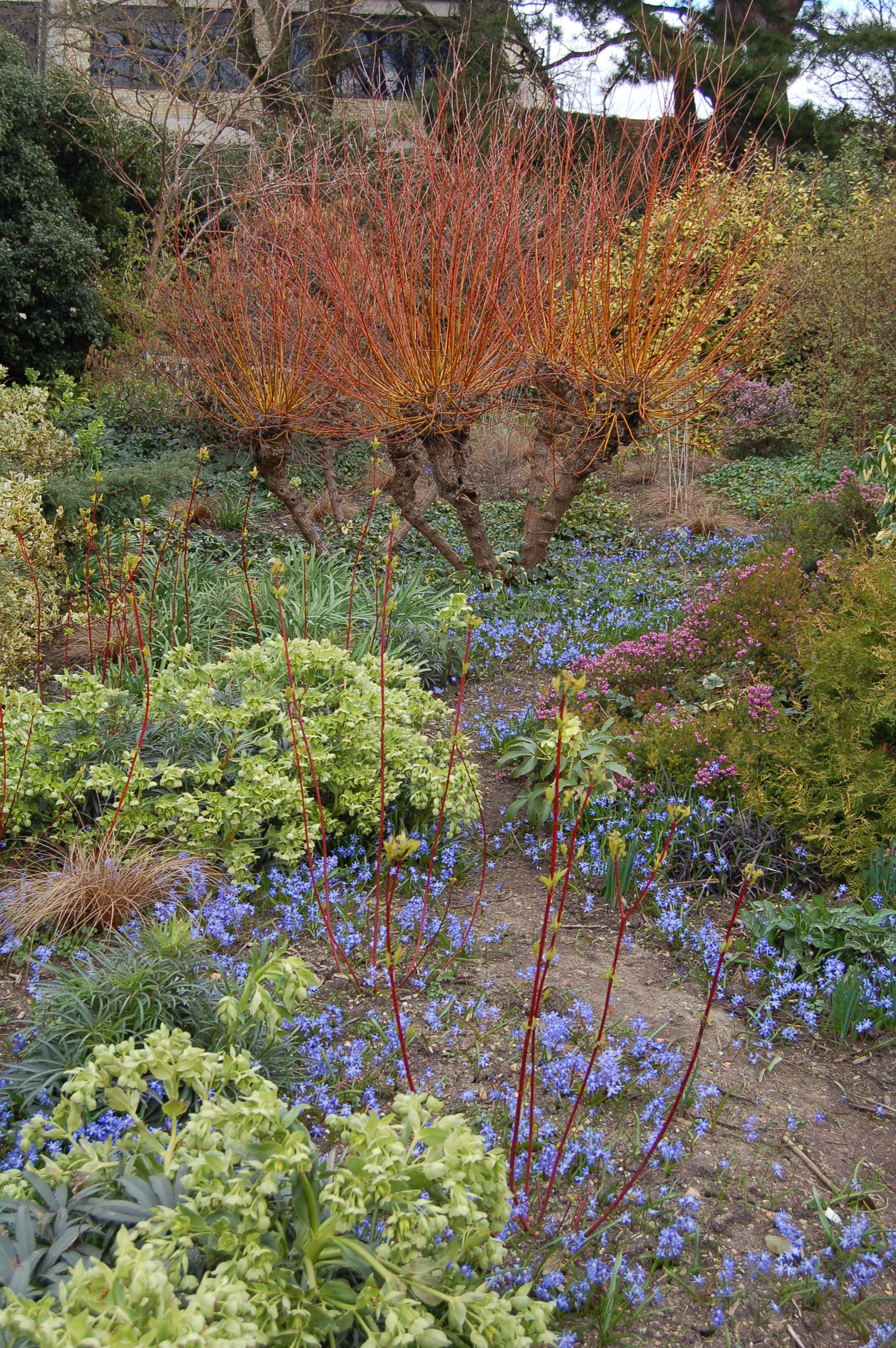
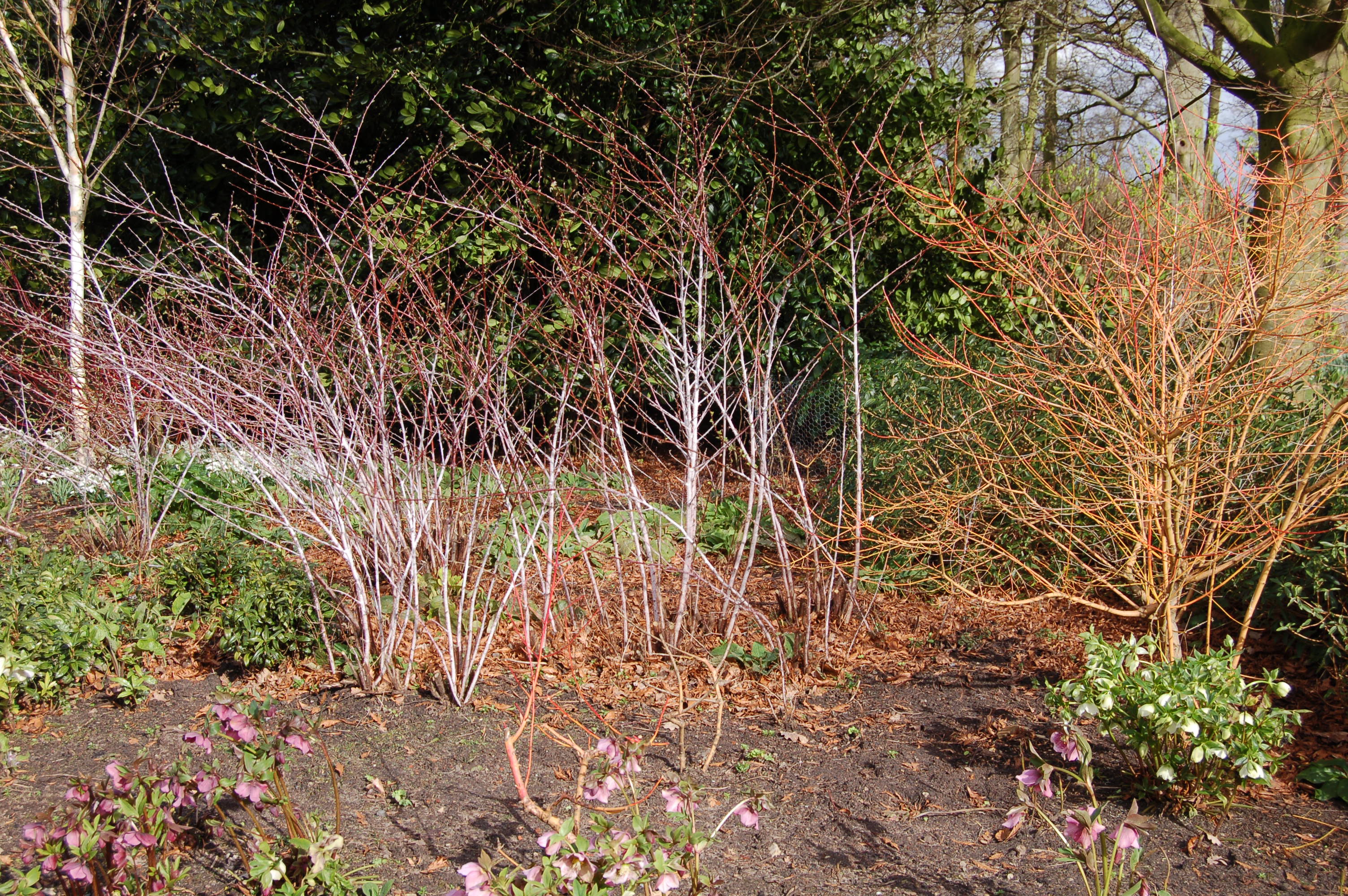
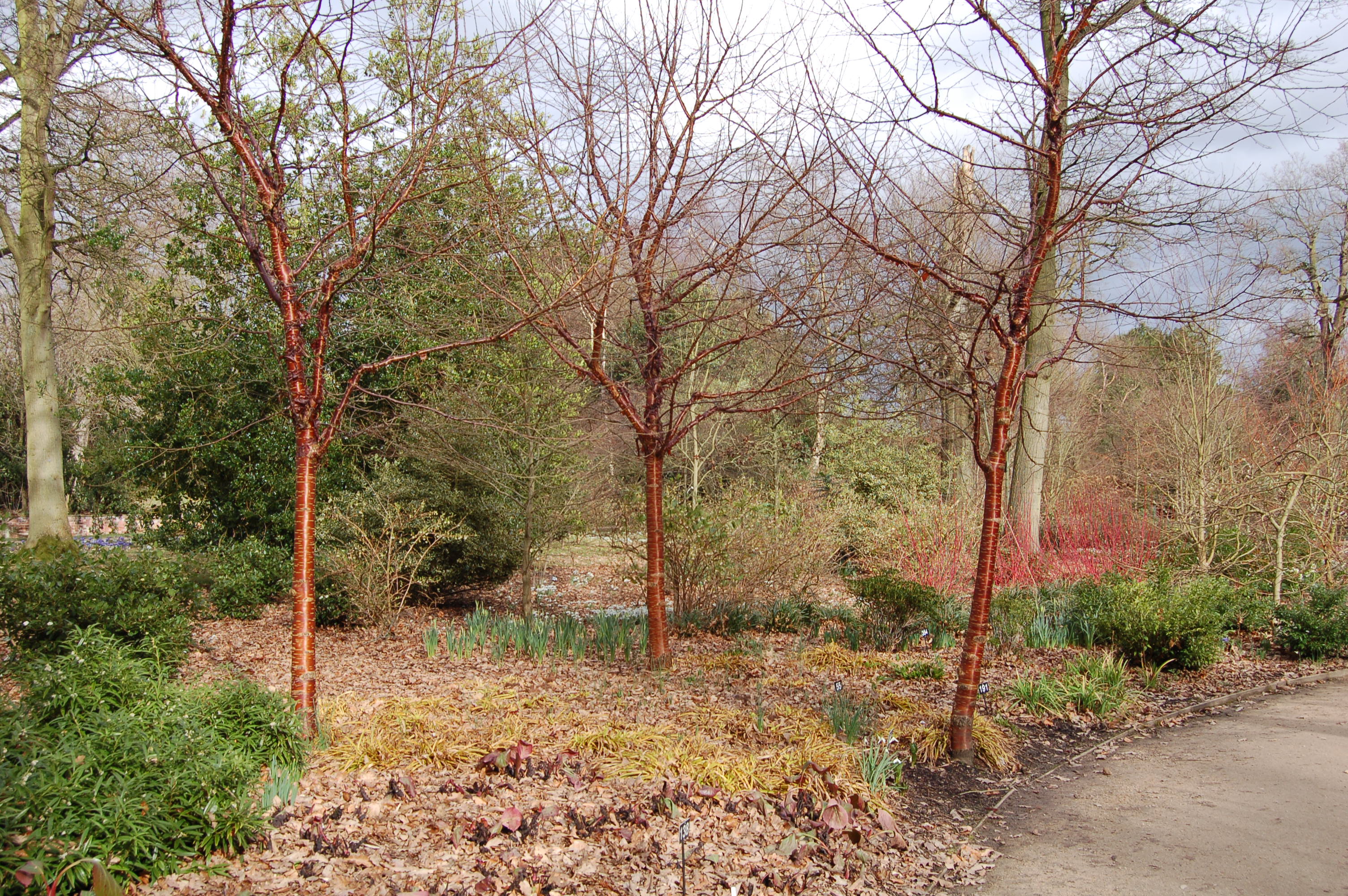
Trees and shrubs give the impact in any winter garden often as here at Cambridge they are birches and willows.

2014 03 17_7255 2014 03 17_7277

2014 03 17_7258

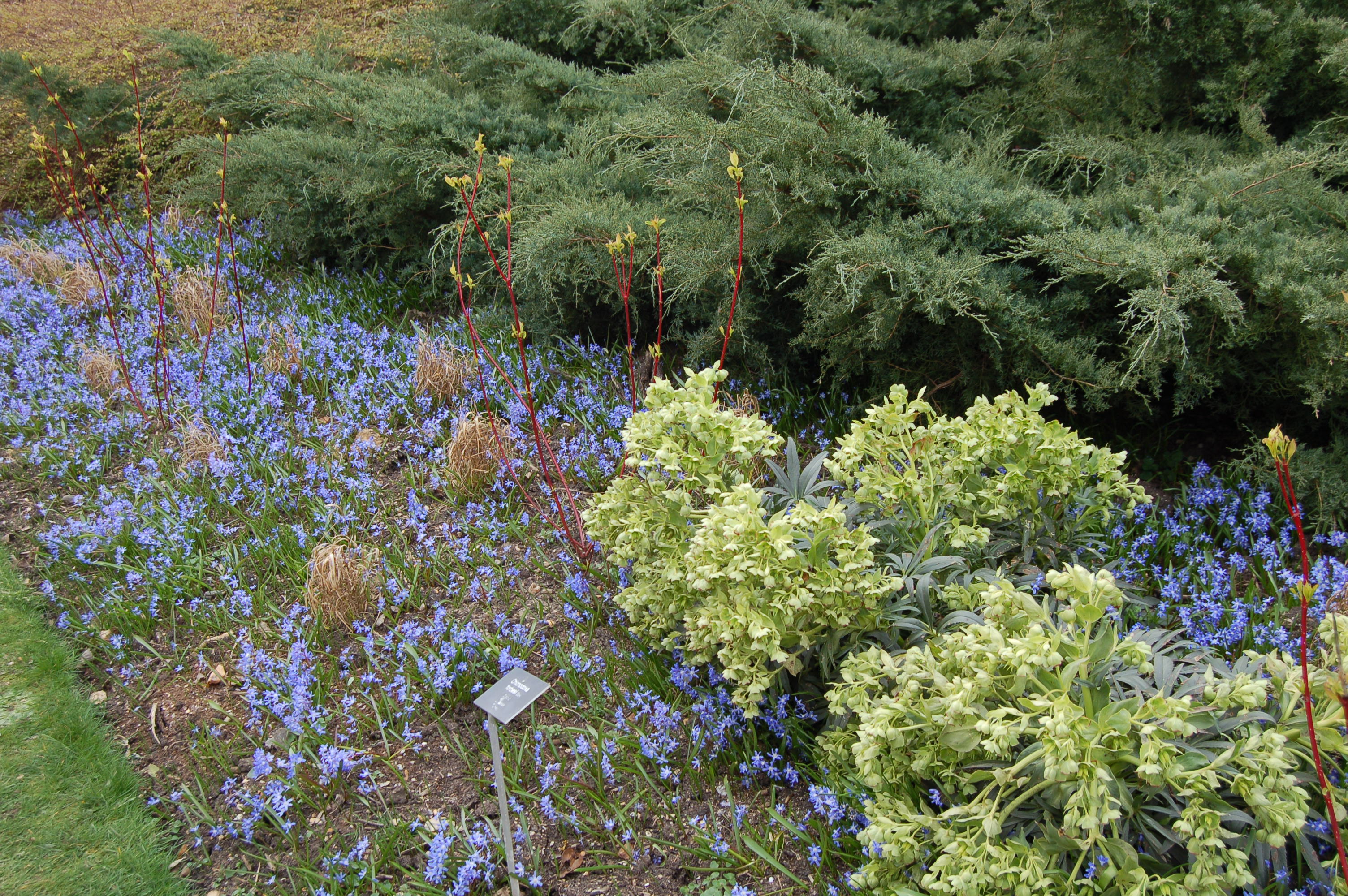
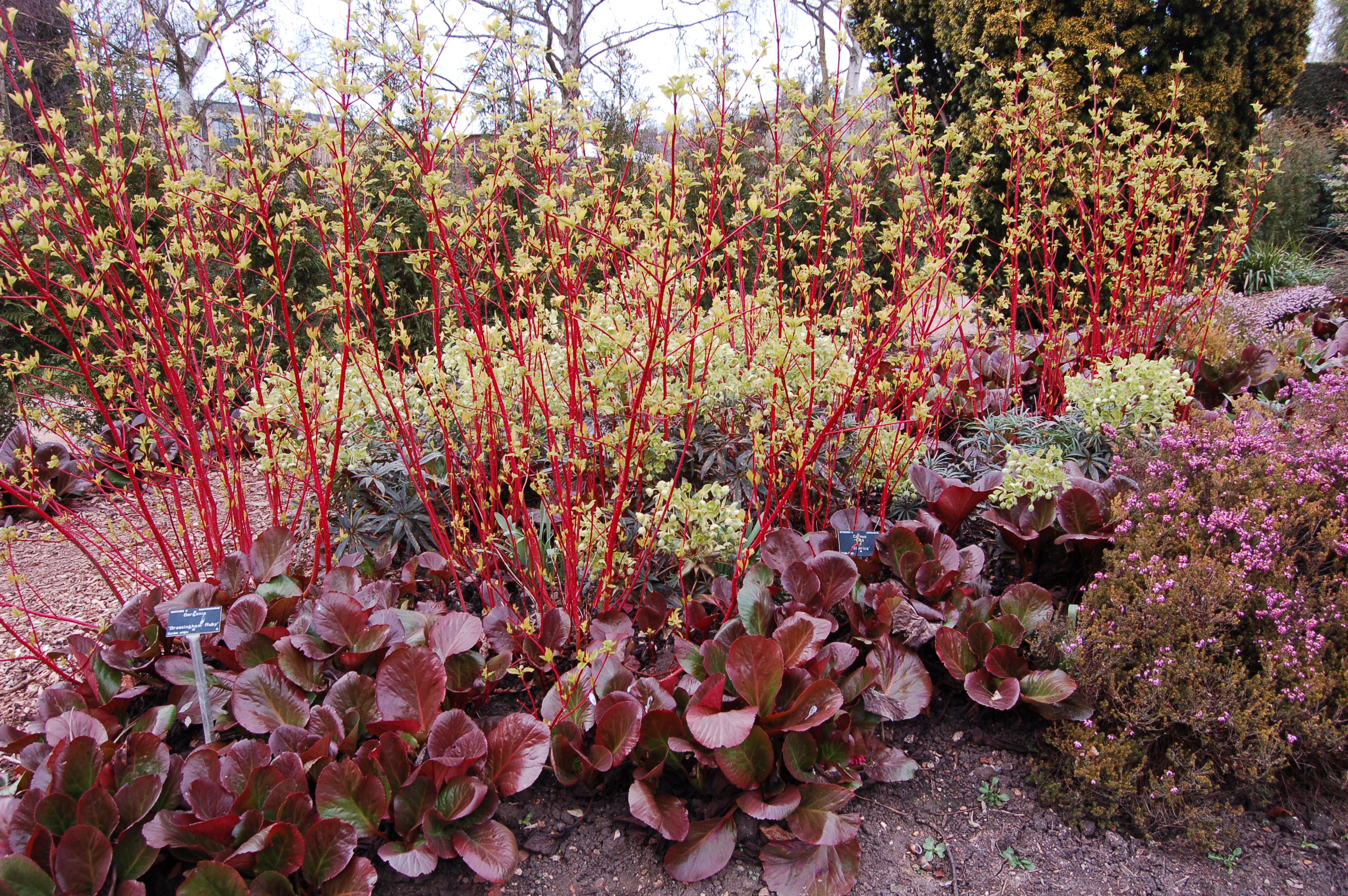
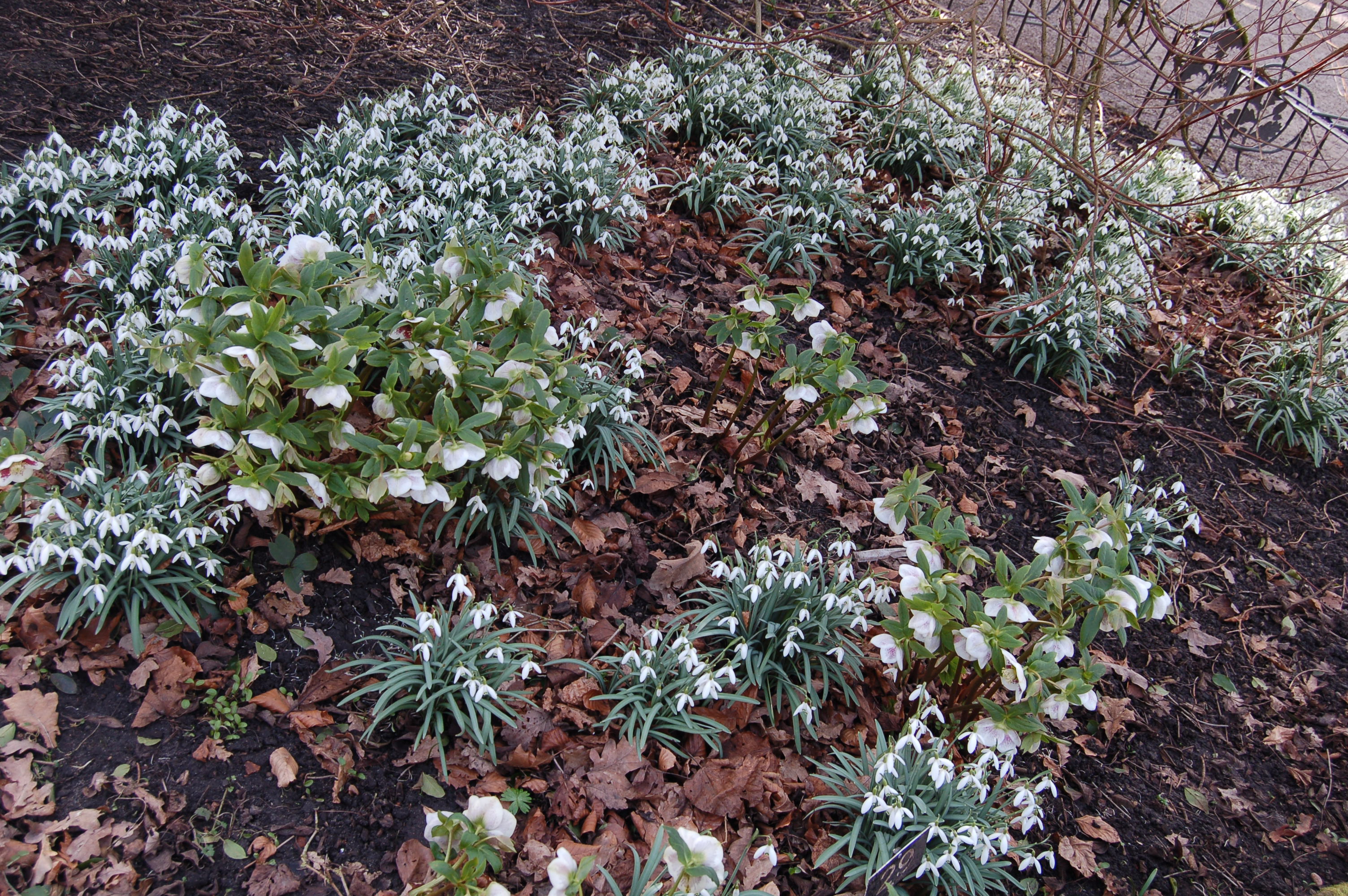
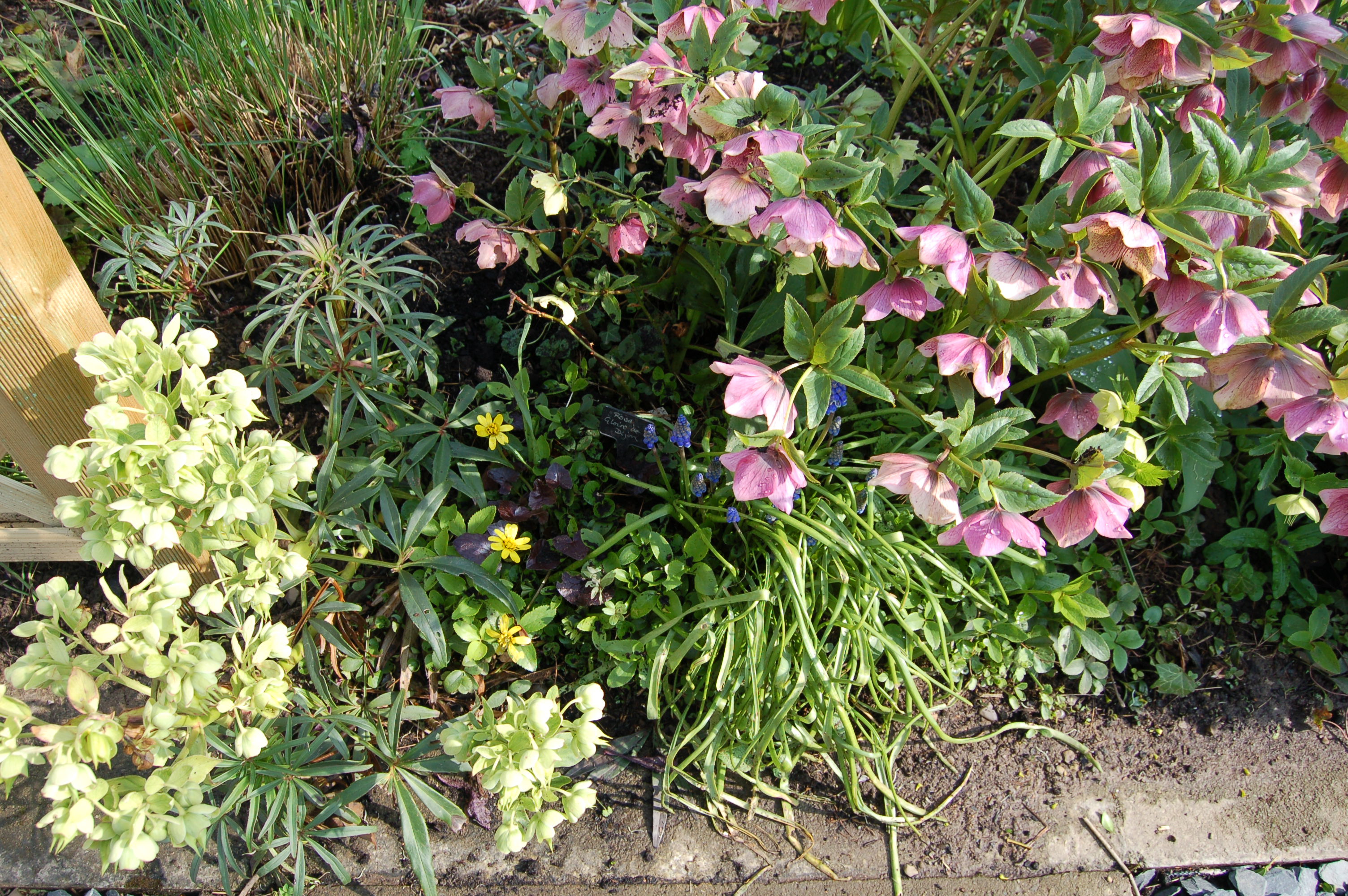
We were particularly impressed with the use of ground cover, an aspect we have not used very well in our allotment version. We were to learn so much and go home full of enthusiasm to develop effective ground cover in our allotment’s winter garden. Ivies, periwinkles and hellebores added so much. We already use hellebores but not ivies and periwinkles but they present so many opportunities, with all the varieties in leaf colour, variegation and shape in ivies and flower colours in the periwinkles. Bergenias and grasses together worked well in other places, because of their unusual foliage colours and contrasting leaf shape.

2014 03 17_7256  2014 03 17_7259 2014 03 17_7260 2014 03 17_7263

2014 03 17_7265

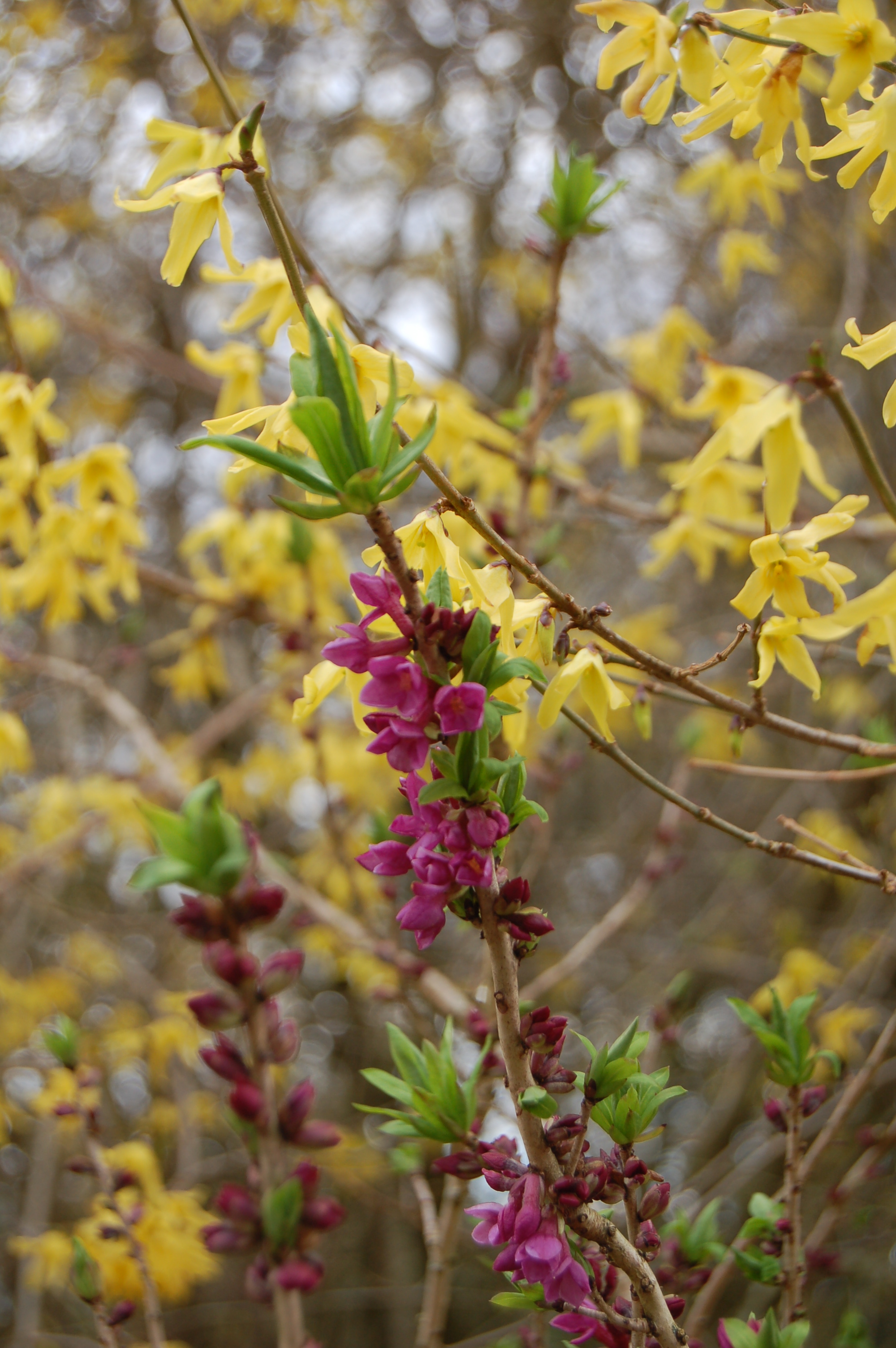
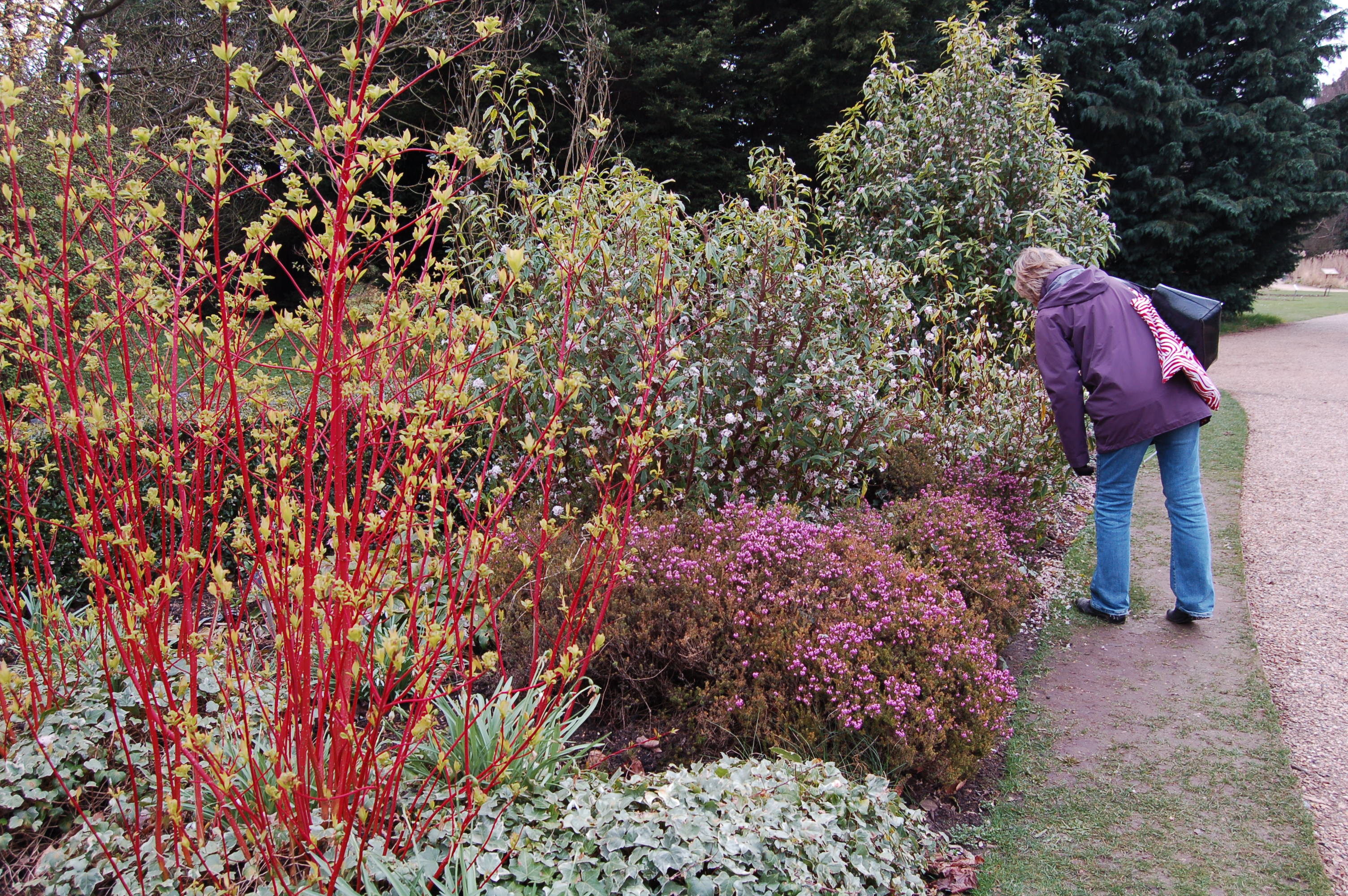
This was a very effective colour combination which in any other season probably wouldn’t have worked. Daphne mezereum and Forsythia Lynwood. Of course the daphne also provided that other essential of any winter border – sweet scent. The sweetest scent of all came from another Daphne, Jacquelin Postill.

2014 03 17_7261  2014 03 17_7262 2014 03 17_7272

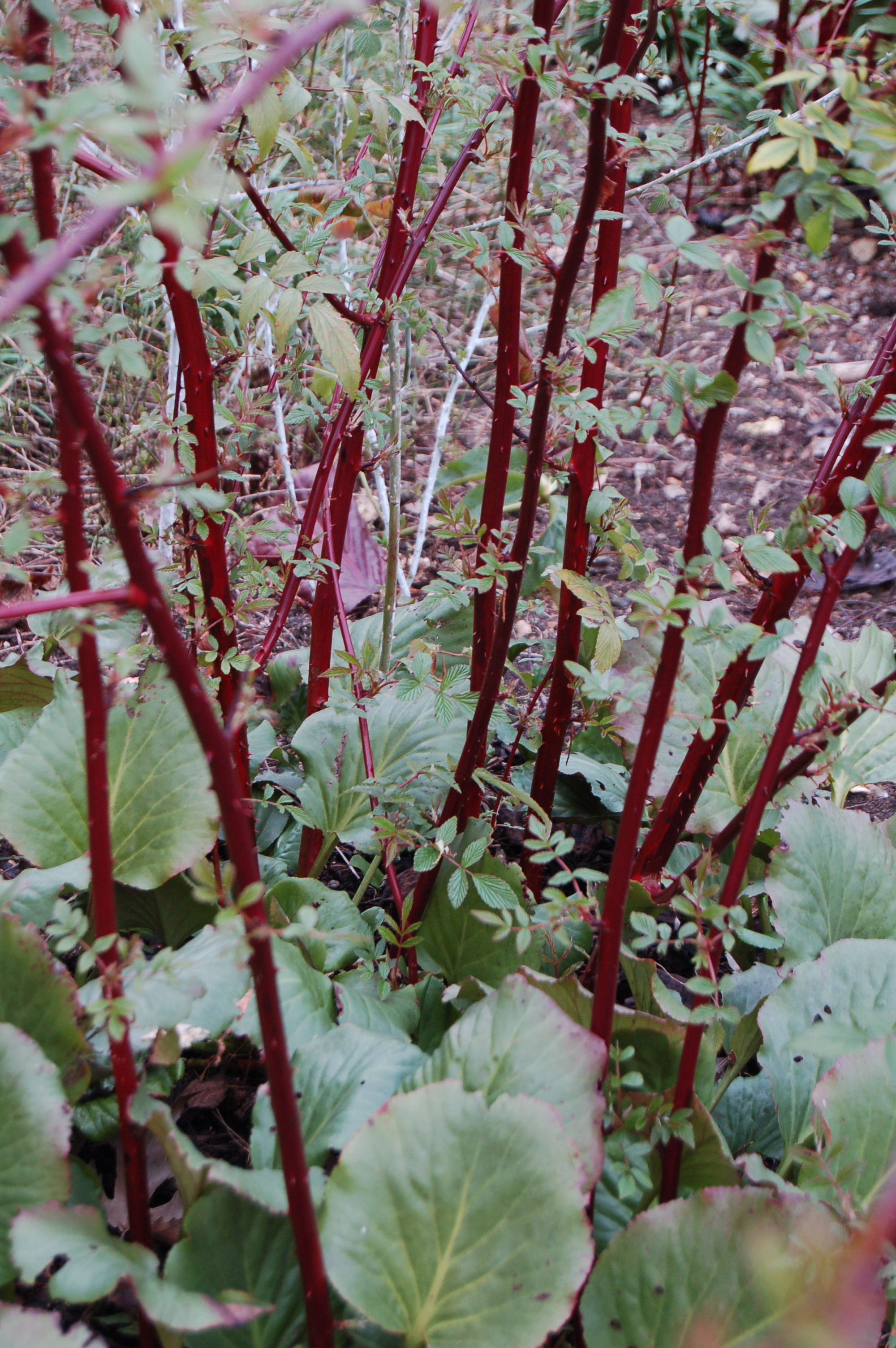
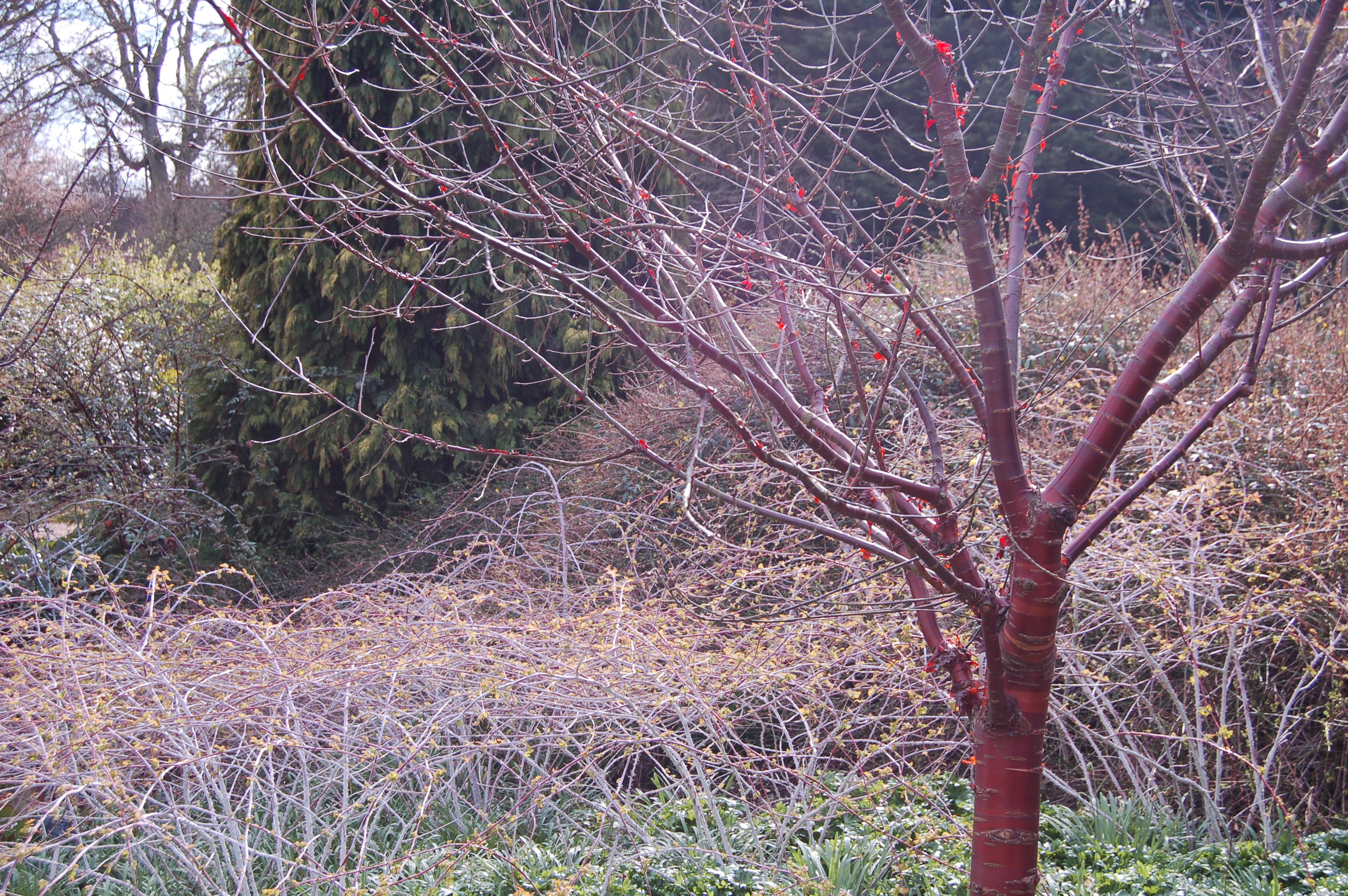
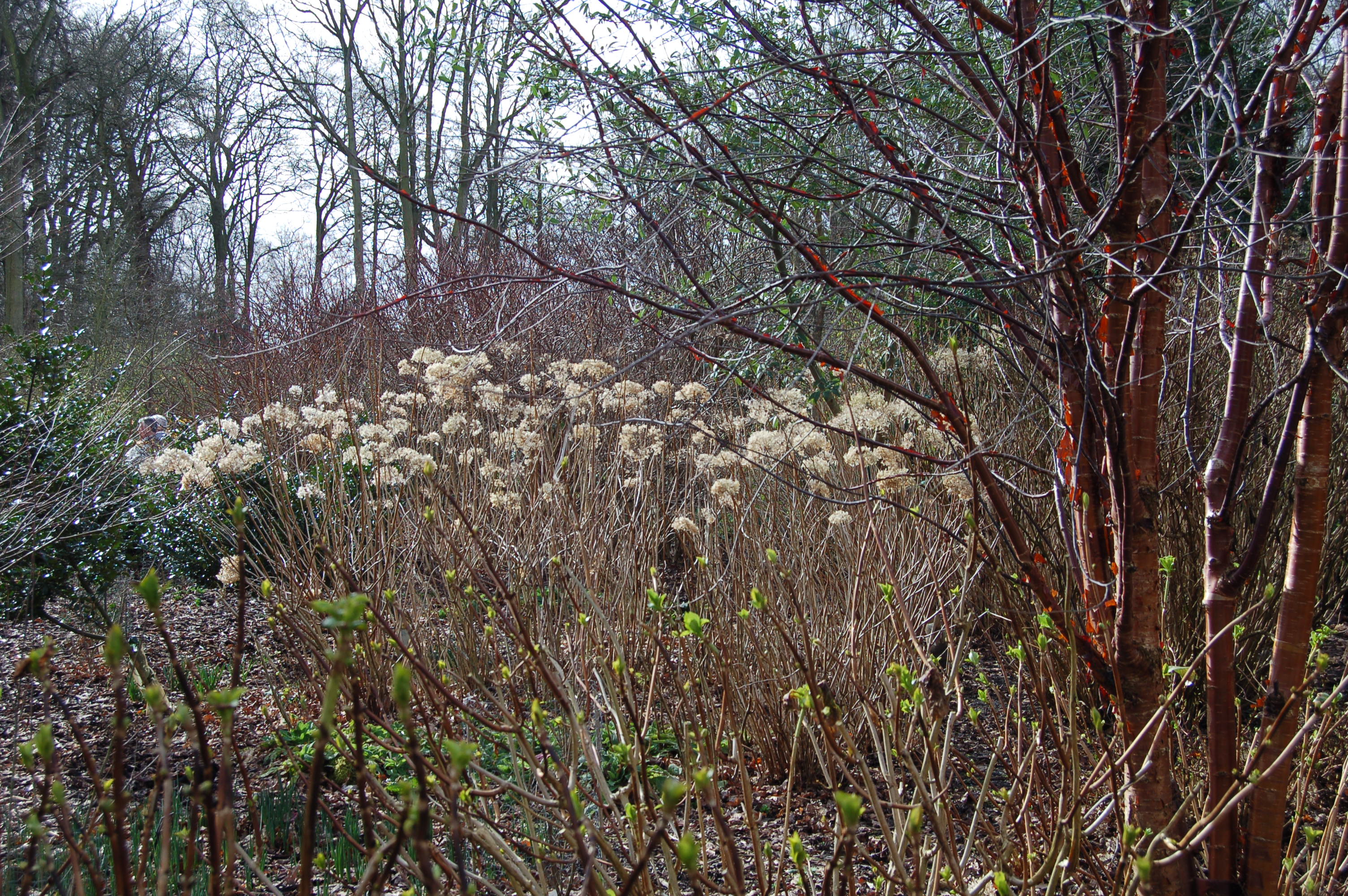
The coloured stems of coppiced and pollarded Cornus (dogwoods) and Salix (willows) have to star in any winter garden and they certainly did here along with Rubus.

2014 03 17_7264  2014 03 17_7266   2014 03 17_7269 2014 03 17_7270 2014 03 17_7271 2014 03 17_7274

2014 03 17_7273  2014 03 17_7275

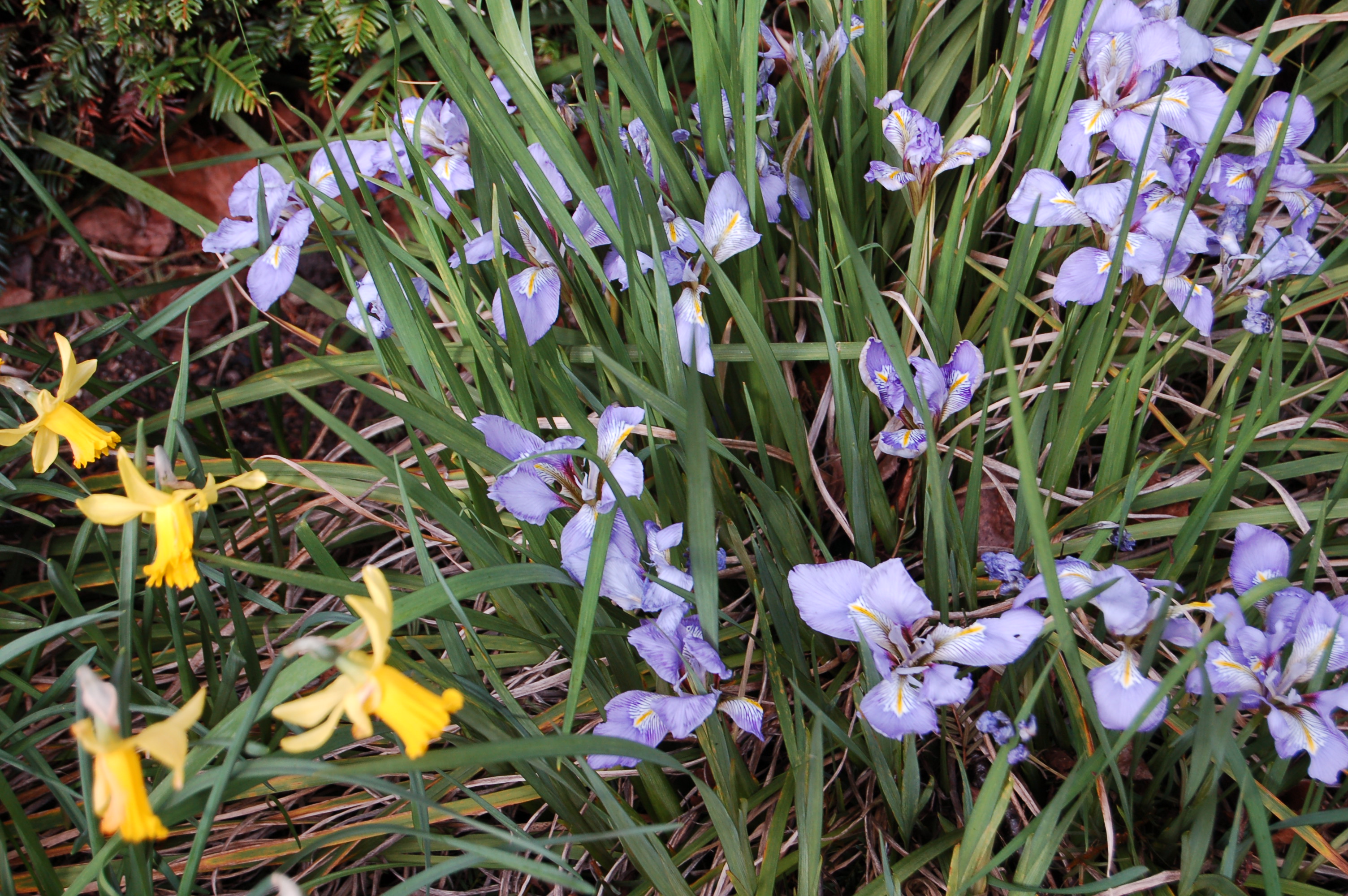
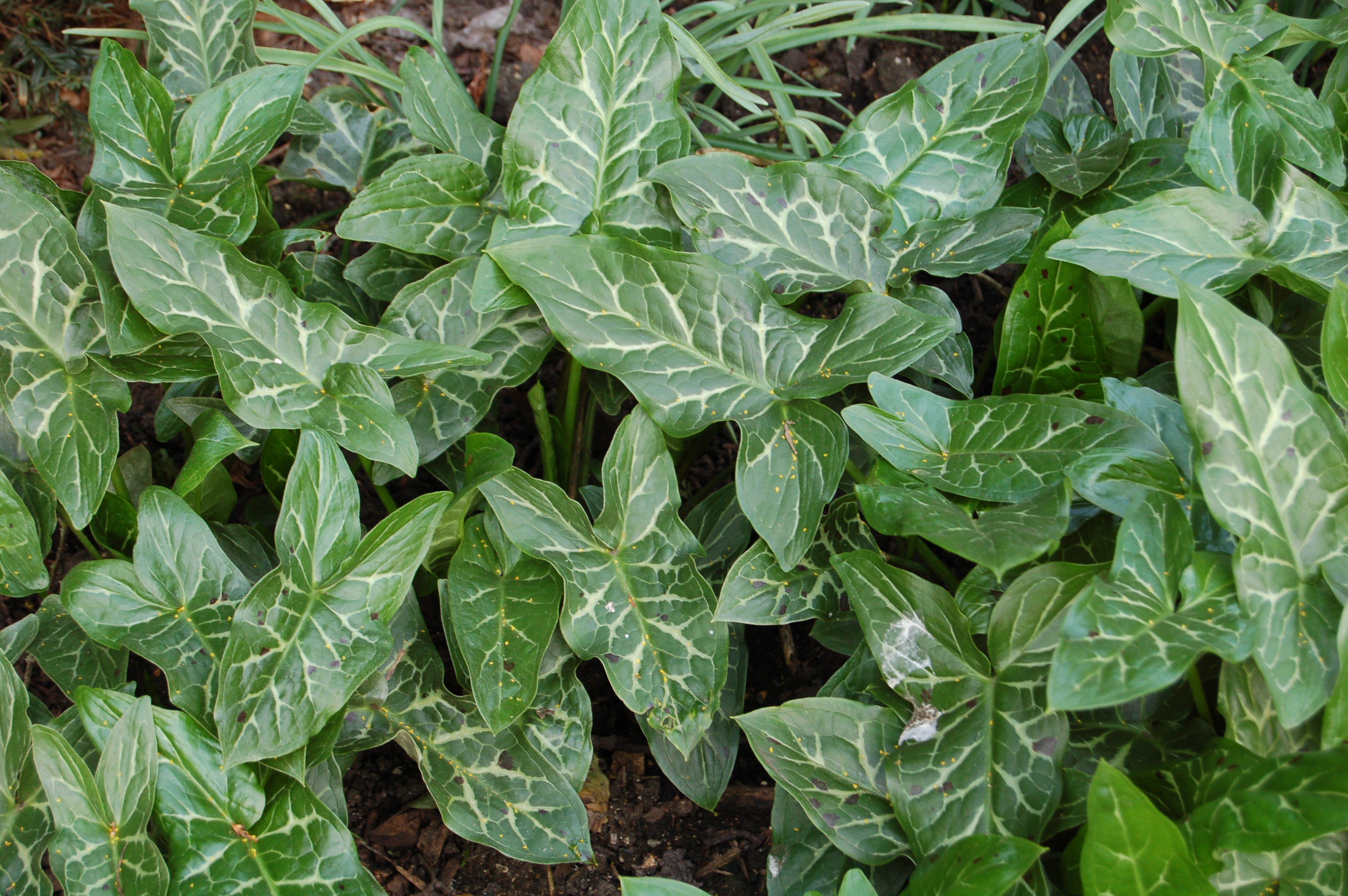
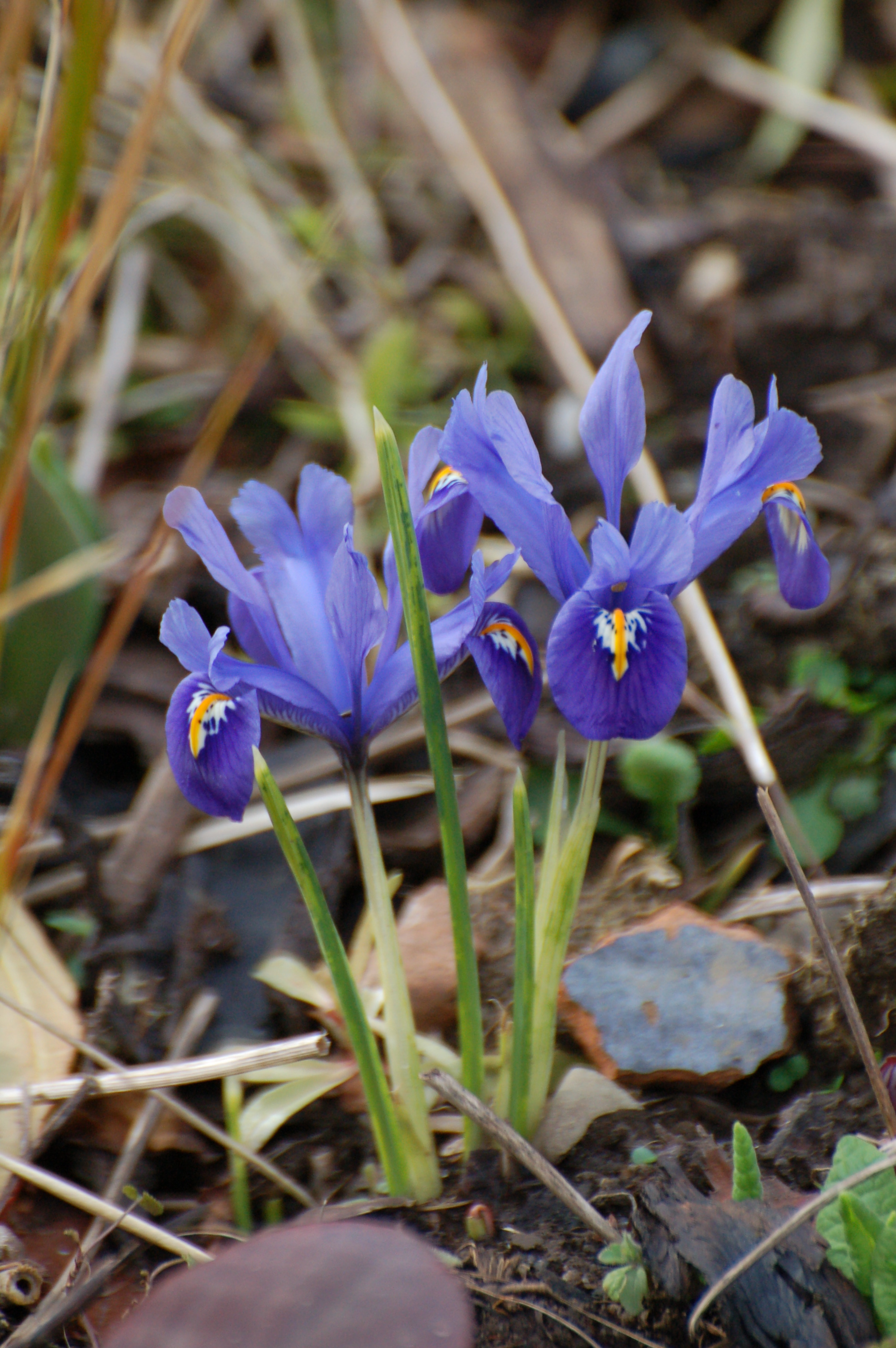
Two gems worth a special mention are the winter flowering iris and the wonderful leaves of Arum italicum marmoratum.

2014 03 17_7276  2014 03 17_7278

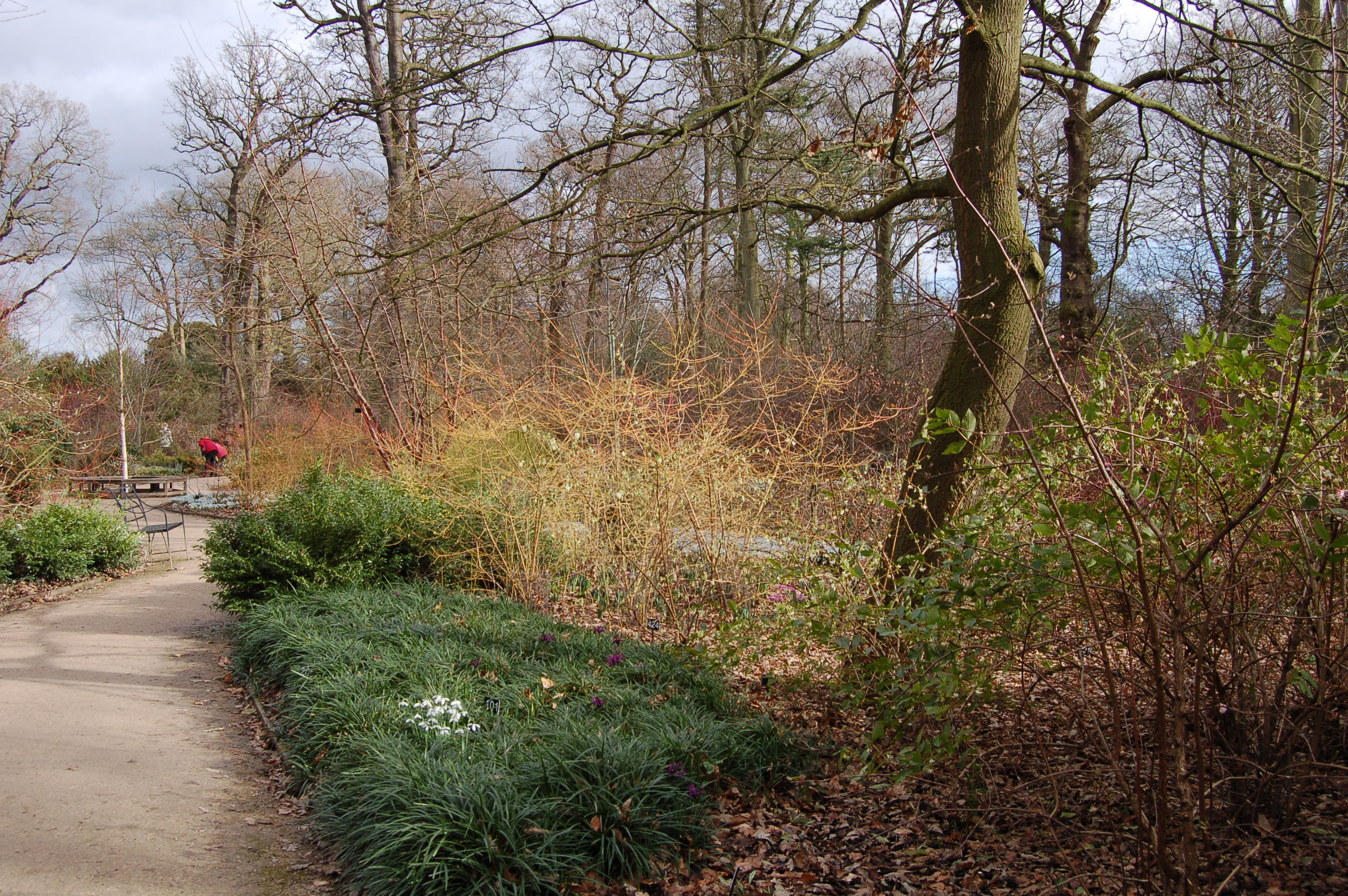
I shall finish with this photo looking back at the gently curving path through the winter border. The third of my winter garden visits will be to Anglesay Abbey, probably the best known and most polular of all the winter gardens in this country. We shall see if it deserves this accolade.

2014 03 17_7267

Categories
Cheshire colours flowering bulbs garden design garden photography gardening gardens gardens open to the public irises light light quality National Trust ornamental trees and shrubs outdoor sculpture shrubs spring bulbs Winter Gardening winter gardens

Three Winter Gardens – Part One Dunham Massey

Every year we visit a winter garden but this year as a special treat to make up for such a wet, windy winter we decided to indulge ourselves by enjoying three. We aimed to visit Dunham Massey in Cheshire, Cambridge Botanic Garden and Anglesey Abbey.

The first was a National Trust property in Cheshire, Dunham Massey, a fairly recent addition to the new fashion of gardens designed to be at their best in the coldest time of the year.

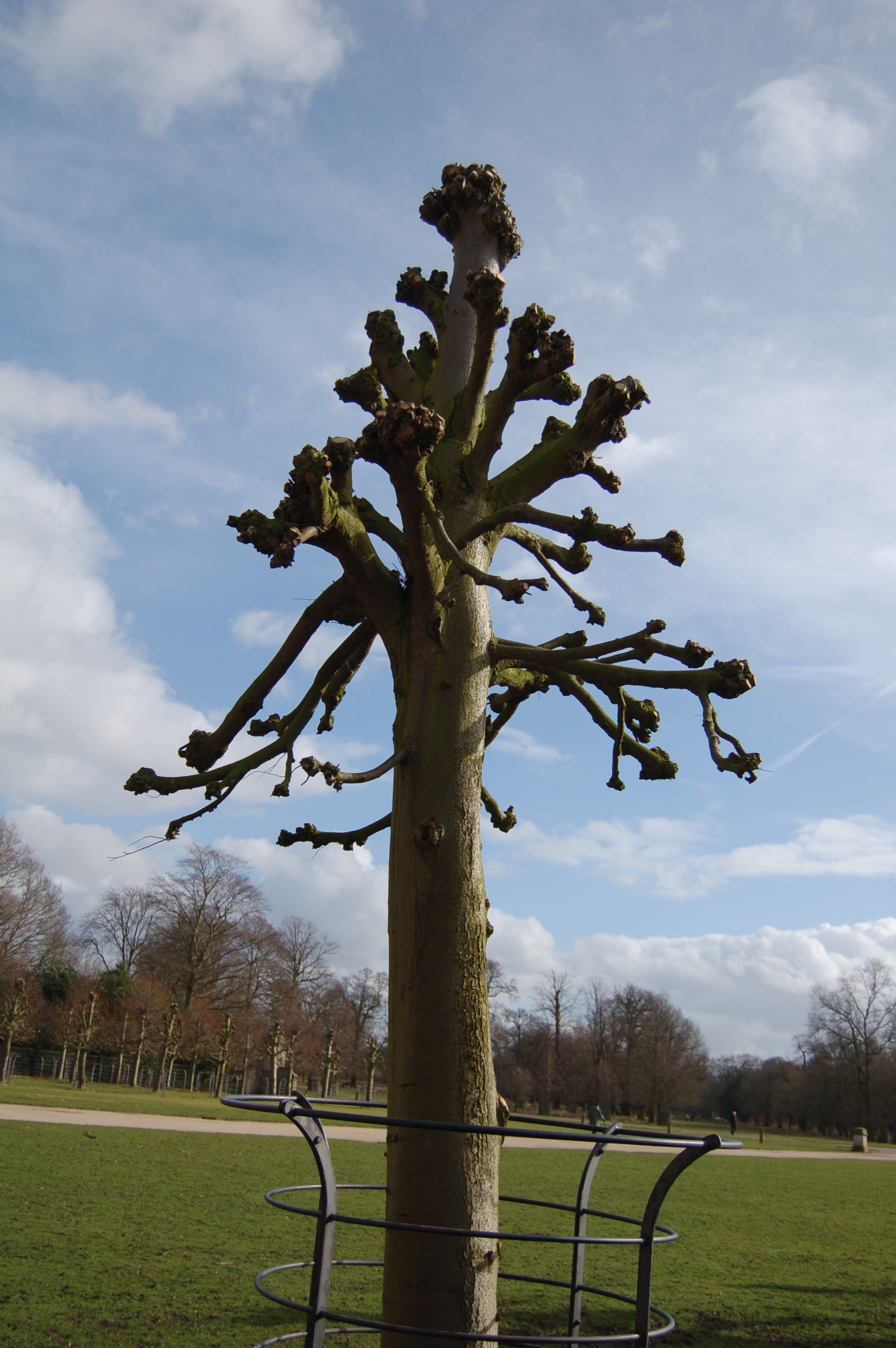
When you approach the entrance to the winter garden here you pass an avenue of pleached trees with the most magical silhouettes. Years of heavy pruning has produced such interesting shapes.

2014 02 25_6677 2014 02 25_6676 2014 02 25_6675

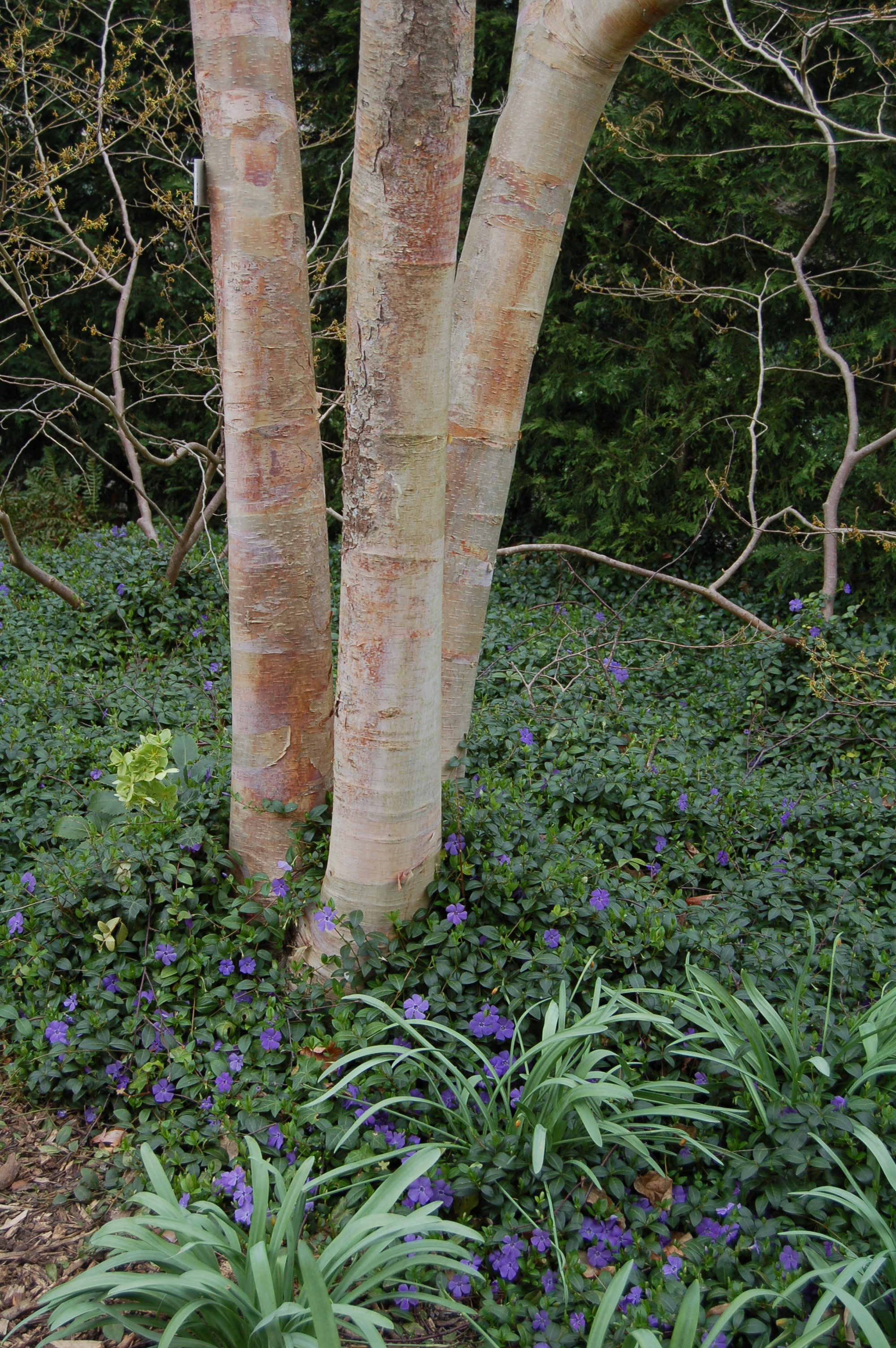
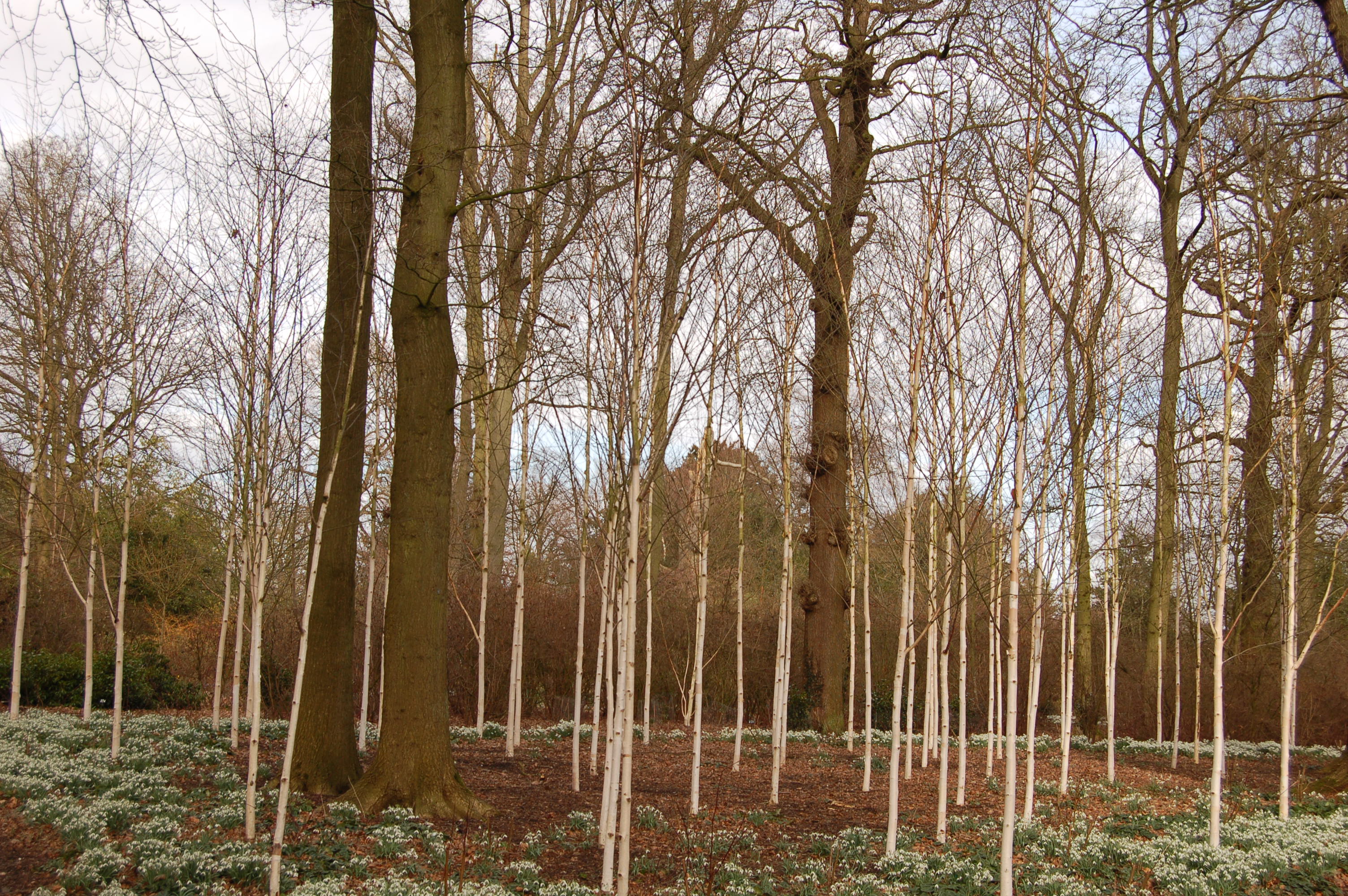
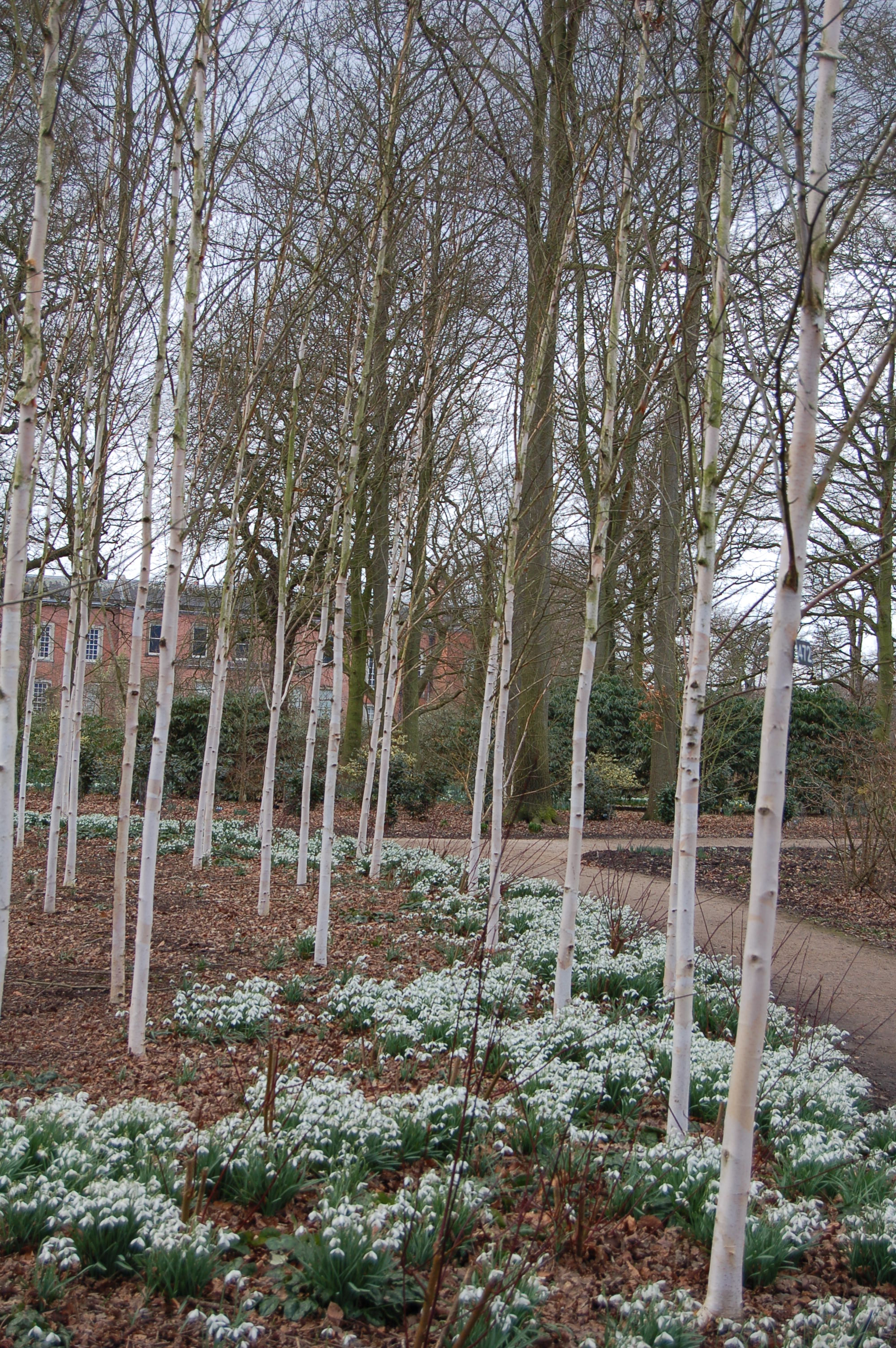
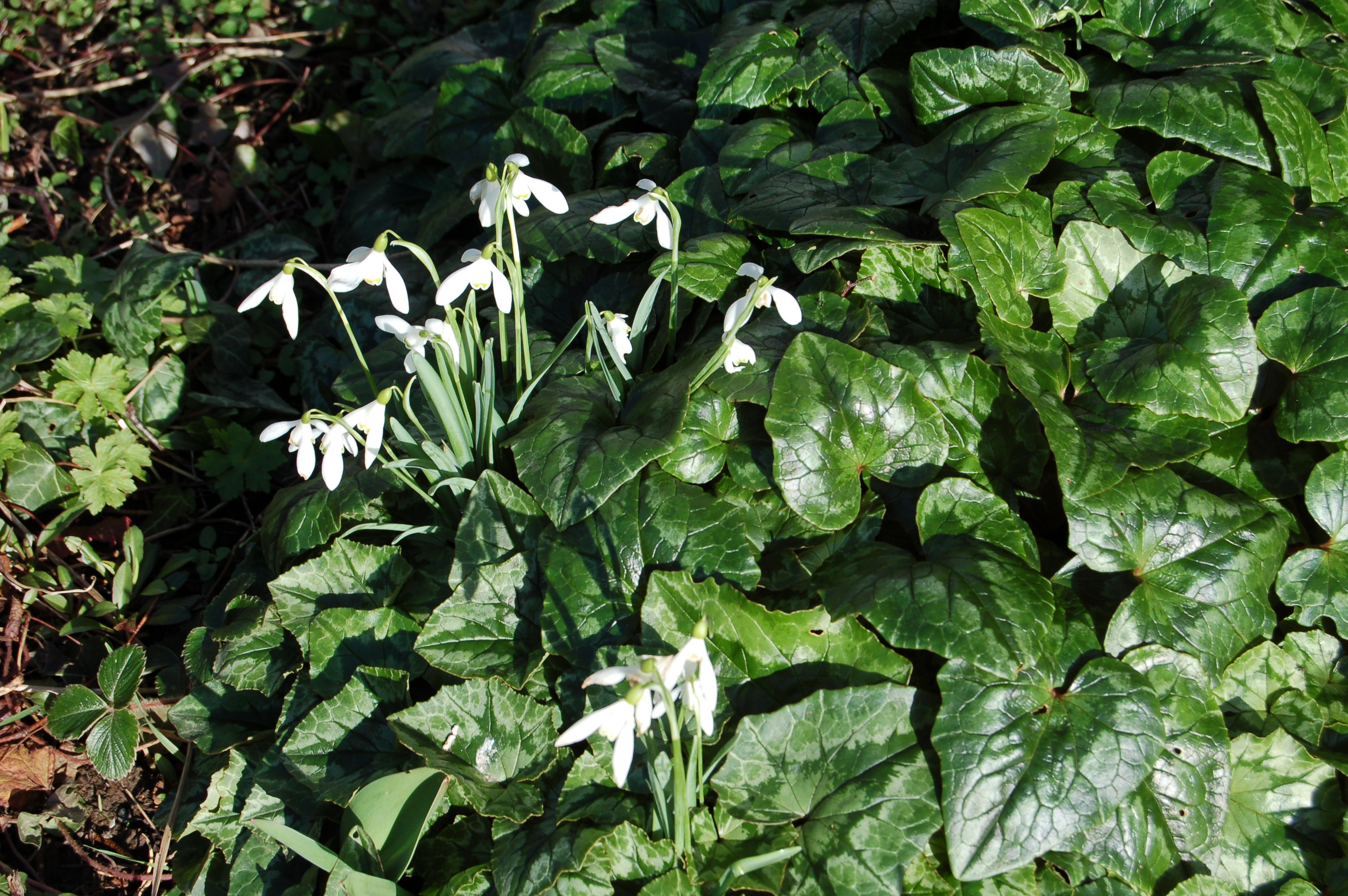
We visited Dunham Massey a few years ago when the Winter Gardens were first opened so we entered with great anticipation. A couple of small mixed borders of winter interest give hints of what is to come. We remembered passing an open woodland area with native narcissi beneath the immature trees before being confronted by the two massed plantings of of Betula utilis “Doorenbos” one of the best white trunked birches. On one side of us the birches were in rows on the other they were planted randomly. What a sight it was like walking into mist. Snowdrops beneath white birches bring cheer to any cold day.

2014 02 25_6680 2014 02 25_6679 2014 02 25_6678 2014 02 25_6684 2014 02 25_6685 2014 02 25_6688

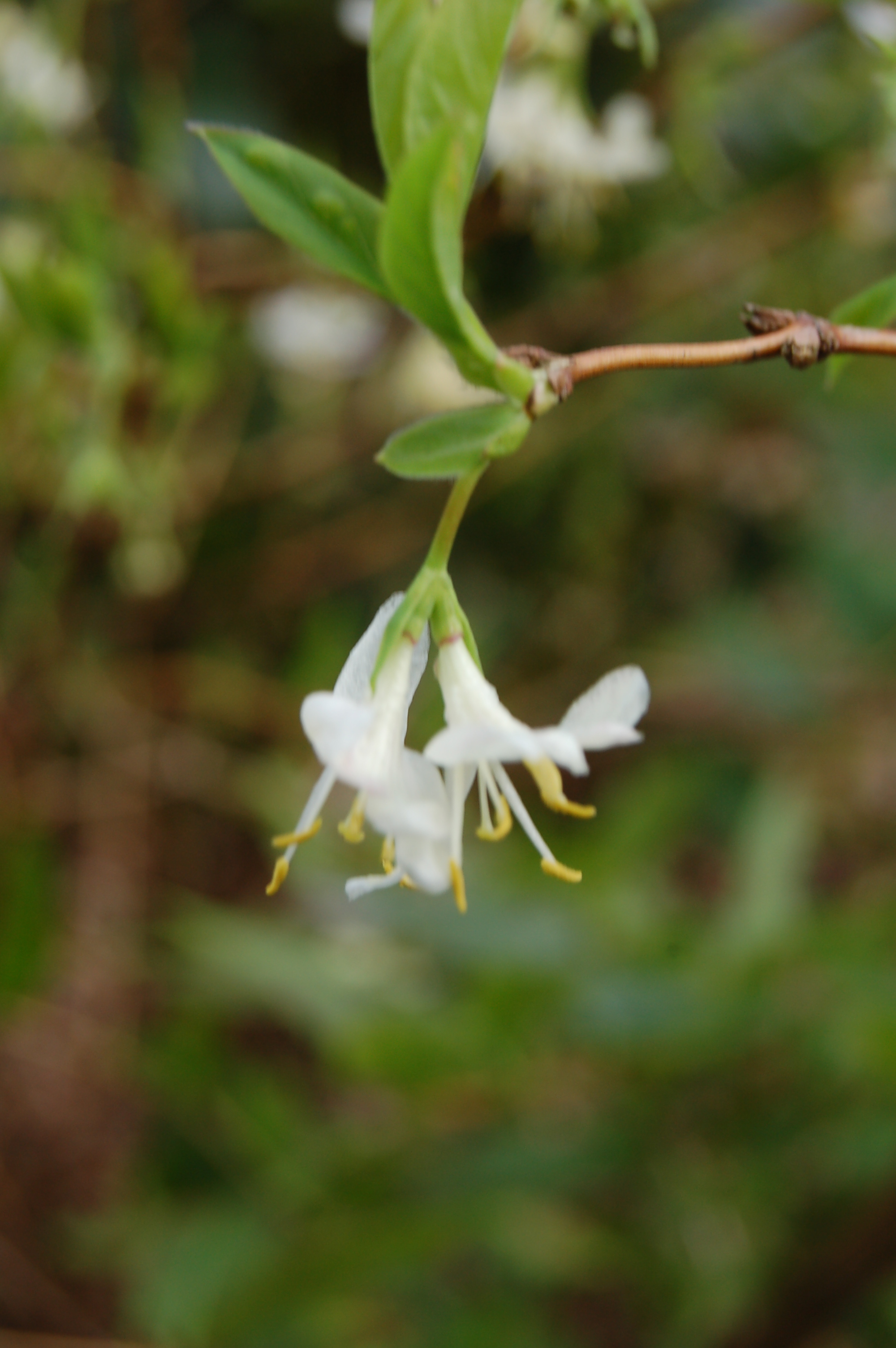
As in any winter garden scent plays an important role. Shrubs and bulbs team up to gently seduce the visitors with their various perfumes. Winter Honeysuckle, Viburnums, Cornus, Witch Hazels and Skimmias all have a part to play.

2014 02 25_6687 2014 02 25_6686

2014 02 25_6697 2014 02 25_6698

2014 02 25_6703 2014 02 25_6705

We were caught by surprise when we found this startlingly white sculpture amongst the shrubs and bulbs.

2014 02 25_6696

Other trees had bark to delight and catkins to enthrall.

2014 02 25_6691 2014 02 25_6692 2014 02 25_6693 2014 02 25_6694     2014 02 25_6702 2014 02 25_67182014 02 25_6712

Bulbs have to star in any winter garden and here they are planted en masse under trees and amongst shrubs.

2014 02 25_6709


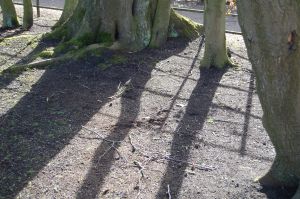
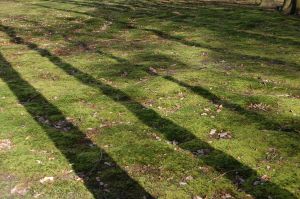
At this time of year shadows are long and very noticeable features of any mature garden.

2014 02 25_6735 2014 02 25_6734

2014 02 25_6730

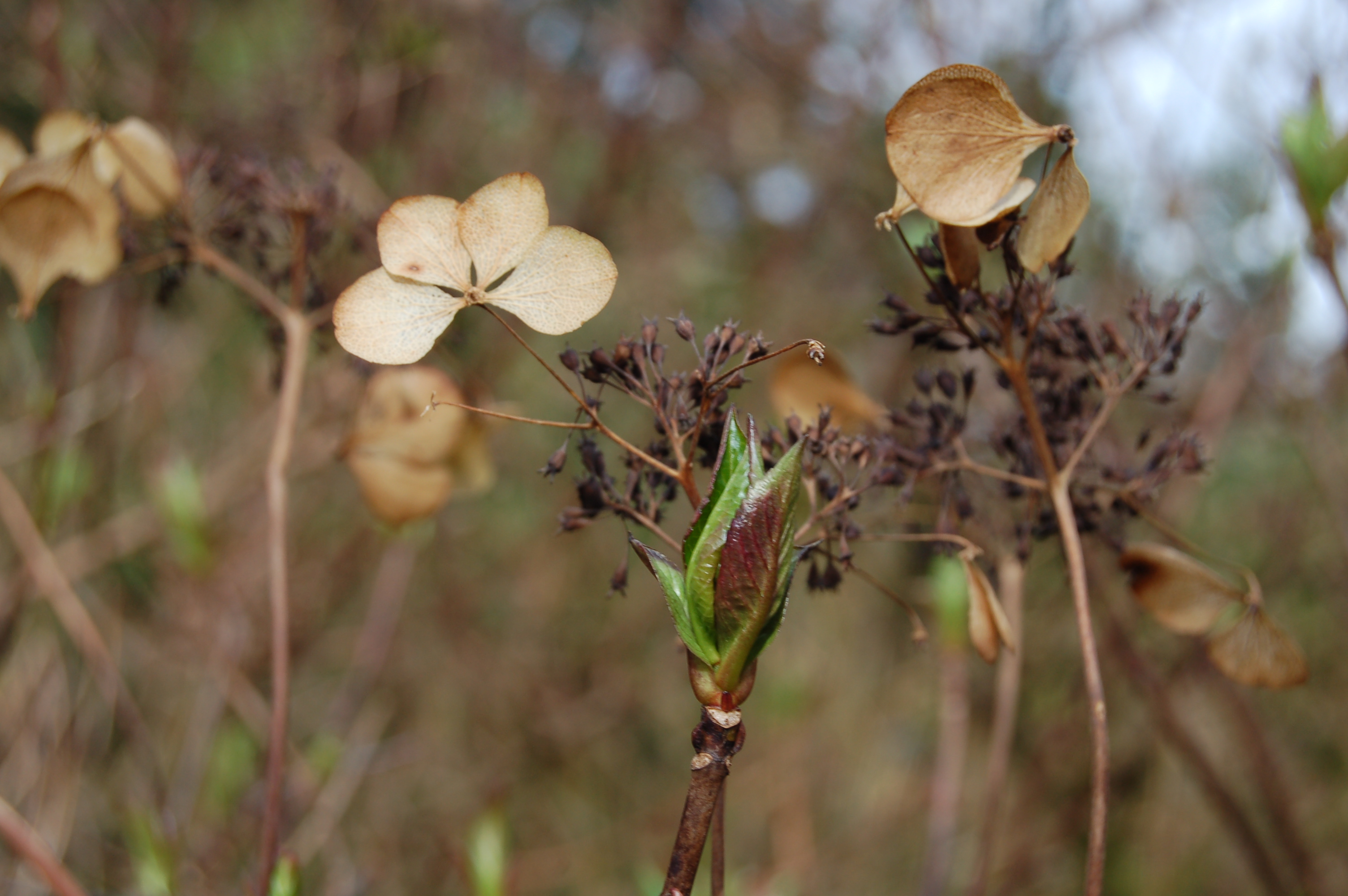
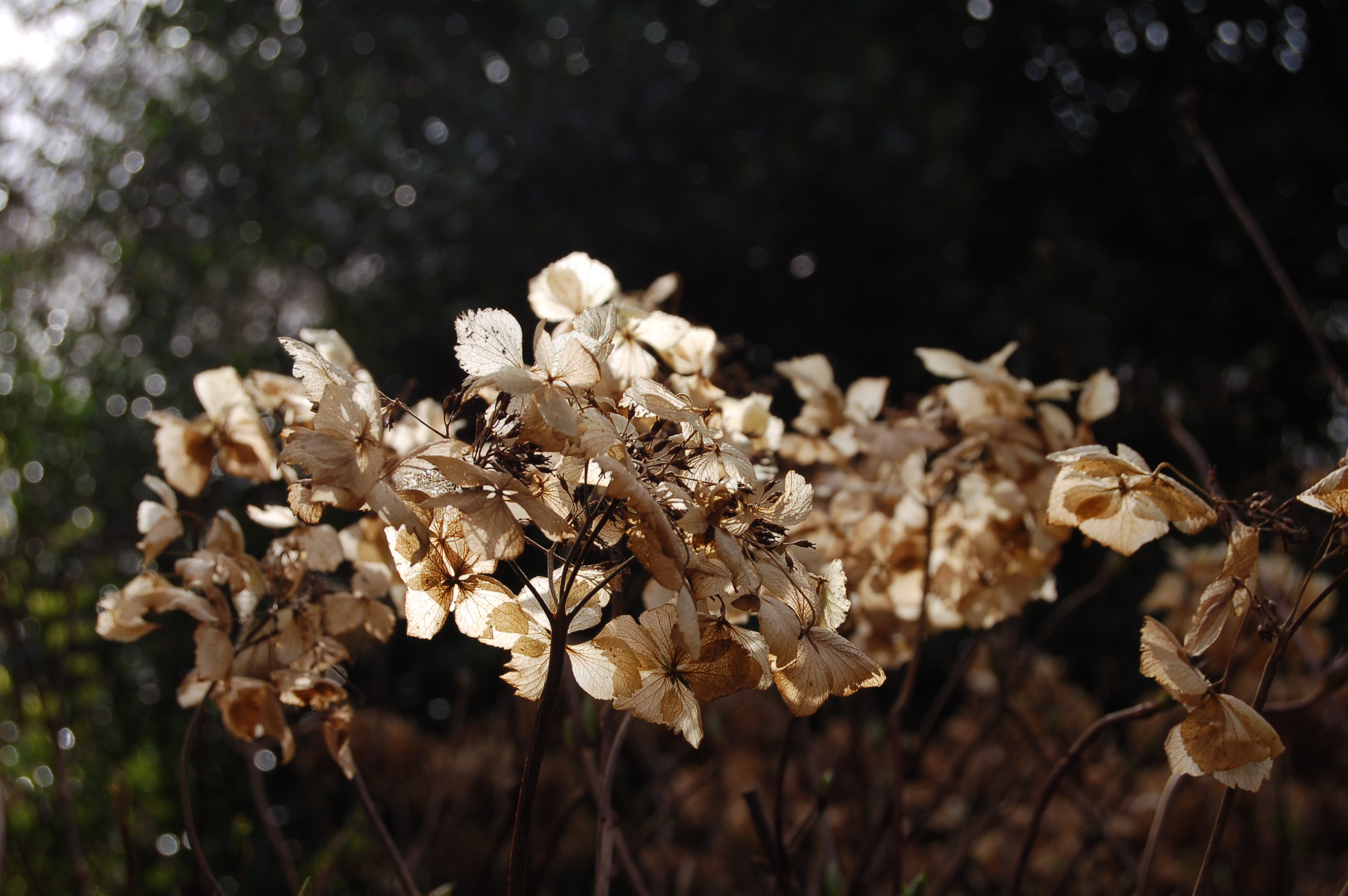
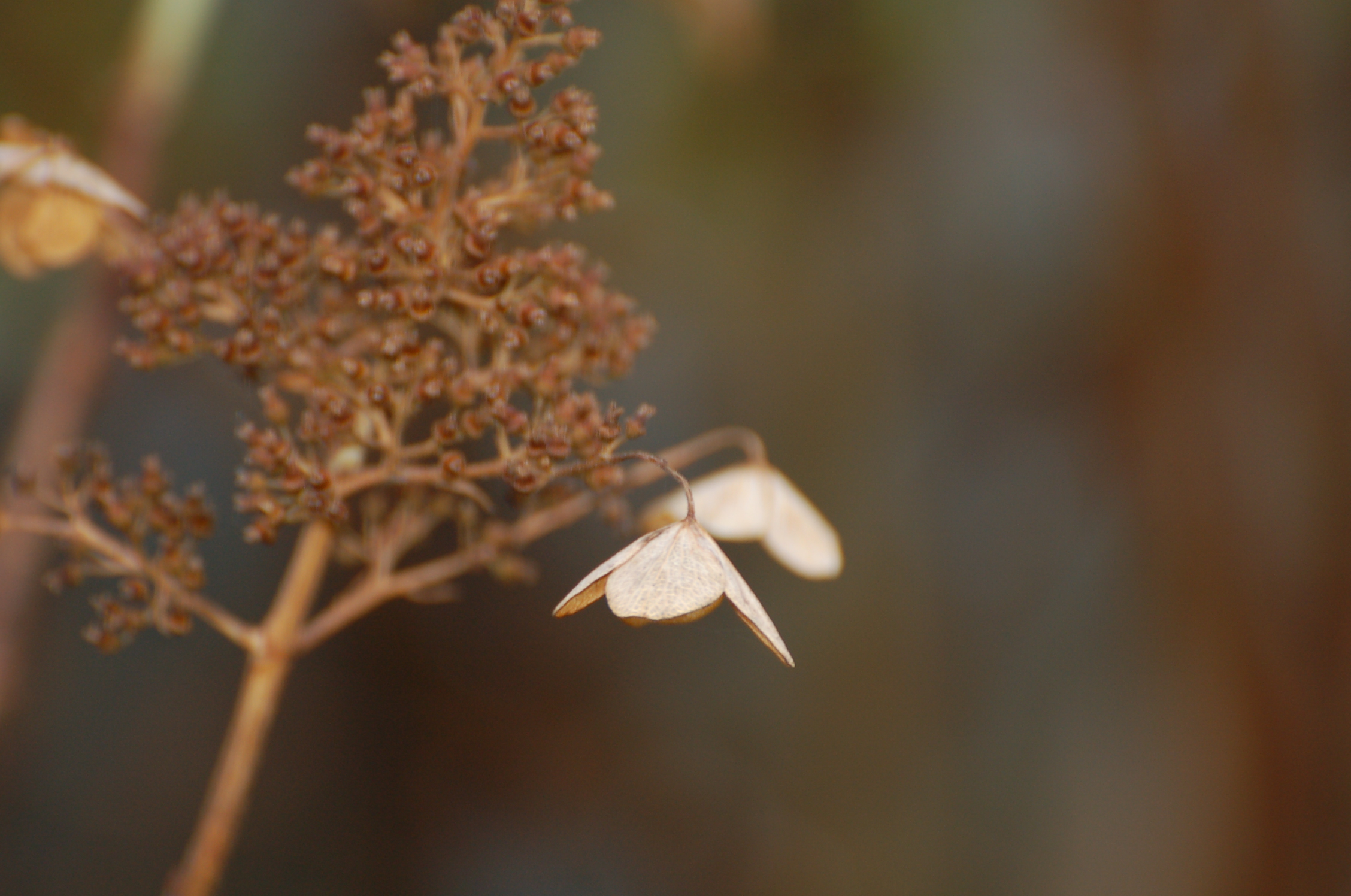
Seed heads which have overwintered and survived to add interest now seem to attract the winter light. The best must be those found on various hydrangeas, with their dried flowers like parchment.

2014 02 25_6711 2014 02 25_6713

2014 02 25_6714 2014 02 25_6715

I shall finish this visit with a few general views of borders to help give a sense of the atmosphere created by the National Trust’s gardeners at Dunham Massey.

2014 02 25_6707 2014 02 25_6706    2014 02 25_6716

2014 02 25_6740 2014 02 25_6744 2014 02 25_6739 2014 02 25_6736 2014 02 25_6738   2014 02 25_6737  2014 02 25_6731 2014 02 25_6729

For our next winter garden we will be off to Cambridge where we will be taking a look at the University Botanic Garden.

Categories
colours flowering bulbs garden design garden photography garden ponds garden pools gardening gardens grasses hardy perennials light light quality ornamental trees and shrubs photography shrubs spring bulbs spring gardening water in the garden

Aiming for a year round garden – early spring.

We looked at our garden in late winter to see if our aim of creating a garden with interest all year was paying off. Now in Early April things have changed a lot in the garden since our last look so I thought we could have a look at it in early spring. Are we getting there?

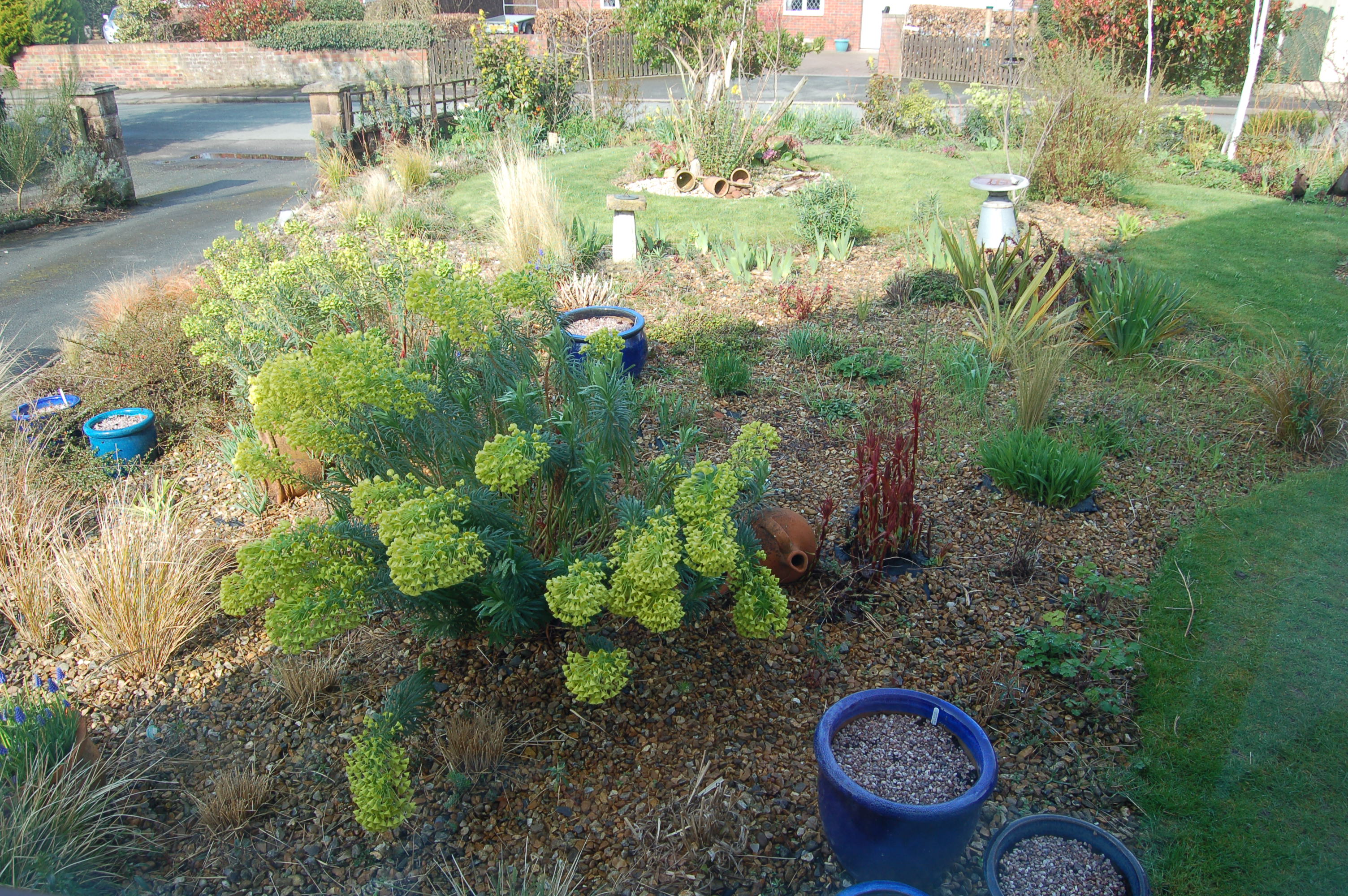
I shall start with a look out over our gravel garden, The Chatto Garden, which illustrates just how important Euphorbias are at this time of year. The second shot illustrates how our new border has developed since we planted it up earlier this year.

2014 03 30_7556 2014 03 30_7579

2014 03 30_7583 2014 03 30_7558

Foliage is still a key element in early Spring including fresh foliage of newly emerging herbaceous plants.

2014 03 30_7559 2014 03 30_7581

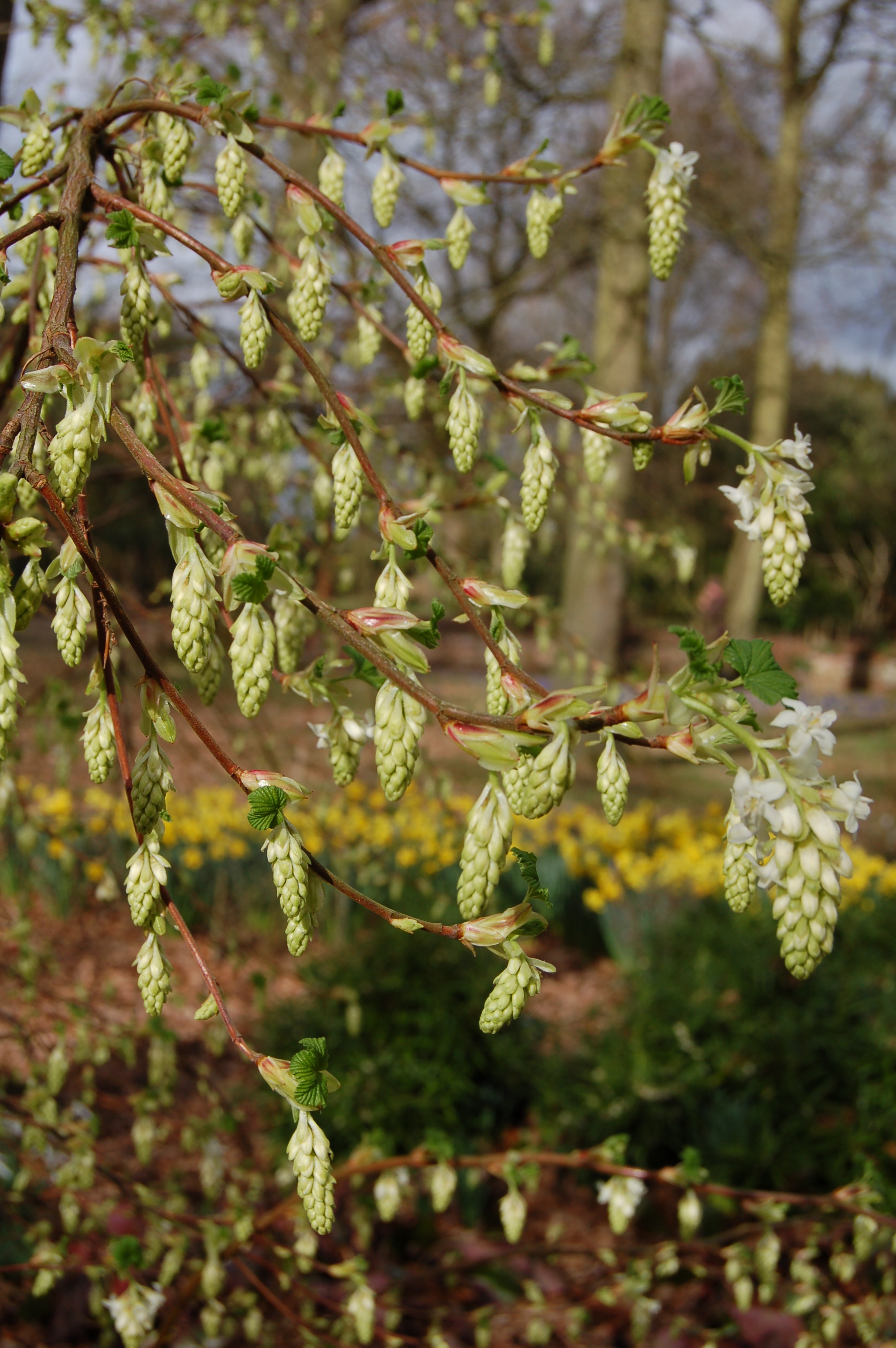
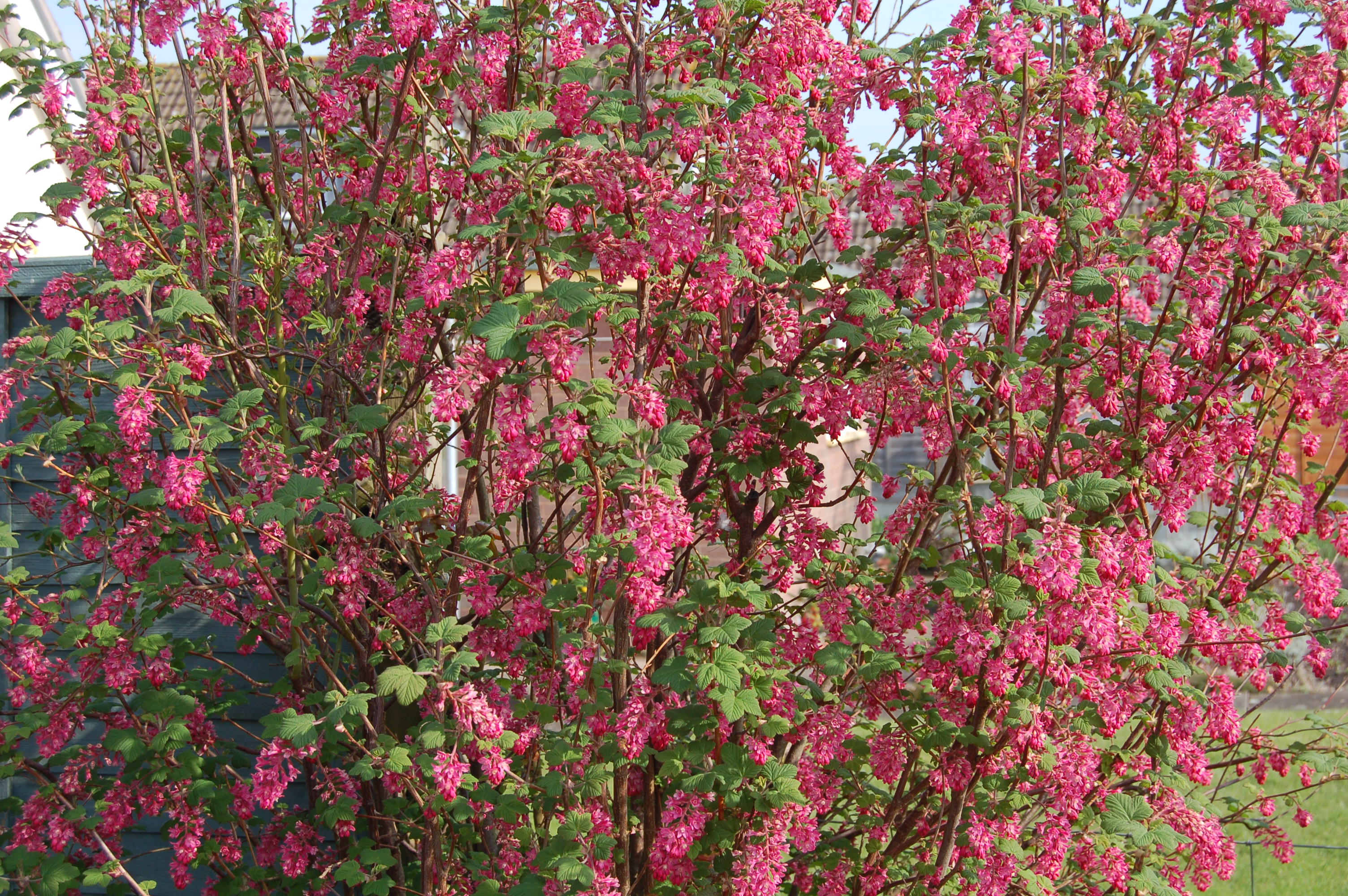
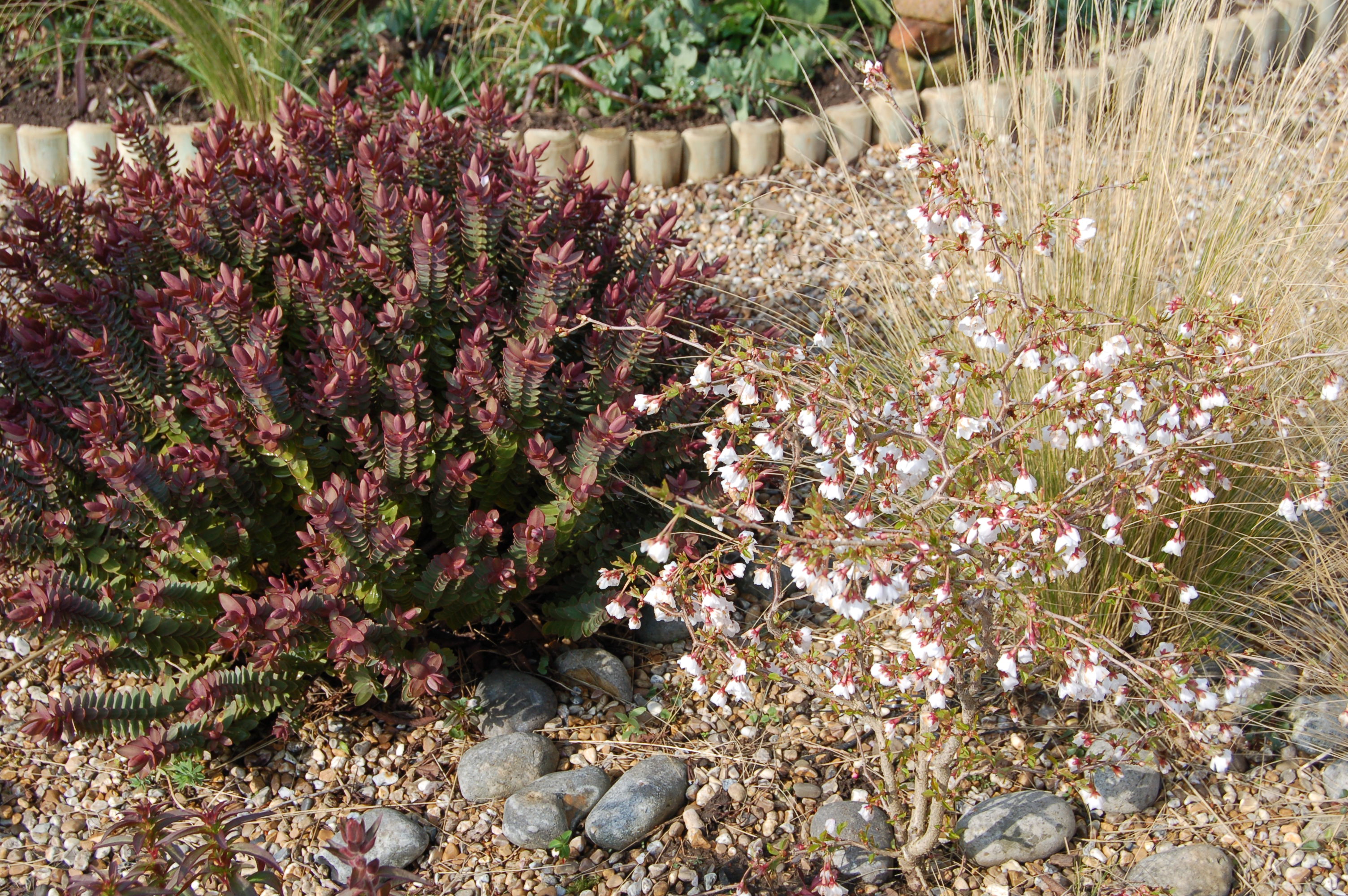
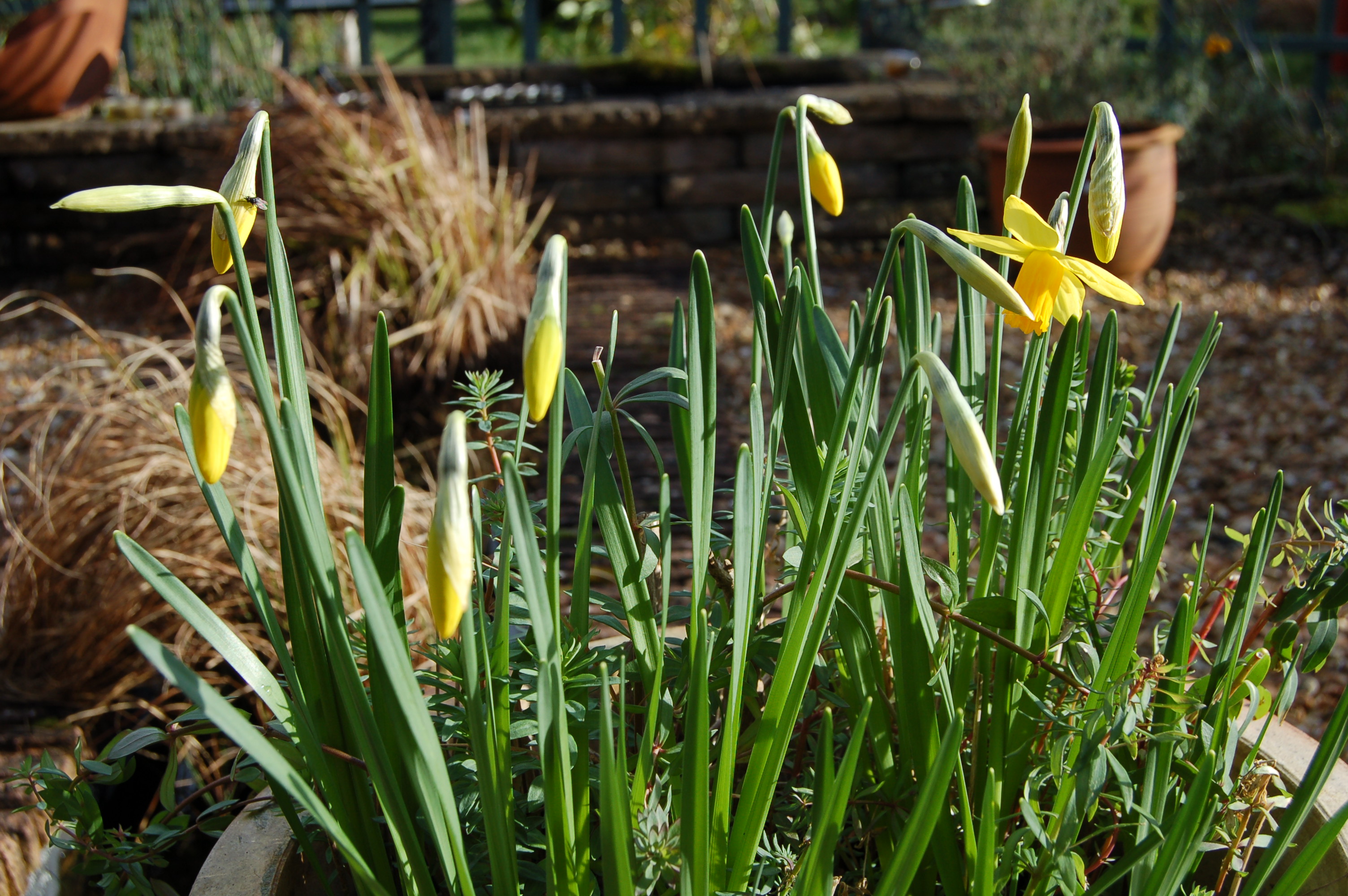
Plants don’t have to be new to be good! Just look at the old favourite shrub, the flowering currant – just ask the bees and they will say how important they are! And of course daffodils and muscari bring life to our spring gardens every year without fail. All bulbs give little splashes of colour to brighten the dullest spring day.

2014 03 30_7560  2014 03 30_7592

2014 03 30_7562 2014 03 30_7563 2014 03 30_7565

2014 03 30_7571 2014 03 30_7573

2014 03 30_7574 2014 03 30_7575

2014 03 30_7576 2014 03 30_7596

2014 03 30_7584 2014 03 30_7587

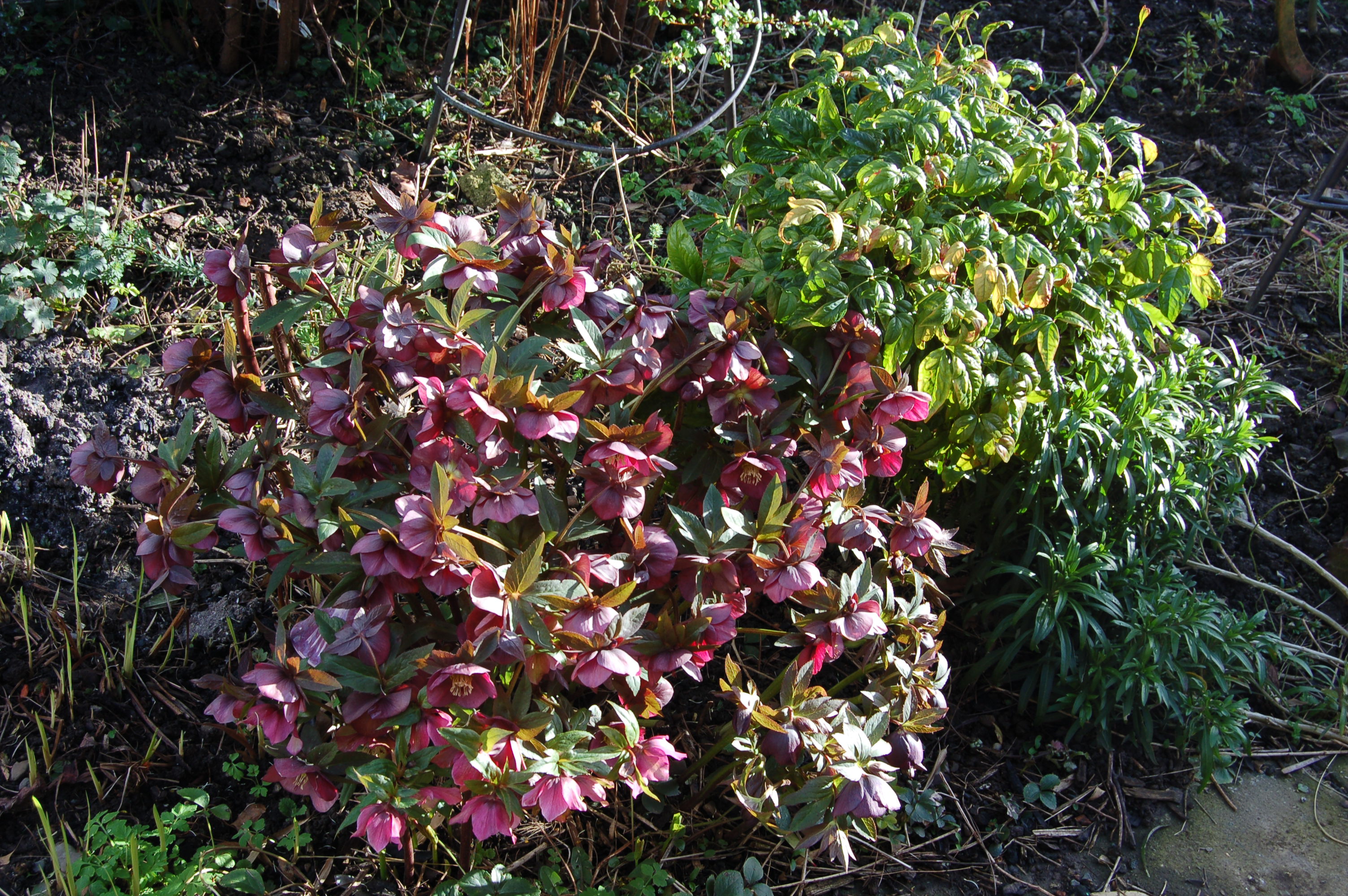
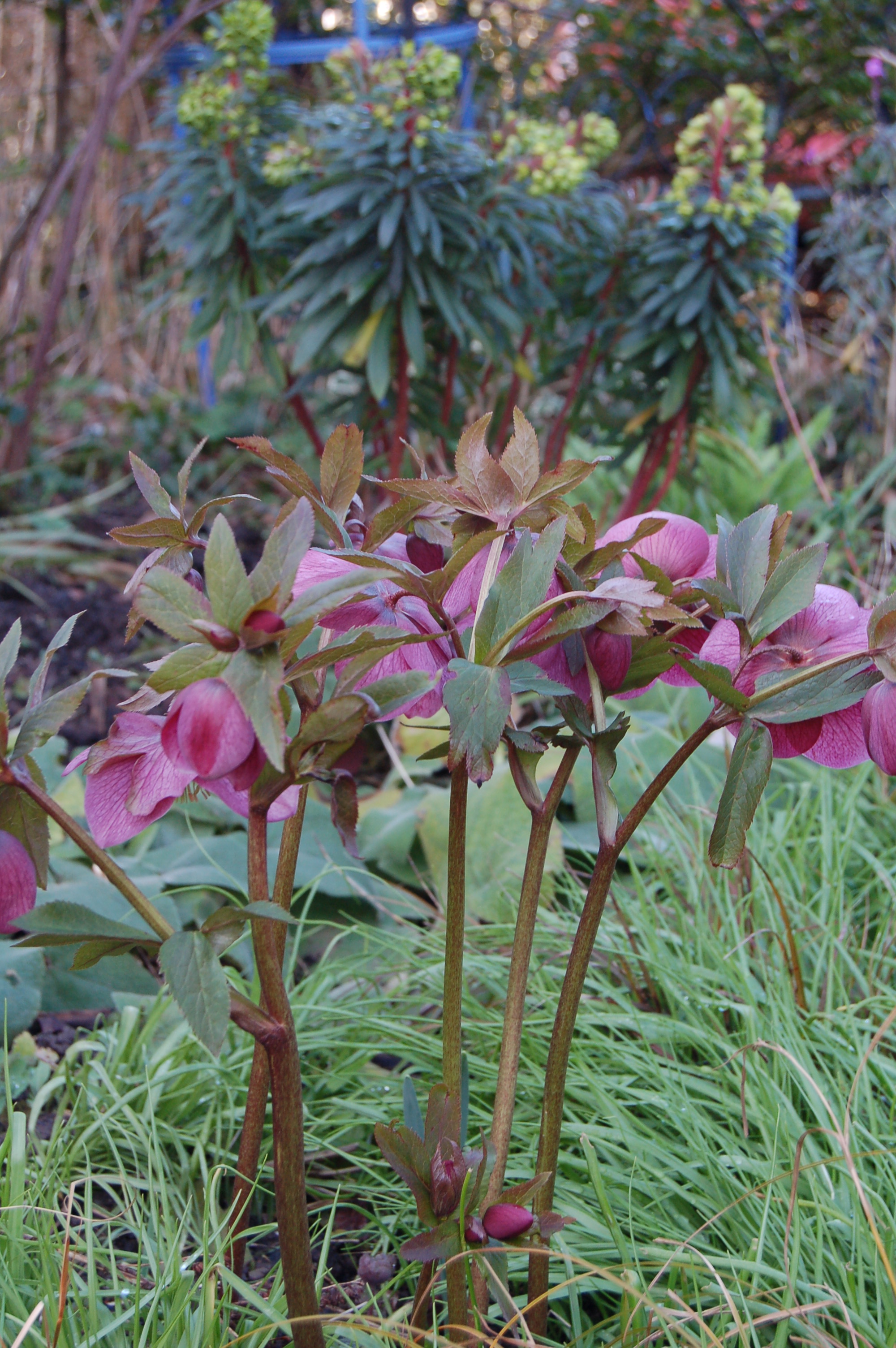
Our Hellebores are still going strong.

2014 03 30_7564

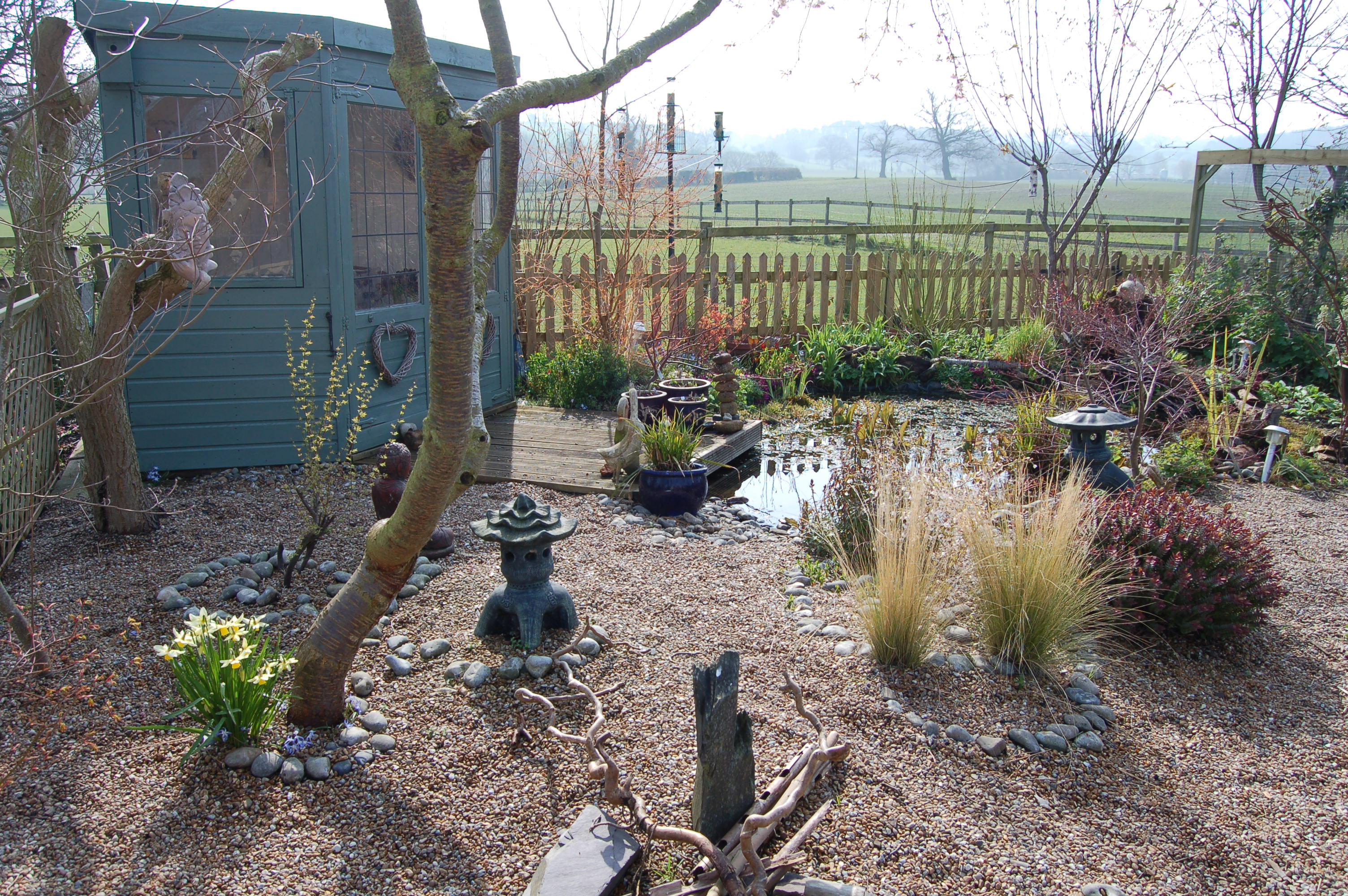
And now a quick visit to our Japanese Garden and the pond side border alongside. There is a lot of colour to find here.

2014 03 30_7566 2014 03 30_7567


2014 03 30_7568 2014 03 30_7570 2014 03 30_7569  2014 03 30_7572

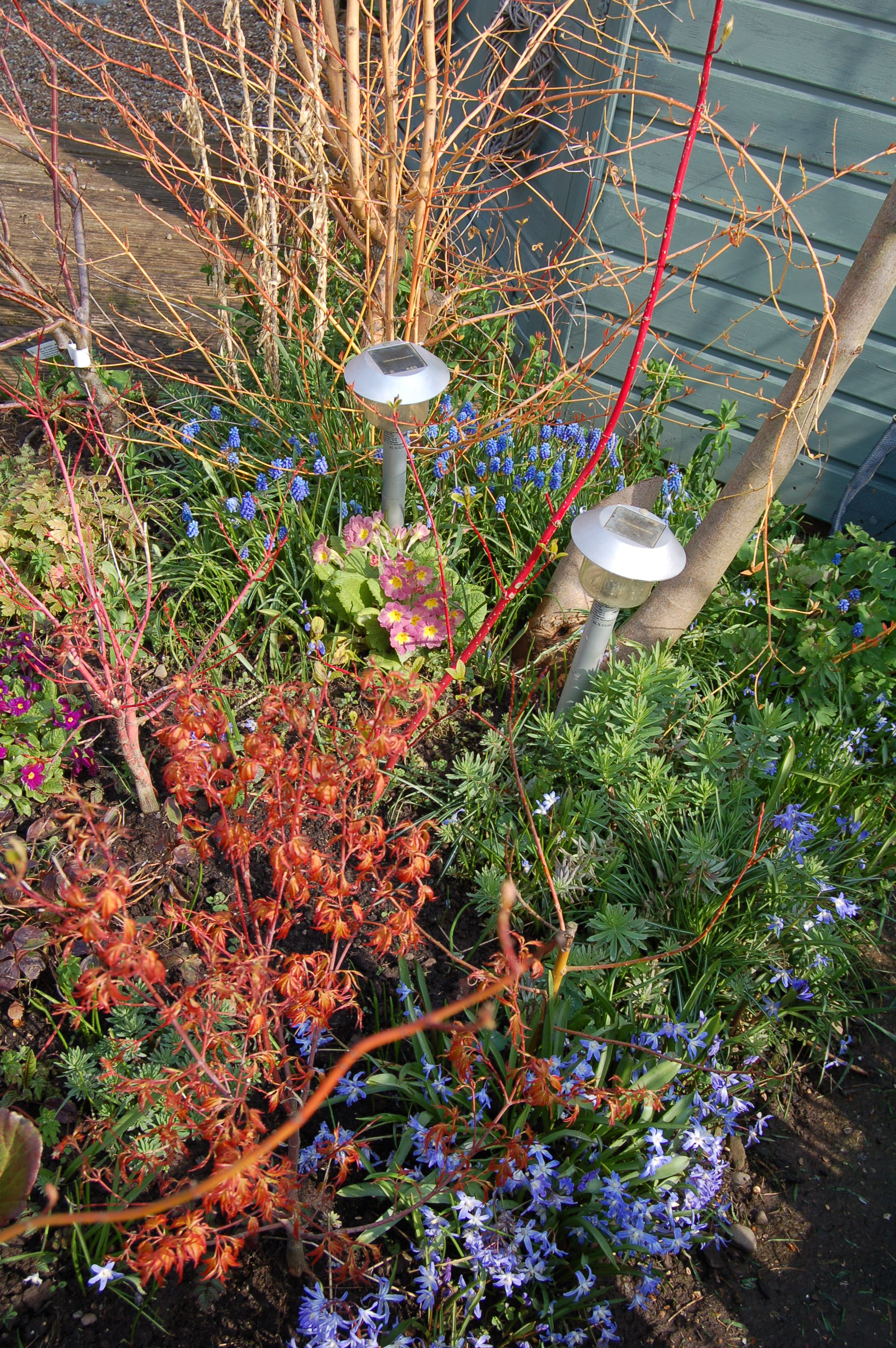
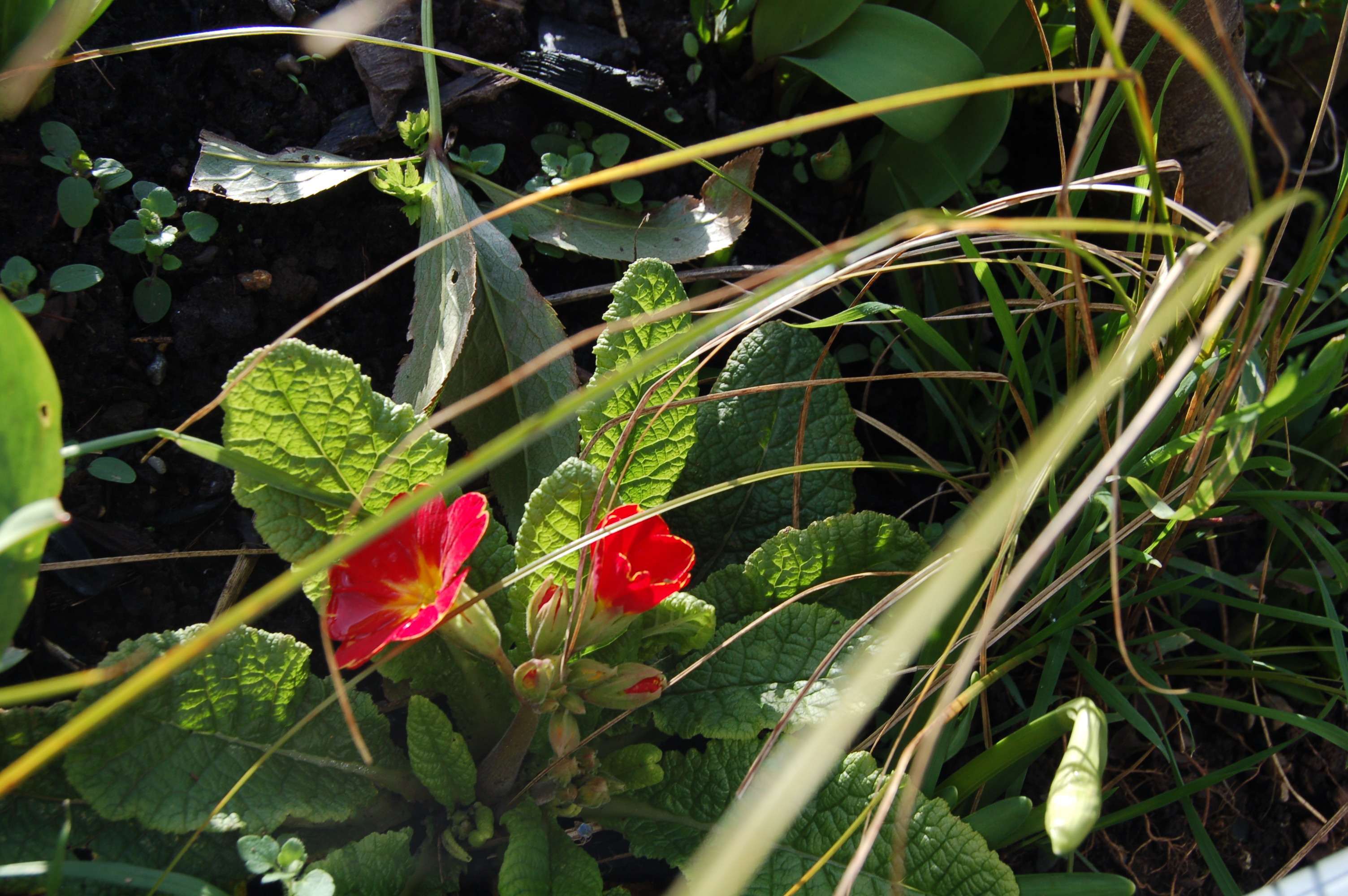
Our native Primrose is perhaps our favourite plant in our garden at this time of the year with the delicacy of its scent and colour. Other small flowers star before their larger neighbours take over the borders.

2014 03 30_7577 2014 03 30_7578

2014 03 30_7582 2014 03 30_7594

2014 03 30_7593 2014 03 30_7590

2014 03 30_7585 2014 03 30_7586

The star plant in our garden for early spring has to be the Chatham Island Forget-me-Not, Myosotidium hortemsium, with the flowers in a shade of blue that is so intense it is impossible to describe in words or give labels to. It lives in our Shade Garden so we have to make an effort to go and see it. It deserves our effort.

2014 03 30_7589

One part of the garden that we have given a spring clean to is the Seaside Garden which was in need of a face lift.

2014 03 30_7591

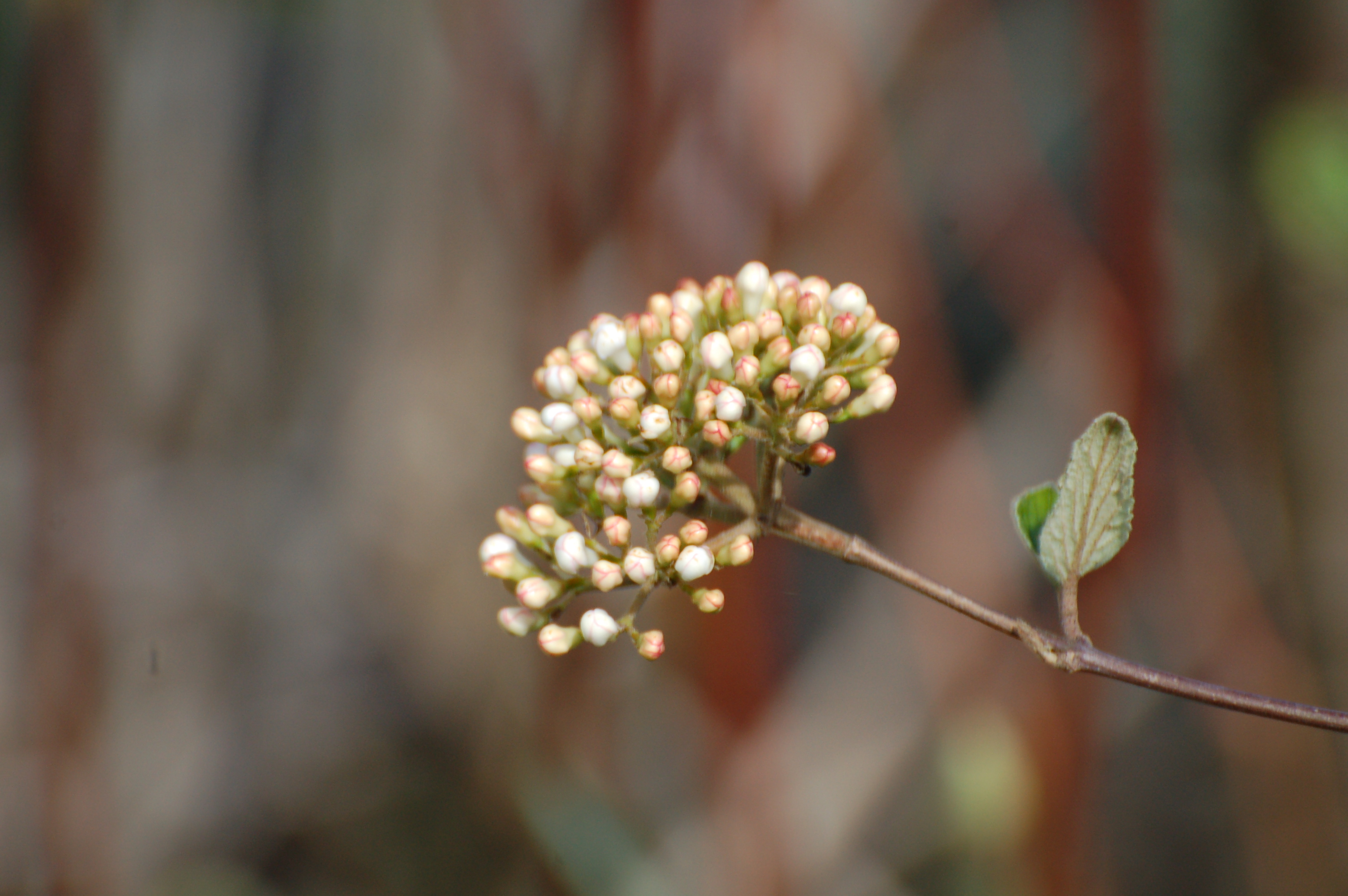
And for a promise of scent and colour soon to come  we need to turn to the Viburnum family.

2014 03 30_7595

There are just too many photos left so I shall move into a gallery for you to enjoy.

Categories
climbing plants colours flowering bulbs garden design garden photography garden wildlife gardening gardens grasses hardy perennials ornamental grasses ornamental trees and shrubs Shropshire spring bulbs trees Uncategorized Winter Gardening winter gardens

Aiming for a year round garden. Part One – The Winter

Over the last few years we have worked hard planning to make our garden look and feel good all year round. So today I took a wander with camera in hand to see how well we had done so far. See what you think. Are we getting there?

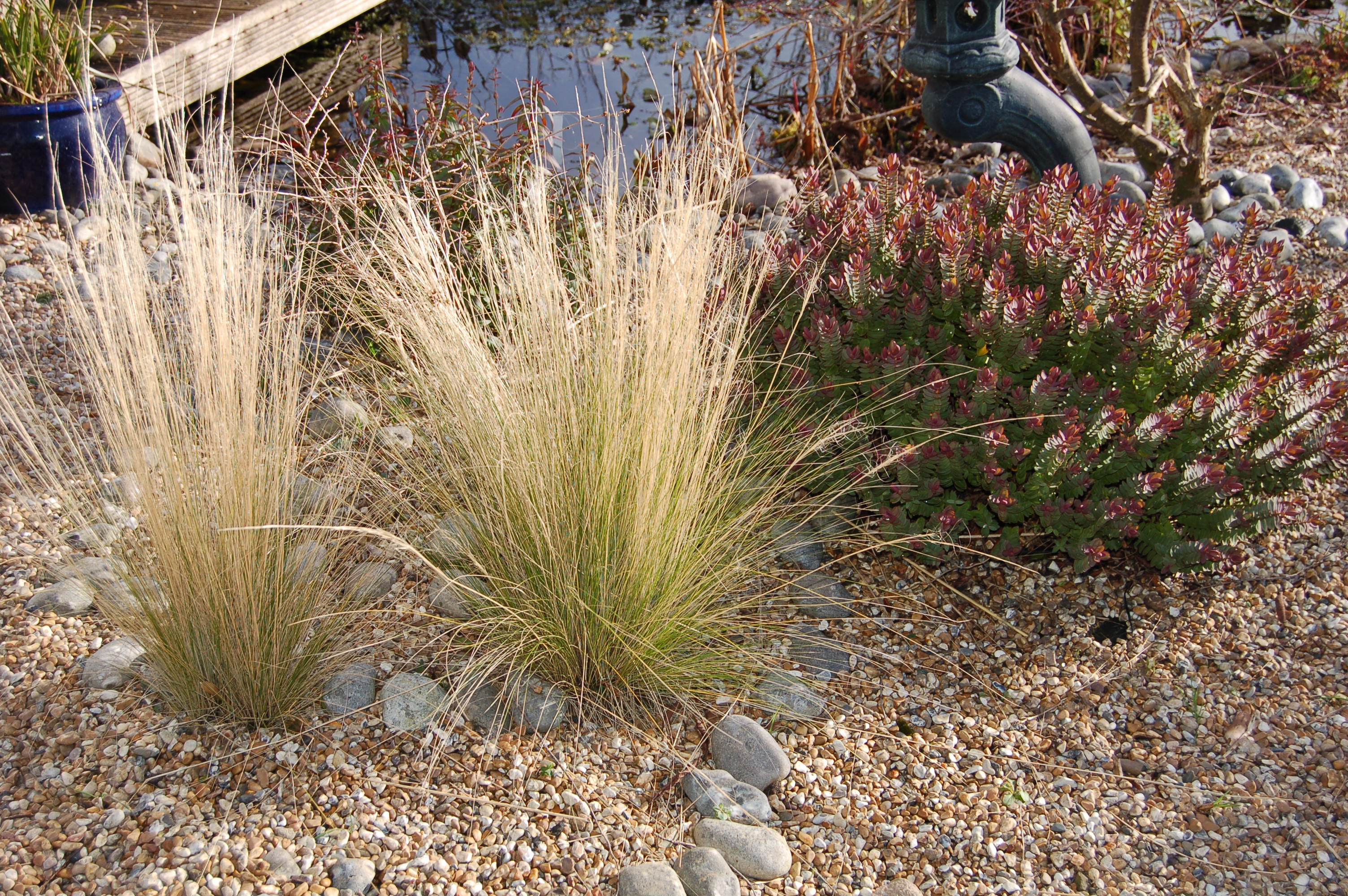
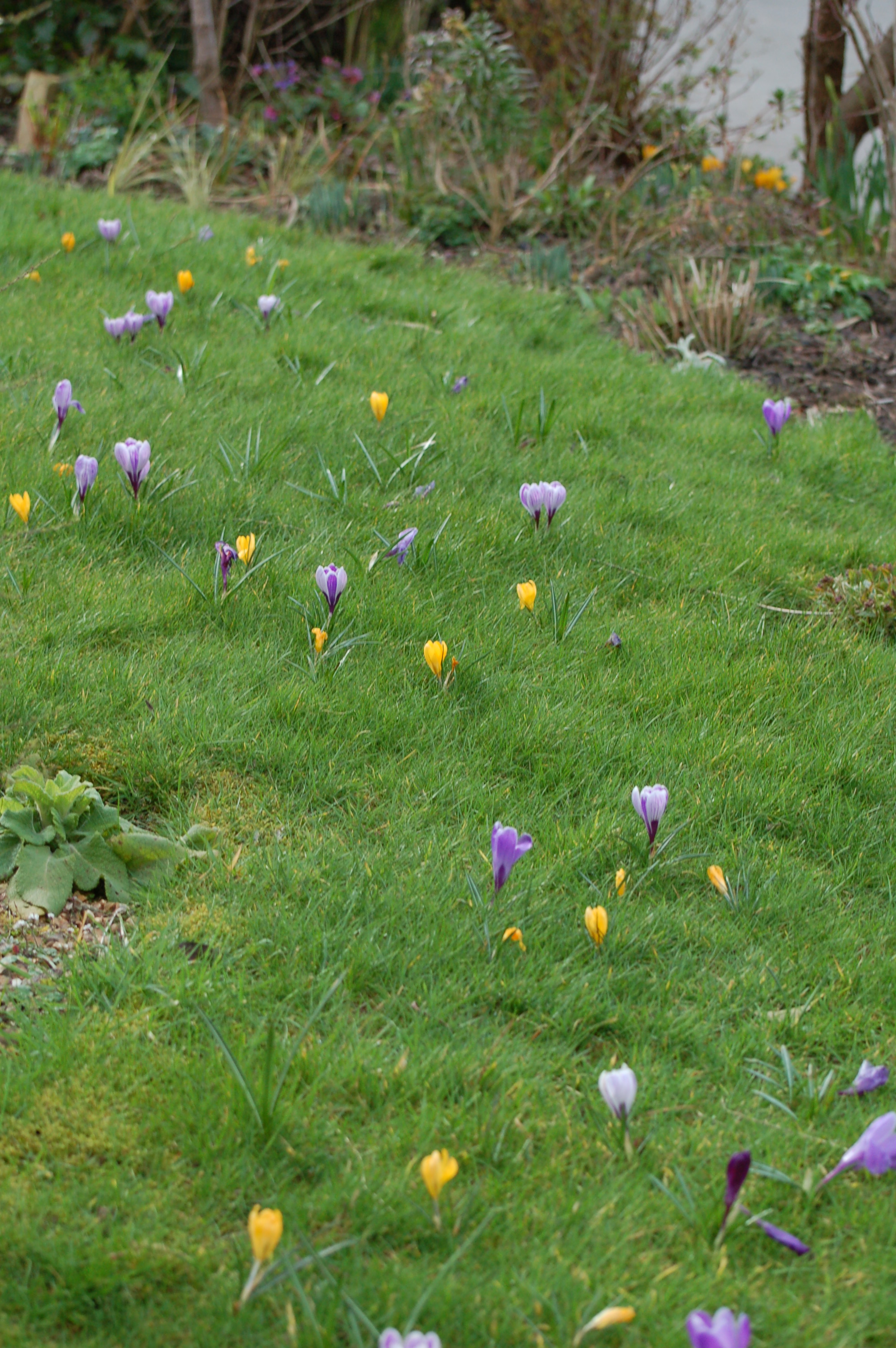
Of course flowering bulbs come into their own at this time of year and we now have a wide selection of crocus, muscari, miniature narcissi and Iris reticulata throughout the garden. Grasses are of equal importance but only recently have they been accepted as an essential element of the winter garden. The first photo shows how well our Pony Tails Grasses contrast with the foliage of Hebes. In the second crocus team up with grasses to create a great combination of colours and textures.

2014 03 03_6817 2014 03 03_6792

2014 03 06_6878 2014 03 06_6876 2014 03 06_6875 2014 03 06_6874

2014 03 03_6829 2014 03 03_6805

A have a soft spot for celandines, enjoying the glossy yellow native plant that lights up our hedgerow bases as well as the cultivated bronze leaved Brazen Hussey and the “Giant Celandine” in the photograph below.

2014 03 06_6868 2014 03 06_6867 2014 03 06_6866 2014 03 06_6865

2014 03 03_6788 2014 03 03_6789

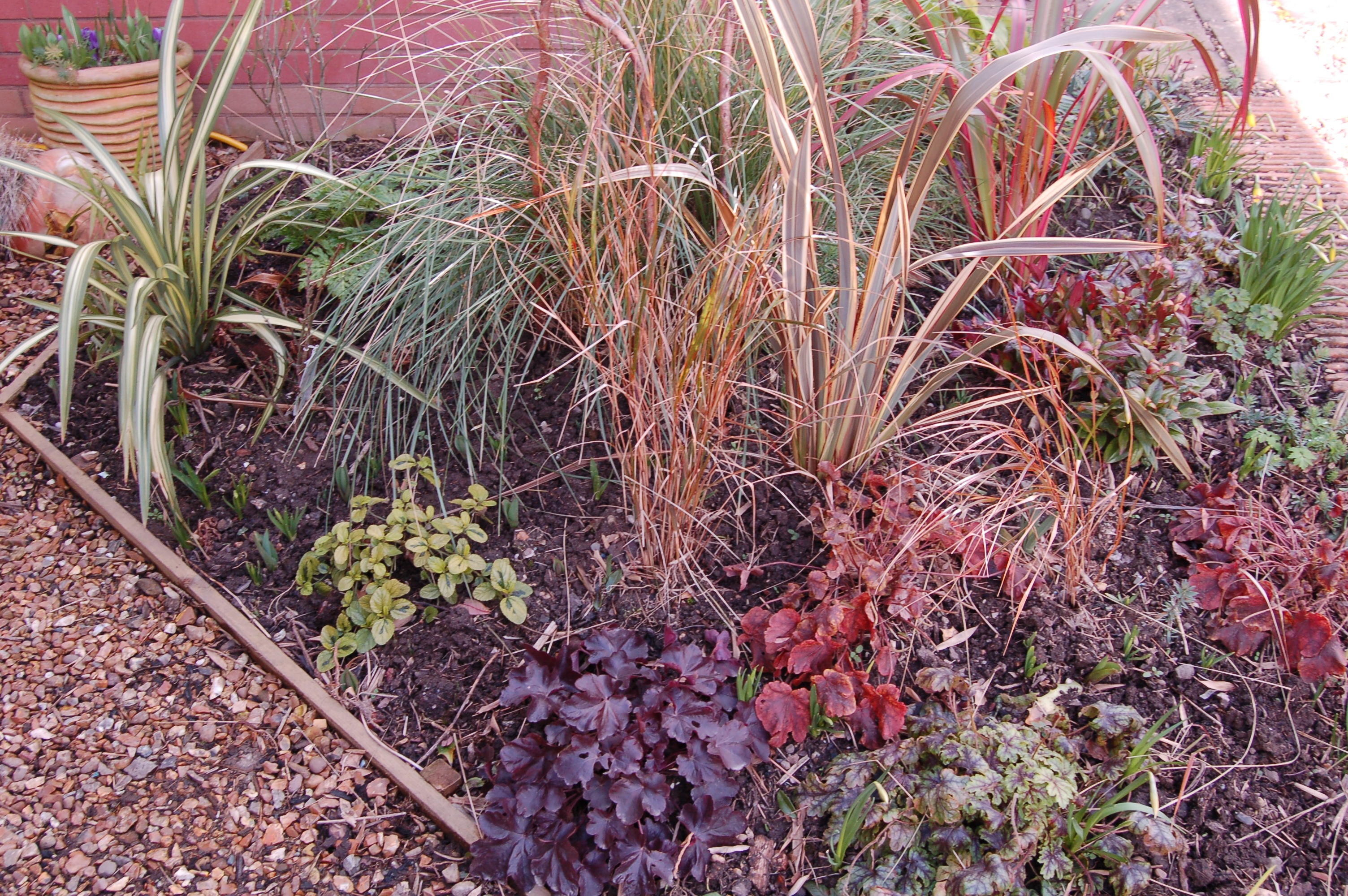
Euphorbias are another of those families of plants that are all year round essentials in our gardens but at this time of year their new bracts glow on overcast days. Foliage is perhaps more important than flowers in the winter garden as it provides variations of colour, pattern and texture. Phormiums, Heucheras and grasses are most effective.

2014 03 03_6832 2014 03 03_6806

2014 03 03_6831 2014 03 03_6830  2014 03 03_6828 2014 03 03_6827 2014 03 03_6811

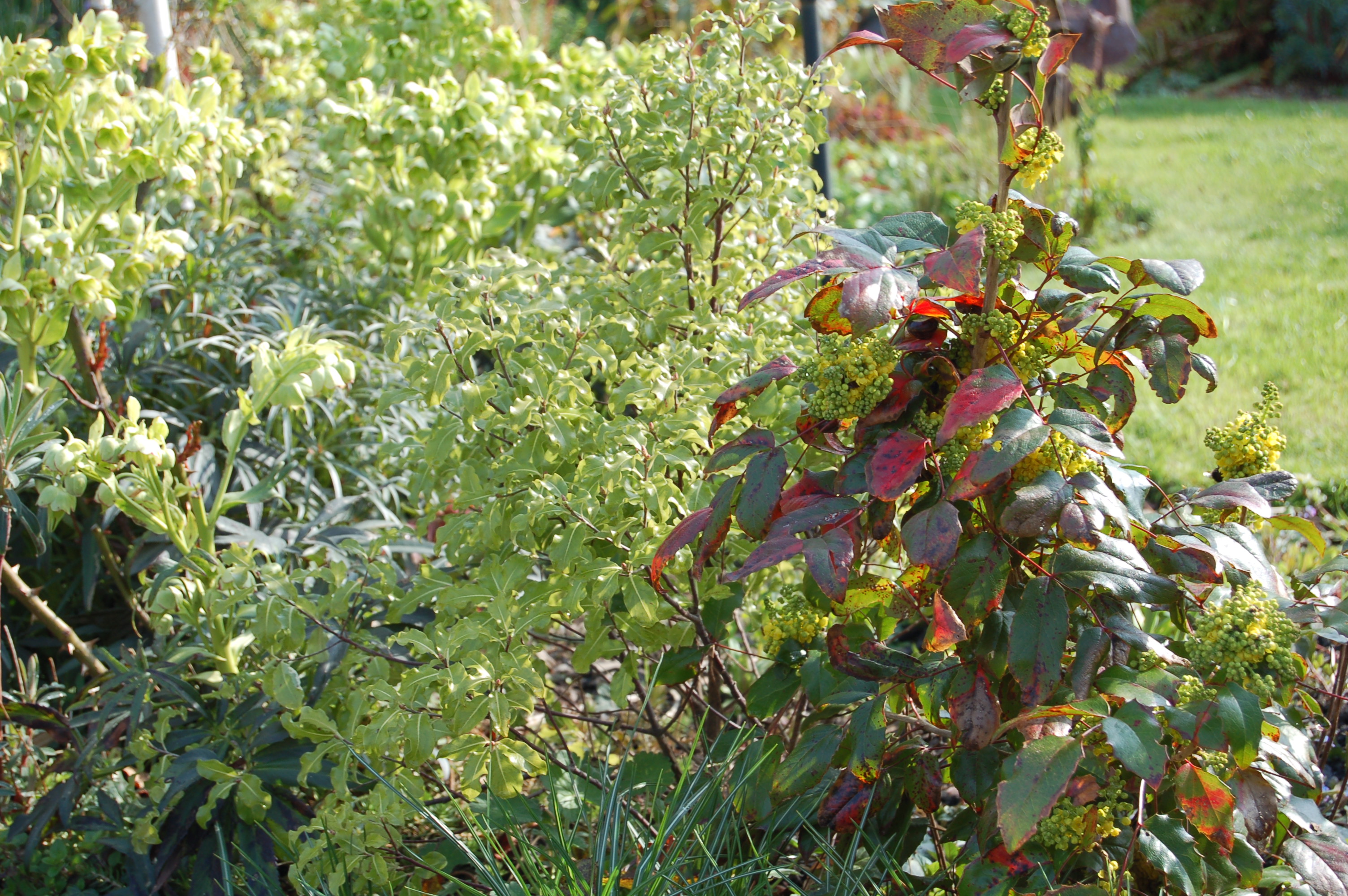
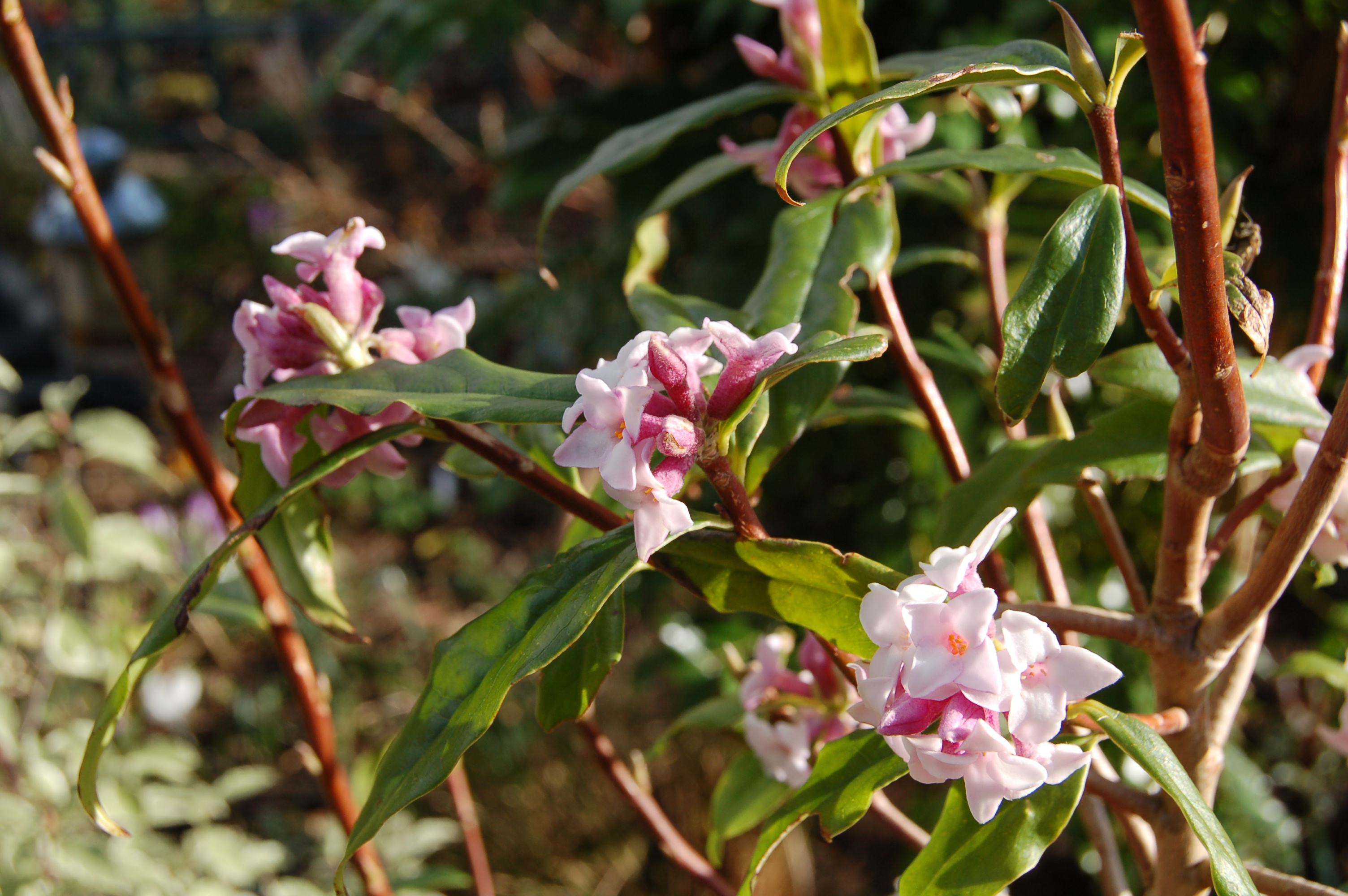
Scent can play its part as it pervades the calm air and delights us as we wander with the thought of brighter warmer days. Daphnes, Sarcoccocas, Cornus, Mahonias and Viburnums all perform well in our garden.

2014 03 03_6825 2014 03 03_6824 2014 03 03_6823 2014 03 03_6786

2014 03 03_6808 2014 03 03_6796

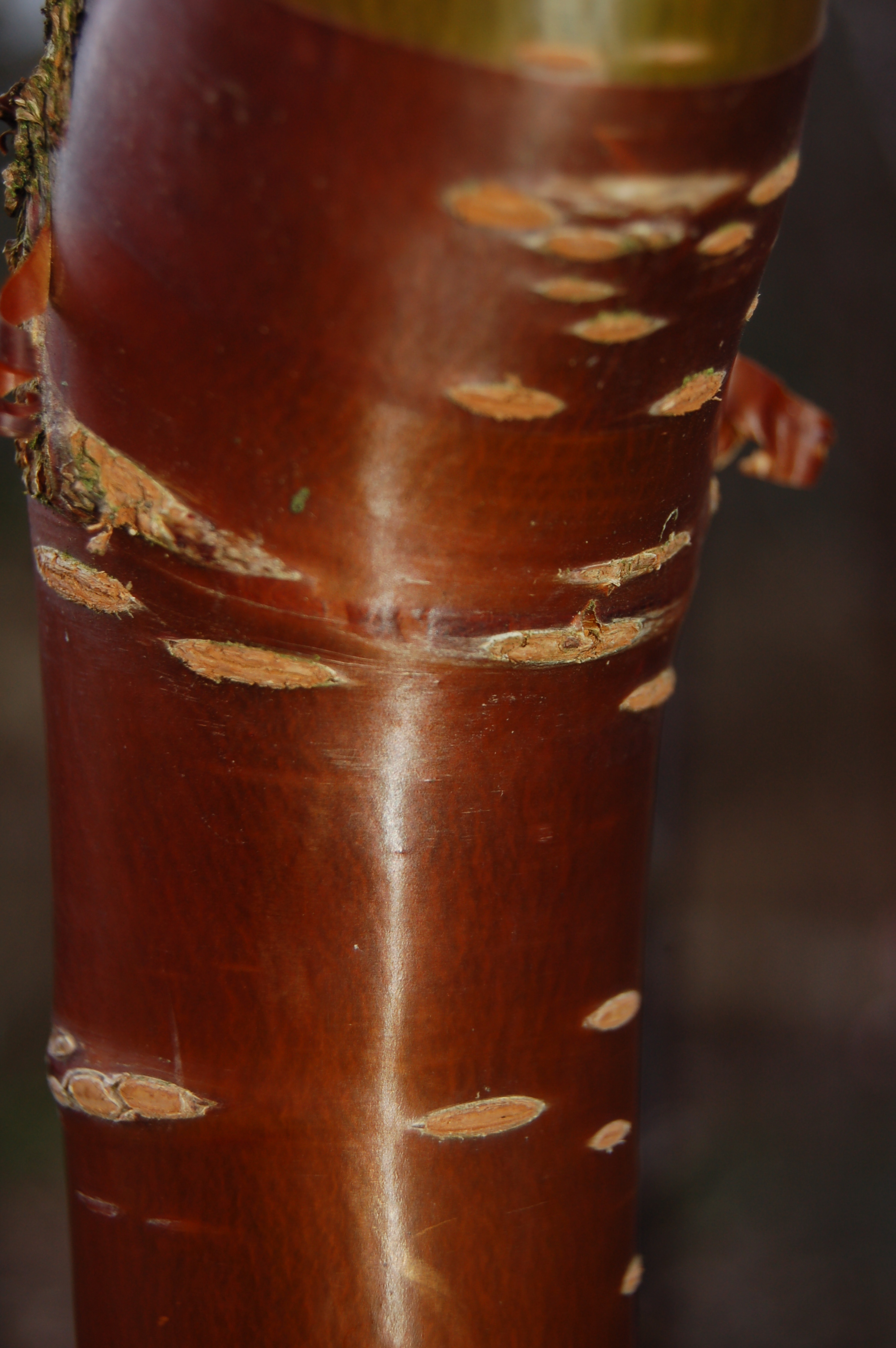
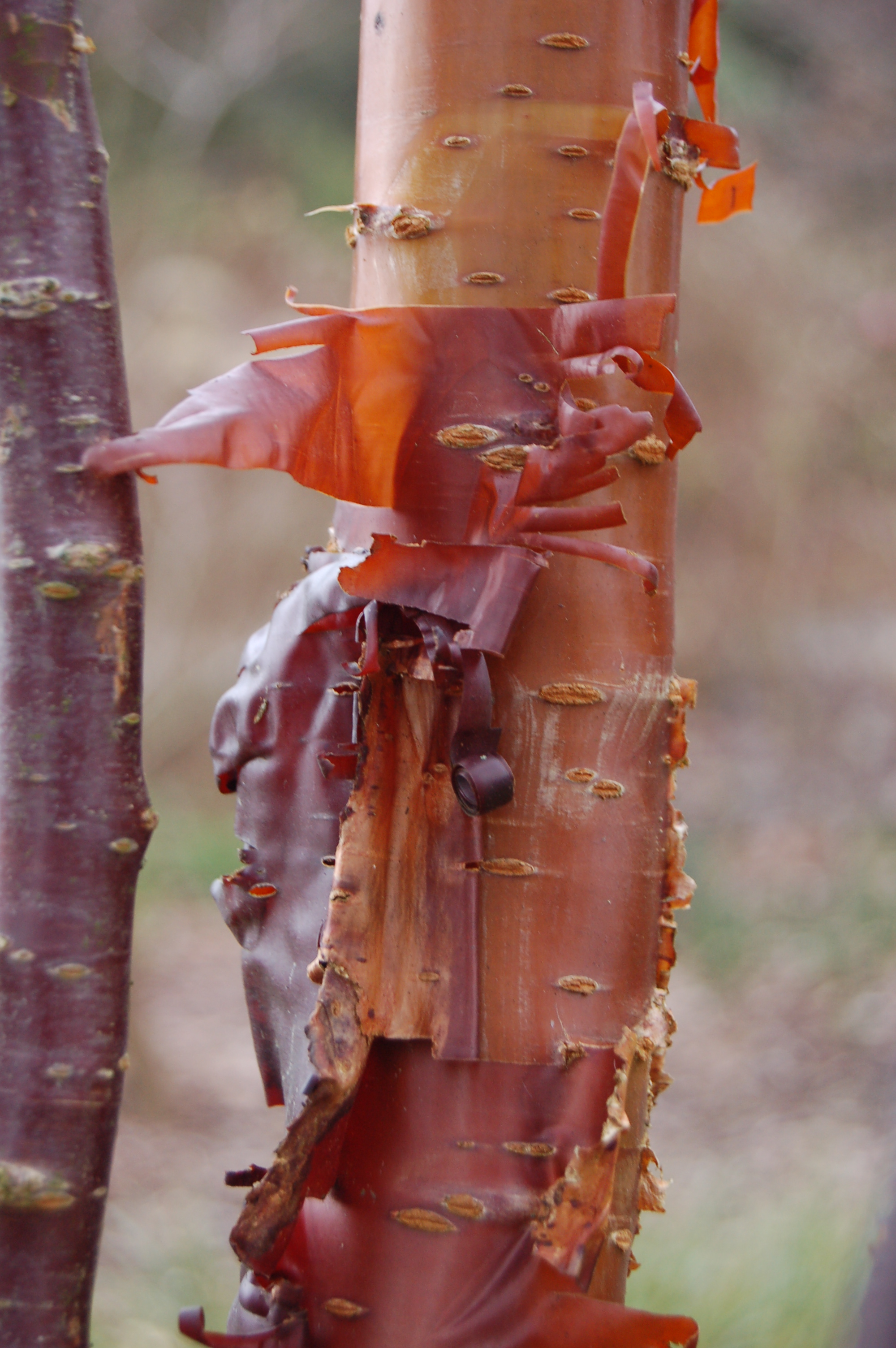
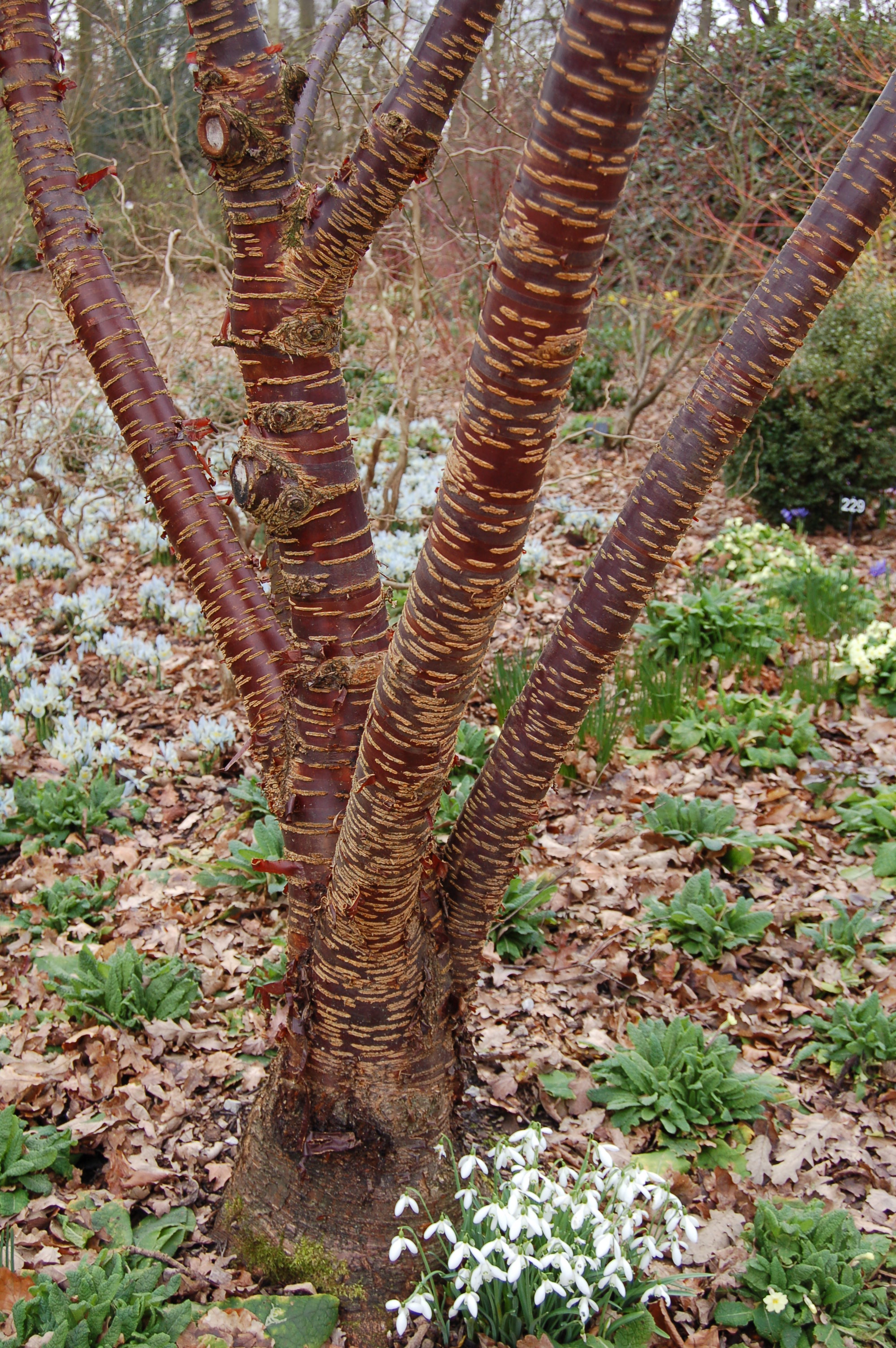
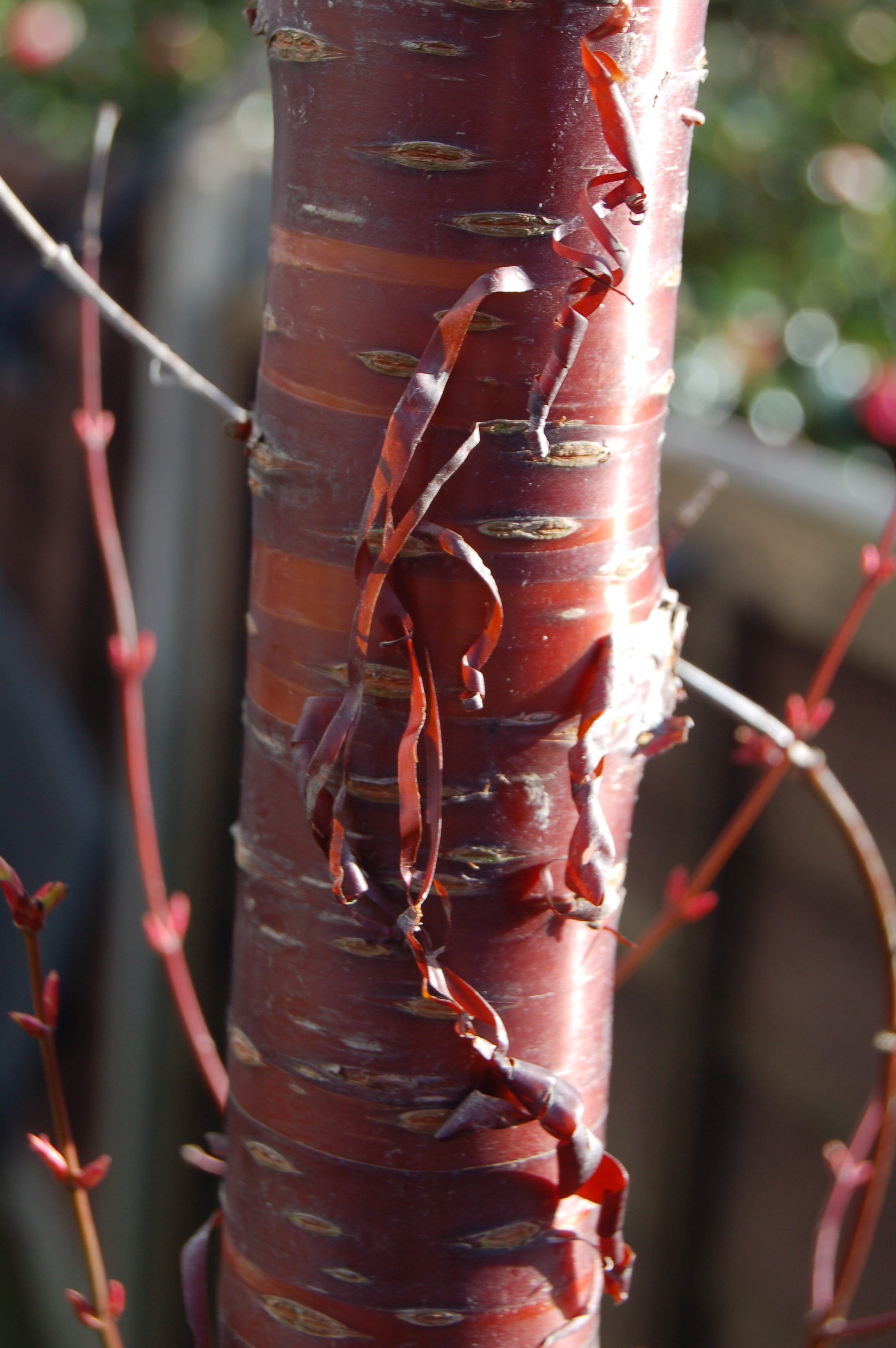
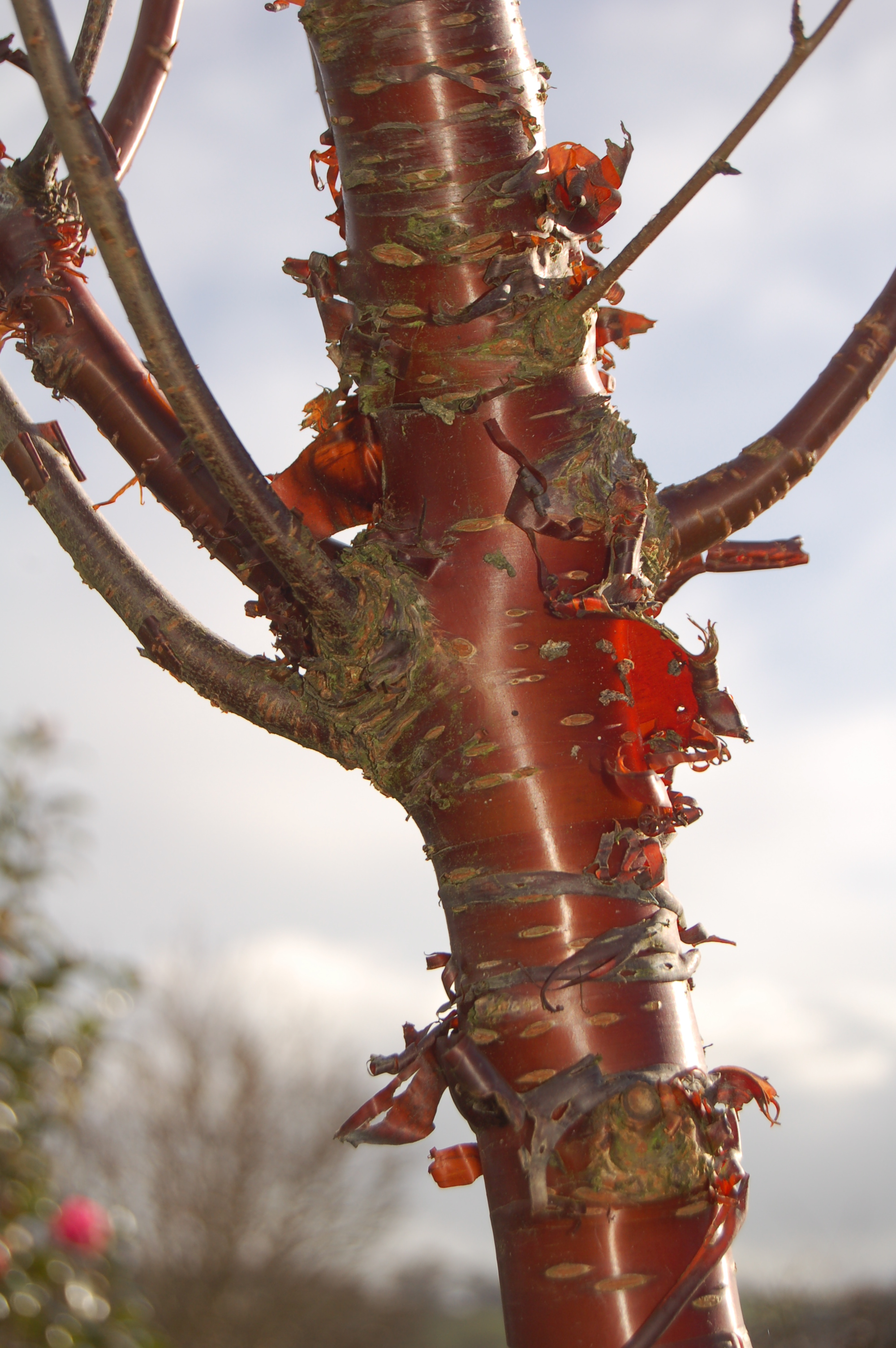
Textured bark on our trees in our Spring Border looks especially good in winter light. The peeling orange bark of the Prunus serrula and the birch is like slithers of brittle toffee.

2014 03 03_6821 2014 03 03_6820 2014 03 03_6819

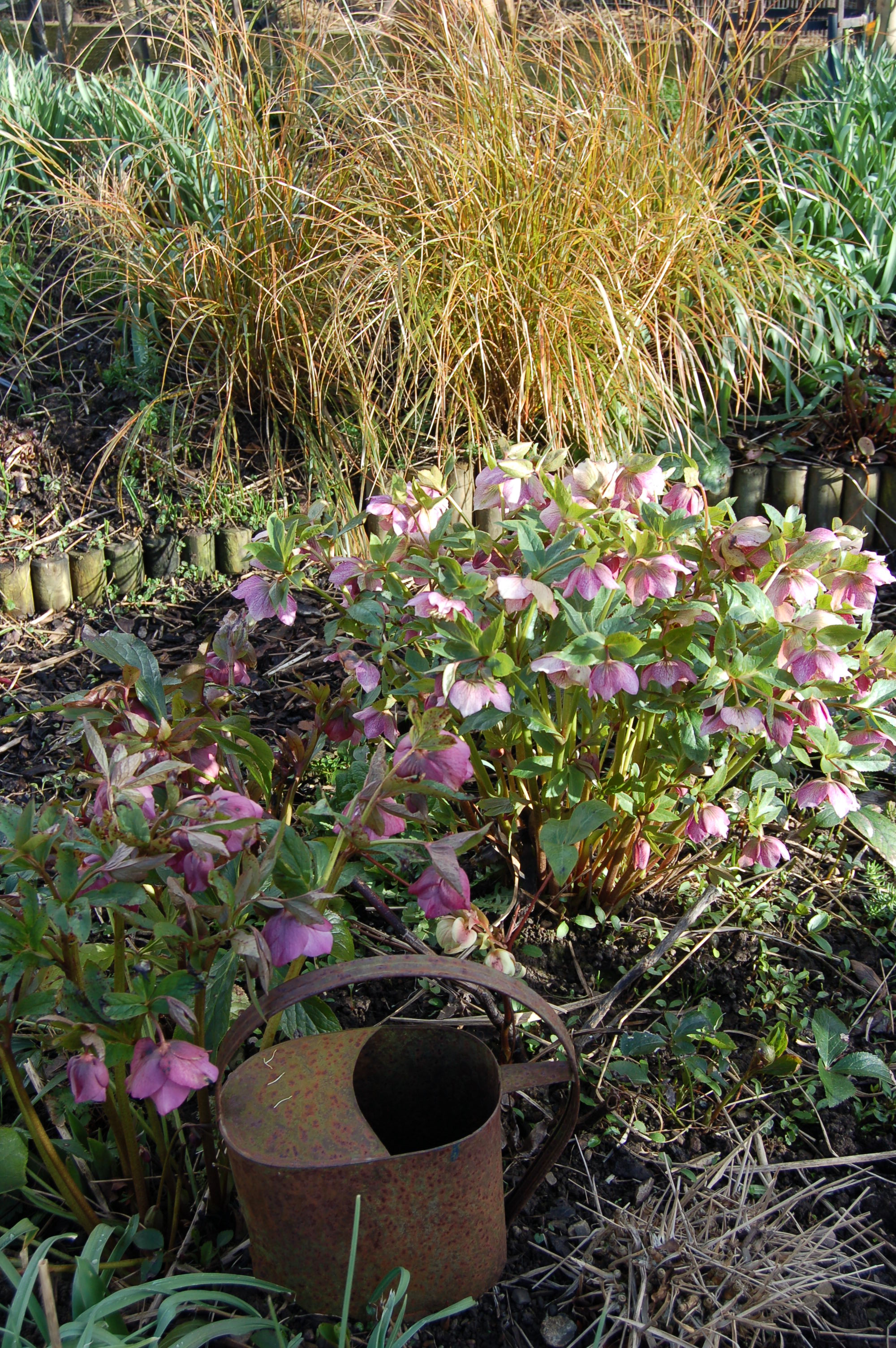
Hellebores star in most gardens in winters since so many wonderful easily grown specimens have become available in most garden centres and nurseries.

2014 03 03_6818 2014 03 03_6813

2014 03 03_6812 2014 03 03_6790

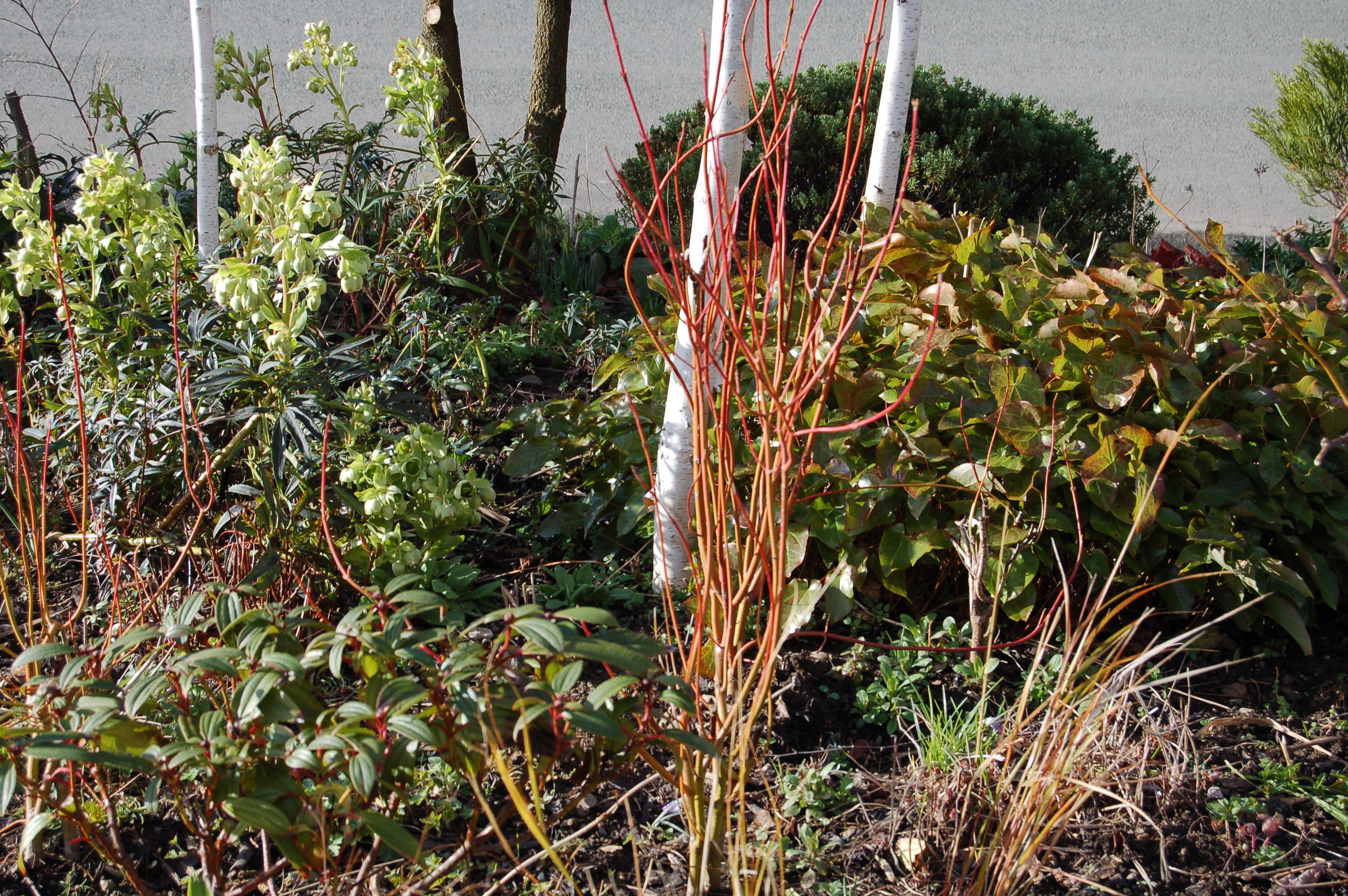
Here some of our many hellebores  are twinned with coloured stemmed cornus and salix.

2014 03 03_6809

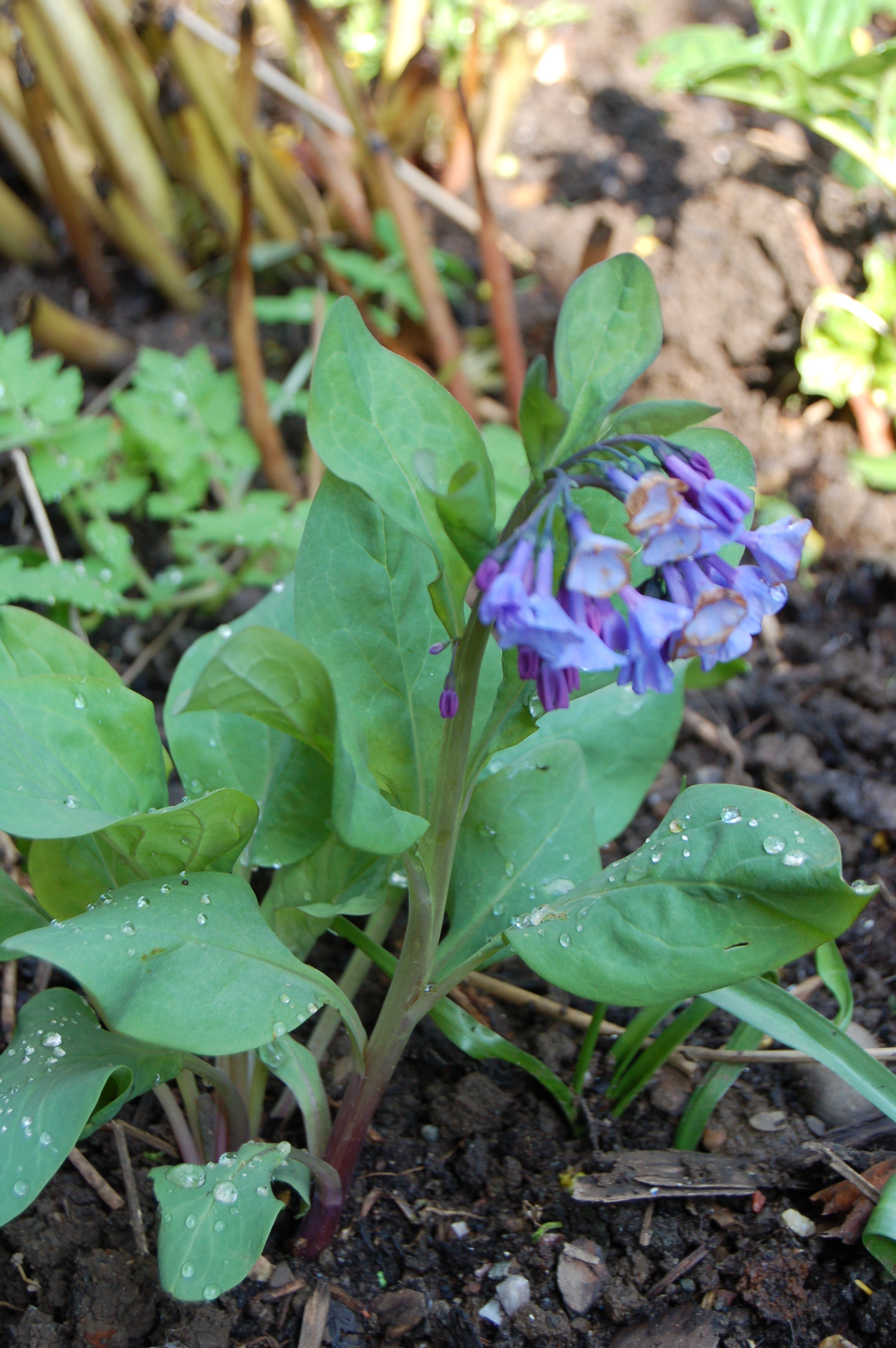
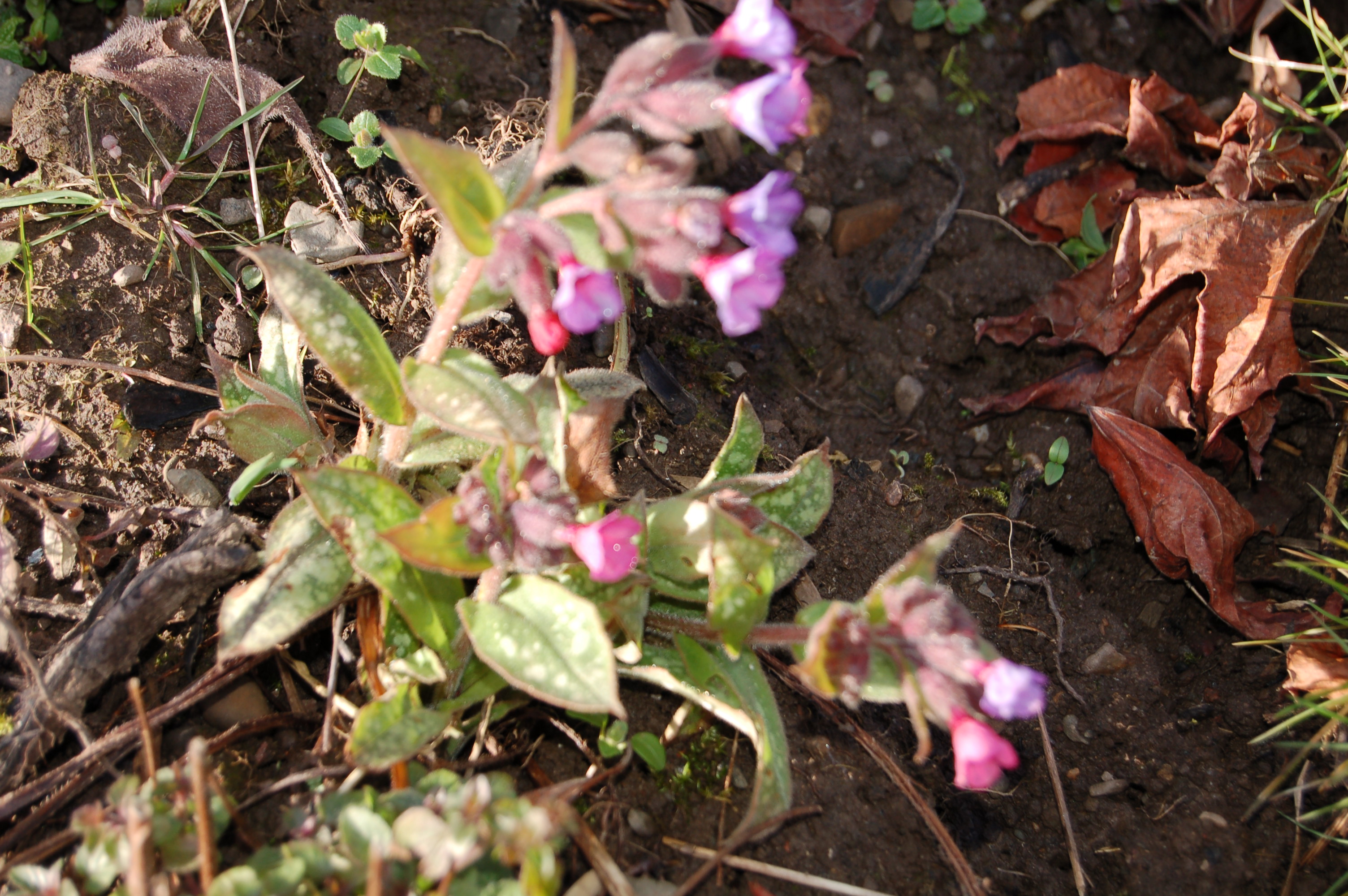
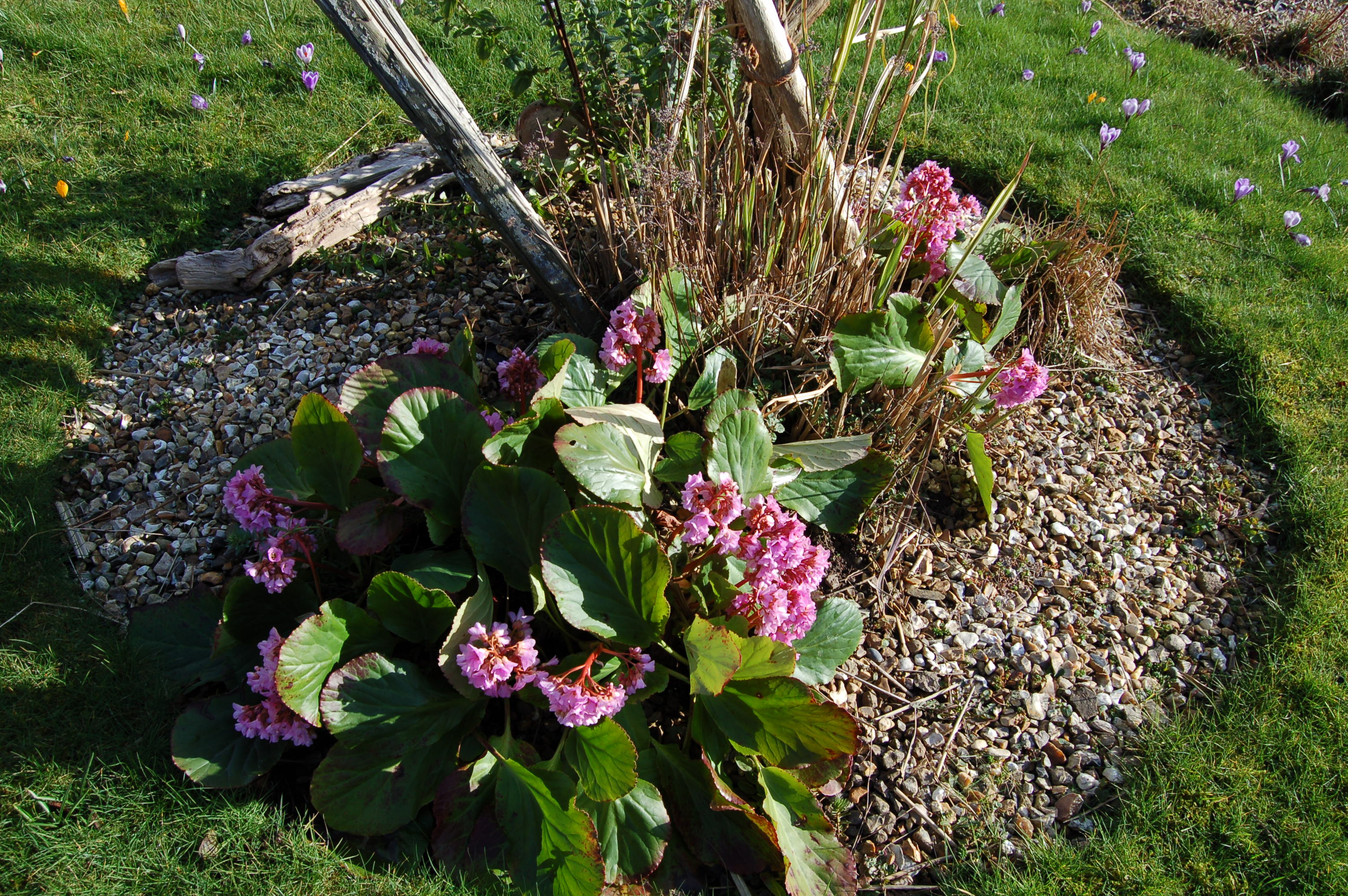
Any flower brave enough to appear in the winter is worthy of mention be they primulas, witch hazels, pulmonarias or bergenia. They would perhaps seem quite ordinary if they flowered among the stars of the summer garden but in the winter they are extraordinarily good garden plants.

2014 03 03_6816 2014 03 03_6815     2014 03 03_6810   2014 03 03_6807

2014 03 03_6797 2014 03 03_6799

2014 03 03_6798 2014 03 03_6791

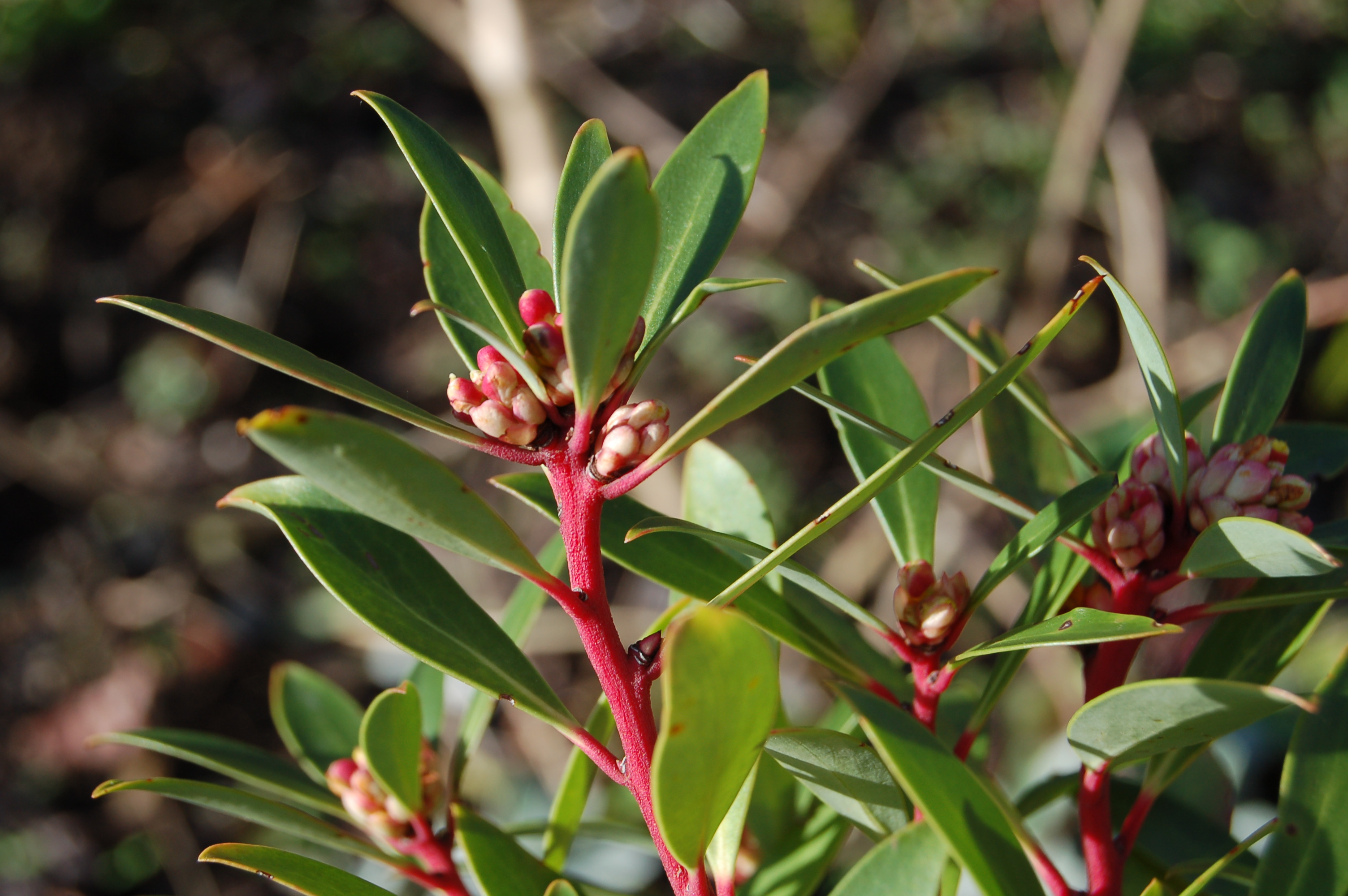
A recent discovery is the shrub Drimys with its red stems, glossy green foliage and buds looking fit to burst into life.

2014 03 03_6804  2014 03 03_6803

2014 03 03_6802     2014 03 03_6795 2014 03 03_6794 2014 03 03_6793

Structures such as our cloud pruned box hedge that lines our central path become much more important and noticeable in the emptier garden of winter. But we hope our garden is now richer in this the coldest and darkest of our seasons.

2014 03 03_6814

We must not forget the role our feathered friends play in adding colour, sound and movement to our garden in winter.

2014 03 03_6842

Part Two of our search for the all year round garden will consider our garden in Spring. Signs of that season are already giving hints of what is to come such as in the buds of the quince fruit tree.

2014 03 03_6822

Categories
colours garden design garden photography gardening gardens gardens open to the public grasses hardy perennials light light quality meadows ornamental grasses ornamental trees and shrubs photography trees Winter Gardening winter gardens

A Garden in January – Trentham – Part One

Since I began my blog a few years ago I have written monthly features with photos about our own garden on Greenbenchramblings but for a change this year I decided to visit another favourite garden, Trentham. So every month throughout 2014 we shall take you on a journey around these unique gardens so that you can enjoy them in all their different guises. Different plants will become the stars throughout the year.

2014 01 07_5836    2014 01 07_5884_edited-1

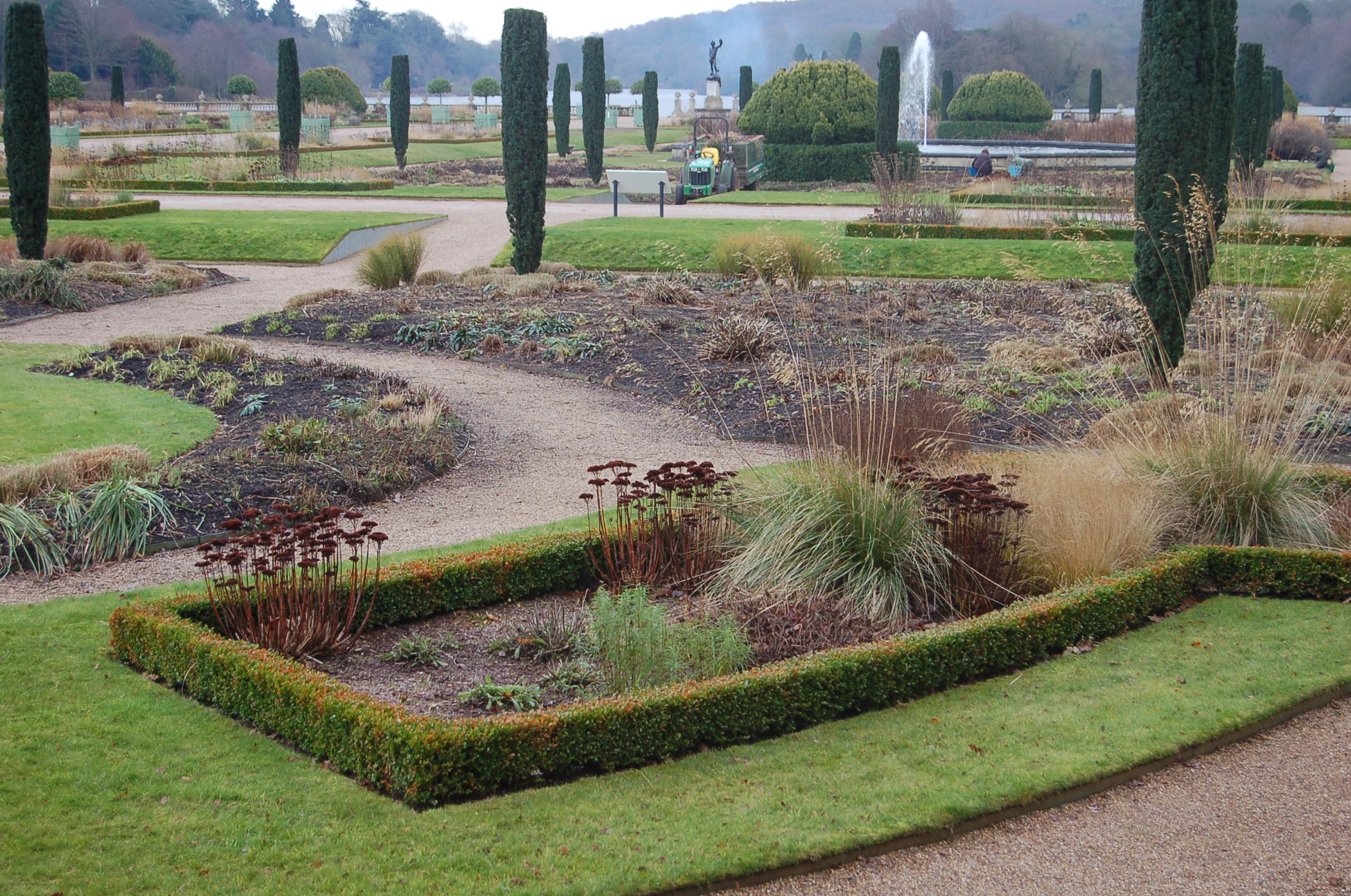
So enjoy a visit with us as we enjoy a winter wander in mid-January. The garden’s major features are huge areas designed by two of my favourite garden designers, Piet Oudolf and Tom Stuart-Smith, both of whom have appeared before on Greenbenchramblings. These two new areas fit well within a huge parkland area created by Capability Brown including a mile-long lake with woodland all around, open grassland and specimen trees. There is also an Italianate Parterre designed by Charles Barry and an area where small show gardens display good modern designs full of ideas for visitors to take home with them. A huge maze with a viewing mound, a rose walk featuring David Austin roses and areas specially designed for children make Trentham one of the best days out in the Midlands where it is possible to indulge oneself whatever your age.

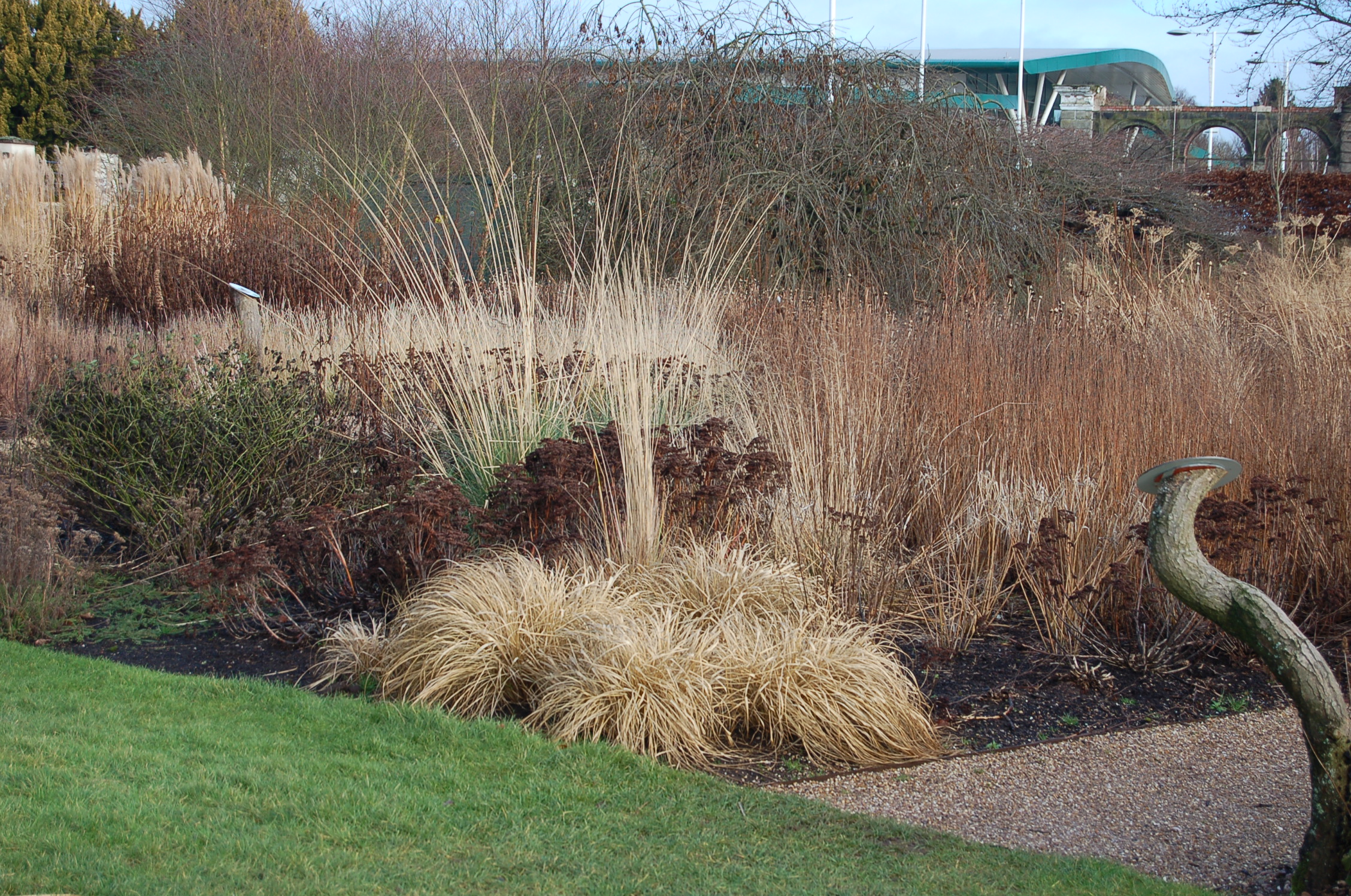
A beautifully designed modern suspension bridge welcomes you into the garden where Piet Oudolf’s “Rivers of Grass” greets you. Massed plantings of grasses dotted with patches of perennials are full of the colours of all sorts of tasty biscuits. Wide mown grass paths wind sinuously throughout providing plenty of choices of ways through. The atmosphere is one of complete calm, a place to be quiet and listen to the rustling of the grasses as they move in the slightest breezes.

2014 01 07_5884_edited-1 2014 01 07_5796 2014 01 07_5797

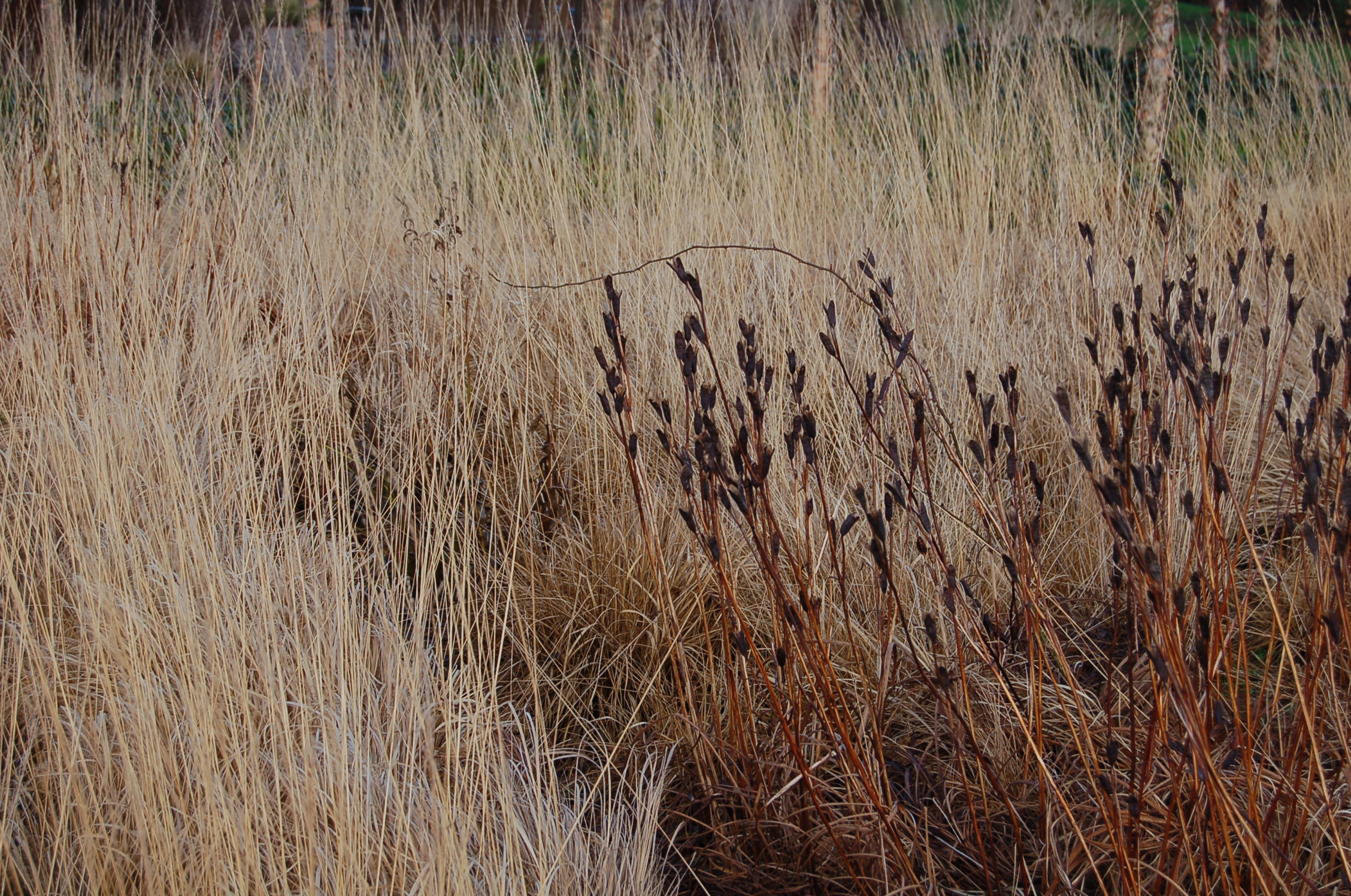
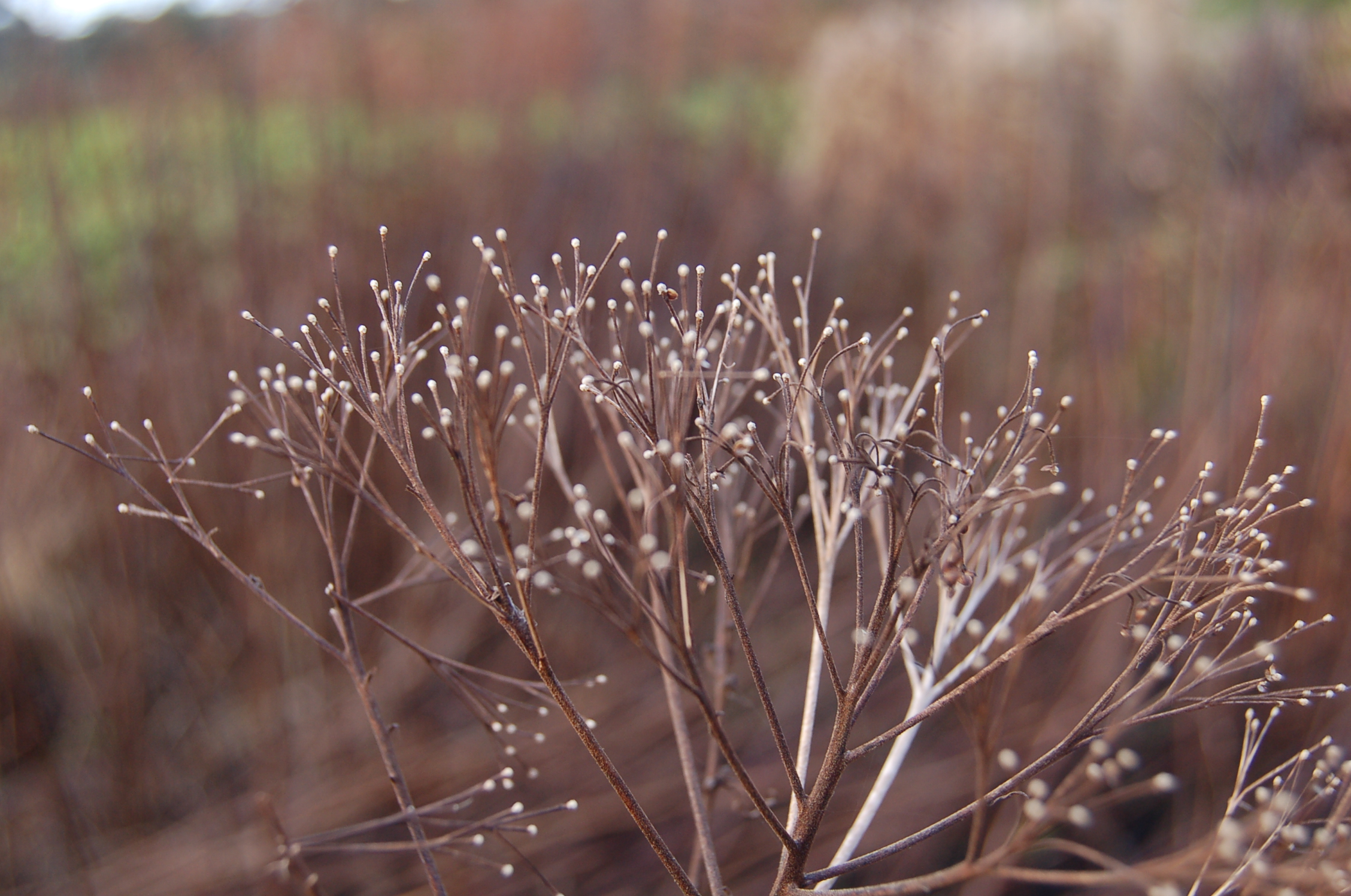
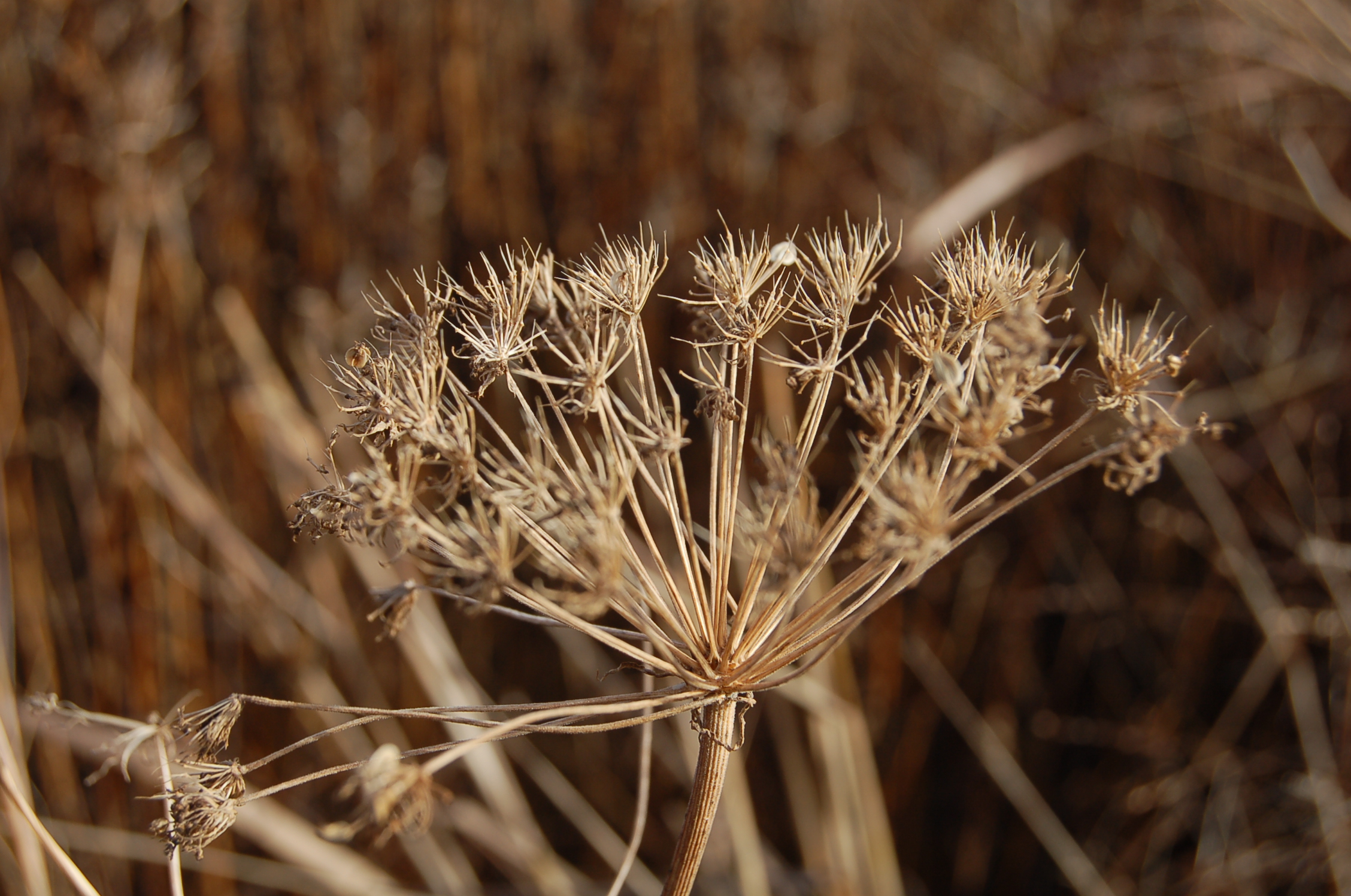
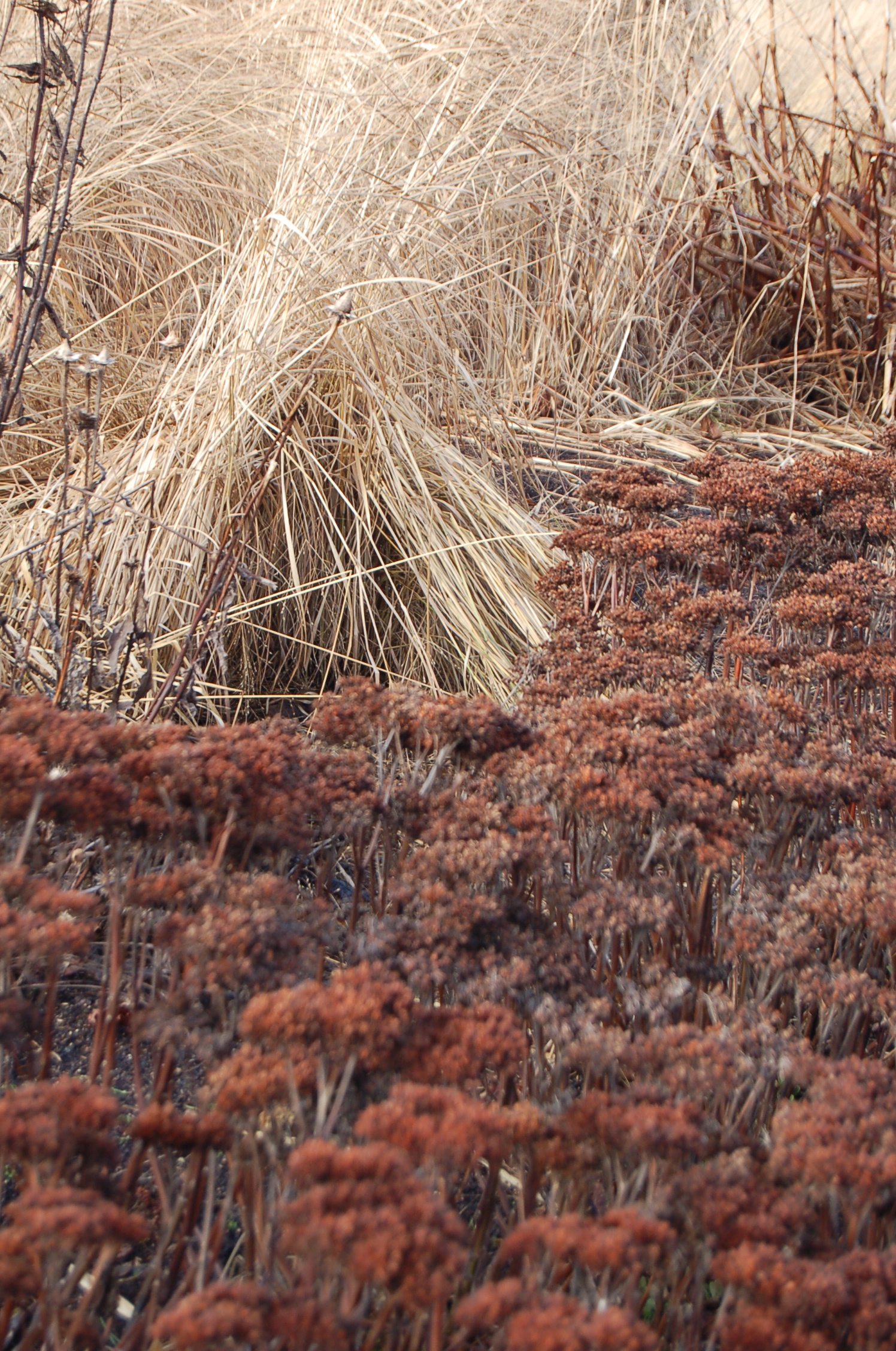
Seedheads on perennials cleverly left by the gardeners draw the visitor in for a closer look where the rich gingers, browns, greys and russets can by fully appreciated. No doubt the resident finches enjoy the seeds too and bugs such as ladybird and lacewing larvae shelter in their hollow stems.

2014 01 07_5798 2014 01 07_5799 2014 01 07_5800 2014 01 07_5801 2014 01 07_5802 2014 01 07_5804

A row of River Birch act as an open barrier cutting across between the River of Grasses and Oudolf’s “Floral Labyrinth” which we entered next. The pink, silver and peach coloured bark of these Betula come to life with its peeling strips of orange paper.

2014 01 07_5805 2014 01 07_5806

The Floral Labyrinth is explored from winding gravel paths and wider expanses of mown grass. This is in the style now called “New Wave Perennial Planting” featuring tall prairie style plants mixed with grasses especially miscanthus and pennisetum. Again the seedheads are key elements at this time of year.

2014 01 07_5811 2014 01 07_5812

2014 01 07_5813 2014 01 07_5814

2014 01 07_5816 2014 01 07_5817

Where many plants have fallen or suffered from rotting in the winter deluges the gardeners have cleared up and signs of new growth are appearing. Here Day Lillies look raring to go!

2014 01 07_5819

This fallen leaf has curled up into the shape of a Woodlouse or Pill Bug.

2014 01 07_5821

Many of the seedheads when studied as individuals are like constellations of tiny stars.

2014 01 07_5807 2014 01 07_5808 2014 01 07_5809  2014 01 07_5820

Others are like thin church spires.

2014 01 07_5810

Many of the taller stems are now falling after all our strong winds.

2014 01 07_5815 2014 01 07_5818

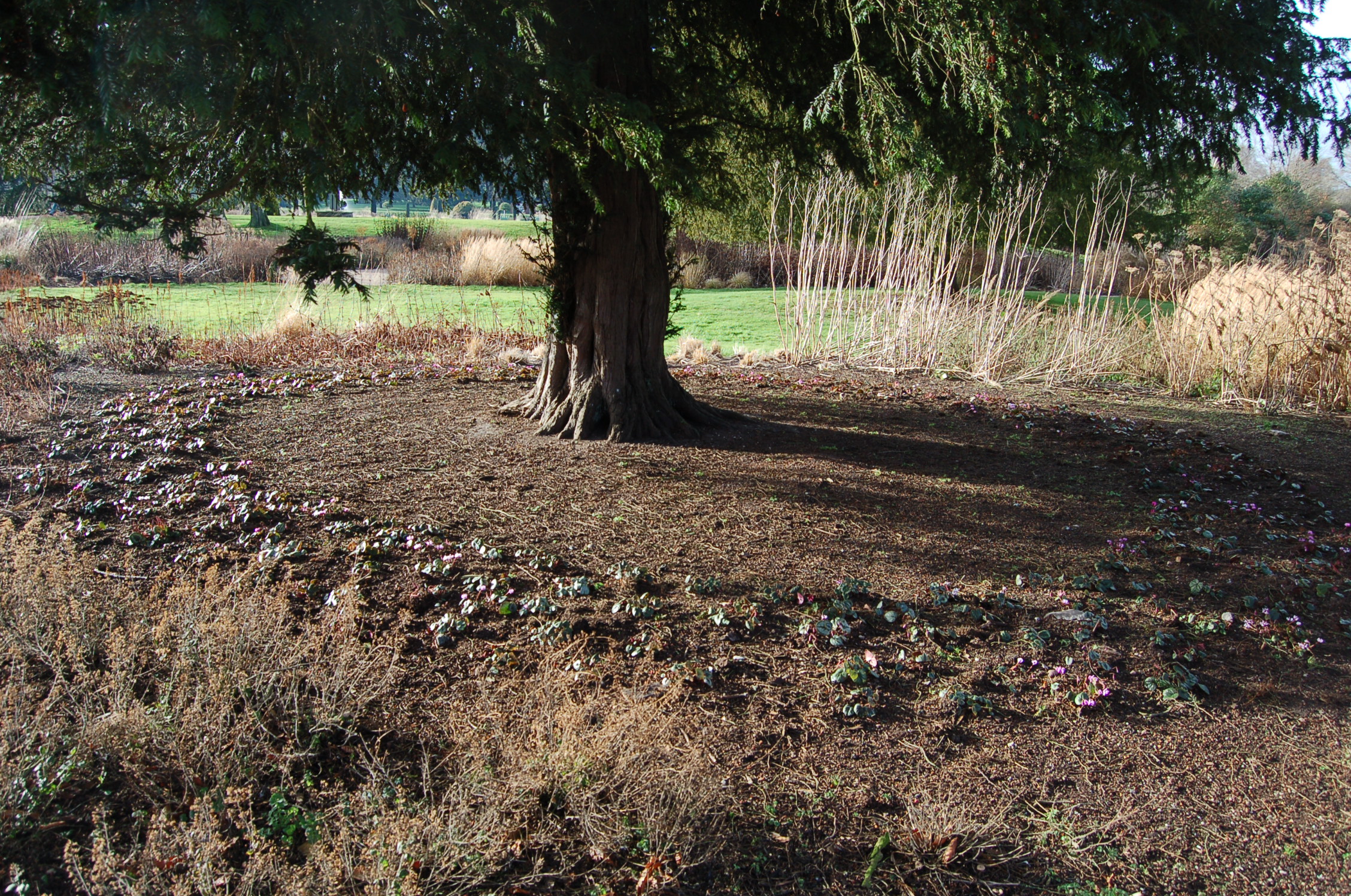
Under large mature Yew trees, cyclamen have been planted in circles. The leaves shine in the low sun and the little swept back petals of the flowers give so many shades of pink as well as a few white.

2014 01 07_5825 2014 01 07_5823

2014 01 07_5824 2014 01 07_5826_edited-1

Moving on from Piet Oudolf’s pair of gardens we wander through an area of open lawns with features of the older gardens and get views of the derelict buildings which must at one time have been impressive and dominating in the landscape. Pioneer plants such as Buddleja and Cotoneaster are gaining a foothold on the masonry as it crumbles. Try to spot them near the top of the ruins.

2014 01 07_5833 2014 01 07_5834

2014 01 07_5842_edited-1

As we finish the first half of our tour we can look forward to more startling planting creations but these have been created within the old structure of the Italian Gardens. These will be featured in part two, my next post.

2014 01 07_5841

What a wonderful way to spend a cold January day!

Categories
autumn autumn colours colours countryside light light quality nature reserves photography wildlife woodland

Our First Woodland Walk for Autumn – Part One

When the winter weather gets a bit grim for too many days in a row it is good to look back and remember good days out.

We look forward to our woodland walks each autumn. This year we started early as we enjoyed a great day wandering the woodlands around Lake Vyrnwy in mid-Wales. We made this foray early because we had a specific reason for going. We were in search of cones and bits of bark to use on our “Homes for Wildlife” day up on our allotments later in October when we intended to make lots of extra insect shelters and a big insect hotel.

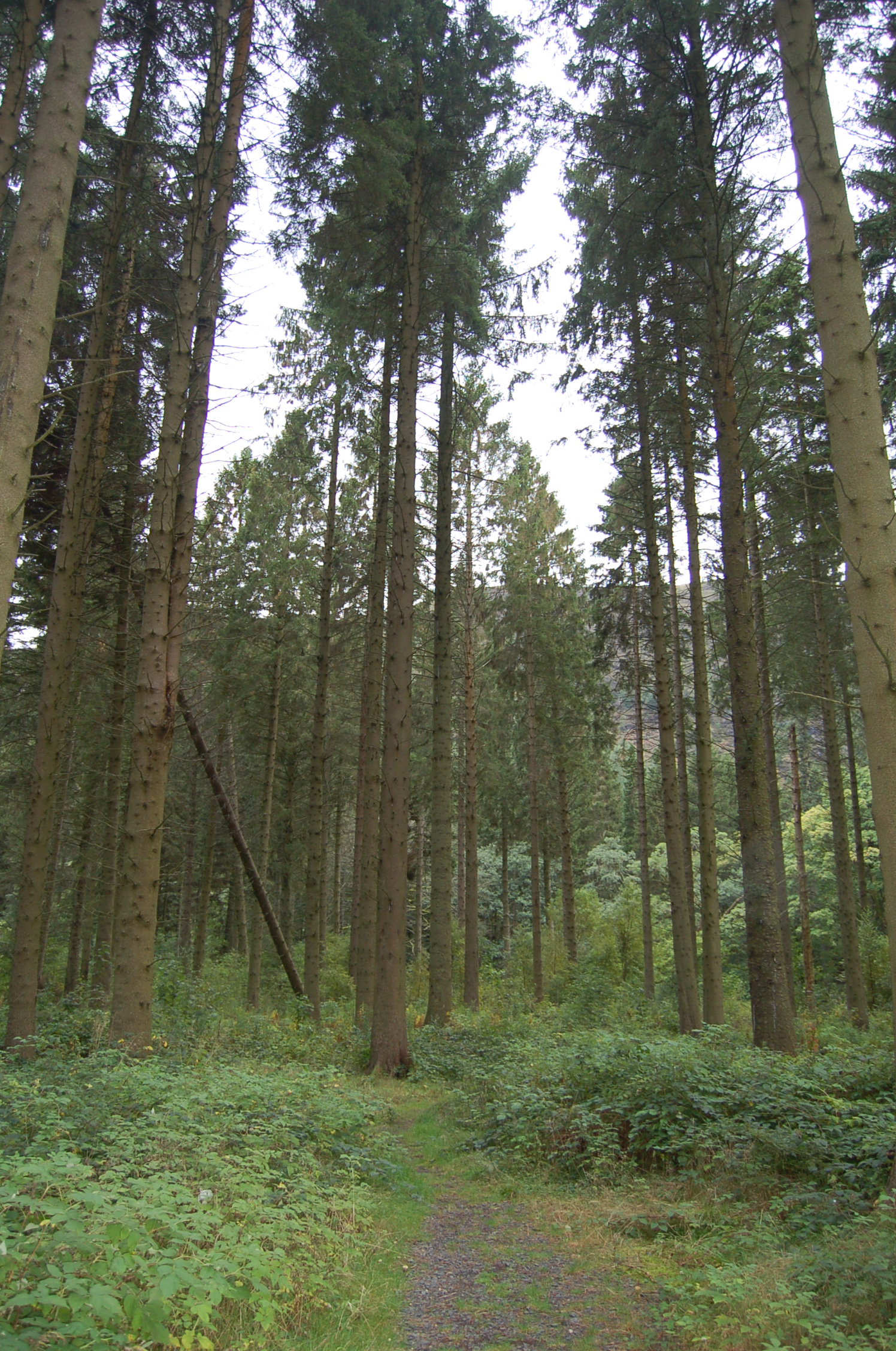
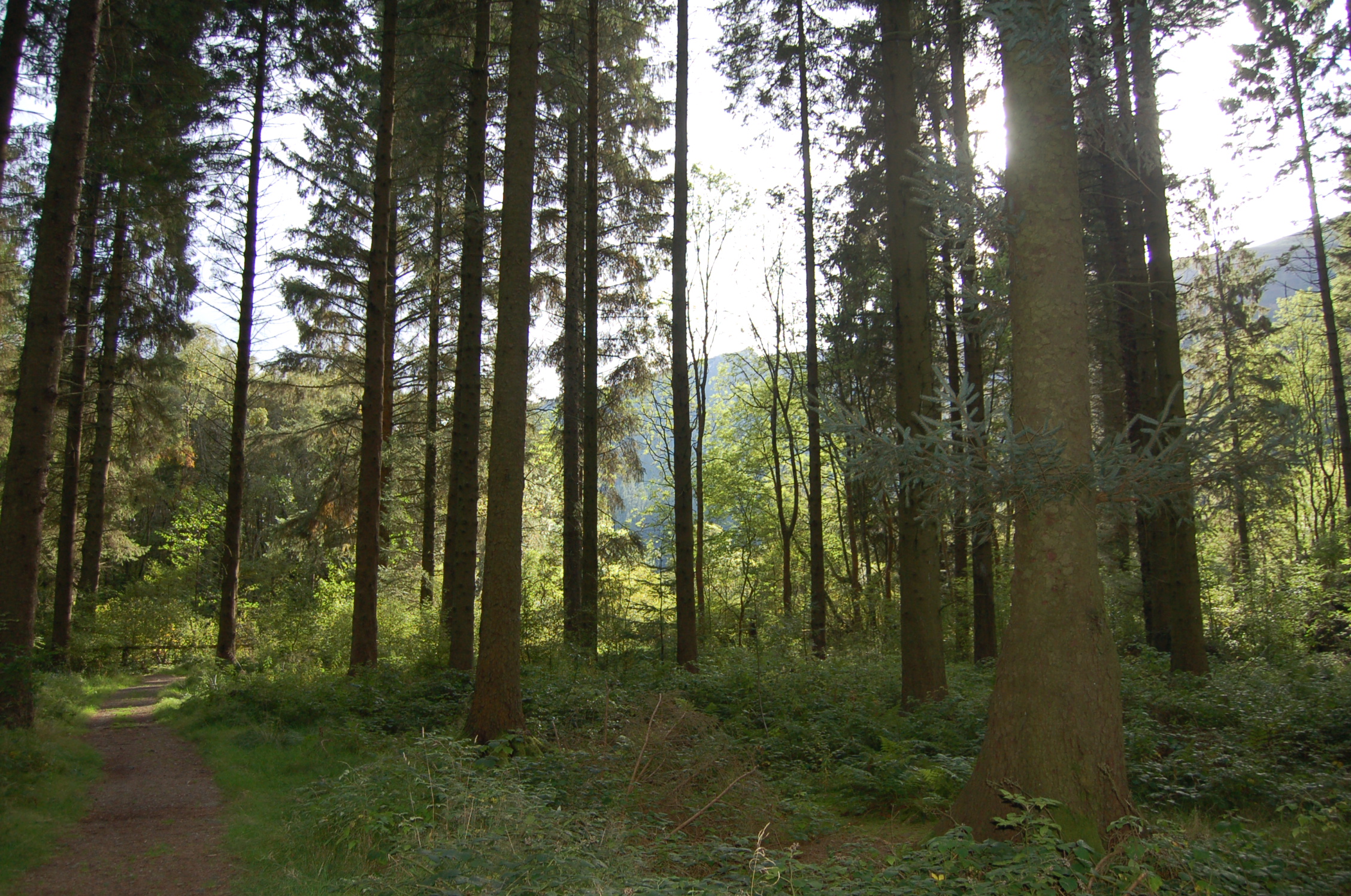
We chose to walk in a section of tall statuesque conifers all with tall straight trunks and dark green glossy needles clothing their stems.

2013 10 06_4113 2013 10 06_4120 2013 10 06_4170 2013 10 06_4169 2013 10 06_4168 2013 10 06_4171

It was a warm bright day so the woodland was pierced with sharp rays of sunshine, highlighting fungi amongst the ferns and brambles at the base of the trees and adding magic to the fresh new colours of autumn.

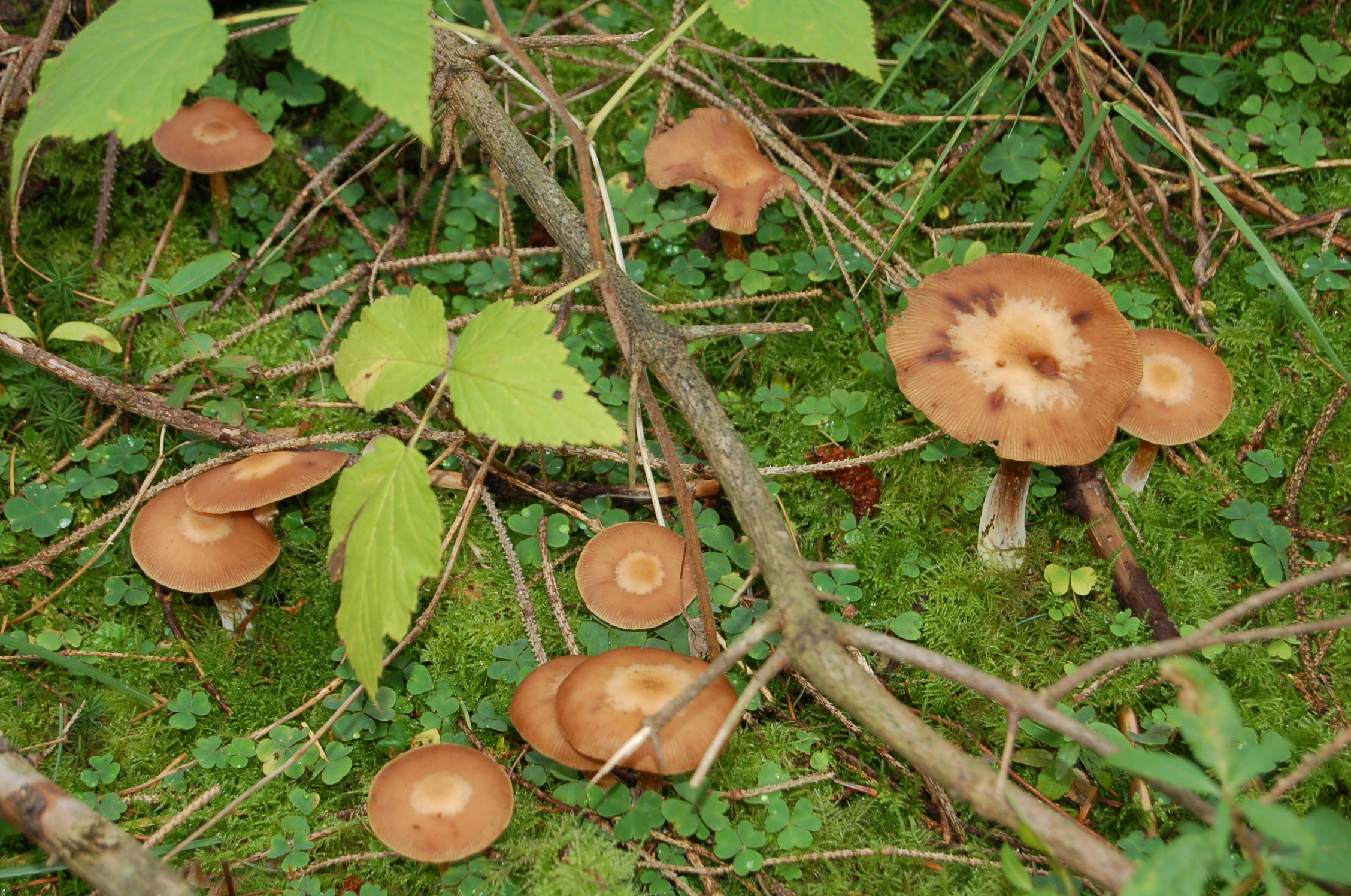
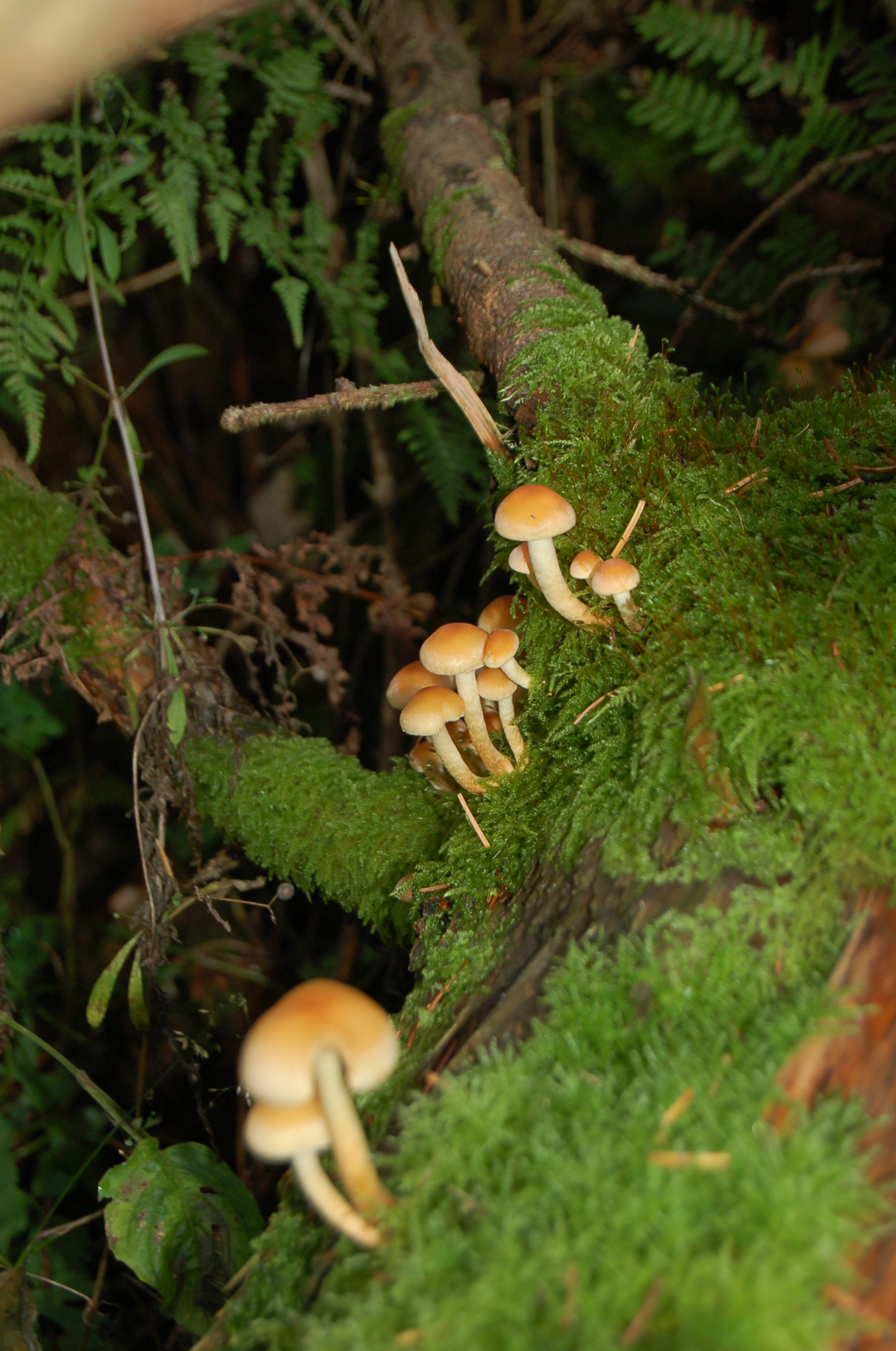
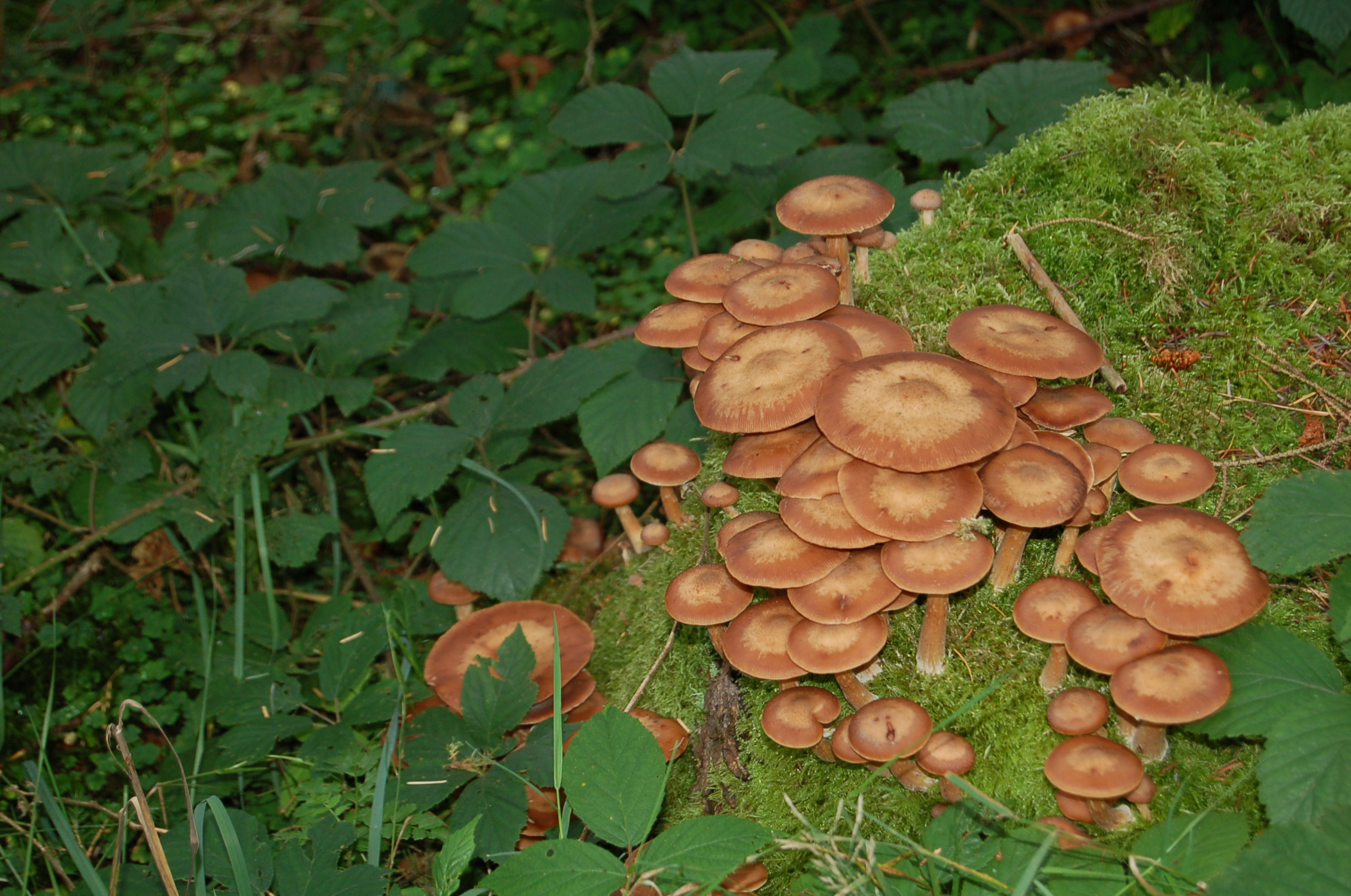
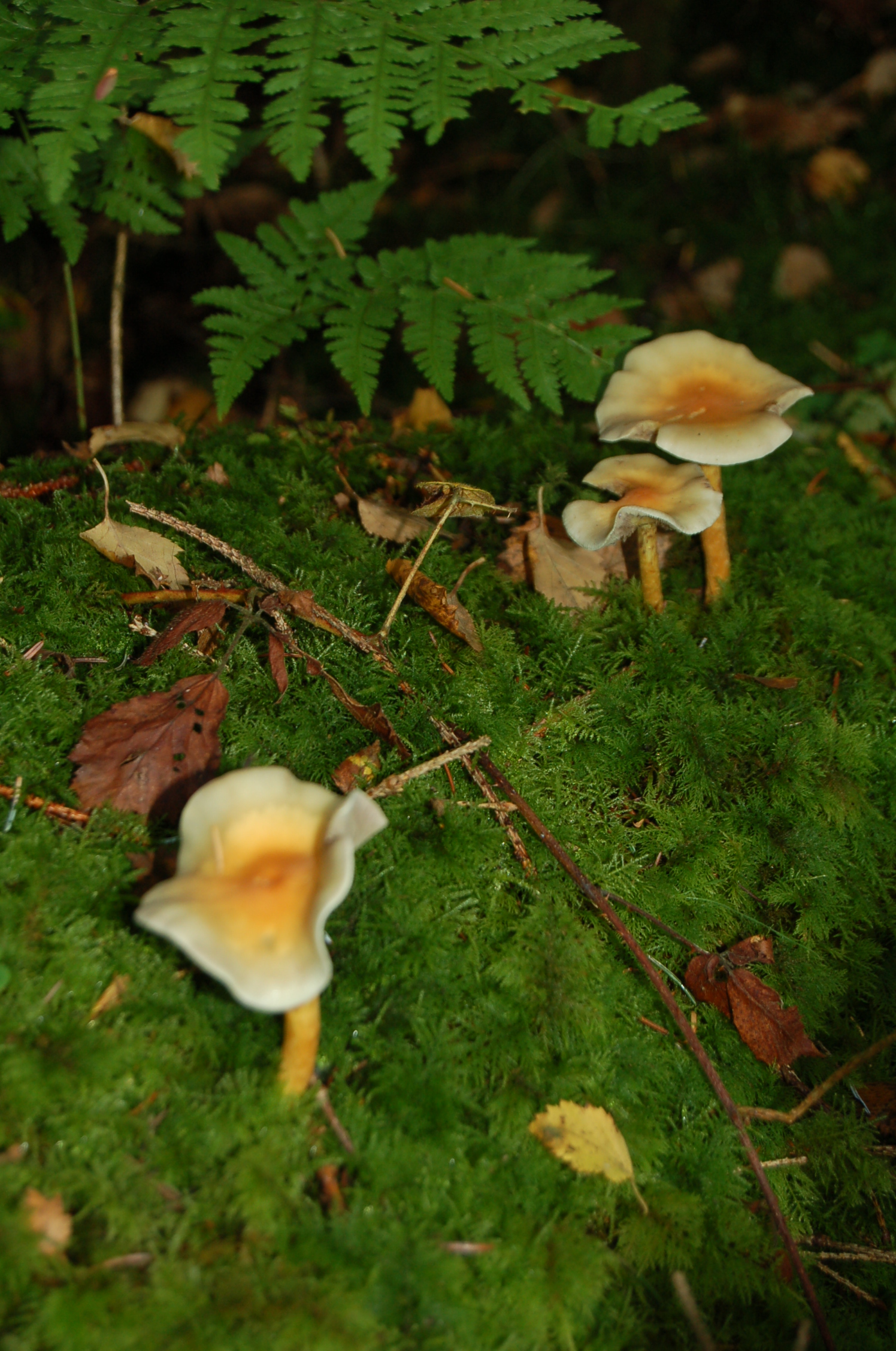
Fungi are the stars of the autumn woodland. We usually start looking out for them in September but with the seasons being a good four weeks behind this year we found our first here at Vyrnwy.

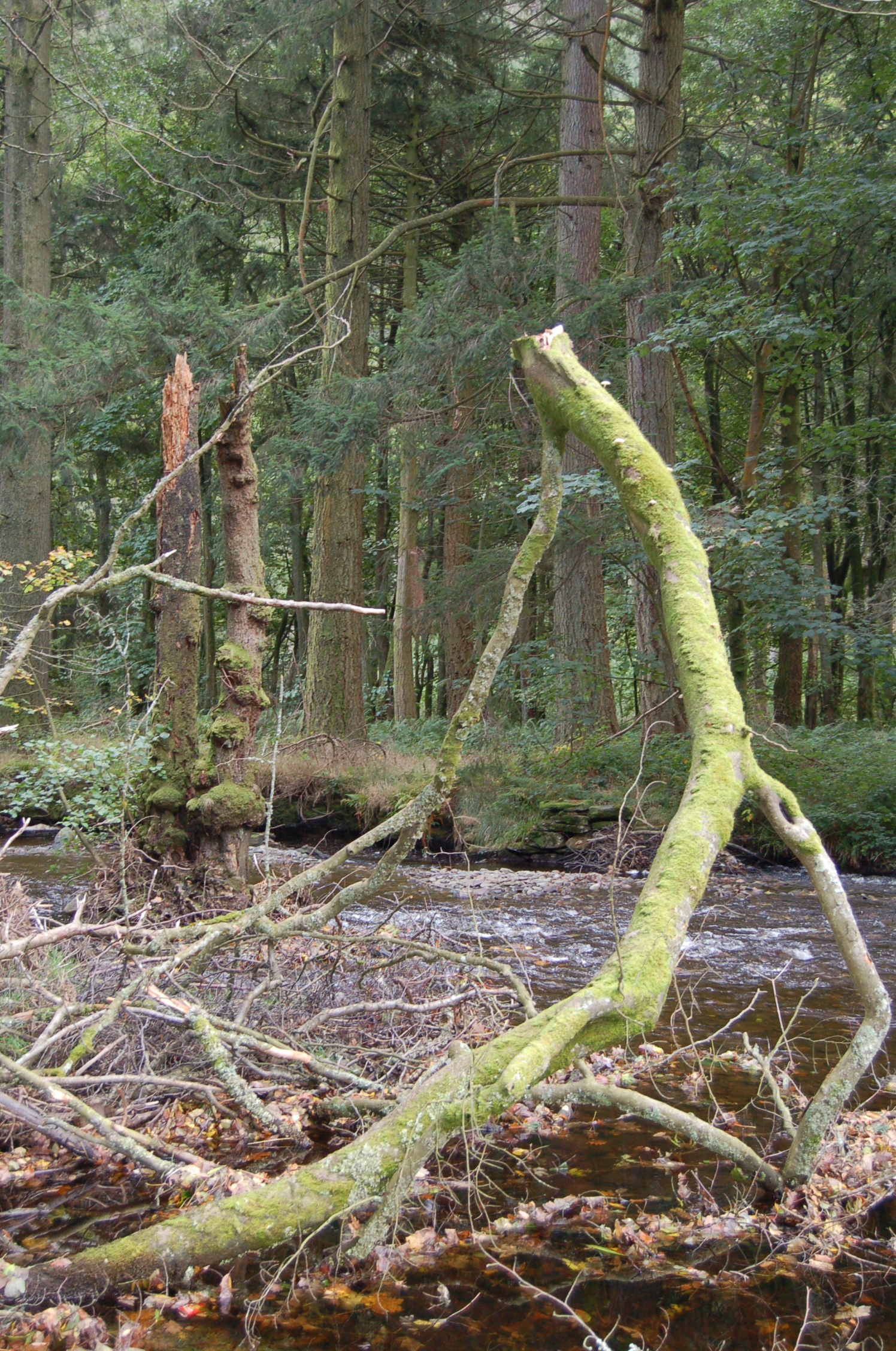
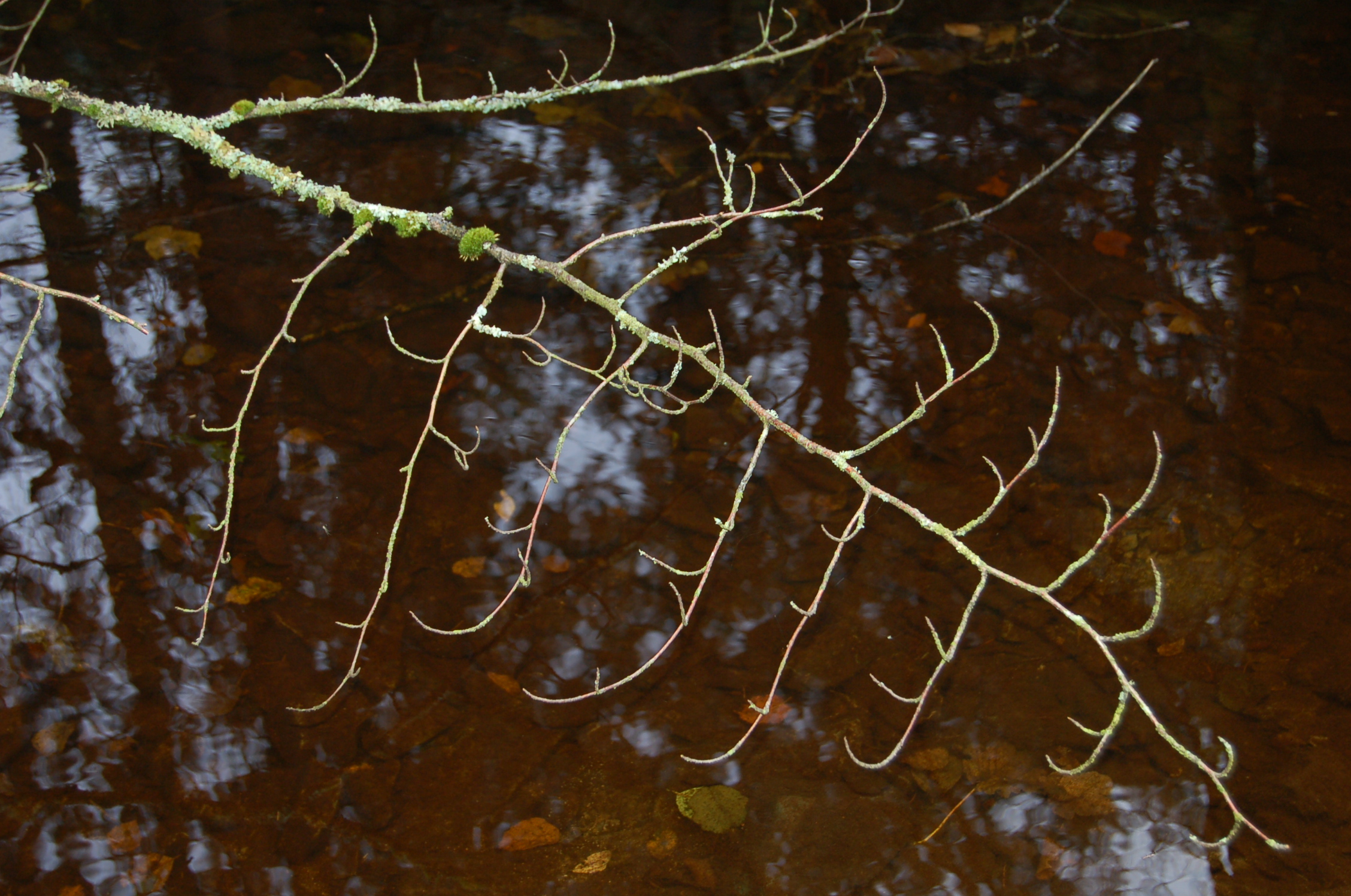
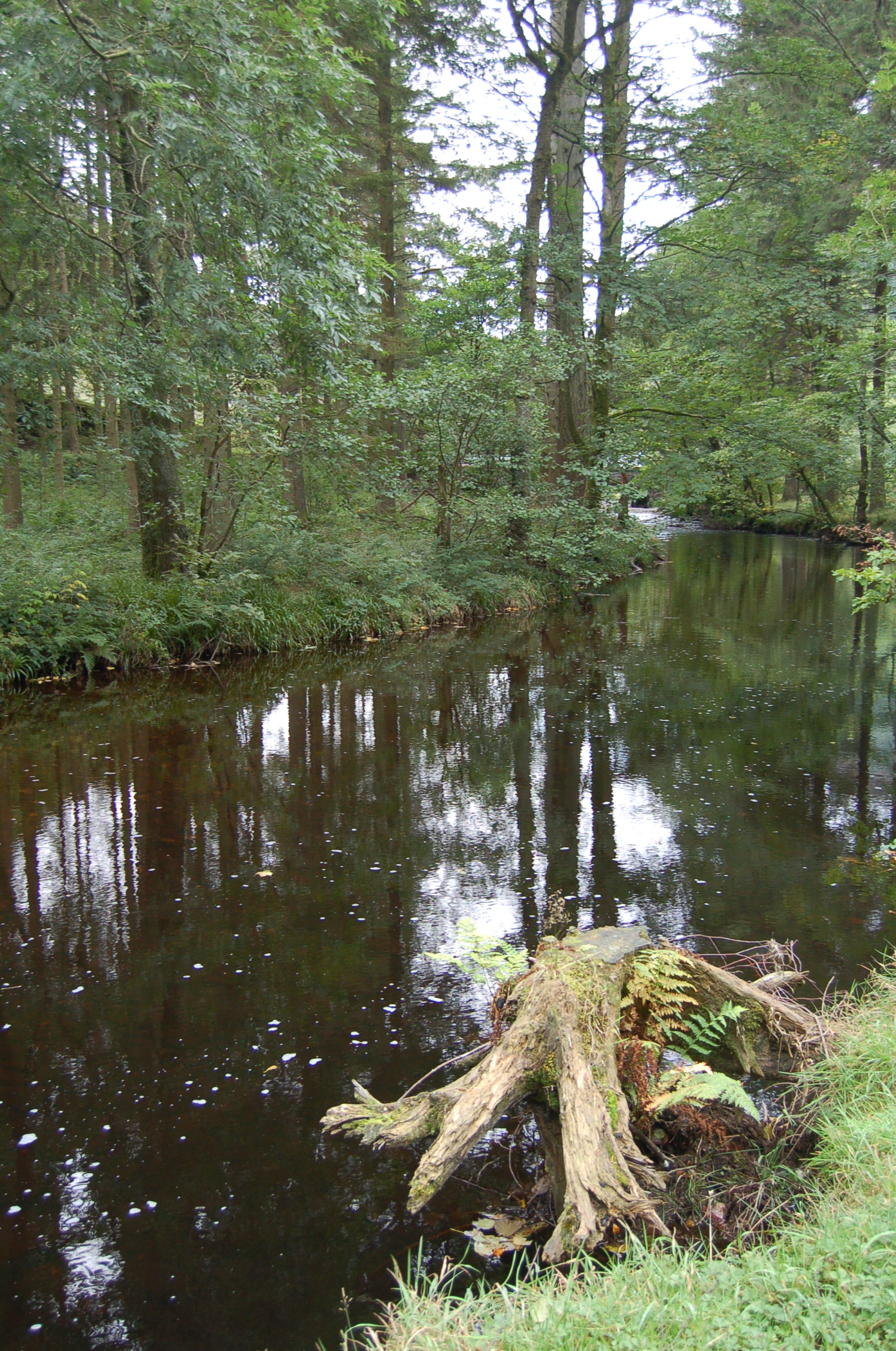
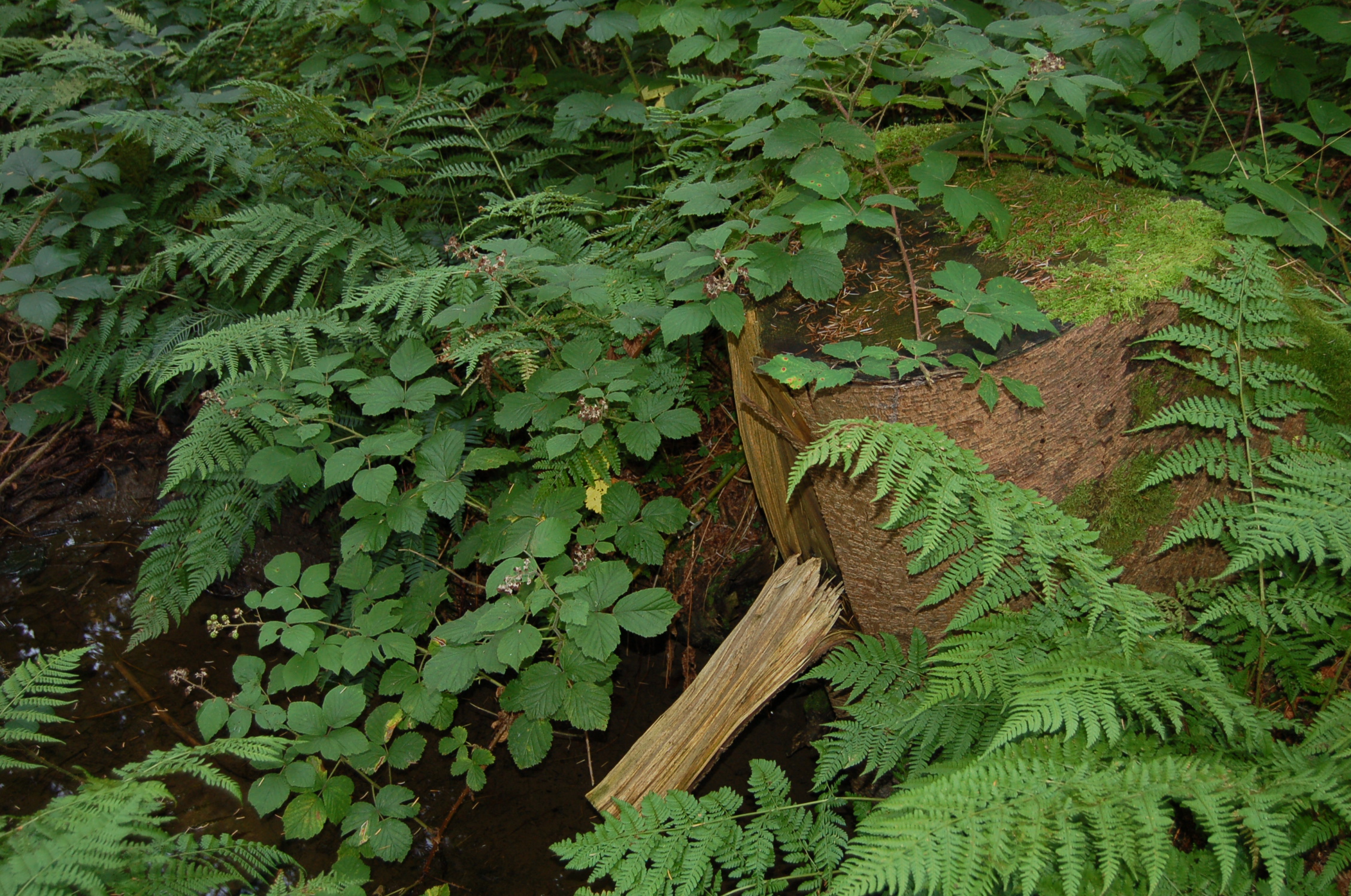
We stopped off in a clearing in the woods around the lake, a favourite place for our walks. A clear, fast-running mountain stream passes alongside and we always look to see what the floods from recent storms have brought down. A beautiful gnarled stump with delicate ferns on top sats close to our bank. A little further along a big branch pulled from a bankside tree was lodged in the middle of the stream caught in the overhanging branches of a tall tree.

2013 10 06_4092 2013 10 06_4093 2013 10 06_4095 2013 10 06_4096 2013 10 06_4097

2013 10 06_4098 2013 10 06_4099 2013 10 06_4100 2013 10 06_4101 2013 10 06_4102

We hadn’t been many yards wandering down the narrow path with its surface softened by pine needles, when we realised that fungi time was here! We looked forward to seeking out specimens along the way. They turned up mostly at the base of trees or growing on old rotting tree stumps.

2013 10 06_4103 2013 10 06_4104

2013 10 06_4105 2013 10 06_4106 2013 10 06_4107  2013 10 06_4109 2013 10 06_4110

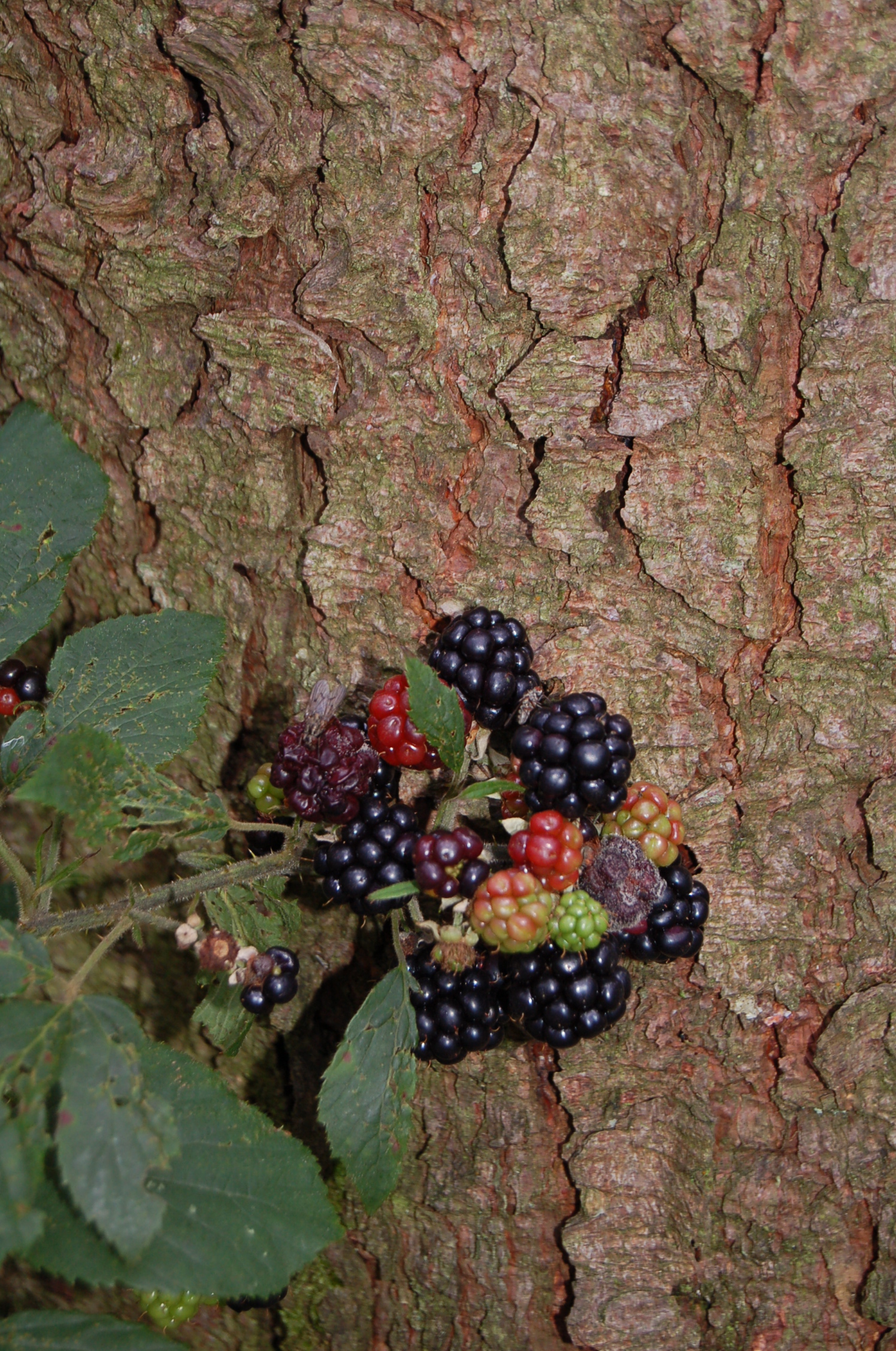
With the fungi we found juicy Blackberries growing, their berries glowing in any shaft of light that found its way through the canopy.

2013 10 06_4108 2013 10 06_4112

As we moved further into the wood we found more and more fungi of varying oranges, yellows and browns.

2013 10 06_4114 2013 10 06_4115     2013 10 06_4121  2013 10 06_4123 2013 10 06_4124 2013 10 06_4125

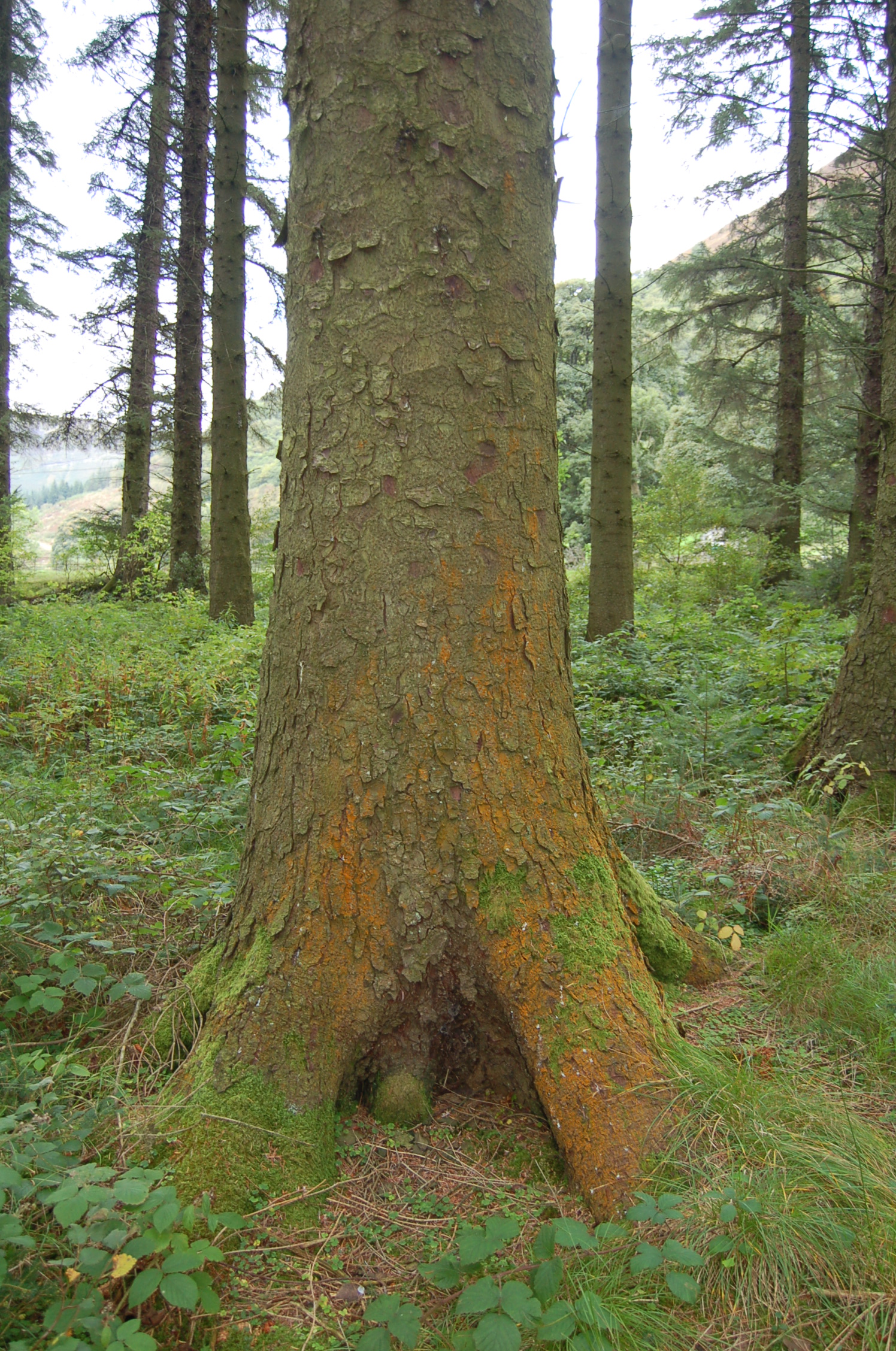
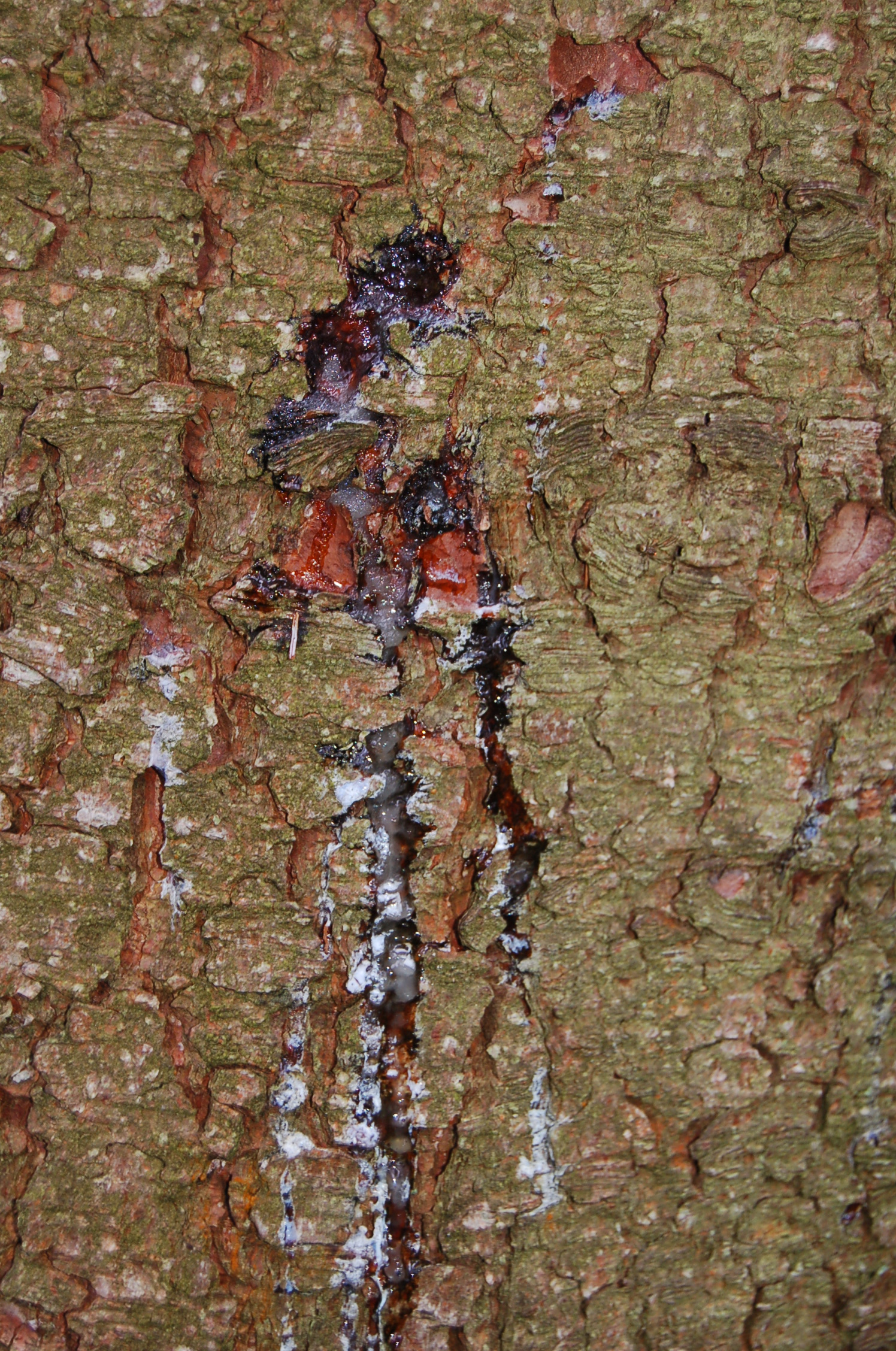
Tree trunks themselves had areas of colour upon them, algae, mosses, lichen and seeping resins.

2013 10 06_4116 2013 10 06_4122

2013 10 06_4117 2013 10 06_4119

2013 10 06_4118

Little did we know that we had the biggest surprise of all awaiting for us as we walked around the next corner. But that story is in my next post, “Our First Woodland Walk for Autumn – Part Two”.

Categories
colours landscapes light light quality outdoor sculpture photography the sea the seaside the shore

Strands – Discovering a Beach – Part One

To help us forget the winter and escape the winter blues I will write a series about a day at a beach in North Wales. We spent the day on a lovely windswept stretch of beach near Conwy. We are big beach lovers and this has been favourite for decades. It is so different every single time we visit it. We have loved walks here on hot sunny days under bright blue skies, freezing cold days wrapped in thick coats, scarves and hats under clear thin blue winter skies, windswept days under heavy grey clouds and wet days when we walk heads down and hoods up.

2013 09 27_3789 2013 09 27_3797

We never know what to expect, how much sand there will be, whether the sand will be smooth or deeply rippled, whether the strandline will be full of feathers, driftwood and seaweed and whether the boulders and pebbles will be exposed. We love discovering driftwood of whatever size or shape, but always of course smooth as velvet, ground down by the power of the sea. We have found tiny curly bits of heather roots, old sections of telegraph poles, bits of boats of all sizes and parts of trees from who knows where. We often find sections of buildings, clumps of bricks or stone, some locked together by twisted lengths of metal red with rust. Sea Gull feathers stick out of the strandline debris at all angles, all grey, white or black. Sadly we find lots of plastic, the worse type of the debris of man and his throw away society. On 26th September 2013 we came to our beach to celebrate Jude, aka Mrs Greenbench, aka The Undergardener’s birthday. We usually celebrate each other’s birthdays by having special days out. This special day was a cold one, so we were wrapped up well against the cold wind. It is invariably cold here, just some days it is a lot windier than others. I have recently read a book called “Strands. A Year of Discoveries on the Beach” by poet Jean Sprackland, which featured her own favourite stretch of beach. In it she describes those little clumps of artefacts, the miscellany of collected objects that the wind brings together and deposits on the strandline where an obstacle takes it from the clutches of the wind. “The sea itself makes its own strange artefacts, combining rope and wood and miscellaneous plant material into eclectic tangles known as “mare’s nests”, a name which describes their muddle and untidiness as well as their illusory and paradoxical nature.”

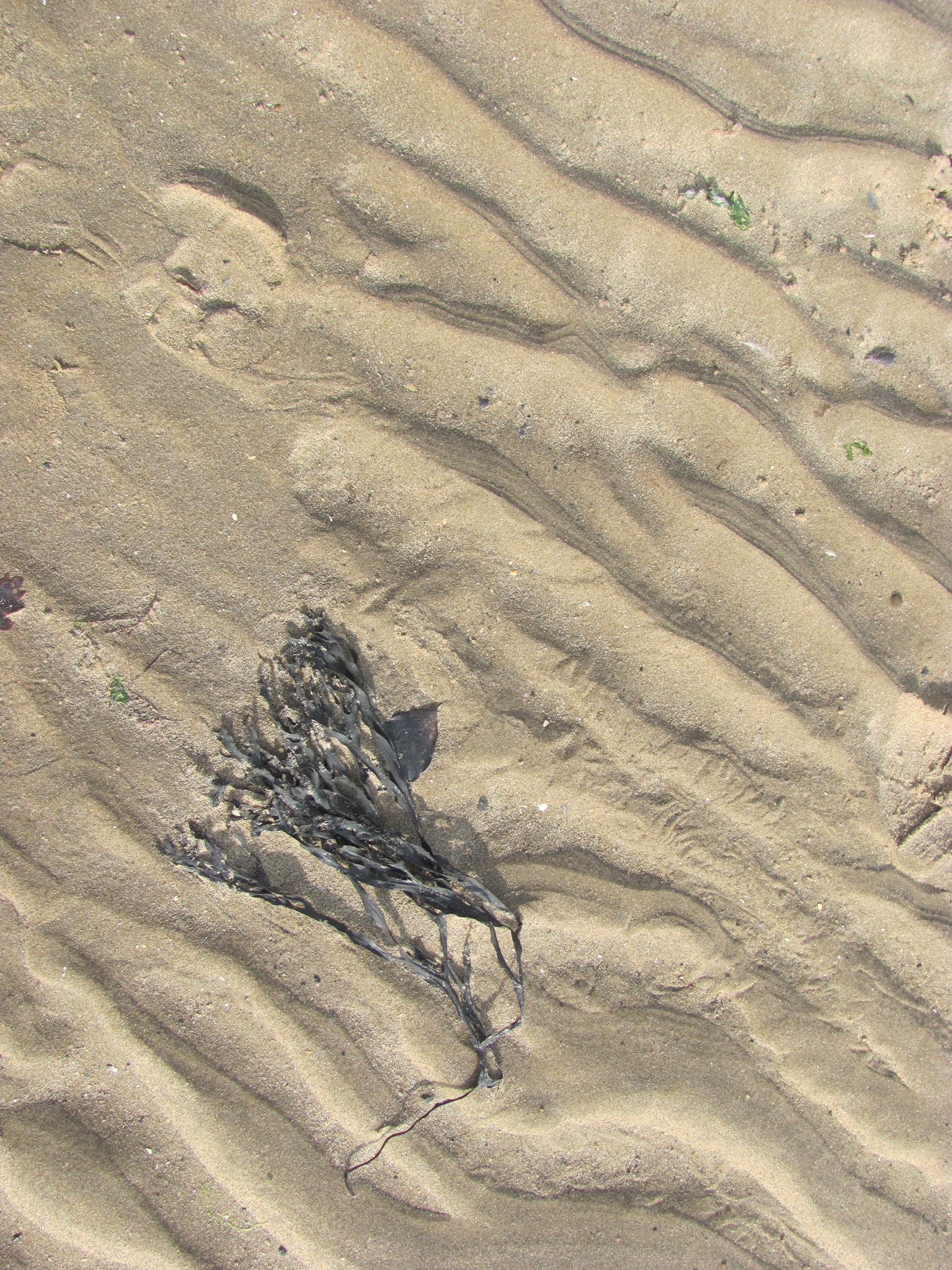
An artist has been at work creating pictures in the sand, the sea itself. The receding tide becomes its paintbrush leaving patterns of light and shade.

As we move along the beach the colour of the sand varies sometimes a purer silver as in the last photo in this batch but at other times it is more of a buff colour as in the first pic.

2013 09 27_3790 2013 09 27_3791 2013 09 27_3792 2013 09 27_3793 2013 09 27_3794 2013 09 27_3795 2013 09 27_3796 2013 09 27_3819

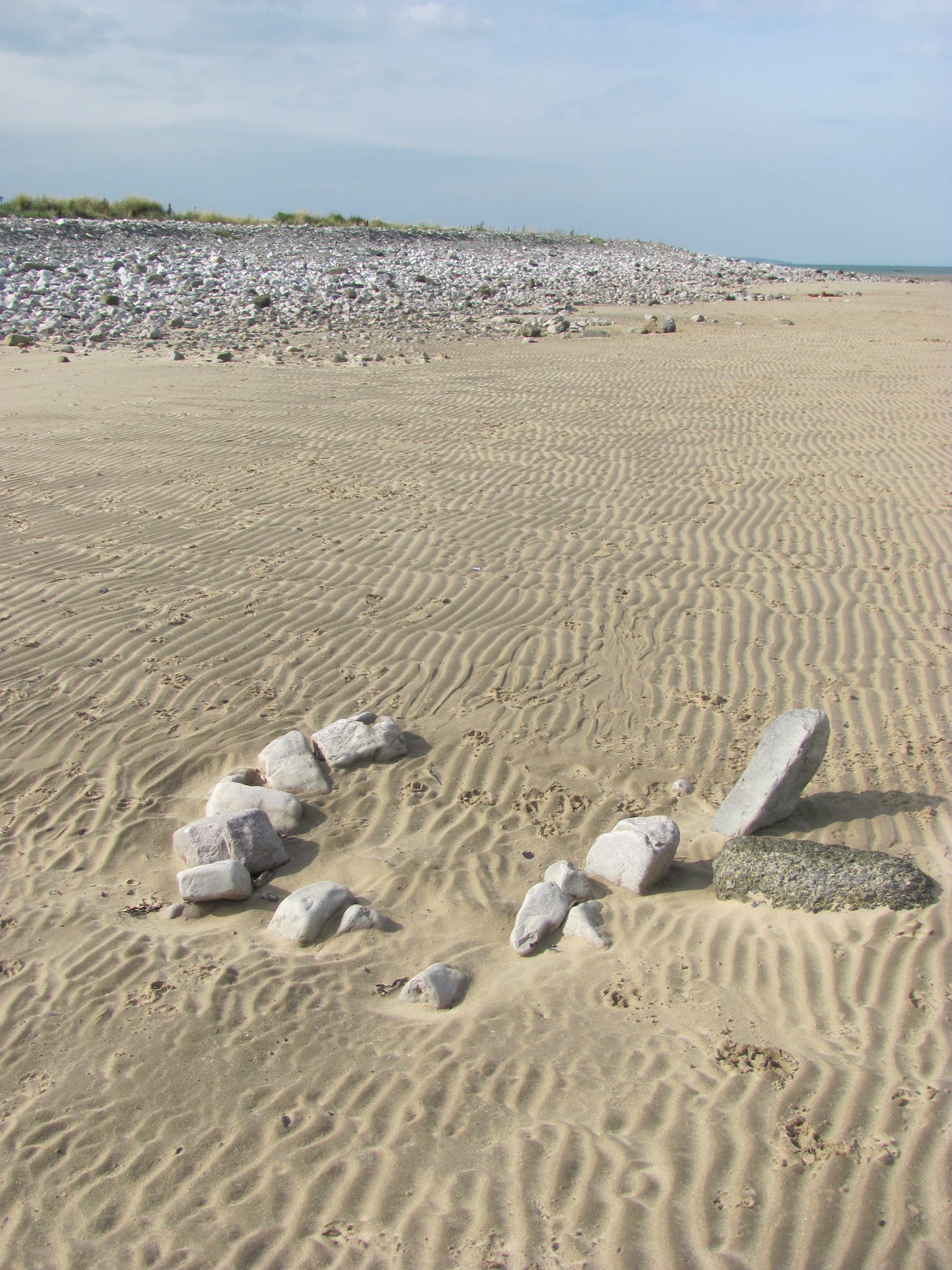
The powerful influence of the artist tides encourages even the least creative of people to make art. They collect and sort stones, pebbles and wood and make pictures and sculptures in the sand and on the grass strip beyond.

2013 09 27_3799 2013 09 27_3798 2013 09 27_3797 2013 09 27_3936 2013 09 27_3934 2013 09 27_3927

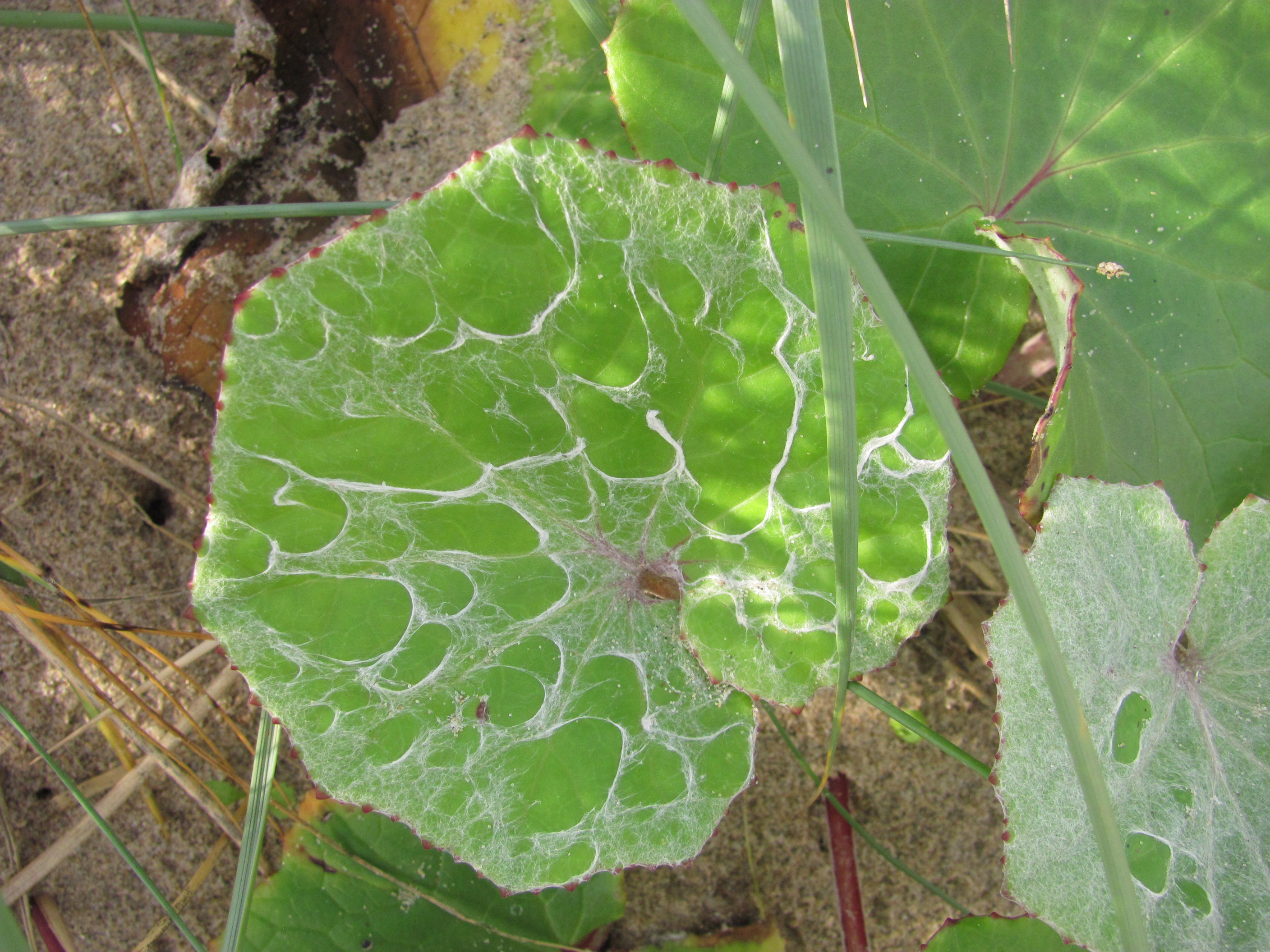
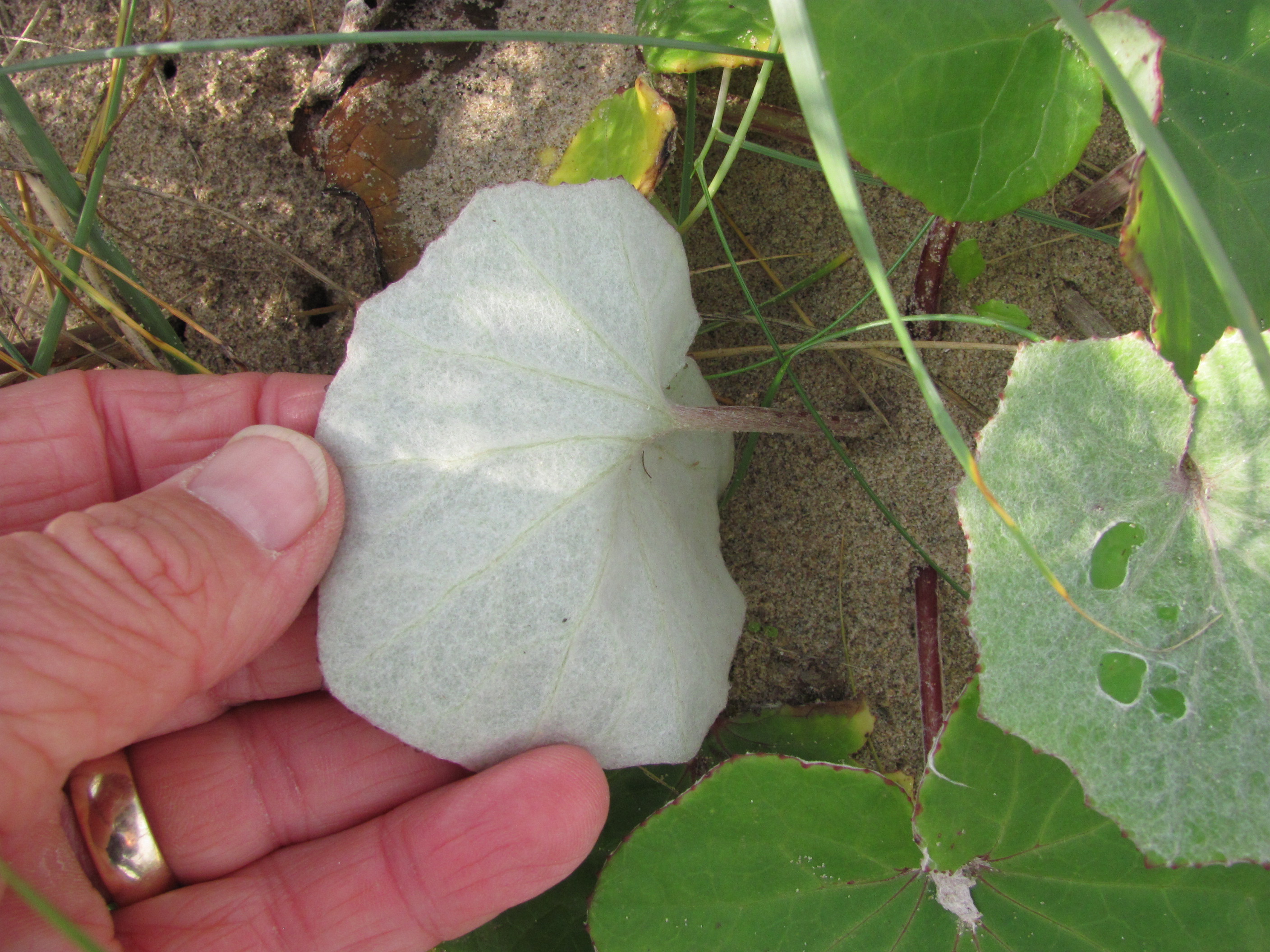
The seashore possesses a flora all its own. Flowers and leaves which are spotted nowhere else, with thickened stems, white backed leaves and other tactics to help withstand the attacks from the salt laden sea air. We are frequently tempted to walk up the sands over the pebbles and study the greenery.

2013 09 27_3781 2013 09 27_3782 2013 09 27_3783 2013 09 27_3784 2013 09 27_3785 2013 09 27_3786 2013 09 27_3787 2013 09 27_3788

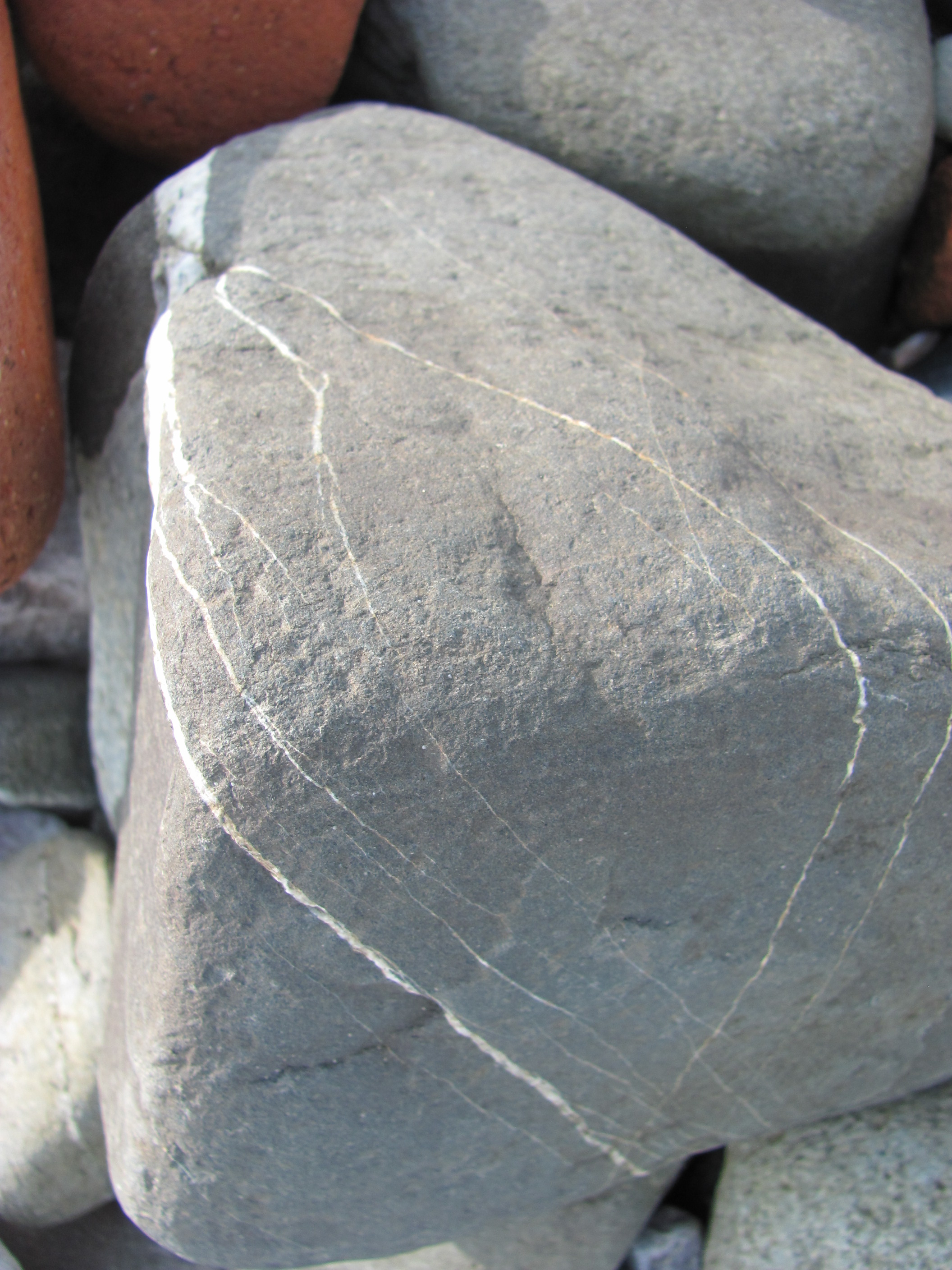
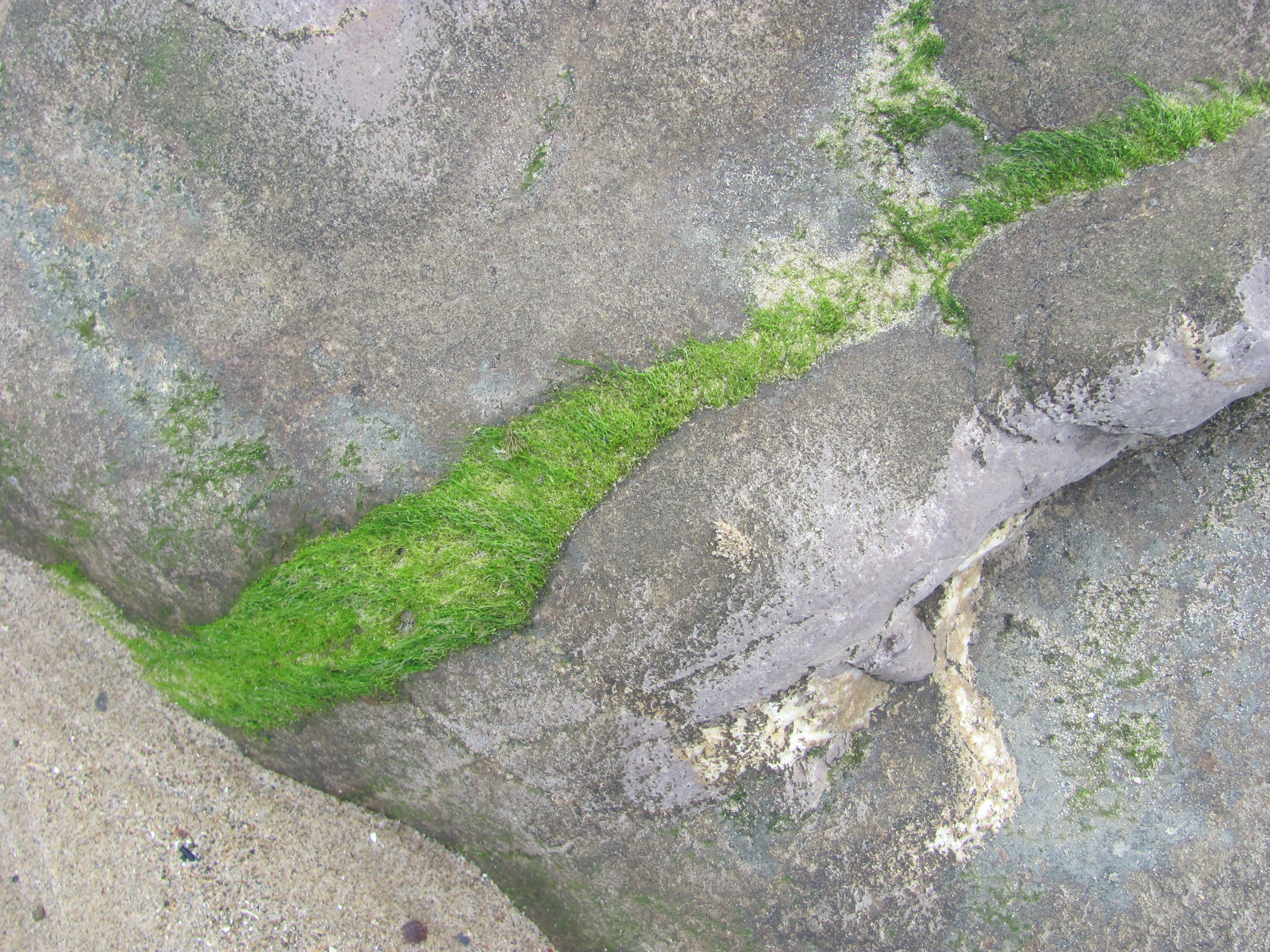
We soon return to our searching of the strandline, heads down eyes wide. We spot pebbles with interesting textures, with narrow white lines on as if drawn by pen or paint brush, or lines of seaweed.

2013 09 27_3800 2013 09 27_3809 2013 09 27_3811 2013 09 27_3818  2013 09 27_3823

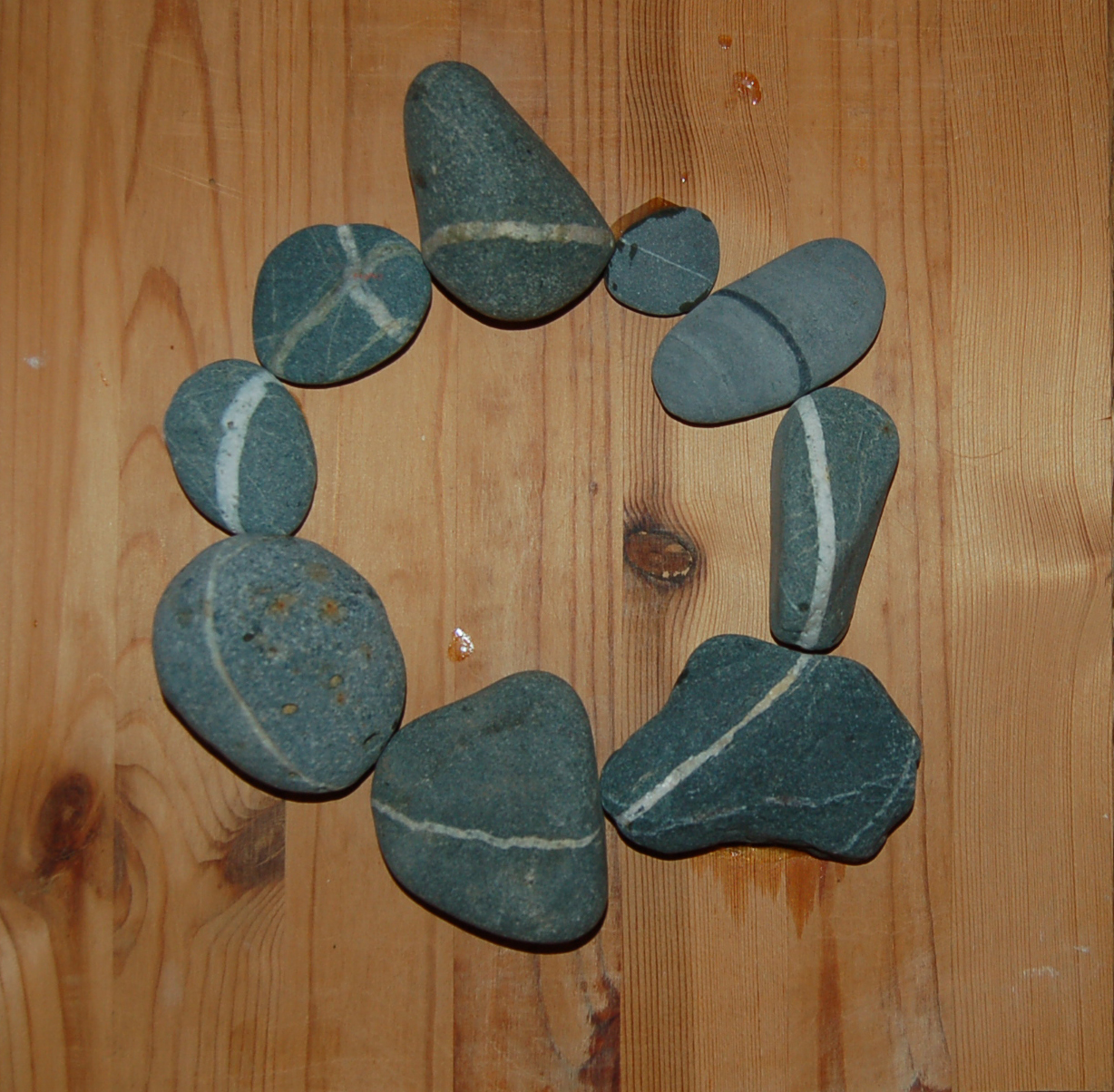
A few years back we decided to see if we could collect together a pocket full of pebbles with white lines on, with the intention of creating a circle. We managed to do this and created a circle of quartz lines, but added one black line for interest.

2013 12 23_5568_edited-1

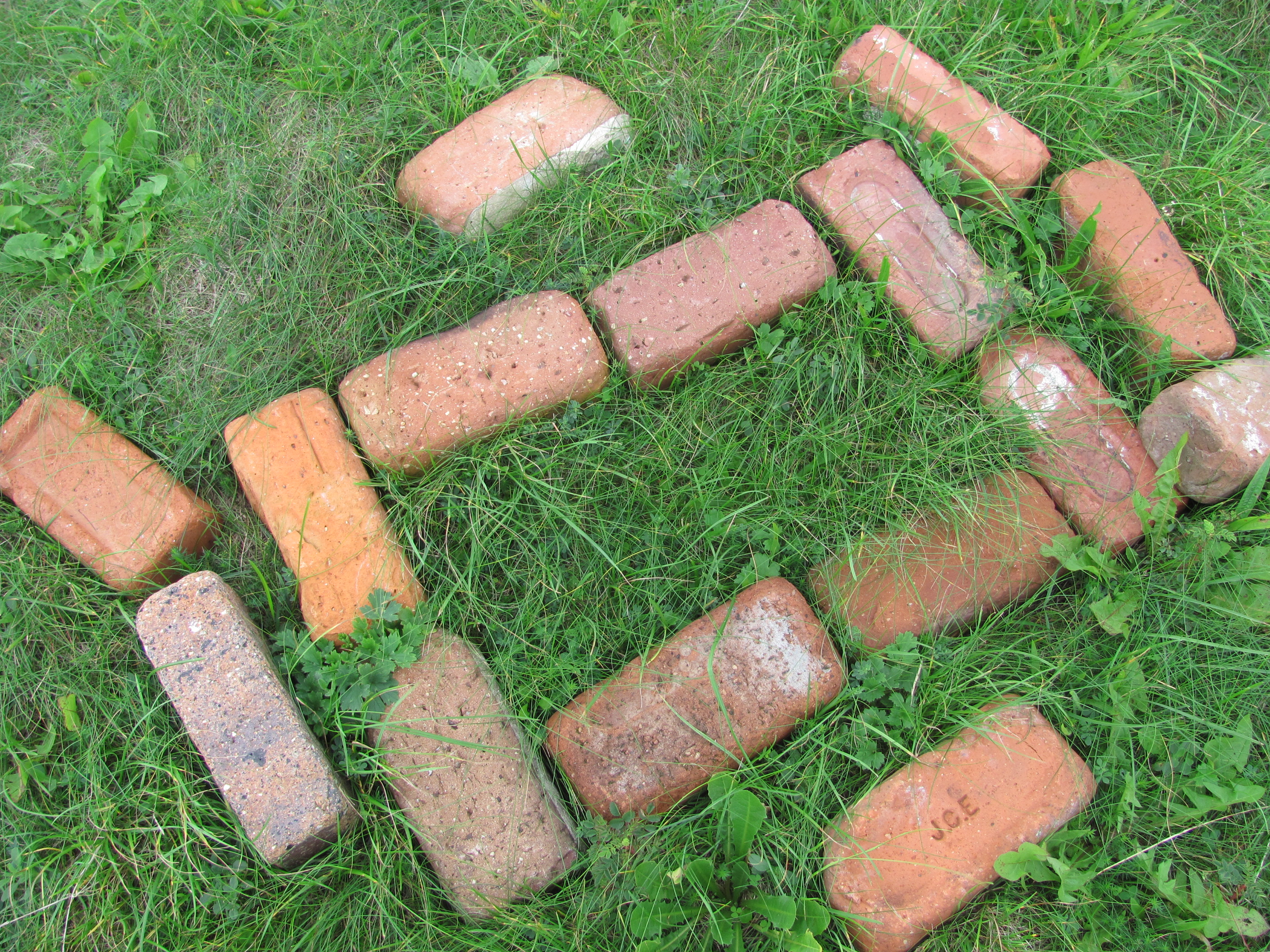
You may have noticed that in several of these pictures the pebbles are actually smoothed down building materials. Look at the beach sculptures and spot the one piece made entirely of sea worn old bricks. The sea has enough power to smooth off sharp corners, remove glazed sides and gently round bricks and concrete blocks into pebbles. Similarly sea glass appears just like pebble gems.

In our second visit to our beach we will be searching these out. See you in Strands Part Two.

Categories
autumn autumn colours colours garden design garden photography gardening gardens gardens open to the public grasses ornamental grasses ornamental trees and shrubs outdoor sculpture Powis Powys trees Winter Gardening winter gardens woodland

Another visit to The Dingle

Just half an hour drive from our home is the Welsh town of Welshpool and close to it the wonderful gardens and family owned and run nursery at The Dingle. It is a garden on a slope with paths taking you on a gentle downhill journey to the bottom of the valley where a lake awaits with its colourful reflections. The Dingle is a woodland garden situated in a Welsh valley and boasts its own nursery which specialises in trees but stocks equally varied quality herbaceous plants, grasses and shrubs.

2013 11 16_5136

Whatever season you visit this gem of a garden there is so much to appreciate, especially shrubs and small trees. Around every corner the visiting gardener can find inspiration that stimulate fresh ideas to use.

2013 11 16_5112 2013 11 16_5113

Contrasts in foliage colour and texture are evident in the carefully chosen groupings of shrubs and small trees.

2013 11 16_5115 2013 11 16_5116

2013 11 16_5122 2013 11 16_5123

2013 11 16_5125

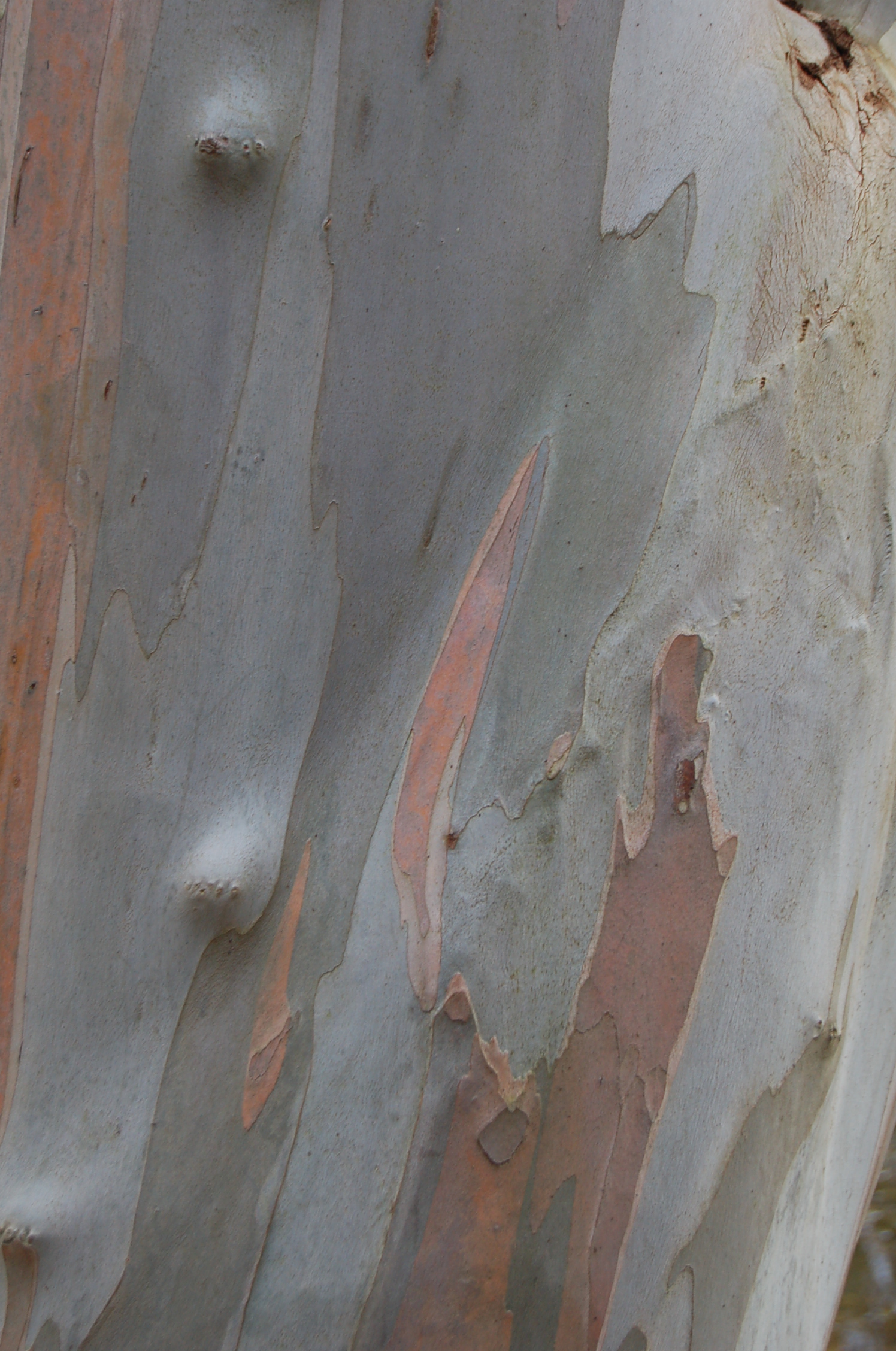
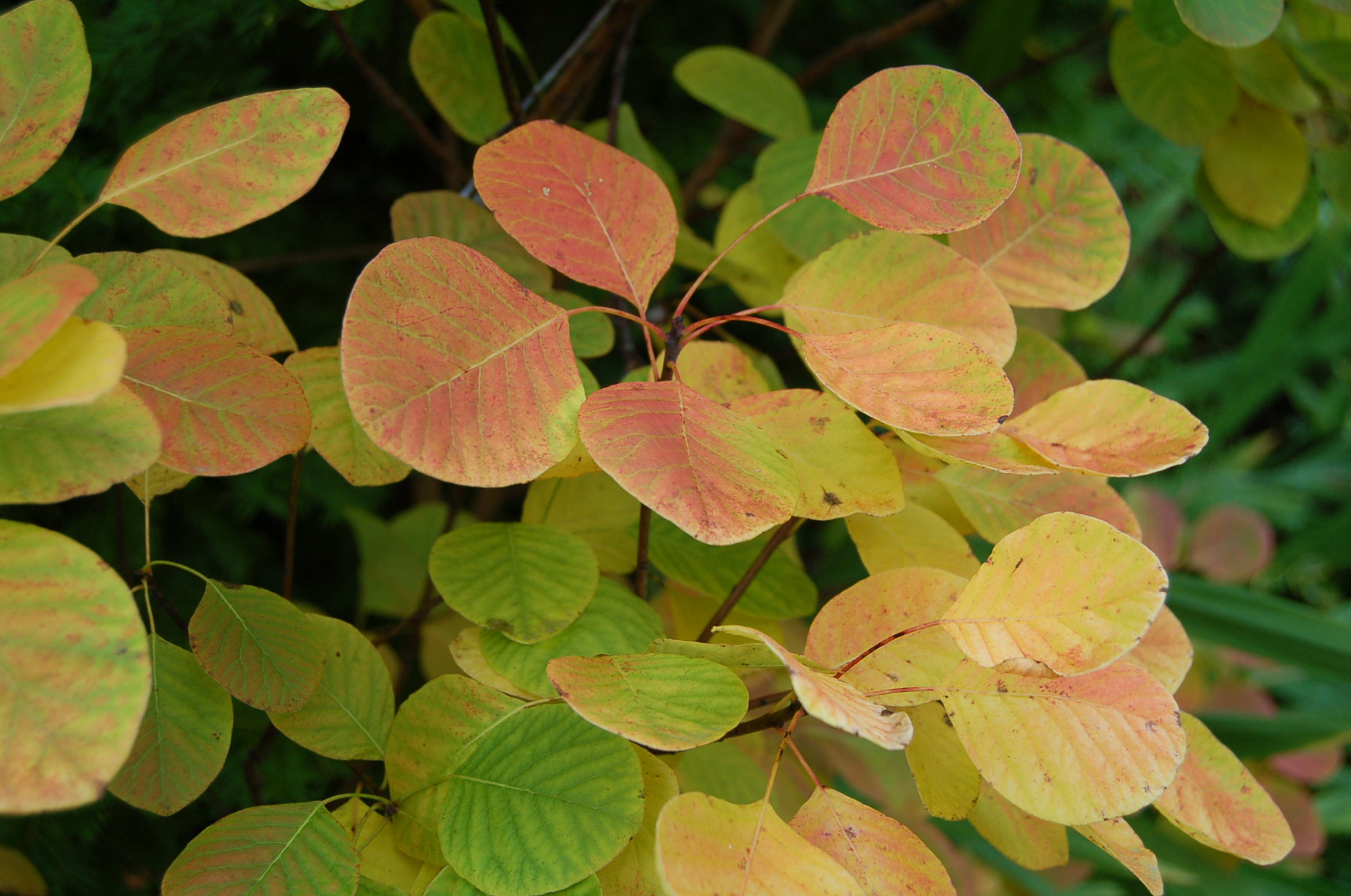
Of equal importance are the specimen trees and shrubs, the ones that need to be appreciated for their individual beauty. The beauty in autumn is in the leaf colour and in the colour, texture and patterns of the bark.

2013 11 16_5164 2013 11 16_5127

2013 11 16_5124 2013 11 16_5128

2013 11 16_5129

2013 11 16_5118 2013 11 16_5119 2013 11 16_5126

2013 11 16_5131 2013 11 16_5132

2013 11 16_5133 2013 11 16_5134

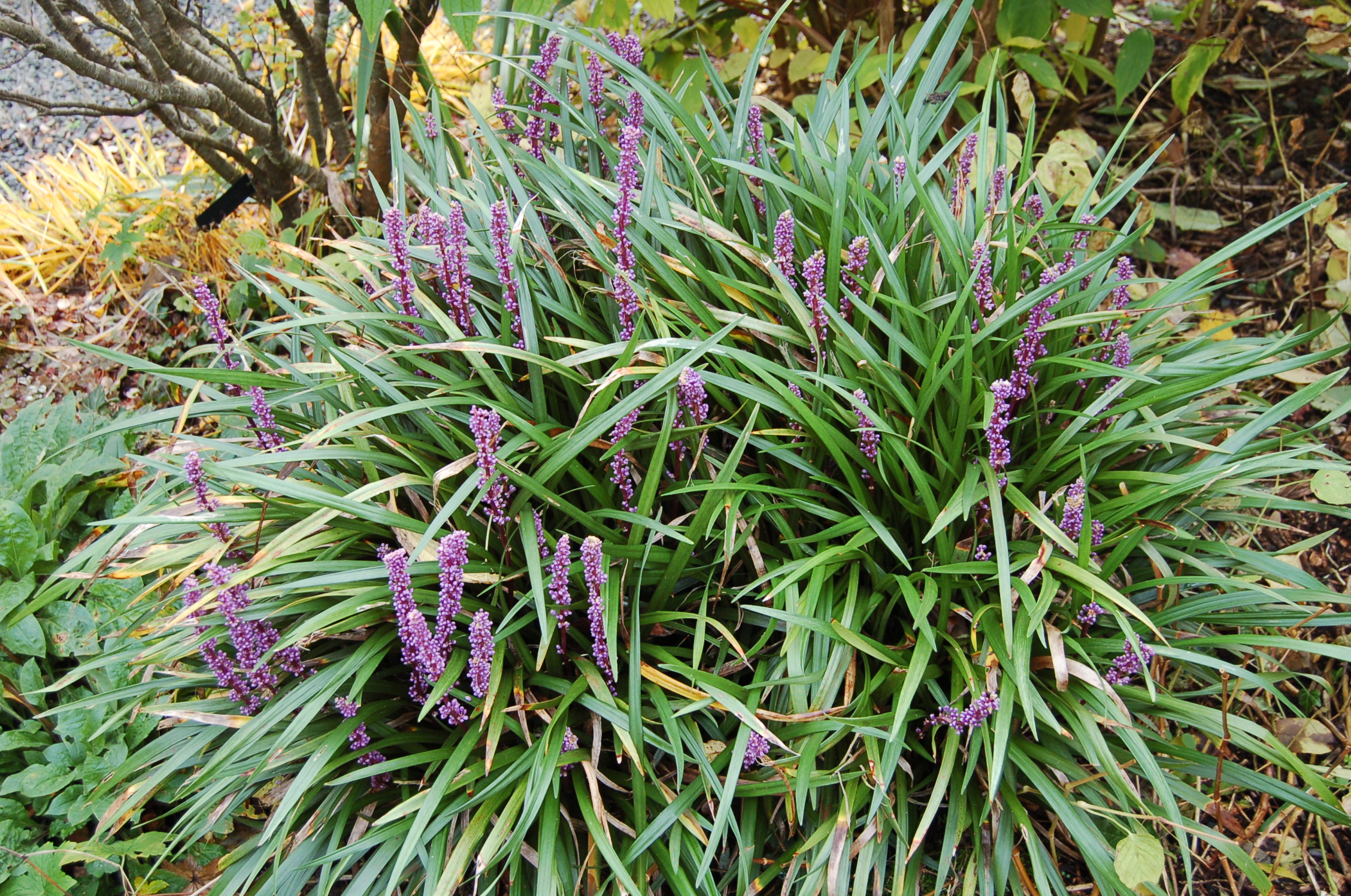
The trouble with gardens so full of special trees and shrubs is that you can forget to look down or to look at the detail right in front of your nose, flowers at ground level such as the Liriope, bright berries dangling at branches’ end and grasses that wave their flower heads at you in the gentlest breeze.

2013 11 16_5117 2013 11 16_5135

2013 11 16_5130

But there is so much to see around every corner, at your feet, just in front of you and way up high. Come with us now as we wander slowly down the gently sloping gravel paths through beautifully varied plantings of trees and shrubs with occasional flowering plants at our feet. Just click on the first photo and then use the right arrow to navigate. Enjoy the Dingle! Look out for my brother-in-law Tony lurking in the bushes with camera in hand! He is hard to spot even though he is in a brightly coloured yellow jacket.

Categories
autumn autumn colours birds climbing plants colours garden photography garden wildlife gardening gardens grasses hardy perennials migration ornamental trees and shrubs poppies roses trees wildlife Winter Gardening

A Garden Bouquet for December

Already we are almost at the end of the year so here is my December bouquet from our garden,the final chapter in 2013.

2013 12 12_5469_edited-1

It is only mid-December and while in the garden we are treated to the beautiful repetitive piping call of a Song Thrush, already making his territorial proclamation. He must have found a mighty fine territory which he is making sure no-one else can take possession of.

The skies seem full of passing flocks of Redwing and their larger noisier cousins the Fieldfare on migration, escaping their cold food-less summer homes in central Europe. Below them exploring the trees and shrubs of our garden mixed foraging flocks of finches seek out the last of the seeds and berries while amongst them groups of Titmice, Great, Blue, Long-tailed and Coal arrive in hurried flight to explore every nook and cranny of dried stems, tree bark and shrub branches for insects especially spiders.

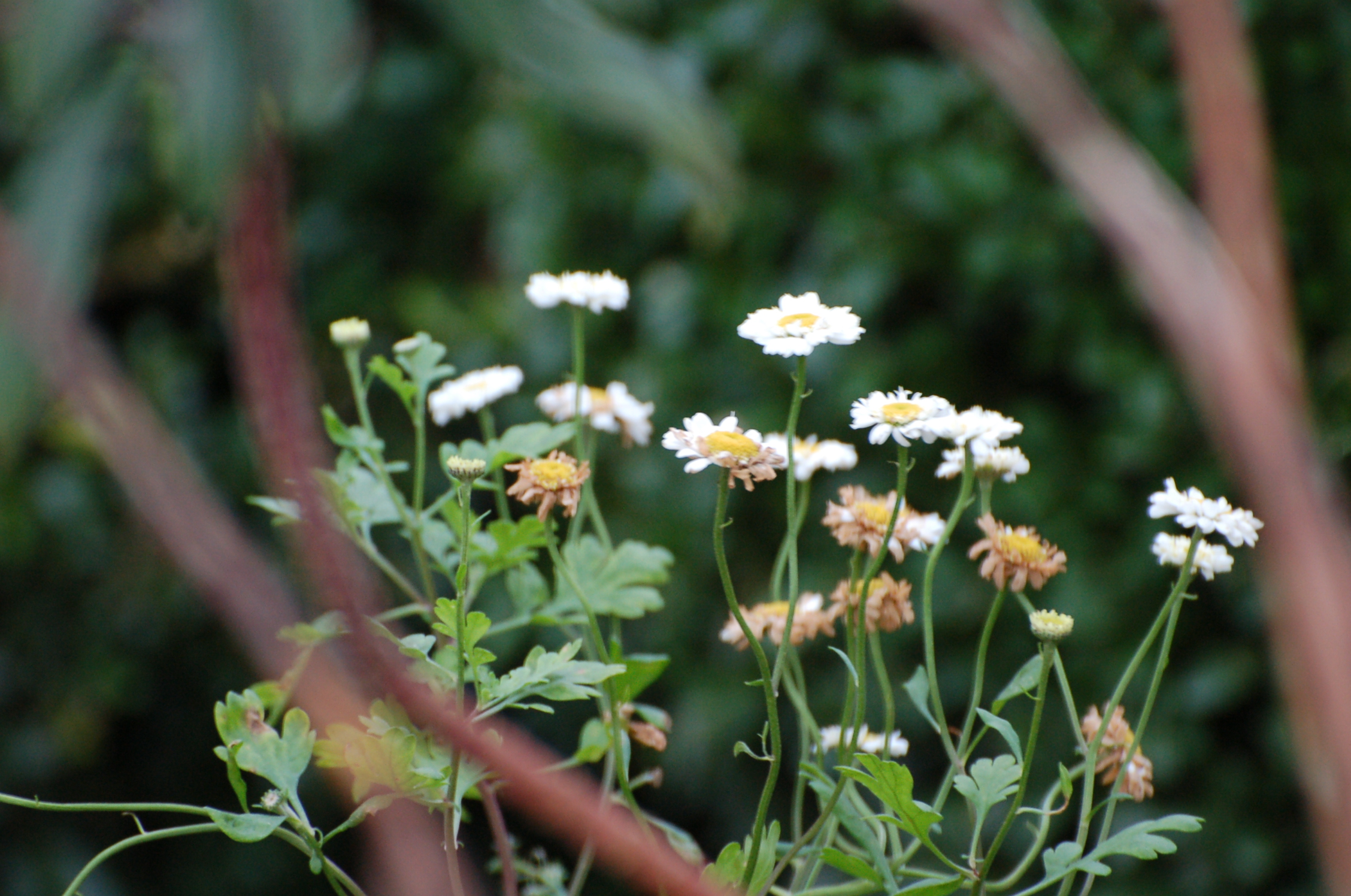
A few delicate looking soft coloured flowers still hang on determined to be the final blooms of the year. It seems amazing but the odd big bumbling Queen Bumble Bee appears to feed on them.

2013 12 12_5438 2013 12 12_5440

2013 12 12_5444 2013 12 12_5452

2013 12 12_5462 2013 12 12_5463

2013 12 12_5468 2013 12 12_5471

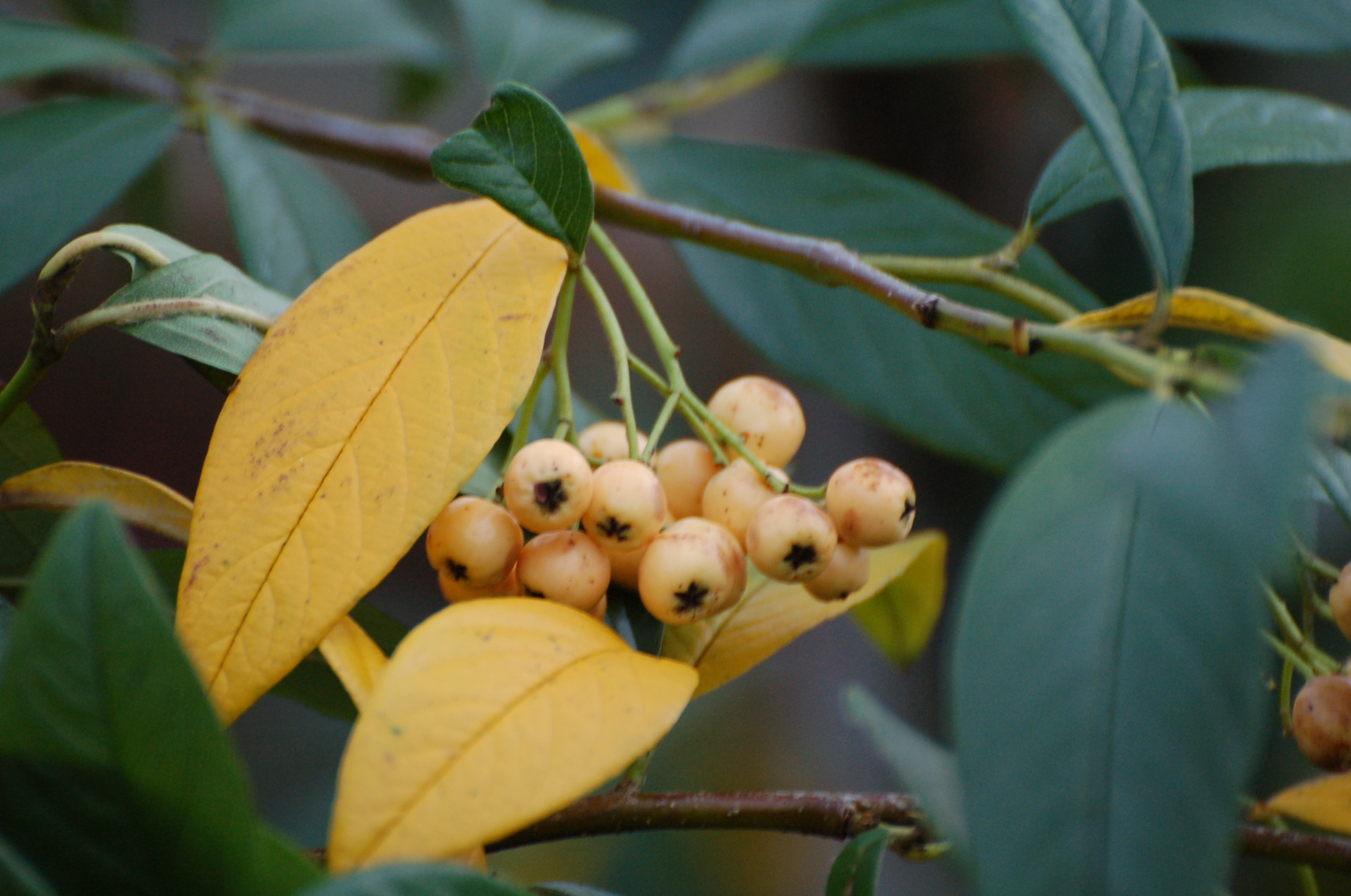
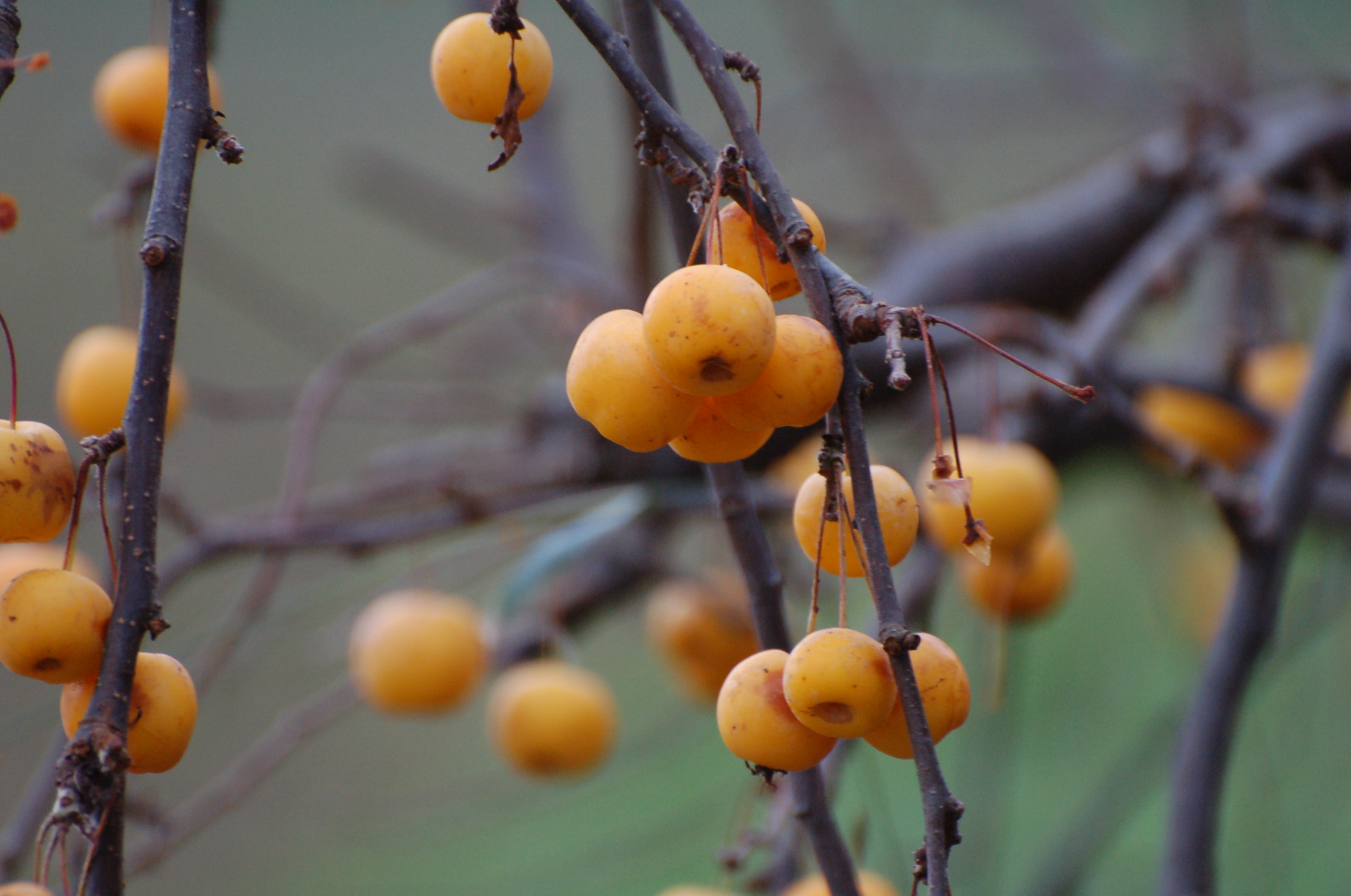
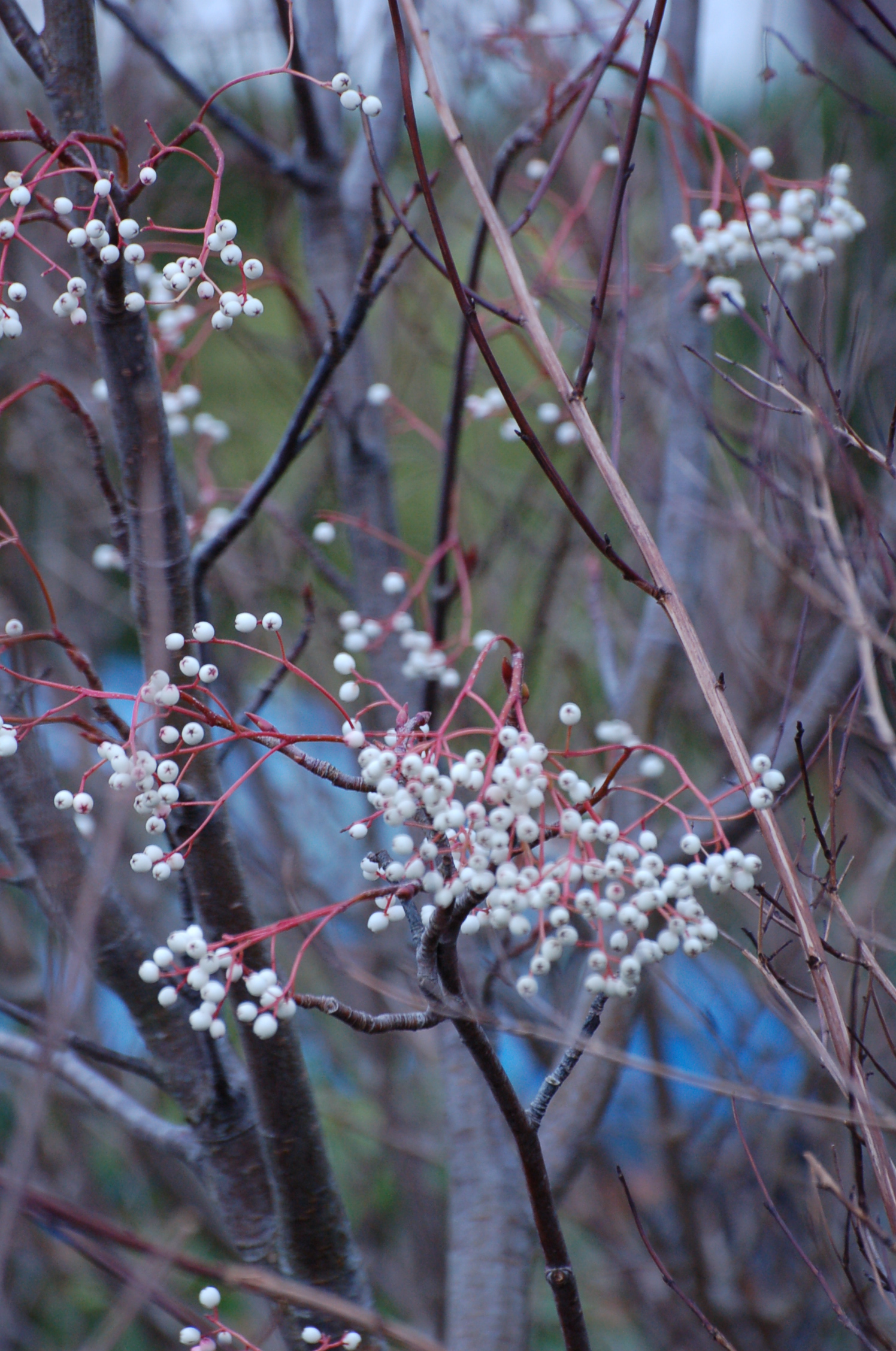
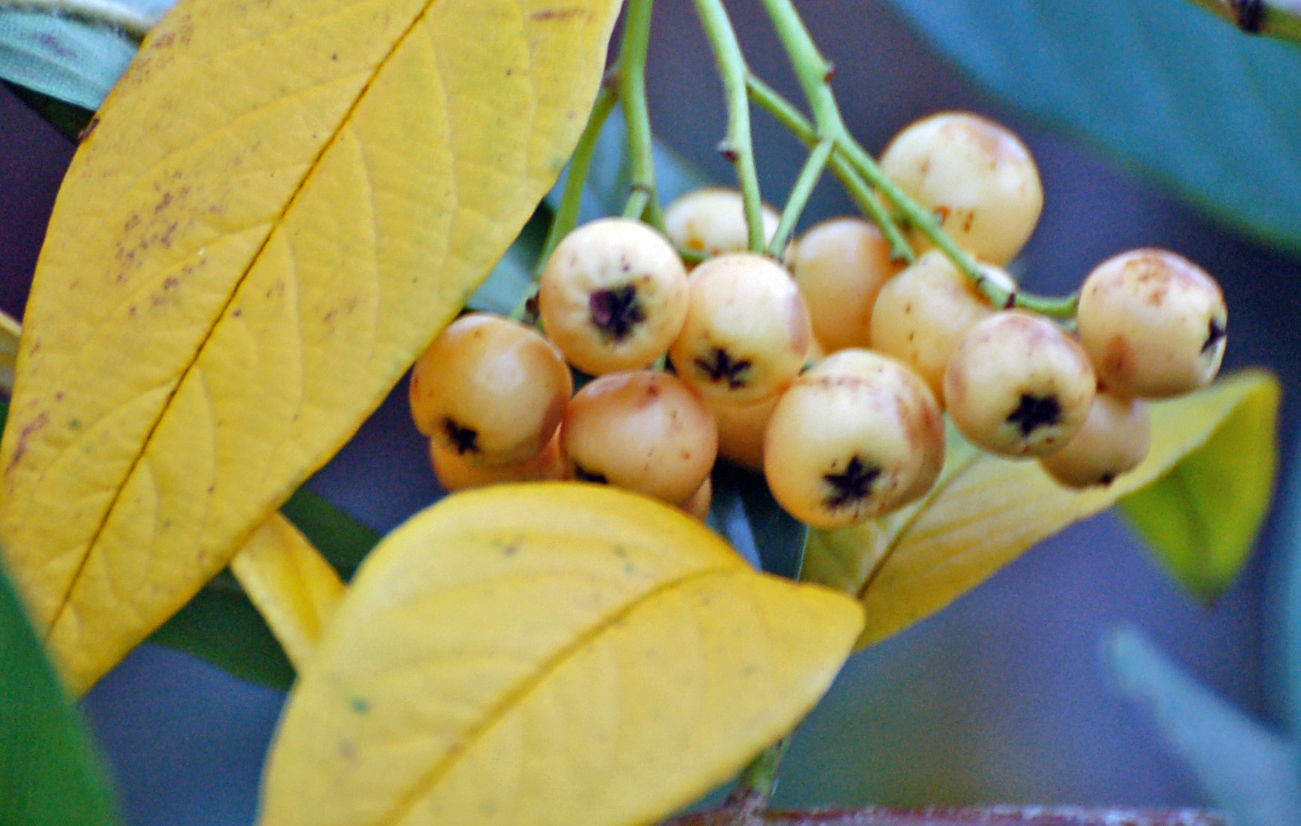
Berries on shrubs and small trees add extra sparkles of colour but the resident Mistle Thrushes guard them from the migrant thrushes. They are the larder for the colder days to come. The red fruit of the Cotoneasters, Hollies and Rowans will be eaten first and most will have been devoured by the thrushes and Blackbirds before the month is out. The creamy-yellow berries of the Cotoneaster rothschildiana will stay longer being mere second choices. The last to go without fail will be the white berries of the Sorbus, so we can get to enjoy them against dark winter storm clouds before the birds eat them.

2013 12 12_5445 2013 12 12_5446

2013 12 12_5454 2013 12 12_5472

2013 12 12_5479 2013 12 12_5445_edited-1

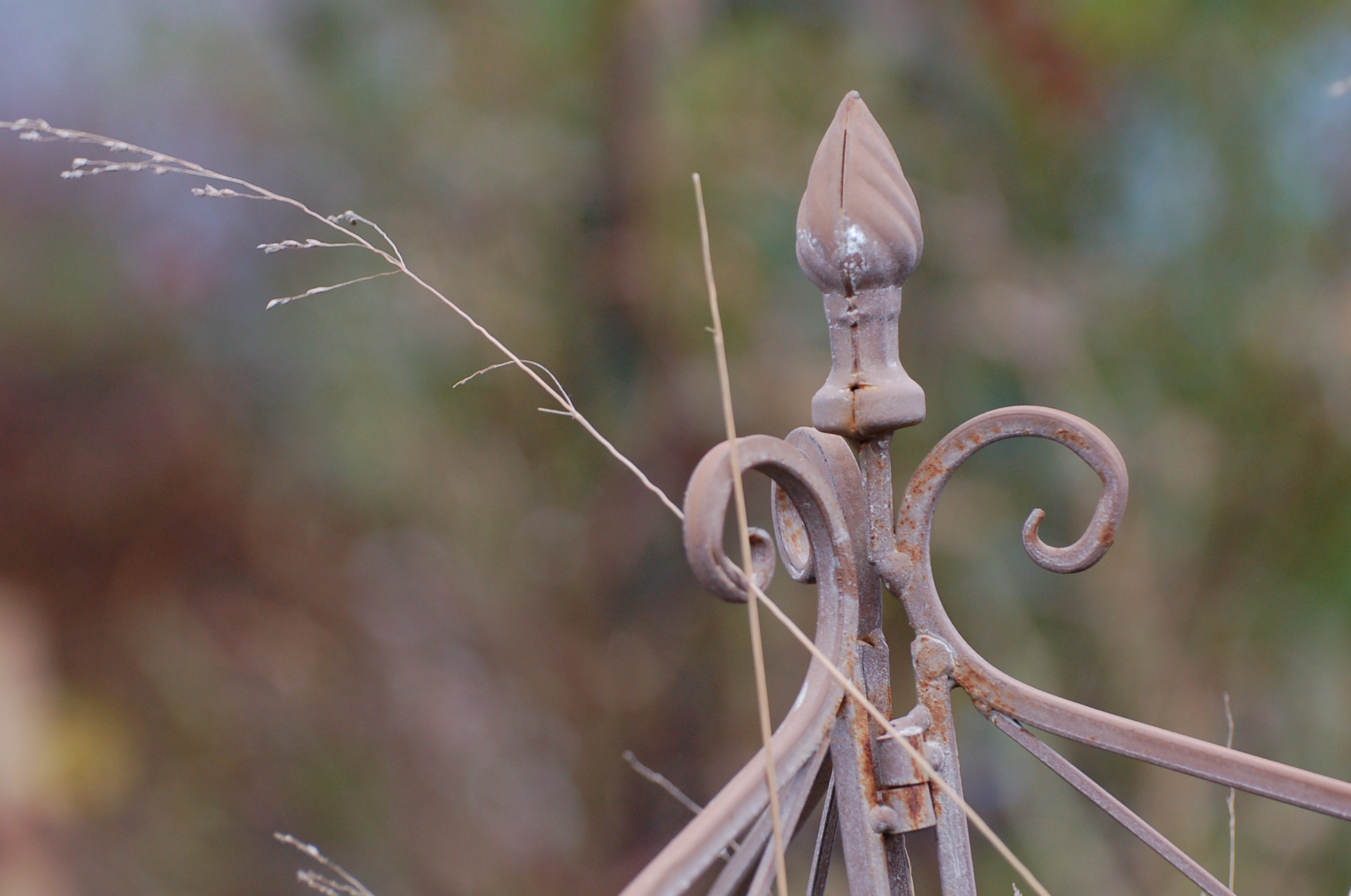
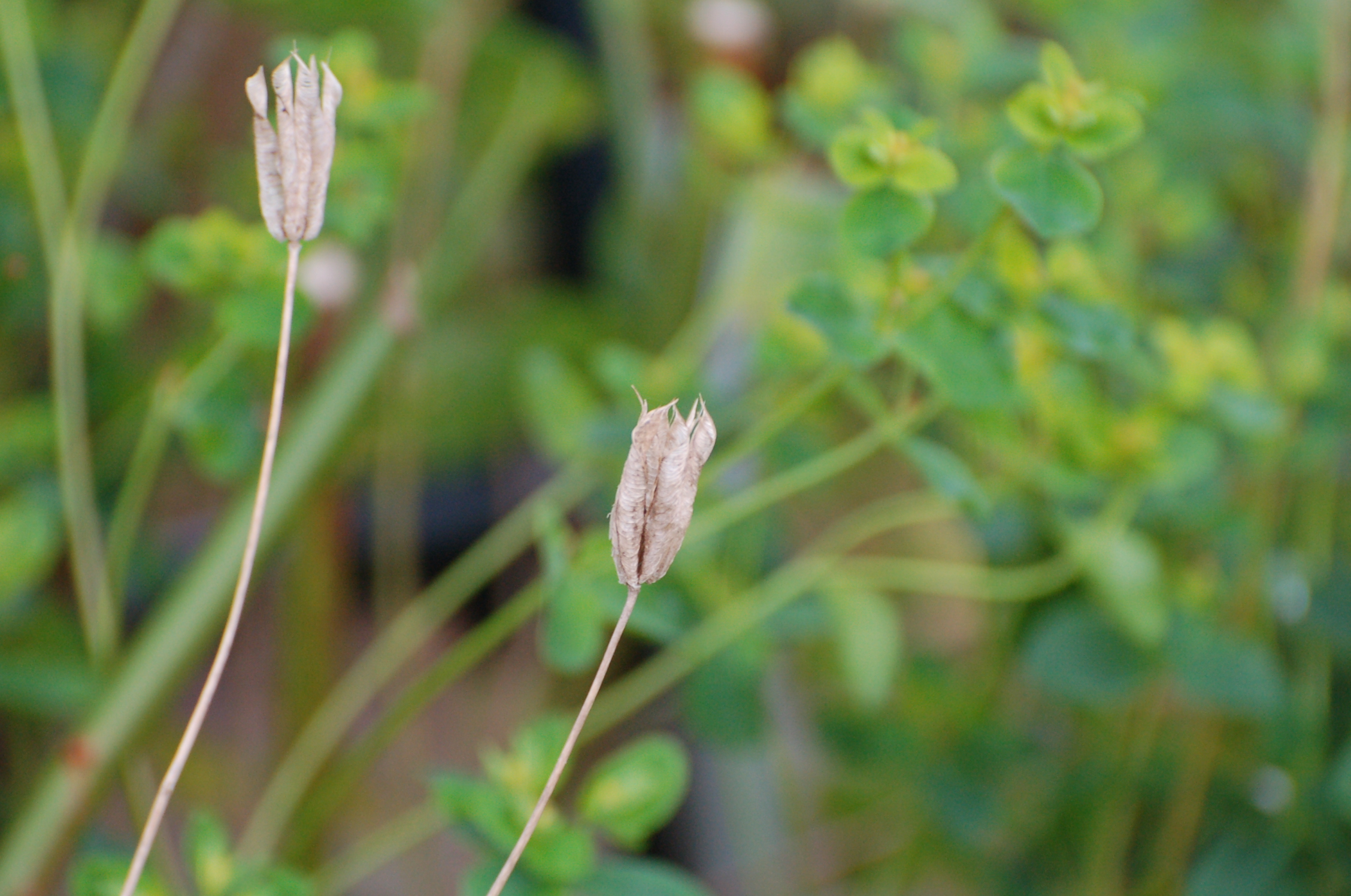
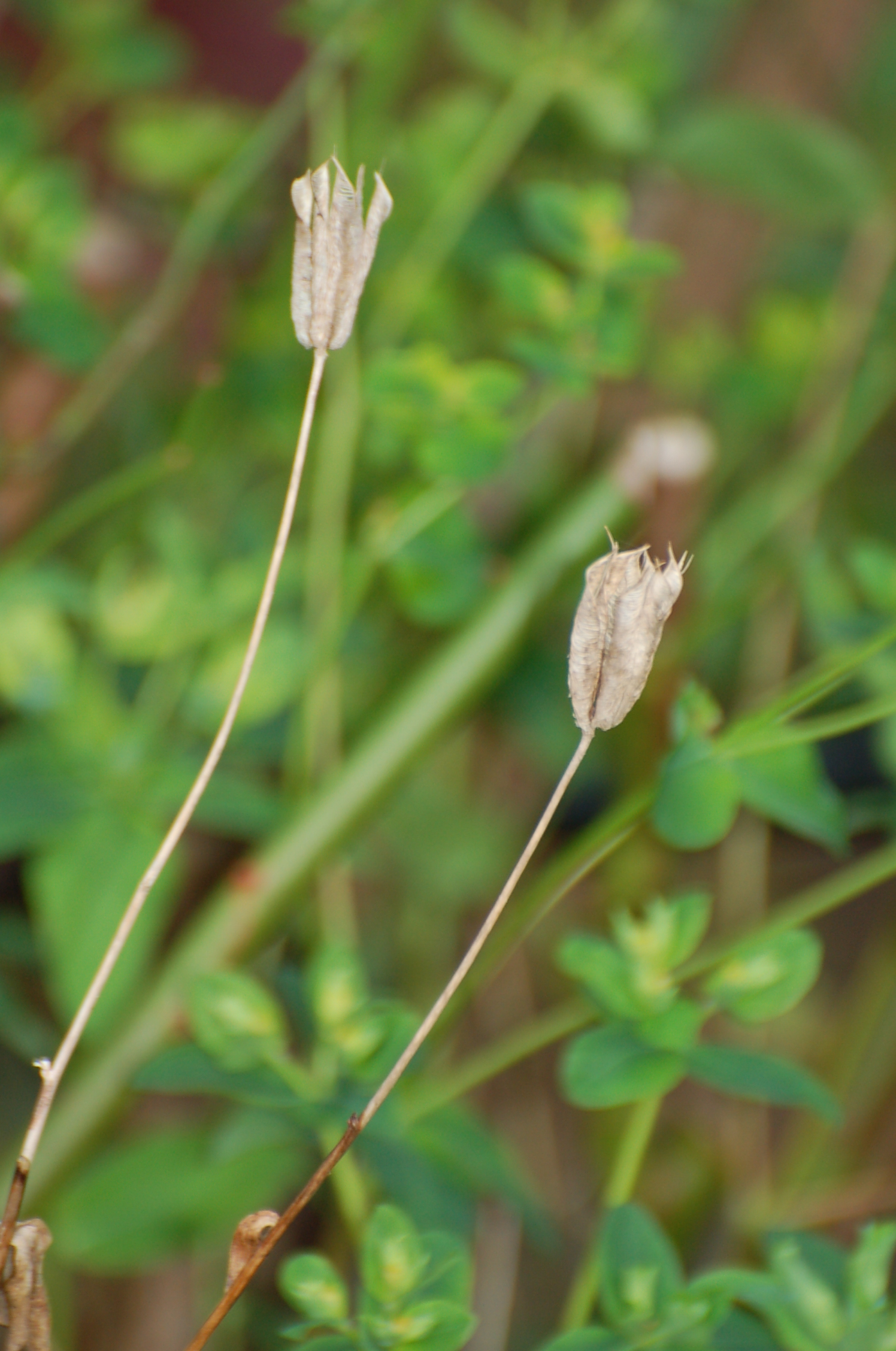
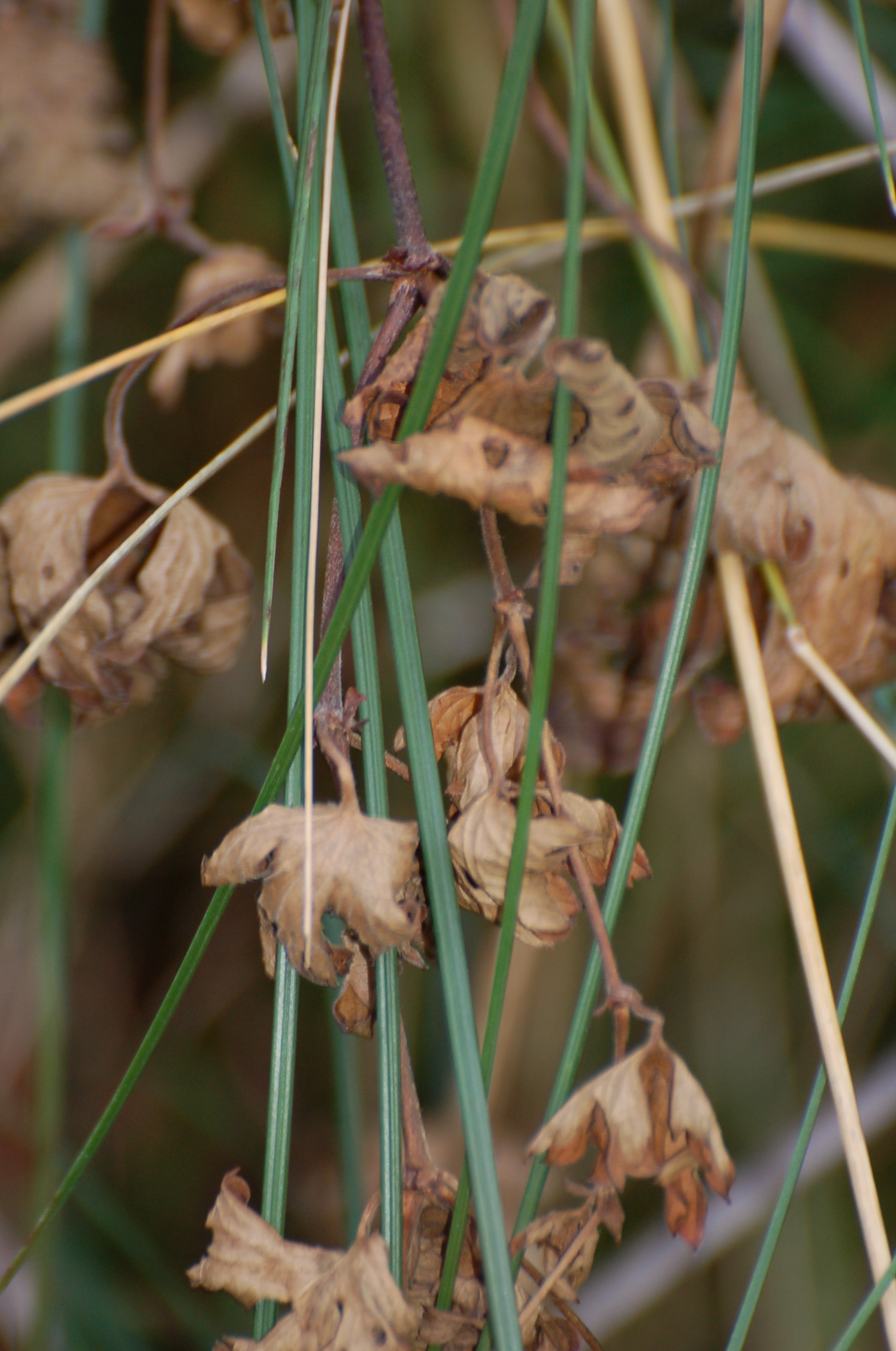
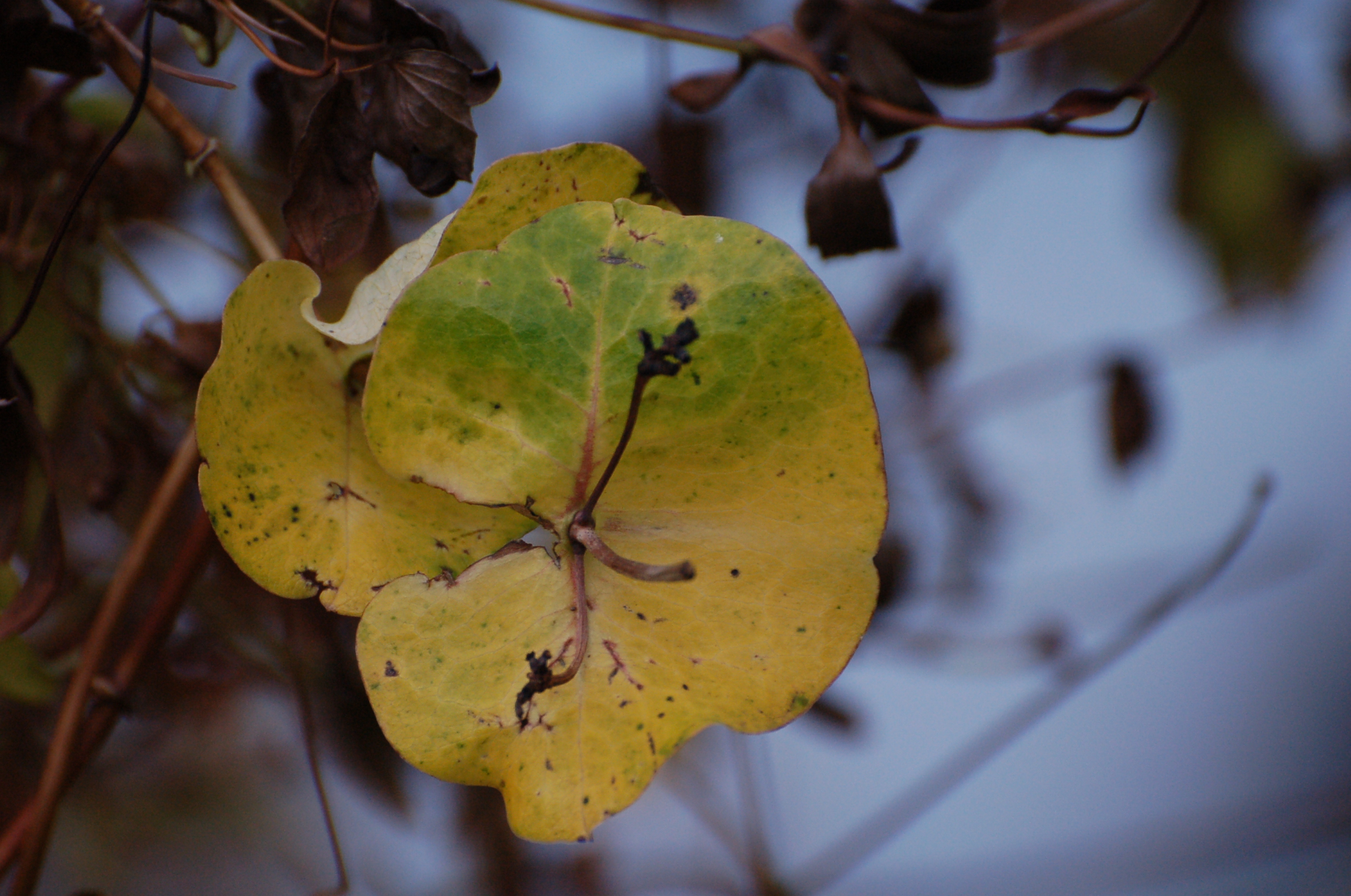
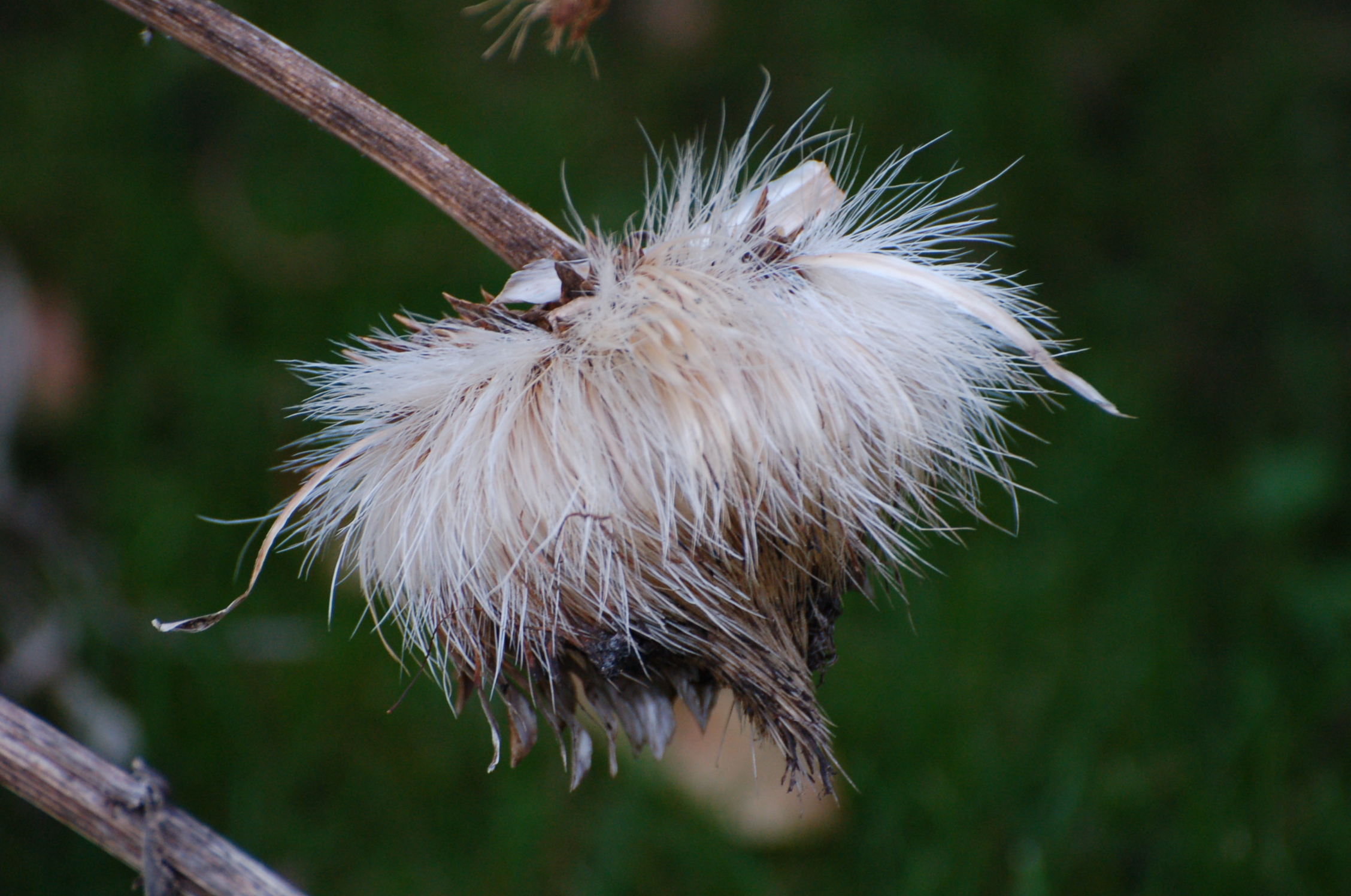
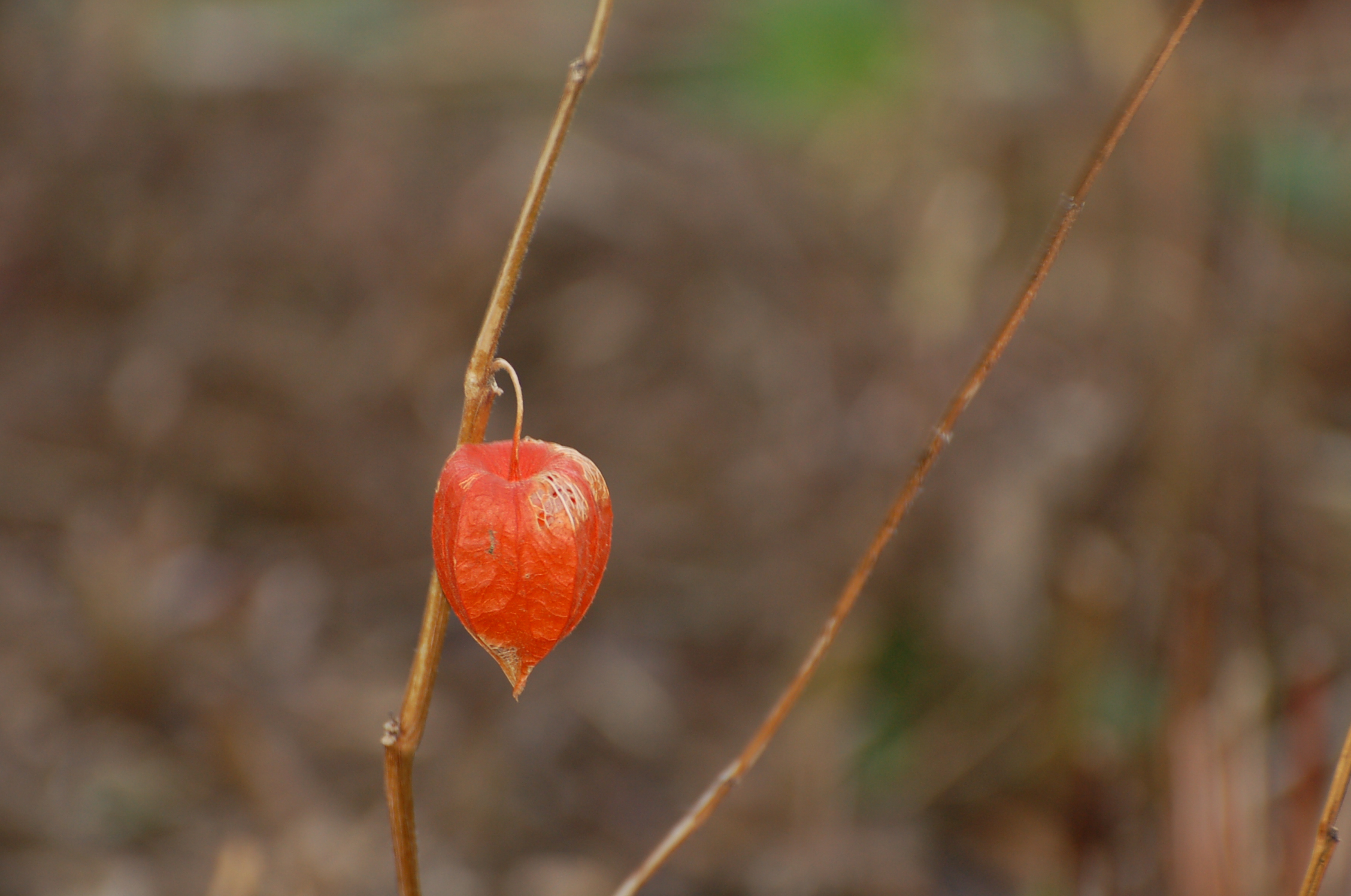
At this time of year we can enjoy the dessicated seed heads and old flower heads that have managed to survive the wet times that autumn invariably brings. This year has been so wet that we seem to have fewer still standing than ever before. But a few are putting on a display for us and when covered in a frosty layer or when donning a hat made of snow will look even better. Within them are the remnant autumn leaves as yet to be blown from their branches by blasts of wind.

2013 12 12_5439   2013 12 12_5442    2013 12 12_5447 2013 12 12_5448 2013 12 12_5449 2013 12 12_5450 2013 12 12_5451

2013 12 12_5453 2013 12 12_5457 2013 12 12_5459 2013 12 12_5460  2013 12 12_5465 2013 12 12_5466 2013 12 12_5467

2013 12 12_5469 2013 12 12_5470 2013 12 12_5475 2013 12 12_5474 2013 12 12_5473   2013 12 12_5477 2013 12 12_5478   2013 12 12_5448_edited-1

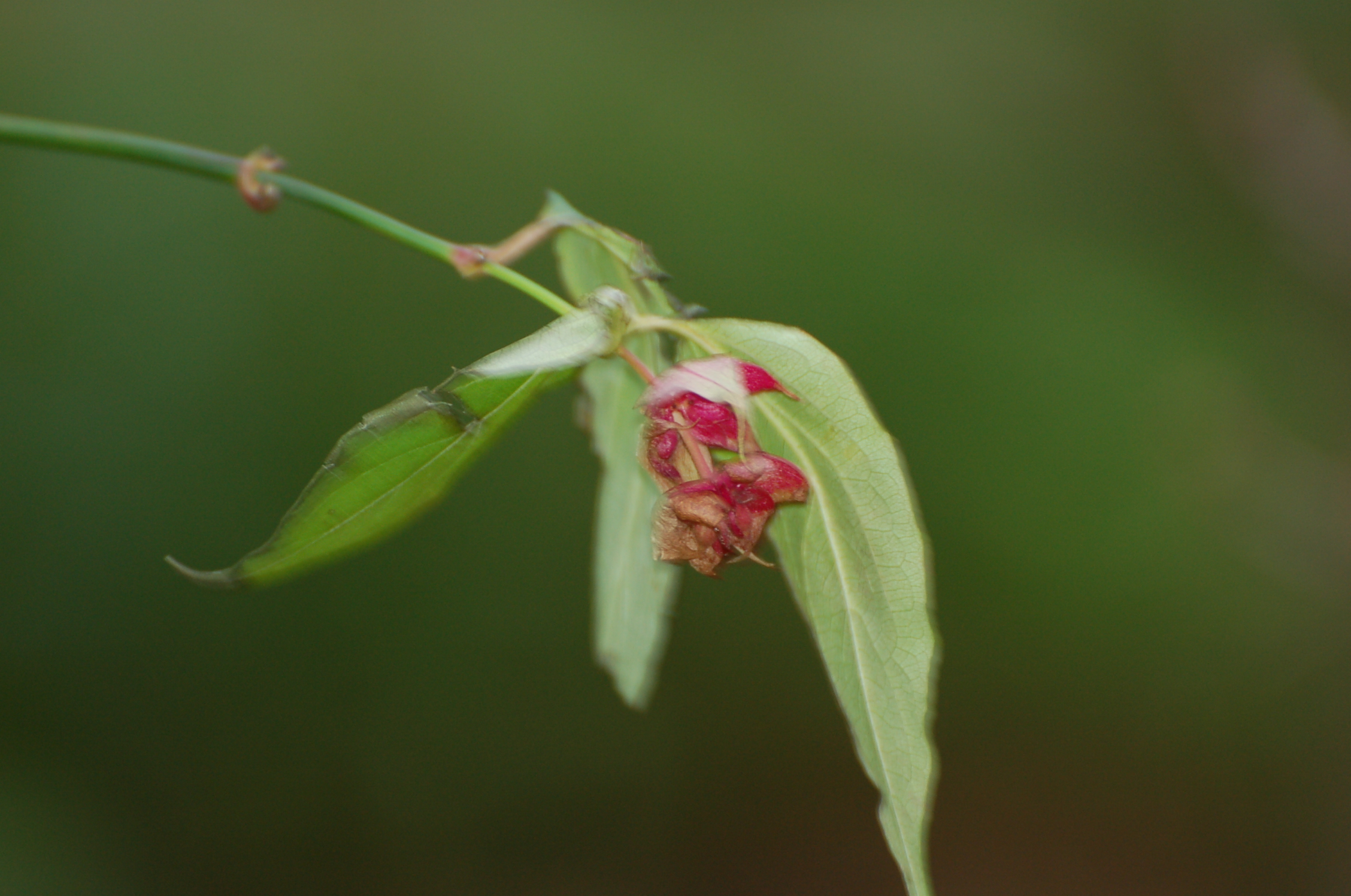
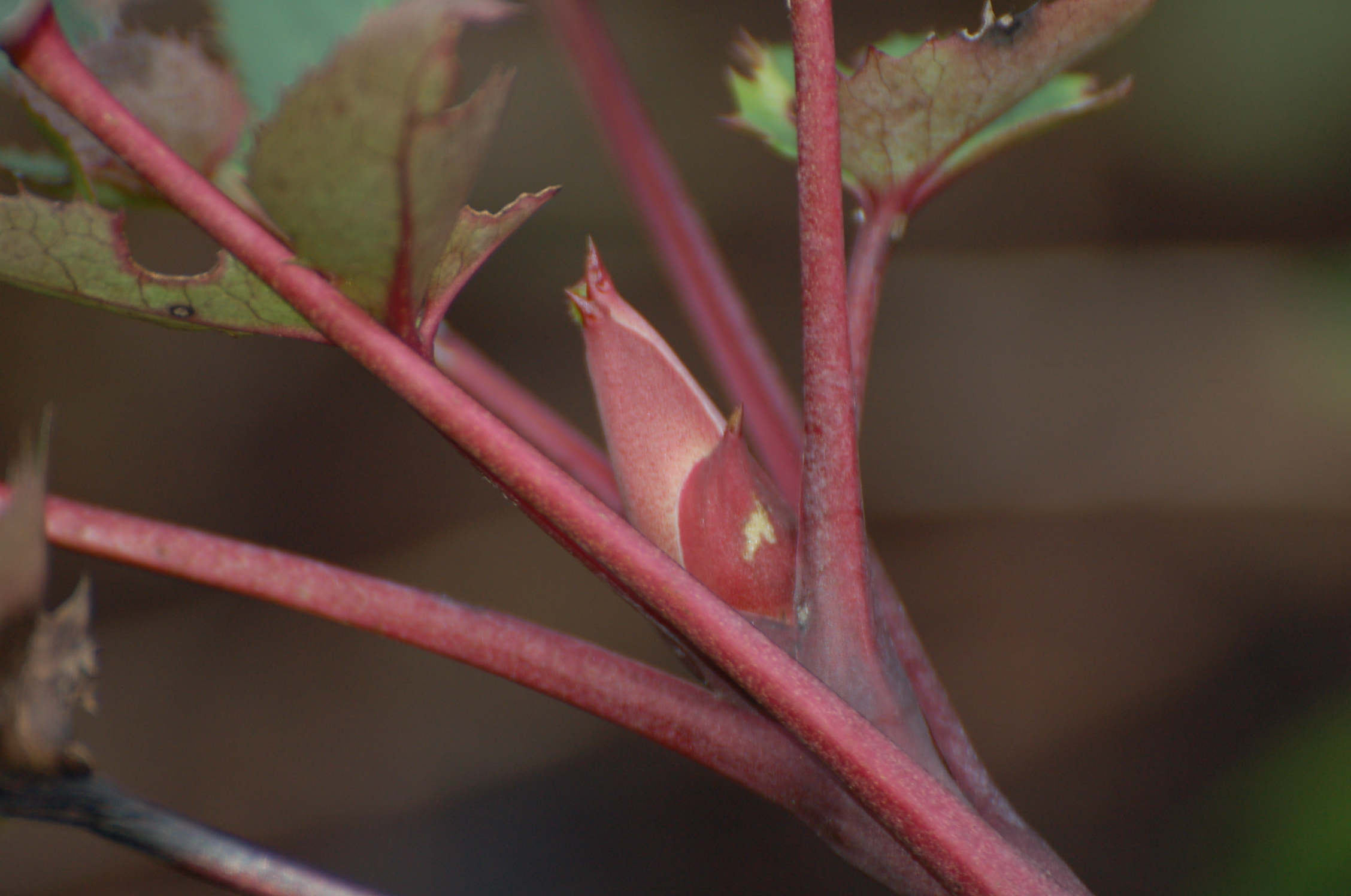
Signs of next year’s growth are already in evidence like this adventurous bud found on a clematis snuggled between stem and petioles.

2013 12 12_5441

Patterns become important in winter as they emerge from seasons hidden away behind plants. So that is the end of my year of garden bouquets for 2013. Perhaps they will return for 2014.

2013 12 12_5460_edited-1 2013 12 12_5459_edited-1 2013 12 12_5464_edited-1

This Veggie Life

A Vegetarian | Nature Lifestyle Blog

Rambling in the Garden

.....and nurturing my soul

The Arch City Gardener

Journeys In St. Louis Gardening and Beyond

Garden Dreaming at Châtillon

Consult the genius of the place

Storyshucker

A blog full of humorous and poignant observations.

gardeninacity

Notes from a wildlife-friendly cottage garden

PlayGroundology

...an emerging social science

The Official Blog of British Wildlife

'The most important and informative publication on wildlife of our times' - The Independent. This blog is a member of The UK & Ireland Natural History Bloggers group: www.uknhb.blogspot.com

iGrowHort

Inspire - Cultivate - Grow Native Plants - Restore Landscapes

Bishops Meadow Trust

To create and protect a semi-natural wild space for the people of Farnham to enjoy and experience an array of British wildlife in our town

Gardening with Children

The www.gardeningwithchildren.co.uk Blog

UKbirdingtimeline

birding through the seasons, why birds matter and how to conserve them

NATURE WALKER

with a camera in hand

Jardin

Transform your outdoor space

Eva's space

My allotment, cooking and other interests

Old School Garden

my gardening life through the year

LEANNE COLE

Trying to live a creative life

fromacountrycottage

trying to live as lightly as possible on our beautiful planet

Good Life Gardening

Nature lovers from Leicester living the good life.

mybeautfulthings

Finding the beautiful in the everyday

mawsonmichelle

Michelle's Allotment

In and Out of My Garden

thoughts from and about my garden

Greenhousing

Big plans for a small garden

The Scottish Country Garden

A Walled Country Garden in South East Scotland

The Fruity Chicken

Life at the fruity chicken

willowarchway

Off grid living. Self sufficient. "PERMAGANICS RULE".

St Anns Allotments

Nottingham's Grade 2* Listed Allotments and Community Orchard

Manifest Joy Harvests

a journey in suburban vegetable gardening

Allotmental

The madness of growing your own

Penny's Garden: a harvest beyond my front door

A novel approach to vegetable gardening

arignagardener

Sustainable living in the Irish countryside.

NewEnglandGardenAndThread

Master Gardener, amateur photographer, quilter, NH native, and sometimes SC snowbird

dianajhale

Recent work and work in progress and anything else that interests me

planthoarder

a chaotic cottage gardener

Lens and Pens by Sally

a weekly blog that creates a personal philosophy through photographs and words

Dewdrops and Sunshine

Stories from a sassy and classy Southern farmbelle.

The Pyjama Gardener

Simple Organic Gardening & Seasonal Living

gettin' fresh!

turning dirt into dinner

JOY...

today the world is created anew

Garden Birds

Notes from a Devon garden

ShootAbout

Life Through The Lens

Adapting Pixels

A photography blog showcasing the best photography pictures and videos on the internet

Wildlifegardening's Blog

Just another WordPress.com site

naturestimeline

personal observations from the natural world as the search continues for a new approach to conservation.

LATEBLOOMERBUDS

The Wonders of Life through my Eyes, my Heart, my Soul