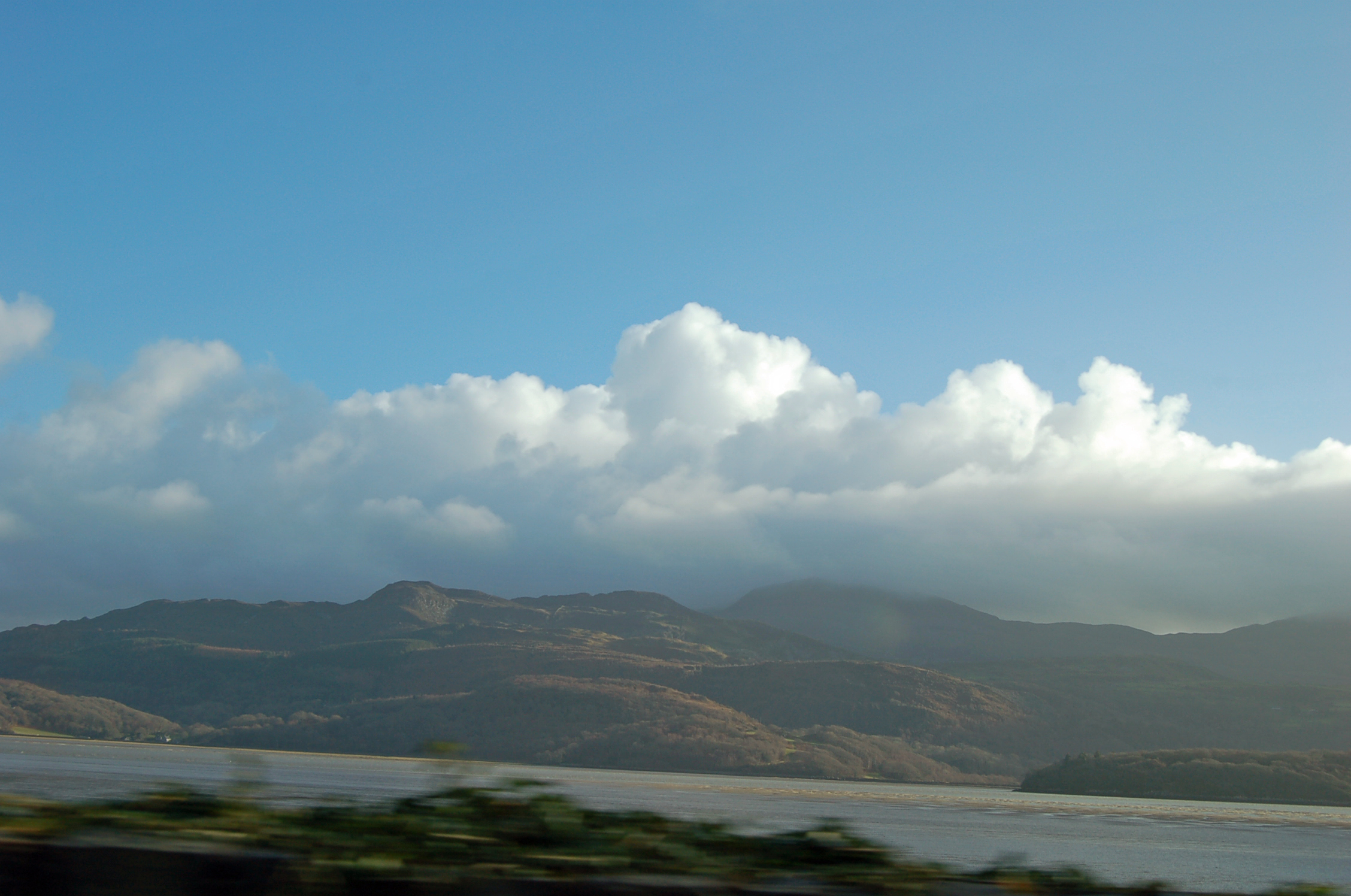
Categories
countryside landscapes migration Powis Powys trees Wales wildlife woodland woodlands

Waterfall Walkabout

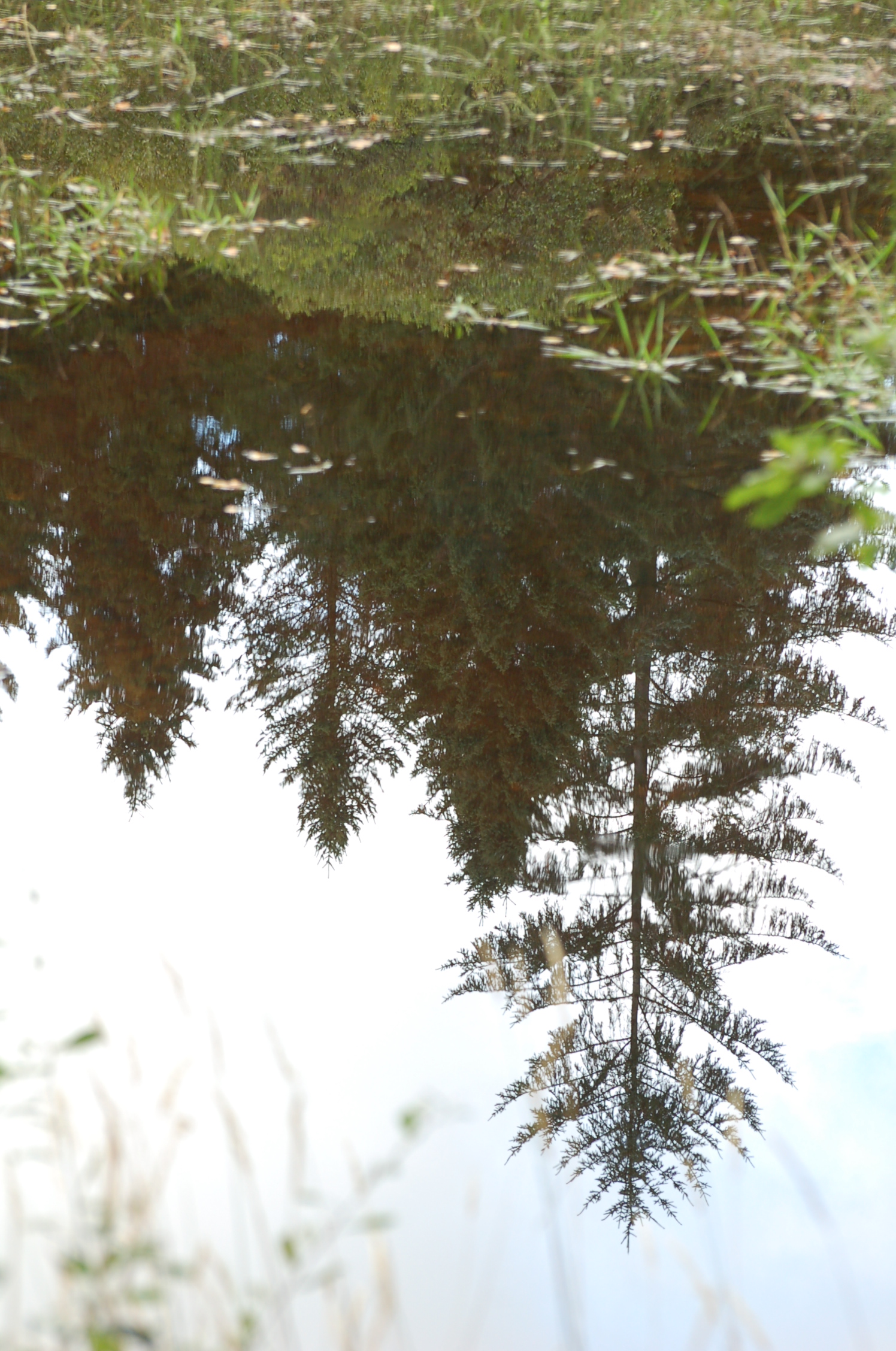
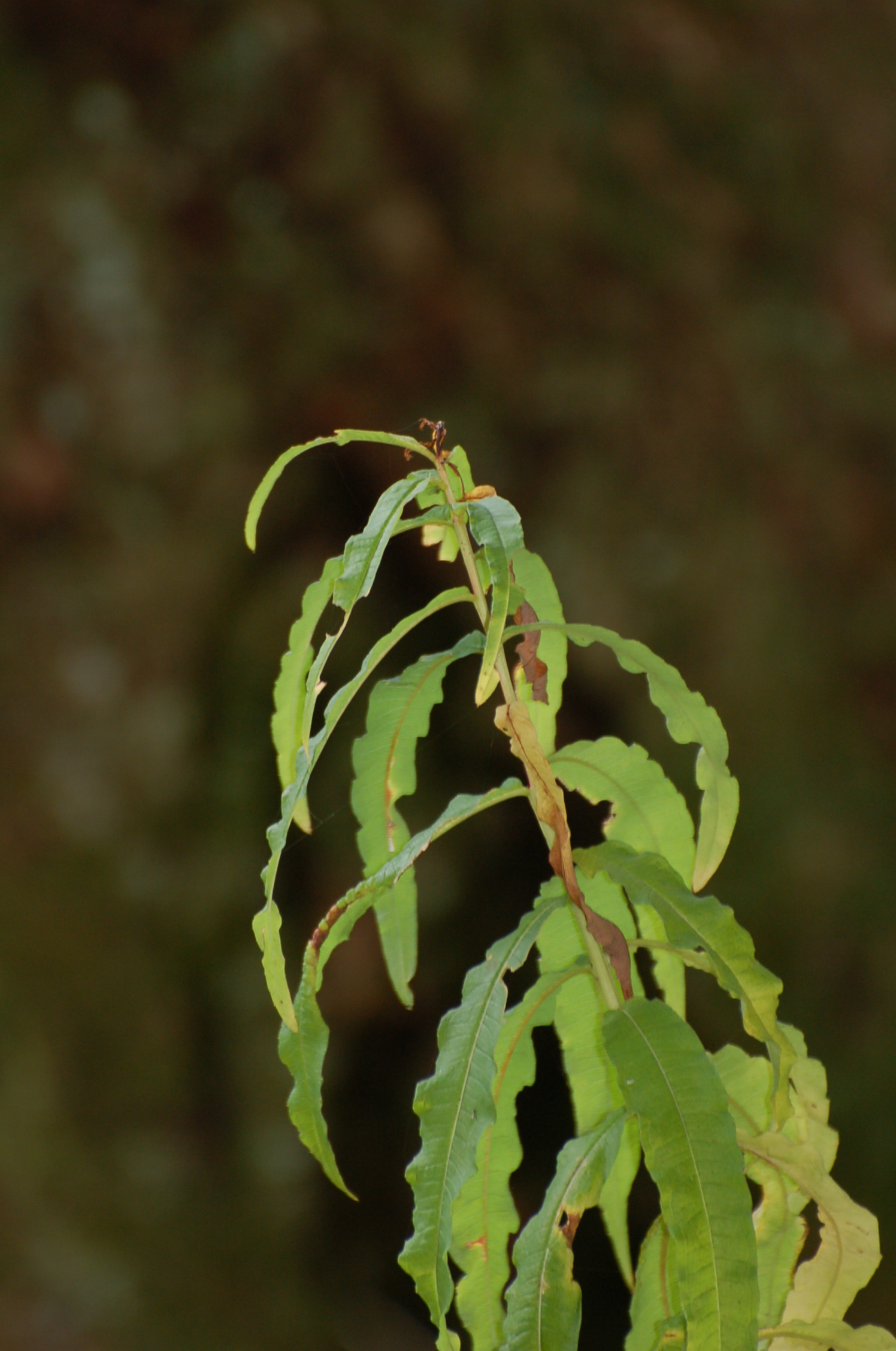
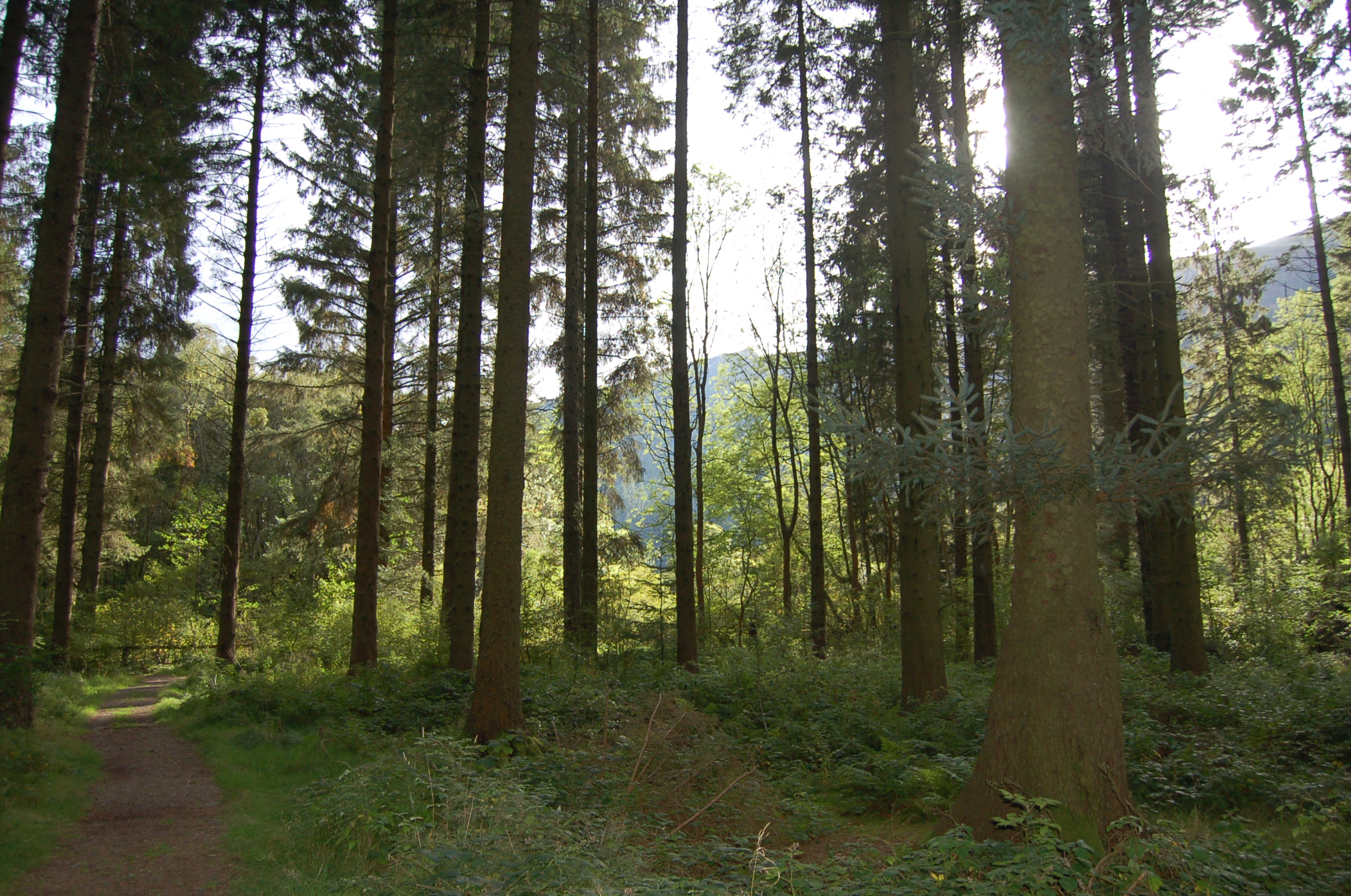
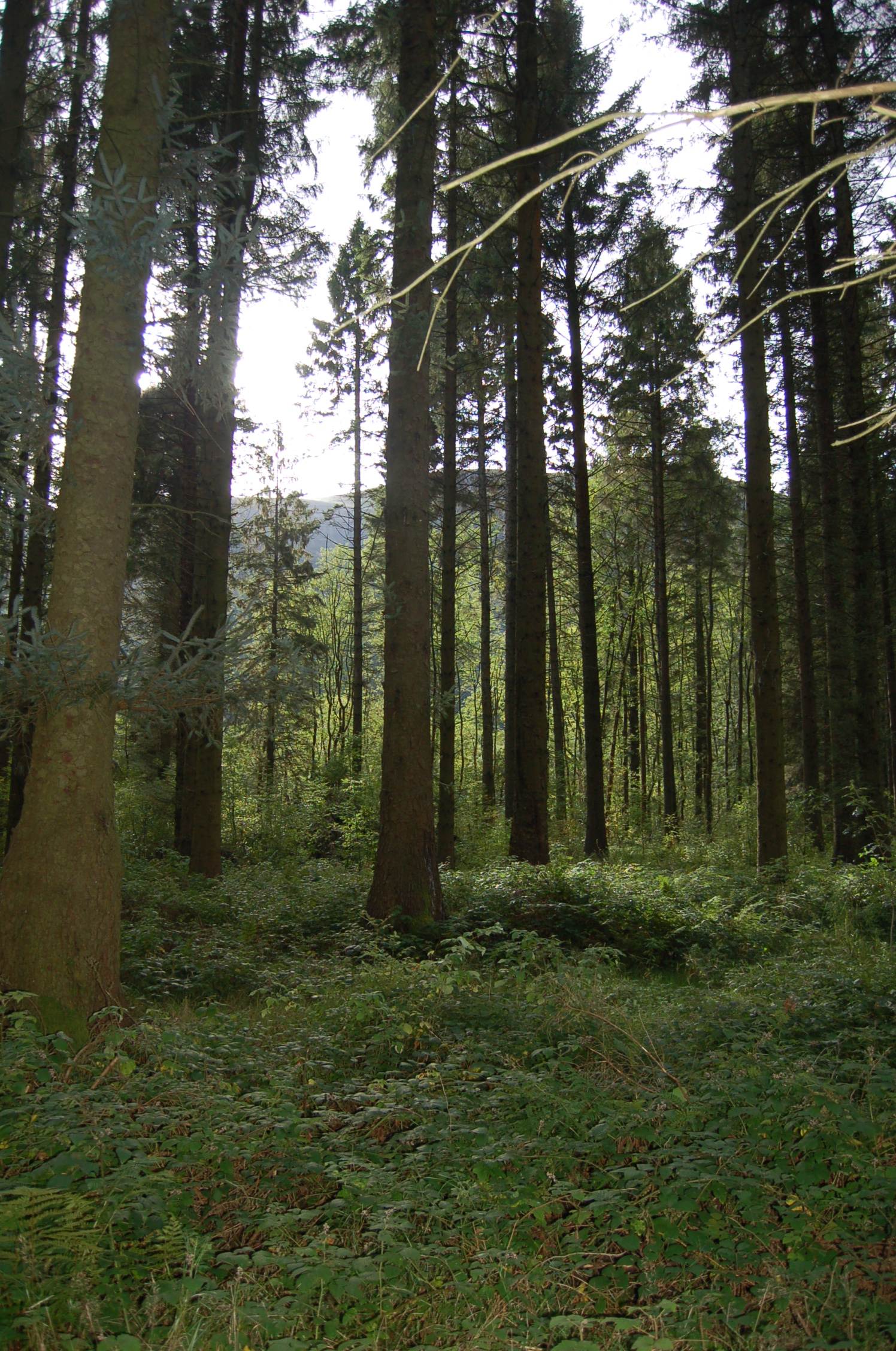
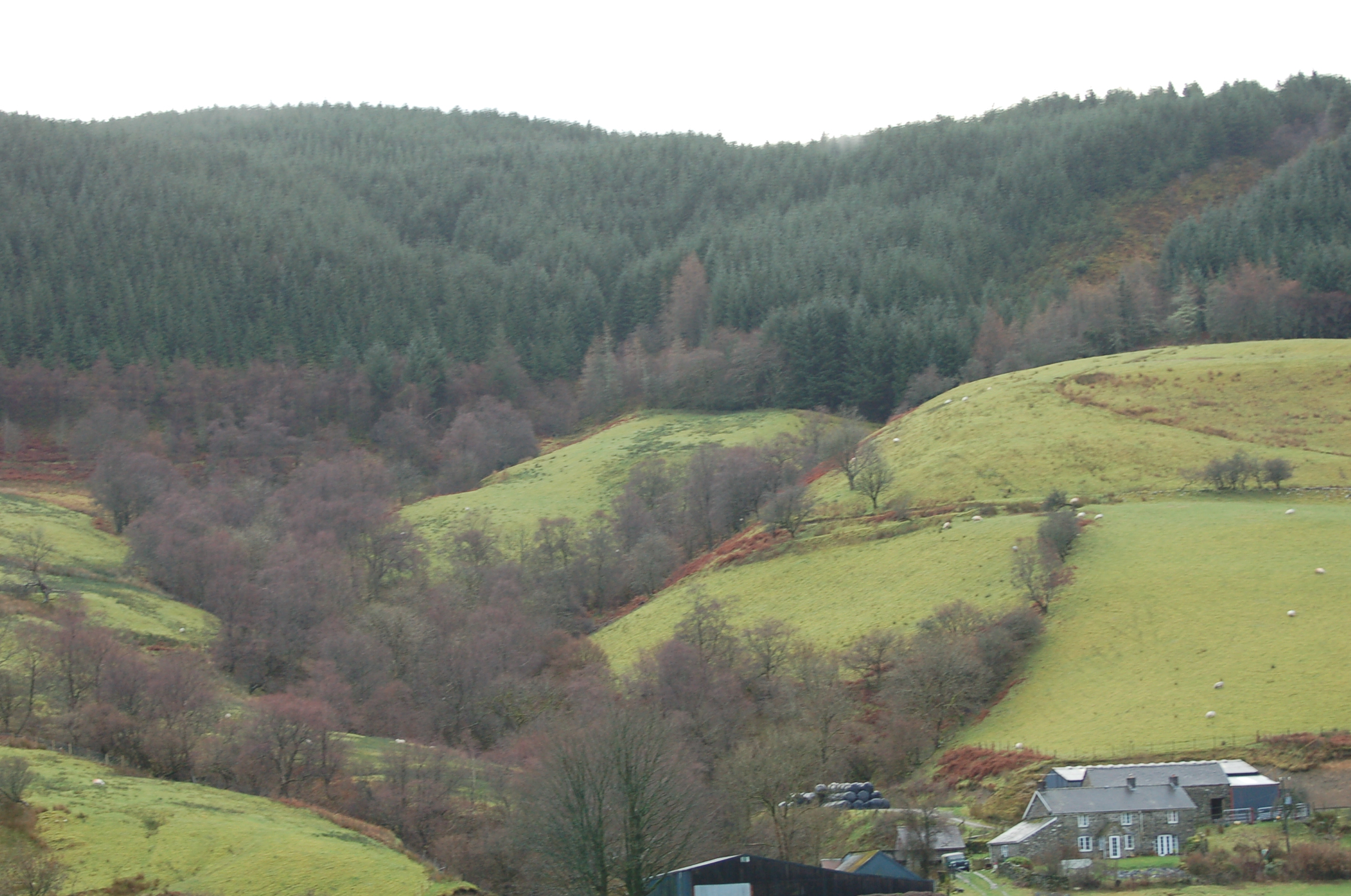
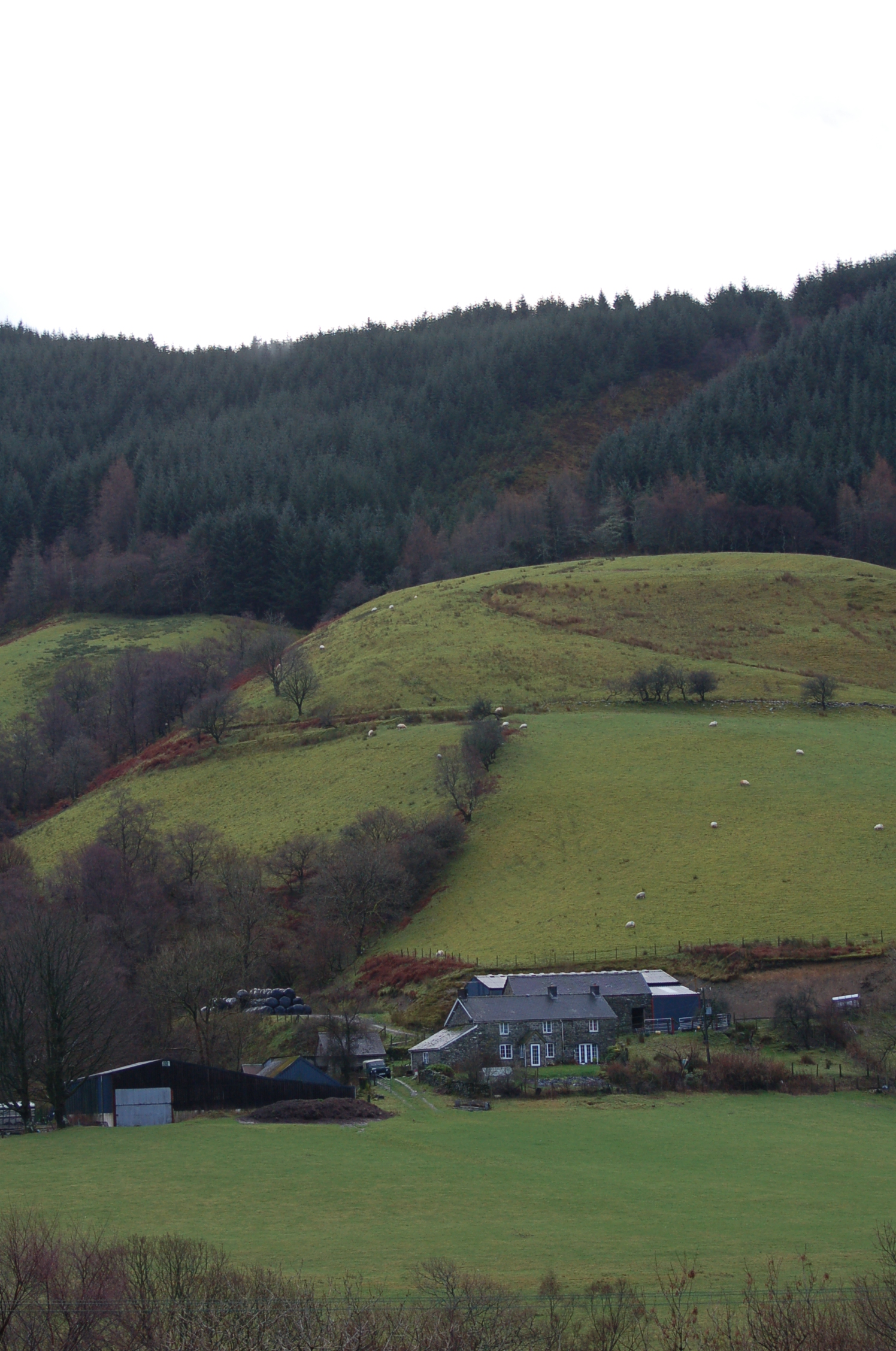
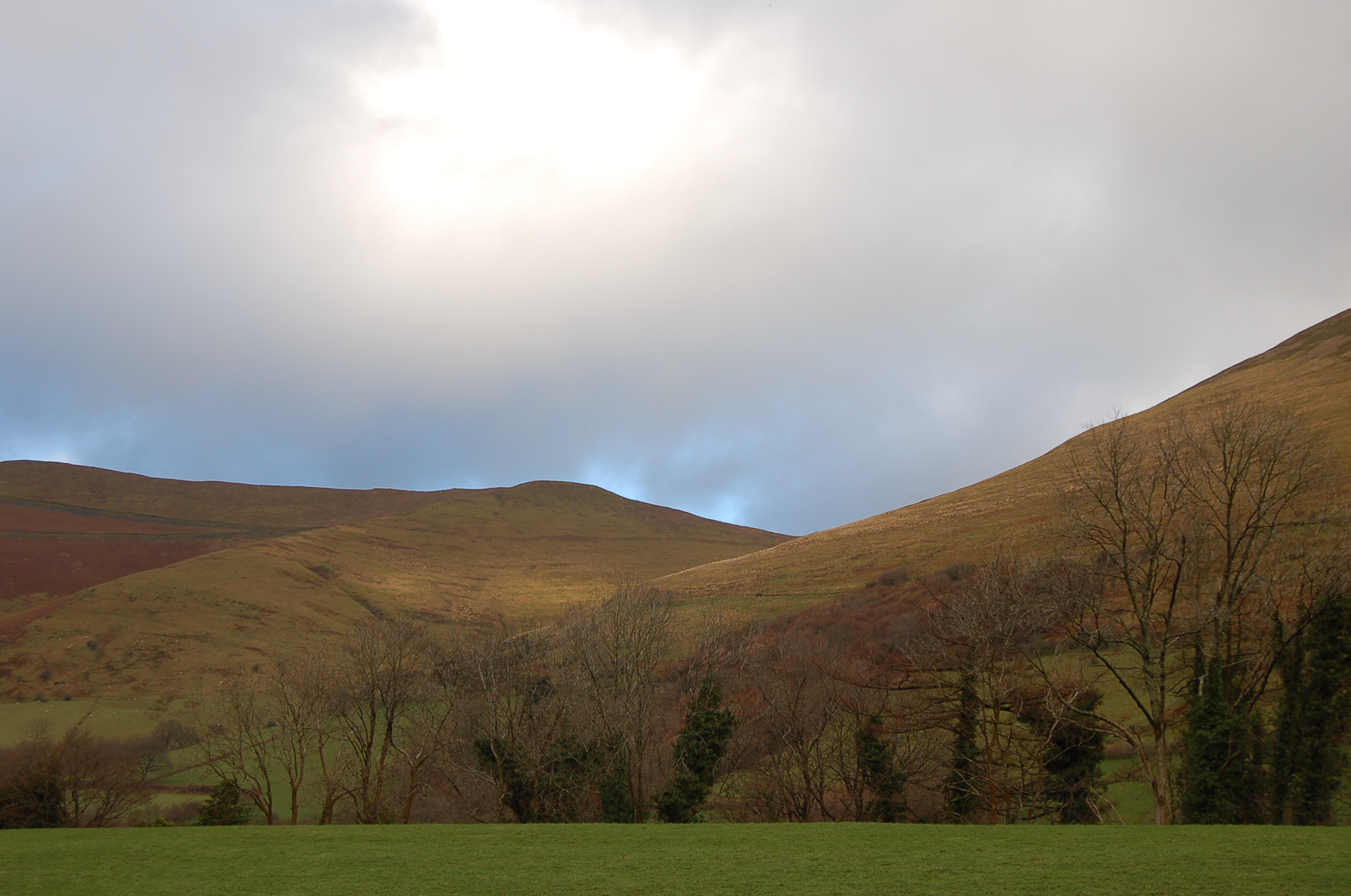
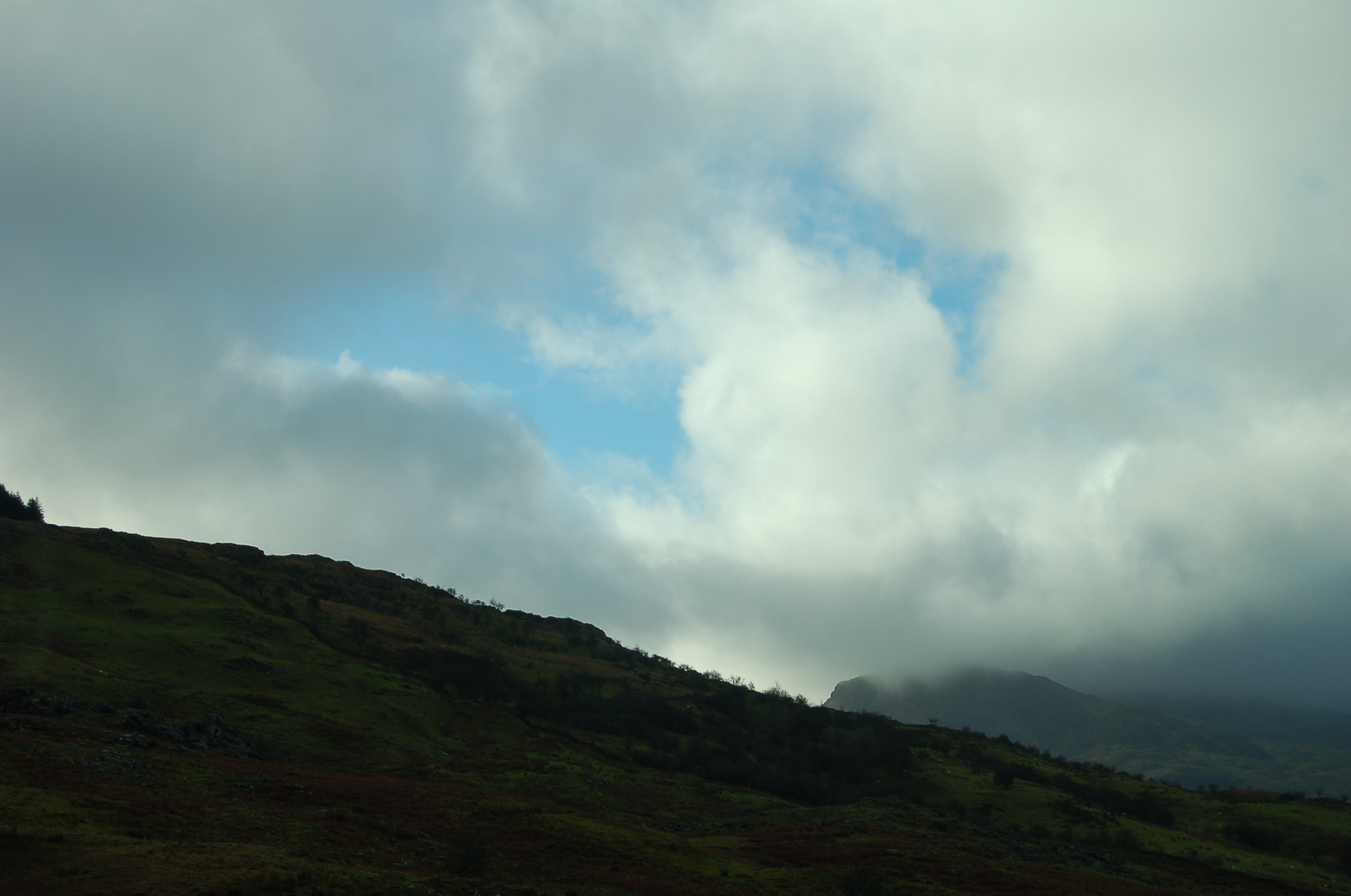
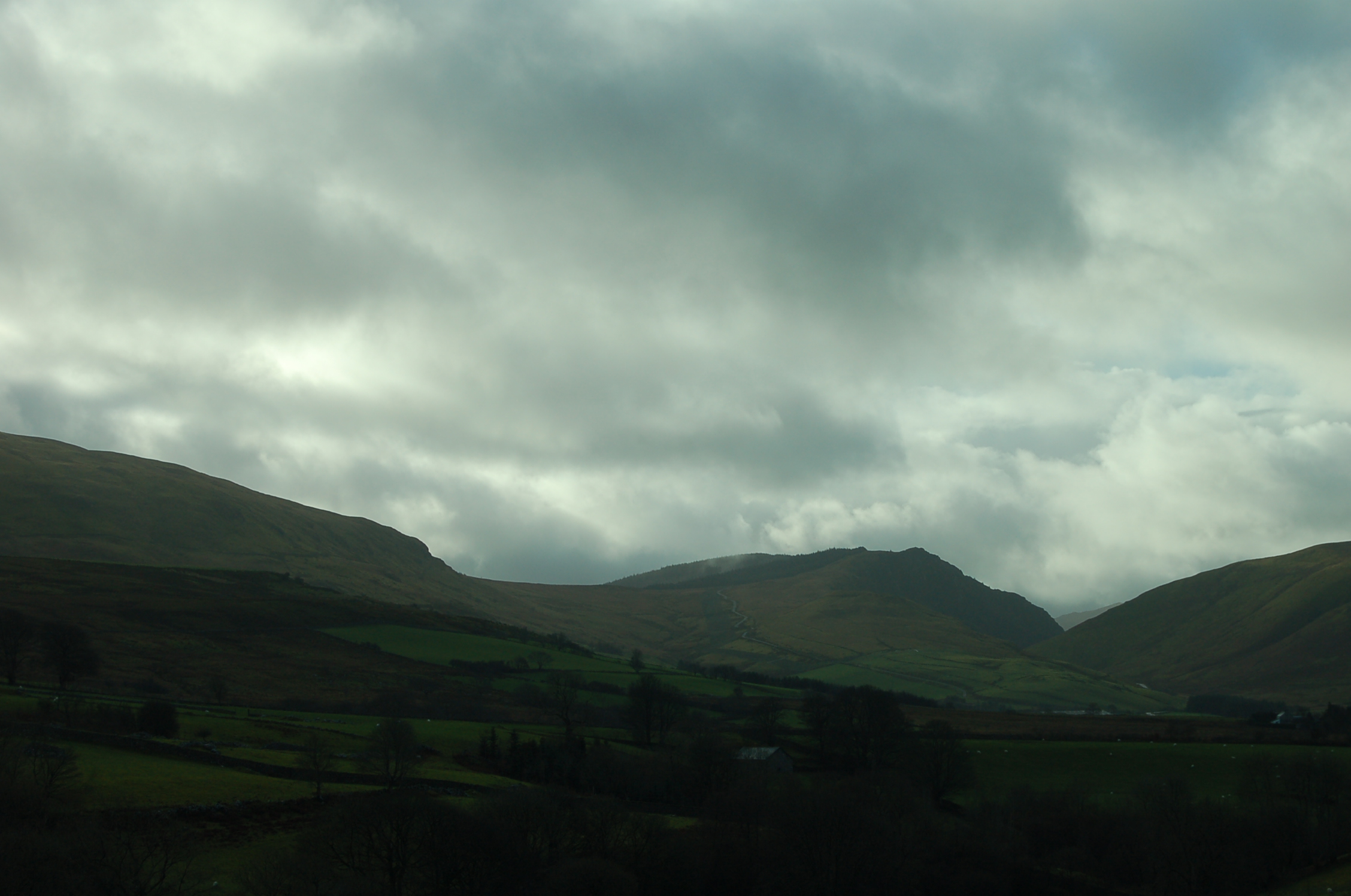
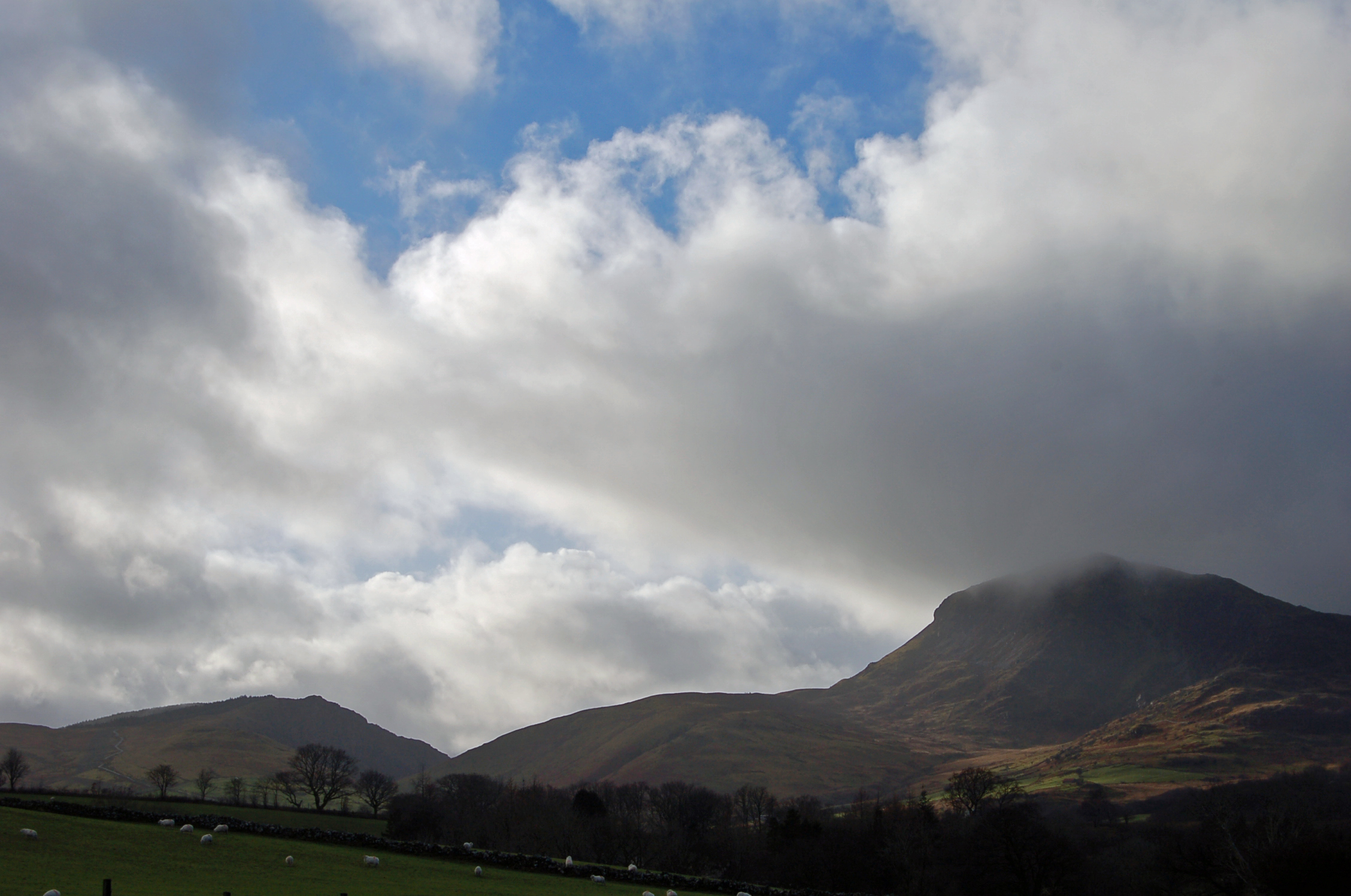
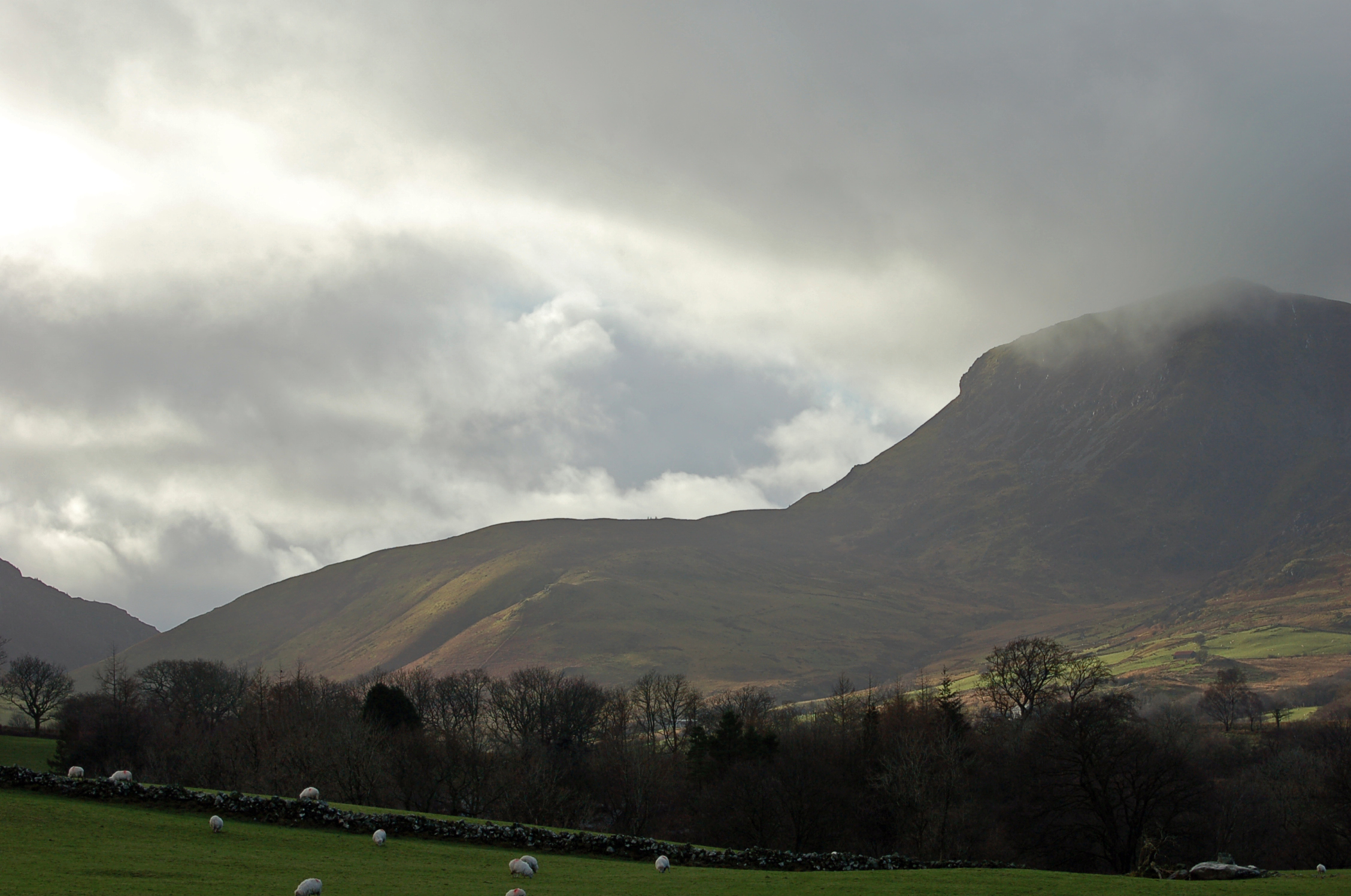
We made a quick visit to the waterfall at Llanrhaeadr-ym-Mochnant, in Powys  last year and vowed to return. So in late august we did just that not thinking that being still in the holiday period it would be so much busier than our previous spring visit. But many people were walking off into the hills so our wander was still quite quiet.

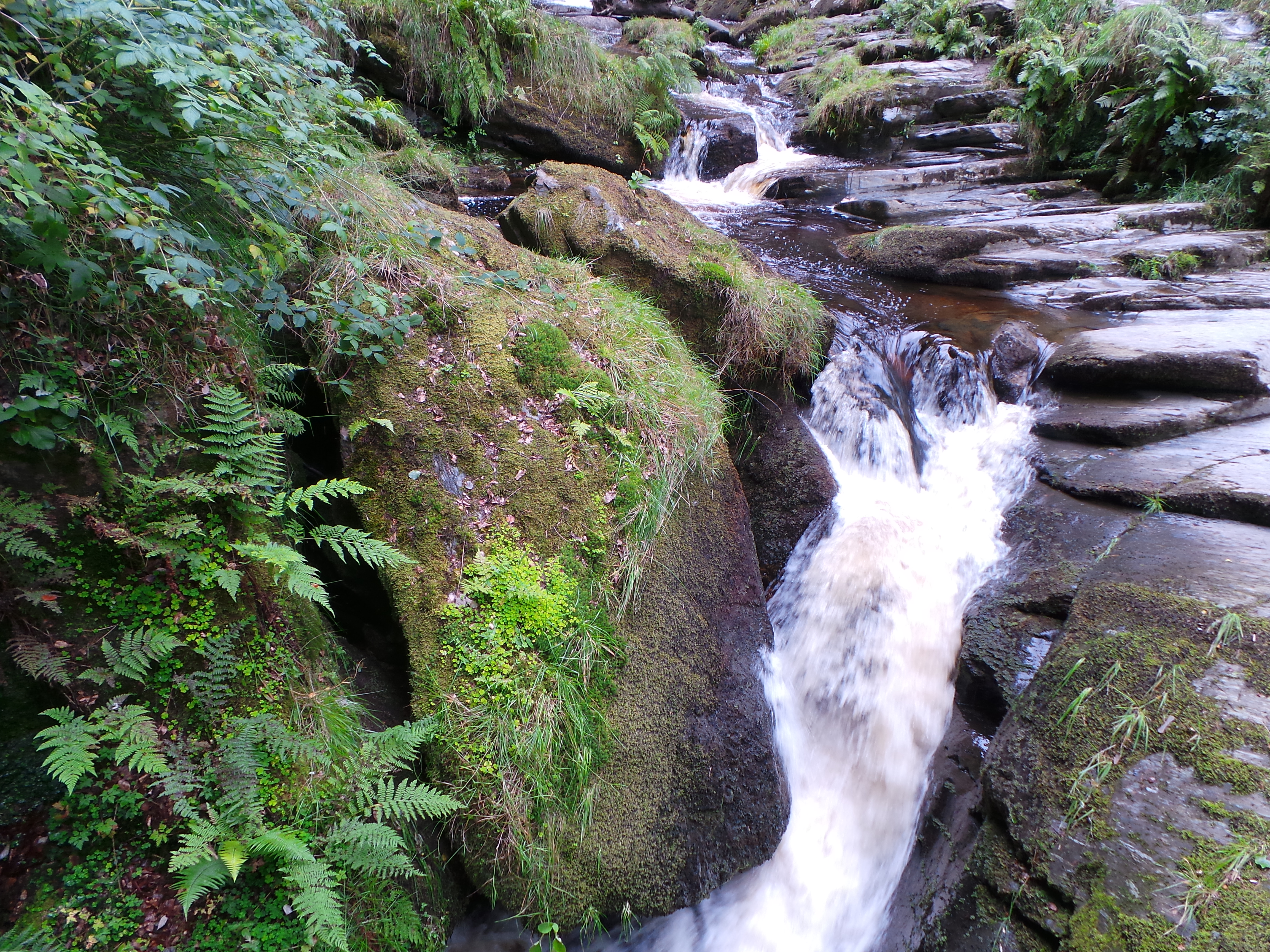
After our usual coffee and cakes which we enjoyed in the cafe at the base of the falls we set off up a narrow path and quickly found the stream that flowed rapidly from the falls themselves. The cafe is part of an interesting and unusual endeavour, a business which involves a campsite and retreat as well as the cafe, a little empire to nourish the body, the soul and the mind. It is a place to find peace and get close to nature.

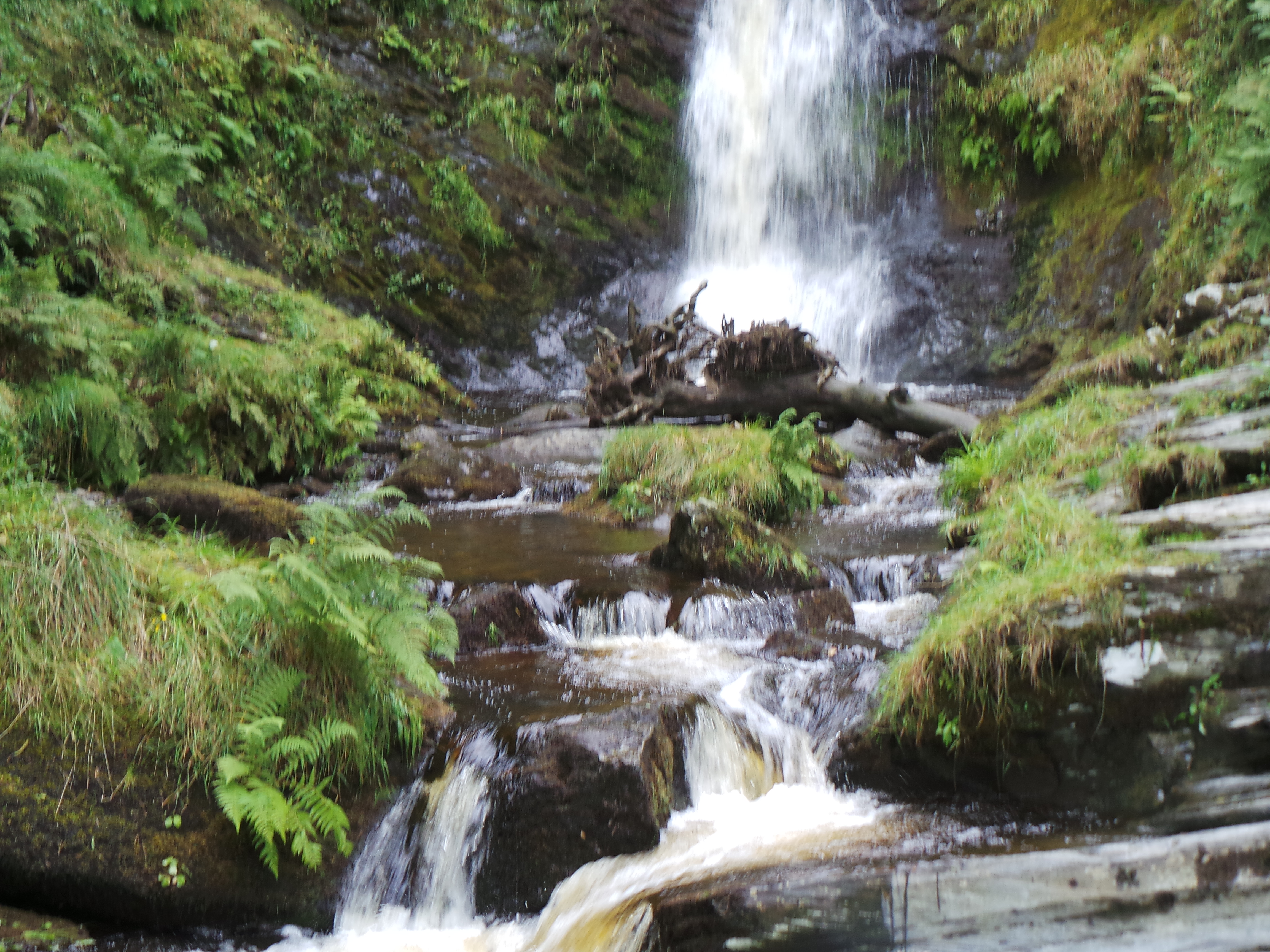
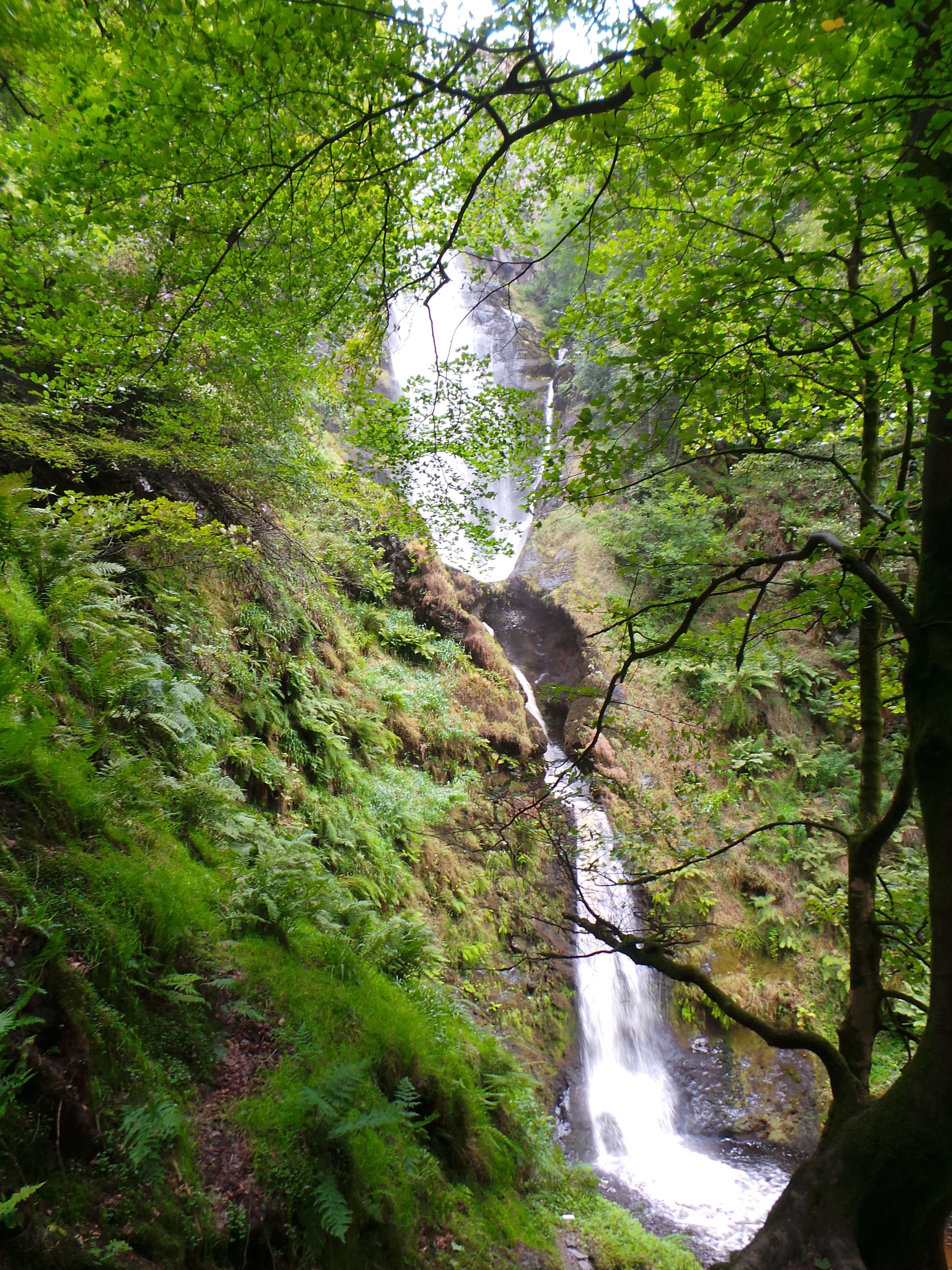
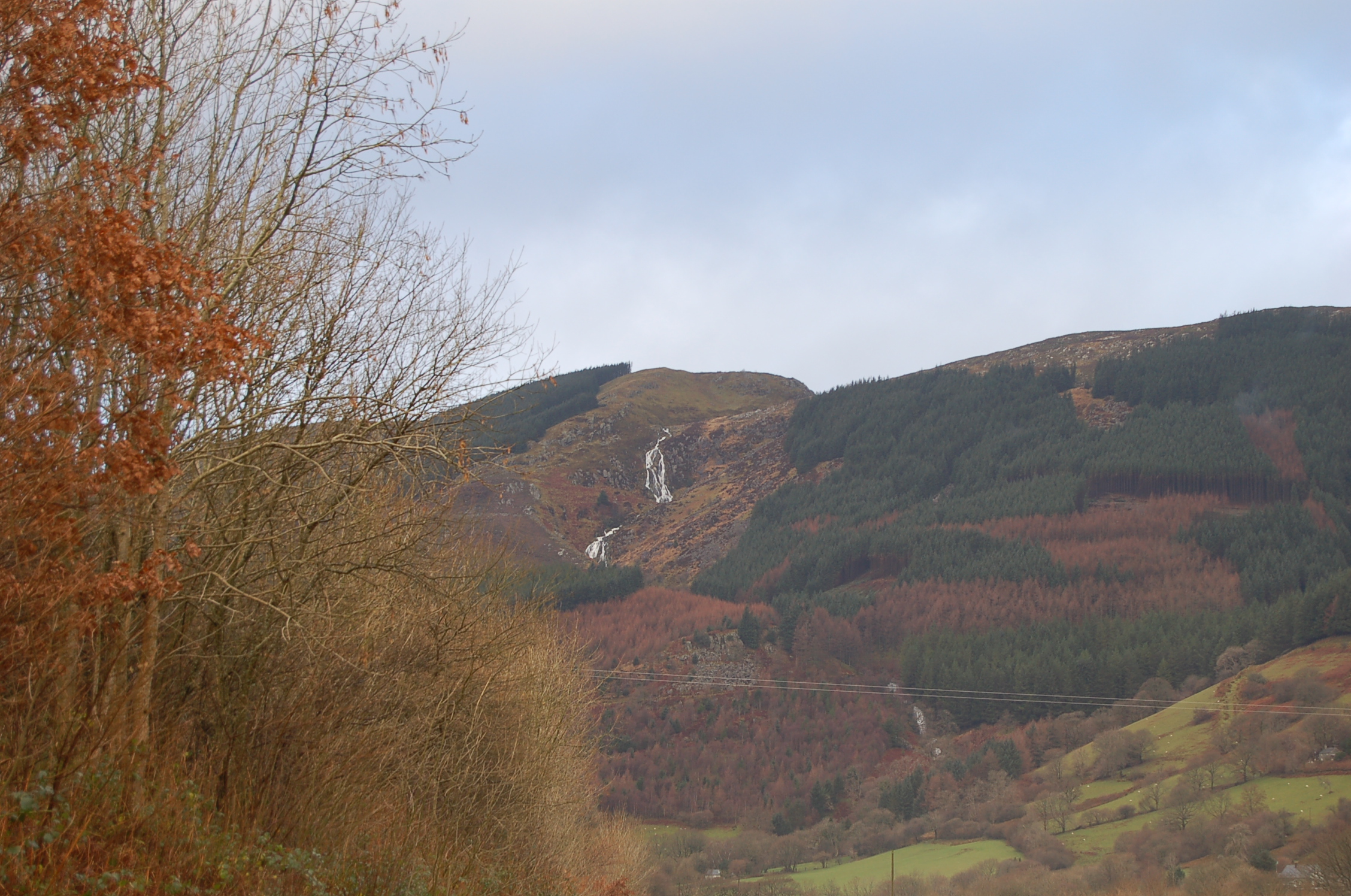
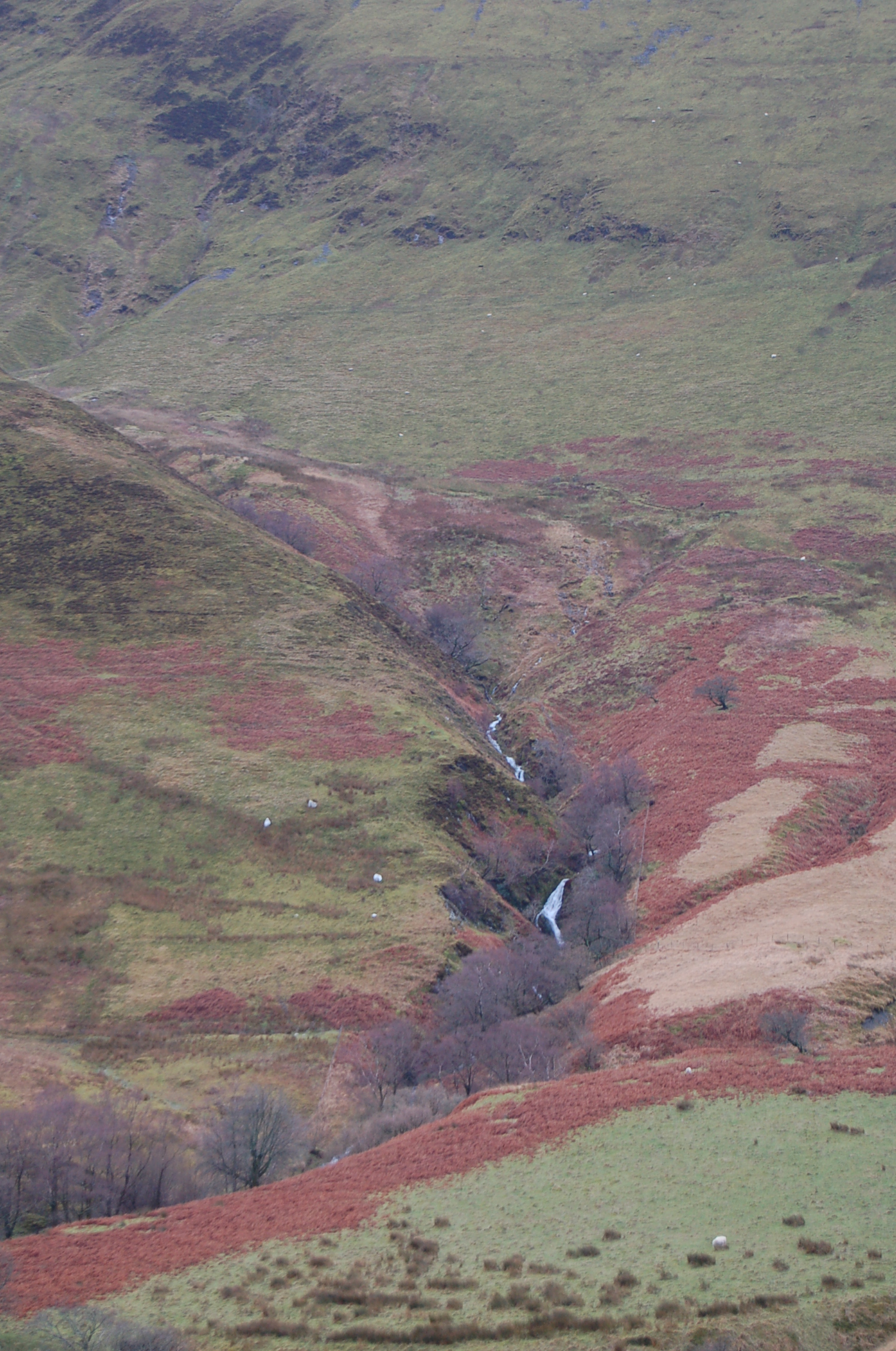
We heard the falls well before we saw them, the roaring and rushing  of water dropping over 100 feet splashing on rock outcrops as it falls. When the falls come into view we are always forced to stop just to stare and take in the scene. It is simply beautiful, a place where the gentle beauty of nature is disturbed by the sheer power of water. A mist of spray drifts among the trees. All around is green, bright almost fluorescent green. Ferns, mosses and lichen reveling in an atmosphere full of droplets of water, very pure clean water, not yet subjected to man’s pollution. It won’t be long before this stream, crystal clear but for a hint of the coffee brown stain from peat, will be subject to agricultural run-off. Nitrates, herbicides and sheep dip chemicals. But for now its purity adds to the delight of the place.

2014 08 28_4250 2014 08 28_4251 2014 08 28_4252 2014 08 28_4254 2014 08 28_4256 2014 08 28_4257

2014 08 28_4258 2014 08 28_4255

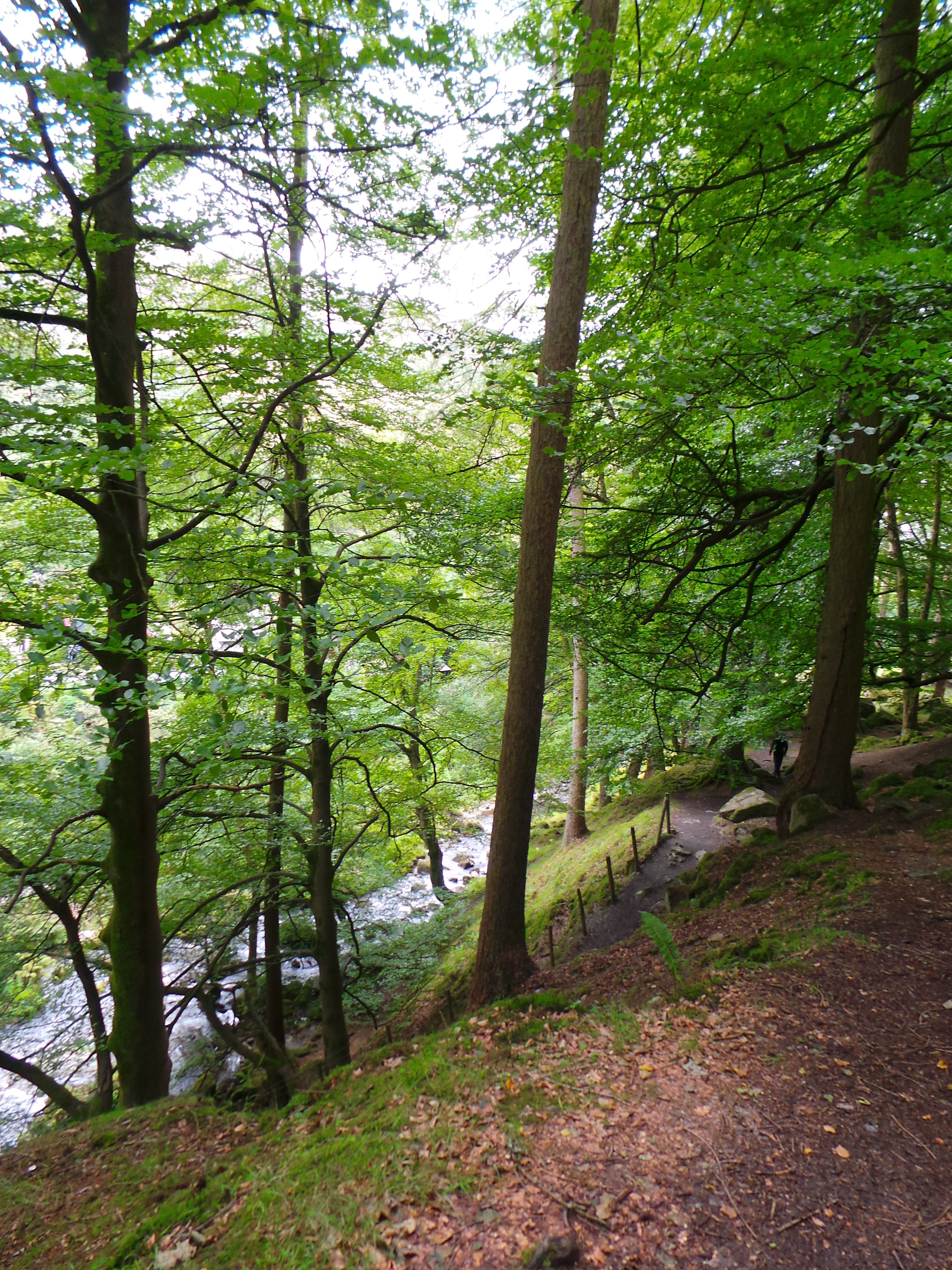
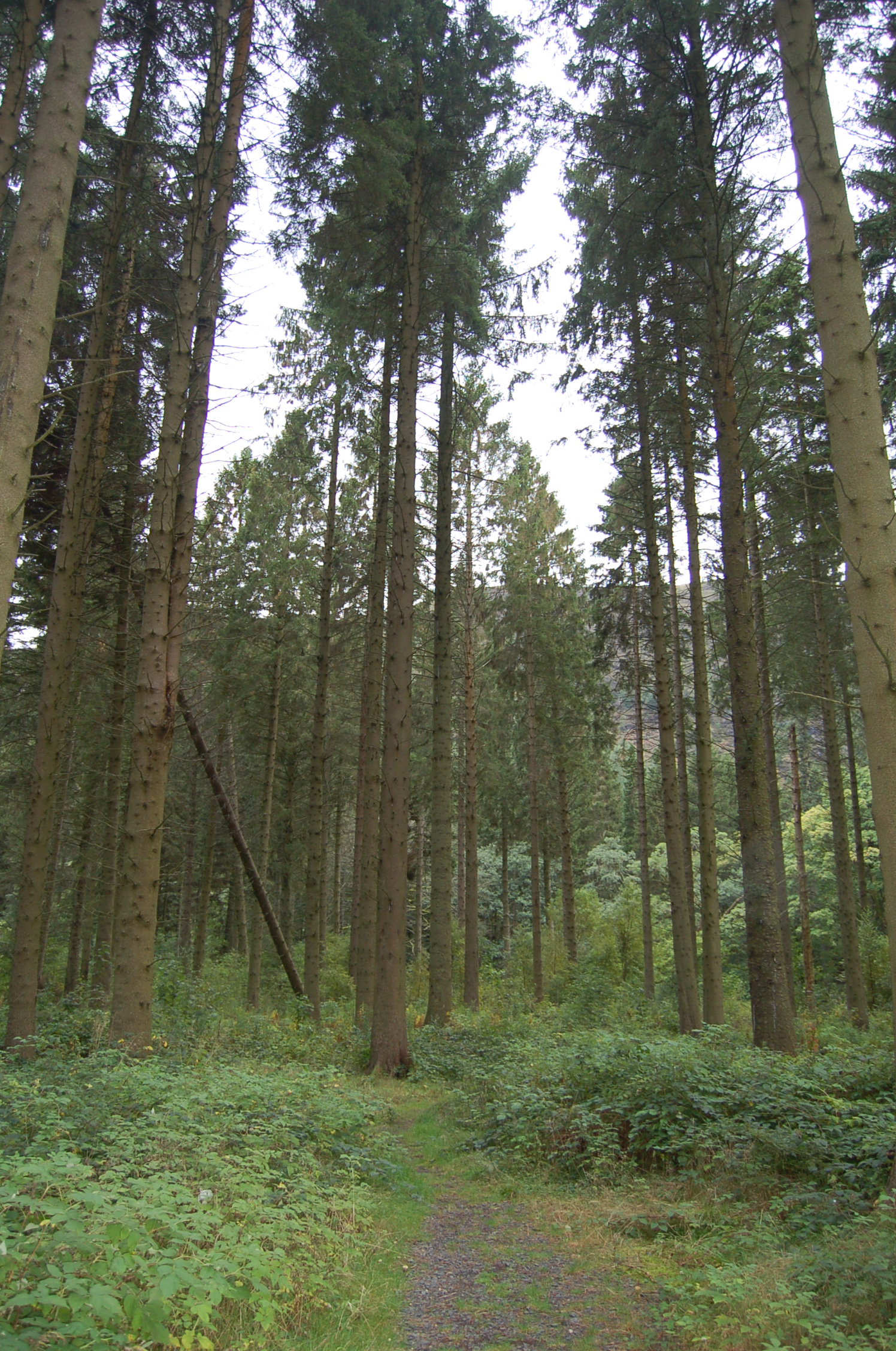
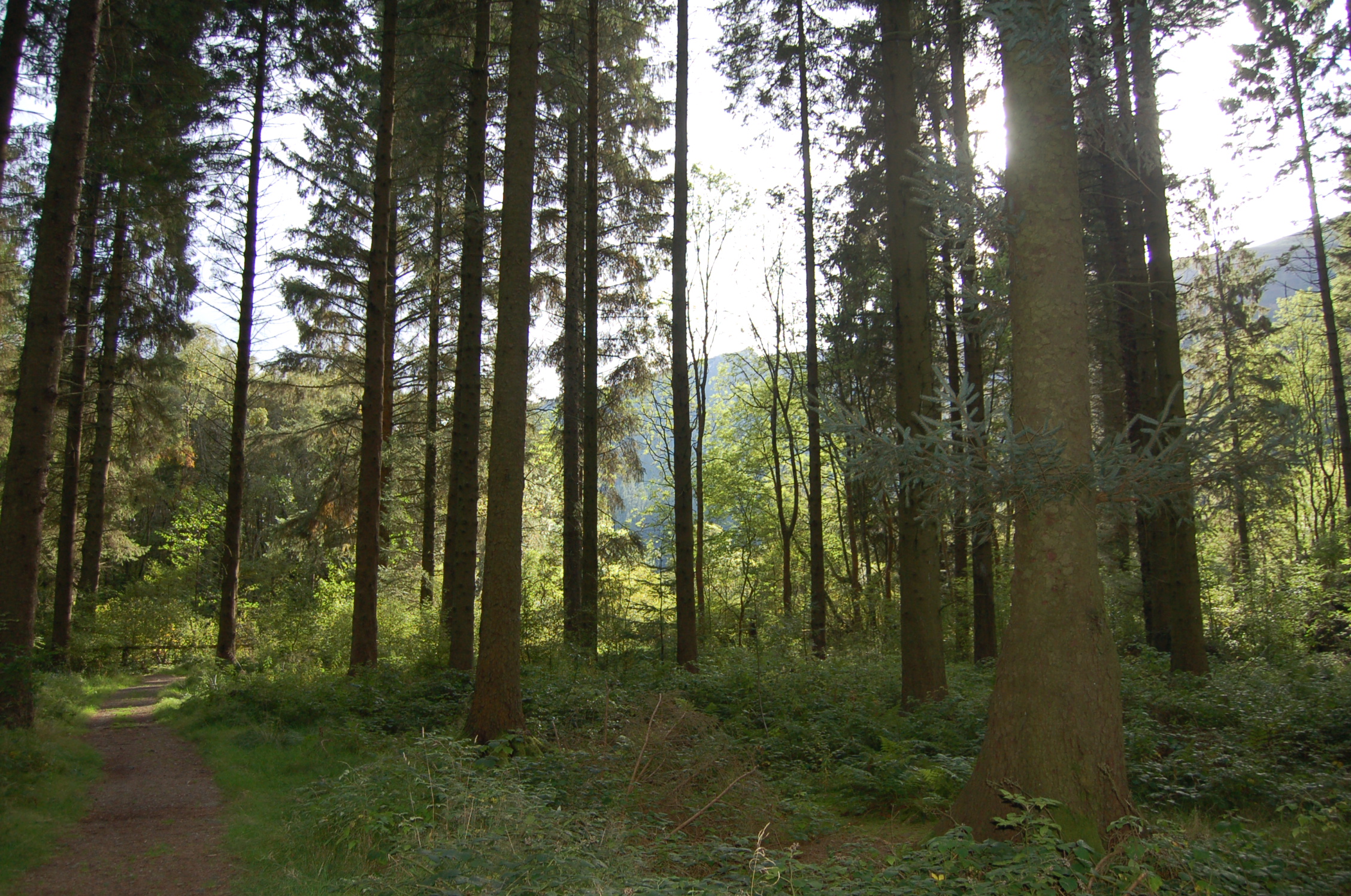
After enjoying being close to the roar and rumble of the waterfall we took a narrow track into the valley. Our feet made no sound on the pine needles that covered the path so we could hear the sound of the falling water getting quieter as we moved deeper into the heavily wooded slopes of the valley side. The trees grew close together so had grown tall in their search for light.

2014 08 28_4261 2014 08 28_4264 2014 08 28_4298 2014 08 28_4296

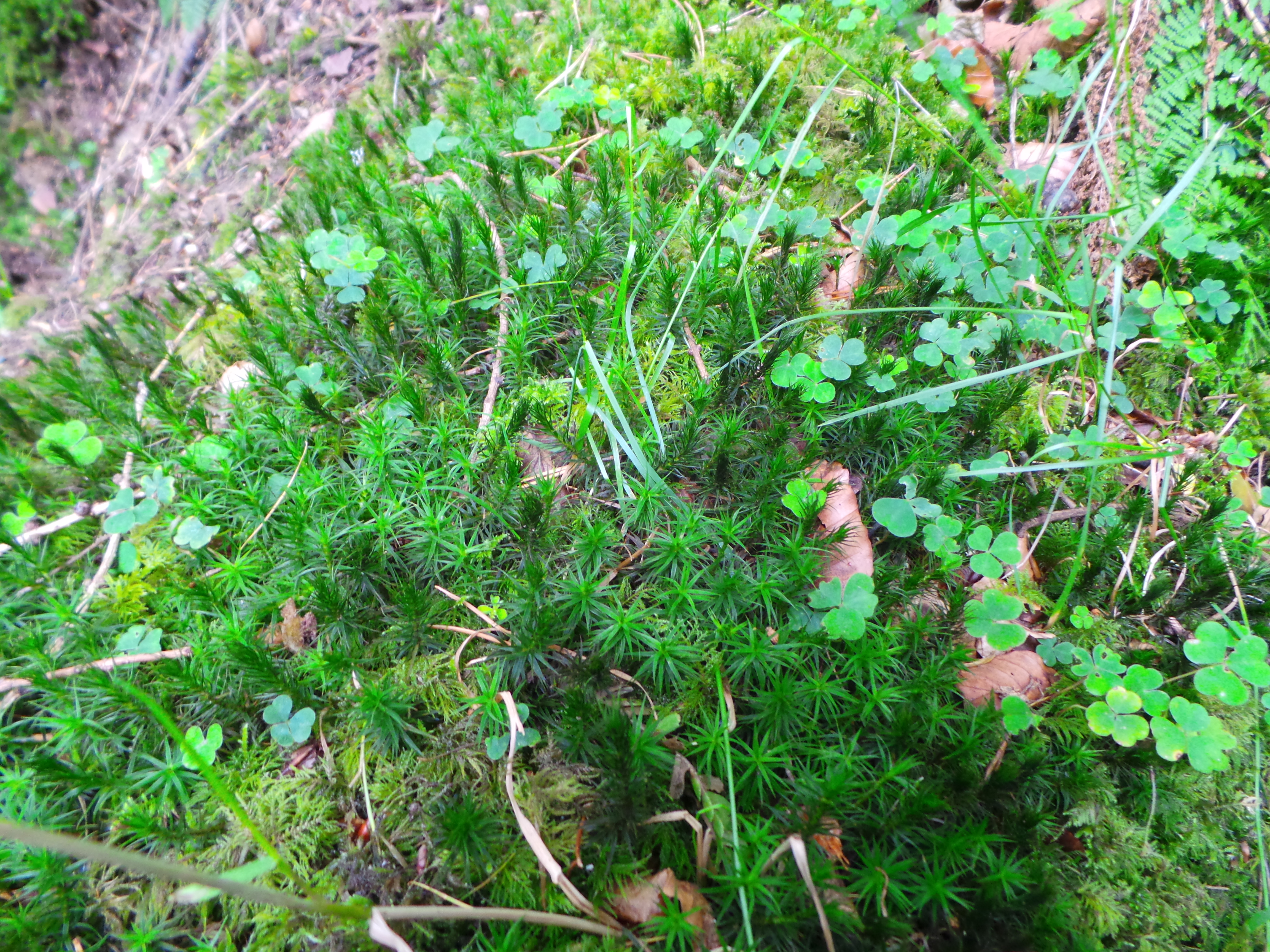
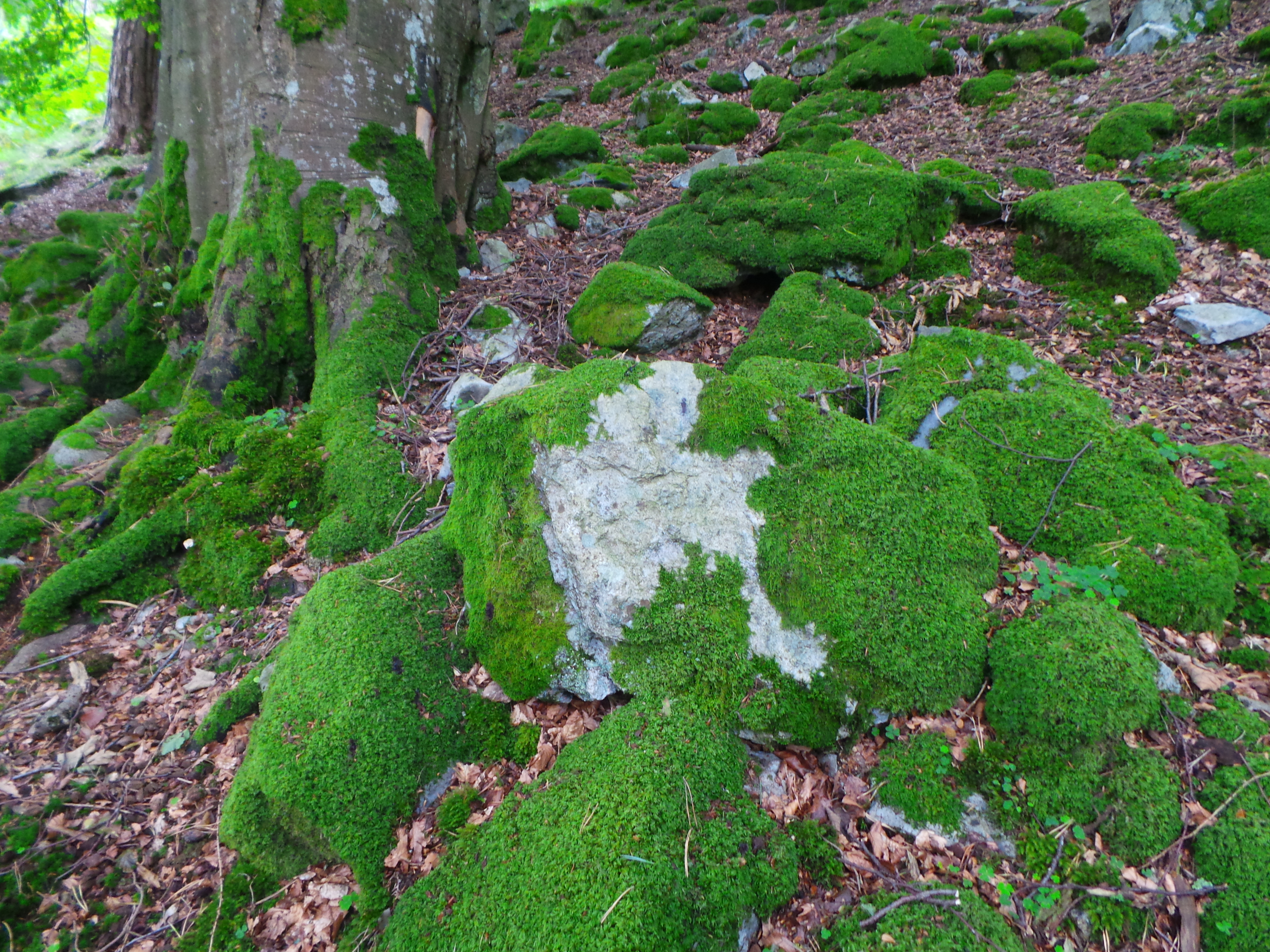
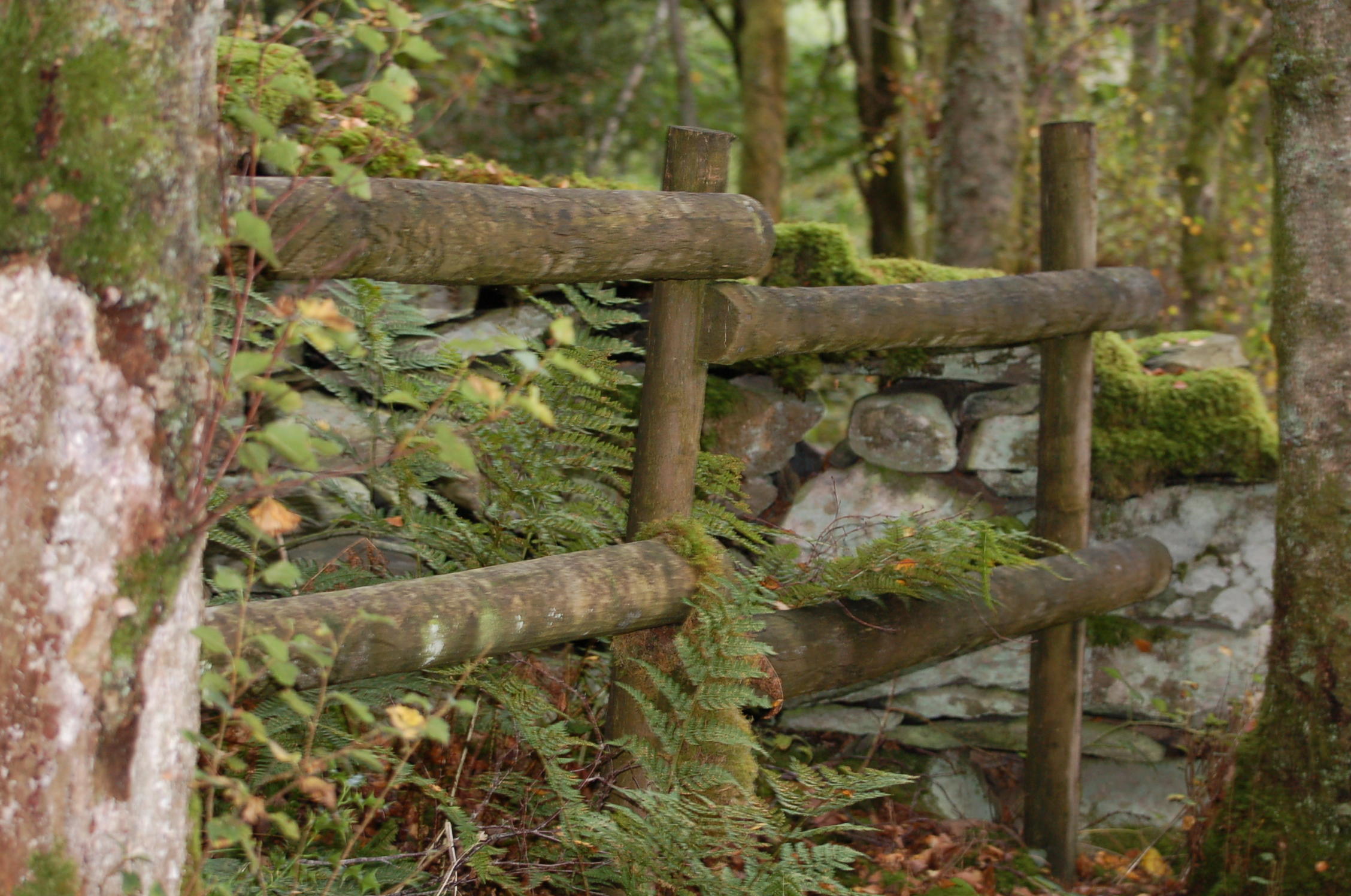
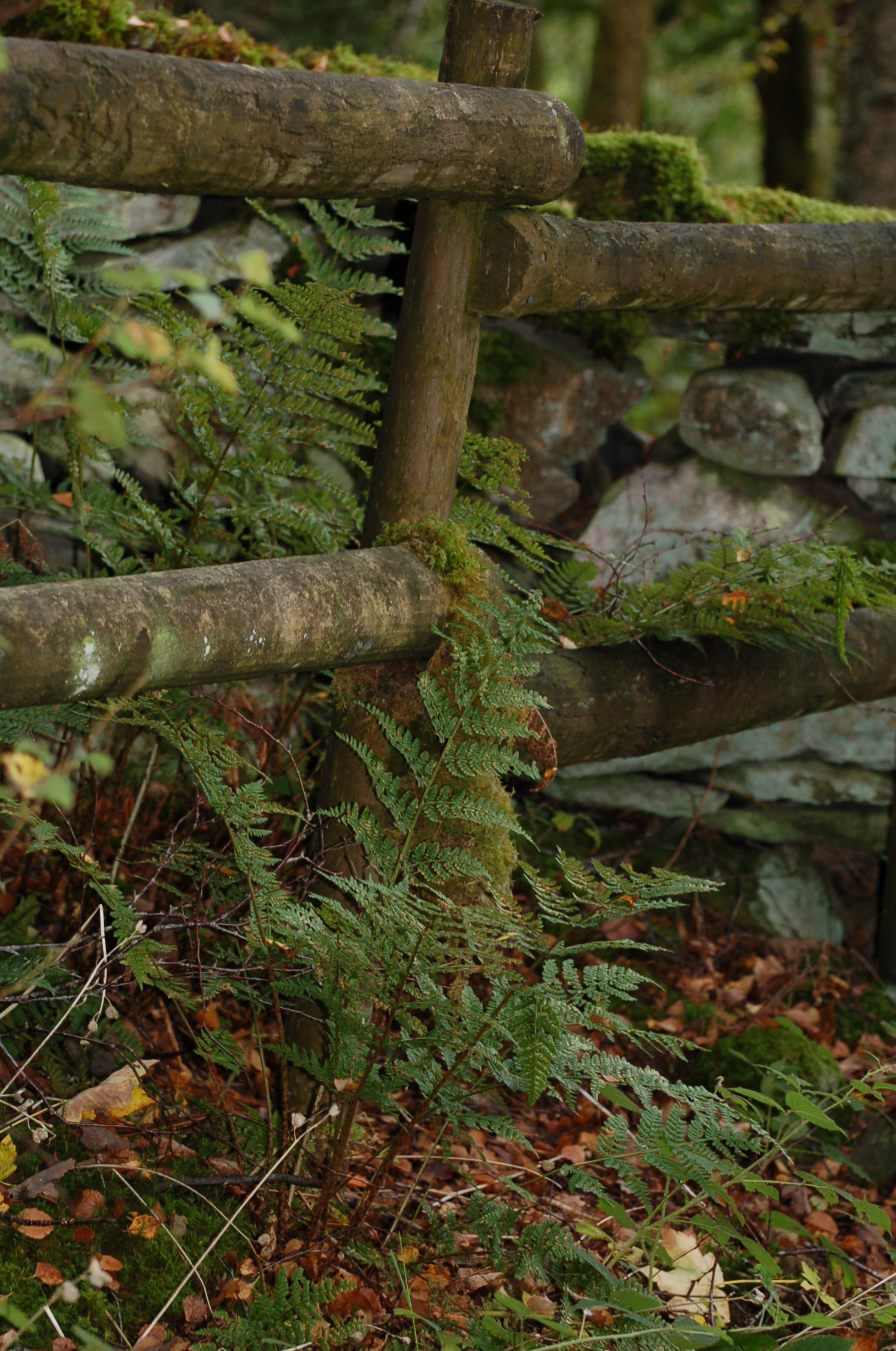
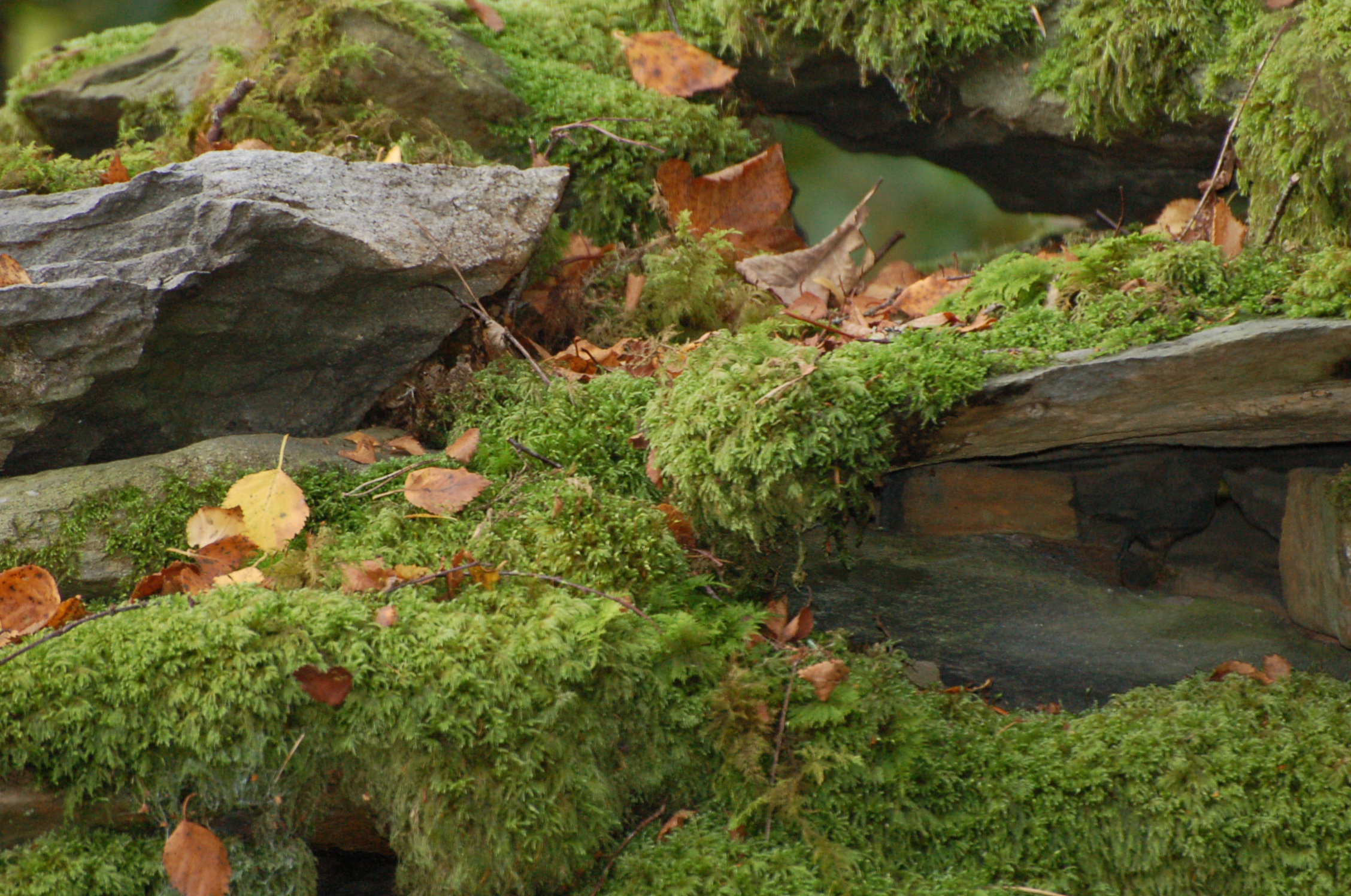
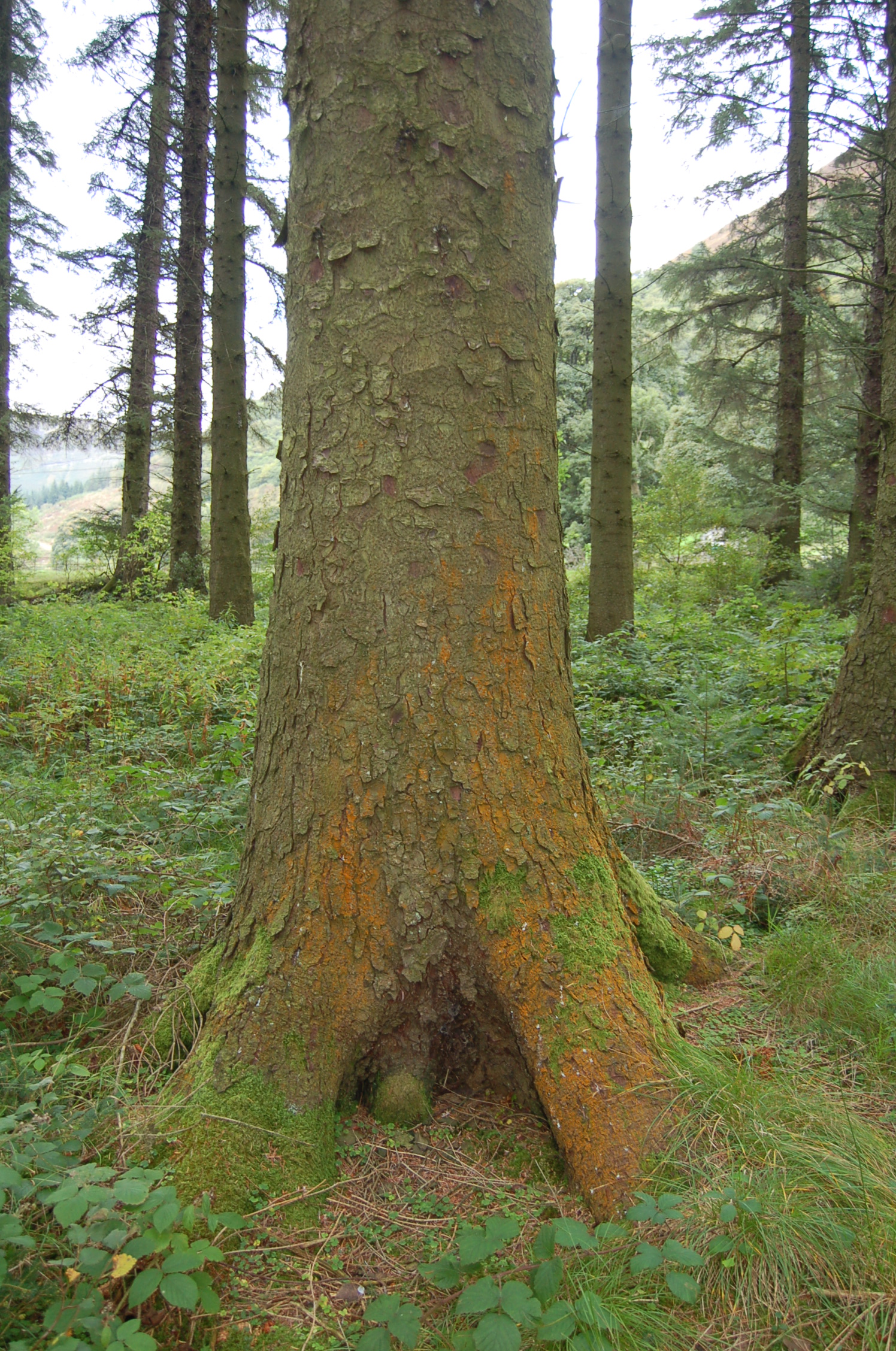
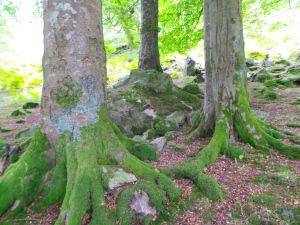
Every boulder and the bases of every tree trunk were carpeted in mosses and lichens, soft and silky to the touch.

 2014 08 28_4265 2014 08 28_4294

2014 08 28_4262

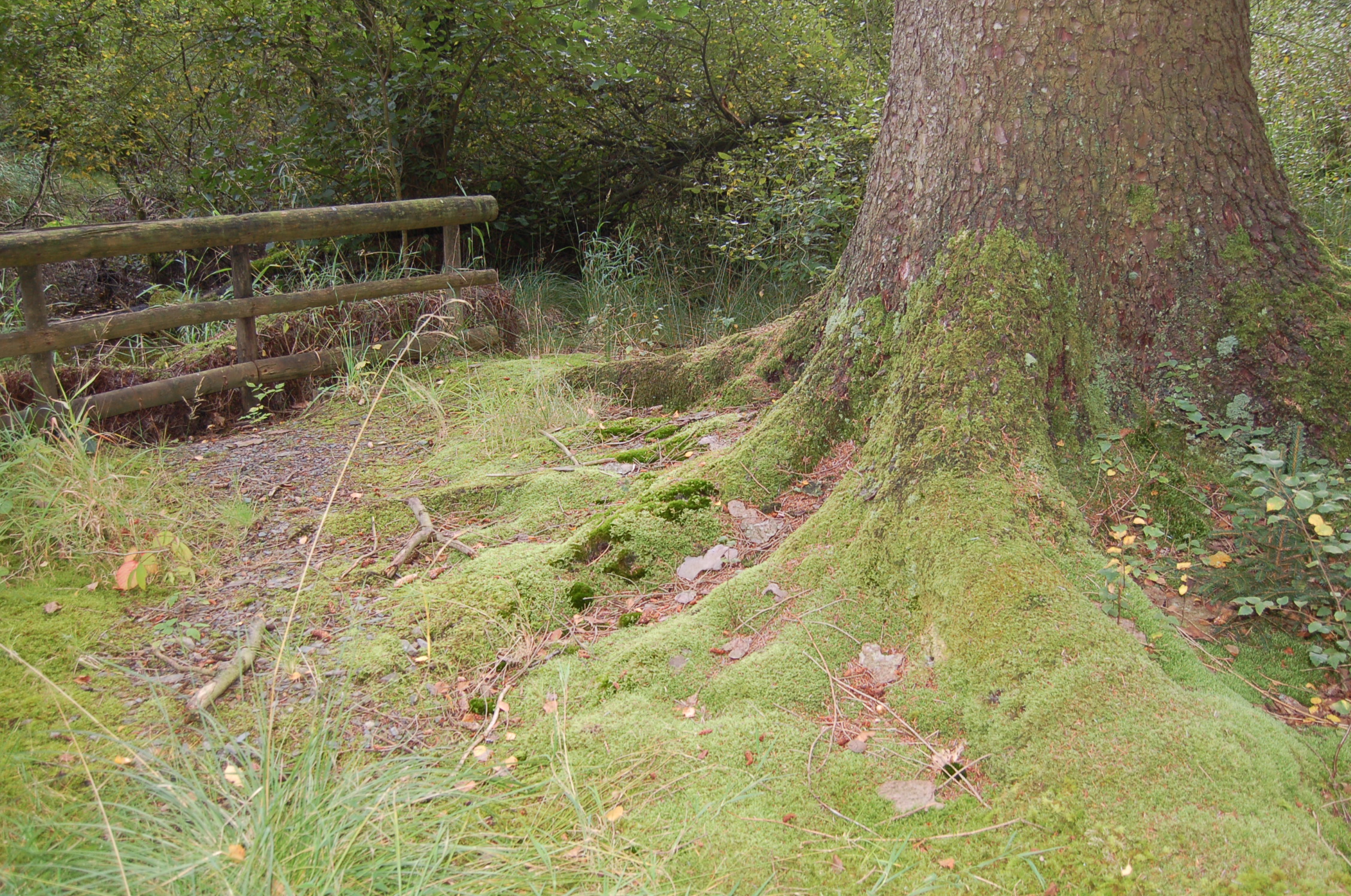
The boulders had been rolled down the slope by the forces of gravity after the equally powerful force of erosion had separated them from the rock faces of the vertical outcrops towering above the tree line. Erosion had also removed the soil and scree that once anchored this tree and its roots to the ground. Today it somehow remains upright by holding on with only half of its giant roots still in the ground.

2014 08 28_4266 2014 08 28_4277

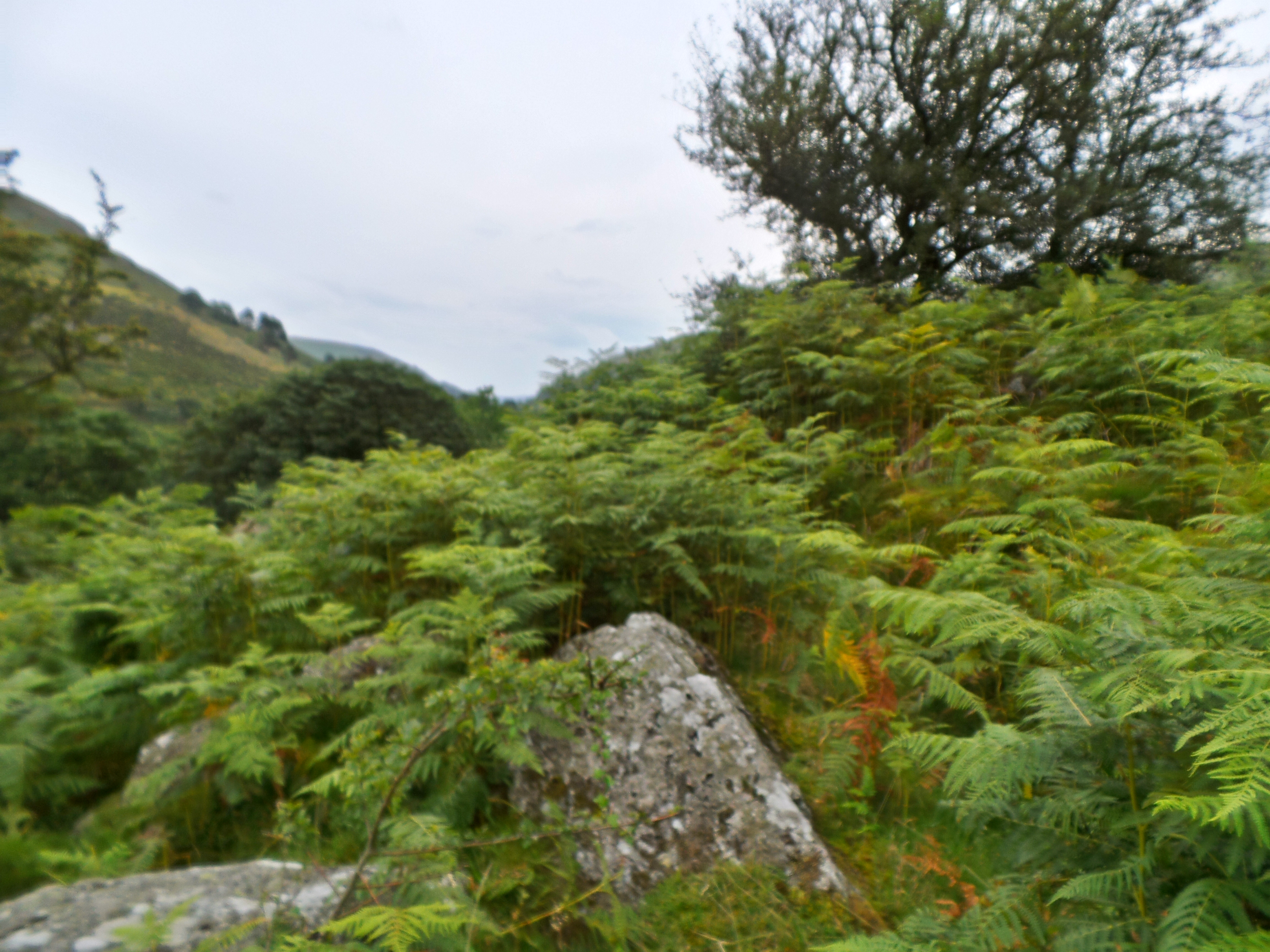
The openness at the end of the woodland afforded us vast views of the mountain range underneath which we had driven to find the waterfalls.

2014 08 28_4267 2014 08 28_4268 2014 08 28_4269 2014 08 28_4270

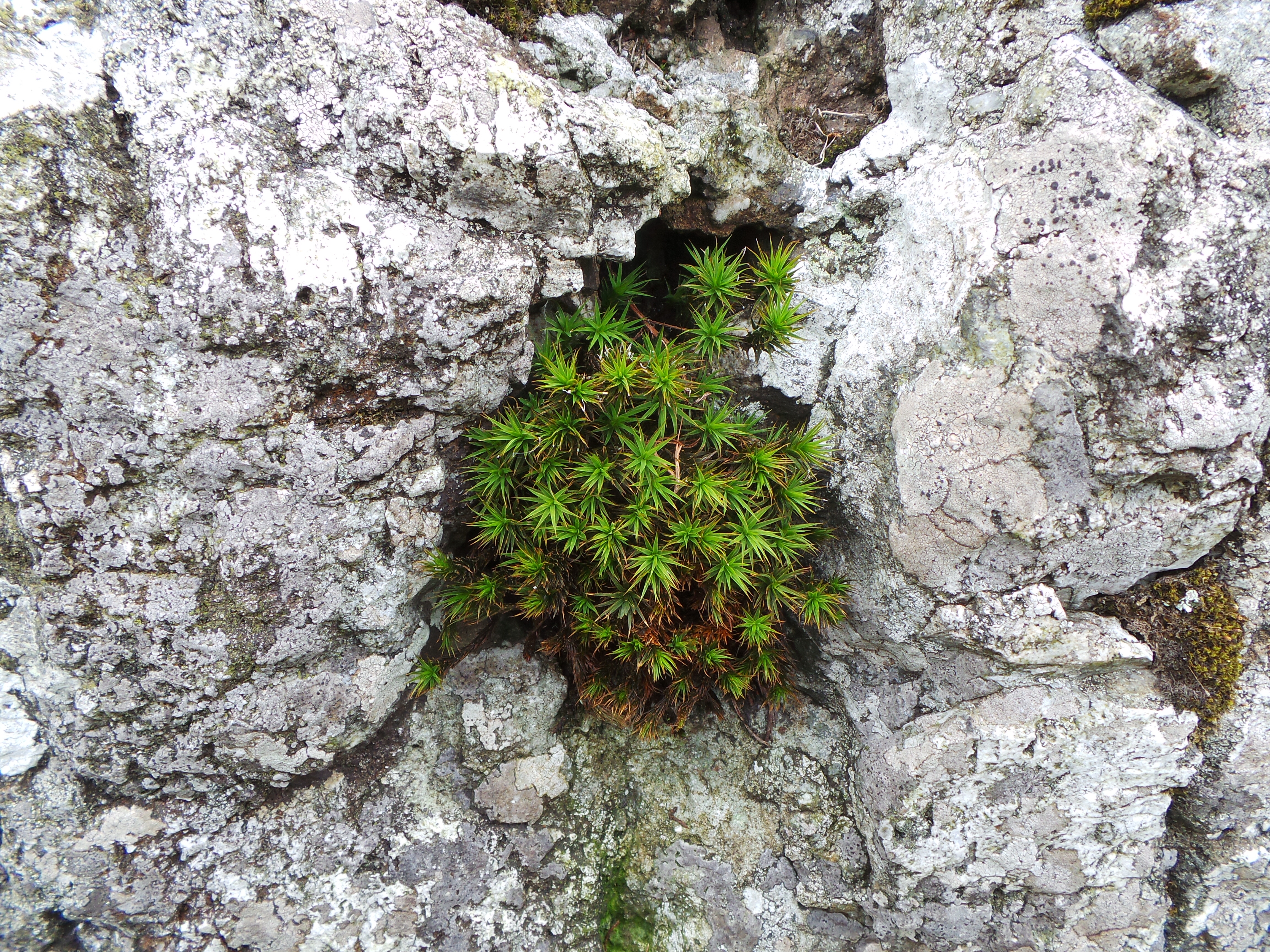
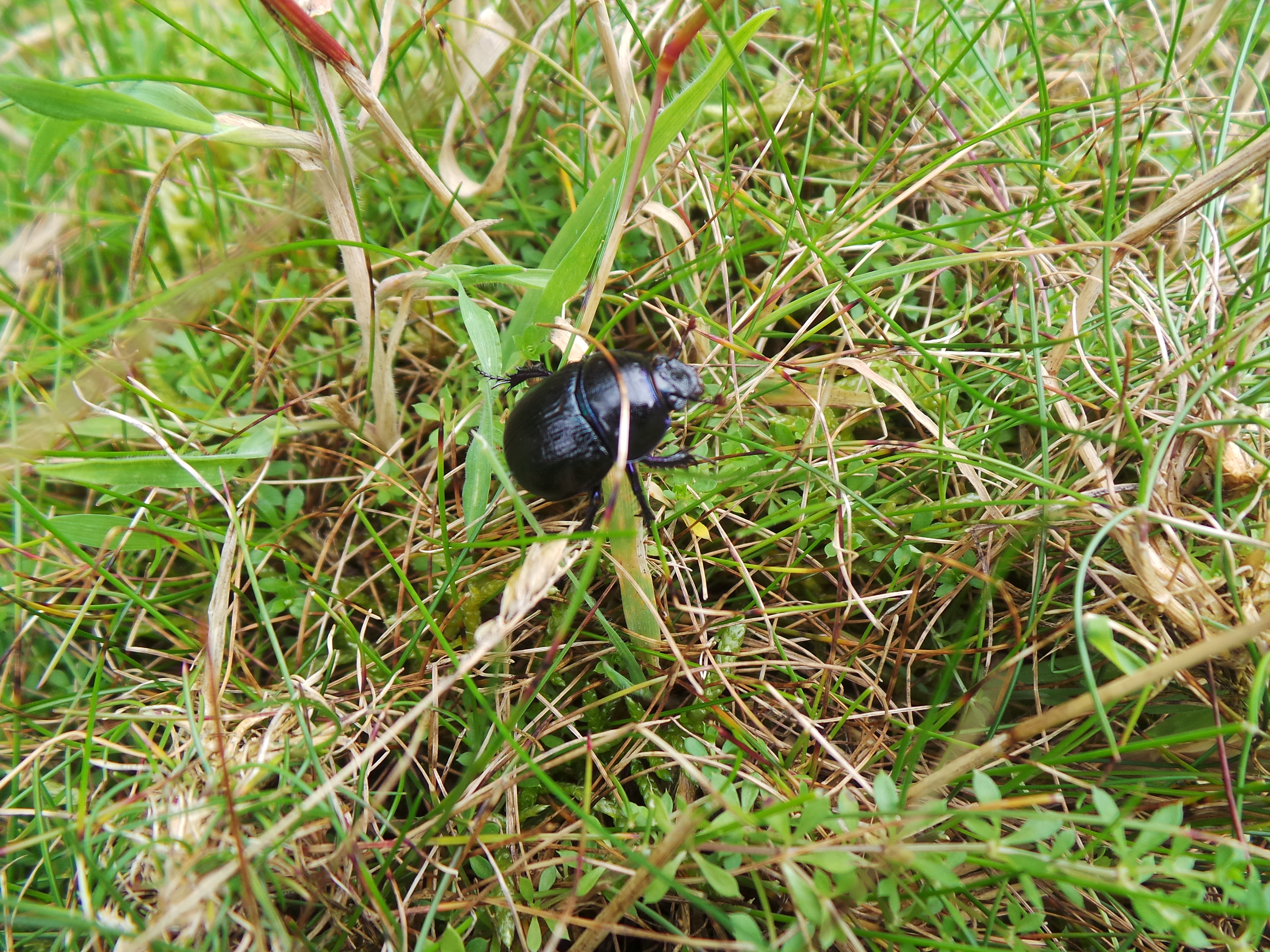
In a place dominated by huge trees, massive mountains and rugged rock faces it is good to study tiny delicate things as a contrast. There can be no more delicate flower then the Harebell and no smaller plants than mosses, lichens and algae (algae and lichen are not strictly speaking plants). Although the beetles we came across were small at only a centimetre or so long they certainly did not look delicate. They looked tough as they moved through the grass with purpose. Theses little chaps are powerful predators in the mini-beast world.

2014 08 28_4271 2014 08 28_4272 2014 08 28_4274 2014 08 28_42802014 08 28_4288 2014 08 28_42892014 08 28_4301 2014 08 28_4295

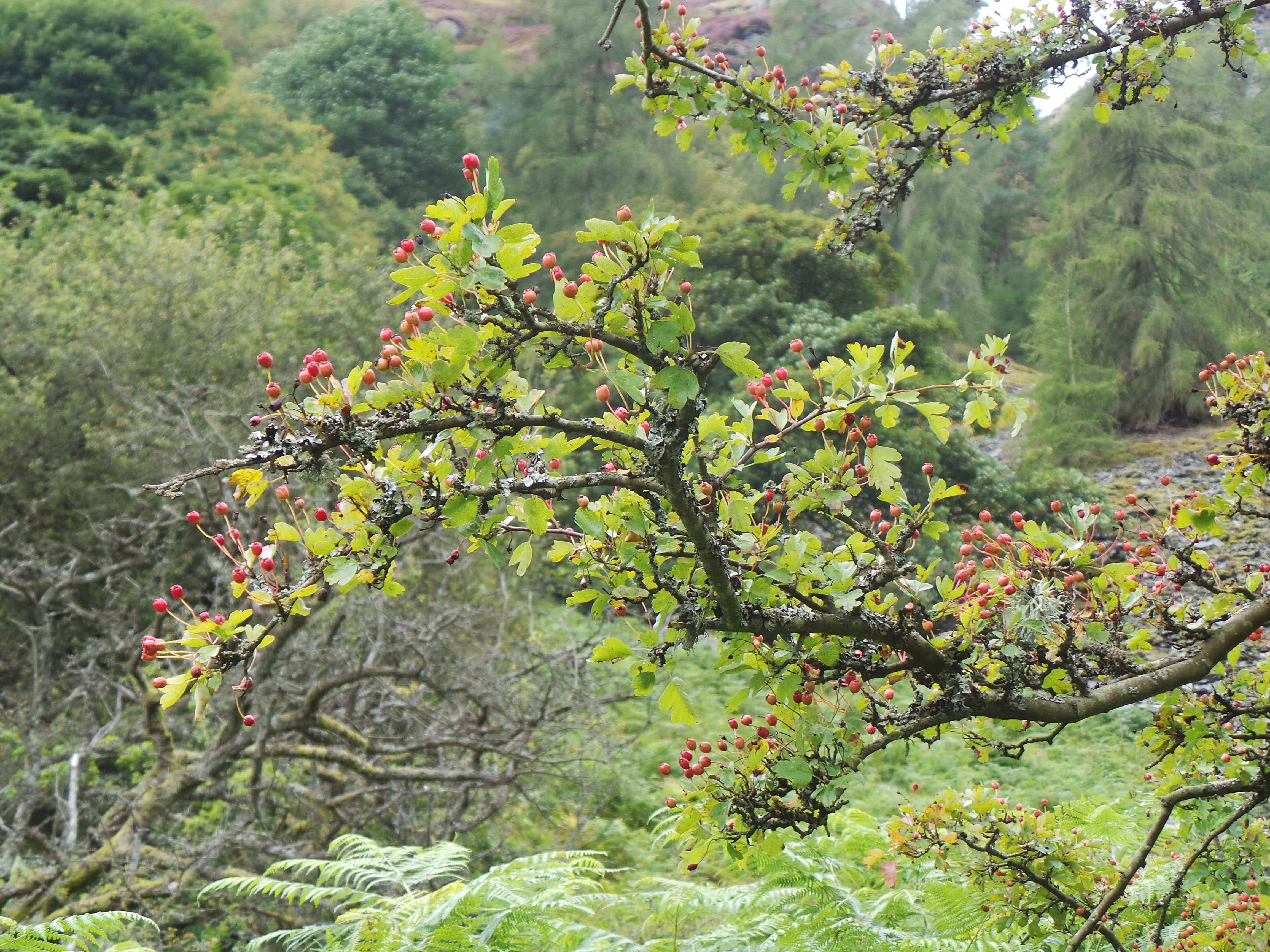
Fruit was colouring up on Hawthorns, Rowans and wild Crab Apples. We imagined that once the migrant thrushes passed through Wales they would home in on this valley side and gorge themselves on this fruit bounty.
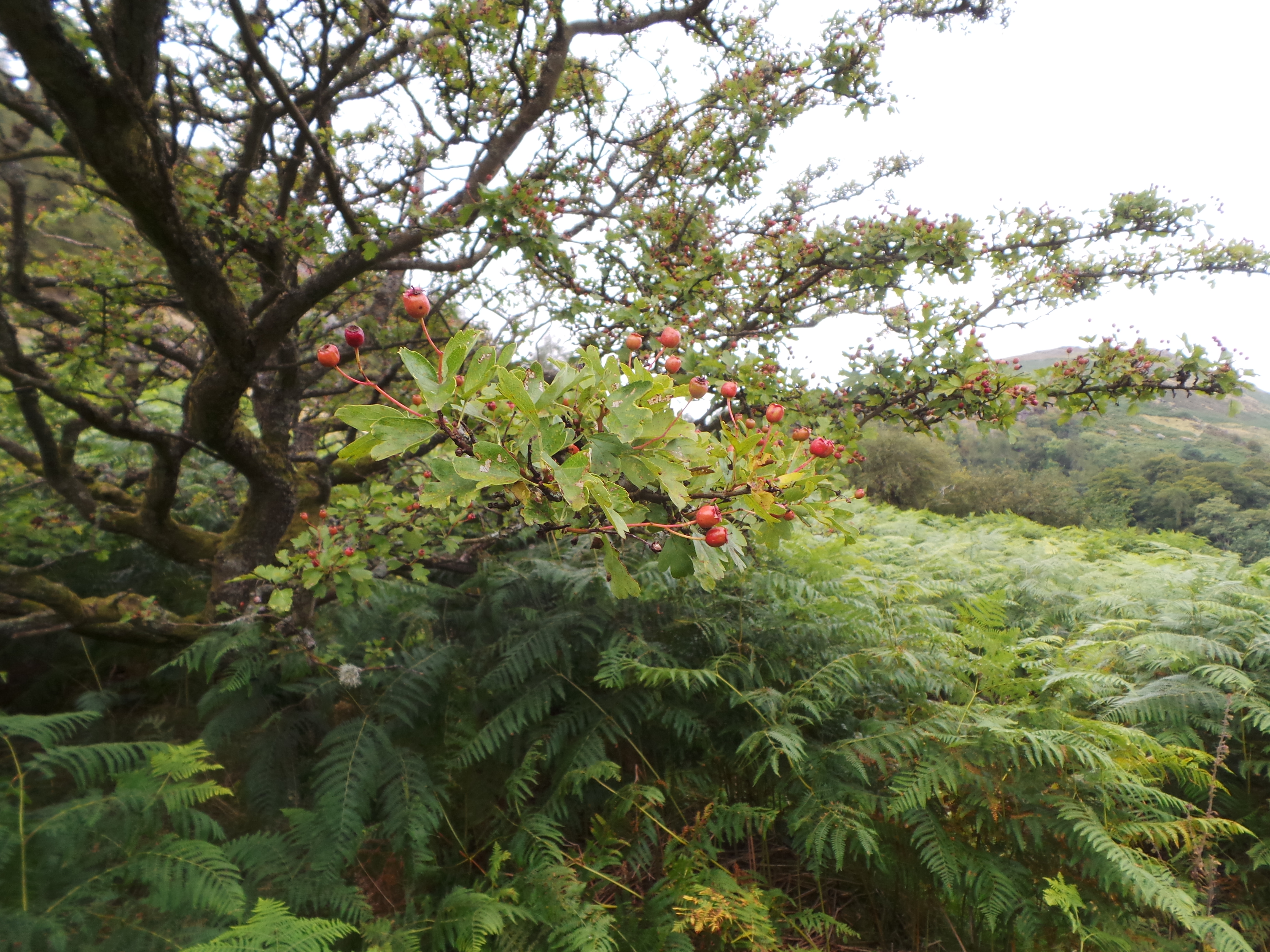
2014 08 28_4278 2014 08 28_42792014 08 28_4287

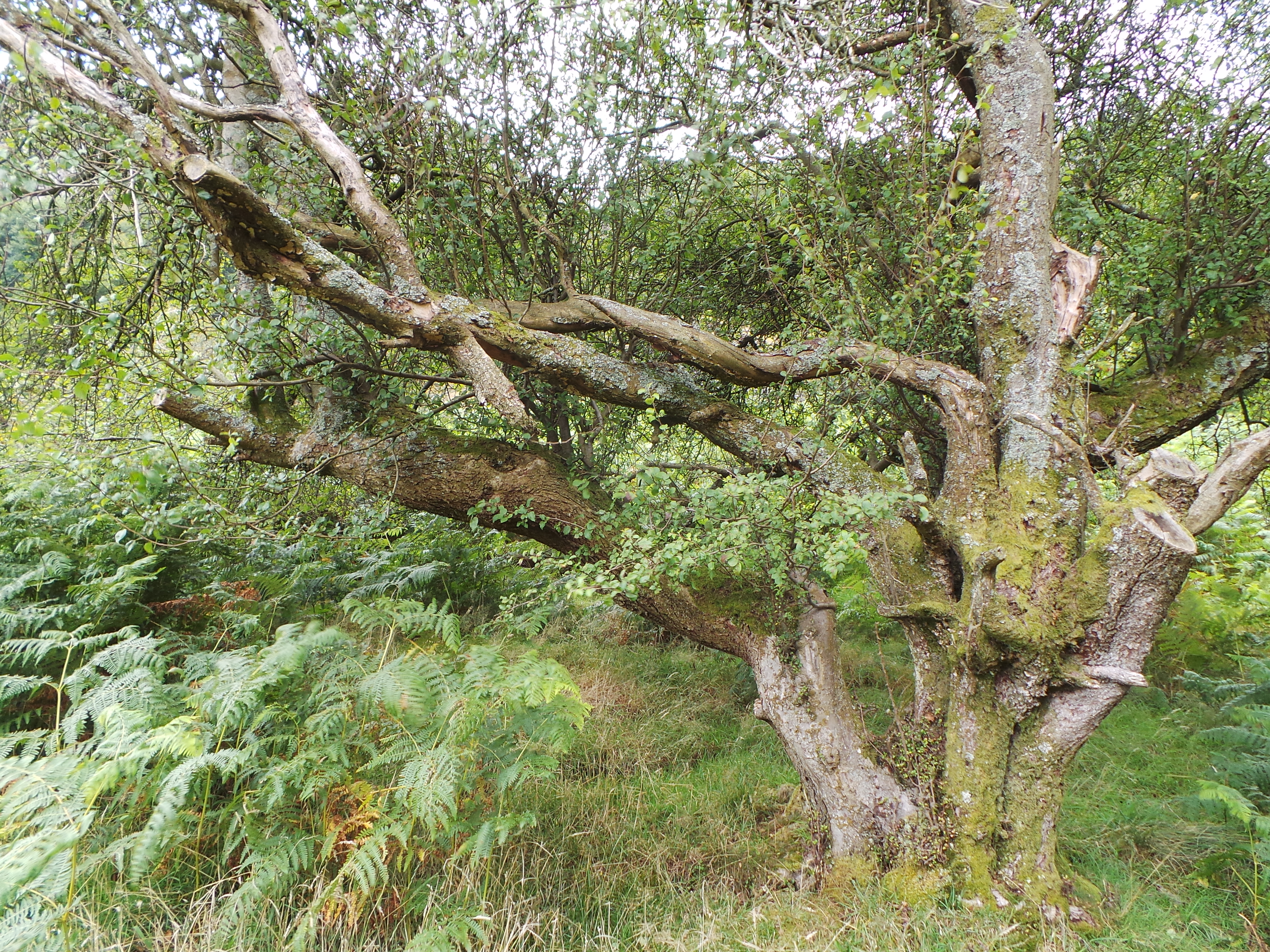
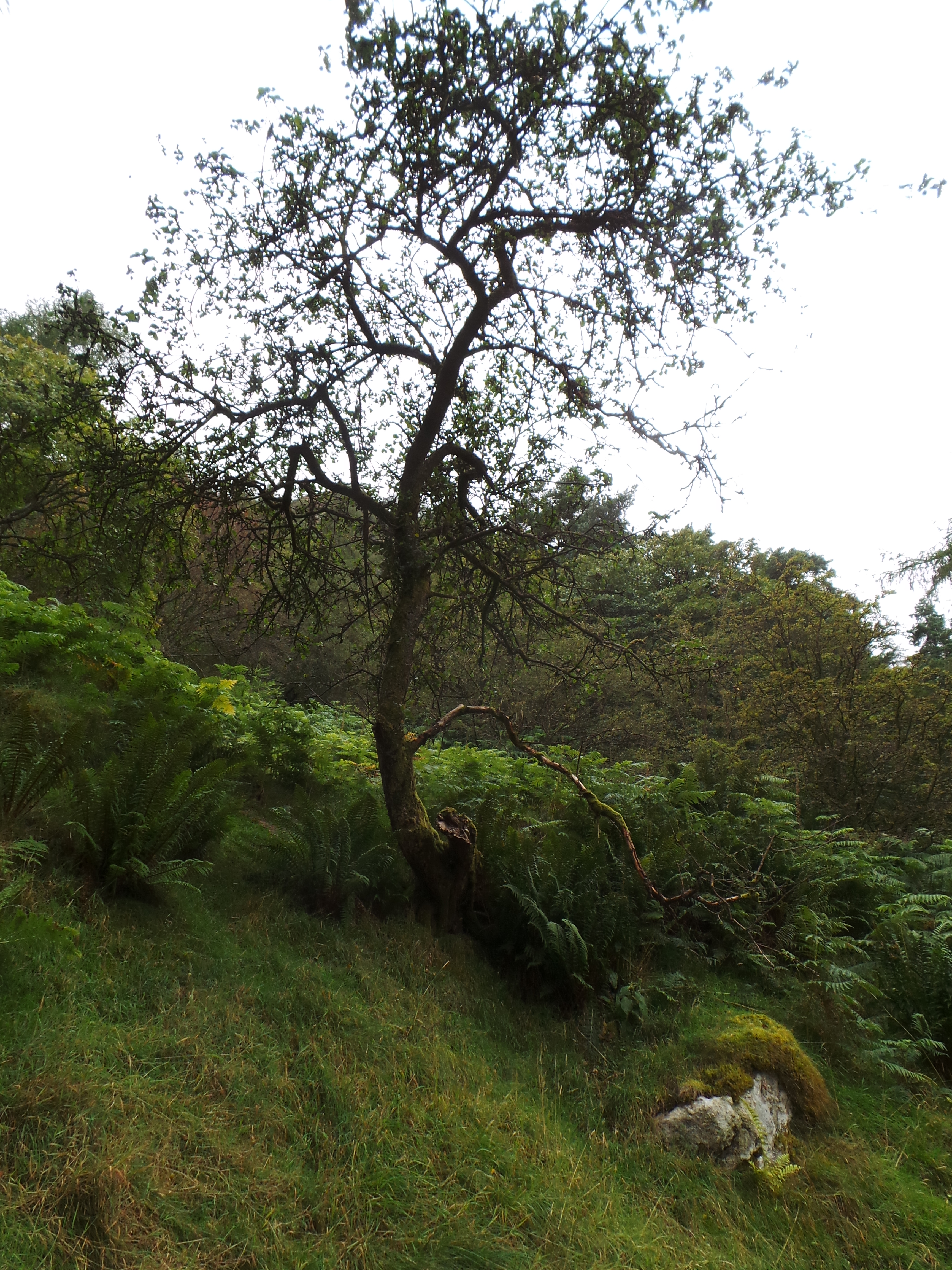
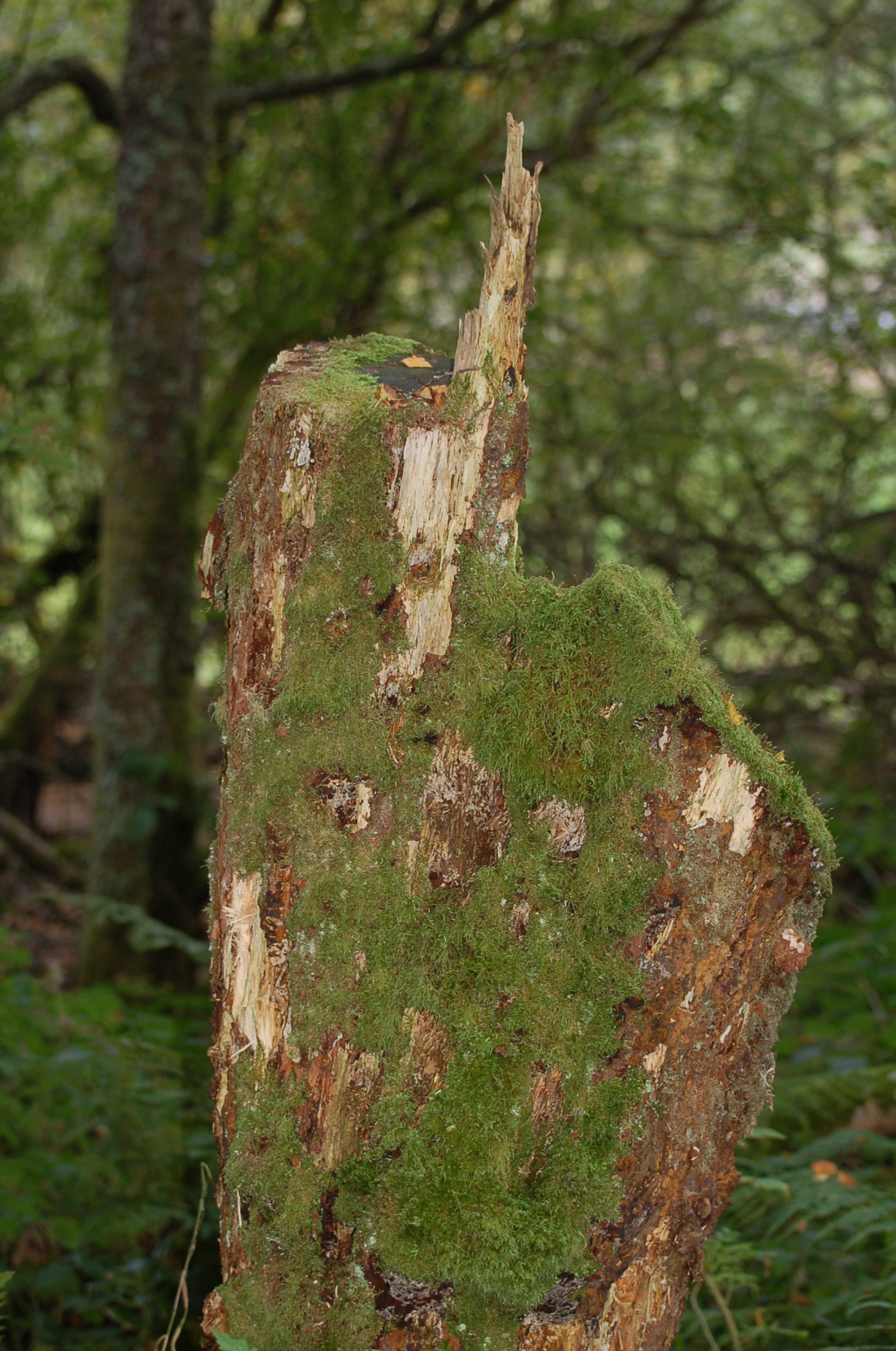
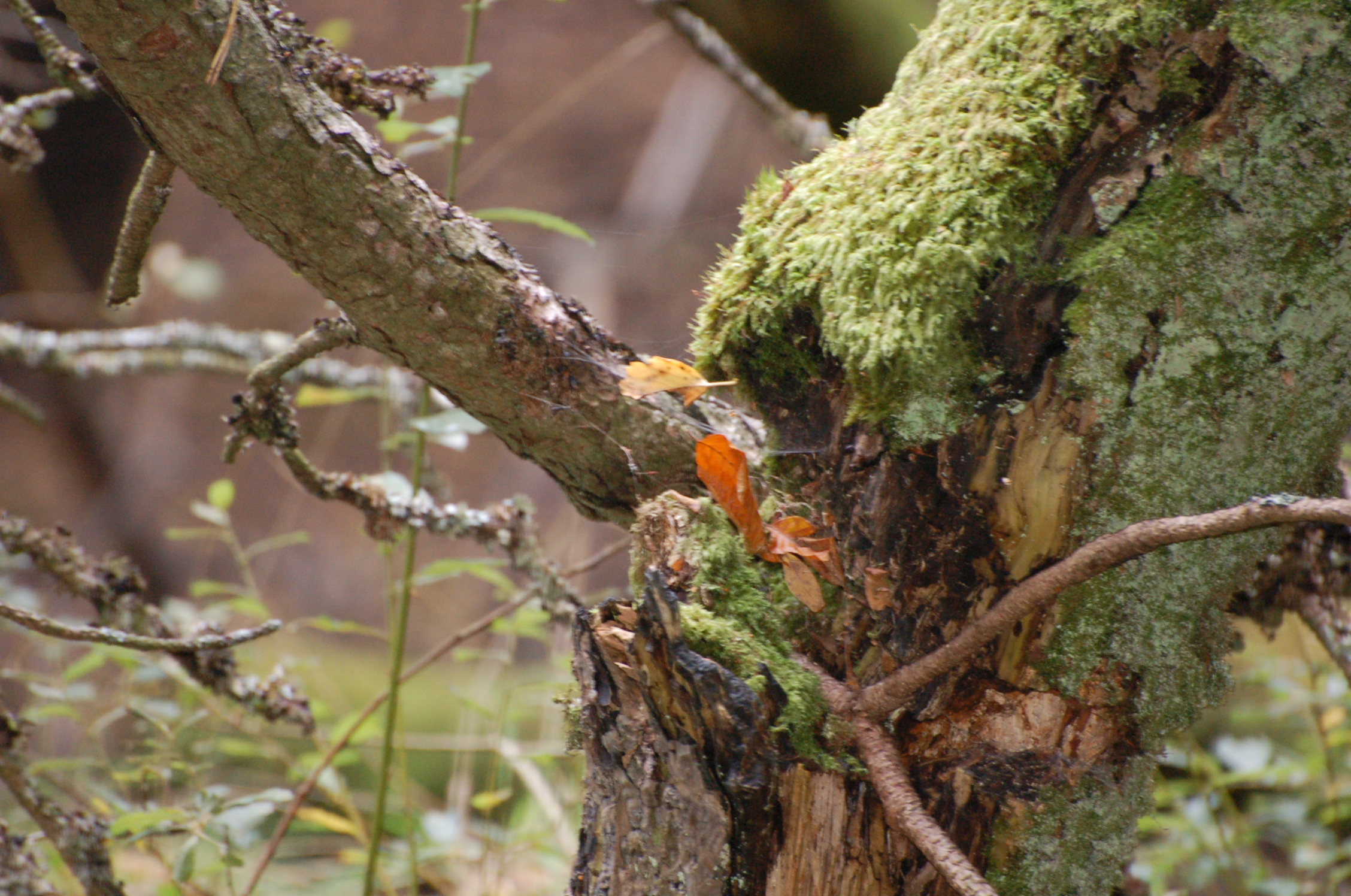
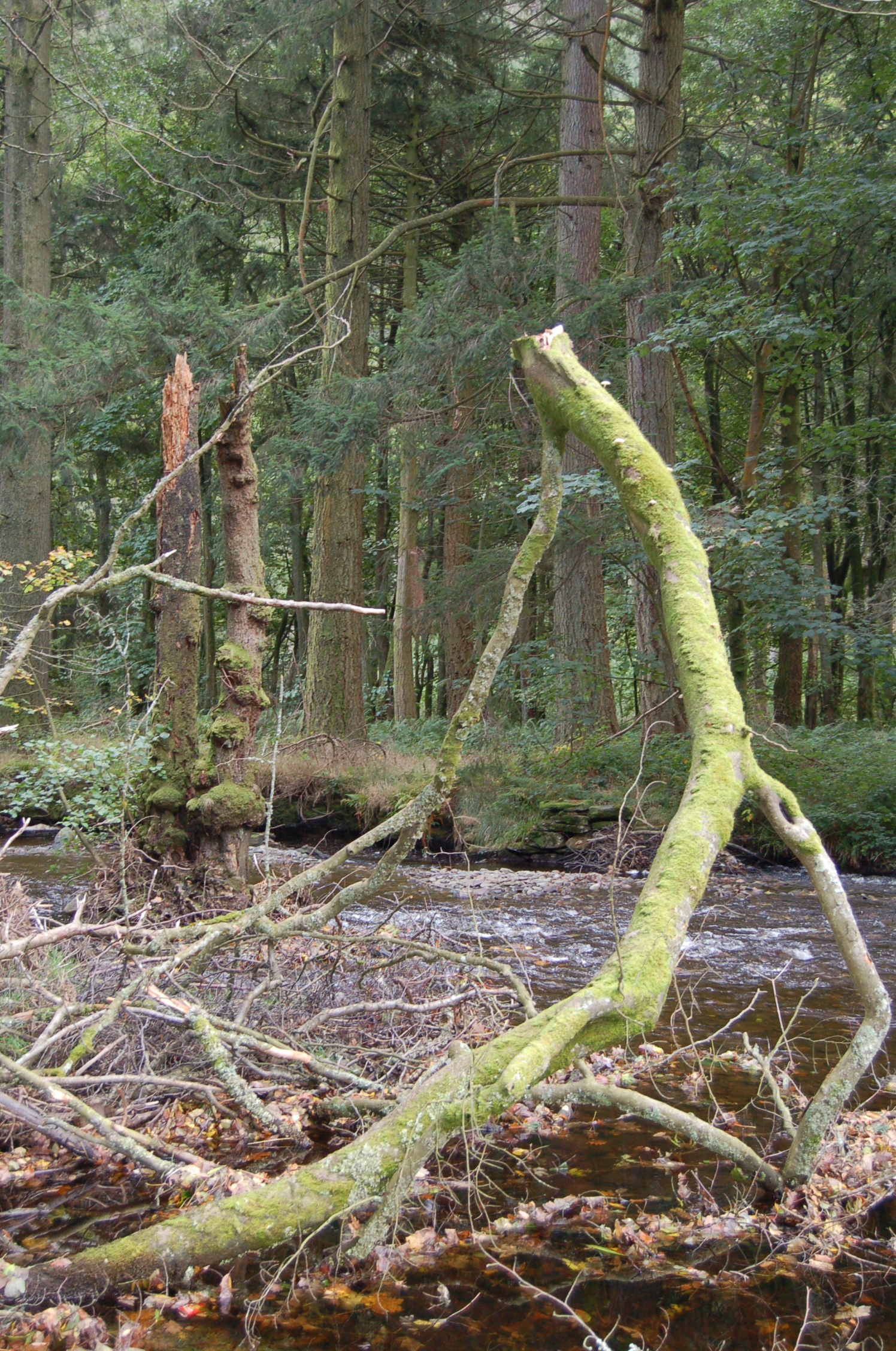
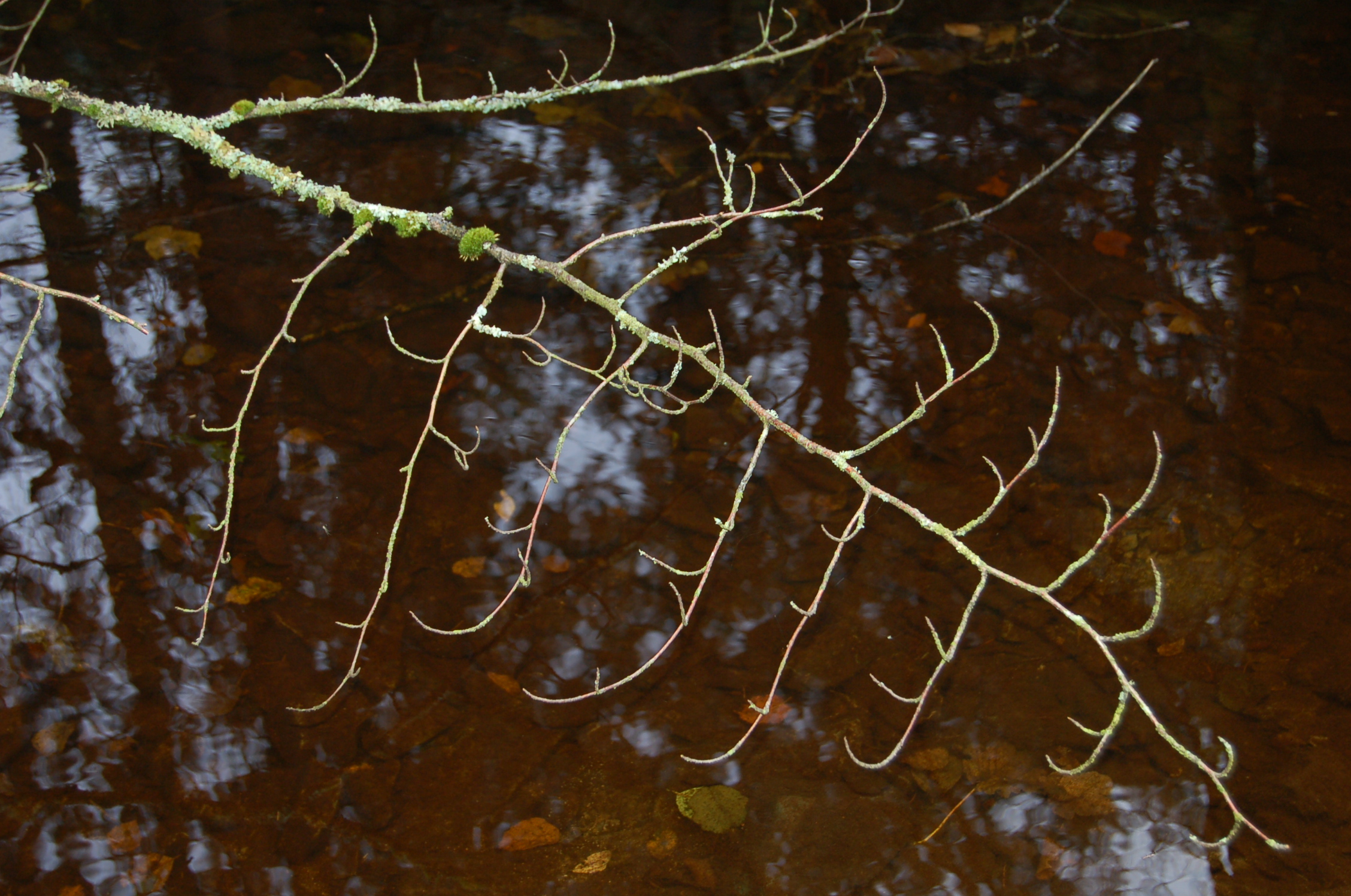
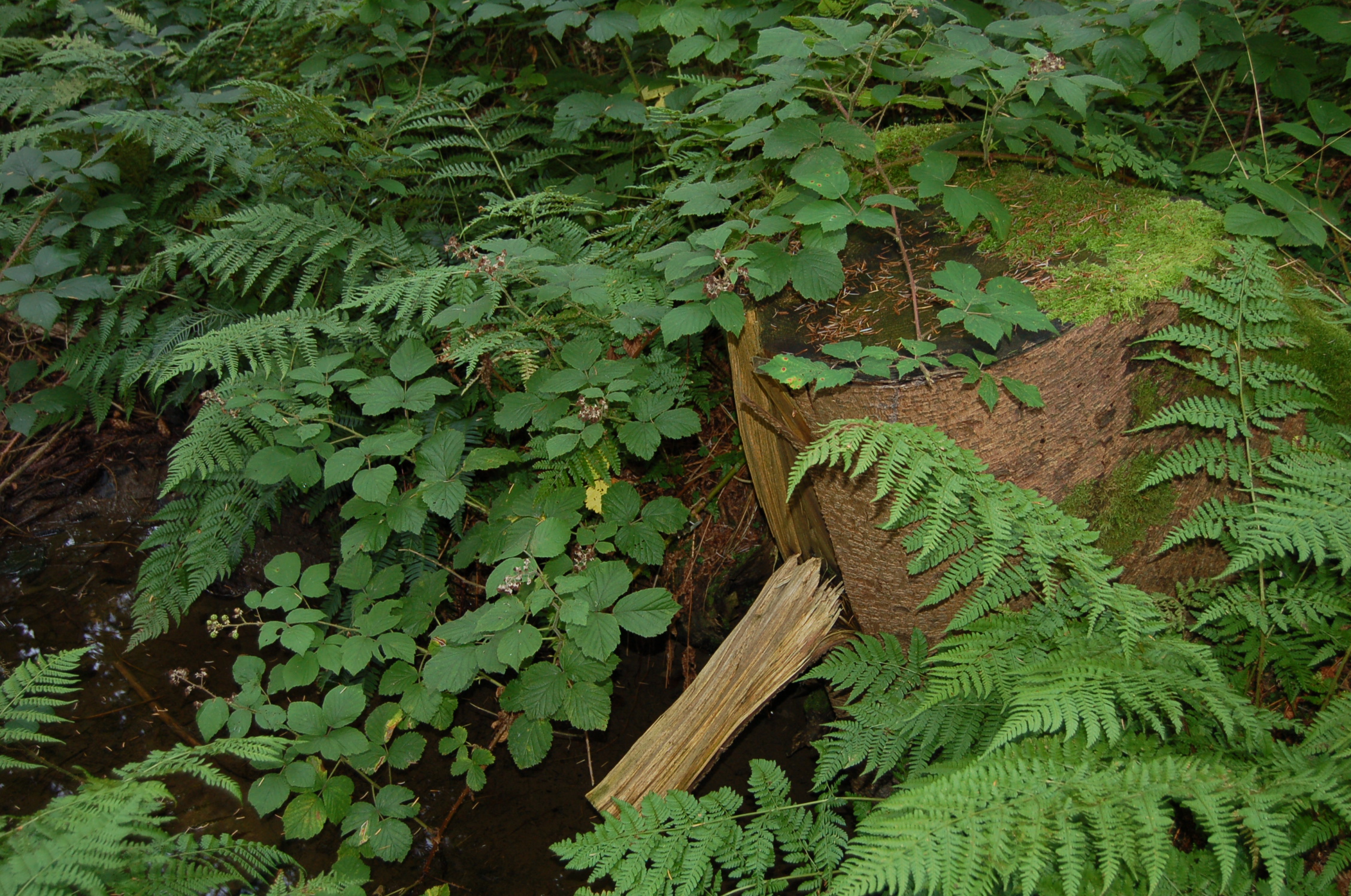
On the more exposed slopes of the valley trees live short lives and they grow stunted by the harsh winds and cold winters. This does though give them beautiful shapes, their branches and trunks taking on bonsai like twists and turns. The clean air here meant they wear coats of lichen, moss and algae. The first three pictures below are of a dead tree, partly felled but still giving a home to these tiny members of the plant world.

2014 08 28_4281 2014 08 28_4282  2014 08 28_4283 2014 08 28_4285 2014 08 28_4290 2014 08 28_4292

On our return back along the track we took a detour to see if we could get a closer look at the falls by going upwards. The path rose steeply and we found ourselves on a ledge almost halfway up the falls so we did get different views but not as dramatic as we had hoped for.

2014 08 28_4259 2014 08 28_4293

2014 08 28_4297 2014 08 28_4299 2014 08 28_4300 2014 08 28_4263

What a great place this is, possibly as close to wilderness as we can find in this part of Wales. The walk isn’t easy or indeed sensible for either of us – me walking with a crutch and one leg without any feeling and Jude being scared of heights and hating walking with a gap alongside. But we did it and we enjoyed! And we will probably do it again! No – we will definitely do it again!


Categories
colours countryside Shropshire

Shropshire Steam Rally Part 1- steam power and tractors

Jude and I had not visited the Shropshire Steam Rally for over 20 years so once we decided to attend this year’s show we were looking forward to seeing how things have changed.

The first change was the length of the traffic jam full of people waiting to get in. Once parked up the queue of people was also extremely long but once we got in the rich aroma of hot oil, steam and coal smoke reminded us that not everything had changed.

We were soon greeted by a strange array of characters.

2014 08 26_3994 2014 08 26_3995 2014 08 26_3996 2014 08 26_3997 2014 08 26_3998 2014 08 26_3999

We decided to pass through the trade stands, of which there were many, on our way to the displays of old tractors, working horses and then the steam vehicles themselves. But there were so many trade stands we took an age to find out way back out. It was worth all the searching though.

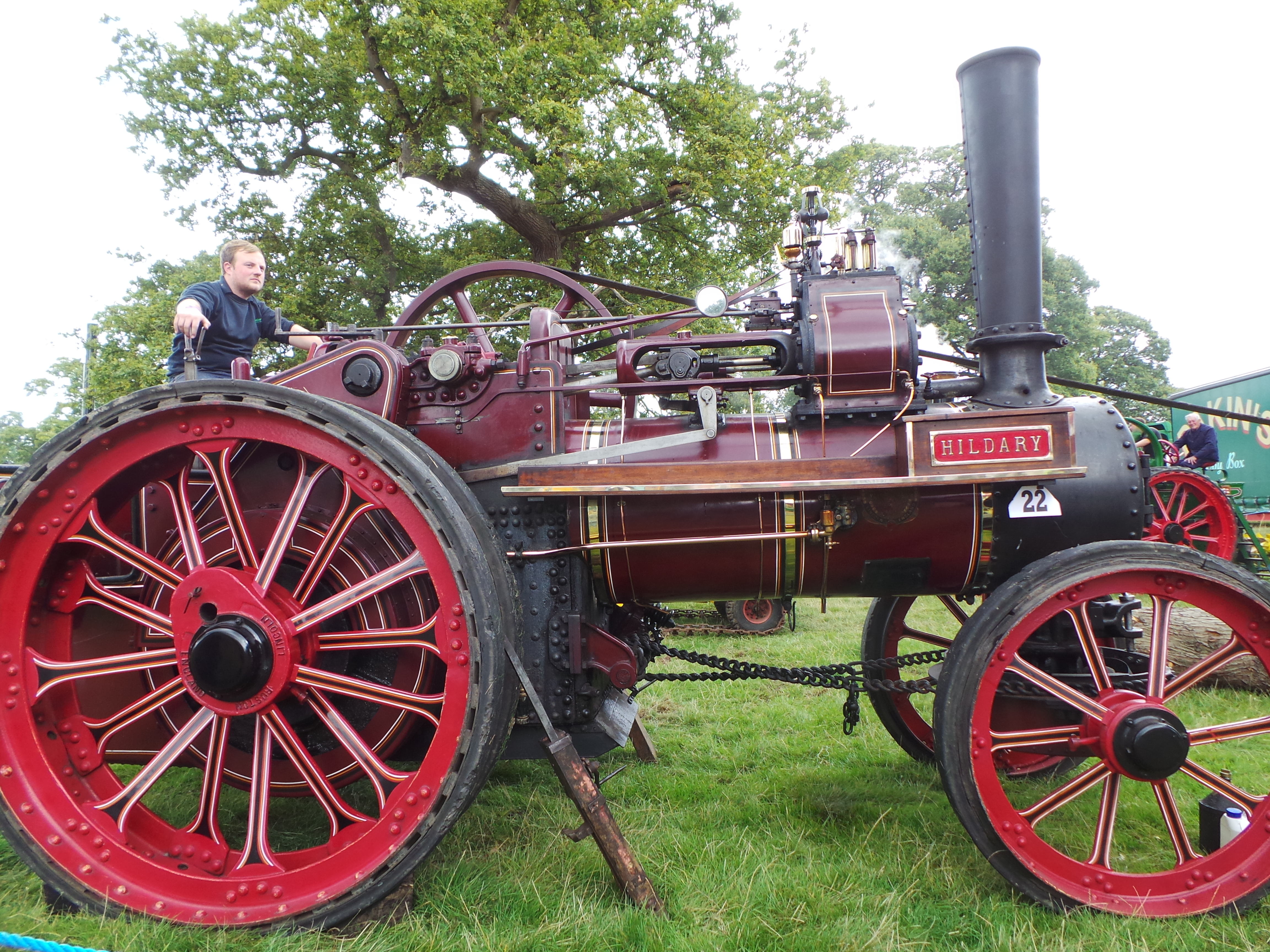
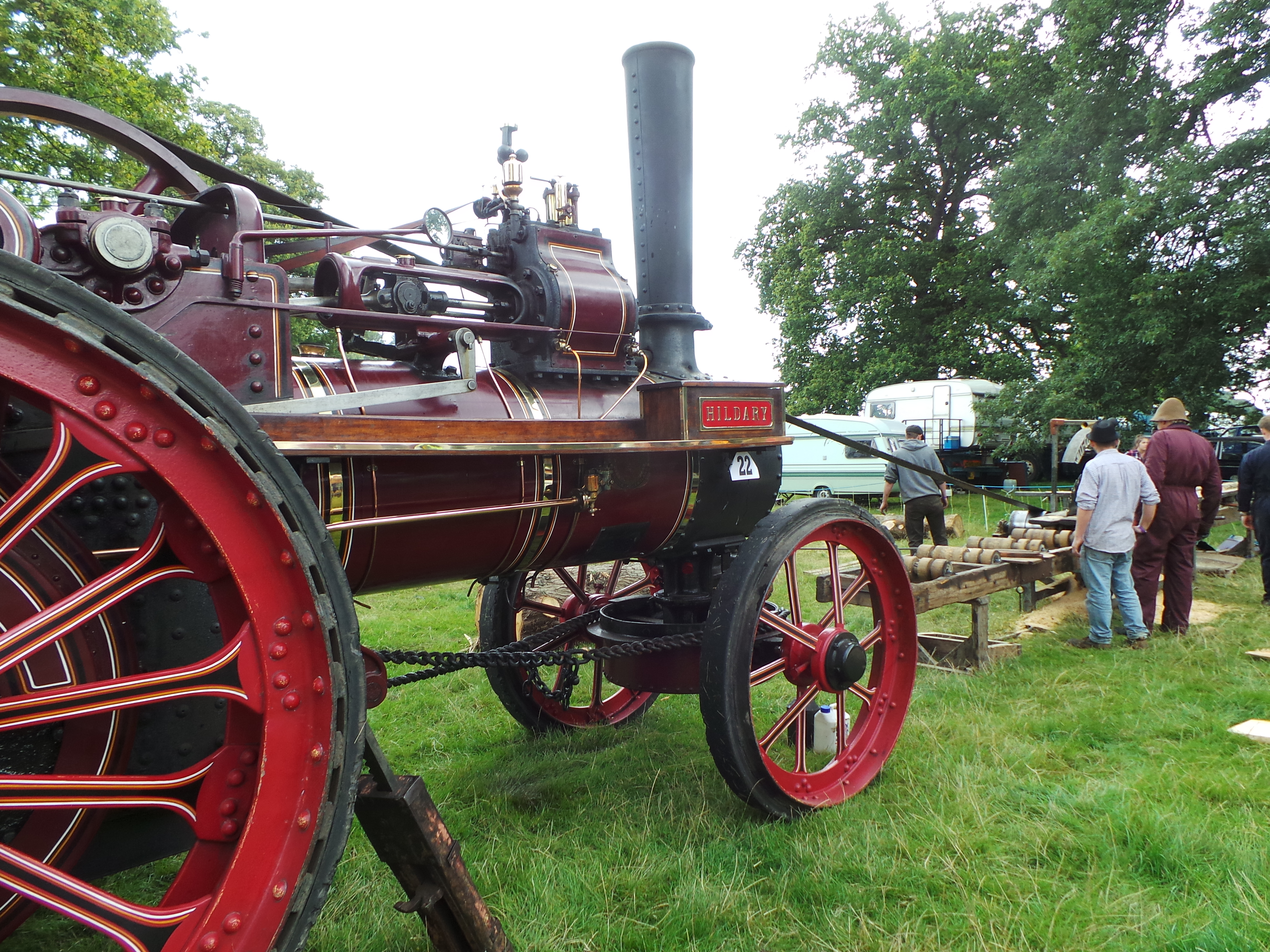
Before being enthralled by watching the mobile sawmill powered by a sturdy steam traction engine we were entertained by this steam organ. None of the operators wore safety gloves and the machinery had no guards, so there was definitely no health and safety executive watching their every move. How refreshing! But we did count how many fingers they all had. All present and correct!
2014 08 26_4032 2014 08 26_4033

2014 08 26_4031 2014 08 26_4030 2014 08 26_4029

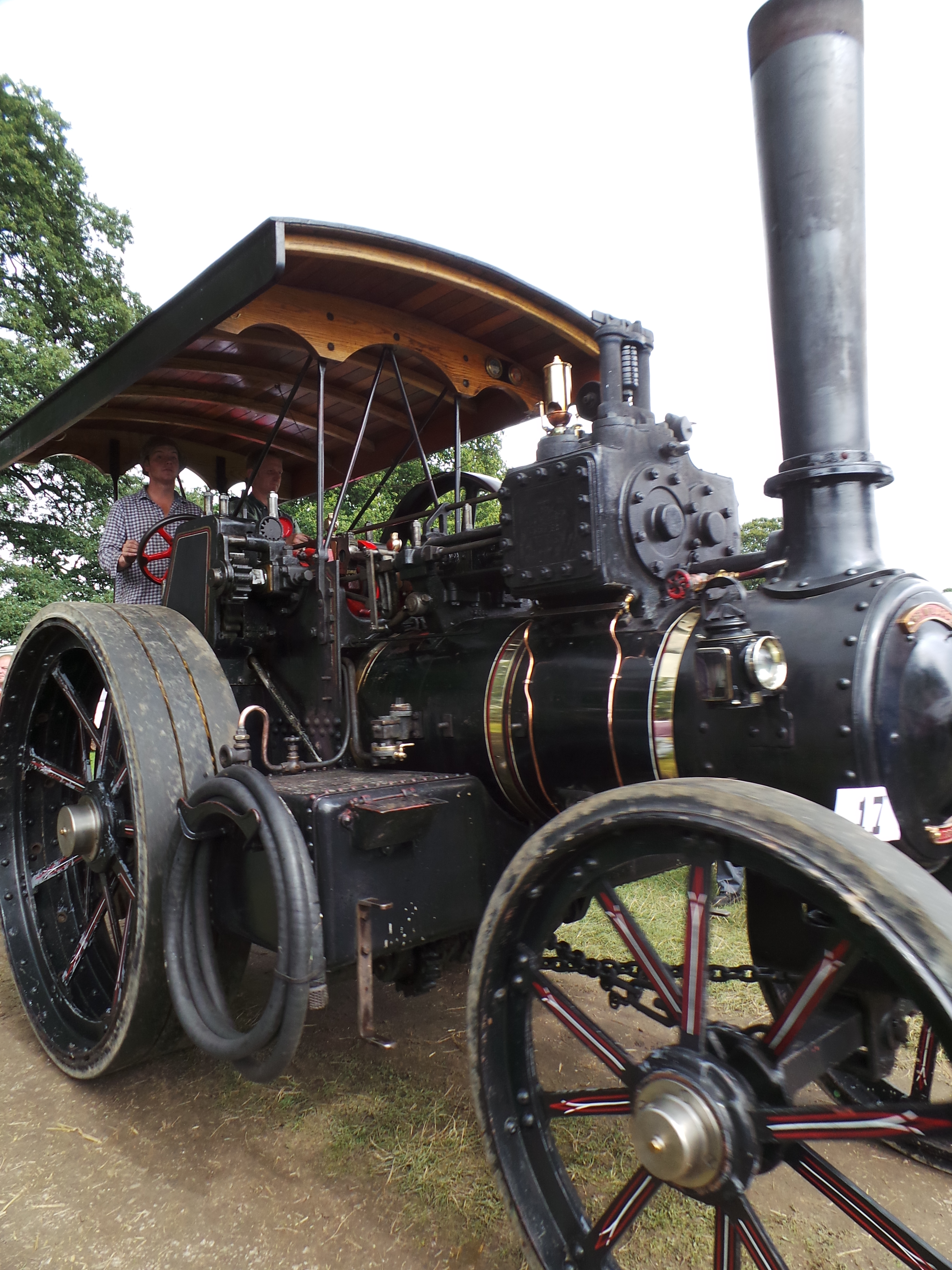
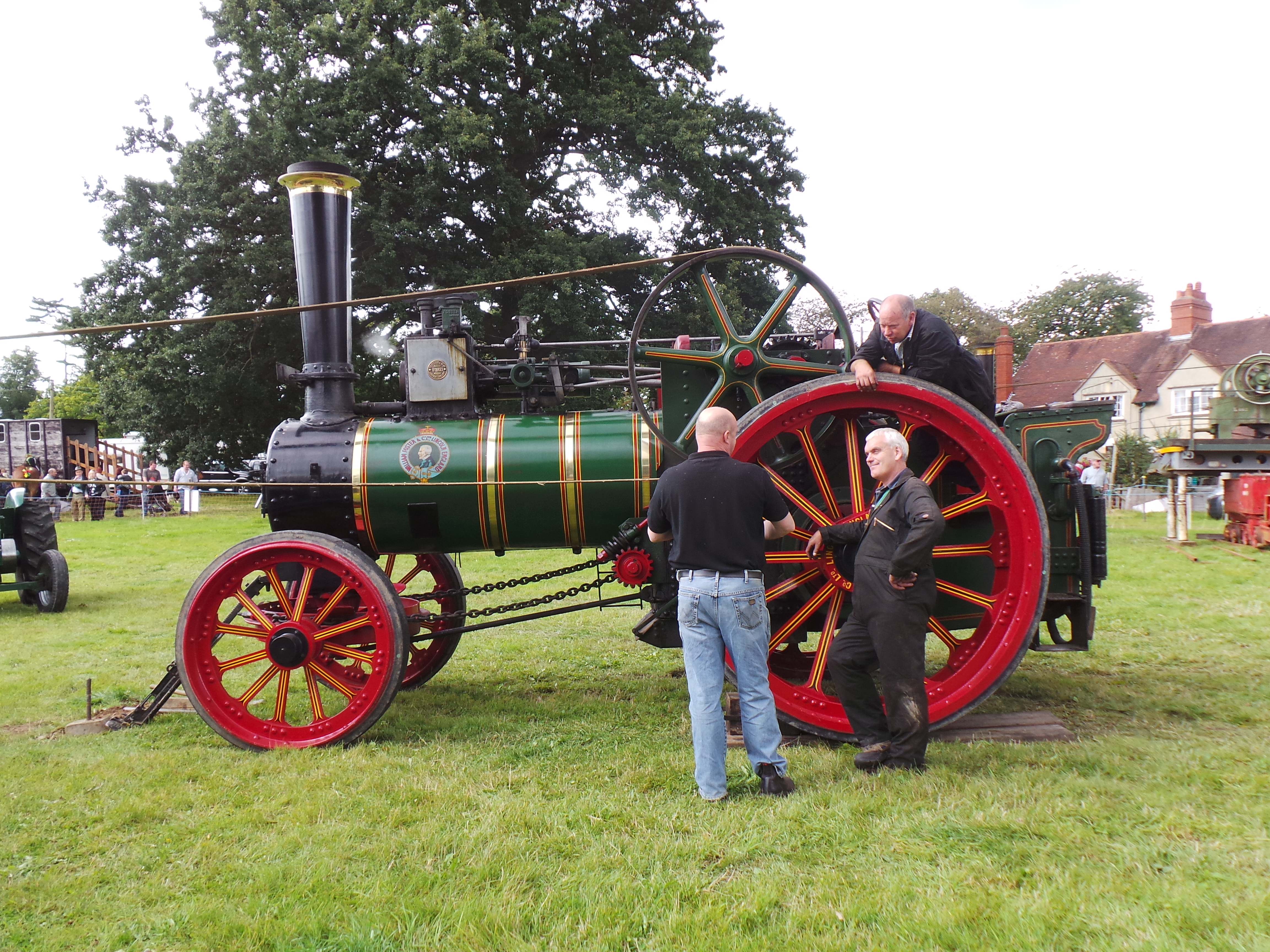
The next vehicle to catch our attention was powering a road stone crushing and grading machine. The owners of this old conglomeration of machines and artifacts and their friends who had come along to put on the working display were in a “bit of a flap” as it had ground to a halt. Busily each man searched for the breakage or cause of the break down, heads down, eyes peeled and brains working hard. Visitors watched on, willing them on and hoping to see and hear the cogwheels grinding once more.

2014 08 26_4034

And the next pair were powering threshing machinery. One of these was also proving to be temperamental throwing the bails of hay out in random bunches with a “cat’s cradle” of string wrapped around instead of neatly tied cuboid-shaped bails. The other slowly trundled along more successfully.

2014 08 26_4036 2014 08 26_4037

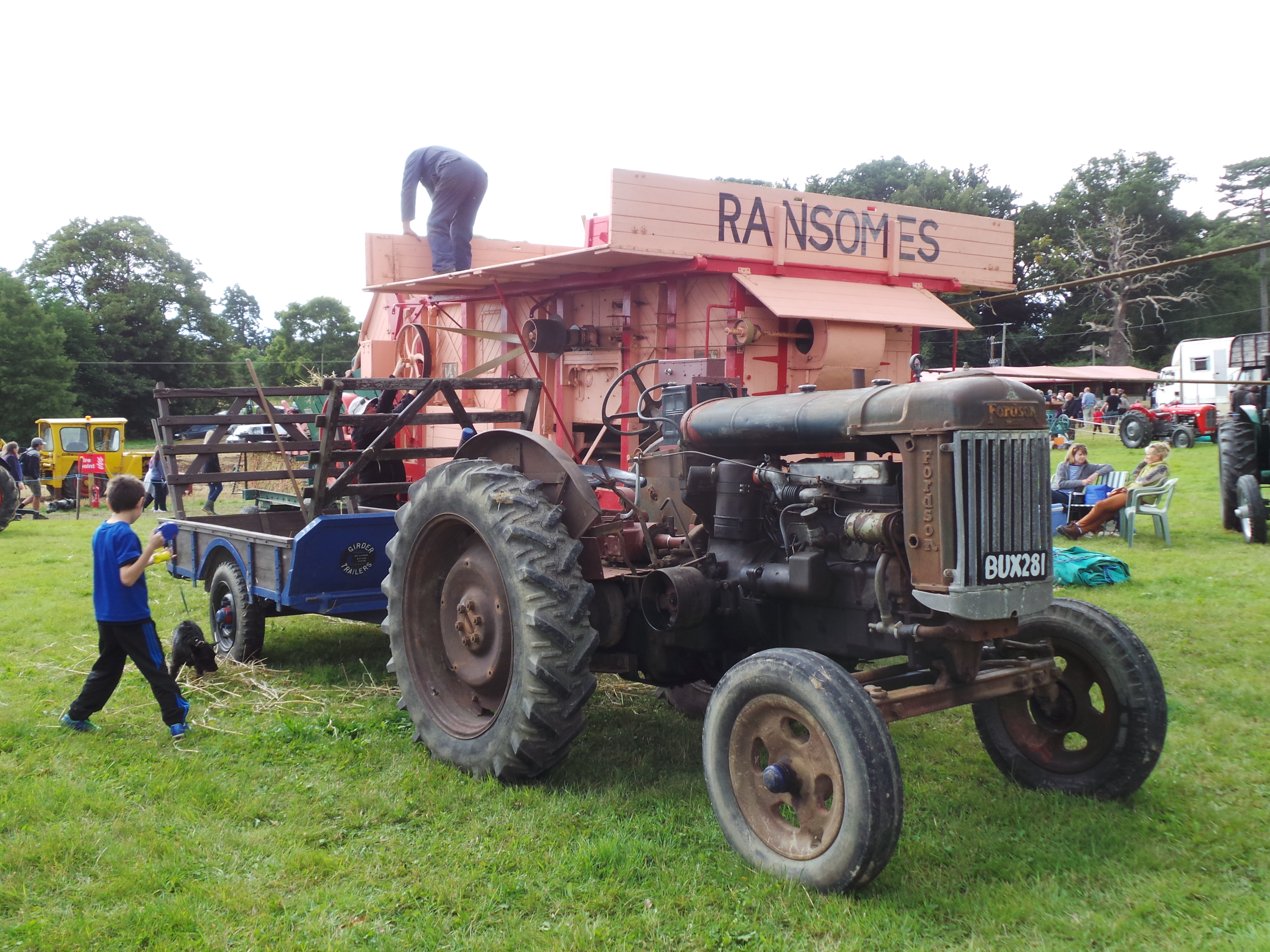
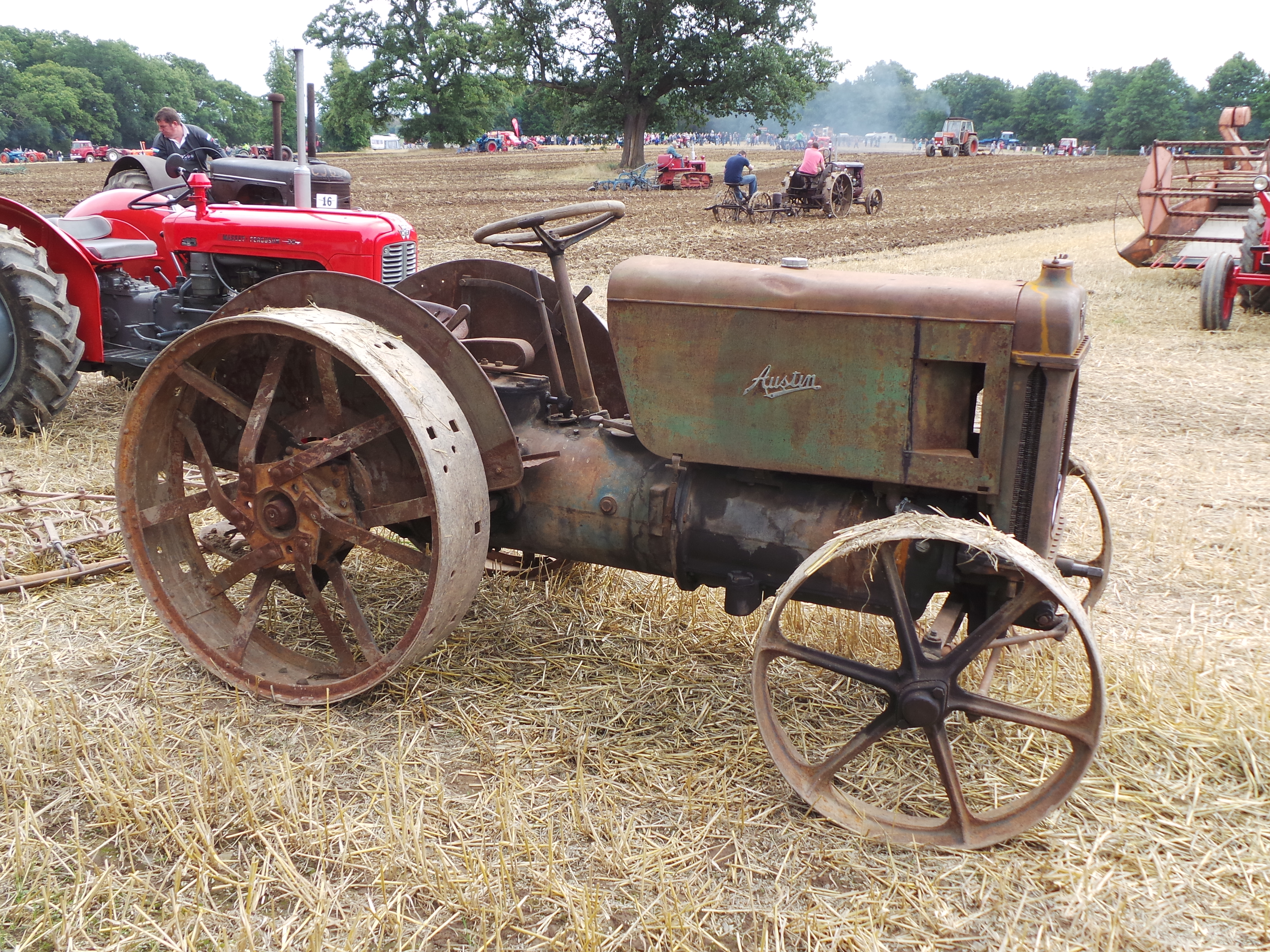
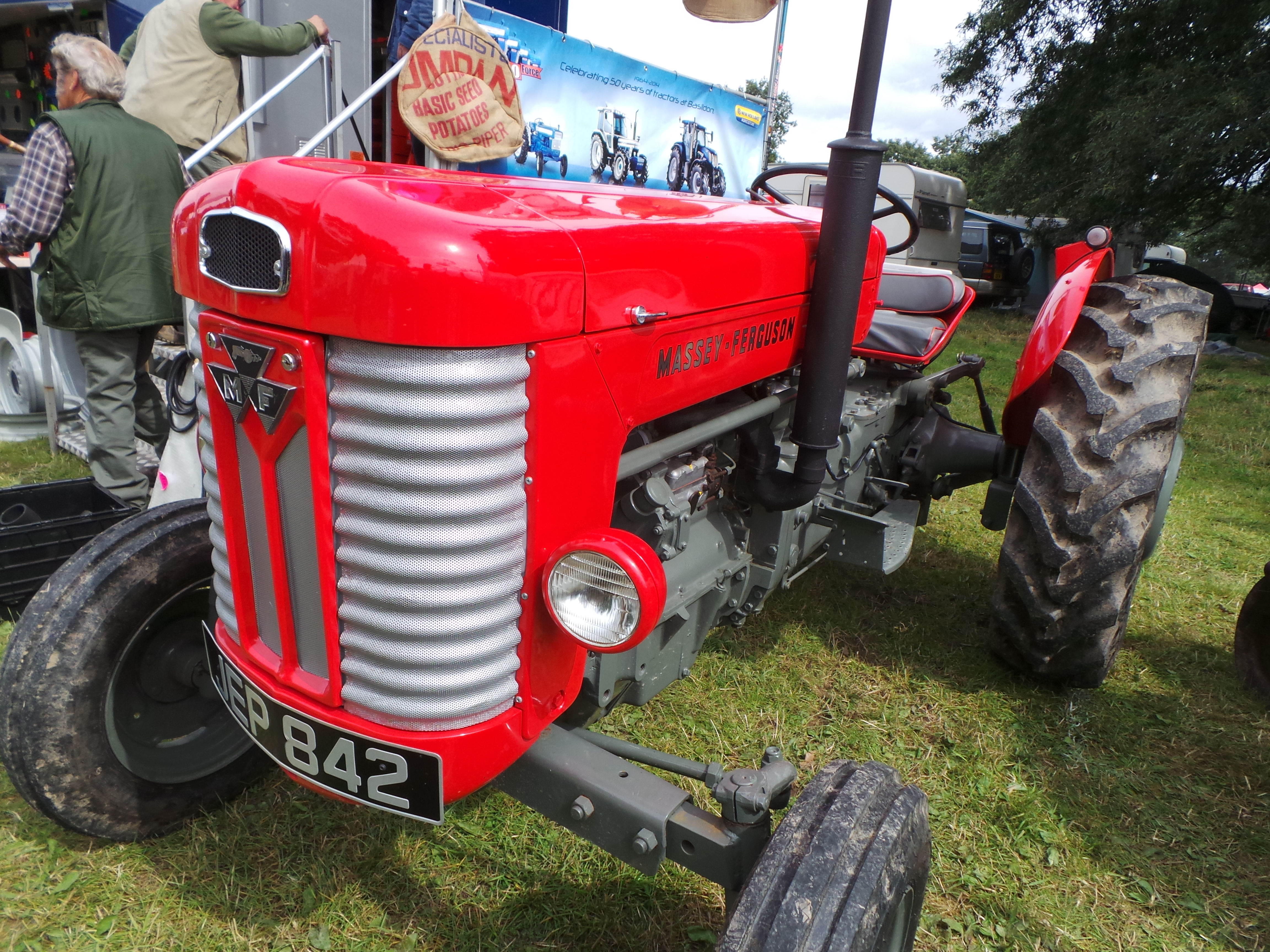
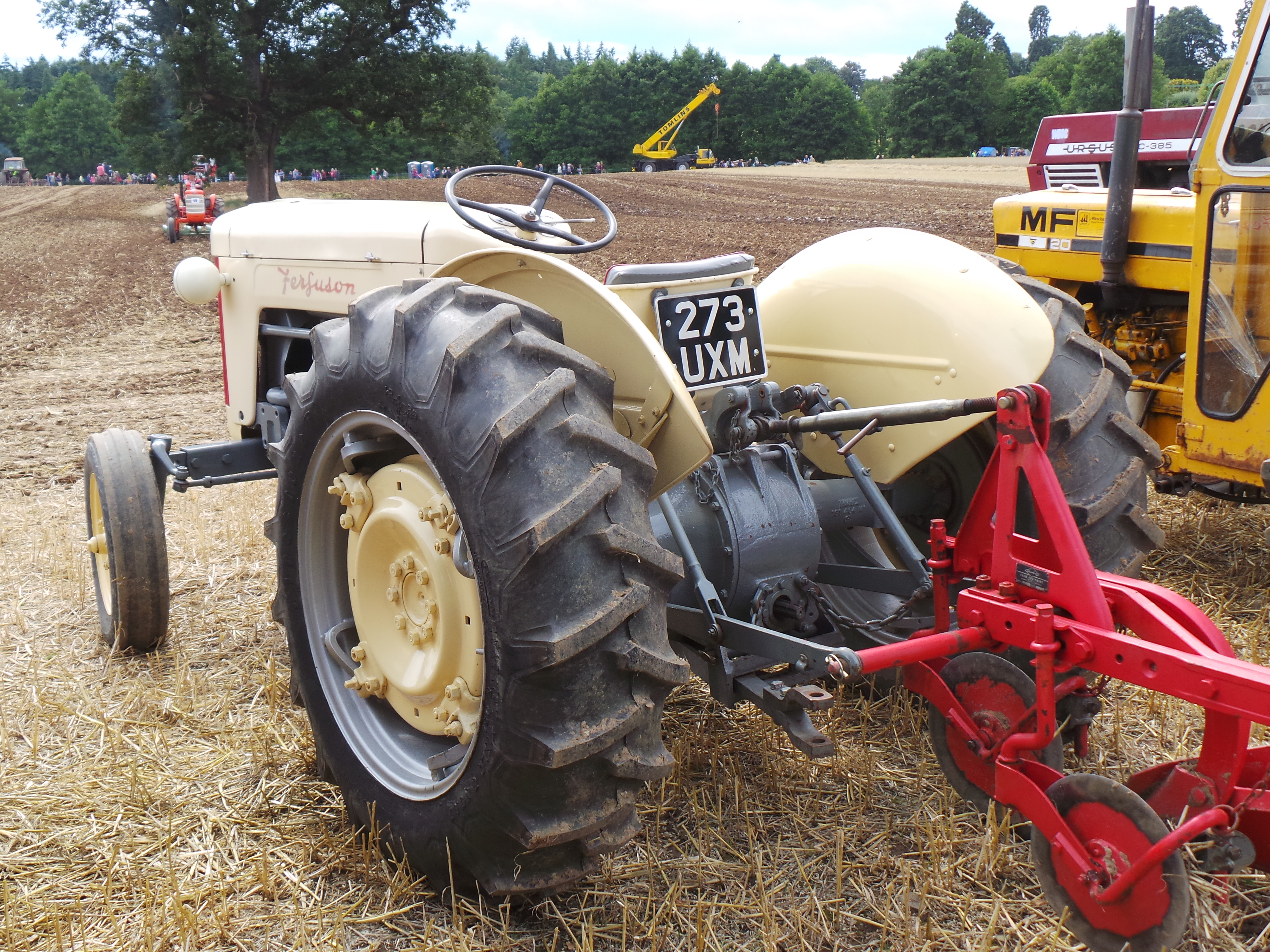
Next it was off to wander the lines of old tractors – I have to admit I have a soft spot for old tractors particularly the red Massey Fergussons and the Fordsons in their livery of contrasting deep blue and rich orange. But there was a fascinating line-up of tractors of all ages and from all over the world. It was great to see some working with their varying engine sounds and exhaust notes.

2014 08 26_4039 2014 08 26_40382014 08 26_4059 2014 08 26_4055

2014 08 26_4058 2014 08 26_4046

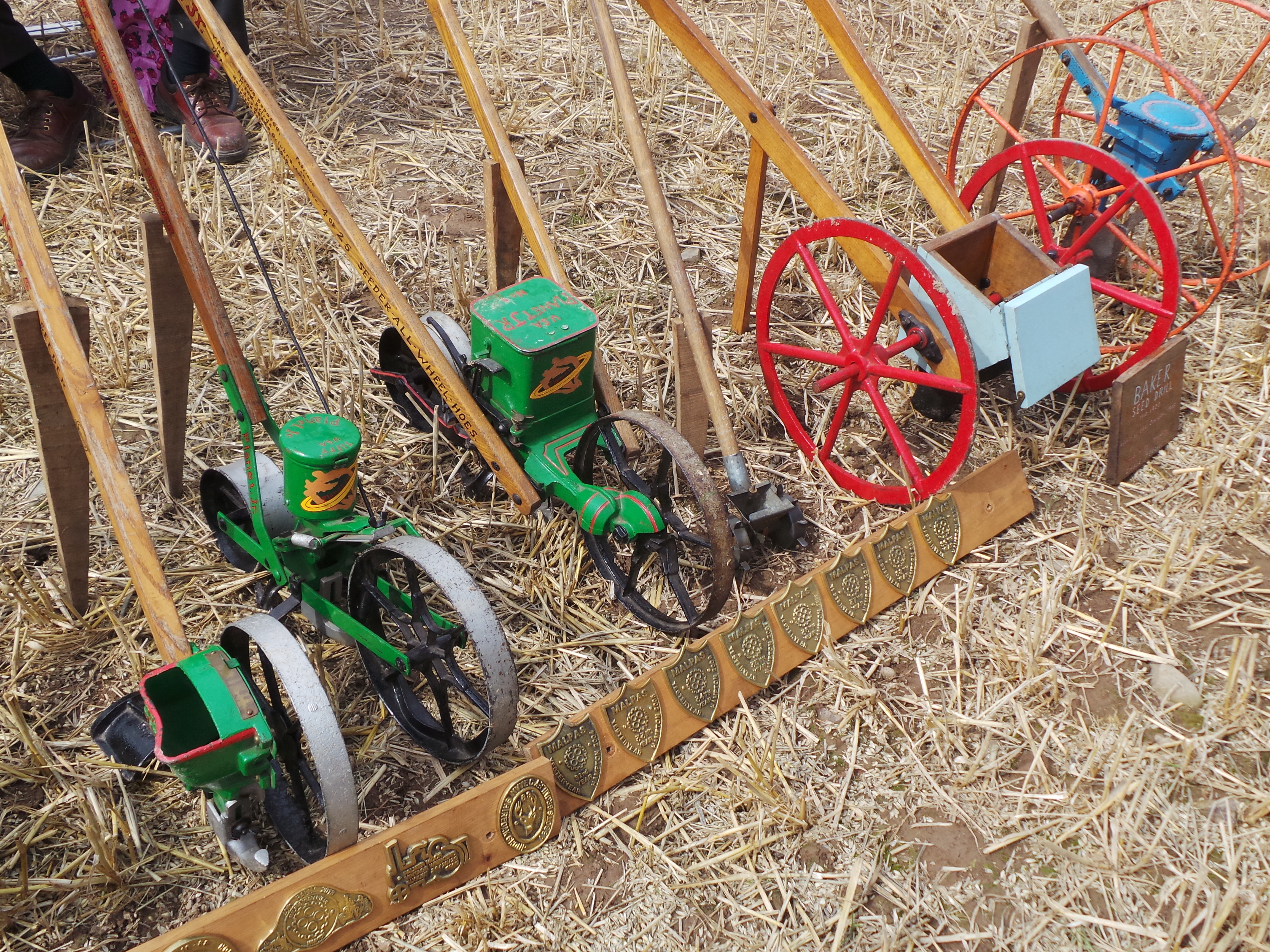
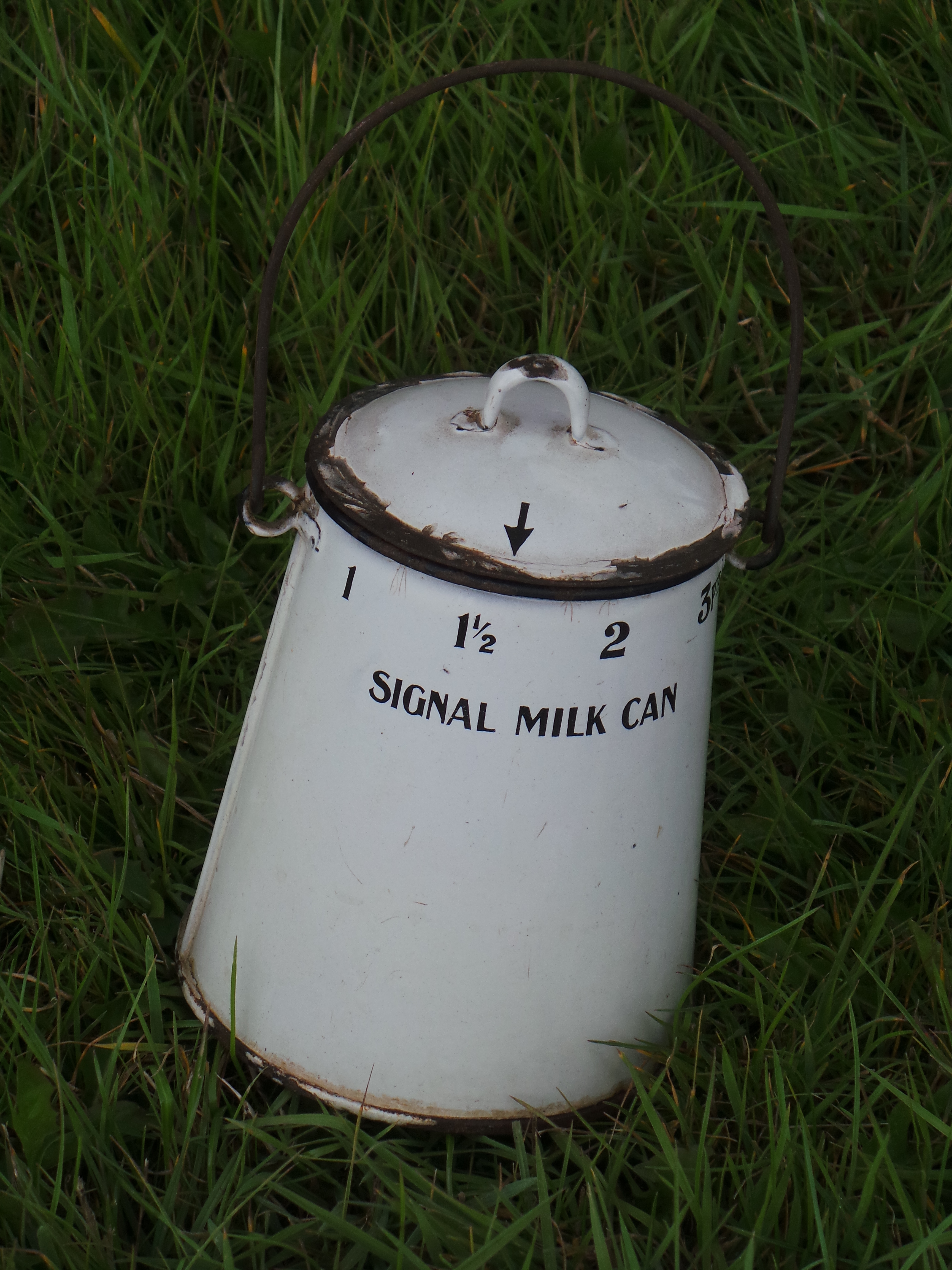
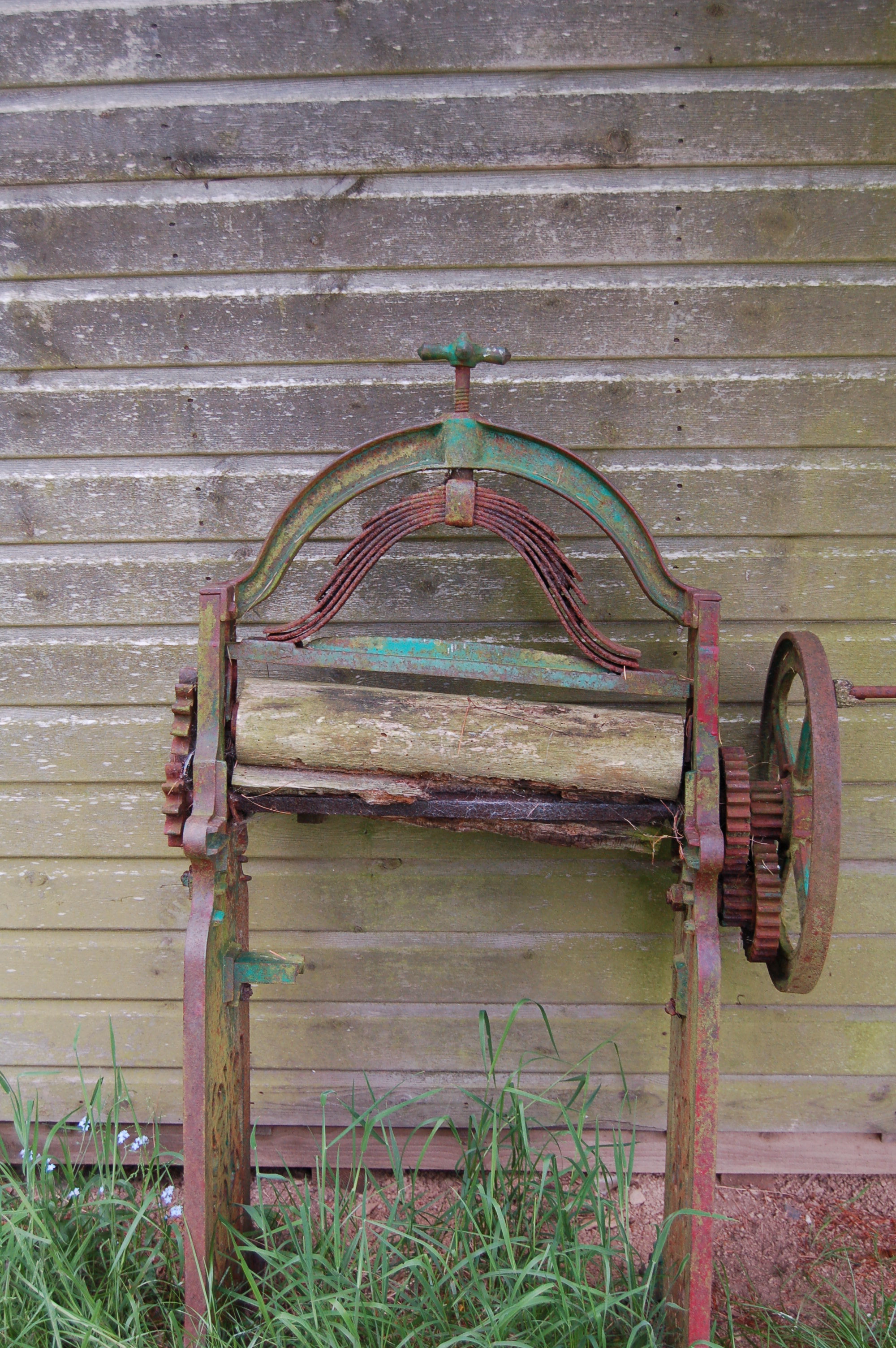
A few bits and pieces of agricultural paraphenalia added an air of nostalgia.

2014 08 26_4061 2014 08 26_4044 2014 08 26_4040

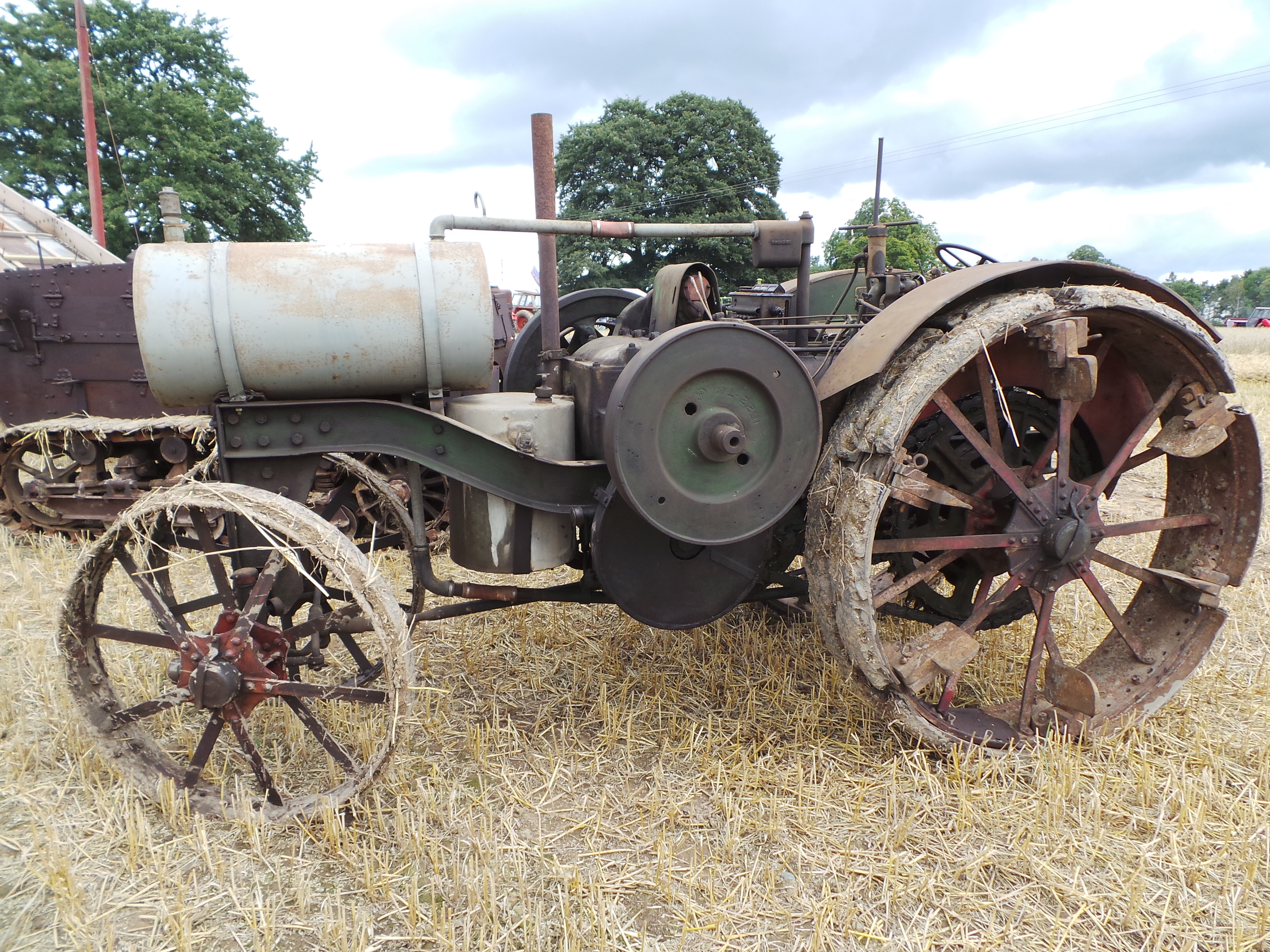
I loved getting in close to the vintage farm machinery and picking out detailing of colours, patterns and textures.

2014 08 26_4054 2014 08 26_4056

2014 08 26_4067

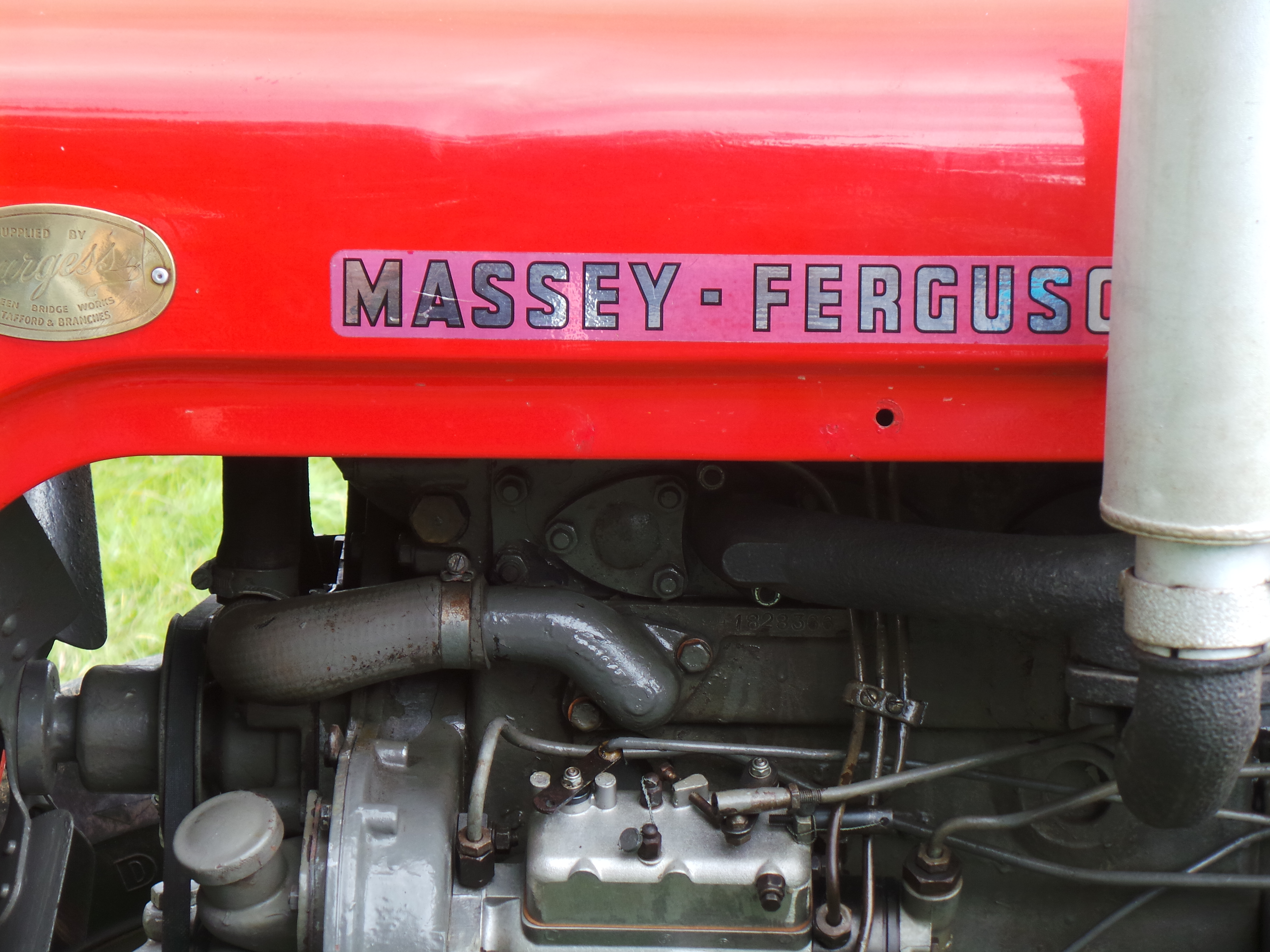
Fergie Foraging – when we hunt for mushrooms and toadstools in autumn woodlands and fields we call it Fungi Foraging or Fungi Foray so as we went seeking out Massey Fergusson tractors in the forest of vintage tractors I thought we should call it Fergie Foraging or going on a Fergie Foray. Whatever we call it it was most successful.

2014 08 26_4057 2014 08 26_4042

2014 08 26_4064 2014 08 26_4063

2014 08 26_4065 2014 08 26_4066

2014 08 26_4041

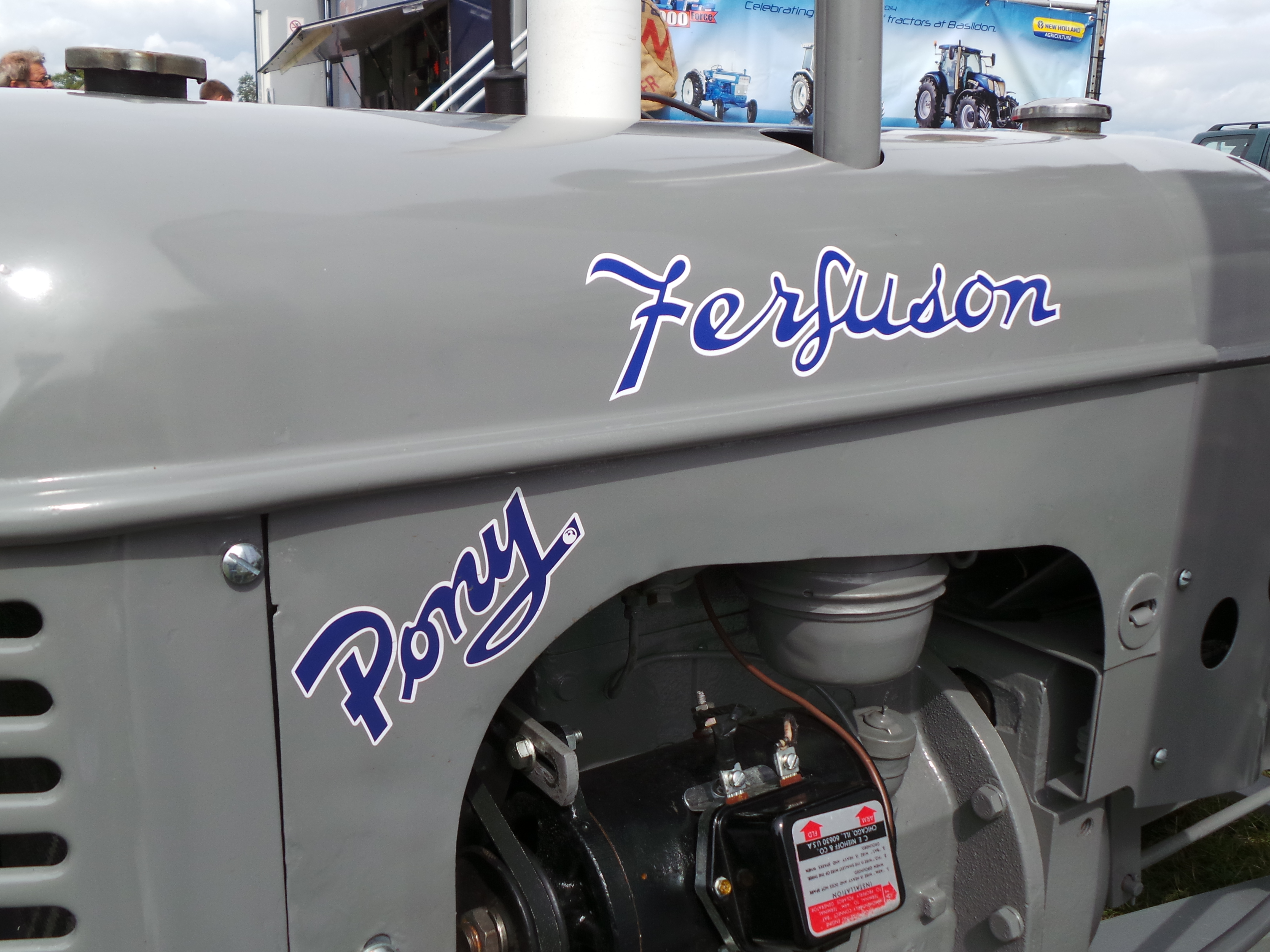
But there were plenty of others which although not Fergies were just as interesting to the eye and to the memory.

2014 08 26_4060 2014 08 26_4062,2014 08 26_4047 2014 08 26_4076

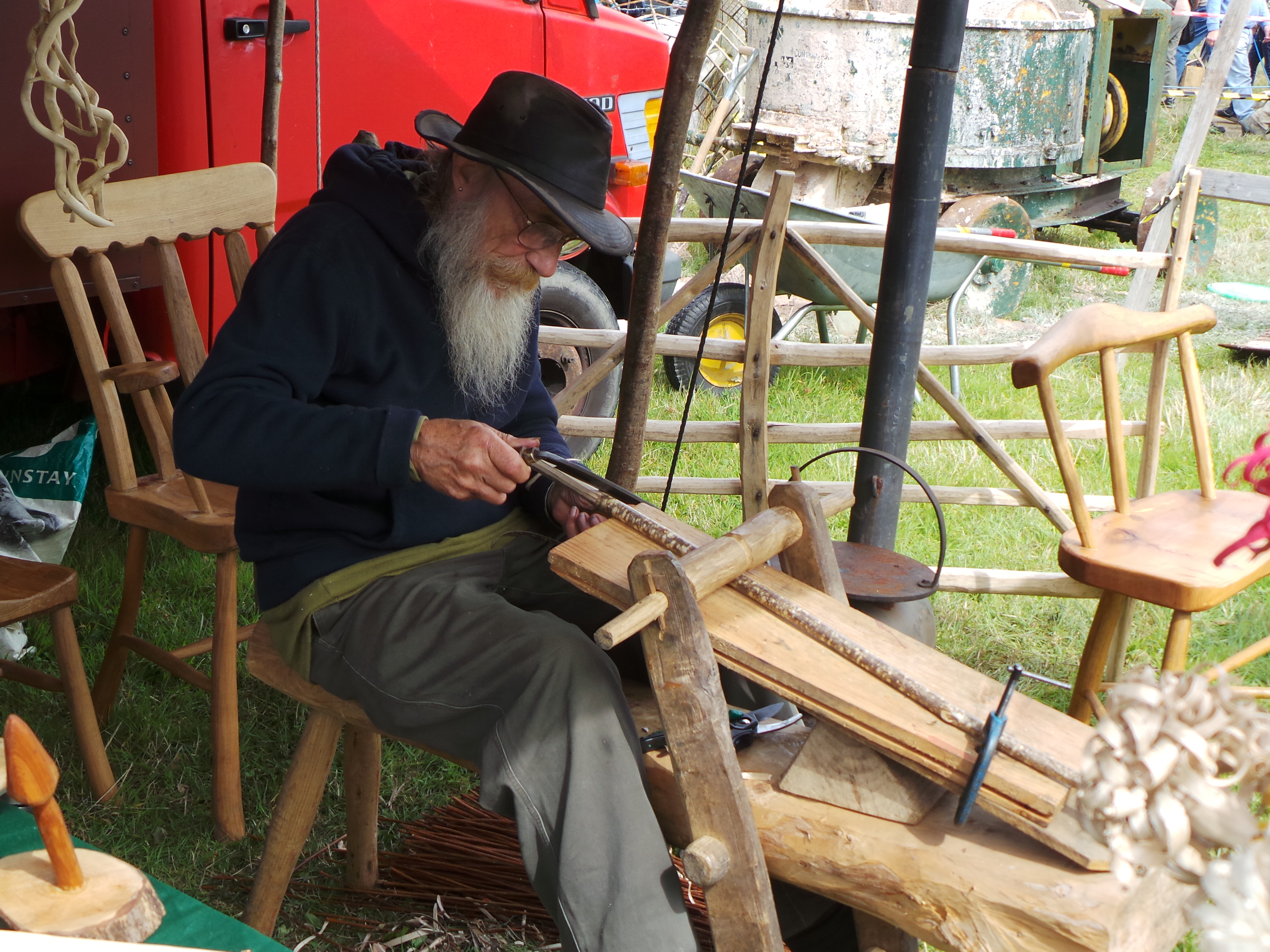
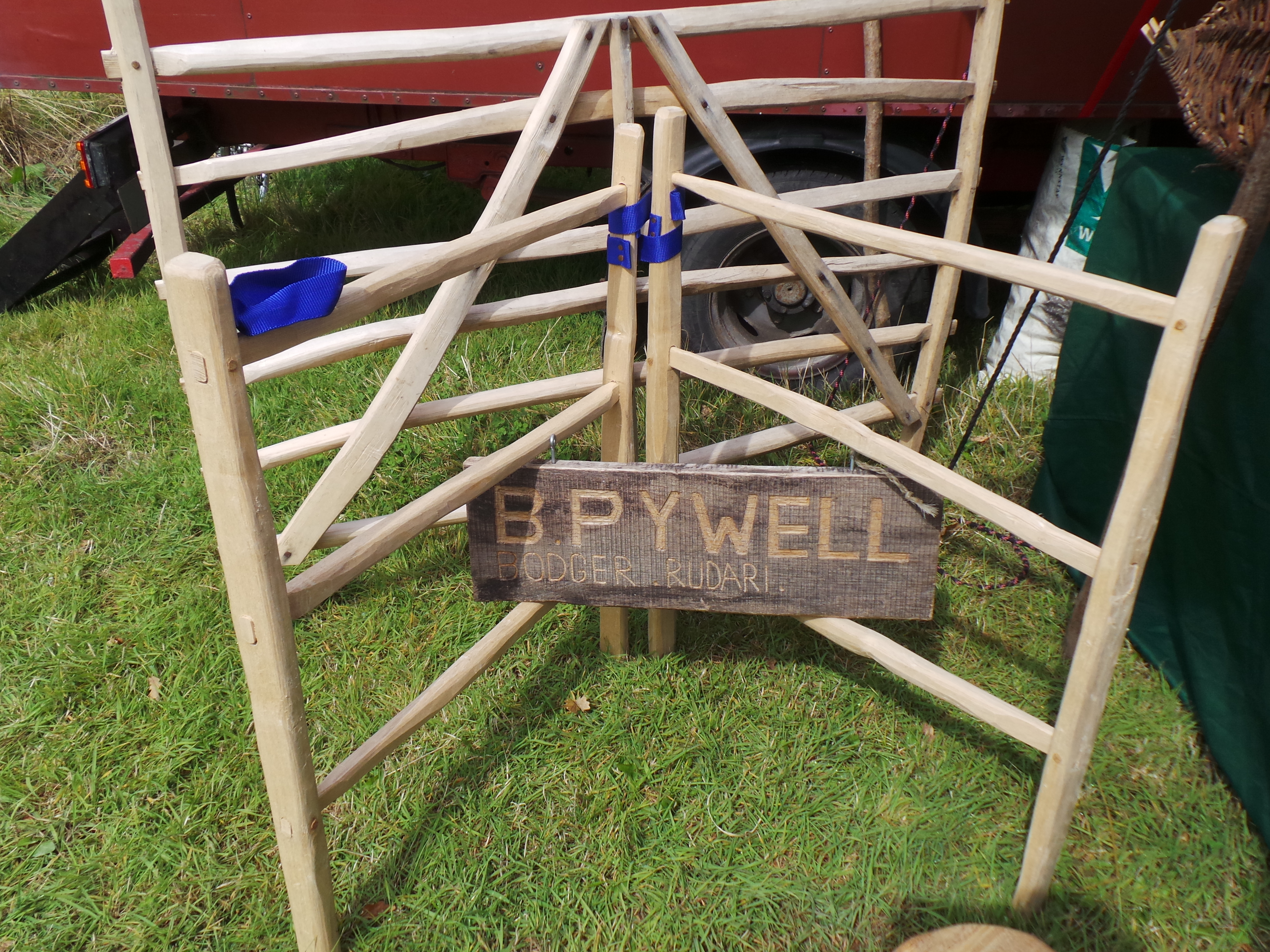
As we left the tractor display area we came across this old craftsmen who certainly looked the part. He was a “bodger” which although is now often a derogatory term for a poor worker, in reality it was a skilled job, making the staves for the back of chairs, turning wood on a foot pedaled machine. He was skilled both as a craftsman and as a communicator. He kept the children amused while educating them at the same time. Great to watch and listen to!

2014 08 26_4069 2014 08 26_4070 2014 08 26_4071 2014 08 26_4072

To finish with here is just a small hint of what we can look forward to in part two.

2014 08 26_4043 2014 08 26_4086


Categories
countryside garden design garden furniture garden photography garden ponds garden pools garden seating gardening gardens hardy perennials hedgerows irises landscapes log piles meadows ornamental trees and shrubs outdoor sculpture Powis Powys sculpture Wales water in the garden Yellow Book Gardens

Three Welsh Gardens – Part Two – A Garden on Top of the World – Bryn Llidiart

Of course the garden we visited wasn’t really on top of the world, but it certainly felt that way as once more we made our way into the hills of Powys the other side of Welshpool, travelling along narrow single track lanes up steep hills and around sharp bend after sharp bend. It seemed to take ages to get nowhere and the journey did actually take twice as long as we had anticipated. We had to go in Jude’s little car as I had been in hospital the day before having a minor op on my hand so I couldn’t drive. We should have known better and Jude could have driven mine as its more powerful motor wouldn’t have minded the hills so much.

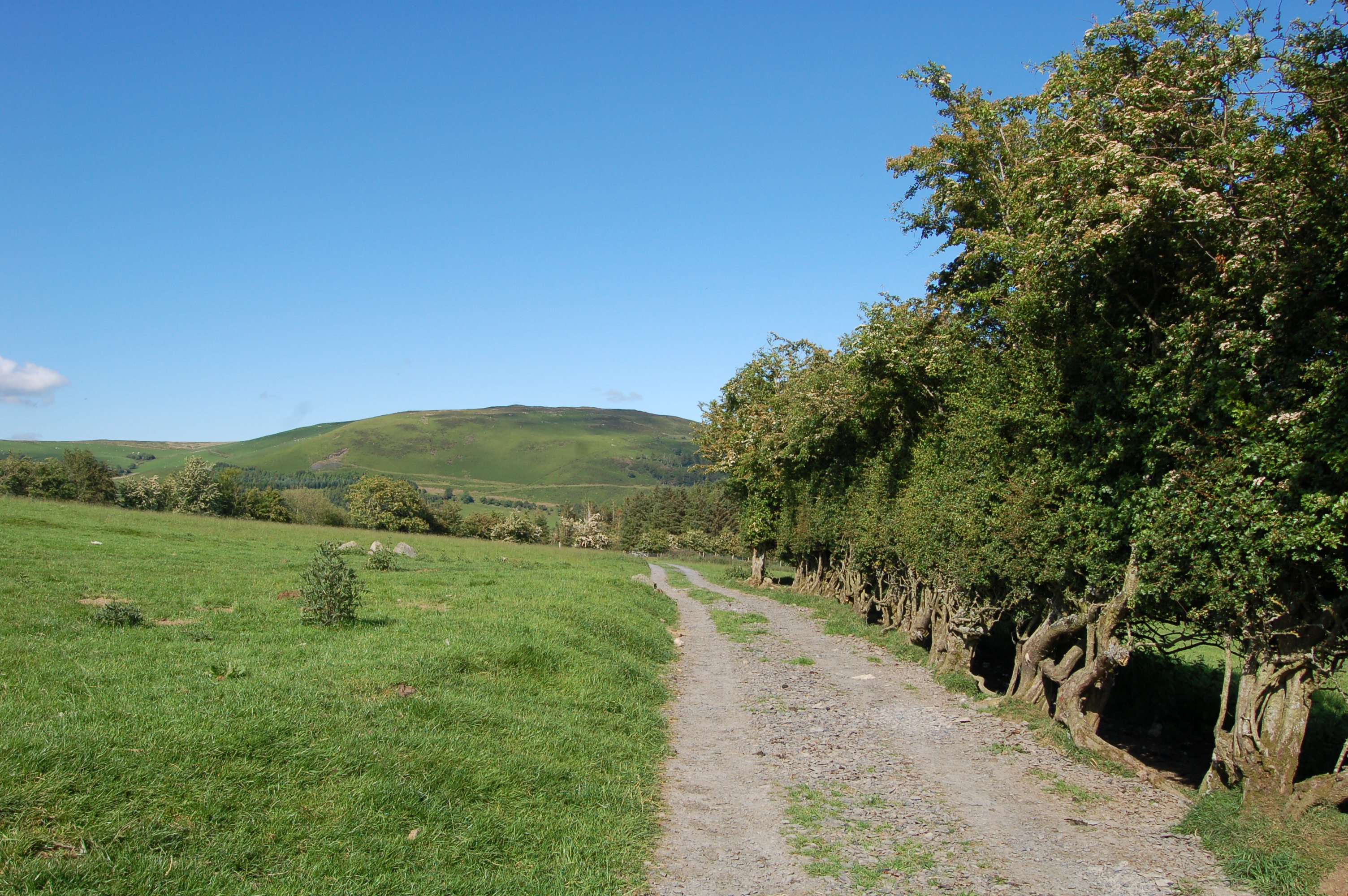
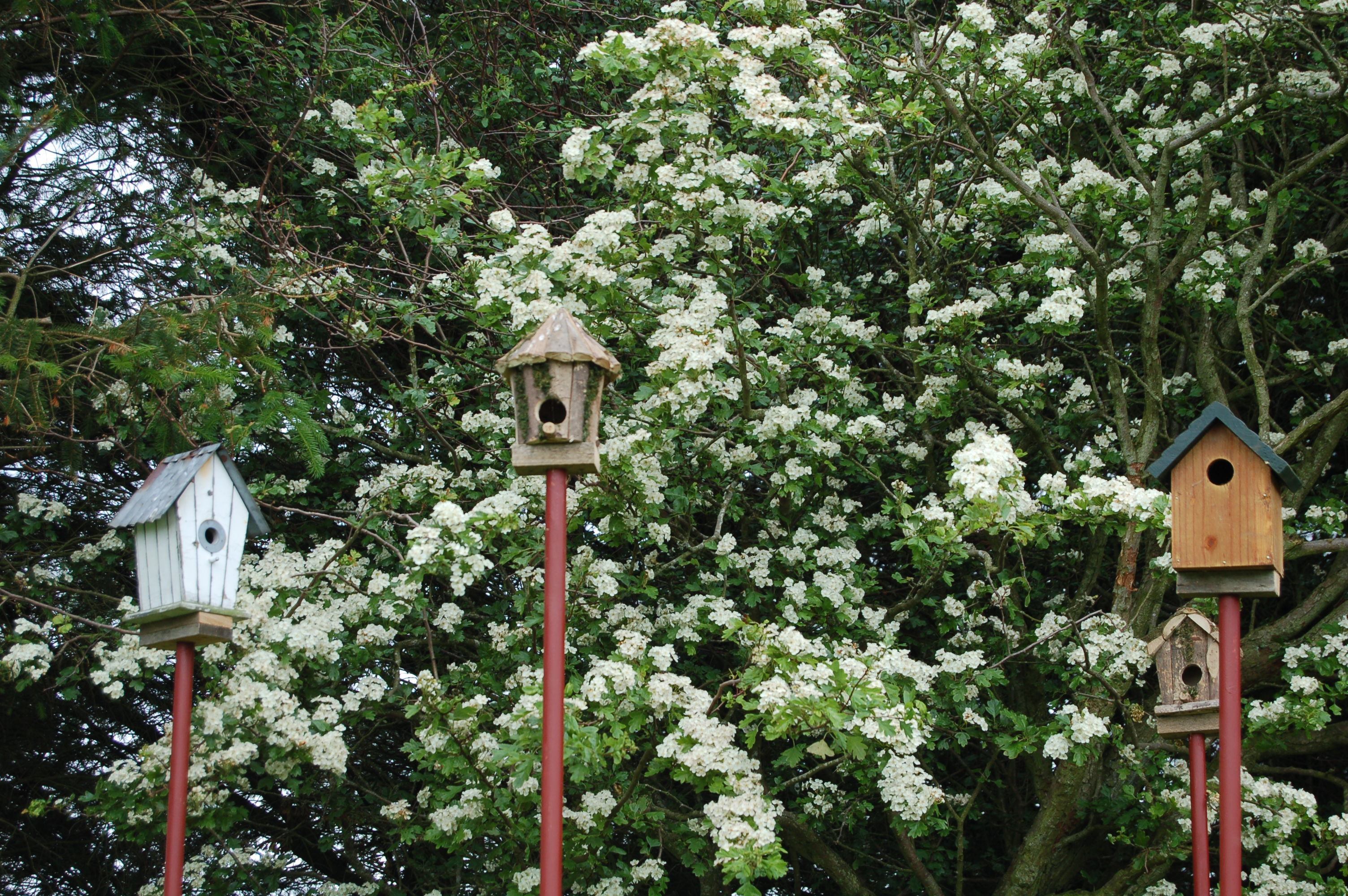
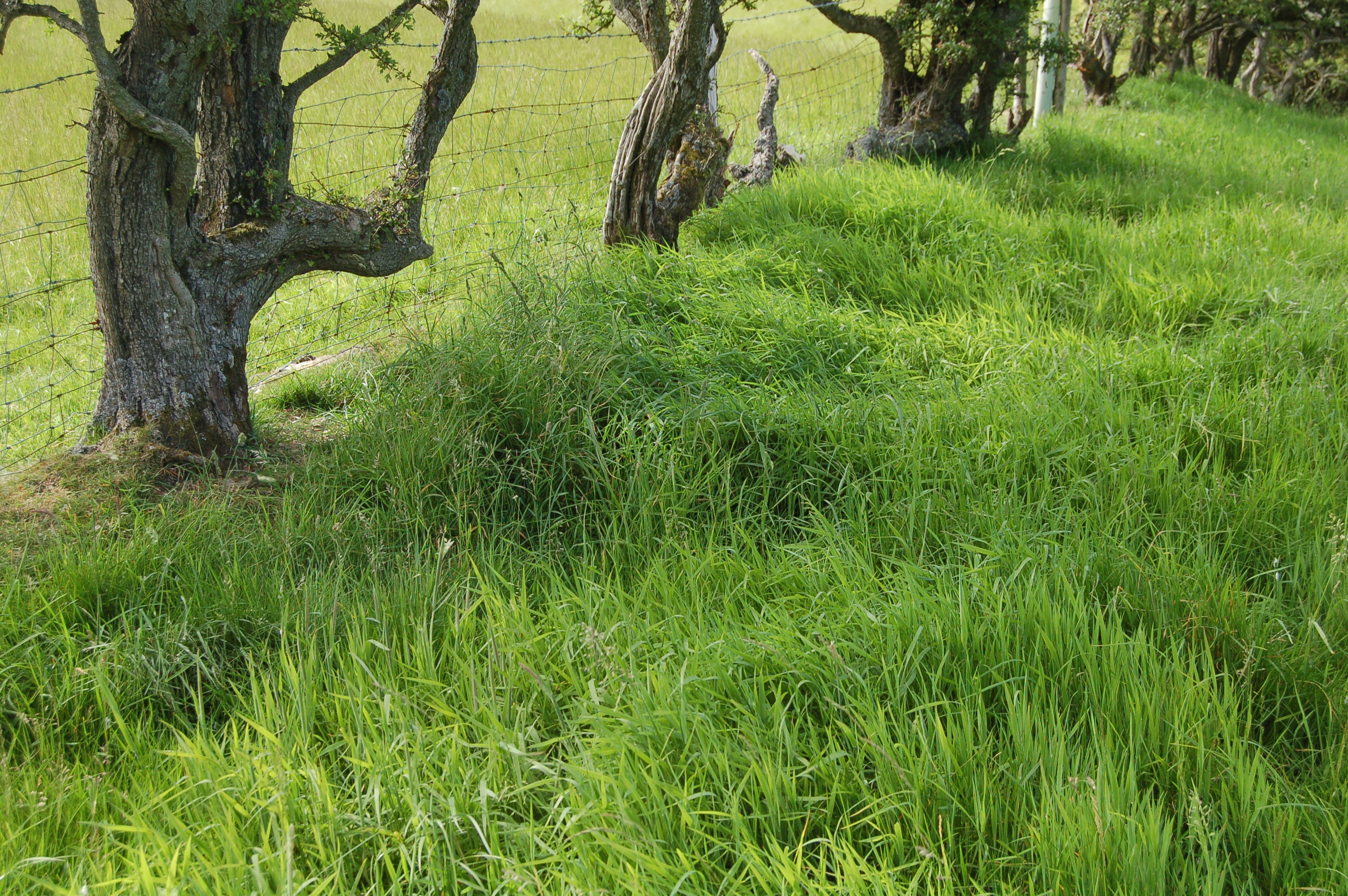
Once we got there however we knew we were in for a treat. Anyone brave enough to tackle the making of a garden in these harsh condition must be a very determined gardener indeed. As we neared our destination we turned up a very narrow lane where the hedges virtually touched the side of the car and we climbed steeply until the lane came to a halt. A gate in the stone wall was open on our right and a sign indicated that this was where we had to park up. On the left another track of rugged slate took us through fields grazed by sheep towards the garden.The gnarled old hedgerow Hawthorns were bowed over and twisted from years of being wind battered on this exposed hillside.

2014 06 14_0299 2014 06 14_0298 2014 06 14_0297 2014 06 14_0296


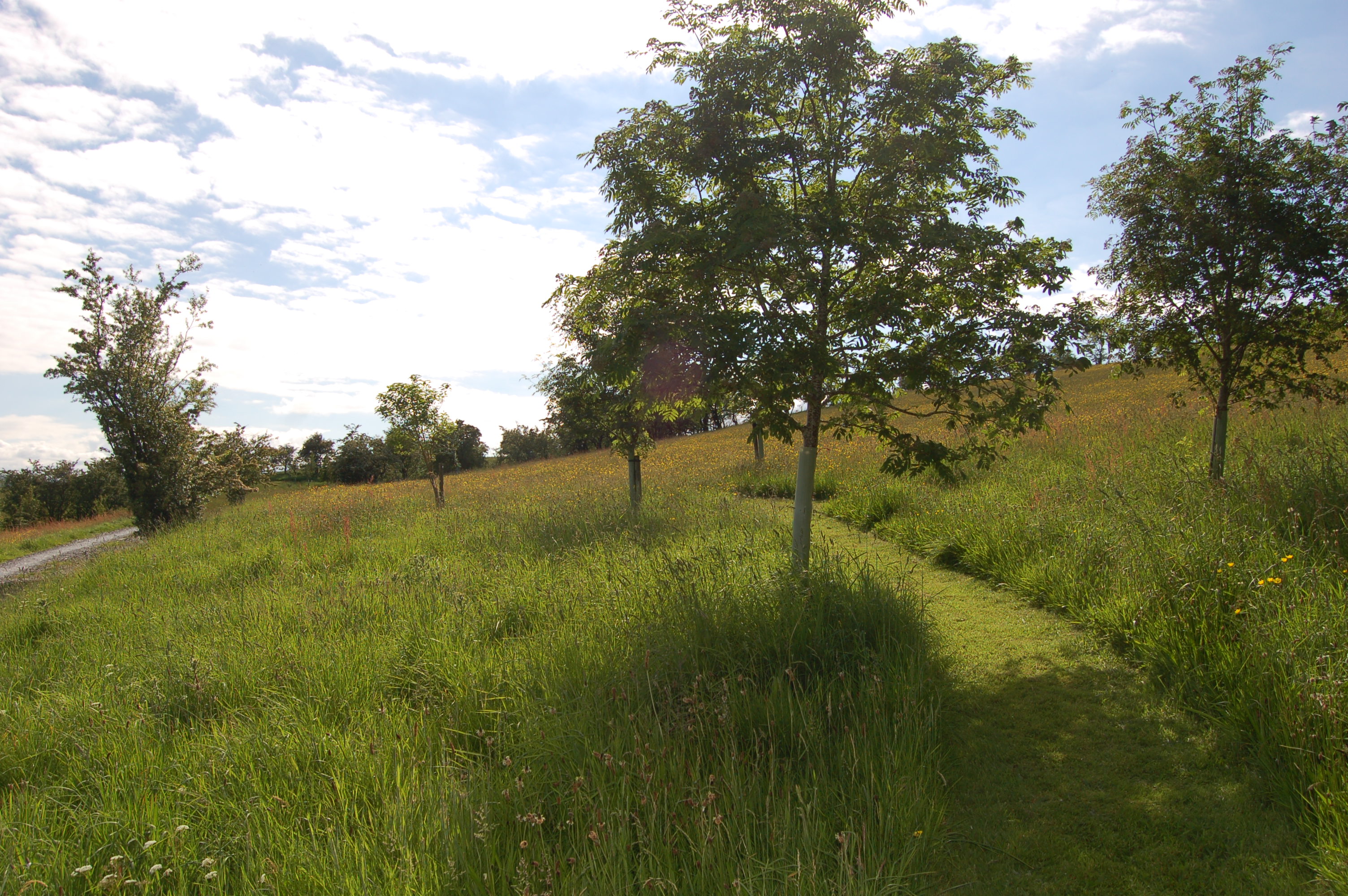
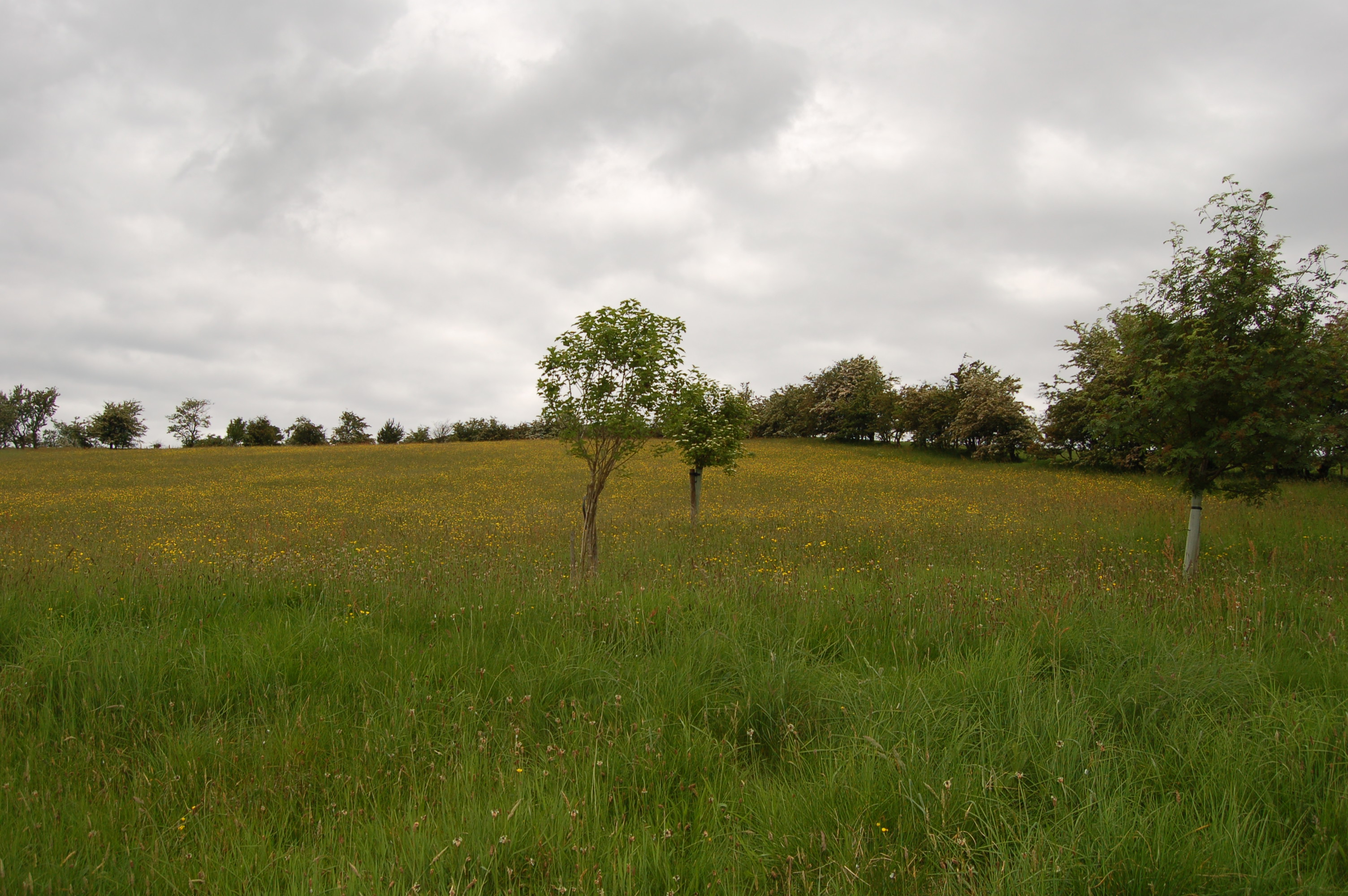
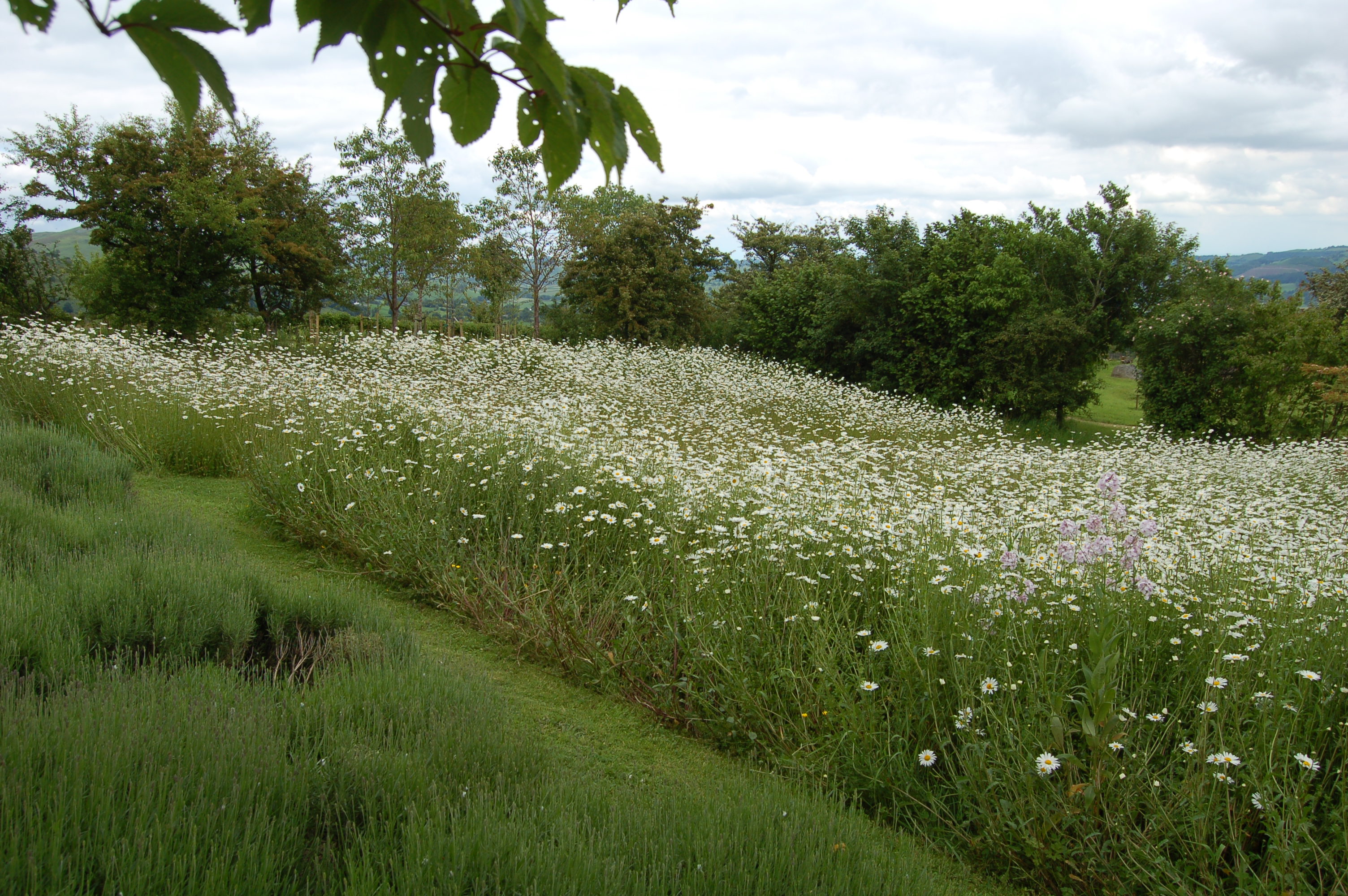
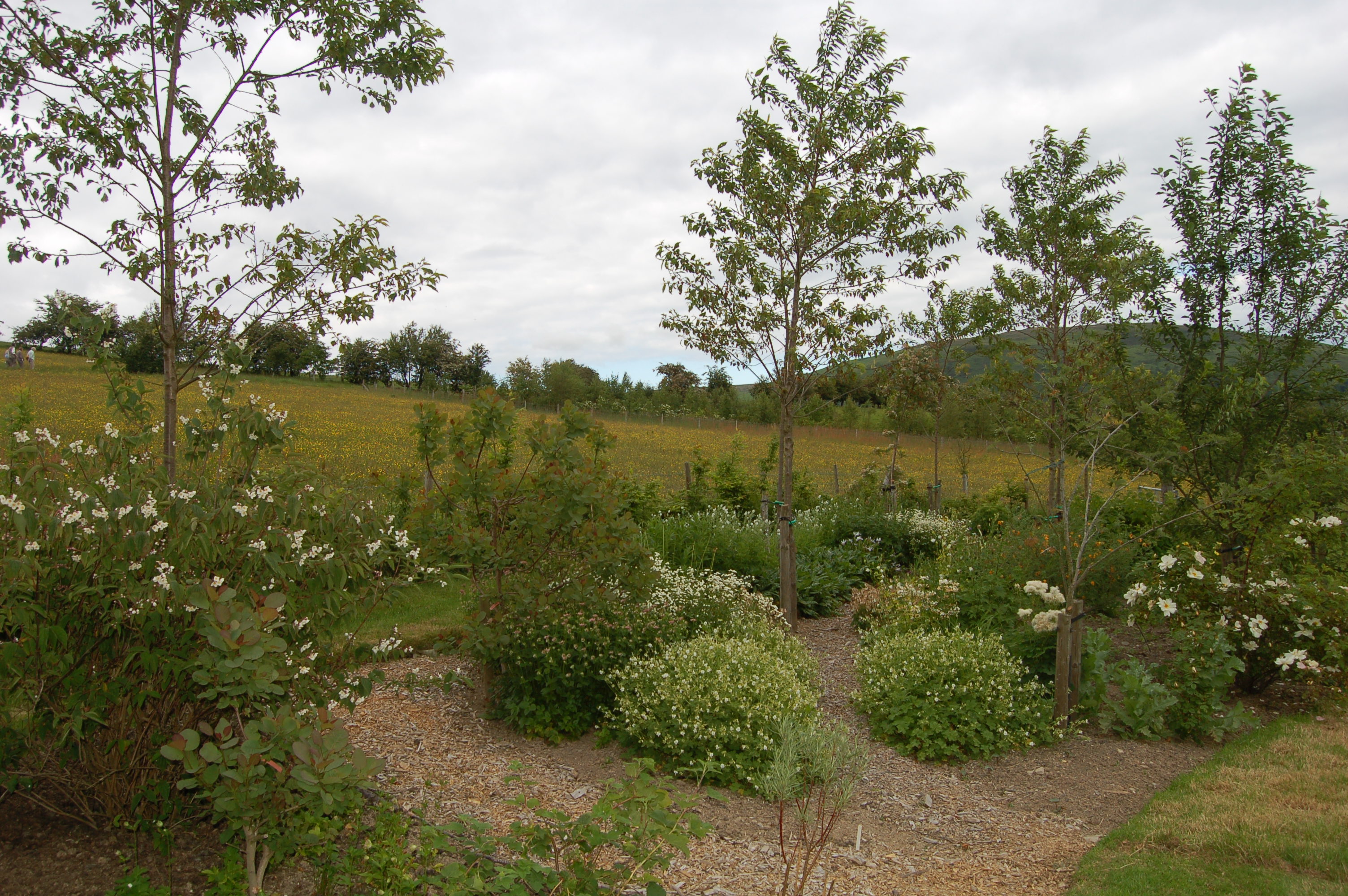
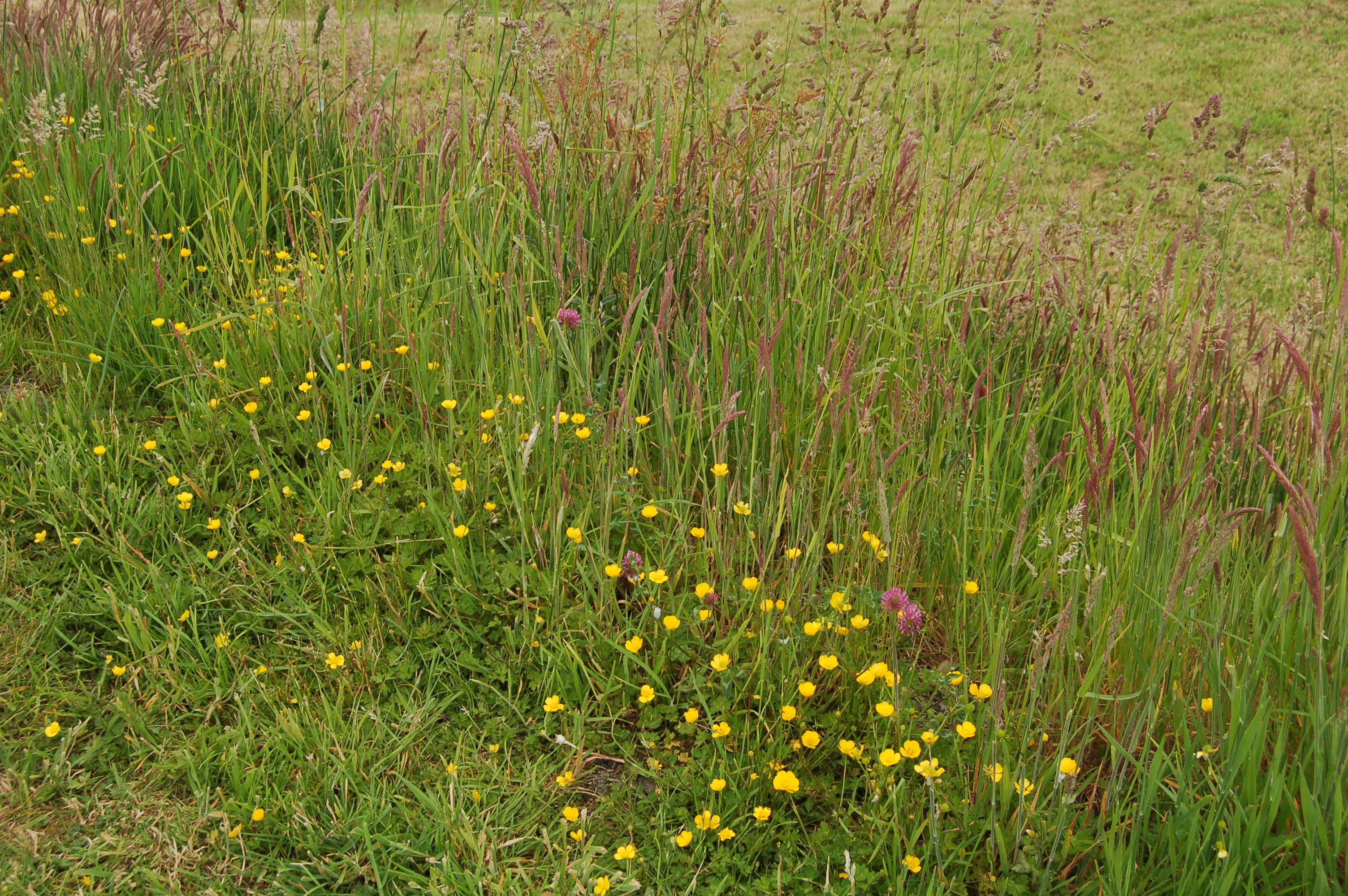
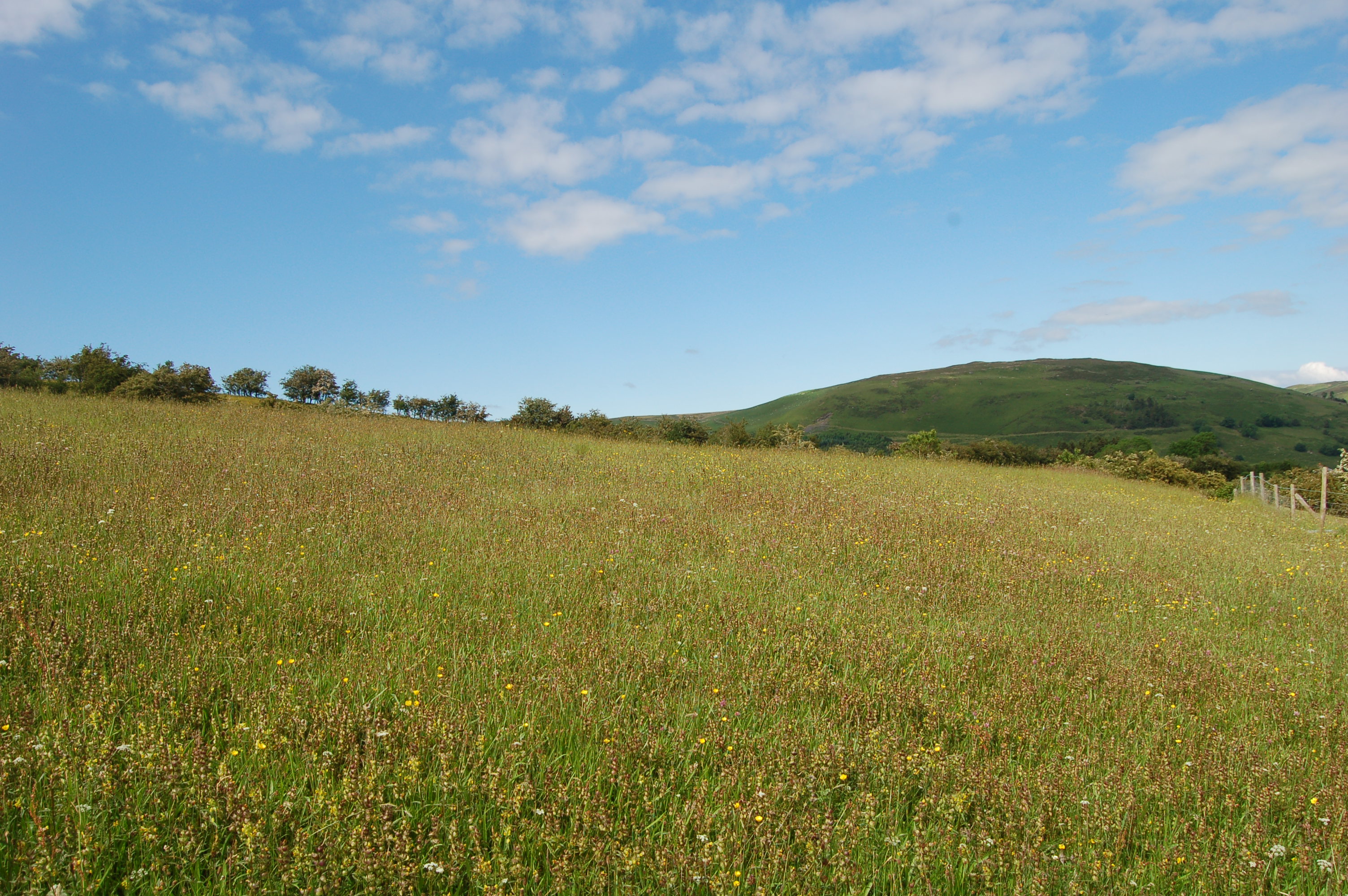
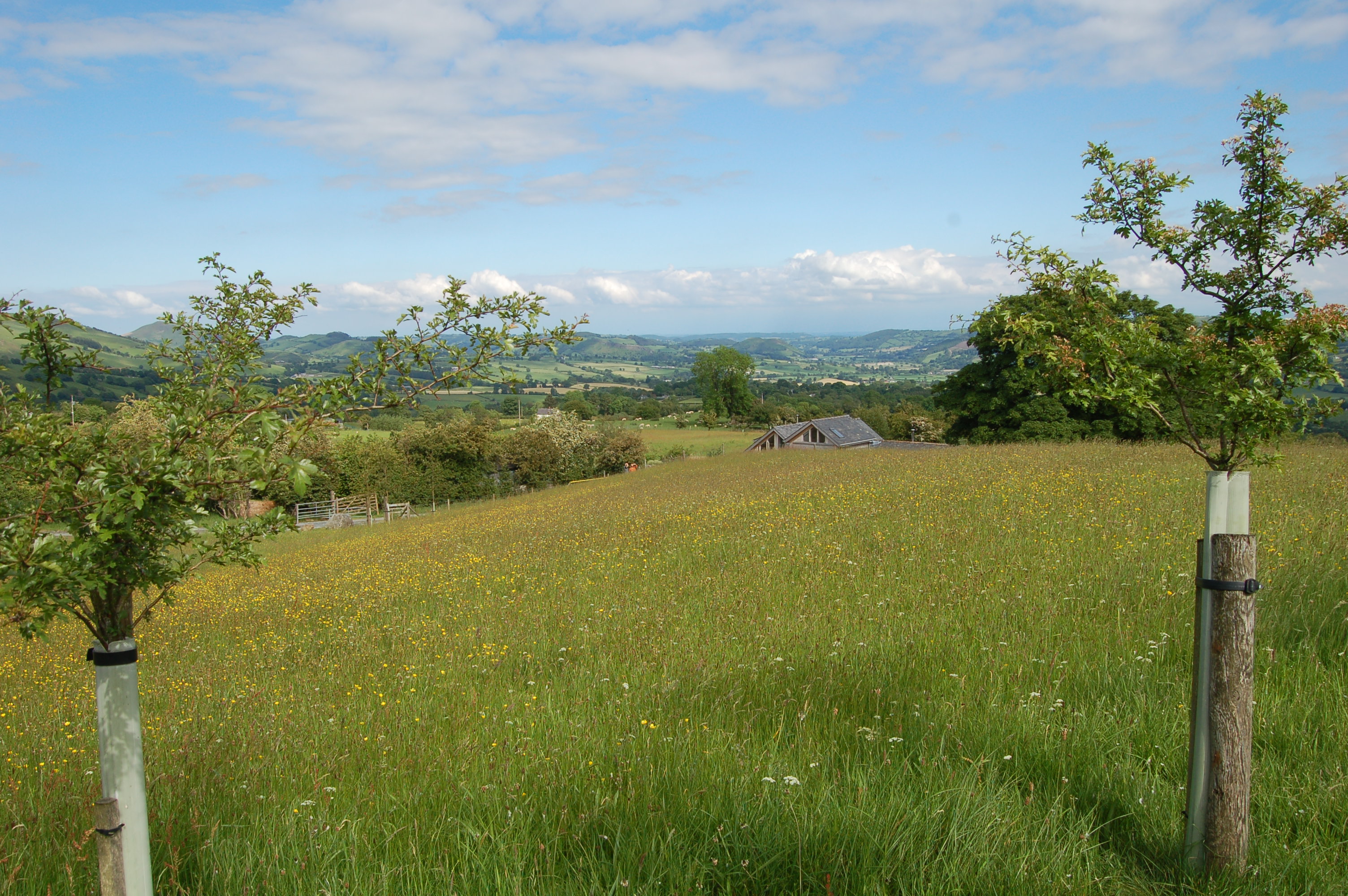
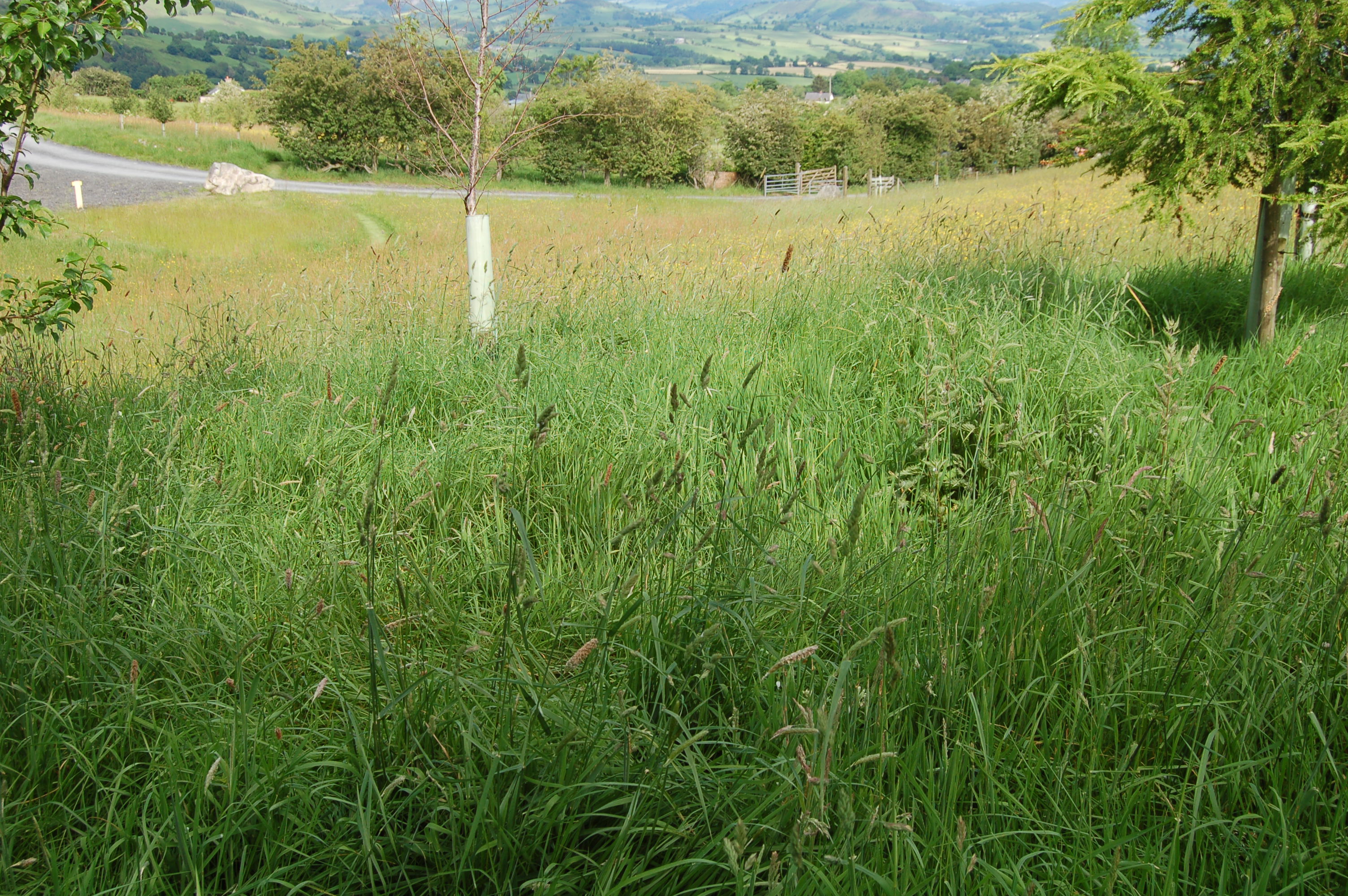
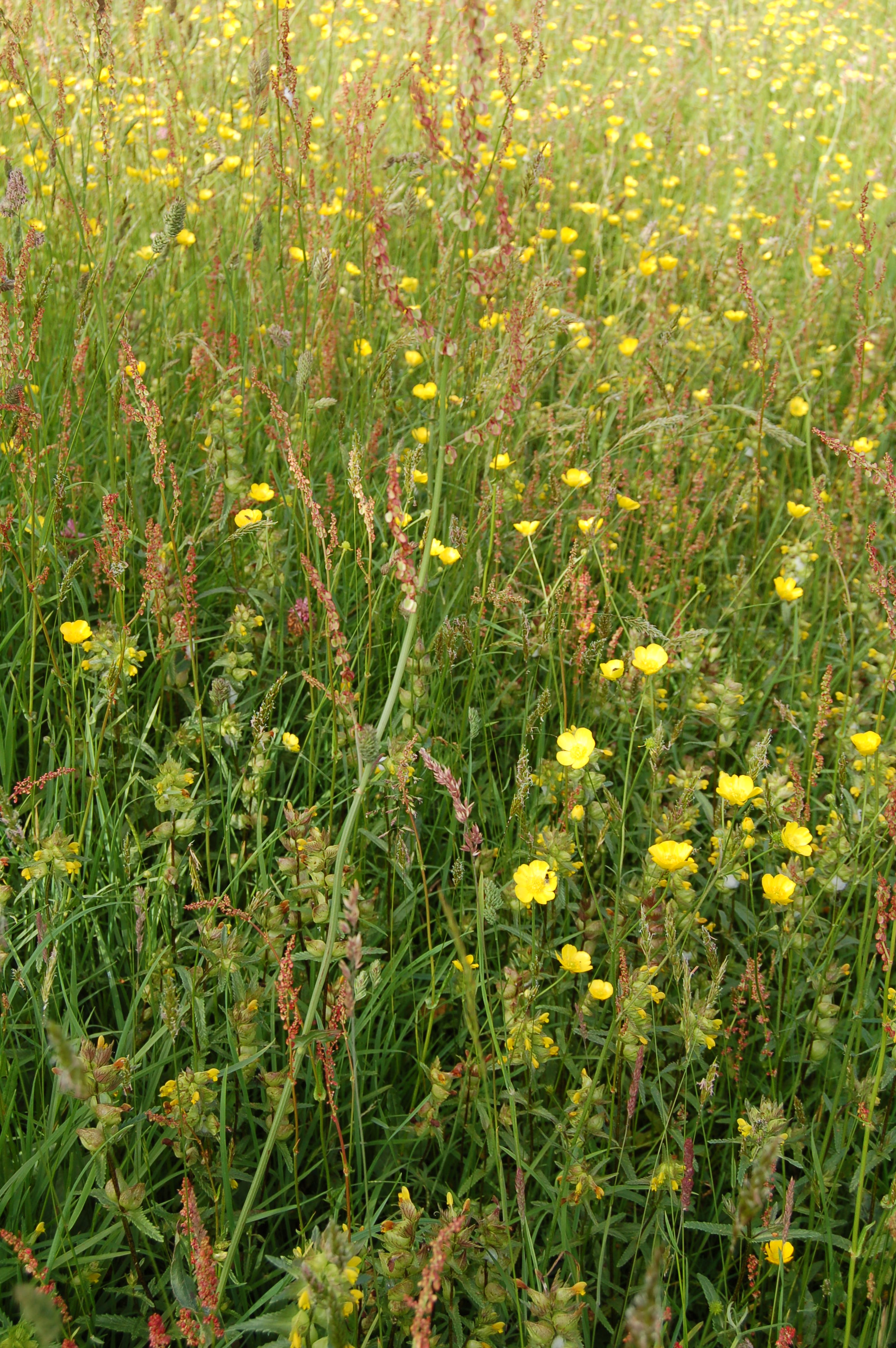
After a steep knee-aching walk across fields we realised we were getting close as the close cropped sheep pastures were replaced by recently planted flower meadows with neatly cut gently winding paths.

2014 06 14_0295 2014 06 14_0294 2014 06 14_0225 2014 06 14_0226

After walking the meadow edges we glimpsed the house ahead of us. From this distance it already looked tantalising.

2014 06 14_0227 2014 06 14_0228

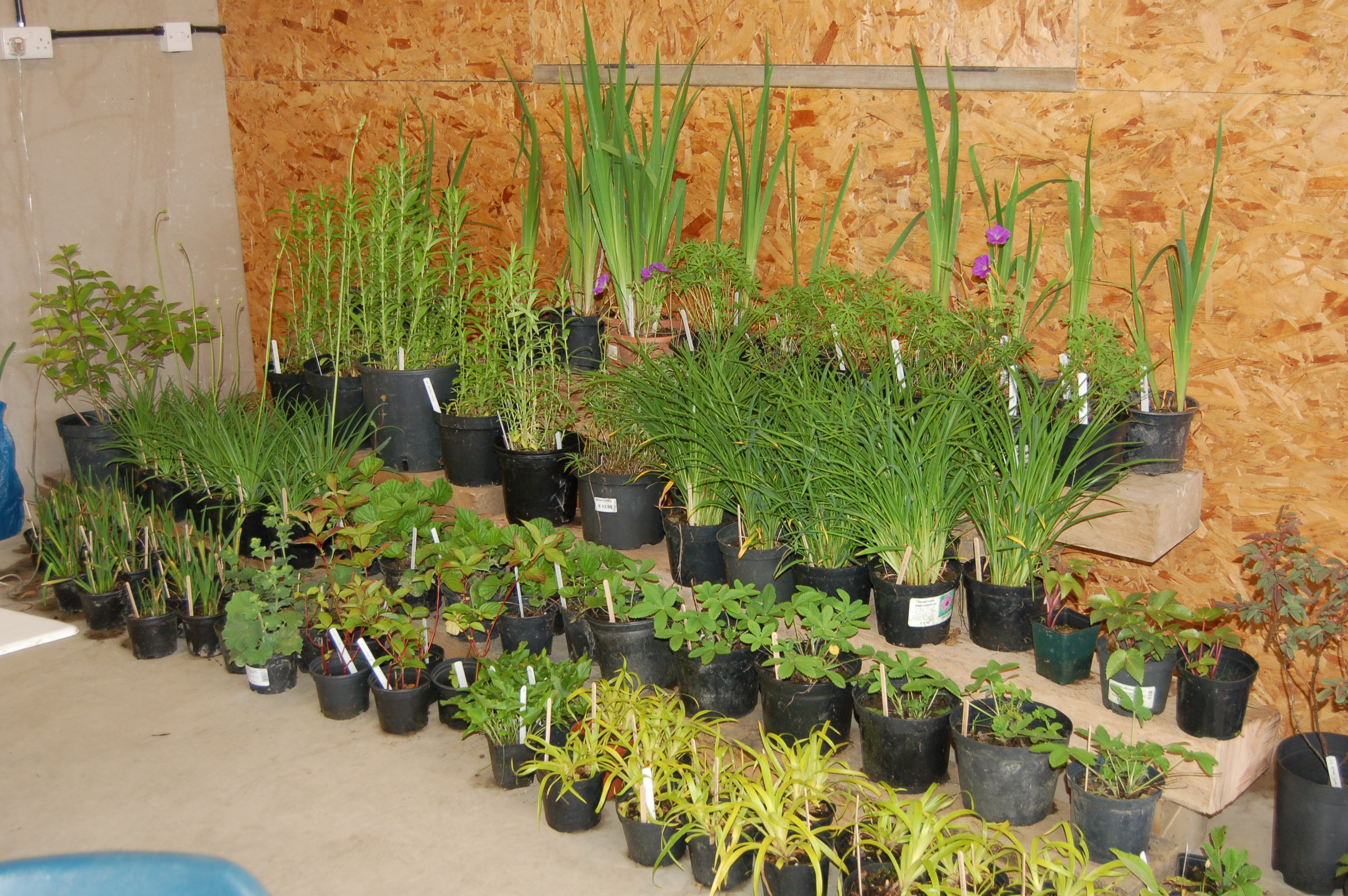
We found it to be a modernised and extended Welsh longhouse with its garden wrapped around it and just as well designed. Coffee and cake were enjoyed in an out building where plants from the garden were for sale. Only a few different plants but very well grown.

2014 06 14_0229 2014 06 14_0231 2014 06 14_0230

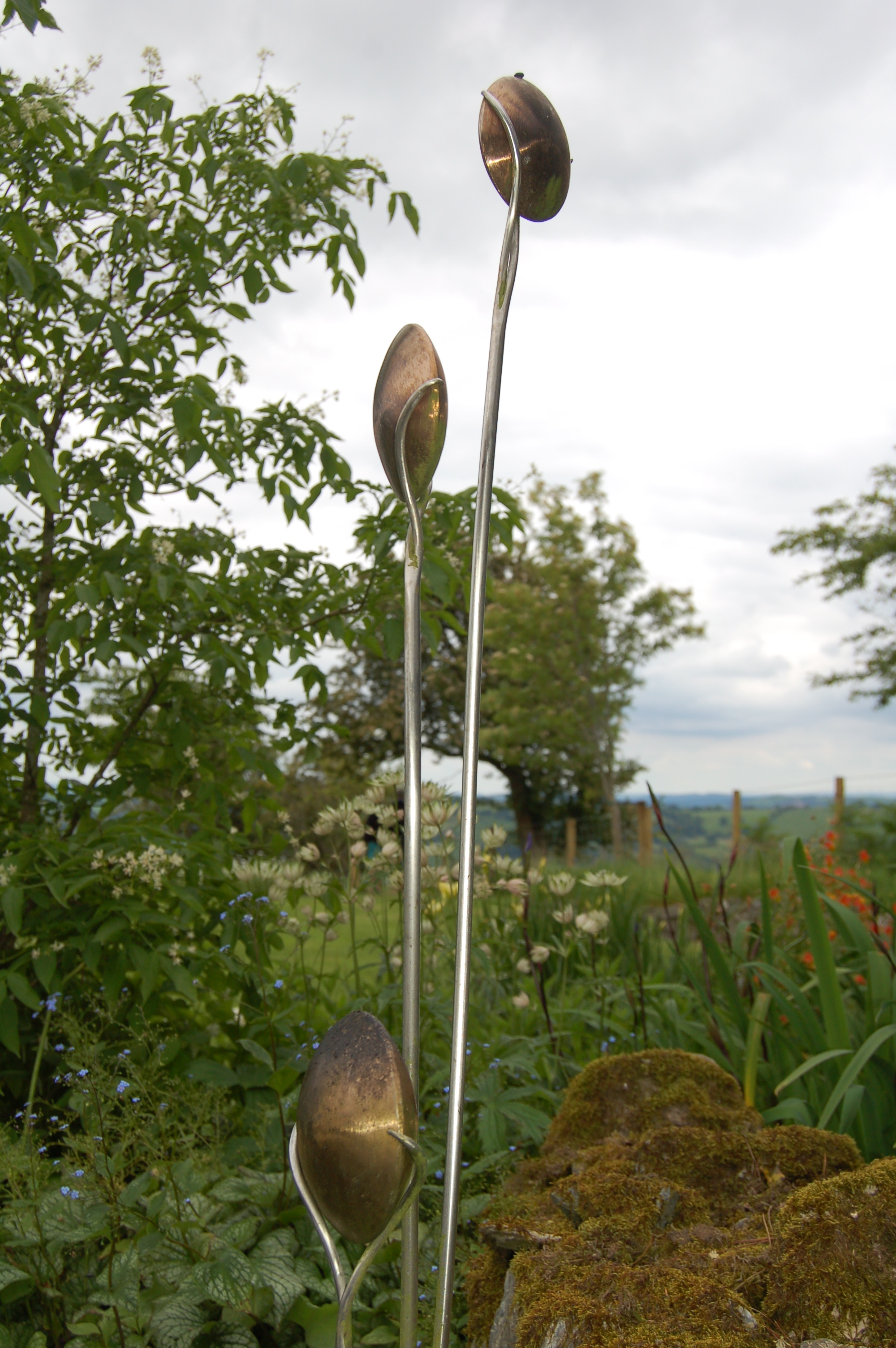
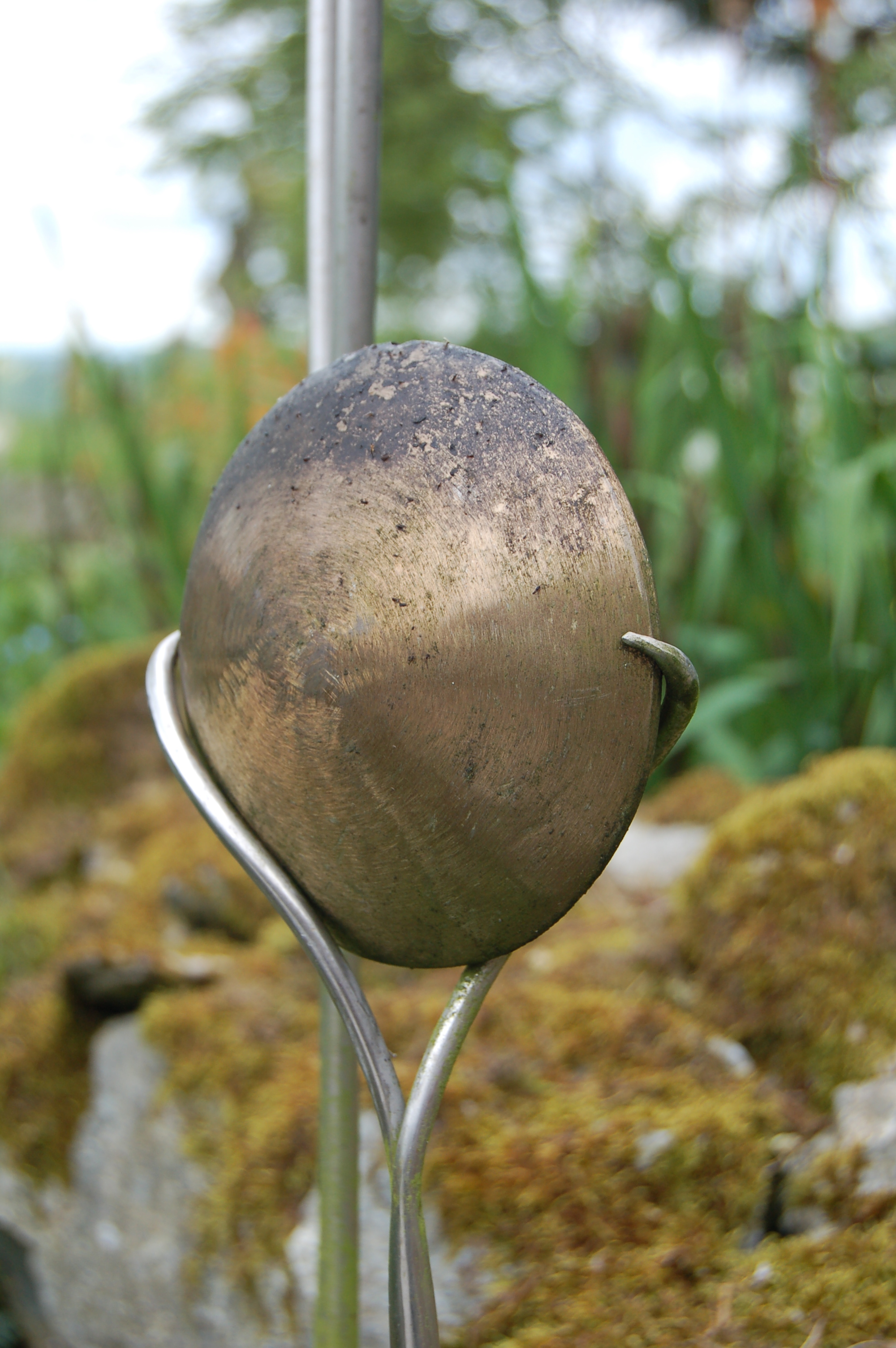
As we started to explore the garden it immediately became obvious that an artist was at work here. The planting with carefully selected combinations of texture and colour and scattered artifacts had the feel and look of the artist’s hand and eye at work.

2014 06 14_0235 2014 06 14_0236 2014 06 14_0237 2014 06 14_0238 2014 06 14_0239

2014 06 14_0240 2014 06 14_0241 2014 06 14_0242 2014 06 14_0243 2014 06 14_0244 2014 06 14_0245 2014 06 14_0246 2014 06 14_0247 2014 06 14_0248 2014 06 14_0249


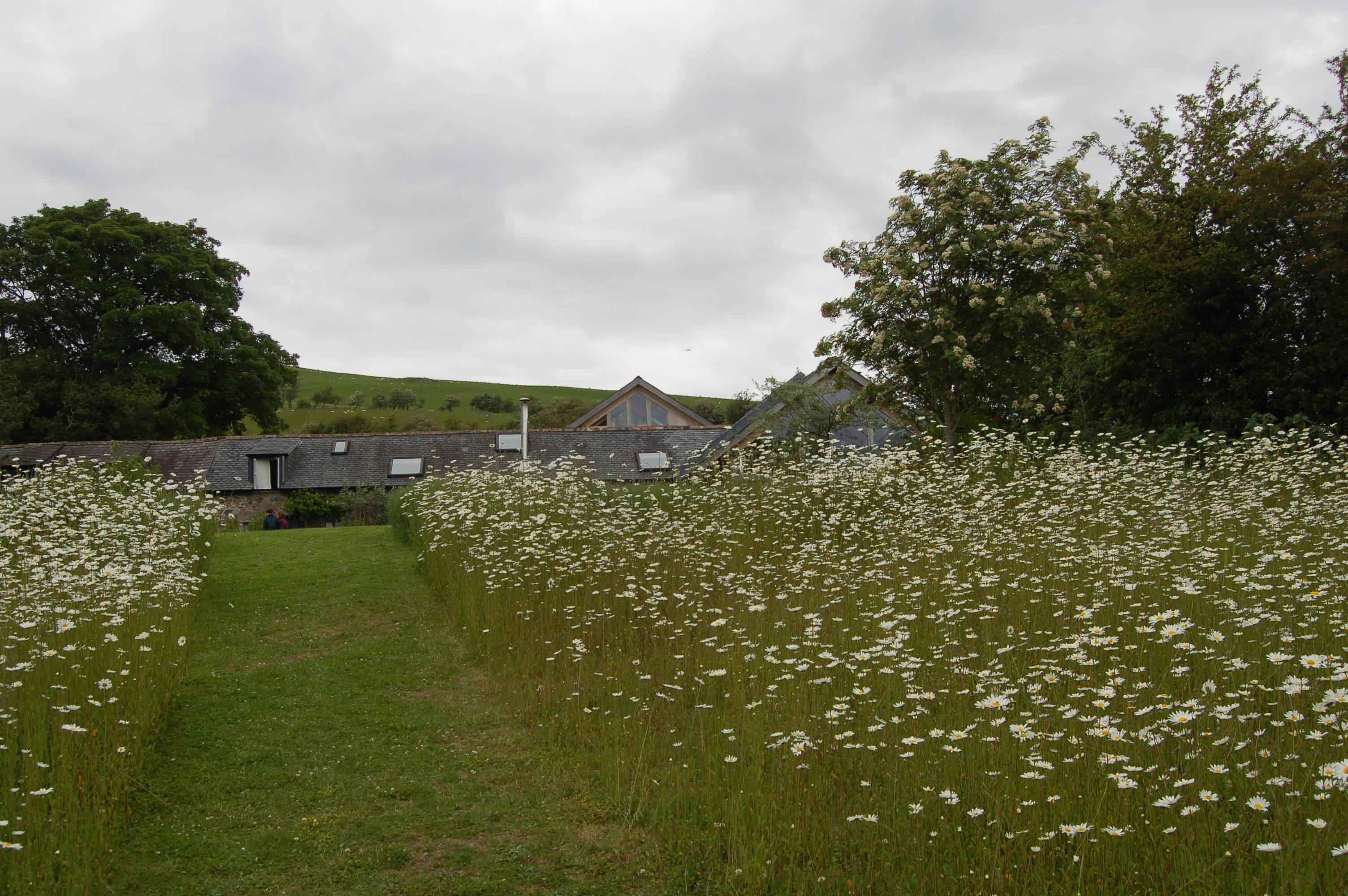
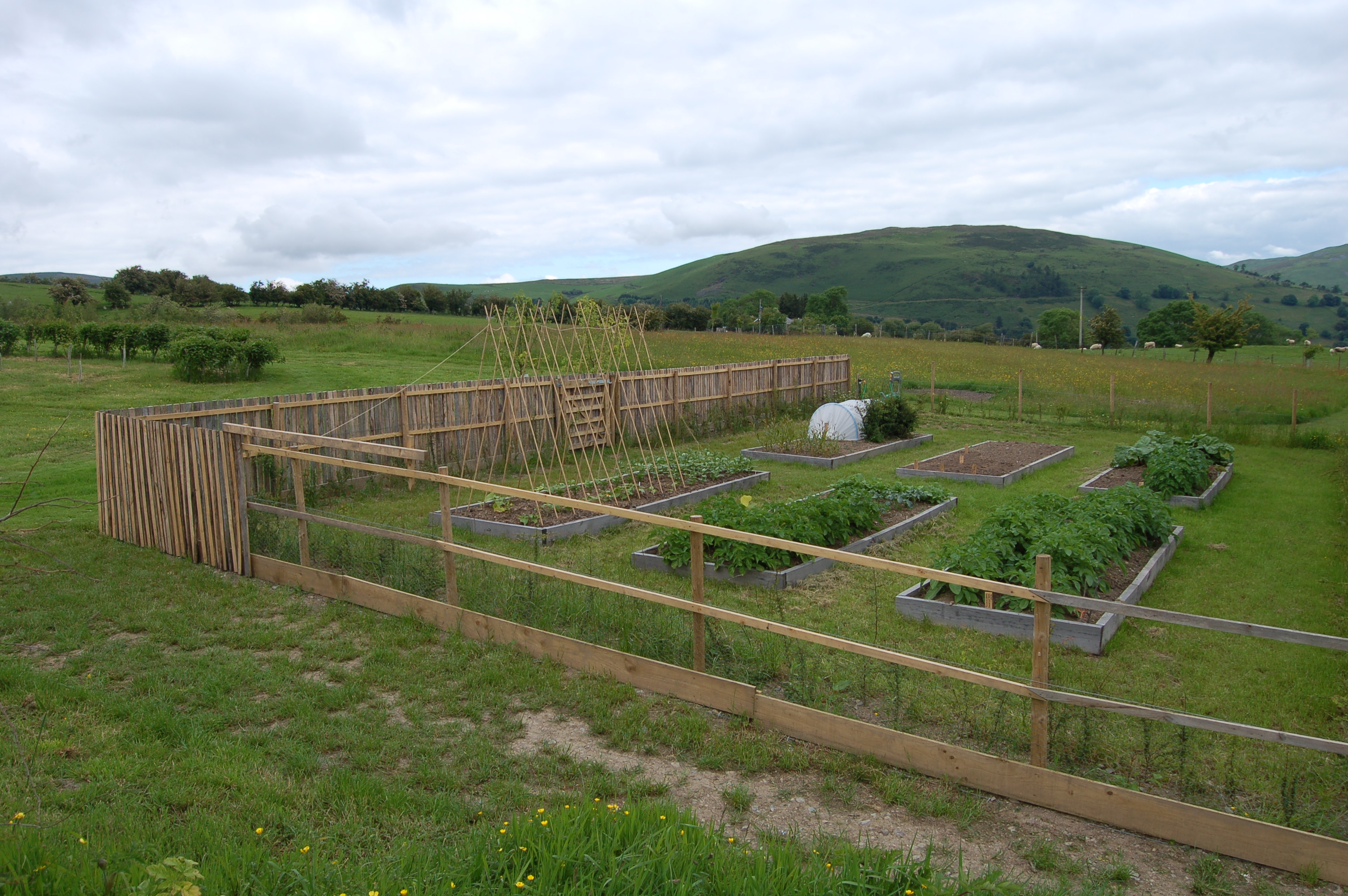
Moving further from the house, closely mown paths enticed us through meadows of white daisies to a curving bench of slate encircling a fire pit and on further to a small but neat productive patch.

2014 06 14_0250 2014 06 14_0251 2014 06 14_0252 2014 06 14_0253 2014 06 14_0254 2014 06 14_0256 2014 06 14_0257 2014 06 14_0258

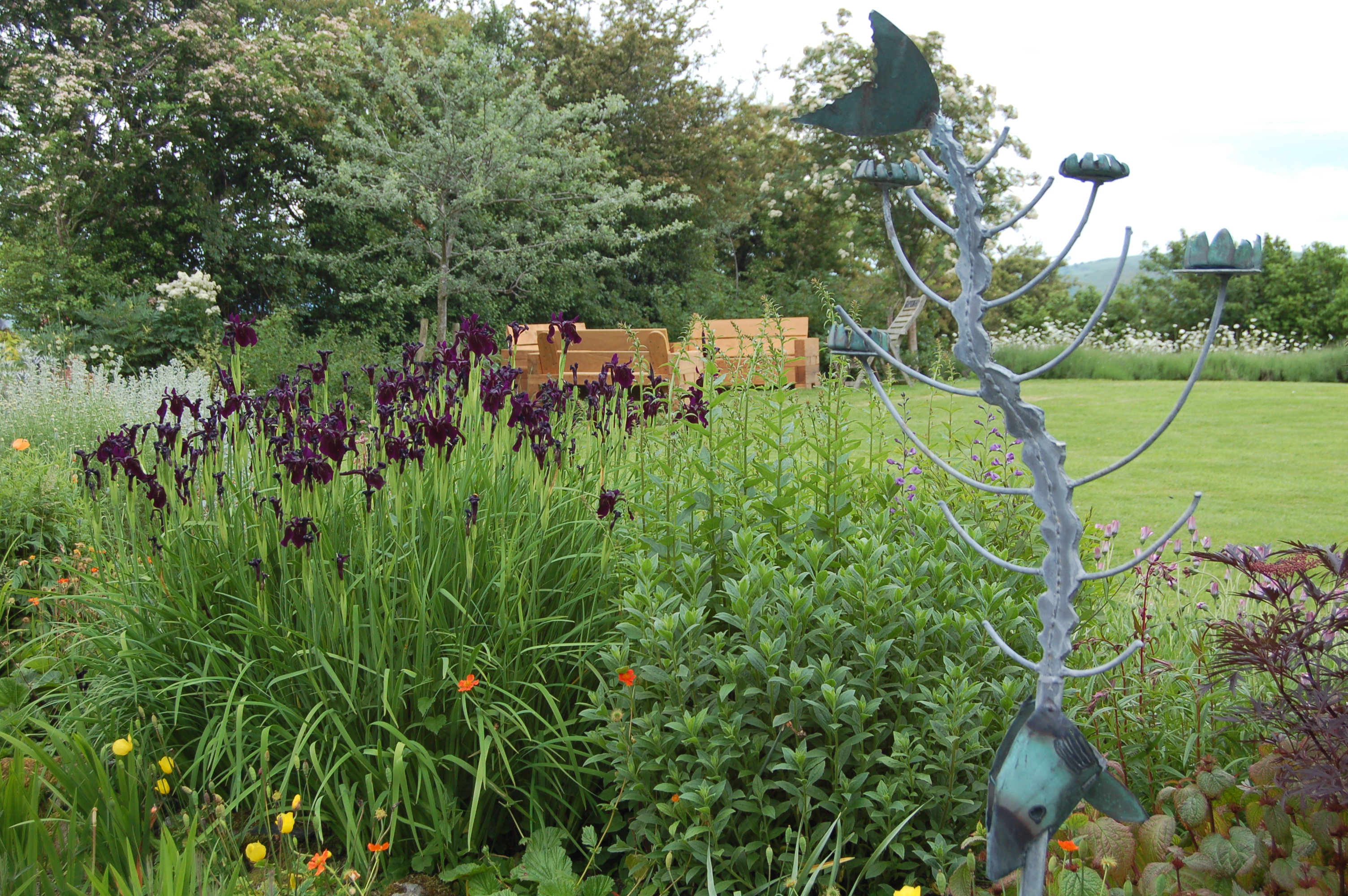
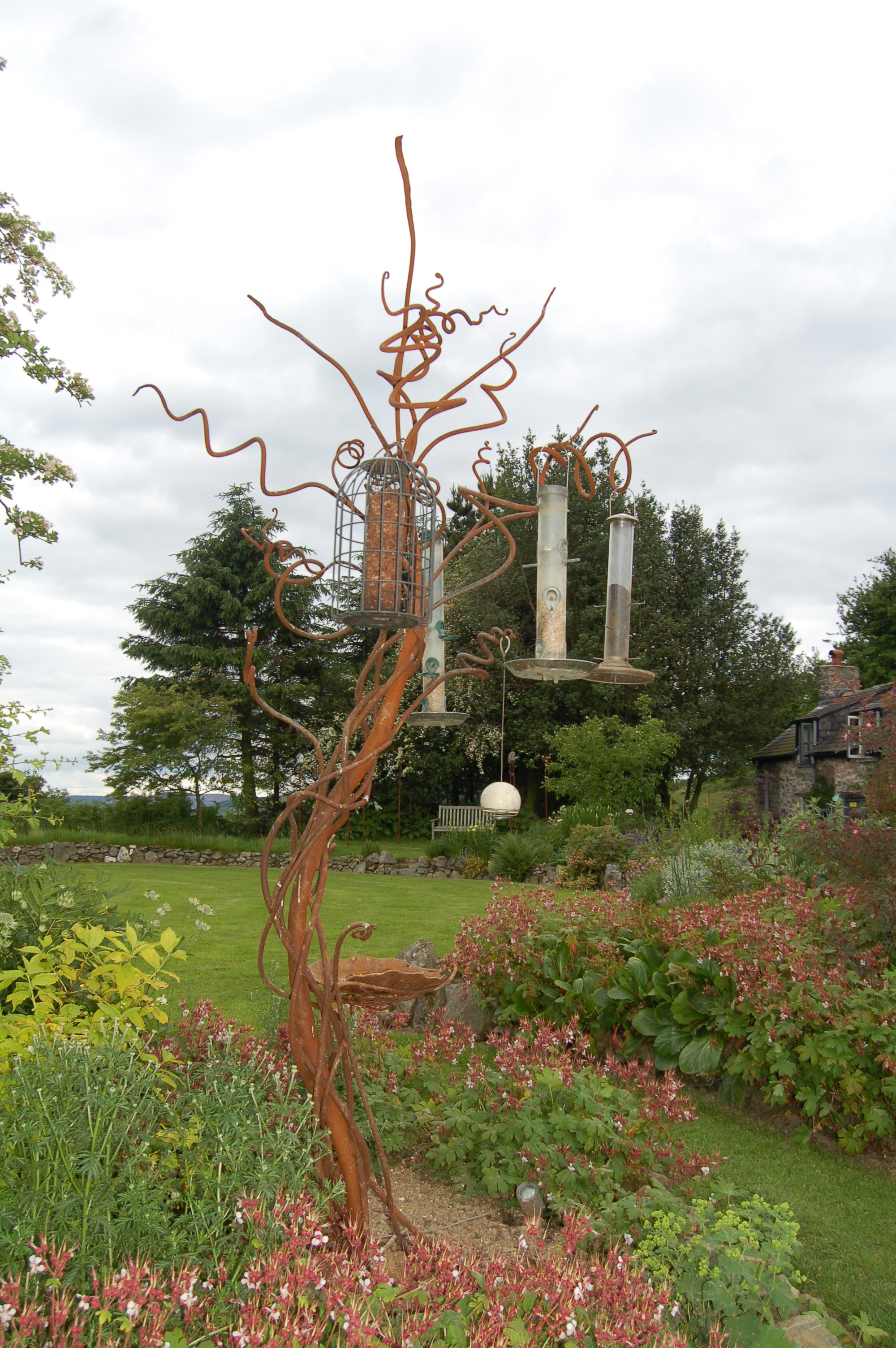
Moving back around winding paths towards a pool in the lower part of the garden we found more borders and this metal sculptural bird feeding station. Beyond every border were distant views of hillsides.

2014 06 14_0259 2014 06 14_0260 2014 06 14_0261 2014 06 14_0262 2014 06 14_0263 2014 06 14_0264

2014 06 14_0265 2014 06 14_0266

2014 06 14_0232 2014 06 14_0233

2014 06 14_0234

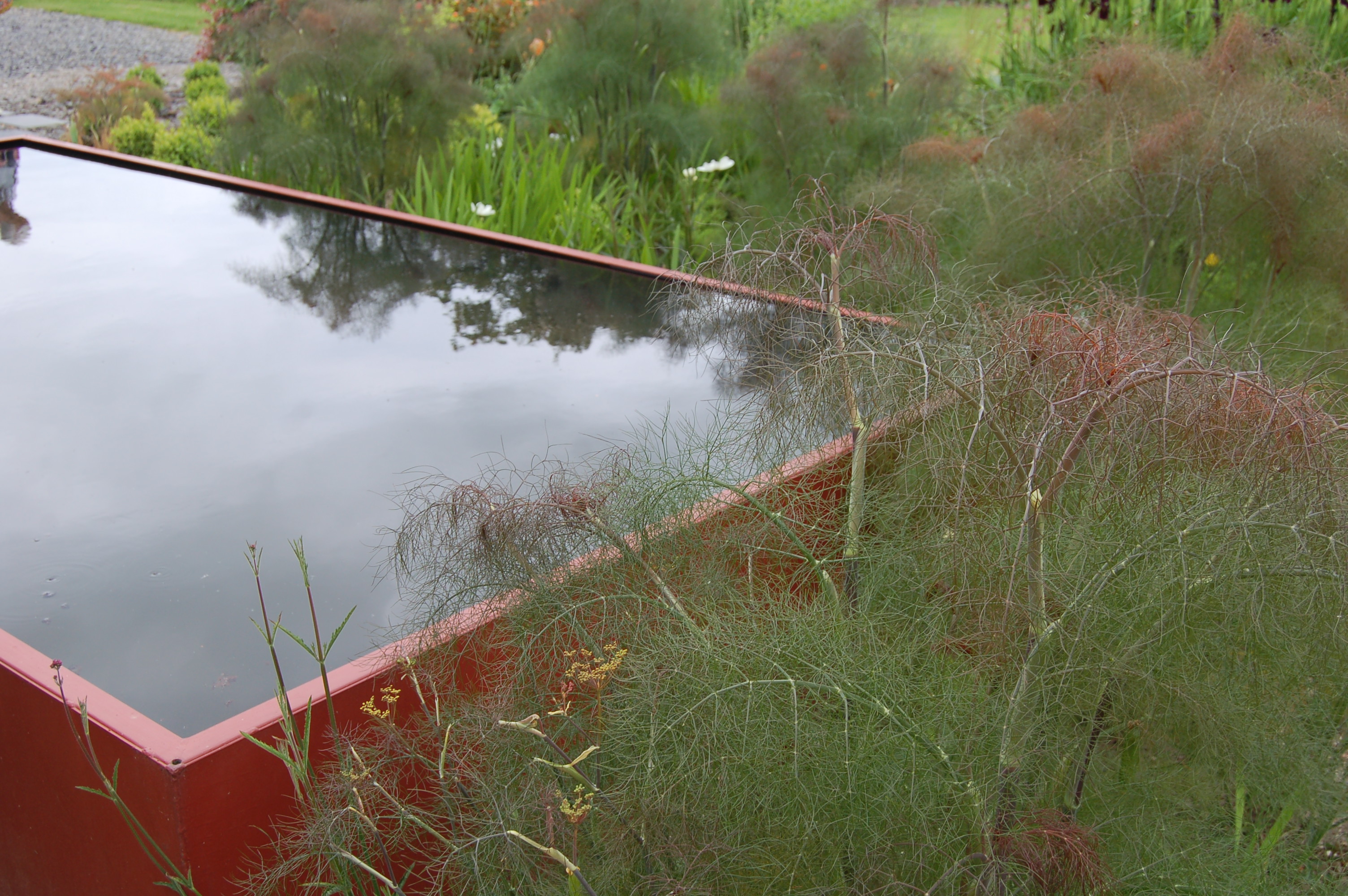
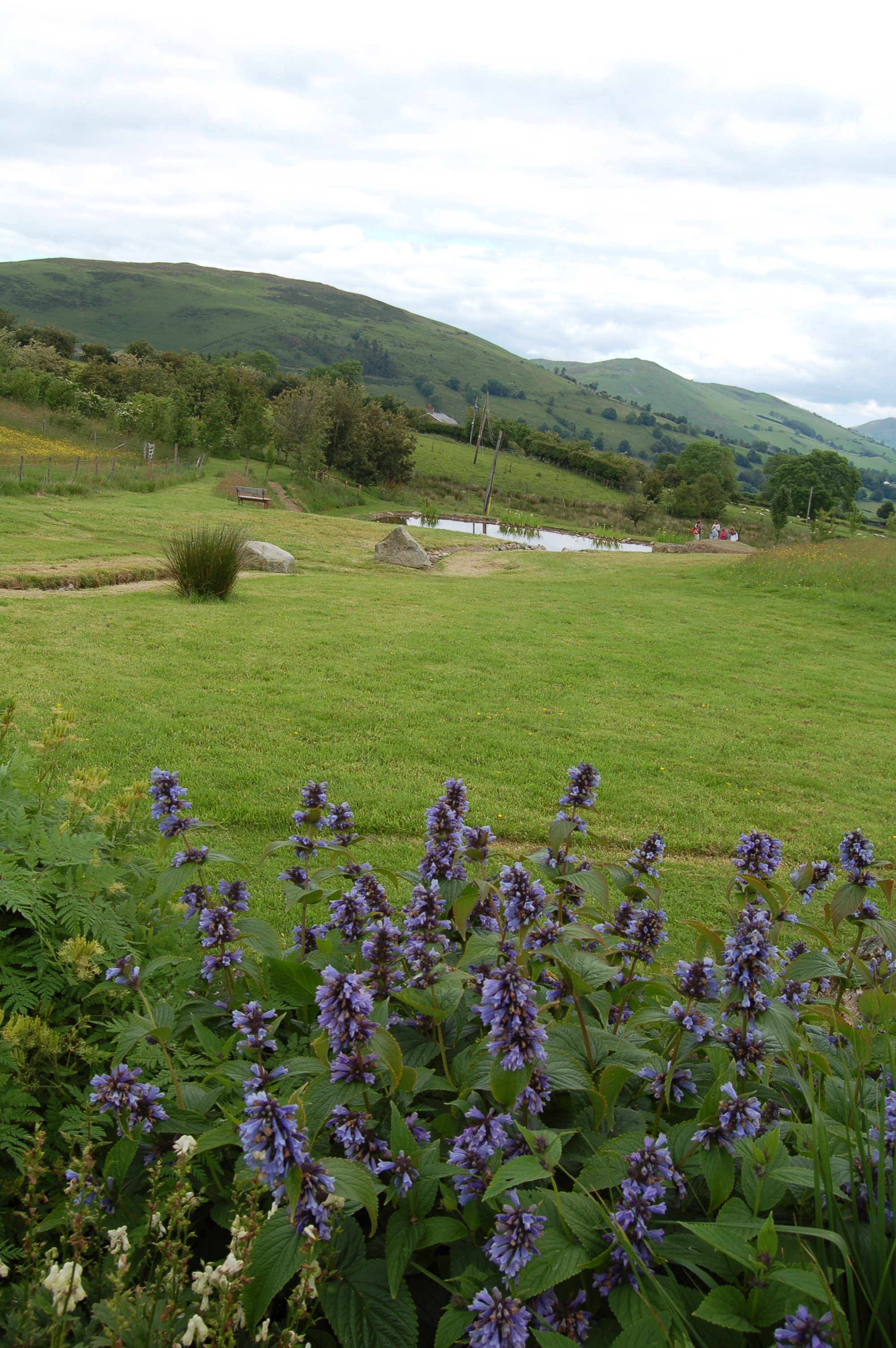
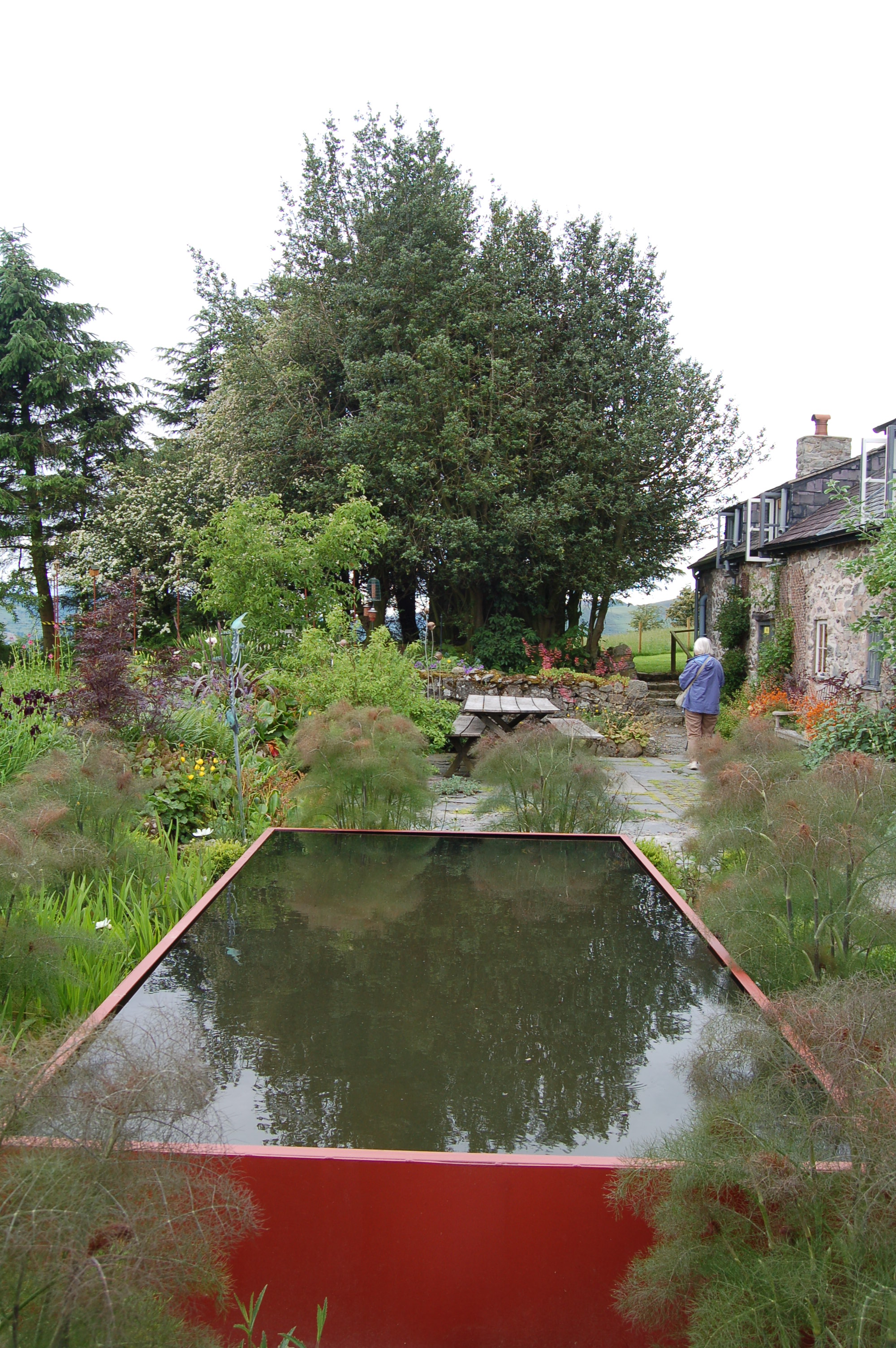
The pool and the stream garden running into it was a new venture and still in the early stages of development. We could see such possibility and vowed to return to see developments.

2014 06 14_0267 2014 06 14_0268

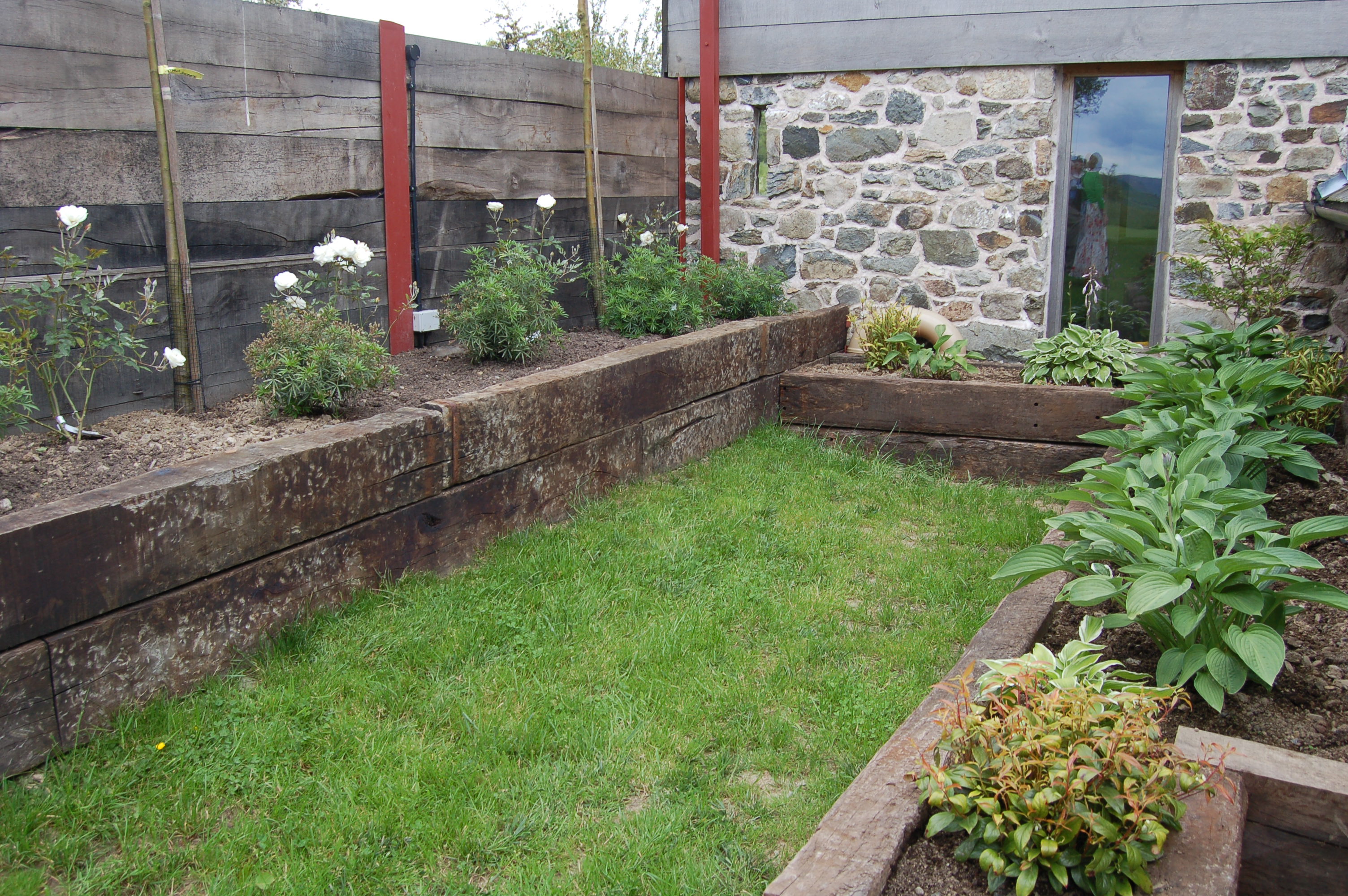
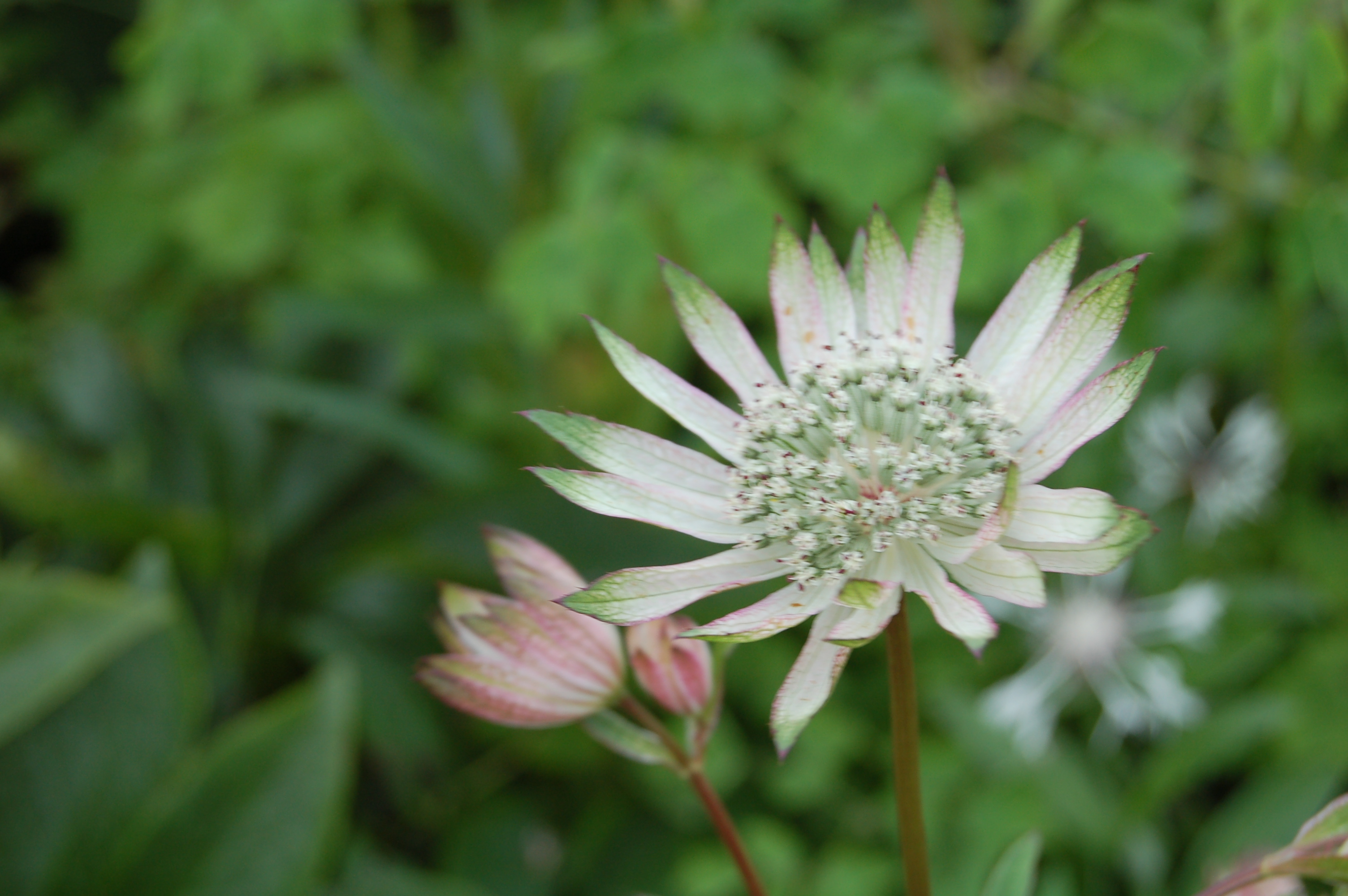
Slate paths through raised beds let us discover further interesting plant combinations. We were impressed in particular by the different Astrantias.

2014 06 14_0271 2014 06 14_0272 2014 06 14_0273 2014 06 14_0274

Gardens wrapped around the complex perimeter of the buildings and here more gentle plantings helped root the new building extensions into the land.

2014 06 14_0275 2014 06 14_0276 2014 06 14_0277 2014 06 14_0278 2014 06 14_0279 2014 06 14_0280

As we left the garden behind and anticipated the beauty of the meadows we noticed a green roof under which we must have been seated while enjoying our coffee and cakes. Wandering the close cut grass paths through the meadows was a very gentle way to finish off our visit to this developing garden. We looked forward to returning in the future.

2014 06 14_0281 2014 06 14_0283 2014 06 14_0284 2014 06 14_0285 2014 06 14_0286 2014 06 14_0288 2014 06 14_0289 2014 06 14_0290 2014 06 14_0291 2014 06 14_0292 2014 06 14_0293 2014 06 14_0295


Categories
conservation countryside flowering bulbs hedgerows landscapes light meadows nature reserves spring bulbs Wildlife Trusts

A Fritillary Meadow – North Meadow, Cricklade

We have a book at home where we list places we must go to, gardens we must visit and things we must do. A visit to the Fritillary Meadows in Wiltshire has been on our “Places to Visit” list for a few years now but we have been thwarted by the weather and the effect this has on these lovely flowering bulbs. This year we made it.

We drove down to Cricklade in Wiltshire and with great difficulty due to heavy downpours of rain making it hard to see, we found the first signs of where we were aiming for, The Fritillary Tearooms. The tearooms open each year when the Fritallaries are in full bloom and the proceeds go towards boosting the “Cricklade in Bloom” funds. Naturally we had to support them and so enjoyed a warming cup of coffee and a splendid cake before we embarked on our wet walk around the wet meadow. Apologies for the sloping photo of the tea shop but having one leg shorter than the other does sometimes result in strange sloping pics!

2014 04 21_8340 2014 04 21_8229

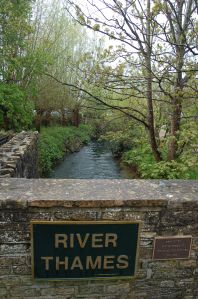
We entered the reserve, called North Meadow, run jointly by English Nature and the Wiltshire Wildlife Trust, via a bridge over the River Churn, one of the two rivers that skirt the wet meadow, the other being the Thames. In front of us lay an old, flower-rich hay meadow situated within the glacial flood plains of the two rivers. The meadow covers a vast area of 108 acres. It is designated a Special Area of Conservation and a Site of Scientific Interest and is an internationally important reserve.

2014 04 21_8314 2014 04 21_8316

2014 04 21_8315 2014 04 21_8230

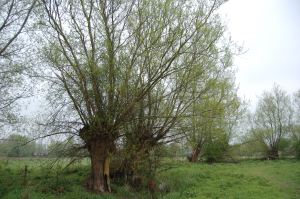
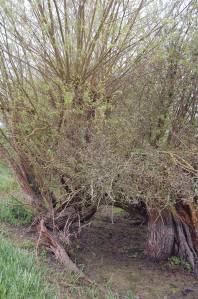
We were never far from one or other river as we walked the reserve margins. It was good to see beautiful ancient pollarded willows much in evidence aligning the banks of both. Seeing these brings back memories of my childhood fishing my local brook “The Carrant” whose banks were lined with them. We hid inside them as many were hollow and loved looking up inside them spotting wildlife mostly spiders and beetles but on special occasions a roosting Tawny Owl. The willows were pollarded which involved pruning them hard back to their main trunks every few years to harvest the stems for basket making and hurdle manufacture.

2014 04 21_8311 2014 04 21_8308

2014 04 21_8414 2014 04 21_8417

2014 04 21_8418 2014 04 21_8379

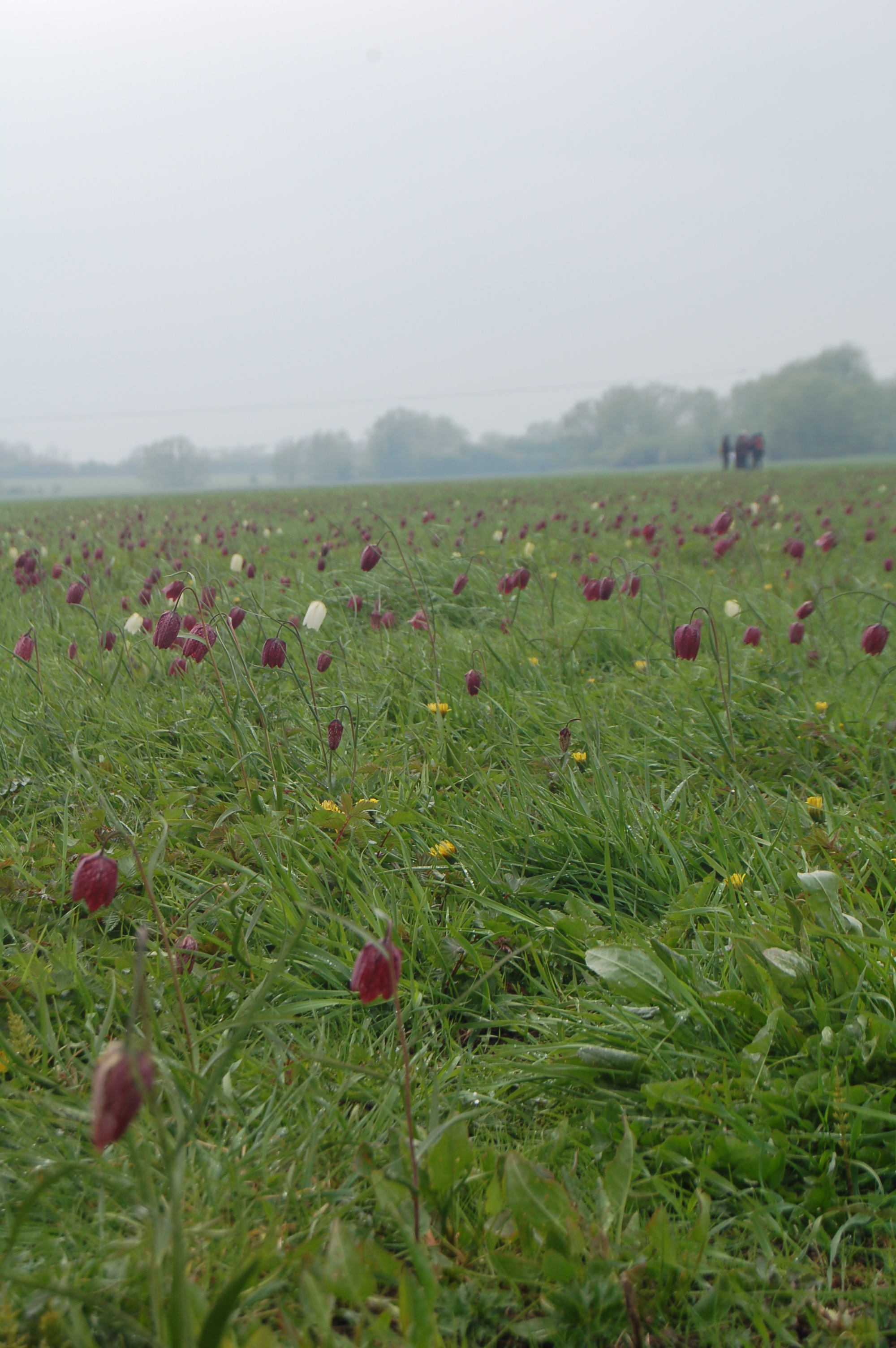
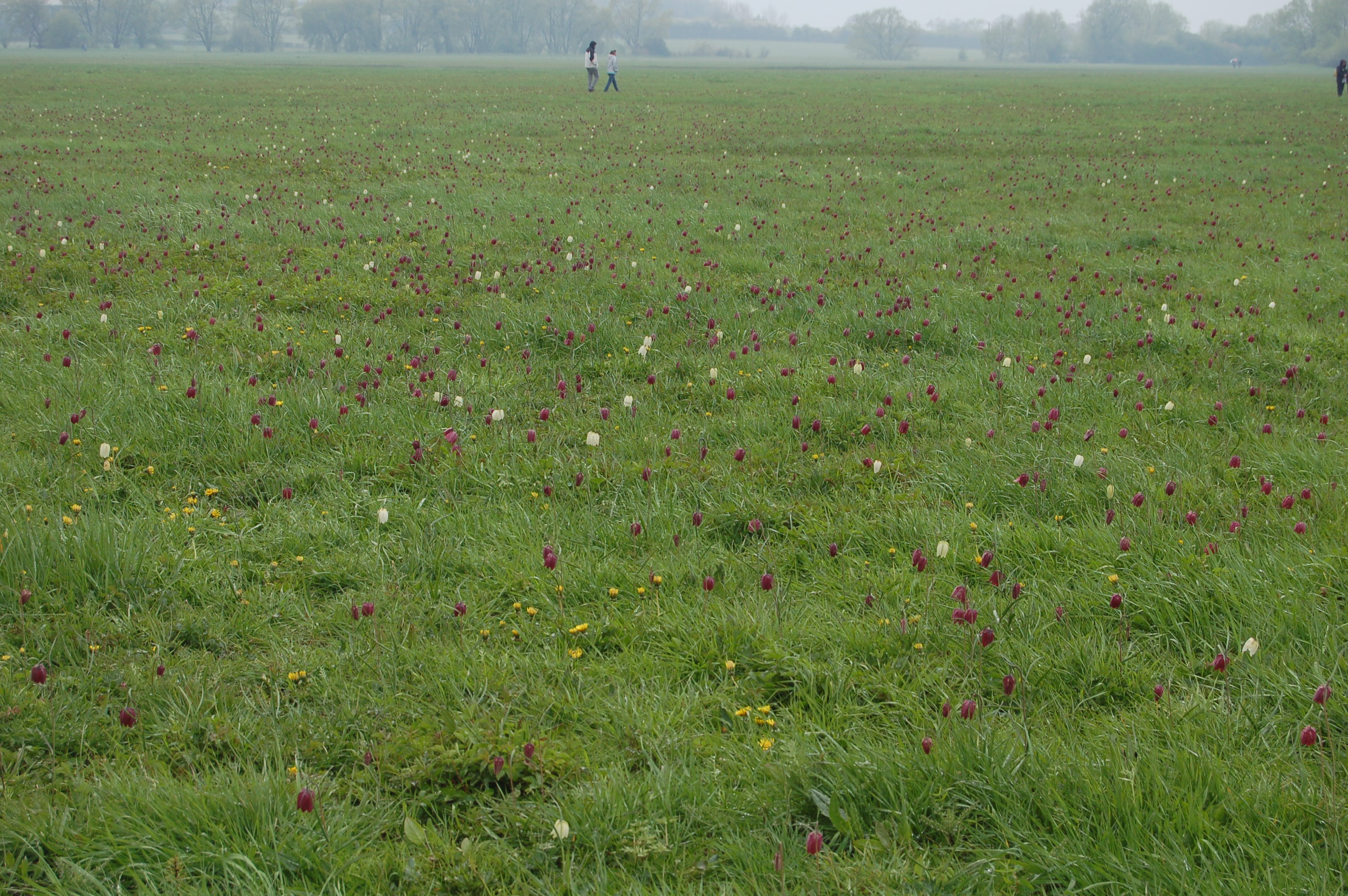
The reserve was one grand immense flat meadow which is flooded for a few months each year creating an unusual habitat for plants and all sorts of wildlife. At first glance we were amazed at the expanse of the meadow but somewhat disappointed at the relatively few numbers of Fritillaries visible. Seeing just one Fritillary is a treat though as it is such an unusual and beautiful flower. It is now sadly a “nationally scarce” plant.

2014 04 21_8232 2014 04 21_8234

Even though the light was very dull we soon spotted more of the little beauties we had waited so long to see and realised that there were far more than we had first thought. We grow Fritillaria meleagris in our spring border at home and in the orchard meadows on the allotment communal gardens but we had never seen them growing in their true wild habitat, the wetland meadows. We wondered just how amazing they must look on a bright day. To begin with we found them in small clumps including the odd white flowers which although lacking the checkerboard patterning have a delicate beauty of their own.

2014 04 21_8231 2014 04 21_8235

2014 04 21_8424

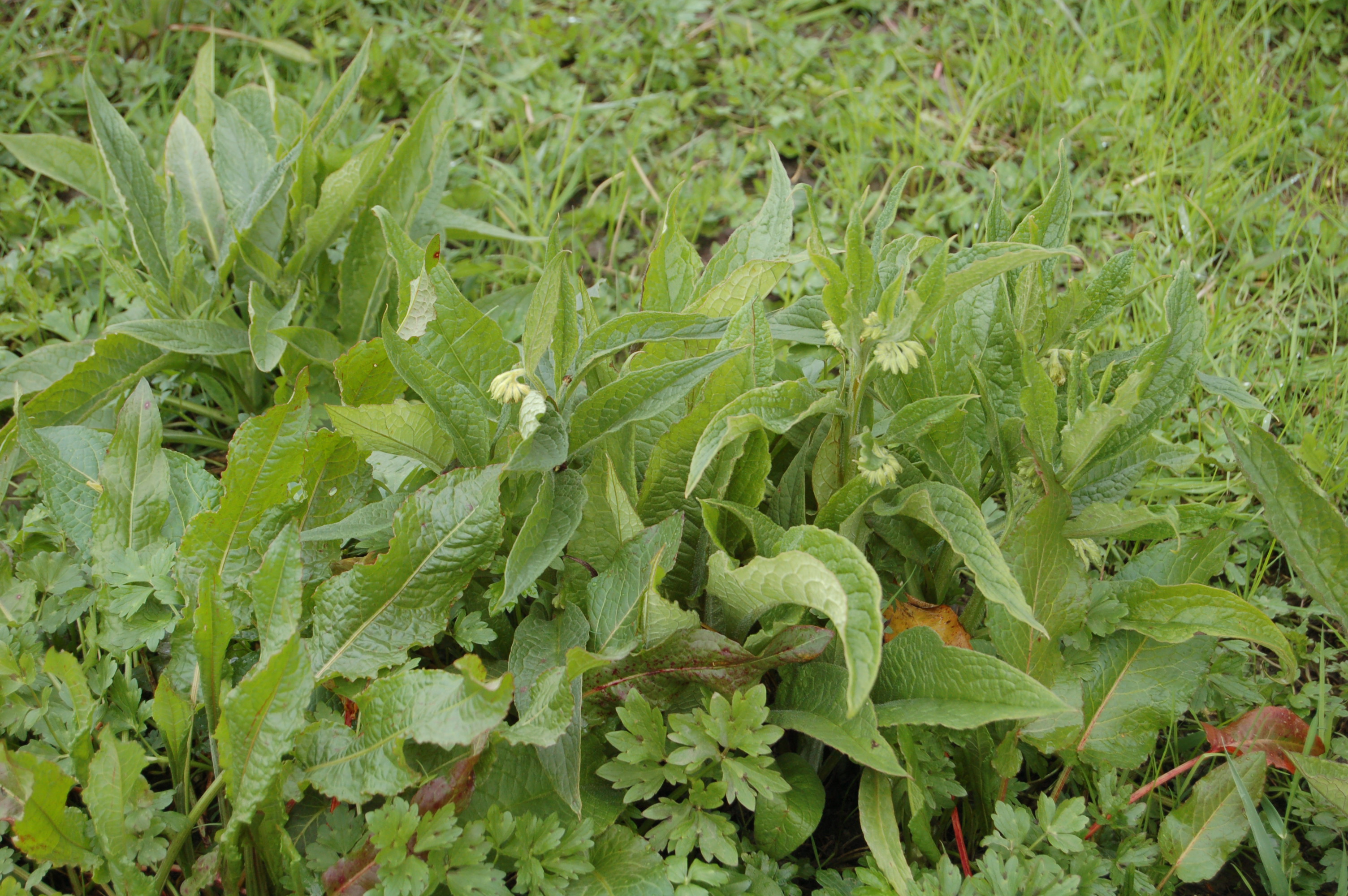
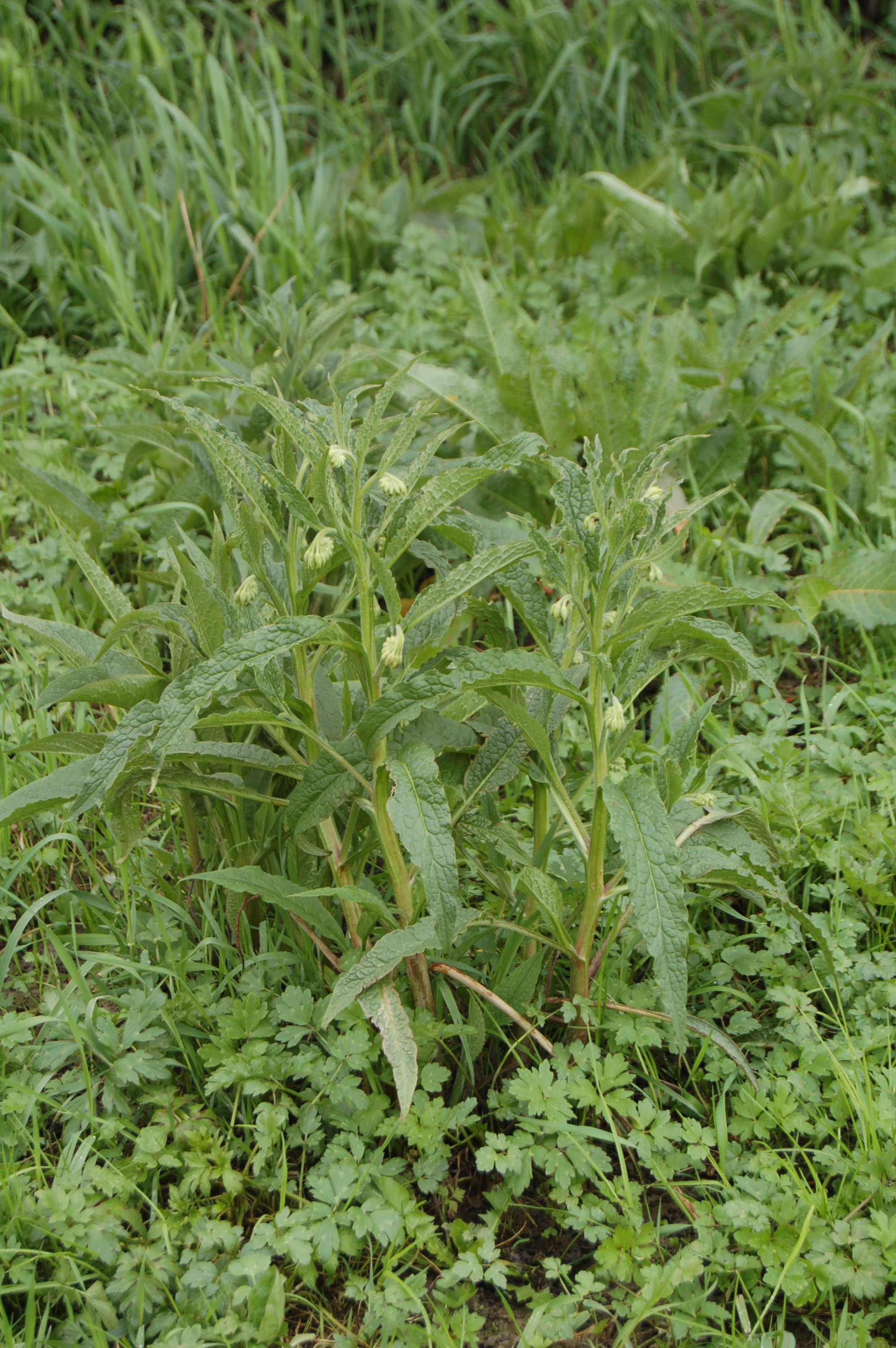
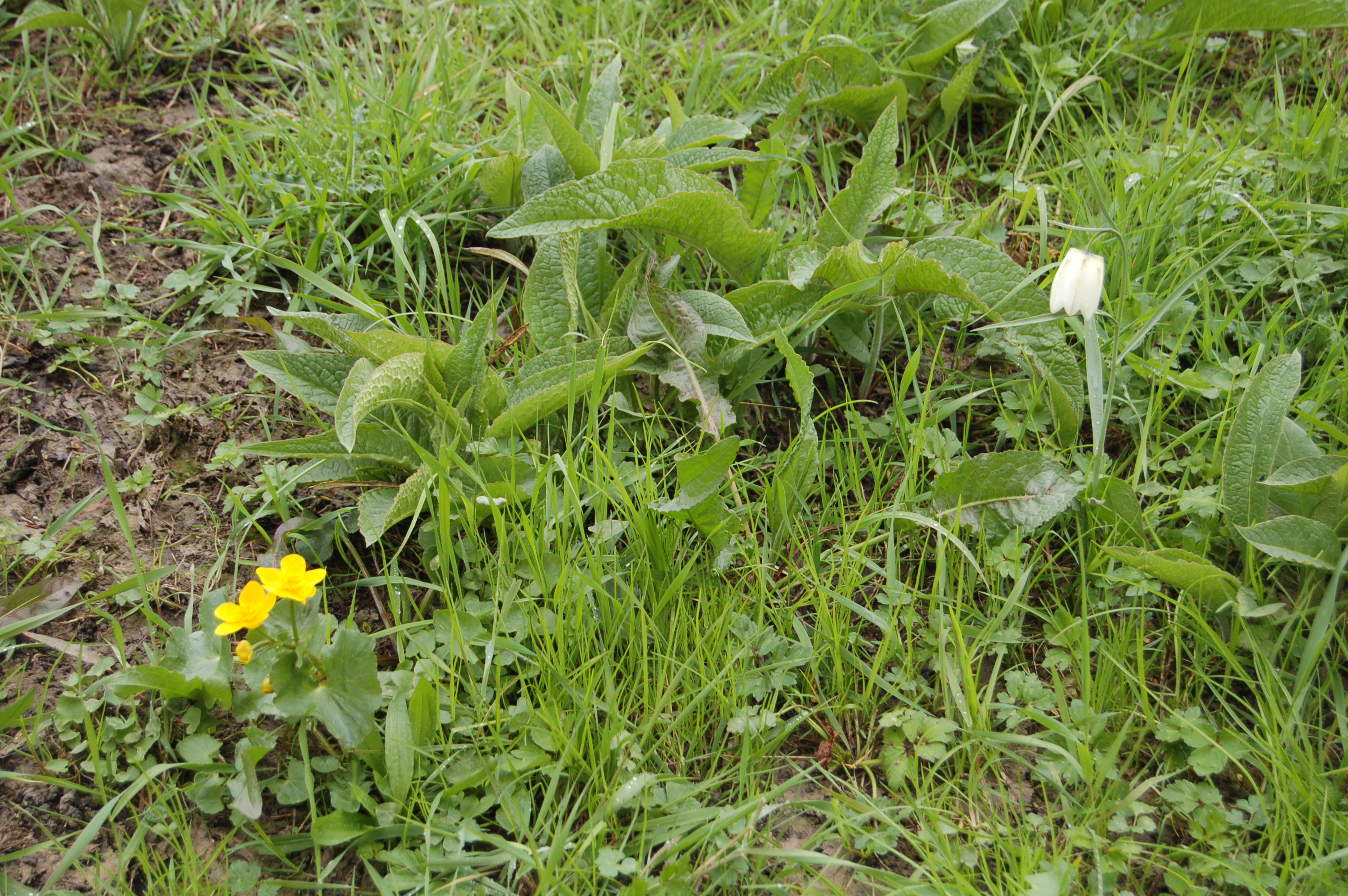
This wetland meadow habitat was home to other site specific species such as Comfrey and Kingcups, Lady’s Smock and Ragged Robin. Lovely old fashioned names for our native wildflowers. To maintain the special requirements of this collection of damp loving plants it is essential that the meadow is managed properly. It has to be grazed, used for hay and flooded for set periods.

2014 04 21_8415 2014 04 21_8416   2014 04 21_8419 2014 04 21_8420  2014 04 21_8422 2014 04 21_8309

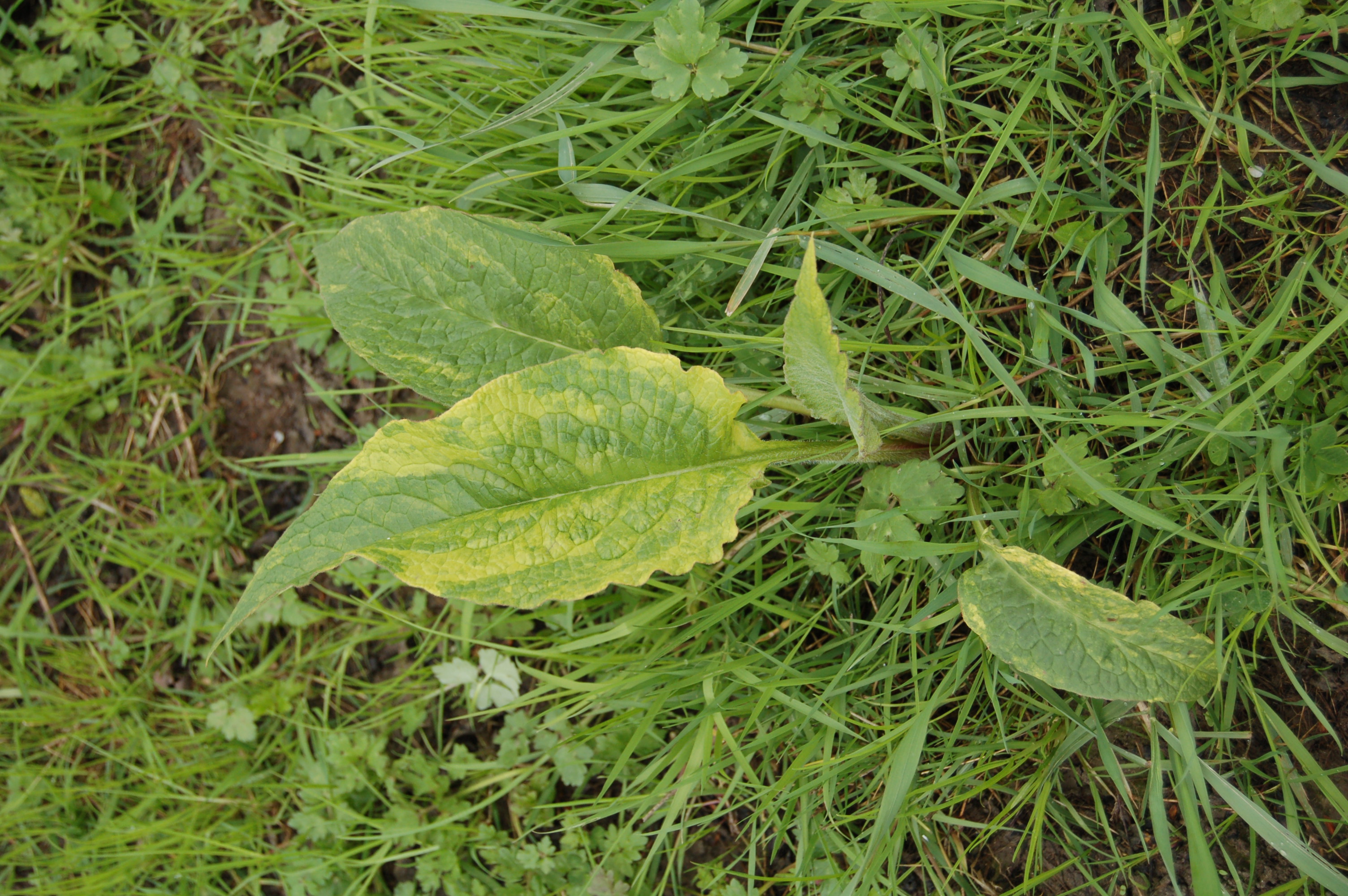
We were surprised to find one comfrey with yellow and green variegated foliage.

2014 04 21_8423

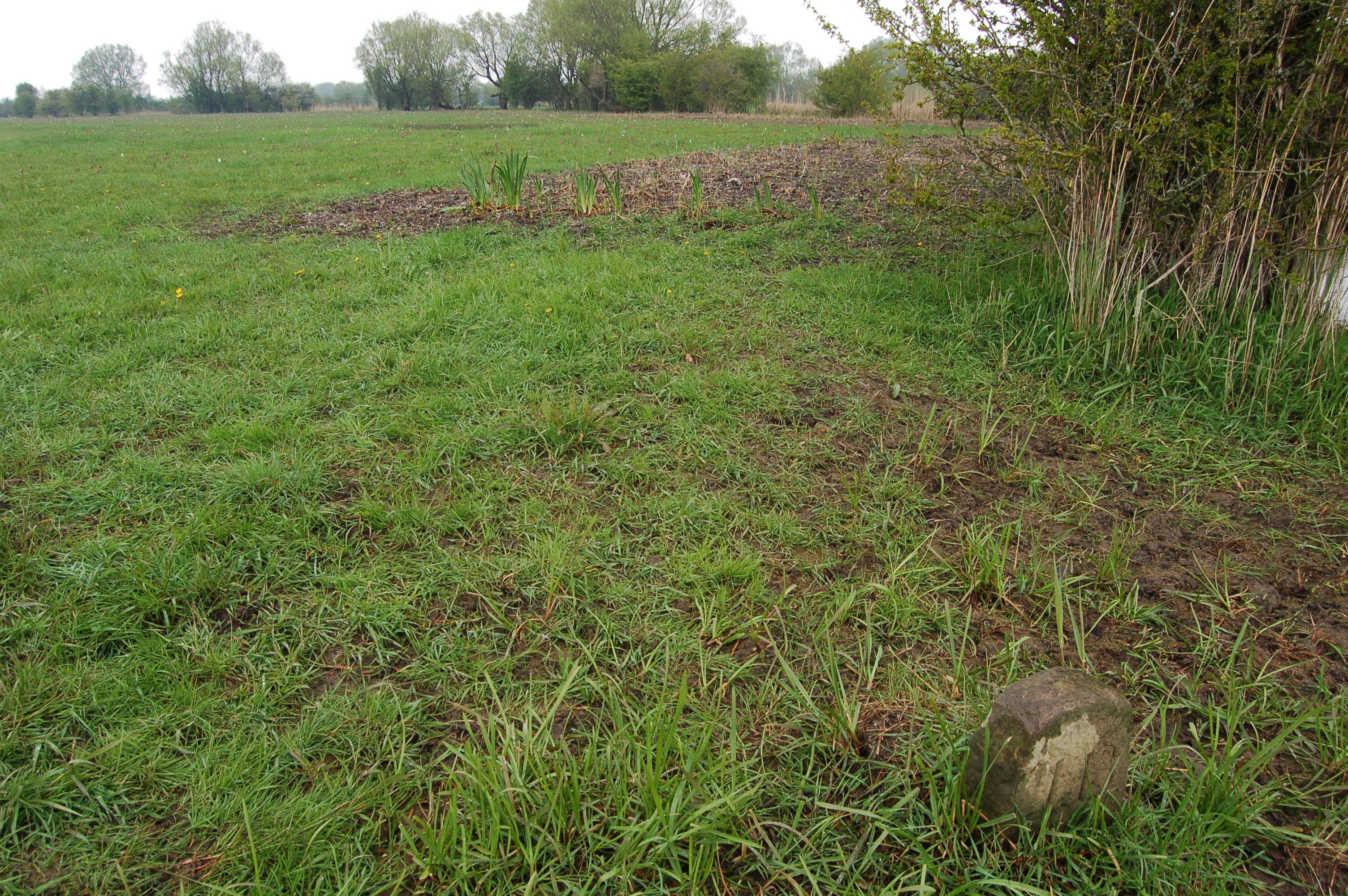
Along the margins of the meadow we stumbled upon these little carved stones, looking like miniature milestones. We later found out that they marked the plots allotted to individual “commoners” for haymaking.

2014 04 21_8313 2014 04 21_8312

As we reached about two-thirds of the way around the meadow the density of the fritillaries increased markedly and tall reeds grew on its margins.

2014 04 21_8310   2014 04 21_8306

2014 04 21_8396 2014 04 21_8394 2014 04 21_8304 2014 04 21_8303 2014 04 21_8302 2014 04 21_8301 2014 04 21_8389 2014 04 21_8299

2014 04 21_8294 2014 04 21_8293


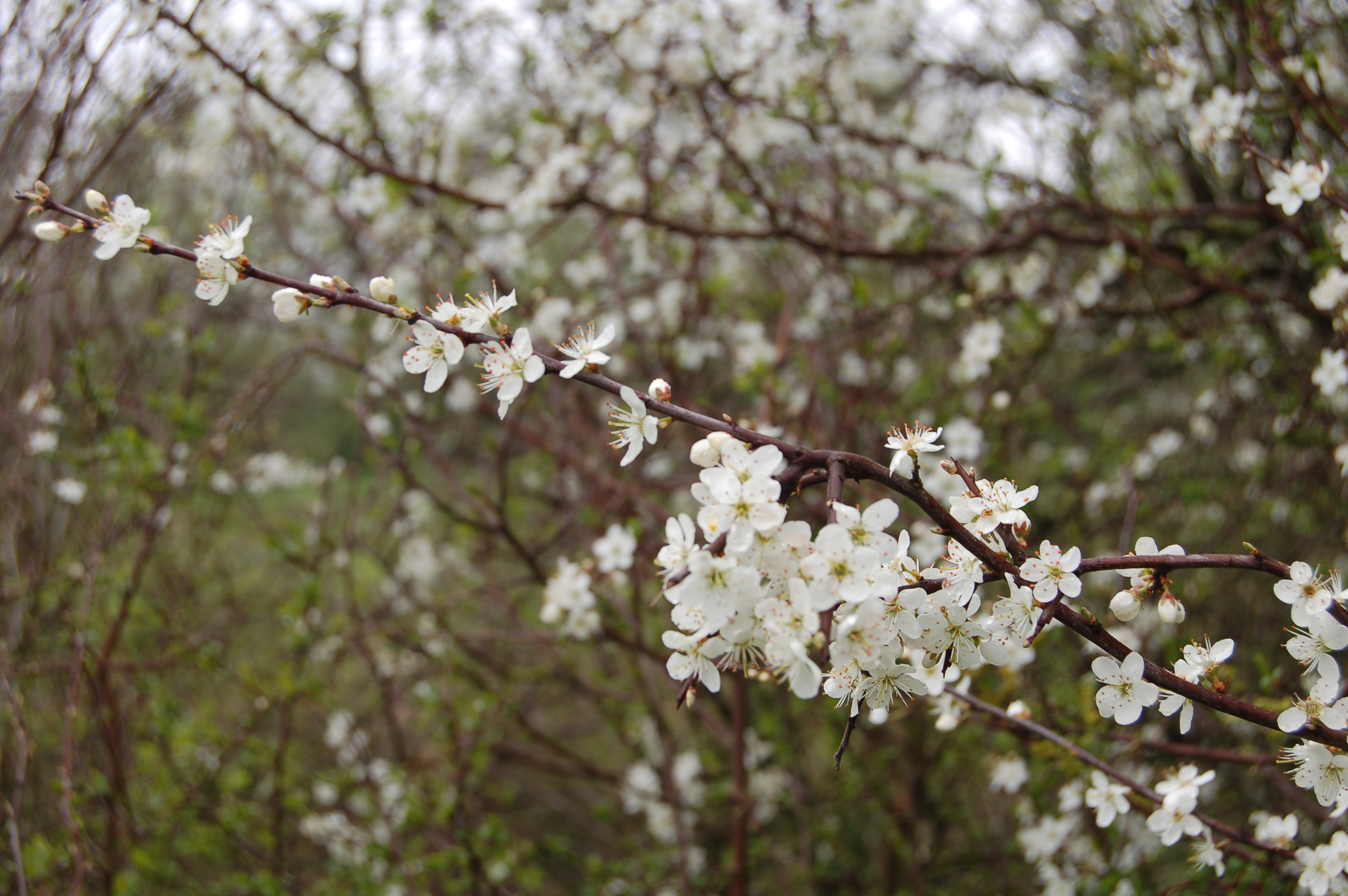
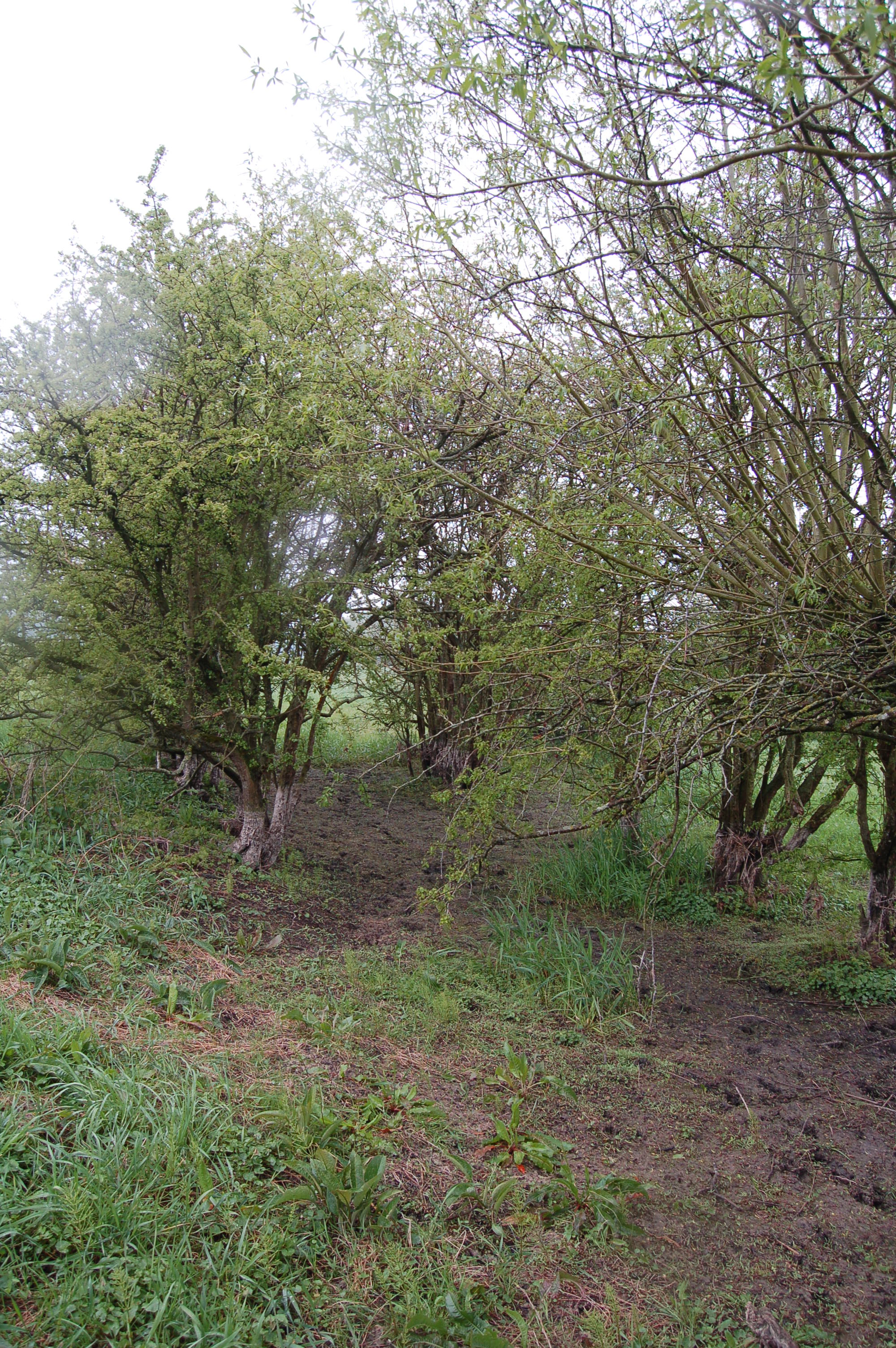
The last part of our wander around this wet meadow was alongside the river once again where Willow and Blackthorn trees grew happily in the damp soils.

2014 04 21_8298 2014 04 21_8297 2014 04 21_8296 2014 04 21_8421

2014 04 21_8295   2014 04 21_8292   2014 04 21_8288 2014 04 21_8465

2014 04 21_8278

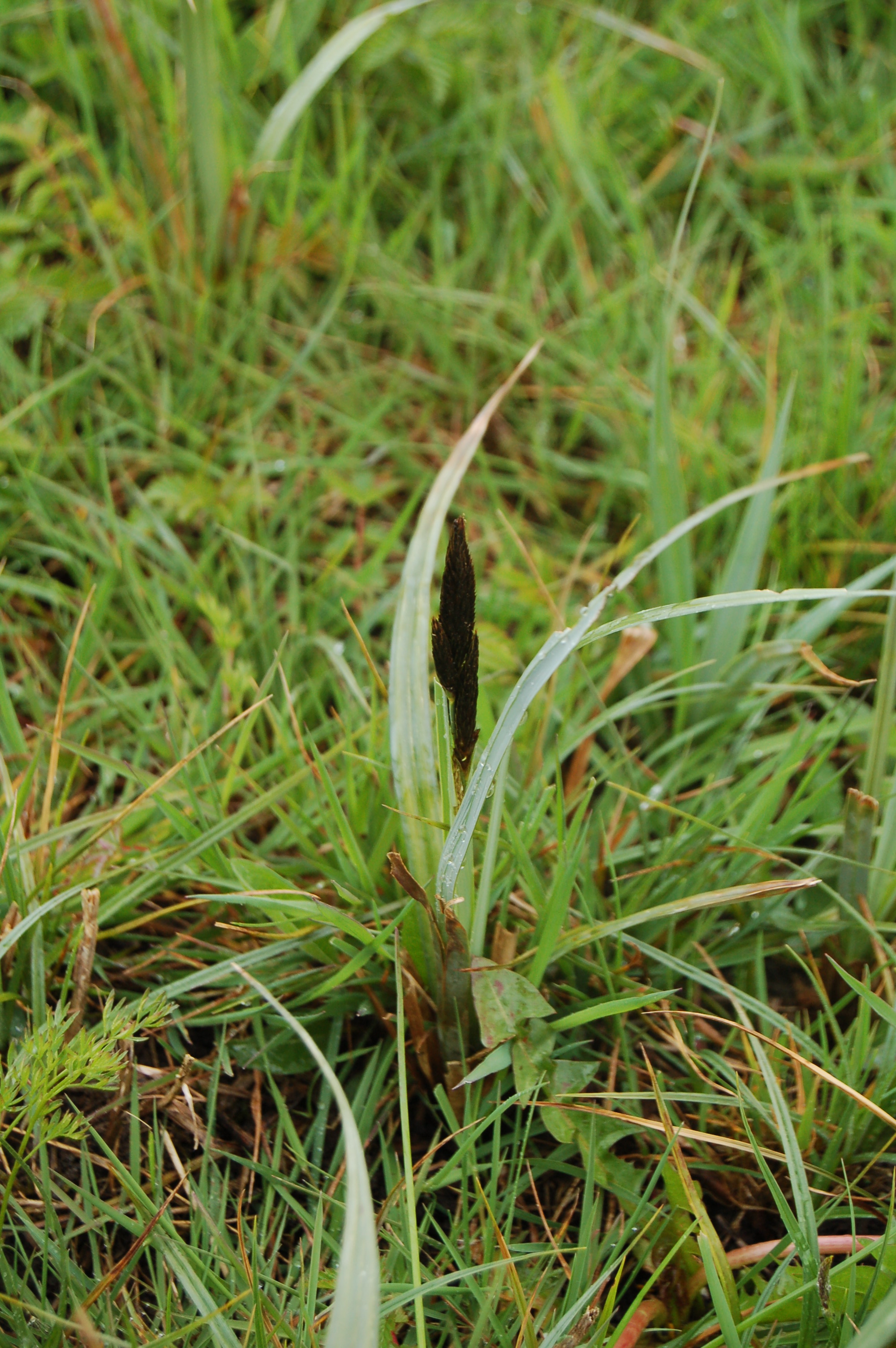
In a very damp patch we came across a clump of this very unusual looking sedge with its jet black flowers thus finishing off our visit to the field of Fritillaries with a mystery as we had no idea what it was.

2014 04 21_8286 2014 04 21_8285

As we left the reserve we just had to stop and admire this old and very unusual toll cottage.

2014 04 21_8495

Categories
birds countryside hedgerows landscapes nature reserves swallows trees wildlife woodland woodlands

Up on the Downs – a wander on chalk uplands.

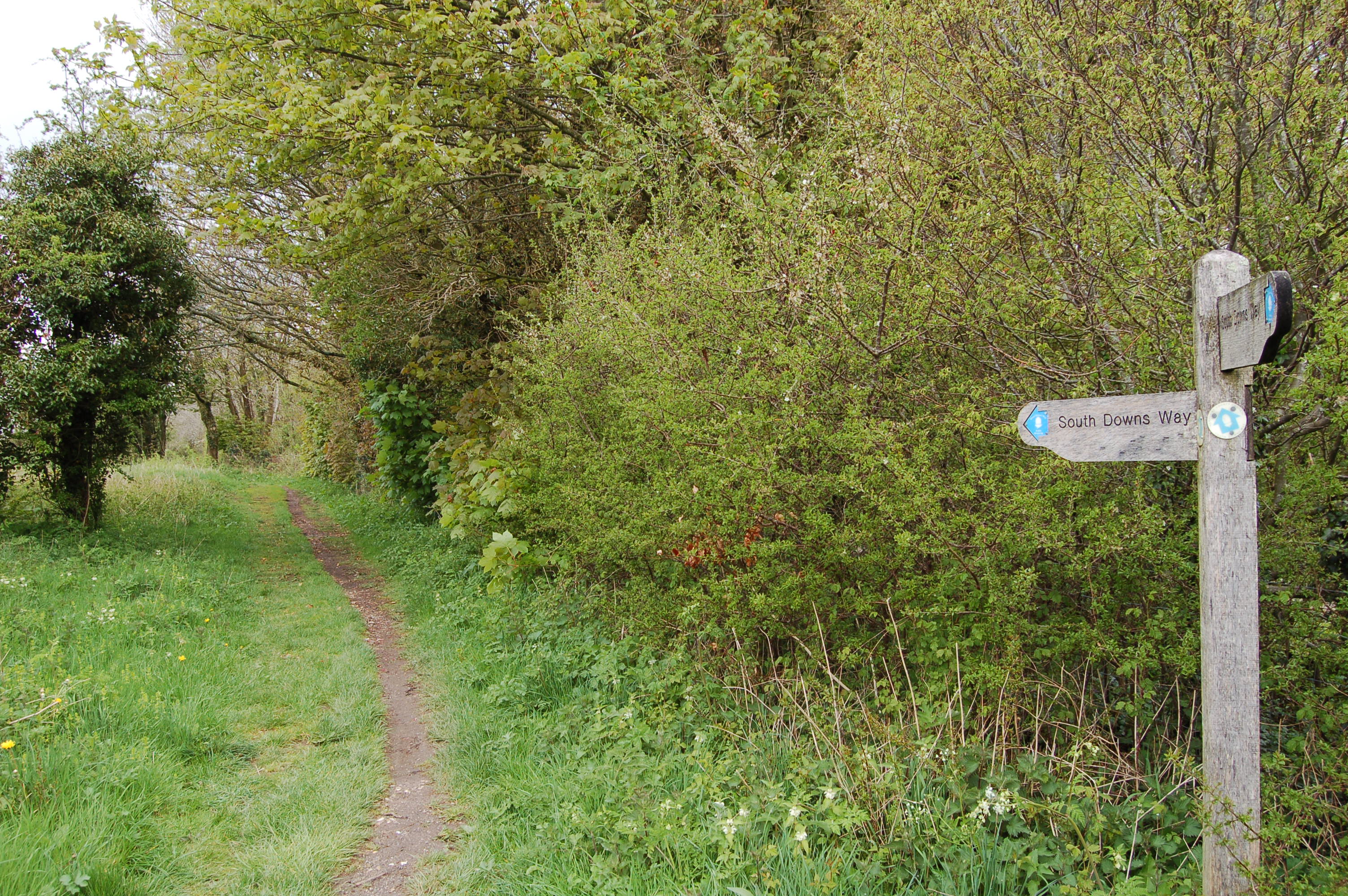
We have wanted to take a walk on the “Downs” for a while now and we have it written in our “to do” book. However whilst visiting my brother, Graham and his wife Vicky in Farnham  we took the opportunity to make a half hour drive  which led us to the car park at the start of a gentle walk along Old Winchester Hill. The panoramic views gave an added incentive to get going despite a cold, biting wind.

2014 04 22_85542014 04 22_85552014 04 22_8556

Although it is still relatively early in the year we had expectations of seeing site specific plants and birds. We were not to be disappointed.

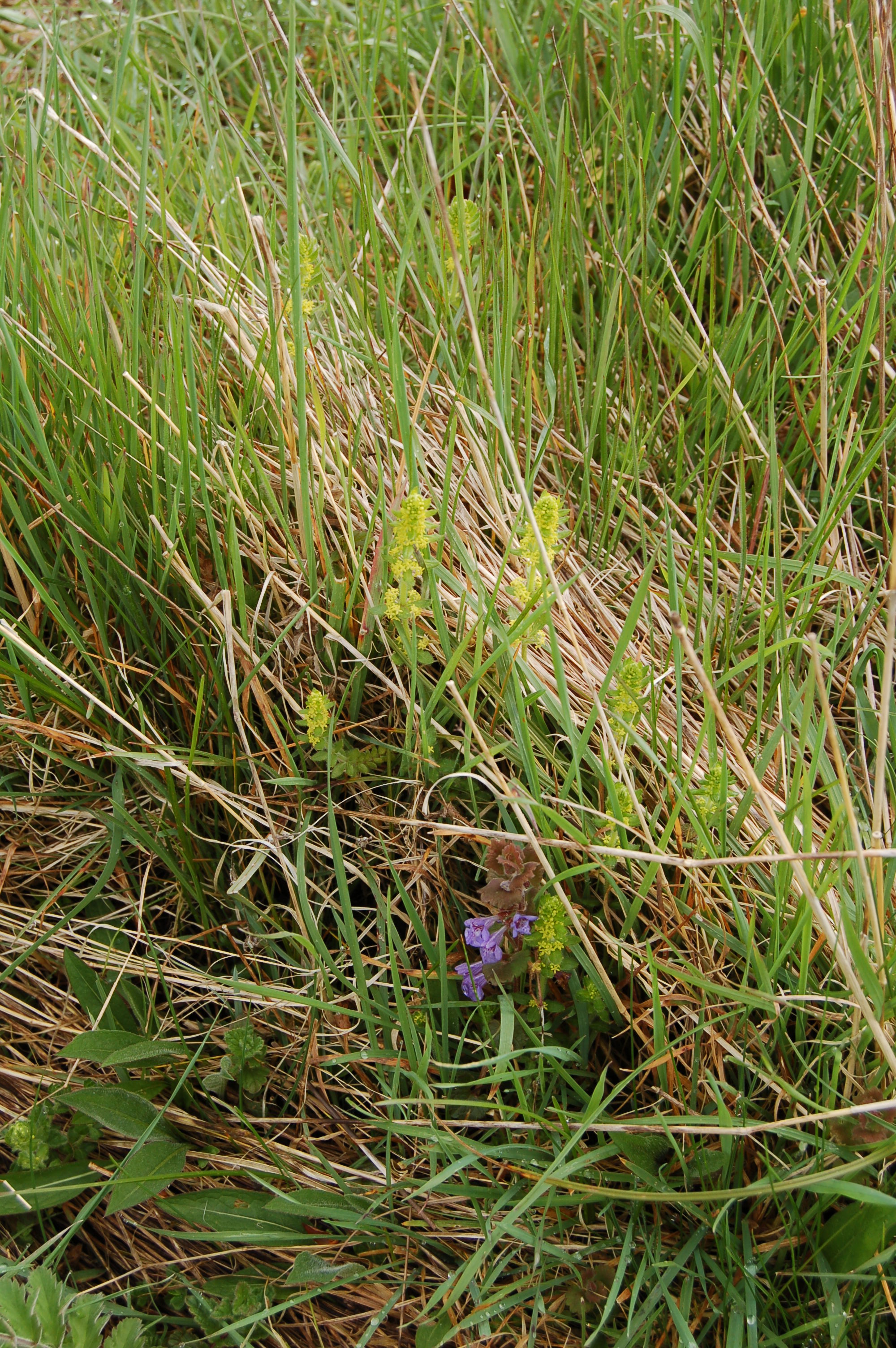
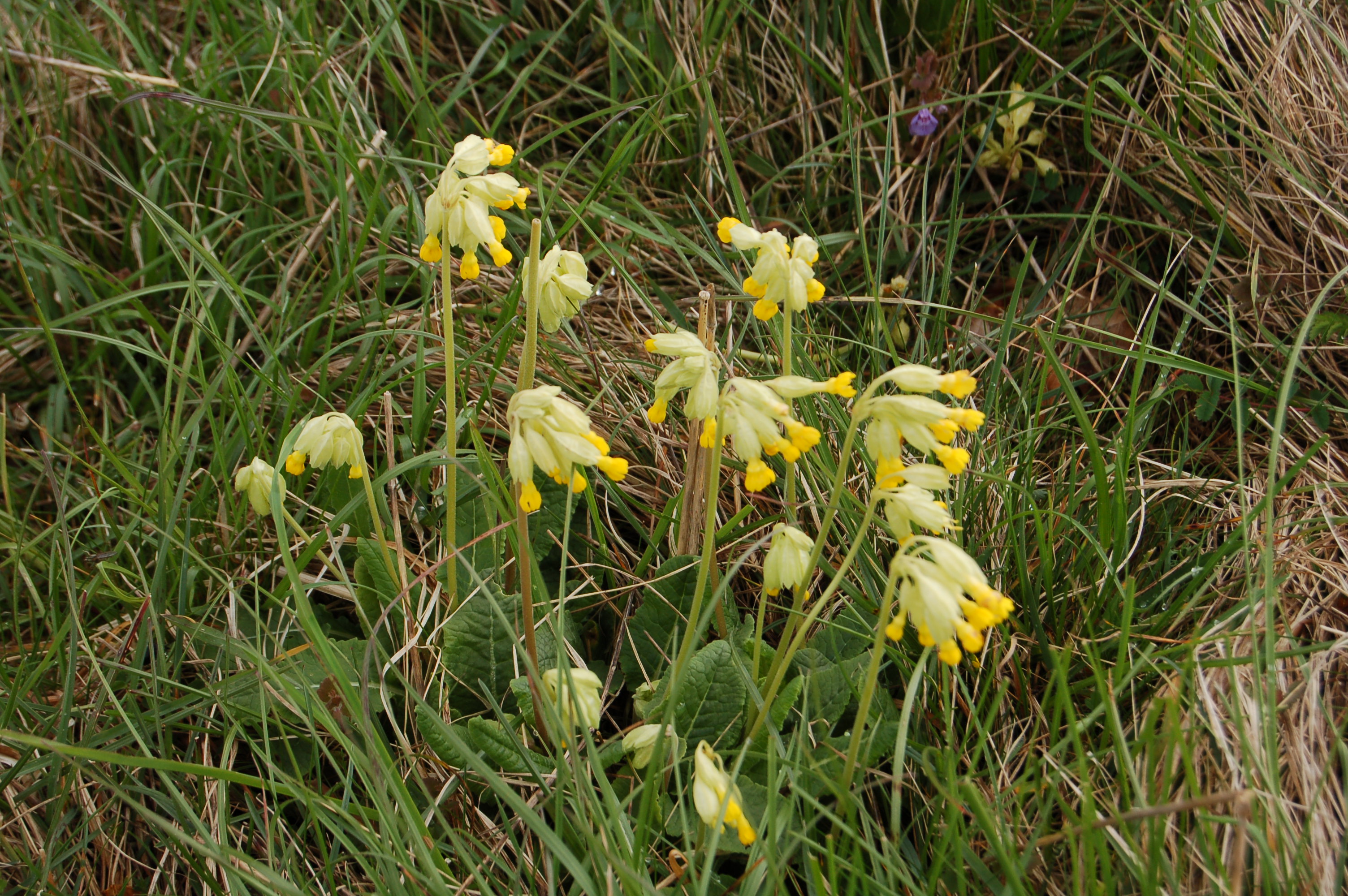
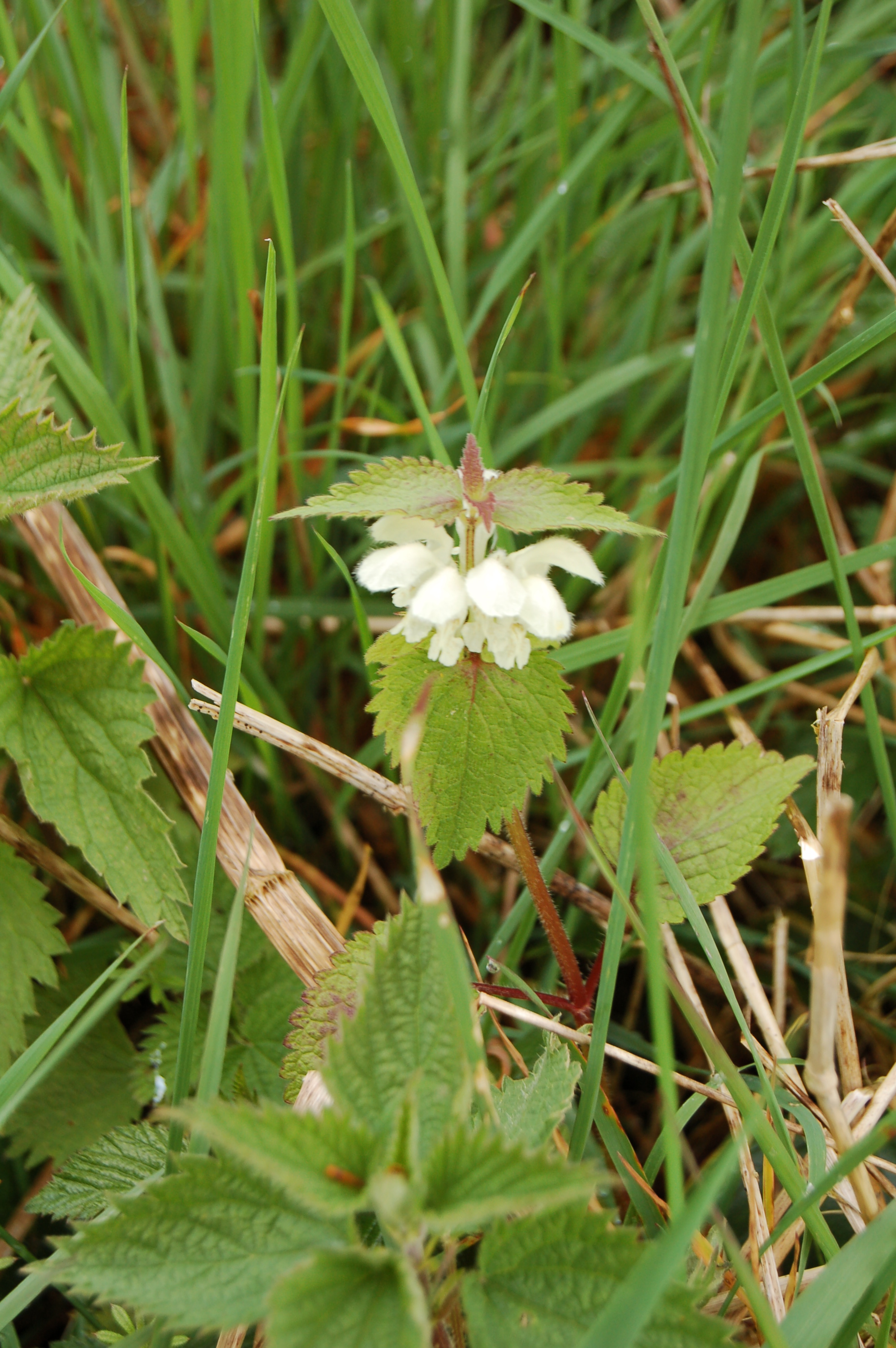
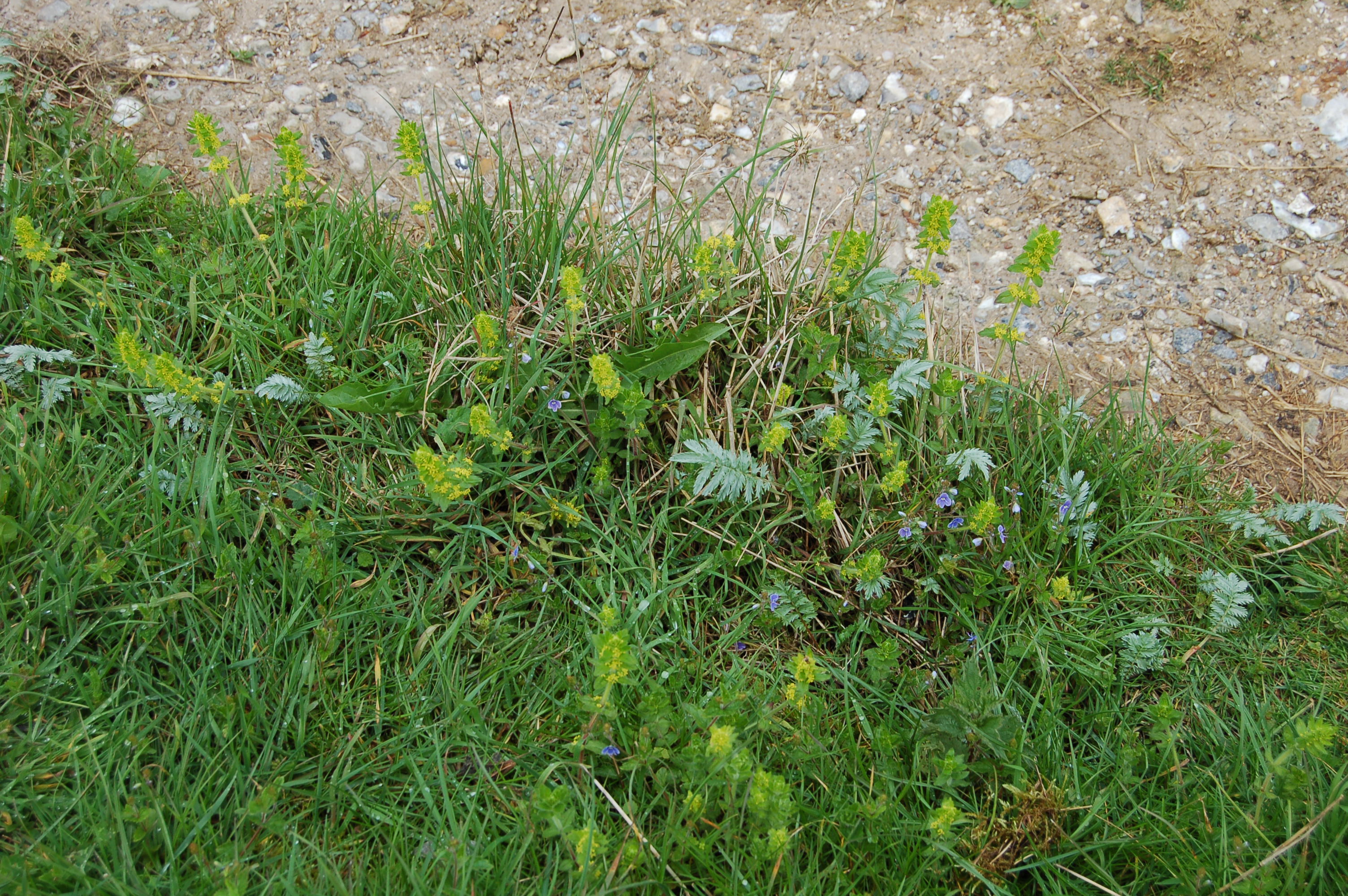
Lady’s Bedstraw, White Deadnettle and Cowslip were probably the most frequently occurring flowering plants.

2014 04 22_8557 2014 04 22_8558 2014 04 22_8559 2014 04 22_8560

2014 04 22_8562

It was good to see one of our native Euphorbias growing along the woodland margins. This Wood Spurge looked so similar to some we grow in our Plealey garden.

2014 04 22_8561 2014 04 22_8564

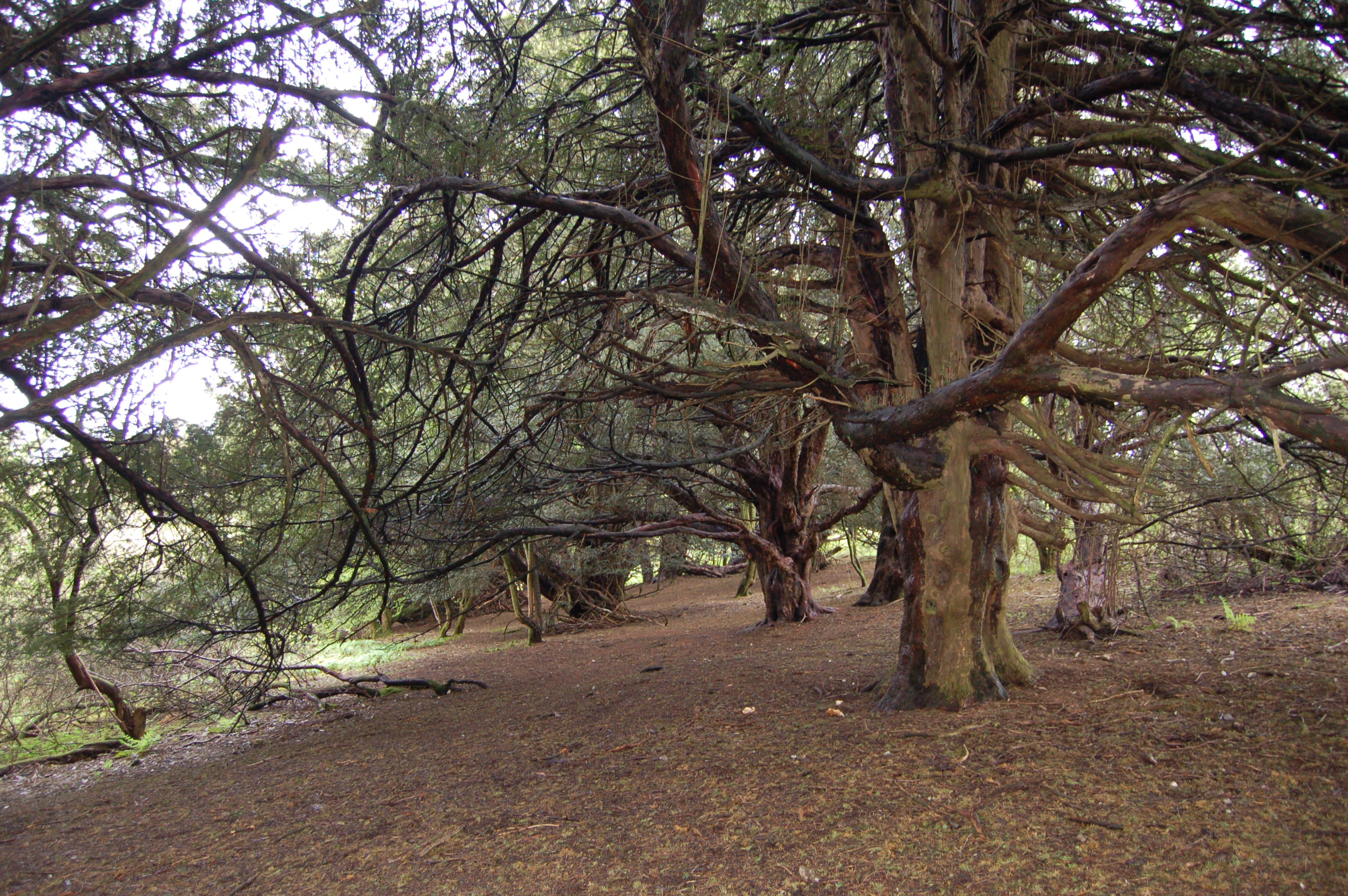
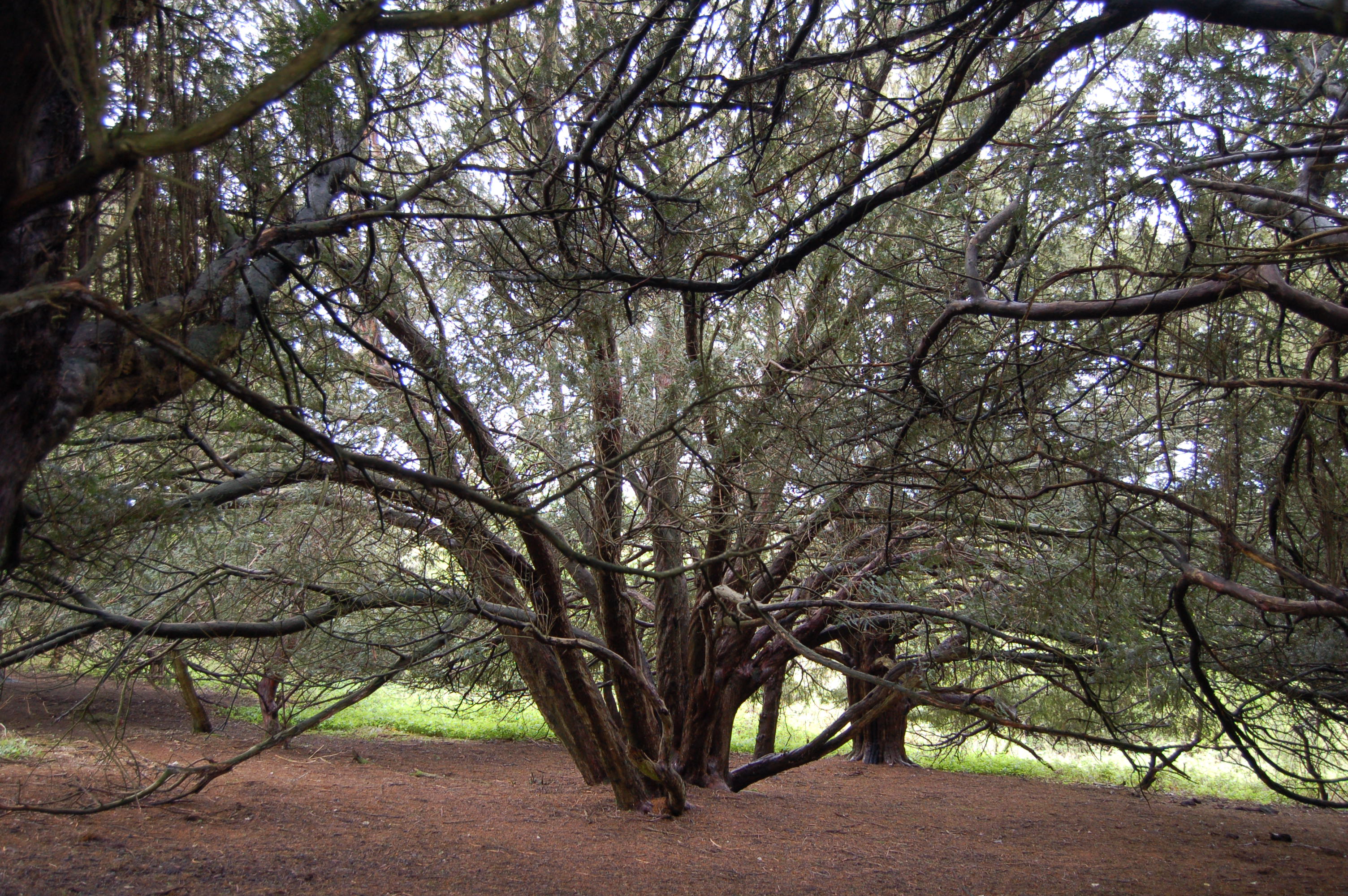
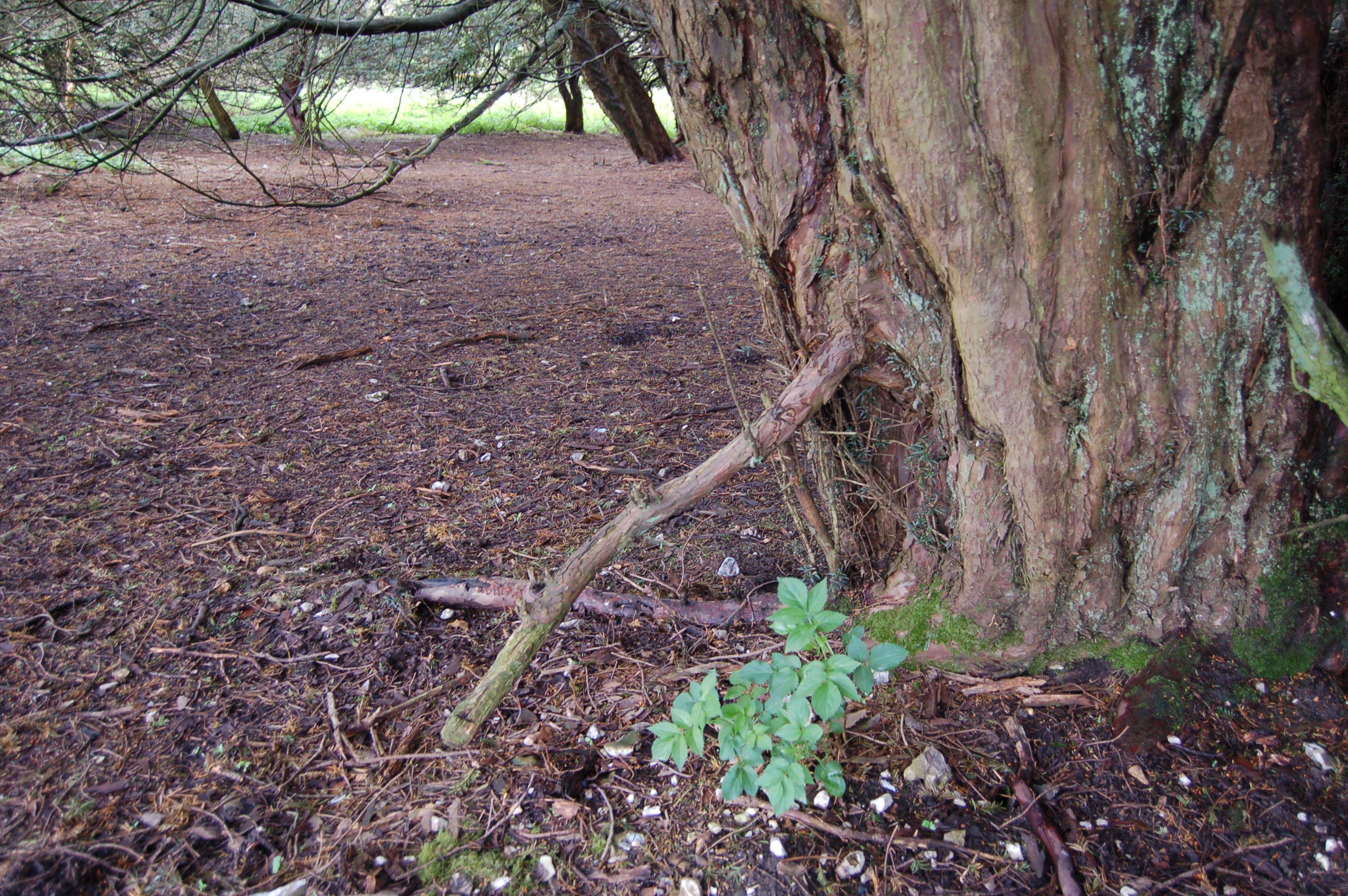
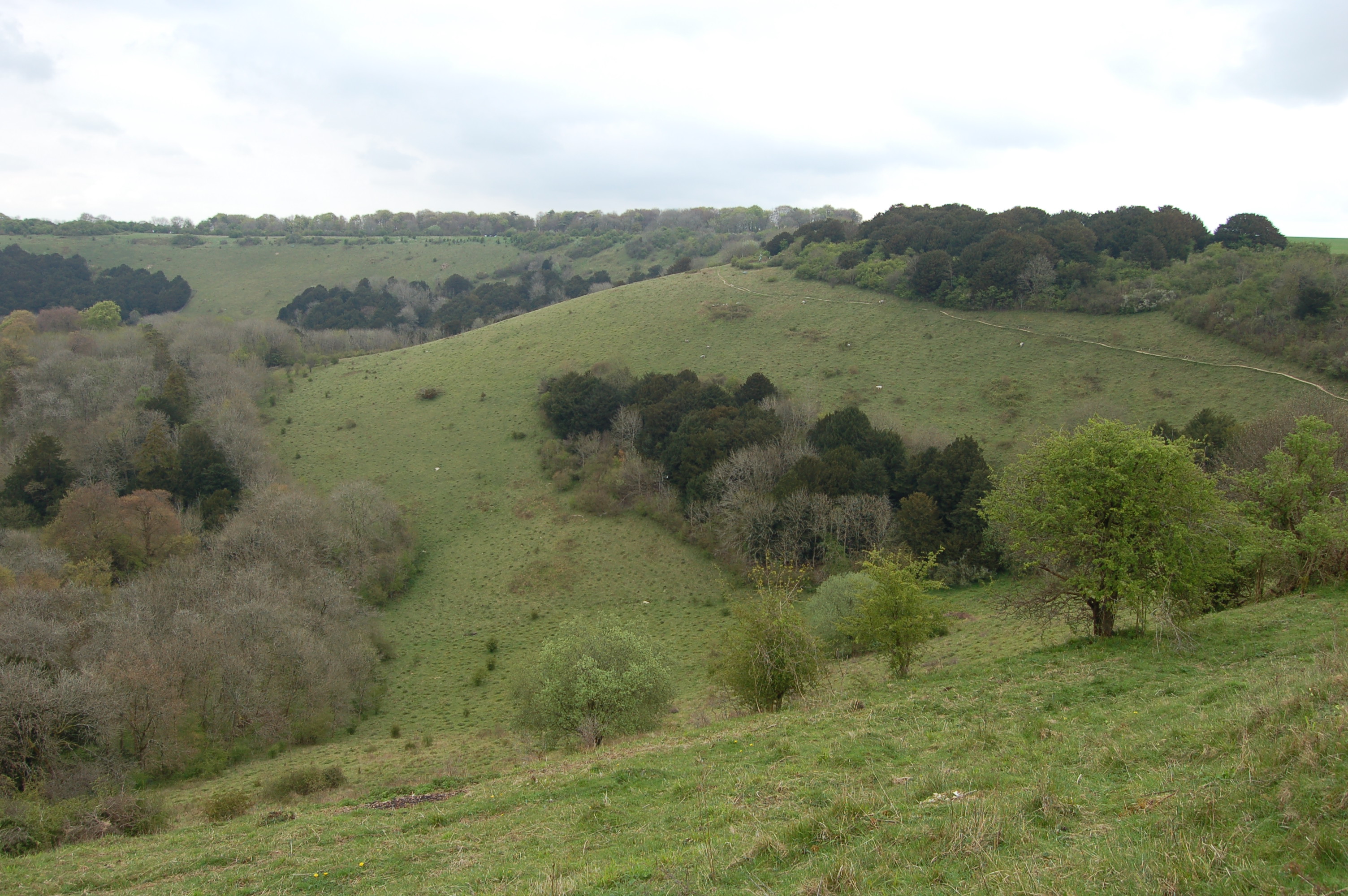
As we reached the end of the ridge the path changed direction and we walked along a track between woodland and open fields. The woodland birdlife was in full song with summer migrant Warblers joining the resident Robins and Dunnocks. Above our heads Swallows called constantly. Over the farmland the song of Skylarks and the calls of Lapwing, two of our ground nesting birds, was carried on the wind for us to enjoy. We were really surprised to see large areas of very mature yew trees growing within areas of the usual deciduous trees, as we do not see them growing like this at home in Shropshire. They formed dark patches on the hillsides. We ventured underneath them and all of us found them decidedly spooky as they cut out all sound and much of the light leaving us in gloom. Beneath them nothing ventured to grow, apart from one lone, brave Elder seedling.It is no wonder that they feature strongly in ancient myths and folklore.

2014 04 22_8566 2014 04 22_8567


2014 04 22_8568 2014 04 22_8569

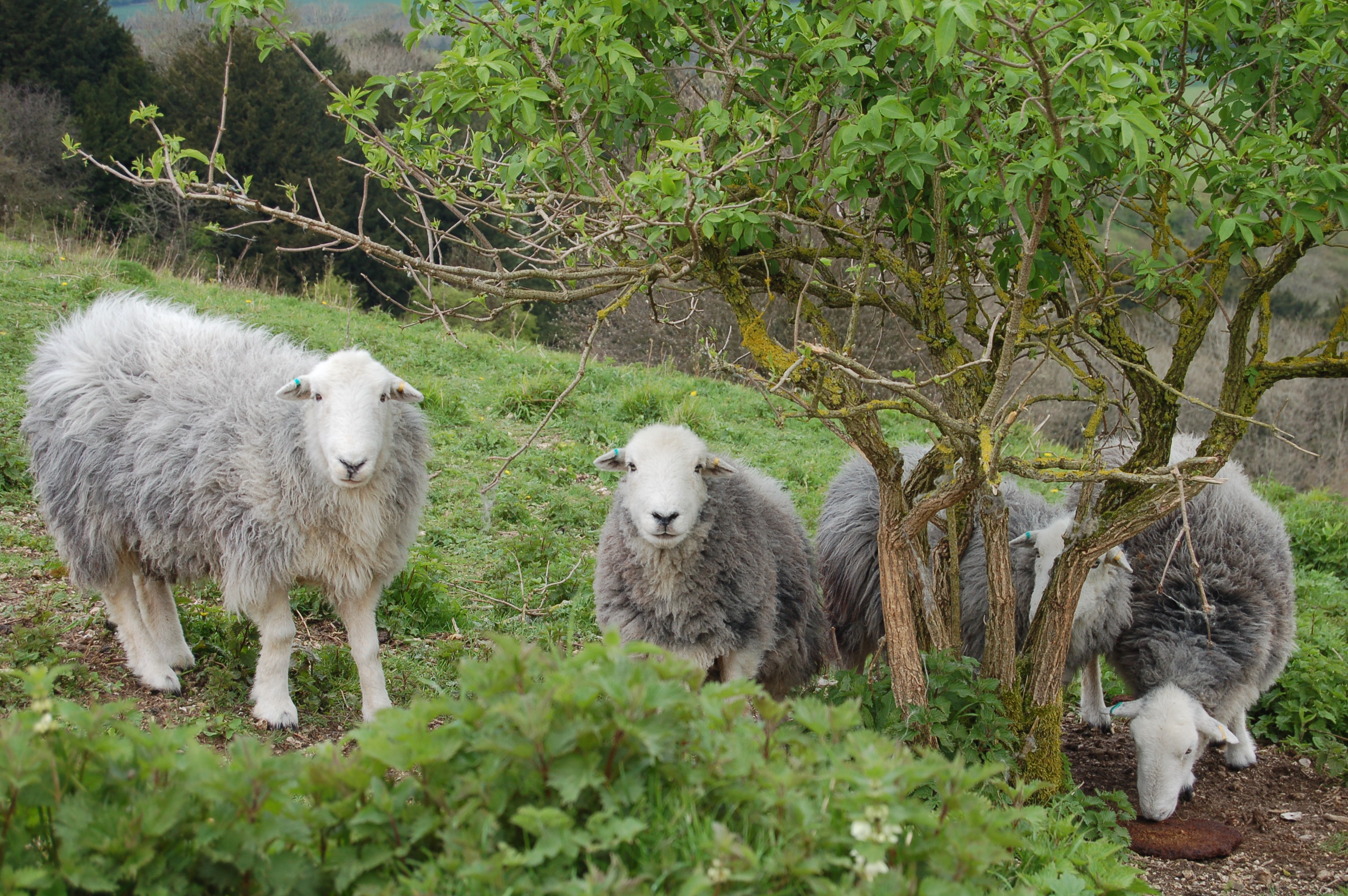
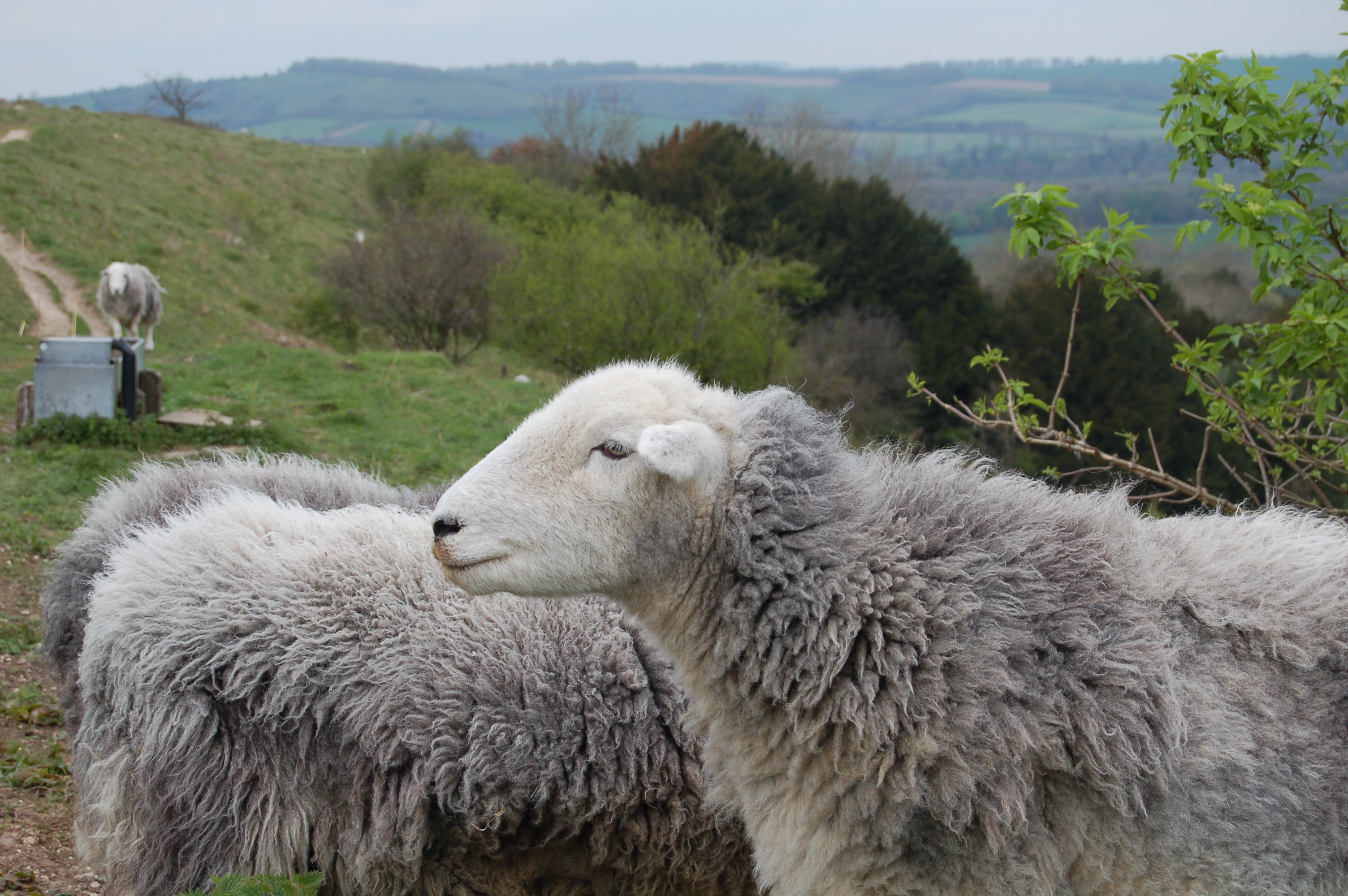
When we stopped for our coffee break on the only bench on the walk we were soon joined by a small flock of very inquisitive rare breed Herdwick Sheep, the sort I think that Beatrix Potter helped to save from extinction up on her Lake District farm.

2014 04 22_8575 2014 04 22_8576

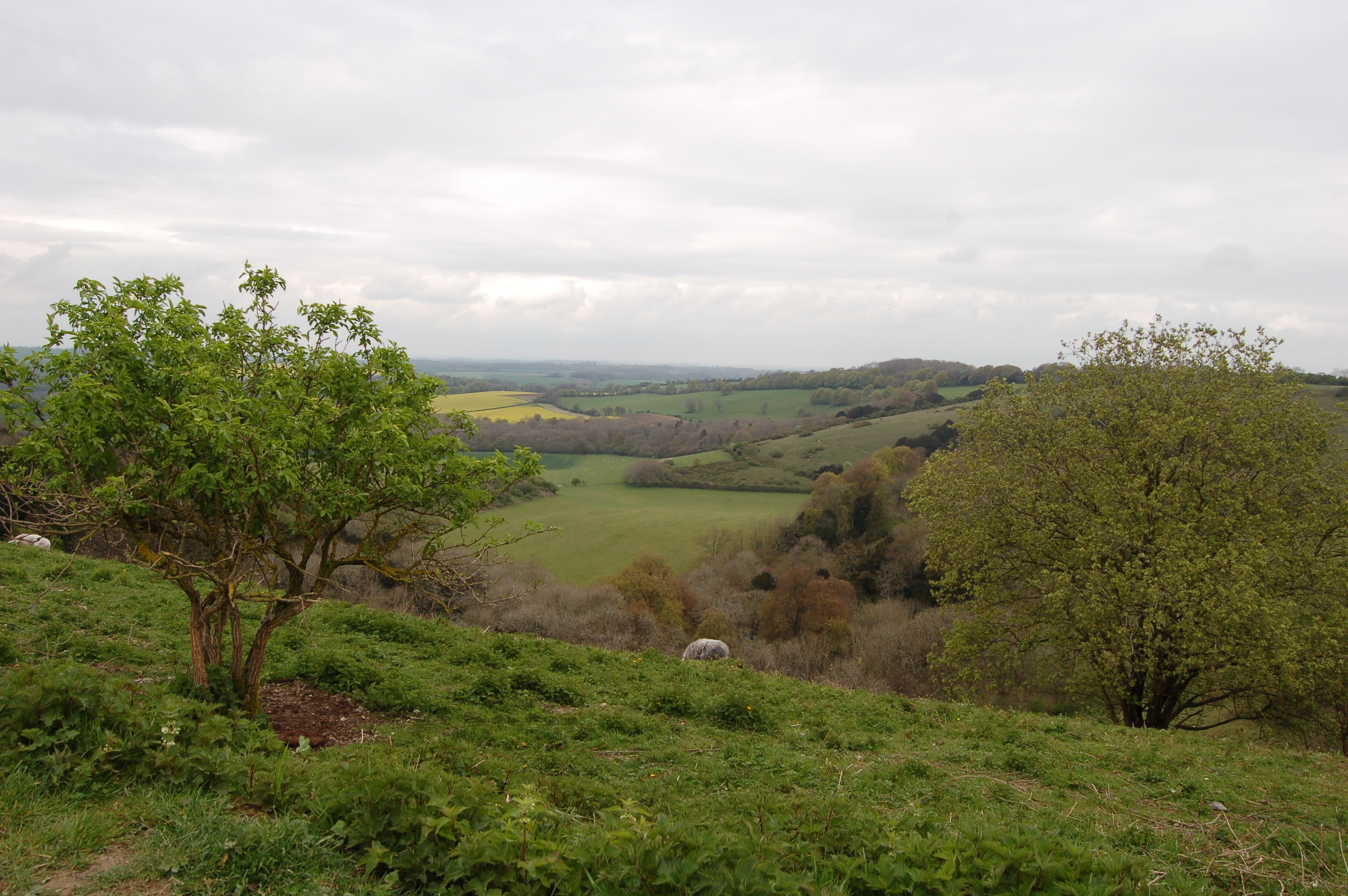
Beyond the sheep the views were stunning and far-reaching.

2014 04 22_8577 2014 04 22_8573

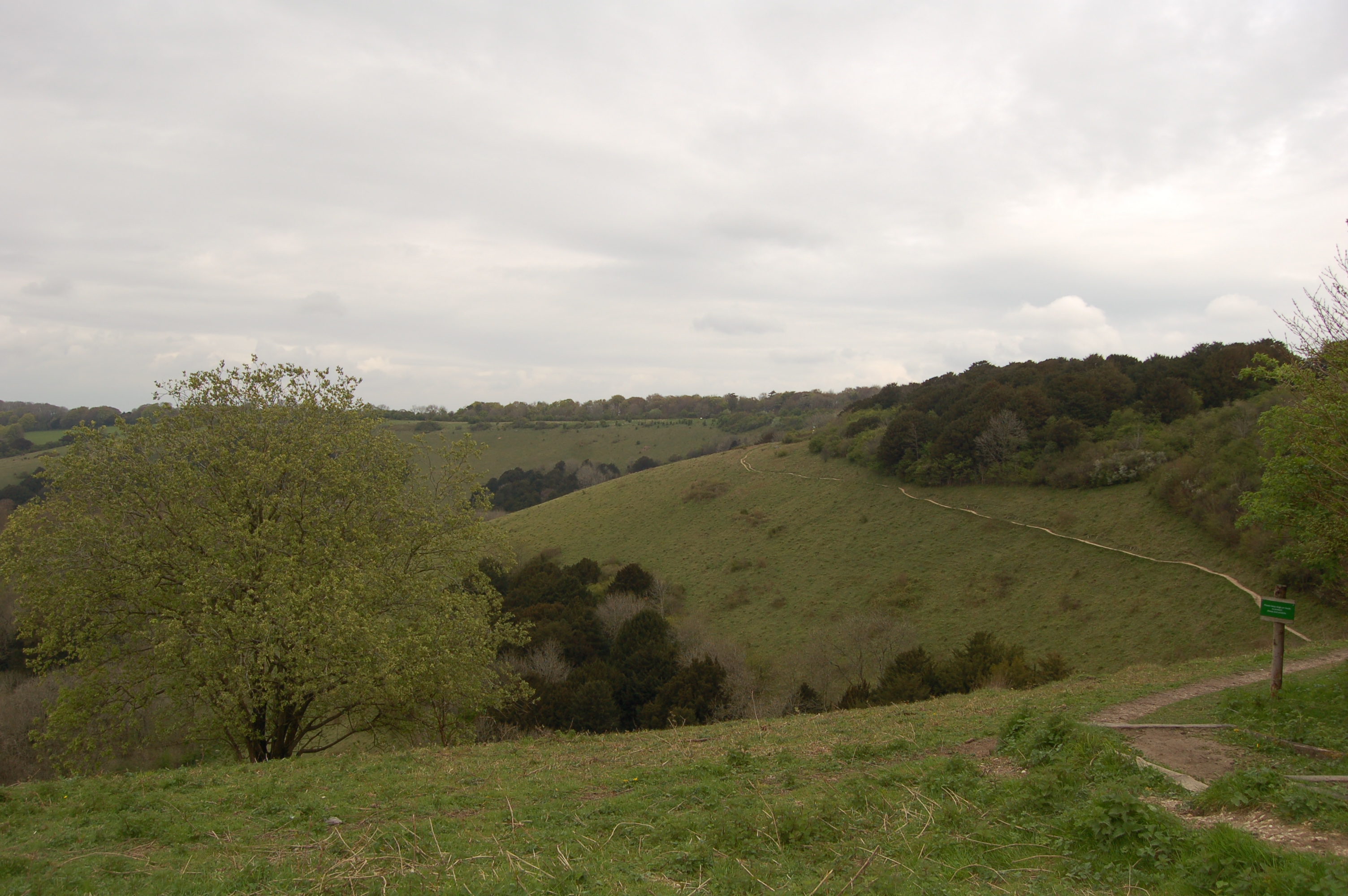
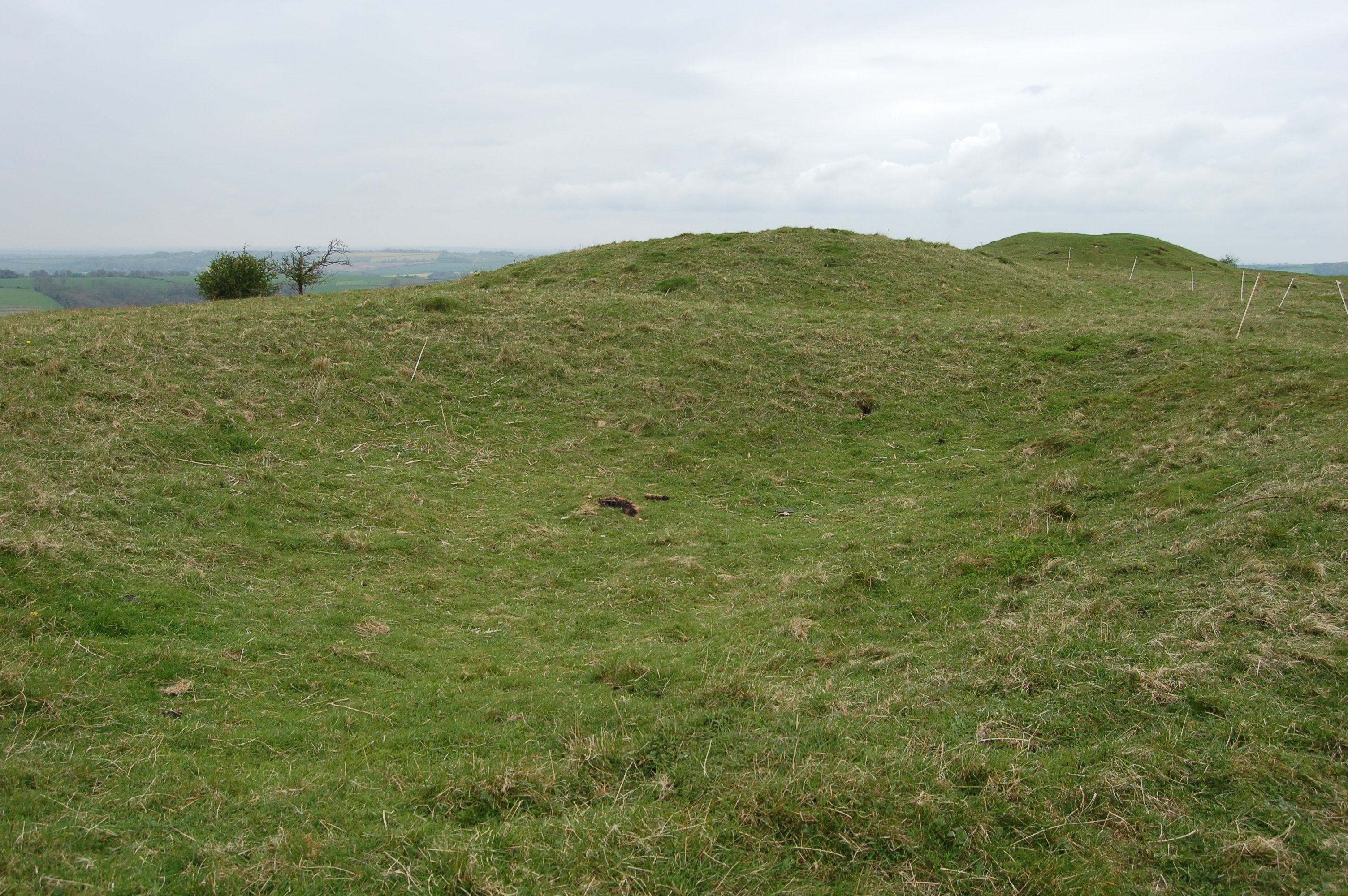
After our coffee break, with a slice of cake as well of course for added energy, we walked through the ancient hill fort with its Bronze Age burial mounds. It is amazing how interesting mounds of earth can be!

2014 04 22_8578 2014 04 22_8579 2014 04 22_8580

I shall finish off with one last view of this unique downland landscape and one of the wildflowers growing right alongside the track. We have waited a long time for our first walk on the Downs. It was worth the wait.

2014 04 22_8581 2014 04 22_8582

Categories
autumn countryside nature reserves photography reflections trees wildlife woodland

Our First Woodland Walk of the Autumn – Part Three

2013 10 06_4162_edited-1

We begin part three just as we draw close to the lake itself. The trees dripped with more moss and the fungi seemed to get more colourful.

2013 10 06_4154 2013 10 06_4155 2013 10 06_4156 2013 10 06_4157

2013 10 06_4173 2013 10 06_4174

2013 10 06_4111 2013 10 06_4114_edited-1

2013 10 06_4175

We reached the lakeside where we found the calm surface created the clearest of reflections.

2013 10 06_4159 2013 10 06_4160 2013 10 06_4162 2013 10 06_4163 2013 10 06_4164 2013 10 06_4165_edited-12013 10 06_4165

Our return journey along the woodland path afforded us glimpses of the hills that surround the lake and its wooded fringes.

2013 10 06_4166 2013 10 06_4167

2013 10 06_4170

2013 10 06_4169  2013 10 06_4171   2013 10 06_4168

So our memories of this lovely woodland walk have helped us escape the wild, wet and windy days of January. Now we can look forward to a warmer and brighter spring leading to an even warmer and even brighter summer!

Categories
autumn autumn colours countryside landscapes light light quality nature reserves photography Powis Powys reflections reservoirs trees wildlife woodland

Our First Woodland Walk of Autumn – Part Two

Back to Vyrnwy the woodland nature reserve of the RSPB based around a huge reservoir, where we continue our walk enjoying the sights, scents and sounds of an autumn wood.

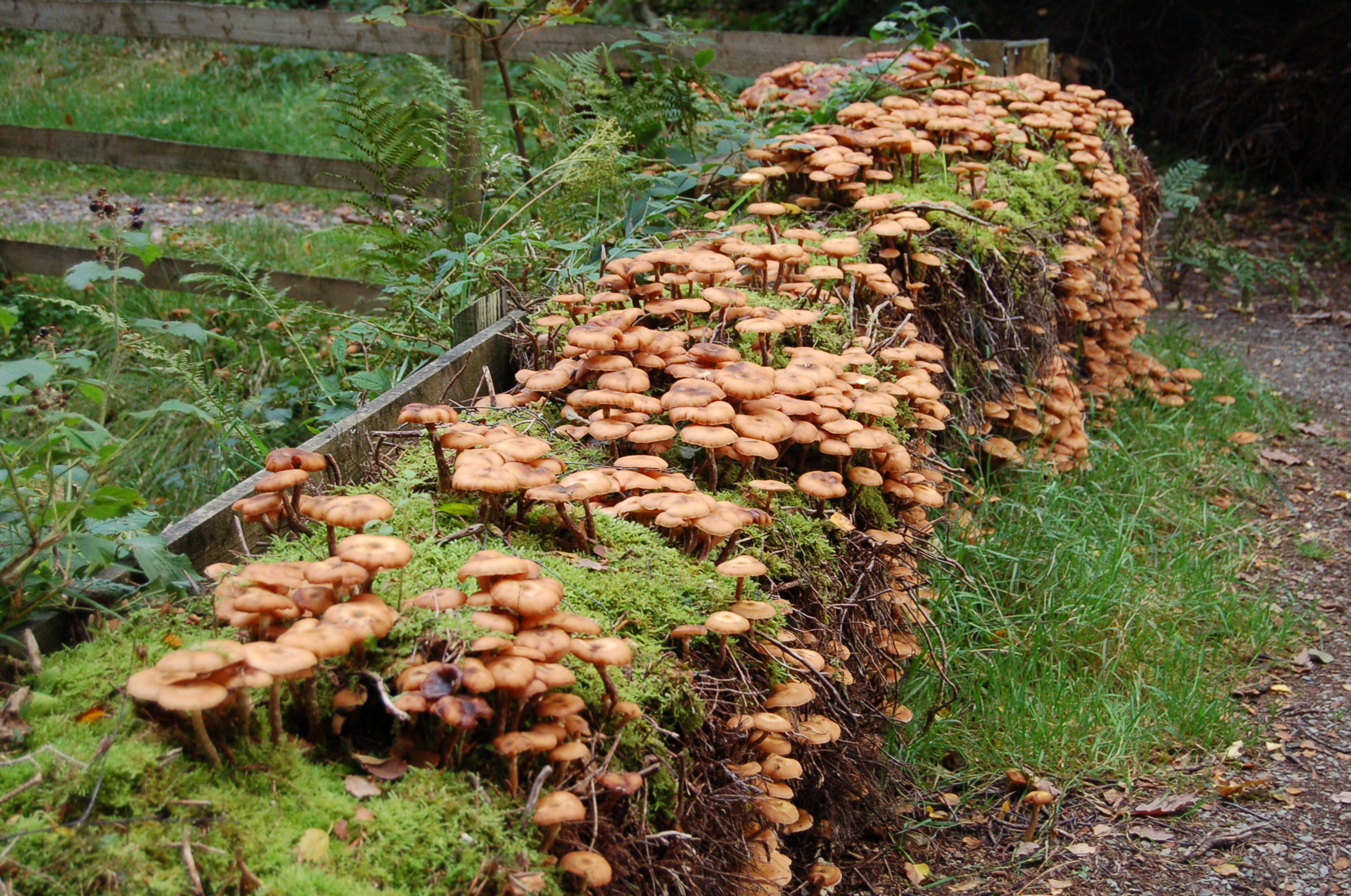
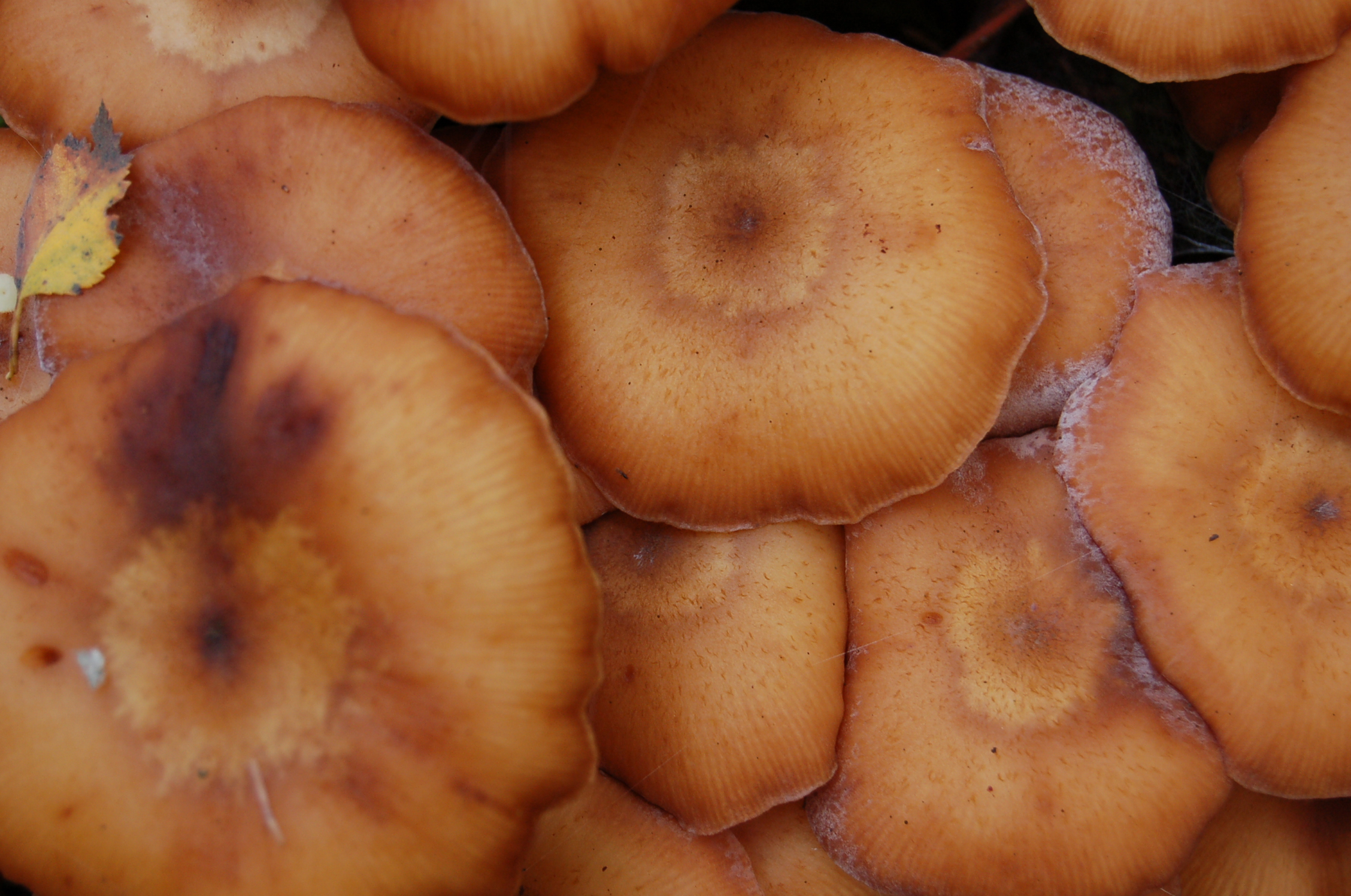
We moved on to where the path turns a corner and we cross a tiny stream over a wooden bridge. Today the bridge looked very different. Each side was covered in a growth of ginger brown fungi. We were literally stopped in our tracks in amazement! We had never before seen such a sight and probably never will again.

2013 10 06_4128 2013 10 06_4127 2013 10 06_4129 2013 10 06_4130 2013 10 06_4131 2013 10 06_4132 2013 10 06_4133 2013 10 06_4136

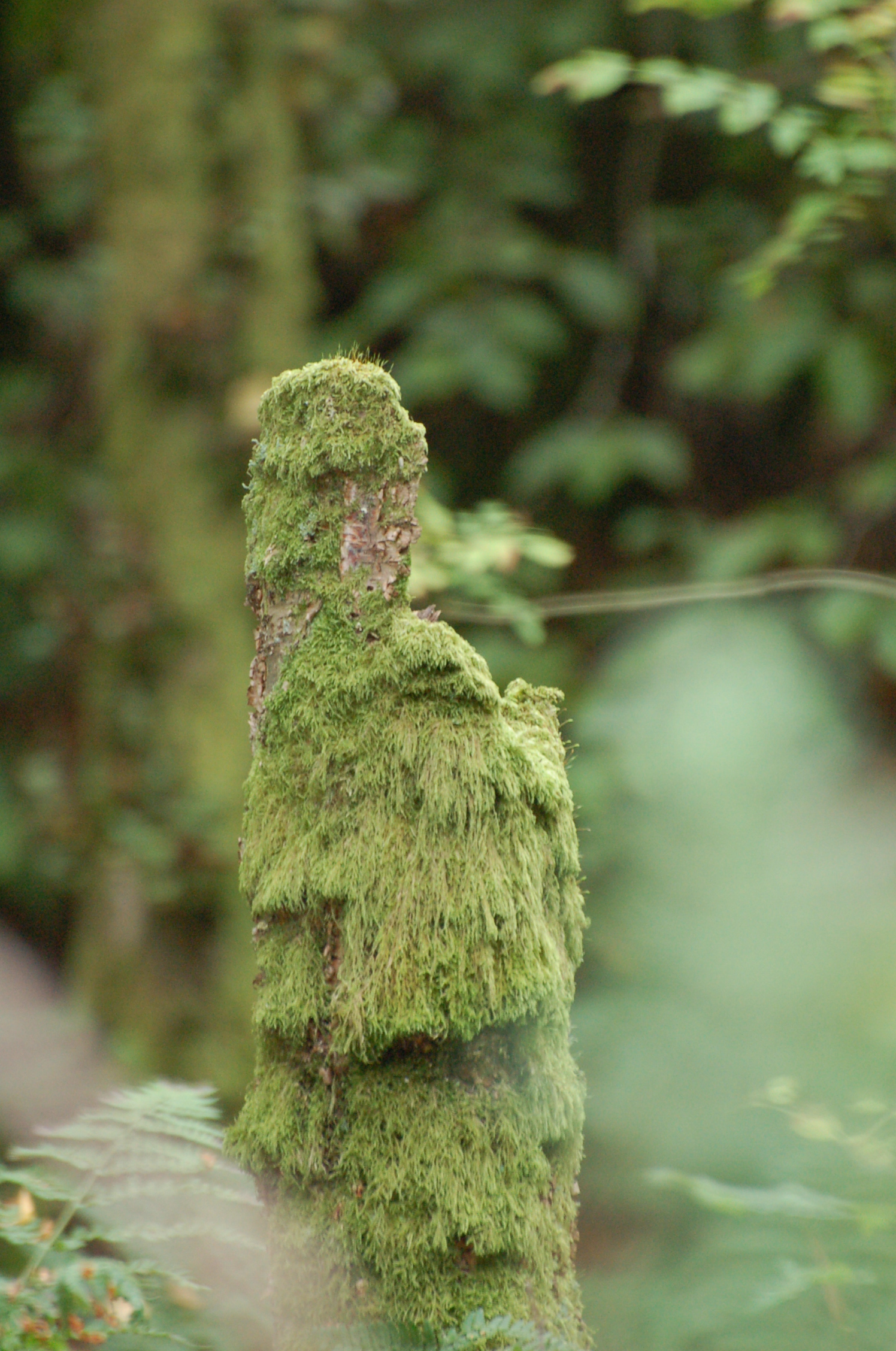
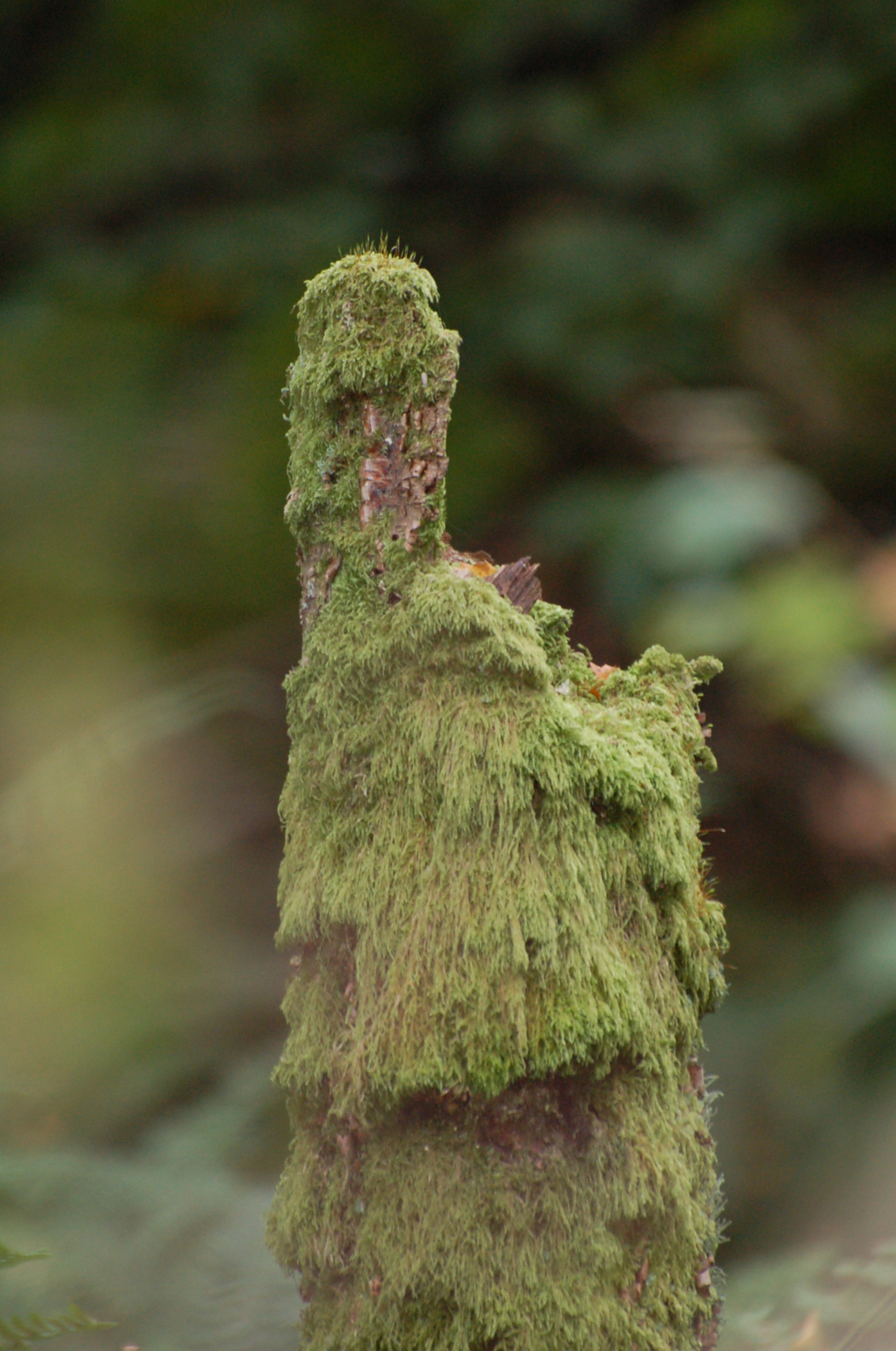
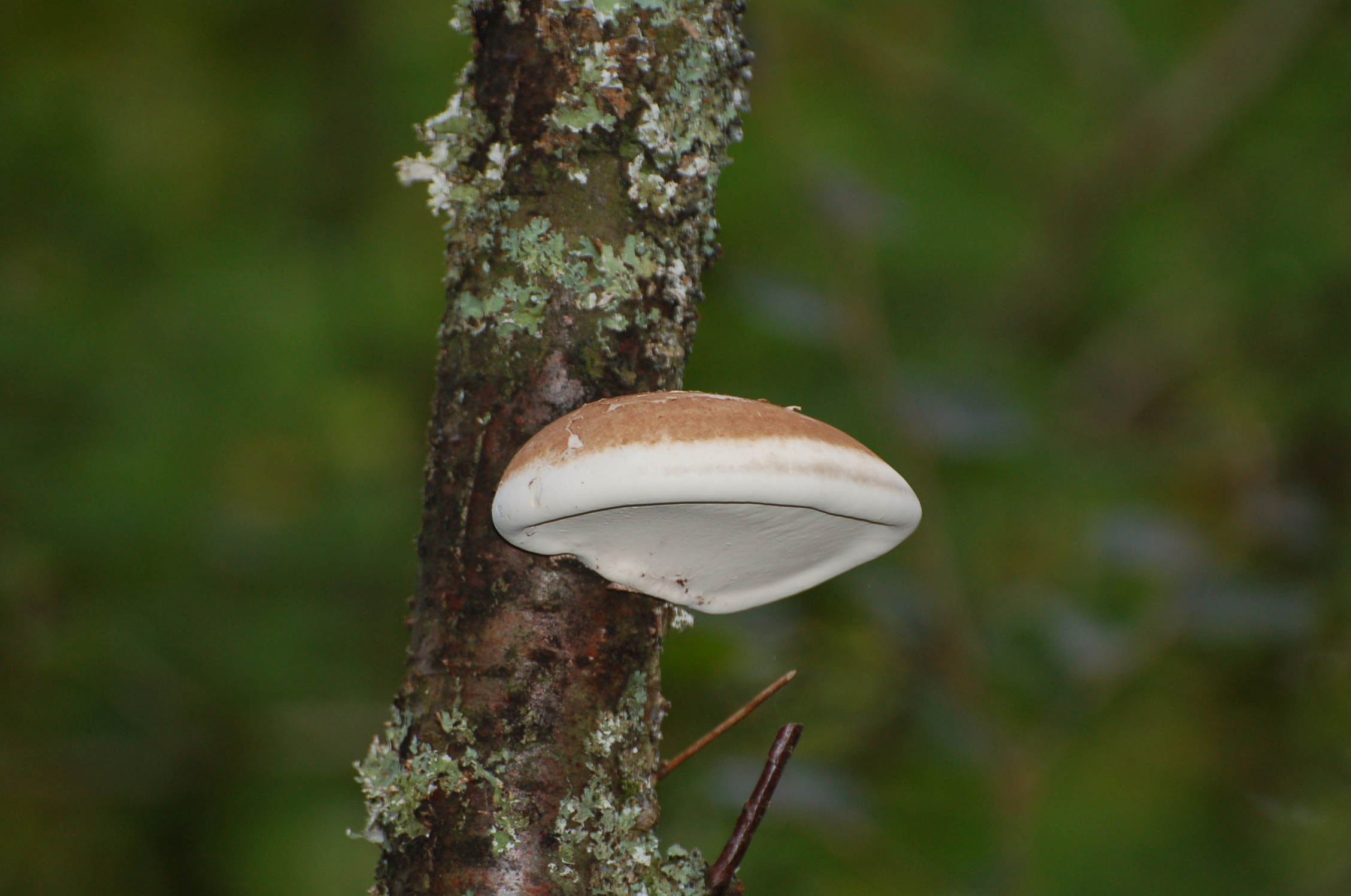
In the close vicinity the atmosphere was so humid that you could feel the dampness in the air. Moss enjoyed the sauna-like conditions and grew on tree trunks. The trunks dripped with the moss, making them look like little green figures beneath the trees. We continued to find a variety of fungi some of which grew high off the ground. One in particular looked as if a frisbee had been thrown so fiercely that it had dug deep into the tree trunk.

2013 10 06_4134 2013 10 06_4135 2013 10 06_4143

2013 10 06_4146 2013 10 06_4145

2013 10 06_4137 2013 10 06_4138

The humidity here, partnered with the bright light creeping through the branches, made the shades of greens and brown glow richly.

2013 10 06_4139 2013 10 06_4140 2013 10 06_4141 2013 10 06_4142  2013 10 06_4144   2013 10 06_4147 2013 10 06_4148 2013 10 06_4149 2013 10 06_4150 2013 10 06_4152 2013 10 06_4153

The air got damper and the shafts of sunlight lower as we passed this old moss-covered stone wall and reached the lake. We shall find the lake in the third and final part of my First Woodland Walk of Autumn – Part Three.

Categories
autumn autumn colours colours countryside light light quality nature reserves photography wildlife woodland

Our First Woodland Walk for Autumn – Part One

When the winter weather gets a bit grim for too many days in a row it is good to look back and remember good days out.

We look forward to our woodland walks each autumn. This year we started early as we enjoyed a great day wandering the woodlands around Lake Vyrnwy in mid-Wales. We made this foray early because we had a specific reason for going. We were in search of cones and bits of bark to use on our “Homes for Wildlife” day up on our allotments later in October when we intended to make lots of extra insect shelters and a big insect hotel.

We chose to walk in a section of tall statuesque conifers all with tall straight trunks and dark green glossy needles clothing their stems.

2013 10 06_4113 2013 10 06_4120 2013 10 06_4170 2013 10 06_4169 2013 10 06_4168 2013 10 06_4171

It was a warm bright day so the woodland was pierced with sharp rays of sunshine, highlighting fungi amongst the ferns and brambles at the base of the trees and adding magic to the fresh new colours of autumn.

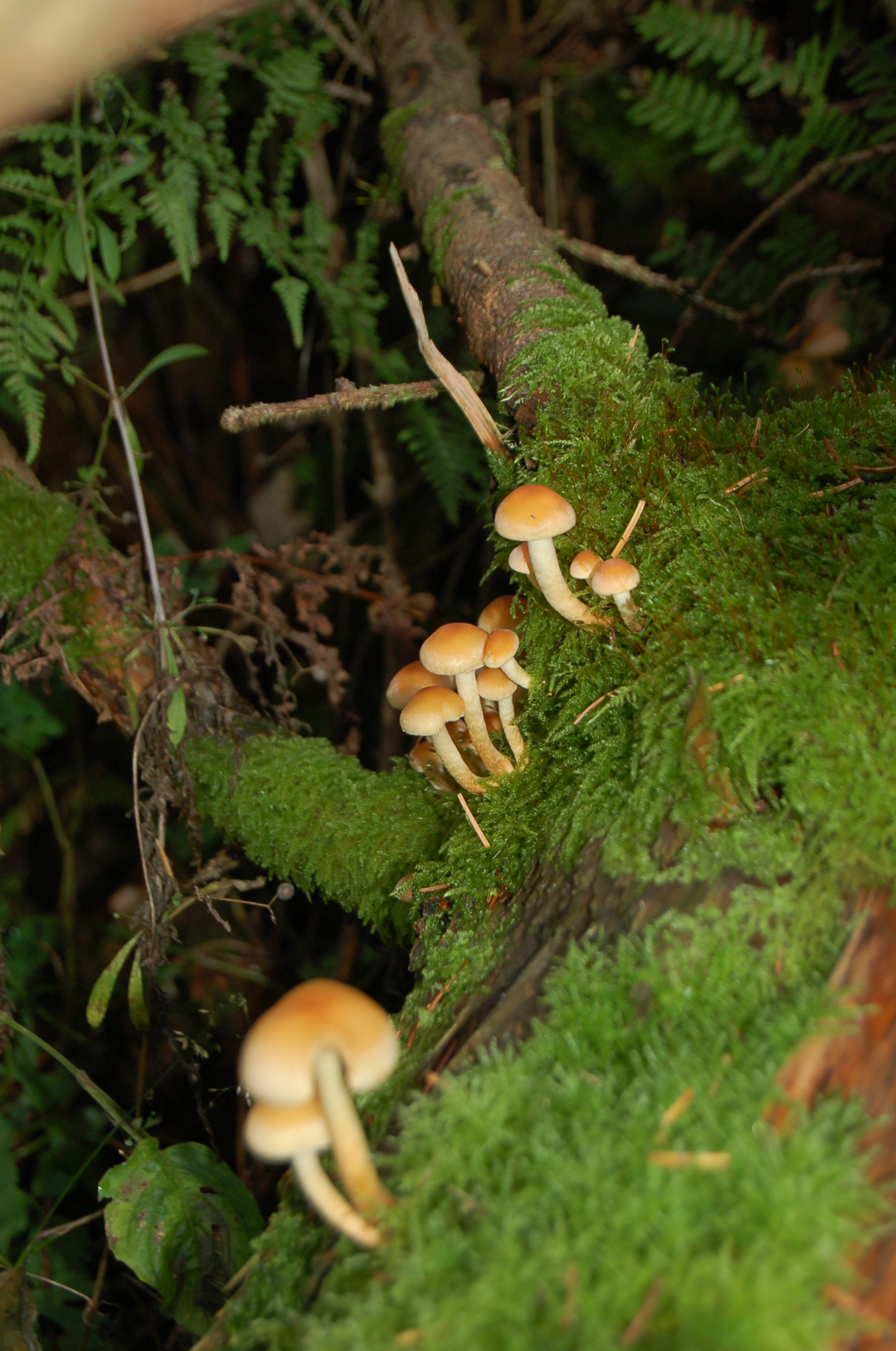
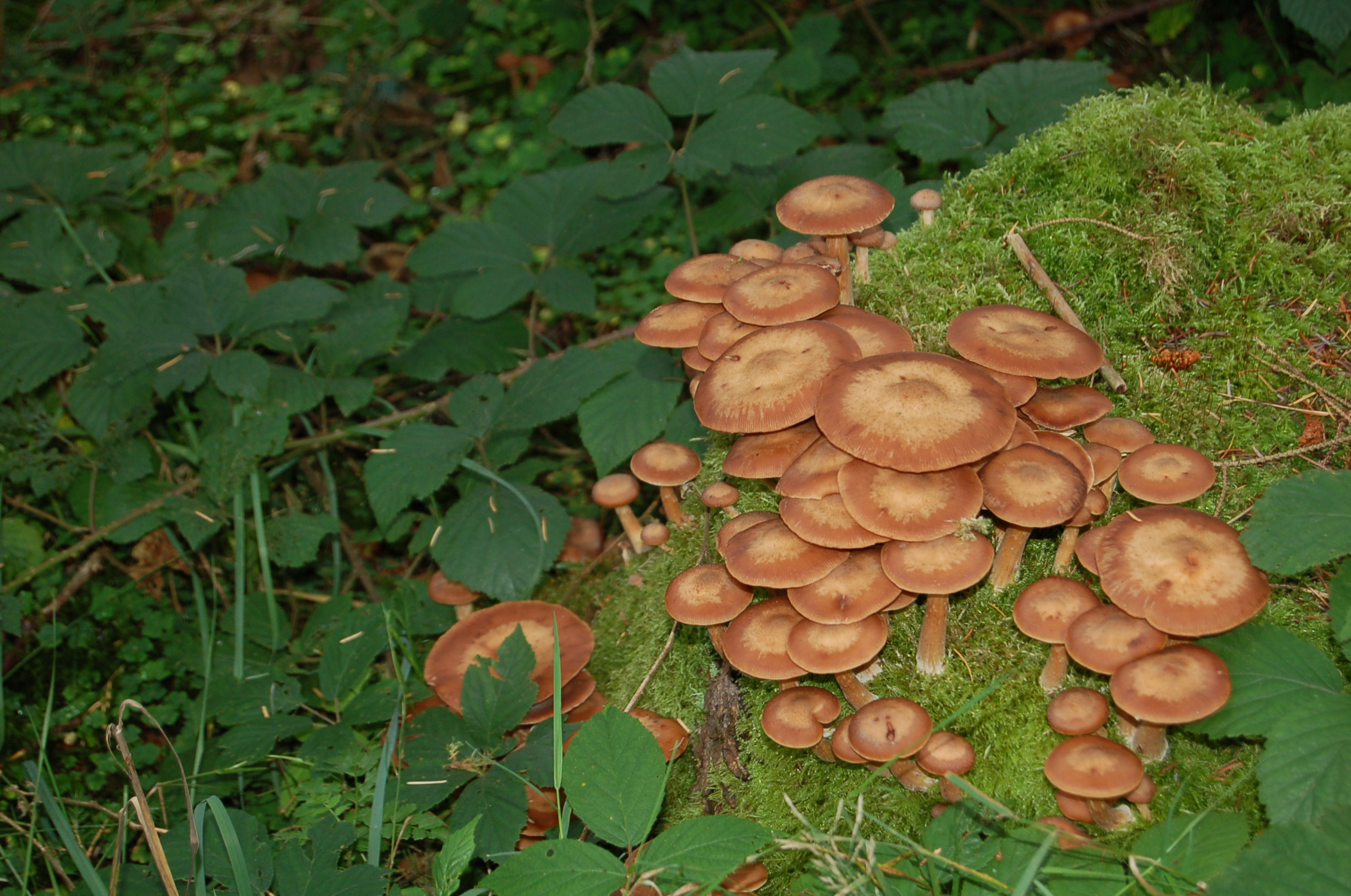
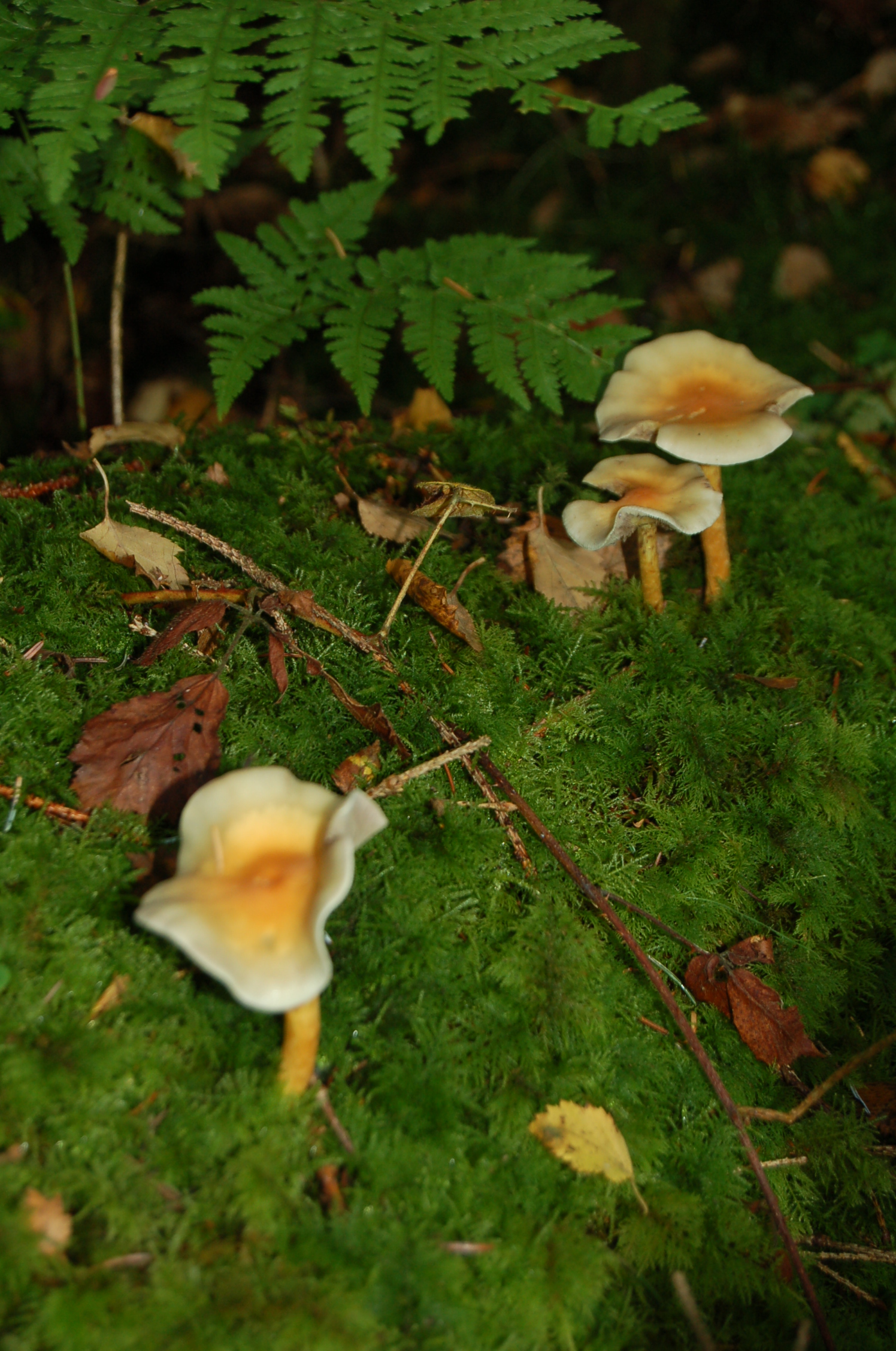
Fungi are the stars of the autumn woodland. We usually start looking out for them in September but with the seasons being a good four weeks behind this year we found our first here at Vyrnwy.

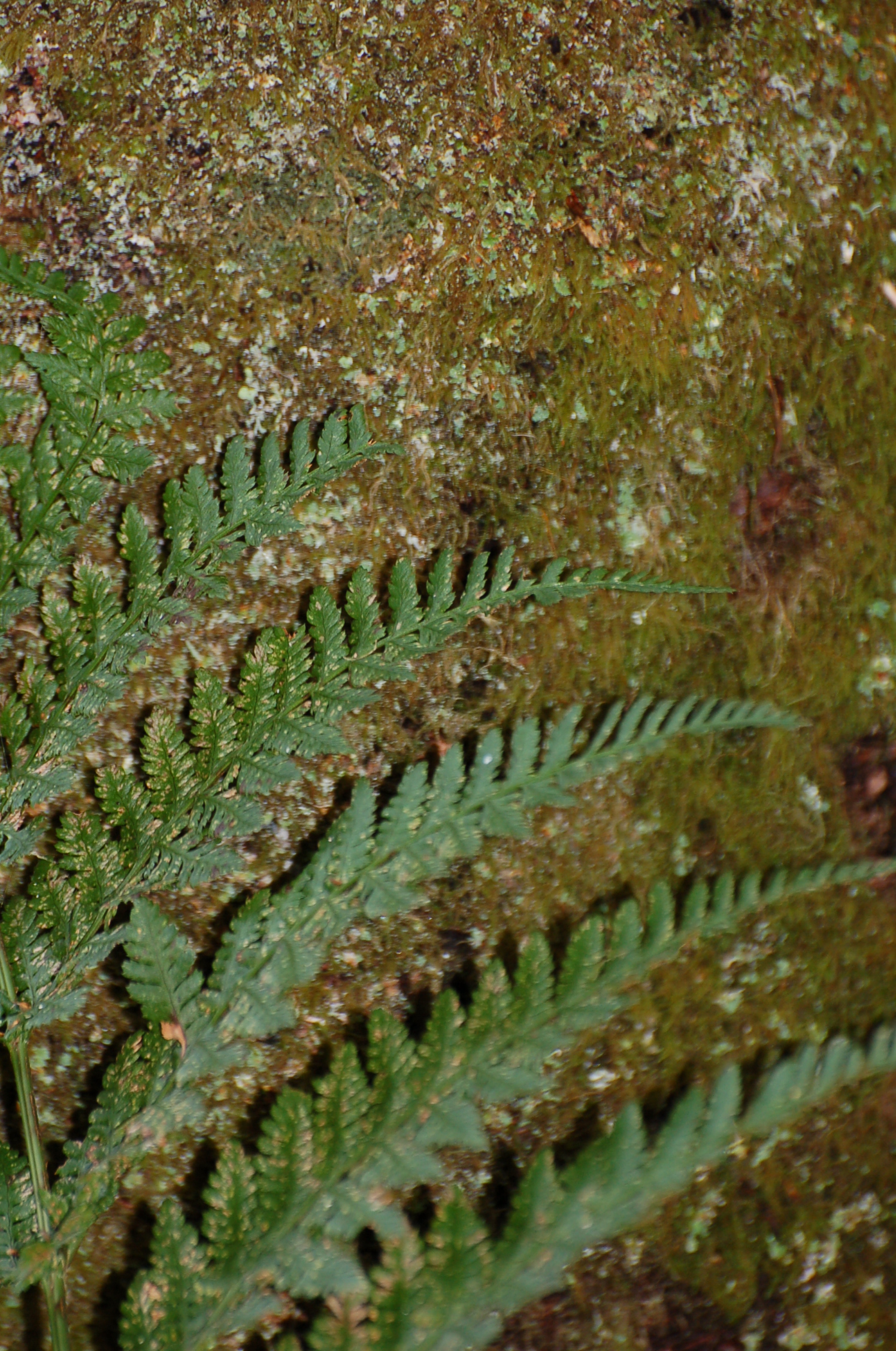
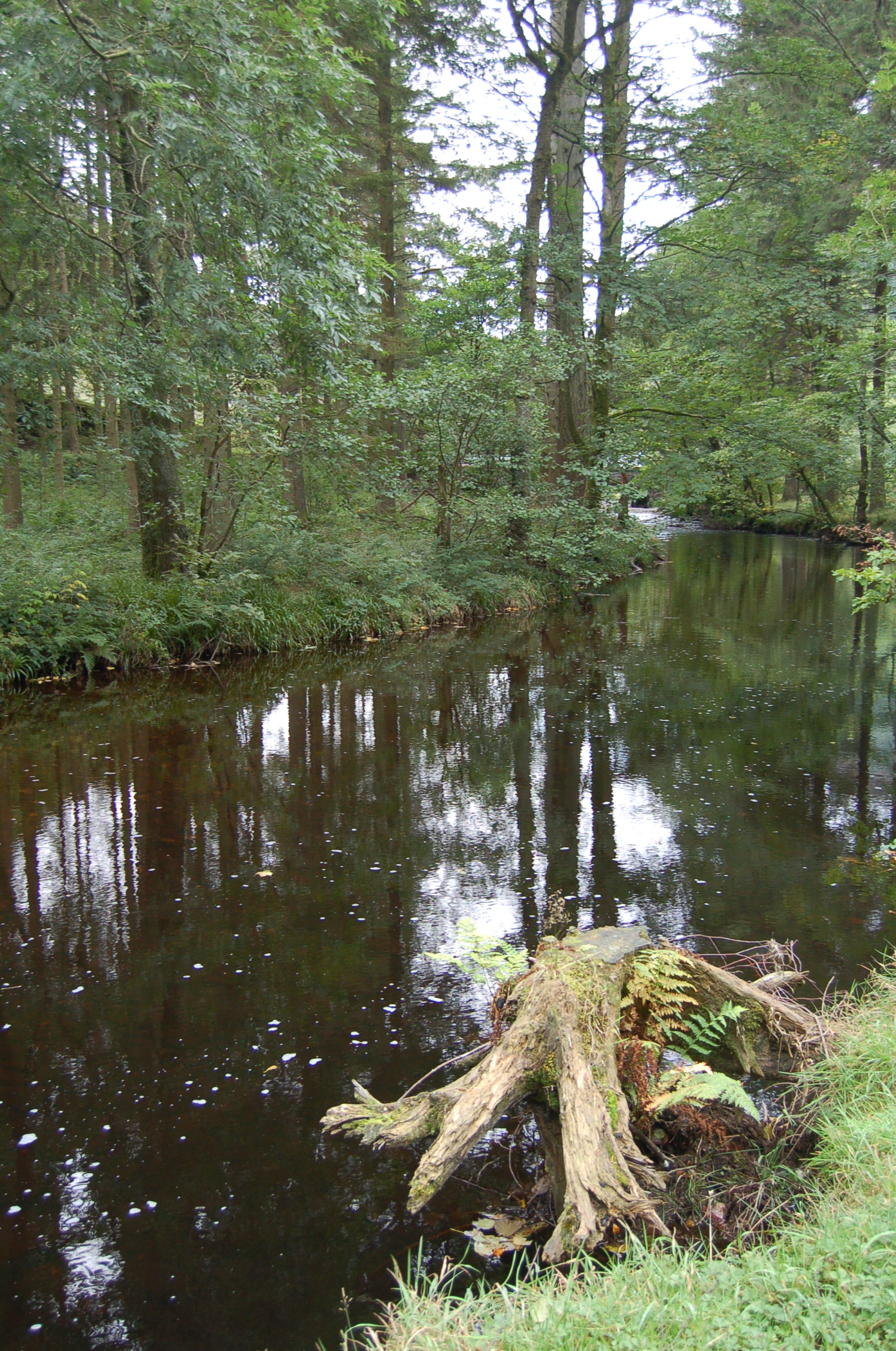
We stopped off in a clearing in the woods around the lake, a favourite place for our walks. A clear, fast-running mountain stream passes alongside and we always look to see what the floods from recent storms have brought down. A beautiful gnarled stump with delicate ferns on top sats close to our bank. A little further along a big branch pulled from a bankside tree was lodged in the middle of the stream caught in the overhanging branches of a tall tree.

2013 10 06_4092 2013 10 06_4093 2013 10 06_4095 2013 10 06_4096 2013 10 06_4097

2013 10 06_4098 2013 10 06_4099 2013 10 06_4100 2013 10 06_4101 2013 10 06_4102

We hadn’t been many yards wandering down the narrow path with its surface softened by pine needles, when we realised that fungi time was here! We looked forward to seeking out specimens along the way. They turned up mostly at the base of trees or growing on old rotting tree stumps.

2013 10 06_4103 2013 10 06_4104

2013 10 06_4105 2013 10 06_4106 2013 10 06_4107  2013 10 06_4109 2013 10 06_4110

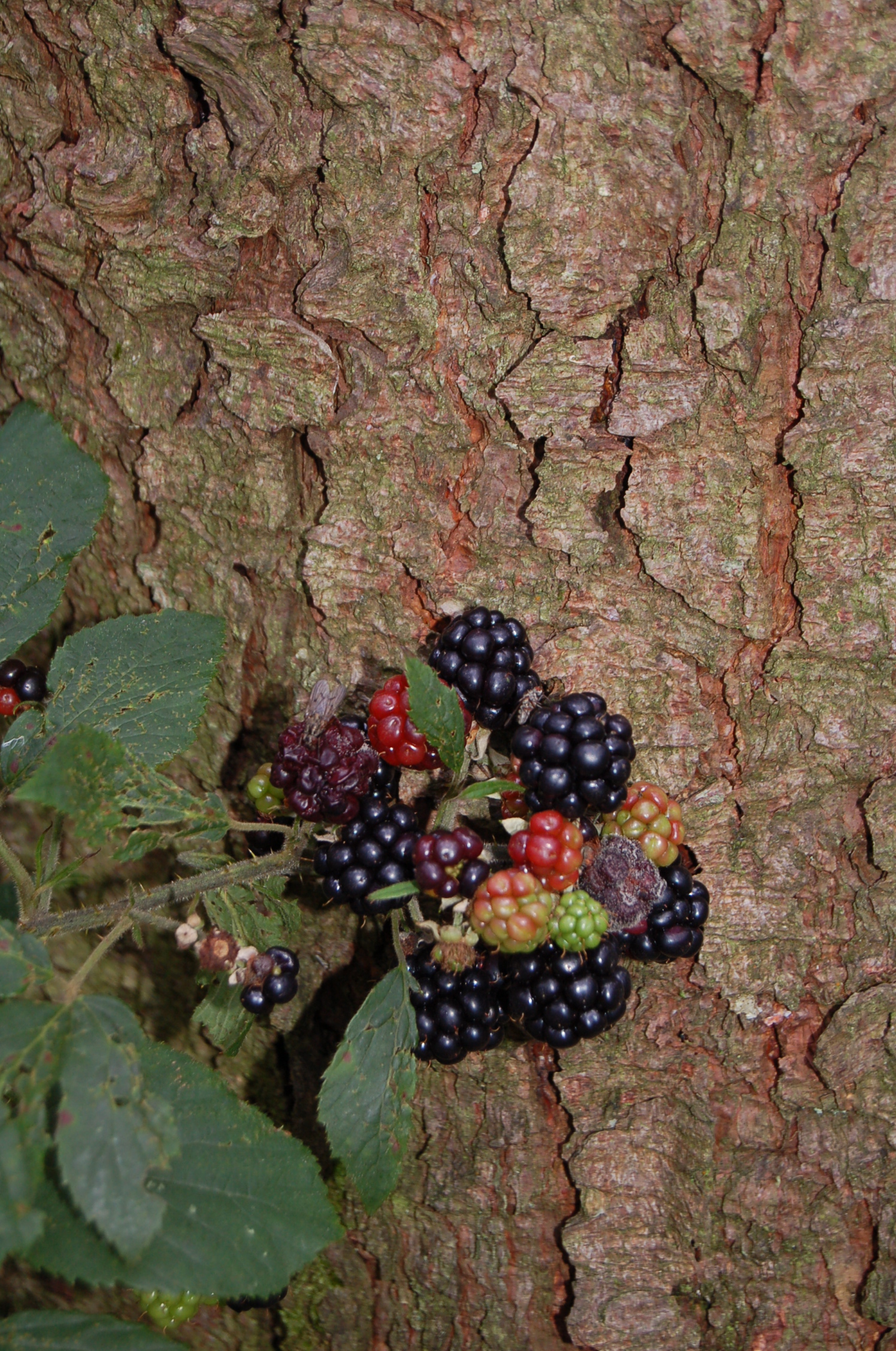
With the fungi we found juicy Blackberries growing, their berries glowing in any shaft of light that found its way through the canopy.

2013 10 06_4108 2013 10 06_4112

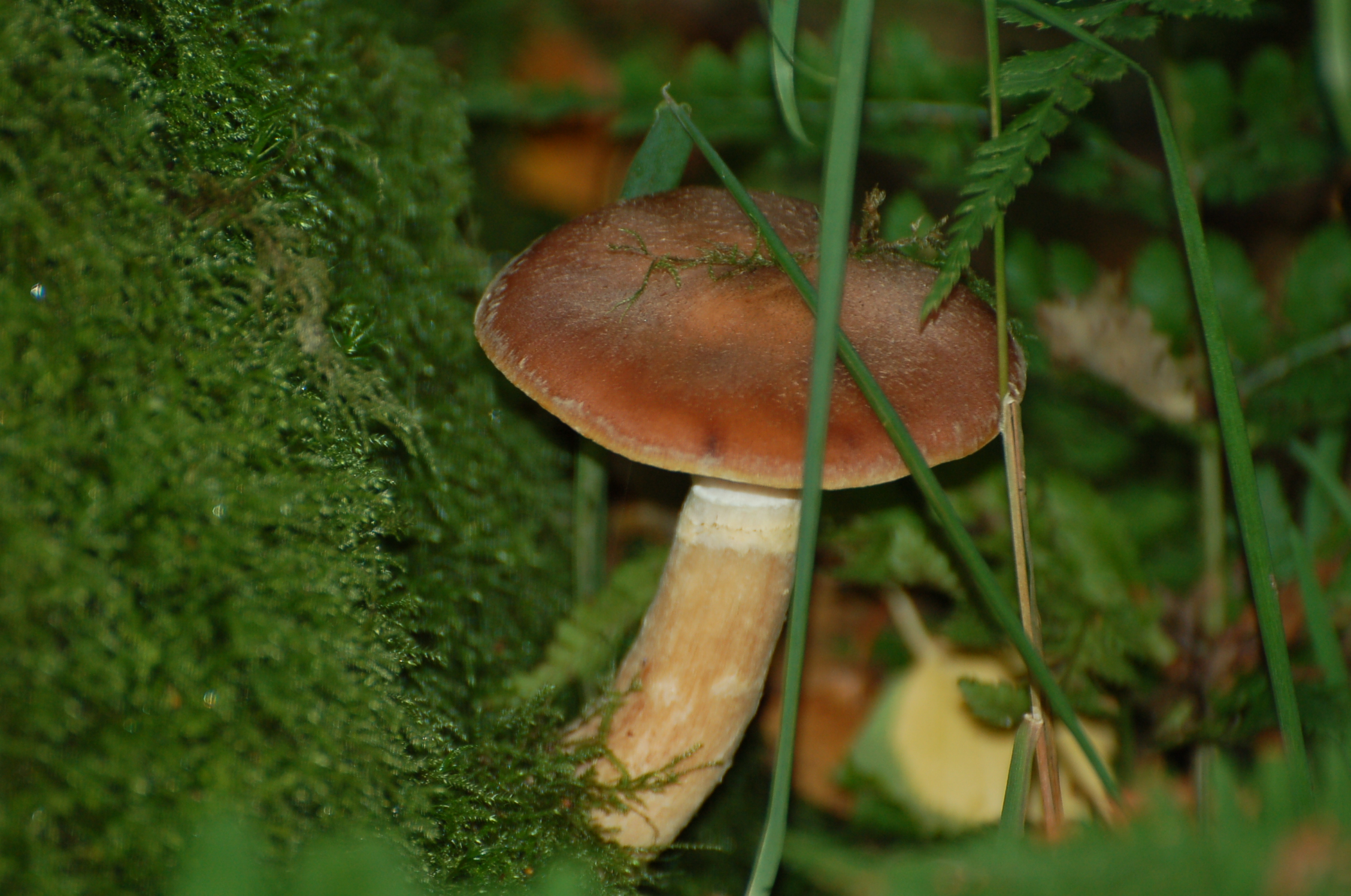
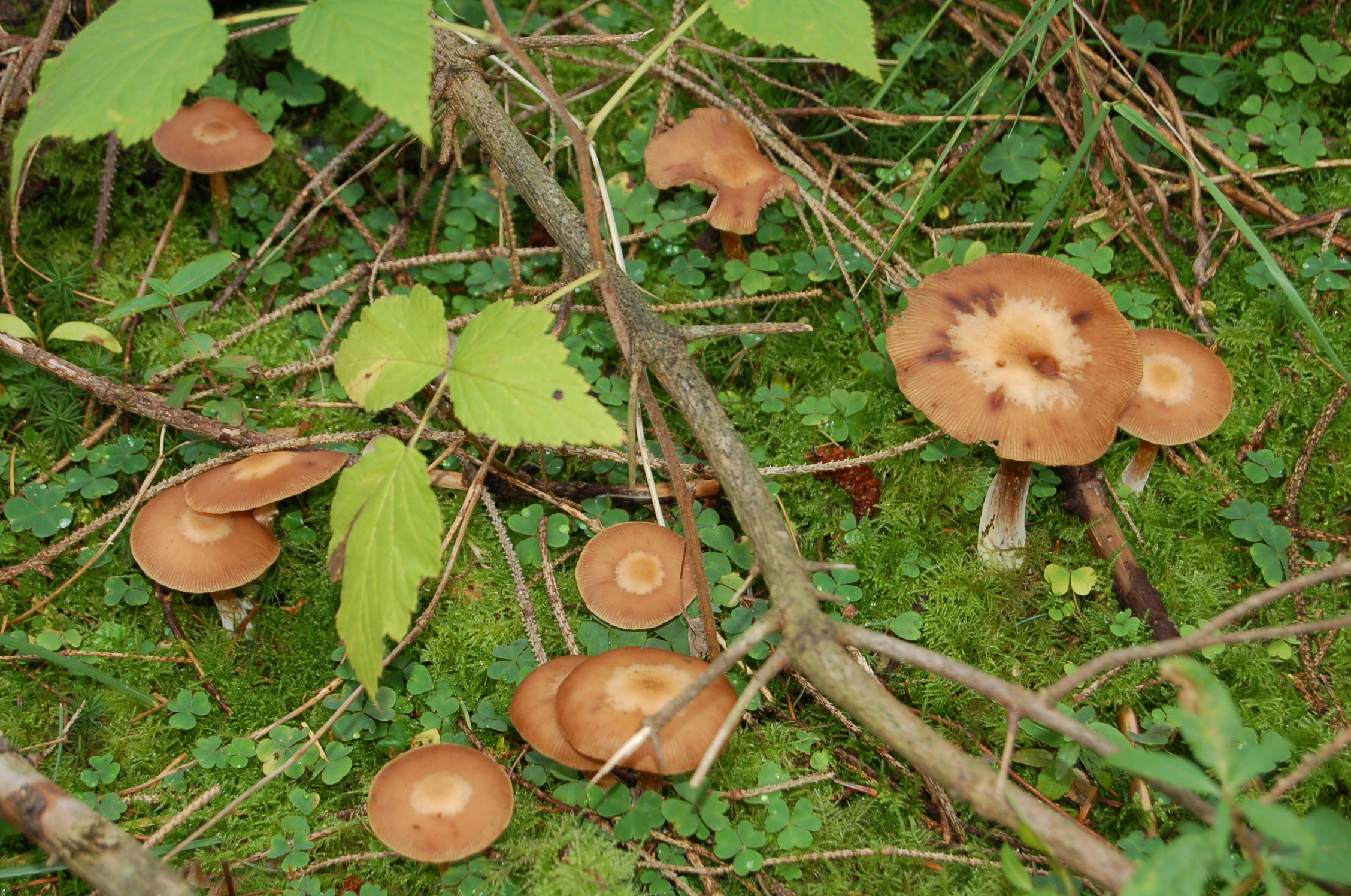
As we moved further into the wood we found more and more fungi of varying oranges, yellows and browns.

2013 10 06_4114 2013 10 06_4115     2013 10 06_4121  2013 10 06_4123 2013 10 06_4124 2013 10 06_4125

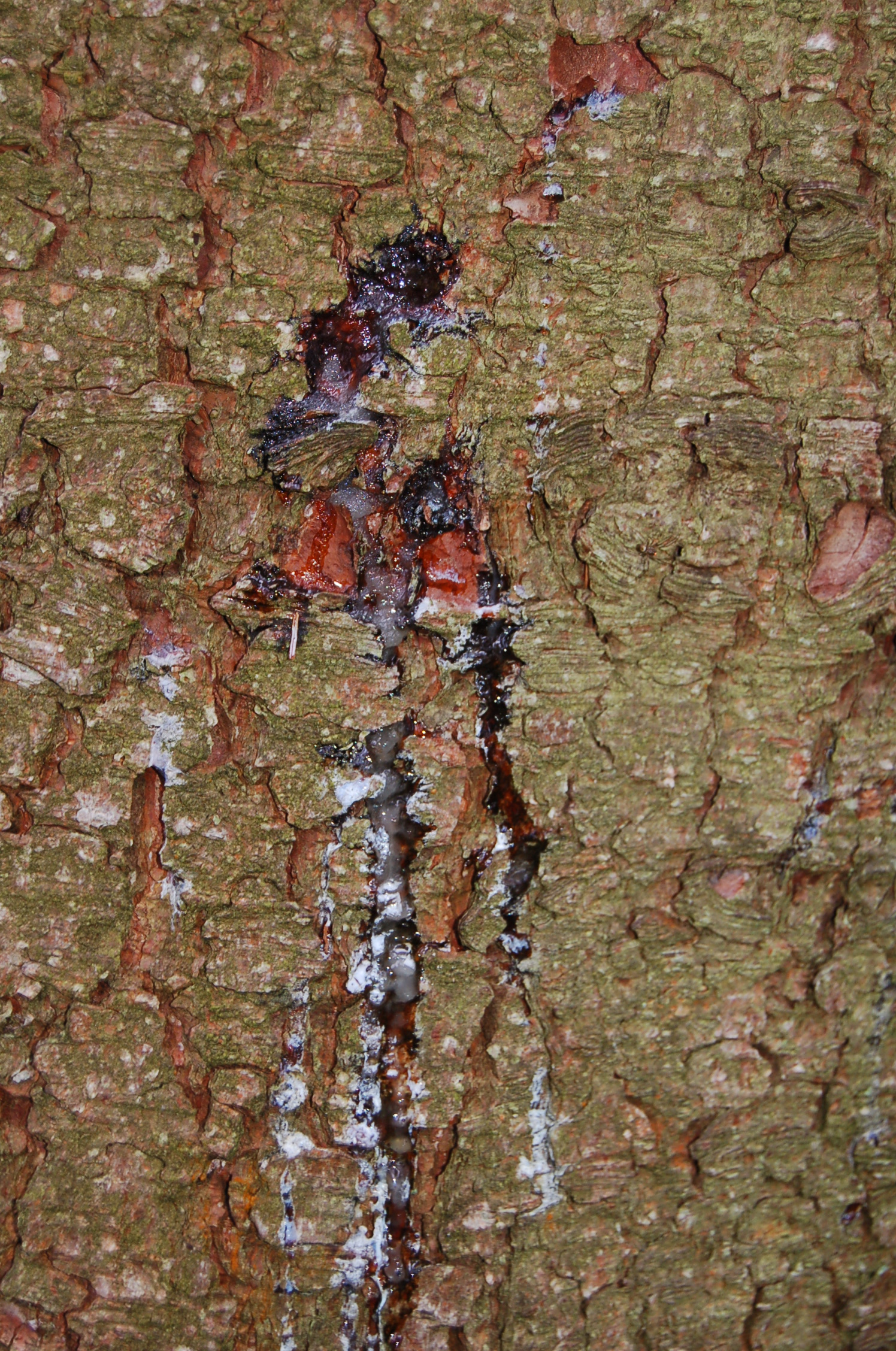
Tree trunks themselves had areas of colour upon them, algae, mosses, lichen and seeping resins.

2013 10 06_4116 2013 10 06_4122

2013 10 06_4117 2013 10 06_4119

2013 10 06_4118

Little did we know that we had the biggest surprise of all awaiting for us as we walked around the next corner. But that story is in my next post, “Our First Woodland Walk for Autumn – Part Two”.

Categories
allotments birds community gardening countryside garden wildlife gardens wildlife

New Wildlife Pictures for the Allotments

We have an interest trail on our allotment site with accompanying trail guide and also several quizzes for different ages of children. For one quiz we challenge the children to follow our trail keeping an eye out for the pictures of several creatures who live in the wildlife friendly green spaces. The pictures are found in the sort of habitat where each creature would live. The pics are just photocopies of pictures which are laminated so have a short life span. We seem forever to be having to replace them so decided to try a more permanent solution.

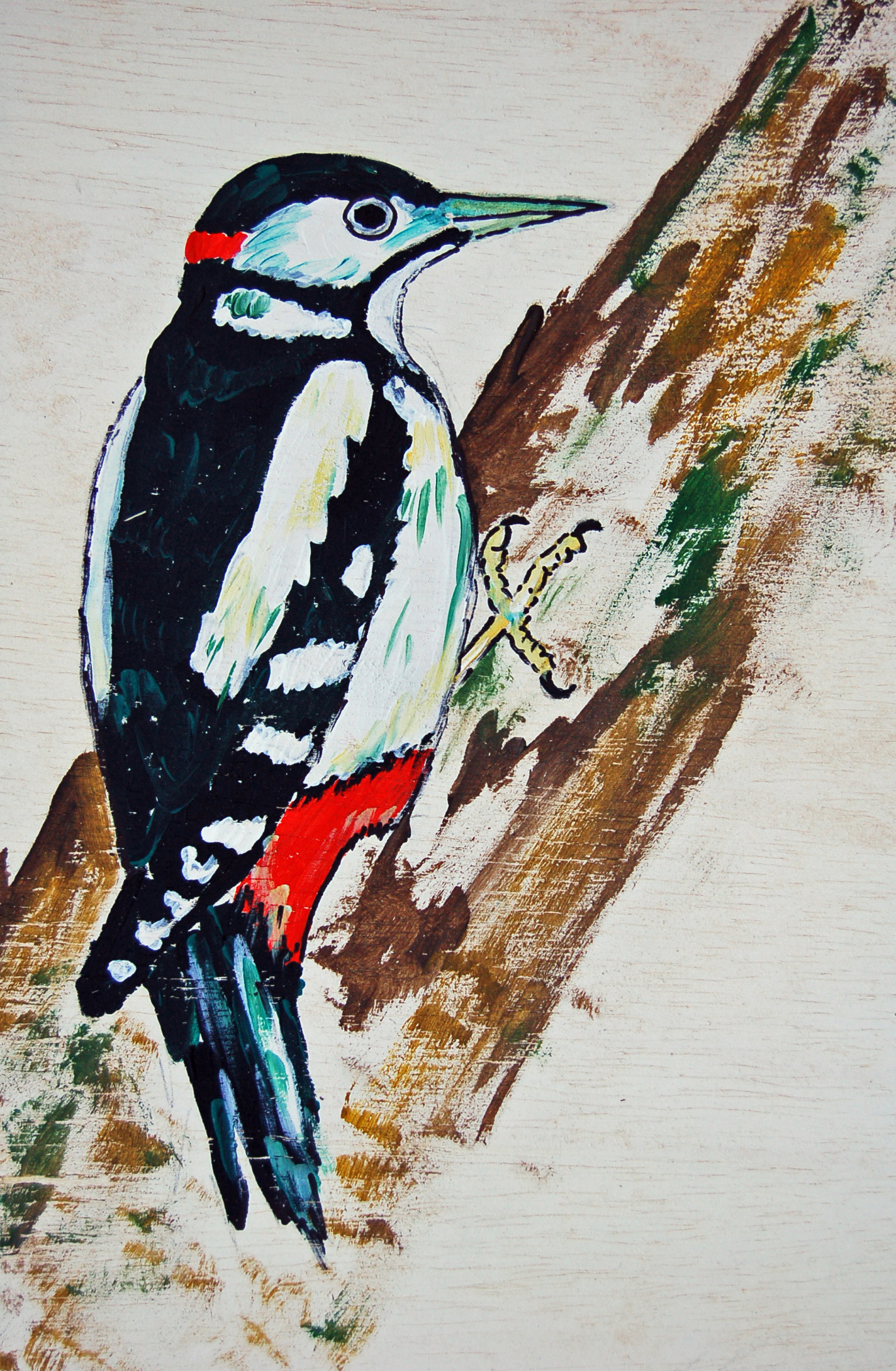
I have just finished creating paintings of the creatures onto marine plywood and varnished them so that they will last a long time. So here they are for you to look at. It seems a while since I included any of my paintings on a post so I shall have to try to include more this year. Being destined for the outdoors the signs needed to be waterproof and able to stand up to our open site. I decided my usual watercolours would bot suffice so I retuned to a medium that I had not used for decades, Acrylics. Once I started using them though the skills all came back – just like riding a bike!

The Greater Spotted Woodpecker and the Peacock Butterfly. I start with these two as they were the cause of strange happenings as I was painting them. As I finished the picture of the Woodpecker I held it up to show Jude and a real one flew across the garden and landed on a feeder where he proceeded to devour peanuts for a long while. This seemed a little coincidental but the Butterfly picture caused a similar happening. As I finished the painting again I held it up and as I did so a real Peacock Butterfly flew down and fluttered around me. Amazing! We can only presume it was hibernating in the roof of the conservatory where I was painting and for some reason woke up. I caught it gently and placed it carefully in the garage where we hope it has found another snug winter hibernation home.

2013 12 31_5648_edited-1 2013 12 31_5649_edited-1

The Grasshopper and the Bumble Bee.

2013 12 31_5647_edited-1 2013 12 31_5646_edited-1

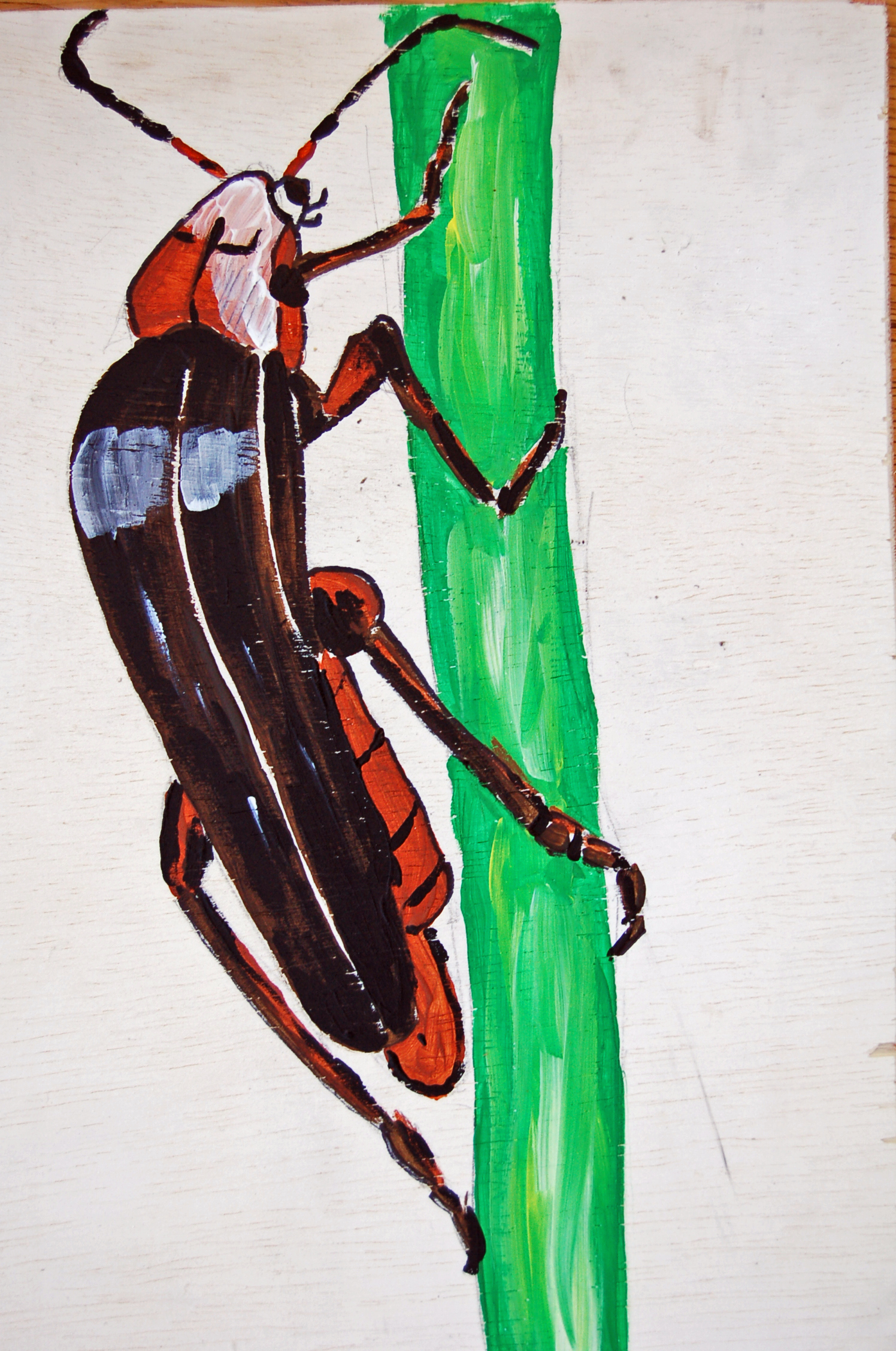
The Grass Snake and the Soldier Beetle.

2013 12 31_5645_edited-1 2013 12 31_5644_edited-1

The Bat and the Seven Spot Ladybird.

2013 12 31_5643_edited-1 2013 12 31_5650

For my next batch I will try to depict a Damsel Fly, Dragonfly, Field Vole, some moths, more butterflies and some more birds especially birds of prey which have become a bit of a hallmark for our site.

Categories
countryside Gwyndd landscapes light light quality photography the seaside Wales

Over the hills to the sea – part two.

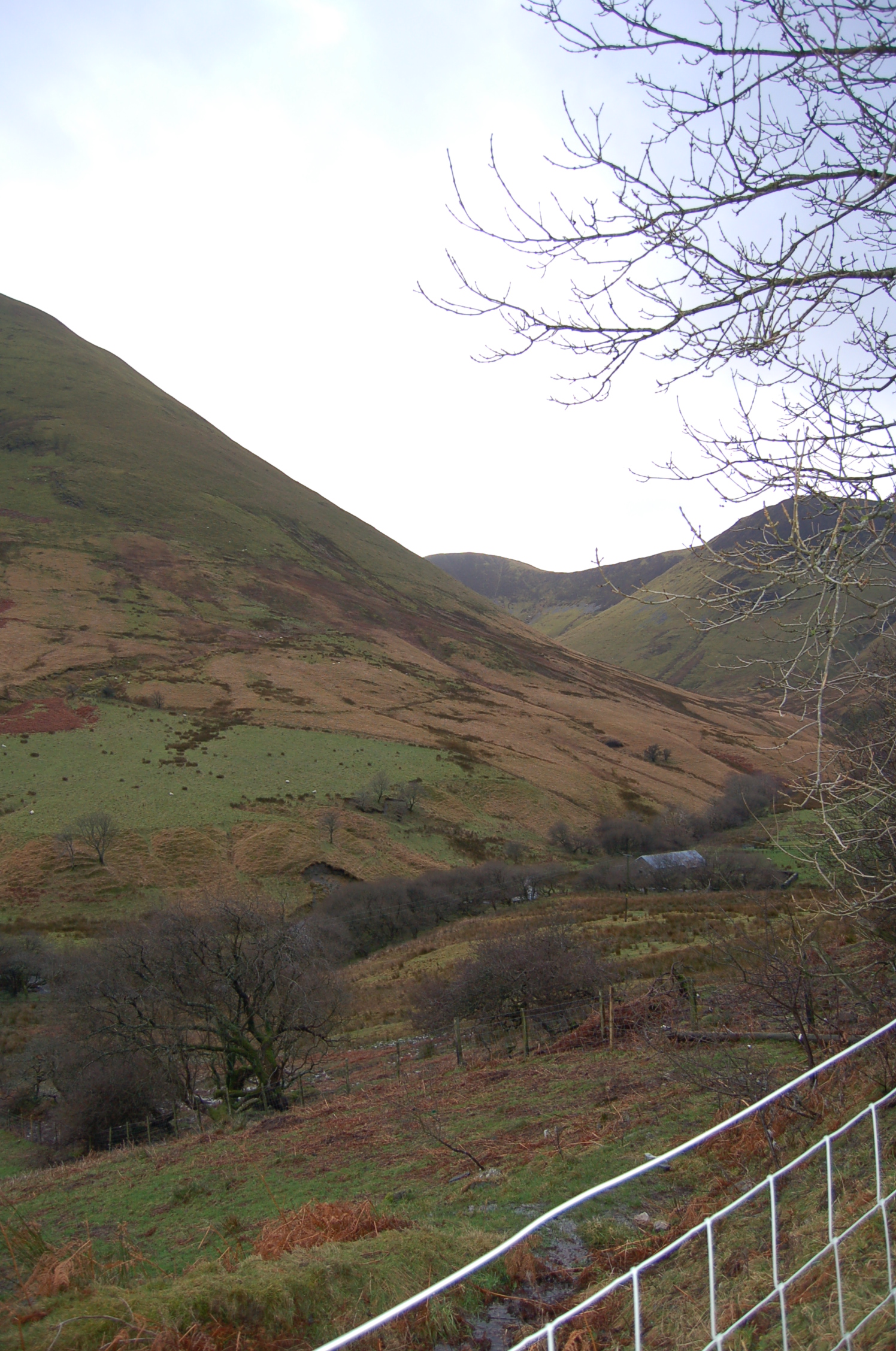
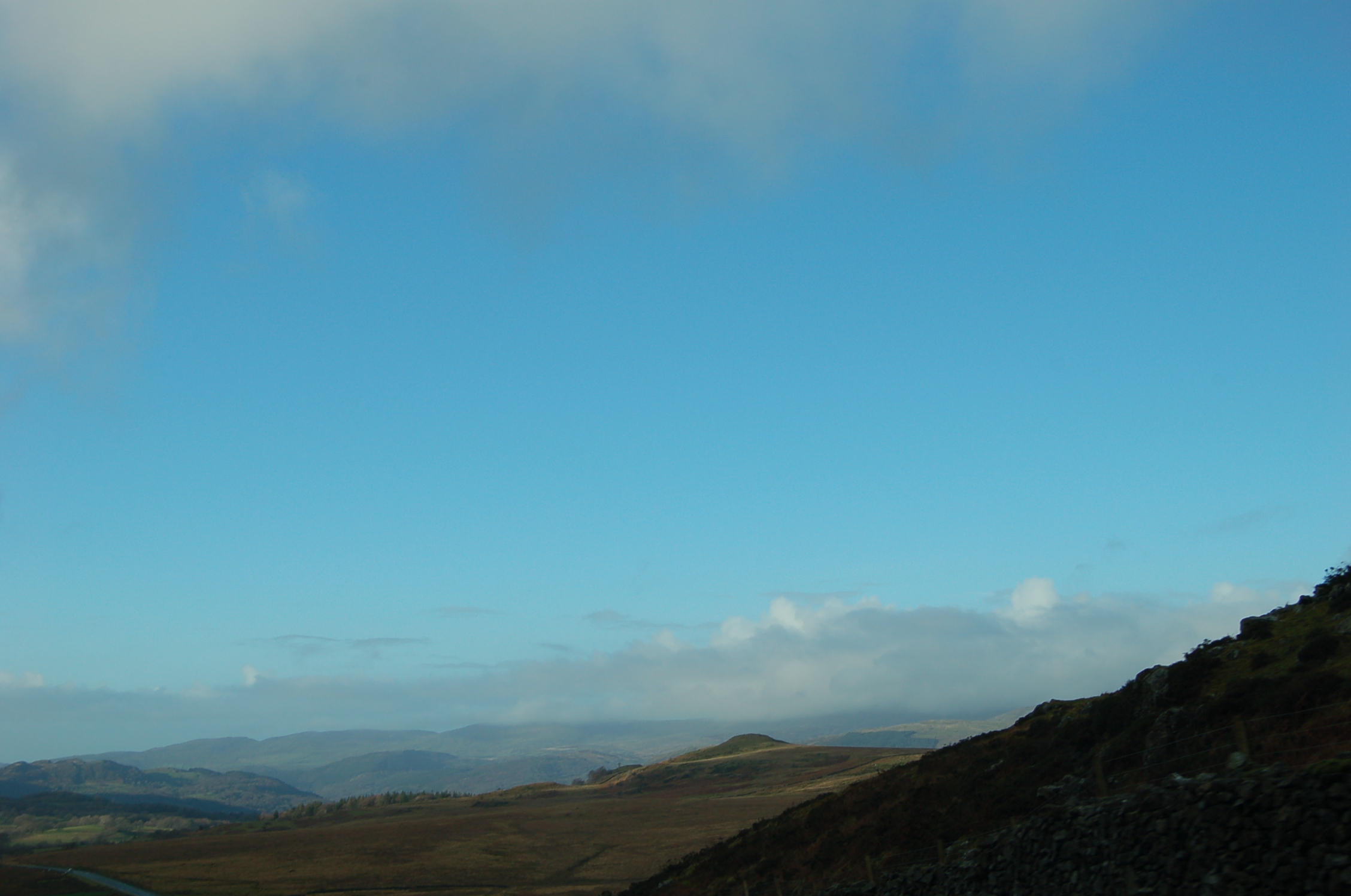
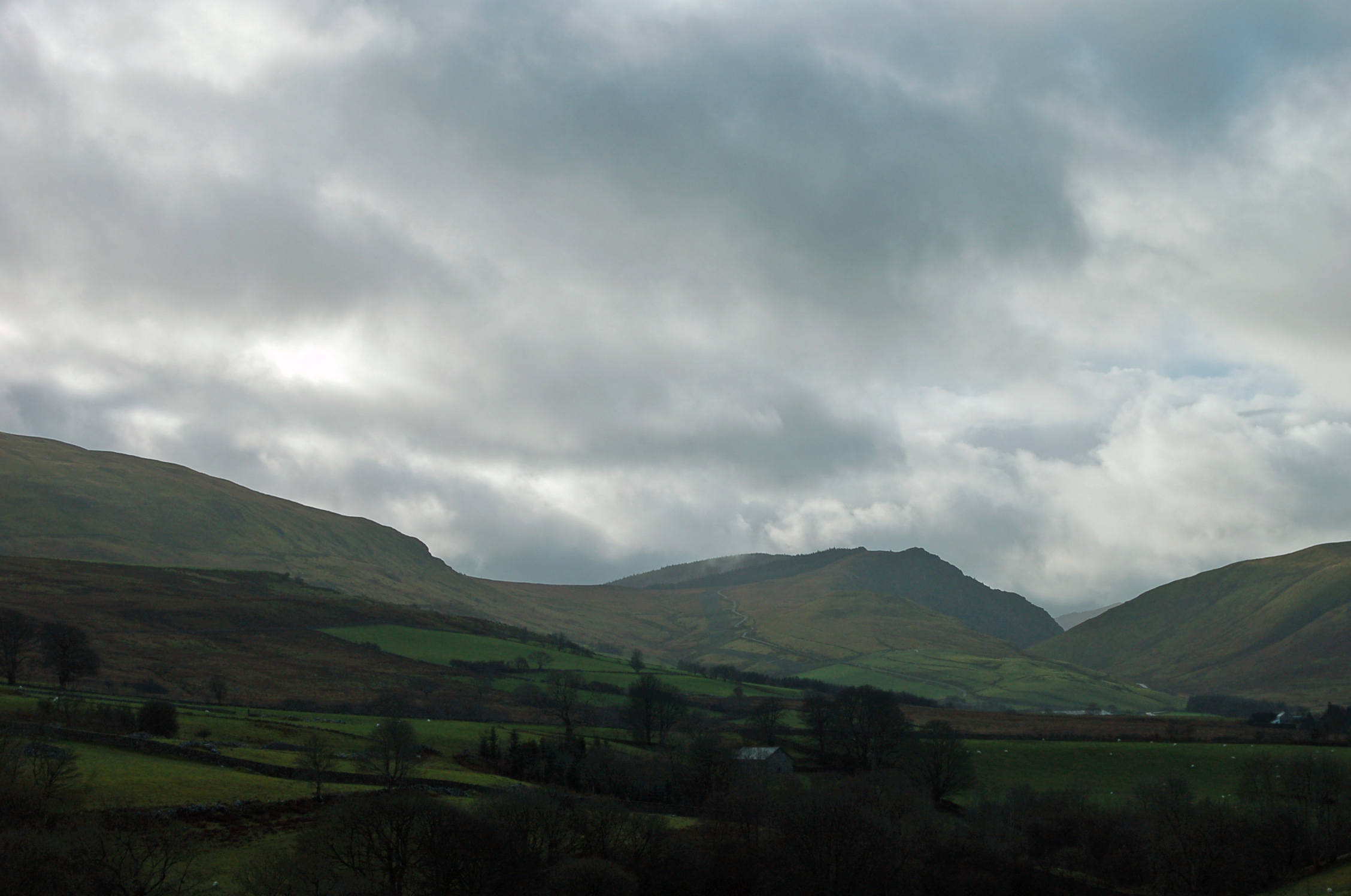
Continuing our journey from home across the Welsh mountains to the sea, we turned more to the north and climbed up steeply into far more rugged countryside. Each corner revealed new startling views of deeply cut glacial valleys and ridges eroded by the grinding action of glaciers in the last ice age. Few trees grow on these steep slopes with their shallow soils. We were now out of the county of Powys and travelling through Gwynedd.

2014 01 03_5686 2014 01 03_5687 2014 01 03_5688 2014 01 03_5689

We drove into a pass that took us up Dinas Mawddry where steep rugged mountains rose up on either side. This is notoriously difficult stretch of road often made impassable by deep drifts of snow. Back in the seventies when we first drove through this pass when cars were less powerful than today cars were often beaten by the steepness and the sharp bends. At the bottom drivers took a deep breath, crossed their fingers and put their foot down. Today’s cars take it in their stride and drivers can instead appreciate the beauty of the place. Some of the following shots were taken through the car windows so are less clear, but it was at times impossible to stop safely.

2014 01 03_5690 2014 01 03_5691 2014 01 03_5692 2014 01 03_5693 2014 01 03_5694 2014 01 03_5695 2014 01 03_5696 2014 01 03_5697 2014 01 03_5698 2014 01 03_5699 2014 01 03_5700

2014 01 03_5701 2014 01 03_5702 2014 01 03_5703 2014 01 03_5705 2014 01 03_5706 2014 01 03_5707 2014 01 03_5708 2014 01 03_5709 2014 01 03_5710

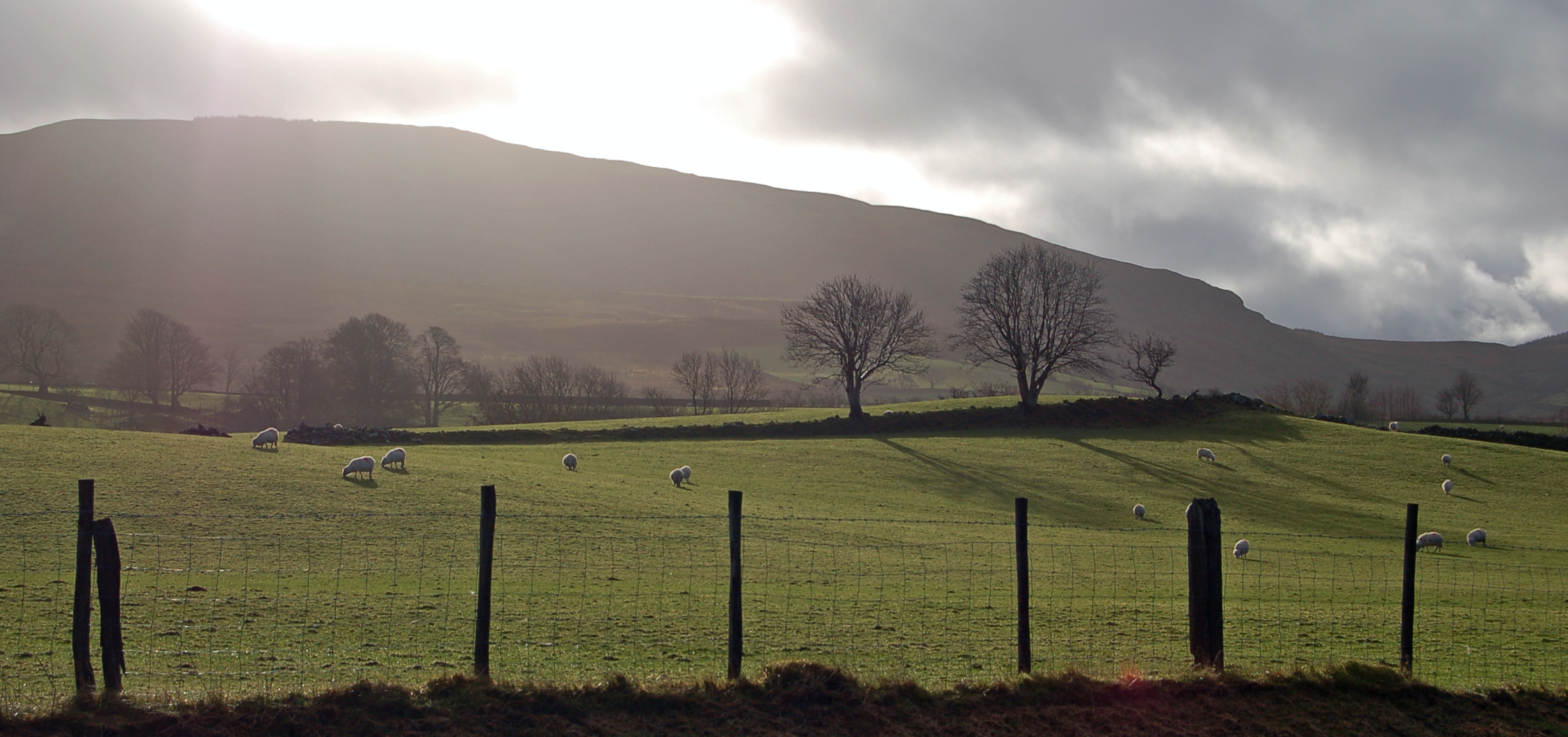
As we bypassed Dolgellau the valley widened out and in places rich pastureland spread out either side of the road.

2014 01 03_5711_edited-1 2014 01 03_5712_edited-1 2014 01 03_5713_edited-1 2014 01 03_5714_edited-1 2014 01 03_5710_edited-1 2014 01 03_5715_edited-1 2014 01 03_5716_edited-1 2014 01 03_5717_edited-1 2014 01 03_5718_edited-1 2014 01 03_5719_edited-1 2014 01 03_5720_edited-1

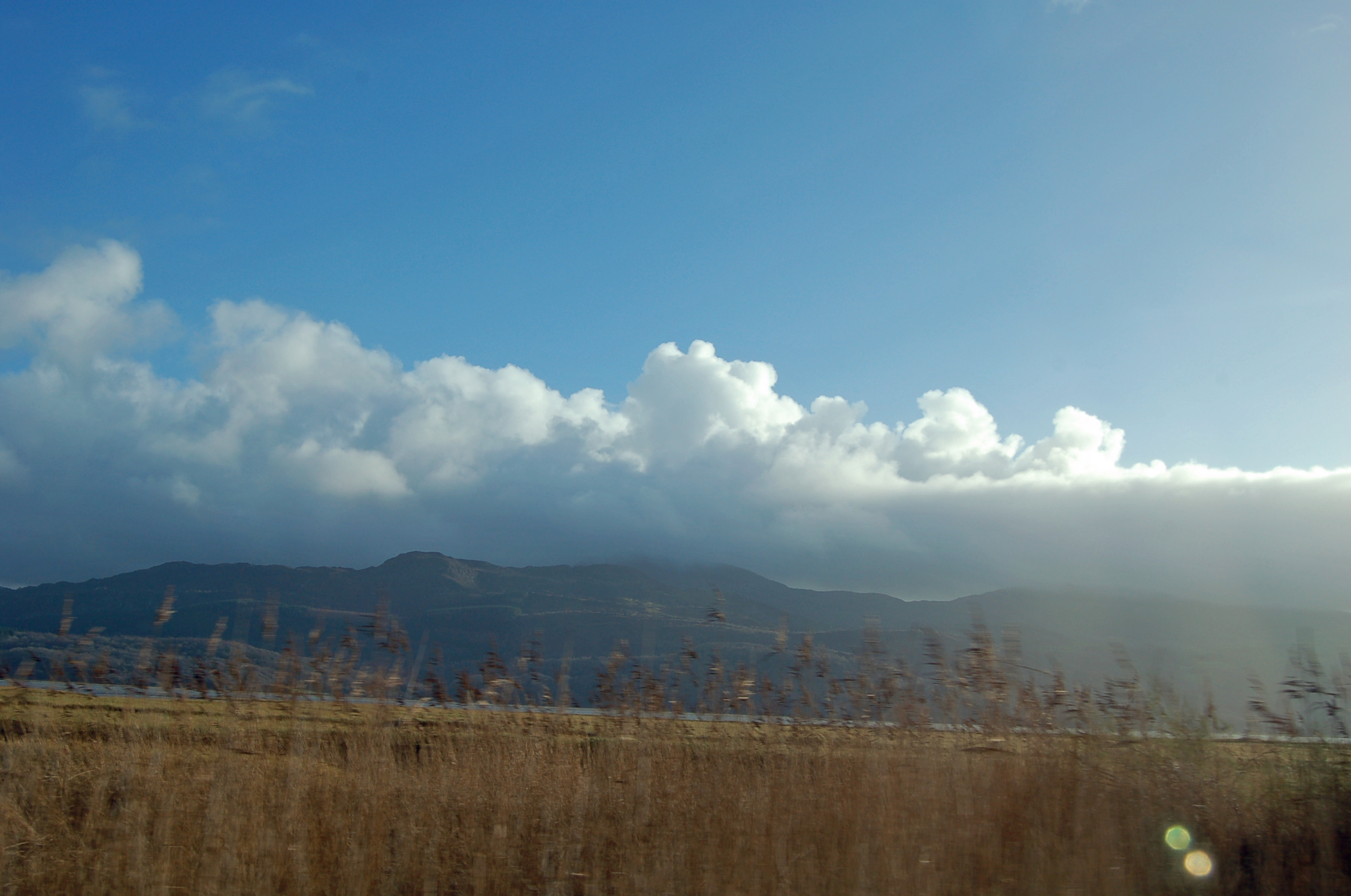
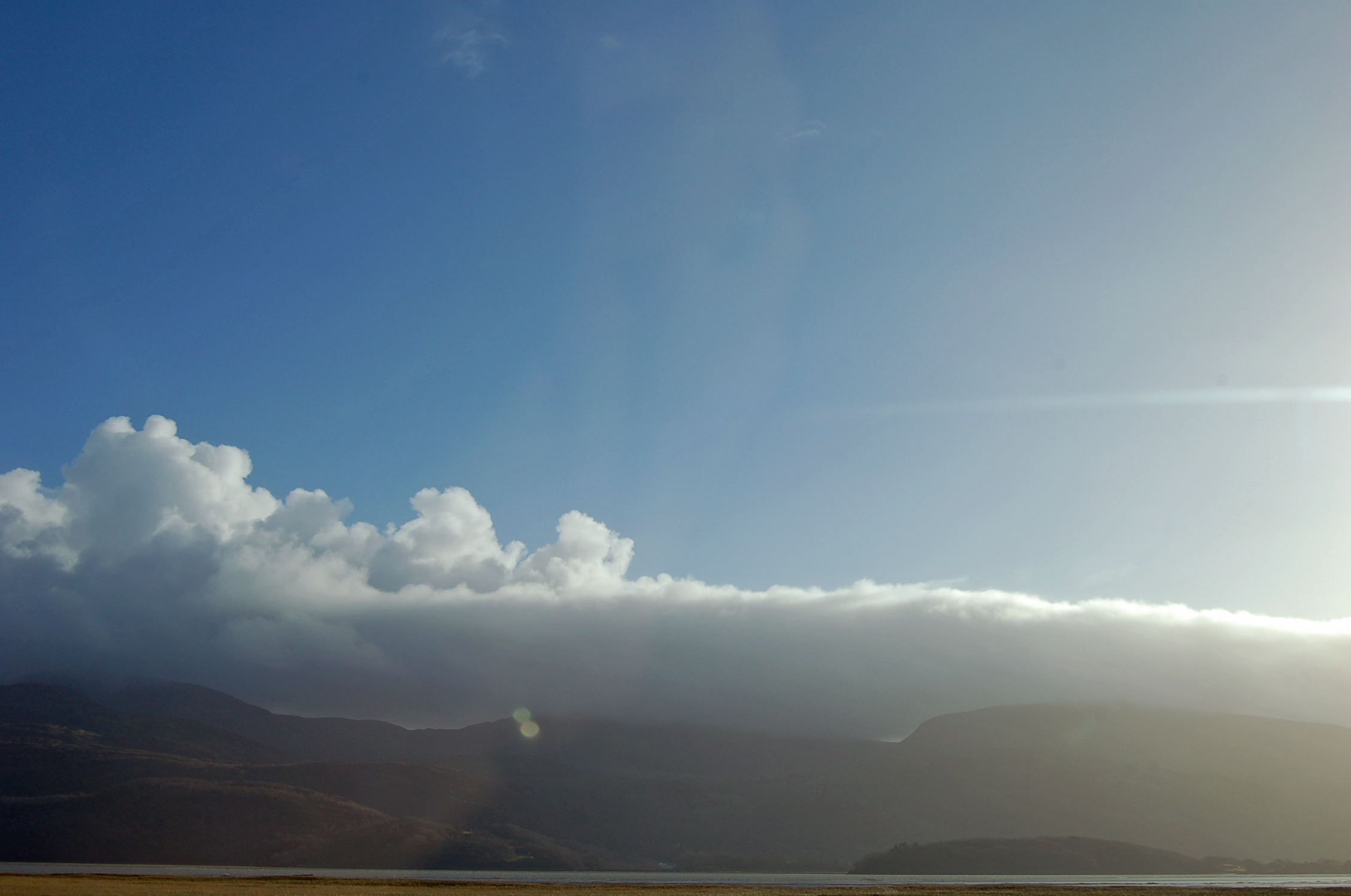
We turned into a wide valley and the road passed through marshland and muddy areas of the Mawdach estate. Clouds hung low here. The view became hidden and the hill tops disappeared in their mistiness. The road ran through stone walls and the bends slowed the traffic.

2014 01 03_5721_edited-1 2014 01 03_5722_edited-1 2014 01 03_5723_edited-1 2014 01 03_5724_edited-1

We were now close to our day’s destination the seaside at Barmouth. My next post will be all about our day there.

This Veggie Life

A Vegetarian | Nature Lifestyle Blog

Rambling in the Garden

.....and nurturing my soul

The Arch City Gardener

Journeys In St. Louis Gardening and Beyond

Garden Dreaming at Châtillon

Consult the genius of the place

Storyshucker

A blog full of humorous and poignant observations.

gardeninacity

Notes from a wildlife-friendly cottage garden

PlayGroundology

...an emerging social science

The Official Blog of British Wildlife

'The most important and informative publication on wildlife of our times' - The Independent. This blog is a member of The UK & Ireland Natural History Bloggers group: www.uknhb.blogspot.com

iGrowHort

Inspire - Cultivate - Grow Native Plants - Restore Landscapes

Bishops Meadow Trust

To create and protect a semi-natural wild space for the people of Farnham to enjoy and experience an array of British wildlife in our town

Gardening with Children

The www.gardeningwithchildren.co.uk Blog

UKbirdingtimeline

birding through the seasons, why birds matter and how to conserve them

NATURE WALKER

with a camera in hand

Jardin

Transform your outdoor space

Eva's space

My allotment, cooking and other interests

Old School Garden

my gardening life through the year

LEANNE COLE

Trying to live a creative life

fromacountrycottage

trying to live as lightly as possible on our beautiful planet

Good Life Gardening

Nature lovers from Leicester living the good life.

mybeautfulthings

Finding the beautiful in the everyday

mawsonmichelle

Michelle's Allotment

In and Out of My Garden

thoughts from and about my garden

Greenhousing

Big plans for a small garden

The Scottish Country Garden

A Walled Country Garden in South East Scotland

The Fruity Chicken

Life at the fruity chicken

willowarchway

Off grid living. Self sufficient. "PERMAGANICS RULE".

St Anns Allotments

Nottingham's Grade 2* Listed Allotments and Community Orchard

Manifest Joy Harvests

a journey in suburban vegetable gardening

Allotmental

The madness of growing your own

Penny's Garden: a harvest beyond my front door

A novel approach to vegetable gardening

arignagardener

Sustainable living in the Irish countryside.

NewEnglandGardenAndThread

Master Gardener, amateur photographer, quilter, NH native, and sometimes SC snowbird

dianajhale

Recent work and work in progress and anything else that interests me

planthoarder

a chaotic cottage gardener

Lens and Pens by Sally

a weekly blog that creates a personal philosophy through photographs and words

Dewdrops and Sunshine

Stories from a sassy and classy Southern farmbelle.

The Pyjama Gardener

Simple Organic Gardening & Seasonal Living

gettin' fresh!

turning dirt into dinner

JOY...

today the world is created anew

Garden Birds

Notes from a Devon garden

ShootAbout

Life Through The Lens

Adapting Pixels

A photography blog showcasing the best photography pictures and videos on the internet

Wildlifegardening's Blog

Just another WordPress.com site

naturestimeline

personal observations from the natural world as the search continues for a new approach to conservation.

LATEBLOOMERBUDS

The Wonders of Life through my Eyes, my Heart, my Soul