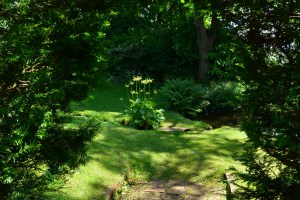
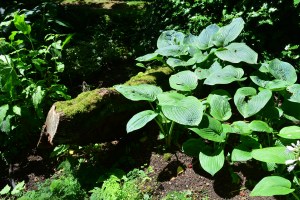
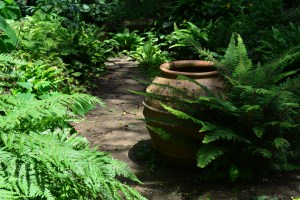
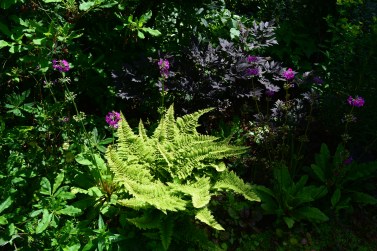
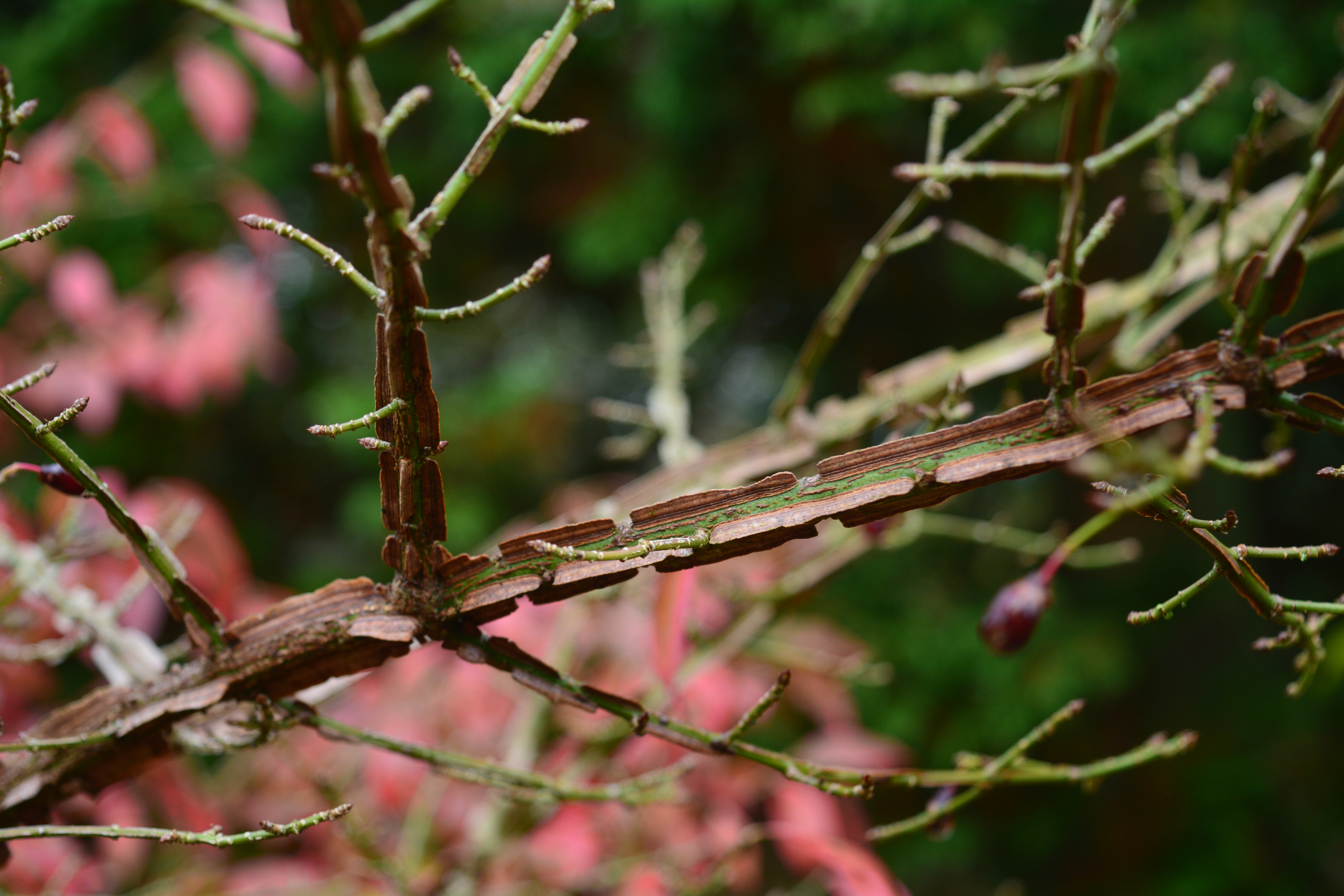
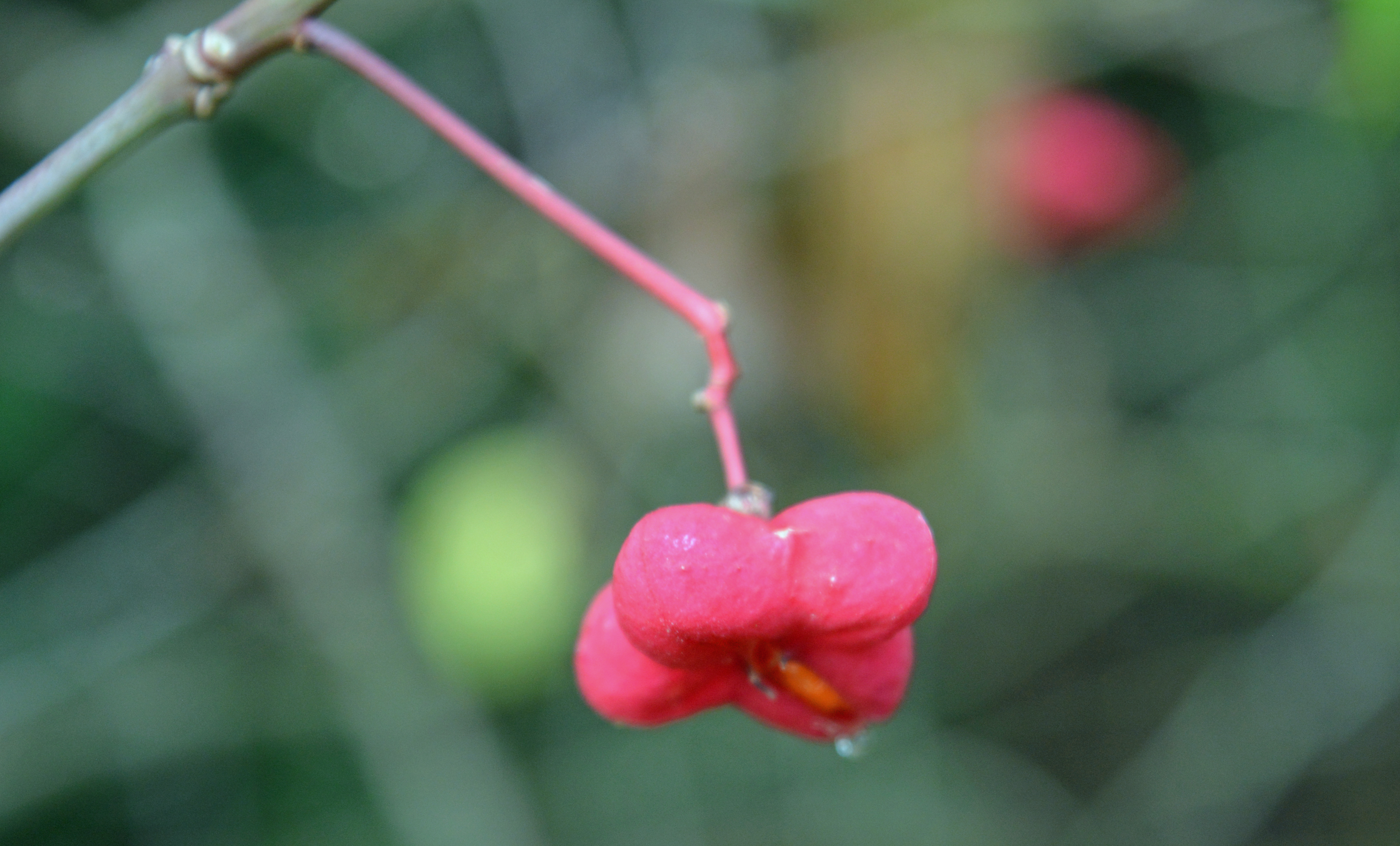
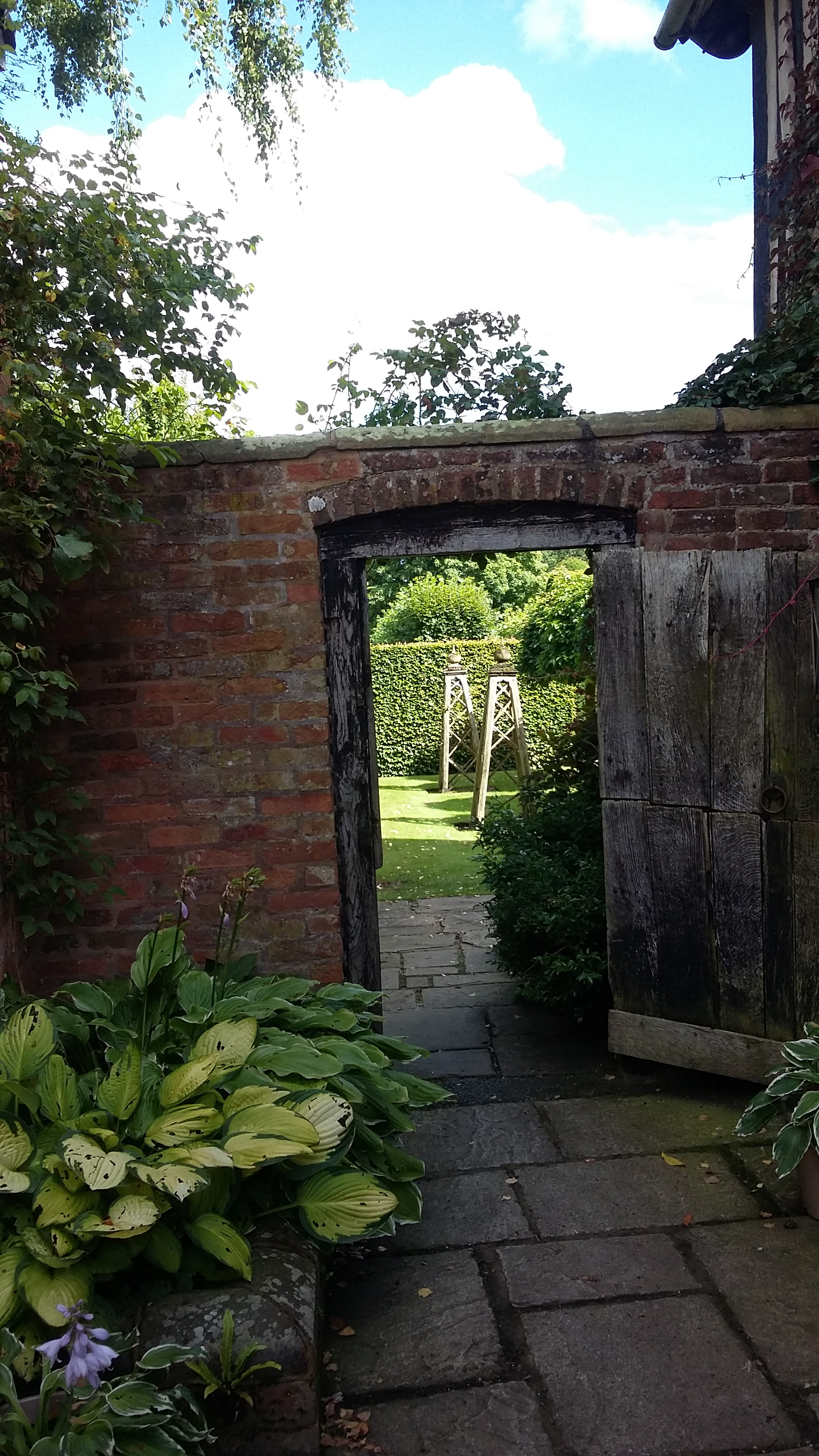
Categories
fruit and veg garden buildings garden design garden photography garden wildlife gardening gardens gardens open to the public kitchen gardens National Trust ornamental trees and shrubs outdoor sculpture The National Trust walled gardens walled kitchen gardens Winter Gardening winter gardens woodland woodlands

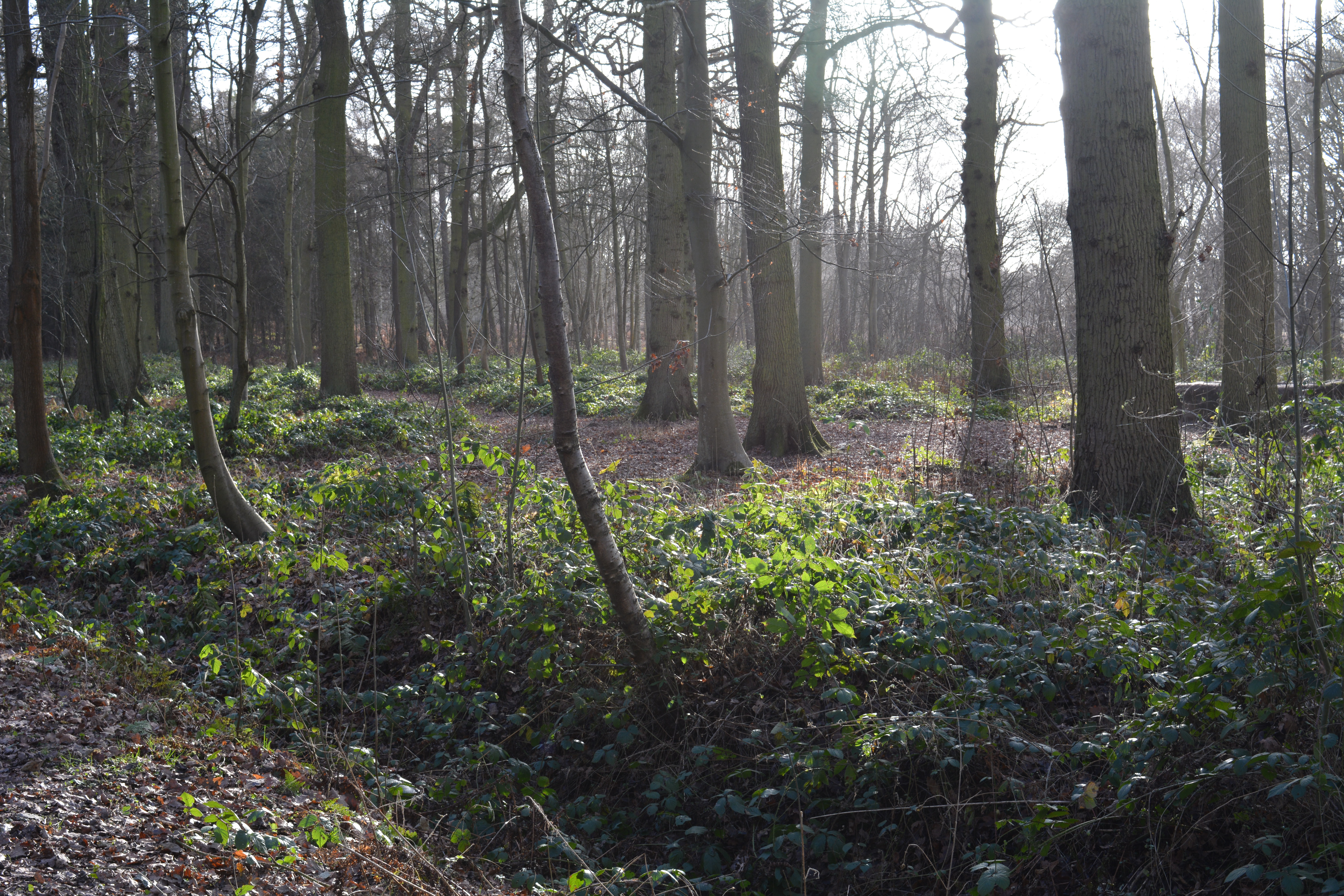
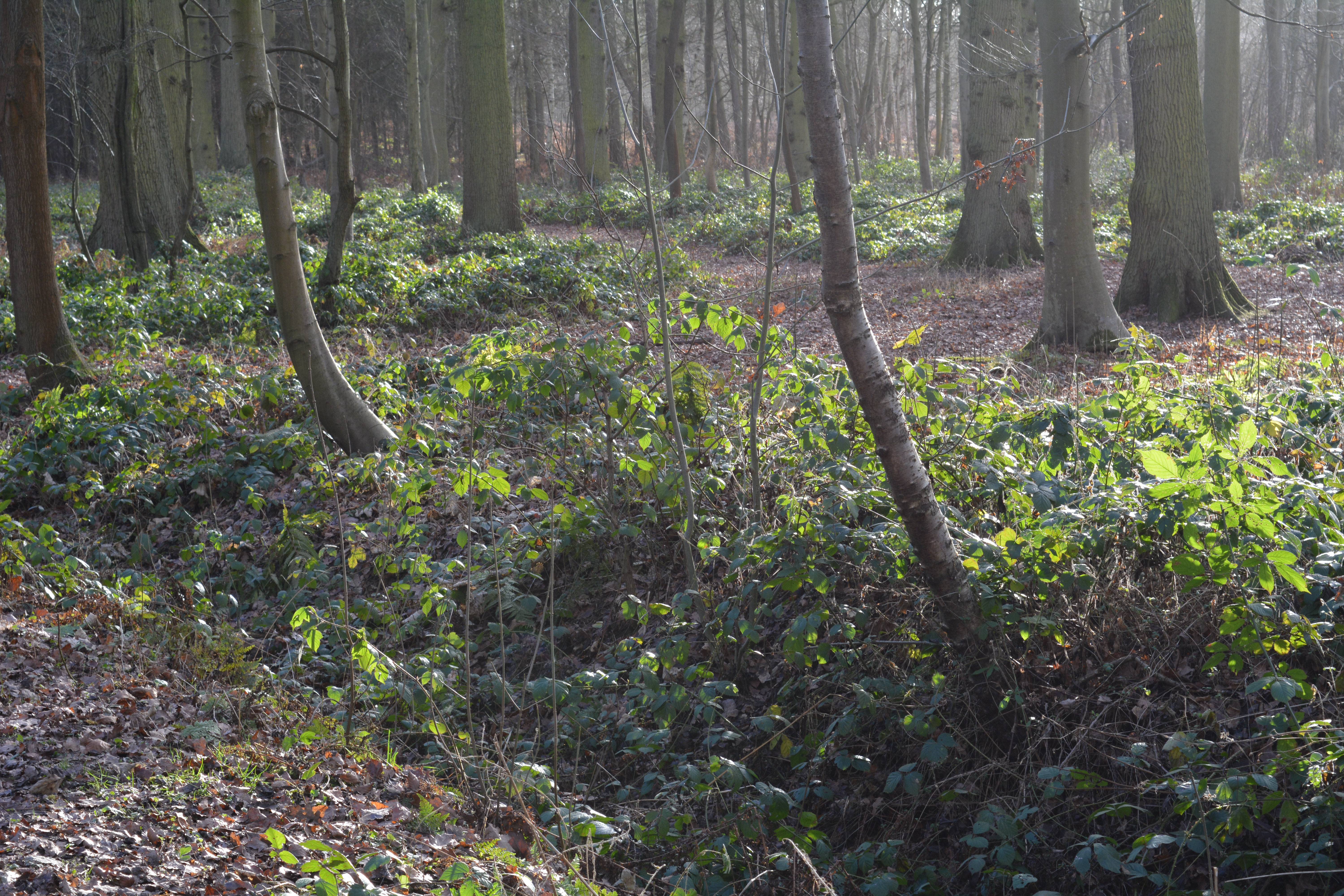
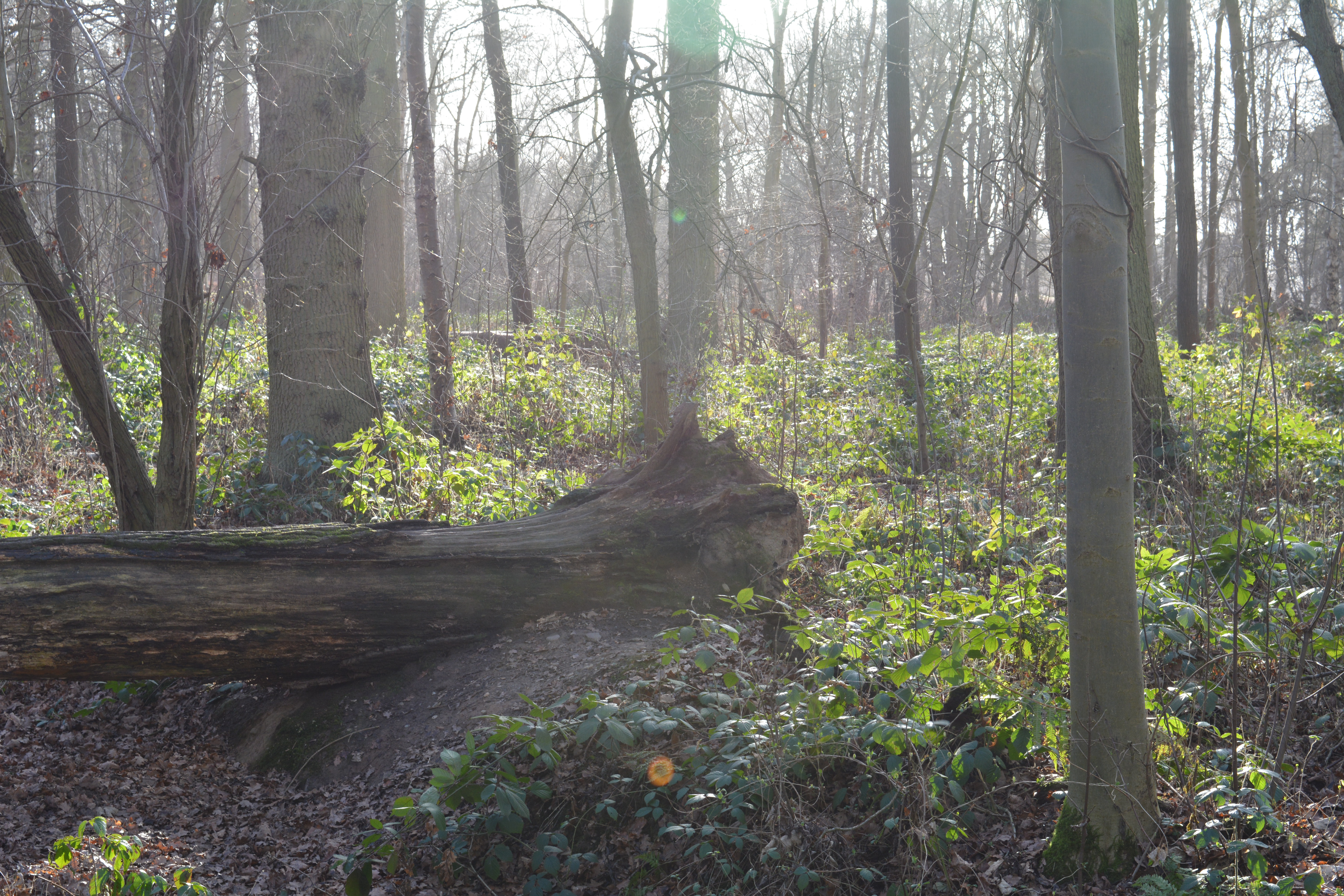
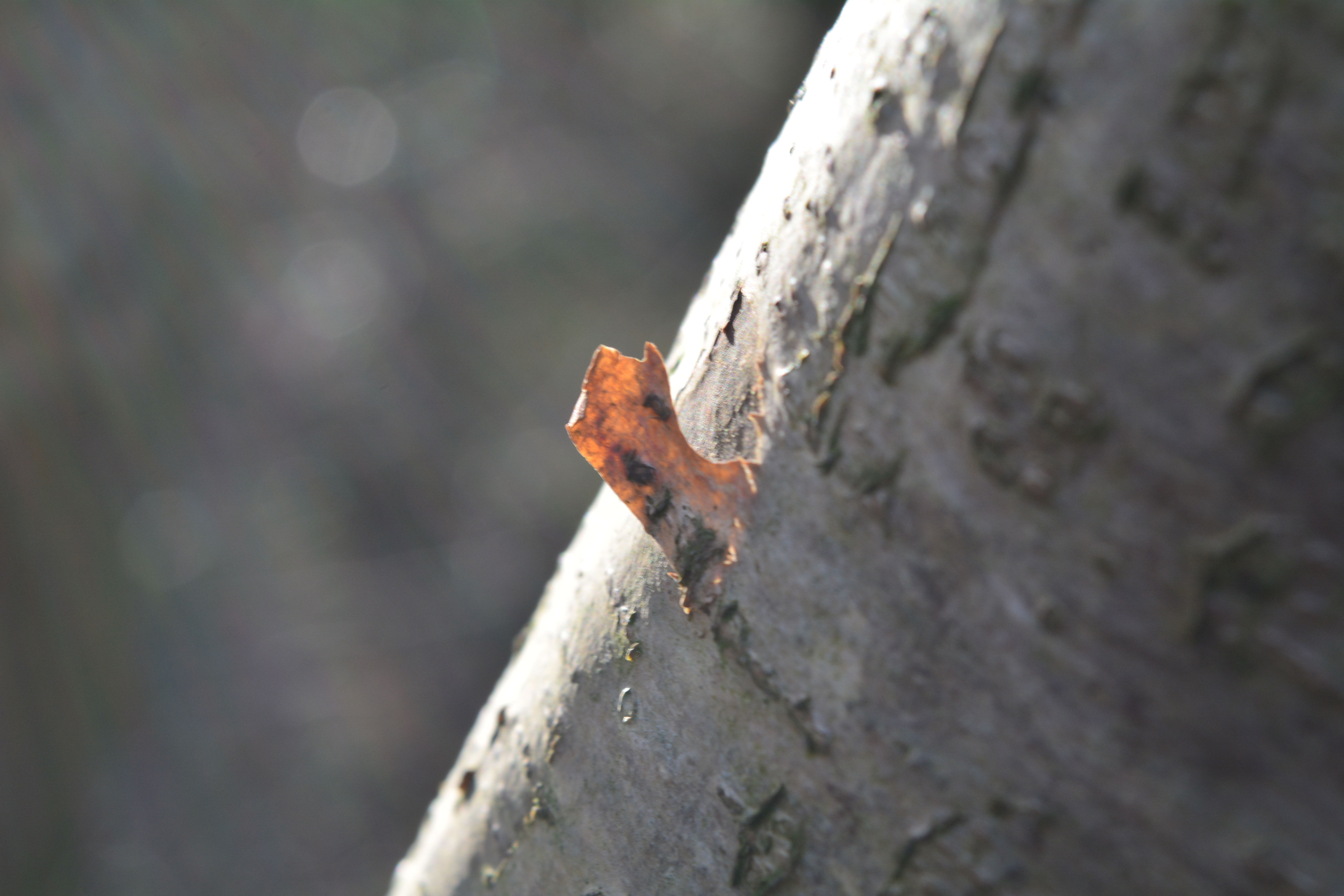
A Walk in the Park – Attingham in January – Part Two – Woodland Walk

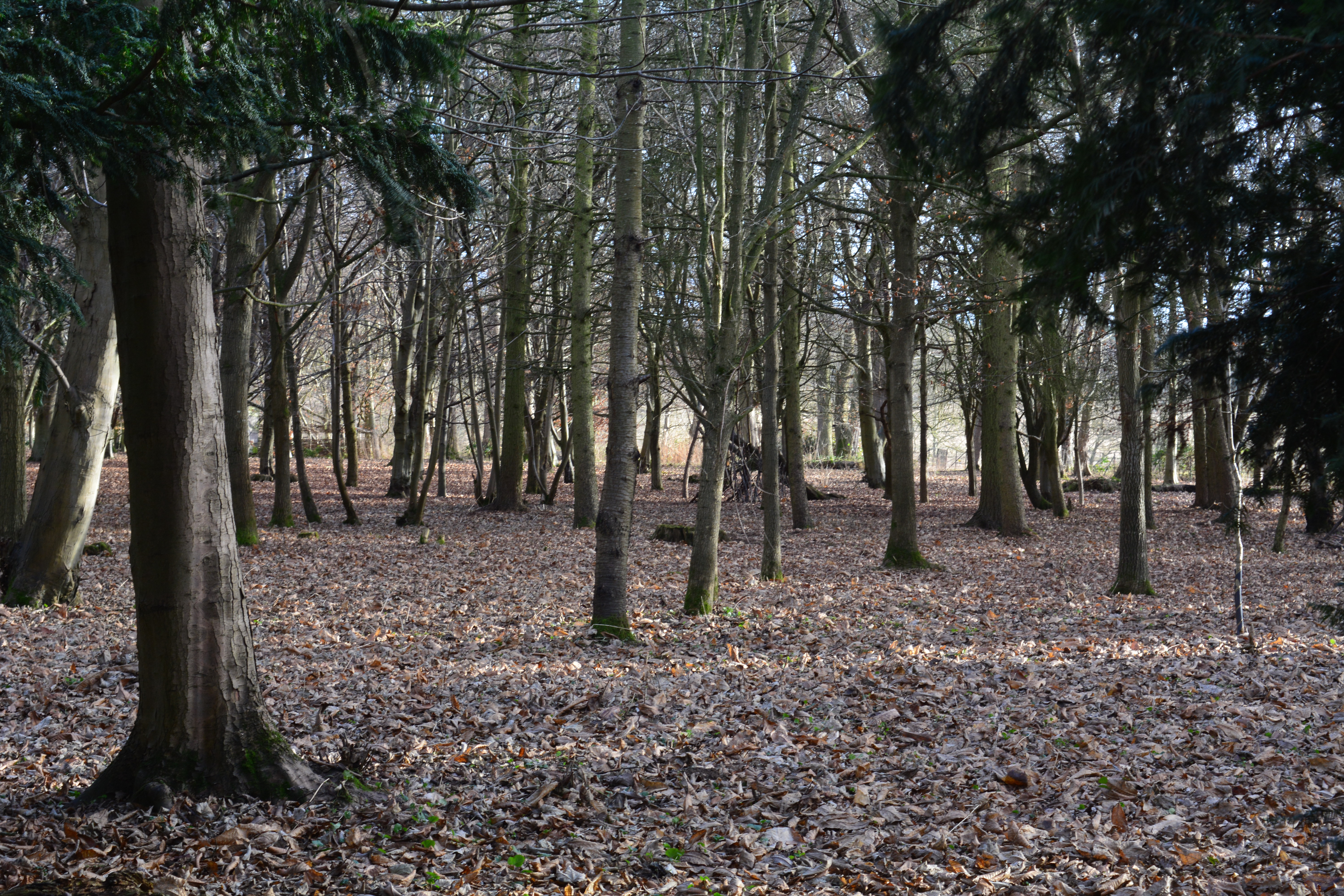
Back with the second part of our report of our January visit to Attingham Park we find ourselves taking the path into the woodland at this Shropshire National Trust property.

aj2-08 aj2-09

When leaving the walled garden the visitor has the choice of two walks and we decided to follow the 3 mile “Woodland Walk” as the weather seemed set dry for the day. Next month when we make our February visit we will follow the “Mile Walk”.

aj2-01 

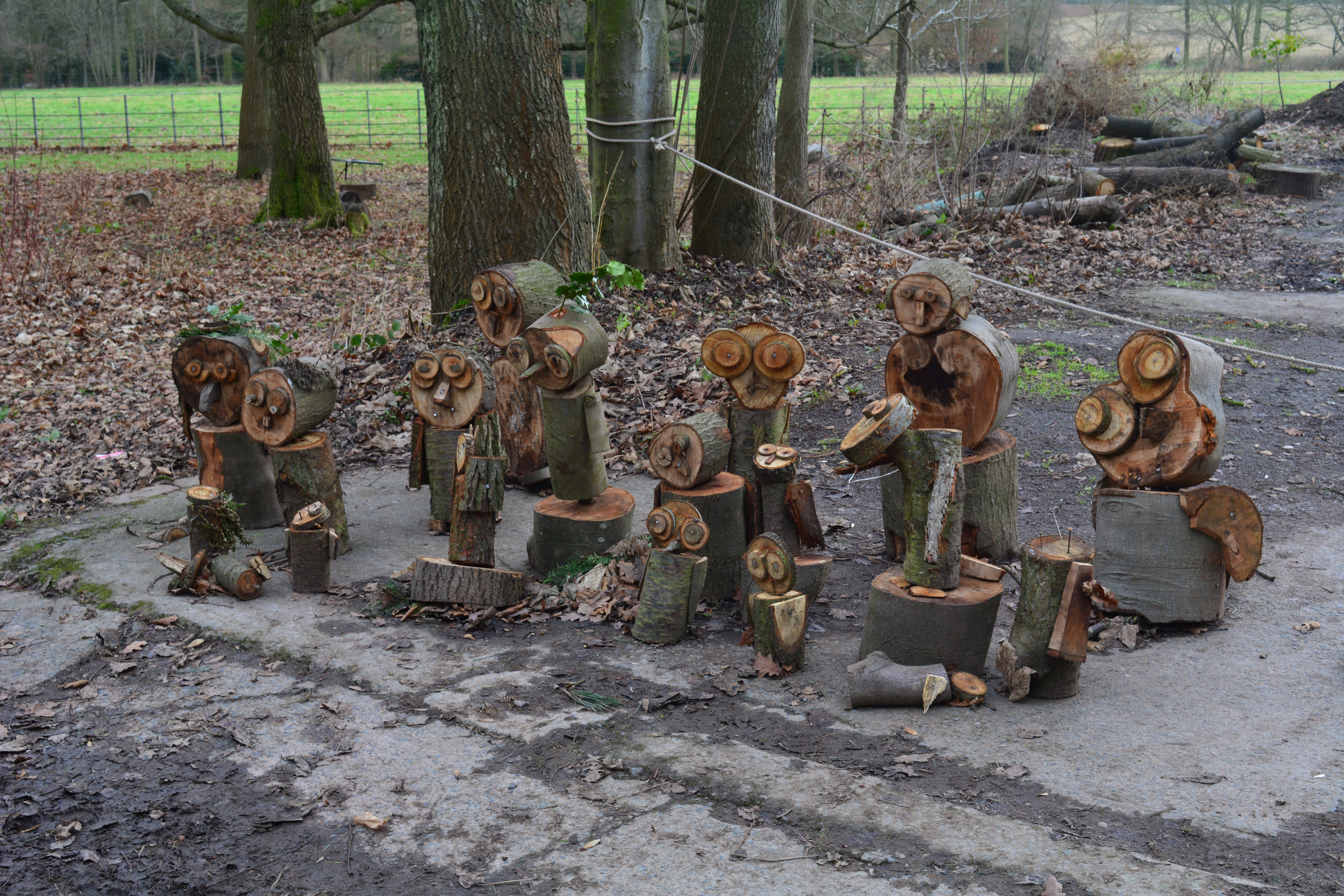
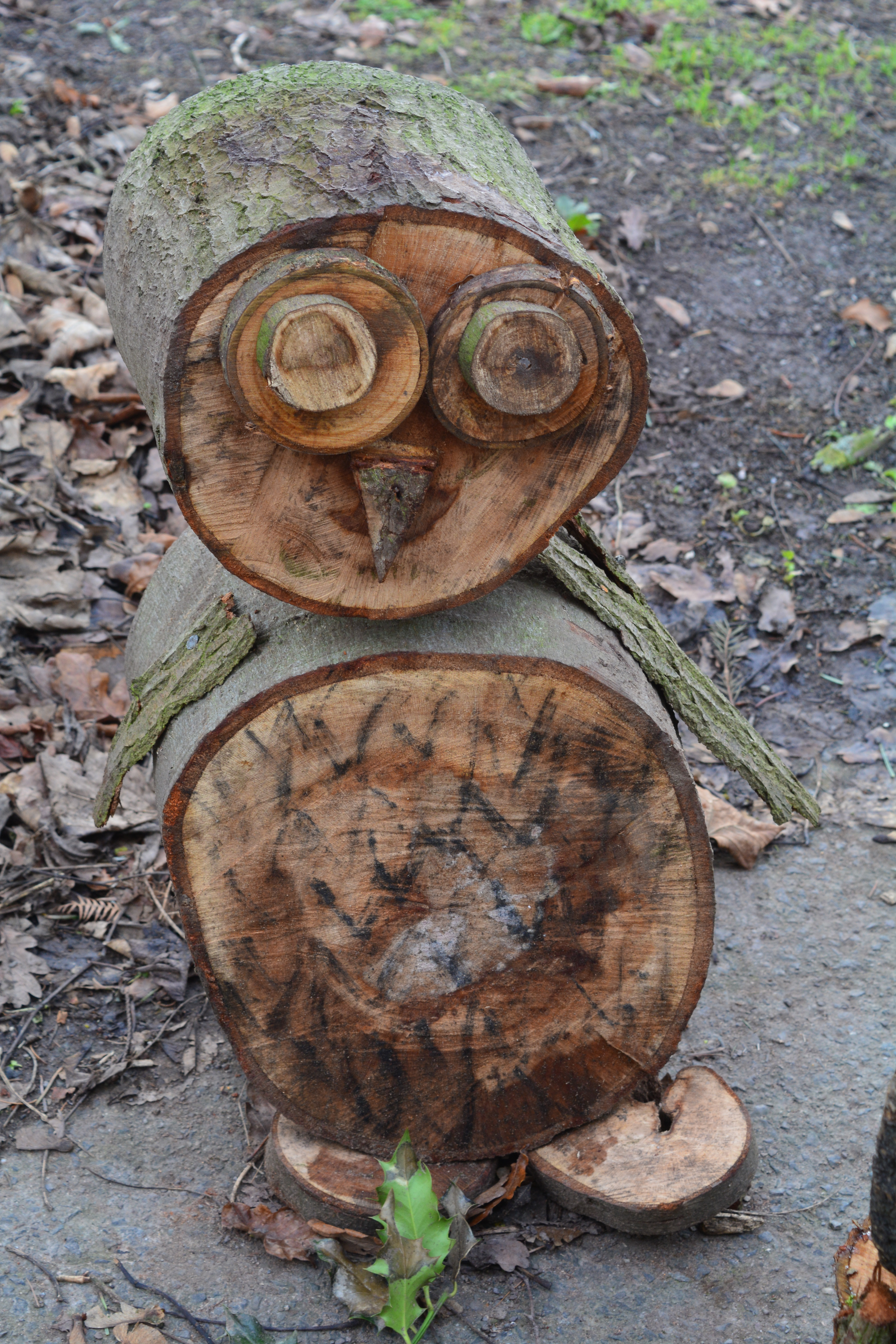
Just a short way into our walk we came across the “Burning Site” marked by a wooden deer complete with impressive antlers. We like gardens with a touch of humour so we were delighted to discover this family of owls created from wood offcuts left after trees surgery work. They were created by the gardeners as a competition. We loved them all!

aj2-07 aj2-02 aj2-03 aj2-04

aj2-05 aj2-06

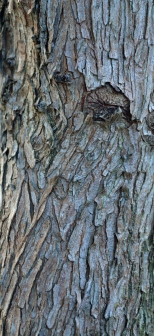
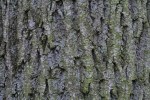
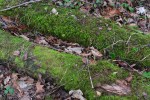
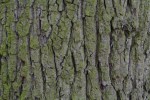
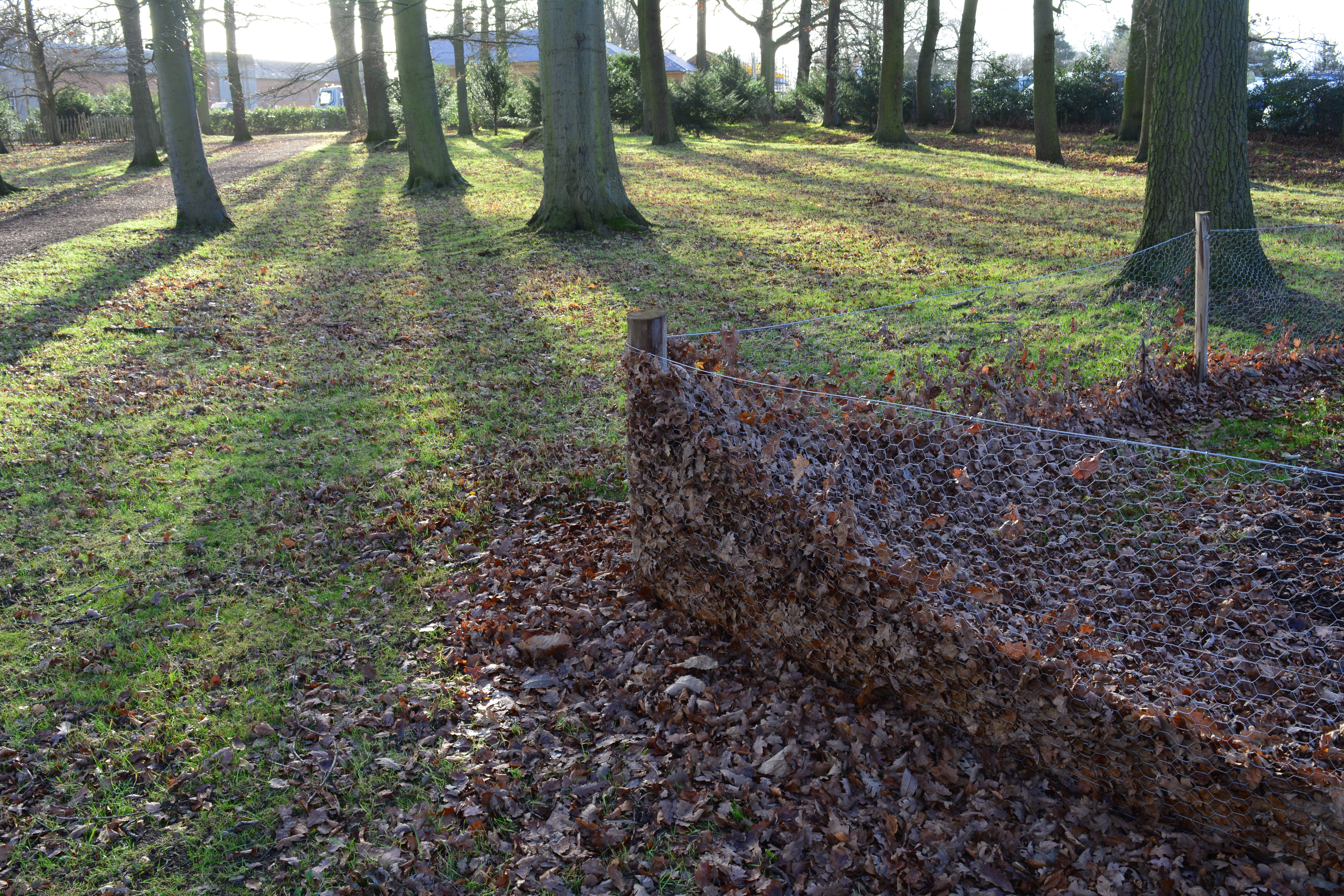
Walking in woodlands in the winter helps highlight textures and patterns not easily spotted when the trees and shrubs are in full leaf. The gentle colours of lichens and mosses are more easily appreciated too as they carpet tree trunks. Please follow the gallery below featuring bark textures and the colours of lichen and mosses. The texture of fallen trees is changed over the years by the huge array of hard-working fungi present in the woodlands. Without these fungi the fallen wood would pile up so the fungi’s function of breaking down the dead trees is essential to the well-being of the woodland ecosystem. Click on the first photo and navigate using the right hand arrow.

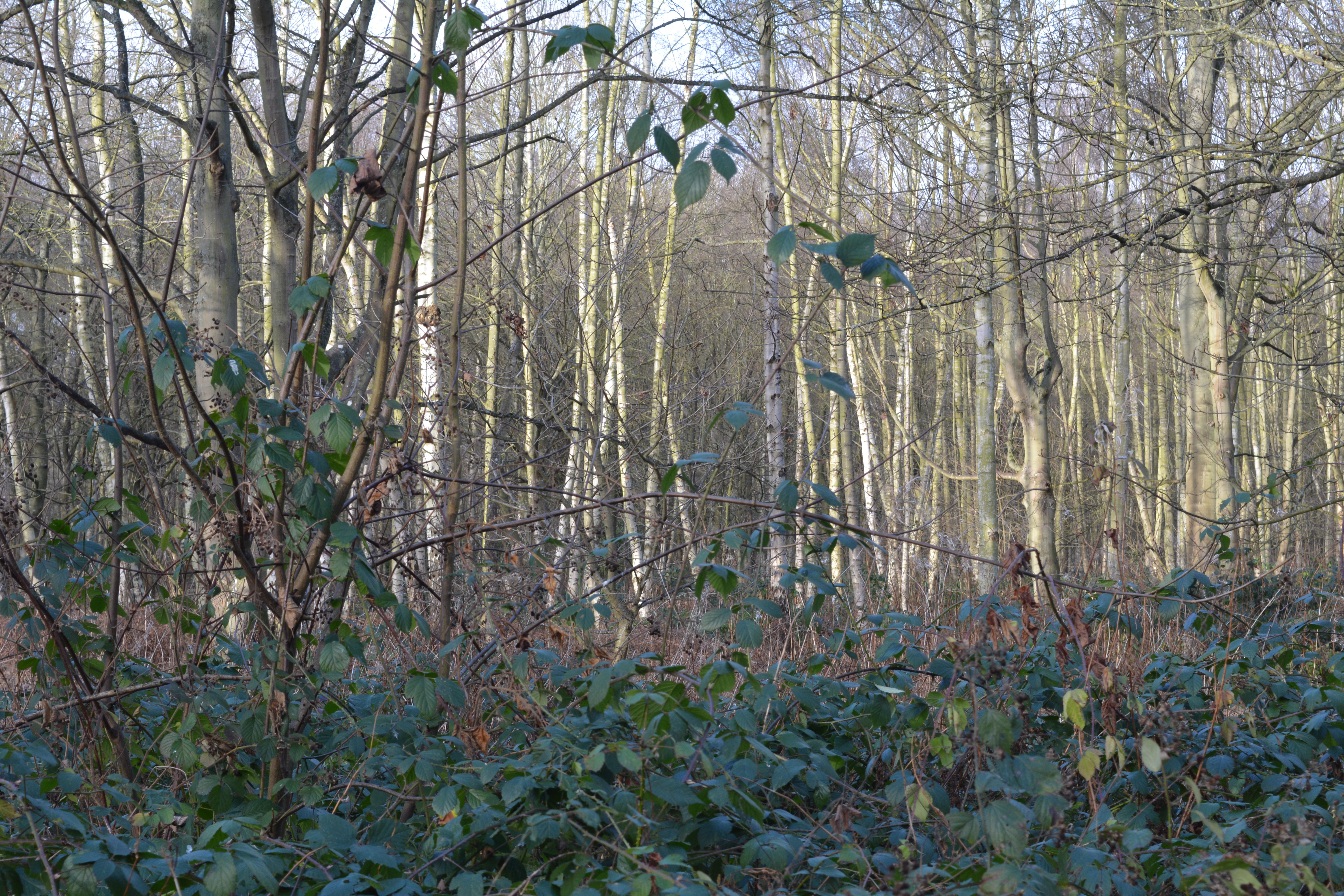
Woodland walks are made more interesting by the manner in which rays of light penetrate the canopy, creating patterns and patches of strong contrasting light.

ajt-49 ajt-43 ajt-38 ajt-37 ajt-35 ajt-26  ajt-23 ajt-25 ajt-22 ajt-27 ajt-28 ajt-20 ajt-01

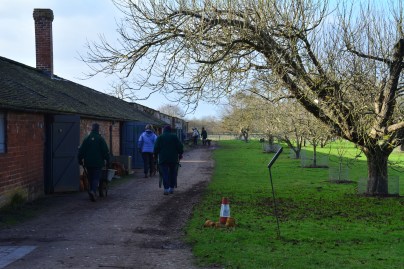
After enjoying exploring the woodland following the Woodland Walk way-marked path we cut back across the parkland to the house itself. First glimpse of the house is through a framework of Cupressus trees. To find this view we crossed over two stone bridges which took the path over water and the stonework attracted as much lichen as the tree trunks did.

ajt1-1 ajt1-2 ajt1-4 ajt1-5

Our return to Attingham Park will be in February when we will look at the Walled Garden again and then follow the much shorter walk, the Mile Walk.

aj2-11


Categories
fruit and veg garden buildings garden design garden photography gardening gardens gardens open to the public grow your own kitchen gardens National Trust ornamental trees and shrubs Shrewsbury Shropshire The National Trust walled gardens walled kitchen gardens Winter Gardening winter gardens

A Walk in the Park – Attingham in January – Part 1 – The Walled Garden

So here we are with the first of this year’s monthly visits to our chosen patch, Attingham Park, a National Trust property and without doubt one of the most popular. It is so popular simply because there is such a choice of walks. For our January visit we chose a cold but bright day and we enjoyed the company of the winter sun.

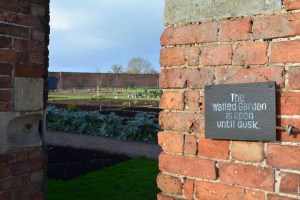
We began our wander by visiting the walled garden to see what the gardeners have been getting up to within the protection of its walls. We took the soft path where the surface is made from chipped bark which feels friendlier and more natural under our feet than the alternative gravel path which runs almost parallel. It is good to feel a path giving slightly beneath each footstep. The path leads us beneath tall mature deciduous trees bare of their leaves. The leaves from the fall remain carpeting the ground as a reminder of autumn but there are also signs of things to come, the leaves of bulbs have broken the surface and look like green spears thrusting towards the sky. It won’t be long until they are flowering away brightening up the woodlands. Buds on the branches of the trees are fattening up ready to open in the spring and clothe the woodland with greenery.

aj-06 aj-02aj-05 aj-04aj-03 aj-01 aj-10aj-08 aj-09

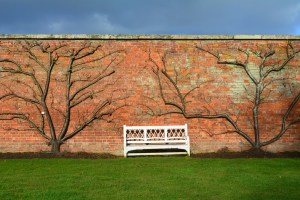
As we approached the walled garden the freshly painted bench glowed white strongly contrasting with the brick-red wall which provided support for trained fruit trees.

aj-11 aj-12

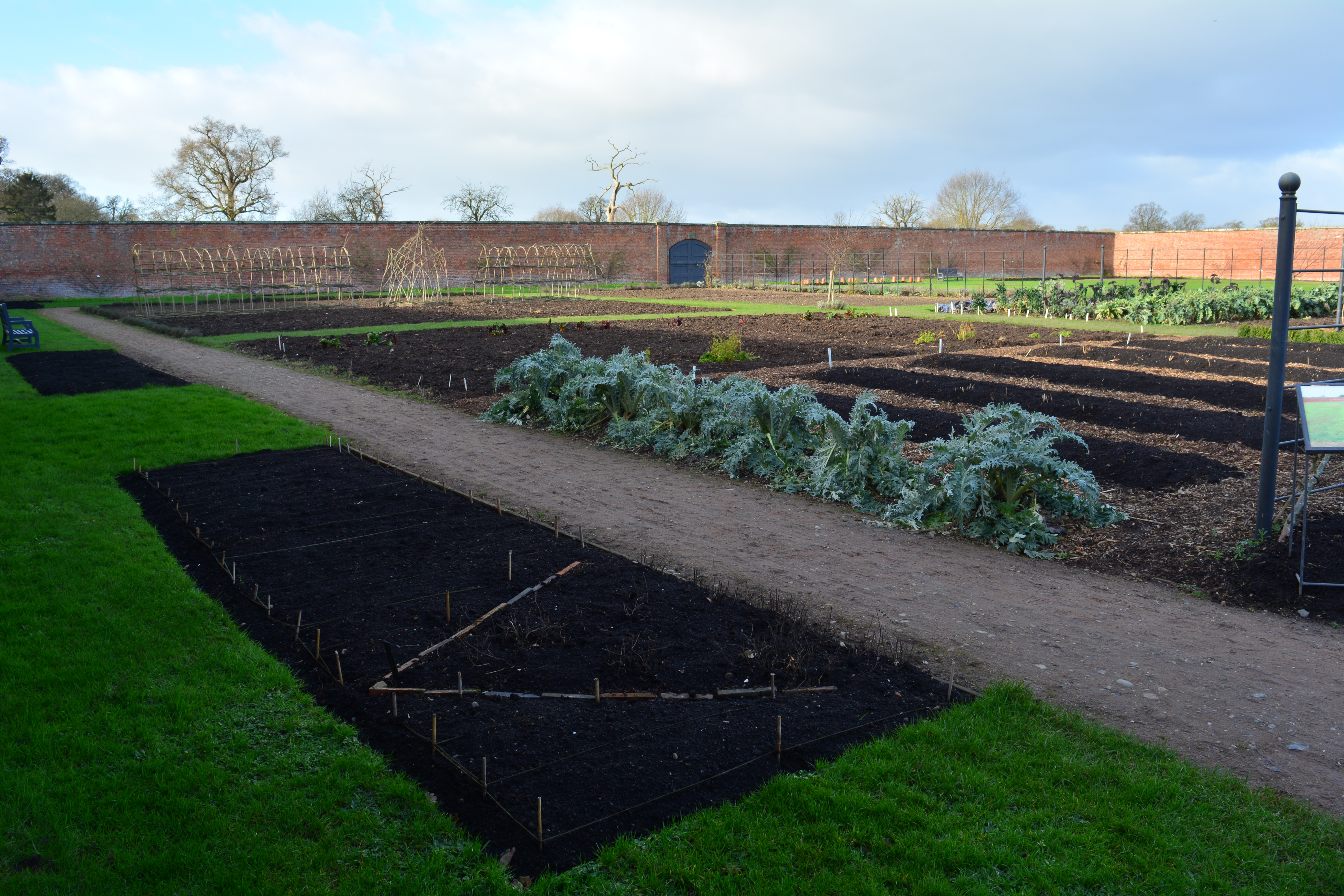
Entering the walled garden we could appreciate the vastness of it and marvel at the amount of produce grown in the past for the “big house”.

aw-01 aw-02

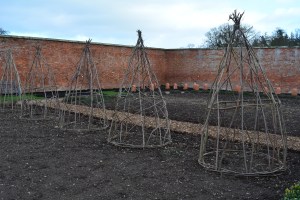
We could see straight away that the gardening team of employed gardeners and volunteer gardeners had been busy creating beautiful structures from hazel and willow for climbing crops to clamber up. They had also been spreading a thick layer of rich compost as a mulch where needed, in between which deep layers of chipped bark had been lain to make soft comfortable paths.

aw-06 aw-13aw-18 aw-22aw-15 aw-05

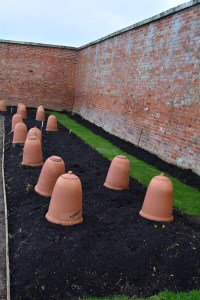
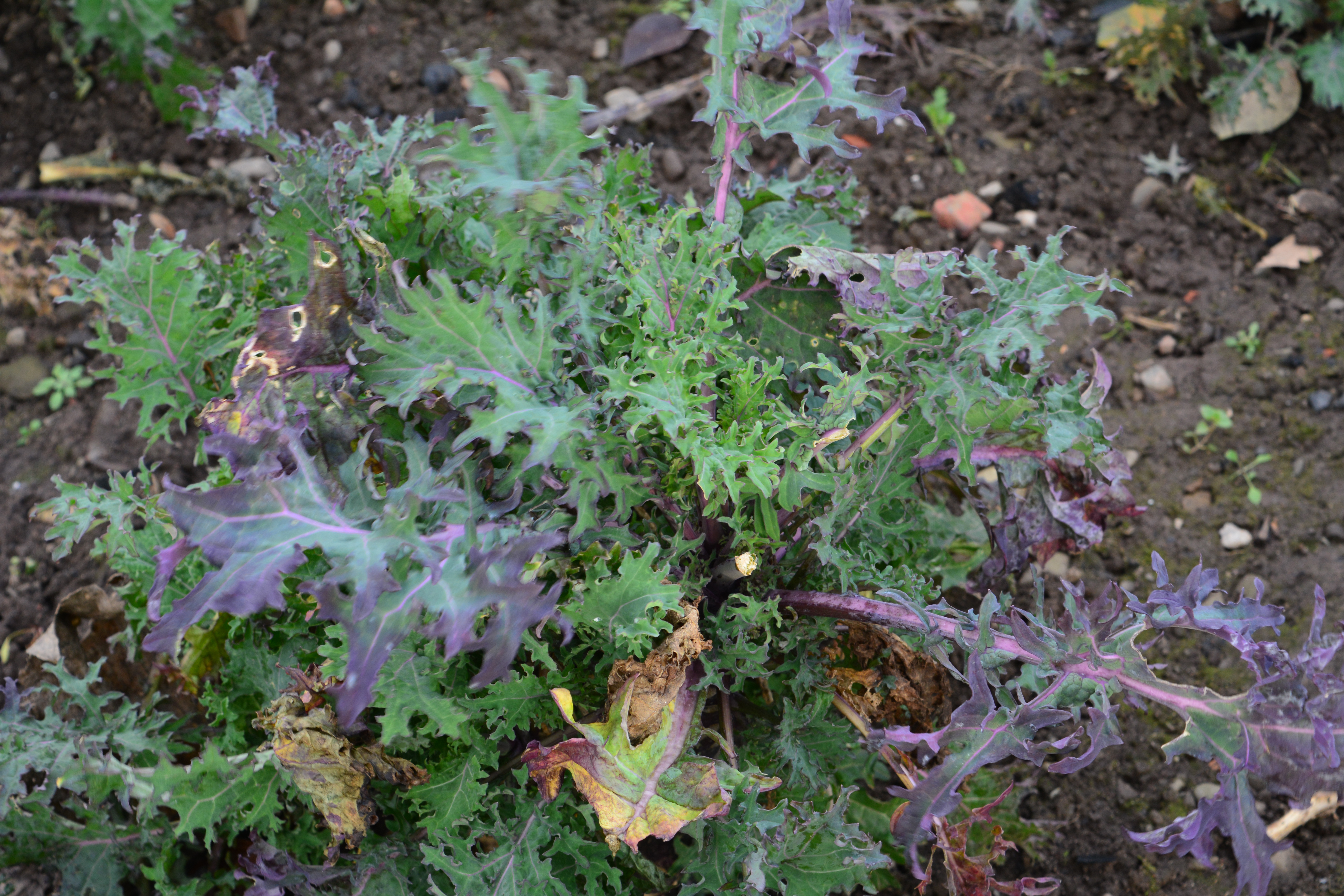
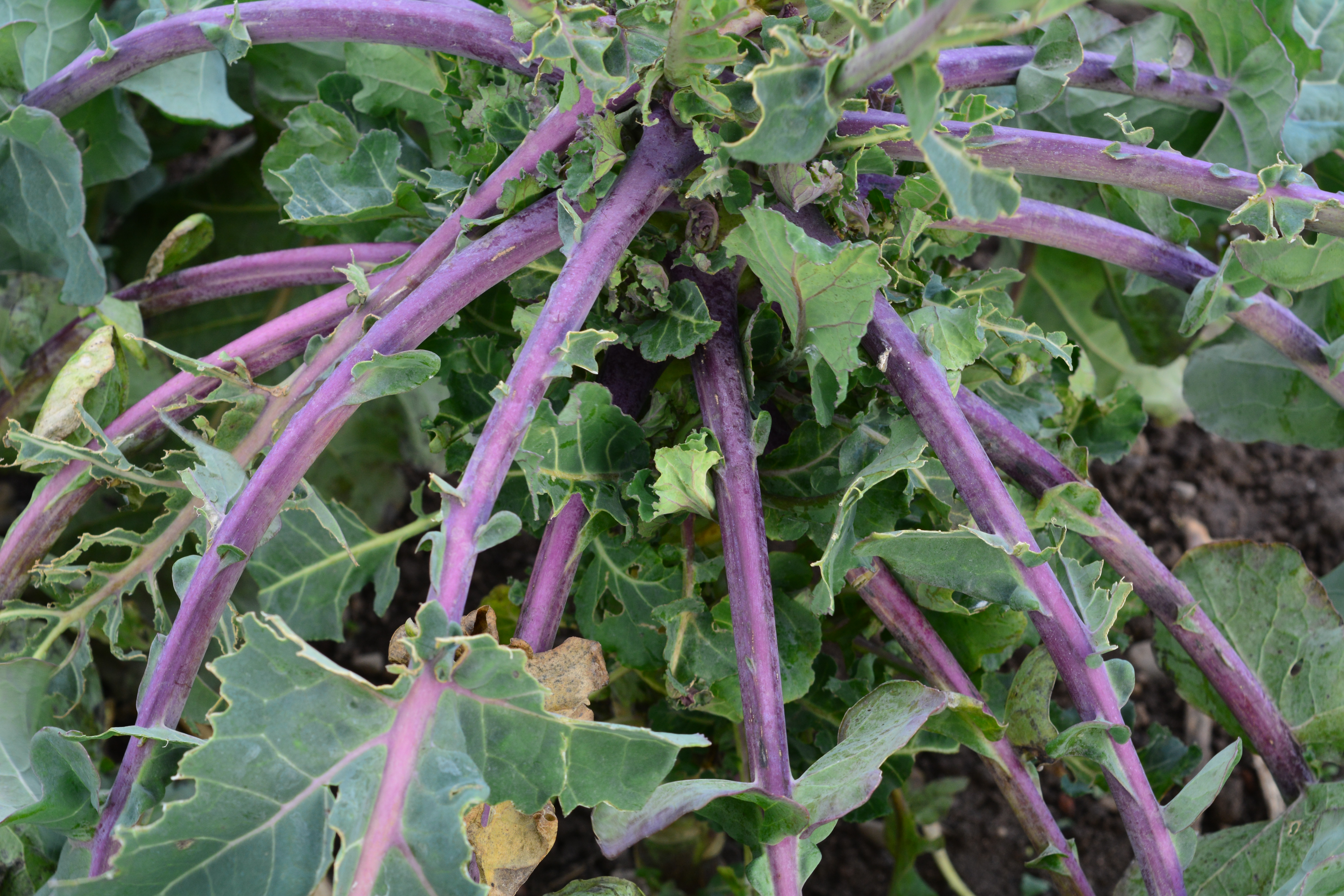
The most important crops remaining in the ground and currently being harvested are the members of the brassica family, such as cabbages, kales and sprouts. They are very decorative crops with their coloured leaves with each cultivar sporting its own texture. One crop is hidden away beneath terracotta forcers, keeping the light off their developing stalks, rhubarb. The forced stalks will be pale-coloured and sweet-tasting.

aw-07 aw-10 aw-08 aw-09 aw-20aw-11 aw-12

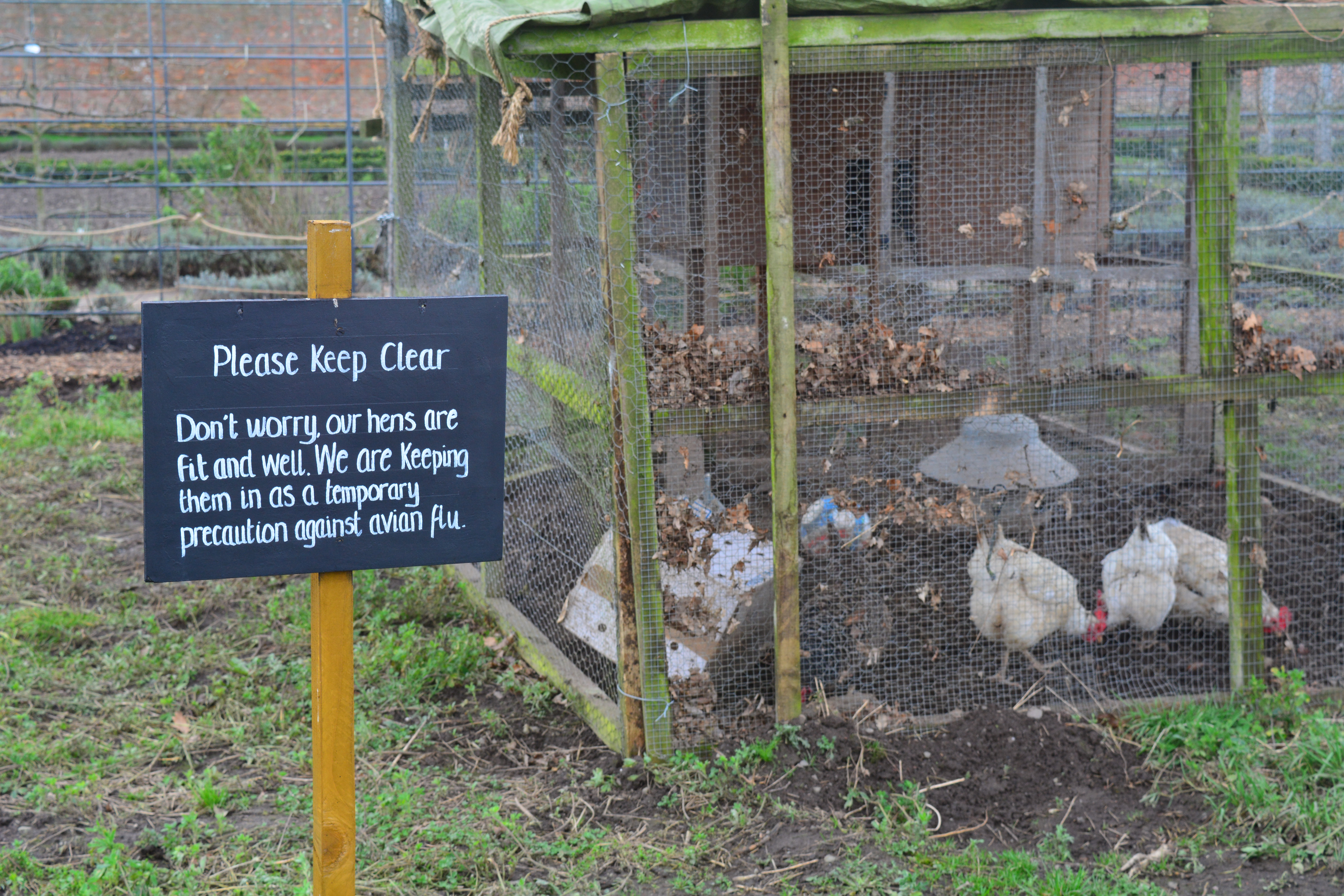
Blackboards keep visitors informed of the current gardening tasks being carried out in the garden. The one info board sadly explained that the chickens were under cover because of the current “bird flu” scare.

aw-21 aw-19

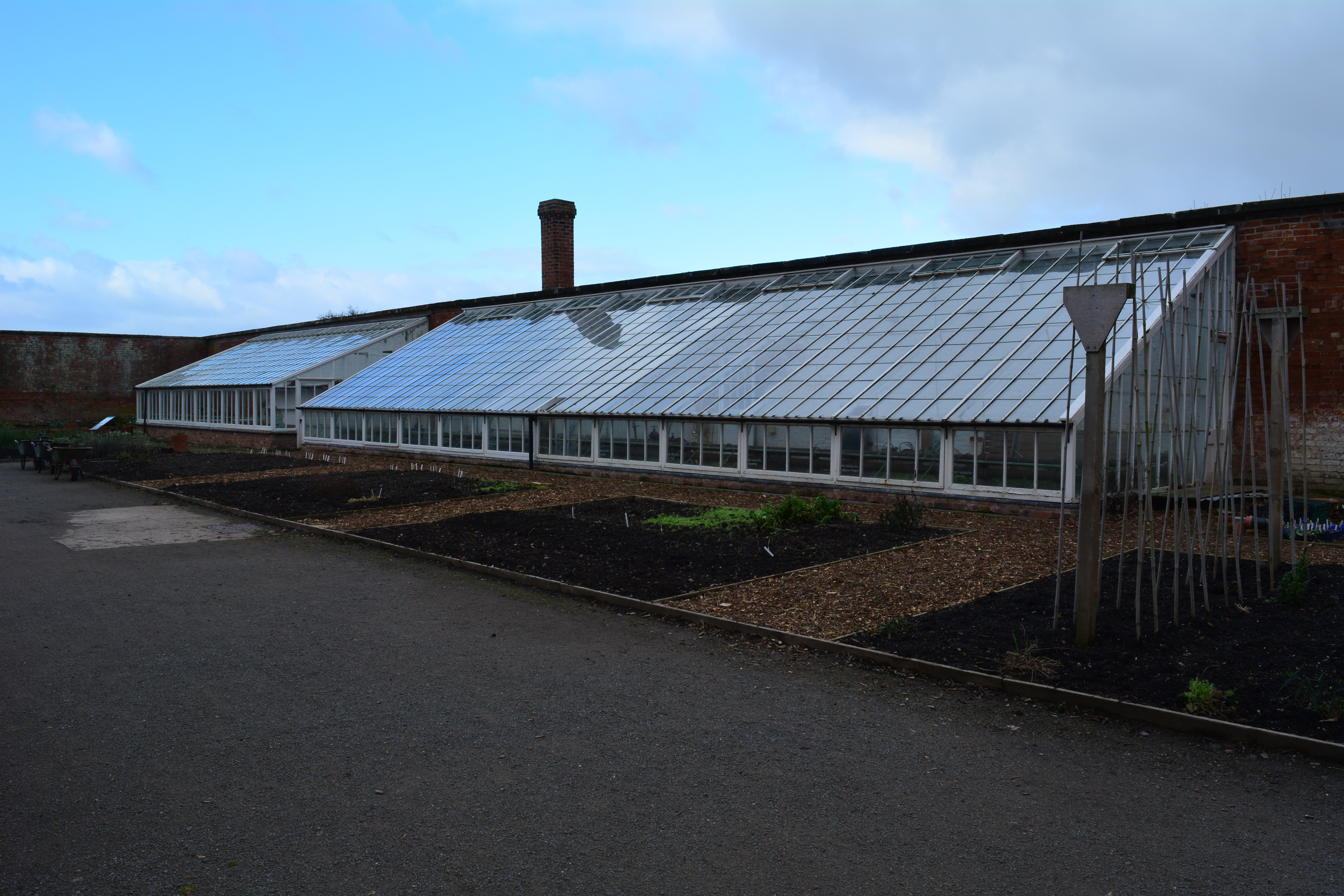
An annex to the walled garden is enclosed in a similar fashion but contains the range of glasshouses and cut flower beds. In this area there is a collection of the herbaceous bulb, Camassia. In the summer their many shades of blue and white will brighten up their corner border.

aw-23 aw-24 aw-25 aw-26

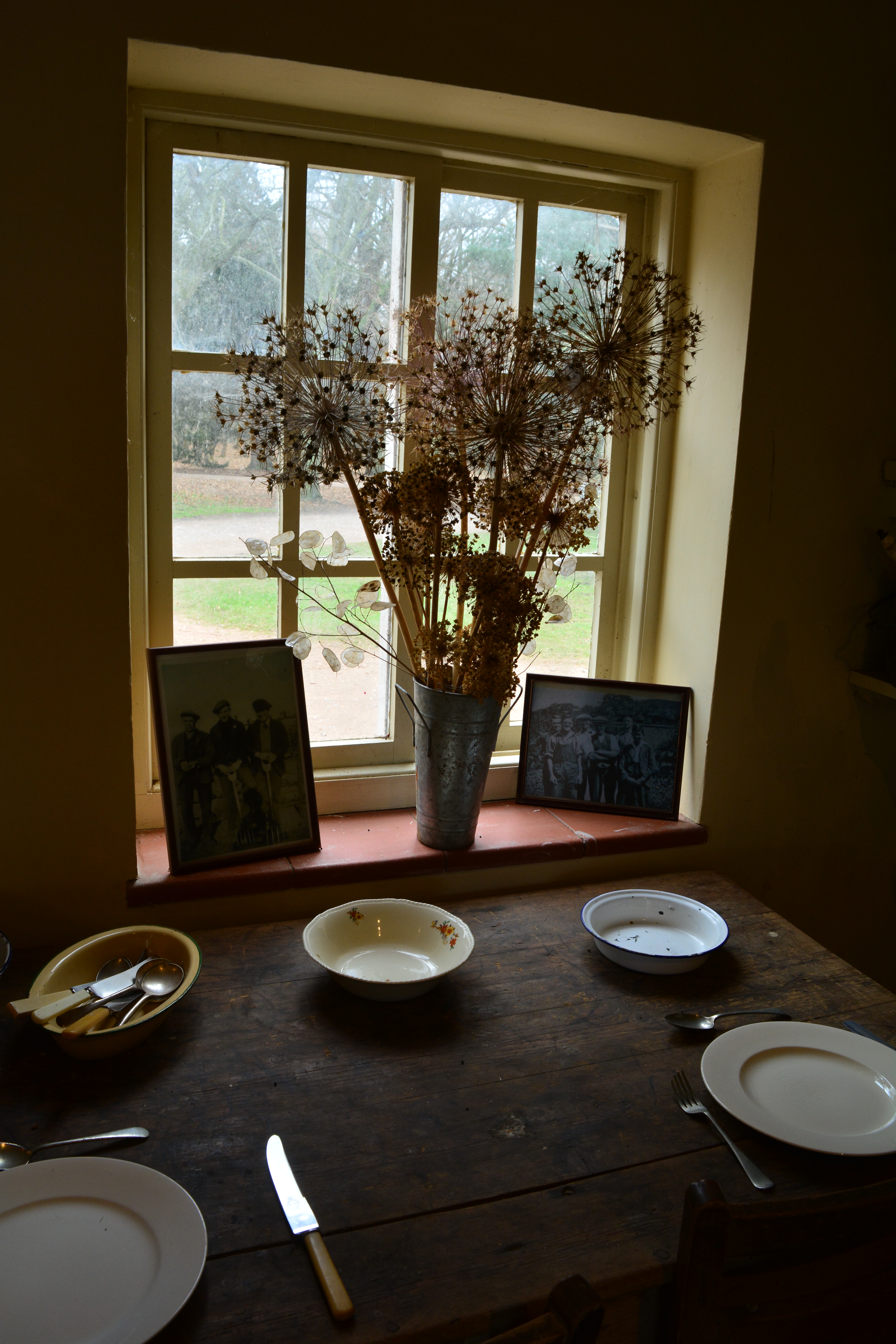
On entering the bothy we discovered the gardeners and volunteers enjoying their mid-morning break and a chance to get together to discuss the work in hand. They were a happy bunch laughing and enjoying their company. As always the bothy had interesting displays on view for visitors to enjoy and learn from.

aw-28 aw-29 aw-30

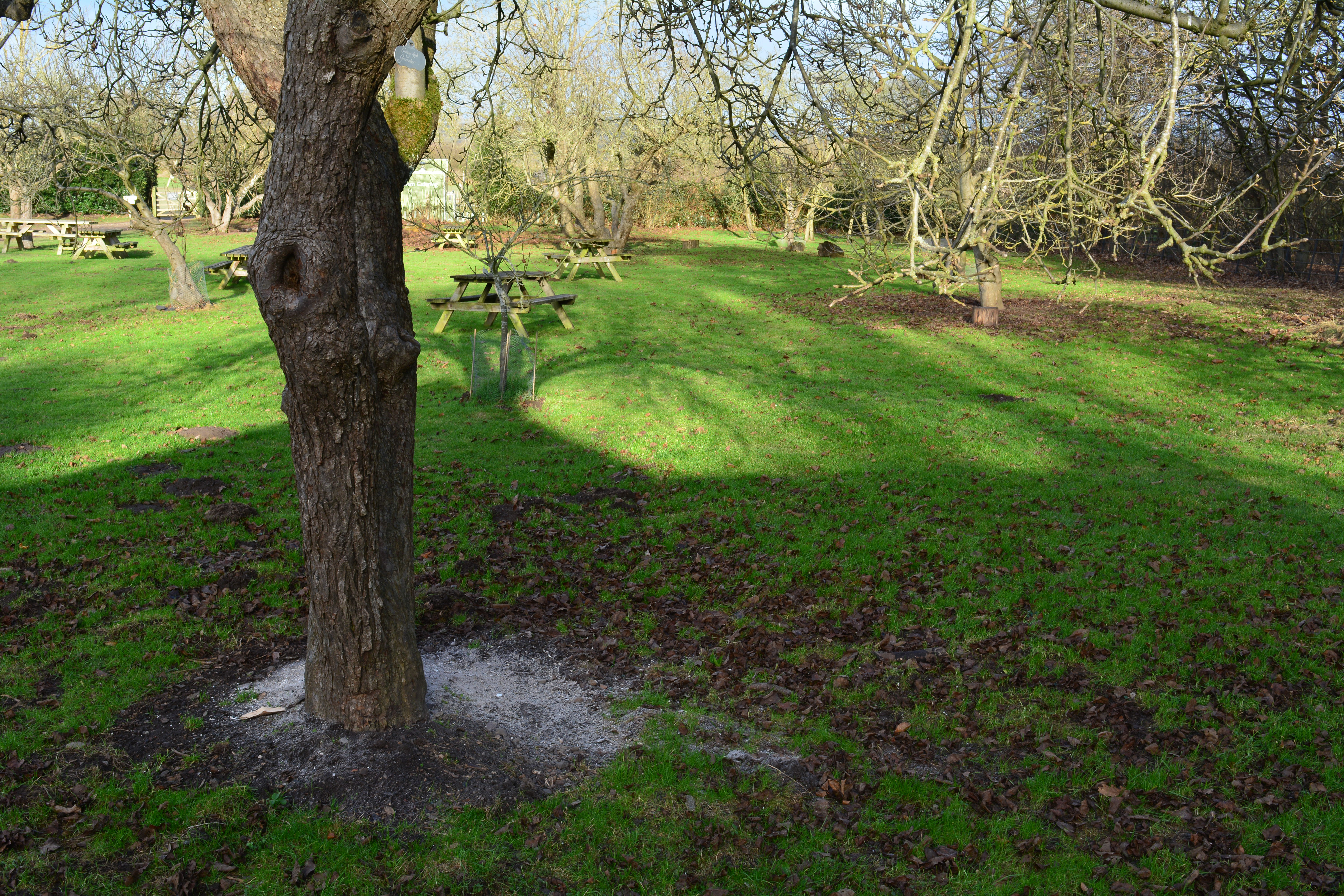
We left the walled garden via the wooden doorway into the orchard. We found that the trees had been treated to a dose of wood ash from the bothy’s fire and woodburner. The outer walls are also used for training fruits possibly grape vines or kiwi fruit. We shall find out when the leaf buds unfurl.

aw-31 aw-32

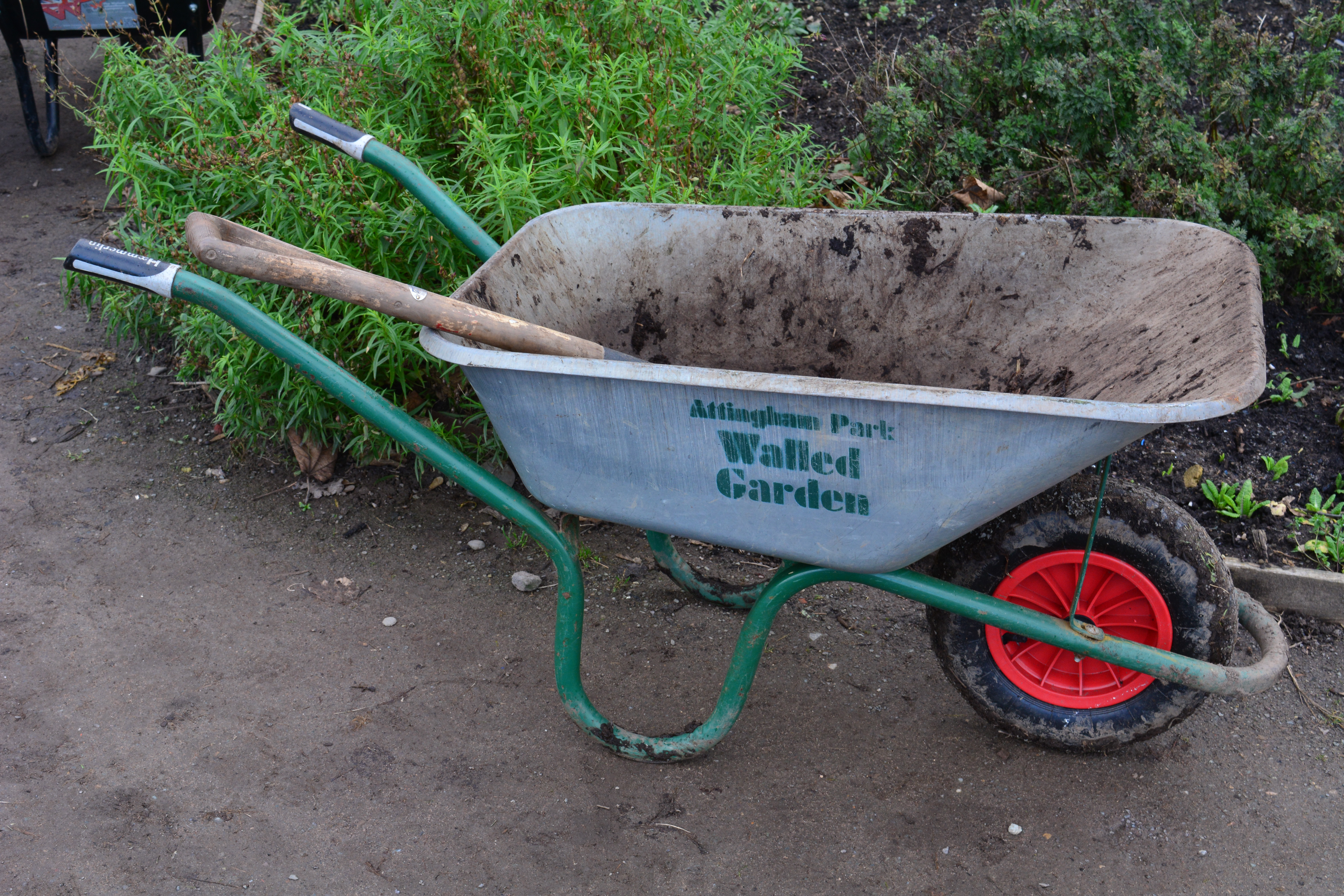
The volunteers and gardeners followed us out of the walled garden each wheeling a wheelbarrow in which they would soon be loading more mulch for top-dressing the veg beds. Leaving the productive area of the park we decided to move forward and follow the path leading us to the Woodland Walk. In part two of my January Attingham post we will share the woodland walk experience with you.

aw-33

Categories
autumn autumn colours colours garden design garden photography gardening grasses half-hardy perennials hardy perennials light light quality ornamental grasses ornamental trees and shrubs Shropshire shrubs South Shropshire succulents trees Uncategorized village gardens

The one that nearly got away! – My Garden Journal in November

Imagine my surprise when checking back through my list of posts to find my Garden Journal for November still waiting to be posted. It nearly got away but here it is. Better late than never! Imagine we are back in the autumn!

This will be the penultimate visit to my 2016 Garden Journal as we look at what November has in store for our Avocet patch.

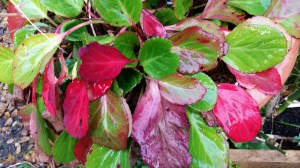
Colour launches my November pages with a double page spread of rich colours with the words, “Autumn has crept in further as November arrives and the garden is starting a new chapter where foliage colours dominate and individual plants become the focus of our attention rather than whole borders of blooms.”

nj9-01nj-3 nj-2nj-5 nj-4 nj-1nj1-4 nj1-5 nj1-3nj1-6 nj1-2nj2-1 nj2-2 nj1-1

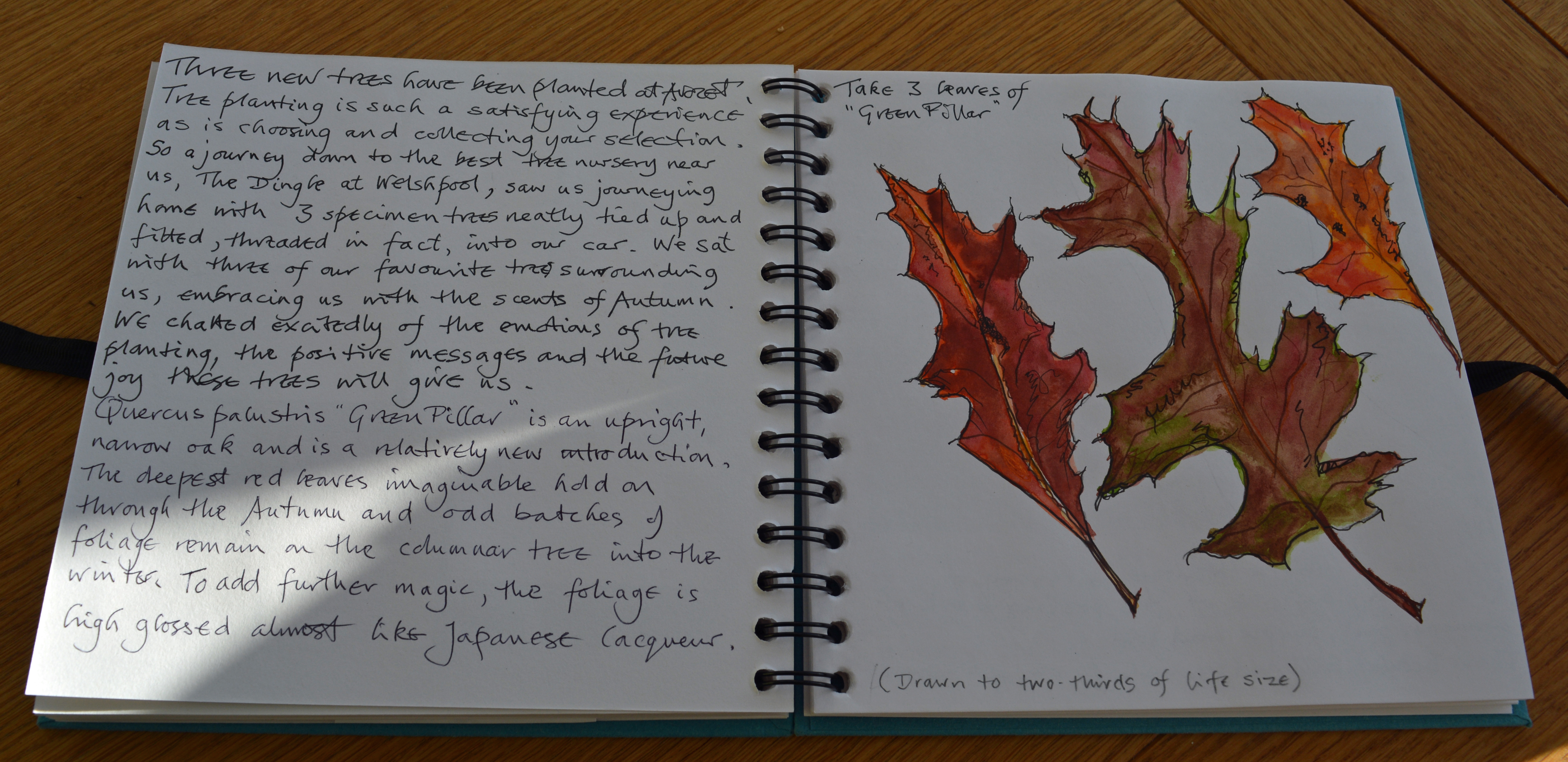
I move on to share our purchase of three new trees for our patch, an oak and two birches, all trees that we have been seeking out for several years. The oak is good for a small garden like ours because it has a columnar habit of growth growing tall but very slim. It is Quercus palustris “Green Pillar” which hides the fact that its main reason for growing it is for its bright red autumn leaves. I wrote, “Three new trees have been planted at Avocet. Tree planting is such a satisfying experience as is choosing and collecting your selection. So a journey down to the best tree nursery near us, The Dingle at Welshpool, saw us returning home with 3 specimen trees neatly tied up and fitted, threaded in fact, into our car. We sat with three of our favourite trees surrounding us, embracing us with the scents of Autumn. We chatted excitedly of the emotions of tree planting, the positive messages and the future joy these trees will give us. 

nj9-02

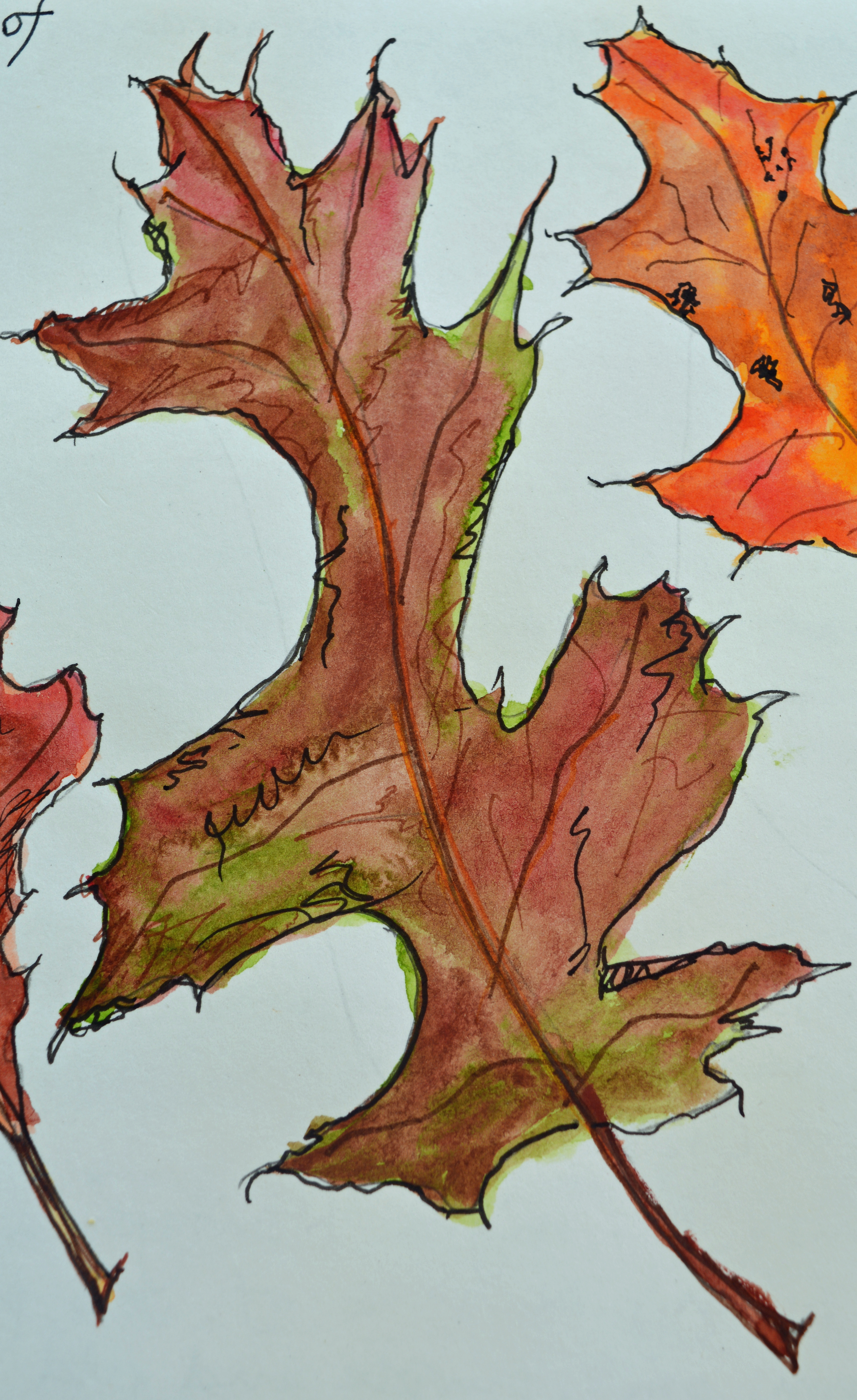
Quercus palustris “Green Pillar”is an upright growing, narrow oak and is a relatively new introduction. The deepest red leaves imaginable hold on through the Autumn and odd batches of foliage remain on the columnar tree into the Winter. To add further magic, the foliage is highly glossed almost like Japanese lacquer.”

I chose three leaves to paint in watercolours and fibre tipped pens trying to capture the texture and colour variations.

nj9-03 nj9-04 nj9-05 nj9-06

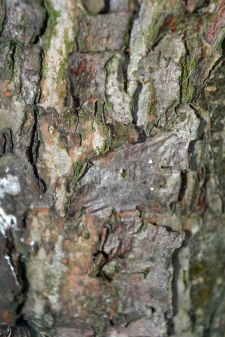
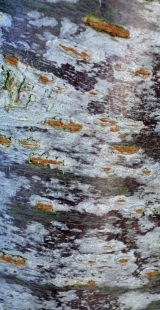
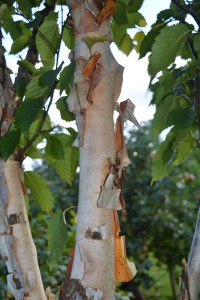
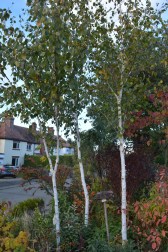
My next double page spread featured our other 2 new trees and I started by writing, “Anyone who knows us as gardeners will have guessed that the other two new trees are our favourite Betulas, B. nigra “Heritage” and B. “Hergest”. Both of these Birches should be the same dimensions reaching 16 feet tall by 6 feet wide after 10 years. We have planted them either side of a covered bench in the front garden. “Hergest” is a Birch we have been longing to plant in our patch because of its wonderful bark texture and colour. It is in the “albosinensis” family of Betulas described by tree

specialist Frank Matthews a rare and beautiful tree possibly a cross between B. albosinensis and B.ermanii. We look forward to the bark turning light copper-brown and glossy. Another reason we love it is because it orginates from a local, favourite garden, Hergest Croft. We chose B. nigra “Heritage”, a variety of River Birch, because of its peeling bark of cinnamon, pink, purple and gold. These Betulas will add so much to our garden.”

nj9-07nj2-8 nj2-5 nj2-2-1   nj2-1-1 nj2-3 nj2-6 nj2-4

“Betula albosinensis “Septentronalis” (first 3 pics top row) and Betula utilis jacquemontii “Snow Queen” (bottom row) with the odd photo of our immature B. albosinsensis “Chinese Ruby” awaiting a colourful future.”

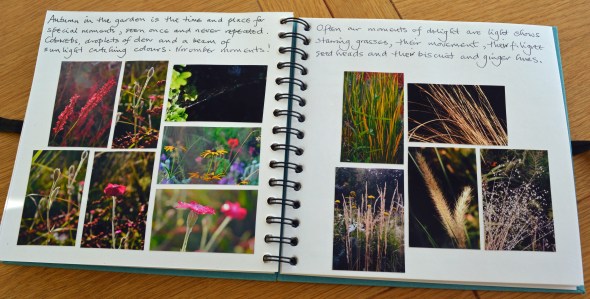
Moments of delight come next in my journal for November, “Autumn in the garden is he time and place for special moments, seen once and never repeated. Cobwebs, droplets of dew and a beam of sunlight catching colours. November moments!” I would like to share seven photos of some of our special moments in our garden.

nj9-08nj4-01 nj4-04 nj4-03nj4-02 nj4-05 nj4-06 nj4-07

“Often our moments of delight are light shows starring grasses, their movement, their filigree seed heads and their biscuit and ginger hues.”

nj4-10 nj4-08 nj4-09 nj6-4 nj6-5

Turning over the page we encounter a page looking back at early tree planting and I checked out how one favourite is doing now 13 years on.

nj9-09

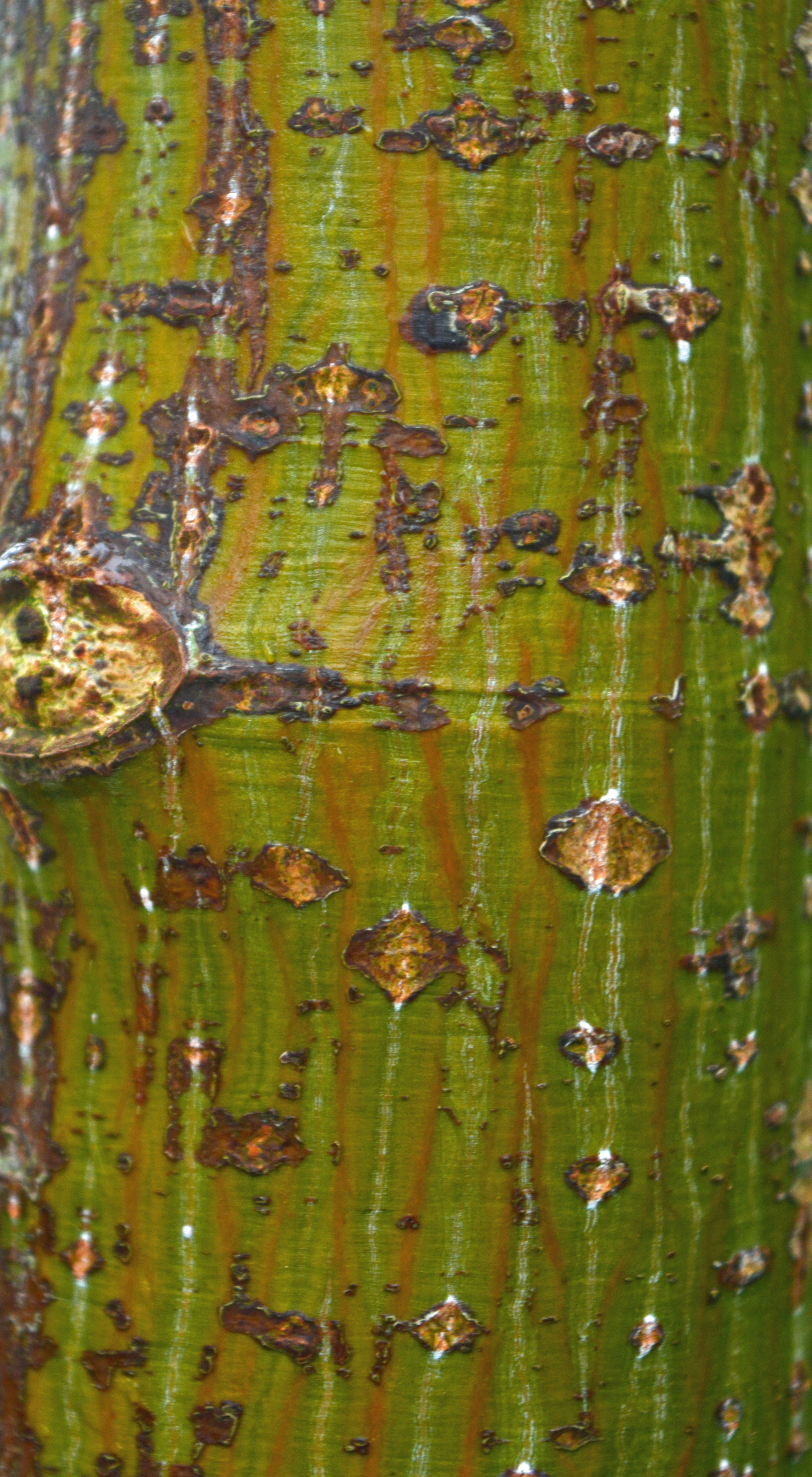
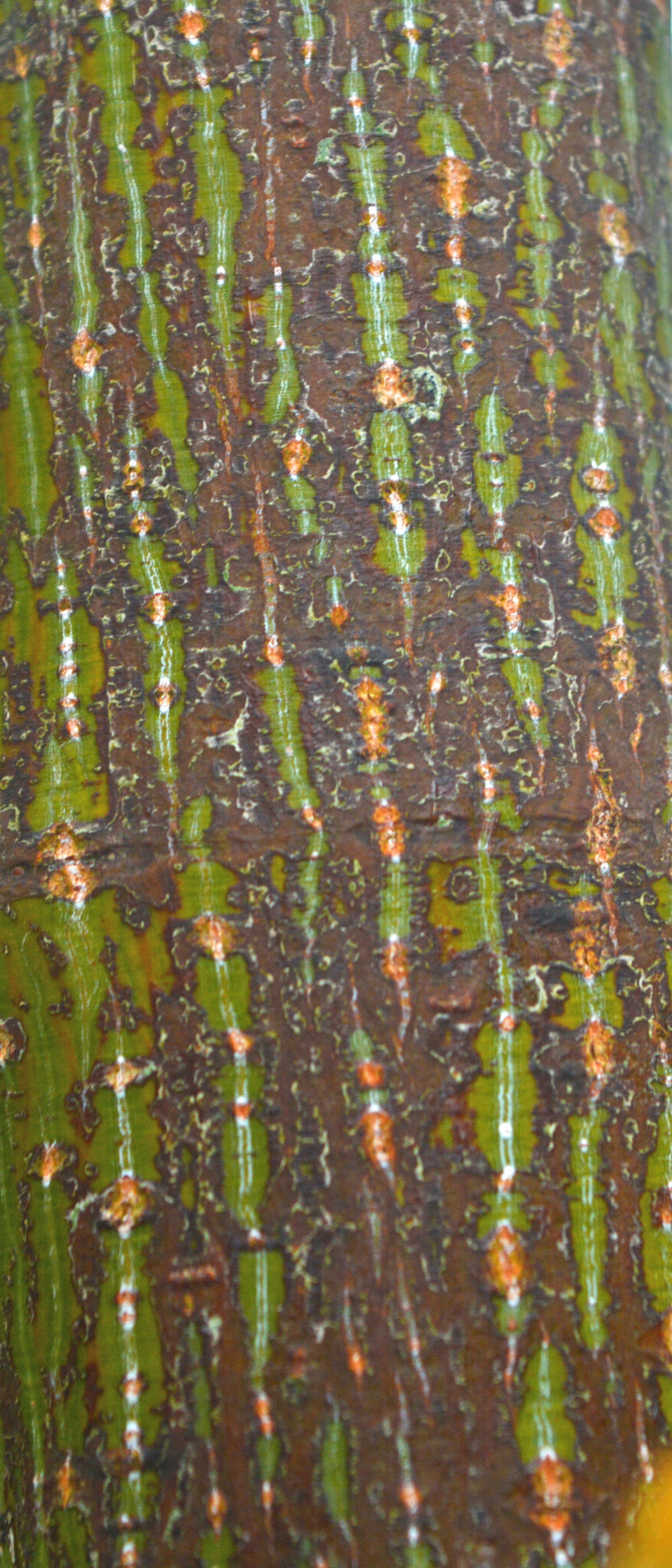
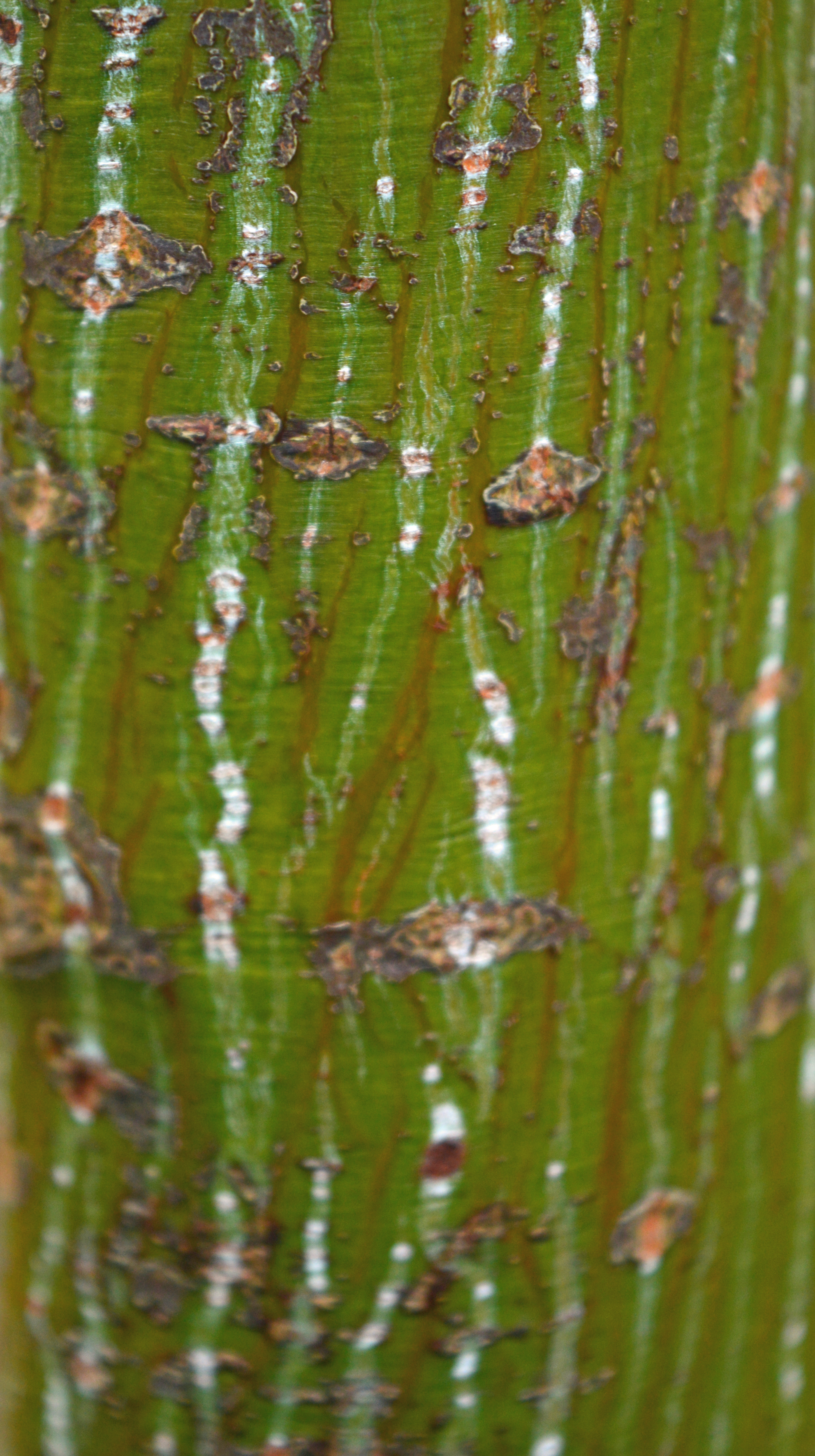
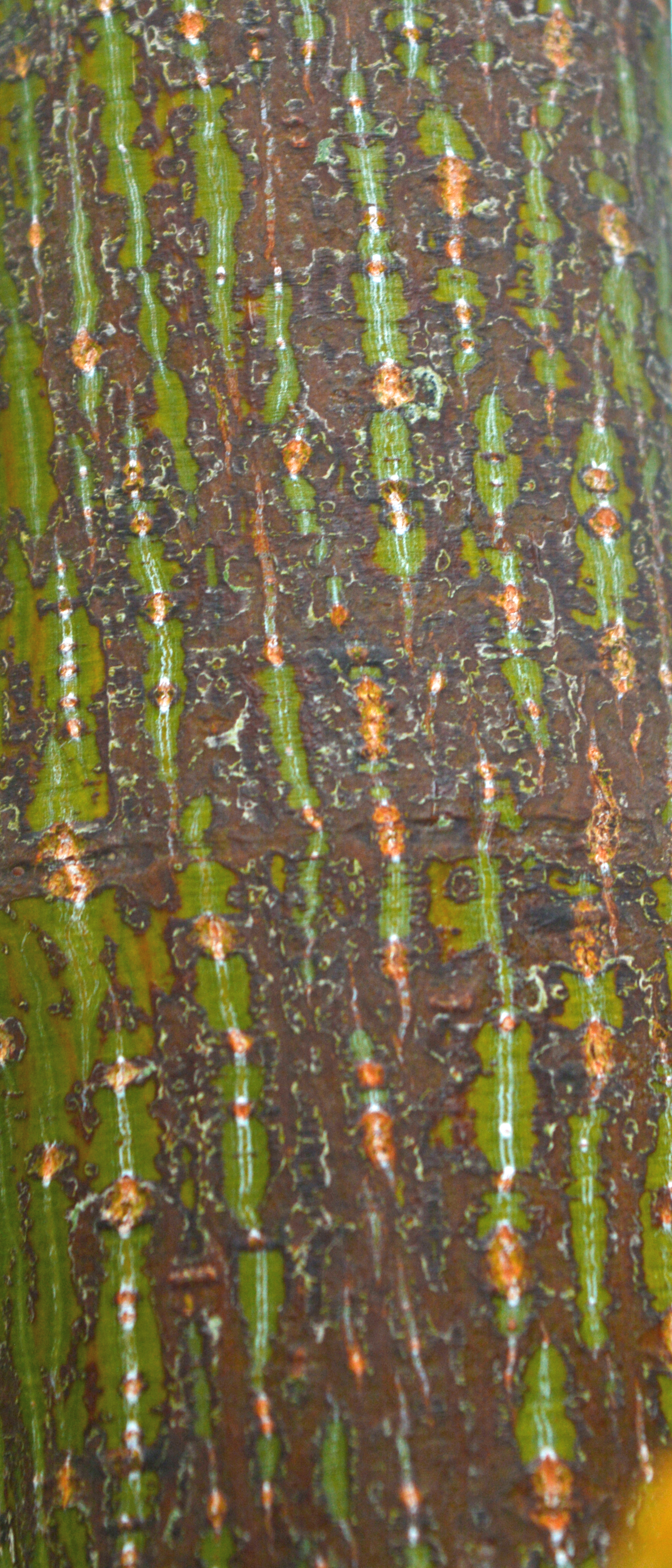
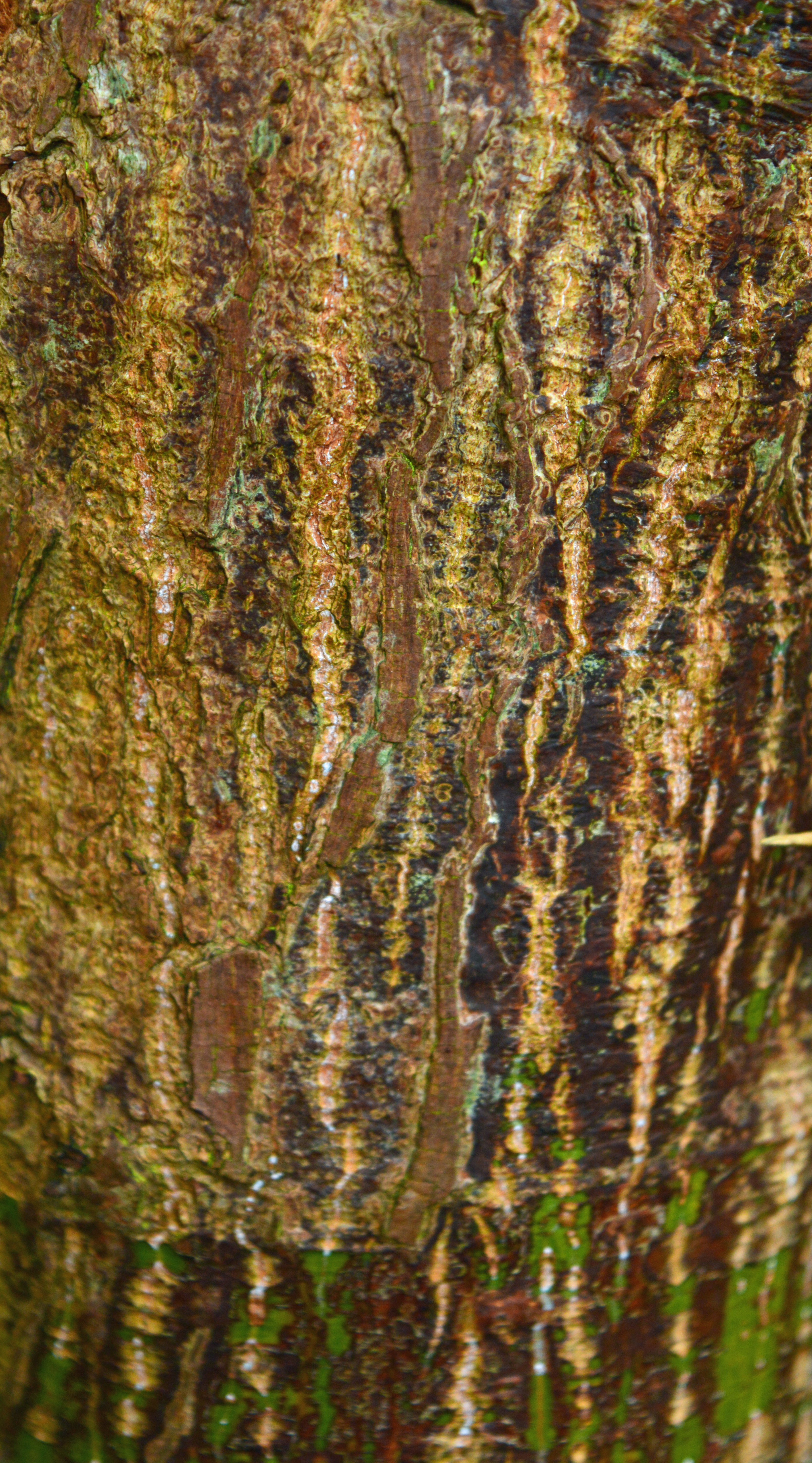
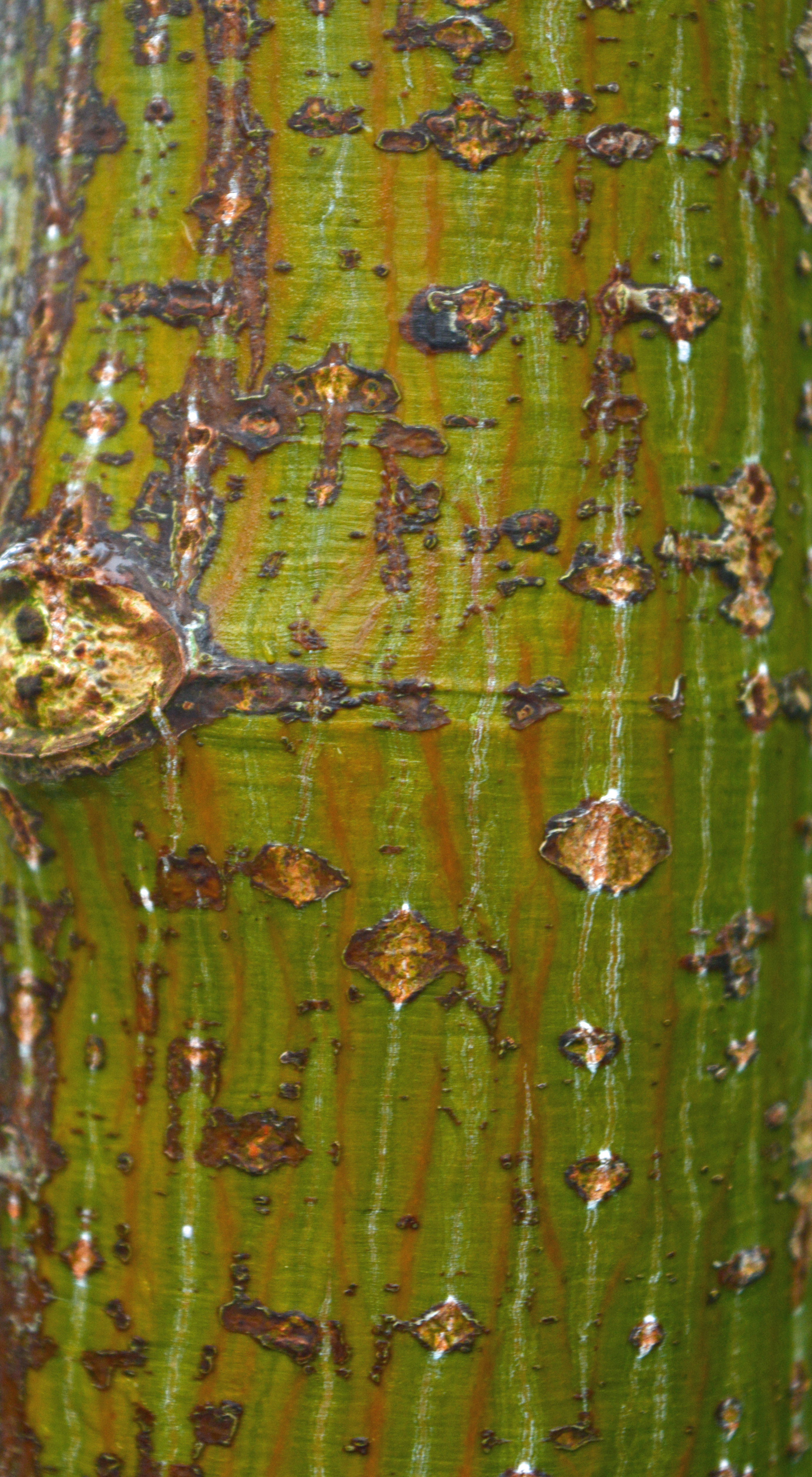
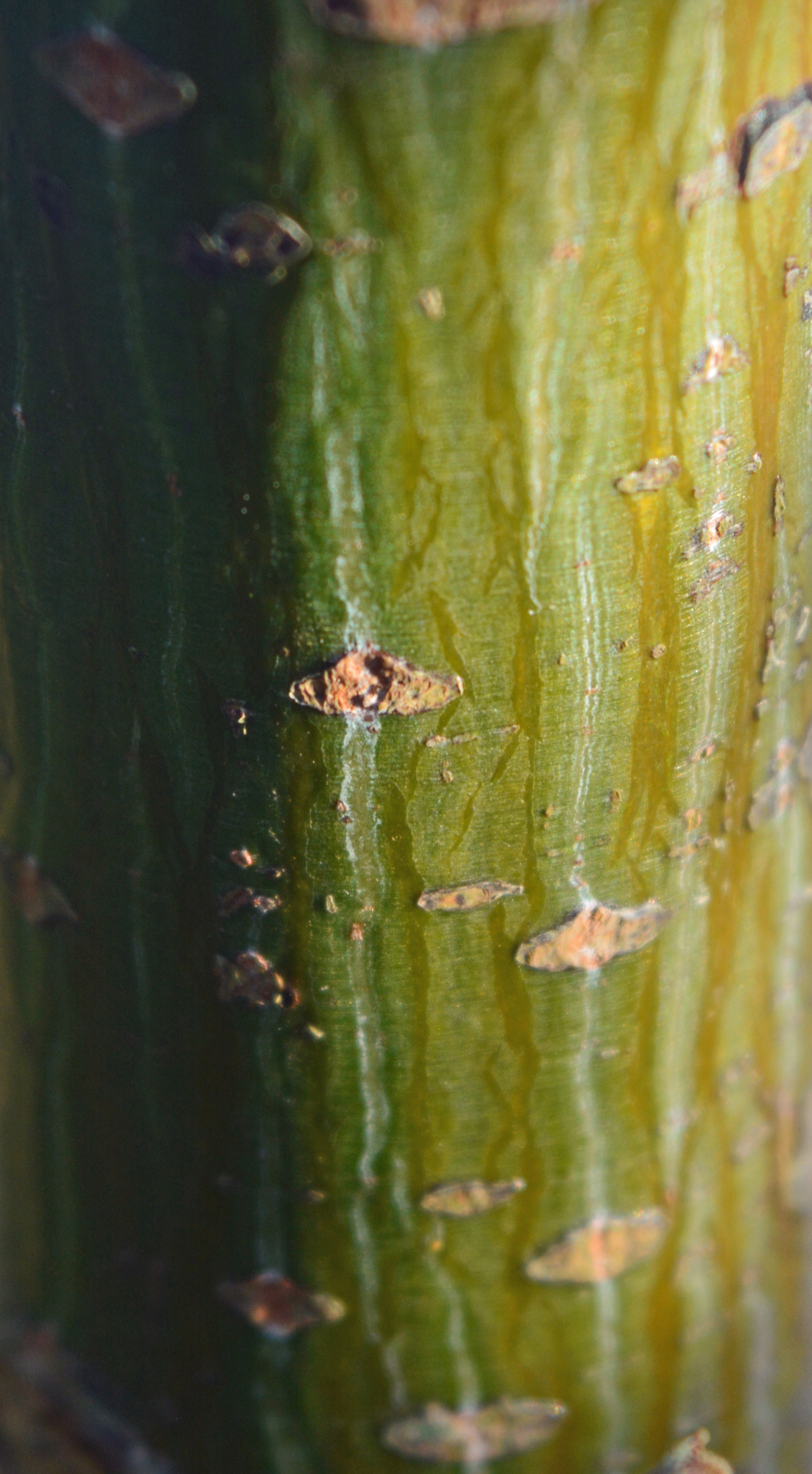
I reported, “Looking back into the early November pages of my first Avocet Garden Journal, I notice that back then we were celebrating Autumn by planting trees. “Tree hunting at Harley Nursery, saw us ordering 16 trees. Should give us structure, a top plant storey and the colours of leaves, flowers and berries.” Later in the month I continued, “Three Betula utilis jacquemontii “Snow Queen” and a single Liquidamber styracifolia “Worplesdon” were planted along the road side border to begin the required woodland feel. In the Winter Garden we planted a snake barked maple, Acer rupestris.” We had intended to choose between the more usual snakebark maples, Acer greggii and A. davidii, but our friend Duncan who owned the nursery promised to find us a much better one, A. rupestris. This he did and it has proved to be the right choice. It is a true 12 month tree and a visitors’ favourite.”

My photos show some of its attributes including the bark which varies in colour and texture up the trunk.

nj5-04 nj5-02 nj5-09 nj5-03nj5-01 nj5-07 nj5-10nj5-05 nj5-08

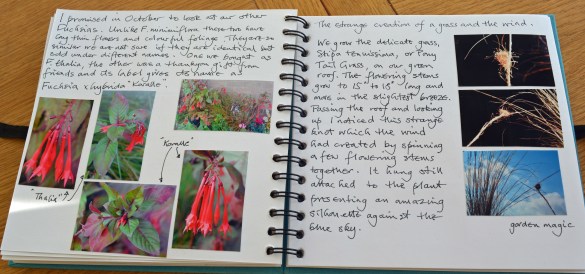
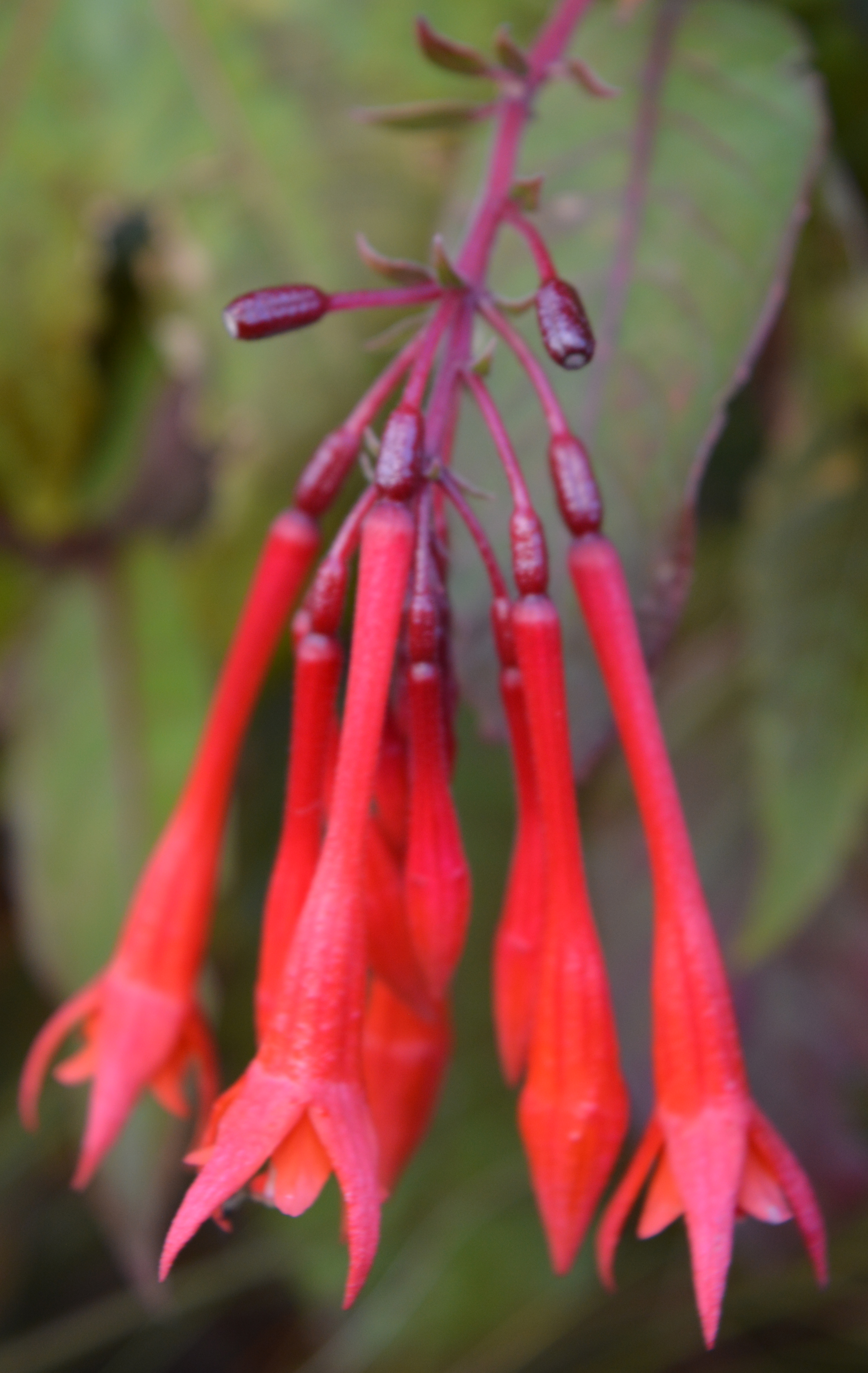
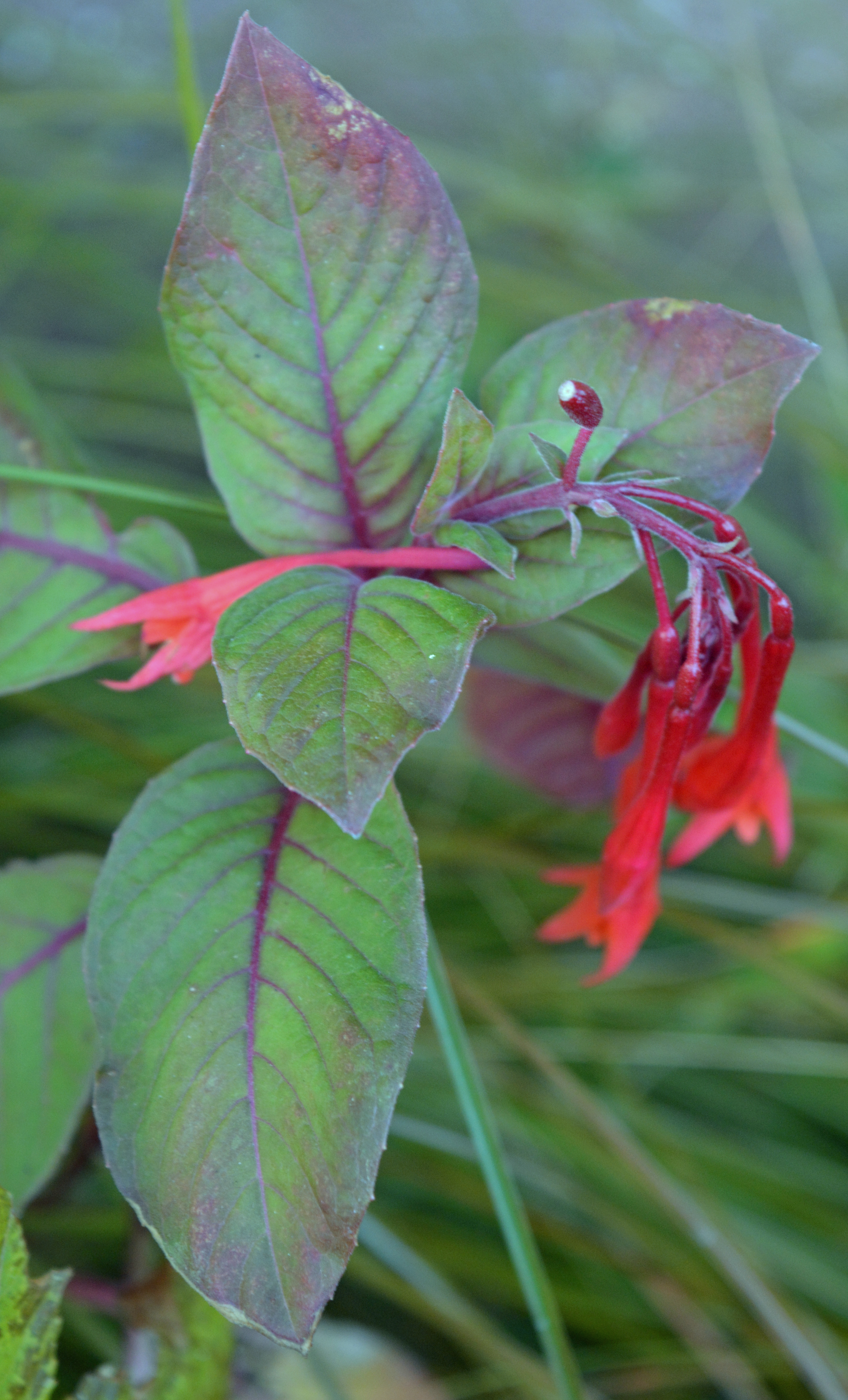
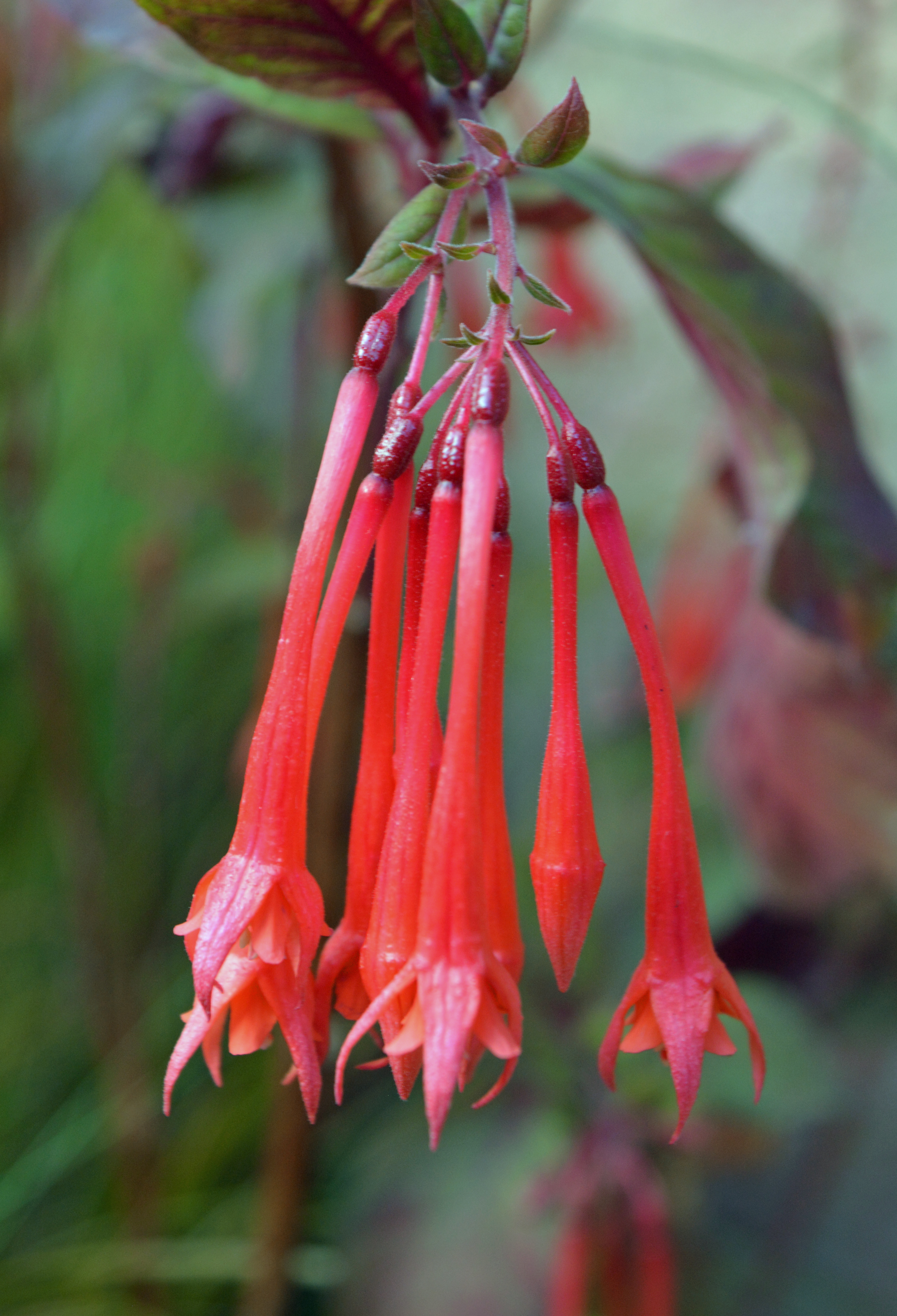
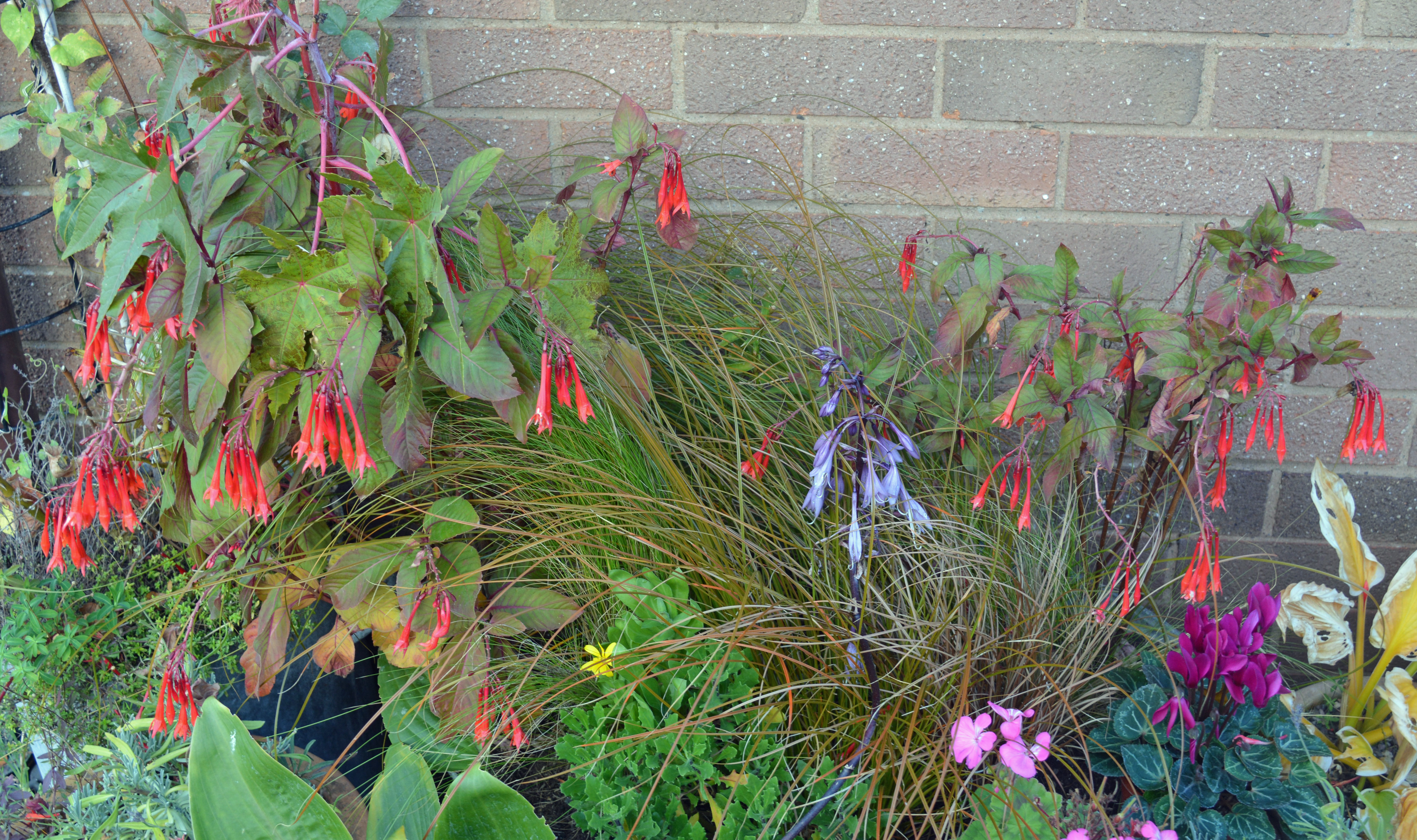
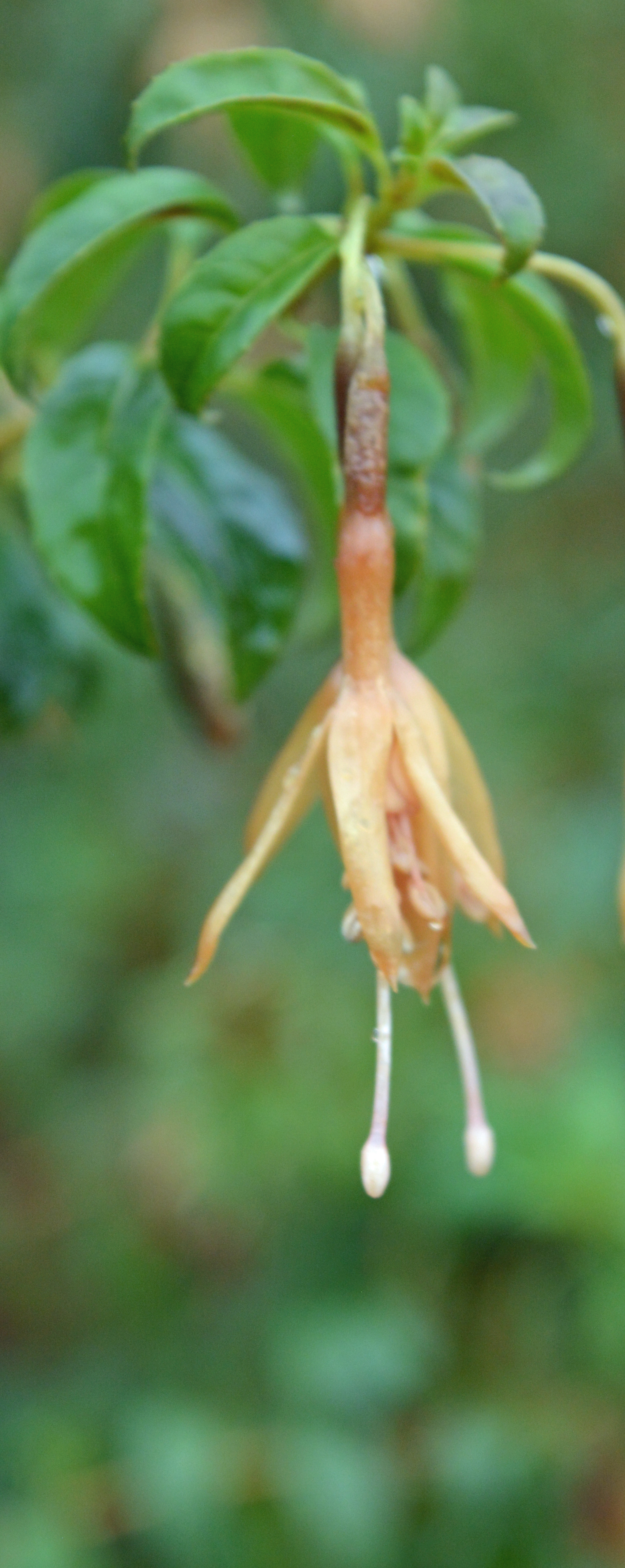
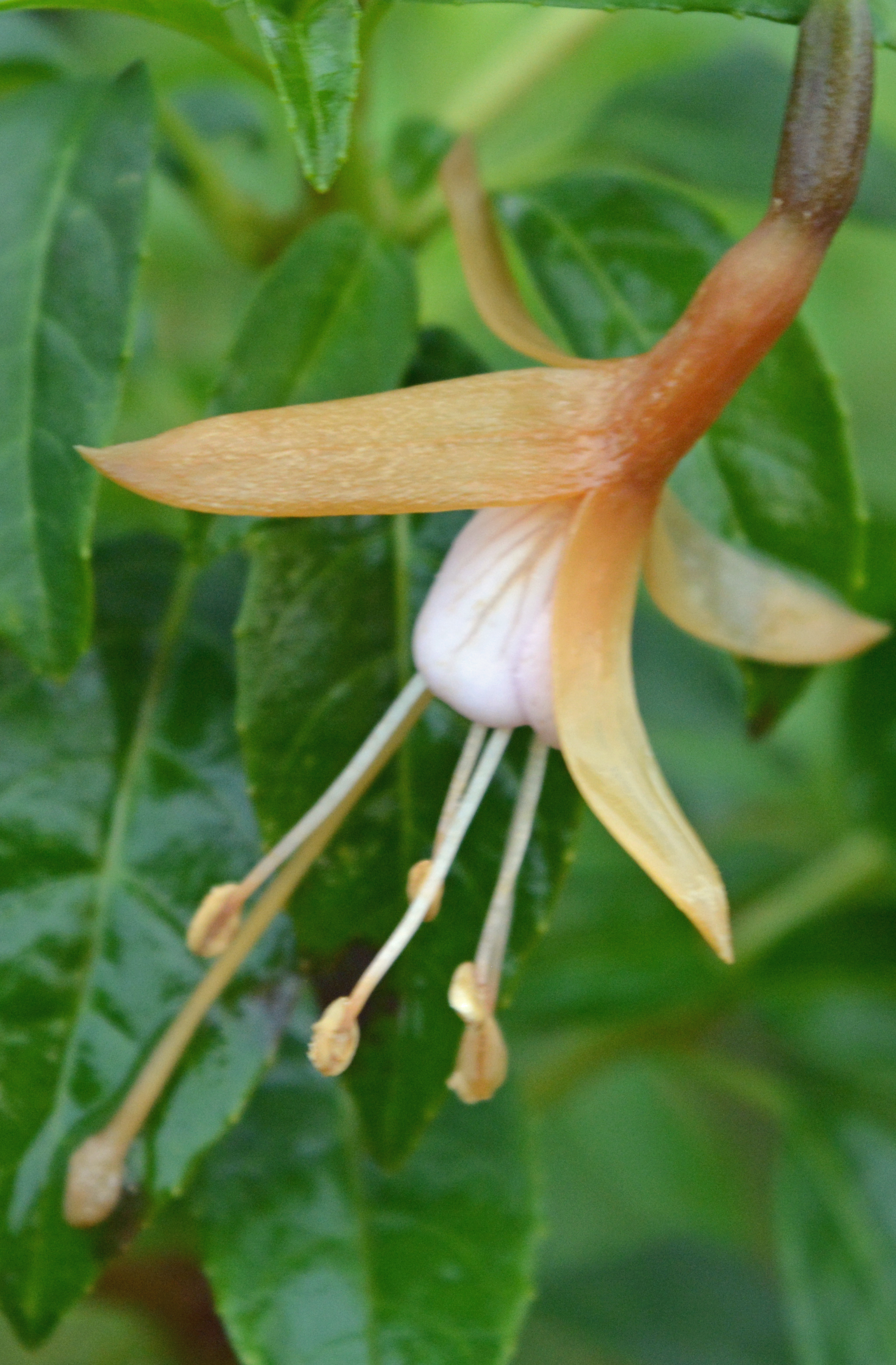
In my October journal I featured the tiny flowered Fuchsia minimiflora and promised to look at two other Fuchsias this month, so I began by stating, “Unlike F.minimiflora these two have long thin flowers and colourful foliage. They are so similar that we are not sure if they are identical but sold under different names. One we bought as F. thalia, the other was a thank you gift from friends and its label gives its name as Fuschia x hybrida “Koralle”.

nj9-10nj7-1 nj7-2 nj7-3 nj7-4 nj7-5

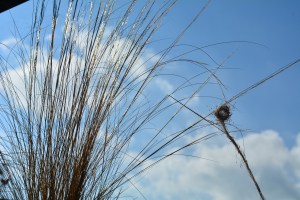
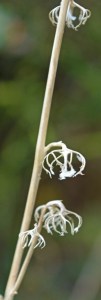
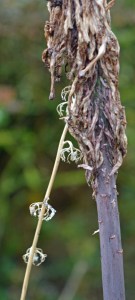
A strange creation makes an appearance next, a phenomena we have never seen before anywhere. A sculpture created in grass by the wind! “We grow the delicate grass, Stipa tenuissima , or Pony Tail Grass, on our green roof. The flowering stems grow to 15 to 18 inches long and move in the slightest breeze. Passing the roof and looking up I noticed this strange knot which the wind had created by spinning a few flowering stems together. It hung still attached to the plant presenting an amazing silhouette against the blue sky.” I captioned my photos of it “garden magic”.

nj6-2 nj6-3 nj6-1

The colour red is the theme of the next section in my November journal. I noticed how powerful this colour looked in the garden at this time of year so took my trusty Nikon out for a walk.

nj9-11

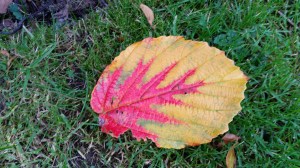
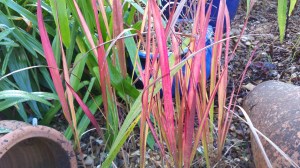
Red is such an important colour in the November garden. In life red relates to many different emotions from love and passion at the one pole to danger and anger at the other. Red in the garden simply draws me to it and makes me smile. David Bowie wrote, “Put on your red shoes and dance the blues”. The garden puts on its red shoes and chases away the winter blues. Red appears in flowers, berries, leaves, stems and bark, but also on the handles of Felco secateurs and the wattles of garden hens.”

nj8-02 nj8-11nj8-10 nj8-07nj8-12 nj8-18nj8-01 nj8-15nj8-03 nj8-16 nj9-1 nj8-04 nj8-13nj8-06 nj8-08 nj8-09 nj8-05

And there we have, the garden in November. My next look at my garden journal will be the final one of 2016. Where did the time go, simply flying as we enjoyed being in our special patch.

Categories
birds climbing plants colours garden design garden furniture garden photography gardening gardens gardens open to the public half-hardy perennials hardy perennials ornamental trees and shrubs poppies water in the garden

Coton Manor – an atmospheric gem.

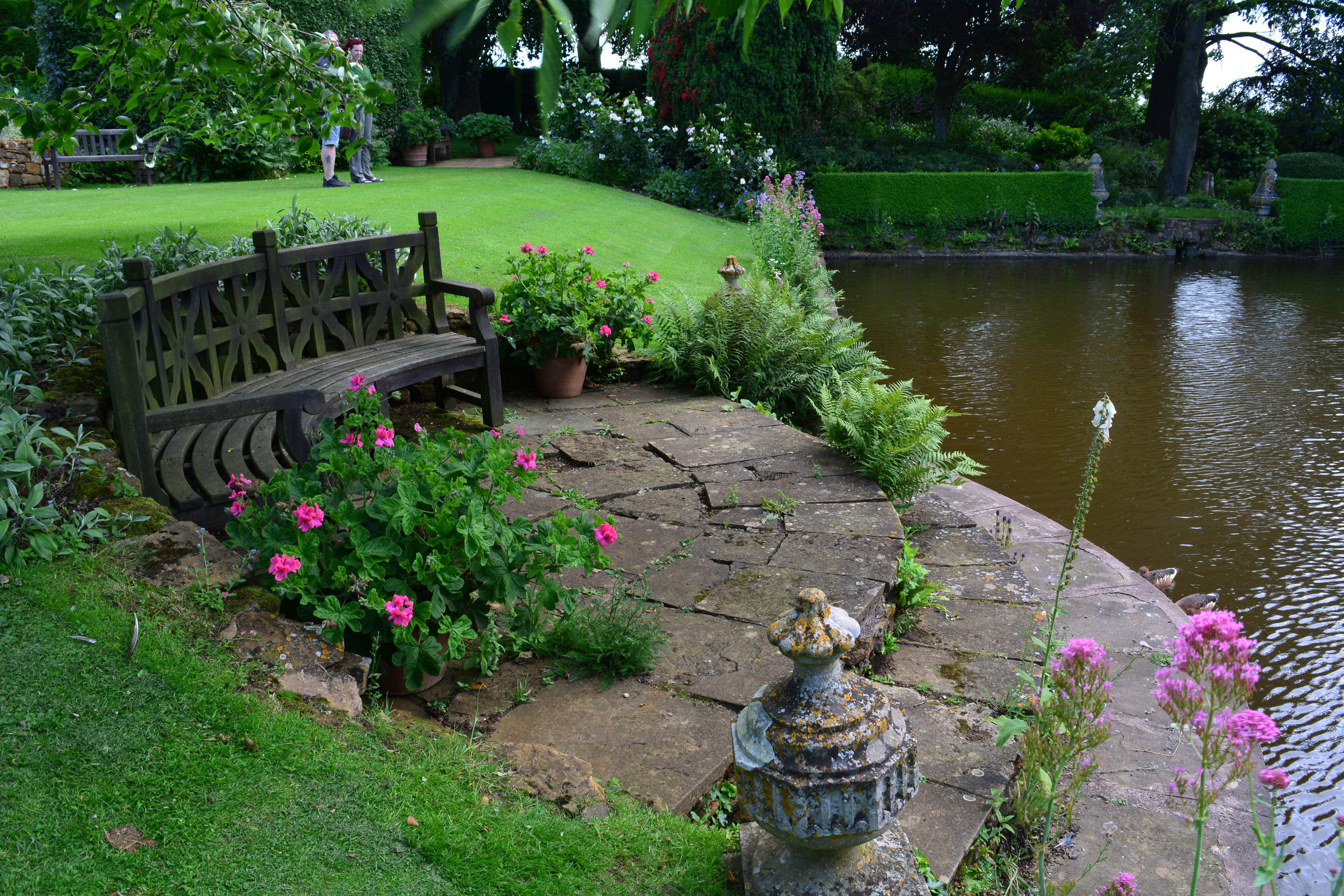
Coton Manor Gardens are so full of atmosphere. Ten acres of hillside gardens are landscaped to give variety throughout the year on this Northamptonshire estate. There are streams, fountains and ponds, a bluebell wood and meadows. We have visited this romantic garden a few times already but decided to visit again in July of 2016.

cm-1 cm-1-1

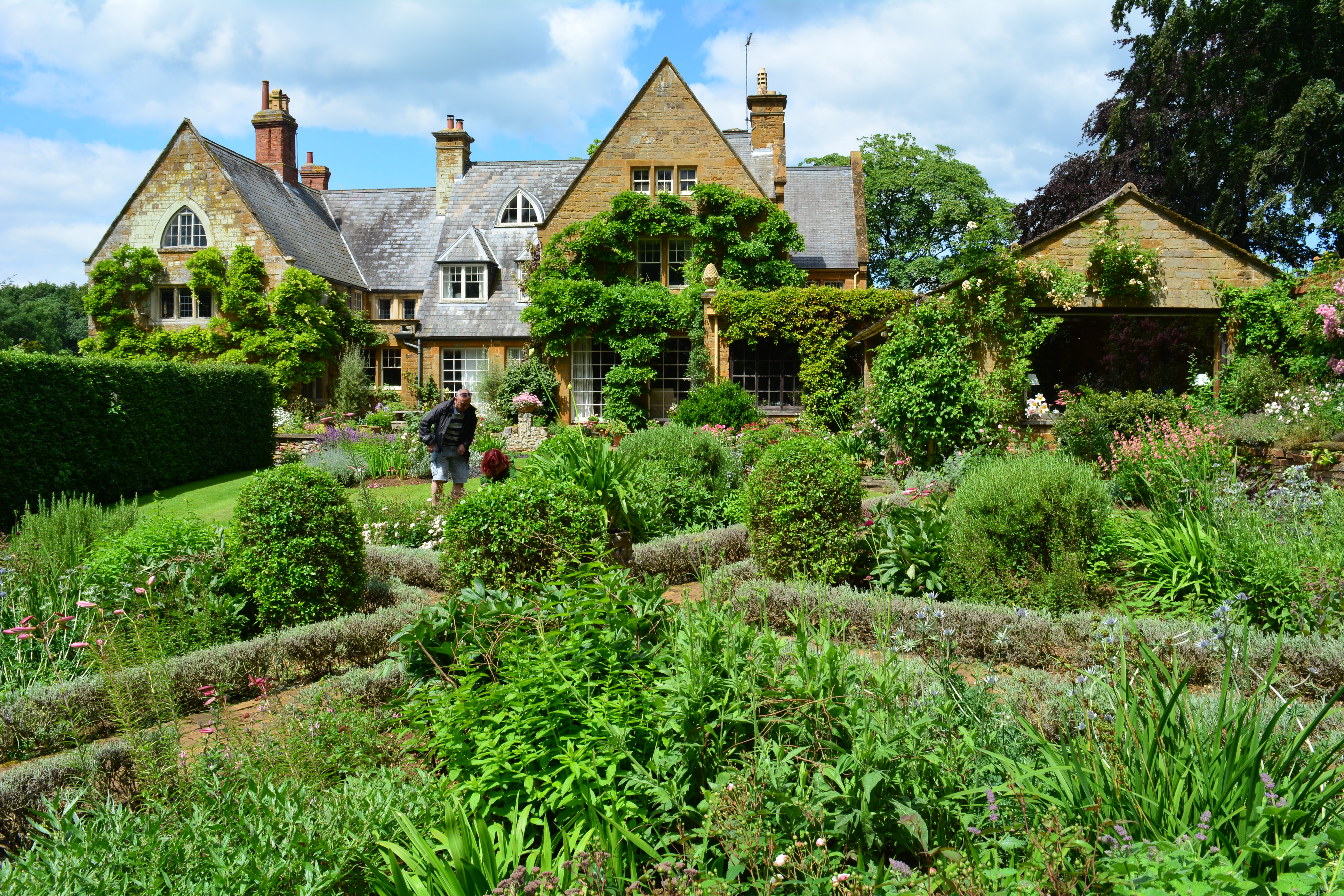
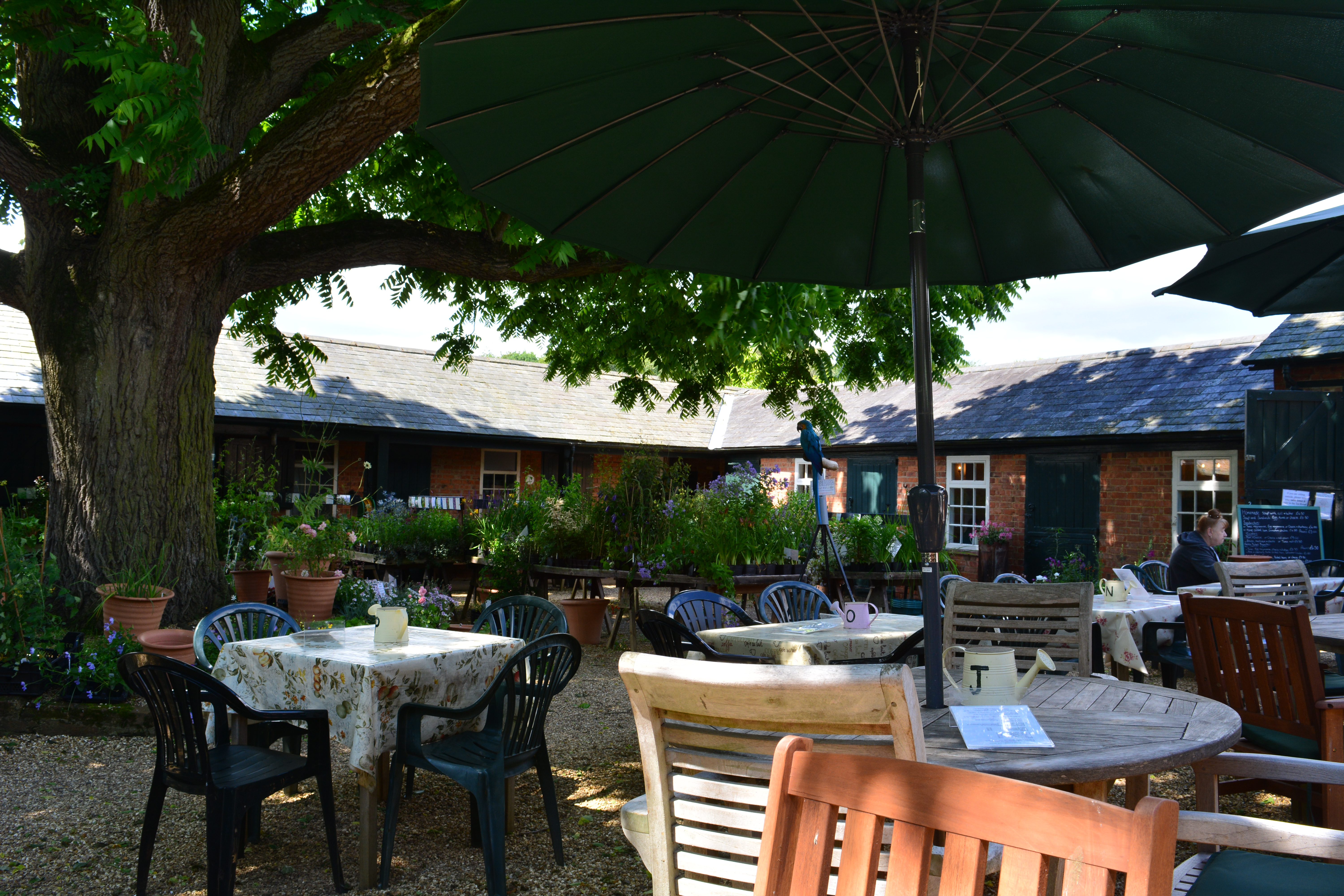
Honey coloured stonework make the buildings look warm and welcoming and entering the drive after a short walk from the car park we noticed climbers covering every wall. We entered a cosy courtyard on our right which gave us the chance of refreshments and a peruse of the nursery tables. A surprise here for everyone was the resident Hyacinth Macaw who greets each visitor on arrival with a loud screech!

cm-1-2

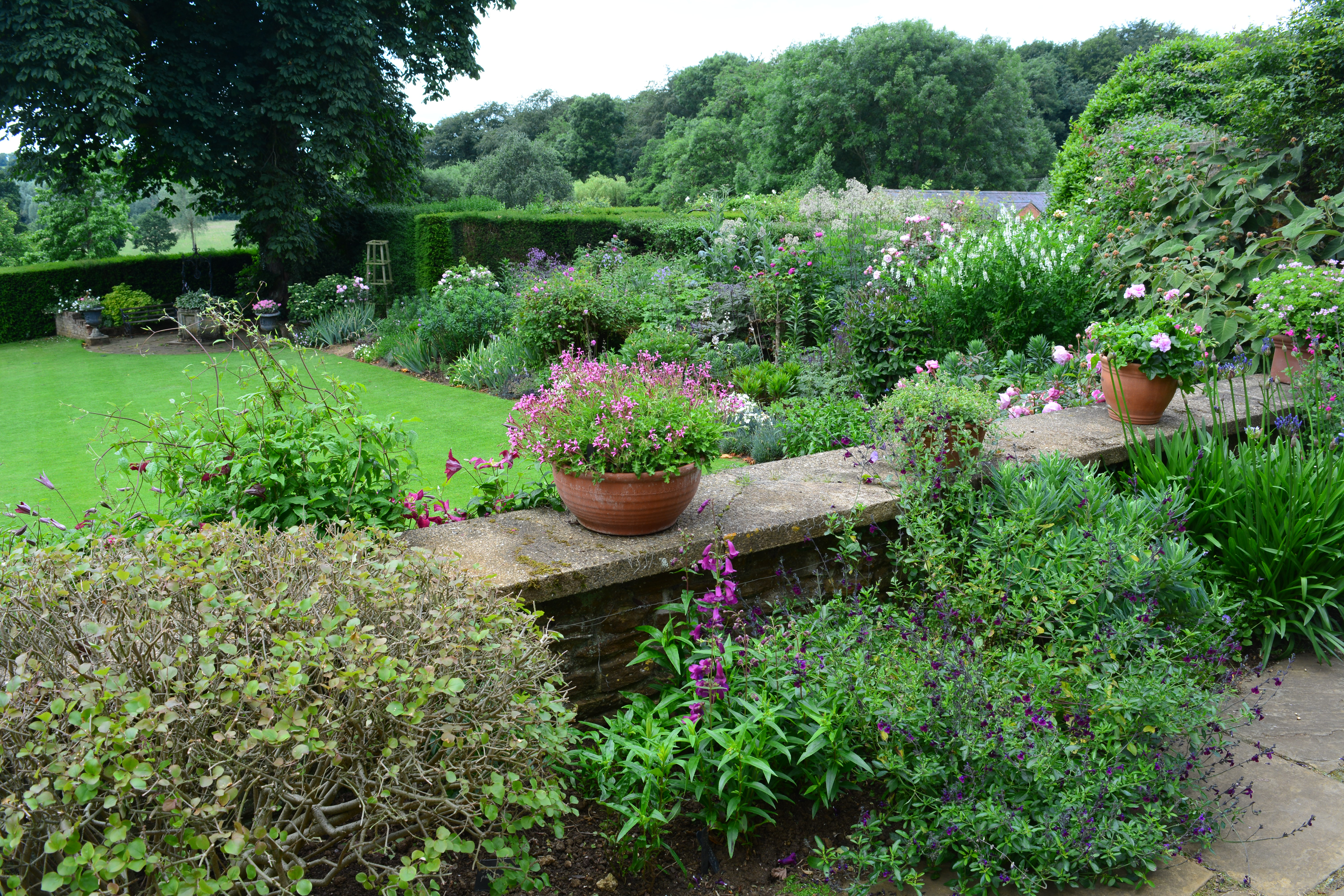
The garden itself is designed around a series of garden rooms separated by yew and holly hedges, and each room has its own special character and atmosphere, which makes for a refreshing garden walkabout. Leaving one room you don’t know what to expect next. Close to the house courtyards featuring half-hardy plants such as Pelargonium and Salvia make for a colourful start to our wanderings. Share our wanderings through these areas by following the gallery below. (click on the first photo and navigate through by clicking on right hand arrow)


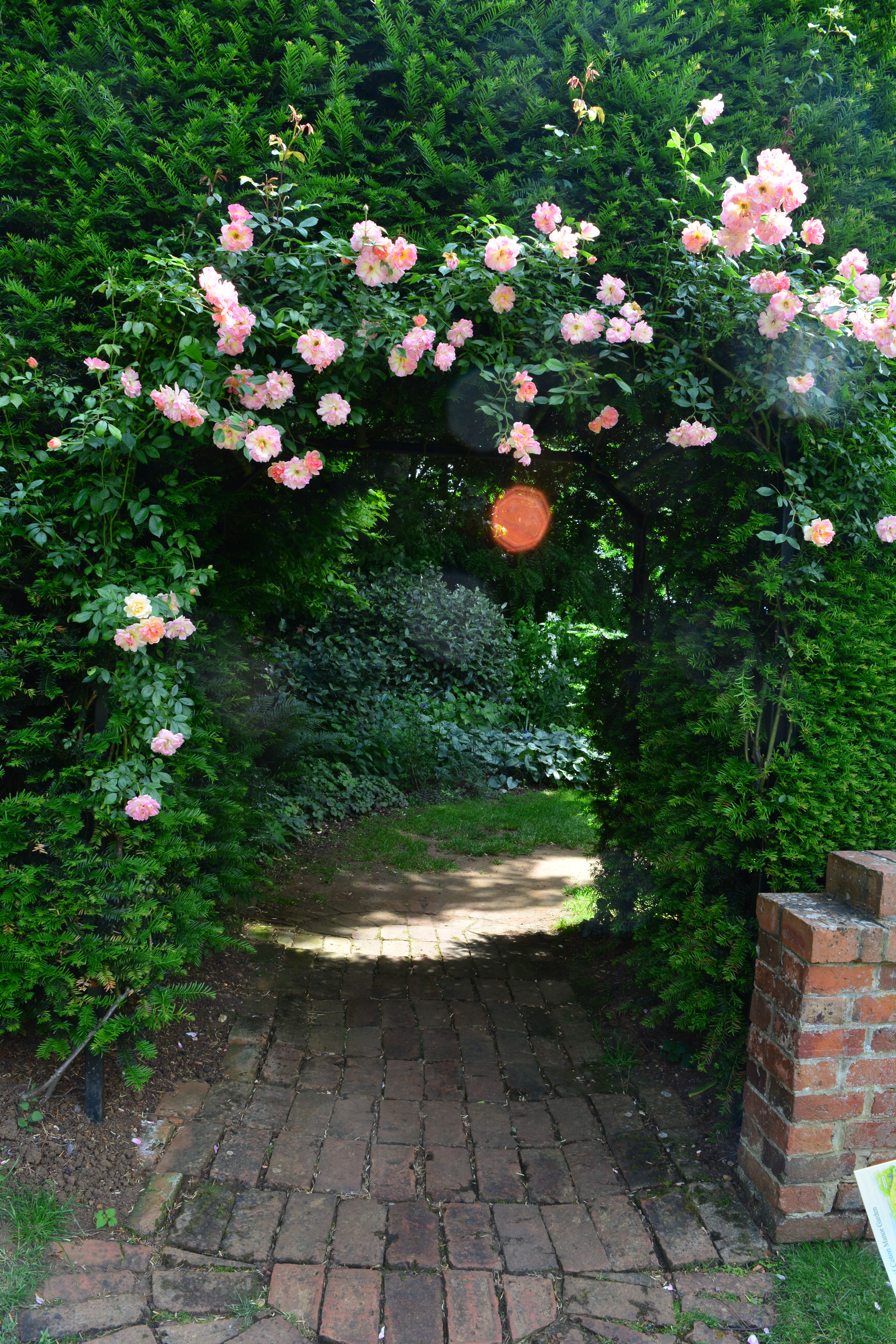
We passed through an archway surrounded by scented pink roses and from there moved on to the Rose Garden and then wandered into an area of woodland shade garden complete with a small stream.

cm2-01 cm2-14 cm2-26cm2-03 cm2-12 cm2-15 cm2-13 cm2-24 cm2-28  cm2-27 cm2-17cm2-19 cm2-18cm2-20 cm2-22cm2-21

Some very unusual and interesting plants came to our attention in the wooded and streamside gardens, all beautifully lit by the rays of the sun penetrating the tree canopy.

cm2-04 cm2-25 cm2-05 cm2-06 cm2-07 cm2-23cm2-02

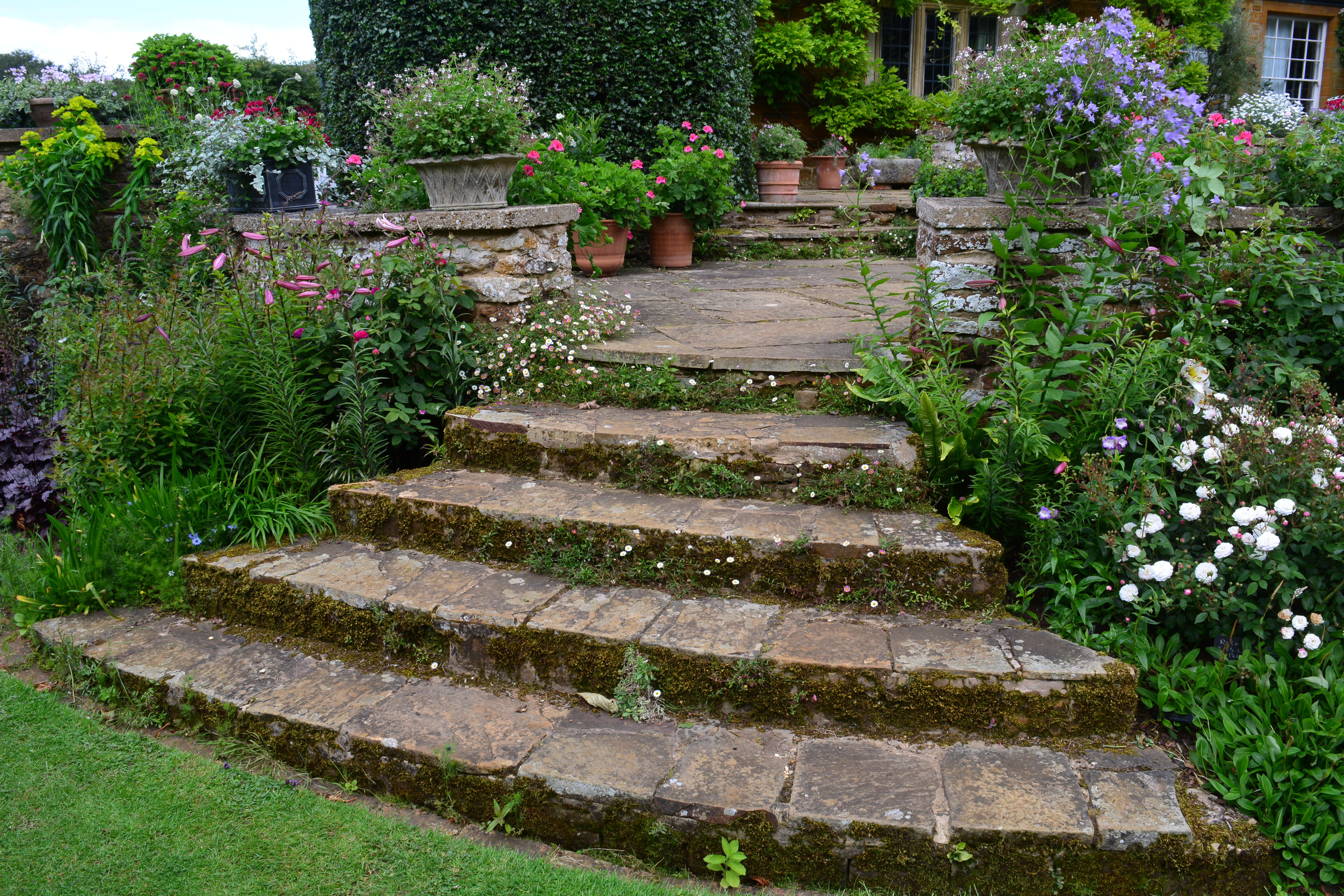
Steps, paving and walls of warm limestone appeared throughout the garden affording ideal places for wall plants to get a hold.

cm2-09 cm2-10 cm2-11 cm3-30 cm3-29 cm3-28

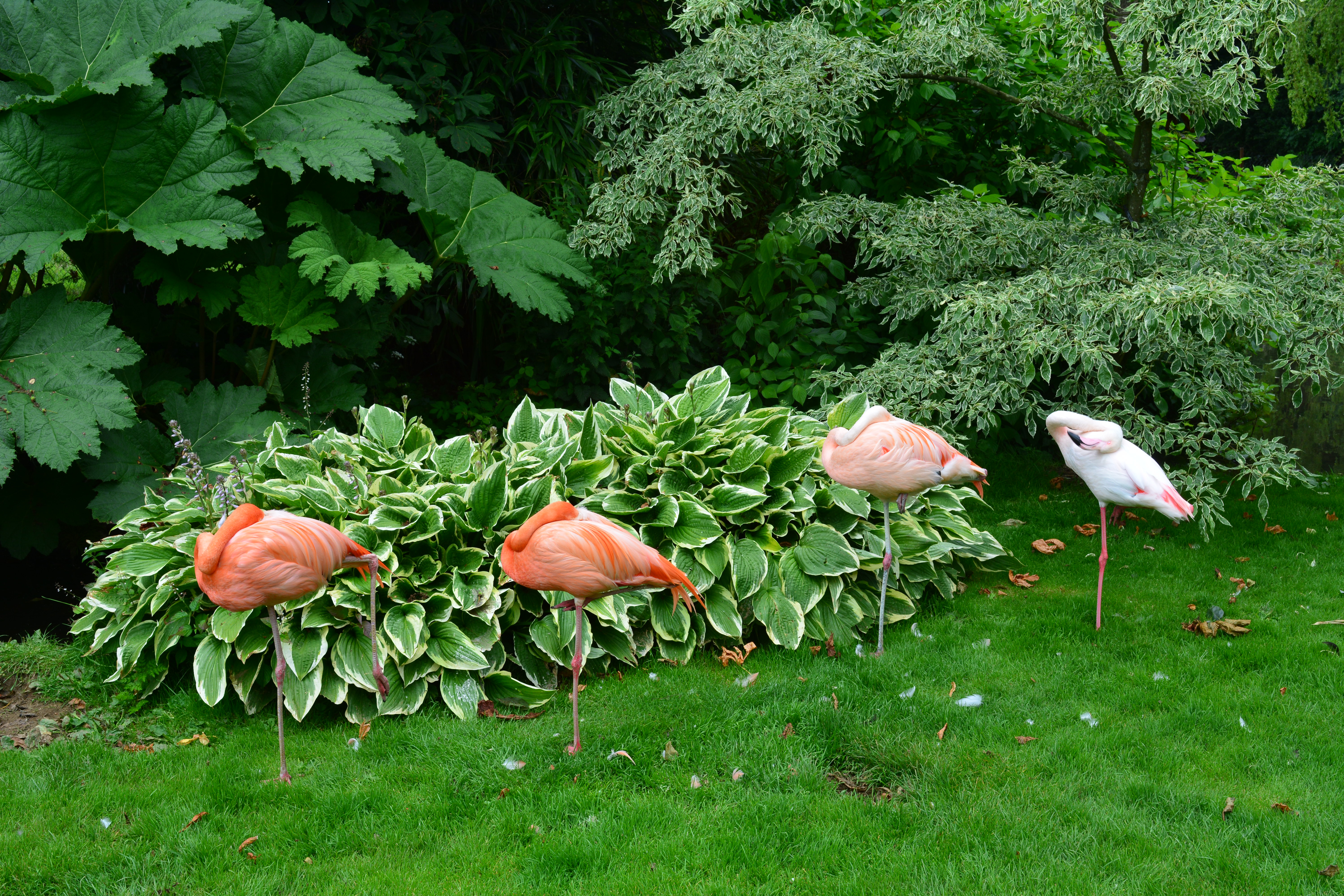
I will finish this report on our visit to the romantic garden at Coton Manor with a few more photos which I particularly enjoyed taking. I hope you like the salmon pink plumaged flamingoes which had free range of the garden but mostly seemed to enjoy sleeping with their head hidden beneath their wings,

cm3-31 cm3-25 cm3-26 cm3-21 cm3-07 cm3-12

Categories
colours garden design garden photography garden ponds garden pools garden seating gardening gardens gardens open to the public hardy perennials Shropshire water in the garden

Return to a favourite garden – Wollerton Old Hall

We are lucky living where we do with the choice of top quality gardens for us to visit and enjoy. The counties of Shropshire, our home county, and its neighbour Herefordshire are home to some real gems from tiny back gardens to large parklands. One of the best Shropshire gardens is Wollerton Old Hall, a garden we have visited many times as it is one of the best gardens in the UK created in the 20th century. We decided we were due another day there in 2016. Wollerton is a great garden all throughout its open season but it peaks in late summer and early autumn so we decided to visit on a bright day in September.

ws-01 wp-07

Two elements make Wollerton such a charismatic garden, the strength of its structure and the originality and quality of the planting. Wollerton’s many garden rooms are linked by pathways, gateways, arches and alleyways inviting the visitor to make choices to help guide their route around the garden.

ws-02 ws-03 ws-04 ws-05 ws-07 ws-11ws-02 ws-14ws-08 ws-09

Box cut into shapes and hedges of box and yew give strong bones to the garden and help lead the eye and focus on important elements.

ws-10 ws-12 ws-13 ws-18   ws-16 ws-17

The borders at Wollerton Old Hall are full of exciting planting combinations and exciting plants.

wp-04 wp-05 wp-06  wp-08 wp-09 wp-10 wp-11 wp-13  wp-15 wp-19 wp-20 wp-21 wp-22

The Hot Garden is the most exciting planting as it shines and glows in the slightest hint of brightness. There are so many strong plant combinations to enjoy. This patch can brighten the dullest day and bring a smile to the saddest face.

wp-03 wp-18wp-16 wp-14wp-17 wp-01 wp-12

It has been fun sharing our love of the gardens at Wollerton Old Hall with you. It is a garden we take friends and family to so that we can share our enjoyment with them. Perhapps we will visit in the spring or summer of 2017 and we can show you what a good garden it is then too.


Categories
colours garden design garden photography gardening gardens hardy perennials light light quality ornamental trees and shrubs outdoor sculpture Shropshire trees Winter Gardening winter gardens

My Garden Journal in December

Welcome to the final monthly look inside my Garden Journal 2016, when we see what I entered in it during the month of December. Then it will be time to close the 2017 Garden Journal for now, but we share all the journals with our garden visitors on our open days so they regularly get a fresh airing.
nj9-12

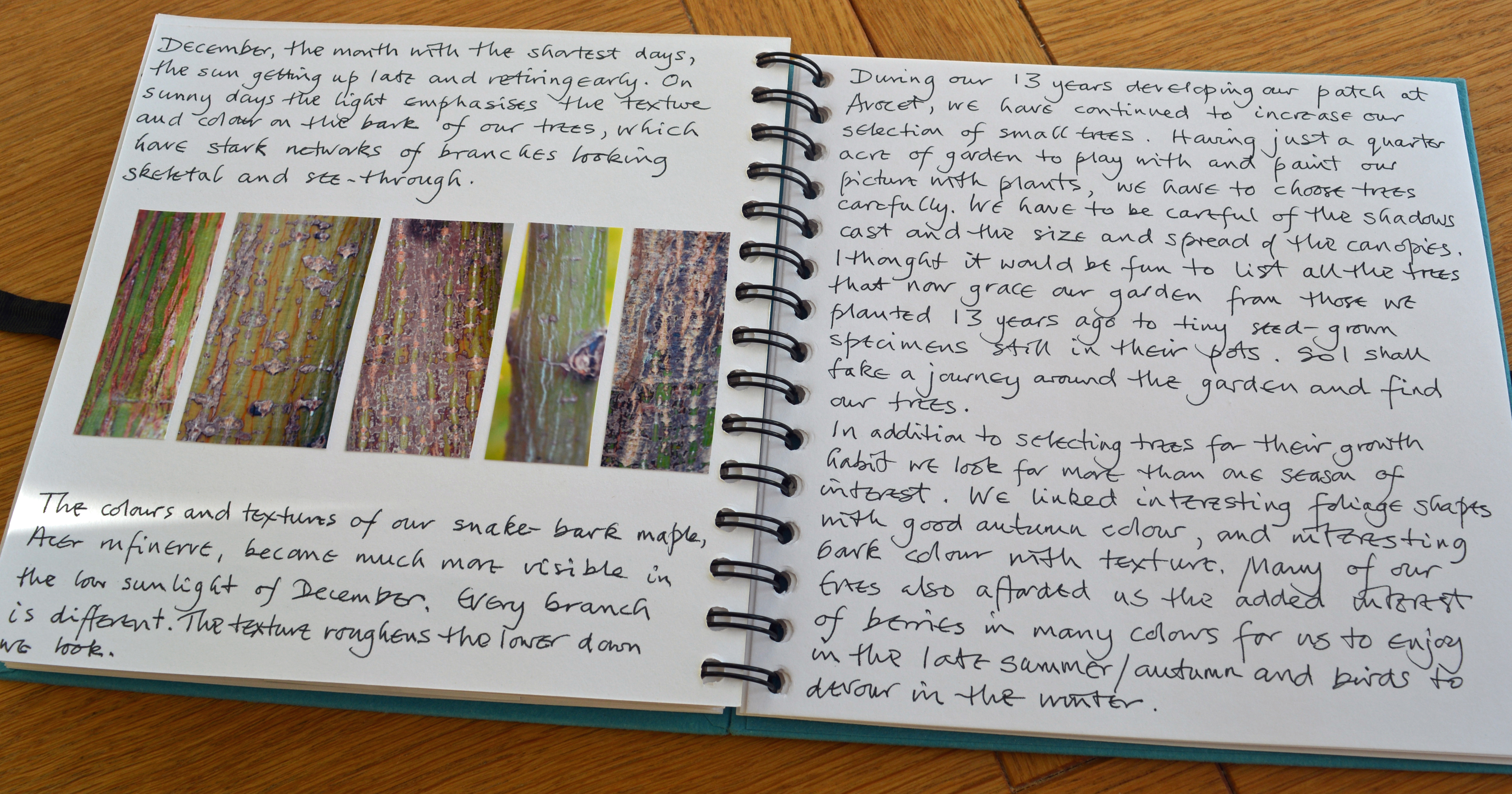
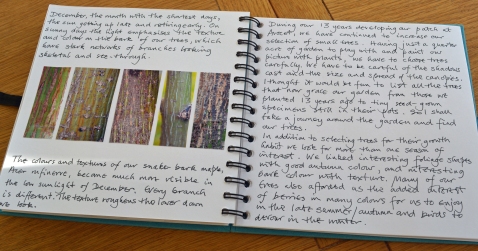
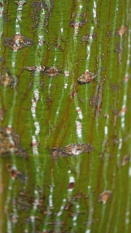
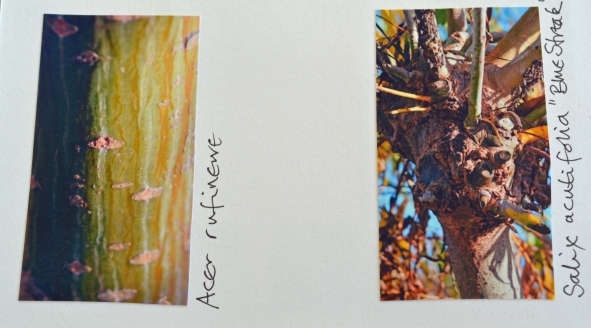
“December, the month with the shortest days, the sun getting up late and retiring early. On sunny days the light emphasises the texture and colour on the bark of our trees, which have stark networks of branches looking skeletal and see-through.

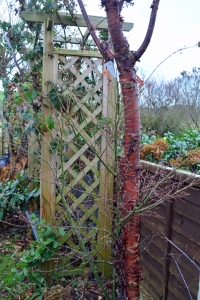
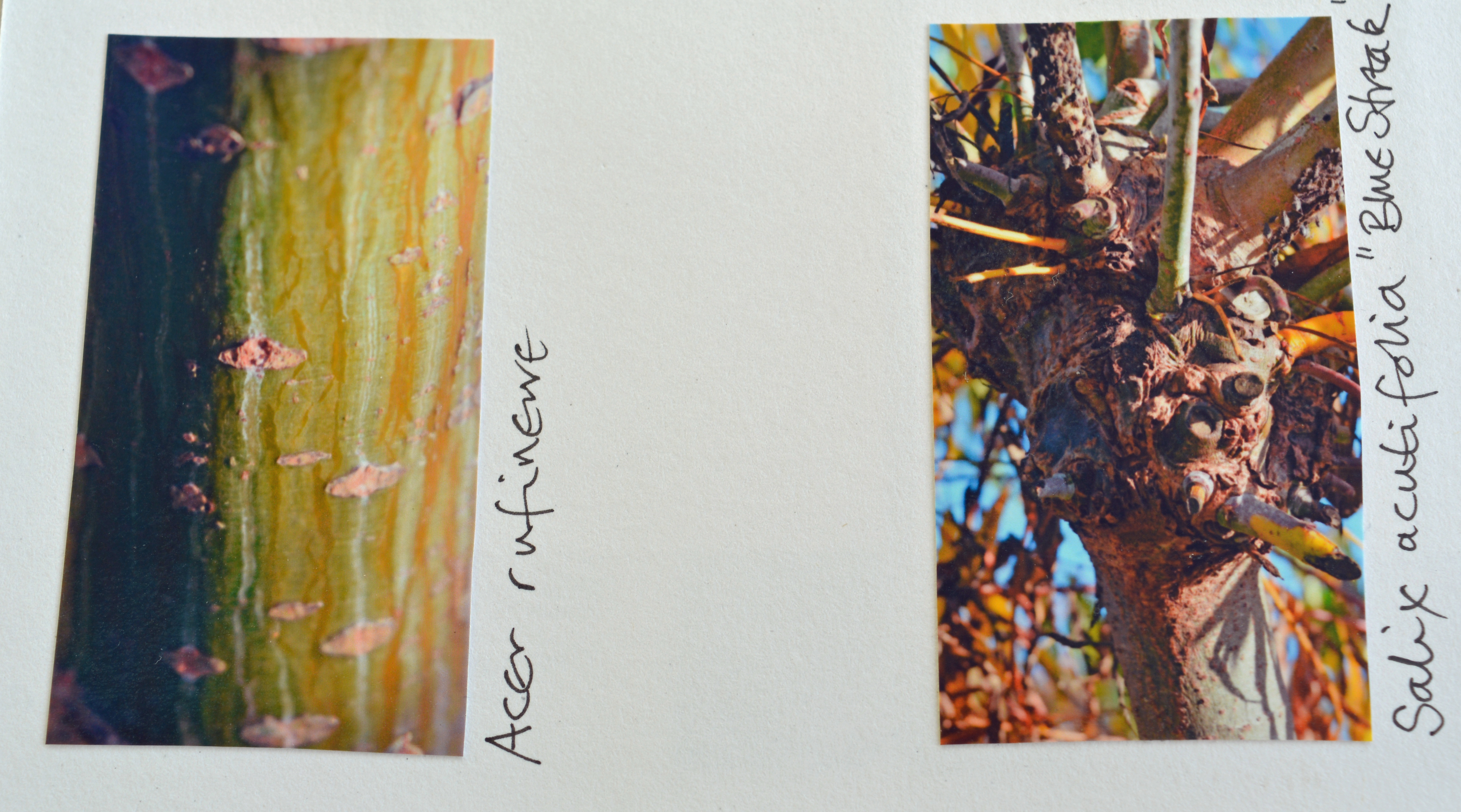
“The colours and textures of our snake-bark maple, Acer rufinerve, become much more visible in the low sunlight of December. Every branch is different. The texture roughens the lower down we look.”

dj1-5 dj1-4 dj1-3 dj1-2 dj1-1

My entries for December continue to consider the trees of our garden, “During our 13 years developing our patch at Avocet, we have continued to increase our selection of small trees. Having just a quarter acre of  garden to play with and paint our pictures with plants, we have to choose trees carefully. We have to be careful of the shadows cast and the size and spread of the canopies. I thought it would be fun to list all the trees that now grace our garden from those we planted 13 years ago to tiny seed-grown specimens still in their pots. So I shall take a journey around the garden and find and list of our trees. 

In addition to selecting trees for their growth habit we look for more than one season of interest. We linked interesting foliage shapes with good autumn colour, and interesting bark colour with texture. Many of our trees also afforded us the add interest of berries in many colours for us to enjoy in the late summer/autumn and birds to devour in the winter.”

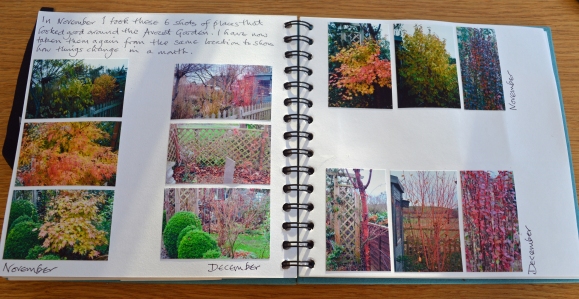
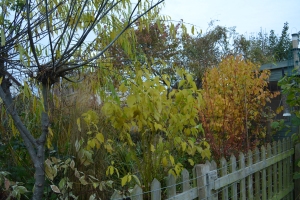
Turning over the page we discover a group of 6 photographs I took in November with the intention of taking the same shots from the same places in December to see how things change.

“In November I took these 6 shots of places that looked good around the Avocet Garden. I have now taken them again from the same location to show how things change in a month.”
jd1-22ber-2 jd-09

November                                                            December

bb-1 jd-07

November                                                             December

ber-3 jd-03

November                                                             December

ber-4 jd-04

November                                   December

ber-1 jd-06

November                                   December

ber-5 berb-1

November                  December

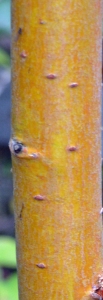
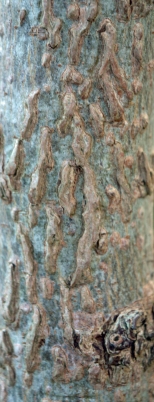
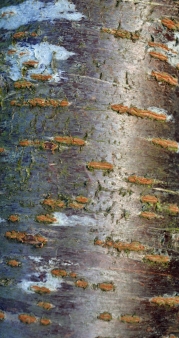
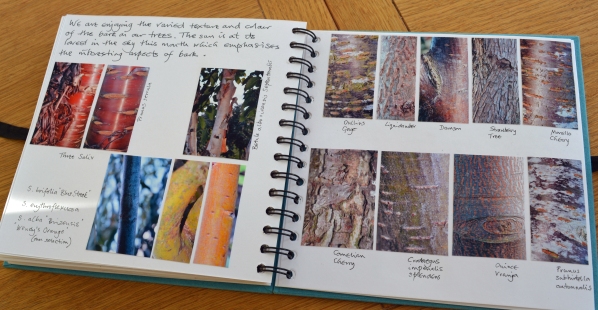
I thought it would be fun to look at the bark of lots of our trees, both their colours and textures, so took close up photos of sections of the tree trunks.
nj9-13

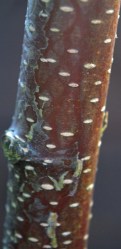
I wrote, “We are enjoying the varied texture and colour of the bark on our trees. The sun is at its lowest in the sky this month which emphasises the interesting aspects of bark.”
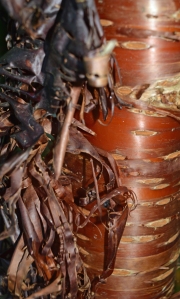
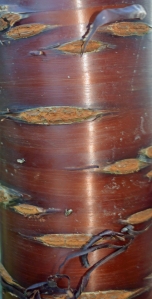
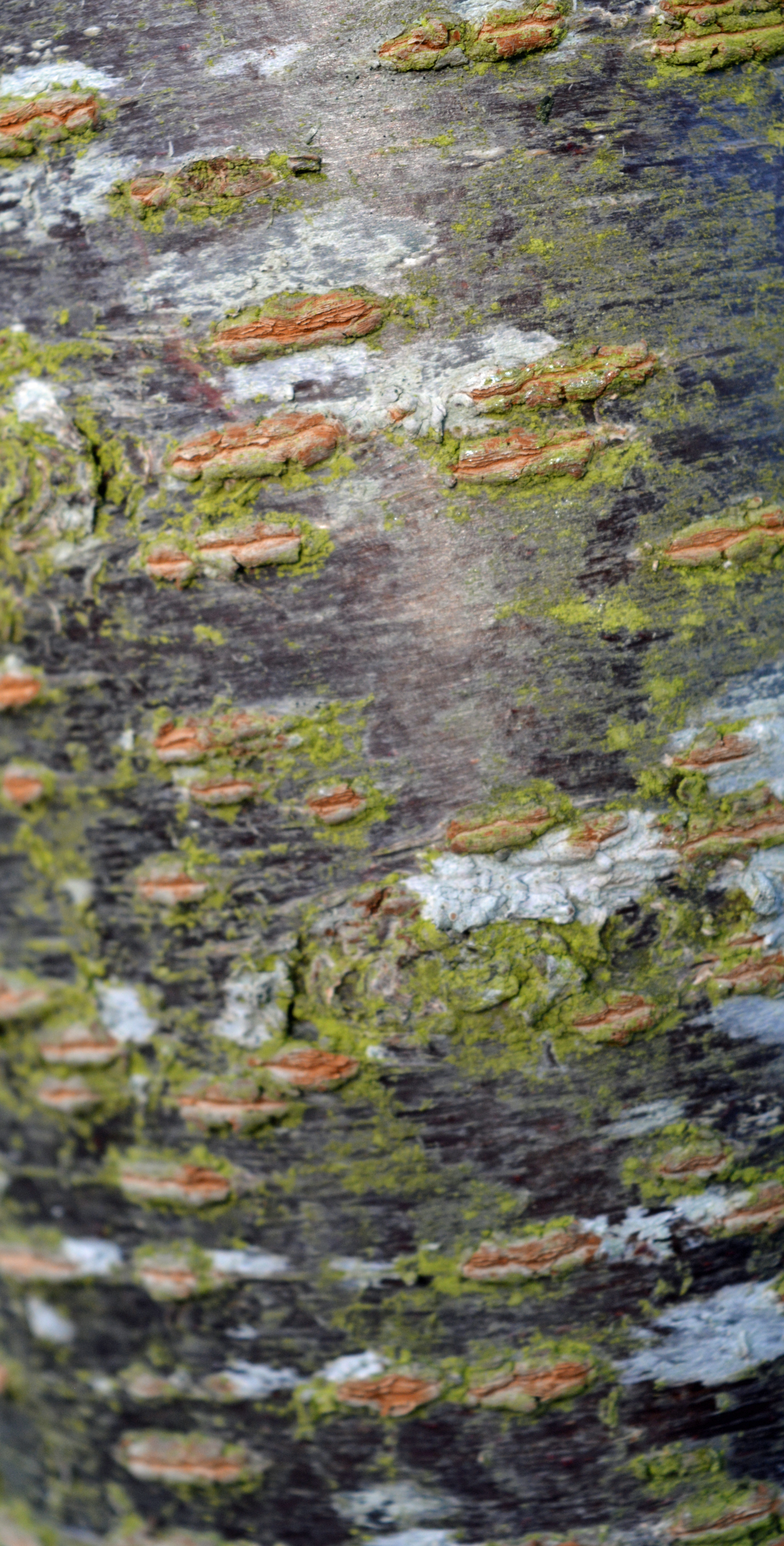
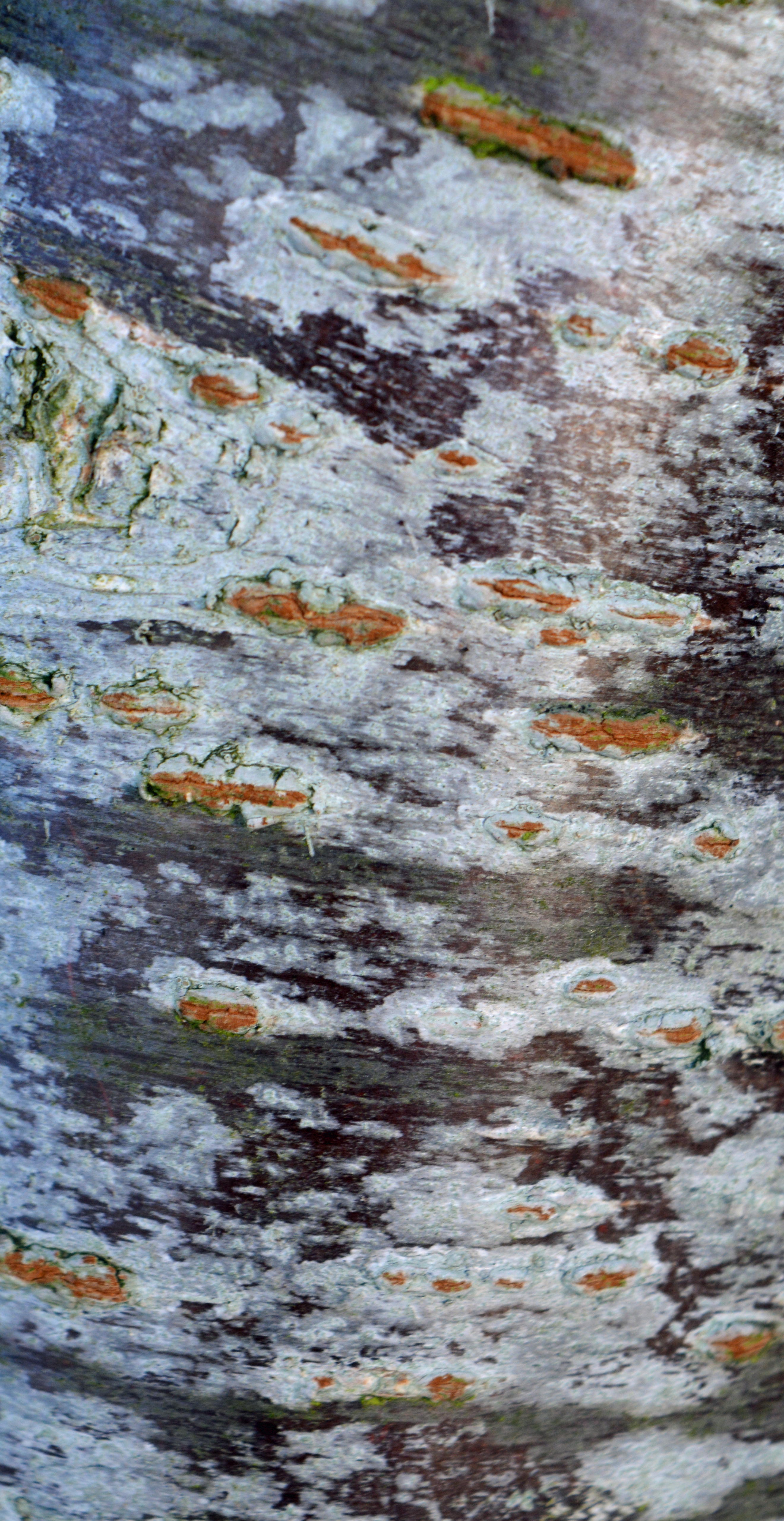
dj2-10 dj2-11 Prunus serruladj2-09 Betula albosinensis Septentronalisdj2-17 dj2-25 dj2-32 Three Salix

Salix trifolia “Blue Streak”, Salix erythroflexuosa, Salix alba “Brizensis” (our own selection we call “Wendy’s Orange”)

I can now share some close up shots of the bark detail of some of our trees.
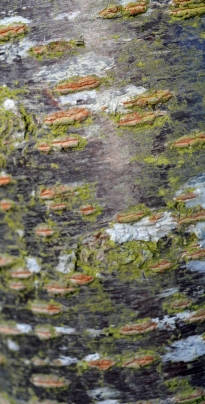
dj2-21 dj2-02 dj2-05

Oullins Gage                               Liquidamber                  Damson

dj2-03 dj2-23 dj2-18

Strawberry Tree         Morello Cherry                    Cornelian Cherry
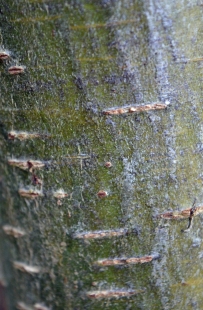
dj2-01 dj2-06 dj2-22

Crataegus i. splendens             Quince Vranja                           Prunus Sub. autumnalis

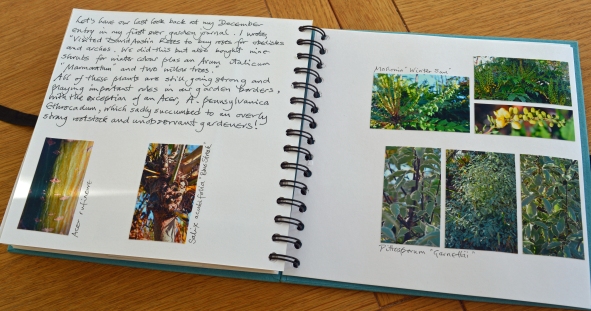
I then took a look back at my December entries of my first ever garden journal and found the words, “Let’s have our look back at my December entry in my first ever garden journal. I wrote, “Visited David Austin Roses nursery to buy roses for obelisks and arches. We did this but also bought nine shrubs for winter colour plus an Arum italicum “Marmoratum” and two willow trees.” All of these plants are still going strong and playing important roles in our garden borders, with the exception of an acer, Acer pennsylvanica Ethrocadum, which sadly succumbed to “an overly strong rootstock and unobservant gardeners!”
nj9-14dj2-1

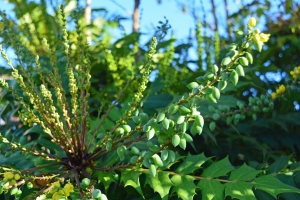
Two other plants from our original batch of plantings back at the beginnings of the Avocet patch are looking particularly good now and are strong performers.

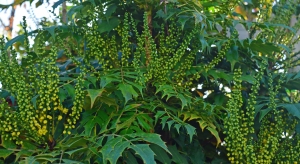
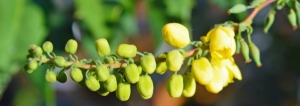
Mahonia “Winter Sun”,
dj3-5 dj3-4dj3-6

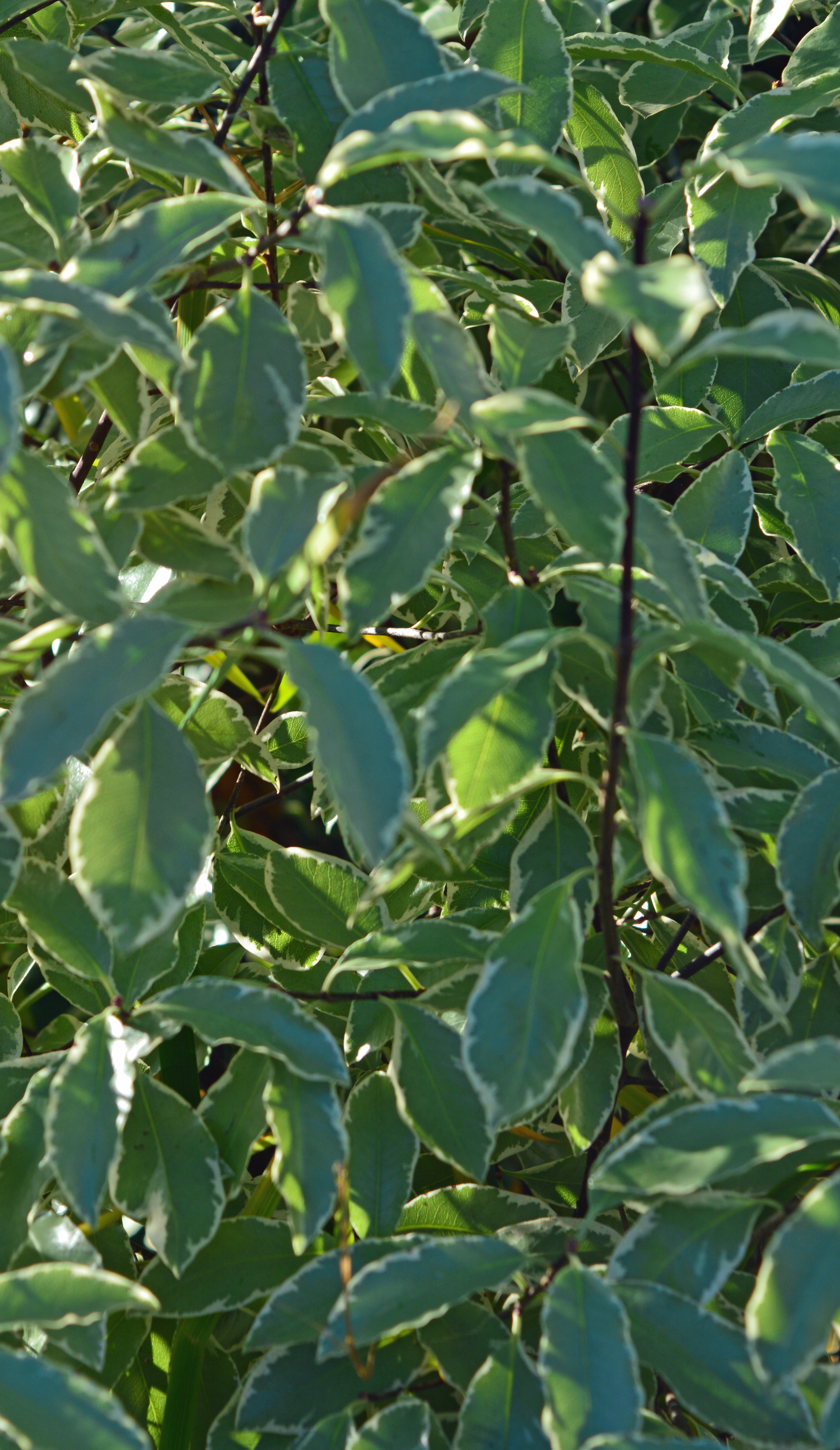
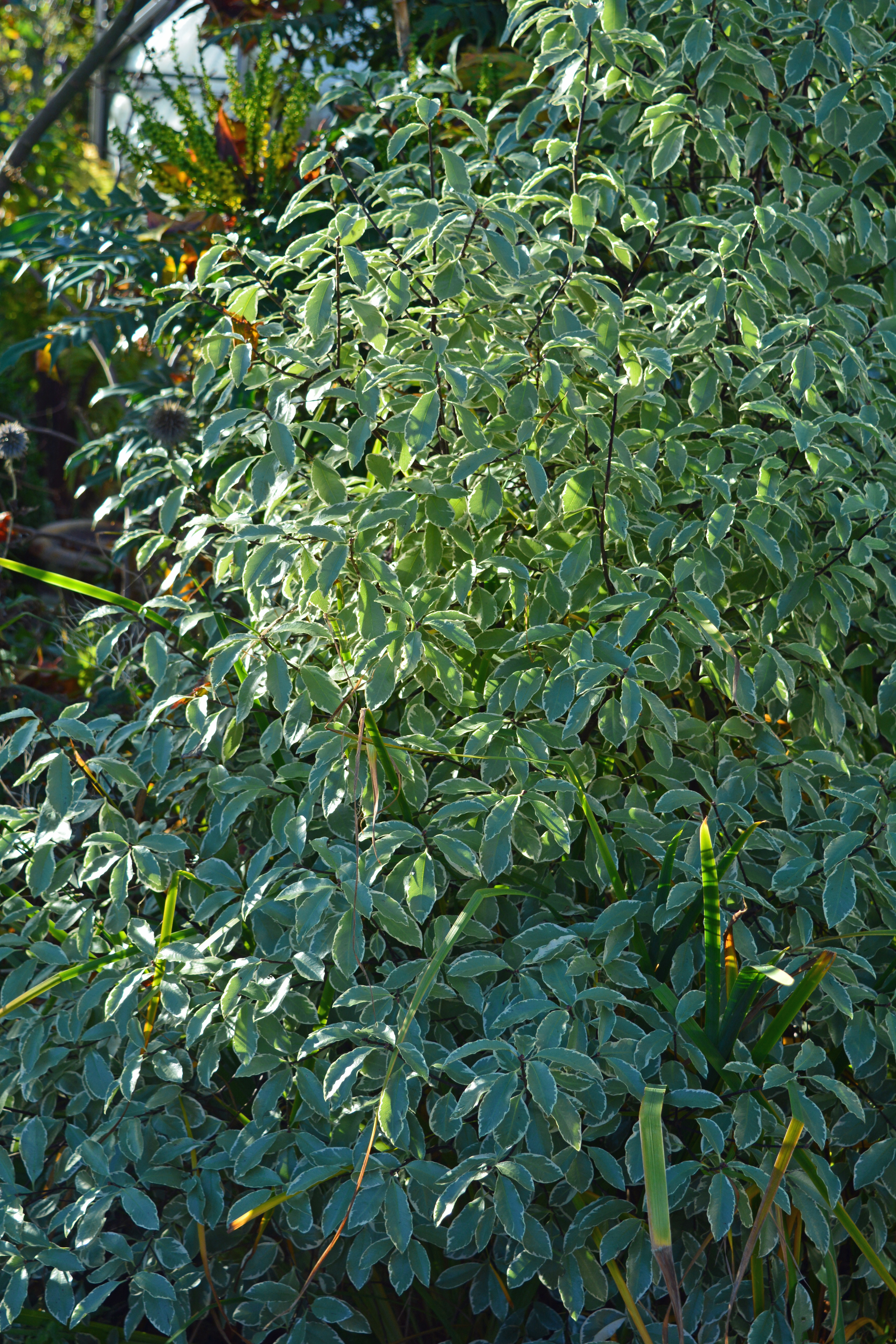
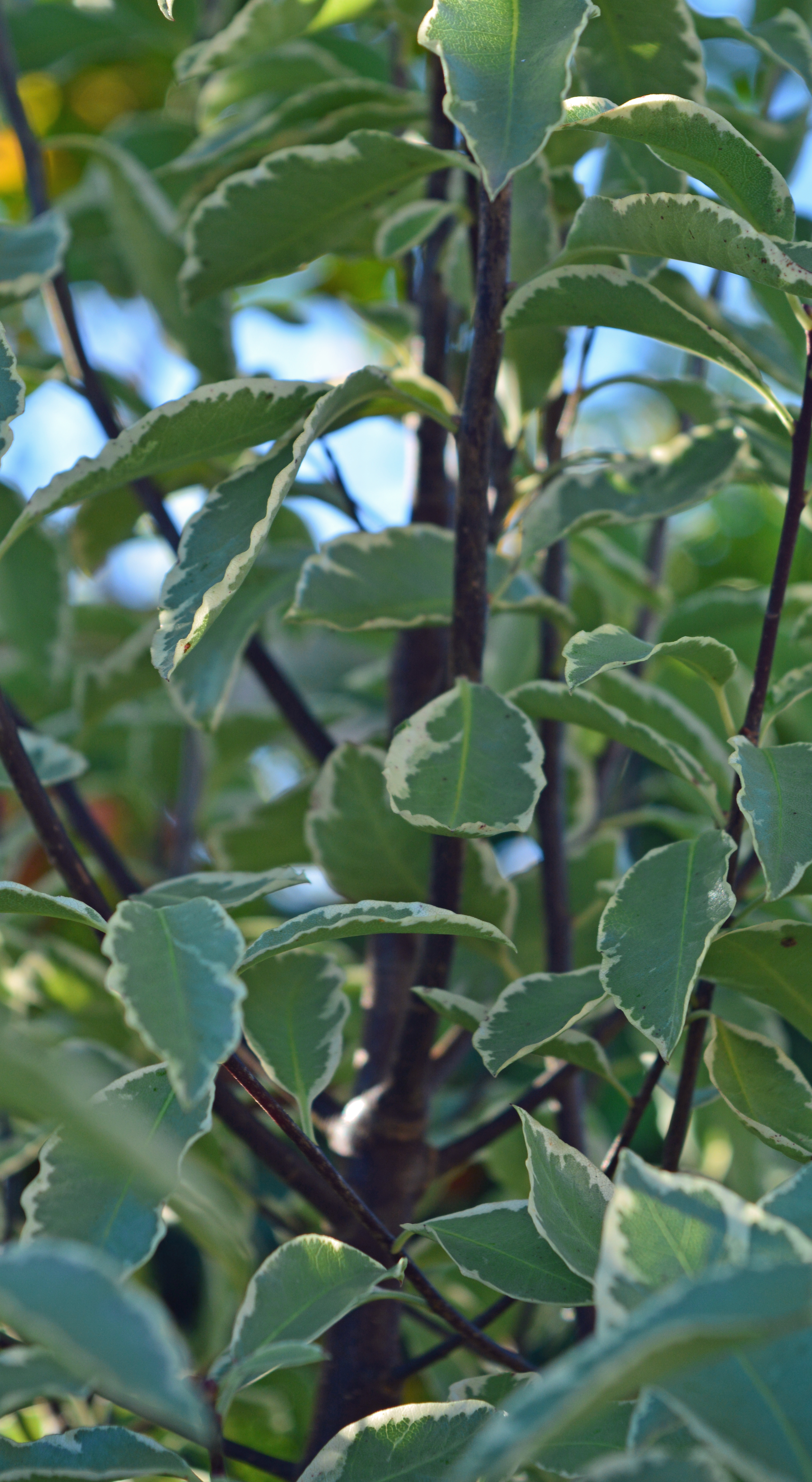
and Pittosporum “Garnettii”

dj3-1 dj3-2 dj3-3

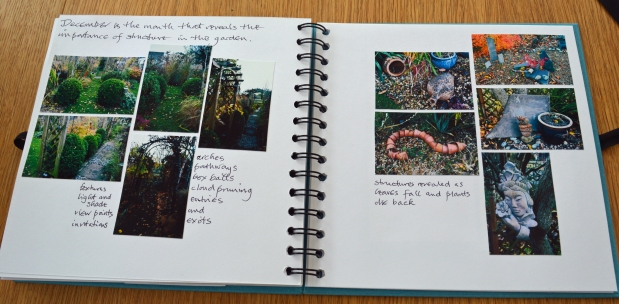
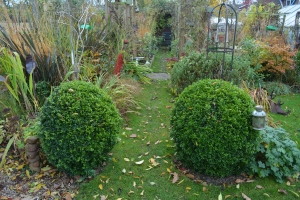
Over the next page we find my look at winter structure, where I wrote “December is the month that reveals the importance of structure in the garden. Teextures, light and shade, view points, invitation, archways, pathways, box balls, cloud pruning, entries and exits.”
te-01tex-02 tex-01tex-04 te-19 te-18t-2

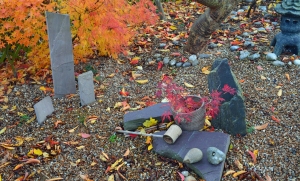
I then included a set of five photos illustrating, as I wrote, “structures revealed as leaves fall and plants die back.”

te-13 te-15 te-12 te-16te-17 tex-03

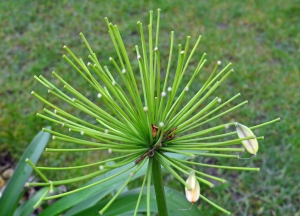
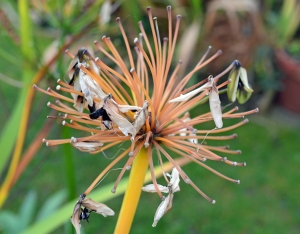
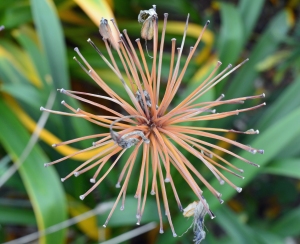
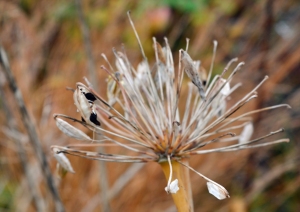
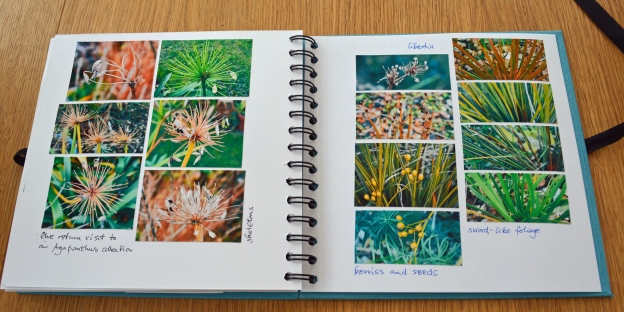
We have taken a close look at our Agapanthus collection on occasion over the last few months in my journal and promised a final look in December, so here is “the return visit to our Agapanthus collection” which I have linked with a page of photos of our collection of Libertias sharing my pics of their “berries and seeds” and their “sword-like foliage.”
te-02te-11 te-06te-09 te-07te-10 te-03

Libertias ………………………

tex-14 tex-05tex-06 tex-07 tex-10 tex-08

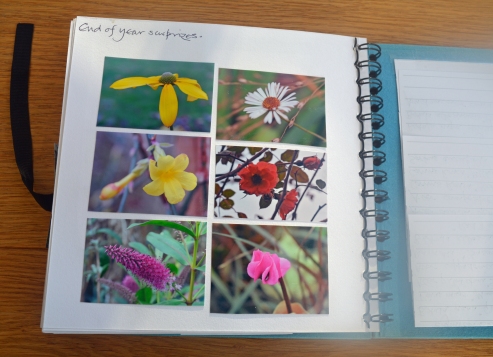
December is the month guaranteed to surprise! End of year surprises! Winter months do have a tendacy to throw up their special surprises, those flowers that pop up out of season to cheer us up with their colour that sparkles in the greyness of the depth of the season.

jd1-25jd-08 jd-13jd-11 jd-12tt-1 jd-10

Inside the back cover of my now completely full garden journal, I have glued my tree list that readers can pull out to study if they wish.


jd1-27

In the tree list I wandered around the garden from front to back recording all the hardwood plants classified as trees rather than shrubs, making allowances for our particular methods of pruning some shrubs into small trees. I recorded their seasons of interest and their main points of interest or reasons for growing them in our garden.
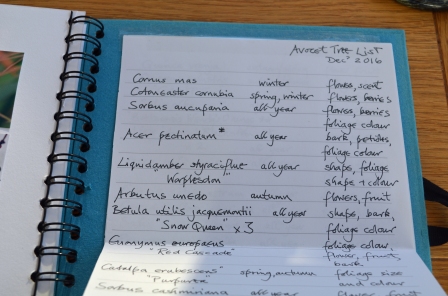
jd1-28

The Avocet Tree List gave us a bit of an extra December surprise for when we added up the tree list to see how many trees we have planted here in our beautiful patch of land which is our garden at Avocet. The count revealed that we have planted exactly 50 trees during the last 13 years. That is a lot of tree for a quarter acre but every one is so special to us, like a big expanded woody family.

So that is my 2016 Garden Journal. I hope you have enjoyed sharing it with me. Next year I shall create another Garden Journal the format of which is still being worked on. I shall share it with you again.




Categories
colours garden design garden photography gardening gardens gardens open to the public hardy perennials ornamental trees and shrubs Shropshire Staffordshire trees Winter Gardening winter gardens

The Dorothy Clive Garden in December

So here we are with the final installment in my series of posts where we report on our monthly visits to the wonderful gardens on the Staffordshire and Shropshire border, the Dorothy Clive Garden. We have really enjoyed our monthly visits and every time has been so different with different things to stimulate all the senses.

It has been a most enjoyable series of visits. Next year we will be looking at a very different place in our monthly visit series.

dcd2-29dcd-08dcd-02

As we have come to expect, the table decorations reflected the season, as we enjoyed a coffee and cake to launch our final visit for 2016. The borders up against the tea shop wall looked so bare now after them recently being full of the brightest colours possible provided by Nerines. But within a few yards of leaving the tea shop we discovered colour in flowers and buds giving promises of things to come.

dcd2-01 dcd2-02 dcd2-03 dcd2-04dcd2-08 dcd2-39

The new Winter Garden has now really come into its own and will continue to impress for a few months to come.

dcd2-15 dcd2-16dcd2-19 dcd2-20 dcd2-19dcd2-17 dcd2-21 dcd2-22 dcd2-23 dcd2-24 dcd2-25 dcd2-26 dcd2-27 dcd2-28  dcd2-30 dcd2-31 dcd2-40Structure comes into its own in any good garden at this time of the year and we found that the DC garden was no different. At home we love our cloud pruned box hedges and box balls and in winter of course they come to the fore so we were so pleased to see similar styles of hedge cutting going on on a much larger scale at the Dorothy Clive.

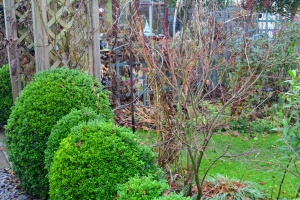
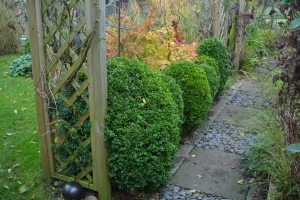
This rolling bundle of box bushes tumble like acrobats along the hedgerow and by partnering up with two mature trees they frame the countryside beyond. Great fun! The next three group around the bottom of a tree like three young triplets cuddling up to their mother. In the third pic the box balls invite the visitor to pass between them to discover more garden beyond.

dcd-09 dcd-21dcd-20

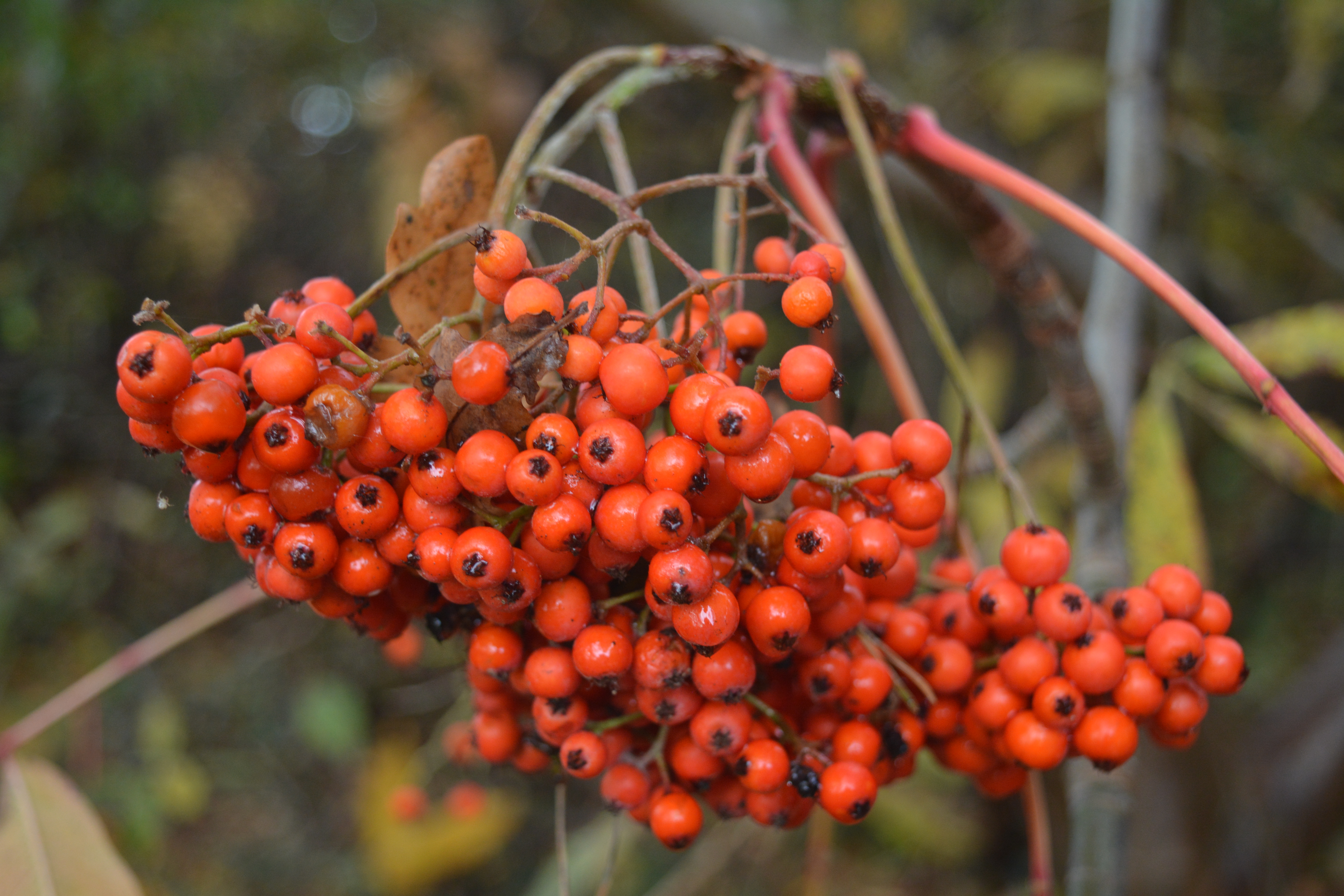
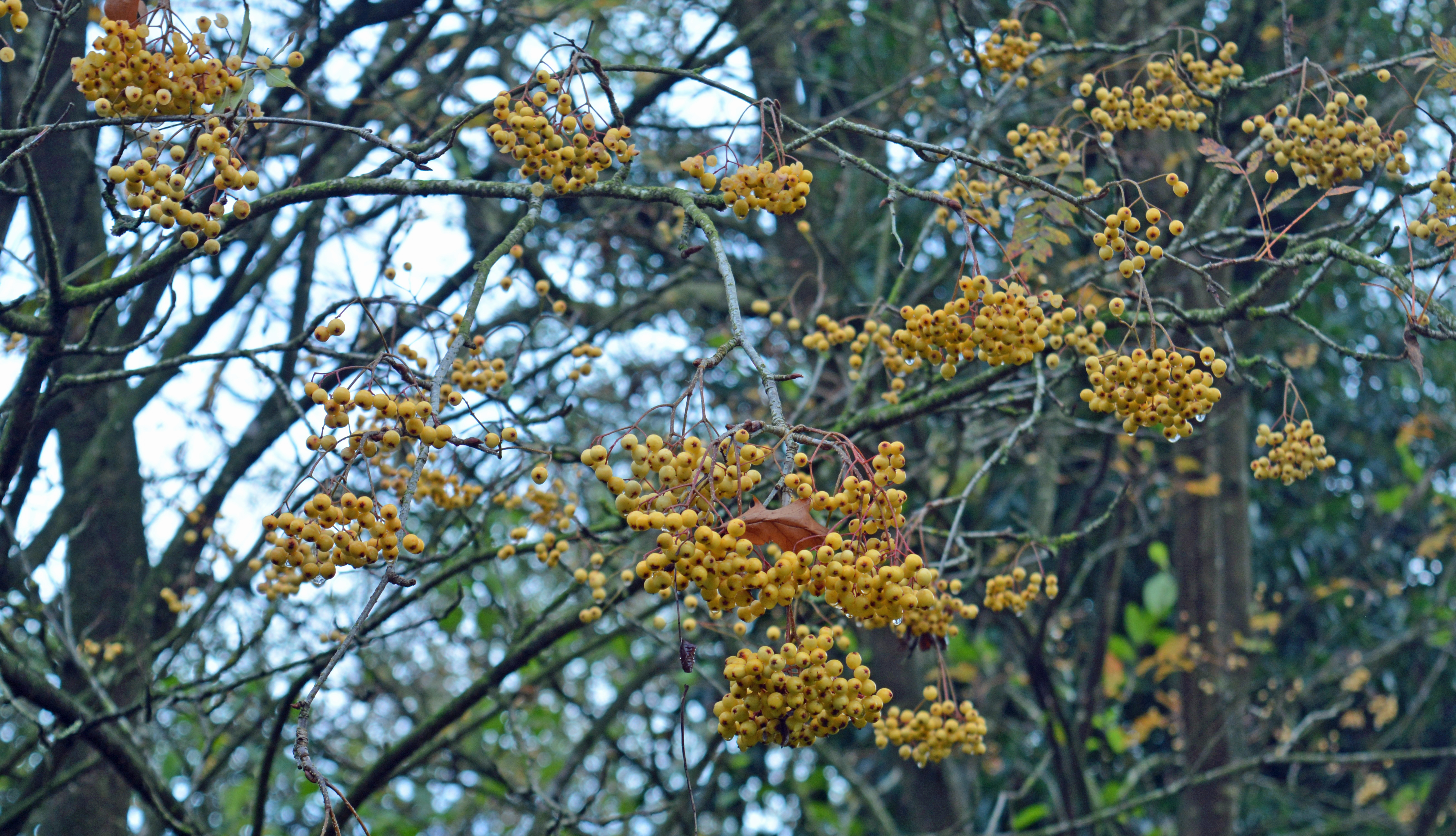
Berries on trees and shrubs will hang on well into the winter depending how poor the weather becomes and how deeply winter sets in both here and on the continent. If weather as far away as Siberia becomes too inclement for the indigenous thrushes, starlings and blackcaps they migrate to our shores forming raiding parties upon arrival spreading countrywide consuming the fruits, seeds and berries in the countryside and increasingly our gardens. Some colours also last longer as birds are a selective lot when they have the choice, red first, oranges next then yellow and finally white and translucent.

dcd-01 dcd-23 dcd-03 dcd-04 dcd-05 dcd-22

The colours, textures and patterns found on the bark of trees as well as the stems of shrubs take centre stage at this time of year and are lit up by any late year sunshine.

dcd-06 dcd-07 dcd-14

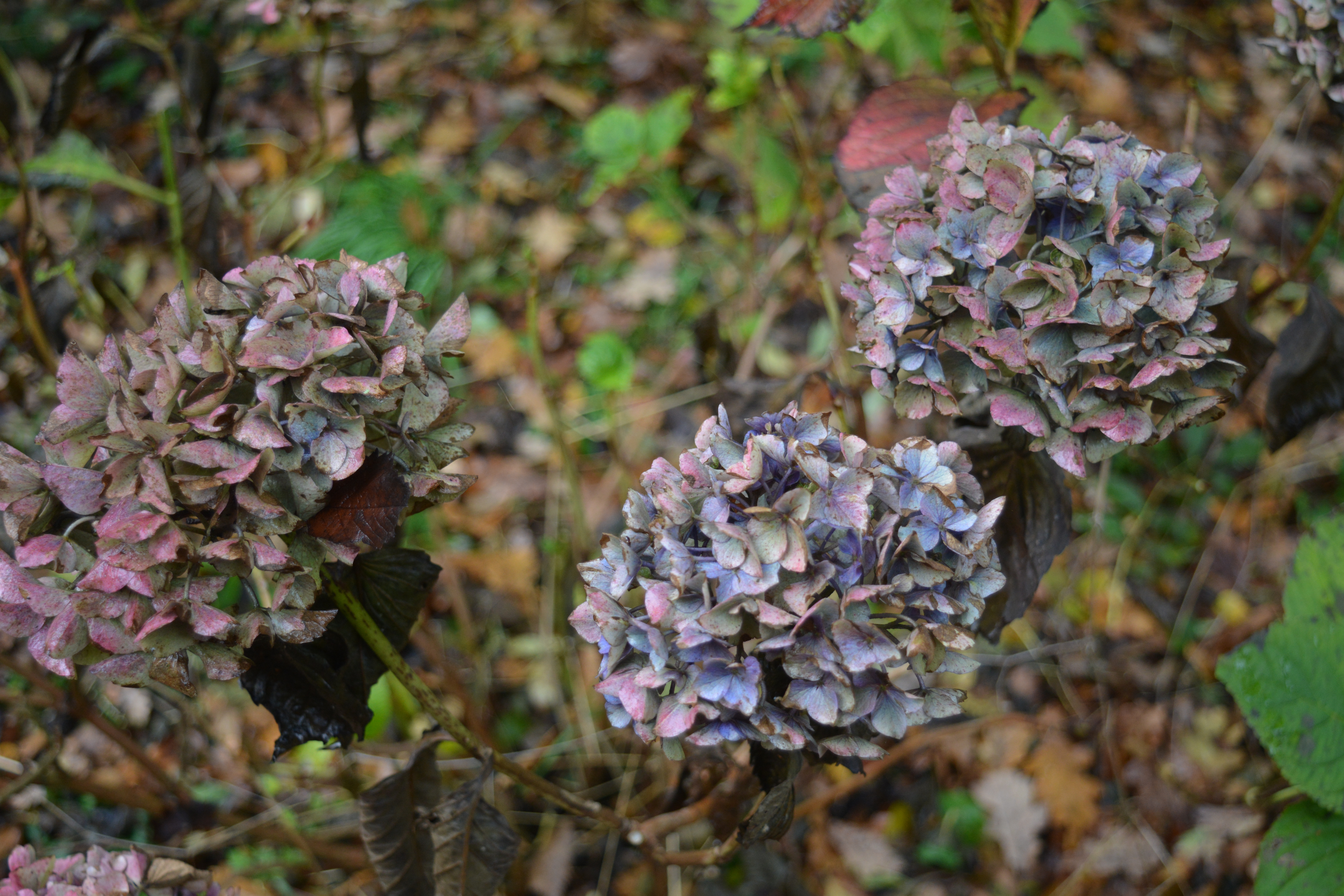
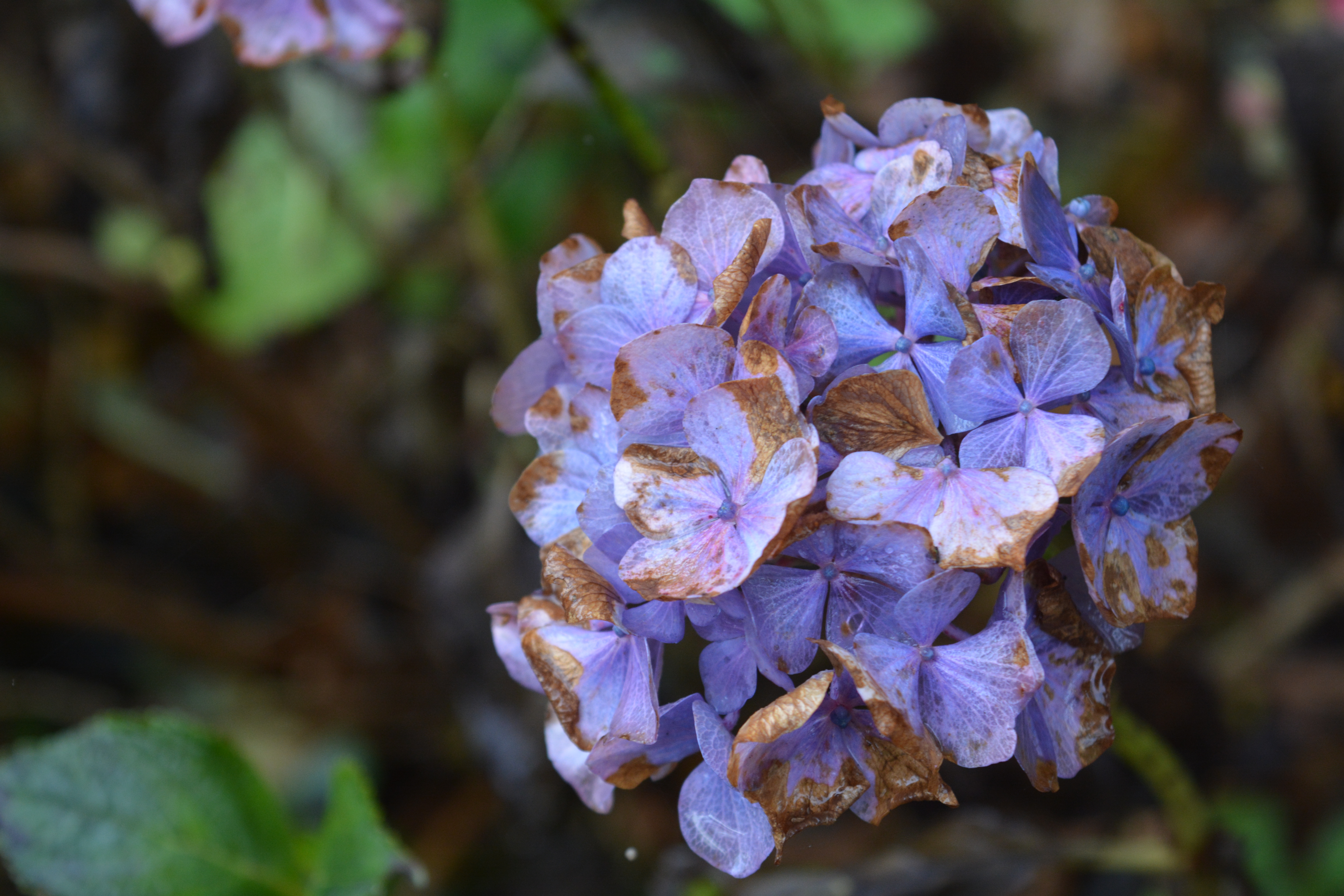
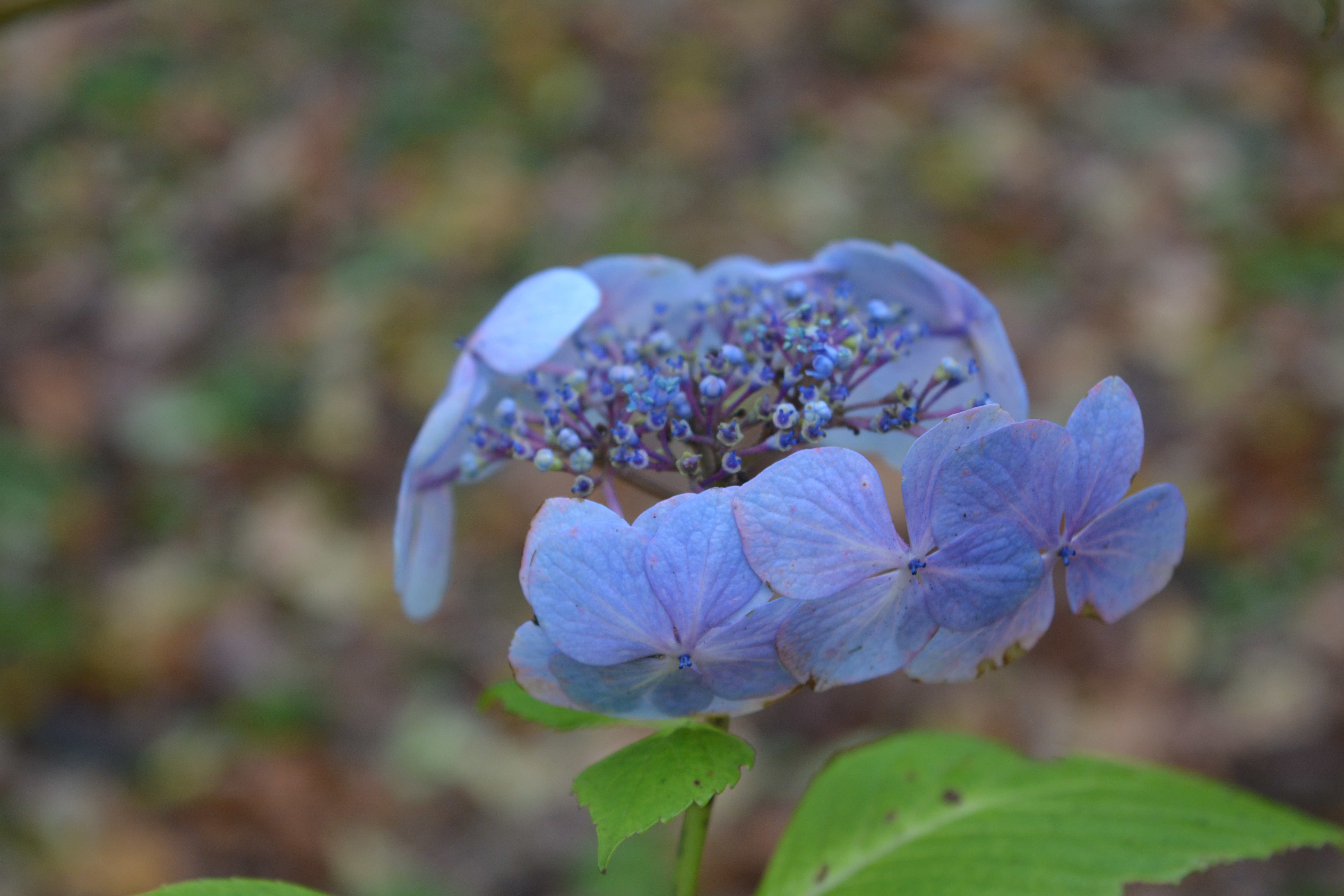
We associate dried flowers with indoor arrangements in the winter but there are plenty of interesting versions to be found outside, especially if you can find some Hydrangeas like the many at the Dorothy Clive Gardens. The colours are those of faded tapestries.

dcd-10 dcd-11 dcd-12 dcd-13  dcd-15 dcd-16

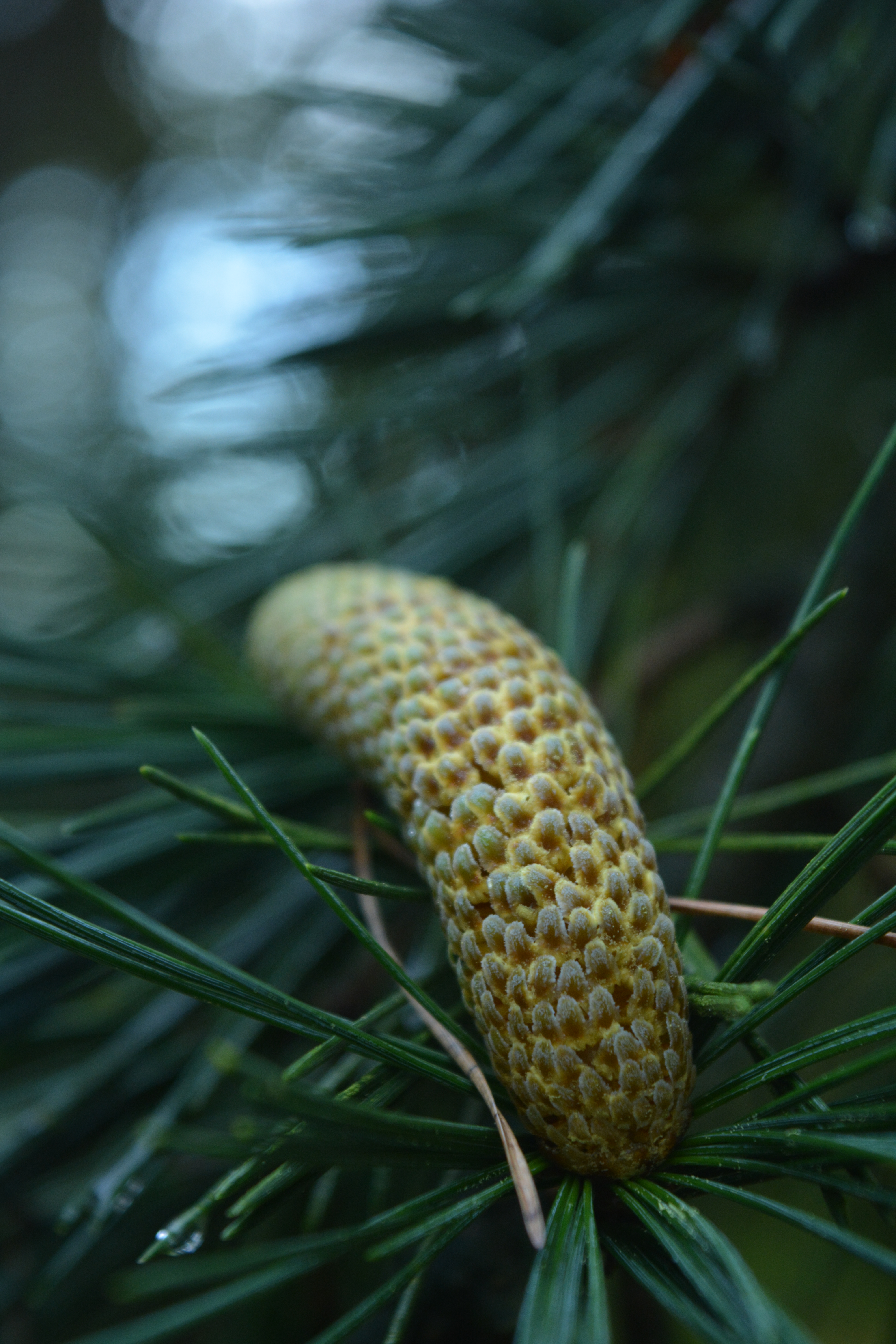
Although not great fans of coniferous trees we can appreciate them more in December when their heavy skeletal frameworks show well. Cones and the last of the flowers hang on their solid branches.

dcd-24 dcd-25

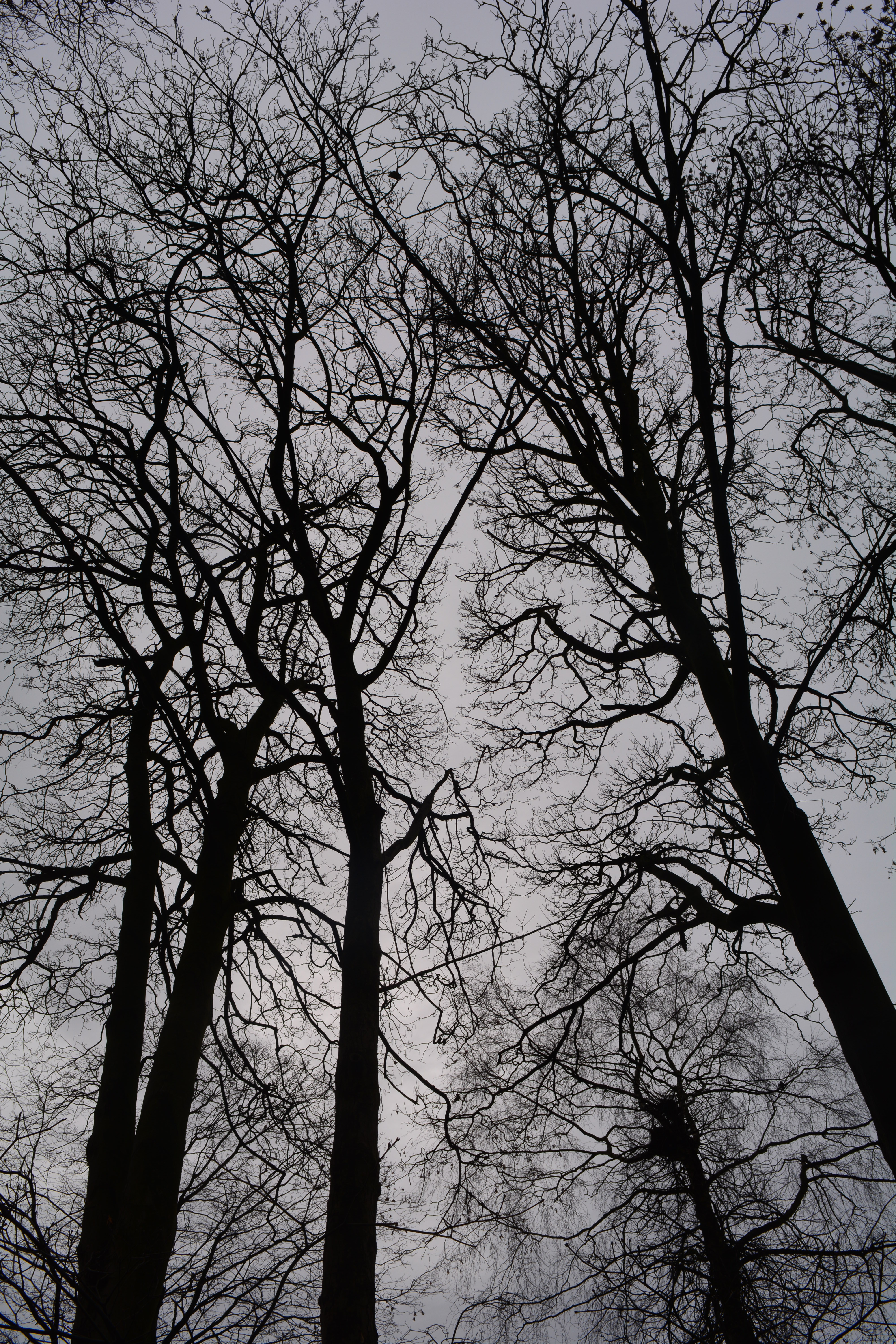
We do however greatly appreciate the silhouettes of tall skeletal networks of deciduous trees.

dcd2-14  dcd2-13

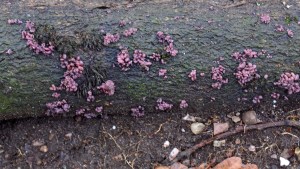
We were surprised by how many different fungi we spotted as we wandered as we would normally see them in the autumn. They provided bright tiny patches of colour on old logs placed as border edges.
dcd2-11 dcd2-33

So there we have it, a year’s worth of visits to this lovely garden on the border of Shropshire and Staffordshire, one of our favourites and lucky for us within an hour’s drive so very easy to visit. I hope you have enjoyed the Dorothy Clive Gardens and my attempts at recording its seasonal beauty through the lens of my camera.


Categories
colours garden design garden designers garden photography gardening gardens gardens open to the public grasses hardy perennials Norfolk ornamental grasses ornamental trees and shrubs

Bressingham Gardens – 2 – Using Grasses.


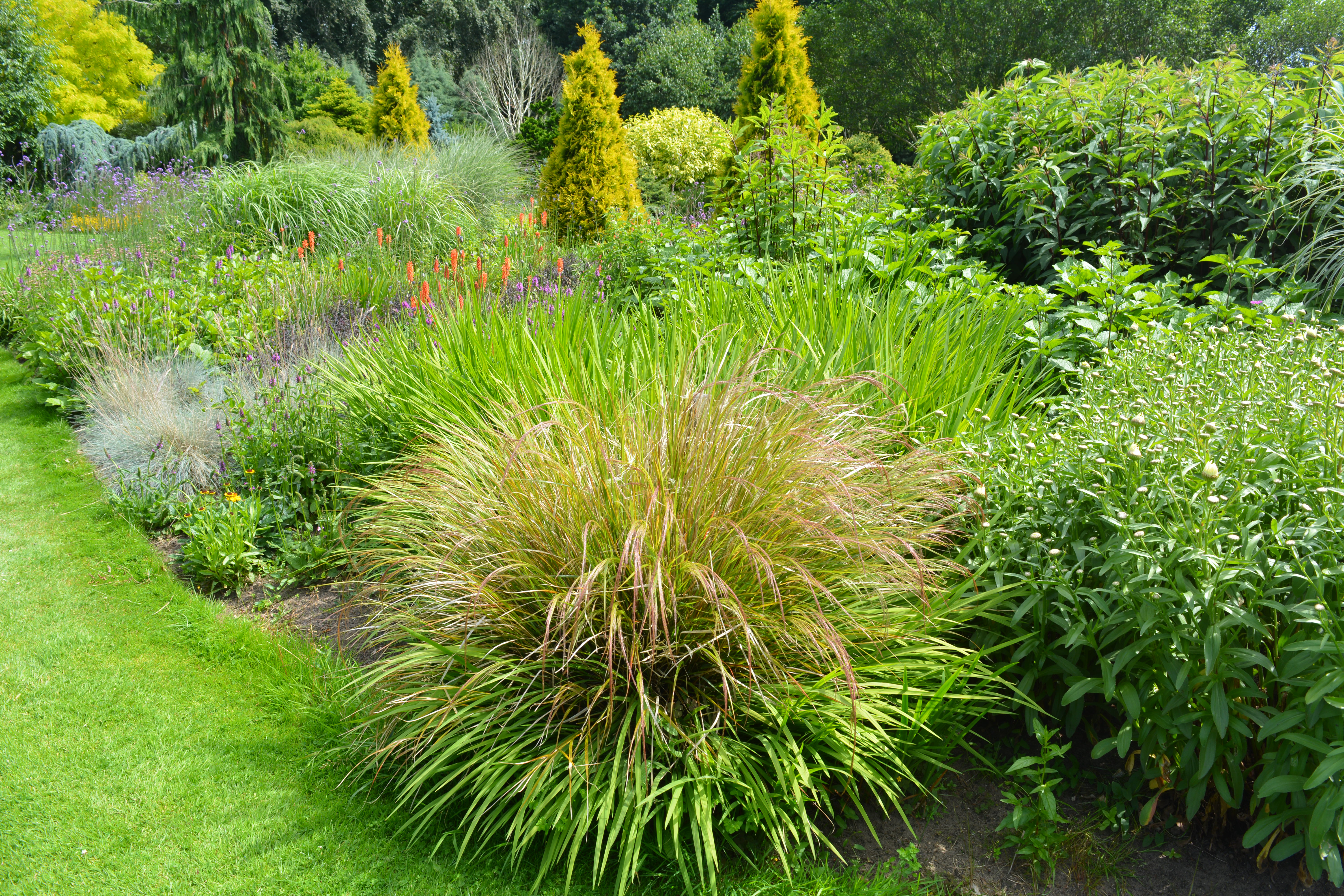
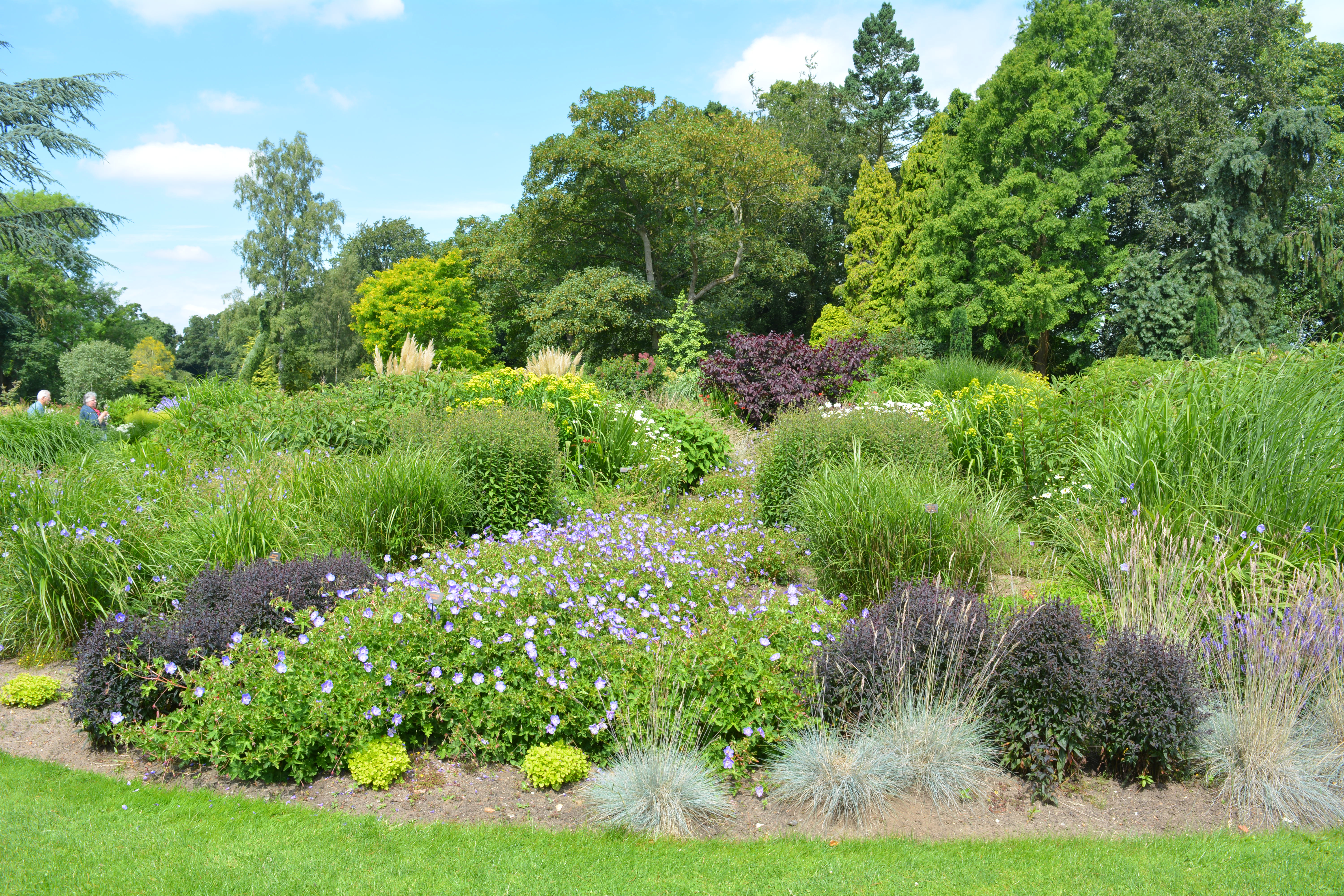
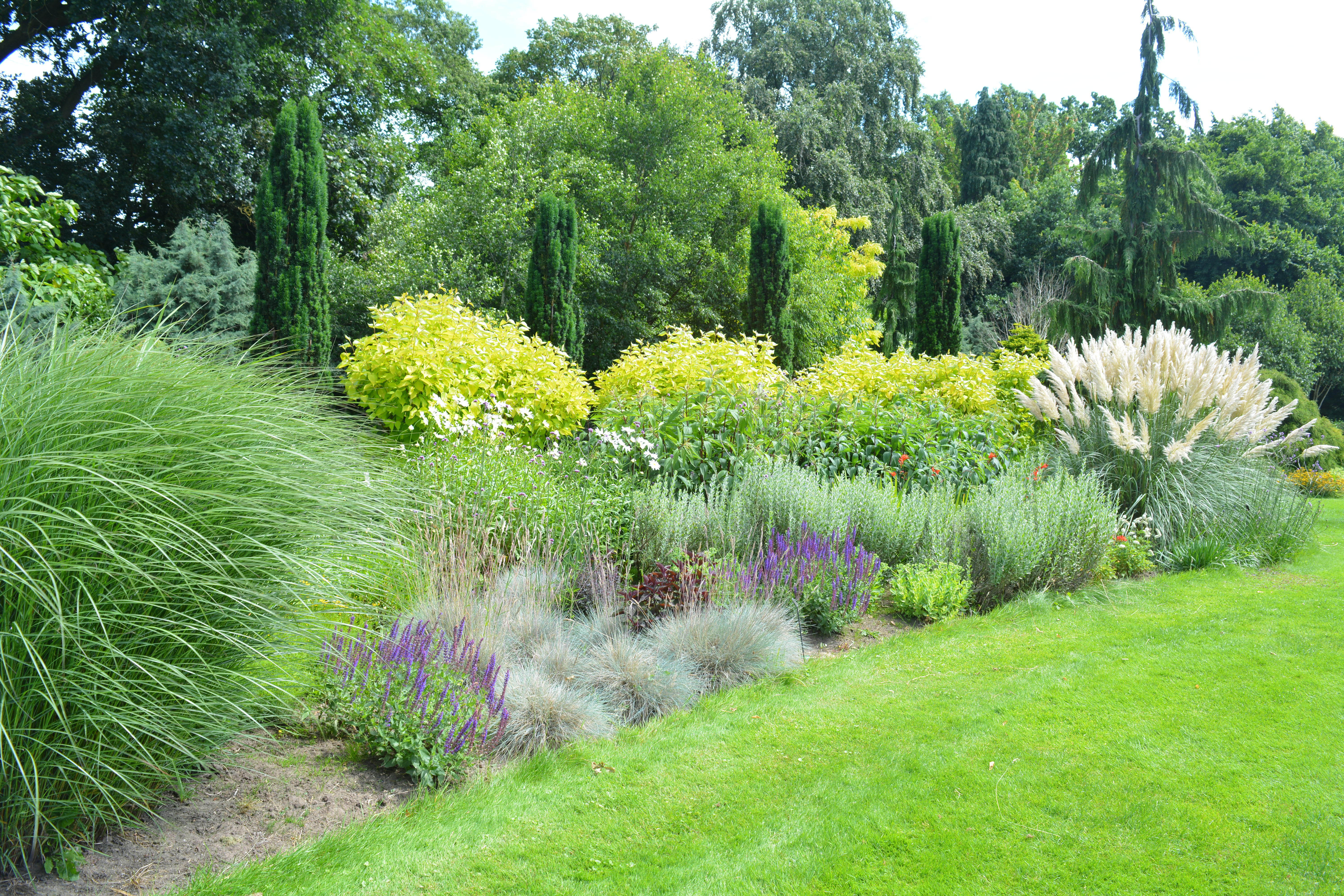
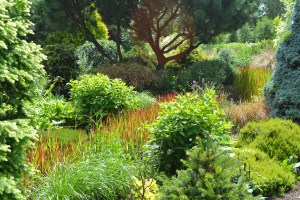
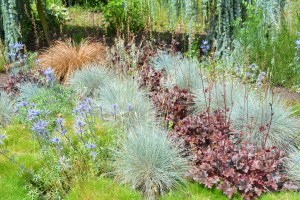
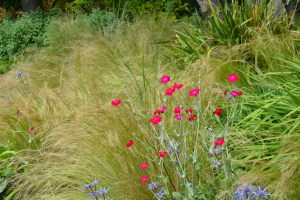
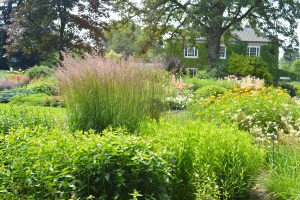
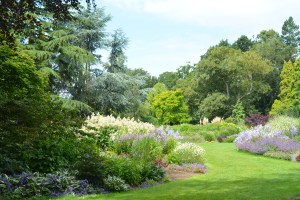
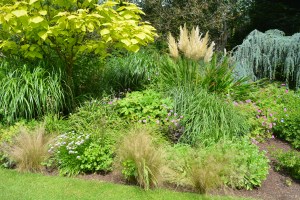
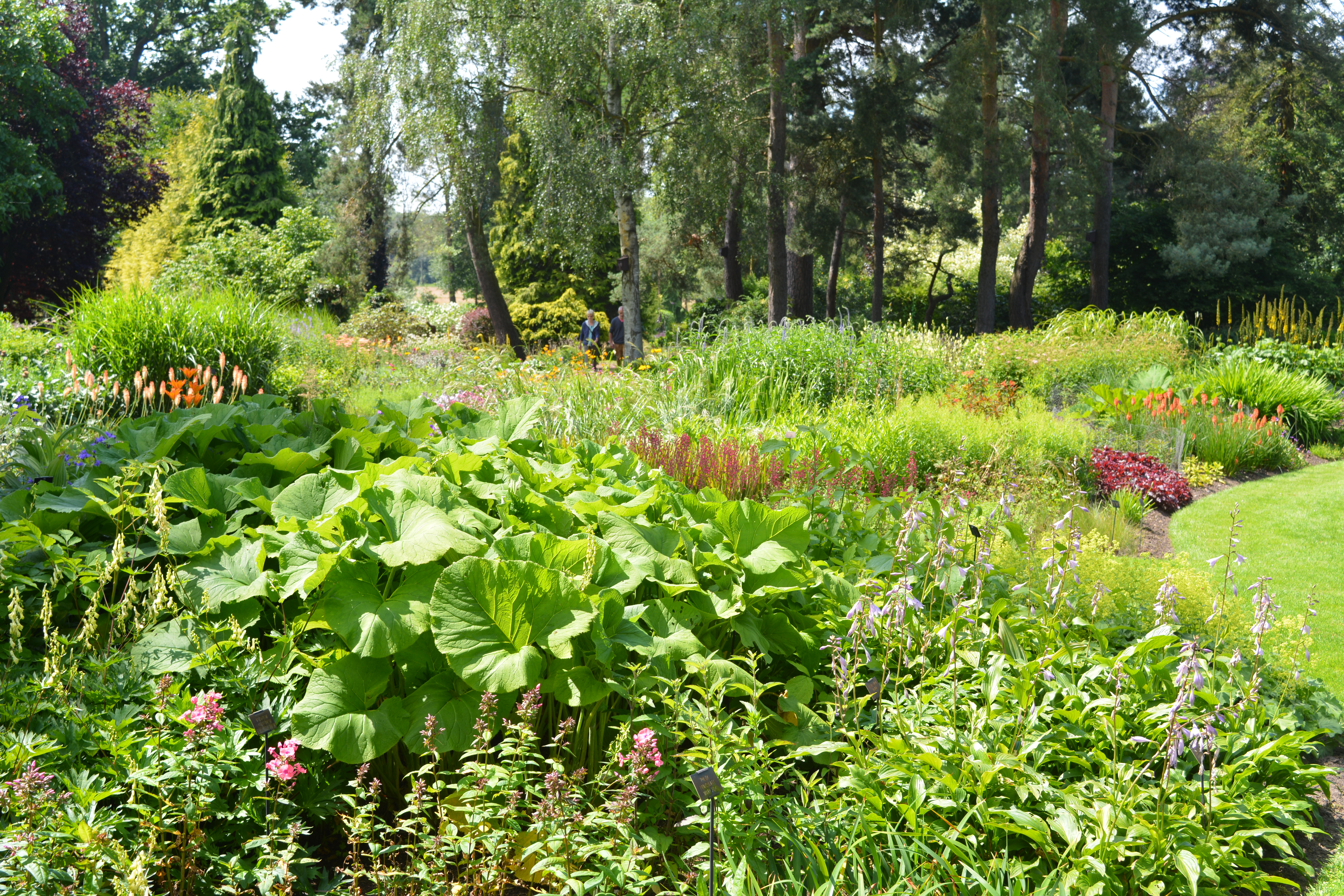
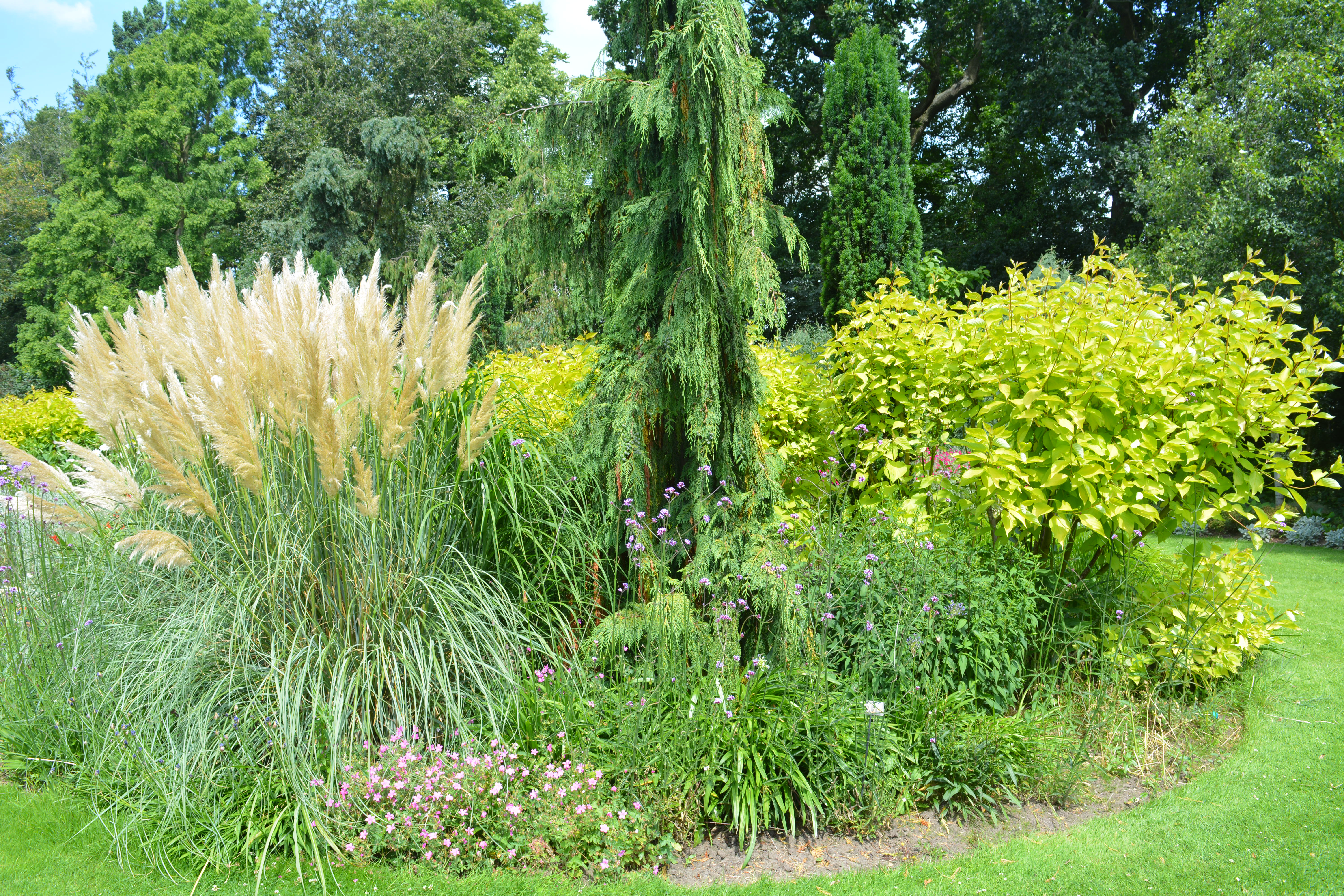
In this second report of our visit to the gardens at Bressingham I am going to look at the use of grasses throughout the gardens. As the batch of shots below illustrate, grasses here are beautifully integrated into the mixed borders and enhance their partners’ attributes. The grasses add movement, sound and an element of delicacy to the whole garden.

bg-01 bg-02 bg-03 bg-04 bg-05 bg-06 bg-07 bg-08 bg-09 bg-10

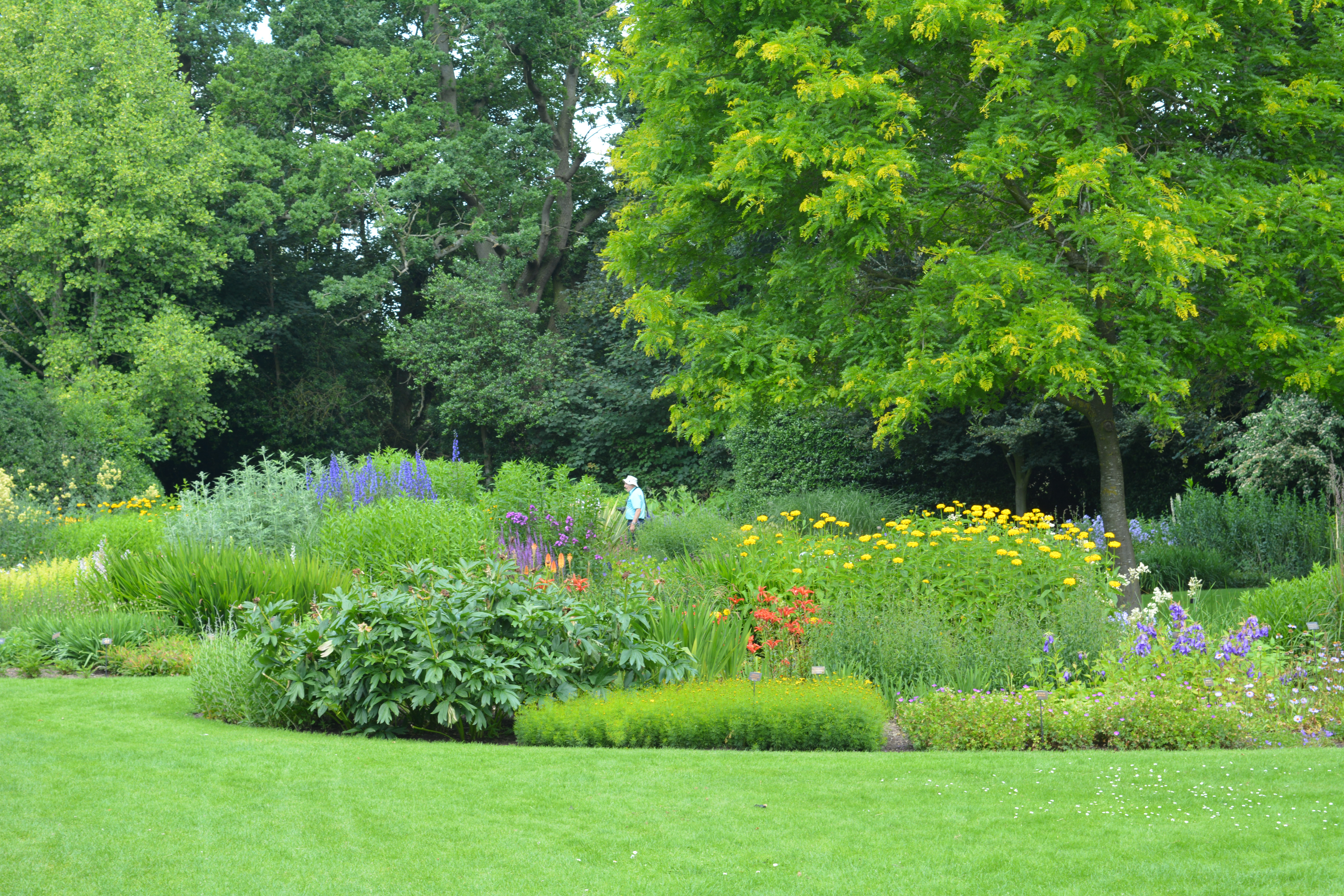
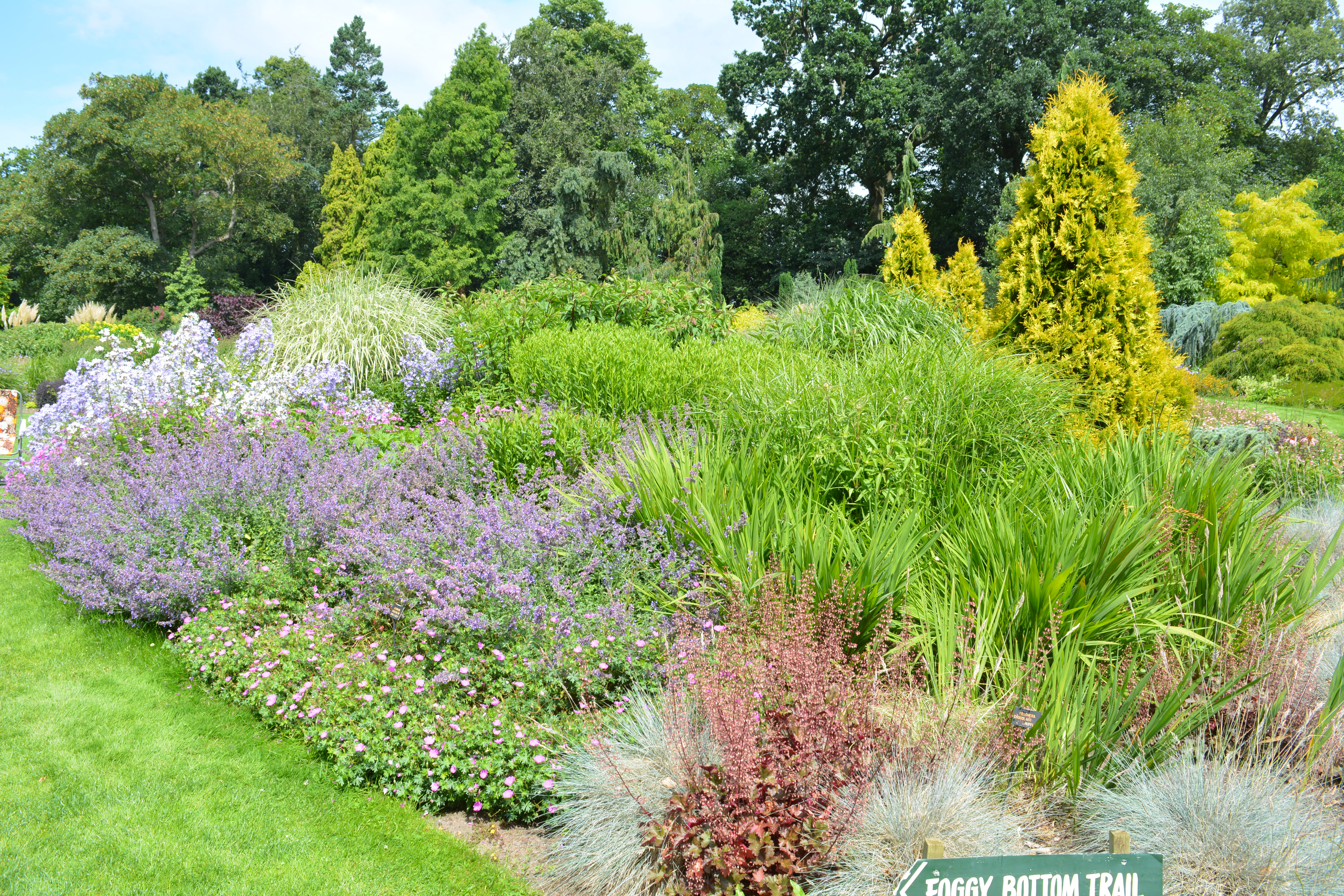
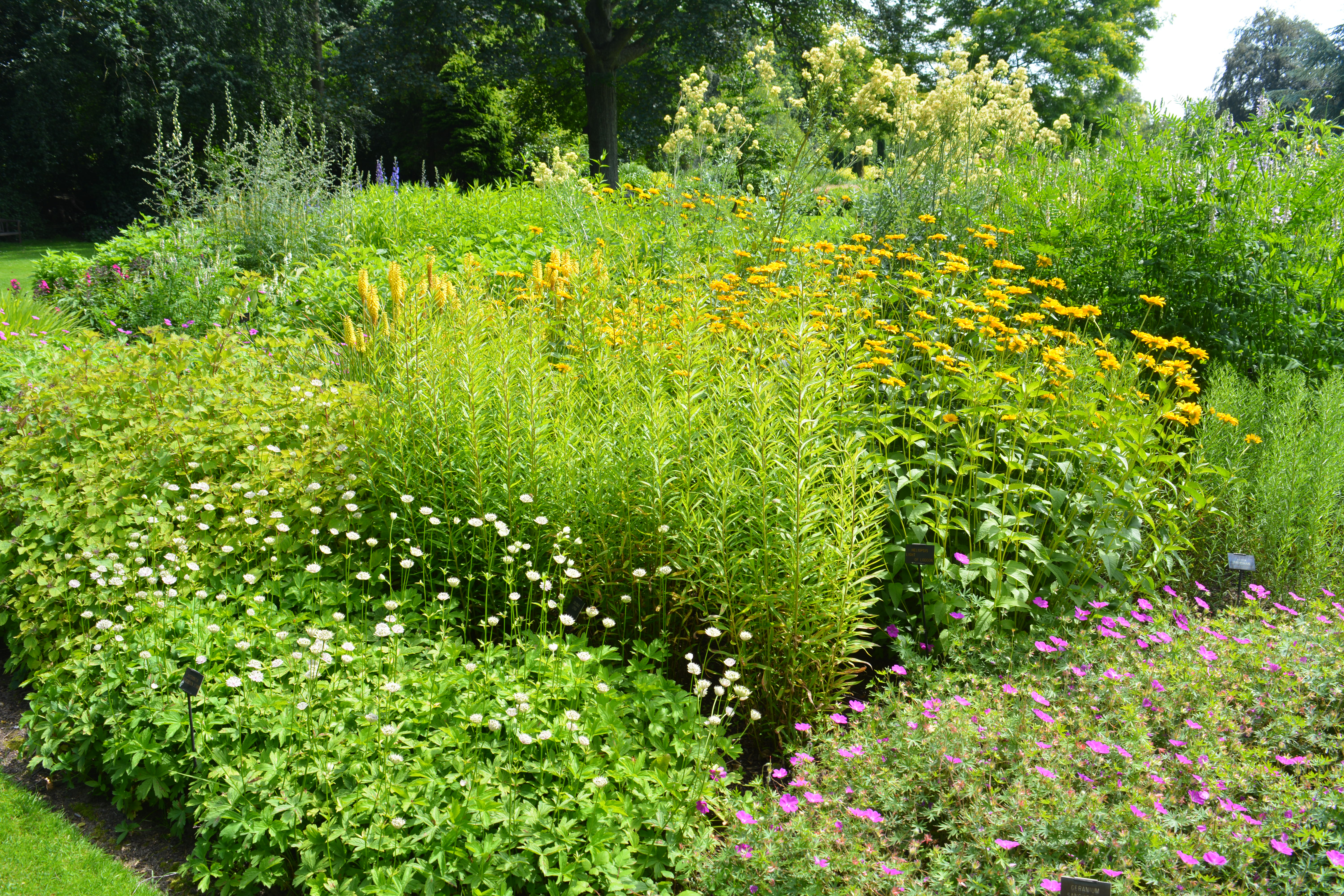
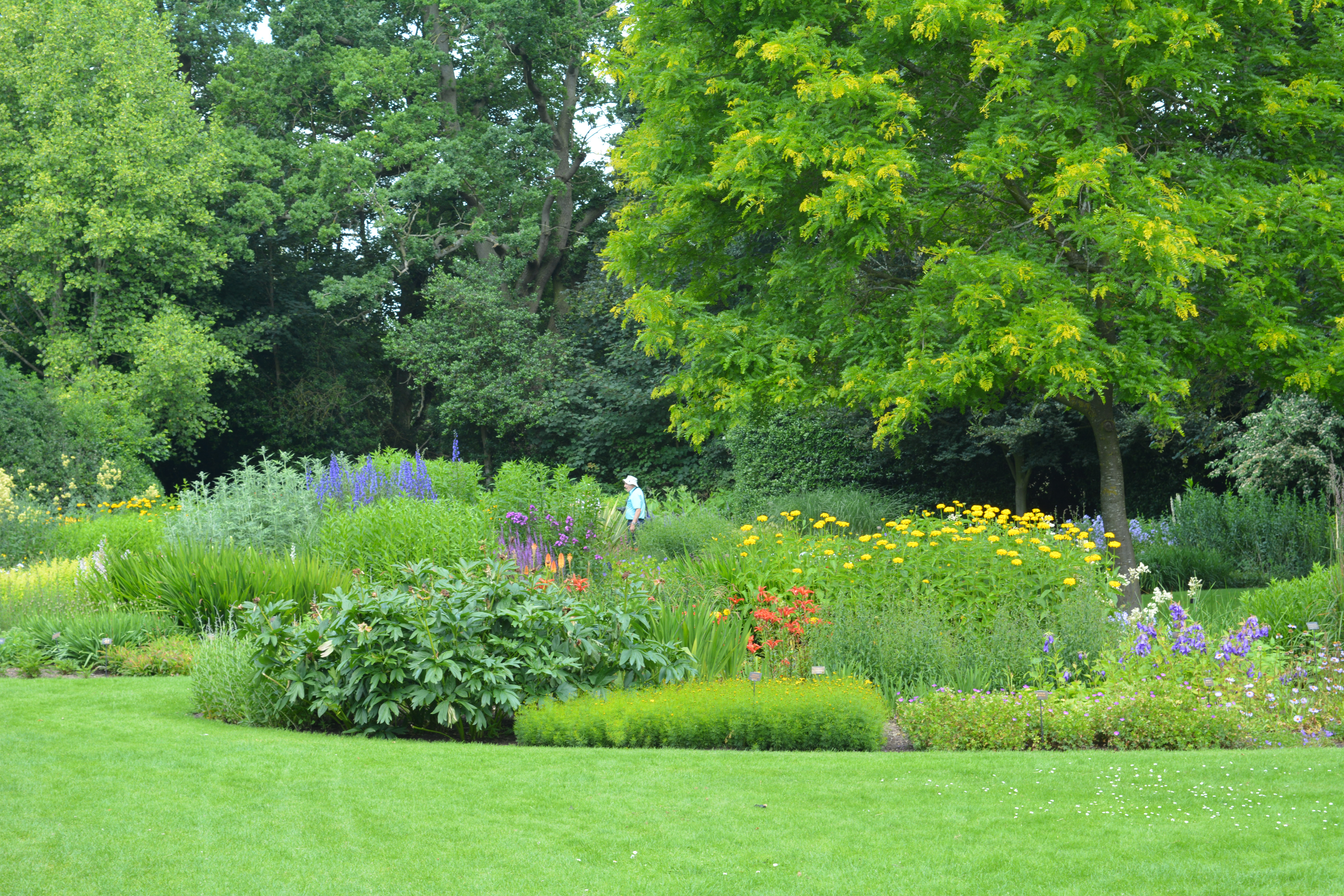
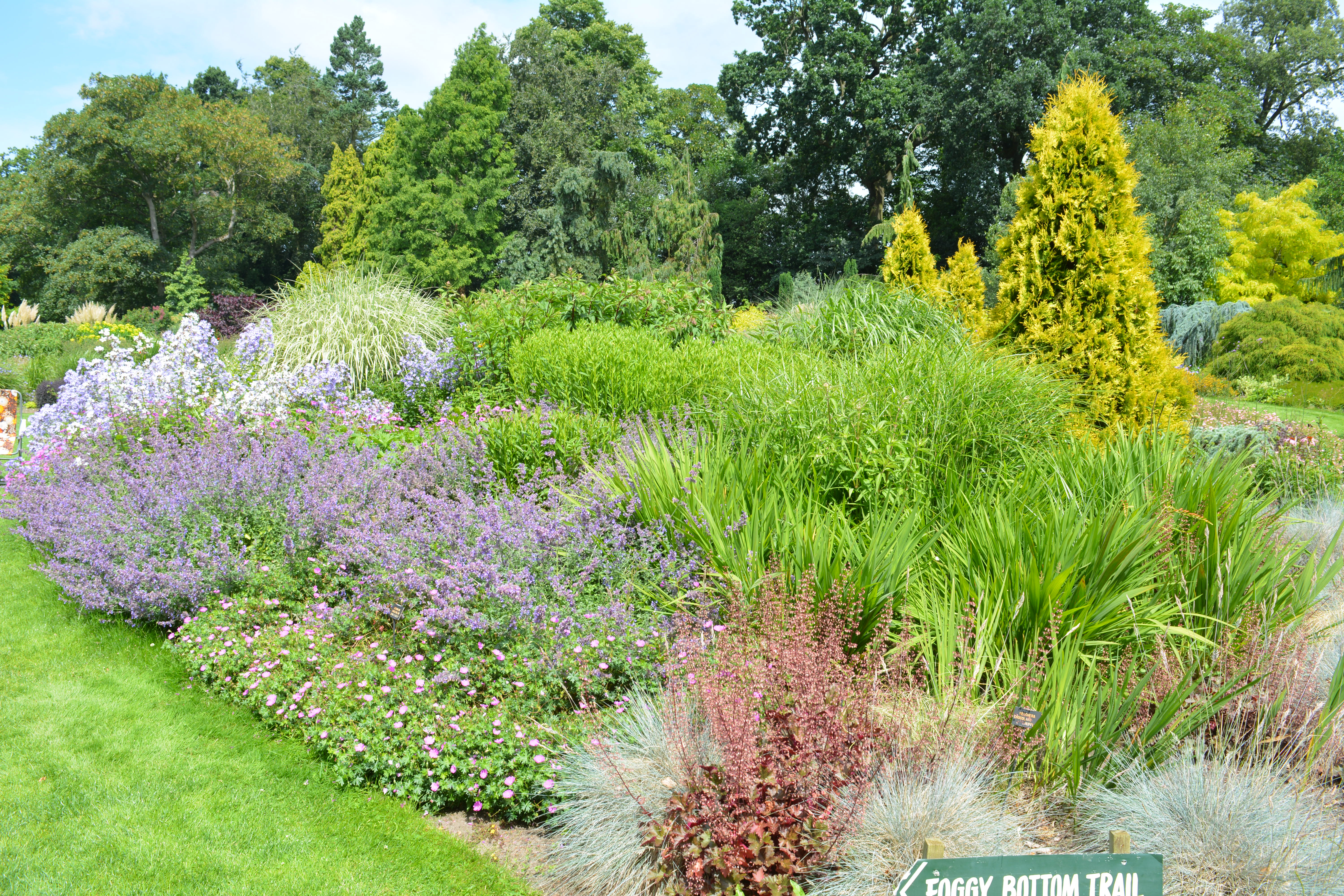
The Bloms family created the gardens here at Bressingham not only to show the use of perennials and grasses but also coniferous evergreens. It is here they display all the many new cultivars of grasses and perennial herbaceous plants that they have bred over the decades. They also pioneered the use of island beds in garden design where for the first time herbaceous borders were designed to be seen from all around and the island beds of plantings were designed to be islands within seas of lawn.

gb-01 gb-02 gb-03 gb-04   gb-07  gb1-02  gb1-08

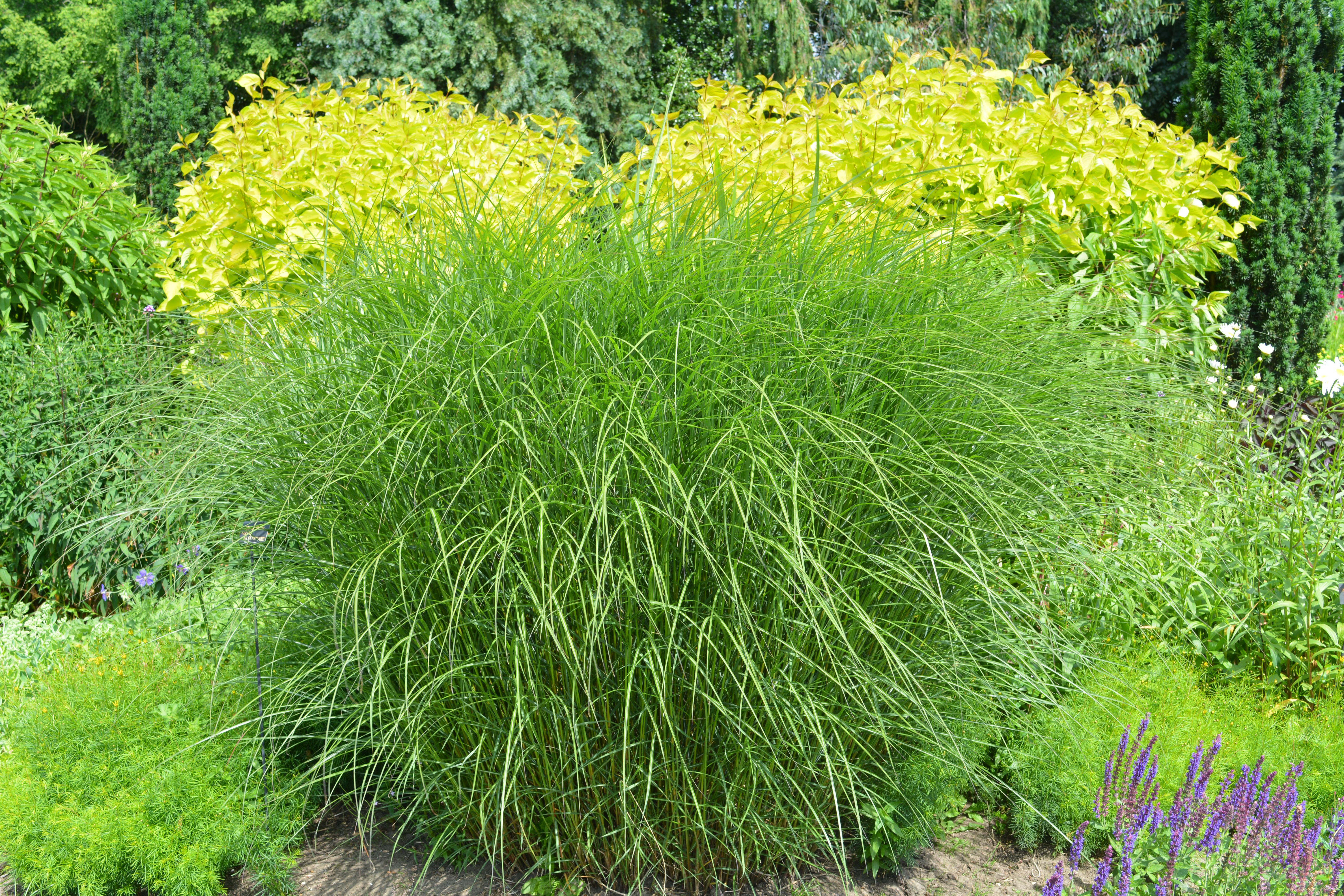
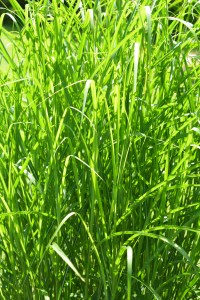
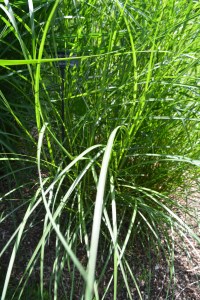
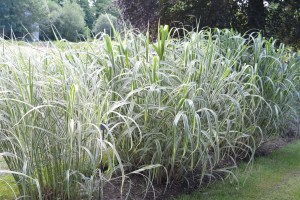
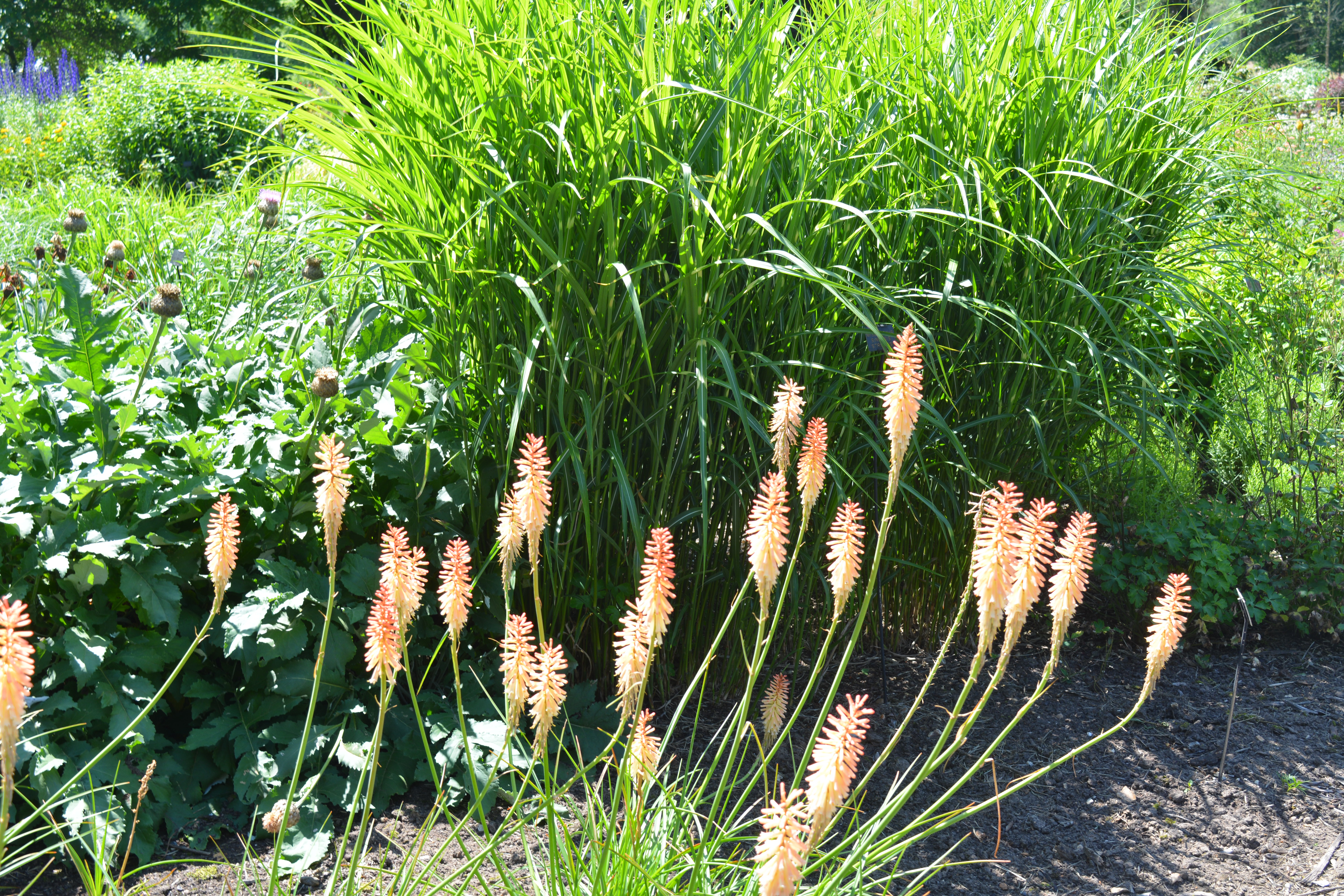
Grasses especially varieties and cultivars of Miscanthus are an integral part of the gardens here including the island beds. There is a large collection of Miscanthus which impressed and delighted me as it is a grass family that I love to see and love to use in our garden. It is a great multi-season group of plants.

Here are a few shots of the Miscanthus collection, but it was hard to do justice with the camera to illustrate the subtle variations in colour, height texture and growth habits of these grasses, the colours in all the different flowers and the leaf stripes and variegations.

gb-13 gb-11gb-15 gb-14 gb-12gb-09 gb-10

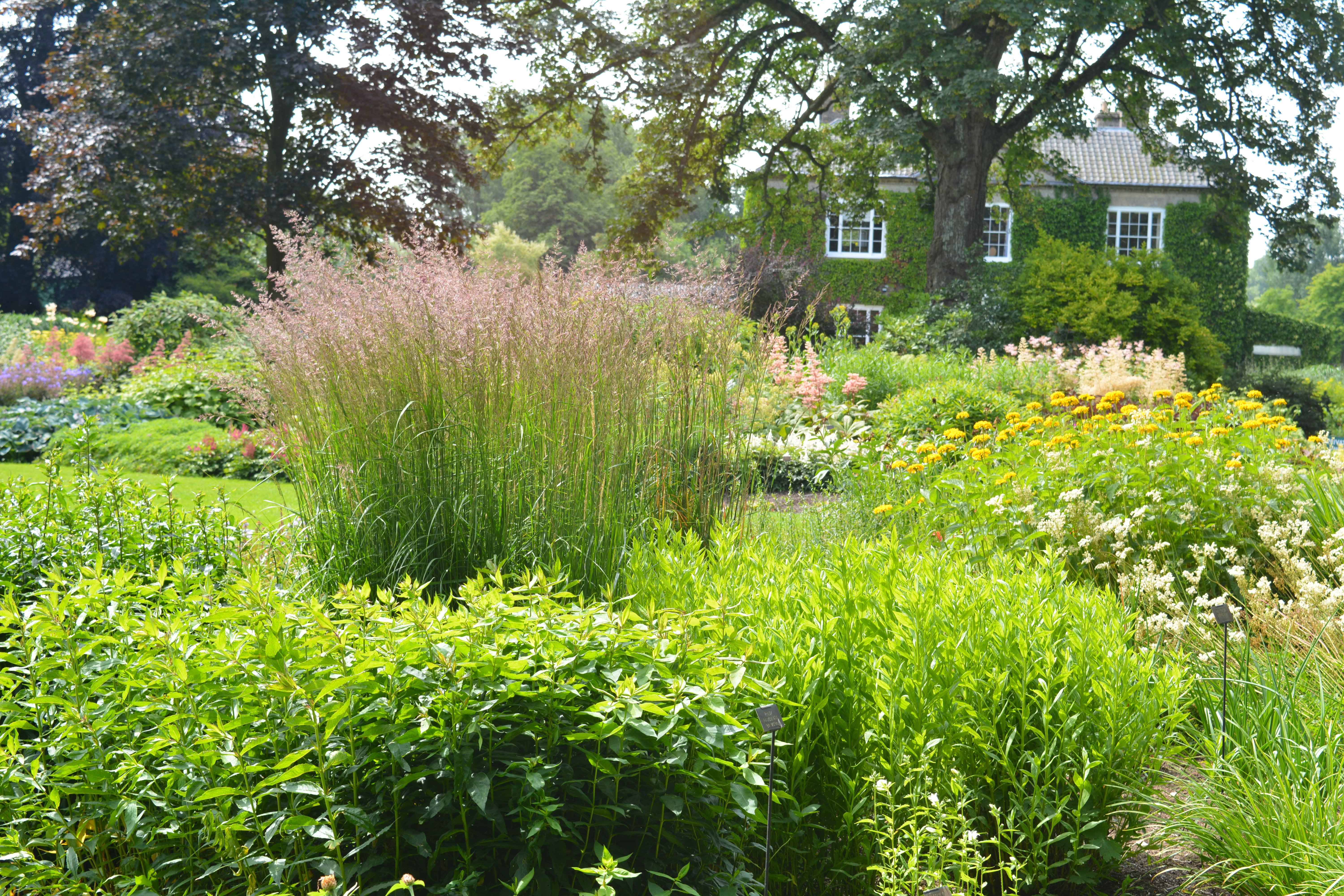
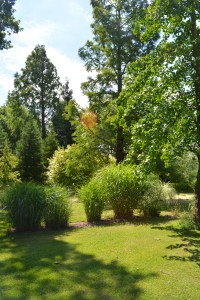
Using grasses in clumps, blocks, rivers and ribbons adds drama to the garden, but equally a single specimen partnered with a shrub, tree or herbaceous plant can increase the aesthetic value of both the grass and its partner.

Here are a couple of ideas seen at Bressingham using grasses in ribbons and rivers.

gb1-05 gb1-06gb1-09 gb1-01gb1-04 gb1-03 gb1-07

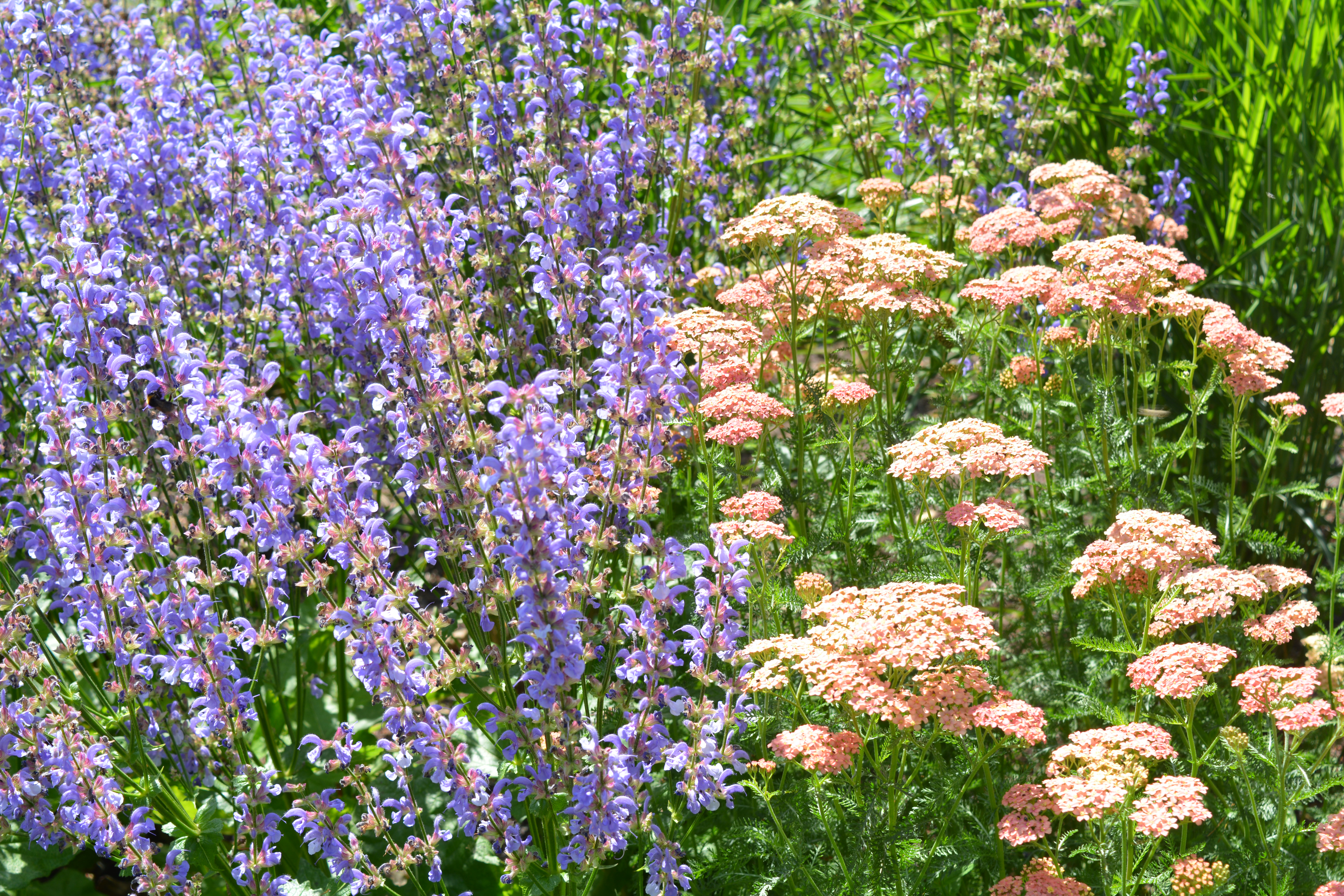
We enjoyed finding effective planting partnerships involving grasses with other classes of plant.

gb1-10 gb1-11 gb-05 gb-06

We came away full of new ideas and a list of Miscanthus we look forward to adding to our Avocet patch.


Categories
colours garden design garden photography gardening gardens gardens open to the public grasses hardy perennials light light quality ornamental grasses ornamental trees and shrubs trees

Bressingham Gardens – 1 – Colour Combinations and Conifers

Jude and I have a book in which we write and keep our bucket list, or really bucket lists. We keep lists of places to visit, gardens to visit and activities to try out. We add to them throughout each year and revamp and edit them at the beginning of each new year.

bc-01 bc-15

Our gardens to visit list has contained one particular garden we wished to visit for 3 or 4 years and it was in the summer of 2016 that we finally successfully got there, The Bressingham Gardens. We looked forward to seeing how they used grasses throughout the gardens and to experiencing enjoying so many beautiful herbaceous perennials. We also hoped that the on-site nursery would give us access to some unusual perennials bred at Bressingham and difficult to get elsewhere, and we particularly hoped to buy some Sea Hollies. Blooms are particularly well-known for their Achillea, Crocosmia and Kniphofia developments, such as C. Lucifer and K. Toffee Nose.

bc-10 bc-09bc-22 bc-21

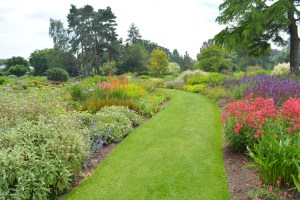
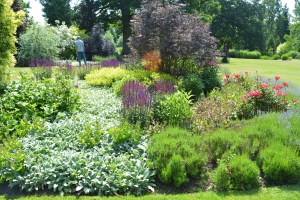
These expansive gardens are like a calm green sea of short cut grass broken up by island beds exploding with colourful mixed plantings.

bc-13 bc-02bc-35 bc-24 bc-31 bc-25bc-38 bc-32

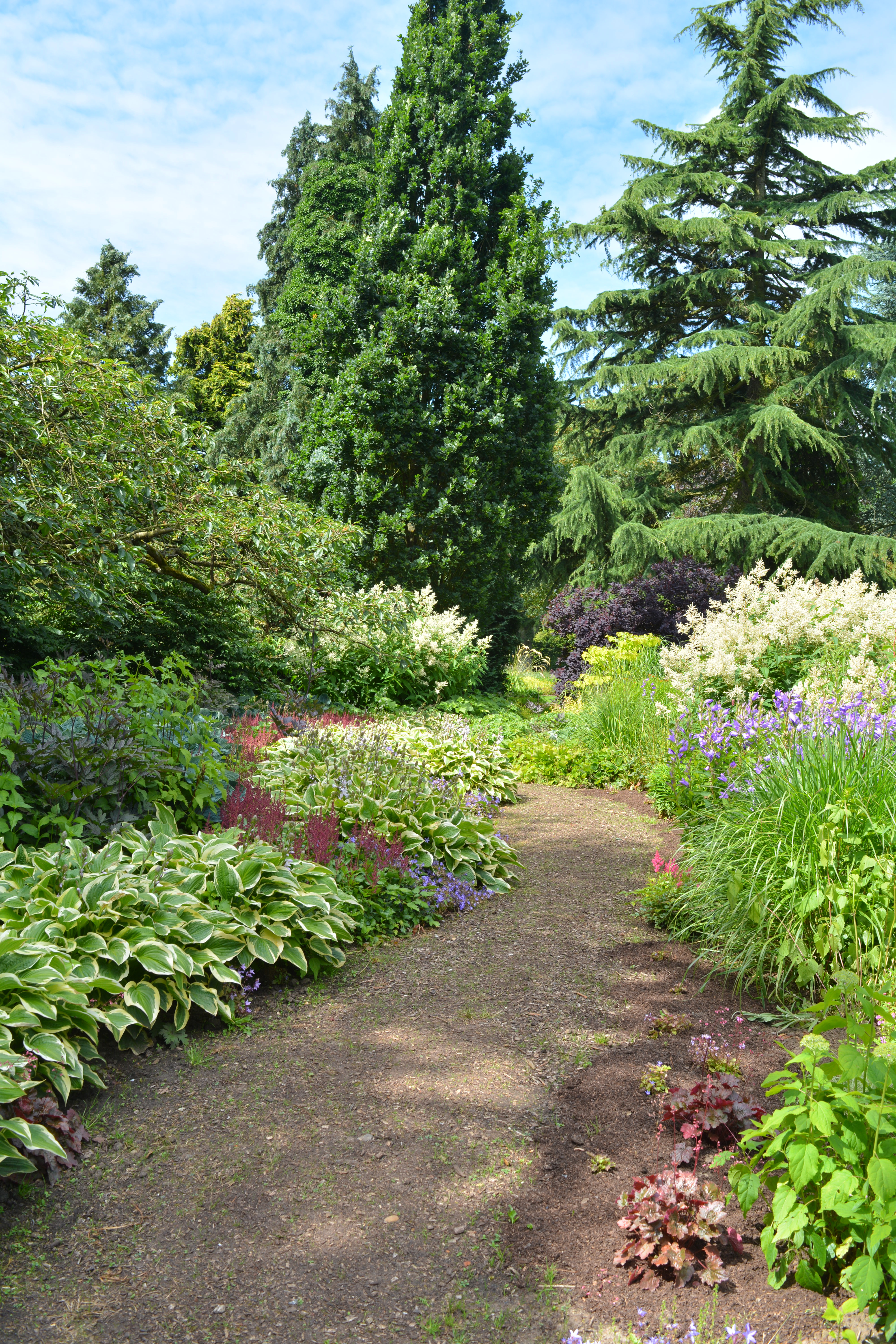
Areas of shade are essential in any open aspect garden, and here small deciduous trees are used throughout to add small patches of shade along pathways, and most of these trees have interesting coloured foliage to add another layer of interest.

bc-27 bc-26bc-29

We enjoyed the richness of warm colours working together beautifully when caught by the sunshine, and contrasting colours shining out in the borders.

bc-34 bc-36bc-39 bc-42bc-41 bc-20 bc-19 bc-18 bc-17  bc-14 bc-12 bc-11

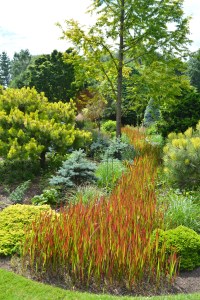
Coniferous evergreens are a special feature of the gardens as they are a particular love of Adrian Bloom one of the family who designed, maintain and own the gardens at Bressingham. Here they appear in every shade of yellow, green and blue with shapes of all sorts some extreme shape, from narrow, upright sentinels to drooping waterfalls. They also feature within the tall windbreaks planted all around the site to protect the wide ranging plantings within the gardens.

bc-06 bc-05 bc-04 bc-37bc-33 bc-03 bc-30 bc-07

In my next blog we will return to the gardens at Bressingham and take a look at how grasses are used to good effects. A big disappointmetn at Bressingham is that the nursery there has been sold to a massive national chain of garden centres, so the plants were the same old same old! So sad!


Categories
autumn autumn colours colours garden design garden photography gardening gardens gardens open to the public landscapes light light quality ornamental trees and shrubs photography Shropshire shrubs Staffordshire trees

The Dorothy Clive Garden in November

Our November visit to see the changing faces of this lovely Shropshire/Staffordshire border garden saw us arriving in sunshine but we were to be treated to a magnificent sky later in the day.

dcc-02

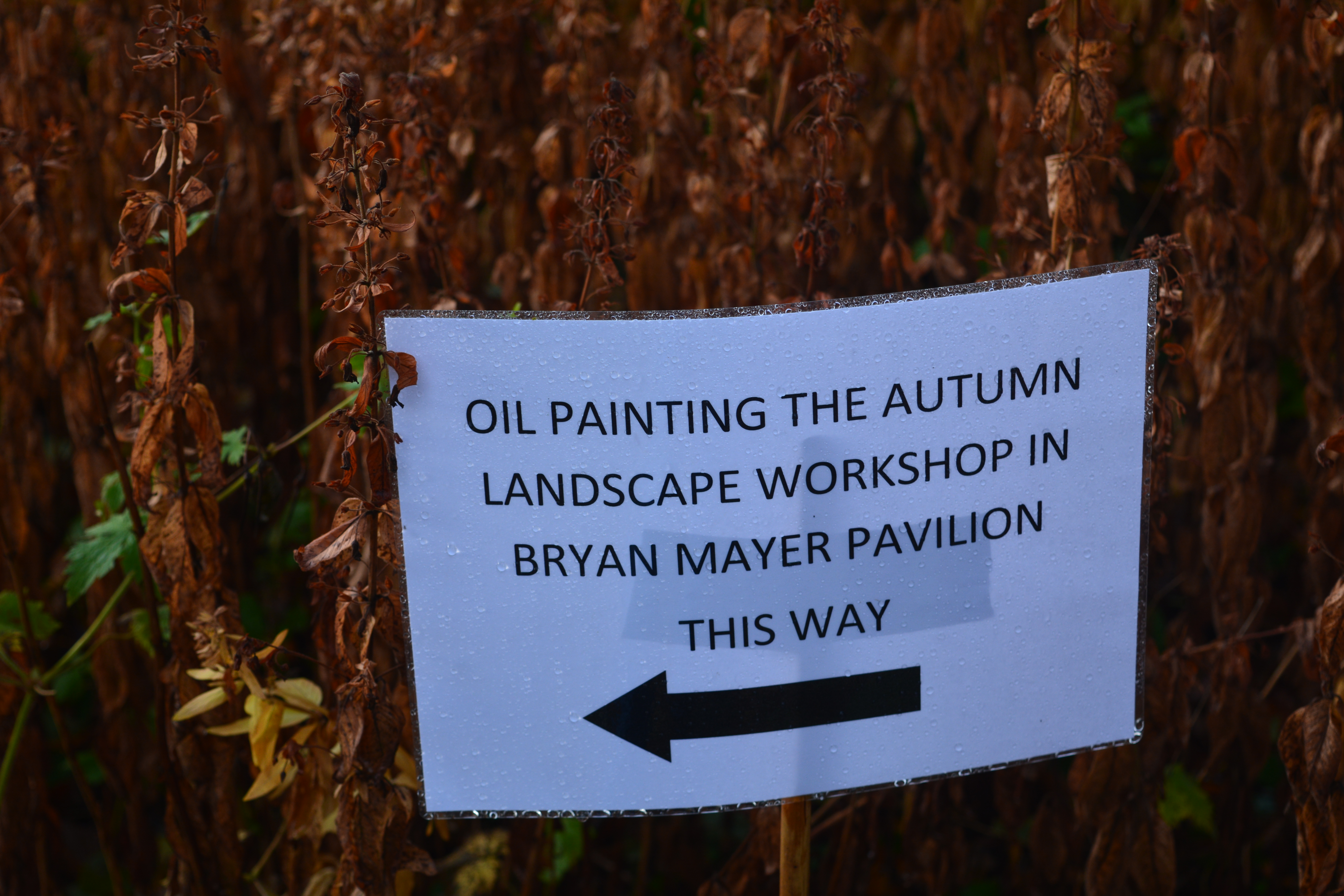
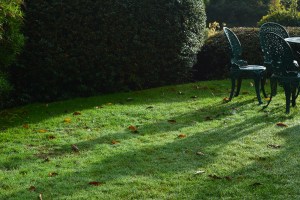
The grass below our feet was wet with the heavy dew from the night hours and it sparkled and glowed in the low autumnal rays of the sun. We just knew we were in for a good day! The two signs near to where we parked up hinted at the joys of autumn we would find and also at the fact that a painting course was being held in the gardens. There always seems to be something going on here as well as the beauty of the garden itself.

dcc-03dcnov-001 dcnov-002

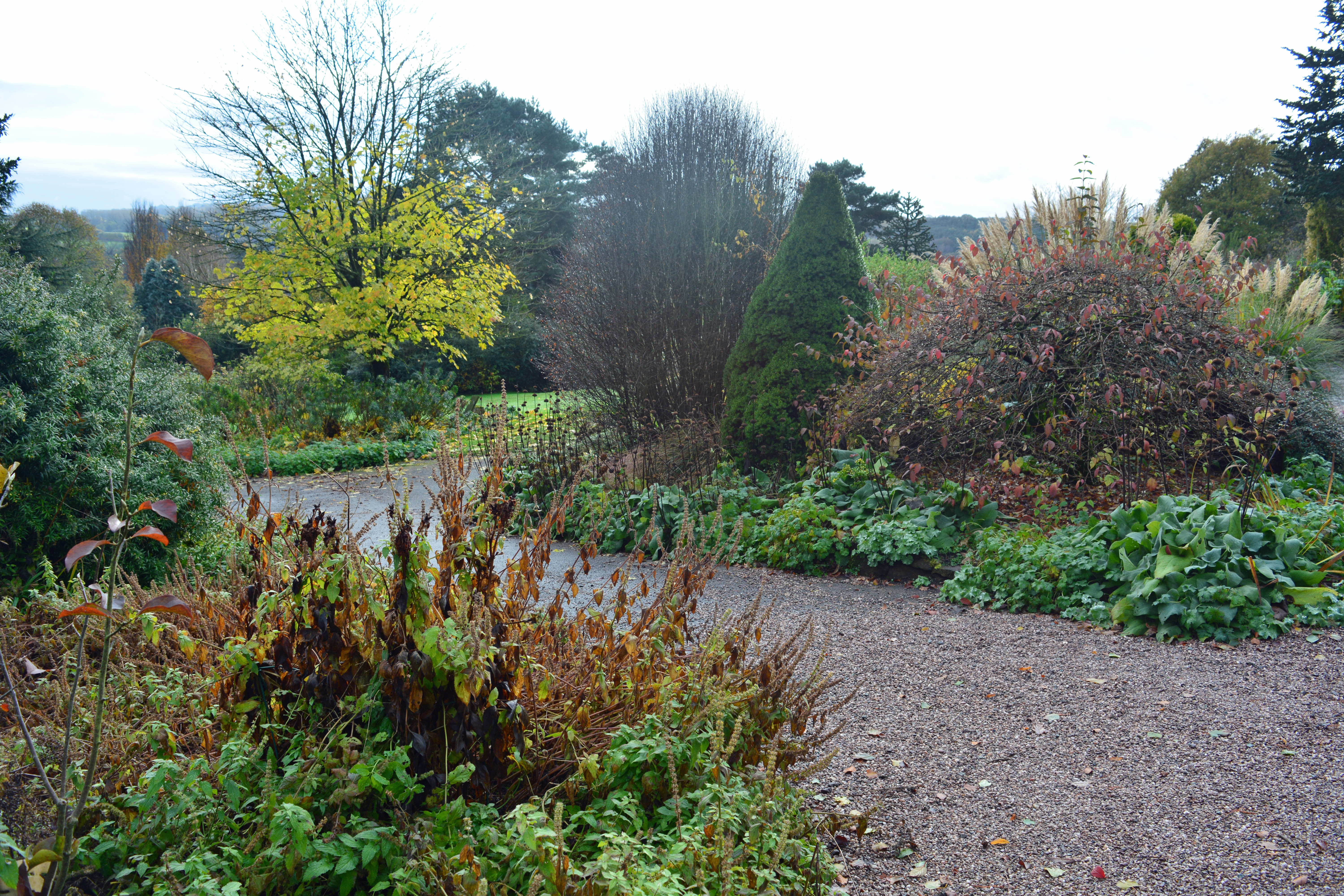
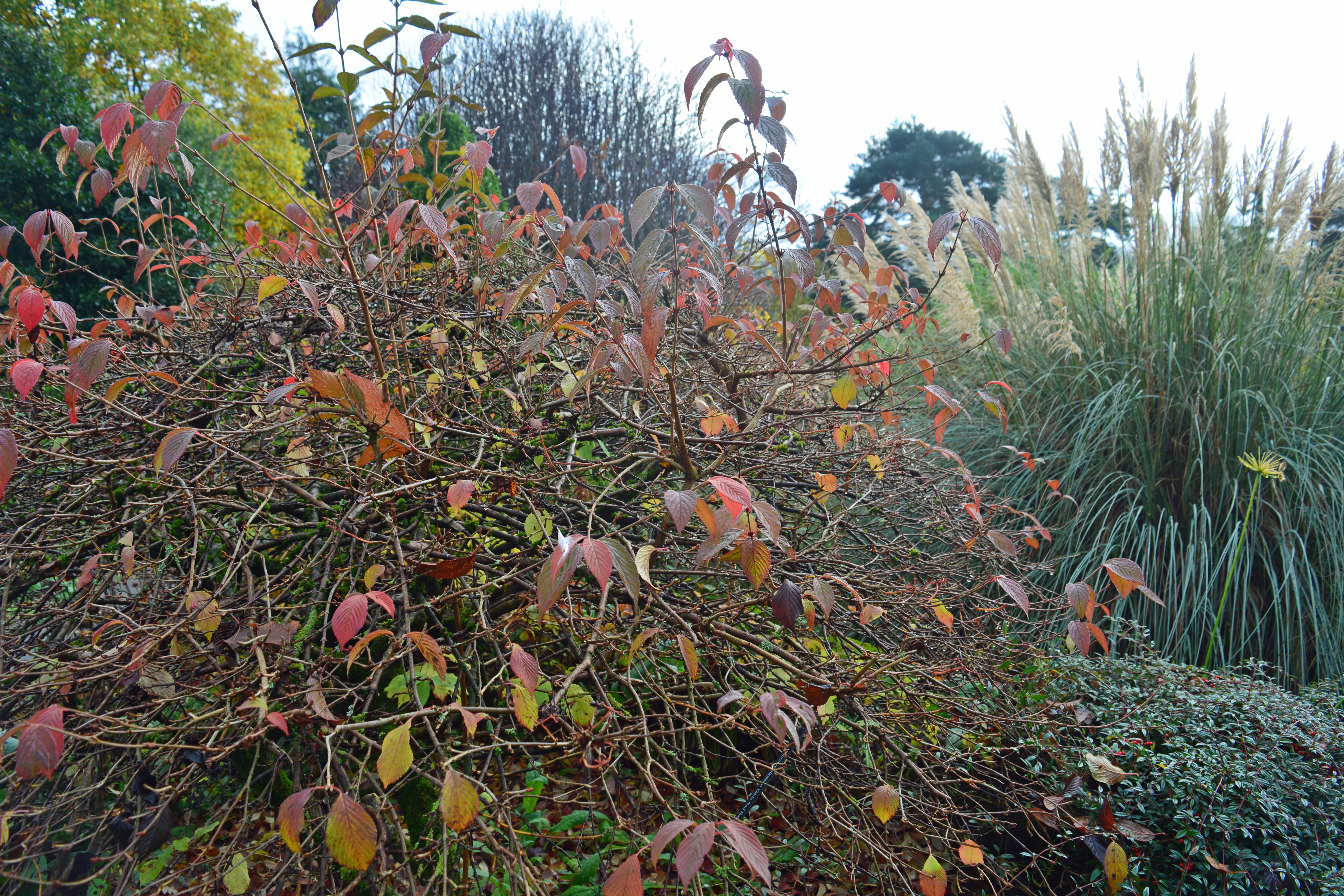
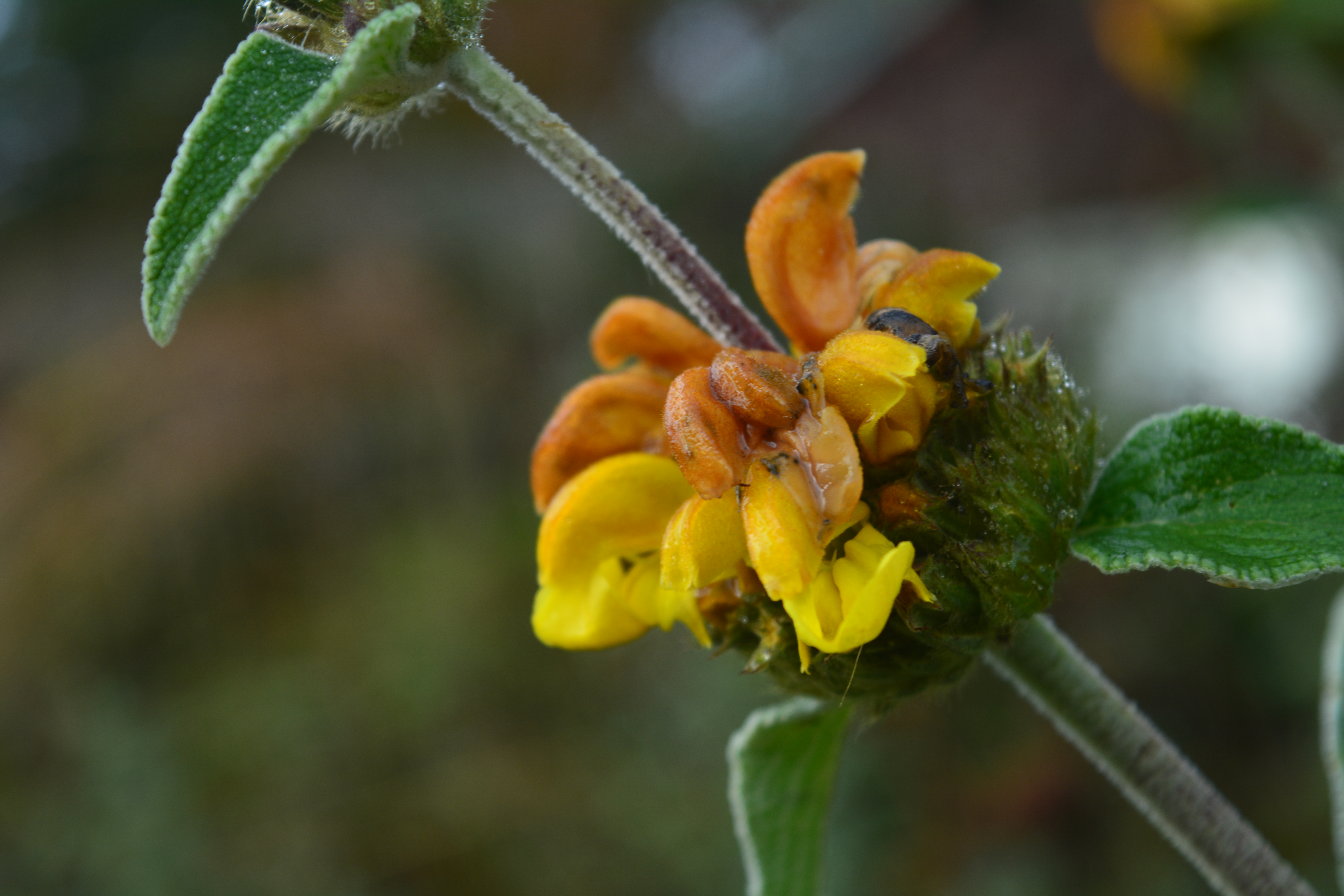
We always love the first few minutes of our visits here, when we get the first views out across the garden and get an idea of what the day may have in store for us. We immediately noticed that the Viburnum which we have never been able to identify had now lost the vibrancy of its red-purple hanging foliage and there was no sign of the richly glossy red and black berries. Instead a white feather hung to one of the last remaining leaves. Nearby in the border leading to the tea house yellow dominated, foliage of a tall Calamagrostis grass, an out of season golden yellow Phlomis whorl of flowers and the delicate seedheads of Agapanthus.

dc11-01 dc11-02 dc11-03 dc11-04 dc11-06 dc11-05

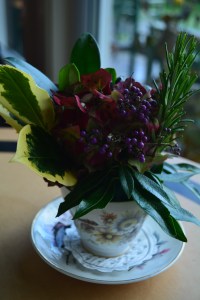
Looking out from the tea shop through its large panoramic window we noticed the light glistening on the dew still hanging on covering the grass and the outdoor seats and tables. As I took the pics of the dew Jude the Undergardener/ Mrs Greenbench looked out from the warmth enjoying tea and cake and the beautiful seasonal table centre bouquet.

dccc-02 dc11-13 dc11-14 dc11-15 dc11-16

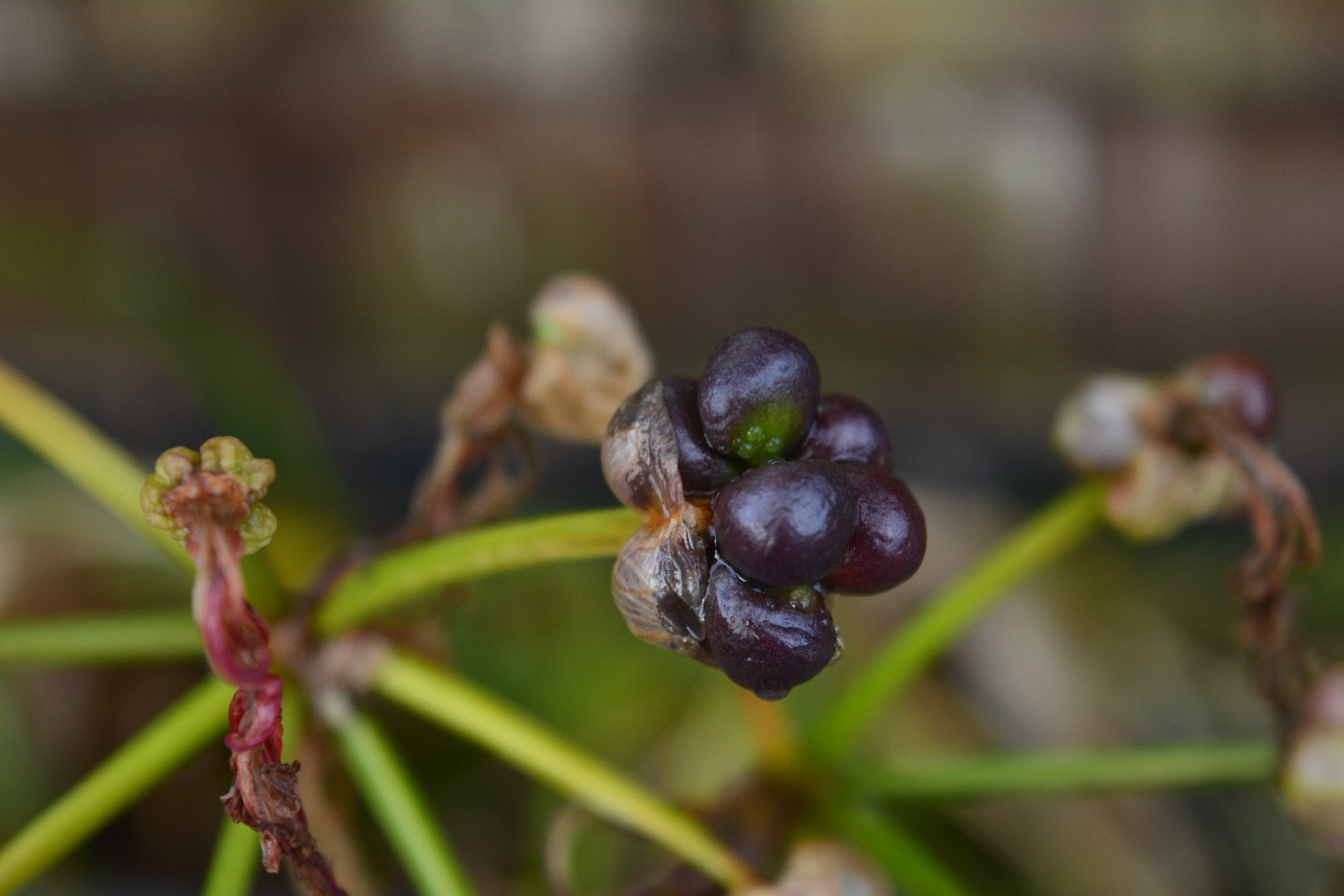
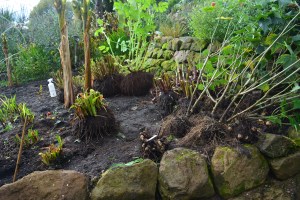
As we re-entered the chill we noticed that the Nerine outside the cafe which we enjoyed in flower last month was parading its glossy black berries. Dew on the deeaply pleated Melianthus leaves increased their glaucous hue. The gardeners were busy cutting, taking under cover or protecting the tender plants around the cafe terrace. In the hot borders many tender perennials such as Dahlia, Salvias and Echiums were already safely put away leaving swathes of bare cold soil in their wake.

dc11-11 dc11-09dccc-01 dccc-03dc11-07 dcc-08

Seed heads have darkened and the scaffolding of stems have become more skeletal during the late autumn and produced a beauty all of their own for our delectation.

dcc-01  dcc-04 dcc-15 dcc-13 dcc-16 dcc-14

Leaves and fruit add richness and depth to the more limited November colour palette.

dcc-07  dcc-06

Side by side two completely different plants, one an Aesculus, one a Fuchsia present the same pinkish-cream colour, the first within its leaf and the second in its faded pink flowers. Beautiful to see them side by side!

dcc-09 dcc-10 dcc-12

Without a doubt my favourite family of shrubs is the deciduous Euonymus and they are always such exciting plants with unusual stems, bark, flowers and berries. Naturally I was delighted to come across this beautiful little shrub, Eouonymus alatus nana with beautiful subtle pink colouring to the autumn foliage and deep purple with orange flowers and berries.

dccc-05 dccc-07 dccc-06 dccc-10 dccc-11

So our eleventh visit to Dorothy Clive was such a worthwhile, even exciting day for us with such an unusual sky event lighting up the gardens for a little while. Our next visit in December will be the final one so we will see what the year end brings to this wonderful place.

dccc-12 dccc-09

This Veggie Life

A Vegetarian | Nature Lifestyle Blog

Rambling in the Garden

.....and nurturing my soul

The Arch City Gardener

Journeys In St. Louis Gardening and Beyond

Garden Dreaming at Châtillon

Consult the genius of the place

Storyshucker

A blog full of humorous and poignant observations.

gardeninacity

Notes from a wildlife-friendly cottage garden

PlayGroundology

...an emerging social science

The Official Blog of British Wildlife

'The most important and informative publication on wildlife of our times' - The Independent. This blog is a member of The UK & Ireland Natural History Bloggers group: www.uknhb.blogspot.com

iGrowHort

Inspire - Cultivate - Grow Native Plants - Restore Landscapes

Bishops Meadow Trust

To create and protect a semi-natural wild space for the people of Farnham to enjoy and experience an array of British wildlife in our town

Gardening with Children

The www.gardeningwithchildren.co.uk Blog

UKbirdingtimeline

birding through the seasons, why birds matter and how to conserve them

NATURE WALKER

with a camera in hand

Jardin

Transform your outdoor space

Eva's space

My allotment, cooking and other interests

Old School Garden

my gardening life through the year

LEANNE COLE

Trying to live a creative life

fromacountrycottage

trying to live as lightly as possible on our beautiful planet

Good Life Gardening

Nature lovers from Leicester living the good life.

mybeautfulthings

Finding the beautiful in the everyday

mawsonmichelle

Michelle's Allotment

In and Out of My Garden

thoughts from and about my garden

Greenhousing

Big plans for a small garden

The Scottish Country Garden

A Walled Country Garden in South East Scotland

The Fruity Chicken

Life at the fruity chicken

willowarchway

Off grid living. Self sufficient. "PERMAGANICS RULE".

St Anns Allotments

Nottingham's Grade 2* Listed Allotments and Community Orchard

Manifest Joy Harvests

a journey in suburban vegetable gardening

Allotmental

The madness of growing your own

Penny's Garden: a harvest beyond my front door

A novel approach to vegetable gardening

arignagardener

Sustainable living in the Irish countryside.

NewEnglandGardenAndThread

Master Gardener, amateur photographer, quilter, NH native, and sometimes SC snowbird

dianajhale

Recent work and work in progress and anything else that interests me

planthoarder

a chaotic cottage gardener

Lens and Pens by Sally

a weekly blog that creates a personal philosophy through photographs and words

Dewdrops and Sunshine

Stories from a sassy and classy Southern farmbelle.

The Pyjama Gardener

Simple Organic Gardening & Seasonal Living

gettin' fresh!

turning dirt into dinner

JOY...

today the world is created anew

Garden Birds

Notes from a Devon garden

ShootAbout

Life Through The Lens

Adapting Pixels

A photography blog showcasing the best photography pictures and videos on the internet

Wildlifegardening's Blog

Just another WordPress.com site

naturestimeline

personal observations from the natural world as the search continues for a new approach to conservation.

LATEBLOOMERBUDS

The Wonders of Life through my Eyes, my Heart, my Soul