This post is dedicated to portraits of the blooms that are starring in our garden in August. The individual stars which shine out of the borders.
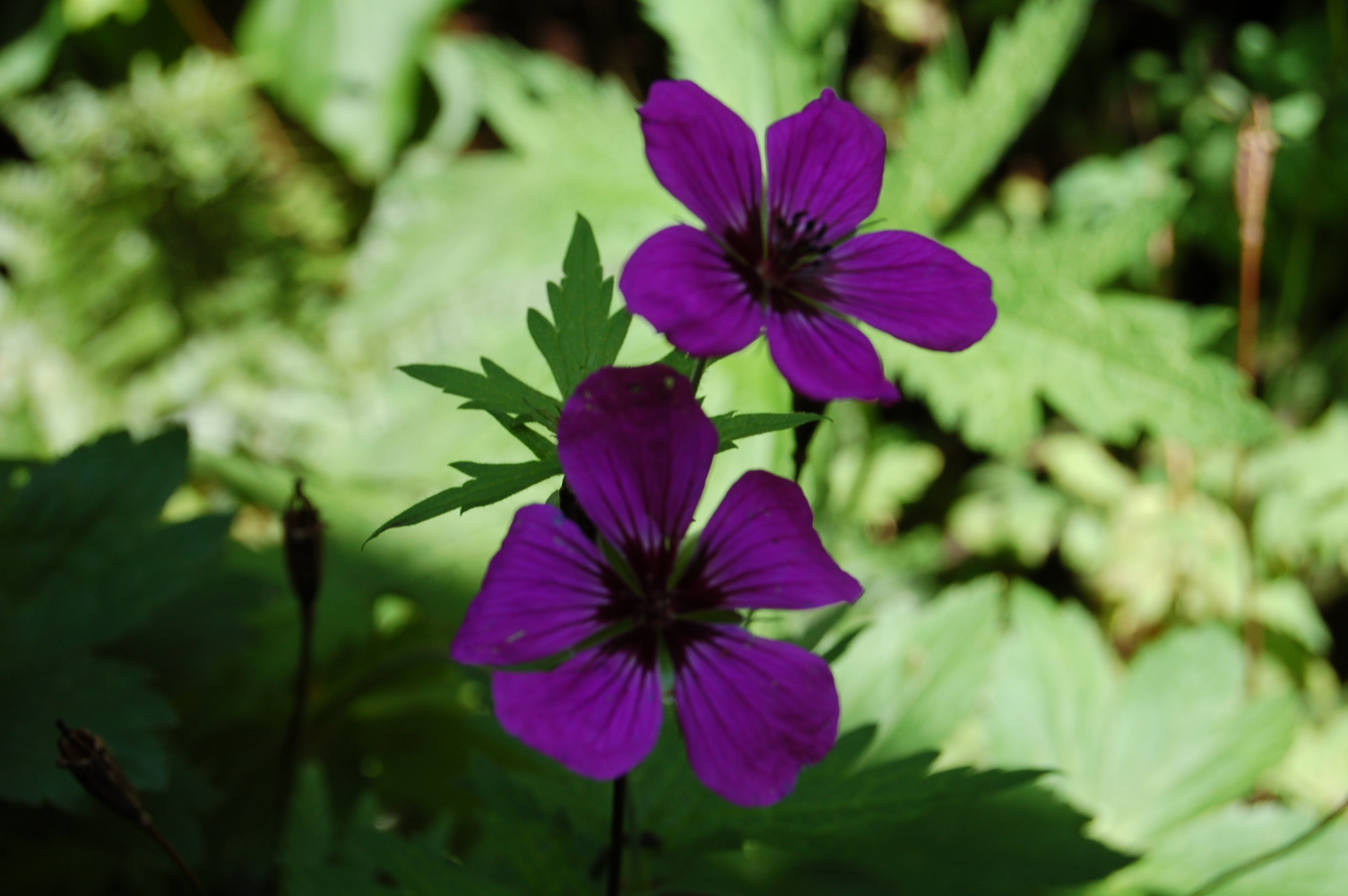


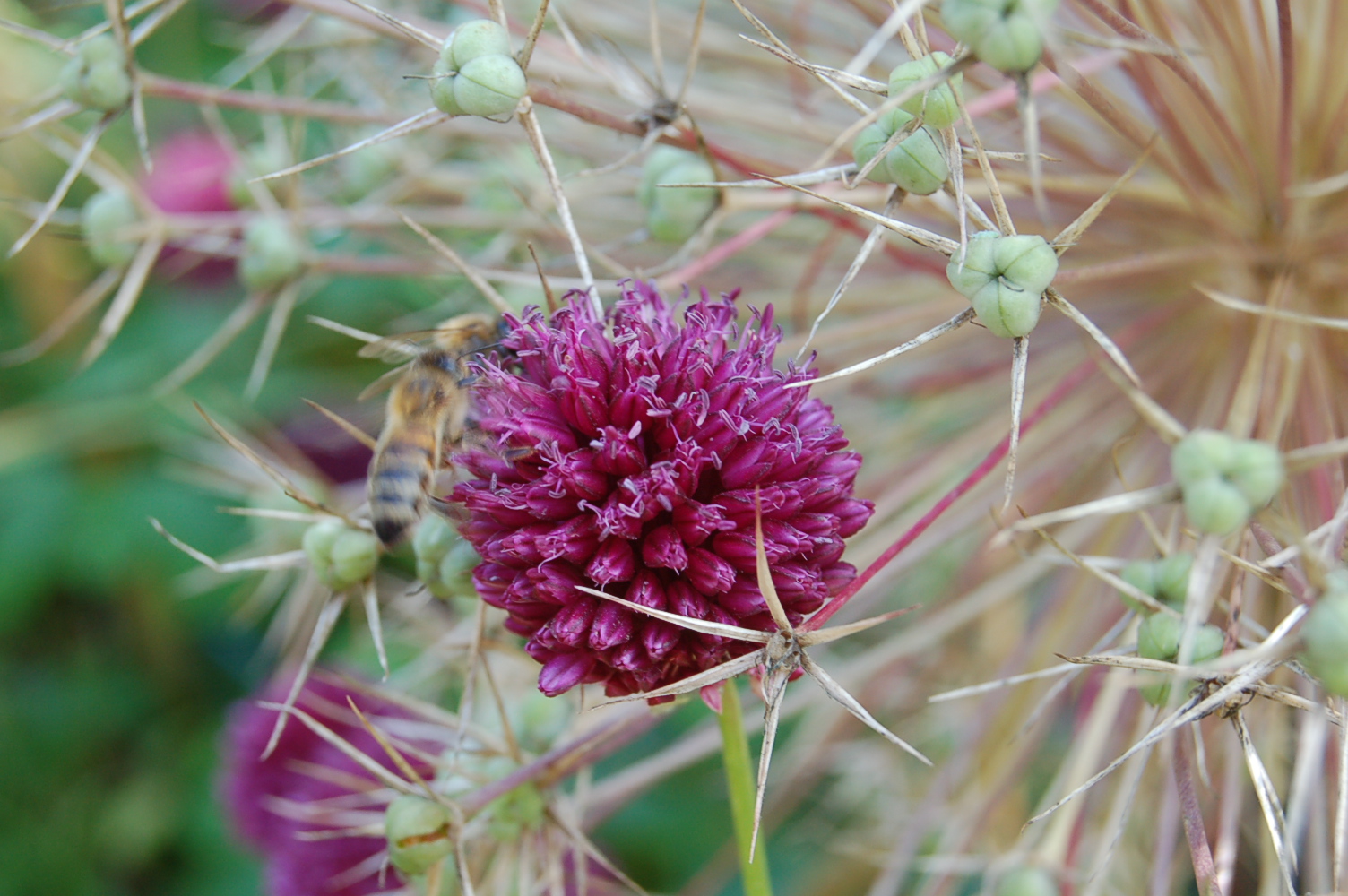
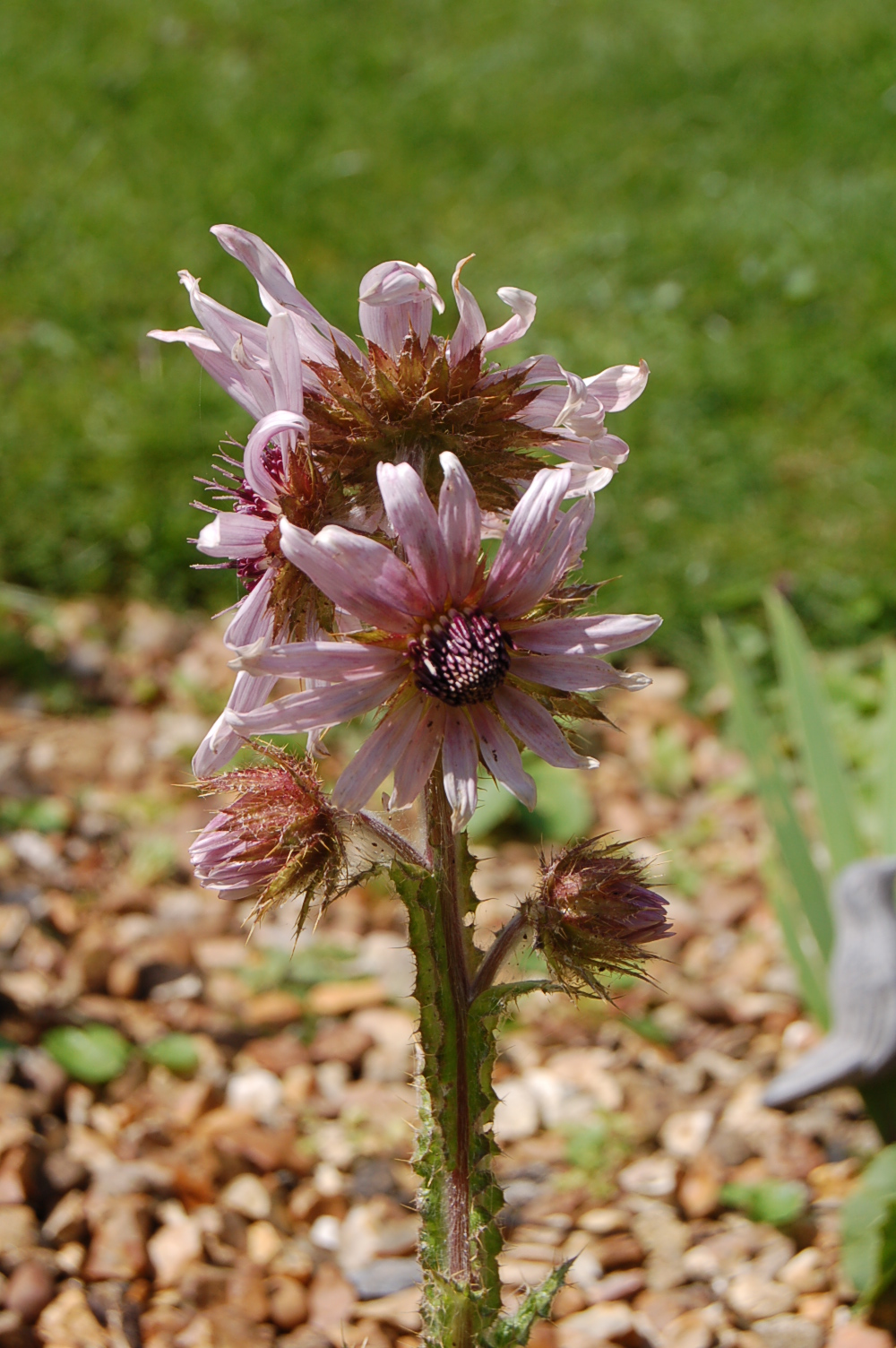
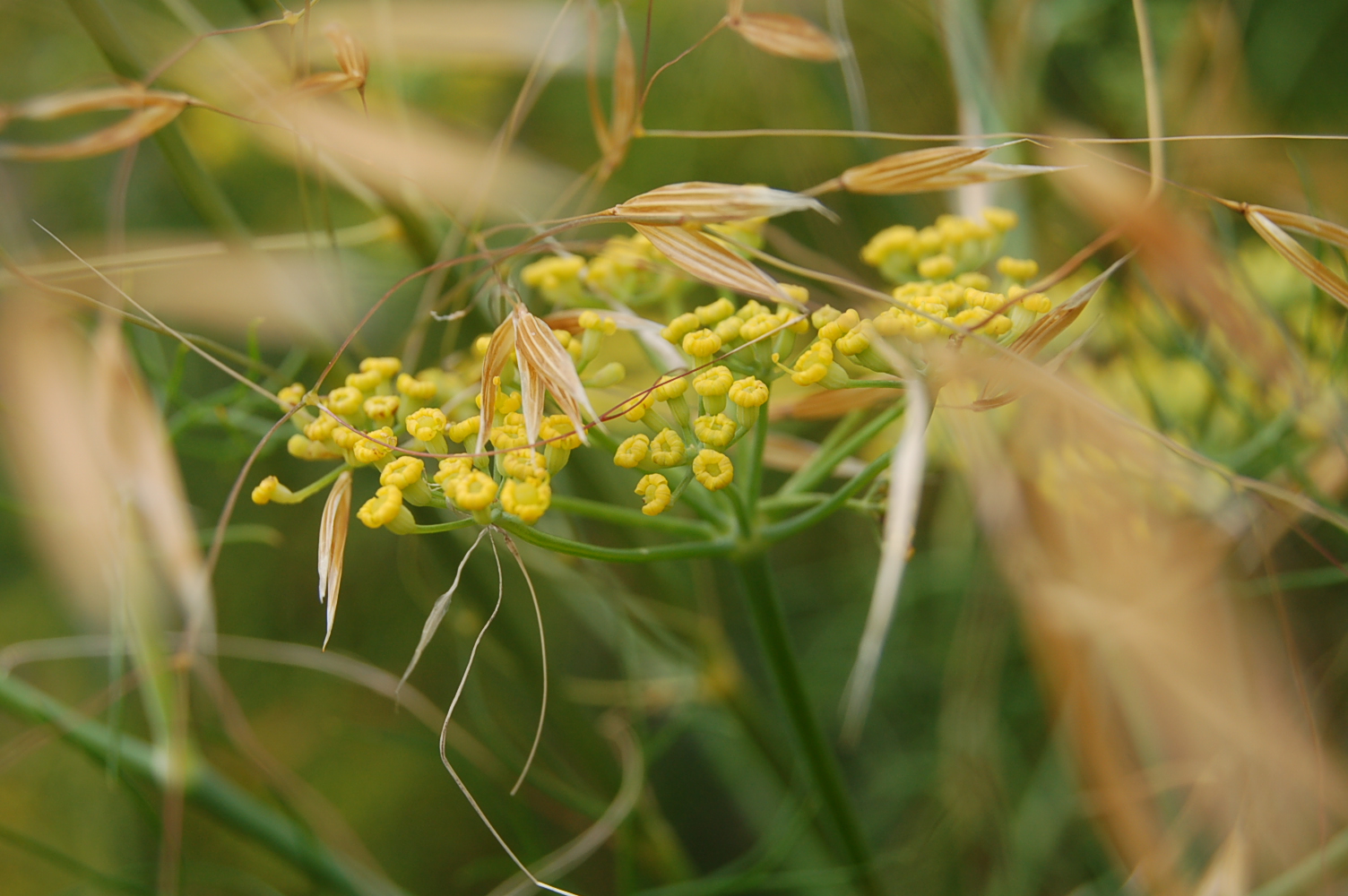


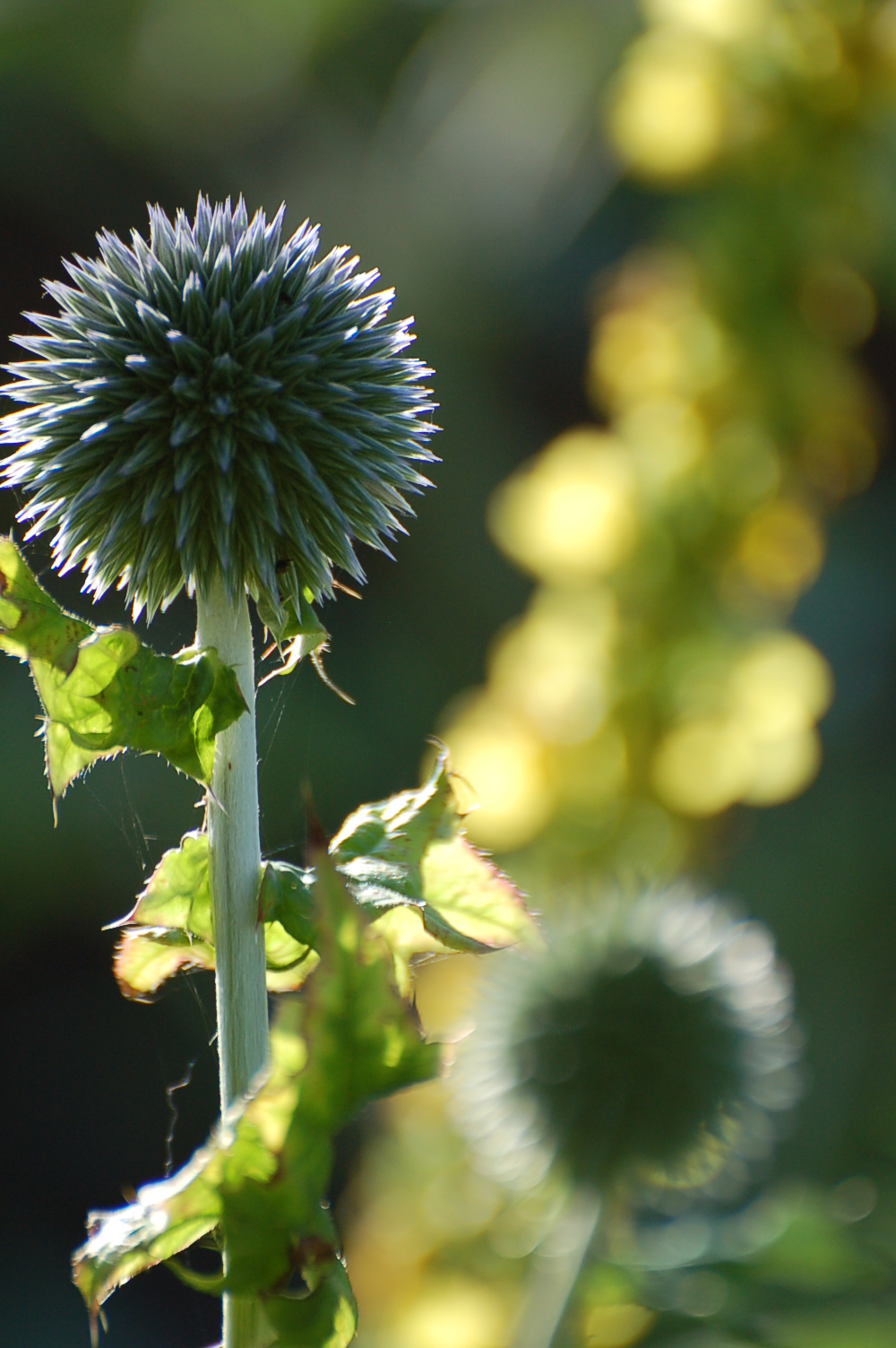
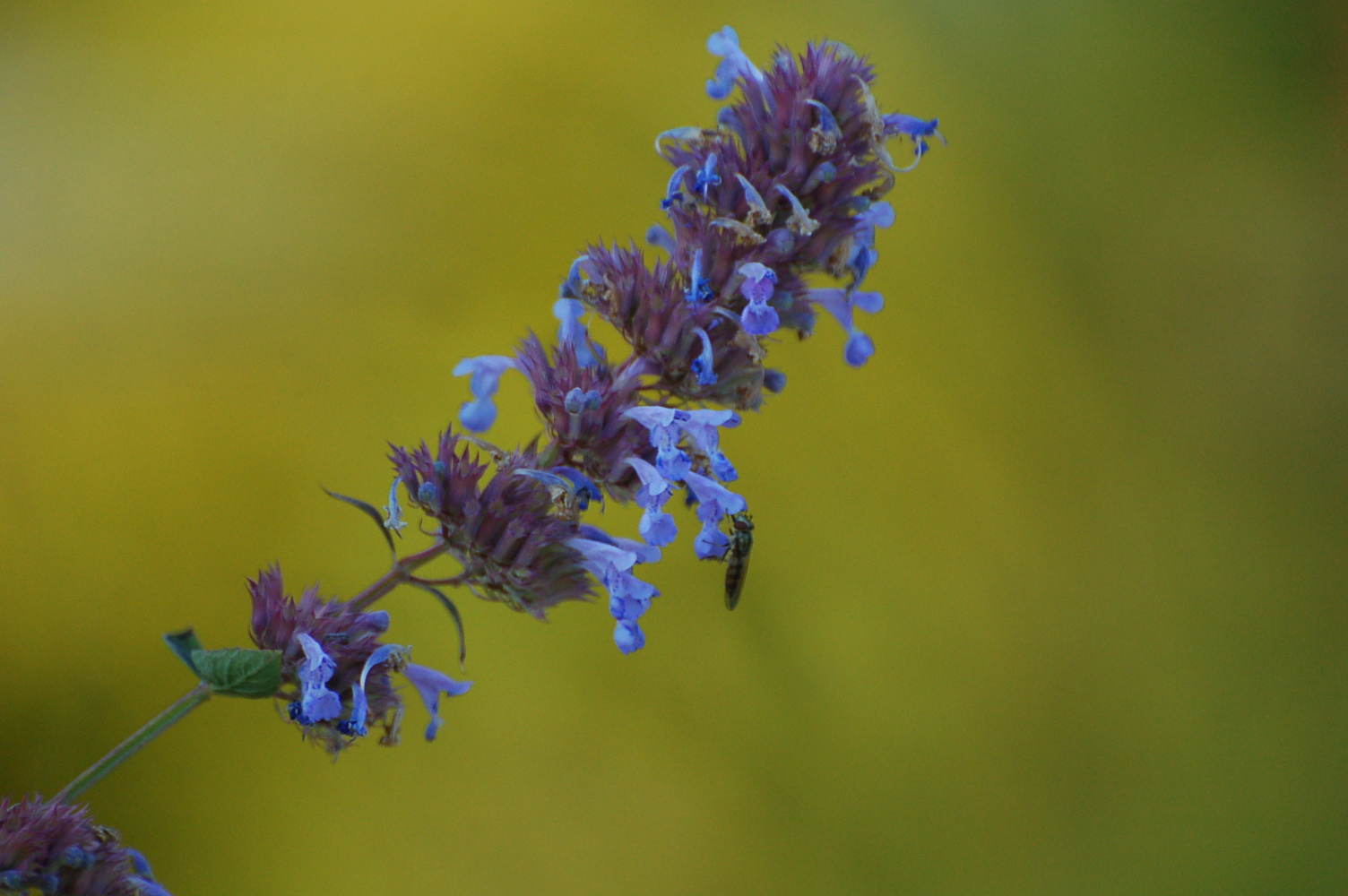

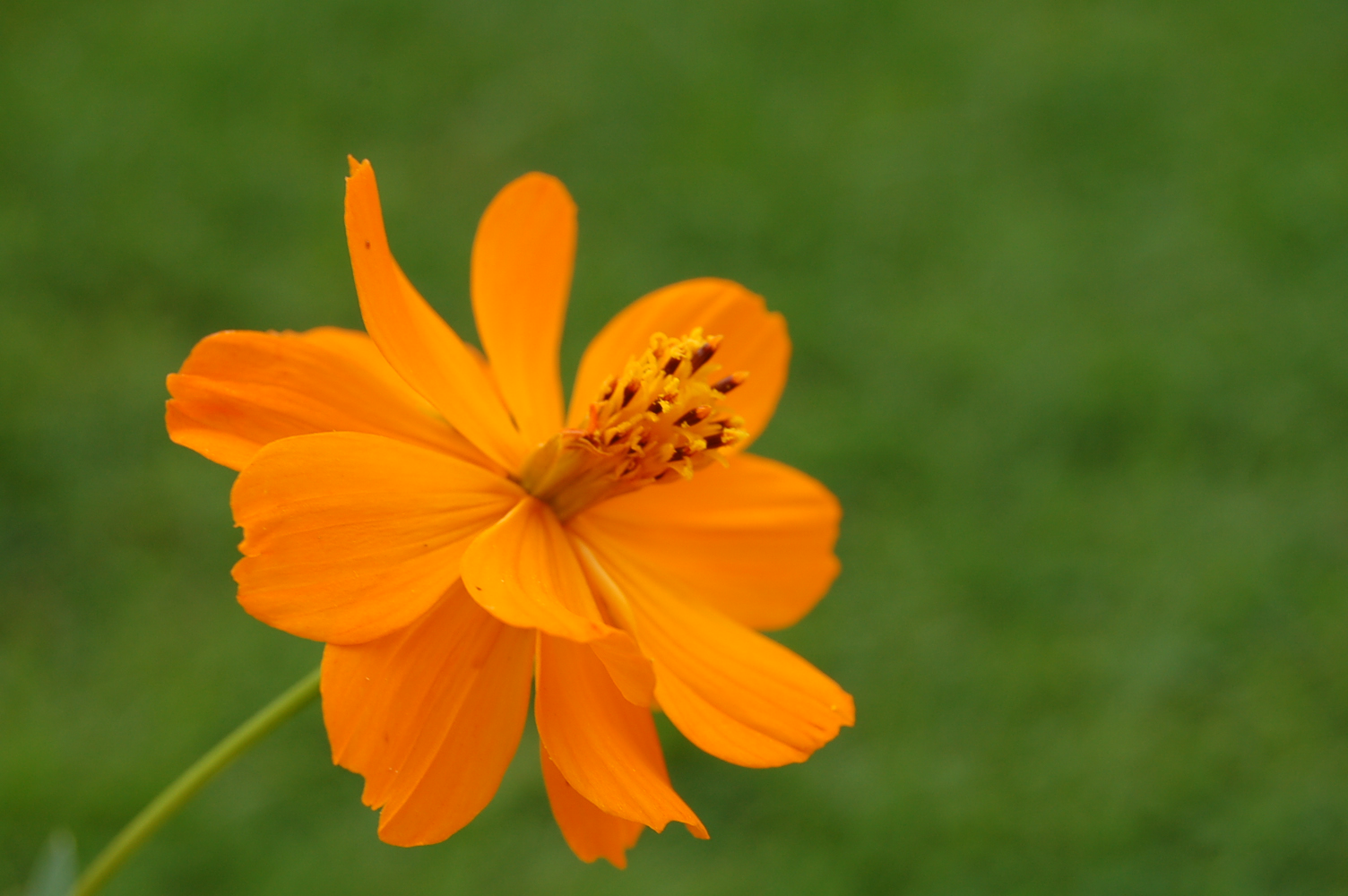
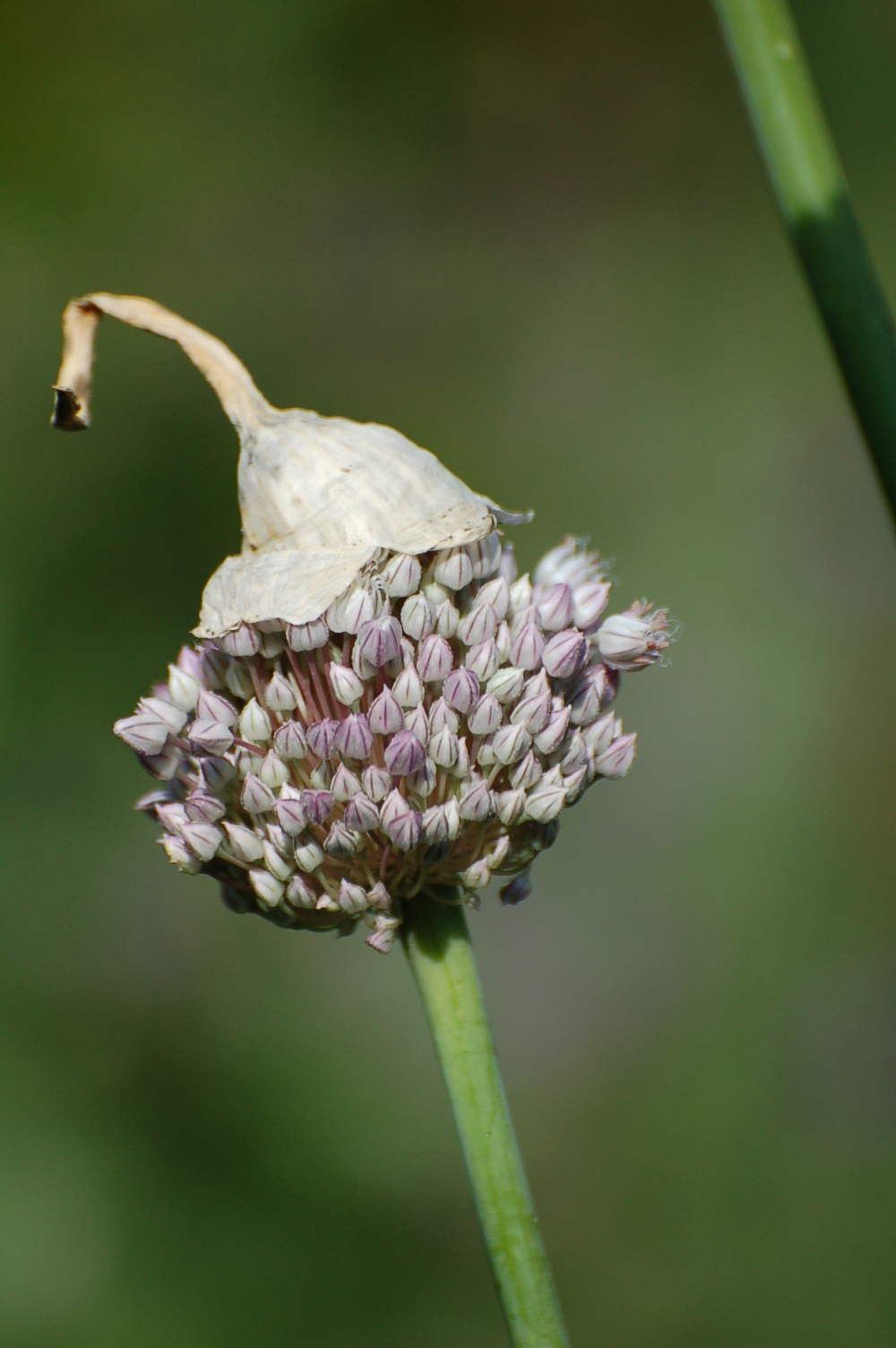



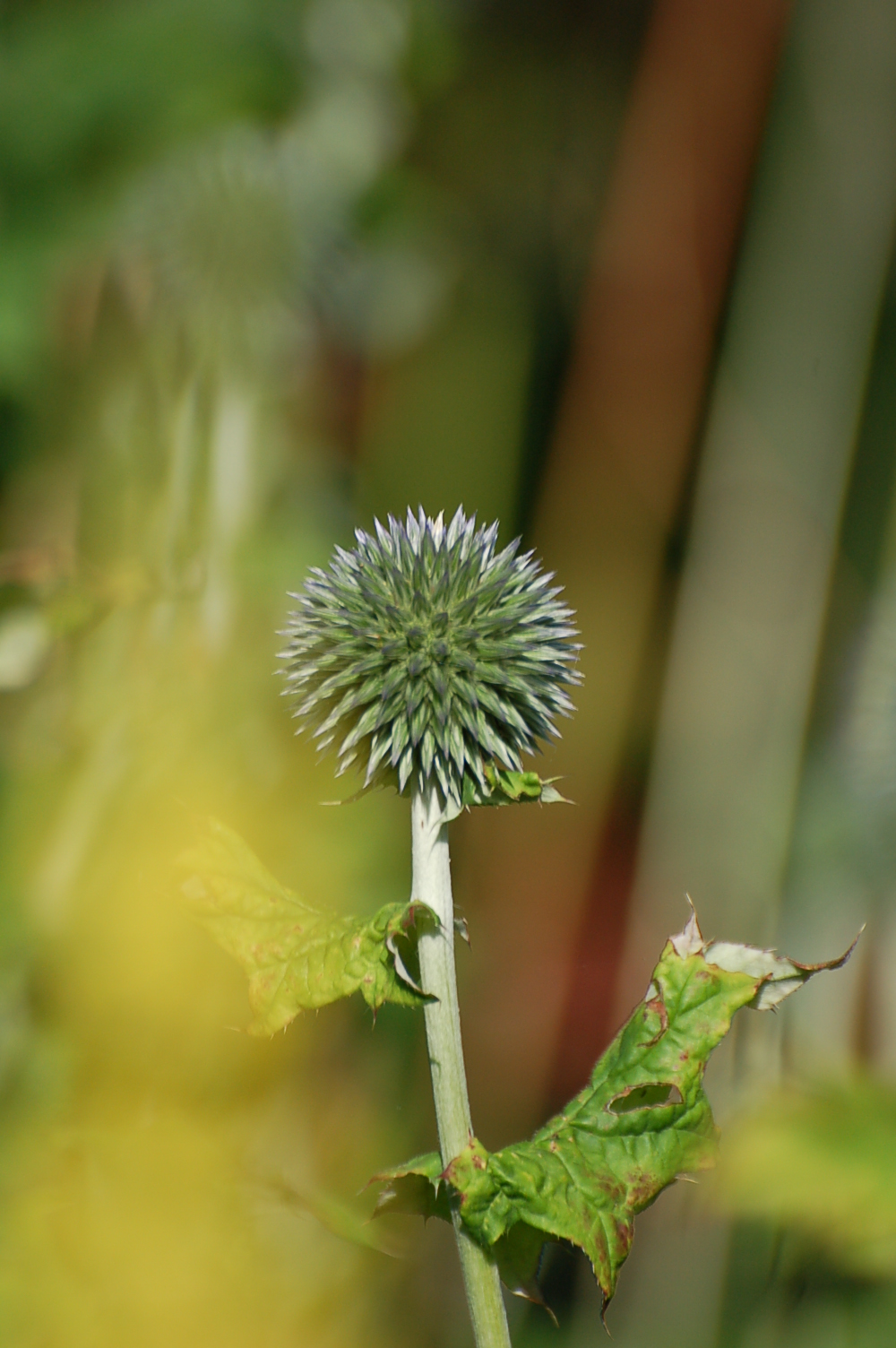


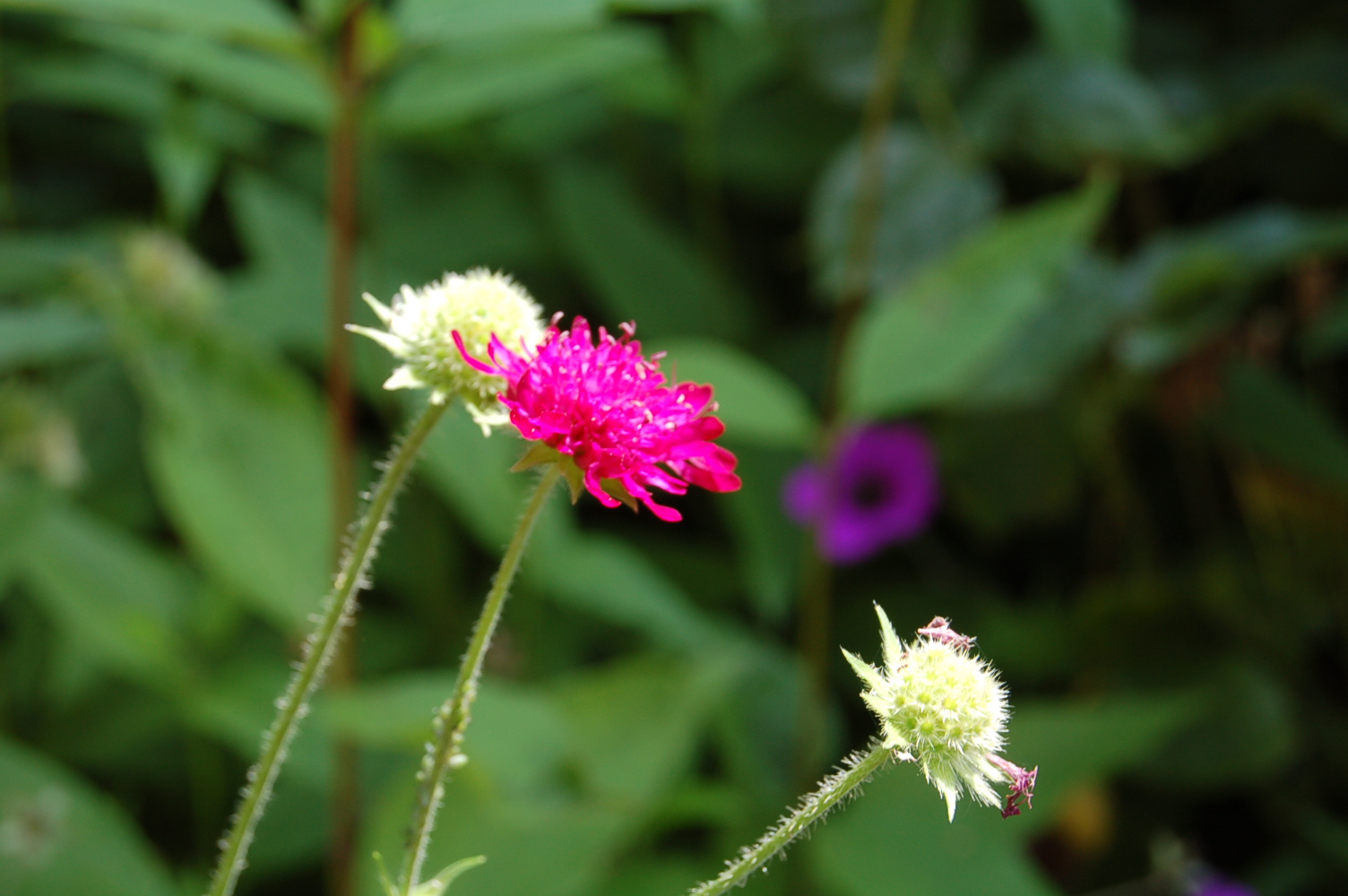
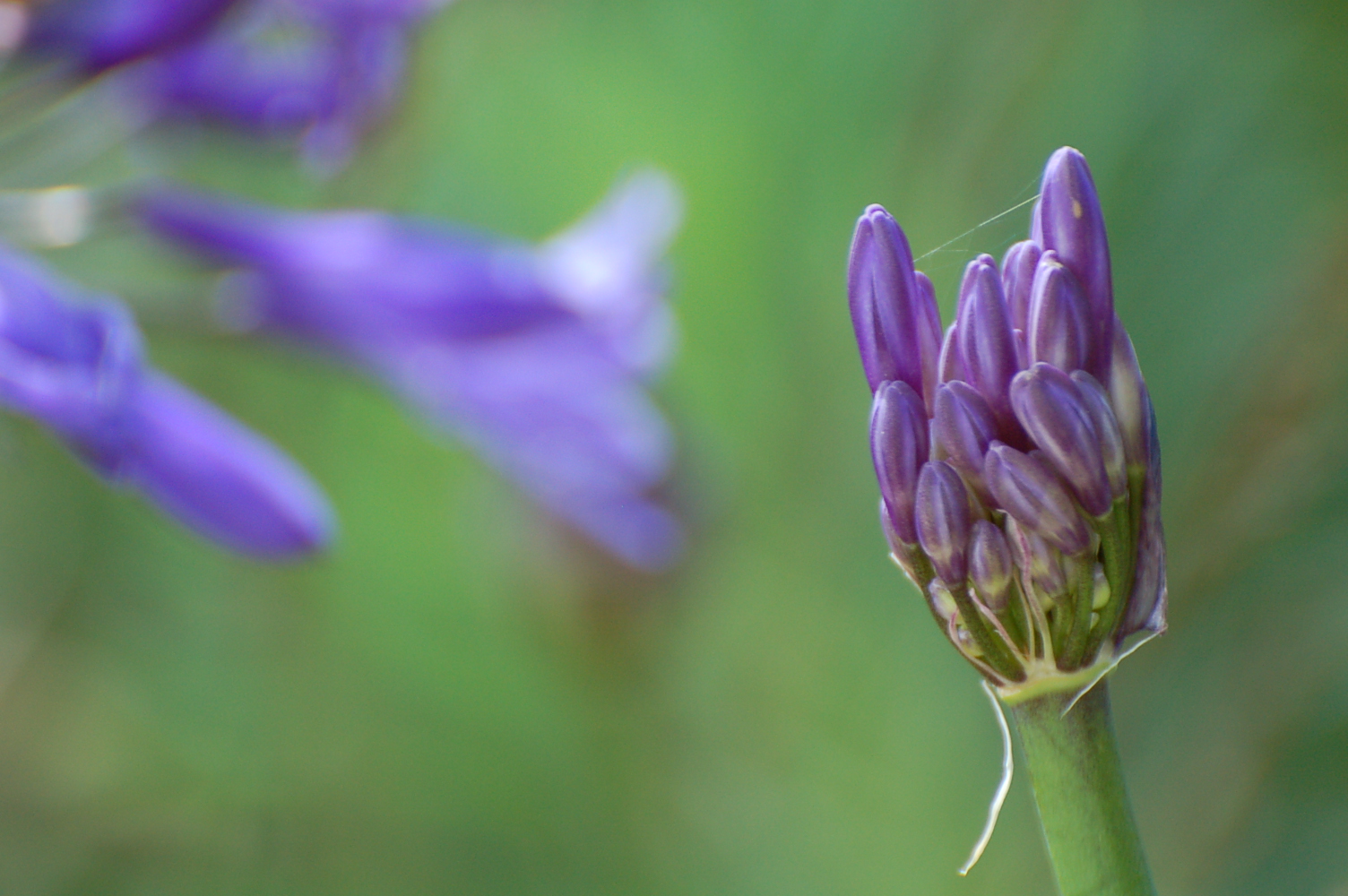
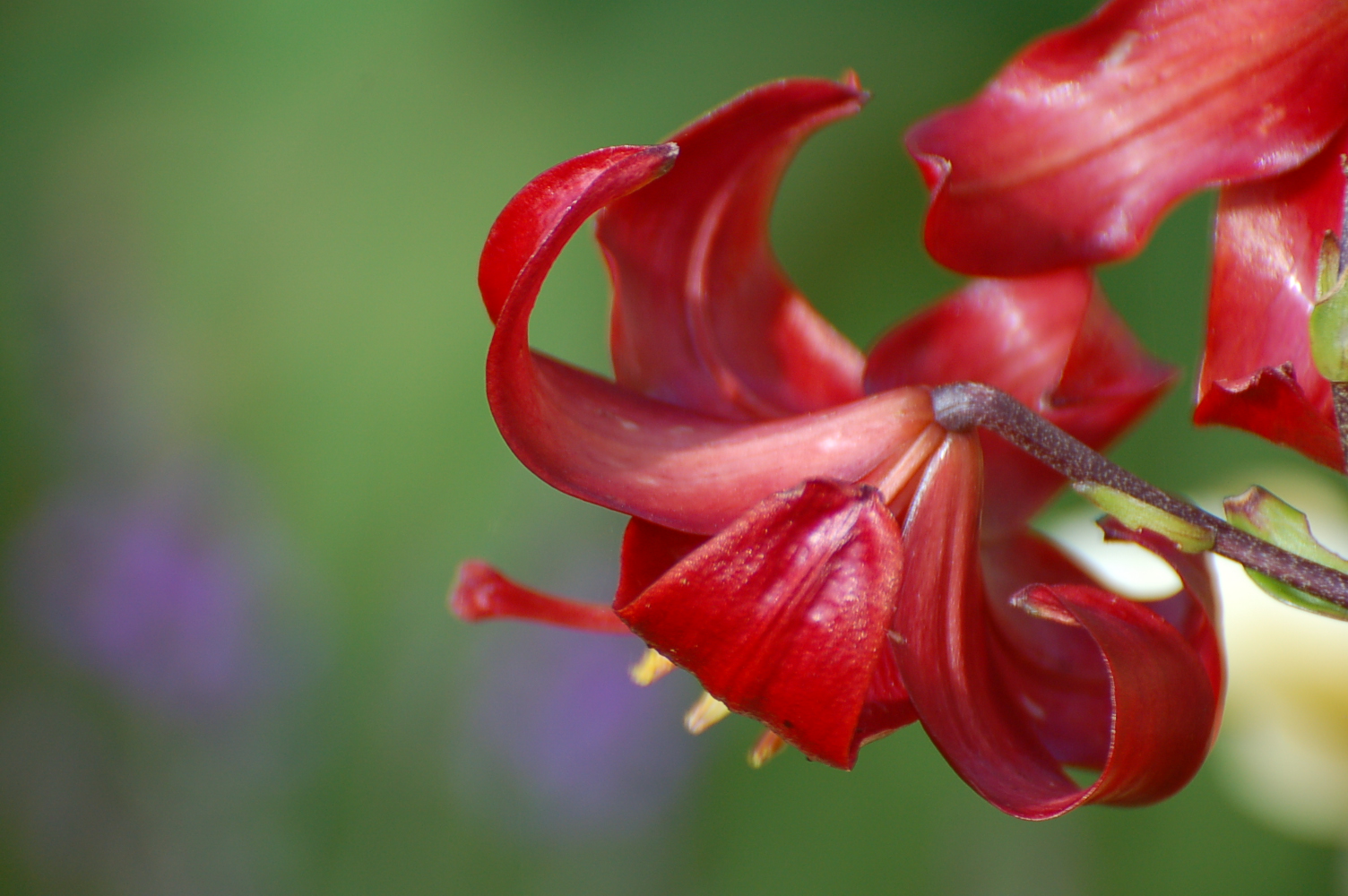
This post is dedicated to portraits of the blooms that are starring in our garden in August. The individual stars which shine out of the borders.
Buddleja can be seen as a common and very ordinary shrub especially when we observe how readily it seeds into gutters, between tiles, along railway embankments, river banks and canal sides. These commonest of buddlejas are quite stunning with their long conical panicles of pale mauve flowers which attract bees, hoverflies and are a firm favourite of butterflies and moths. Move in close and enjoy their delicate scent.
I usually spell it “Buddleja” but I am not sure where that spelling came from. I turned to my garden plant bible, the Royal Horticultural Society’s “A-Z Encyclopedia of Garden Plants”, and they refer to it as Buddleja but add syn Buddleia.
I continued to research and have now discovered that it was Linnaeus who named it Buddleja with a “j” and he named it to commemorate Adam Buddle. So I still cannot find out where the “j” comes from. Adam Buddle was an English vicar who worked in Essex and like many of his contemporaries turned to botany to fill his time. He compiled an English flora which was never published but little else seems to be known about him.
In our gardens we can grow buddlejas with flowers from the purest of white to the deepest purple, from pale to deep pinks and even shades of orange. I decided a few days ago to have a wander around our garden to see which ones we had in flower. Most are varieties of Buddleia davidii. Many have rich yellow or orange centres to each of the tiny individual flowers.
This first set of photographs are of the Buddlejas in flower in our garden this August.
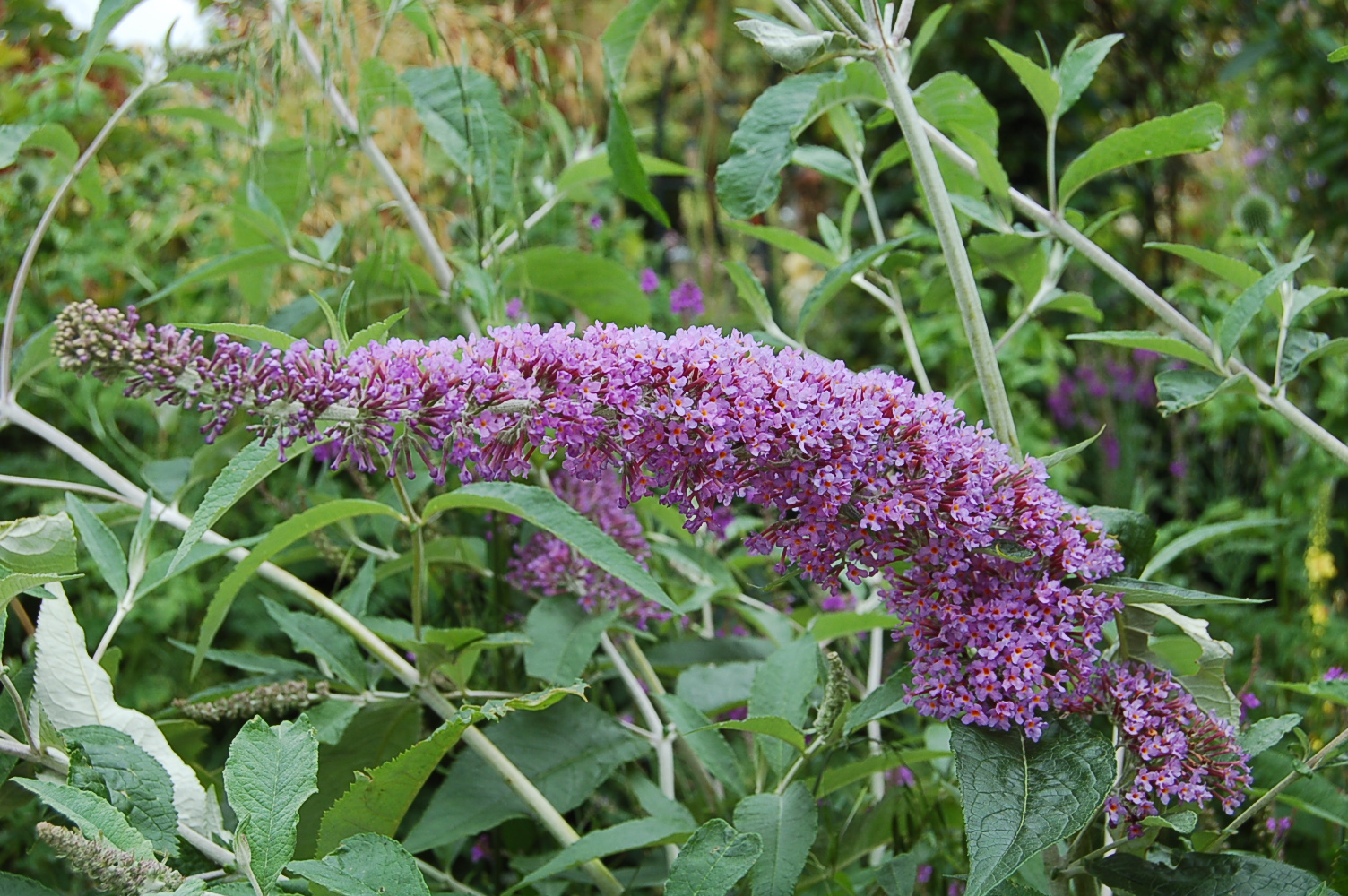

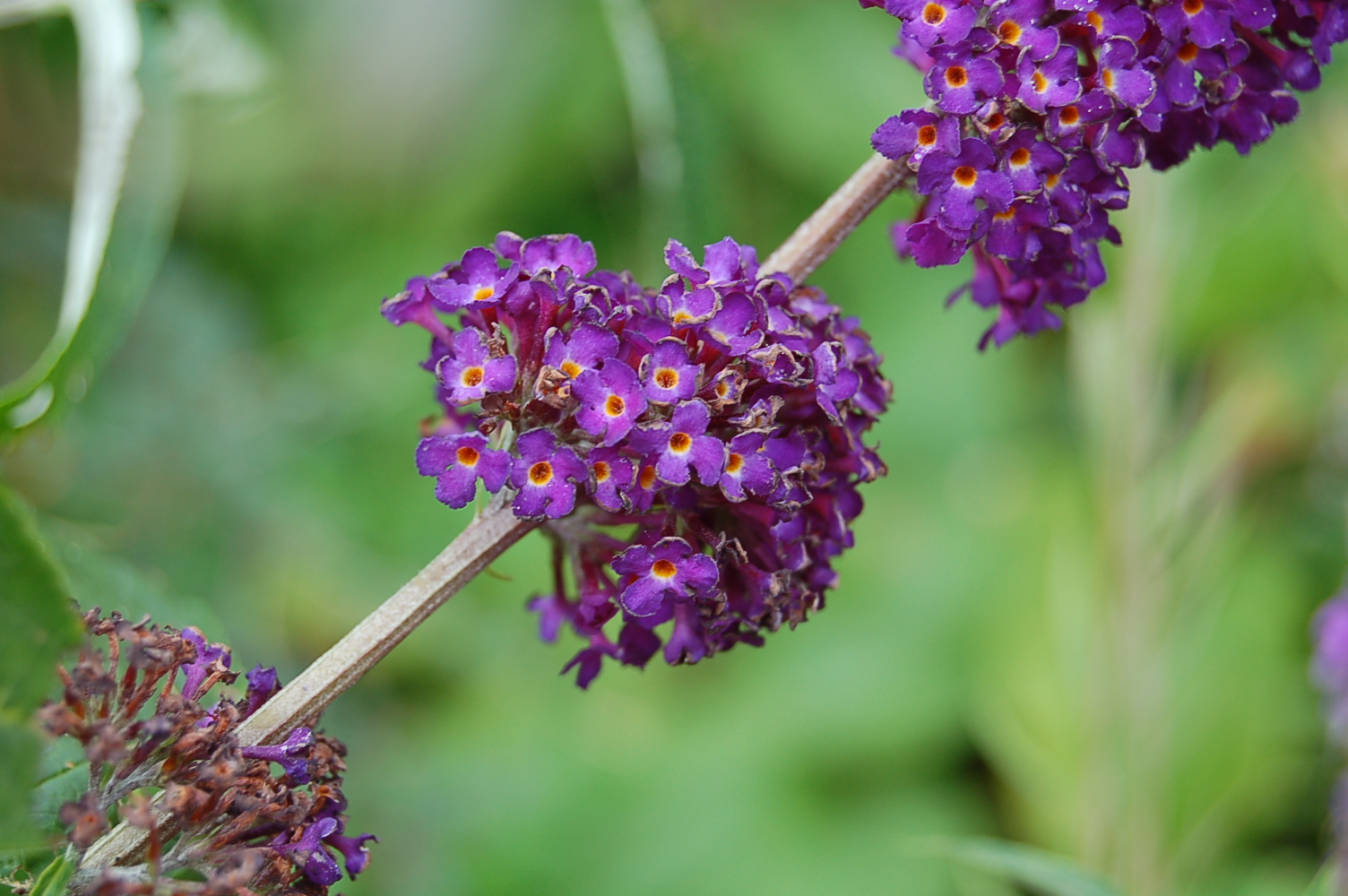


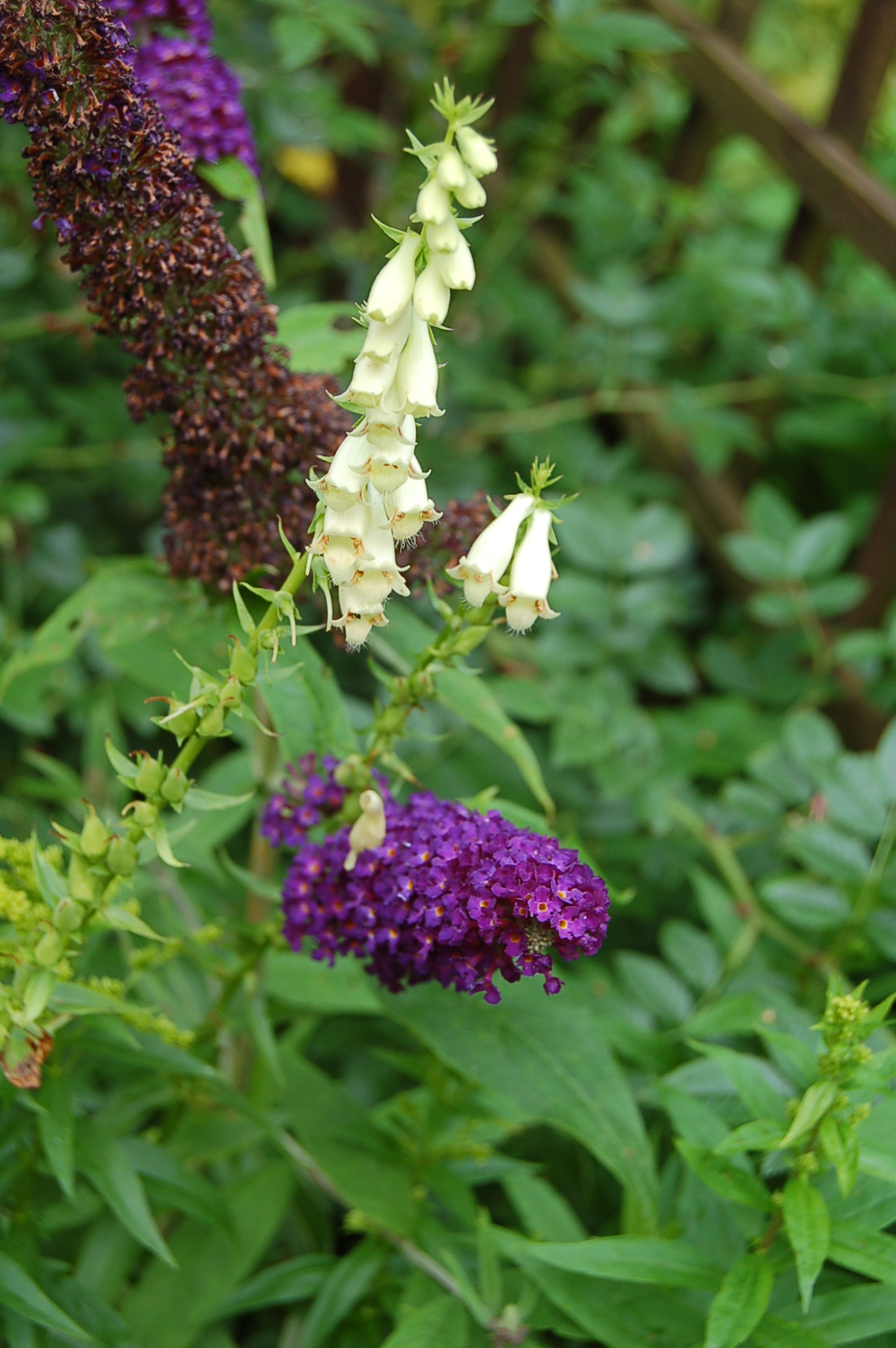

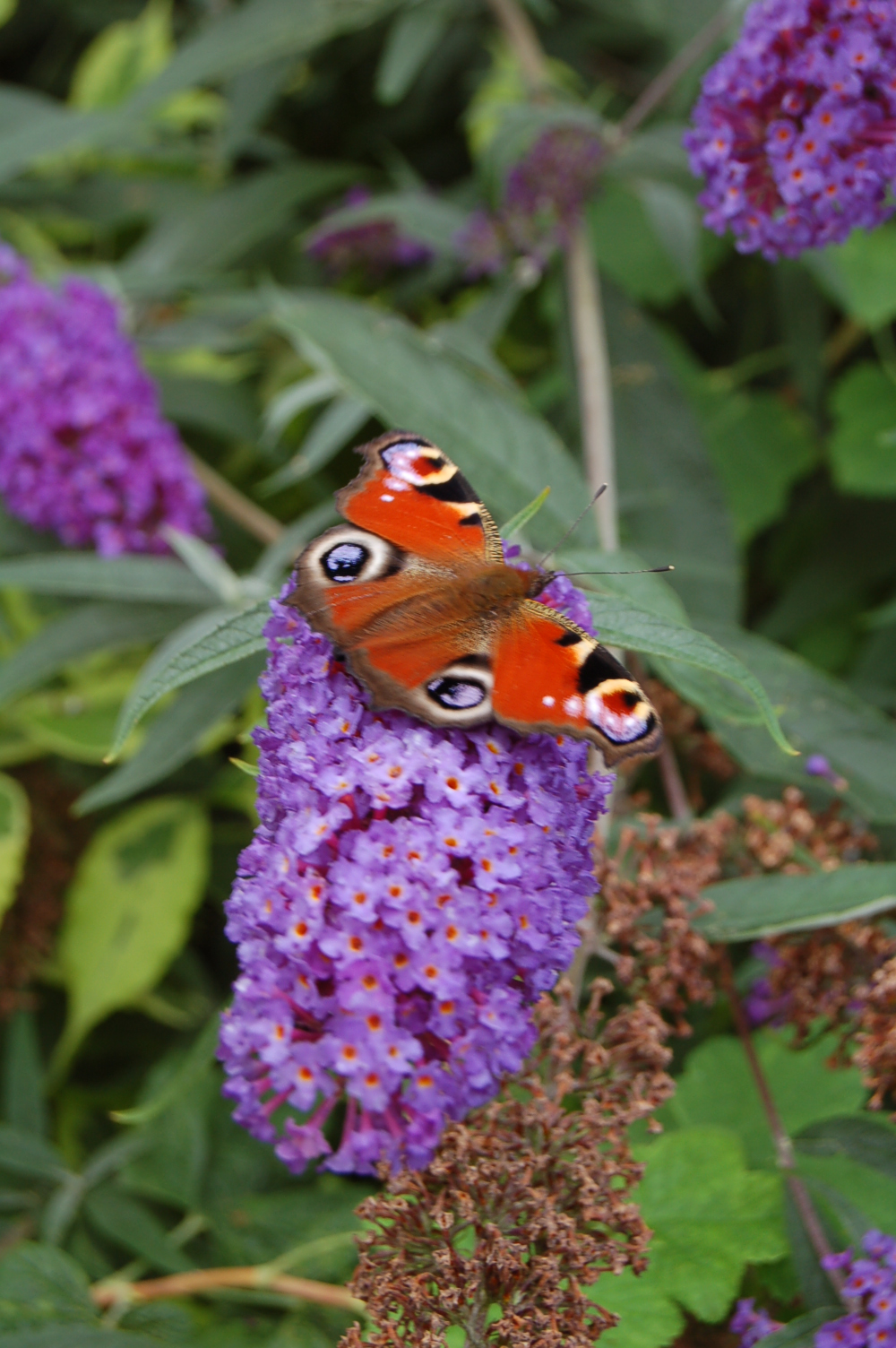
On a day in mid-August our Buddleja davidii were attracting butterflies, as we had experienced a few warm, bright, calm days after weeks of cold, wet and wind.

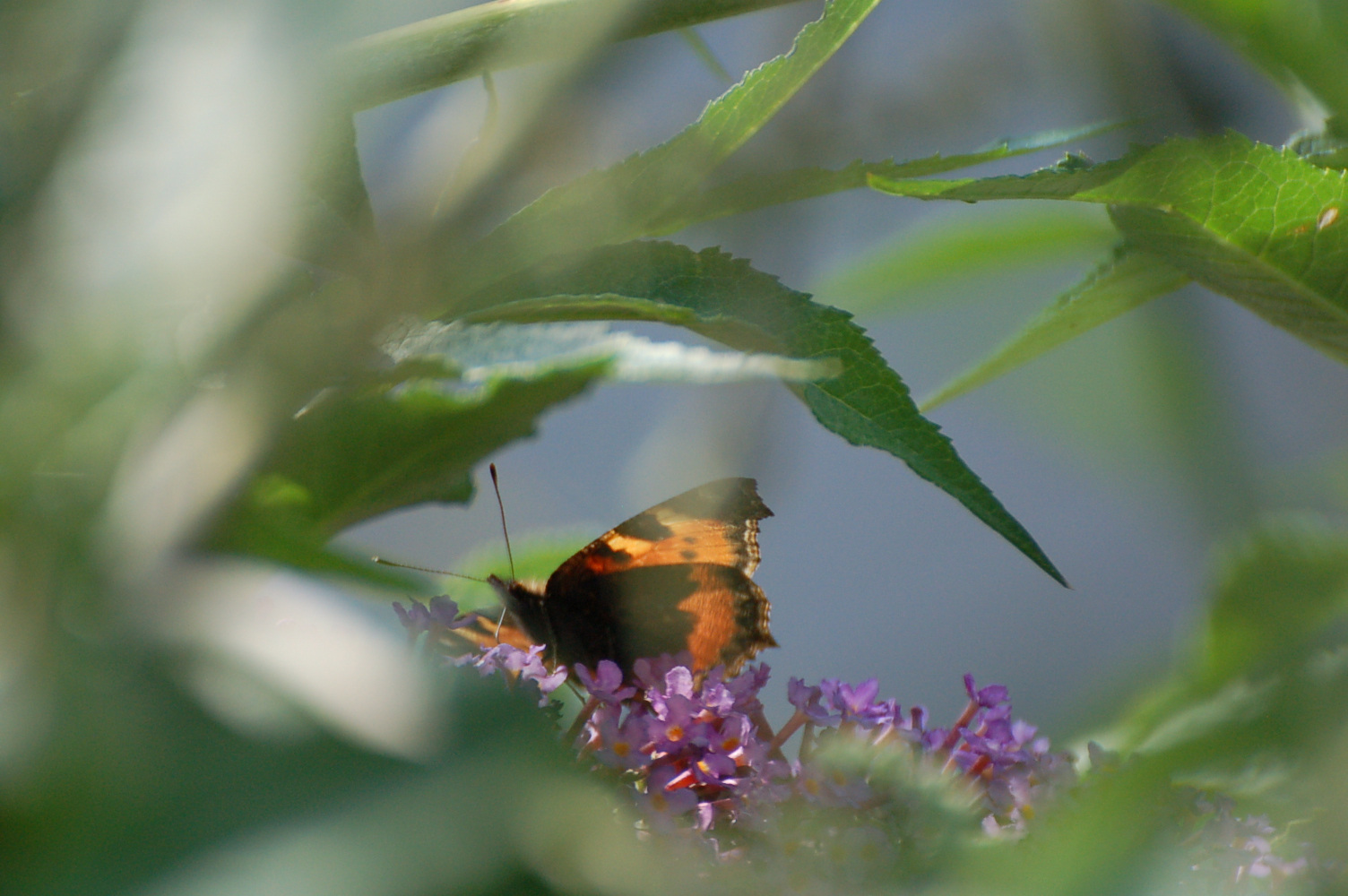
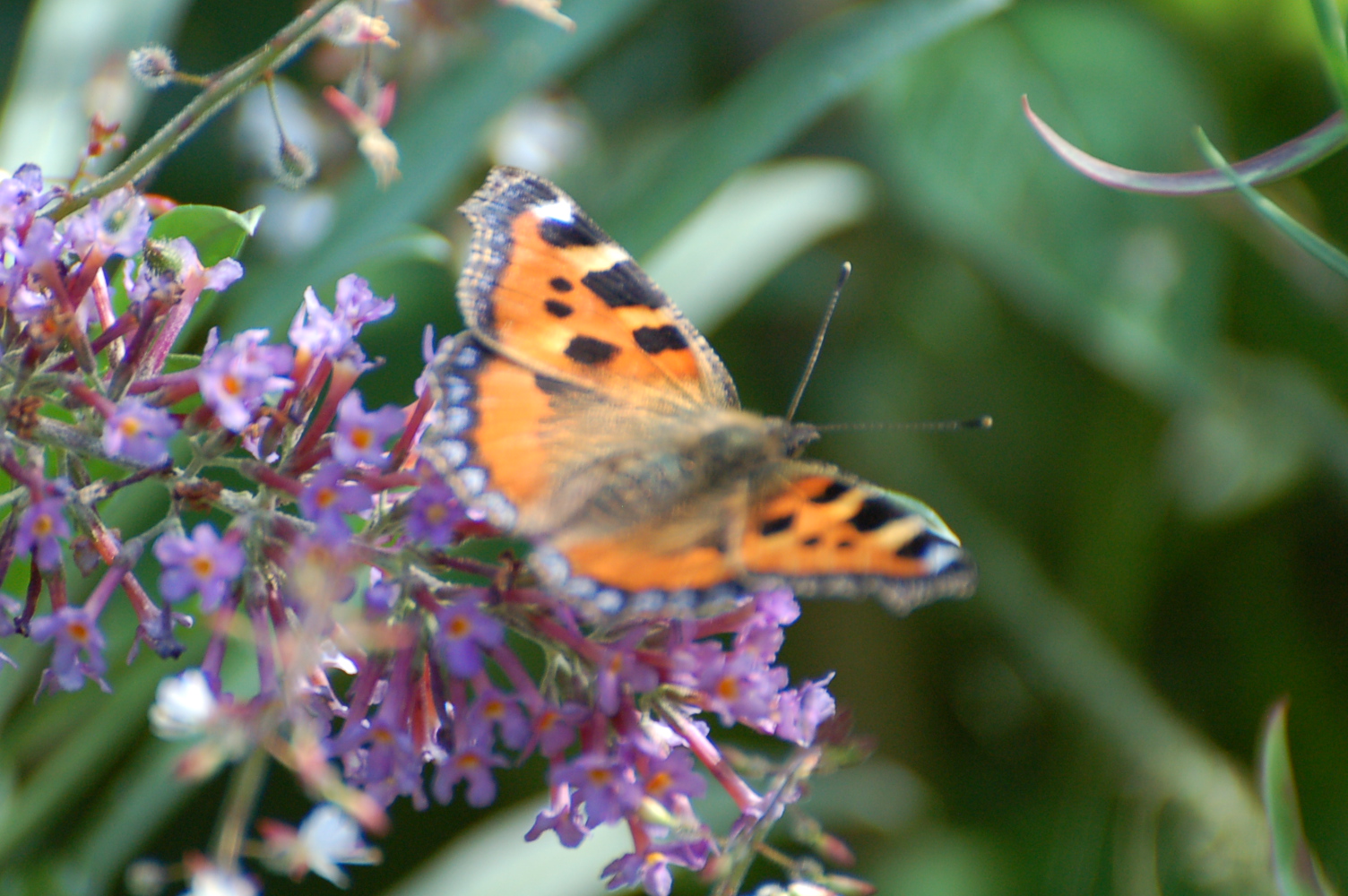

In the communal borders on our allotment site we grow many Buddleja davidiis in their full colour range, but we also grow the orange-flowered Buddleja weyeriana.
On a recent visit to a garden with the Shropshire branch of the Hardy Plant Society we came across this beautiful Buddleja davidii with soft grey leaves and blue flowers.
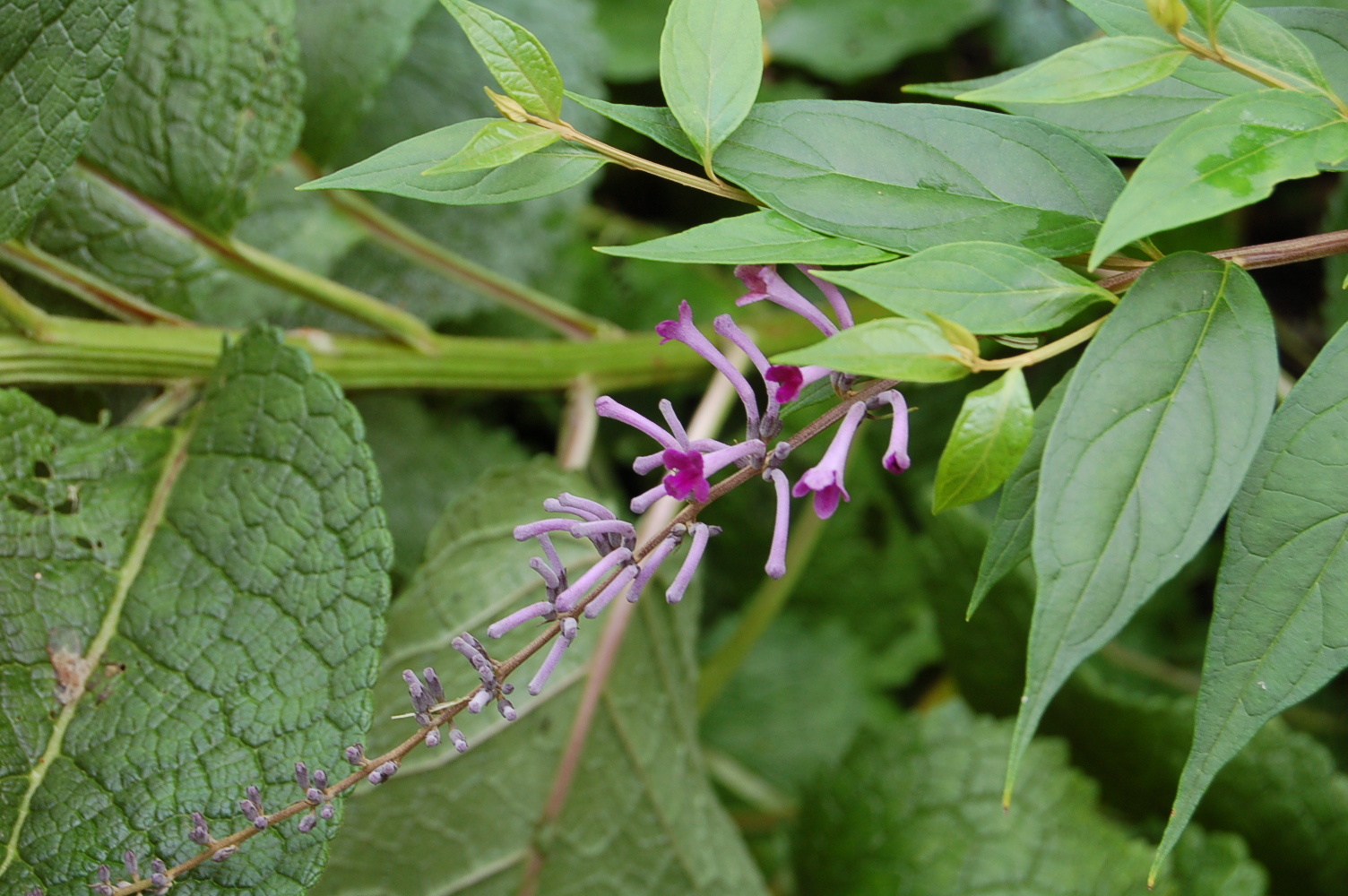
In another border we discovered a much more unusual variety called Buddleja lindleyana. It’s leaves were much brighter green than the davidiis and the individual florets were further apart from each other. The inside of each floret was a rich bright violet while the outsides were a greyish violet.
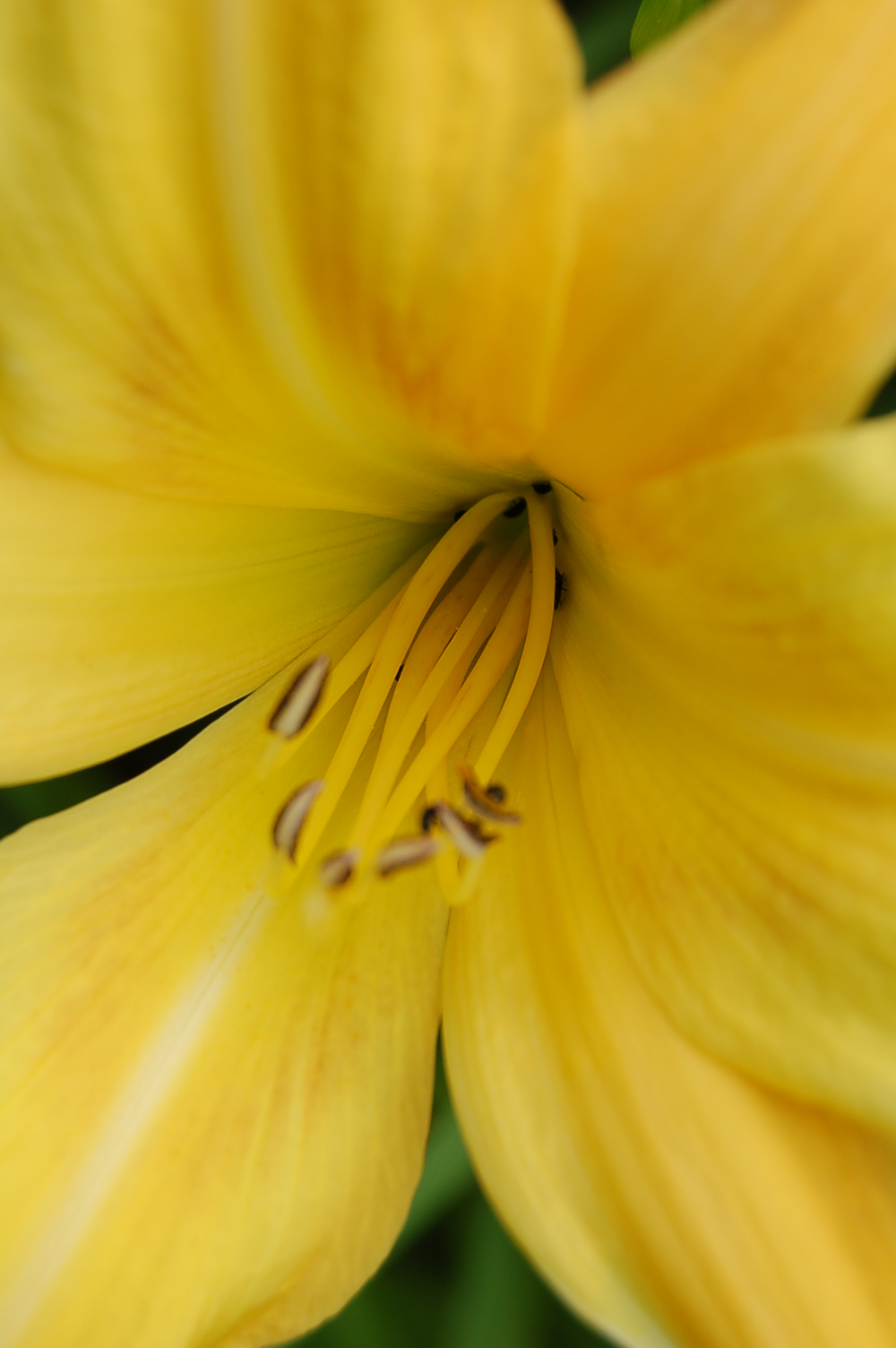
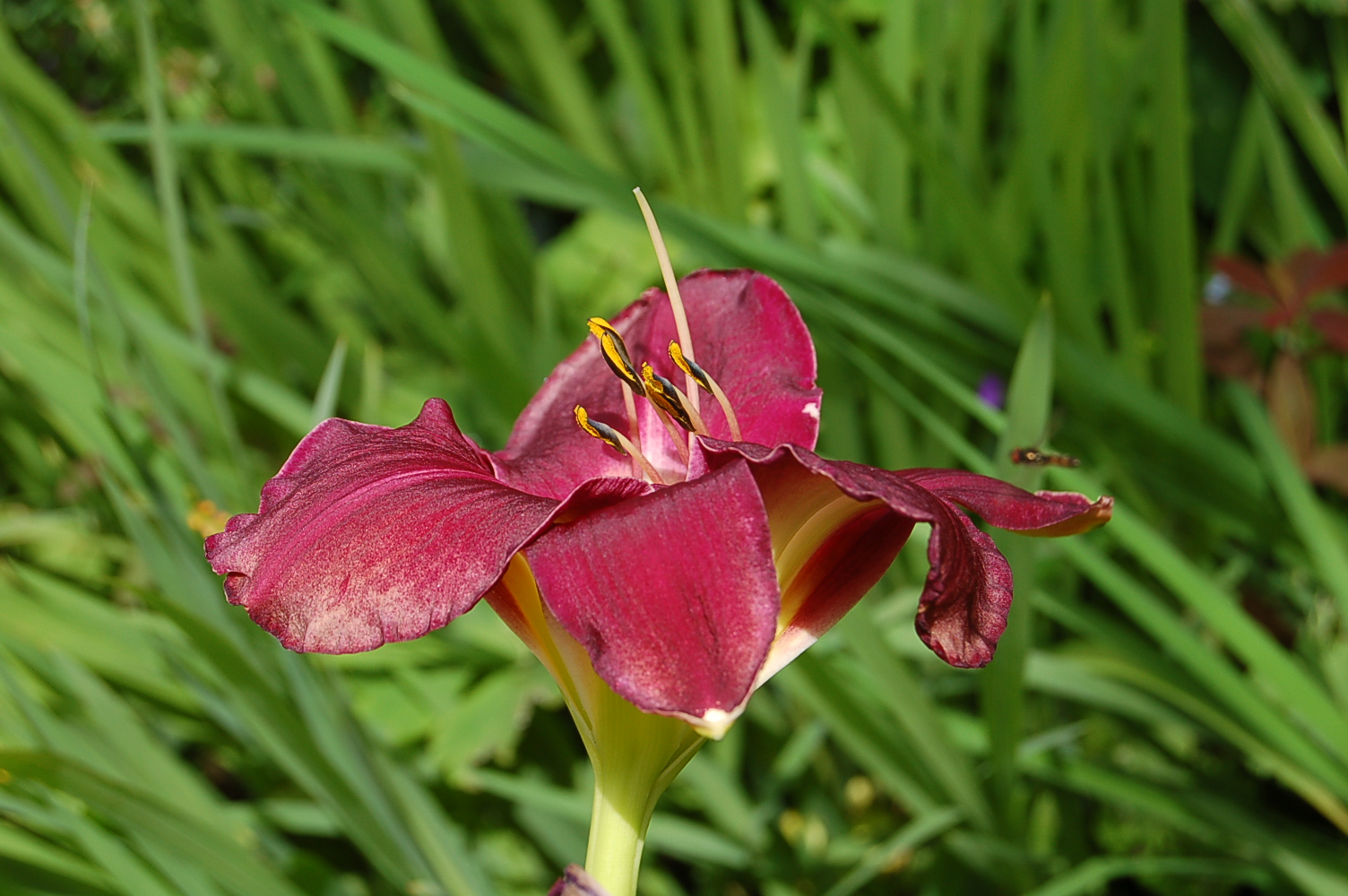
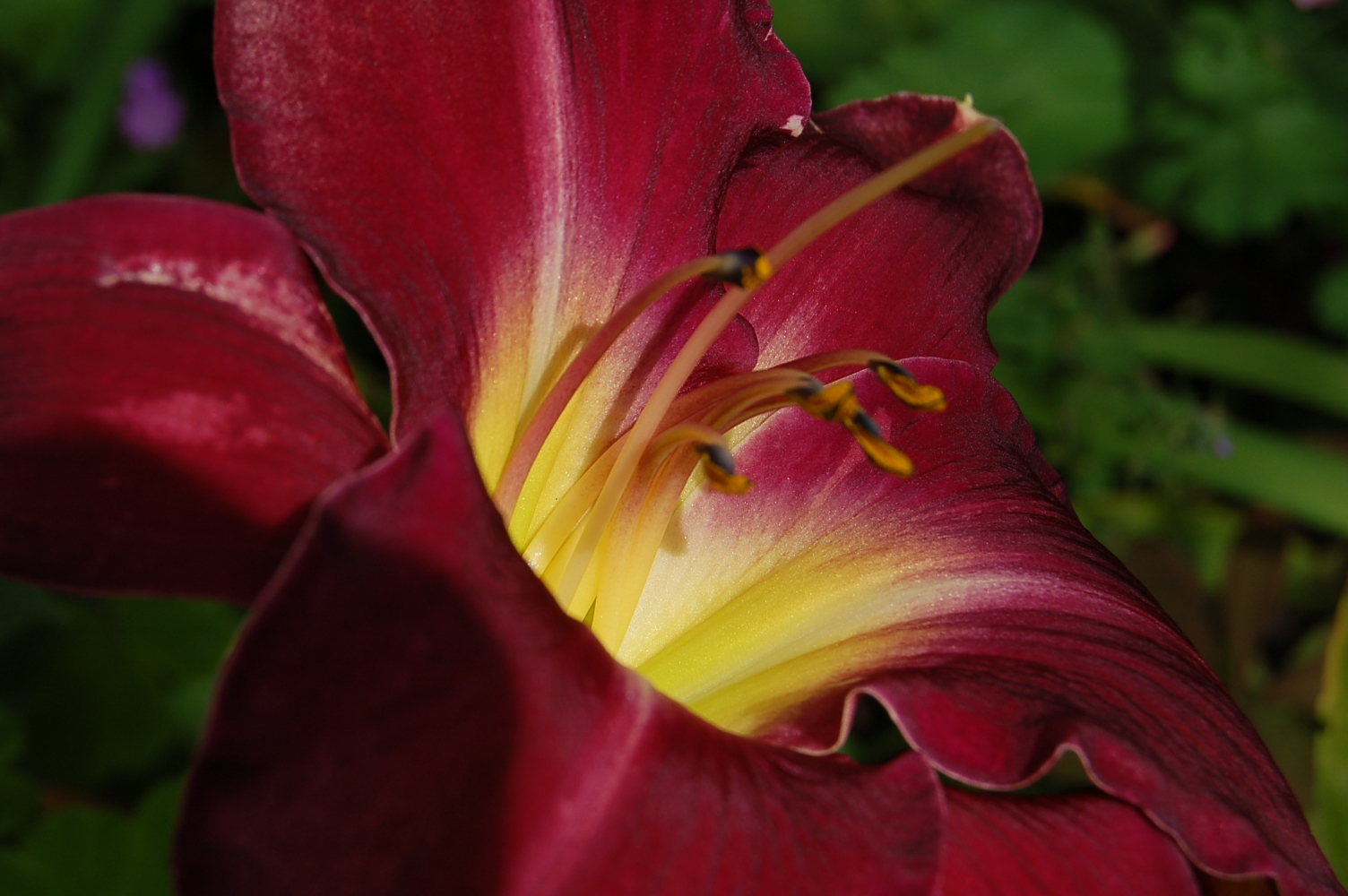
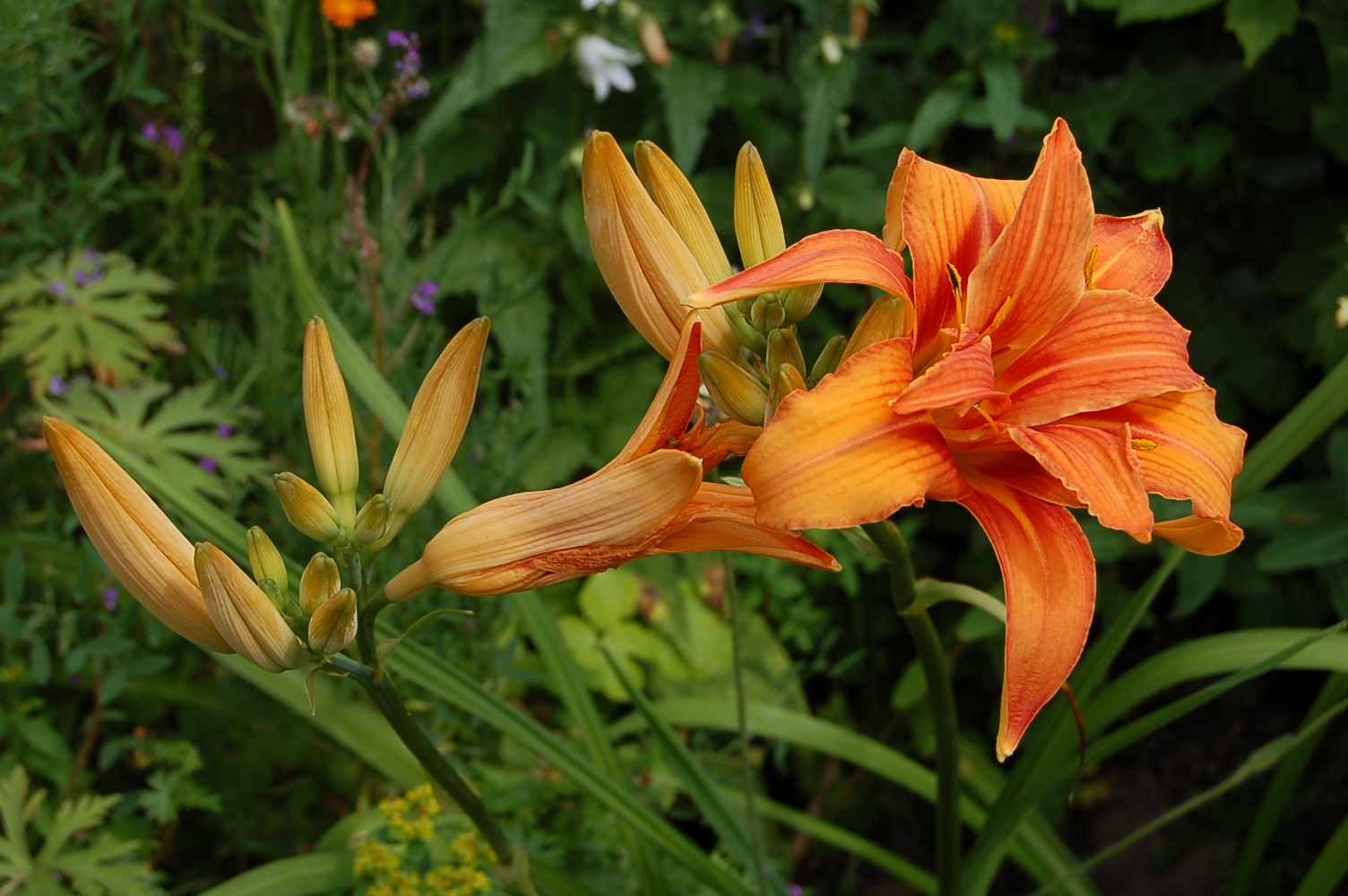
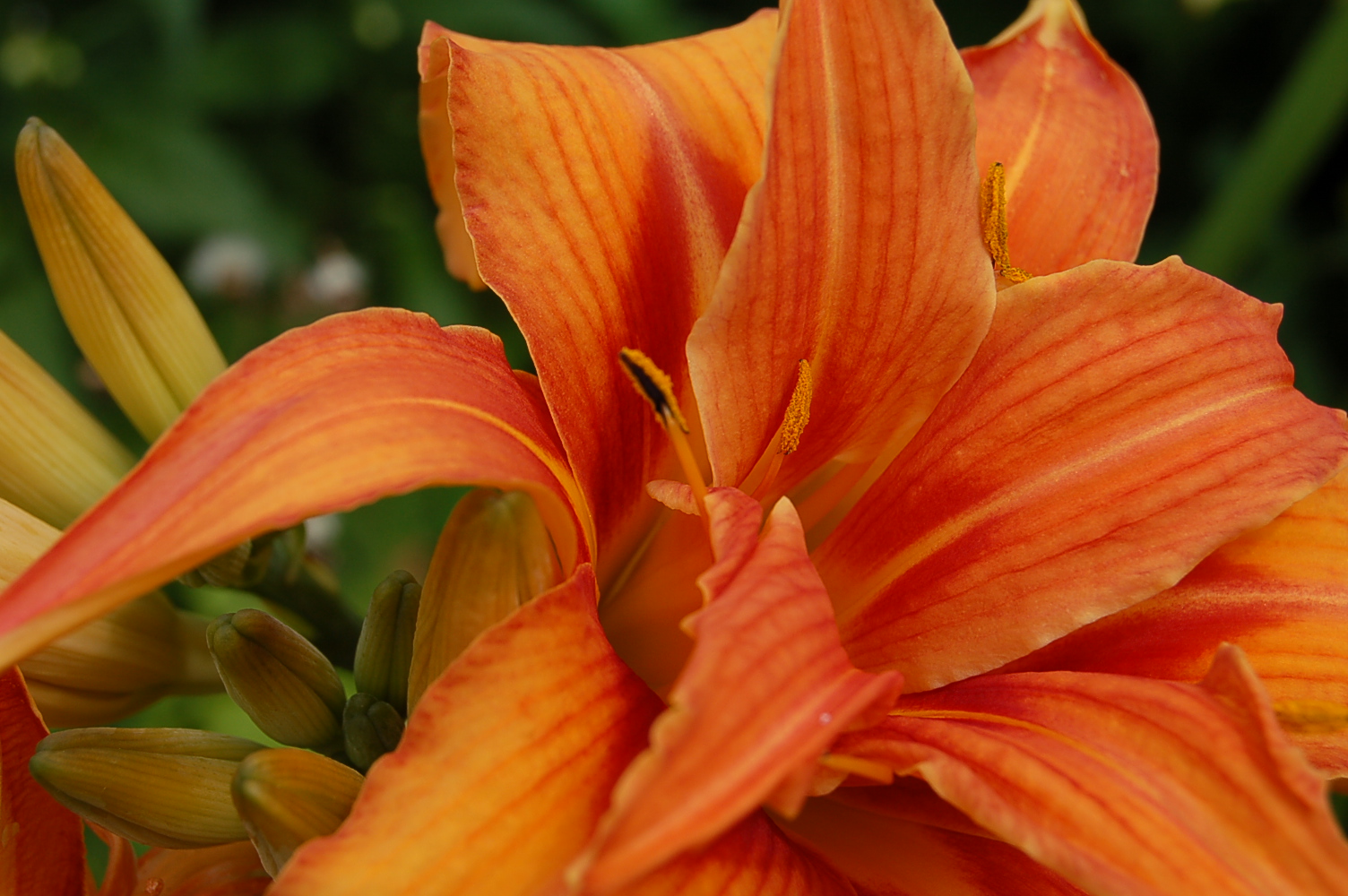
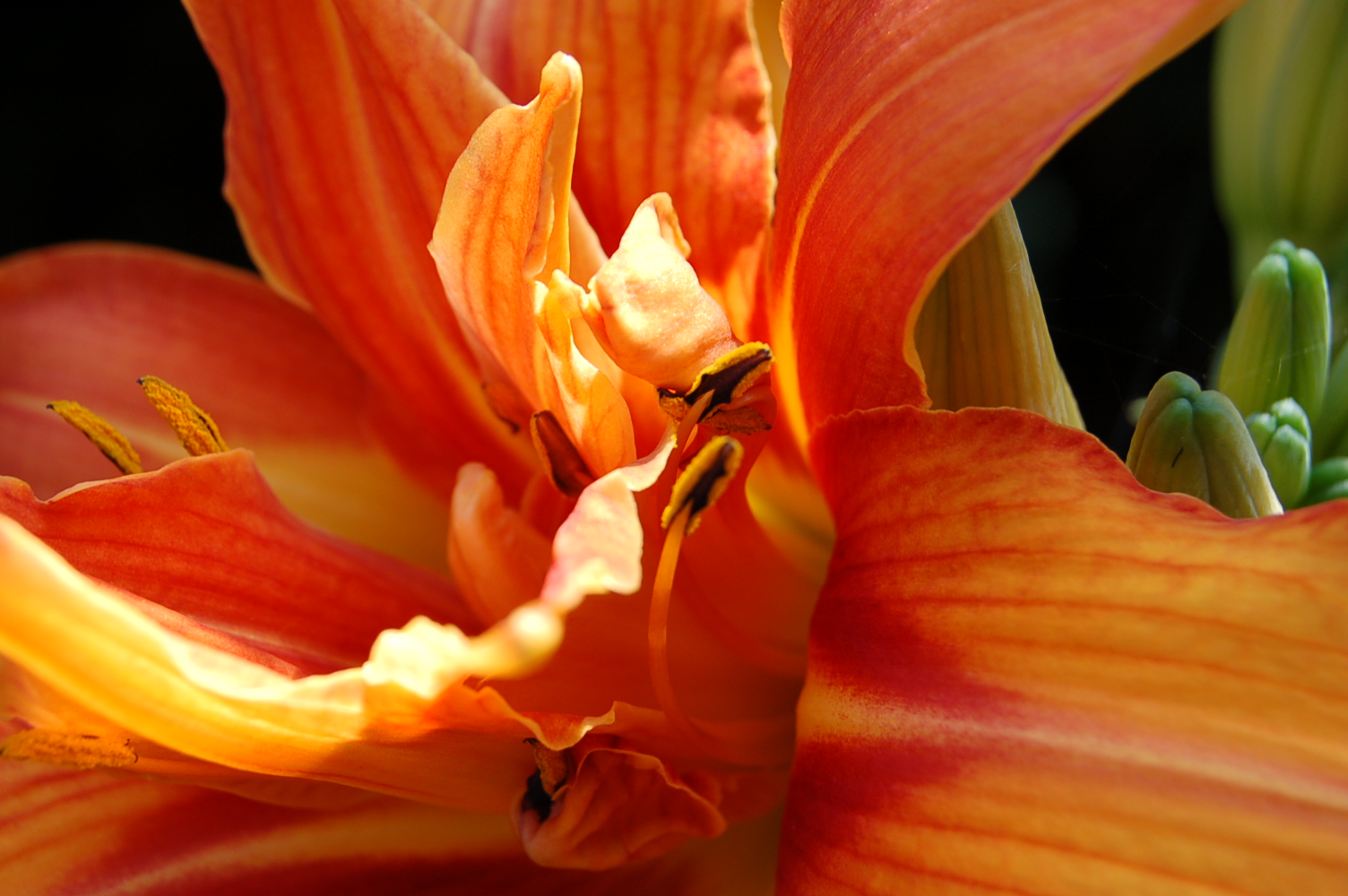
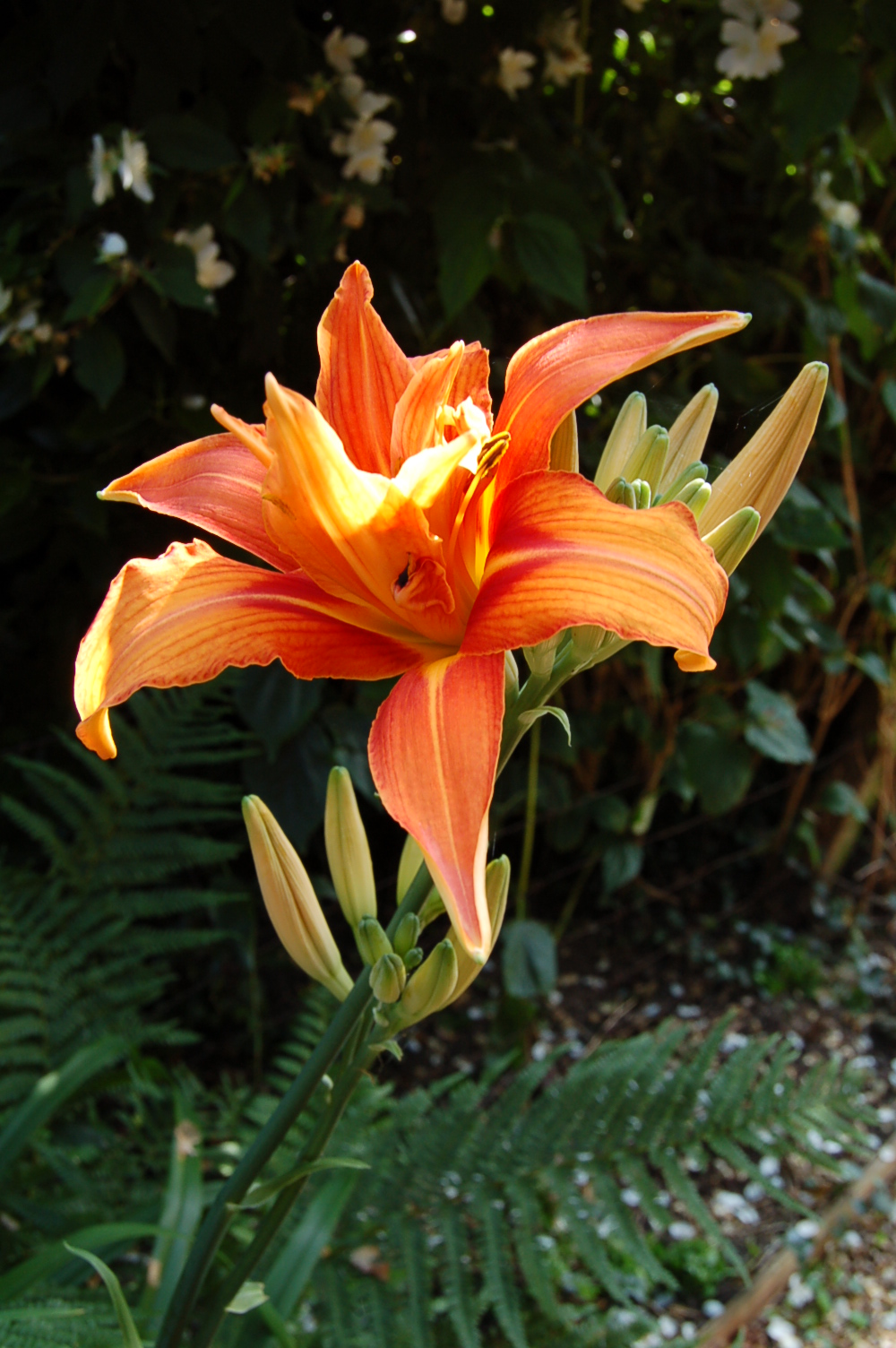
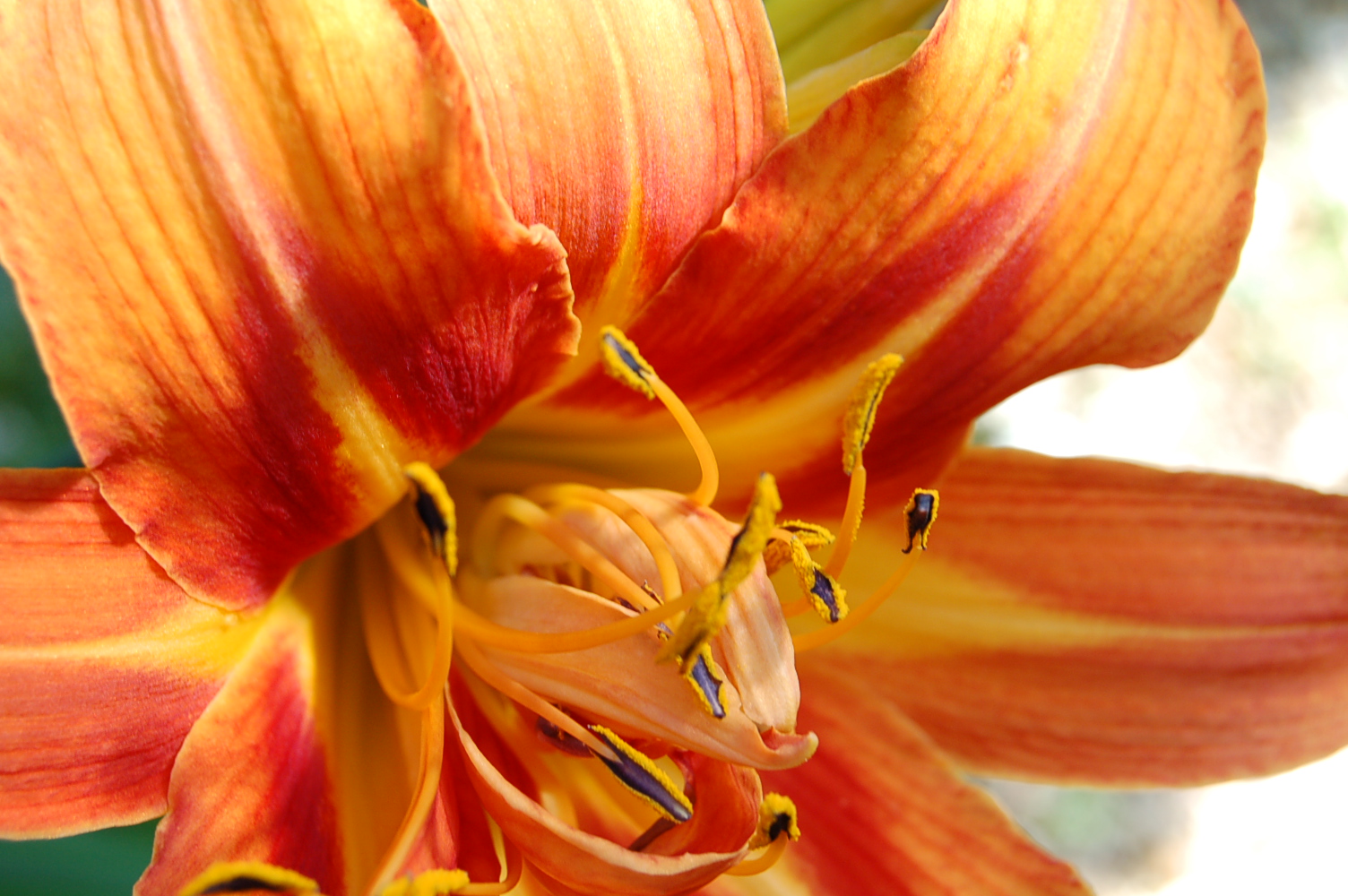
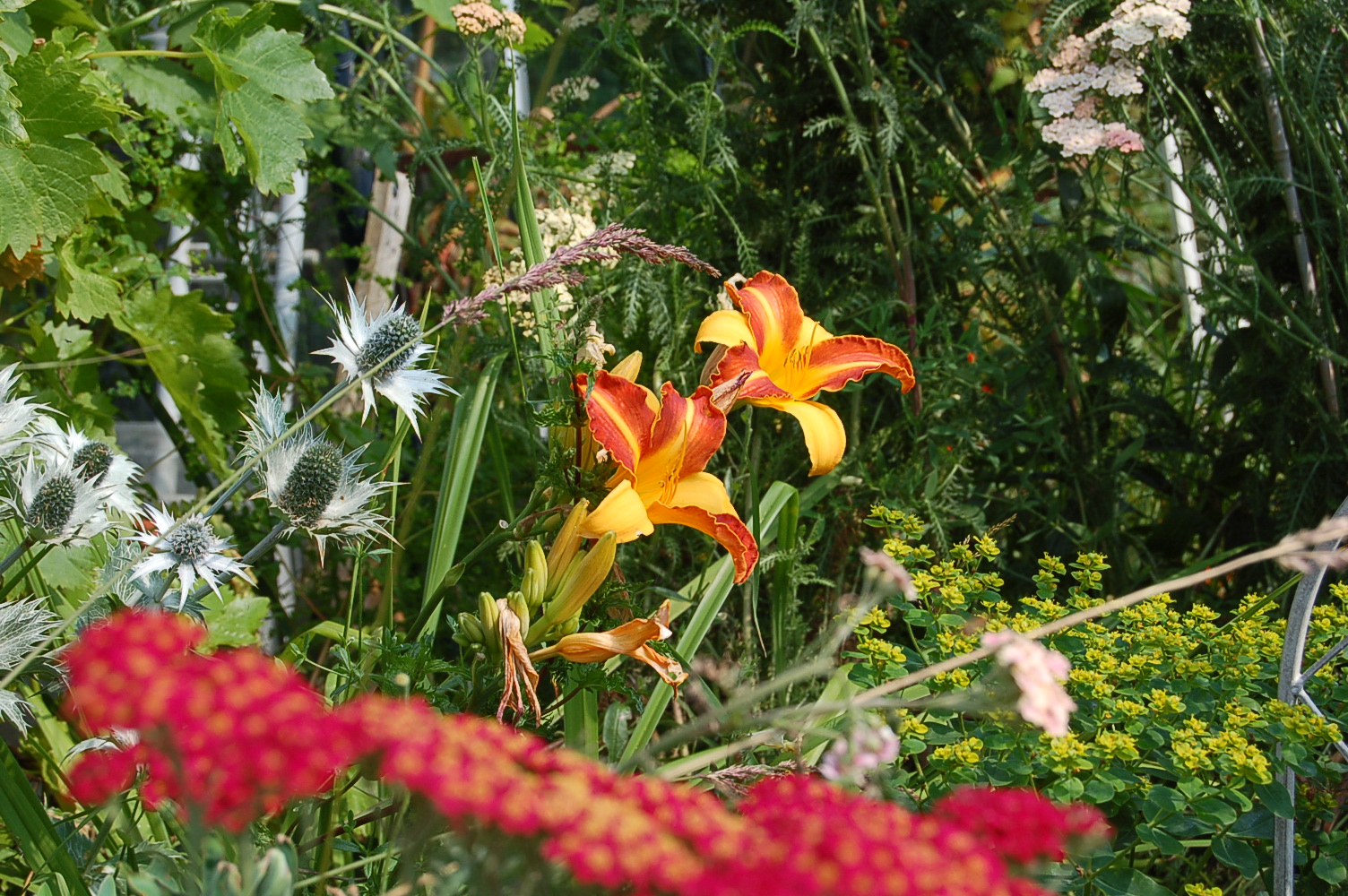
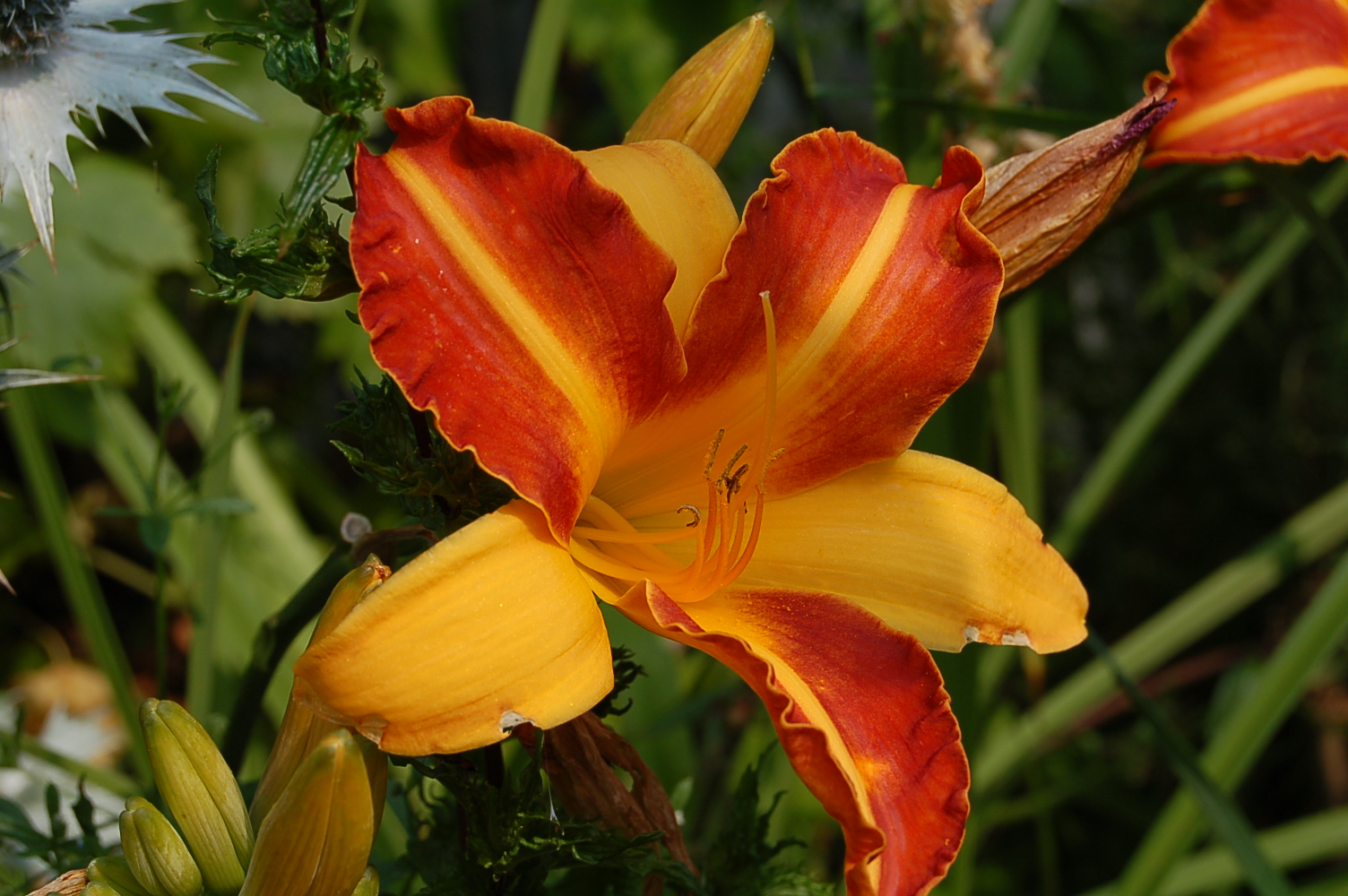
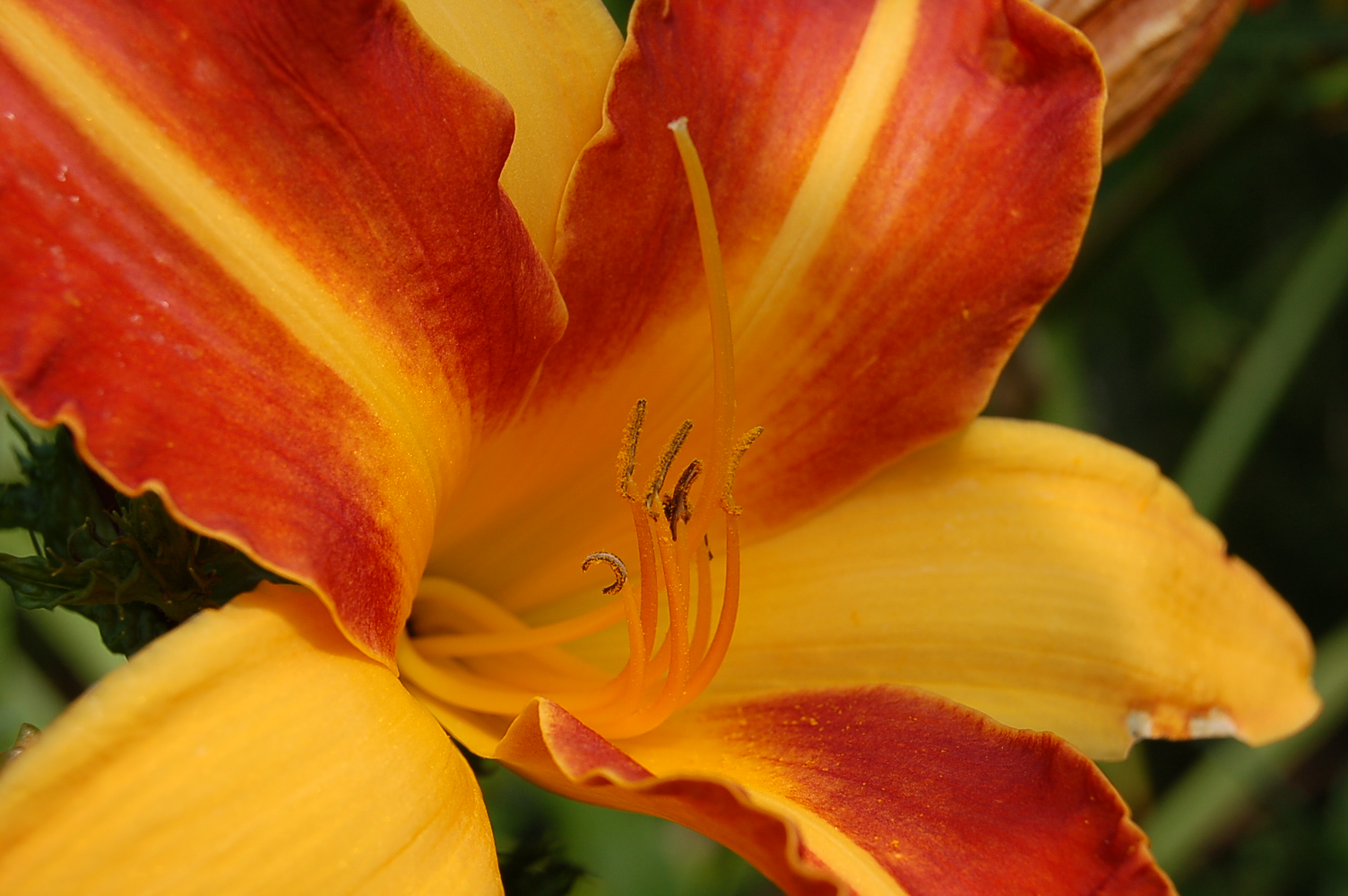
We particularly enjoy walking around our garden at the moment as the scents are so strong and the colours so vivid. One flower that satisfies both these senses is the not so humble lily. Bright, hot, fiery and warm – the colours of the sky as the sun sets in the west each evening and re-awakens in the east as the day dawns afresh.

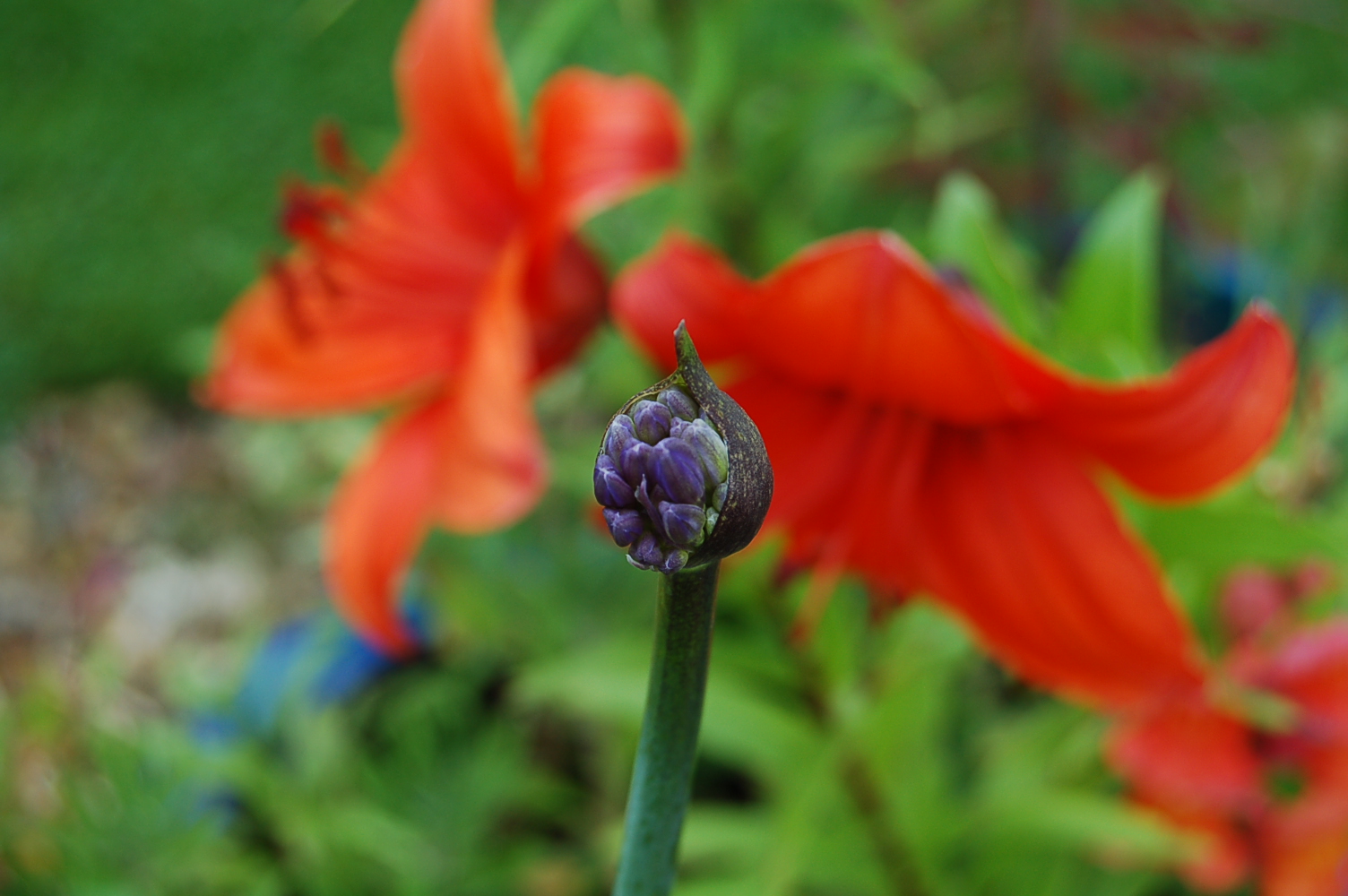
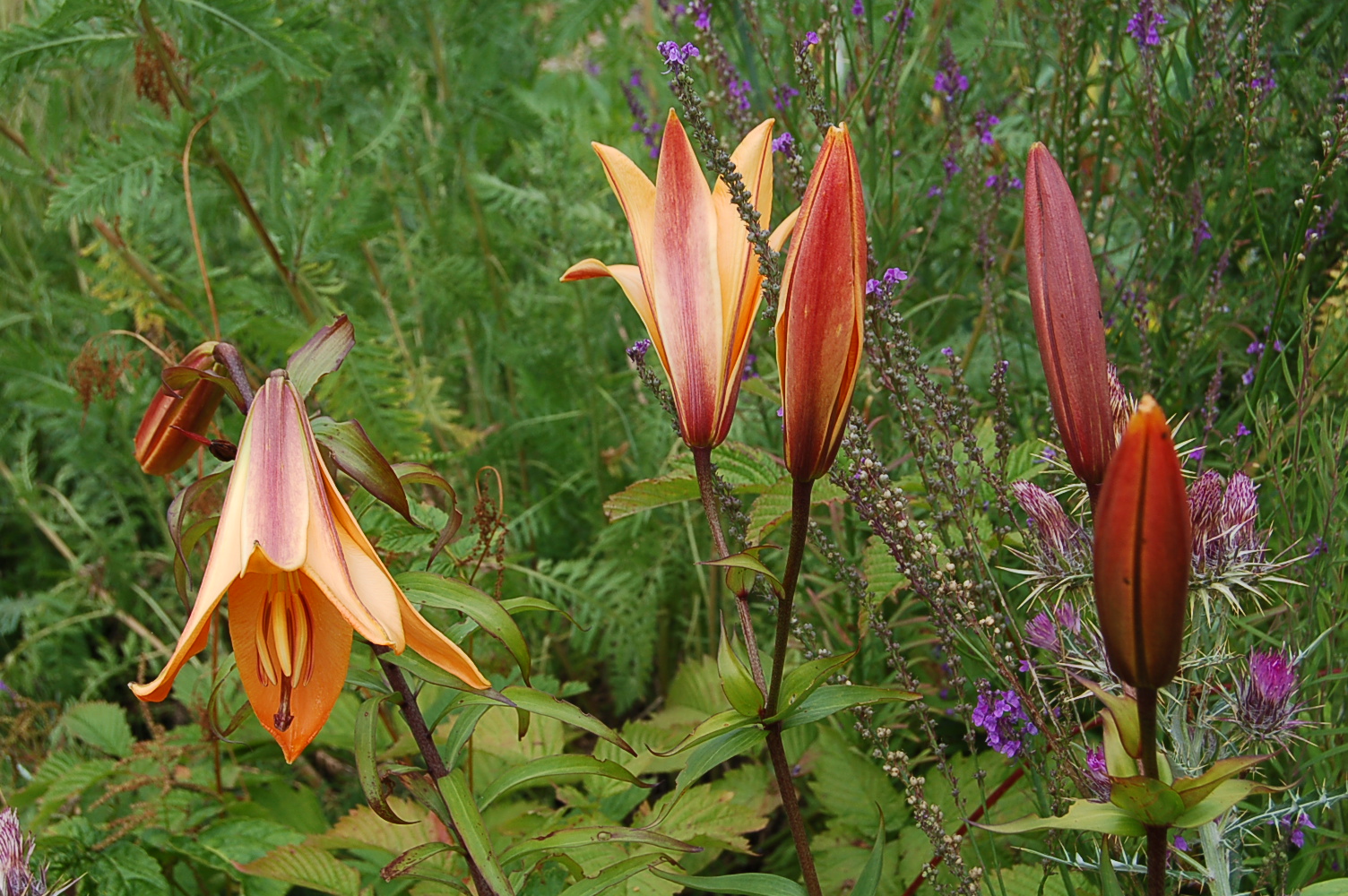

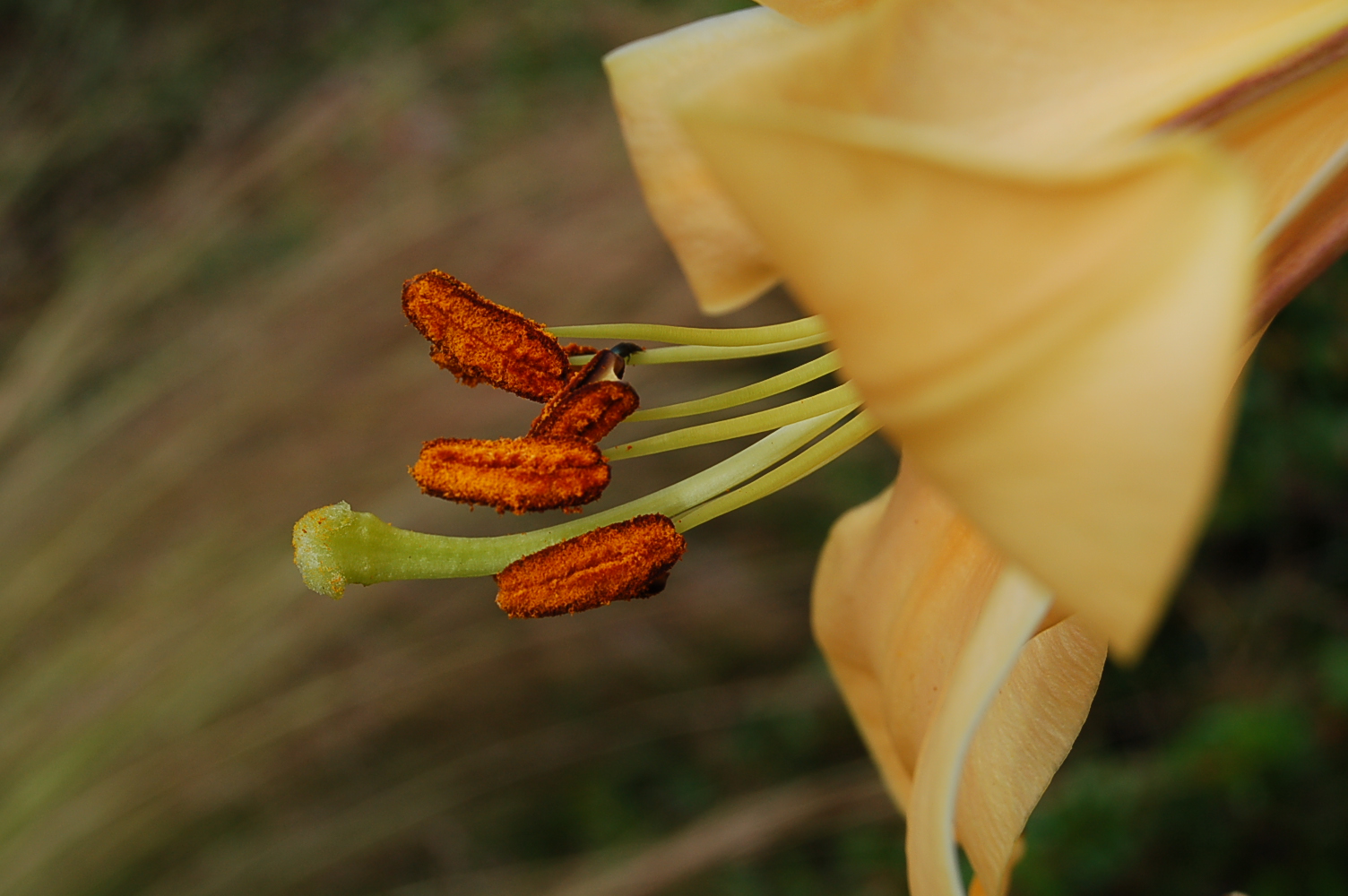


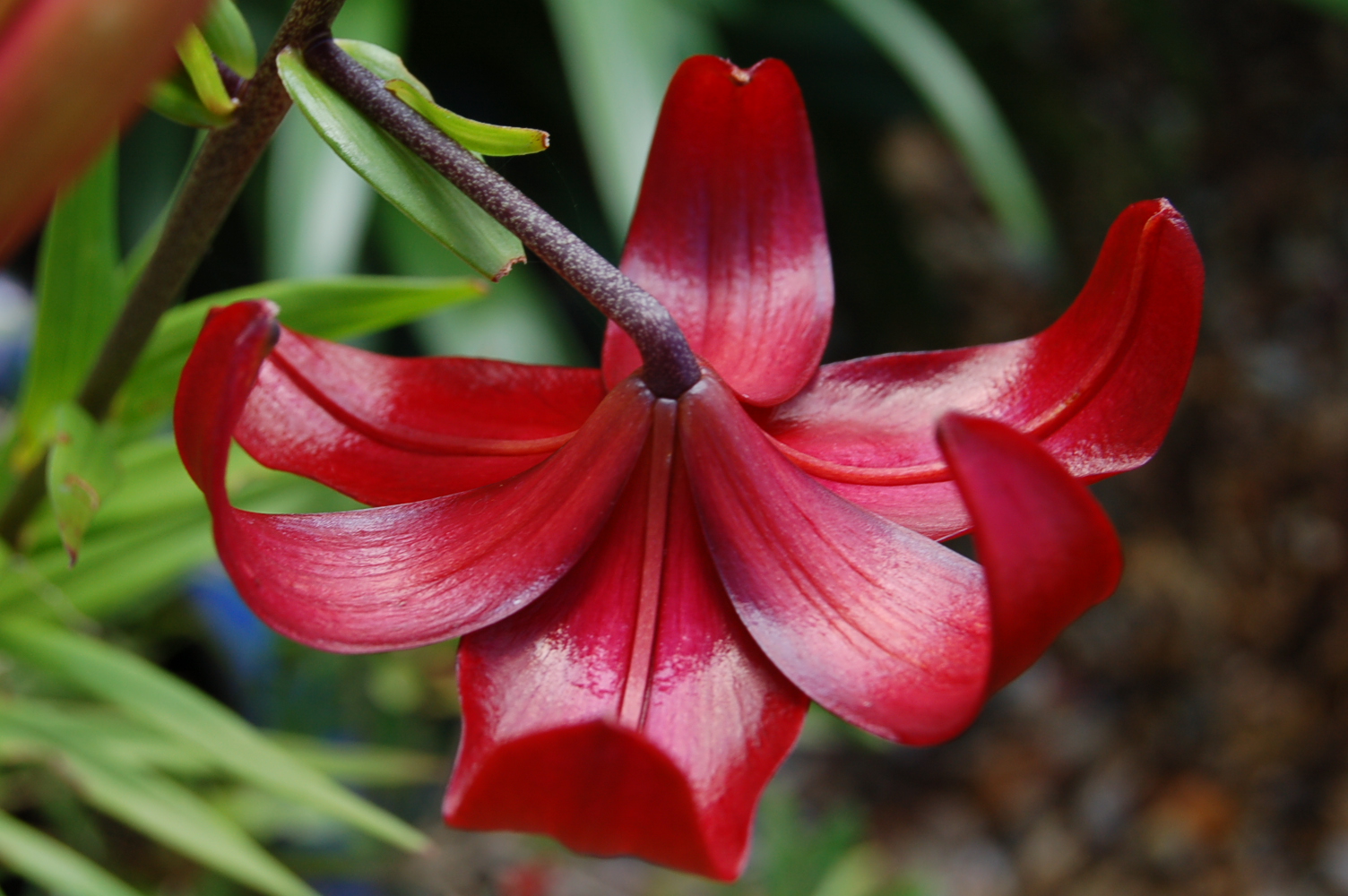
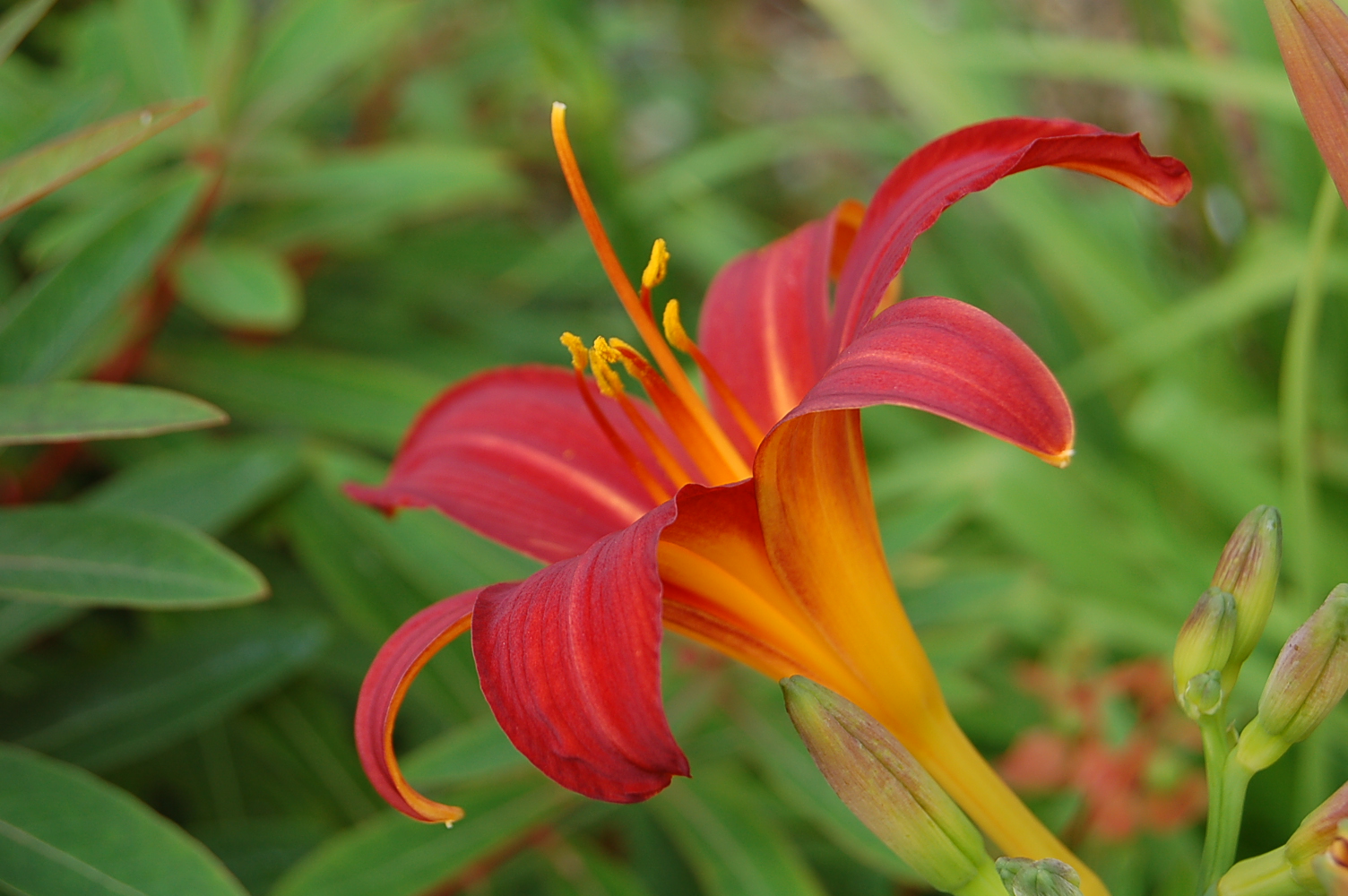
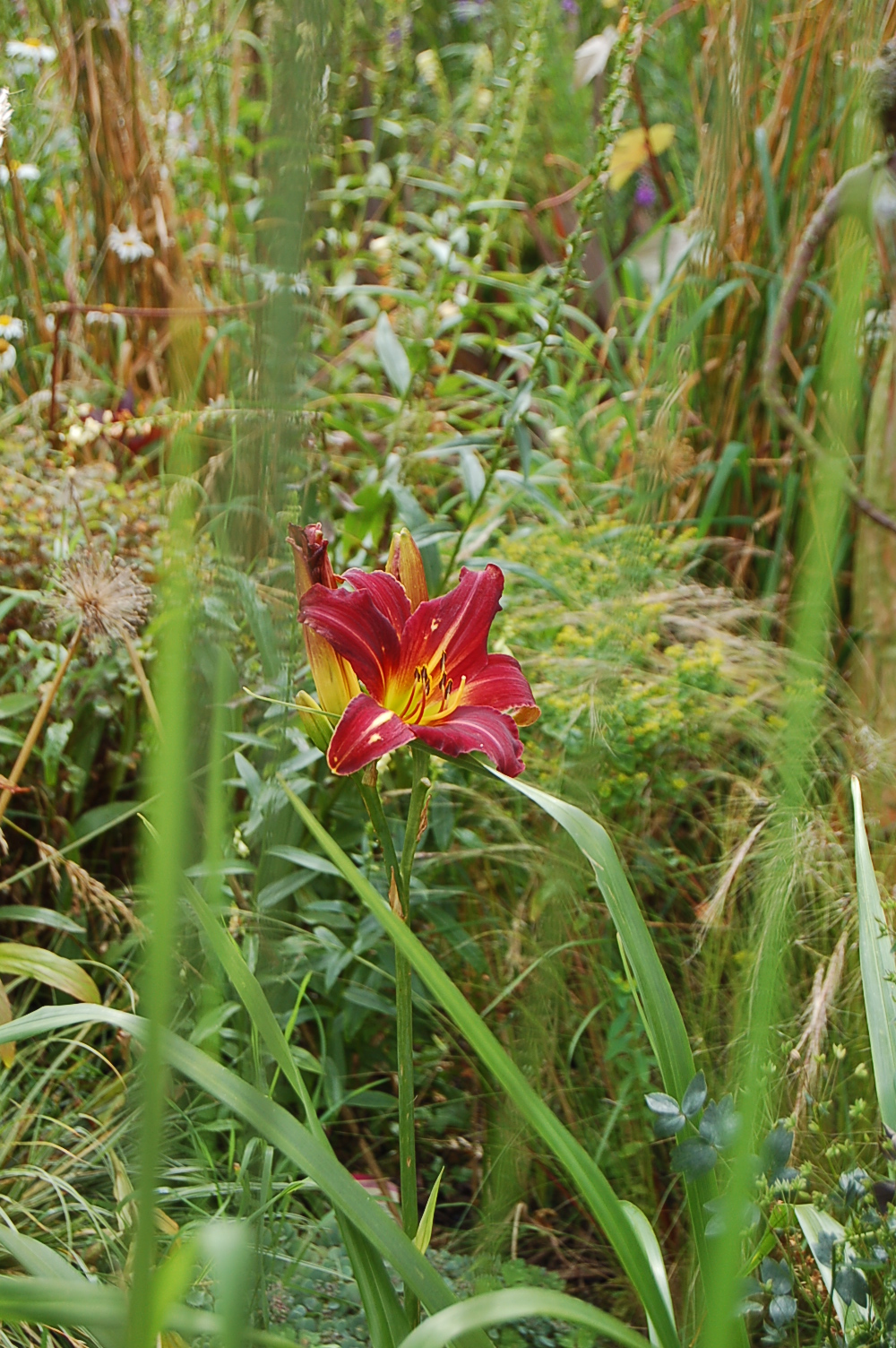
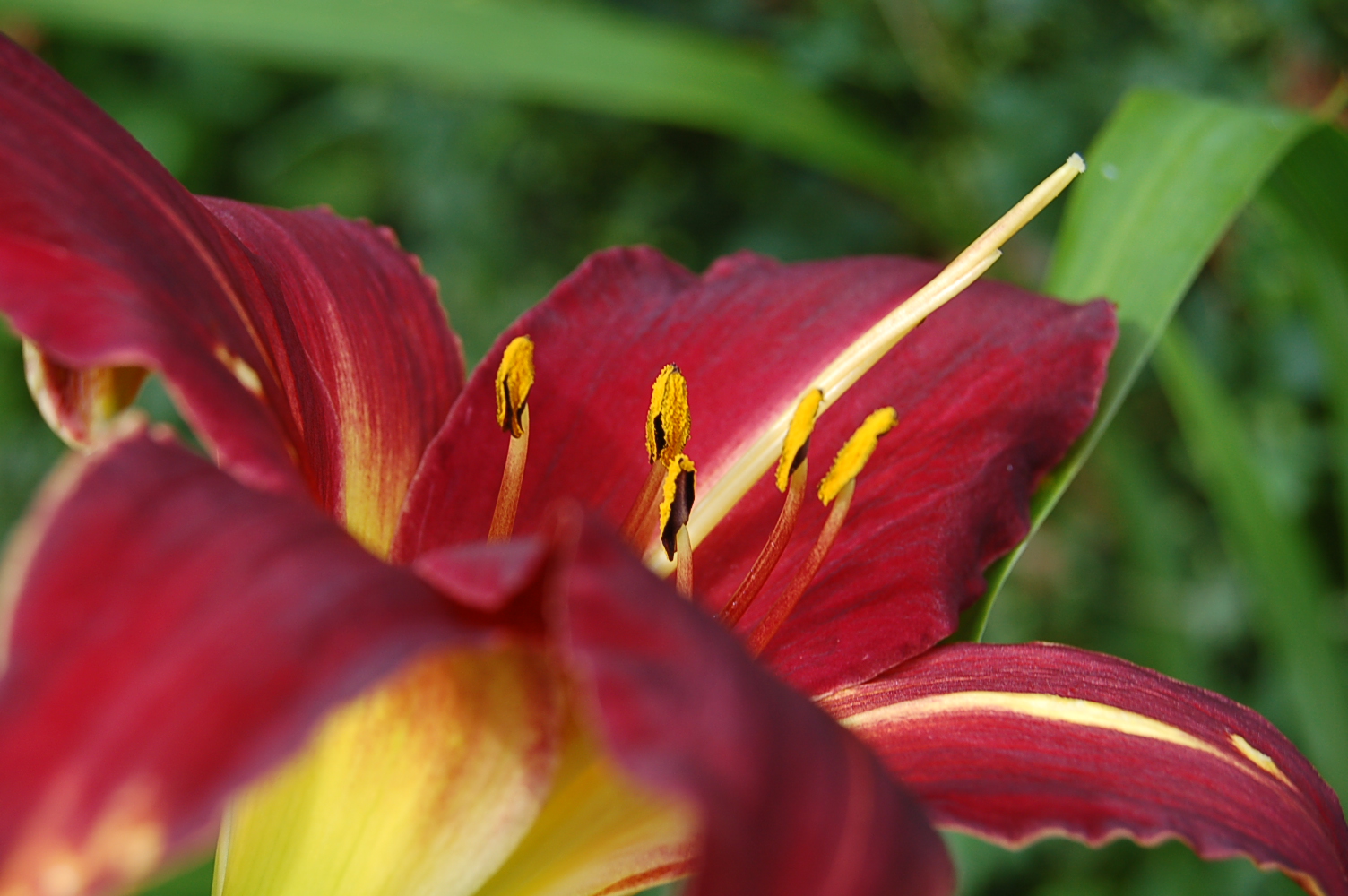
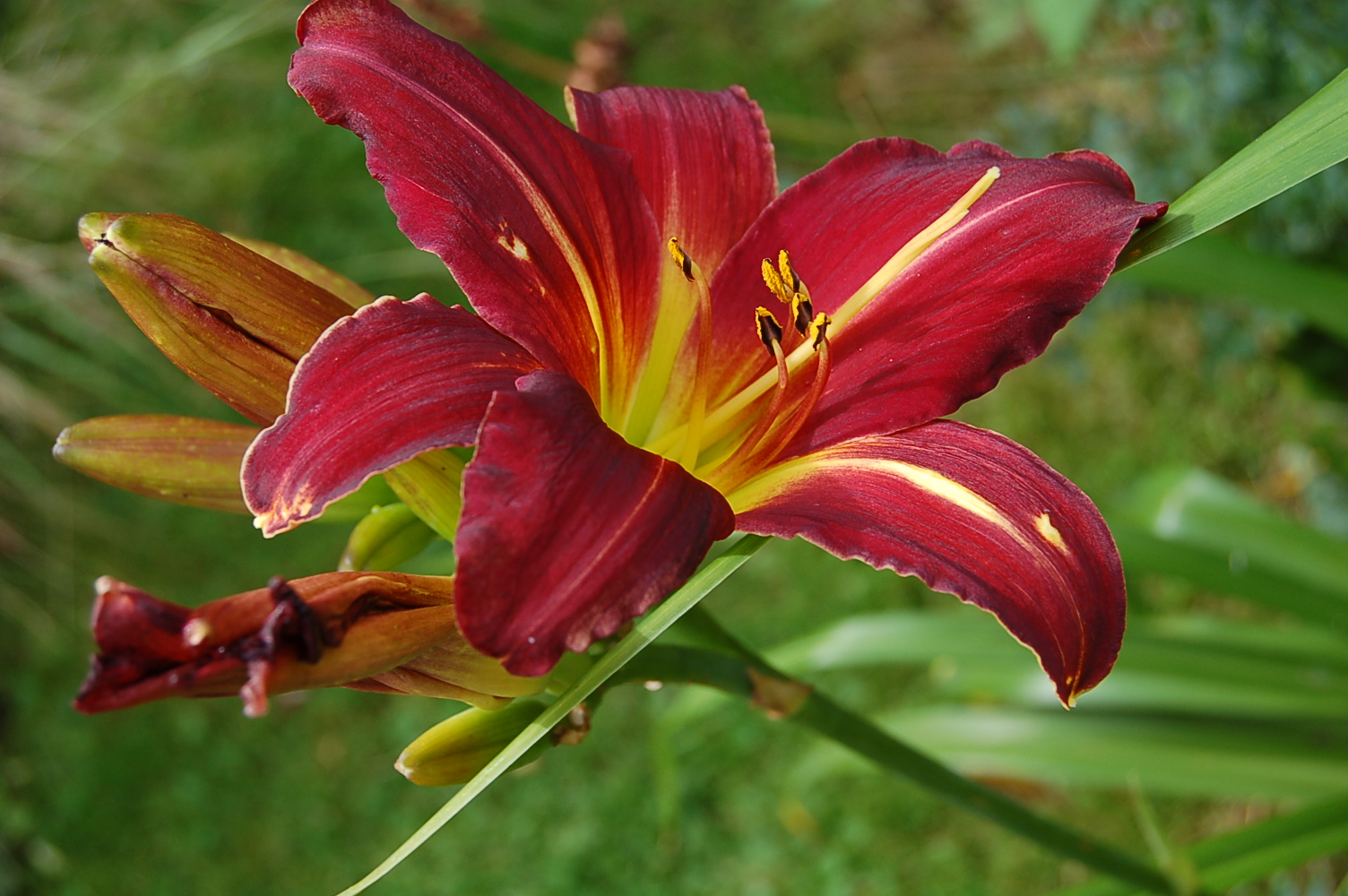
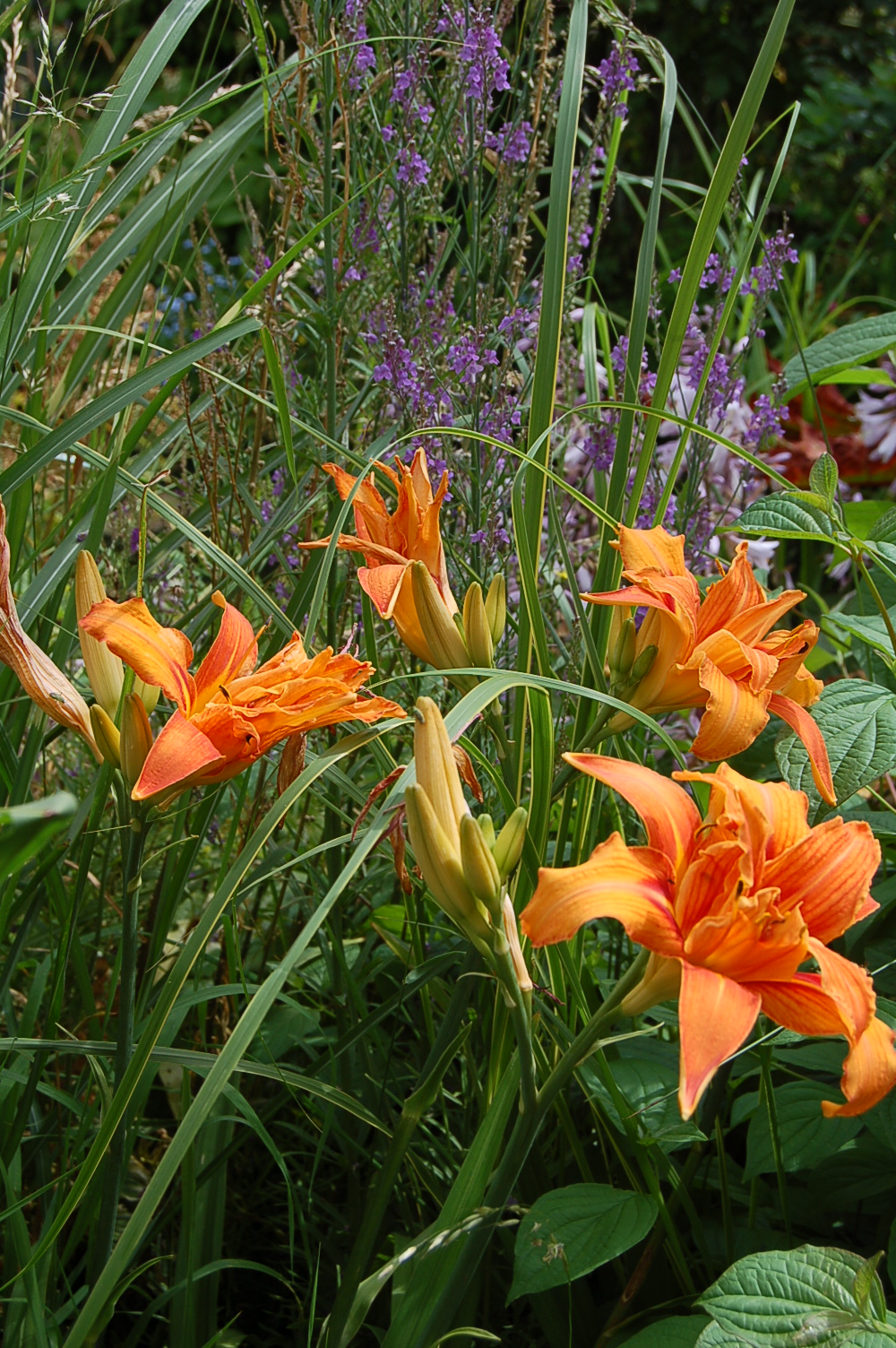
Day Lilies are so beautiful in form and colour, and to add to that they are fresh each day. We never see one two days in a row – enjoy one today but it won’t be there tomorrow. Another will be flowering in its place.
So here are the day lilies in flower in our garden one day in early August.


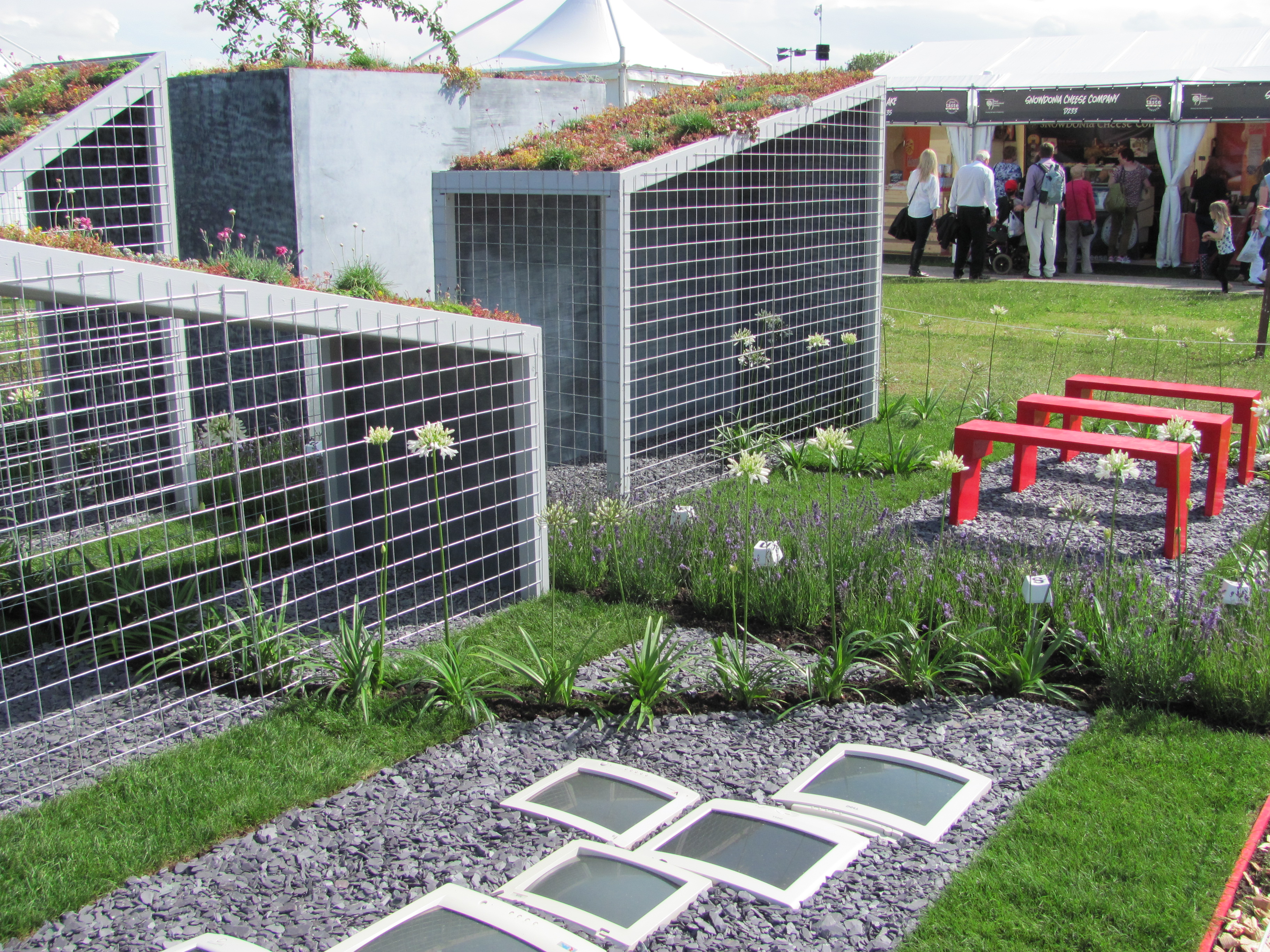
The third and final post about this summer’s RHS Tatton Park Flower Show begins by visiting the Back-to-Back Gardens, the small show gardens with masses of interest and appeals. These gardens are full of ideas for gardeners whatever the size of their gardens with inspiration for planting combinations, furniture and features.
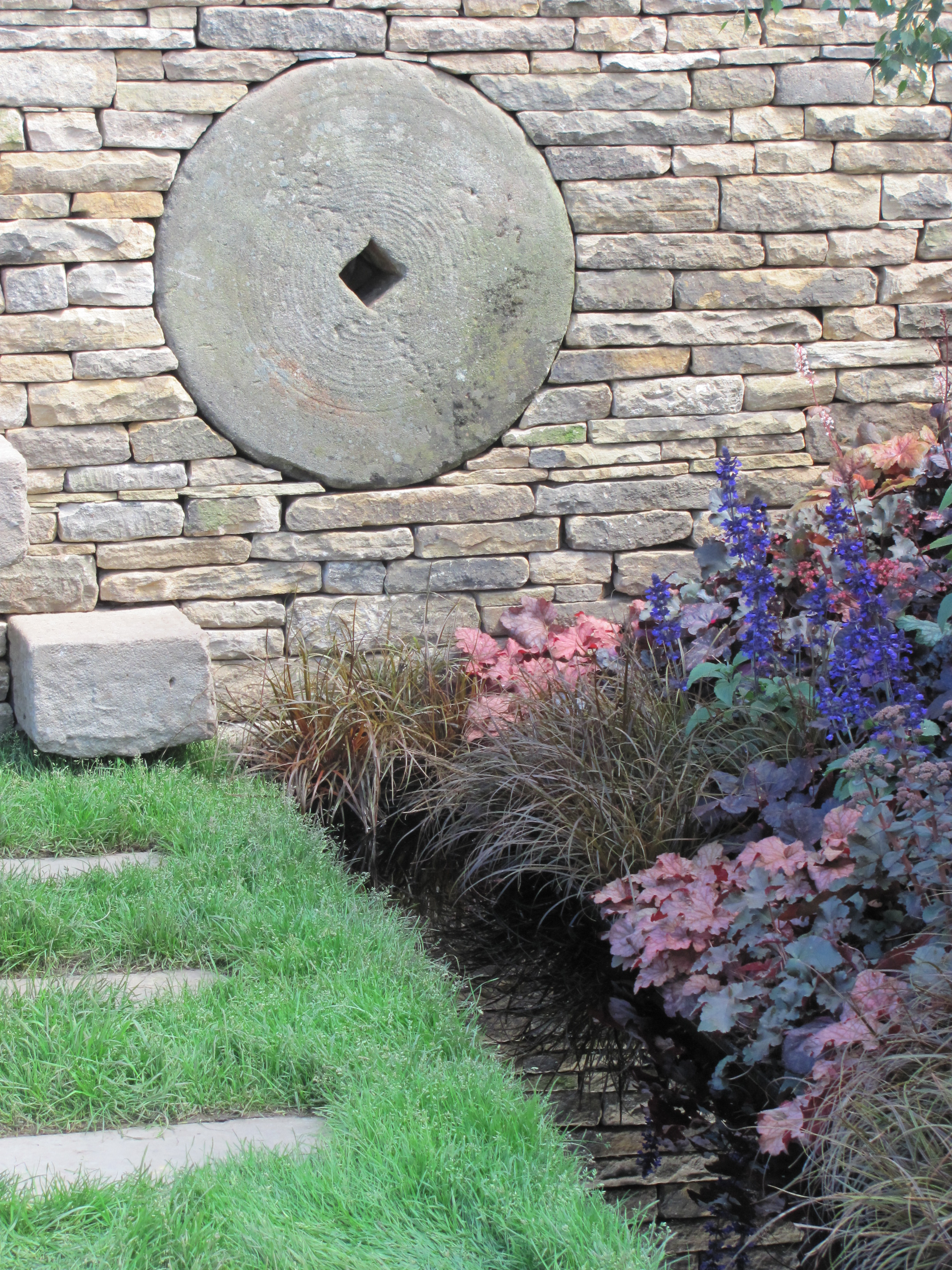

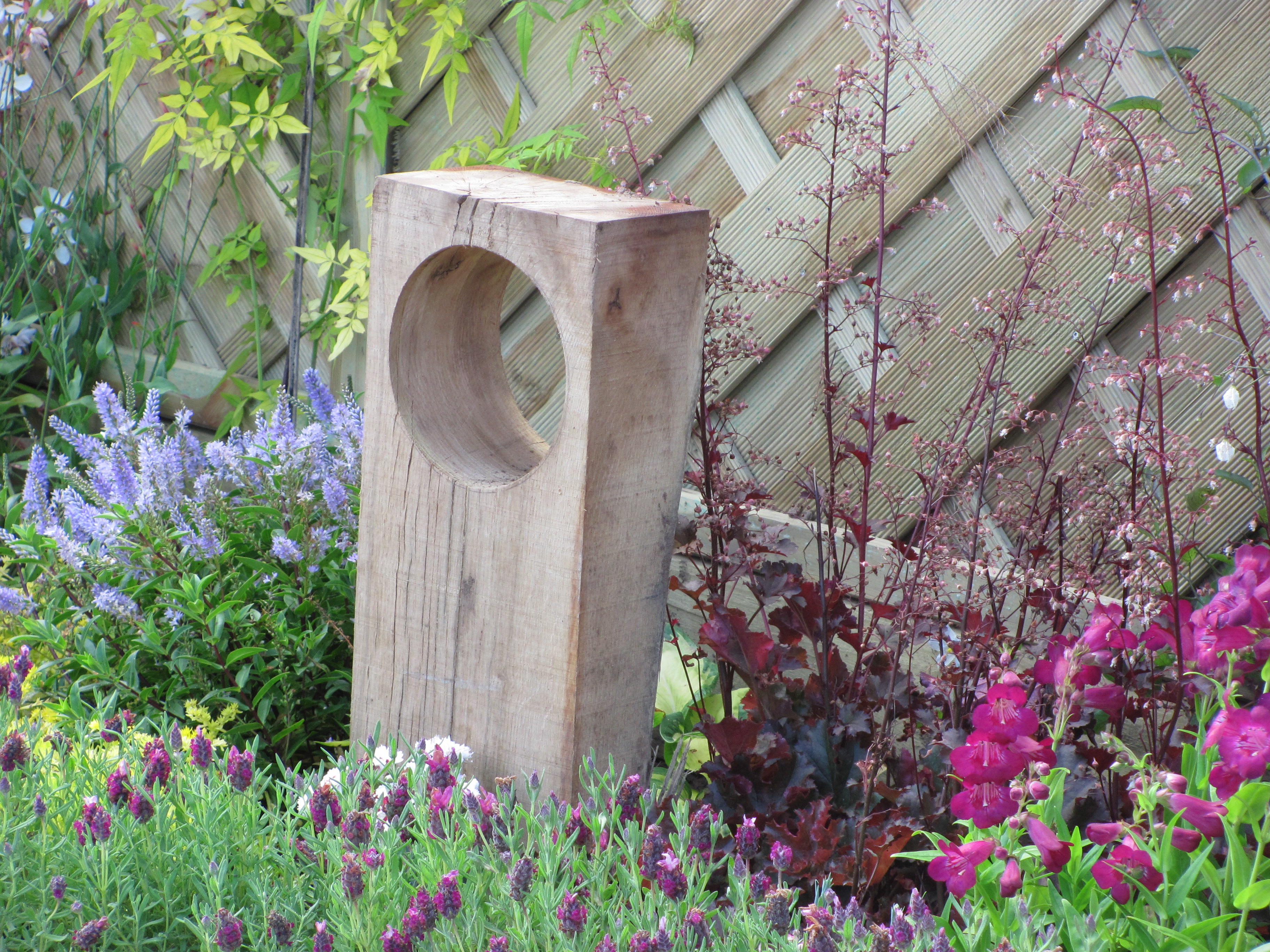

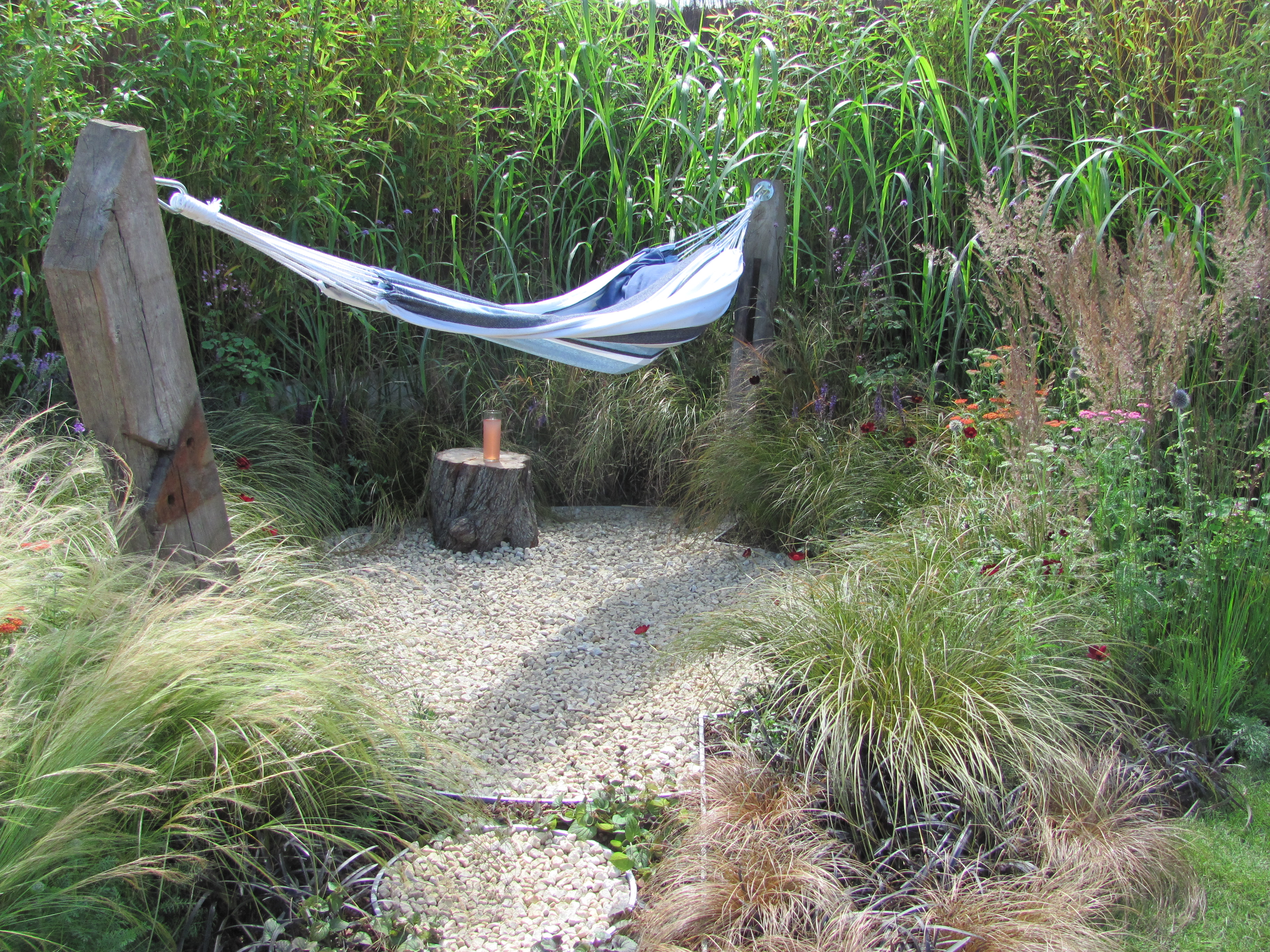
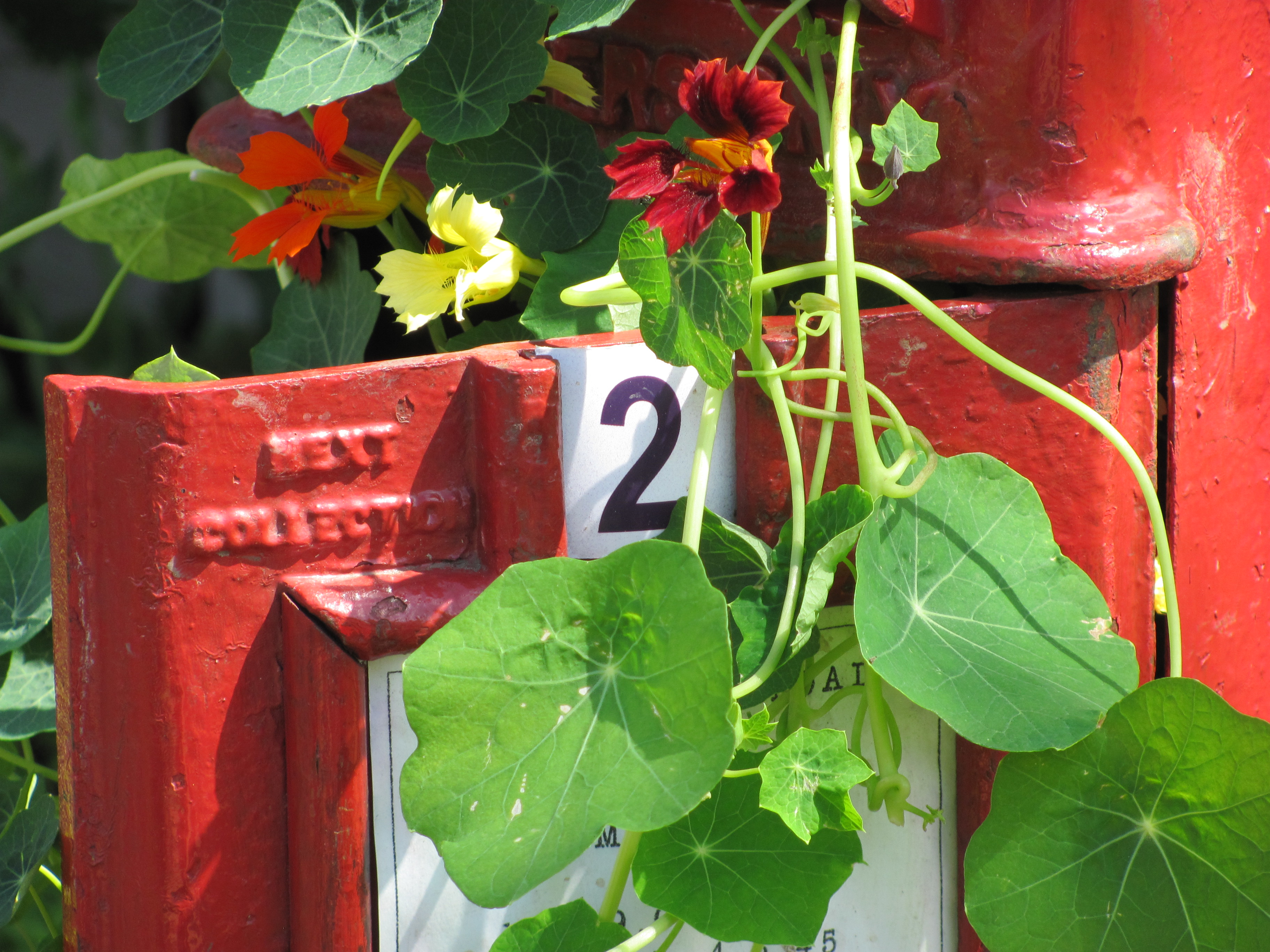
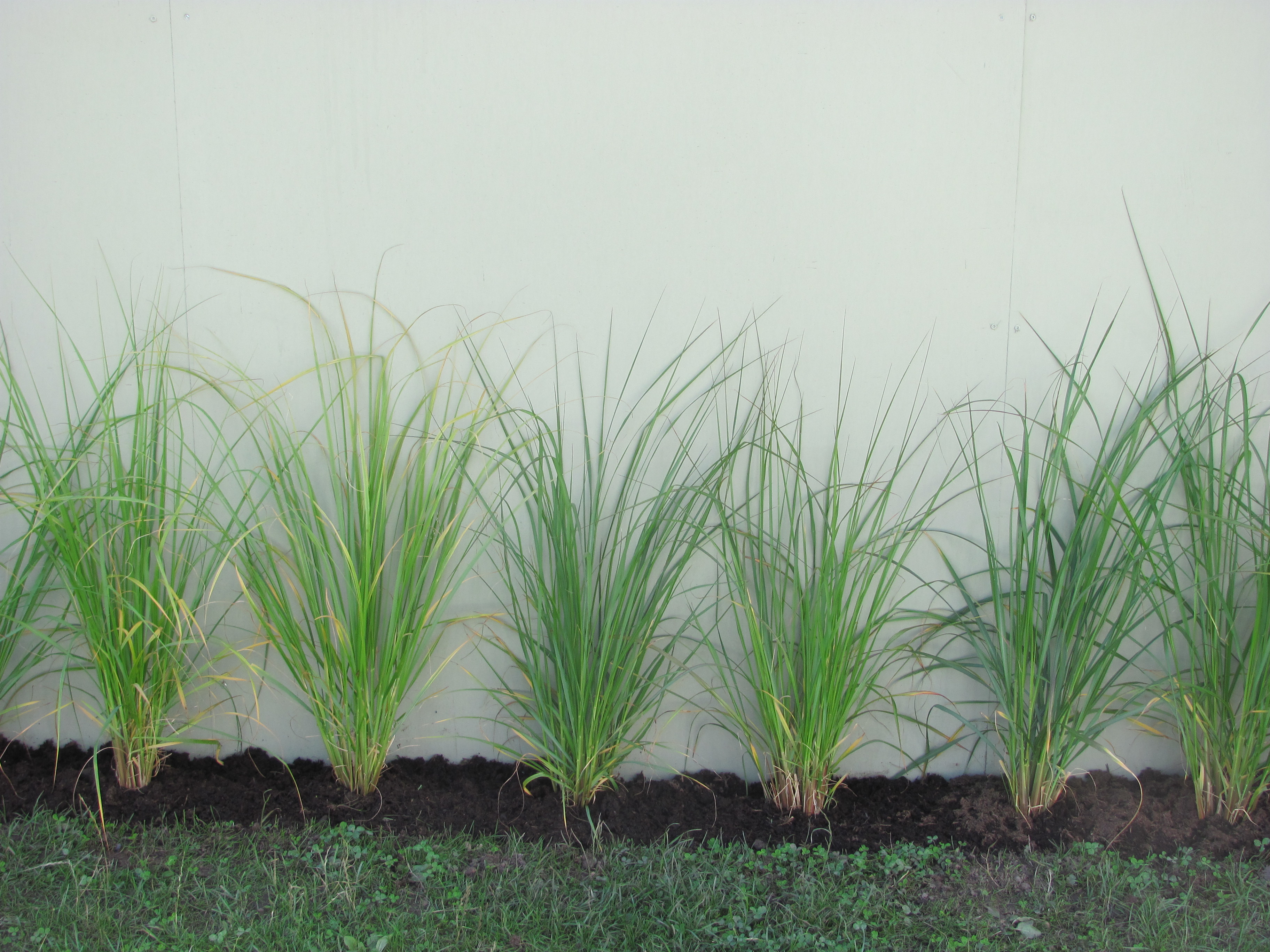
There was a group of small show gardens designed around the theme of “The Orchestra” and these turned out to be our favourites. The garden designers had risen to the challenge and seemed to have really enjoyed creating such imaginative gardens. Each one evoked harmony and rhythm and the rise and fall of a musical piece.
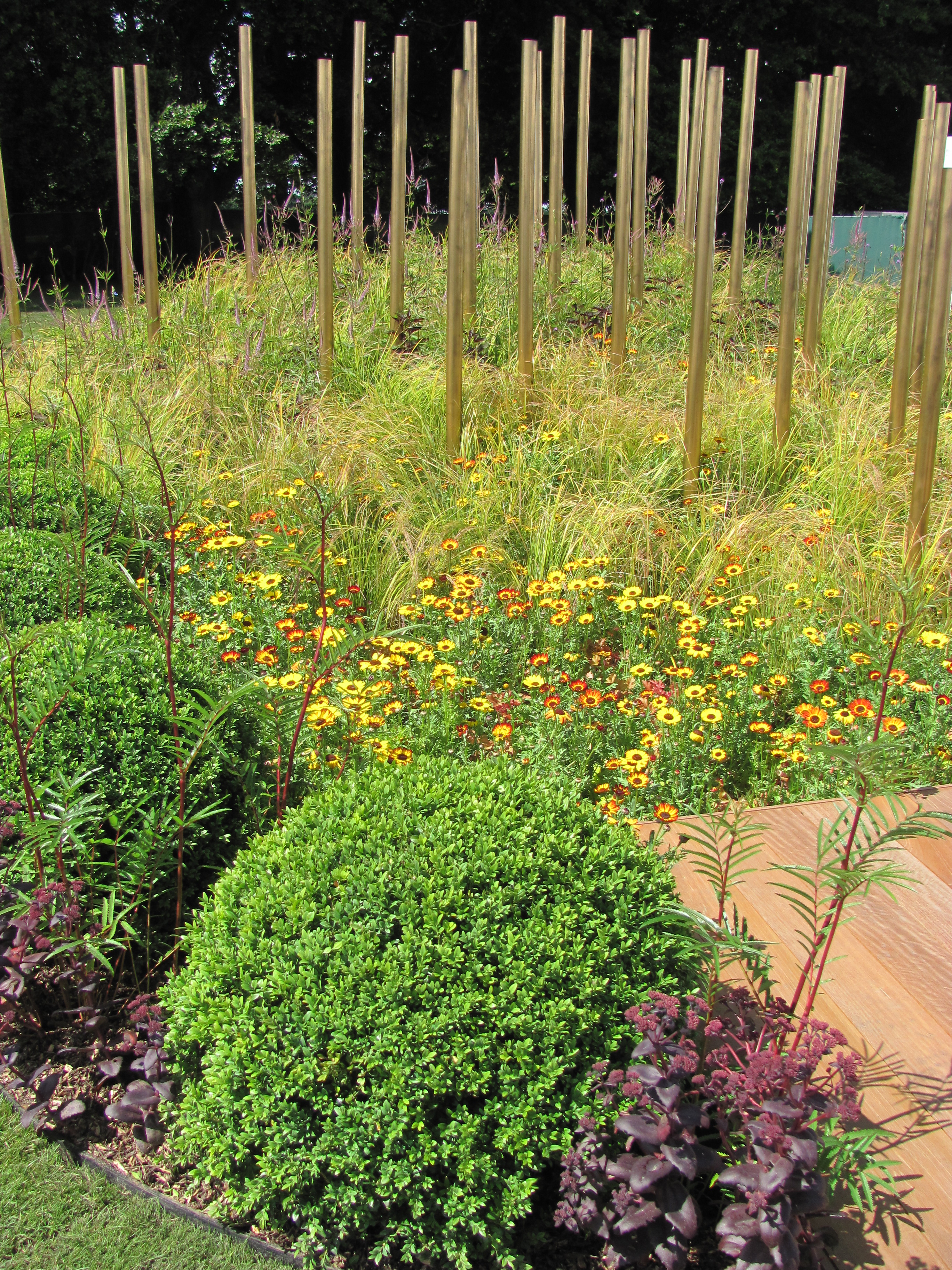

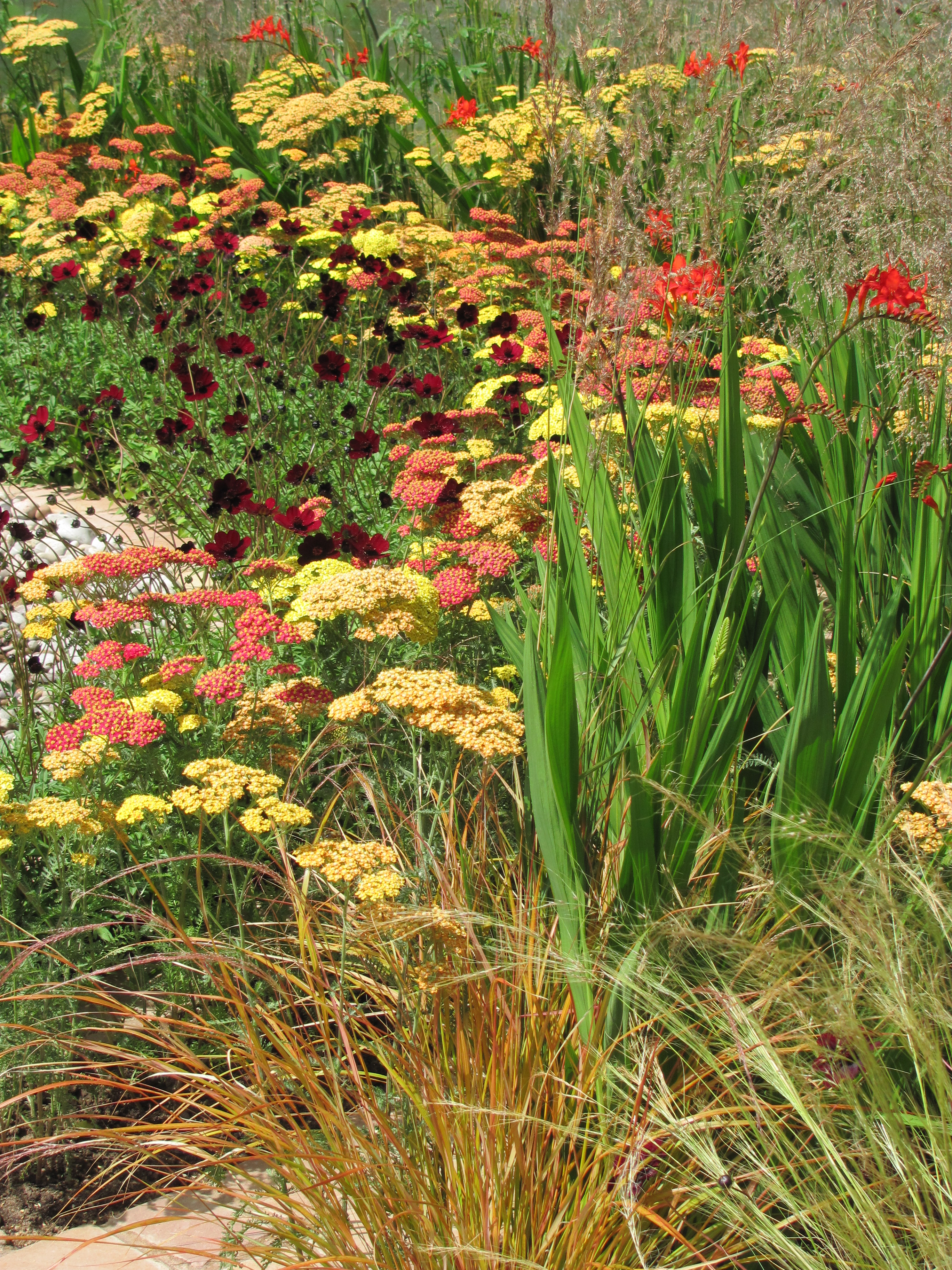
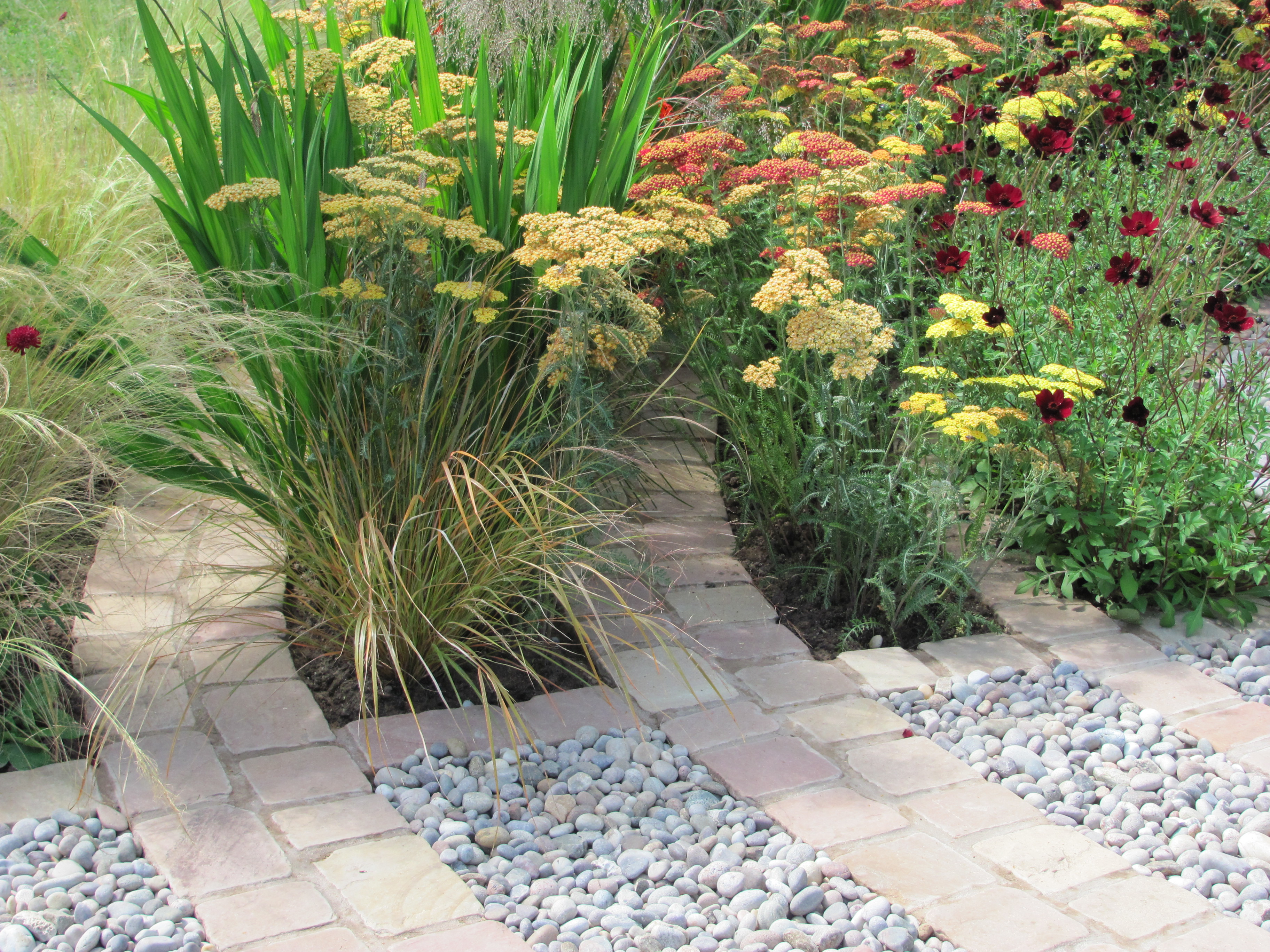
But this garden of rhythmic grass was a true delight to the eye. It was very difficult to fully capture its effect with a camera, but not as difficult as it would be to cut the grass!
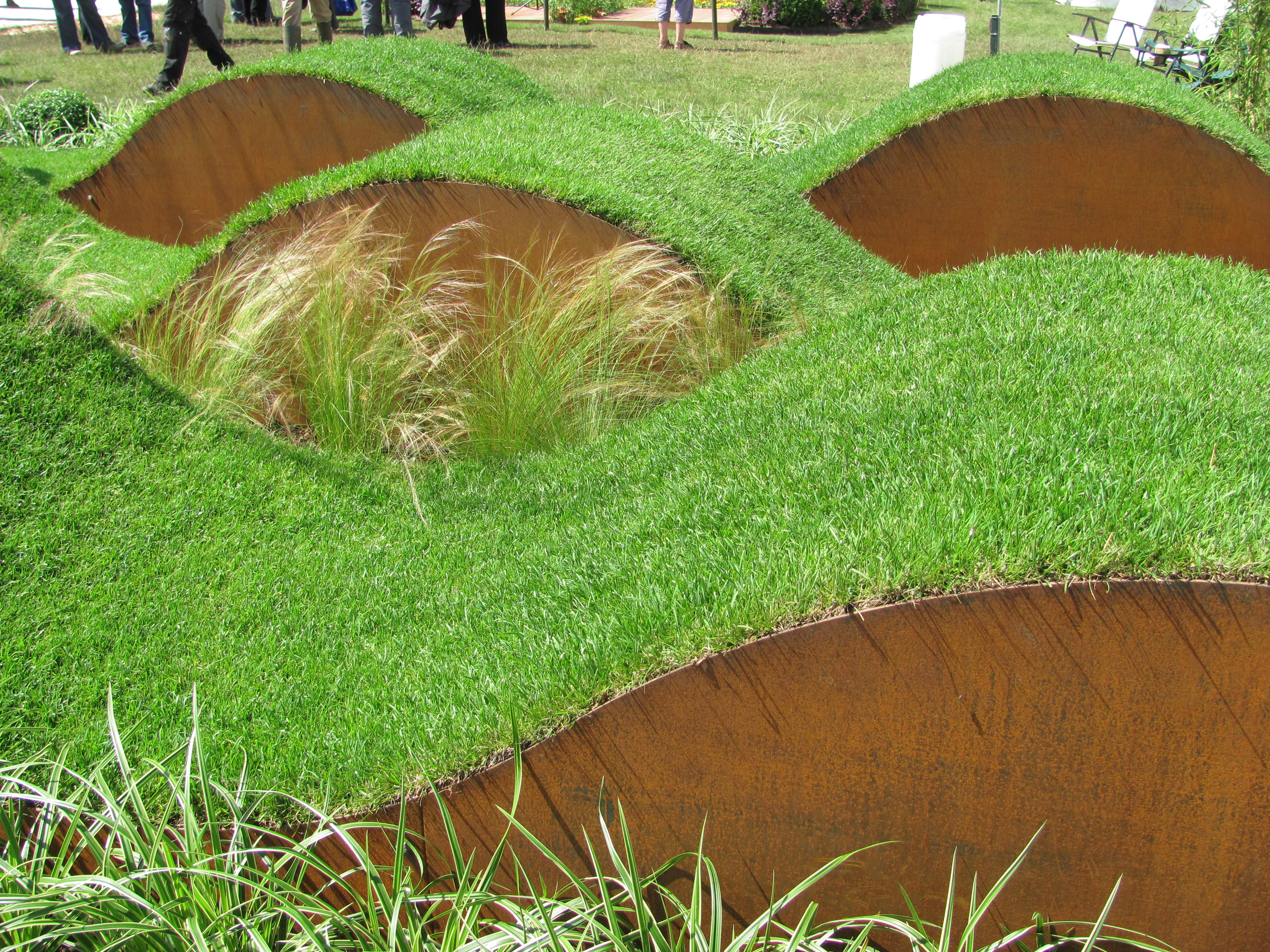

In complete contrast to the Orchestra Gardens were the Conceptual Gardens, a set of three designs intended to present ideas, sometimes controversial, and make the viewers think. We do not always appreciate such designs but the trio this year were full of meaning and original design ideas.
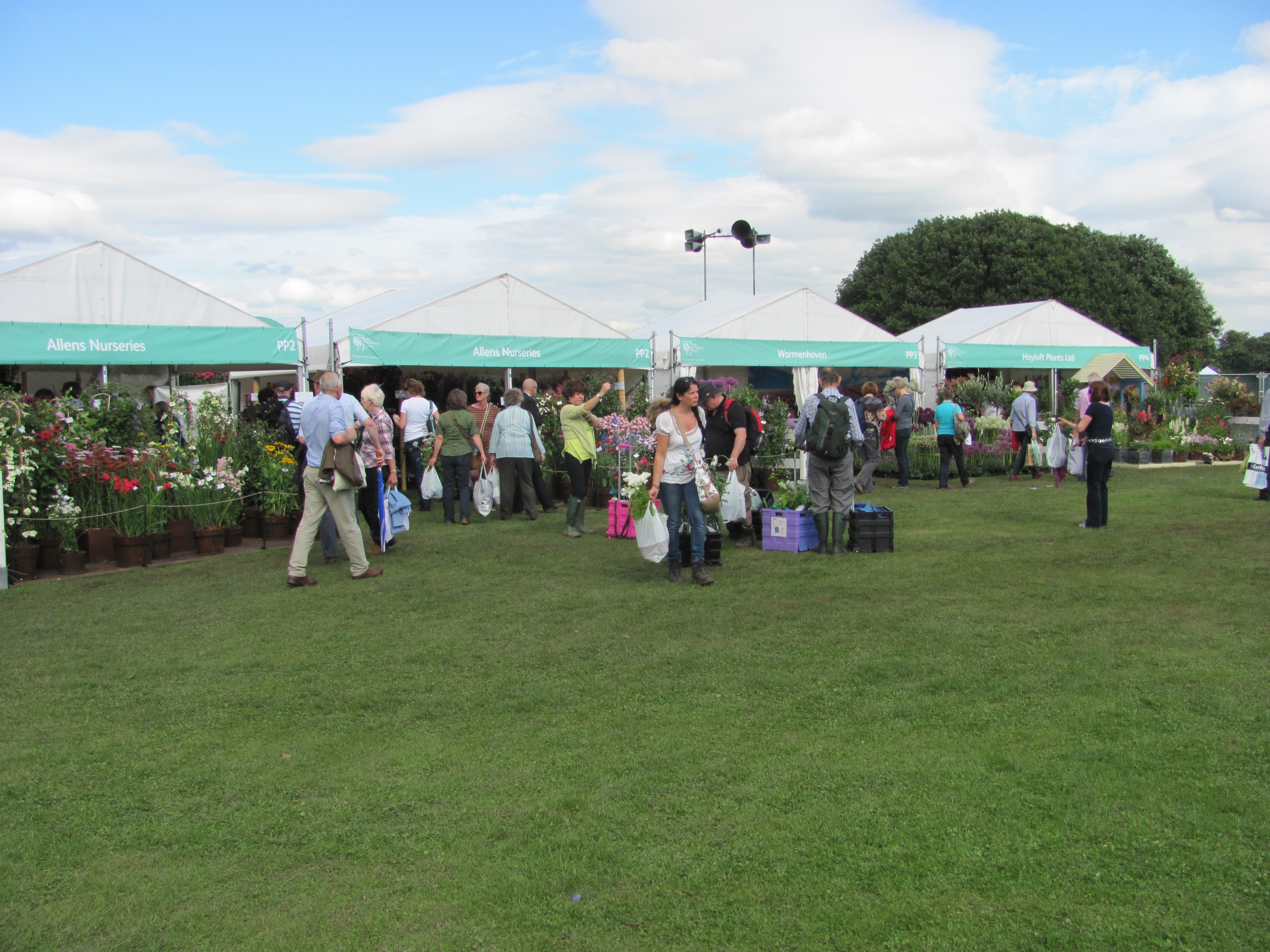
We always enjoy a wander around the nursery stands at these shows and Tatton always attracts a good variety. We only bought one little plants this time though, an Aeonium that sports leaves of deepest, shiny purple almost black, called Logan’s Rock.
But this nursery stand all based on pink was empty. The discerning gardener this year definitely dislikes pink!


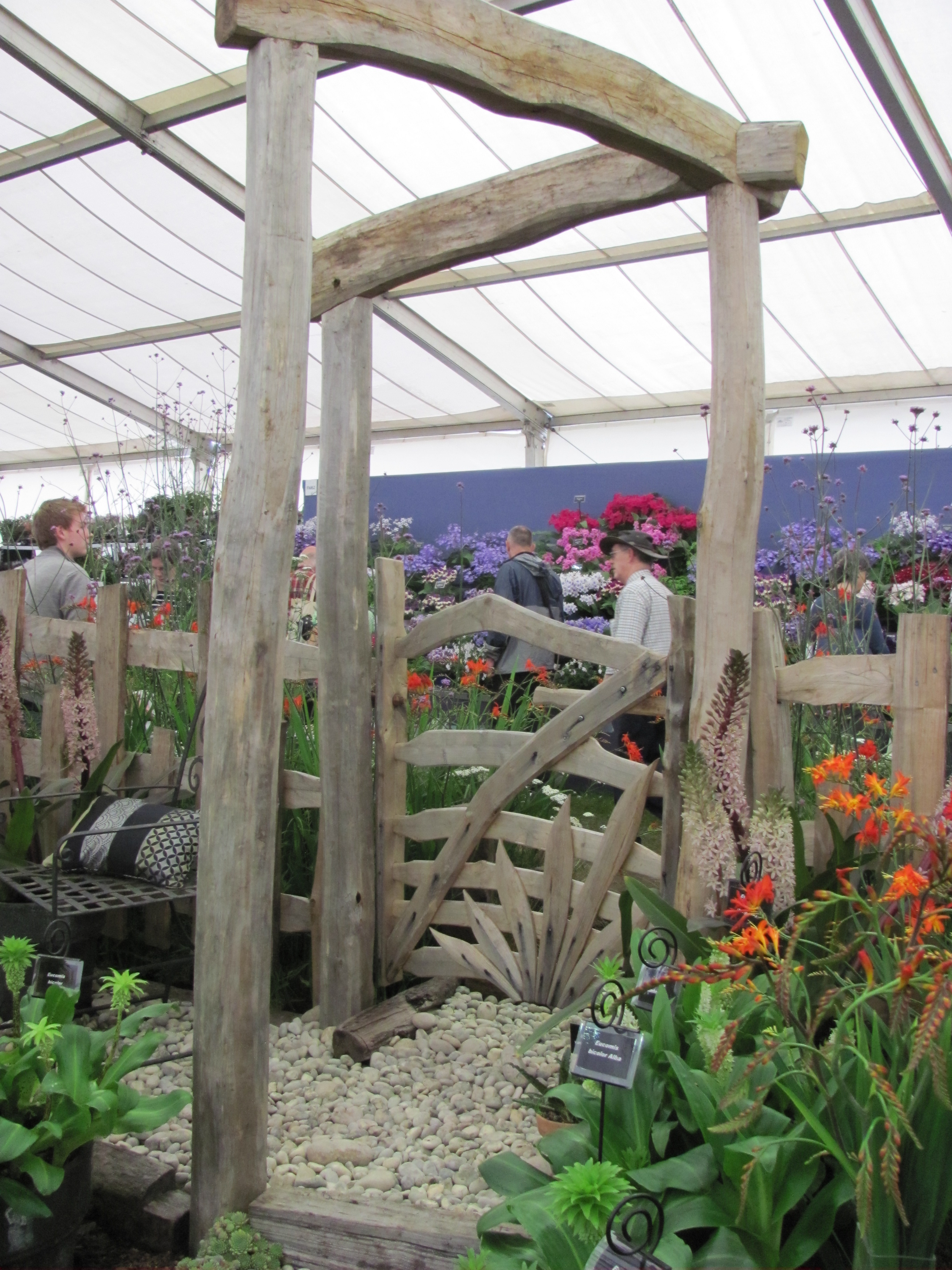
We always enjoy visiting the Floral Marquee at any RHS Show and try to sneak a good look around before they get too crowded. At Tatton Show we just made it as the crowds began to build. It was worth it as there were some wonderful plants to look at some of which were beautifully displayed. As usual our favourites were the grasses.
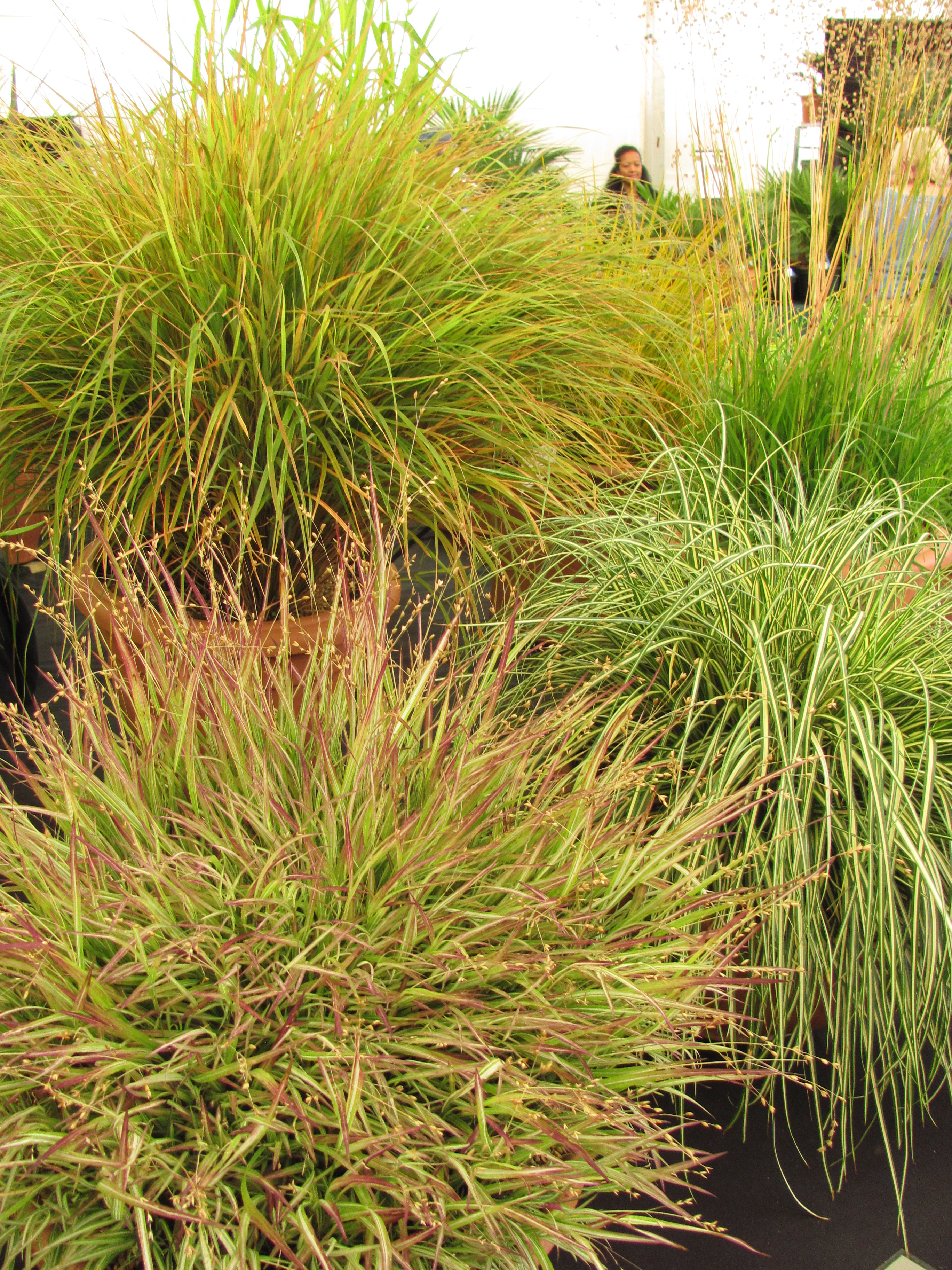
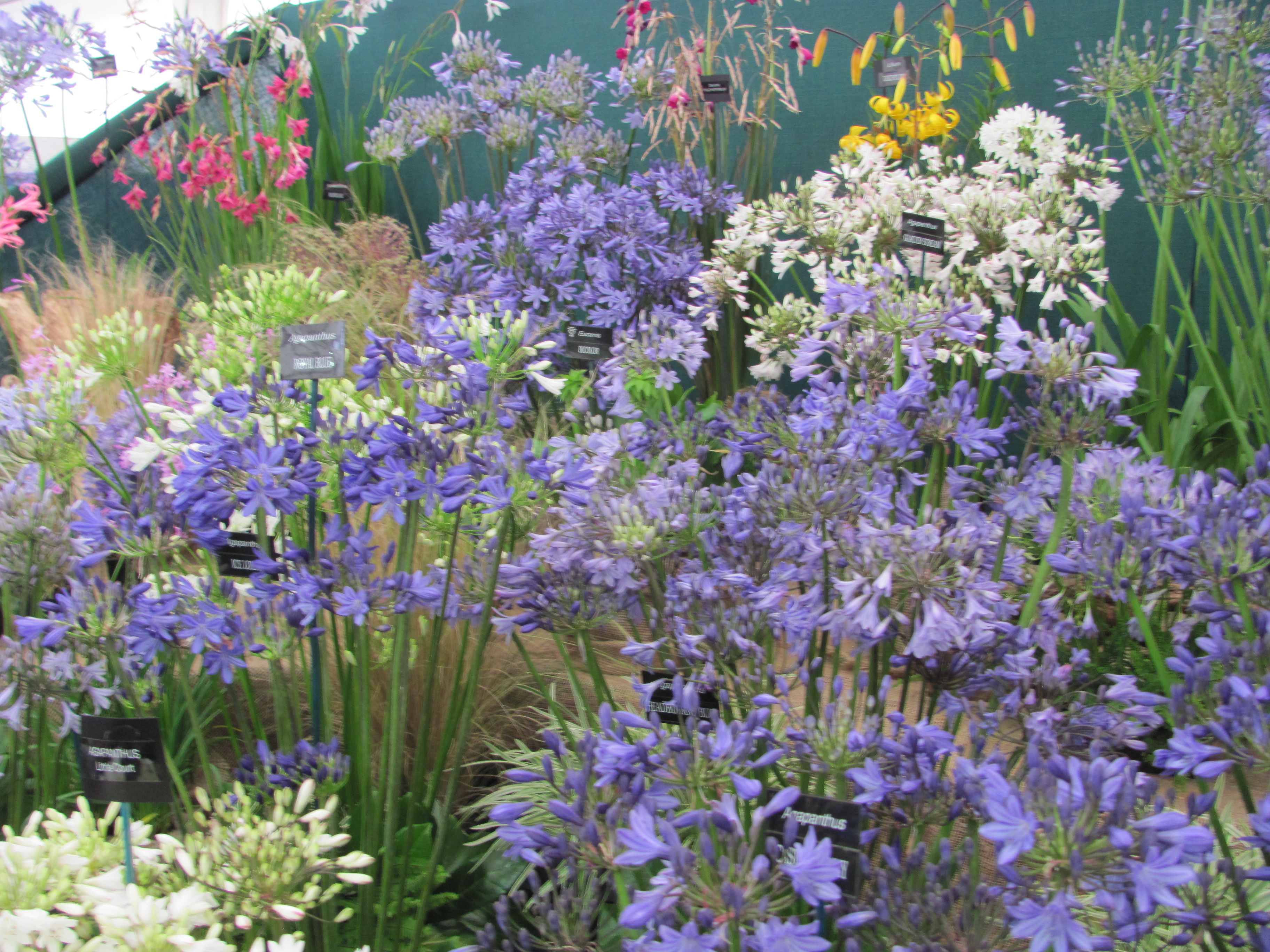
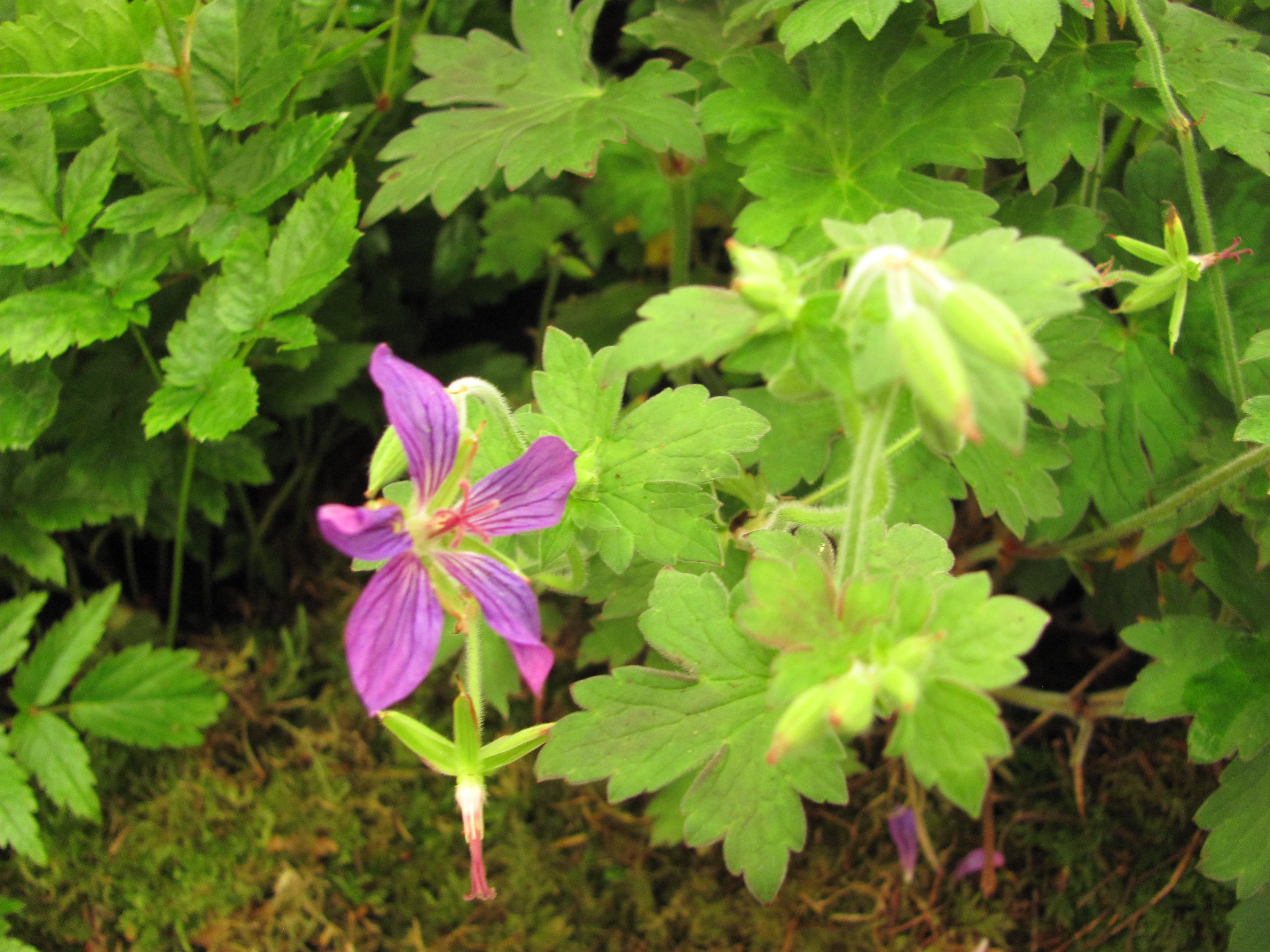


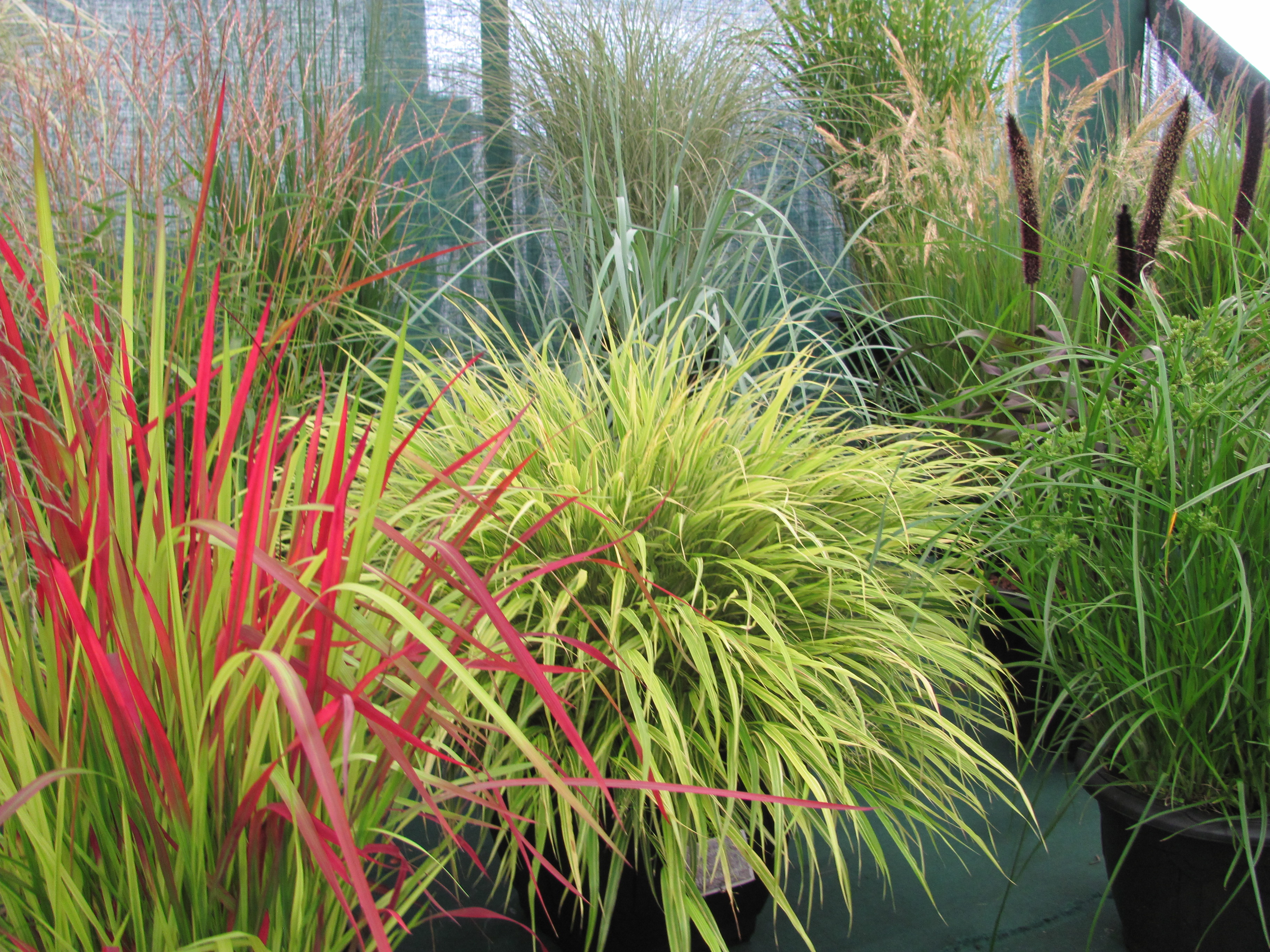
Within the plants on display there were some effective little details that drew out attention to have a closer look.
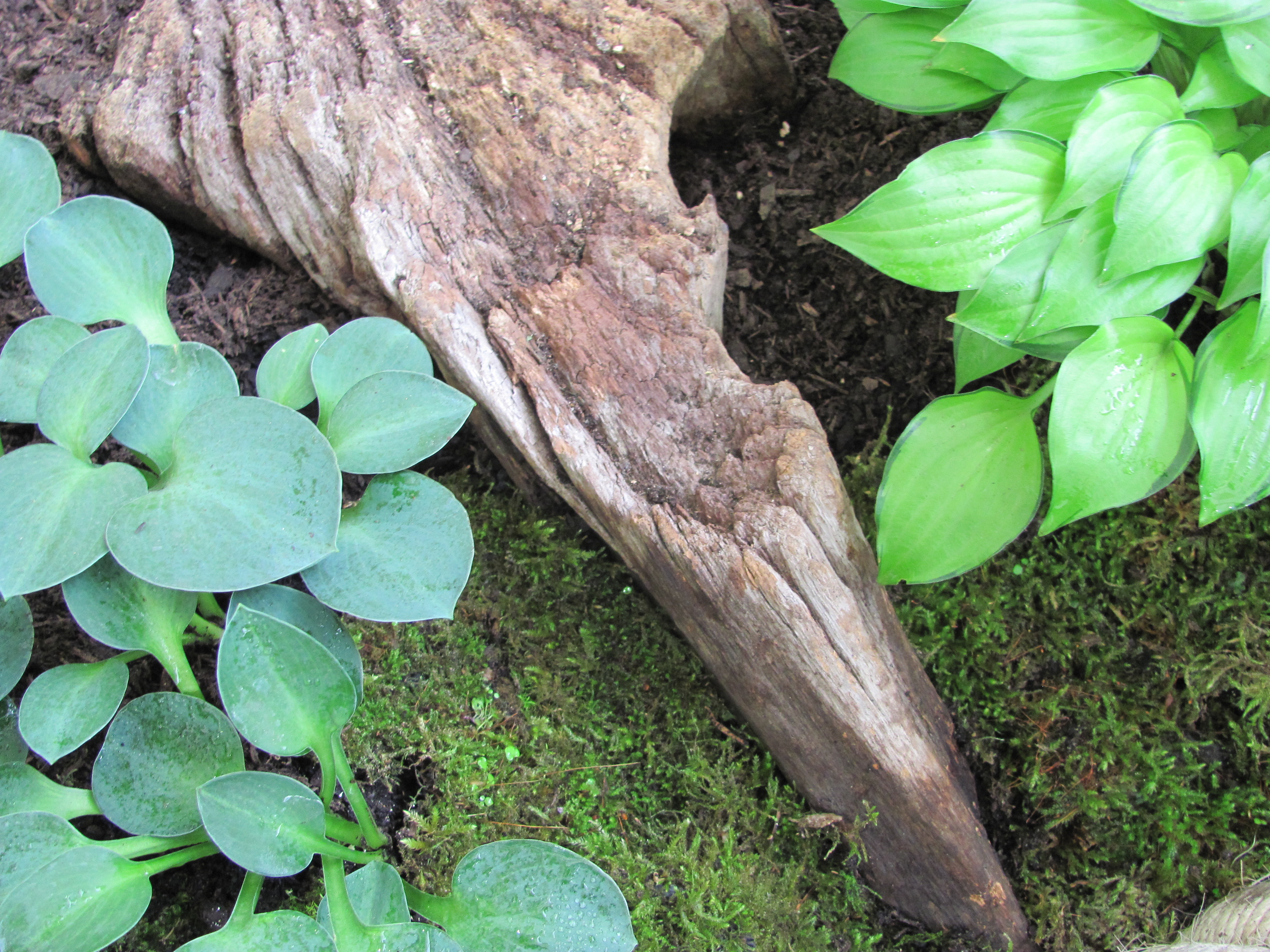
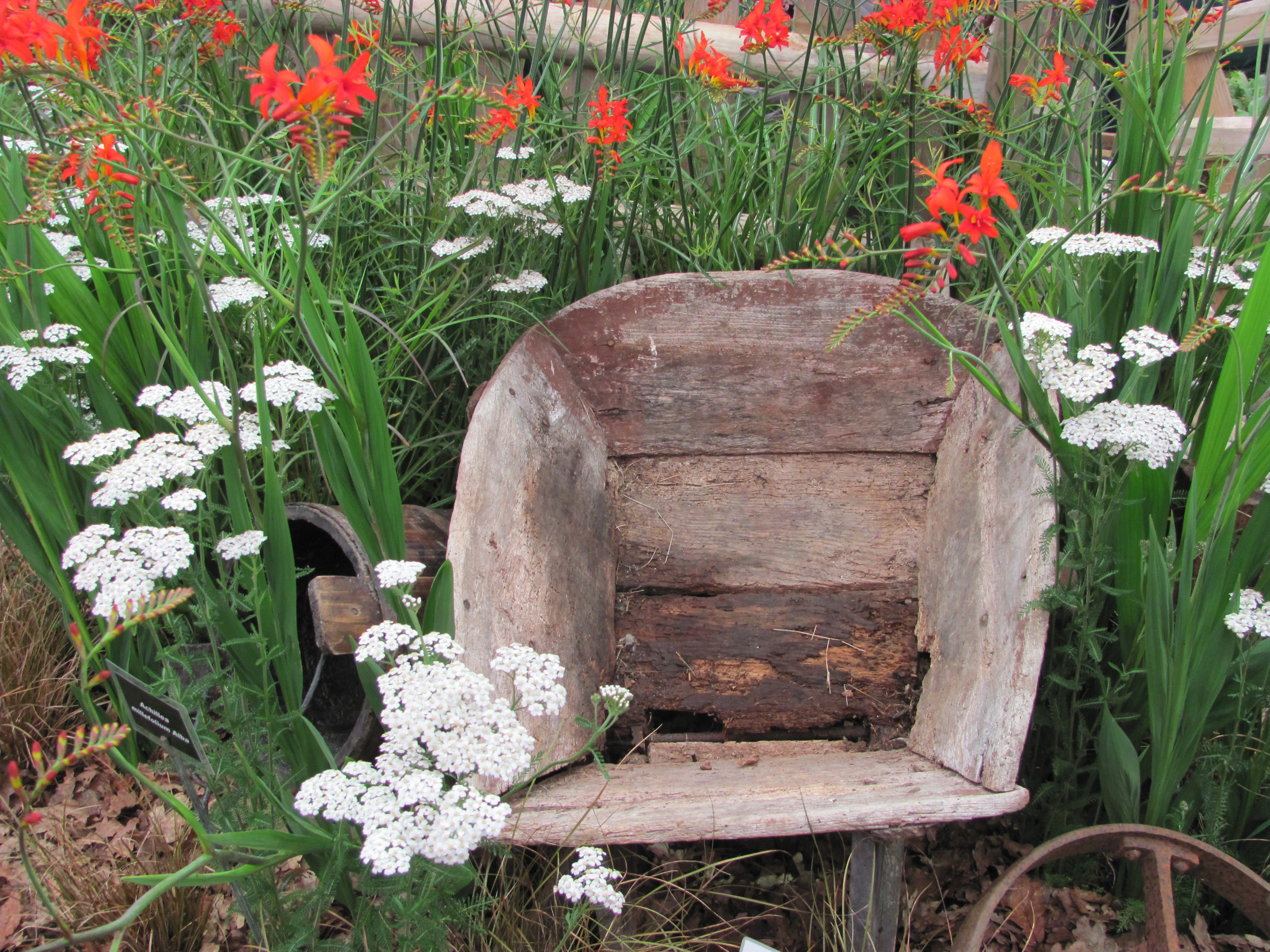
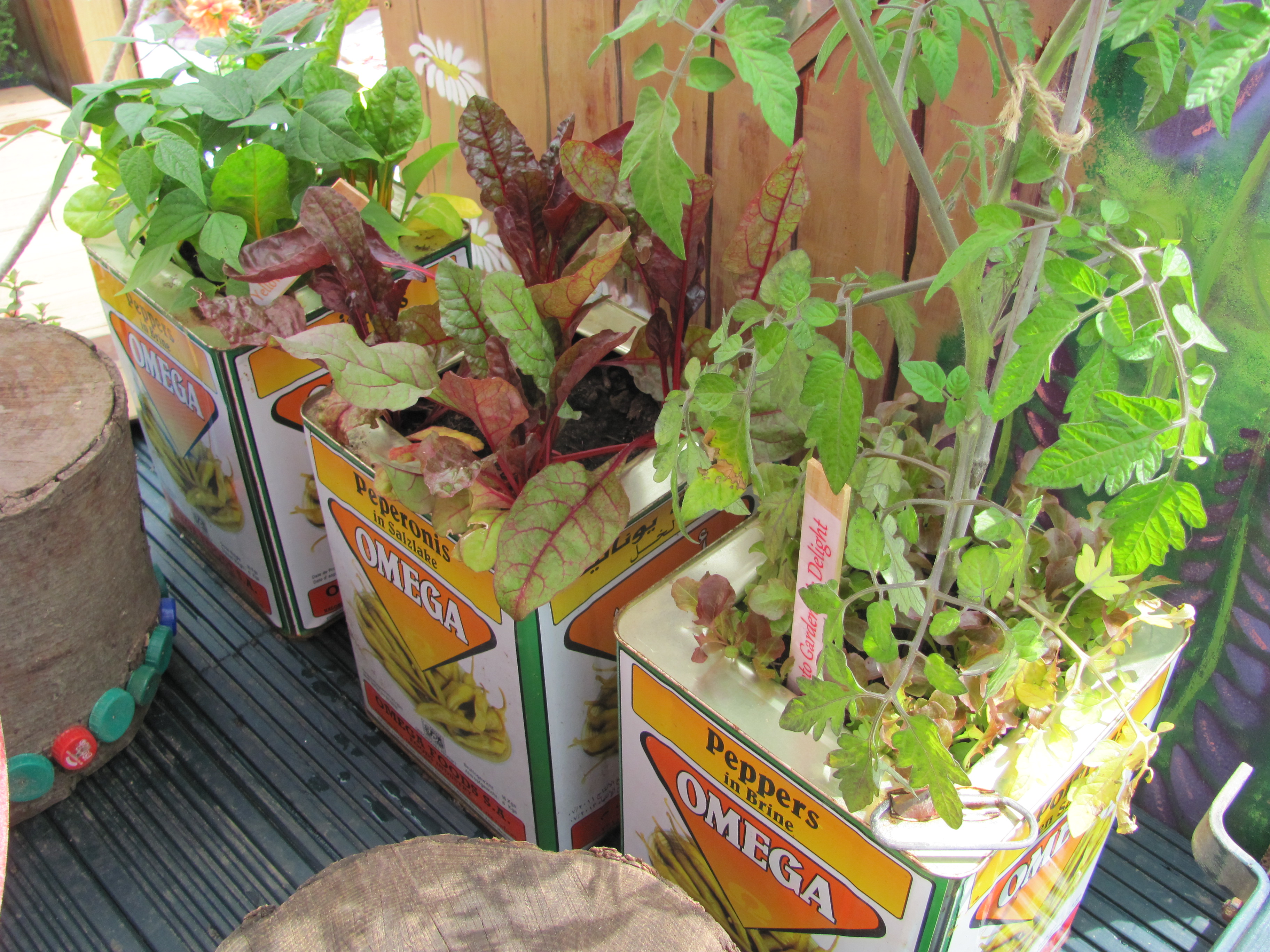
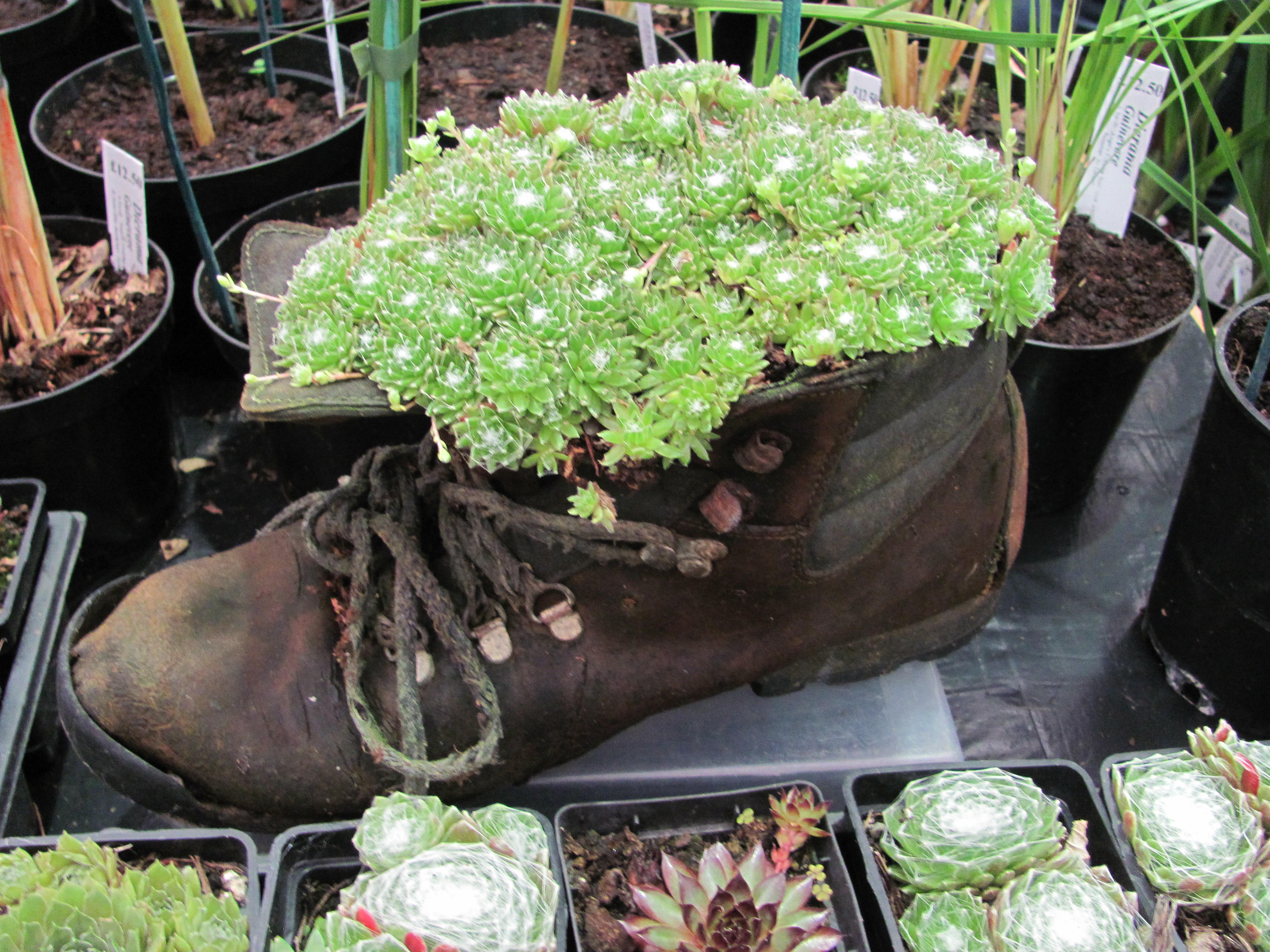
Throughout the showground were unusual containers used as planters from old boots to oil cans.
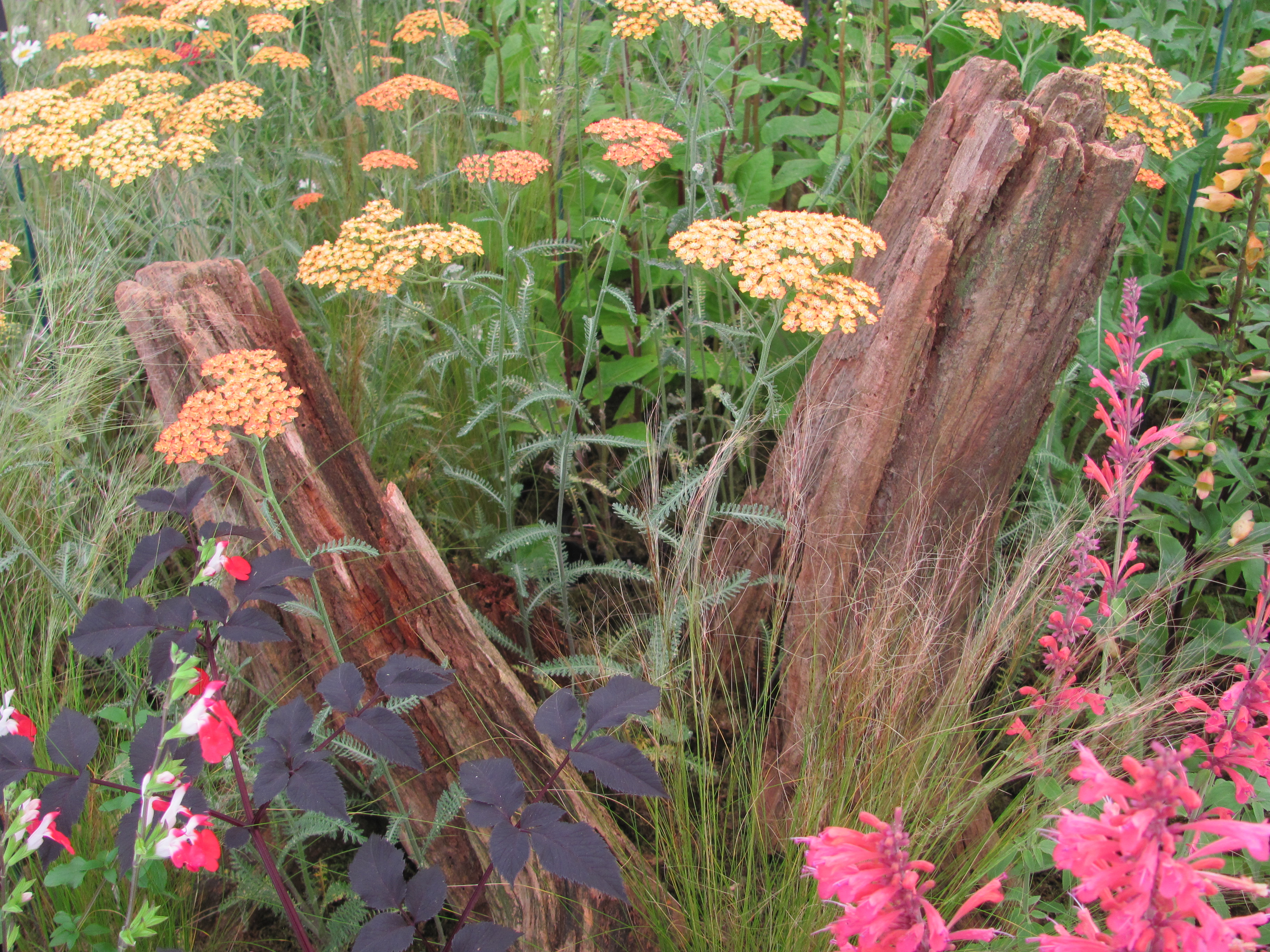
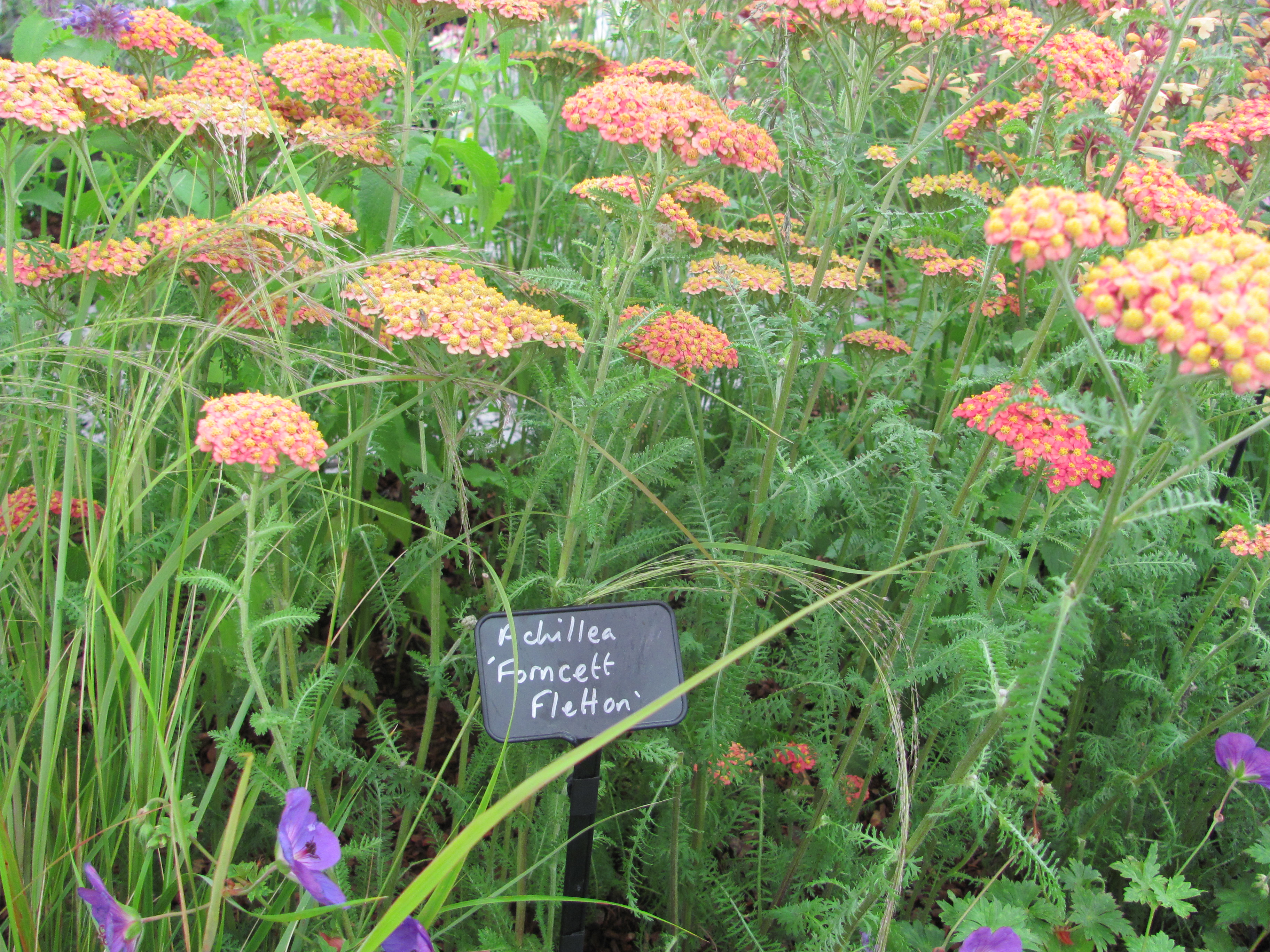
But as always the stars of the show were the plants. the trend in this show was for combining grasses with Achilleas particularly those with cream, russet and orange flowers.

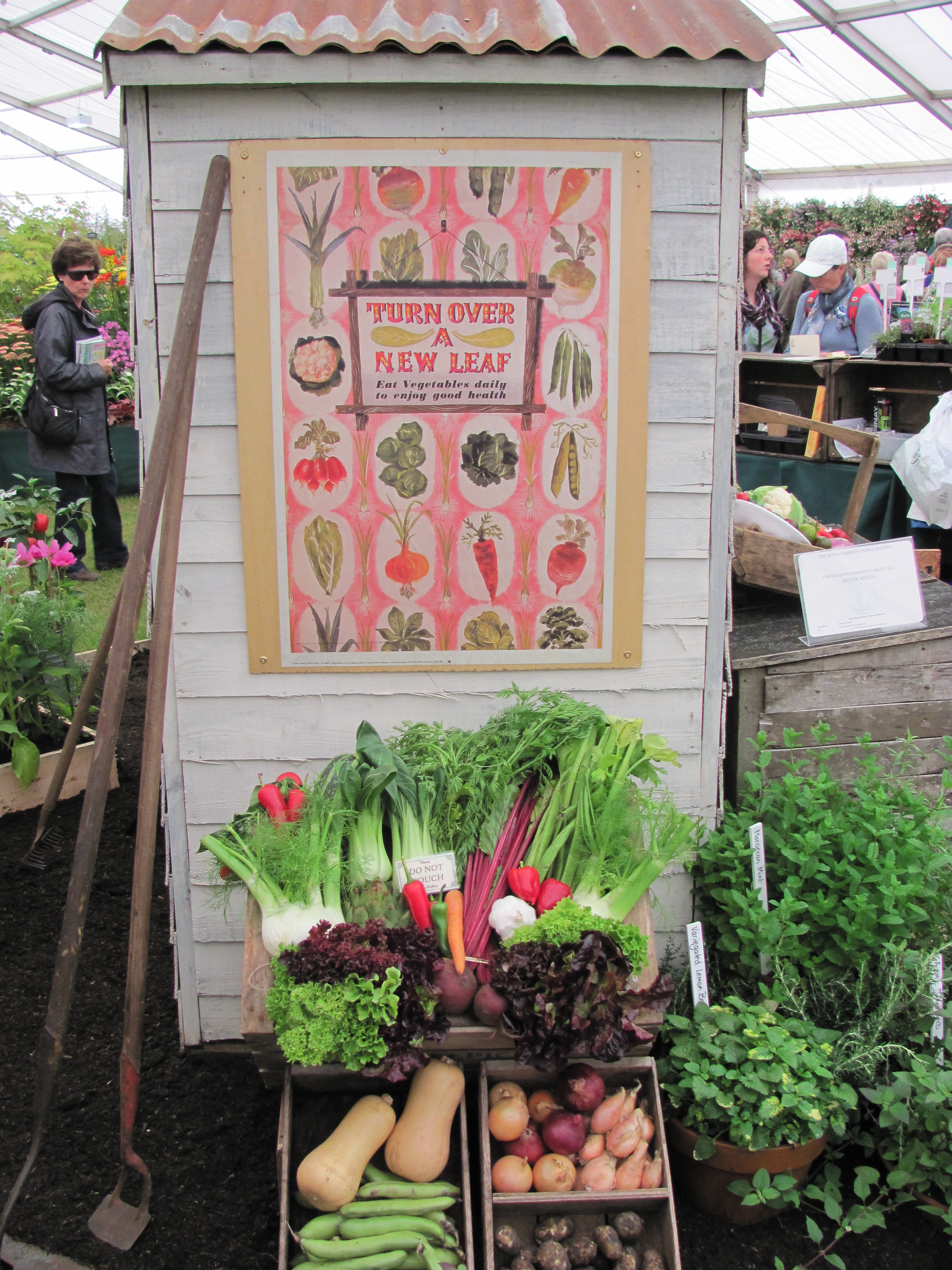
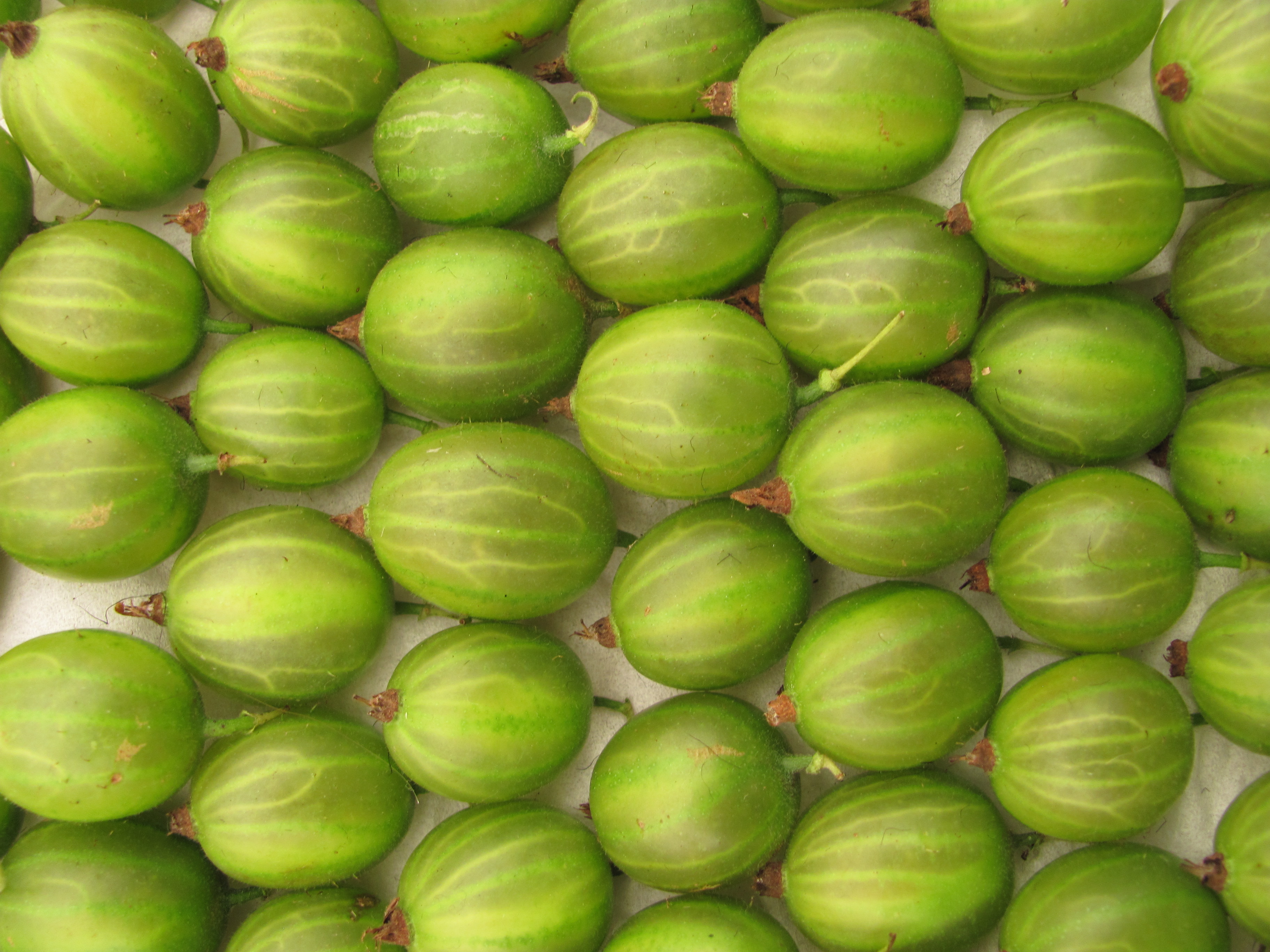
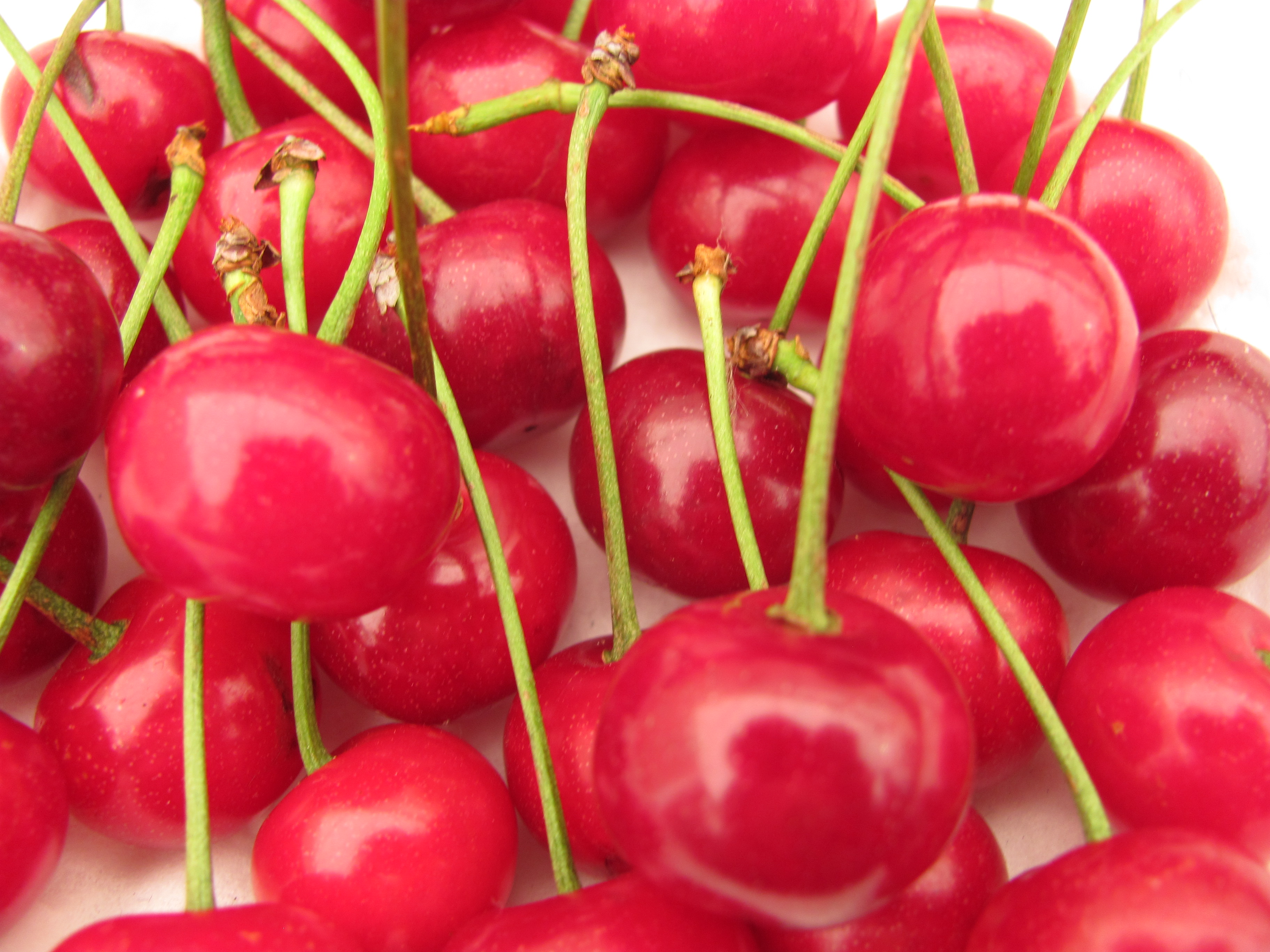
As with all RHS shows in recent years fruit and veggies starred alongside the flowers.






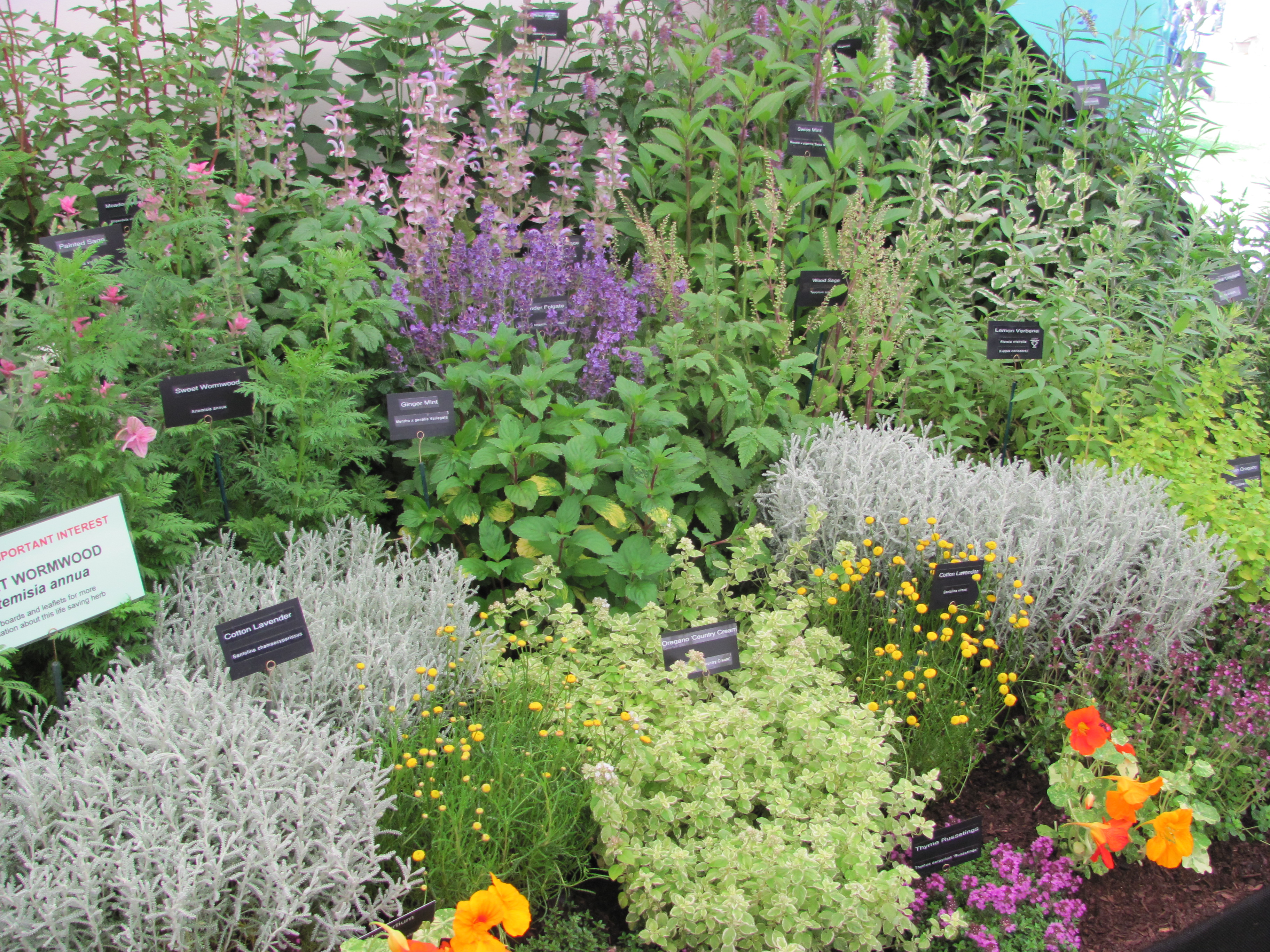
And we mustn’t forget the herbs.

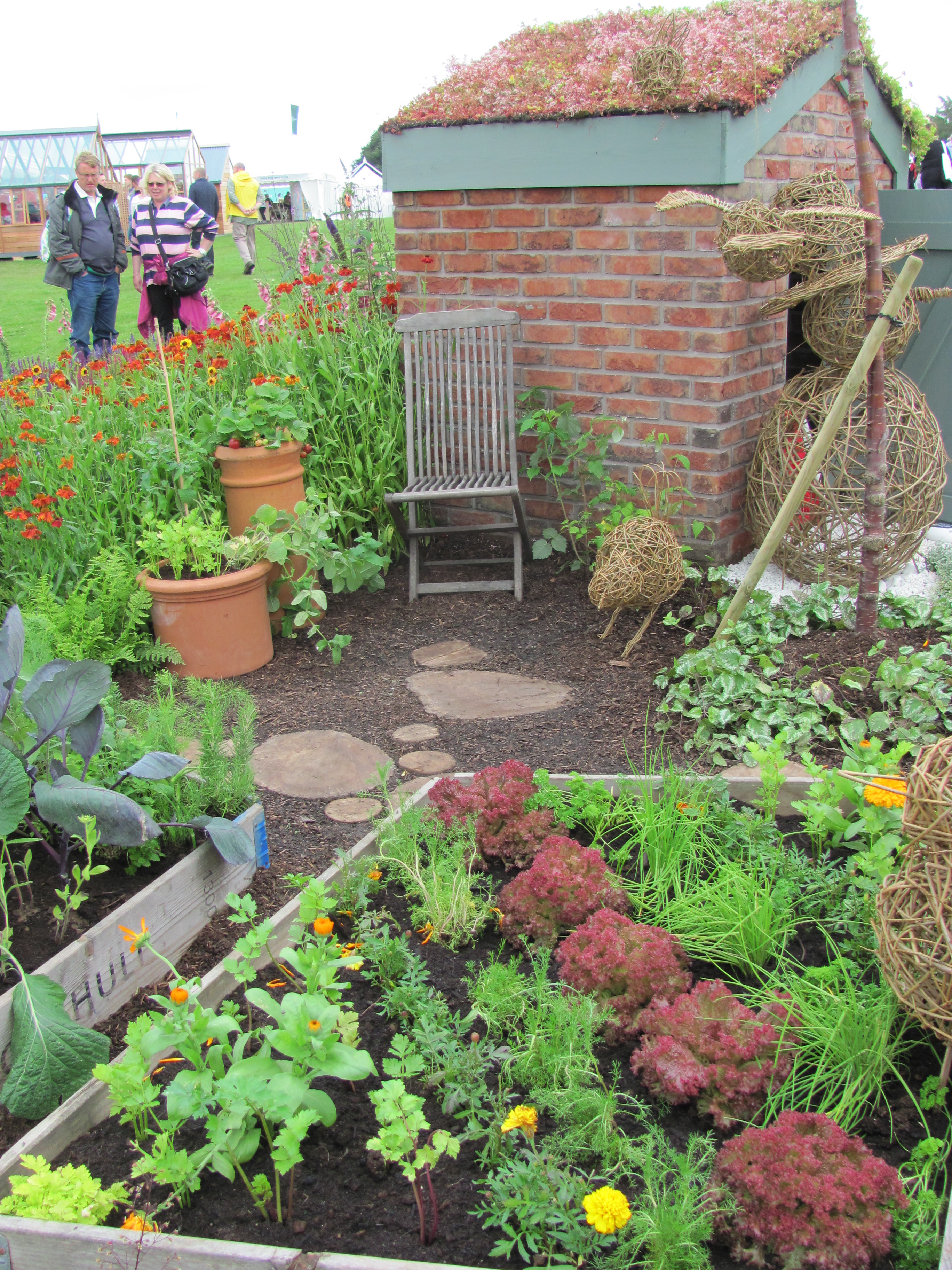
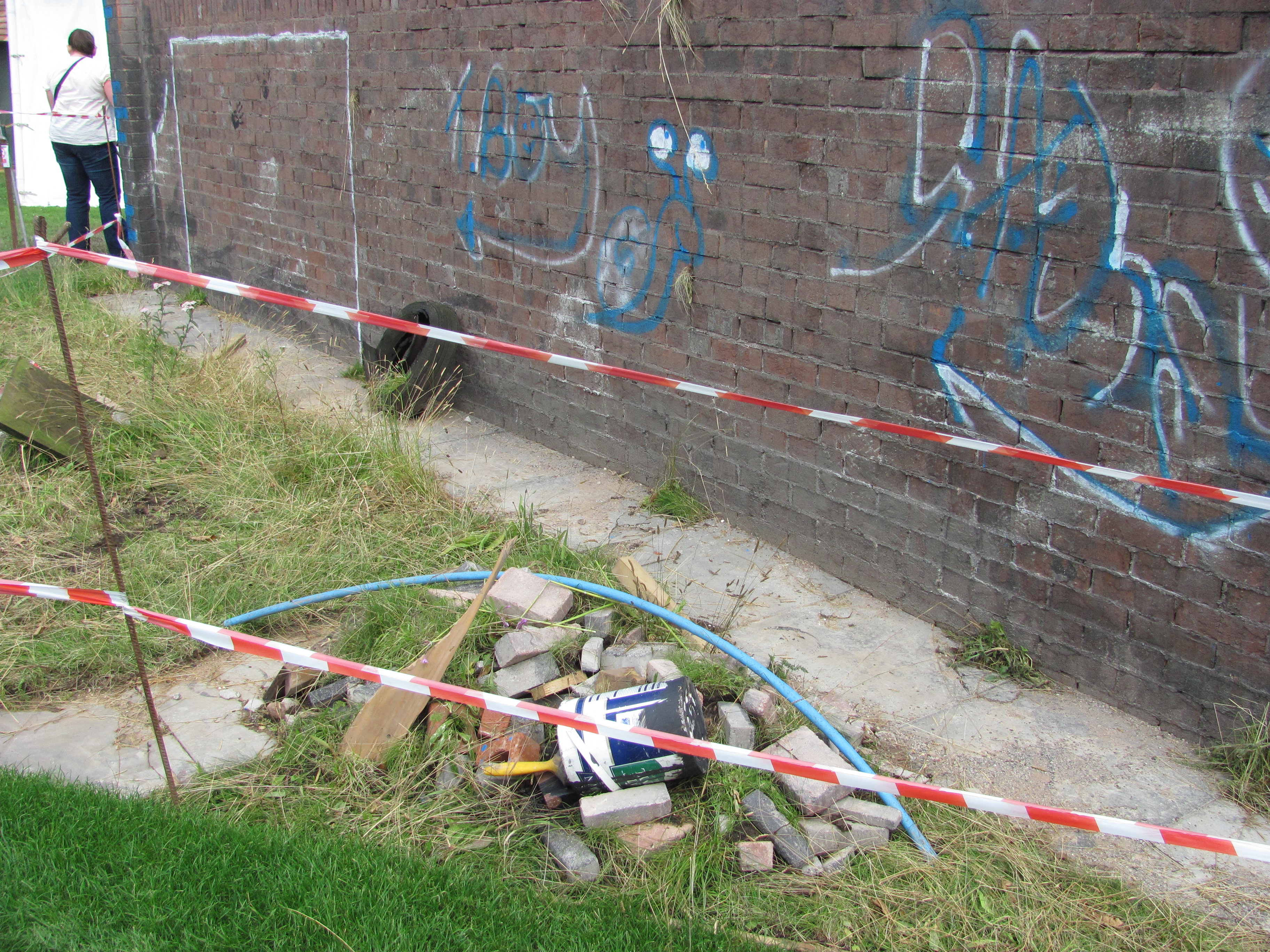
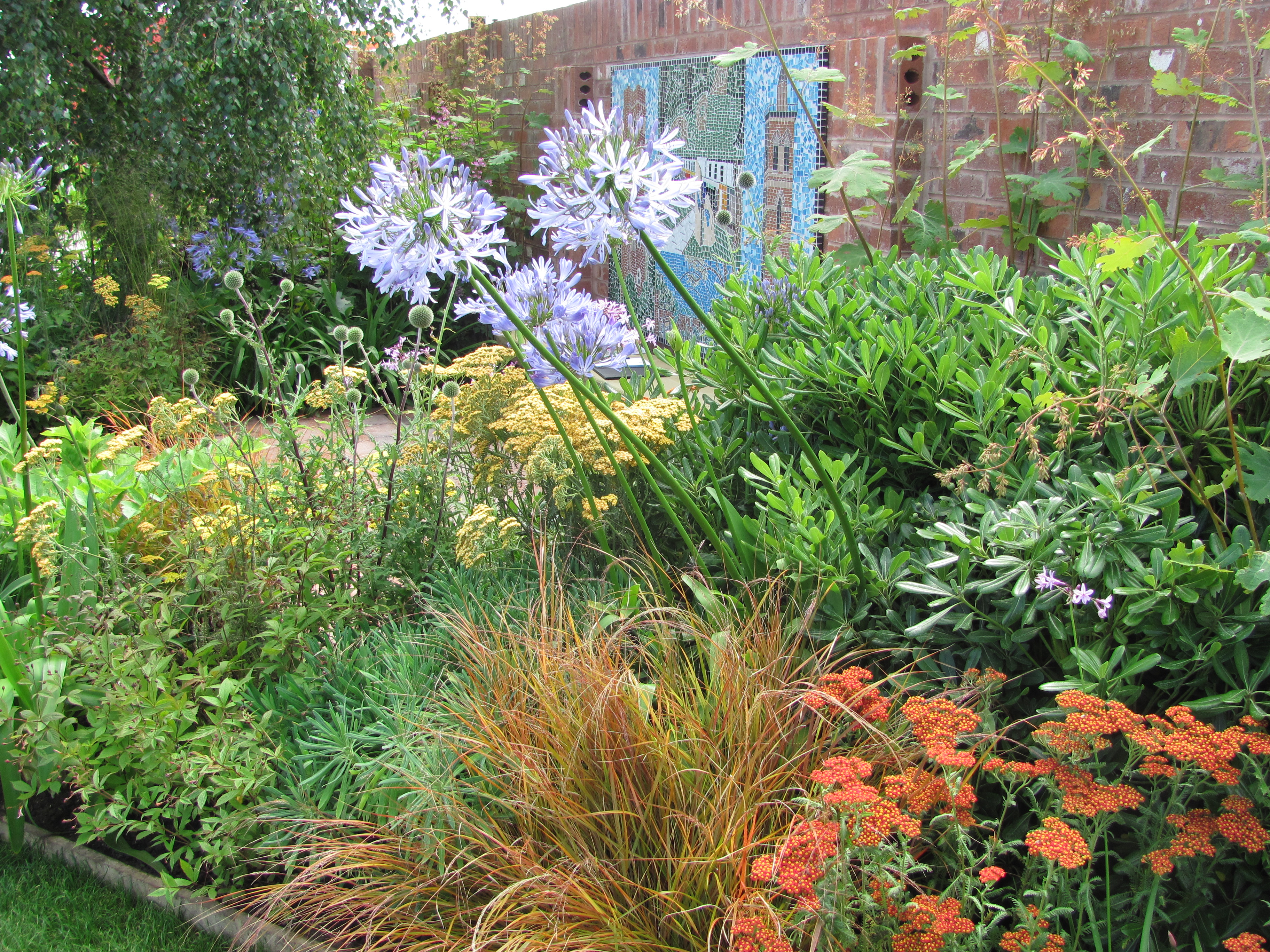
We were interested to see a garden devoted to the importance of community gardens and in particular the RHS “Its Your Neighbourhood” scheme as our allotment site is part of it. The before and after garden was designed by Chris Beardshaw one of the UK’s best garden designers as well as a writer and TV gardener. His garden showed how groups of volunteer gardeners can improve an urban derelict wasteland.
The before ……….
……….. and the after!
In the final report about Tatton Park RHS Show my post will be about the Conceptual Gardens, the Back-to-Back Gardens and the plant sale area.
We have been to the Chelsea Flower Show, Harrogate Flower Shows and The Autumn and spring Malvern Flower Shows but the one we enjoy the most is always the one set in the grounds of Tatton Park. Luckily this is the RHS show closest to home. Although Chelsea is often called the greatest flower show, having visited once we have no desire to go again. But we frequently go to Tatton.
Tatton Park Show is described as “the North’s greatest garden party”. We enjoy its large show gardens, its “Back to Back” gardens and children’s gardens but most of all those designed by young garden designers. This is where the UK’s garden designs of the future lie and the standards are always so high. The designers have to be under 28 and this year their brief was to design a garden based on the theme of “colour”. We were so pleased when we learnt that the designer of our favourite one of these gardens had won the accolade of “RHS National Young Designer of the Year”. Tristen Knight designed this garden using recycled materials and it was full of interesting and original ideas and design feature. The colour of his planting of perennials and grasses was beautiful, all orange and biscuit. He studied for a BA in Industrial Design and Technology before training in garden design at Writtle College. He spoke with great enthusiasm and excitement about his garden and he told us about the materials he had chosen and how they were all items from building sites. For example the rill was formed from a an “H” beam and the flexible screening was created from scaffolding boards. I found it hard to take photographs that did justice to this brilliant young designer’s work. We enjoyed his garden and talking to him about it.
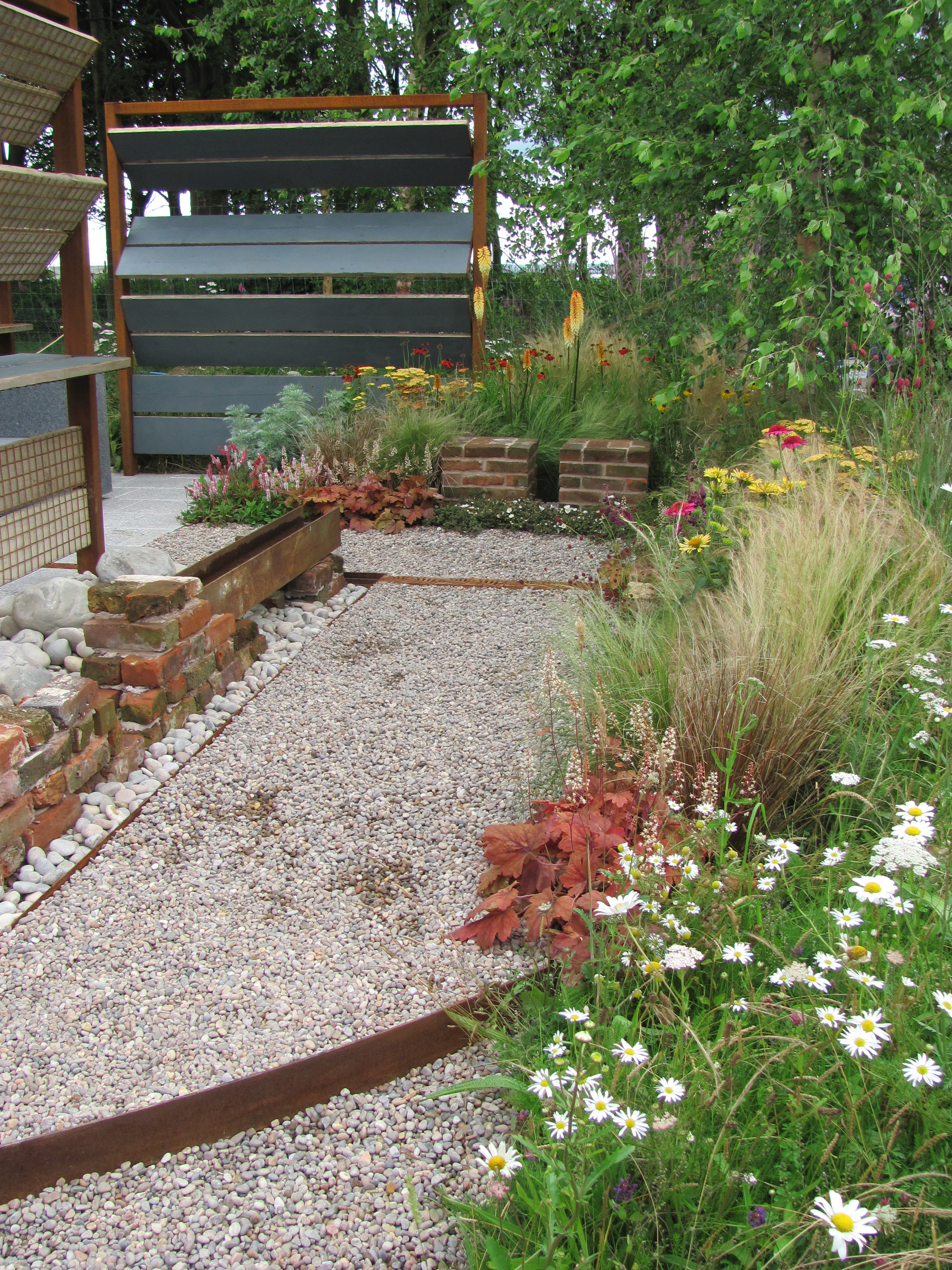
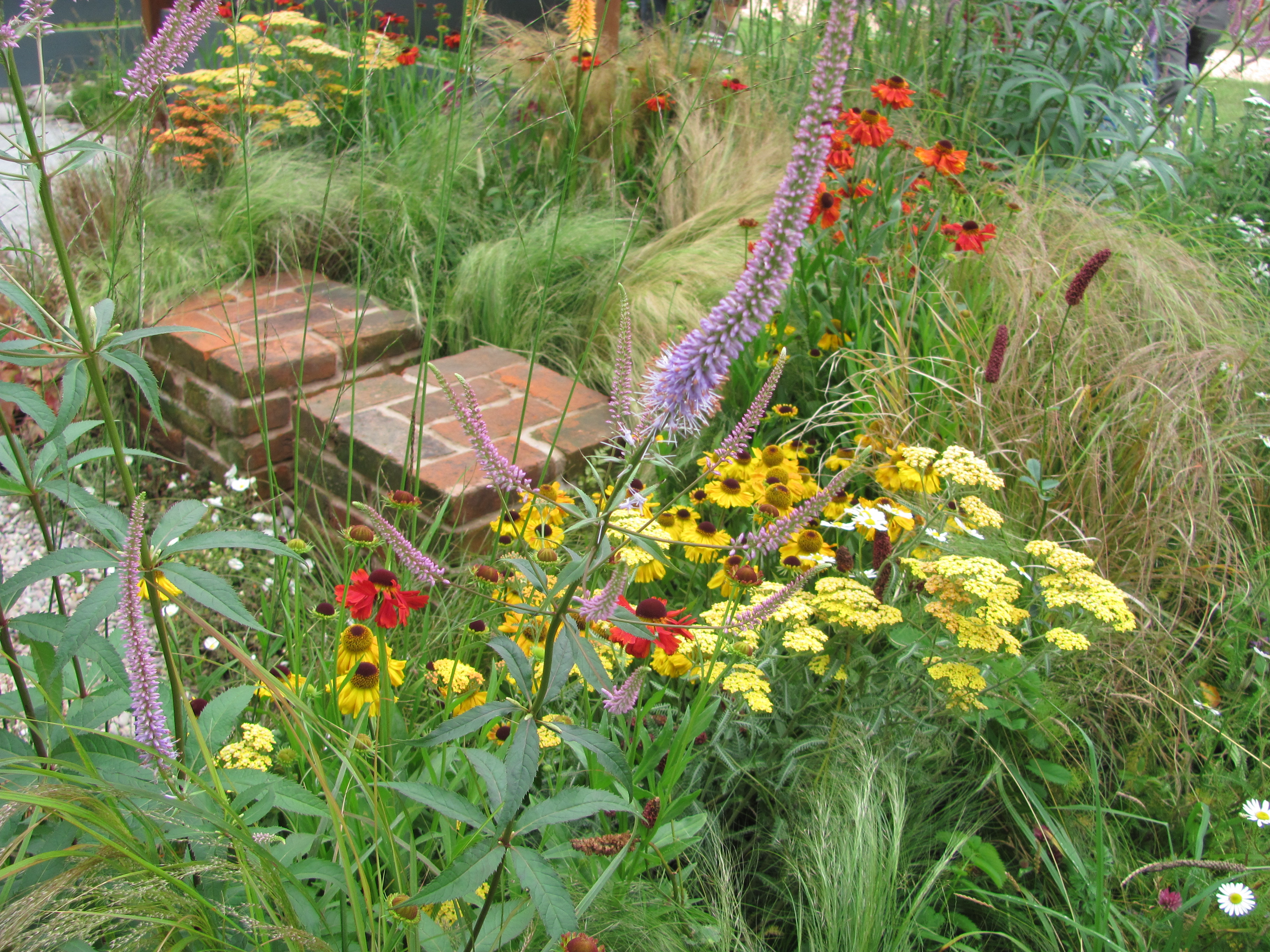
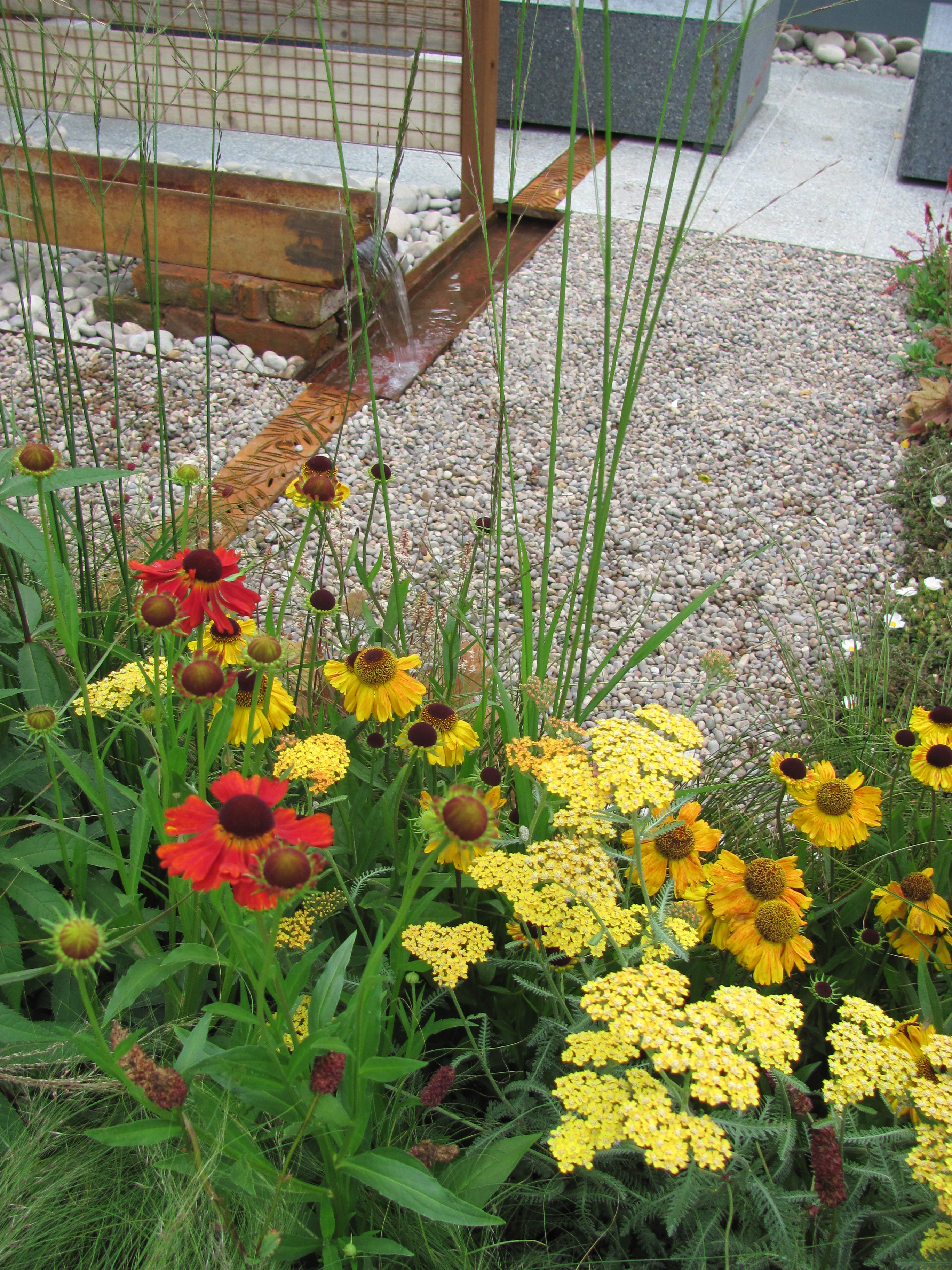
We moved on to the main large garden show gardens, some of which we liked whereas others we did not like at all. But that I suppose is what design is all about. If we all liked the same plants and designs wouldn’t gardens be boring?
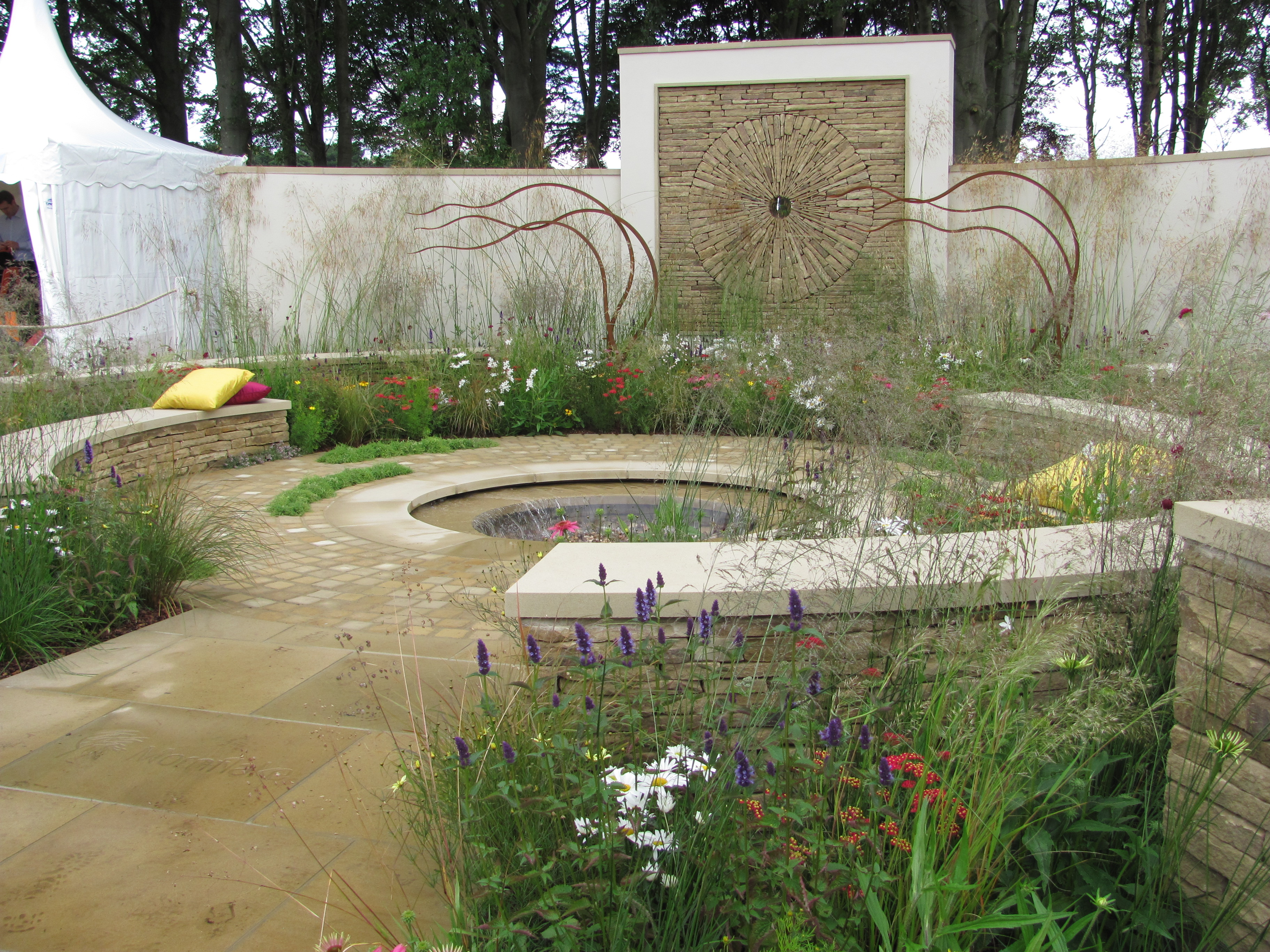
I begin looking at this set of gardens by featuring our favourite, a garden based on circles achieving a wonderful peaceful atmosphere through the planting which was light and wispy. It relied heavily on grasses to do so, with one planting area consisting of just grasses and one variety of allium.
It received the Best in Show award!

This show garden featured decking curves and colourful planting choice.
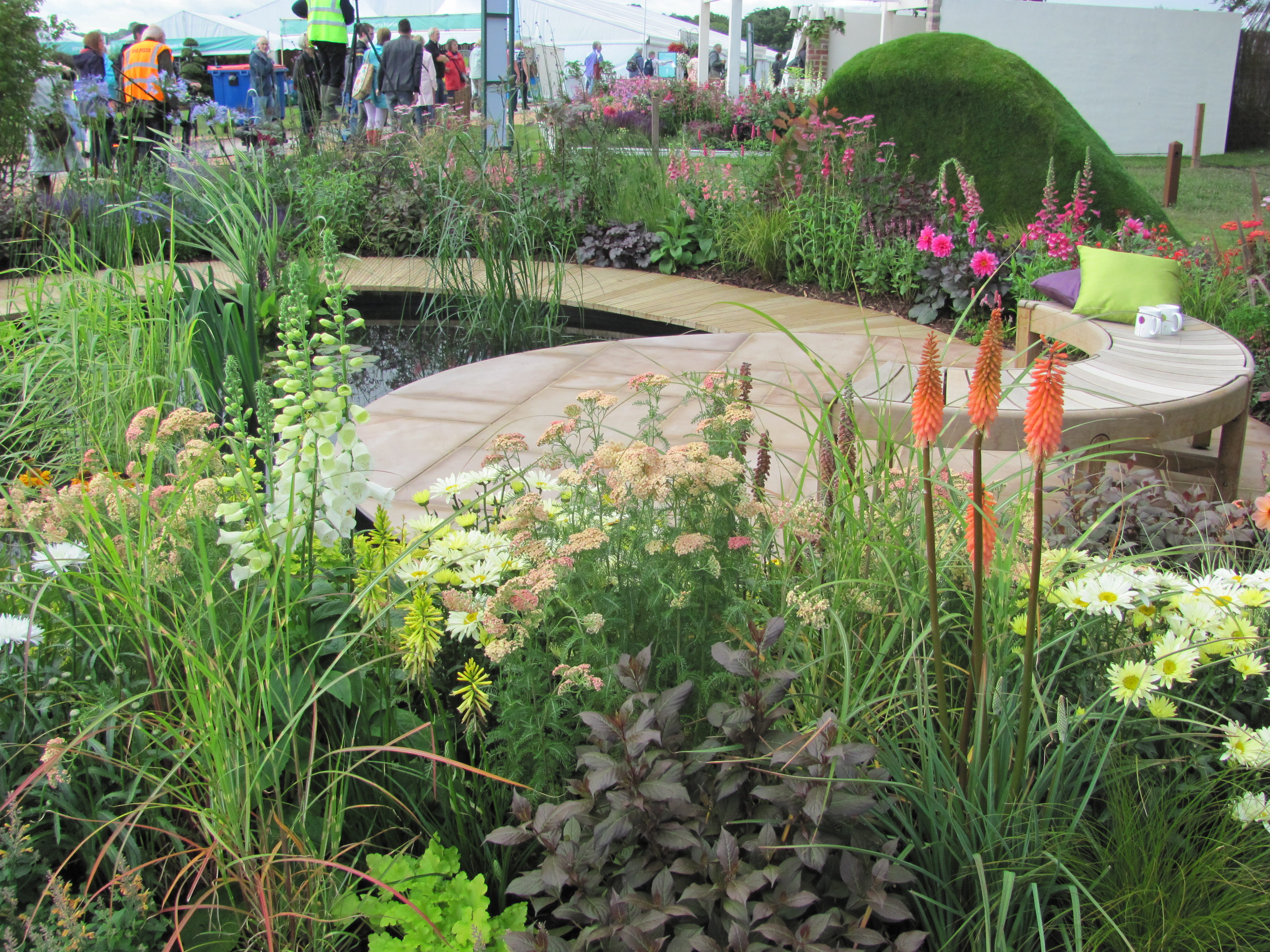

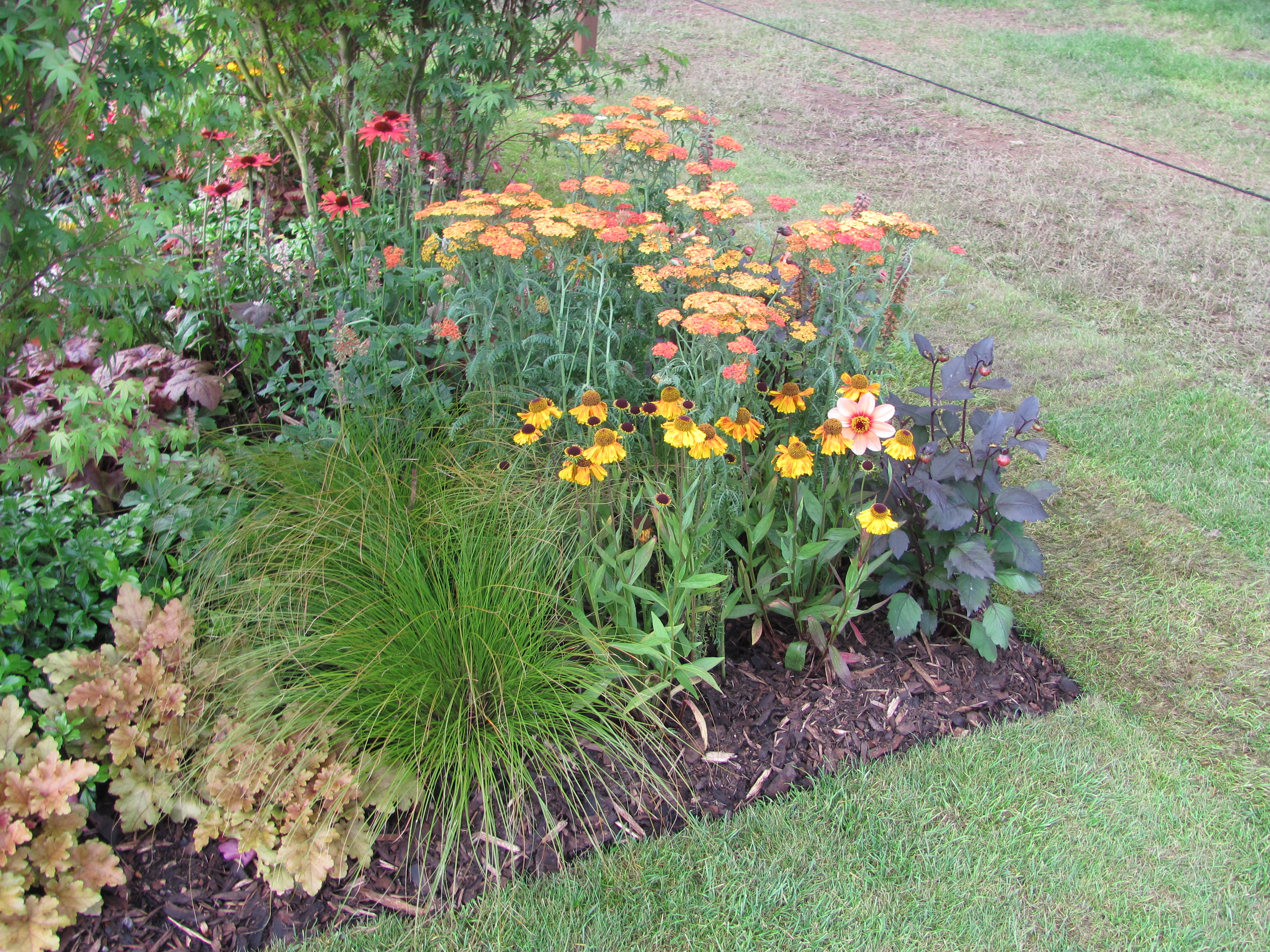
The next sequence of photos illustrates the wide variety of show gardens at Tatton. Enjoy the tour.
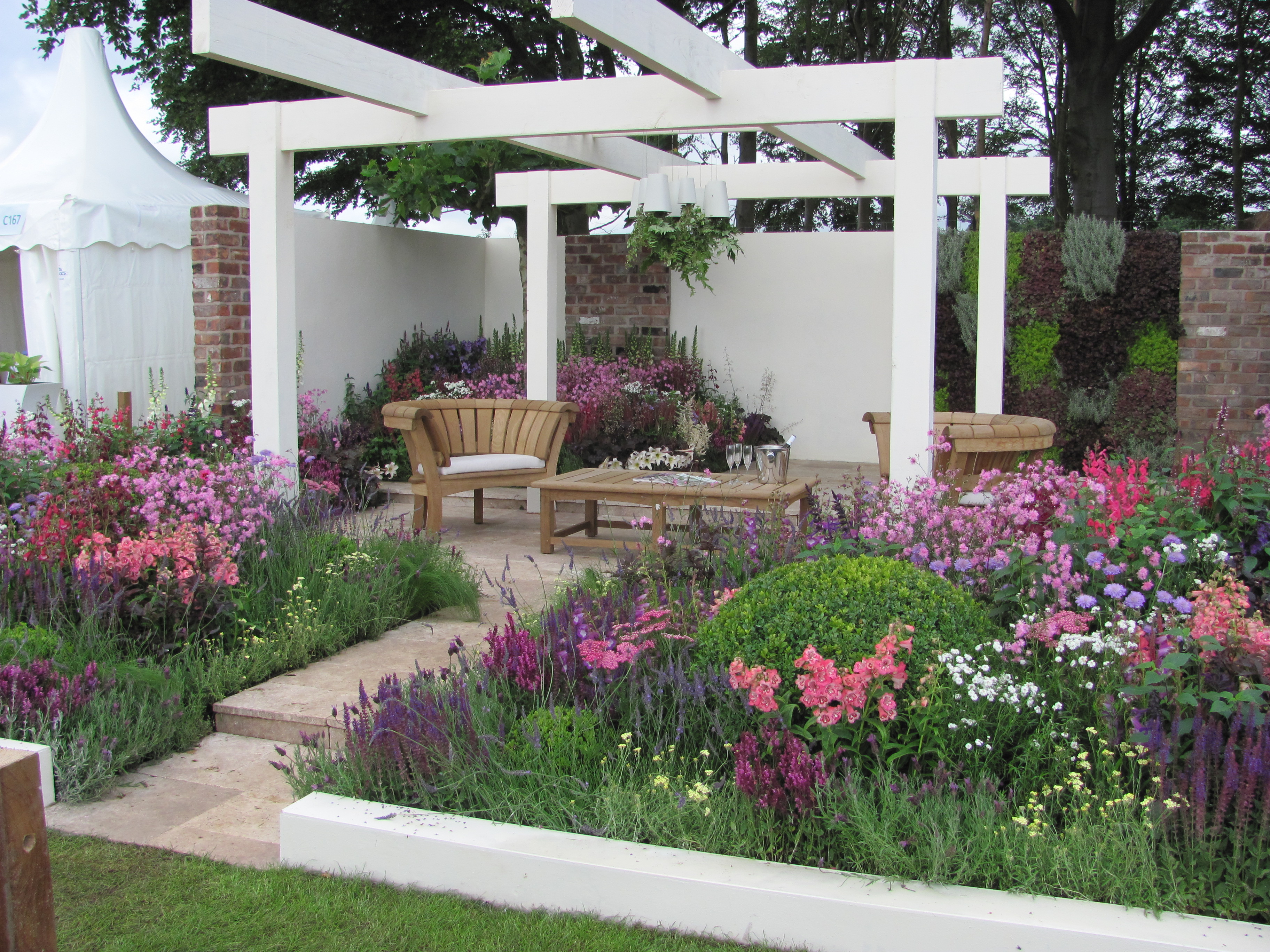

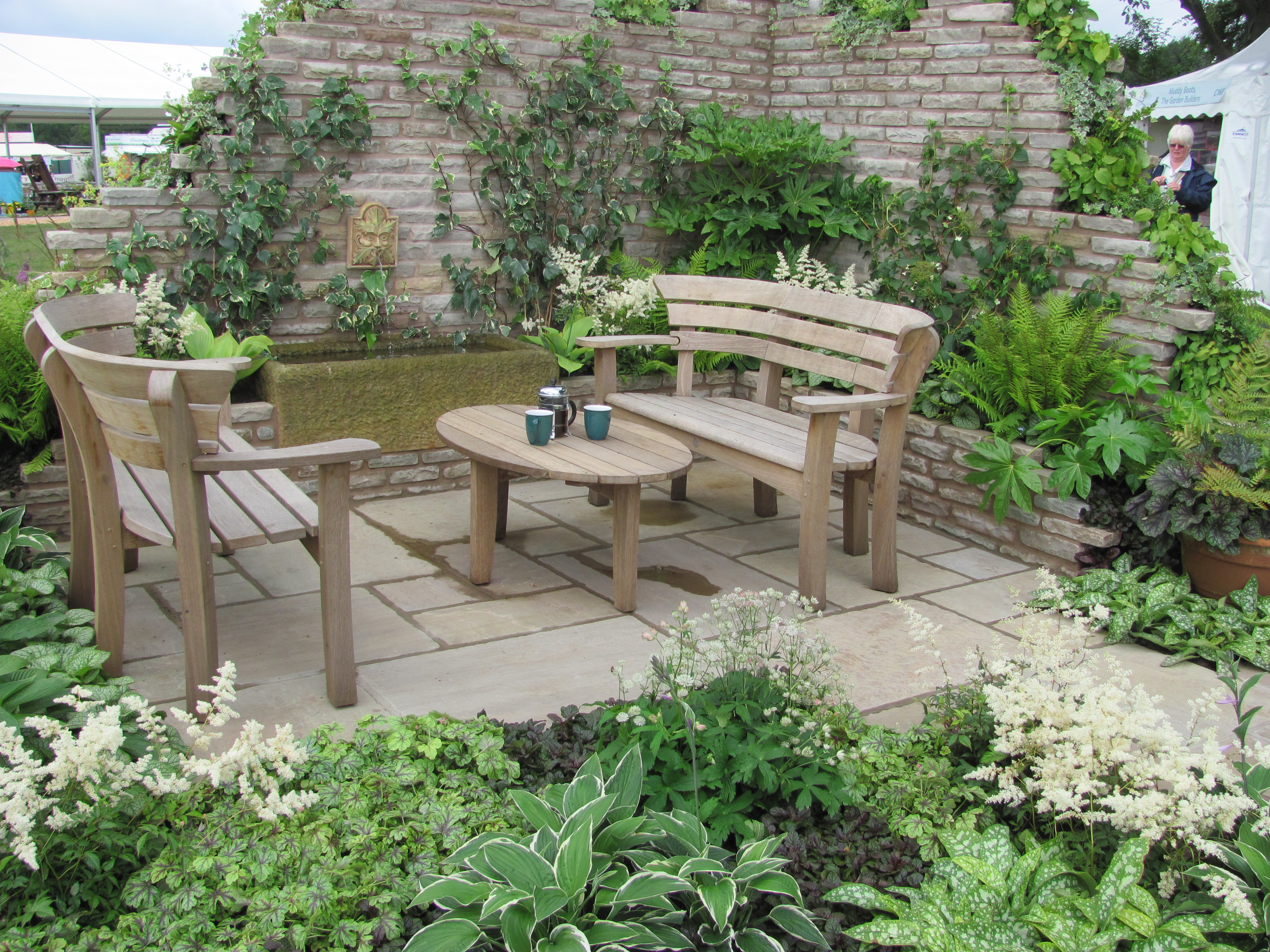
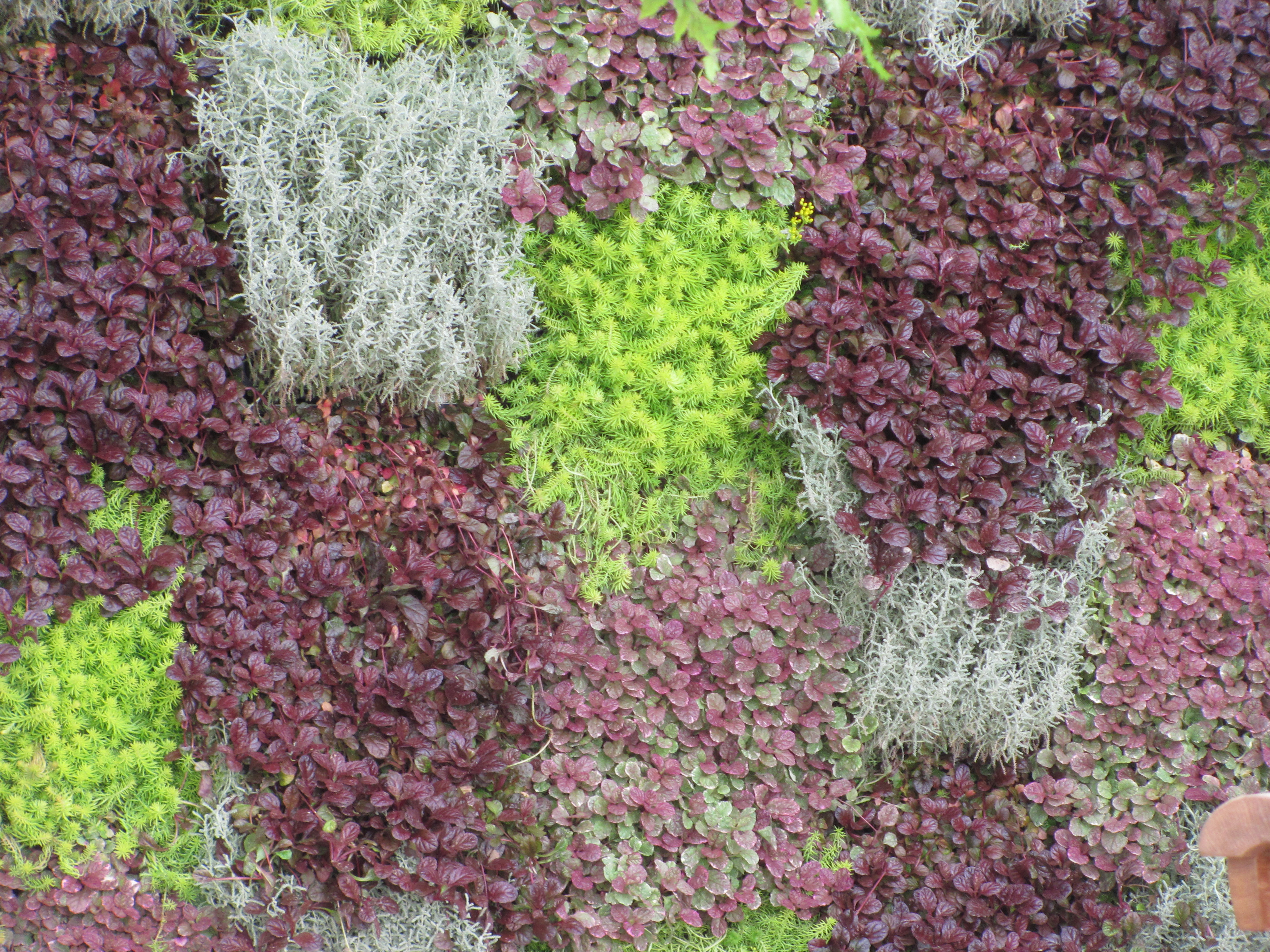


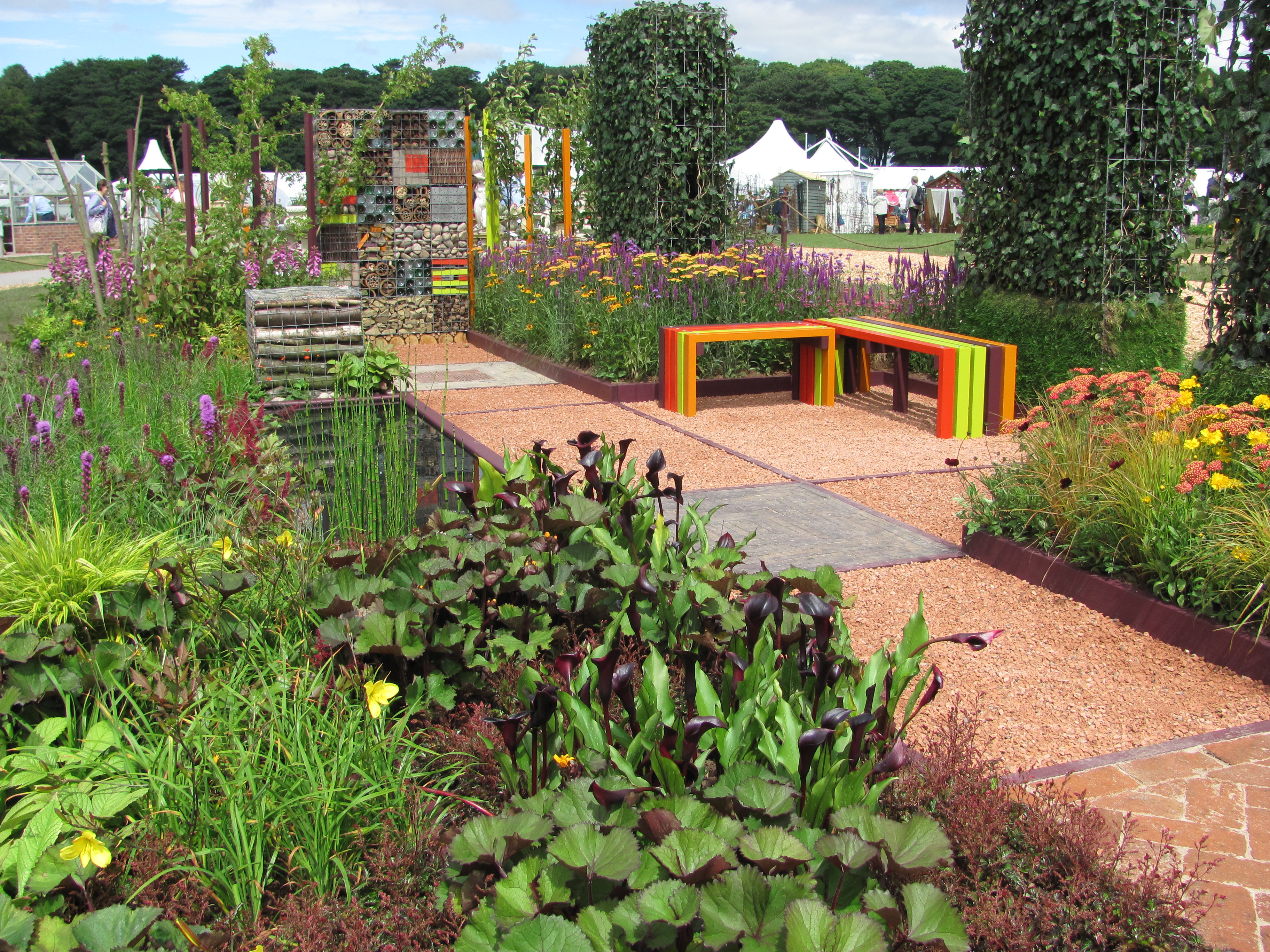
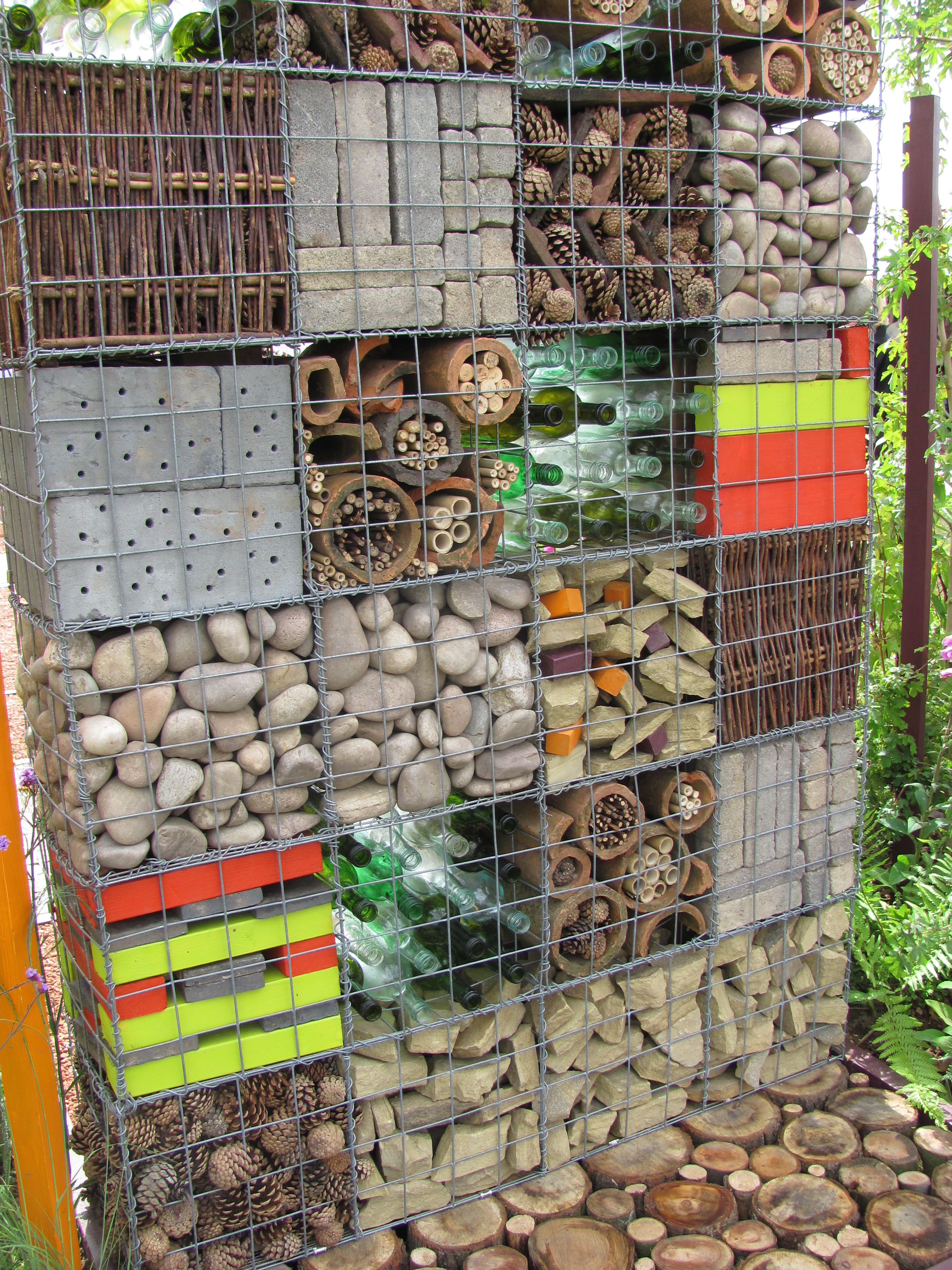
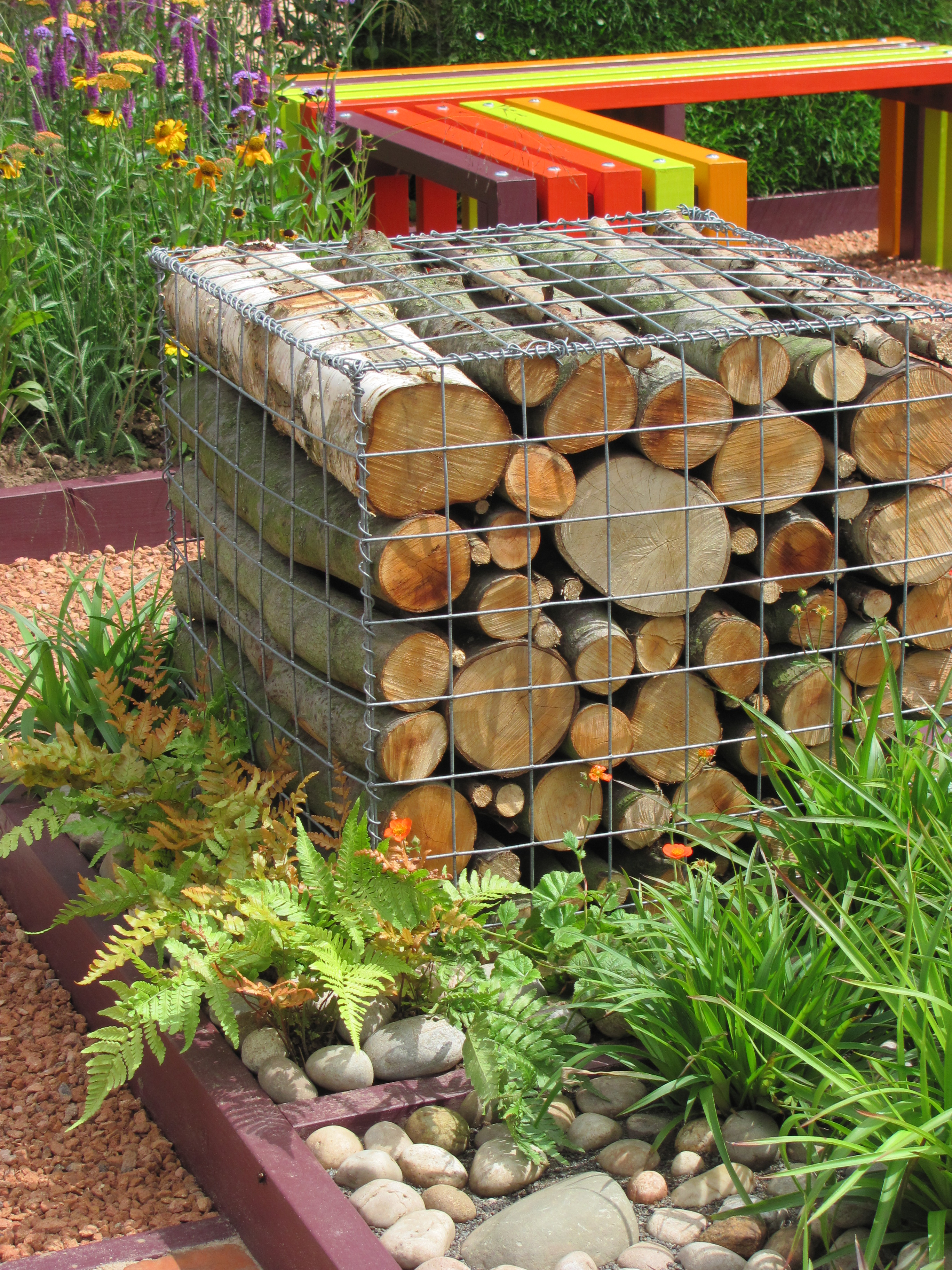
Once we had enjoyed the large show gardens we made a bee line for the garden designed by students and staff of Reaseheath College, partly because their garden is always so interesting with elements of attracting wildlife but also because this is the college where I followed some of my horticulture training several decades ago. This year their garden excelled, with such vibrancy in the planting and in its features. Again the design integrated beautiful features created to attract wildlife.


To finish my first post about the RHS Tatton Park Flower Show I want to share a couple of photos of children’s gardens celebrating the Queen’s Jubilee. In the next post we shall visit the Floral Marquee and the smaller show gardens.


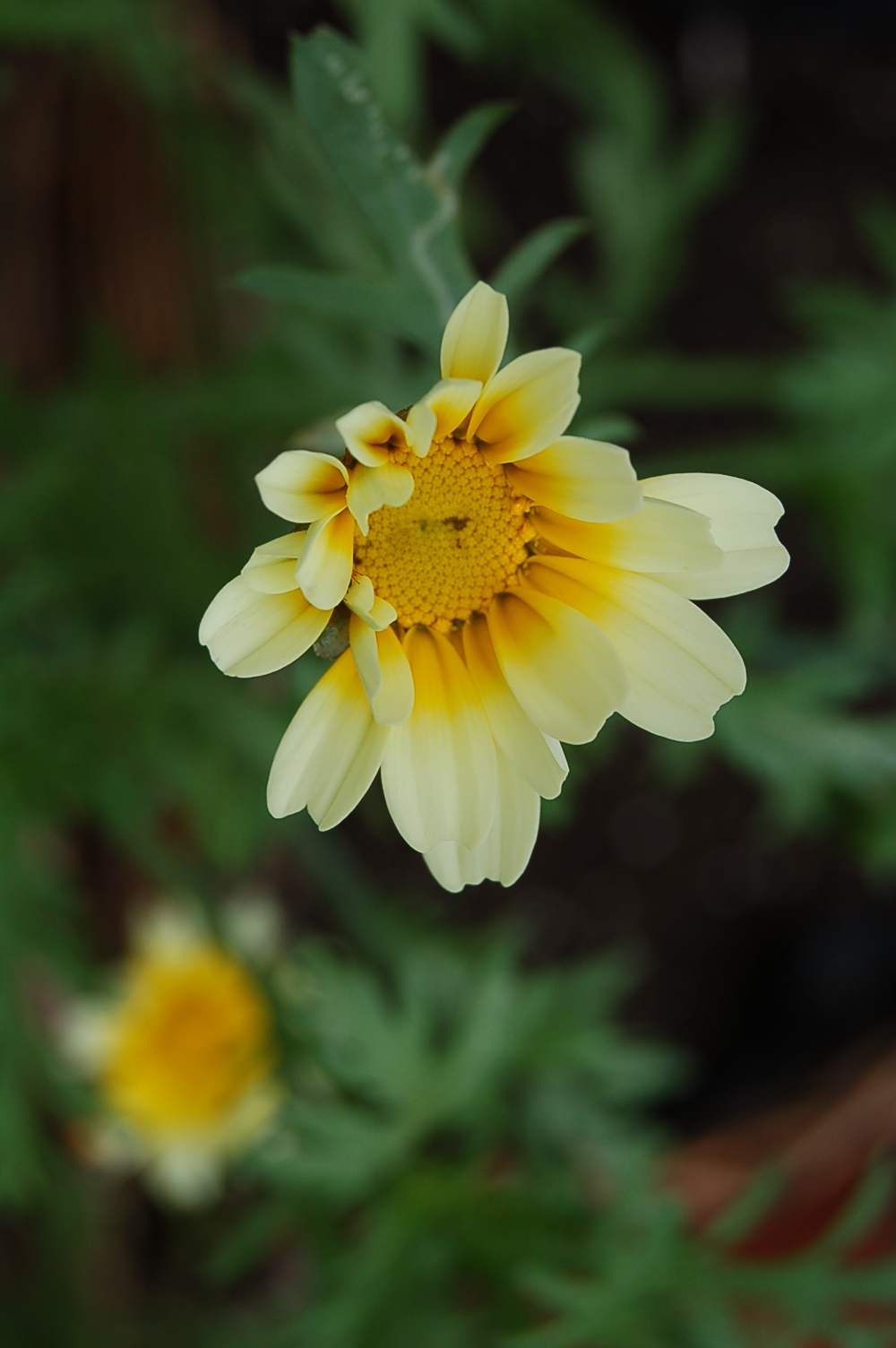
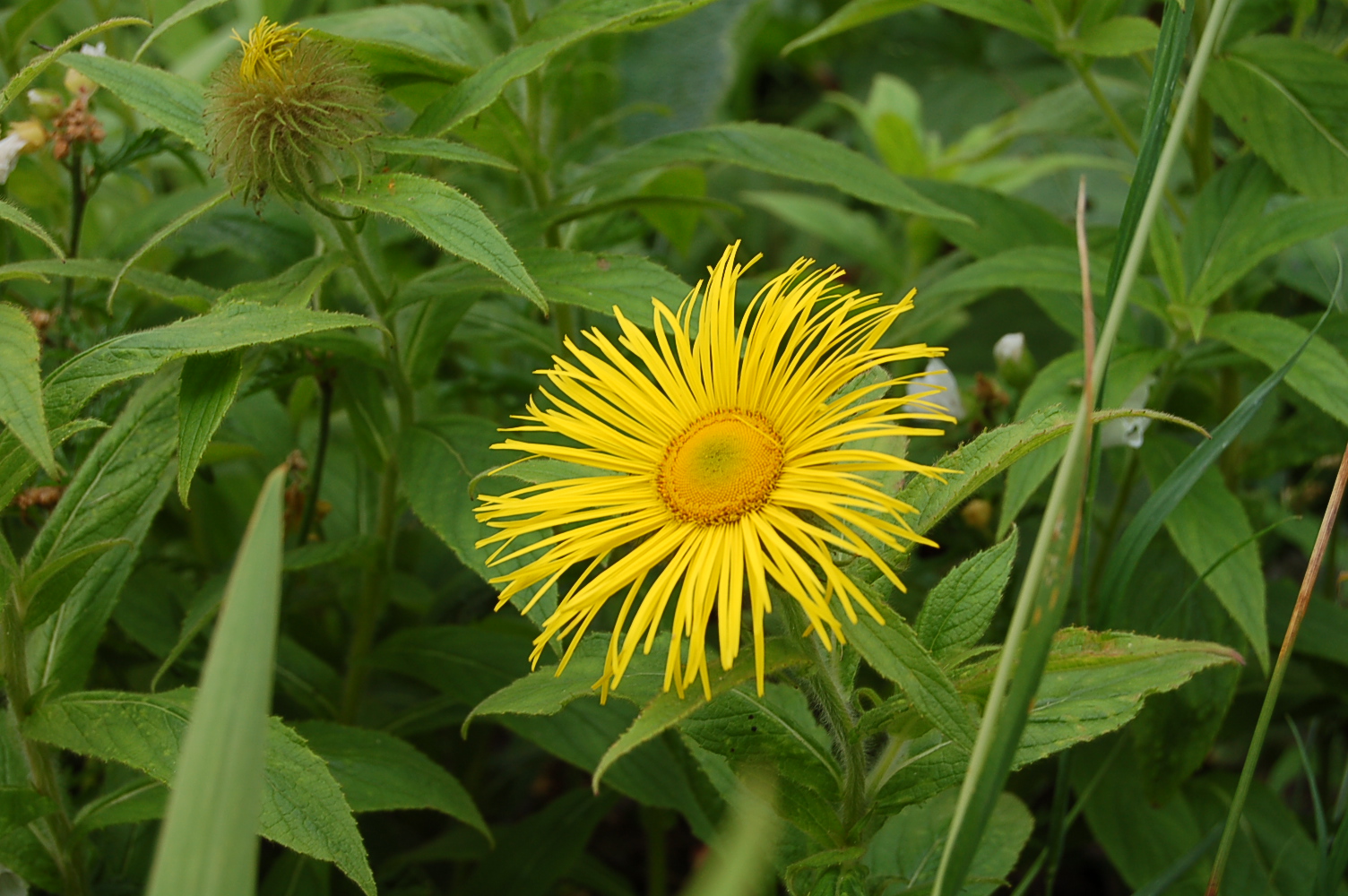
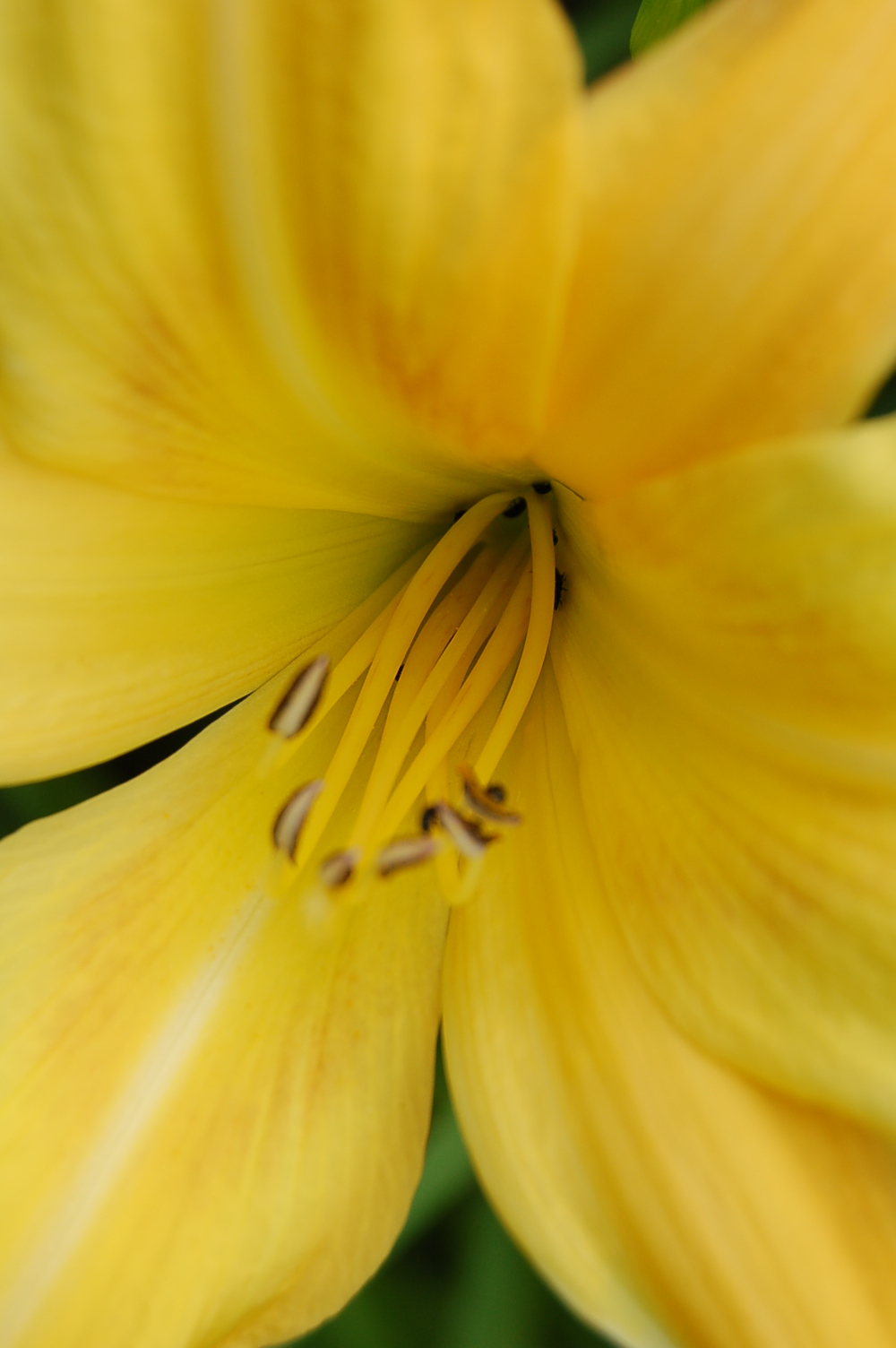
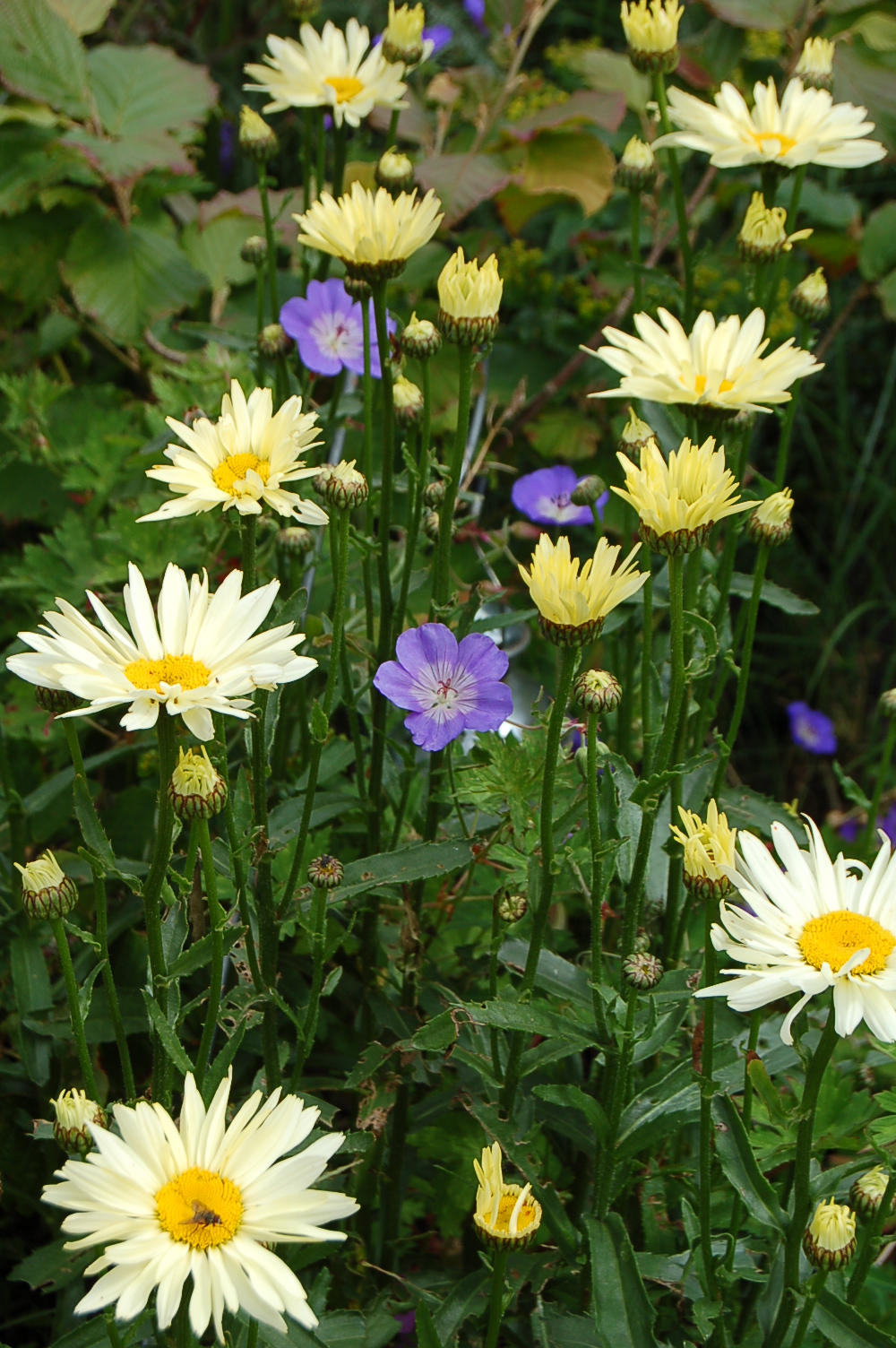
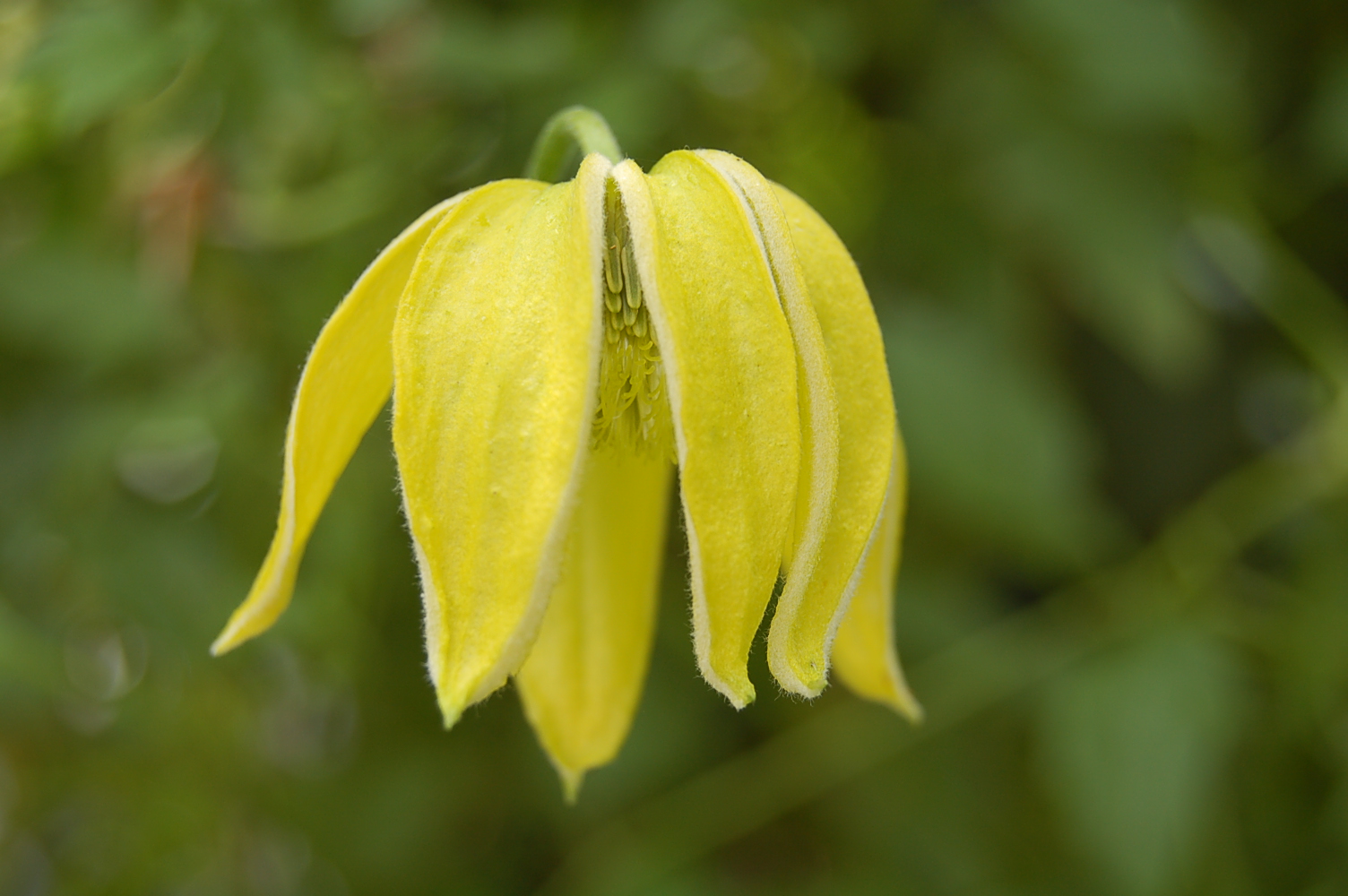
Recently I opened the window blinds to let in the early morning light and was struck by how many shades of yellow were glowing in the borders. I immediately rummaged in the camera bag and took out my trusty Nikon DSLR.




We sat in the village hall enjoying our lemon drizzle cake and cups of tea, while we planned our route to see the afternoon gardens which, all but one, were out in the countryside, along narrow lanes.
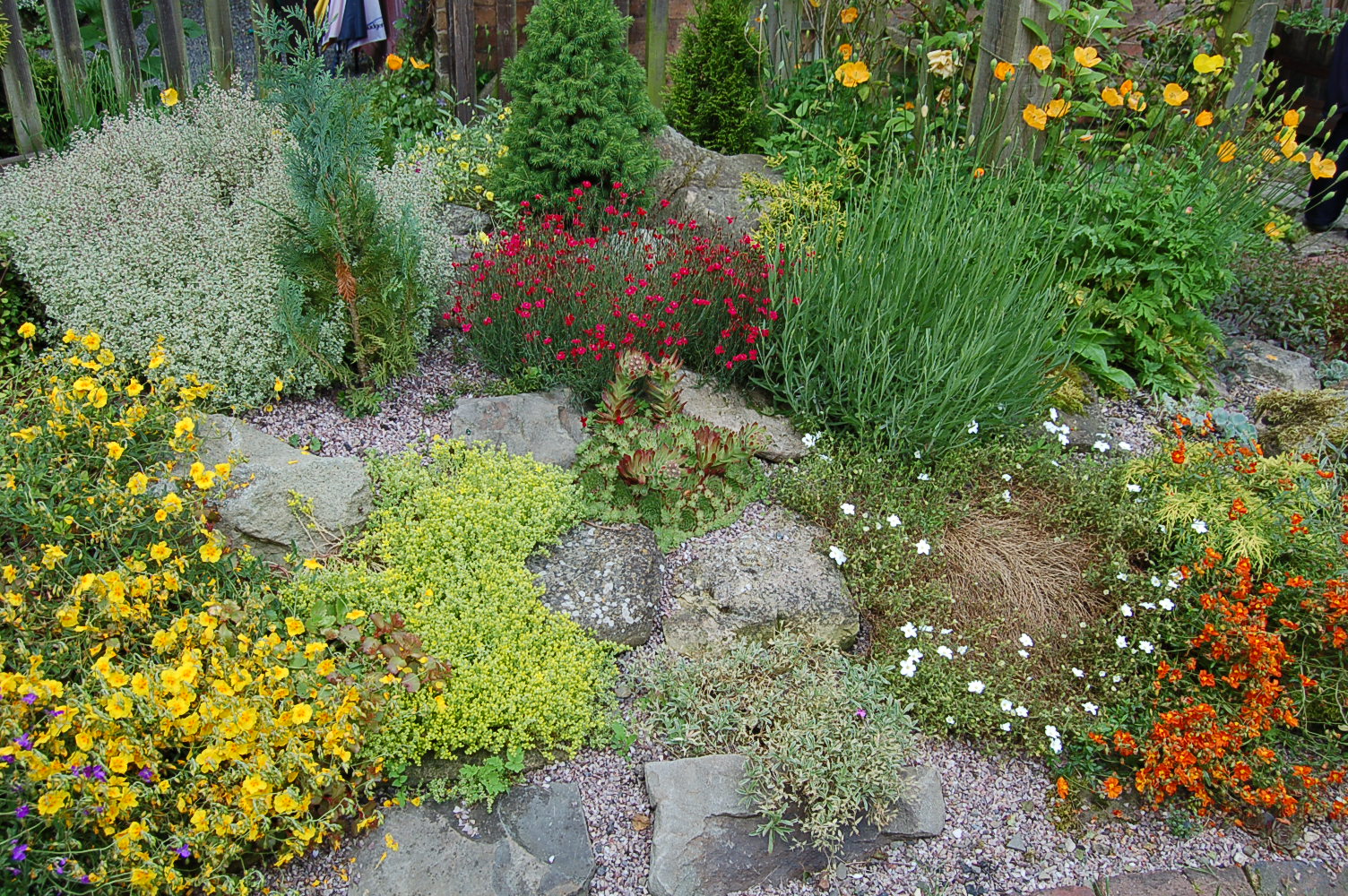
So suitably refreshed and legs rested we made our way to the last of the gardens in the village itself, which was described as a small cottage garden. It didn’t disappoint! After wandering up a narrow lush lane we crossed a ford where a shallow stream of crystal-clear water rushed over the tarmacadam. There were so many well-kept plants in busy planting schemes with narrow grass paths to lead you round. We loved it!


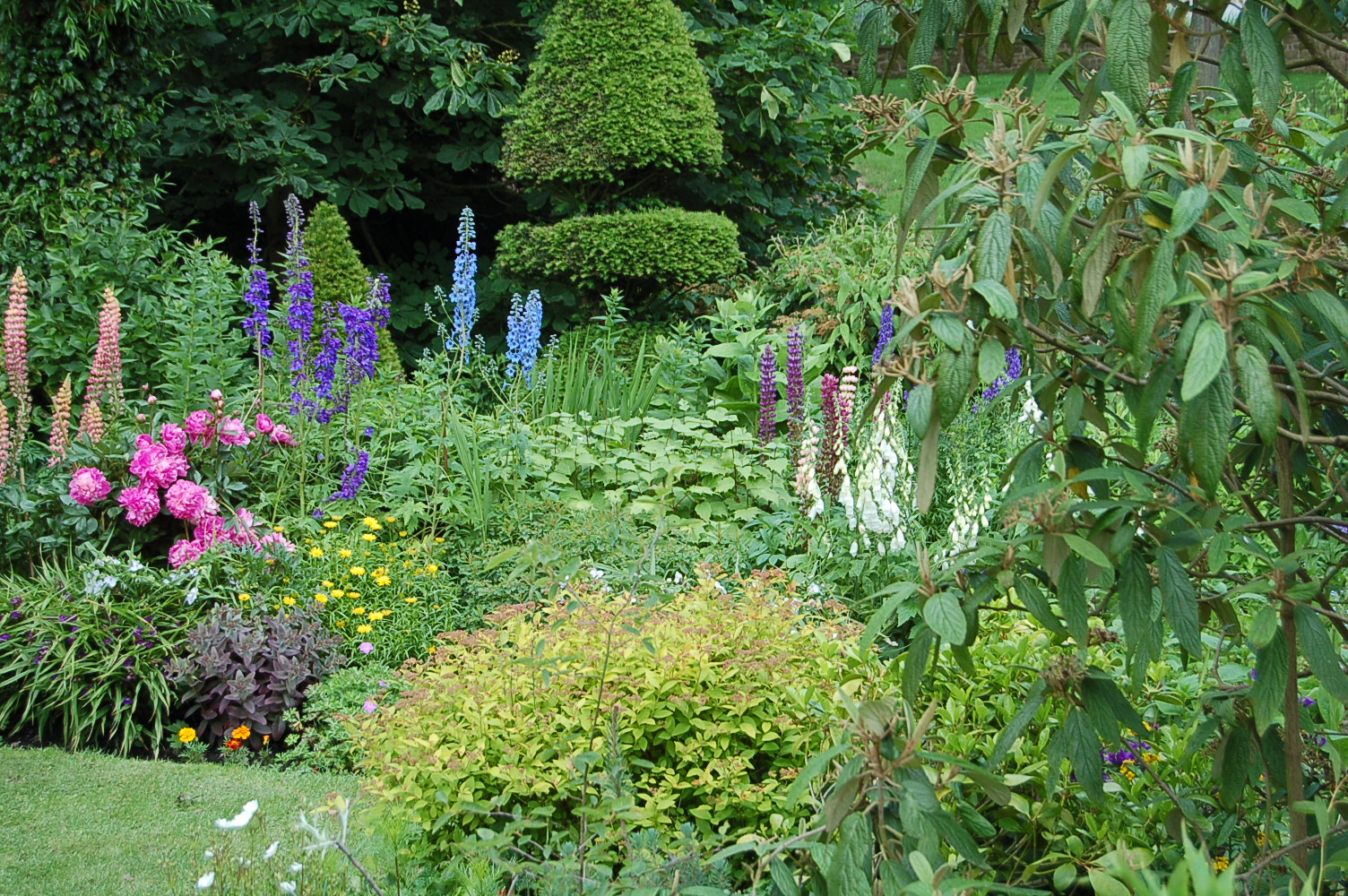
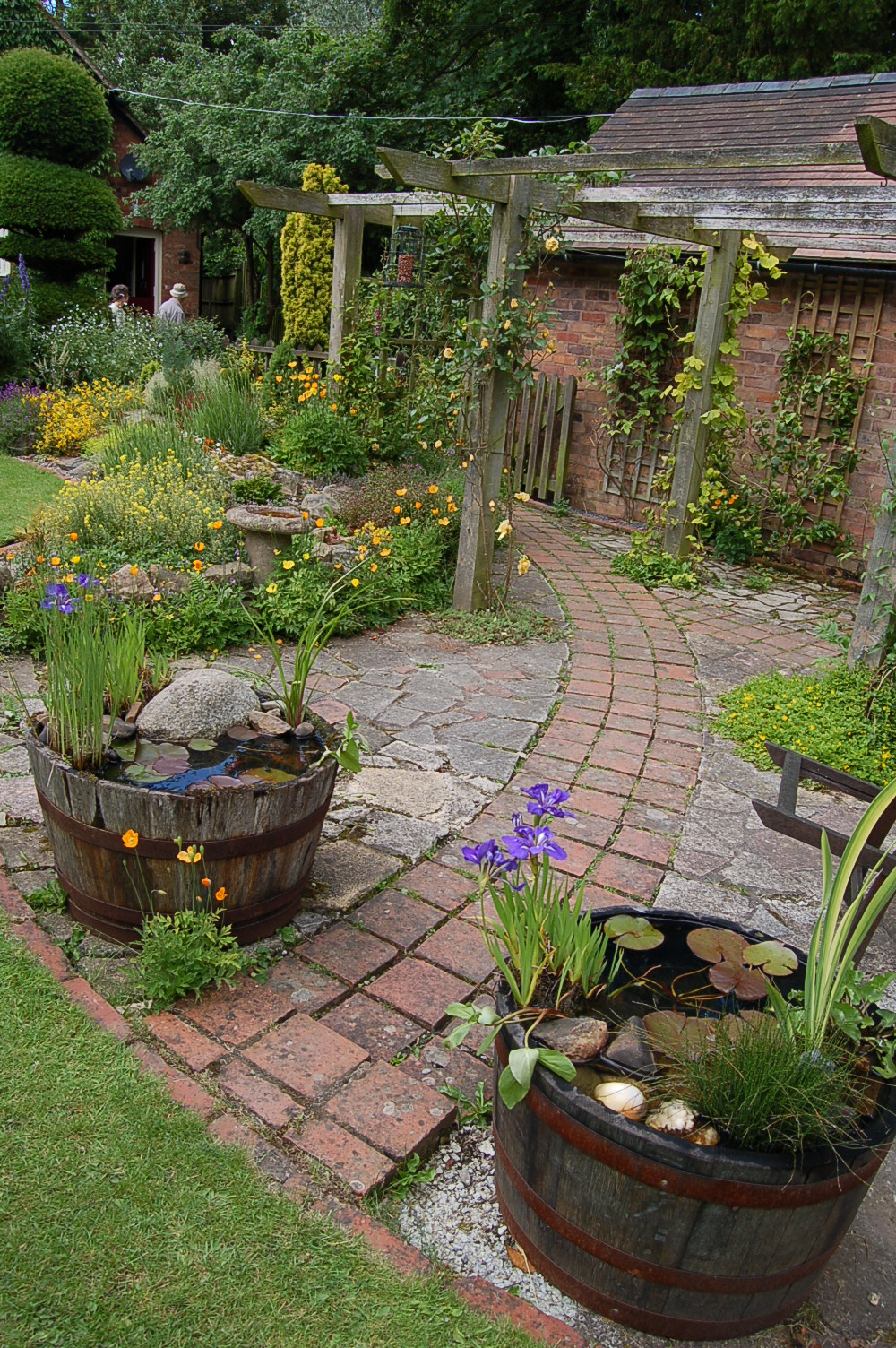

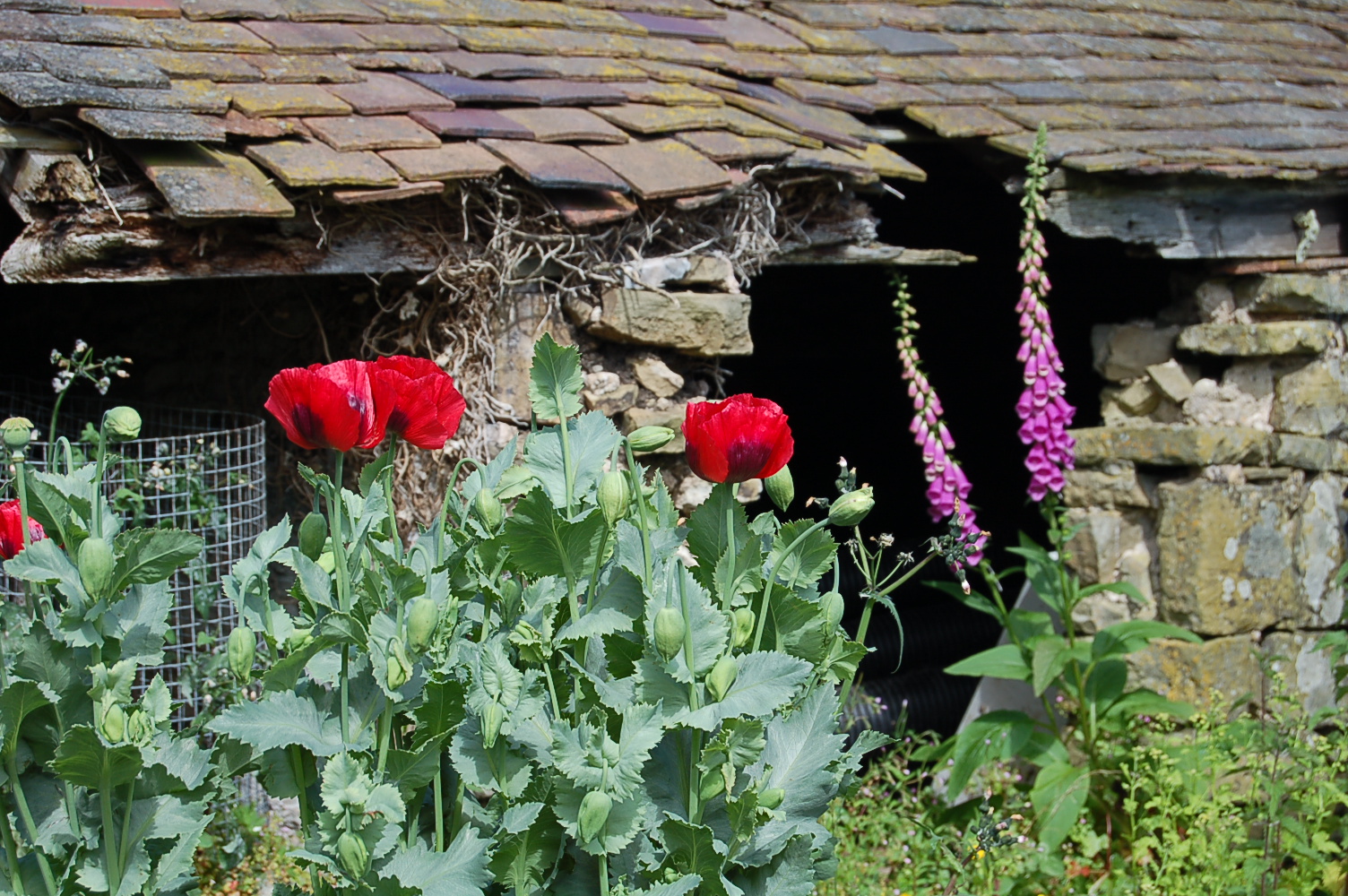
Once we had relished this lovely crowded cottage garden we returned through the ford and turned right where another narrow lane sent us up a gradual slope into the countryside away from the village, to the next garden. We passed this tumbling down barn the home to many swallows and colourful natural hedgerow borders.
This garden was larger than the last we visited, with sweeping areas of grass, an enclosed vegetable plot, interesting plant combinations and a beautiful wildlife area featuring a pond with woodland enhancing its banks.
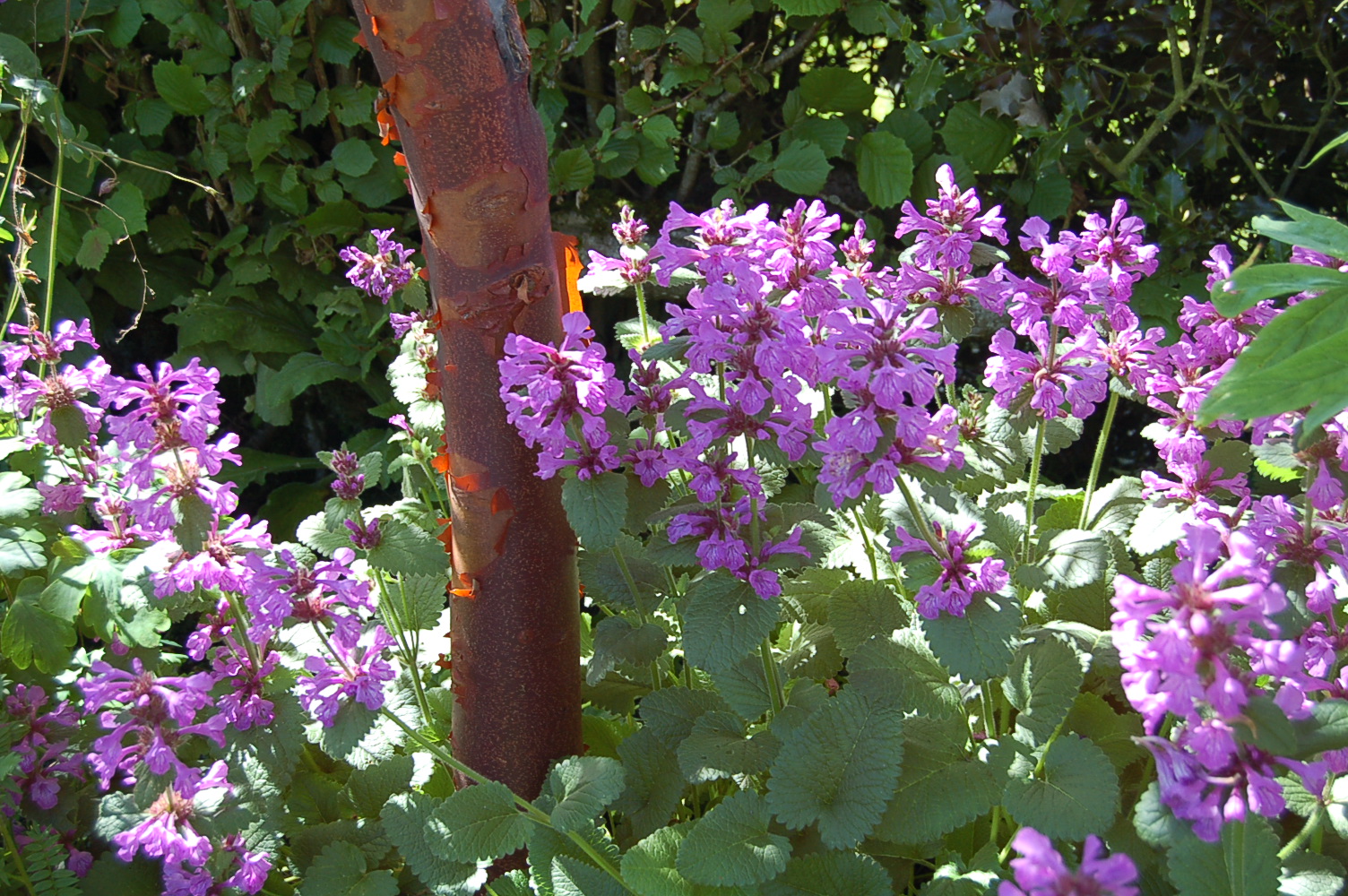
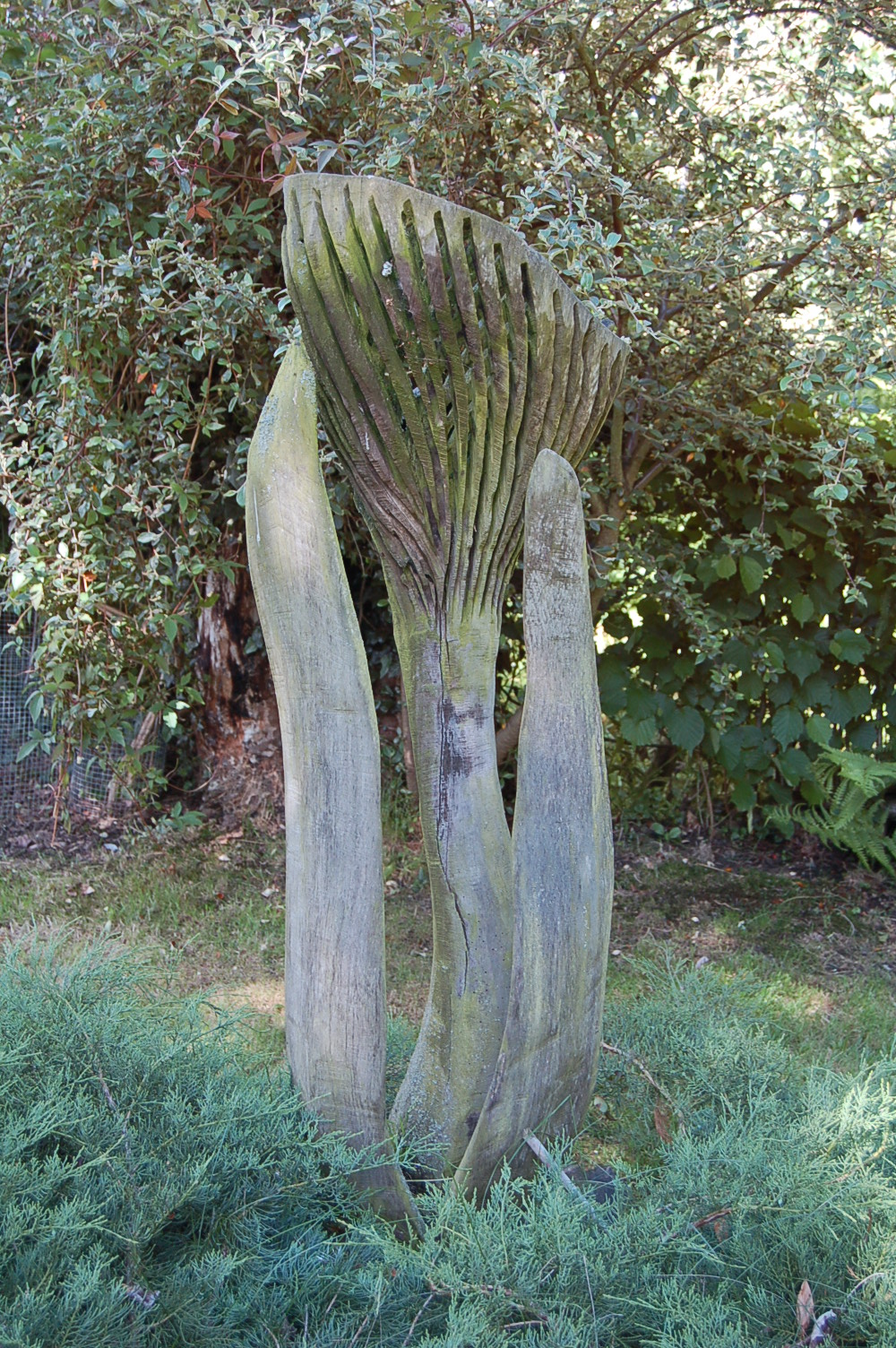
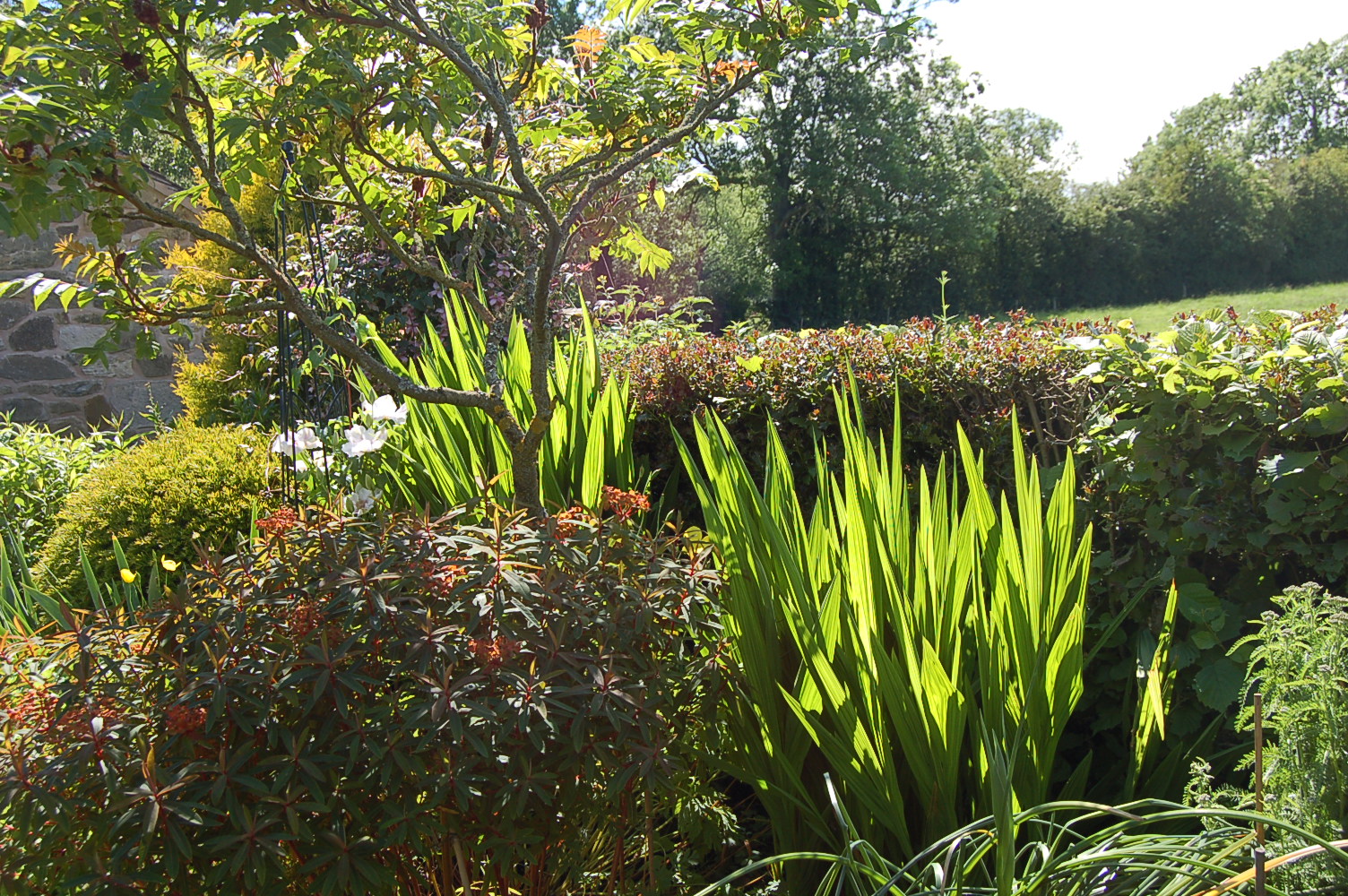

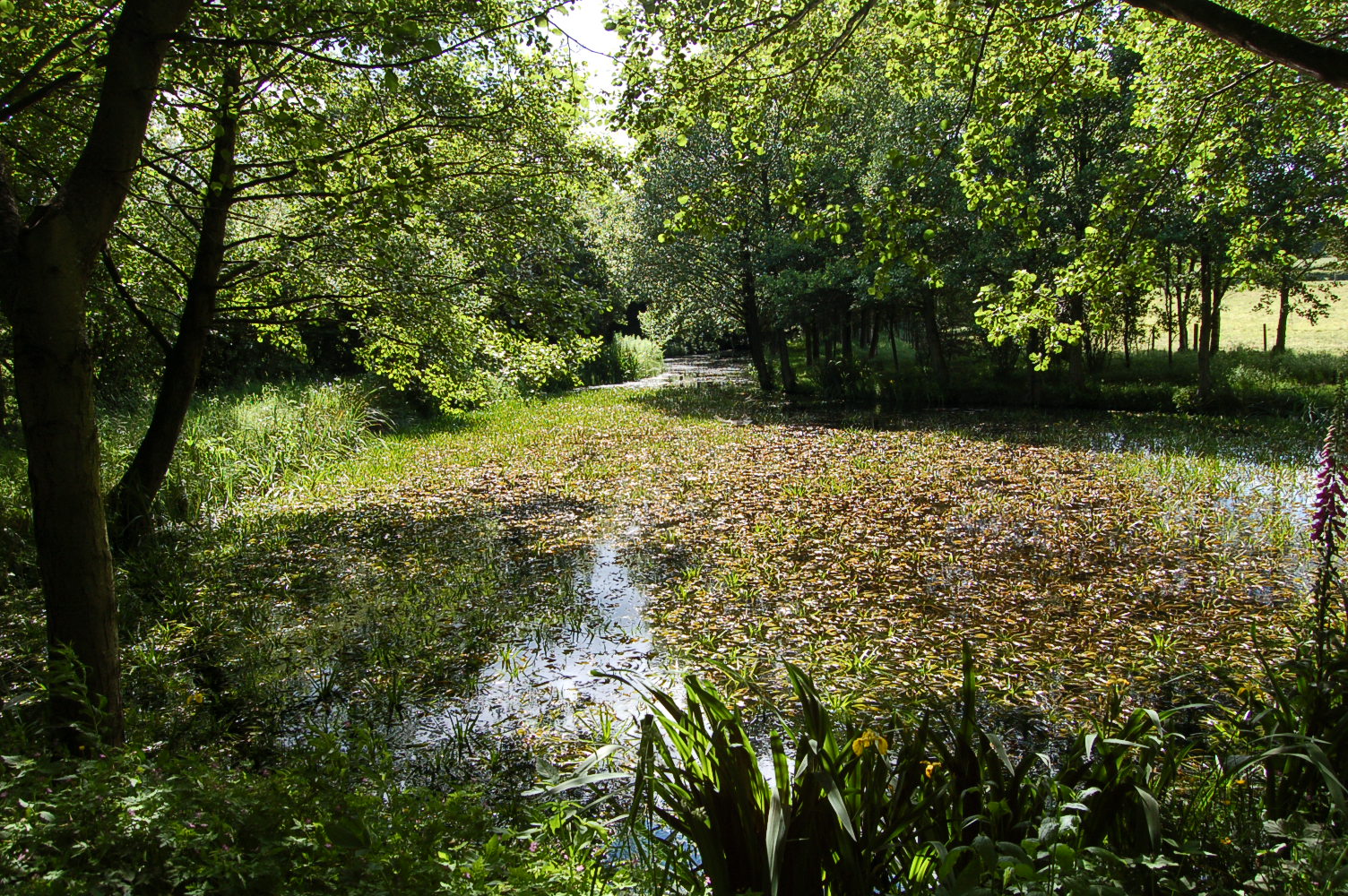
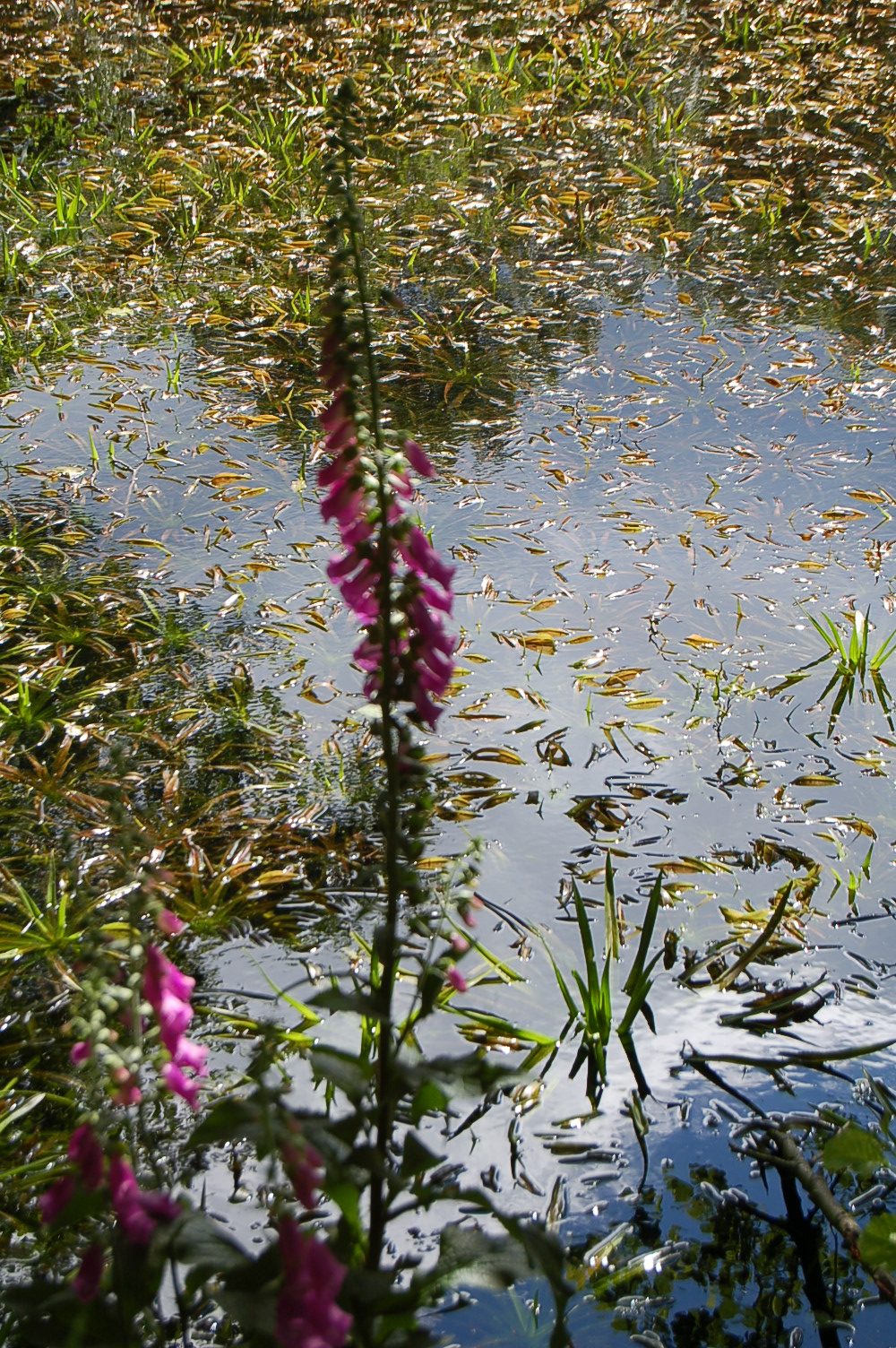
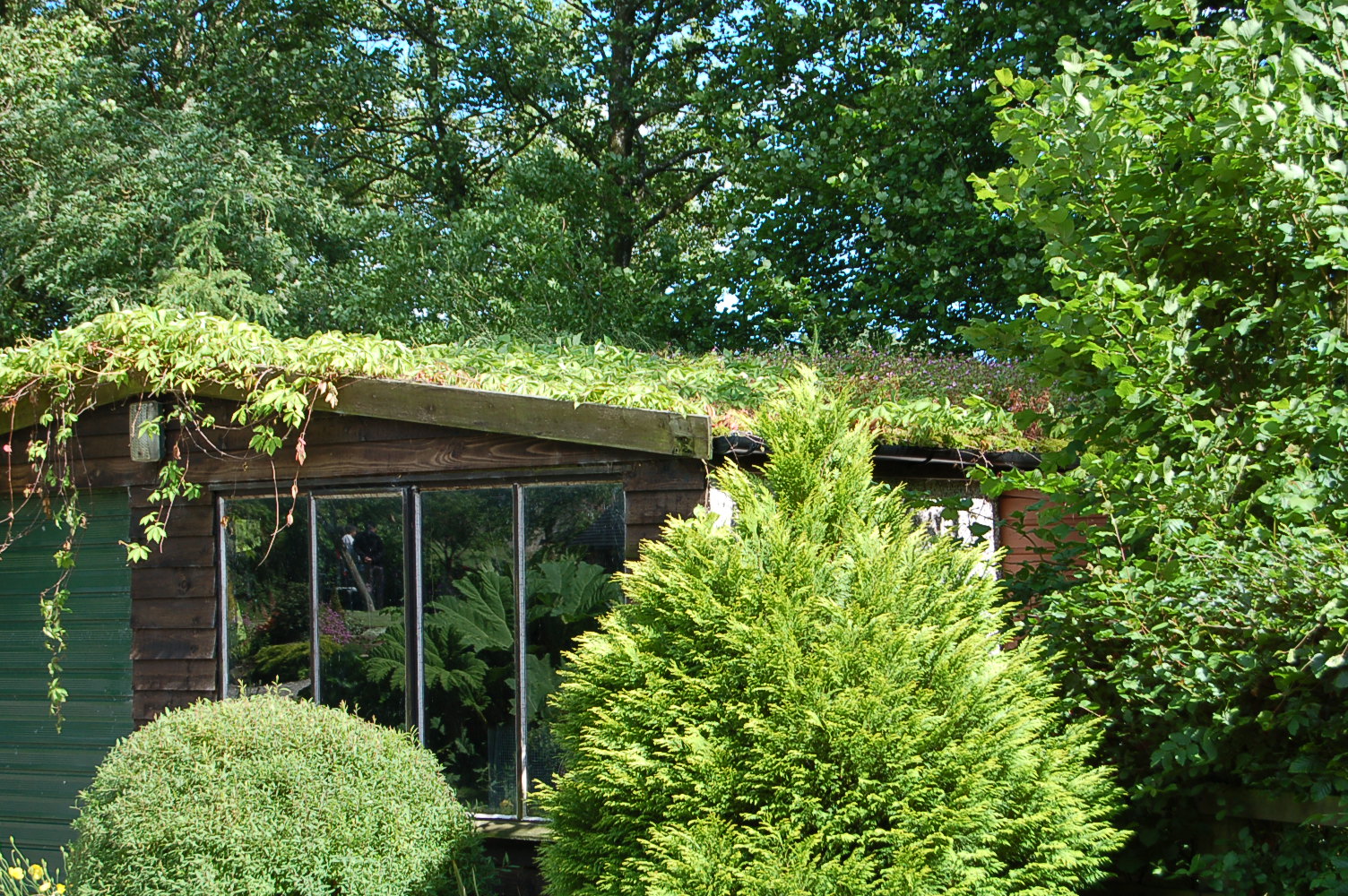
Sadly the last two gardens we wished to visit were miles into the countryside at the foot of the Stretton Hills so we had to take the car. The first garden was one that invited you to wander with interesting plantings.

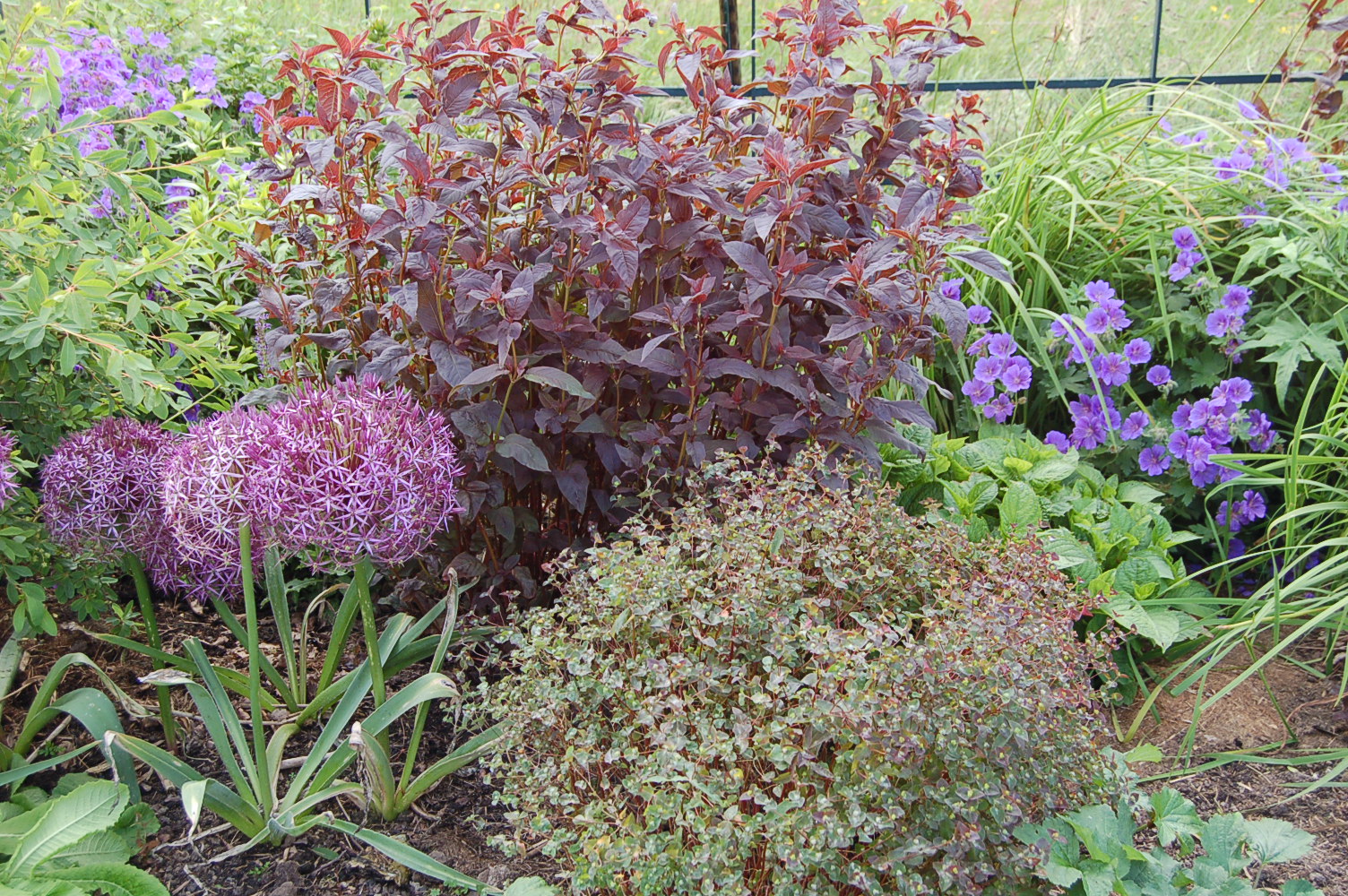
The final garden was up a lane with grass growing down the centre and we had to park on a very soggy field. But it was worth it as a beautiful atmospheric garden sat alongside a rippling stream running through a wooded valley. The sound of bird activity around the feeding stations in an enclosed part of the garden and their song in the surrounding borders and woodland enticed us to sit comfortably with another cup of tea and another slice of home-baked cake.
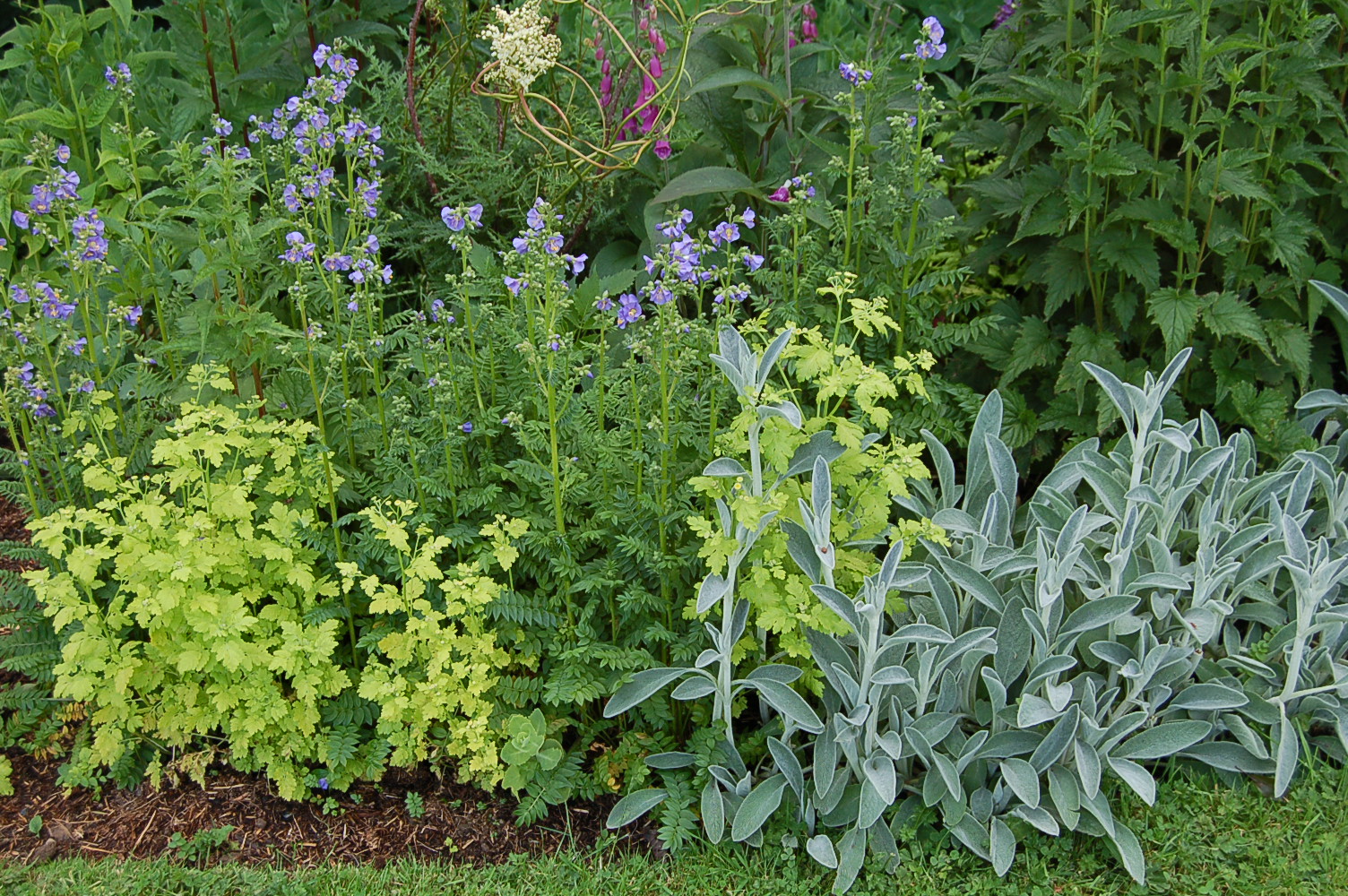

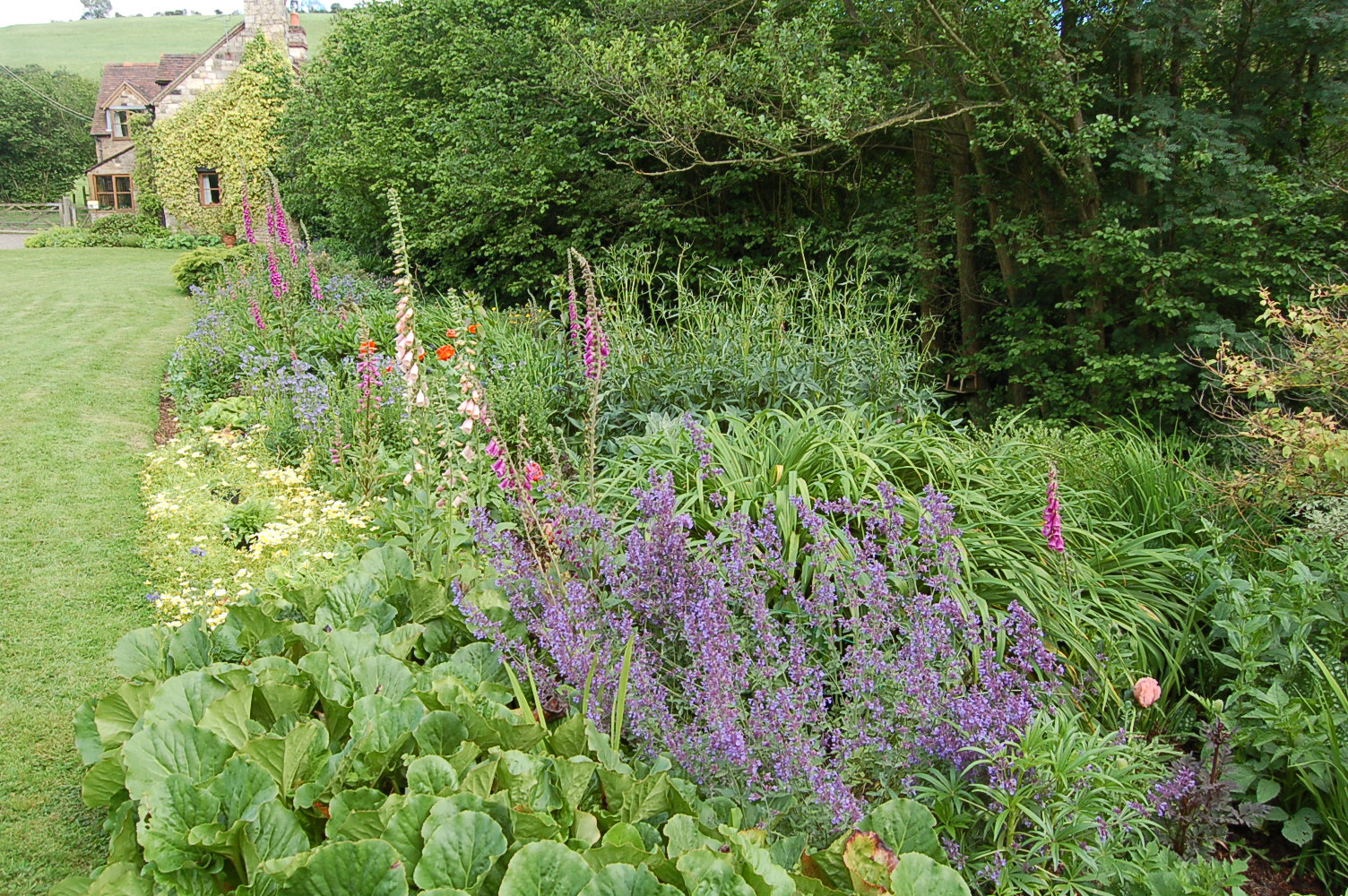
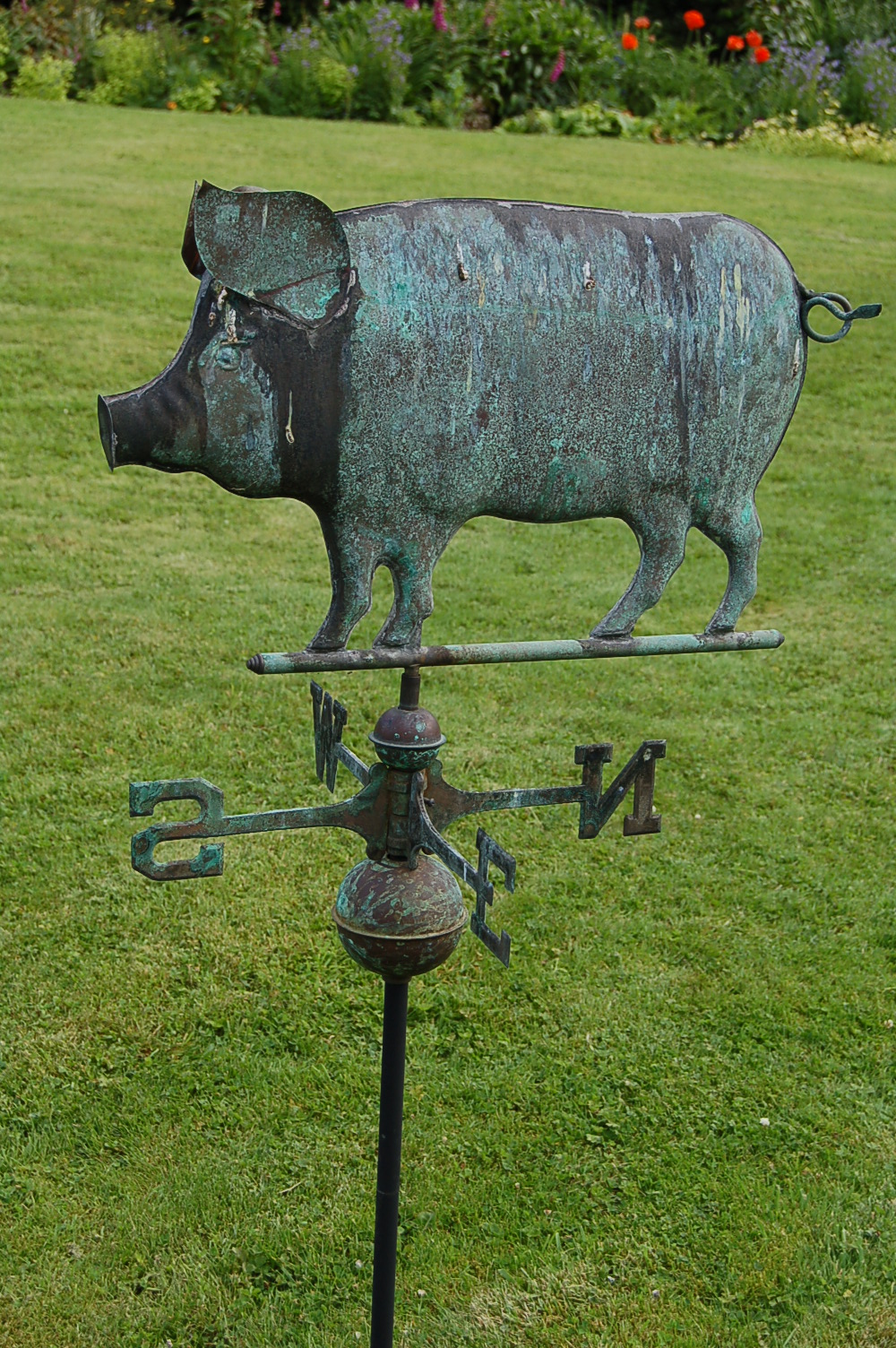

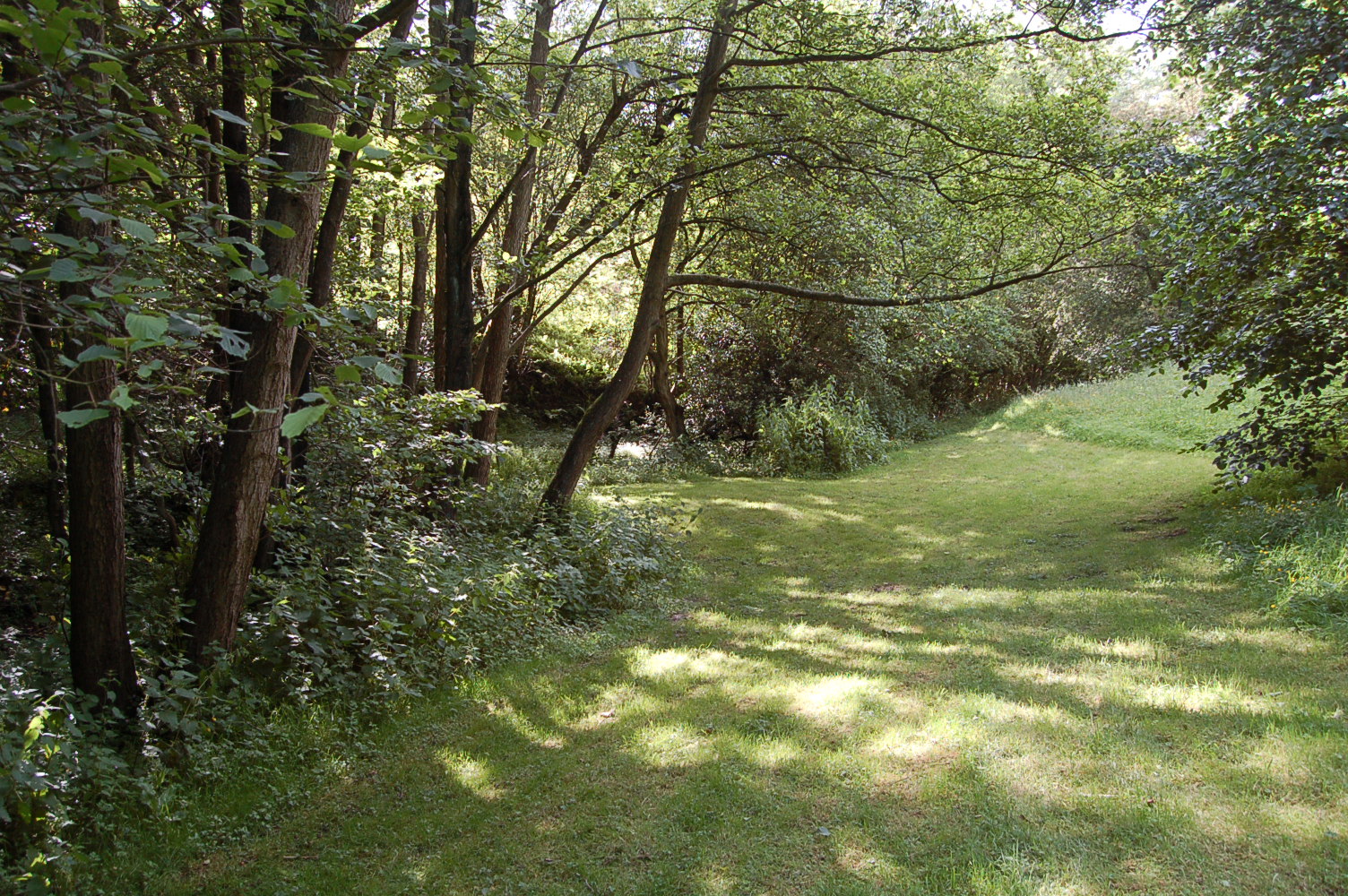
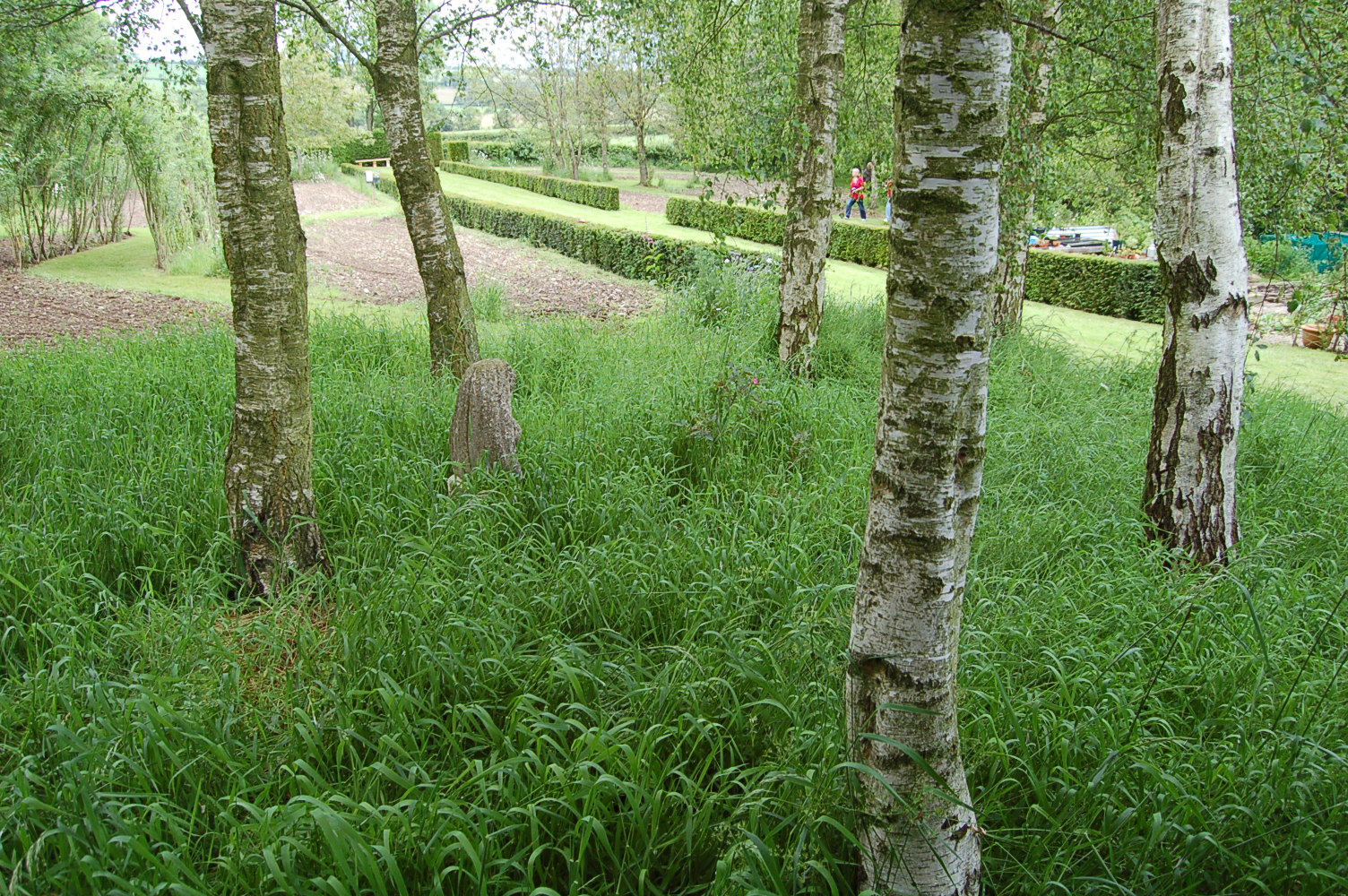
We managed to visit just nine of the sixteen gardens open before we ran out of time. We enjoyed the variety of gardens created and maintained by a variety of gardeners. These gardeners all had the advantage of living in such a beautiful little village with a strong community spirit. The last garden we visited had the added benefit of an amazing view.
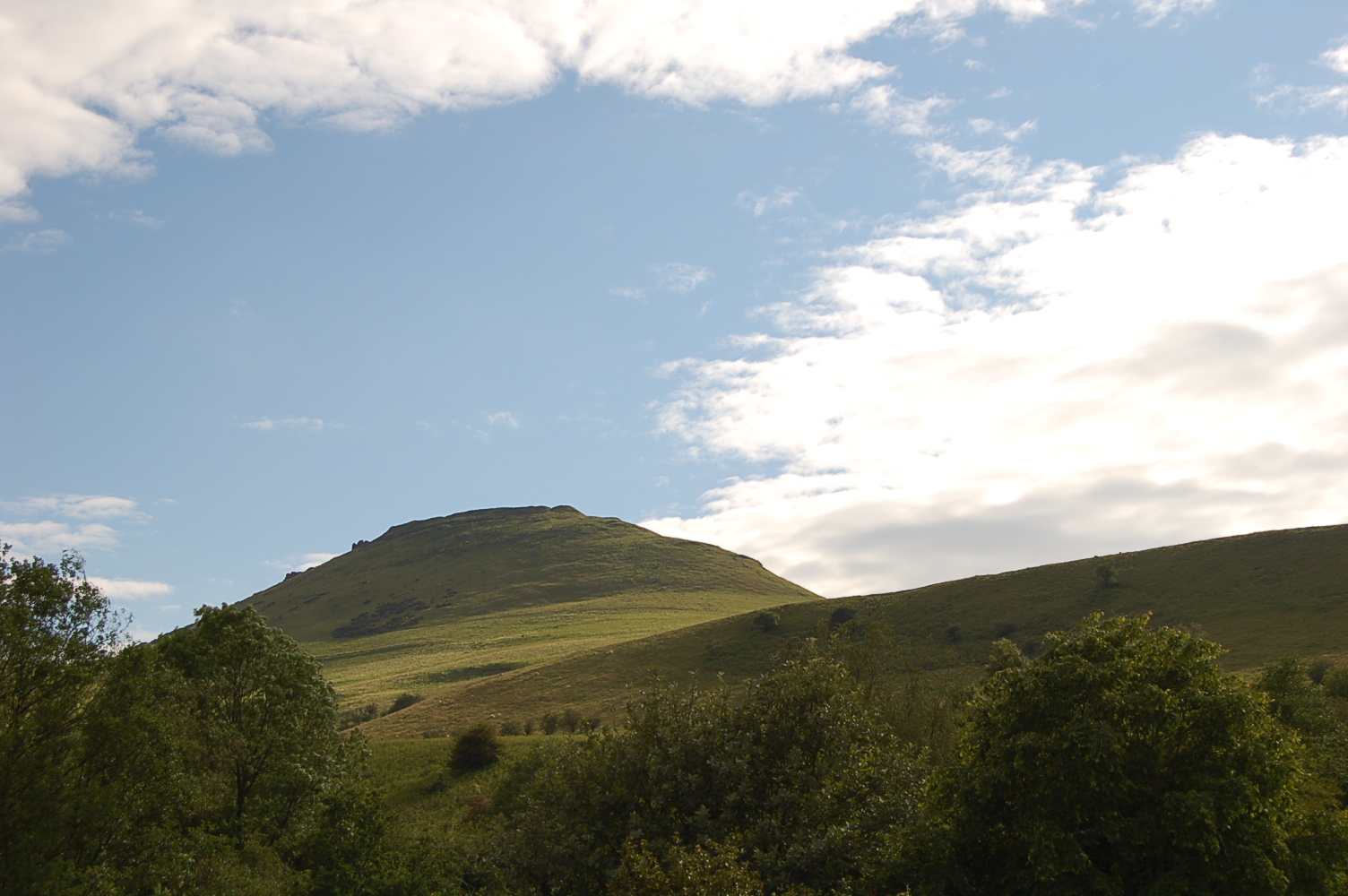
A warm day seemed just what was needed when we visited the Shropshire village of Cardington just twenty minutes from home. We made this village garden pilgrimage last year as well and couldn’t wait to return, as we had been so impressed. This year there were extra gardens to enjoy too!
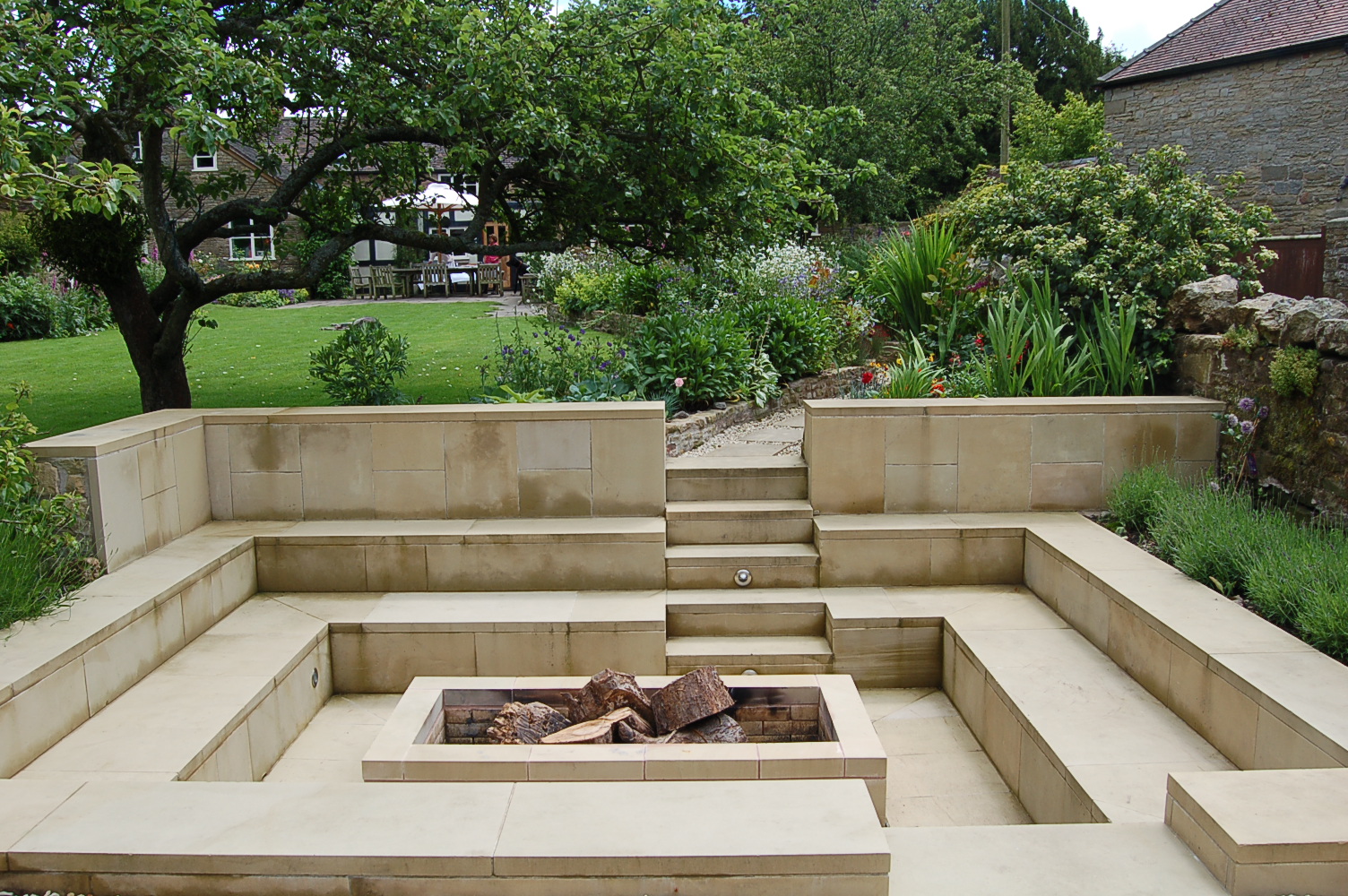
The first two gardens we visited were next door neighbours but oh so different. In the first garden there were few borders and much of the available space had been taken up by a huge stone built gym and swimming pool with decking around complete with hot tub. The formal fire pit area was interesting but I did wonder if it would have housed a nice pond.

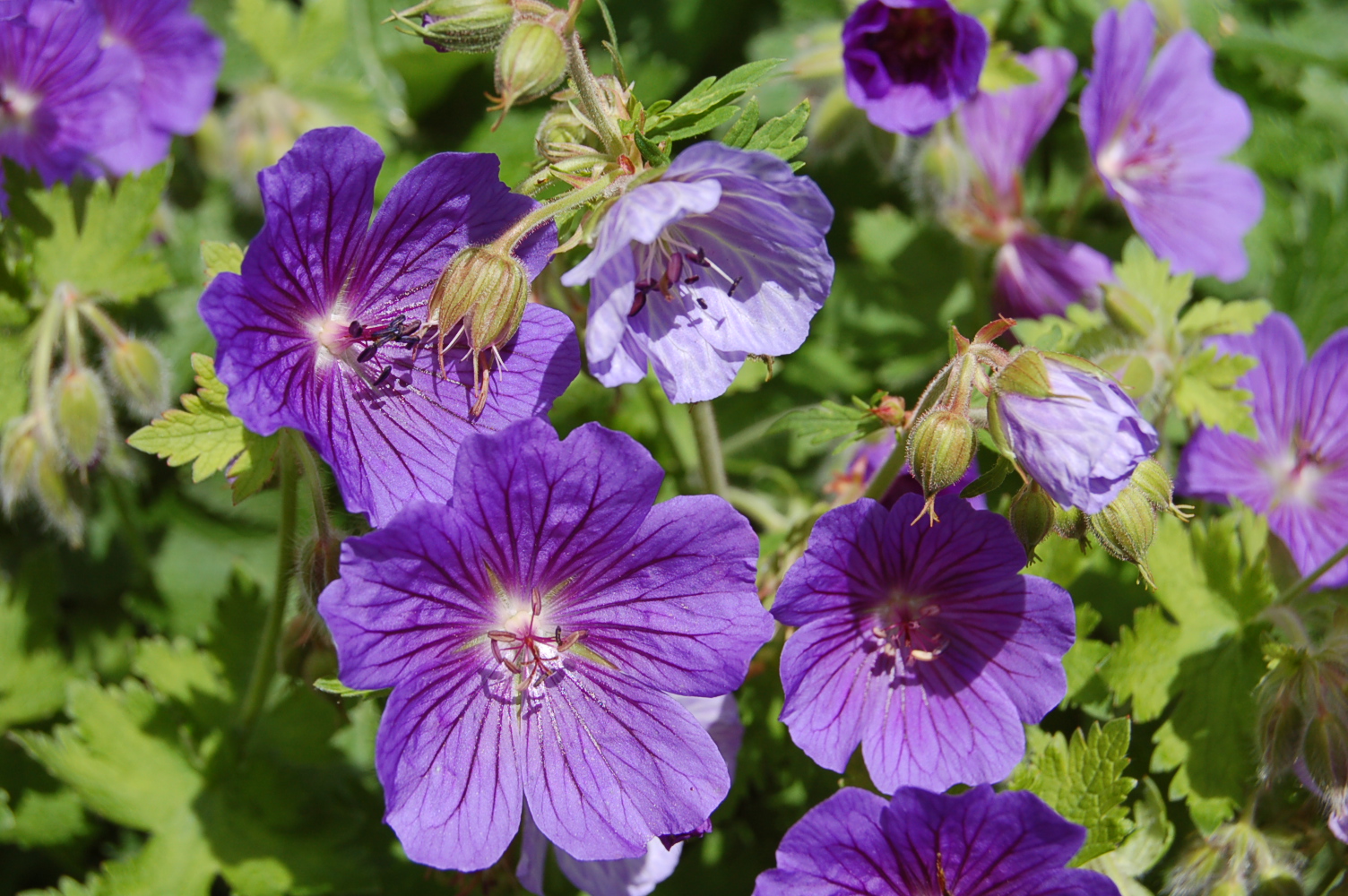
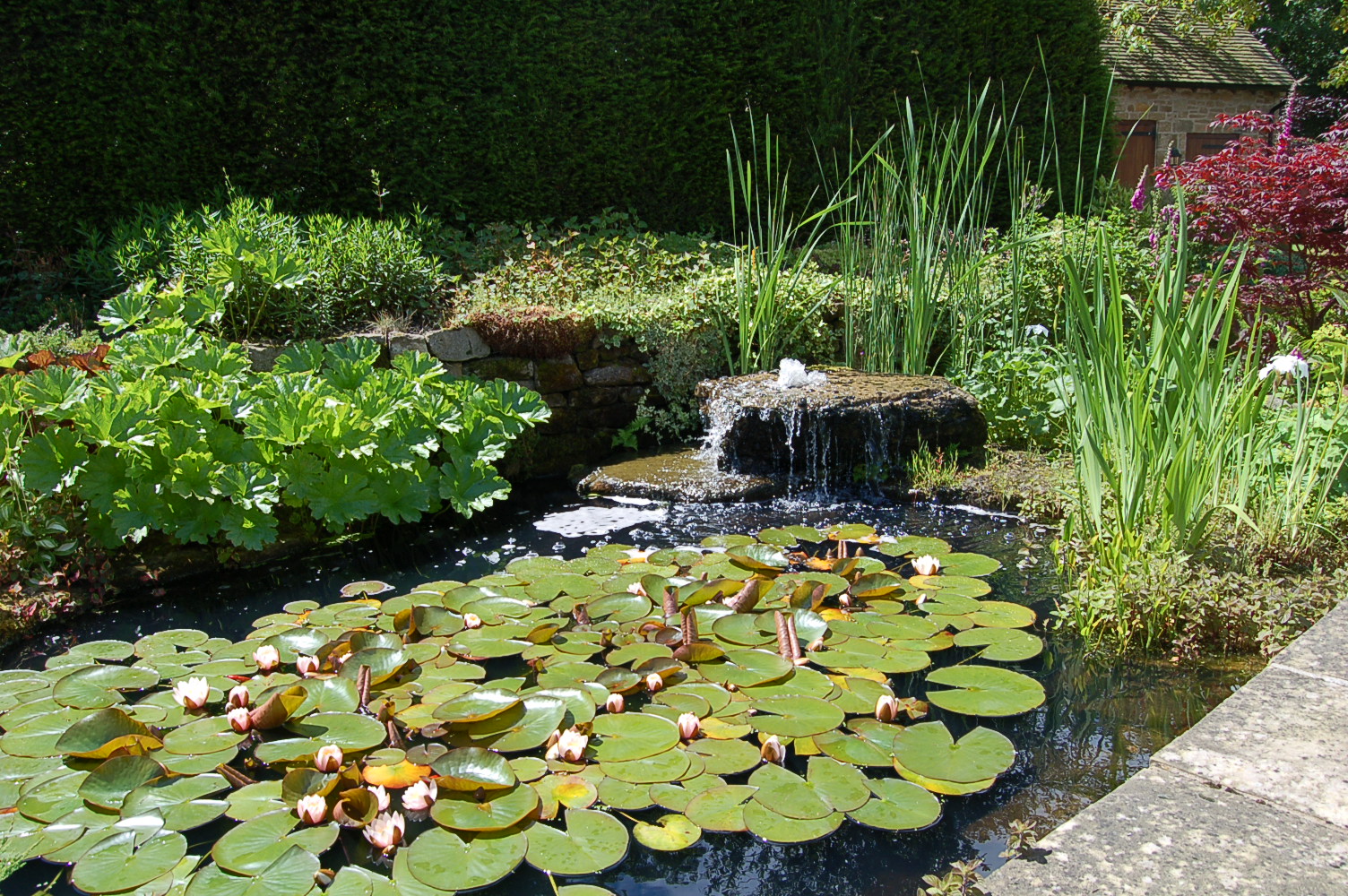
Their neighbours however had wide expanses of well-maintained lawn with beds, both formal and informal cut into it. The garden looked a little dated but had a good pool area and some interesting sculpture and pots hidden in the borders.


Wandering through the village to the next garden we noticed interesting little cameos along the way. We were looking forward to the next garden as it was owned by one of our friends from the Shropshire Hardy Plant Society.
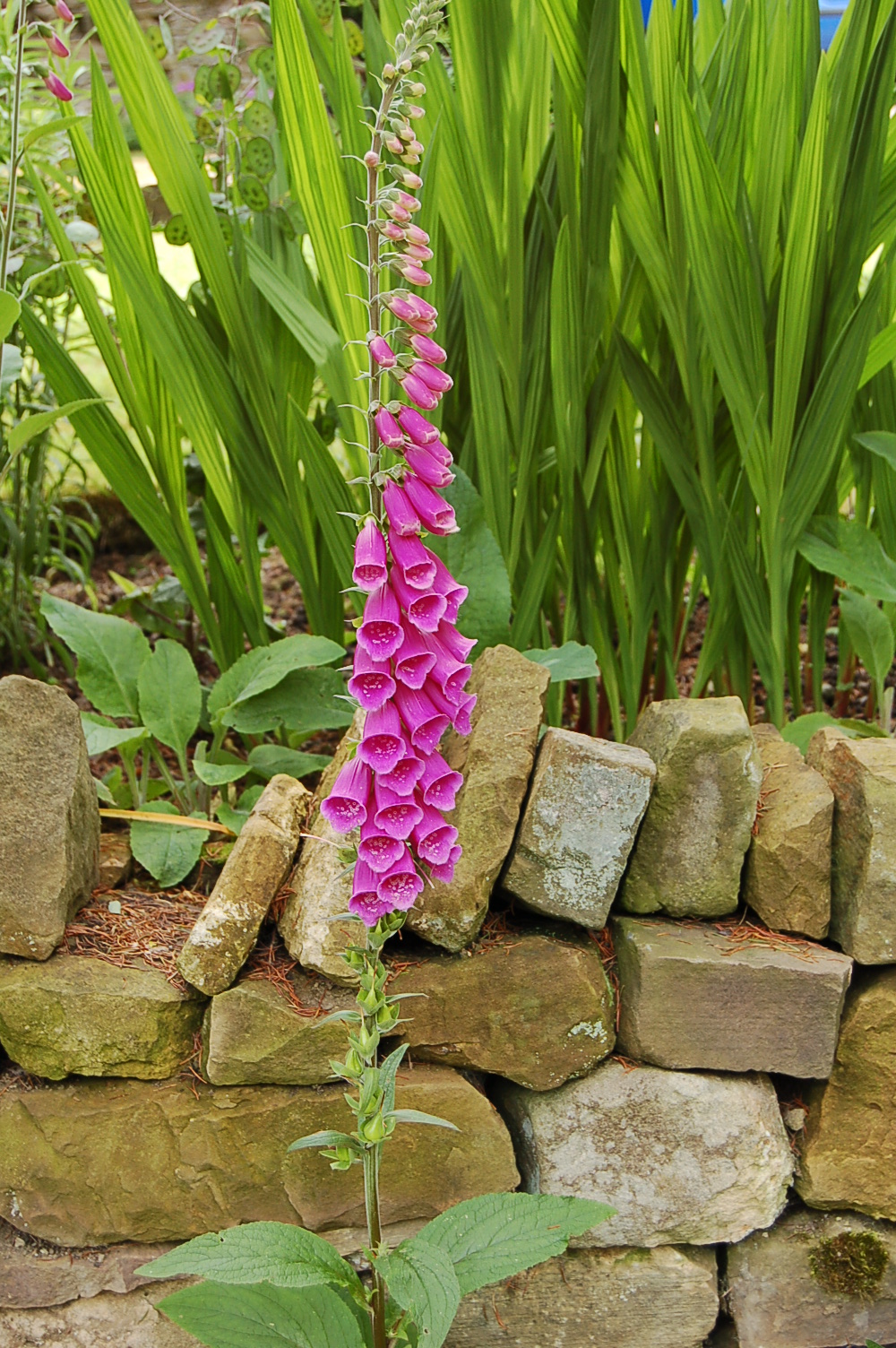
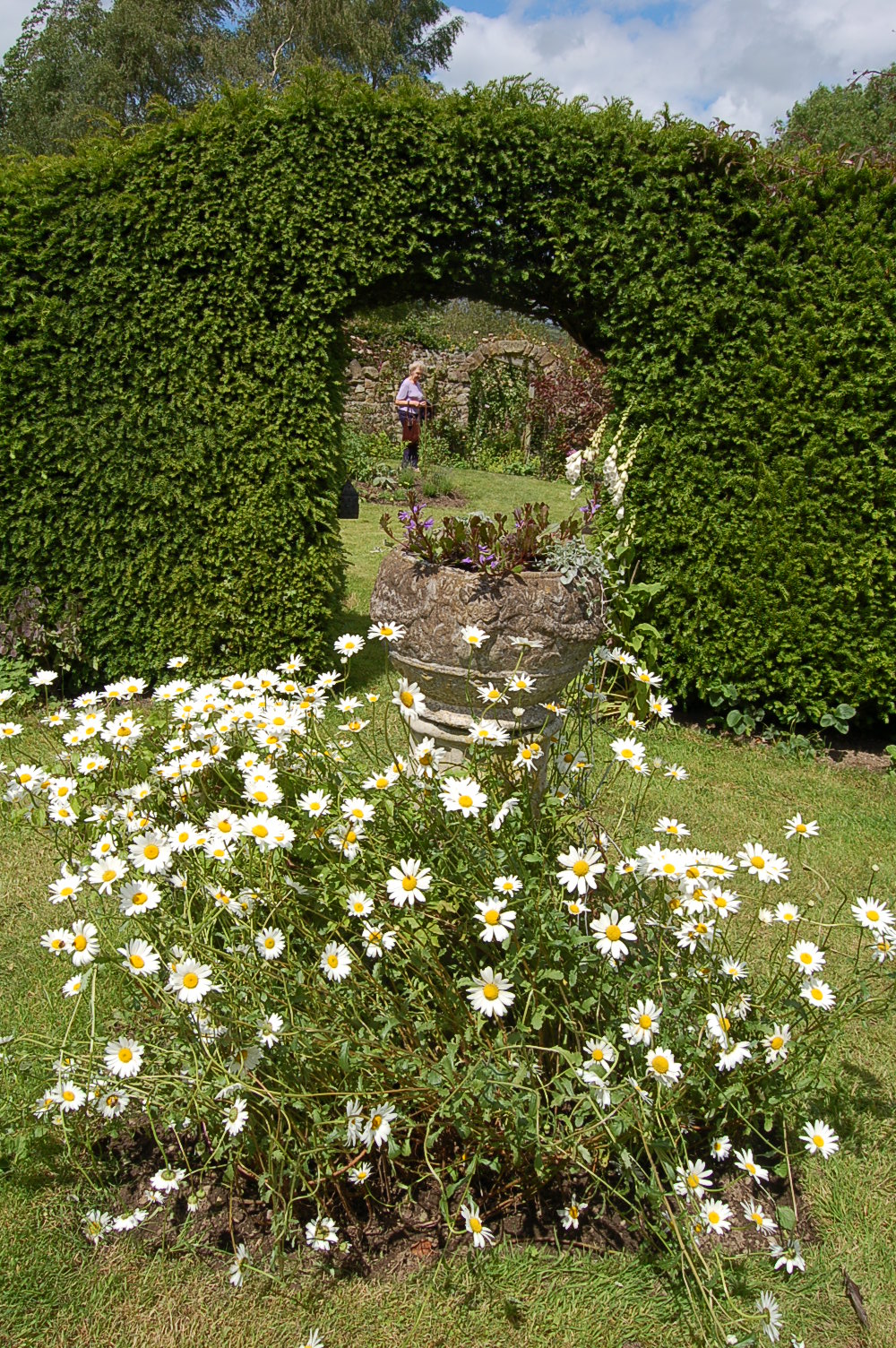
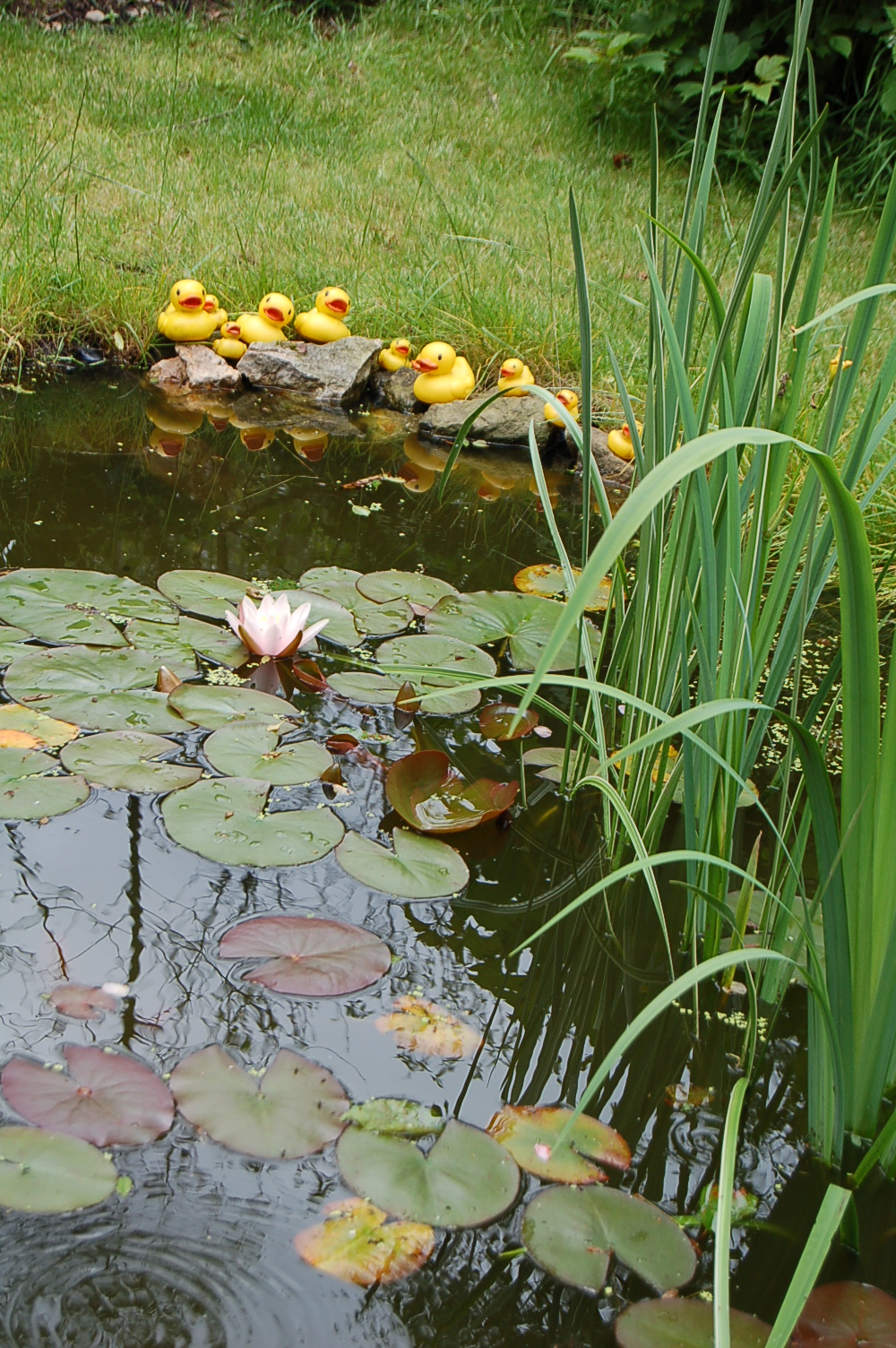
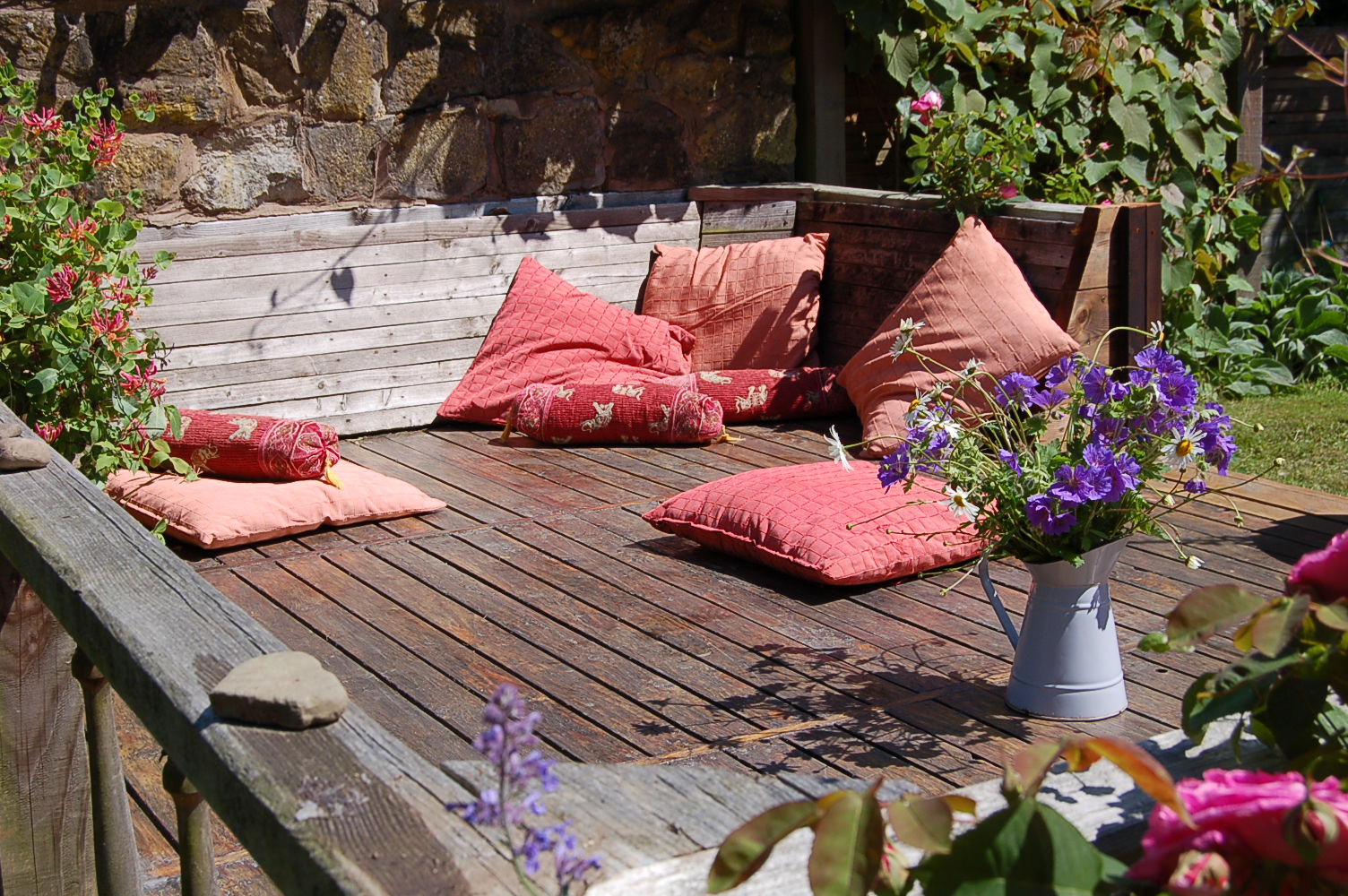
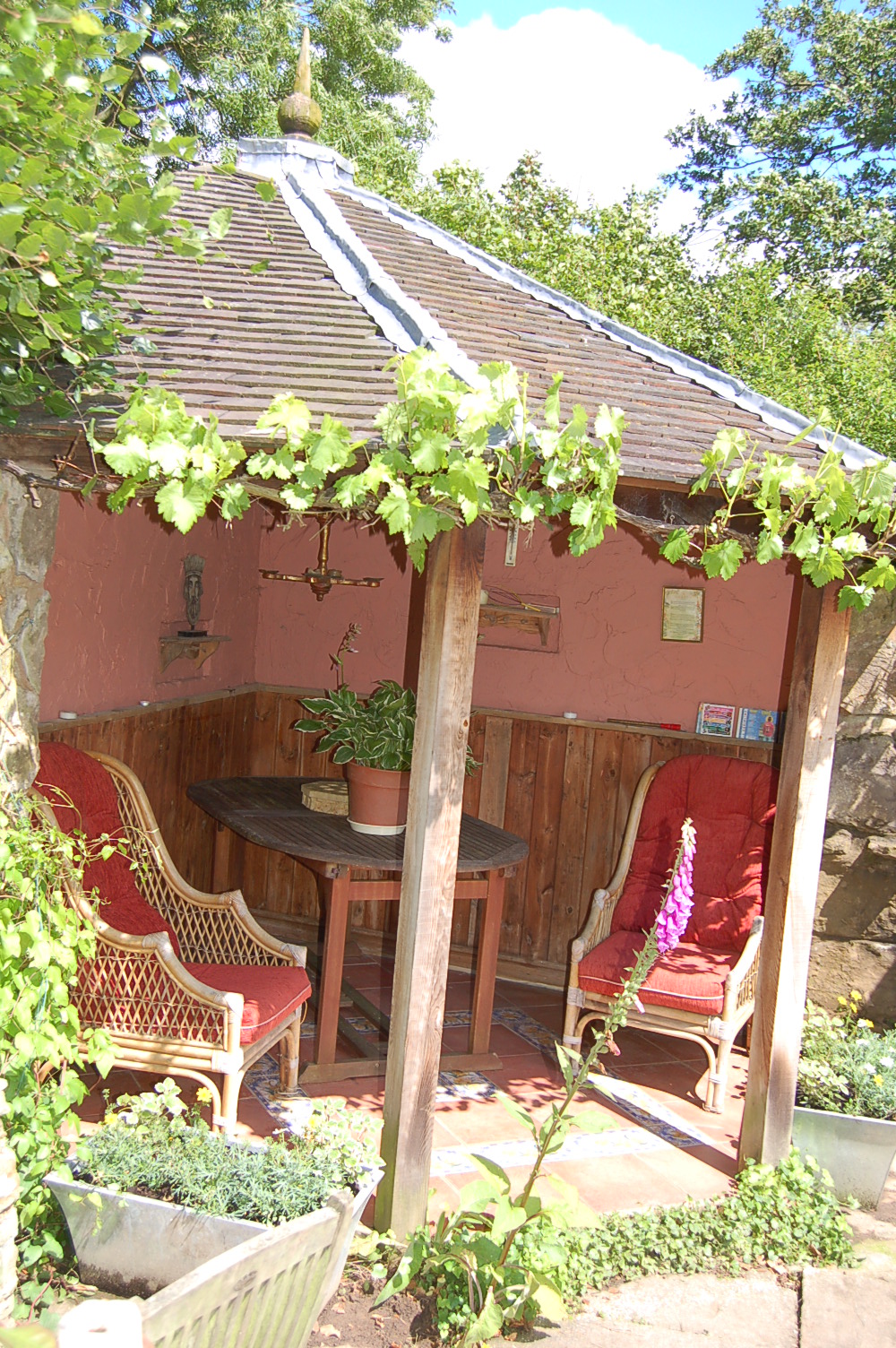
We weren’t to be disappointed. Her garden was one of interesting plants as one would expect, inspired little details and unusual places to sit, rest and enjoy the garden and the peace of the Shropshire countryside. (look out for the family of little plastic ducks!)
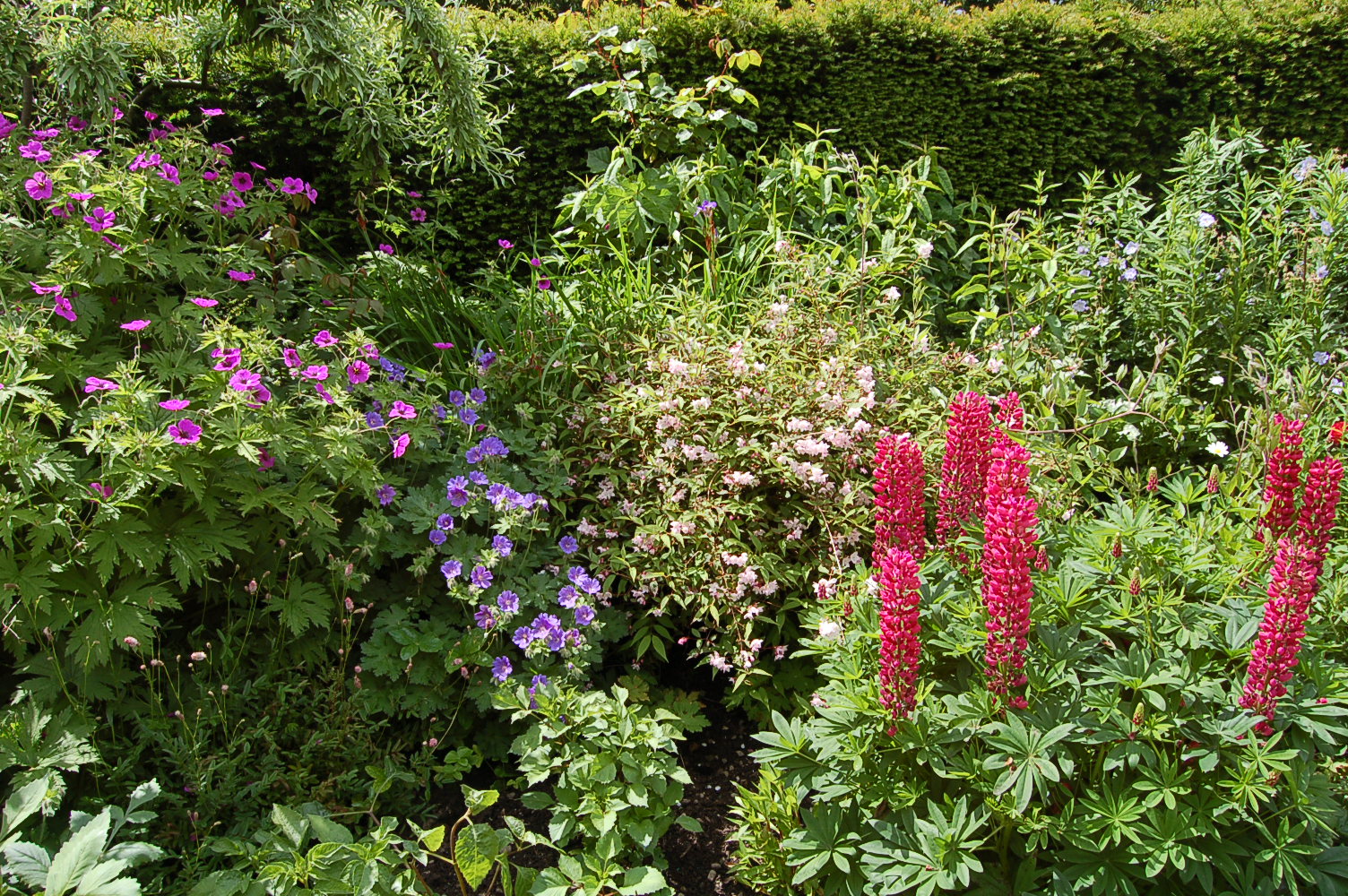


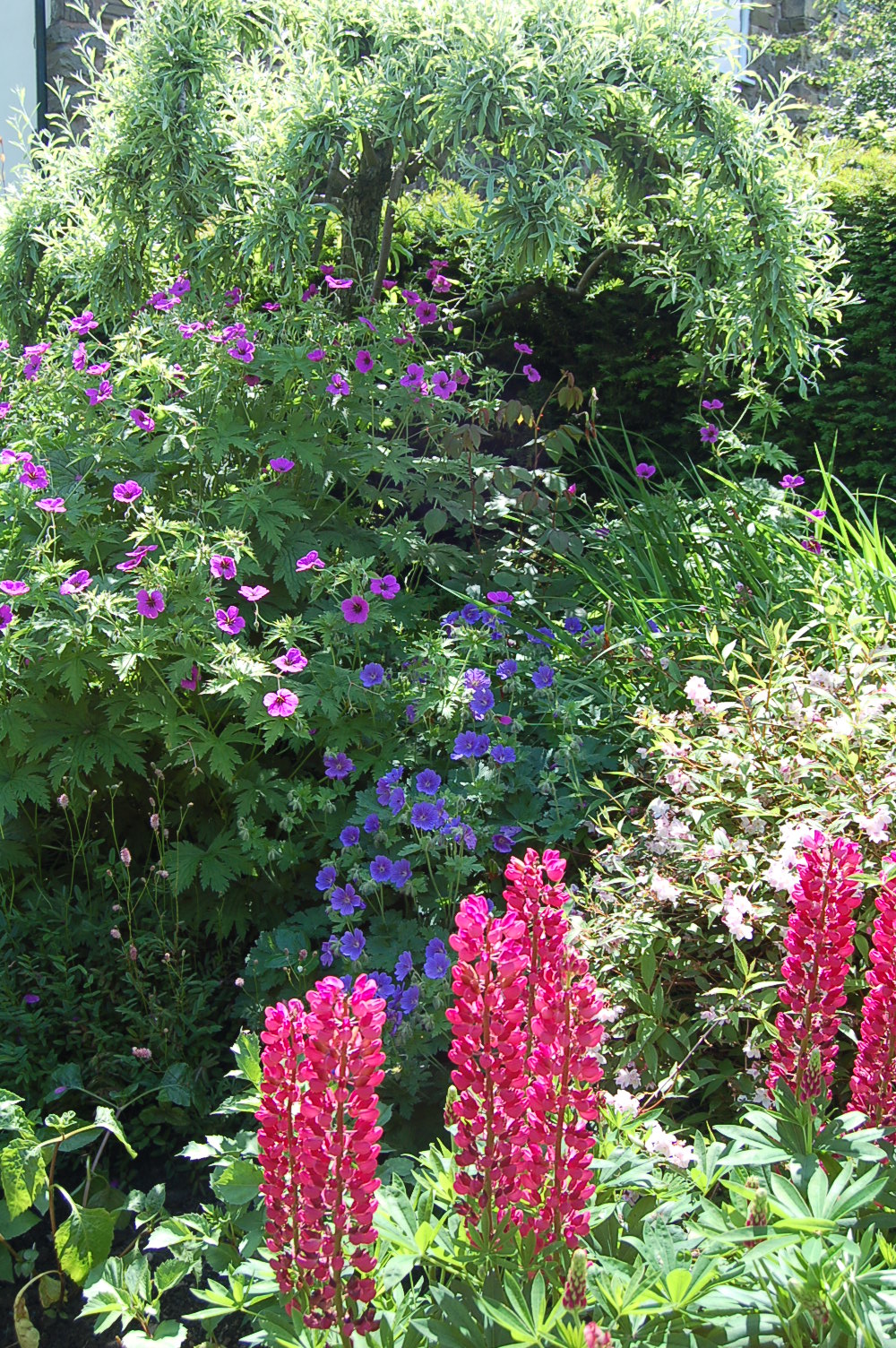

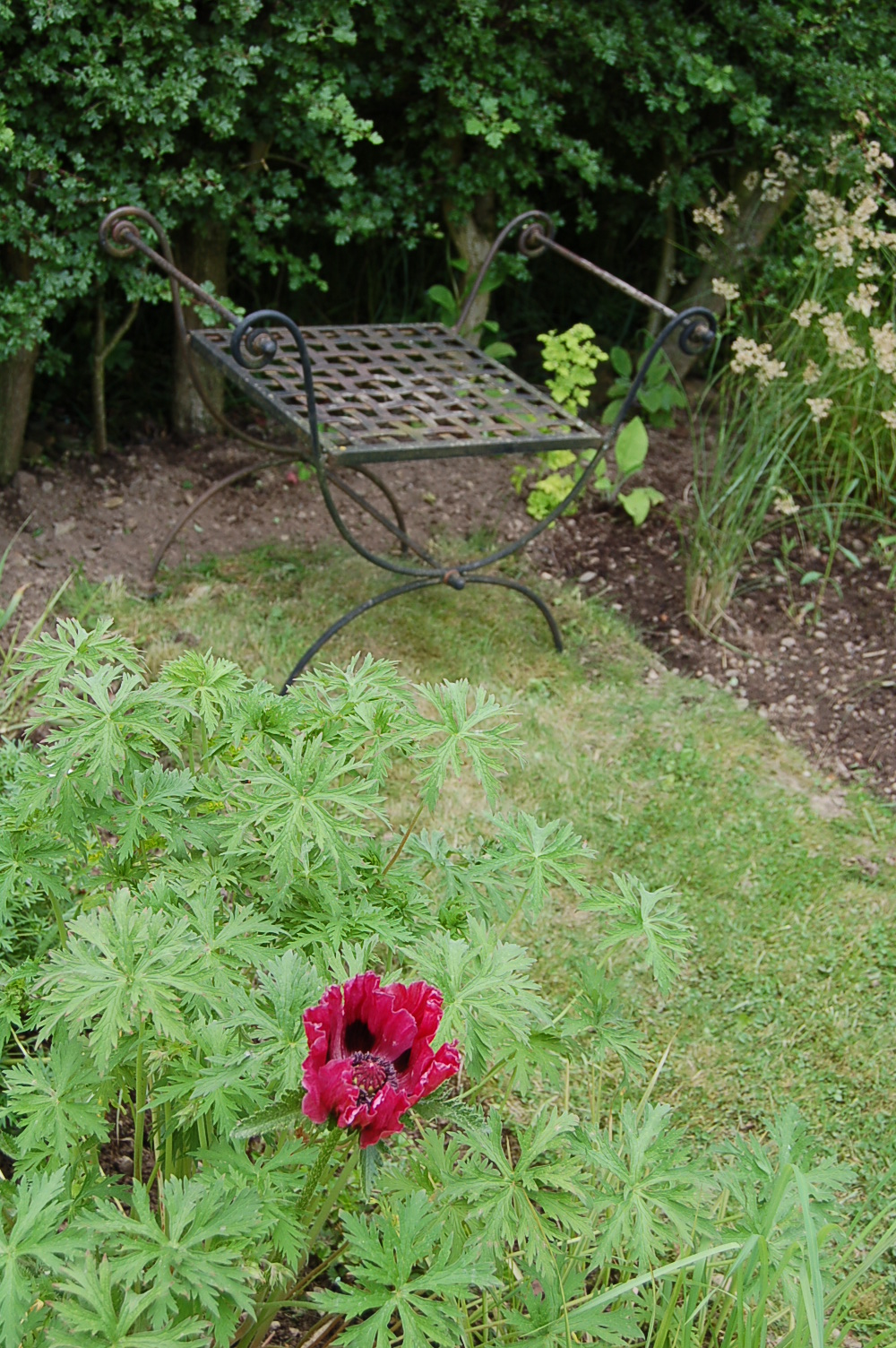

Once we had visited this selection of gardens we were ready for a return to the village hall where villagers had prepared teas, coffees and home-baked cakes. Part two follows after the tea break!
A Vegetarian | Nature Lifestyle Blog
.....and nurturing my soul
Journeys In St. Louis Gardening and Beyond
Consult the genius of the place
A blog full of humorous and poignant observations.
Notes from a wildlife-friendly cottage garden
...an emerging social science
'The most important and informative publication on wildlife of our times' - The Independent. This blog is a member of The UK & Ireland Natural History Bloggers group: www.uknhb.blogspot.com
Inspire - Cultivate - Grow Native Plants - Restore Landscapes
To create and protect a semi-natural wild space for the people of Farnham to enjoy and experience an array of British wildlife in our town
The www.gardeningwithchildren.co.uk Blog
birding through the seasons, why birds matter and how to conserve them
with a camera in hand
Transform your outdoor space
My allotment, cooking and other interests
my gardening life through the year
Trying to live a creative life
trying to live as lightly as possible on our beautiful planet
Nature lovers from Leicester living the good life.
Finding the beautiful in the everyday
Michelle's Allotment
thoughts from and about my garden
Big plans for a small garden
A Walled Country Garden in South East Scotland
Life at the fruity chicken
Off grid living. Self sufficient. "PERMAGANICS RULE".
Nottingham's Grade 2* Listed Allotments and Community Orchard
a journey in suburban vegetable gardening
The madness of growing your own
A novel approach to vegetable gardening
Sustainable living in the Irish countryside.
Master Gardener, amateur photographer, quilter, NH native, and sometimes SC snowbird
Recent work and work in progress and anything else that interests me
a chaotic cottage gardener
a weekly blog that creates a personal philosophy through photographs and words
Stories from a sassy and classy Southern farmbelle.
Simple Organic Gardening & Seasonal Living
turning dirt into dinner
today the world is created anew
Notes from a Devon garden
Life Through The Lens
A photography blog showcasing the best photography pictures and videos on the internet
Just another WordPress.com site
personal observations from the natural world as the search continues for a new approach to conservation.
The Wonders of Life through my Eyes, my Heart, my Soul
 greenbenchramblings