Categories
allotments bird watching birds climbing plants fruit and veg garden design garden photography garden wildlife gardening grow your own winter gardens

A Wander Around Our Garden in March

This is the third of the garden wandering posts already. Why is this year going so quickly? Could it be that we have had so many days when the weather has been amenable to gardening? So what is happening here in our garden? The bulbs are at last flowering well after such a slow start but in contrast the birds are responding quickly to warmer periods of weather. Robins are nesting in the box on my fishing tackle shed, House Sparrows are using three boxes around the garden, Great Tits are using the box on the summer-house and Blue Tits have started building in the box opposite the front door. They are so busy! Blackbirds are collecting moss from the lawns and dried grass stems from the borders so are nesting somewhere close by. The early morning bird song gets louder and more birds join in the chorus each day.

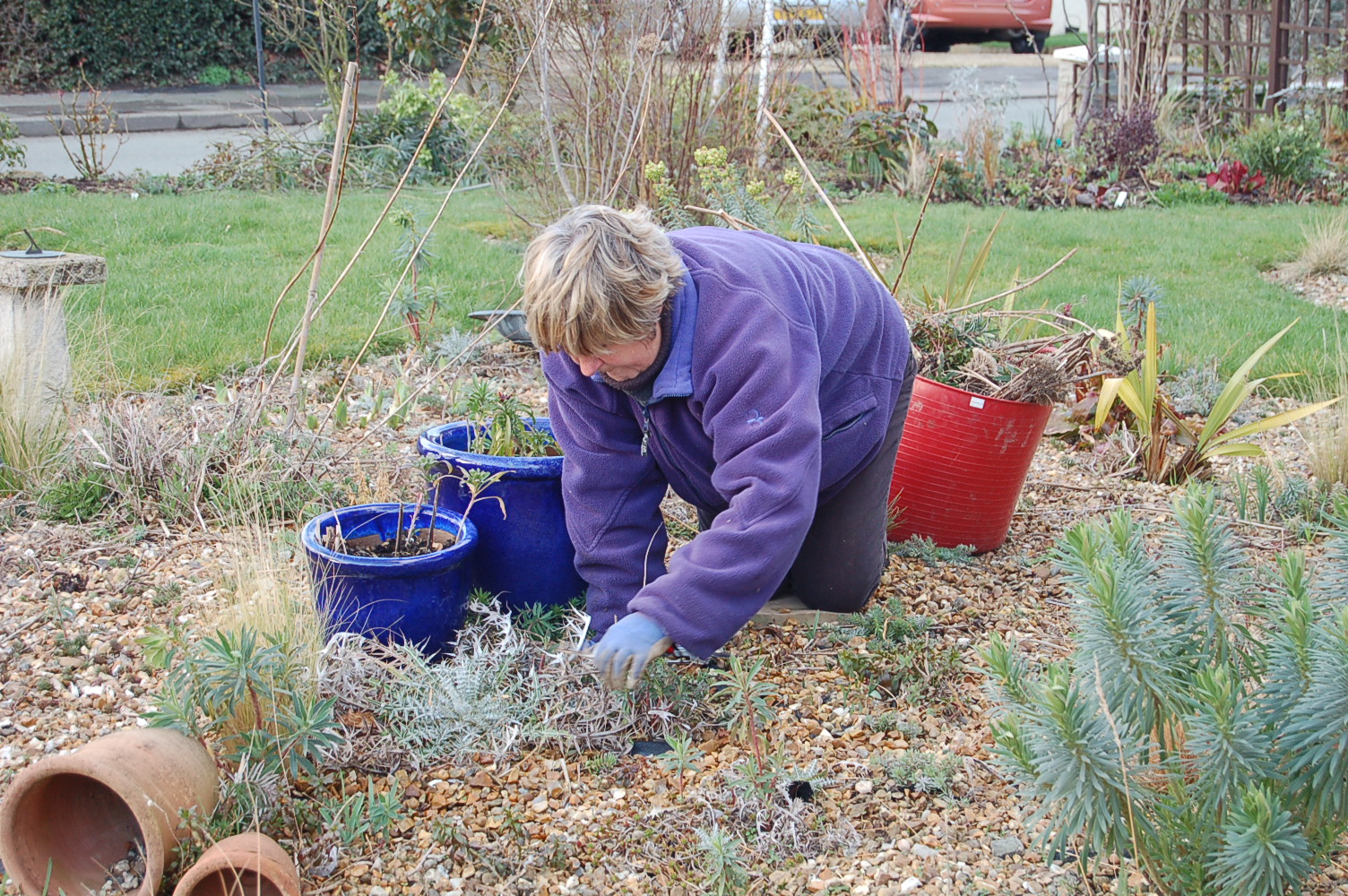
We have spent most sunny days continuing to clear borders, cutting down and adding new mulch. Clearing the “Beth Chatto Garden” is a hands and knees job. Jude the “Undergardener” pulls up weed seedlings by hand. Very tedious but made more enjoyable by the constant song of Blackbirds, Song Thrushes and Robins. Calls of Buzzards high above us provide a good excuse to stop occasionally.
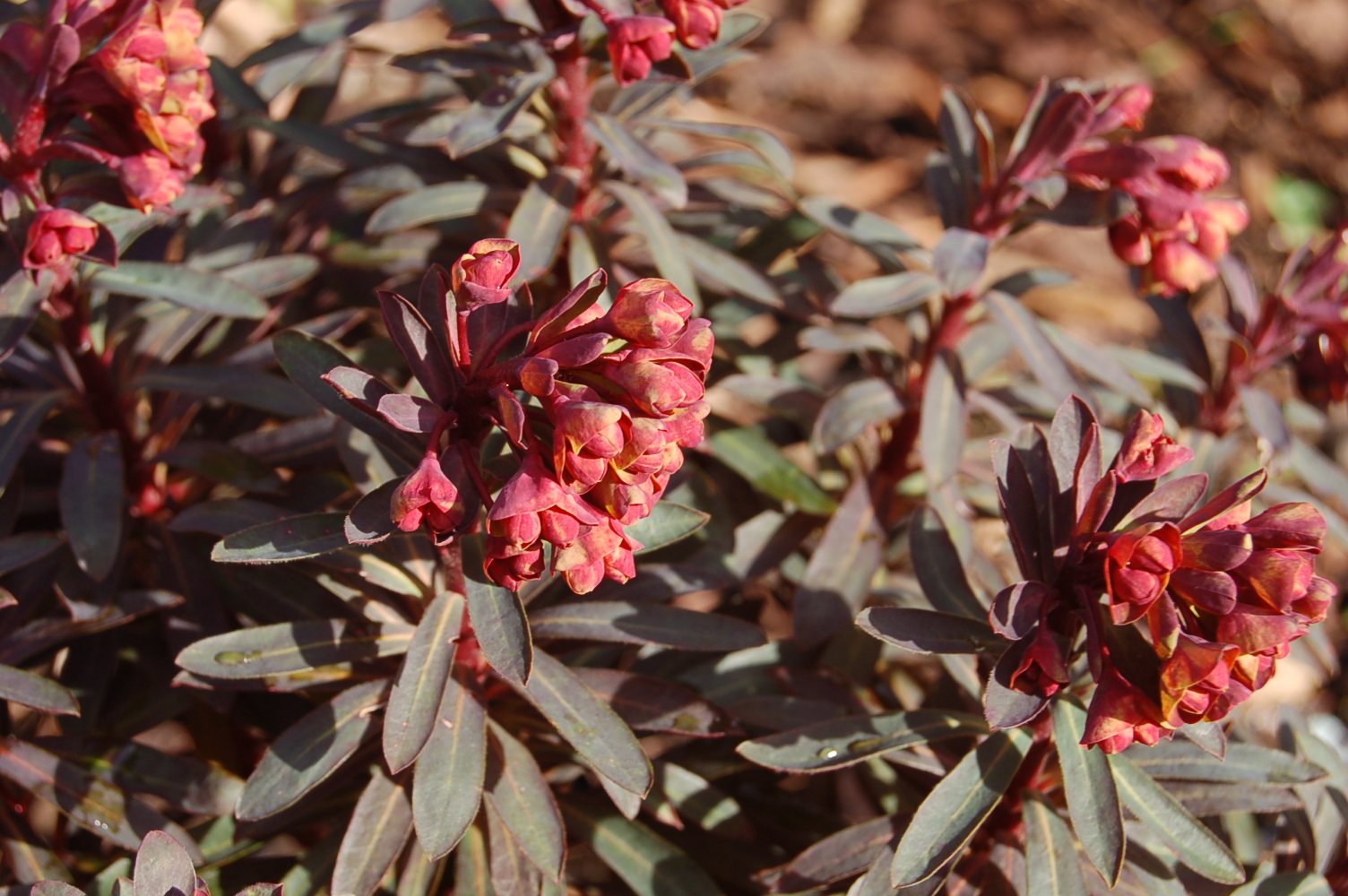
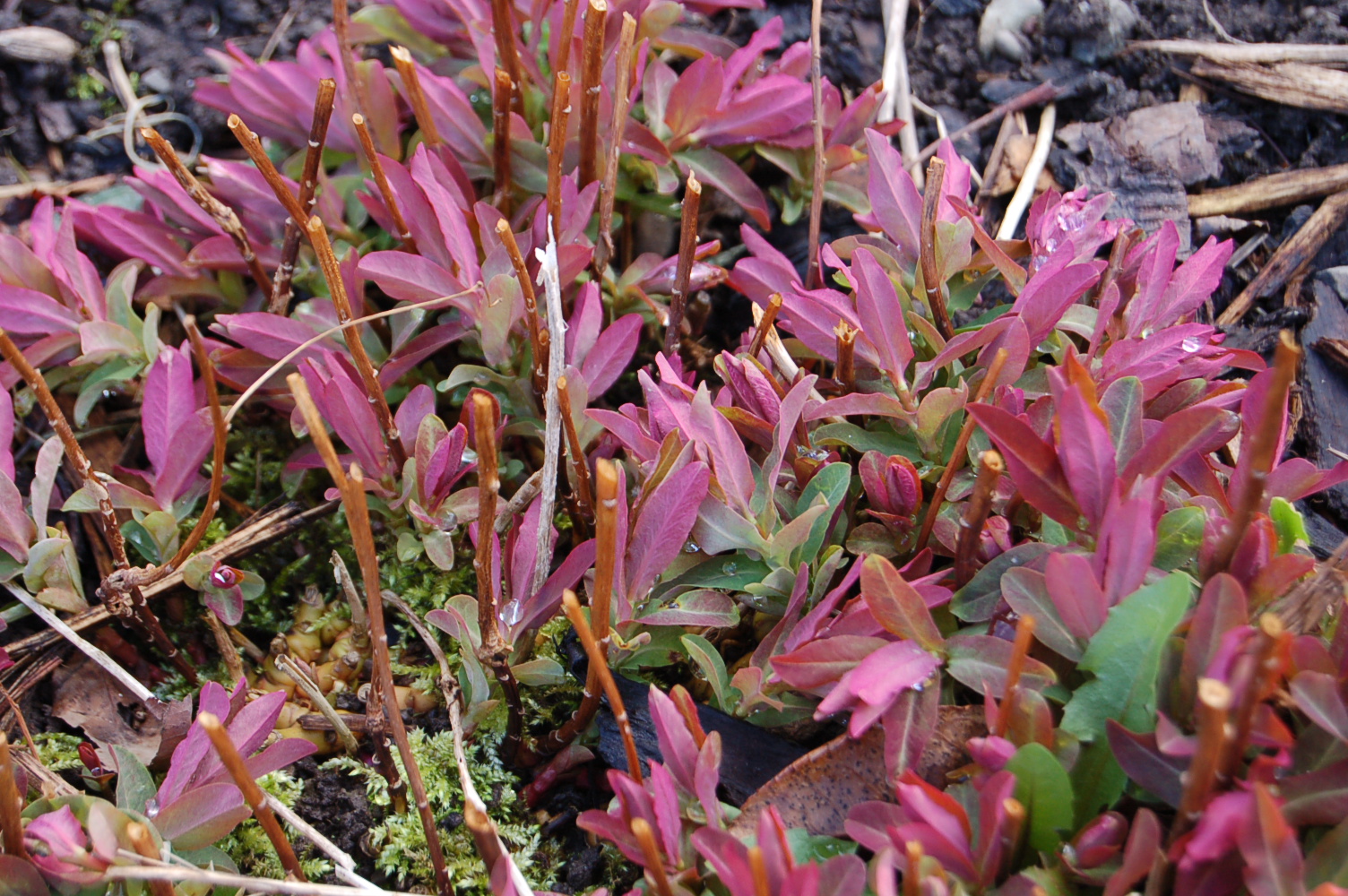
In the front garden Euphorbias are bursting into growth and some have already sent up their flower stalks curling over like shepherds’ crooks. New growth on the later ones is showing bright colours as they emerge from the bark mulch.
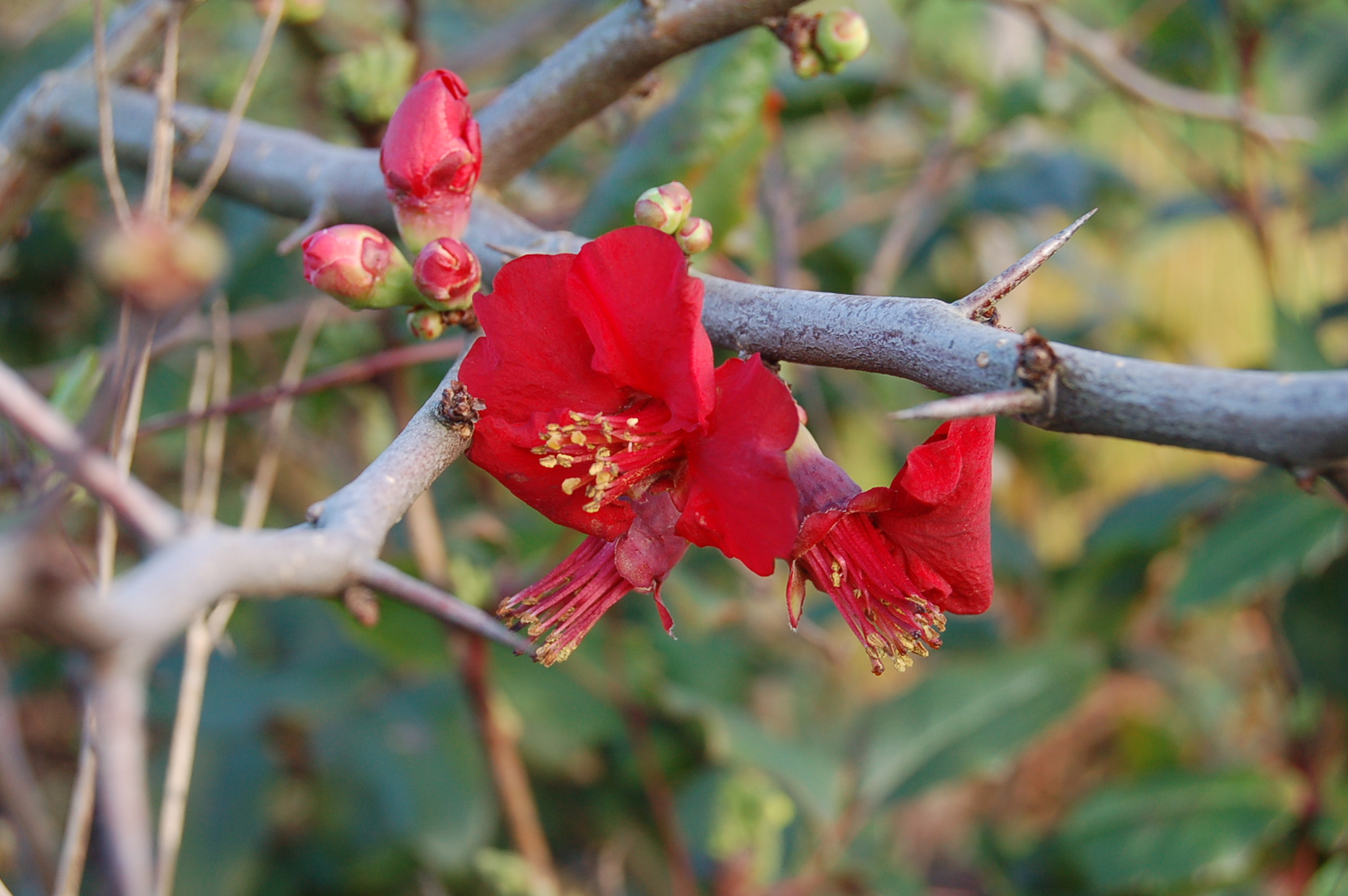
The flowering quince at the end of the drive is covered in bright red blooms scattered amongst its thorny angular network of stems – it will flower for months giving a warm welcome to visitors.

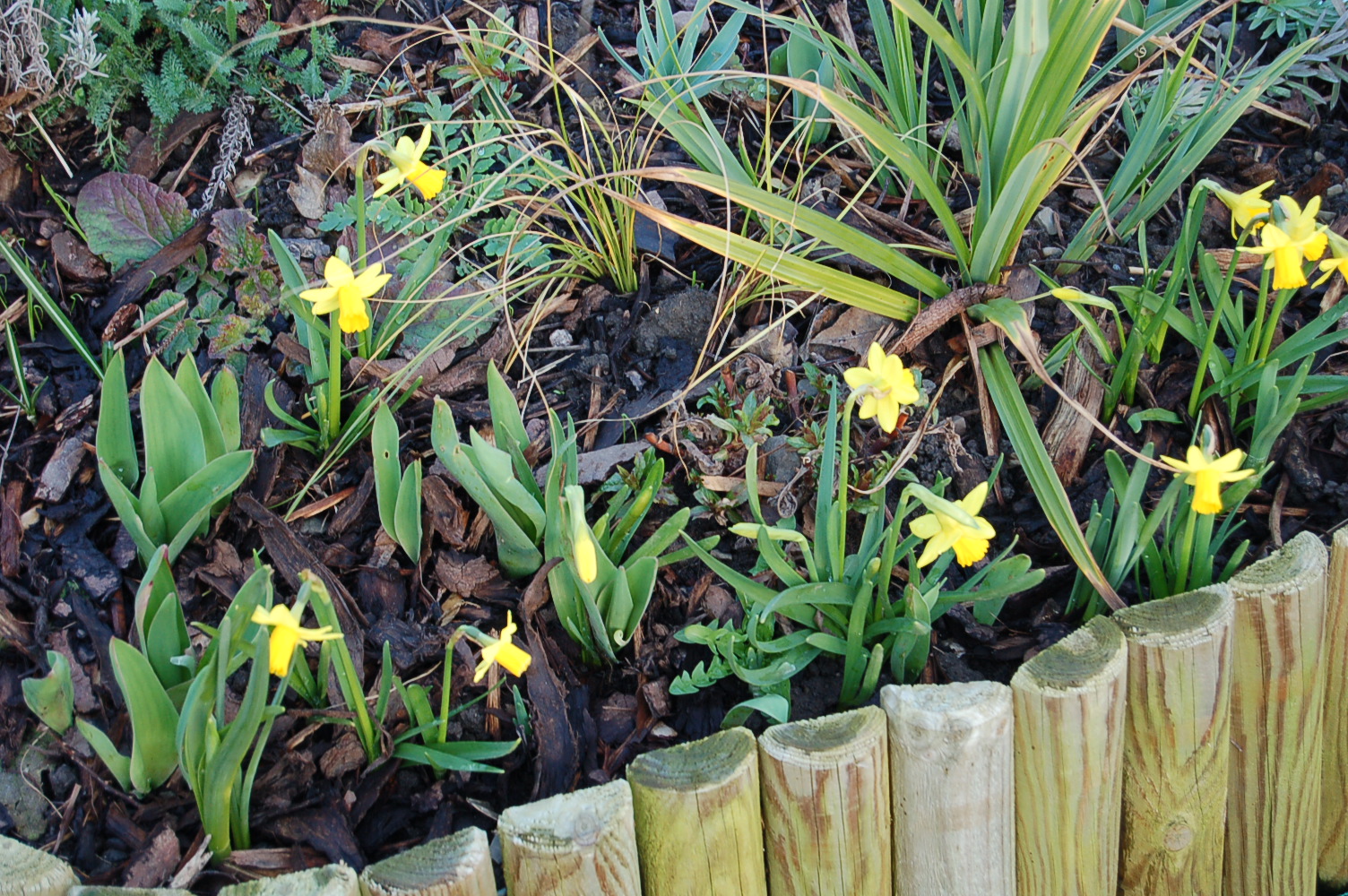
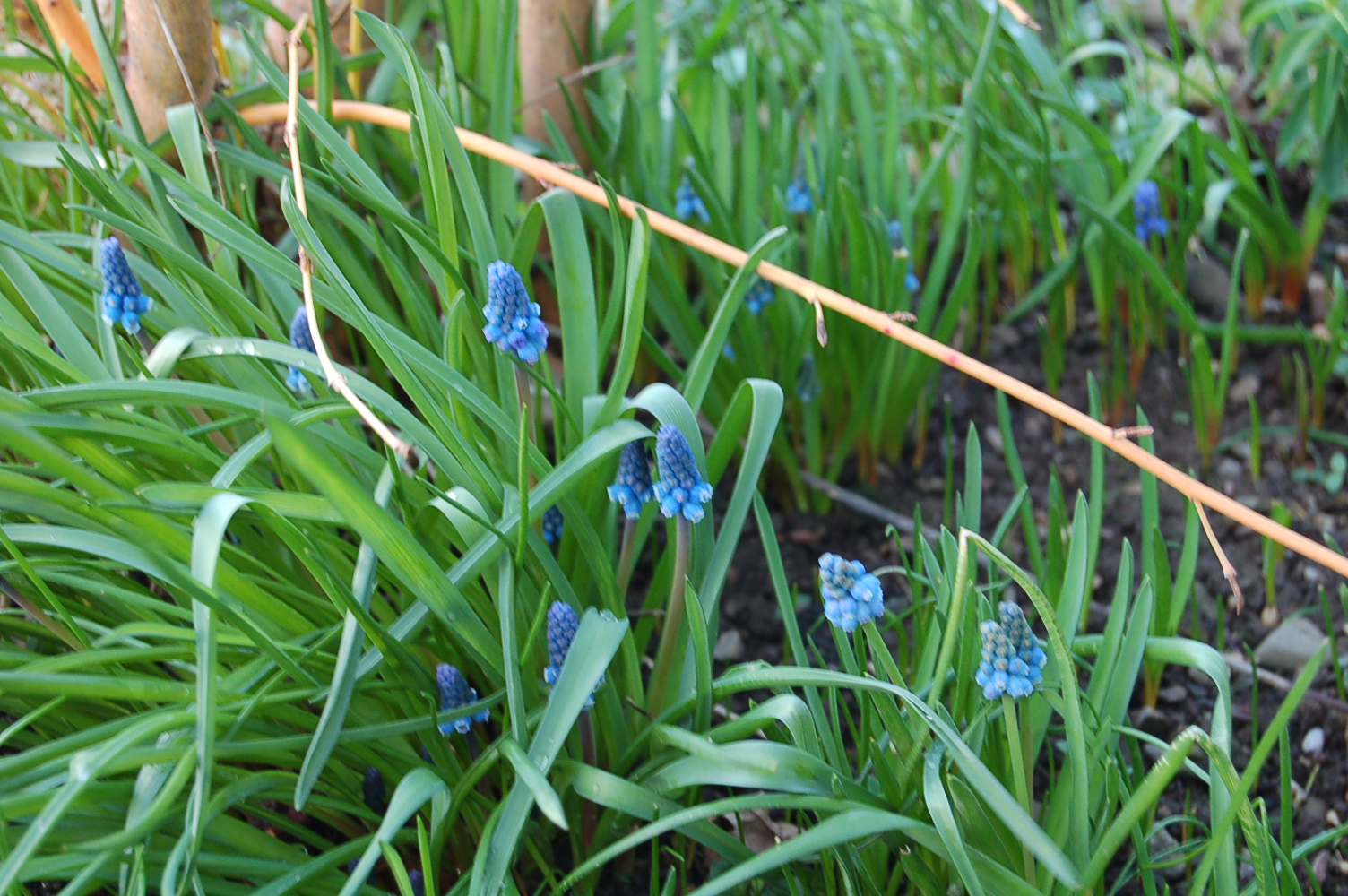
At last our first daffodils are fully in flower! We have waited so long. Muscari are also now bursting into bloom adding their own shade of blue all around the garden.
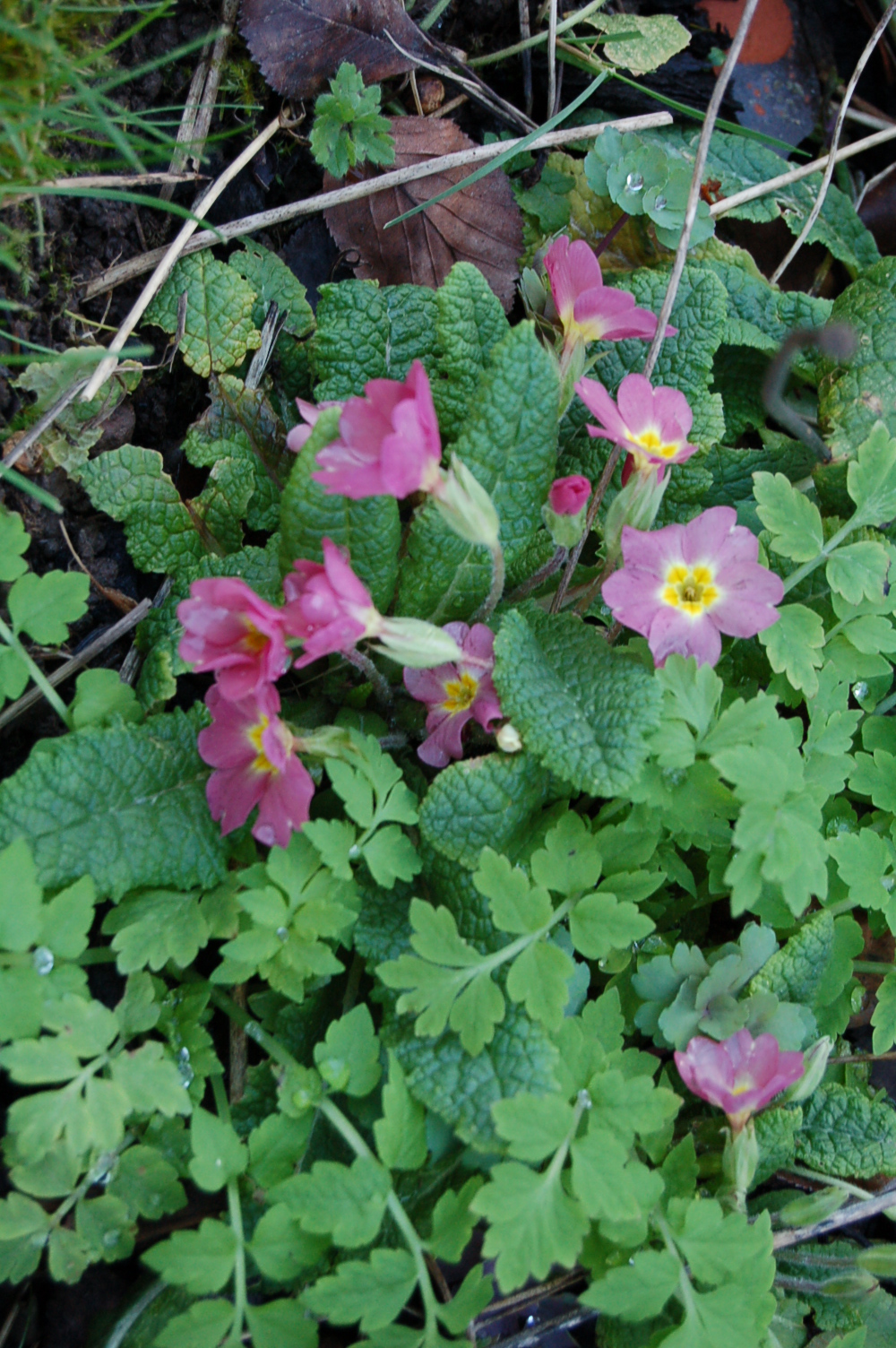
The Primroses we grew from seed a few years ago now give us big clumps of flower in their own special shade of yellow. They are self seeding and spreading around the garden, with an occasional plant producing flowers of an extraordinary shade of greyish pinky. Not sure I like them!

One of the delights of this time of year are the Pulmonarias with their flowers coloured pink and blue on the same plant and their beautifully marked hairy leaves.

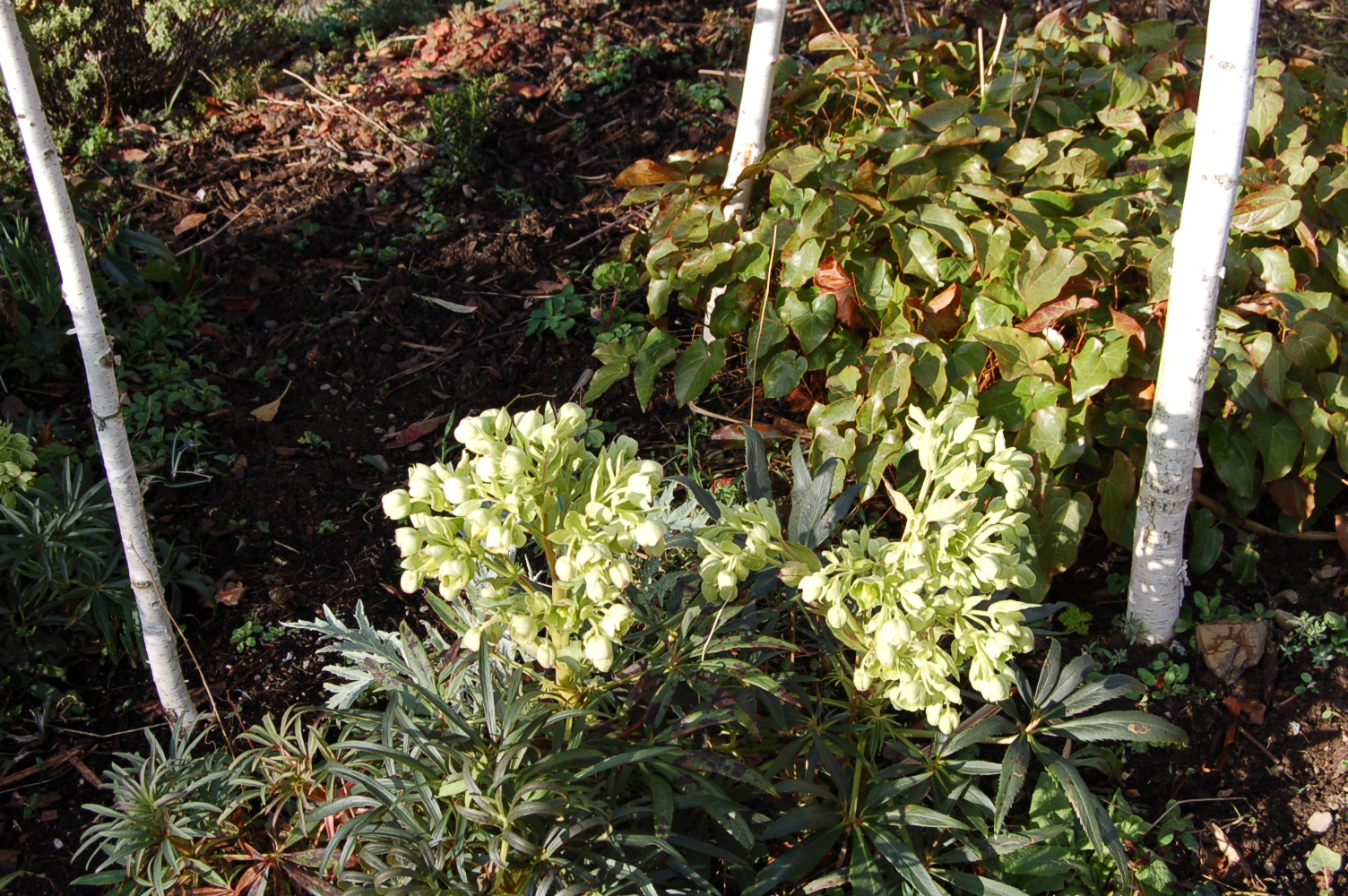
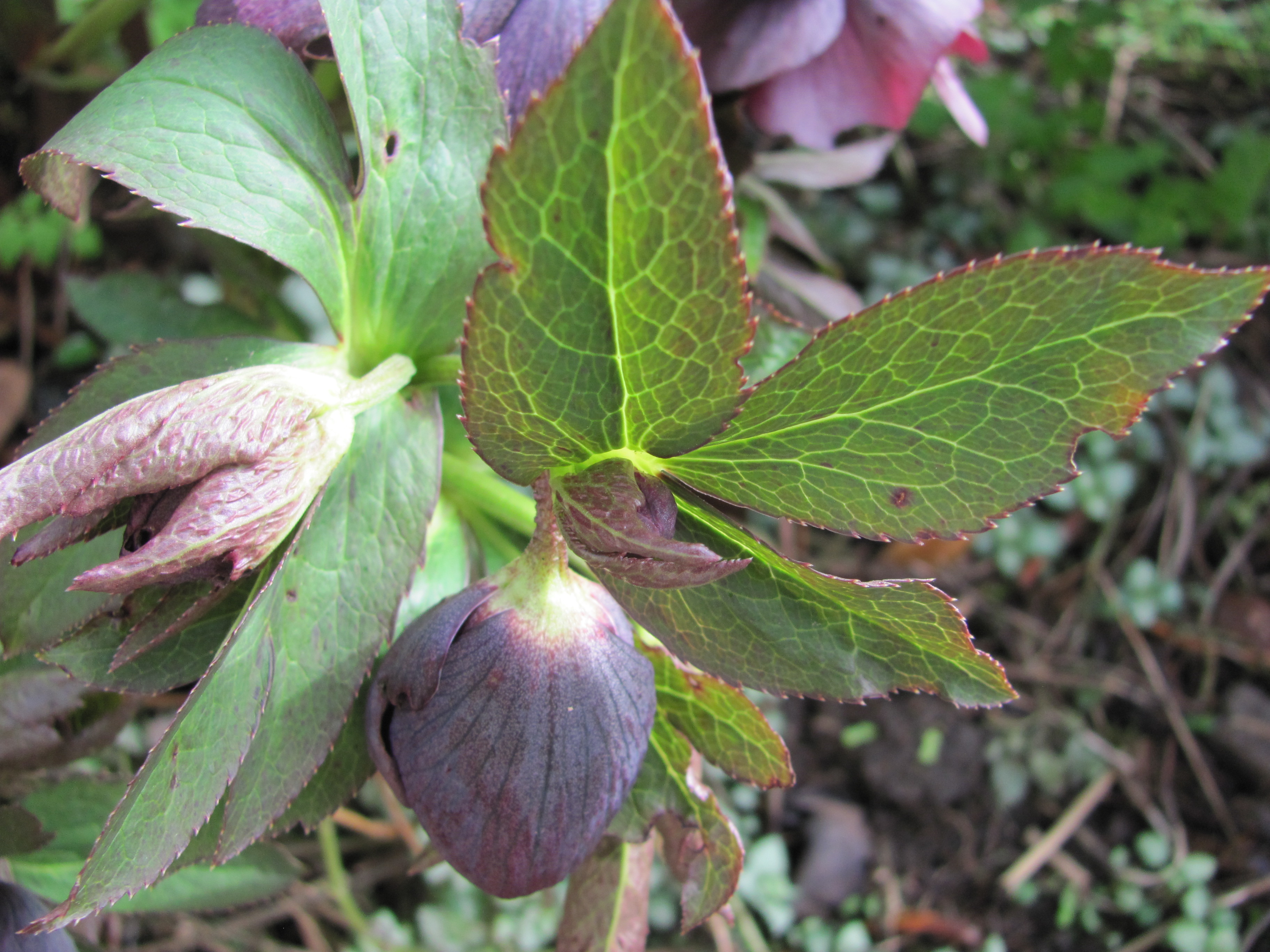
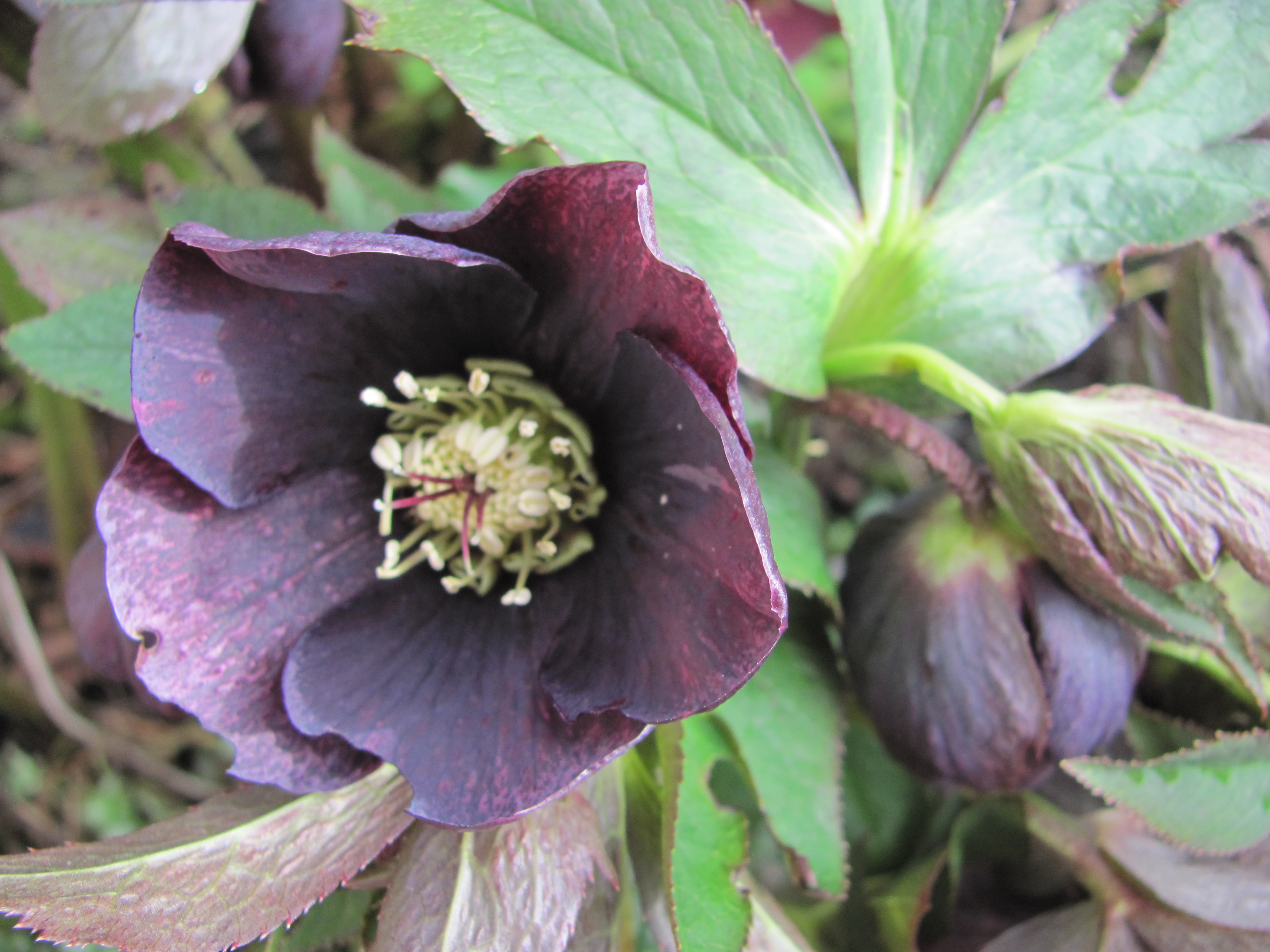
Helleborus have featured in both the January and February garden wanderings and they are still going strong. Two of the last ones to come into flower are this red hybrid and the magnificent near black variety. It looks good in bud and full flower and has the added attraction of interesting foliage. The clump of mixed Hellebores in the “Chicken Garden” give us plenty to look at on coffee breaks when the March sun bursts through and its warmth feels so good on our backs.

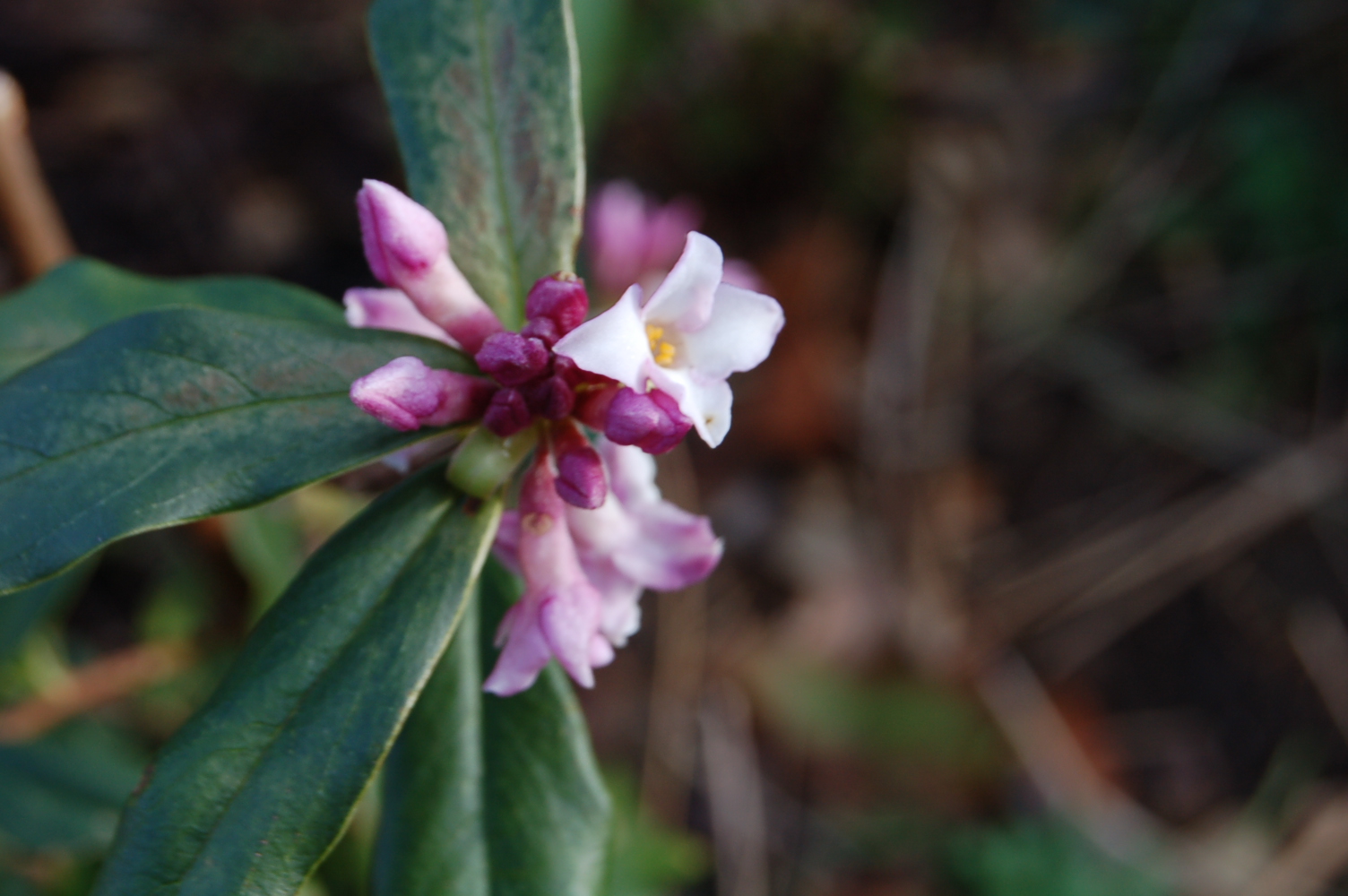
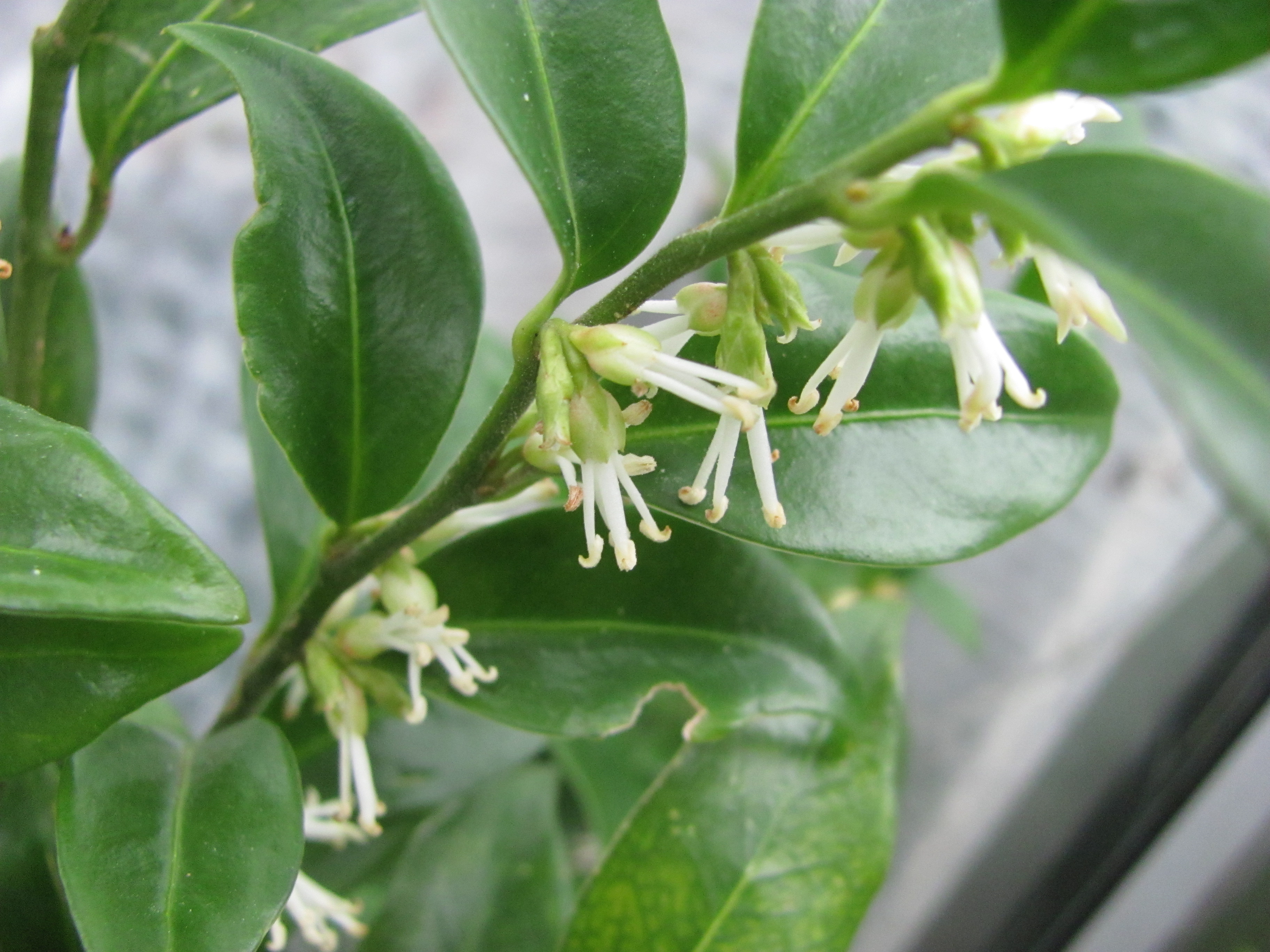
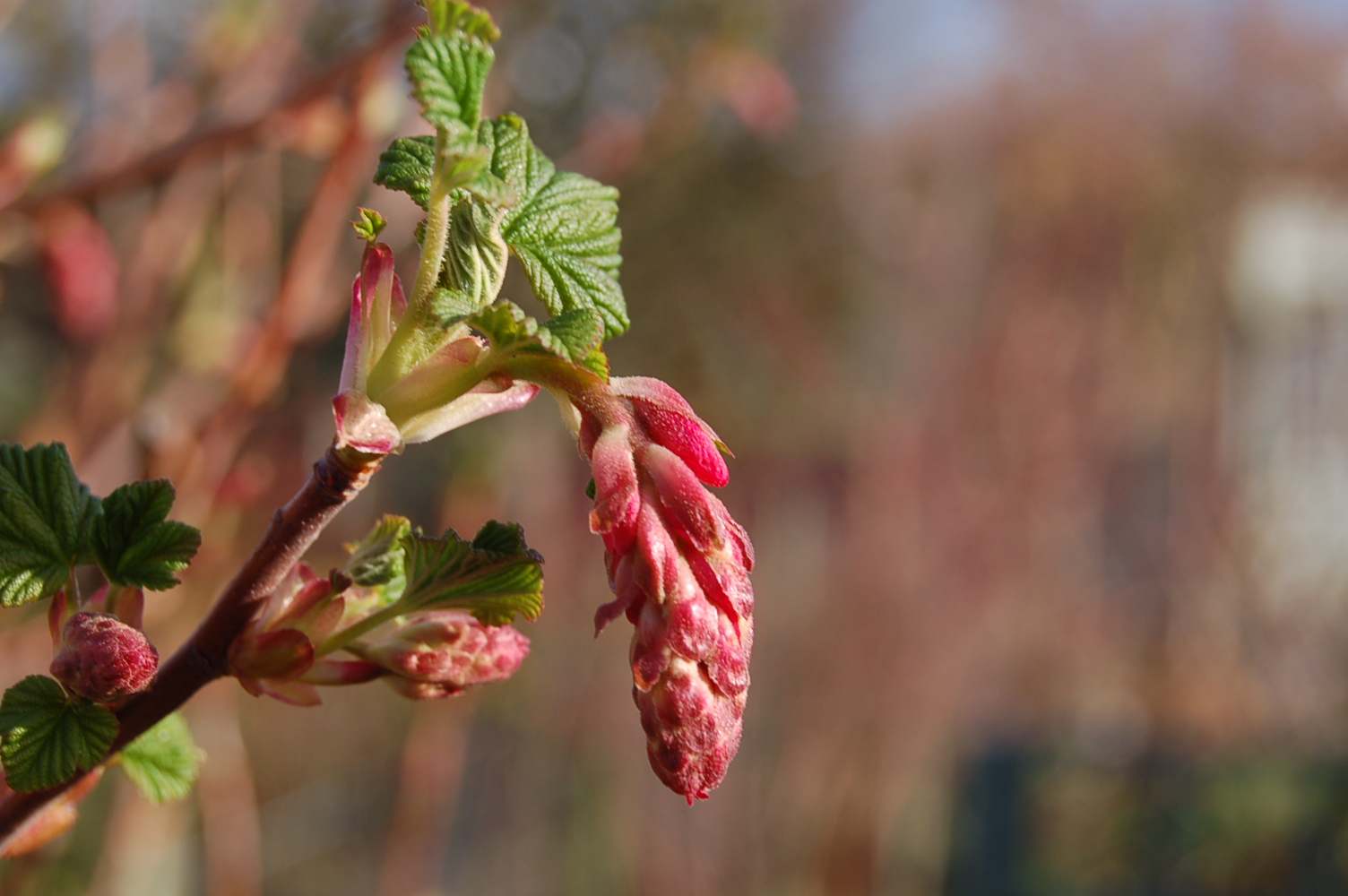
The bees appreciate the early flowering bulbs especially purple crocuses but soon they will be flocking to feed on the Flowering Currant, the exceptionally large flowered variety Ribes sanguineum King Edward VII, which is on the point of bud burst. The buds on the Daphne bhulua “Jacqueline Postill” have opened to reveal highly scented flowers in several shades of pink.
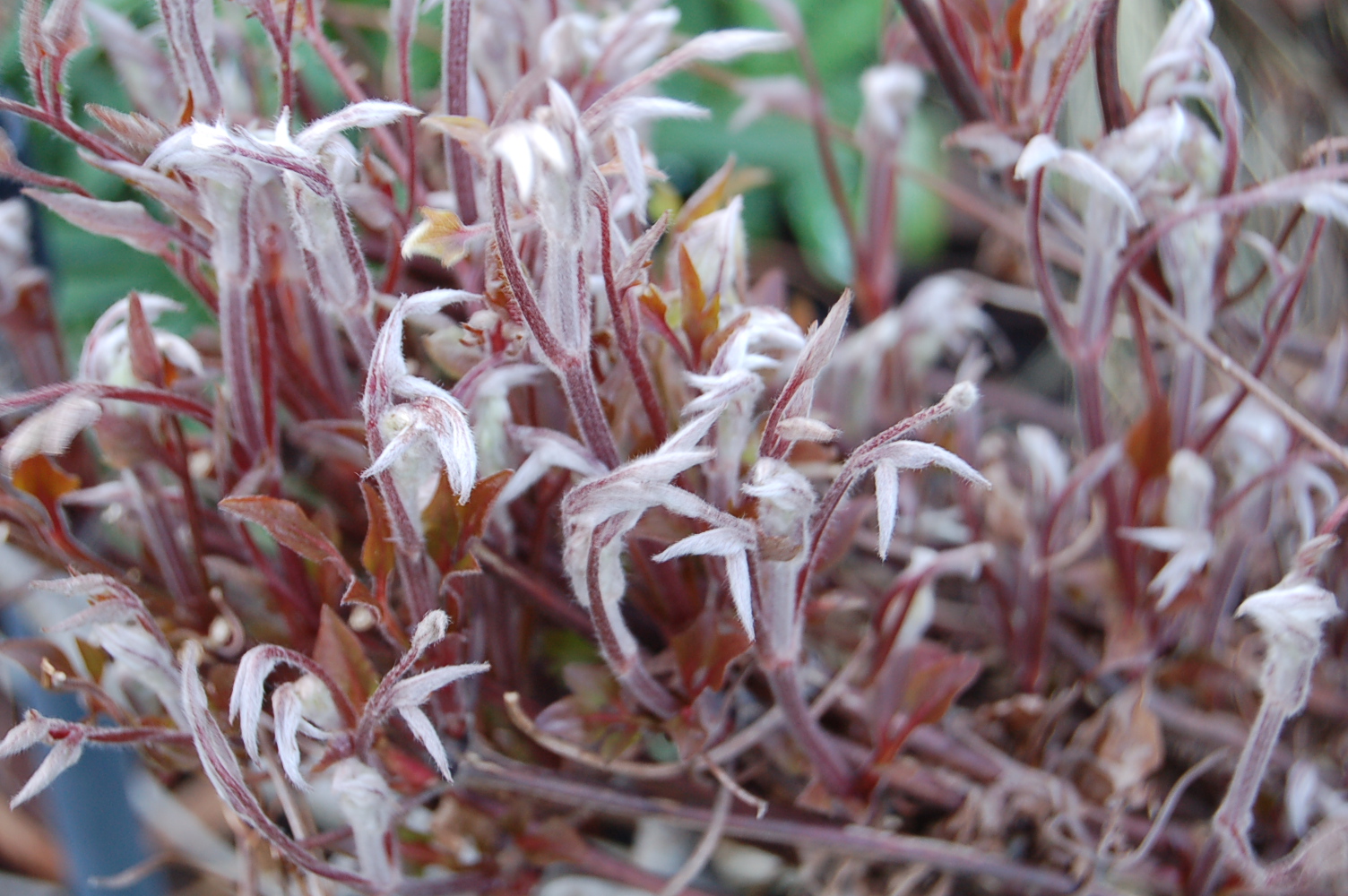
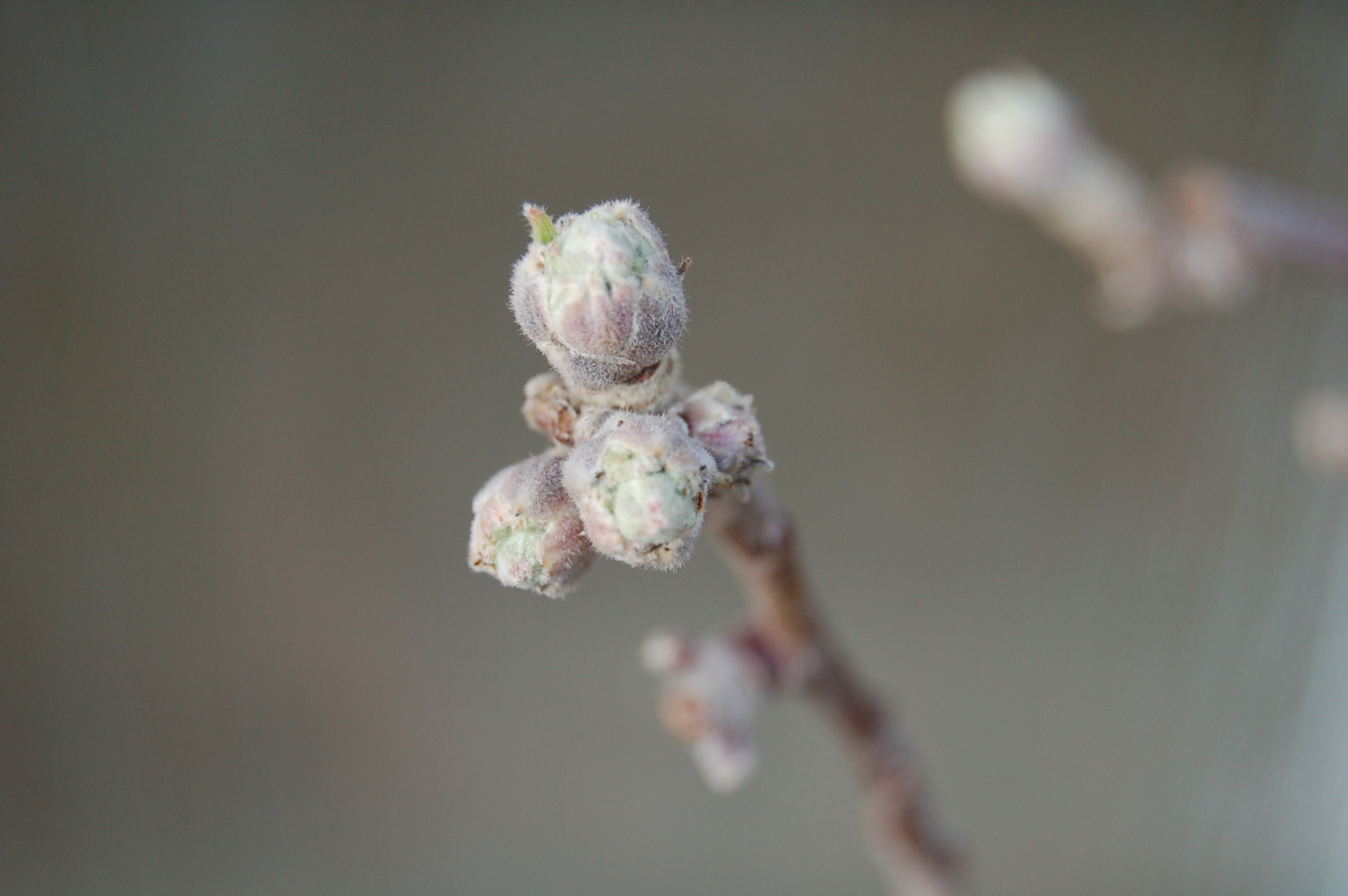
March in the garden is full of promises with buds developing and preparations underway for the productive garden. The photos show buds of Clematis, both climbing and herbaceous, and Apples and Pears.

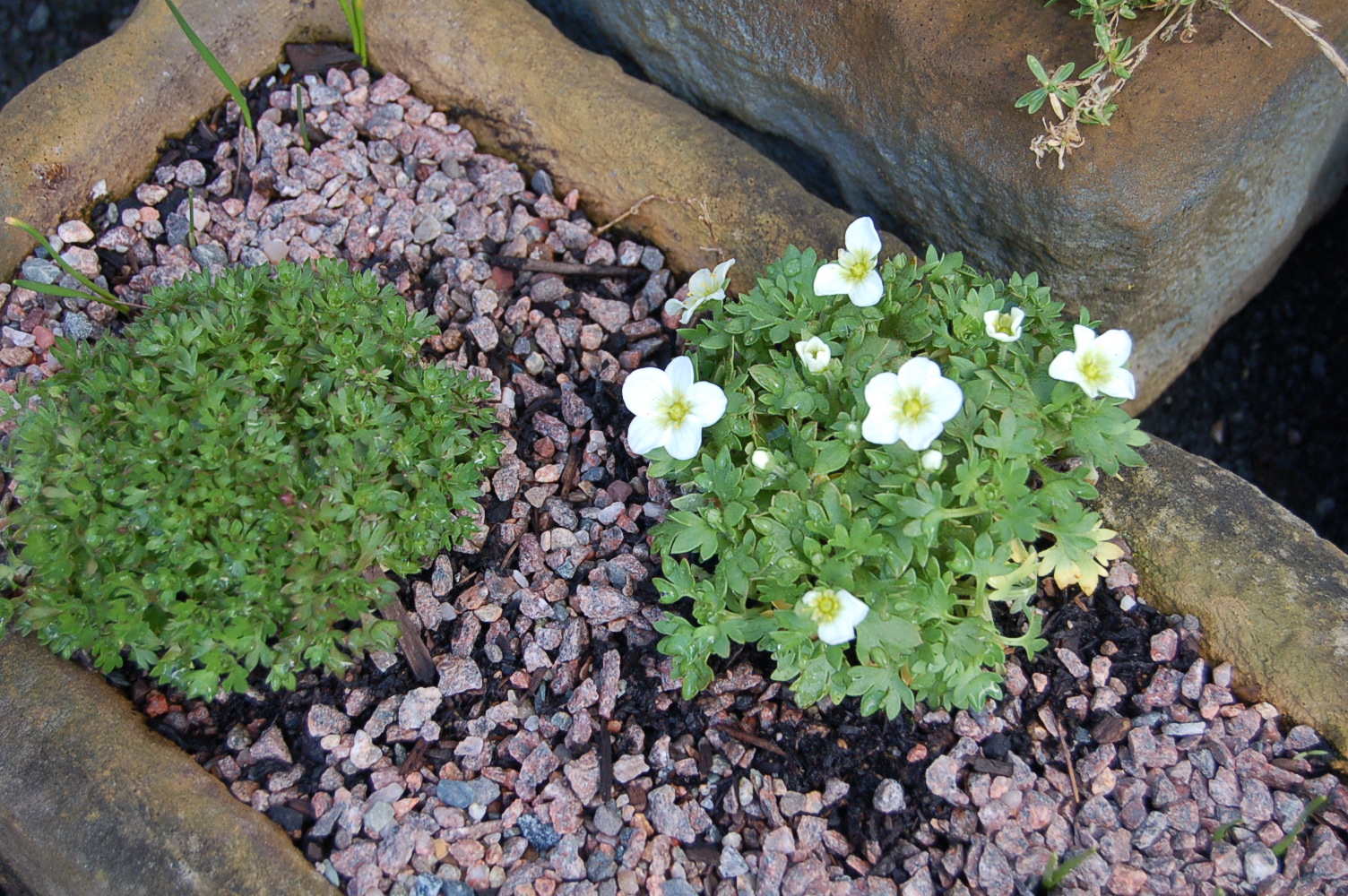
The Sempervivum in the alpine troughs and on the slate scree bed are all budding up nicely but one pure white-flowered one is out and glowing in the March sunlight. They are such precious little jewels of plants.
Our two newest areas of the garden, the Chicken Garden and the Secret Garden, are turning glaucous green with Allium leaves. One area is like a lawn of Allium. They seem to enjoy our soil too much and are spreading and self seeding madly!

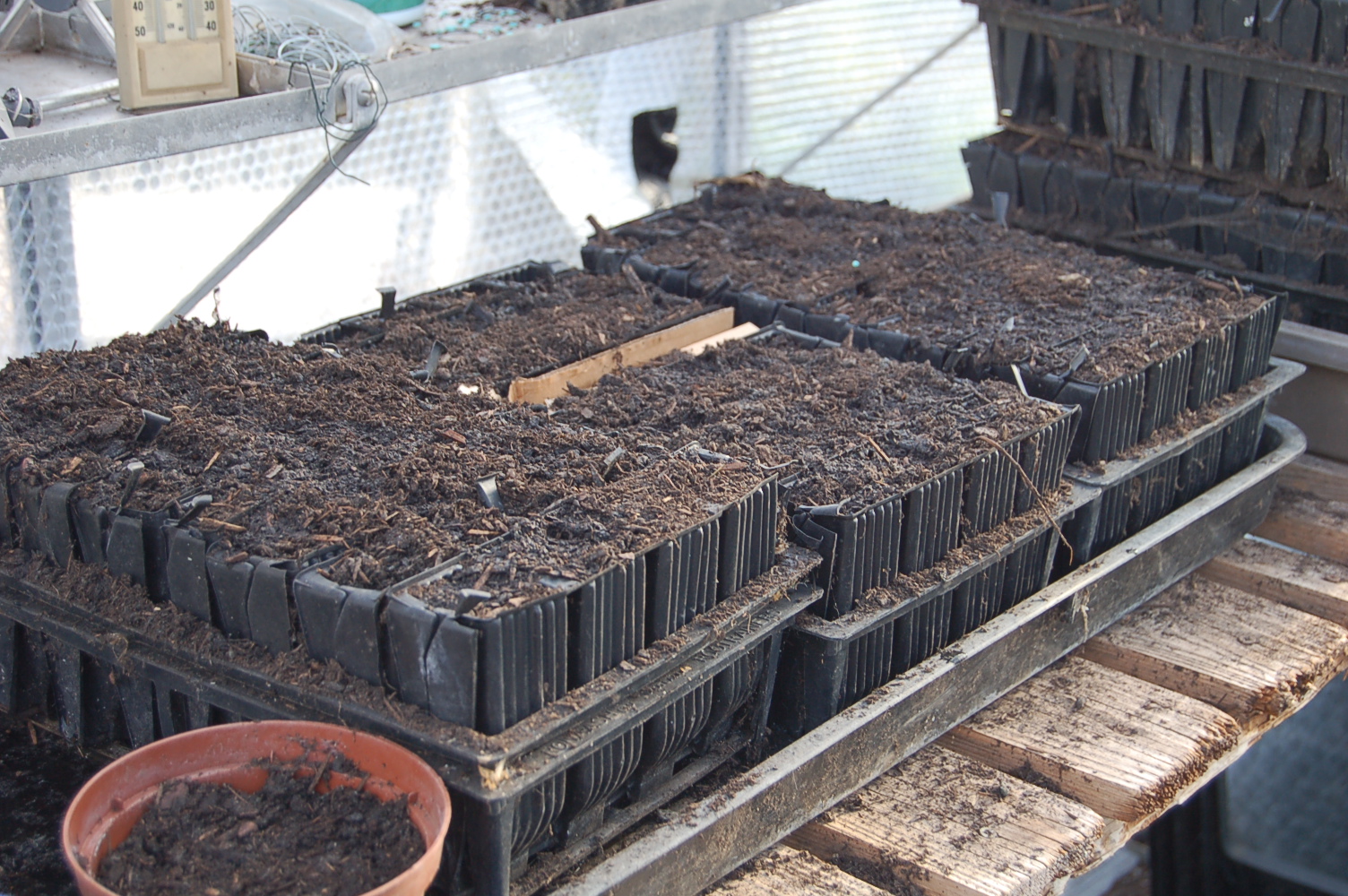
The productive side of our gardening mostly happens on our allotment but we have a big greenhouse in the back garden where we start off many of the veggie plants. Some seedlings have germinated in the propagator and lots cells and 5 inch pots are full of compost ready for us to sow peas, broad beans and sweet peas.
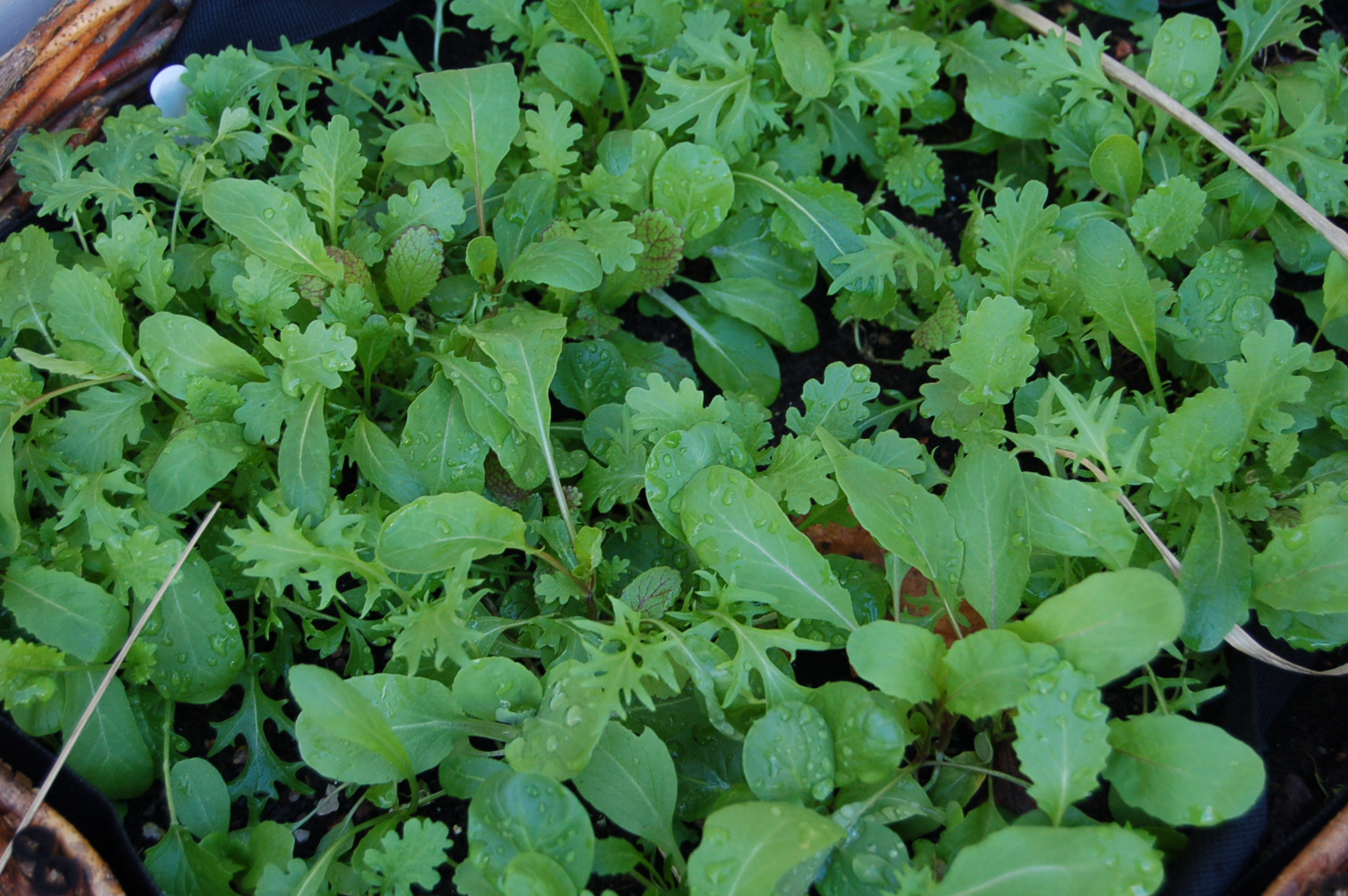
In our raised wicker beds just outside the back door the cut-and-come-again salad leaves are almost ready for the first cutting – and of course the first eating. So many different textures, colours and tastes! Delicious! Much is still to happen in March and on into April.
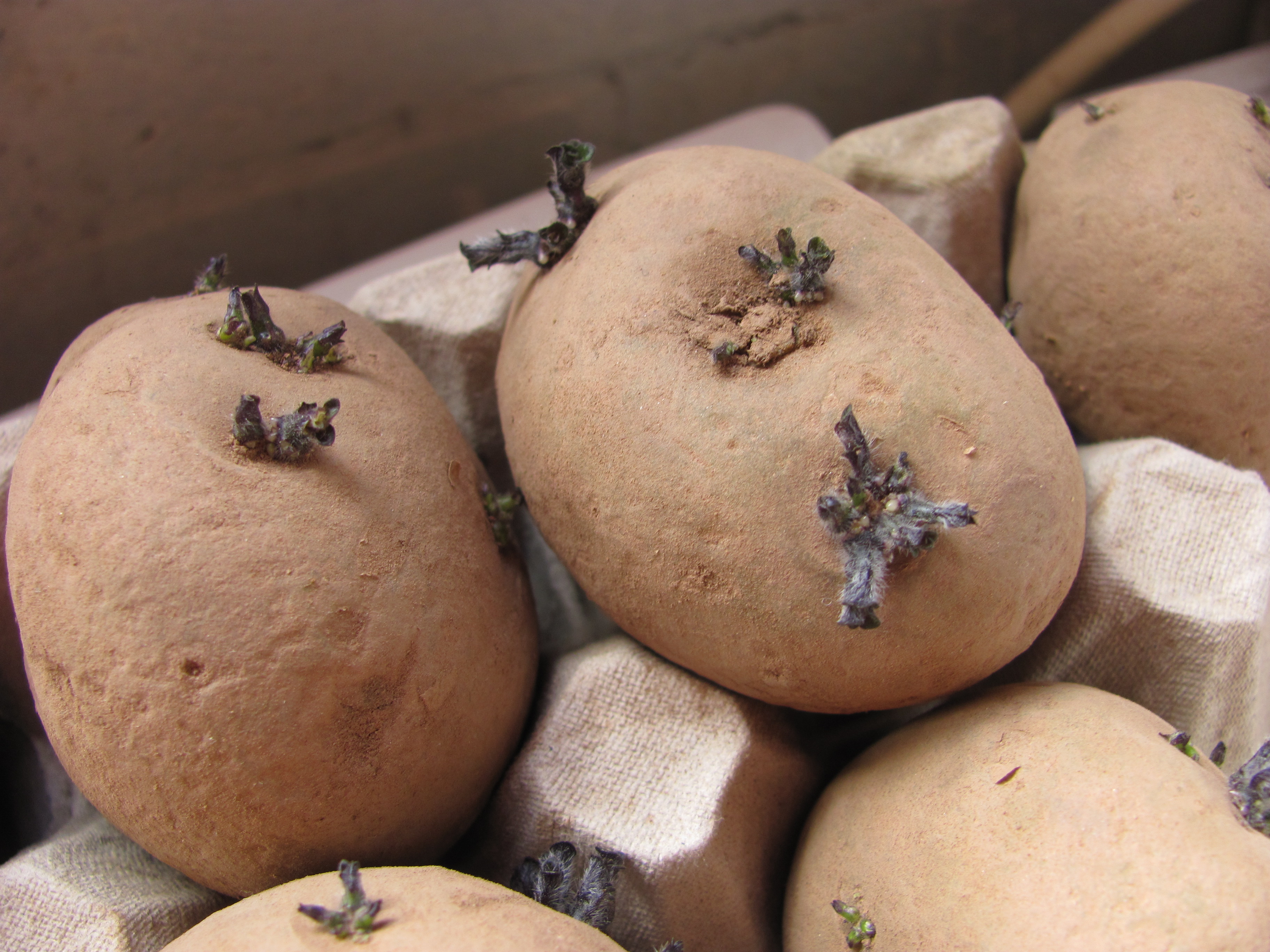
Our Comfrey patch is showing strong growth. This is one of the most important areas of the garden for in this 2ft by 10ft bed we grow a comfrey variety called Bocking 14, which we can cut 4 or 5 times a year. The leaves can be put in the bottom of potato trenches before we plant the potatoes to feed them and prevent the disease “Scab”. We also put them as a mulch under fruit trees and bushes as a feed and as a weed suppressant, and use them to make a liquid feed mixed with nettles.

So much is still to happen in the March garden.  It is a busy and exciting month. So much to look forward to.

Categories
garden design garden photography gardening outdoor sculpture

Some new sculpture for our garden.
We enjoy pieces of sculpture around the garden, some we buy, some are pieces of interesting “found objects” from the beach or countryside, but more special are the ones we receive as presents and the most special of all are those created by the person giving them as presents.
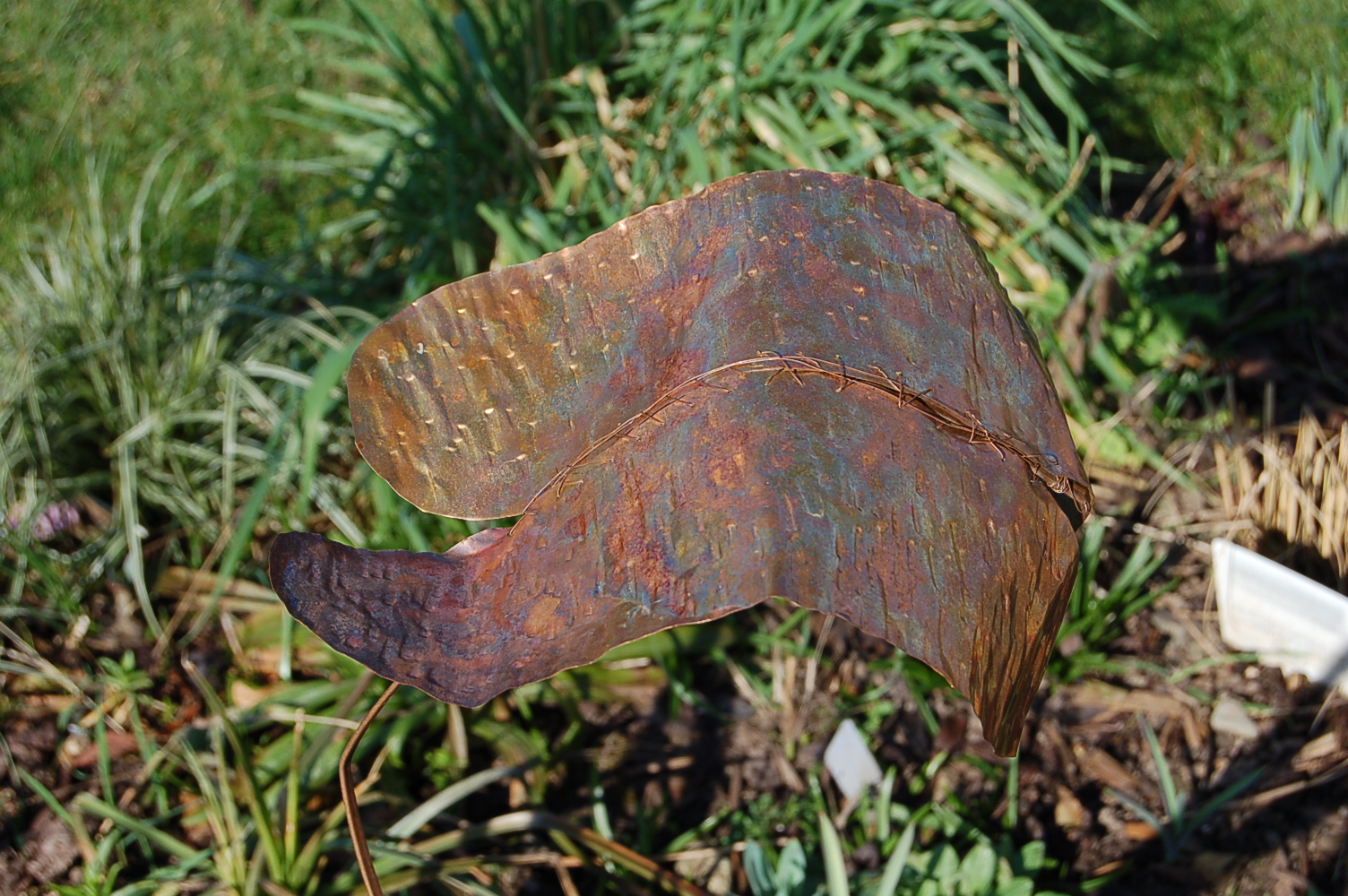
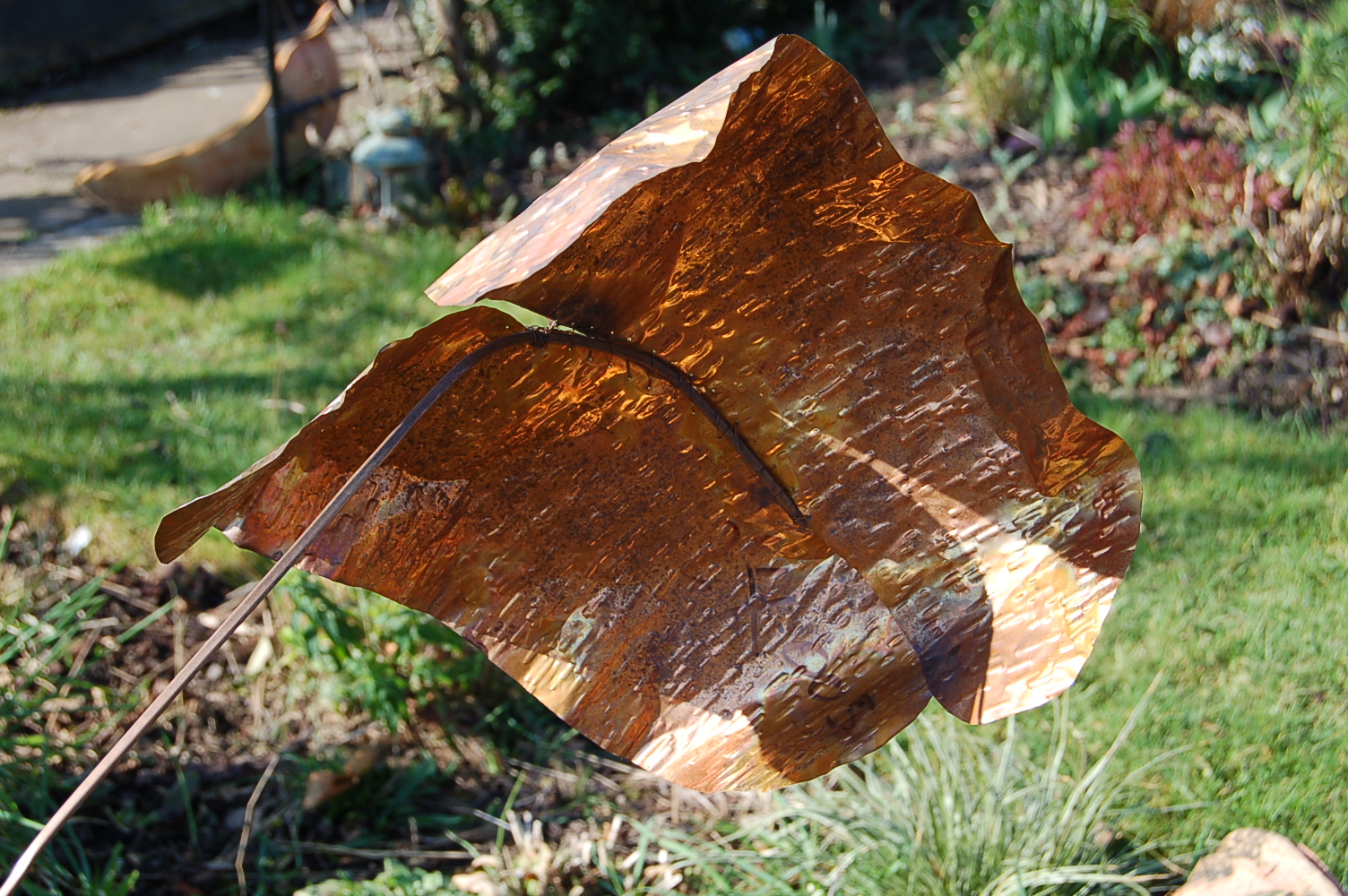
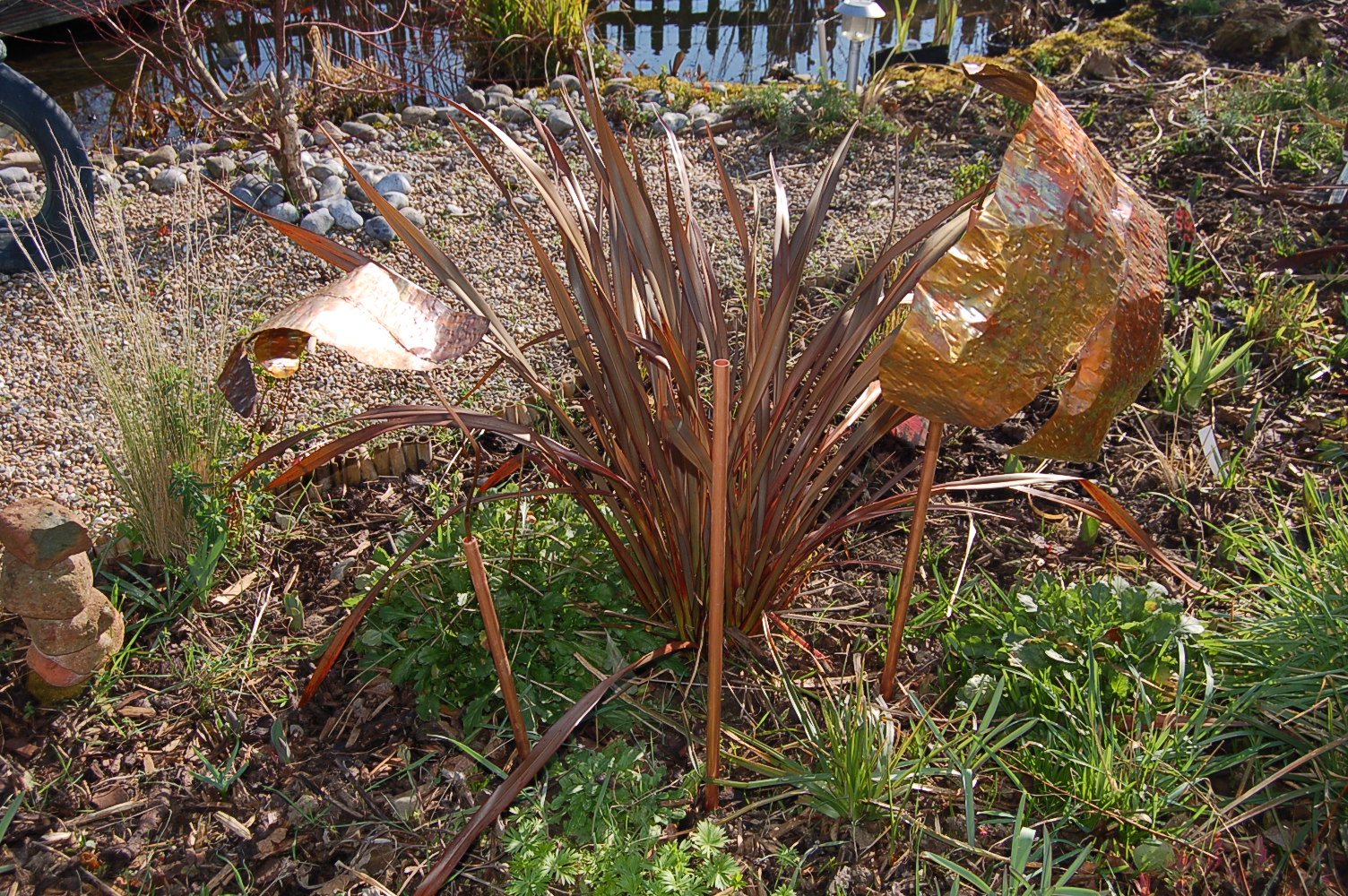
This piece was made by our daughter, Jo, from copper sheet and copper piping, and inspired by the work of a fellow student. The piece is based on the leaves of the Stagshorn Fern. It always looks colourful with the colours changing as the day moves on and as the weather changes.

We “planted” the sculpture alongside a bronze leaved Phormium, to both compliment and enhance the sculpture and the plant.

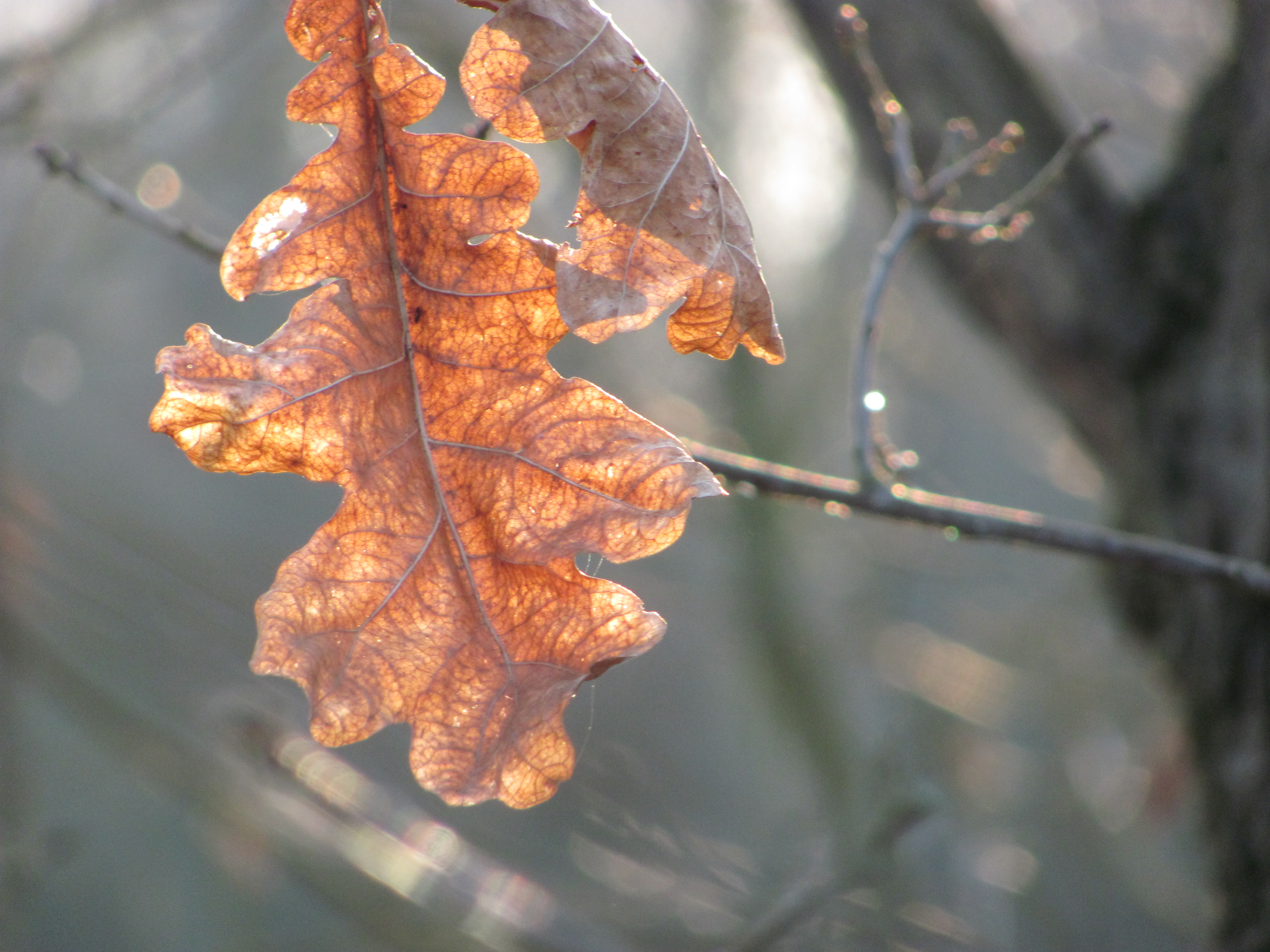
Recently we explored the nature reserve, Brandon Marshes, run by the Warwickshire Wildlife Trust, and as the light began to drop the sun shone through the old leaves of a coppiced oak and the effect it presented was so similar to our sculpture. the colour, texture and shape. Amazing coincidence.

Categories
garden design garden photography gardening hardy perennials National Trust ornamental trees and shrubs The National Trust trees winter gardens

The Winter Garden at Dunham Massey

We visited the Winter Garden at the National Trust’s Dunham Massey just after it opened, so we returned this week to see how things had developed. Wow! This is some Winter Garden. The National Trust enlisted Roy Lancaster, one of my gardening heroes, to help with its design so there is some interesting planting. We wandered around it for hours trying different routes through it which afforded us the opportunity of seeing each bit of planting in a different light. This is a garden for all the senses, our eyes, noses, fingers and ears enjoyed every moment. It was busy but the design and quality of planting seemed to make everyone remain quiet. Quiet enough to hear the birds, bees and insects at work.

A winding path lead us through an area of mature trees underplanted with miniature daffodils, an area where the trees’ long shadows cut across the Daffodils, beautifully lit by the low sun and shining like gold, and soon we glimpsed the massed planting of white barked Birches.

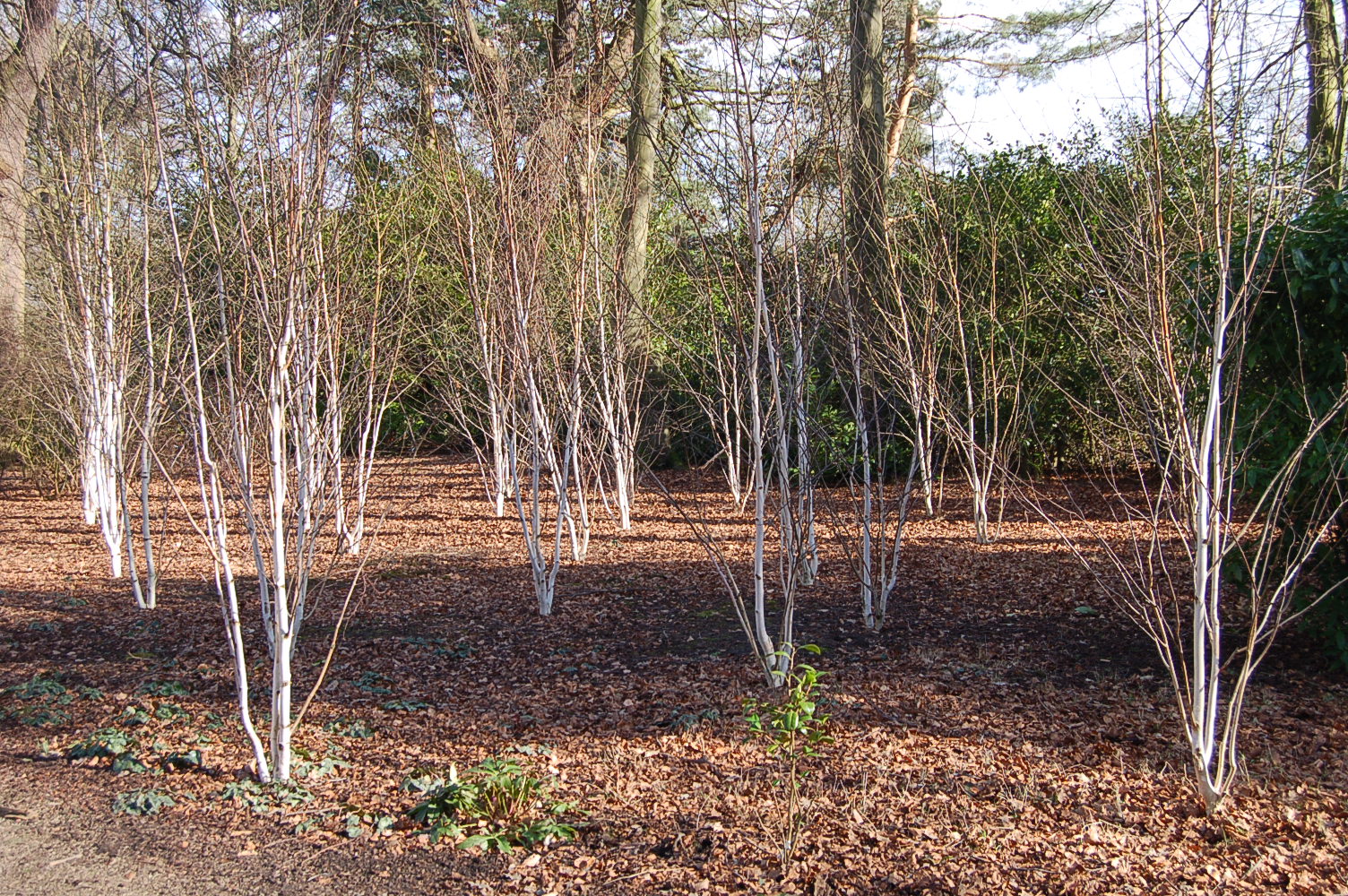
There were two distinct areas of Birch trees, single stemmed specimens one side of a path and multi-stemmed on the other. Betula utilis “Doorenbos” was the chosen variety and their trunks were a clear crisp white.

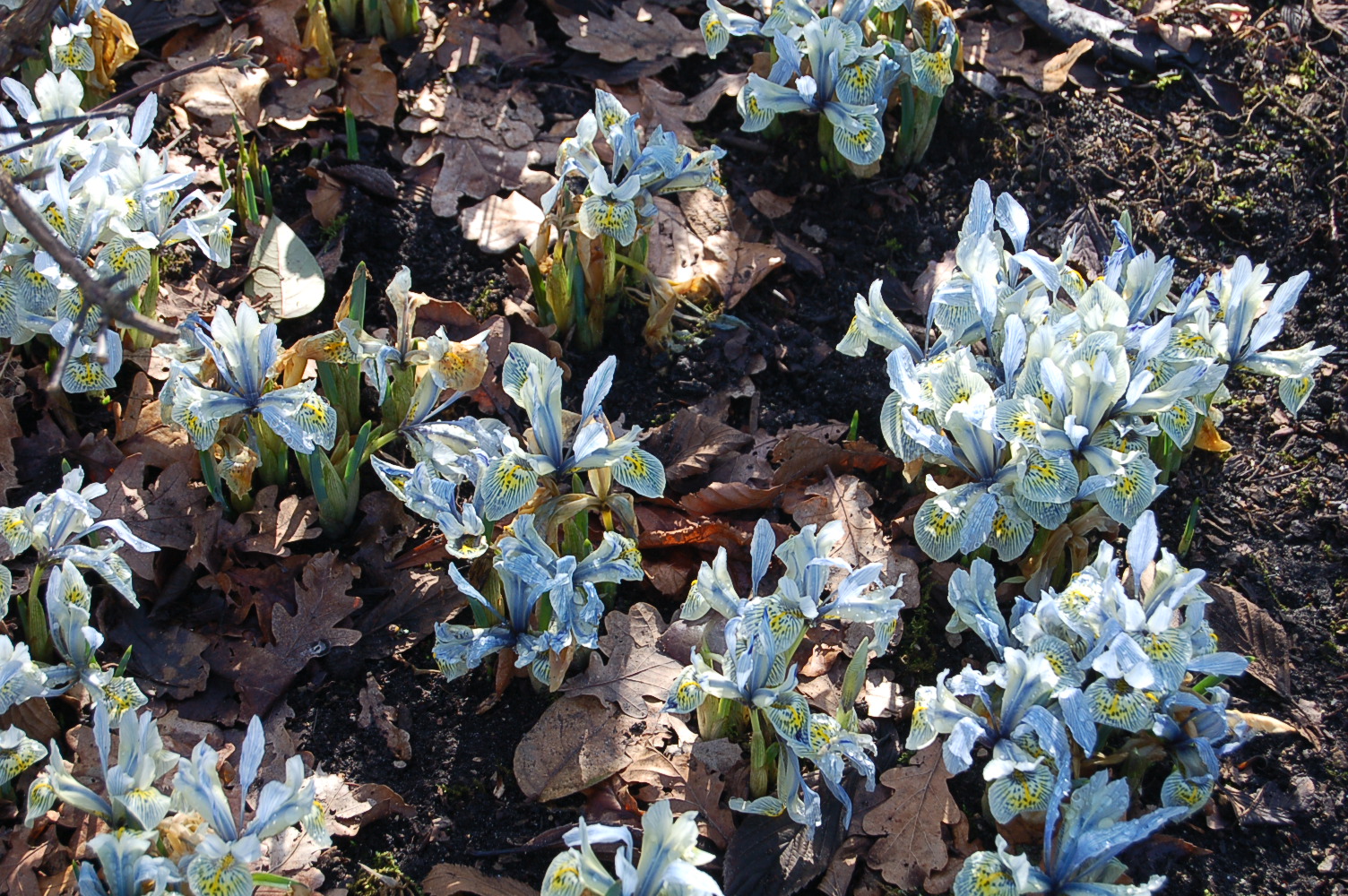
As well as the usual winter flowering bulbs such as crocus, snowdrops and daffodils there were several different coloured varieties of Iris reticulata those tiny bulbous plants with over-sized flowers in shades of purple and blue, all with yellow beards.

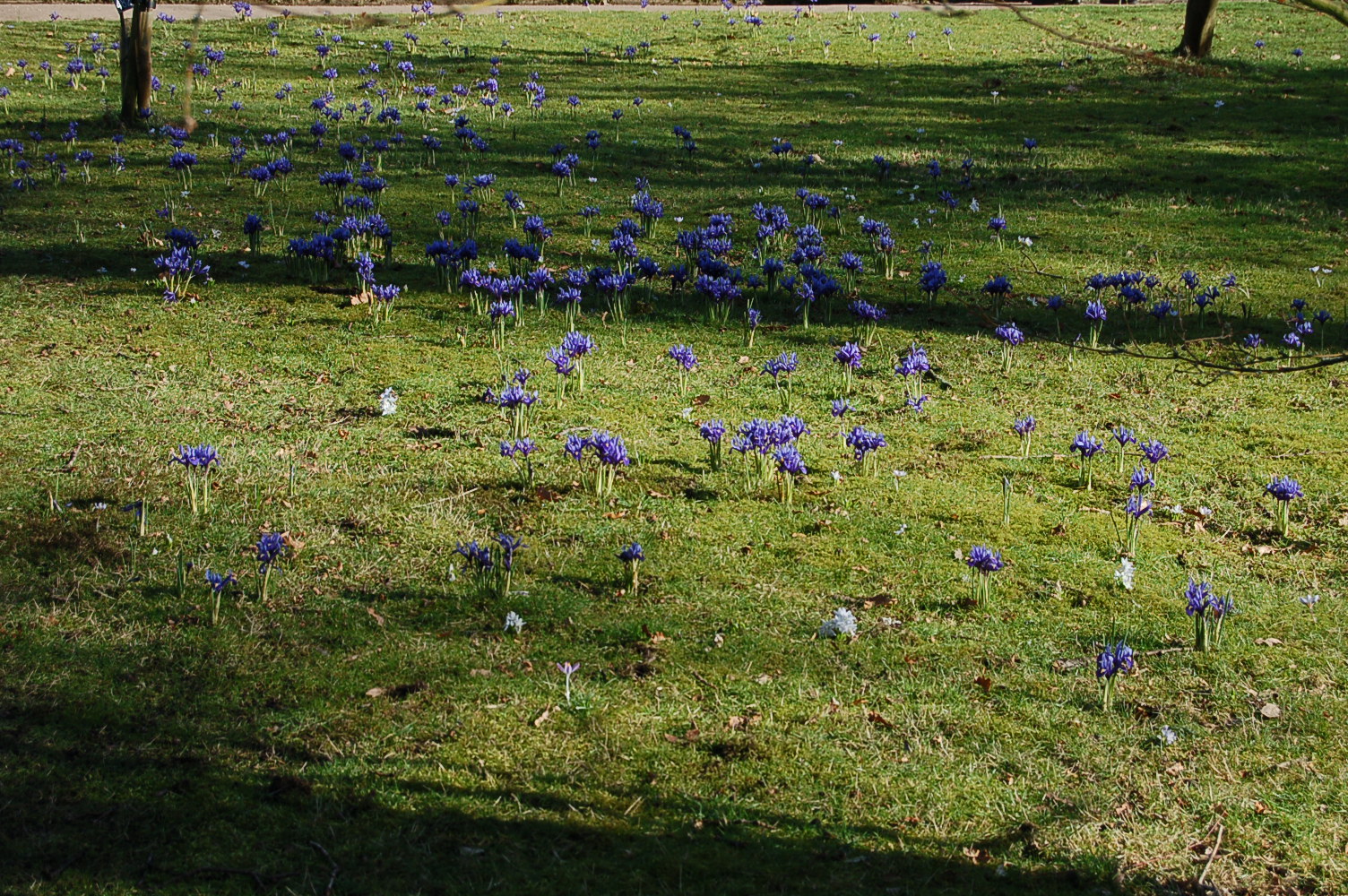
In some areas of lawn these diminutive Irises have been naturalised under trees. We had never seen this done before and have to say it was very effective.

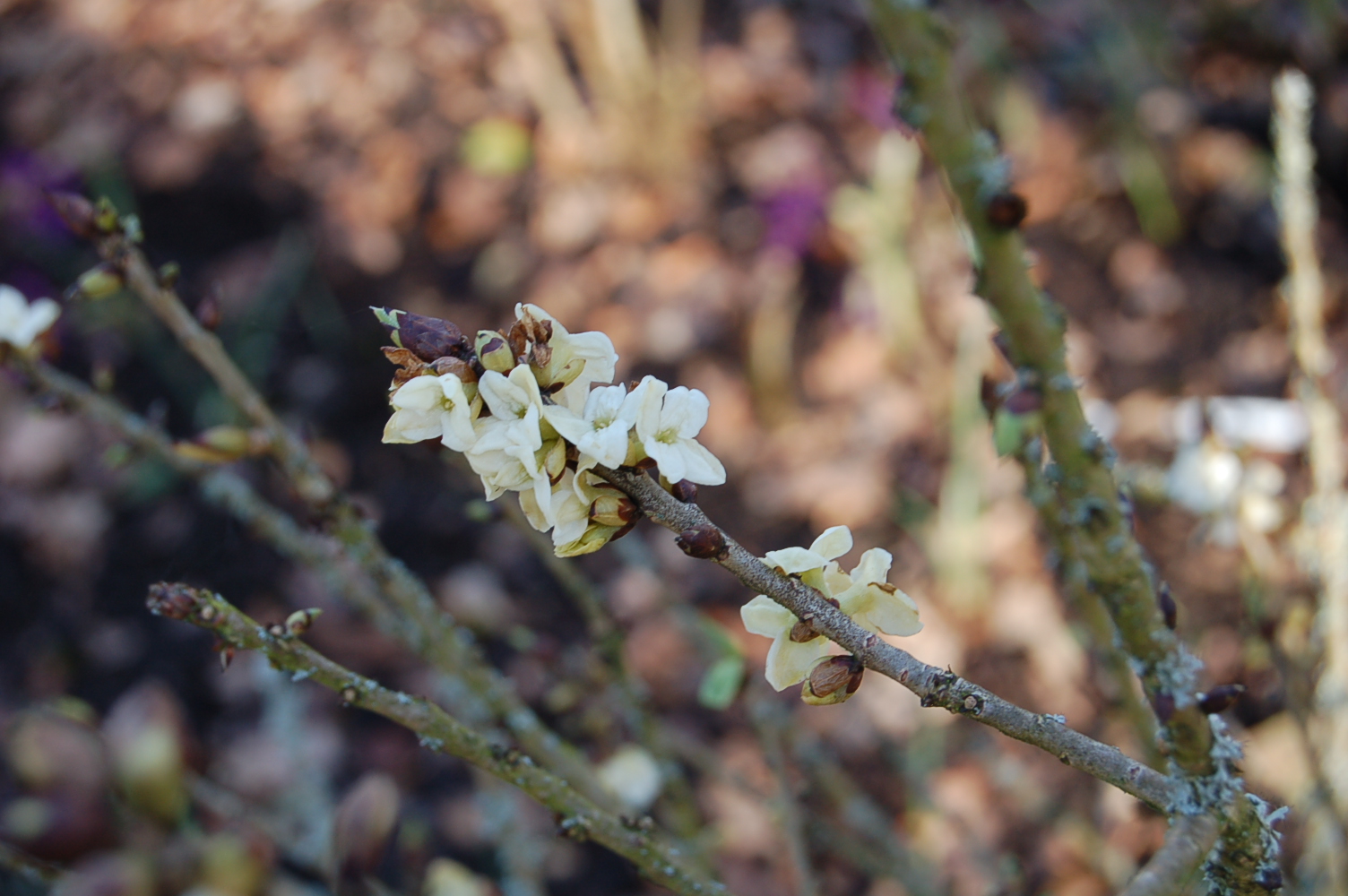
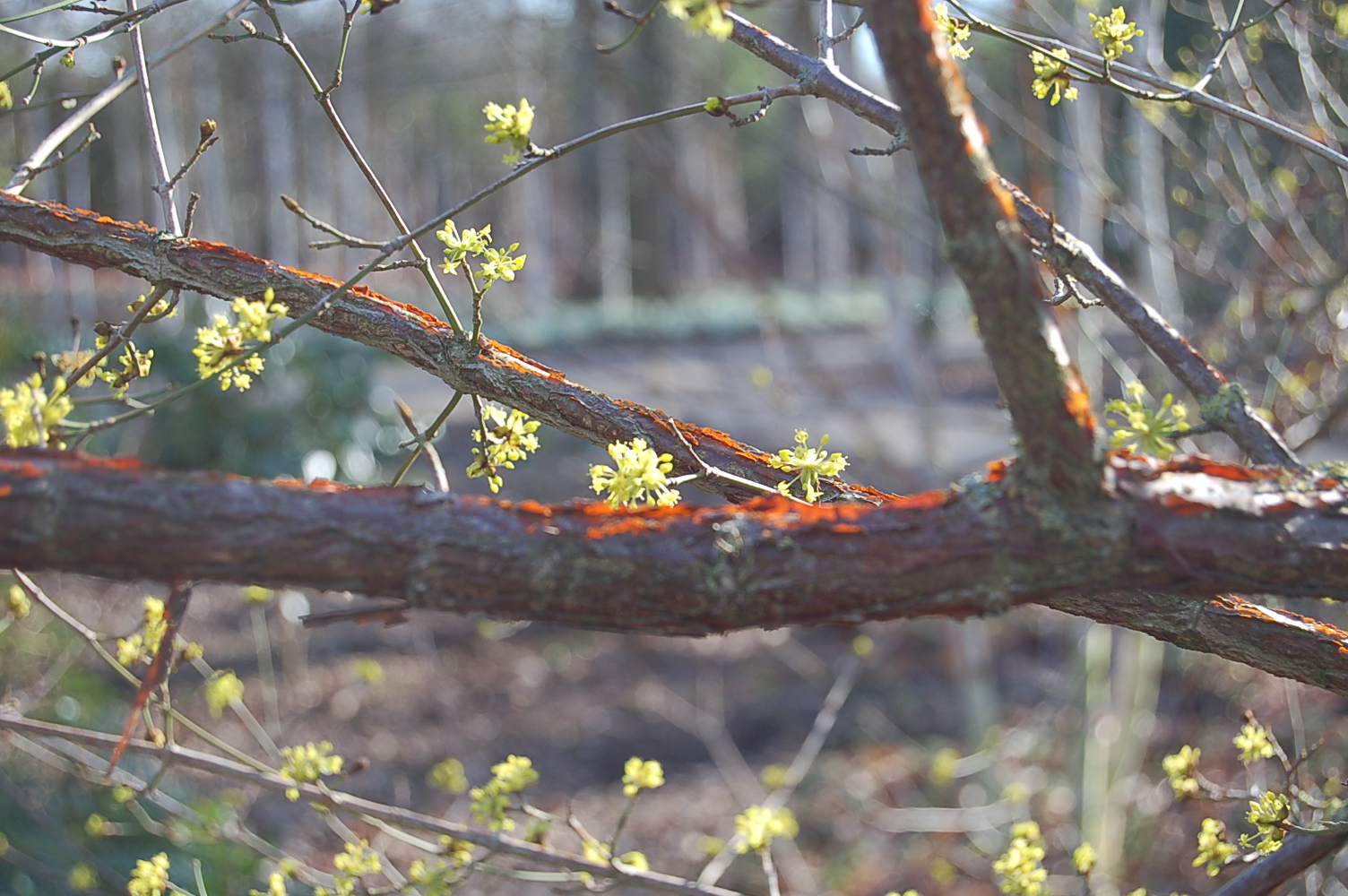
It was so heartening to see and hear bees, hoverflies and other insects at work around the flowering shrubs, Lonicera fragrans, Cornus mas, Daphne mezereum “Alba”, Viburnum bodnantense and Viburnum tinus.

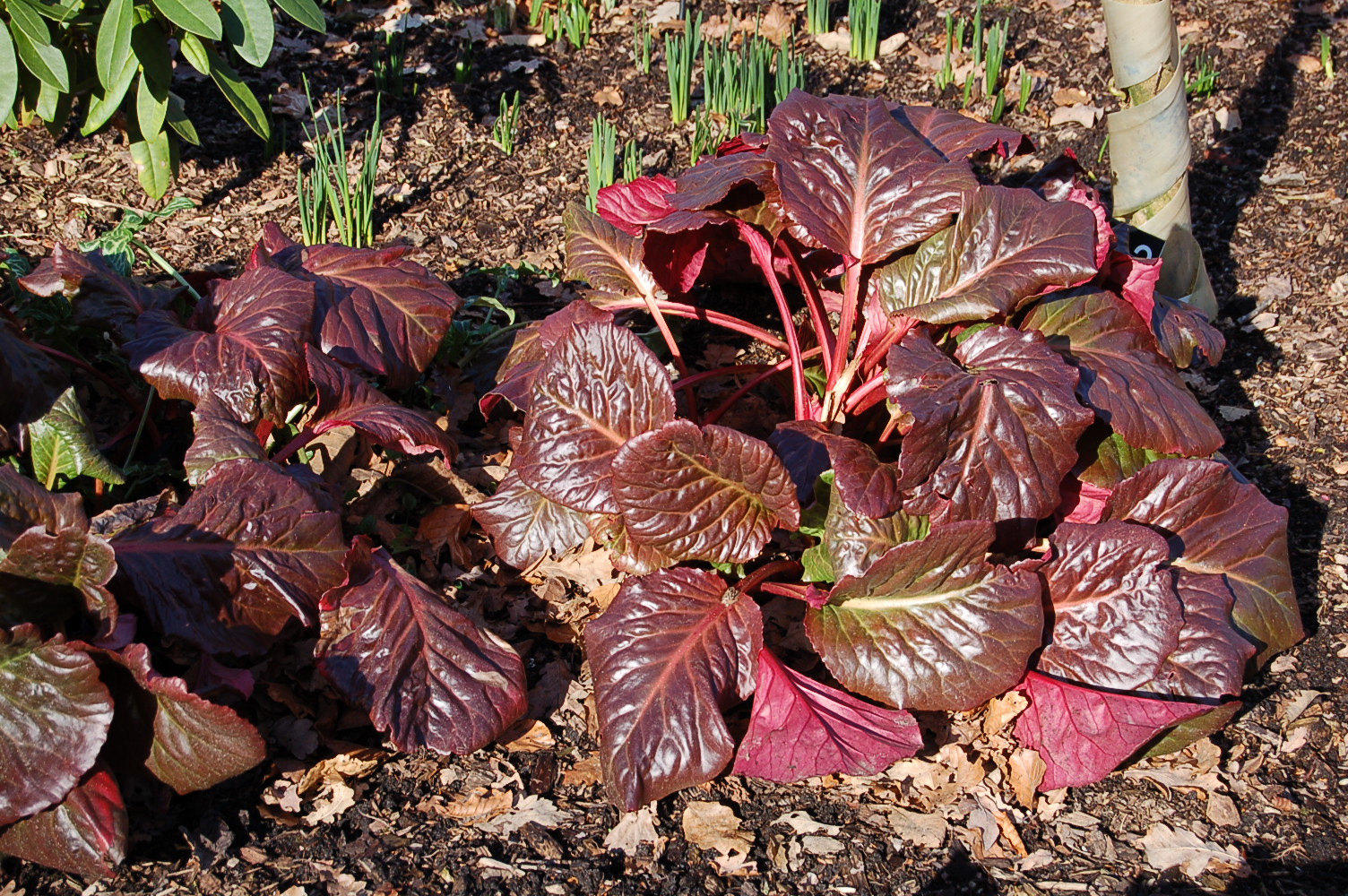
Lovely as the flowers of winter are, sometimes the colours, textures and shapes of leaves can be just as impressive – Bergenias, Liriope and variegated Ilex for example in their many colours.

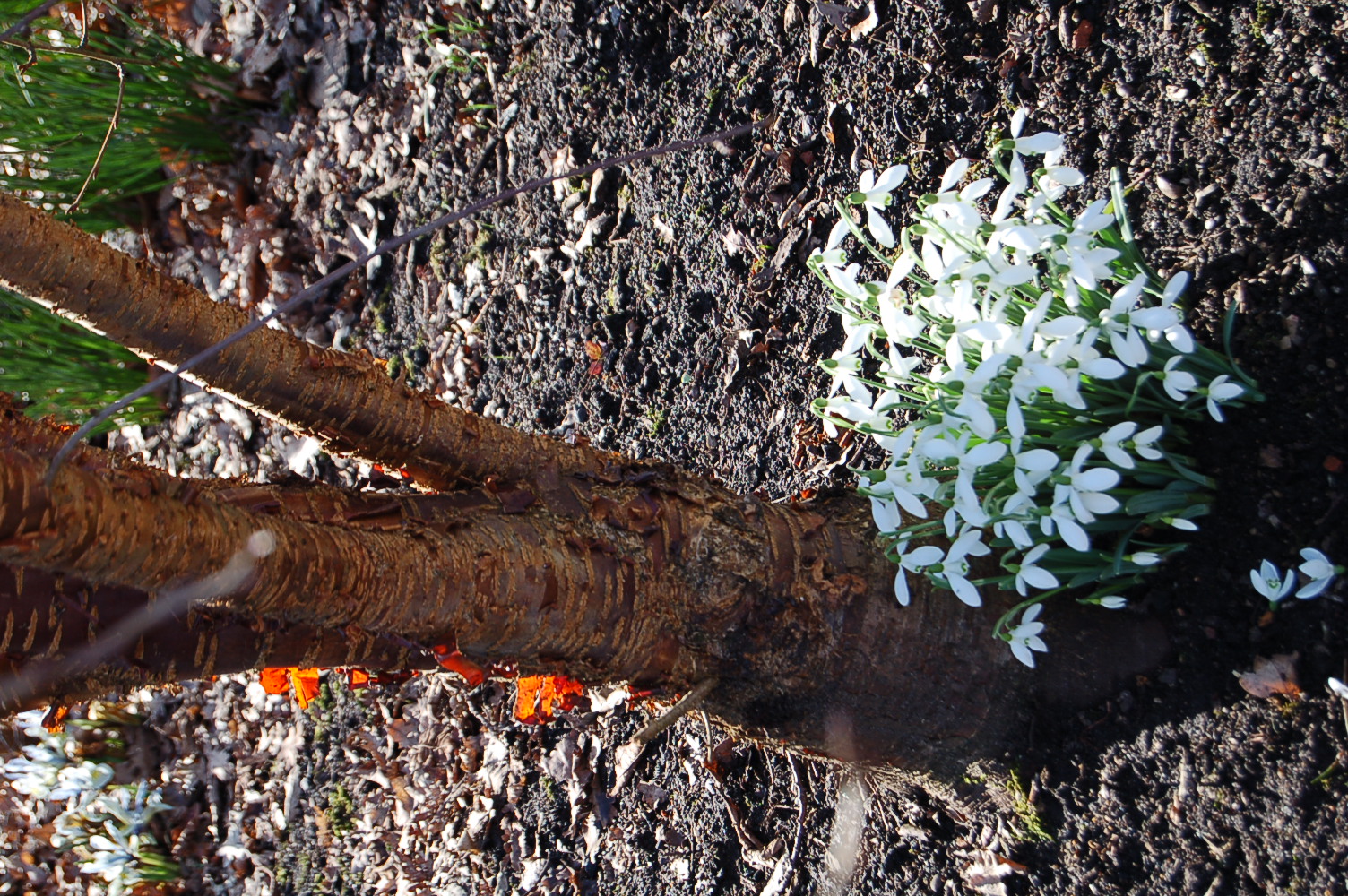
We cannot ignore the snowdrops though, and here at Dunham Massey they have been so thoughtfully placed, at the bases of trees or shrubs.

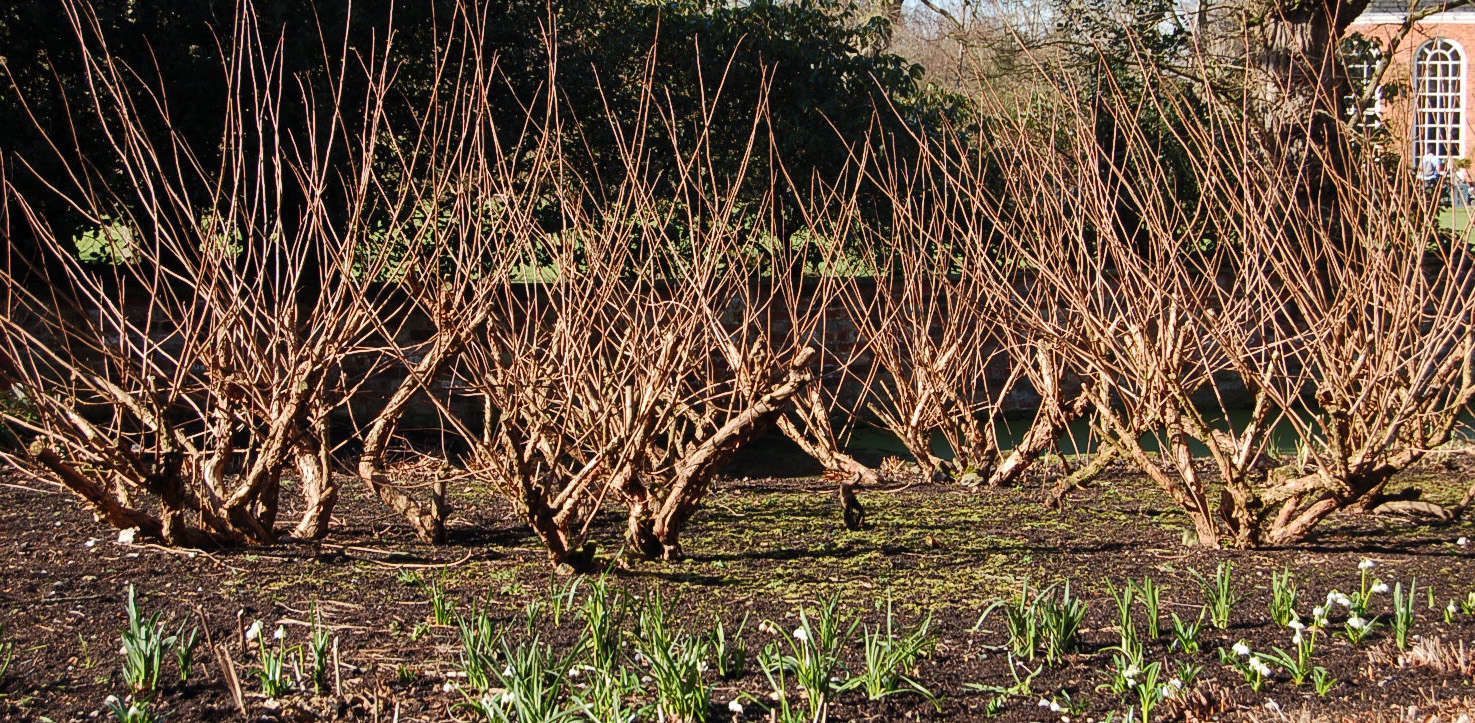
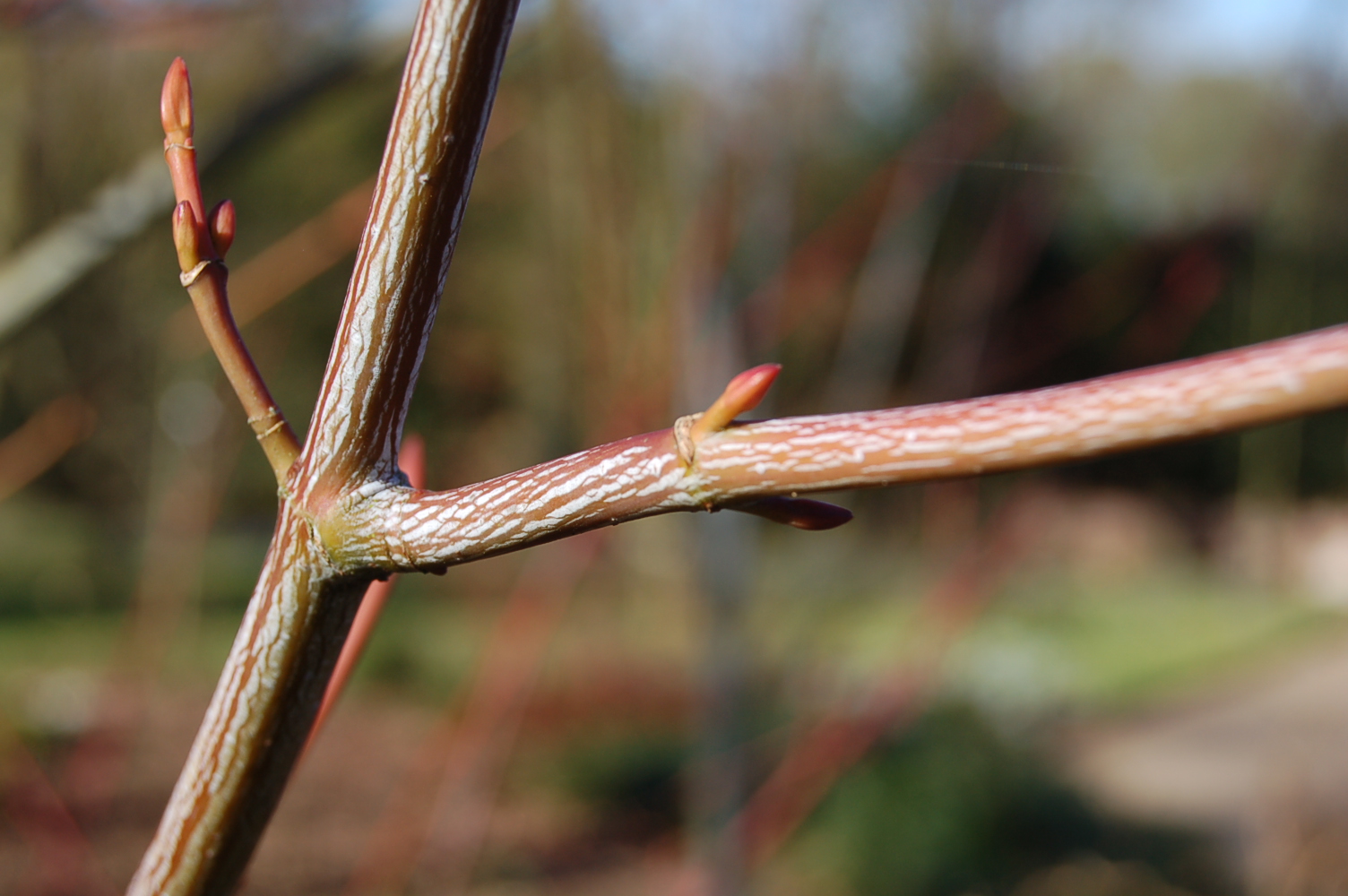
The textures and colours of bark add another dimension to this winter garden, peeling bark, shining bark, bark like snake-skin, red stems, contorted stems, curling stems, shimmering stems.

In the photo below the ginger-coloured shining bark of Prunus serrula shoot upwards from the golden leaves of Liriope.

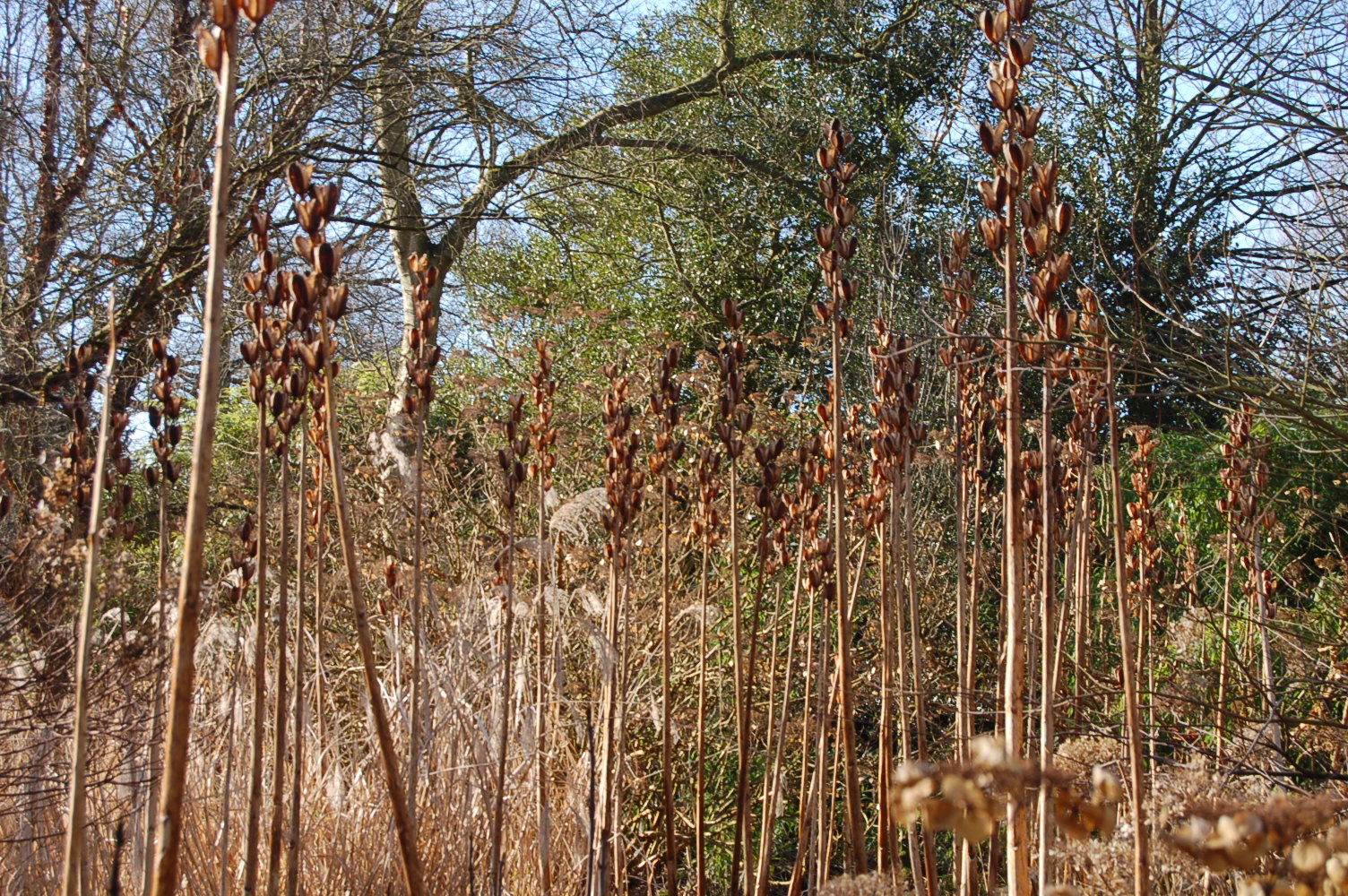
With all the new season’s flowers, the colourful stems and bark, and the scents it would be too easy to miss the effect the winter light can have as it plays across the seed heads of last year’s flowers and stems. Giant lilly stems with their huge seed pods towering up above a sea of desiccated flower heads of a variety of Hydrangeas stopped us in our tracks.

When the wind blew these seed heads rustled gently, temporarily drowning out the sound of the Blackbirds turning over the mulch of bark and throwing the dried leaves fallen from trees last Autumn over their shoulders. The gentlest breeze set the bamboos swaying and rustling but it took a stronger wind to move the conifers overhead and start their music making. Over our heads in the mature tree canopy we could hear the calls and songs of Goldcrests, Nuthatches, Coal Tits and Blue Tits occasionally drowned out by the drumming of Great Spotted Woodpecker, all proclaiming their territorial rights in their own unique way.

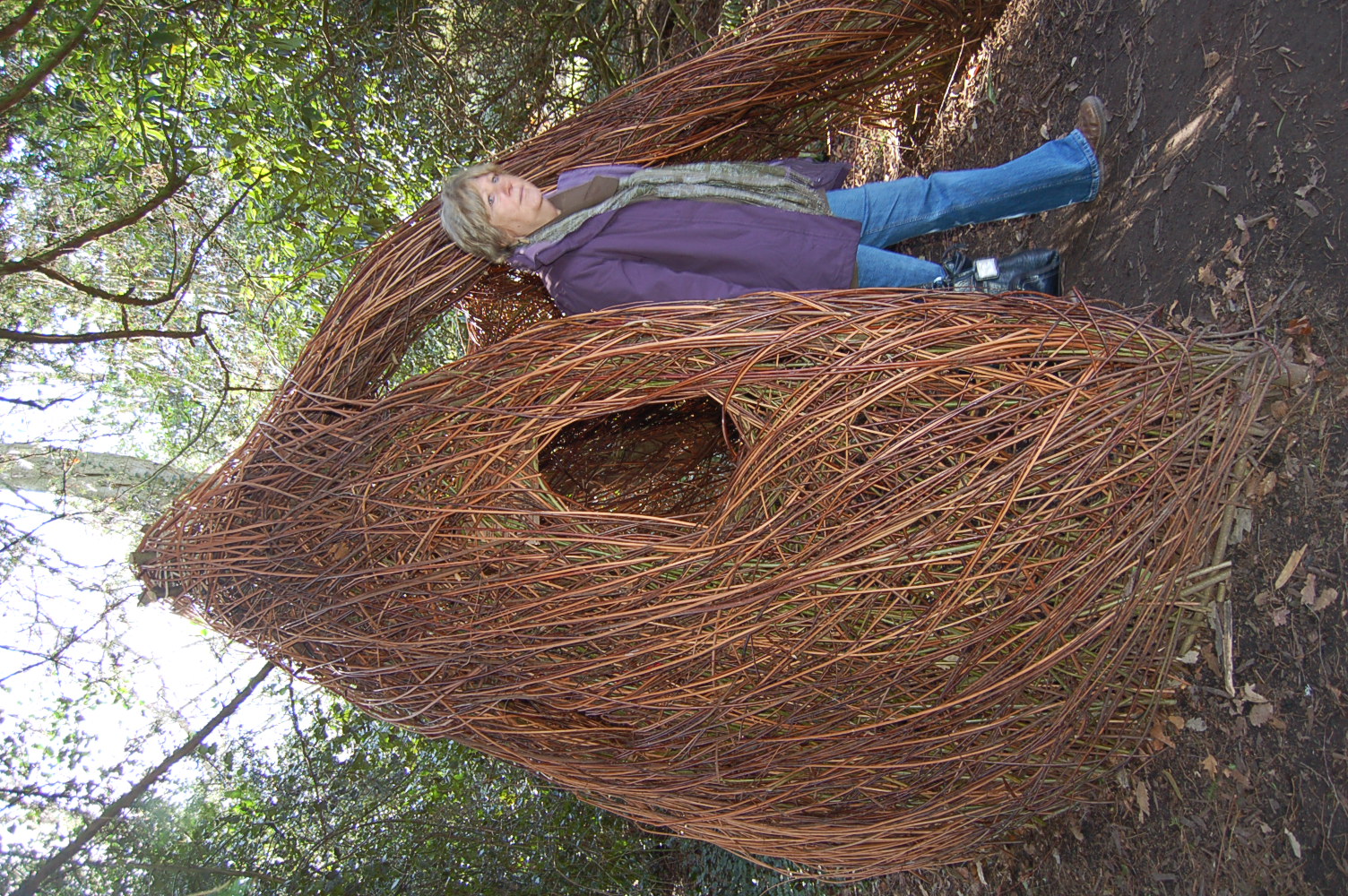
There was so much to appreciate in the Winter Garden at Dunham Massey that it is hard to leave. But it had another surprise around another corner, a beautifully woven willow den, created from many coloured stems.  Jude, the Undergardener, as usual could not resist, so a quick exploration was called for before coffee and cakes called even louder from the restaurant!

Categories
allotments community gardening garden design garden photography gardening hardy perennials ornamental grasses ornamental trees and shrubs Shropshire shrubs trees winter gardens

The Winter Garden at Bowbrook Allotments Community

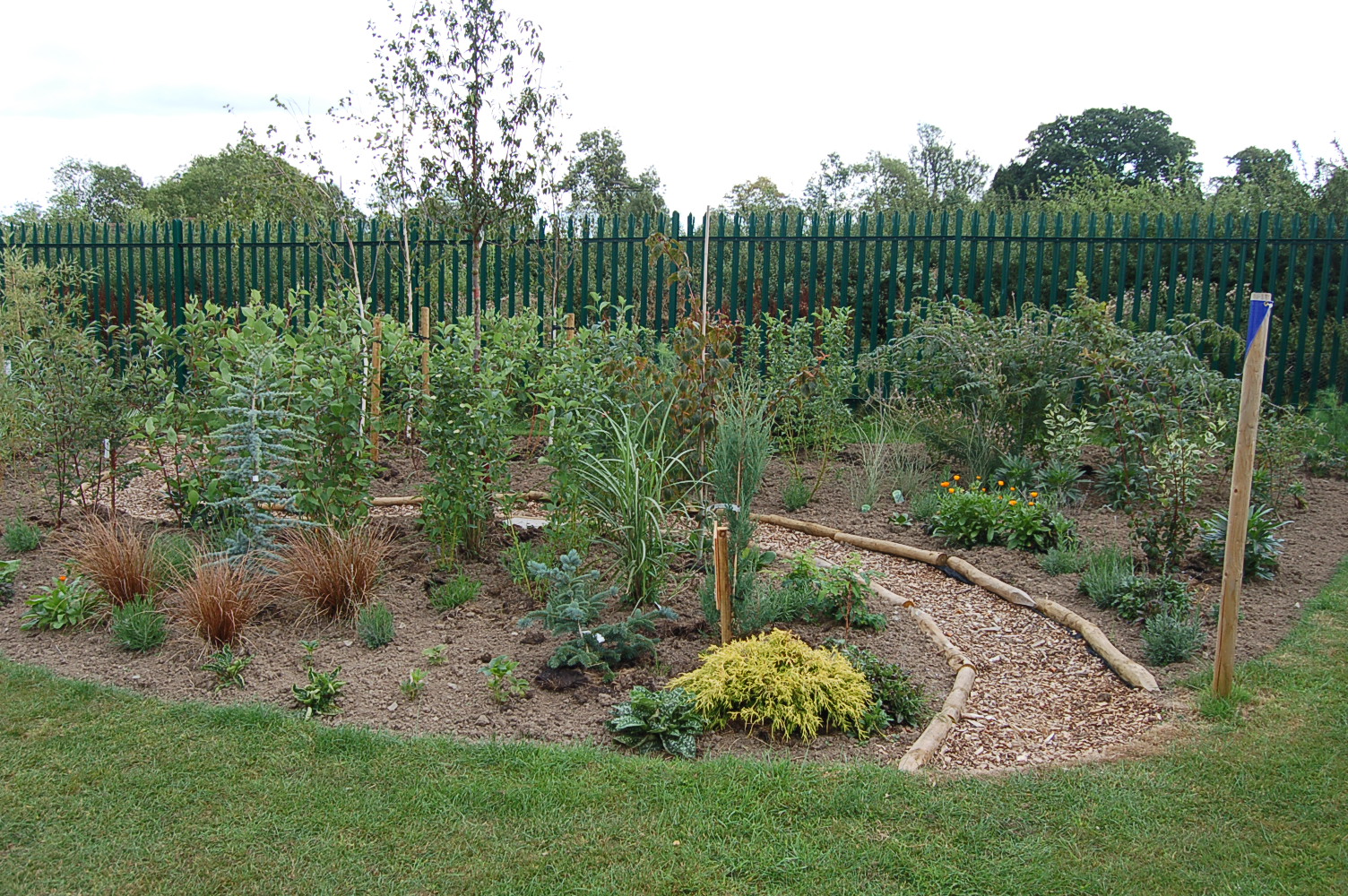
As part of the development of the shared community spaces at Bowbrook Allotment Community we have created “Gardens of the Four Seasons”. We did this with the support of “The Peoples Postcode Trust” who awarded us a generous grant for the purchase of plants. In early 2011 we began work on the Winter Garden and now we are beginning to see some results of our labours. The work was carried out by allotment holders who attend regular working parties (look out for future blog about our working parties) and the gardens are maintained by members. Much work is also done outside working parties by individuals or small groups.

I designed the garden and presented the plan to the management committee and informed other members by e-mail, asking for comments, further suggestions and ideas. The basic idea was to create a garden full of trees, shrubs, grasses, bulbs and perennials that looked good in the winter, for their stem colour, bark colour and texture, their flowers, their scents. Movement and sound was also considered so we included many grasses and some trees with rustling stems.

It is now a year since we began the groundwork. The preparation was completed by the end of February 2011 and the main framework of planting by the end of March.

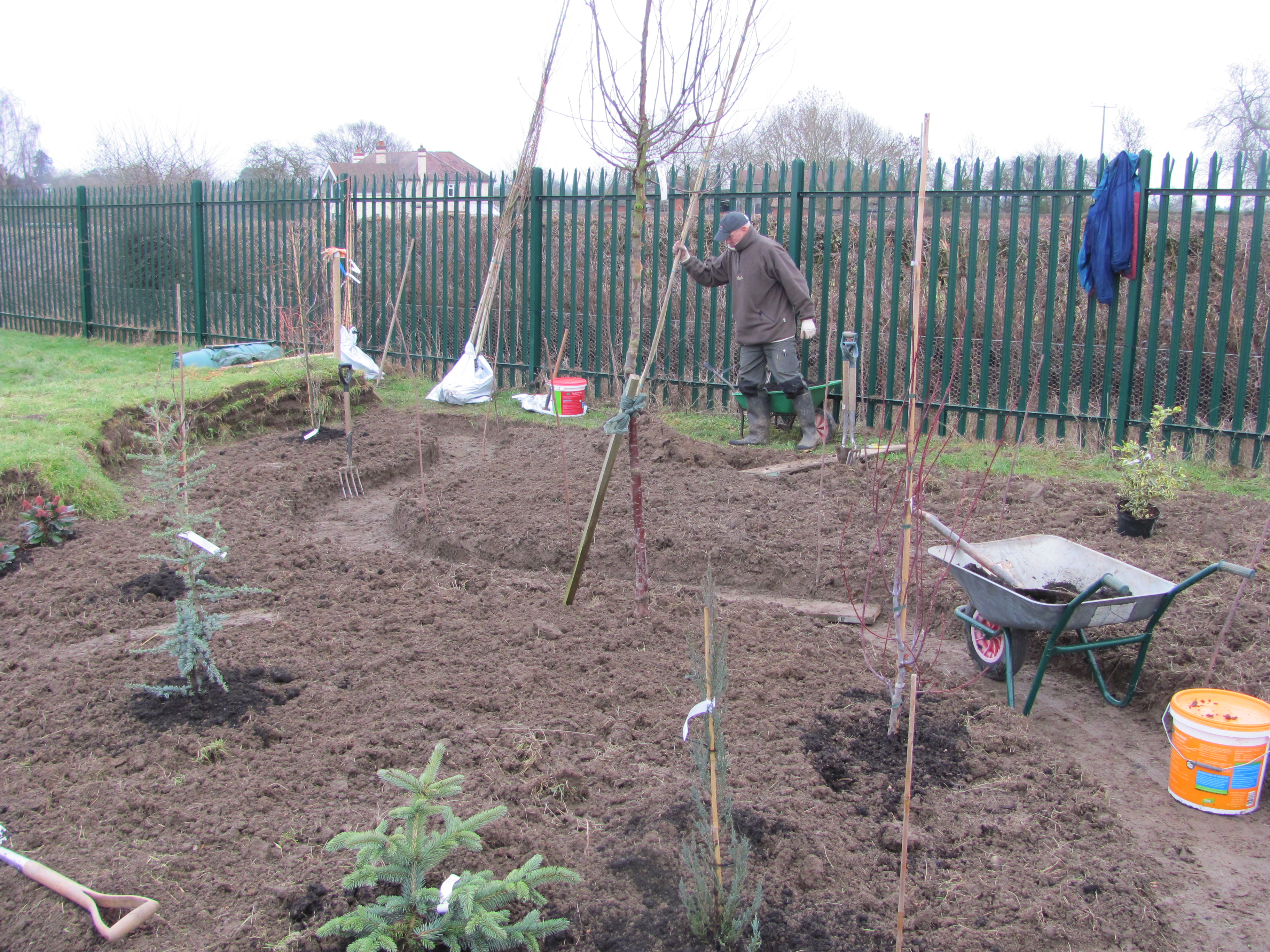
The first step was to rotovate the land, almost triangular in shape, in the corner of the site furthest from the huts, about 10 x 20 metres. We then added manure and rotovated once more. We dug out a path shaped as a serpentine curve, which cut the border in two, edged it with logs and gave it a deep layer of bark. It proved soft and comfortable to walk on. A thick layer of compost was added to the planting areas and raked level and we were prepared for planting.

Our Winter Garden is situated in a corner of the site. A water-butt is ready to be placed conveniently for watering in dry periods. In front is one of our wildlife banks.

Trees and shrubs were delivered by The Dingle Nursery from Welshpool, who had proved so helpful in helping us to select the best when we visited them to place our order. Unloading the truck and unpacking the plants was an exciting time, full of anticipation. Transporting them across the site took longer than expected involving three plot-holders with wheelbarrows. Some of the trees were just too long to stay put. After an hour of laughter and regular rescuing of dropped goods, we finally began planting. It was to take a few days.

Trees in place.

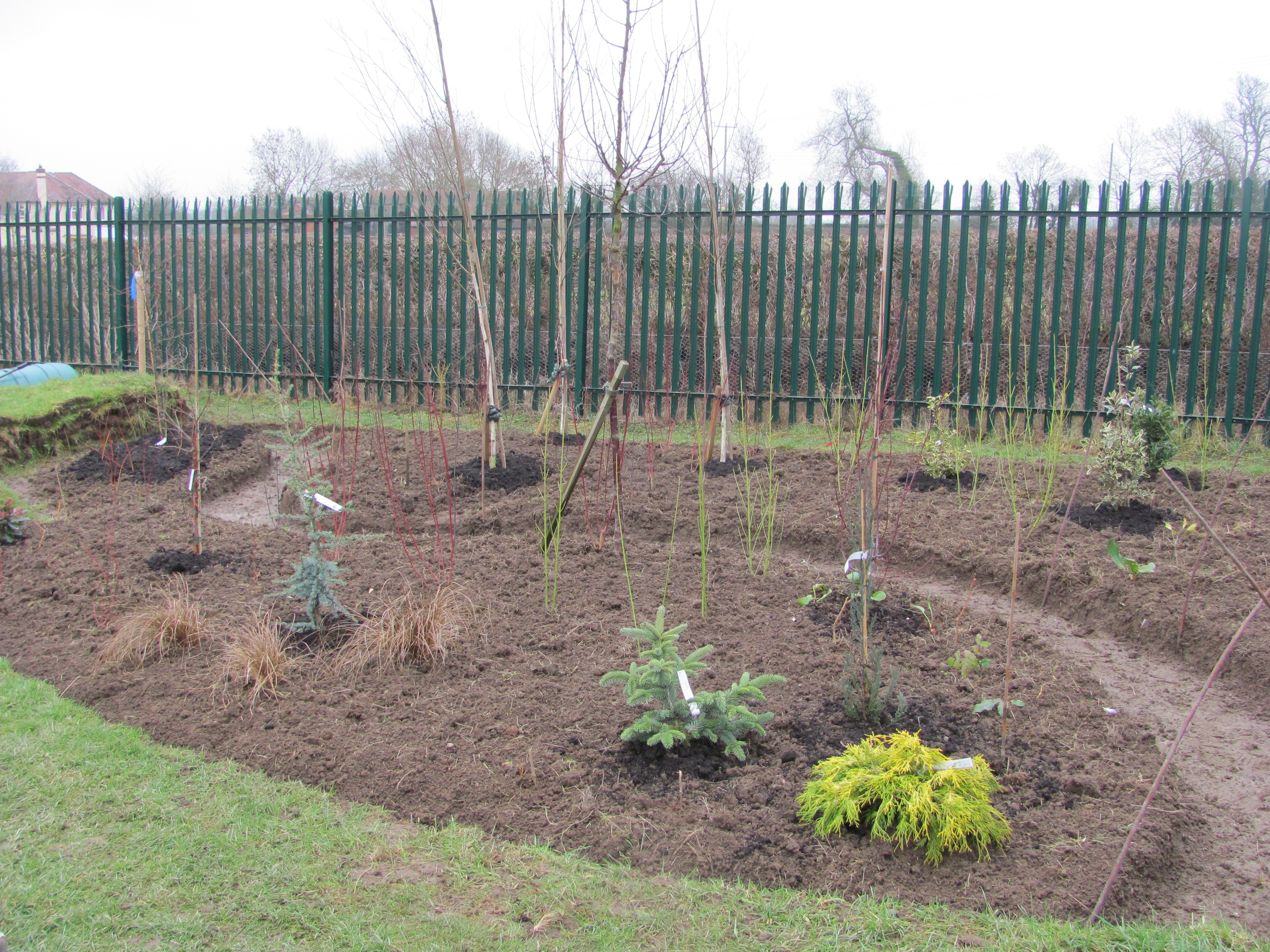
Bulbs and herbaceous plants arrived by post and were added to our structural planting of trees and shrubs. a selection of grasses was added later. We now had trees with coloured bark, shrubs with coloured stems and a winter flowering time, perennials such as Hellebores and Pulmonaria and grasses to give movement and beautiful seed heads.

Plot holder Pete busy planting.

In pride of place are our three silver-barked Birches, Betula utilis “Jacquemontii” planted as 3 metre tall specimens, along with similarly sized Prunus serrula with its shining gingery-bronze bark. Smaller specimens of Acer davidii (a snake bark maple), Acer griseum appreciated for its peeling red bark and a selection of variegated Hollies completed the structural planting.

Key plants in place.

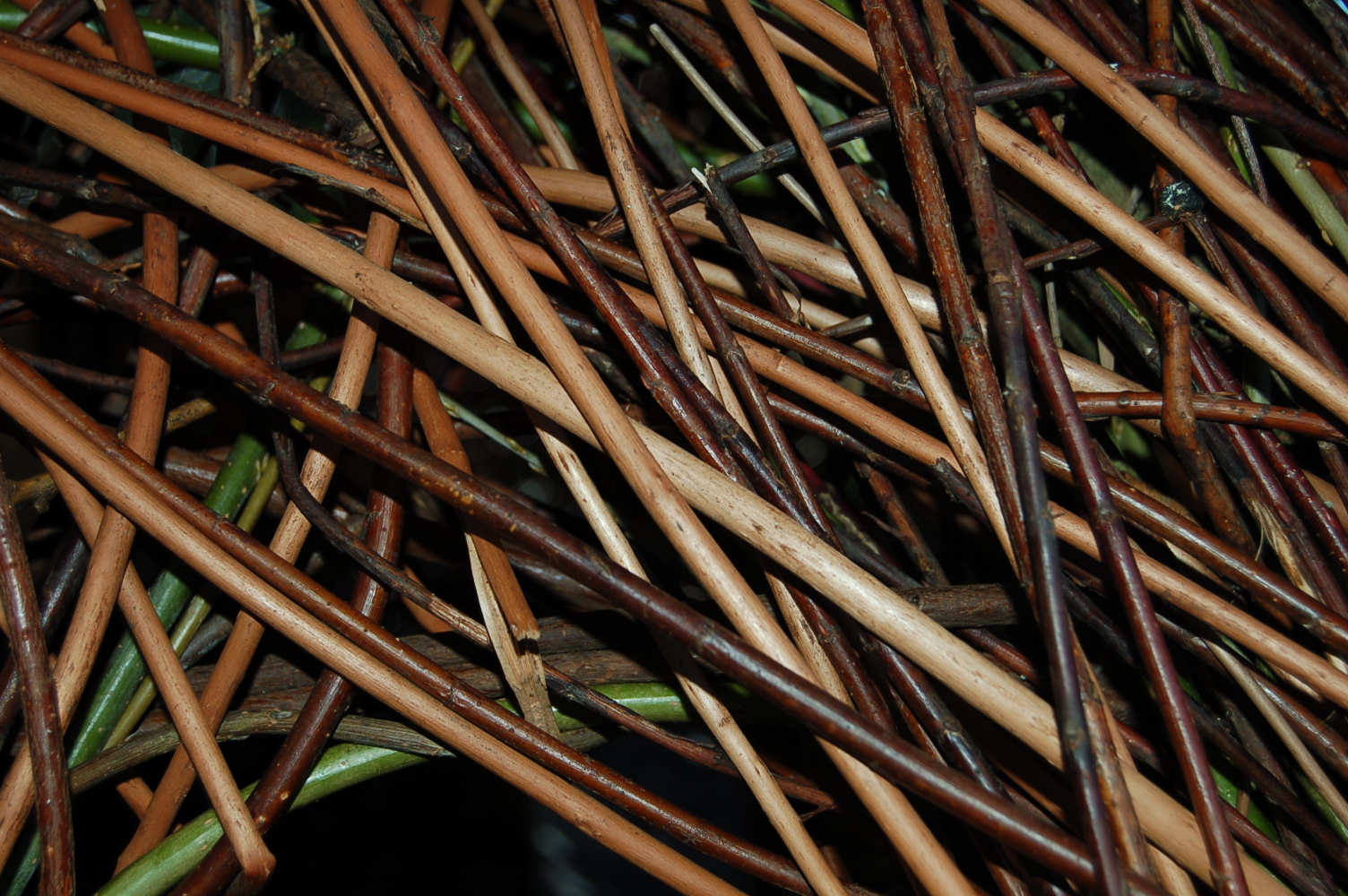
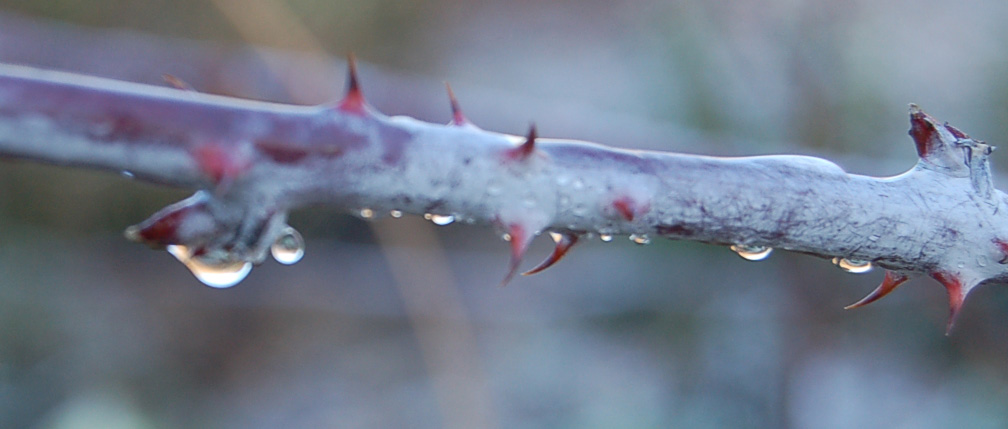
For bark colour we planted dozens of Cornus, Salix and Rubus tibeticanus to give an airy network of colour all winter and early spring. We interplanted these with patches of Lavender to give some summer interest, to attract butterflies, bees and hoverflies and to provide gentle bluish foliage colour all year. For winter flowering interest and scent we planted Cornus mas and Viburnum bodnantense “Dawn”.

In order to maintain all year interest with greatest emphasis of interest we added evergreens. As well as the Hollies we included Viburnum tinus and several conifers chosen for the variety of foliage colour, texture and habit of growth – Picea pungens Procumbens, Pinus sylvestris, Chamaecyparis “Boulevard” and to top it off John, our committee’s chairman donated a lovely specimen of Cedrus atlantica glauca. As a contrast we also planted a Larix decidua a conifer that is deciduous.

When we planted the trees and shrubs, following the allotment site’s organic policy, we gave them a sprinkling of bonemeal in the planting holes and top-dressed with blood fish and bone fertiliser before mulching with manure. We plan to give the bed regular mulching of compost and manure to give  a slow-release nutrient regime.

Working parties and individual volunteers worked throughout the year to keep weeds at bay.

Volunteers at work tidying and weeding.

By late summer the garden was showing lots of healthy growth and we could see much promise for the future.

Full of promise.

In the autumn we gave the garden a mulch of chipped bark to protect it from the ravages of winter and to slowly break down releasing nutrients and improving humus levels ans soil texture.

This week three of us weeded the bed over, tidied, pruned and loosened up the soil. It was amazing to look at progress and realise how the garden had developed in less than a year. Bulbs were flowering, the trees and shrubs have made good growth and in particular the willows and dogwoods are showing strongly coloured stems.

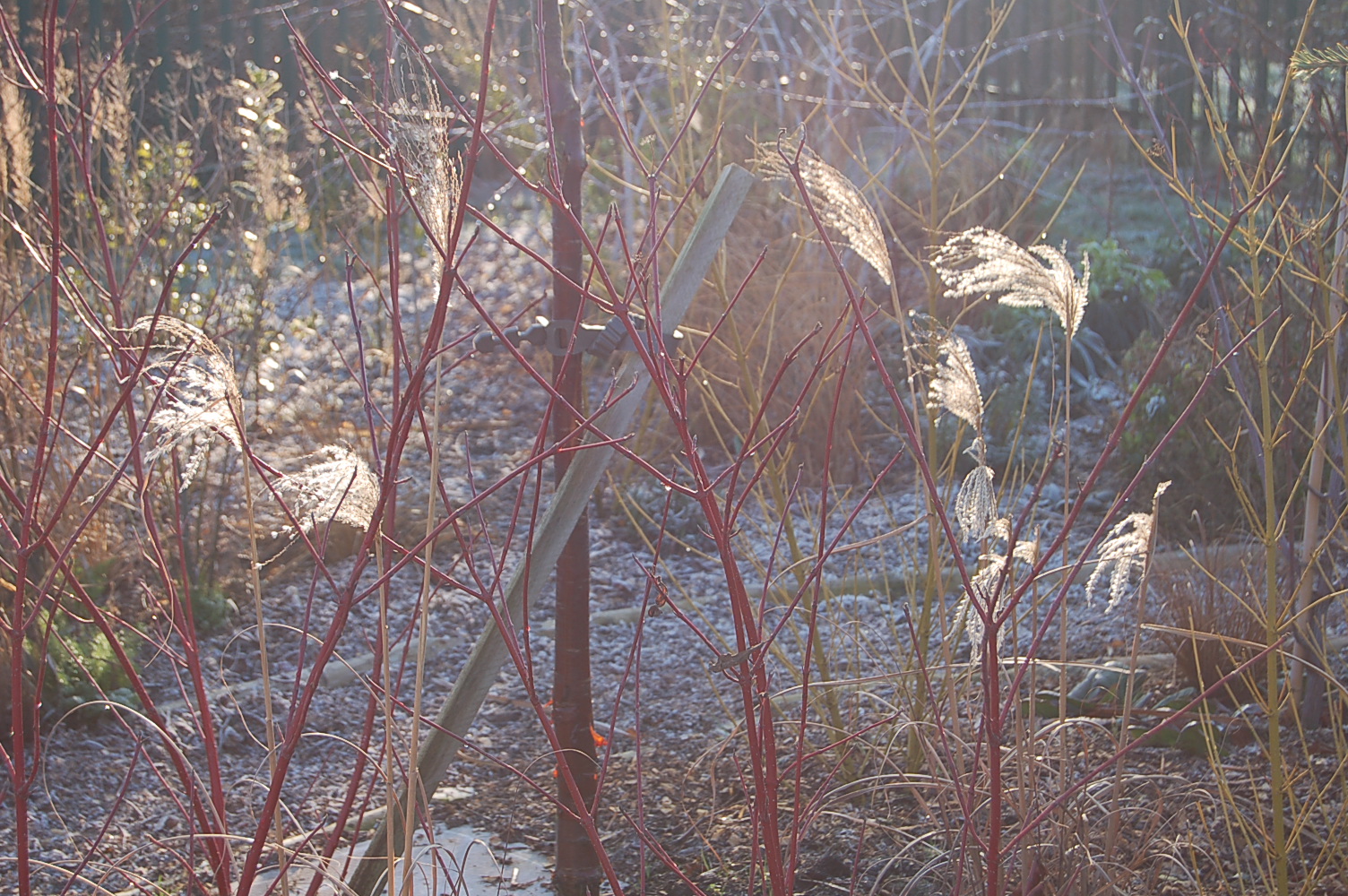
Winter sunlight through Miscanthus and Cornus.
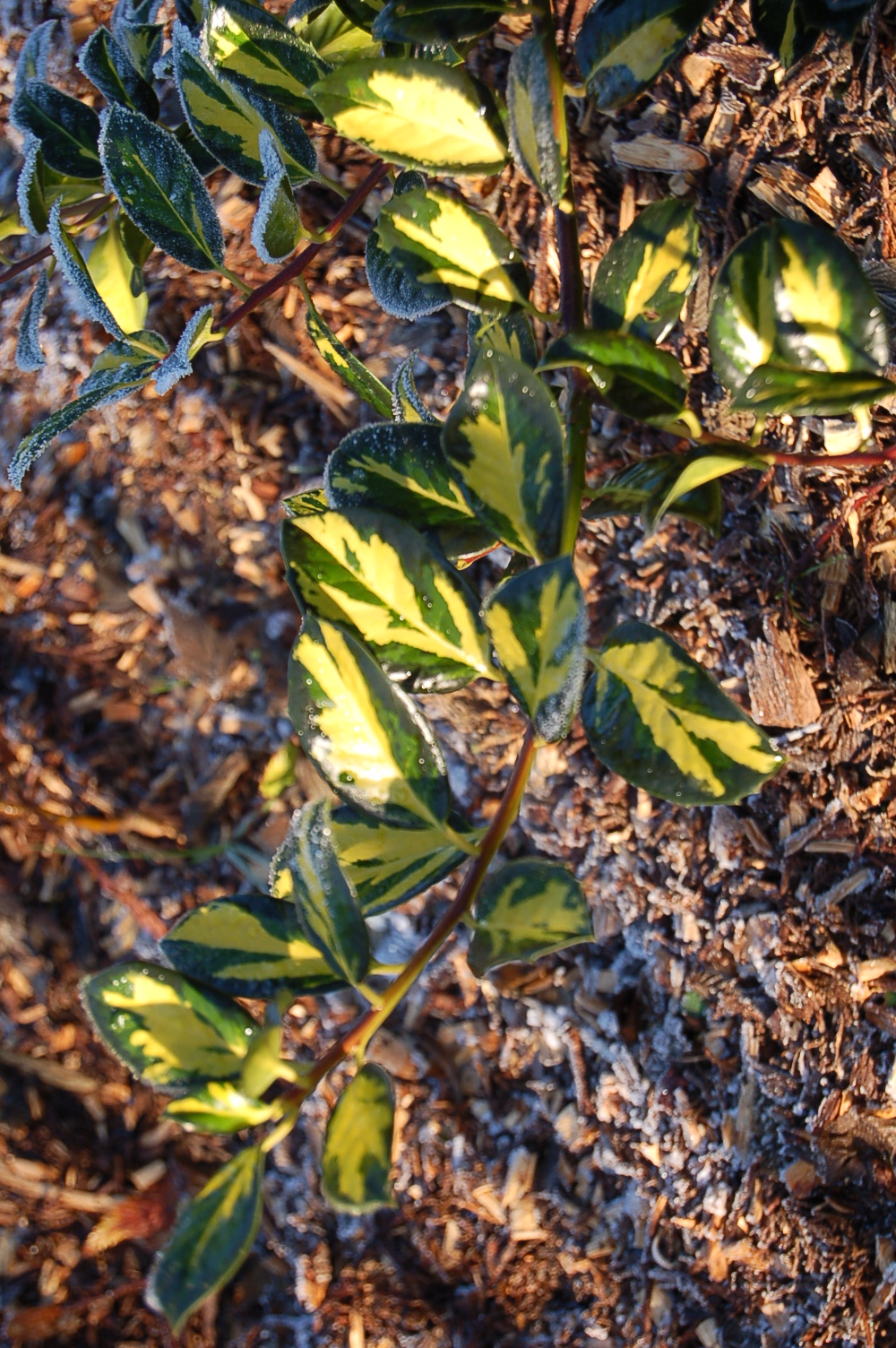
Stripes of fence shadows fall across a variegated holly.
Blood red dogwood stems.
Peeling bark like brittle toffee.
Green flowered hellebore with striped shadows.
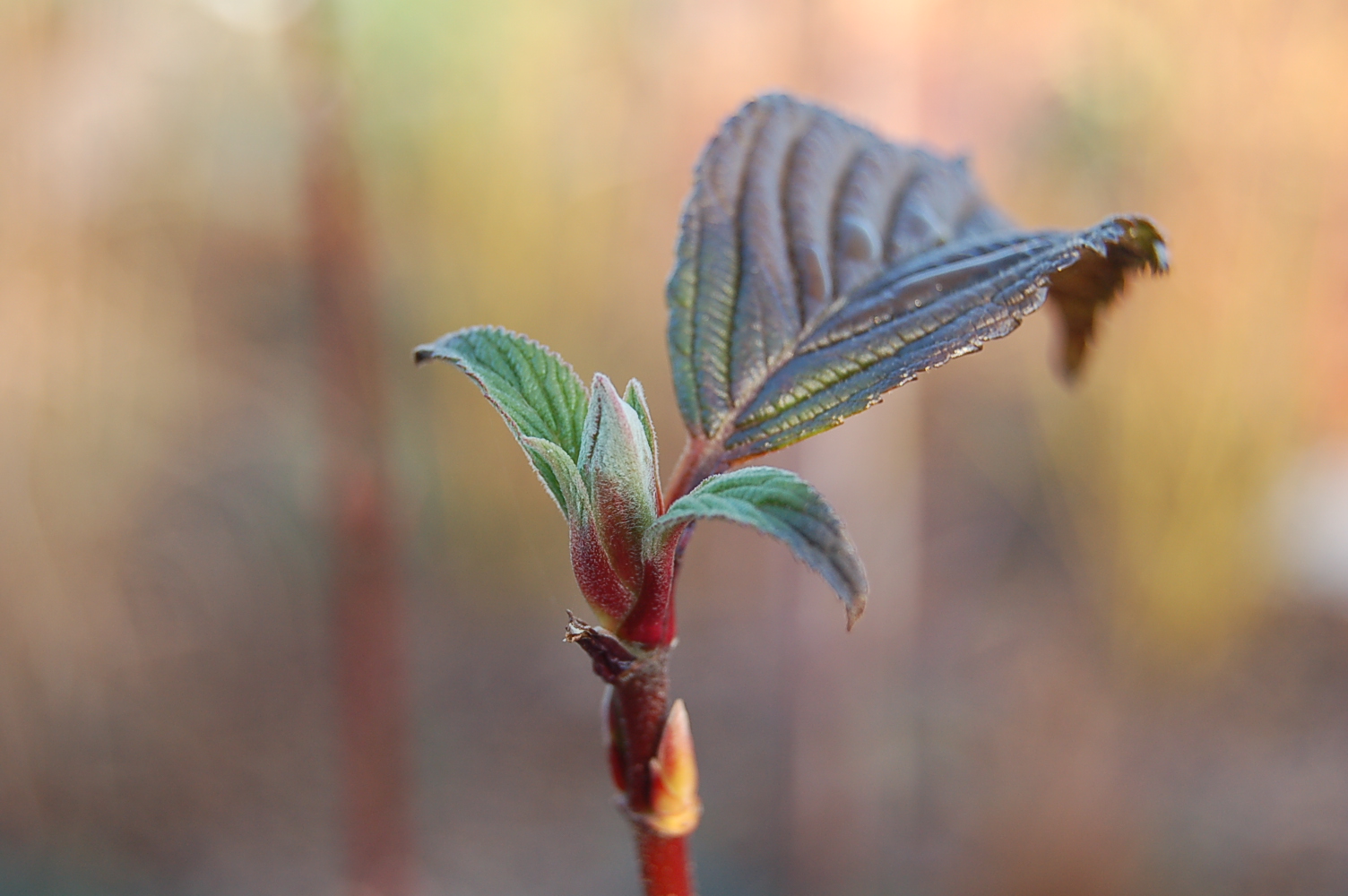
Premature bud burst on Viburnum.
Striped snake bark maple.

With so much to see after such a short time, we can but wonder at what our Winter Garden will bring us in the future. It was great fun creating it and judging from comments from plot holders it is already bringing much joy!

Categories
birds garden design garden photography gardening hardy perennials ornamental trees and shrubs photography winter gardens

The Flowering of February

A bright sunny day! And mild too! We just had to spend it in the garden clearing away old leaves and flower stems of perennials, finishing pruning the climbing roses and as the grass was dry giving it a quick skim over with the mower. A bit of early Spring cleaning. As we worked our way around we sere periodically stopped in our tracks by the sight of colourful flowers.

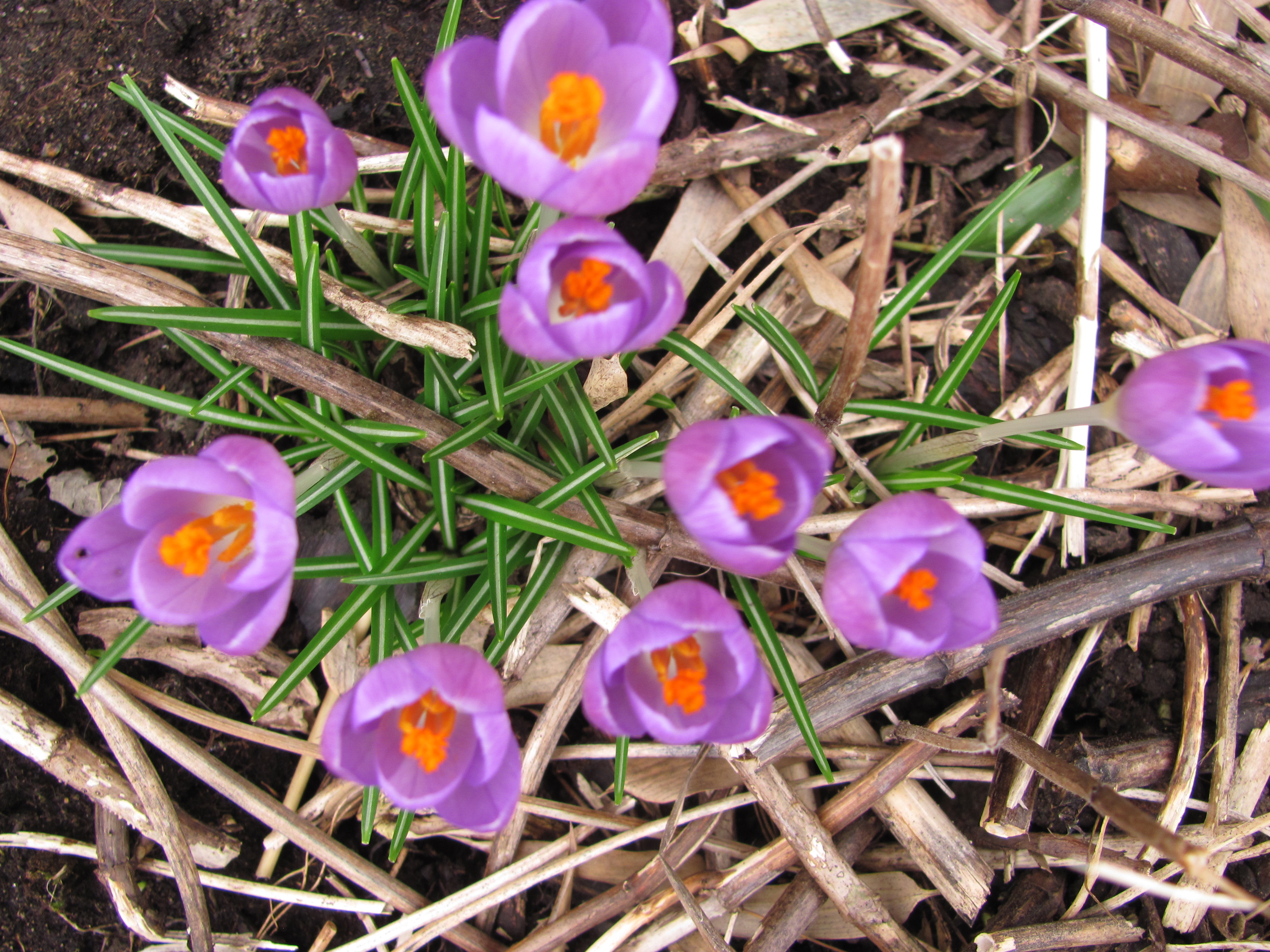
A good clump of pale mauve crocus in the Rill Garden.
Hidden inside is a rich deep yellow.
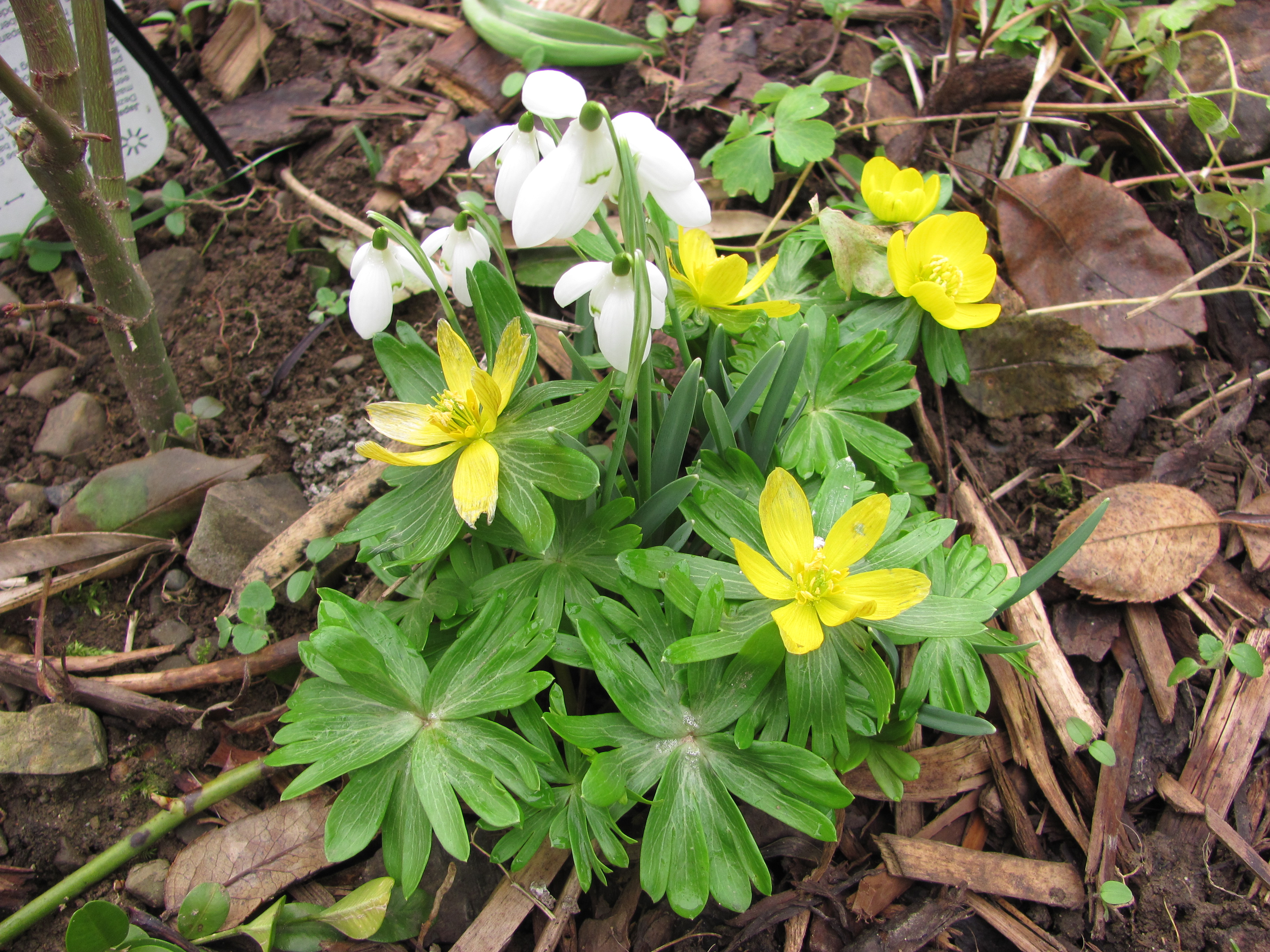
A classic February pairing of snowdrops and winter aconite.
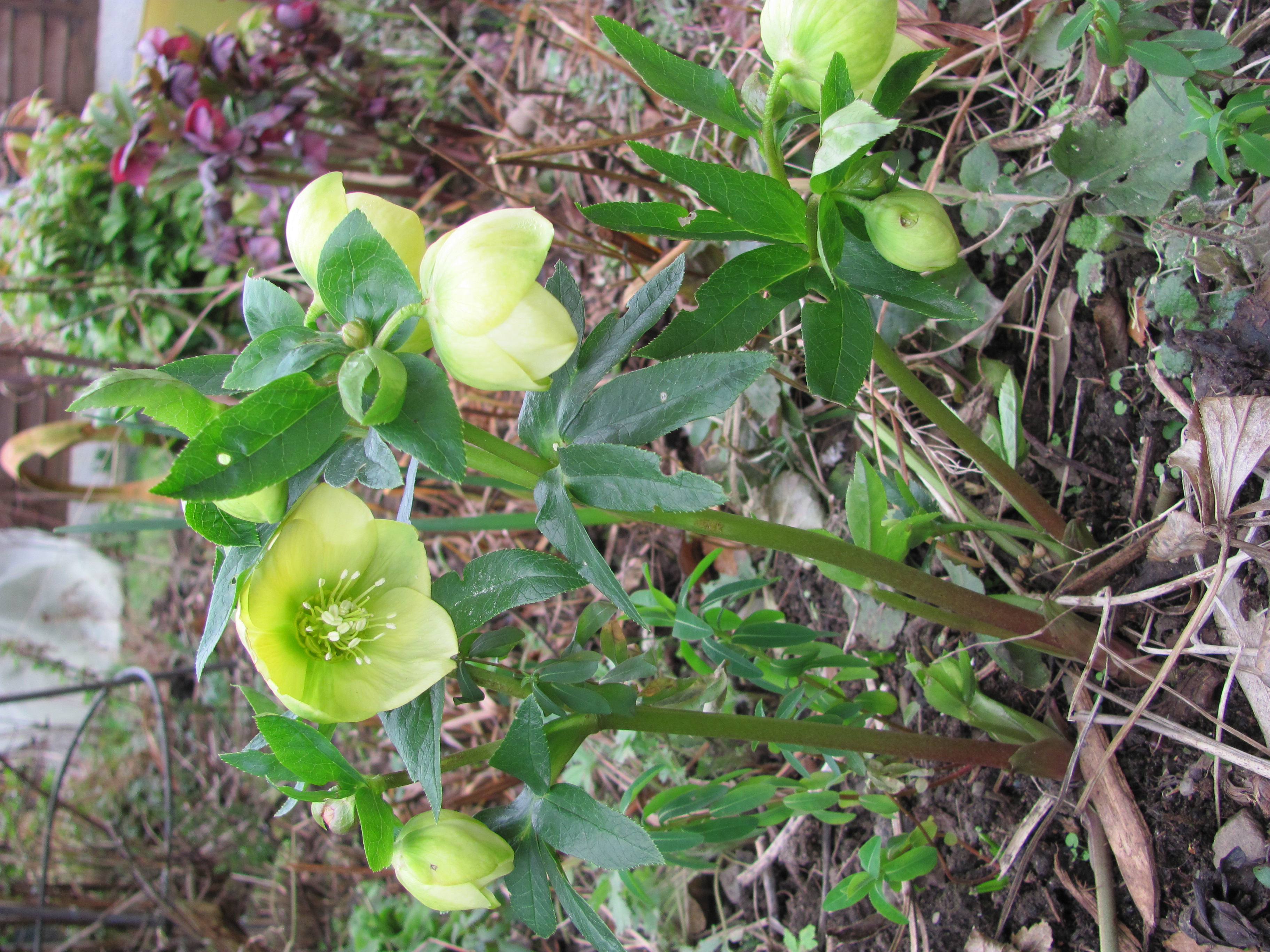
Primrose yellow hellebore.
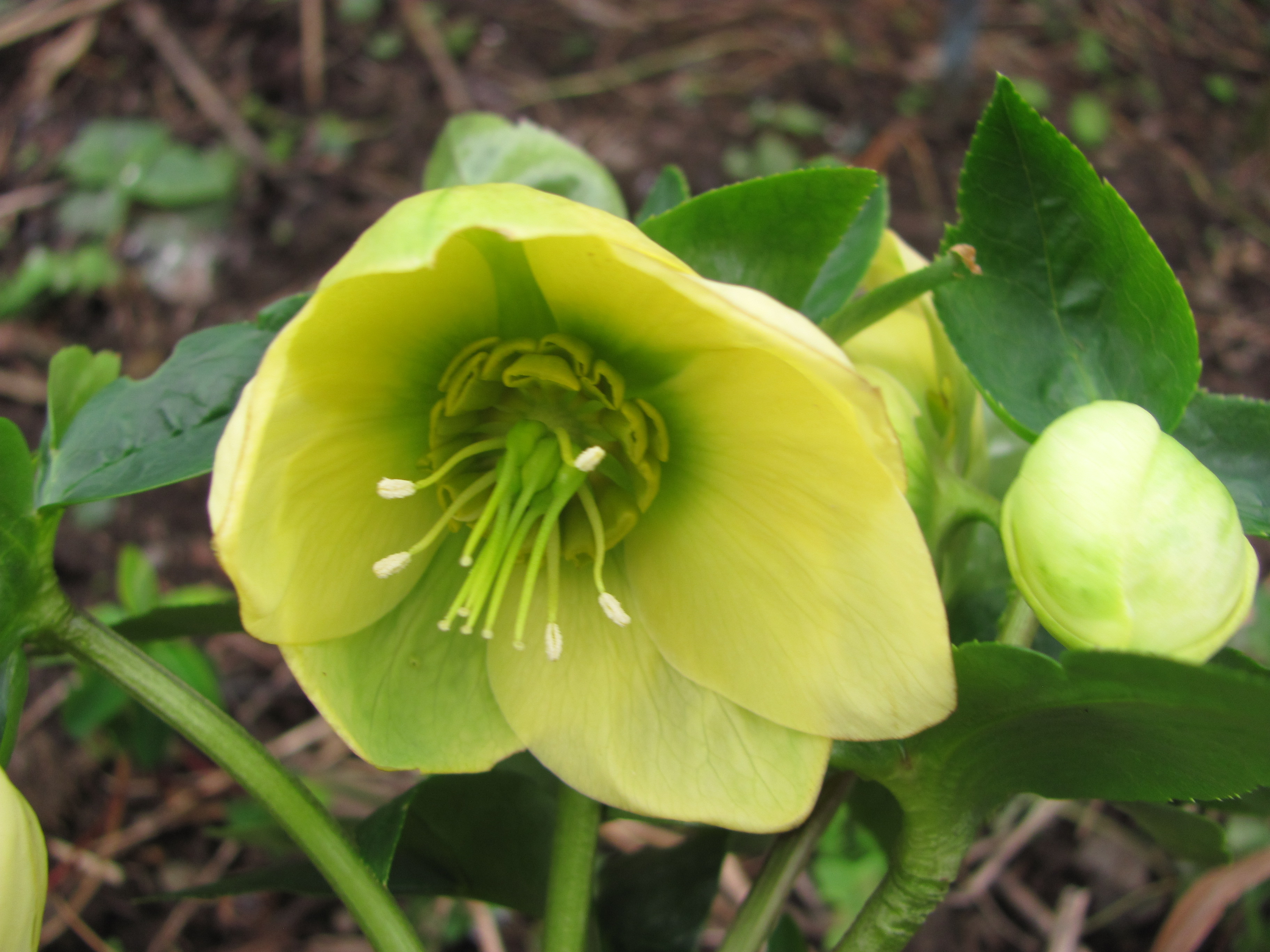
Close up the hellbore shows hints of green.
Speckled pink hellebore.
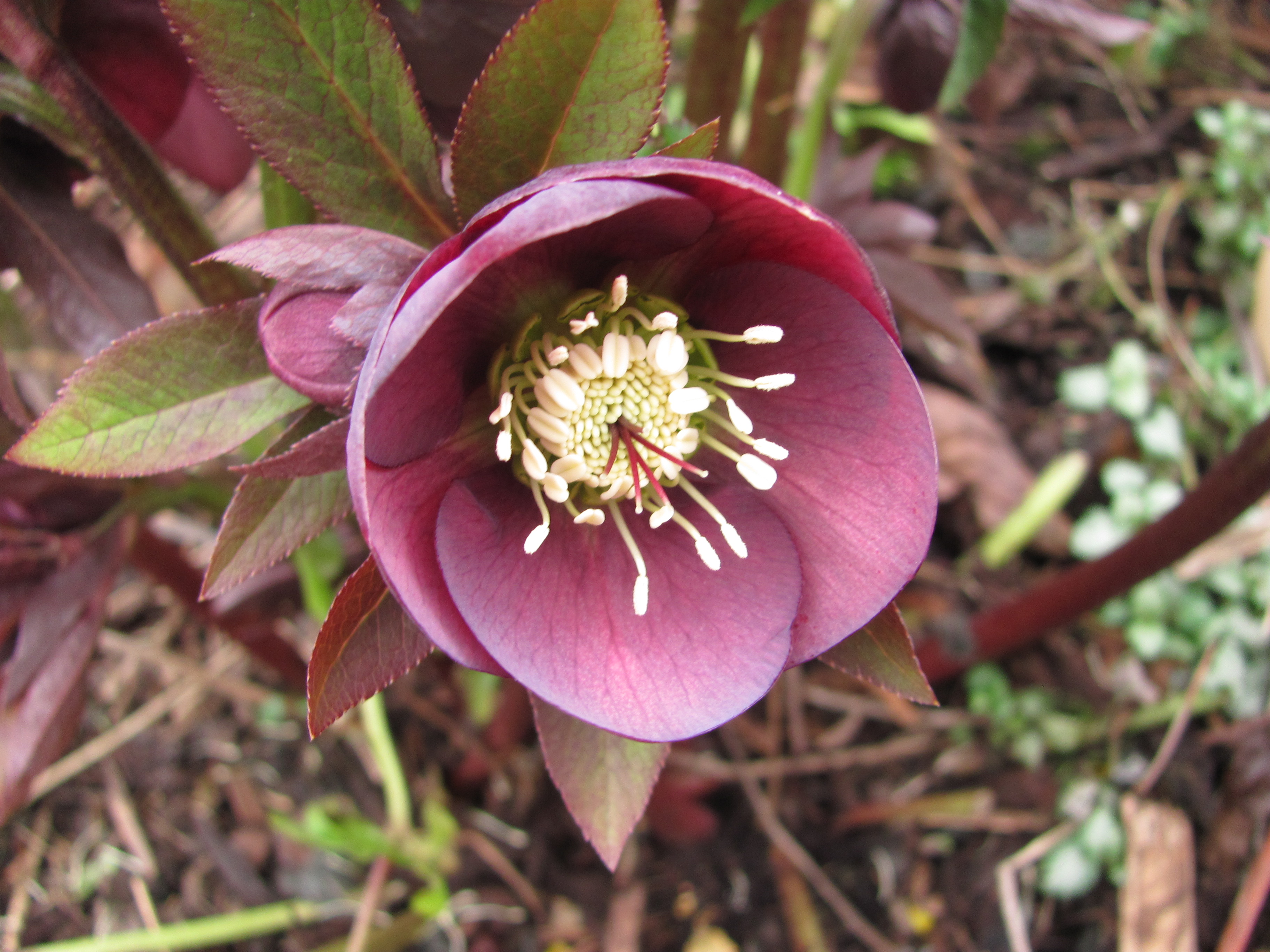
Perfect cup shaped hellebore bloom.
Dark secrets inside a bud.
The delicate pale Ipheon.
Tiny flowers - powerful scent!
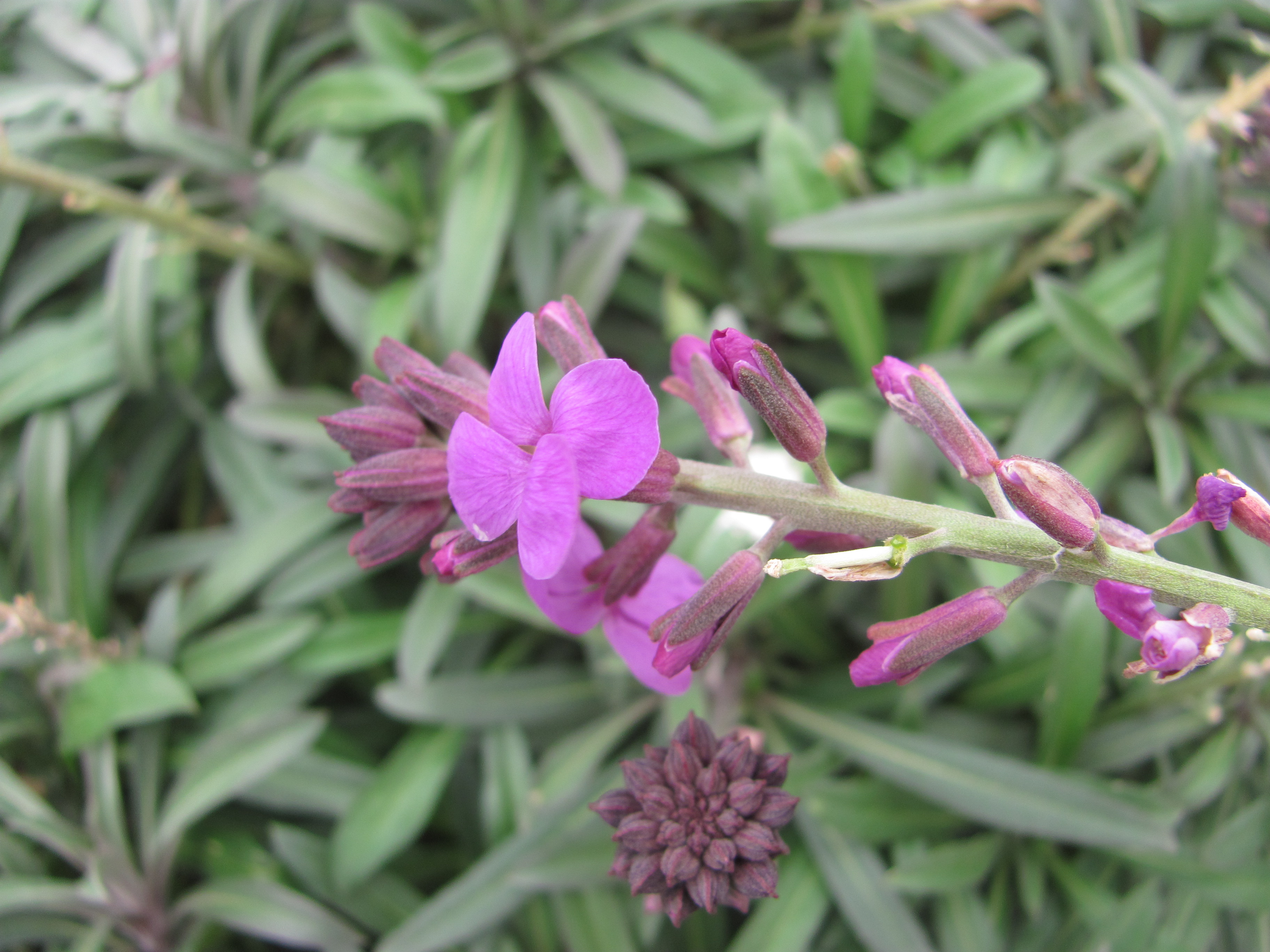
Perennial Wallflower "Bowles Mauve" - always in flower?
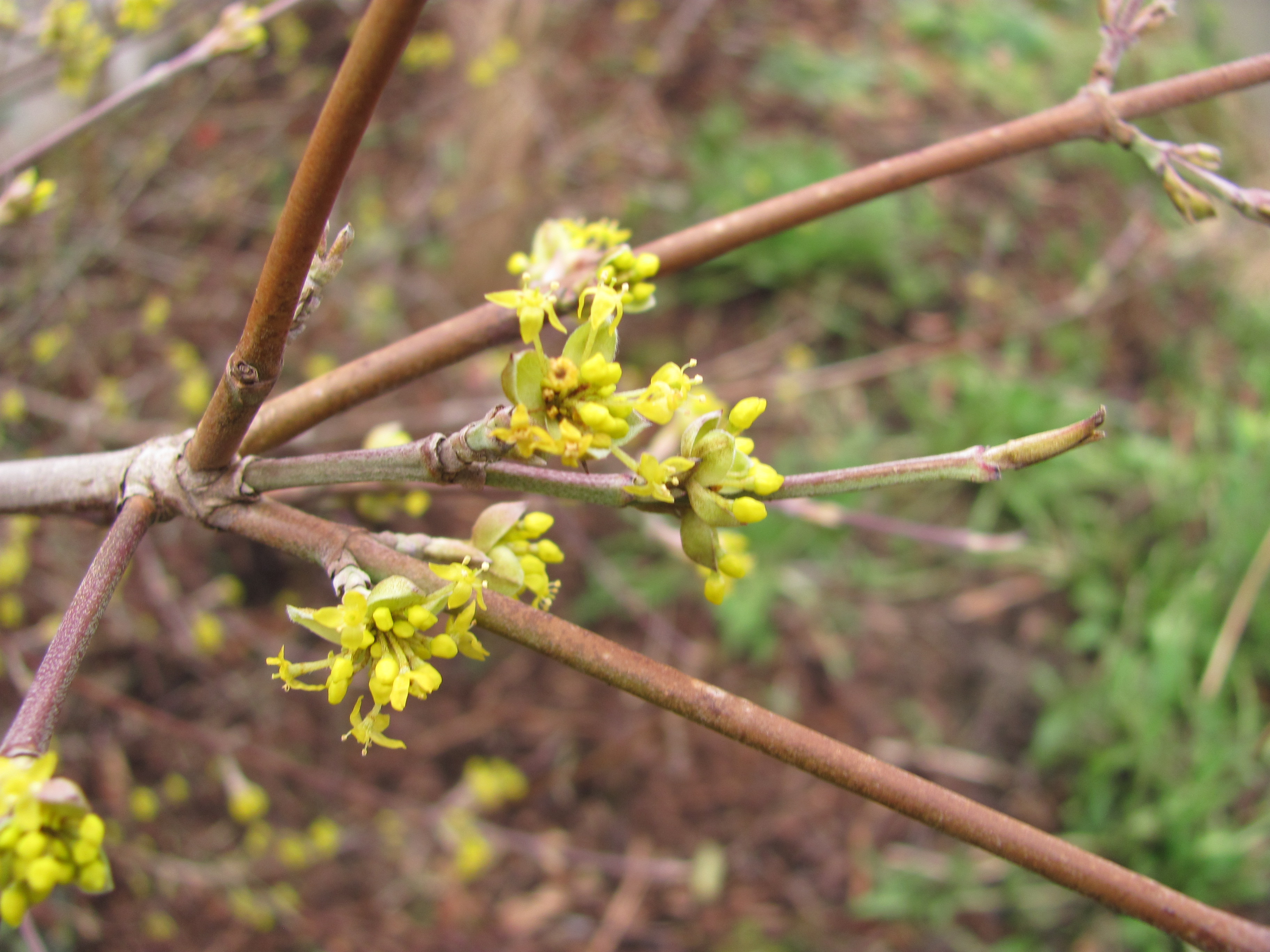
Cornus mas - acid yellow scented flowers.
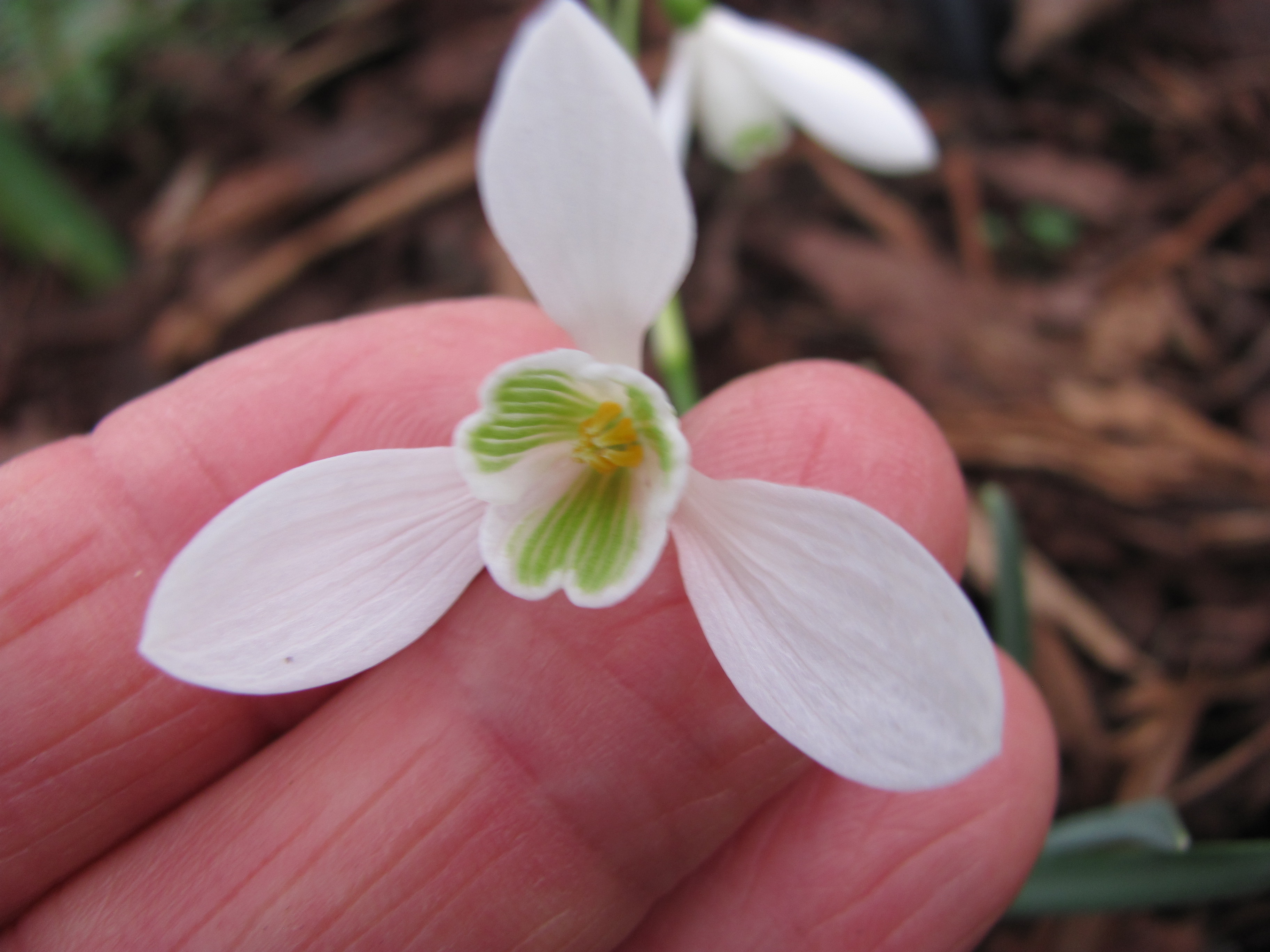
Looking for the magic inside a Snowdrop!
Out of season Ribes speciosum - flowers like red droplets.
White and green - a most subtle hellebore.
Categories
garden design garden photography gardening outdoor sculpture photography winter gardens

Lichen in our garden.

One of the highlights of enjoying your garden in winter is noticing things that you take for granted the rest of the year. Little special details. Lichen, mosses and algae.

In our Japanese Garden the low rays of the winter sun brighten up lichen, mosses and algae on the lanterns. The greens and greys create a mosaic of soft textures.

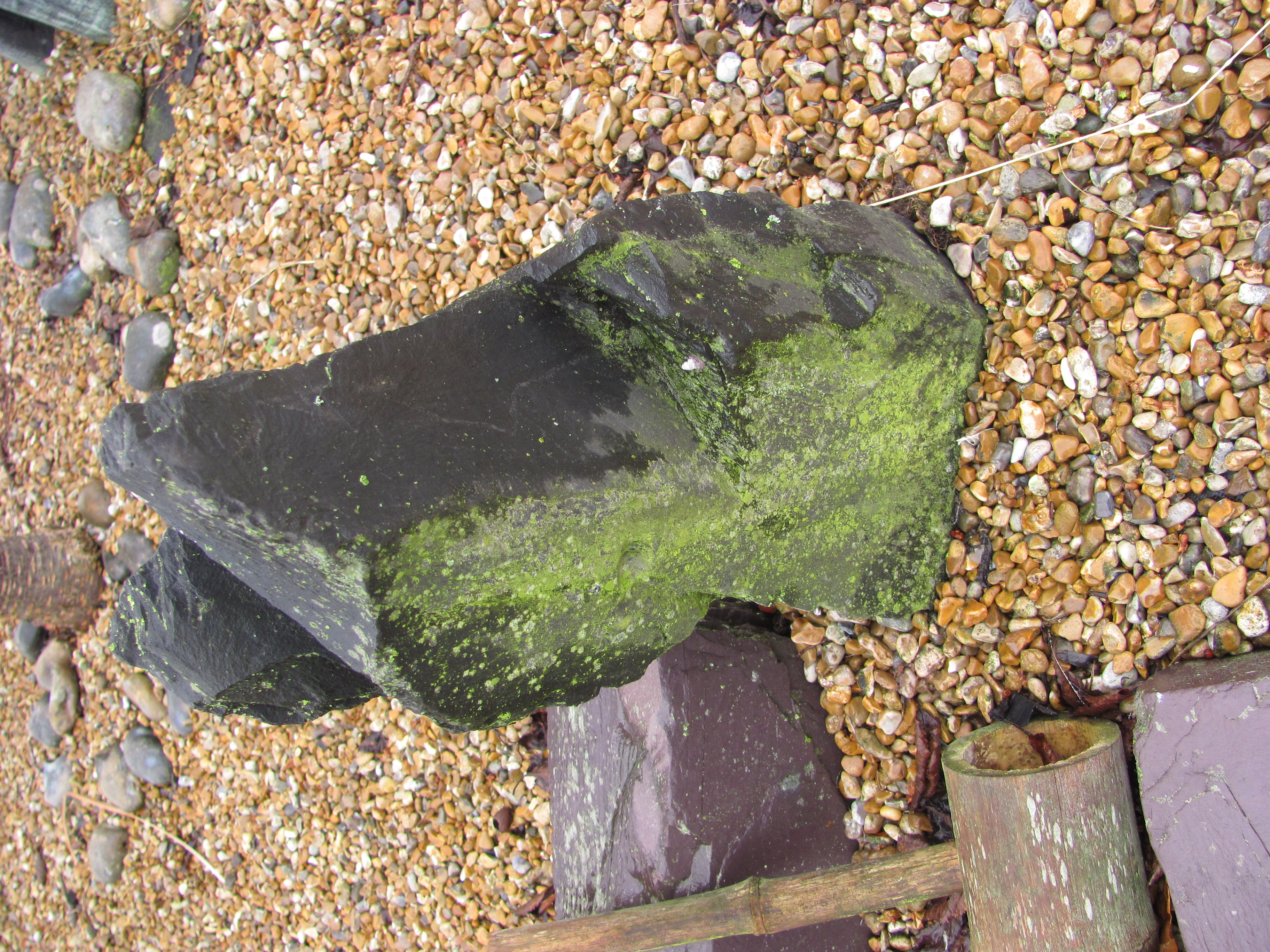
Tints of green add interest to the greys of our specimen slate stones.

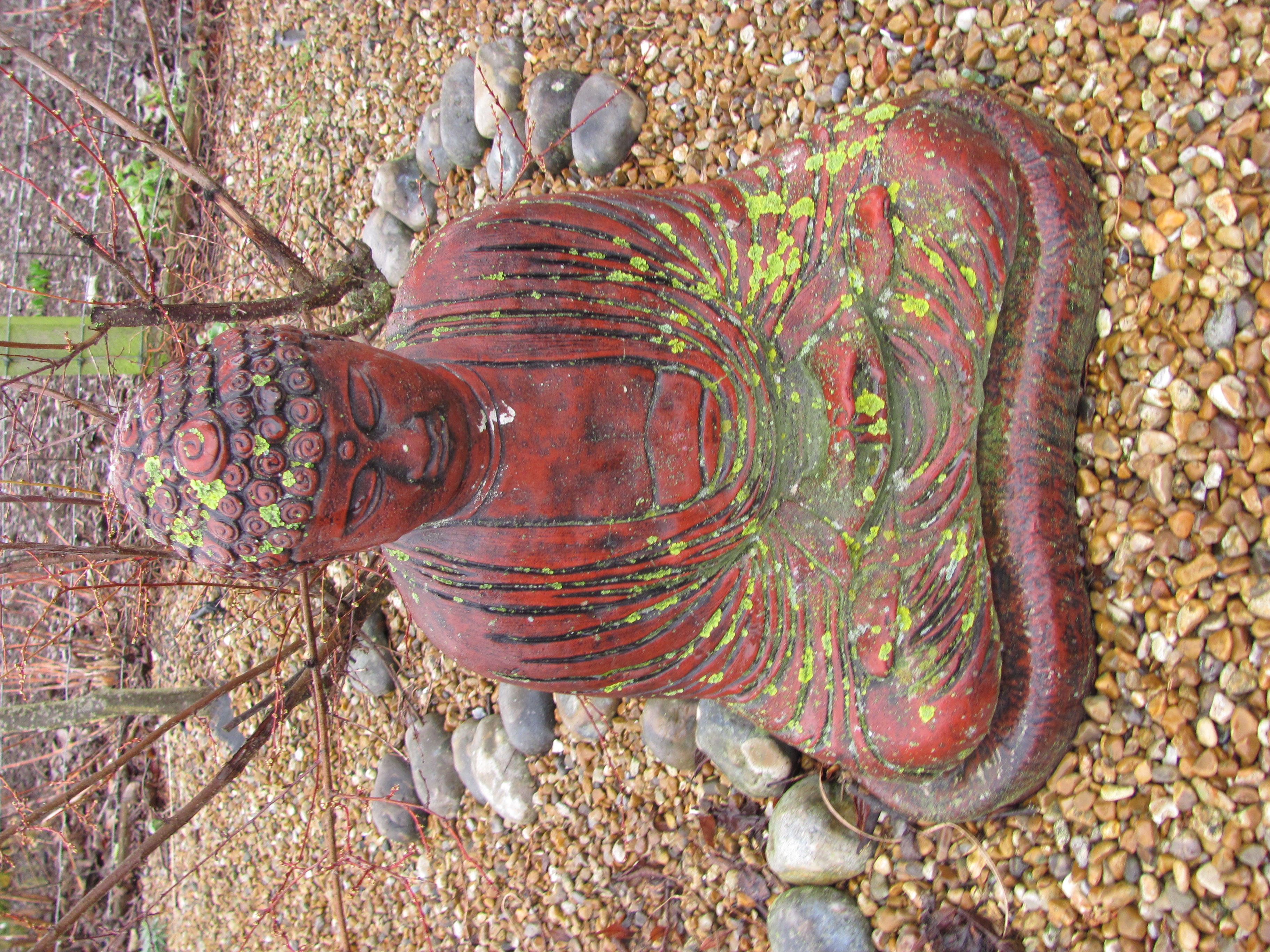
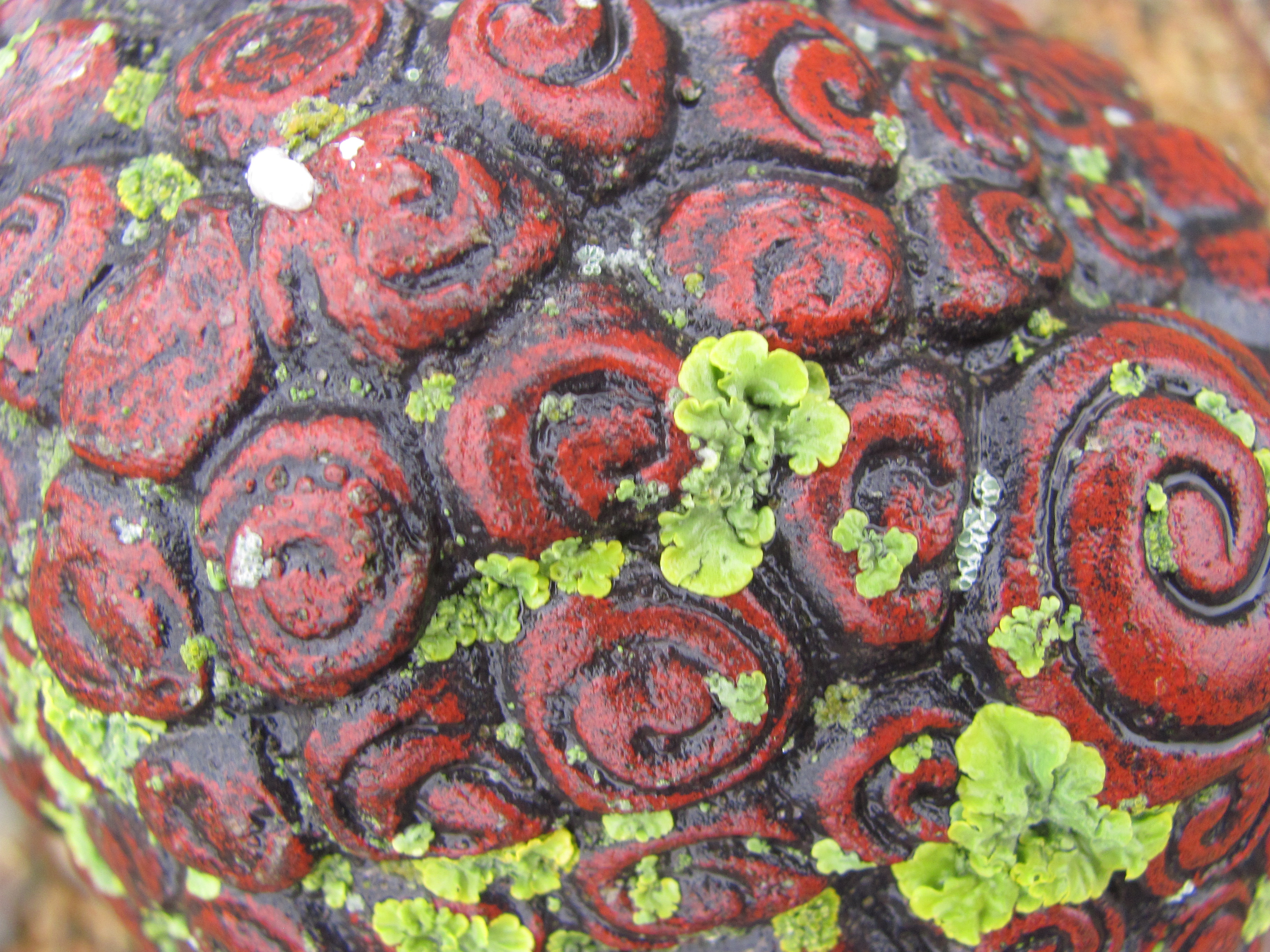
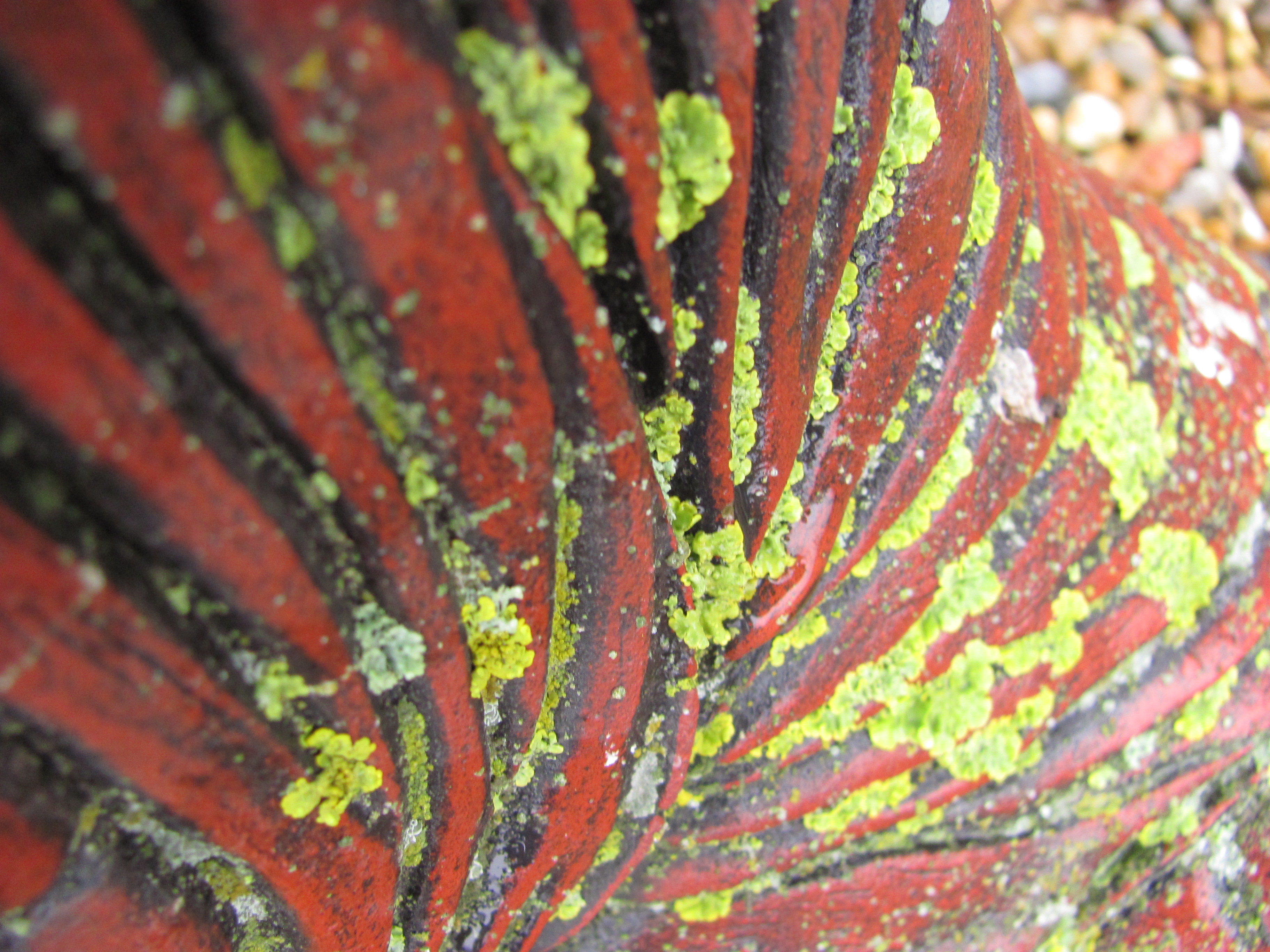
Even the Buddha is given a splattering of green emphasising the shapes of the fabric folds of the robe and curls of hair.

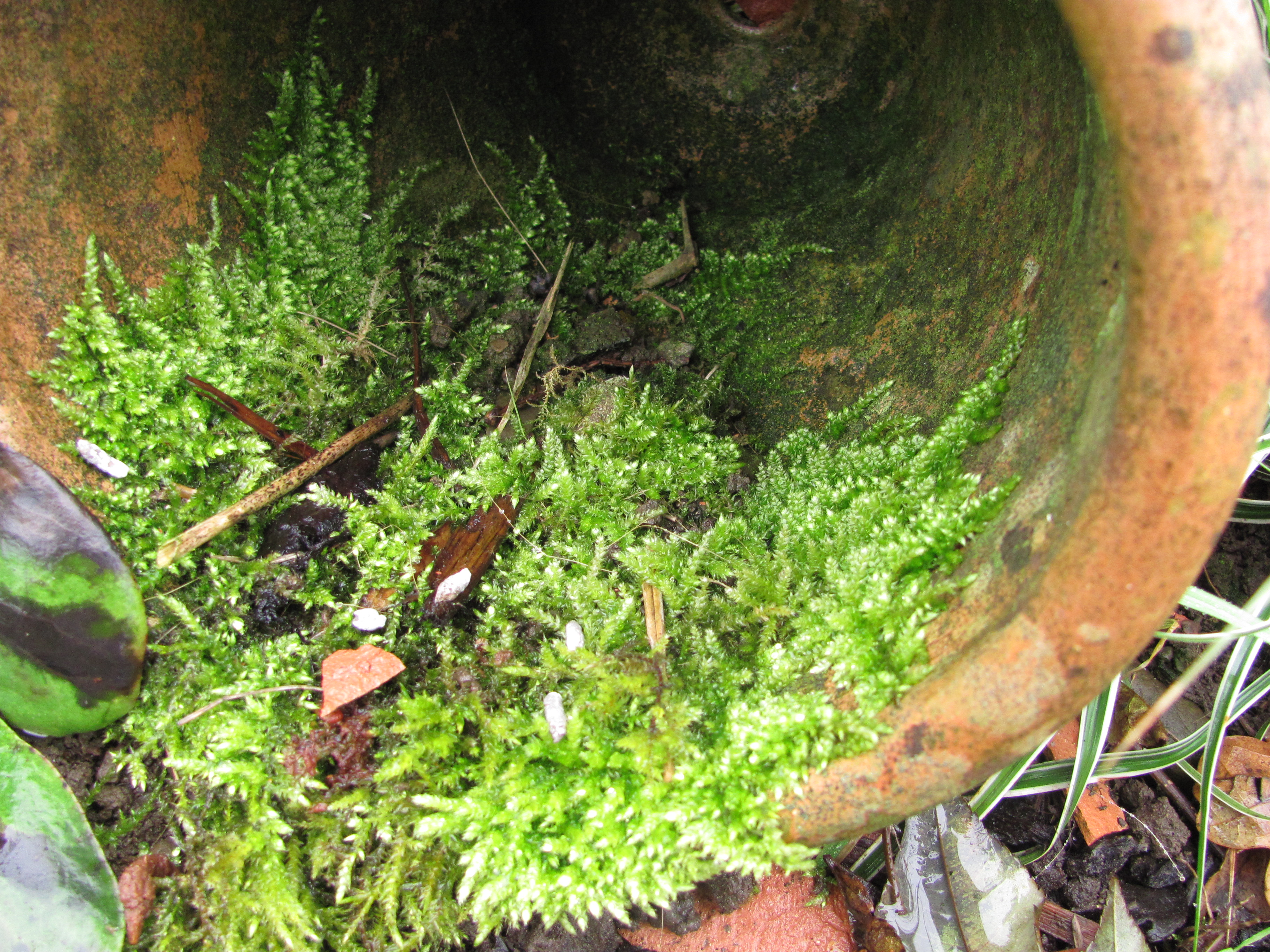
Lush green mosses find perfect conditions to flourish in side a terra-cotta flower-pot.

Categories
garden design garden photography gardening ornamental grasses town gardens

The Gardens of Piet Oudolf

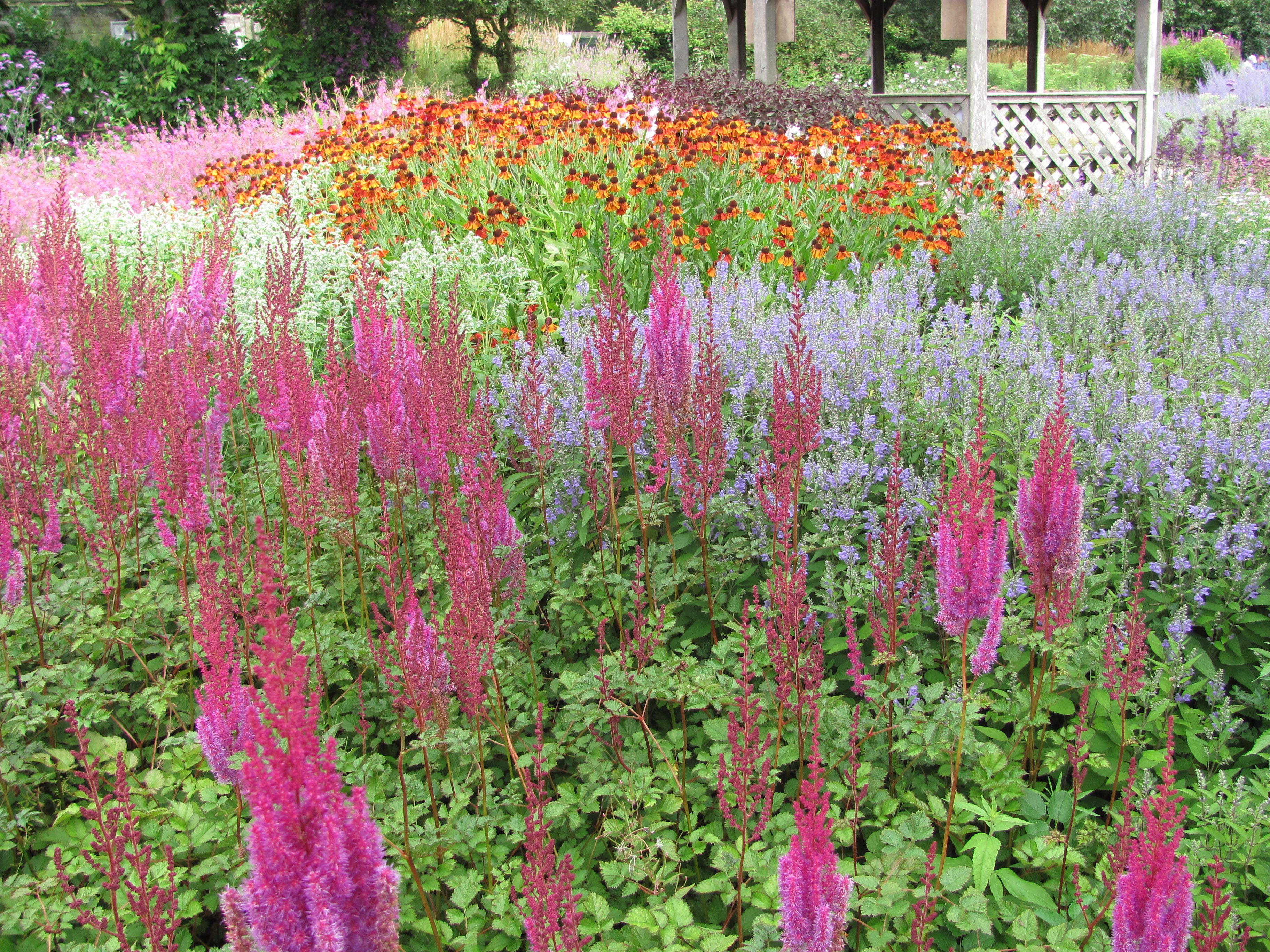
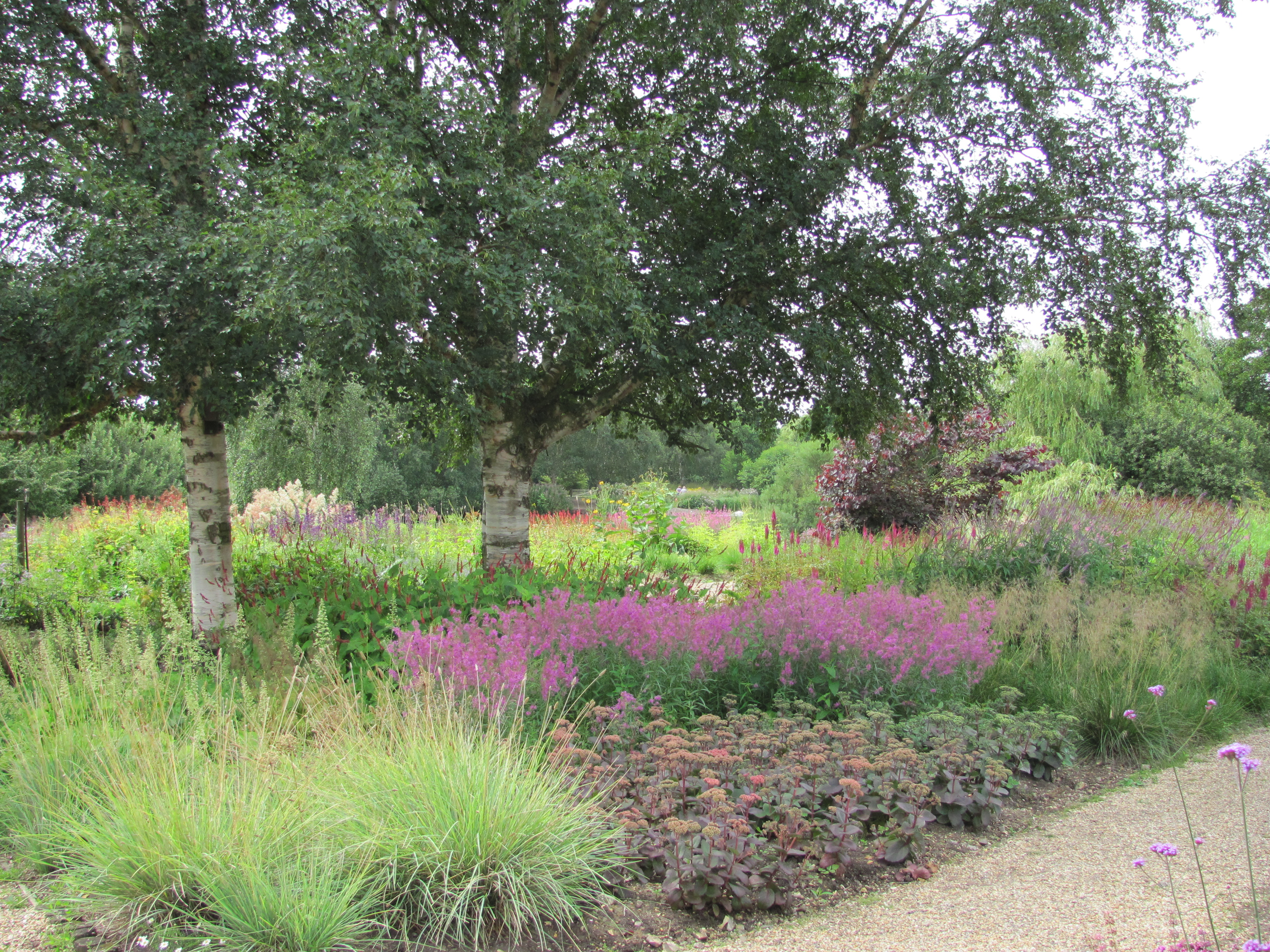
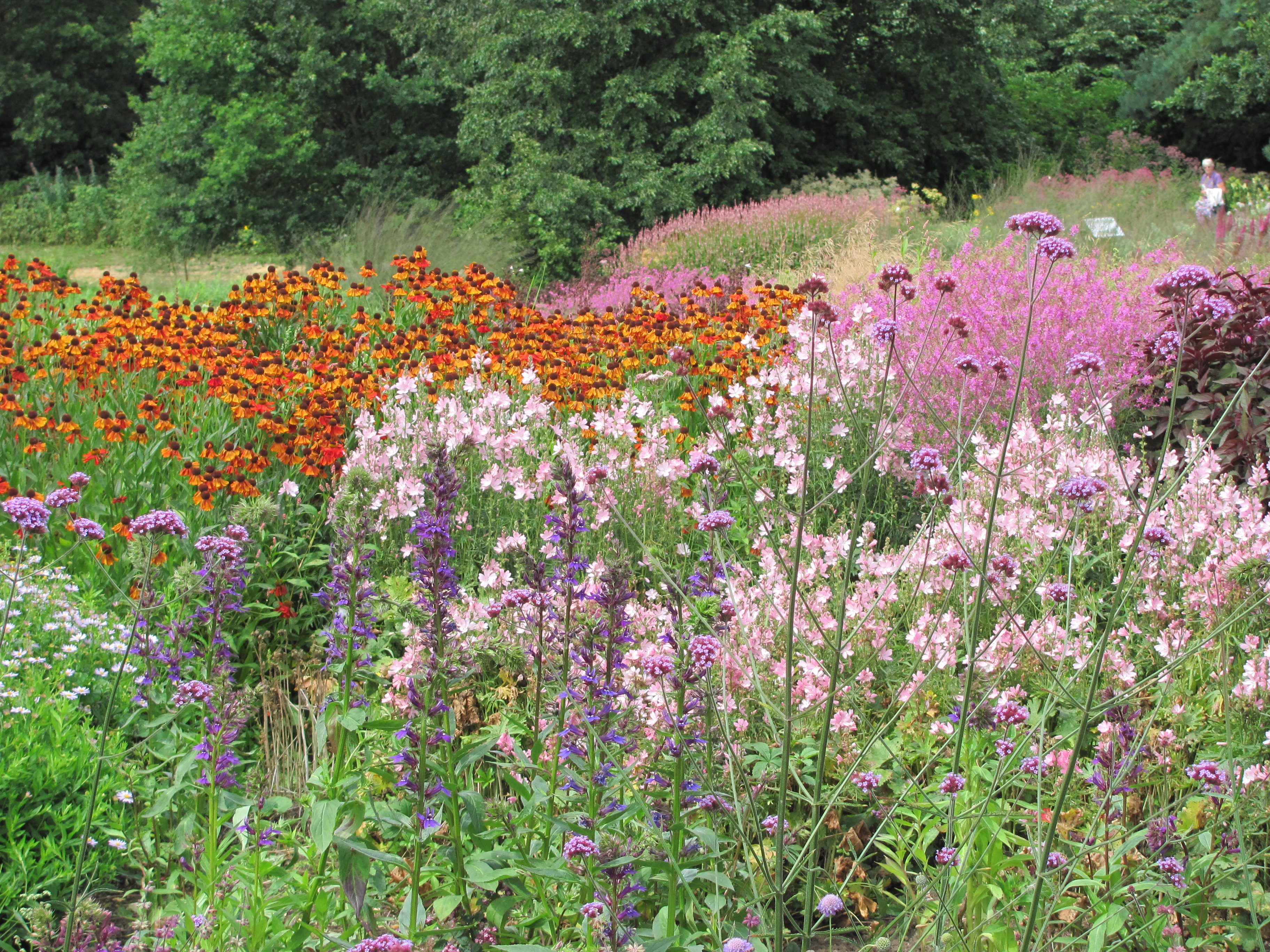
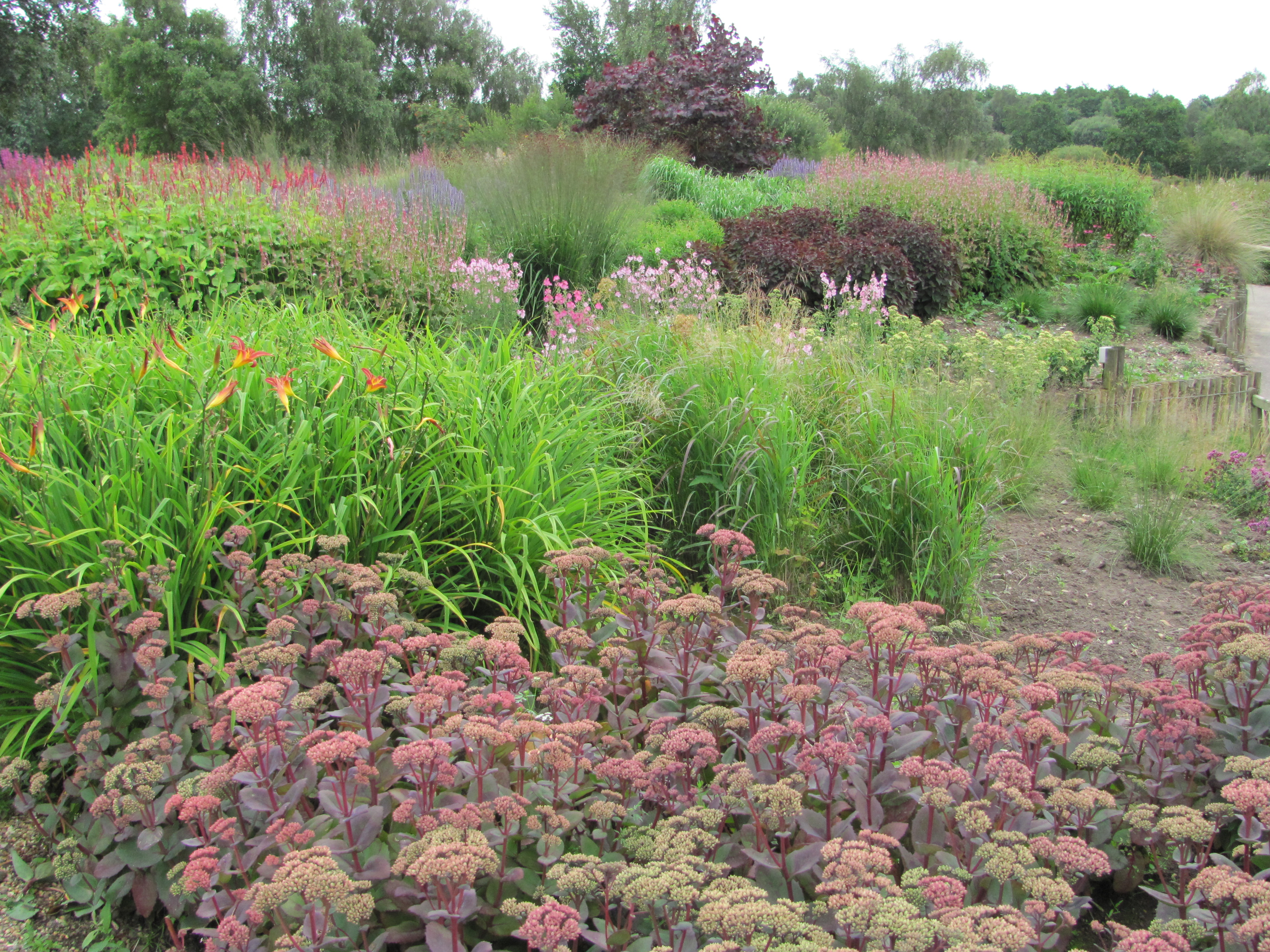
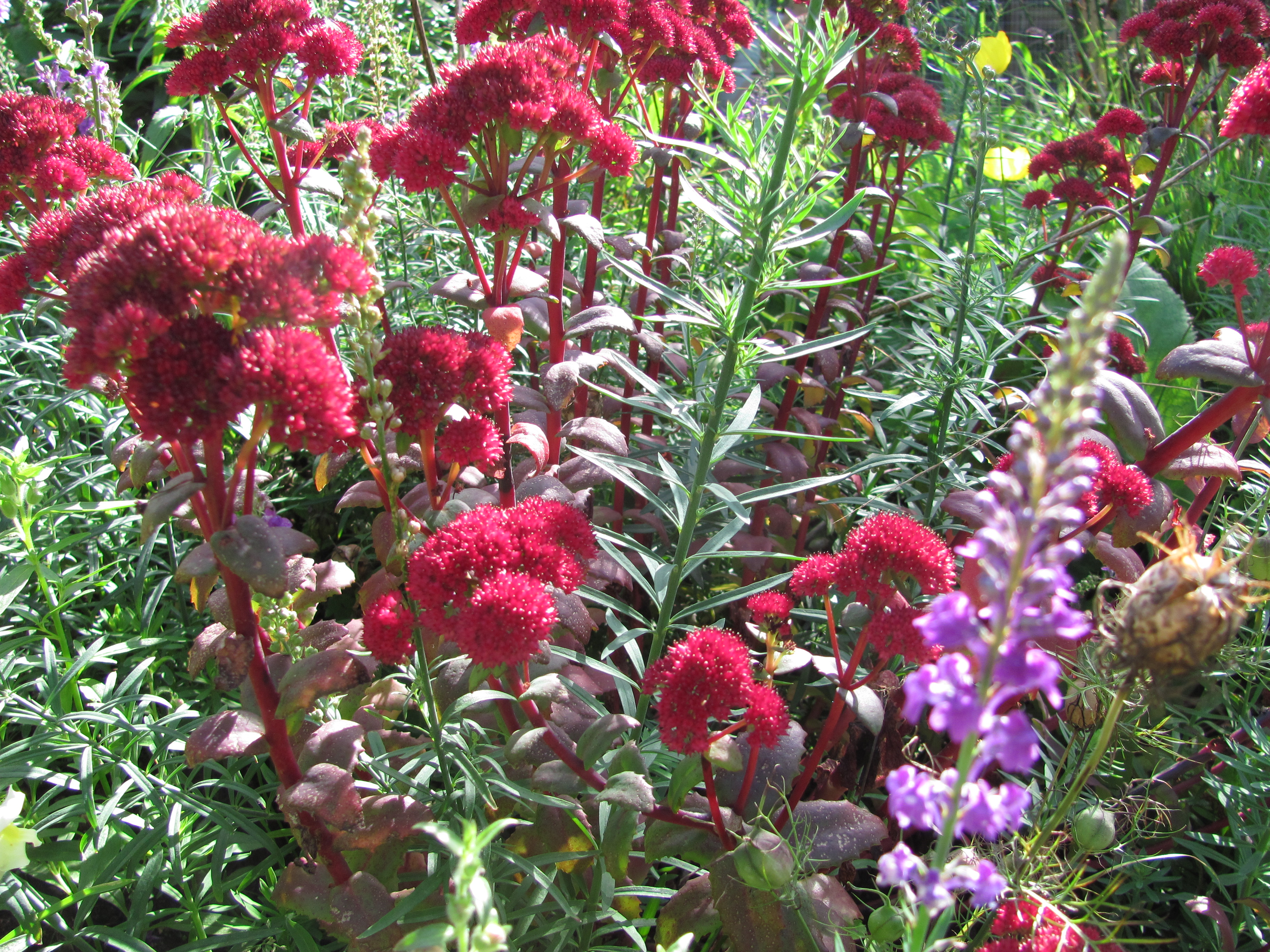
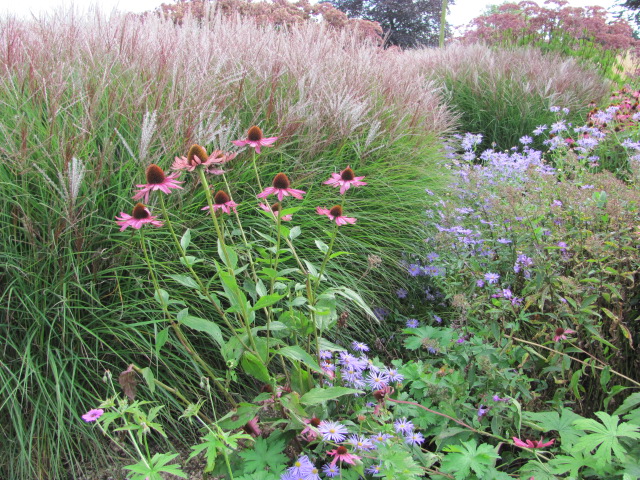
Piet Oudolf has been one of the most influential garden designers in the C21. We have had the pleasure of seeing several examples of his work. The development of our own garden has been influenced by his choice of plants and his plant combination. Our borders now feature far more grasses, achilleas, monardas, alliums, heleniums and sedum and we consider more carefully how good plants can look as they die off during the autumn and how well they stand in the winter.

I wonder why local authorities in the UK have not taken his ideas on board – why do we still see so much Victorian bedding in our parks and other areas of public planting? Shrewsbury, our closest town and the county town of Shropshire, seems to be going backwards with more such backward-looking planting appearing. We often look at the local roundabouts and parks and think how good they could look if more imaginative, “new perennial style” gardening was adopted. Just look at Oudolf’s planting at Wisley, Trentham and Pensthorpe and imagine how well this style would work in public spaces.

We visited Pensthorpe in Norfolk not long after the Piet Oudolf garden had been revamped, and they were looking splendid.

We visited the wonderful gardens at Trentham several times during 2011 and early in 2012. Whenever you visit the gardens by Oudolf are outstanding. Piet Oudolf’s planting here is in two distinct areas with contrasting character and atmosphere. his “Rivers od Grasses” is unlike any planting I have ever experienced. Lush green low-cut paths meander through mass plantings of tall decorative grasses. Children seem to love this area seeing it as an informal maze, a place to explore gently and quietly. This is a wonderful example of how plants and garden design in public places can influence how people feel and move around.

Beyond the River of Grass is an area of perennials and grasses planted “en masse” with winding gravel paths for exploration.

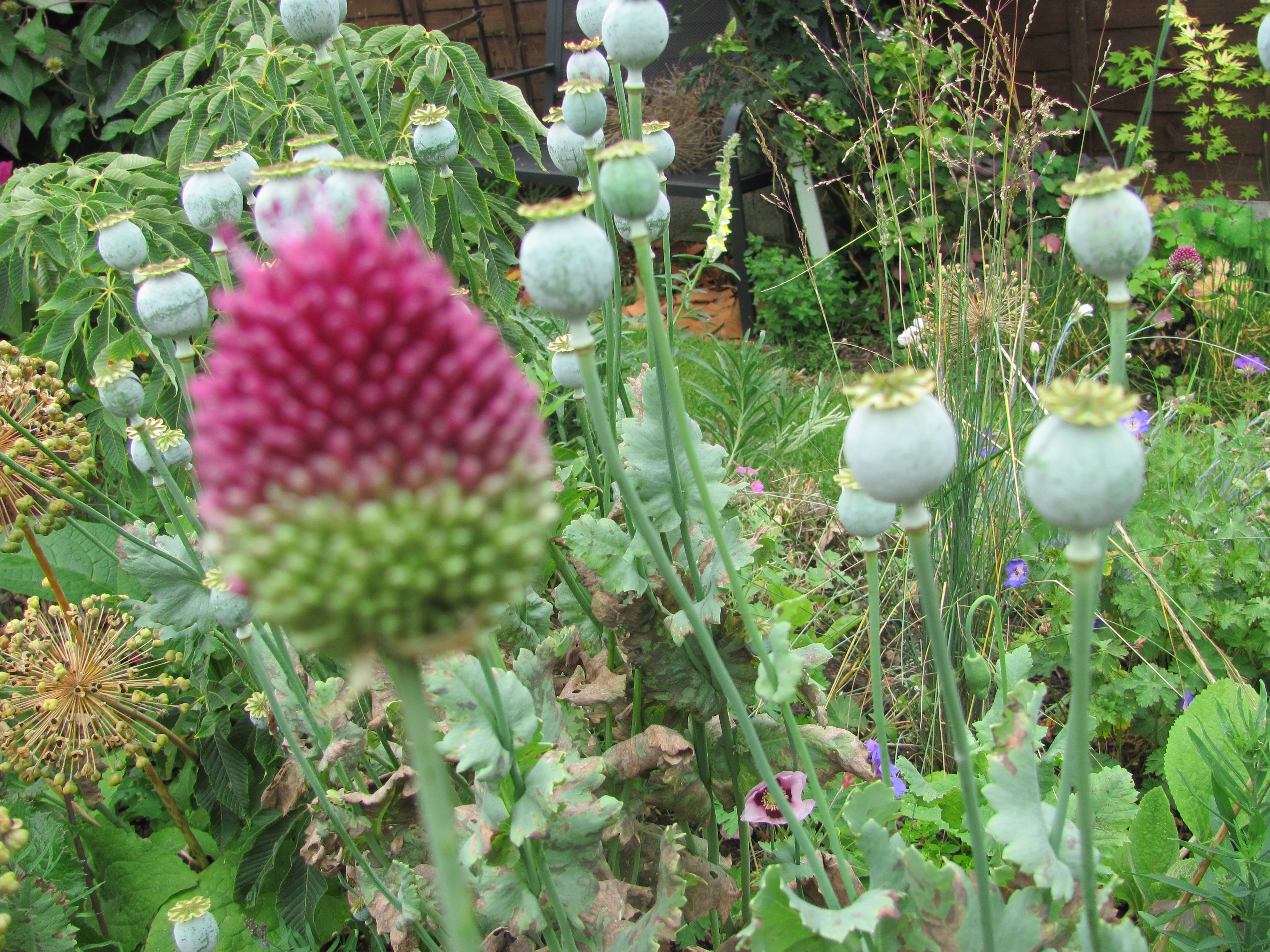
I decided to look back through my photo library for examples of pictures I have taken over the last year or so that show how our own planting has been influenced by the work of Piet Oudolf. Firstly in “The Chicken Garden” in May when the lollipop flowers of allium dominate.

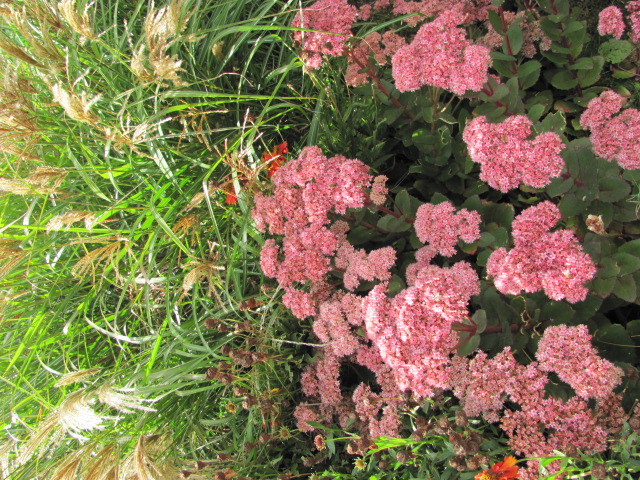
New planting of grasses and sedum in the recently re-vamped “Prairie Garden”.

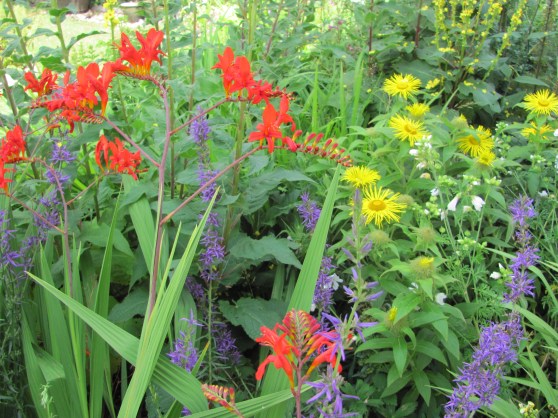
In our “Hot Border” a mass planting of Crocosmia “Lucifer” are interspersed with campanula, verbascum and inula.

Categories
garden design garden photography gardening hardy perennials ornamental grasses

Some of the gardens of Tom Stuart-Smith

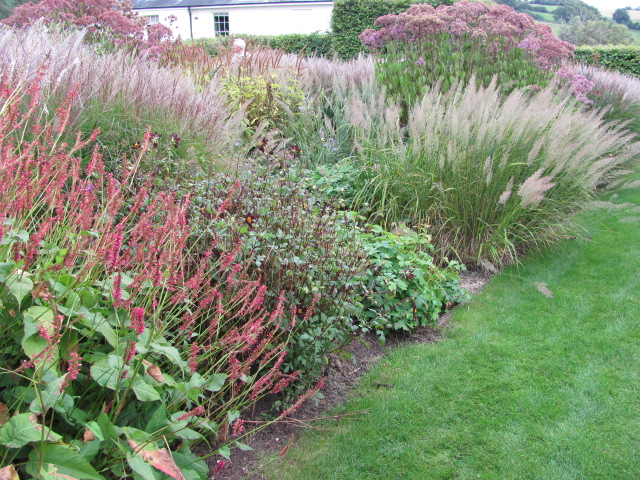
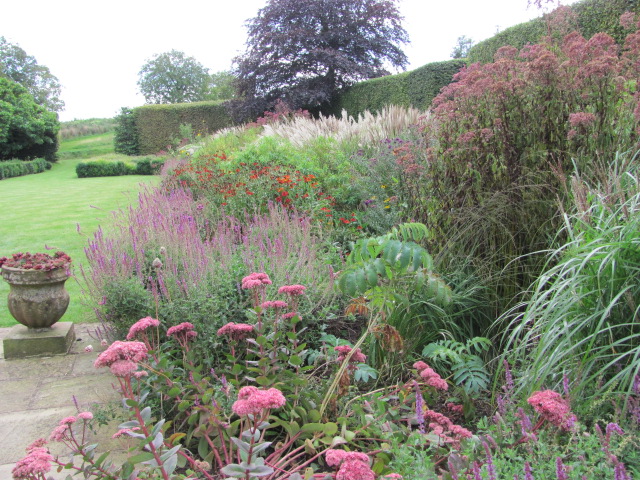
Tom Stuart-Smith is one of the best of the current crop of garden designers working in the UK at this time. We have had the privilege of visiting two very different gardens designed by him, one a private garden in Herefordshire and the Italian Garden at Trentham, a Staffordshire garden open to the public.

In his own words “Making a garden for yourself is very different from doing it for someone else. So much of the pleasure is to do with the coaxing and tending, the daily observance of small details and the accumulation of change over the years.”

We visited this wonderful garden in Herefordshire after spotting it in the Yellow Book of the National Garden Scheme. We were firstly tempted to visit as this county has some excellent, interesting gardens and many well-known gardener writers and garden designers have made gardens within its boundaries. But seeing the name Tom Stuart-Smith in the “blurb” made it a must.

It is a garden that is so well designed and planted. It makes you want to wander along its paths, to look around each corner and to study individual plants grown in blocks or plant combinations.

The following photos show the subtle planting combinations and the inviting paths through the garden.

An amusing diversion on our wanderings was this family of shining metal birds striding alongside a border.

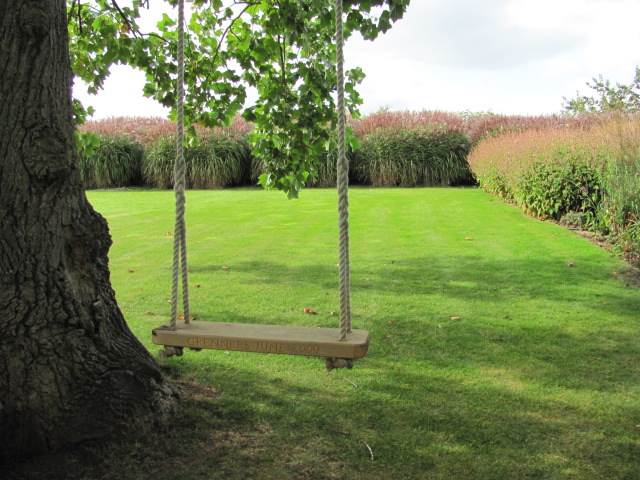
What a place to sit, swing and rest while anticipating the pathway into the sea of grasses.

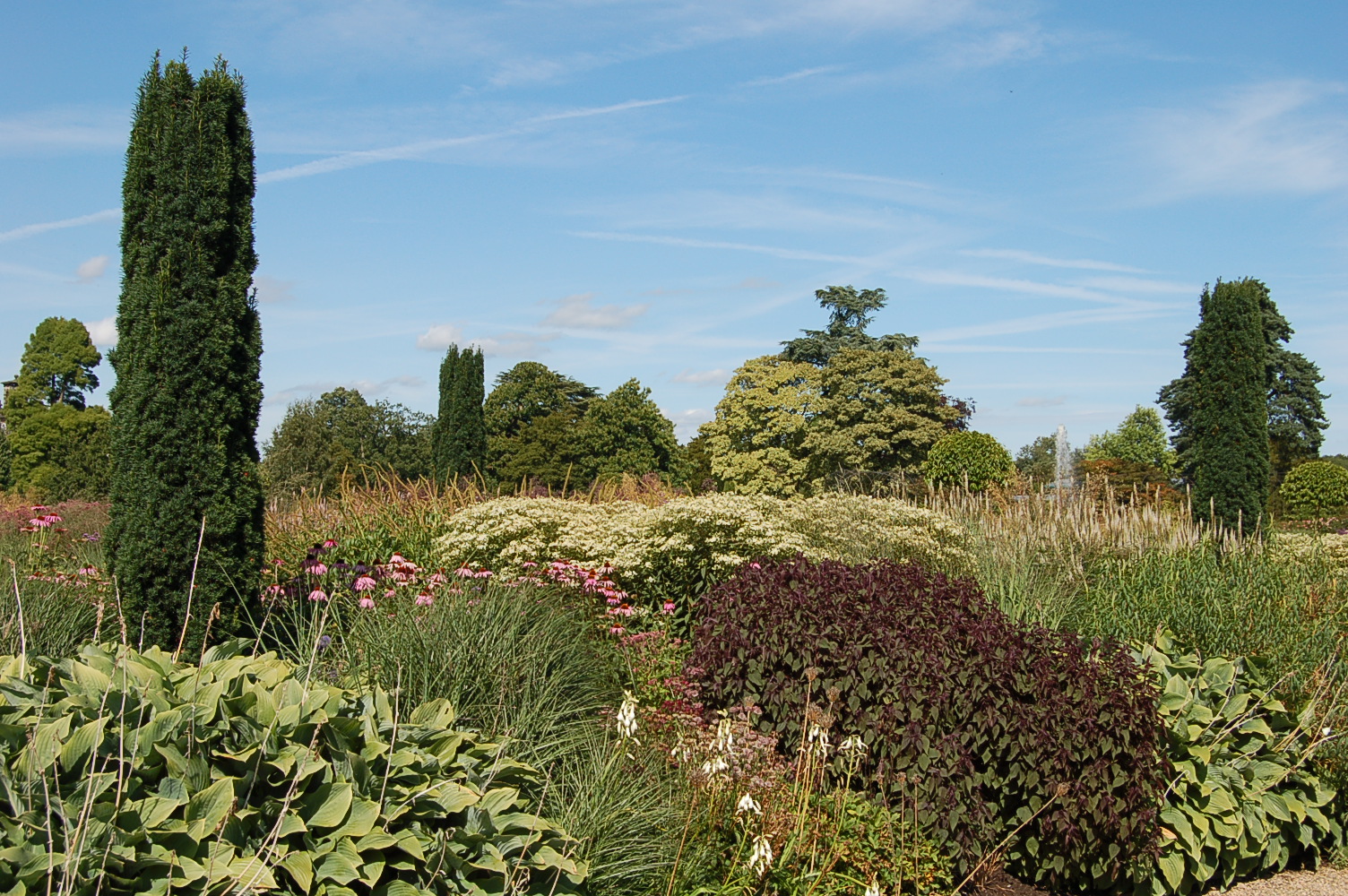
Later in the year we visited Trentham Gardens where Tom Stuart-Smith has redesigned the Italian Gardens, sensitively placing his modern perennial plantings amongst the old structure. So this is the other side of the coin, designing for a large public space.

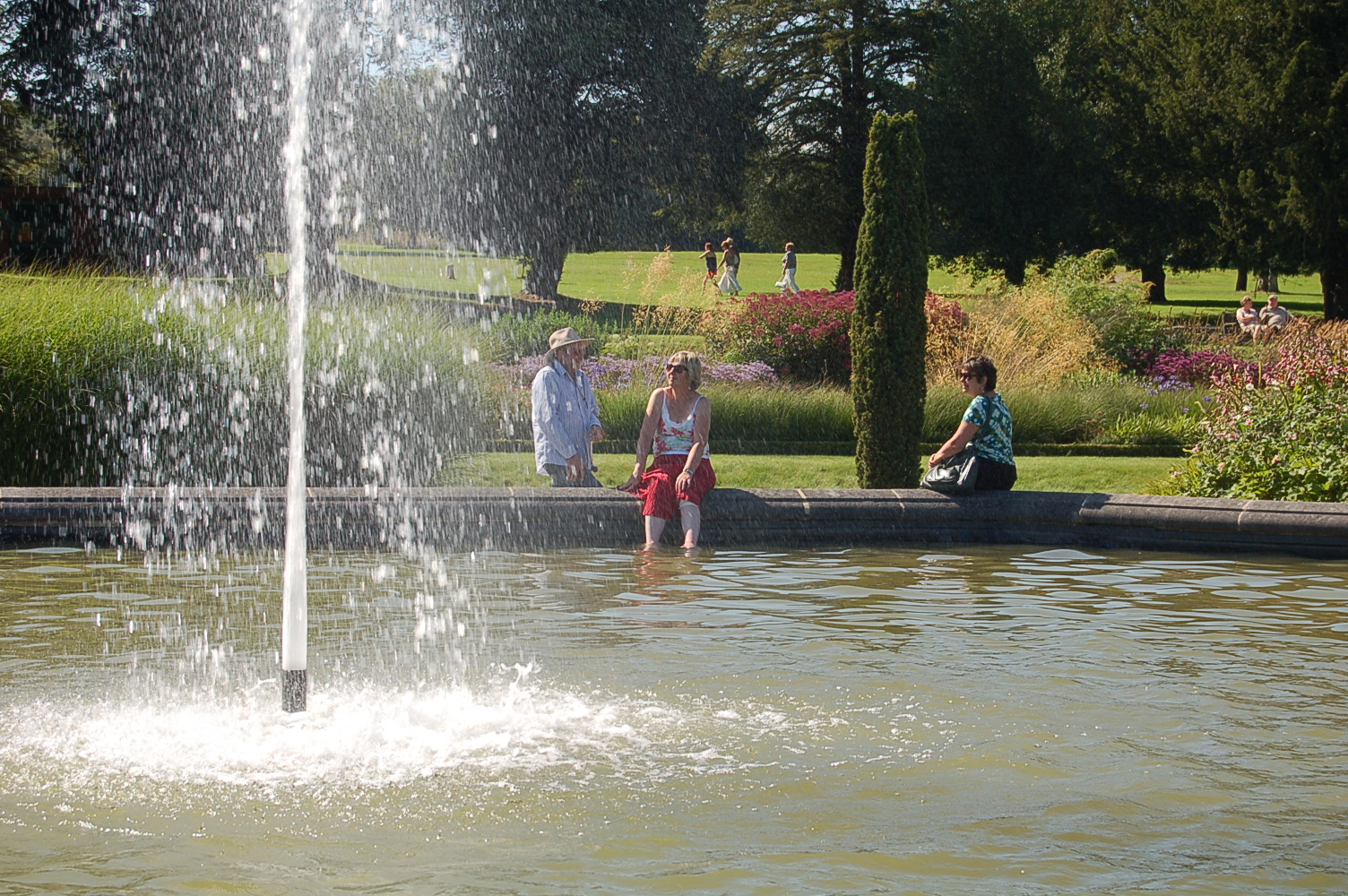
These borders look equally good in the middle of the winter. But the water is then a bit cold for dabbling ones feet in, even for “The Undergardener” seen in the photo above appreciating the pool and fountain, with the author in the dapper hat and Vicky our Sister-in-Law on the right.

Categories
birds climbing plants garden design garden photography garden wildlife gardening hardy perennials ornamental grasses ornamental trees and shrubs outdoor sculpture shrubs trees

A Wander around the Garden in January

This is the first in a series of blogs which I will write at the beginning of each month through 2012, and will show what is going on in our garden at that time – a sort of record of garden highlights.

So the new year has arrived. January 1st was a dull overcast day, with unbroken deep grey cloud and regular periods of drizzle. But at least it was warm with temperature holding up in low double figures all day. But not a day to perform a photographic wander.

So here I am on the 2nd January with camera in hand to record what’s going on appreciating a blue sky, but well wrapped against a freezing wind. Buzzards are sharing my joy of seeing a big blue sky as they are soaring silently above the garden with none of their usual sad cries. The garden is noticeably quiet, the bird feeders far less busy than they usually are in January. There is just the constant quiet, barely perceptible winter song of the Robin who follows me around and the equally gentle twittering of Goldfinches, Blue Tits and their long-tailed cousins.

Enjoy a walk around with me and my camera, as we take a tour …………

The newest addition to the garden, just planted today, is the dark foliaged Euphorbia "Redwing", spotted with fresh rain drops following a shower.
This brightly flowered quince, Chaenomeles "Fire Dance", glows at the drive entrance, providing a cheerful welcome.


This clump of bell-shaped flowers of Arbutus unedo, the Strawberry Tree, overhangs the roadside verge. We are so grateful for its performance as it only just survived the onslaught of the last two winters. We rescued it with heavy pruning.
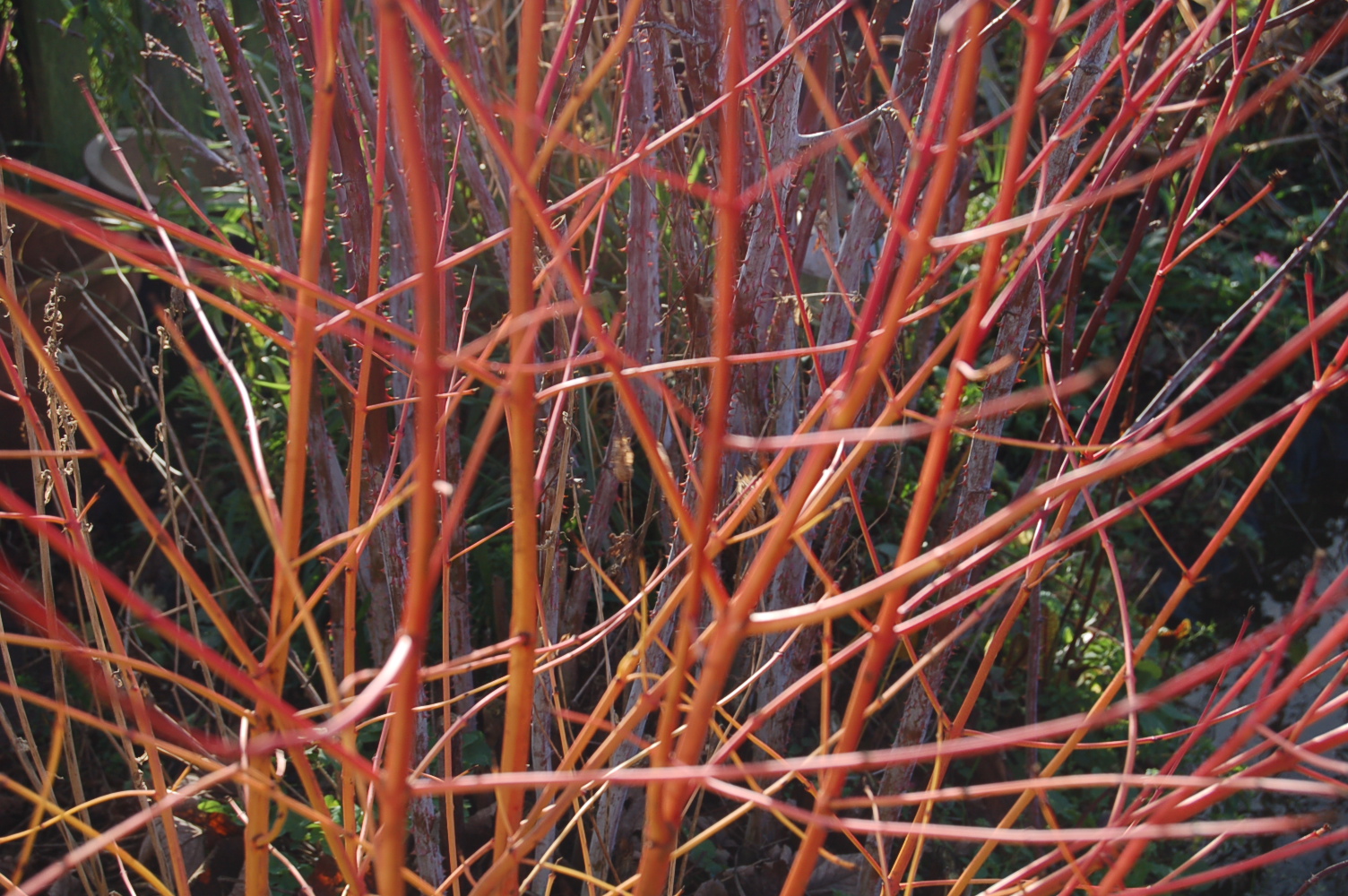
Orange stems of Cornus "Cardinal" with the white stems of young Betula utilis in the newly planted Shrub Garden.
Sea shore find amongst Euphorbias.
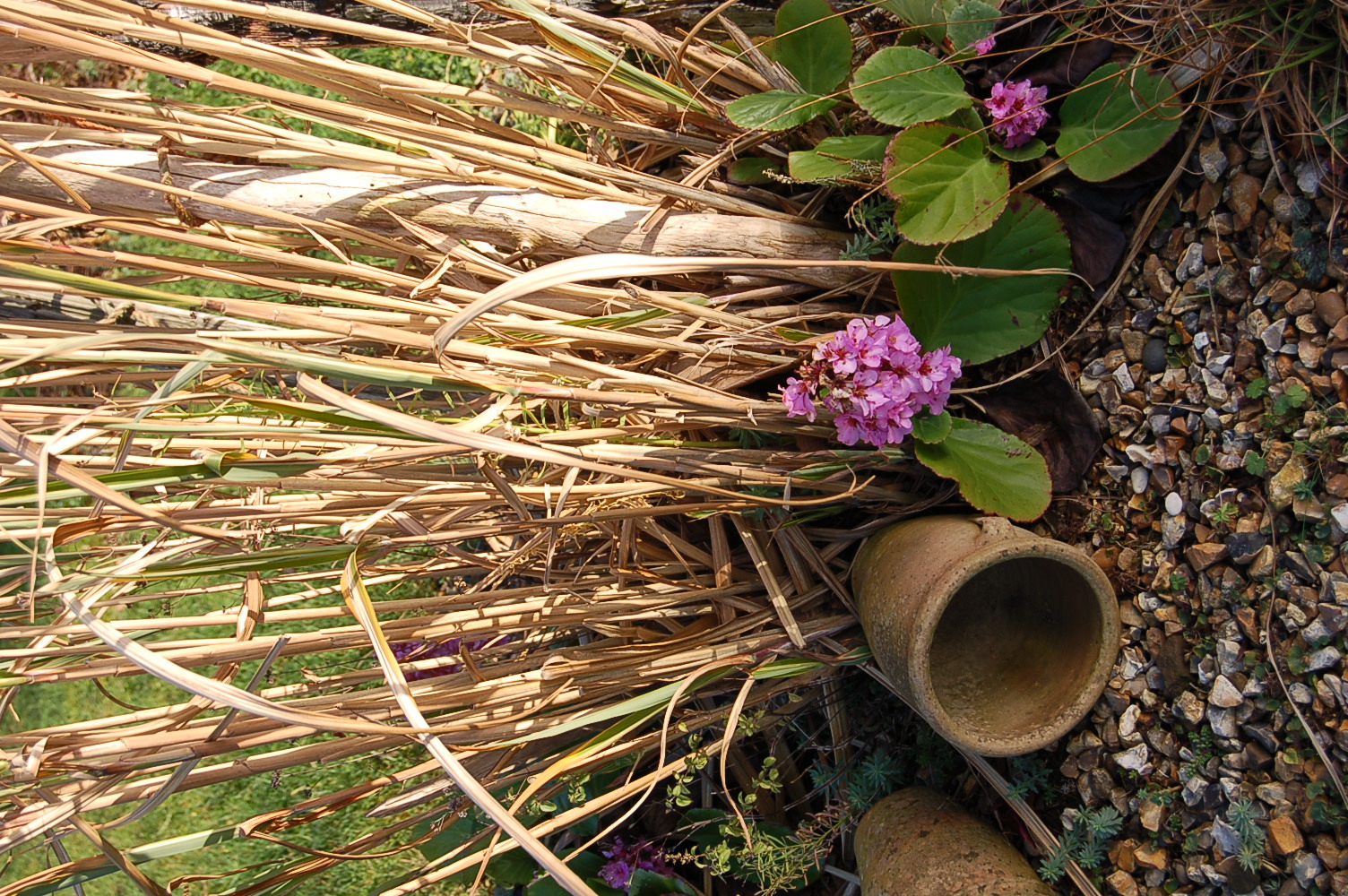
Terra-cotta pots and the pink flowers of Bergenia sit at the feet of Miscanthus and driftwood.
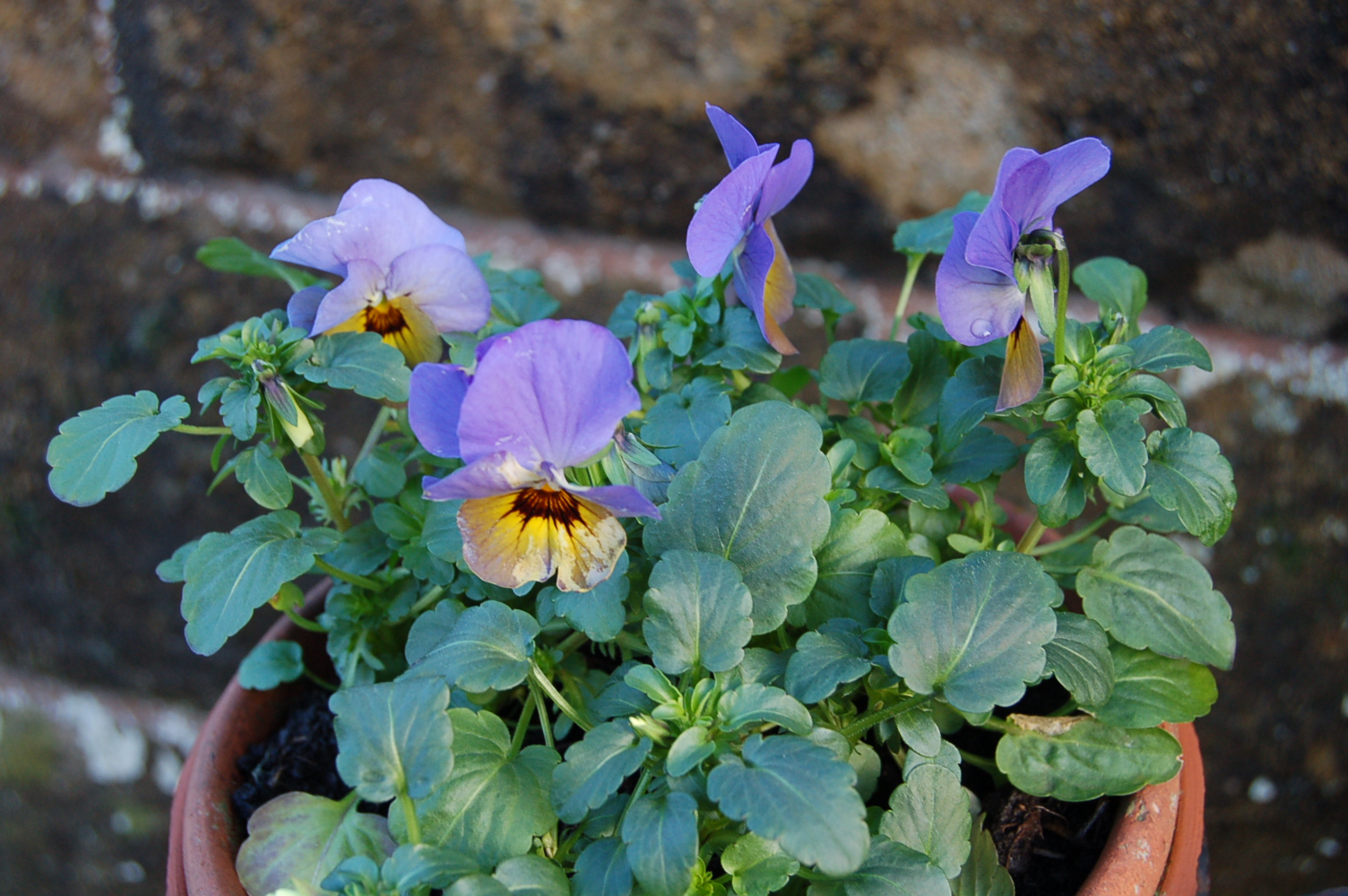
The yellow-faced blue Violas flower in pots by the front door.
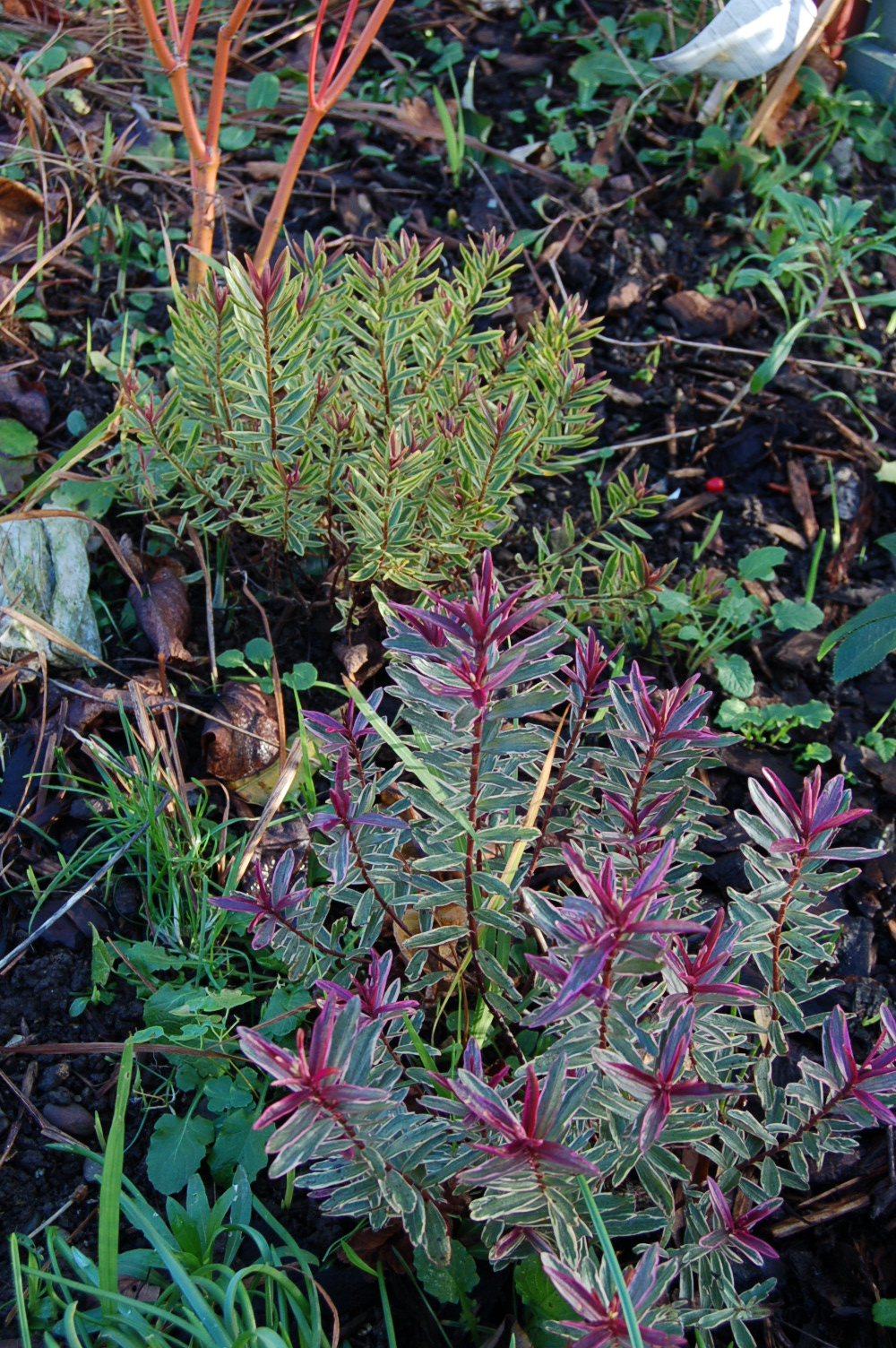
In the Rill Garden two very different Hebes with colourful foliage sit in front of an orange-stemmed dogwood.
The low light of winter turns the cut foliage of the purple-leaved vine blood-red.
The creamy-yellow berries of the Cotoneaster rothschildianus hang in clusters covering this small tree.
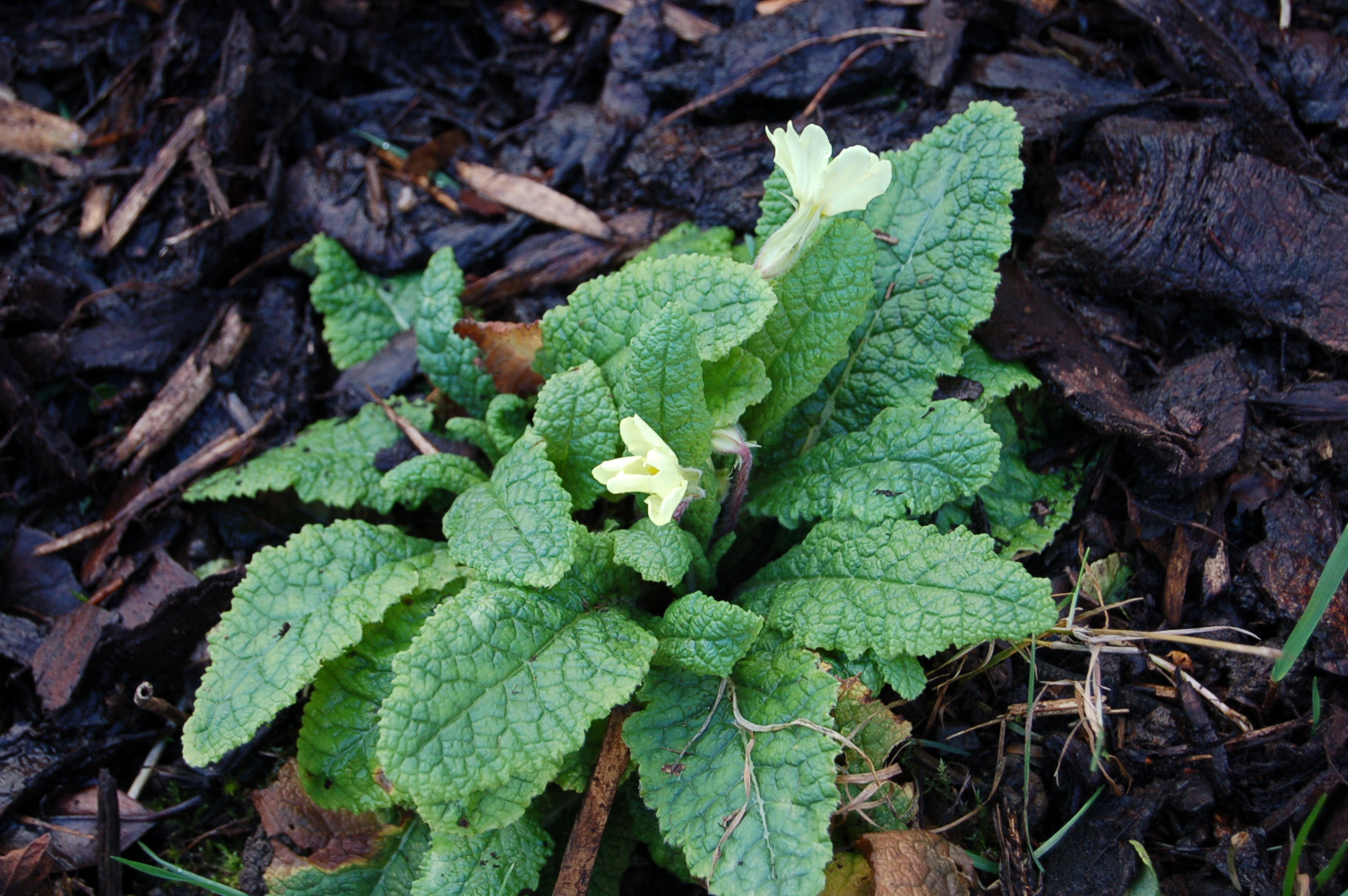
The flowers of this pioneering Primrose appear too delicate to survive the cold of January.
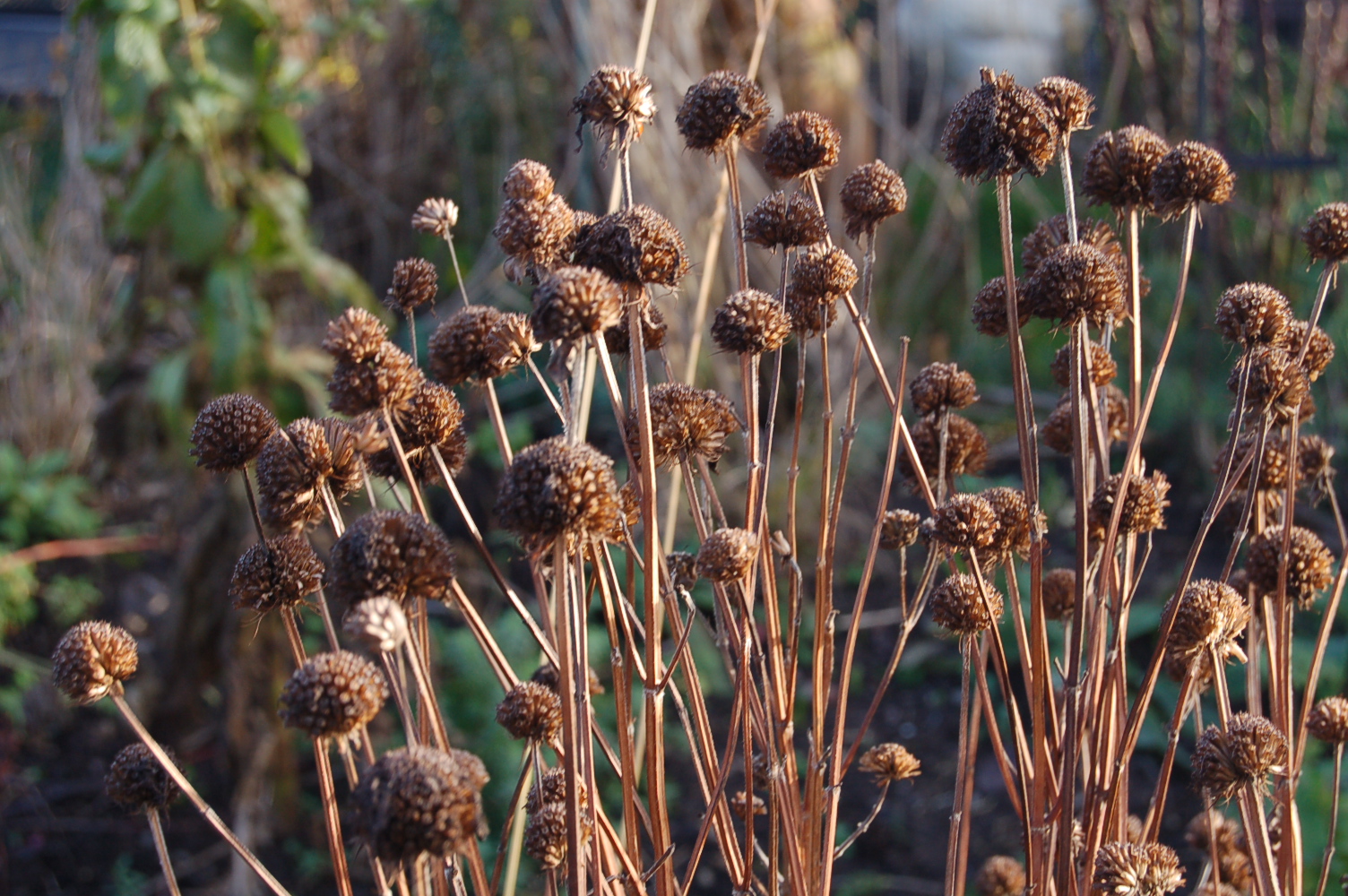
Warm brown seed heads give so much to the Chicken Garden in winter.
The grasses throughout the garden catch both the winter light and the gentlest breeze. The curly seed heads of this Miscanthus napalensis are soft to the touch.
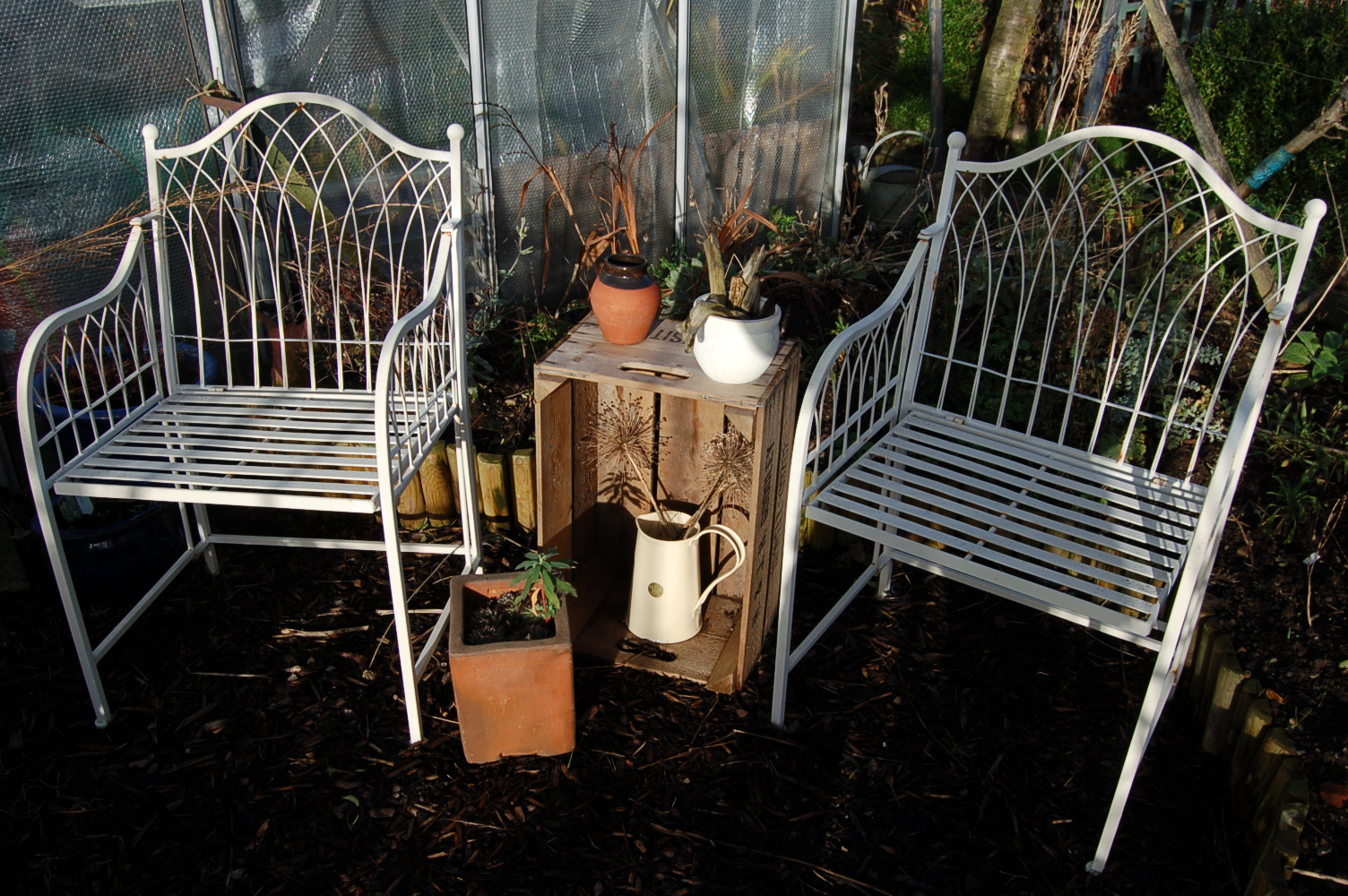
In the Secret Garden the cream metal seats become more dominant just when they are too cold to sit on.
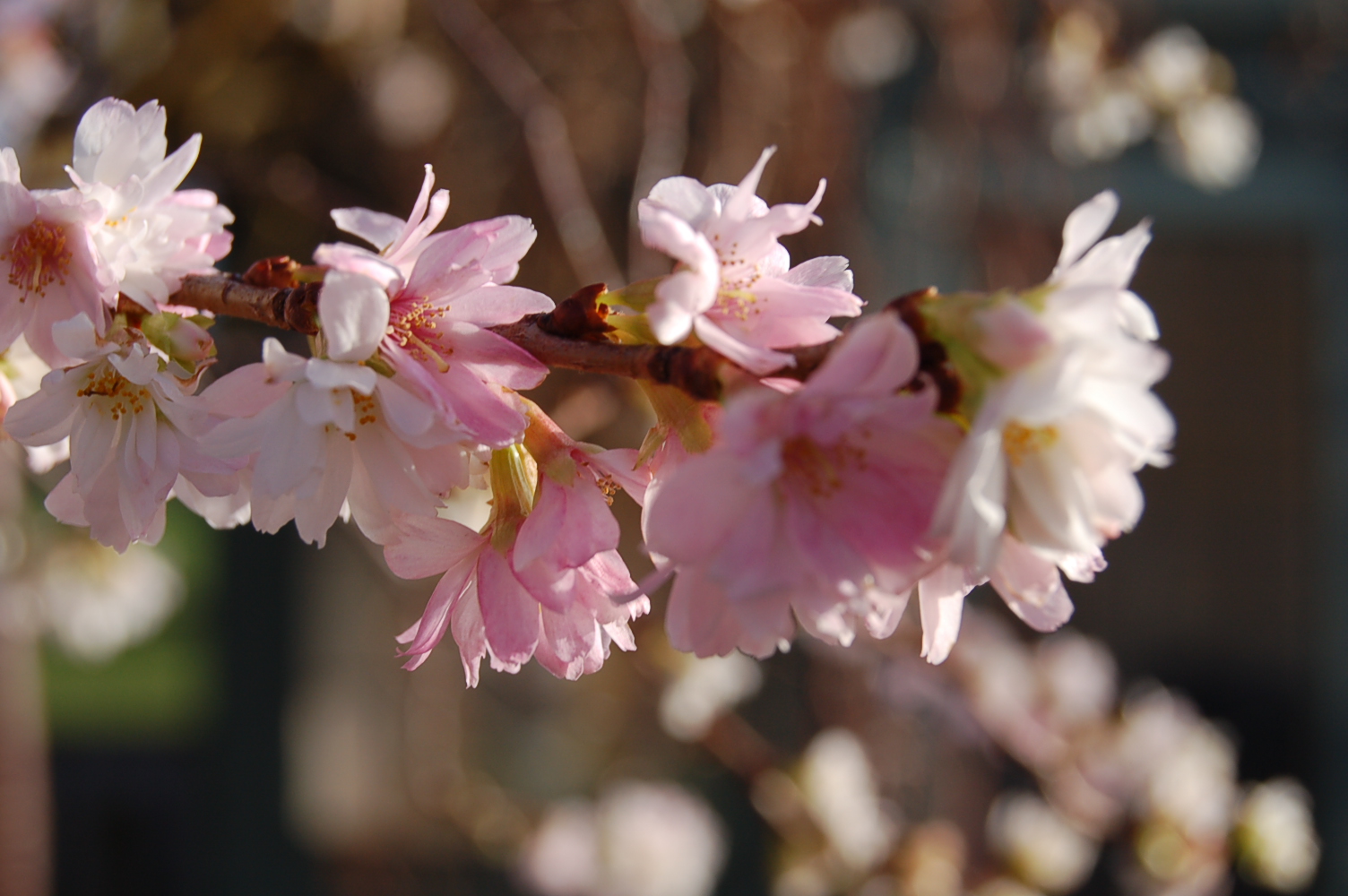
In the Japanese Garden the blooms of our pink version of Prunus autumnalis subhirtella are a joy to look at.
Move in close and appreciate the pink glow.
The hottest of the coloured stemmed dogwoods must be Midwinter Fire - ours grows on the bank bordering the wildlife pond.
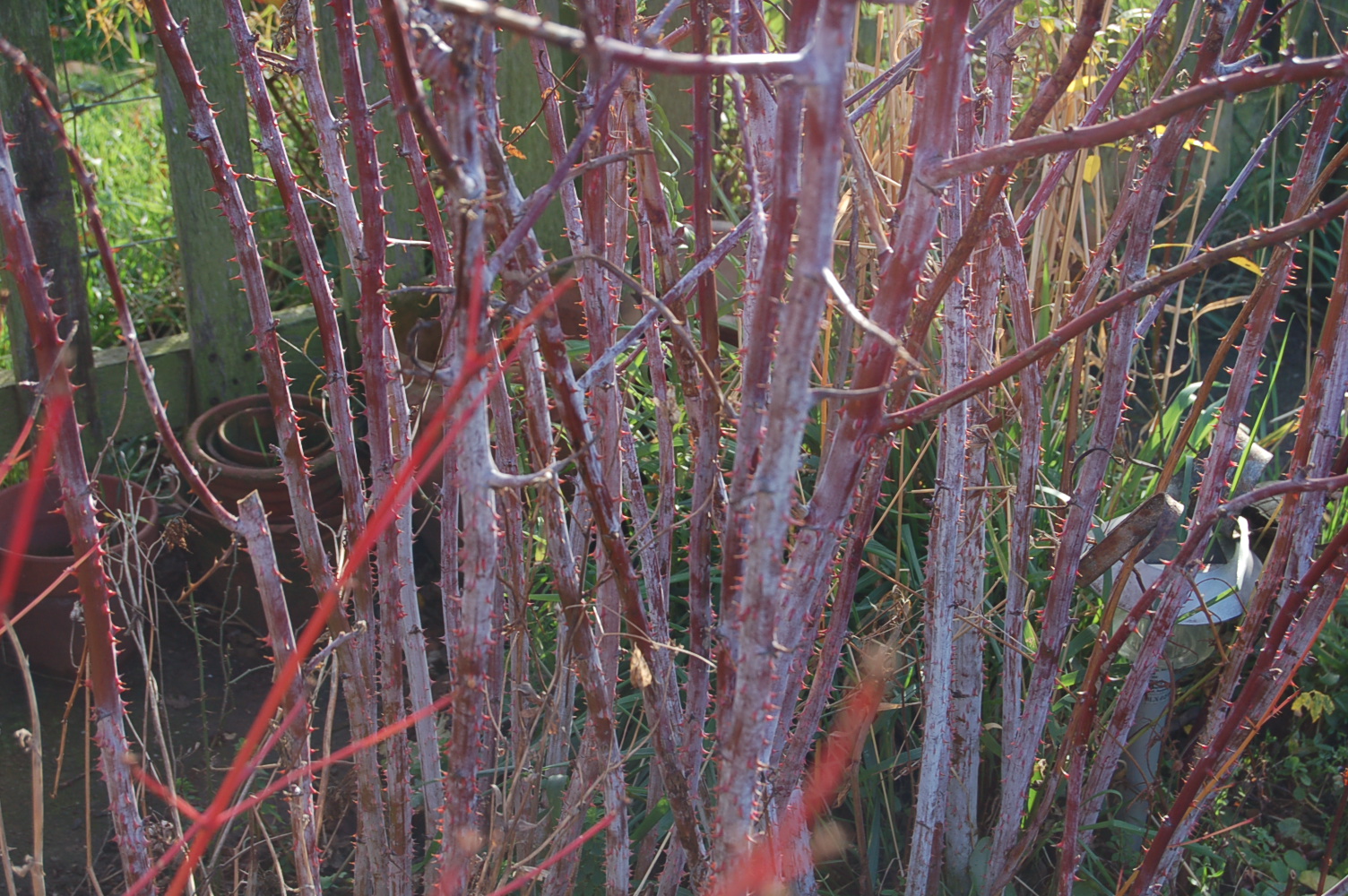
The white-stemmed Rubus sits alongside Midwinter Fire on the pond bank.
The fruit of our apple "Pixie" remained too tiny to pick so we have left them for the birds, who so far have ignored them.


Jasminum nudiflorum has been flowering by the chicken's run now for four months and is still going strong. What a star!


The mad seed heads of the orange-peel clematis, which I grew from seed, never cease to amaze me even though I see it each morning as I collect the chucks' eggs.


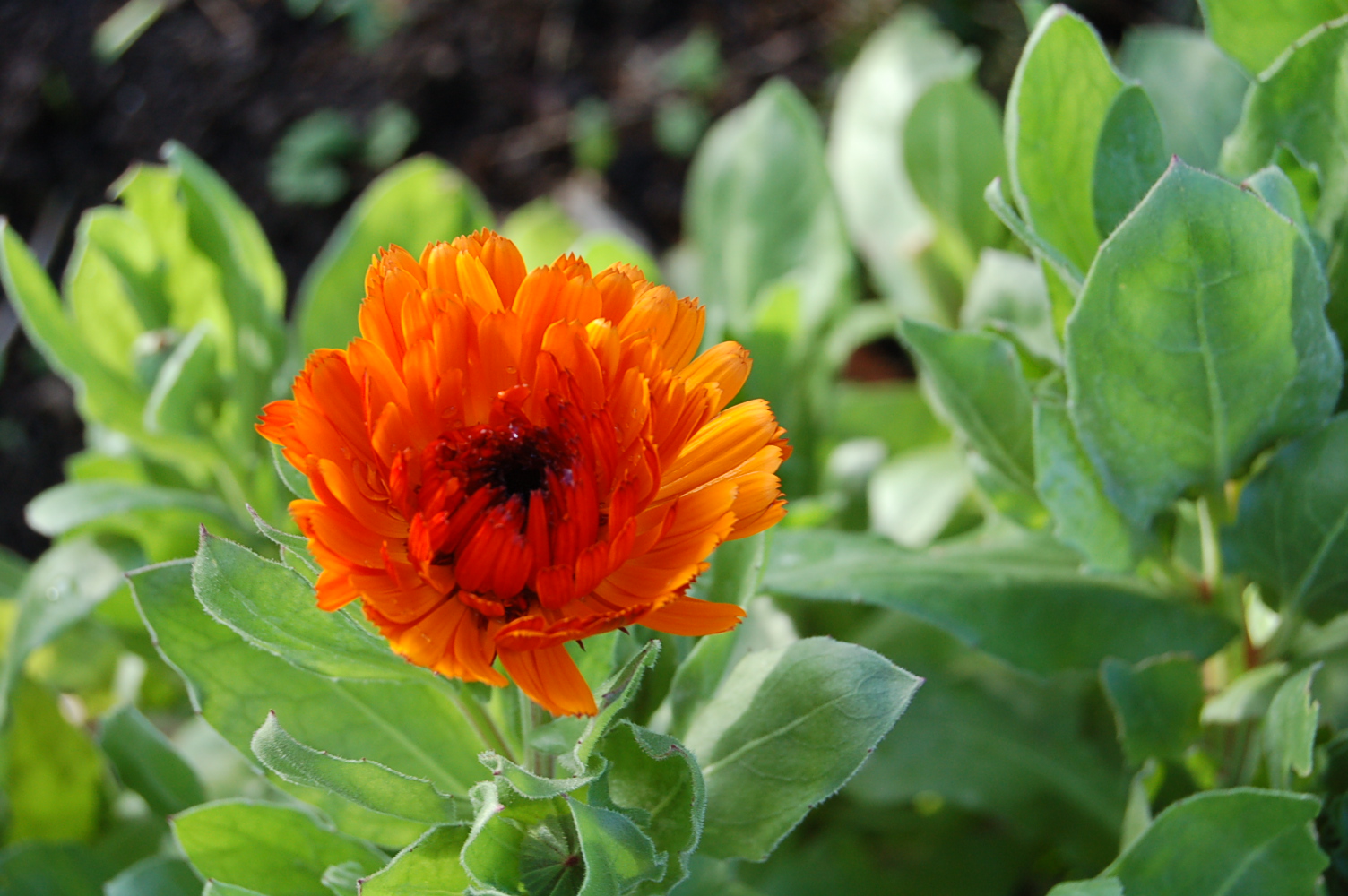
We seem to have calendula flowers somewhere in the garden every day of the year.


One of five Achillea still flowering away in January, this variety "Biscuit" is in the Secret Garden.


Categories
garden design garden photography gardening hardy perennials meadows ornamental grasses ornamental trees and shrubs roses

A Garden for all Seasons – Trentham

The phrase, “a garden for all seasons” is over-used and too often banded about in the gardening media. Rarely is a garden good in all seasons but it is something that we aspire to here in our garden in Plealey. We haven’t achieved it yet but feel we get closer in some borders each year. We do a lot of garden visiting and the garden we visit most often is Trentham Gardens in Stoke-on-Trent. This has to be the closest you can get to “a garden for all seasons”. We visited yesterday, 22nd December, to see how good it was at this rather dull austere time of year.

The day dawned bright with blue sky decorated only with vapour trails and a whisp of a moon, which looked like a simple delicate curve drawn with a piece of fine blackboard chalk. Over our garden and the fields beyond buzzards wheeled in this clean, clear morning atmosphere. As I fed the chucks and had my morning chat with them the buzzards were never silent, gently “mewing” in time with their soaring in search of the first thermals of the day. A perfect day to visit one of our favourite gardens but were we asking too much of it? We drive off with high expectations.

Any garden that had involved Tom Stuart-Smith and Piet Oudolf in its re-design had to impress. We had visited in all seasons before but never in the winter. From our first glimpse of the vast expanse of gardens from the bridge over the River Trent, busy with mallards, we knew we were not to be disappointed.

It is truly a mix of the old and the new, as the new plantings are in the context of the original Capability Brown parkland and formal bedding gardens and Italian Garden. The garden signposts invite you to “The Italian Garden” but it is so much more than that.

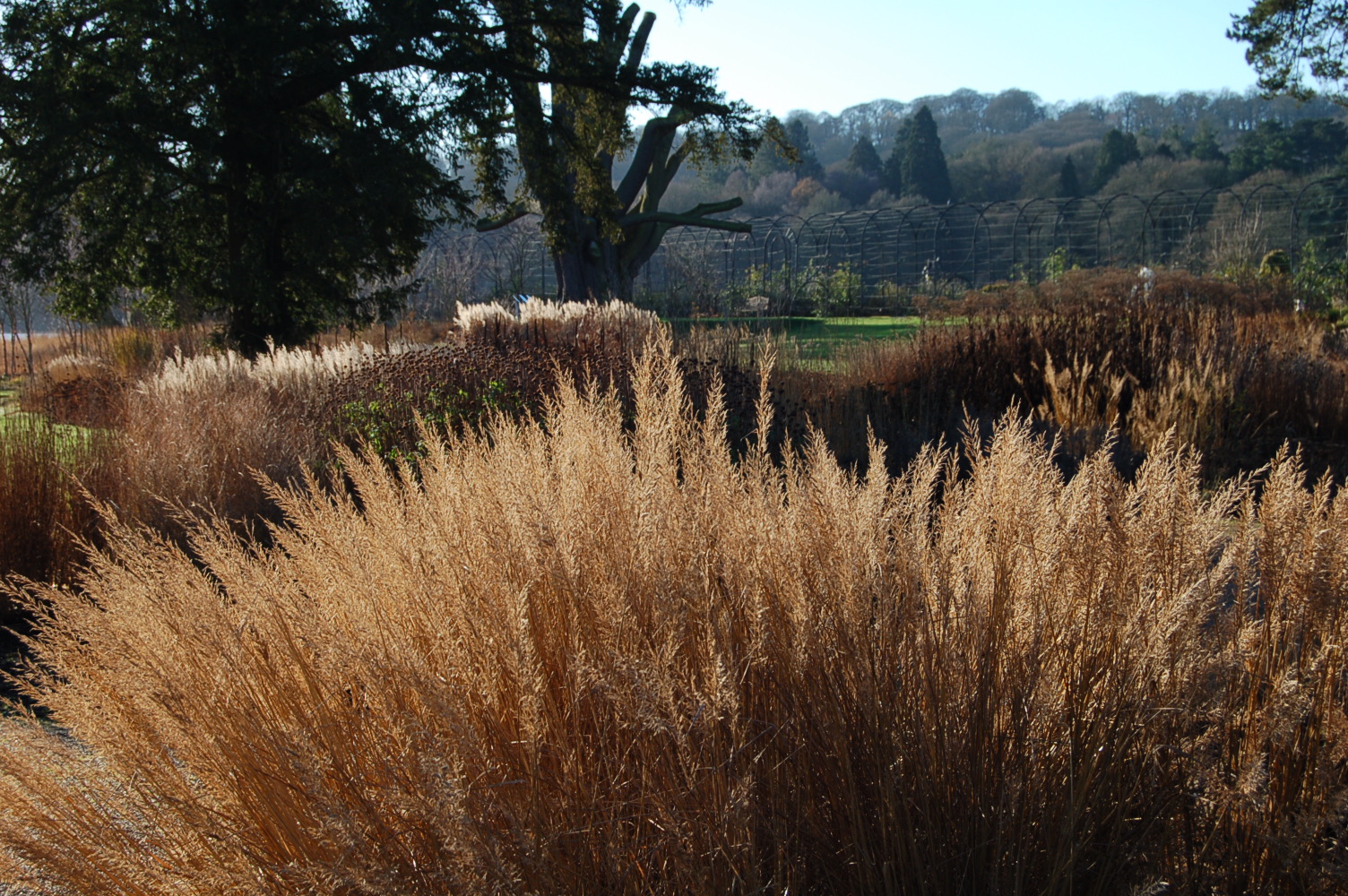
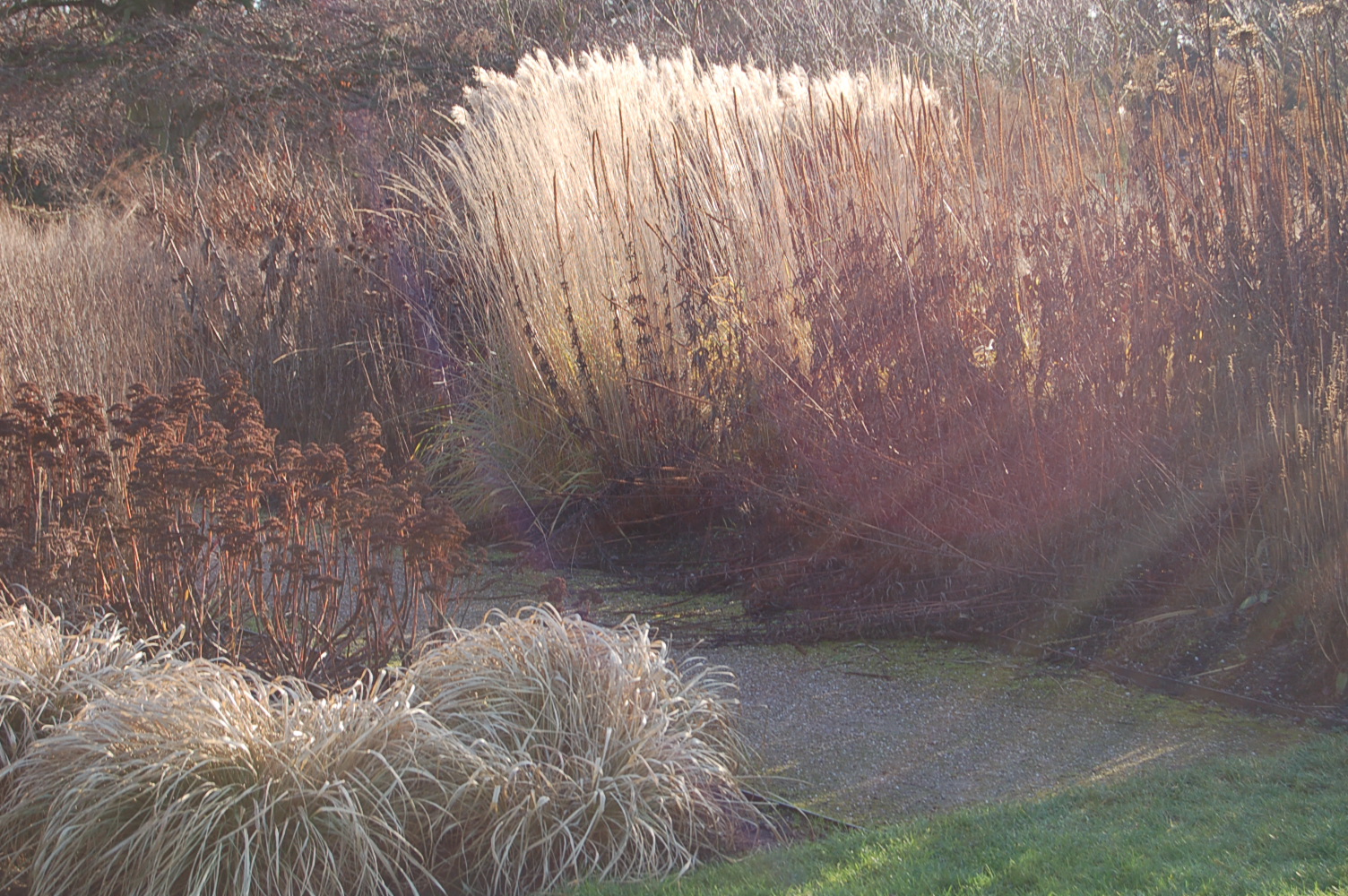
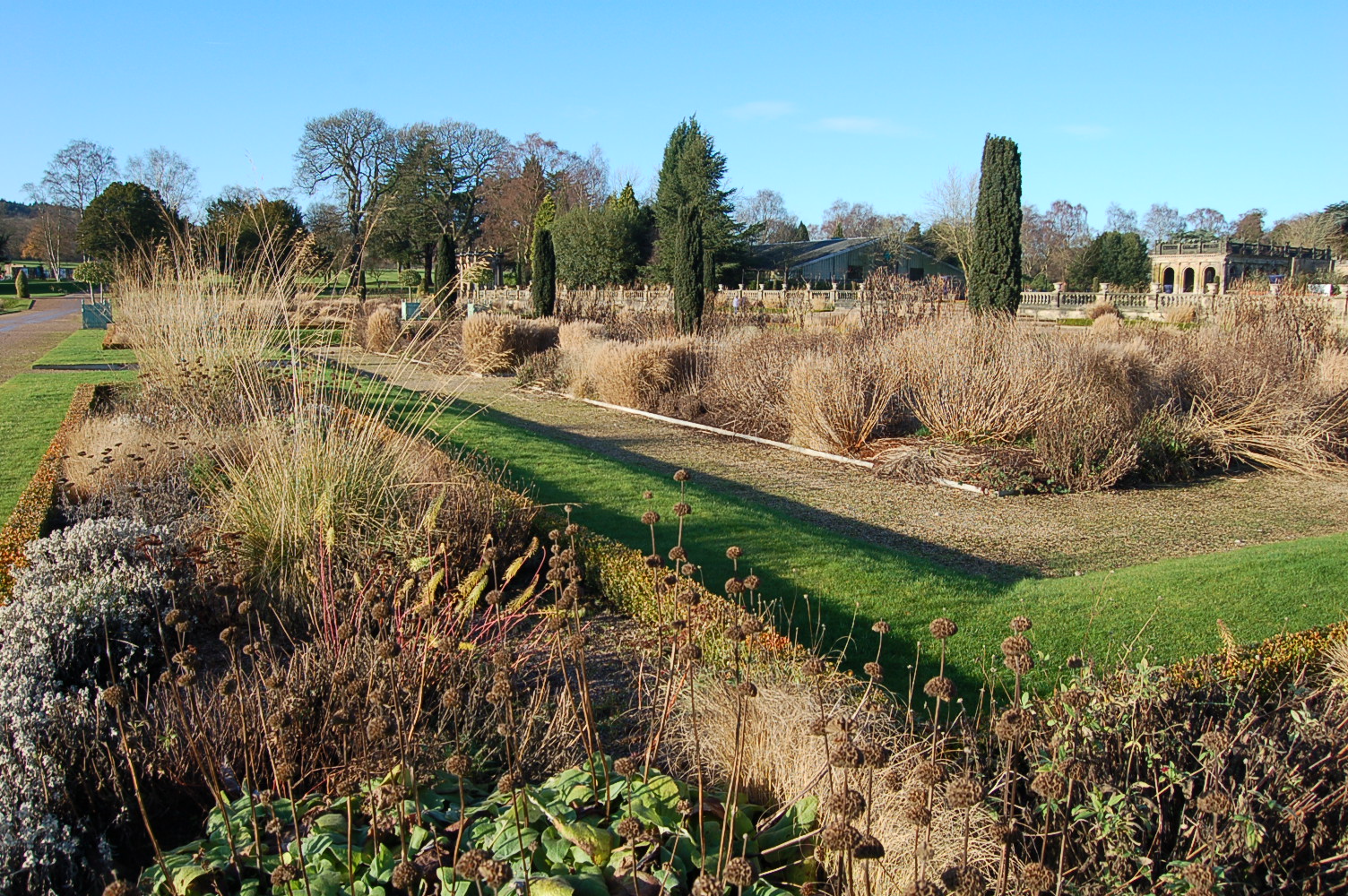
First up is Piet Oudolf’s River of Grasses which in the low light of this December morning glowed. The gentle breeze imposed gentle swaying and rustlings of the biscuit tinted dried stems and seed heads. These were dotted with ginger and brown seed heads of perennials such as sedum and astilbe. The wide green cut paths we followed through the sea of grasses emphasised the clever design and simple planting.

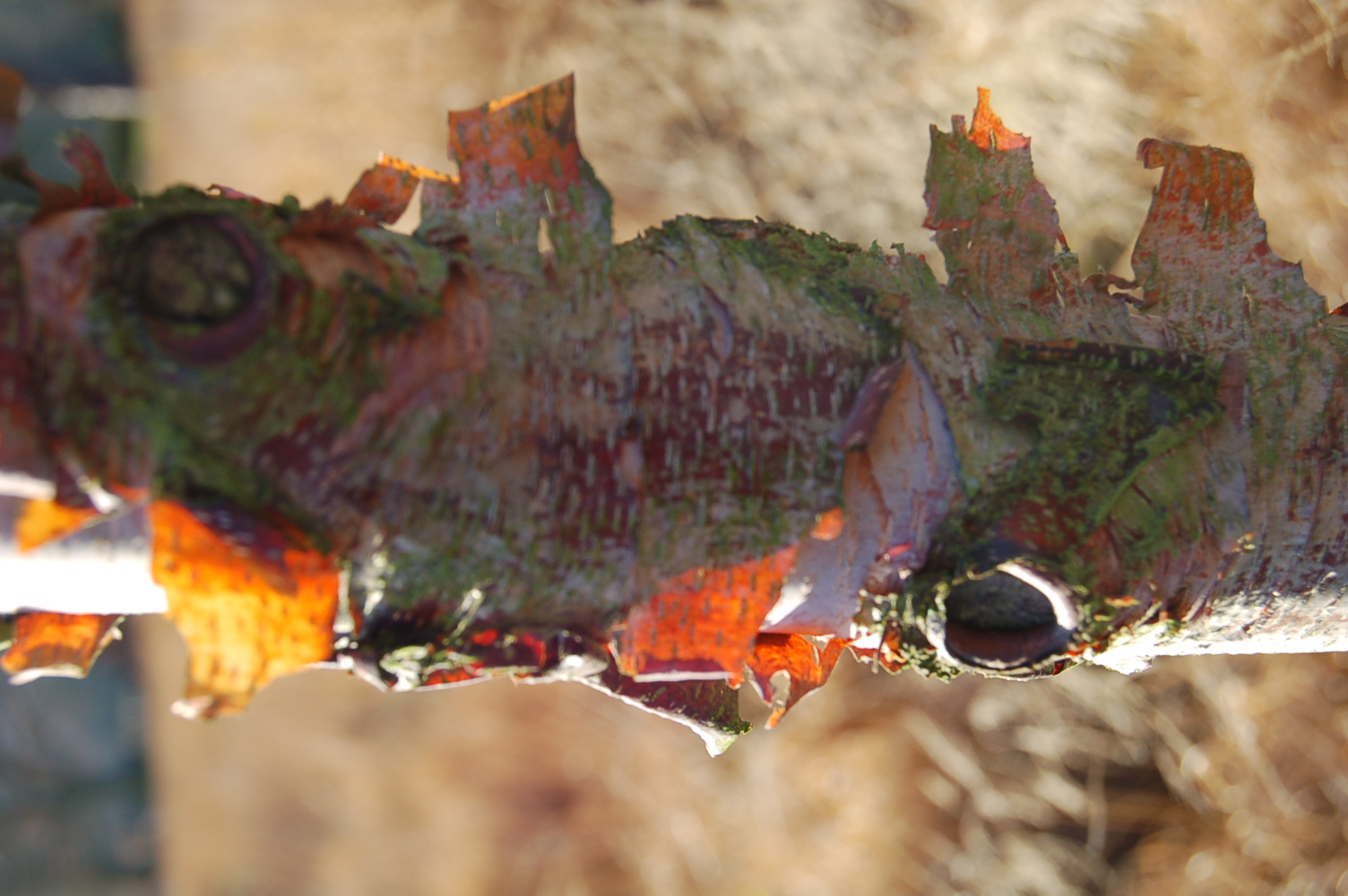
Just before leaving the River of Grasses an avenue of birches with wonderful orange peeling bark cuts across our path. There is no way to walk through this double row of betulas so technically speaking  it probably shouldn’t be called an avenue. With the light behind the peeling bark it lit up like thin slithers of brittle toffee.

From the River of Grasses we moved into the Floral Labyrinth another Piet Oudolf creation. Here there were swathes and blocks of dried stems and seed heads of tall perennials. Blackbirds and Song Thrushes enjoyed searching for their brunch and regularly scuttled across the path. There were more grasses here and they were rimmed with the bright low sunlight.

Leaving the labyrinth meant leaving Piet Oudolf’s contribution to Trentham behind and experiencing a culture shock was on the cards as we entered features of the older more formal garden. Look out for a blog I have planned for the near future on the work of Piet Oudolf.

After passing through a long archway of trained Hornbeam we found the very formal garden with its tightly clipped swirling patterns of box hedges. In the summer this area is just too gaudy for me, being styled on Victorian bedding. Not my favourite!! I like it in the winter when instead of bright red geraniums etc the gaps between the box are the gentle green of wallflower and primula foliage. The first photo shows an area with gravel infill and tall thin cypresses.

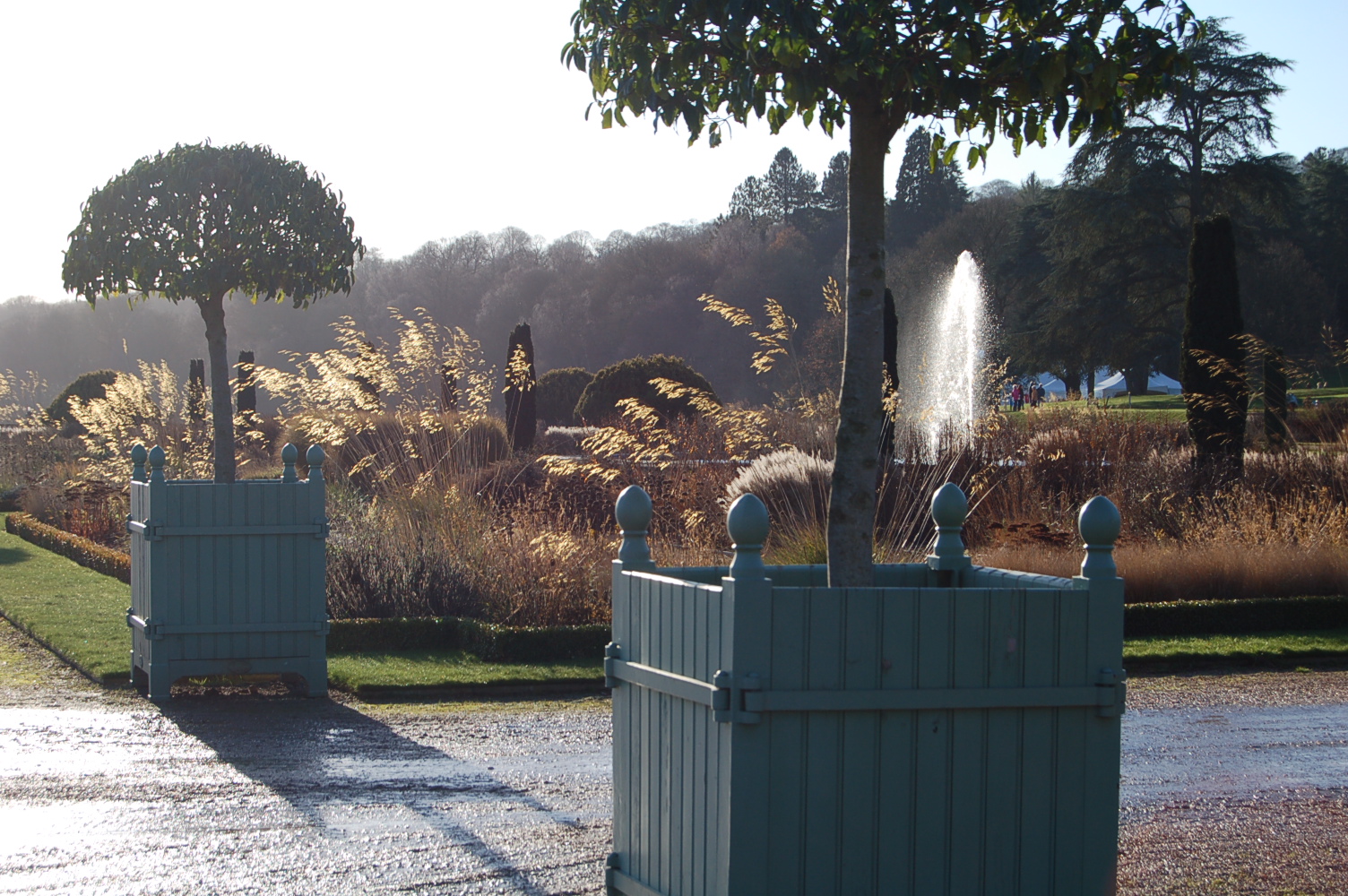
From the raised terrace of box patterns we looked over the old Italian Garden redesigned by Tom Stuart-Smith, where the original framework of paths encloses soft but dramatic plantings of grasses and perennials. Bursts of water from pools surge upwards and are caught by the light and the wind. They look white and frothy with sprays of fine mist blowing from them. The horizontal patches of grass seed heads are rimmed with light and create strong horizontal lines contrasting with the rigid upright cypresses and the dumpy domes of golden yew.

As we appreciated the quiet of this area our attention was drawn by a pair of Grey Wagtails playful and flirting low over the grasses. High overhead loose flocks of gulls wheeled and squealed.

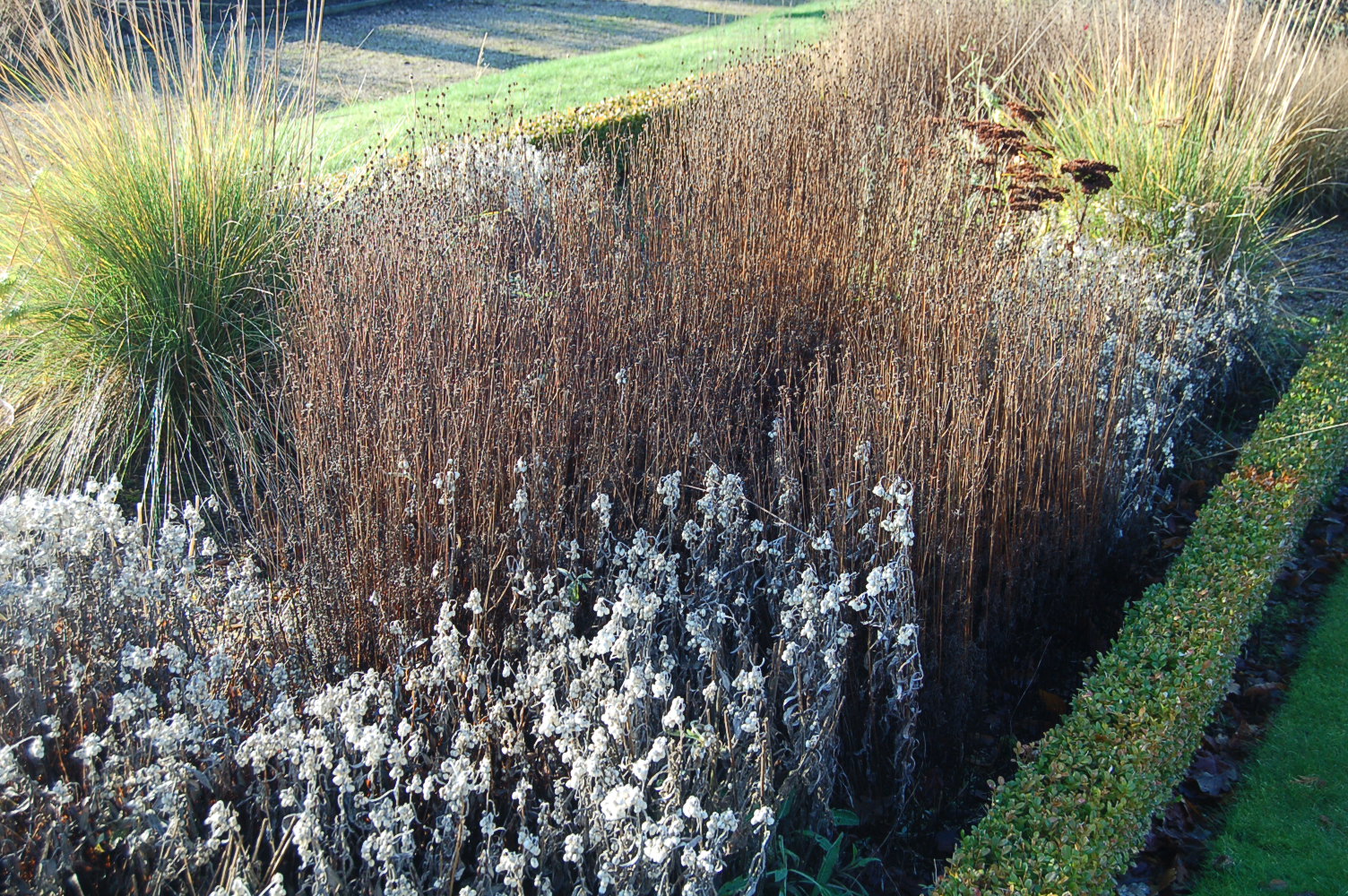
We wandered around the paths stunned by the beauty of T. S-S’s planting ideas, every clump of  seed heads complimented its neighbours, making each bed look good when viewed as a whole but nothing short of brilliant when studied in close-up. Marjoram, sedum, rudbeckia, lillies and phlomis. So many shades of biscuit, browns, russets and reds.

One of the beauties of a visit to Trentham is the coffee drinking opportunities provided, in the garden centre before you enter the actual garden, in the shopping village, at the garden entrance and in the beautiful rounded glass cafe just beyond the Tom S-S borders. We sat and enjoyed a latte and warm minced pie and talked about the garden so far. No we didn’t just talk about it – we raved about it! We just couldn’t believe how good it was on this day in December. Nearby music and squeals of delight emanated from a marquee that housed a skating rink. More joyful noise and children’s cries of sheer enjoyment poured from the play area. We couldn’t believe how warm we got sat in the window with the sun on our backs. We mused over this garden of contrasts, enjoyed from every visitor from 2 to 82 years of age. The Oudolf and Stuart-Smith gardens has a magical calming effect on everyone. Children don’t run in that part of the garden but they do once they move into the park areas and woodland. Calm appreciation!

Behind the cafe is a series of display gardens, the number increasing with every visit we make. There was a potager, a wildlife garden a contempoary garden, a garden of sound and many more.

The wildlife garden feature this huge insect hotel complete with bee hive and wormery built-in.

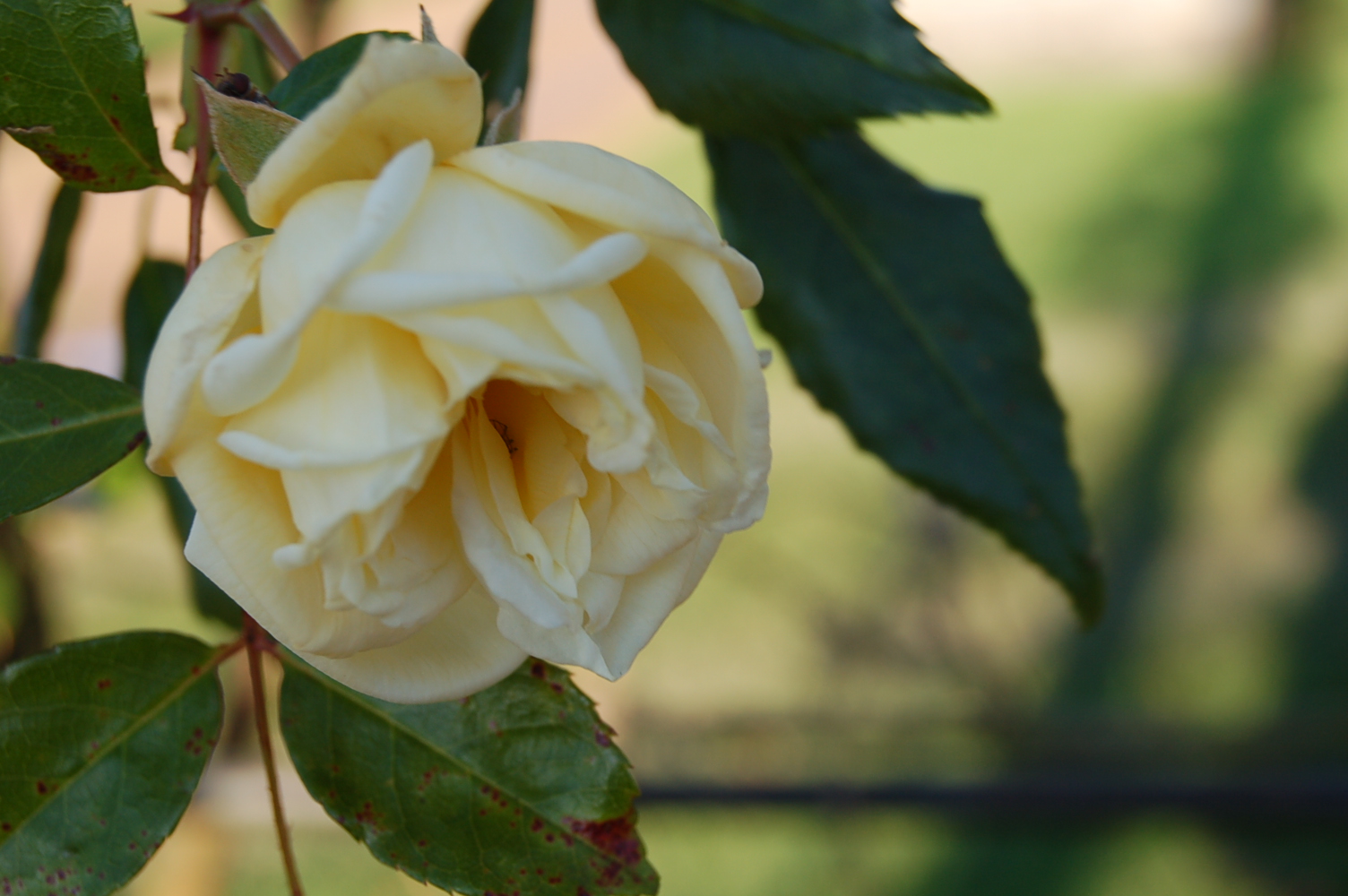
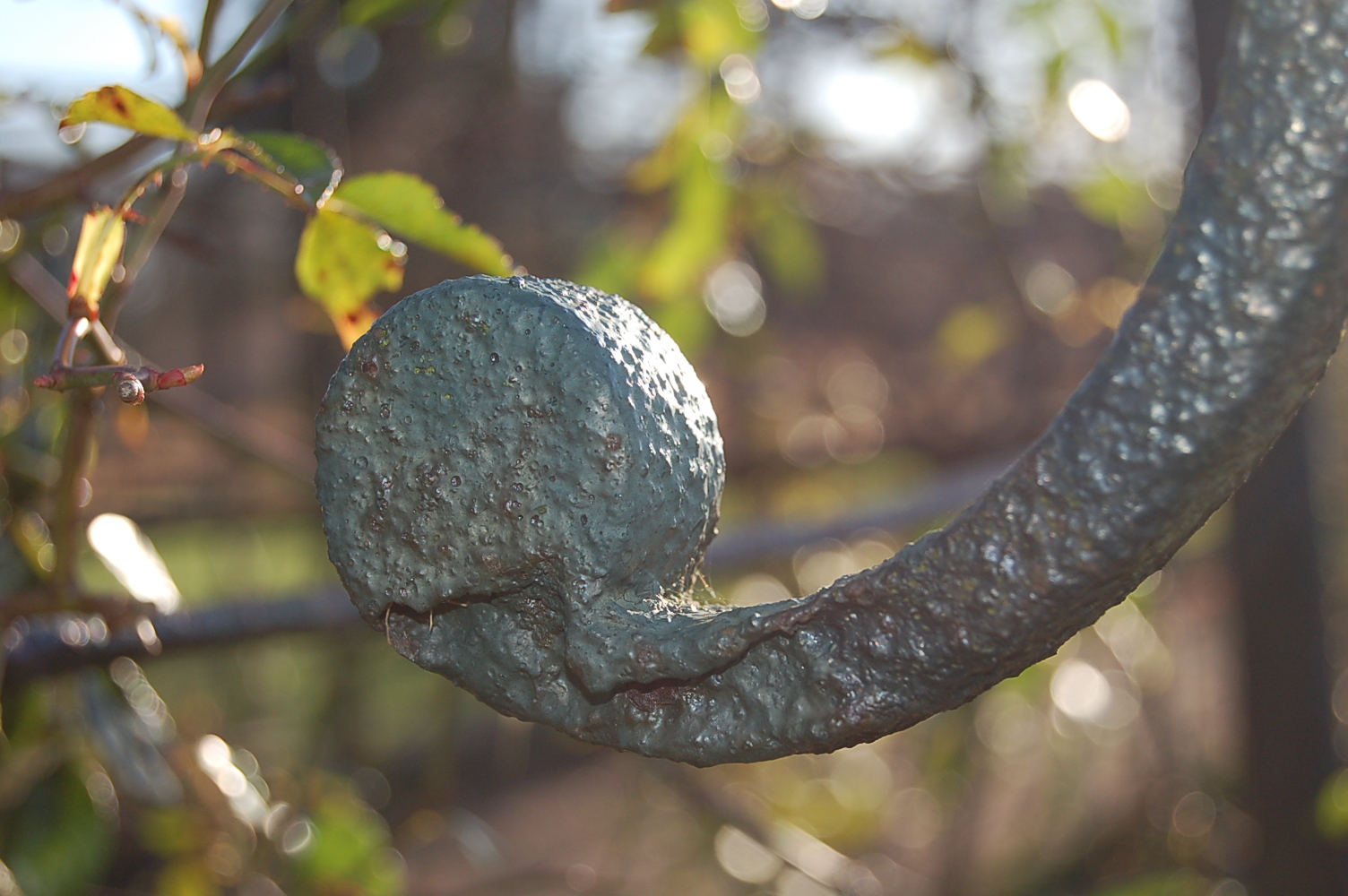
As we wandered back to the garden’s exit we took a look over the Capability Brown lake, ambled through the rose arch with a David Austin border and couldn’t resist a final gentle stroll through Piet Oudolf’s grasses. The rose garden featured some gently curving metal scrolling.

Another coffee before the return journey home when we decided to return in May when the alliums should be at their best alongside the fresh growth of the grasses and perennials. The “Undergardener ” on the way home pronounced “That must be a near perfect winter’s day!”

Tom Stuart-Smith wrote “Trentham is unique, a garden made on a grand scale which pays respect to the historic context, but is nevertheless of our time.”

For more information about Trentham see their website www.trentham.co.uk. Look out for my planned blogs on the gardens of Piet Oudolf and Tom Stuart-Smith and I am tempted to look back at my photo library and seek out my summer photos of Trentham to illustrate a “Summer Memories of Trentham” blog.

This Veggie Life

A Vegetarian | Nature Lifestyle Blog

Rambling in the Garden

.....and nurturing my soul

The Arch City Gardener

Journeys In St. Louis Gardening and Beyond

Garden Dreaming at Châtillon

Consult the genius of the place

Storyshucker

A blog full of humorous and poignant observations.

gardeninacity

Notes from a wildlife-friendly cottage garden

PlayGroundology

...an emerging social science

The Official Blog of British Wildlife

'The most important and informative publication on wildlife of our times' - The Independent. This blog is a member of The UK & Ireland Natural History Bloggers group: www.uknhb.blogspot.com

iGrowHort

Inspire - Cultivate - Grow Native Plants - Restore Landscapes

Bishops Meadow Trust

To create and protect a semi-natural wild space for the people of Farnham to enjoy and experience an array of British wildlife in our town

Gardening with Children

The www.gardeningwithchildren.co.uk Blog

UKbirdingtimeline

birding through the seasons, why birds matter and how to conserve them

NATURE WALKER

with a camera in hand

Jardin

Transform your outdoor space

Eva's space

My allotment, cooking and other interests

Old School Garden

my gardening life through the year

LEANNE COLE

Trying to live a creative life

fromacountrycottage

trying to live as lightly as possible on our beautiful planet

Good Life Gardening

Nature lovers from Leicester living the good life.

mybeautfulthings

Finding the beautiful in the everyday

mawsonmichelle

Michelle's Allotment

In and Out of My Garden

thoughts from and about my garden

Greenhousing

Big plans for a small garden

The Scottish Country Garden

A Walled Country Garden in South East Scotland

The Fruity Chicken

Life at the fruity chicken

willowarchway

Off grid living. Self sufficient. "PERMAGANICS RULE".

St Anns Allotments

Nottingham's Grade 2* Listed Allotments and Community Orchard

Manifest Joy Harvests

a journey in suburban vegetable gardening

Allotmental

The madness of growing your own

Penny's Garden: a harvest beyond my front door

A novel approach to vegetable gardening

arignagardener

Sustainable living in the Irish countryside.

NewEnglandGardenAndThread

Master Gardener, amateur photographer, quilter, NH native, and sometimes SC snowbird

dianajhale

Recent work and work in progress and anything else that interests me

planthoarder

a chaotic cottage gardener

Lens and Pens by Sally

a weekly blog that creates a personal philosophy through photographs and words

Dewdrops and Sunshine

Stories from a sassy and classy Southern farmbelle.

The Pyjama Gardener

Simple Organic Gardening & Seasonal Living

gettin' fresh!

turning dirt into dinner

JOY...

today the world is created anew

Garden Birds

Notes from a Devon garden

ShootAbout

Life Through The Lens

Adapting Pixels

A photography blog showcasing the best photography pictures and videos on the internet

Wildlifegardening's Blog

Just another WordPress.com site

naturestimeline

personal observations from the natural world as the search continues for a new approach to conservation.

LATEBLOOMERBUDS

The Wonders of Life through my Eyes, my Heart, my Soul