Categories
allotments fruit and veg garden photography gardening grow your own

Winter Solstice Harvest

What better thing for a gardener to do on the shortest day of the year than to harvest home-grown produce!! Today we harvested our Charlotte potatoes that we have been growing in potato bags, planted in early September and moved into the cool unheated end of the greenhouse when the temperatures dropped.

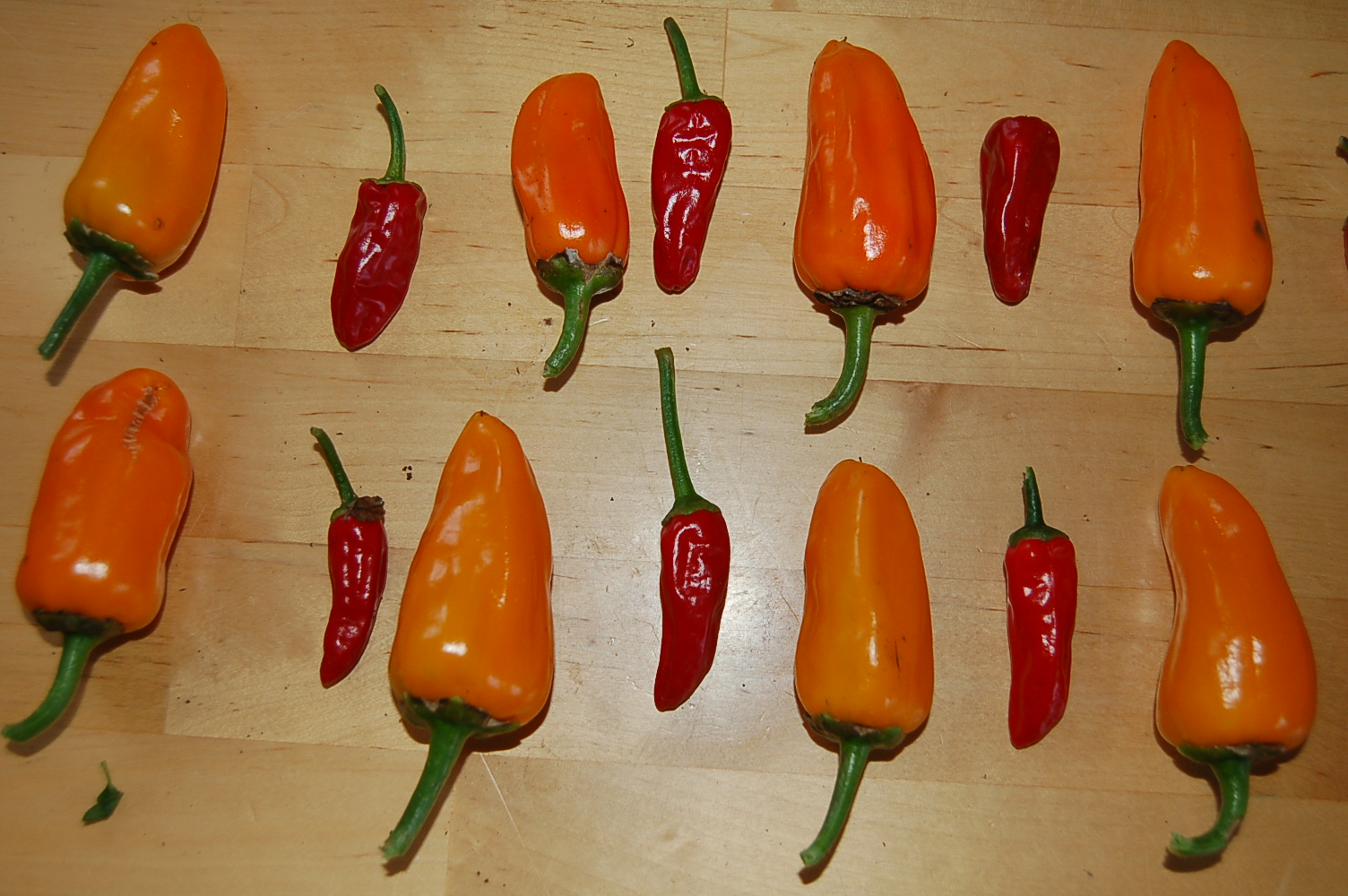
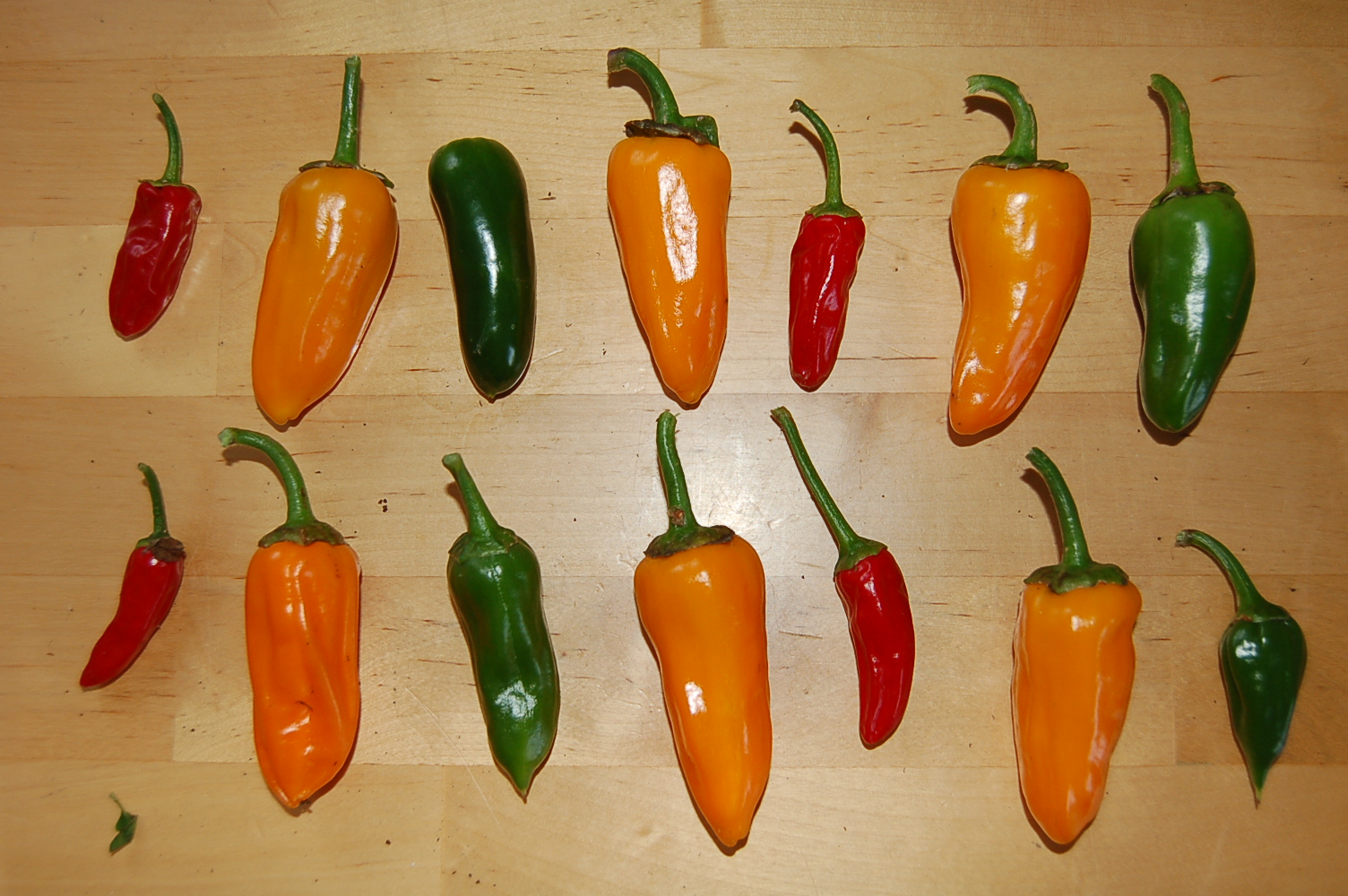
We also had the privilege of cutting the last of our chillies and capsicums also growing in the greenhouse following the same regime as for the potatoes. The capsicums were pretty small and still green but the chillies were large and brightly coloured. We have been using them straight from the plants for months now but night-time temperatures have made the plants look as if they are exhausted or fed up of the cold.

A couple of hours on the allotment harvesting and hoeing made the shortest day worthwhile. Just think from now on every day will be a little bit longer. Great!!!

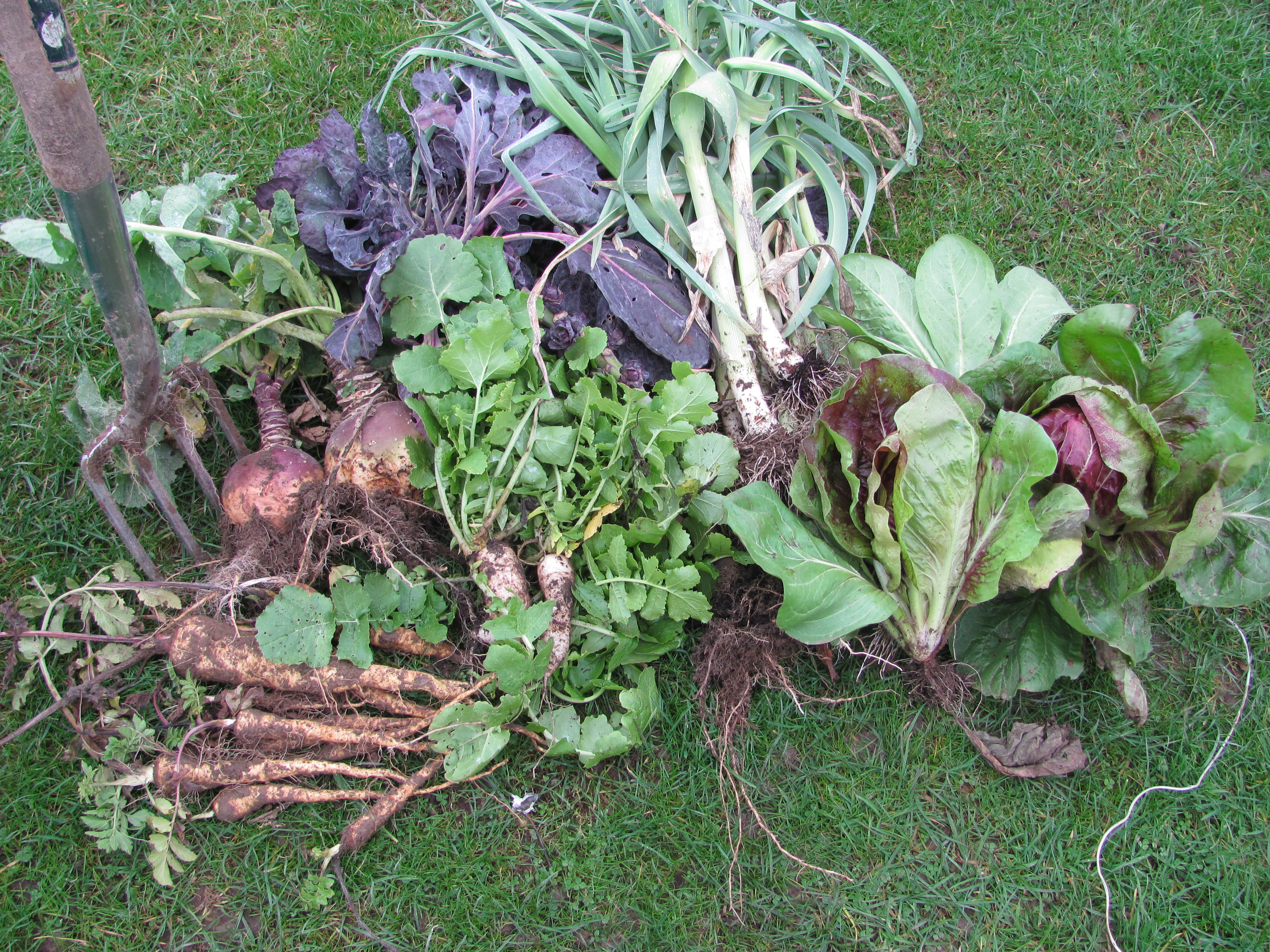
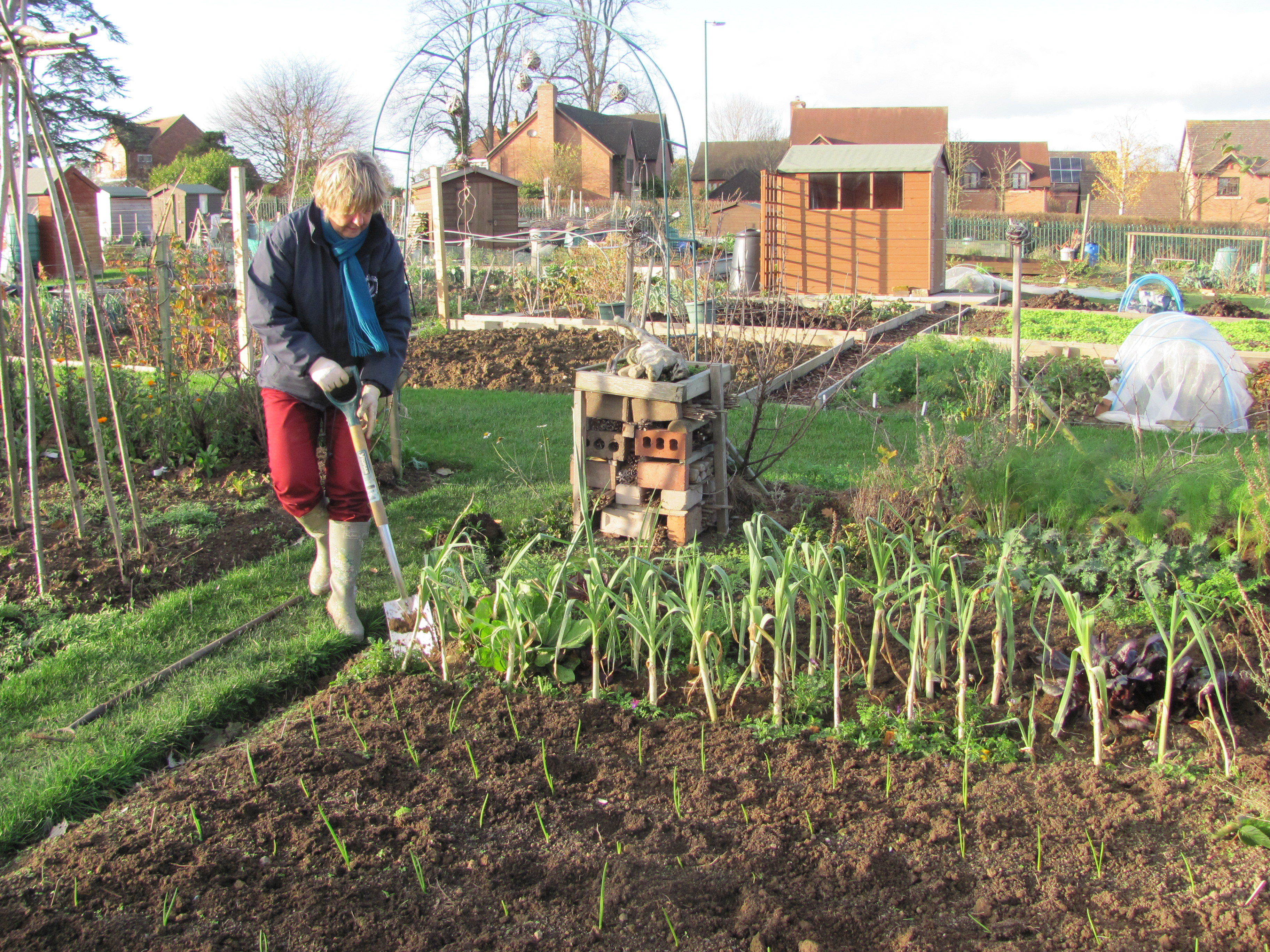
The “Undergardener” got busy with the hoe before harvesting leeks, while I dug up mooli, parsnips, swede and two roots of purple sprouts. We pulled up some Florence Fennel, radicchio and chicory. The chicory will have its leaves trimmed off and the roots replanted into a deep pot with a matching pot on top for forcing.


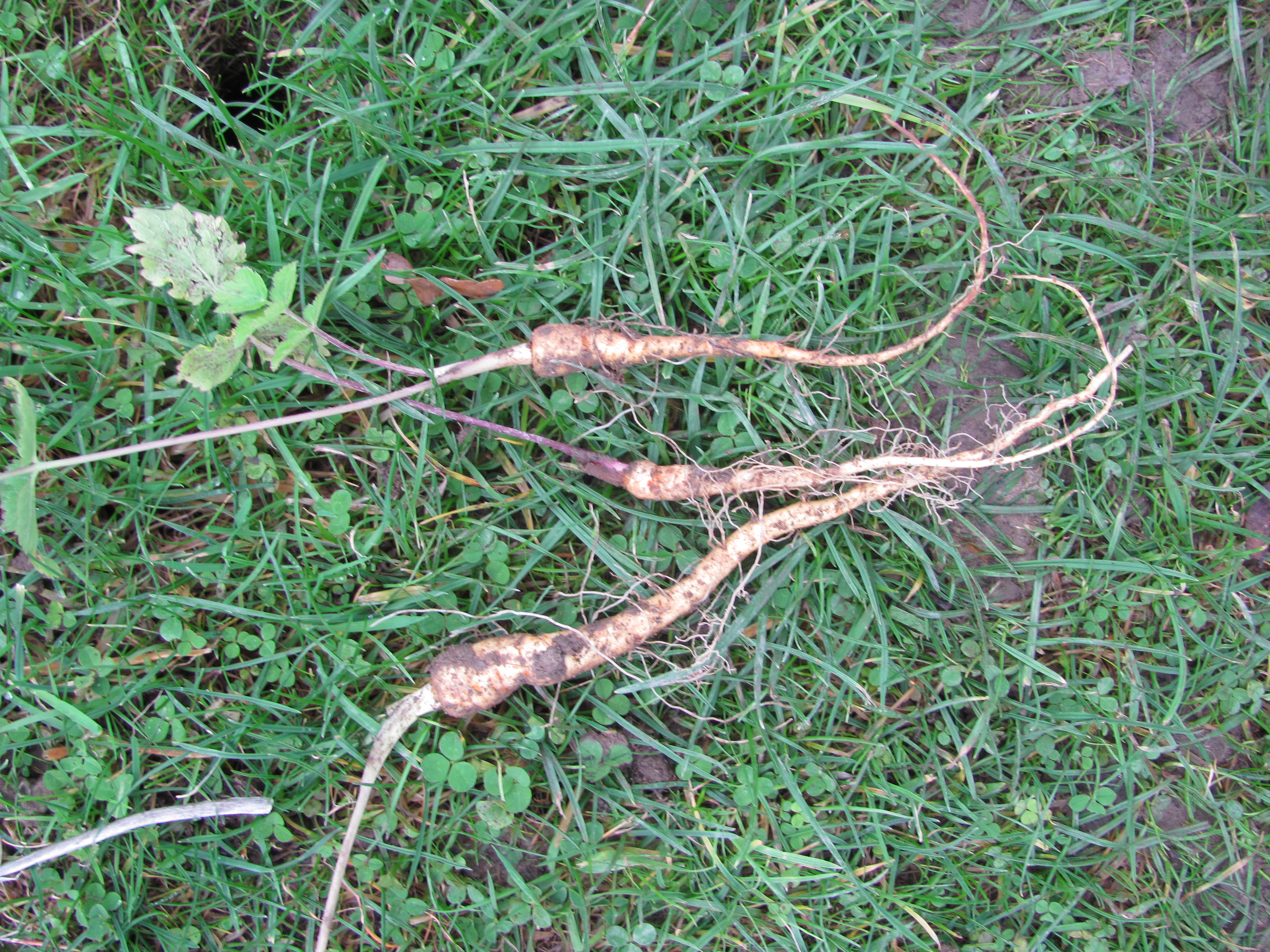
One row of parsnips  produced a crop of reasonably sized roots whereas the second row we dug up produced just disappointment. Sad skinny little roots the size of my little finger! I think I shall blame the dry weather! No, I exaggerate, they are nowhere near as big as my little finger. We could start a new trend – bootlace parsnips!


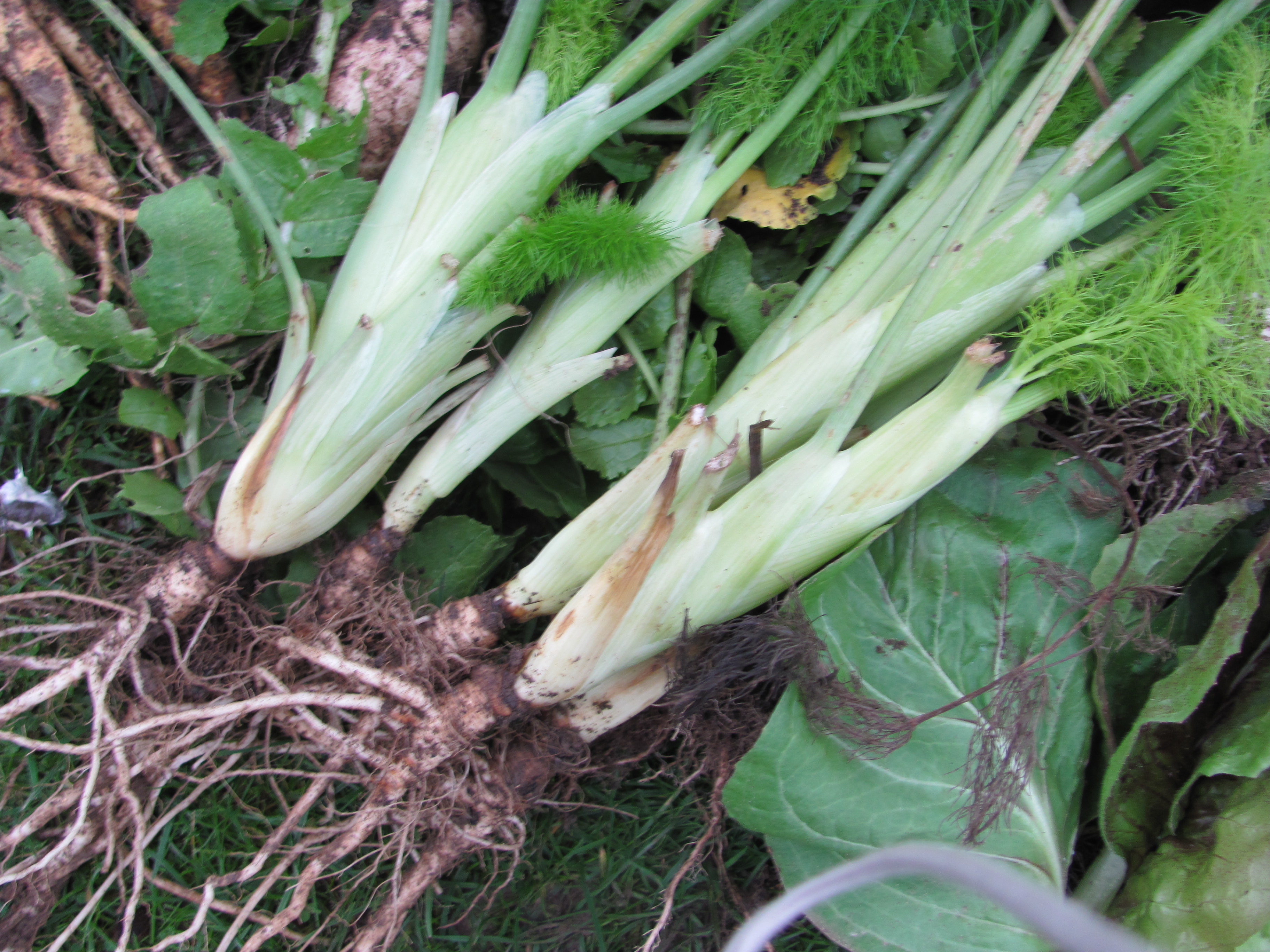
Fennel foliage like feathery ferns treats us to a warm aniseed scent. The little “bulbs”, swollen stems really will add a warming flavour to veg soups.

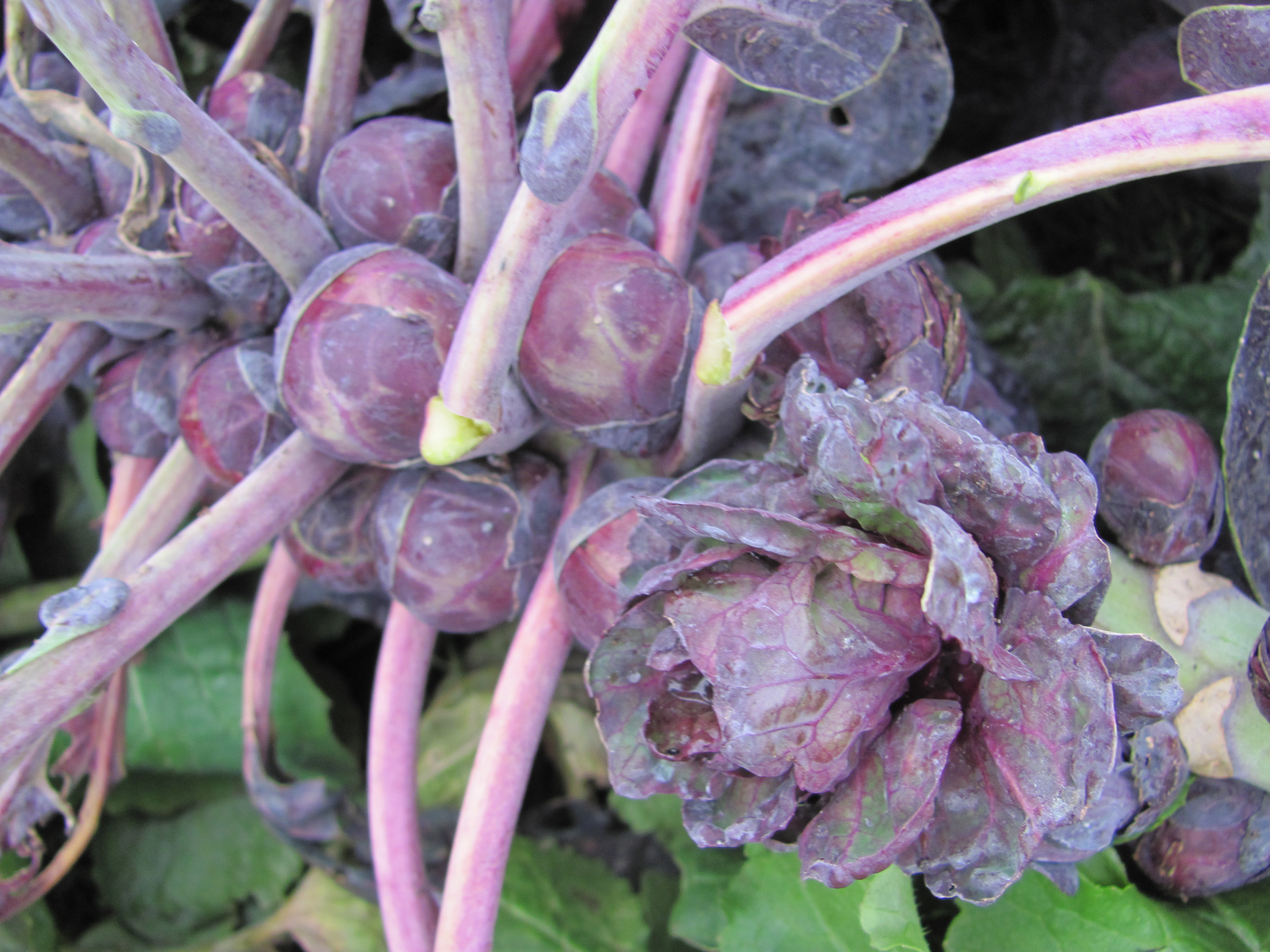
Purple sprouts taste no different but their colour gives extra interest to a winter roast. but of course the real reason we grow them is because they look so good on the lottie.

Categories
garden photography garden wildlife gardening ornamental trees and shrubs outdoor sculpture roses shrubs town gardens trees wildlife

A small town garden in December.

Earlier this week we spent a few days down in Gloucestershire at my Mother’s home. She has a small town house with a small town garden, about 30ft by 20ft in the back and a token patch in the front. The house is the last in a row on the edge of a small town and the garden boundary is a tall rich hedge of mixed native plants with fields beyond. For centuries this hedge has fed and sheltered wildlife in its hawthorns, ivies, wild roses and the sprawling shawl of brambles. It is home to a rogue buddleja germinated from a seed dropped by a bird and now attracting butterflies, bees  and hoverflies to its scented purple flowers each summer.

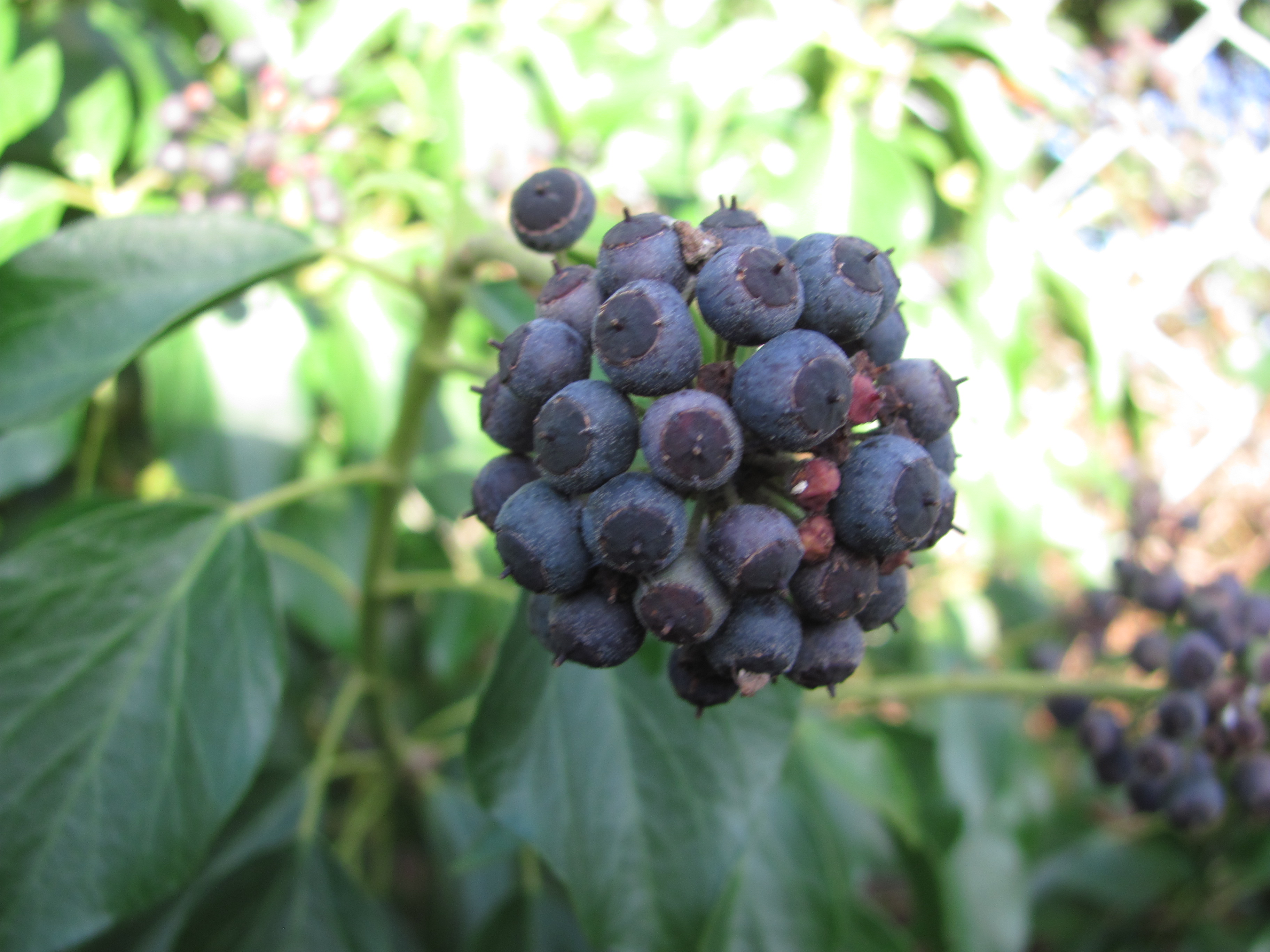
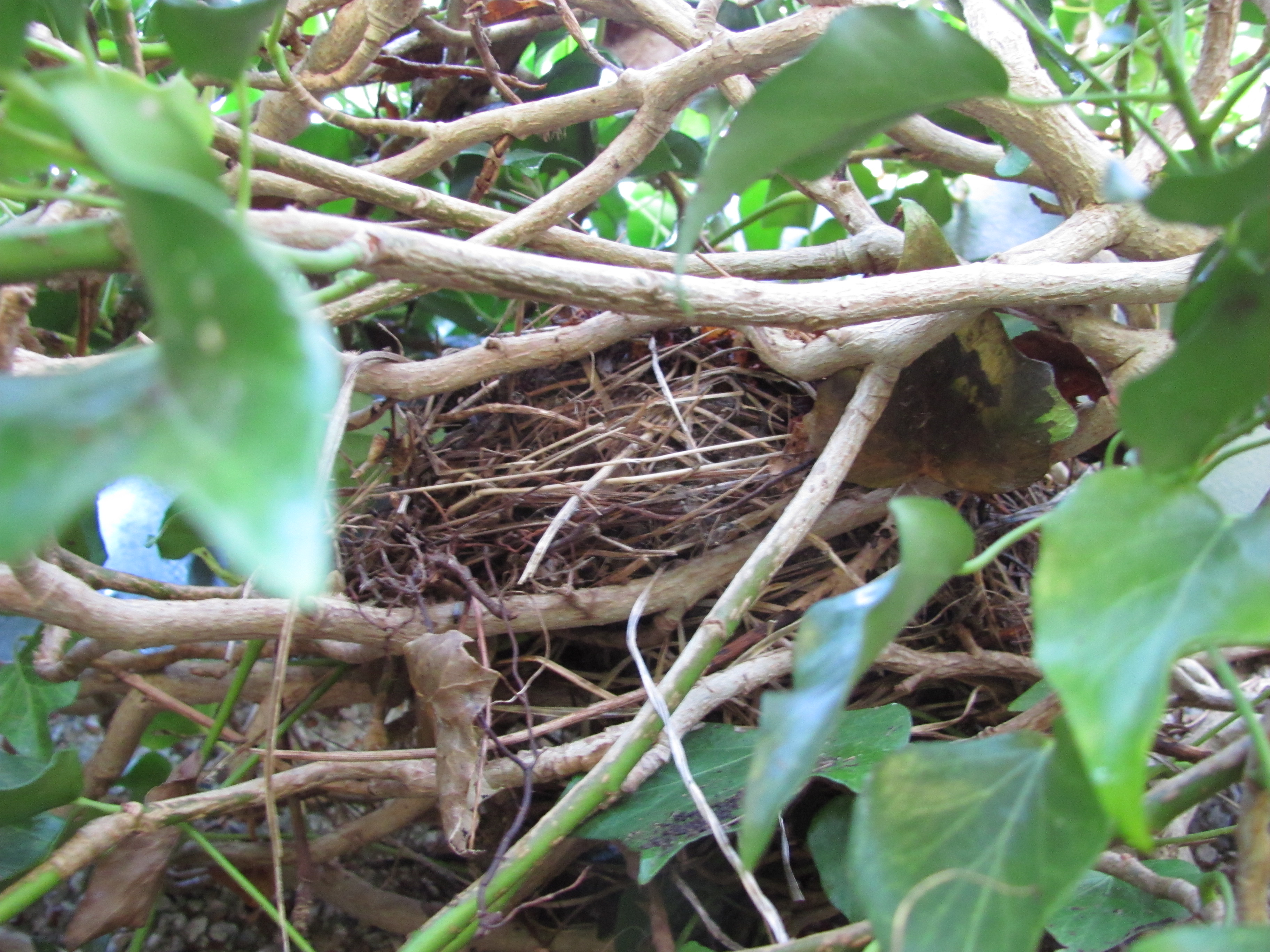
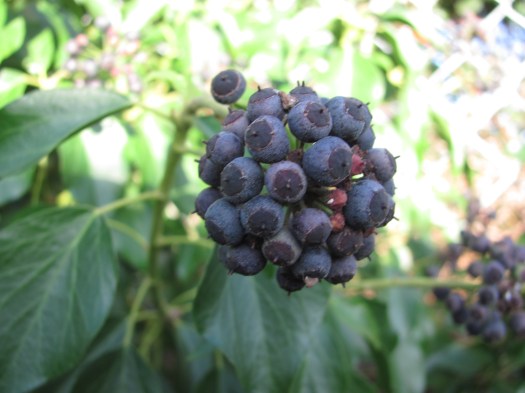
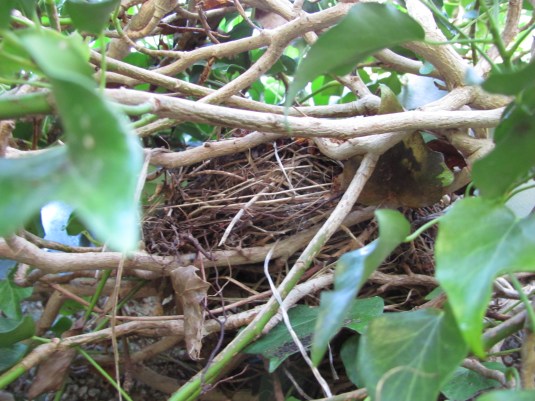
The ivy has spread from the hedge and along the garage wall which forms one side of a little secret garden, a shaded place for tea and cake. This ivy is now full of black berries, food for blackbirds who earlier in the year used its shelter in which to build their nest. It is a warm place for wrens to roost.
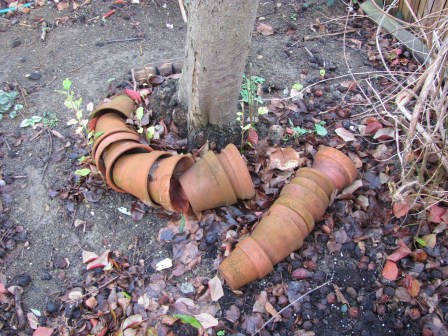
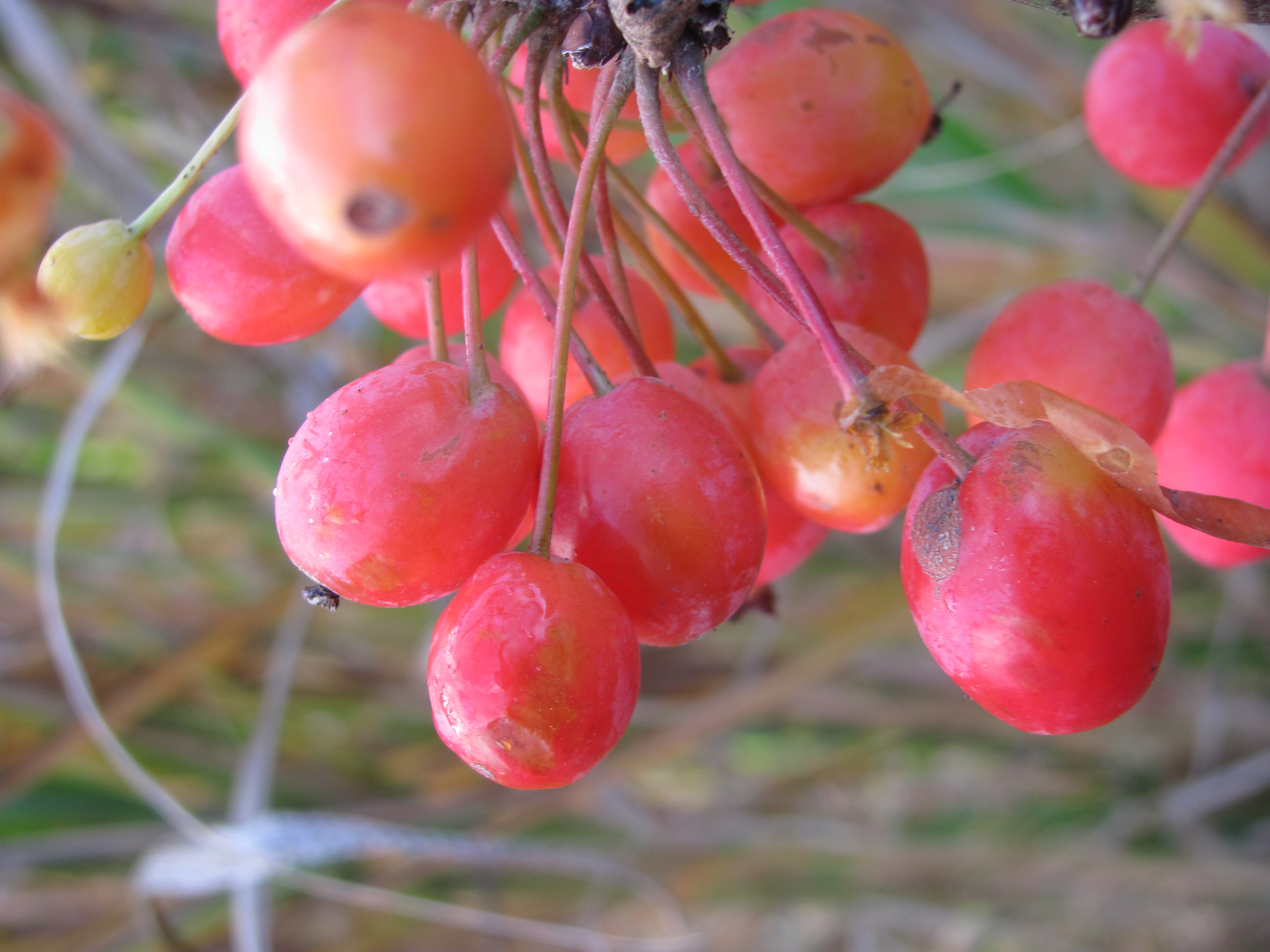
A look out from the front window into the garden shows the skeleton of silver branches of the Cercis Forest Pansy now having lost the last of its red and plum coloured leaves of autumn and a recently neatly pruned climbing rose on the porch wall. A glance at the back shows it to be dominated by a fine specimen of Arbutus unedo, the strawberry tree. There are small dots of colour from remnant flowering of earlier seasons still to be seen, but go out with camera in hand and there is so much more interest. Here the lens sees more than the eye and conjures up a garden full of textures and colours. Old terra-cotta pots spiral beneath the trunk of a malus arranged to add interest when the crab apples have been eaten by blackbirds and migrant thrushes and the yellow, orange and red of October leaves have journeyed to the ground only to be blown away by strong November winds.
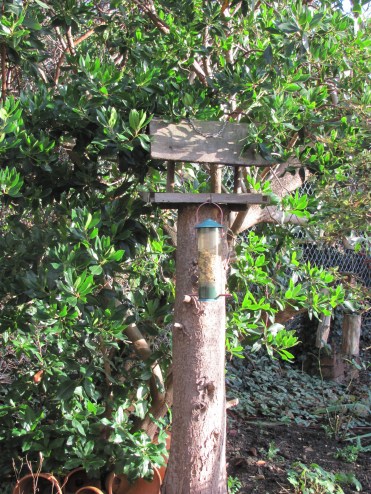
Just as the clay pots were given new life, so the trunk of the conifer, outgrown its space and lopped, has been reborn as the post for a bird table. It is now visited by the birds who ignored its barren foliage when it lived.
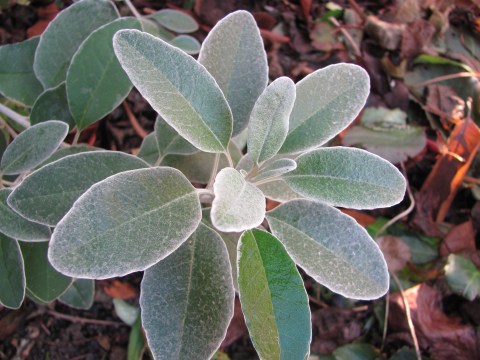
Foliage plays a central role in small gardens in winter, both for colour and texture. Some like the Senecio, now sadly re-christened brachyglotis by the botanists, has both with its leaves surfaced in silver-grey fur.
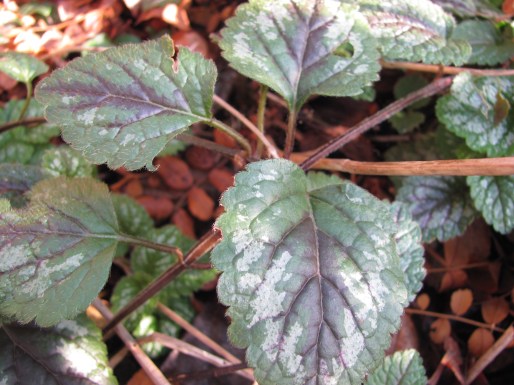
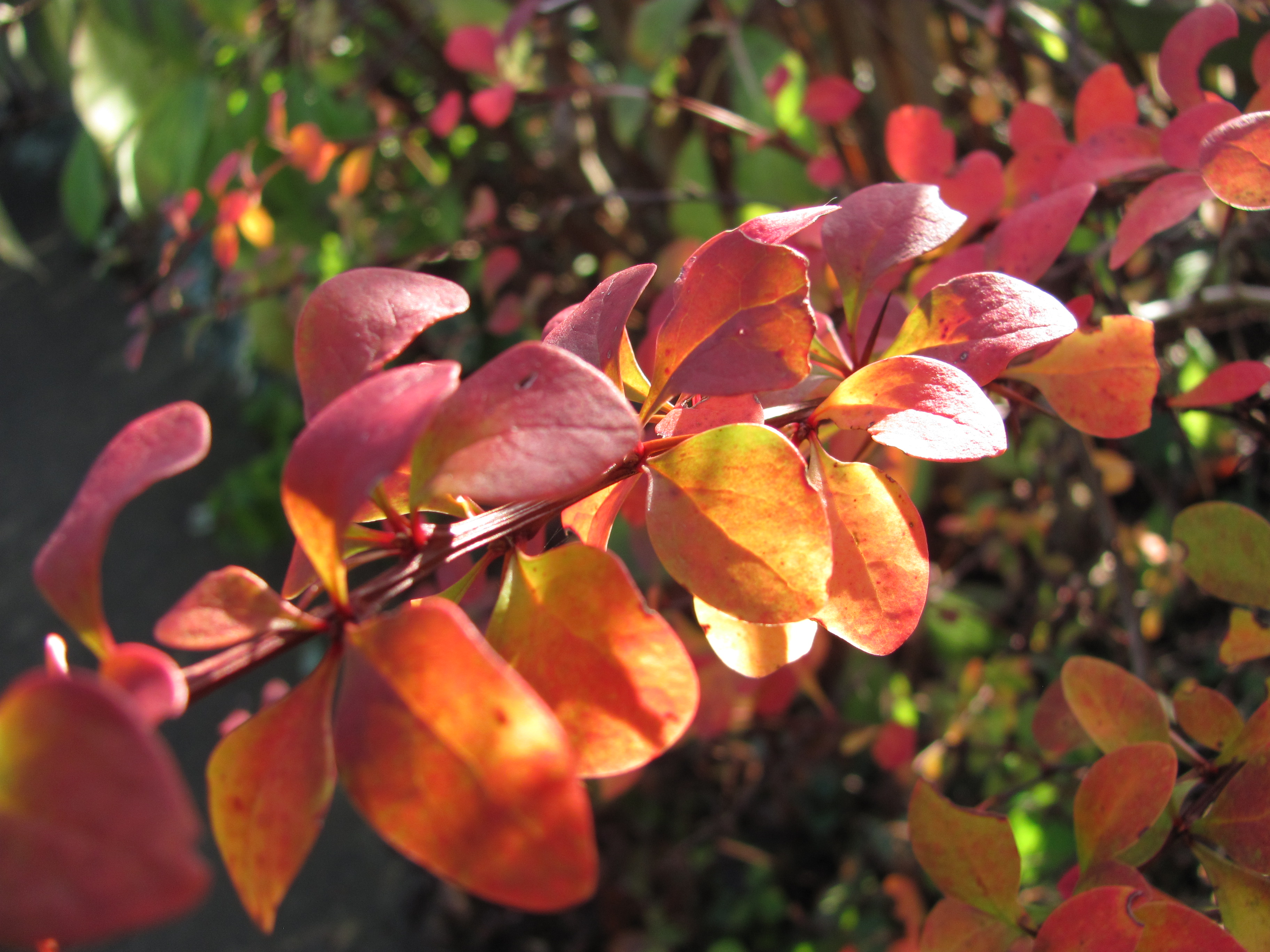
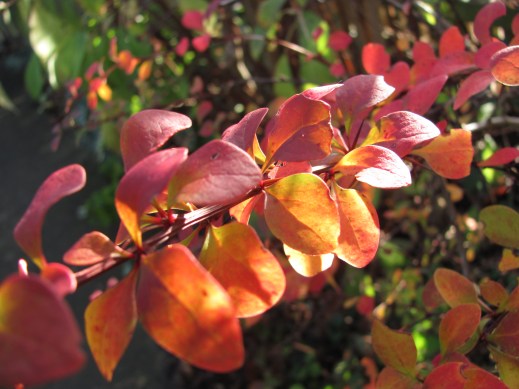
And in sharp contrast  to the delicate senecio, the bristly character of the berberis, purple in summer now turns to the red and orange tones of fire. In the shadow of the house wall a small nettle leaved plant clambers over the ground with its matt dry textured foliage shaded with silver, plum and purple. no artist could have designed these leaves.
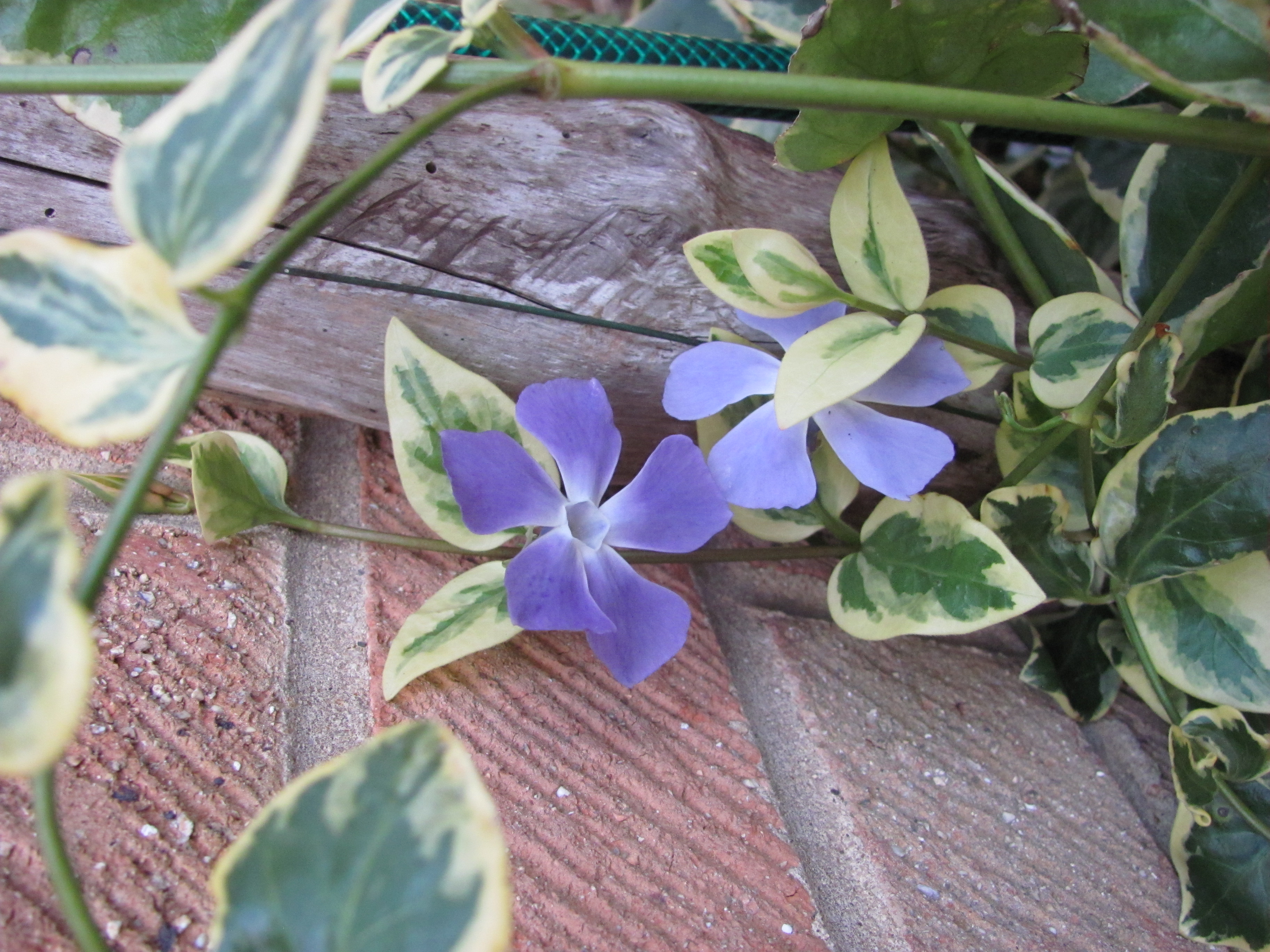
Close by the variegated periwinkle, Vinca major, defies the season and manages two pure blue blooms.

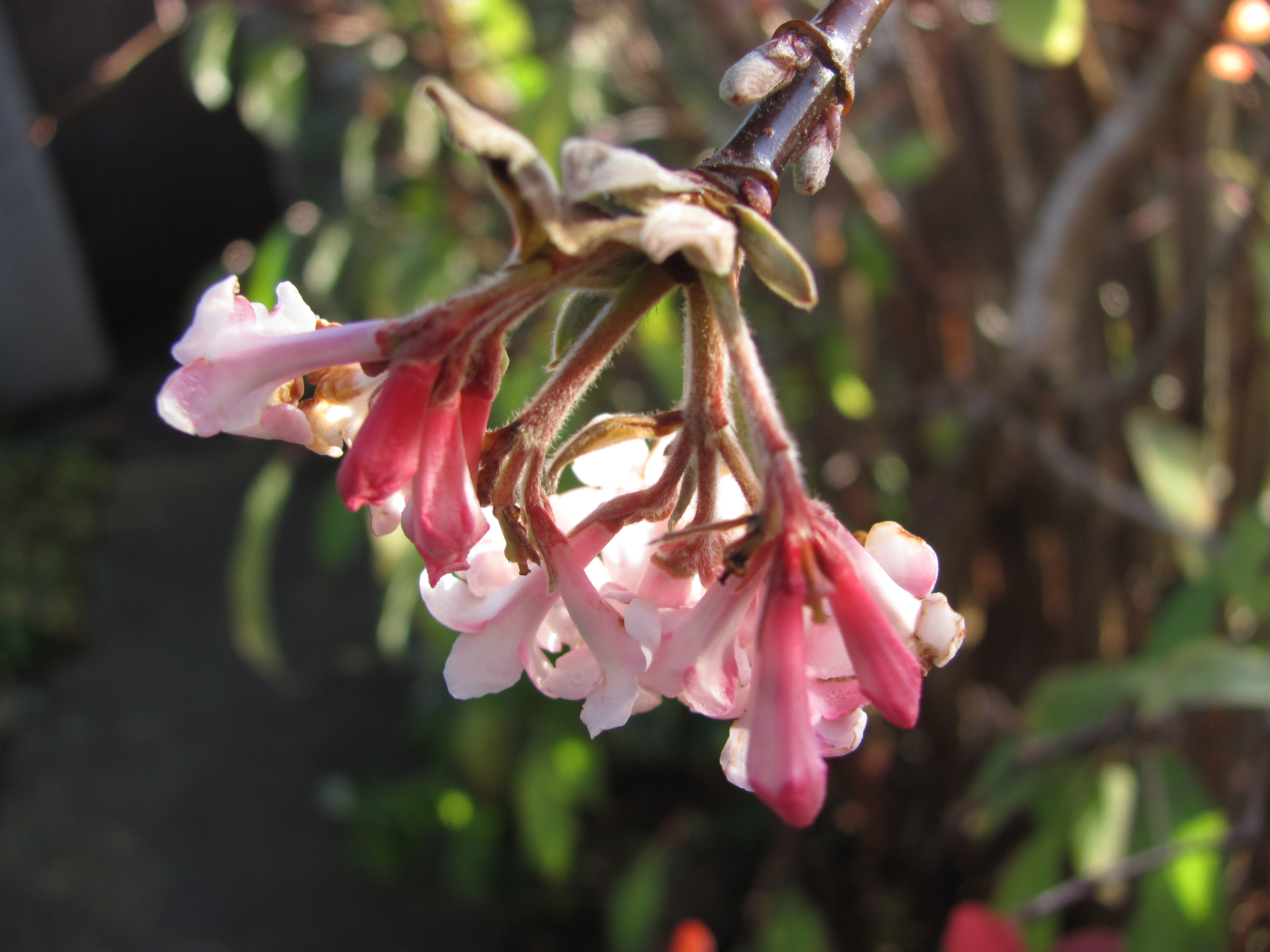
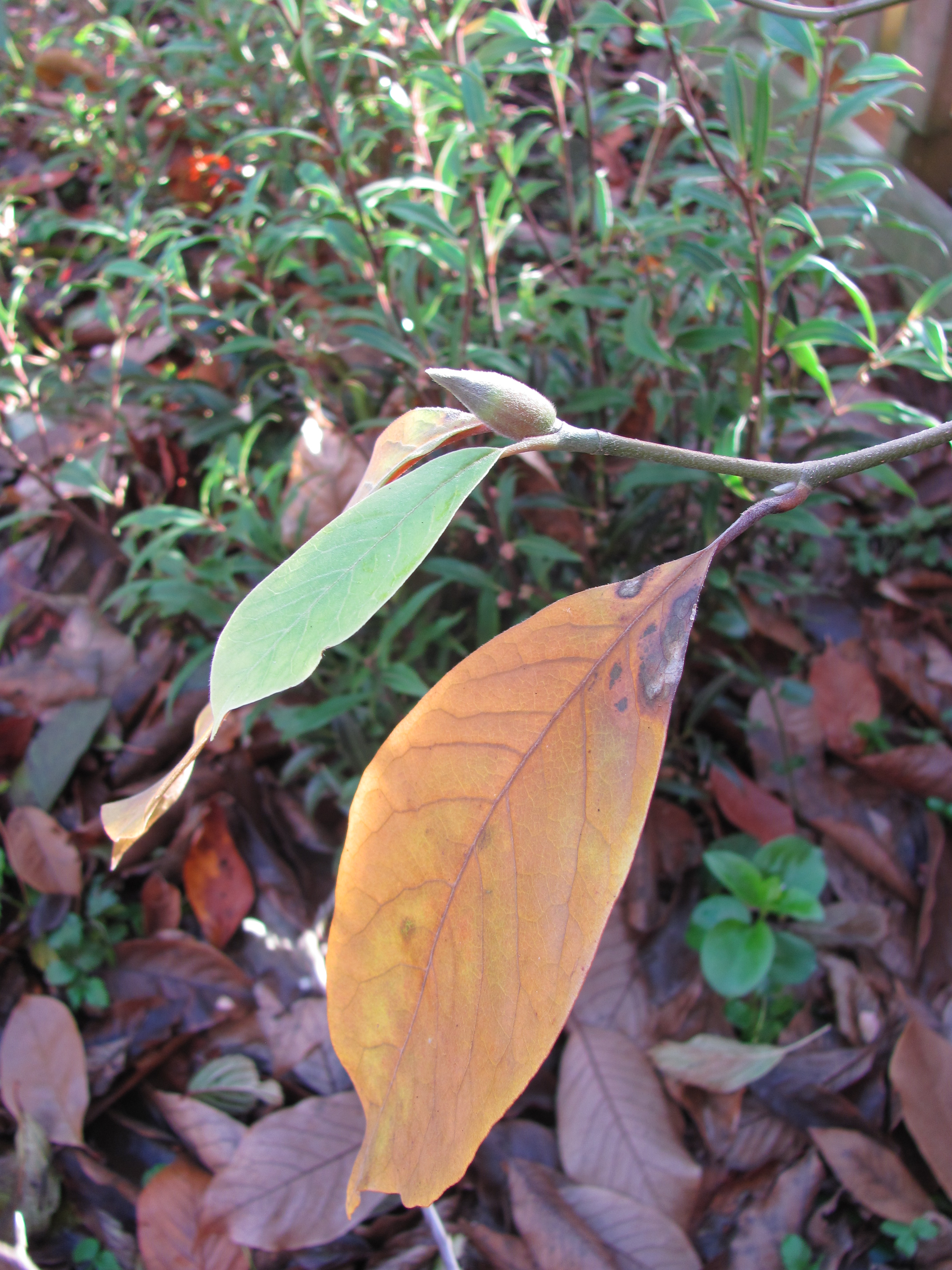
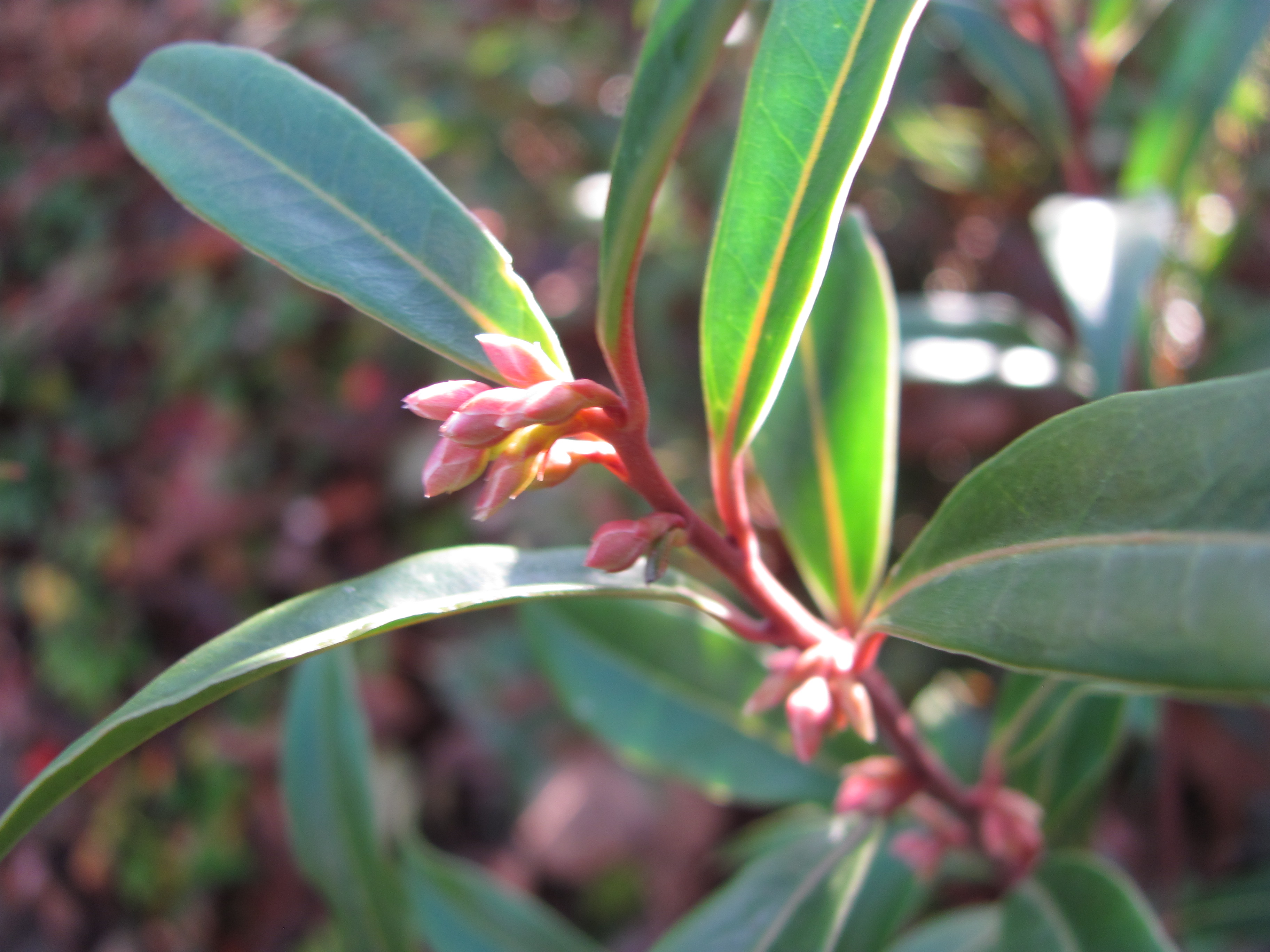
Promises of scent and colour from late winter and early spring flowers are evidence of rapidly changing seasons, the few lonely pink-blushed blooms of Viburnum bodnantense “Dawn” remind us of the profusion there is in waiting, while the soft-furred pointed buds of magnolia hide all its promises of scent and waxy petalled blooms. Sarcococca is an amazing name for a shrub. In the summer it is quite a dull little waxy leaved evergreen but below its branches are hung with tiny buds that will open into little white gems absolutely loaded with a heavy honey scent at the most unlikely time, January and February. Such a treat, and this one is planted alongside the garden path, just where it can treat anyone passing by.

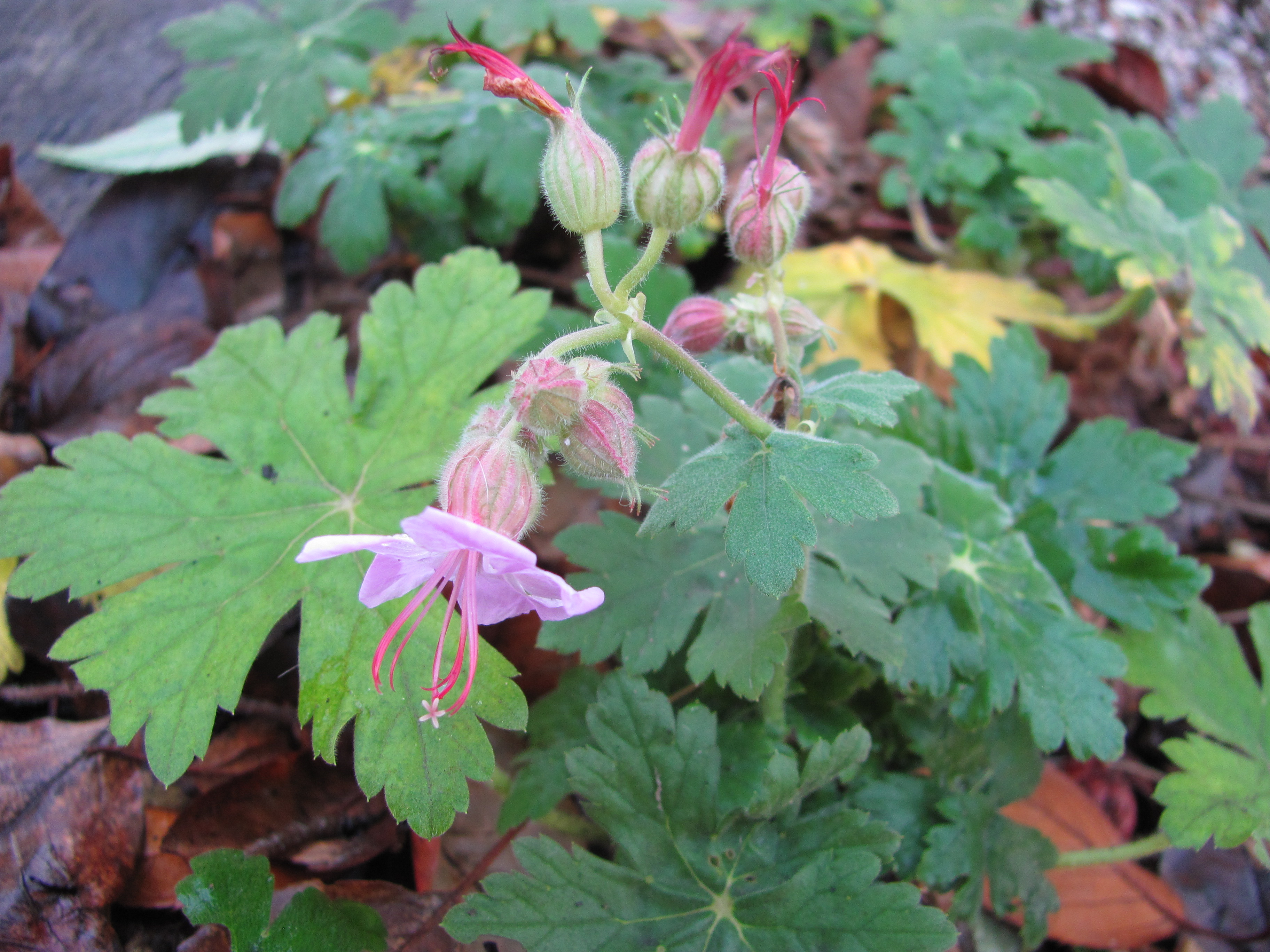
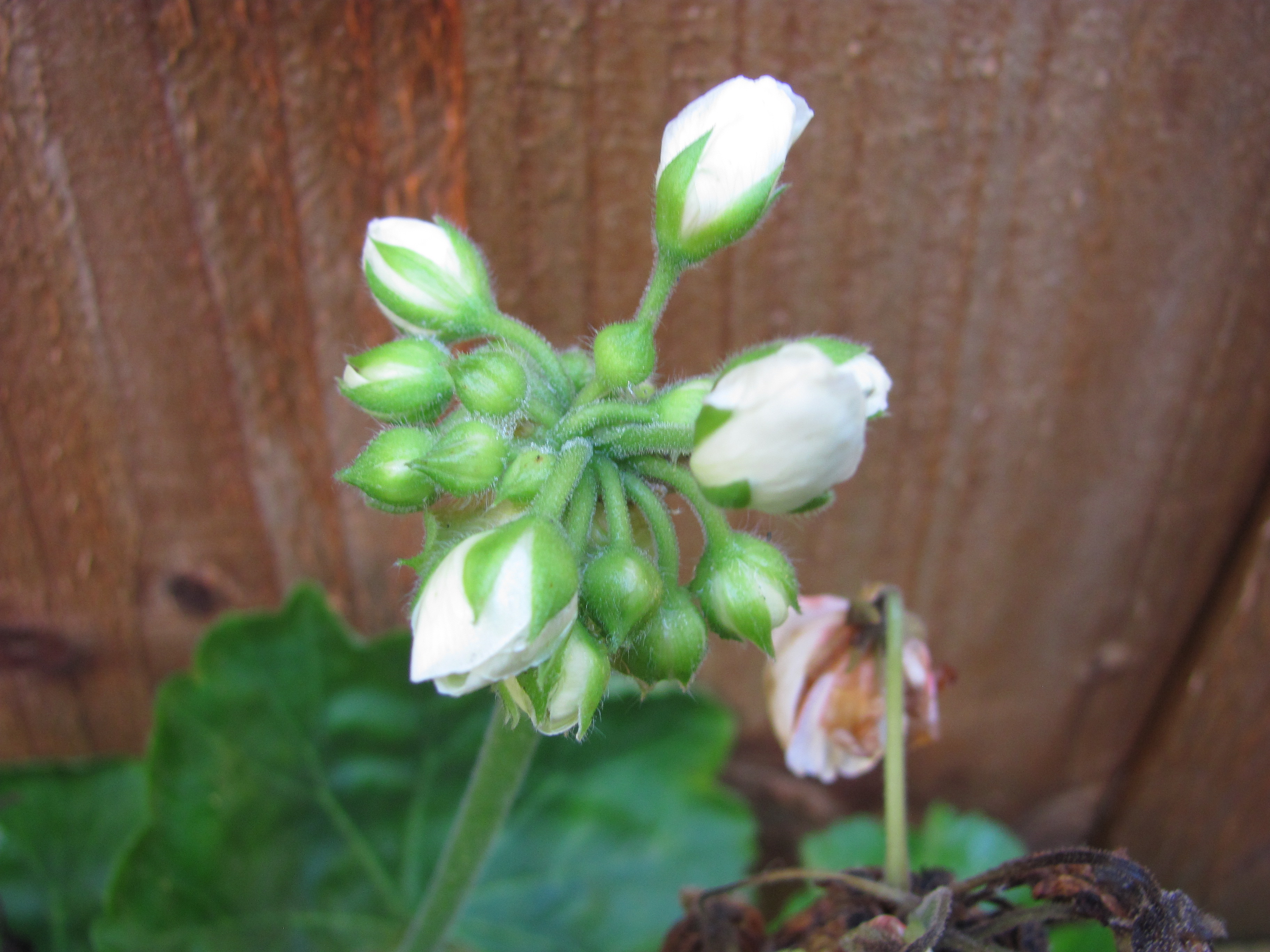
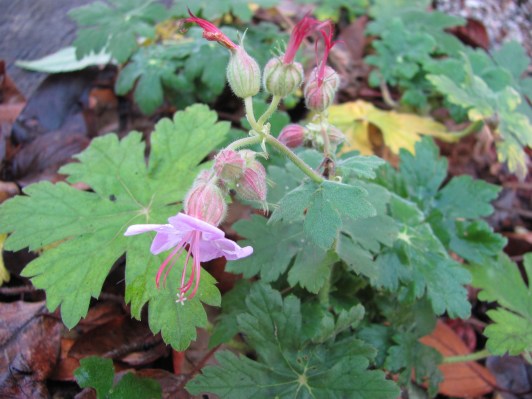
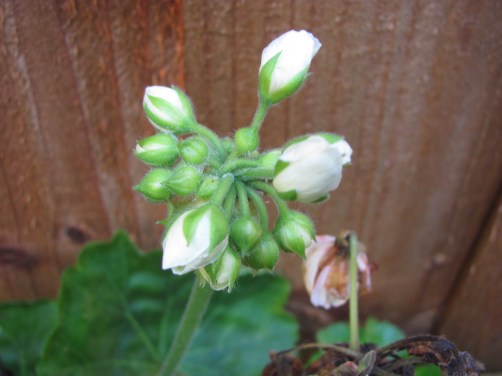
Whereas the buds of the viburnum and the magnolia are promises of future joy, other buds are remnants of the joys of summer. White buds of the annual pelargonium and the palest pink of the hardy geranium are hanging on into the cold weather. True wishful thinkers!
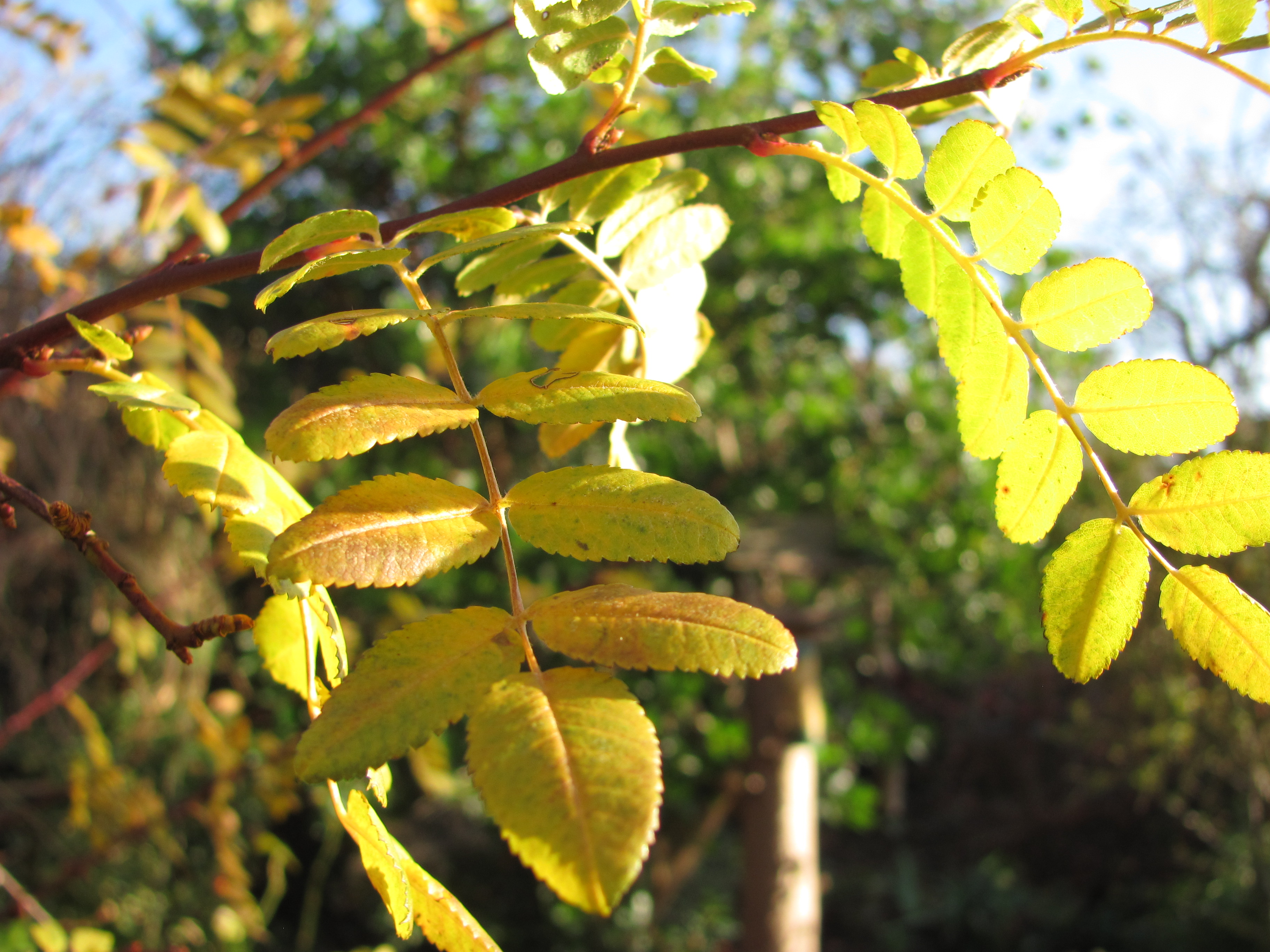
We access the front garden by passing under a rose arch, over which rambles a Canary Rose one of the earliest roses to come into bloom every year. Now its yellowness comes from its leaves glowing in the winter sun. Its foliage causes confusion as several visitors have thought it to be a rowan.

Beneath the arch the yellow of the Canary Rose is precisely reflected in the deep yellow of the richly variegated euonymus.
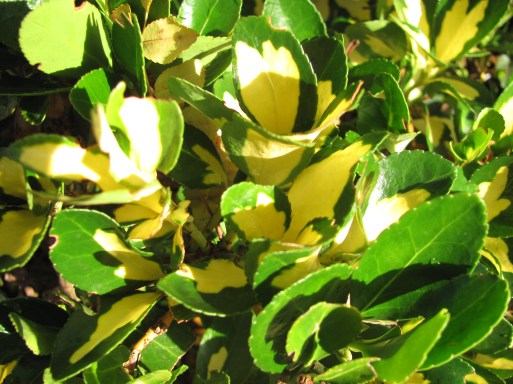
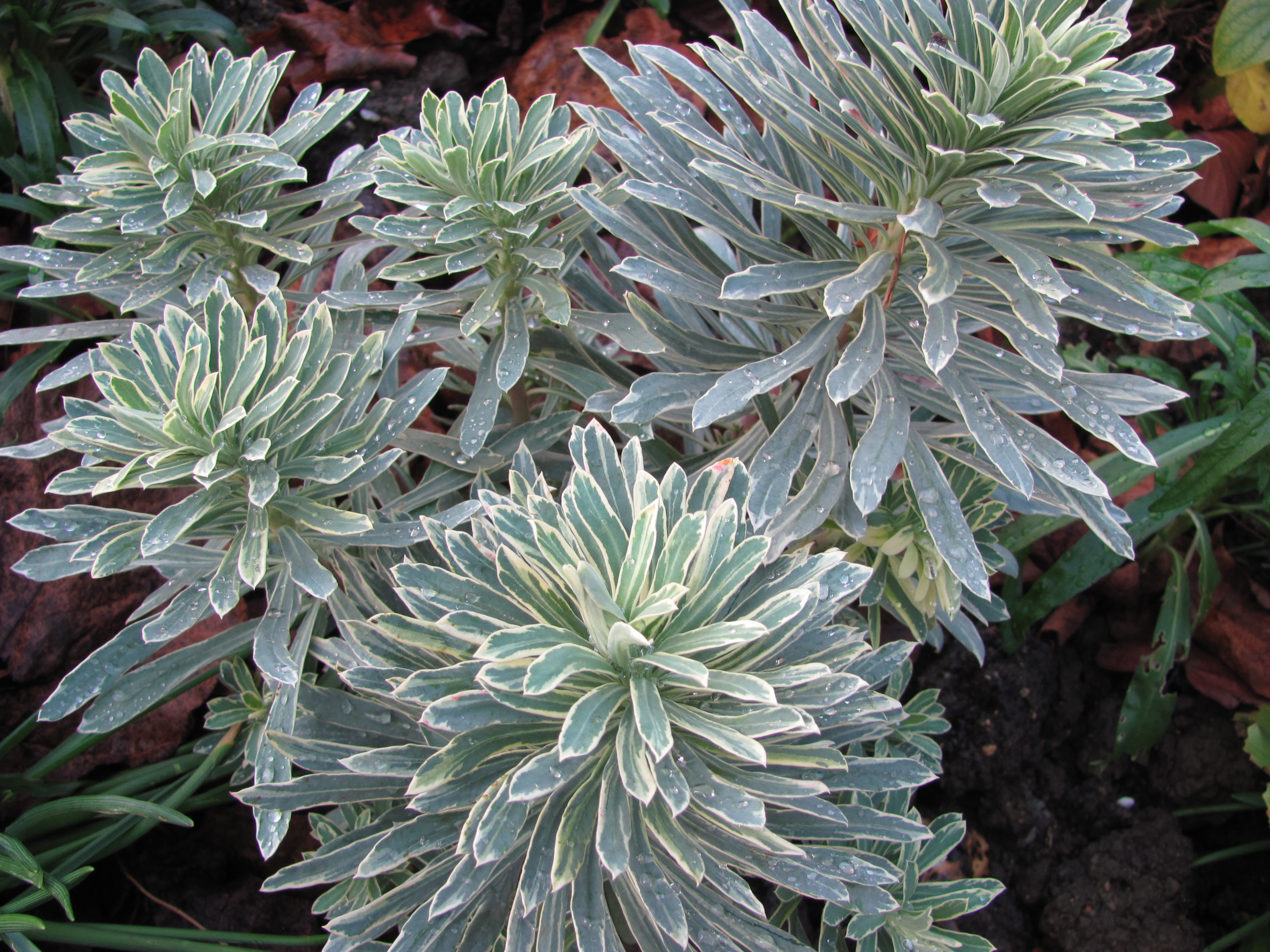
In the front the white, silver and cream variegated euphorbia is far more noticeable than at any other time of year even though it never changes.

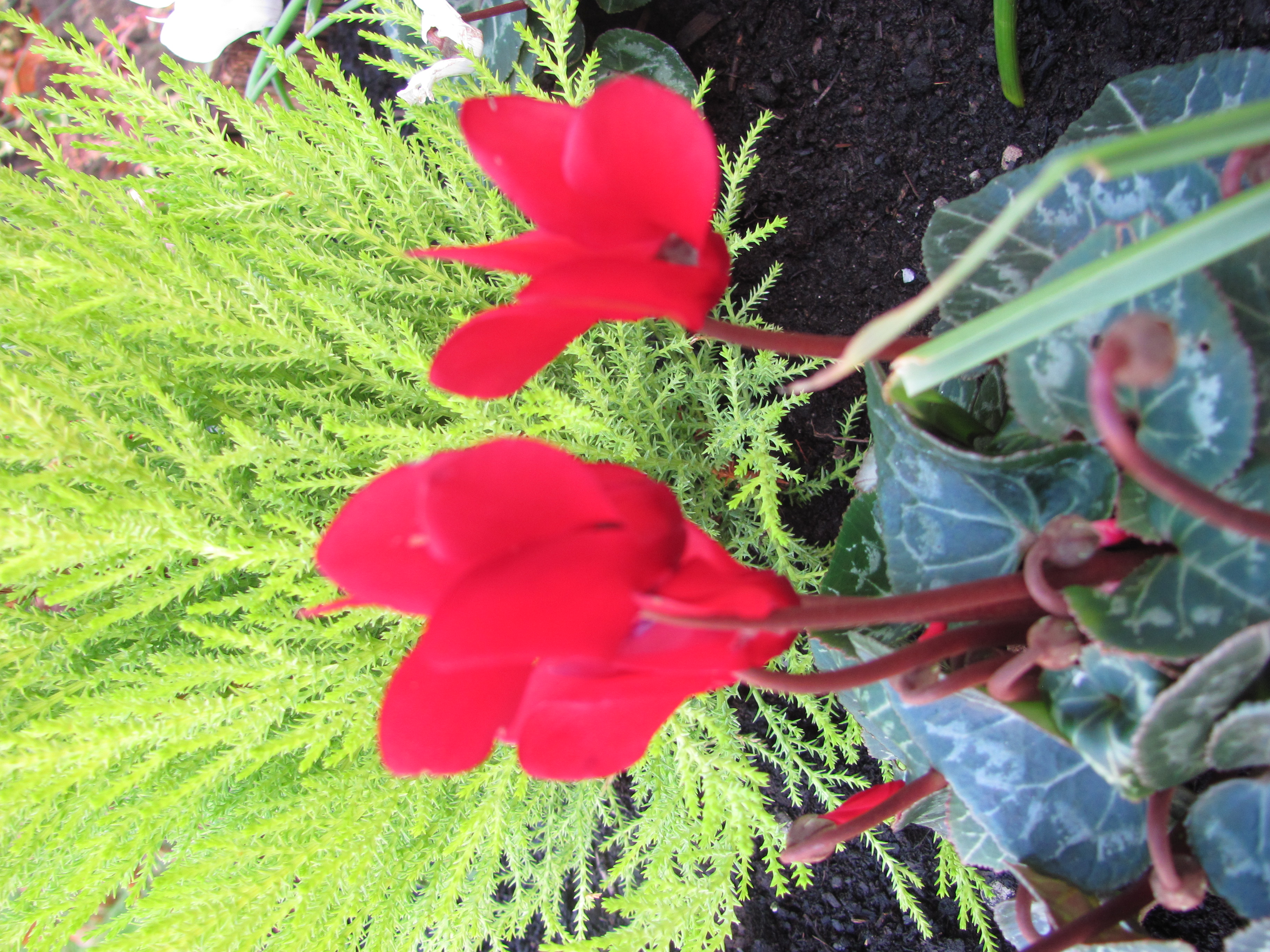
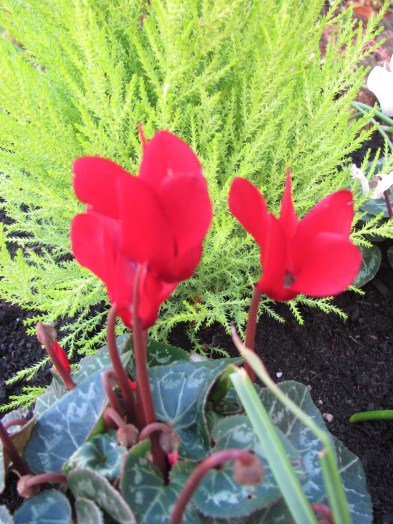
Tubs at the front have been planted to give bursts of colour mostly from cyclamen. Why can I accept such bright colours and clashes in the winter when I would find them undesirable the rest of the year?
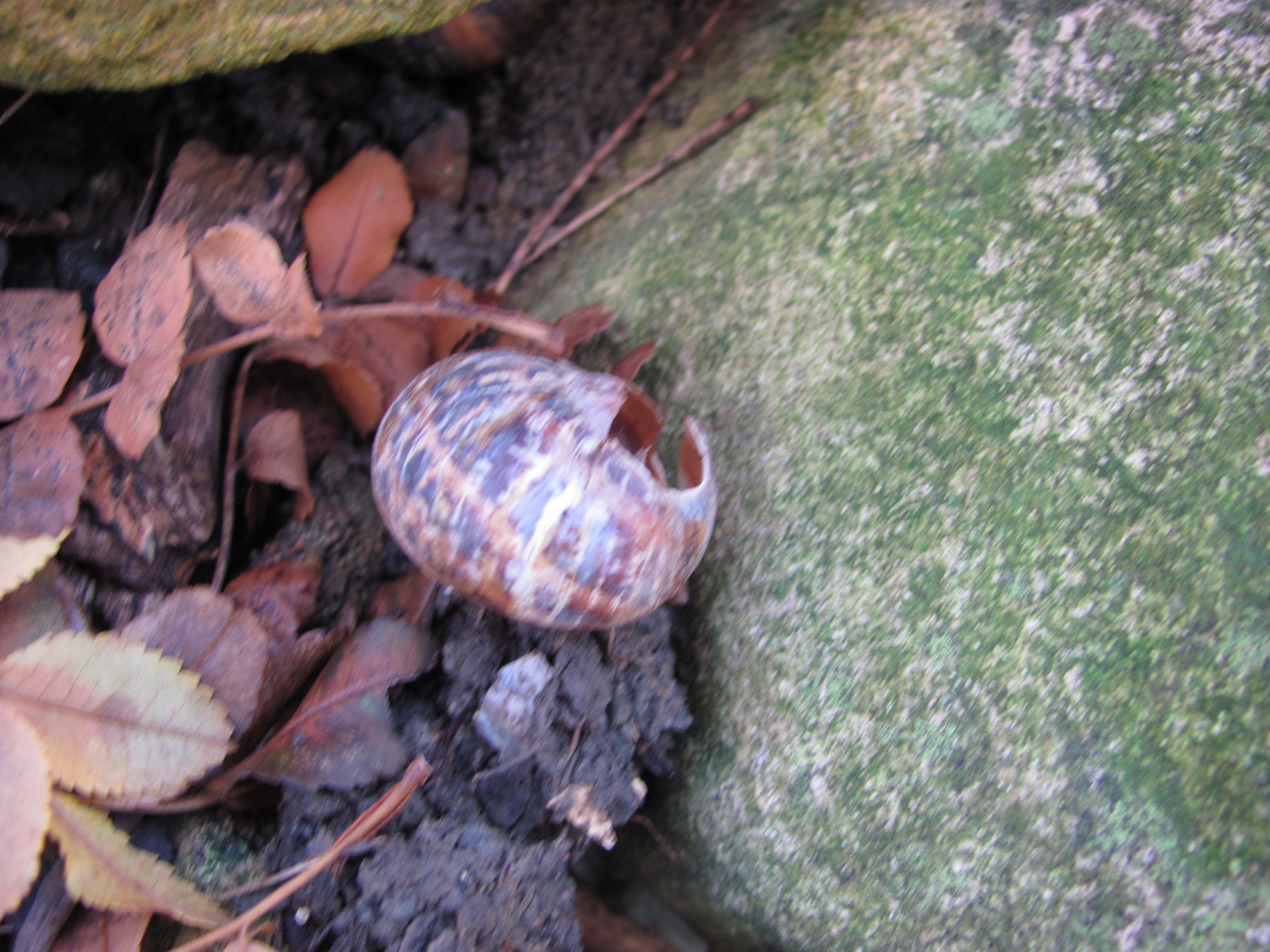
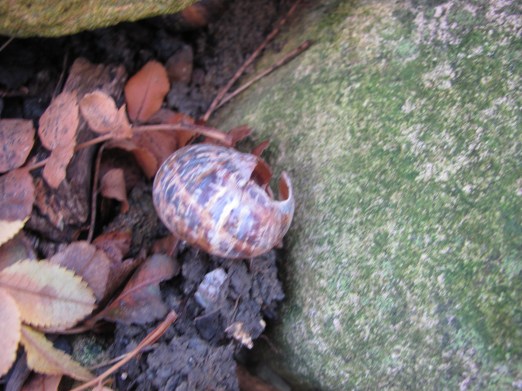
In the short stretch of low dry stone wall, between two levels of garden, I spied this snail-shell, providing just a hint at the many hibernating molluscs hidden in its warmth.
Categories
garden photography gardening hardy perennials

Alliums – our own tumbleweeds!

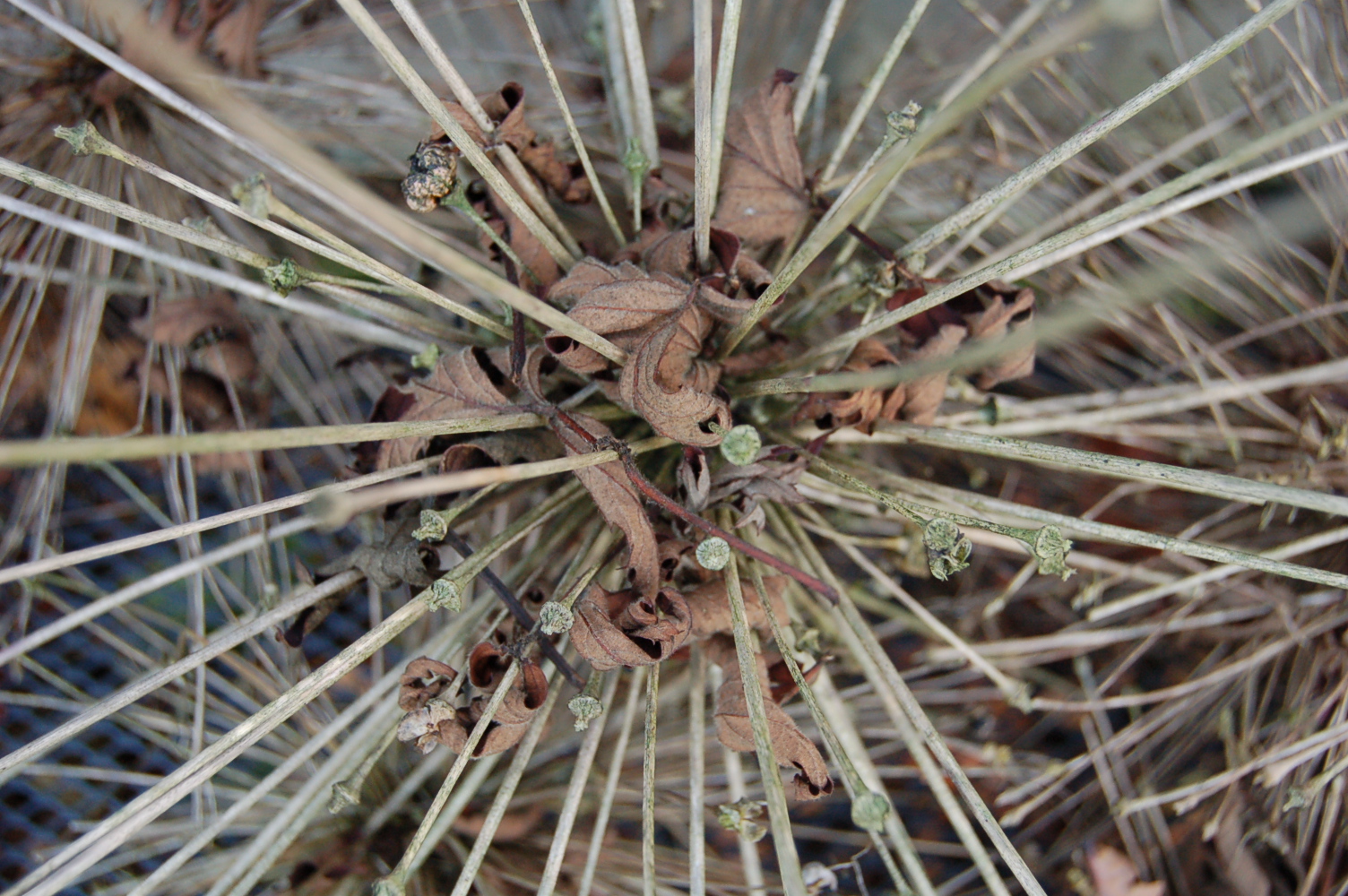
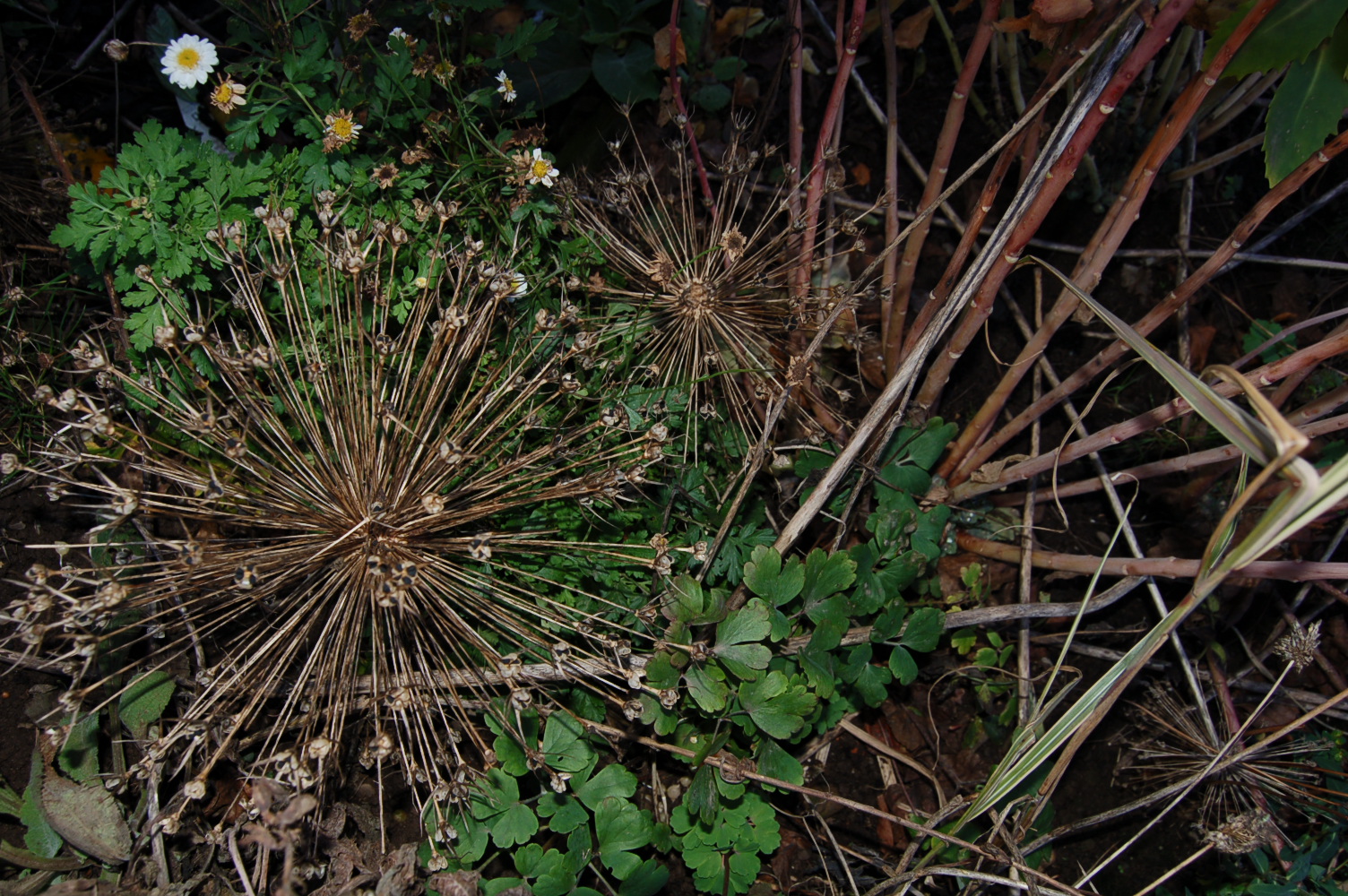
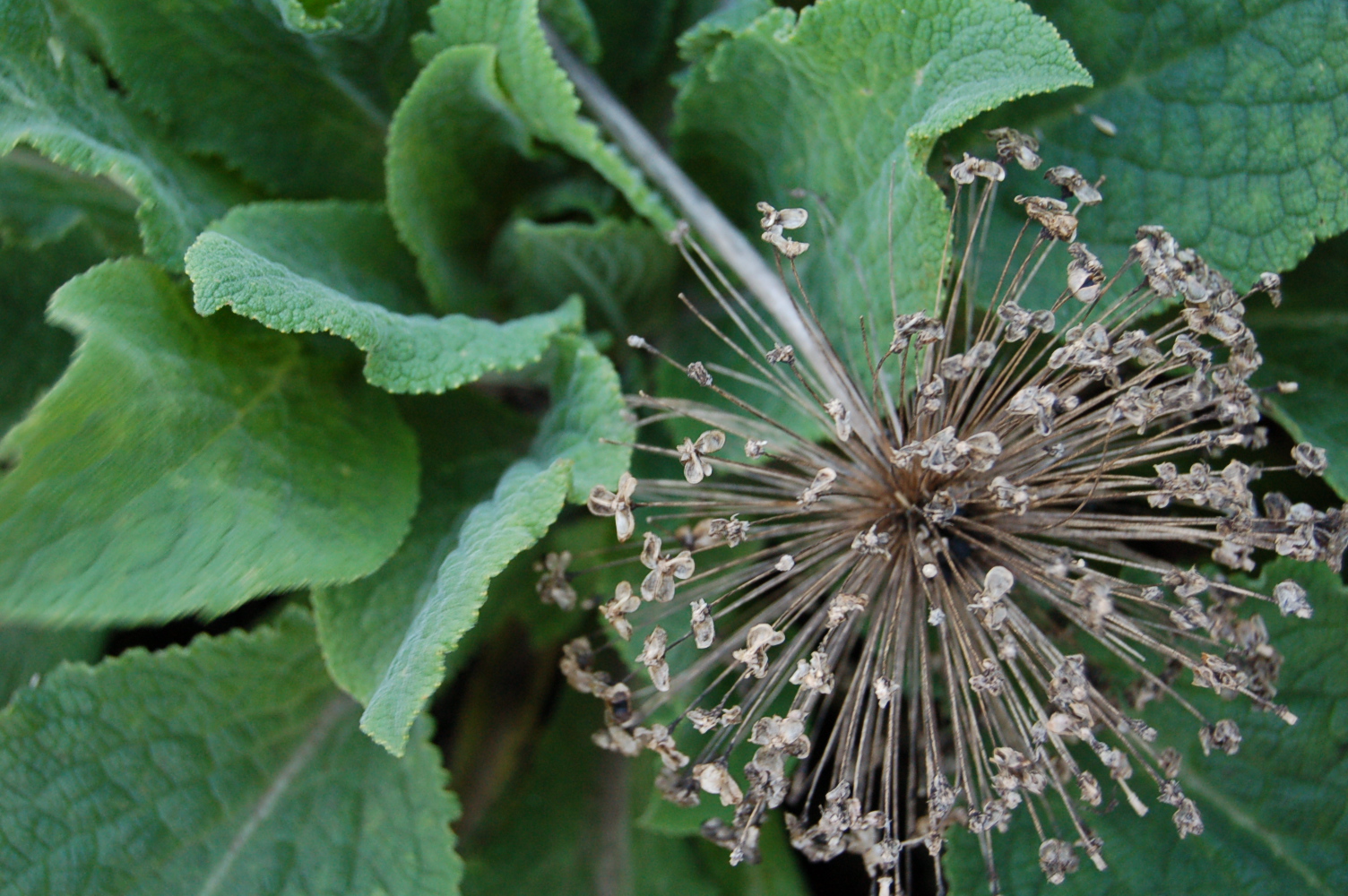
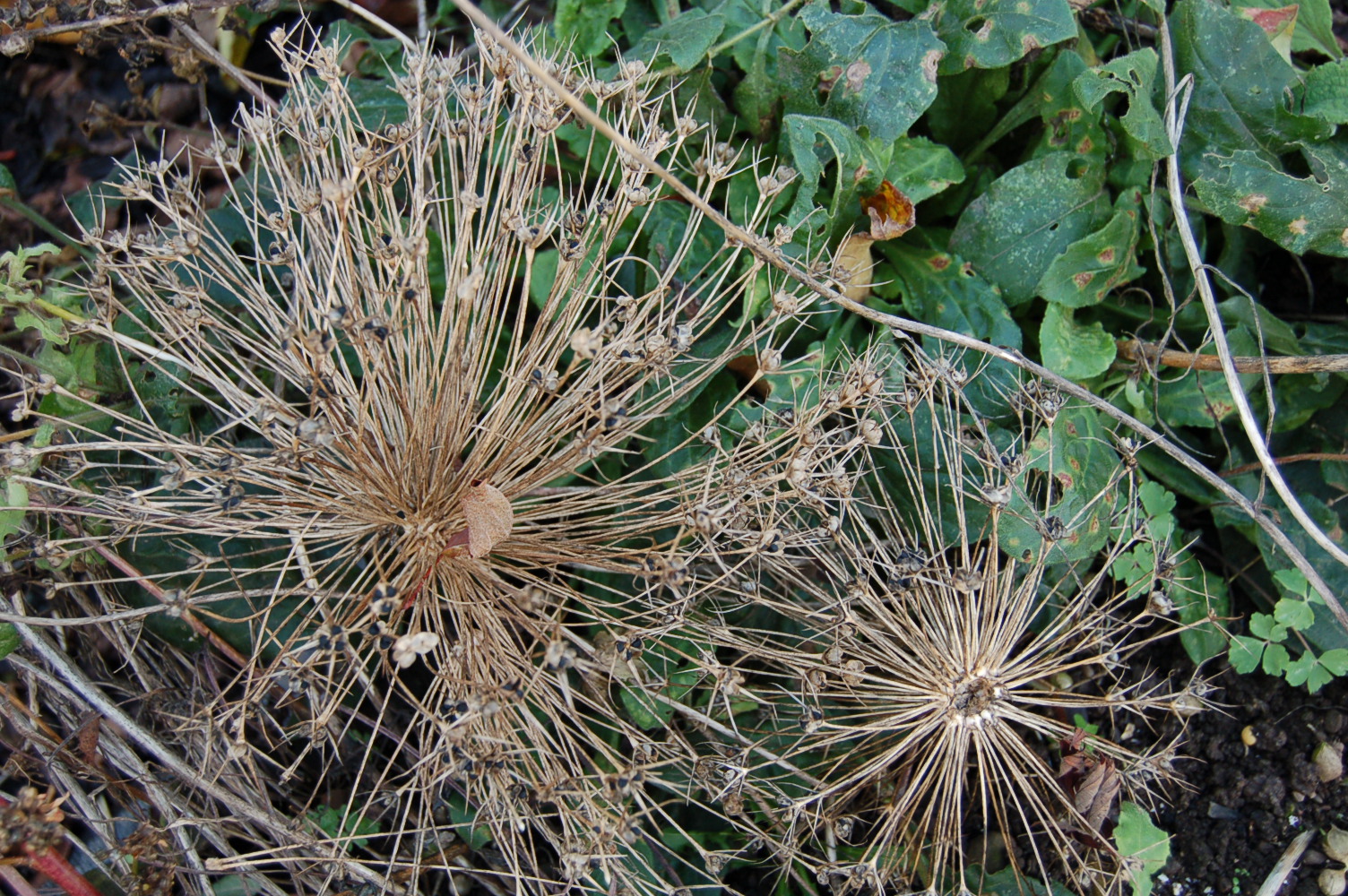
We have planted hundreds of allium bulbs here during the 7 years we have been gardening in Plealey. We have planted about seven hundred in our newest beds, the two Secret Gardens. Obviously they look wonderful when in flower and when the seed heads dry to pale biscuit colours but I have been finding the magical circles of seed heads all over the garden in the last few days as they migrate in the wind. Just like tumbleweed.

This one has rolled around gathering up the fallen leaves of autumn.

This one has found a dark place to hide.

And this one has snuggled up to the softly felted leaves of a foxglove.

While this one found a little playmate.

This one has taste – it settled beneath a Hydrangea querquifolia.

This one ended its journey hiding behind a chair in the Chicken Garden.

I must keep an eye on them and see where they go next!!

Categories
arboreta fruit and veg garden photography gardening ornamental grasses ornamental trees and shrubs shrubs trees

Malus “Admiration” – an impulse buy.

We had to visit the garden centre at Bridgemere to buy a few presents for gardening friends and relations, so as usual we had to have a wander around their plants. We always enjoy their seasonal displays where the best plants of the time are put together in border-like collections – a great idea if you want to know what is giving best seasonal interest. It was particularly good today as a chiminea was simmering away sending wafts of gentle wood smoke into the cool moist air. We were in search of a couple of specimens of Cornus “Cardinal” to creat a trio with the one we bought earlier in the winter. The garden was crying out for a group of three under the white-trunked trio of Betulus utilis “Silver Queen”.

On the journey there we had spotted a stunning malus on the grass verge that glowed an orangy peach colour. And then by coincidence we spotted one at Bridgemere just after loading a pair of cornus into our trolley and as you can imagine it ended up joining them. Gardeners should never give in to impulse buys especially if they have no idea where the plant in question could be planted. We fell for it. The temptation was too great and we definitely had no idea where it would fit into our garden.

We wandered around the garden with the new malus, trying out various spots and eventually found what we hope will prove an ideal situation in front of a grass to emphasis the fruit colour and near a bronze leaved phormium for contrast. Here it will be in the spotlight in autumn and early winter when the low sun will light up the orange and peach of the fruits and emphasise their translucency.

This malus was new to us and is also known as Malus “Adirondack”. It is a small tree or large shrub growing to just 12ft tall and 5ft wide after a decade – just right for a small garden. We look forward now to its “dense clusters of large waxy white  flowers” which follow its dark carmine buds.

Categories
garden photography gardening

Low Light of December

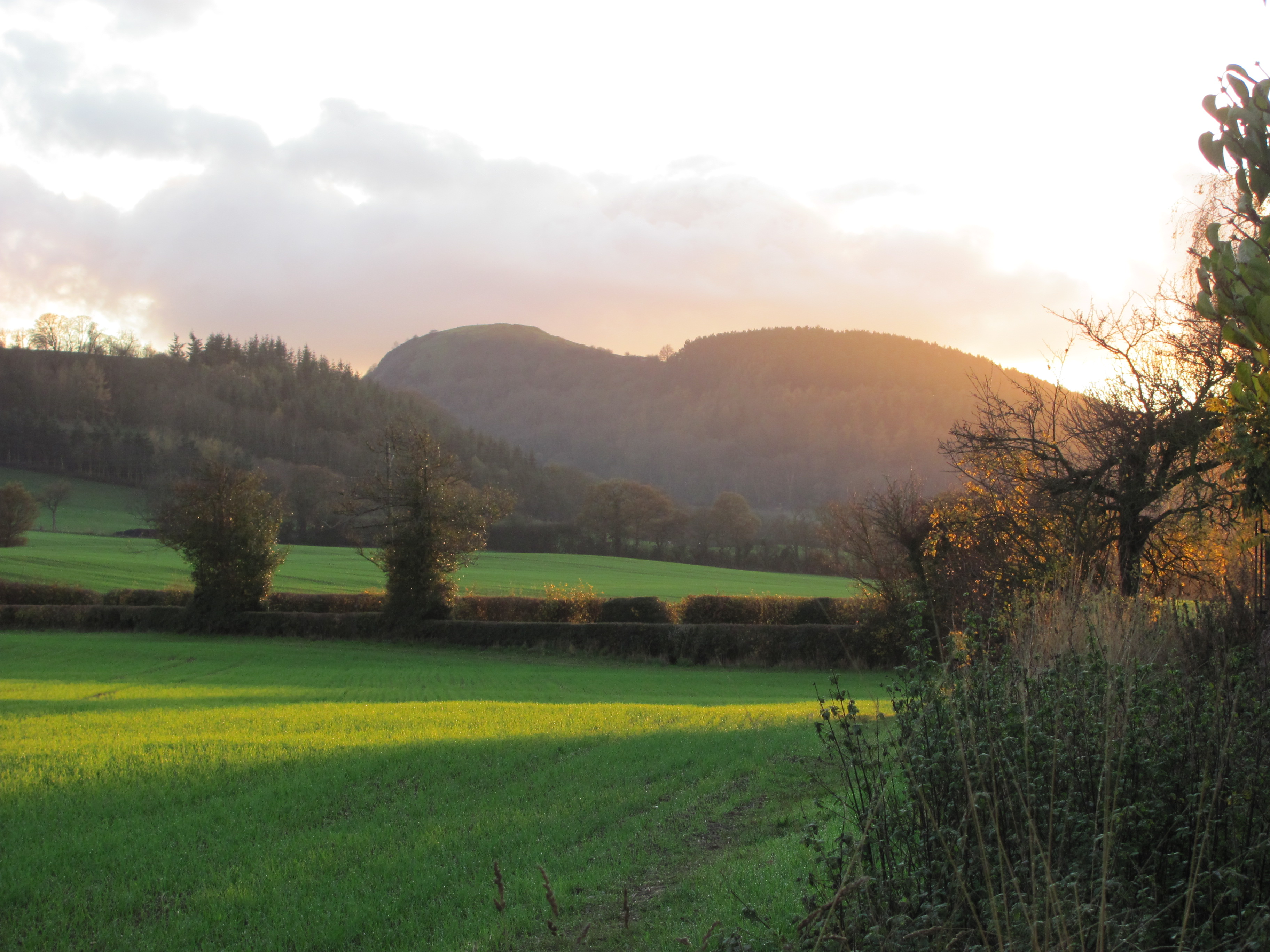
I often take a wander through our little gate in the low picket fence that forms the border between our back garden and the farmland beyond. From here we can appreciate views of Pontesford and Pontesbury Hills through the changing light of the seasons. In the paddock adjoining our garden a magnificent old oak proudly stands awaiting our daily appreciation. I have taken so many photos of “our oak” in all weathers and in all the variations of light. It has been pruned to cattle reach height and looks like a perfect illustration from a book.

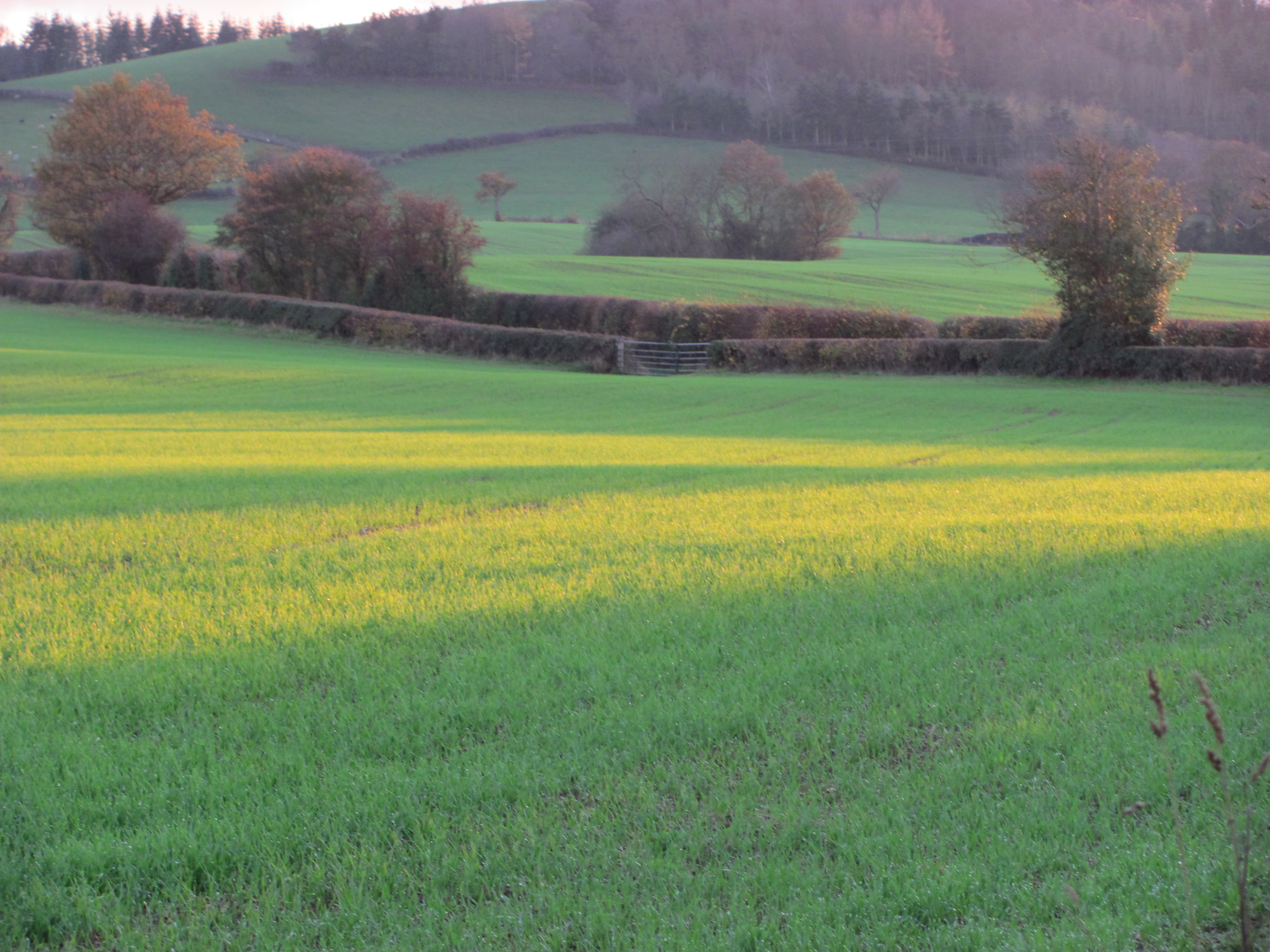
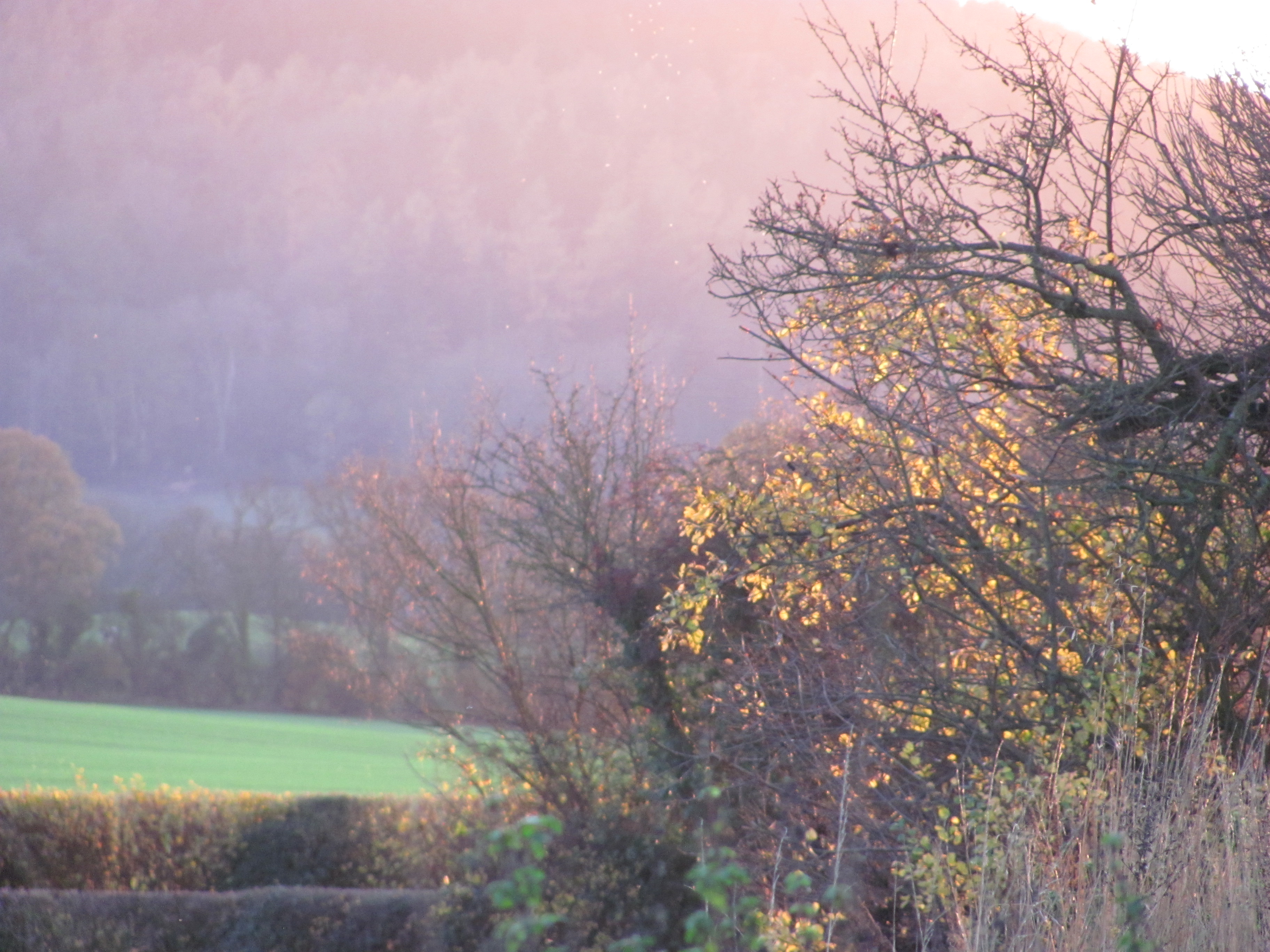
Today in the final hour of daylight the sun was so low it lit the tree like a spotlight lights the star of a show. These low-level rays of the winter sun gave the fields leading up to the hills a wonderful quality. Bright green streaks and dark shadow lines. Misty highlights closed in around the hedgerows.

Categories
allotments community gardening fruit and veg garden photography gardening grow your own meadows

Lottie Leaves

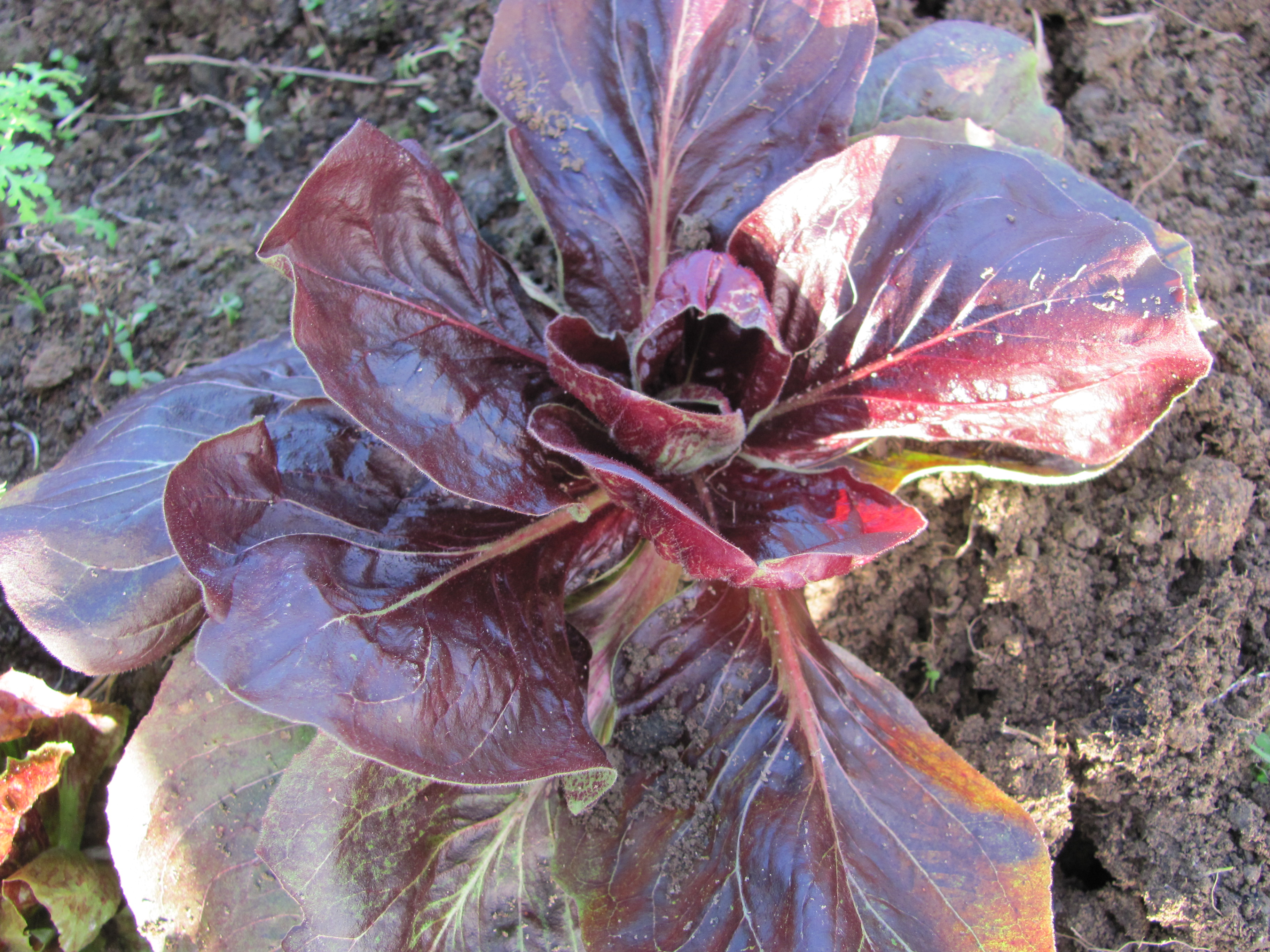
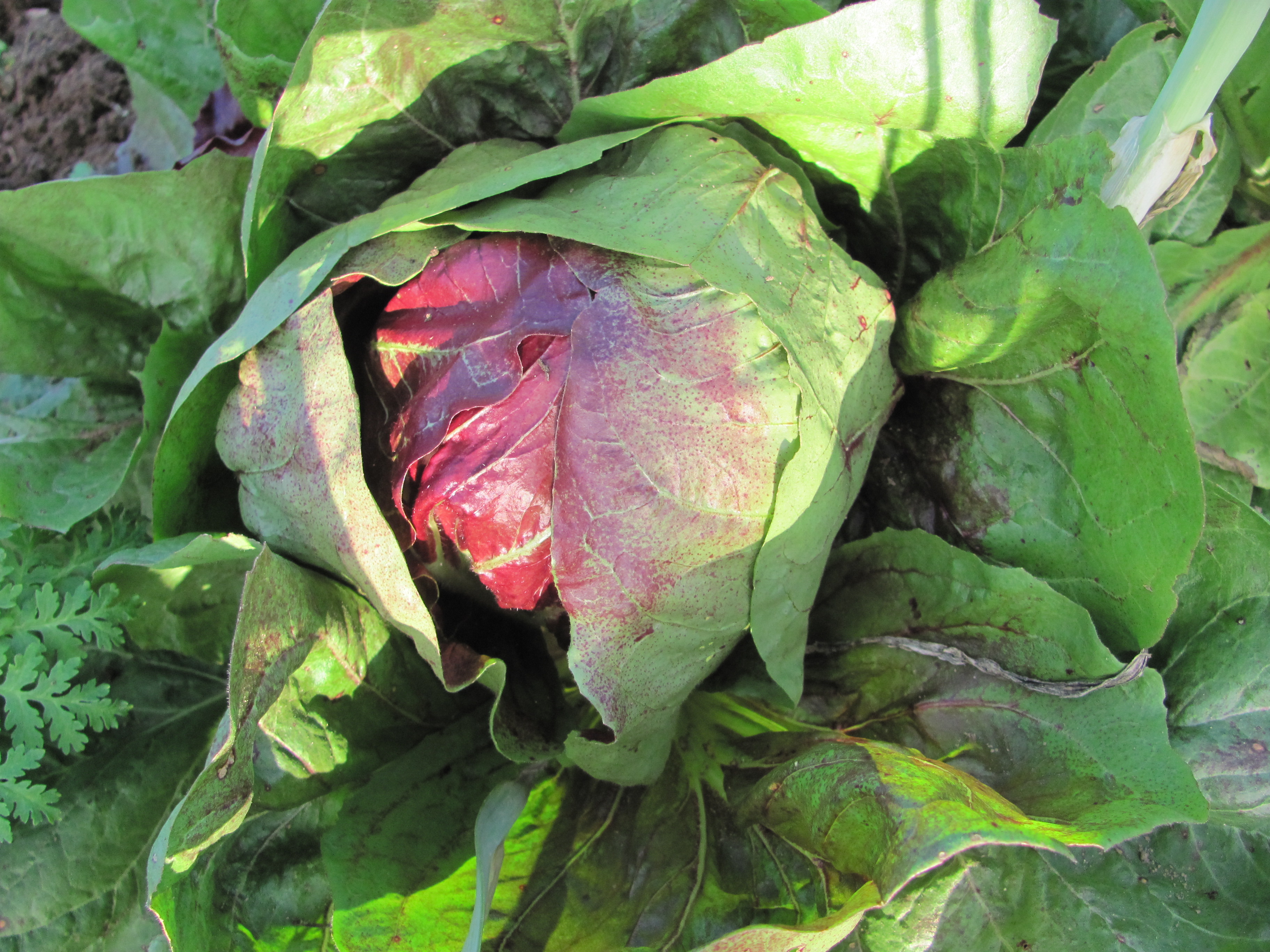
What a crazy day to be on the lottie with gale force icy cold winds howling across and freezing fingers, toes and cheeks. But when the sun burst through the clouds – very short but bright bursts – it acted as a spotlight that featured wonderful coloured leaves. Salad leaves provide the real stars of the show like these ruby leaved radicchio. They enjoy being in the spotlight, being the centre of attraction, glowing with pride.

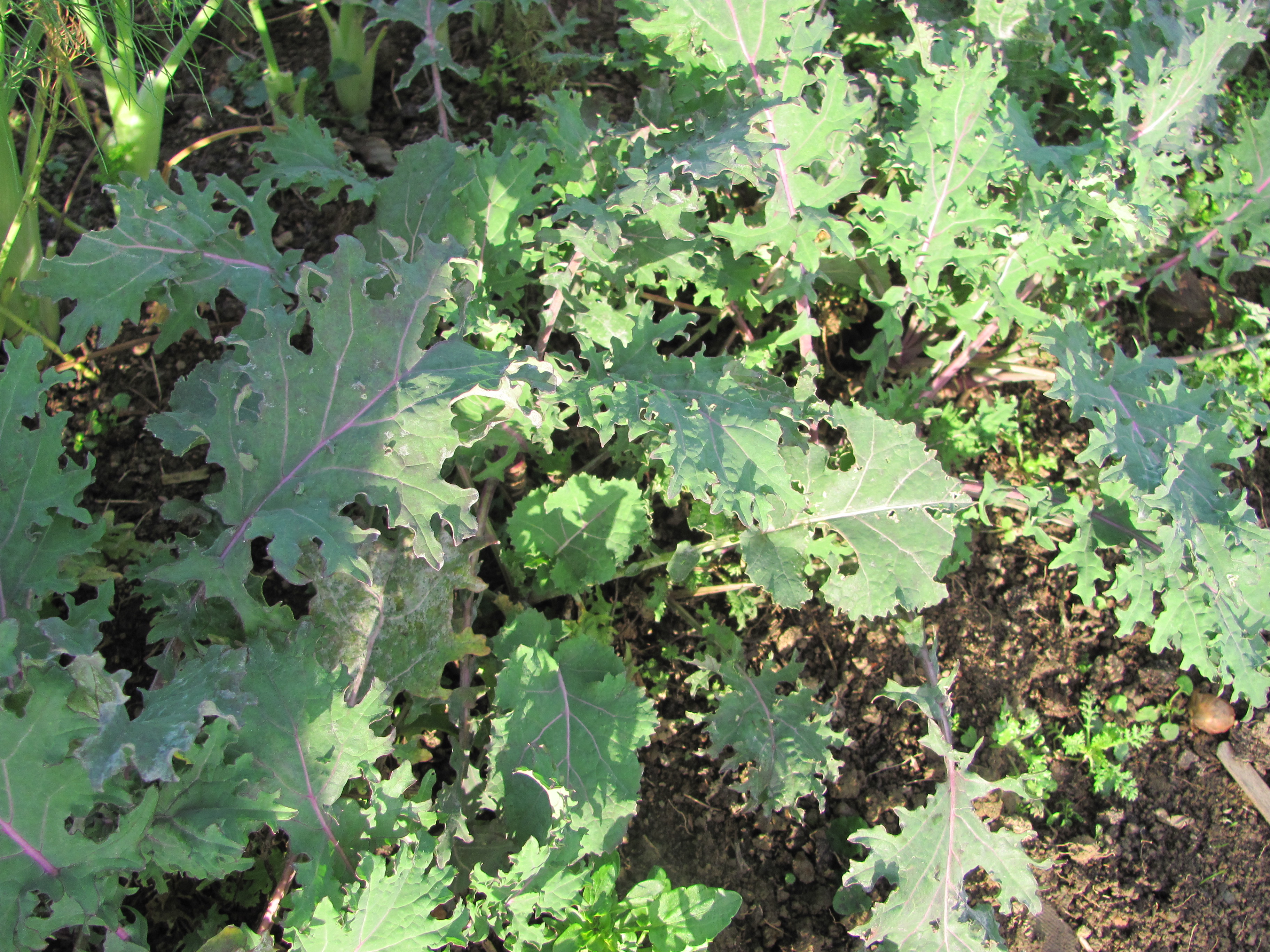
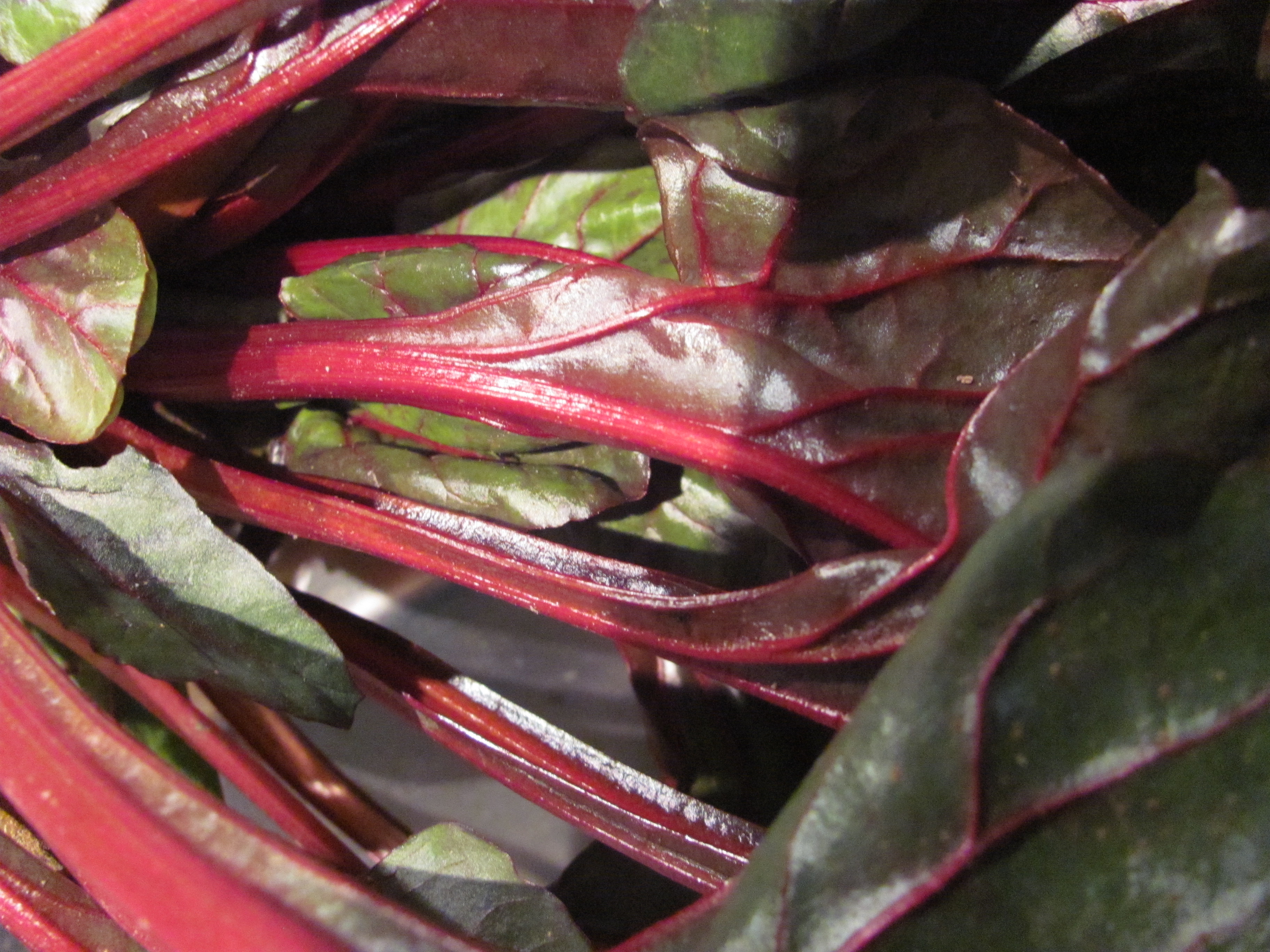
The brassica  family are not to be outdone with their contribution coming from kales. The final shot is of a bunch of chard leaves that I plucked for the chickens. The light shows the glossiness and rich red-purple colouring of the leaves and stems.

The wonderful thing about these dark colourful leaves especially those with red and purple featured in their make-up is that in addition to being good to look and tasty to eat they are also better for us than their green-leaved relatives.

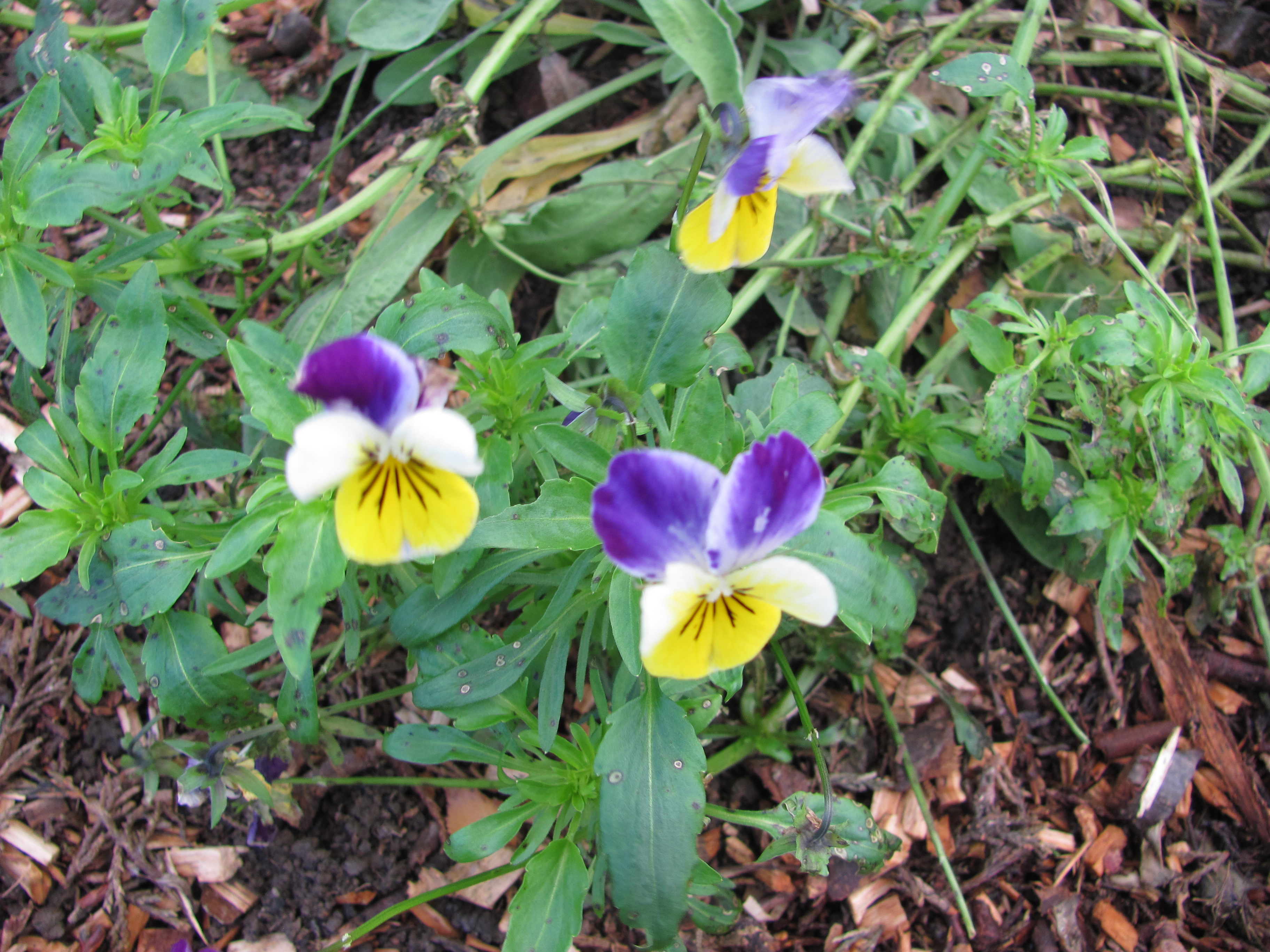
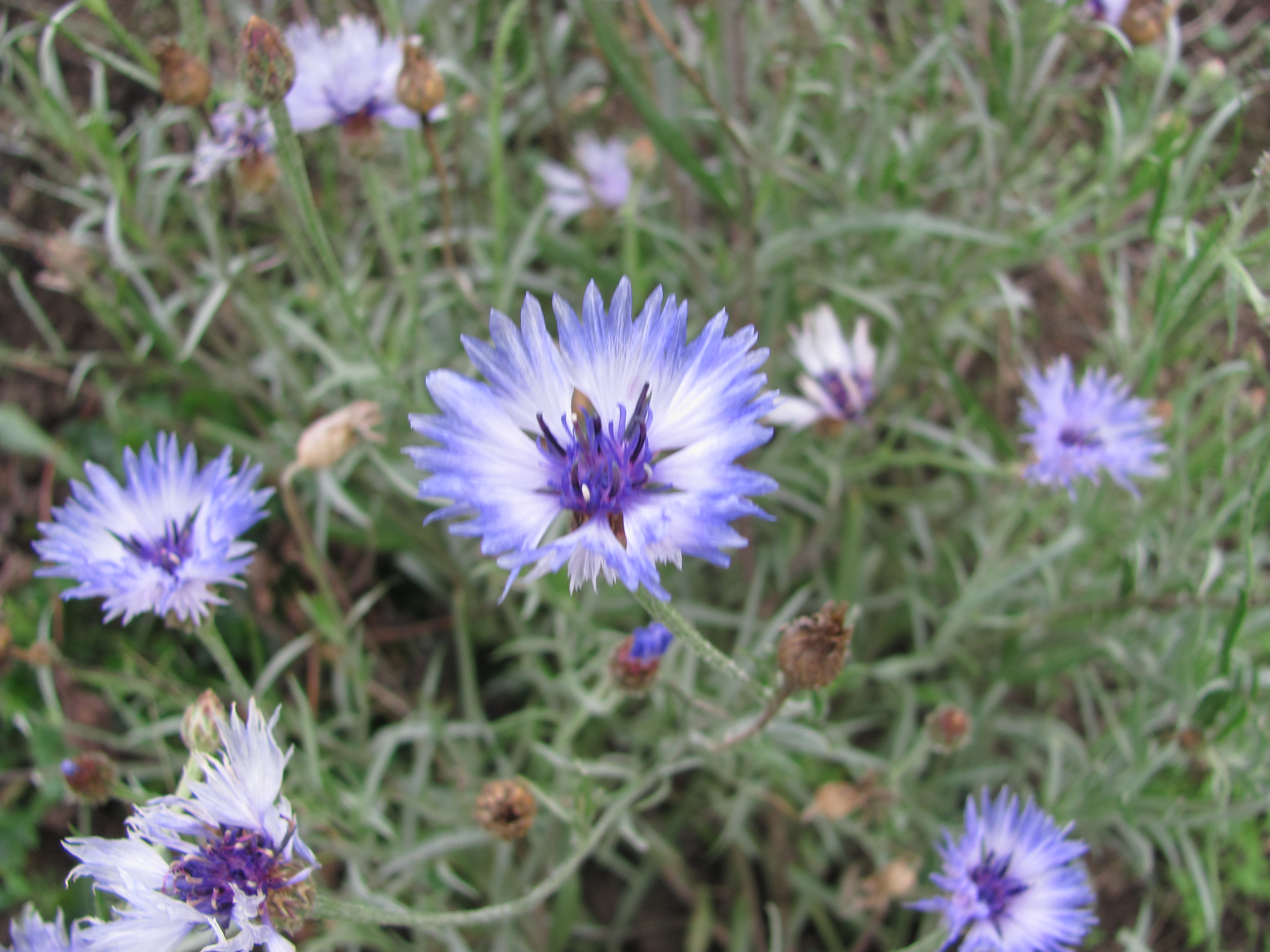
After putting away our tools and closing up our shed we took a few moments to wander around the site and see what was happening. we found surprise bonus flashes of colour. Flowers blooming out of seasons calendula and violas in the Winter Garden and a catanache the last bloom in the wildflower meadow.

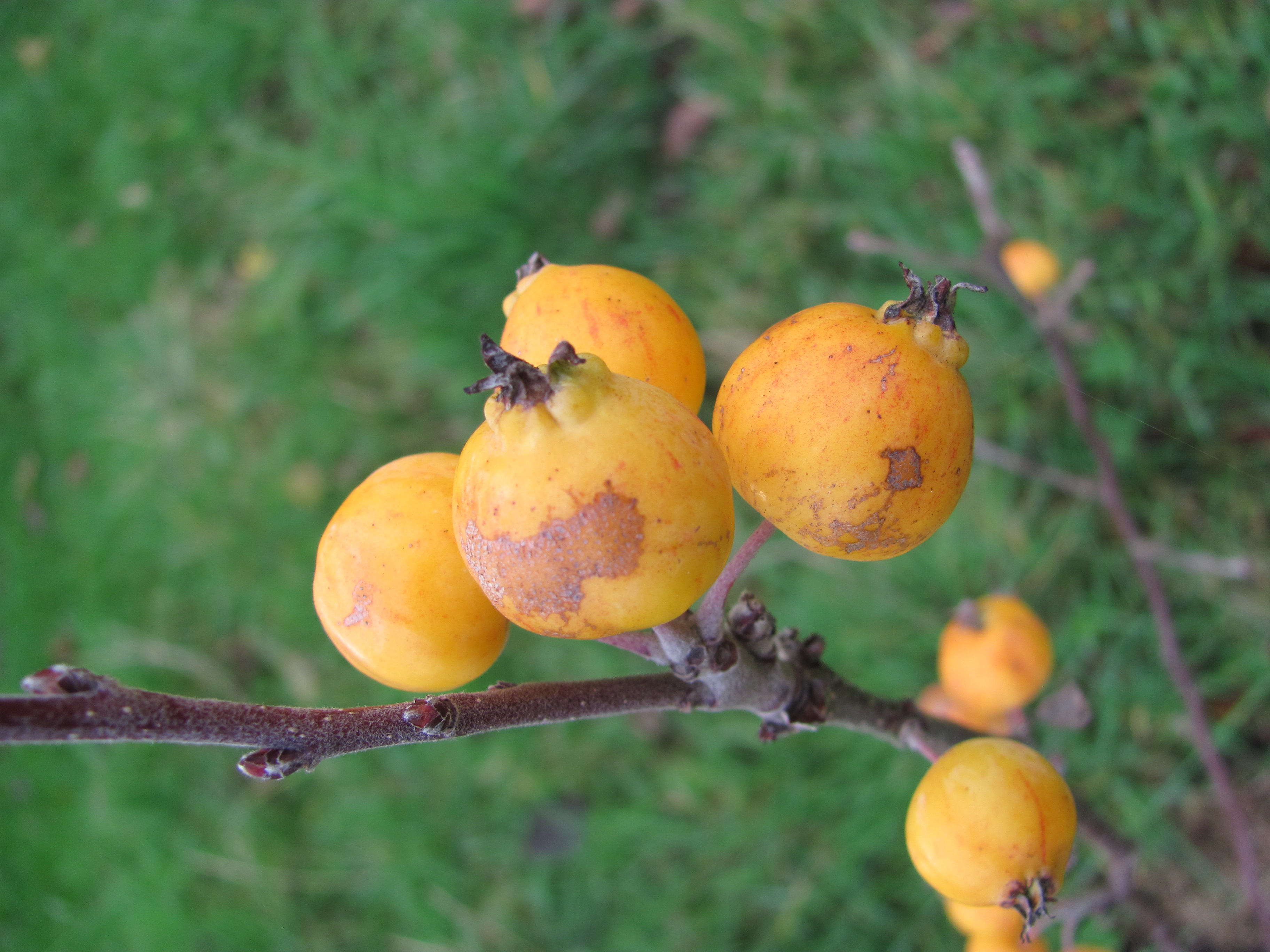
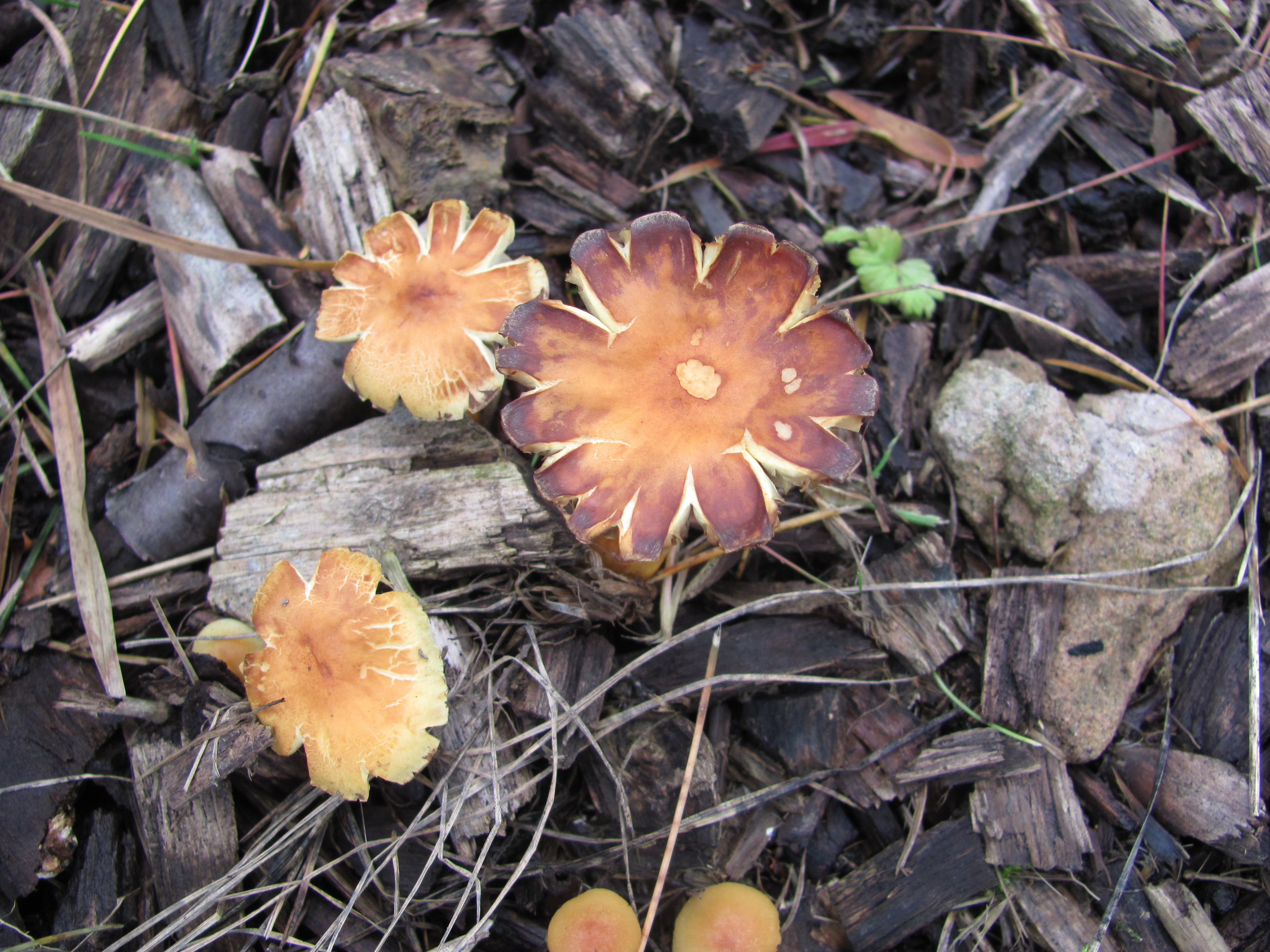
In the small orchard the yellow of the crab apple, Malus “Evereste”, glowed like beacons hanging on defying the sharp cold and strong winds. In the turf spiral maze clumps of fungi take advantage of the protection form the turves  They emerge from the bark chips we use as the walkway through the maze. They begin their life a colouful yellow but as they age their edges turn chocolate brown and they look like burnt buns until they begin to go over and dry. Then their caps split and let yellow cracks appear giving them the appearance of flowers.

Categories
allotments community gardening fruit and veg garden photography gardening grow your own

Day on the Lottie

We spent today on the lottie catching up on a few jobs and taking advantage of some sun and warmth, a December treat. We popped up for half an hour to plant 3 rose bushes owed to us from our big delivery of David Austin roses last year. So we added three Wenlock roses to our site’s community Summer Garden. The half hour became an afternoon as we planted whips of native trees and shrubs in the native hedge and “Edible Hedge”, rowan, elder, dogwood, wild cherry, cherry plum etc.

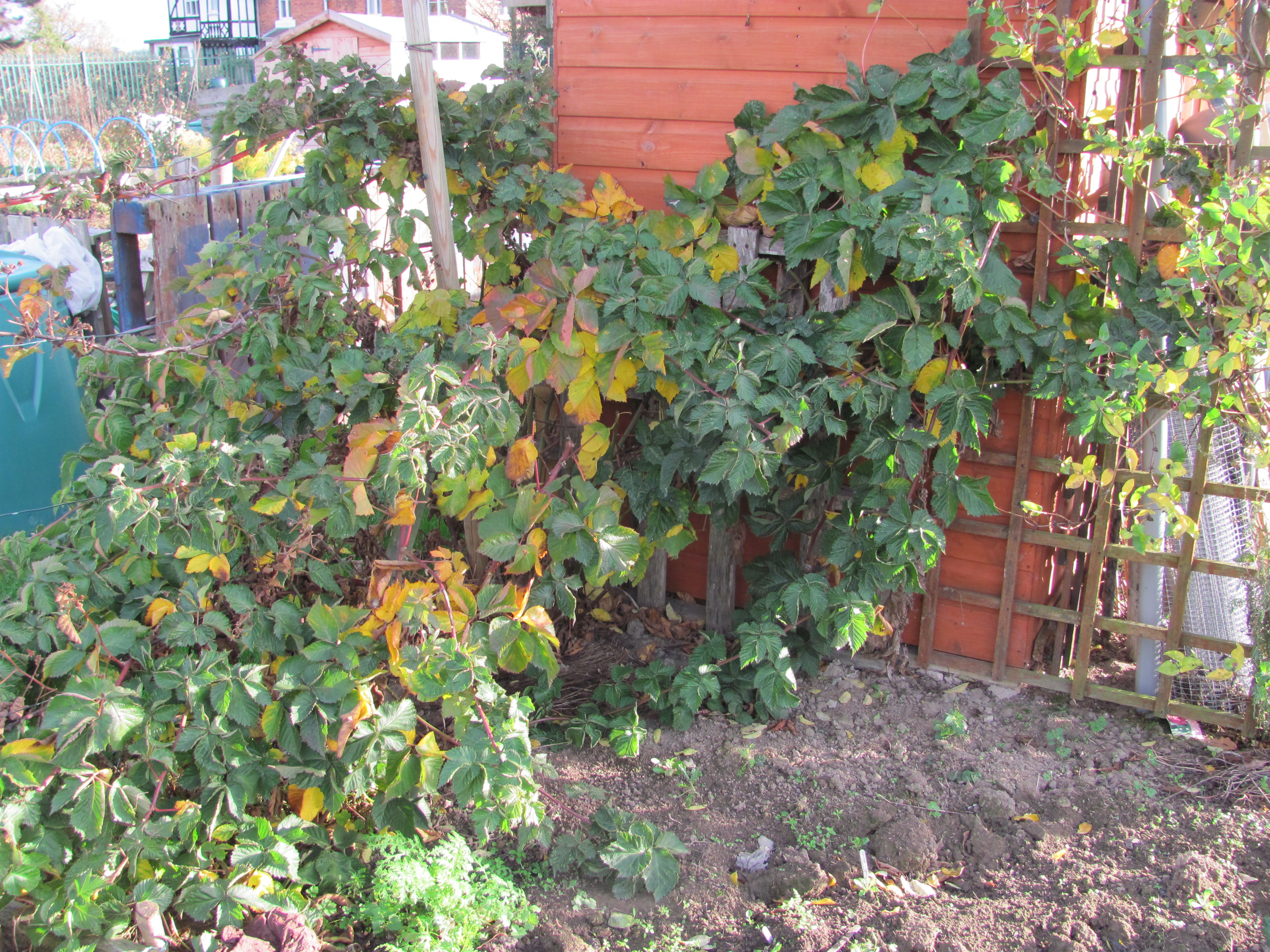
Then we turned our attention to our own lottie where the blackberry and tayberry were crying out for attention. The blackberry had put on masses of growth last year so I set to pruning out the brambles that had fruited this year and thinned out some of the new growth. Luckily it is a thornless variety. Once tied back in it all looked much more tidy and we looked at it willing it to be productive for us next year. The tayberry, although not thornless, is still a young bramble so took less work.

The Blackberry prior to pruning.
And after pruning.

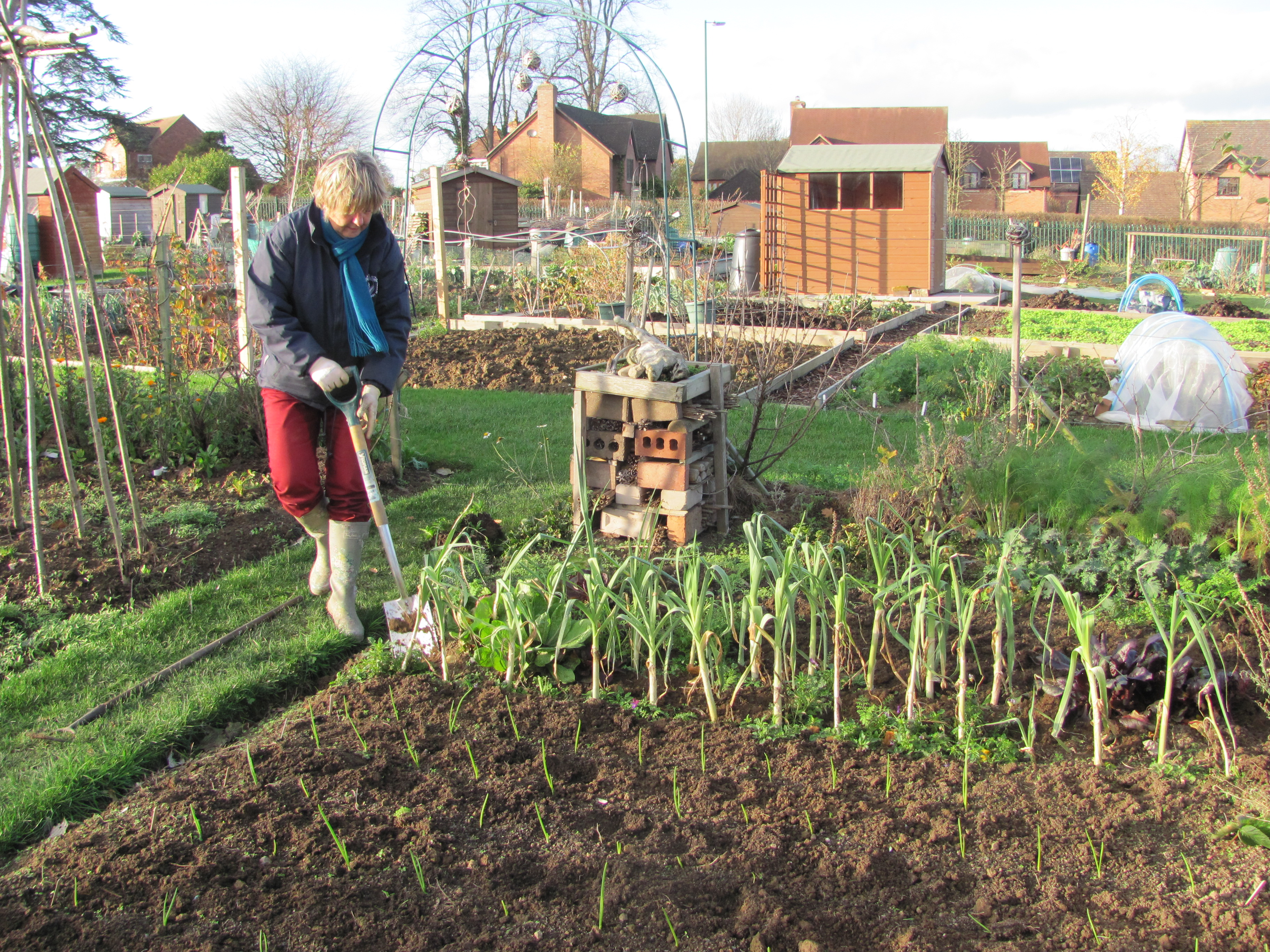
Meanwhile as I tackled the brambles, Jude the undergardener hoed between the rows of overwintering crops. This is the most efficient way of keeping an allotment plot looking tidy as well as killing any tiny seedlings even those yet to emerge from the soil.

The fresh growth of garlic, onions and shallots spear the soil and its compost topping with bright green freshness, a real treat in the winter cold. The broad beans planted in early autumn and the mooli sown in late summer add a welcome lushness of growth.
Broad bean plants patiently waiting out winter.
Moolii, the radish with white icicle roots for winter enjoyment.

Ground left bare through the winter would be thrashed by winter rains and its goodness leached out so we cover such patches with green manure such as winter tares. This year when we sowed it in early autumn the weather was so dry that germination was delayed and growth of the seedlings has been so slow that they are still small. We are hoping they will catch up if the weather allows. The Phacelia in the photo below however germinated well and has grown on healthily. It was self-sown from a patch of wildflowers sown as a bug bank.

So as we are now officially in winter and temperatures are dropping to nearer seasonal norms, the plot is looking good. Next year’s seeds are ordered as are the seed potatoes so we are well ahead of ourselves. The photo below looks through the newly pruned tayberry at the rows of leeks, mooli and broad beans.

Categories
garden design garden photography gardening

Green on Green

Garden designers often talk about colour contrasts such as blues and yellows and about how important green is as a foil for other colours. but what about two shades of green working together. Just think of the fronds of vivid green ferns bursting out from the green paddle leaves of the hosta. in her book entitled “The Gardener’s Pallette” the American garden writer Sydney Ellison wrote “In nature, green is the colour of life” and “It is the colour that makes fewest demands on the human eye.”  In most gardening books green is discussed as a foil for other colours and rarely considered as important in its own right.

I searched through photos I have taken this year that featured green for its own sake not merely acting as a foil. Here follows a selection. They prove how powerful greens are!

The grass, Hakanechloa macra , moves slowly like waves in the slightest breeze and here in Neil Lucas’ garden, look great as a sea of green for a specimen tree to burst out of. The plain green Hakanechloa often looks better than its variegated cousin but is rarely seen for sale. It deserves more recognition.

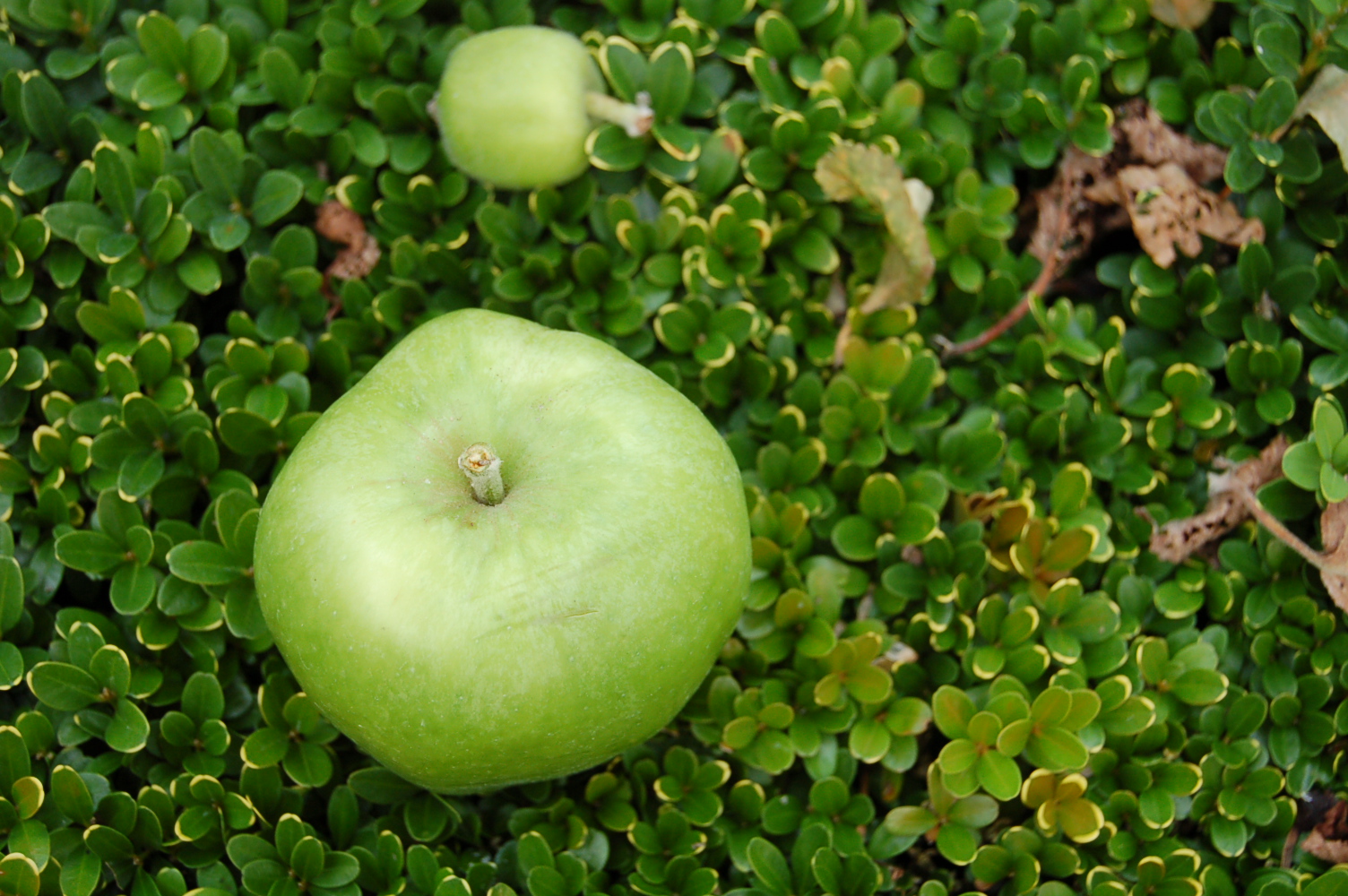
Neil’s use of the simple green sheet of grass under a tree displays brilliant design skills. This photo is the absolute opposite – an accidental paring of two contrasting greens – where a pure bright green apple has dropped onto a neatly clipped box hedge in a potager.

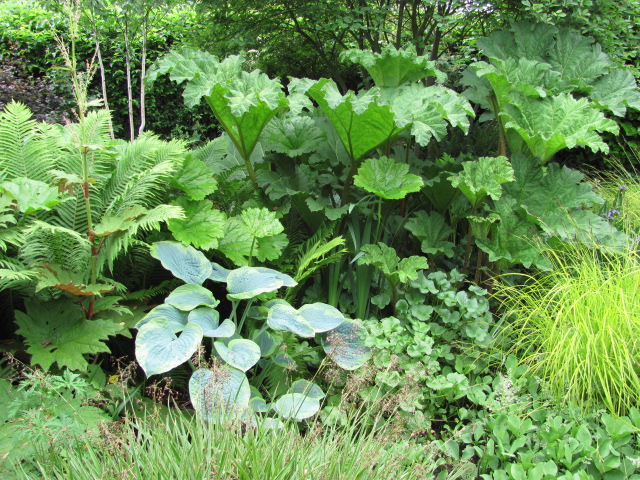
The first photo illustrated how a gardener used green so effectively, the second how an accident can produce beauty in greens and the above one shows how Mother Nature does it. Rather well methinks!

The above photo must illustrate the ultimate “green on green” border, gentle on the eye and so satisfying. Looking at green as a key colour in the garden now on the first day of winter makes you feel better. Just think of all the green we can look forward to!


Categories
arboreta autumn garden photography National Trust ornamental trees and shrubs trees wildlife

Woodland Walk – The new woodland walk at Attingham Park

We arrived at Attingham Park, the closest National Trust property to home, for a coffee and wander in the woods, to discover a sign announcing that a new woodland walk was now open. We had to try it out even though it was a miserable looking day. But once in the wood it didn’t matter what the weather was up to as the sky was hidden by the towering trees. The local bird life however didn’t appreciate the weather for they were virtually absent and almost silent, bar Wood Pigeons flying over the tree tops and small flocks of tits moving rapidly through the branches. The one ornithological treat was being surprised by a Treecreeper that swooped down onto the bottom of the tree trunk alongside us and scuttled its way upwards. It seemed totally unaware of our presence.

An inviting sight.

Lovely rustic seats gave frequent and welcome resting places. The seats were made from logs and slabs of wood felled from the park. The path was soft and relaxing to walk on being surfaced with pine needles or just deep woodland debris. Our footsteps were thus quiet and did not disturb the woodland peace.

A carpet of leaves underfoot and tall trunks on all sides called us onwards deeper into the Attingham Park woods. Logs and branches of all sizes were left in piles to attract and give shelter to insects, including the Lesser Stag Beetle which frequent the understory.

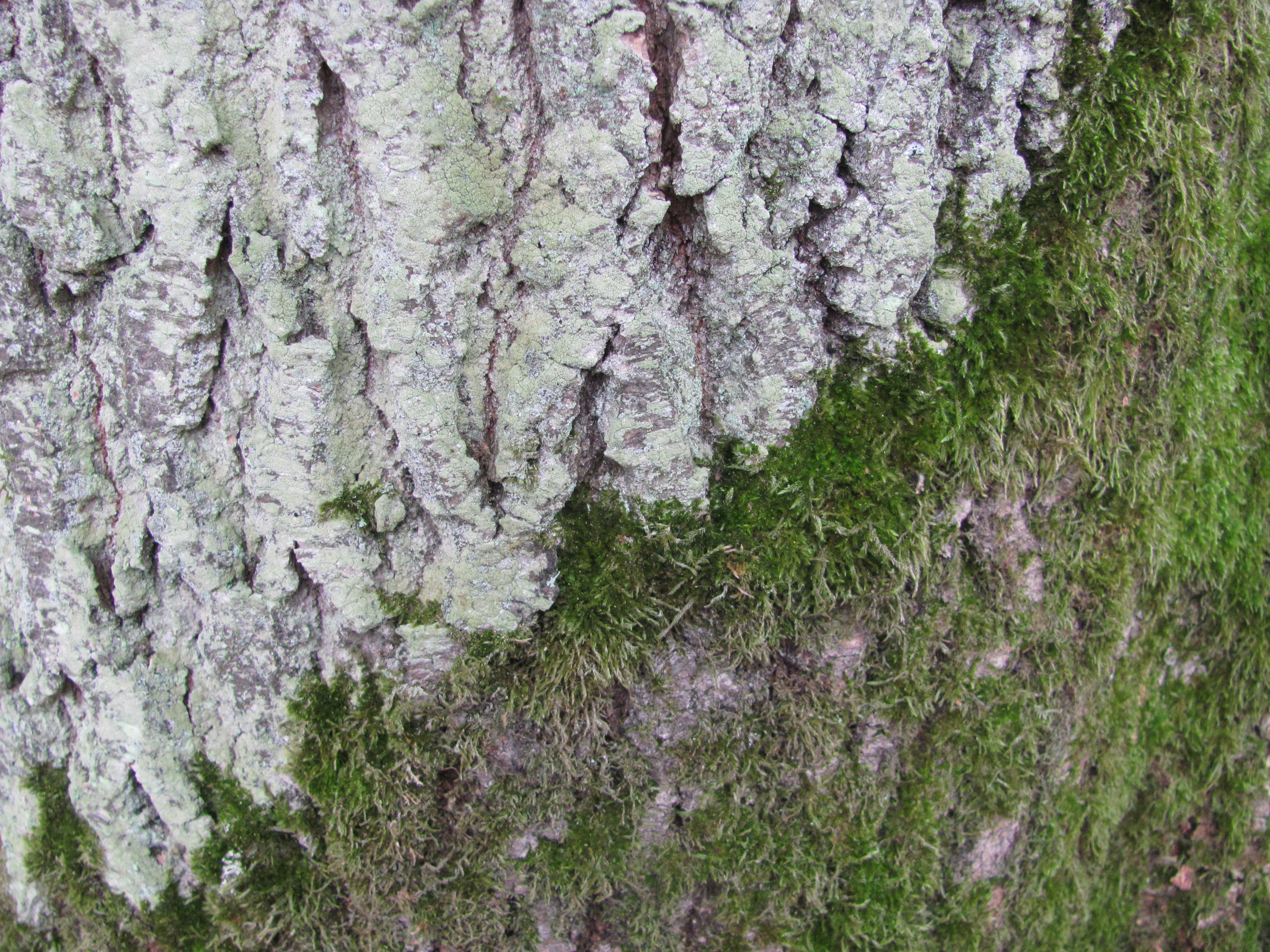
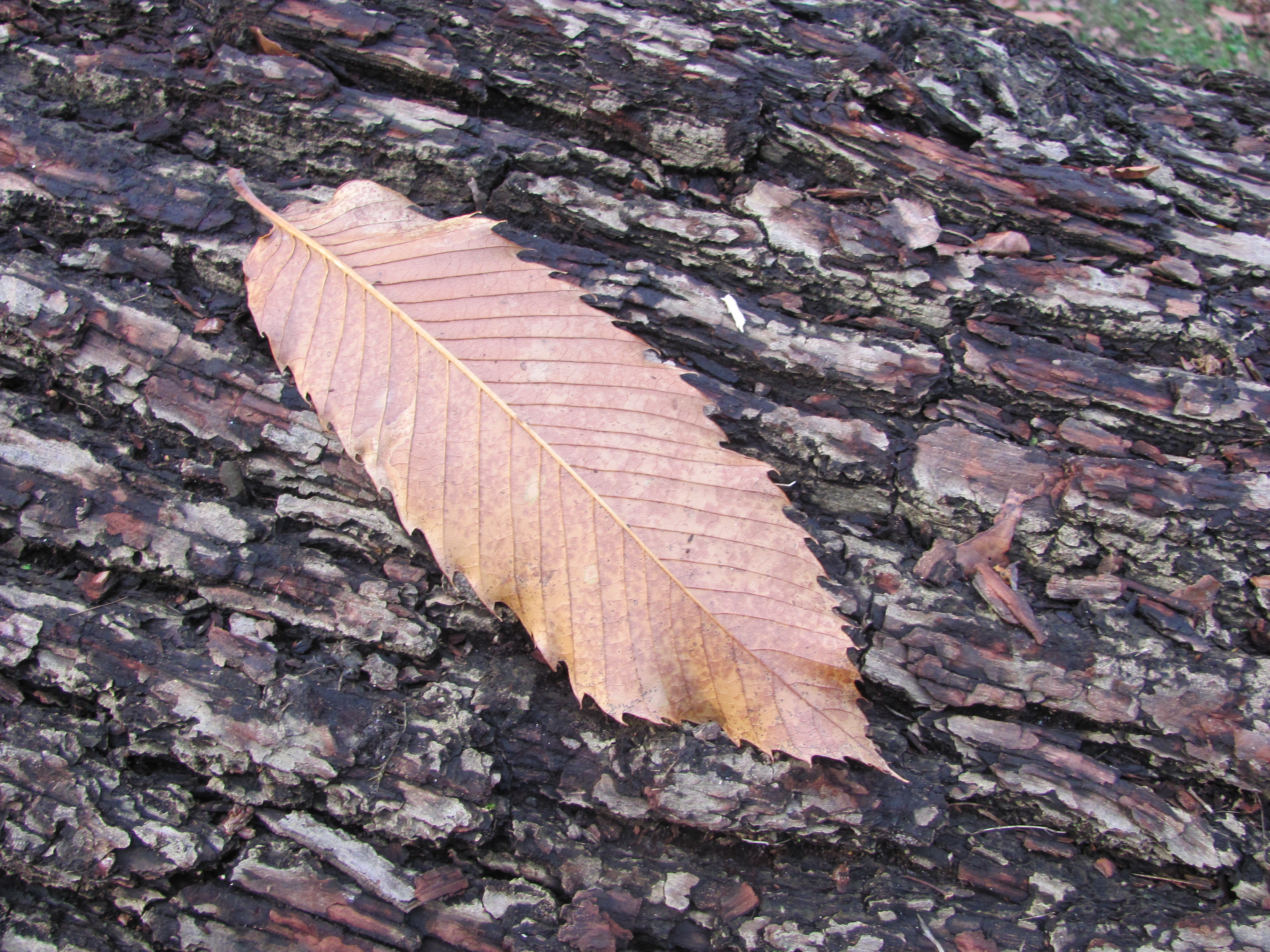
As the colours were so muted under the greyness of the cloud cover, the most striking feature of our walk was the textures found in live and dead wood. Mosses and lichens carpeted stumps and felled trunks with silvers and greens, and the spent dried leaves had settled onto rough textured bark.

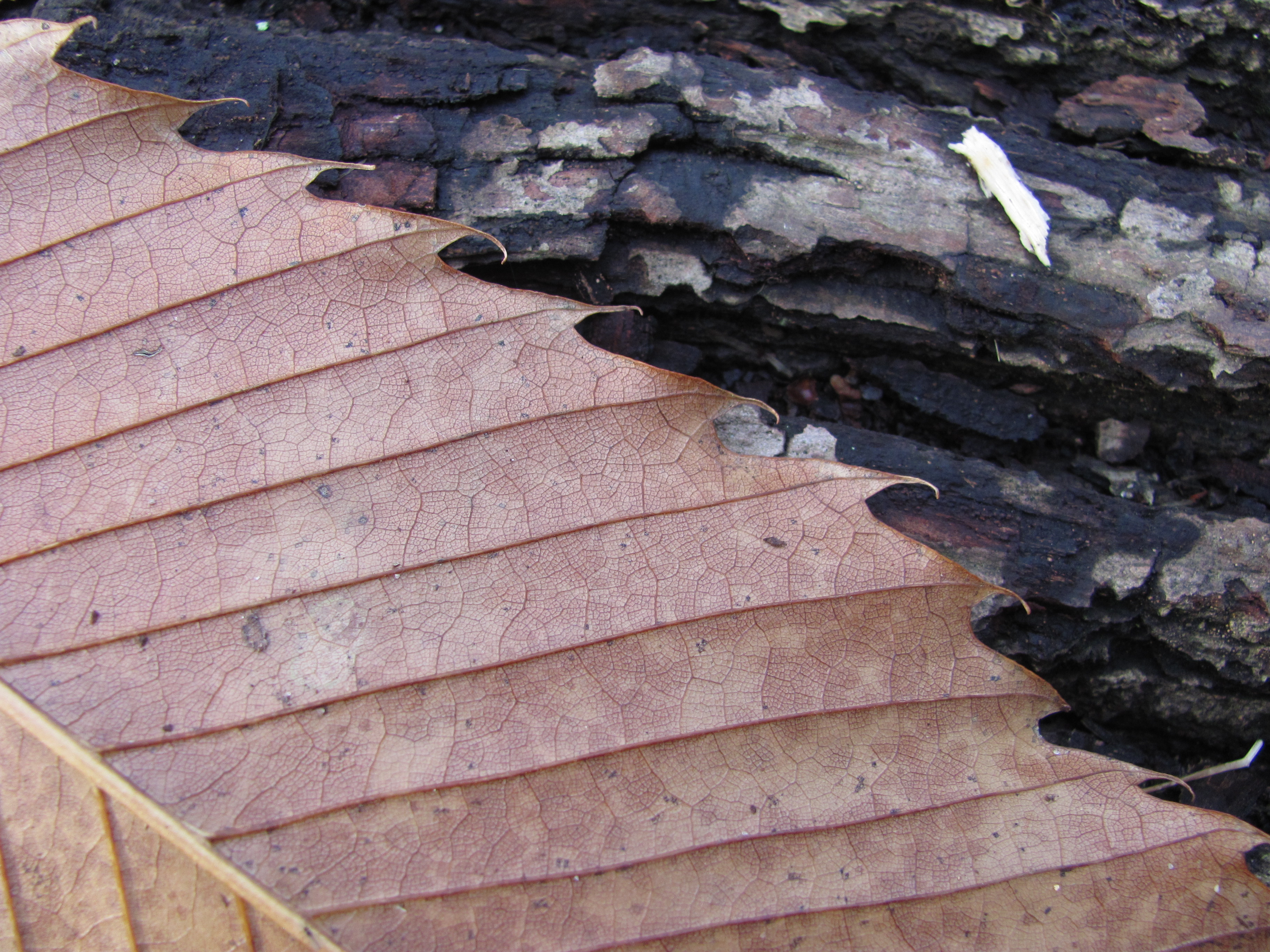
Sweet Chestnut leaf and bark.

This orange oak leaf  rested on a fallen tree, its orange matching perfectly the spots of the Coral Spot fungus. Amazing juxtaposition!

Categories
garden photography gardening ornamental trees and shrubs shrubs

Gardening in autumn sunshine, listening to Bob Brown and buying an unknown plant.

This must have been a near perfect day for any gardener – a morning spent in the garden under autumn sunshine, listening to a talk by Bob Brown in the afternoon and then buying one of his plants, a plant new to me.

Bob is a most entertaining speaker, full of information, humour and original thoughts and ideas. It was when we got our plant home I first noticed the wording on the bag that held our buddleja. At the top it said “I’ve found It! and below that “Bob Brown’s Nursery” and a nice clear map. If you have ever tries to find his Cotswold Cottage Flowers (www.cgf.net) you will understand the need for the map and the meaning of the comment.

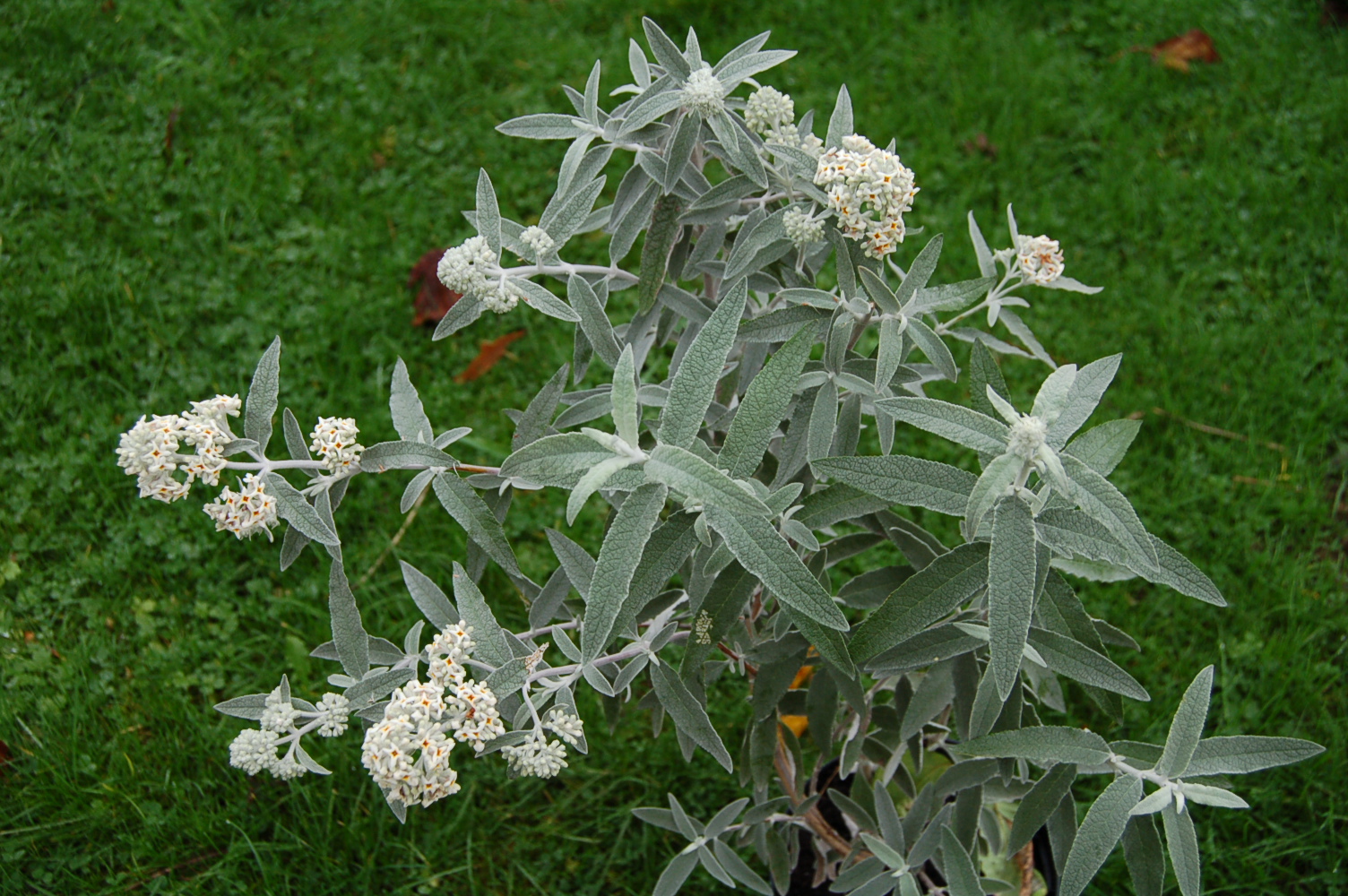
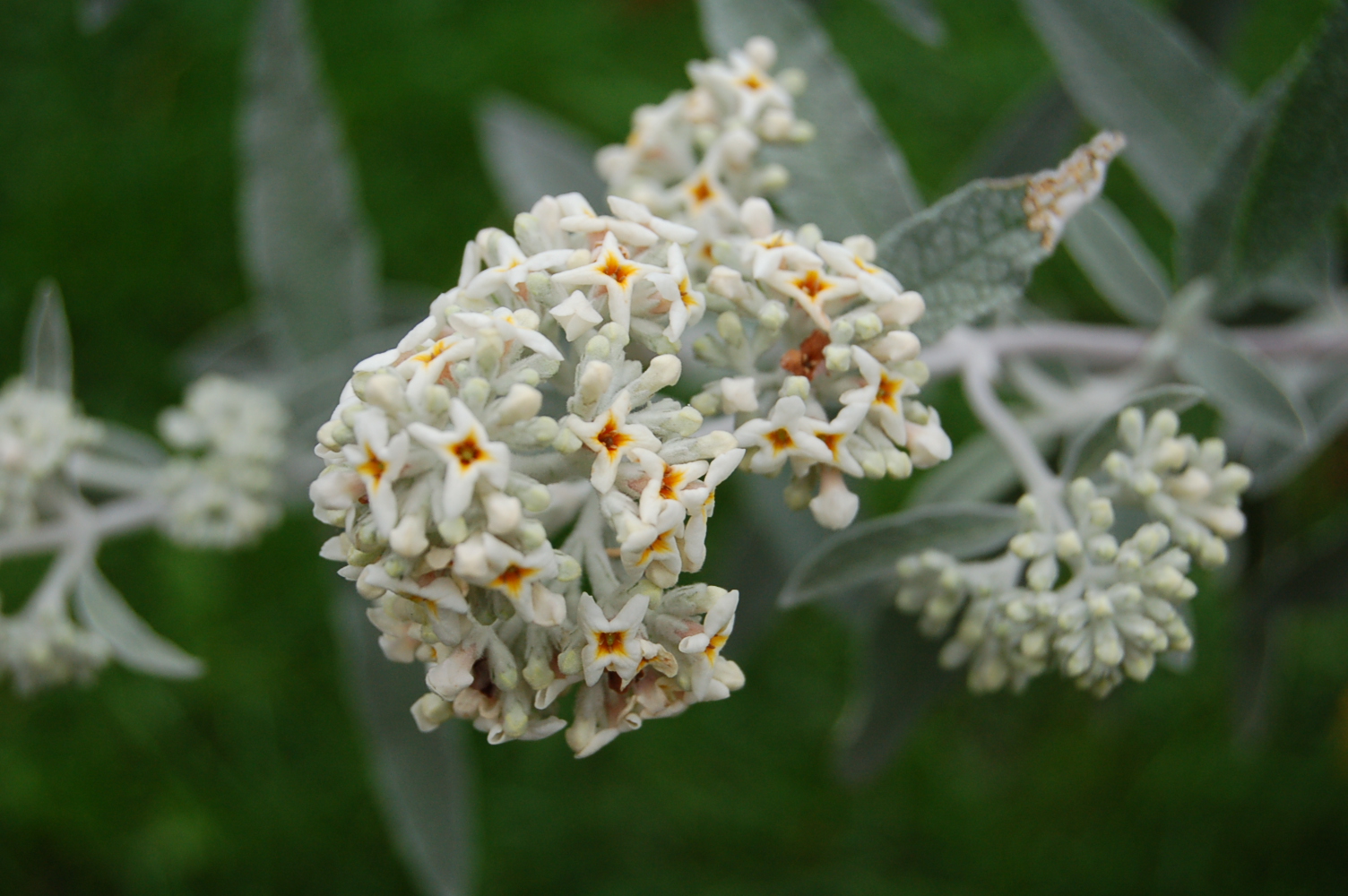
Buddleja “Morning Mist” is a cross between Buddleja crispa and Buddleja loricata. Although these parents are not hardy the cross is reputed to be a good hardy little shrub. It grows into a neat metre high dome with silver foliage which is white on the underside, white soft furry stems and silver flowers with mustard centres. And it is scented with the aroma of honey! And it flowers most months of the year! A perfect plant?

Mustard yellow centres add a sparkle of colour to the beautifully scented flowers. Turn the silver leaves over and the undersides are pure white and covered in gentle white fur.

So, there it is, Buddleja “Morning Mist”. could it be the perfect garden plant. We look forward to finding out.

This Veggie Life

A Vegetarian | Nature Lifestyle Blog

Rambling in the Garden

.....and nurturing my soul

The Arch City Gardener

Journeys In St. Louis Gardening and Beyond

Garden Dreaming at Châtillon

Consult the genius of the place

Storyshucker

A blog full of humorous and poignant observations.

gardeninacity

Notes from a wildlife-friendly cottage garden

PlayGroundology

...an emerging social science

The Official Blog of British Wildlife

'The most important and informative publication on wildlife of our times' - The Independent. This blog is a member of The UK & Ireland Natural History Bloggers group: www.uknhb.blogspot.com

iGrowHort

Inspire - Cultivate - Grow Native Plants - Restore Landscapes

Bishops Meadow Trust

To create and protect a semi-natural wild space for the people of Farnham to enjoy and experience an array of British wildlife in our town

Gardening with Children

The www.gardeningwithchildren.co.uk Blog

UKbirdingtimeline

birding through the seasons, why birds matter and how to conserve them

NATURE WALKER

with a camera in hand

Jardin

Transform your outdoor space

Eva's space

My allotment, cooking and other interests

Old School Garden

my gardening life through the year

LEANNE COLE

Trying to live a creative life

fromacountrycottage

trying to live as lightly as possible on our beautiful planet

Good Life Gardening

Nature lovers from Leicester living the good life.

mybeautfulthings

Finding the beautiful in the everyday

mawsonmichelle

Michelle's Allotment

In and Out of My Garden

thoughts from and about my garden

Greenhousing

Big plans for a small garden

The Scottish Country Garden

A Walled Country Garden in South East Scotland

The Fruity Chicken

Life at the fruity chicken

willowarchway

Off grid living. Self sufficient. "PERMAGANICS RULE".

St Anns Allotments

Nottingham's Grade 2* Listed Allotments and Community Orchard

Manifest Joy Harvests

a journey in suburban vegetable gardening

Allotmental

The madness of growing your own

Penny's Garden: a harvest beyond my front door

A novel approach to vegetable gardening

arignagardener

Sustainable living in the Irish countryside.

NewEnglandGardenAndThread

Master Gardener, amateur photographer, quilter, NH native, and sometimes SC snowbird

dianajhale

Recent work and work in progress and anything else that interests me

planthoarder

a chaotic cottage gardener

Lens and Pens by Sally

a weekly blog that creates a personal philosophy through photographs and words

Dewdrops and Sunshine

Stories from a sassy and classy Southern farmbelle.

The Pyjama Gardener

Simple Organic Gardening & Seasonal Living

gettin' fresh!

turning dirt into dinner

JOY...

today the world is created anew

Garden Birds

Notes from a Devon garden

ShootAbout

Life Through The Lens

Adapting Pixels

A photography blog showcasing the best photography pictures and videos on the internet

Wildlifegardening's Blog

Just another WordPress.com site

naturestimeline

personal observations from the natural world as the search continues for a new approach to conservation.

LATEBLOOMERBUDS

The Wonders of Life through my Eyes, my Heart, my Soul