Categories
arboreta colours garden photography gardening gardens gardens open to the public ornamental trees and shrubs outdoor sculpture sculpture trees woodland woodlands

A Devon Garden with Betulas – Part 3

Welcome back to Stone Lane Garden in Devon for part three of the report of our visit.

2016 02 03_8352 2016 02 03_8373-1

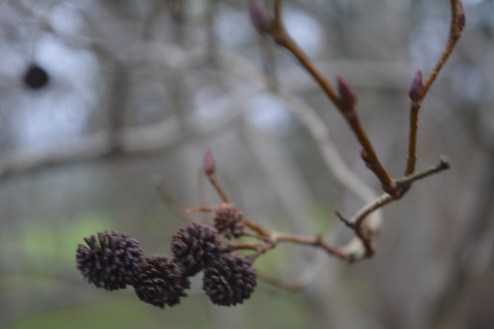
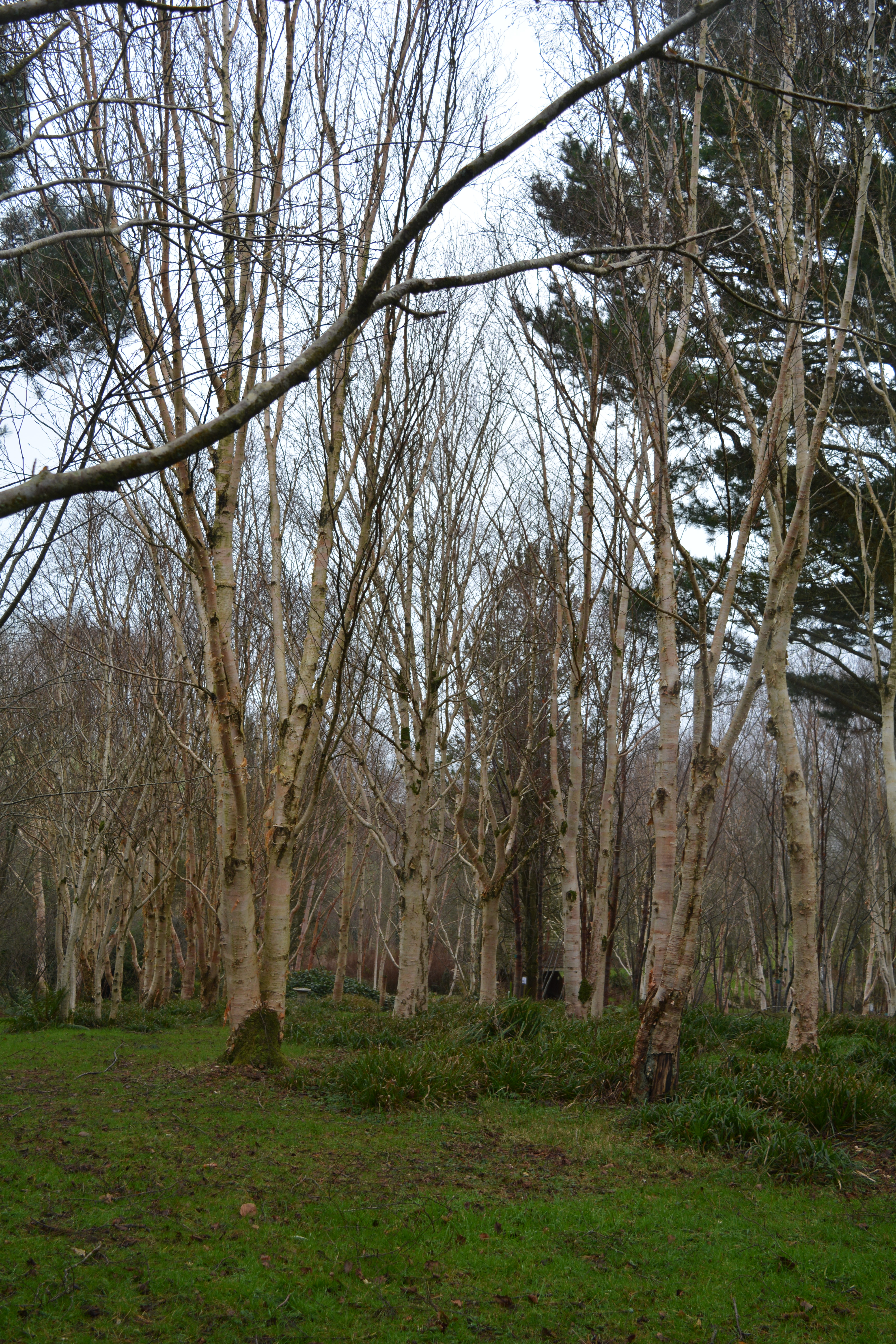
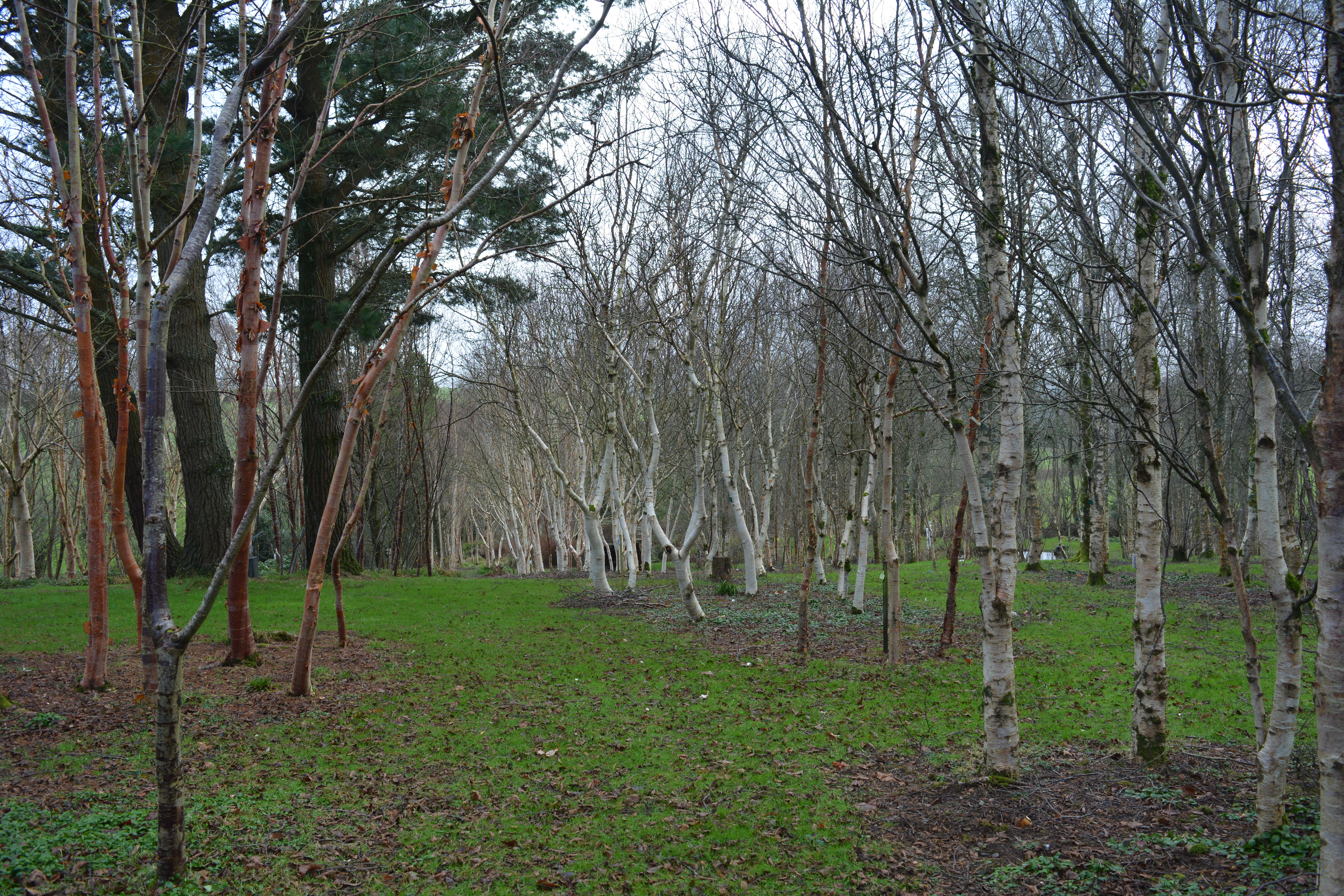
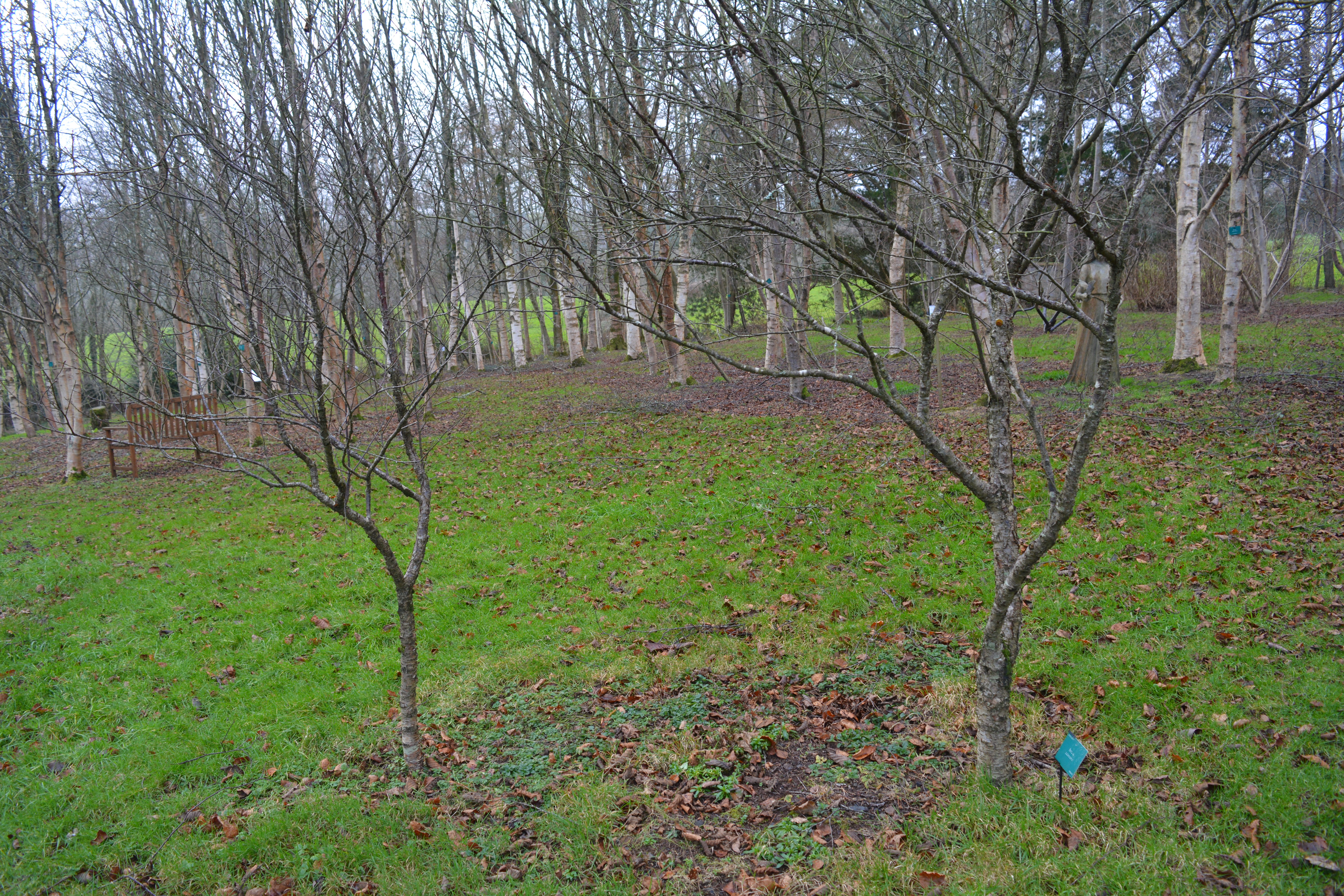
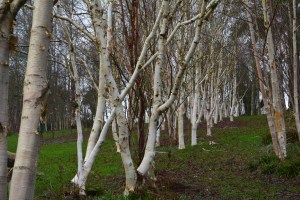
We continued our meanderings along the grass, wood chip and gravel paths through the woodlands that are home to the incredible National Collections of both Betulas and Alnus.

2016 02 03_8357

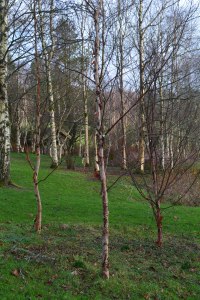
Ken Ashburner owner and gardener at Stone Lane collects seeds and plants on his plant hunting travels, so when he plants a grove of a variety there are lots of interesting variations to enjoy.

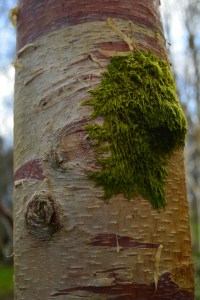
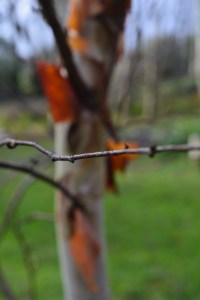
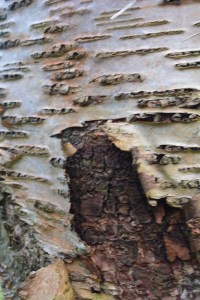
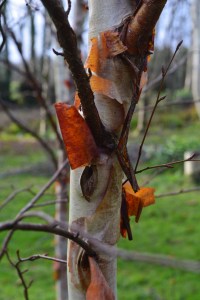
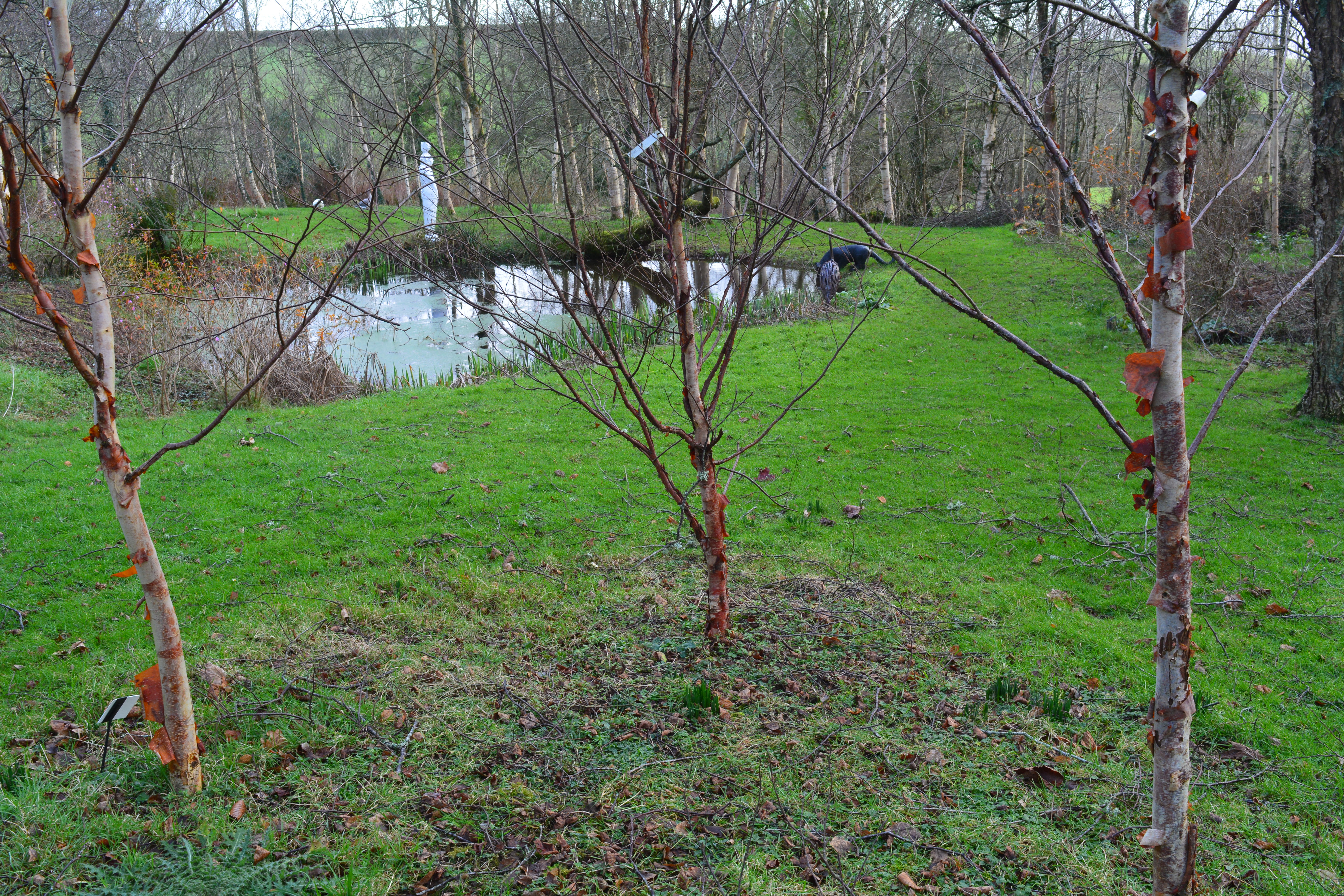
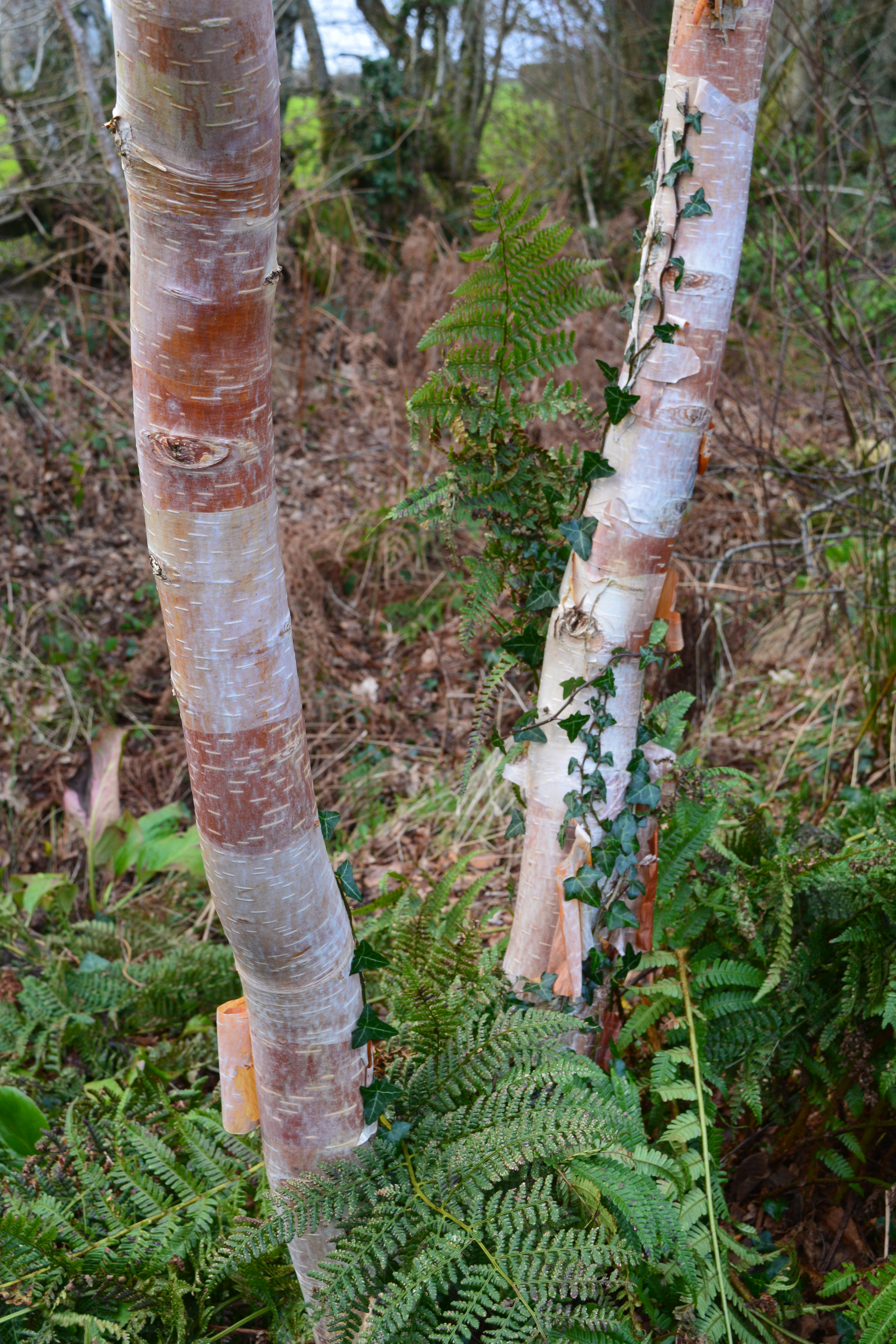
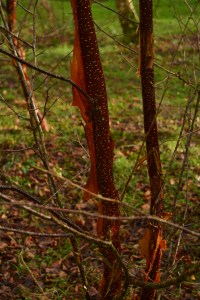
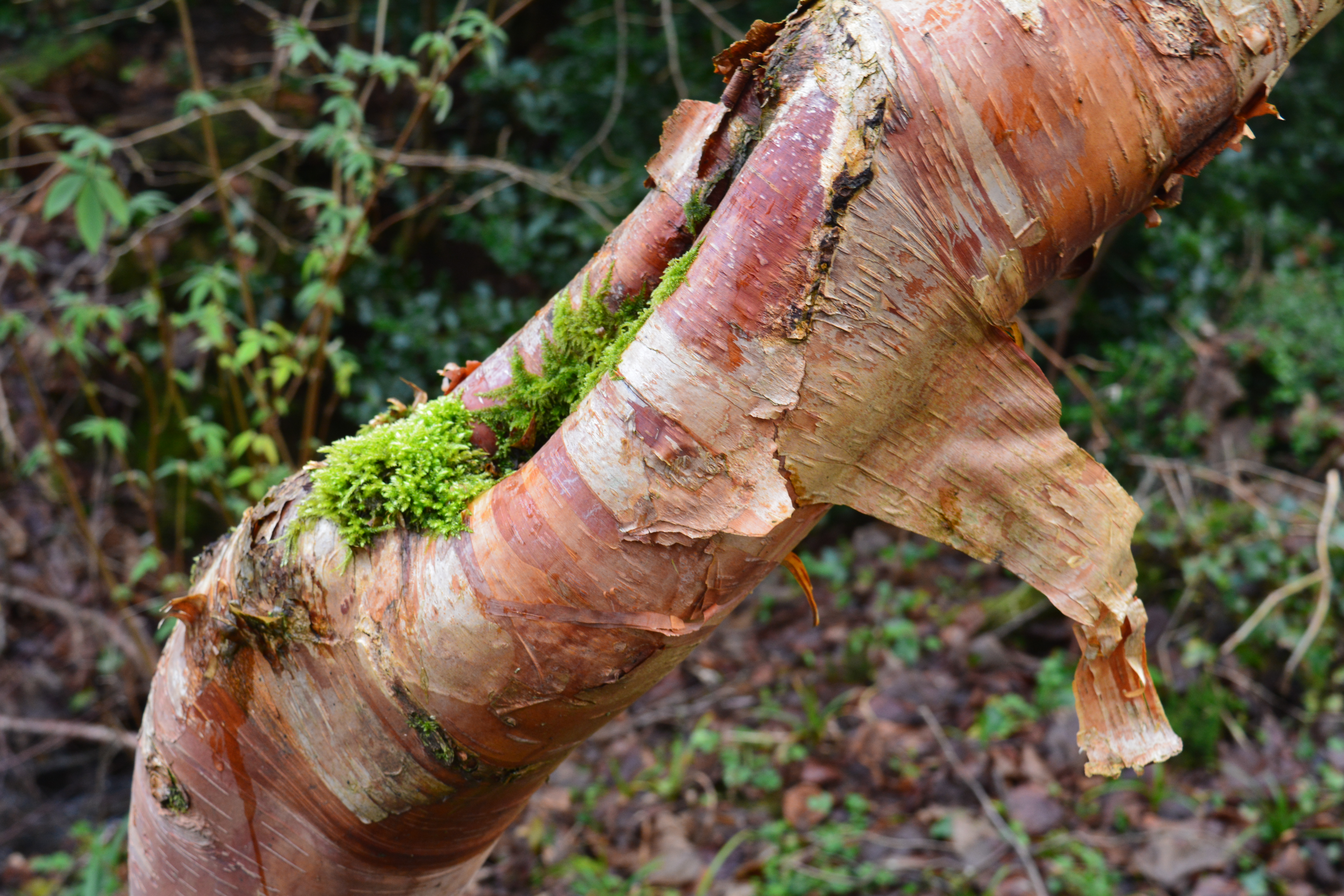
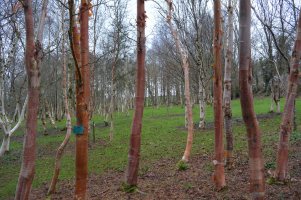
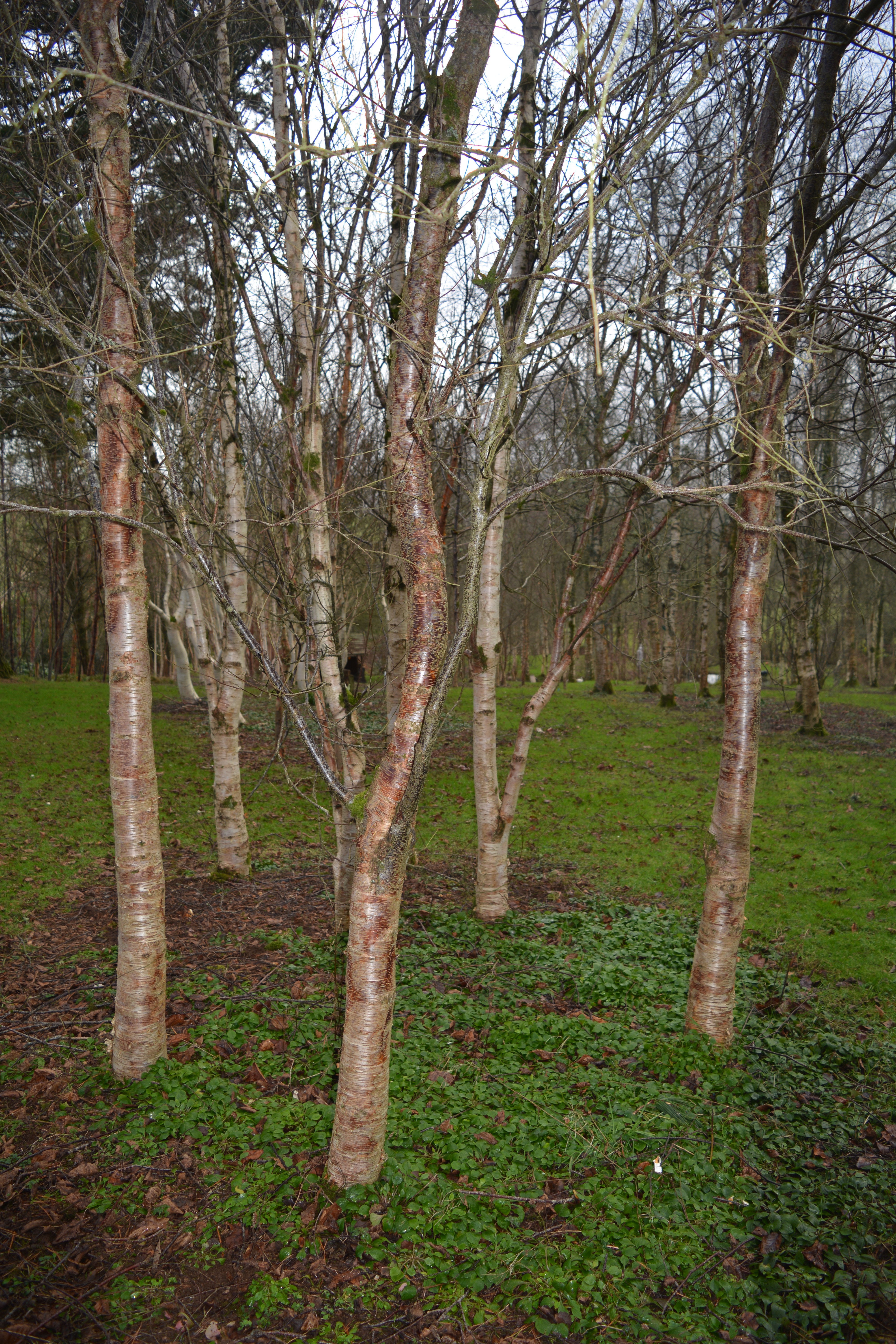
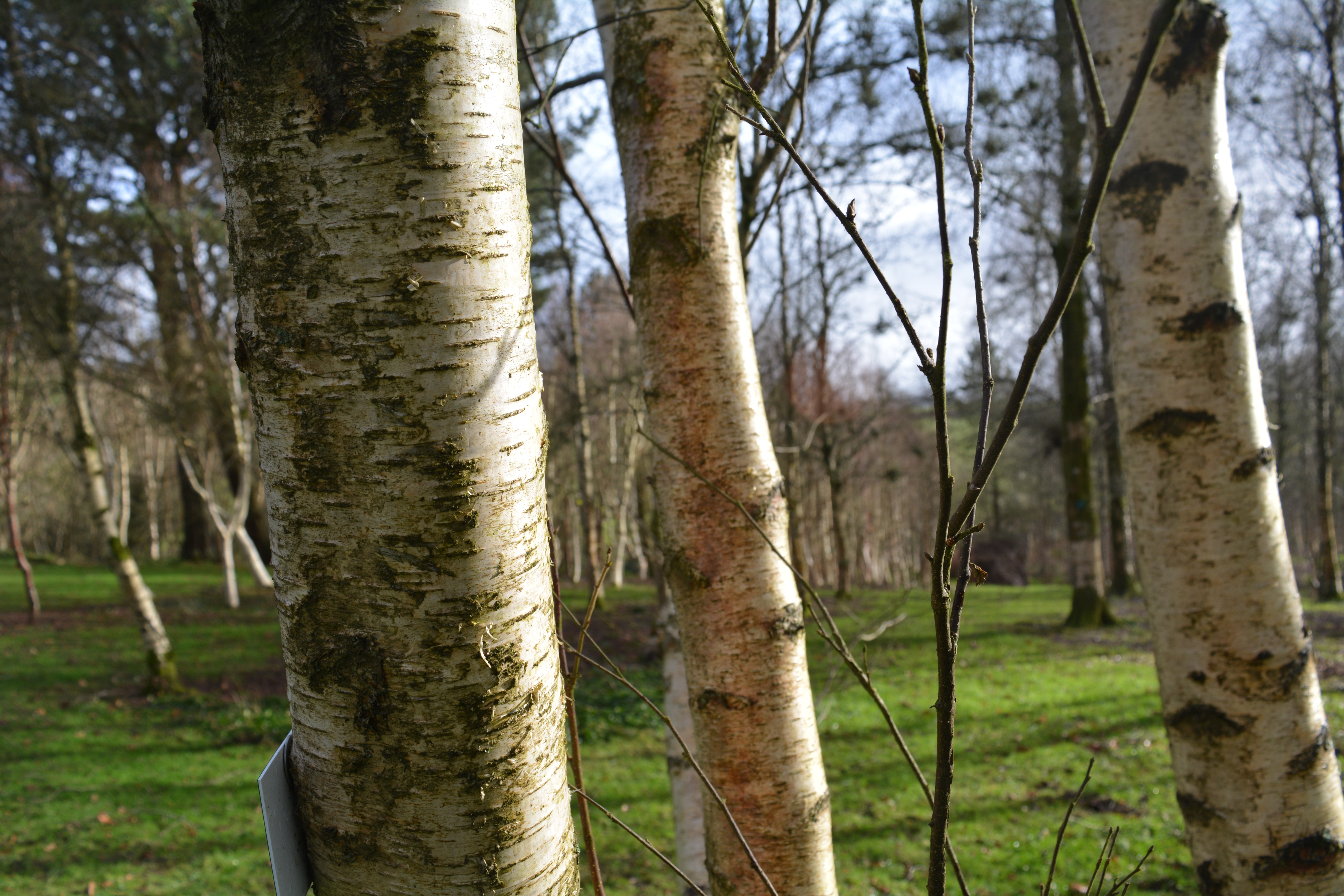
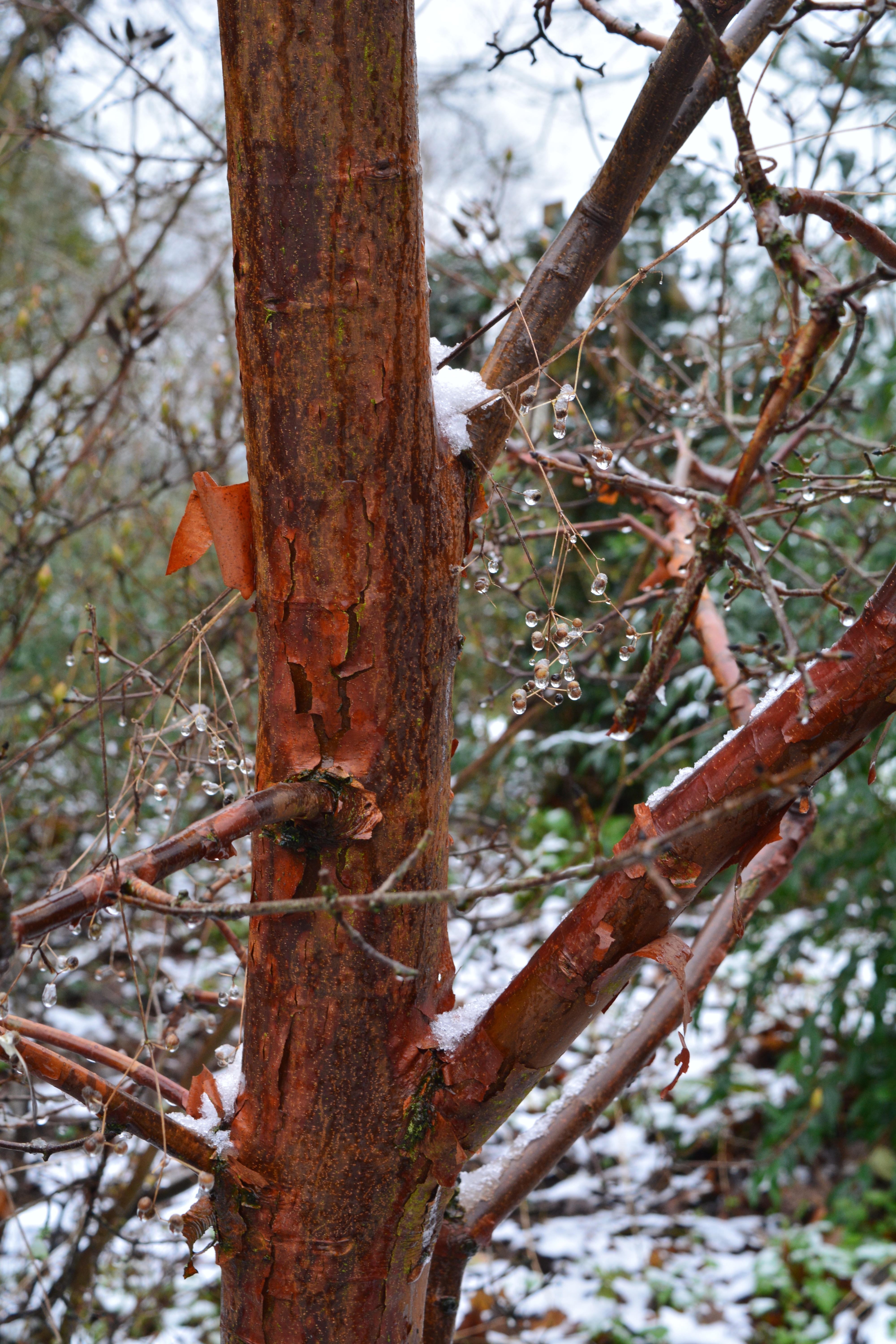
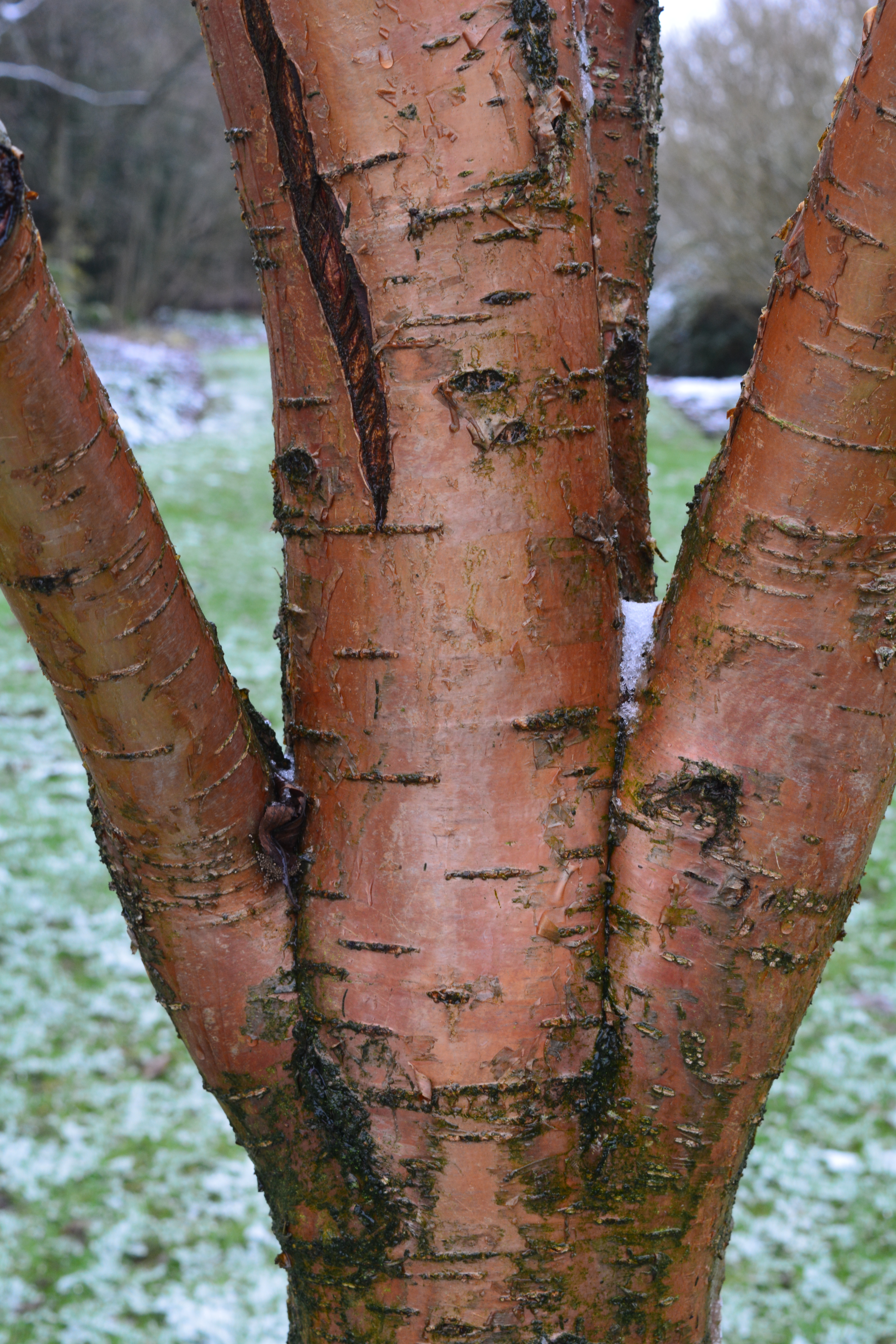
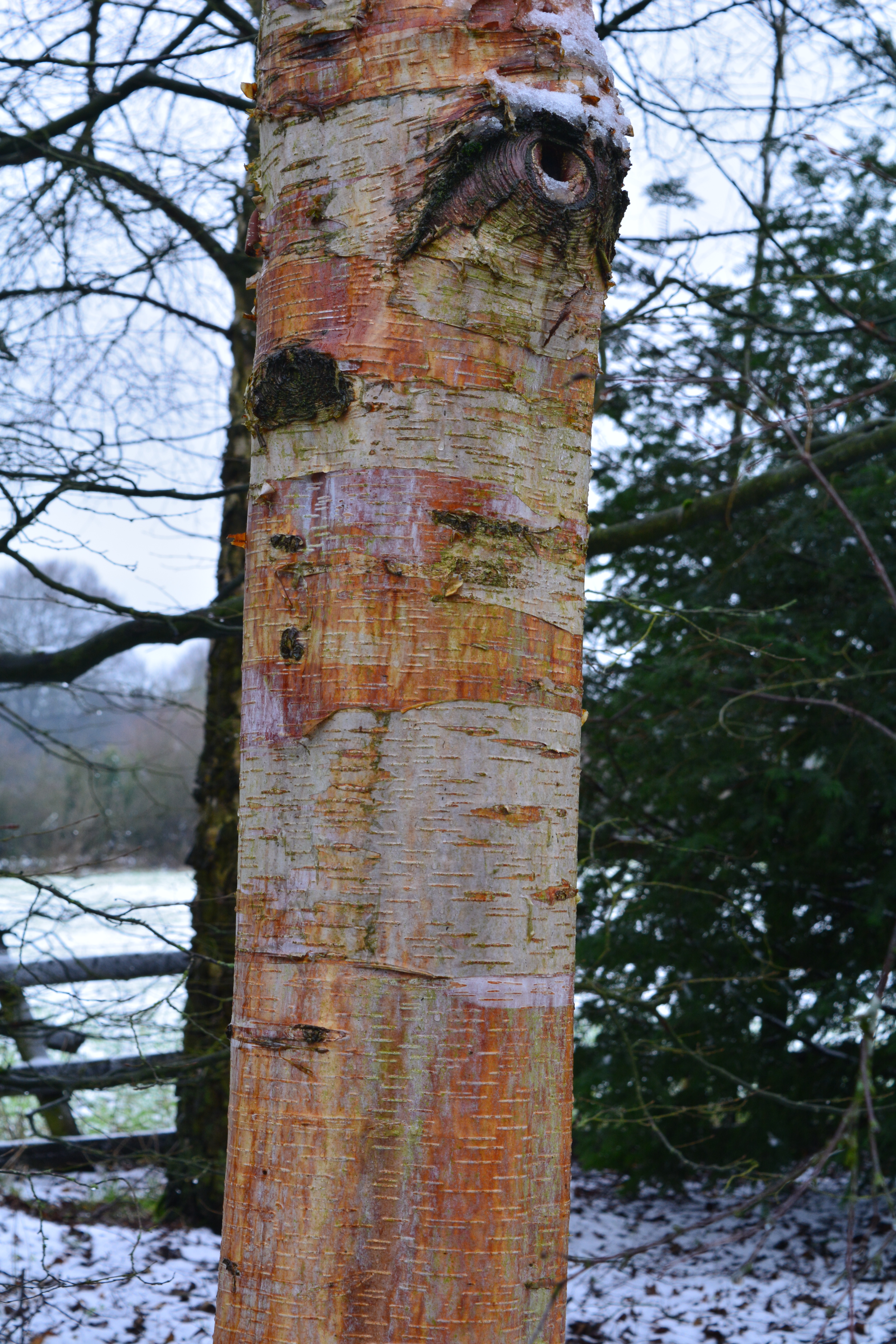
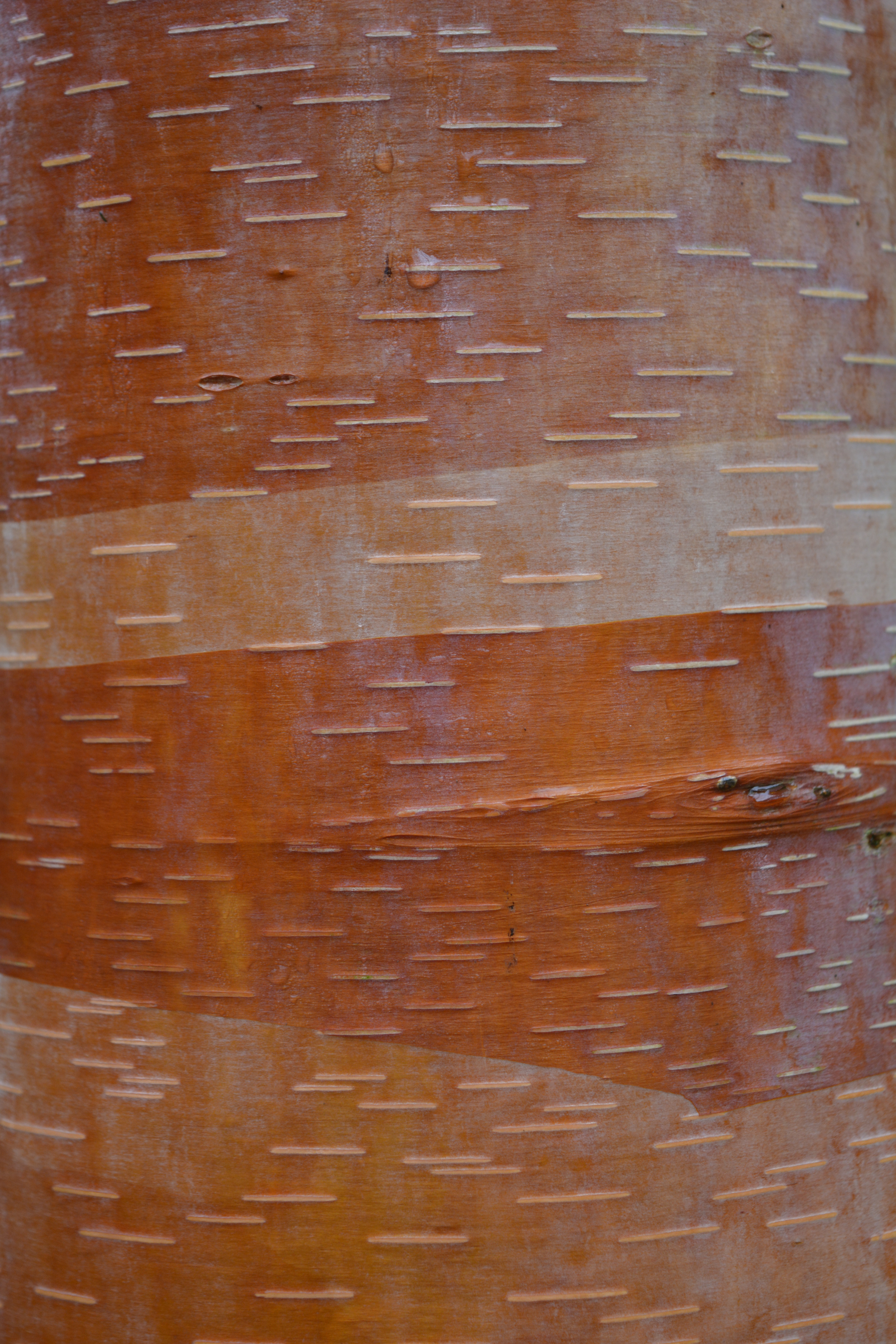
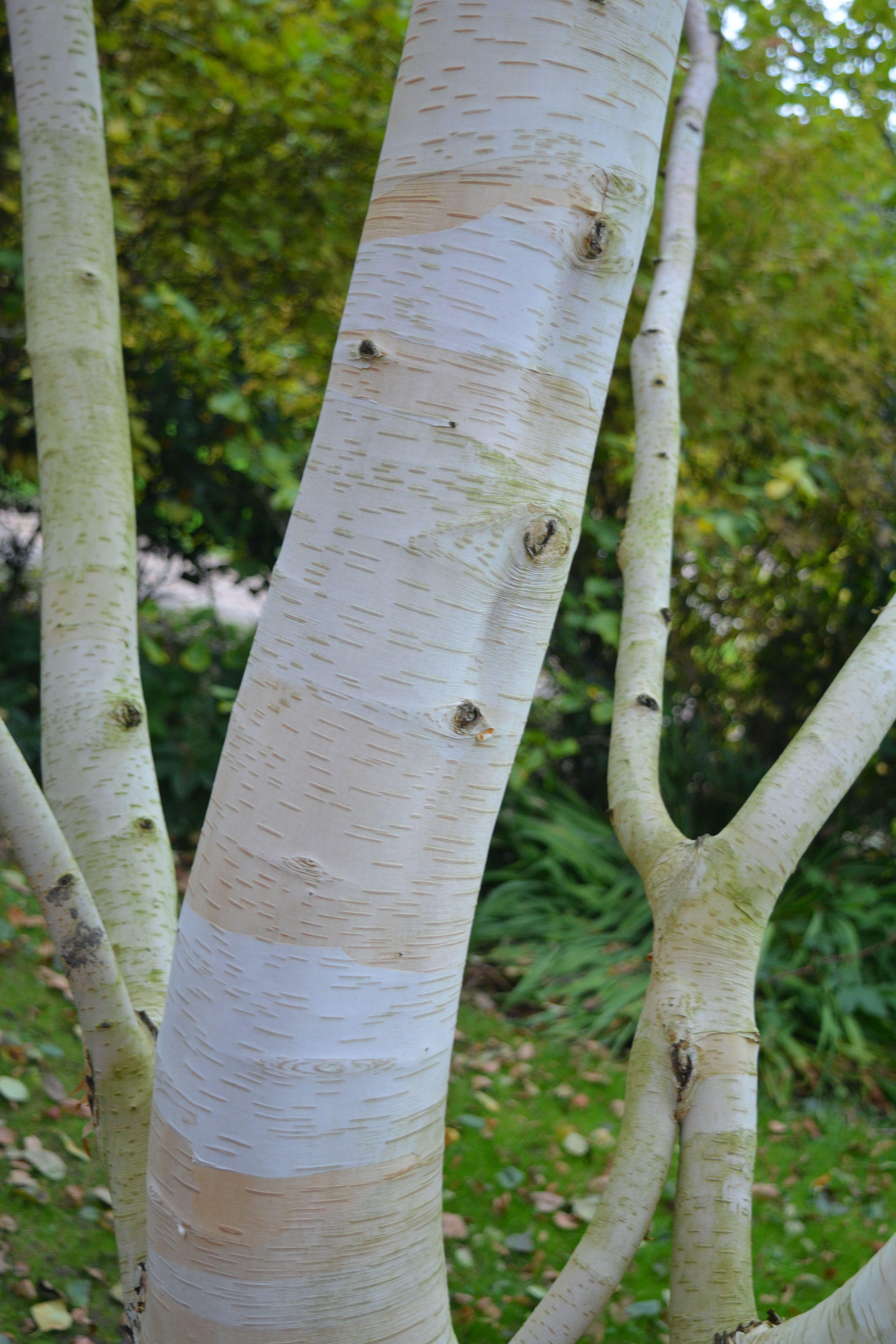
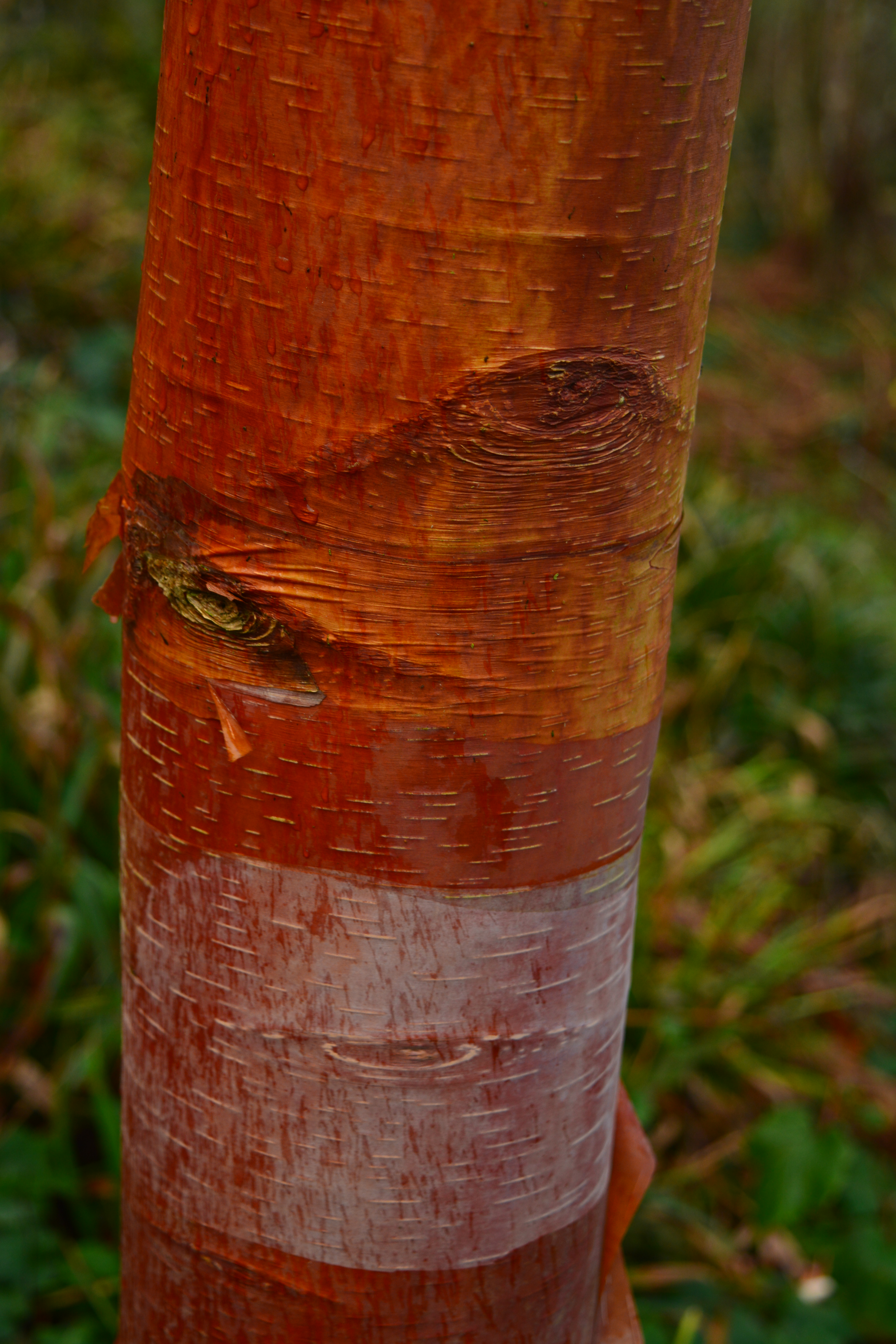
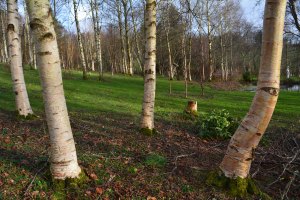
Betula albosinsensis varies widely with its shades of white or silver with added tints of oranges and pinks.
2016 02 03_8361 2016 02 03_8360

The selection of Betula albosinensis given the name “China Rose” is a particular beauty. The white sign in the photos tells visitors that this particular Betula is available in the nursery which is part of the garden. A great idea!

2016 02 03_8365 2016 02 03_83642016 02 03_8363 2016 02 03_8366

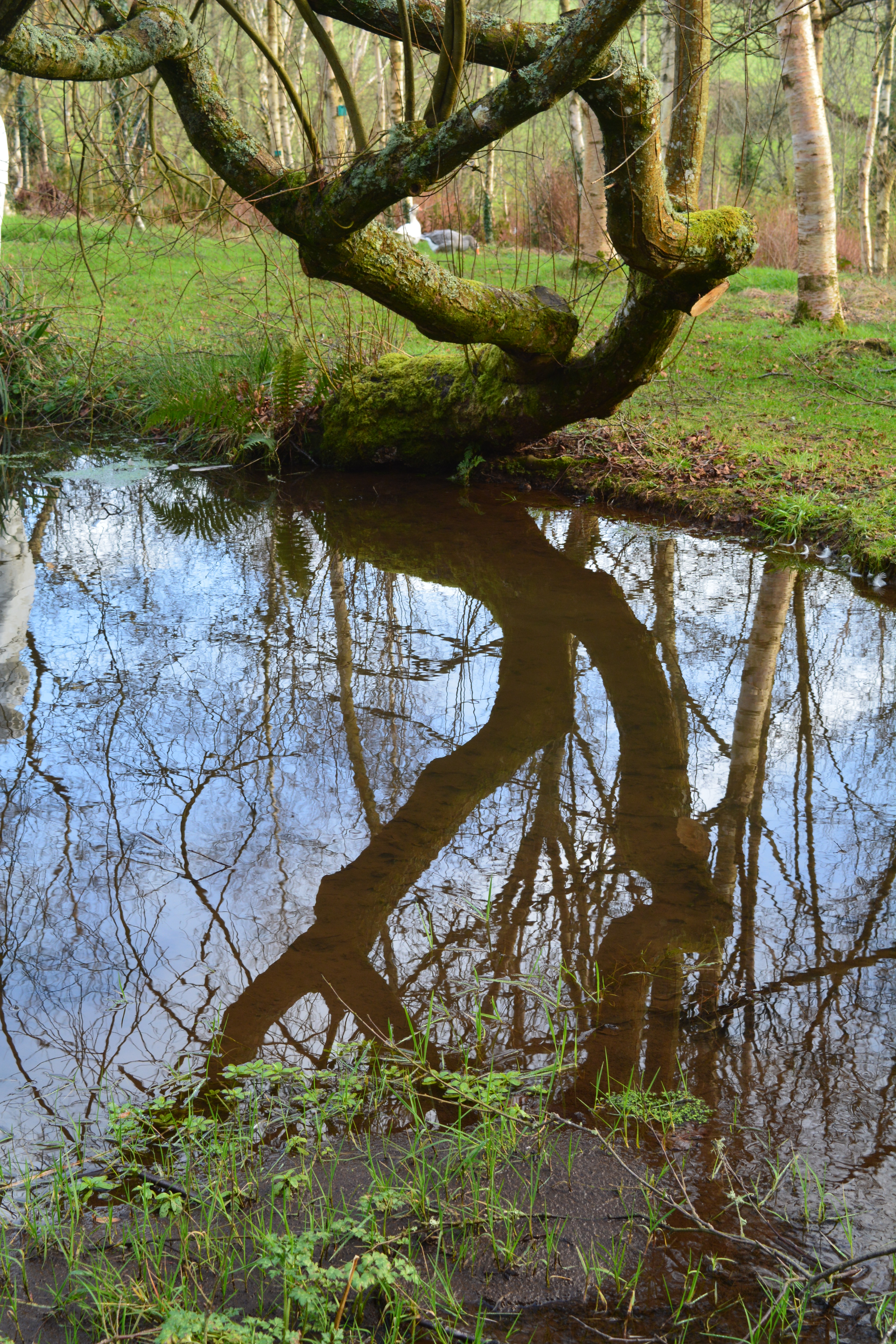
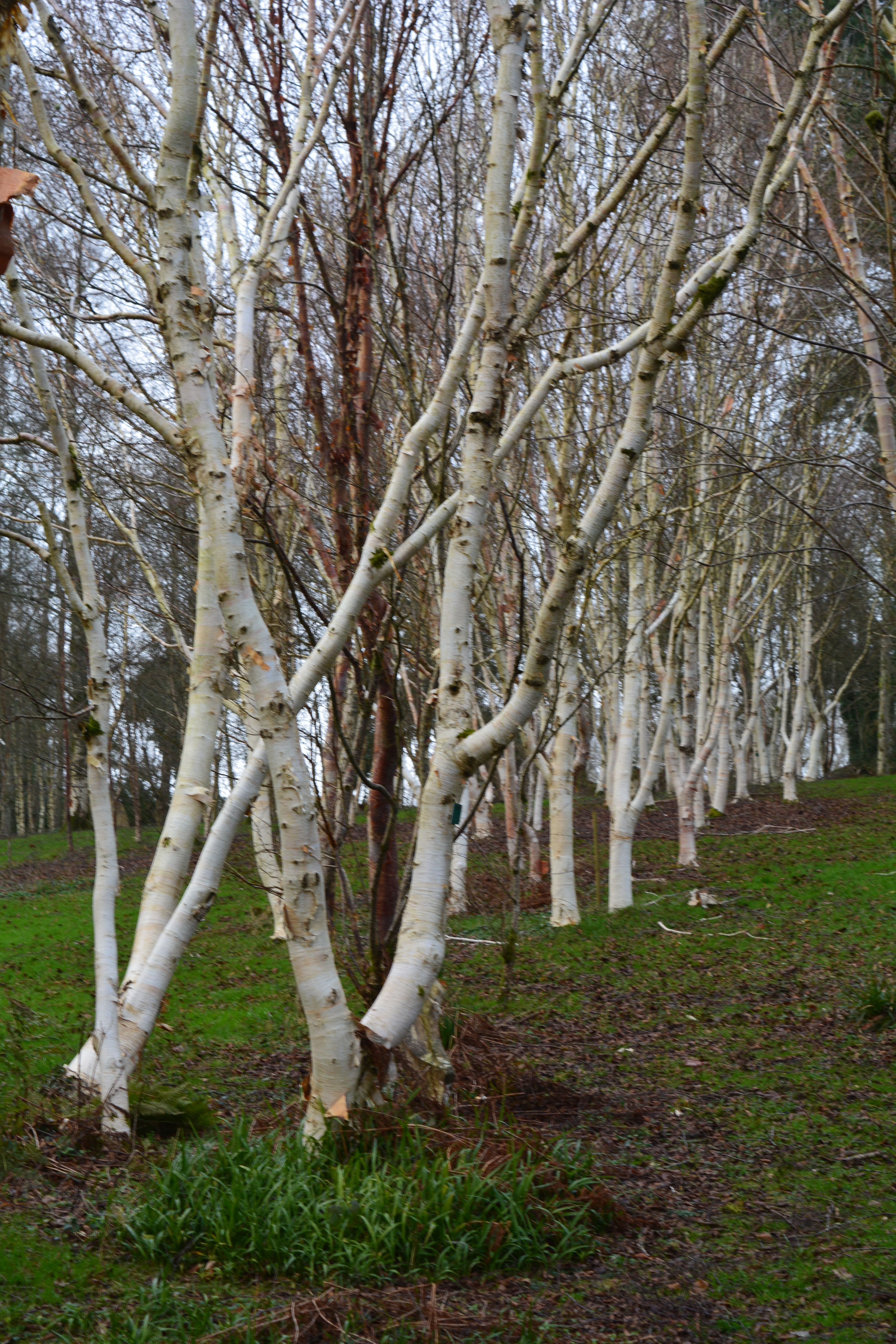
A sudden and very short-lived patch of blue sky passed over the towering old native Birches emphasising their beautiful skeletal winter forms.

2016 02 03_8359

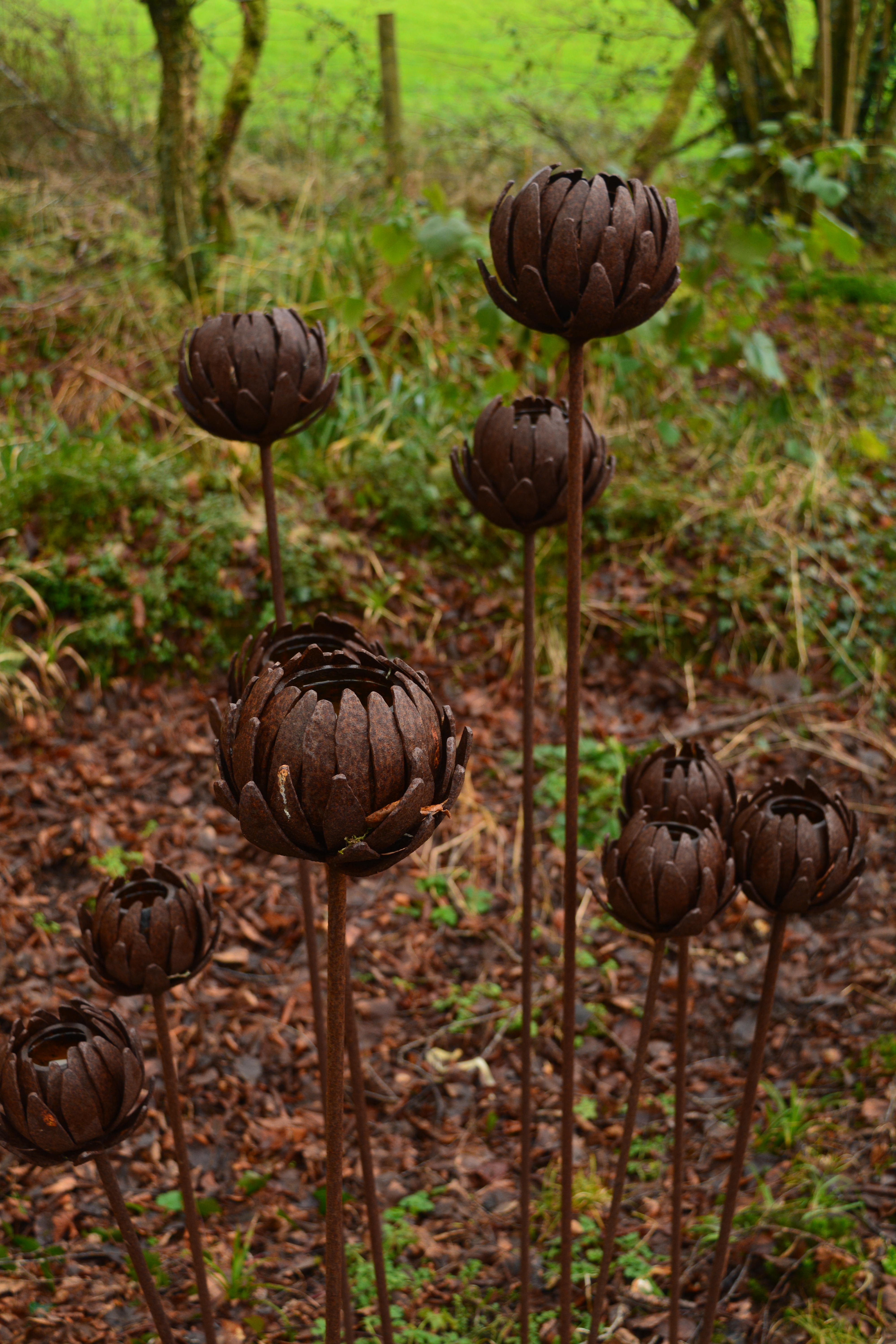
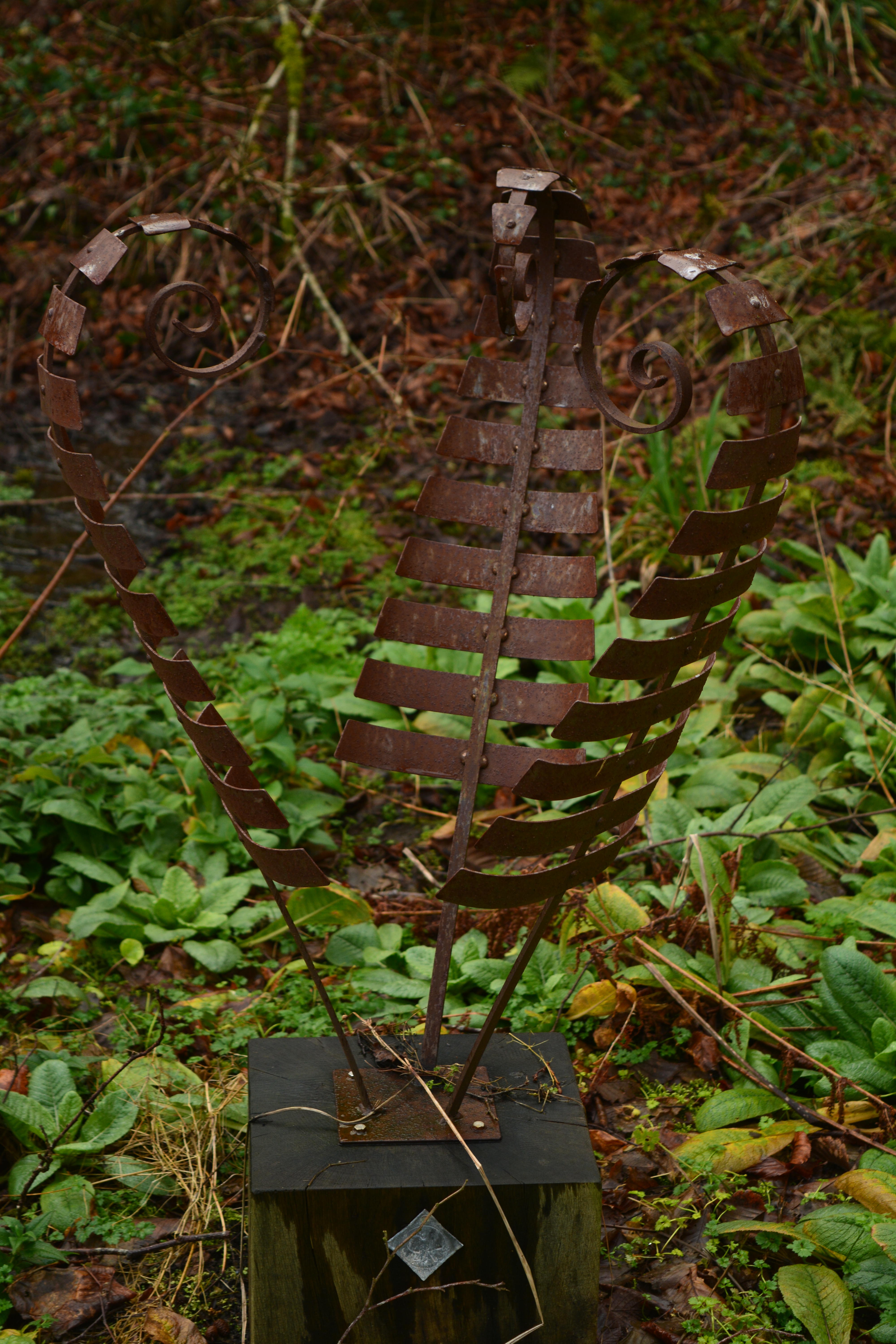
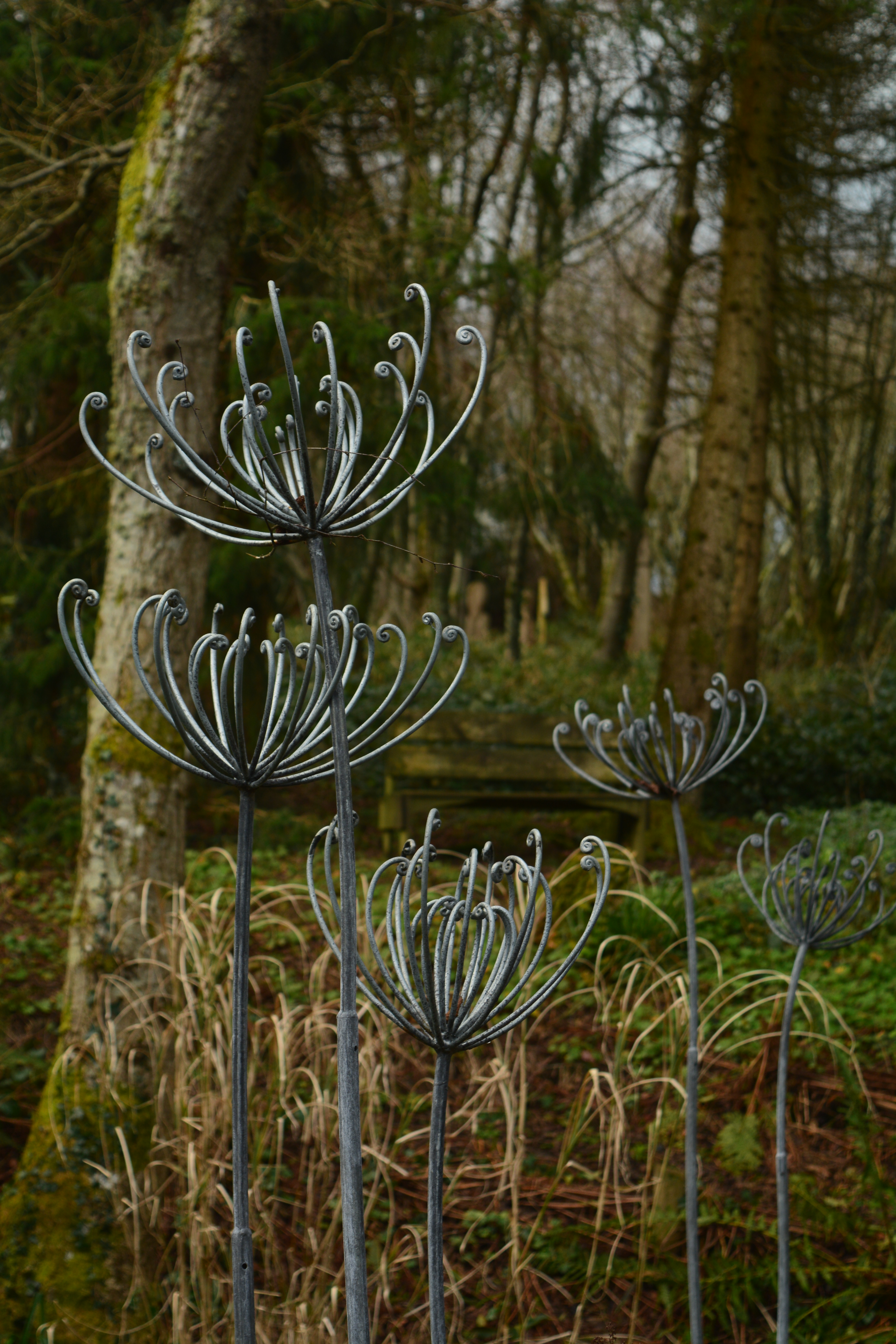
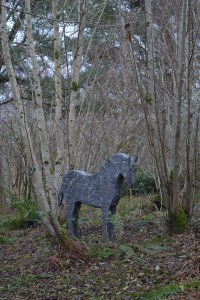
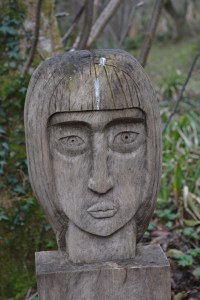
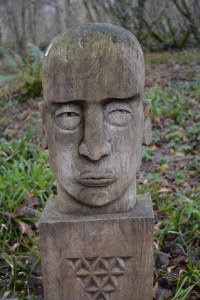
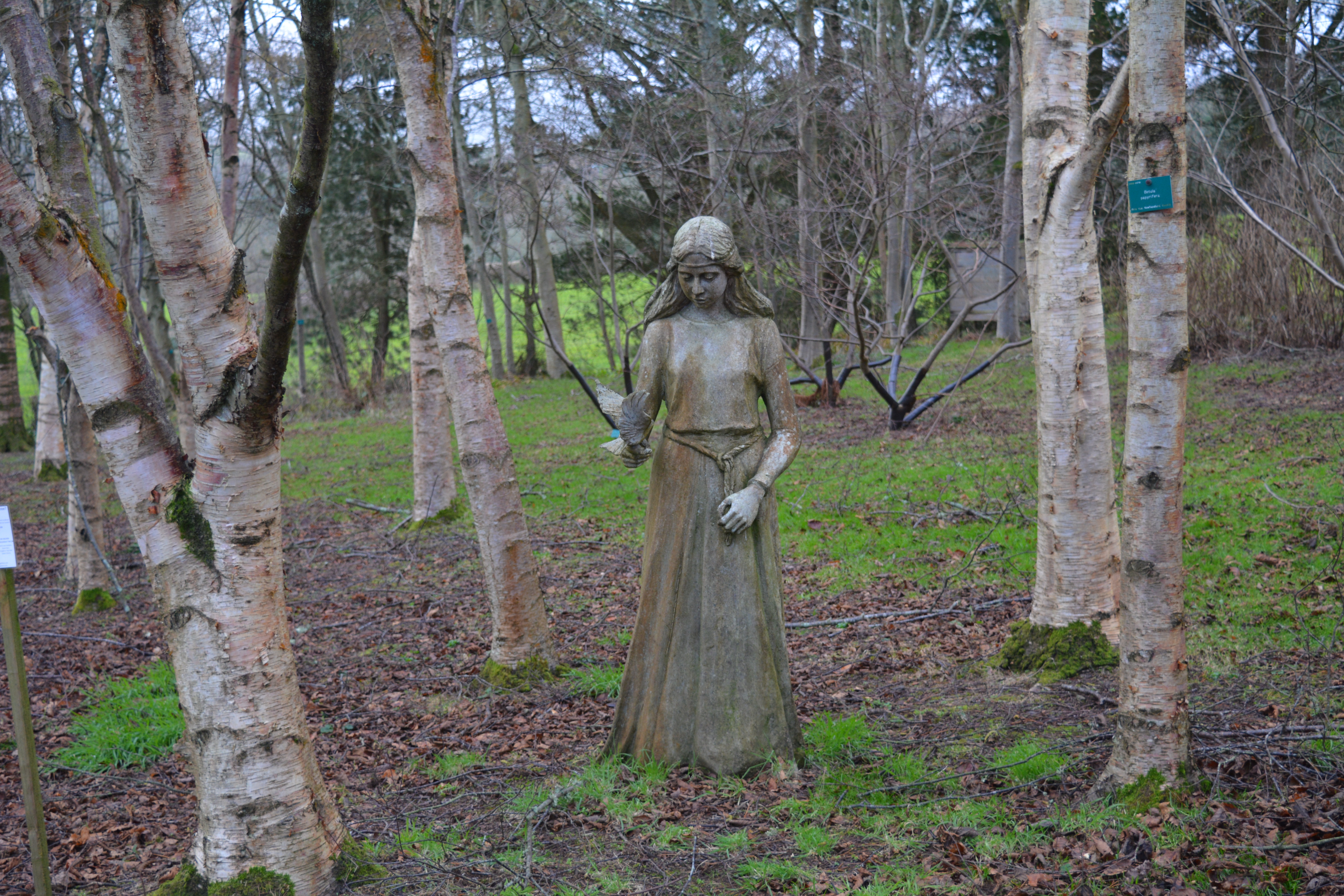
Gardens are great places to site sculpture and it was good to see plenty as we followed the narrow path through the woodlands that led us back to the  garden’s gate.

2016 02 03_8367 2016 02 03_8369 2016 02 03_83722016 02 03_8371 2016 02 03_8370 2016 02 03_8376 2016 02 03_8355 2016 02 03_8380

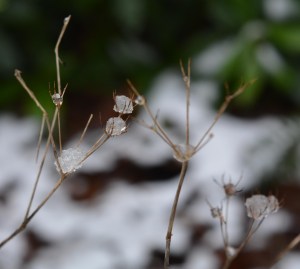
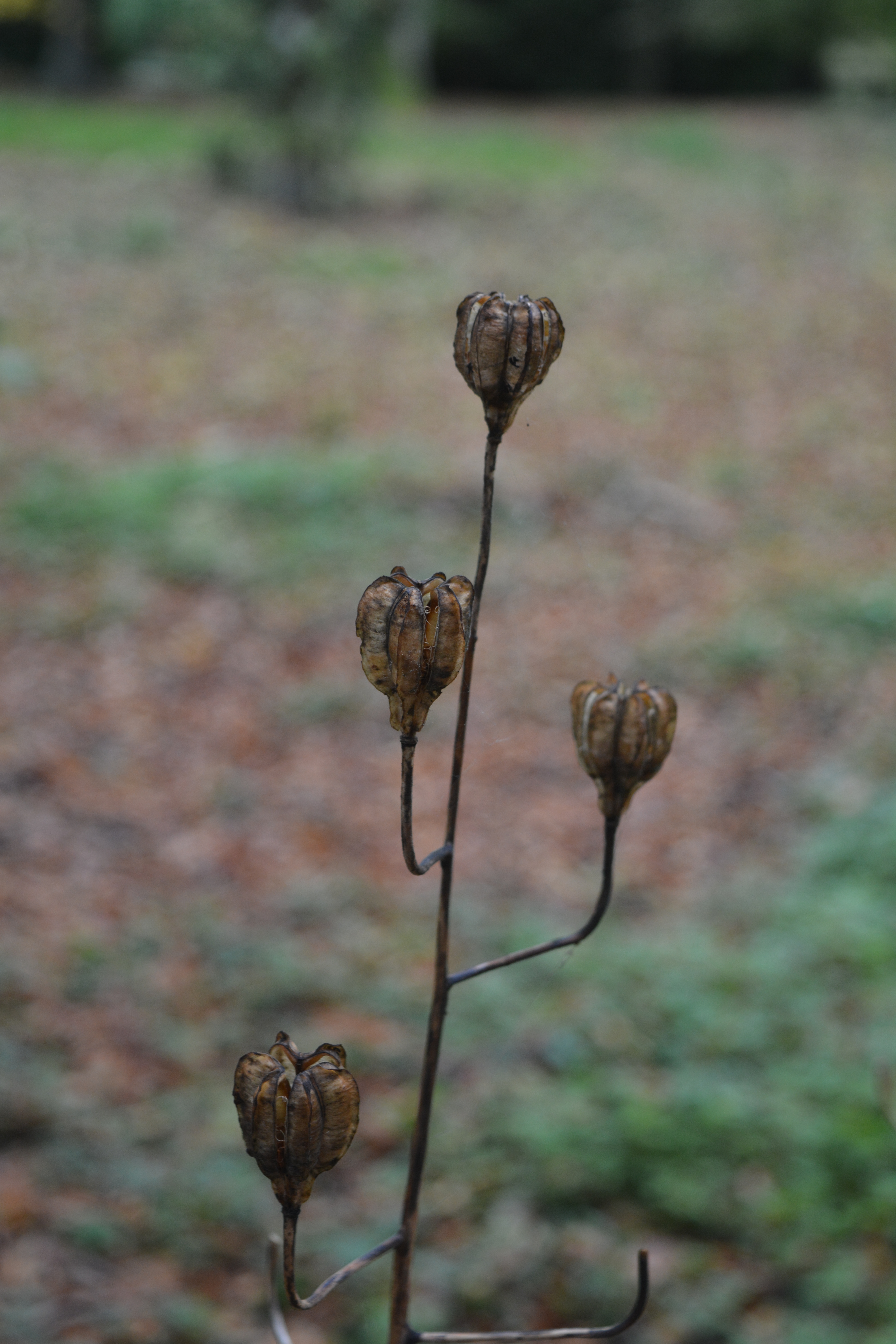
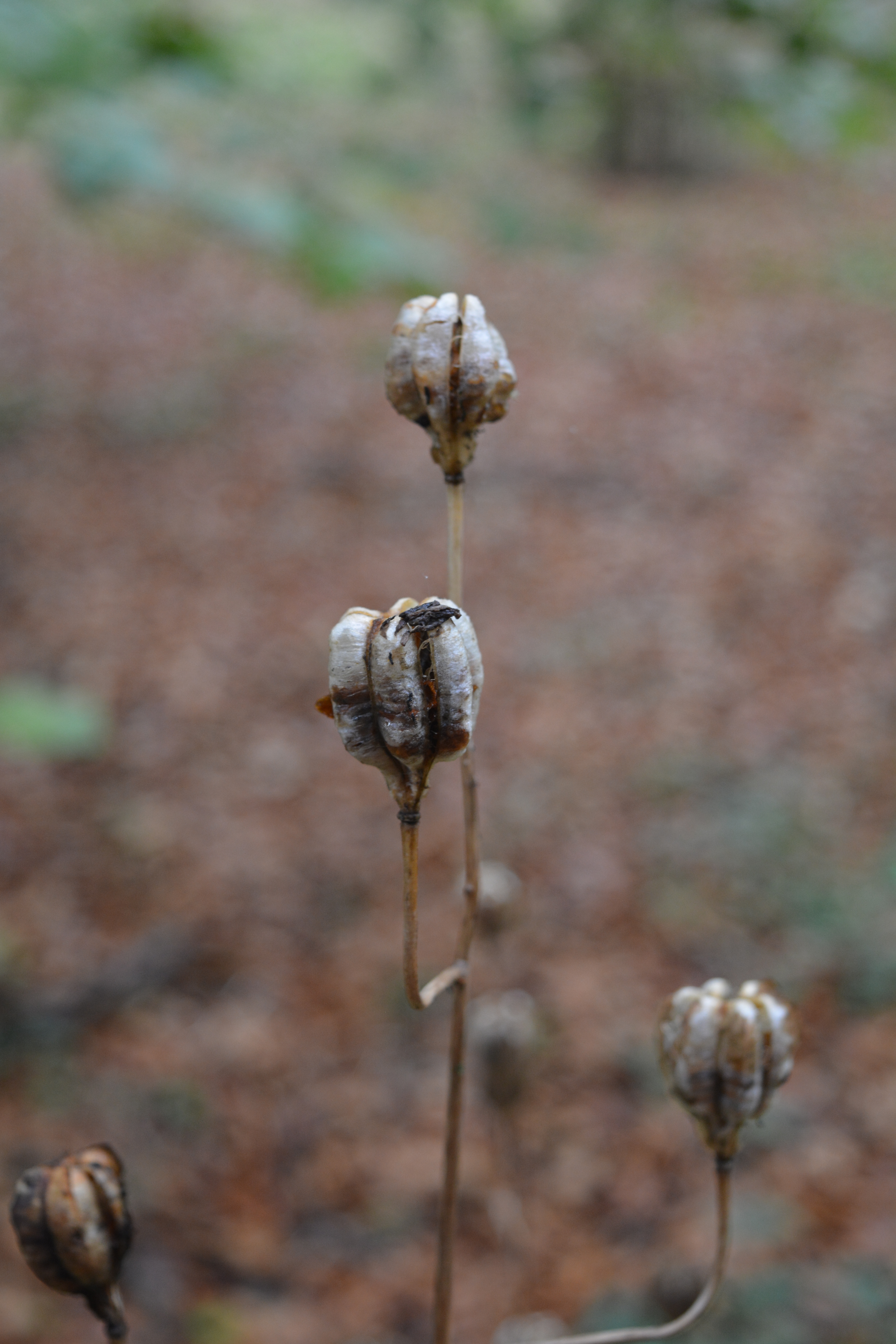
These tall thin pale stems of a herbaceous plant appeared as a delicate piece of sculpture and where they fell they created a drawing on the woodland floor.

2016 02 03_8375  2016 02 03_8379

We crossed the narrow stream by a narrow wooden bridge made slippery by mosses and algae. From the bridge we looked down into the little stream’s bank side and noticed King Cups already in full flower, looking like golden coins shining against their deep glossy green foliage.
2016 02 03_8378 2016 02 03_8377 2016 02 03_8368

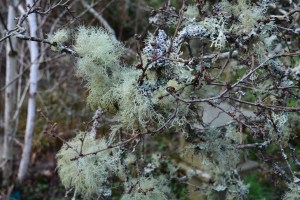
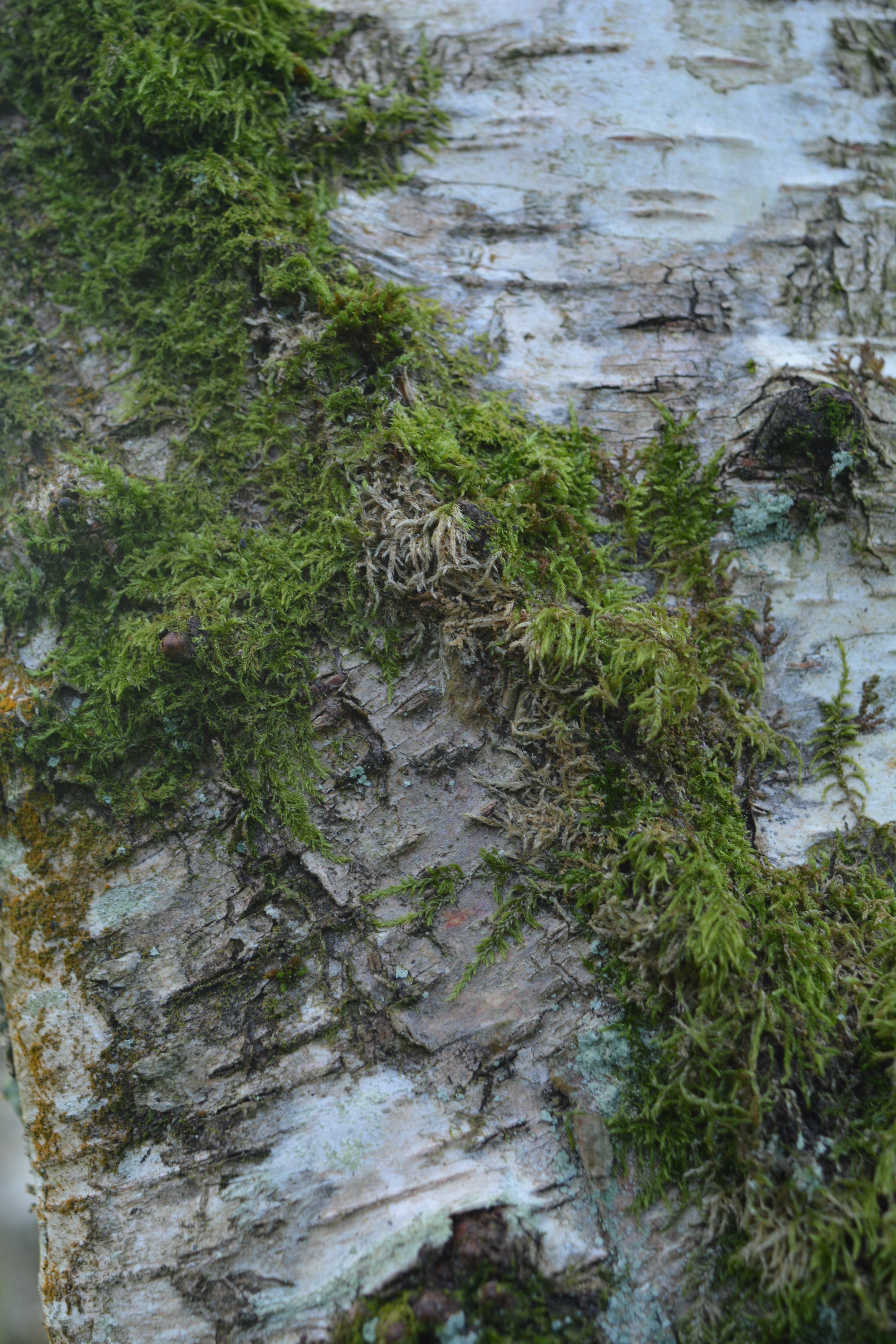
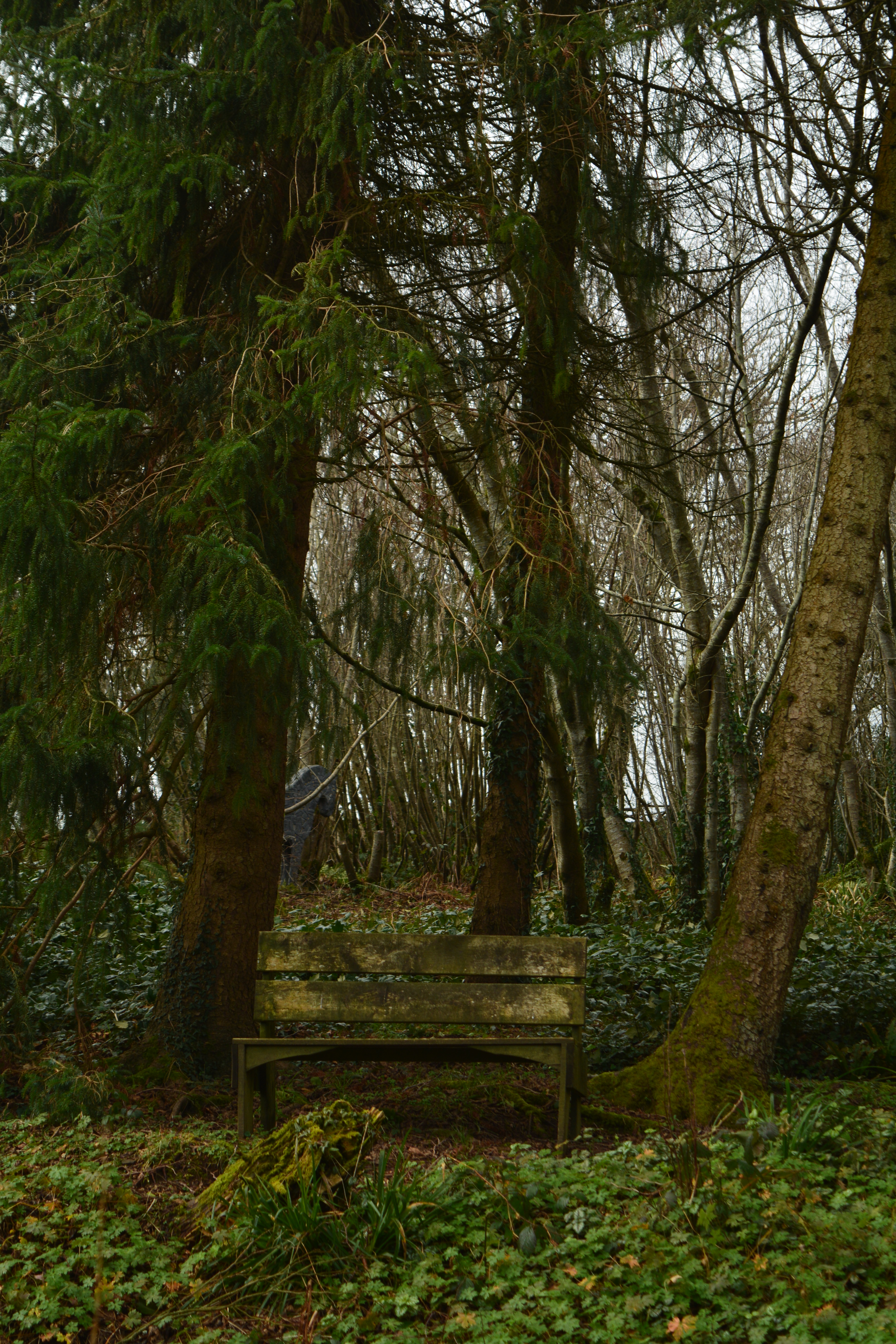
The dampness and shade of the woodland makes it a place favoured by lichen, fungi and mosses.

2016 02 03_8381 2016 02 03_8383

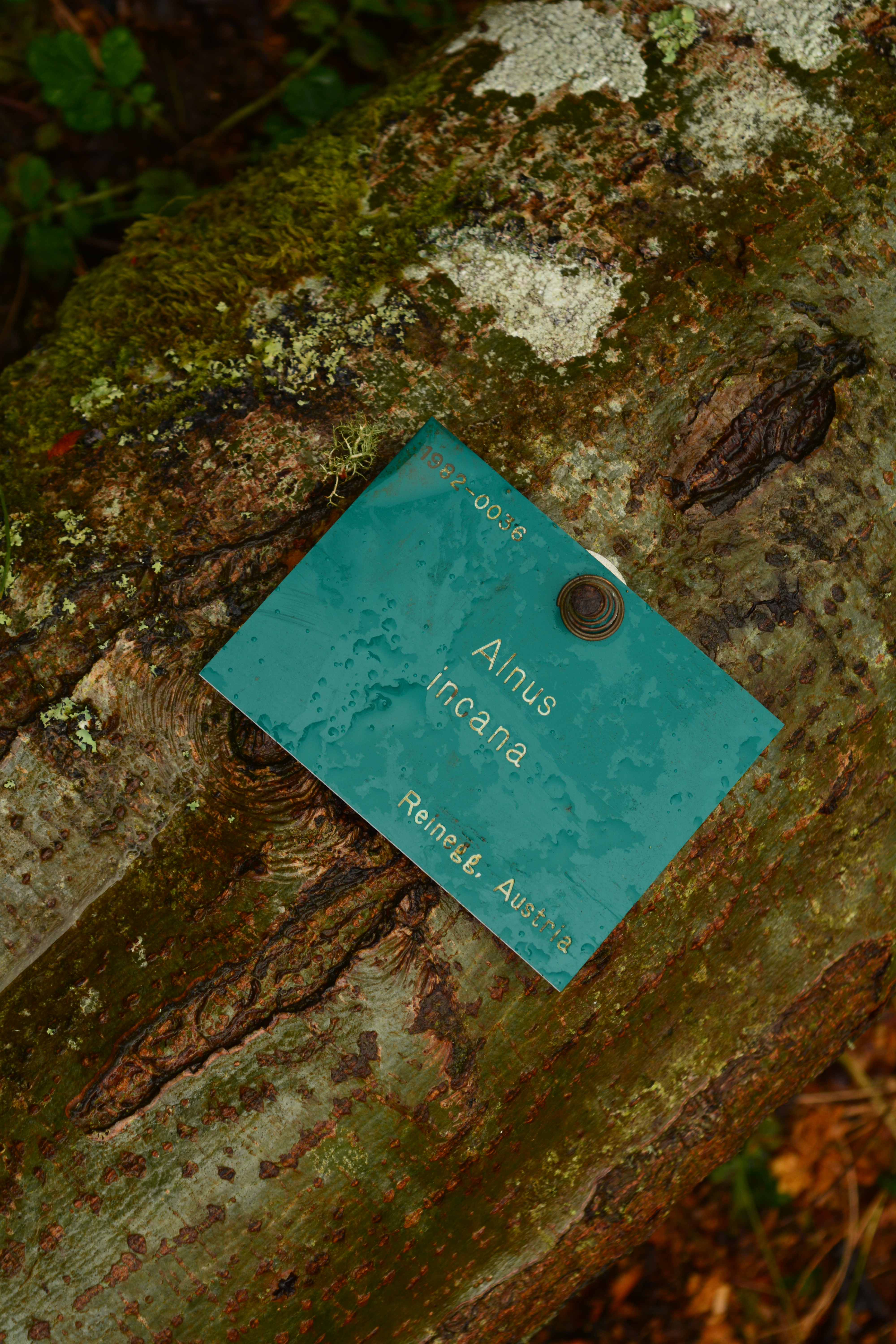
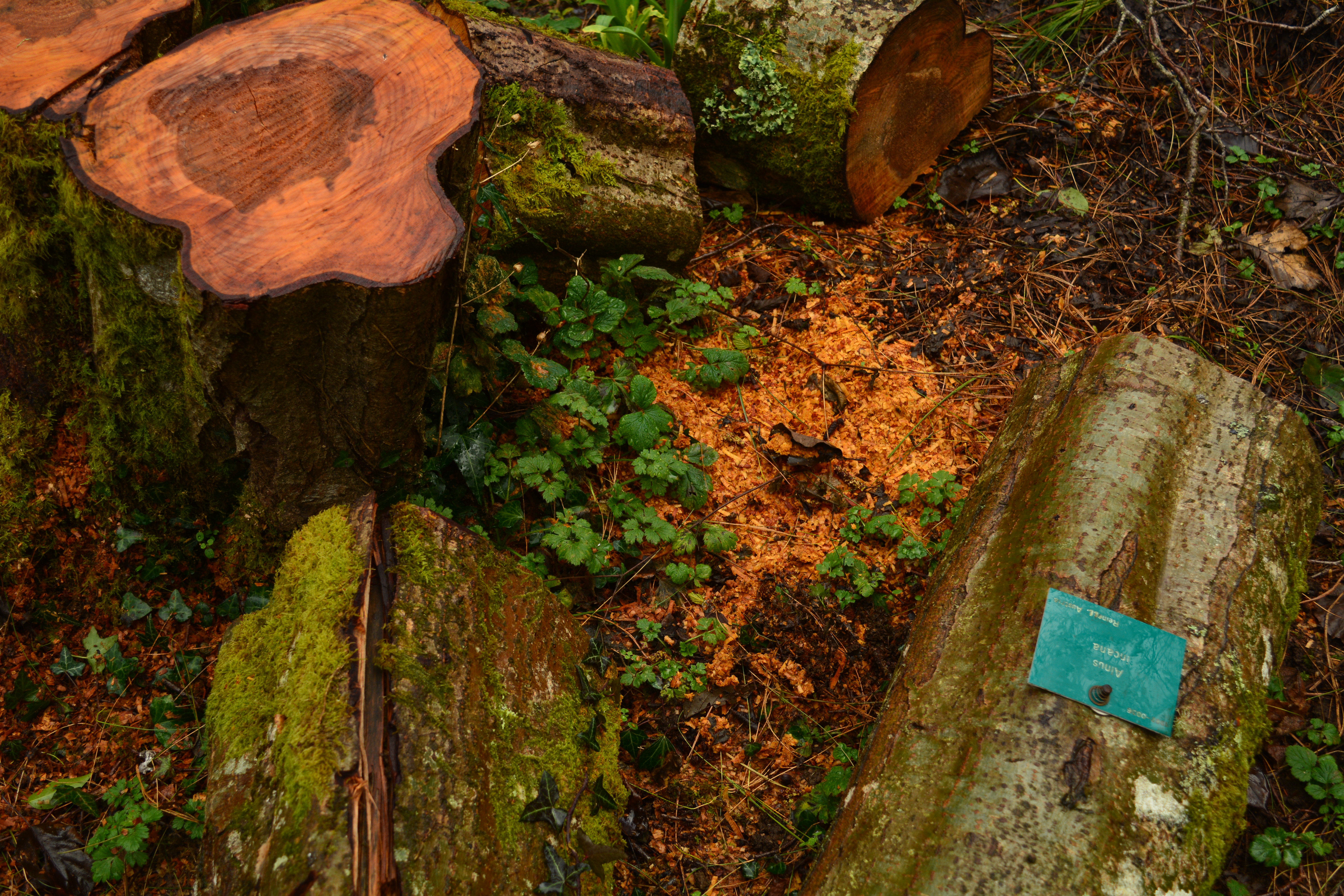
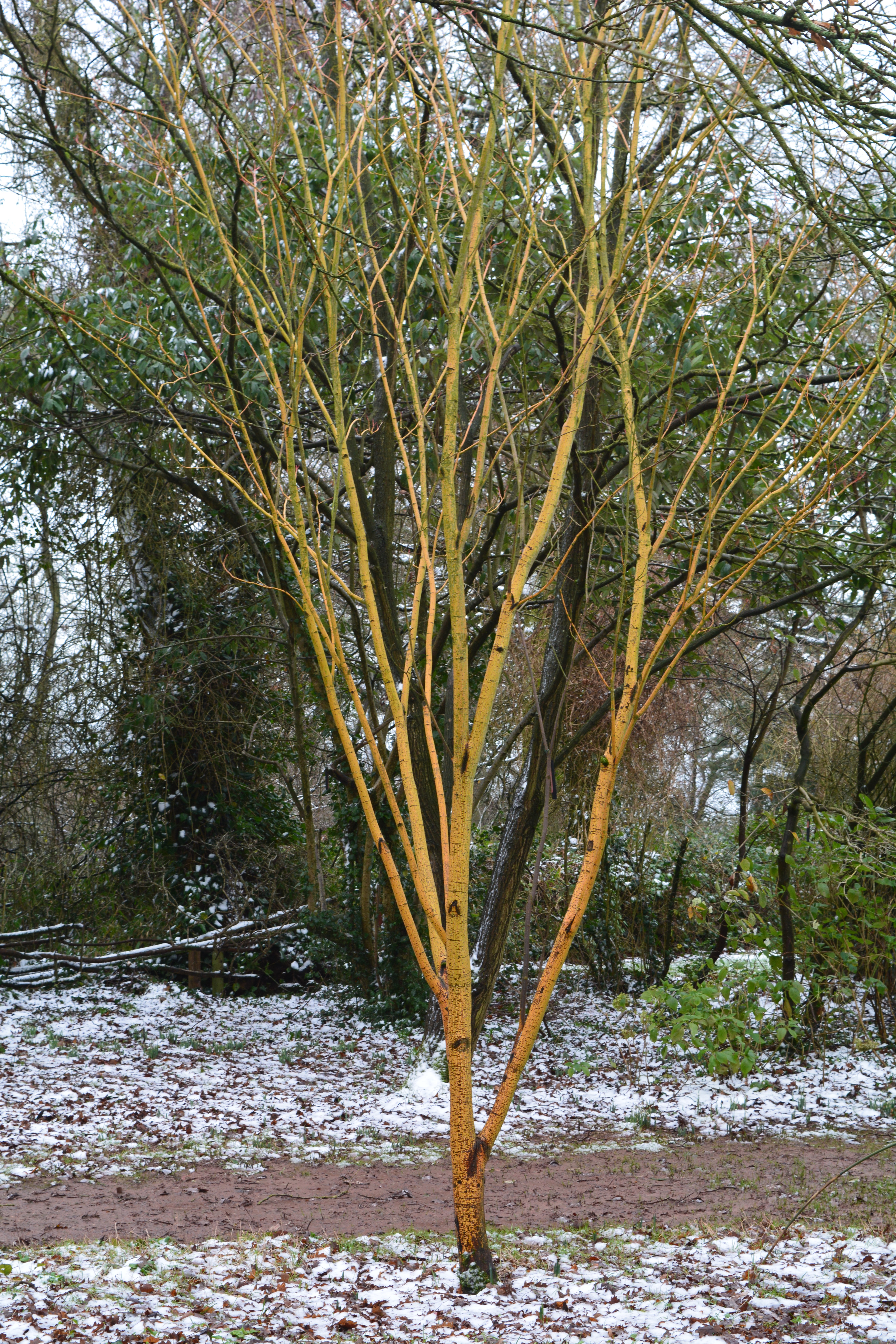
We came across an Alder that had been felled and were drawn to the brightly coloured surfaces exposed by the saw.

2016 02 03_8382 2016 02 03_8386 2016 02 03_8385 2016 02 03_8384

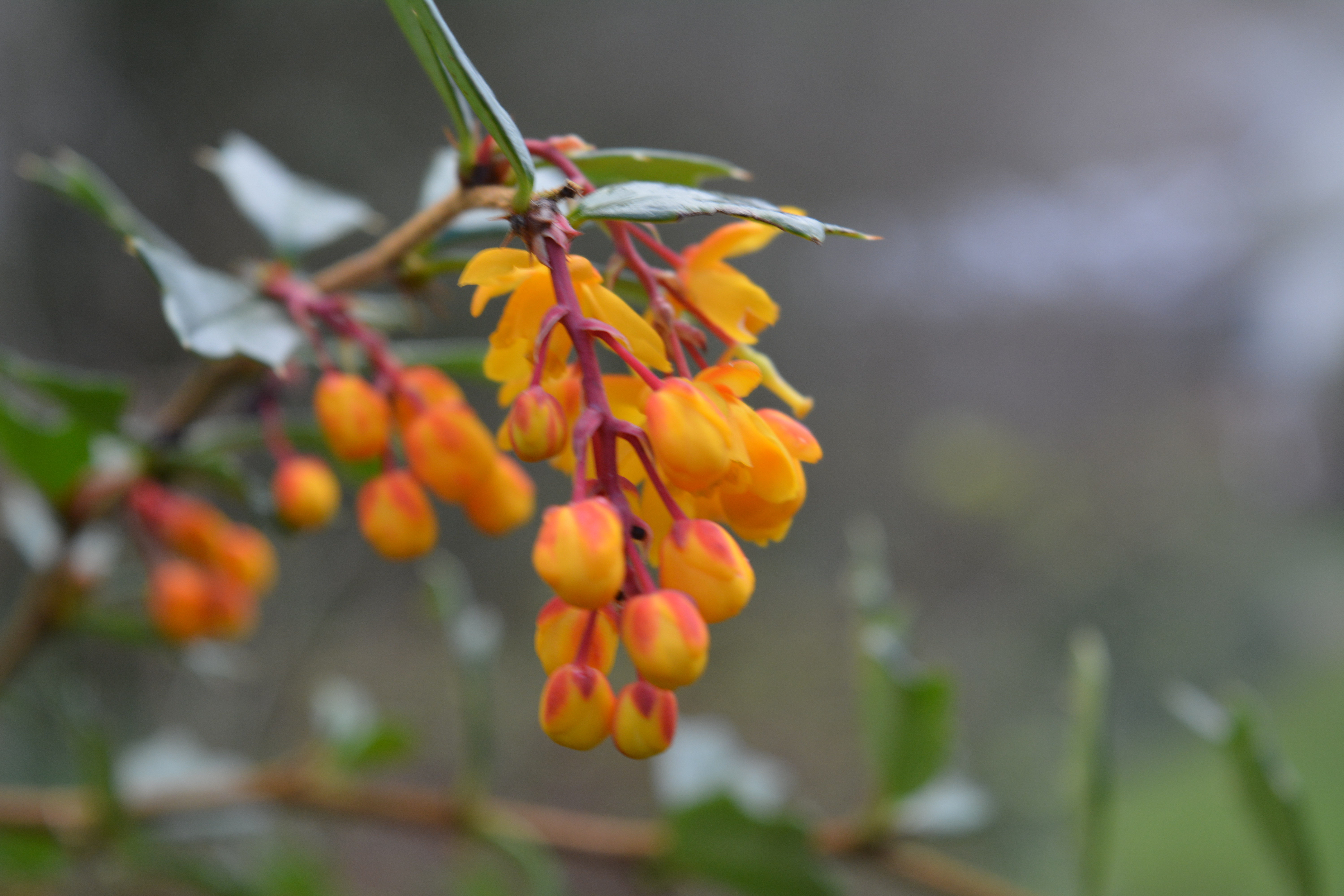
As we spotted the gate which would end our exciting visit we were drawn to bright orange blooms on a shrub in the distance. Once we got closer we knew it had to be a Berberis and we were right. It looked luminous in the dull afternoon light. A delicate pale pink Geranium close by was much harder to find.

2016 02 03_8390 2016 02 03_8389 2016 02 03_8388 2016 02 03_8387

We had spent a really interesting day at Stone Lane Garden that was full of the delights of our favourite trees the Betulas. We left determined to find space for a few more at home. The following two days we planned to spend at the amazing RHS Rosemoor Garden. See you there!
 

Categories
arboreta colours garden photography garden ponds garden pools gardening gardens gardens open to the public grasses ornamental trees and shrubs outdoor sculpture sculpture trees water in the garden Winter Gardening winter gardens woodland woodlands

A Devon Garden with Betulas – Part 2

Back at Stone Lane we continued wandering along the grass paths which were so soft underfoot. We enjoyed discovering more and more Birches with beautifully coloured and textured bark and fine winter silhouettes plus the odd Alder and pieces of sculpture.

2016 02 03_8304 2016 02 03_83172016 02 03_8290 2016 02 03_82912016 02 03_8337 2016 02 03_8354

Alnus barbata diplayed bark as rough and fissured as the skin on the legs of an old elephant.

2016 02 03_8244 2016 02 03_8249

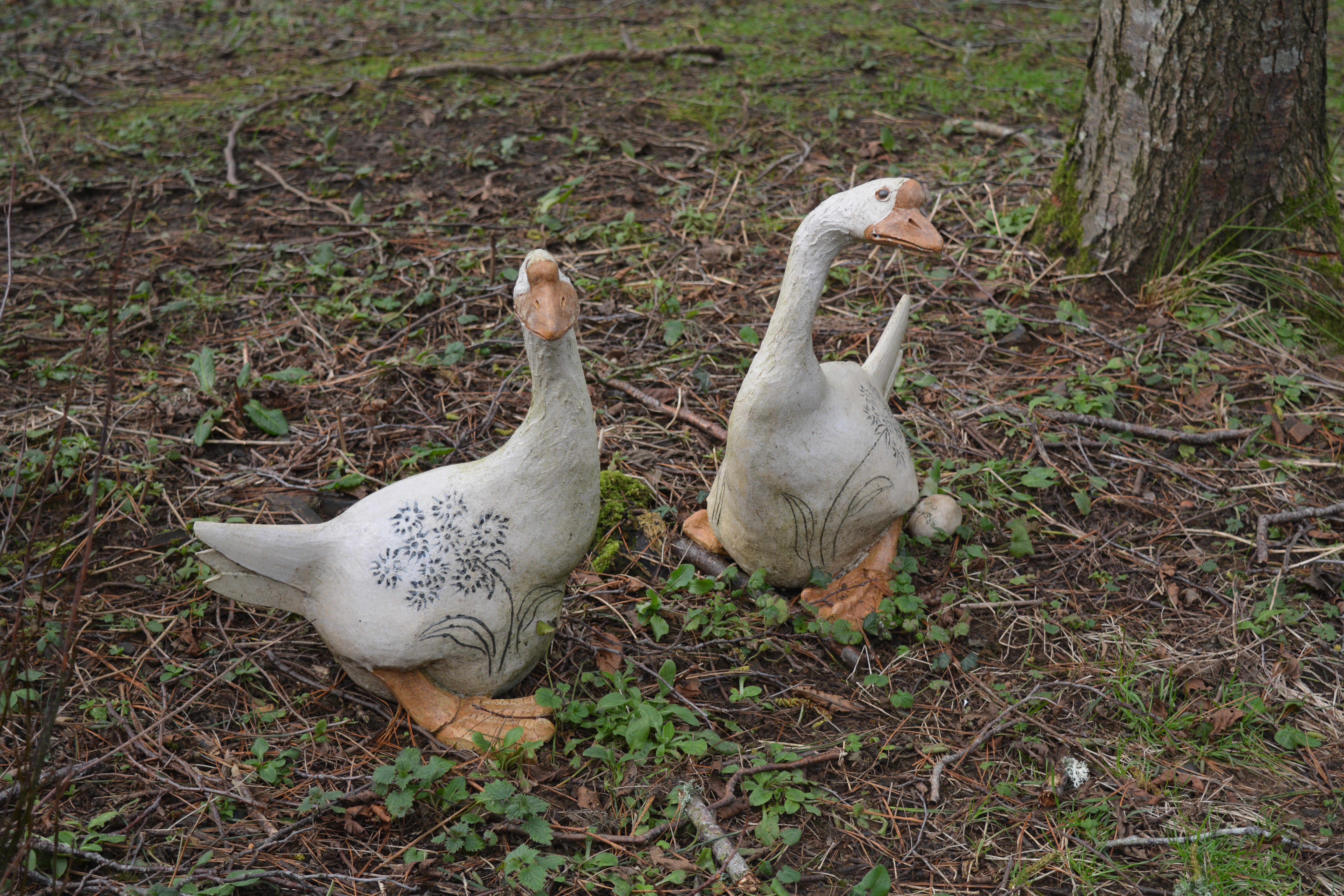
At the furthest end of the woodland garden we found wildlife ponds and two interesting shelters. On the far bank of one of these ponds we spotted two geese and it was only as we approached closely did we realise they were in fact sculptures. Their wings were decorated with simple line drawings of flowers.

2016 02 03_8248-1 2016 02 03_8247-1 2016 02 03_8246 2016 02 03_8251

The second shelter proved to be a total mystery. We couldn’t work out what it had been used for in the past or in present times. It looked as if it had wheels at one time. We thought it may have been a poultry house but today it seemed to be a bird hide.

2016 02 03_8252 2016 02 03_8253-1 2016 02 03_8263

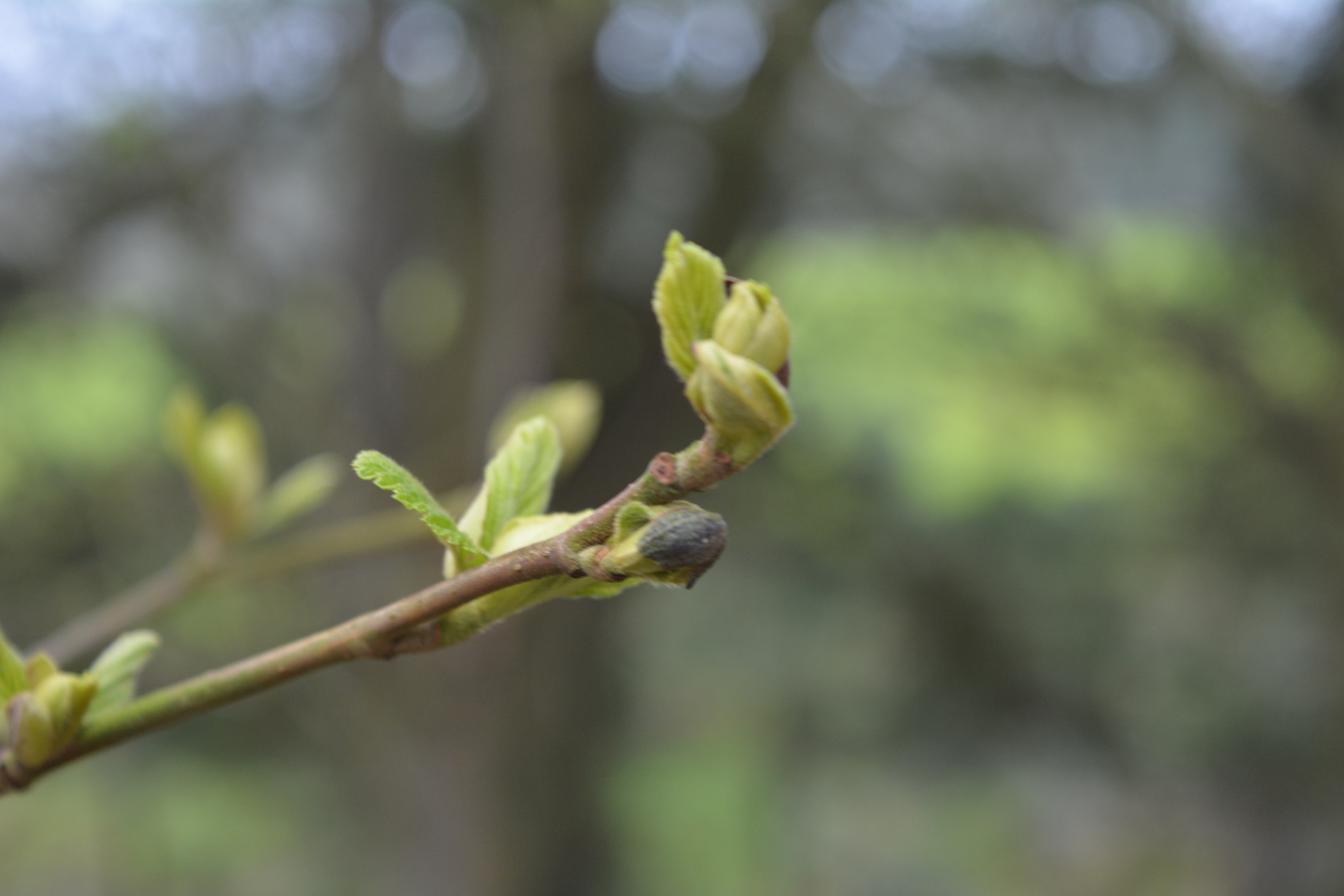
It sat beneath a stand of Alnus glutinosa, which were already showing young catkins bursting from buds.

2016 02 03_8255 2016 02 03_8254

Alnus hirsuta was showing new fresh foliage rather than catkins.

2016 02 03_8261 2016 02 03_8260 2016 02 03_8259 2016 02 03_8257

Back to a Betula – Betula maximowicziana, a real tongue twister of a name, had striated bark in delicate shades of pink and ginger. Fine strips of its bark peeled back in almost vertical lines.

2016 02 03_8266 2016 02 03_8264 2016 02 03_8267

We found a beautiful place for a rest and coffee break, a wooden rustic shelter surrounded by Birches. A stone and mosaic birdbath stood close by and a pink flowered Azalea provided restful colour. Looking straight ahead from where we sipped our coffee we enjoyed a view of more Betulas, of which we cannot get too many.

2016 02 03_8341-1 2016 02 03_8344-12016 02 03_8348 2016 02 03_8310

2016 02 03_8342 2016 02 03_8343 2016 02 03_8346

Now just enjoy coming with us as we wander along grass tracks and gravel pathways discovering the huge varieties of Birches in Ken Ashburner’s amazing collection.

2016 02 03_8347 2016 02 03_8311 2016 02 03_83312016 02 03_8338 2016 02 03_8270 2016 02 03_82882016 02 03_8340 2016 02 03_8271 2016 02 03_8280 2016 02 03_8275 2016 02 03_8272 2016 02 03_8276 2016 02 03_8299 2016 02 03_82812016 02 03_8274 2016 02 03_8277 2016 02 03_8282 2016 02 03_82982016 02 03_8320 2016 02 03_8285 2016 02 03_83212016 02 03_8289 2016 02 03_8293 2016 02 03_8292   2016 02 03_8295 2016 02 03_8303 2016 02 03_8301

Naturally there were many other plants of interest as well as the Birches and Alders we came to see.

2016 02 03_8308 2016 02 03_83062016 02 03_8269 2016 02 03_83122016 02 03_8307 2016 02 03_8305

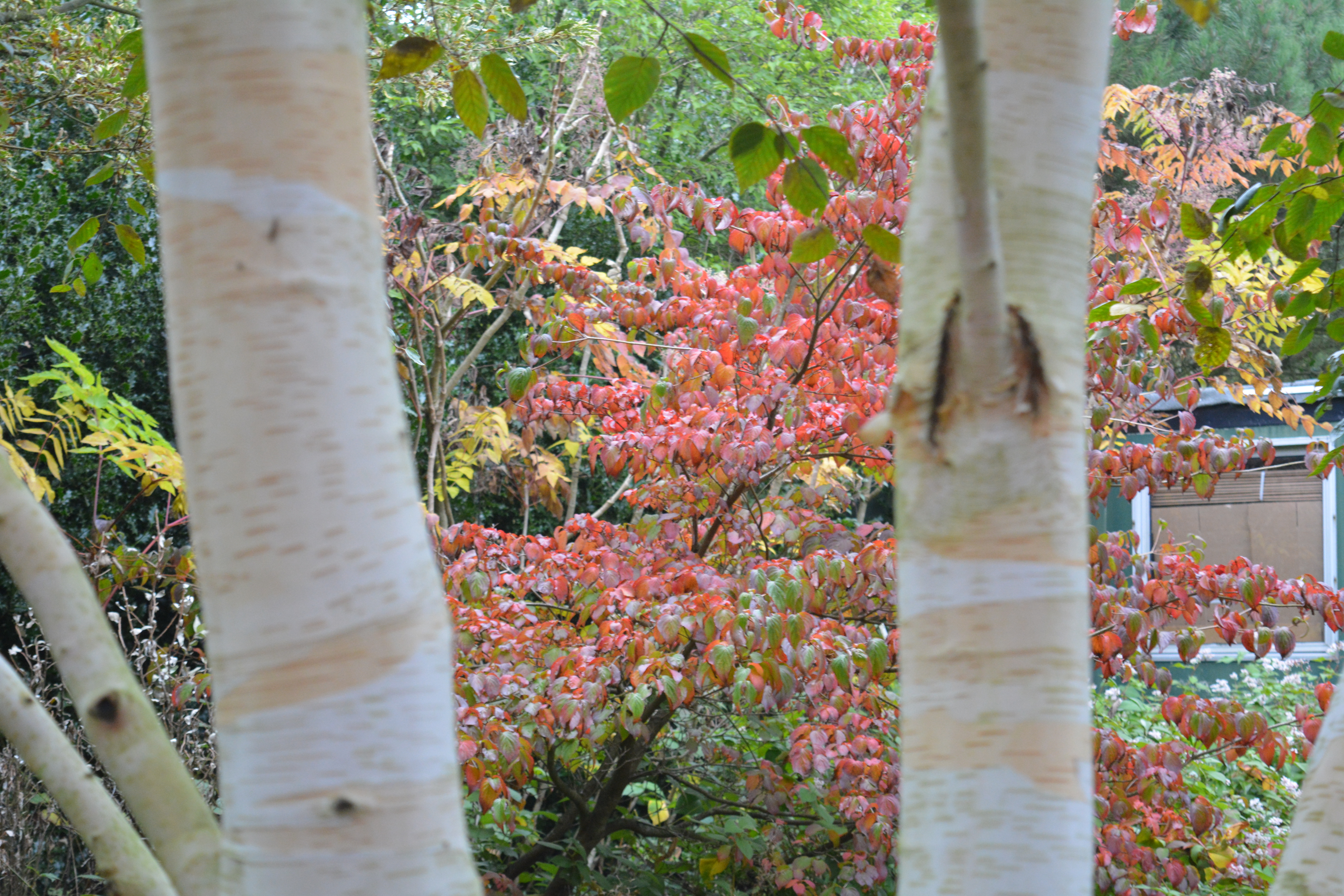
We were delighted to find a stand of Betula utilis ssp. jacquemontii “Snowqueen”, as we have a beautiful trio of these pure silvery-white barked trees. They have an ethereal quality about them. We open our blinds each morning and our silver trio delight us every day whatever the weather and whatever the light is shining on them.

2016 02 03_8315 2016 02 03_8314

2016 02 03_8313 2016 02 03_8327

To finish part two of our posts about Stone Lane please enjoy another set of pics to illustrate the vast variations in our favourite trees, the Betulas.

2016 02 03_8325 2016 02 03_83332016 02 03_8318 2016 02 03_8328 2016 02 03_83532016 02 03_8336 2016 02 03_8335 2016 02 03_8334 2016 02 03_8339 2016 02 03_8349


Categories
arboreta gardens gardens open to the public ornamental trees and shrubs outdoor sculpture sculpture spring bulbs trees woodland woodlands

A Devon Garden with Betulas – Part 1

While visiting Devon in mid-February we planned to spend a couple of days at the RHS’s Rosemoor Garden where an exhibition of sculpture was on show throughout the site.

Before leaving we discovered that Stone Lane Gardens was close by, a garden which holds the National Collections of Betulas (Birches) and Alnus (Alders). Our hotel was situated in between these two gardens, so we  decided we simply had to visit this garden too.

2016 02 03_8165 2016 02 03_8164

We drove across the moors of Dartmoor covered in a cloak of mist and fine drizzle for an hour before dropping a little lower which took us beneath the dampness. We followed small inconspicuous signs towards the garden as the lanes got narrower and narrower until we turned into a cobbled farmyard which acted as the car park. The buildings were deserted but we found an honesty box in which Jude dropped our entry fees. We were pleased to find a map to borrow.

We crossed the narrowest of lanes and entered the garden through a beautiful wrought iron gate. Its beauty was a reflection of the treats that waited for us as we walked along a gravel path into the woodland garden. We stopped to admire a wildlife pond and ahead we spotted a beautiful metal sculpture. Further sculptures were to be found close by.

2016 02 03_8166 2016 02 03_8169 2016 02 03_8168 2016 02 03_8167     2016 02 03_8173 2016 02 03_8178 2016 02 03_8224

2016 02 03_8175 2016 02 03_8177 2016 02 03_8176

It was a delight to find native Daffodils and Snowdrops growing alongside our trackway.

2016 02 03_8172 2016 02 03_8188

We soon came across some of the alders in the garden’s National Collection. February is probably not the best month to see Alders so I only took a few photos. The texture of their bark did look good though as did the remains of last year’s flowers. We will certainly return later in the year and take a better look.

2016 02 03_8182 2016 02 03_8170 2016 02 03_8181 2016 02 03_8184 2016 02 03_81802016 02 03_8242 2016 02 03_82412016 02 03_8240

After passing through a tunnel of coppiced Alders we got our first view of the Birches we had come to see.

2016 02 03_8189  2016 02 03_8187 2016 02 03_8192 2016 02 03_8193

We were drawn to a group of dark barked Birches. Luckily the trees here are well labelled so we discovered them to be Betula ermanii “Mount Zao Purple”.

2016 02 03_8202 2016 02 03_8211  2016 02 03_8197 2016 02 03_8204 2016 02 03_82132016 02 03_8220 2016 02 03_8219

The next group we were attracted to through this enchanting woodland was of Betula raddeana. This was a very varied group presumably grown from Ken’s seed collecting expeditions.

2016 02 03_8225 2016 02 03_8223     2016 02 03_8217  2016 02 03_8214

Having explored each of this group touching their bark and having close up looks at their bark and branch structures we moved on soft grass paths through so many young Birches.

2016 02 03_8215

Our native Downy Birch, Betula pubescens looked incredibly gnarled and deeply fissured.

2016 02 03_8221 2016 02 03_8230 2016 02 03_82352016 02 03_8226 2016 02 03_8232

Devon is well known as being a good place for mosses and lichen and the trees here were well covered. As we reached the end of the garden we found pools and odd pieces of sculpture dotted between groves of alders and birches.

2016 02 03_8229 2016 02 03_82282016 02 03_8234 2016 02 03_8237

We shall return to share with you our wander back through the woodland garden.


Categories
flowering bulbs garden photography gardening gardens gardens open to the public ornamental trees and shrubs spring bulbs Staffordshire trees Winter Gardening winter gardens

The Dorothy Clive Garden in January – Part 2

So here we are back at our feature garden for 2016, the Dorothy Clive Gardens on the border of Shropshire and Staffordshire. I will start with some views from around the garden. It will be interesting to see how these views change through the year.

2016 01 17_7790 2016 01 17_78062016 01 17_7856 2016 01 17_78672016 01 17_7911 2016 01 17_7879

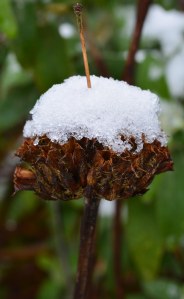
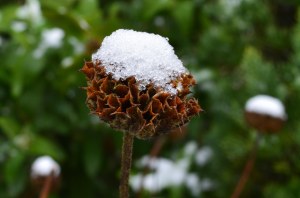
Let us now look at the bright red colours of berries and the more subtle browns and biscuit colours of seedheads of Hydrangeas and Phlomis.

2016 01 17_7828 2016 01 17_7829 2016 01 17_7801_edited-12016 01 17_7802_edited-1 2016 01 17_7826_edited-1

The delicate beauty of these seed heads deserved a very close look to fully appreciate them.

2016 01 17_7831_edited-1 2016 01 17_7832_edited-1

We walked down the gentle slope towards the pond and the scree garden around it. Throughout the other seasons the borders here will be glowing with colour and full of exuberant growth.

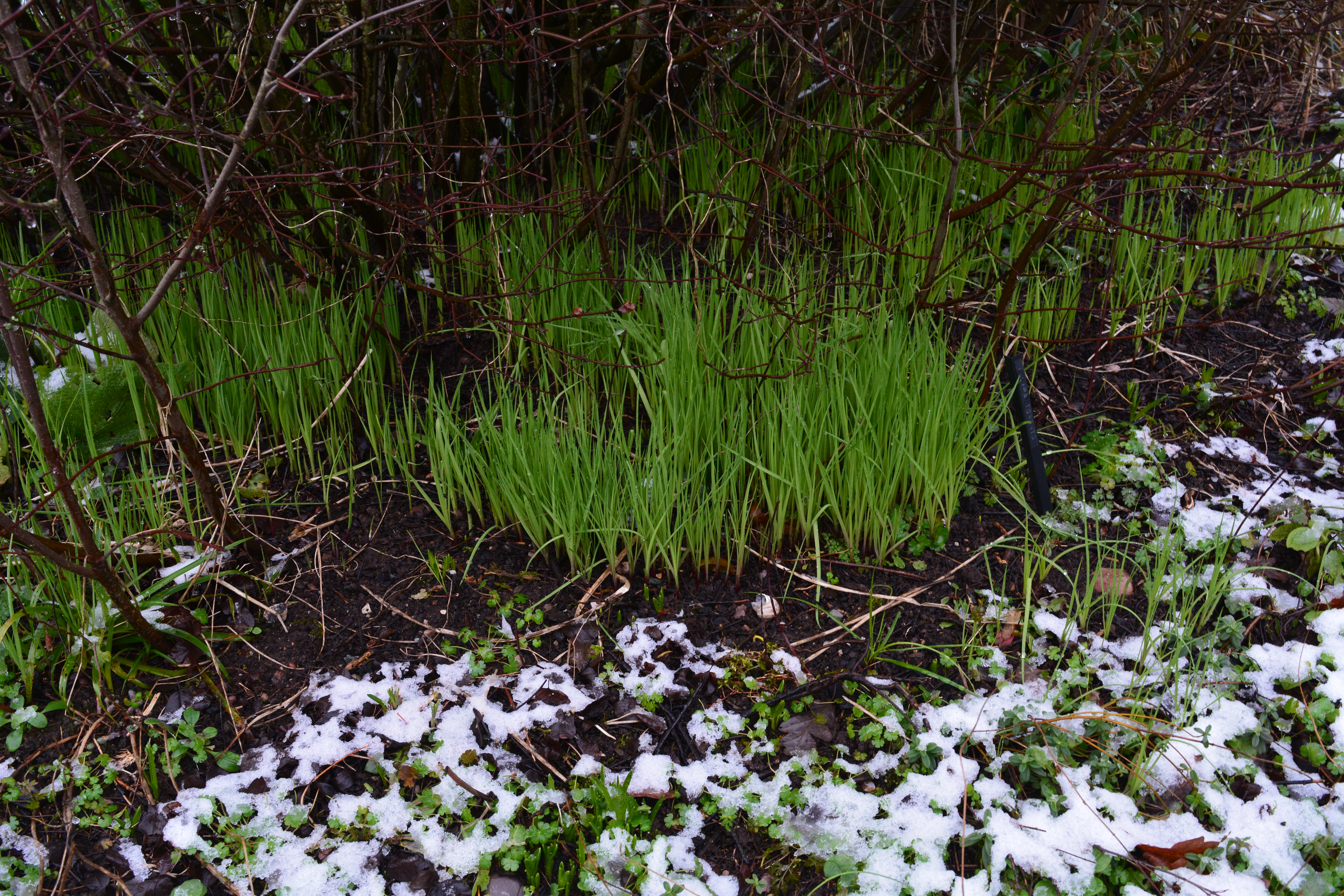
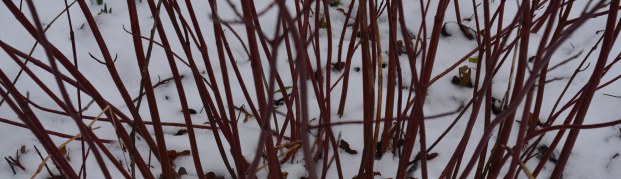
Different textures together add interest to the winter garden where the bare stems of deciduous shrubs and perennials sit alongside bright new growth which are the promises of spring and summer.

2016 01 17_7913 2016 01 17_7906 2016 01 17_7912 2016 01 17_79042016 01 17_7892 2016 01 17_7889

The Rose Garden looks very bleak in the winter when its bones are revealed, the obelisks and arches of black metal and the bare unpruned stems of the roses.

2016 01 17_7901

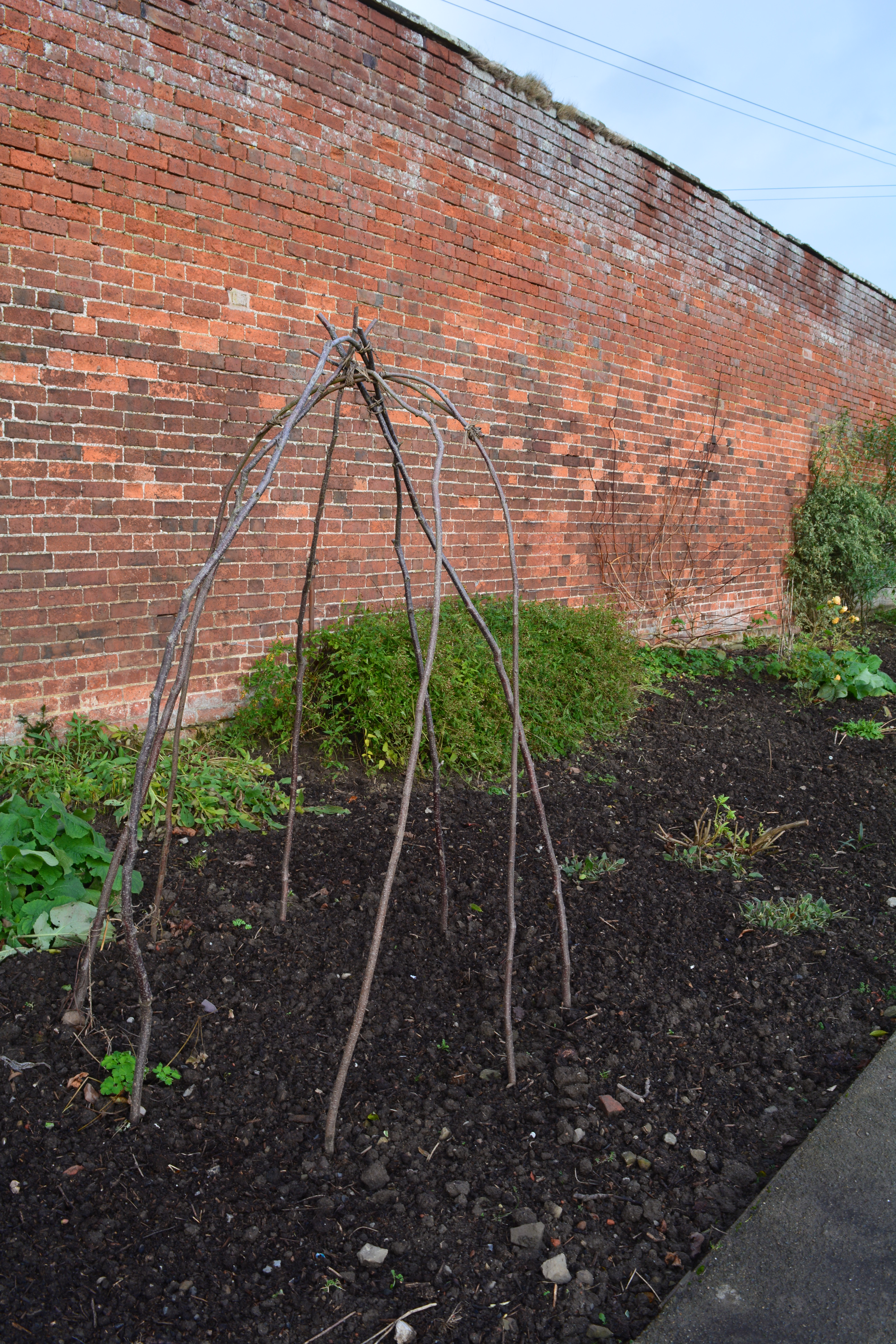
Near the bottom of the slope we came across a stand of three old Birches and a single tall specimen nearby. In the border here obelisks have been created from the trunks of felled Birches. It is good to see them given a second life.

2016 01 17_7890 2016 01 17_78952016 01 17_7900 2016 01 17_7894

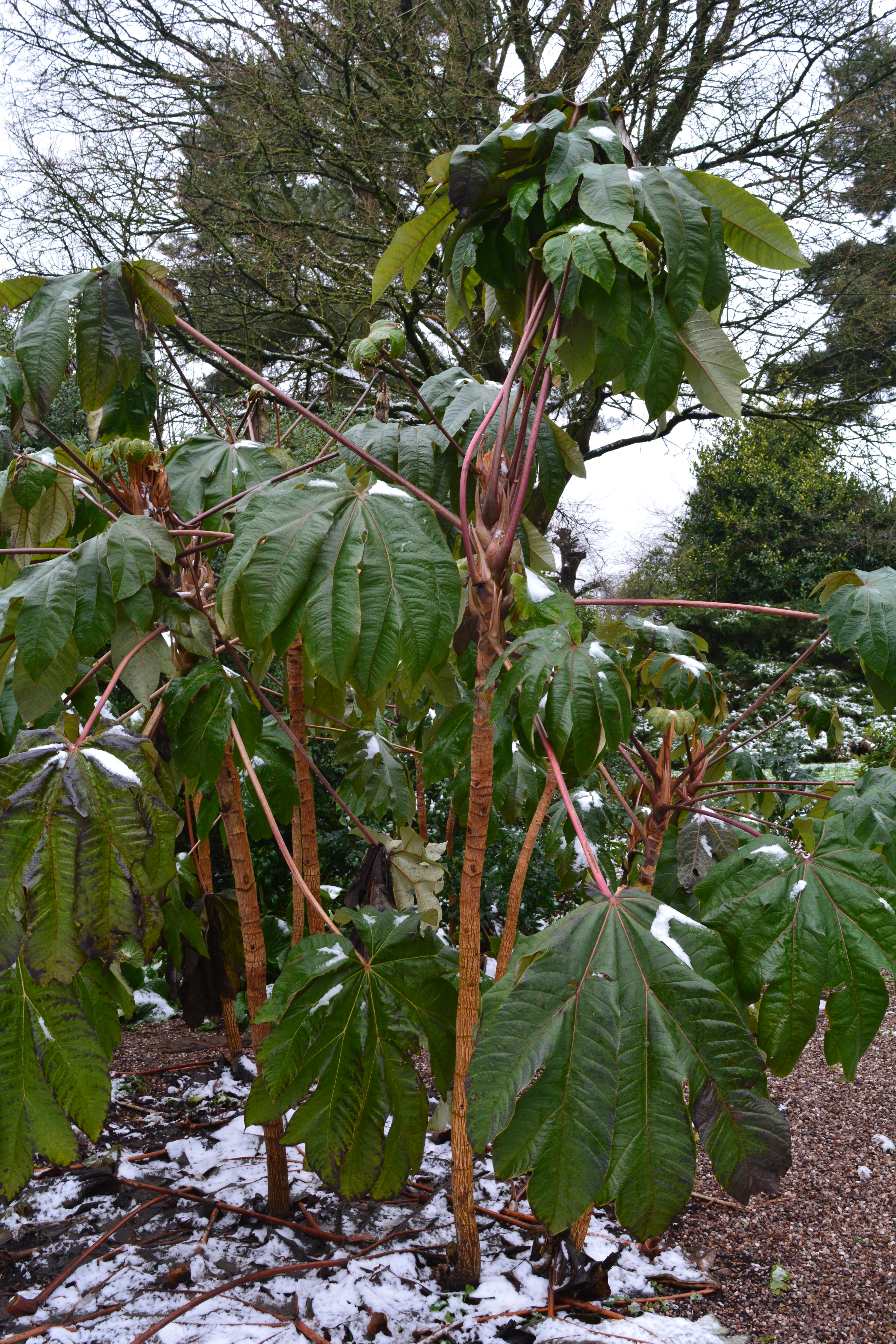
We spotted this architectural looking plant as we walked back up the slope and we were both unsure what it was but came to the conclusion it was a Tetrapanax.

2016 01 17_7888

2016 01 17_7887 2016 01 17_7886

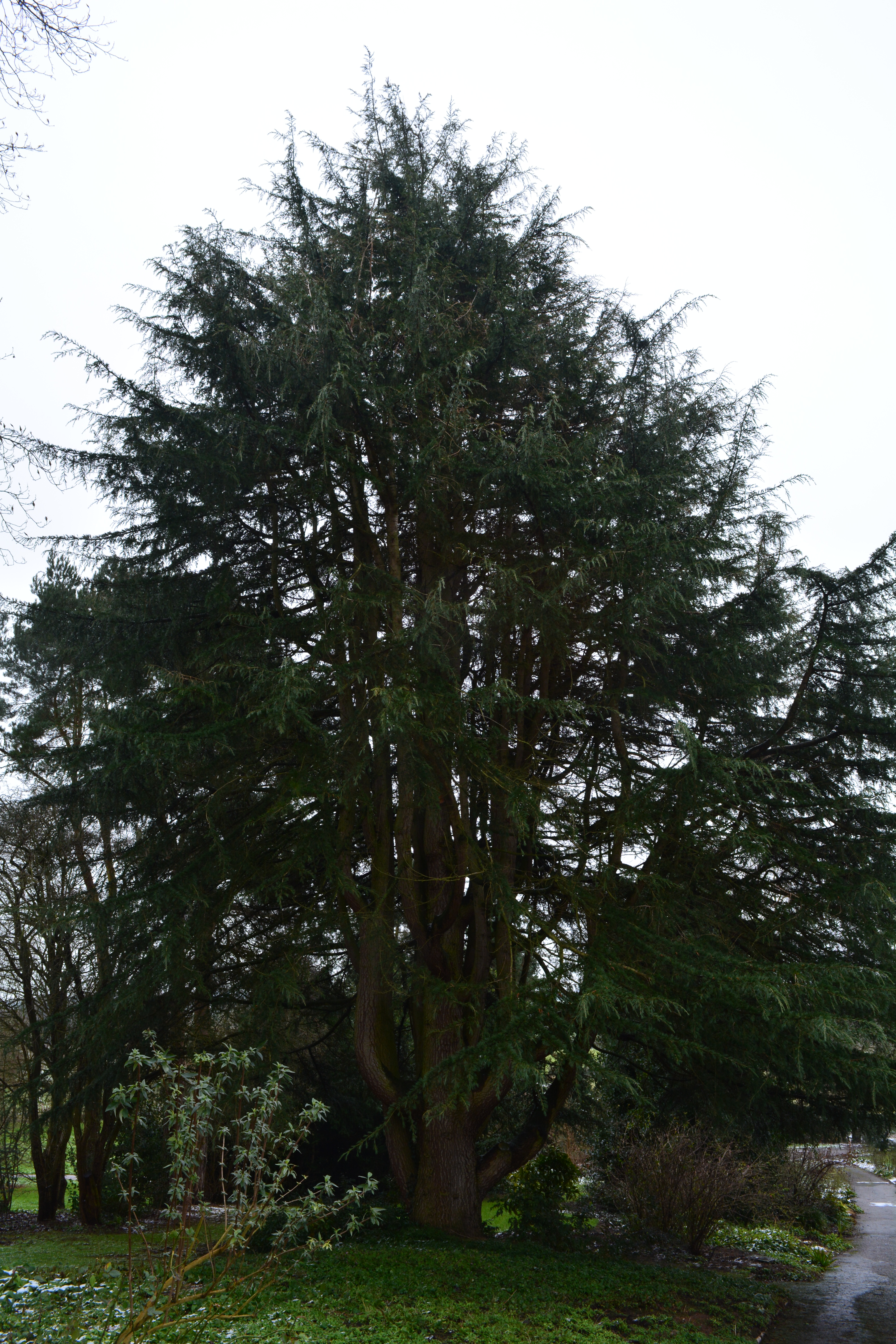
We are not really fans of conifers but admit that in the winter they can give strong structure to the garden.

2016 01 17_7884 2016 01 17_7883 2016 01 17_7878 

I will finish off with a selection of photos, a rustic seat, a terracotta bird box on an old brick shed, a larger then life statue of a stag above a stream and pool and finally a snow topped sundial on a sunless day.

2016 01 17_7852 2016 01 17_78722016 01 17_7834 2016 01 17_7910

That is it for our January exploration of our featured garden for 2016, The Dorothy Clive Garden. We are already looking forward to our February visit when we may see more signs of spring bulbs in flower and some more early flowering shrubs.


Categories
colours flowering bulbs garden photography gardening gardens gardens open to the public grasses hardy perennials ornamental grasses ornamental trees and shrubs Shropshire Staffordshire trees Winter Gardening winter gardens

The Dorothy Clive Garden Month by Month – January

This is the report of our first visit to this year’s featured garden, the Dorothy Clive Garden. We have been making occasional visits to this beautiful garden for about forty years now and have enjoyed many new developments for this is not a garden to rest on its laurels. It is affiliated to the Royal Horticultural Society and is run by the Friends of Willoughbridge Garden Trust.

2016 01 17_7903_edited-1

The garden was born way back in 1940 when Harry and Dorothy Clive lived in the large white house, Elds Gorse. The first area to be tackled was the old quarry which is now a richly planted Dingle Garden. Harry Clive created this first part of the garden so that his wife, who was suffering from Parkinson’s Disease could take daily exercise in a beautoful garden. Sadly she died in 1942 and Harry continued to develop the garden as a tribute to his wife. In 1958 the Willoughbridge Trust was founded to ensure that the garden continued for ever as a place of “rest and recreation” for the public.

2016 01 17_7843_edited-1

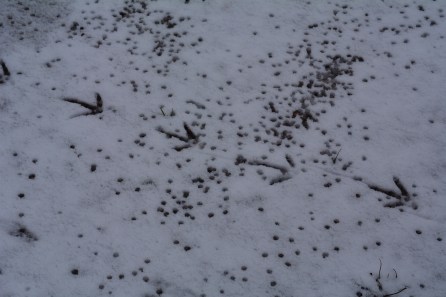
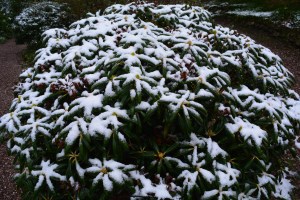
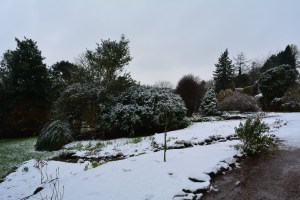
We made the one hour journey to the Dorothy Clive Garden on a very cold morning in mid-January. We were surprised to drive through areas of snow and arrived at the garden to find snow covering the garden in a shallow layer. We left our tracks in the snow as did a Grey Heron before us.

2016 01 17_7785 2016 01 17_78002016 01 17_7846

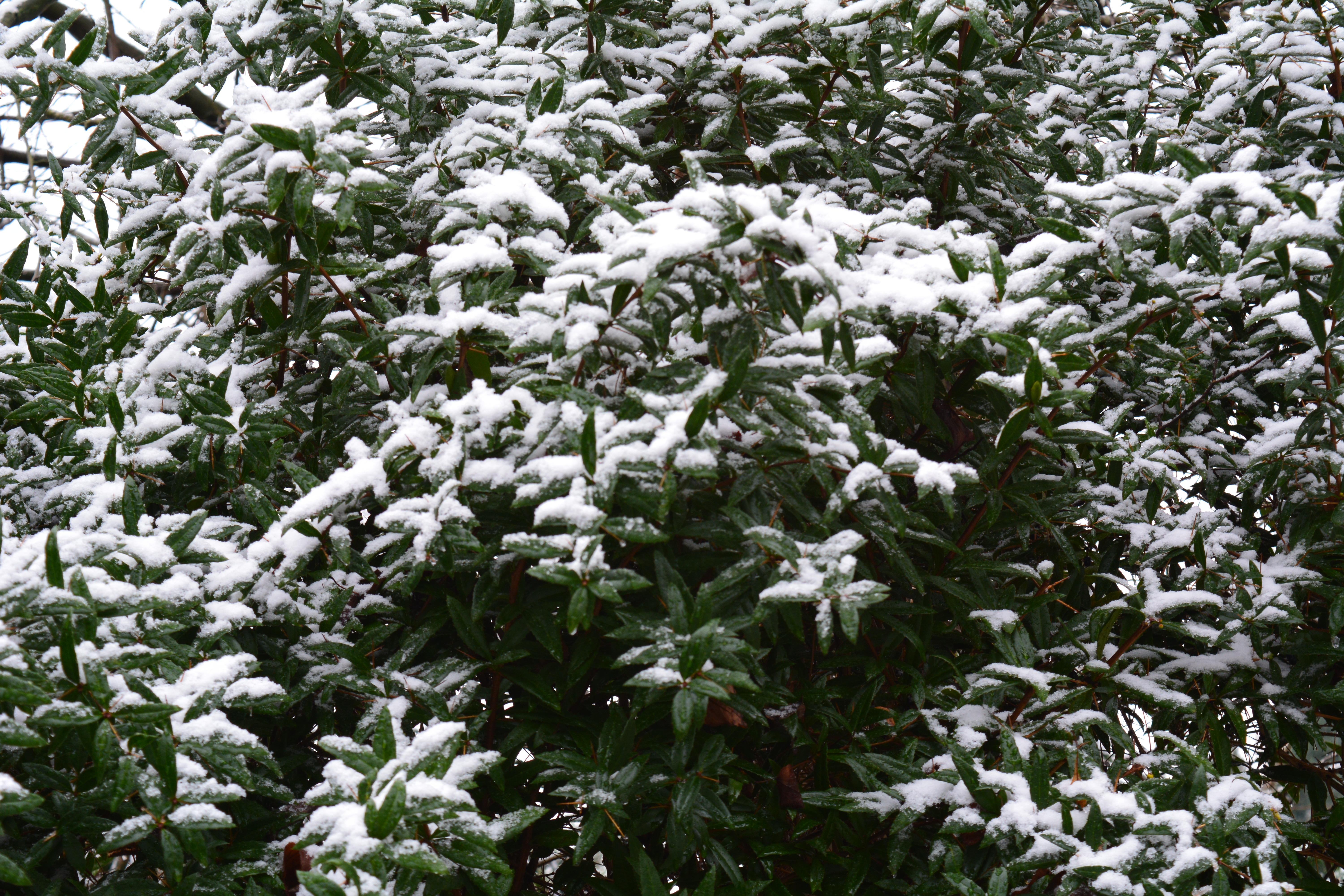
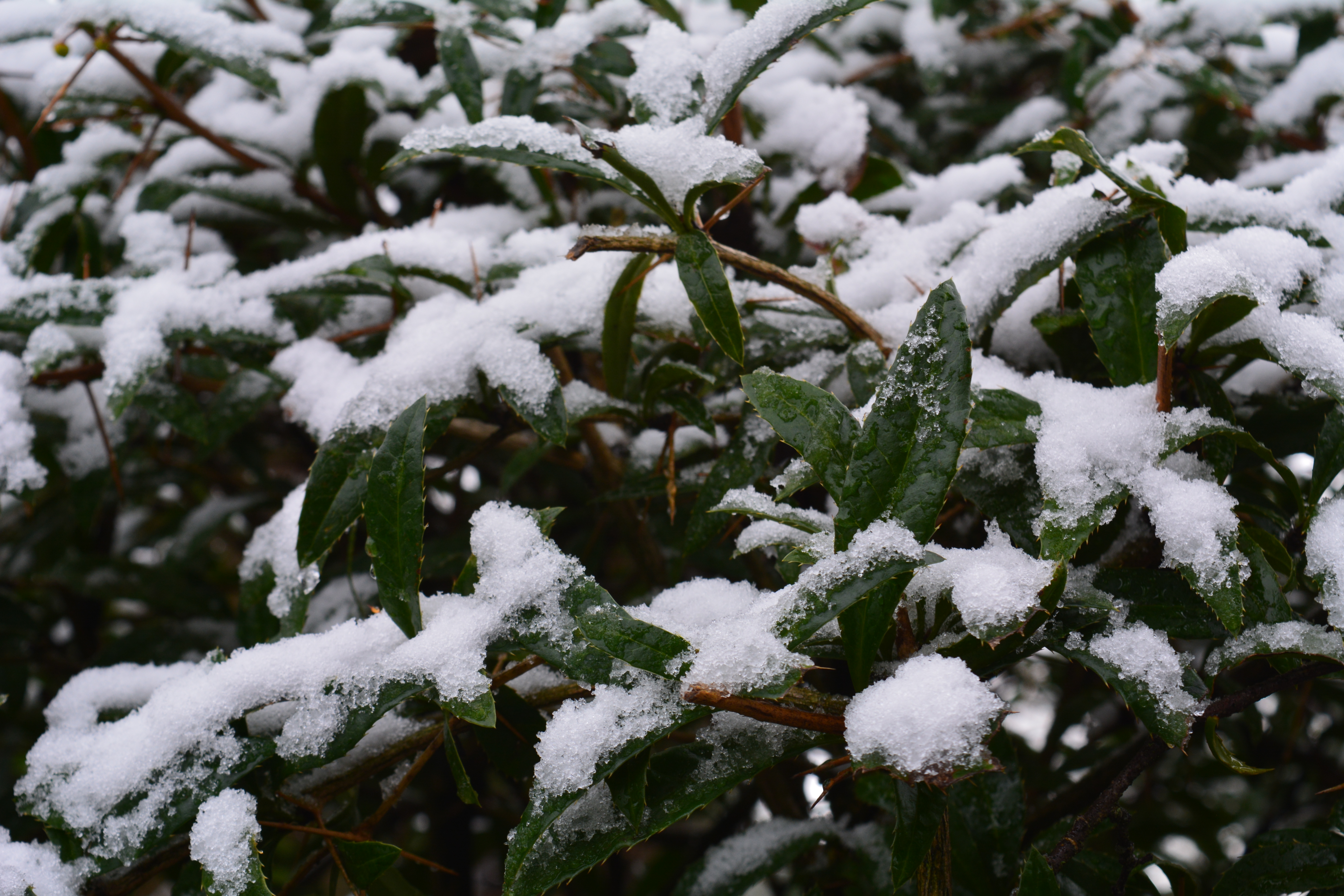
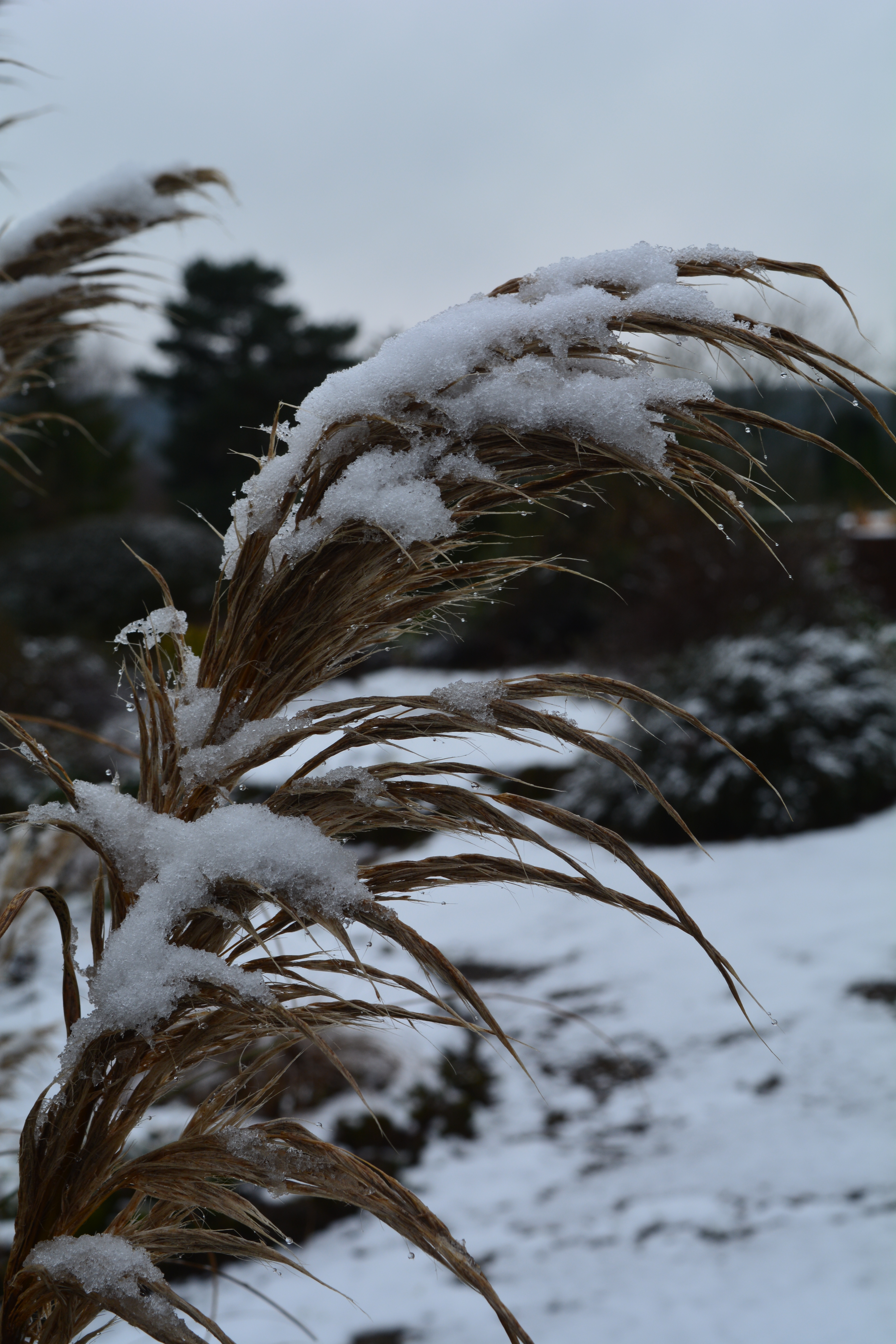
Snow decorated the foliage of trees and shrubs where later in the year we will discover the colours and scents of their flowers. The weight of wet melting snow bent grasses down towards the ground and gave the plants a graceful shape.

2016 01 17_7786 2016 01 17_7788 2016 01 17_7789 2016 01 17_7791 2016 01 17_7792 2016 01 17_7793  2016 01 17_7794 2016 01 17_7807

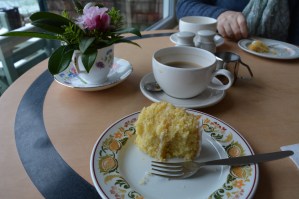
The first view of the garden opened up before us as we climbed a gently sloping path towards the tea shop which in winter doubles up as the ticket office. Naturally we were tempted by the aroma of warm coffee and the sight of home made cakes. The little flower arrangements in the centre of each table added to the warm welcome we received from the staff.

2016 01 17_7790 2016 01 17_7798

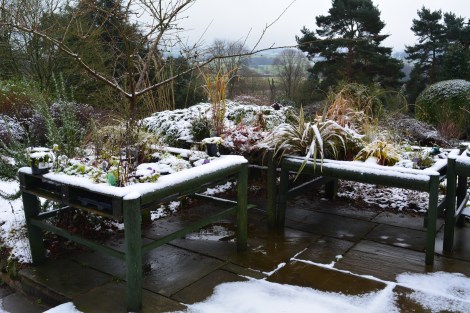
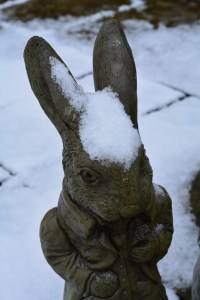
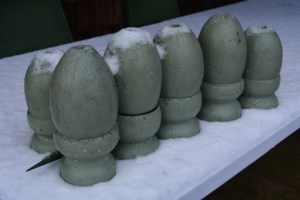
Just outside the tearoom the little nursery area held plants hidden under snow and sculptures of rabbits and hares wearing hats of snow. The gardeners had been painting acorn fence-post tops a gentle shade of green.

2016 01 17_77952016 01 17_7796 2016 01 17_7797

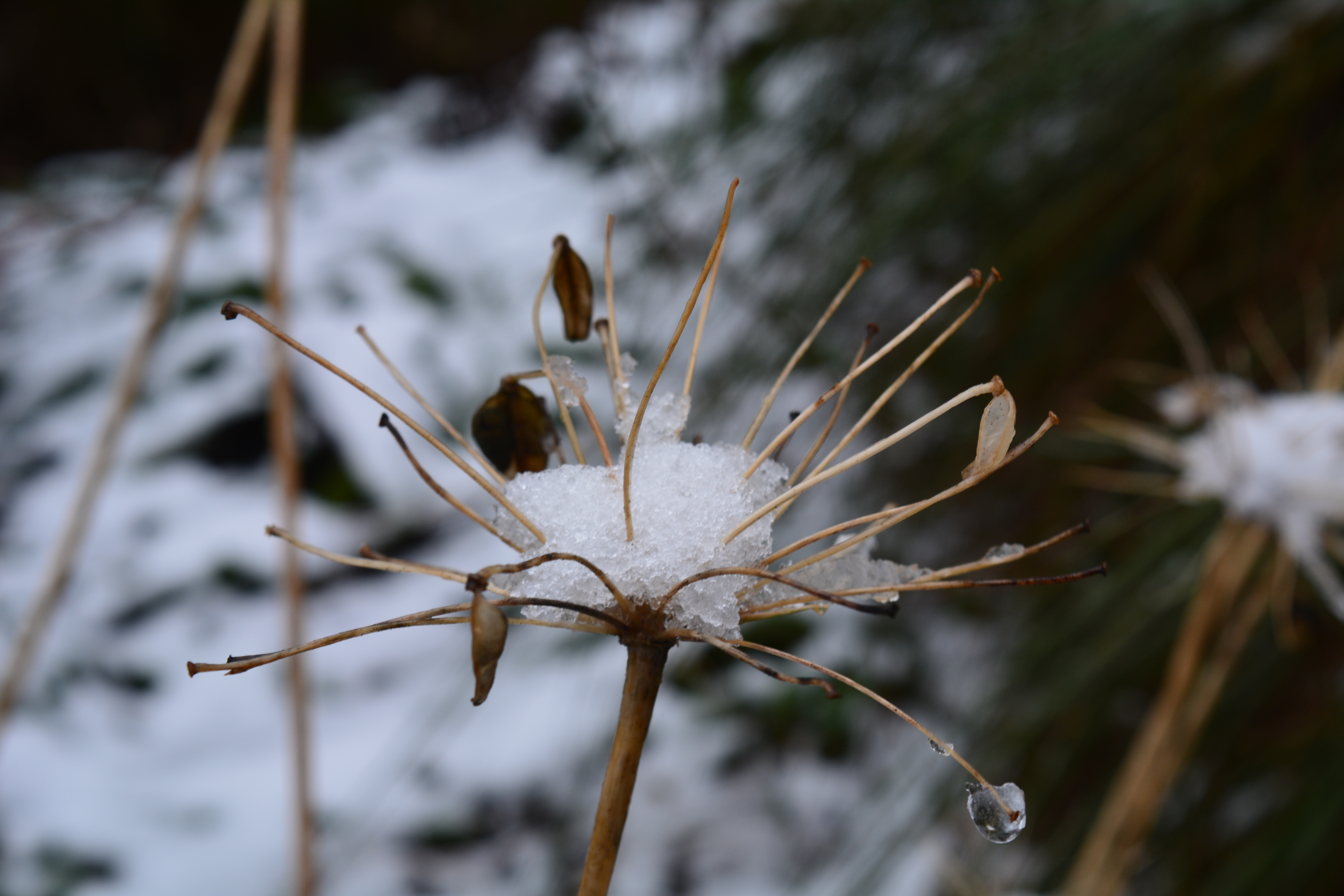
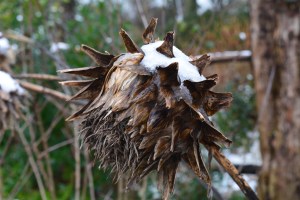
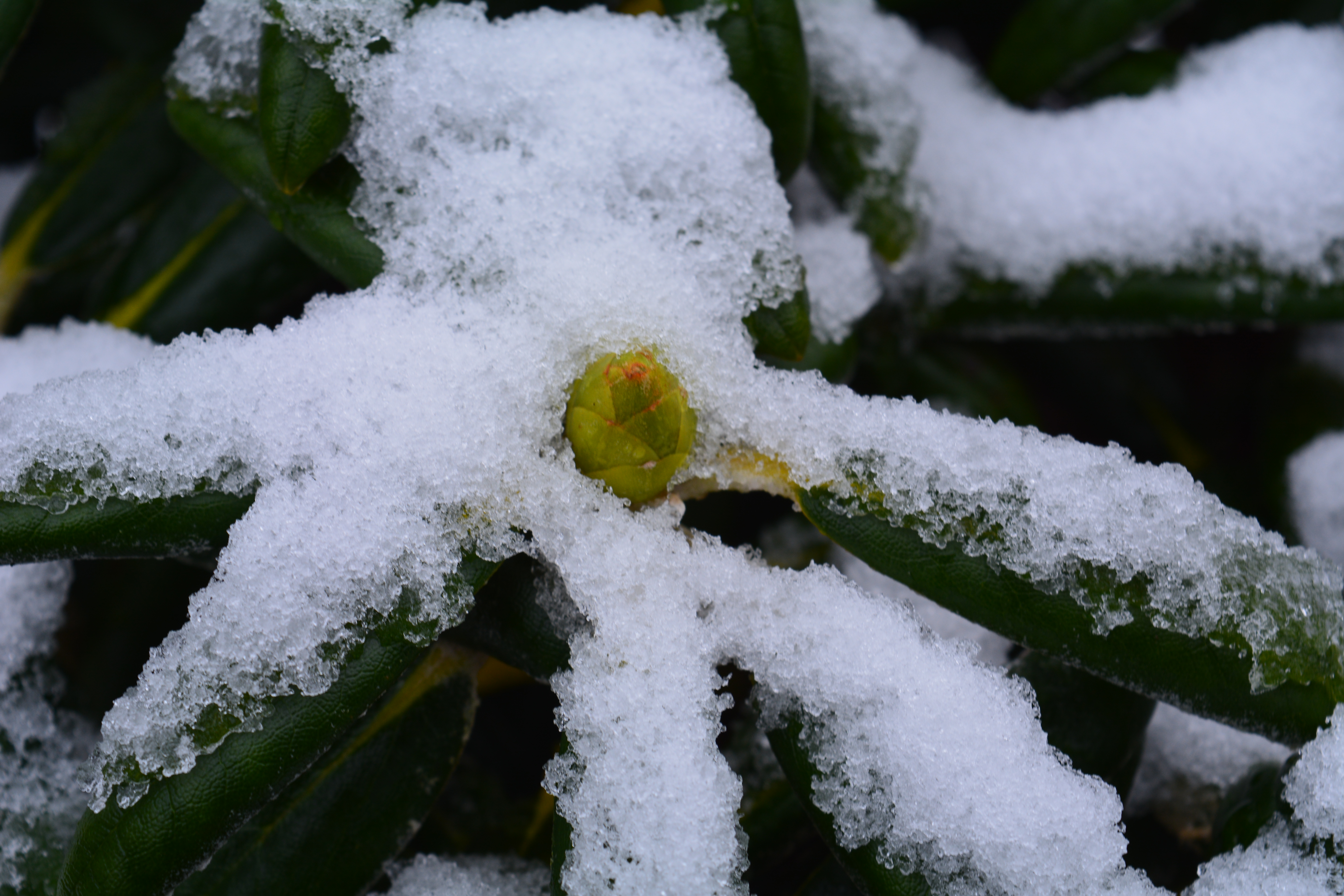
We left the tea shop and mini-nursery to walk towards the Dingle Garden an area of woodland garden created in an old quarry. Snow topped off the buds and leaves of Azaleas and Rhododendrons and the seed heads of the occasional herbaceous perennials.

2016 01 17_7804 2016 01 17_7870 2016 01 17_7874 2016 01 17_7815 2016 01 17_7808 2016 01 17_7813

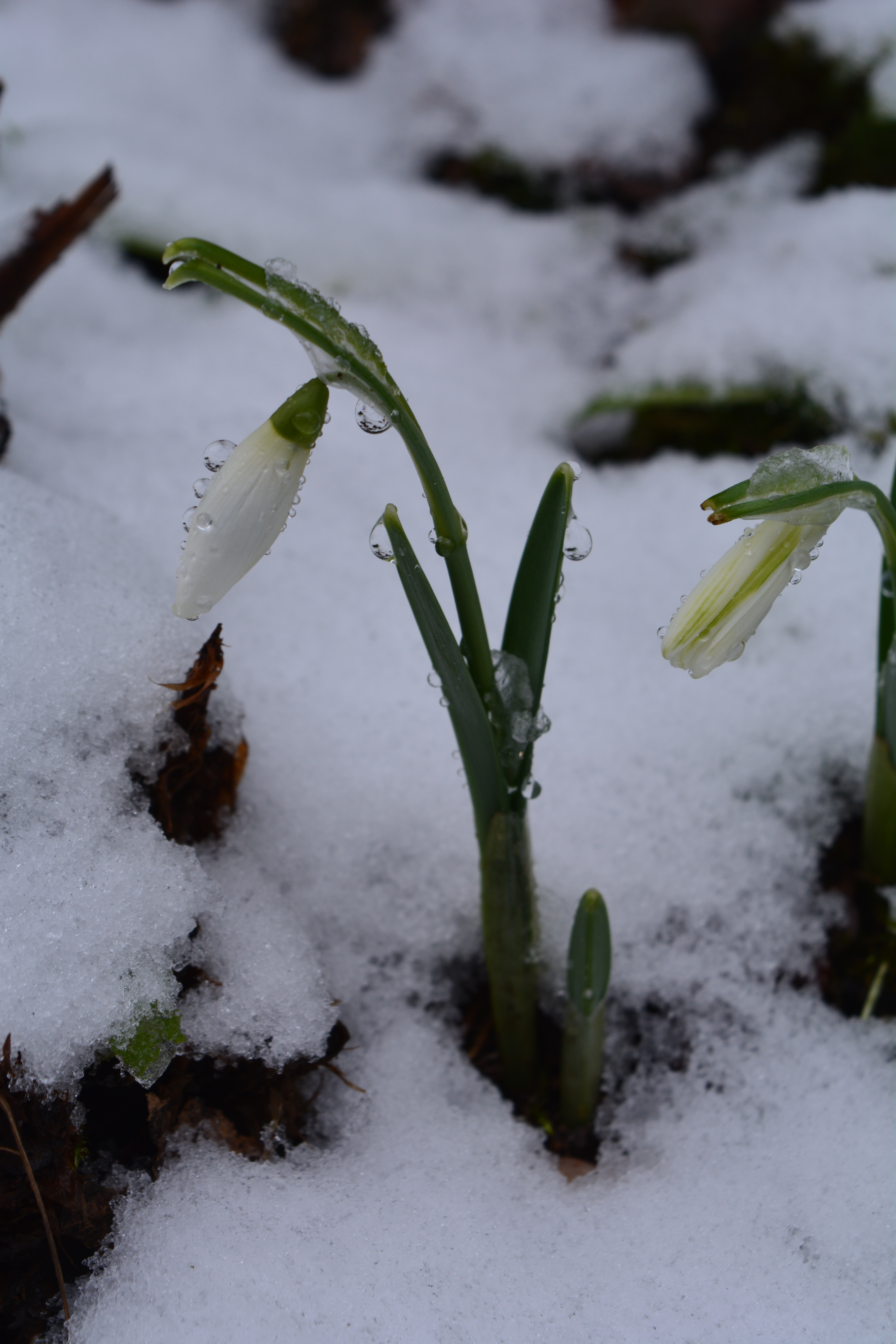
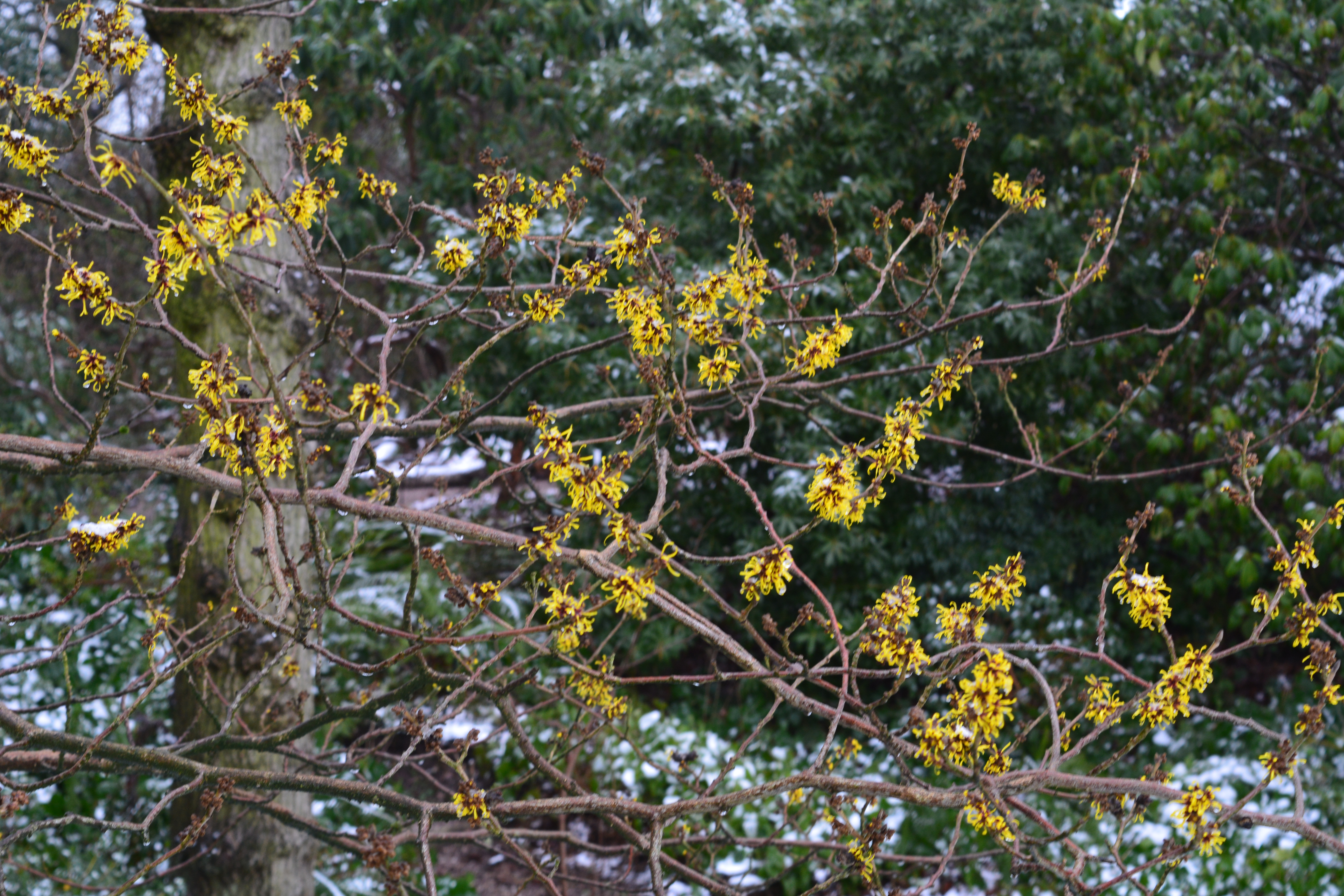
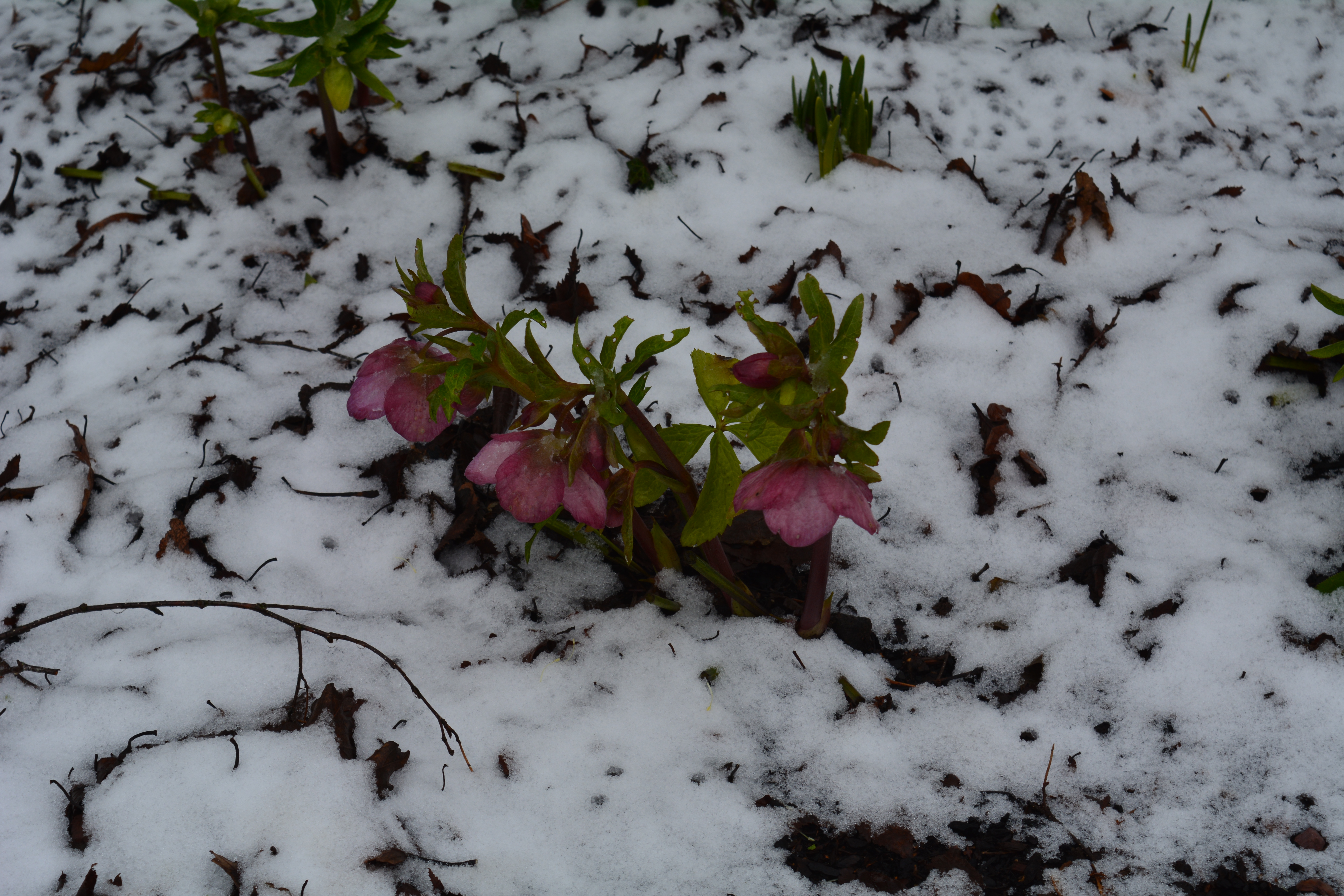
But we were particularly delighted to find flowers out, the simplest of Snowdrops with droplets of melted snow hanging from their stems, the occasional Rhododendrons and Camellias and Witch Hazels in sunshine colours.

2016 01 17_7809 2016 01 17_7810 2016 01 17_7811 2016 01 17_7836

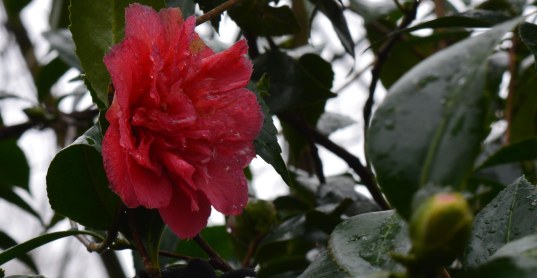
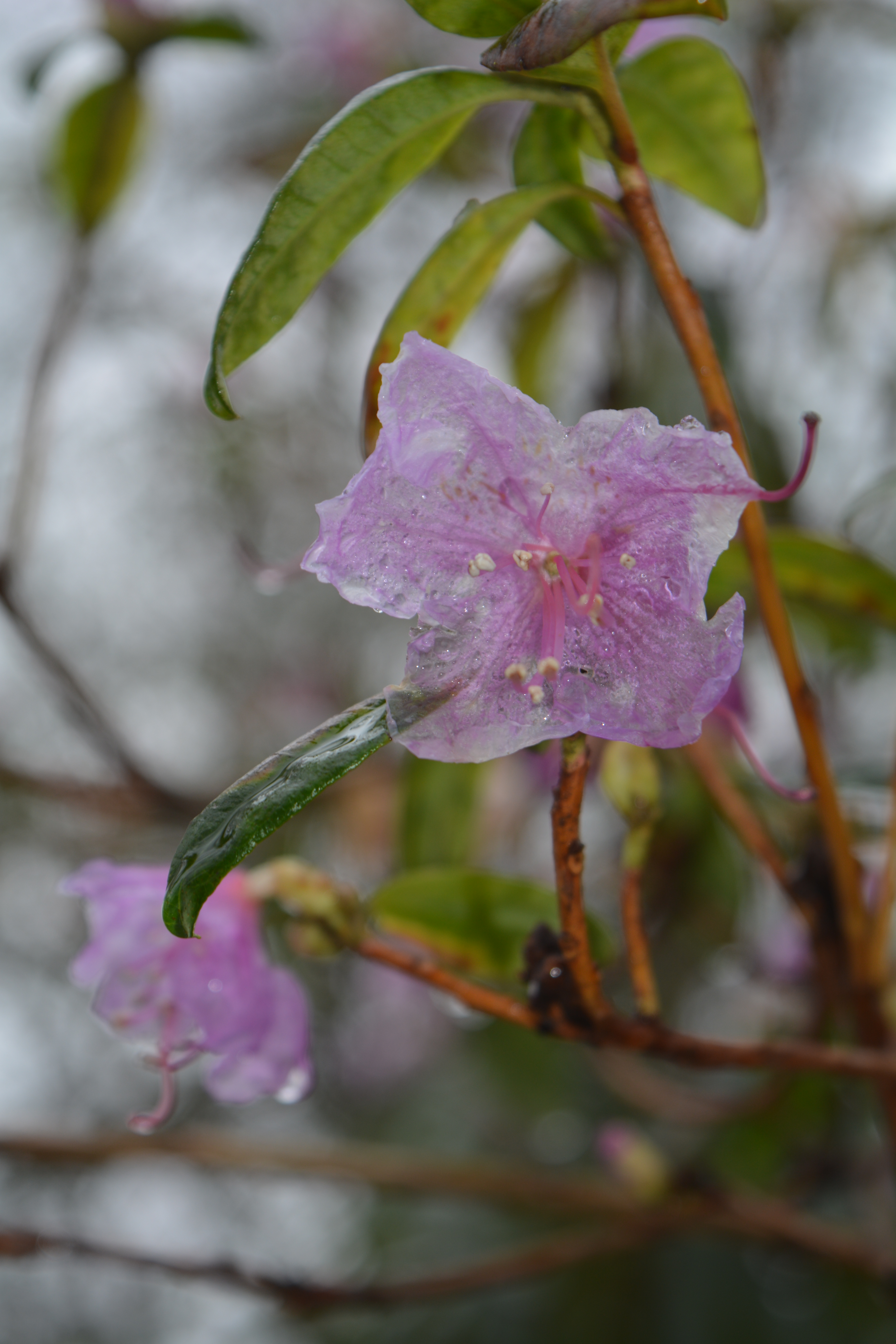
The overnight snow and ice had turned this pink Rhododendron translucent and delicate, while the flowers in the Camellia Walk were just managing to hang on. The pink scented flowers of this Daphne however shrugged off the cold and looked fresh and cheerful.

2016 01 17_7827 2016 01 17_7818_edited-12016 01 17_7902 2016 01 17_79052016 01 17_7881_edited-1

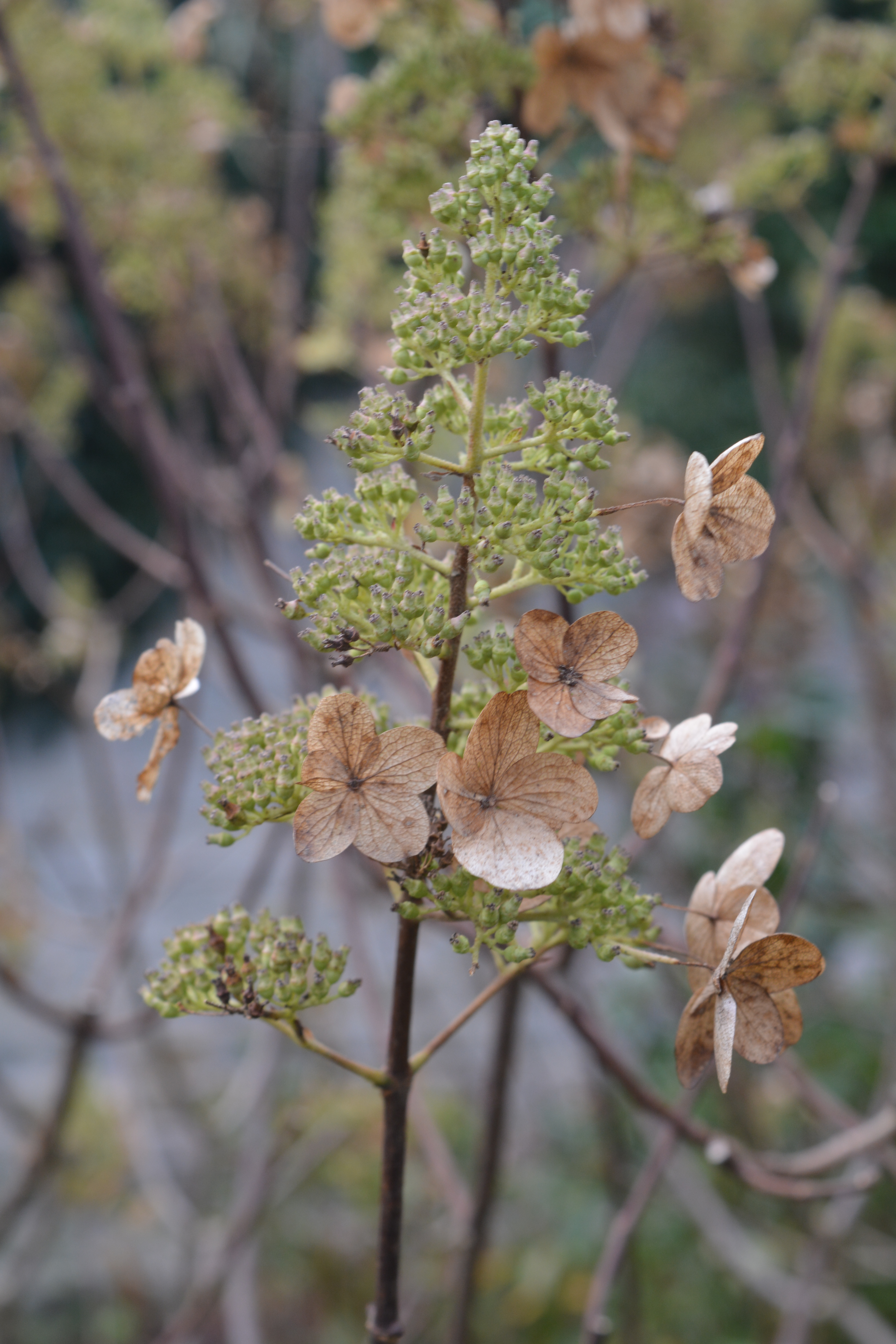
Hydrangeas looked as good covered in seed heads as they do in flower with gentle biscuit and ginger hues.

2016 01 17_7819 2016 01 17_7825

During the winter when undergrowth has died away and low growing deciduous shrubs have dropped their leaves the trunks of Rhododendrons and Azaleas are exposed. We can then appreciate their amazing scrolls and curlicues.

2016 01 17_7821 2016 01 17_7822 2016 01 17_7830 2016 01 17_7823 2016 01 17_7824 2016 01 17_7868

The new winter garden at the Dorothy Clive Garden was a surprise to us as it is totally new so we didn’t know it existed. A great surprise! The Laburnum Arch through which we left the Winter Garden has been a popular feature of the garden for many years.
2016 01 17_7837 2016 01 17_7838 2016 01 17_7842 2016 01 17_7844 2016 01 17_7845 2016 01 17_7847

The colours and textures of trees can add so much to any garden and the gardeners at Dorothy Clive certainly know how to choose them and place them to best advantage.

2016 01 17_7850 2016 01 17_7857 2016 01 17_7860 2016 01 17_7864 2016 01 17_7866 2016 01 17_7869

You only need the tiniest touch of light on berries to make them sparkle. The last drops of melting snow hung on many.

2016 01 17_7898 2016 01 17_7897_edited-1

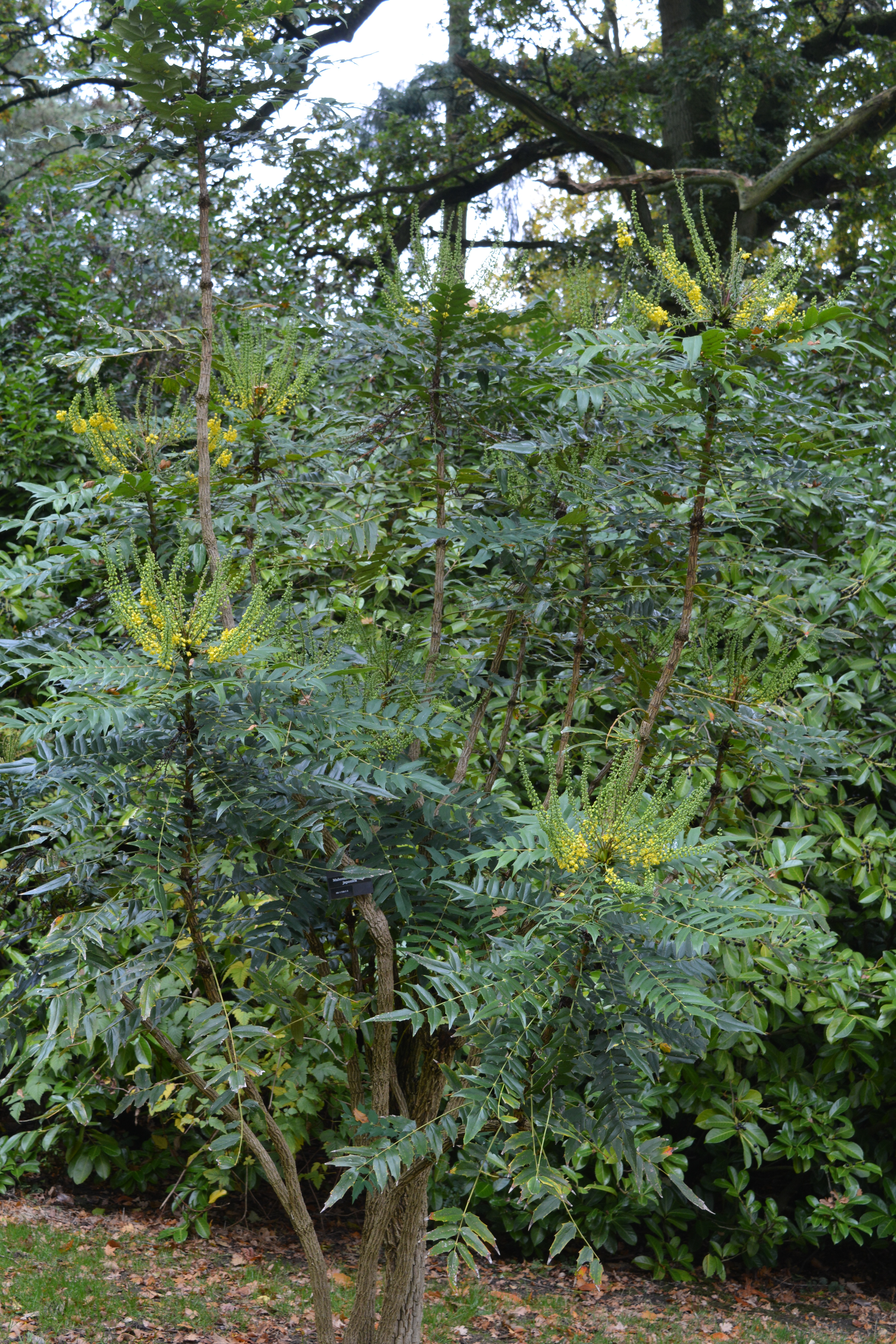
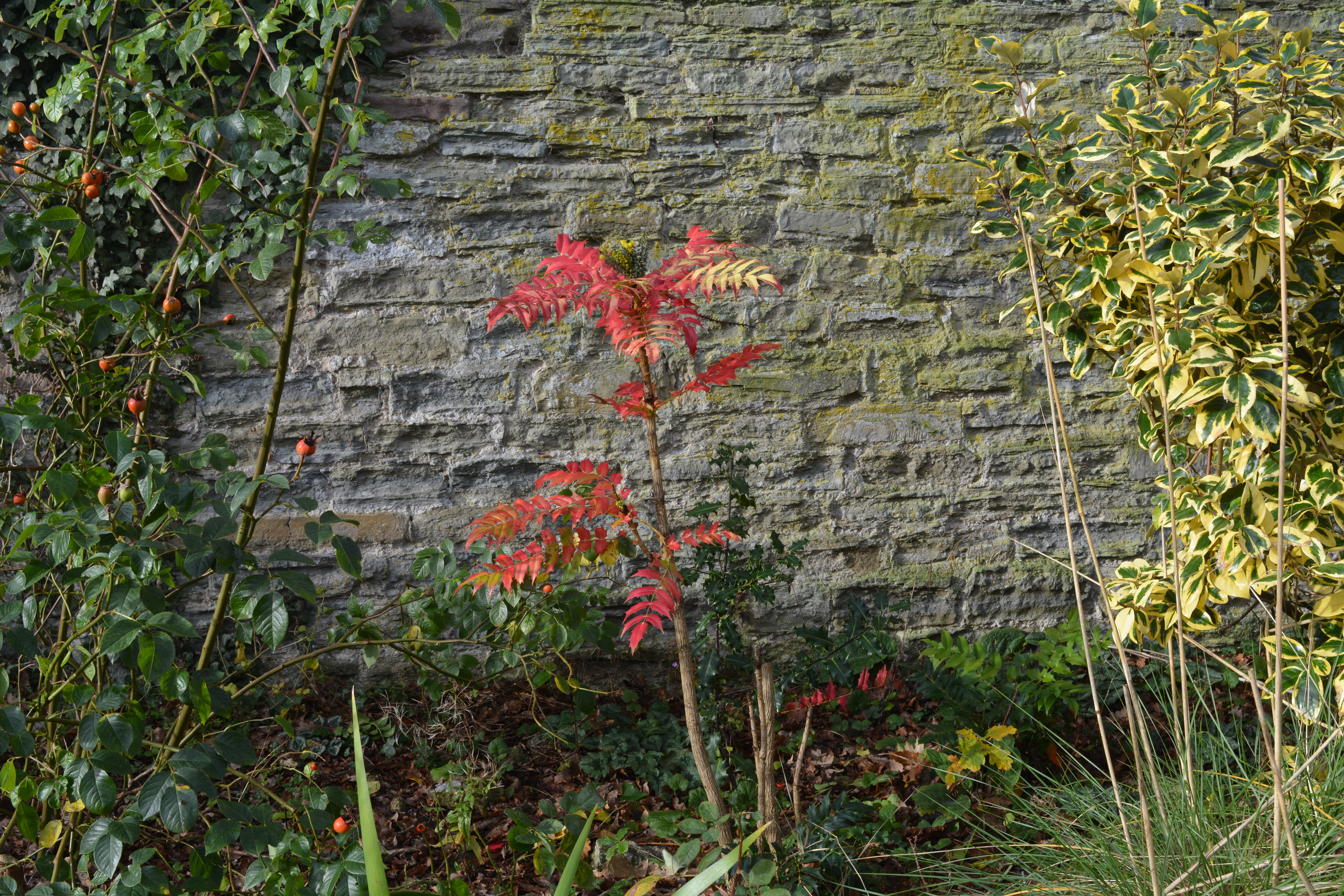
Mahonias are always a good plant in any garden with their glossy evergreen leaves which show rich autumn colours and in the winter yellow scented flowers appear to be followed by black berries with a white floury dusting.

2016 01 17_7885 2016 01 17_7891

We shall return for part two of this January visit to our feature garden of 2016 to see what other treats the Dorothy Clive Garden has in store for us.


Categories
arboreta autumn autumn colours colours garden buildings garden photography gardens gardens open to the public ornamental trees and shrubs sculpture trees

Arboreta in Autumn – Batsford Part 2

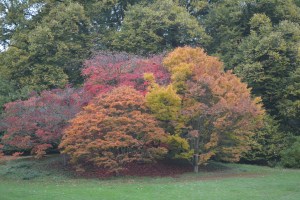
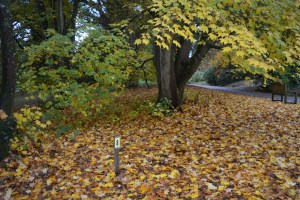
As we return to Batsford we are still wandering along the pathway that promised us views of plen1ty of unusual and beautiful trees and shrubs. Being autumn of course gives us the added benefits that it brings – yellows, oranges and reds in every shade possible. Many are on the ground at our feet so rather than just their colours we enjoyed their sounds as we scrunched through them with our boots and kicked them into the air bringing back childhood memories. Jude the Undergardener and I have frequent childhood memories which we have to relive.

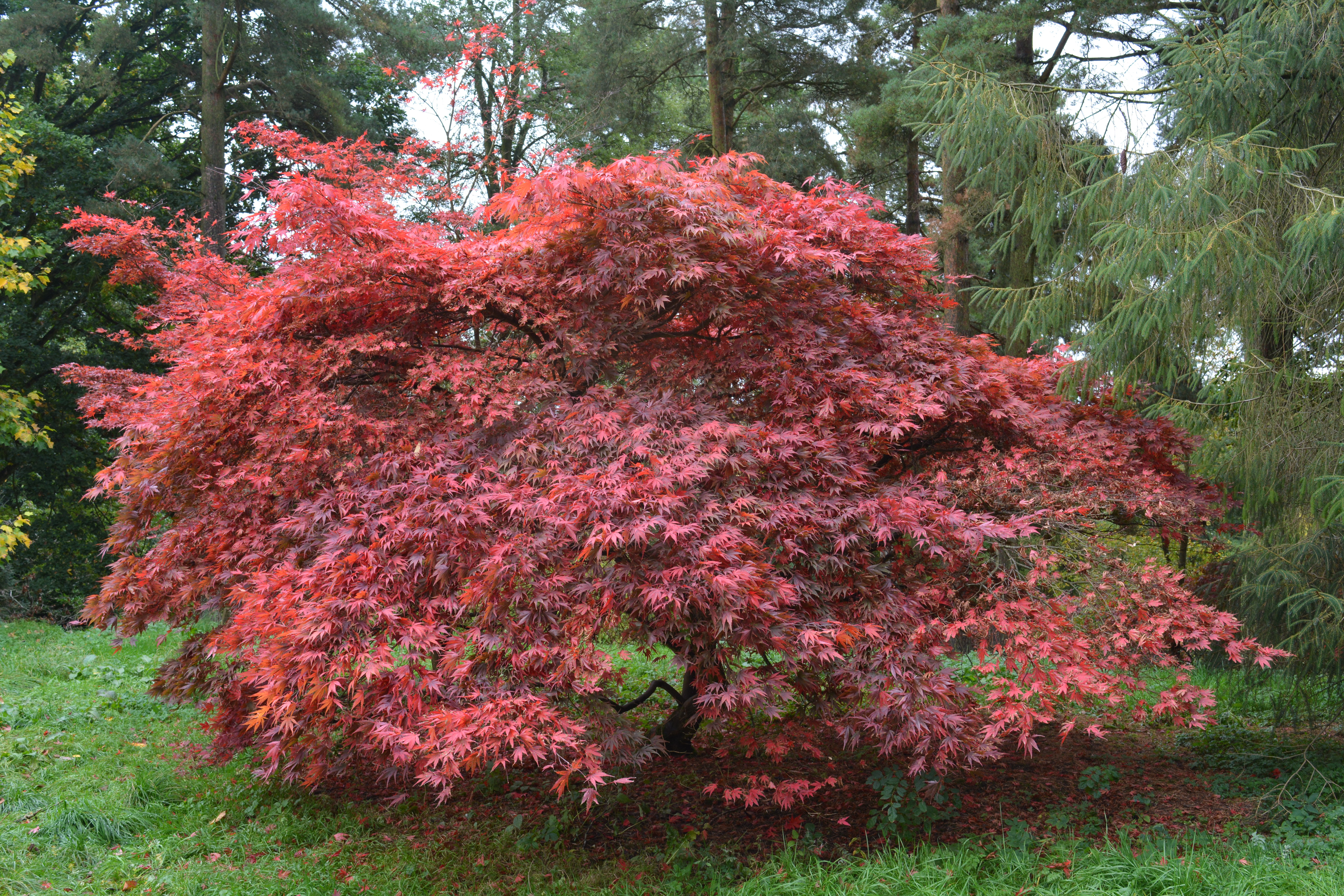
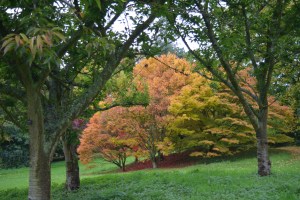
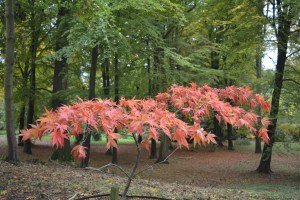
Think of autumn colour and for many the first plant to spring into the mind is the massive family of Acers. Batsford has dozens of varieties both trees and shrubs.

2015 10 21_6557 2015 10 21_6558  2015 10 21_6560 2015 10 21_6562 2015 10 21_6563 2015 10 21_6570 2015 10 21_6571 2015 10 21_6578 2015 10 21_6599 2015 10 21_6583

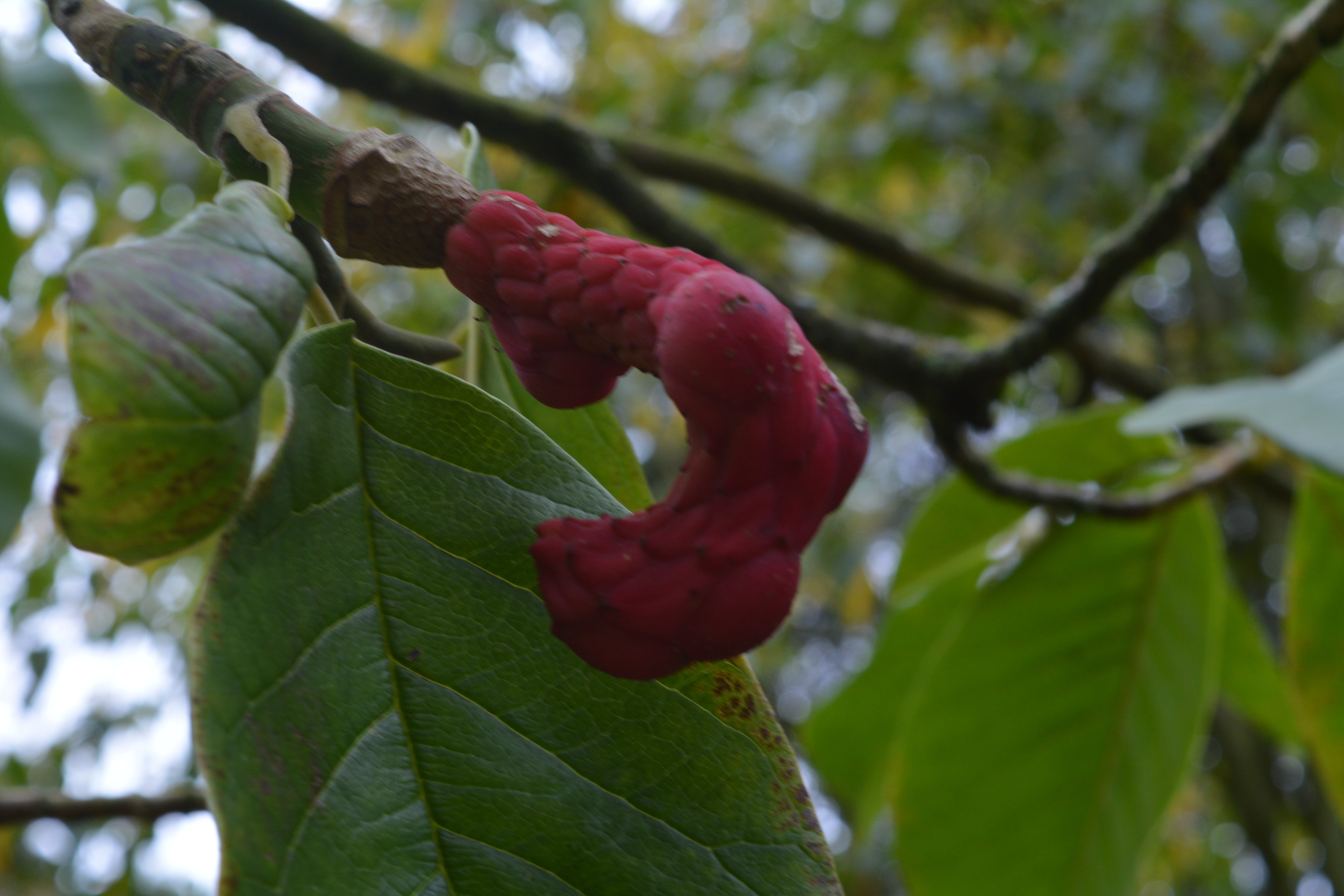
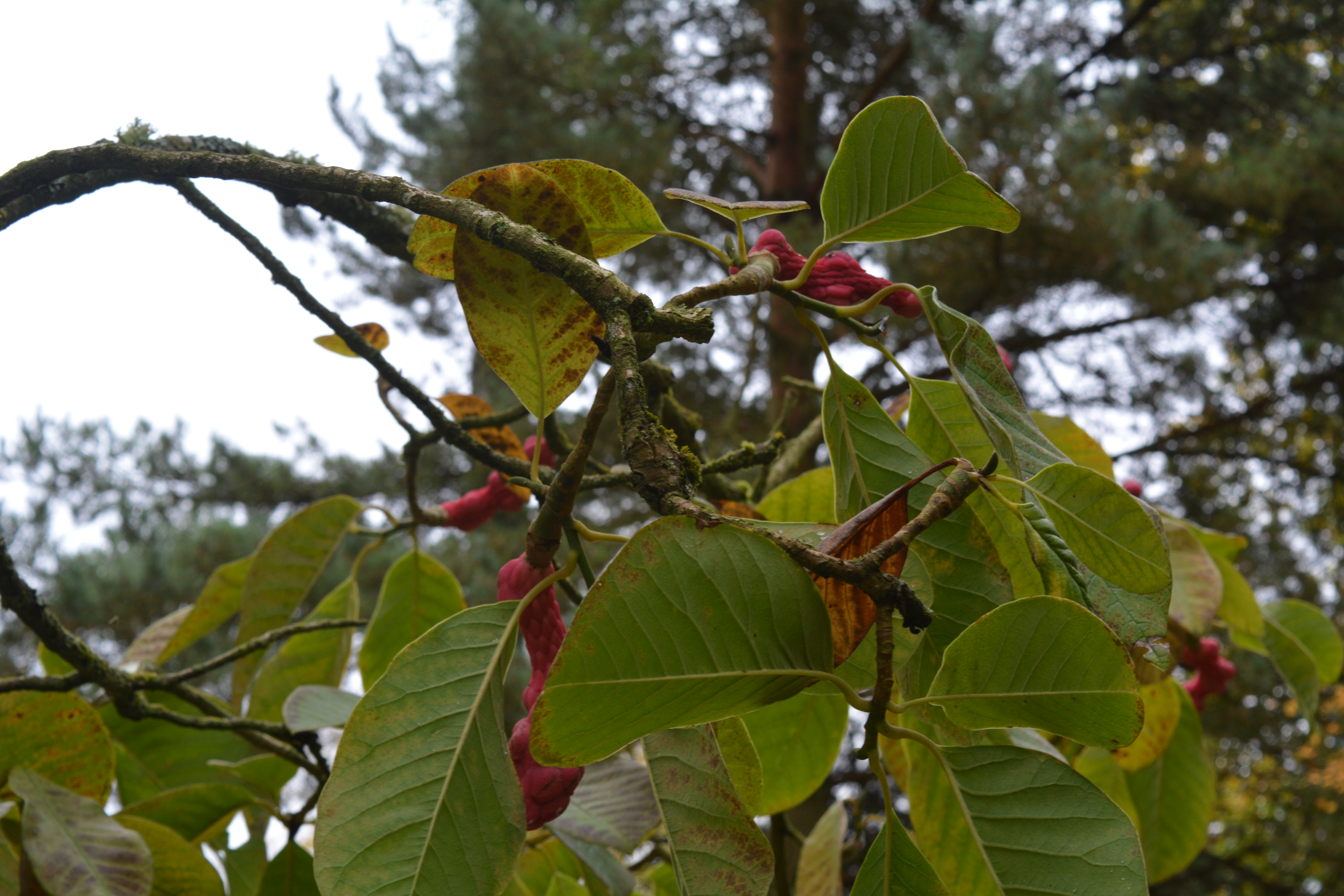
We were drawn in by the sight of raspberry coloured seed pods shaped like arthritic old fingers. They were hanging on a Magnolia x veichii “Peter Veitch”, with its large pleated leaves.

2015 10 21_6566 2015 10 21_6568

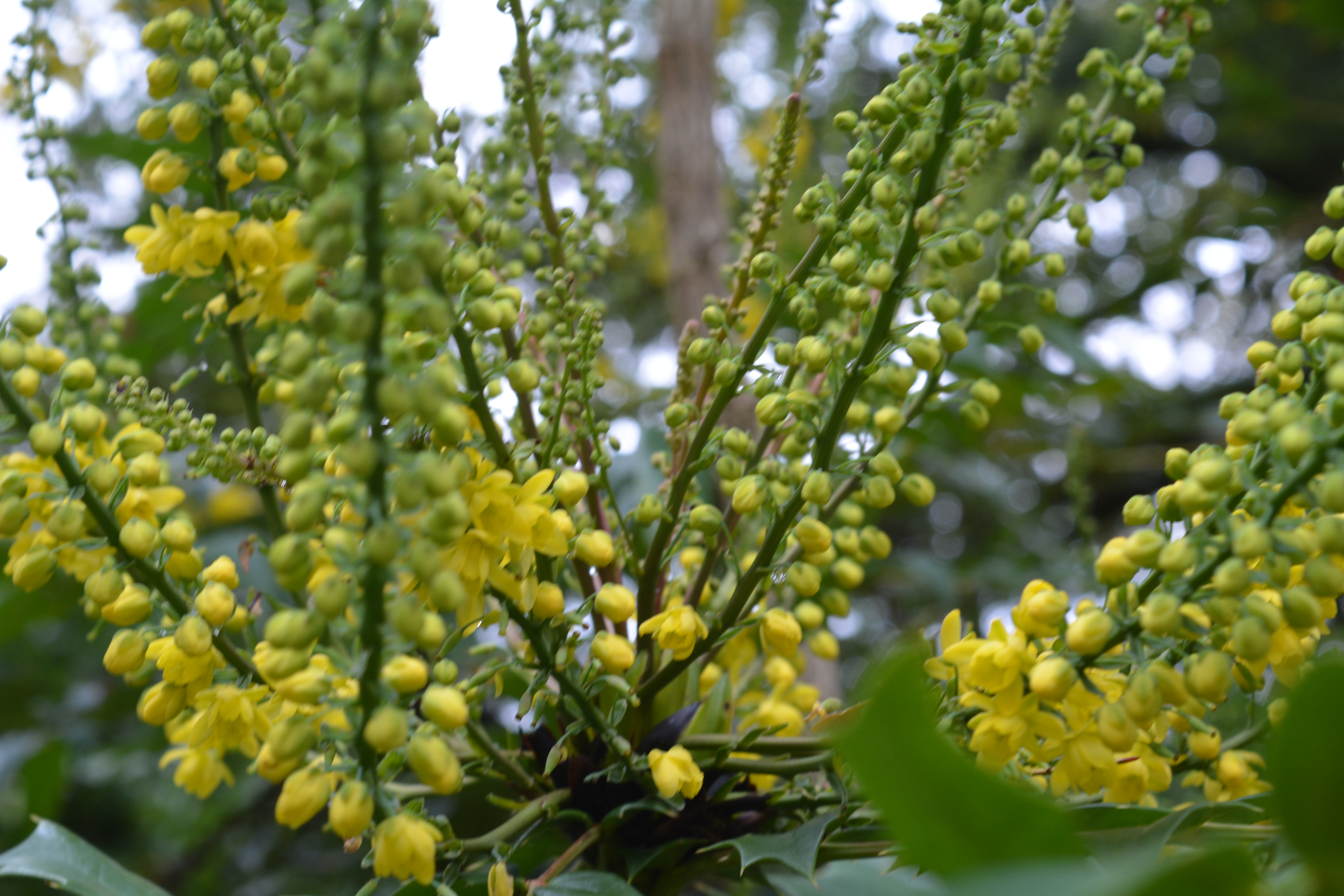
The scent from these lovely acid yellow Mahonia reminded us of pineapples which made our mouths water!
2015 10 21_6573 2015 10 21_6574

We have a Liquidamber styraciflua “Worplesdon” in our front garden which is fastigiate so takes up little room, but this beauty would dwarf an awful lot of our other plants. The Liquidamber styraciflua here is a beautiful tree as are all Liquidamber.

2015 10 21_6576 2015 10 21_6577

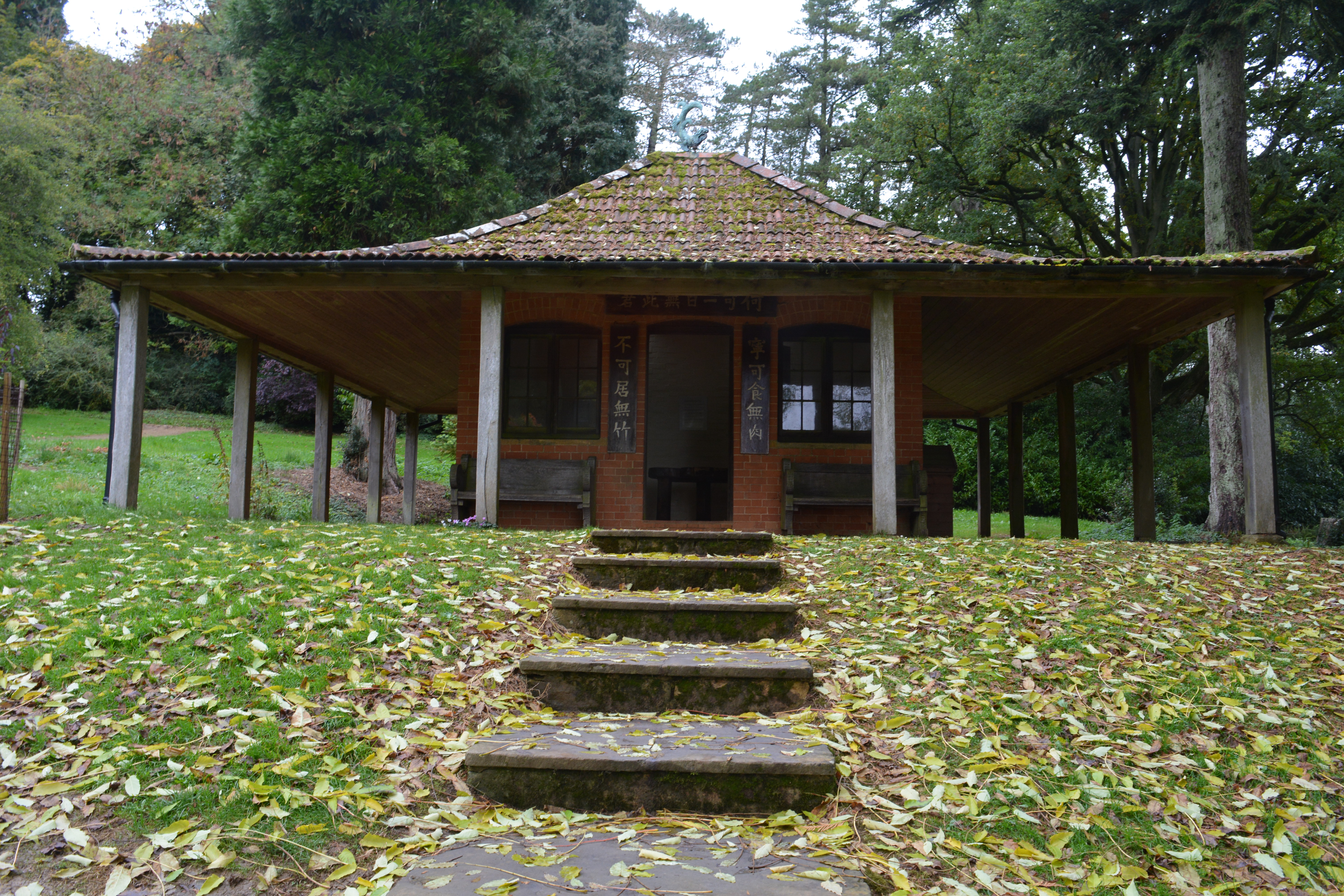
There is more to this arboretum than trees and shrubs as we discovered when we came across this Japanese style building and oriental sculptures, all adding a little eastern spice.

2015 10 21_6579 2015 10 21_6580 2015 10 21_6592 2015 10 21_6586

This sculture was equally beautiful but was simply created by Mother Nature as the top of this tree had died away.

2015 10 21_6613 2015 10 21_66142015 10 21_6615

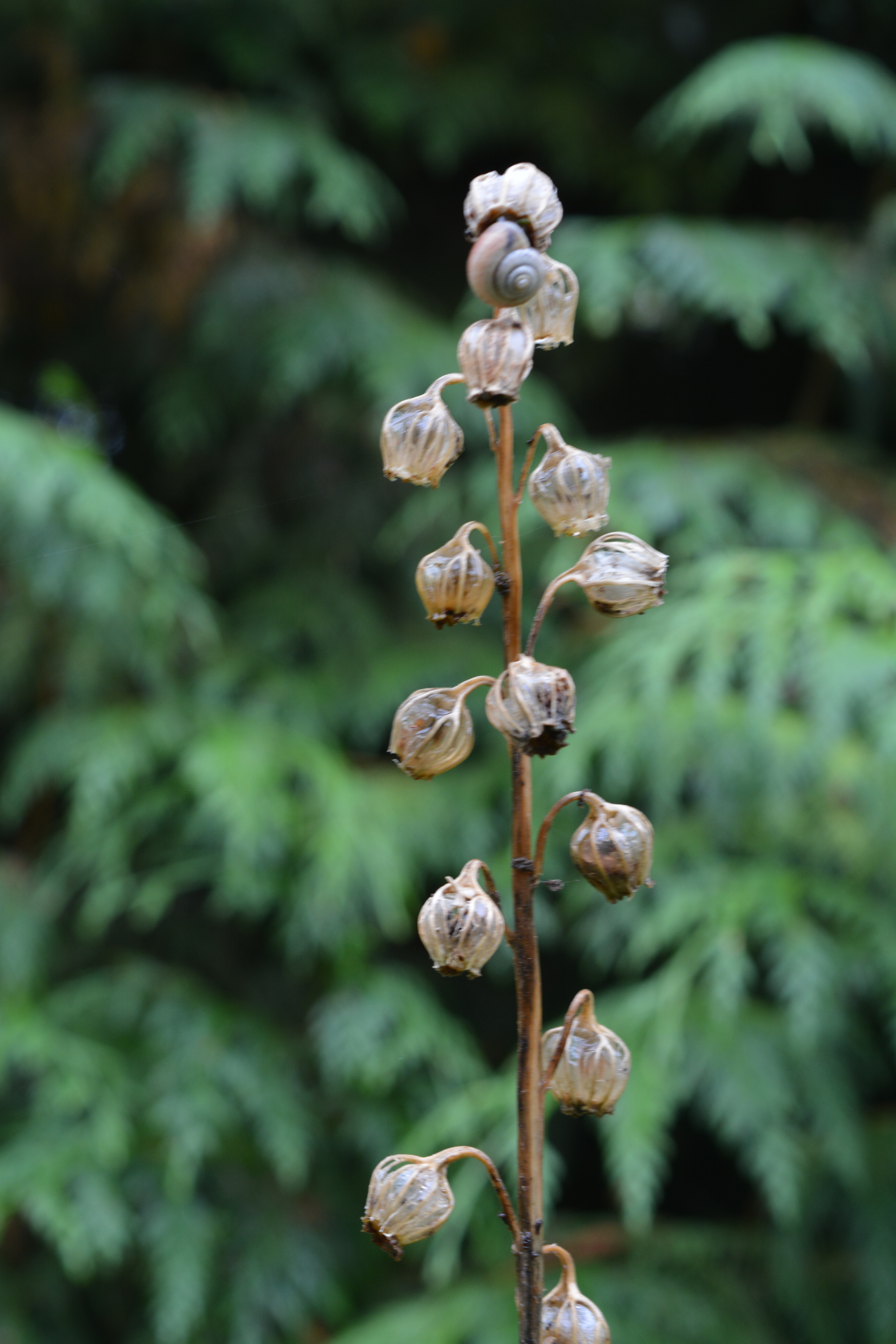
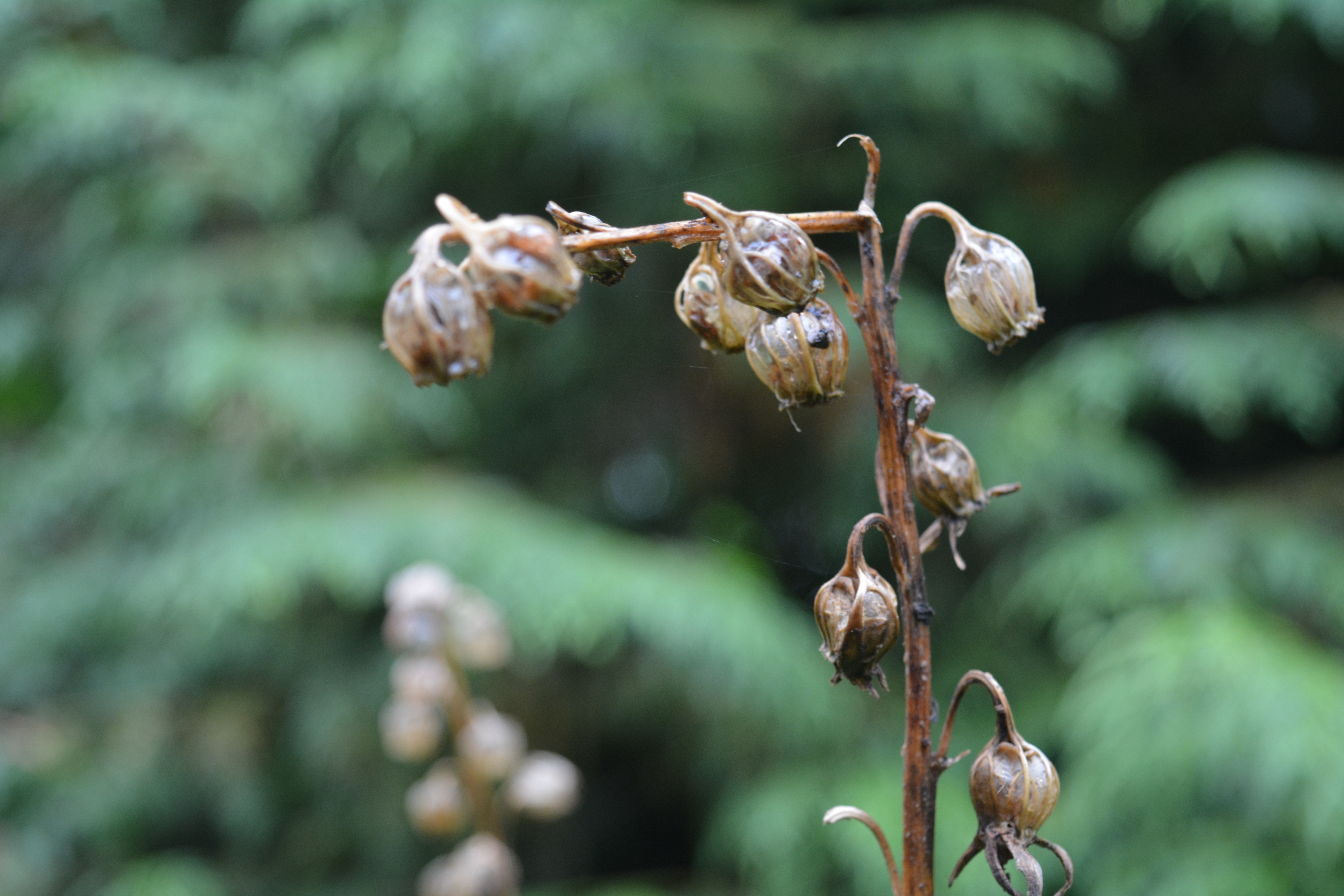
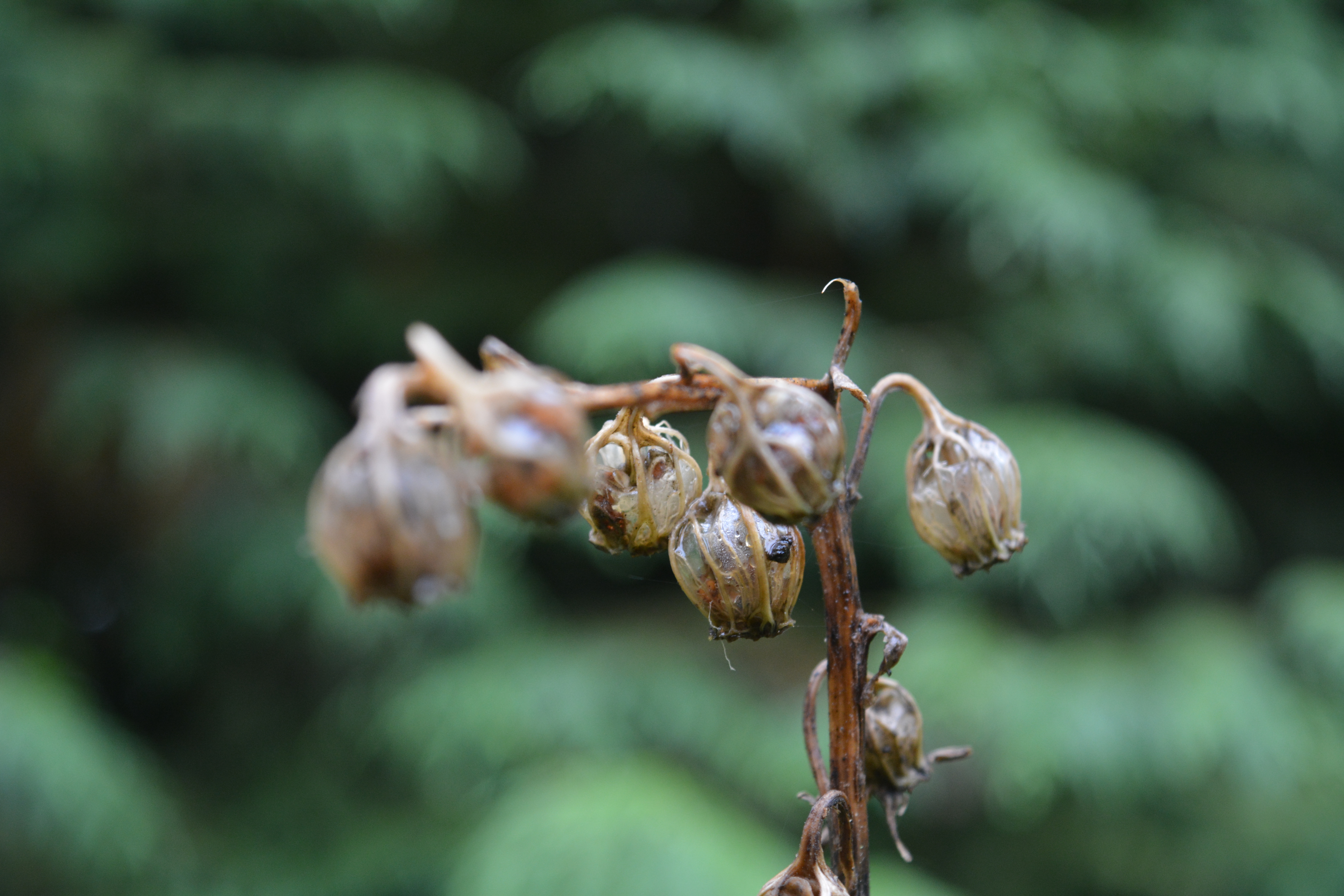
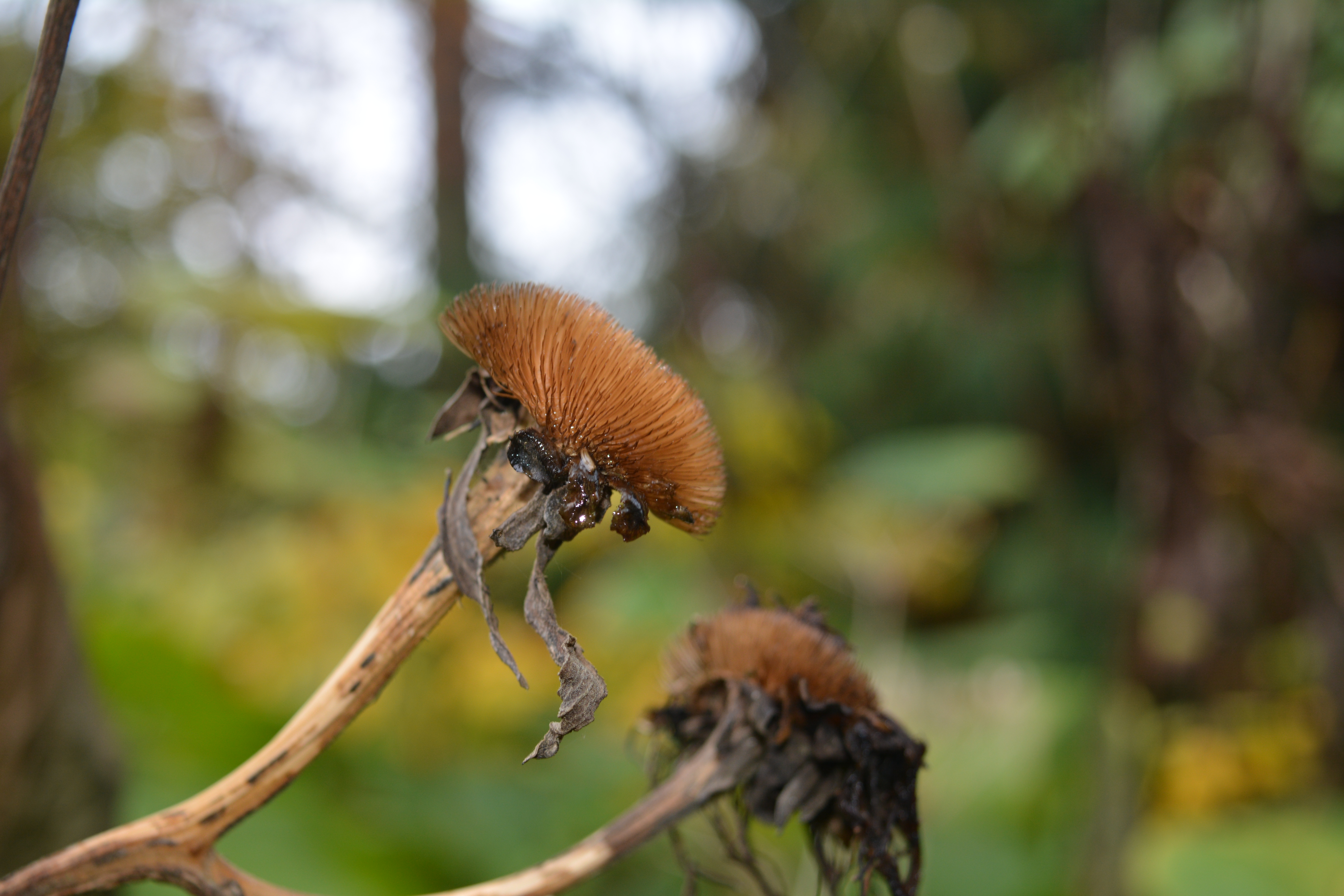
Wherever I go in the autumn and winter I keep an eye out for dried seed heads and flower heads as I enjoy their colours, shapes and textures. I managed to manoeuvre my self and my camera to photograph these against dark leafy backgrounds.

2015 10 21_6593 2015 10 21_6594 2015 10 21_6595 2015 10 21_6596 2015 10 21_6597

Just a few shots now to illustrate how much colour can be found around trees in this autumnal period.

2015 10 21_6600 2015 10 21_6601 2015 10 21_66062015 10 21_6602 2015 10 21_6604 2015 10 21_6603

The pale raspberry coloured fruit of Cornus x cousa “Norman Hadden”  once ripe will be enjoyed by the local Blackbird population but they look good before they disappear.

2015 10 21_6608 2015 10 21_6609

So that is it for our visit to Batsford Arboretum for now but I feel sure we will be back.

Categories
arboreta garden photography gardening gardens gardens open to the public ornamental trees and shrubs shrubs trees

Arboreta in Autumn – part 2 – Batsford

We made a special effort to get to see several different arboreta this autumn. We visited our friend Richard’s arboretum twice, then drove northward to the Bluebell Arboretum and Nurseries and finally south to Batsford Arboretum in Gloucestershire.

Batsford is one of the biggest and oldest arboreta in the UK and a very well-known one so provided a good contrast to Richard’s place and Bluebell as these are relatively small and both just over 20 years old. Their own publicity leaflet describes Batsford as “The Cotswold’s Secret Garden” but judging by the number of visitors even on a dull day it seemed far from a secret.

2015 10 21_6477 2015 10 21_6475

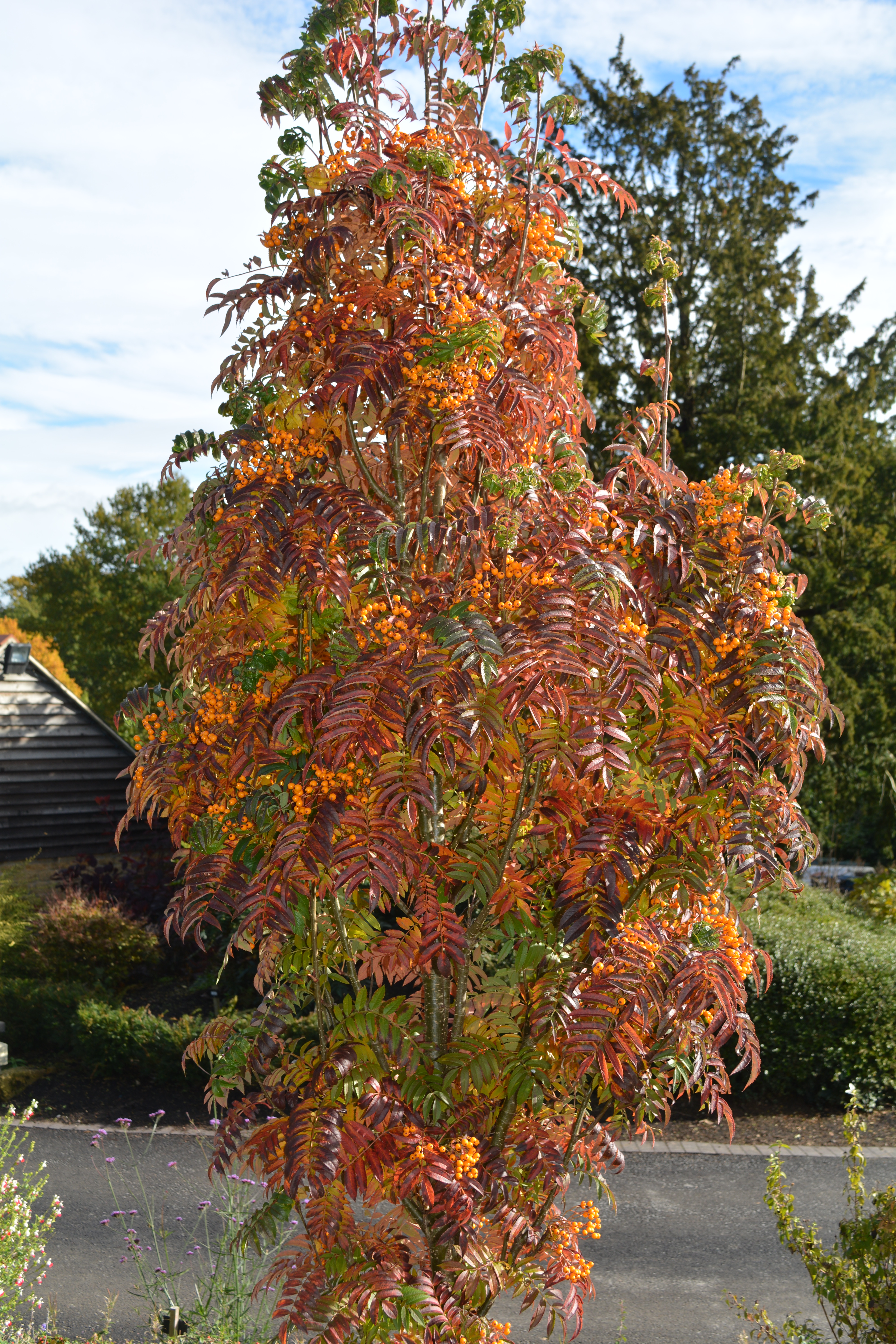
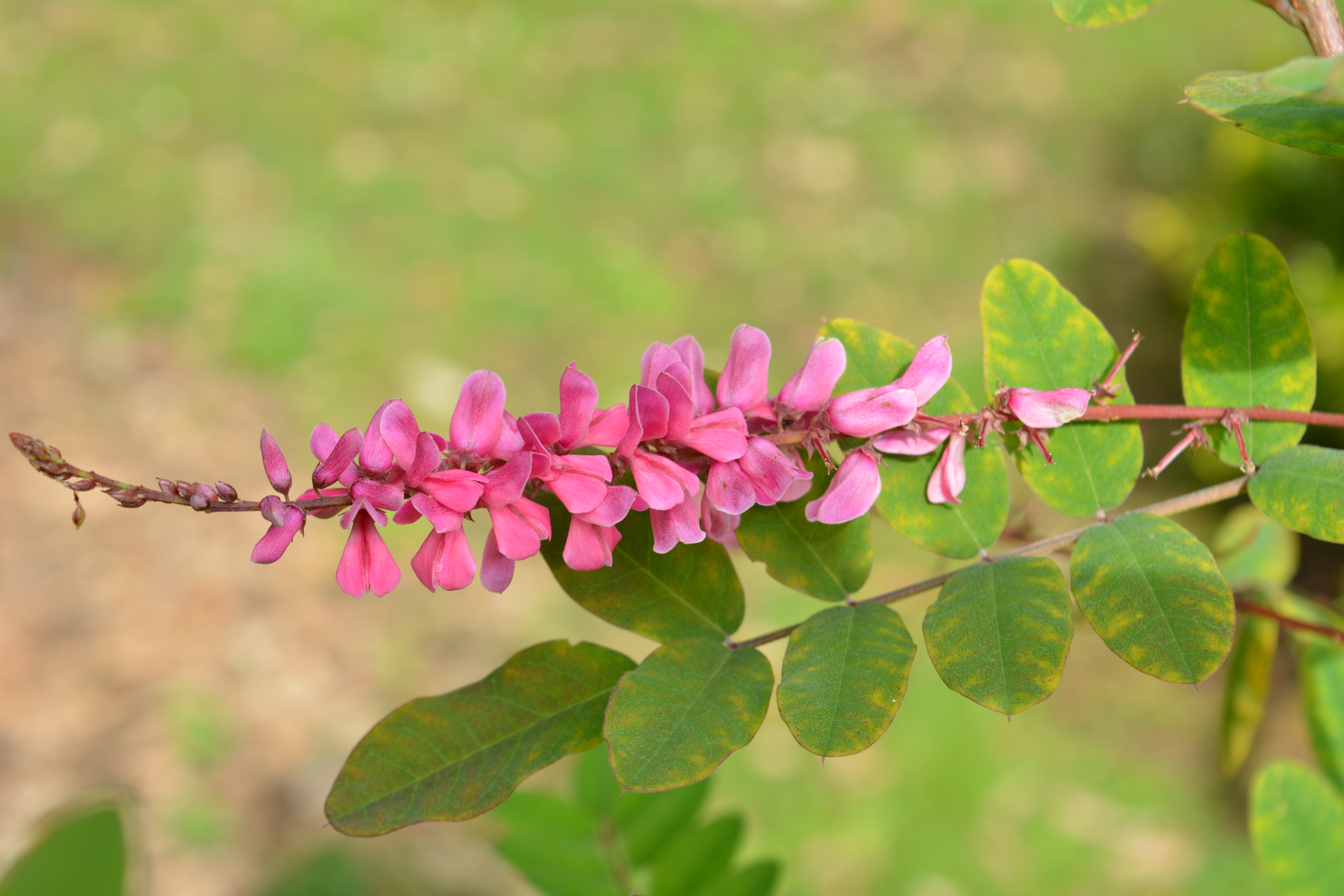
New borders lined the gently sloping pathway leading down from the car park to the reception area. The beauty of the planting here which included this yellow berried Sorbus and two very different Indigofera, prepared us for the treats we had in store.

 2015 10 21_6474 2015 10 21_6473 2015 10 21_6479 2015 10 21_6481

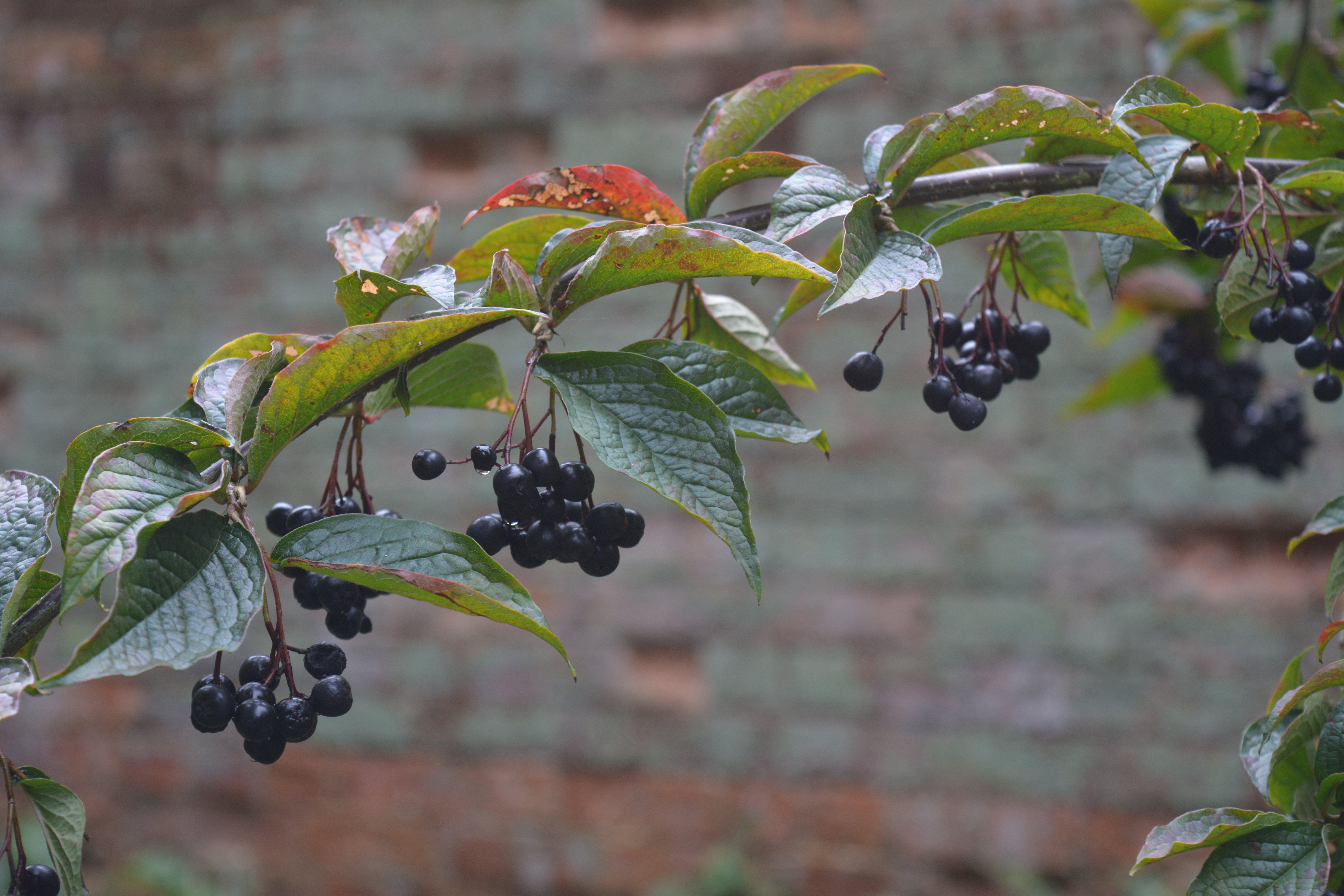
After walking just a few yards from the entrance we came across a special tree – one of those specimens that stops you in your tracks and starts the brain and memory off trying to work it out. It was like a Cotoneaster in leaf and growth habit but it had black berries rather than the more usual red. Luckily it had a label and it was indeed a black berried Cotoneaster. Here was a plant we had never seen before or even knew existed. It is called Cotoneaster moupinensis. This was going to be a good day!

2015 10 21_6485

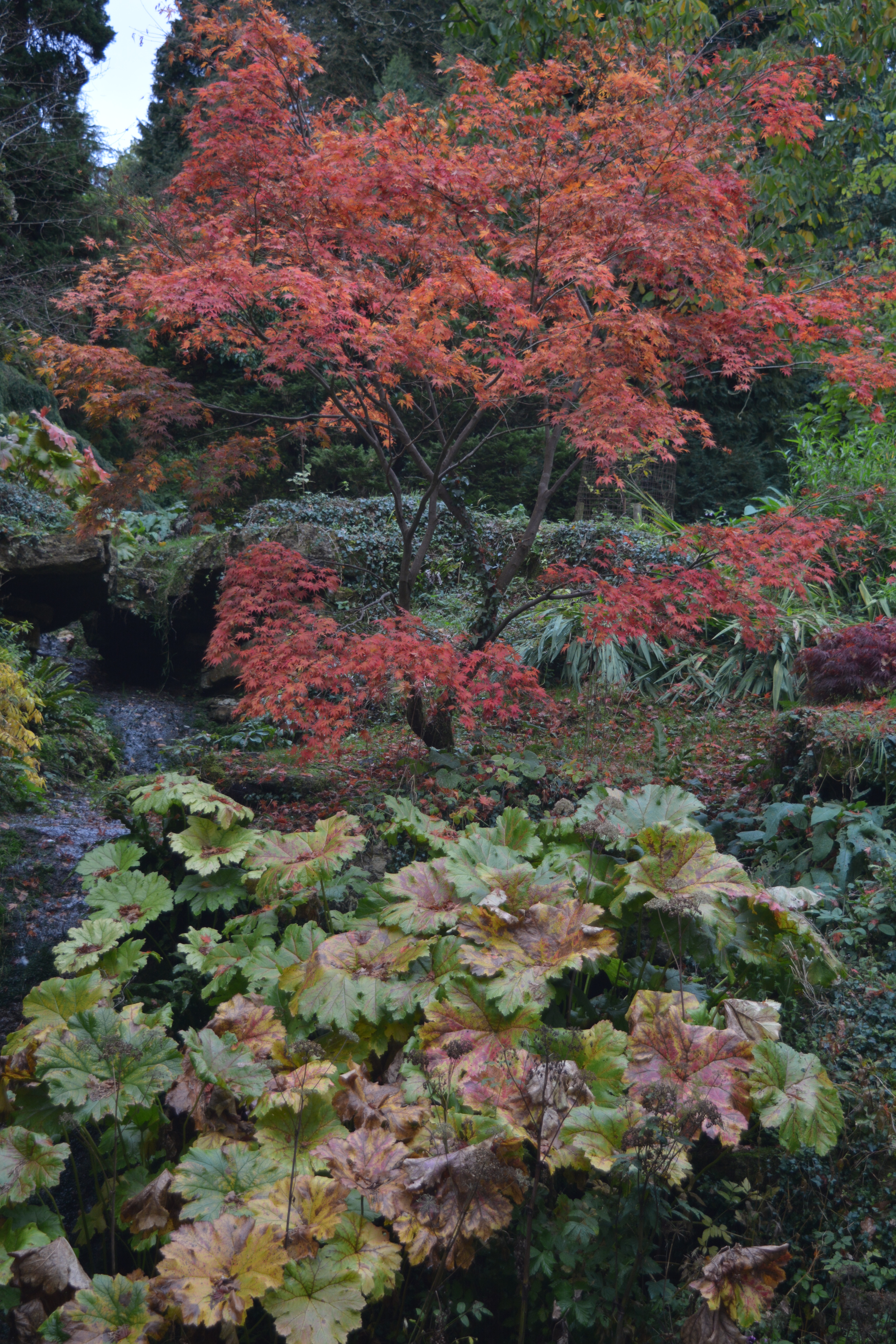
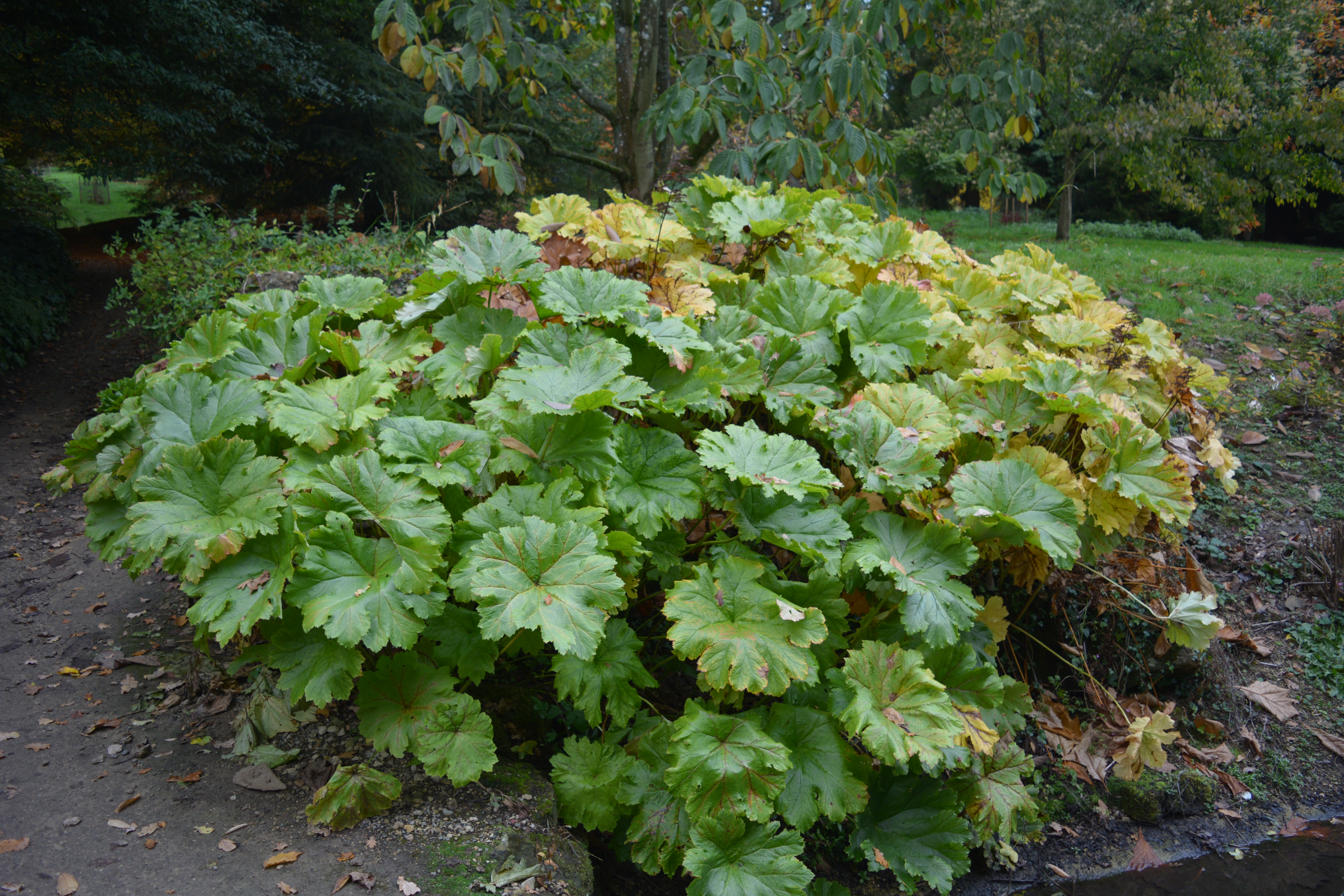
Contrasting leaves in shape and size make for good plant combinations, such as this large leaved Dalmera paltata in front of the delicately leaved Acer palmatum. We liked the contrast between the slim fragile white Fuschia flower and the gritty surface of a capping stone as we crossed over a bridge.

2015 10 21_6486 2015 10 21_6487

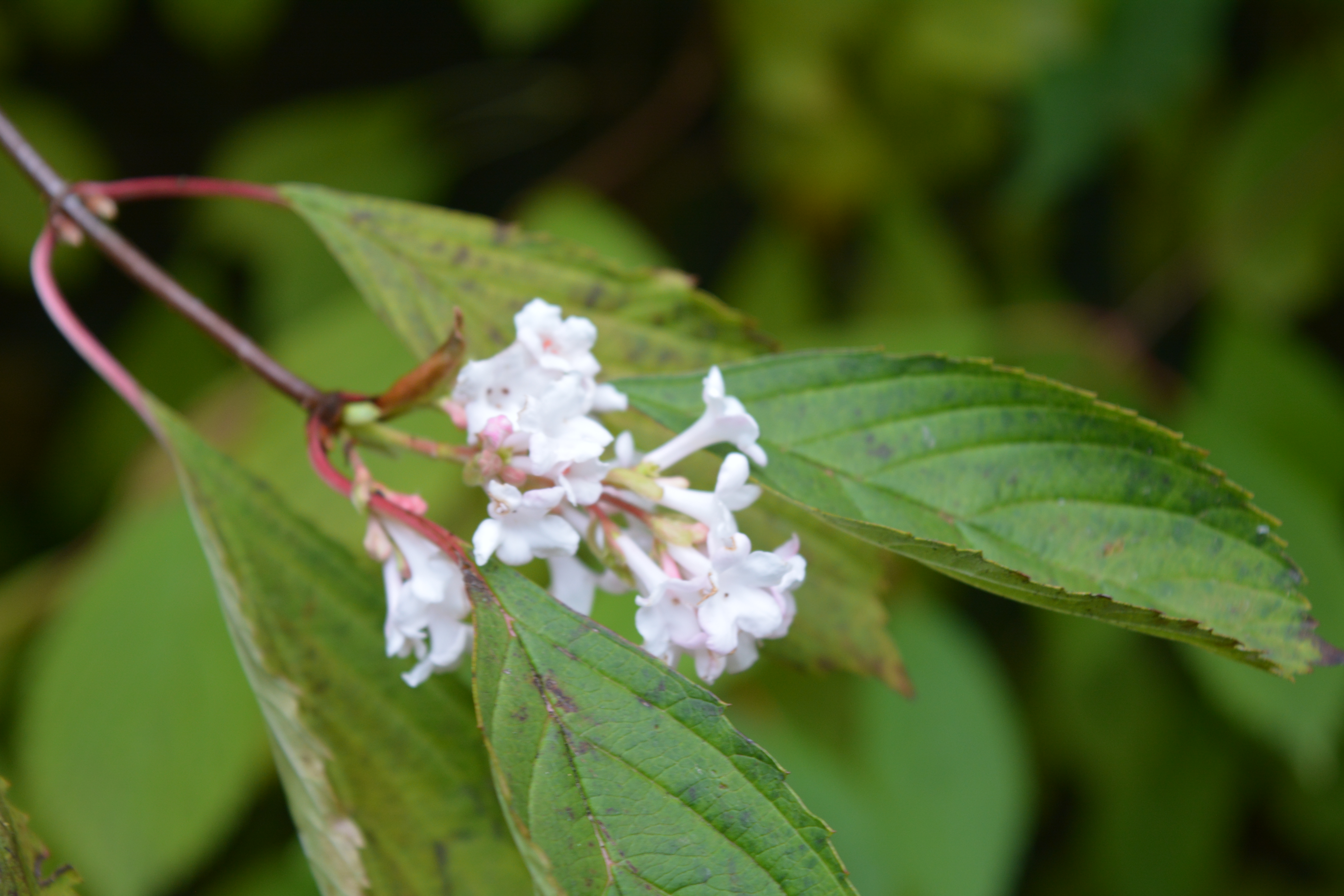
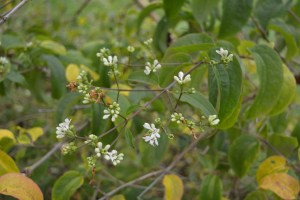
Autumn visits to any arboretum means colourful foliage but we always find flowers of interest flowering in this season too, Hydrangeas, Viburnum and an unusual flowered Heptacodium.

2015 10 21_6488 2015 10 21_64892015 10 21_6491 2015 10 21_6517

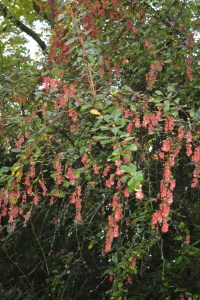
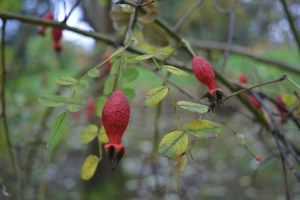
Berries too caught our attention among the colours of fire, the yellows, oranges and reds especially this particular Berberis dripping with long racemes of red berries. Nearby rose hips dripped from the plant which had lost all its leaves.

2015 10 21_6492 2015 10 21_6514

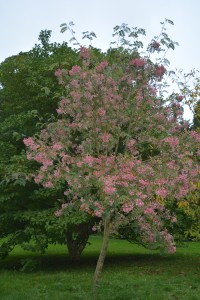
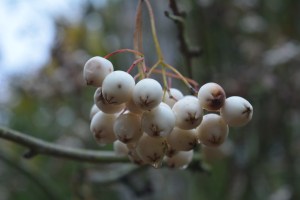
Sorbus pseudohupahensis “Pink Pagoda” bears berries of pin and white which from a distance gives the affect of pink mist. Another Sorbus attracted us by the sheer size of its pure white berries, Sorbus cashmeriana.

2015 10 21_6523 2015 10 21_65222015 10 21_6539 2015 10 21_6537

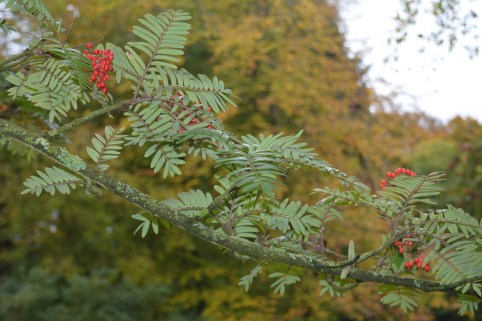
Sorbus scalaris like most Sorbus displays red berries but what is most noticeable with this tree is the uniformity of its foliage which was hanging on into the autumn.

2015 10 21_6552

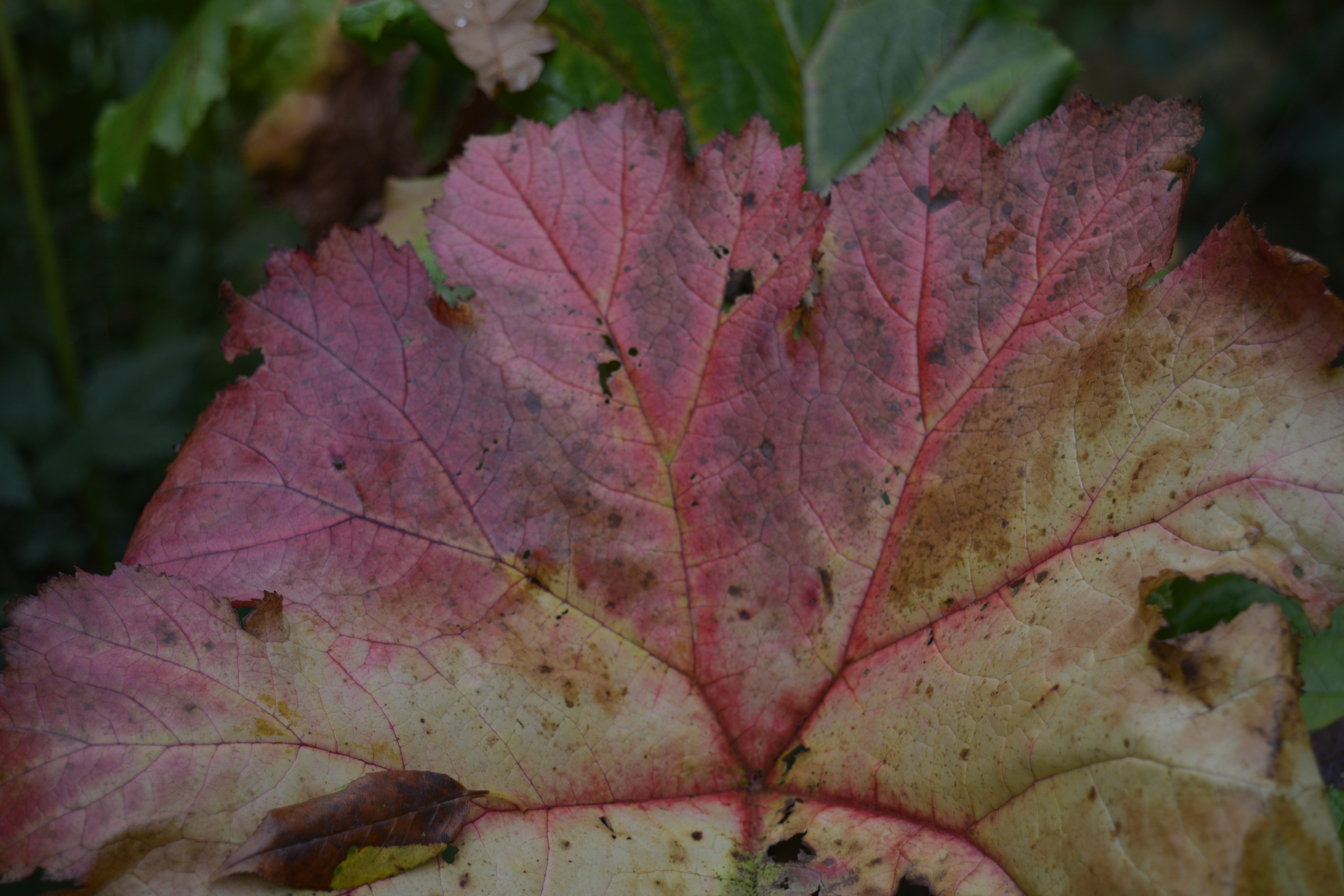
Remember the Dalmera peltatum  which I showed teamed up with an Acer, well we found several large clumps of this bog-loving plant around Batsford. I enjoyed getting up close and looking through the Nikon lens at the details of their giant leaves.

2015 10 21_6494 2015 10 21_6495 2015 10 21_6496 2015 10 21_65012015 10 21_6502

No arboretum visit in the autumn can be reported without celebrating the family of Acers. Enjoy!

2015 10 21_6503 2015 10 21_65112015 10 21_6510 2015 10 21_65162015 10 21_6533 2015 10 21_65272015 10 21_6509 2015 10 21_65282015 10 21_6547 2015 10 21_65412015 10 21_6554 2015 10 21_6540

As well as the bright changing colours of the leaves and the appearance of berries there is one tree that we appreciate in autumn for its pale yellow coloured autumn foliage but this foliage as it falls has an amazing sweet smell like brittle toffee, burnt sugar or toffee apples. Cercidyphylum japinicum

2015 10 21_6497 2015 10 21_6498

As we moved on along the trail we were literally stopped in our tracks at the sight of the Berberis with its incredibly long and unusually coloured racemes of flowers.

2015 10 21_6500 2015 10 21_6504

Around the next bend in the path this beautifully coloured cherry tree glowed a salmon pink colour and we rushed to read its label. We discovered it was a close relative of a tiny flowering cherry we grow in our Japanese Garden at home, Prunus incisa “Kojo-no-mai”. This much larger tree was Prunus incisa fuginaea, the Fuji Cherry. We could only guess at how spectacular it must look in flower.

2015 10 21_6505 2015 10 21_6506 2015 10 21_6508

We wandered on stopping frequently to look for labels, sometimes to confirm what we thought trees and shrubs and sometimes to find out.

2015 10 21_6512  2015 10 21_6515   2015 10 21_6518 2015 10 21_65202015 10 21_6530 2015 10 21_6531 2015 10 21_6532

I always manage to find Betulas (Birches) in every arboretum we visit and here we came across the beautifully coloured bark variety, Betula albosinensis Septentrionalis.

2015 10 21_6534  2015 10 21_6536

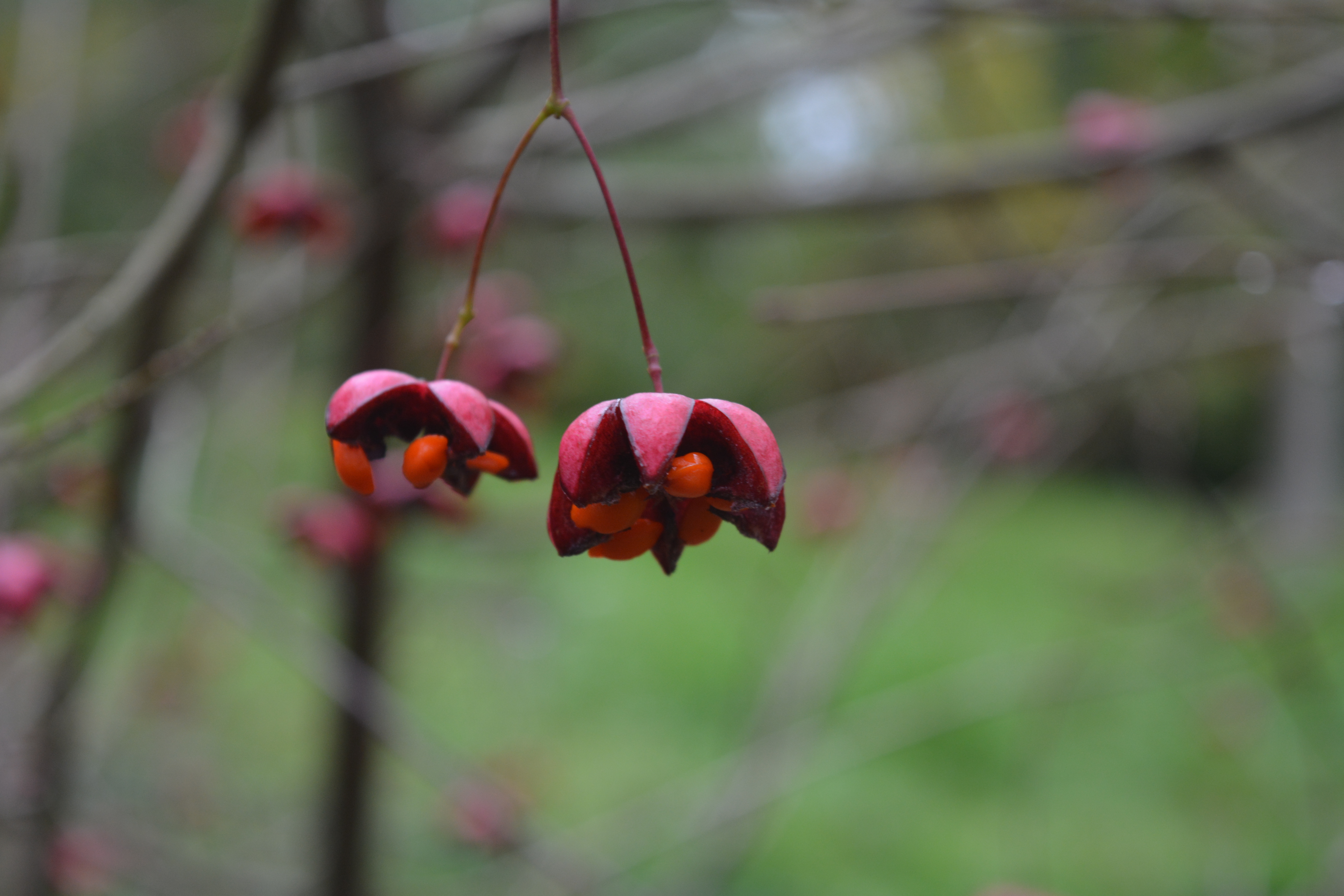
I shall finish this first post about Batsford with another favourite, this time a shrub, a deciduous Euonymus, Euonymous oxyphyllus, which flowers and berries in remarkable style.

2015 10 21_6542 2015 10 21_6543


Categories
arboreta autumn autumn colours climbing plants colours garden design garden photography gardens open to the public ornamental trees and shrubs shrubs trees Winter Gardening winter gardens

Bluebell Arboretum – Part 2

Back to Derbyshire and we shall continue our beautiful autumnal wanderings within the grounds of Bluebell Arboretum and Nursery. I shall concentrate on a selection of the true favourites we enjoyed most of all. The beauty of this arboretum is that there is so much to discover and enjoy that our favourites would be different each time we visit.

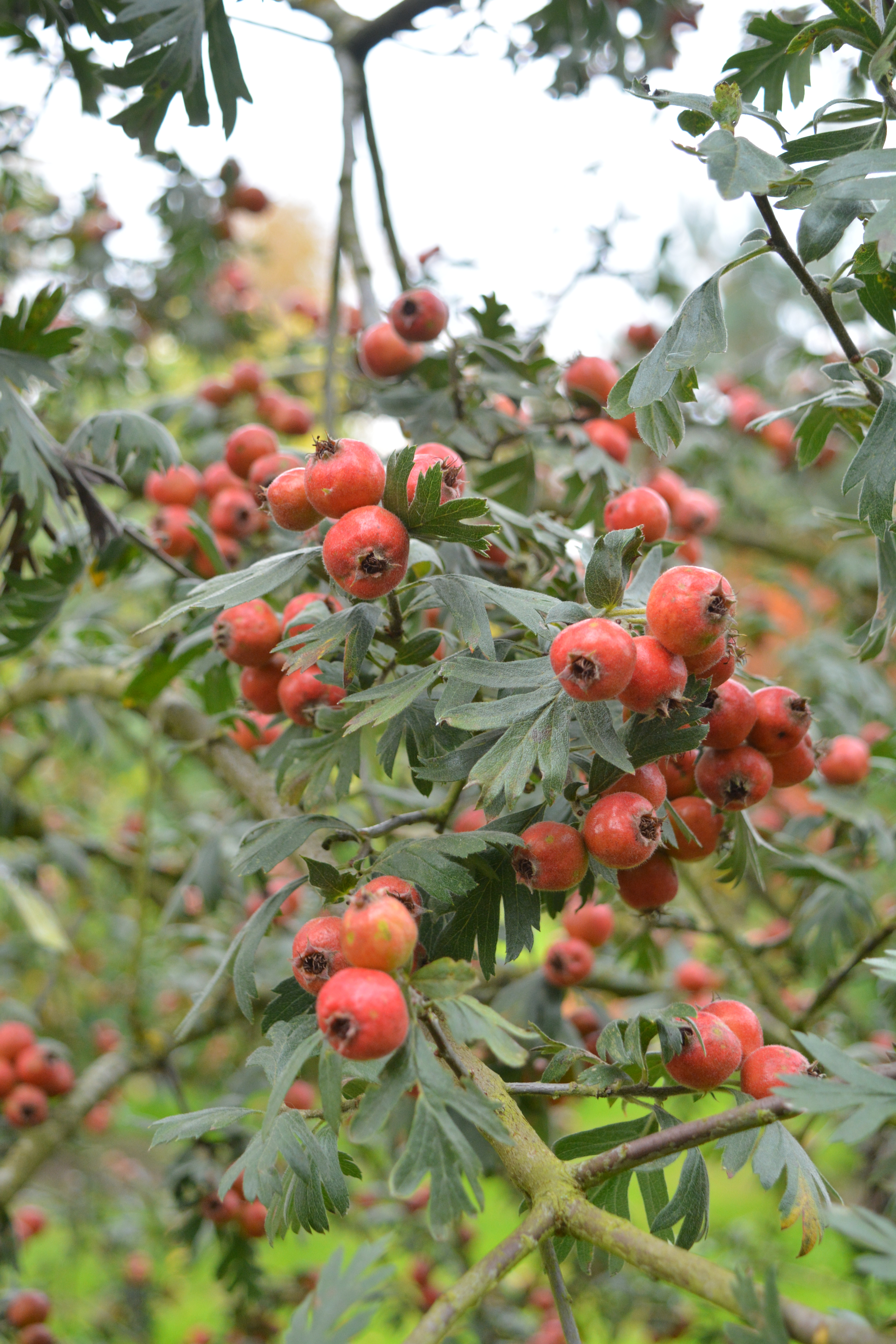
We start again just as we discovered a couple of different Hawthorns which is always interesting as most nurseries sell only the common native as a hedge plant and the double pink ornamental tree form. We enjoyed discovering the unusual Crataegus tanacetifolia, the Tansy Leaved Thorn and the rare Crataegus ellwangeriana “Fireball”. It is amazing how the leaf shapes differ as do the berry colours.

2015 10 19_6264 2015 10 19_6272

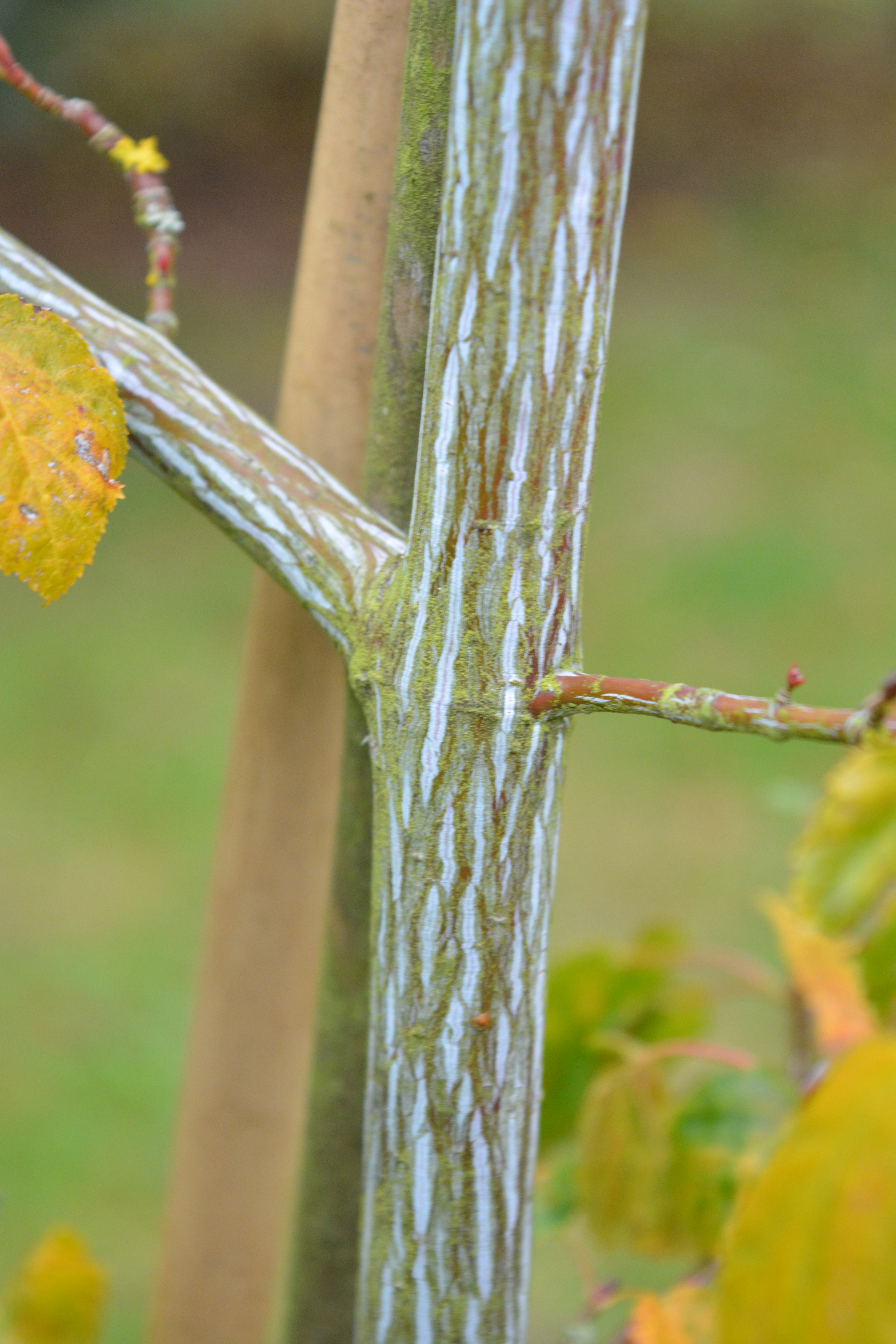
Now I will share two very different trees worth growing for their bark colours, patterns and textures, on the left Betula utilis “Grayswood Ghost” and in the centre and on the right Acer davidii “Cascade”. This selection of snakebark maple has a beautiful delicately weeping habit.

2015 10 19_6274 2015 10 19_6278 2015 10 19_6279

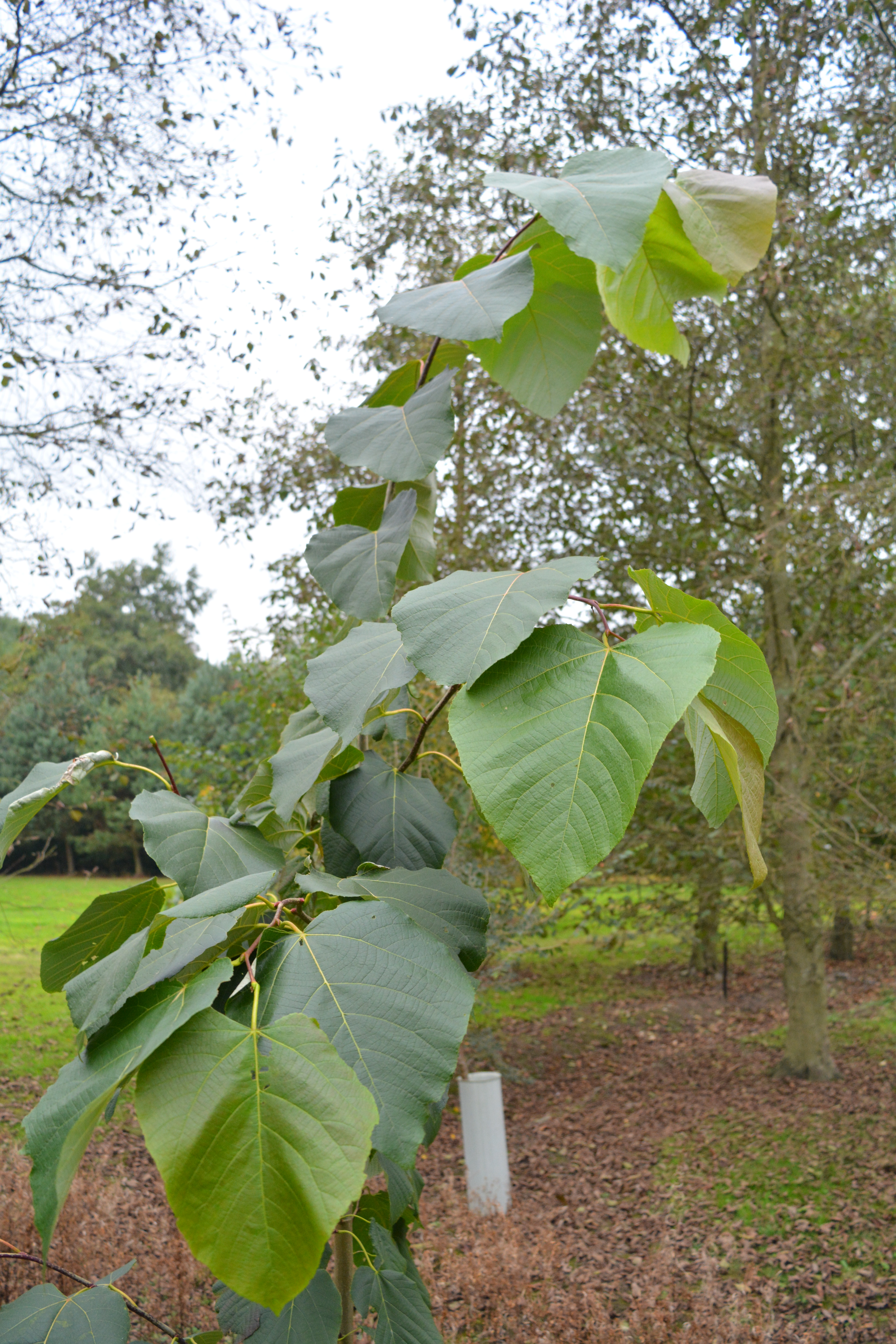
This next specimen had me foxed and I had to go in search of a label. Although it is a Lime the leaves were the size of a Catalpa but the label informed us it was Tilia carolina subs. heterophylla.

2015 10 19_6281 2015 10 19_6283

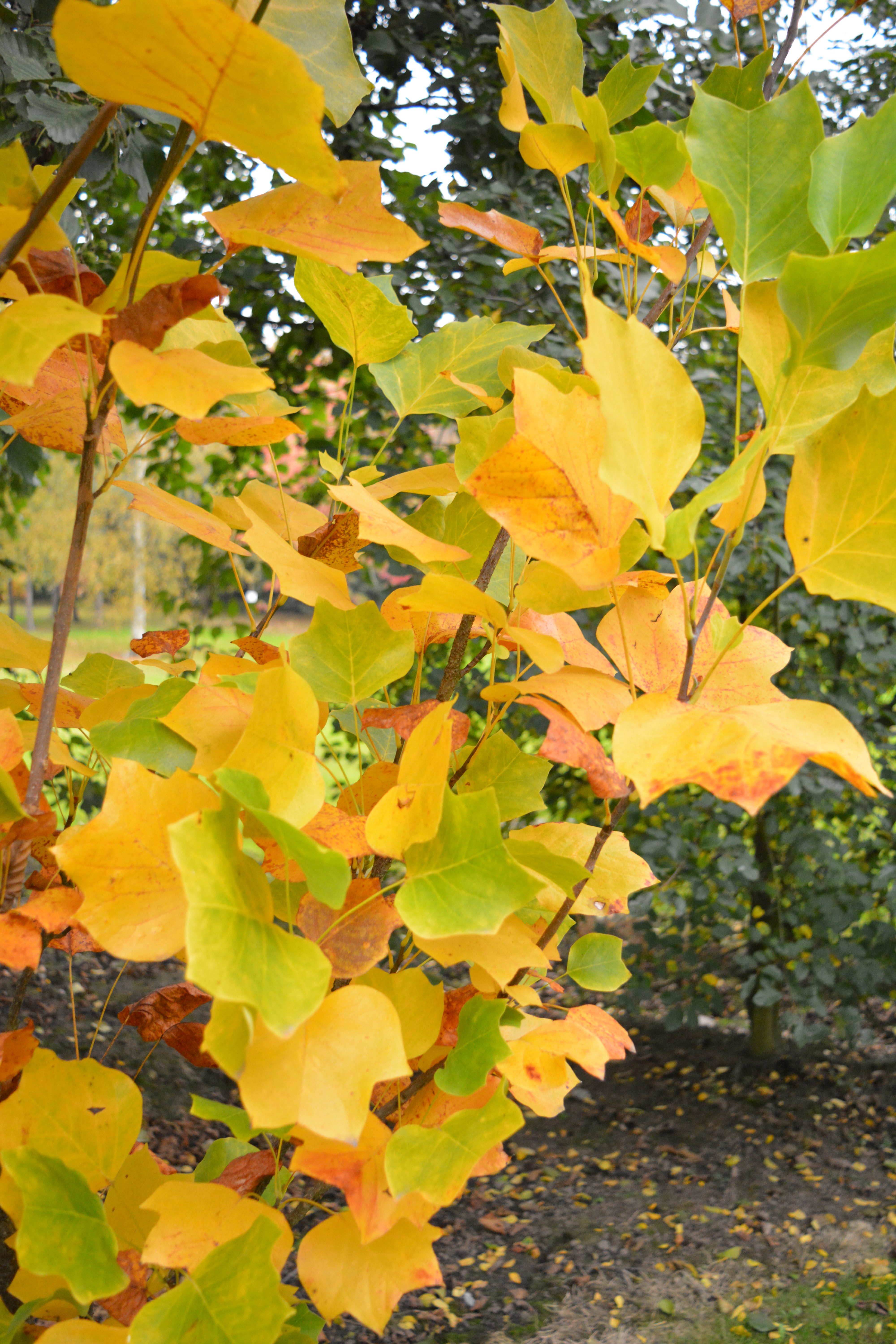
We were attracted to the autumn foliage colour of this Tulip Tree, so crisp and bright on a dull day. It is Lirodendron tulipifera  “Arnold” a tree we had never seen before with its fastigiate form.

2015 10 19_6284 2015 10 19_6285

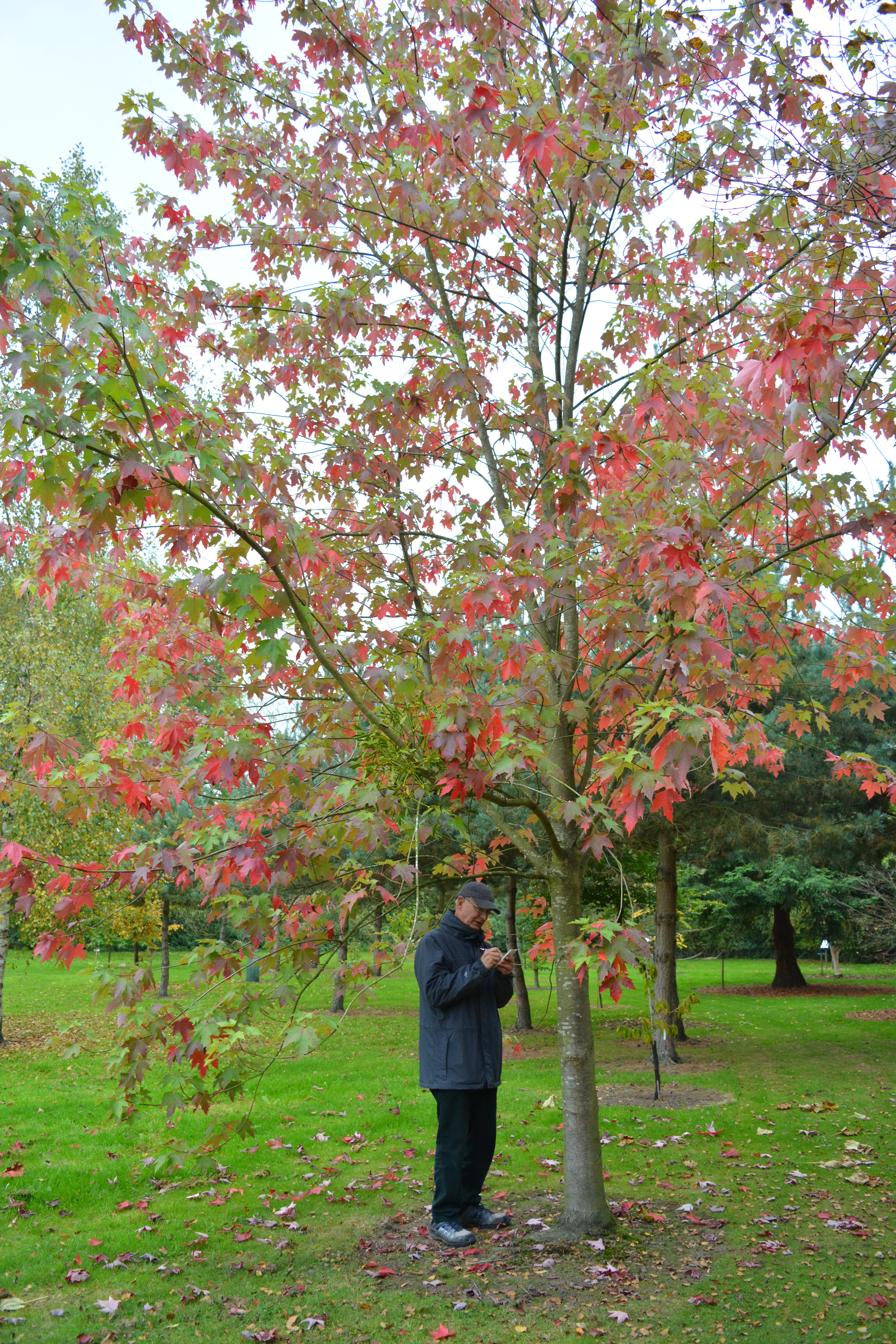
I love the berries and leaf shapes of all the Sorbus and to see a variety new to me was a delightful surprise, Sorbus eburnia “Harry Smith”. It was growing close to a Liquidamber which was turning from deep green to deep reds, and formed a beautiful open specimen.

2015 10 19_6298 2015 10 19_6299 2015 10 19_6300 2015 10 19_6301

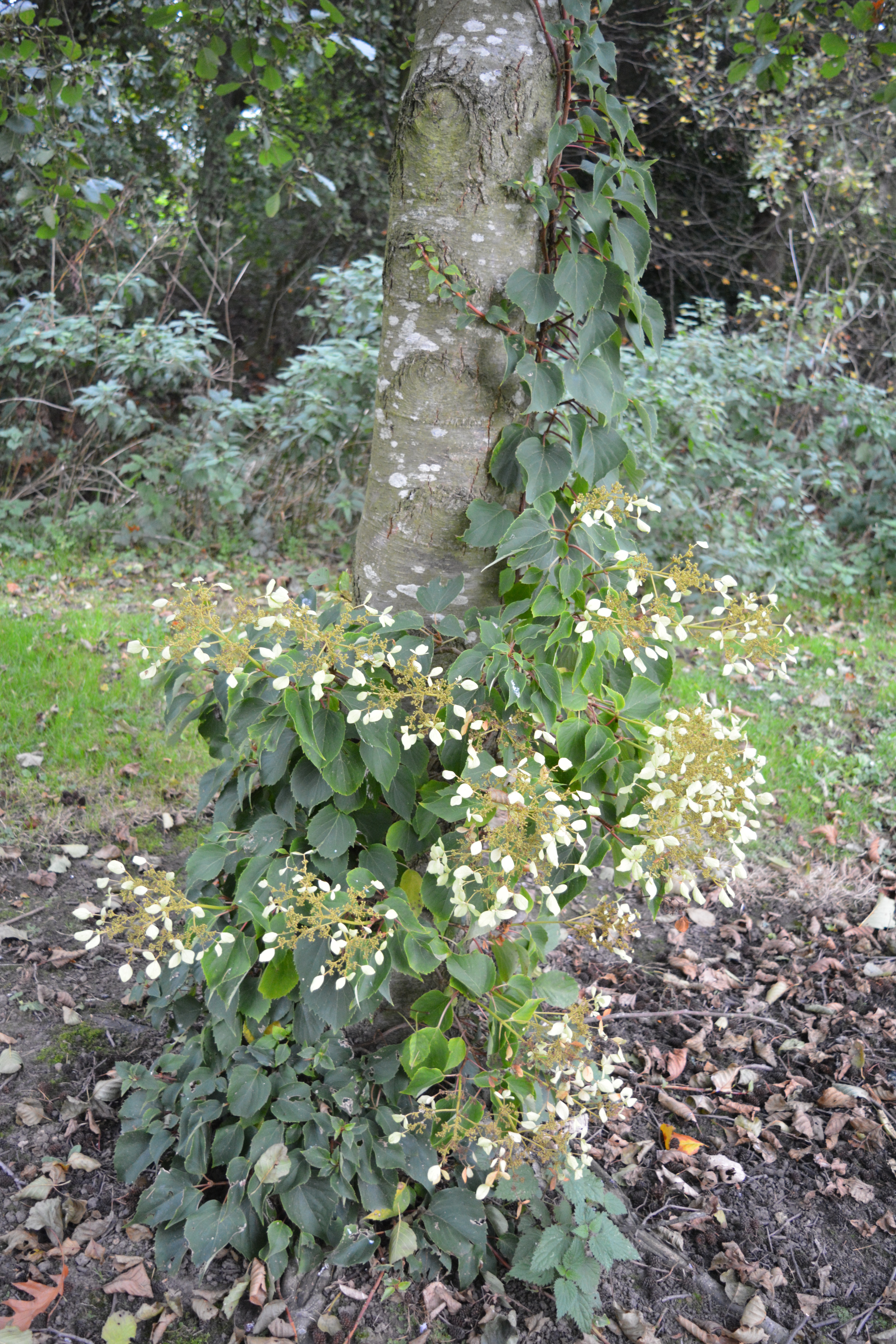
Before I tell you what tree impressed me most at this wonderful arboretum I would like to share a few pics of  Euonymus europaeus “Thornhayes” one of the selections of our native deciduous Euonymus simply because they are my favourite deciduous shrub and a Hydrangea petiolaris just getting established at the base of a tree. This will look great in 5 years time! We can’t grow them and so have given up! I have just discovered that the botanists have now decided that this climbing shrub must be called Hydrangea anomala subsp. petiolaris. I wonder what it did to deserve that!


2015 10 19_6302 2015 10 19_6303 2015 10 19_6305 2015 10 19_6306

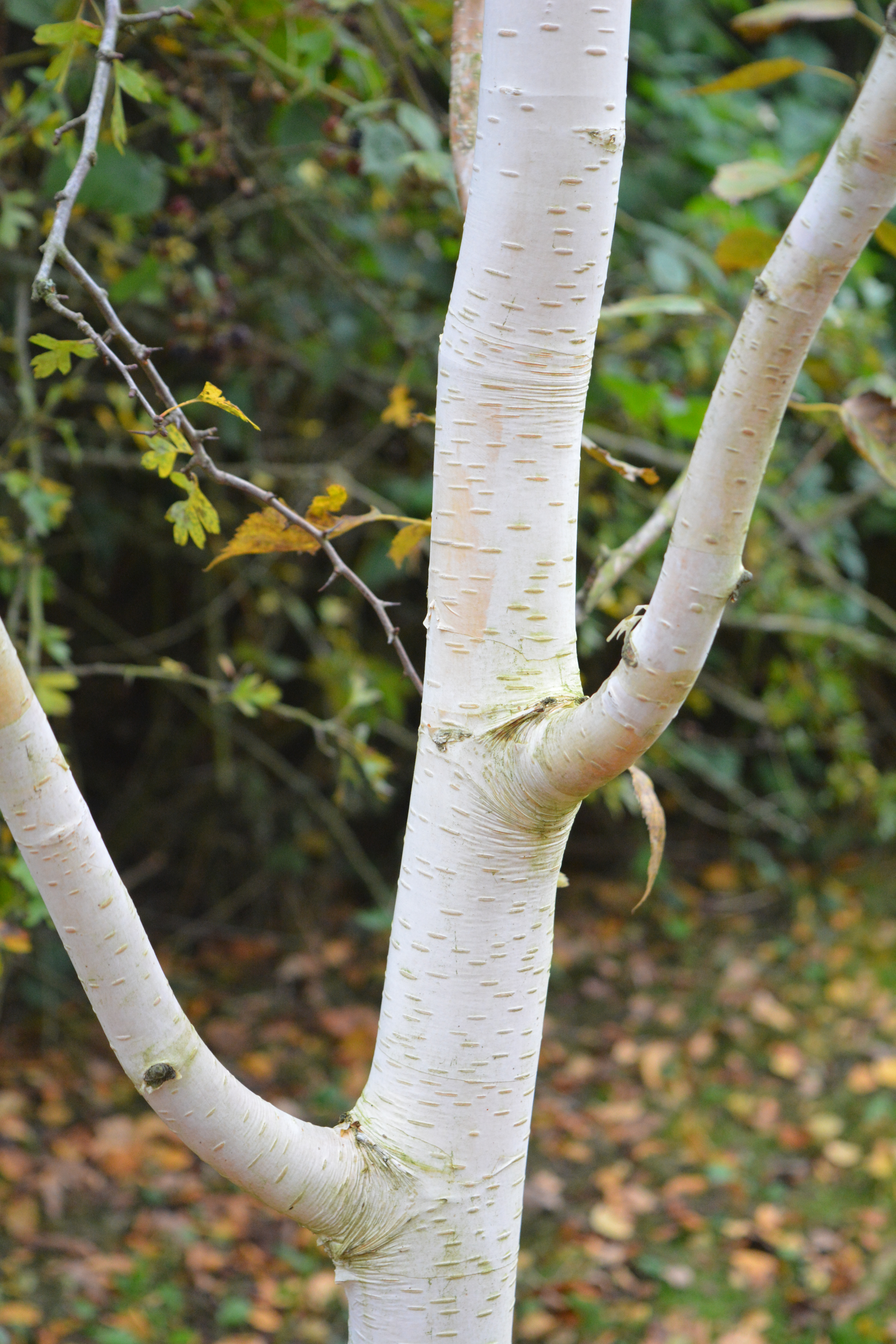
And the star of the show? Well it just has to be a Birch doesn’t it – Betula utilis “Doorenbos”. White stems with the texture of suede and in places the gentlest hints of salmon pink. This multi-stemmed specimen stopped us in our tracks.

2015 10 19_6307 2015 10 19_6309

Of course before we left with just minutes until Bluebell shut up shop for the day we had to have a peruse around the nursery. We bought this little beautiful shrub with its delicate little scented yellow flowers and bronzed foliage turning red in places as autumn was approaching. It is called Bush Honeysuckle or Diervilla lonicera for our garden at home and a tree for the Winter Garden at our allotment community gardens, an orange stemmed Lime, Tilia cordata “Winter Orange” a tree we have been searching for since we planted this border up over 6 years ago now. So we had a great day and came home with two wonderful new plants. We were so interested in everything the Bluebell Arboretum has to offer that we almost overstayed our welcome. The owners politely asked if they could close the gate now please so they could take their dogs for a walk and they probably deserved their tea! Below is our newly purchased Diervilla.

2015 10 19_6310


Categories
garden photography gardens gardens open to the public National Garden Scheme ornamental trees and shrubs shrubs Staffordshire water in the garden

A new garden for monthly visits – The Dorothy Clive Garden

After visiting Trentham Gardens monthly throughout 2014 followed by Croft Castle Gardens in 2015 we searched for another local garden which changes with the seasons and has interest every month of the year.

We have chosen The Dorothy Clive Garden, a forty minute drive from home and a real favourite of ours for years. It is one of the gardens we share with family and friends who come to stay. The garden has a postal address which places it in Shropshire but the garden’s guide book says it is situated in neighbouring Staffordshire. Perhaps on one of our visits we may discover its real location.

The garden guide describes it as “An informal hillside garden.” On its website is an invitation to “Explore this charming English country garden. Enjoy great plants throughout the seasons, delightful views and tasty homemade food.” This sounds just up our street – great plants and tasty food!

The website continues describing the Dorothy Clive Garden as “A place to relax and unwind in an intimate, informal and inspiring setting. Experience a really welcoming and friendly environment.”

So it sounds as if we have chosen our feature garden for 2016 rather wisely.

For now here is a gallery of pics from a previous visit just as a taster.

Later this month we will make our first visit to the Dorothy Clive Garden and then create the first monthly post.


Categories
autumn autumn colours climbing plants colours flowering bulbs garden photography gardening gardens gardens open to the public hardy perennials Herefordshire irises light light quality National Trust ornamental trees and shrubs poppies roses shrubs The National Trust walled gardens Winter Gardening winter gardens

Croft Castle – month by month – the final report

Illness has prevented us making our monthly visit to Croft Castle where I would take photographs and report back about all that is going on in the gardens of this Herefordshire property run by the National Trust. Thus this final visit for the year took place in early December and will be a joint report for November and December together.

2015 12 06_7440 2015 12 06_7441 2015 12 06_7442 2015 12 06_7443 2015 12 06_7444 2015 12 06_7446 2015 12 06_7447 2015 12 06_7448 2015 12 06_7449 2015 12 06_7450

2015 12 06_7451 2015 12 06_7452 2015 12 06_7453 2015 12 06_7454 2015 12 06_7455 2015 12 06_7456 2015 12 06_7457 2015 12 06_7459 2015 12 06_7460 2015 12 06_7461

2015 12 06_7462 2015 12 06_7463 2015 12 06_7464 2015 12 06_7465 2015 12 06_7466 2015 12 06_7467 2015 12 06_7468 2015 12 06_7471 2015 12 06_7472 2015 12 06_7473

2015 12 06_7474 2015 12 06_7475 2015 12 06_7476 2015 12 06_7477 2015 12 06_7478 2015 12 06_7479 2015 12 06_7480 2015 12 06_7481 2015 12 06_7482 2015 12 06_7483

2015 12 06_7484 2015 12 06_7486 2015 12 06_7485 2015 12 06_7487 2015 12 06_7488 2015 12 06_7489 2015 12 06_7496 2015 12 06_7495 2015 12 06_7497 2015 12 06_7490

2015 12 06_7498 2015 12 06_7499 2015 12 06_7500 2015 12 06_7501 2015 12 06_7502 2015 12 06_7503 2015 12 06_7504 2015 12 06_7507 2015 12 06_7508 2015 12 06_7509

2015 12 06_7510 2015 12 06_7511 2015 12 06_7512 2015 12 06_7513 2015 12 06_7514 2015 12 06_7515 2015 12 06_7516 2015 12 06_7517 2015 12 06_7518 2015 12 06_7519 2015 12 06_7445 2015 12 06_7445_edited-1 2015 12 06_7458 2015 12 06_7458_edited-1 2015 12 06_7470

2015 12 06_7470_edited-1 2015 12 06_7469_edited-1 2015 12 06_7494_edited-1 2015 12 06_7491_edited-1 2015 12 06_7492_edited-1 2015 12 06_7493_edited-1 2015 12 06_7505_edited-1 2015 12 06_7506_edited-1


This Veggie Life

A Vegetarian | Nature Lifestyle Blog

Rambling in the Garden

.....and nurturing my soul

The Arch City Gardener

Journeys In St. Louis Gardening and Beyond

Garden Dreaming at Châtillon

Consult the genius of the place

Storyshucker

A blog full of humorous and poignant observations.

gardeninacity

Notes from a wildlife-friendly cottage garden

PlayGroundology

...an emerging social science

The Official Blog of British Wildlife

'The most important and informative publication on wildlife of our times' - The Independent. This blog is a member of The UK & Ireland Natural History Bloggers group: www.uknhb.blogspot.com

iGrowHort

Inspire - Cultivate - Grow Native Plants - Restore Landscapes

Bishops Meadow Trust

To create and protect a semi-natural wild space for the people of Farnham to enjoy and experience an array of British wildlife in our town

Gardening with Children

The www.gardeningwithchildren.co.uk Blog

UKbirdingtimeline

birding through the seasons, why birds matter and how to conserve them

NATURE WALKER

with a camera in hand

Jardin

Transform your outdoor space

Eva's space

My allotment, cooking and other interests

Old School Garden

my gardening life through the year

LEANNE COLE

Trying to live a creative life

fromacountrycottage

trying to live as lightly as possible on our beautiful planet

Good Life Gardening

Nature lovers from Leicester living the good life.

mybeautfulthings

Finding the beautiful in the everyday

mawsonmichelle

Michelle's Allotment

In and Out of My Garden

thoughts from and about my garden

Greenhousing

Big plans for a small garden

The Scottish Country Garden

A Walled Country Garden in South East Scotland

The Fruity Chicken

Life at the fruity chicken

willowarchway

Off grid living. Self sufficient. "PERMAGANICS RULE".

St Anns Allotments

Nottingham's Grade 2* Listed Allotments and Community Orchard

Manifest Joy Harvests

a journey in suburban vegetable gardening

Allotmental

The madness of growing your own

Penny's Garden: a harvest beyond my front door

A novel approach to vegetable gardening

arignagardener

Sustainable living in the Irish countryside.

NewEnglandGardenAndThread

Master Gardener, amateur photographer, quilter, NH native, and sometimes SC snowbird

dianajhale

Recent work and work in progress and anything else that interests me

planthoarder

a chaotic cottage gardener

Lens and Pens by Sally

a weekly blog that creates a personal philosophy through photographs and words

Dewdrops and Sunshine

Stories from a sassy and classy Southern farmbelle.

The Pyjama Gardener

Simple Organic Gardening & Seasonal Living

gettin' fresh!

turning dirt into dinner

JOY...

today the world is created anew

Garden Birds

Notes from a Devon garden

ShootAbout

Life Through The Lens

Adapting Pixels

A photography blog showcasing the best photography pictures and videos on the internet

Wildlifegardening's Blog

Just another WordPress.com site

naturestimeline

personal observations from the natural world as the search continues for a new approach to conservation.

LATEBLOOMERBUDS

The Wonders of Life through my Eyes, my Heart, my Soul