Categories
Cheshire colours hedgerows ornamental trees and shrubs trees

Chestnut Trees and a Fence

This may seem a strange title for a post but I had decided to write a post about my favourite flowering tree, the Horse Chestnut but then I came across a beautiful rustic ancient fence made from the wood of a chestnut tree.

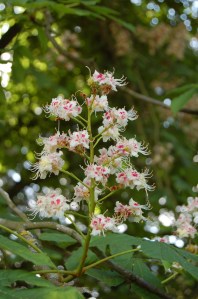
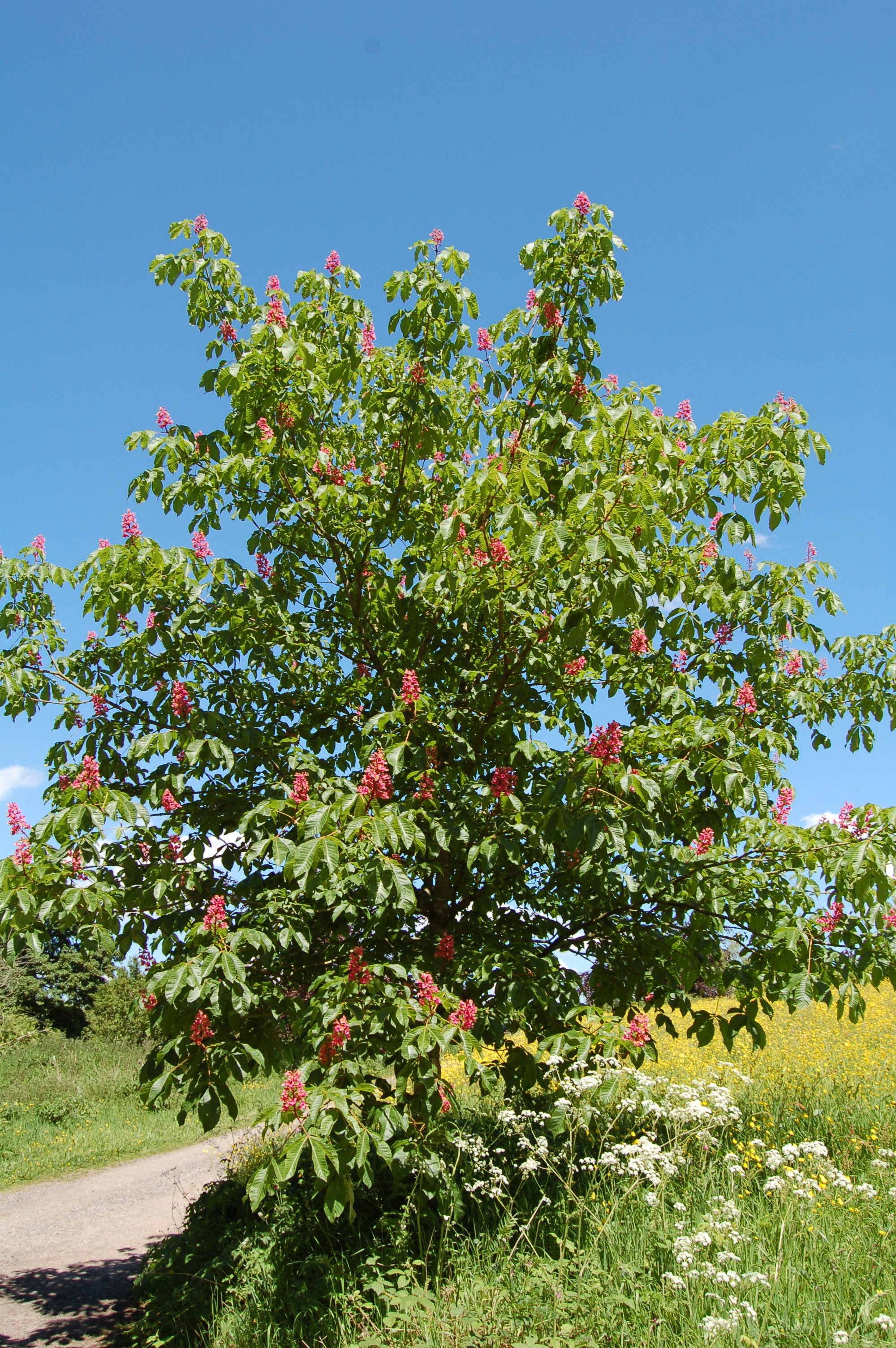
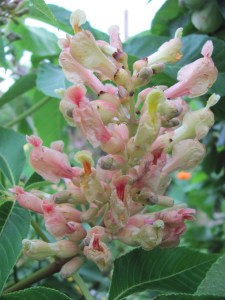
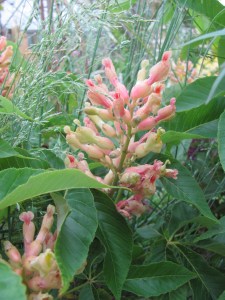
Our native chestnuts come with two flower colours white or red. The white is more common and flowers a little earlier than the red.

The first photo shows chestnuts in parkland around the gardens of Cerney House.

2014 05 16_9465 2014 05 16_9458  2014 05 16_9465 2014 05 16_9464

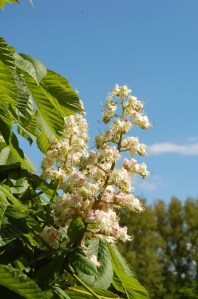
The white flowers look particularly good against a blue sky on an early summer’s day. It shows up the pastel shades in the centre, yellow and orange.

2014 05 16_9458 2014 05 16_9332

The red, or perhaps pink may be a better description, coloured flowers are very dramatic. We found this specimen along the driveway to Bluebell Cottage Gardens and Nursery in Cheshire.

2014 05 22_9538 2014 05 22_9539 2014 05 22_9540

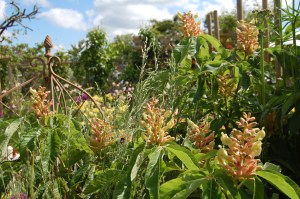
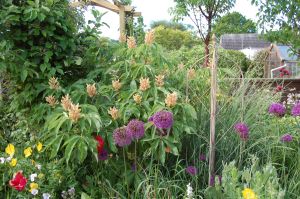
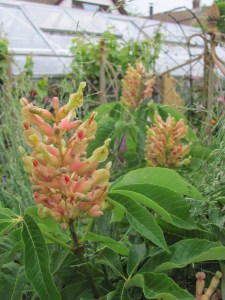
In our own garden we grow a miniature chestnut.

2014 05 22_9497 2014 05 31_9877

It is small enough to grow in a mixed border where its flowers can mix in with Alliums and the last of the Tulips and its leaves contrast strongly with the grass stems we grow alongside it.

2014 05 22_9507

2014 05 31_9880 2014 05 31_9883

2014 05 31_9884

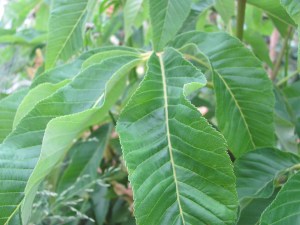
You can see from the photos that it looks a very different colour depending whether you are looking at it into the sun or with the sun behind you. It also boasts beautifully textured ribbed leaves. The bees love the flowers!

2014 05 31_9878

2014 05 31_9879

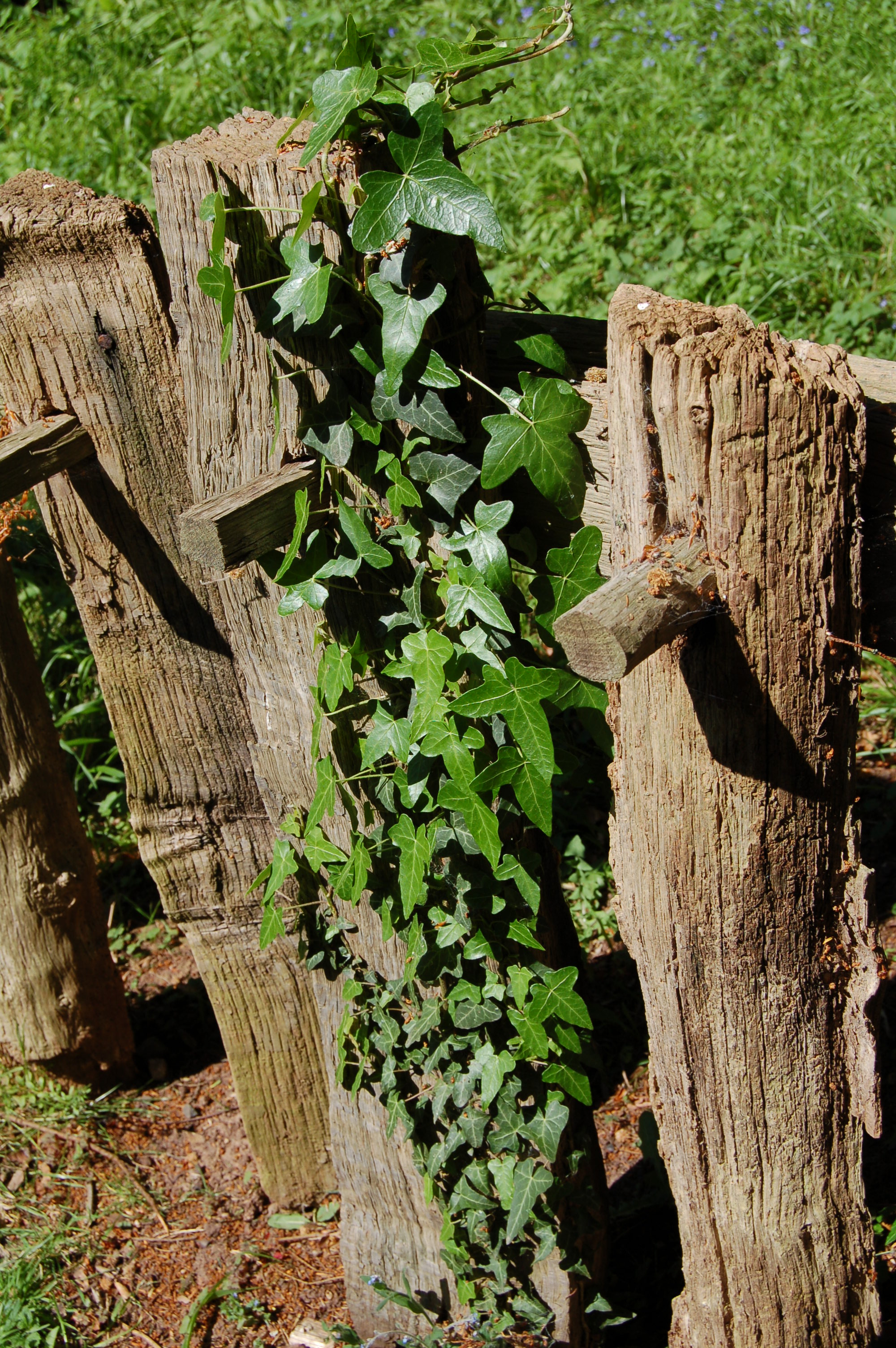
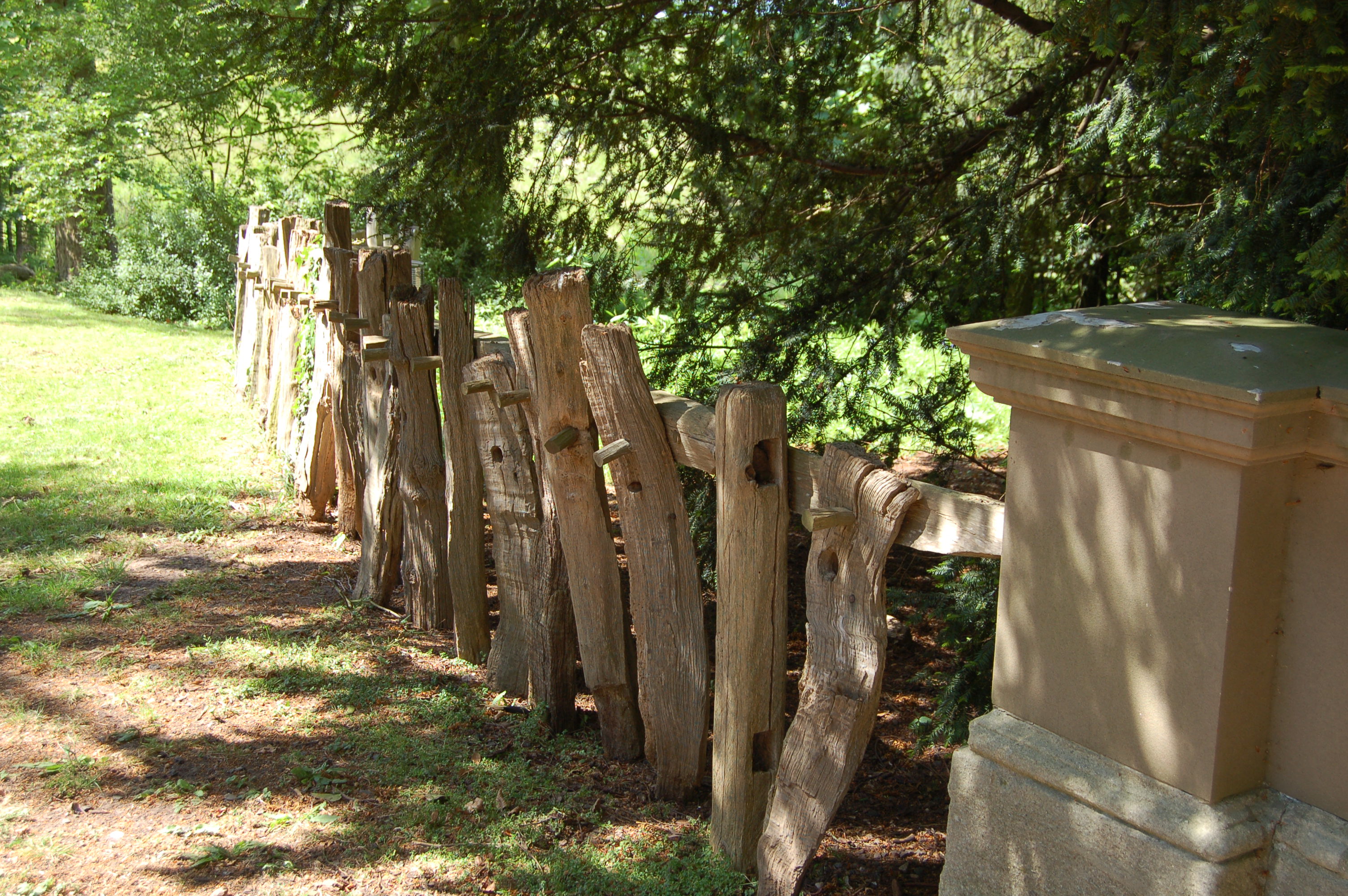
At Croome Park we came across the most beautiful fence, created from the wood of chestnuts. The wood of chestnuts lasts for centuries without any care gradually taking on the most delicate silvery grey colour.

2014 05 16_9340 2014 05 16_9339 2014 05 16_9338 2014 05 16_9337 2014 05 16_9336 2014 05 16_9335 2014 05 16_9334

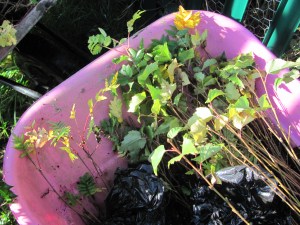
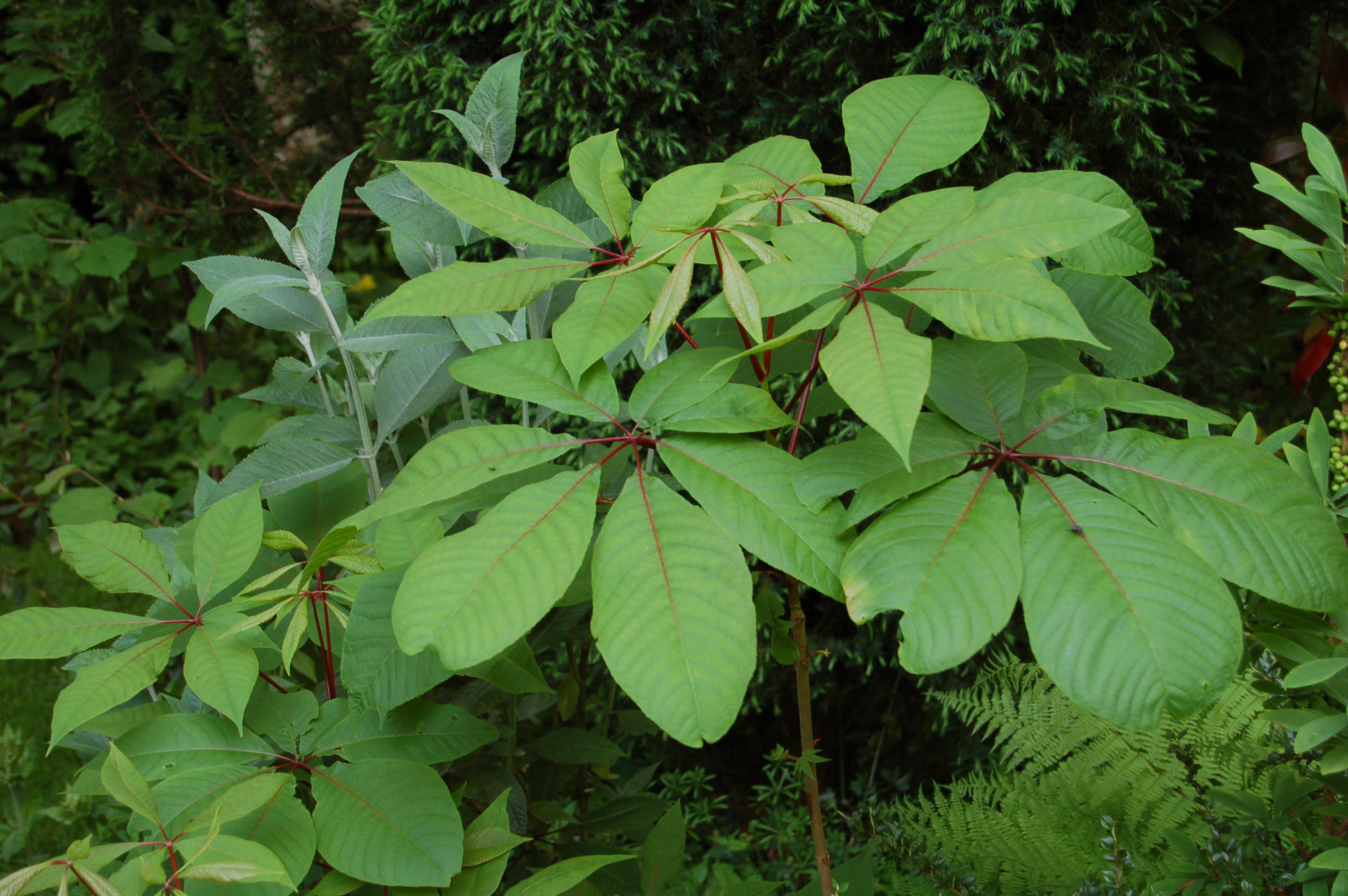
On a recent visit to a woodland garden in Powis we came across this little shrub tucked away in the shade of tall trees. We guessed it was another Chestnut. It had beautiful leaves with dark central veining. Can anyone shed light on this?

2014 05 31_9940

Our native chestnuts are essential elements of our hedgerows but have recently been under threat from a disease that turns their leaves prematurely yellow and then drop early. They seem to be fighting back so fingers crossed. Our countryside wouldn’t be the same without them.

Categories
conservation countryside flowering bulbs hedgerows landscapes light meadows nature reserves spring bulbs Wildlife Trusts

A Fritillary Meadow – North Meadow, Cricklade

We have a book at home where we list places we must go to, gardens we must visit and things we must do. A visit to the Fritillary Meadows in Wiltshire has been on our “Places to Visit” list for a few years now but we have been thwarted by the weather and the effect this has on these lovely flowering bulbs. This year we made it.

We drove down to Cricklade in Wiltshire and with great difficulty due to heavy downpours of rain making it hard to see, we found the first signs of where we were aiming for, The Fritillary Tearooms. The tearooms open each year when the Fritallaries are in full bloom and the proceeds go towards boosting the “Cricklade in Bloom” funds. Naturally we had to support them and so enjoyed a warming cup of coffee and a splendid cake before we embarked on our wet walk around the wet meadow. Apologies for the sloping photo of the tea shop but having one leg shorter than the other does sometimes result in strange sloping pics!

2014 04 21_8340 2014 04 21_8229

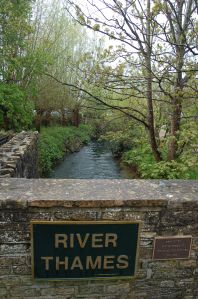
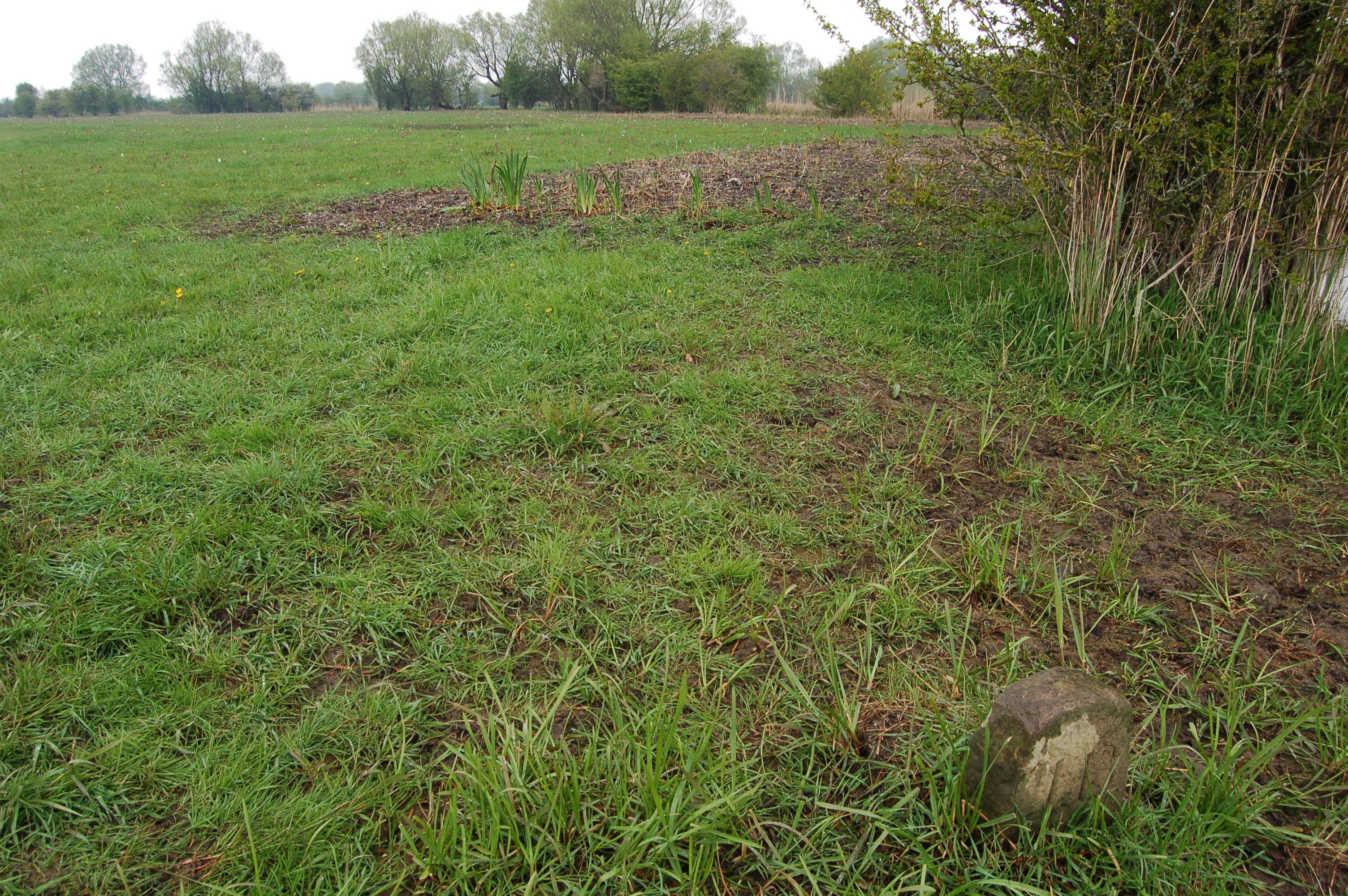
We entered the reserve, called North Meadow, run jointly by English Nature and the Wiltshire Wildlife Trust, via a bridge over the River Churn, one of the two rivers that skirt the wet meadow, the other being the Thames. In front of us lay an old, flower-rich hay meadow situated within the glacial flood plains of the two rivers. The meadow covers a vast area of 108 acres. It is designated a Special Area of Conservation and a Site of Scientific Interest and is an internationally important reserve.

2014 04 21_8314 2014 04 21_8316

2014 04 21_8315 2014 04 21_8230

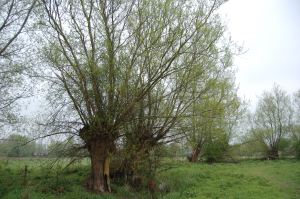
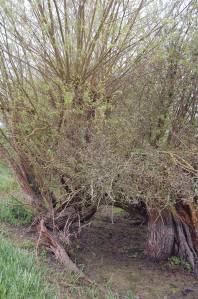
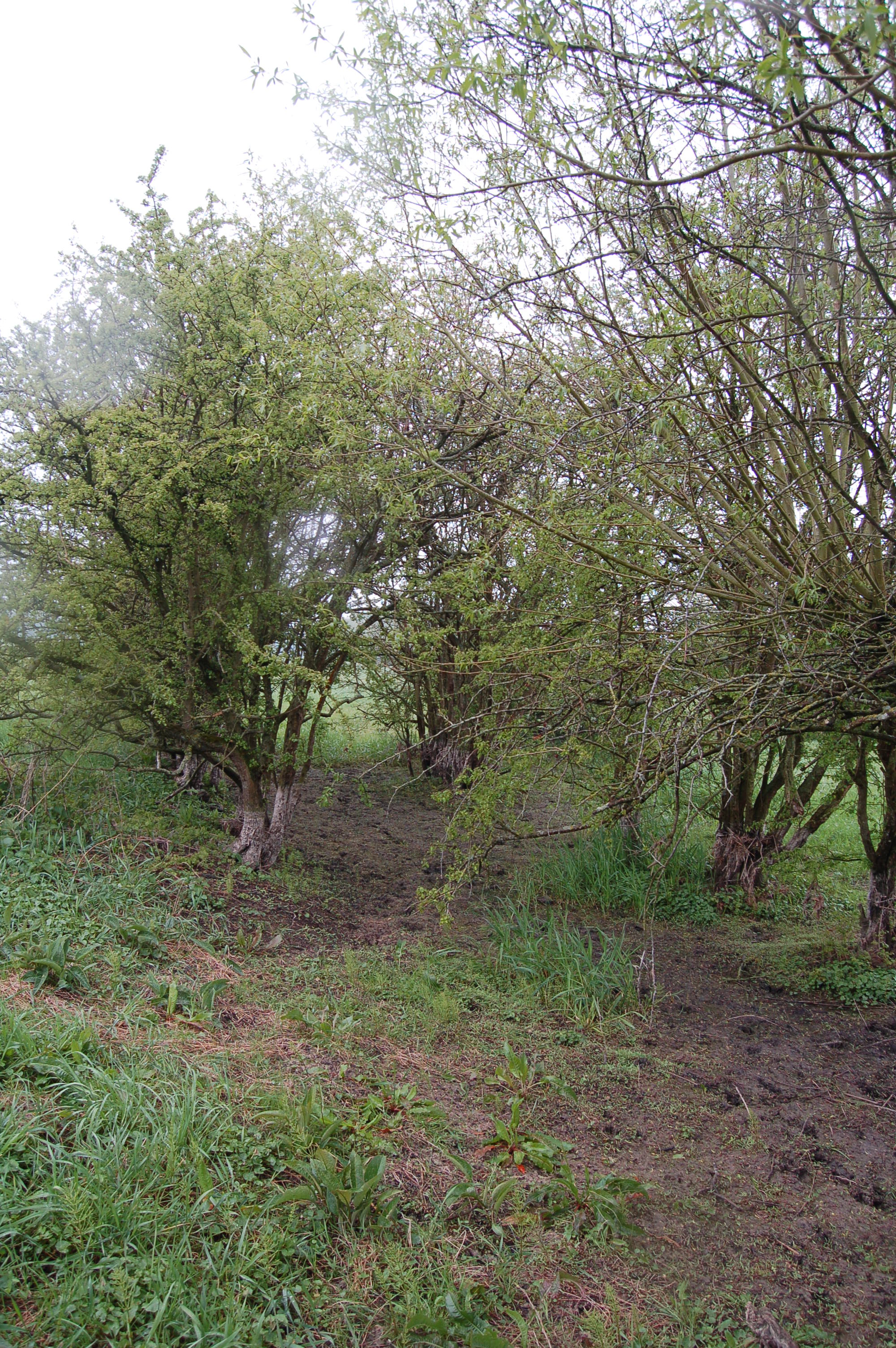
We were never far from one or other river as we walked the reserve margins. It was good to see beautiful ancient pollarded willows much in evidence aligning the banks of both. Seeing these brings back memories of my childhood fishing my local brook “The Carrant” whose banks were lined with them. We hid inside them as many were hollow and loved looking up inside them spotting wildlife mostly spiders and beetles but on special occasions a roosting Tawny Owl. The willows were pollarded which involved pruning them hard back to their main trunks every few years to harvest the stems for basket making and hurdle manufacture.

2014 04 21_8311 2014 04 21_8308

2014 04 21_8414 2014 04 21_8417

2014 04 21_8418 2014 04 21_8379

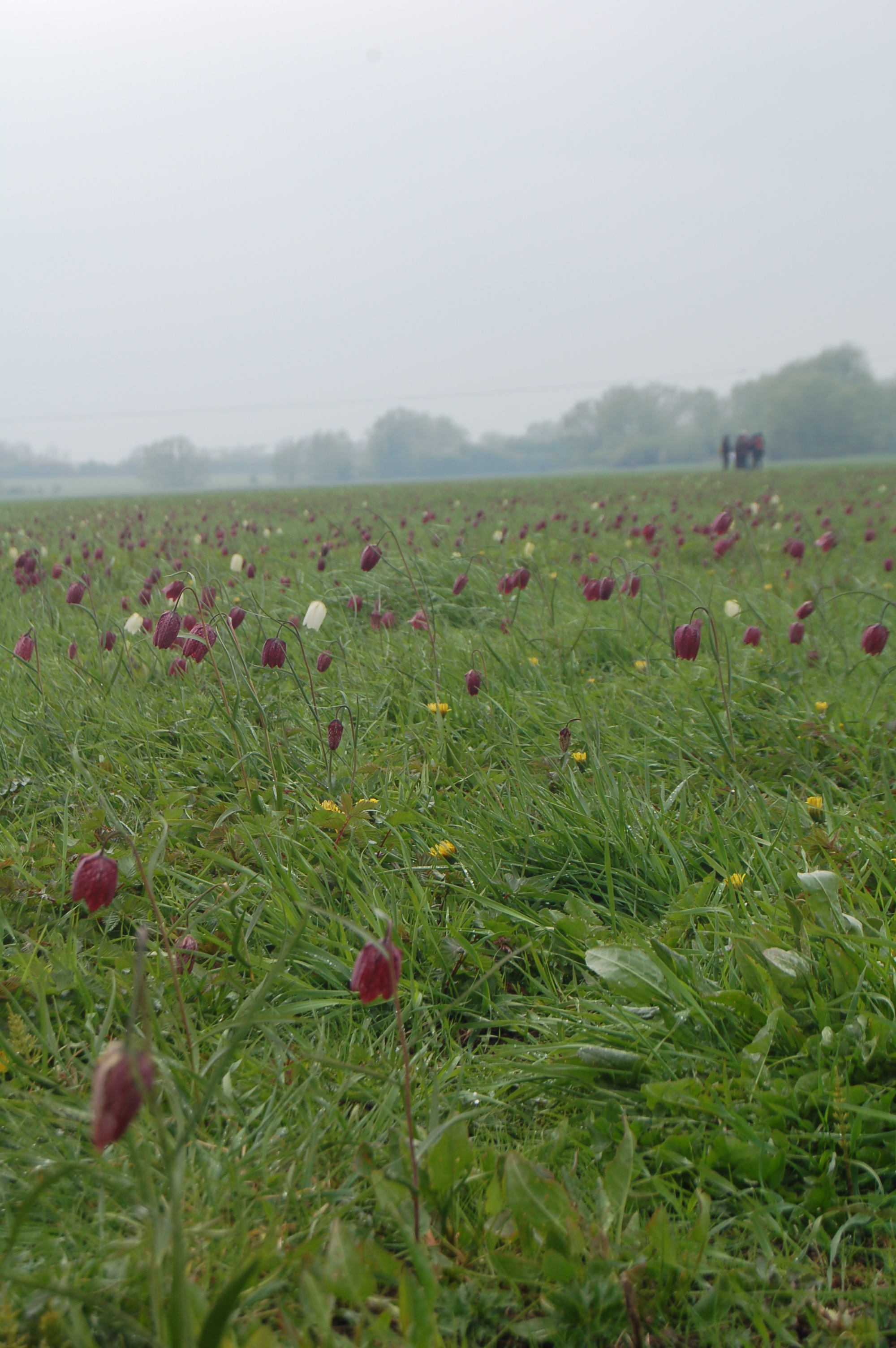
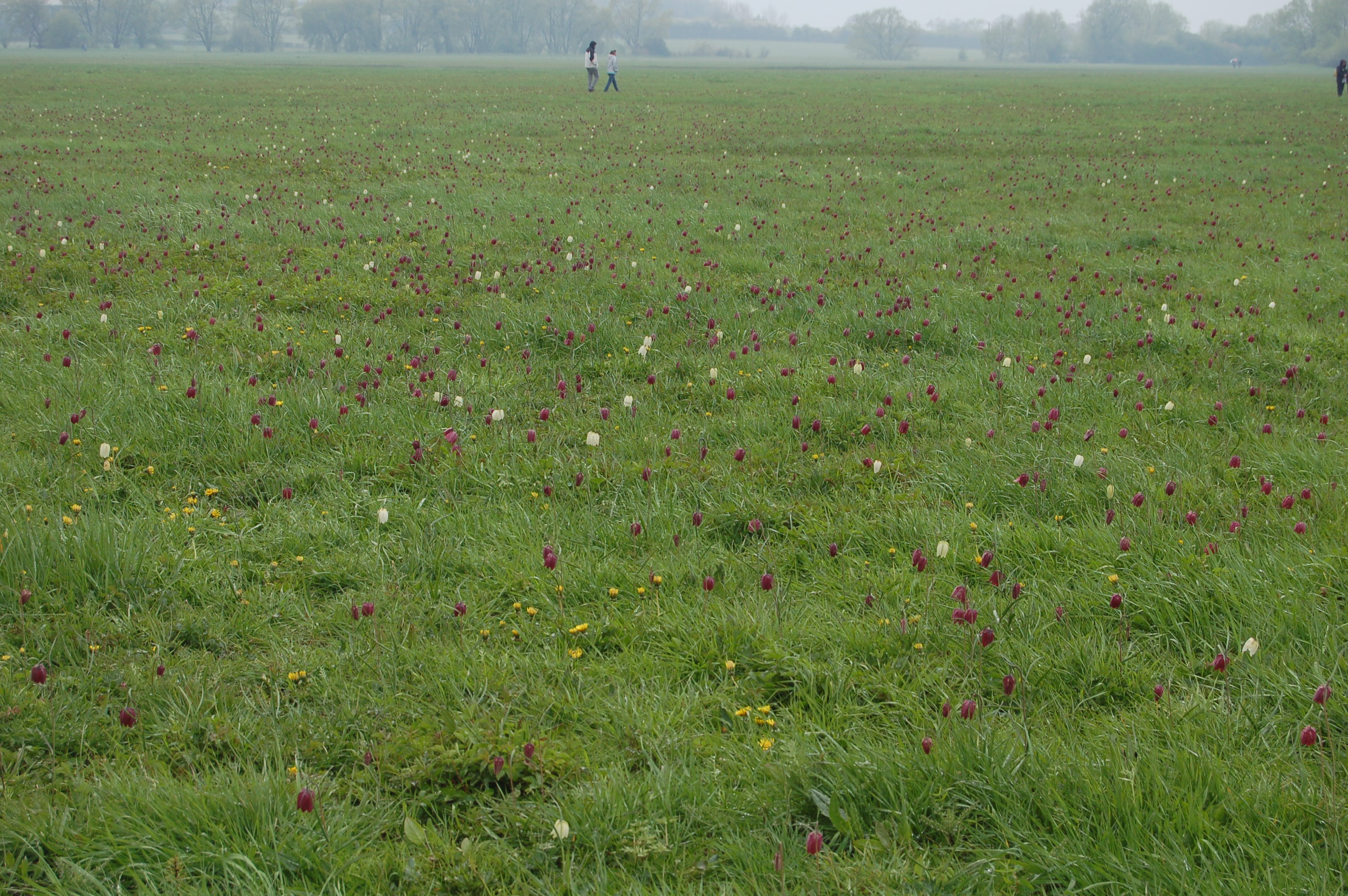
The reserve was one grand immense flat meadow which is flooded for a few months each year creating an unusual habitat for plants and all sorts of wildlife. At first glance we were amazed at the expanse of the meadow but somewhat disappointed at the relatively few numbers of Fritillaries visible. Seeing just one Fritillary is a treat though as it is such an unusual and beautiful flower. It is now sadly a “nationally scarce” plant.

2014 04 21_8232 2014 04 21_8234

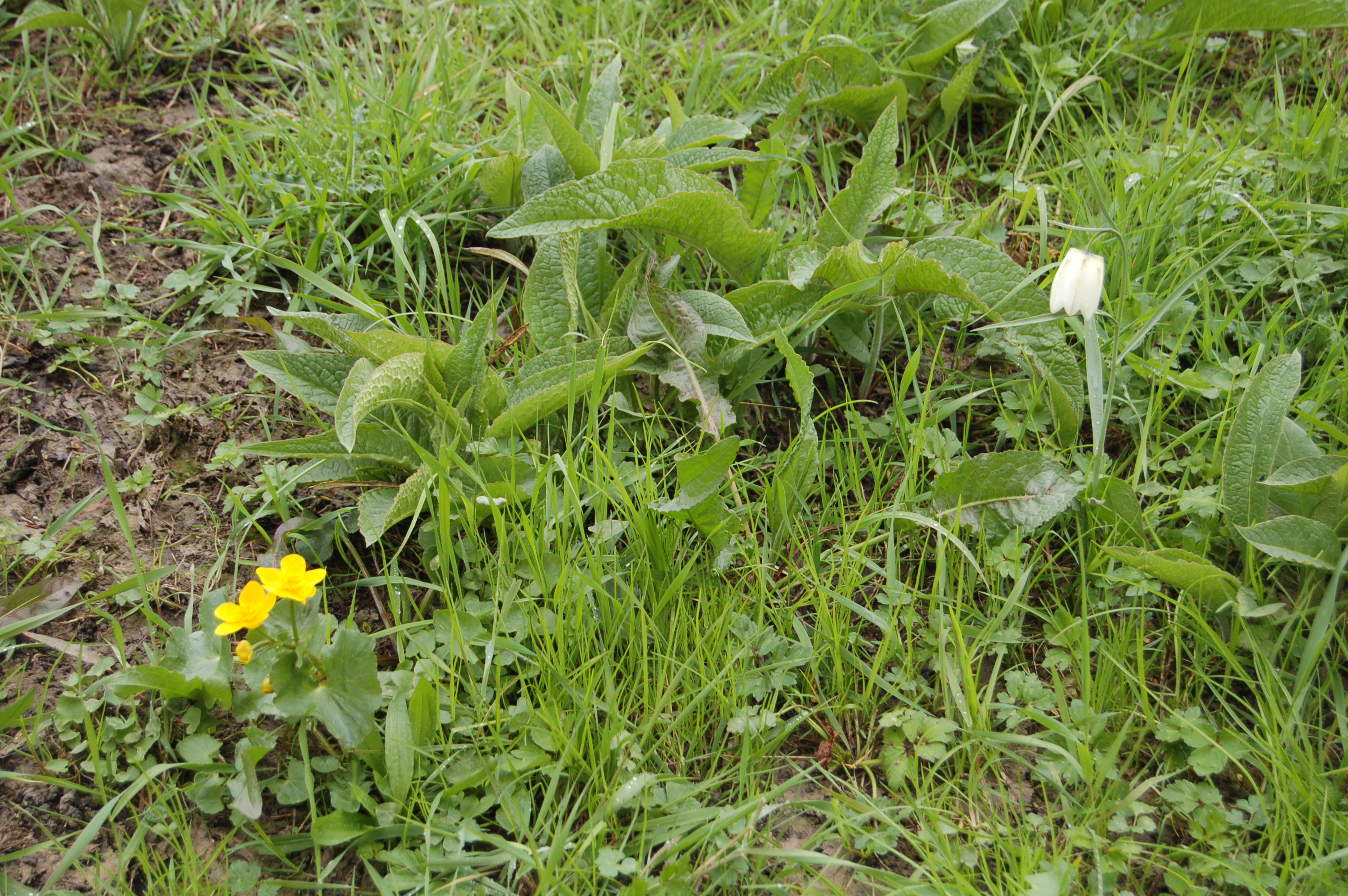
Even though the light was very dull we soon spotted more of the little beauties we had waited so long to see and realised that there were far more than we had first thought. We grow Fritillaria meleagris in our spring border at home and in the orchard meadows on the allotment communal gardens but we had never seen them growing in their true wild habitat, the wetland meadows. We wondered just how amazing they must look on a bright day. To begin with we found them in small clumps including the odd white flowers which although lacking the checkerboard patterning have a delicate beauty of their own.

2014 04 21_8231 2014 04 21_8235

2014 04 21_8424

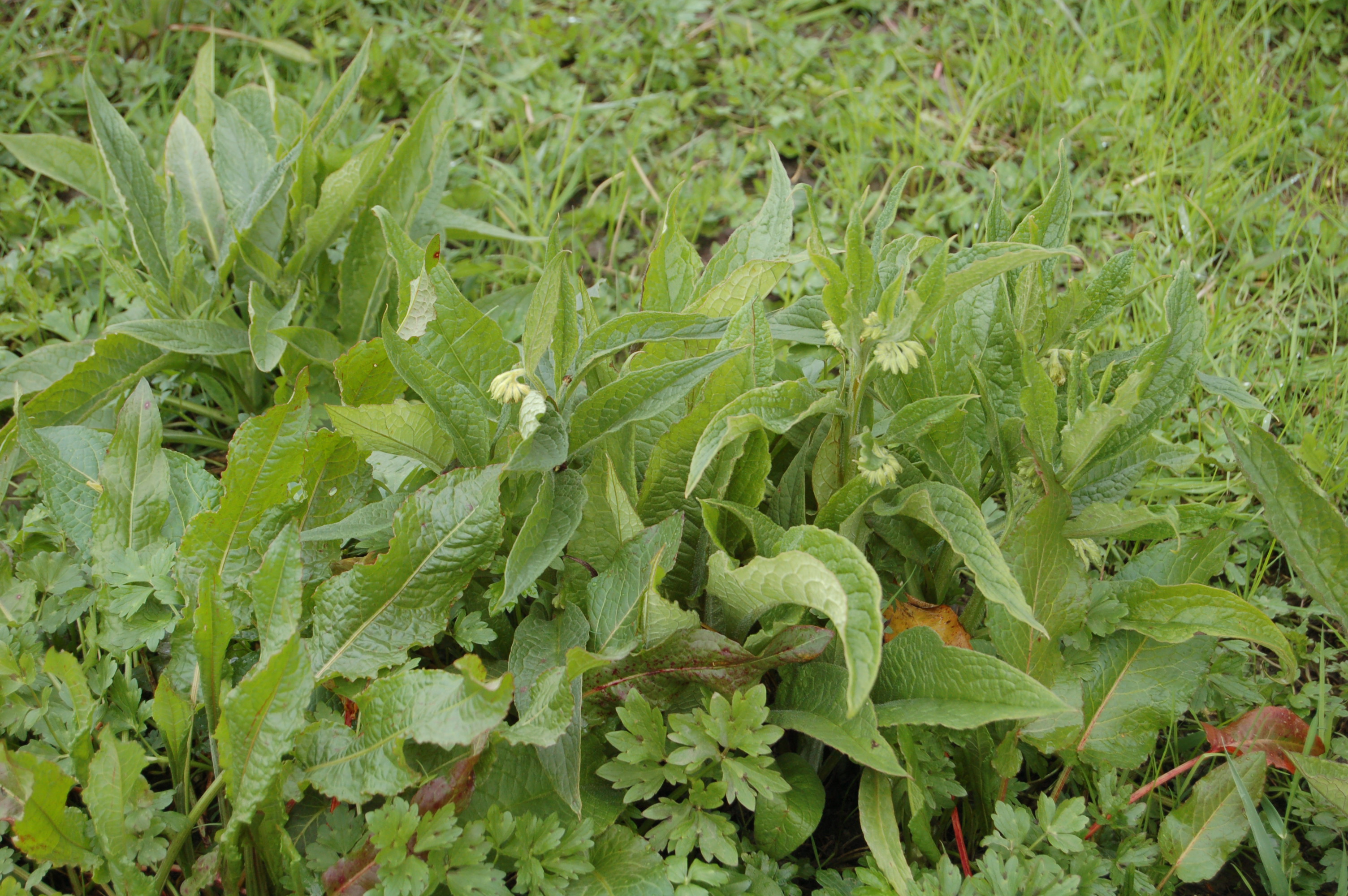
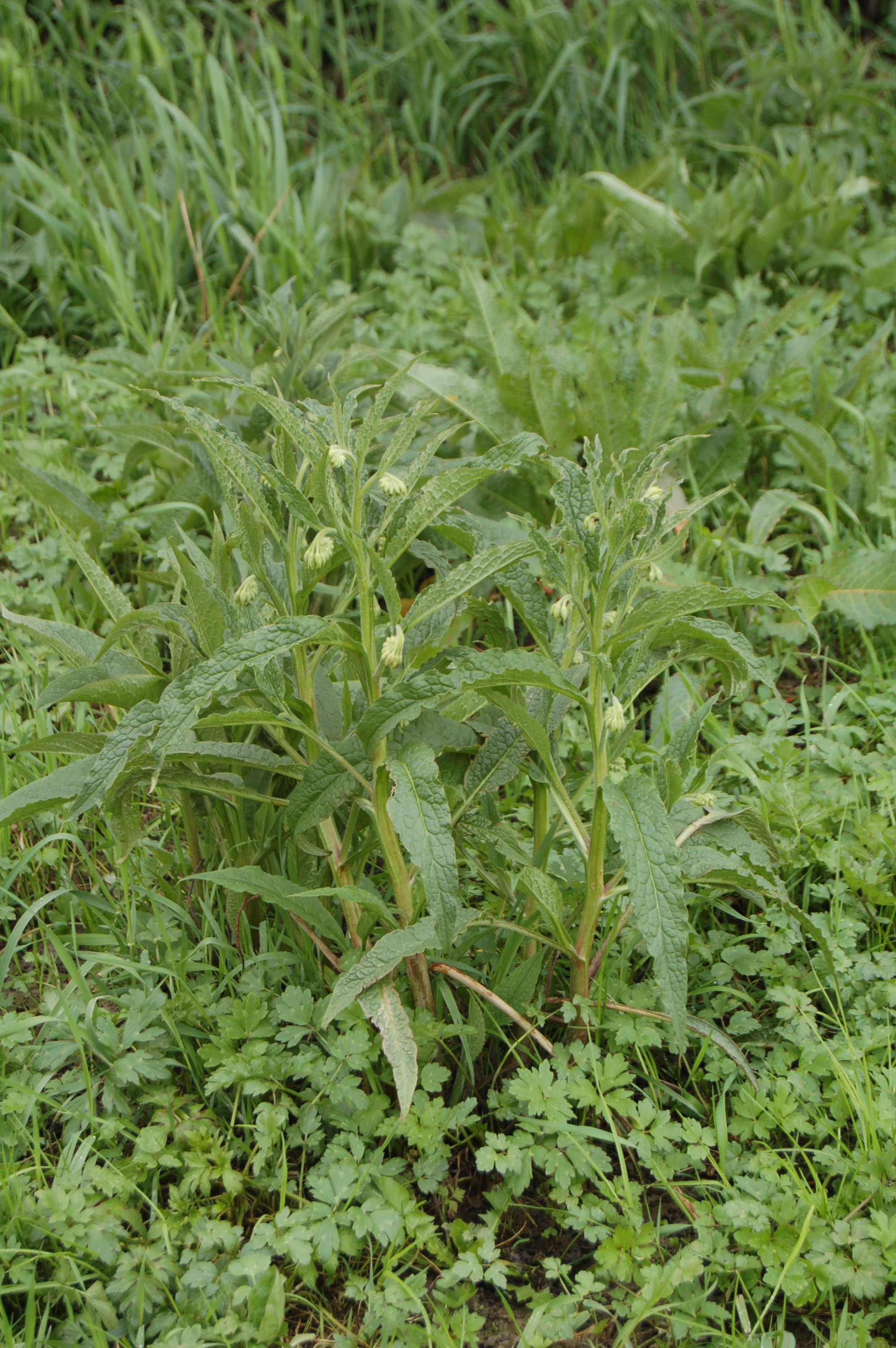
This wetland meadow habitat was home to other site specific species such as Comfrey and Kingcups, Lady’s Smock and Ragged Robin. Lovely old fashioned names for our native wildflowers. To maintain the special requirements of this collection of damp loving plants it is essential that the meadow is managed properly. It has to be grazed, used for hay and flooded for set periods.

2014 04 21_8415 2014 04 21_8416   2014 04 21_8419 2014 04 21_8420  2014 04 21_8422 2014 04 21_8309

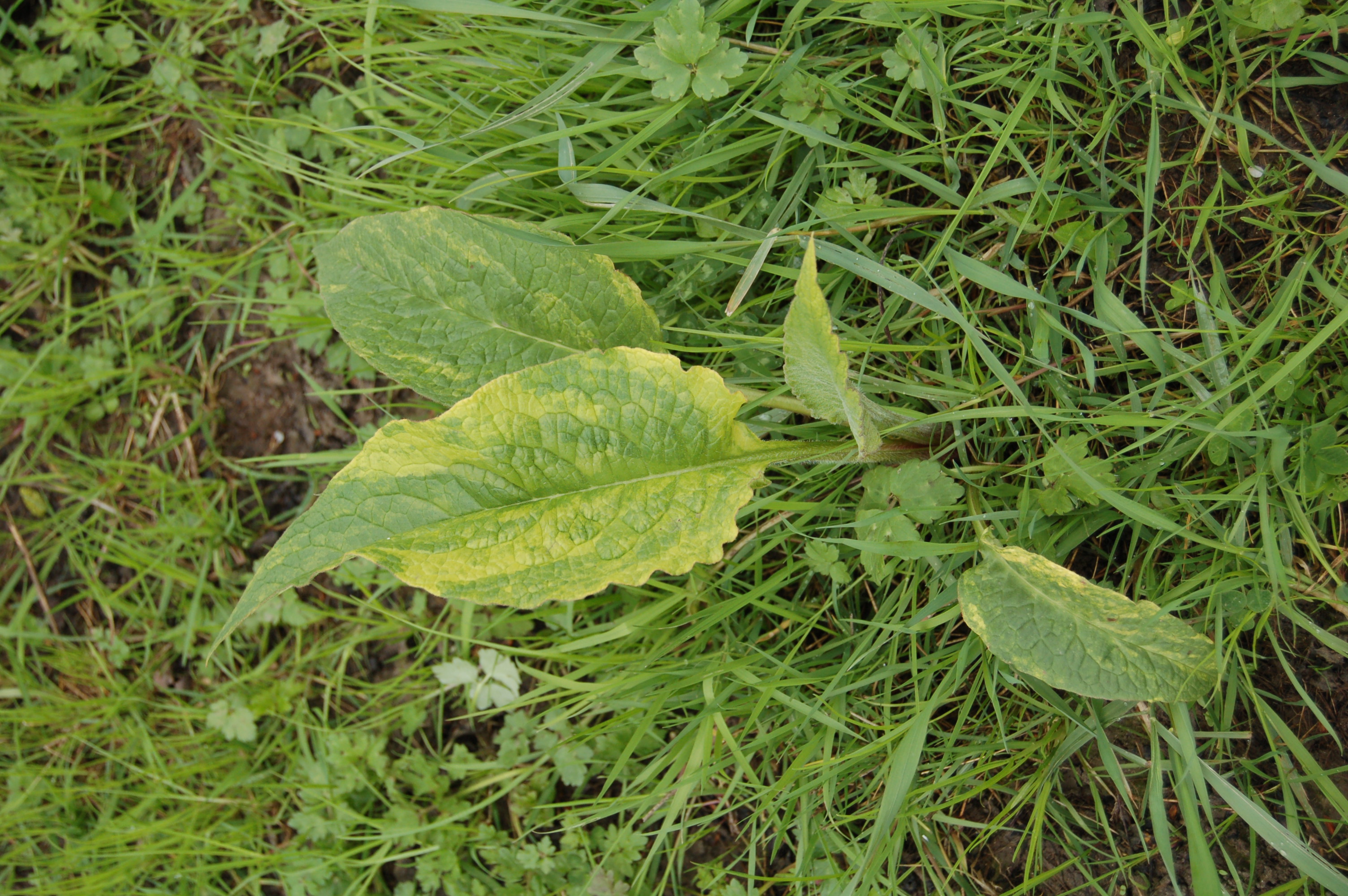
We were surprised to find one comfrey with yellow and green variegated foliage.

2014 04 21_8423

Along the margins of the meadow we stumbled upon these little carved stones, looking like miniature milestones. We later found out that they marked the plots allotted to individual “commoners” for haymaking.

2014 04 21_8313 2014 04 21_8312

As we reached about two-thirds of the way around the meadow the density of the fritillaries increased markedly and tall reeds grew on its margins.

2014 04 21_8310   2014 04 21_8306

2014 04 21_8396 2014 04 21_8394 2014 04 21_8304 2014 04 21_8303 2014 04 21_8302 2014 04 21_8301 2014 04 21_8389 2014 04 21_8299

2014 04 21_8294 2014 04 21_8293


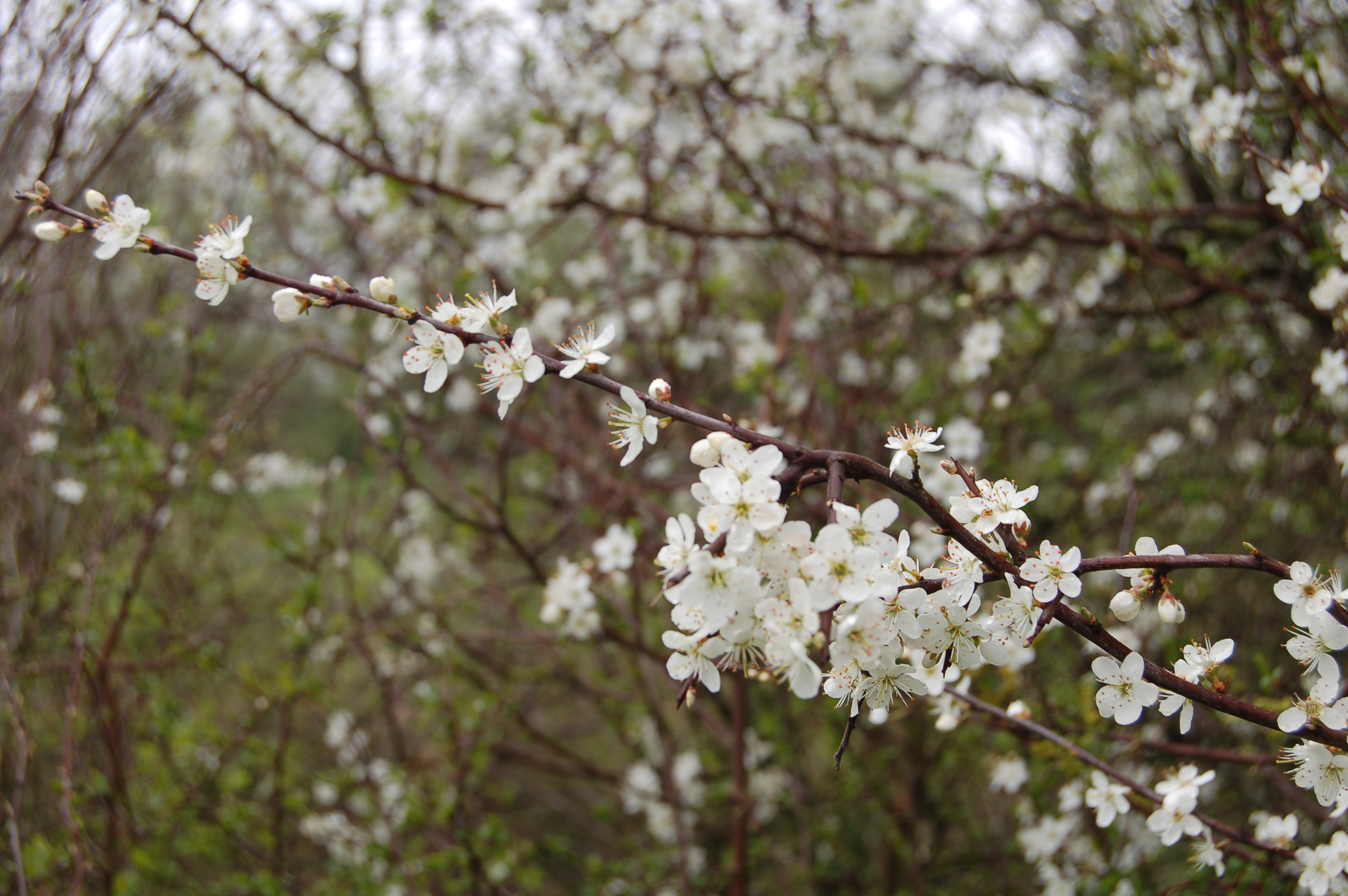
The last part of our wander around this wet meadow was alongside the river once again where Willow and Blackthorn trees grew happily in the damp soils.

2014 04 21_8298 2014 04 21_8297 2014 04 21_8296 2014 04 21_8421

2014 04 21_8295   2014 04 21_8292   2014 04 21_8288 2014 04 21_8465

2014 04 21_8278

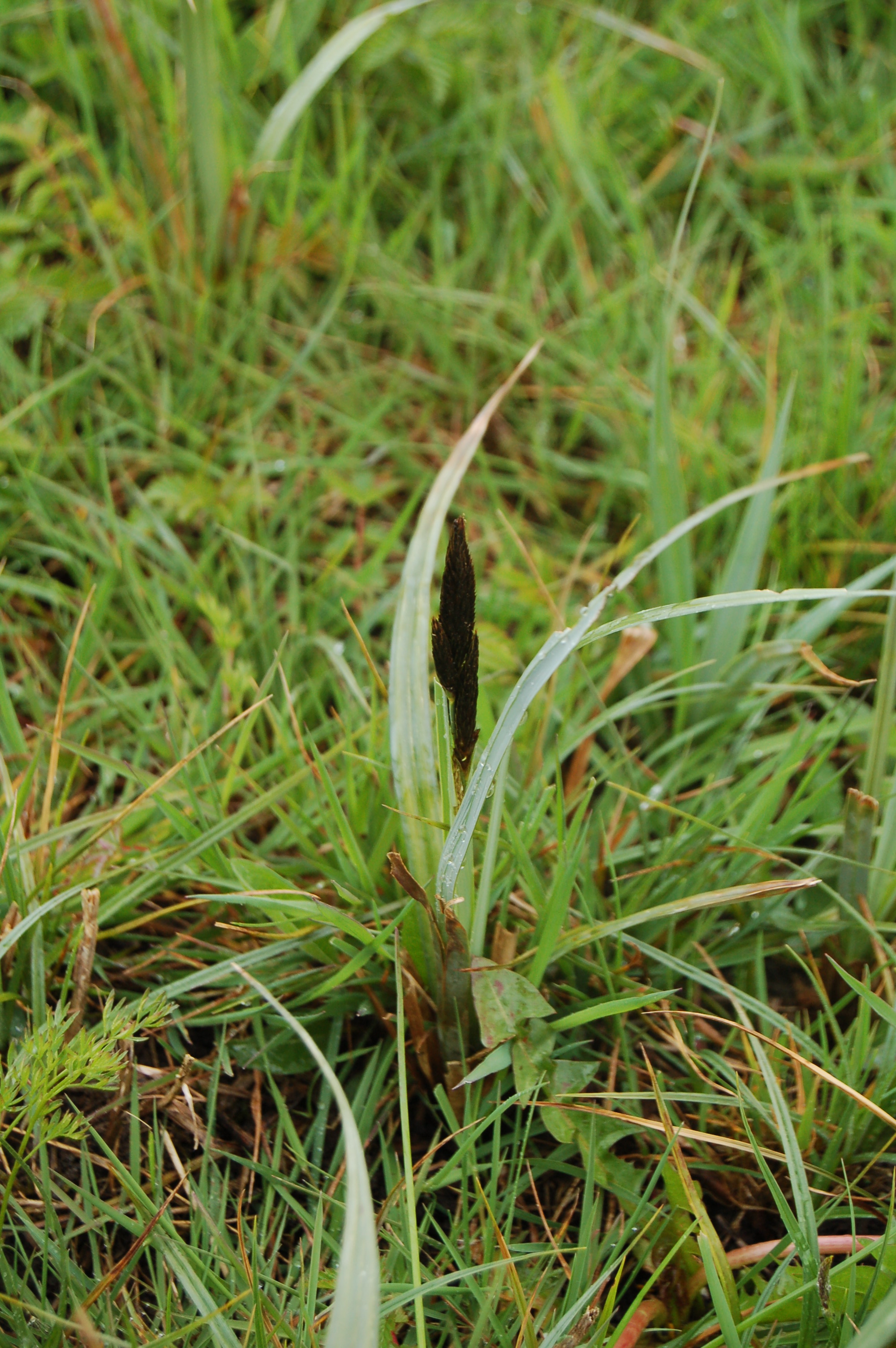
In a very damp patch we came across a clump of this very unusual looking sedge with its jet black flowers thus finishing off our visit to the field of Fritillaries with a mystery as we had no idea what it was.

2014 04 21_8286 2014 04 21_8285

As we left the reserve we just had to stop and admire this old and very unusual toll cottage.

2014 04 21_8495

Categories
birds countryside hedgerows landscapes nature reserves swallows trees wildlife woodland woodlands

Up on the Downs – a wander on chalk uplands.

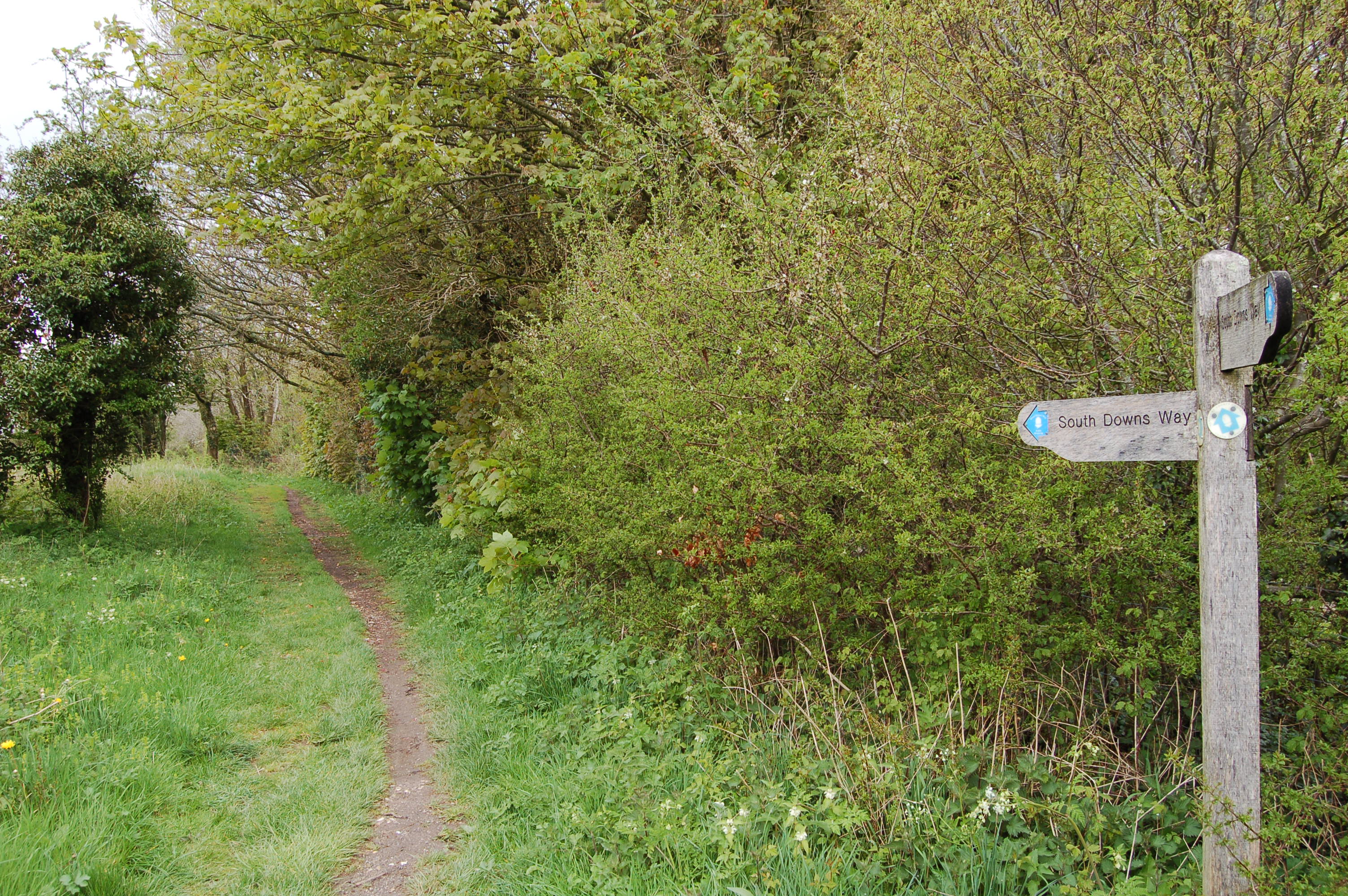
We have wanted to take a walk on the “Downs” for a while now and we have it written in our “to do” book. However whilst visiting my brother, Graham and his wife Vicky in Farnham  we took the opportunity to make a half hour drive  which led us to the car park at the start of a gentle walk along Old Winchester Hill. The panoramic views gave an added incentive to get going despite a cold, biting wind.

2014 04 22_85542014 04 22_85552014 04 22_8556

Although it is still relatively early in the year we had expectations of seeing site specific plants and birds. We were not to be disappointed.

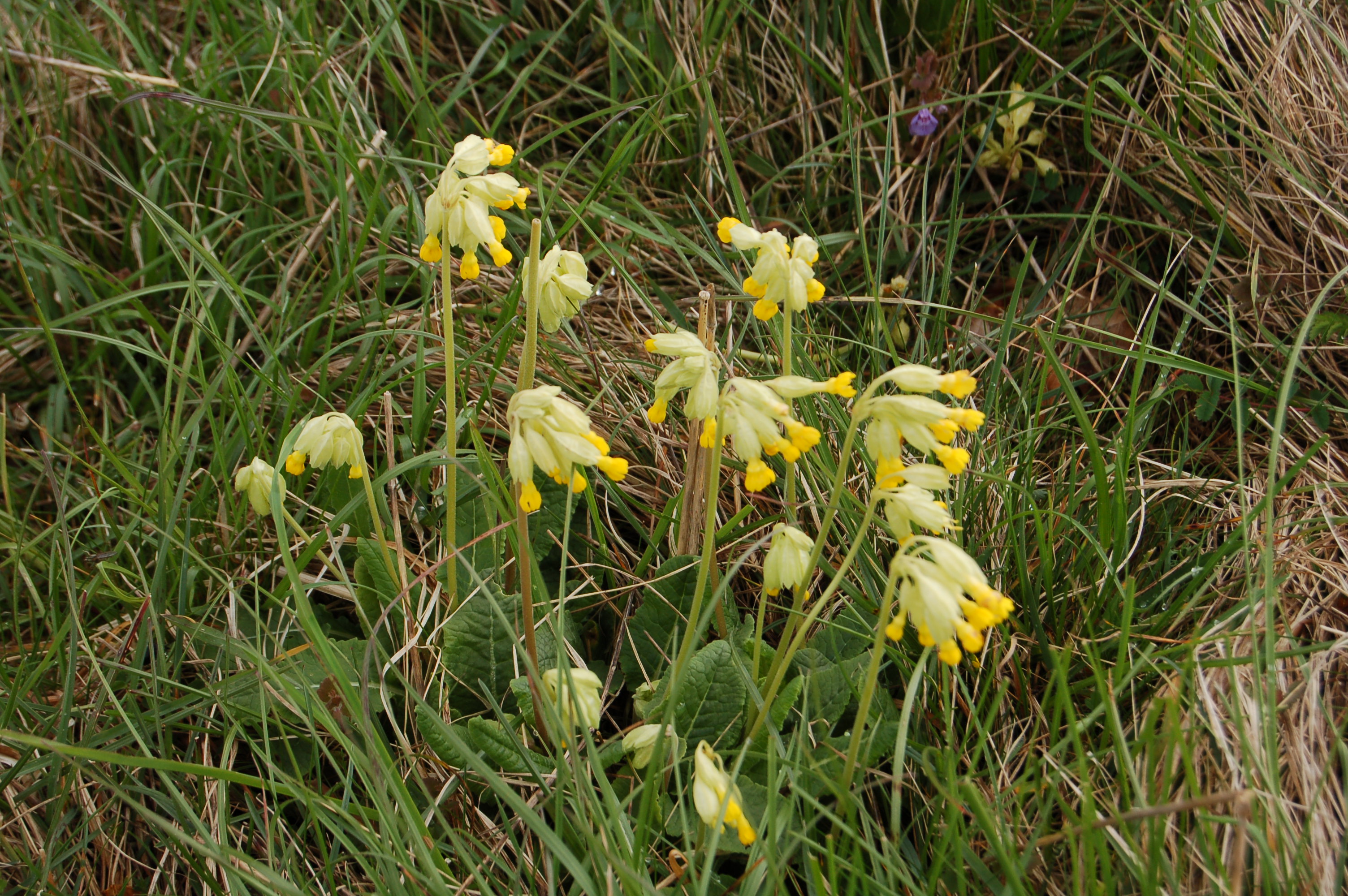
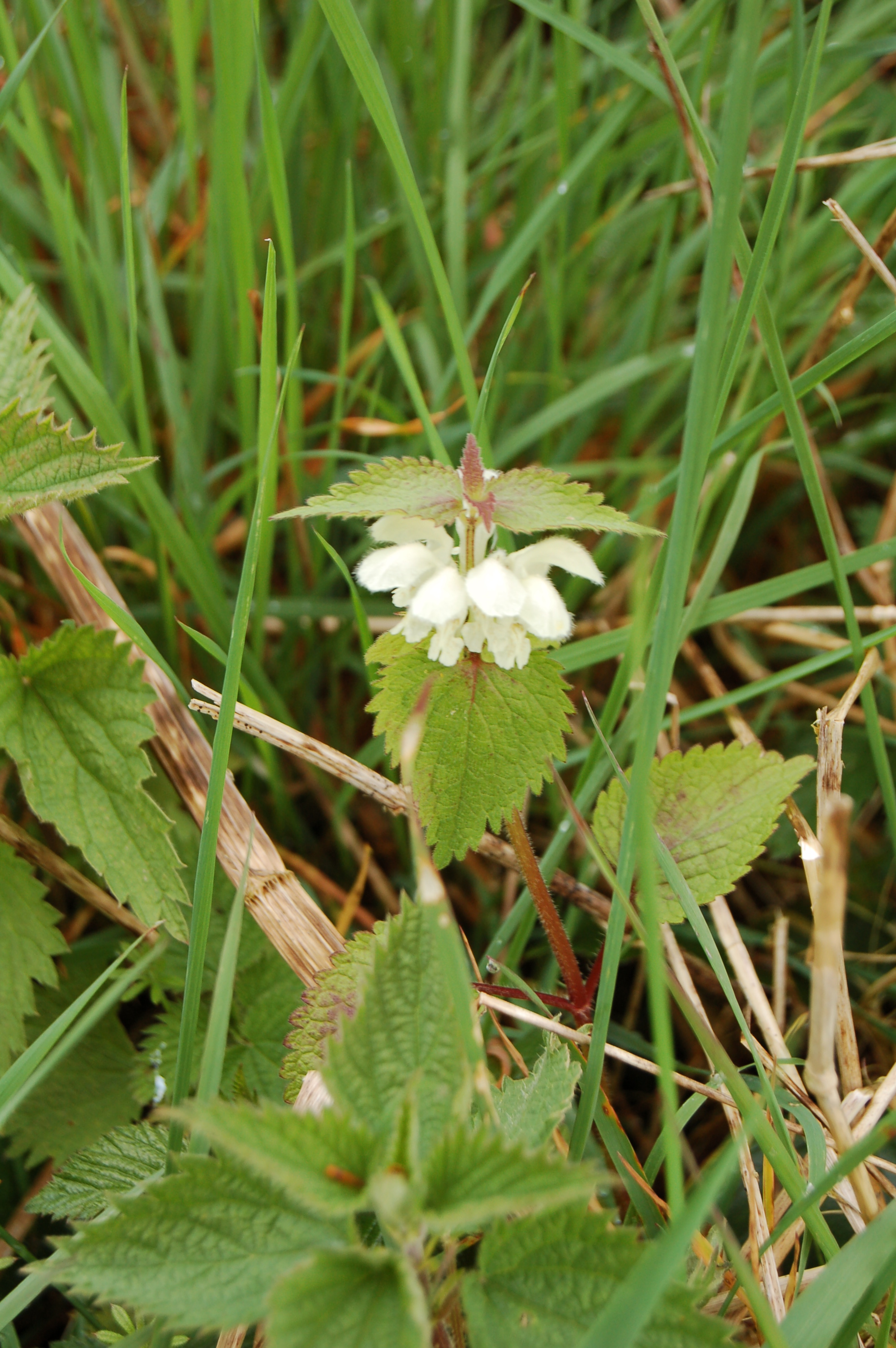
Lady’s Bedstraw, White Deadnettle and Cowslip were probably the most frequently occurring flowering plants.

2014 04 22_8557 2014 04 22_8558 2014 04 22_8559 2014 04 22_8560

2014 04 22_8562

It was good to see one of our native Euphorbias growing along the woodland margins. This Wood Spurge looked so similar to some we grow in our Plealey garden.

2014 04 22_8561 2014 04 22_8564

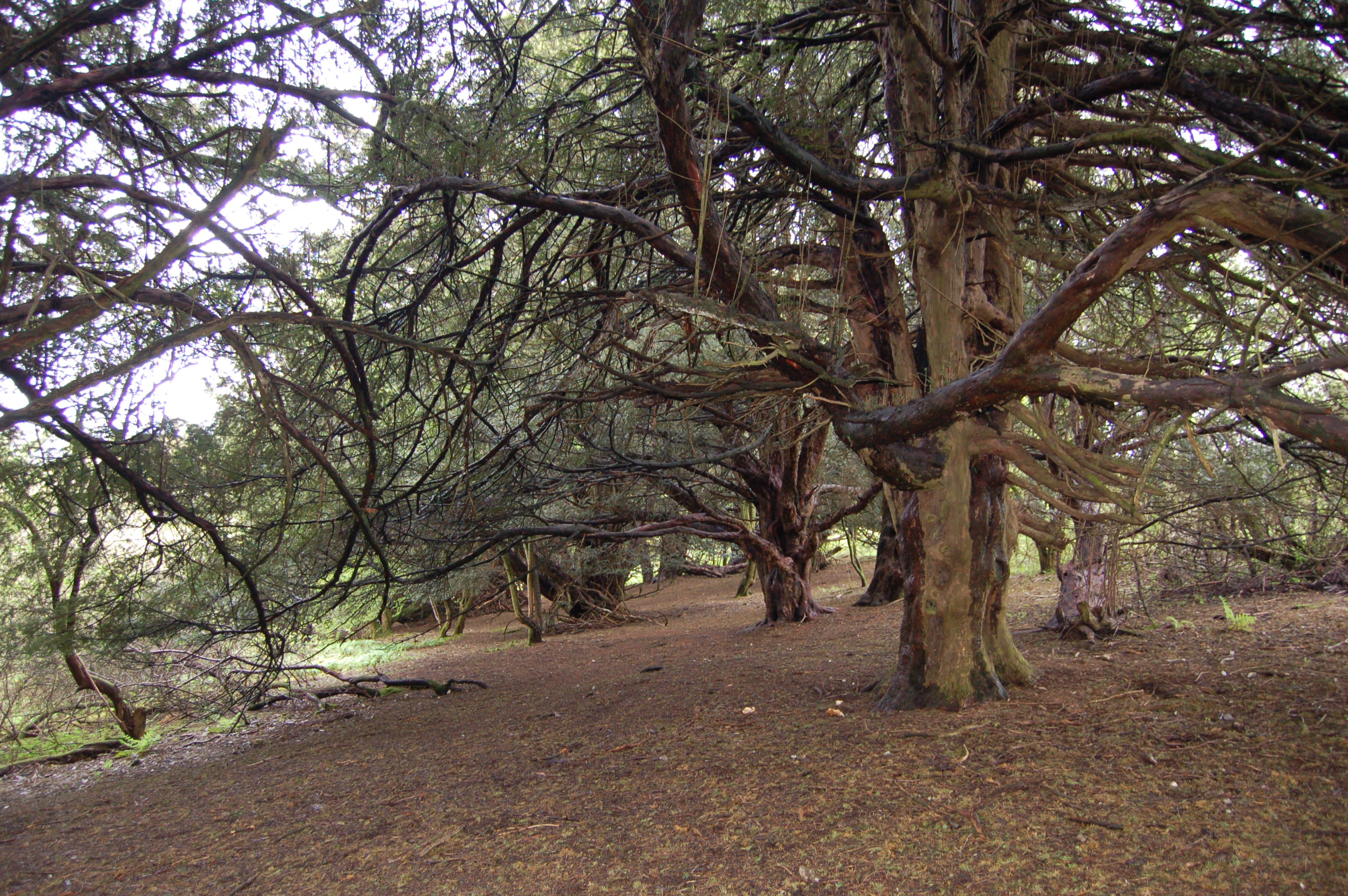
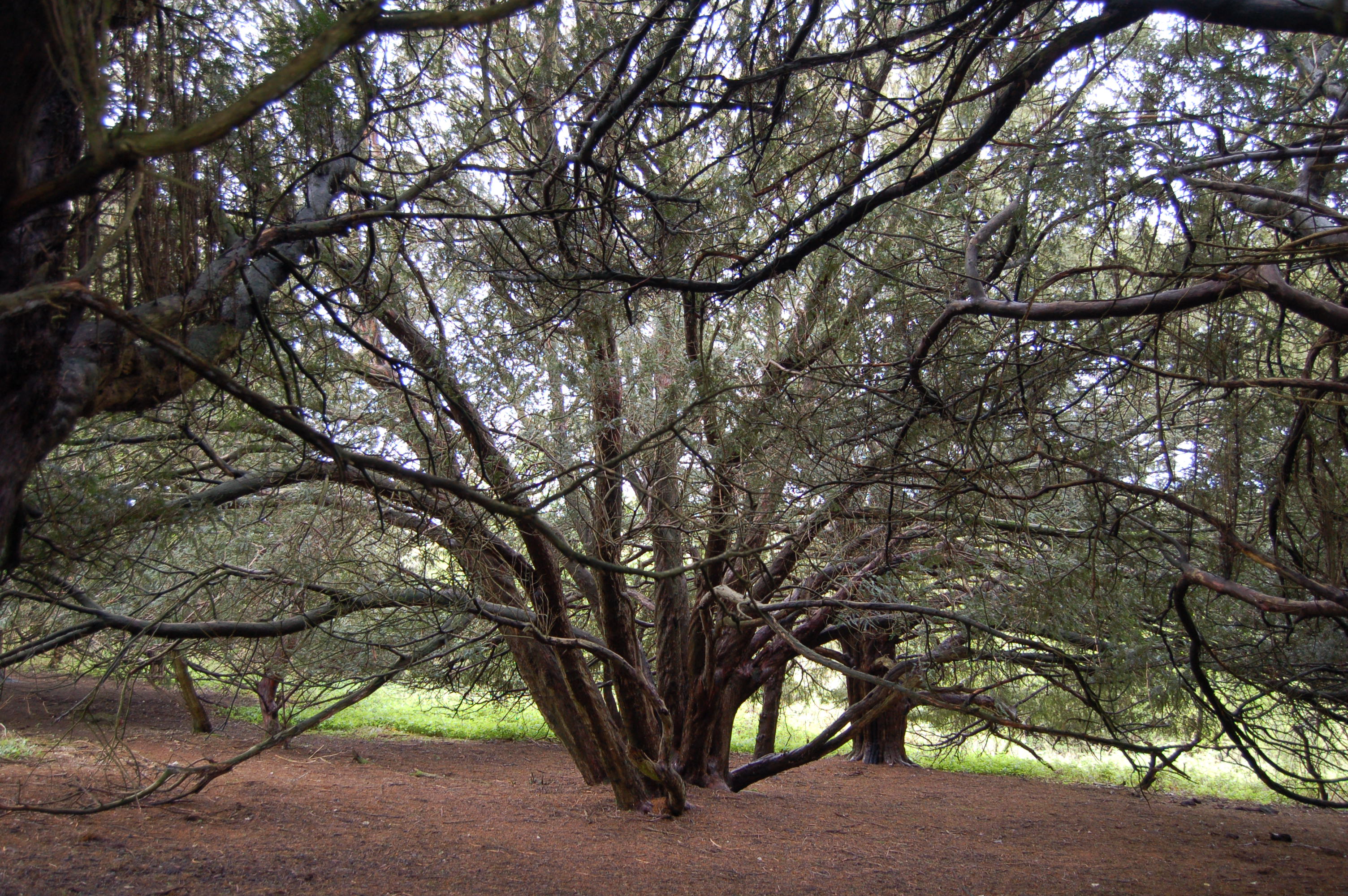
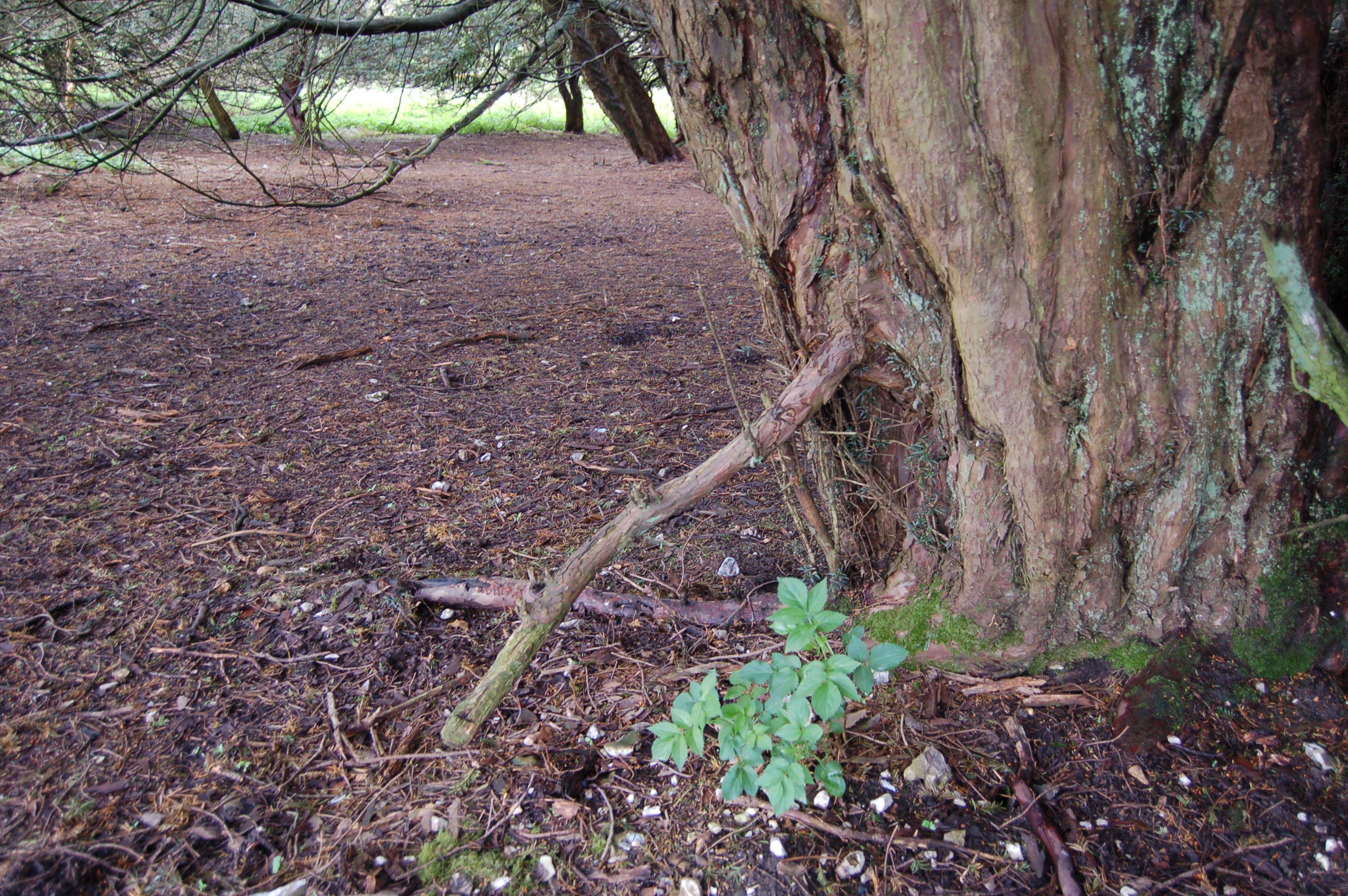
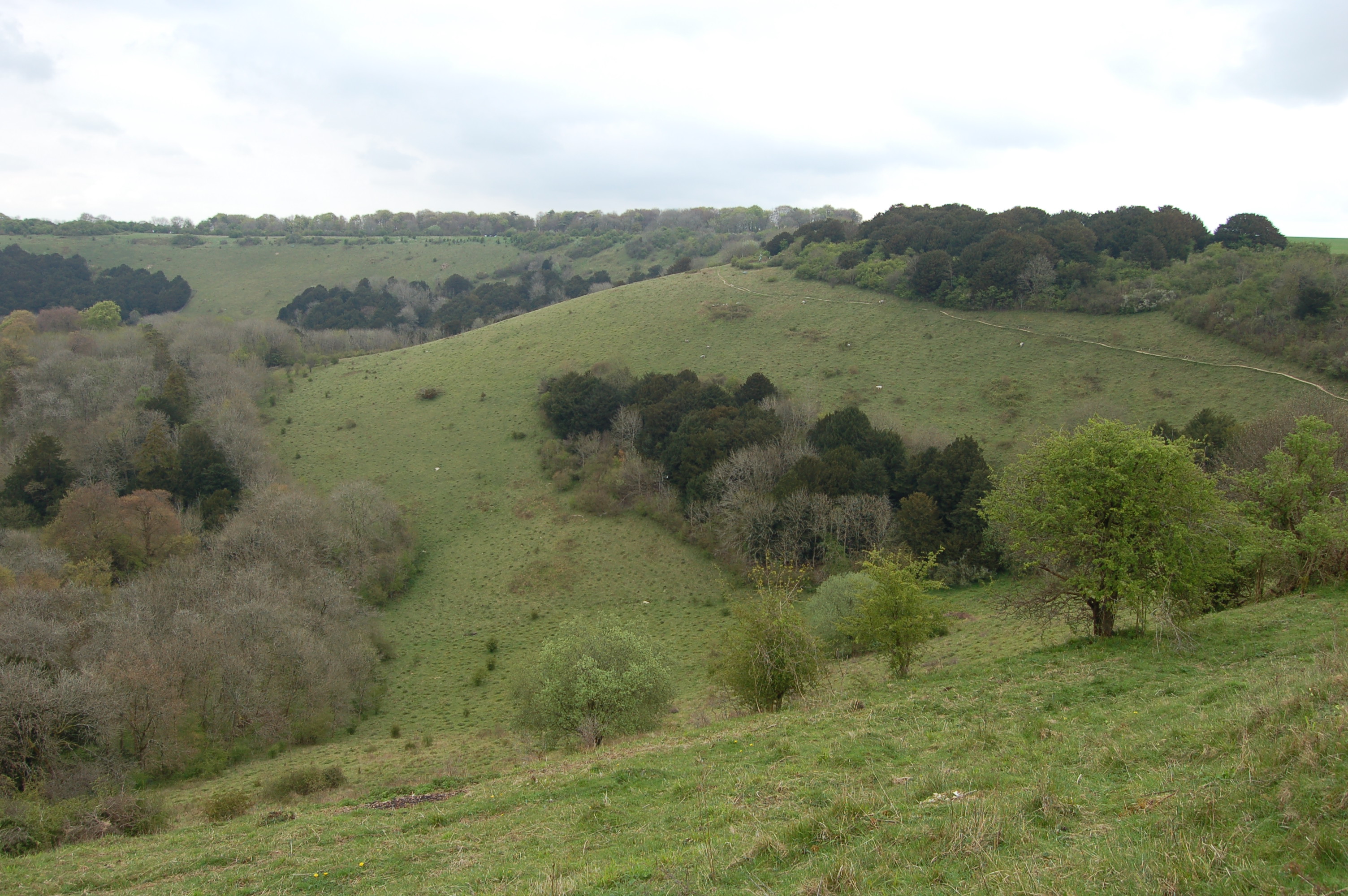
As we reached the end of the ridge the path changed direction and we walked along a track between woodland and open fields. The woodland birdlife was in full song with summer migrant Warblers joining the resident Robins and Dunnocks. Above our heads Swallows called constantly. Over the farmland the song of Skylarks and the calls of Lapwing, two of our ground nesting birds, was carried on the wind for us to enjoy. We were really surprised to see large areas of very mature yew trees growing within areas of the usual deciduous trees, as we do not see them growing like this at home in Shropshire. They formed dark patches on the hillsides. We ventured underneath them and all of us found them decidedly spooky as they cut out all sound and much of the light leaving us in gloom. Beneath them nothing ventured to grow, apart from one lone, brave Elder seedling.It is no wonder that they feature strongly in ancient myths and folklore.

2014 04 22_8566 2014 04 22_8567


2014 04 22_8568 2014 04 22_8569

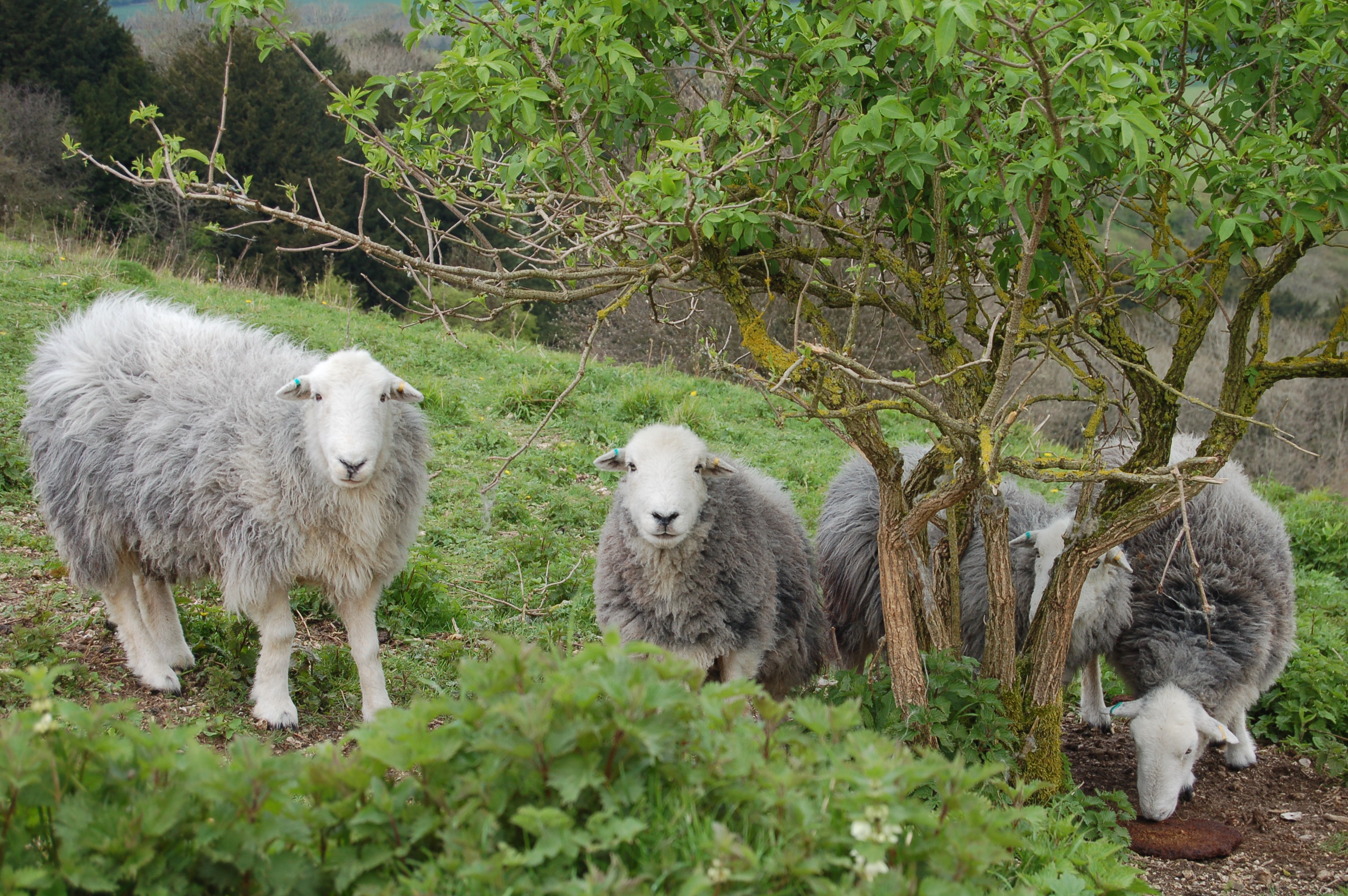
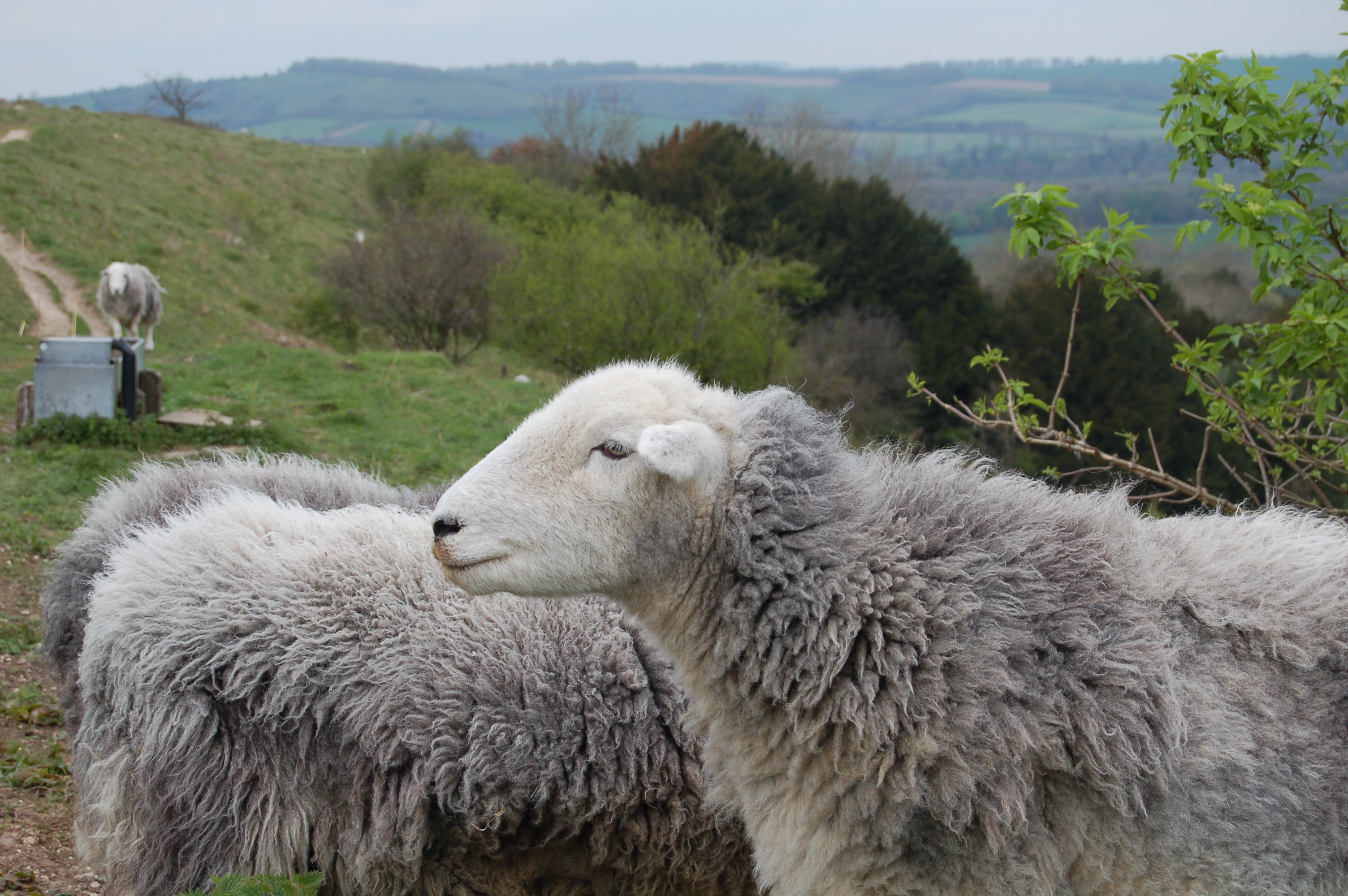
When we stopped for our coffee break on the only bench on the walk we were soon joined by a small flock of very inquisitive rare breed Herdwick Sheep, the sort I think that Beatrix Potter helped to save from extinction up on her Lake District farm.

2014 04 22_8575 2014 04 22_8576

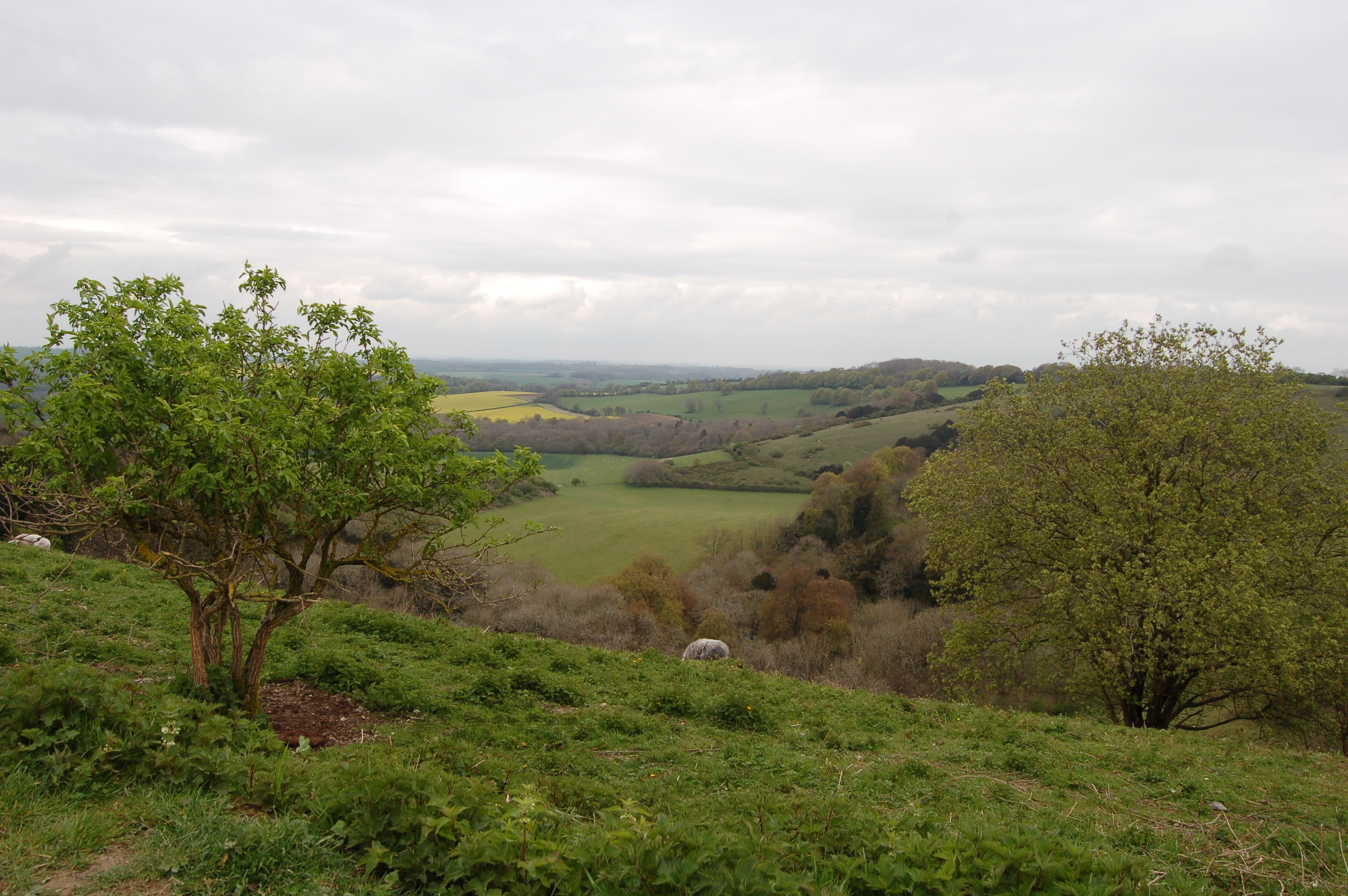
Beyond the sheep the views were stunning and far-reaching.

2014 04 22_8577 2014 04 22_8573

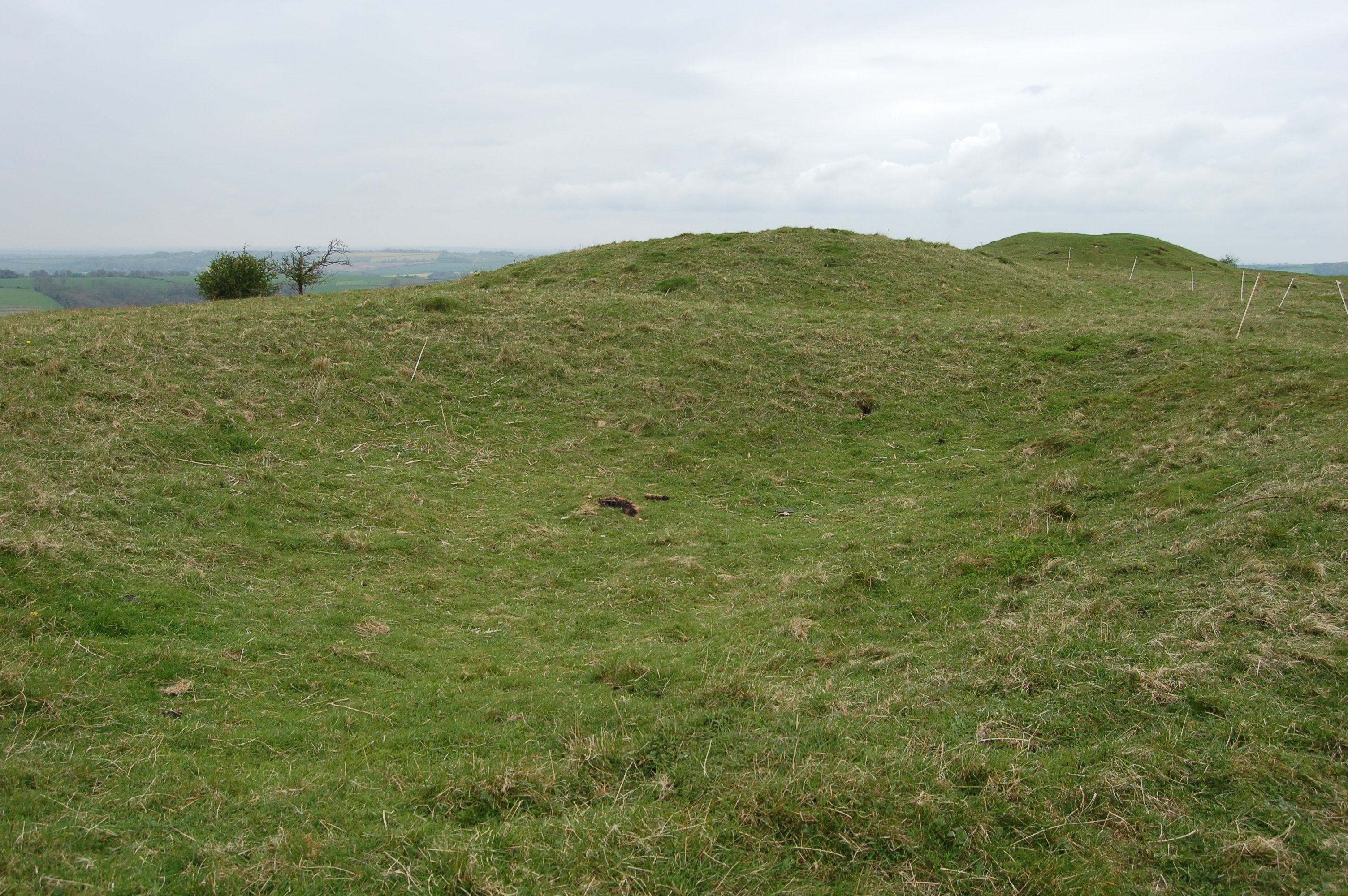
After our coffee break, with a slice of cake as well of course for added energy, we walked through the ancient hill fort with its Bronze Age burial mounds. It is amazing how interesting mounds of earth can be!

2014 04 22_8578 2014 04 22_8579 2014 04 22_8580

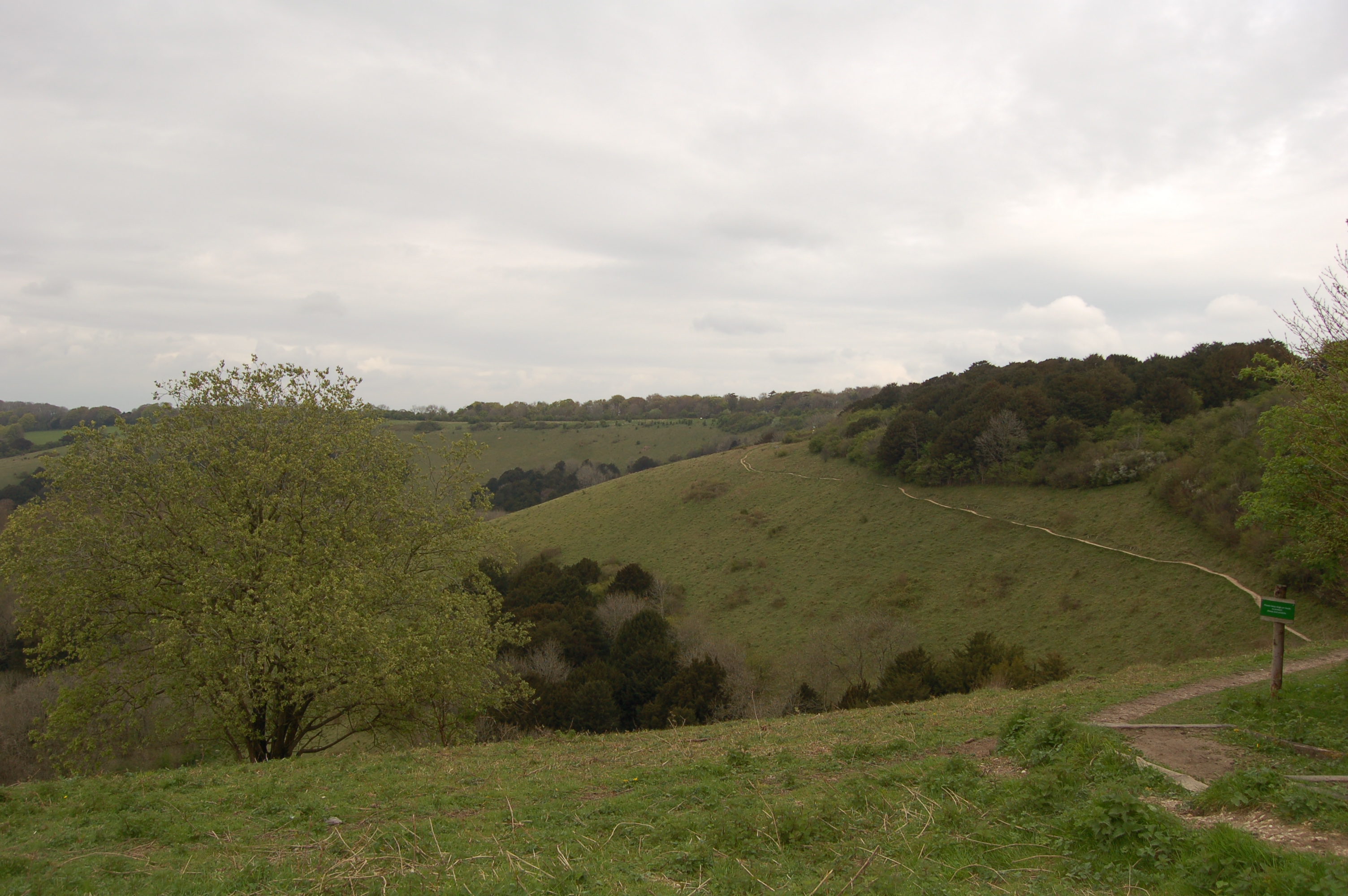
I shall finish off with one last view of this unique downland landscape and one of the wildflowers growing right alongside the track. We have waited a long time for our first walk on the Downs. It was worth the wait.

2014 04 22_8581 2014 04 22_8582

Categories
allotments autumn community gardening conservation fruit and veg garden wildlife gardening grow your own hedgerows natural pest control spring bulbs trees wildlife

The Big Planting – a new hedge and more bulbs for the allotments.

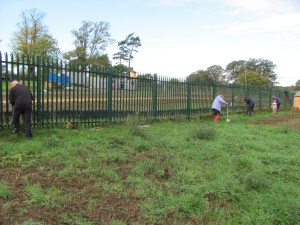
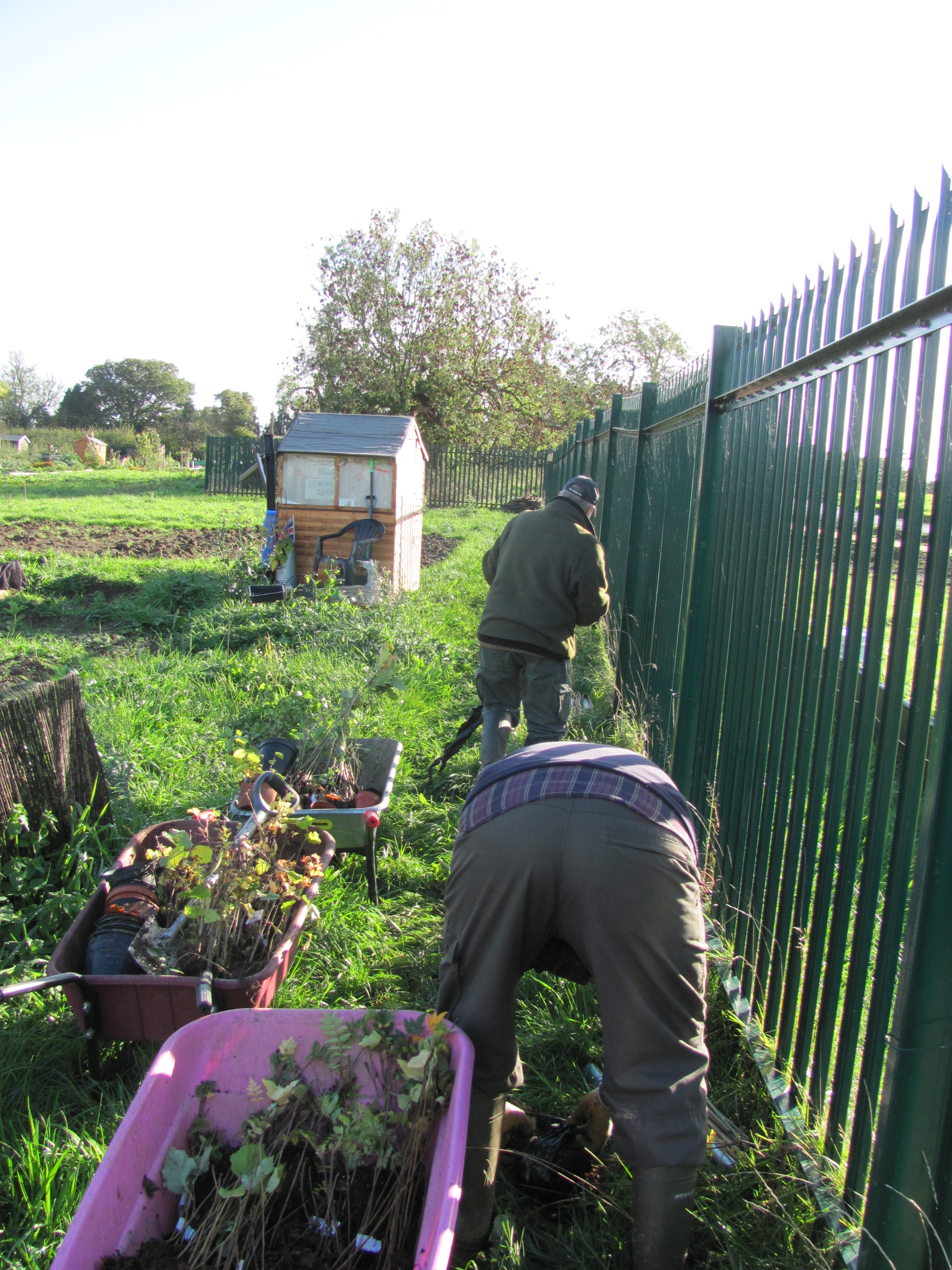
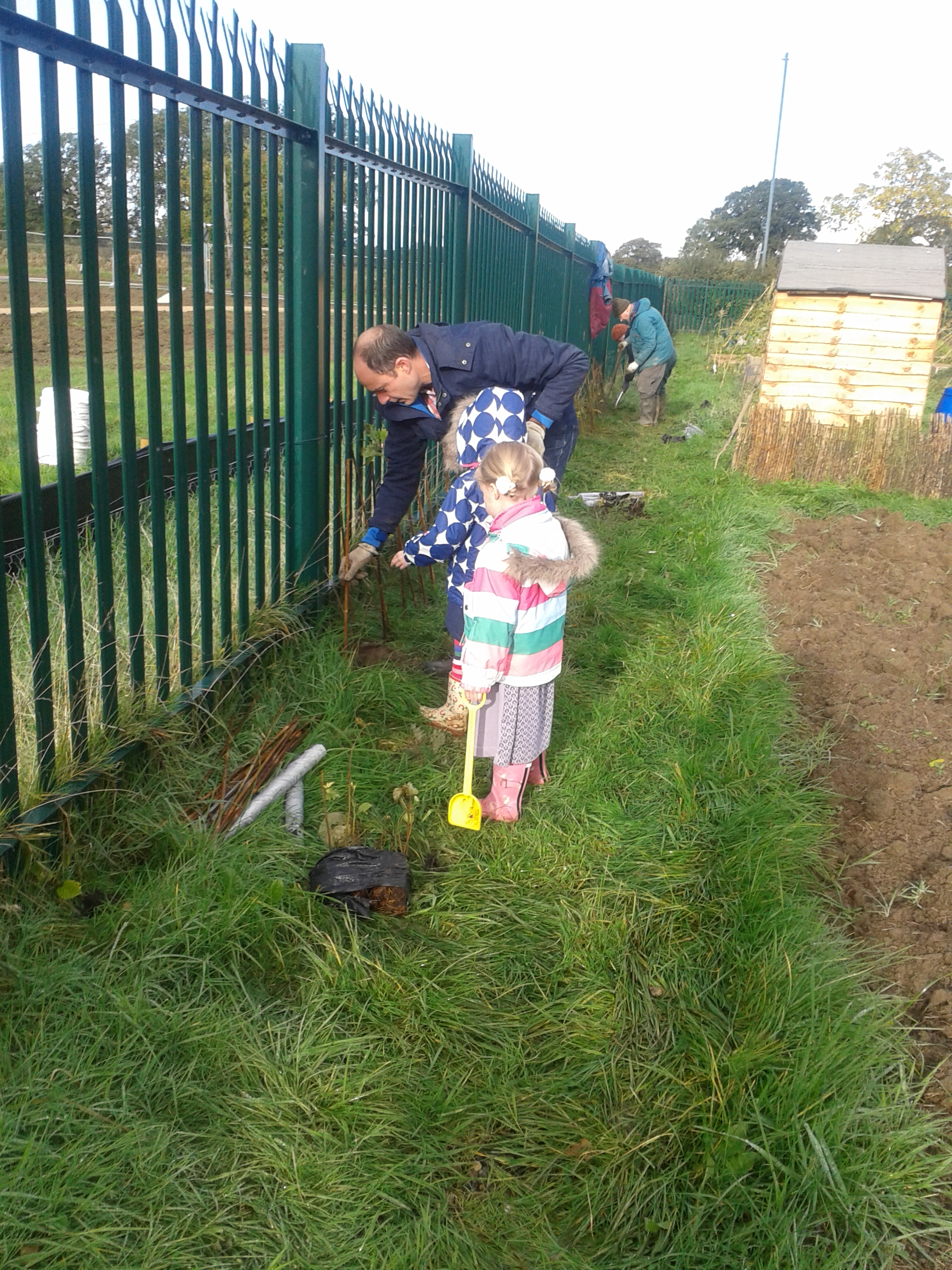
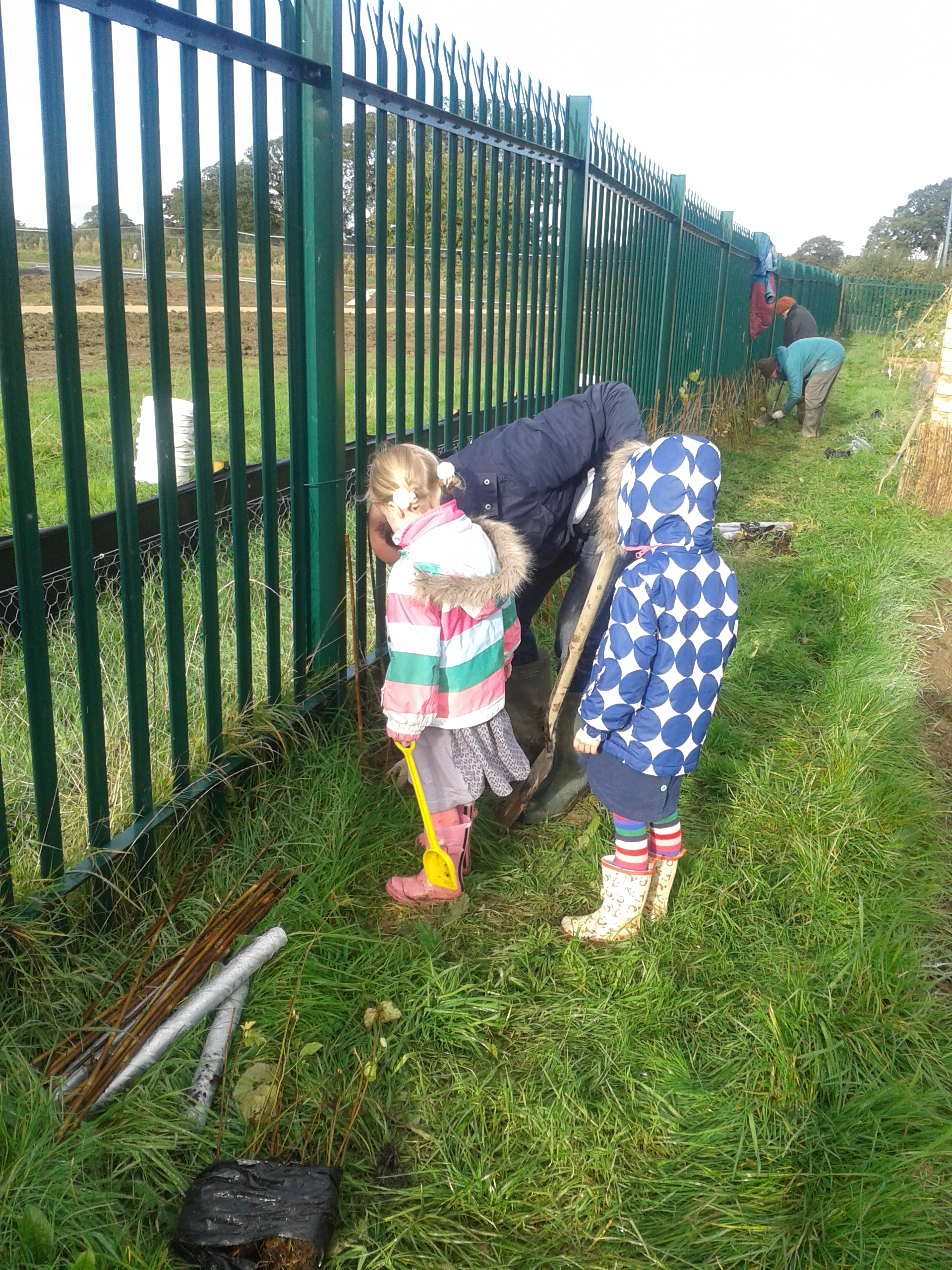
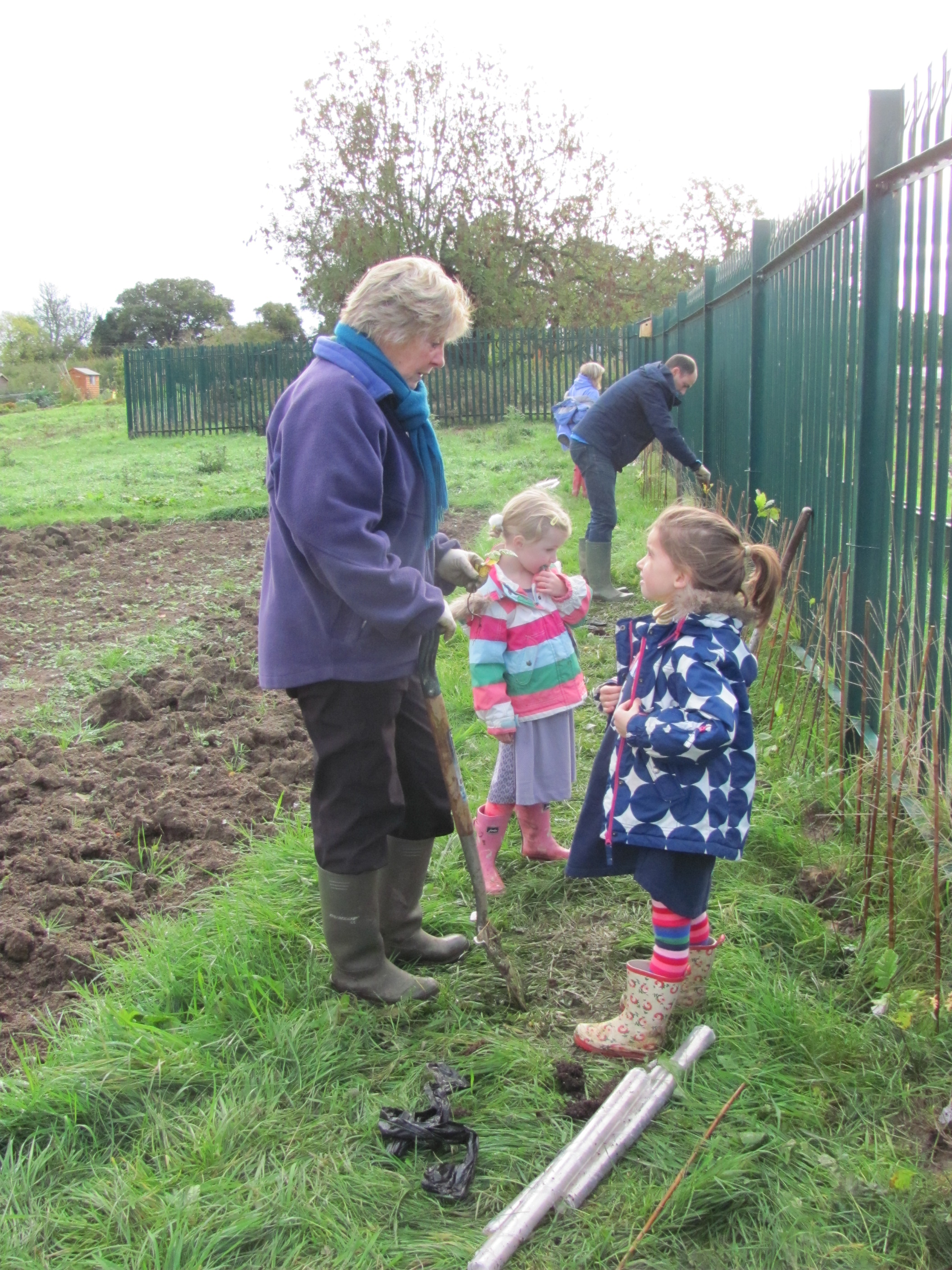
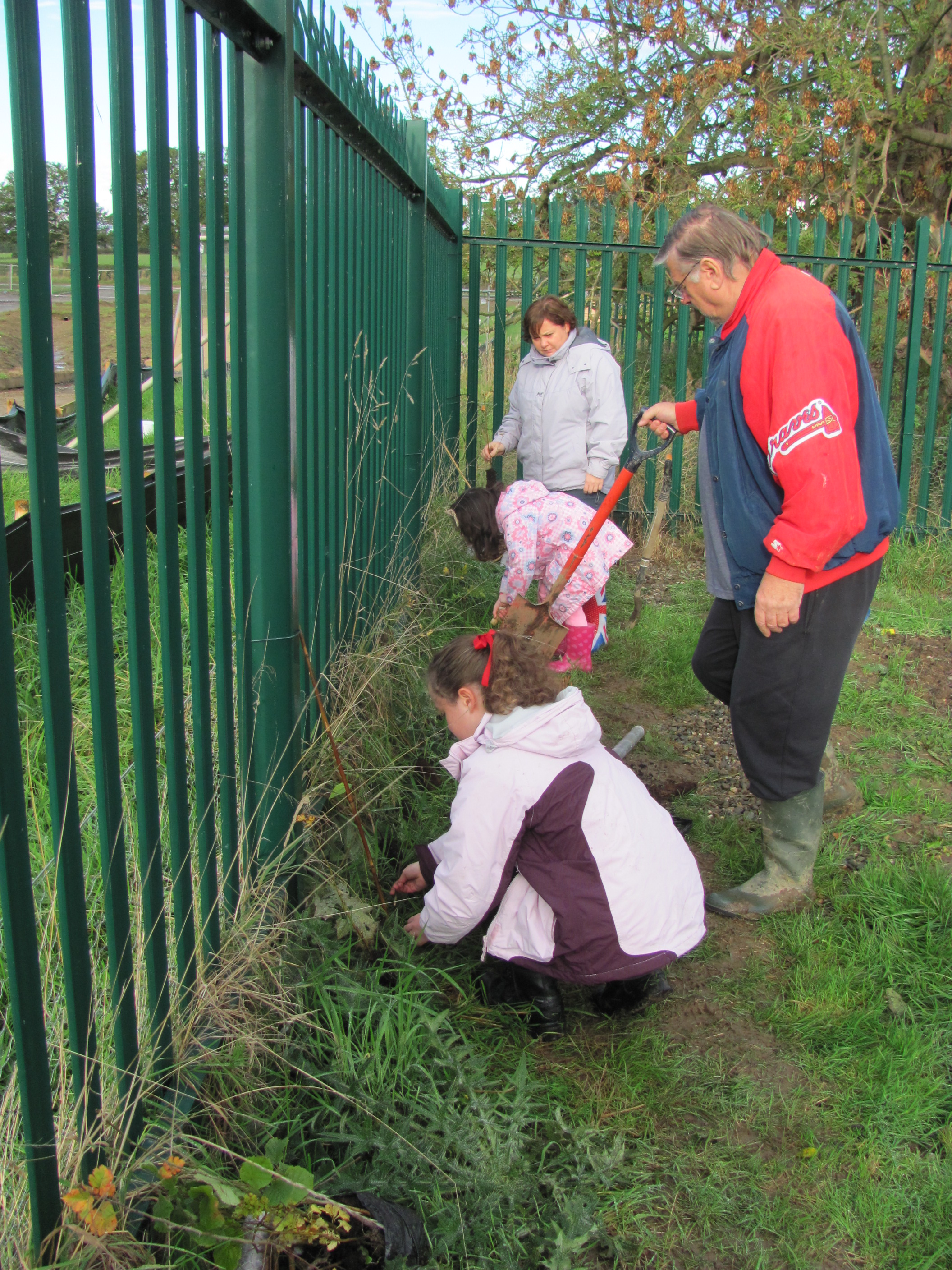
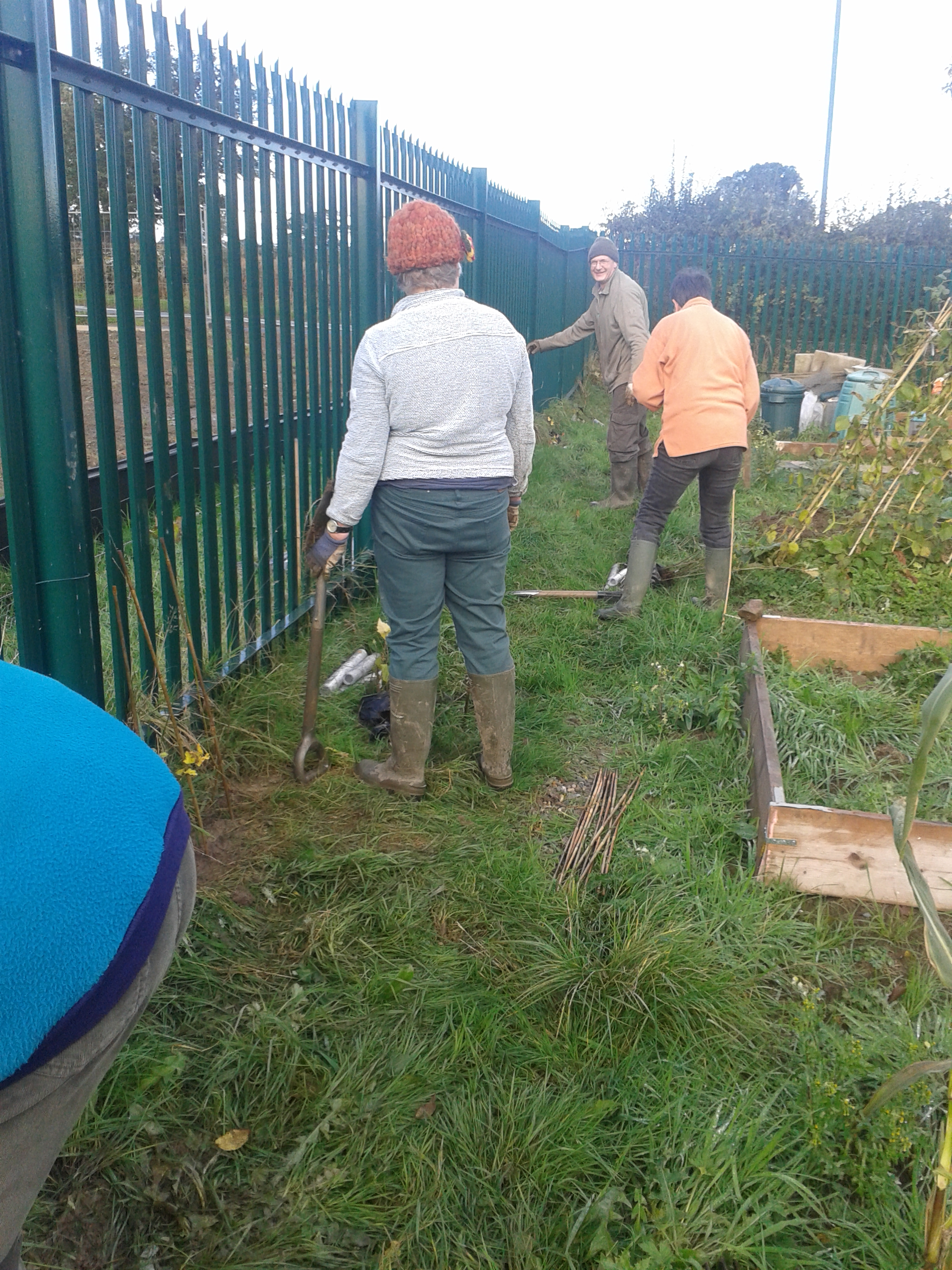
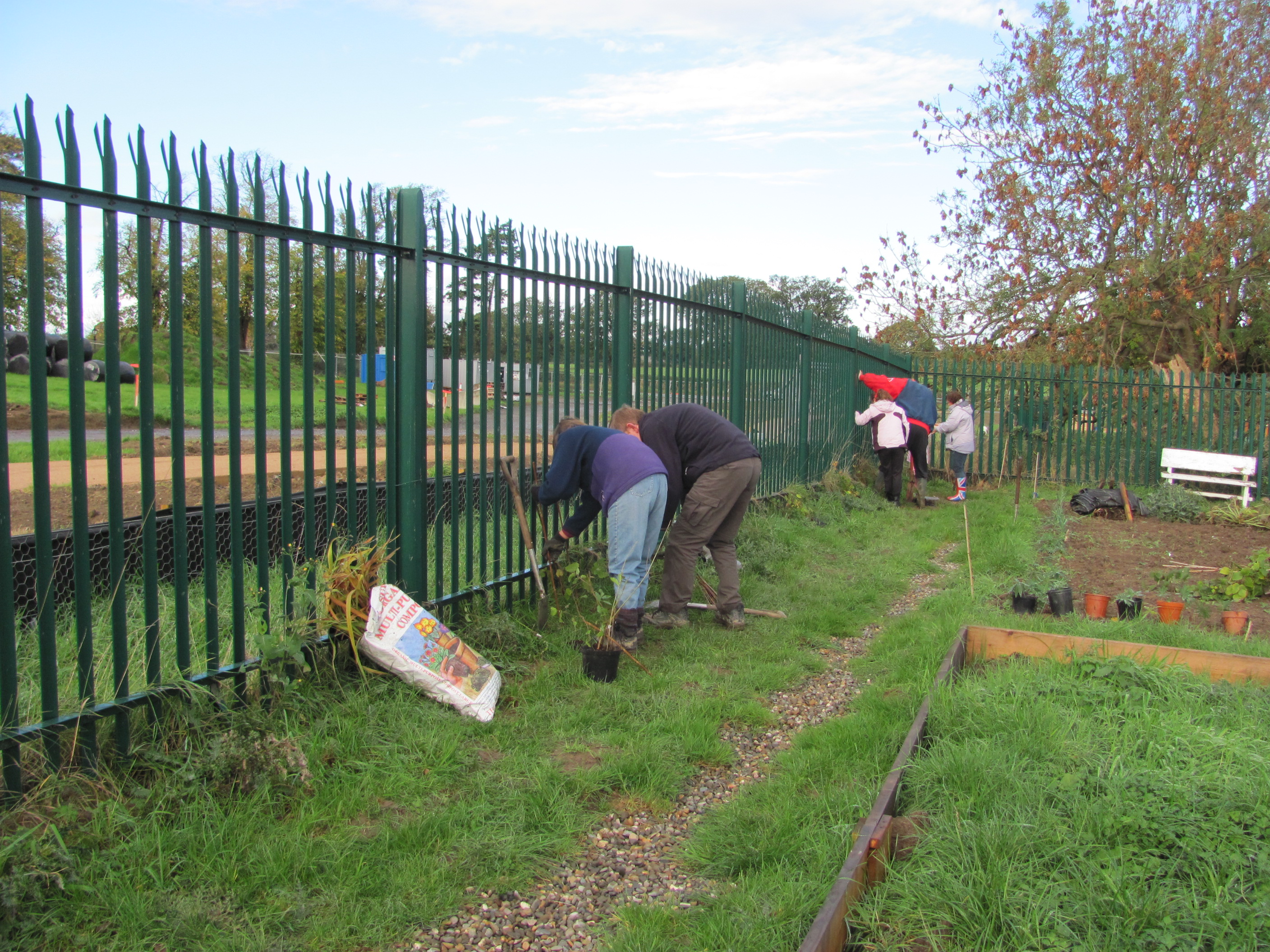
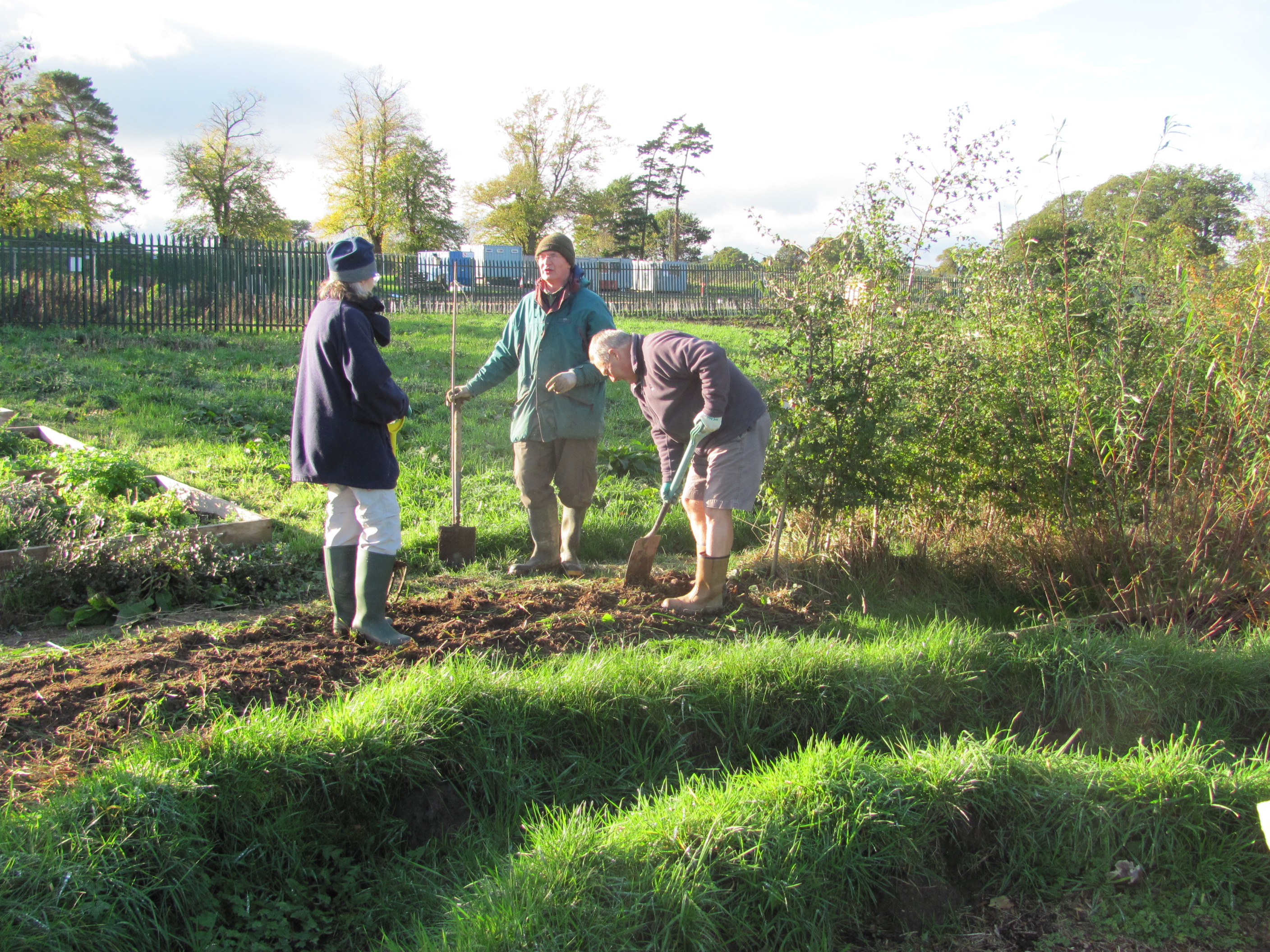
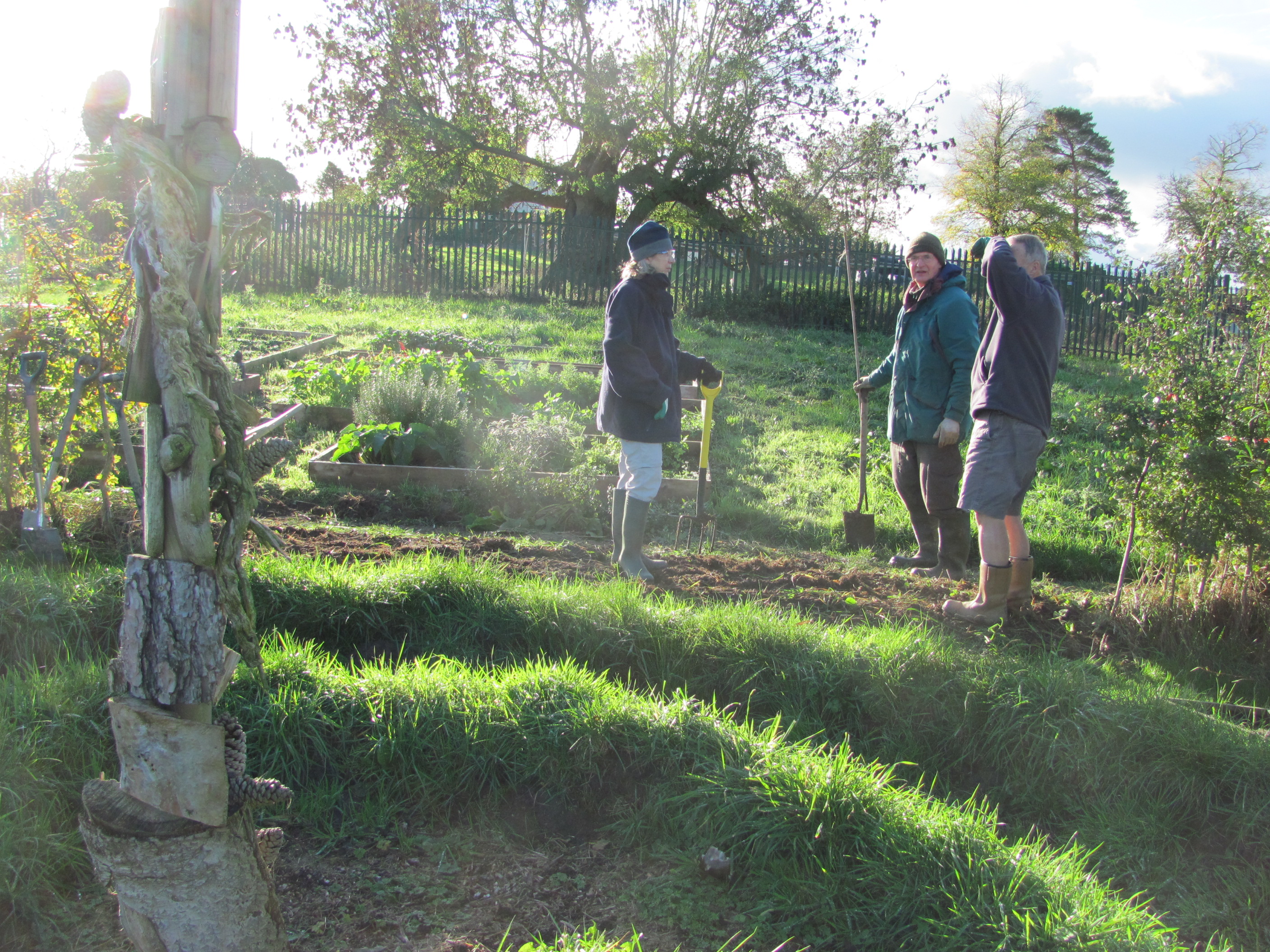
In mid-November we held another working party on our allotment site, Bowbrook Allotment Community. This will be the last one this year and our aim was to plant a new hedge along the bare green fence that serves as the boundary to our site extension. We hoped also to plant the thousands of bulbs donated by our members. The green security fencing looks so bare at the moment so we can’t wait for our new hedge to hide it.

2013 11 10_5030

Recently we have been trying to involve whole families in our working parties and we hoped some youngsters would turn up to our hedge planting day as it was a rare opportunity for them. These days few children get the chance to plant a native tree.

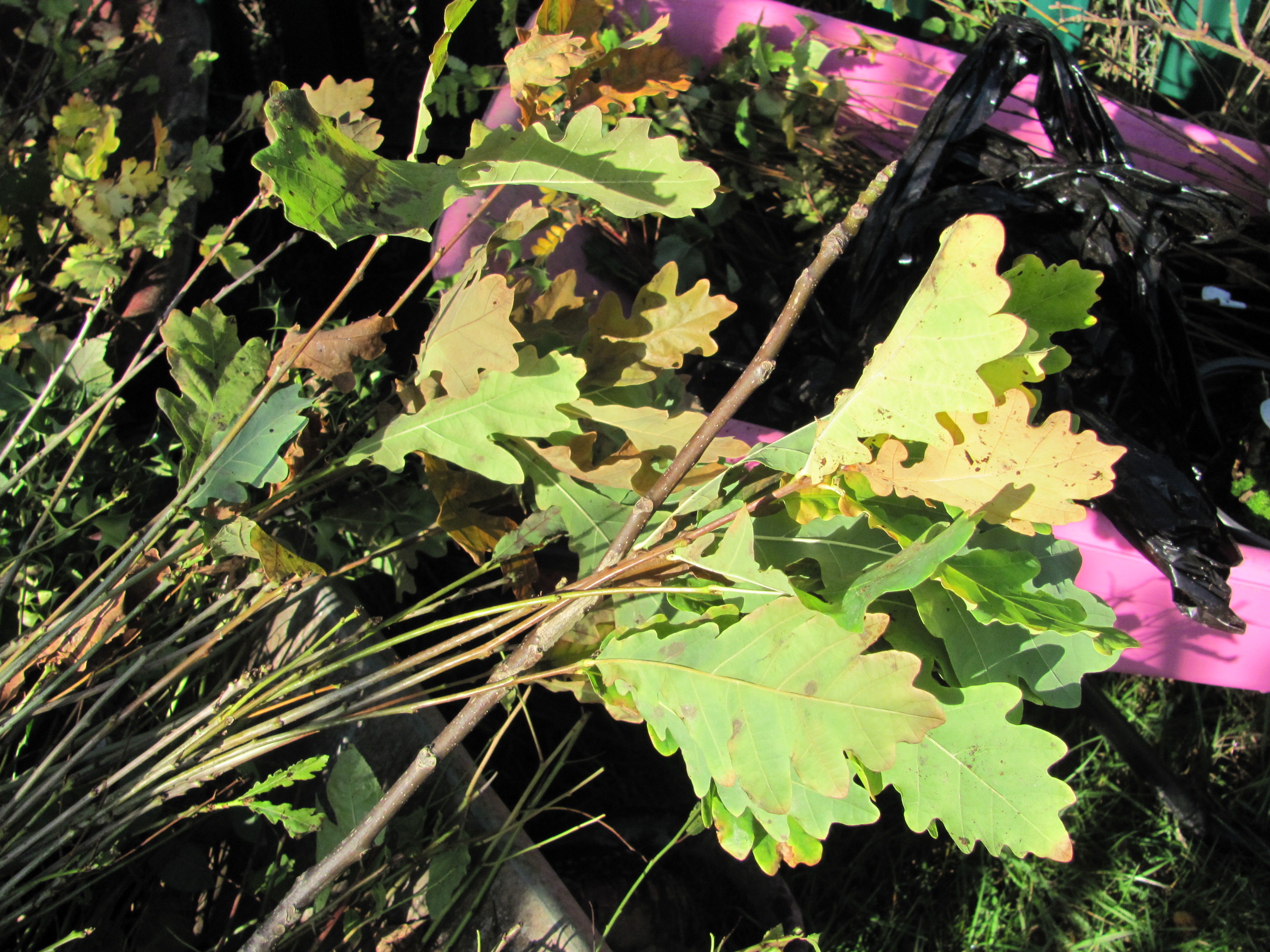
We were awarded a pack of 460 native trees to plant by the Woodland Trust and had been given others by members and locals so we had well over 500 to plant. They were seedlings of hawthorn, blackthorn, hazel, rowan, birch, oak and all about 18 inches tall. We had guelder rose, dogwood and dogroses to add from elsewhere on the site. The Woodland Trust were able to give many sites like ours packs of trees because of the generosity of Biffa, Ikea and Nicky’s.

The trees, canes and tubes arrived at our house a few days before and the boxes were mighty heavy to deliver up to the lotties.

2013 11 10_5028 2013 11 10_5029

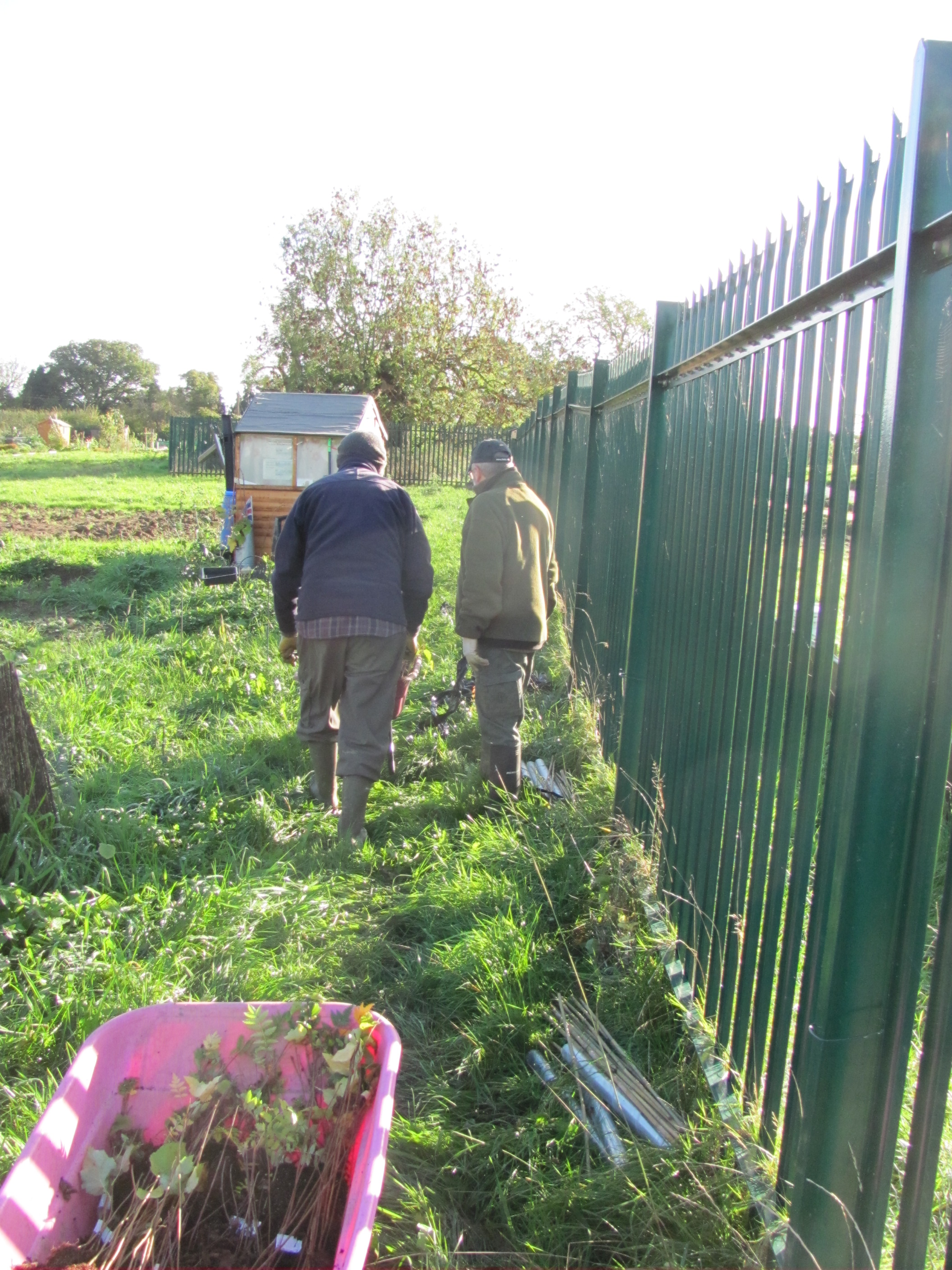
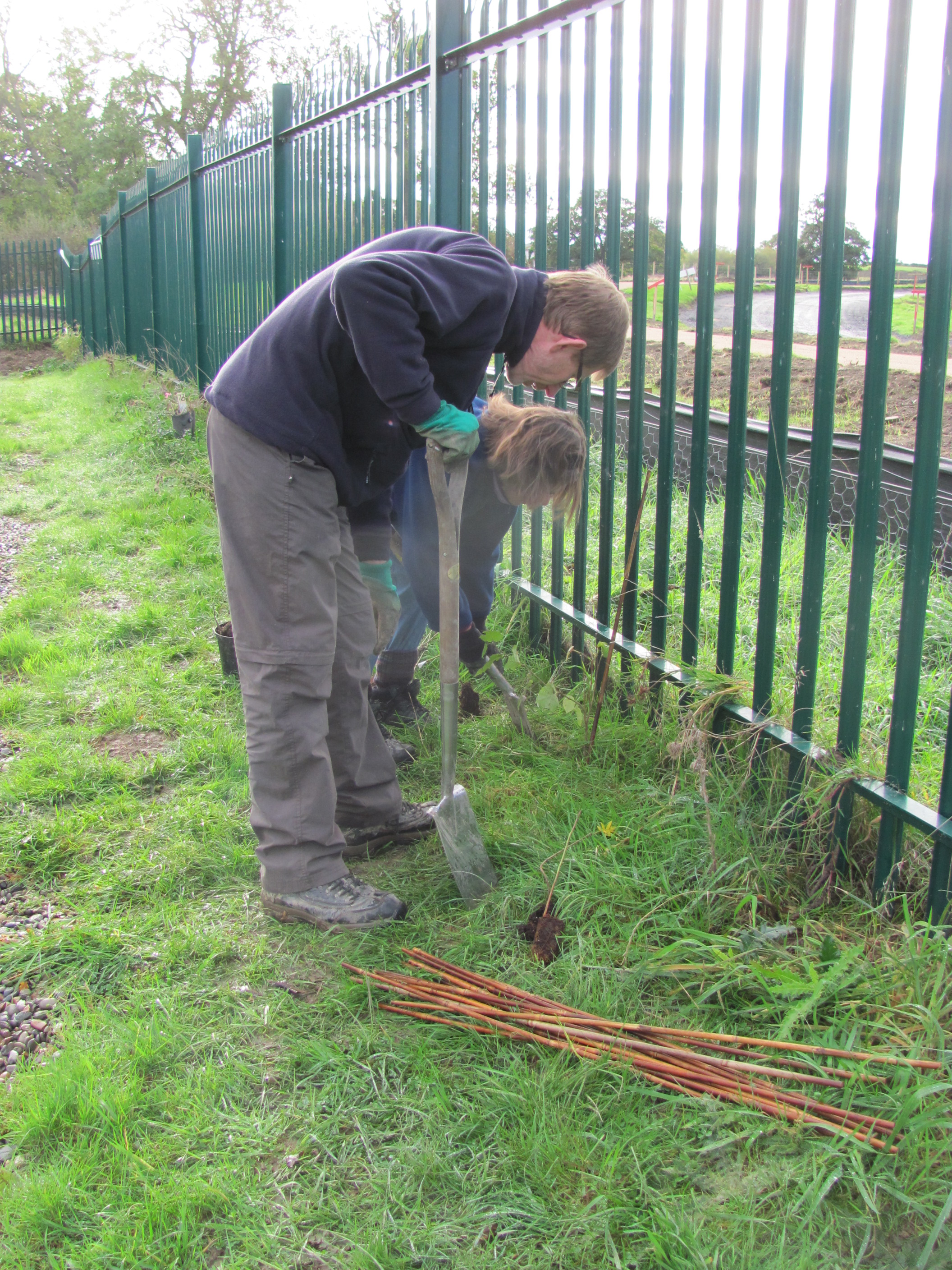
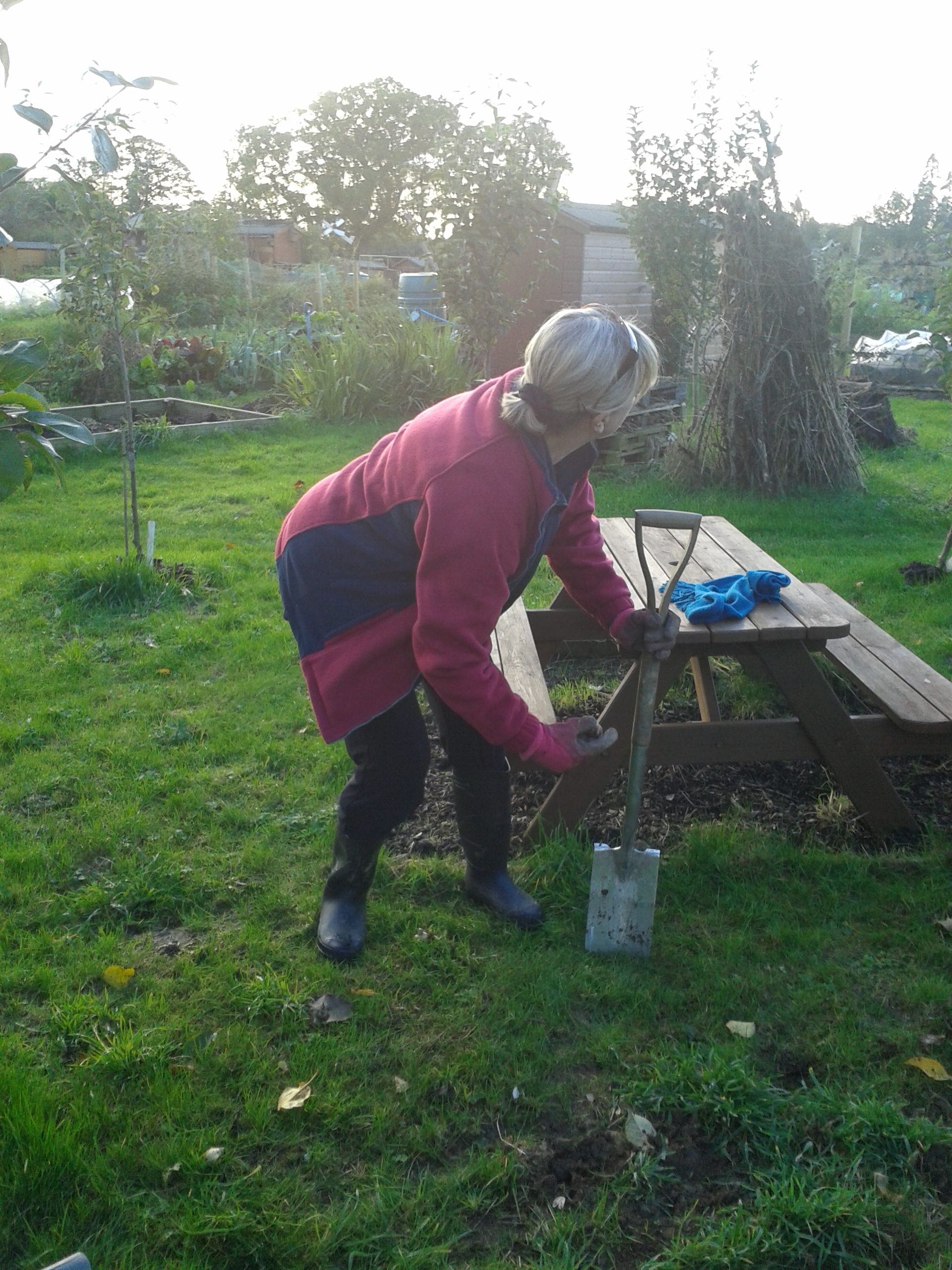
The day before the working party we mixed the plants up to make sure the planting looked random and natural. We placed a selection of little trees, canes and protection tubing alongside each section of hedge ready for a quick start in the morning.

2013 11 10_5031 2013 11 10_5032

2013 11 10_5035 2013 11 10_5033

2013 11 10_5034

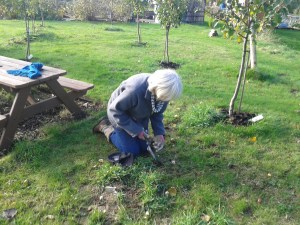
With heads down and bottoms up Pete and I busily made our way along the stretch of fencing – we did need some time out around noon to straighten out, rest our backs and refresh ourselves with coffee and biscuits.

2013 11 10_5036 2013 11 10_5038

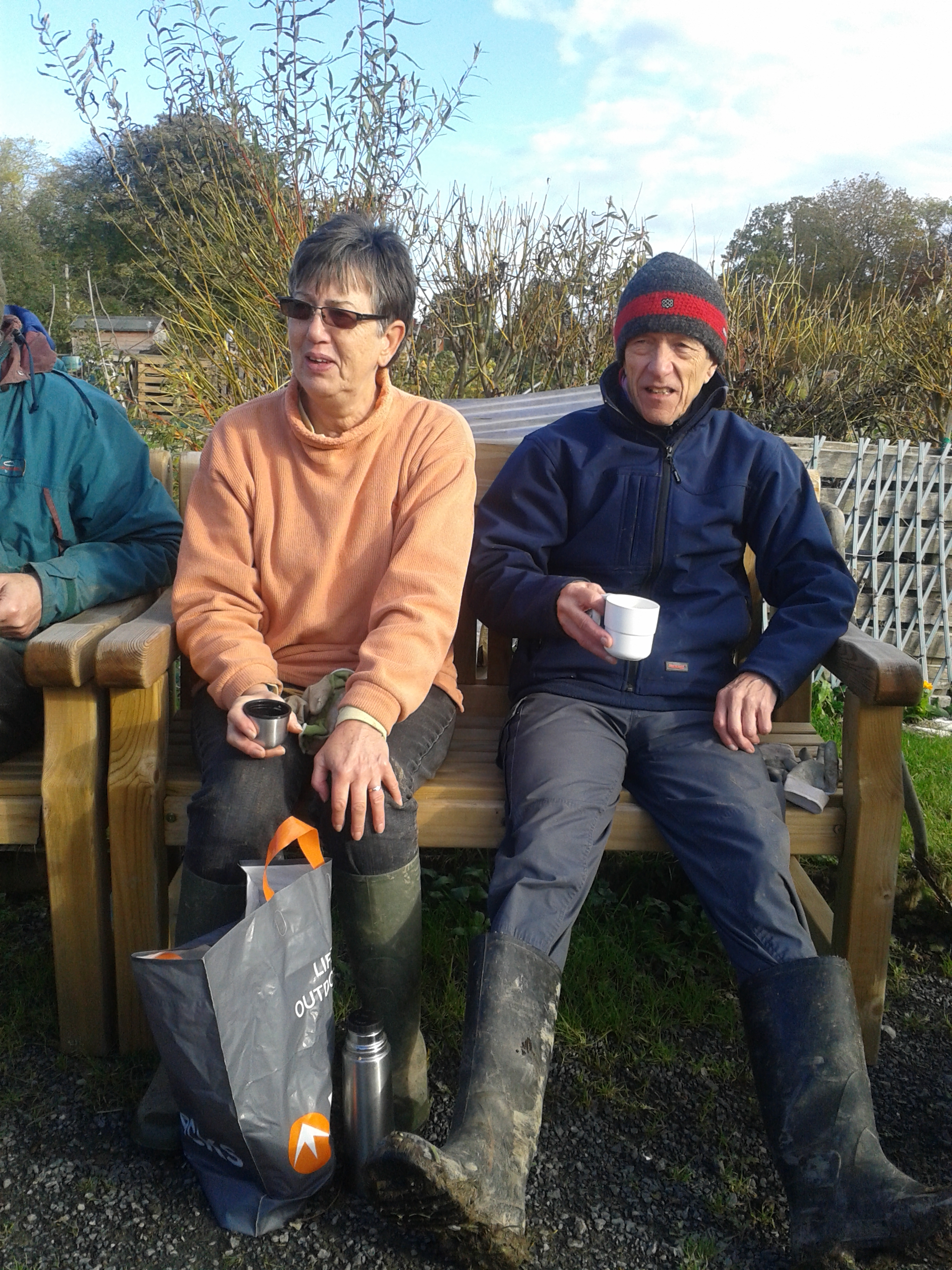
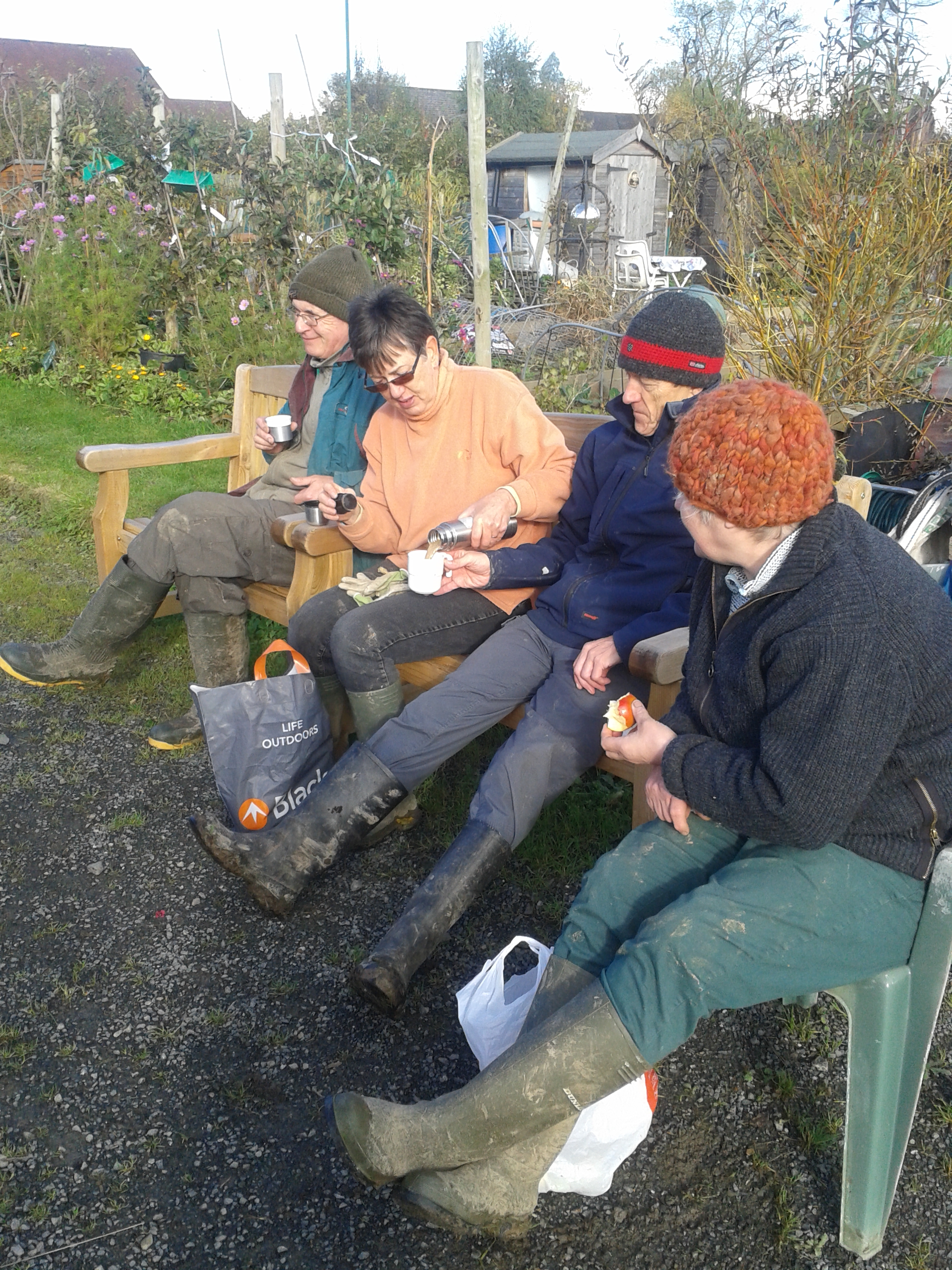
Twenty five members of all ages turned up to help us plant our new hedge including children, their parents and grandparents. Several were started way before our planned starting time. It was heartening to see them all sharing the experience together. We were amazed how the children all managed to find little creatures as they busily planted away, such as worms, beetles, slugs and spiders. Little hands carefully held them like precious jewels as they were all studied in great detail.
20131109_101429 20131109_101439

Jude, our community secretary and my “better half”, caught up on all the children’s news since we last met with the two little girls from our neighbouring plot. She heard all about the birthday party they held on the allotments using the picnic benches under the old oak tree and enjoyed following the trail and doing the quizzes with their friends.

2013 11 10_4998

Three generations, Syd, his daughter and granddaughters, helped each other to plant the little plants, but progress was slowed every time a mini-beast was discovered as granddad had to move them to safety, even a big slug!

2013 11 10_4991 2013 11 10_4992

Within half an hour of our ten o’clock start members were heads down hard at work along the whole length of fence.

20131109_101459 20131109_104747

Below Margaret is enjoying her first ever Bowbrook Allotment Community working party having started on her plot in the spring, while close by Anne and Charlie work in top gear to get as much done as possible before they have to go elsewhere for a family gathering in the afternoon.

20131109_104757 2013 11 10_4993

2013 11 10_5003 2013 11 10_4994

2013 11 10_4995

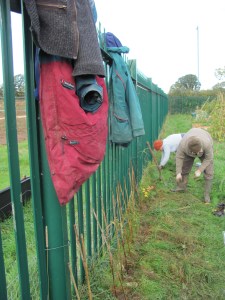
The day started off chilly but before the end of the morning jackets were discarded and hung up on the fence. Sherlie and Pete in the photo below had been hard at work since 8:30 so straightening up afterwards was a bit of a struggle.
2013 11 10_4997

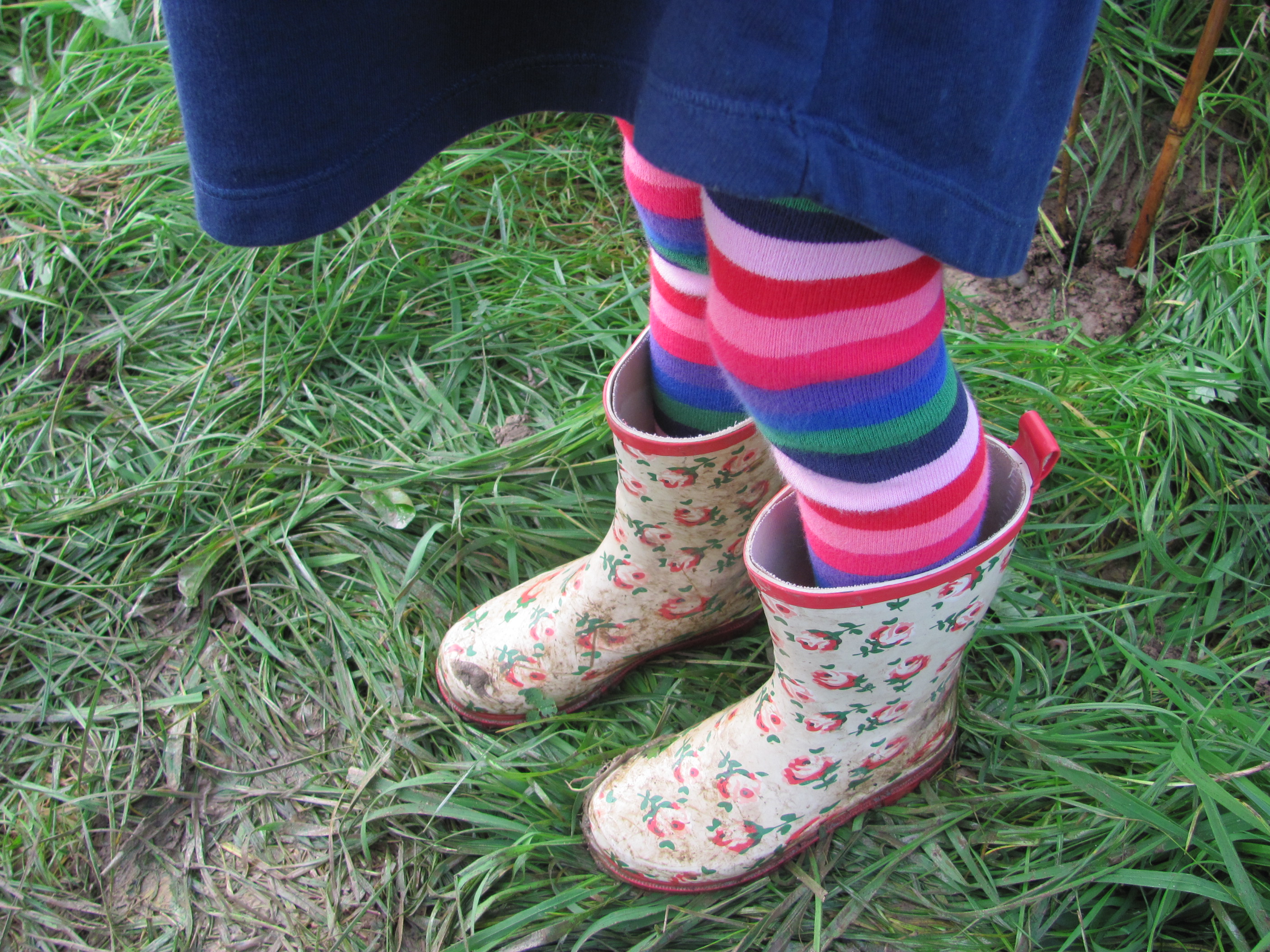
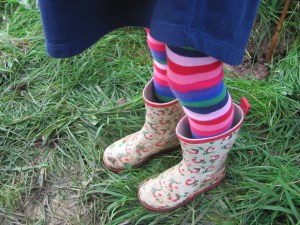
There were some stunning wellies on display.
2013 11 10_5001 2013 11 10_5000

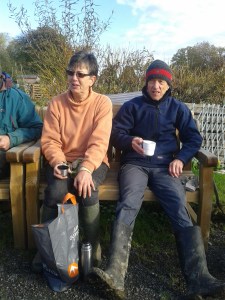
Amazingly all the plants were snug in their new homes within an hour and a half. It goes without saying that we had earned our lunch break. The children went off at lunchtime as they all had other activities to attend in the afternoon such as dance lessons. We hoped they were not too tired to enjoy their afternoon activities. Those who stayed for the afternoon creaked more than a little when they returned to new tasks.
20131109_115705 20131109_115723

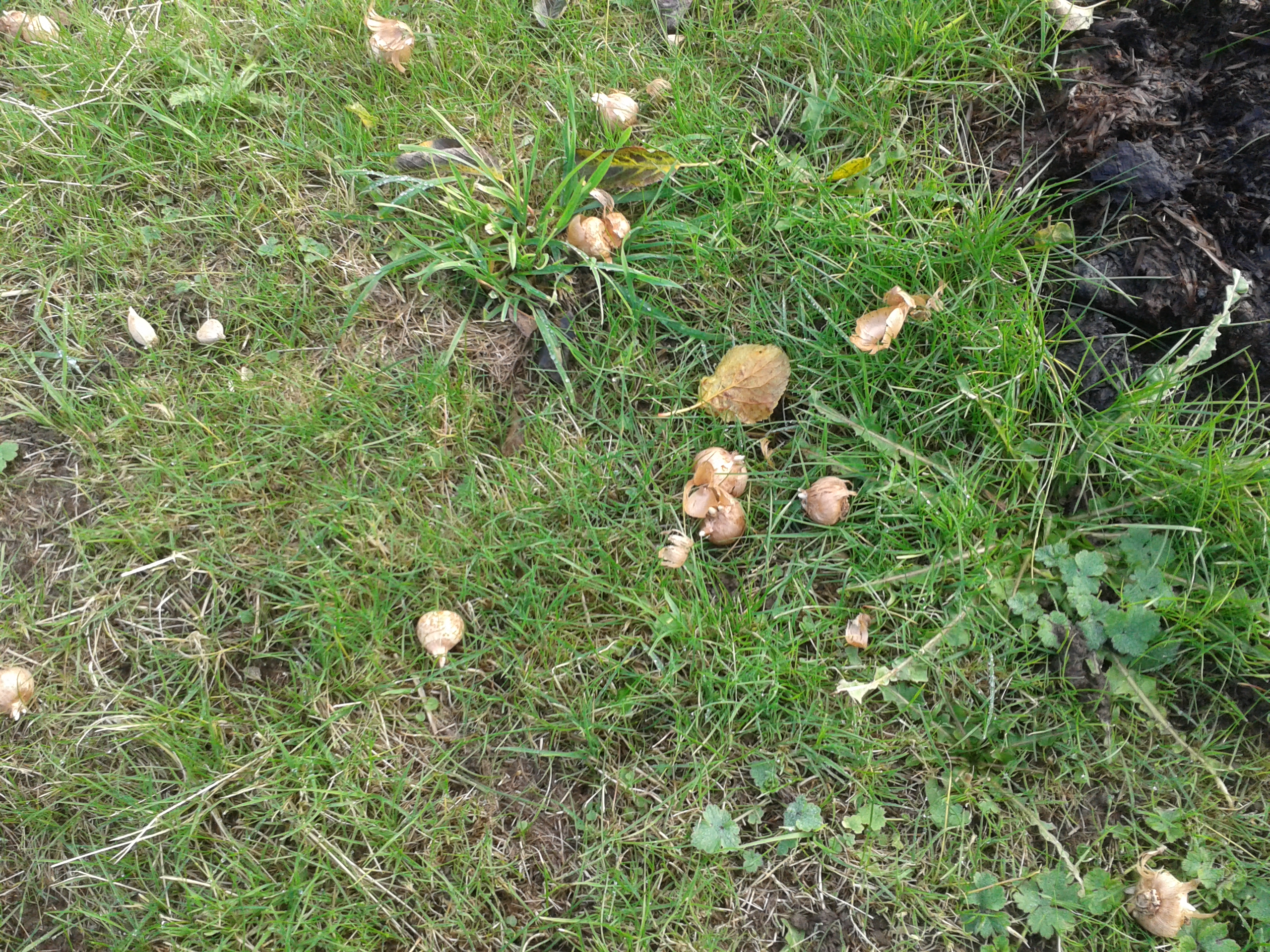
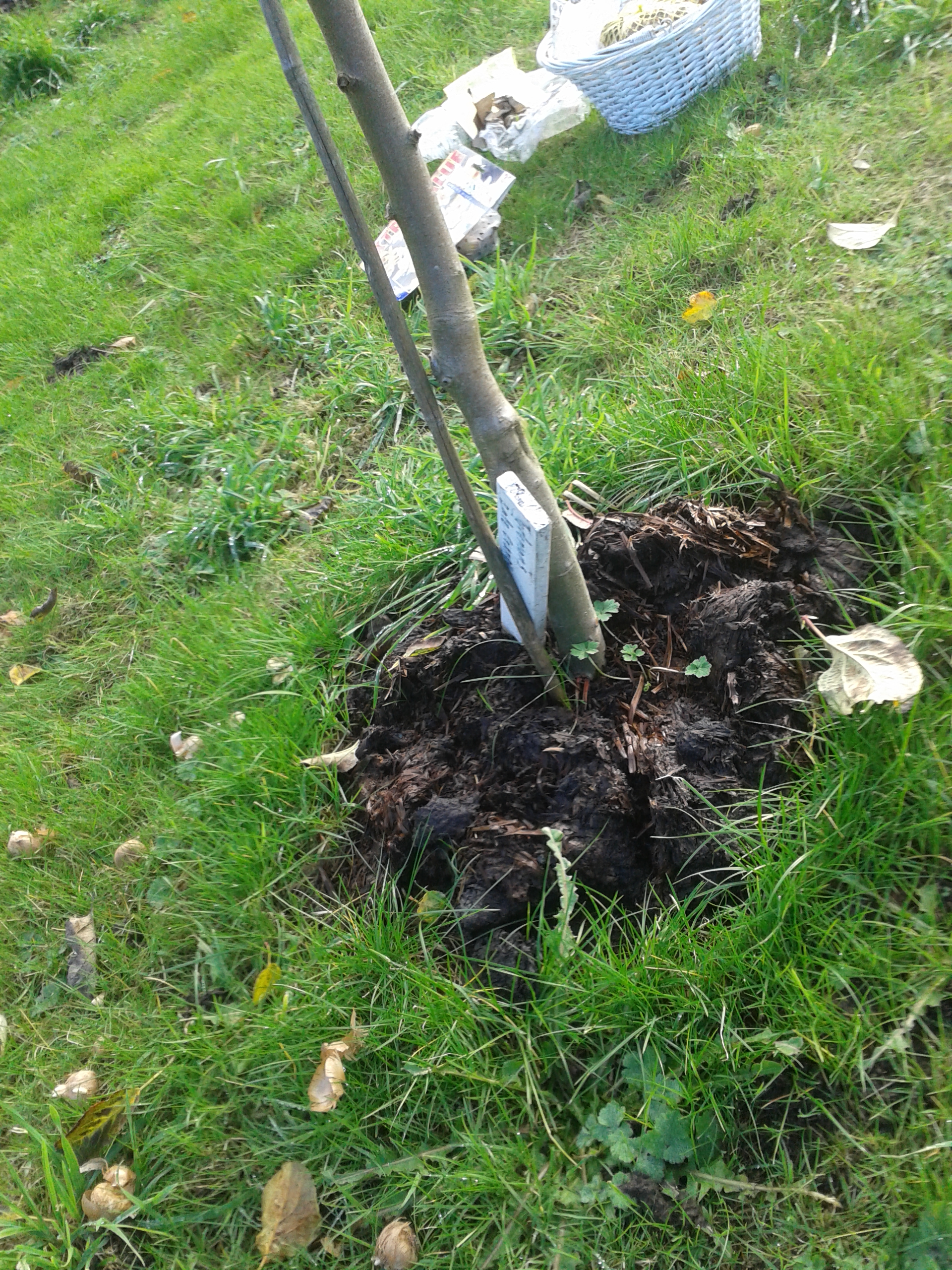
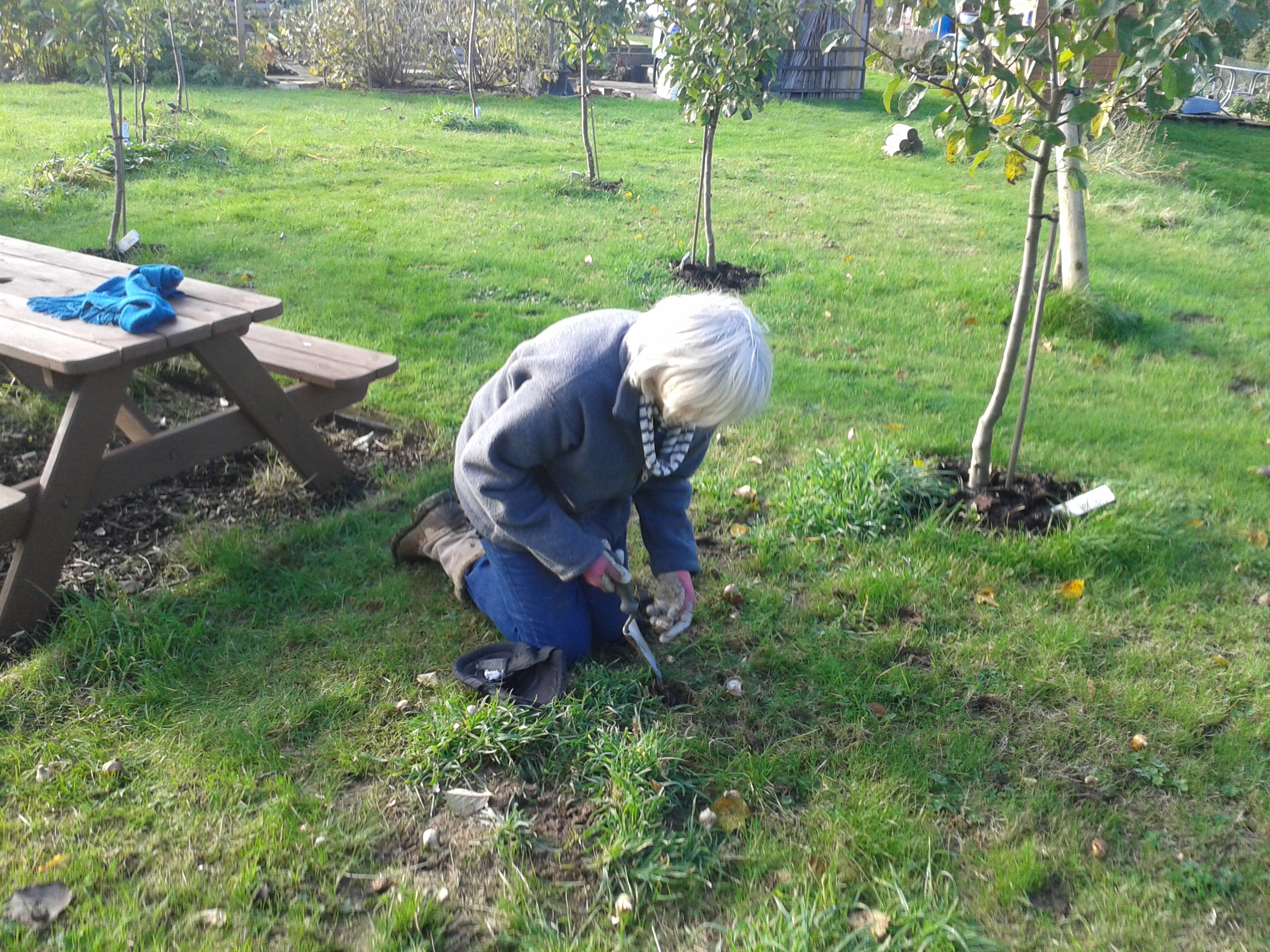
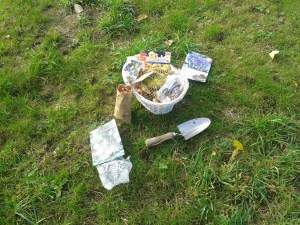
After a good rest with chatter and laughter we moved on to plant thousands of bulbs. Tulips, Daffodils, Muscari, Alliums, Camassias, Crocus, Iris and Fritillaries. We already have planted thousands of flowering bulbs, both spring and summer flowering over the four autumns we have been in existence. This year we intended to add to those already in the two orchards, the car park borders and under the mature oak and sycamore trees. In late winter and early spring these flowering bulbs will appear to brighten us up and provide our pollinator friends and our natural pest controllers with some vital nutrition.
20131109_120820 20131109_121514 20131109_122004 20131109_124125

20131109_125513 20131109_125519

To finish the day off a few of us stayed to move some hedging plants from elsewhere on the site.
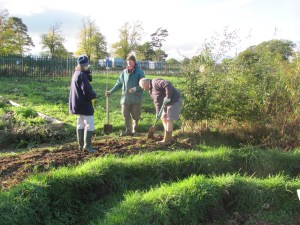
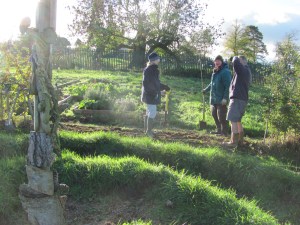
2013 11 10_5005 2013 11 10_5004

A busy, successful and most fruitful day, which displayed just what a true community of gardeners can achieve by working together. We hope these activity days help to ensure we encourage and nurture interest in our naturalists and gardeners of the future.

Categories
autumn birds garden wildlife hedgerows migration

The Little Edible Hedge

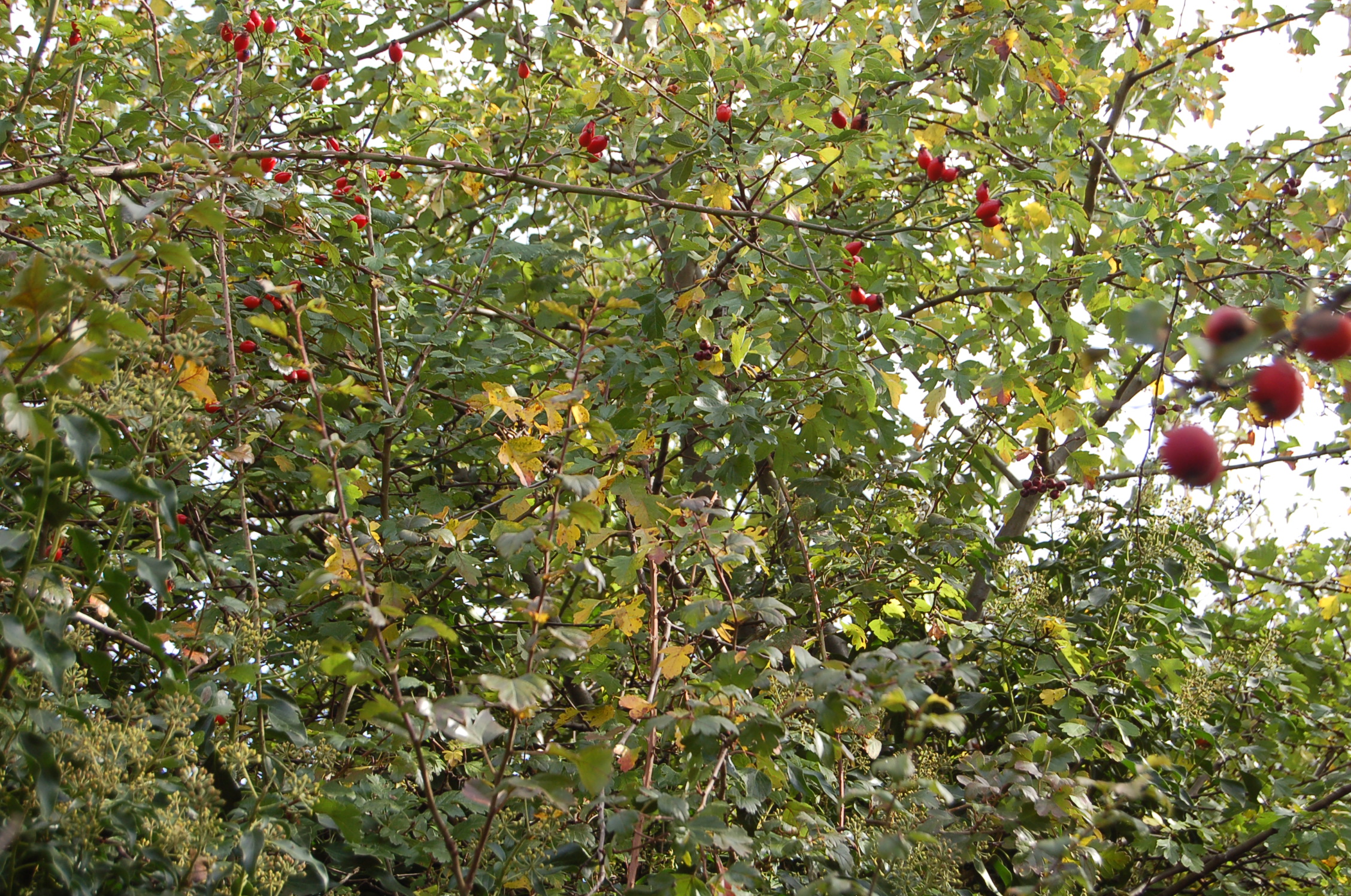
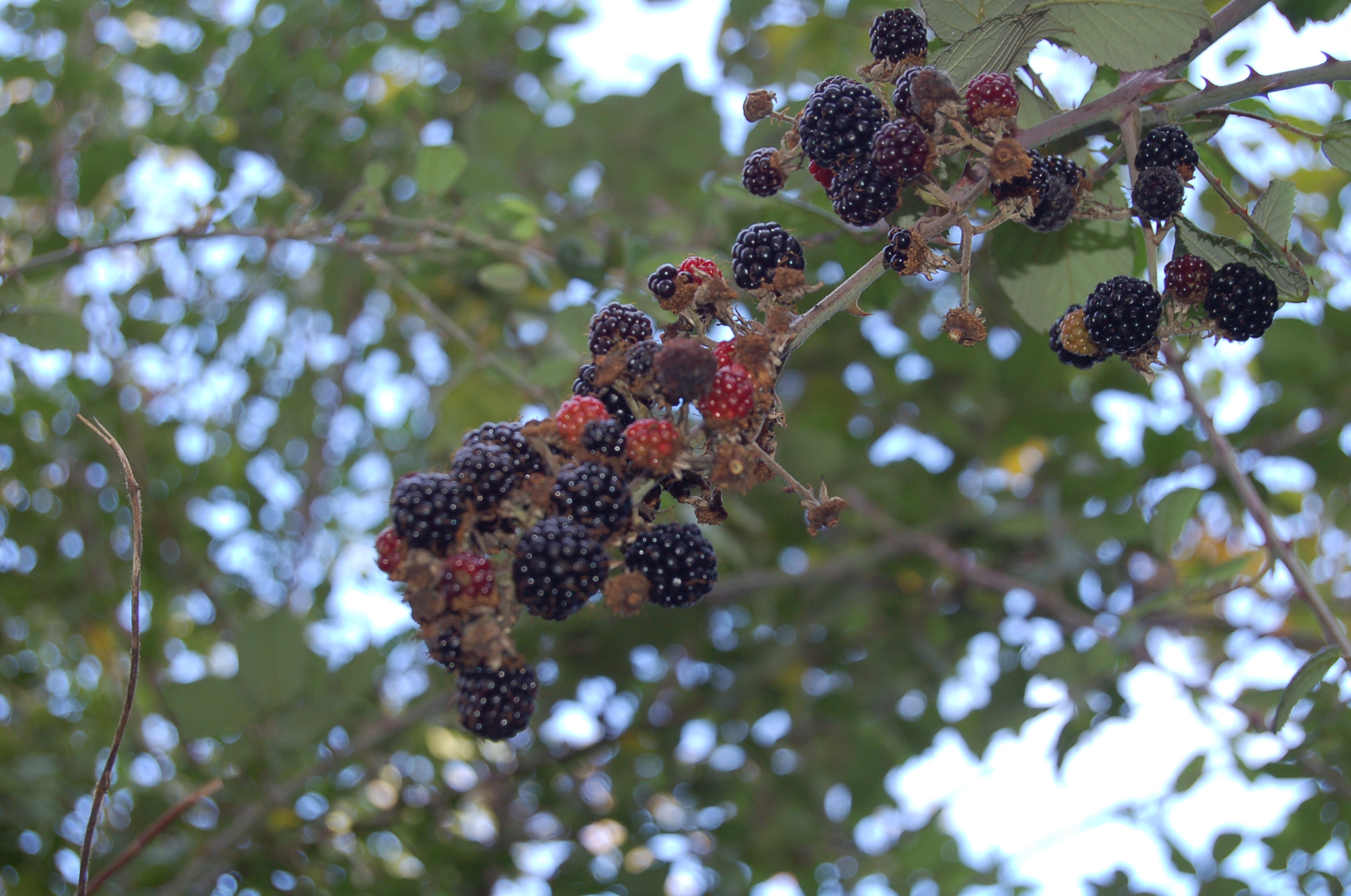
When we were visiting my mother recently I was amazed to see just how much food for wildlife the old hedge alongside her back garden was presenting to the mammals and birds and of course the odd late flying butterfly and wasp. This stretch of hedge was originally an old field boundary and it illustrates just how much damage to Mother Nature’s larder the destruction of our hedges by intensive style agriculture actually causes. Here we have a 20 yard stretch of mixed natives with an odd cultivated plant creeping in from the garden that is a veritable larder for all sorts of wildlife.

2013 10 18_4344 2013 10 18_4354

2013 10 18_4349

Think of hedgerow food for wildlife and the first fruit to come to mind will be the Bramble or Blackberry. This may be simply because we enjoy a tasty nibble of these glossy black gems ourselves. We might also think of Roses with their red fruit following on from their beautiful pink or white flowers. As children we may remember them as natural itching powder – remember the effects of popping a crushed hip down a friend’s jumper? Admit it! Humans have also long collected the hips of the wild roses to produce Rose Hip Syrup.

Rose Hips have long been enjoyed by humans as well as wildlife, being used for jams, jellies, marmalades, wine and tisanes. More recently it has been appreciated for its medicinal benefits in relation to alleviating the effects of arthritis, gradually displacing glucosamine. Our pets also appreciate them as apparently they are given to chinchillas and guinea pigs as a treat.
2013 10 18_4326 2013 10 18_4350

2013 10 18_4352 2013 10 18_4334 2013 10 18_4335

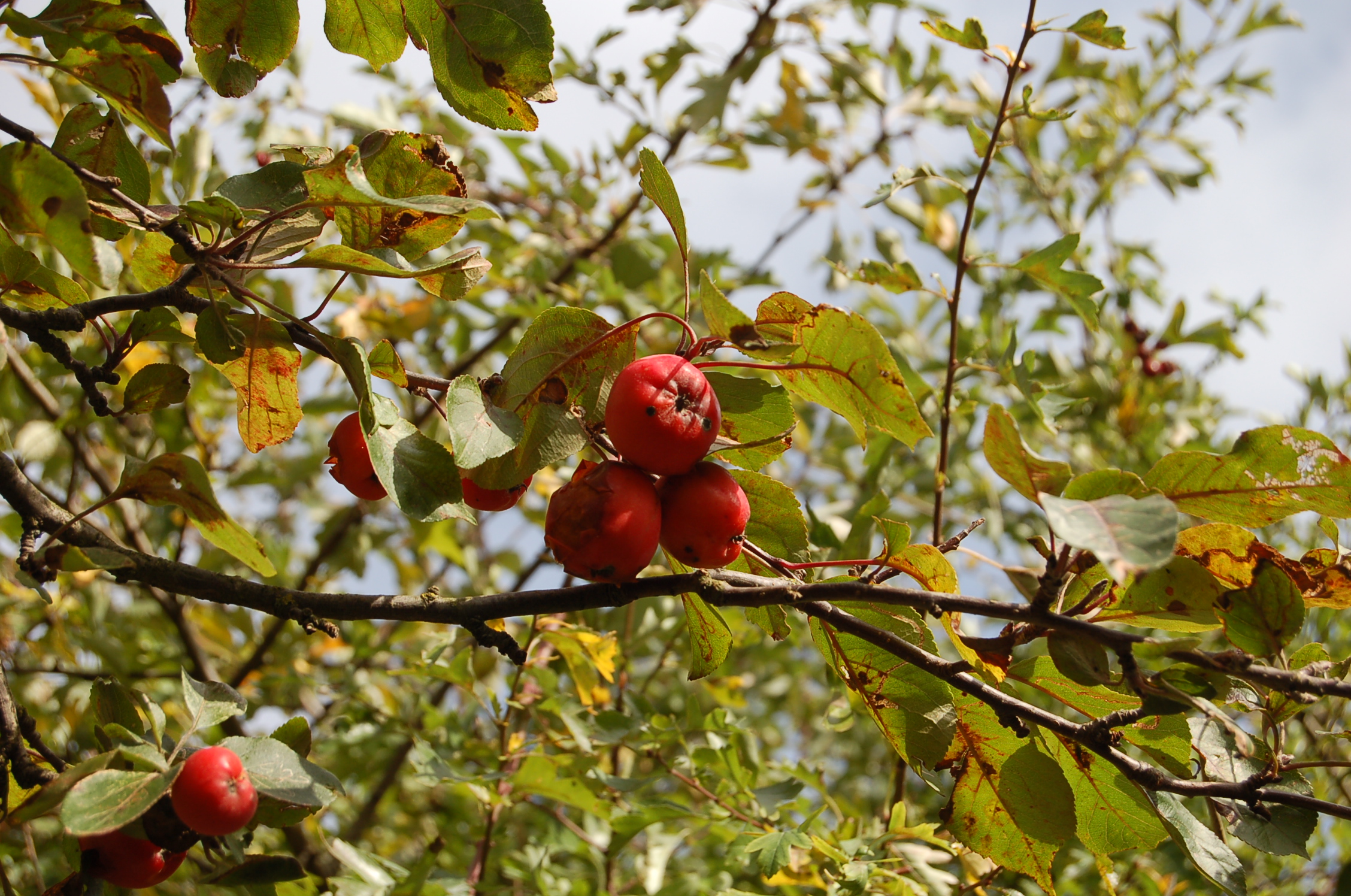
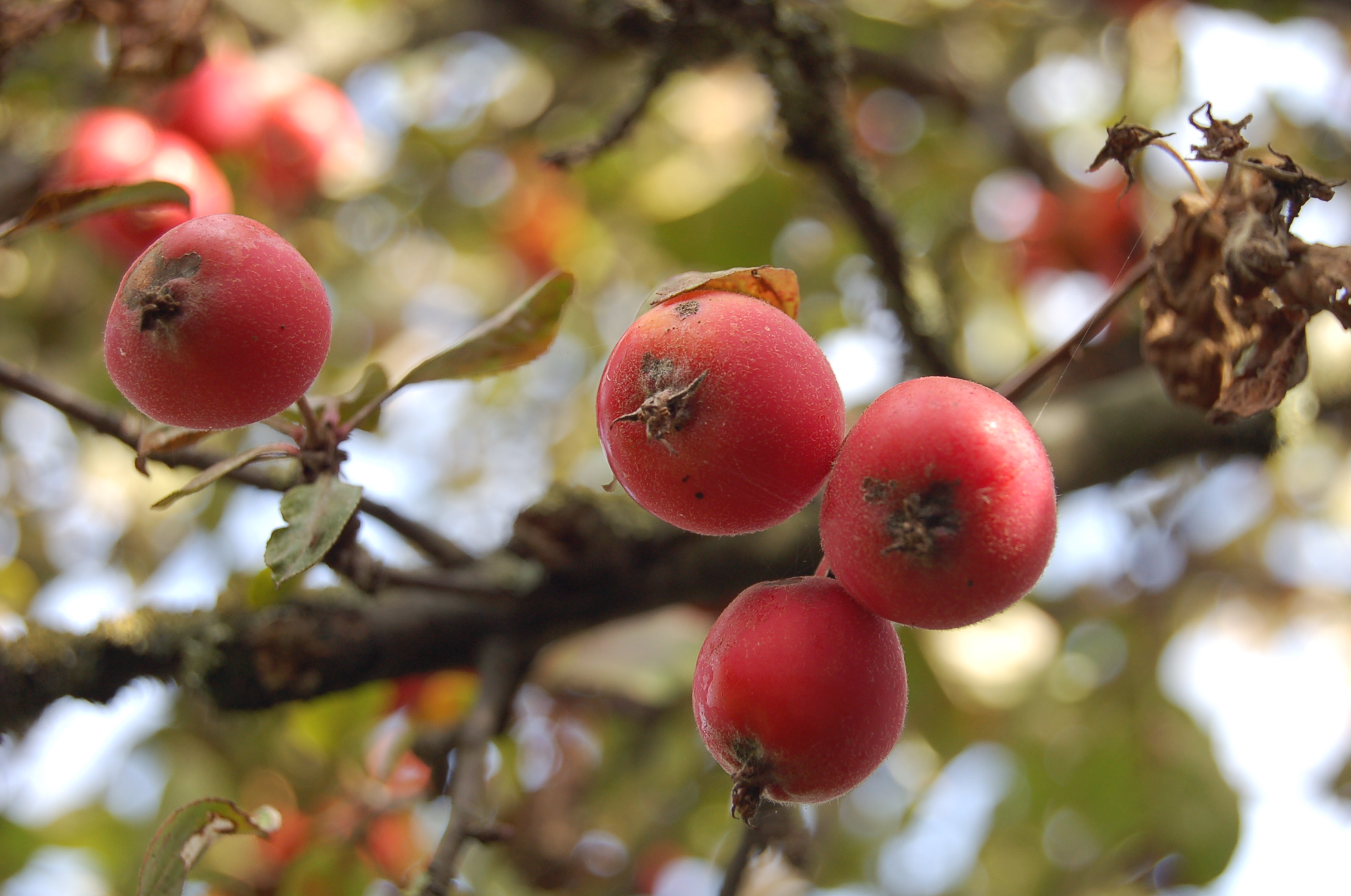
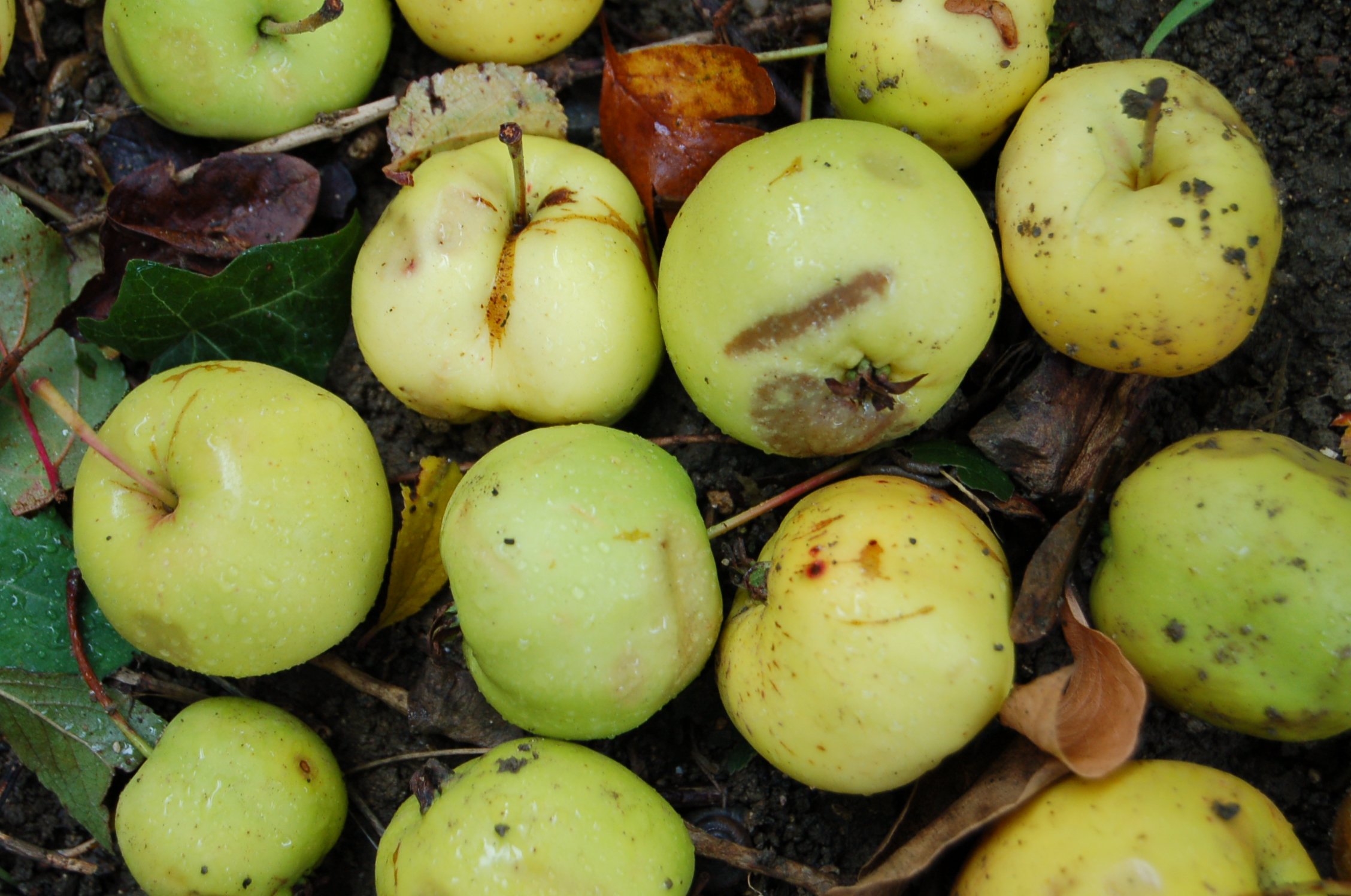
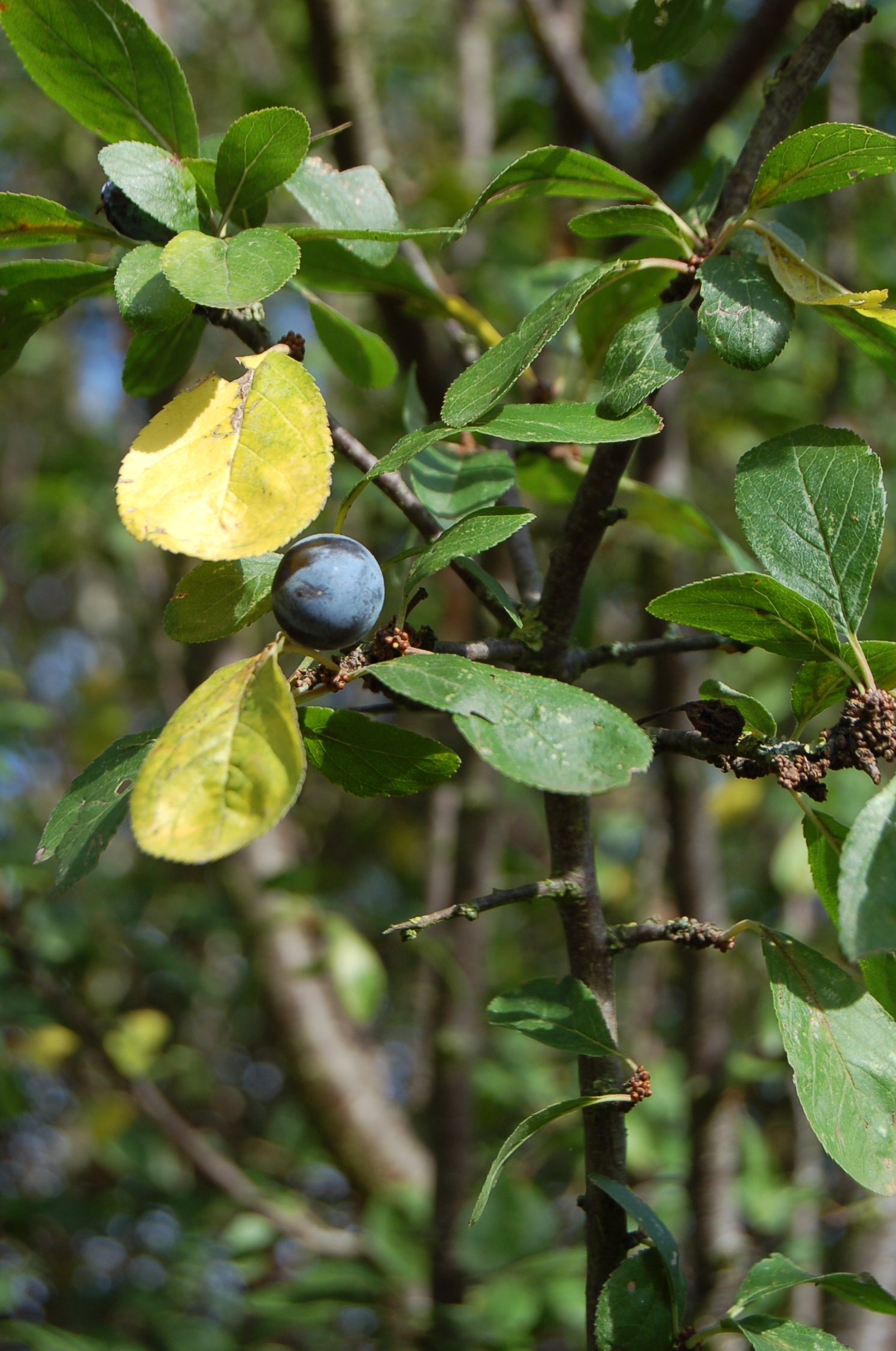
A couple of hedge row fruits are also favourites of foragers, the Sloe and the Crab Apple as we readily turn these into tasty winter warmers Sloe Gin and Crab Apple Jelly. In this little length of hedge we found a wild crab and a cultivated crab growing a few feet away from each other. Our birds and mammals probably view them as equally important sources of winter nutrition. They will not be concerned that one has been planted to delight my mother with its spring blossom and red autumn fruits.

2013 10 18_4351 2013 10 18_4345

2013 10 18_4346 2013 10 18_4347

2013 10 18_4331 2013 10 18_4353

2013 10 18_4332 2013 10 18_4338

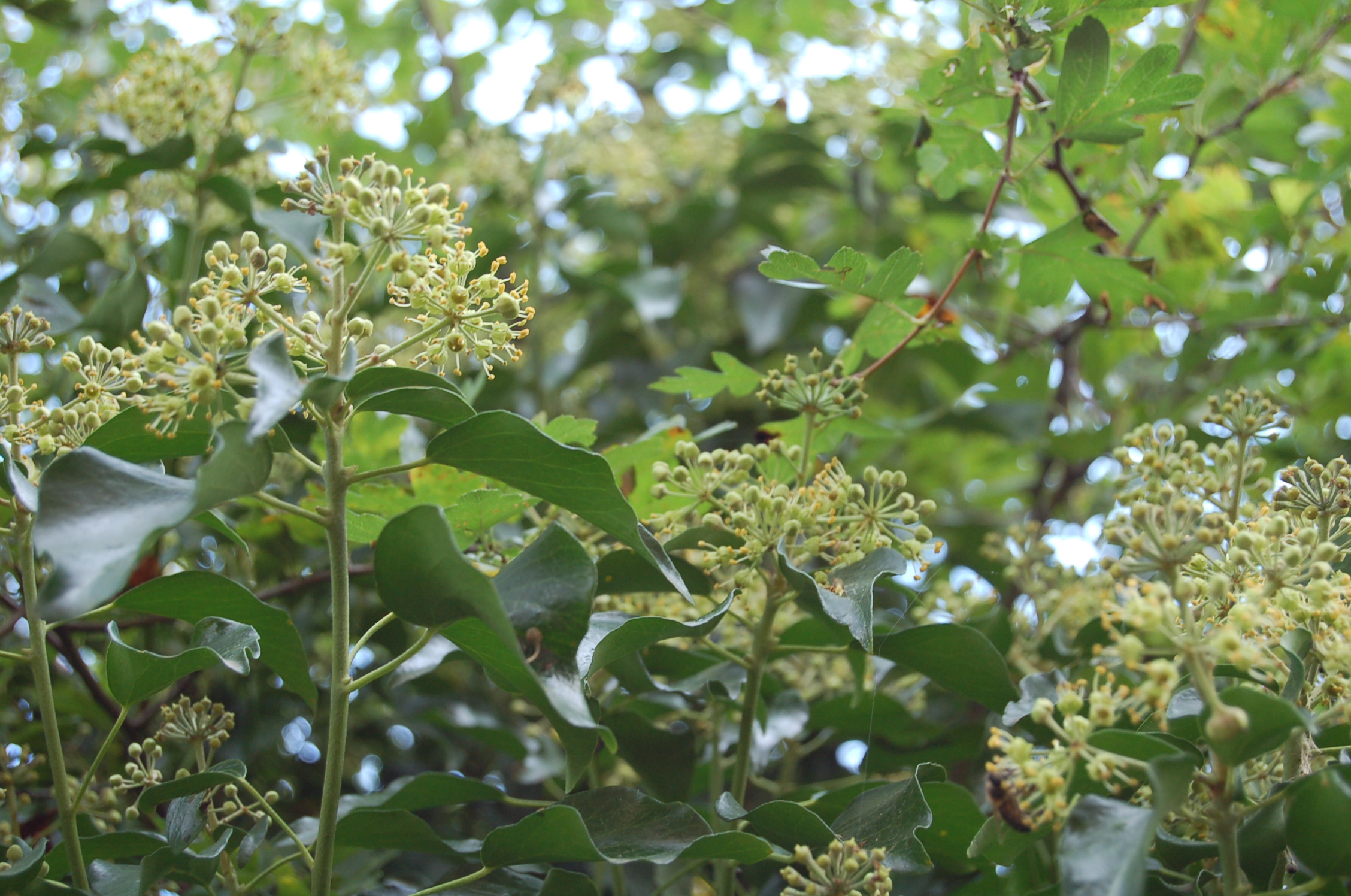
One important food source for wildlife is a little black berry that clumps together in spheres but this will not be until later on in the winter. For now the Ivy is still in flower and these tiny green florets are just starting to become berries. The Ivy plant is a vital  for wildlife throughout the whole year. It provides shelter for all sorts of creatures from the tiniest insect to the plump Wood Pigeons, nest sites for birds such as Wrens, Blackbirds, Song Thrush and Robins and again the Wood Pigeon. In winter the Ivy provides warmth and secret hiding places for all sorts of creatures.

2013 10 18_4324 2013 10 18_4325

2013 10 18_4323 2013 10 18_4328

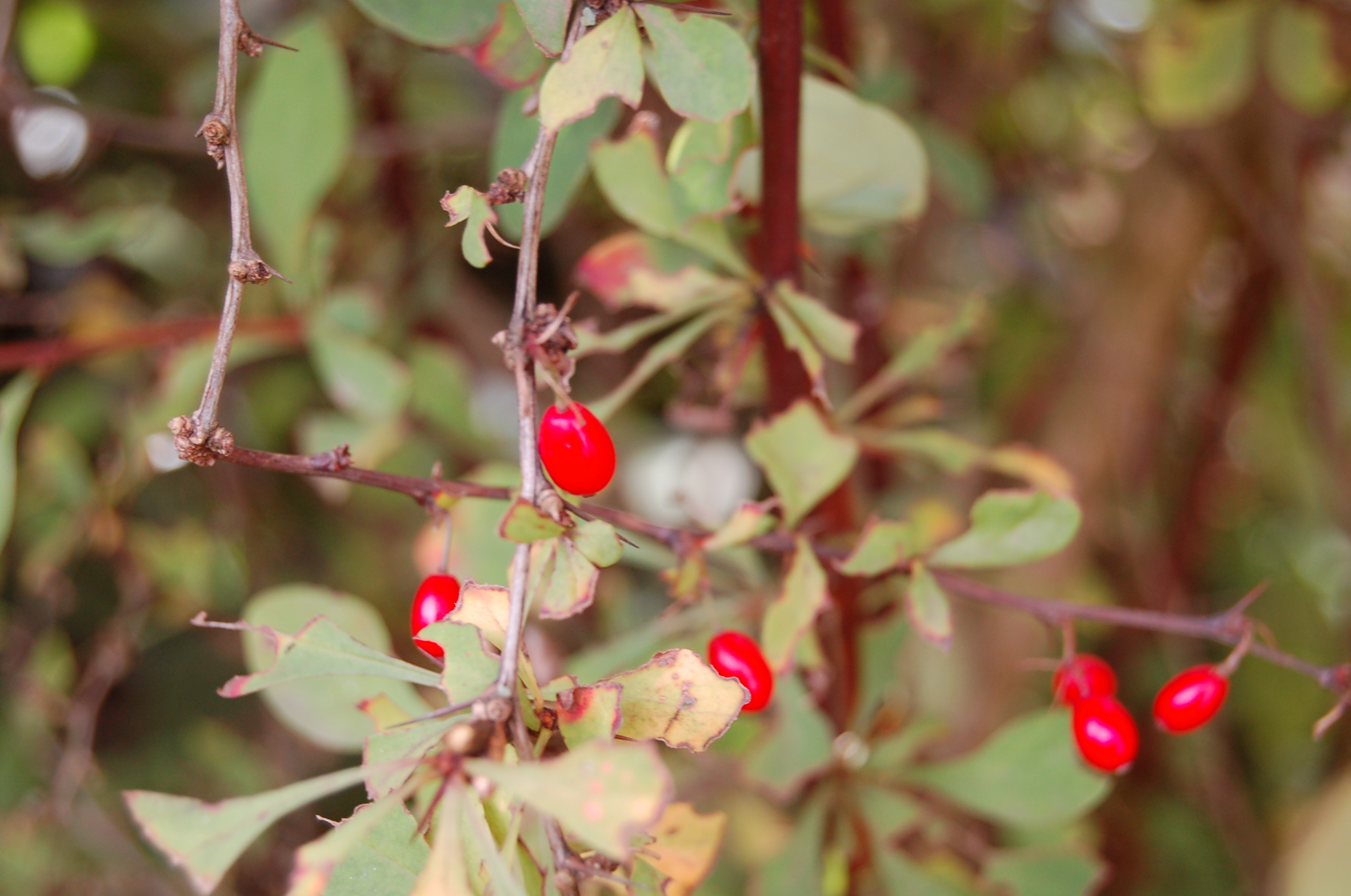
Less useful for wildlife are the cultivated plants that make their way into the hedge but the local Blackbird population will not turn their beaks up at the tiny long tear drop berries of the Berberis.

2013 10 18_4355 2013 10 18_4356

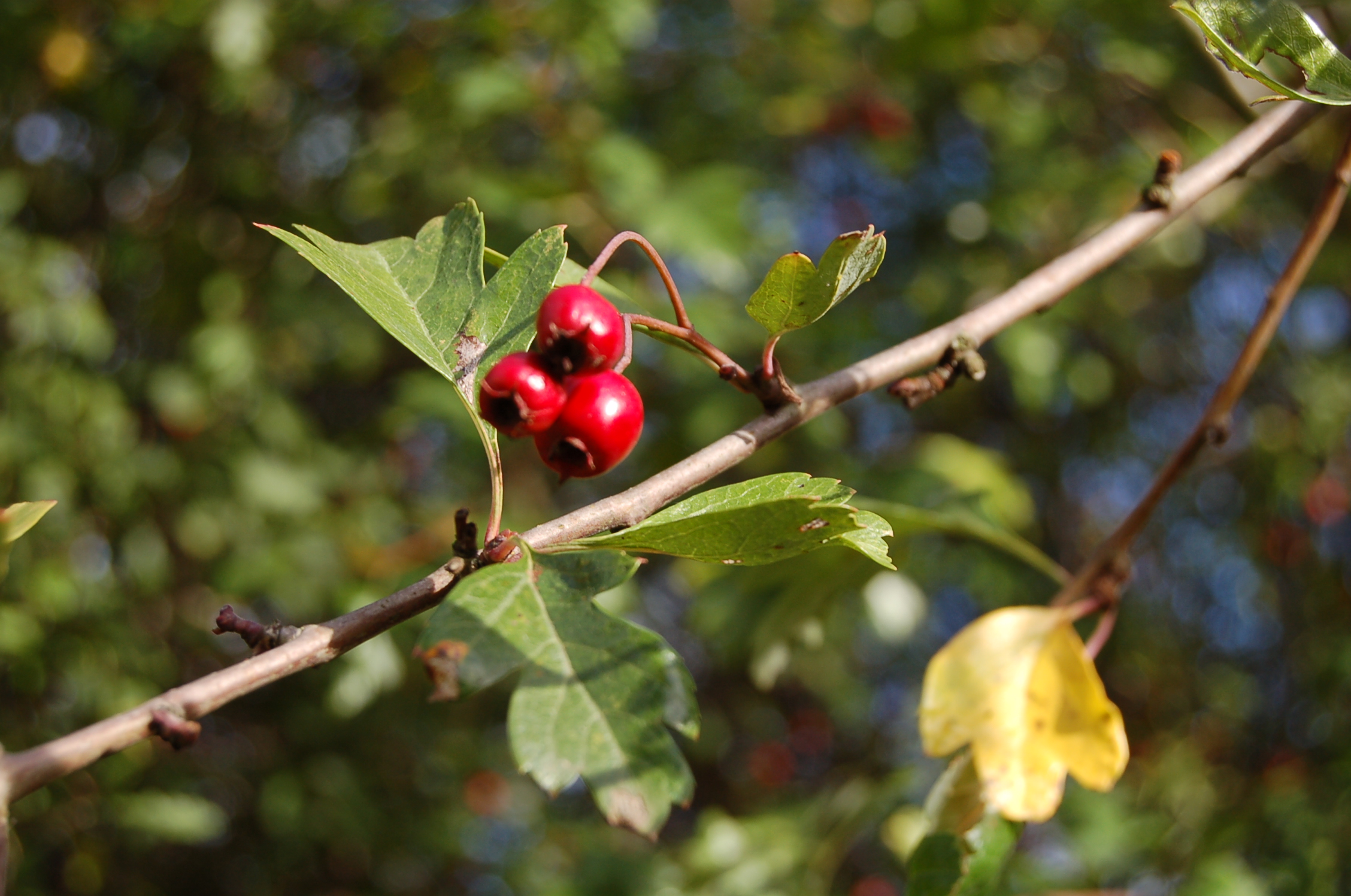
In contrast the deep red berries hanging in full bunches on the Hawthorns will be appreciated by many birds both residents and winter migrants. Once the Redwings and Fieldfares arrive on the back of the cold wet storms of autumn they will soon disappear.

The hawthorn berries have a place to play in human lives as well as wildlife, perhaps not yet seen as important as rose hip but it is being researched at the moment in relation to heart functions. For centuries it has been a part of the cuisine in China. Interestingly the name haw, which is now used to mean the berries, was originally a name meaning “hedge”.

2013 10 18_4333 2013 10 18_4336

2013 10 18_4337

So this short section of hedge of native shrubs mixed with the odd garden specimen will soon become the favourite restaurant for our avian neighbours.

This Veggie Life

A Vegetarian | Nature Lifestyle Blog

Rambling in the Garden

.....and nurturing my soul

The Arch City Gardener

Journeys In St. Louis Gardening and Beyond

Garden Dreaming at Châtillon

Consult the genius of the place

Storyshucker

A blog full of humorous and poignant observations.

gardeninacity

Notes from a wildlife-friendly cottage garden

PlayGroundology

...an emerging social science

The Official Blog of British Wildlife

'The most important and informative publication on wildlife of our times' - The Independent. This blog is a member of The UK & Ireland Natural History Bloggers group: www.uknhb.blogspot.com

iGrowHort

Inspire - Cultivate - Grow Native Plants - Restore Landscapes

Bishops Meadow Trust

To create and protect a semi-natural wild space for the people of Farnham to enjoy and experience an array of British wildlife in our town

Gardening with Children

The www.gardeningwithchildren.co.uk Blog

UKbirdingtimeline

birding through the seasons, why birds matter and how to conserve them

NATURE WALKER

with a camera in hand

Jardin

Transform your outdoor space

Eva's space

My allotment, cooking and other interests

Old School Garden

my gardening life through the year

LEANNE COLE

Trying to live a creative life

fromacountrycottage

trying to live as lightly as possible on our beautiful planet

Good Life Gardening

Nature lovers from Leicester living the good life.

mybeautfulthings

Finding the beautiful in the everyday

mawsonmichelle

Michelle's Allotment

In and Out of My Garden

thoughts from and about my garden

Greenhousing

Big plans for a small garden

The Scottish Country Garden

A Walled Country Garden in South East Scotland

The Fruity Chicken

Life at the fruity chicken

willowarchway

Off grid living. Self sufficient. "PERMAGANICS RULE".

St Anns Allotments

Nottingham's Grade 2* Listed Allotments and Community Orchard

Manifest Joy Harvests

a journey in suburban vegetable gardening

Allotmental

The madness of growing your own

Penny's Garden: a harvest beyond my front door

A novel approach to vegetable gardening

arignagardener

Sustainable living in the Irish countryside.

NewEnglandGardenAndThread

Master Gardener, amateur photographer, quilter, NH native, and sometimes SC snowbird

dianajhale

Recent work and work in progress and anything else that interests me

planthoarder

a chaotic cottage gardener

Lens and Pens by Sally

a weekly blog that creates a personal philosophy through photographs and words

Dewdrops and Sunshine

Stories from a sassy and classy Southern farmbelle.

The Pyjama Gardener

Simple Organic Gardening & Seasonal Living

gettin' fresh!

turning dirt into dinner

JOY...

today the world is created anew

Garden Birds

Notes from a Devon garden

ShootAbout

Life Through The Lens

Adapting Pixels

A photography blog showcasing the best photography pictures and videos on the internet

Wildlifegardening's Blog

Just another WordPress.com site

naturestimeline

personal observations from the natural world as the search continues for a new approach to conservation.

LATEBLOOMERBUDS

The Wonders of Life through my Eyes, my Heart, my Soul