Categories
autumn autumn colours colours countryside light light quality nature reserves photography wildlife woodland

Our First Woodland Walk for Autumn – Part One

When the winter weather gets a bit grim for too many days in a row it is good to look back and remember good days out.

We look forward to our woodland walks each autumn. This year we started early as we enjoyed a great day wandering the woodlands around Lake Vyrnwy in mid-Wales. We made this foray early because we had a specific reason for going. We were in search of cones and bits of bark to use on our “Homes for Wildlife” day up on our allotments later in October when we intended to make lots of extra insect shelters and a big insect hotel.

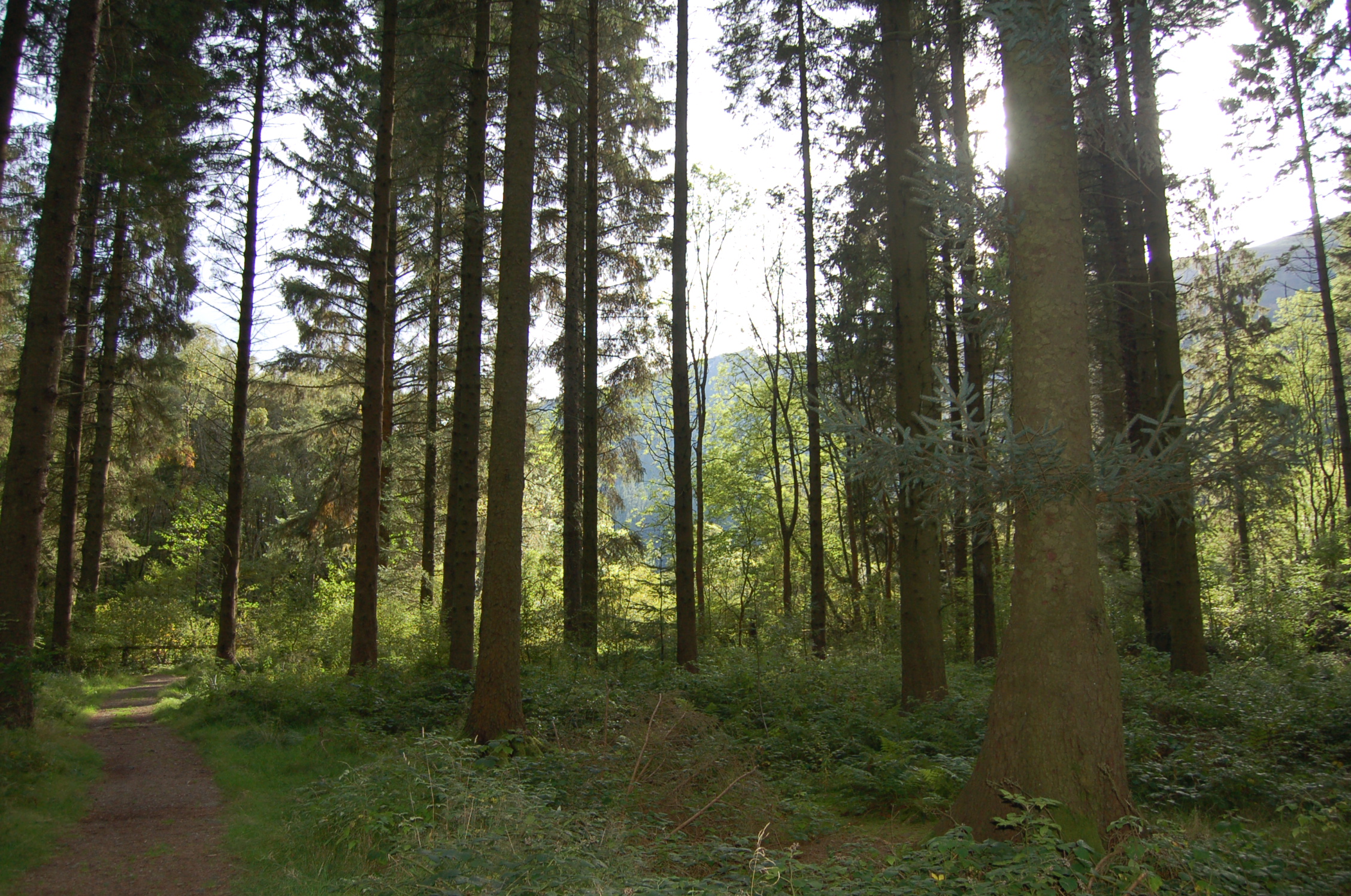
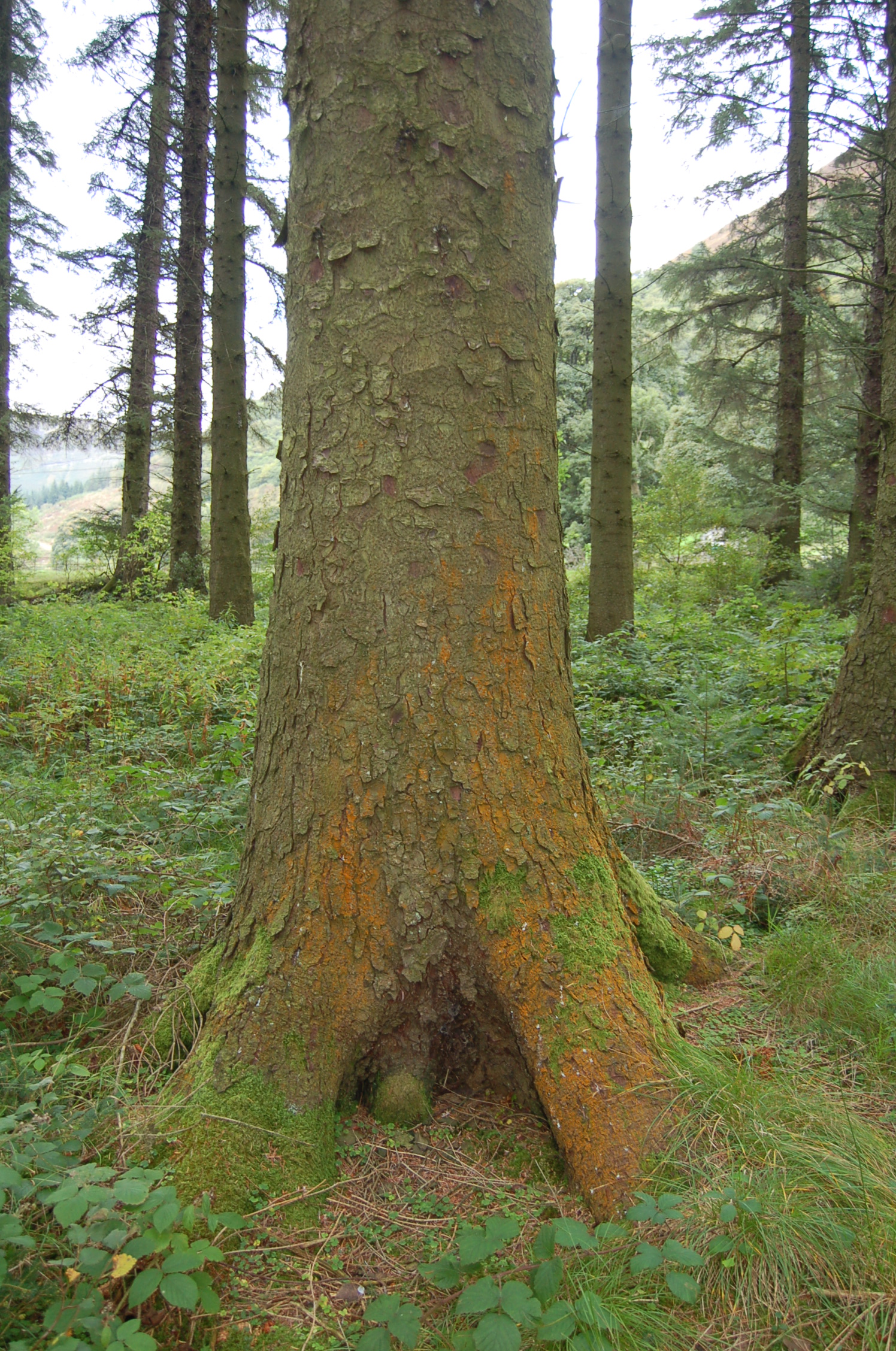
We chose to walk in a section of tall statuesque conifers all with tall straight trunks and dark green glossy needles clothing their stems.
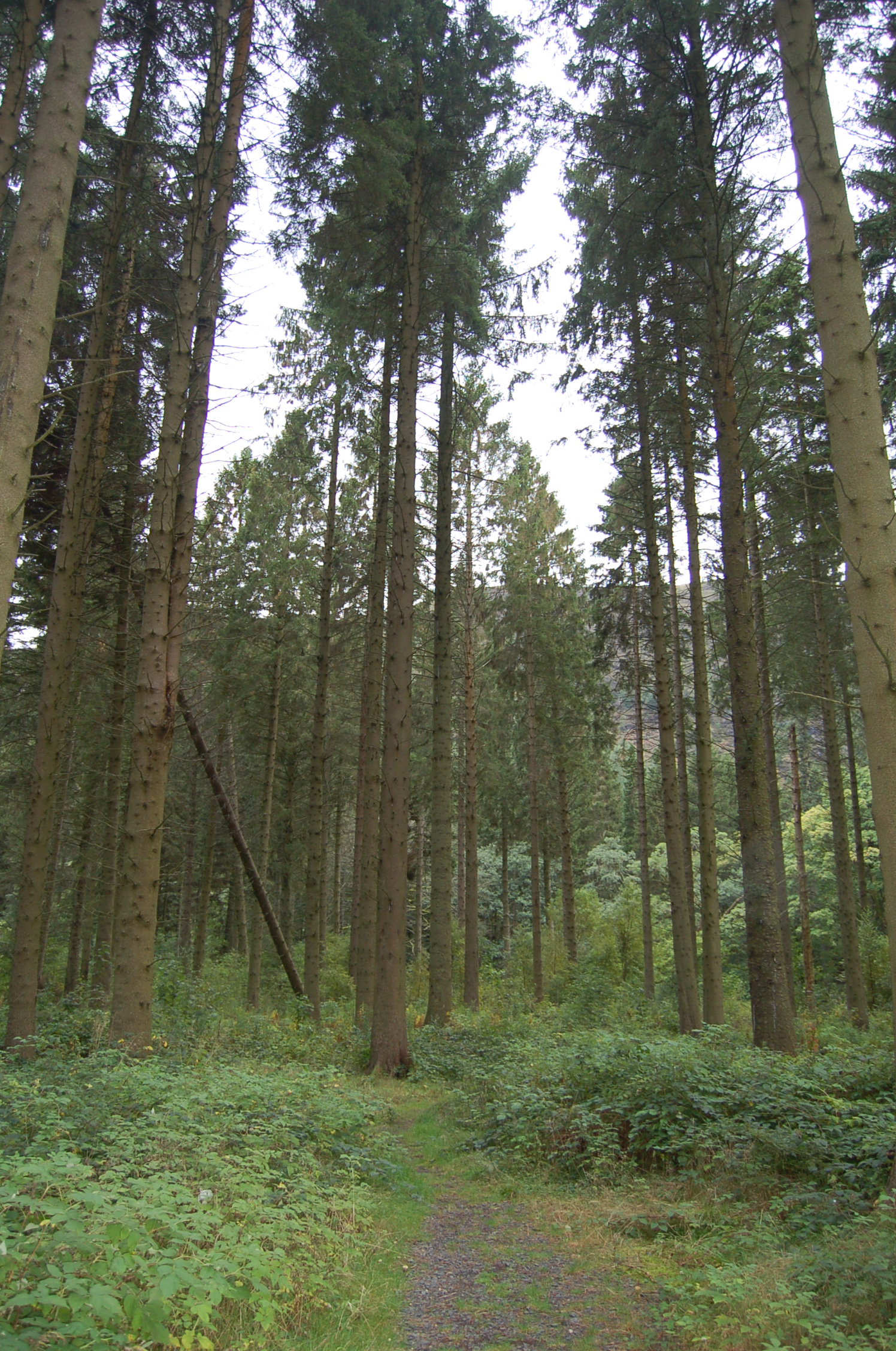
2013 10 06_4113 2013 10 06_4120 2013 10 06_4170 2013 10 06_4169 2013 10 06_4168 2013 10 06_4171

It was a warm bright day so the woodland was pierced with sharp rays of sunshine, highlighting fungi amongst the ferns and brambles at the base of the trees and adding magic to the fresh new colours of autumn.

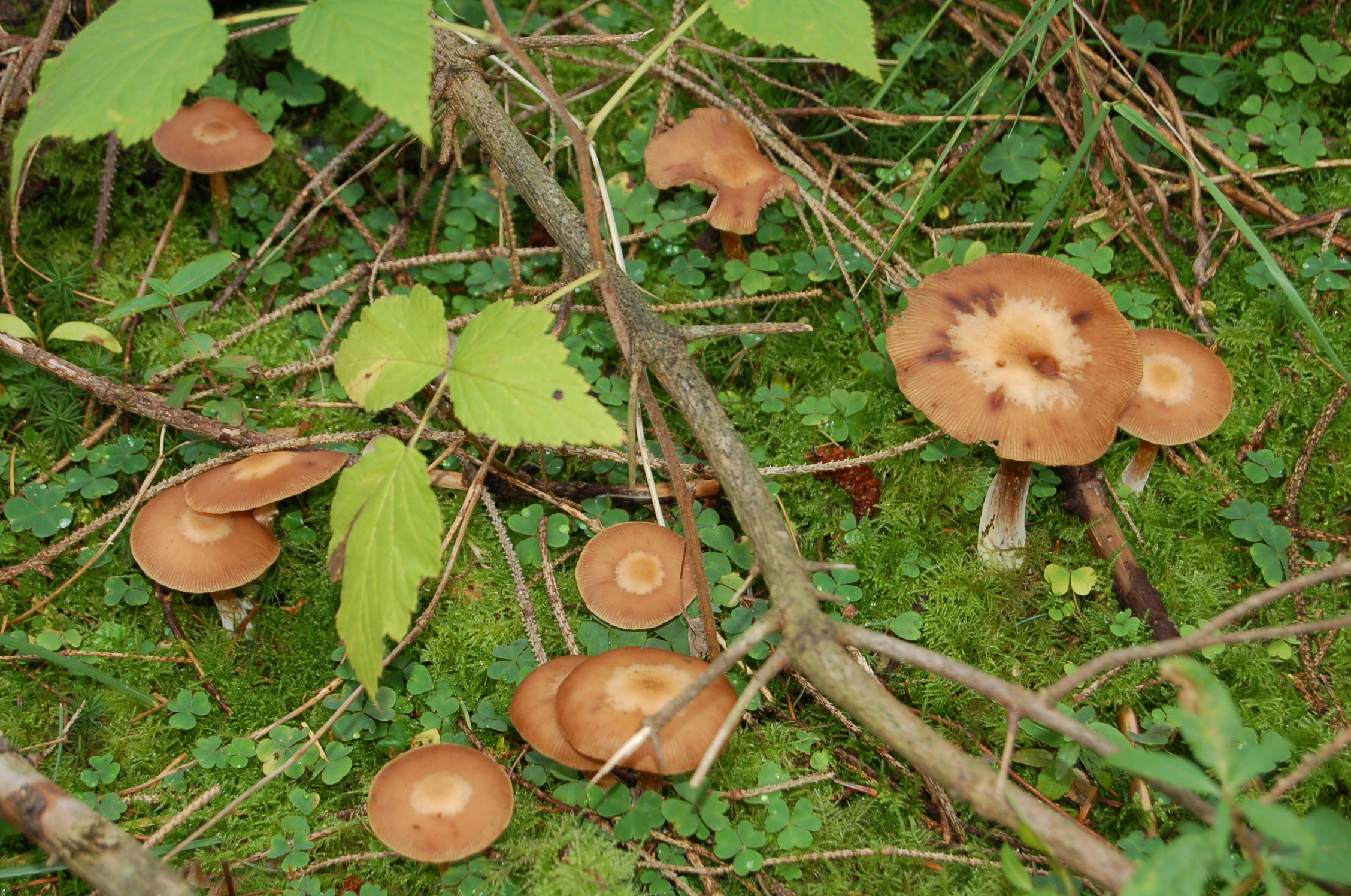
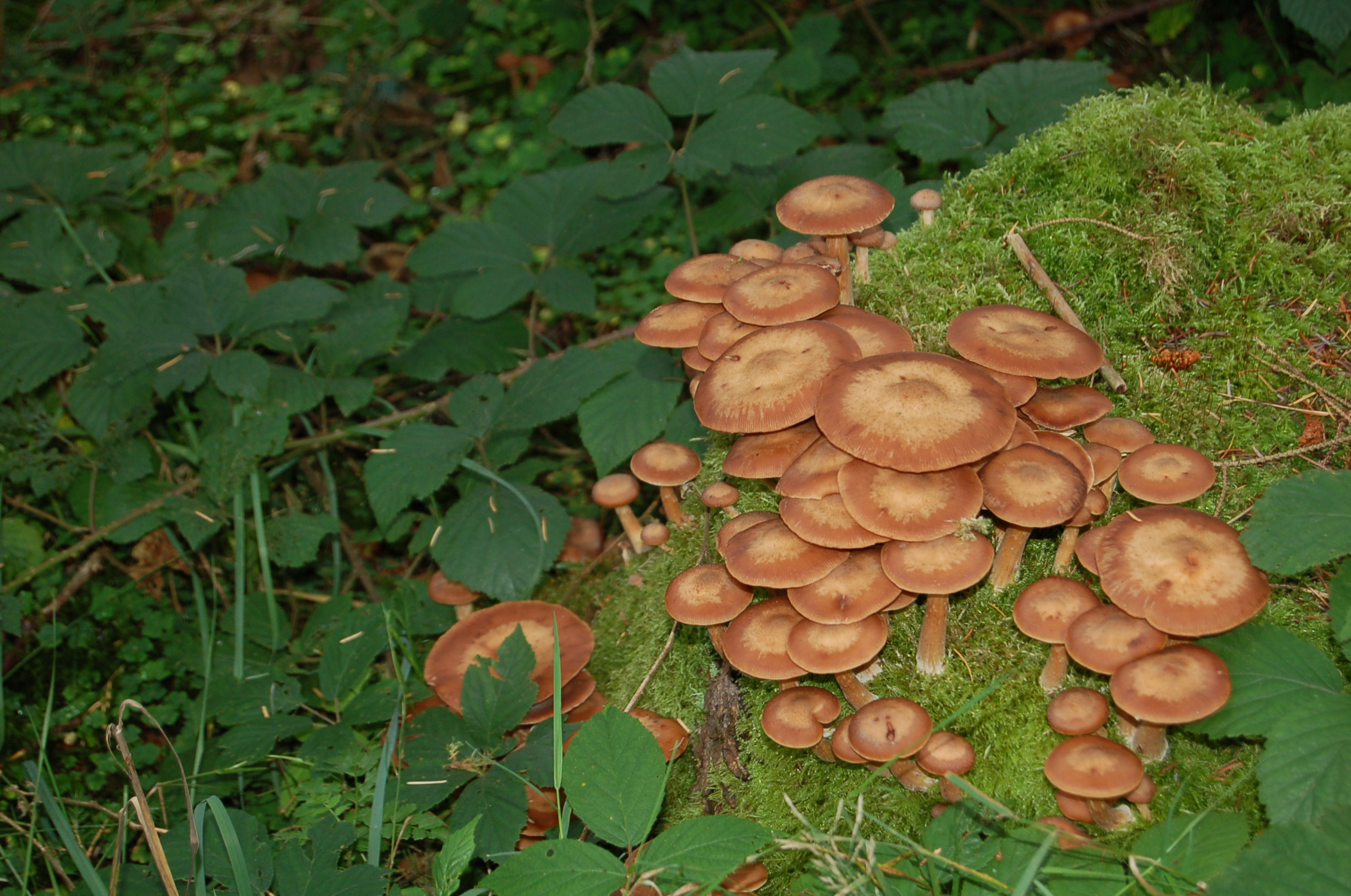
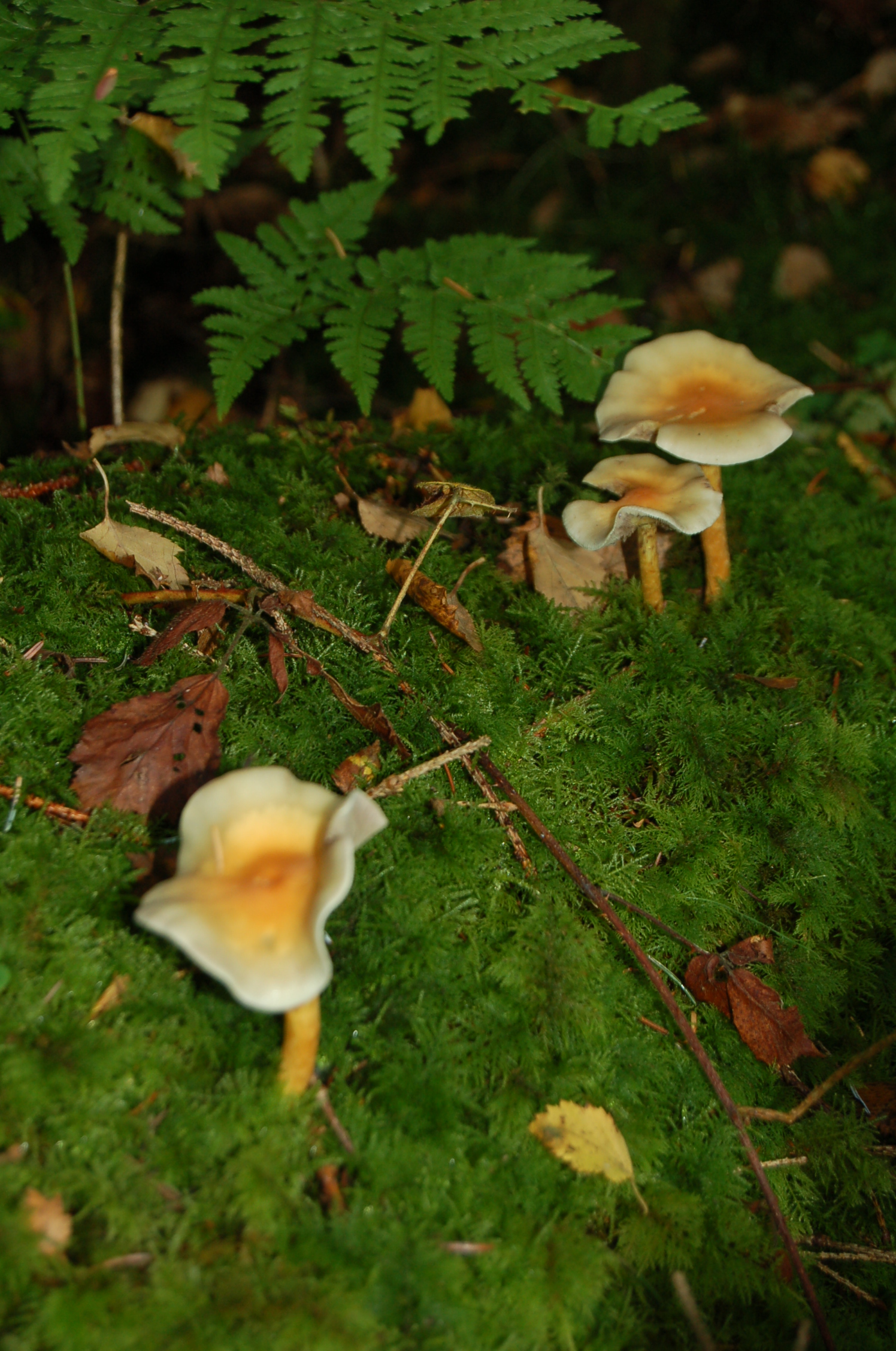
Fungi are the stars of the autumn woodland. We usually start looking out for them in September but with the seasons being a good four weeks behind this year we found our first here at Vyrnwy.

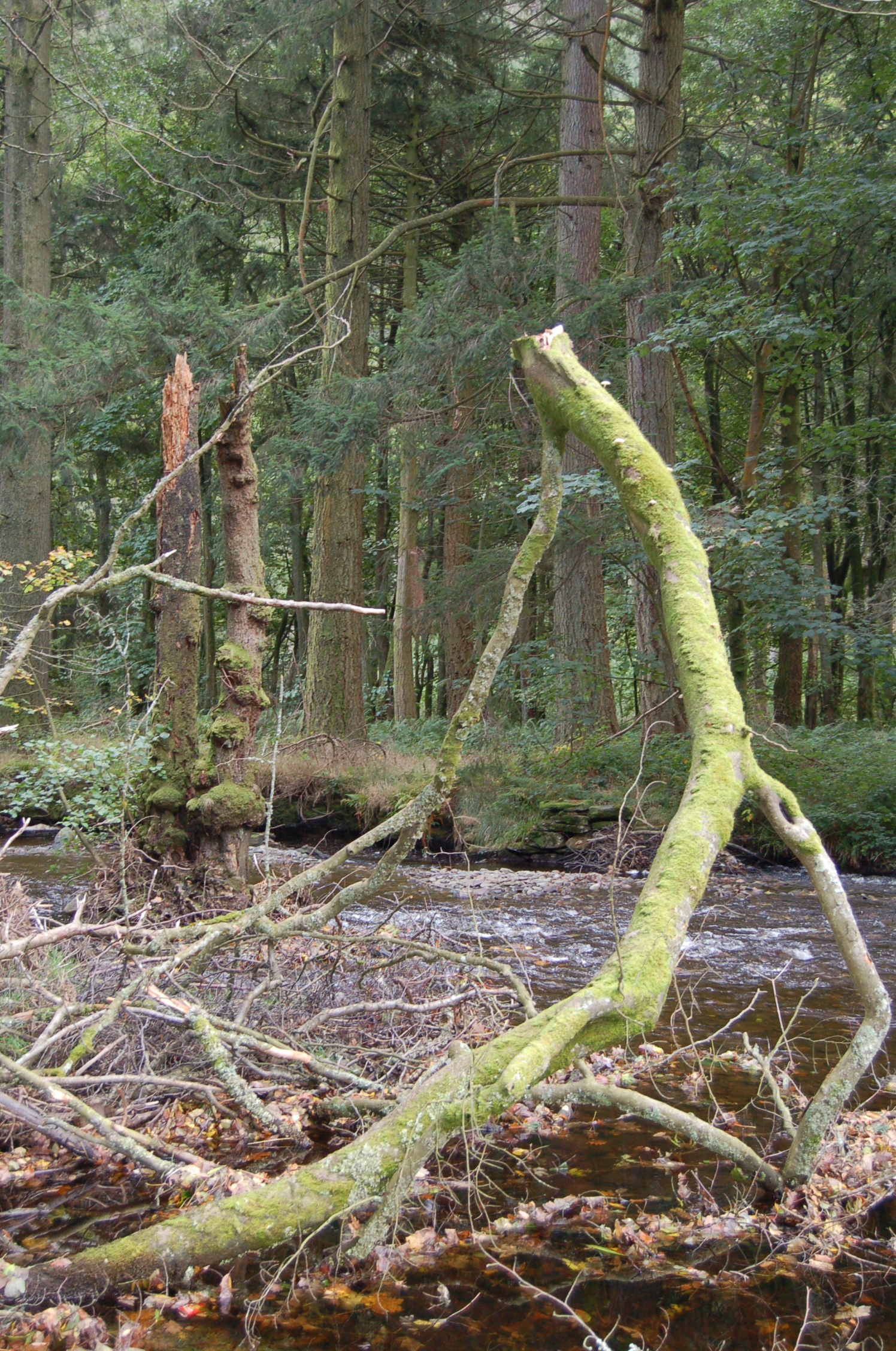
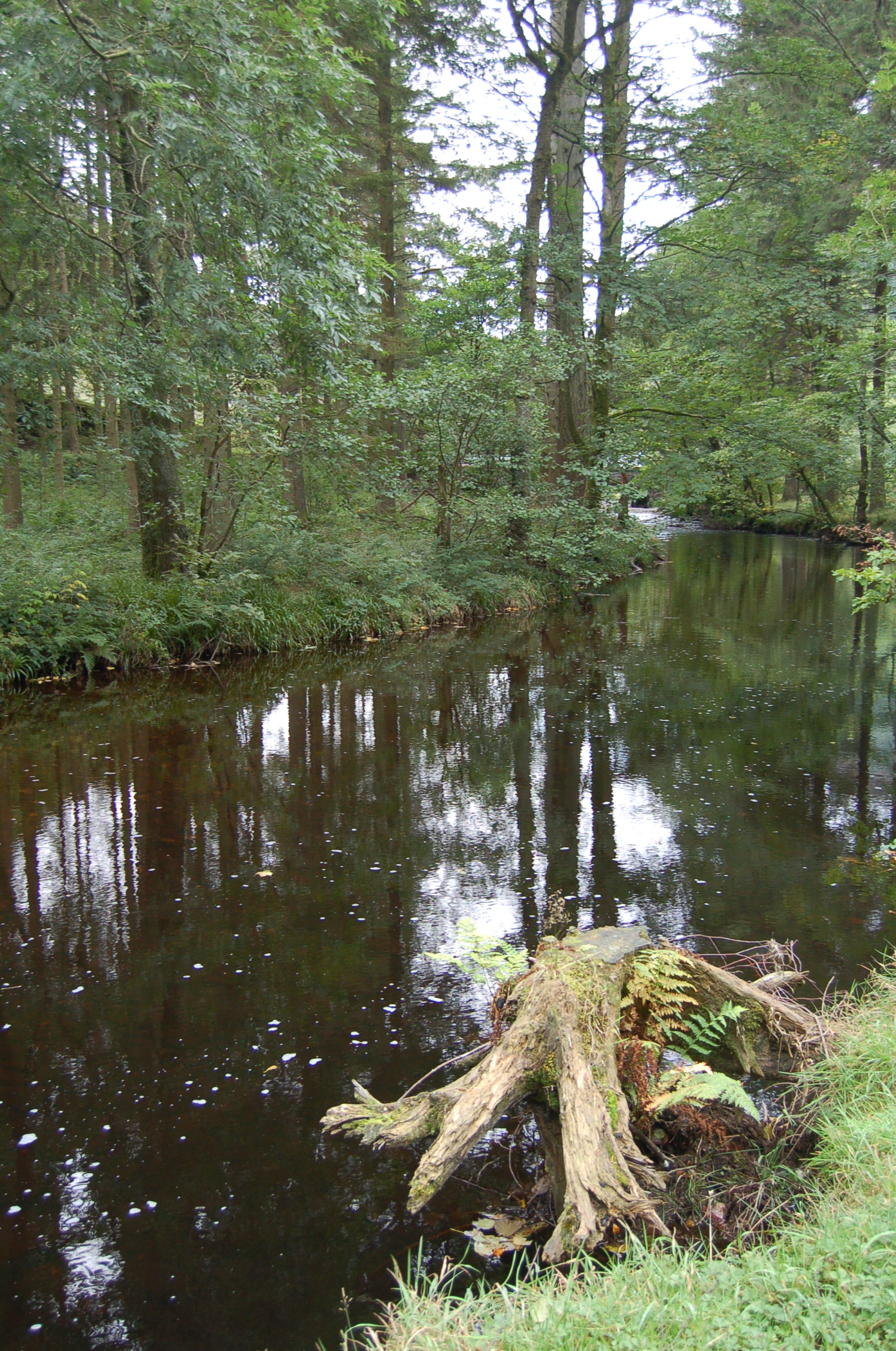
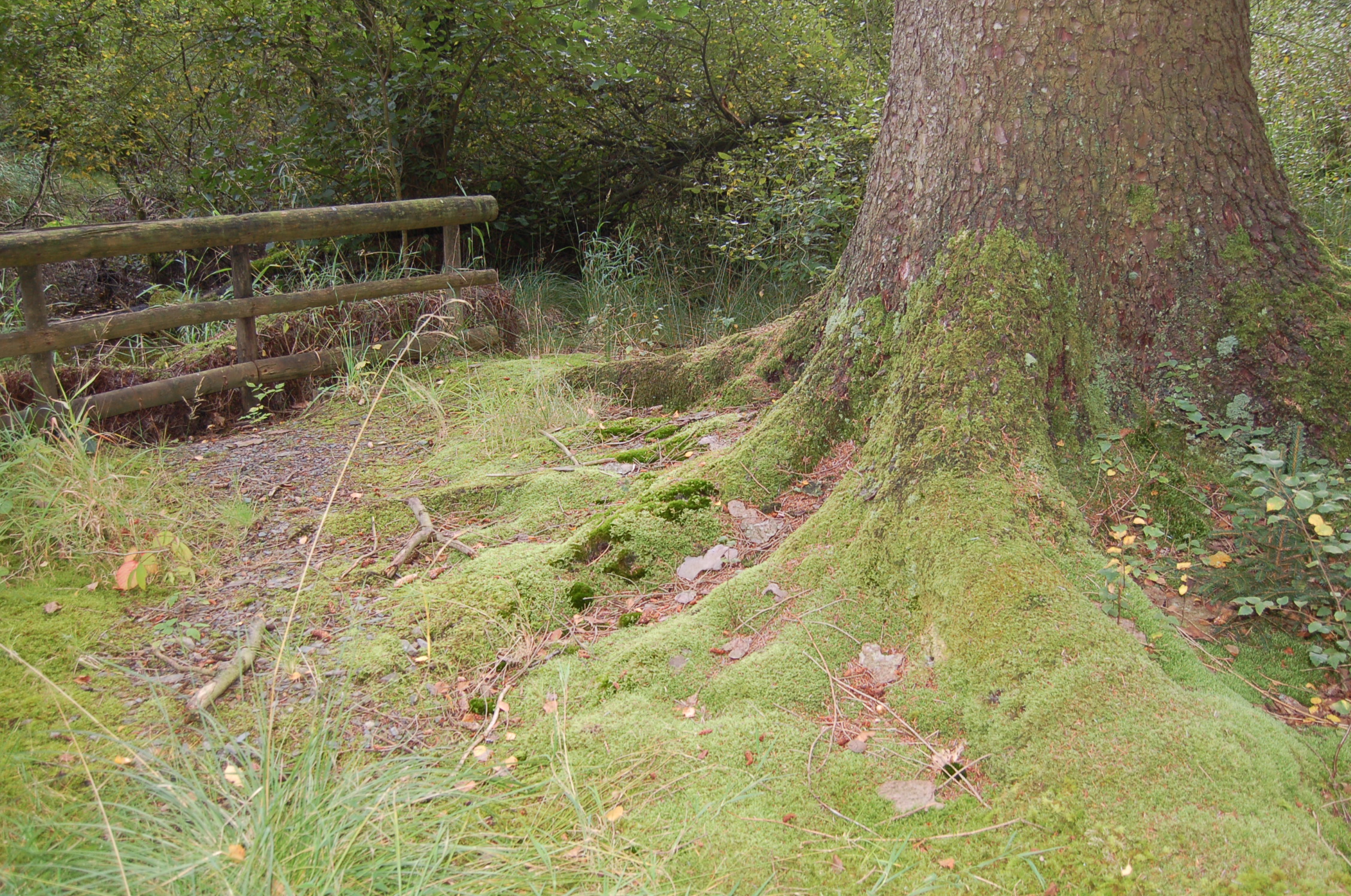
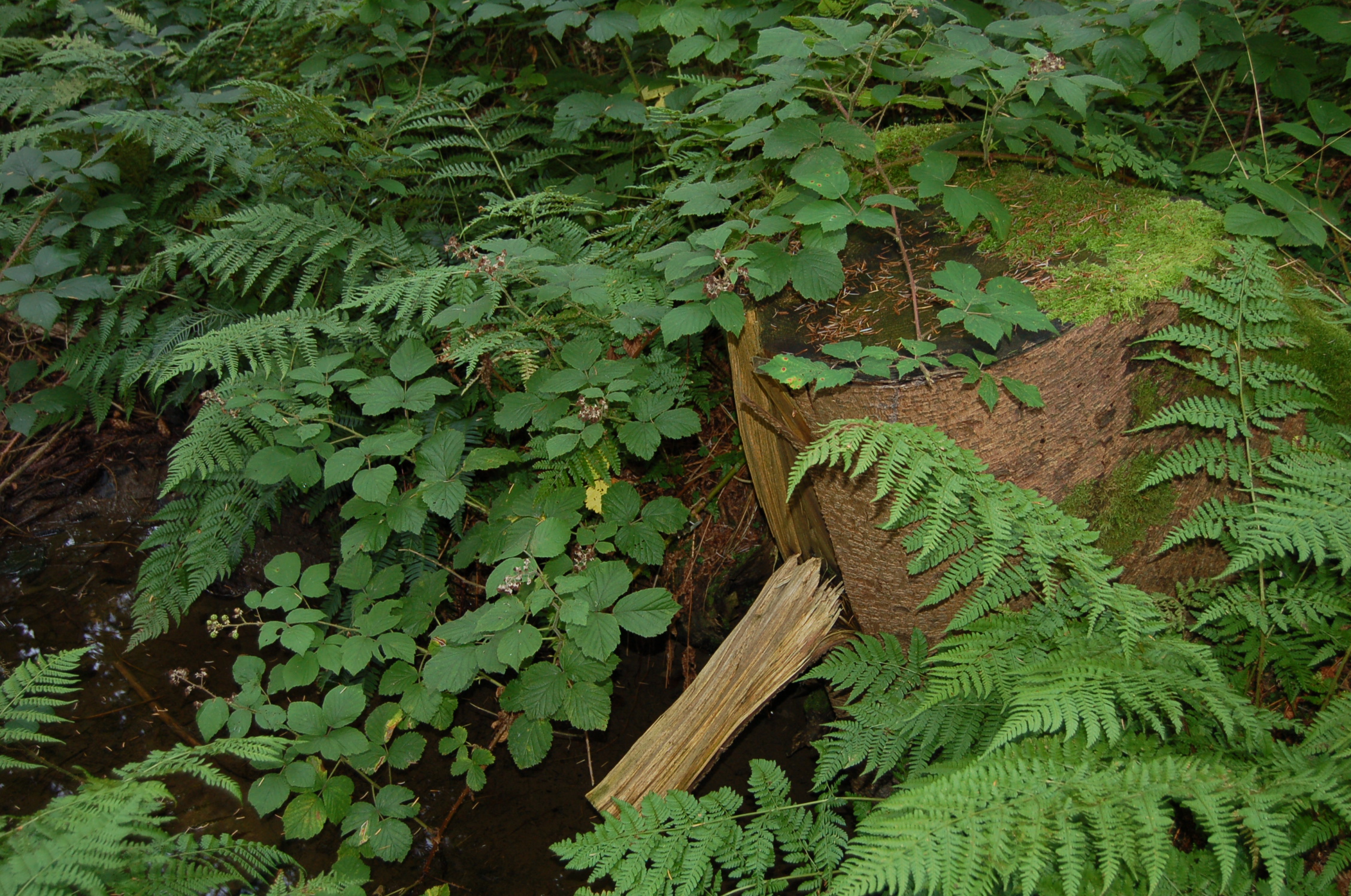
We stopped off in a clearing in the woods around the lake, a favourite place for our walks. A clear, fast-running mountain stream passes alongside and we always look to see what the floods from recent storms have brought down. A beautiful gnarled stump with delicate ferns on top sats close to our bank. A little further along a big branch pulled from a bankside tree was lodged in the middle of the stream caught in the overhanging branches of a tall tree.

2013 10 06_4092 2013 10 06_4093 2013 10 06_4095 2013 10 06_4096 2013 10 06_4097

2013 10 06_4098 2013 10 06_4099 2013 10 06_4100 2013 10 06_4101 2013 10 06_4102

We hadn’t been many yards wandering down the narrow path with its surface softened by pine needles, when we realised that fungi time was here! We looked forward to seeking out specimens along the way. They turned up mostly at the base of trees or growing on old rotting tree stumps.

2013 10 06_4103 2013 10 06_4104

2013 10 06_4105 2013 10 06_4106 2013 10 06_4107  2013 10 06_4109 2013 10 06_4110

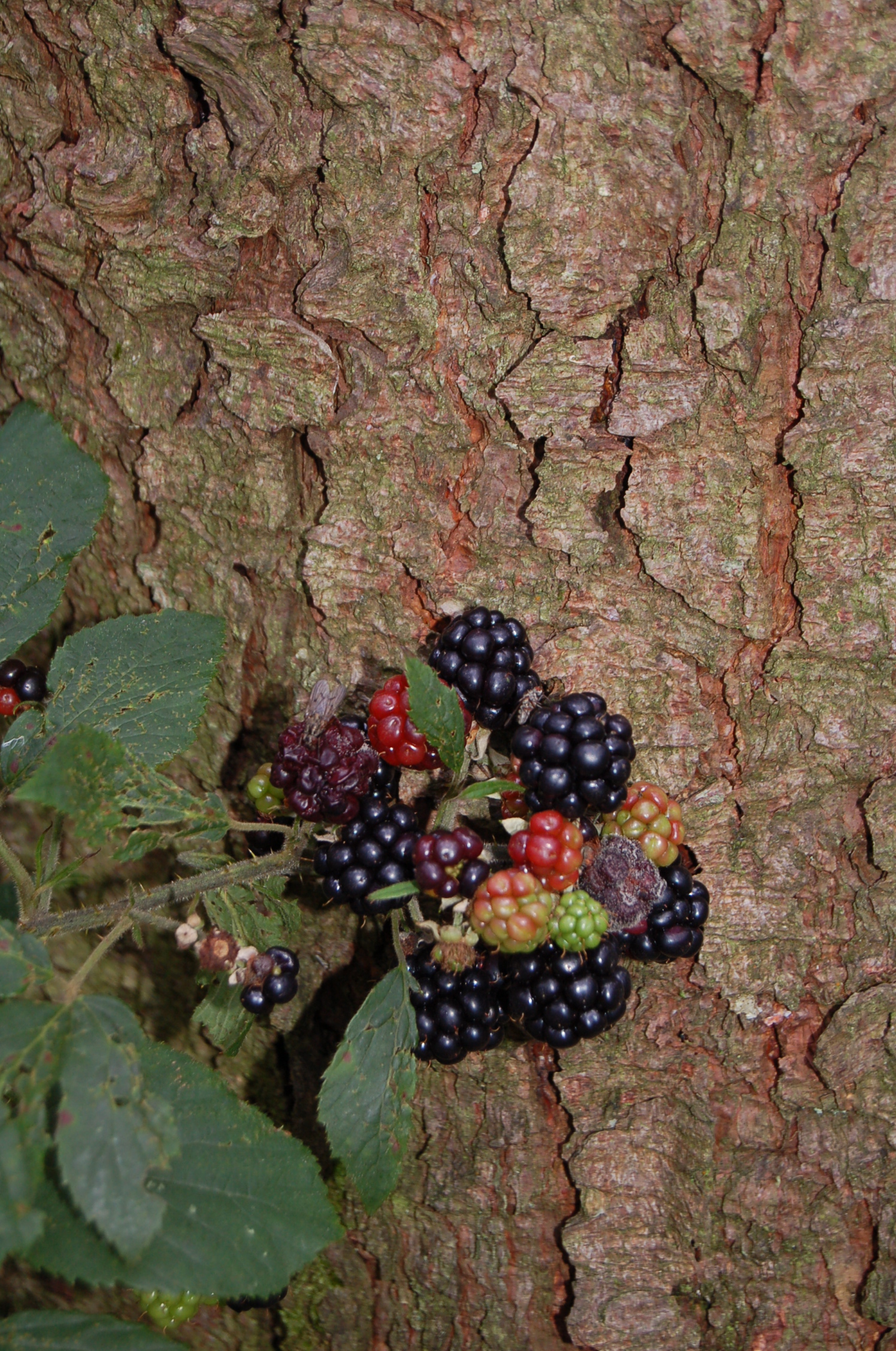
With the fungi we found juicy Blackberries growing, their berries glowing in any shaft of light that found its way through the canopy.
2013 10 06_4108 2013 10 06_4112

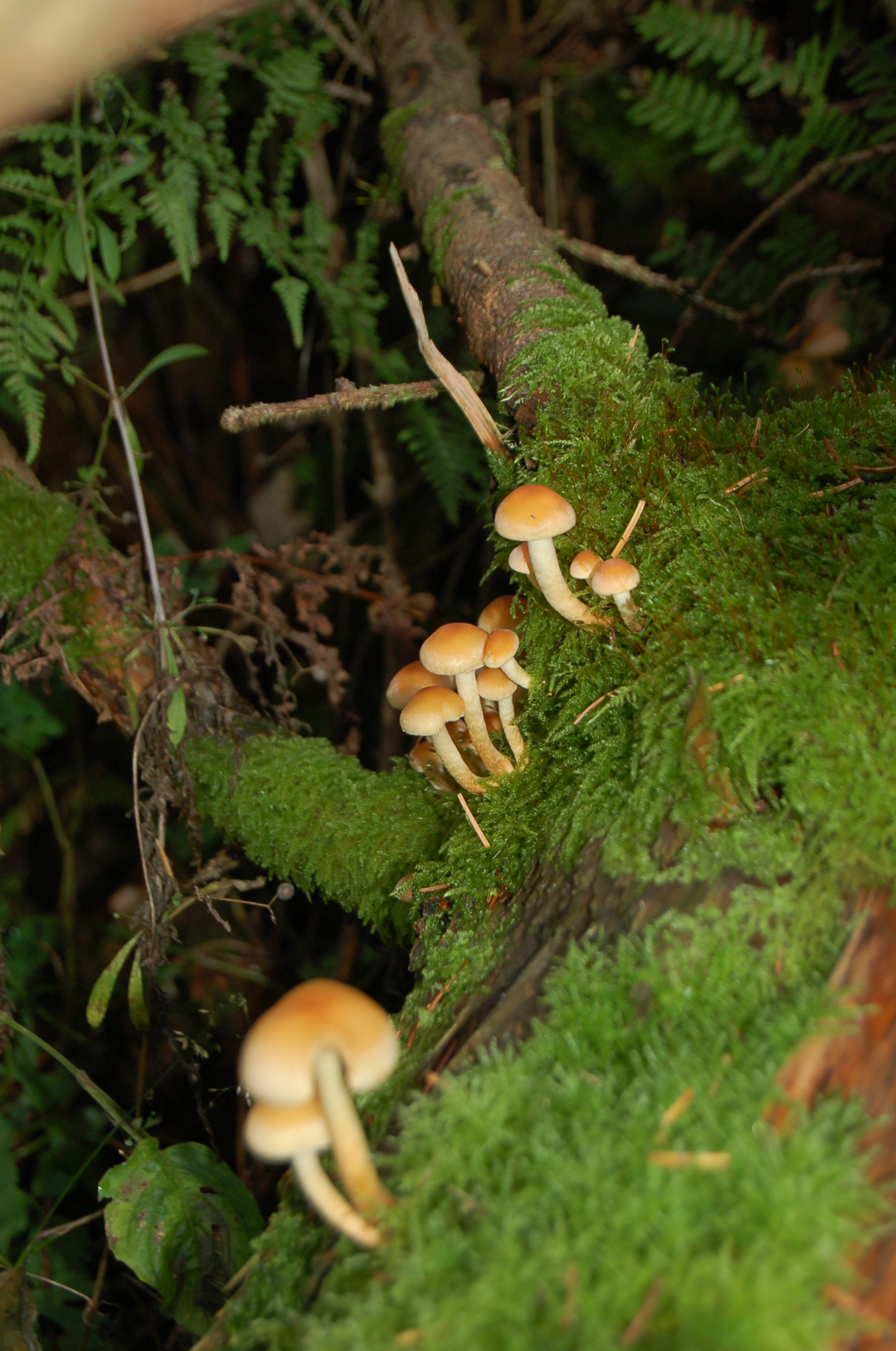
As we moved further into the wood we found more and more fungi of varying oranges, yellows and browns.
2013 10 06_4114 2013 10 06_4115     2013 10 06_4121  2013 10 06_4123 2013 10 06_4124 2013 10 06_4125

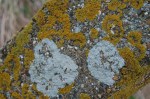
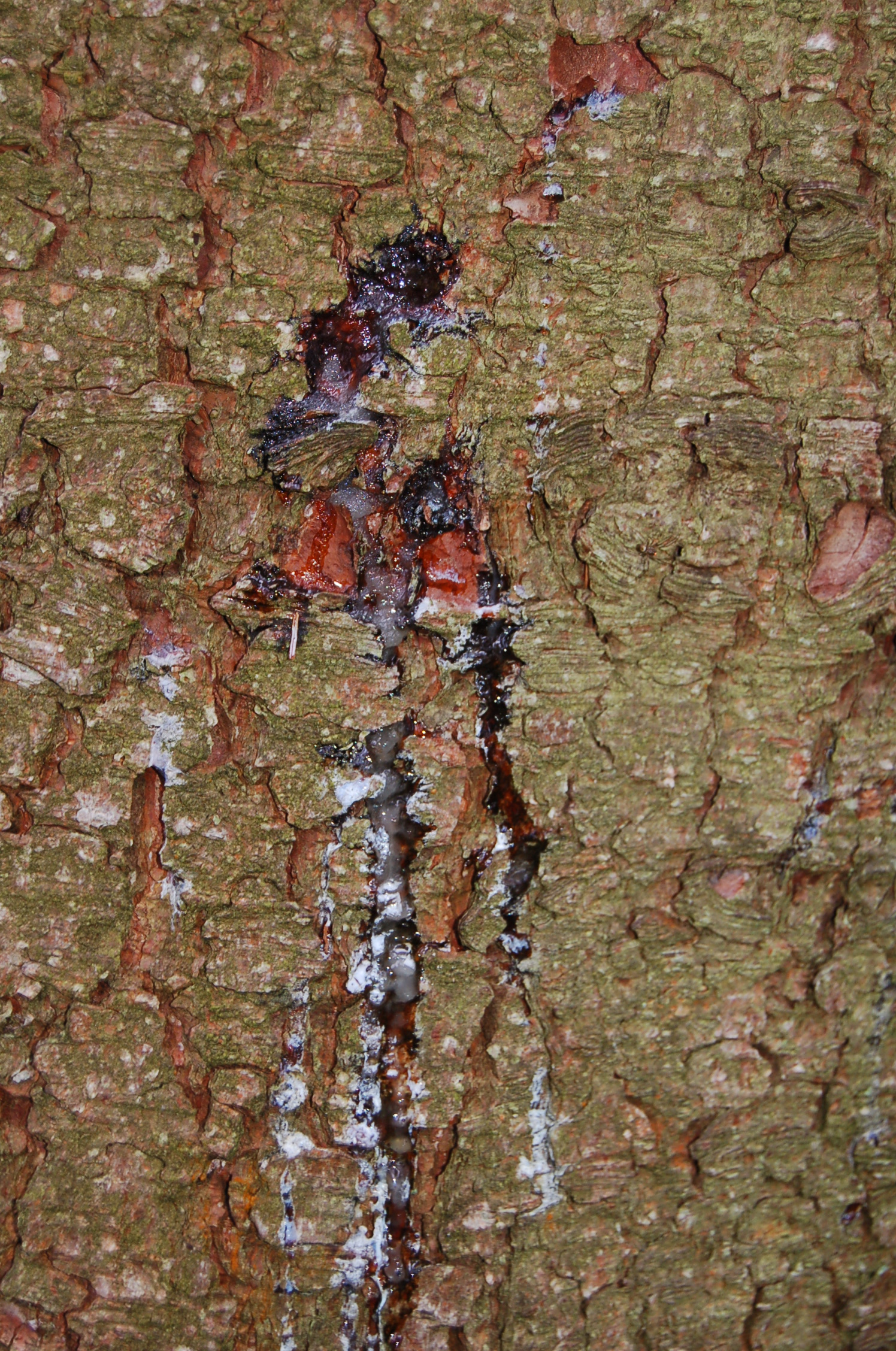
Tree trunks themselves had areas of colour upon them, algae, mosses, lichen and seeping resins.
2013 10 06_4116 2013 10 06_4122

2013 10 06_4117 2013 10 06_4119

2013 10 06_4118

Little did we know that we had the biggest surprise of all awaiting for us as we walked around the next corner. But that story is in my next post, “Our First Woodland Walk for Autumn – Part Two”.

Categories
countryside grasses nature reserves the sea the seaside the shore wildlife

Strands – Discovering a Beach – Part Three

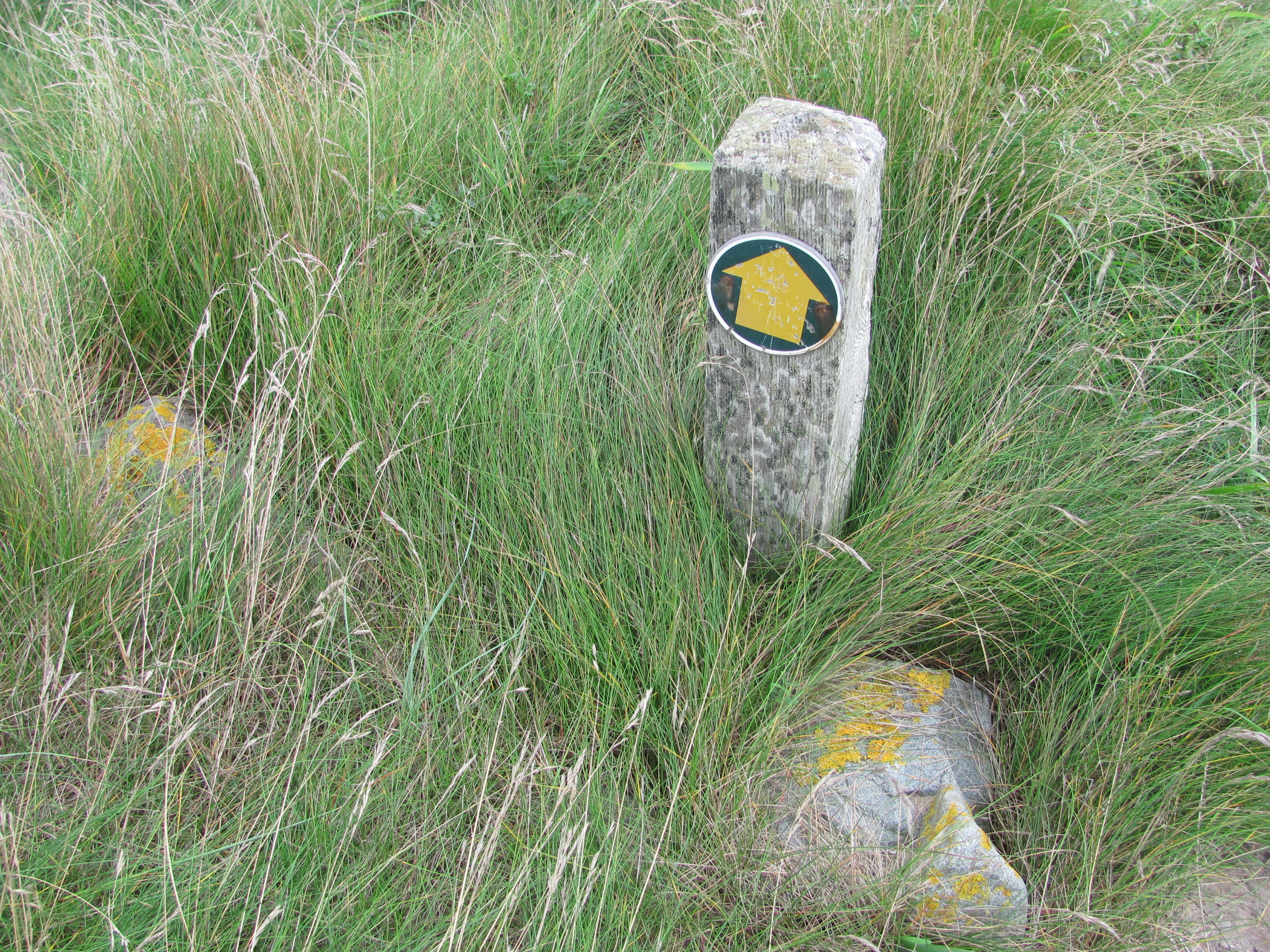
Okay here we go with the third and final part of my Strands posts, where we make our way – very slowly as you will see – back to the car. We went by way of the grass path above the strandline and explored the wildflowers growing there as well as enjoying glances across the sand dunes to the sea.

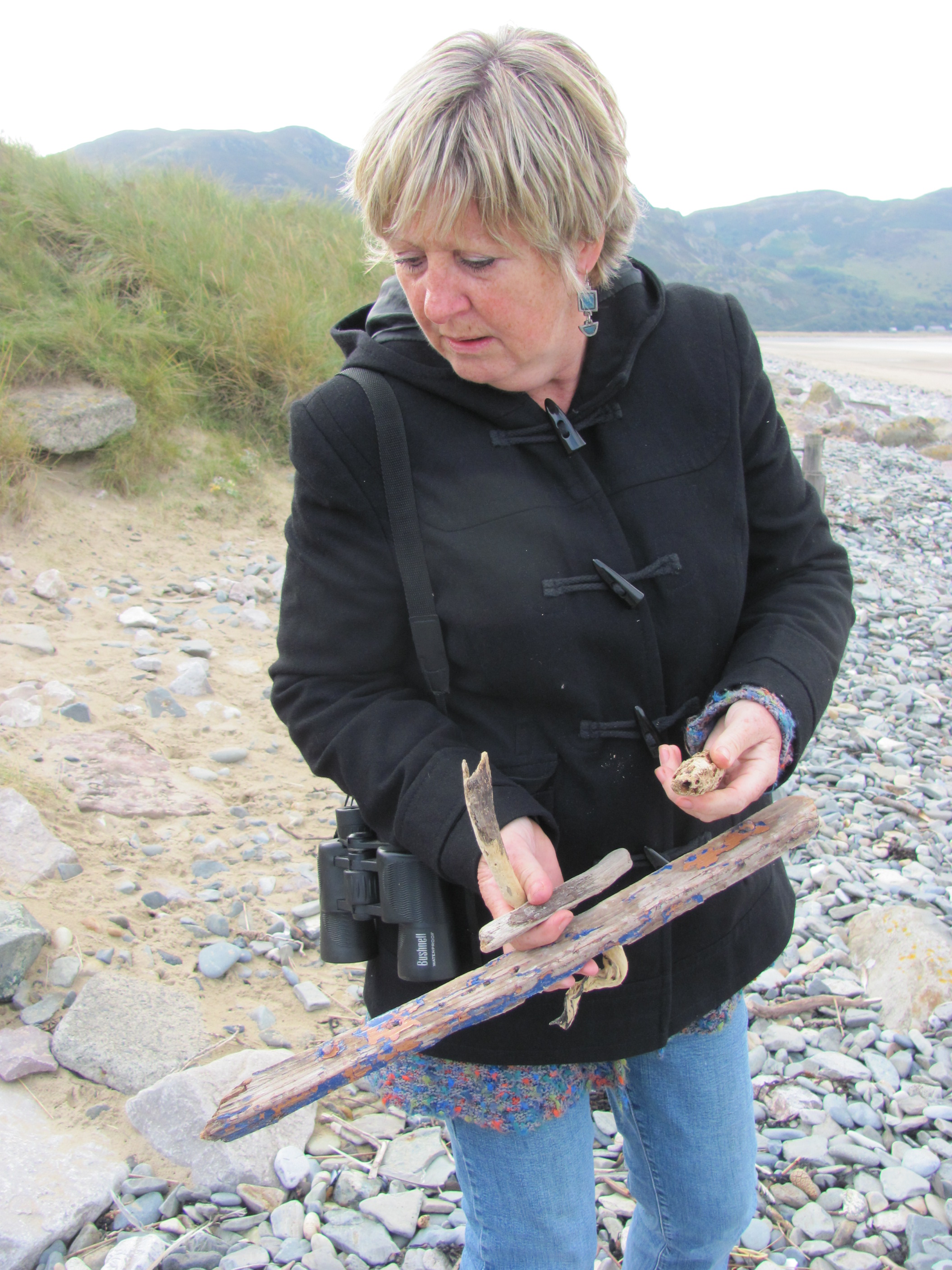
But first a reminder of the photos of Jude (Mrs Greenbench) beach combing and collecting objects for our seaside at home.

2013 09 27_3894 2013 09 27_3871

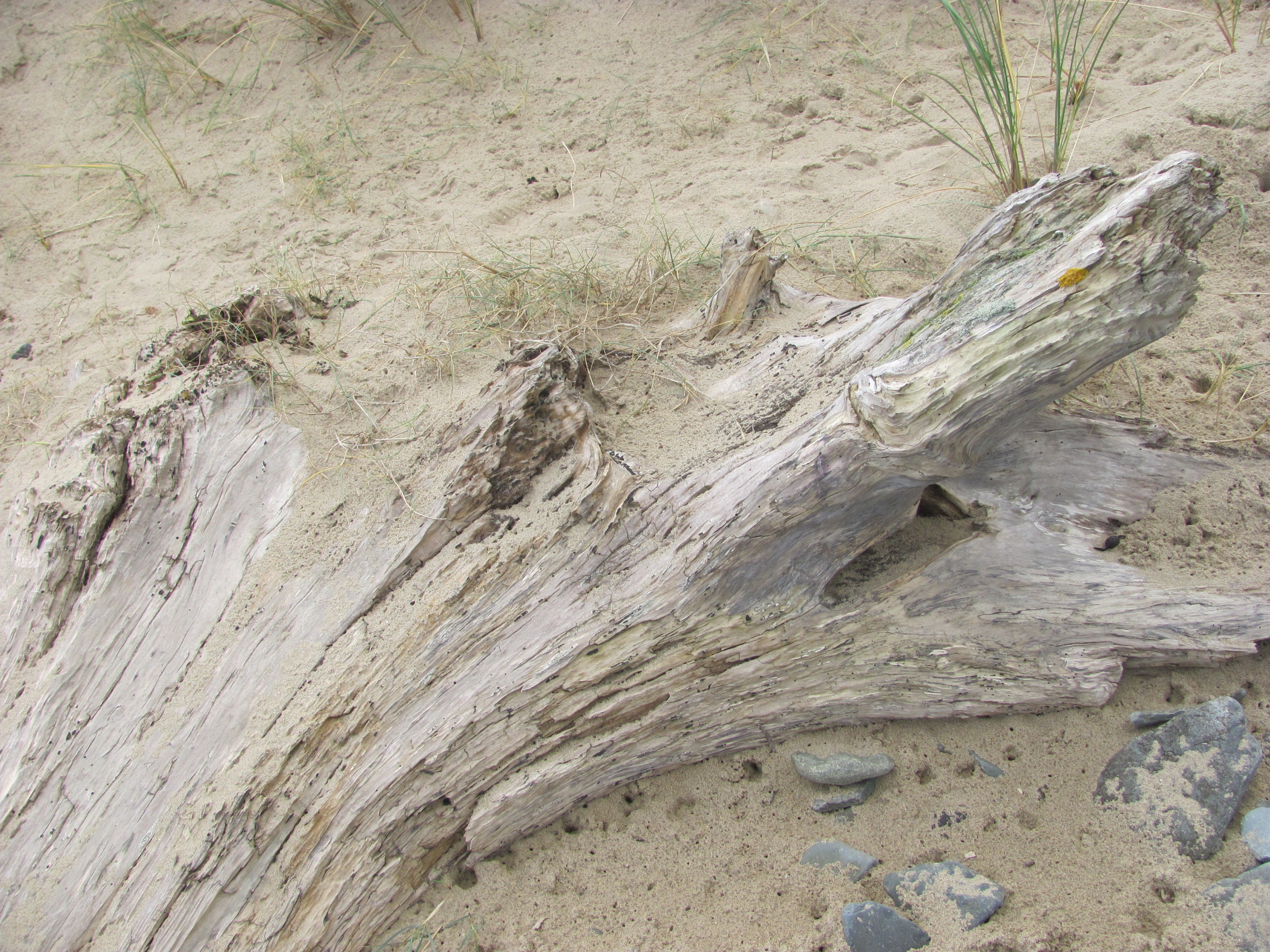
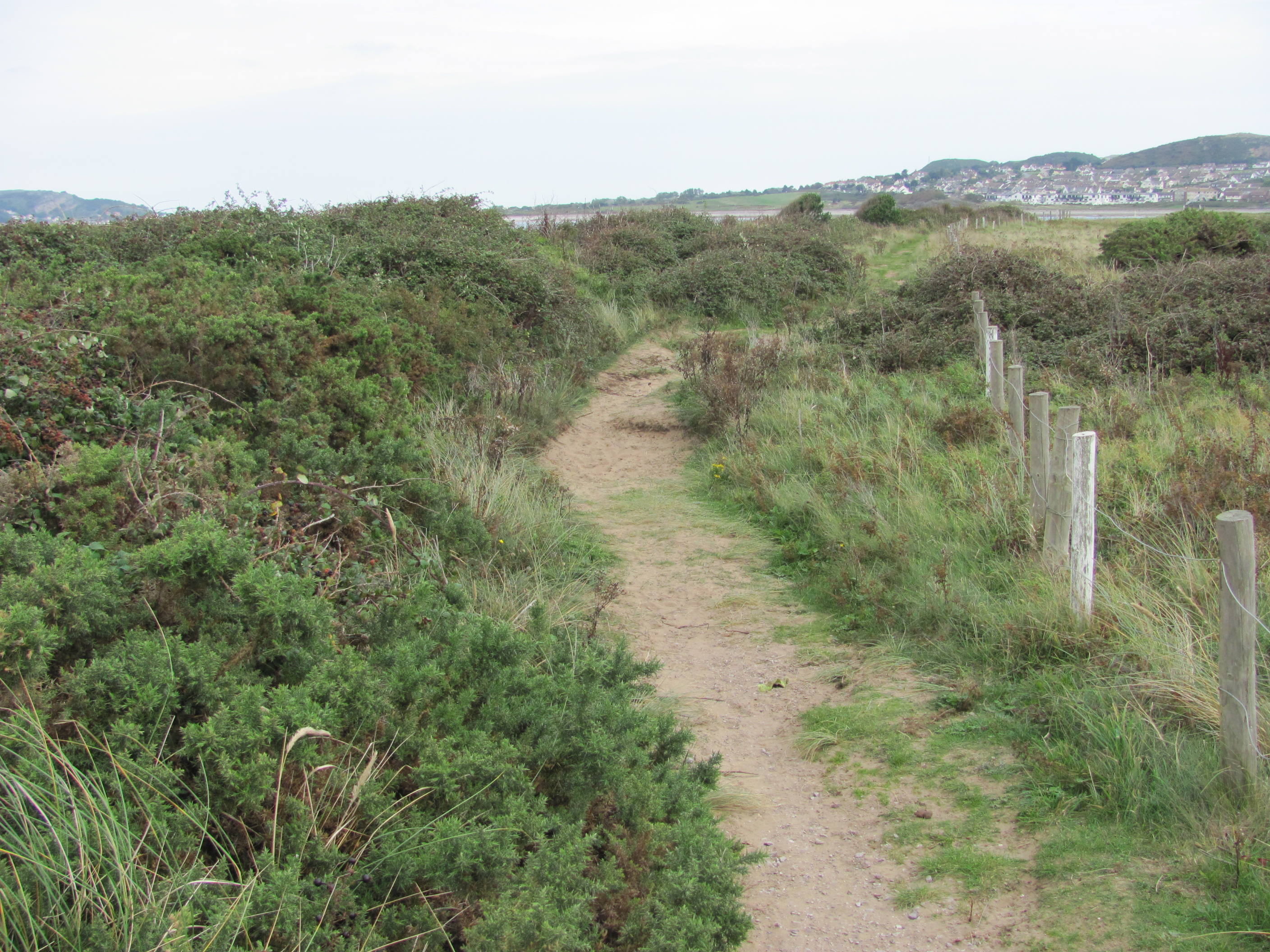
We found our pathway home by scrambling over the pebbles and then over the sand dunes.

2013 09 27_3891 2013 09 27_3892 2013 09 27_3893 2013 09 27_3895  2013 09 27_3905 2013 09 27_3914

2013 09 27_3910 2013 09 27_3922

Sadly some of the walkers who trod the path before us lacked caring and thoughtlessly left this plastic bottle. The seashore has enough of a problem with the plastics that roll in on the waves. It makes you wonder how many Coke bottles are dropped to bespoil our countryside every year.

2013 09 27_3896

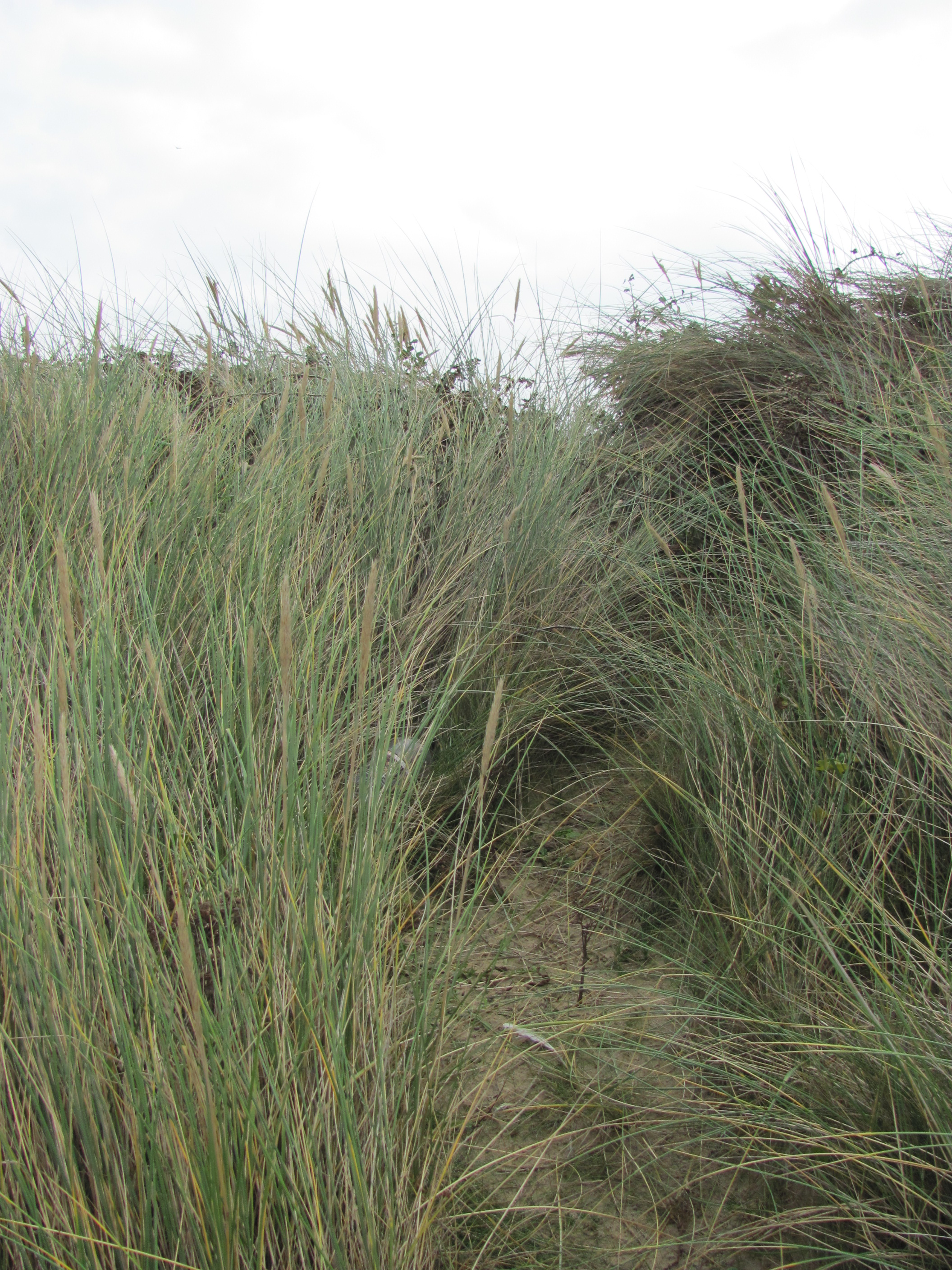
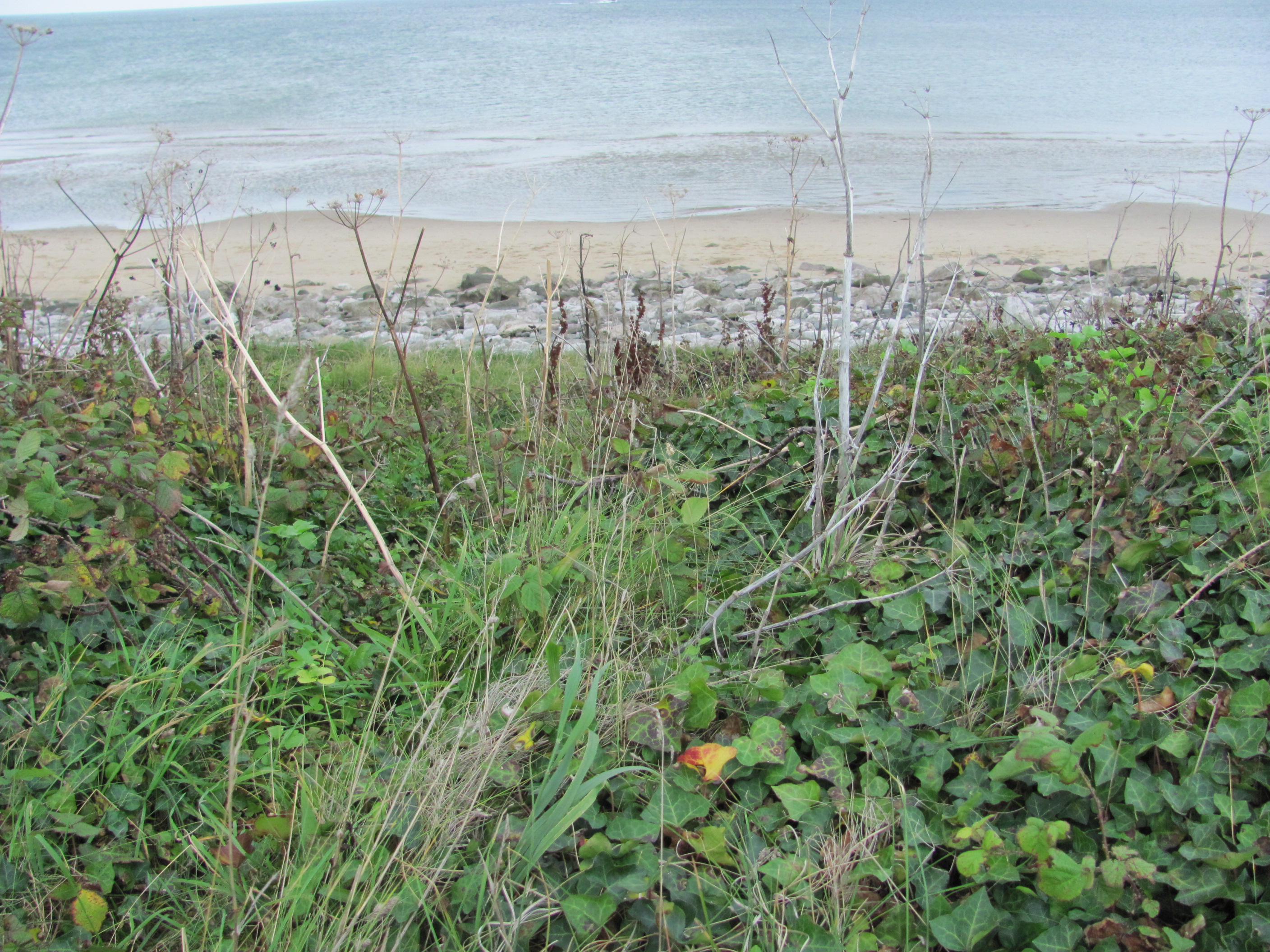
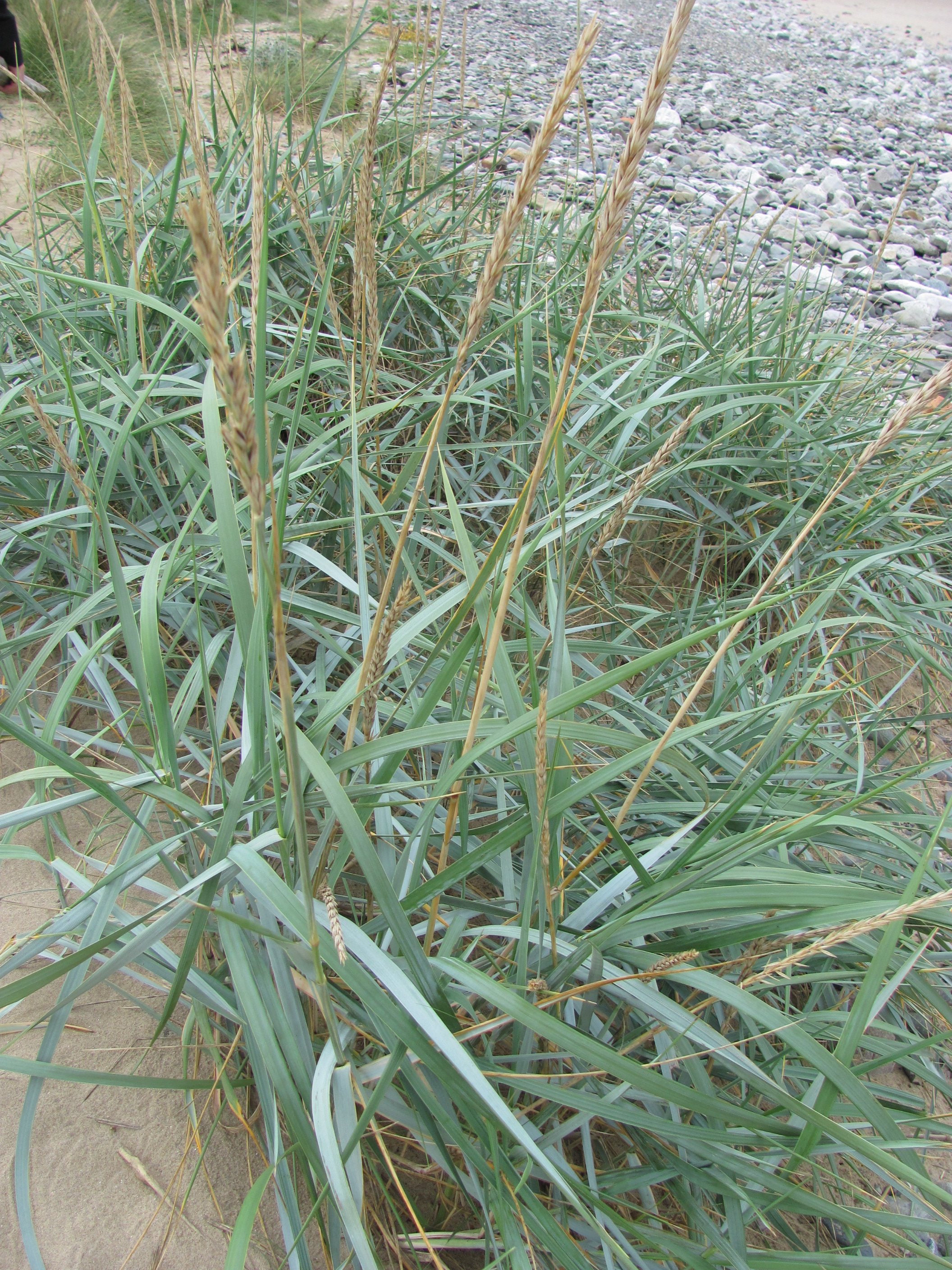
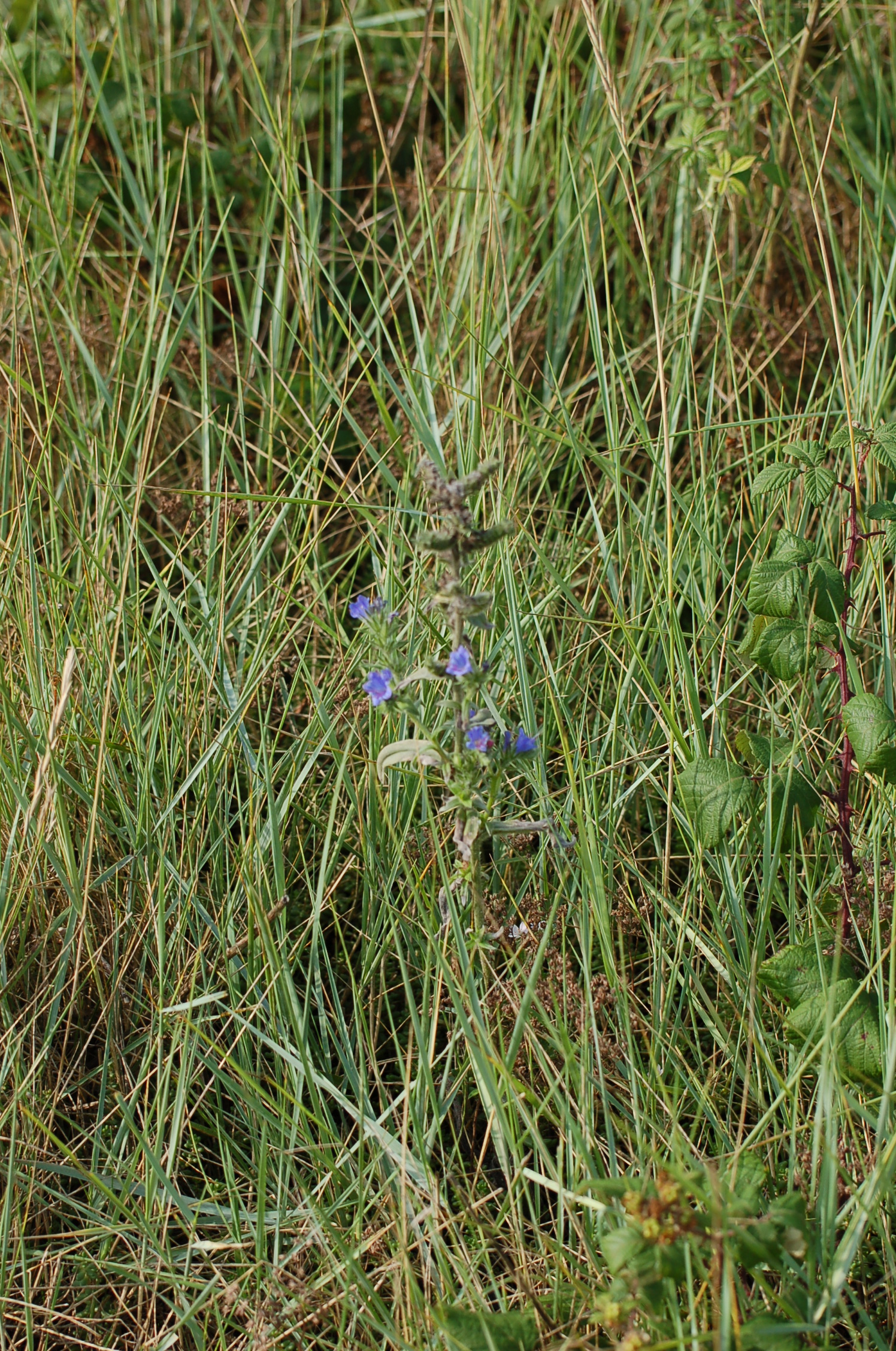
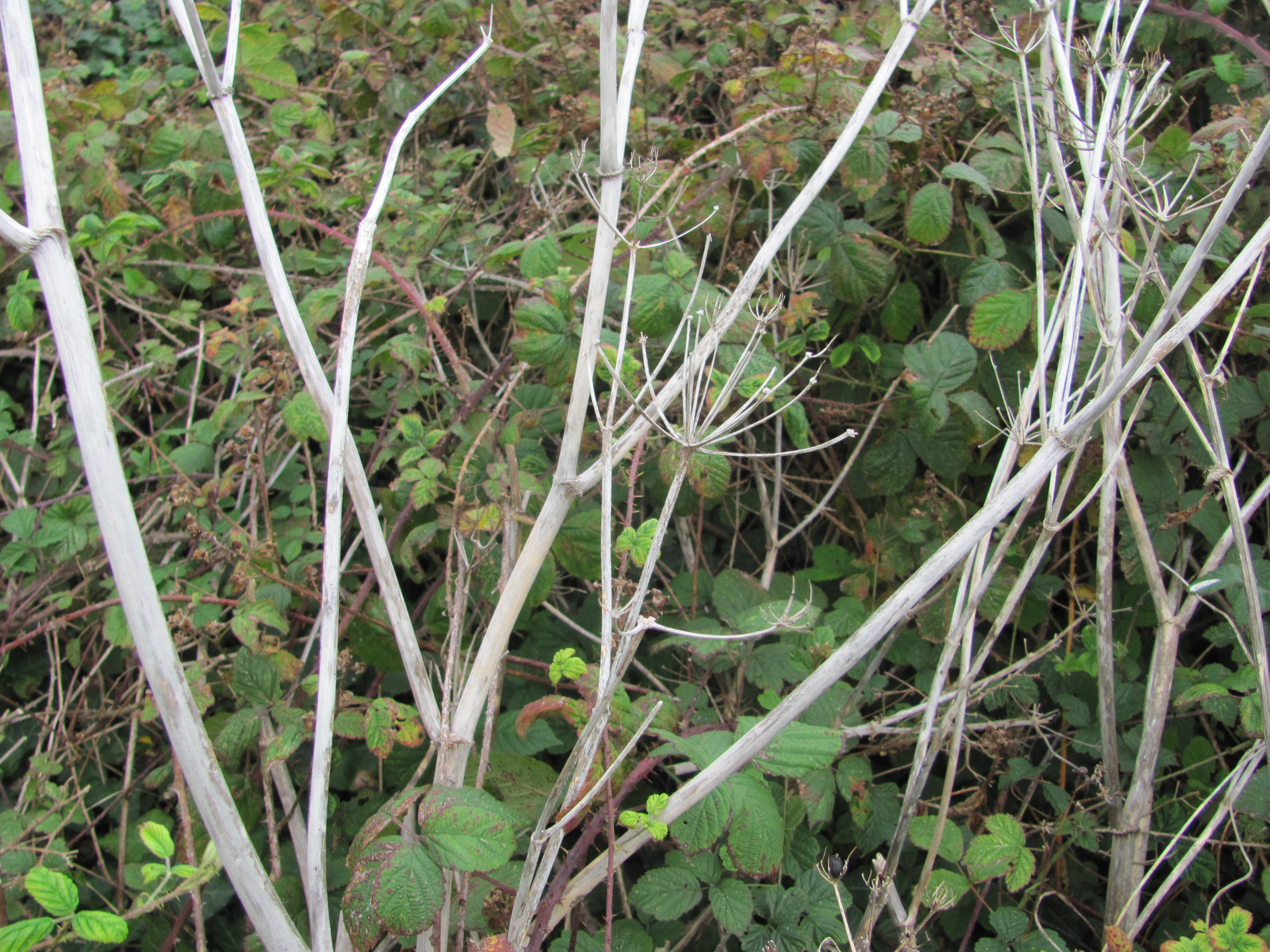
Along the path we found interesting wild flowers and the dried remains of last year’s flowers stiffly standing among them. The first clump of photos show a beautiful blue leaved grass which is grown to bind the sand of the dunes to keep them from shifting. It must have an amazing network of roots working away down there.

2013 09 27_3961 2013 09 27_3939

2013 09 27_3938

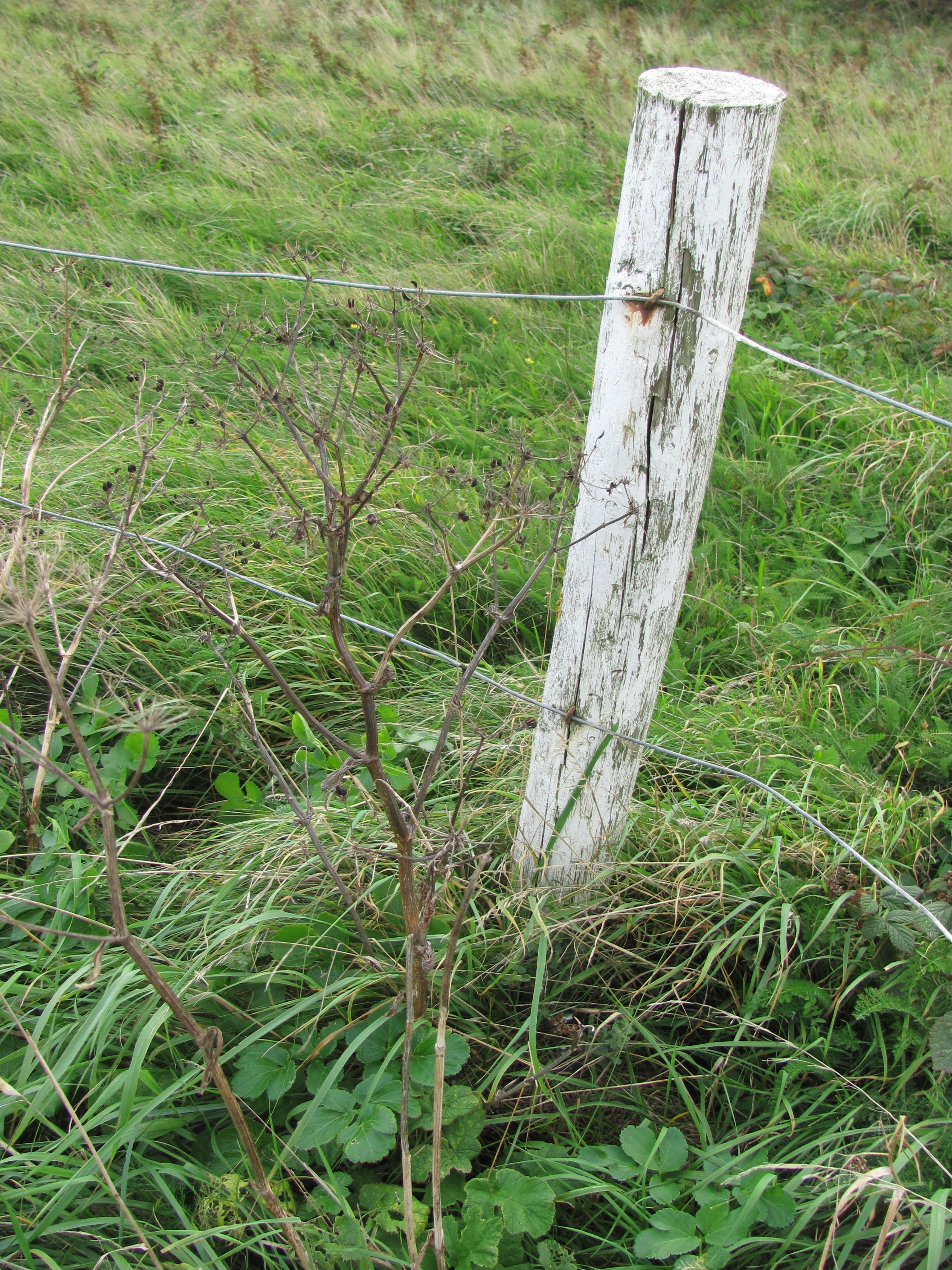
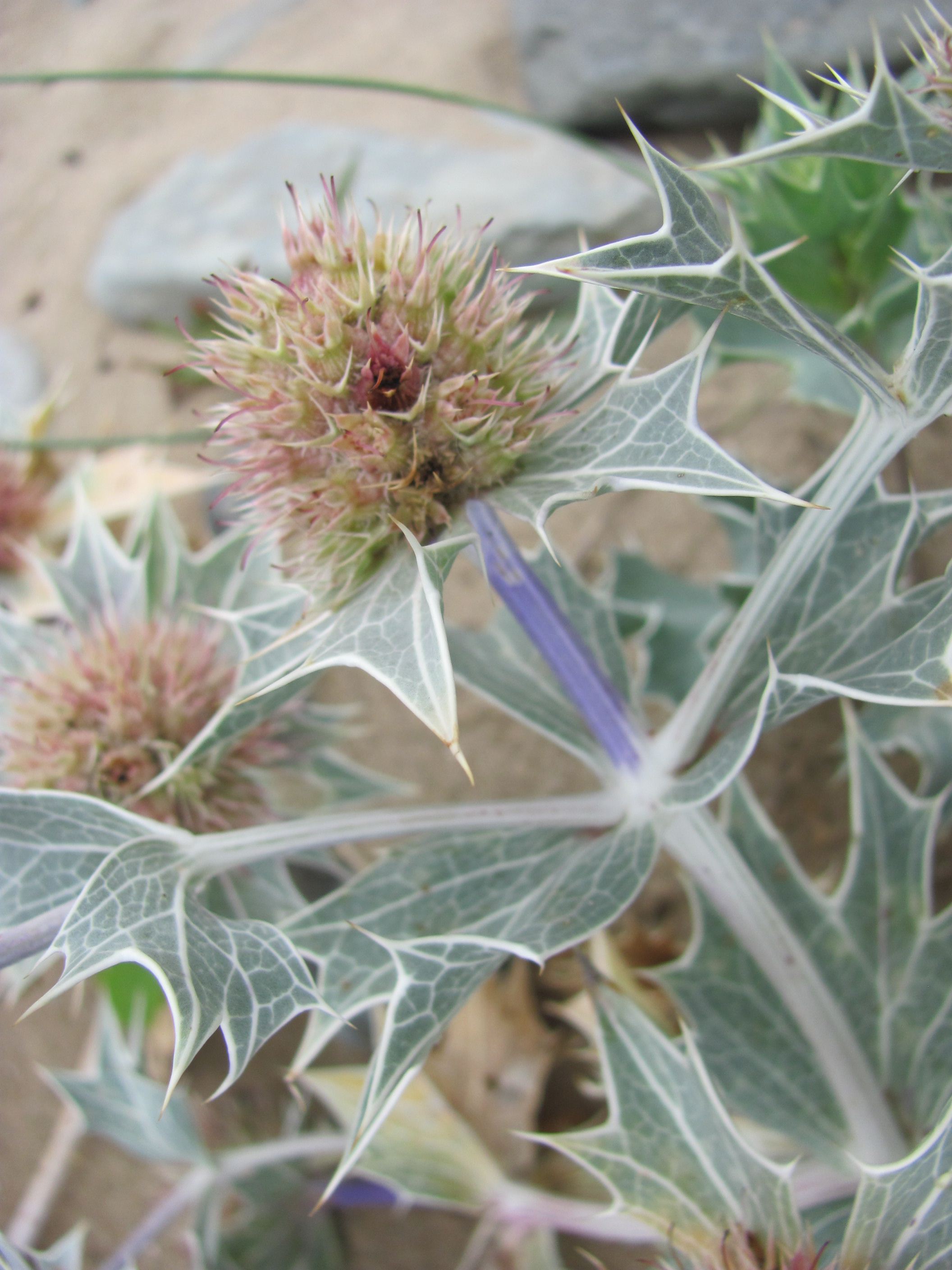
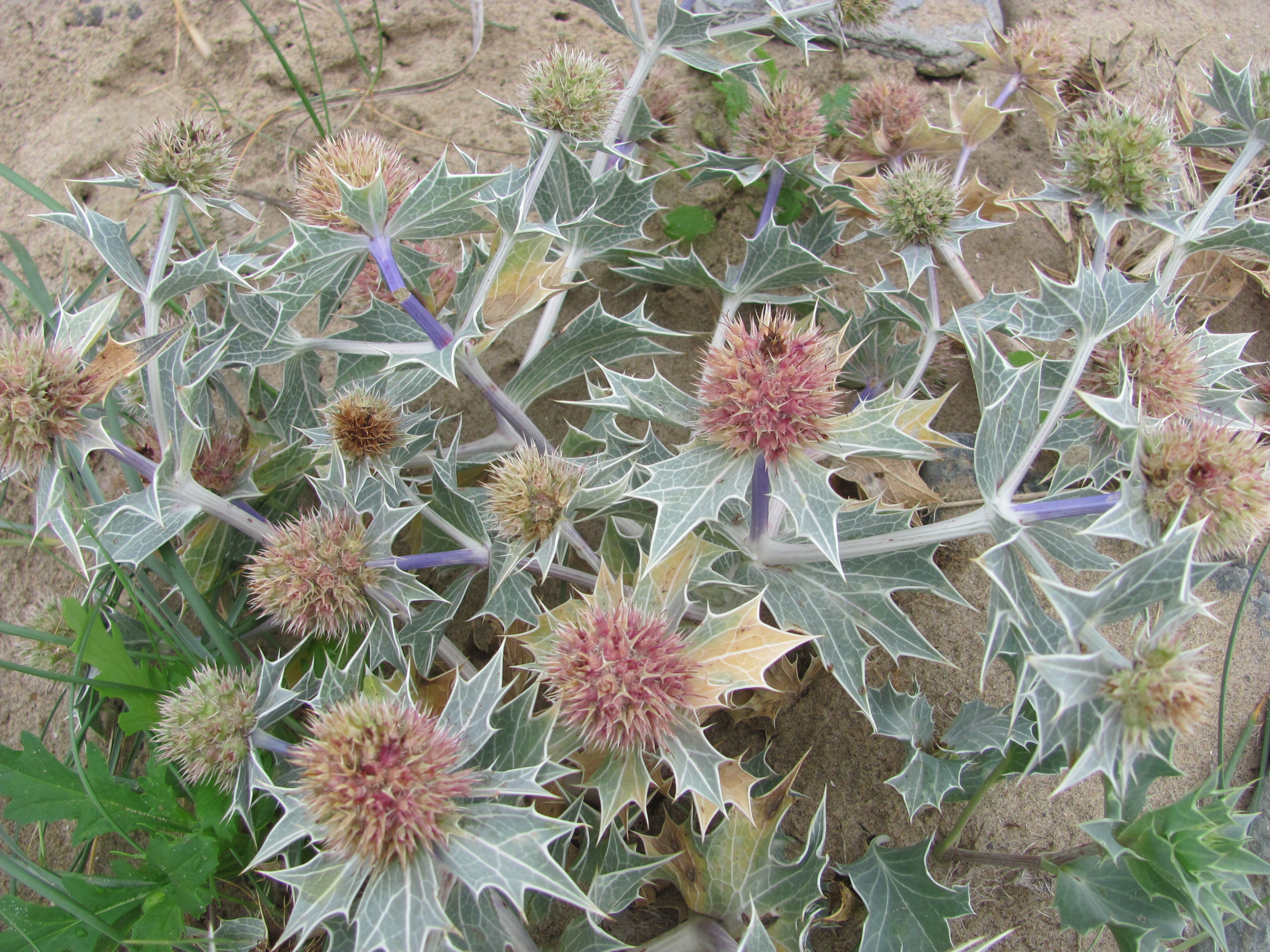
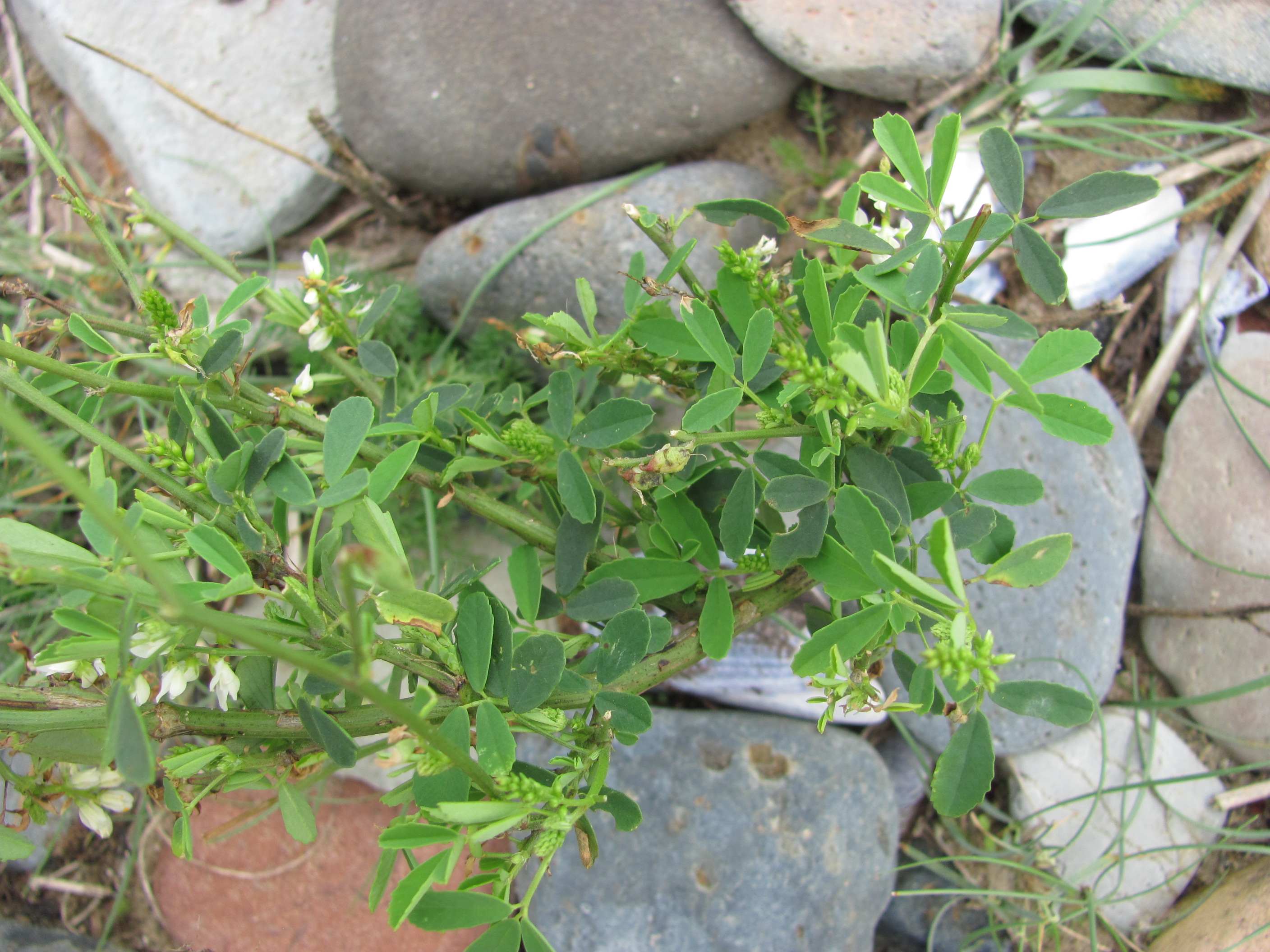
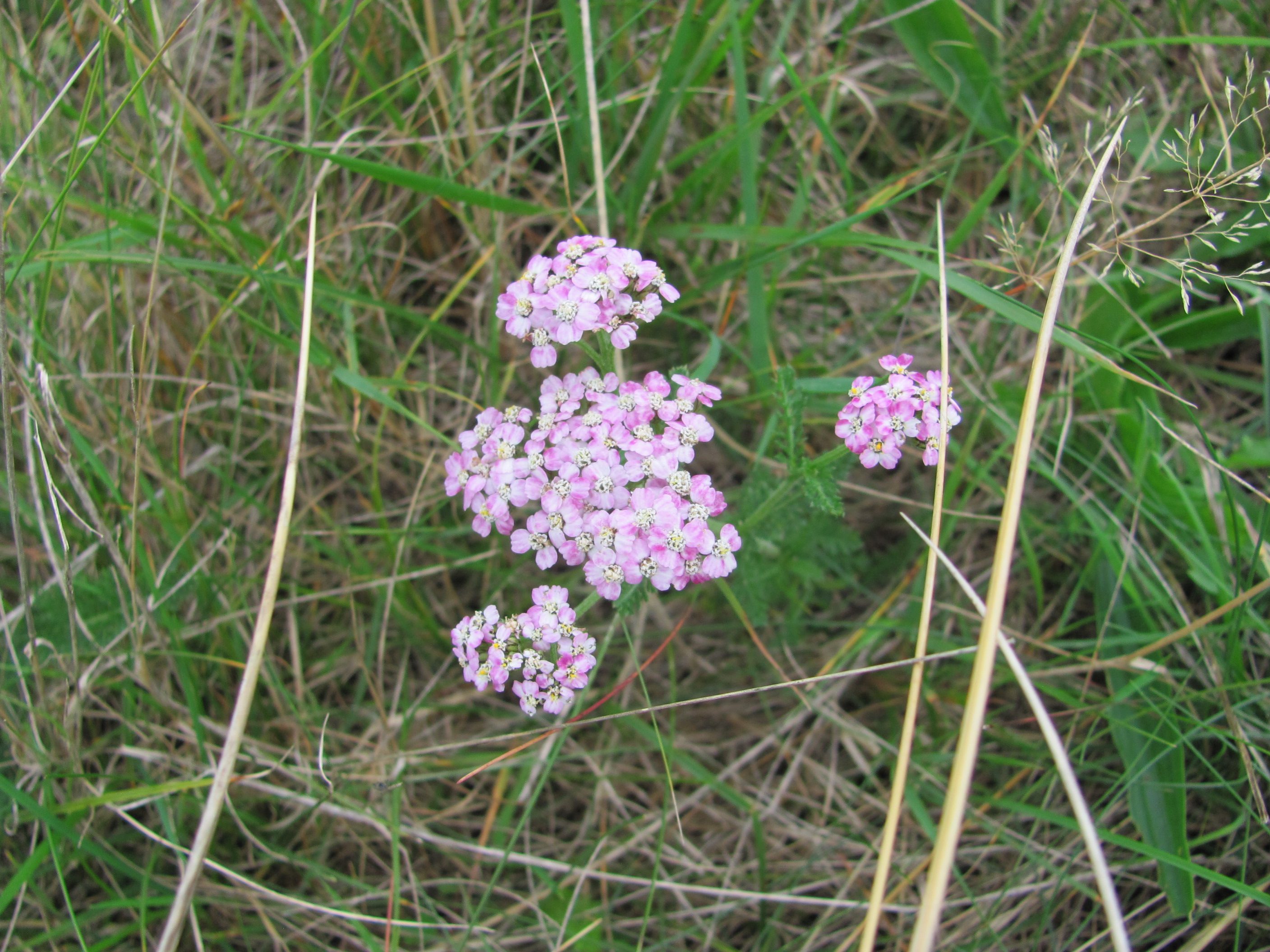
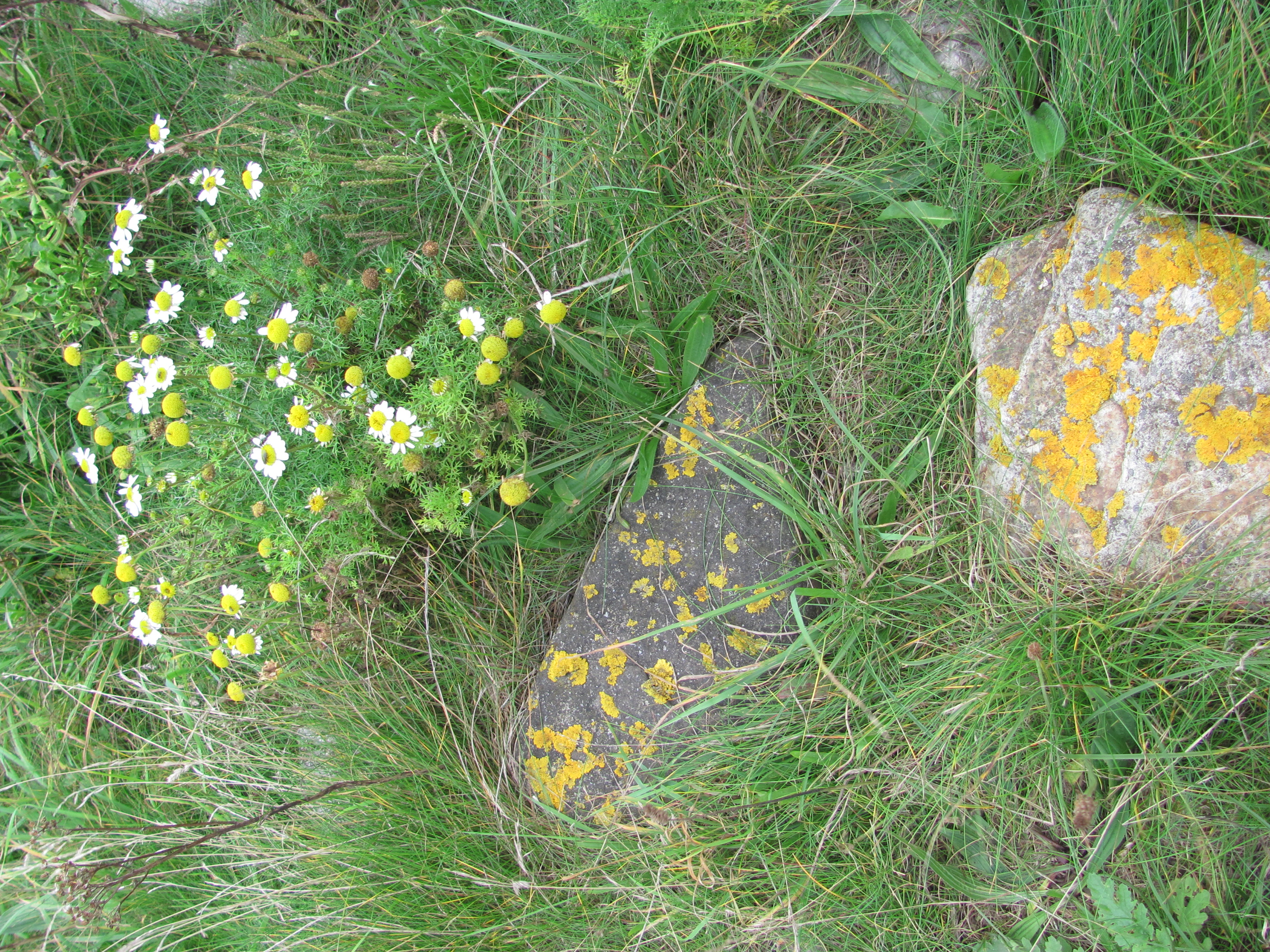
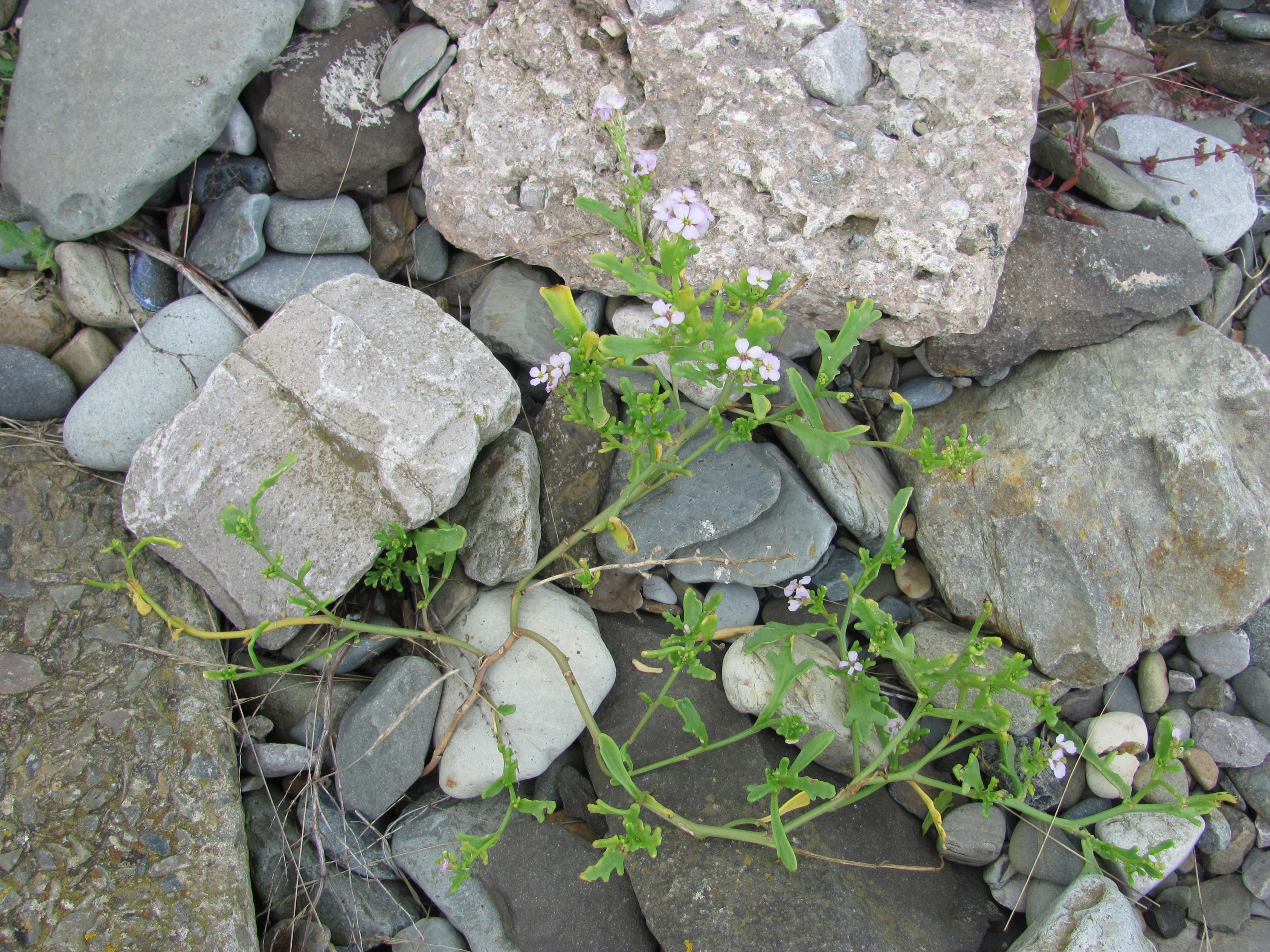
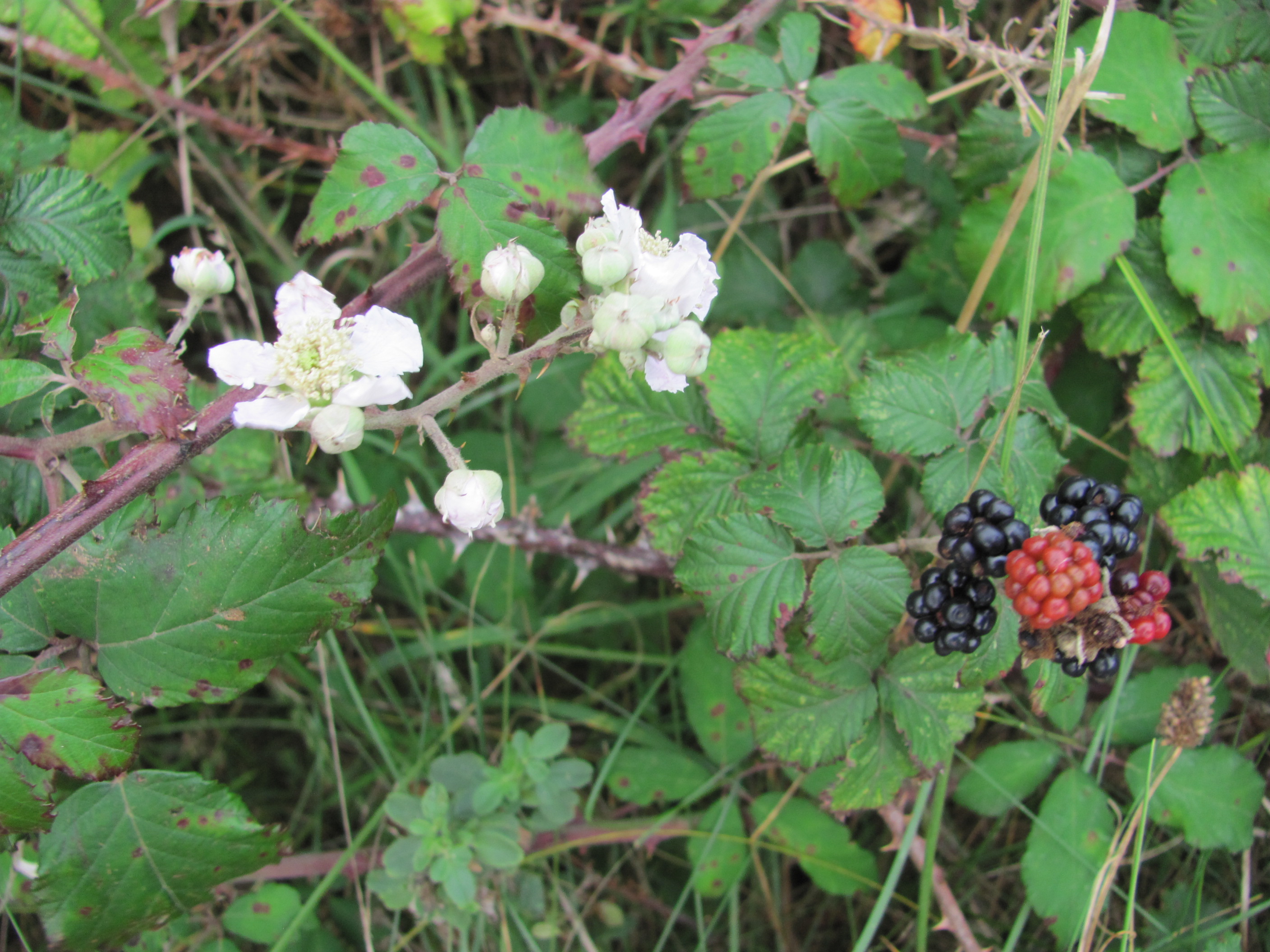
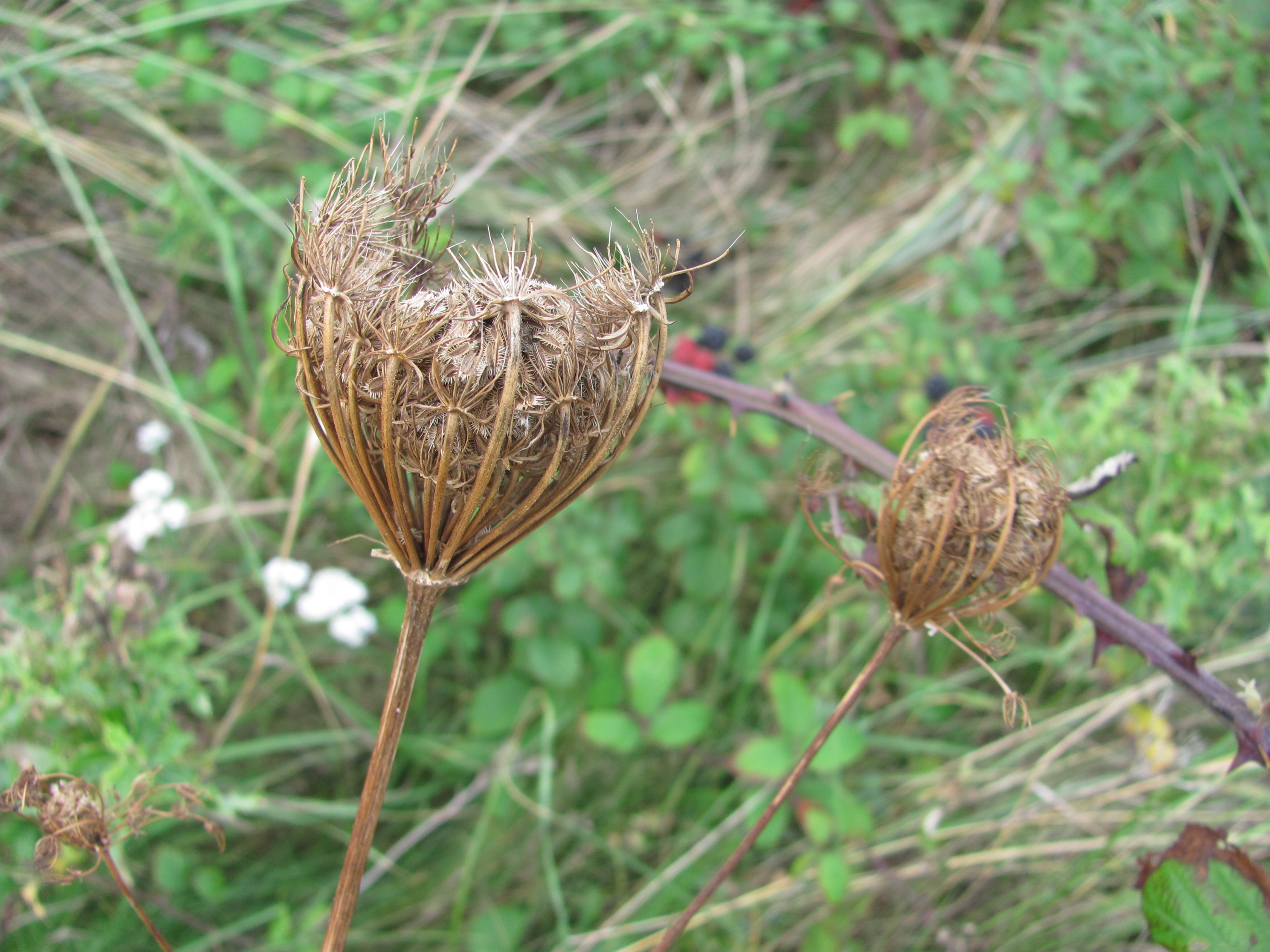
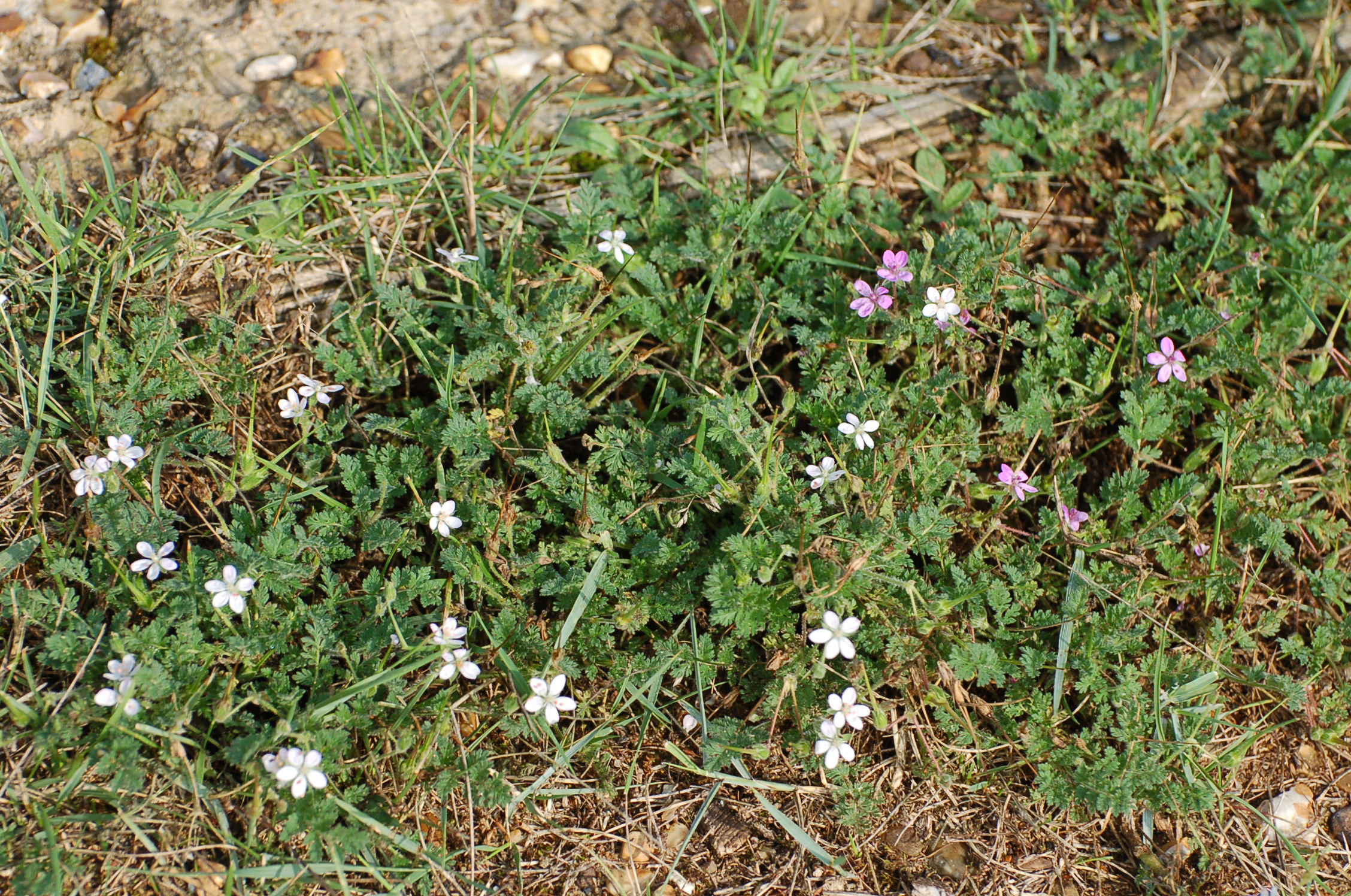
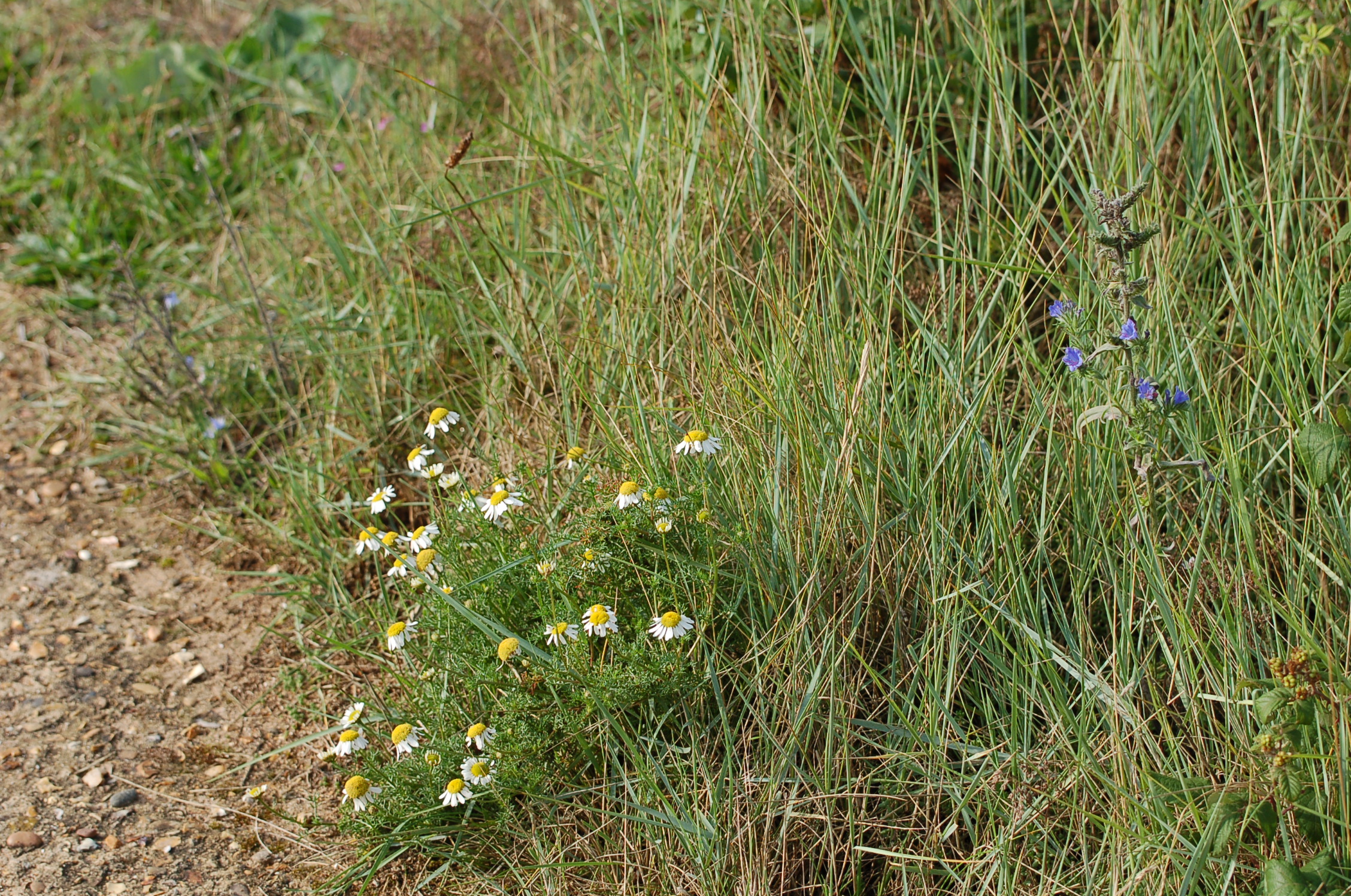
The variety of the flora here on the beach itself, on the strandline, the dunes and the pathway alongside illustrates just how effective a narrow strip of land can be as a really good little nature reserve. Butterflies, bees, insects, invertebrates, mammals, birds and amphibians will find homes, shelter and food here. As you look at the following photos spot, in particular, the blackberries and wild carrots, relatives of our crops grown on our allotments, and wild forms of erodium, achillea and others that are the cousins of our garden plants.

2013 09 27_3959 2013 09 27_3958 2013 09 27_3957 2013 09 27_3956 2013 09 27_3955

2013 09 27_3943 2013 09 27_3942 2013 09 27_3941   2013 09 27_3937 2013 09 27_3935 2013 09 27_3933 2013 09 27_3932 2013 09 27_3929 2013 09 27_3925 2013 09 27_3924 2013 09 27_3923  2013 09 27_3921 2013 09 27_3920 2013 09 27_3919 2013 09 27_3918 2013 09 27_3917 2013 09 27_3916 2013 09 27_3914 2013 09 27_3913 2013 09 27_3912 2013 09 27_3911  2013 09 27_3909 2013 09 27_3908 2013 09 27_3907 2013 09 27_3903 2013 09 27_3901 2013 09 27_3900 2013 09 27_3899 2013 09 27_3897

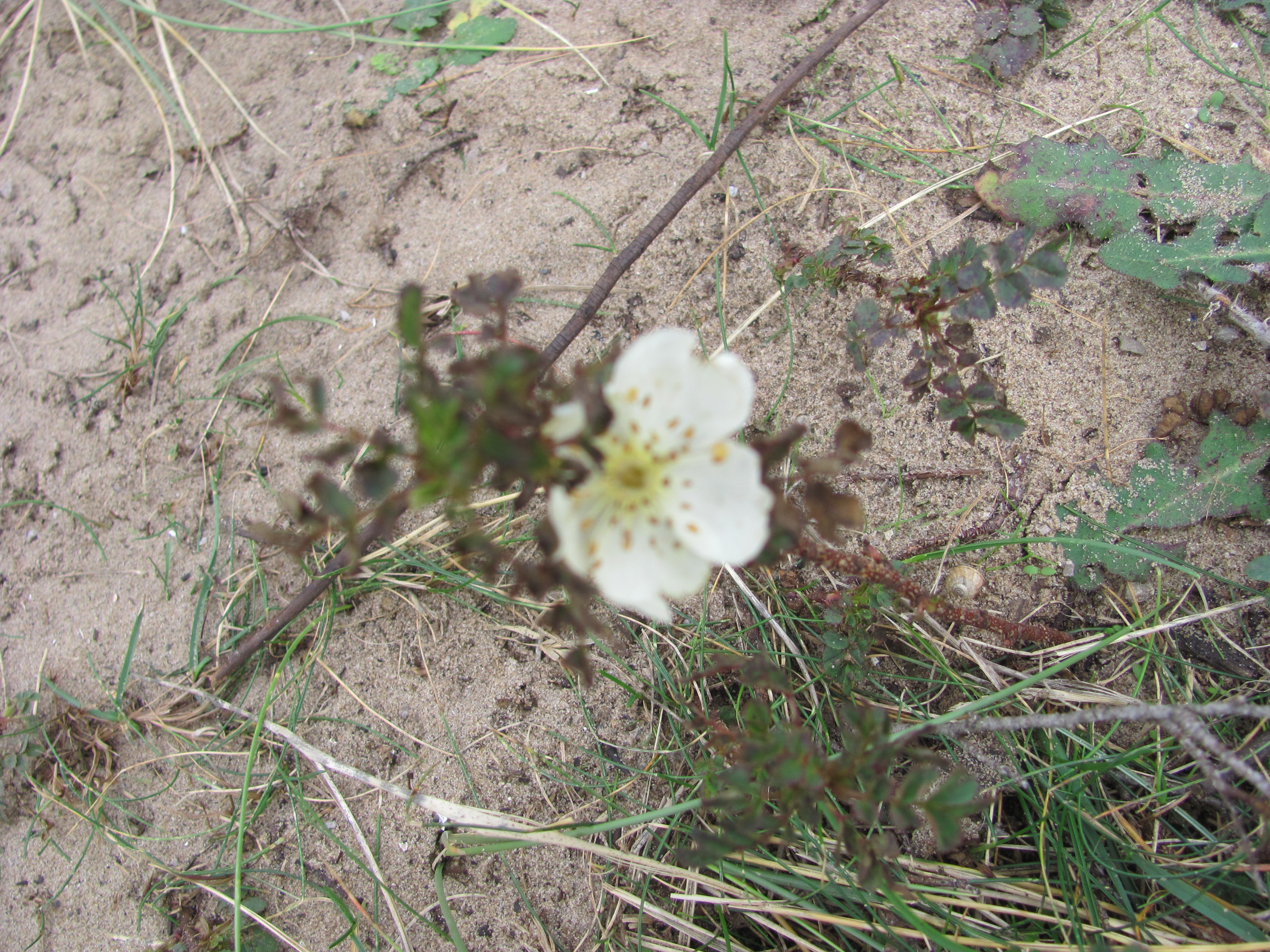
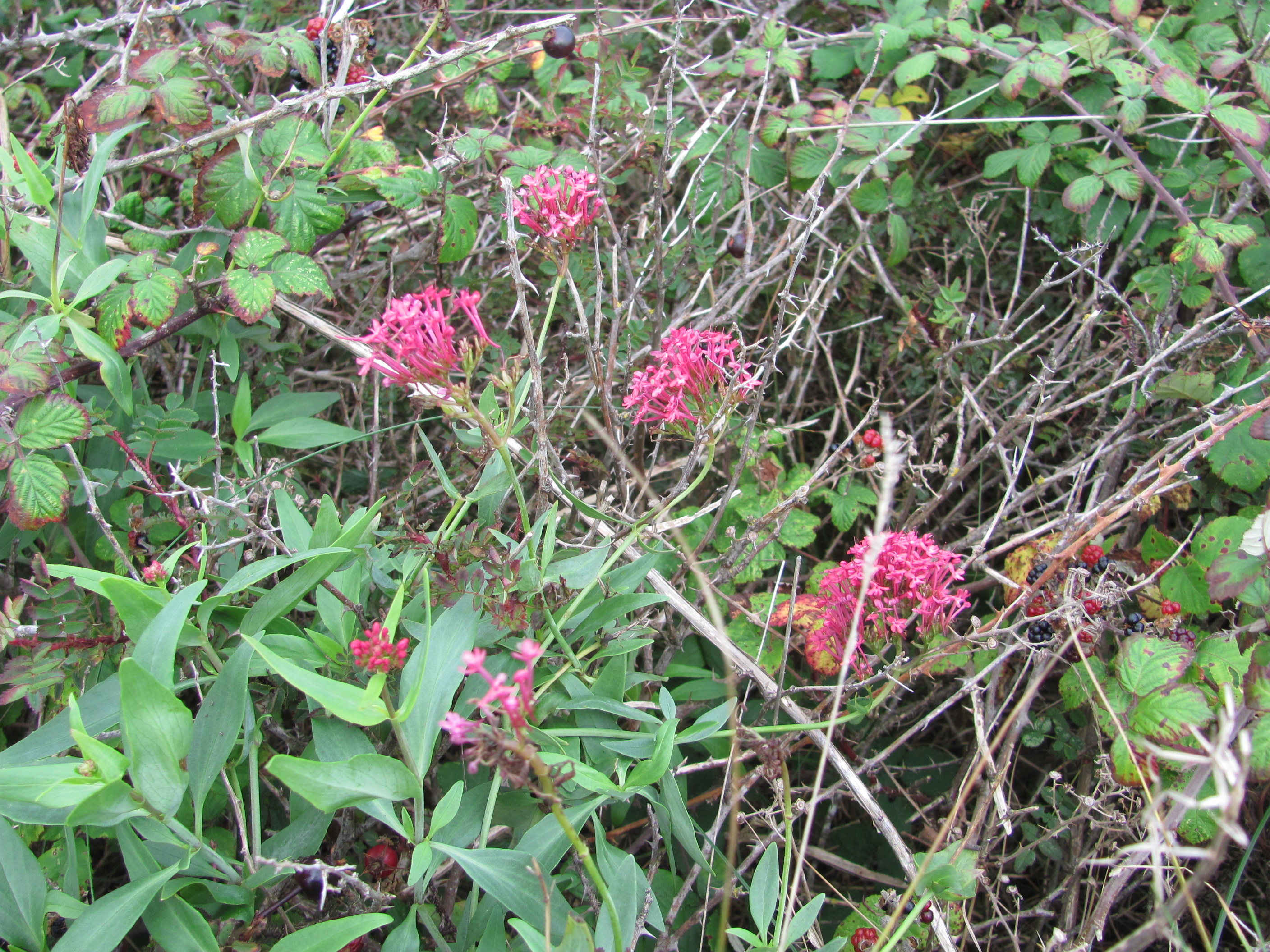
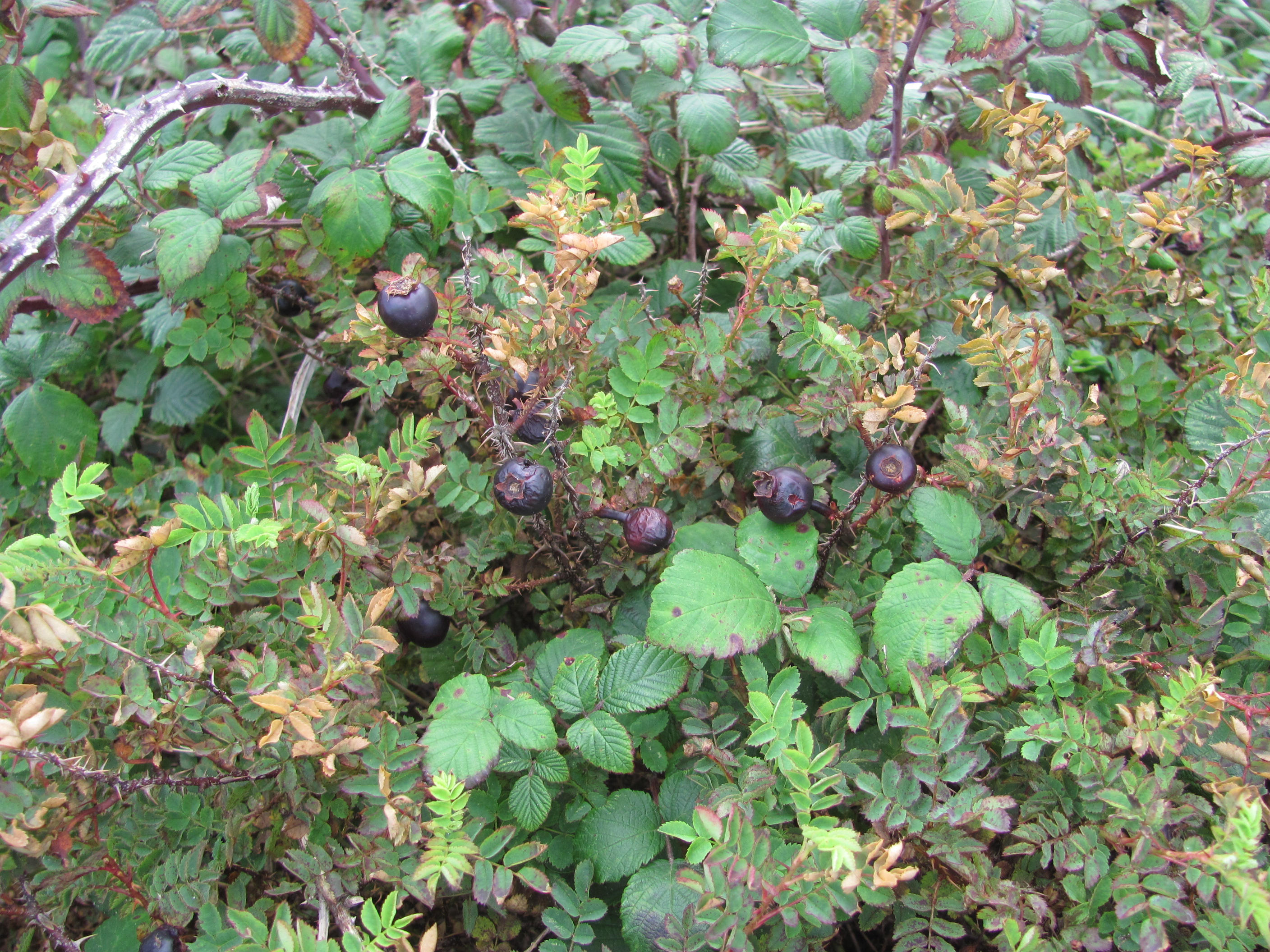
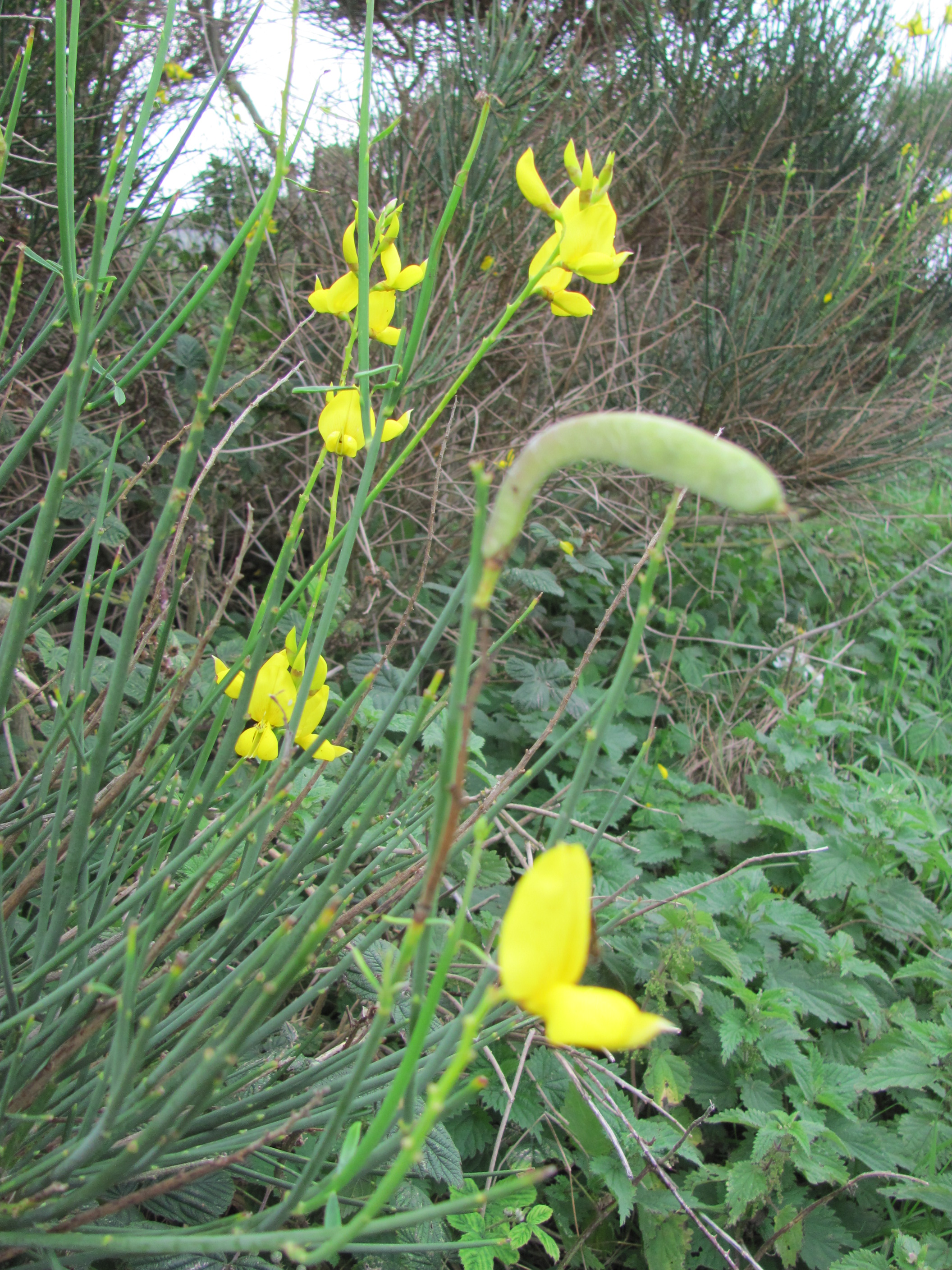
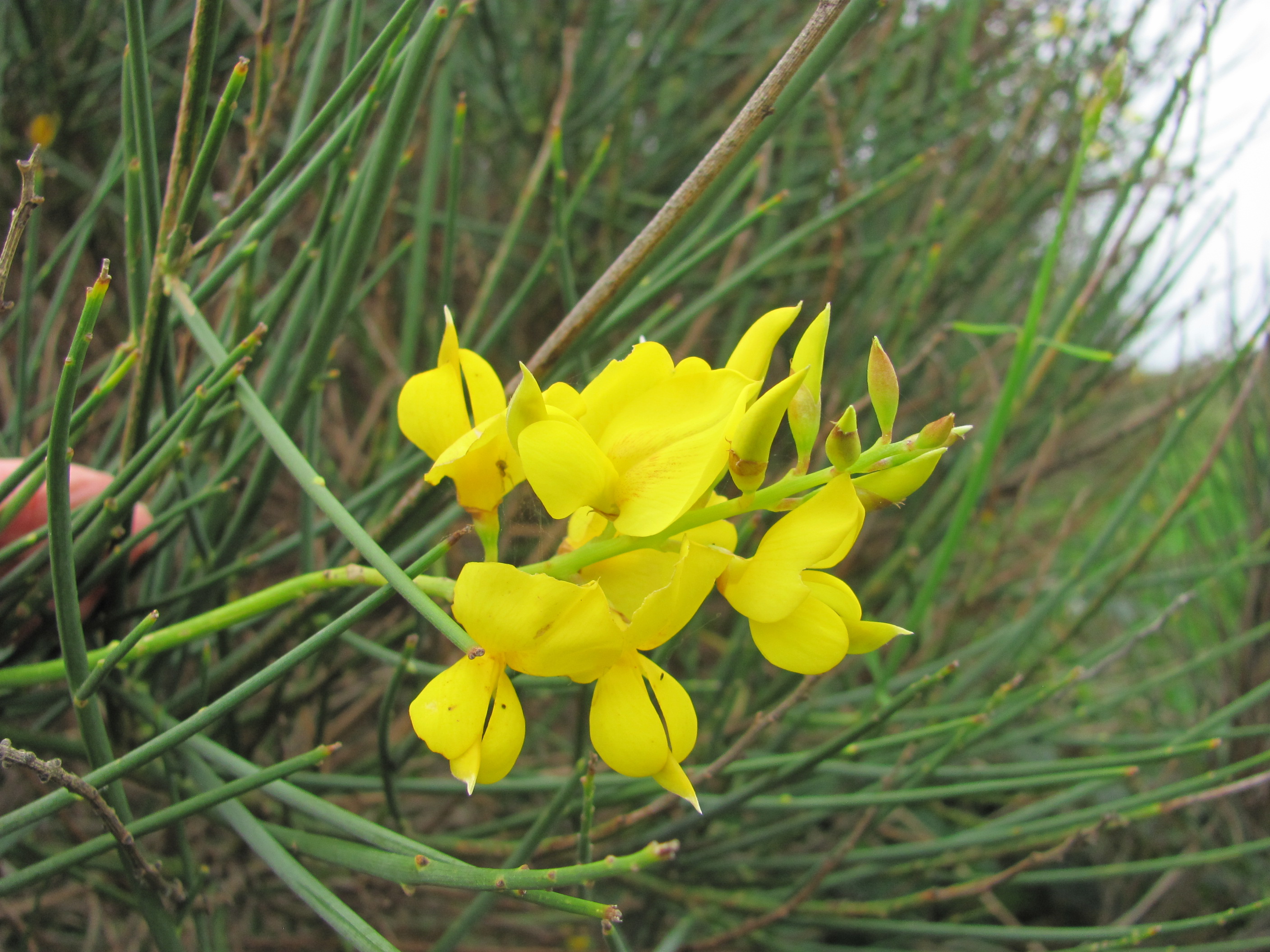
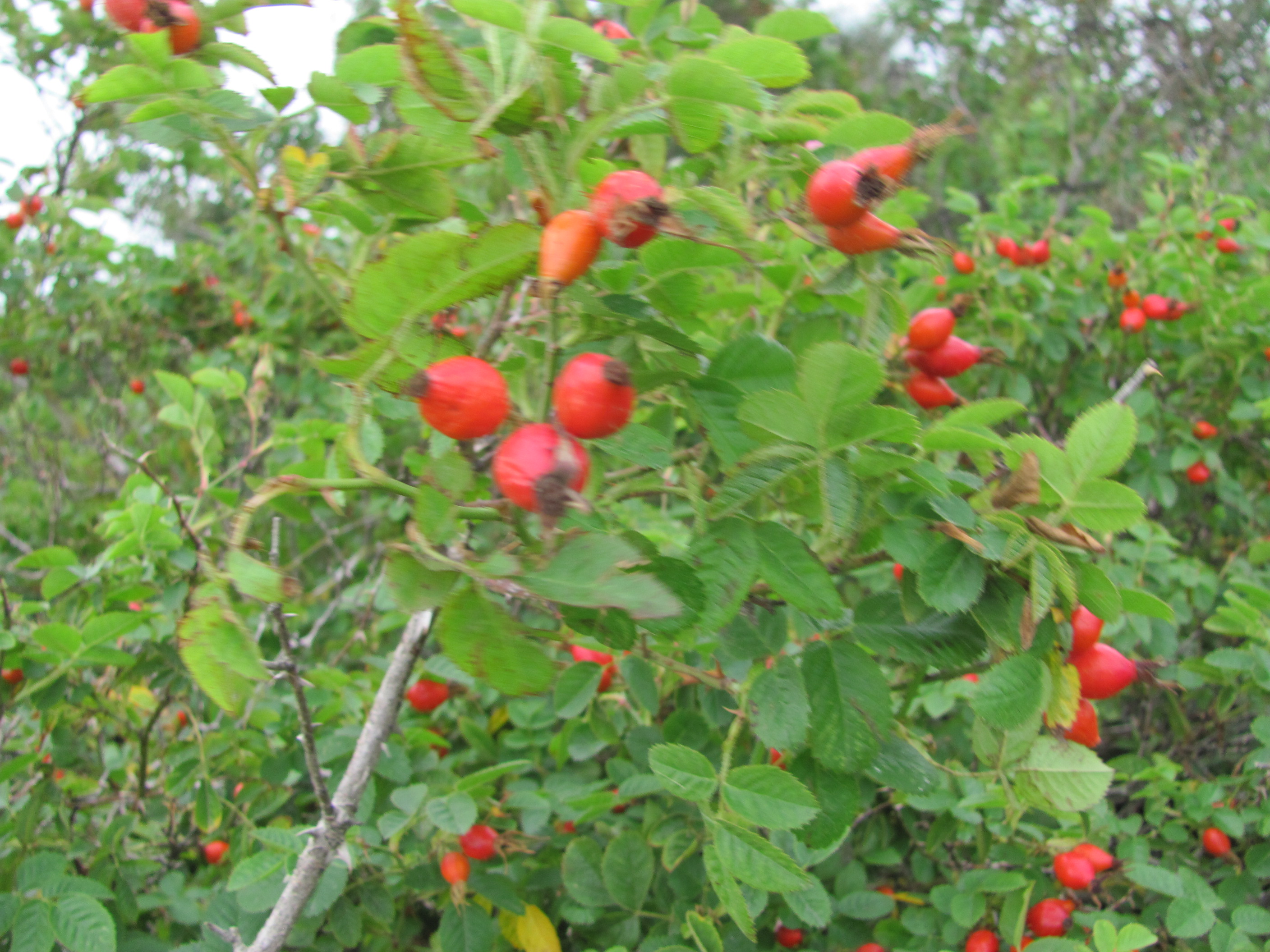
As we moved closer to the car park shrubs took over, some brightly flowered and berried, mostly rose briars and a type of broom. Their cheerful colours made a fitting end to our great day of beachcombing.

2013 09 27_3954 2013 09 27_3952

2013 09 27_3950 2013 09 27_3946

2013 09 27_3945  2013 09 27_3947 2013 09 27_3948 2013 09 27_3949

Categories
bird watching birds canals conservation countryside landscapes nature reserves Norfolk wildlife

The Wonders of Wicken

I am not a fan of flat land, I love hills and mountains and views. The fens are just too flat for me. But we discovered a wonderful wildlife reserve a few years ago run by the National Trust, Wicken Fen. We were in the area again this September so we couldn’t resist a return visit. Last time we were there it was warm but wet. This time it was cold and wet.

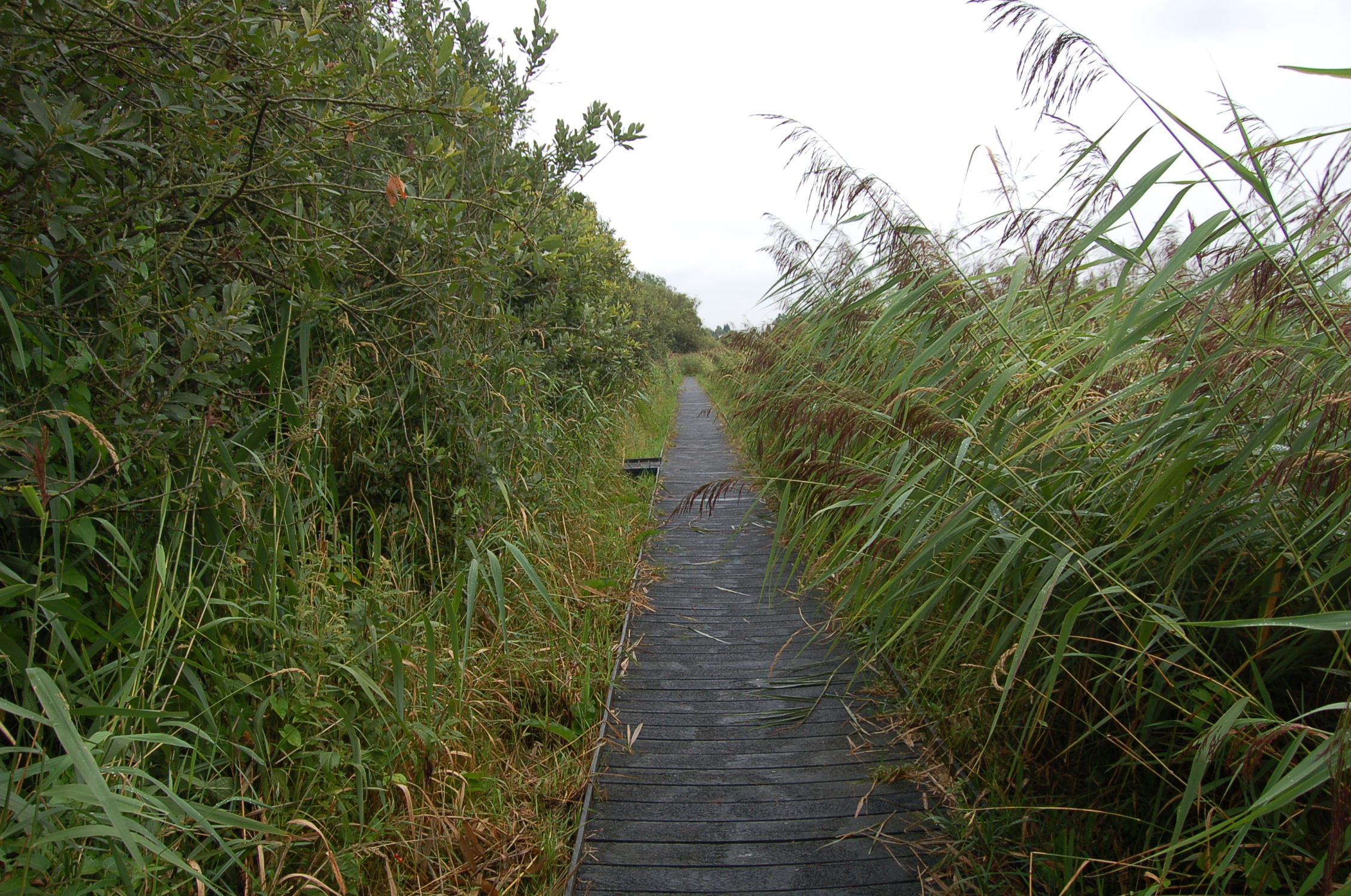
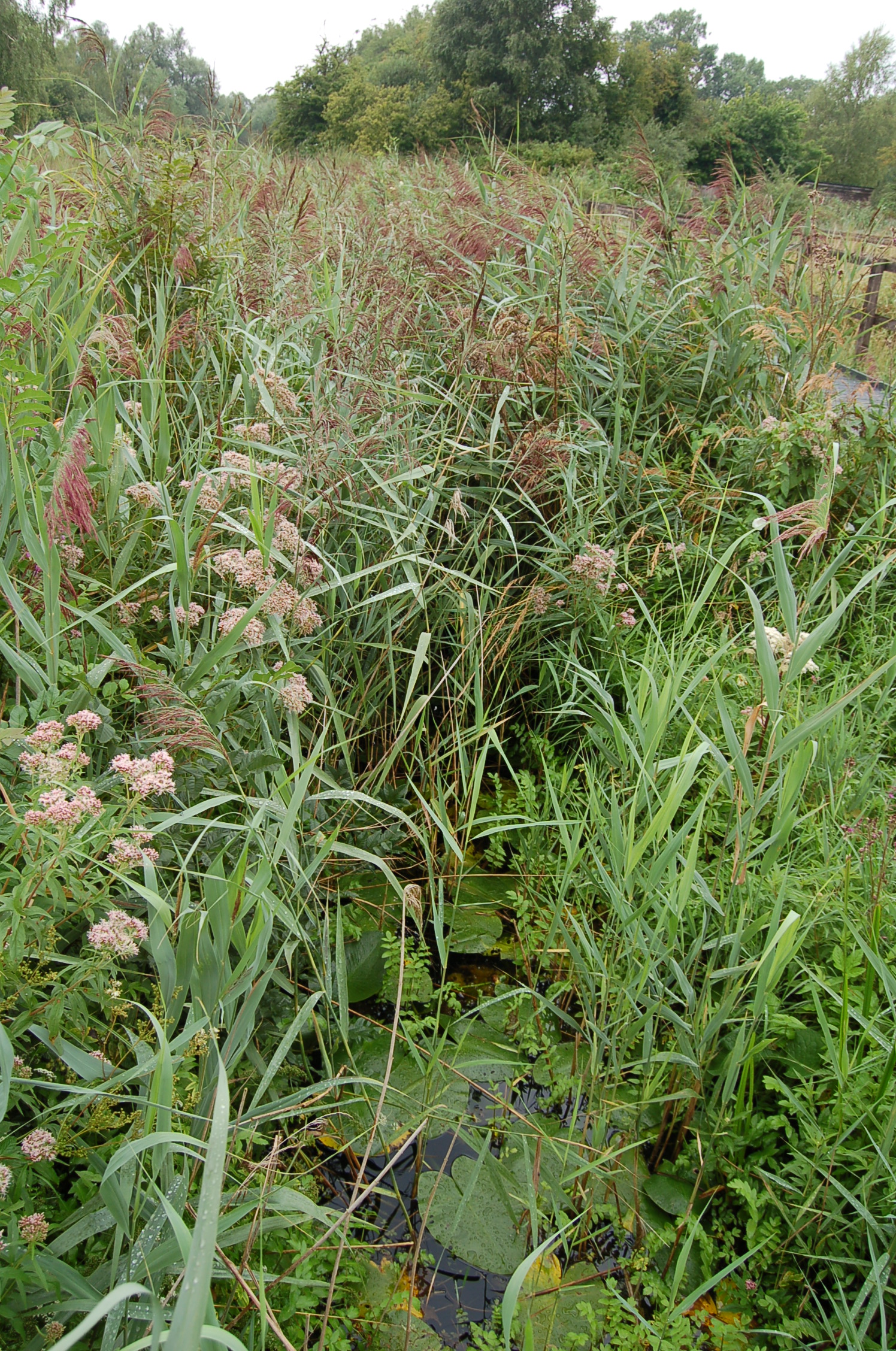
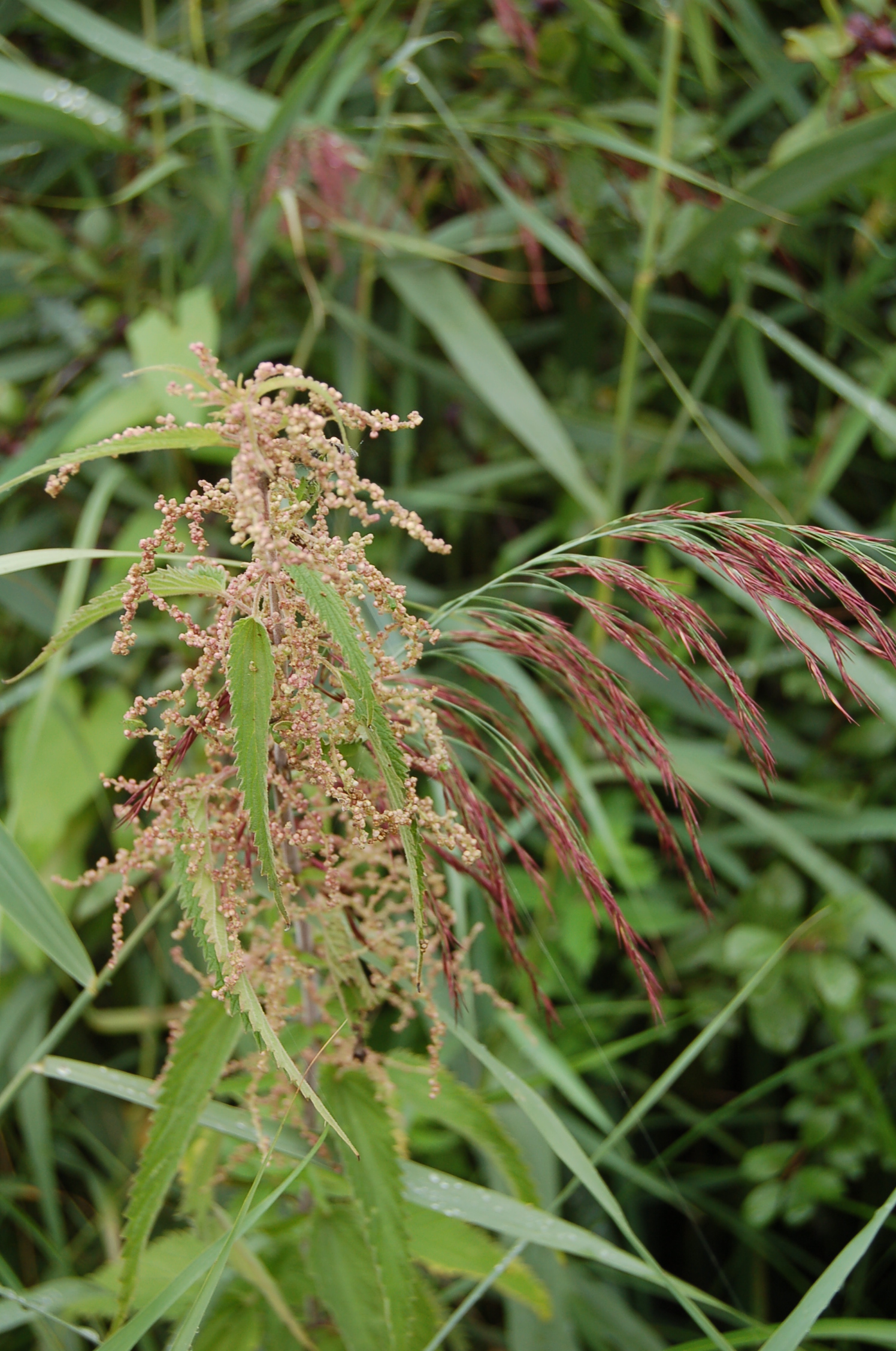
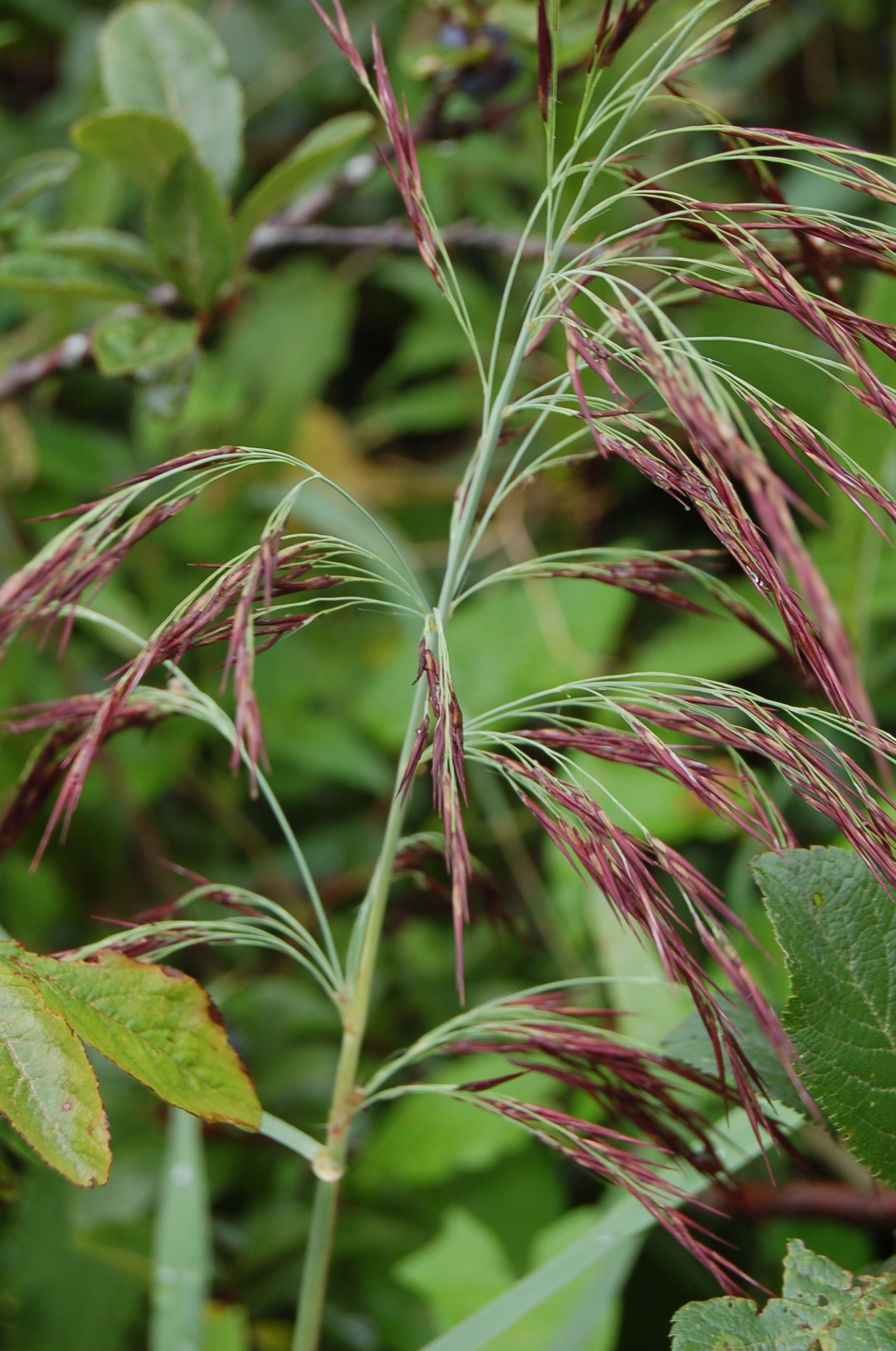
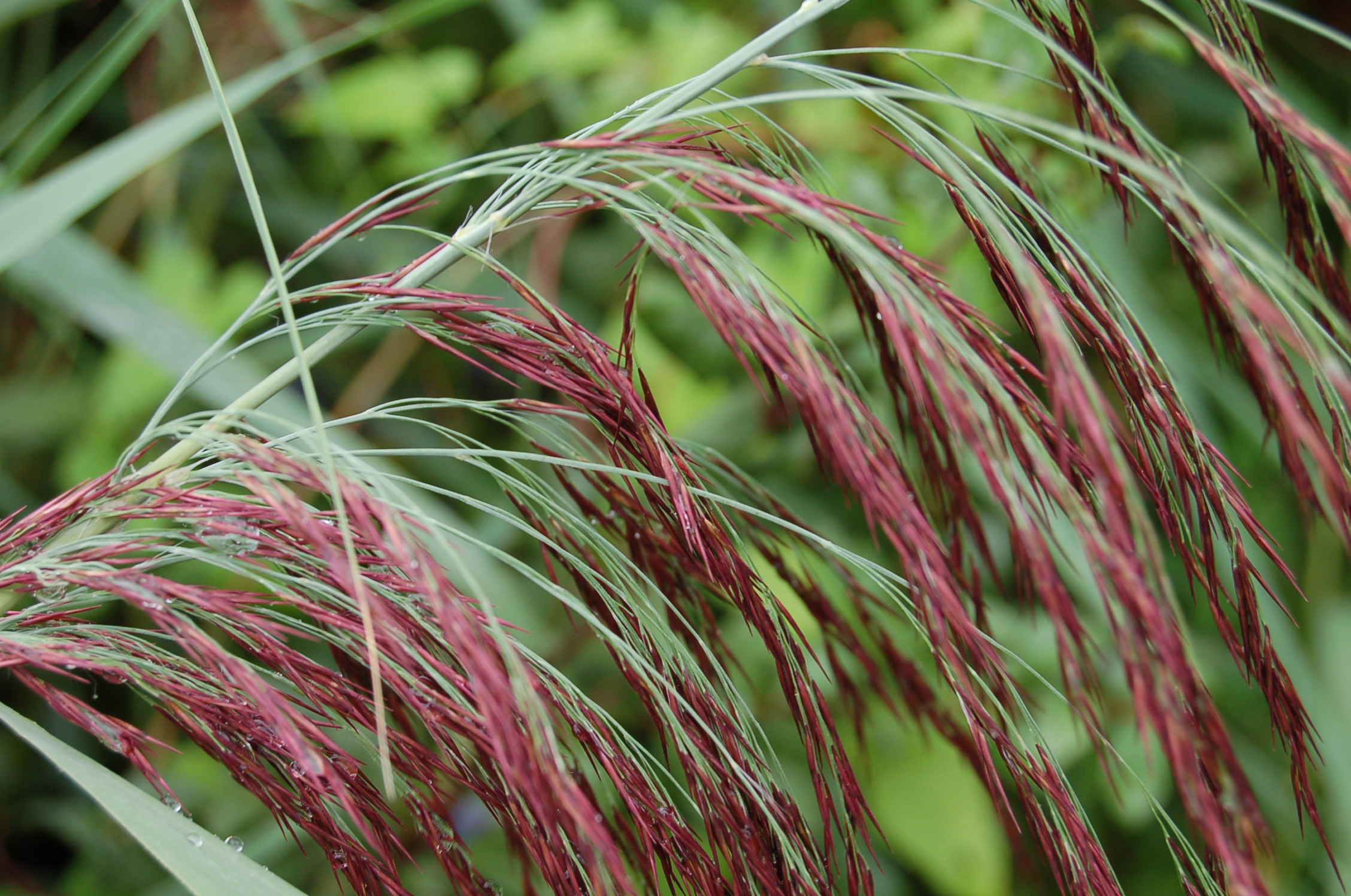
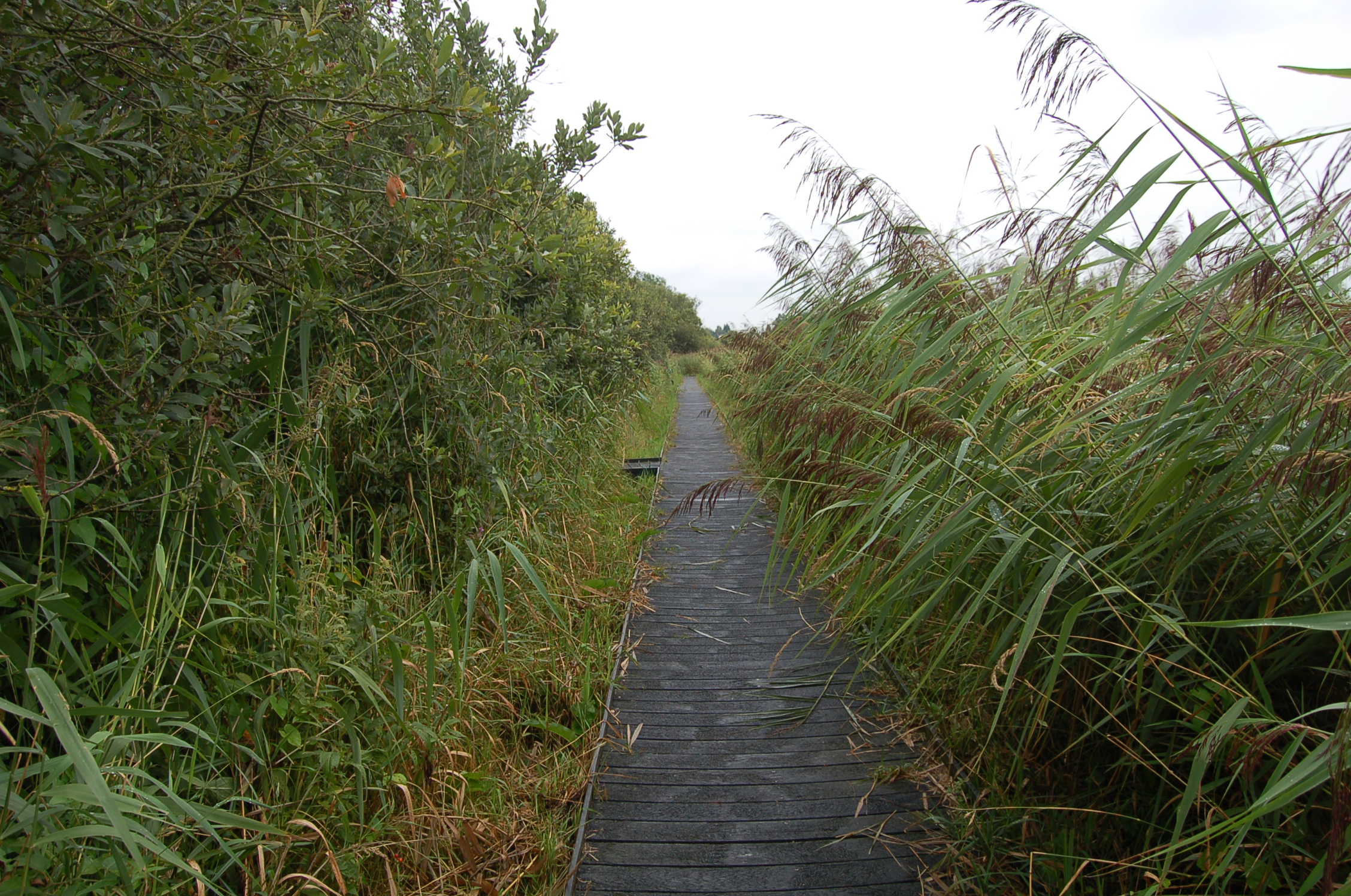
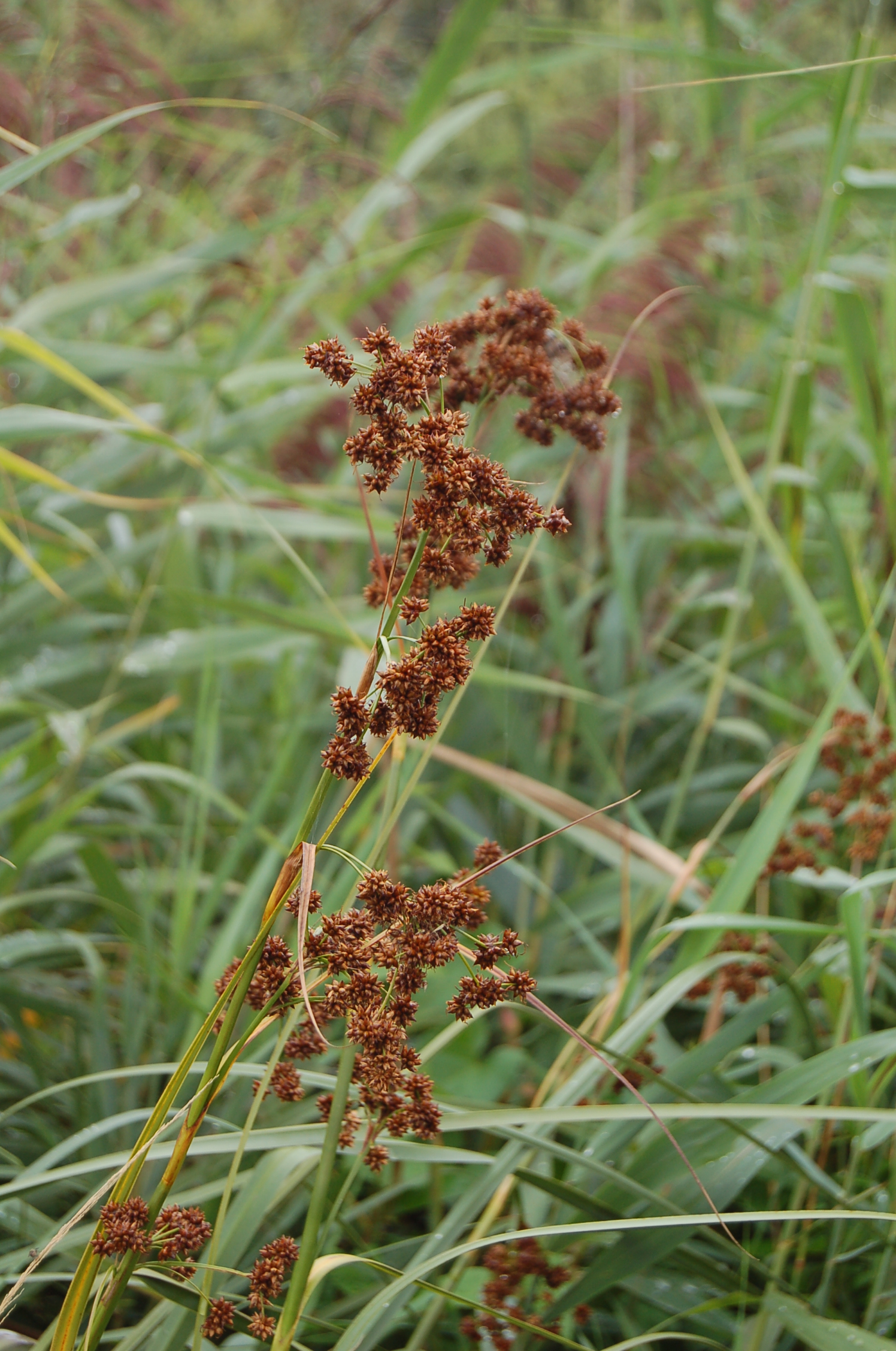
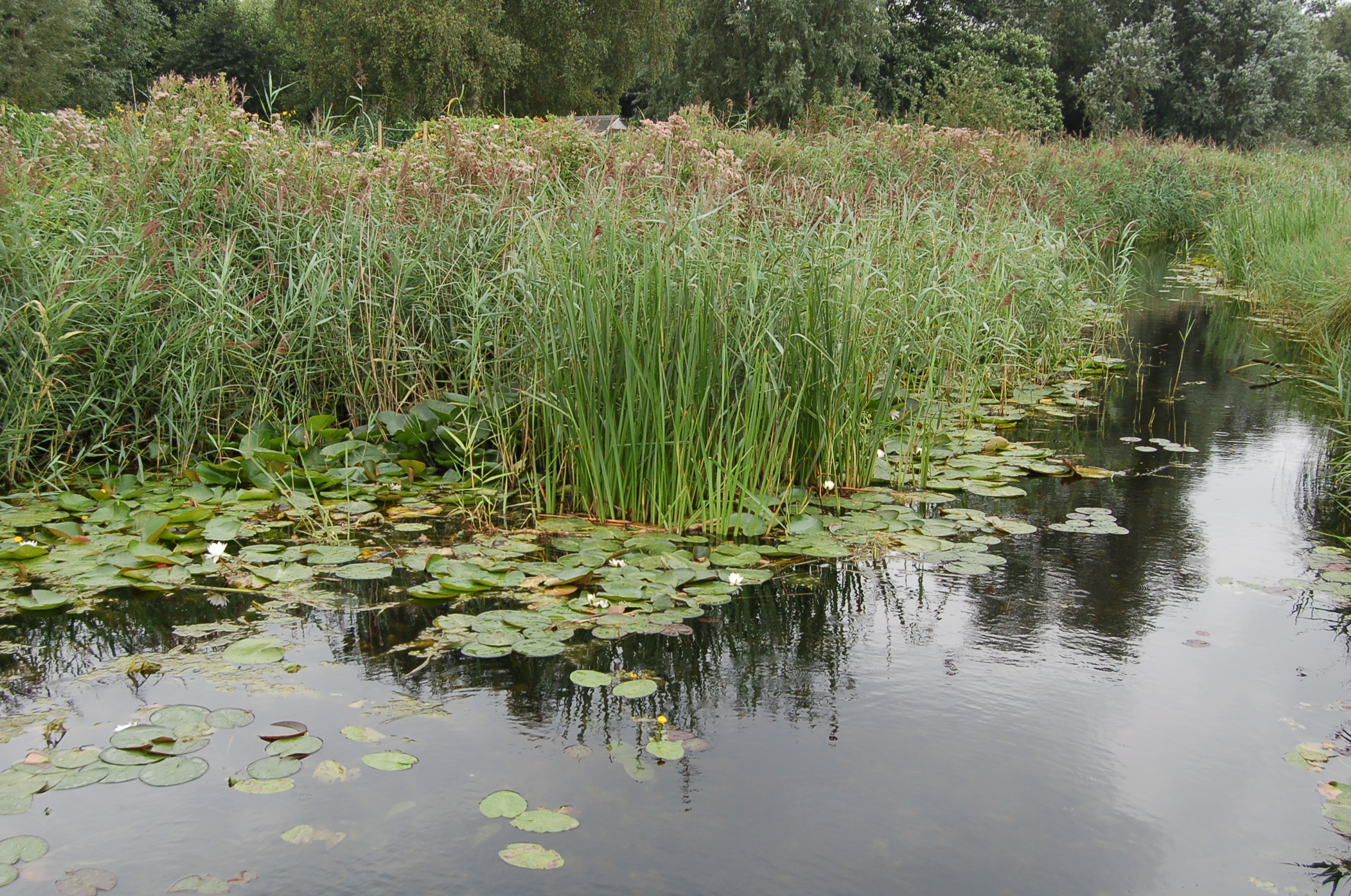
We followed the boardwalk out into the fen and were amazed by the variety of wildflowers we could spot from the walkway.

2013 08 26_3205 2013 08 26_3188

2013 08 26_3187   2013 08 26_3190 2013 08 26_3191 2013 08 26_3192 2013 08 26_3193 2013 08 26_3194 2013 08 26_3195 2013 08 26_3196 2013 08 26_3197    2013 08 26_3201 2013 08 26_3203 2013 08 26_3204

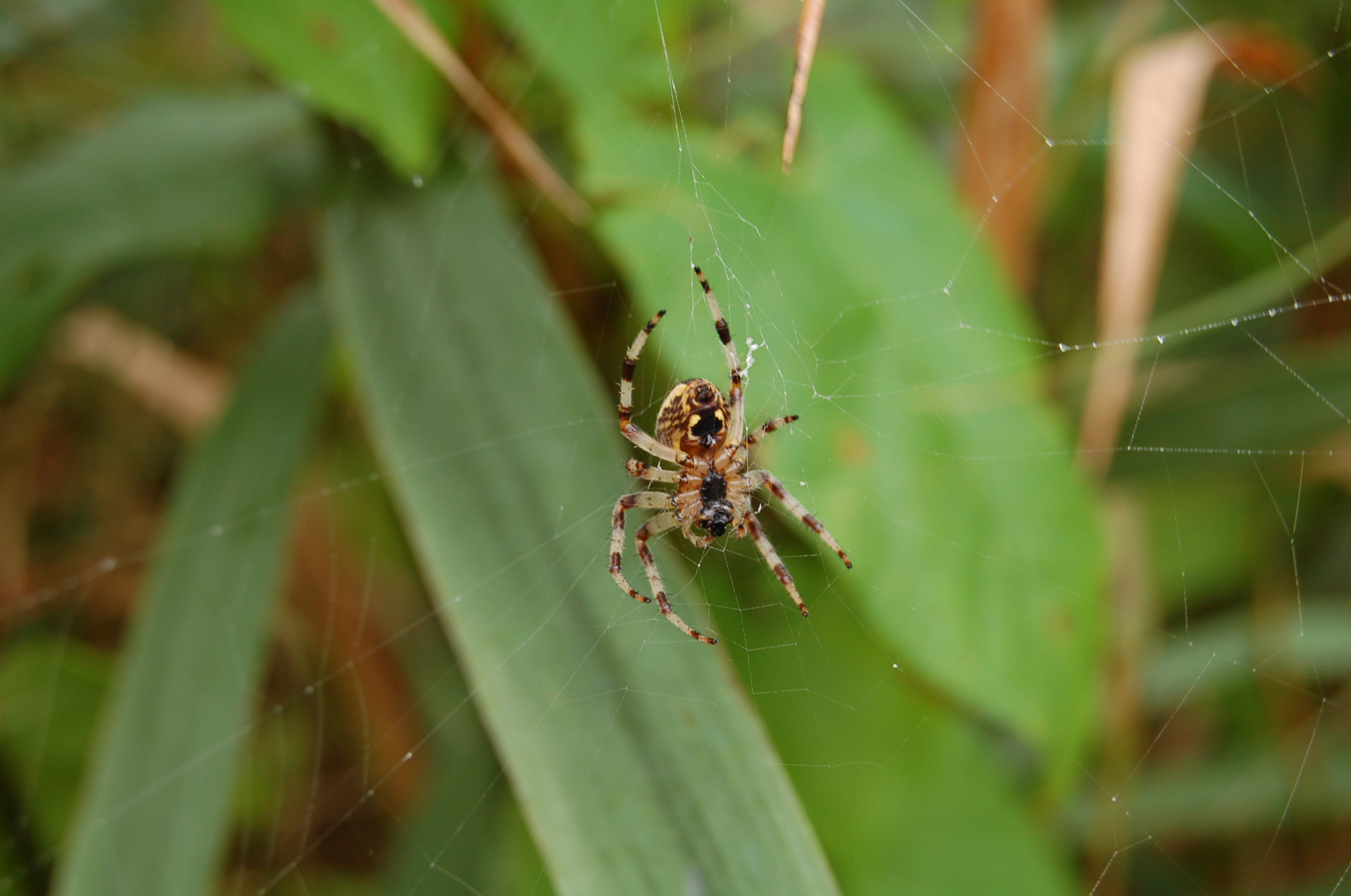
We enjoyed a few moments watching this spider attempting to build its web in the wet weather. He was most persistent and crafted a fine web.

2013 08 26_3200

Stopping off for a coffee in a hide overlooking a pool with a bird feeding station close to the viewing windows gave us opportunities to watch common and less common birds busily feeding. Tree Sparrows were a delight to spot as they are becoming very scarce now due to habitat degradation and loss, as were a pair of Turtle Doves which are real rarities now. The biggest surprise here though was the Muntjac Deer which crept through the shrubbery knocked the feeders with its head and then ate the spilled food off the ground. It then disappeared just as quickly and quietly as it has arrived. It skulked away very quietly.

2013 08 26_3198 2013 08 26_3199

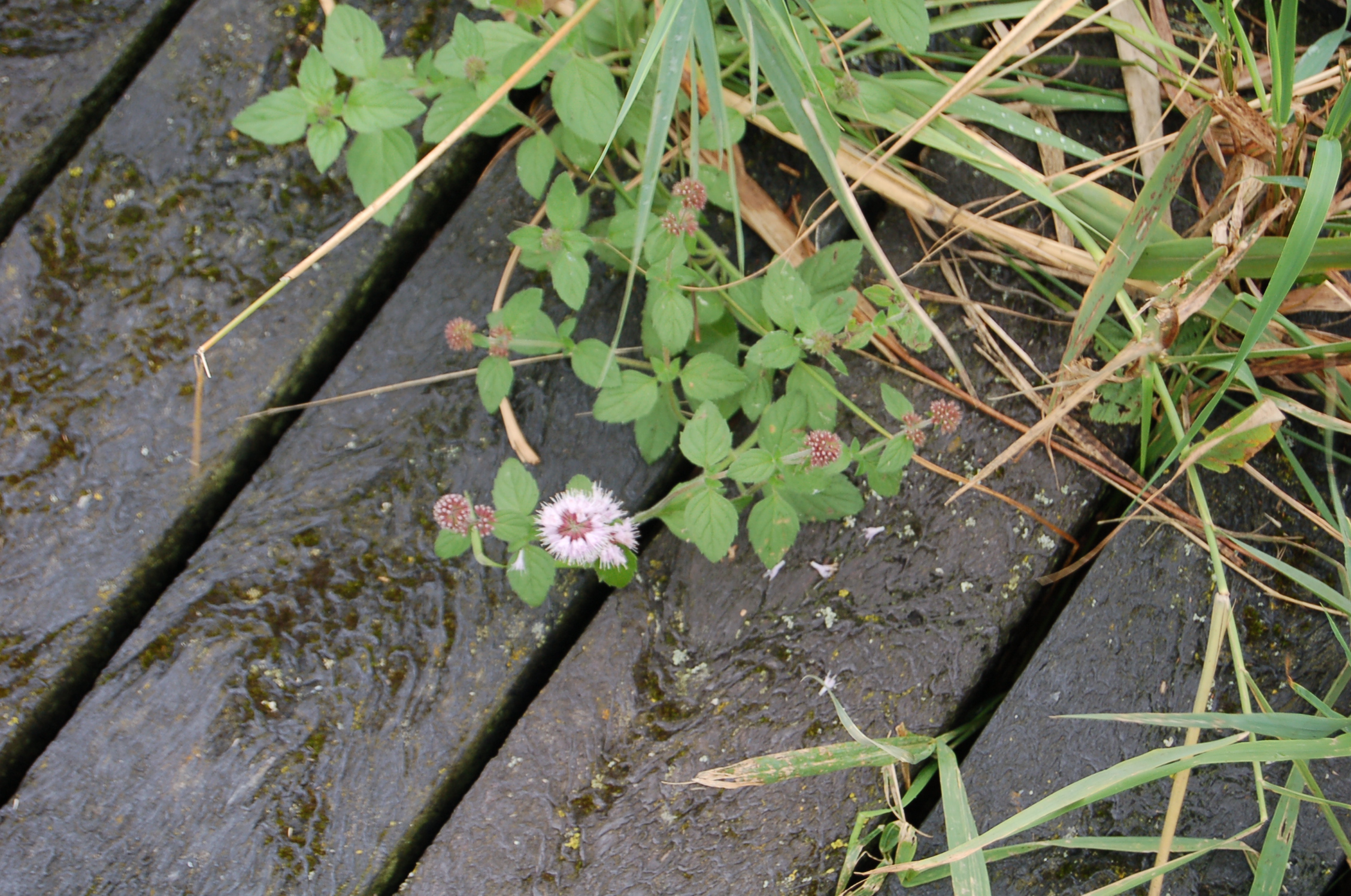
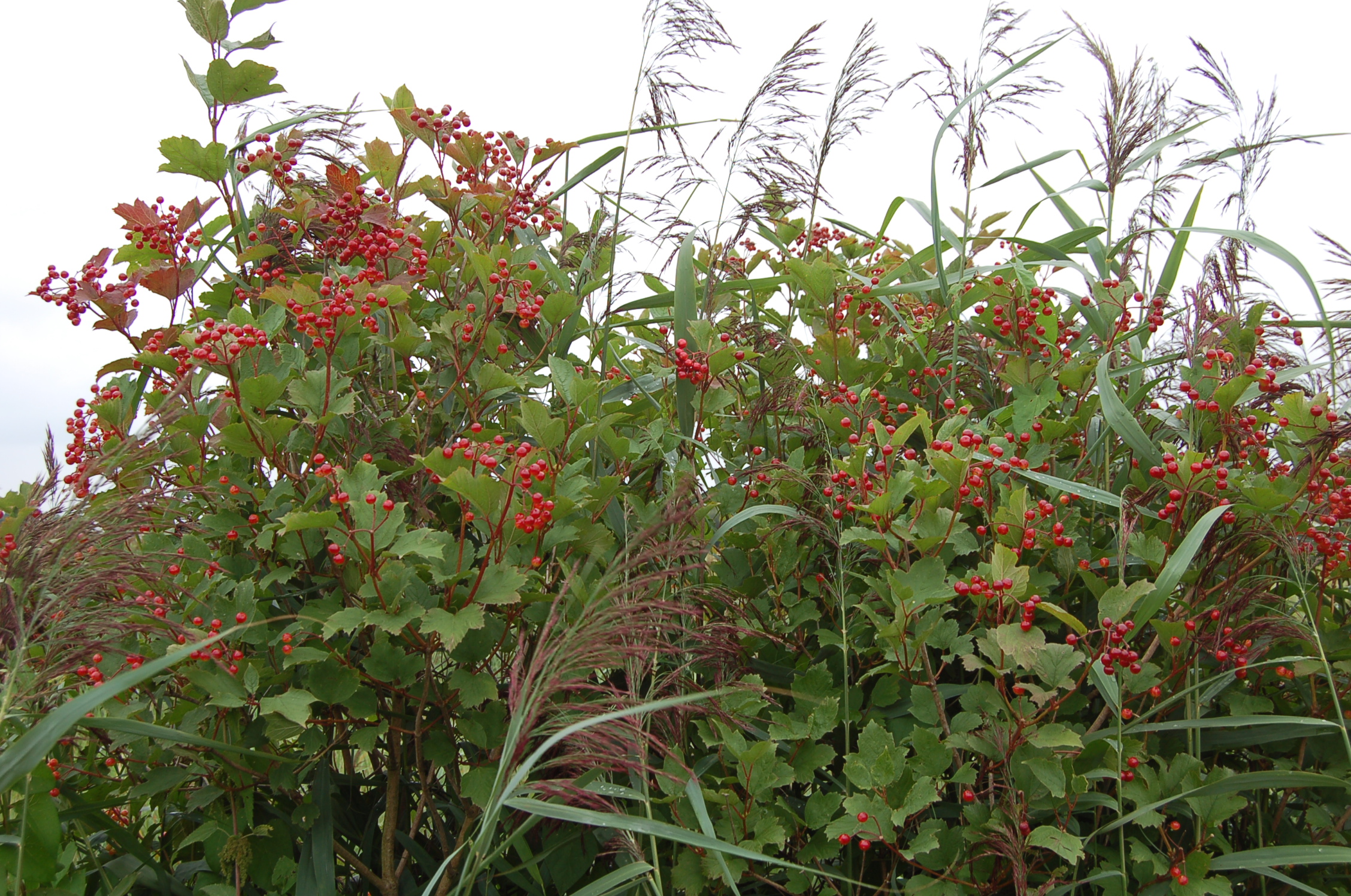
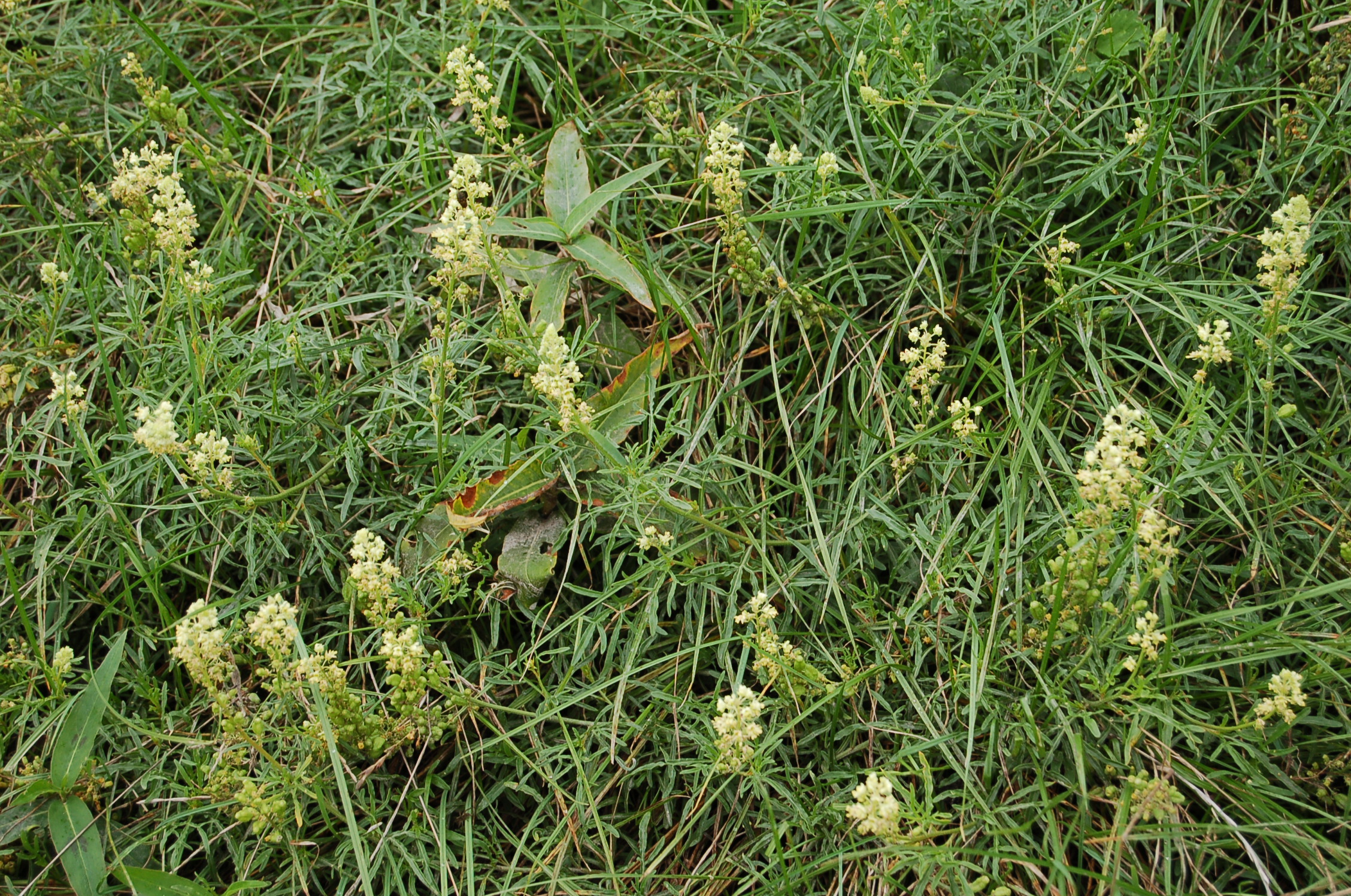
We moved on through the fens along damp pathways and boardwalks where the ground was even wetter. We enjoyed the variety of flora that need these unusual conditions to thrive. This little plant, possibly a Water Mint, crept across the boards themselves so we had to watch where we put our boots.

2013 08 26_3211

2013 08 26_3205 2013 08 26_3208

2013 08 26_3207

2013 08 26_3201 2013 08 26_3202  2013 08 26_3204 2013 08 26_3206   2013 08 26_3209 2013 08 26_3210  2013 08 26_3212

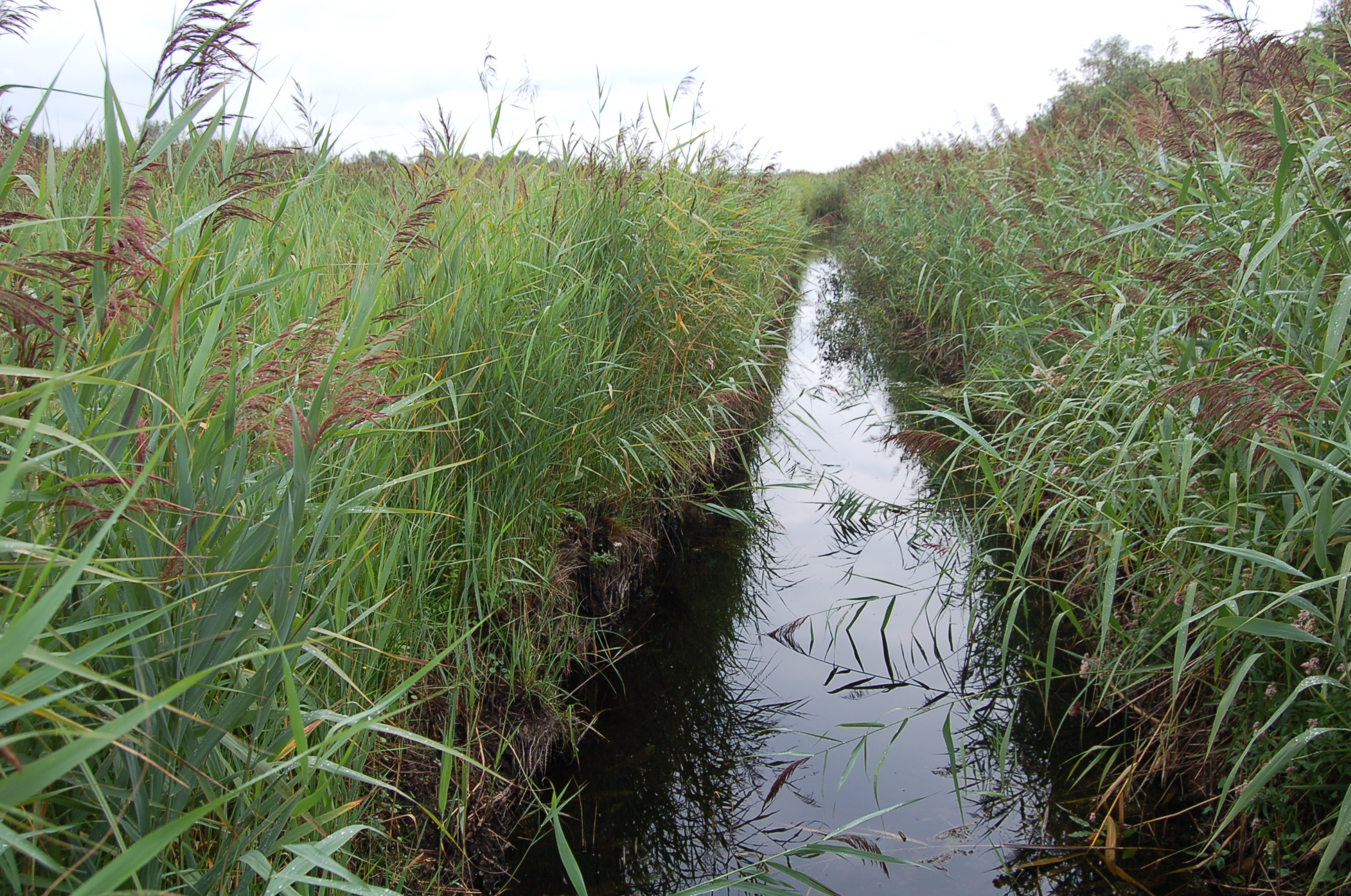
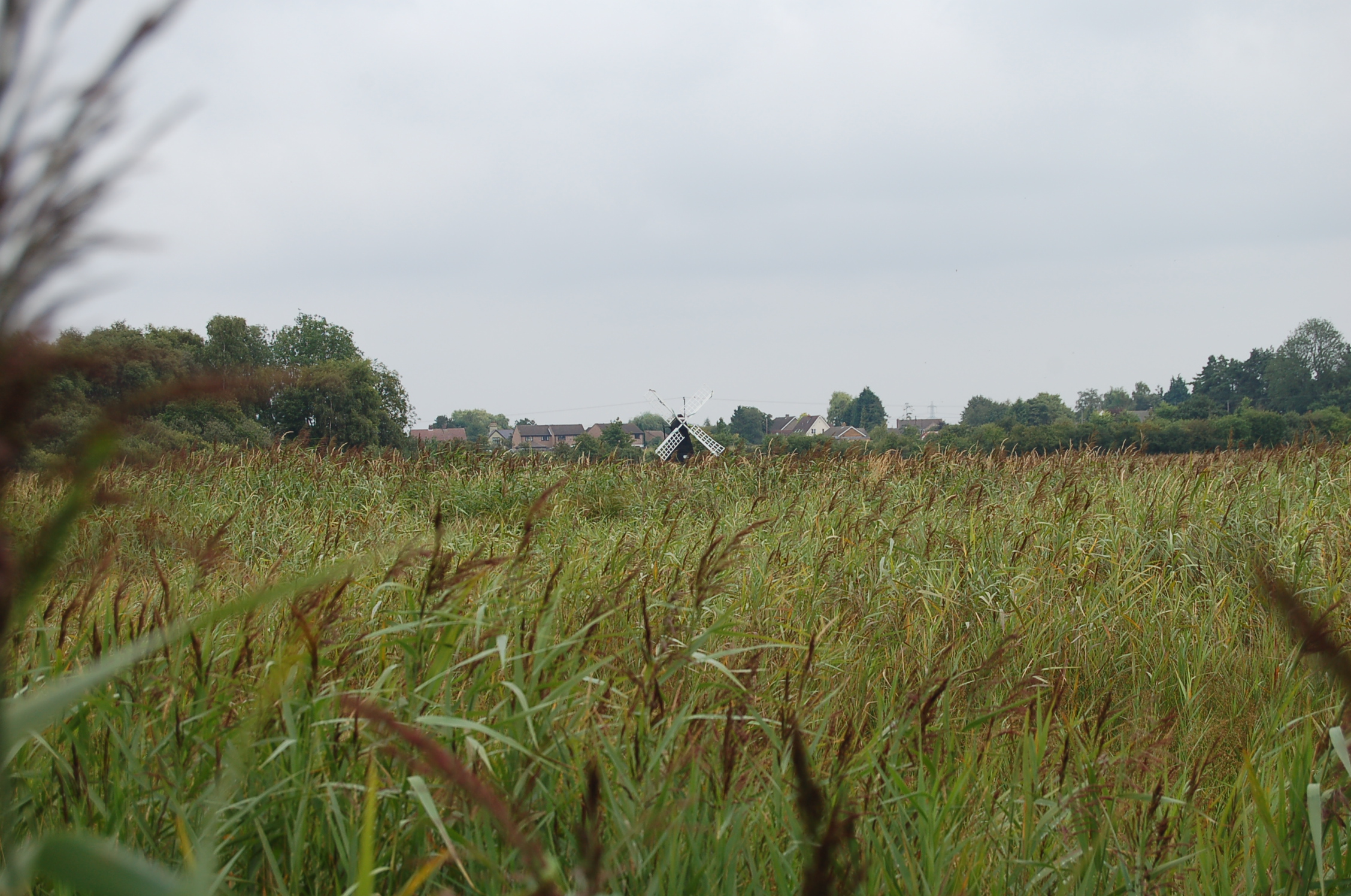
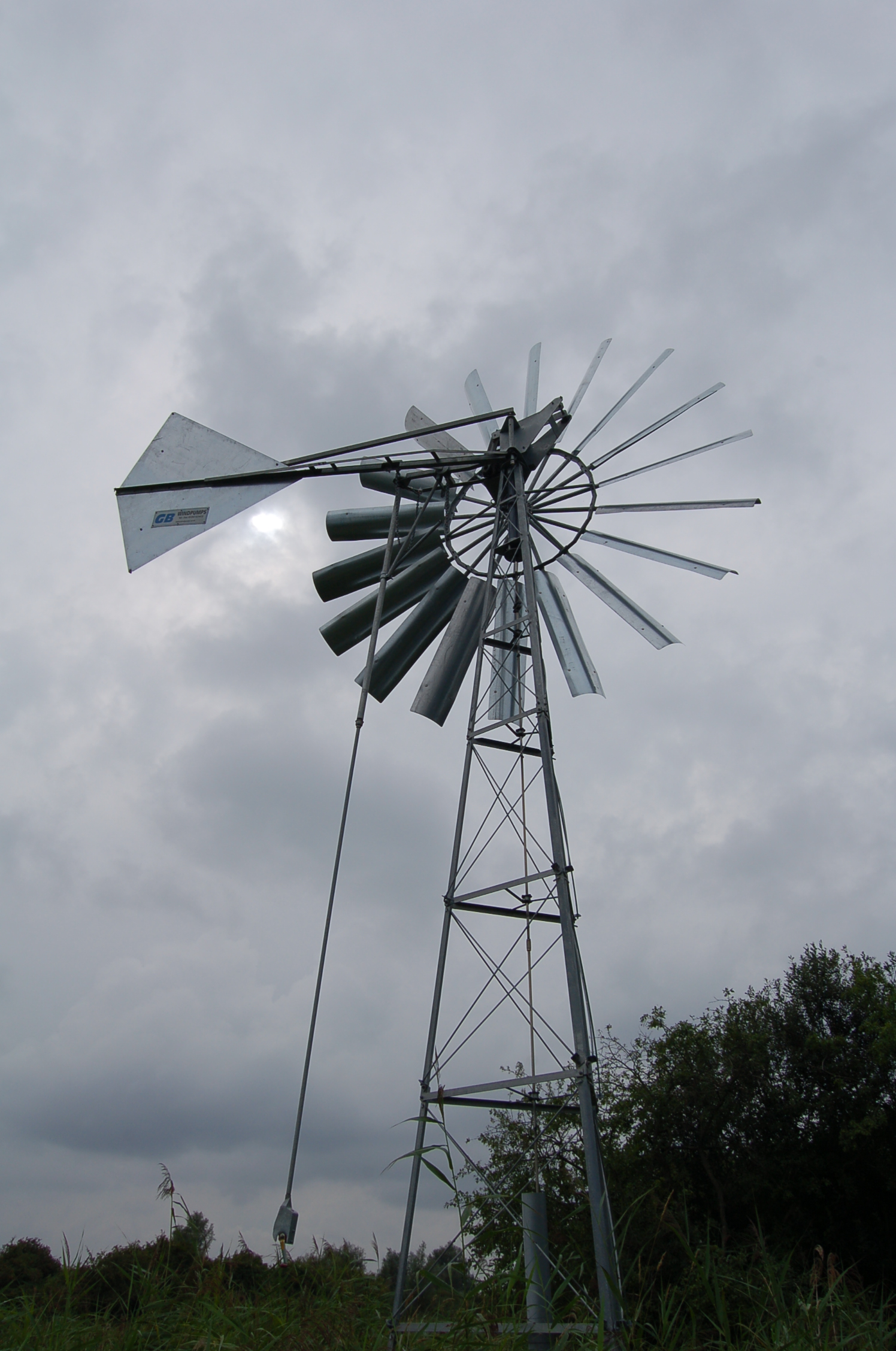
The water levels in the fens here are carefully controlled to create and maintain the different habitat types. This increases the variety of plants, insects, invertebates, mammals, fish and birds that set up home here. Windmills power the pumps. They stand tall and rigid above the low level of the herbage below.

2013 08 26_3213 2013 08 26_3214 2013 08 26_3215 2013 08 26_3216 2013 08 26_3219

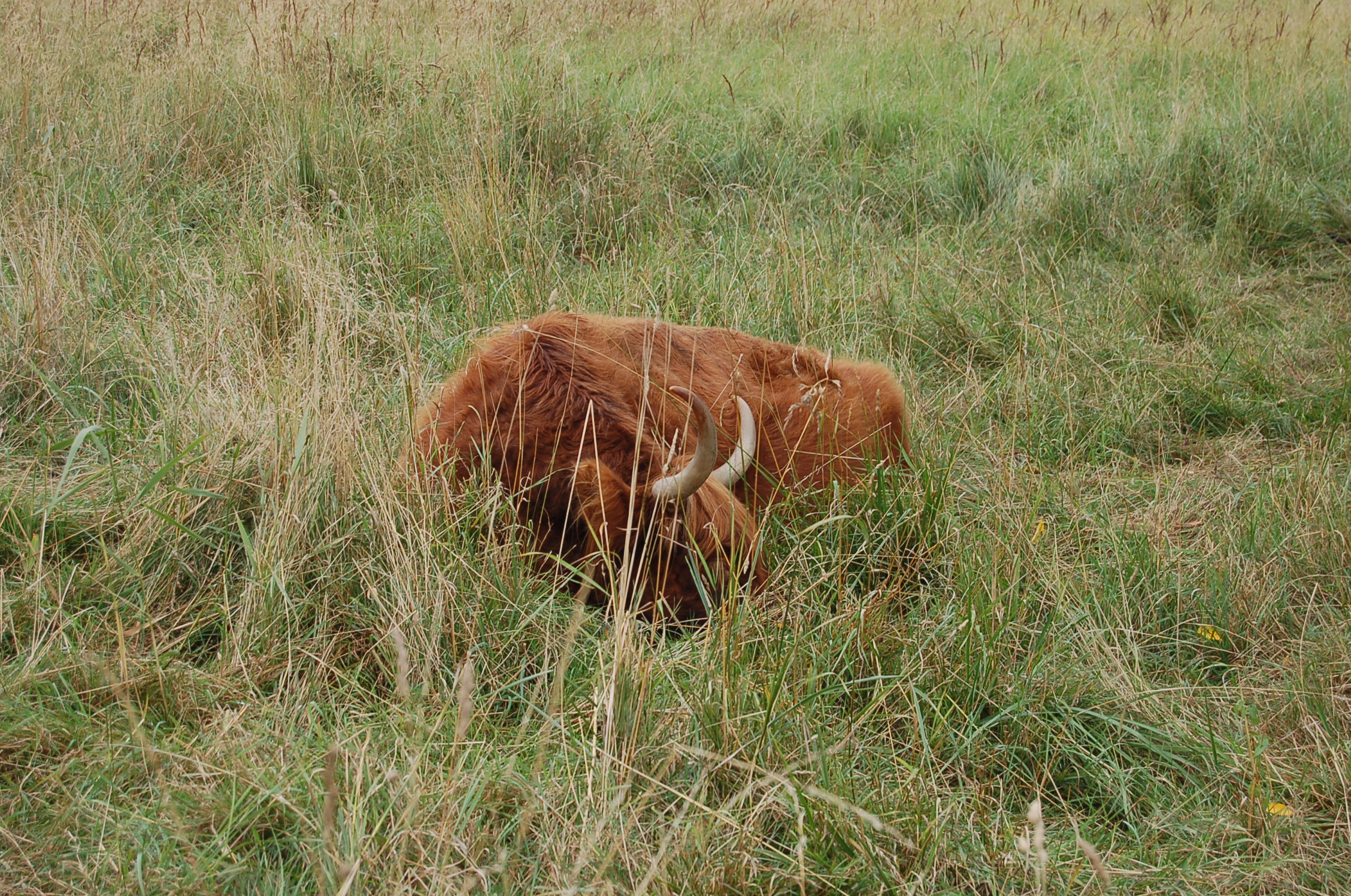
To help manage some areas some unusual lawnmowers are being used, these handsome Highland Cattle.

2013 08 26_3217 2013 08 26_3218

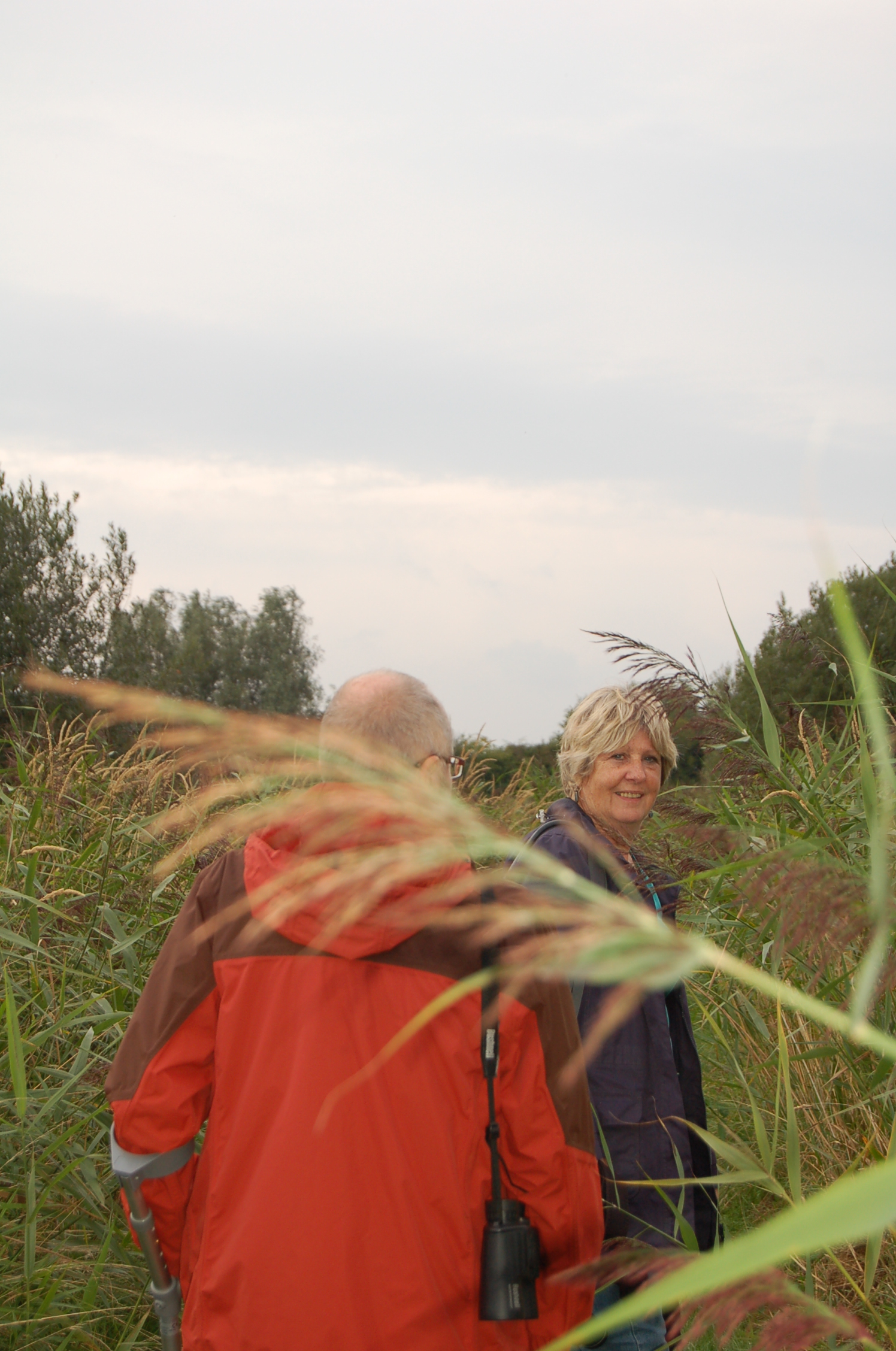
The two critters below, later identified as a Greenbench and a Mrs Greenbench, tried many ways of hiding from the photography!

2013 08 26_3220 2013 08 26_3221

Categories
bird watching birds nature reserves Norfolk the sea the seaside wildlife

A Wader Spectacular

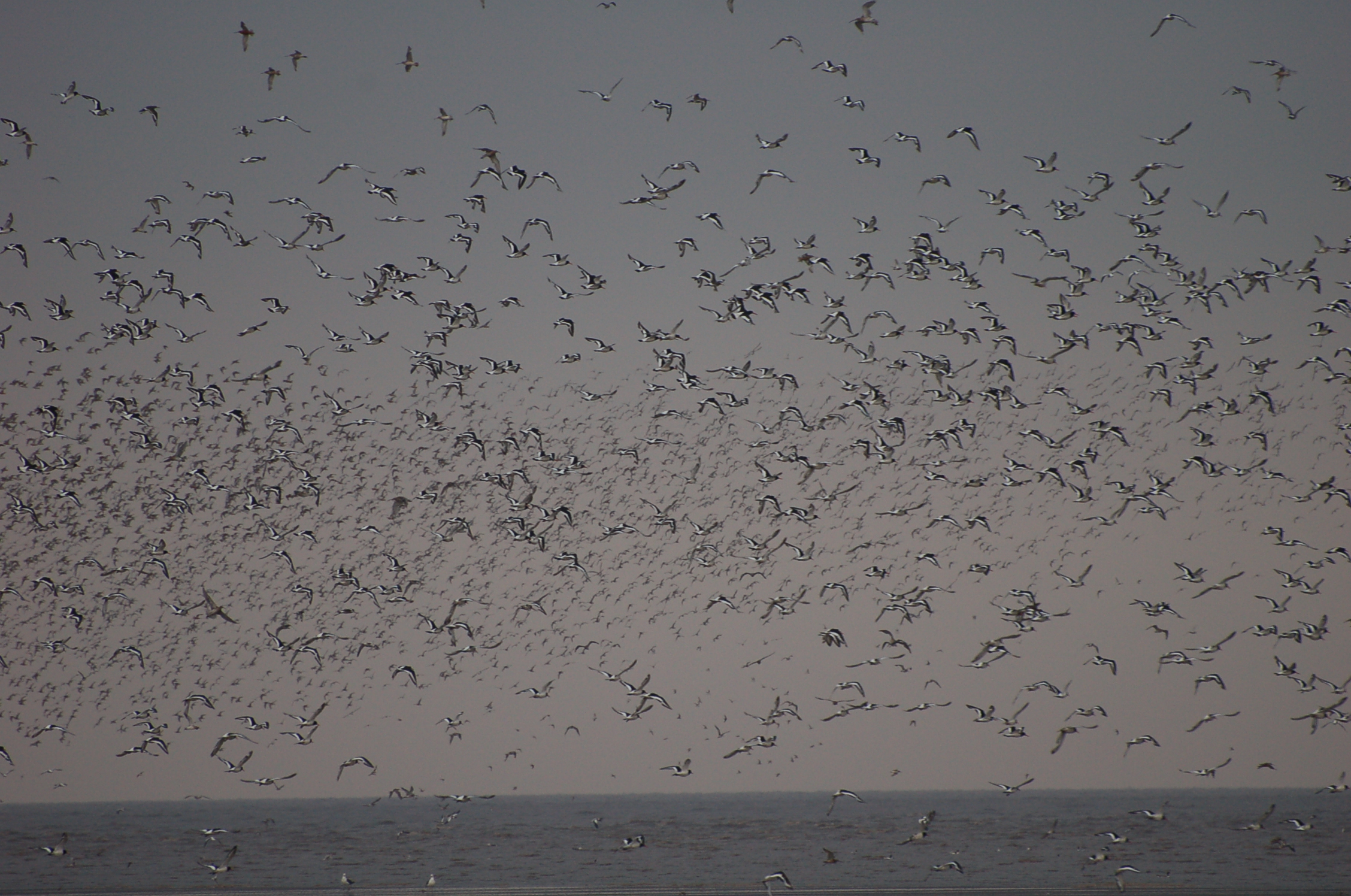
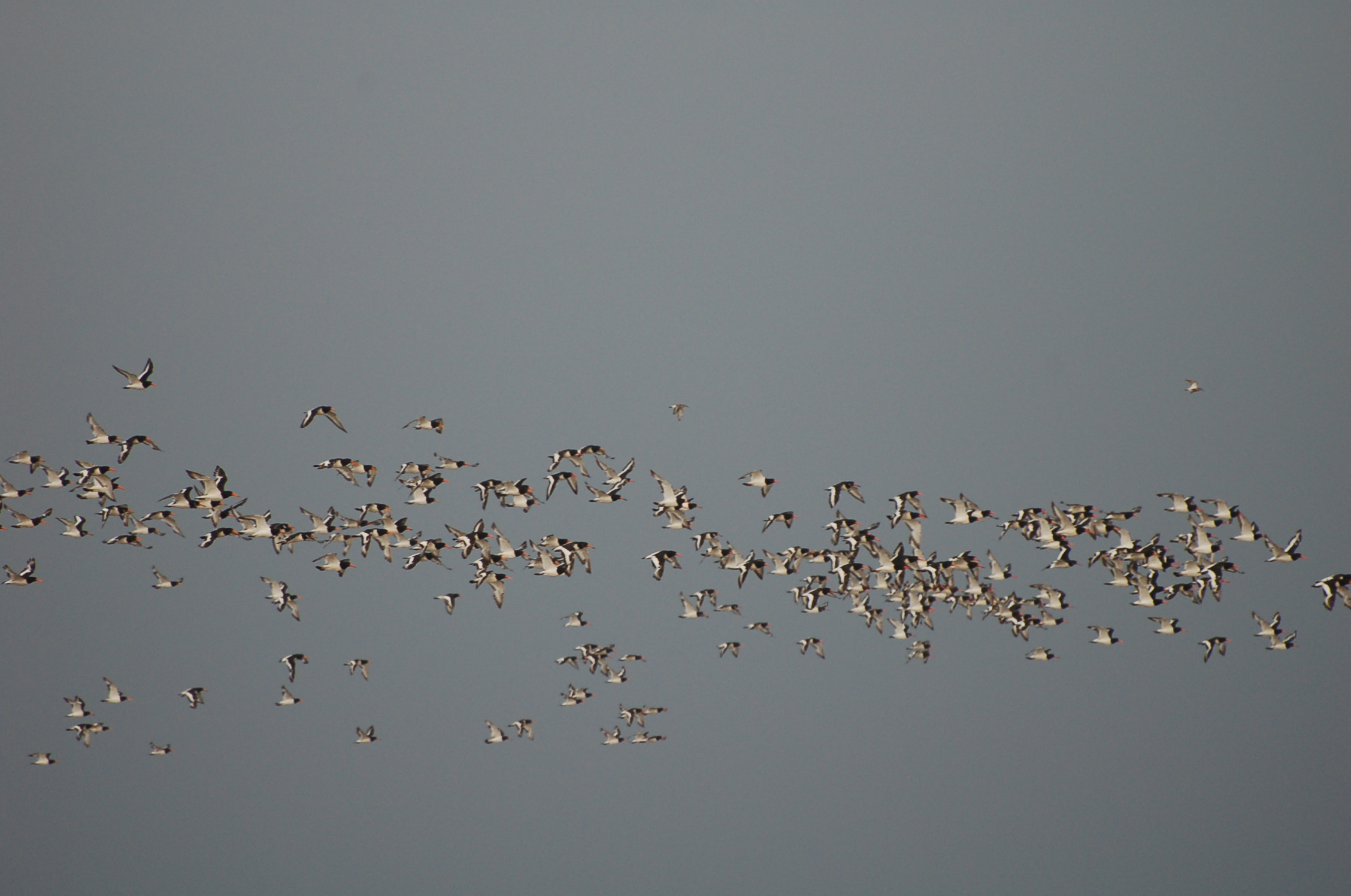
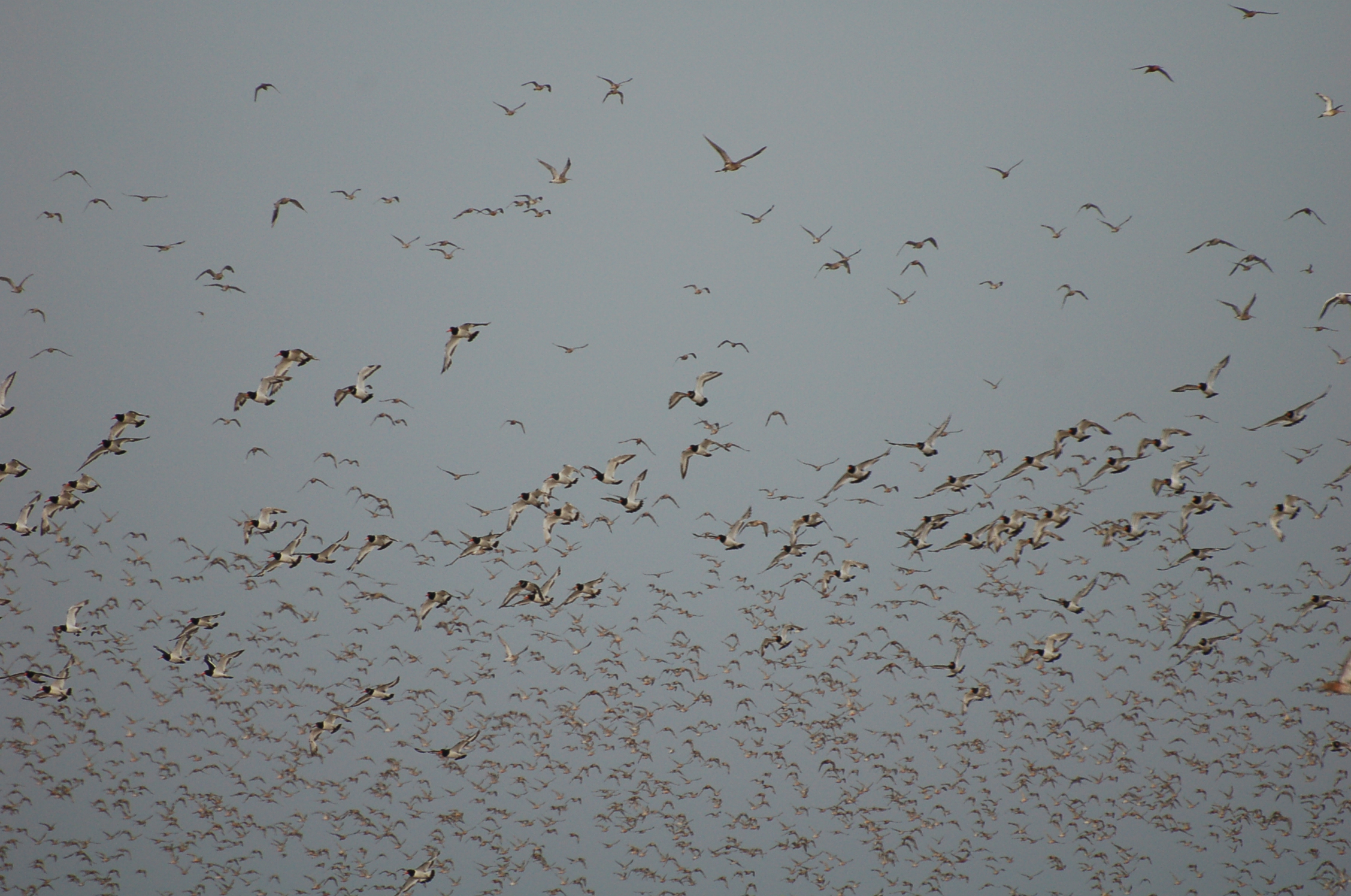
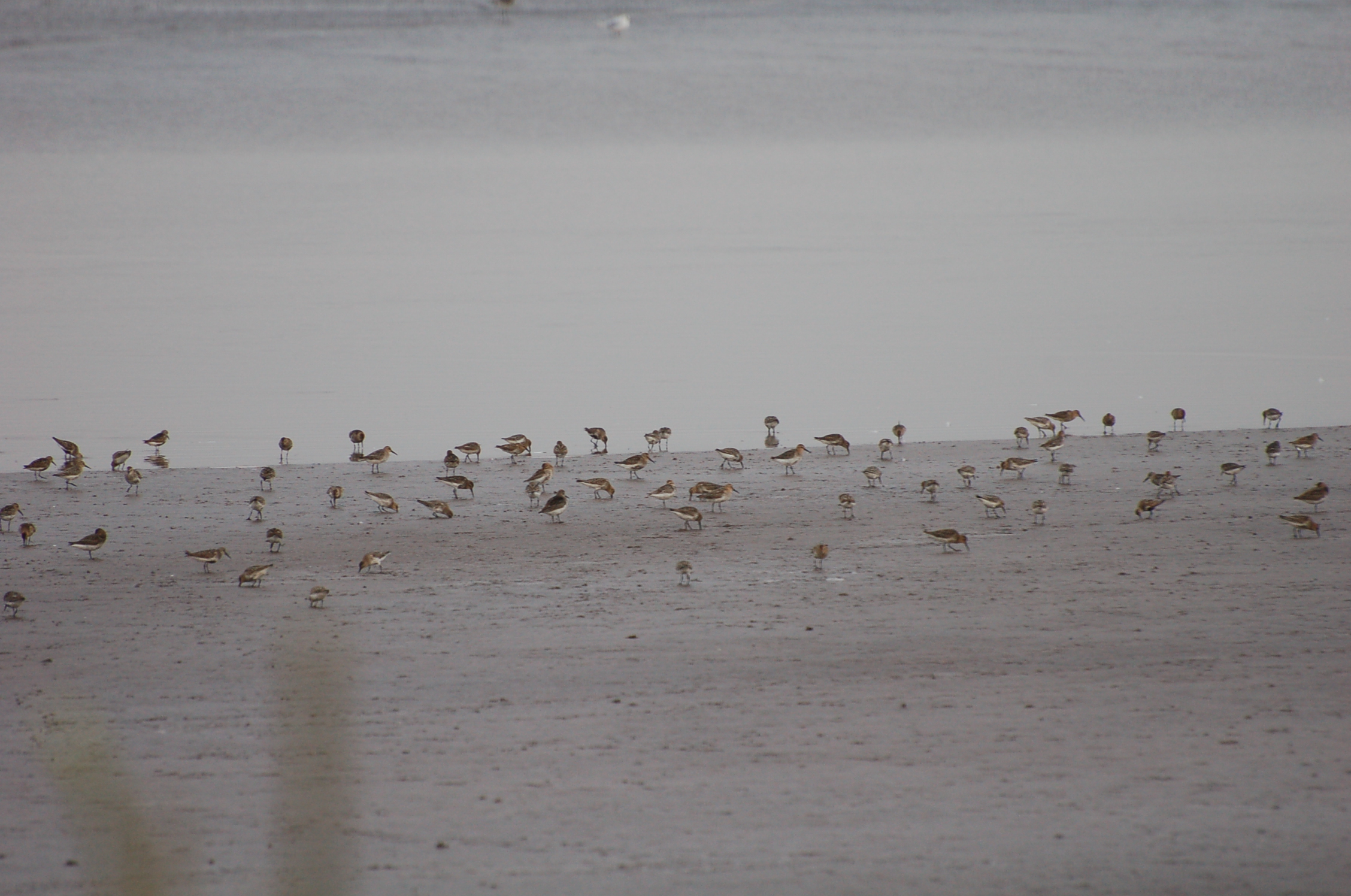
This was a special day. A spectacular day full of waders, which could only be billed as “A Wader Spectacular”. The action takes place at the RSPB reserve, Snettisham in Norfolk. The RSPB keep members informed of when the spectacular is at its best so we knew we could expect something special.
We made an early start as the success of our day was reliant on firstly the tides and secondly the weather. Tide tables told us we had the day right where the behaviour of the sea was concerned and as the darkness of night gave way to day we realised we were going to be in luck with the weather. But we were well prepared with flasks of hot coffee, for the coast of north Norfolk is always a cold place.

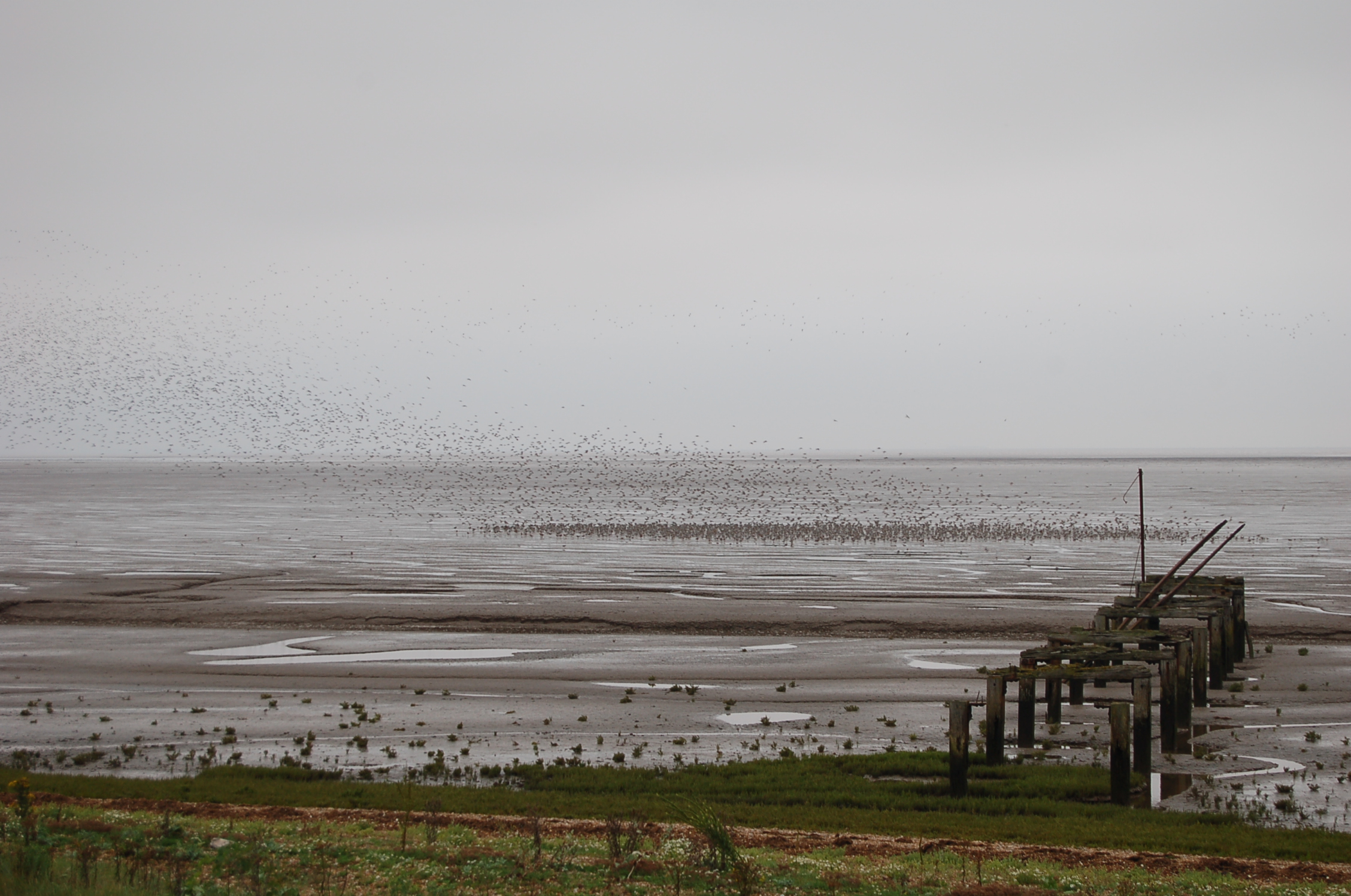
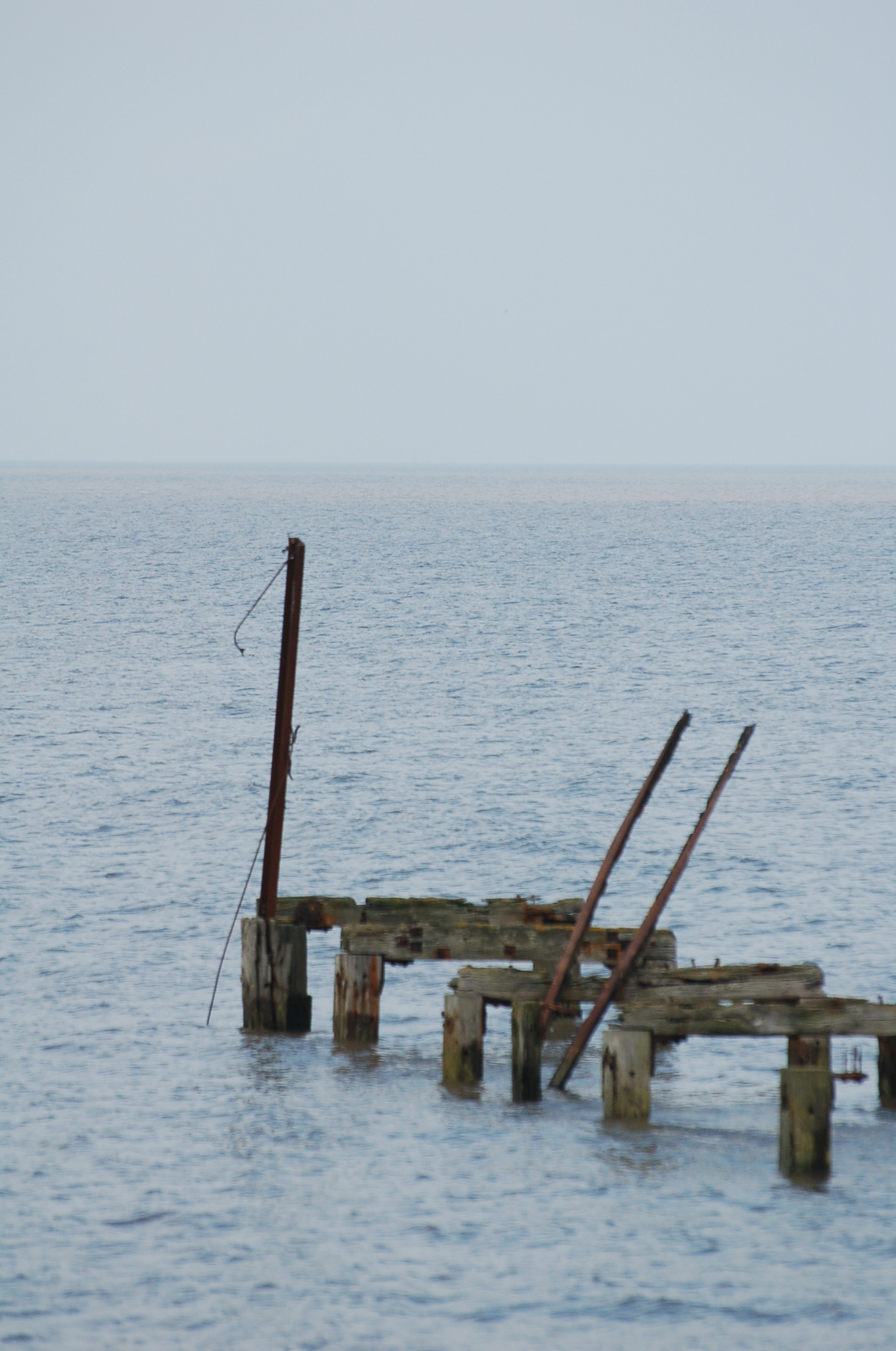
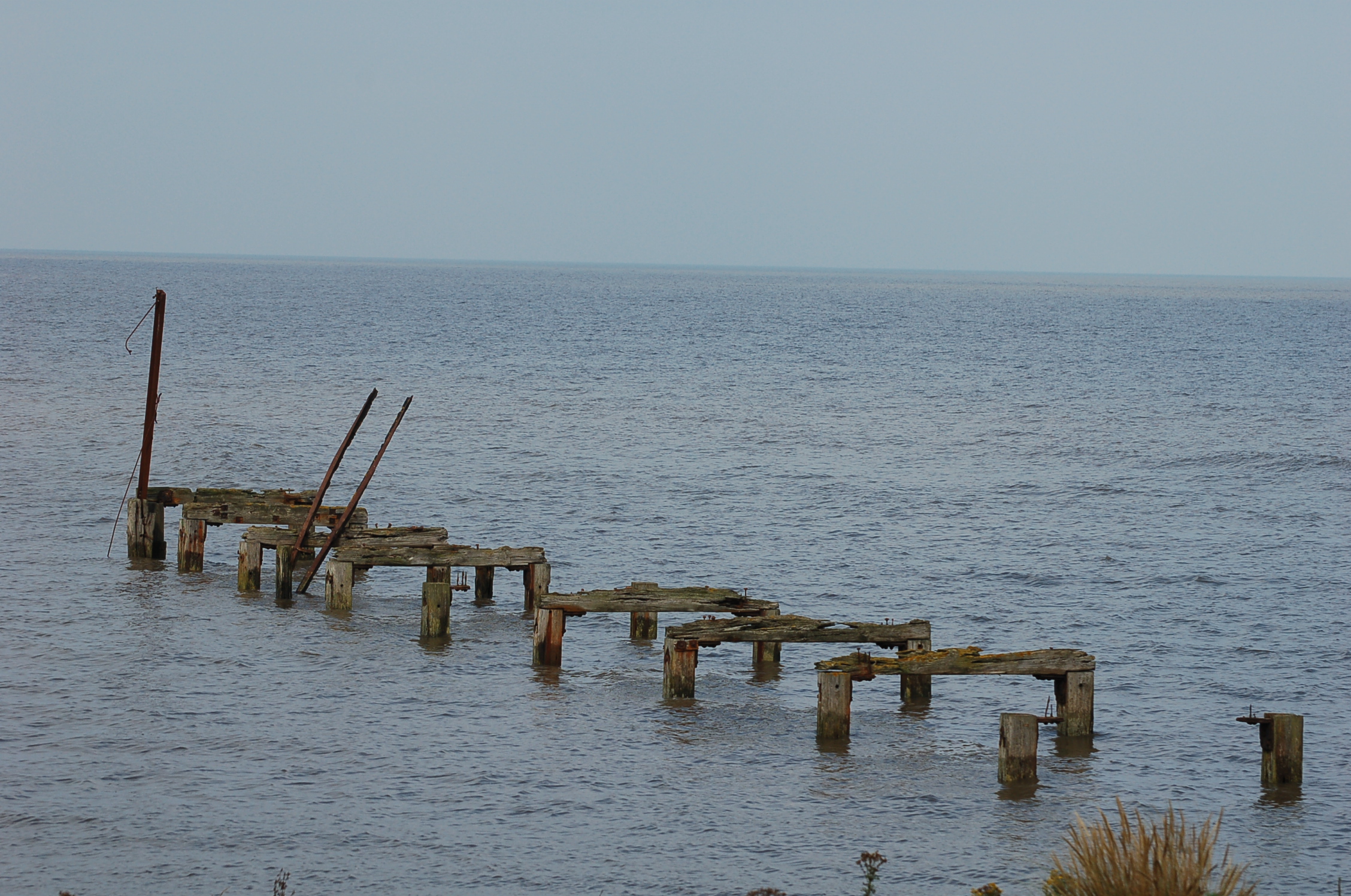
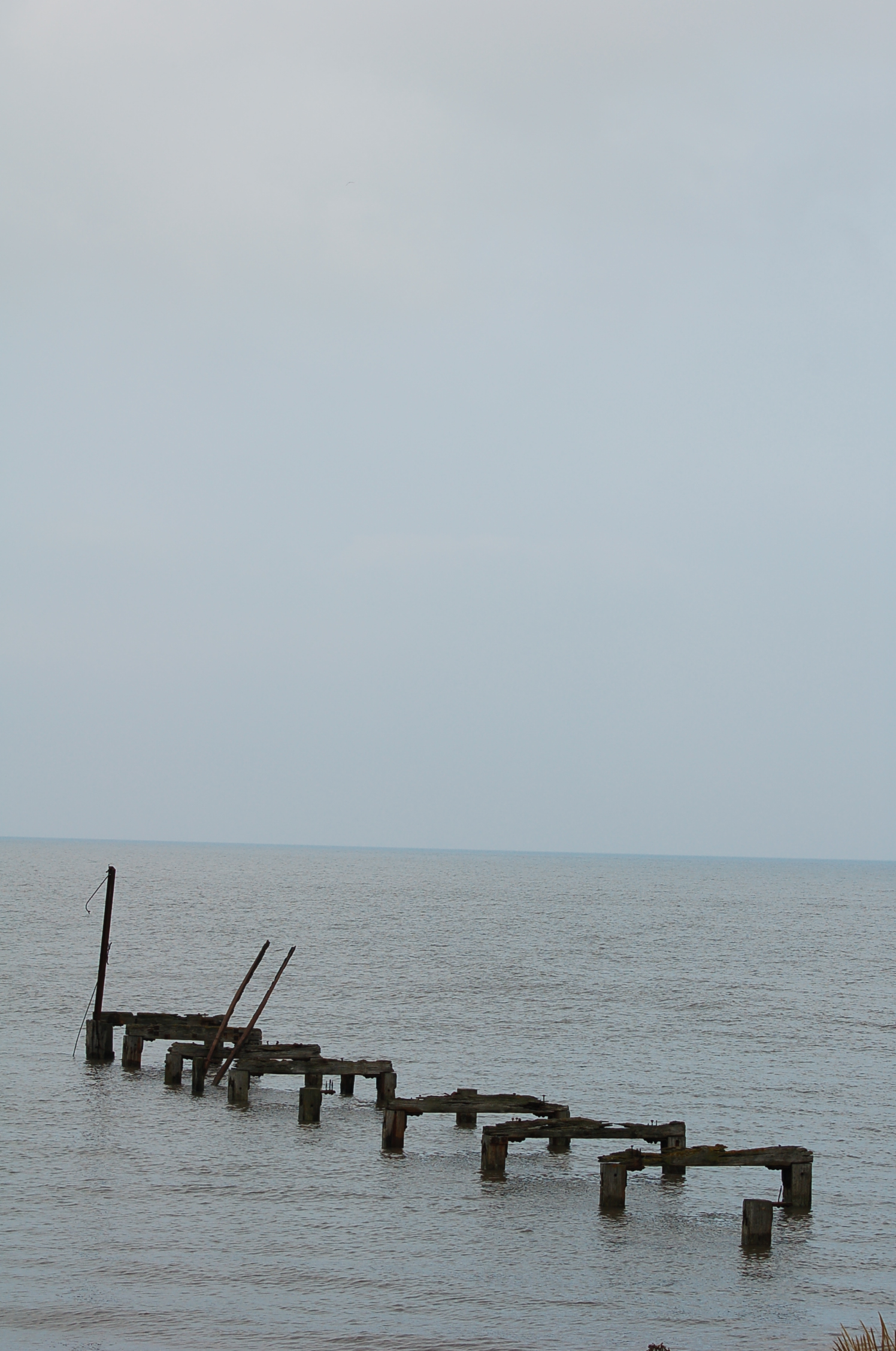
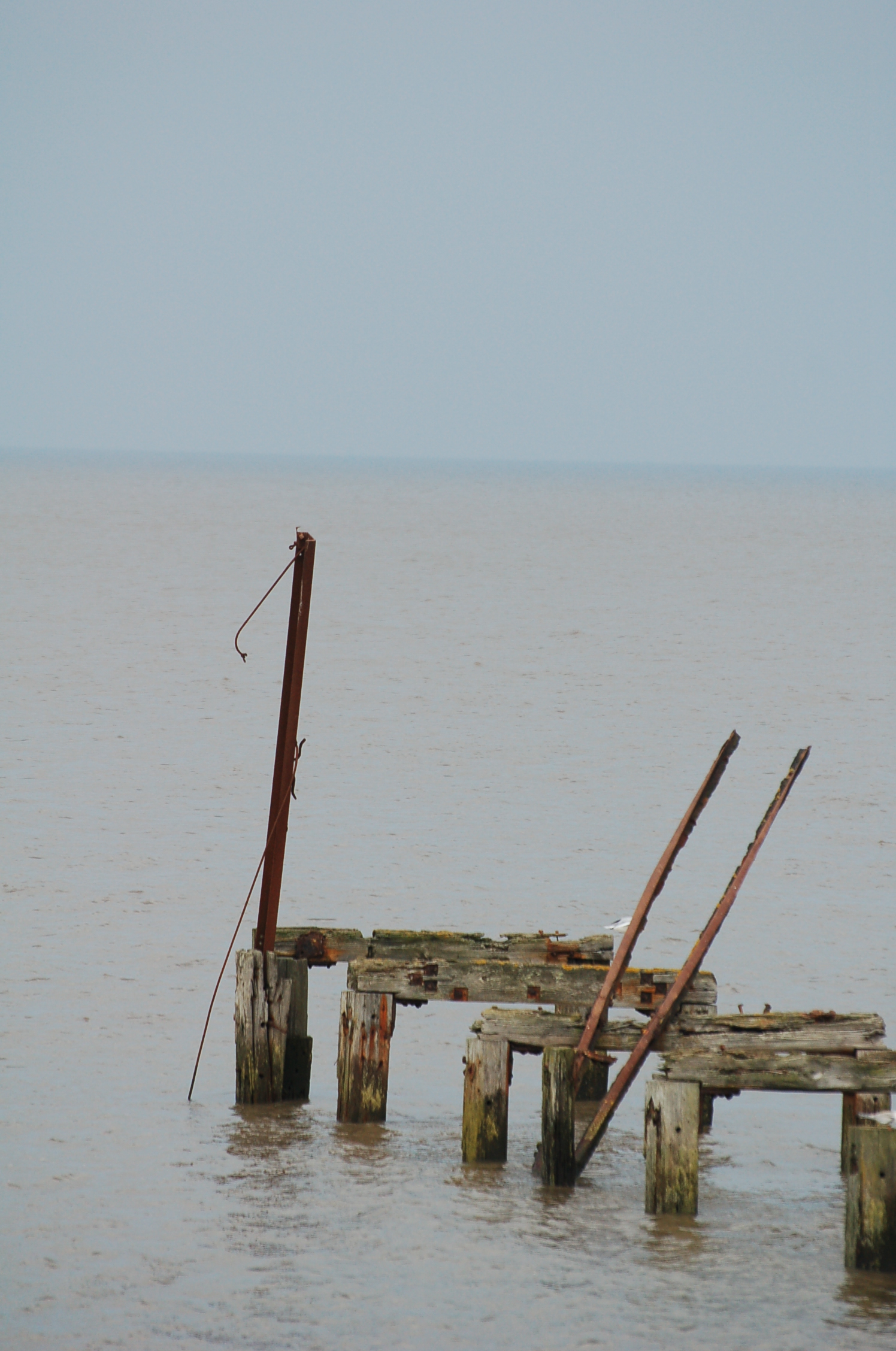
We walked along the shoreline past this old landing stage and found a comfortable place to settle down to wait with fold away chairs and flasks of warm coffee. As we waited for the tide to start to come in and the sandbanks to become engulfed in salty water we readied our binoculars and fixed the telescopes on their tripods. We didn’t have long to wait before the first flocks of waders surged over our heads making for the lagoons behind the sand dunes.

2013 08 26_3107  2013 08 26_3109 2013 08 26_3110

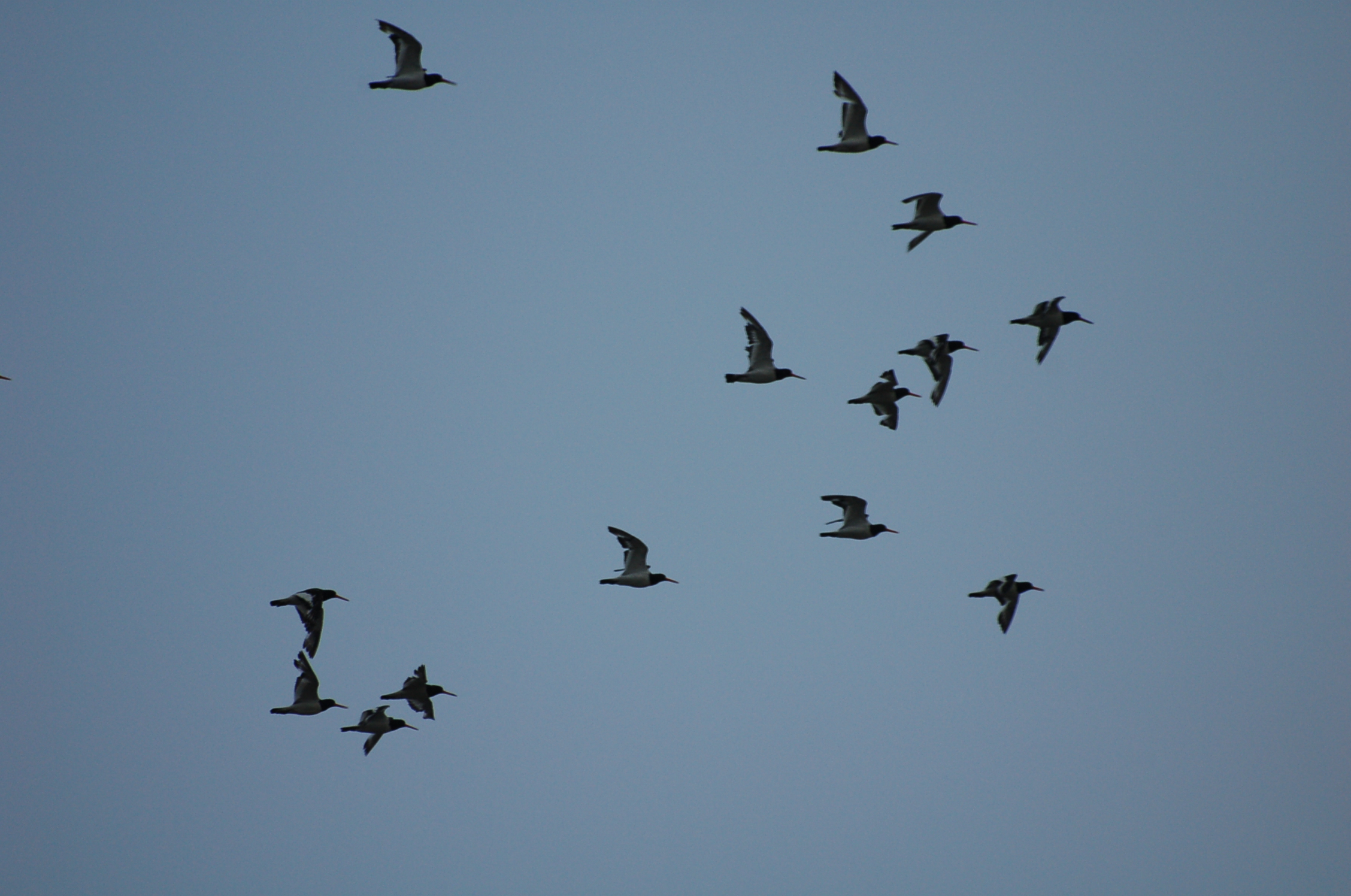
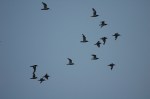
The vast flocks mostly continued to feed greedily on the bugs and invertebrates hiding in the sand. Every second counts when your feeding is controlled by the turning of the tides. The waders were mainly Knots and Oyster Catchers but surprises appeared amongst them such as small groups of Avocet and the lone flock of just half a dozen Common Scoter which passed low over our heads like black overweight ducks.

2013 08 26_3112 2013 08 26_3111

2013 08 26_3115 2013 08 26_3116

2013 08 26_3117 2013 08 26_3119

As each minute ticked away, the flocks fleeing the tides flew more frequently over our heads and each flock appeared to be larger than the last. We could feel and hear the air moving above us, stirred by the combined power of thousands of beating wings.

2013 08 26_3108 2013 08 26_3118  2013 08 26_3120 2013 08 26_3125 2013 08 26_3124 2013 08 26_3130

As the flocks flew behind us they settled quickly into the reeds surrounding the lagoons, dropping from the sky as one. As the tide sped in covering their feeding grounds the sand banks at sea become emptied as the lagoons filled up.

2013 08 26_3113 2013 08 26_3150

Enjoy the spectacle by following the photos in the gallery and watch the drama unfold.

When the flocks had moved from sea to lagoon, everything felt and sounded calm around us and we were engulfed by a strangely hollow feeling. We had been surrounded by hundreds of thousands of waders in flight and then suddenly it stopped as the last stragglers made their move.

We then found time to appreciate the beauty of nature on the beach. When finding our spot to watch the wader show the light was still too poor to see what was at our feet. Wild flowers, butterflies, moths and small birds were all there for us to enjoy.

2013 08 26_3155 2013 08 26_3154 2013 08 26_3153 2013 08 26_3152 2013 08 26_3151 2013 08 26_3156 2013 08 26_3157 2013 08 26_3158 2013 08 26_3159 2013 08 26_3160 2013 08 26_3163 2013 08 26_3164 2013 08 26_3165 2013 08 26_3166 2013 08 26_3167

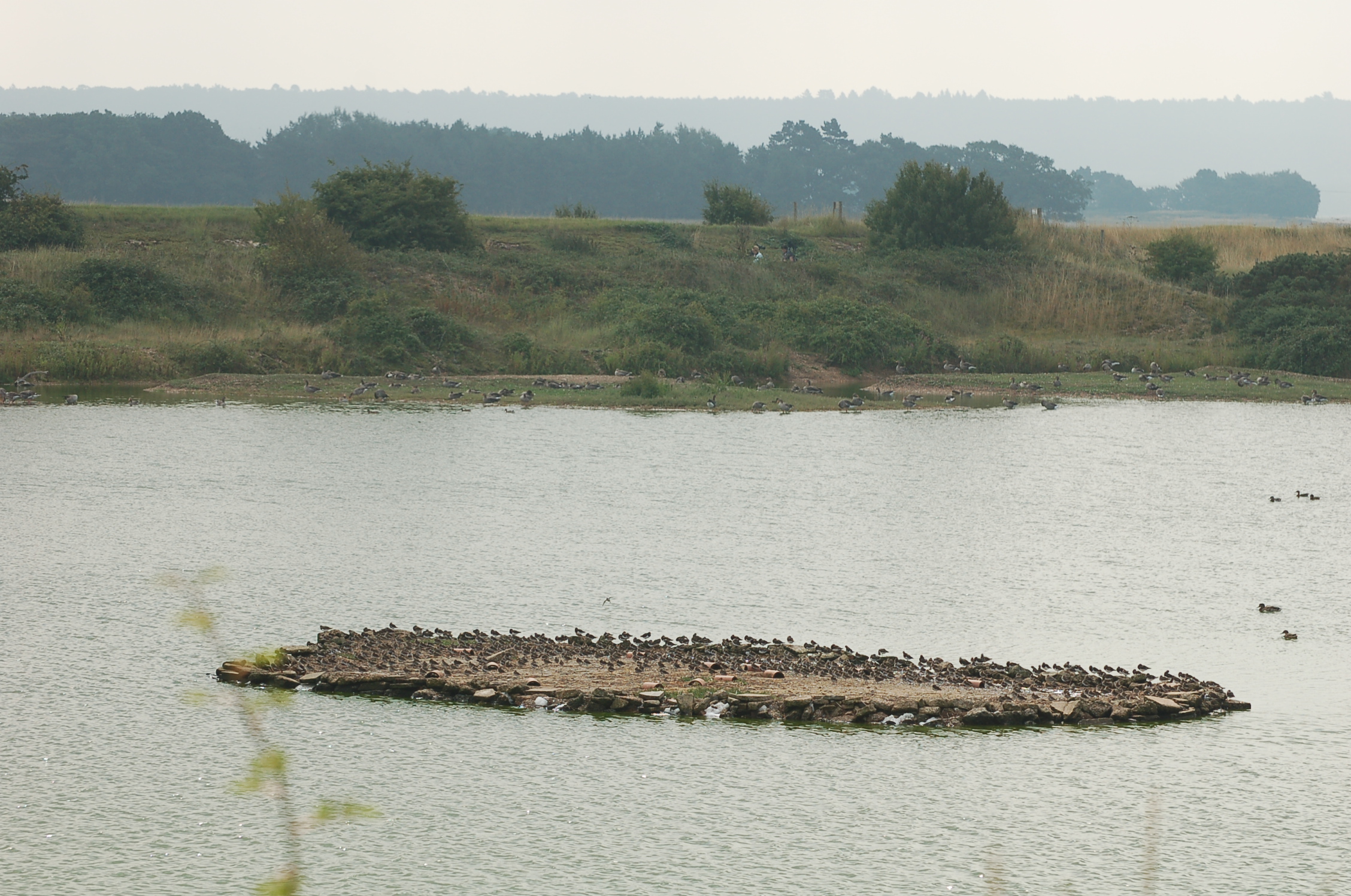
After enjoying the life of the shoreline we returned to the car via a hide that overlooked one end of one of the lagoons to see if we could spot any of the birds who had entertained us with their spectacular fly past. As you can see from the two photos they were pretty well hidden. I suppose once away from the safety of the sand banks and the surrounding sea they are more vulnerable to predator attack.

2013 08 26_3176 2013 08 26_3175

As we left the hide my camera was attracted to this old landing stage once again.

2013 08 26_3174 2013 08 26_3171 2013 08 26_3170 2013 08 26_3169 2013 08 26_3168 2013 08 26_3183 2013 08 26_3184 2013 08 26_3185

If you ever get a chance to experience a wader spectacular take it – it is an amazing natural phenomenon. To see more of my wader spectacular photos just click on the first photo and then follow the arrows.

Categories
bird watching birds nature reserves

Potteric Carr – a wildlife haven just off the M1

With a name like Potteric Carr this place just had to be good and it called out to us to drop in for a wander as we drove north on the dreaded dull M1. We succumbed and diverted through the biggest weirdest road work empire ever created. There were no signs telling you where to go just no entry signs telling you where not to go. Thank you dear Galaxy smart phone for rescuing us and sending us to the right place.

It was tempting to turn back when we saw where the reserve was situated, as all that noise, traffic, road works, building work and concrete was off-putting. The first photo shows the expanse of water and reed beds with a line of giant pylons striding across in the distance.

DSC_0120

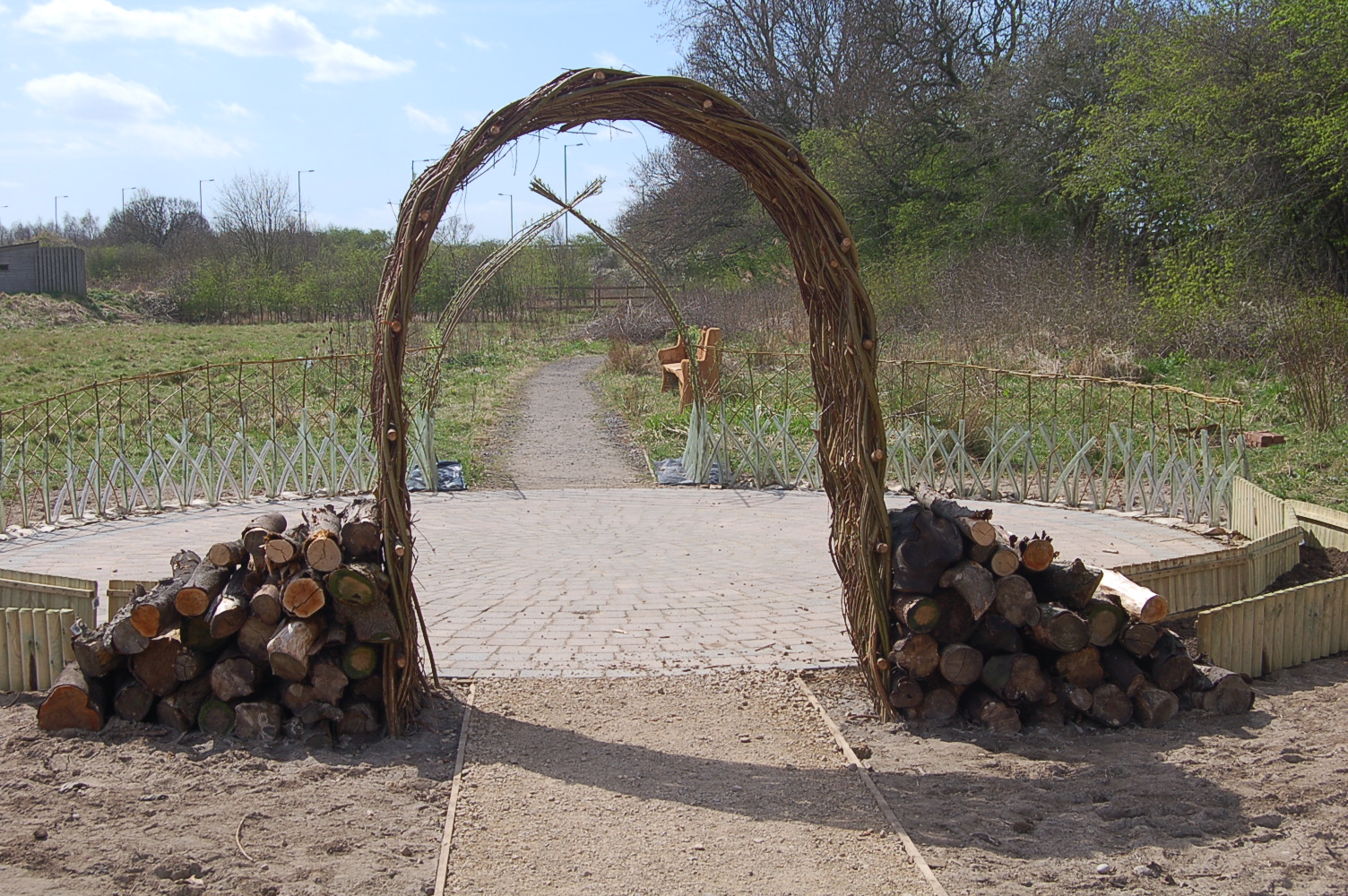
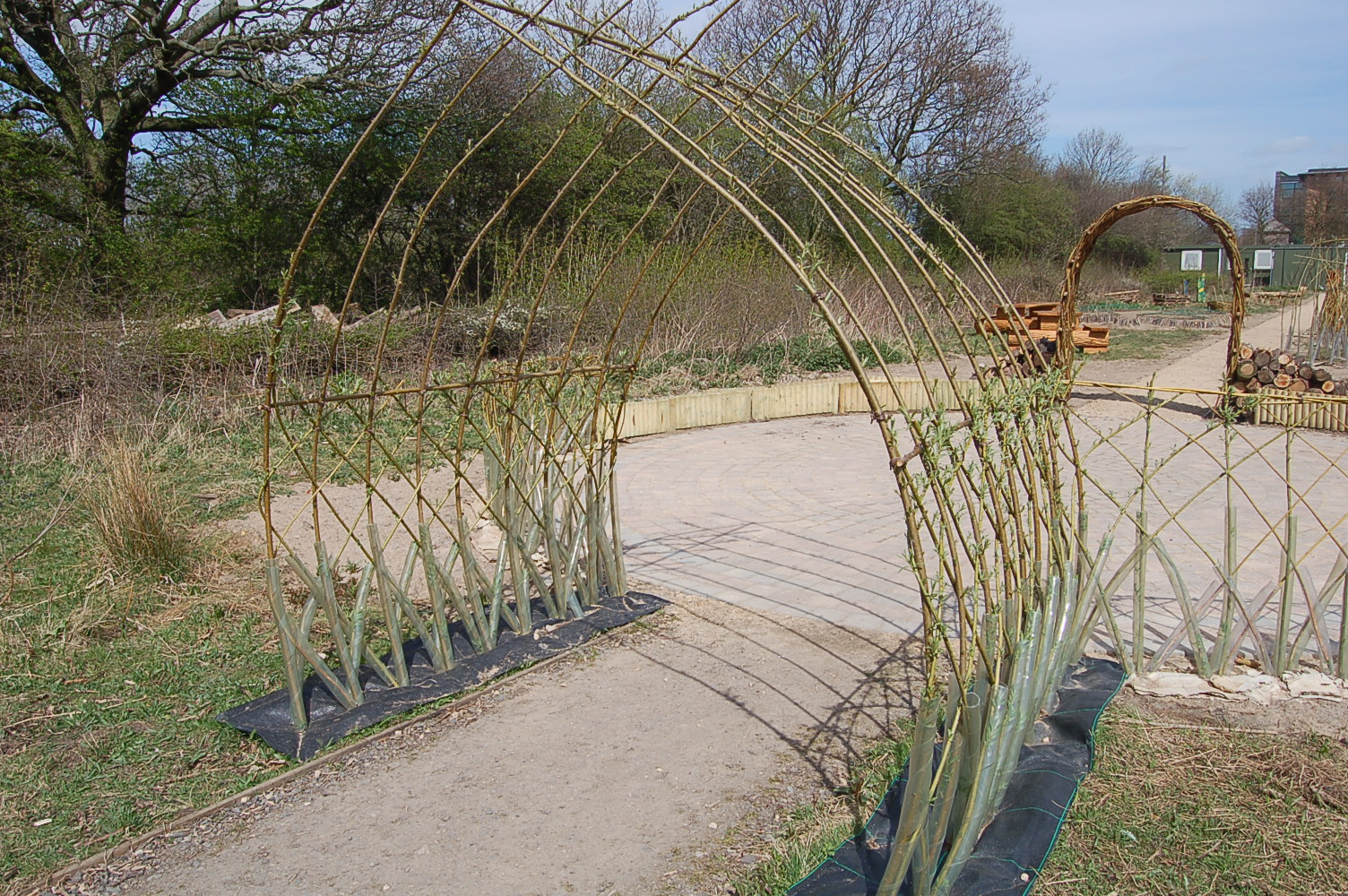
We were so please we ignored these scourges of modern man and after passing through the reserve’s entrance building we had several hours discovering natural wonders. There were way marked trails everywhere and lots of choice. We chose our route and set off via the sensory garden designed for children –  we always go to the children’s features first! This little area was based on the phases of the life of butterflies. We gleaned several ideas for our own allotment site trail. Lovely natural woven archways welcomed walkers from whatever direction they arrived.

DSC_0102 DSC_0104

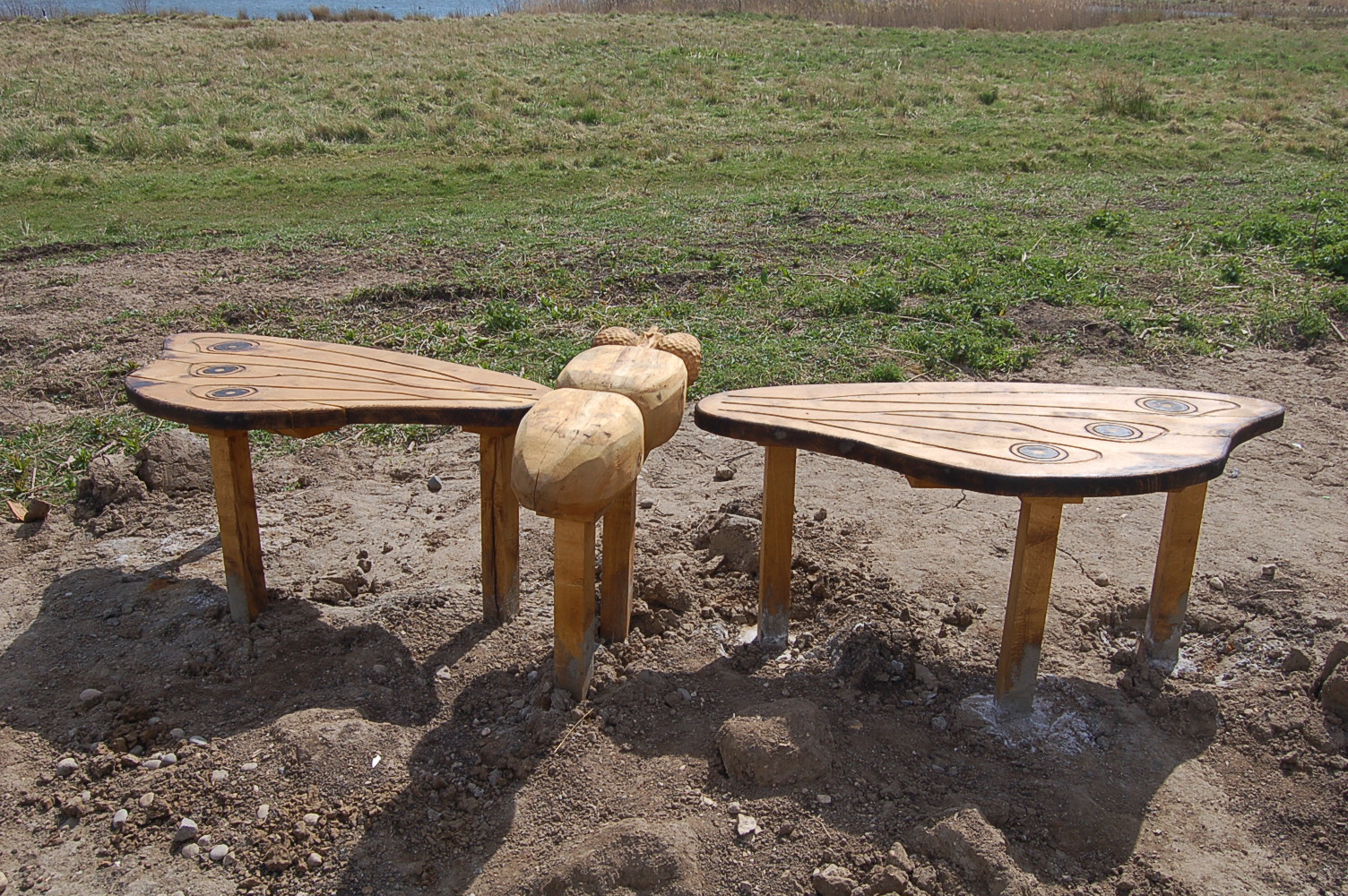
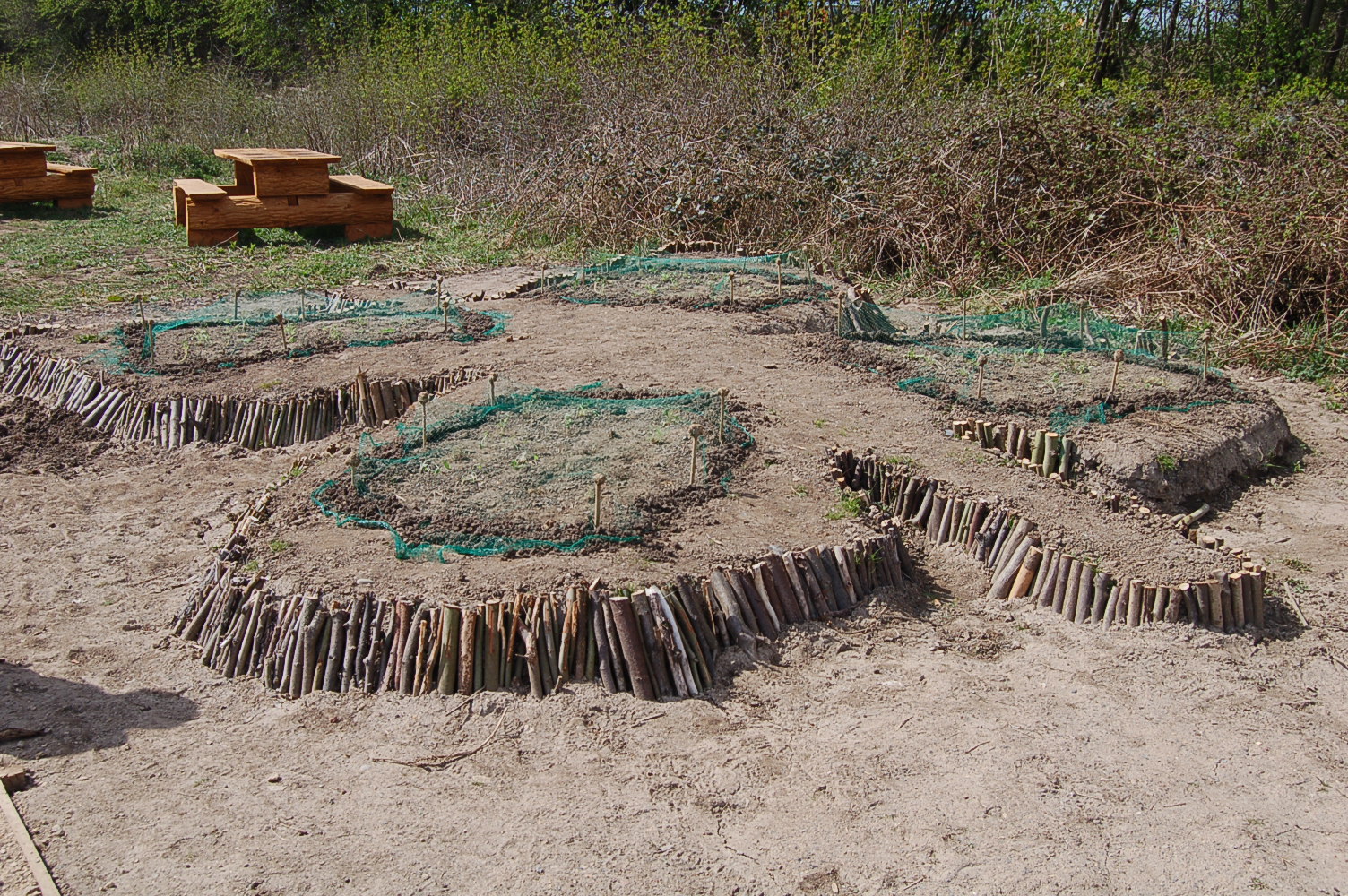
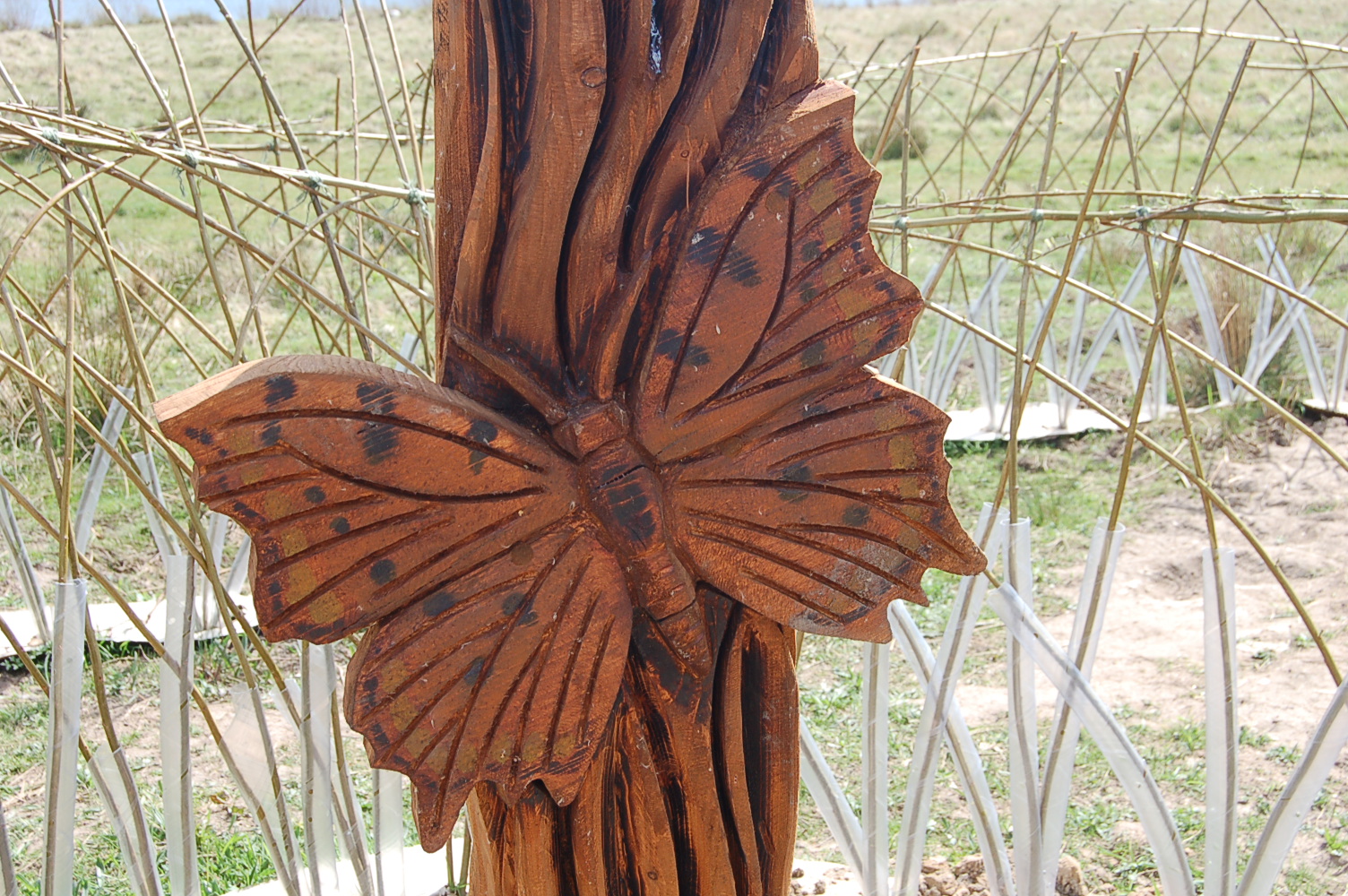
Lovely quirky features such as seats shaped like butterflies and matching recently sown wildflower meadows provided plenty of interest.

DSC_0103 DSC_0100

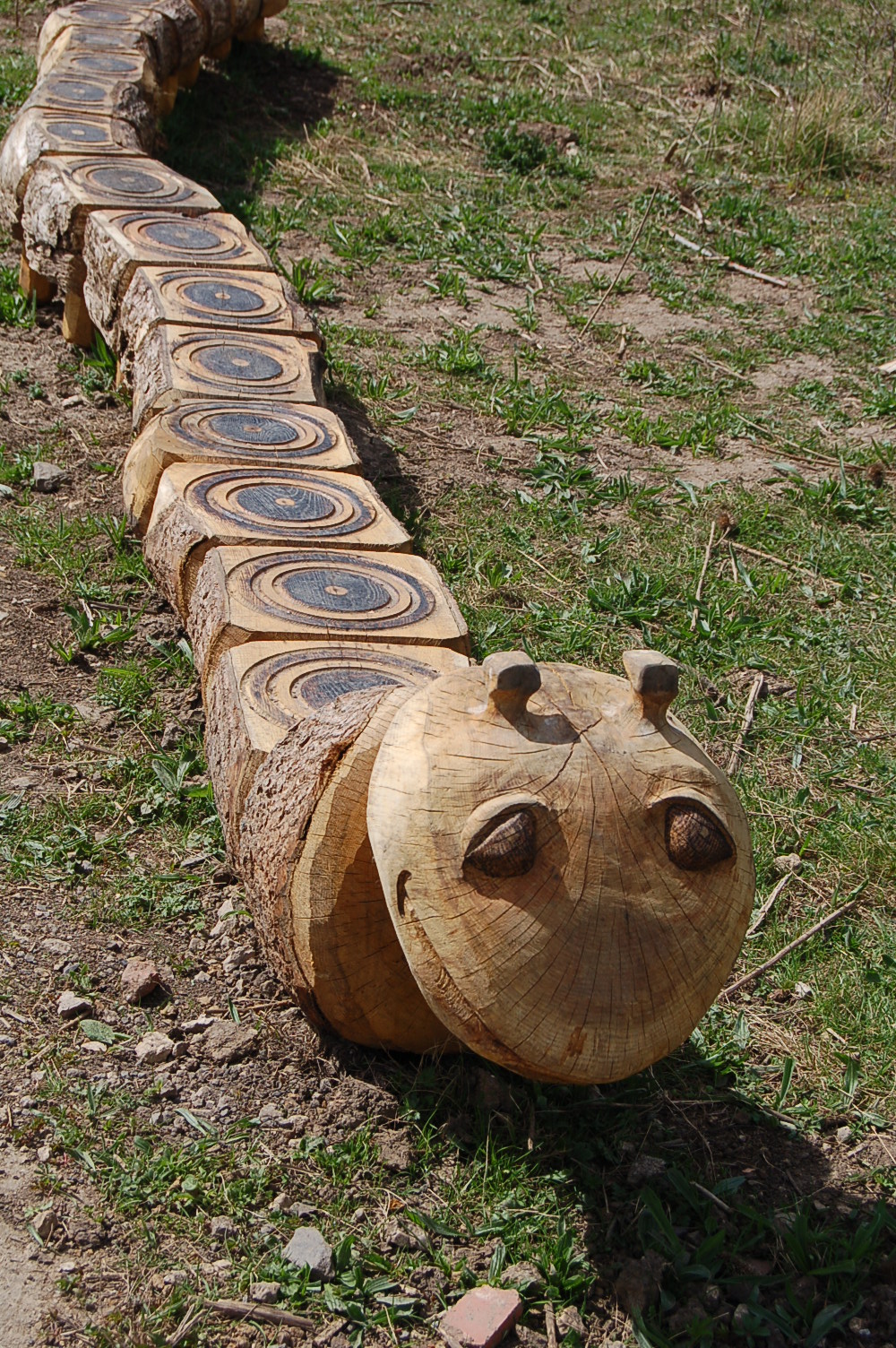
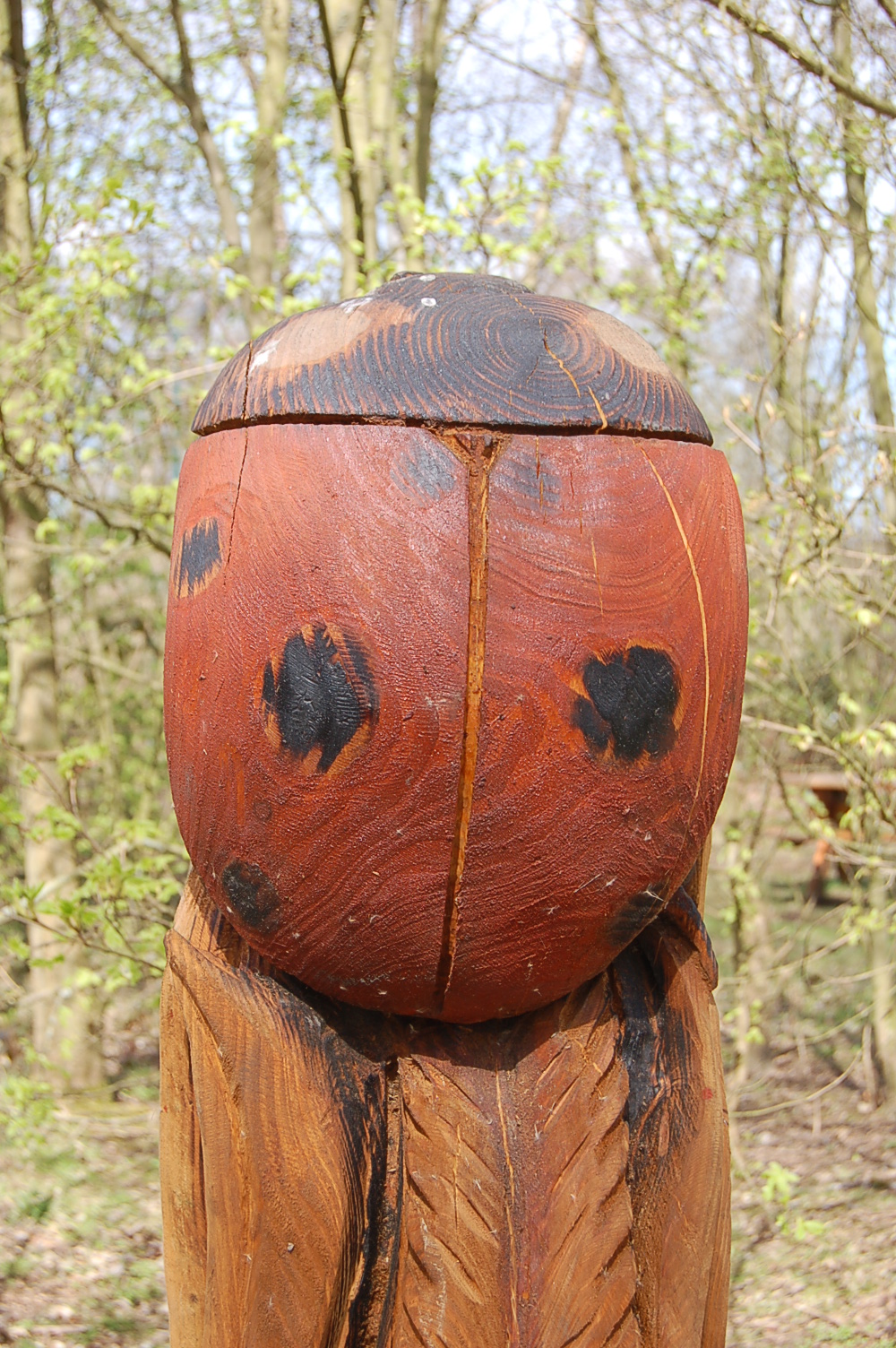
The skills of local craftsmen are displayed in the woodcarvings of the various stages in the life of a butterfly and a particular favourite a ladybird.

DSC_0097 DSC_0096

DSC_0101 DSC_0111

Following the track around the reserve afforded us views over areas of water, woodland and streamsides.

DSC_0119 DSC_0121

The bird life was stunning and we spotted our first sightings of several  summer migrants for this year – Redstart, Whitethroat and Blackcaps and also our first Mediterranean and Icelandic Gulls of the year. To top it off we spotted our first ever Blacknecked Grebe and close up views of several Garganey, a rather scarce duck.

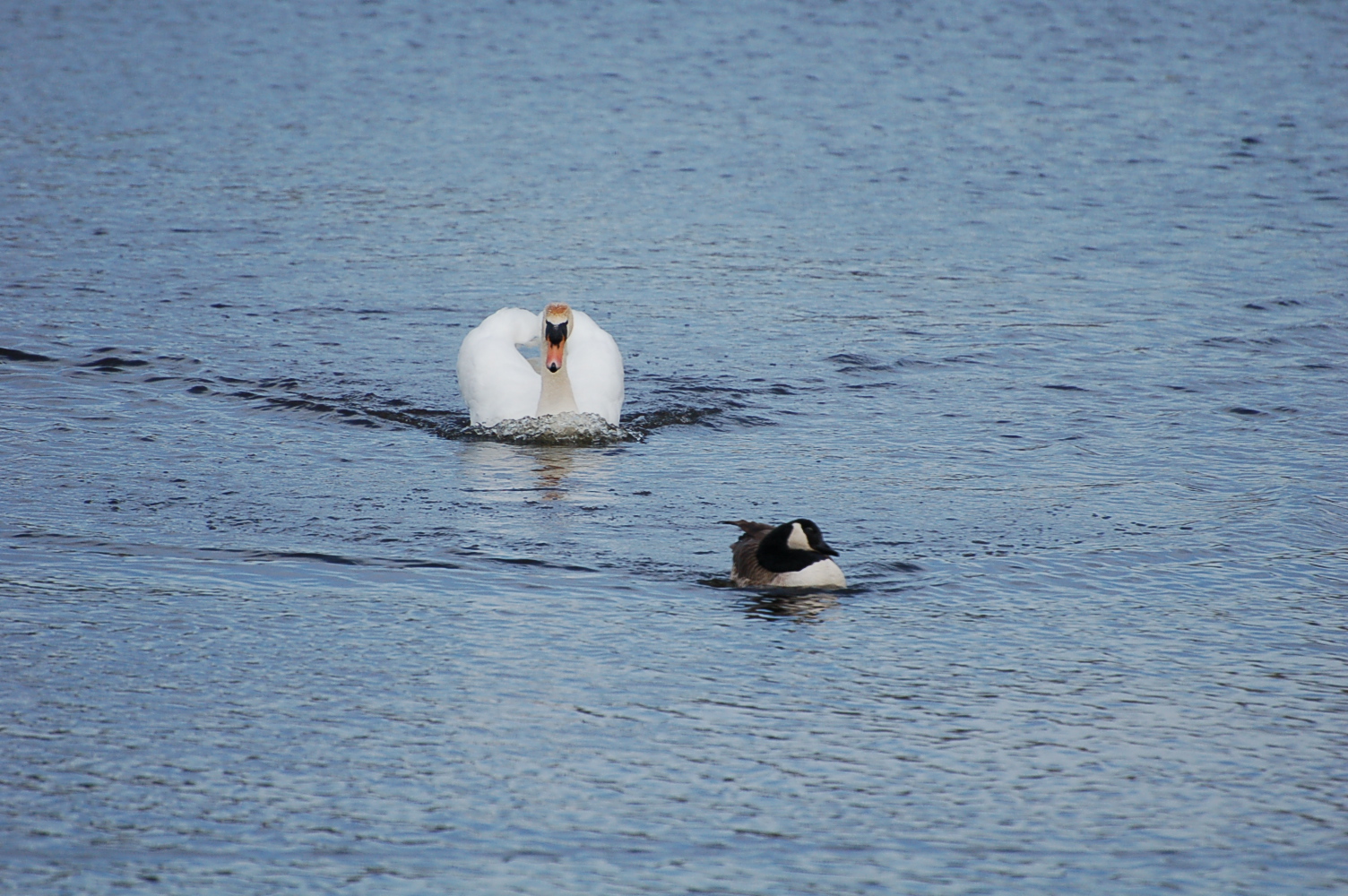
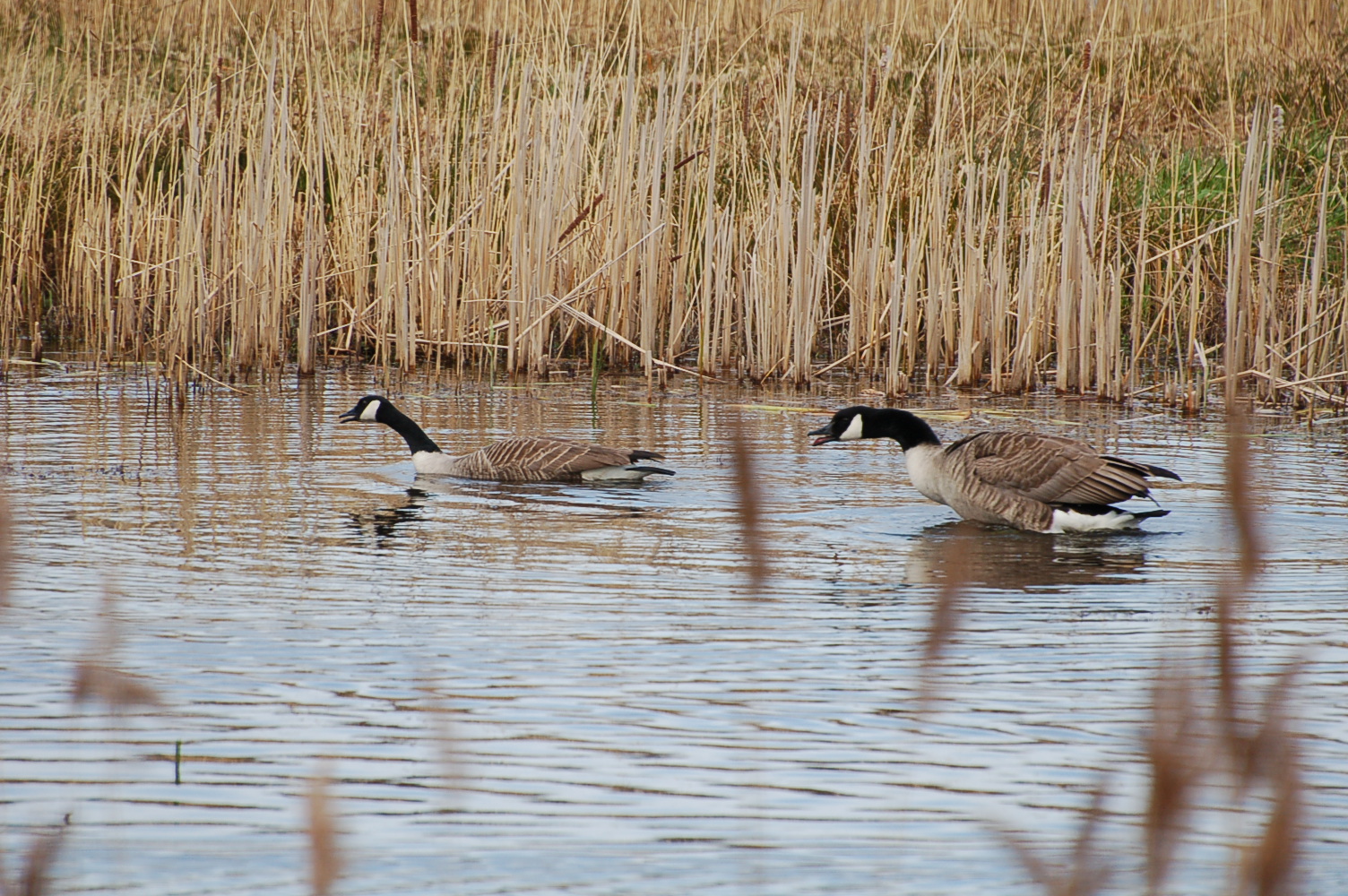
Extra entertainment was provided by rather more common species. A Mute Swan with young in nearby reeds was not happy when a Canada Goose moved in a little too closely.

DSC_0124 DSC_0125

DSC_0126 DSC_0127

DSC_0128 DSC_0129

The poor goose was so embarrassed at being chased off by the swan that he decided to go off and pick on someone his own size, another goose.

DSC_0130 DSC_0131

Categories
bird watching birds landscapes nature reserves the sea the seaside wildlife Yorkshire

Bempton Cliffs – a birding paradise

Bempton Cliffs is far north of here on the Yorkshire coast and a place we had never visited but we had heard much about the bird life there, especially the sea birds. As Jude the Undergardener had never seen a Puffin in her life, even though it is one of her favourite wildlife characters, we decided a visit was on the cards. We arrived with expectations high as we were anticipating spotting some special birds.

DSC_0133

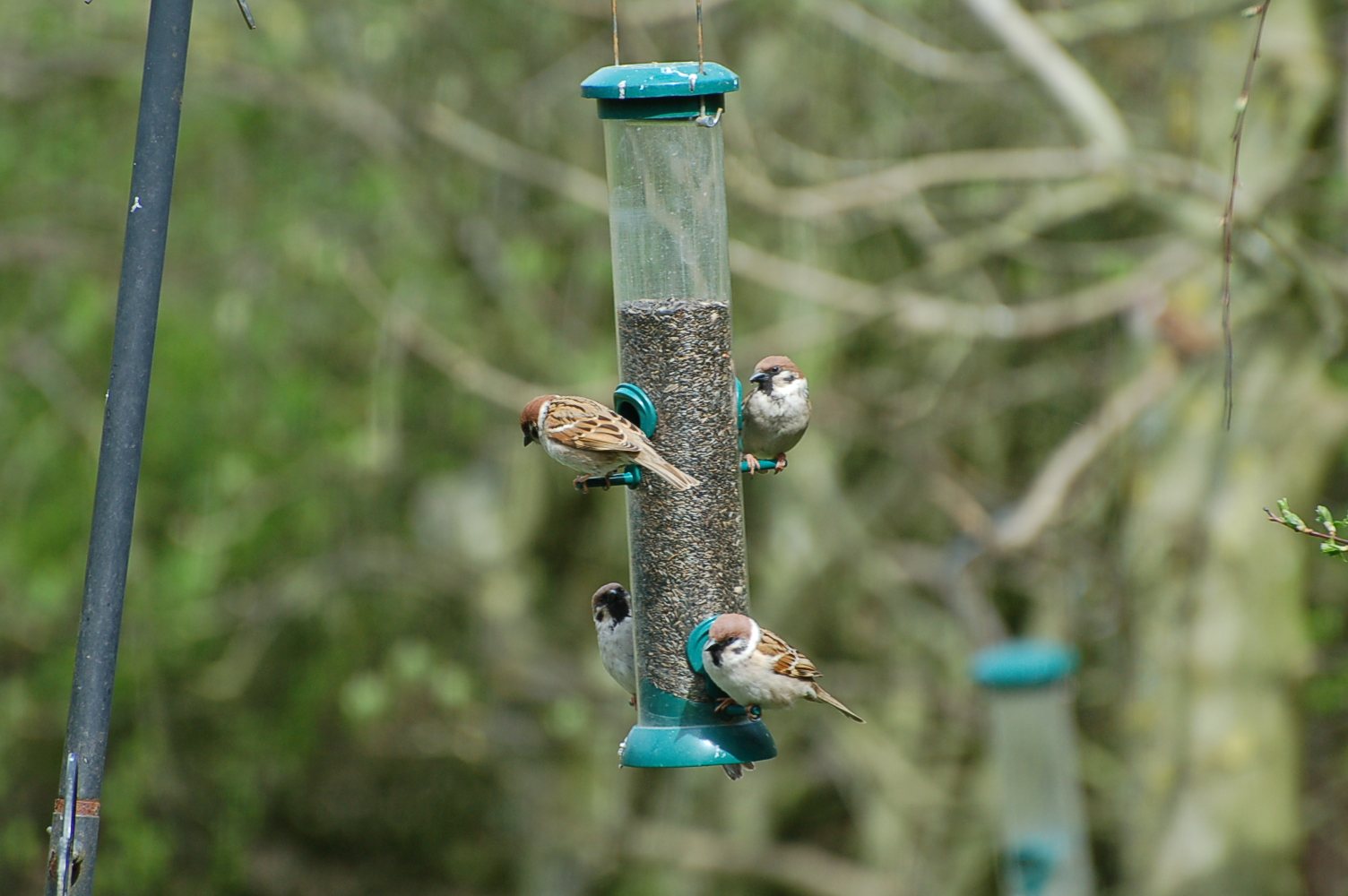
We soon realised we were in for a special day when we noticed that the sparrows flocking around the RSPB’s visitor centre were not House Sparrows but the much scarcer Tree Sparrows with their smart brown berets replacing the drab grey of their commoner cousins.

DSC_0225 DSC_0226

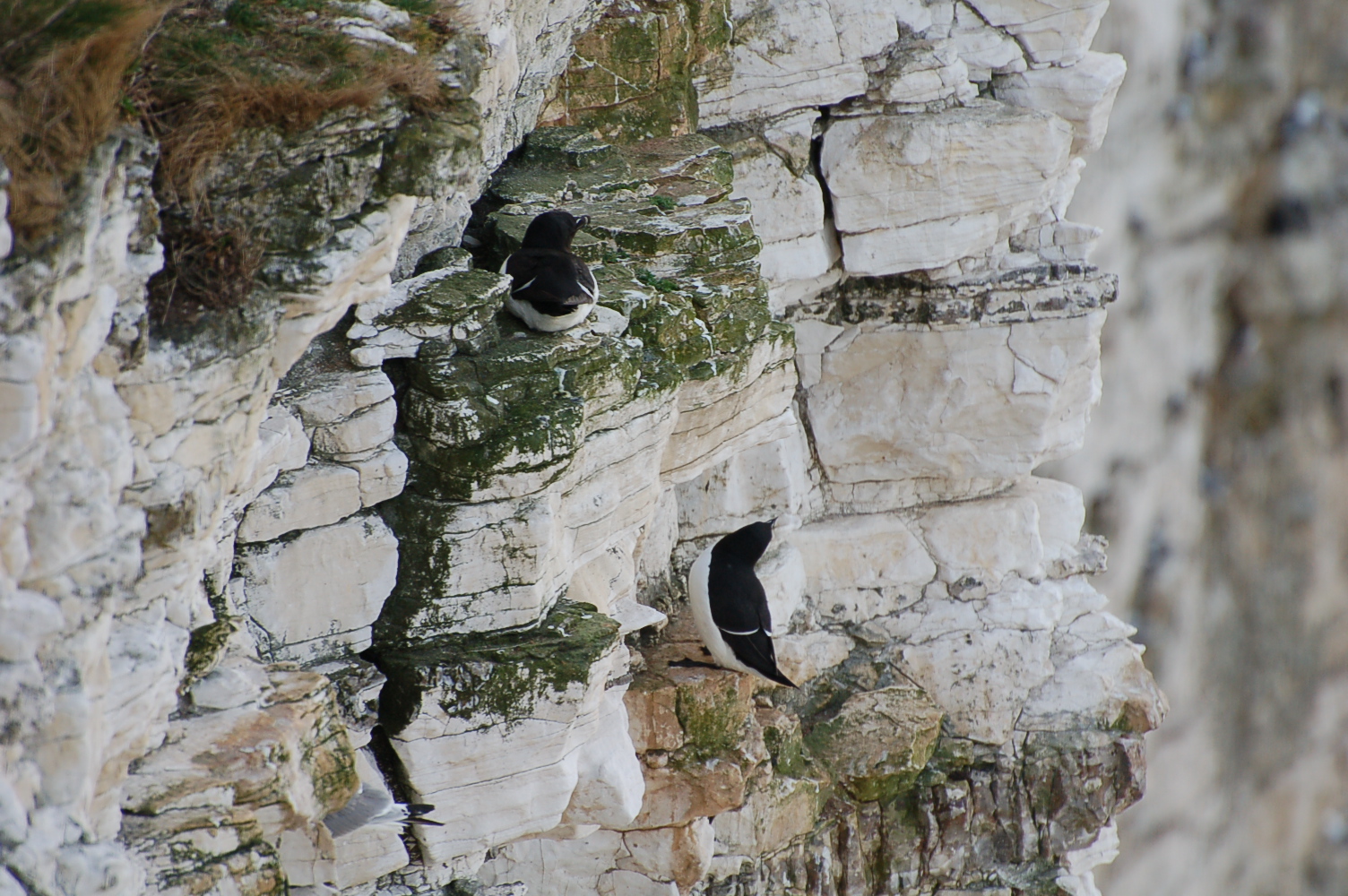
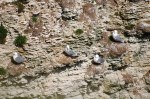
But we were here to look along the steep tall cliffs at the seabirds beginning to claim territories and begin nest-building. We wandered down to where the land dropped steeply away and looked down to see dozens of large mostly black and white coloured birds speedily flying close to the cliffs themselves and occasionally dropping onto ledges where nest-building was just starting. Most of these were Guillimots and Razorbills but the true stars were the smaller Puffins with their large multi-coloured striped bills.

DSC_0201 DSC_0200

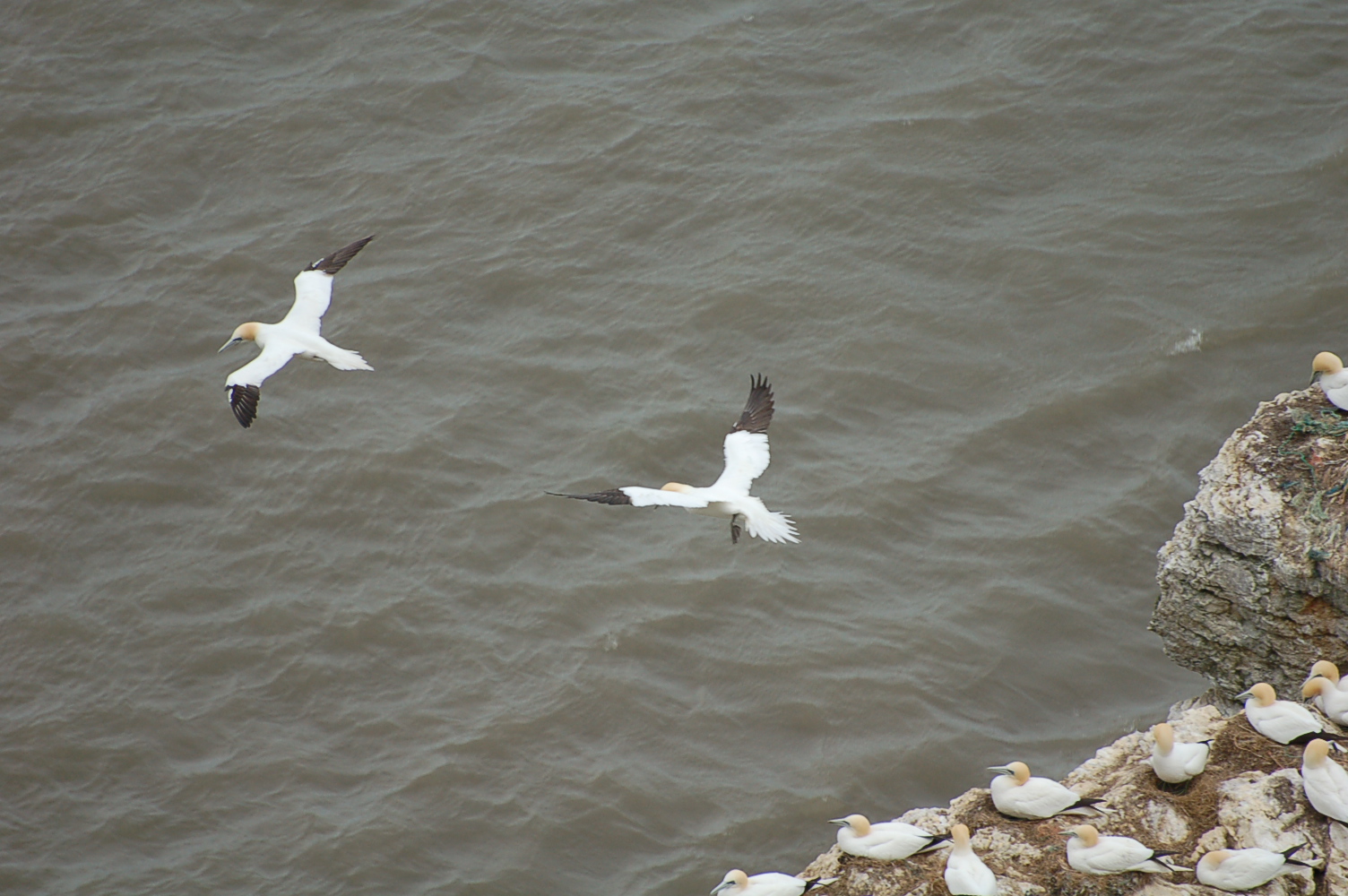
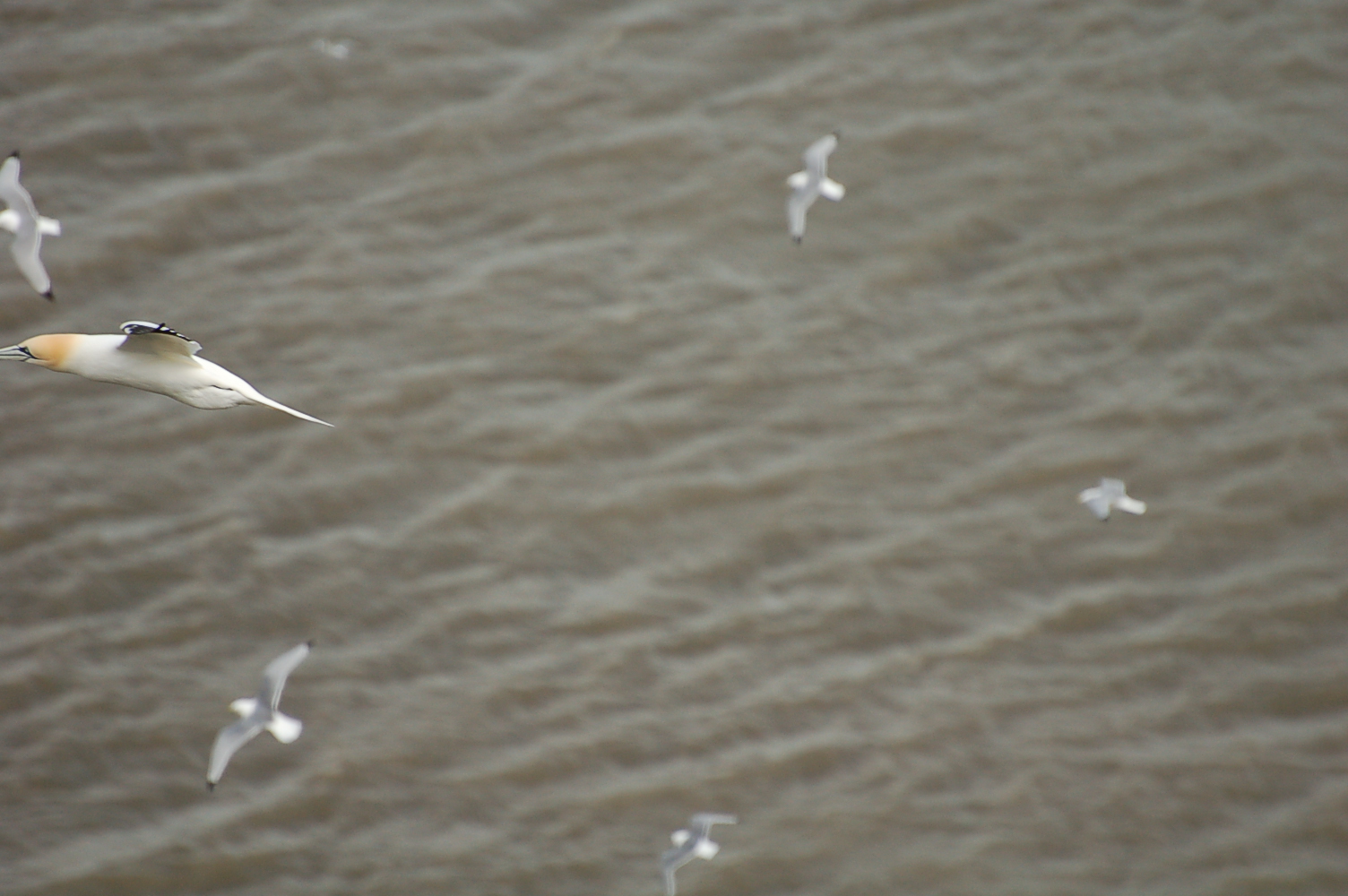
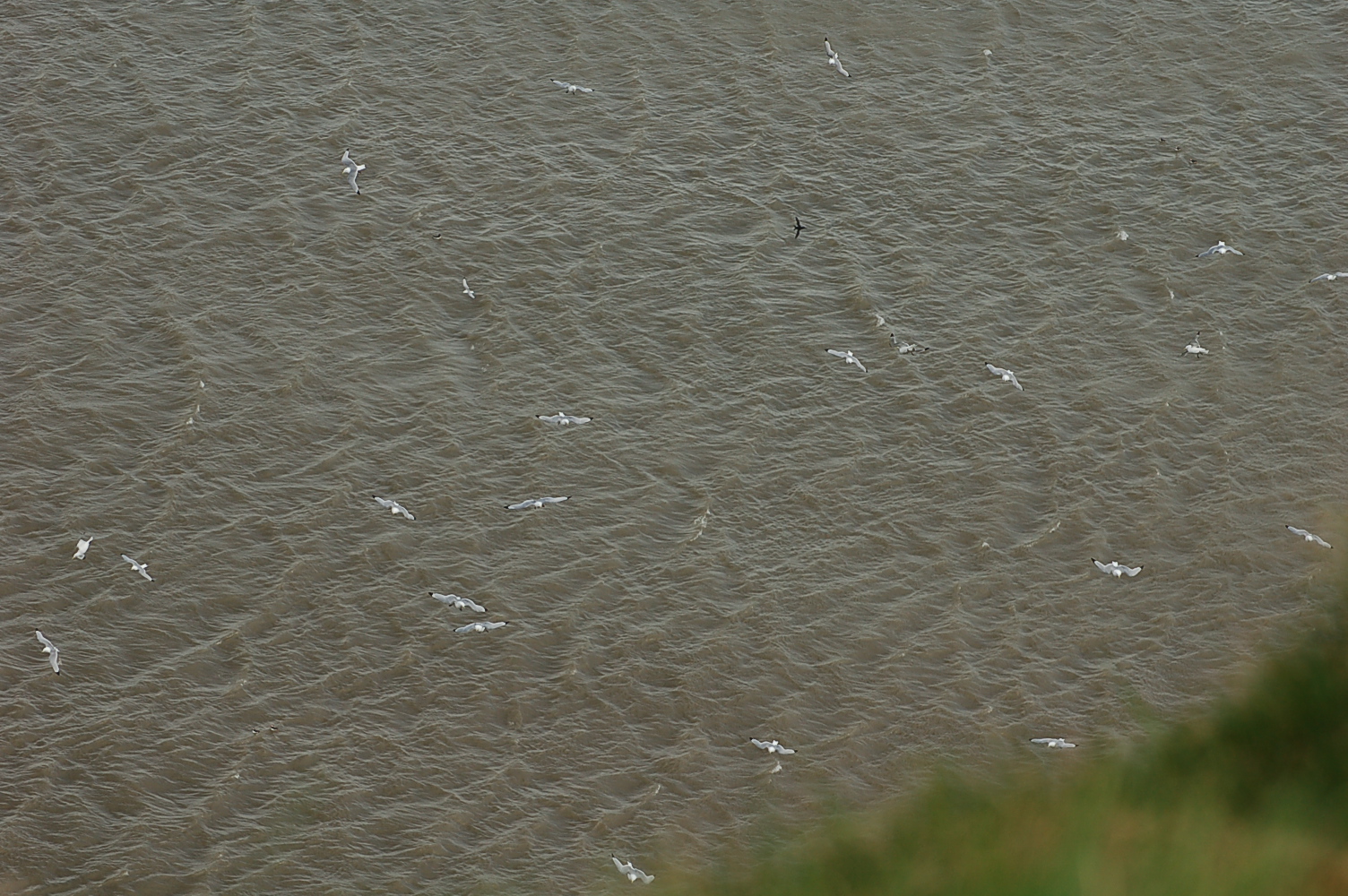
I spent an awful lot of time trying to get photos of Gannets in flight. It was a real difficult challenge and I had lots of failures and no real successes, but here are my best efforts.

DSC_0169 DSC_0148

I can’ resist showing a couple of failures just to give you a laugh – a near miss and a total miss.

DSC_0152 DSC_0154

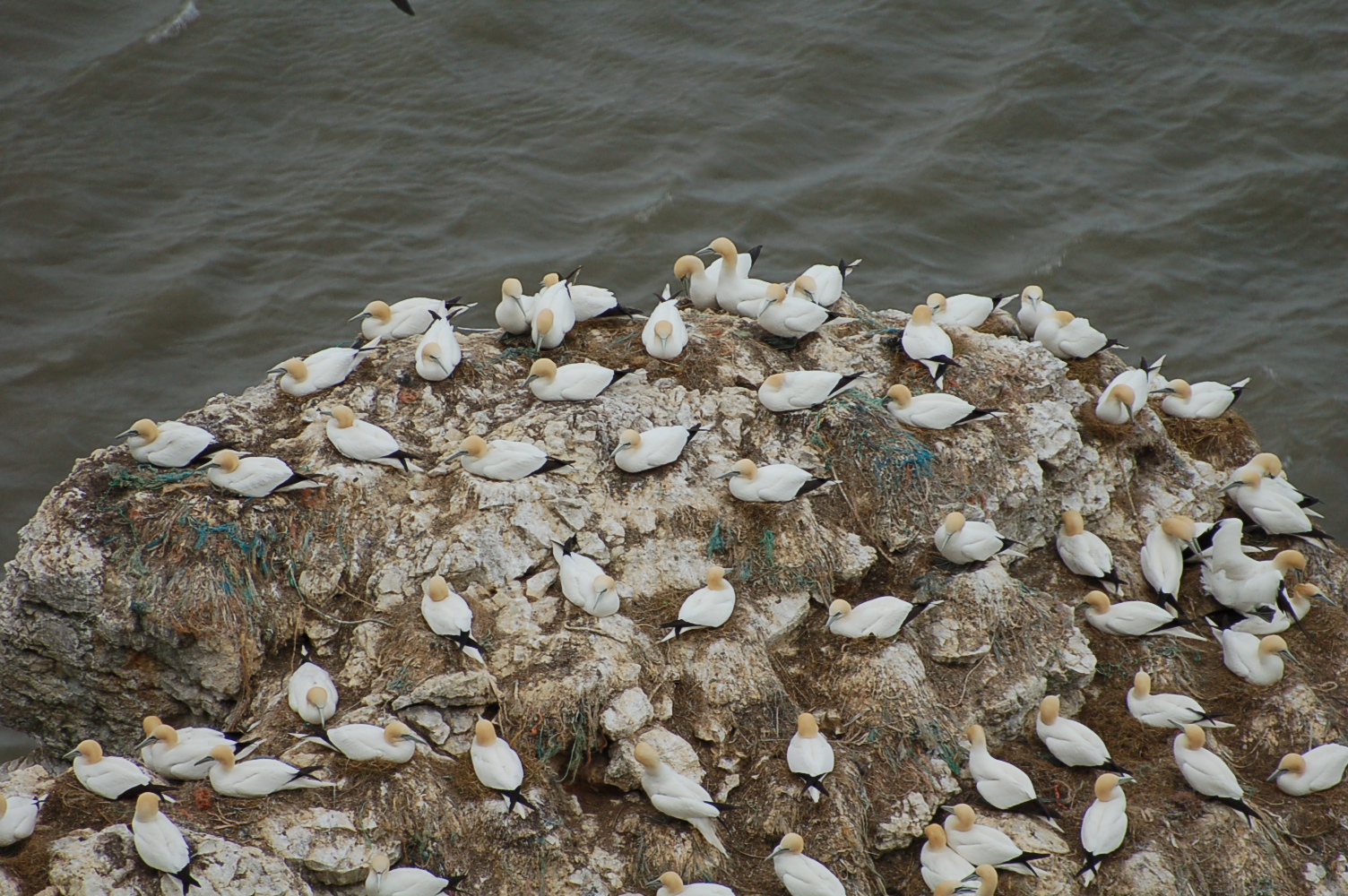
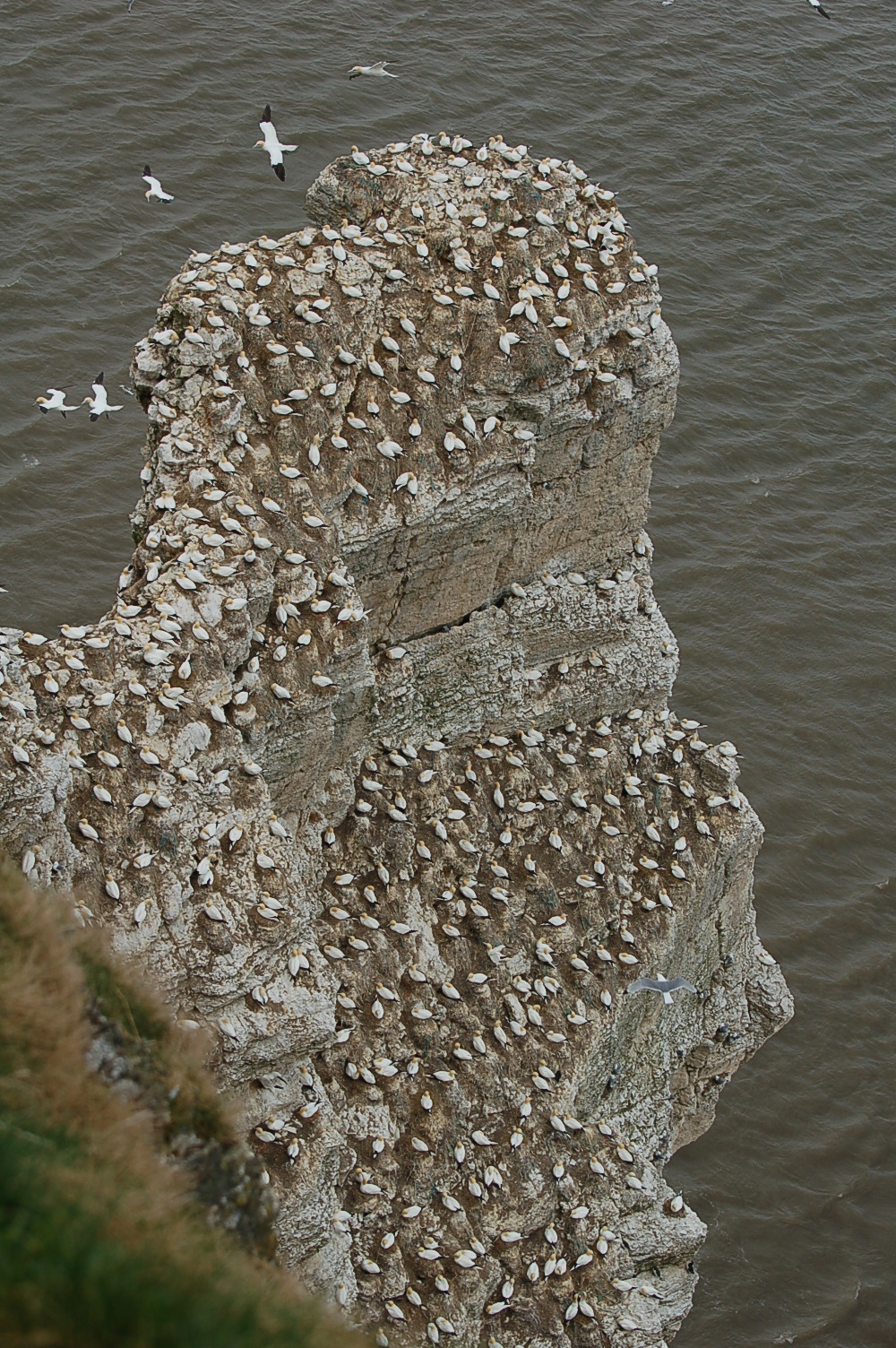
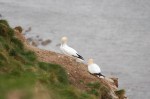
The individual birds were impressive but it was the sheer size of the colonies of the Gannets that amazed us.

DSC_0166 DSC_0167

It wasn’t just sea birds that made Bempton special though as we saw four sorts of Wagtail – Pied, Yellow, White and Grey Wagtails, two sorts of Pipits –  Meadow and Rock. and two sorts of Bunting – Corn and Reed.

After being amazed and stunned by the bird life we were amused by the amphibians. A shallow pond near the visitor centre was heaving with lively frogs.

DSC_0215 DSC_0216

I shall finish our visit to Bempton with a little gallery. As usual just click on a pic and use the arrows.

Categories
colours conservation meadows nature reserves outdoor sculpture trees wildlife Wildlife Trusts woodland

In search of bluebells near Sugnall Walled Garden

So after enjoying our refreshment in the tea shop at Sugnall and refreshing our souls in the tranquillity of the walled garden we went off up a narrow lane in search of a nature reserve recommended by Geoff. We were anticipating the delightful experience of seeing and smelling the most English of wildflowers, the Bluebell.

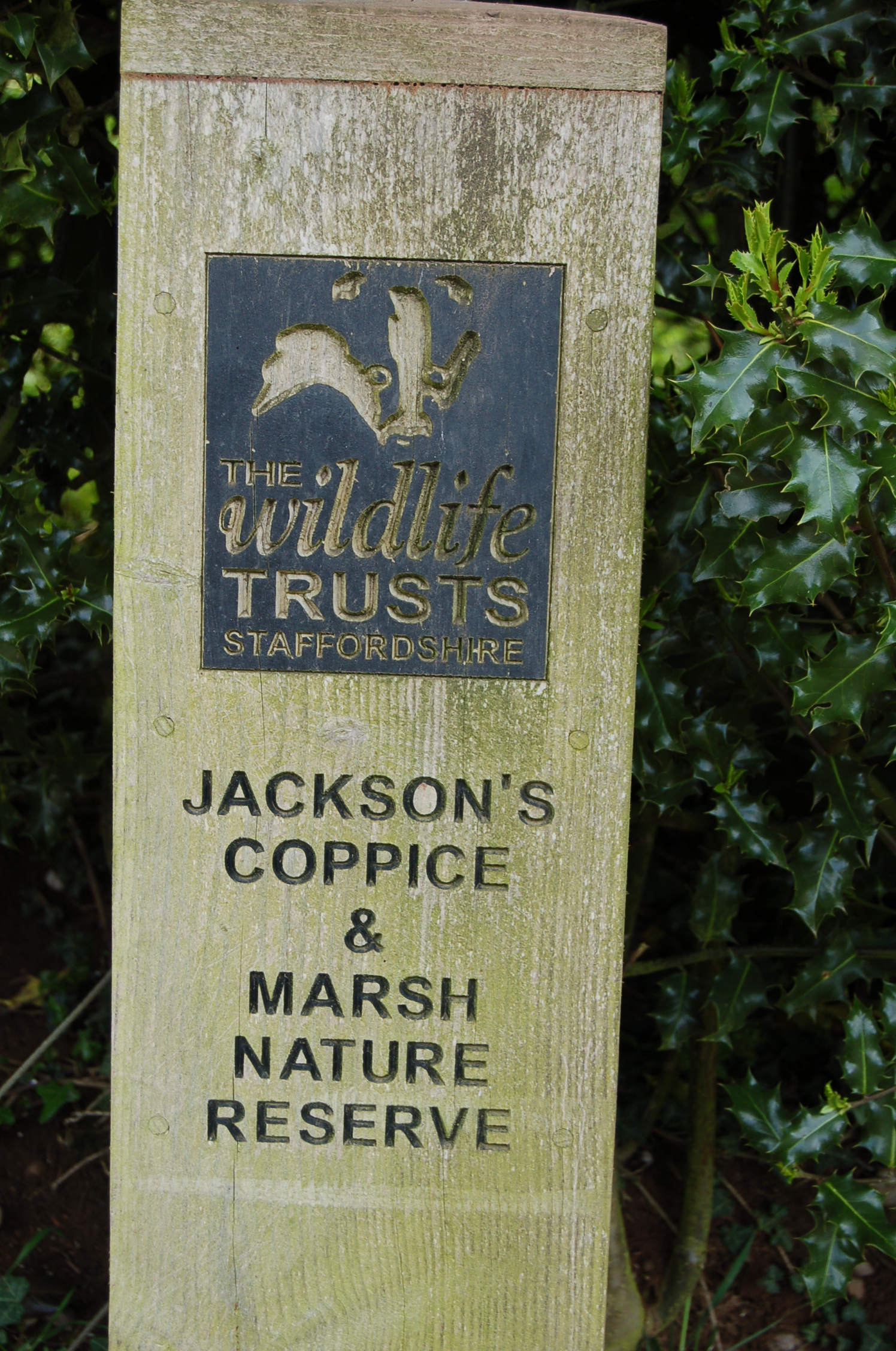
Geoff did not let us down. We found the reserve and it was a stunning place to walk and enjoy what is best about the English countryside. A meadow, a marsh and a broadleaf woodland surrounded by traditional mixed farmland.

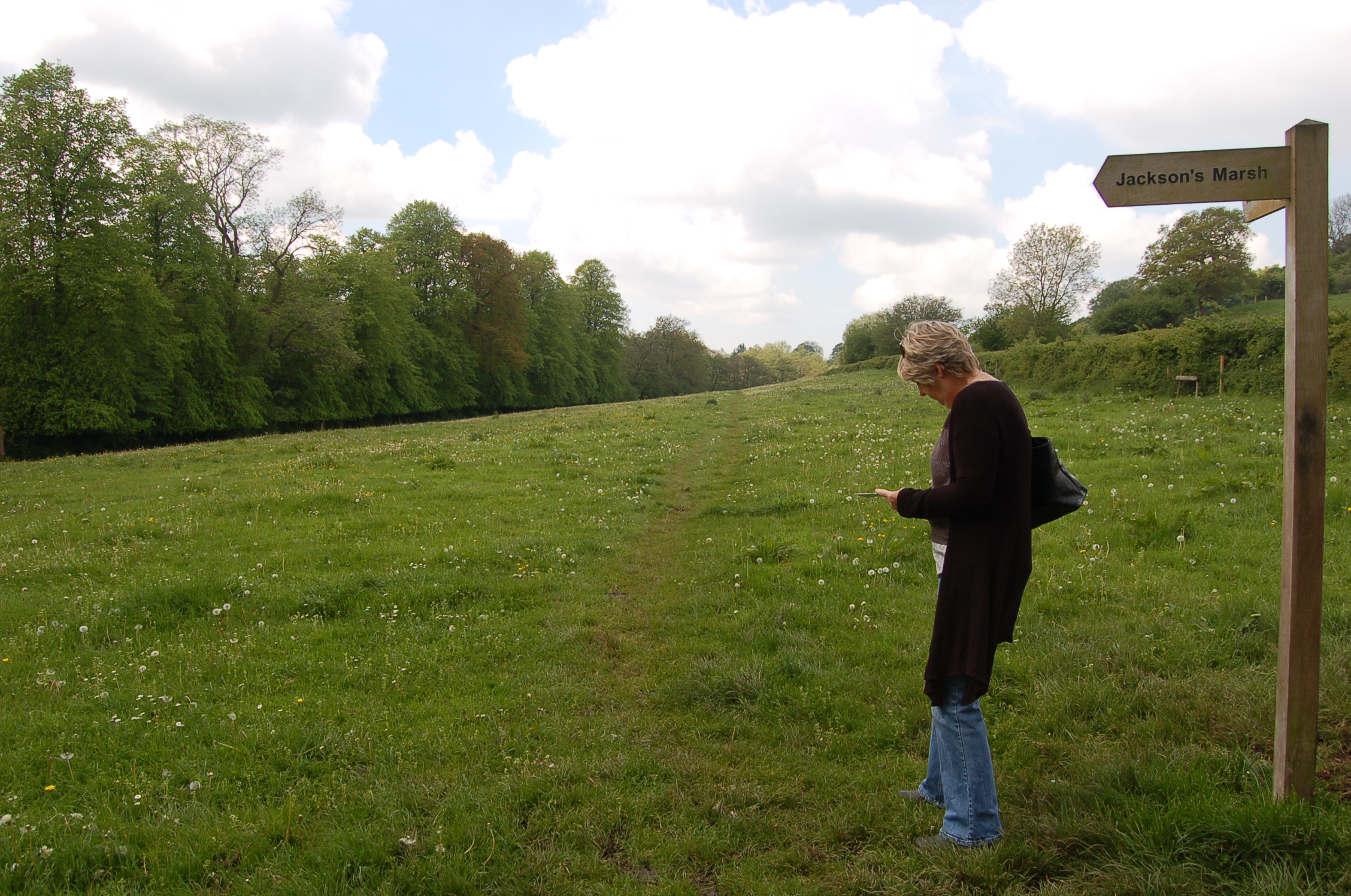
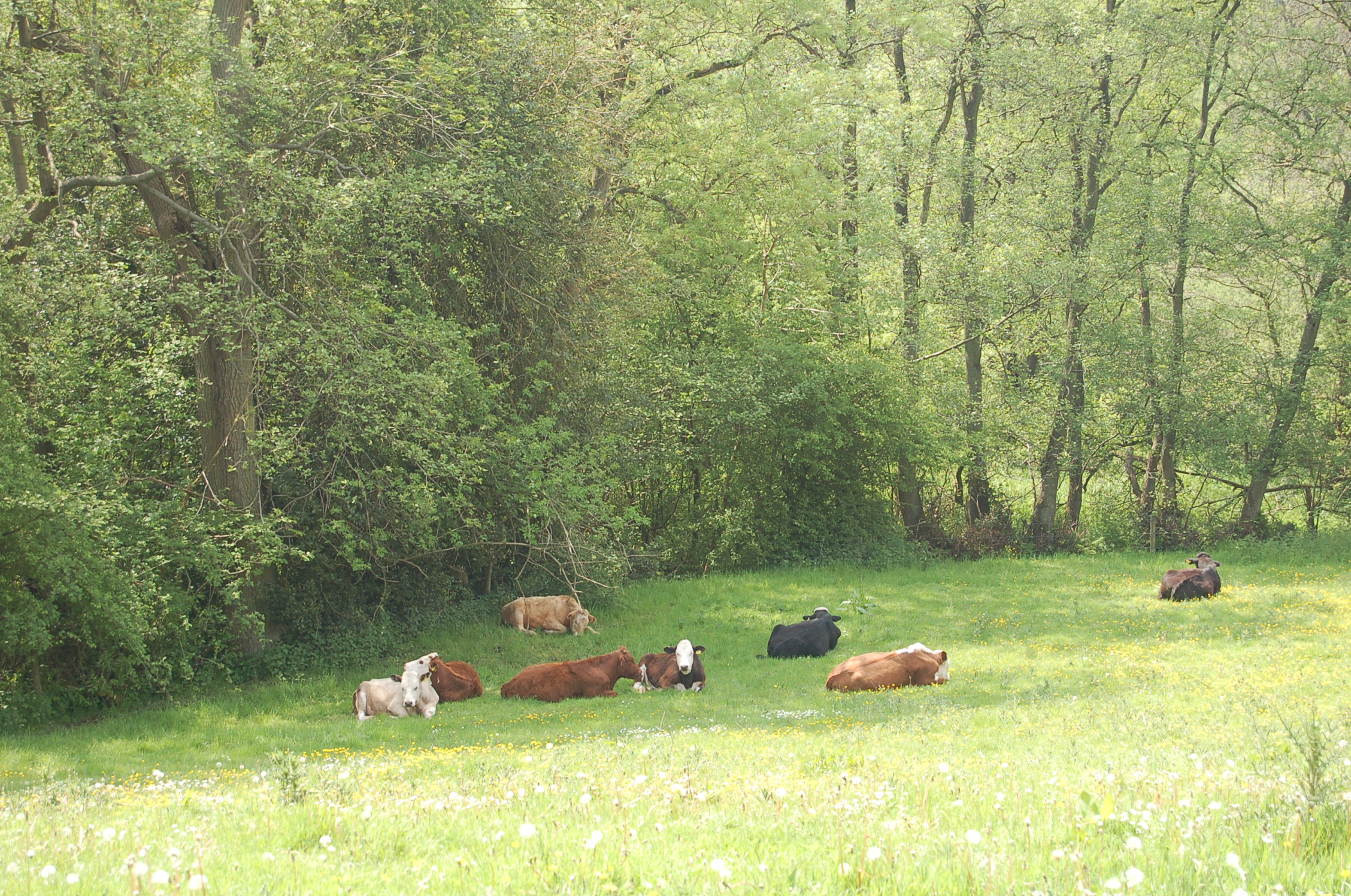
It was clearly signed and even had a box on the fence with leaflets in giving us a map and info. Jude the Undergardener loves maps so was happy before we even set off, happy enough to cross a meadow with cattle in!

DSC_0023 DSC_0024

DSC_0025 DSC_0026

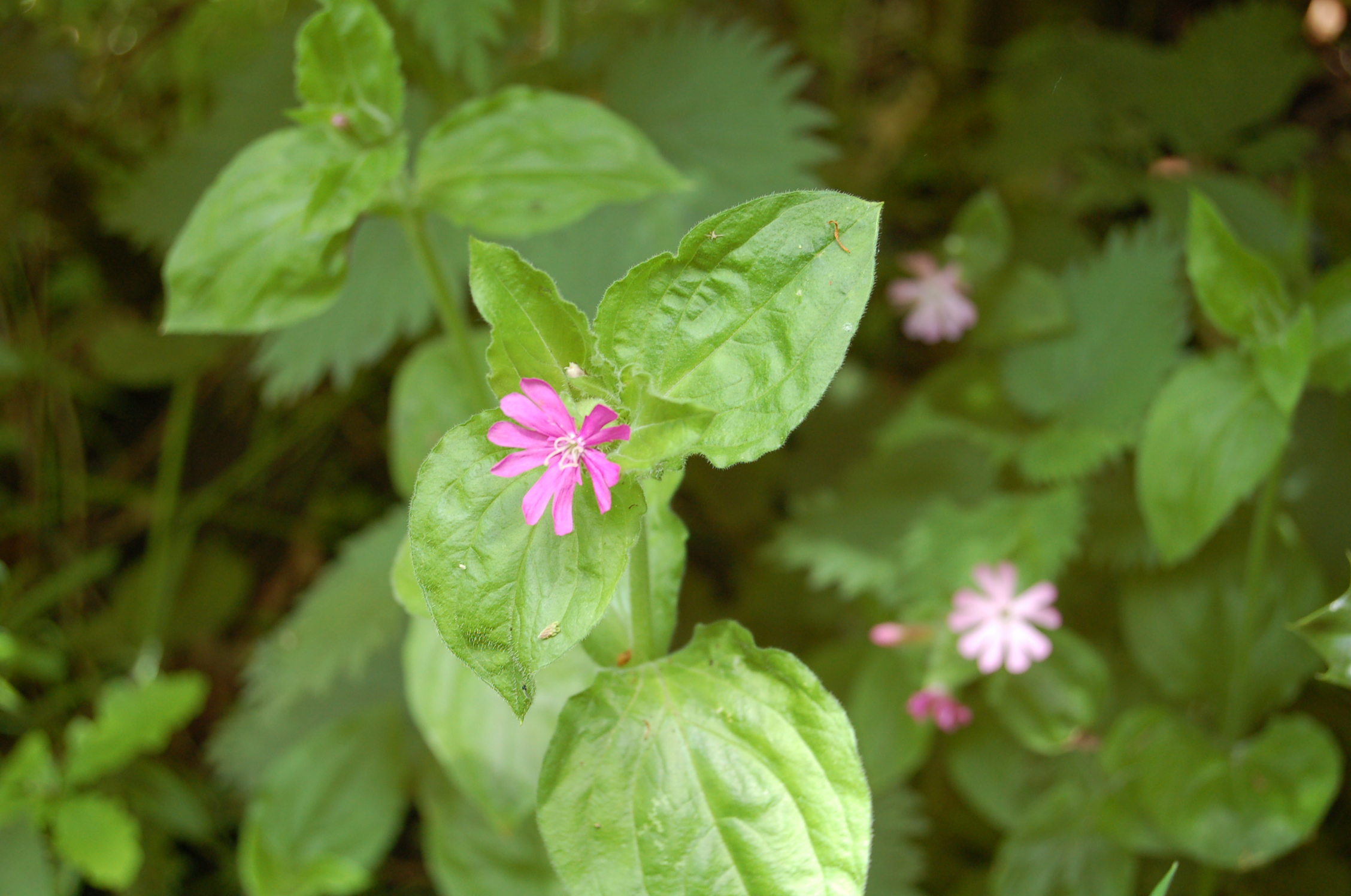
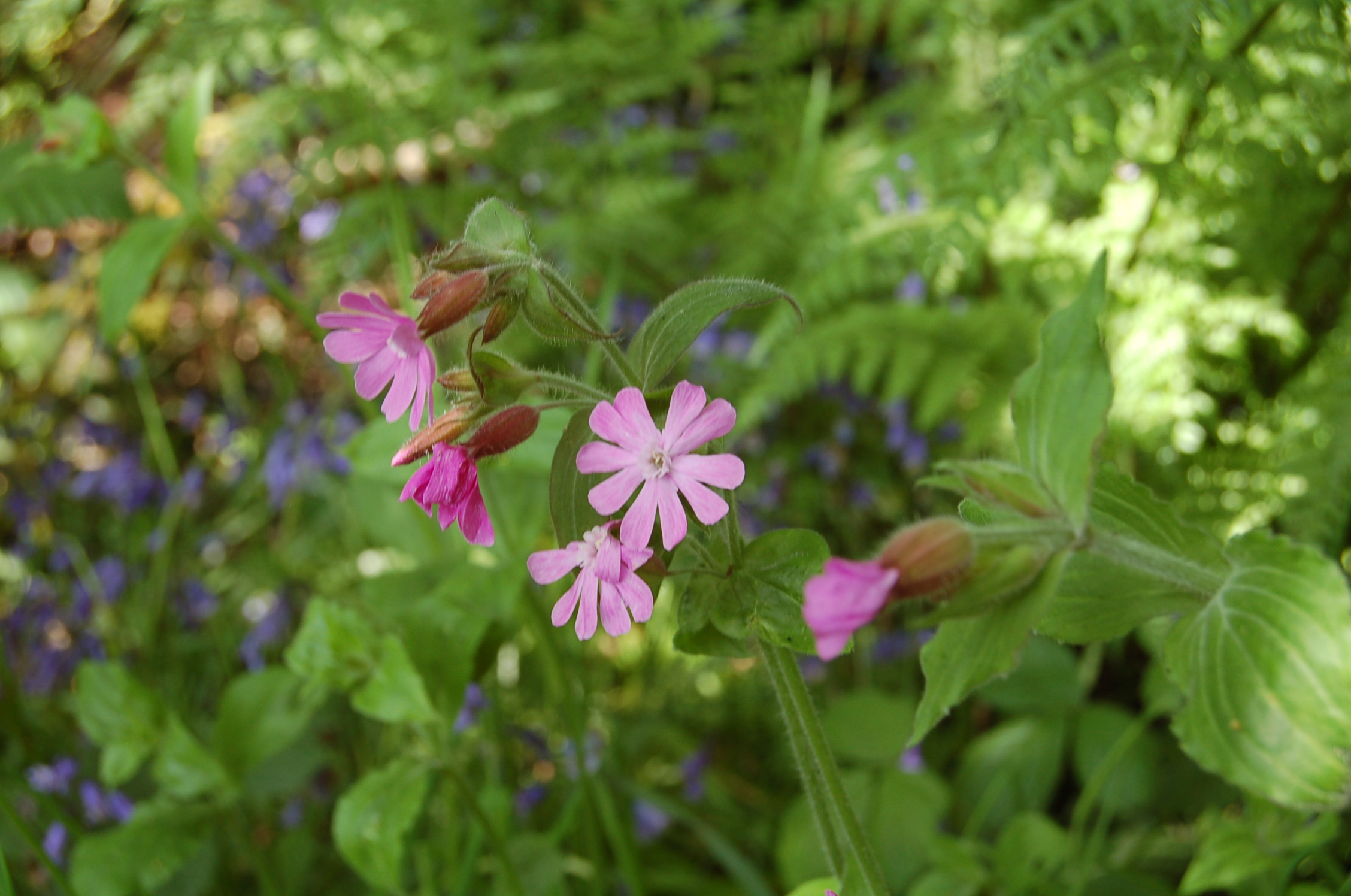
The hedgerow gave protection to a select few delicate wildflowers such as Red Campion and Stitchwort.

DSC_0029 DSC_0028

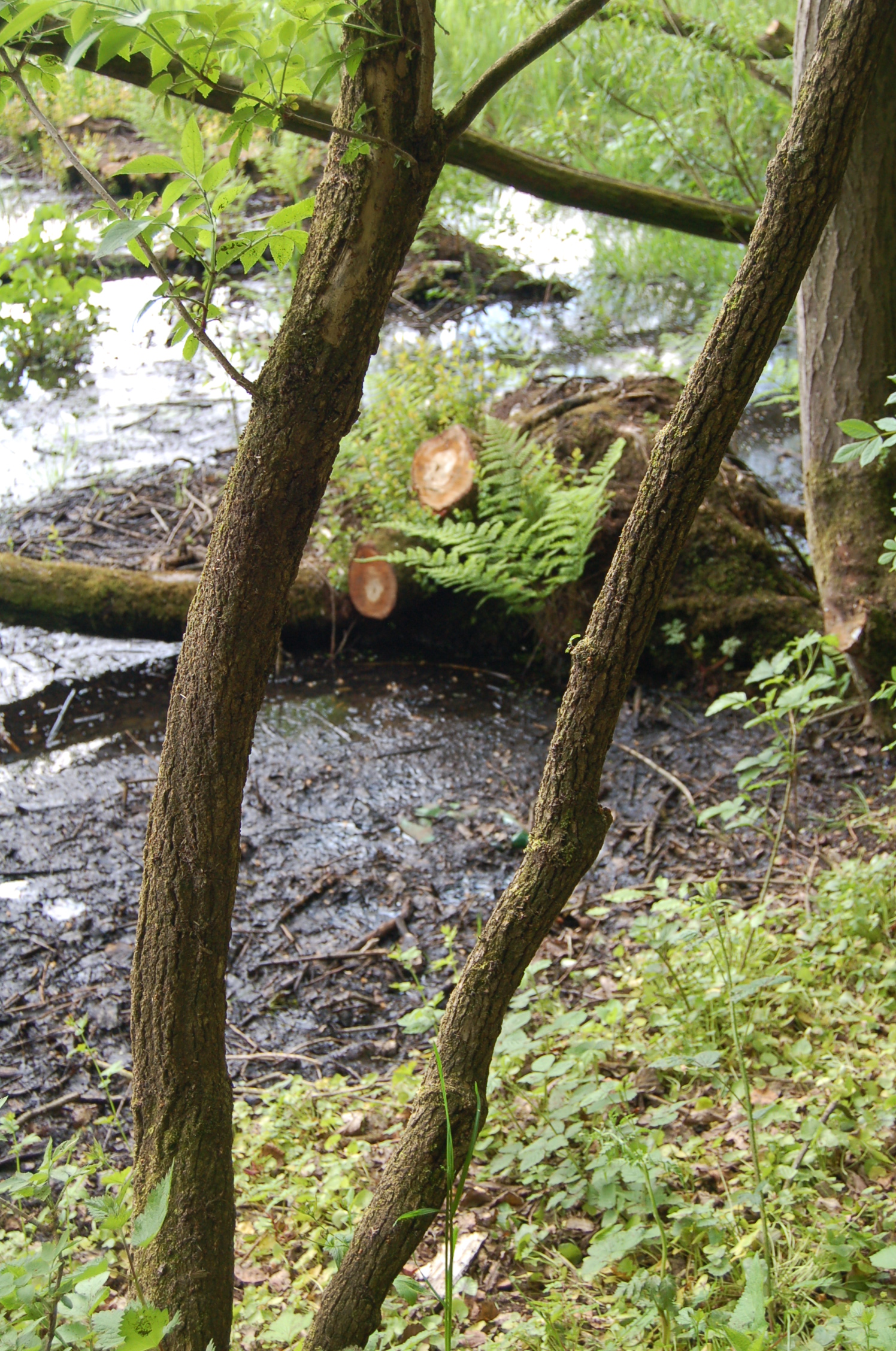
As we left the meadow behind we passed a wet area alongside the track just before we entered the wood itself. It had a primeval quality to it.

DSC_0030 DSC_0031

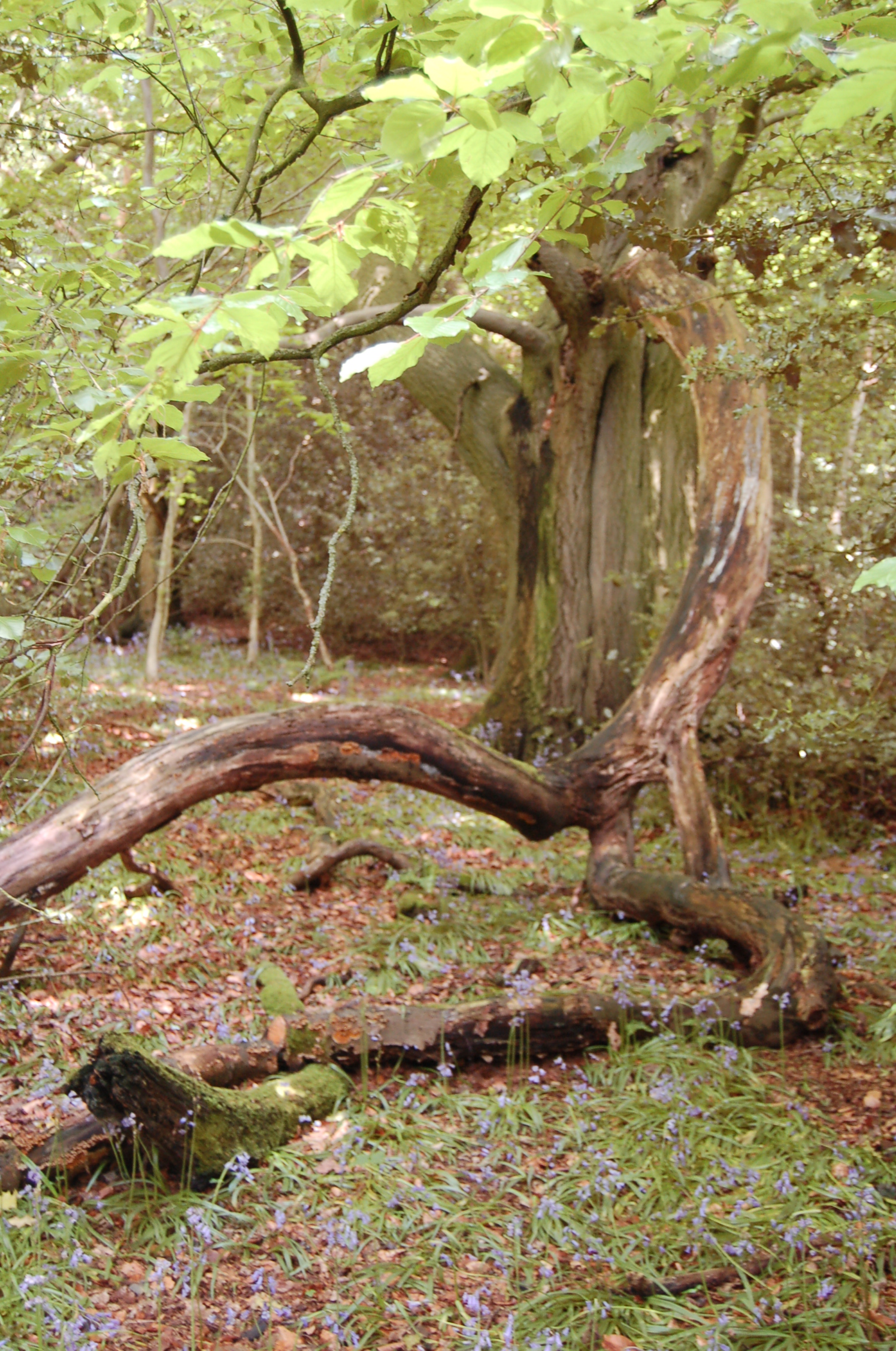
Entering the wood the temperature fell a few degrees and the strength of the sun weakened as we walked in dappled shade. The pathway look inviting and was soft underfoot as our feet touched the deep leaf litter.

DSC_0032 DSC_0033

DSC_0045

The scent of Bluebells was intense in the humid atmosphere below the heavily leaved ancient oaks, ash and beech. Below this rich scent lingered the warm aroma of leaf mould. Click an image below and use the arrow to take a stroll with us through the bluebells.

This little reserve is well-known for the huge and very ancient badger sett which covers a large proportion of the wood. Entry holes litter the slope all along one side of the wood. Evidence of their liking for the bulbs of the bluebells as part of their diet can be found. Small holes in the ground show where the bulbs have been dug up and consumed, the top growth, stem, leaves and flowers are left to litter the surface. These bulbs are poisonous to most wildlife but badgers relish them.

DSC_0059 DSC_0061

Red Campion thrive mixed within the bluebells just as they did under the hedgerow along the more open meadowland. Campion and bluebell with their pink and blue go so well together.

DSC_0051

As ever, when visiting any woodland I spot the hand of Mother Nature in the natural sculpture she crafts.

DSC_0043 DSC_0044

So two great places to visit within half a mile of each other and so different from each other. The two things they do have in common though are tranquillity and atmosphere.

Just before leaving for home we took a short stroll along the boardwalk through the marshland bordering the meadow near where we parked the car. Click on any image and use the arrows to view the short gallery.

Categories
bird watching birds conservation nature reserves photography Wildfowl and Wetlands Trust wildlife

Go North – Find Spring

Living here in the midlands, neither North nor South, we always go South to get an early glimpse of Spring or north to get a late look at Winter. This year it all seems topsy-turvy!

Earlier this week we went North and discovered Spring!

DSC_0014 DSC_0016 DSC_0017 DSC_0037 DSC_0040

We visited a Wildfowl and Wetland Trust reserve close to the coast north of Liverpool, called Martin Mere, a reserve we visit regularly. We can get there and back in a day and the walking is on the flat. There are several hides giving views of pools, reedbeds and scrapes and the luxury of clear views of so much wildlife.

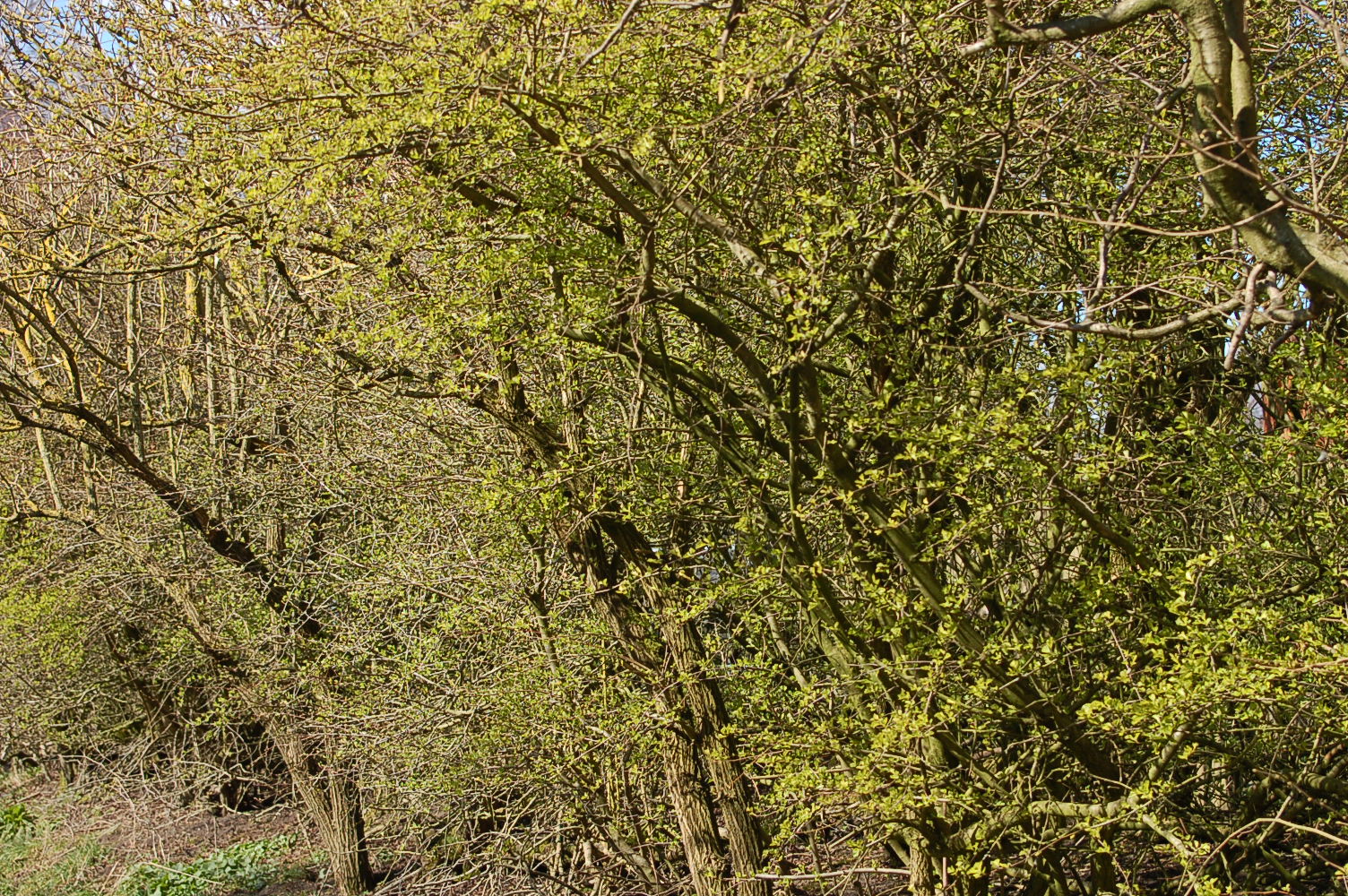
We expected to see the progress towards Spring a good few weeks behind our home patch but we were surprised to find evidence to the contrary. The flowers of spring were showing their golds and creams. We enjoyed the sight of  Celandines and Primroses glowing beneath hedges of Hawthorn bursting into the brightest green leaves, the brightest green it is possible to imagine. The quality of light highlighted the remnant seed-heads from last year and gave them a new lease of life.

DSC_0041 DSC_0042 DSC_0043 DSC_0044 DSC_0045

The commonest of wildfowl and waders fed alongside rarer visitors and we enjoyed them all equally. Just over seventy species of bird spotted in one day are testament to the quality of the reserve’s habitat management.

DSC_0020 DSC_0024 DSC_0035

I took lots of photos during our visit and not all of them fit in with the text above so just click on any shot in the gallery below to enjoy a slide show celebrating our first true day out this Spring.

Categories
birds gardens open to the public National Trust nature reserves photography Shropshire The National Trust trees wildlife winter gardens woodland

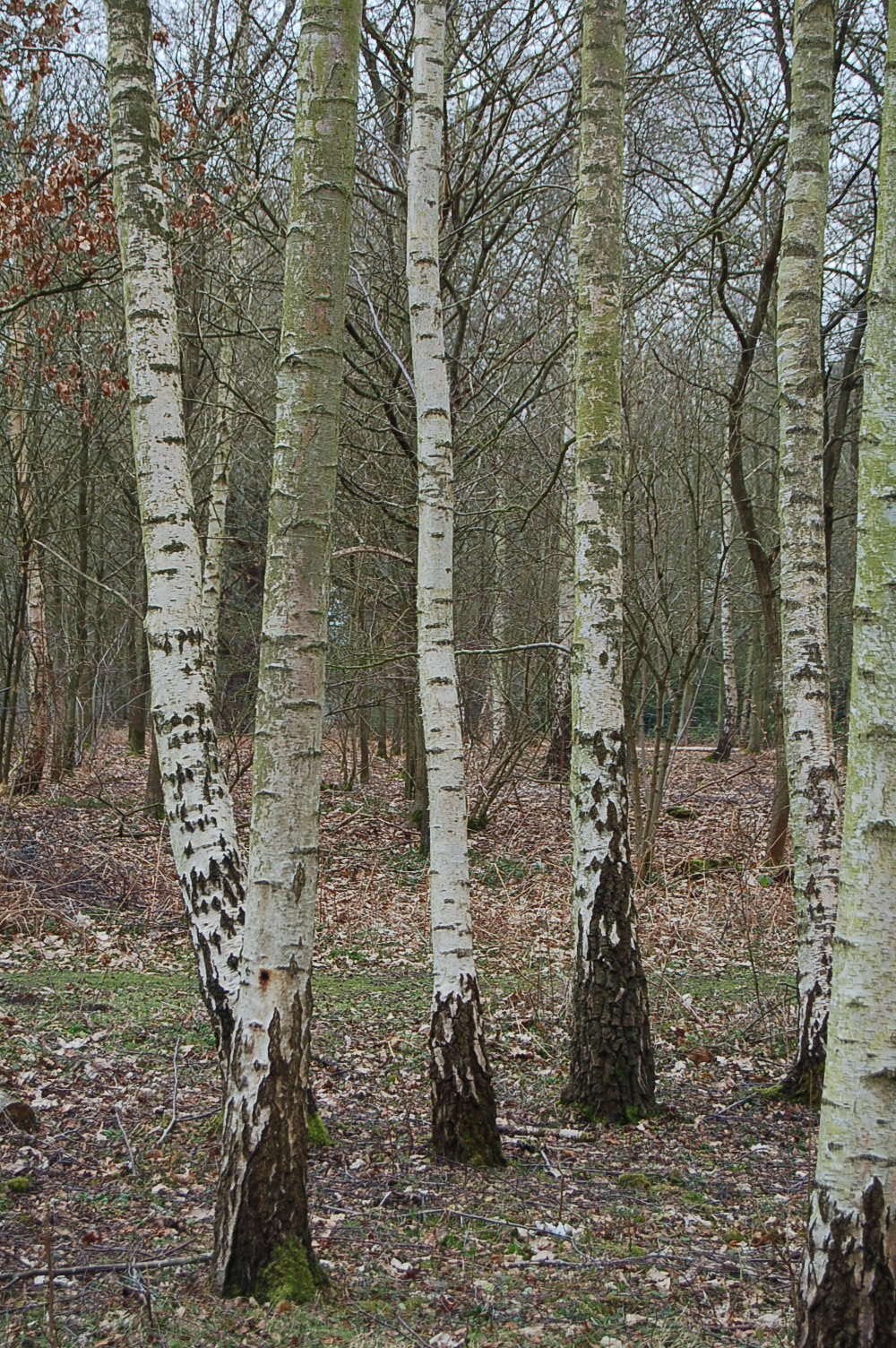
Birches in Winter

Regular readers of Greenbenchramblings will be very aware of my love of Birch trees in all their many guises. In this post I shall highlight our native Betula pendula.

birch 3 birch 4 birch 5 DSC_0041

The texture of its silvered bark metamorphoses as it ages from a smooth shining silver to a pattern of deeply fissured elephant skin.

birch 1 birch 2

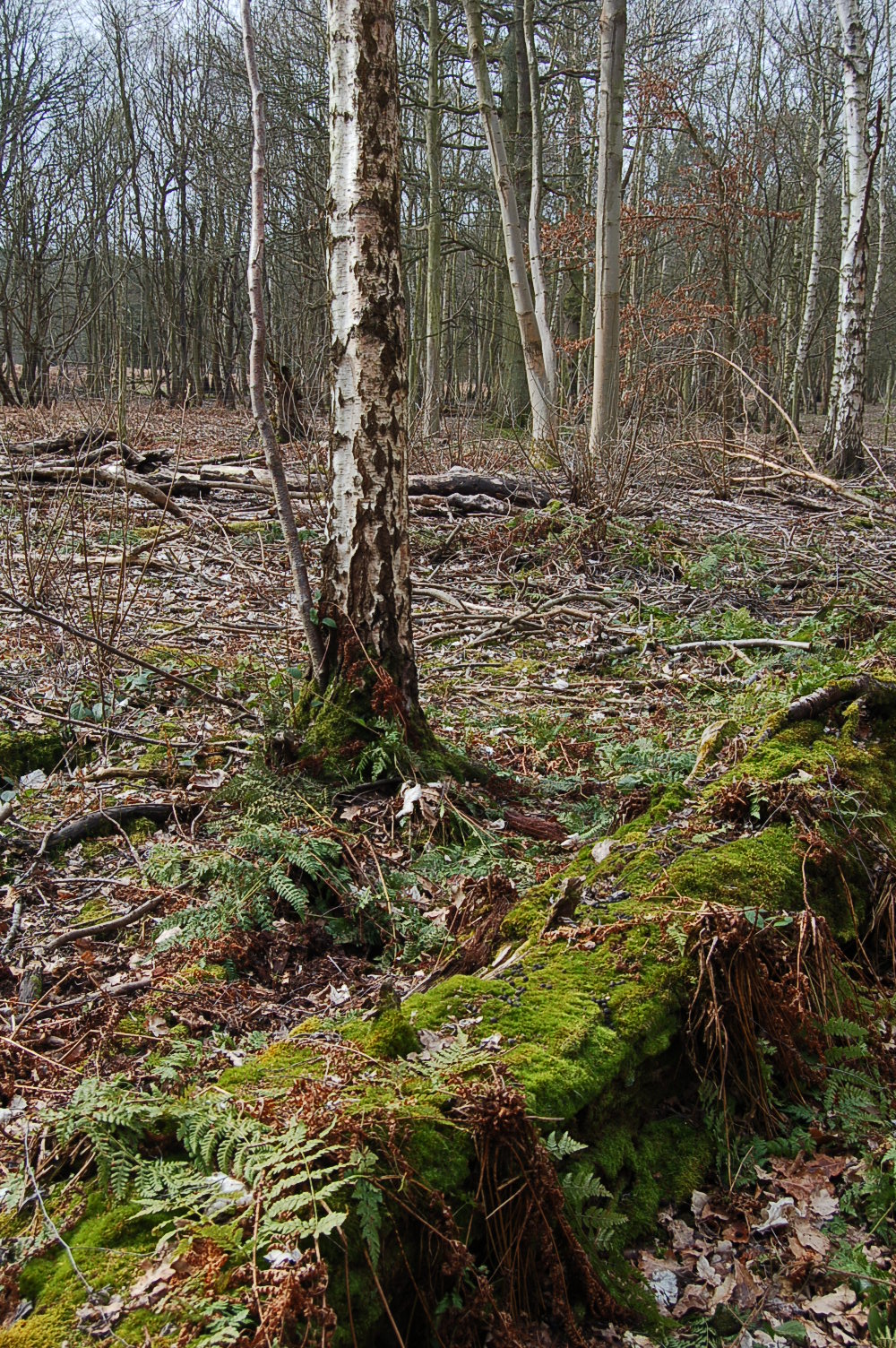
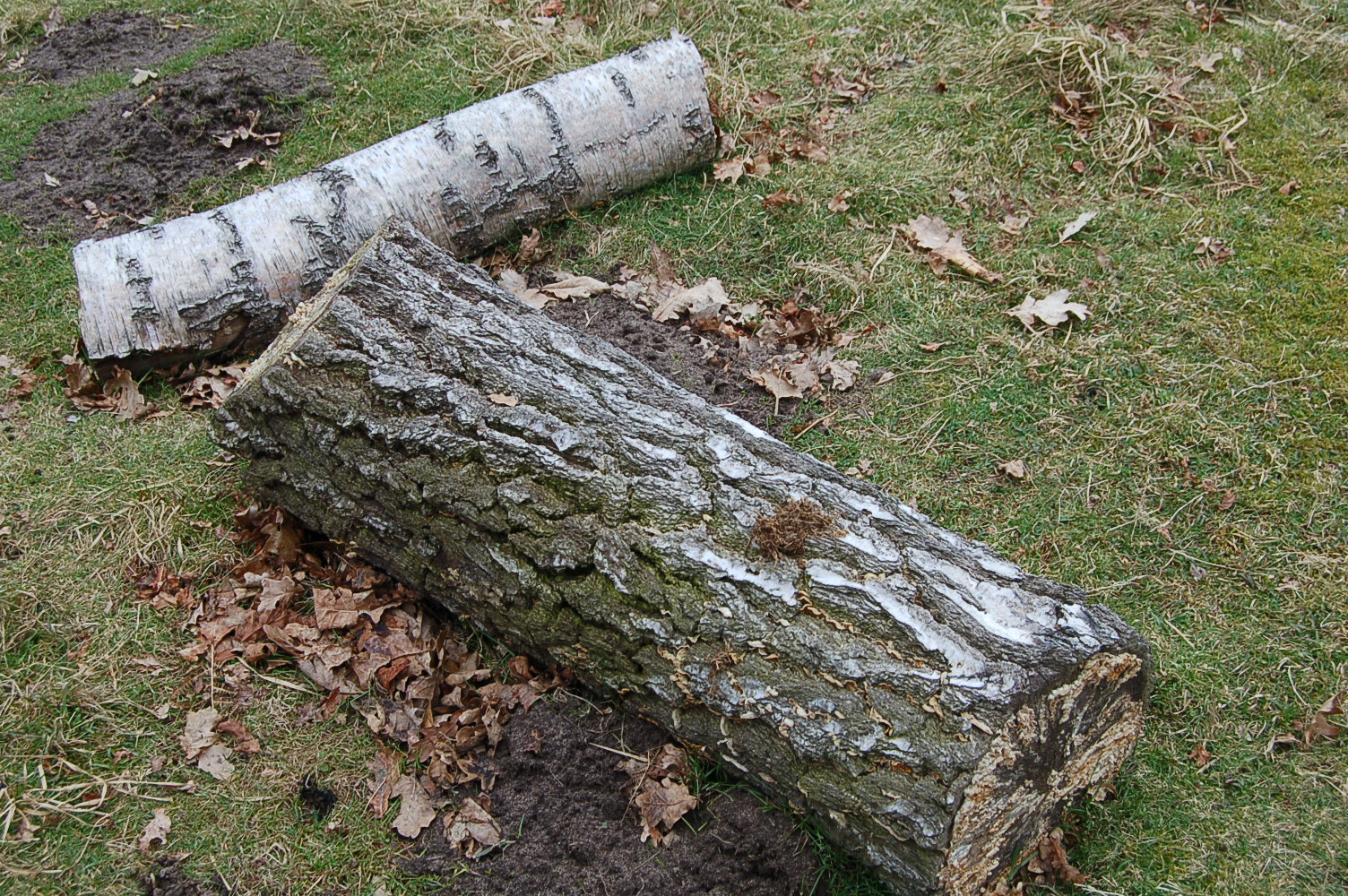
Our native Birch is a relatively short-lived tree so within any mixed woodland fallen specimens litter the ground. They will slowly dissolve away through the actions of the tiniest creatures and a multitude of fungi.

DSC_0080 DSC_0081

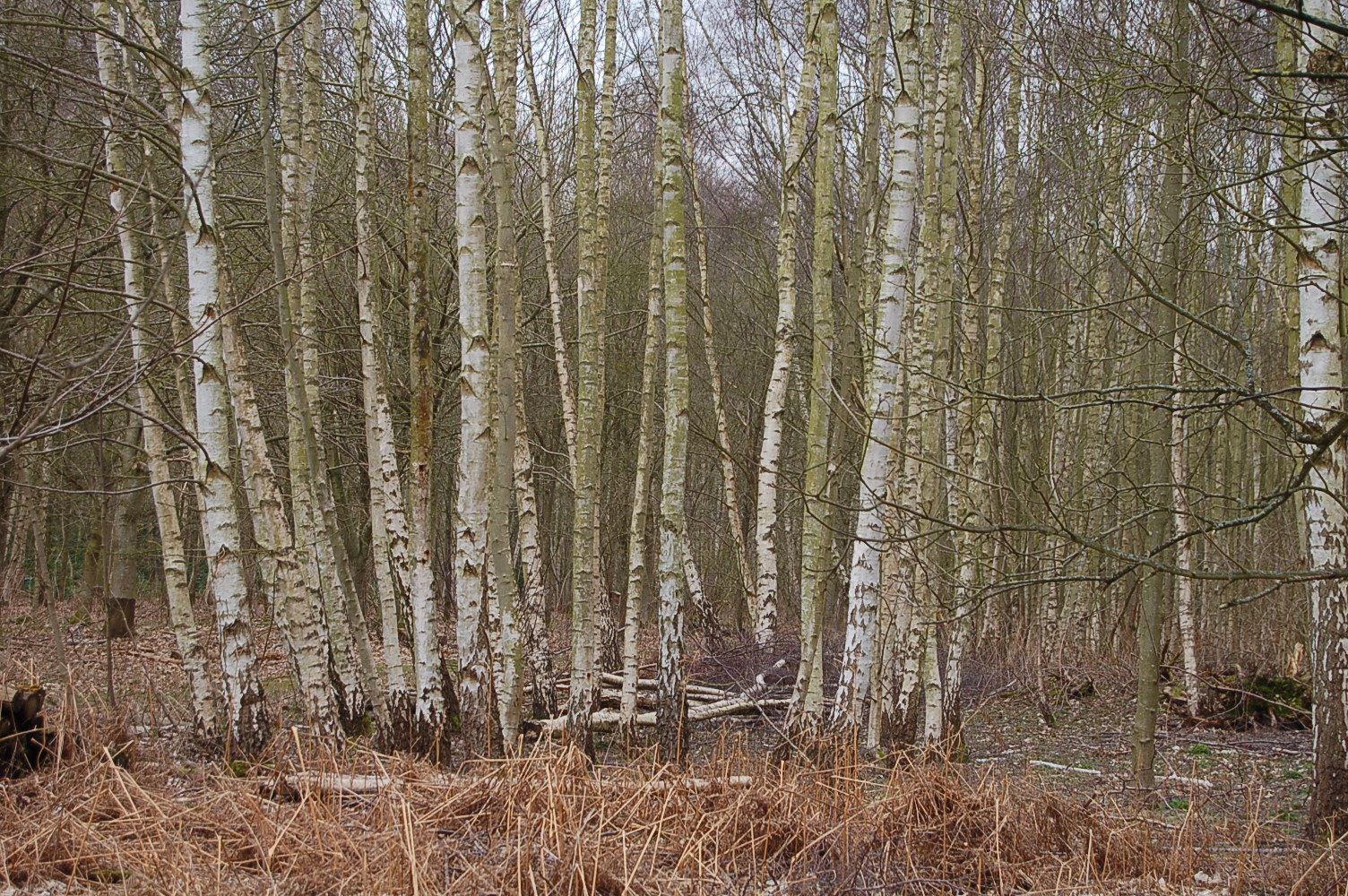
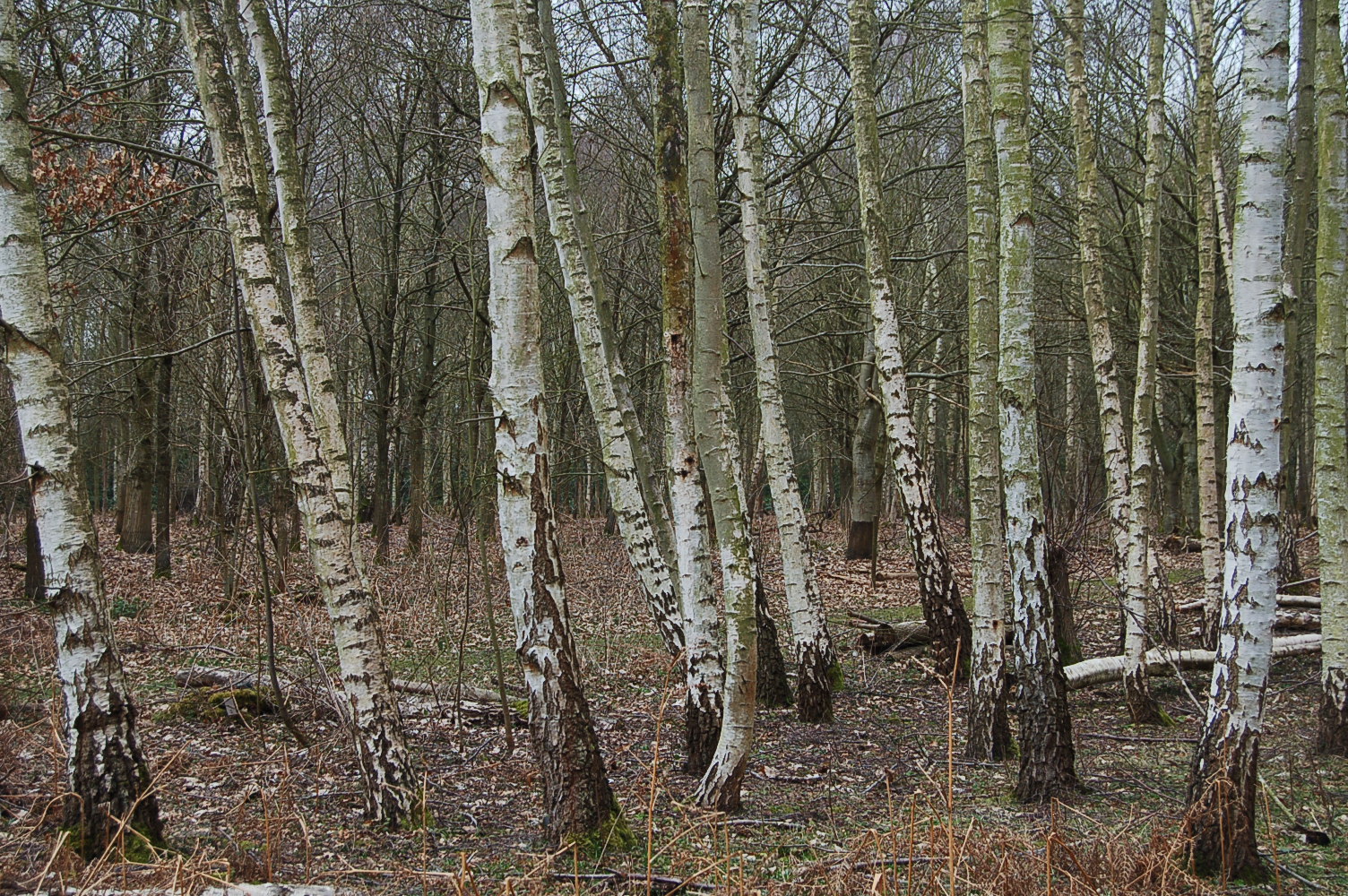
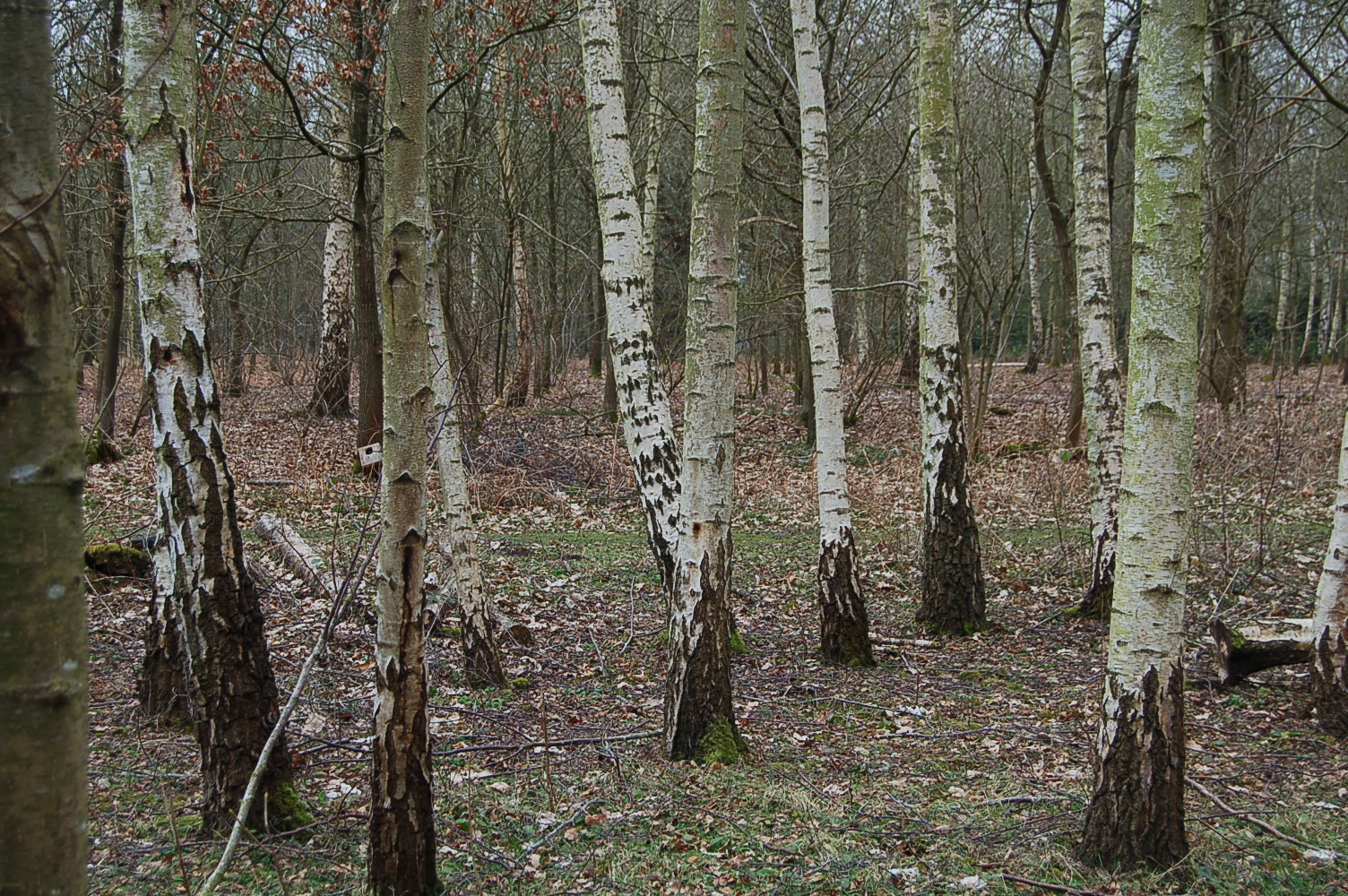
Perhaps the best way to finish off this series of  photos of my favourite trees, the Birches, is with a set of pictures of groups of them standing like cold sentinels.

DSC_0067 DSC_0069 DSC_0070 DSC_0071 DSC_0074 DSC_0075

Categories
gardens open to the public National Trust nature reserves Shropshire wildlife woodland

Attingham’s Deer

We always keep an eye out for the deer herd at Attingham. Today we were treated to a close up view of a group of these Fallow Deer. They were so busy feeding they hardly noticed us. We felt honoured that they let us watch them and take a few photos. Click on any pic to see them as a slide show.

This Veggie Life

A Vegetarian | Nature Lifestyle Blog

Rambling in the Garden

.....and nurturing my soul

The Arch City Gardener

Journeys In St. Louis Gardening and Beyond

Garden Dreaming at Châtillon

Consult the genius of the place

Storyshucker

A blog full of humorous and poignant observations.

gardeninacity

Notes from a wildlife-friendly cottage garden

PlayGroundology

...an emerging social science

The Official Blog of British Wildlife

'The most important and informative publication on wildlife of our times' - The Independent. This blog is a member of The UK & Ireland Natural History Bloggers group: www.uknhb.blogspot.com

iGrowHort

Inspire - Cultivate - Grow Native Plants - Restore Landscapes

Bishops Meadow Trust

To create and protect a semi-natural wild space for the people of Farnham to enjoy and experience an array of British wildlife in our town

Gardening with Children

The www.gardeningwithchildren.co.uk Blog

UKbirdingtimeline

birding through the seasons, why birds matter and how to conserve them

NATURE WALKER

with a camera in hand

Jardin

Transform your outdoor space

Eva's space

My allotment, cooking and other interests

Old School Garden

my gardening life through the year

LEANNE COLE

Trying to live a creative life

fromacountrycottage

trying to live as lightly as possible on our beautiful planet

Good Life Gardening

Nature lovers from Leicester living the good life.

mybeautfulthings

Finding the beautiful in the everyday

mawsonmichelle

Michelle's Allotment

In and Out of My Garden

thoughts from and about my garden

Greenhousing

Big plans for a small garden

The Scottish Country Garden

A Walled Country Garden in South East Scotland

The Fruity Chicken

Life at the fruity chicken

willowarchway

Off grid living. Self sufficient. "PERMAGANICS RULE".

St Anns Allotments

Nottingham's Grade 2* Listed Allotments and Community Orchard

Manifest Joy Harvests

a journey in suburban vegetable gardening

Allotmental

The madness of growing your own

Penny's Garden: a harvest beyond my front door

A novel approach to vegetable gardening

arignagardener

Sustainable living in the Irish countryside.

NewEnglandGardenAndThread

Master Gardener, amateur photographer, quilter, NH native, and sometimes SC snowbird

dianajhale

Recent work and work in progress and anything else that interests me

planthoarder

a chaotic cottage gardener

Lens and Pens by Sally

a weekly blog that creates a personal philosophy through photographs and words

Dewdrops and Sunshine

Stories from a sassy and classy Southern farmbelle.

The Pyjama Gardener

Simple Organic Gardening & Seasonal Living

gettin' fresh!

turning dirt into dinner

JOY...

today the world is created anew

Garden Birds

Notes from a Devon garden

ShootAbout

Life Through The Lens

Adapting Pixels

A photography blog showcasing the best photography pictures and videos on the internet

Wildlifegardening's Blog

Just another WordPress.com site

naturestimeline

personal observations from the natural world as the search continues for a new approach to conservation.

LATEBLOOMERBUDS

The Wonders of Life through my Eyes, my Heart, my Soul