Categories
climbing plants garden arches garden design garden paths garden photography garden ponds garden pools gardening gardens hardy perennials ornamental trees and shrubs roses Shrewsbury Shropshire shrubs South Shropshire water in the garden Yellow Book Gardens

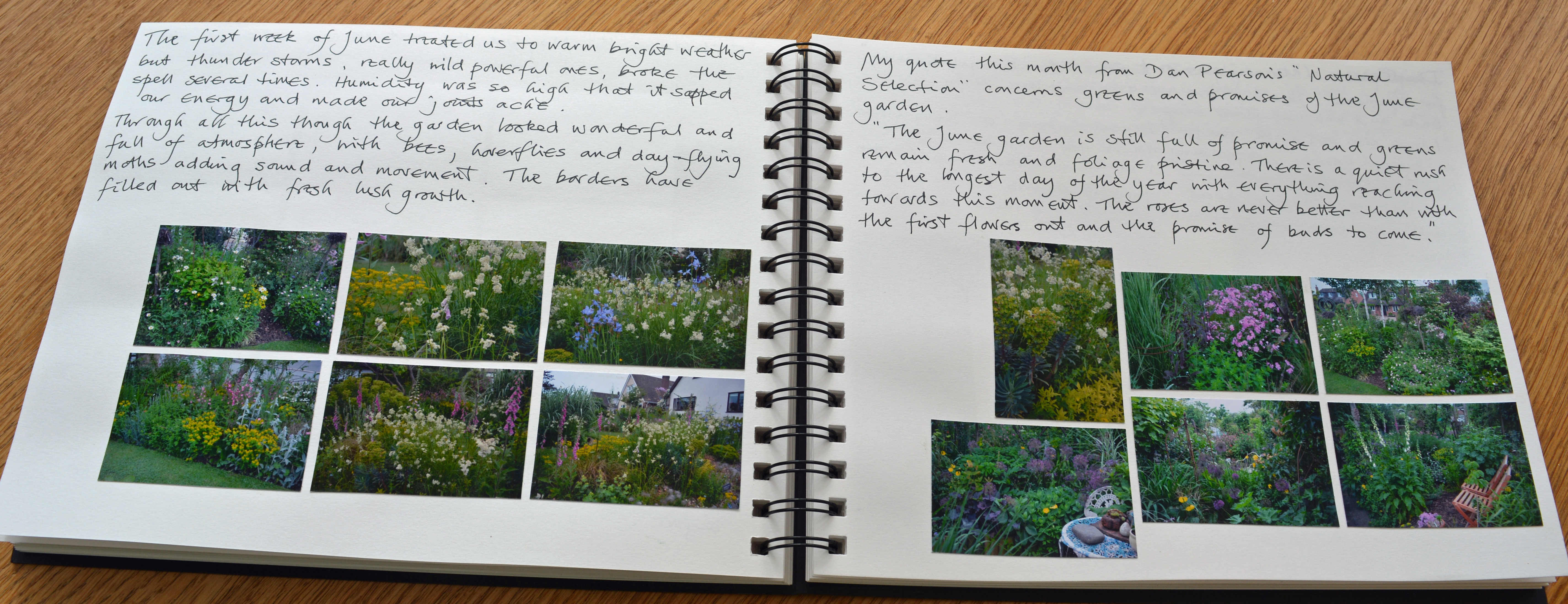
My Garden Journal 2019 – June

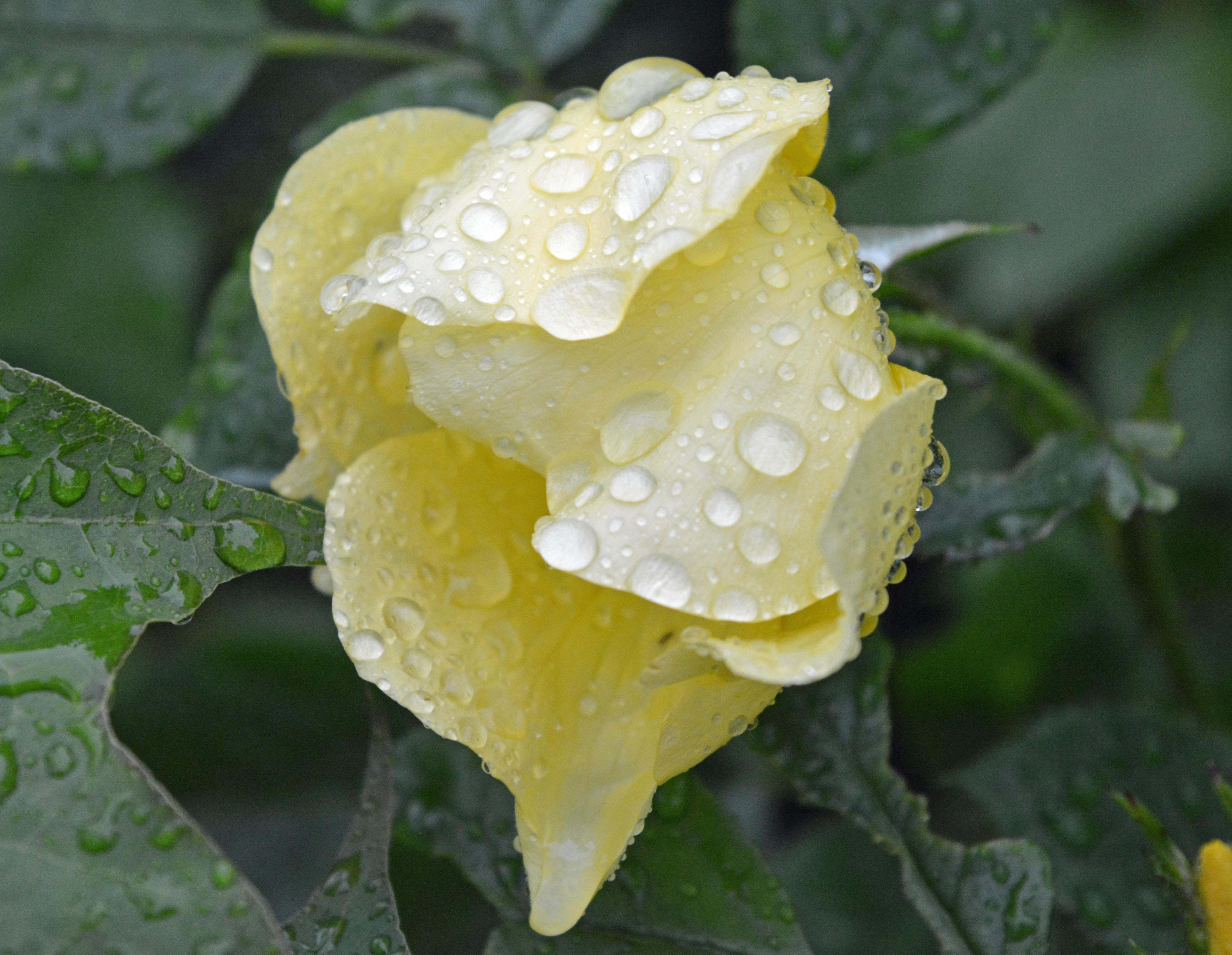
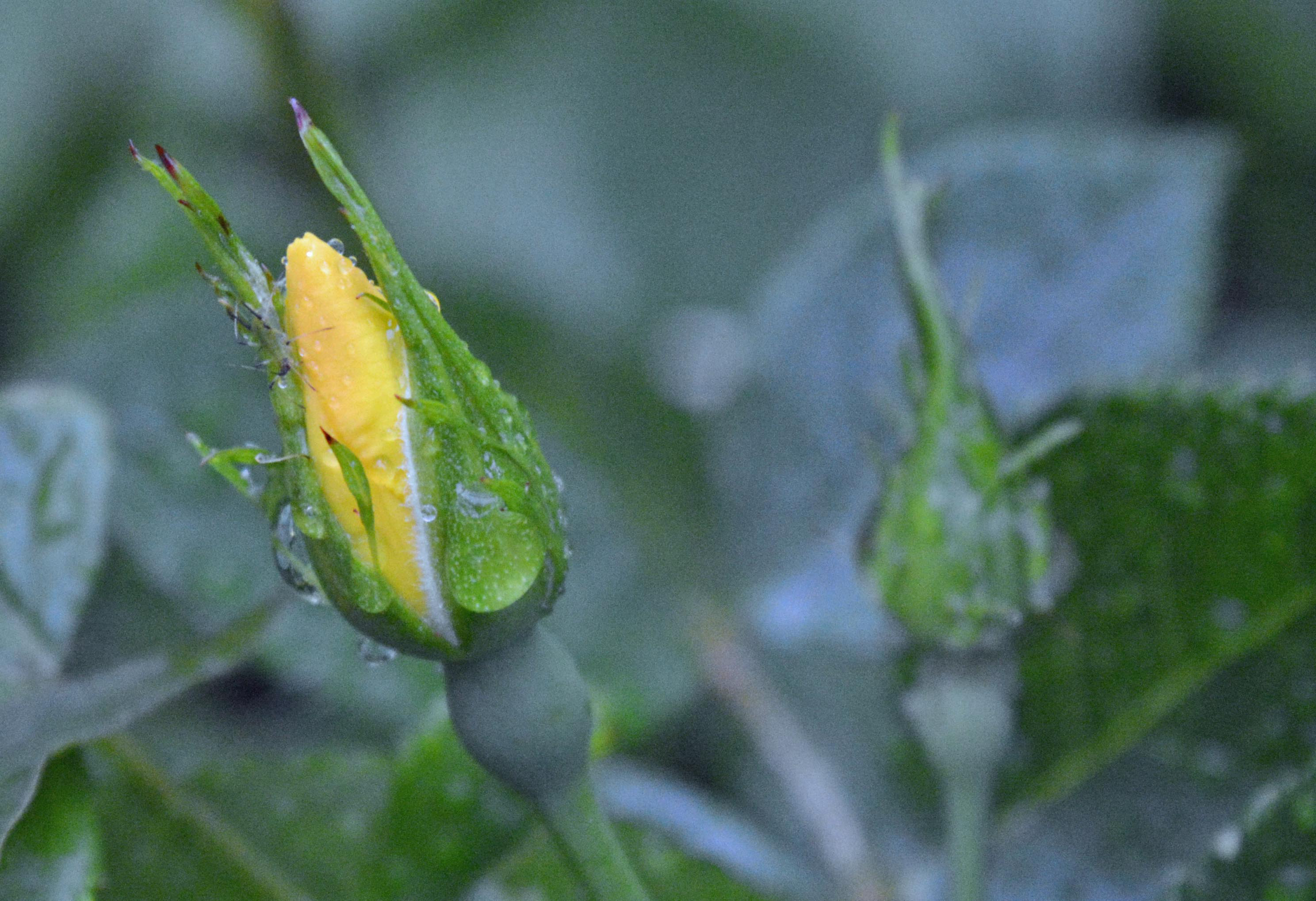
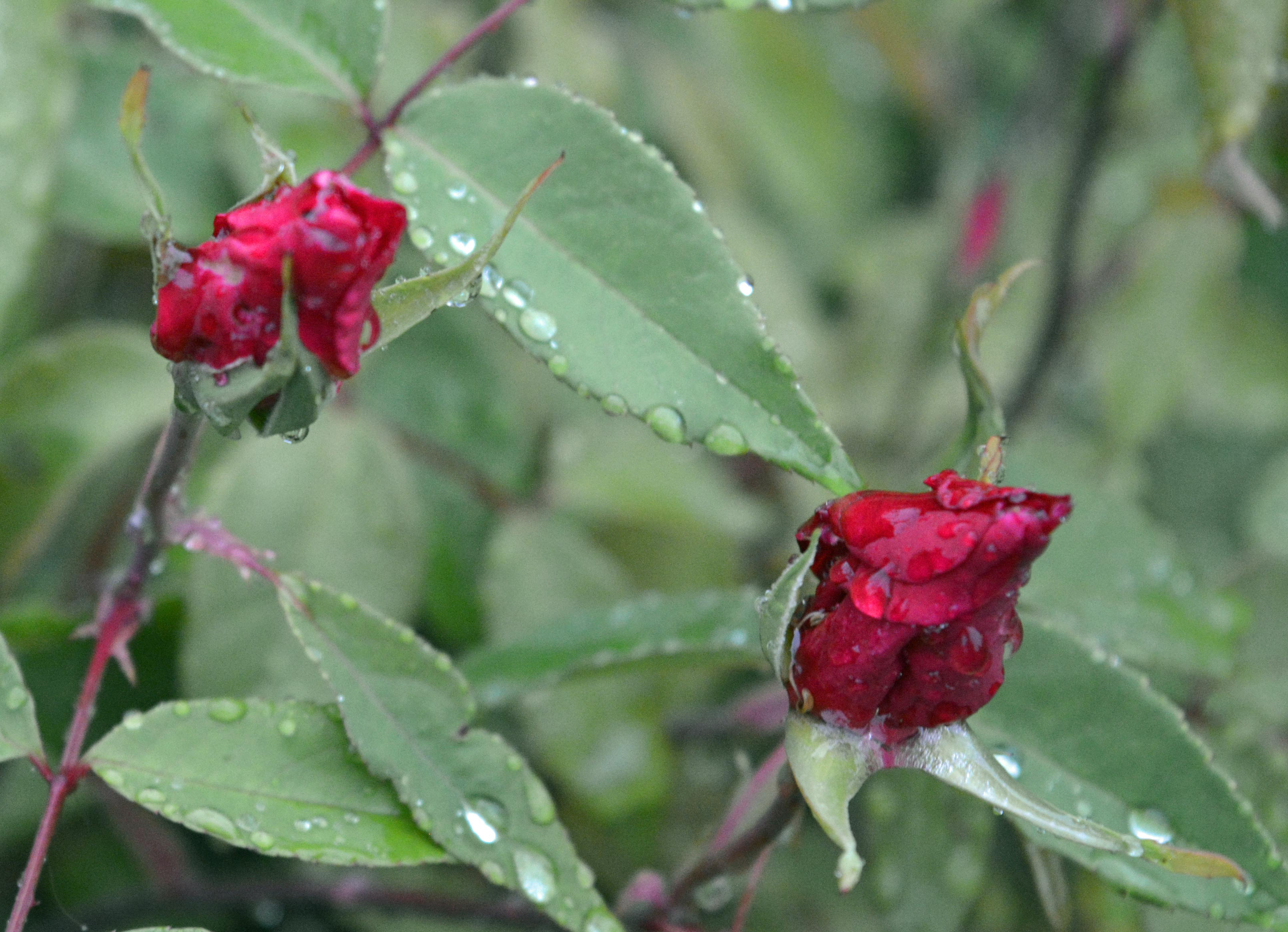
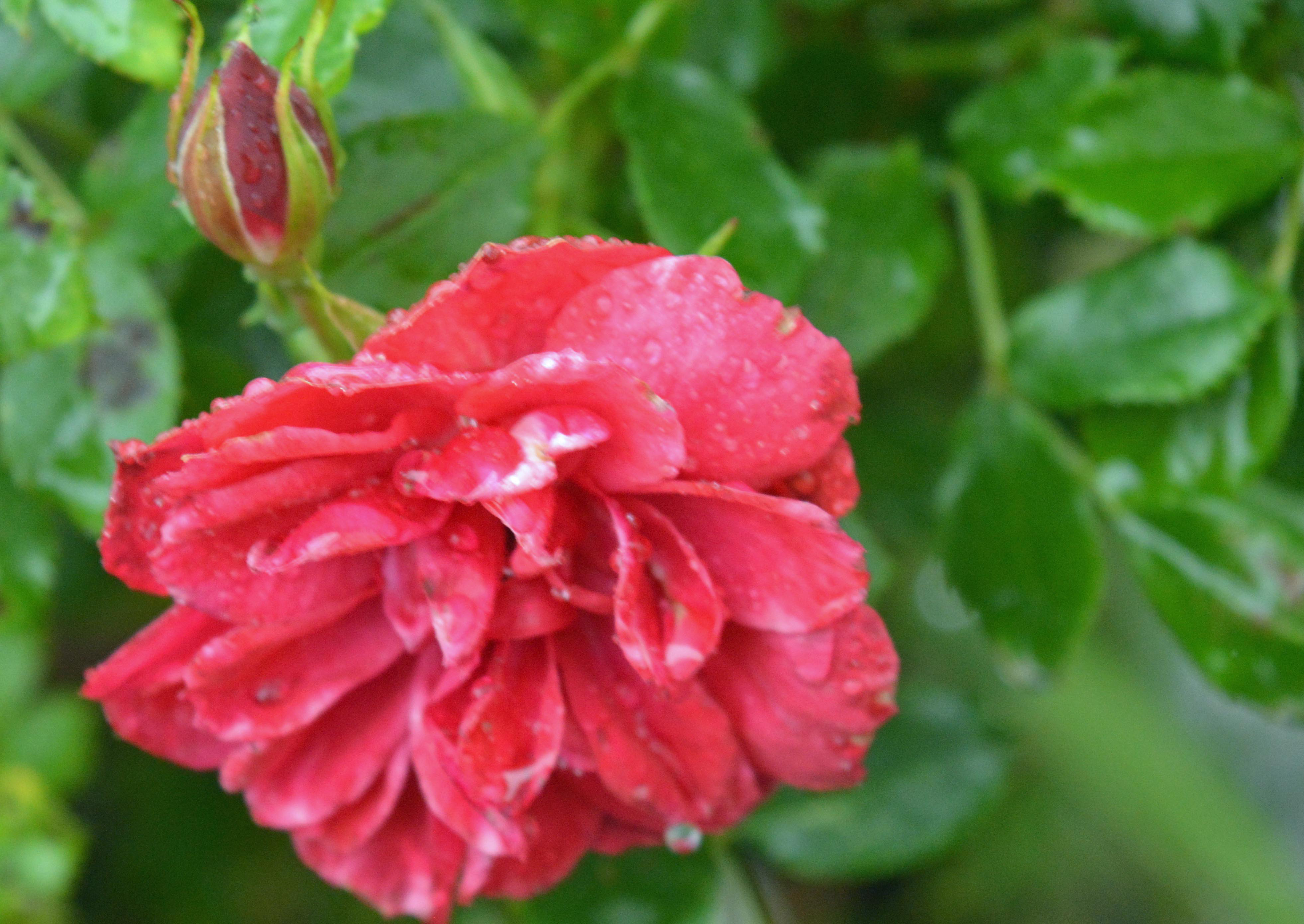
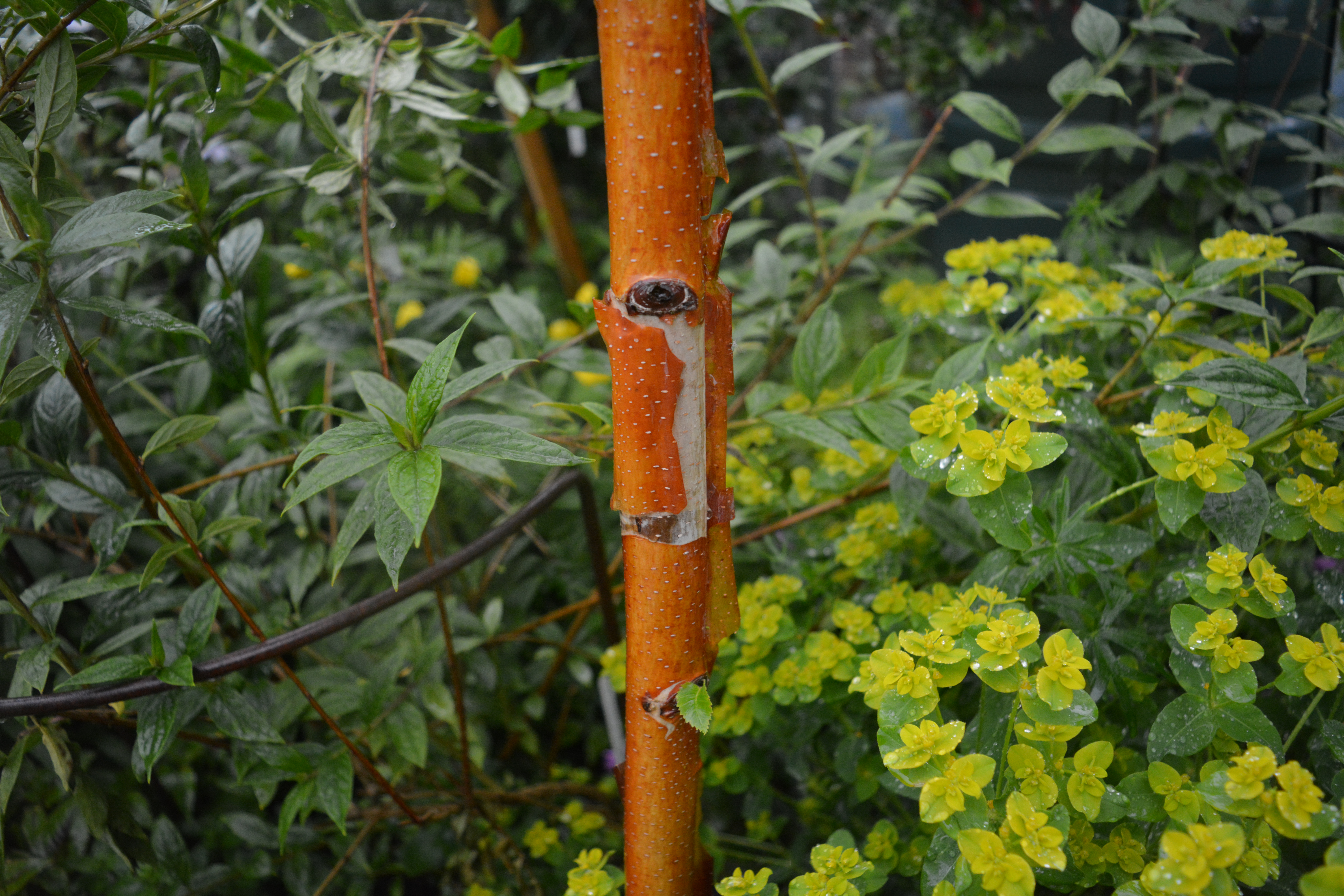
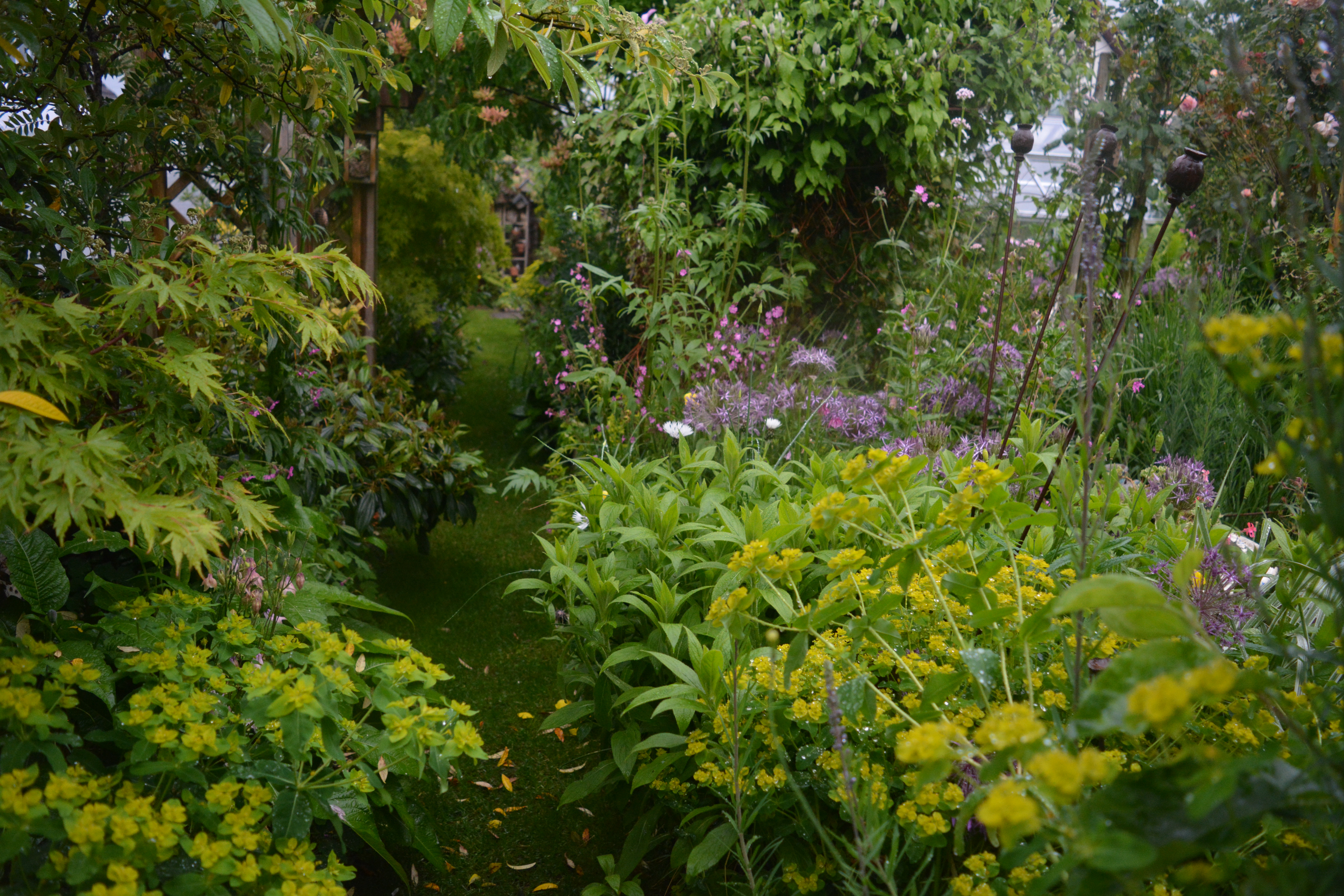
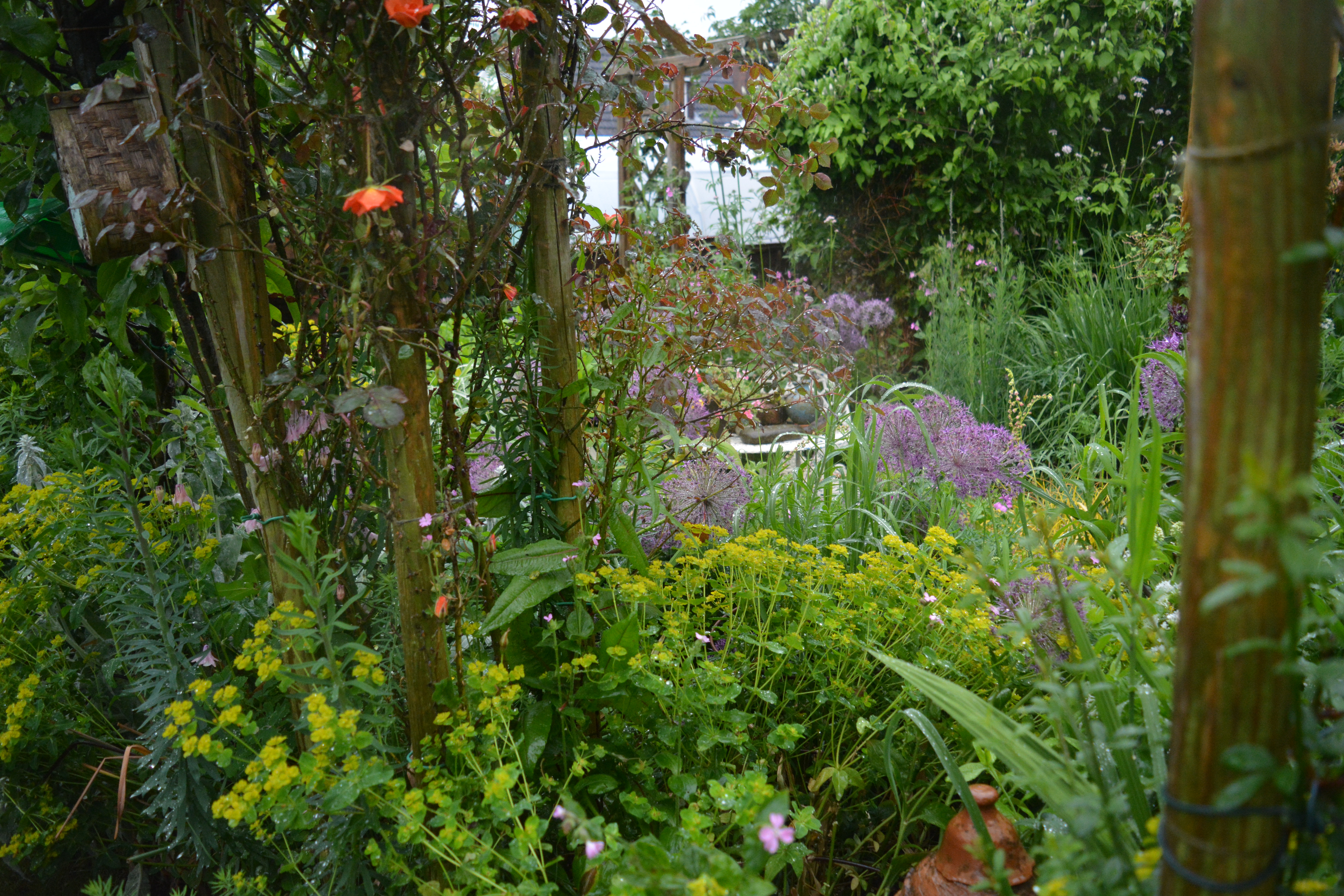
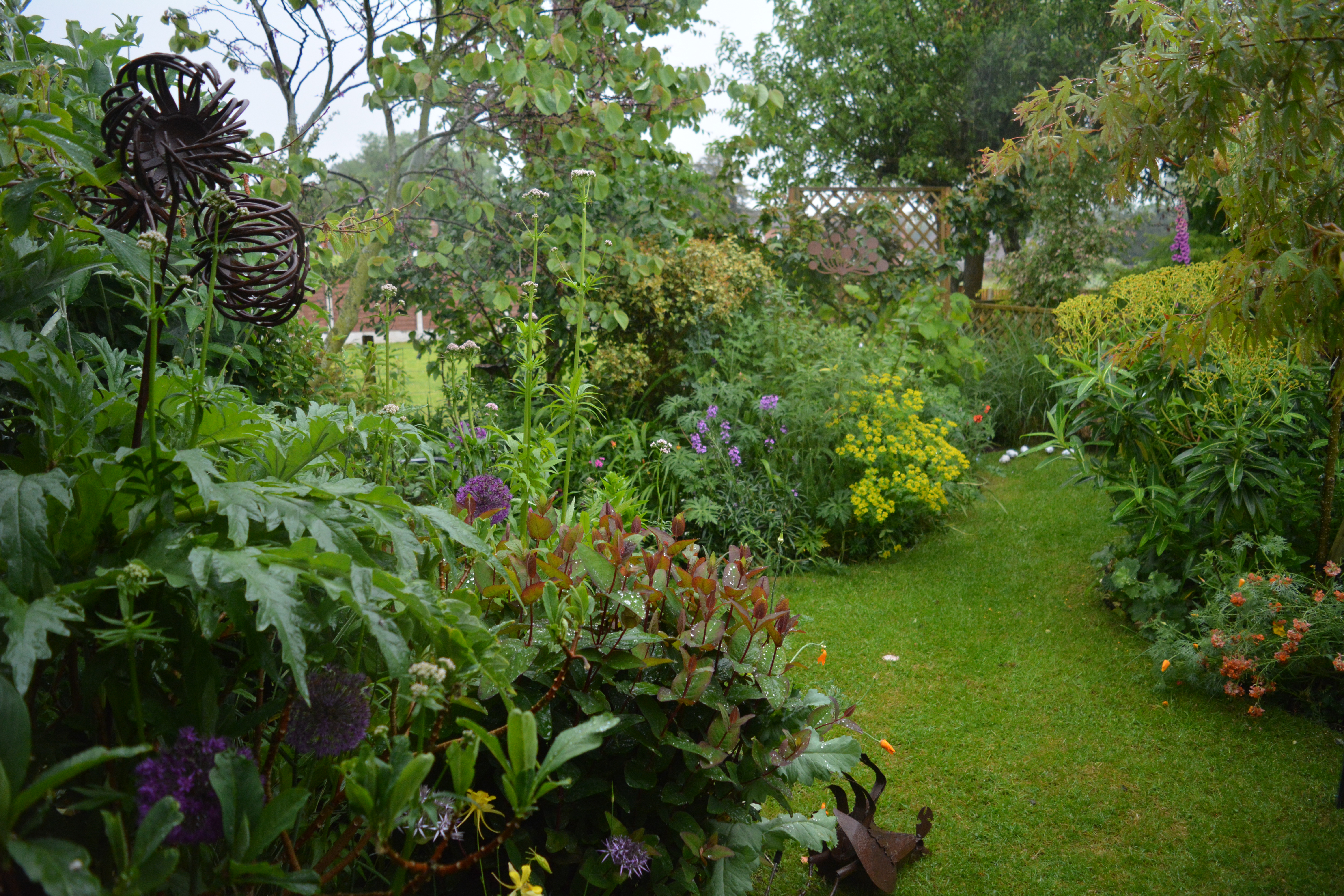
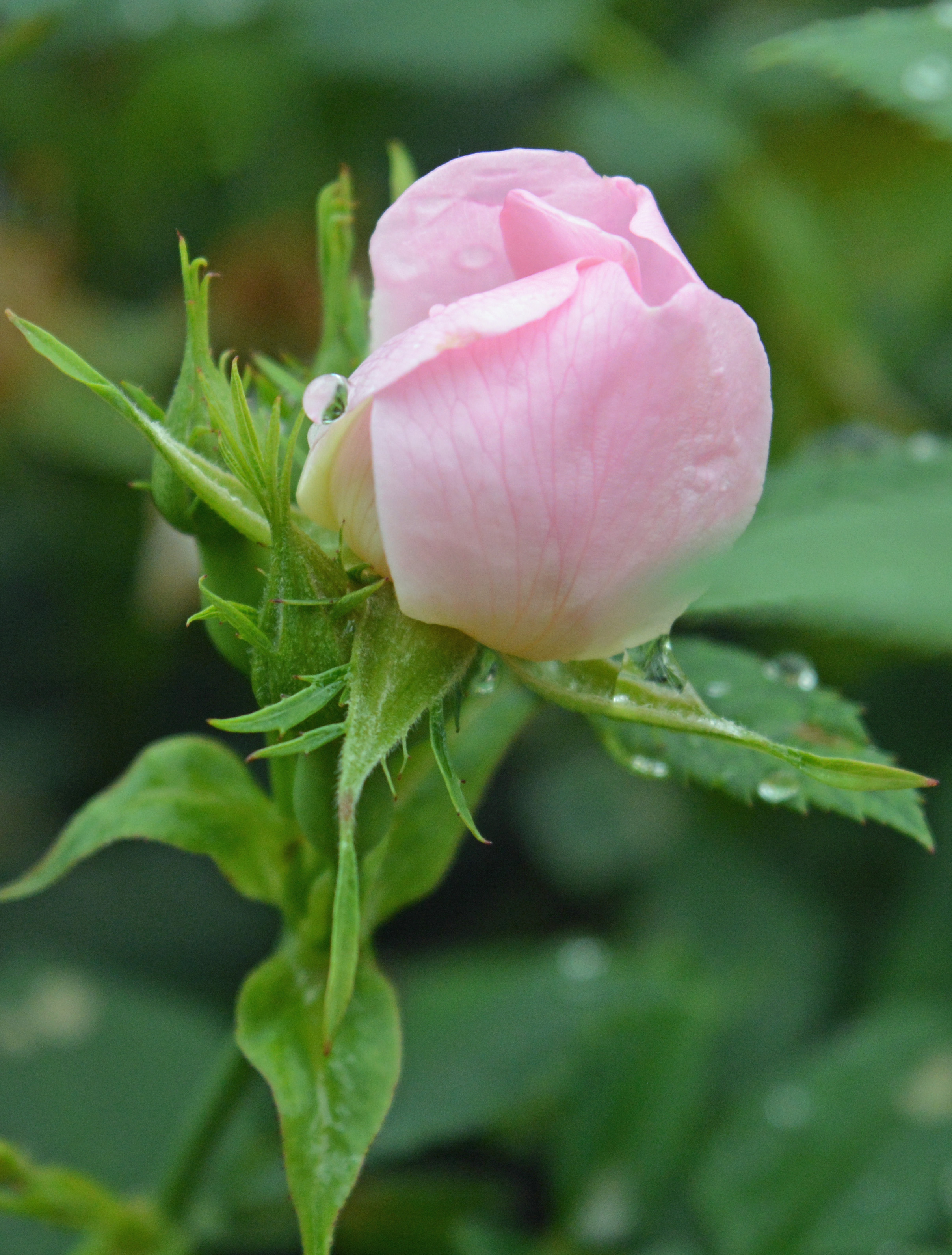
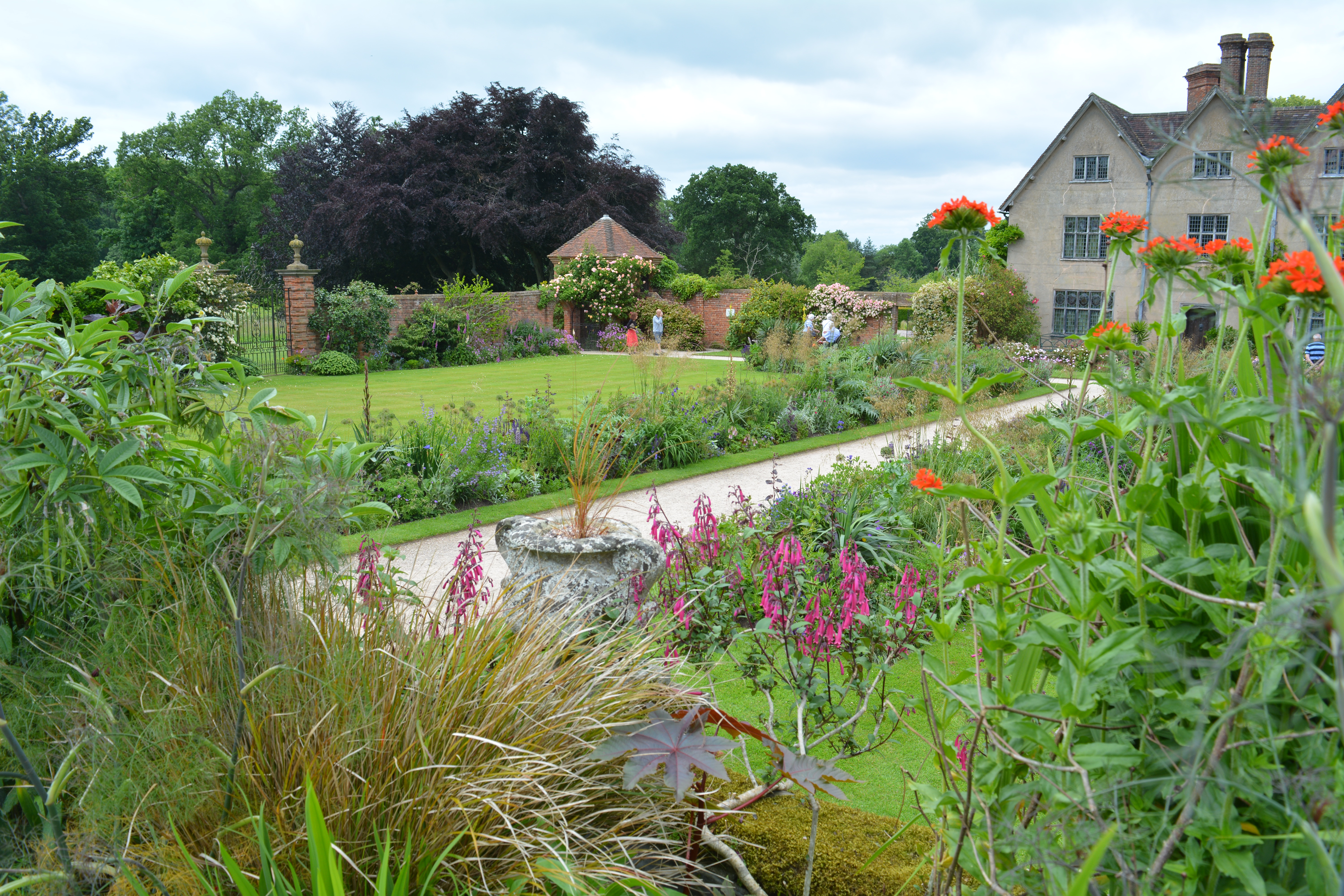
As we reach the half way point in the year the garden really comes to life with bright green fresh growth and so much colour from flowers, herbaceous perennials, shrubs and  climbers especially roses and clematis. I began by writing, “At the beginning of June we were still worried about how dry the garden still was and longed for some rain. Luckily a few days into June and this is exactly what happened. And luckier still was that the planned group visits to our garden at that time were not interrupted by wet weather. After rain, until the droplets on their flowers and buds dry off, make roses look sad and dejected.”

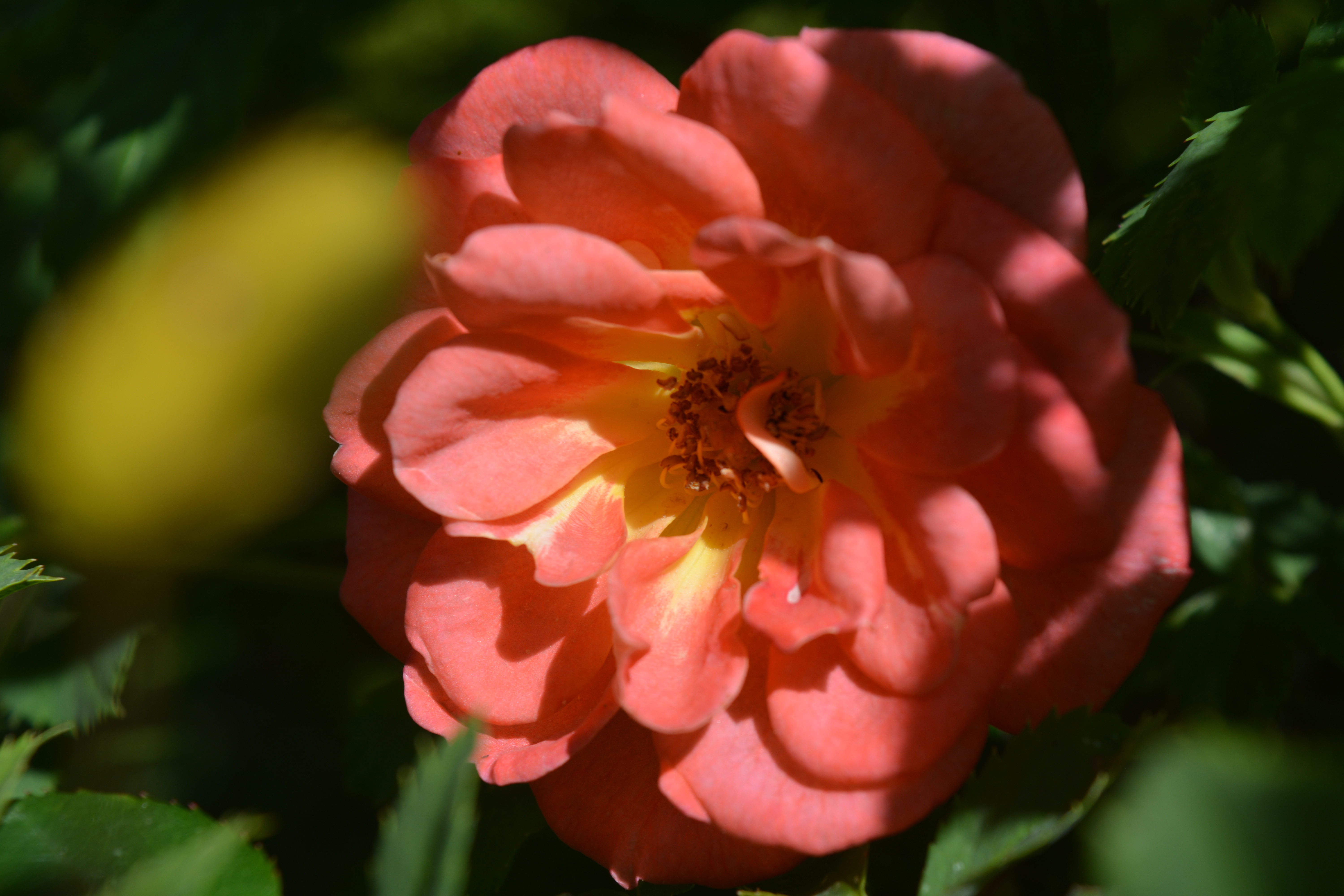
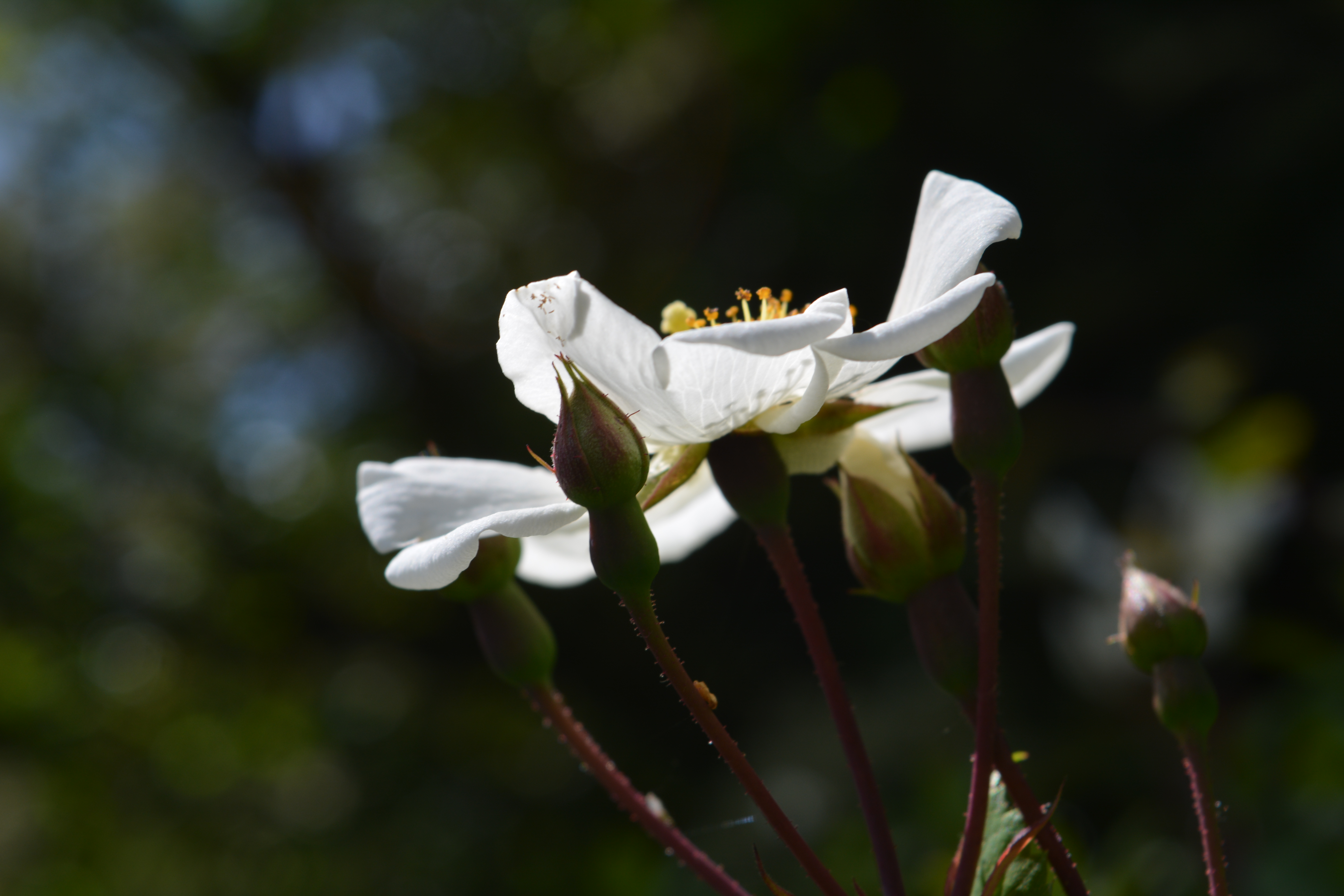
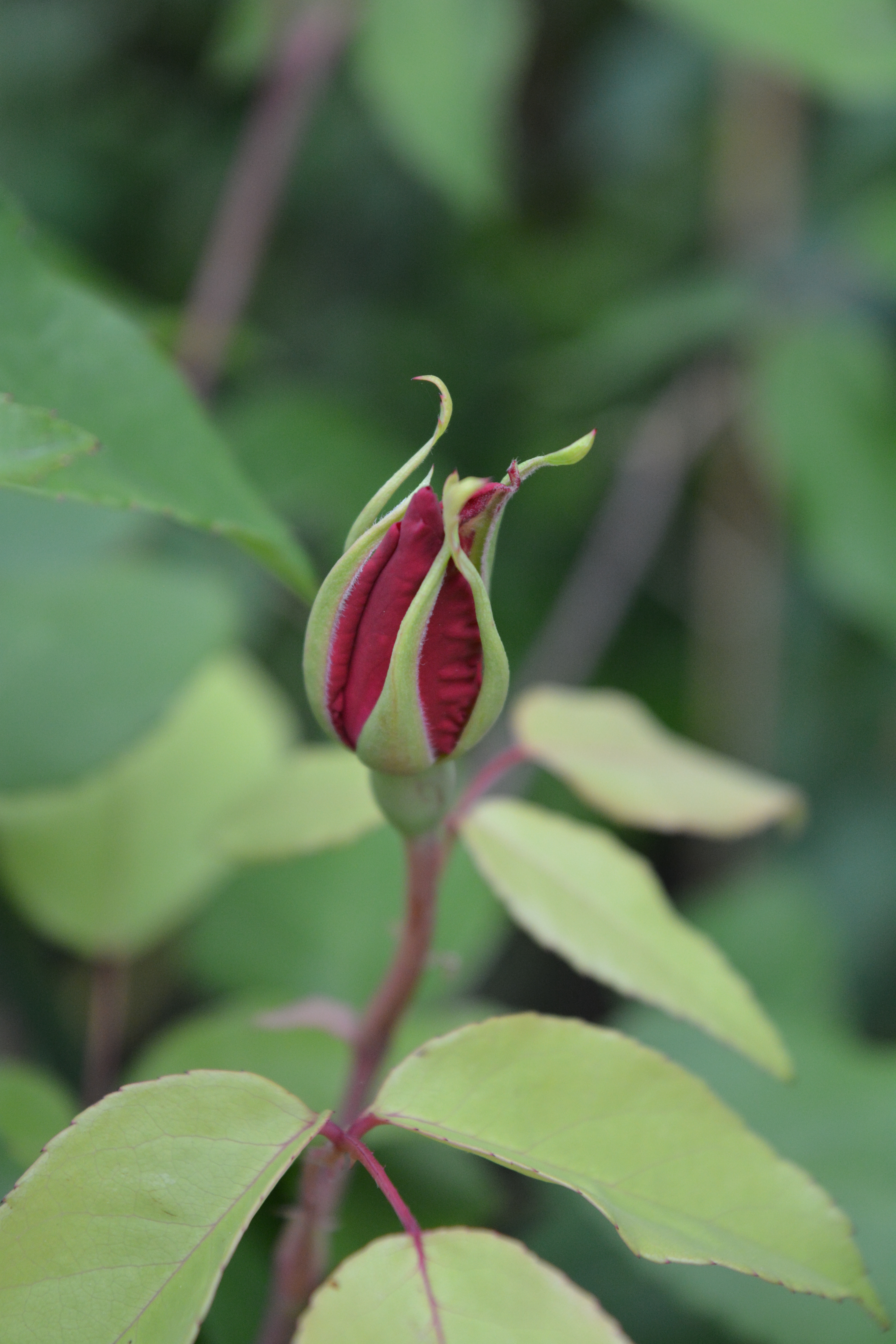
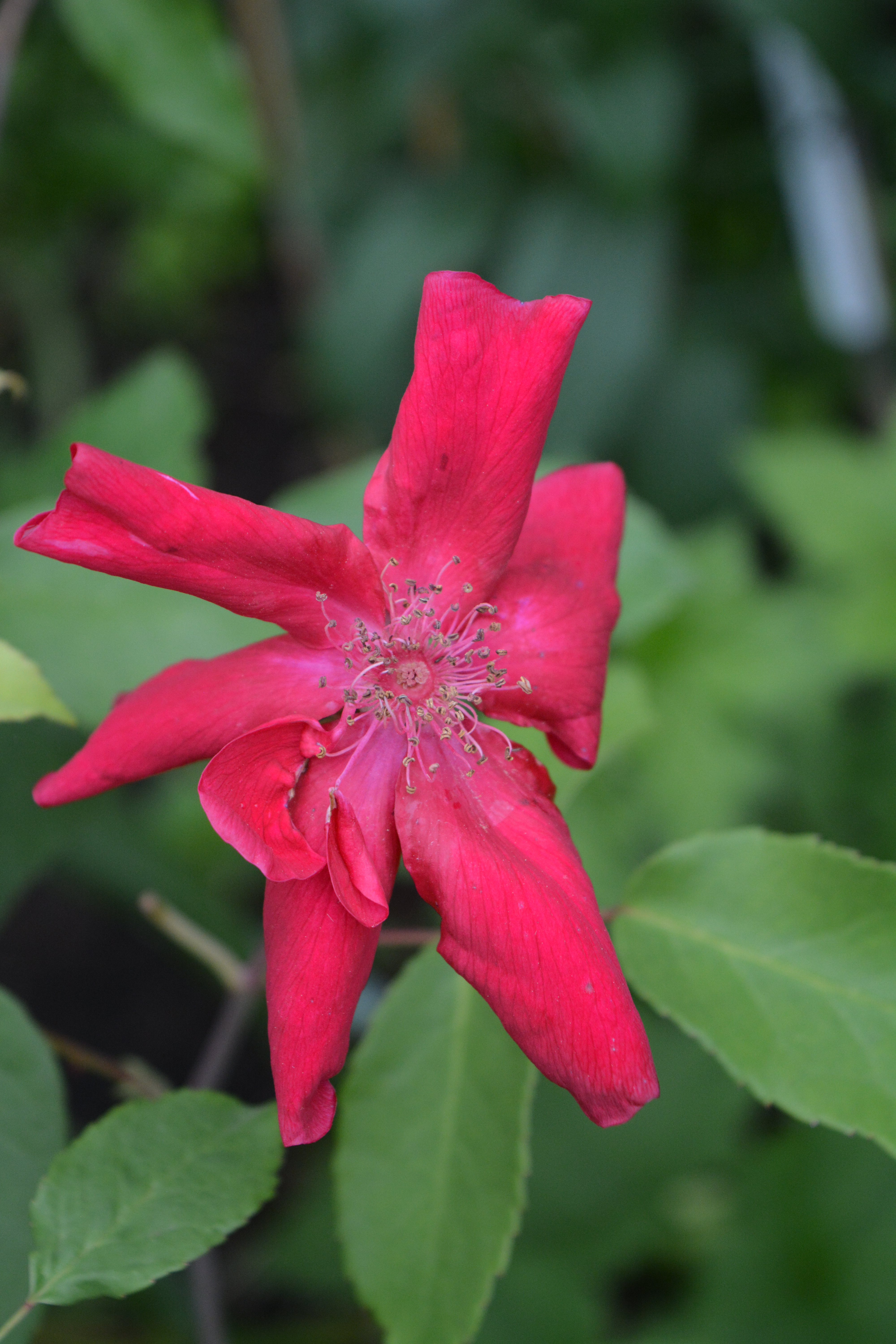
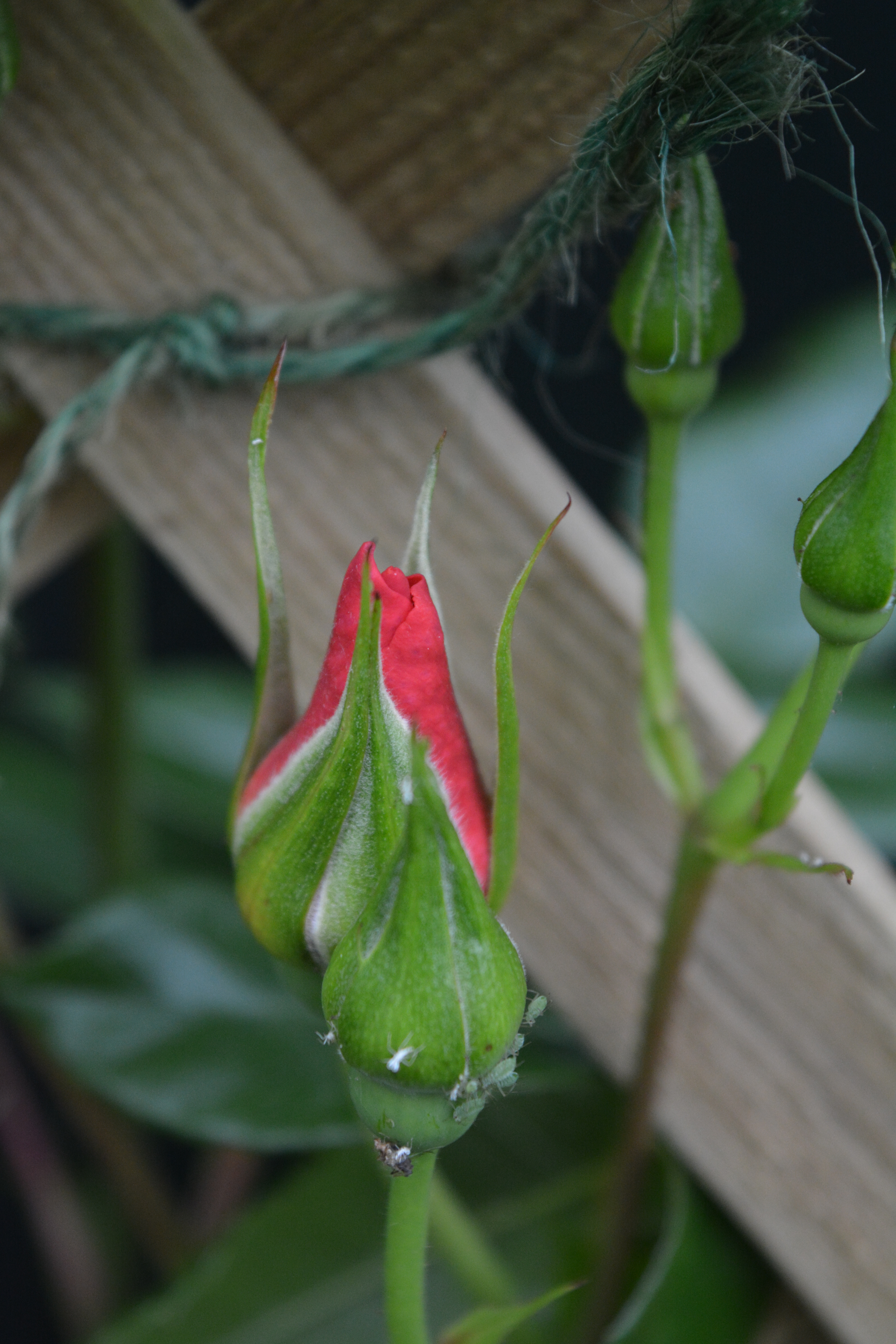
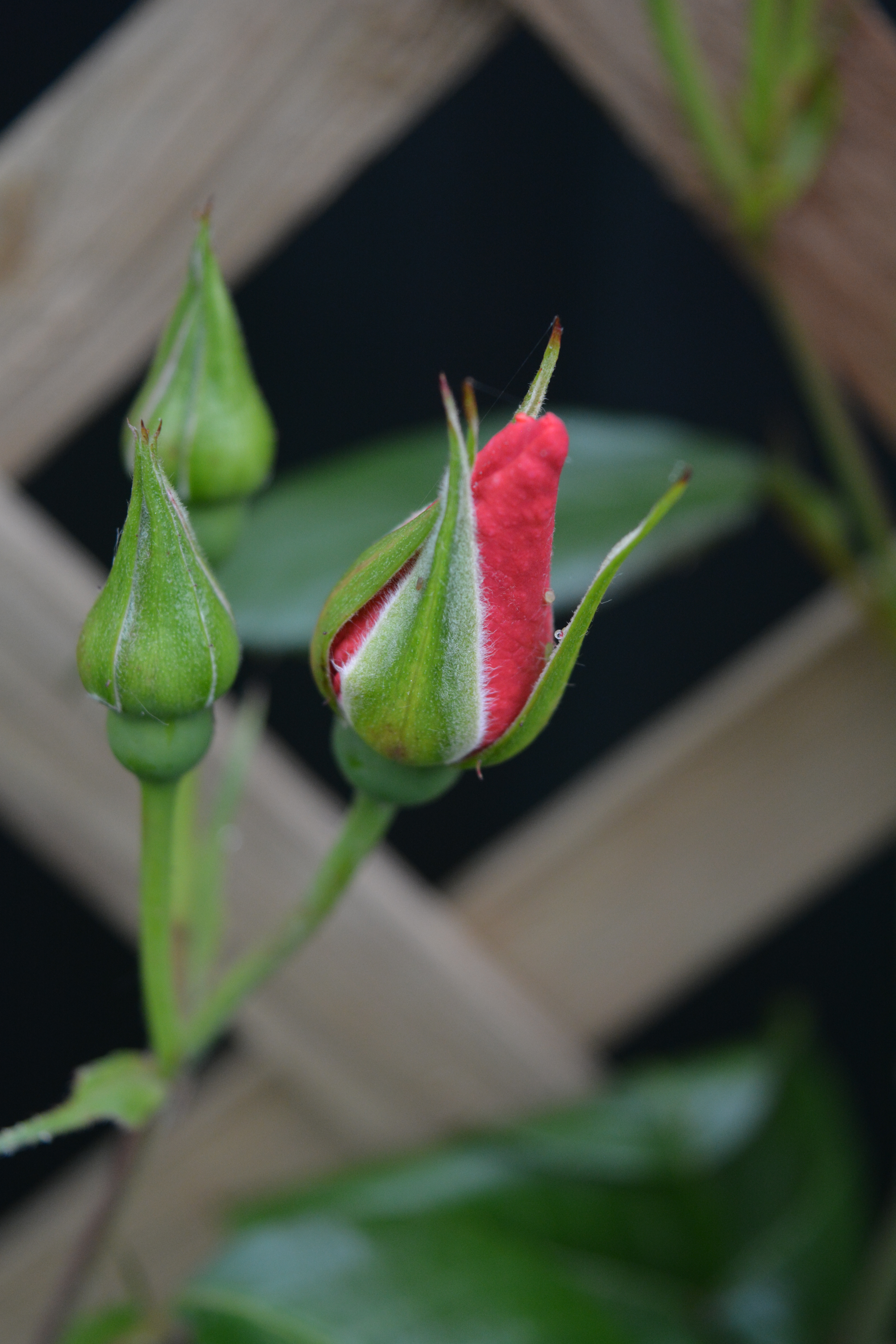
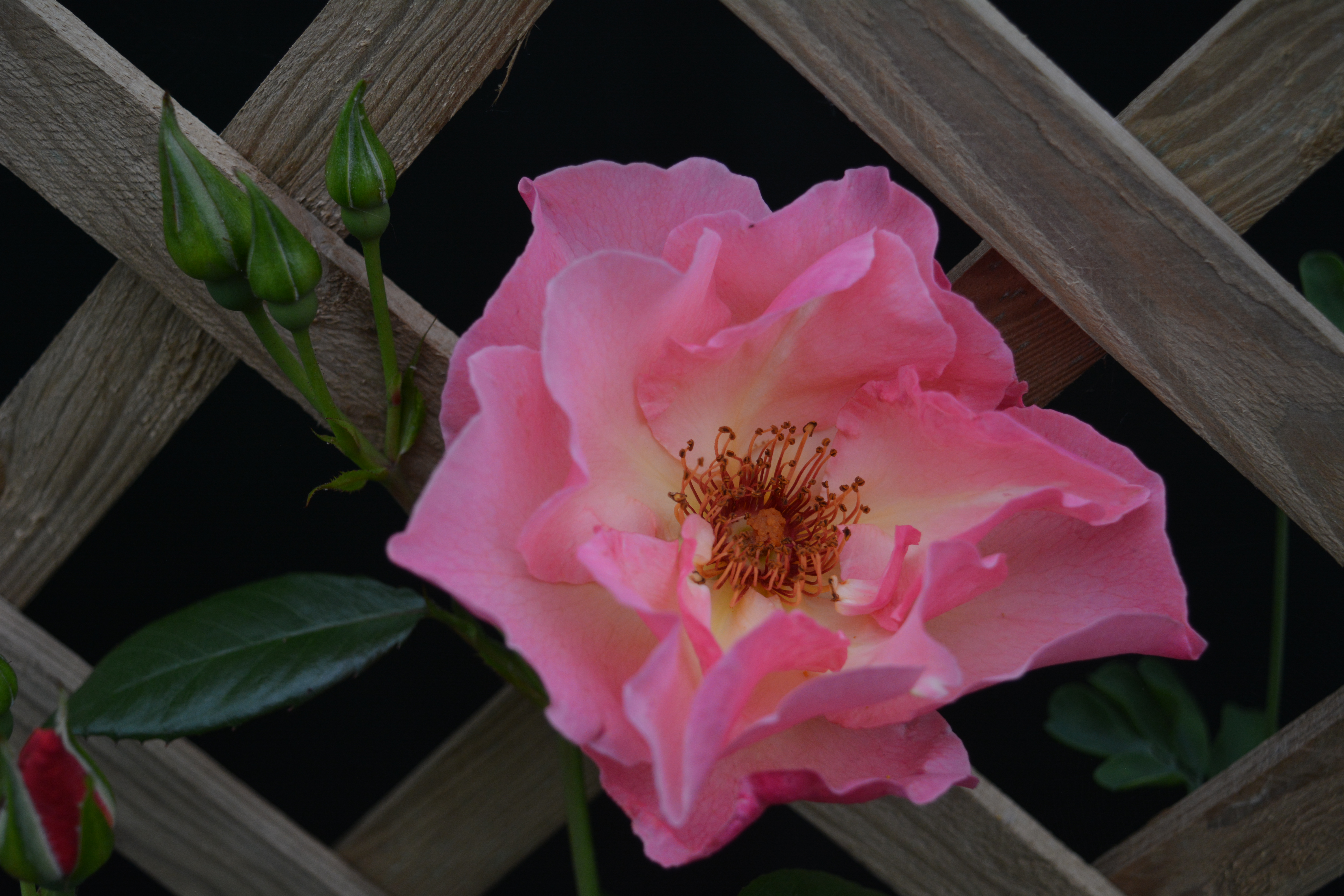
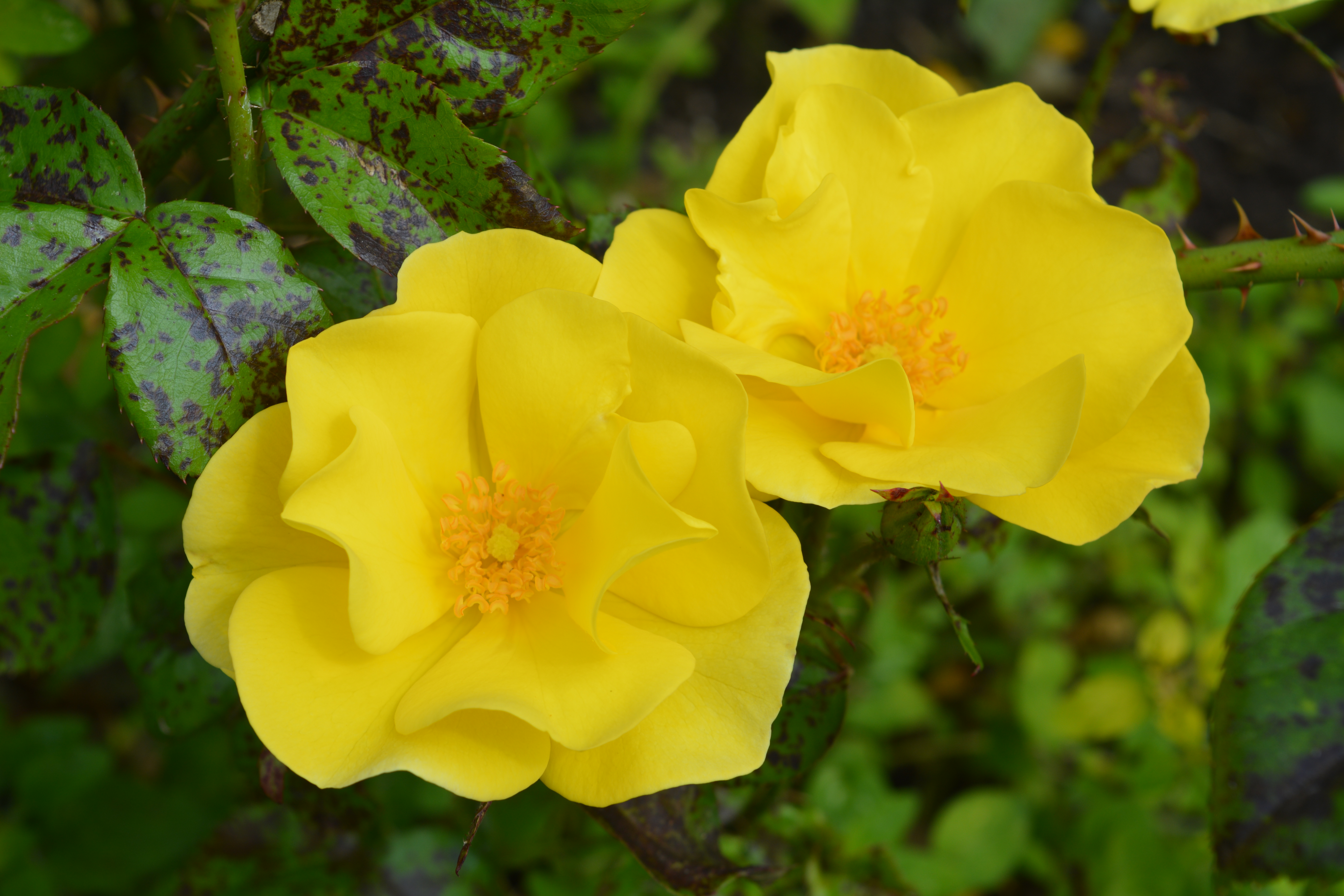
I then shared a batch of Rose pics.


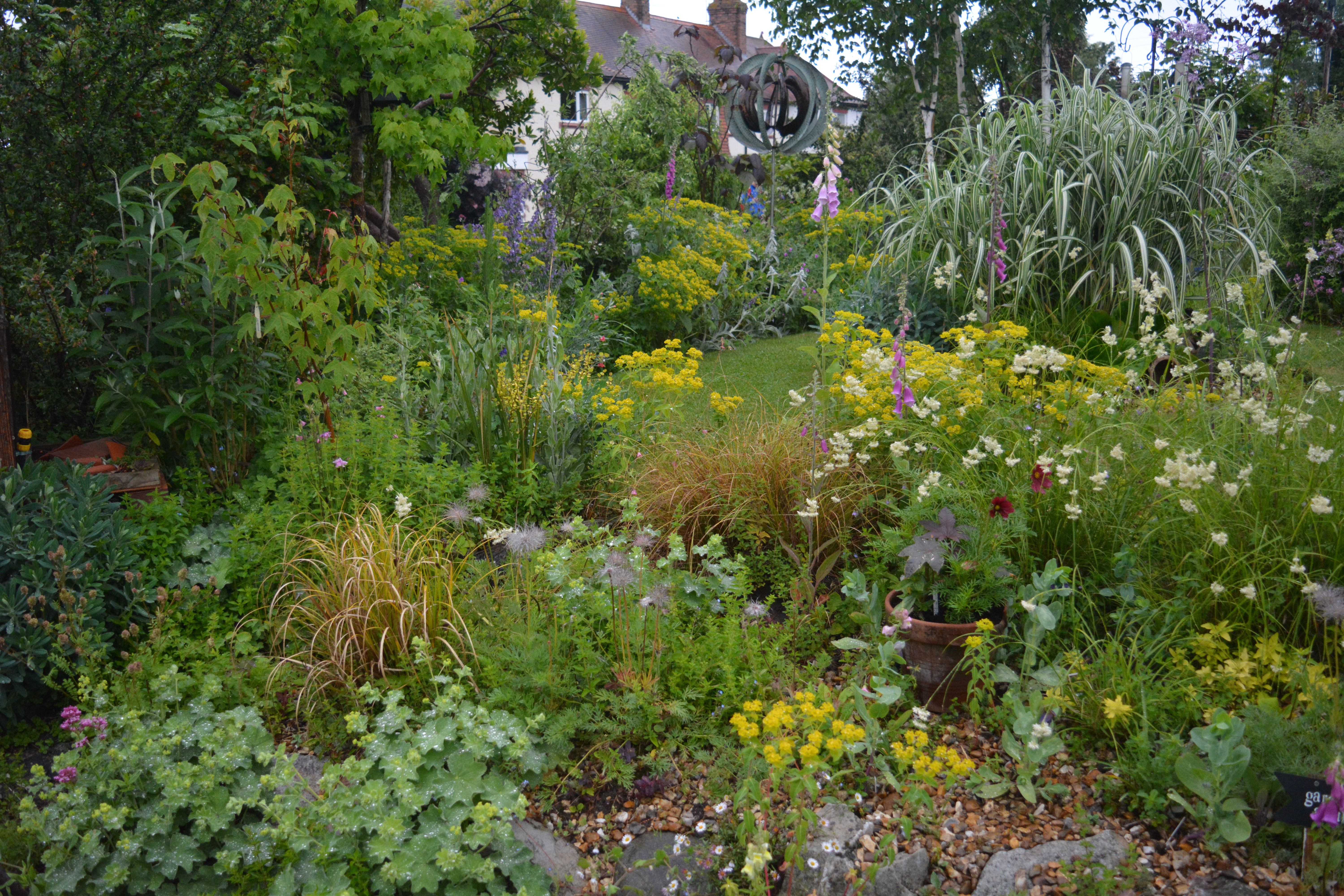
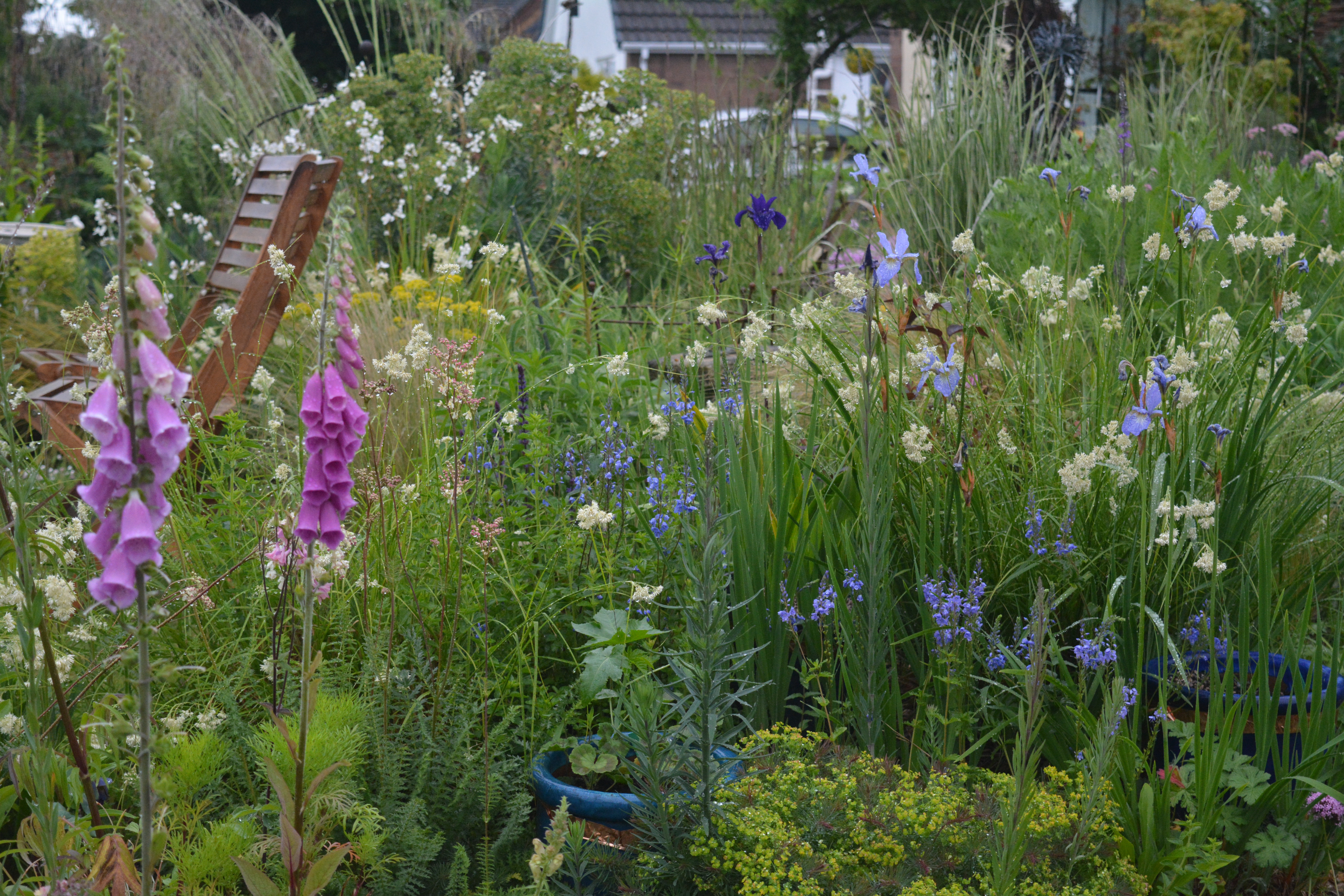
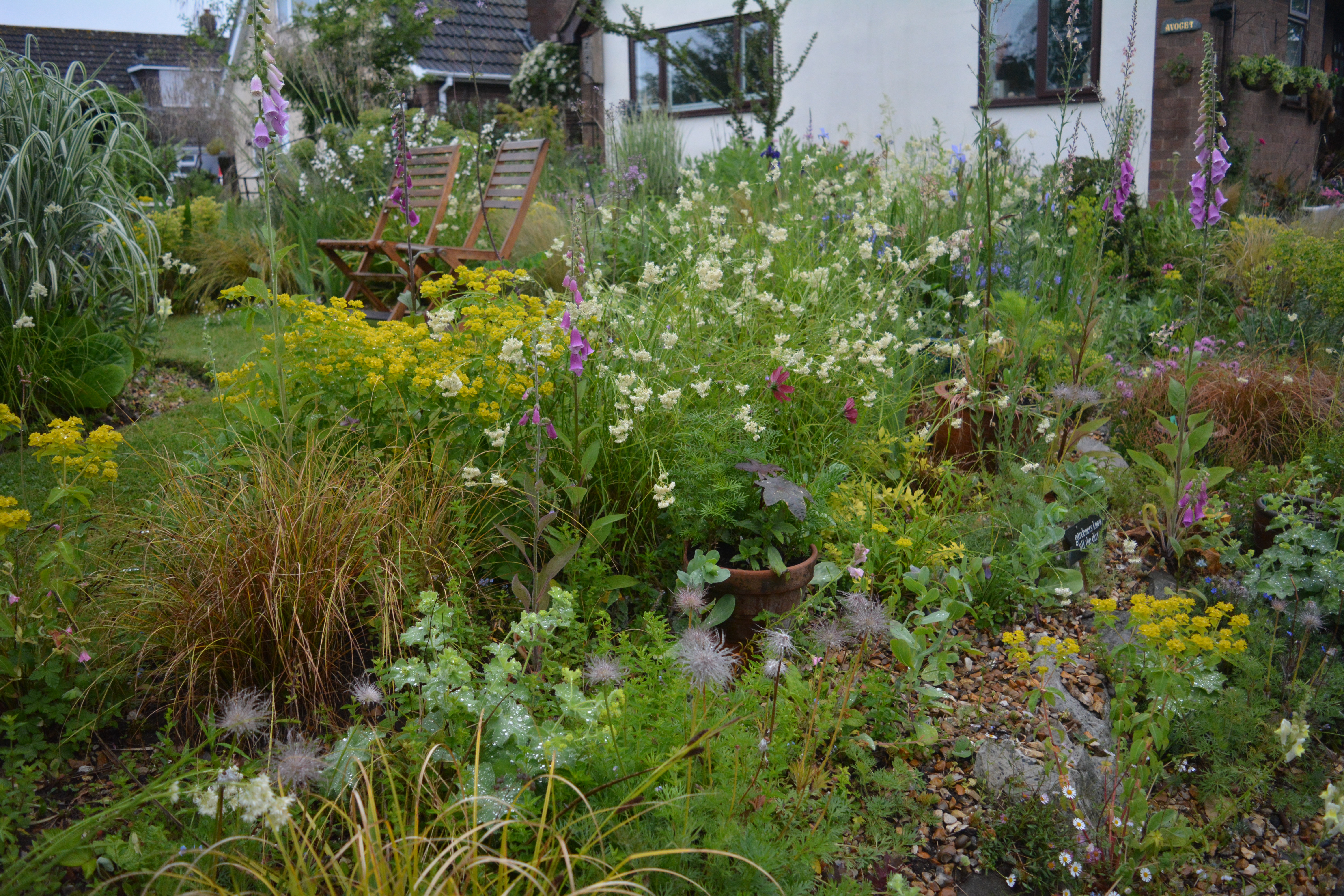
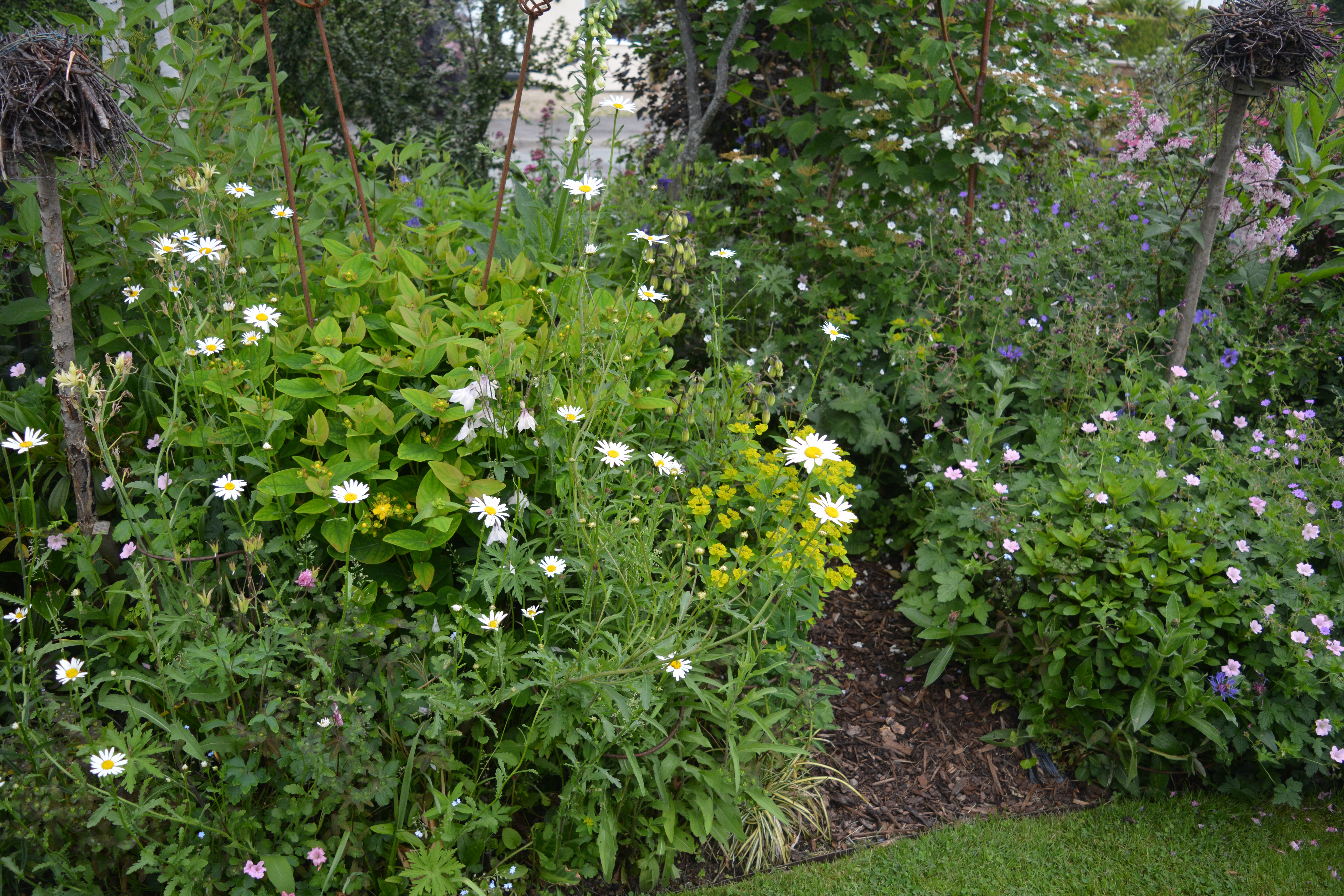
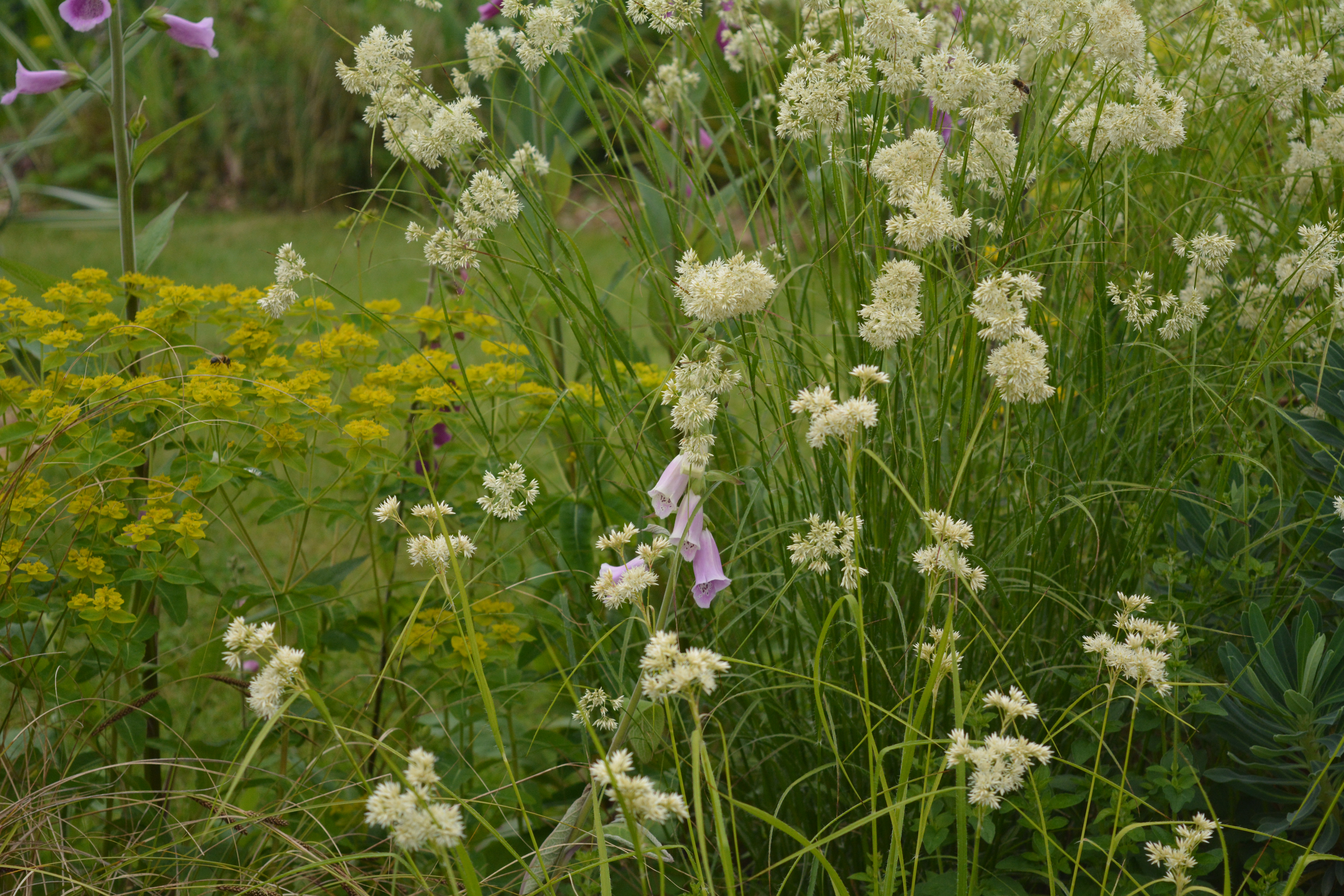
The next double page spread featured wider shots of borders and plant communities.

I wrote, I decided it would be a good idea to go out with my camera in hand to take wide shots of the garden borders to give an impression of the whole garden. But, as the overcast sky and rain didn’t go away, I went out into the heavy rain and took the shots I wanted.”

“Plant-a-Boxes – end of drive”                 “Herbaceous Violas – front door”

Then followed a set of 4 photos of our “Beth Chatto Garden”.
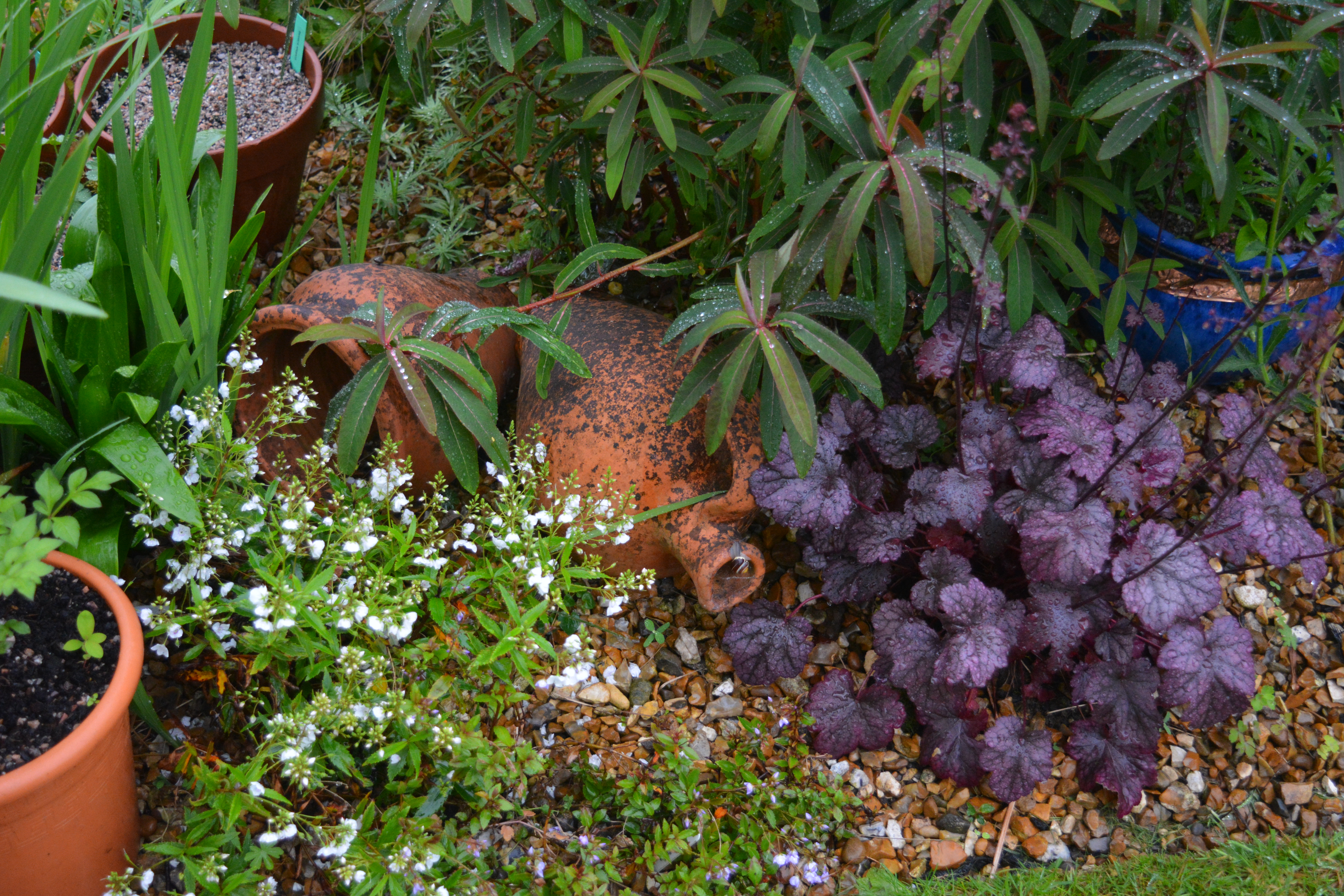
   

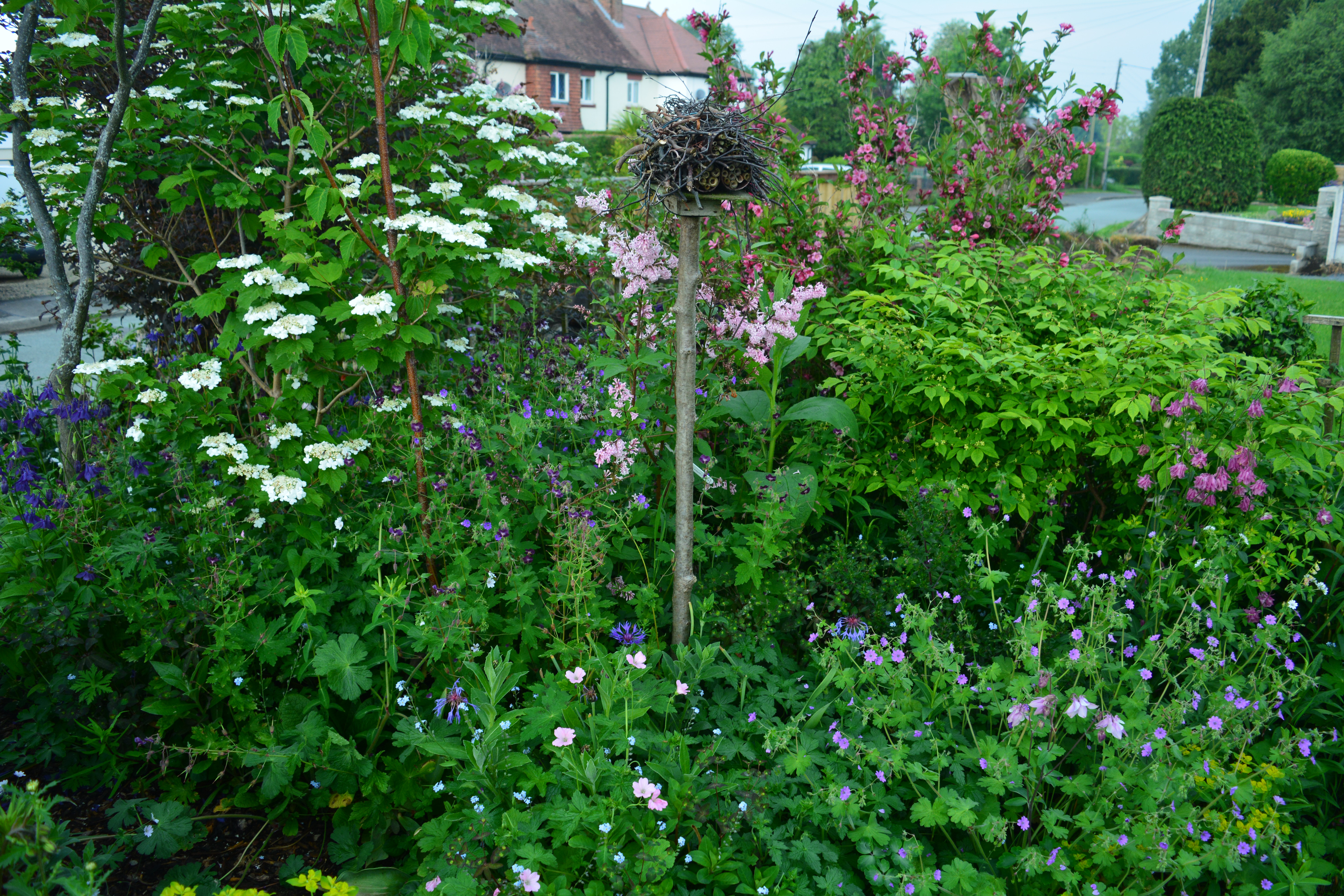
Next a set of photos of the Shrub Borders, and the New Garden finishing with a photo of out Hare who guards the lawn daisies.
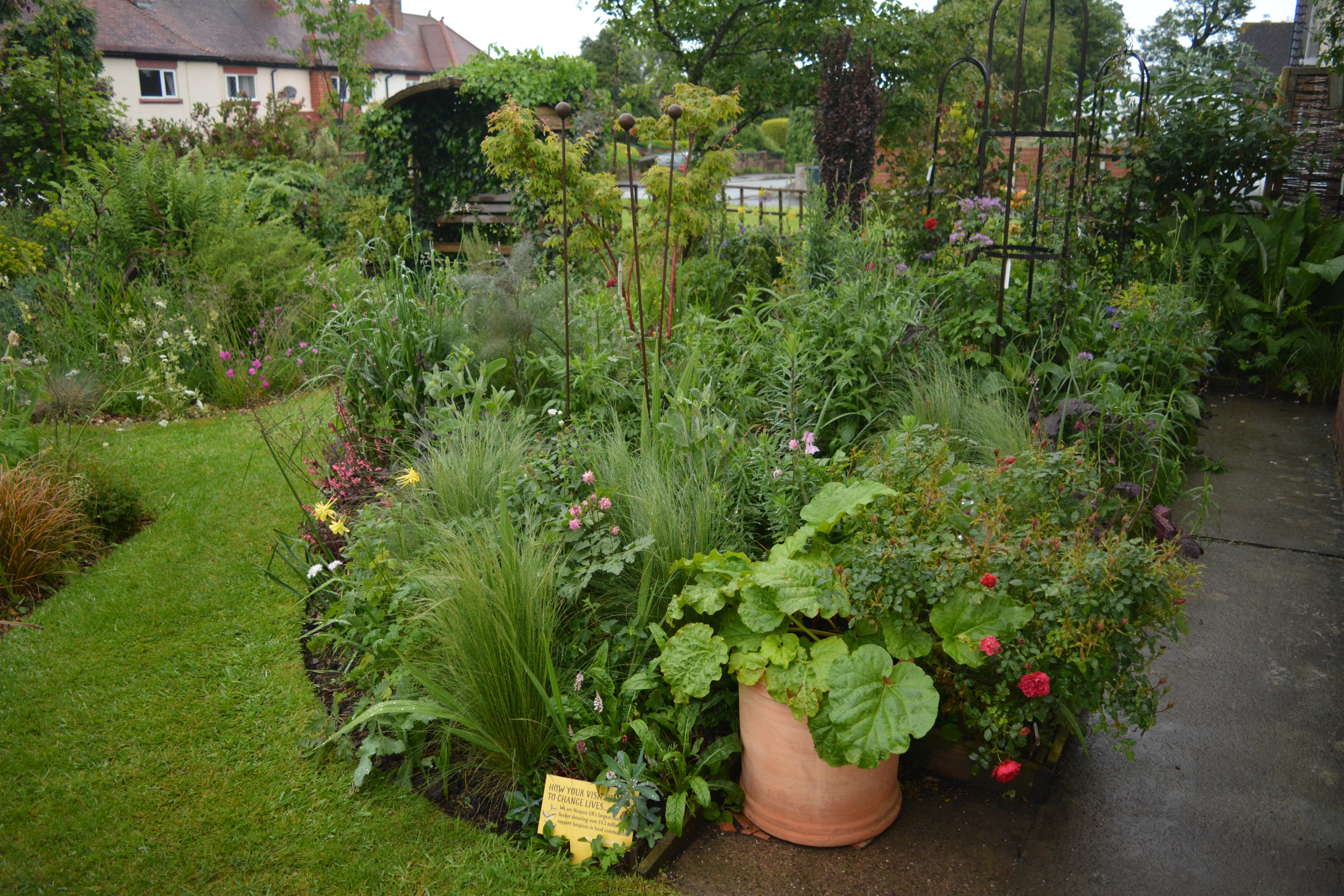
“The New Garden”

“Our Hare Sculpture who guards the lawn daisies.”

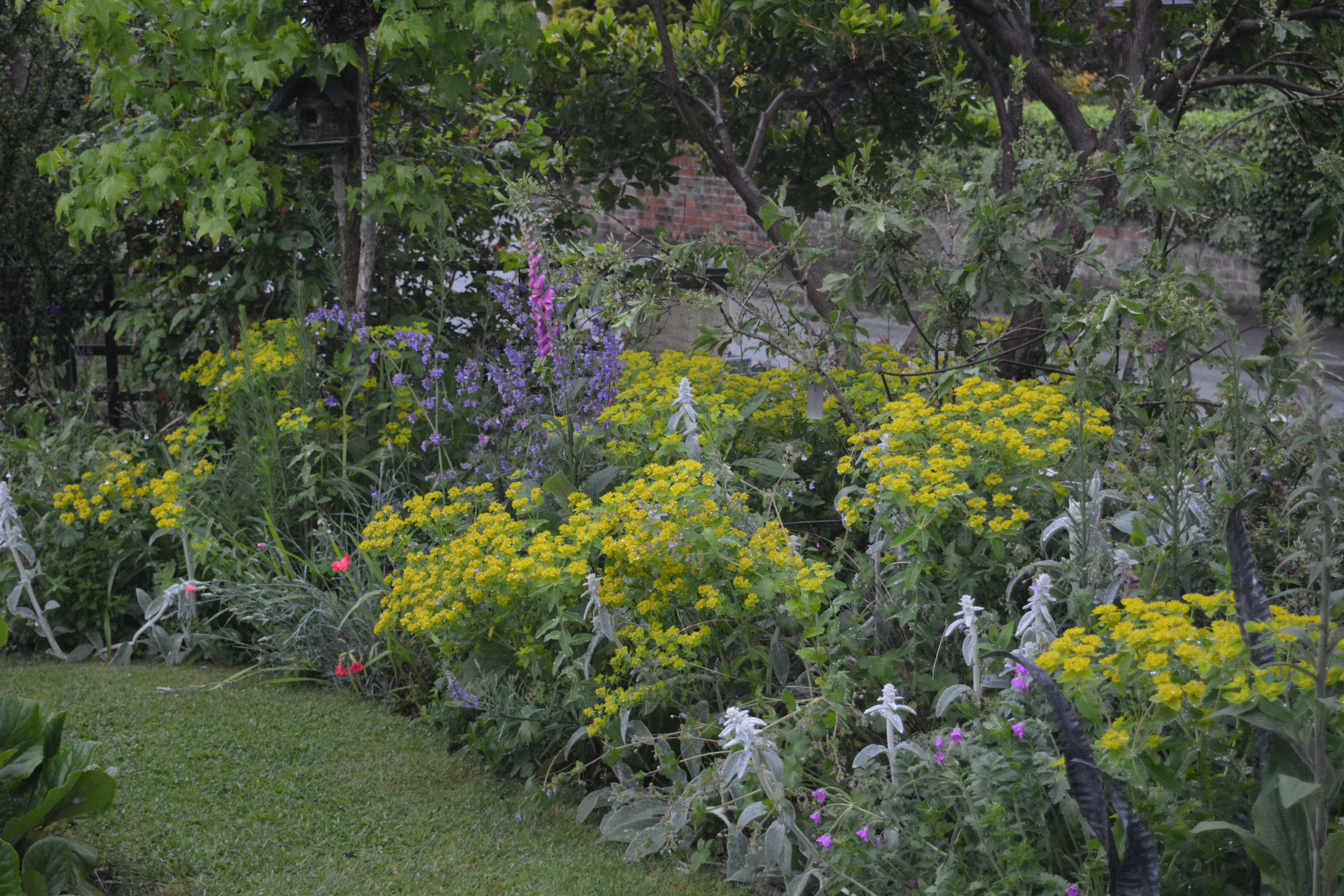
Below are four photos of our Beth Chatto Garden.
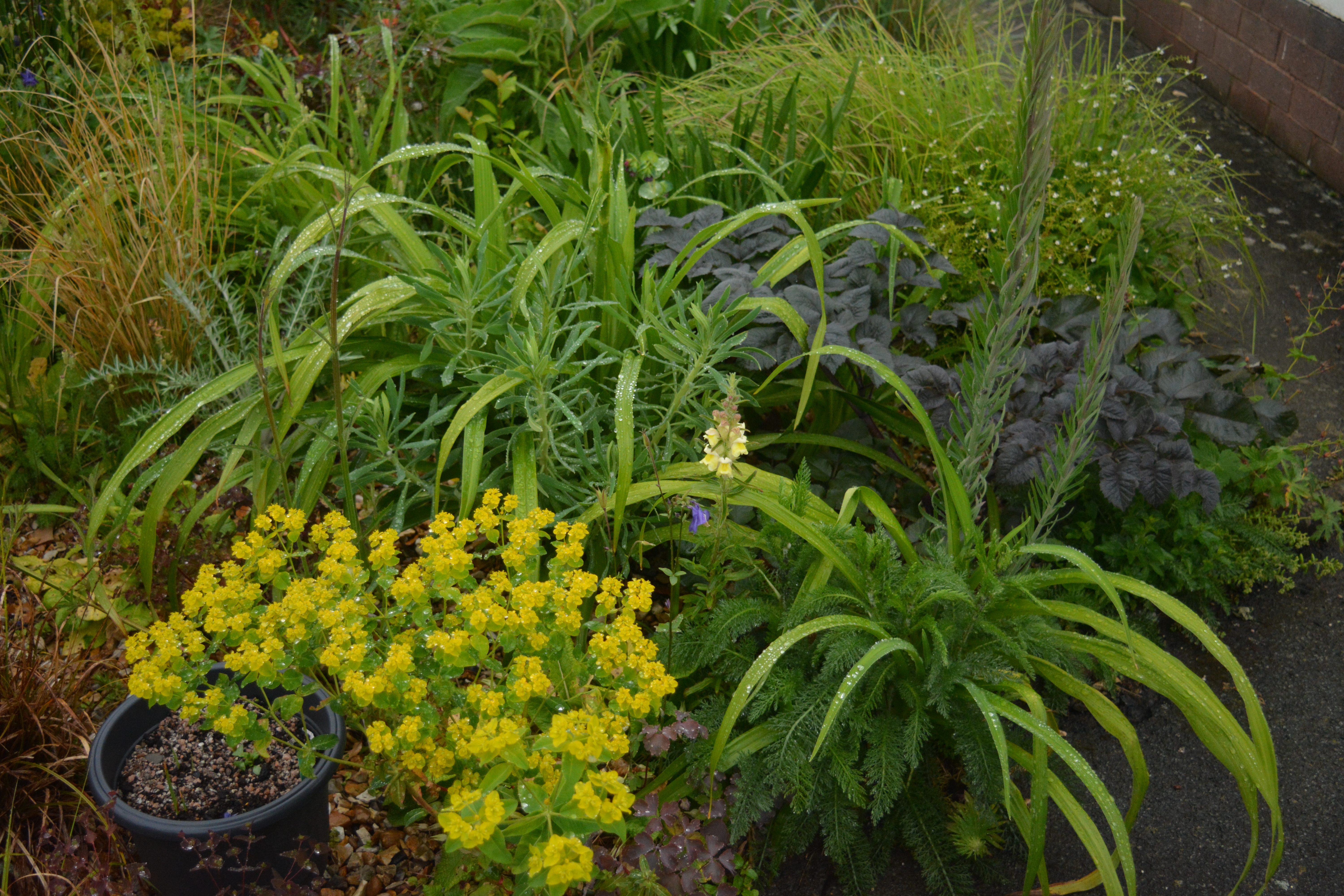
“The Beth Chatto Garden”
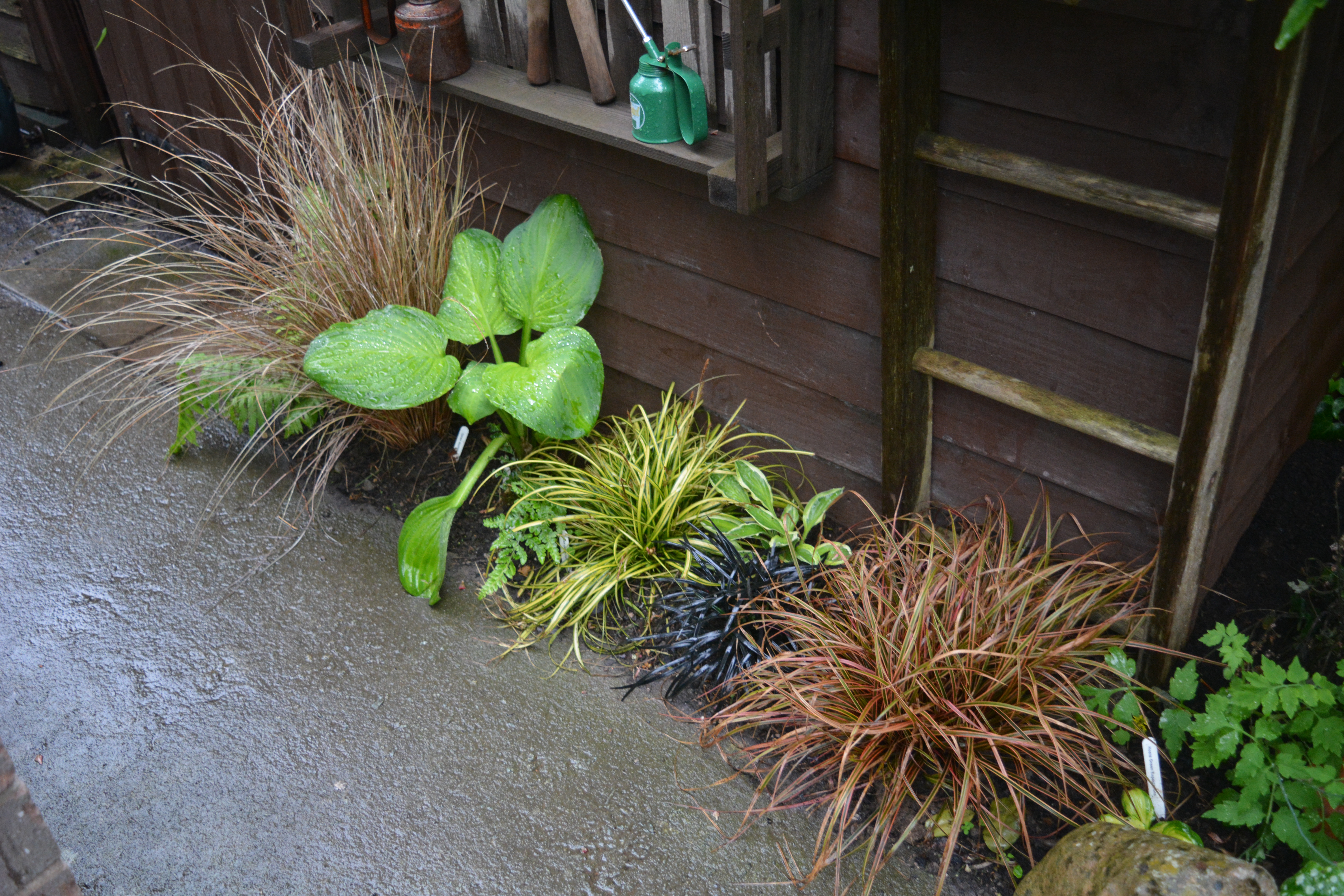
The last two pics on this page show the Shed Roof Garden and the new Foliage Garden by the shed.

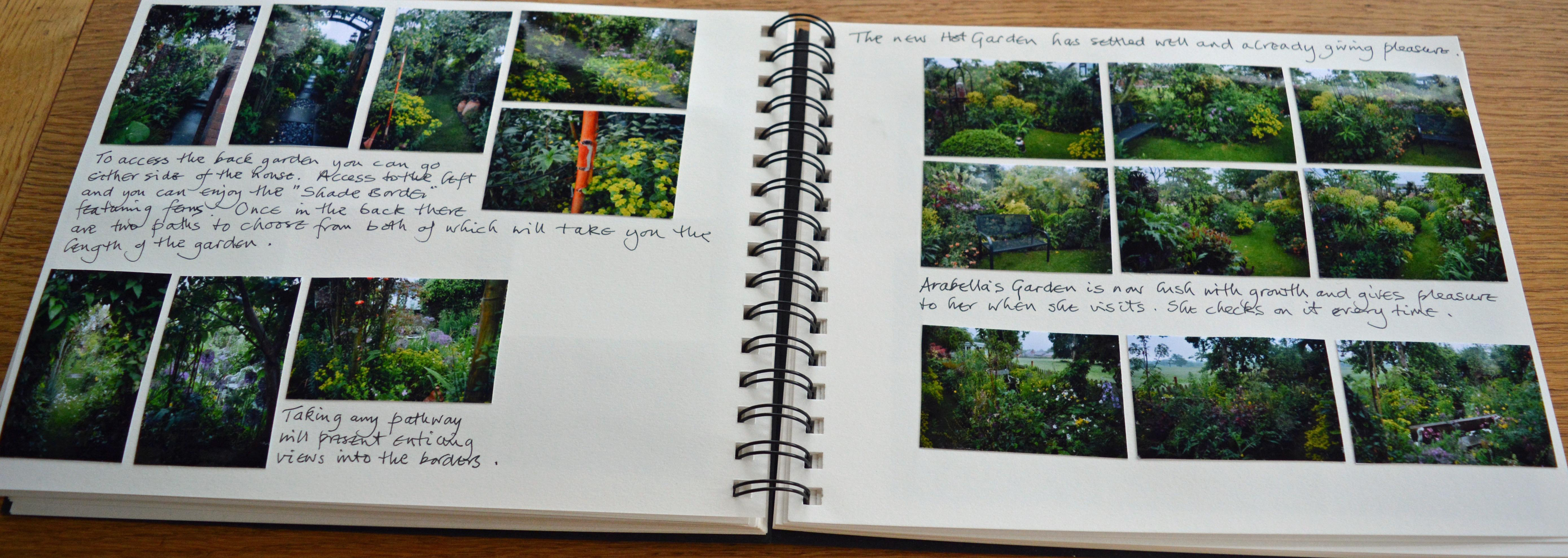
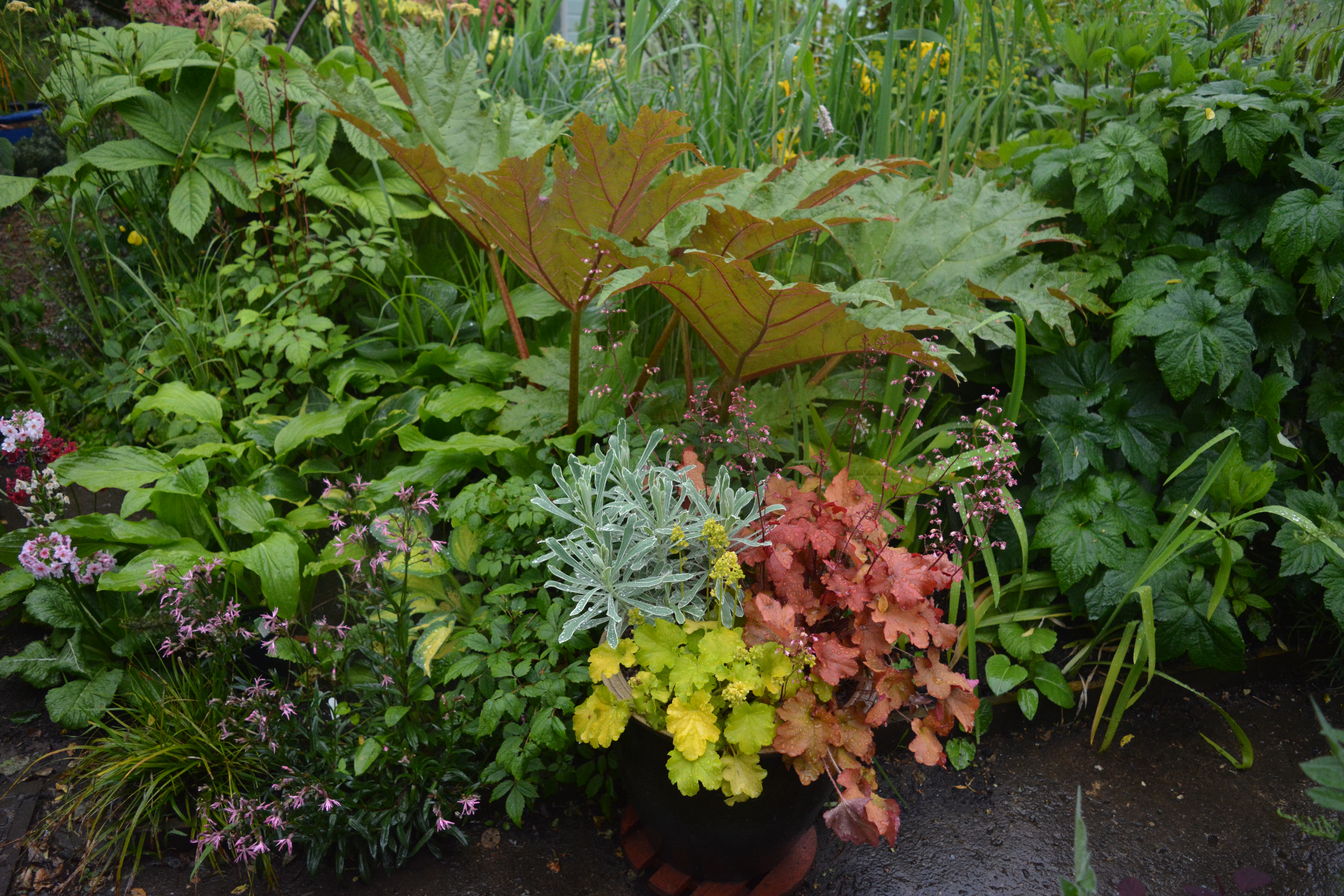
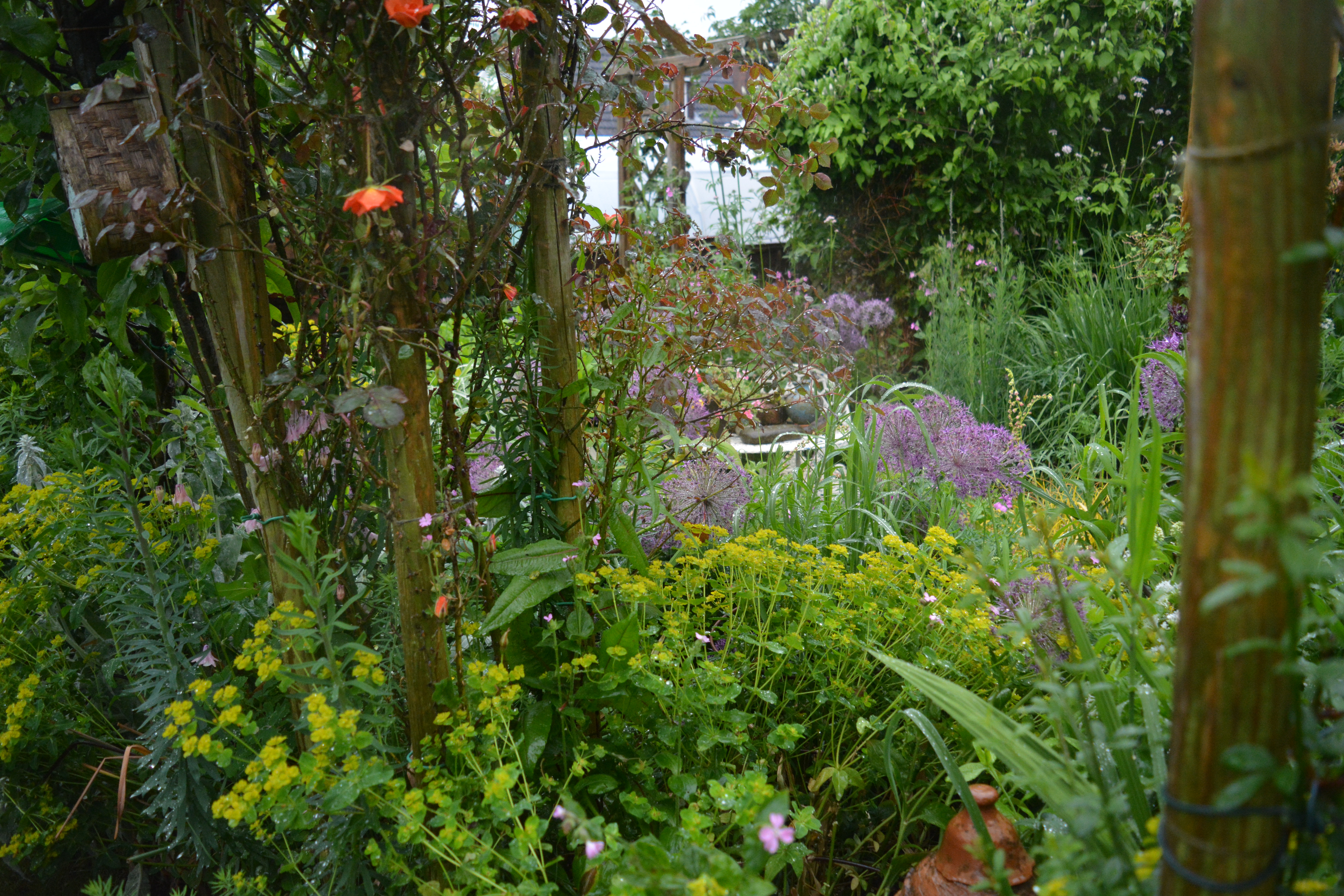
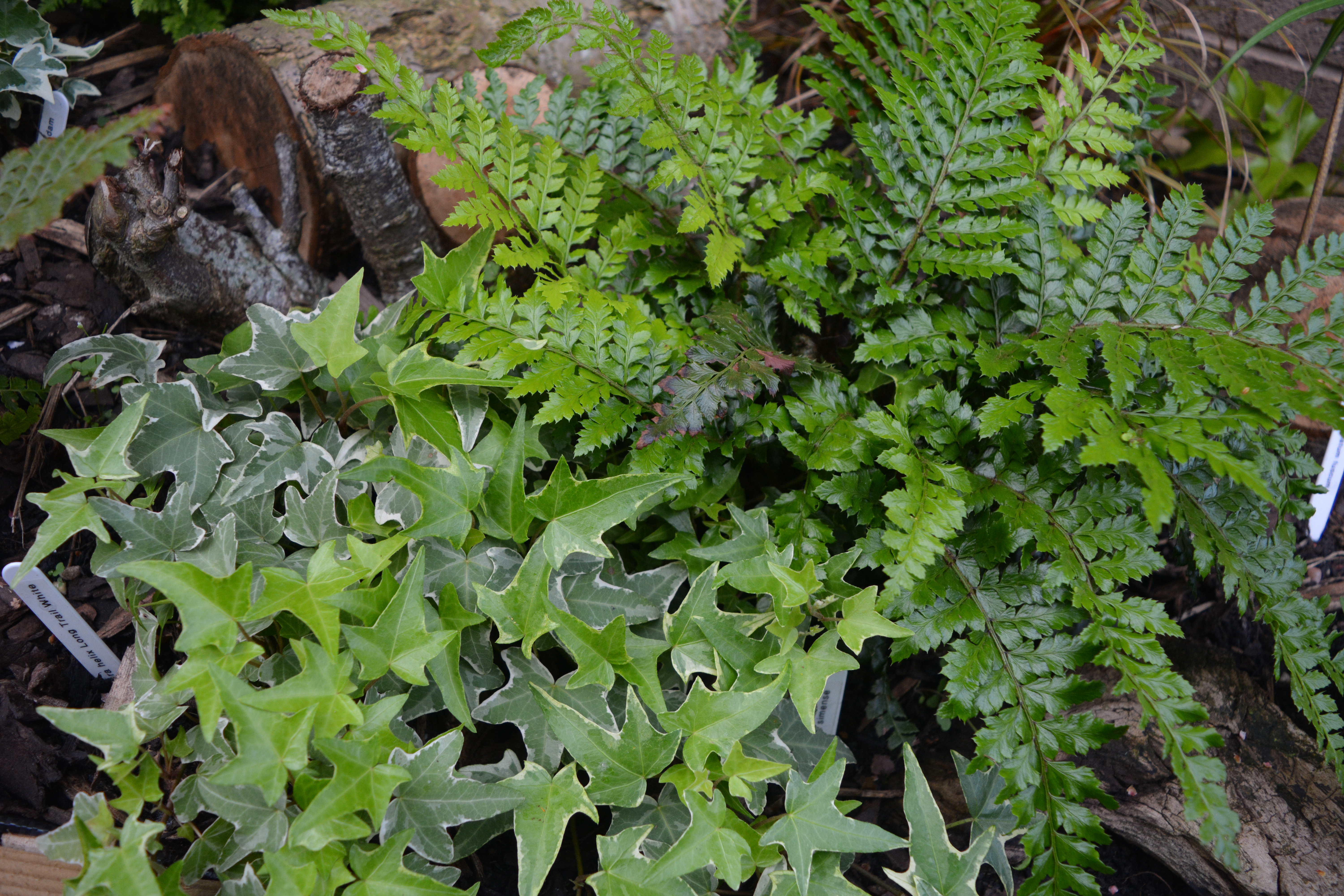
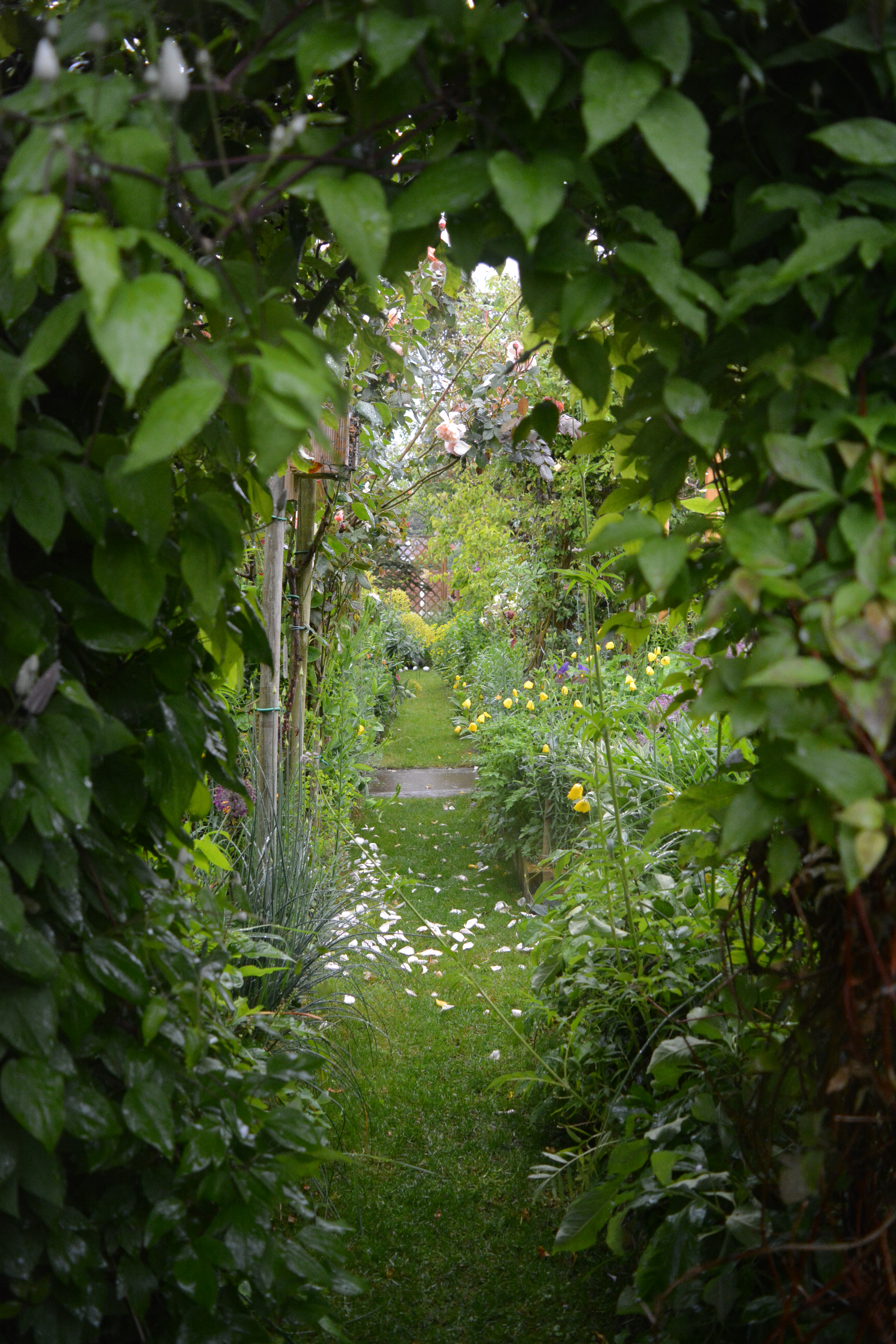
Turning over the page we move into the back garden, where I wrote, “To access the back garden you can go either side of the house. Access to the left and you can enjoy the “Shade Border” featuring ferns. Once in the back there are two paths to choose from both of which will take you the length of the garden.”
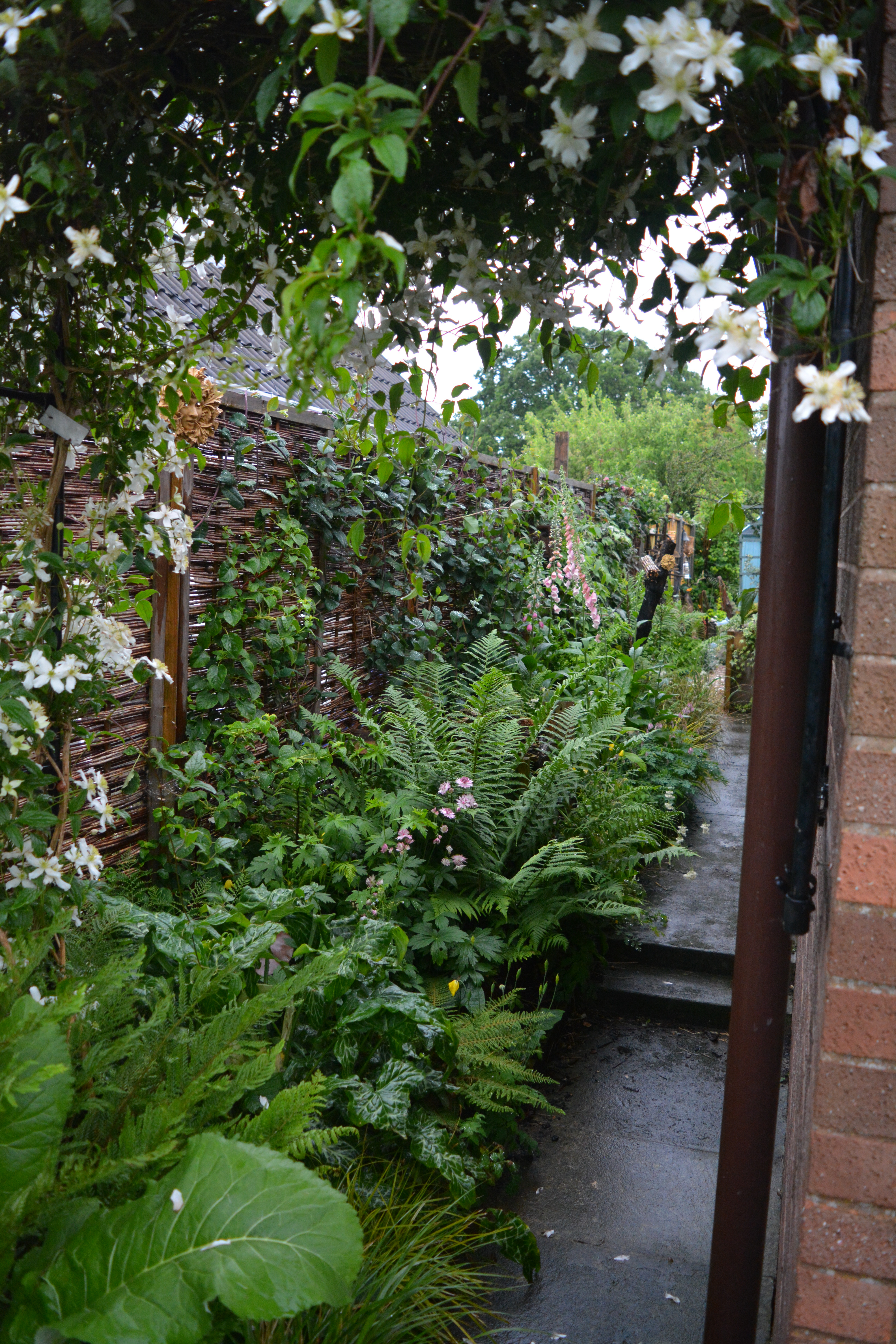
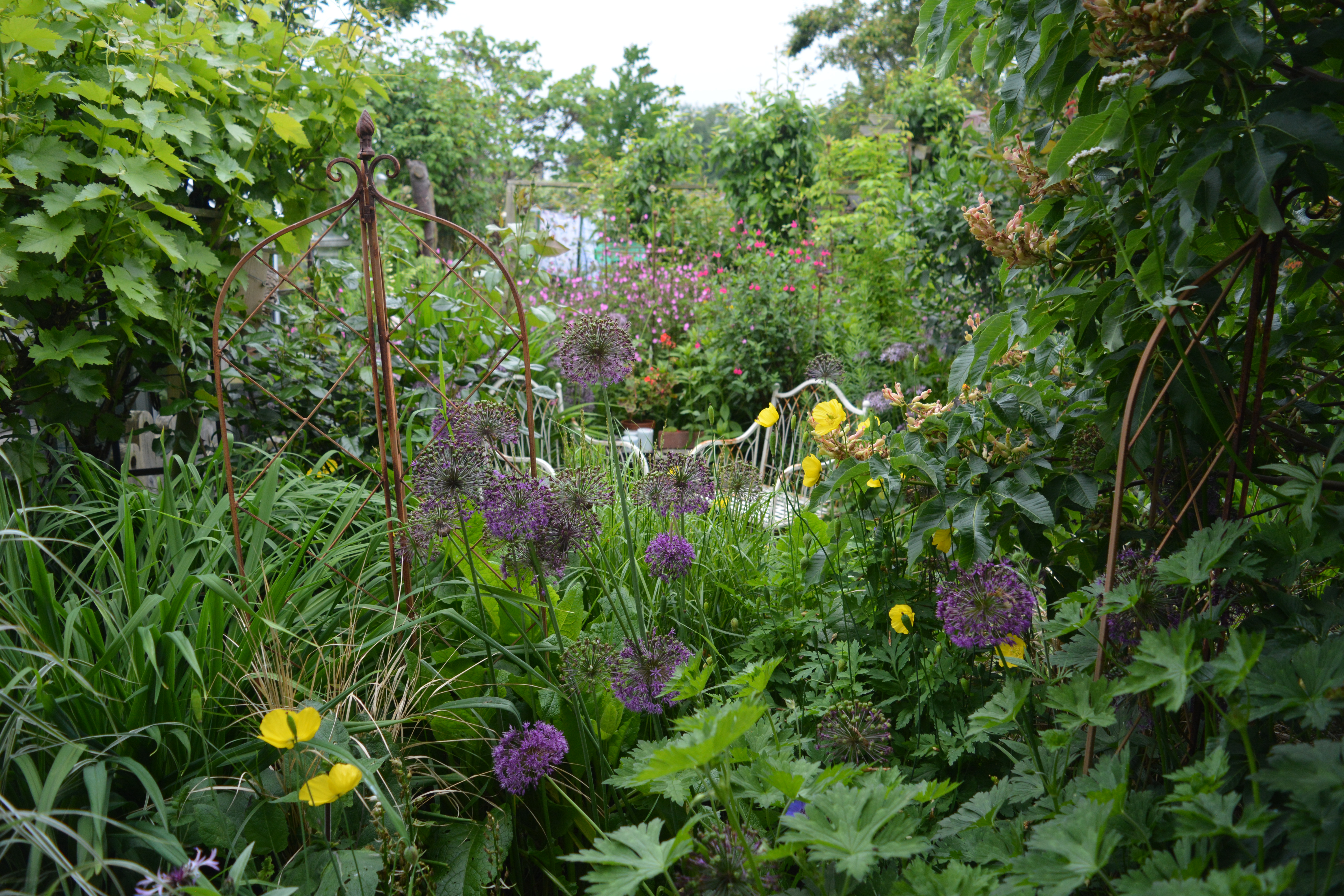
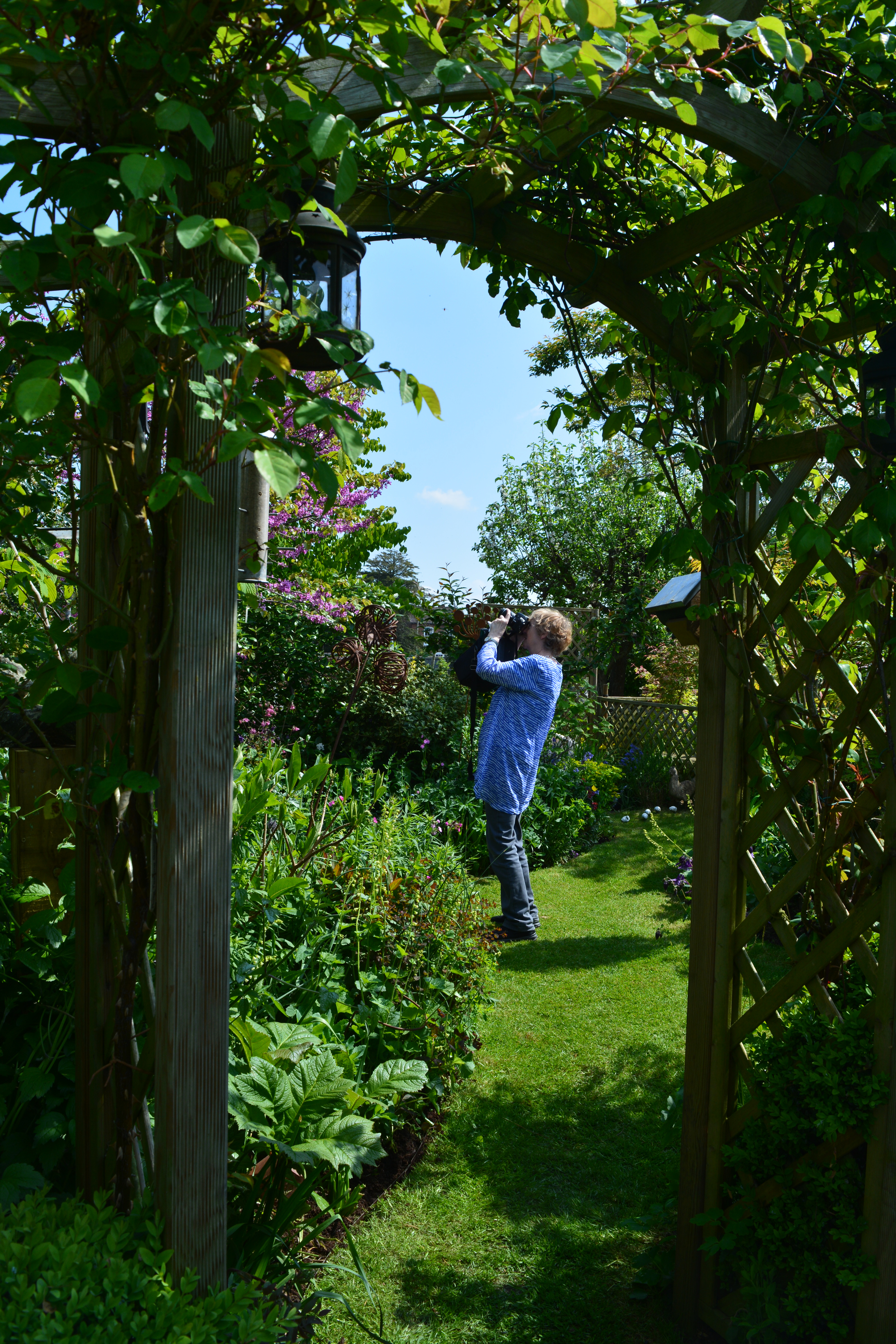
“Taking any pathway will present enticing views into the borders.”
 

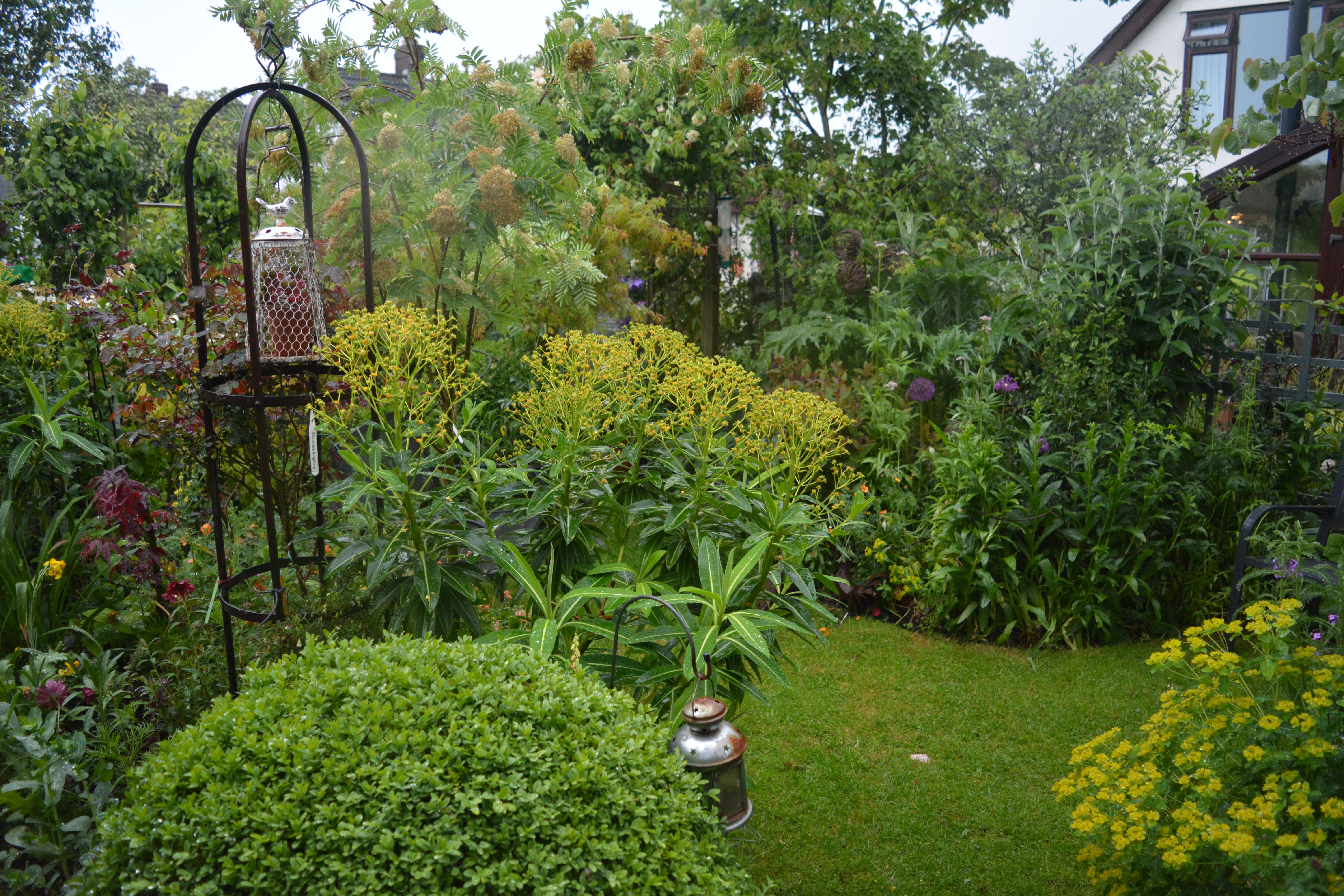
Onto the next page I wrote, “The new Hot Garden has settled well and already giving pleasure.”


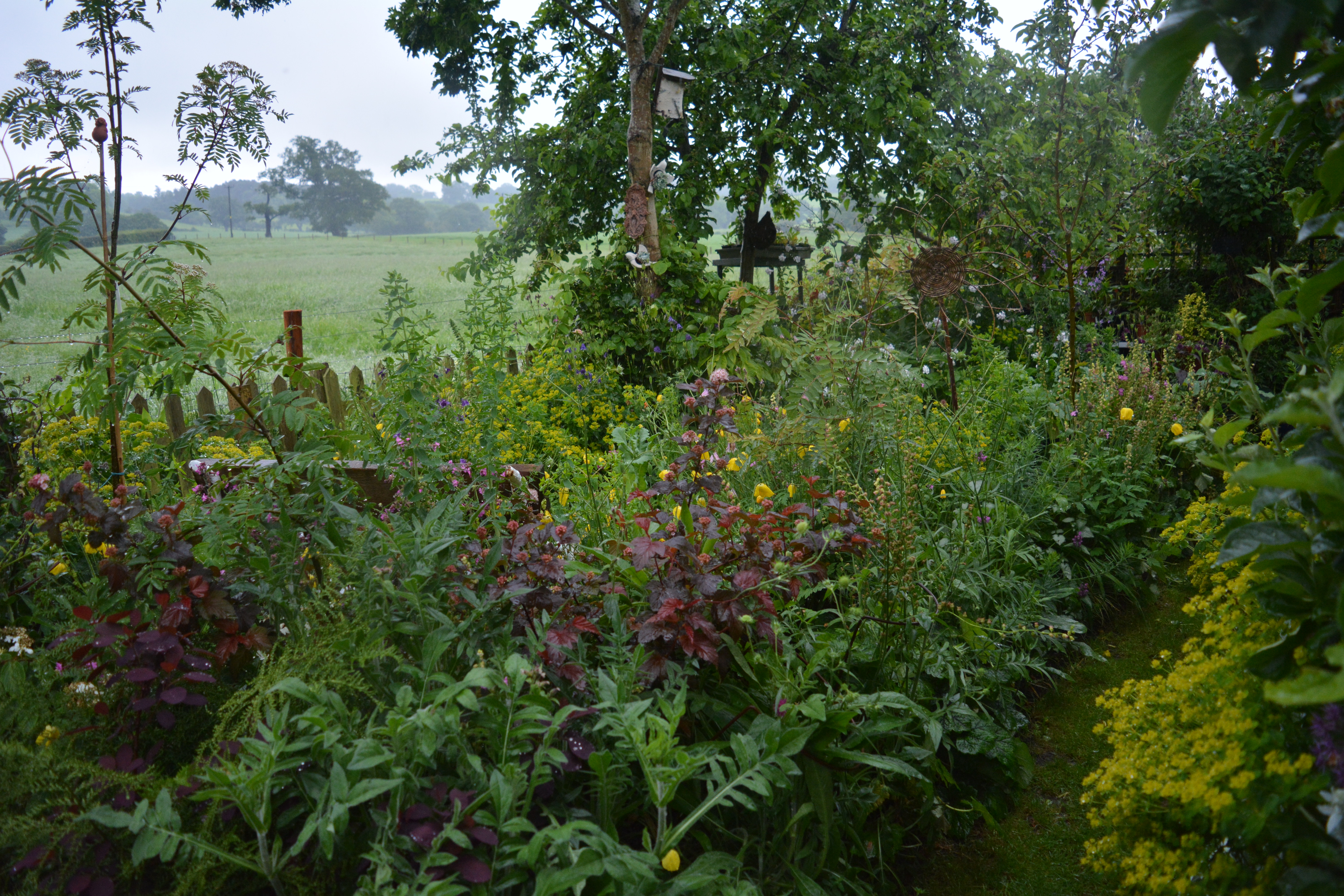
“Arabella’s Garden is now lush with growth and gives pleasure to her when she visits. She checks on it every time.”
 

Over the page I share my pencil crayon sketches of two of our smaller grasses, both Briza.
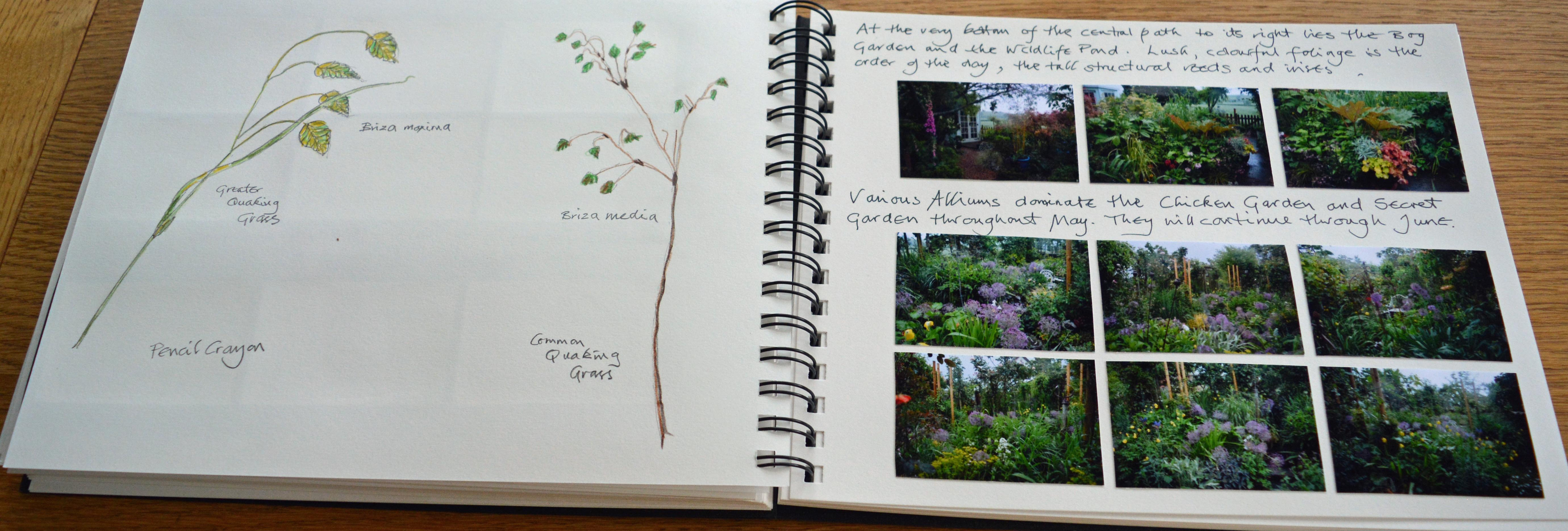
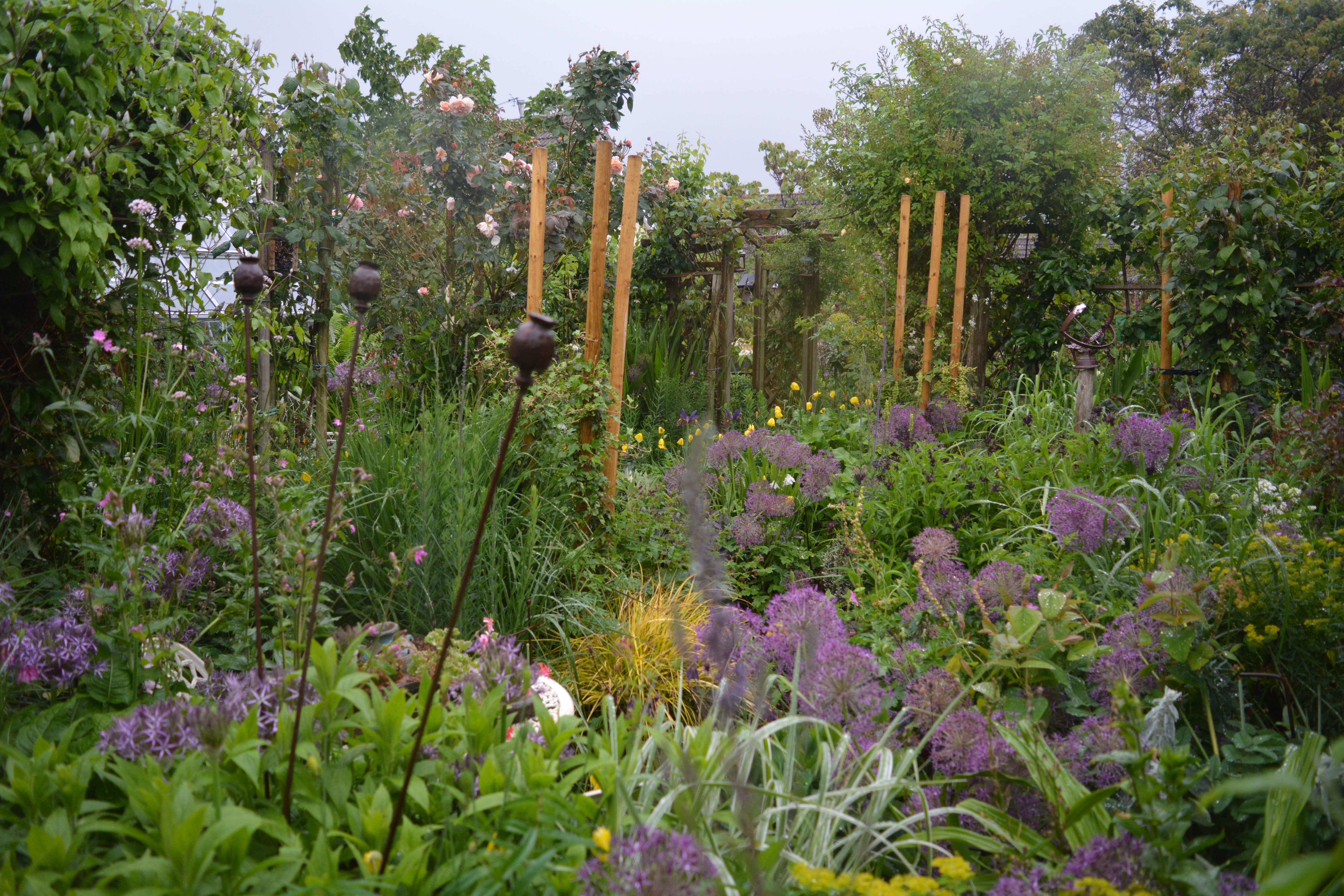
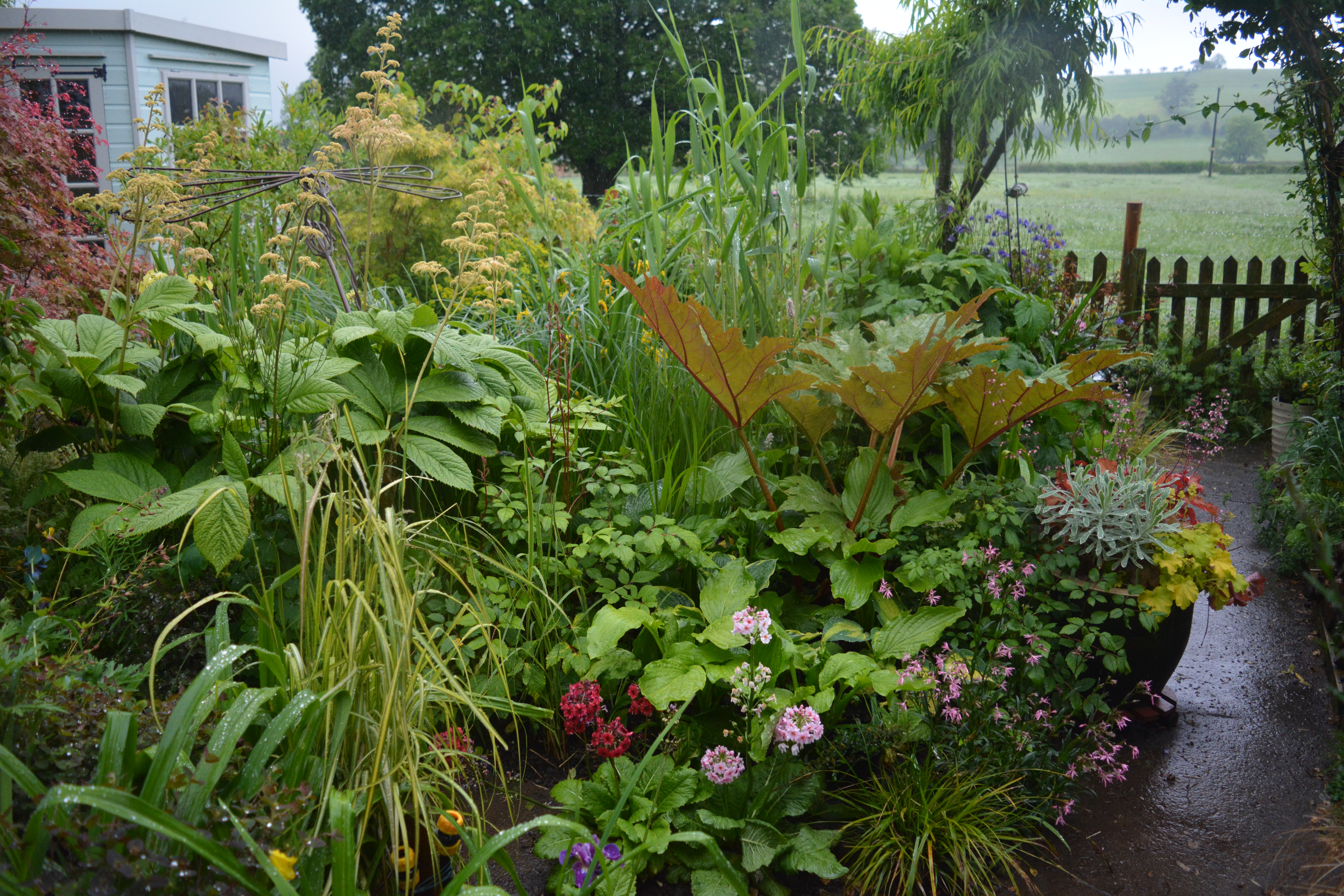
The final page for this month shows the Bog garden and the show of Alliums which dominates two borders in Jun. I wrote, “At the very bottom of the central path to its left lies the Bog Garden and the Wildlife Pond. Lush, colourful foliage is the order of the day, the tall reeds and Irises adding height.”
“Various Alliums dominate the Chicken Garden and Secret Garden throughout June and will continue into July.”
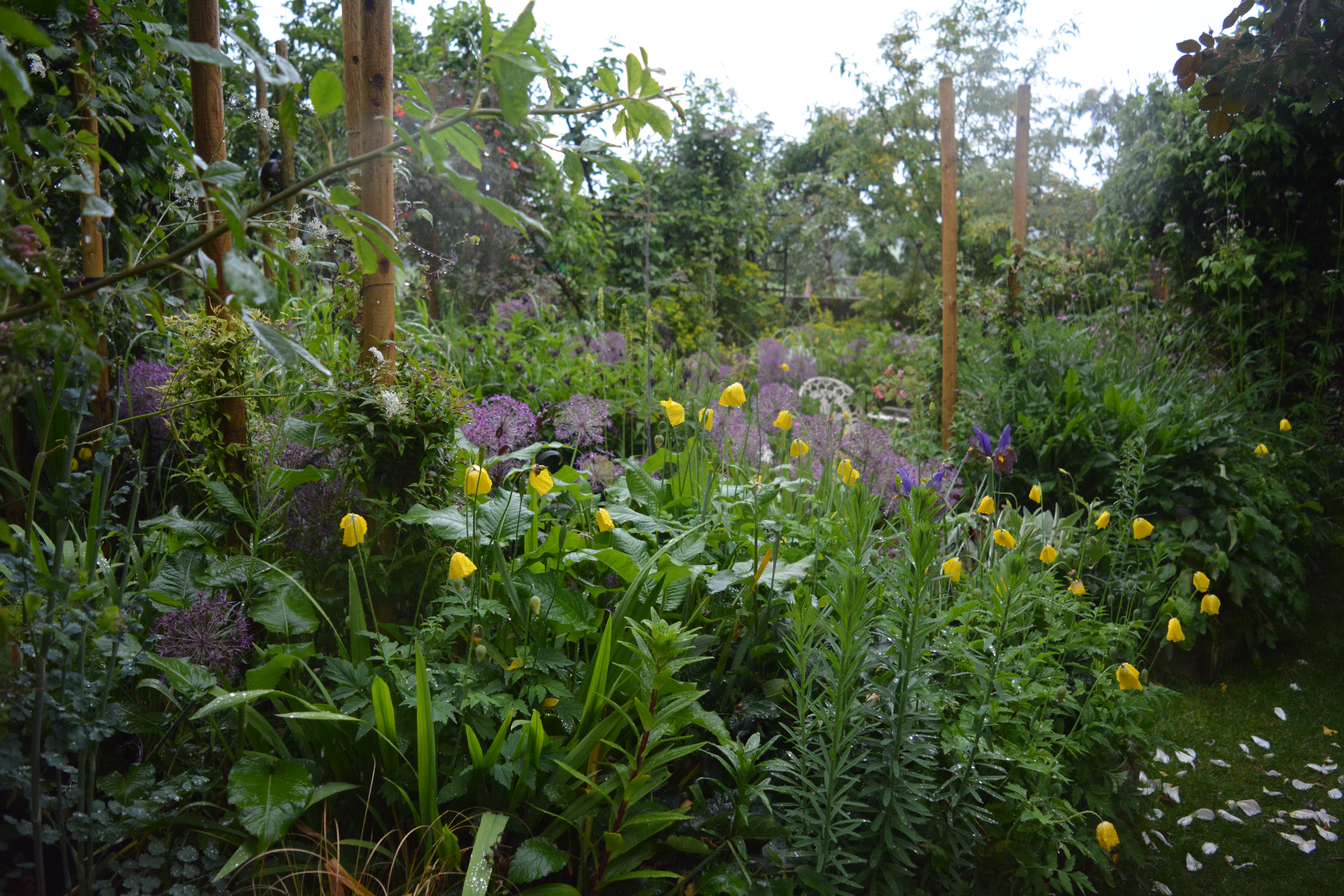
So there we have my June entries into my Garden Journal 2019, a great month in our garden.
Categories
garden arches garden design garden paths garden photography gardens gardens open to the public hardy perennials National Trust ornamental trees and shrubs outdoor sculpture roses sculpture The National Trust

Our Short Break in Stratford-on-Avon – Part 4 – Coughton Court

On our return journey from Stratford afforded us the opportunity to return to explore the gardens of the National Tust property, Coughton Court, a garden we had not visited for many years, so we looked forward to seeing how our memories of the place matched up with the reality.

Coughton Court is the family home of the Throckmorton family, who continue to maintain and develop the garden and grounds as well as the house itself.

In particular, we remember the walled rose garden which is often quoted as being one of the most romantic gardens in the UK which is of course the land of romantic gardens. We could both remember this area which was full of scented roses, many old-fashioned varieties, and its beautiful statue of a female figure. I can even remember the beautifully soft subtle planting around its base of Sedum sectabile and Stip tenuissima. I hoped that planting still remained.

The introductory set of eight photos below illustrate the variety of points of interest at Coughton. They show the beauty of the buildings themselves, the rose garden, bog garden, orchards, woodland, riverside walk etc

The Throckmorton family rose garden was developed in 1966 and was designed by a Chelsea RHS Show award-winning garden designer, Christina Williams. What makes ir si special and different to traditional rose gardens is the way the roses are heavily underplanted with herbaceous perennials. The statue is of Fair Rosamund, a beauty of the 12th century and reputedly the mistress of King Henry II. The popular ancient rose, Rosa mundi was named after her and specimens are planted around the statue. The gentle planting of my memories has sadly been superseded.

There was so much to enjoy in this rose garden that it is best to look at following a gallery of photos that I took within its bounds. Click on the first photo and then navigate with the arrows.

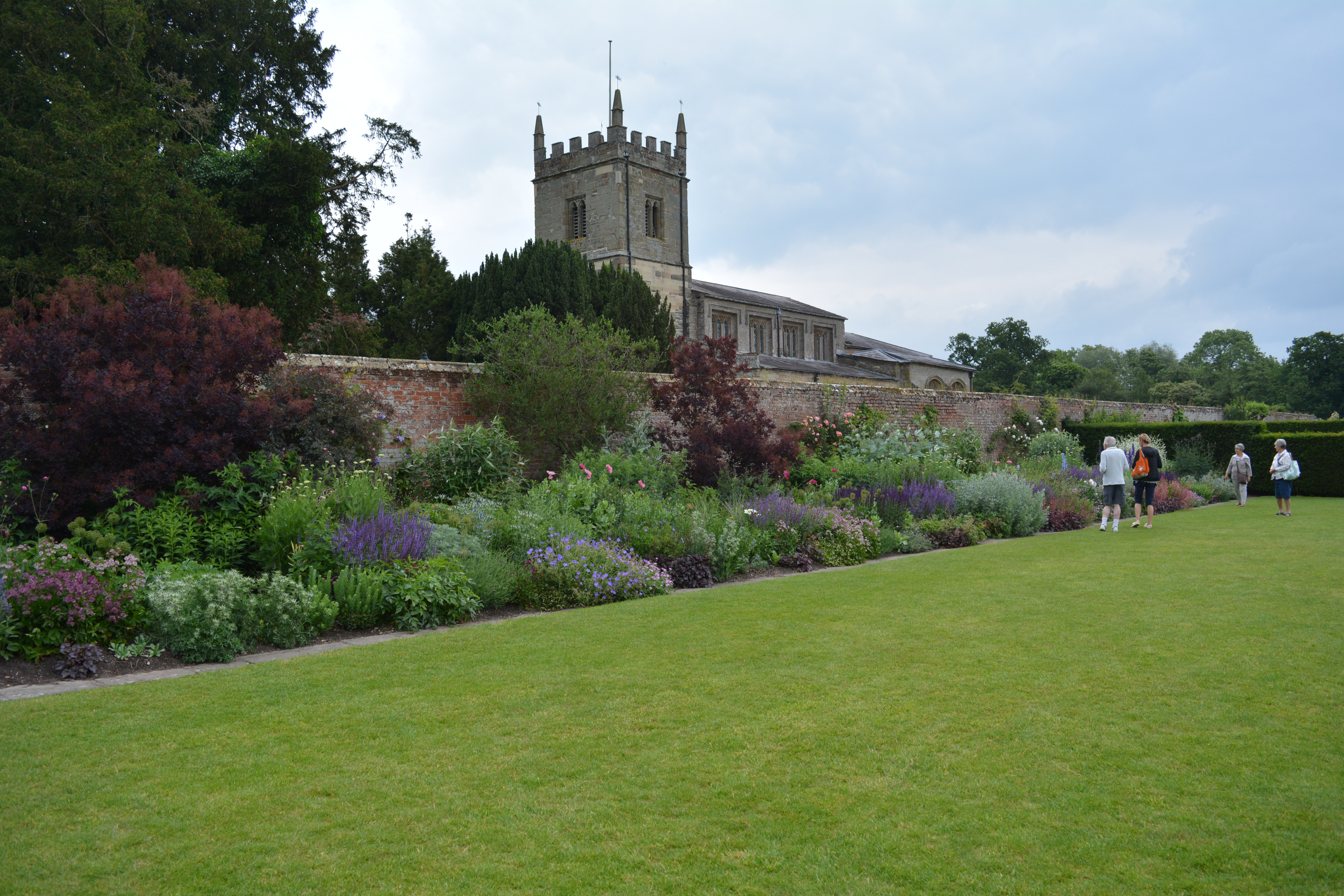
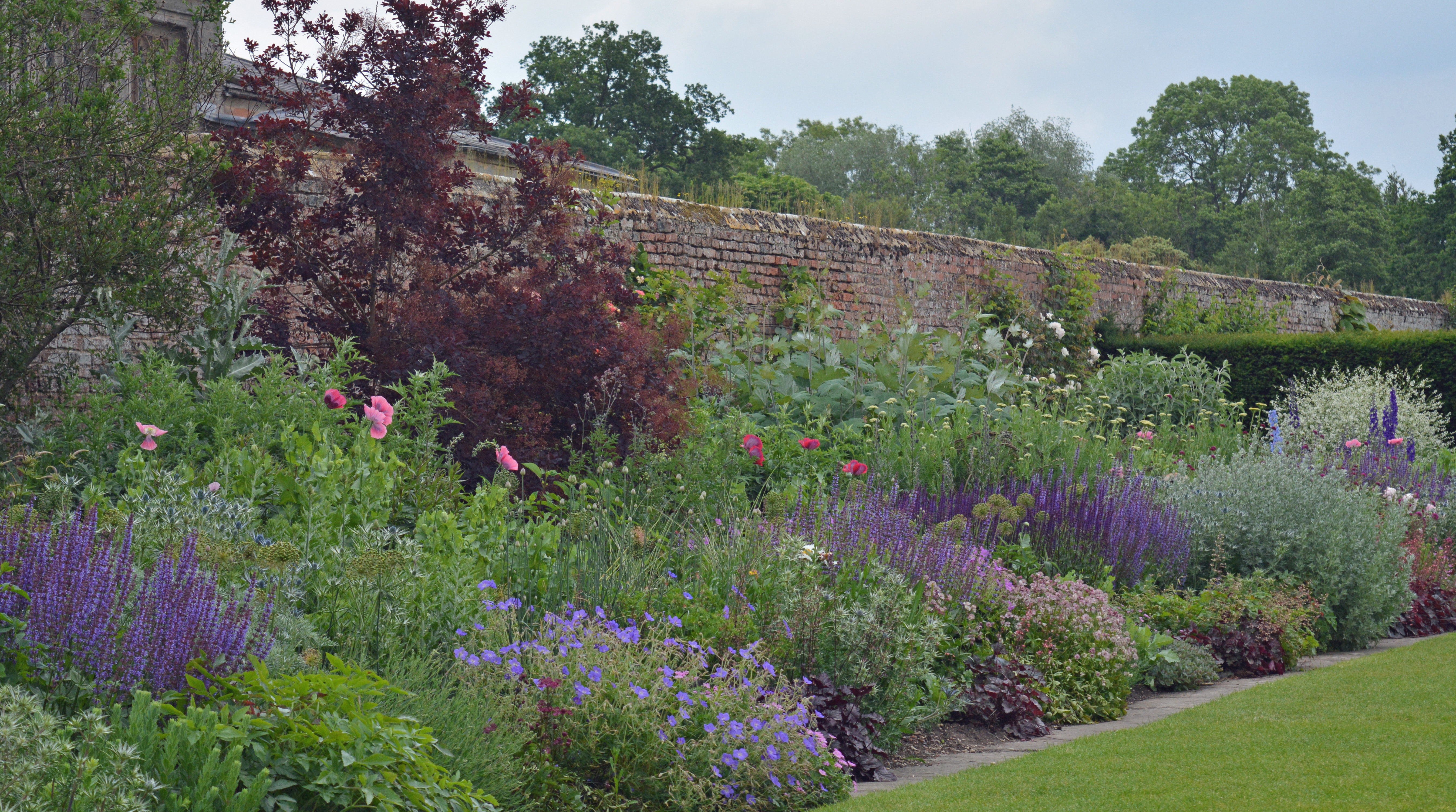
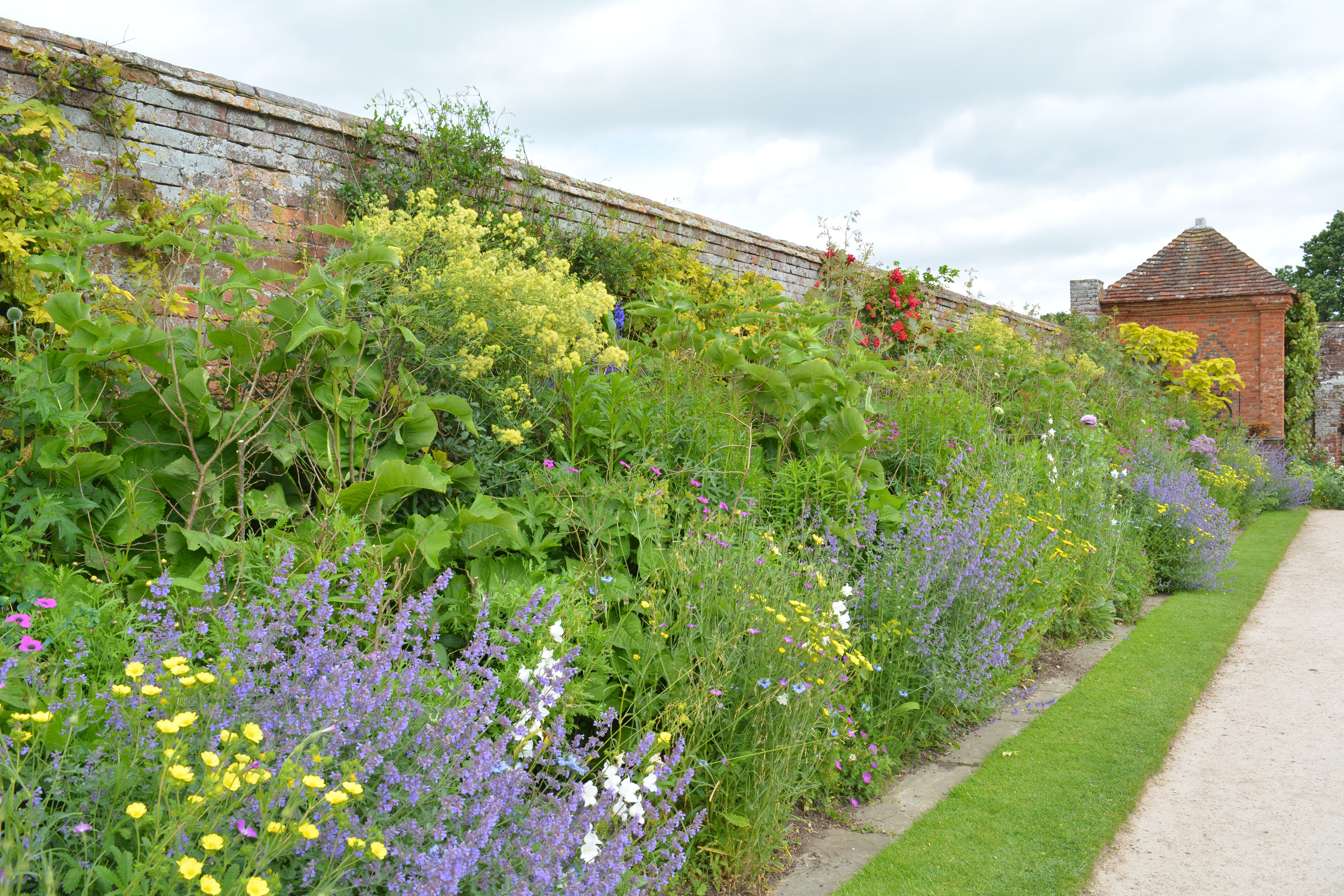
Moving on from the rose garden and its rich sites and aromas, we found our way into a much more open space which presented a pleasant contrast to the business of the rose garden. Here a rectangular lawn was edged with herbaceous borders, planted with Gertrude Jekyl style gentle end of the spectrum plant choices. We enjoyed a slow amble among each side, appreciating the individual plants, plant combinations and the bigger picture of looking right along the length of each border.


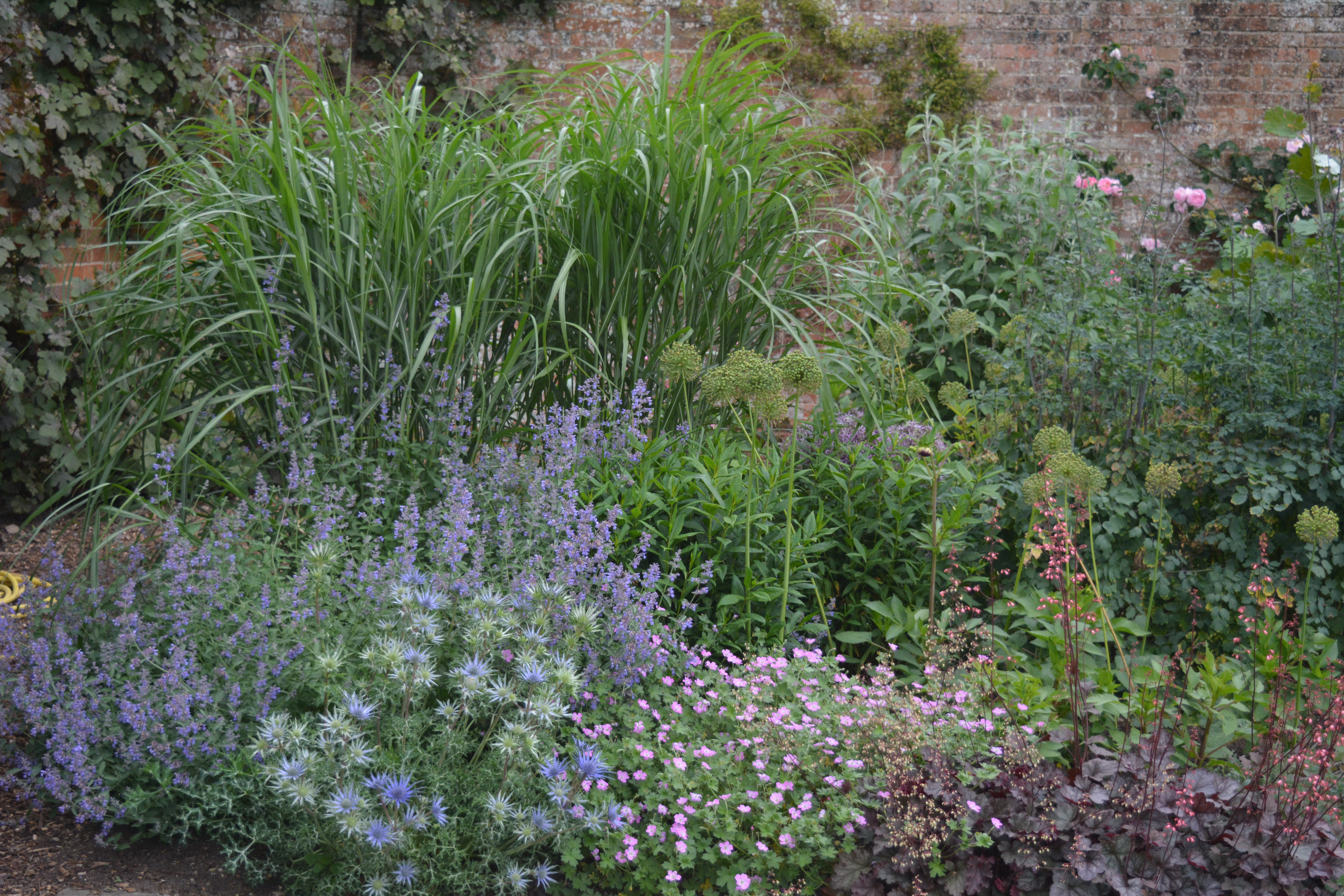
It is always good to visit a garden with many different aspects and the gardens at Coughton Court manages to certainly provide lots of different styles of garden to enjoy. Here are few shots showing different aspects I haven’t the space to share. Enjoy!


Categories
architecture fruit and veg garden arches garden photography gardening gardens gardens open to the public kitchen gardens ornamental trees and shrubs outdoor sculpture roses sculpture village gardens

Our Short Break in Stratford -on-Avon – Part 3 – Anne Hathaway’s cottage and garden

Anne Hathaway was Shakepeare’s wife and her cottage and garden are probably one of the best known tourist destinations in England, so we were pleased to be visiting in mid-week when we hpoed it might be a little quieter. Luckily we arrived just ahead of a party of schoolgirls, excited, boisterous and noisy.

Visitors were allowed into the cottage in small groups each of which received an introductory talk from a knowledgeable guide. Her chat prepared us well for our visit. We had a wandewr around the cottage interior although really we wnated be outside exploring the cottage style garden.

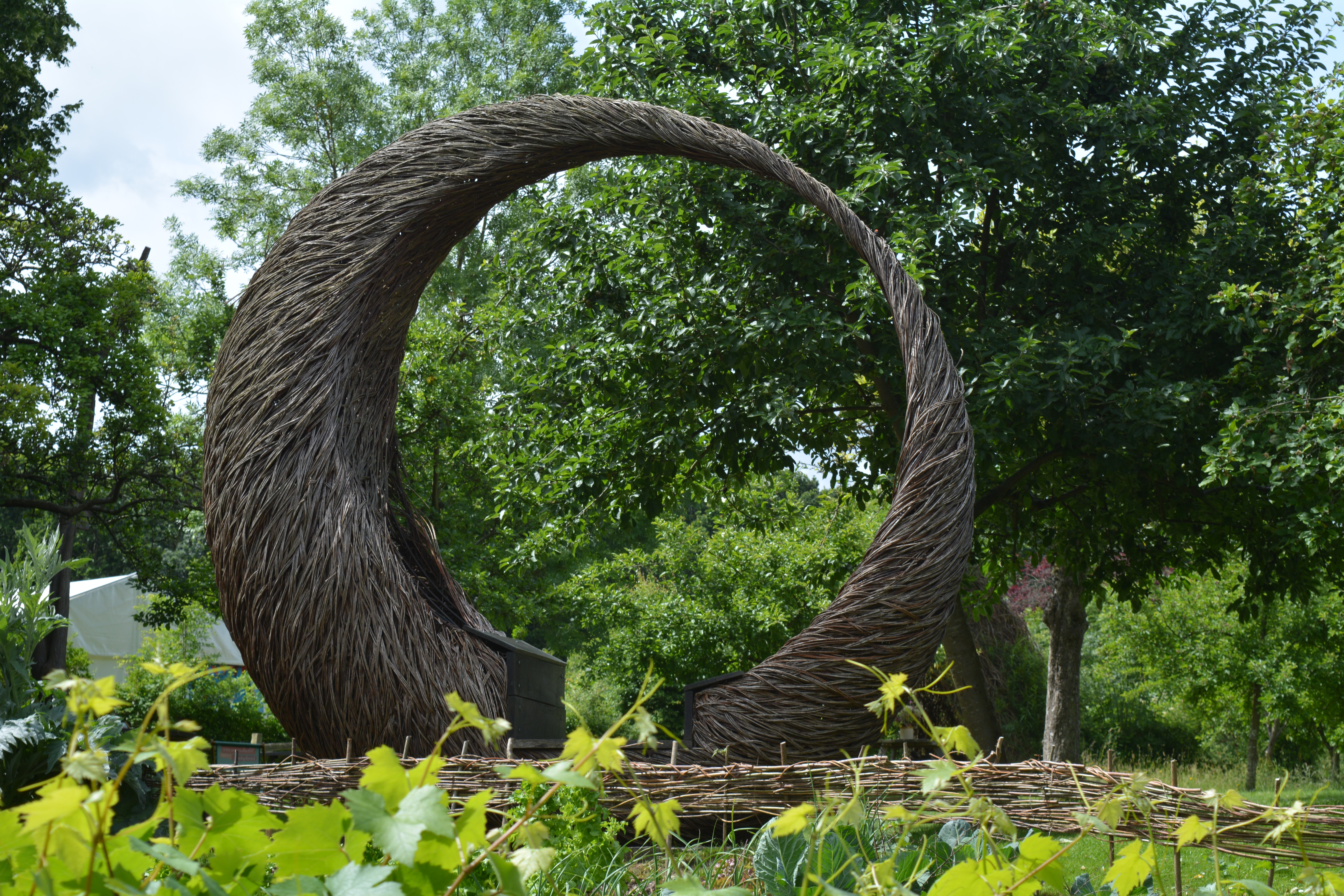
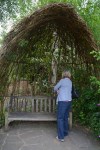
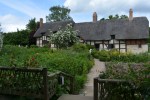
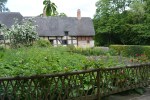
This set of photos give you the sense of the cottage’s beauty, intimacy and atmosphere. Beautiful gable windows pierce the tiled roof while climbing and scented plants snuggle up to its walls. The gardens are both productive and ornamental, with vegetable patches, fruit production and orchards as well as meadows and mixed borders. A beautiful woven “moongate” adds interest alongside many other sculptural pieces.


To help share our experiences at the Anne Hathaway cottage and garden I will use a gallery of shots taken during our exploration of the cottage interior, the garden and the grounds further afield. Enjoy by clicking on the first photo then navigate with the arrows.

Categories
architecture autumn autumn colours colours garden design garden furniture garden paths garden photography garden seat garden seating gardens gardens open to the public light light quality ornamental trees and shrubs pathways Powis Powys roses shrubs trees Wales Yellow Book Gardens

Gregynog – a garden with woodland walks

Another NGS garden we visited last summer is called by the wonderful name Gregynog.

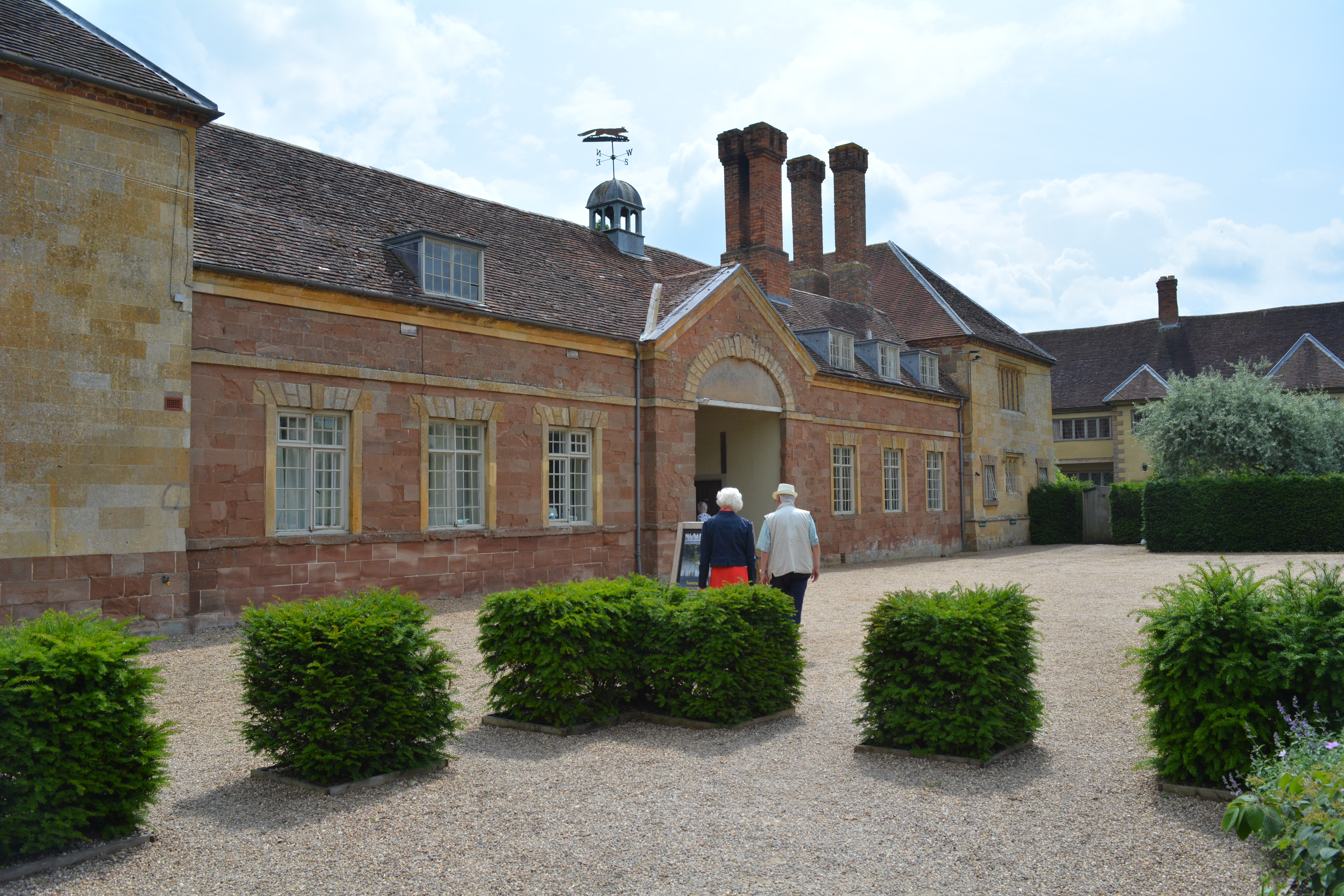
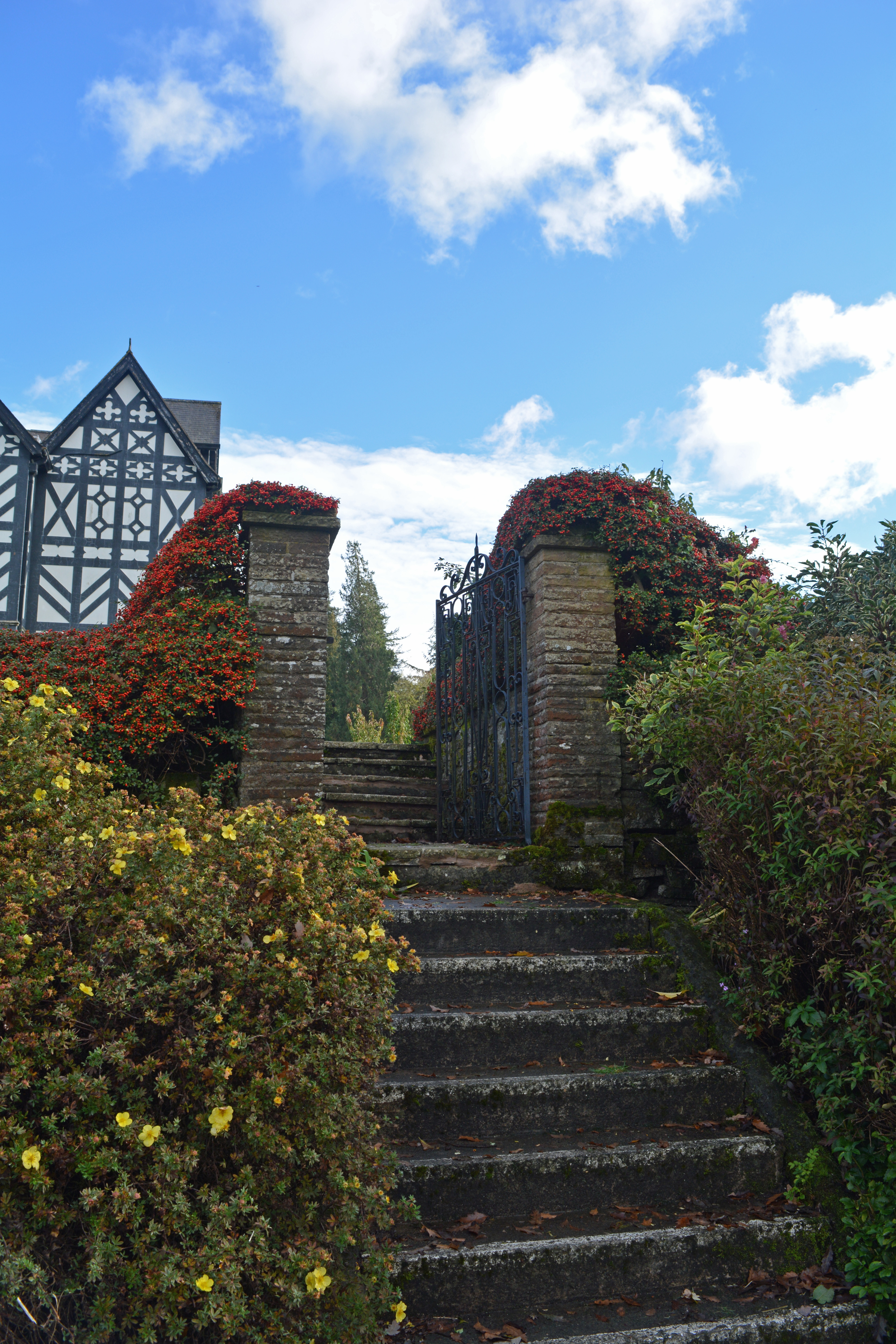
Gregynog is situated in the county of Powys and just has to be worth a visit sporting such a magical name, like something out of the Hobbit or a Hans Christian Anderson tale. Winding lanes eventually led us to a scented drive lined with roses. Here we gained the first glimpses of the half-timbered hall itself and the brick-built reception buildings. October light helped us to appreciate the garden, woodland and buildings.


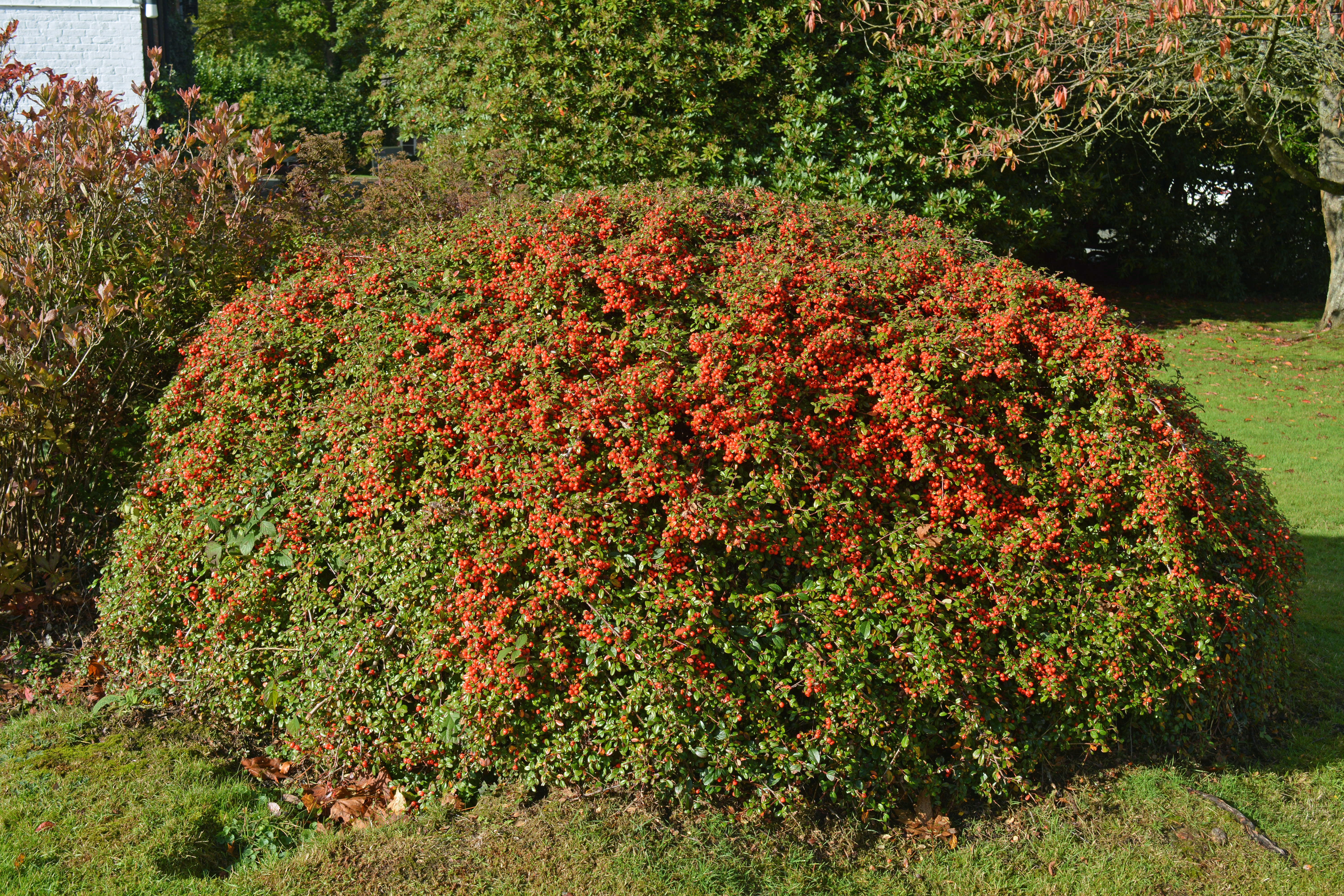
The gardeners here certainly know how to prune and shape common shrubs to give them an extra edge. The first two photos are of Cotoneaster, trimmed to domes.

The garden around the front of the hall afforded us more opportunities to enjoy the gardeners’ pruning and trimming work.

The low sunlight caught this stand of asters lighting it up from a distance and as we walked closer to look we spotted this wonderful old seat, carved from a fallen tree.

We continued around the building all the time getting views of the hall above us.

We then came to a walks sign directing us to choose a walk to follow and we chose to make our way to the woodland walks and lake. We walked back alongside the hedge of scented roses at the side of the driveway, taking in their delicate colours and rich aromas.

As we reached the end of the row of roses we turned towards the woodland walk, aiming  towards the lake, passing an Acer grove along the way, but this is all in part 2 of these posts about our visit to Gregynog.

Categories
colours garden design garden photography gardening gardens gardens open to the public hardy perennials light light quality ornamental trees and shrubs Powis Powys roses shrubs trees Uncategorized Wales woodland woodlands

The Dingle Garden in June

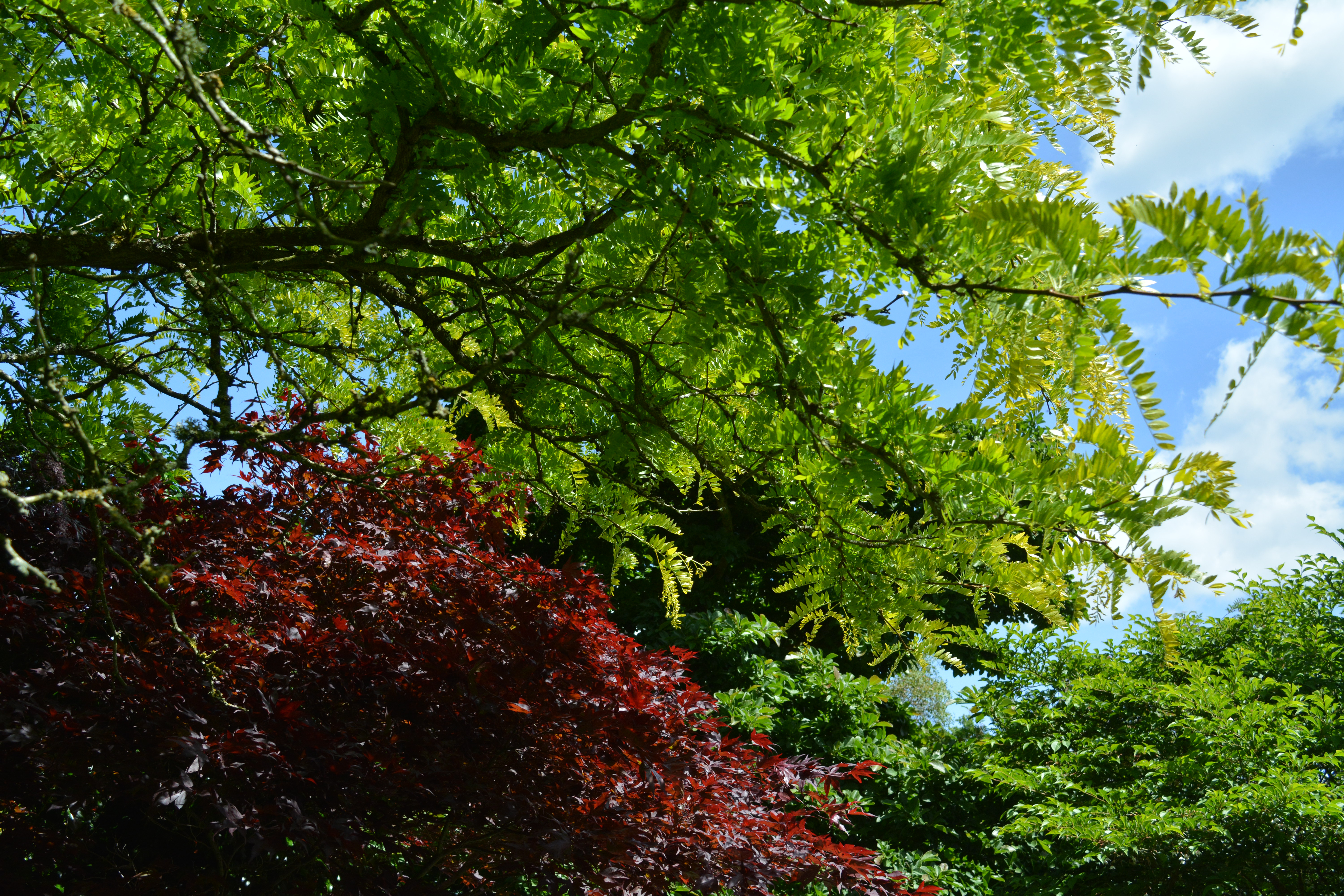
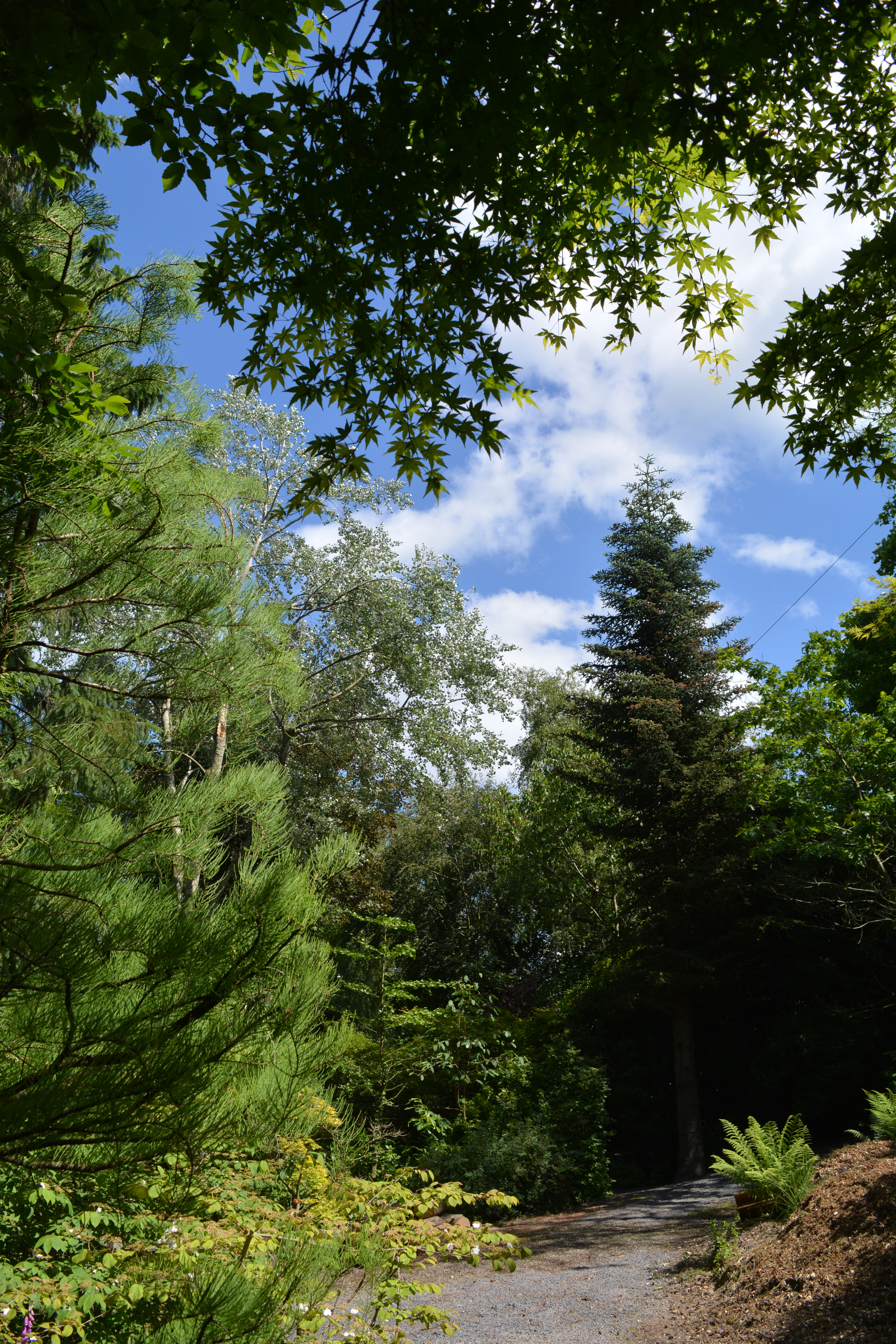
As we reach the middle of the year we made our monthly visit to the Dingle Gardens, and for once the weather looked set fair. This meant that we had strong contrast between light and shade and any colour was brightly lit when the sun hit it, leaf colour or flower colour.

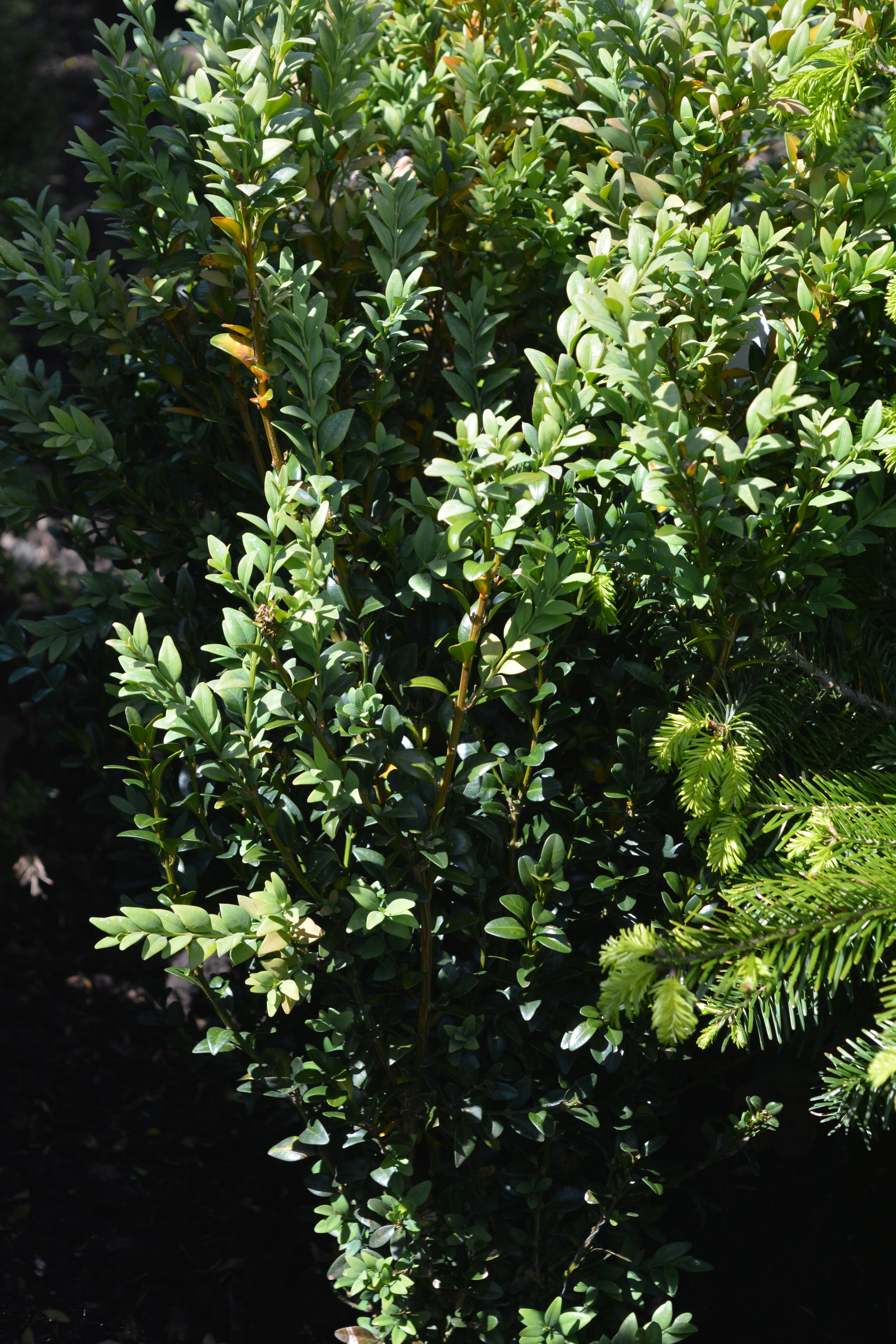
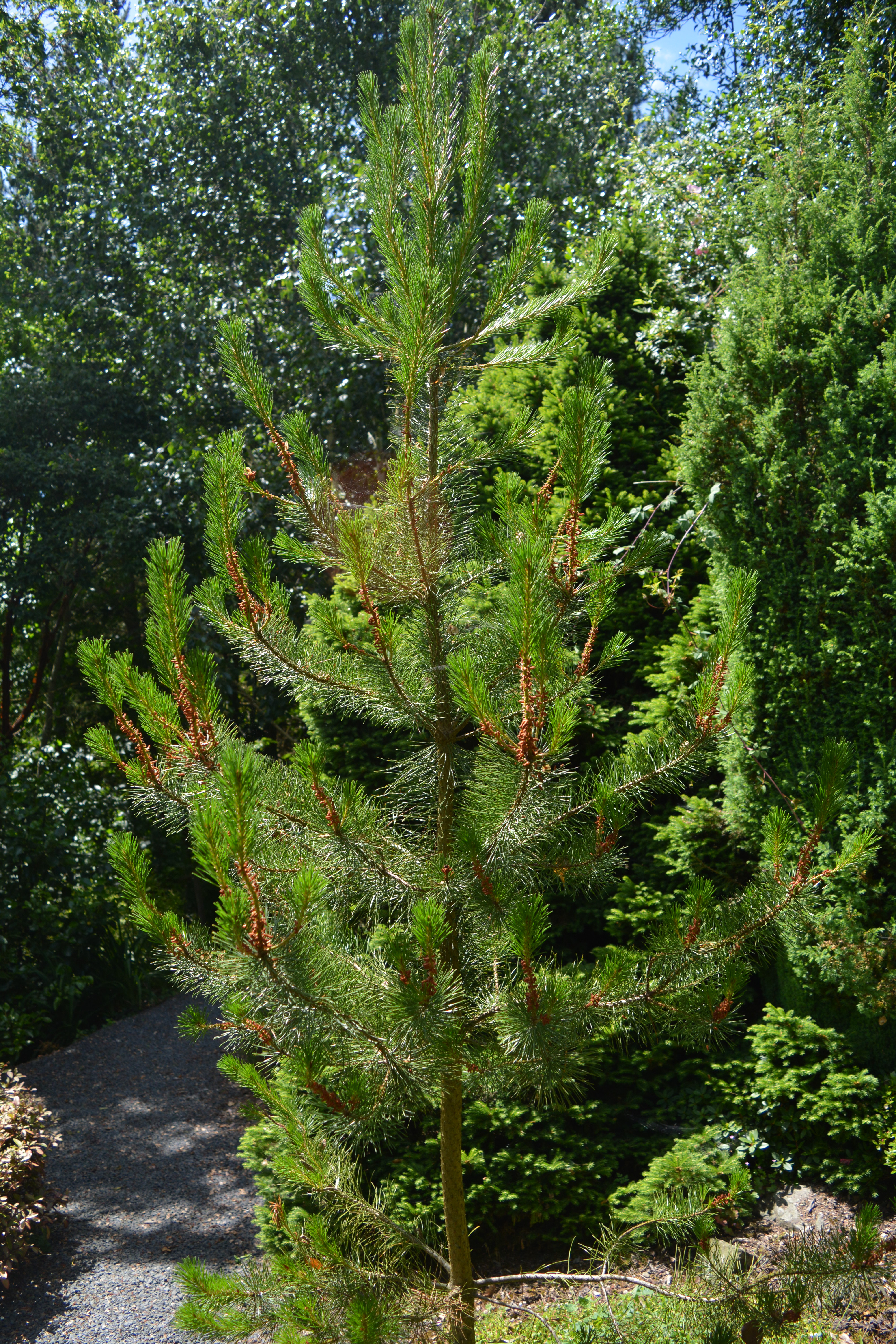
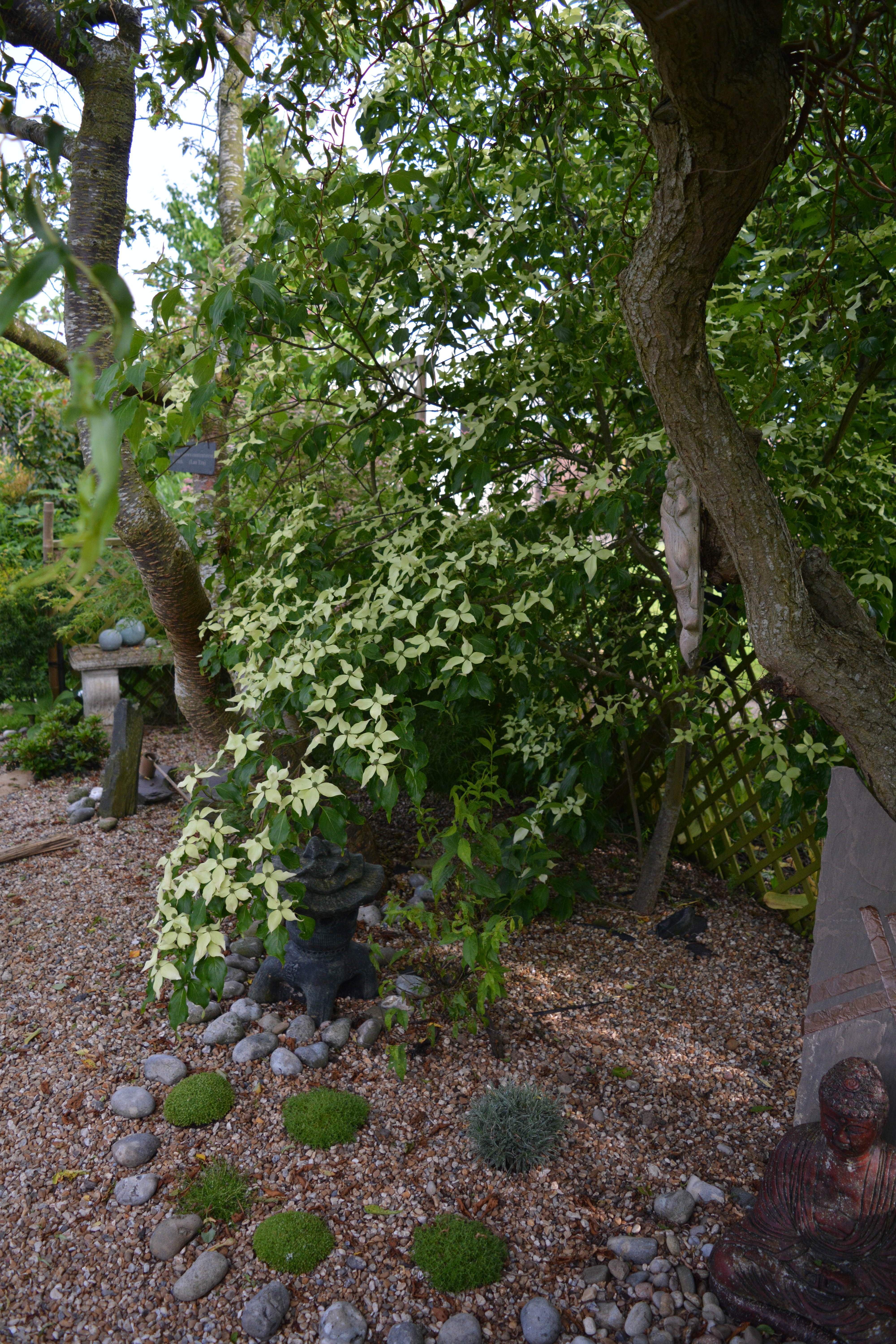
A Cornus kousa on the lawned area loked at its best, with creamy white bracts covering it from head to toe. The light emphasised the shapes and textures of quite ordinary trees ans shrubs lifting them above their normal character, including this tall conifer and the little Box shrub.


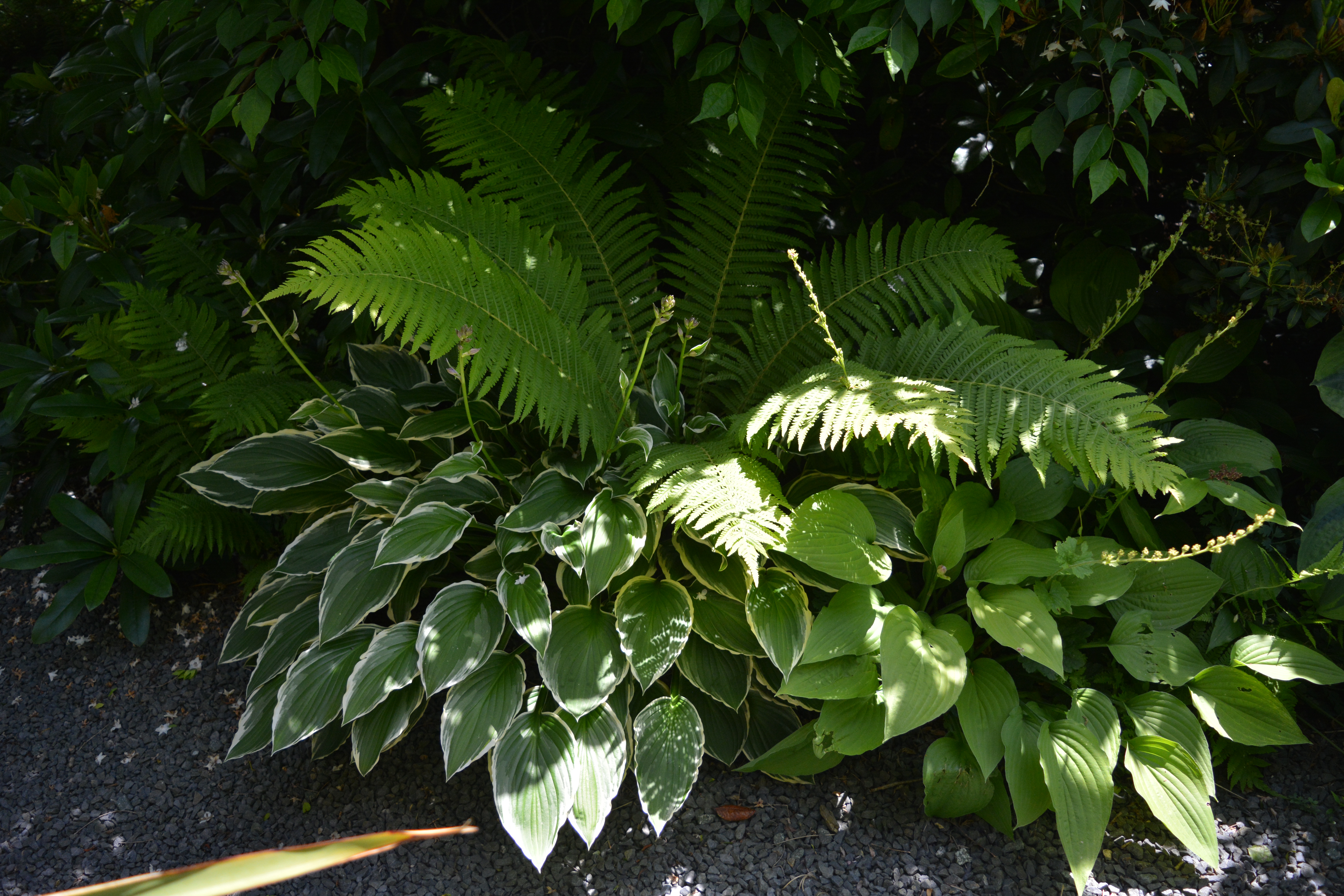
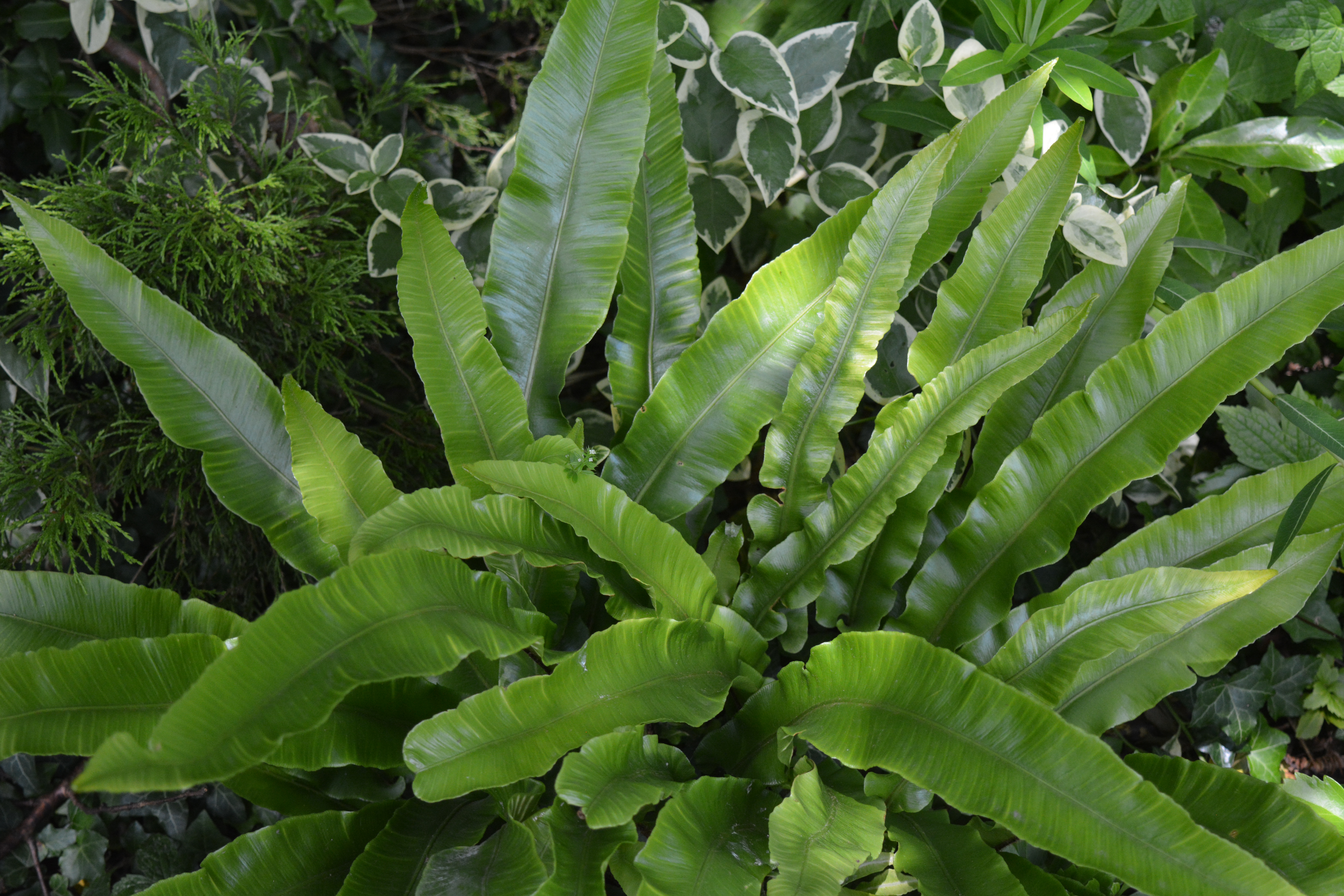
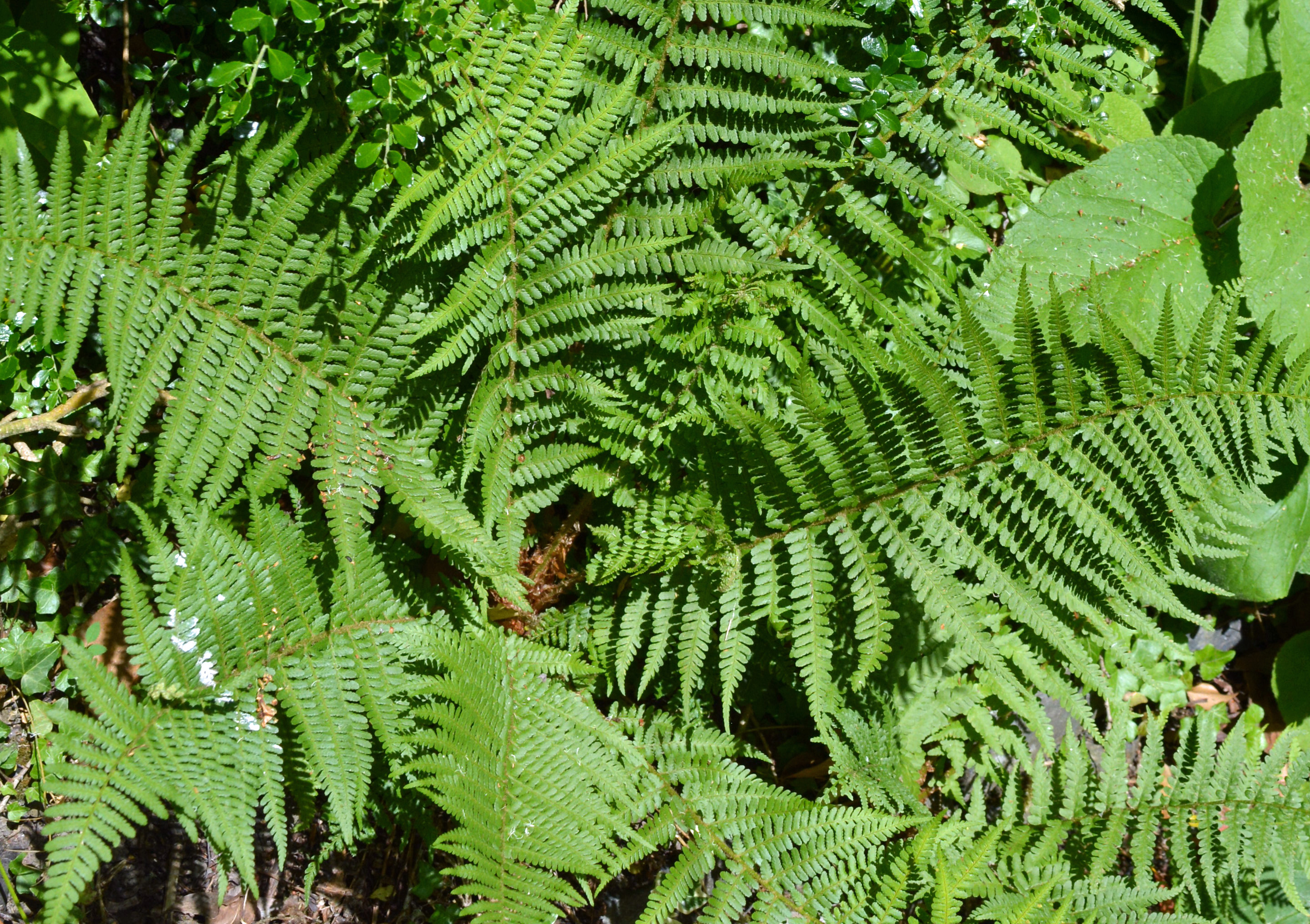
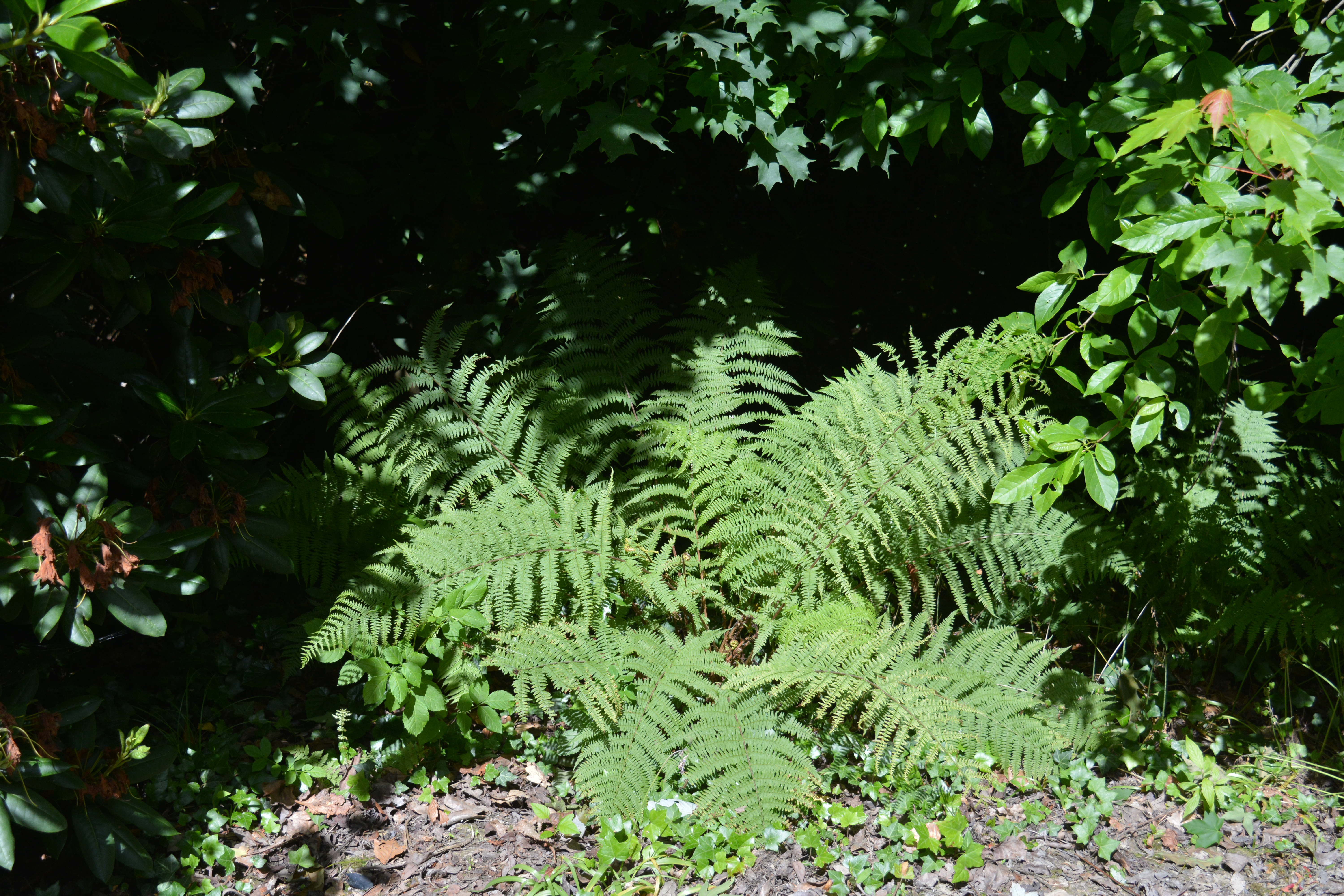
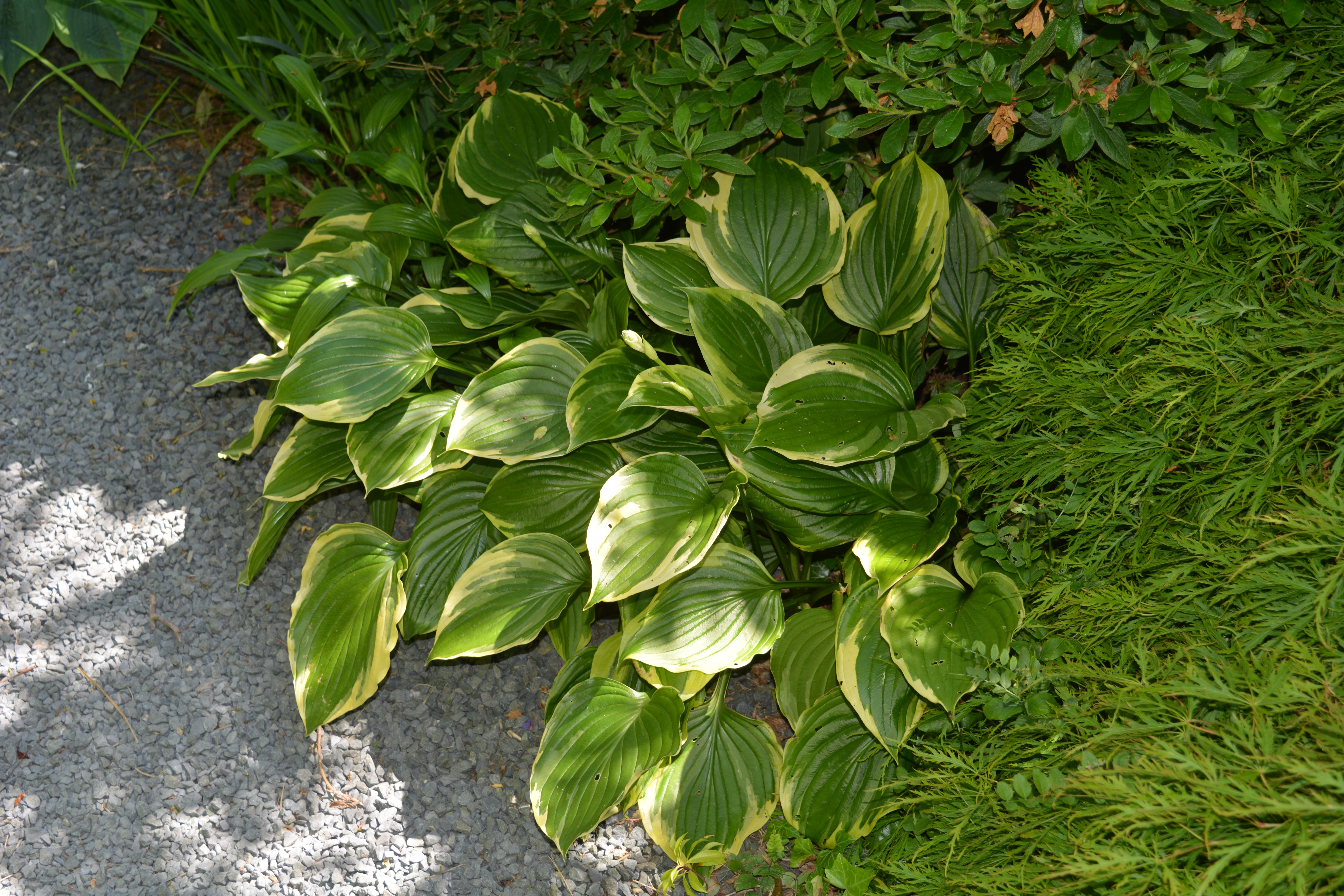
Hosta leaves and fern fronds looked lush and fresh and appeared in every shade of green, some glaucous and some almost yellow. Their textures were emphasised also by the light, every curl and ripple of leaf and each curl and twist of fern fronds.


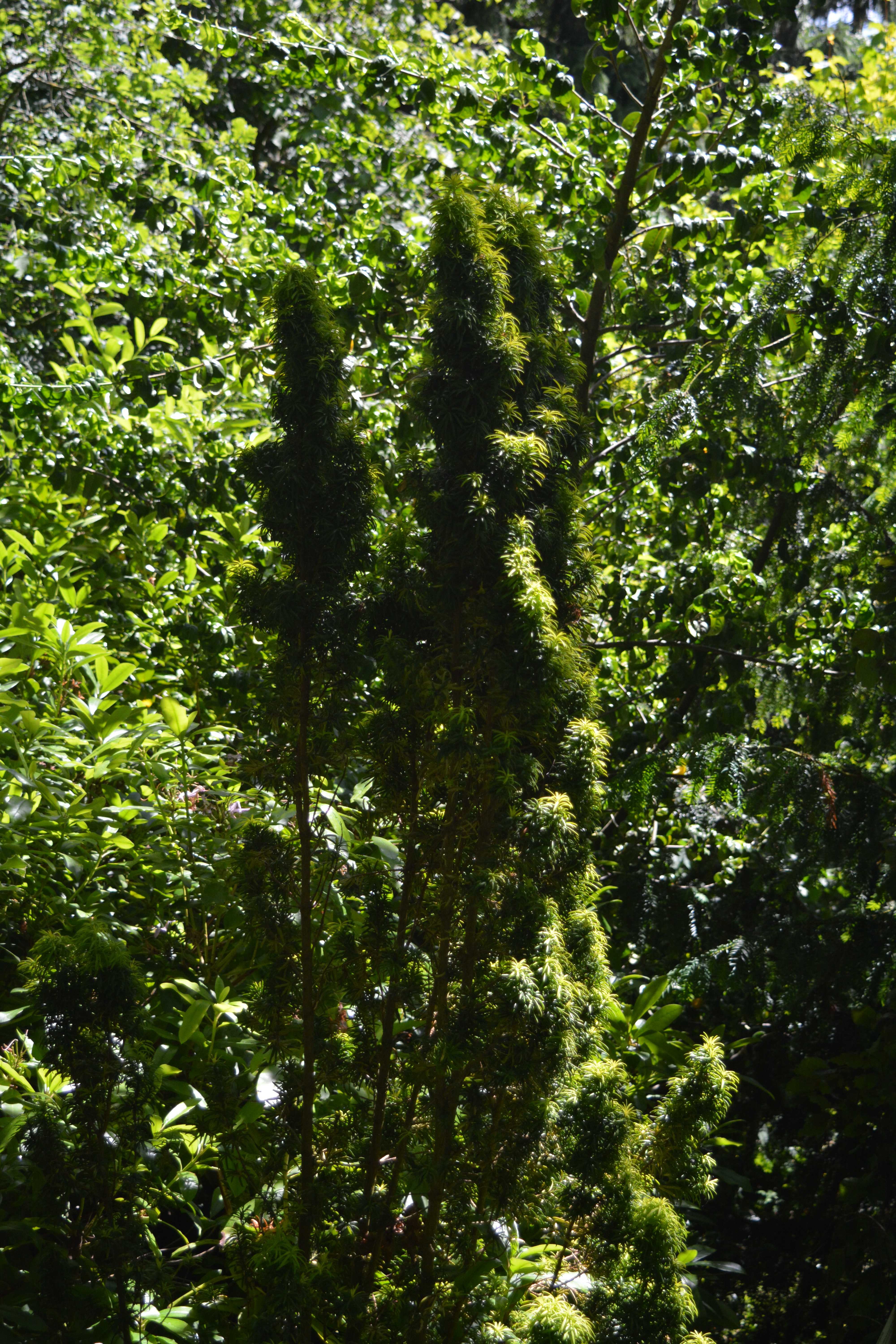
Conifers are difficult to appreciate in such a heavily planted hillside garden but on this day they seemed extra interesting with extra interest in their needle shapes and colours.


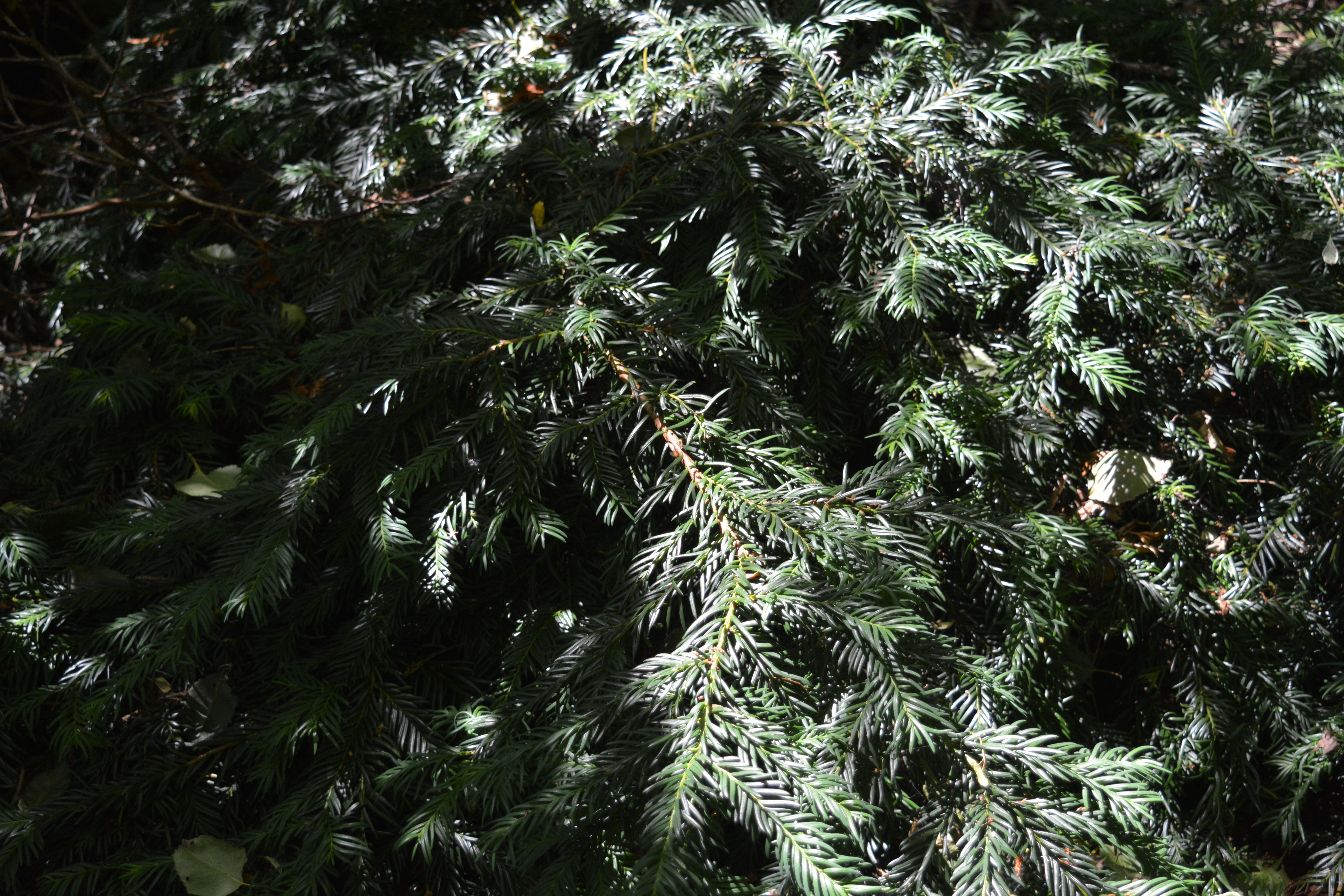
Conifer foliage appeared far more textured and more varied in colour than on the dull days of our earlier visits as the bright sunlight emphasised both the colours and textures.


The shubs were flowering well on this visit and some petals became almost translucent and a few perennial plants had cme into bloom too. These flower colours had an extra element of richness to them as they presented strong contrast to the multitude of greens and greys of foliage.

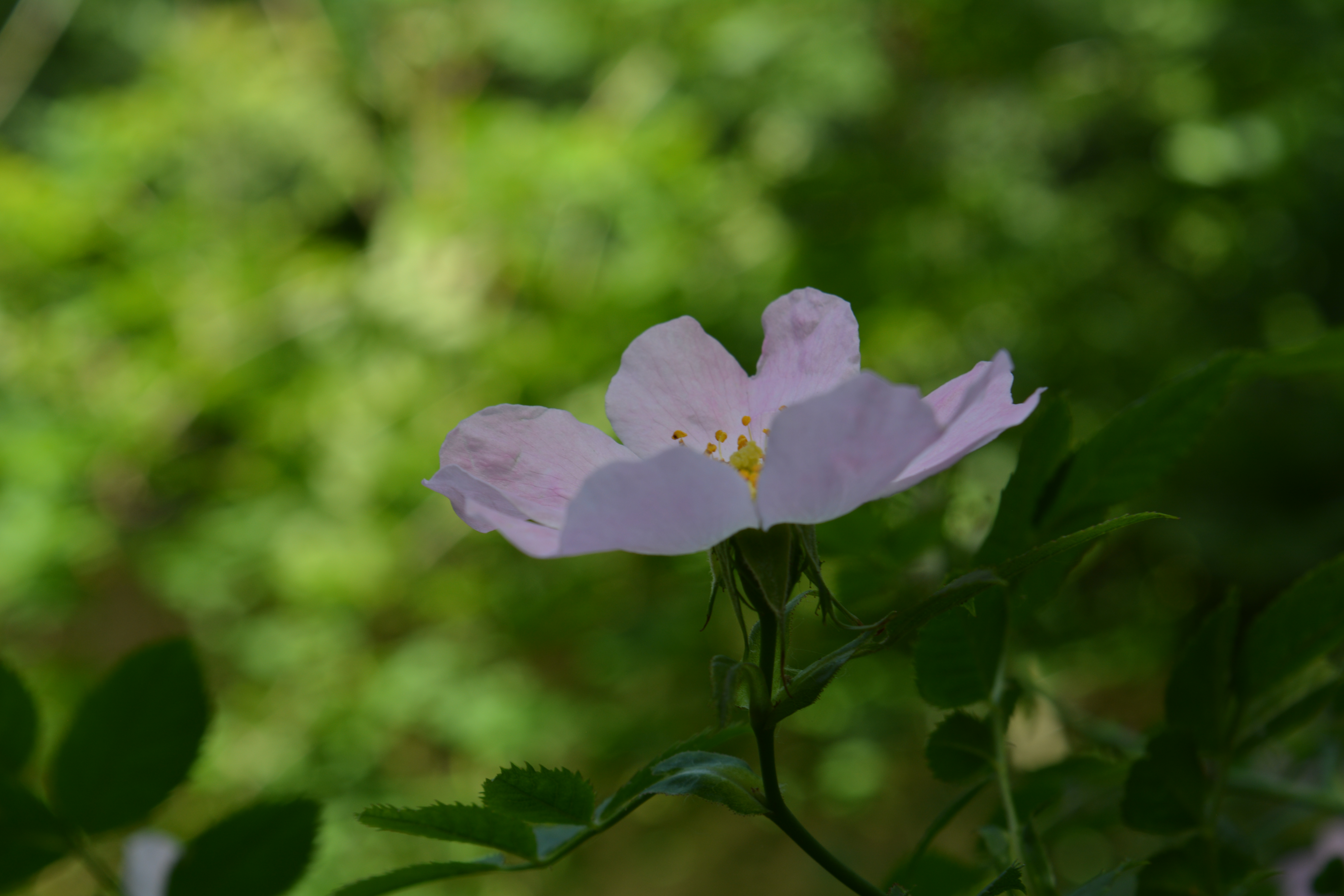
Roses seemed to have appeared from nowhere. In a garden full od trees and shrubs with interesting foliage, bark and stems rose bushes out of flower really do disappear. But in June suddenly the subshine finds heir beautiful scented flowers. Most here are simple blooms including our native roses.

To finish off my post on our June visit to the Dingle Garden I shall sign off with a gallery of flowering shrub photos, which I hope you enjoy. We will be back in July for our next monthly visit to see what is going on.


Categories
colours garden photography garden wildlife gardening gardens hardy perennials ornamental trees and shrubs roses Shropshire shrubs wildlife

My Garden Journal 2018 – June

I finished my latest entries into my garden journal just as we reach the mid-point of the year. June has once again been a month of mixed up weather and the garden plants have continued in their state of confusion.

My first words for June were positive words about the weather, a rare occurence to use such words this year. “The first week in June treated us to warm bright weather but thunderstorms, really wild powerful ones, broke the spell several times. Humidity was so high that it sapped our energy and made our joints ache.

Through all this the garden looked wonderful and full of atmosphere, with bees, hoverflies and day-flying moths adding sound and movement. The borders have filled out with fresh lush growth.”

I used six photos to illustrate this lushness.


On the opposite page I continued in the same vein using my quote this month from Dan Pearson, “My quote this month from Dan Pearson’s “Natural Selection” concerns greens and promises of the June garden. 

“The June garden is still full of promise and greens remain fresh and foliage pristine. There is a quiet rush to the longest day of the year with everything reaching towards this moment. The roses are never better than with the first flowers out and the promise of buds to come.”

I followed on with another six photos.


Turning to the next double page spread I considered our roses and add a few more words from Dan Pearson.

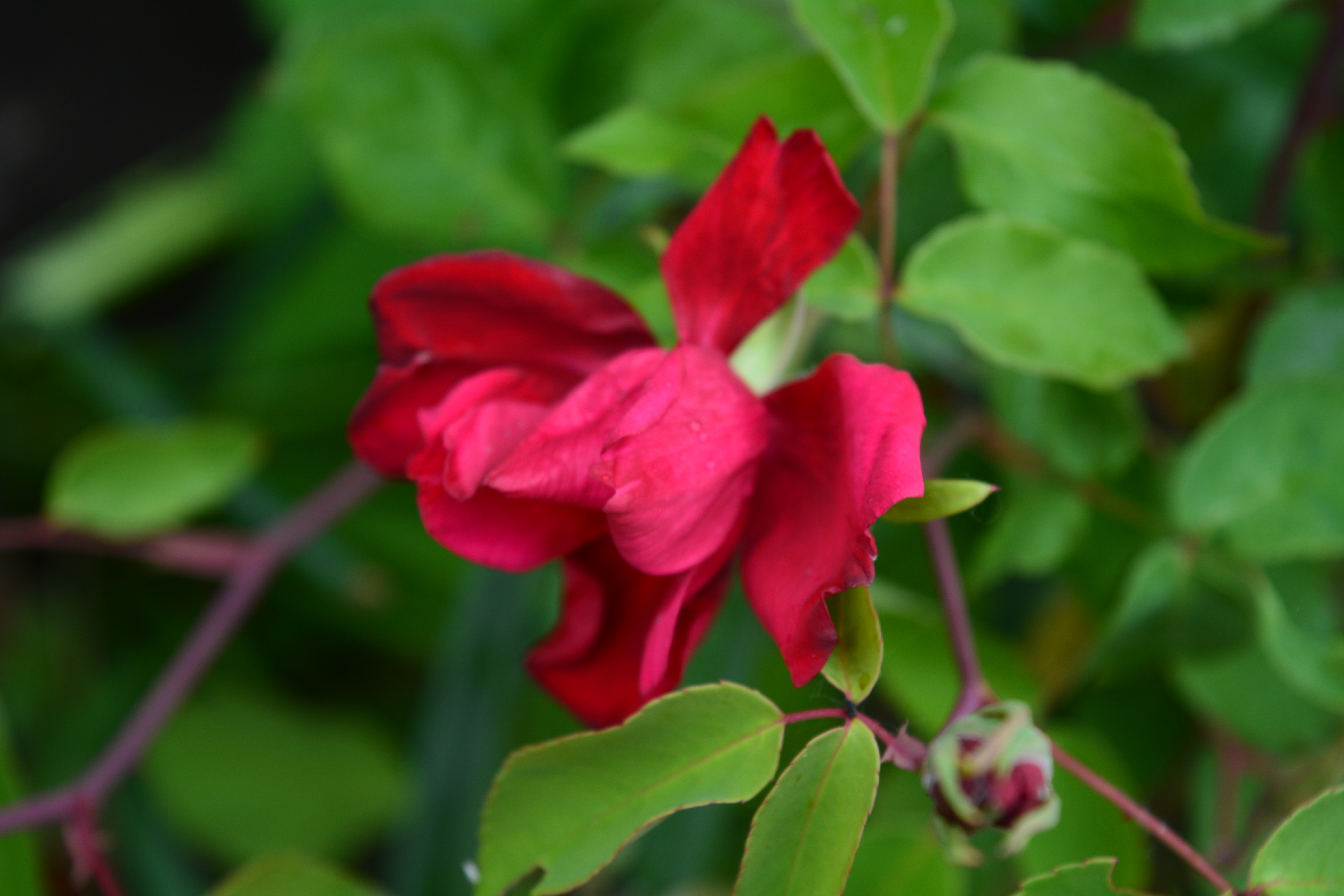
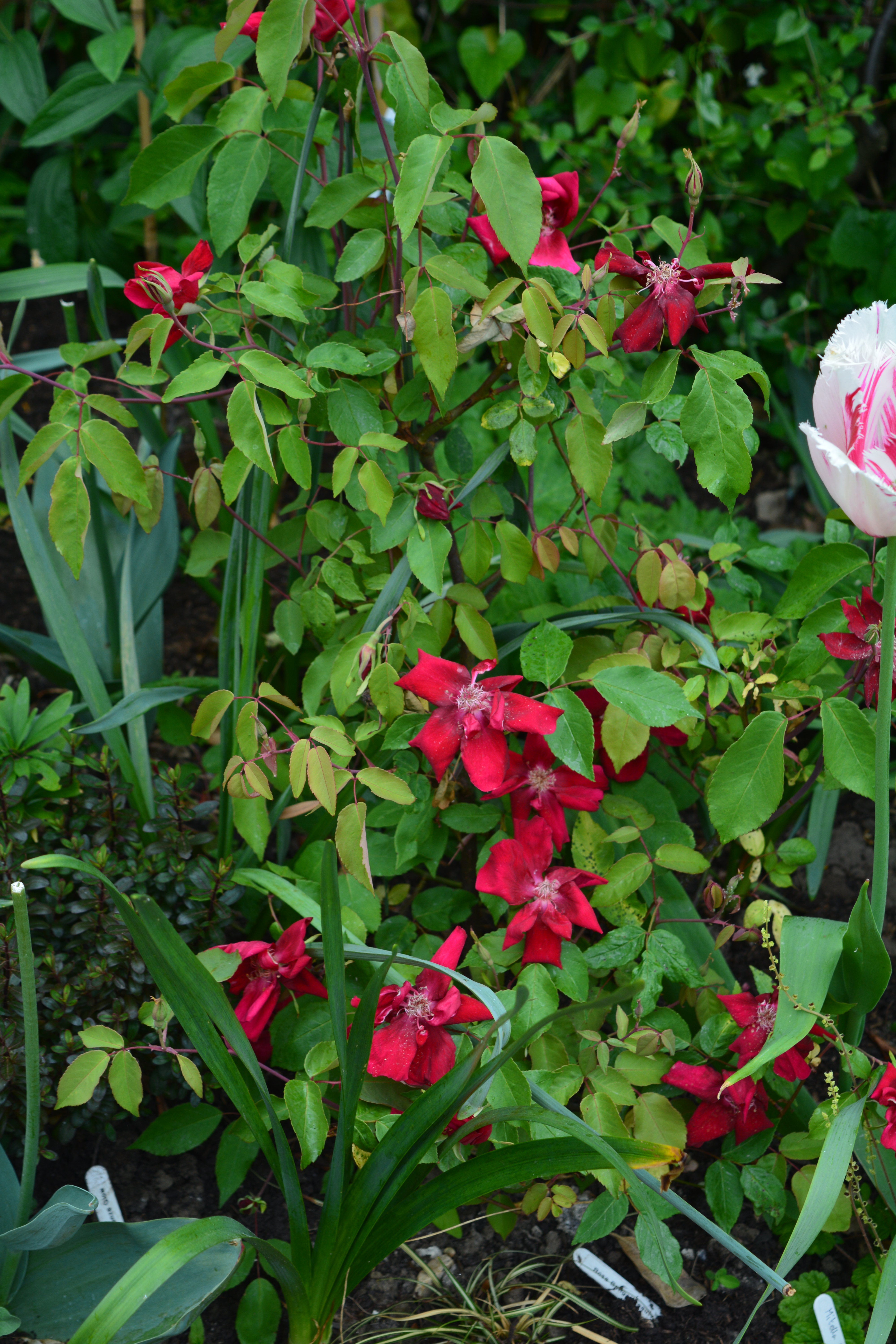
“Dan Pearson later singles out one Rose, “Bengal Beauty”,  for comment. This is a rose we grow and love it for its buds and unusual flower shape.”

Pearson wrote, “I have also set aside room for “Bengal Crimson” (or “Bengal Rose” or “Bengal Beauty”, depending where you read about it). I was first smitten when I saw it at the Chelsea Physic Garden years ago, but forgot all about it.” He recalls how he was gifted a specimen as a present for opening their summer fair.”


“Dan Pearson describes Bengal Beauty as “a delightful, informal bush and all the names describe it well – its single cherry-red flowers splayed wide and recoiled on themselves as if they were stretching are like sweet wrappers scattered over the bush.”

I then included photos of Rosa rugosa and Rosa “Summer Wine” in flower and in bud.


“Rosa rugosa”


“Rosa Summer Wine”

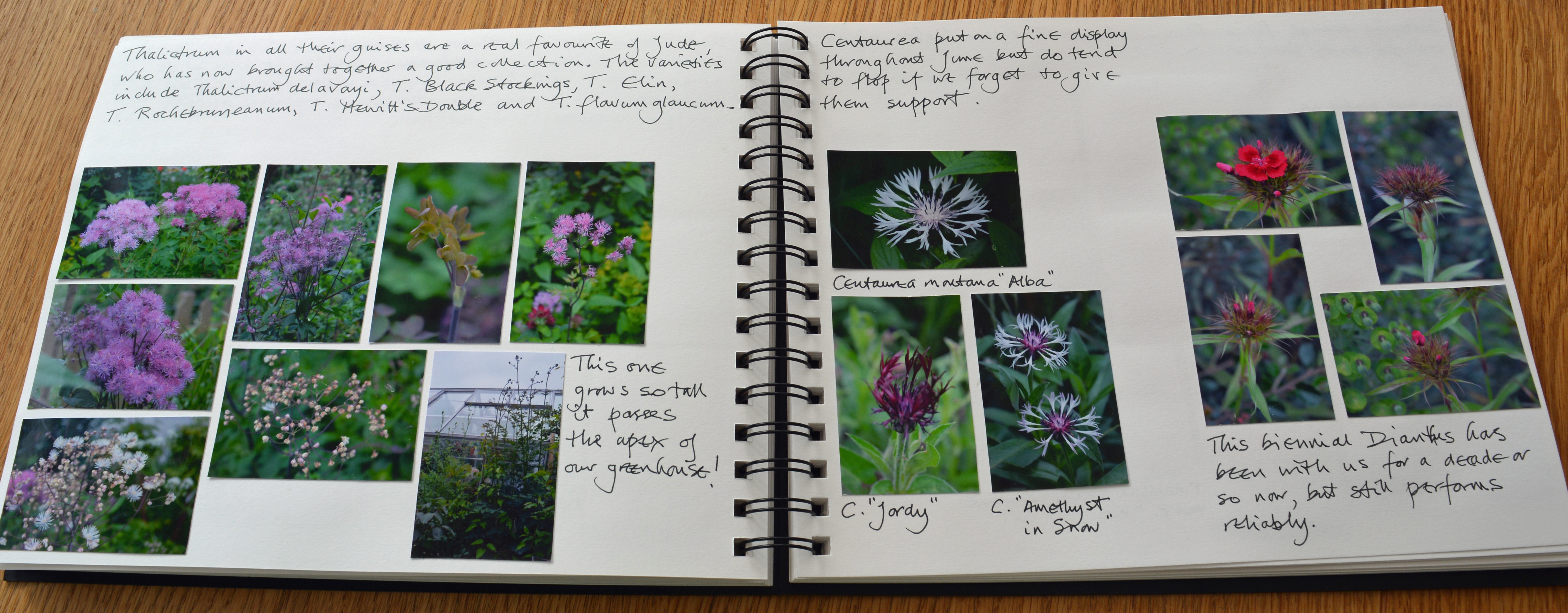
Over onto the next two ages I looked at Thalictrum, Centaurea and Gypsy Dianthus.

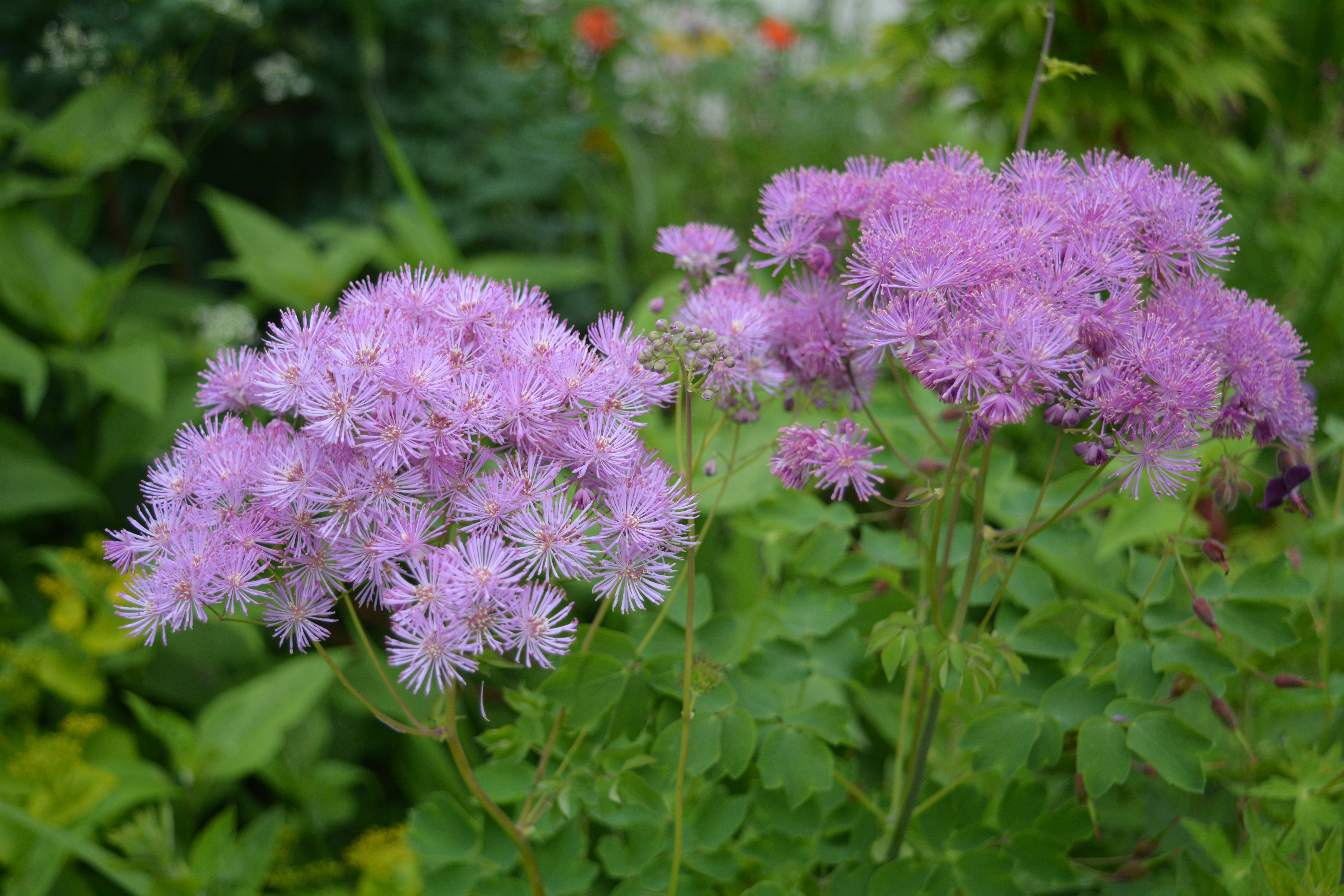
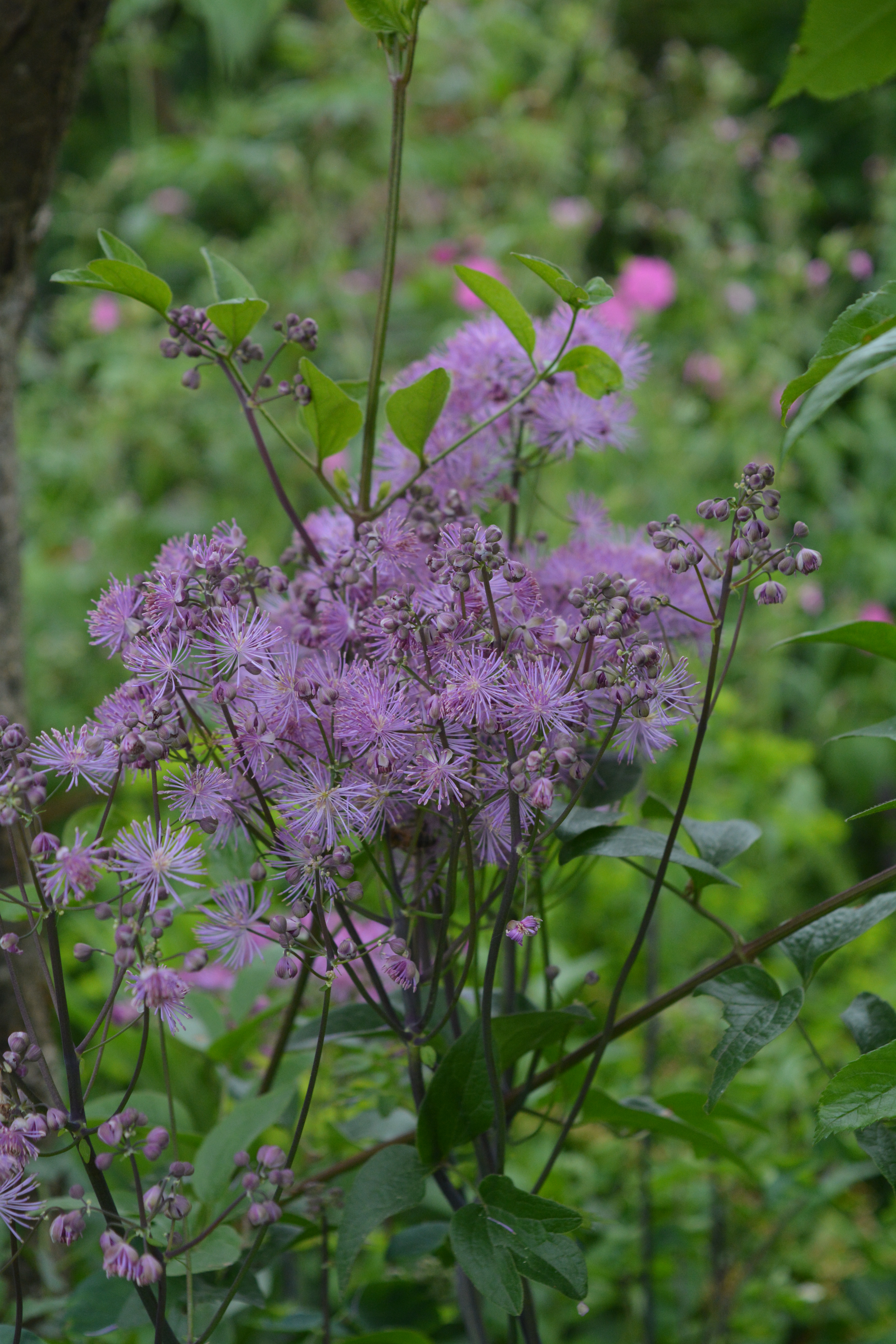
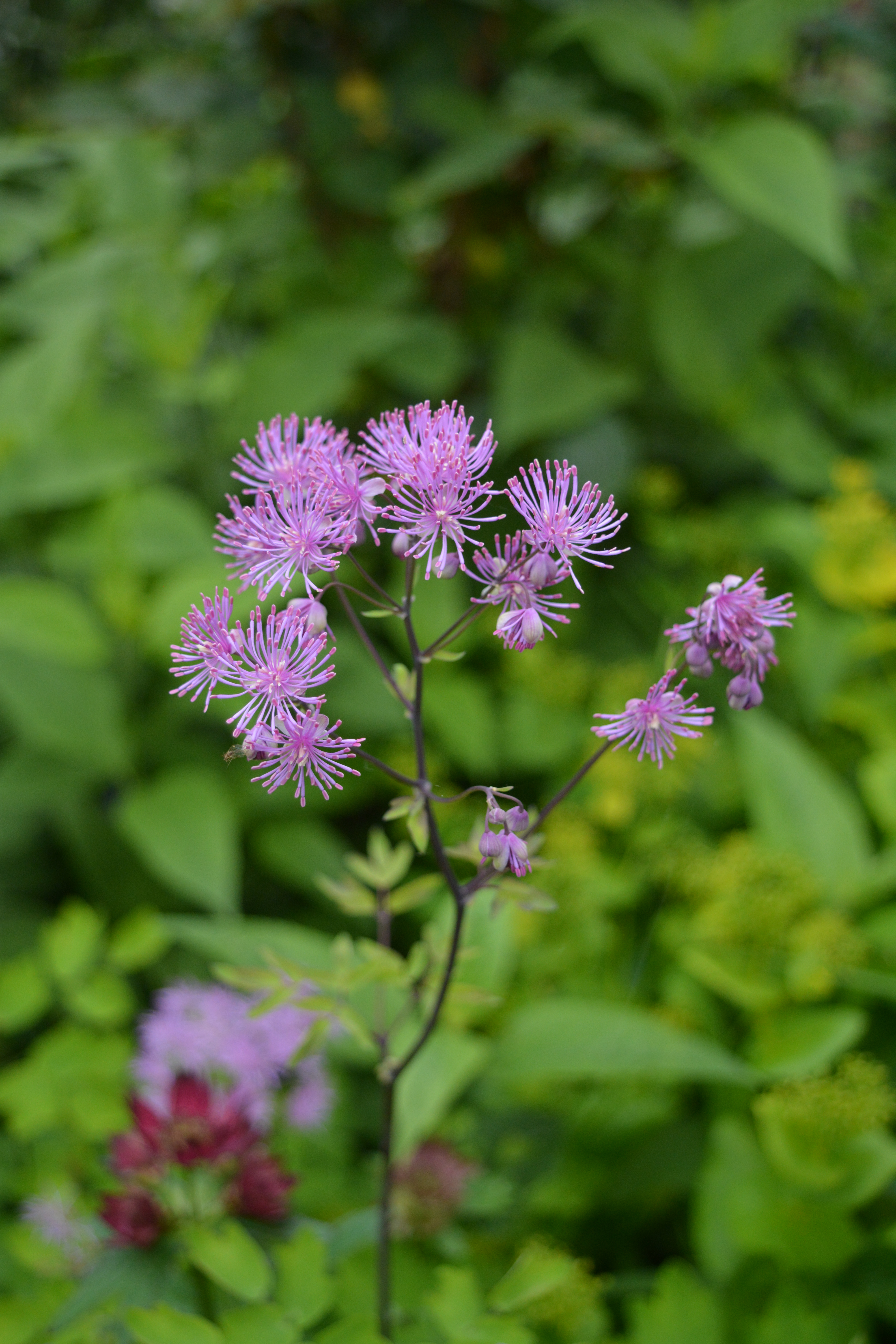
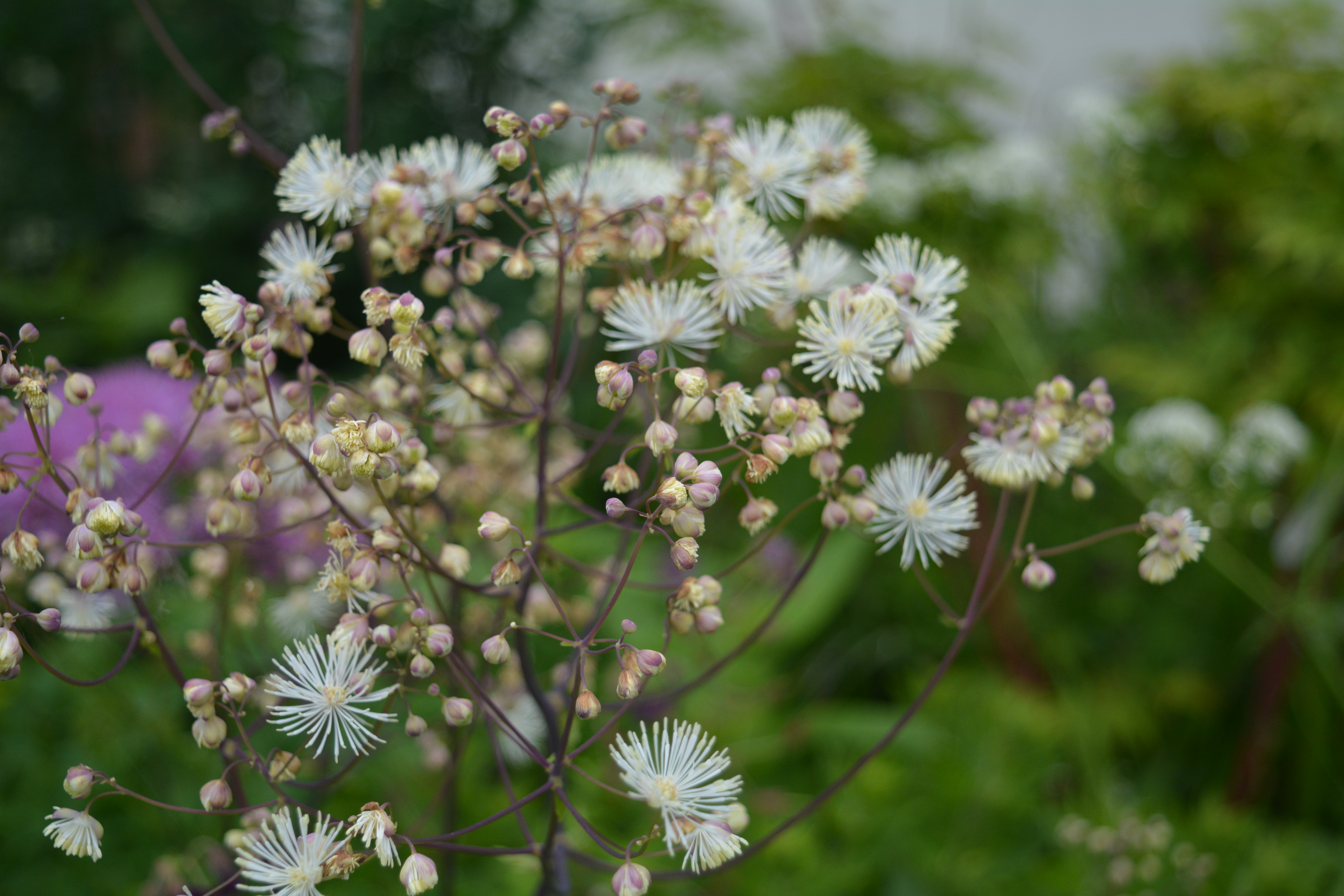
I wrote, “Thalictrum in all their guises are a real favourite of Jude, who has now brought together a good collection. The varieties include Thalictrum delavayi, T. Black Stocking, T. Elin, T. Rochebruneanum, T. Hewitt’s Double and T. flavum glaucum.”


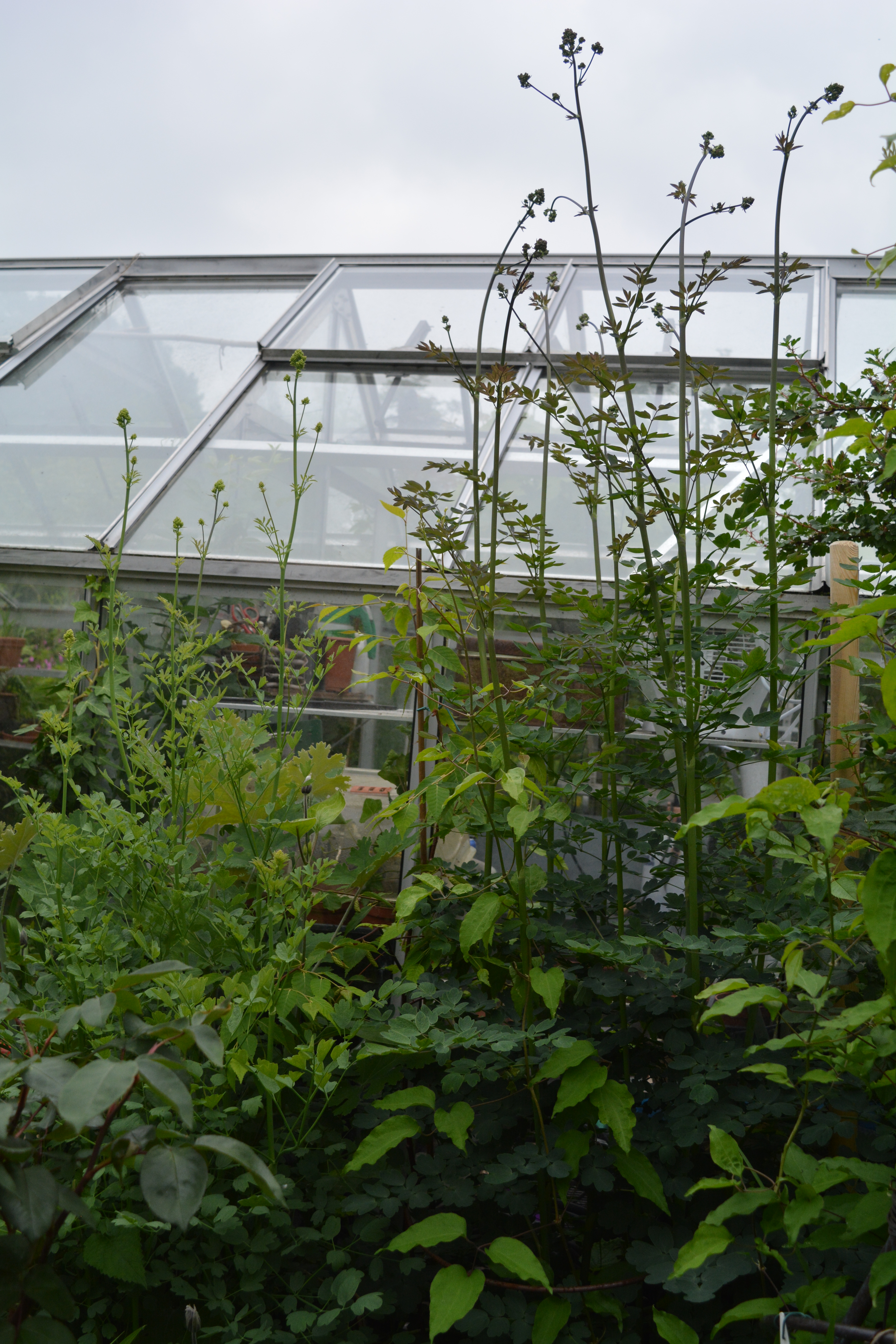
“This Thalictrum has grown so tall it passes the apex of our greenhouse!”


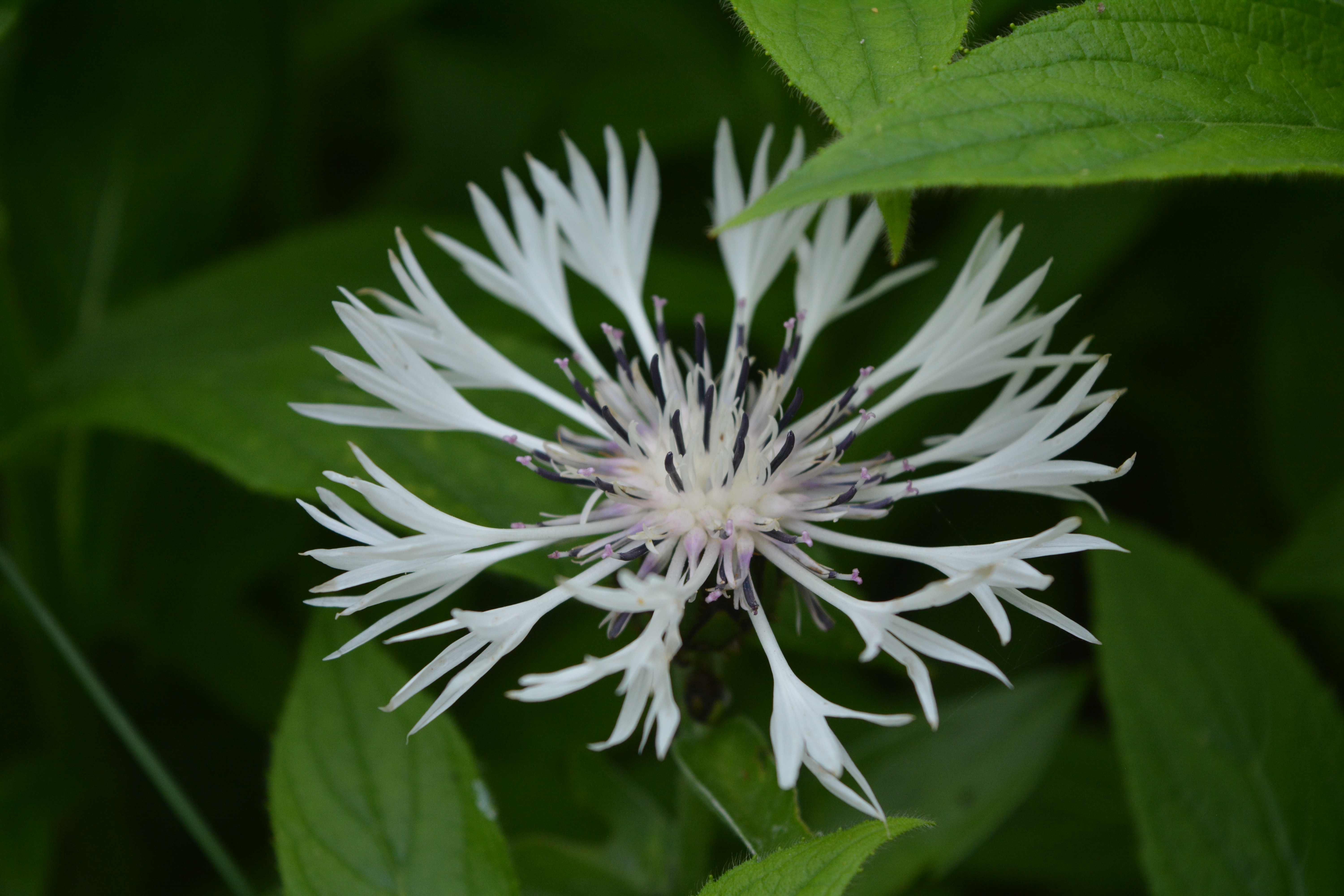
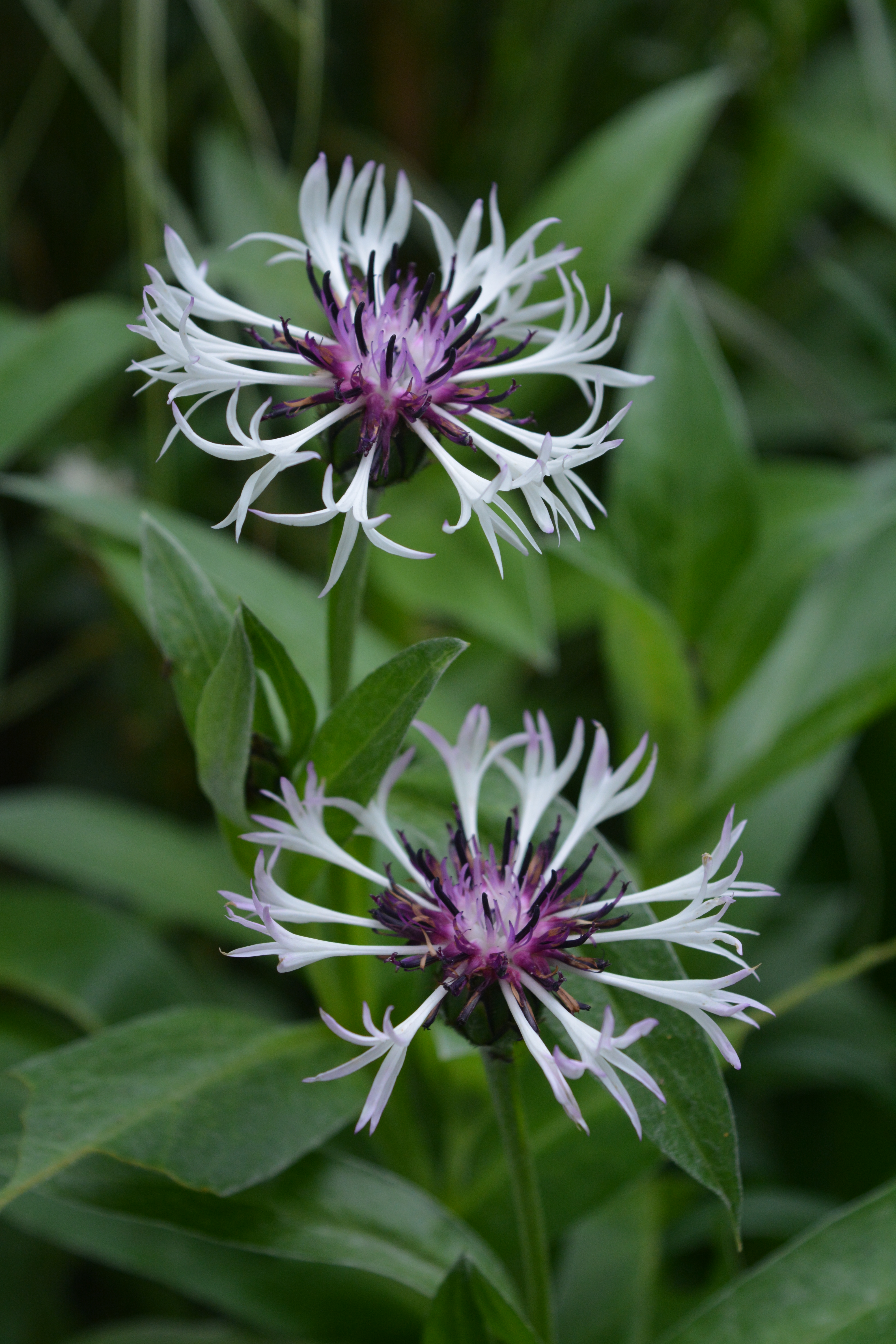
“Centaurea put on a fine display throughout June, but do tend to flop if we forget to give them support”


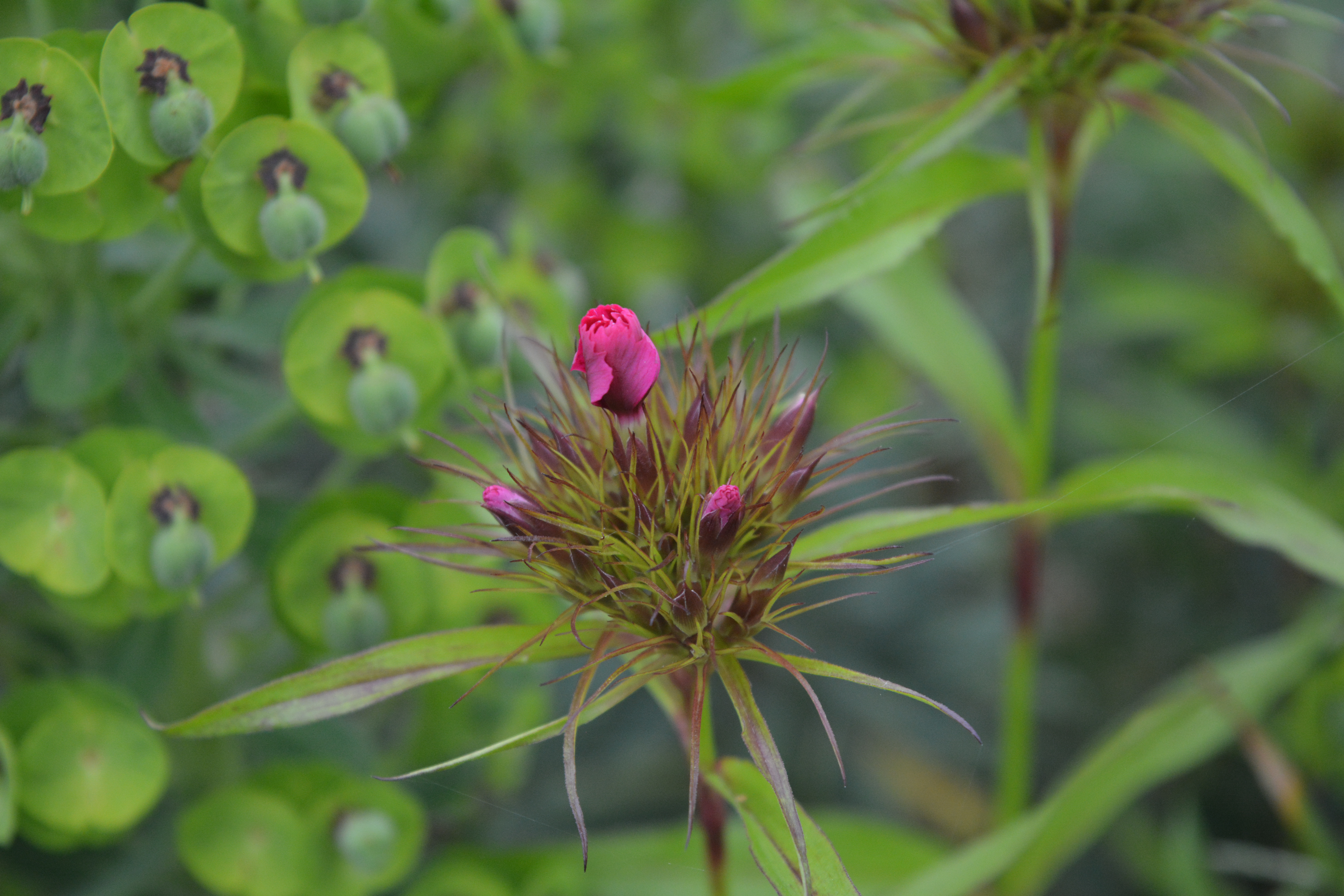
“This biennial Dianthus has been with us for a decade or so now, but still performs reliably and beautifully.”


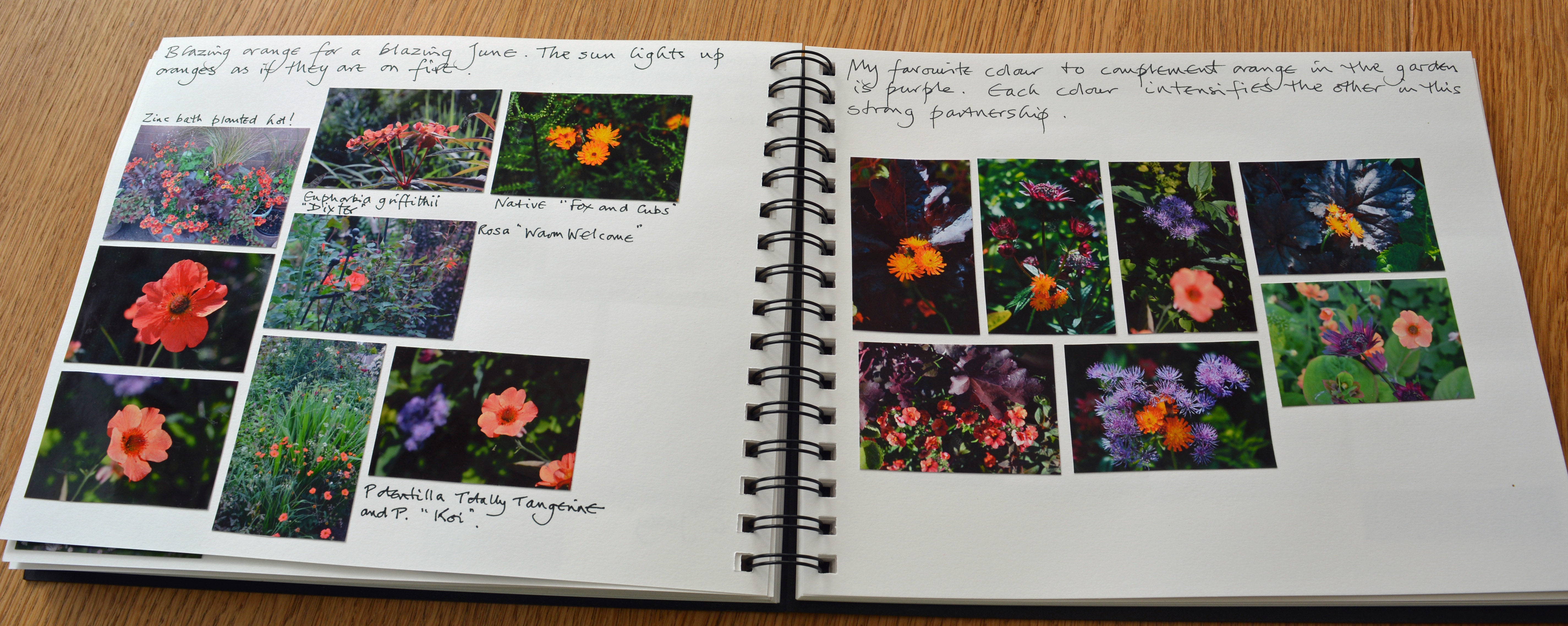
My next double page spread considers the colour orange in the garden and complimenting it with purple.

“Blazing orange for a blazing June. The sun lights up oranges as if they are on fire!”

“The zinc bath planted hot!”


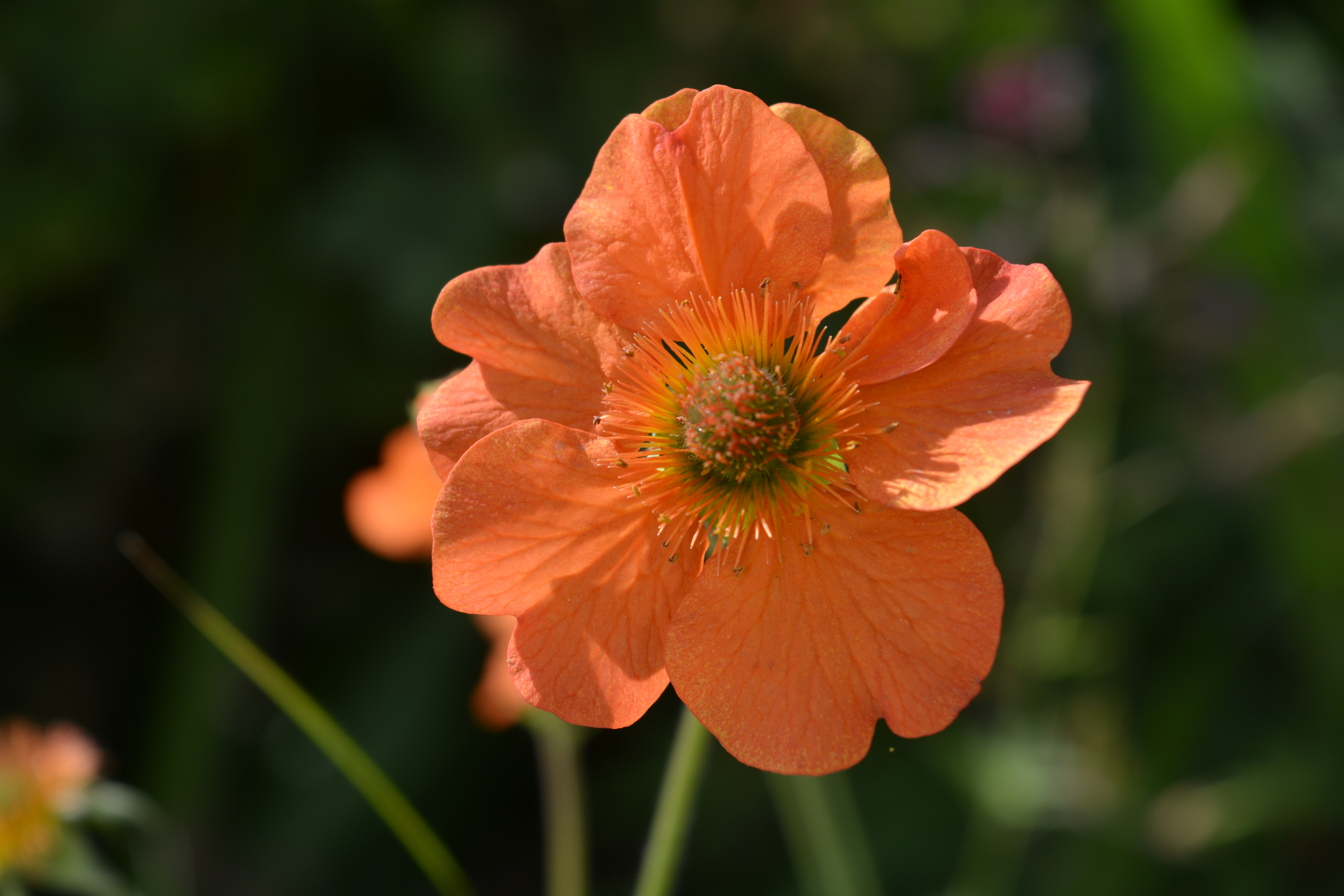
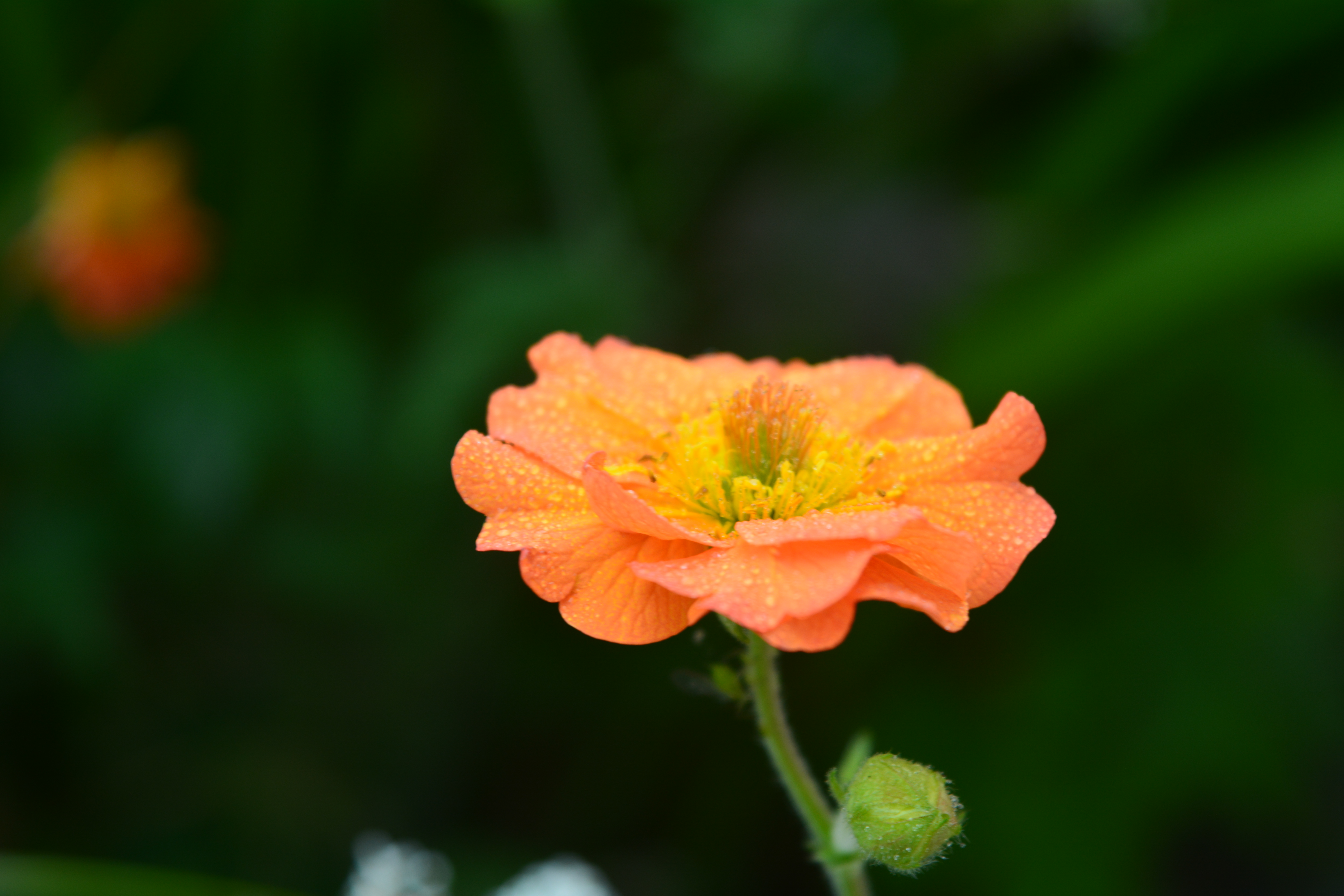
“Geum Totally Tangerine and G. Koi


“Euphorbia griffithii “Dixter”


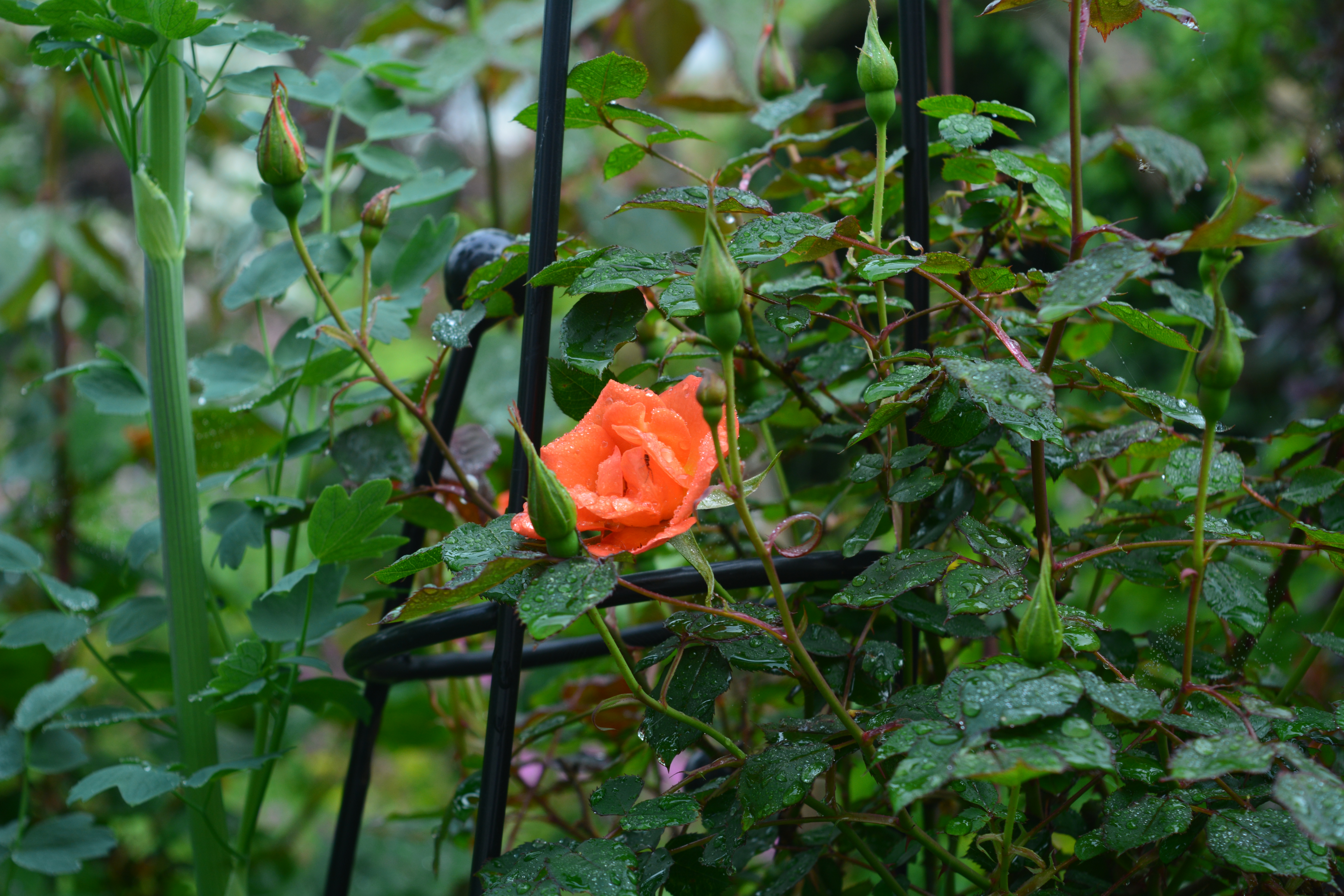
“Rosa Warm Welcome”

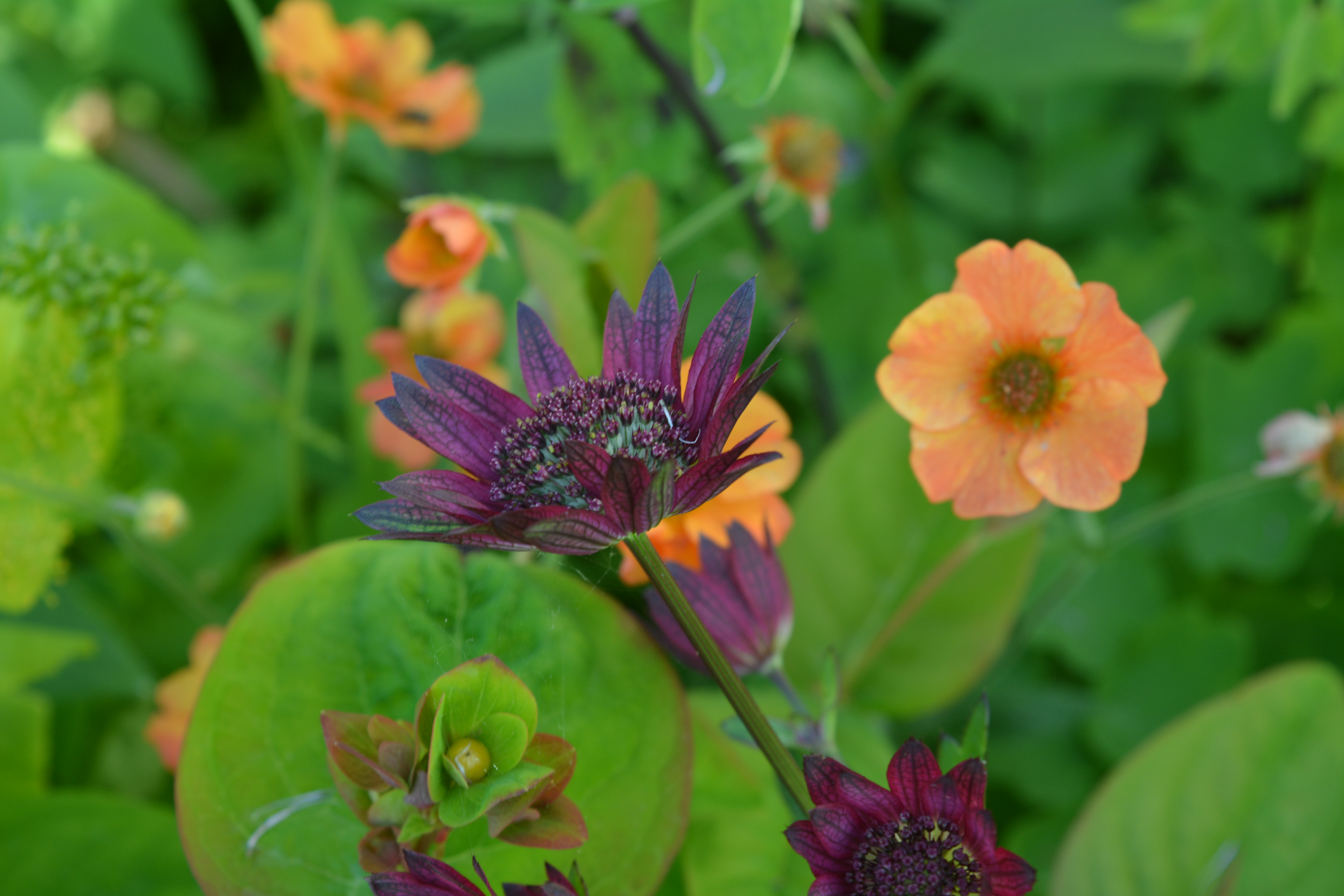
“My favourite colour to compliment orange in the garden is purple. Each colour intensifies the other in this strong partnership.”


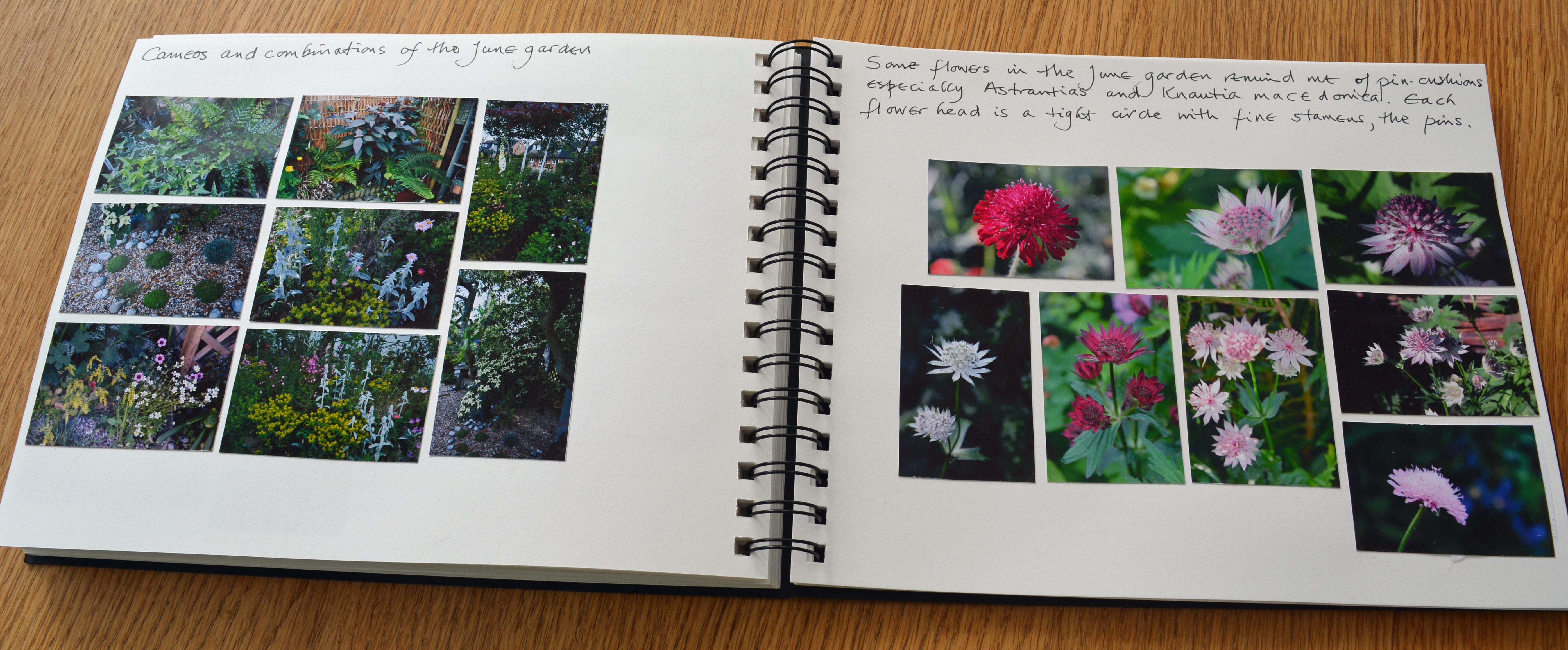
To finish off my June entries I shared some of our cameos and combinations to be found in our garden during the month, and on the opposite page I had a quick look at “pin cushion” plants.

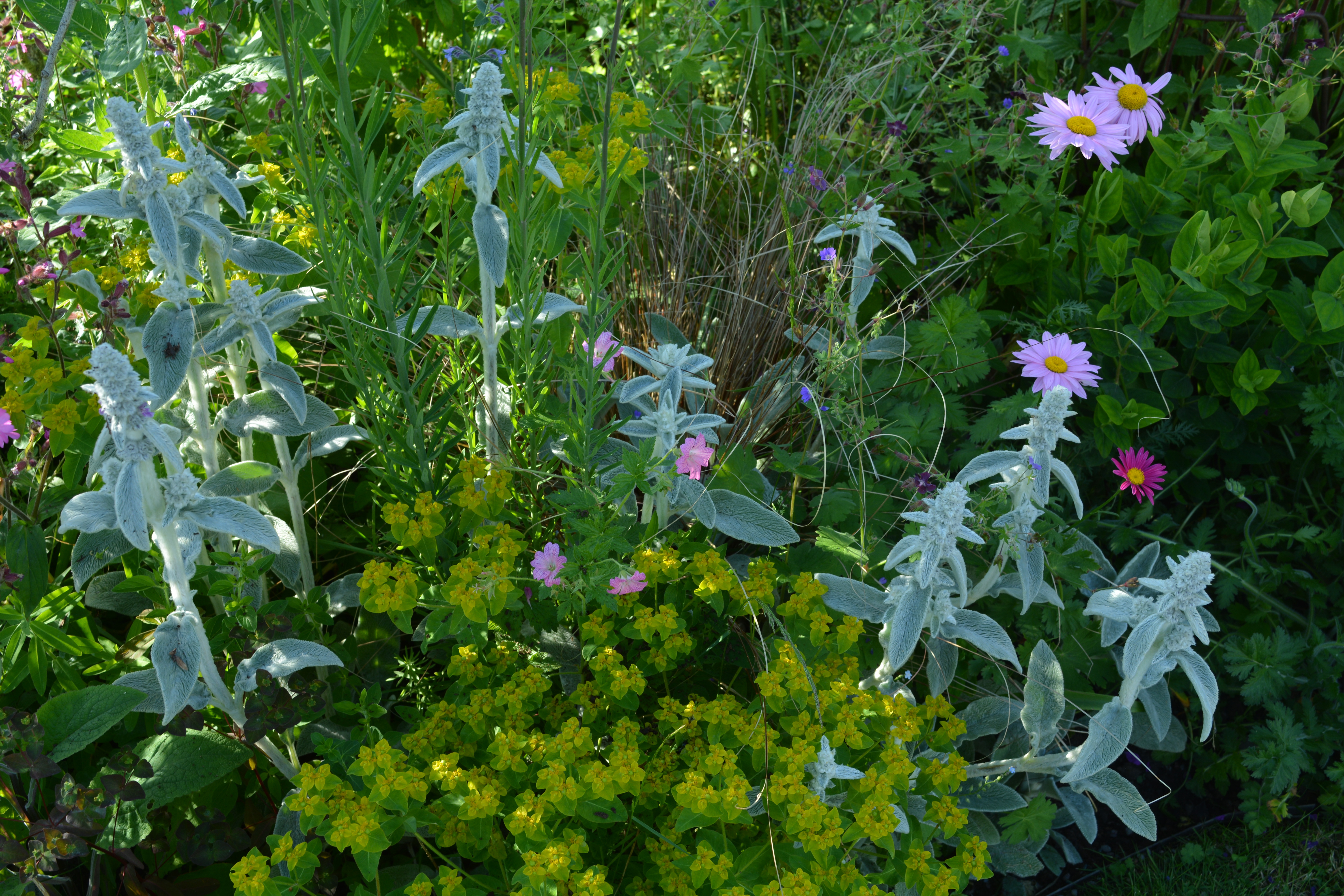
First here are my photos of “Cameos and combinations of the June garden.”


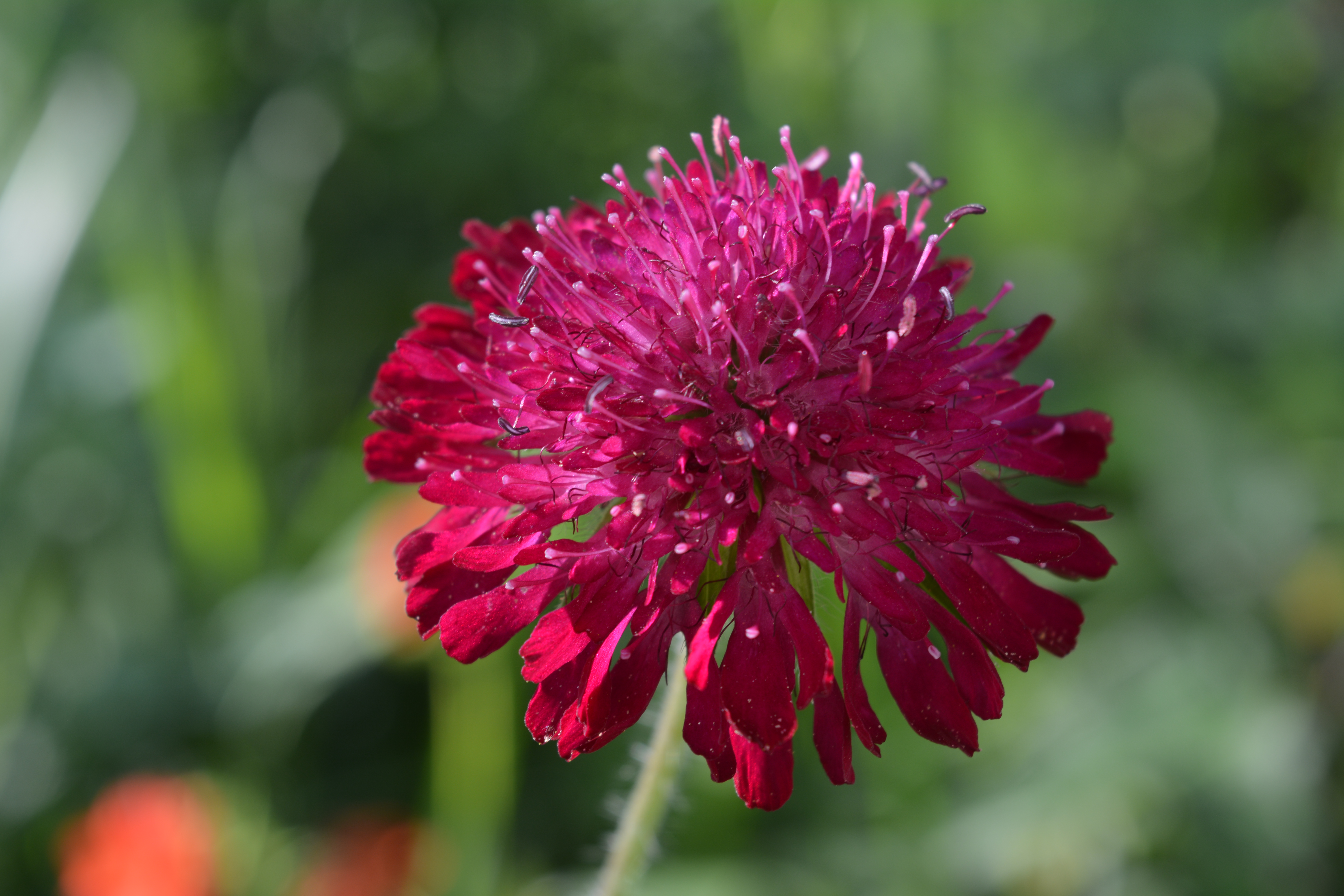
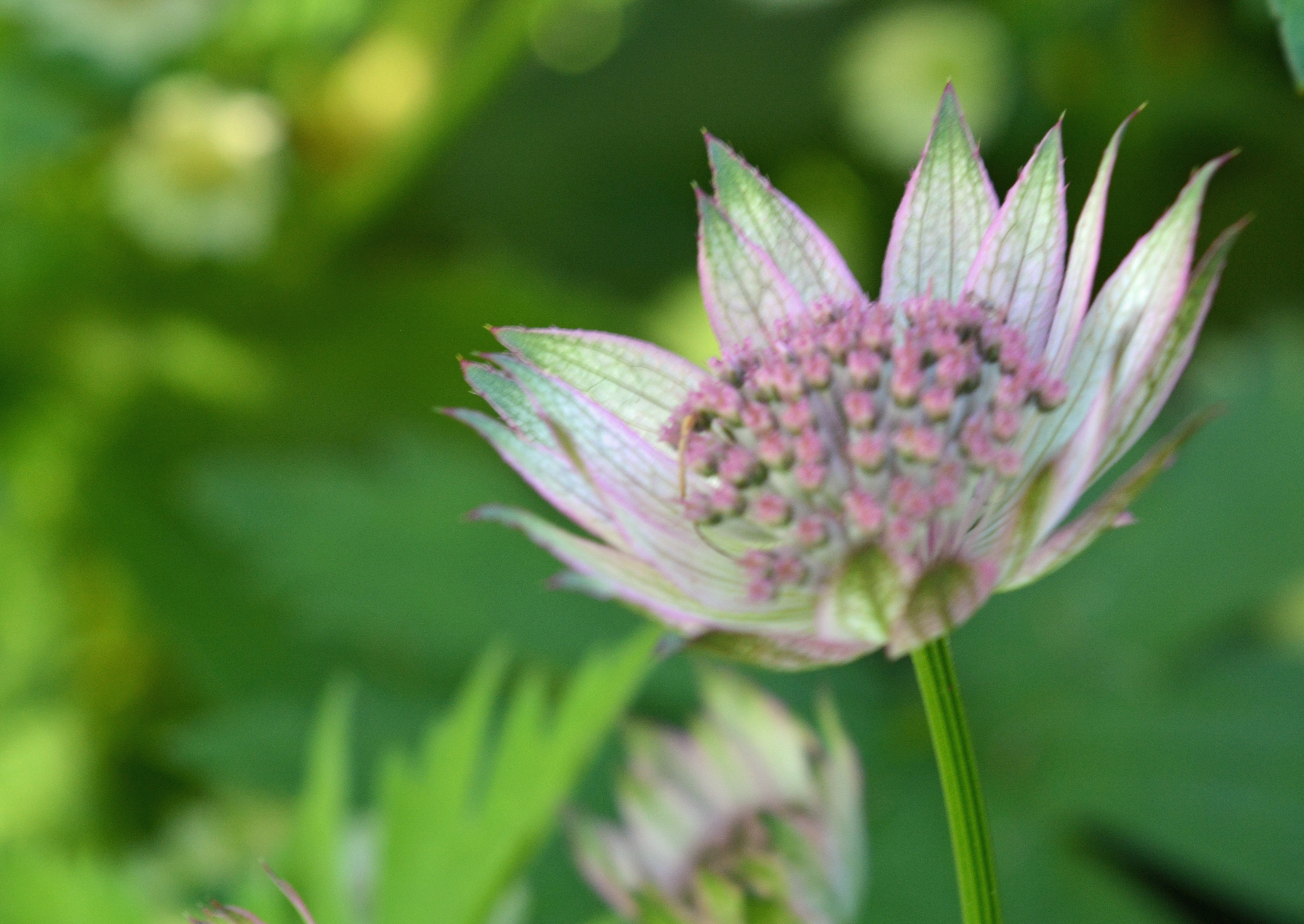
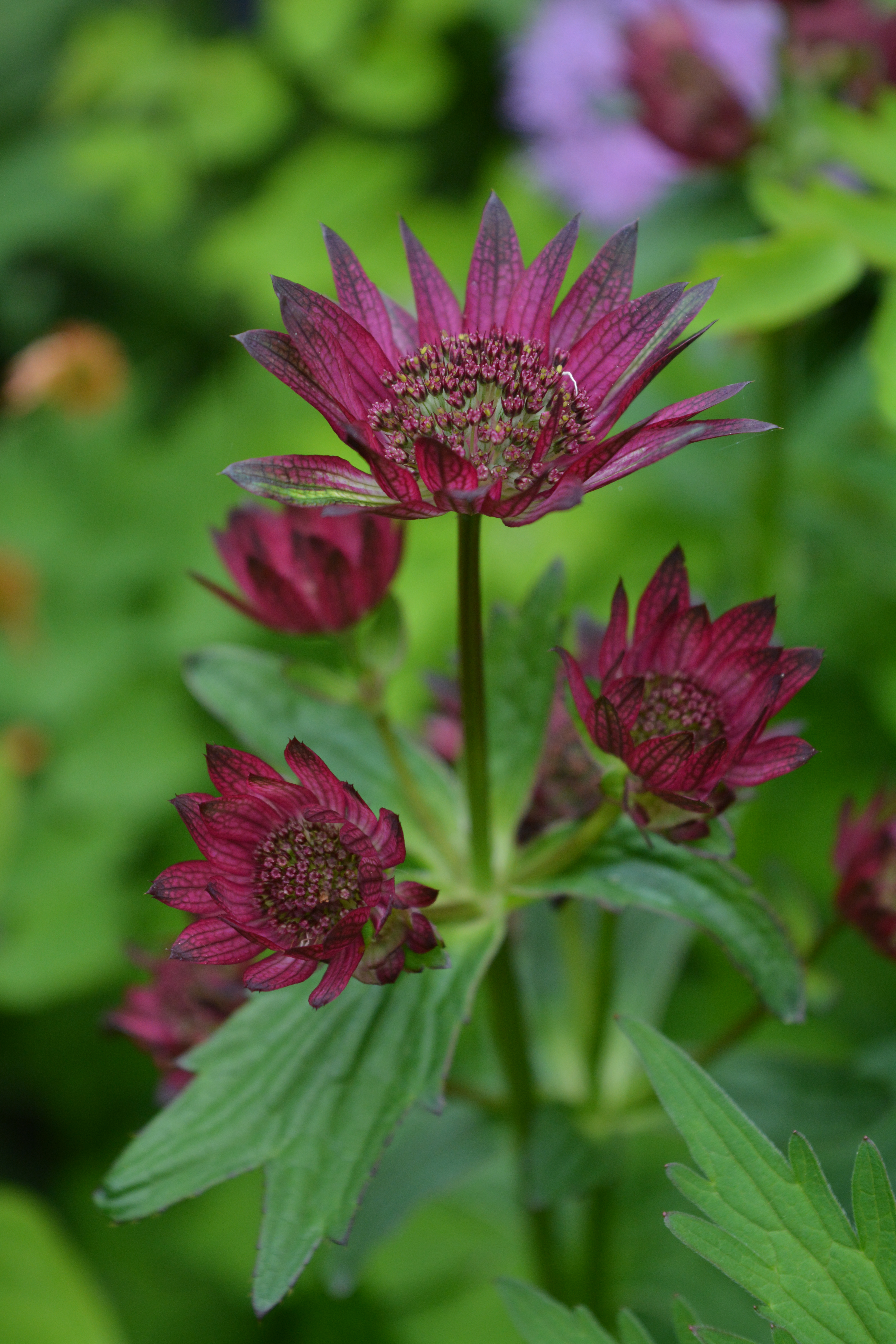
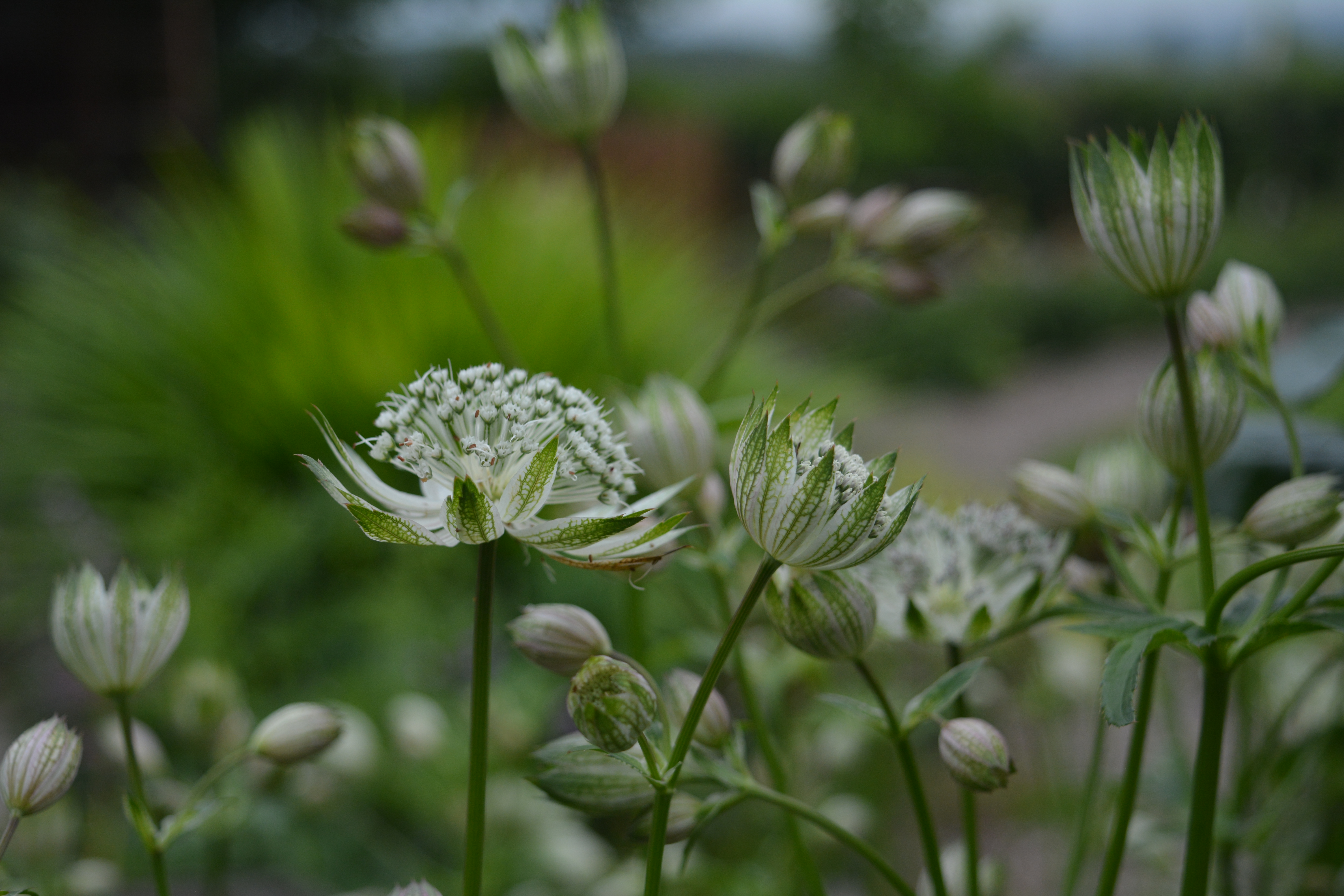
“Some flowers in the June garden remind me of pin-cushions especially Astrantias and Knautia macedonica. Each flowerhead is a tight circle with fine stamens, the pins.”


June this year ended with a fortnight of high temperatures and beautiful blue skies, two weeks of the beginning of a heat wave. Next time we return for a look at my 2018 Garden Journal we will be into the second half of the year. Things may have changed a lot in the garden by then. Perhaps we might even get a splash or two of rain!


Categories
climbing plants fruit and veg garden design garden photography garden ponds garden pools garden seat garden seating gardening gardens hardy perennials Hardy Plant Society HPS kitchen gardens roses Shrewsbury Shropshire village gardens water in the garden

A little village garden – Von’s garden.

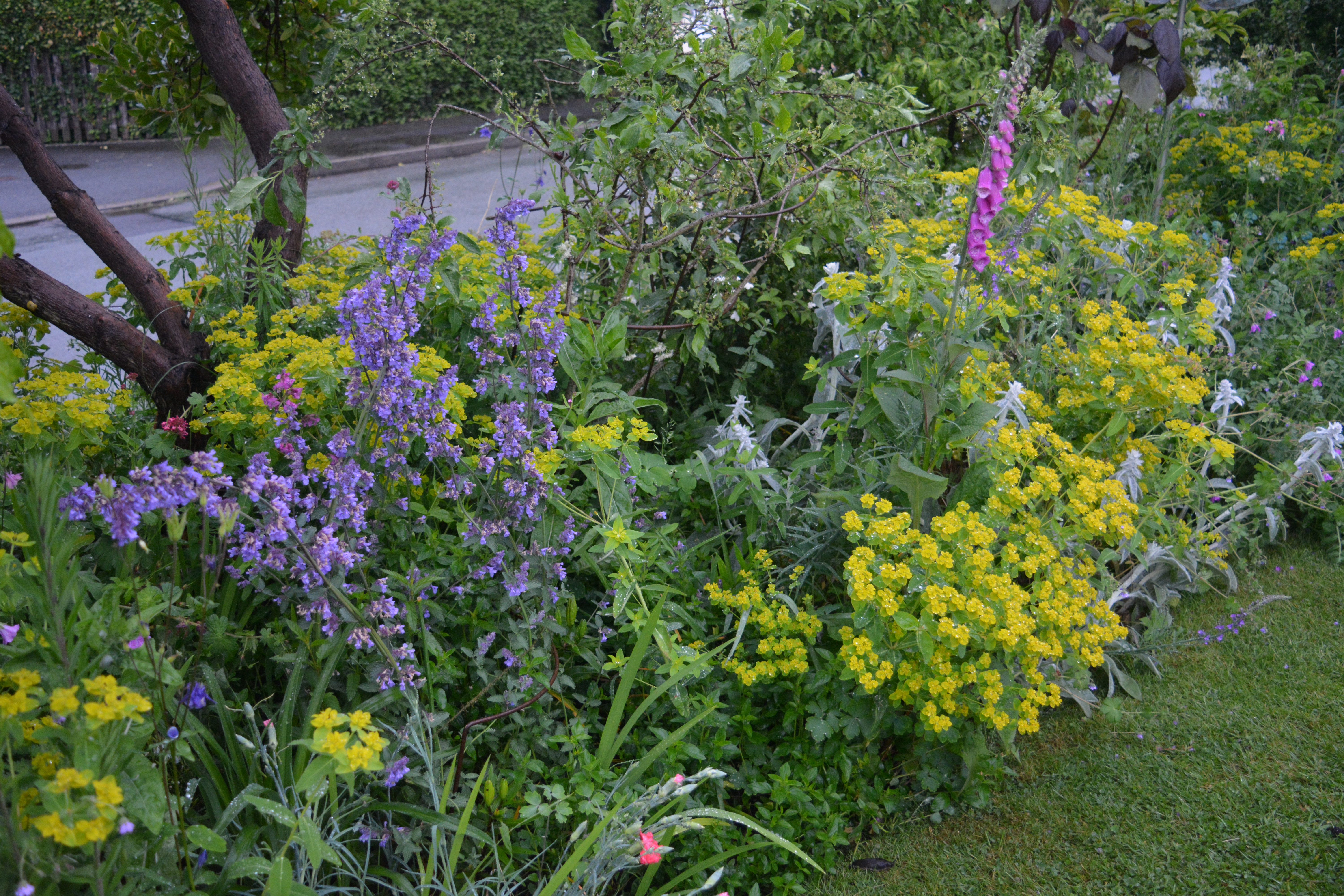
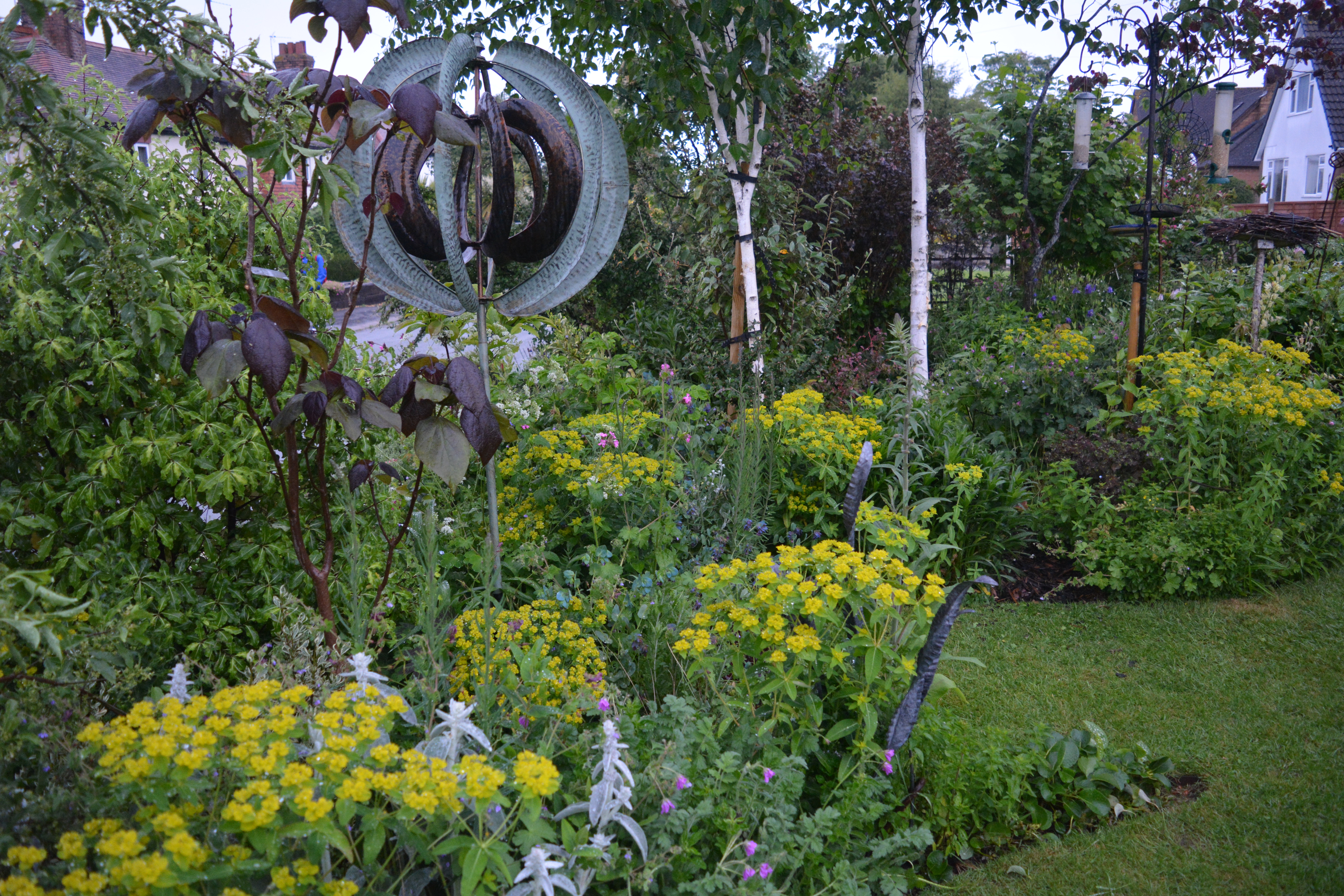
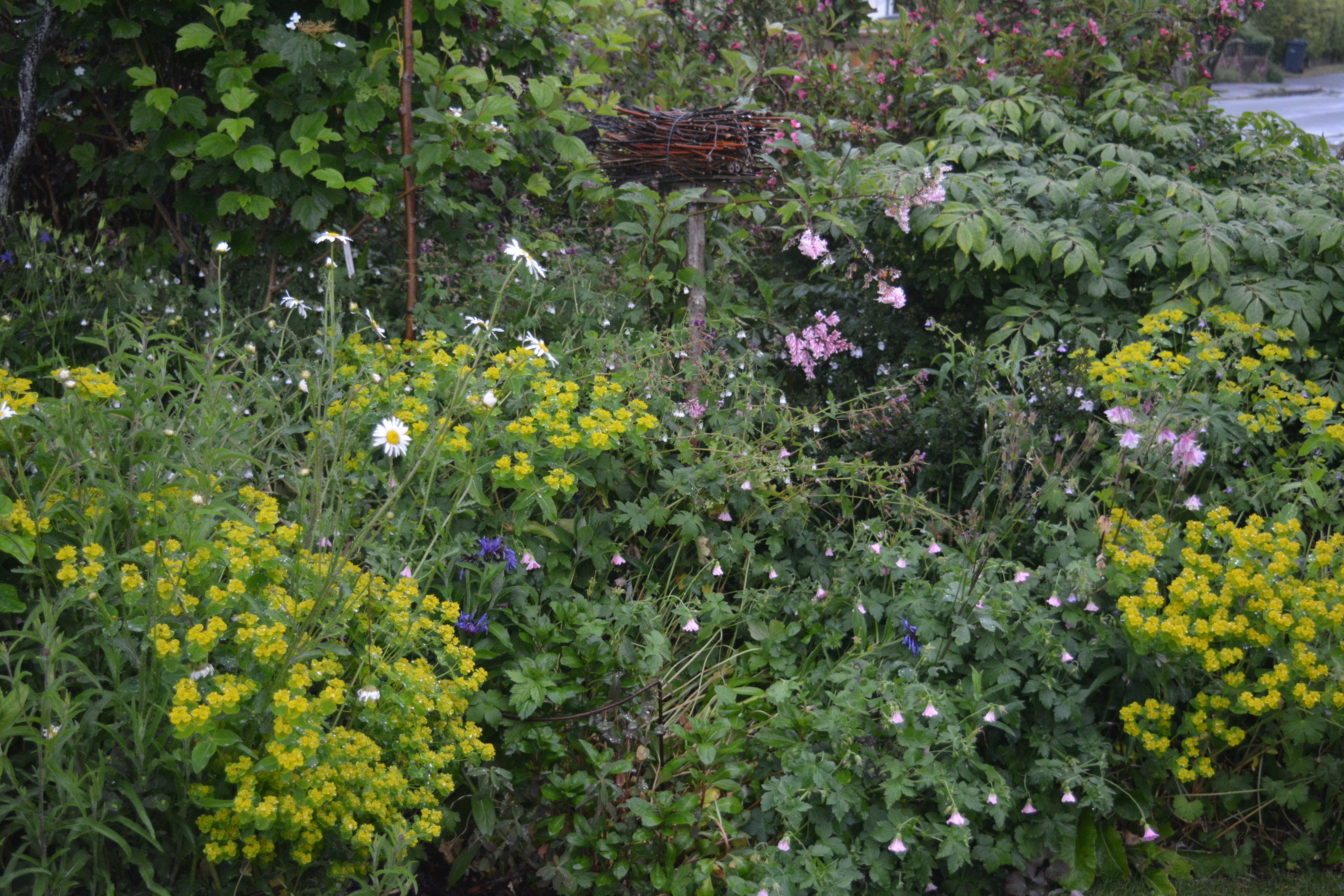
We have lots of gardening friends with gardens of all types and sizes and in all sorts of locations. One of our most enjoyable garden related activities is to visit a garden belonging to a friend. On a wet dull day in mid-June we visited the village garden of friend Yvonne, more often called Von. It is a garden with a beautiful view across the Shropshire countryside and a garden that happily sits in its environment.

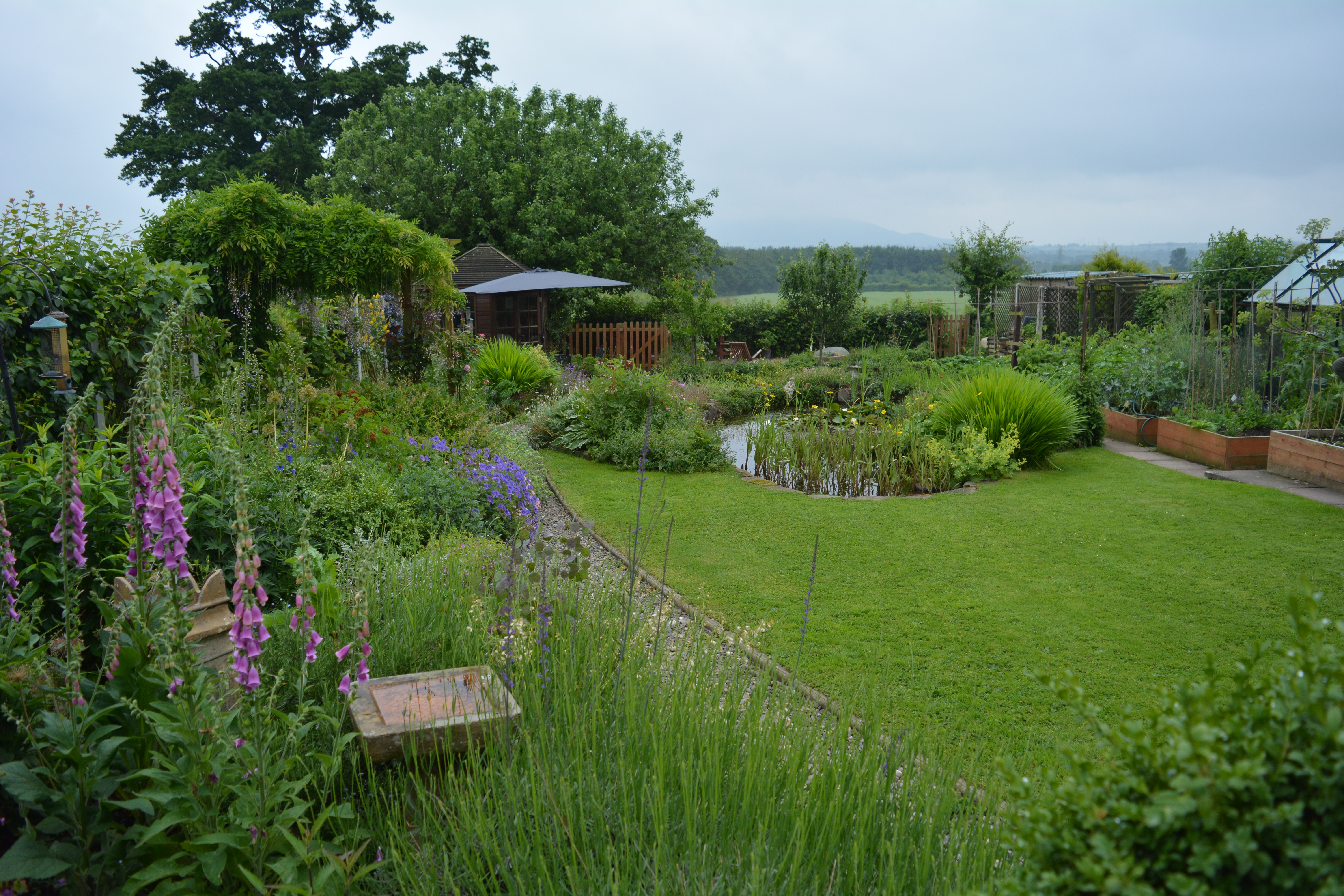
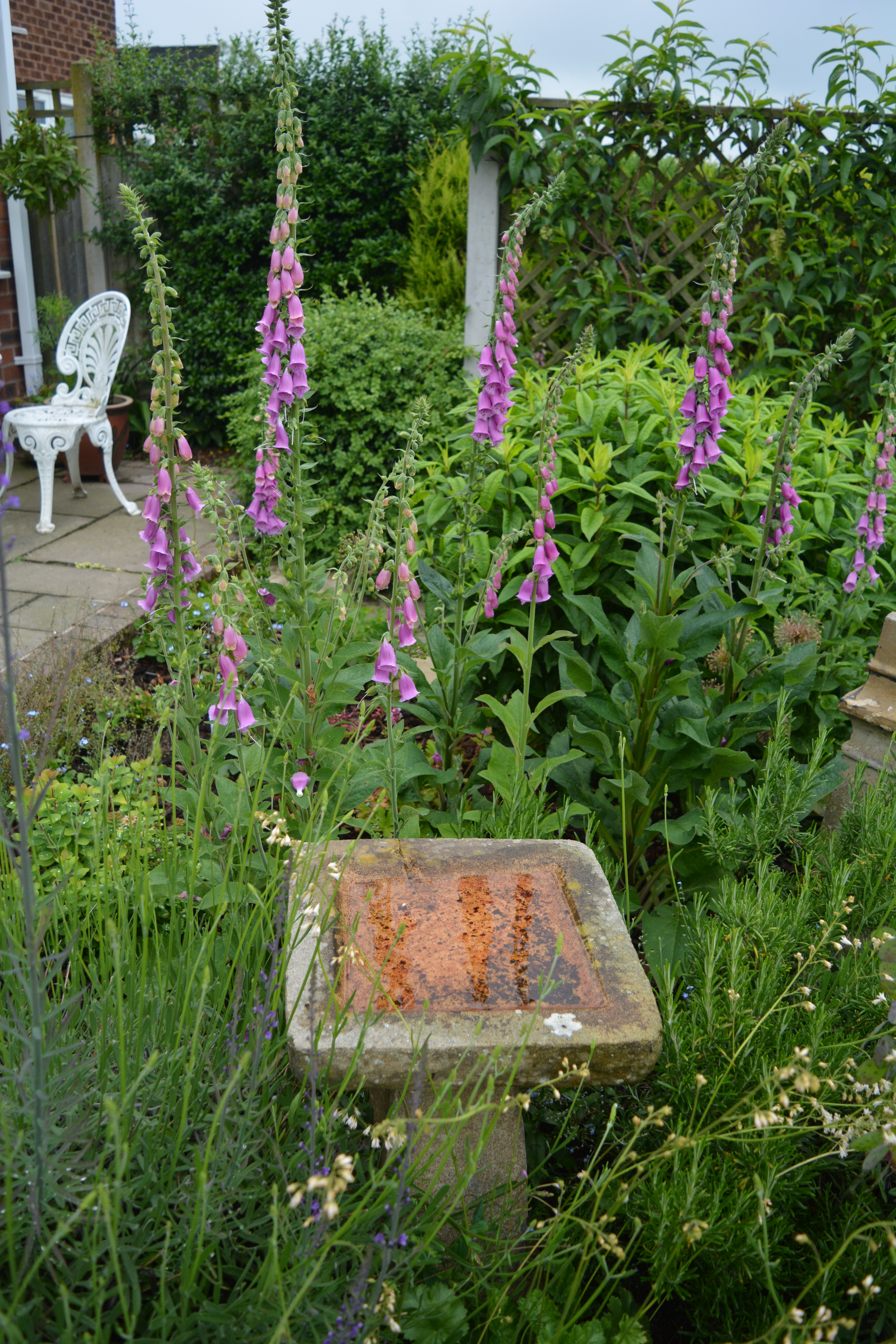
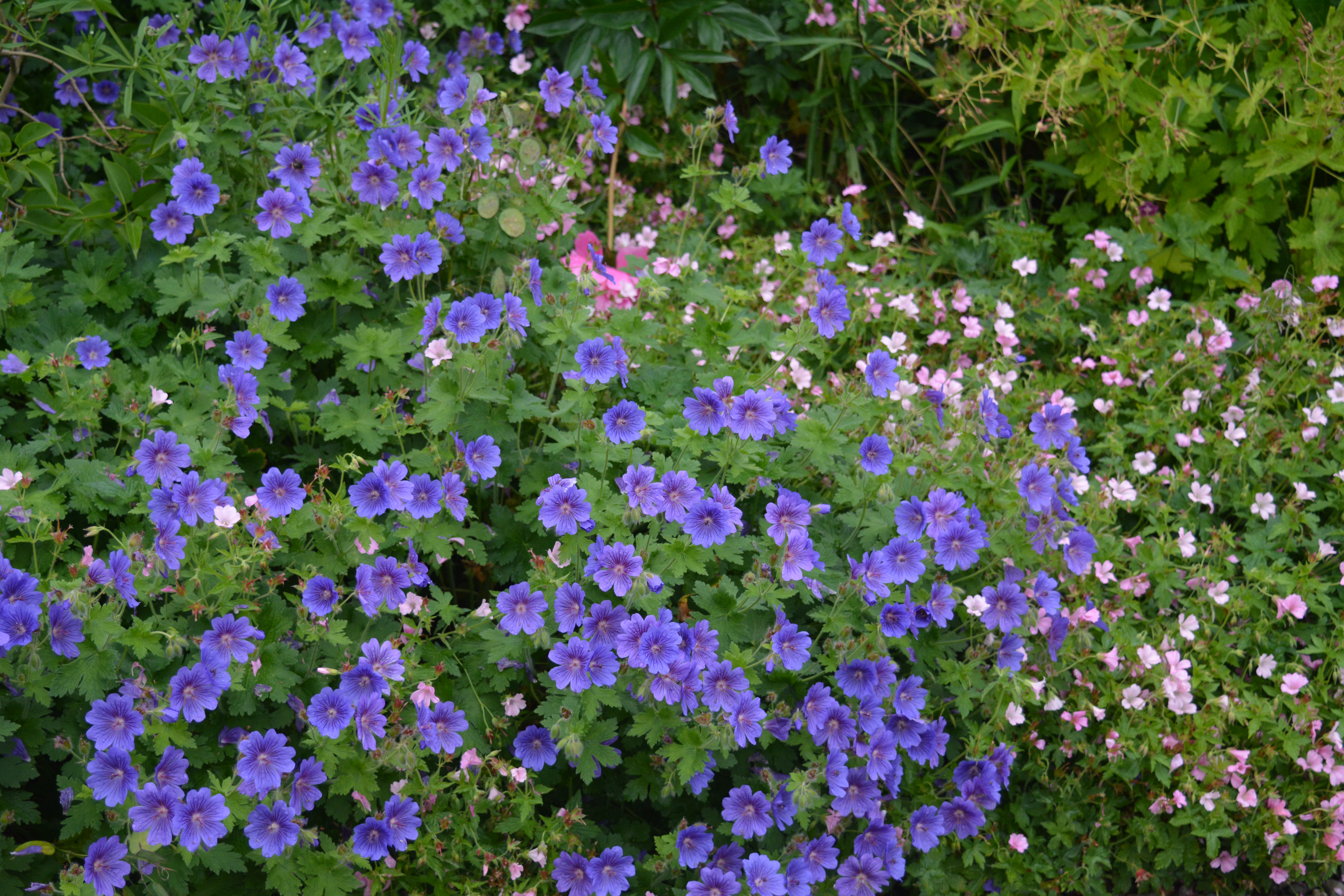
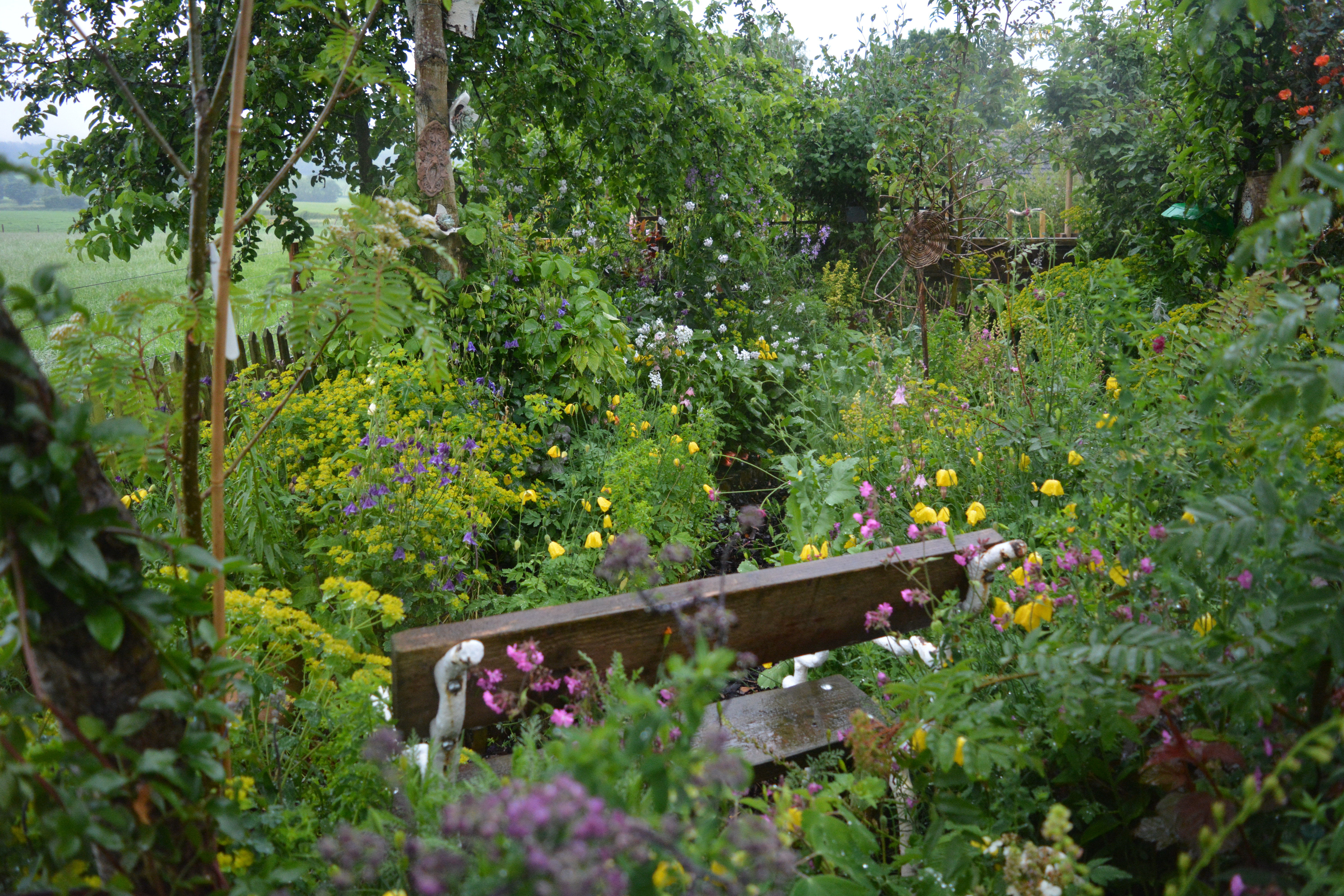
I hope you enjoy my photographs taken in poor light and drizzling rain but the plants shone through. A gravel path leads us alongside a delicately planted border with softly curved shapes. The spires of tall-growing foxgloves and delphiniums shine through the gloom matching the colours of geraniums that soften the path edges.


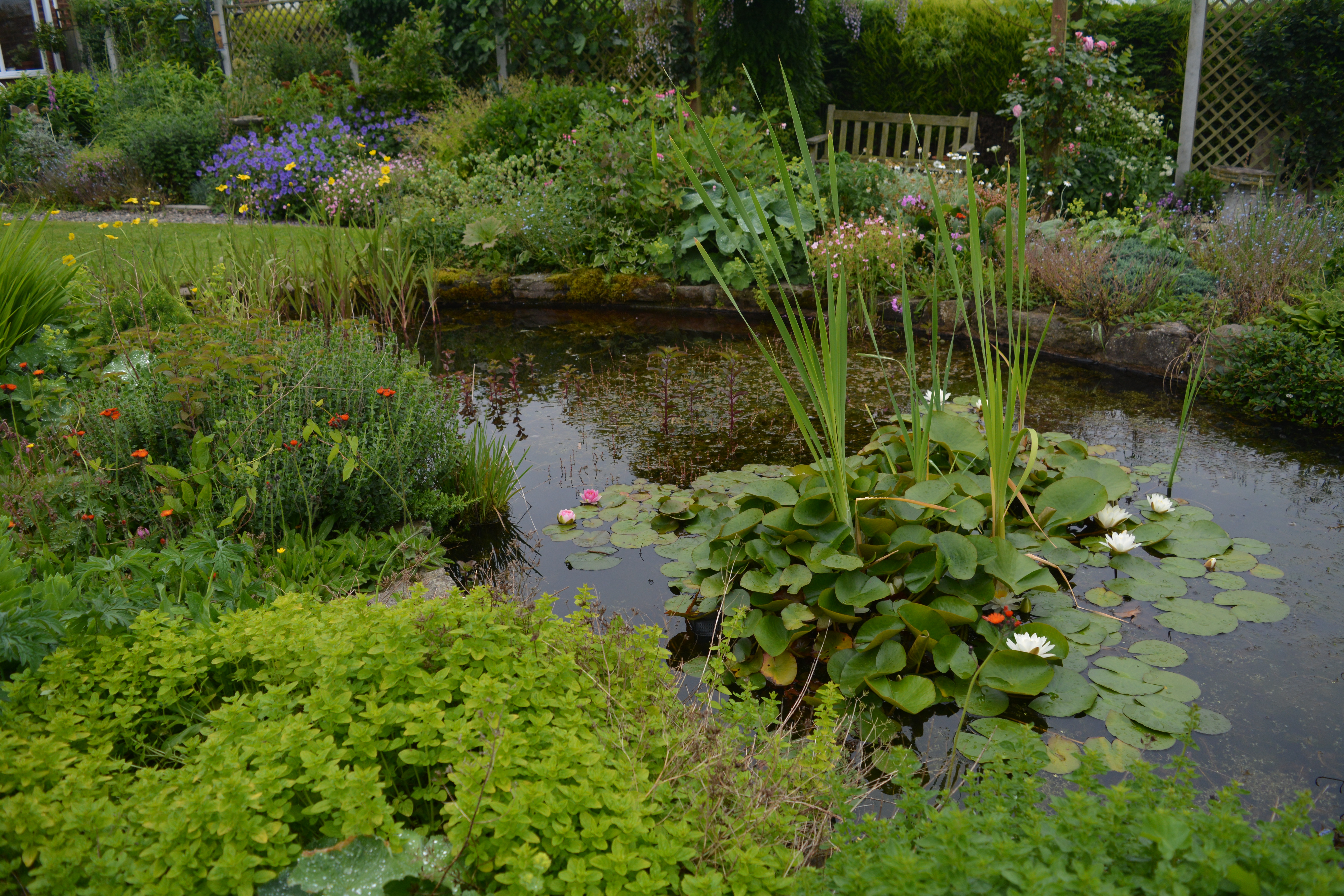
Centrally placed in the garden is a softly shaped pool surrounded by beautiful planting.


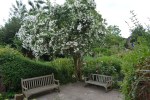
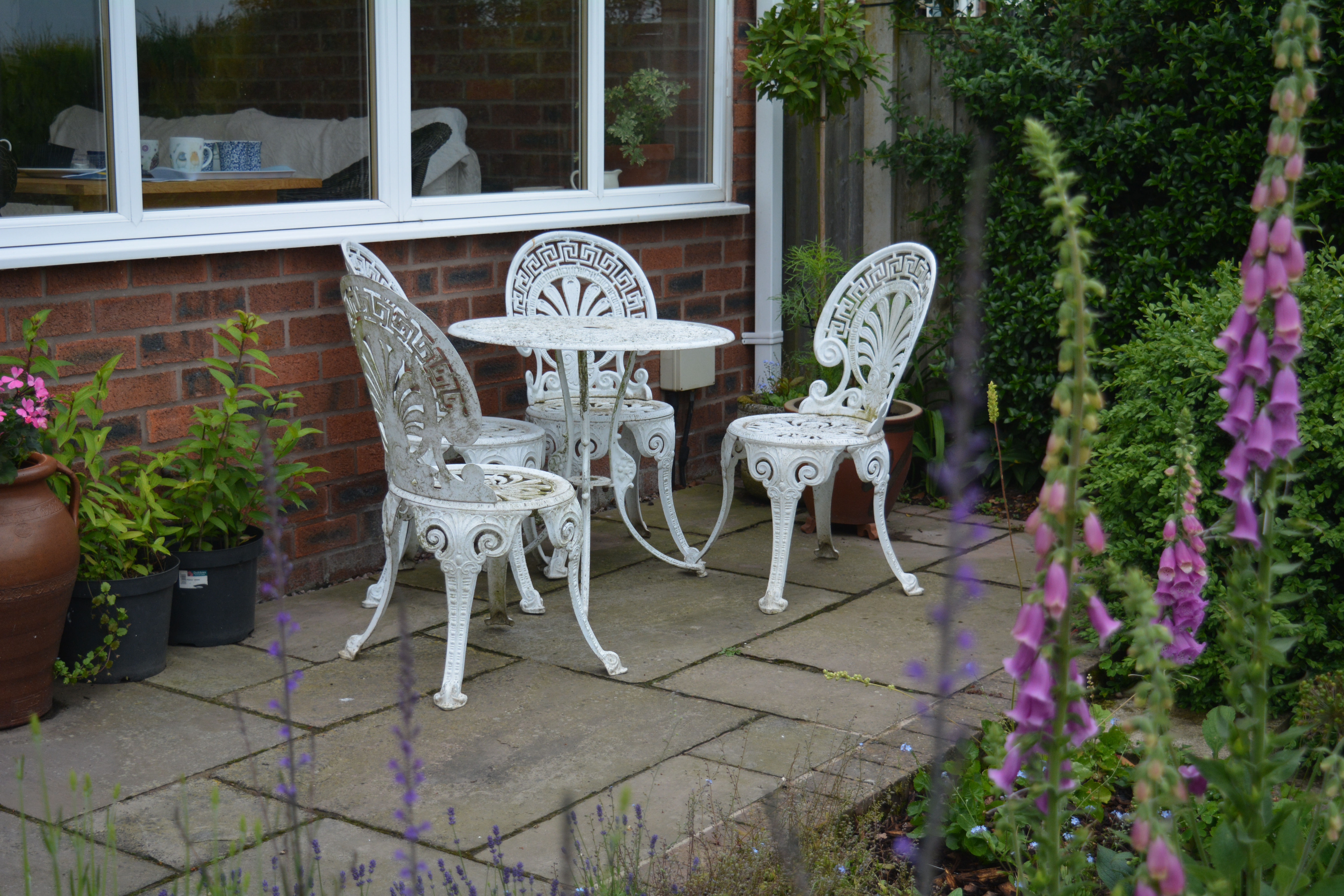
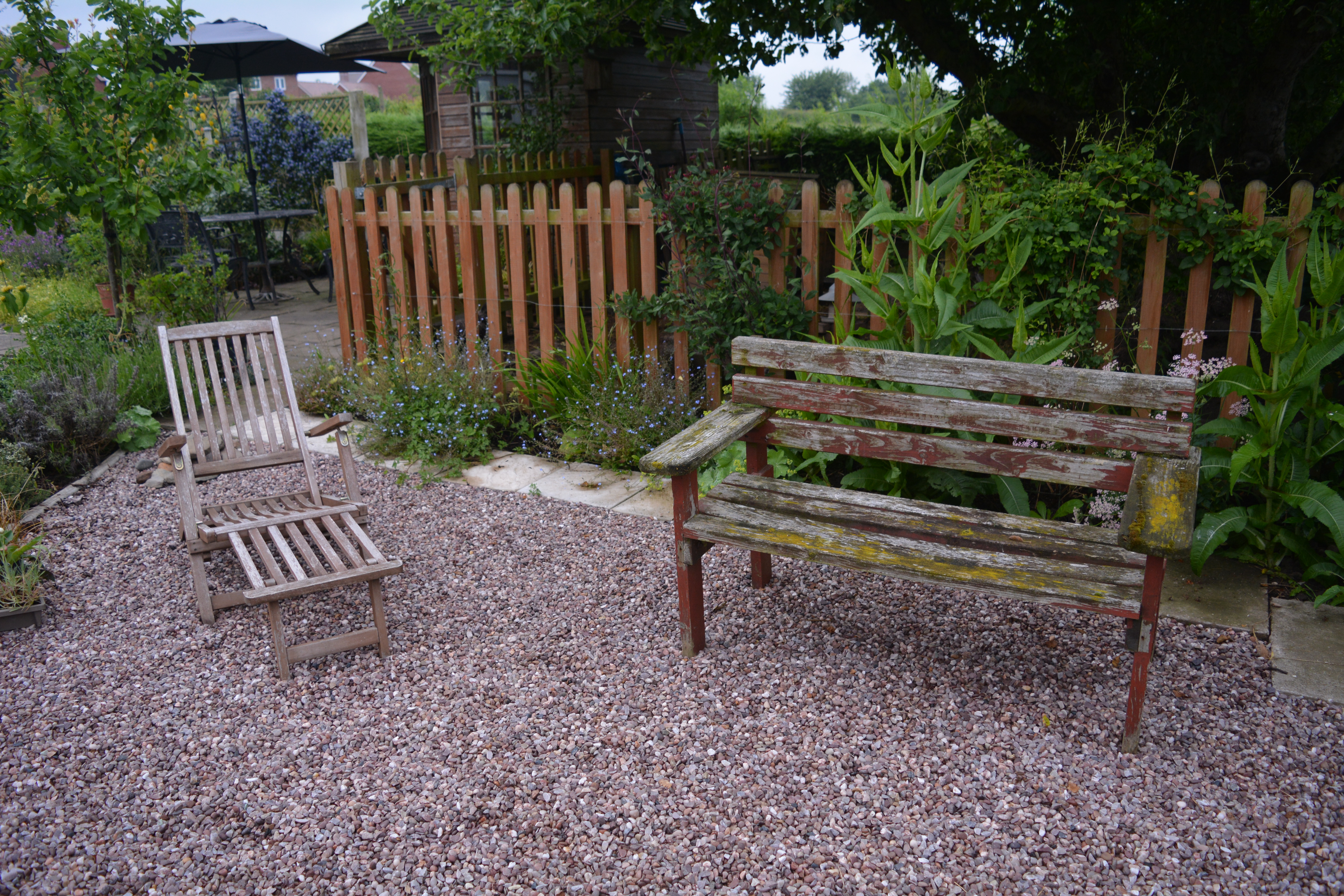
There are well-placed seats throughout the garden each with special views including some that look out of the garden across the surrounding countryside.


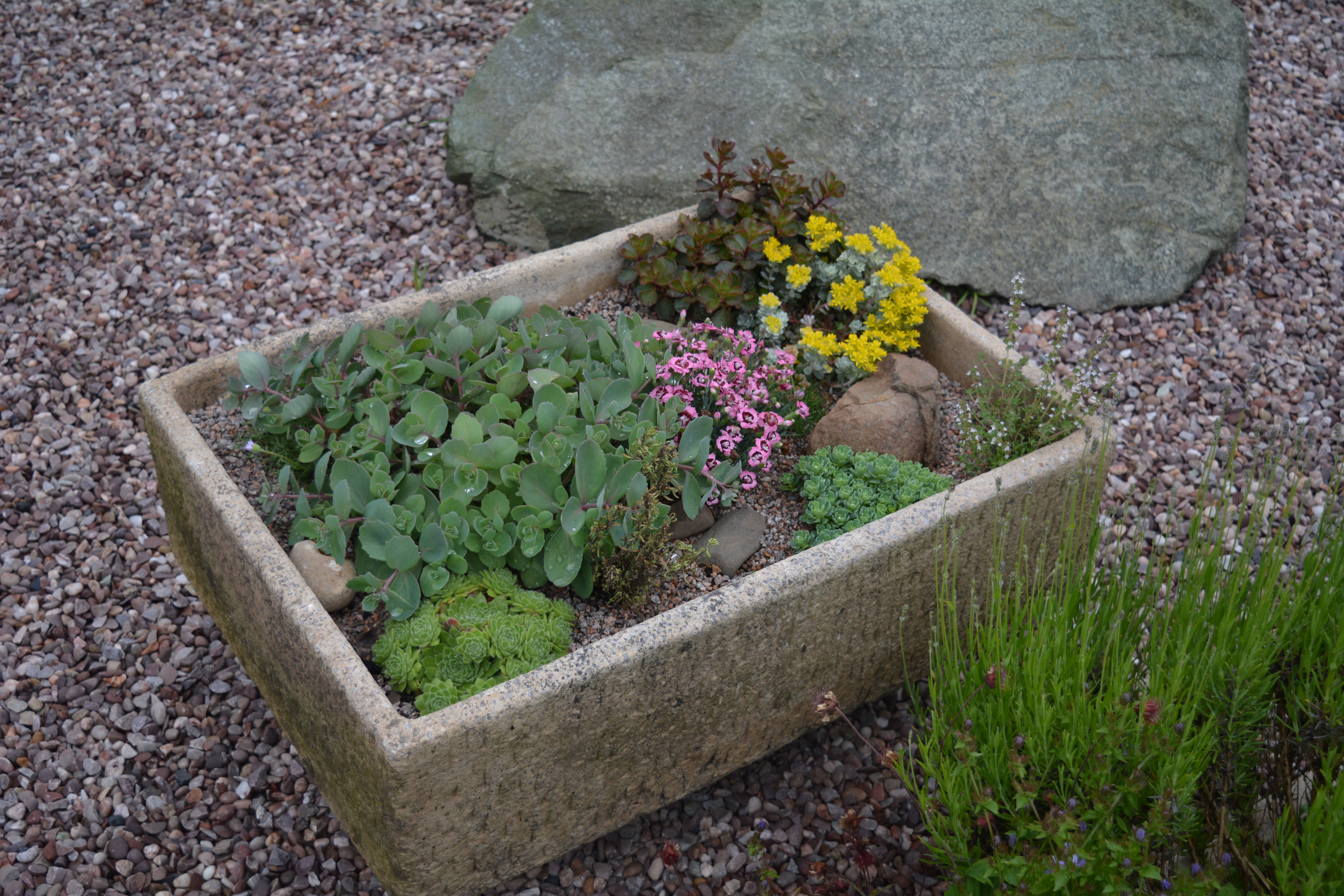
These seats are situated on a gravel patch which boasts a large boulder with a smaller partner, a terracotta pot housing a saxifrage alongside an alpine sink.


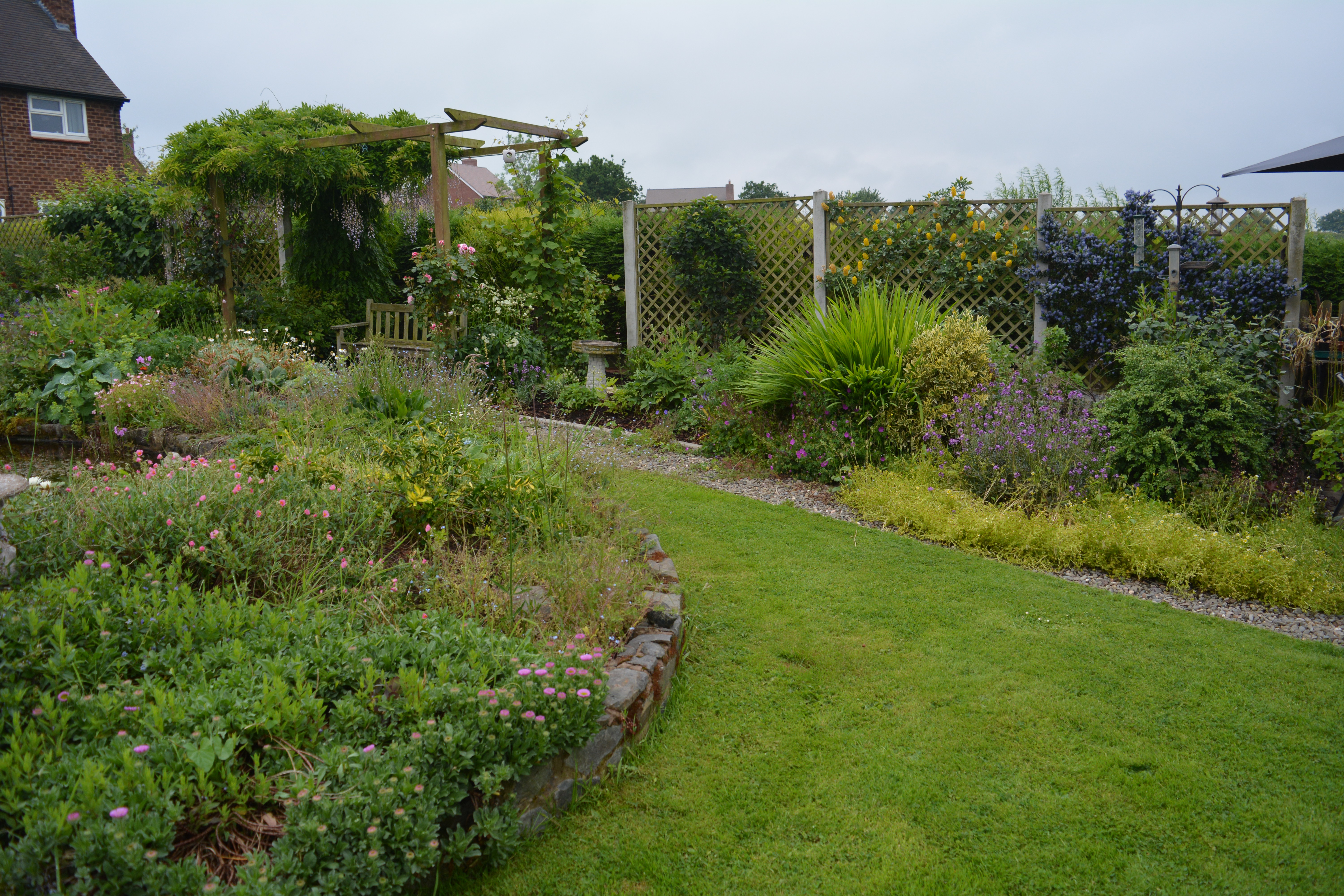
Von loves plants so much that every vertical surface is covered with plants, ceanothus, honeysuckle and ivy.


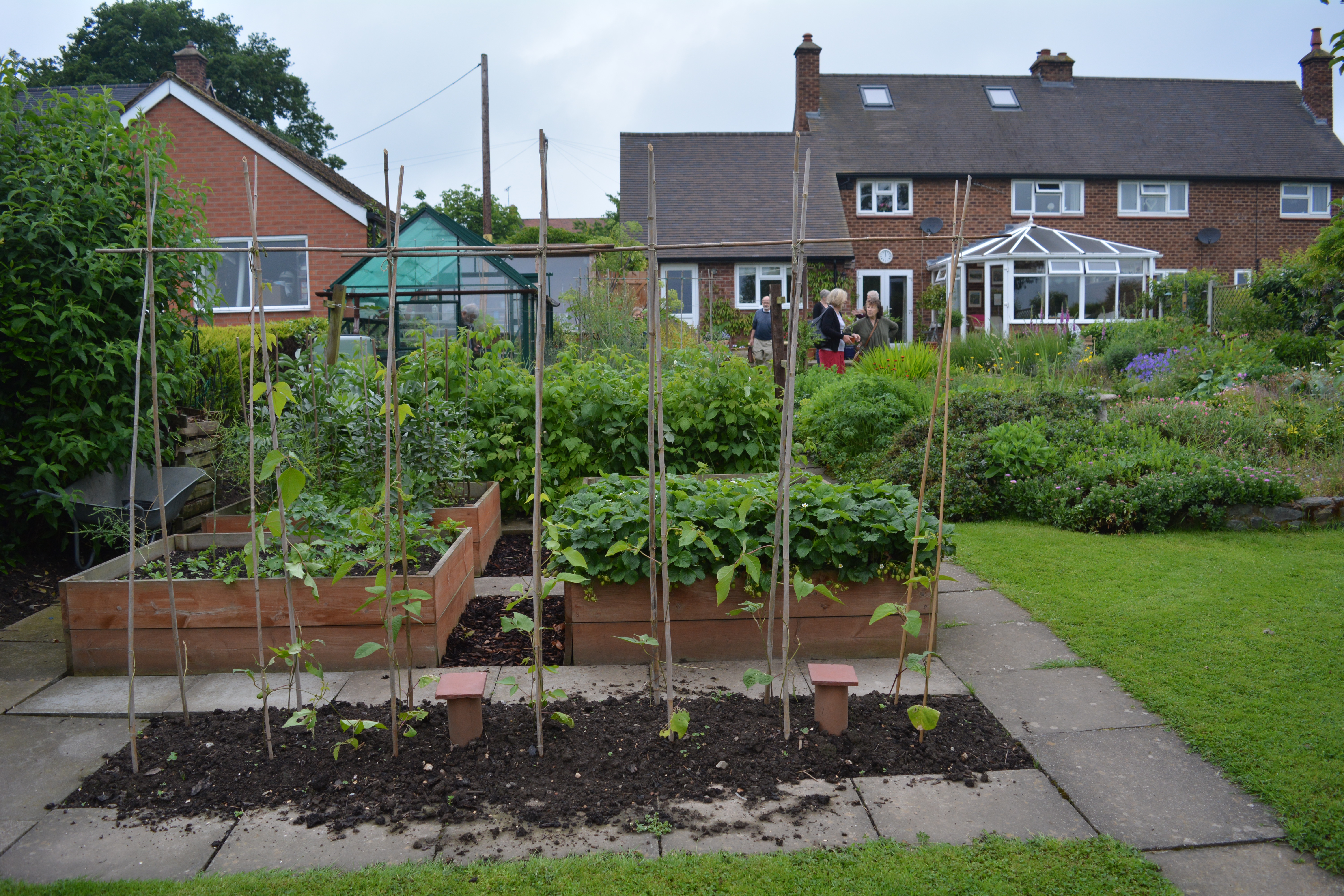
Reaching the bottom of the garden there is a native hedge decorated with soft pink dog roses. Looking back up towards the house we get a different view of the garden and notice a very productive veg patch with neat raised beds.


As with any garden the stars are the plants and here there are many of interesting specimen deserving of more than a glance.


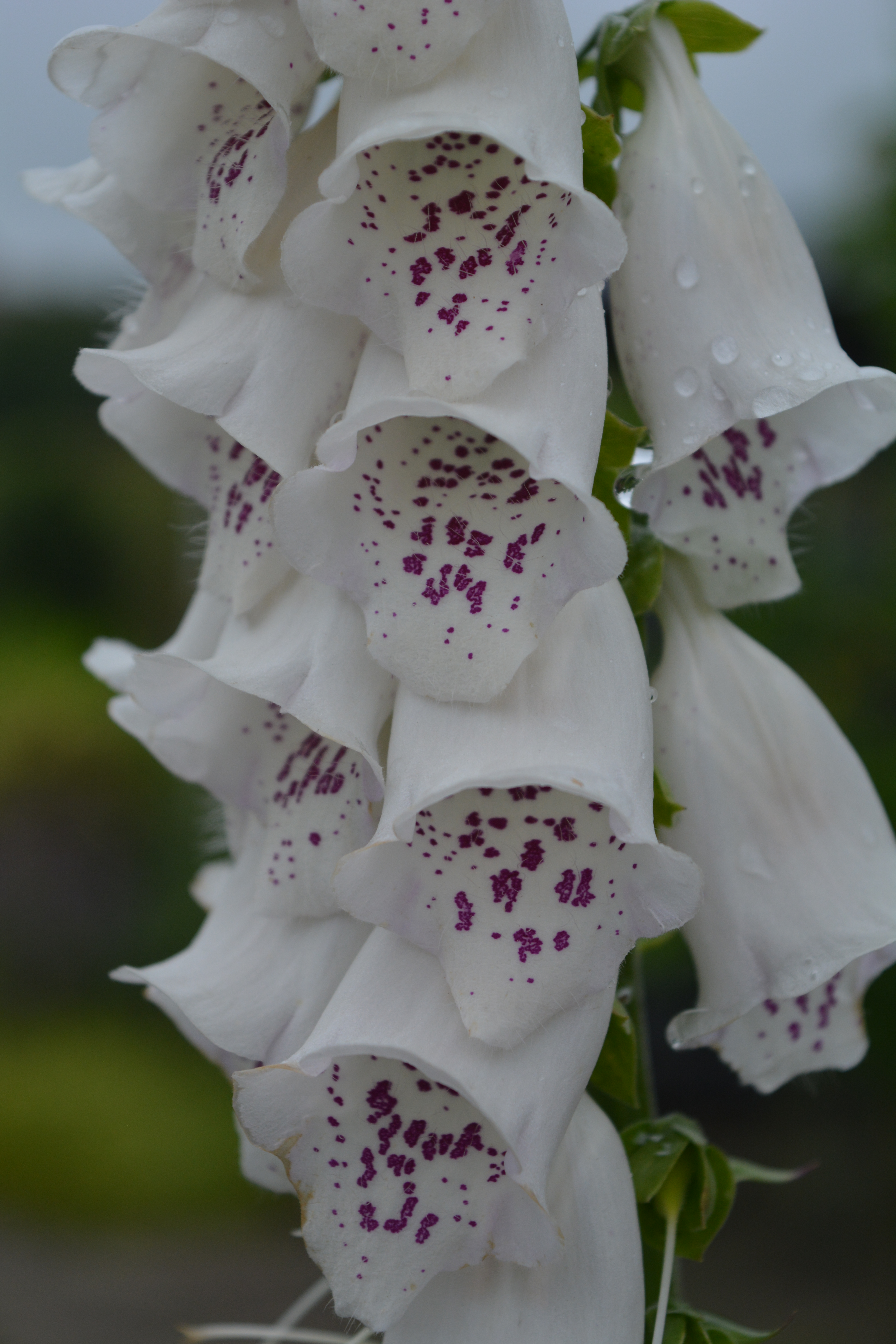
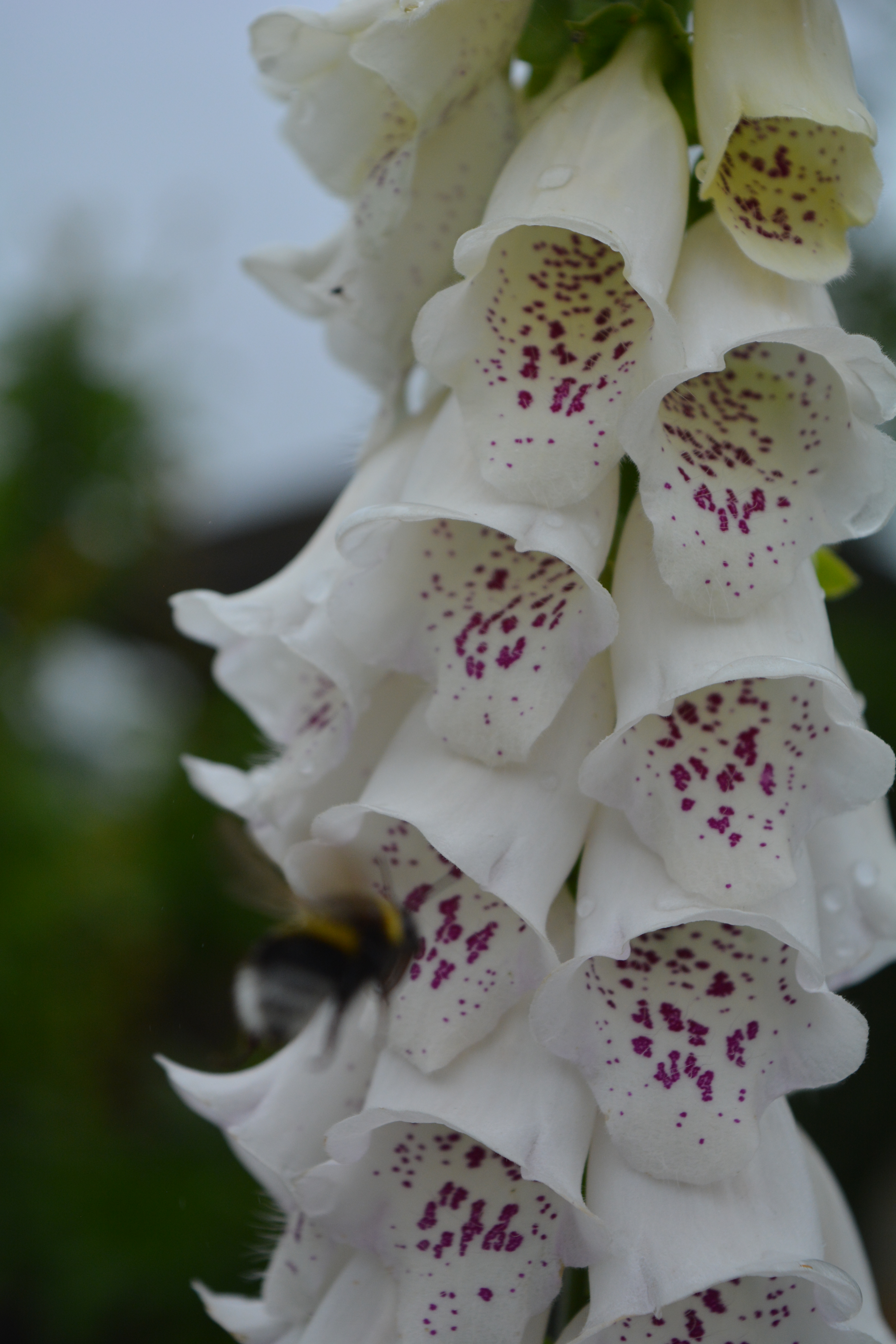
Wildlife enjoys this garden too. While taking a shot of this white and purple-spotted foxglove a bee arrived and set about exploring each little glove. A great finish to our visit, which will definitely not be the last.

Categories
birds fruit and veg garden design garden photography garden wildlife gardening gardens grow your own hardy perennials ornamental grasses ornamental trees and shrubs roses Shrewsbury Shropshire shrubs trees village gardens

My Garden Journal 2018 – May

Here we are with the fifth visit to my garden journal for 2018, where I report on what is happening in our Avocet garden in Shropshire. Does it show that spring may eventually have arrived?

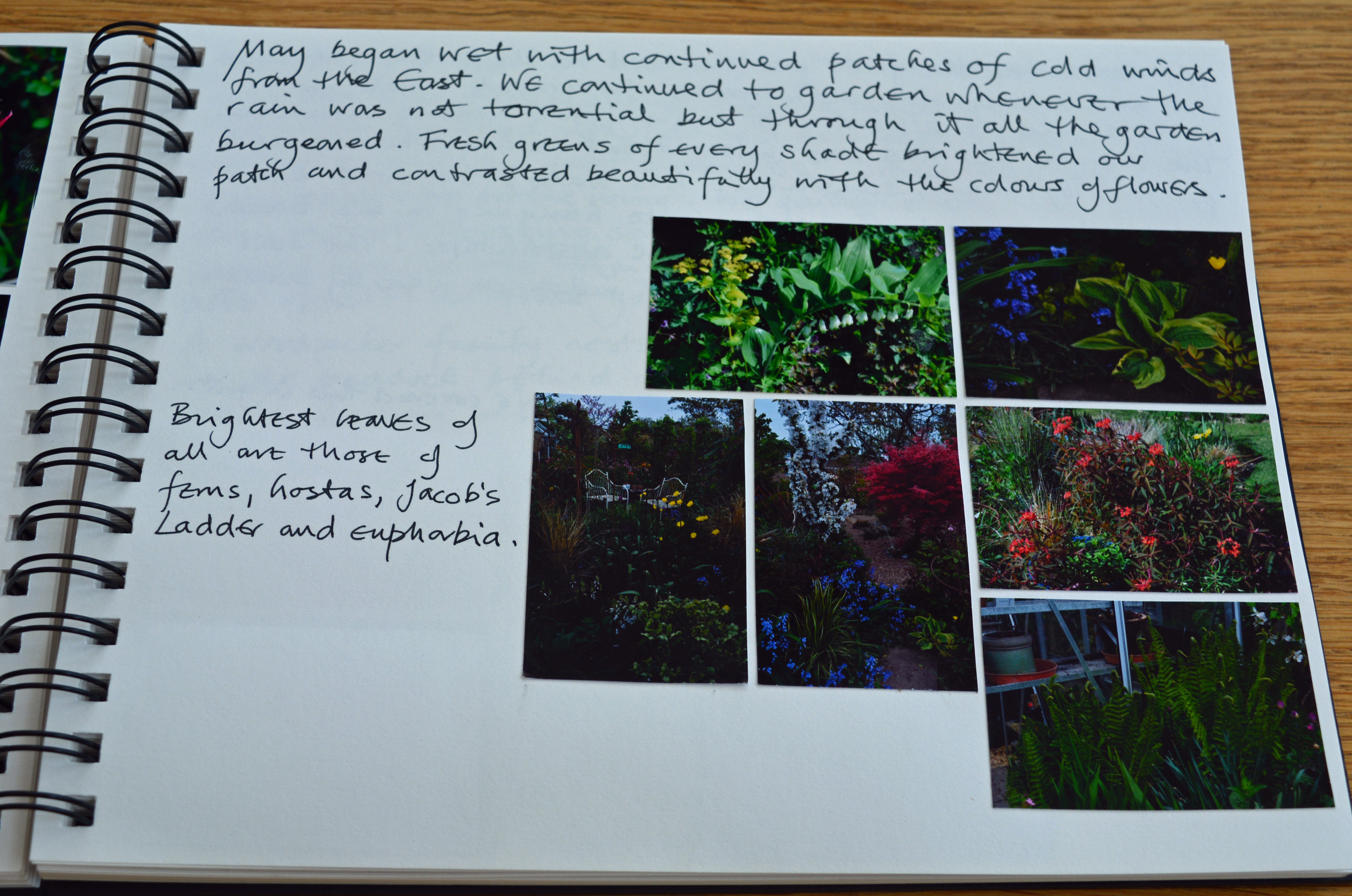
On my first page for May I wrote, “May began wet with continued patches of cold winds from the East. We continued to garden whenever the rain was not torrential but through it all the garden burgeoned. Fresh greens of every shade brightened our patch and contrasted beautifully with the colours of flowers.”

“The brightest leaves of all are those of ferns, hostas, Jacob’s Ladder and Euphorbia.”


Turning over the page I looked at a job that Ian our gardener completed in May, plus a look at our wildlife in the garden.

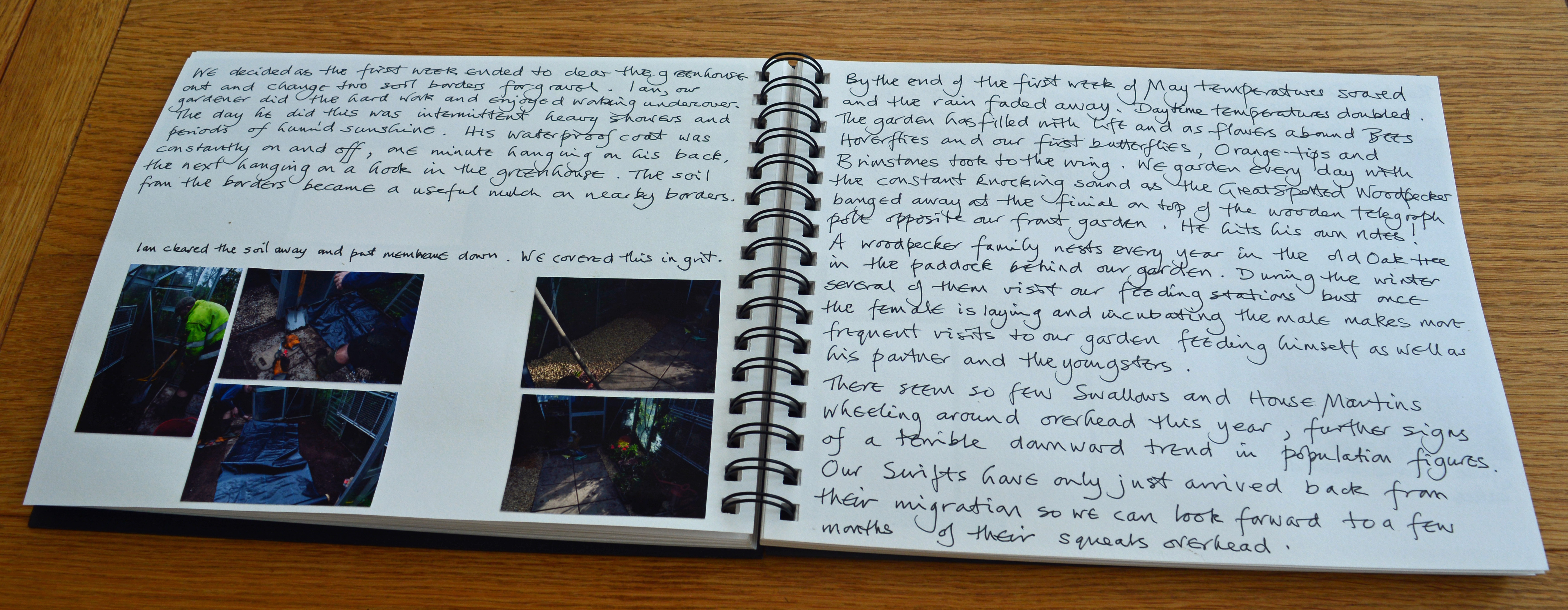
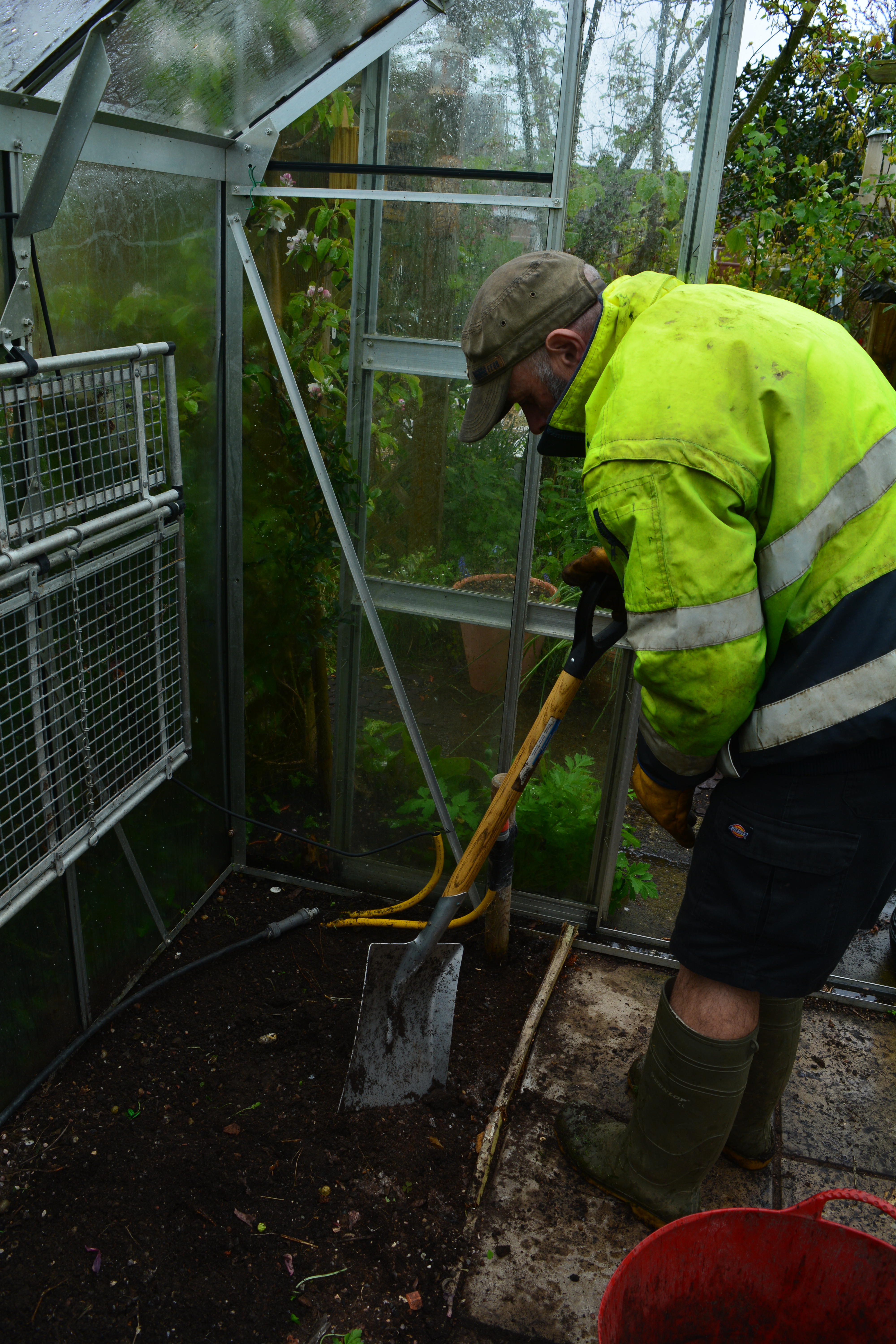
“We decided as the first week ended, to clear the greenhouse out and change two soil borders for gravel. Ian, our gardener did the hard work and enjoyed working under cover. The day he did there were intermittent heavy showers and periods of humid sunshine. His waterproof coat was constantly on and off, one minute hanging on his back, the next hanging on a hook in the greenhouse. The soil from the borders became a useful mulch material for nearby borders.”


“Ian cleared the soil away and put membrane down. We covered this in grit.”

“By the end of the first week of May temperatures soared and the rain faded away. Daytime temperatures doubled. The garden has filled with life and as flowers abound, bees, hoverflies and our first butterflies, Orange Tips and Brimstones take to the wing. We garden every day with the constant knocking sound as a Great Spotted Woodpecker bangs away at the finial on top of the wooden telegraph pole opposite our front garden. He hits his own notes!

A woodpecker family nests every year in the old Oak tree in the paddock behind our garden. During the winter several of them visit the feeding stations but once the female is laying and incubating the male makes more frequent visits to our garden feeding himself as well as his partner and the youngsters. 
There seem so few Swallows and House Martins wheeling around overhead this year, further signs of a terrible downward trend in population figures. Our Swifts have only just arrived back from their migration so we can look forward to a few months of their squeals overhead.”

Over the page I moved on to look at Dan Pearson’s thoughts on the sudden growth seen in May.


I wrote, “Reading Dan Pearson’s “Natural Selections”, I enjoyed his reference to the noticeably rapid growth in gardens in May.

“The growth is a remarkable thing during these weeks between spring and summer. If you could hear it there would be a tangible hum, made from a million buds breaking and stems flexing. The tide of green sweeps up and over bare earth, cloaking it as fast as the leaves fill out above us.”

For us May is also the month when the first of our visiting garden groups come to share our patch with us. They enjoy wandering around our many paths, taking photographs, asking questions and finishing with tea, coffee and Jude’s home baked cakes.”

I then move on to look at some of our flowering trees and shrubs that are features of our May garden, about which I wrote, “Flowering trees and shrubs add colour and often scent at a higher level than the spring bulbs and early perennials.”

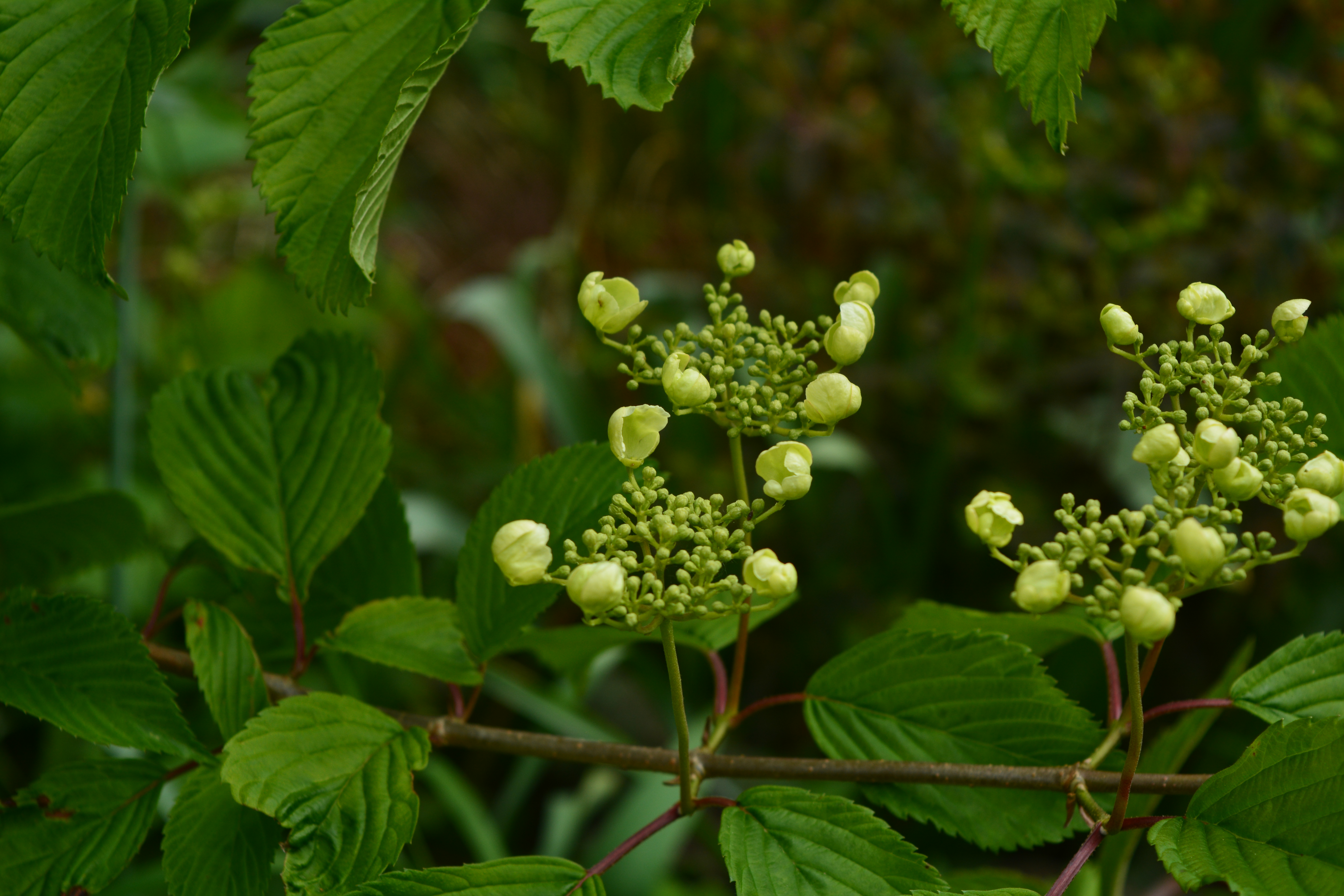
Viburnum farreri

Weigela middendorfiana

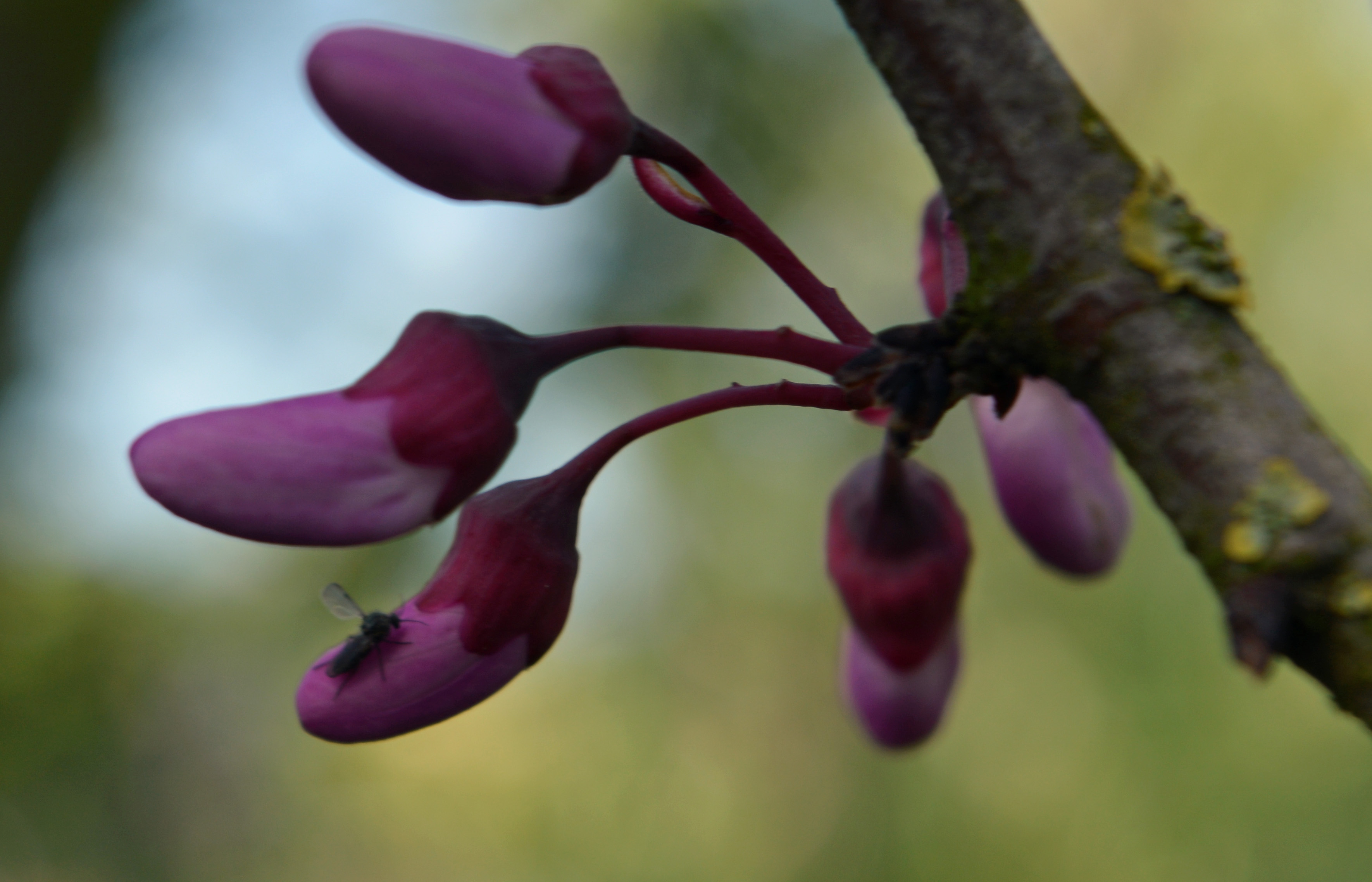
  Cercis siliquastrum 

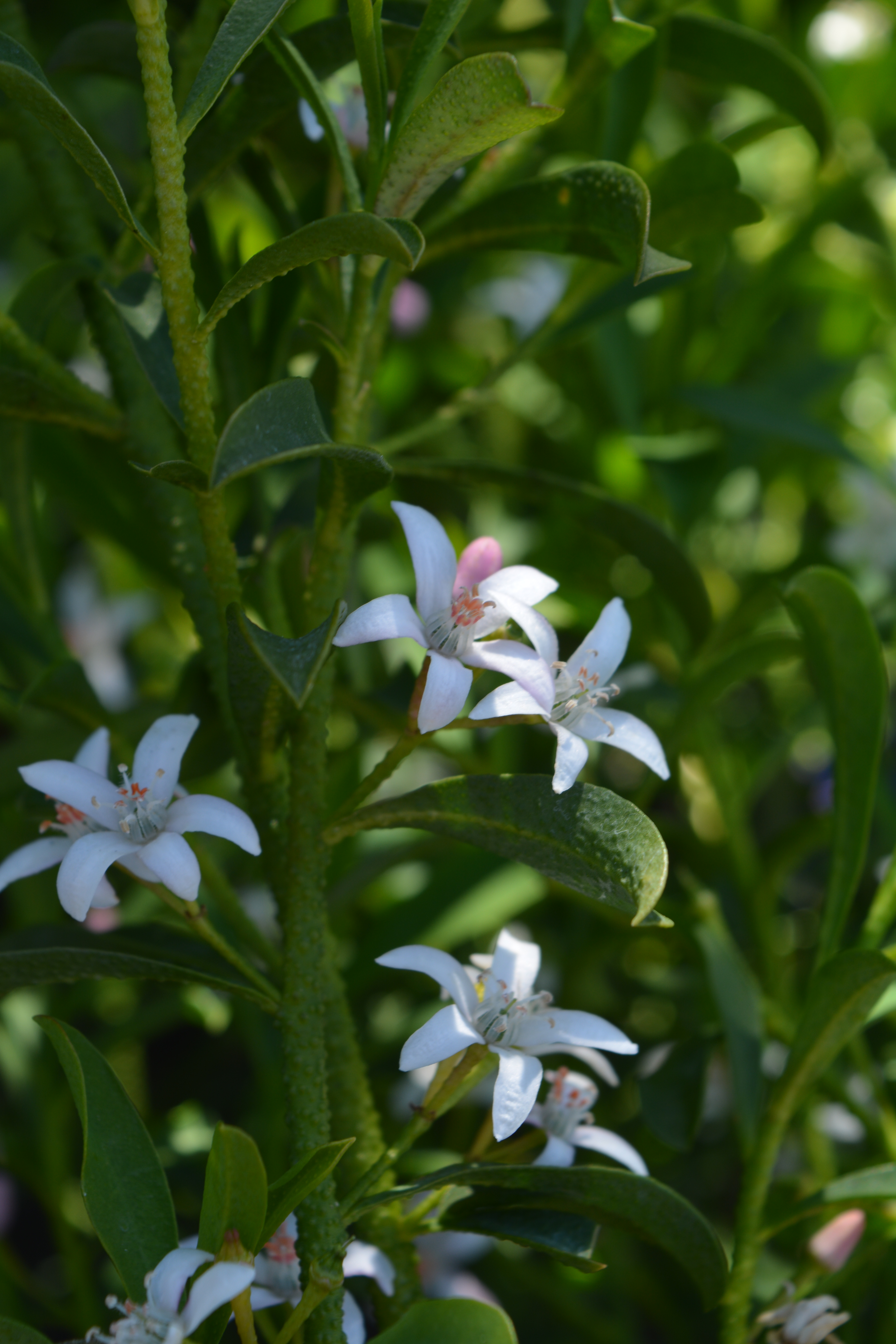
Eriostemon Flower Girl White

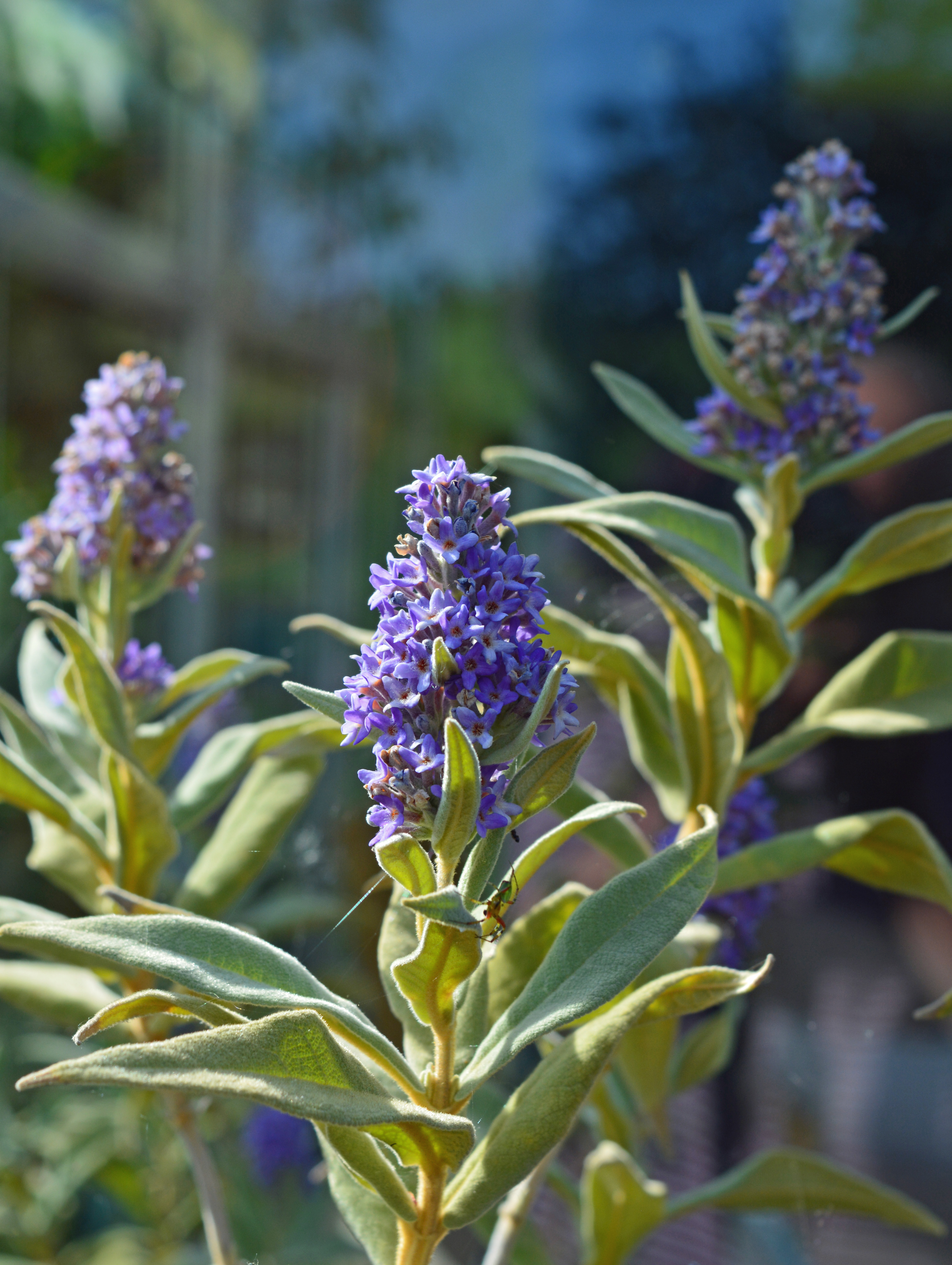
  Calycanthus floridus        Buddleia salvifolia

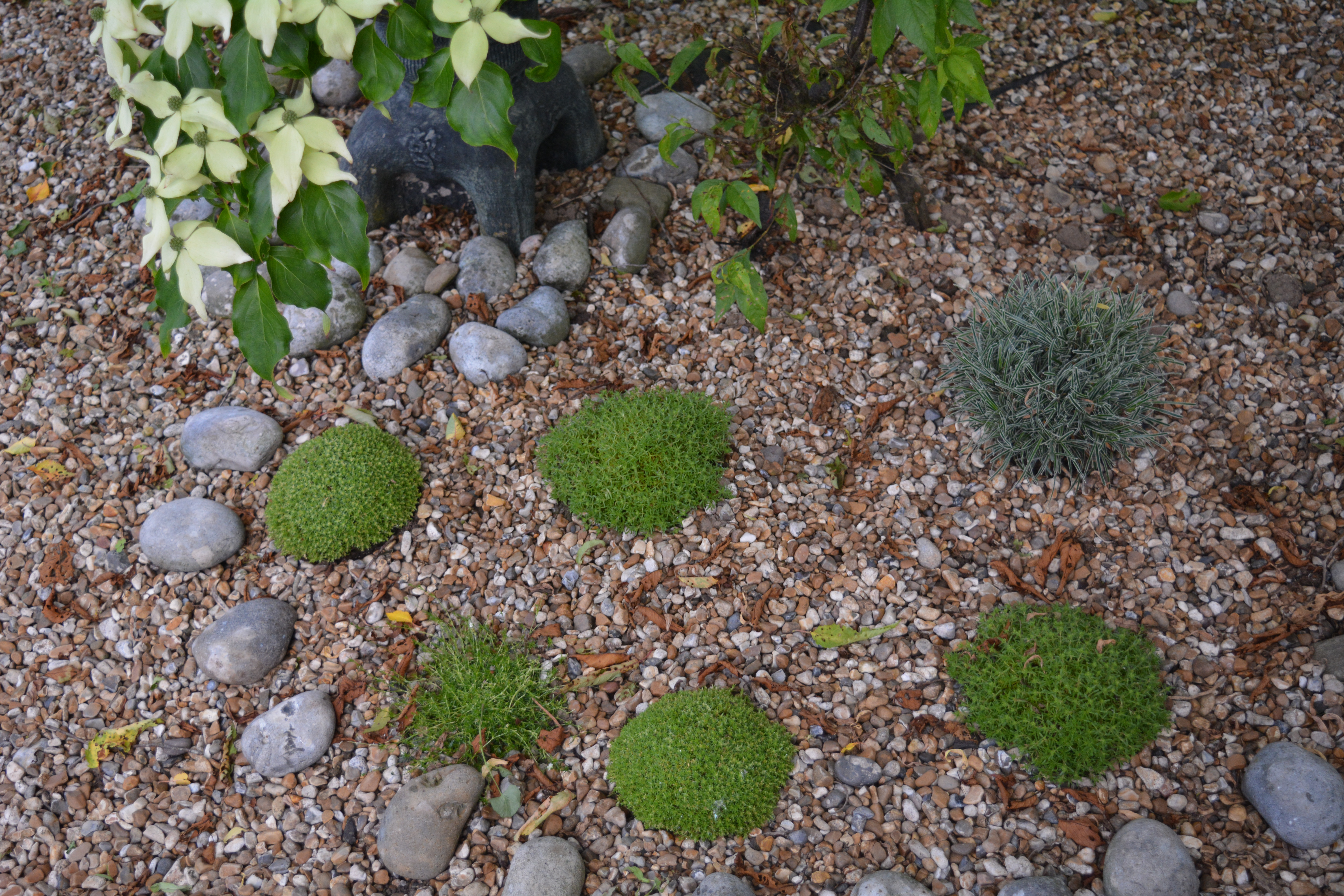
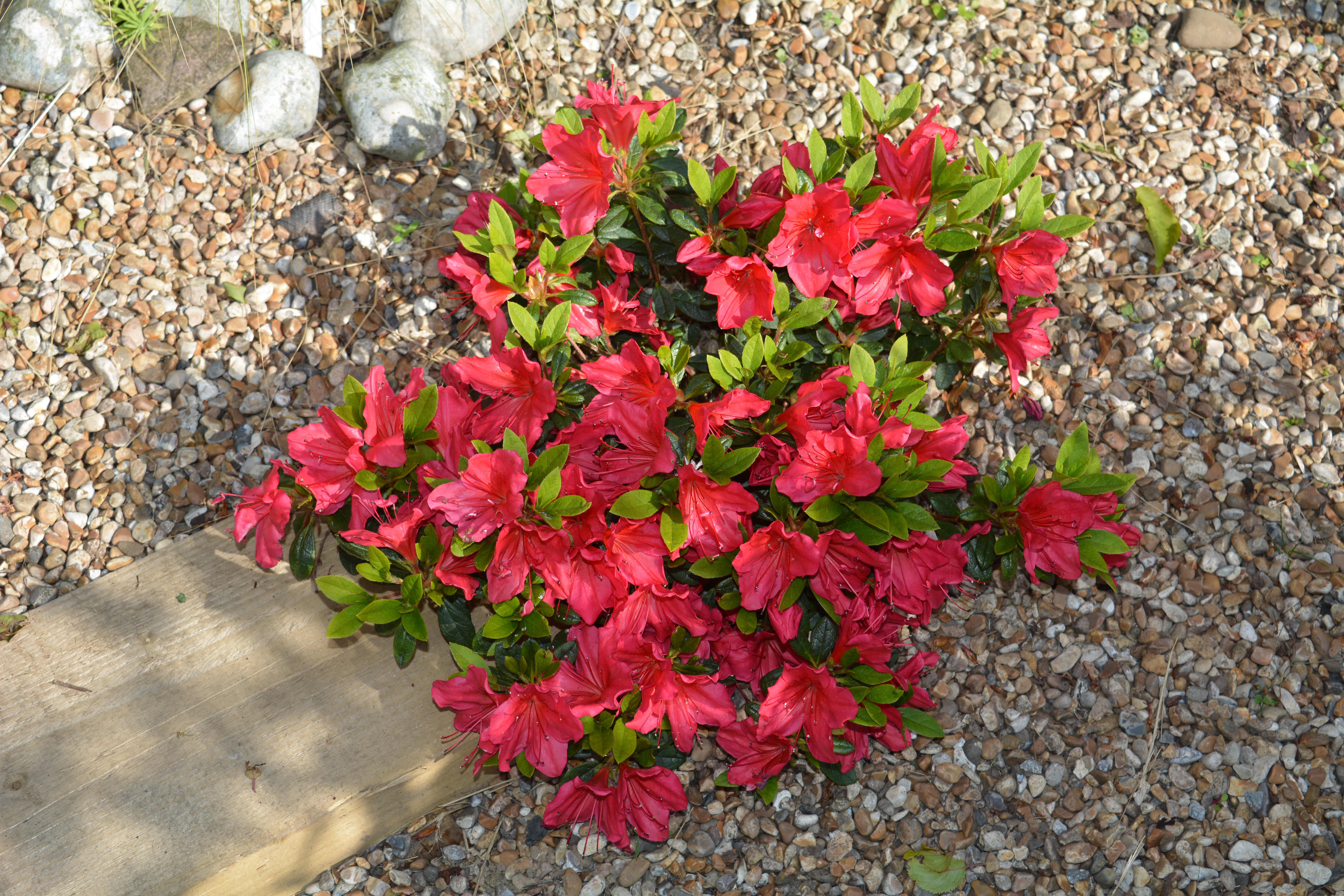
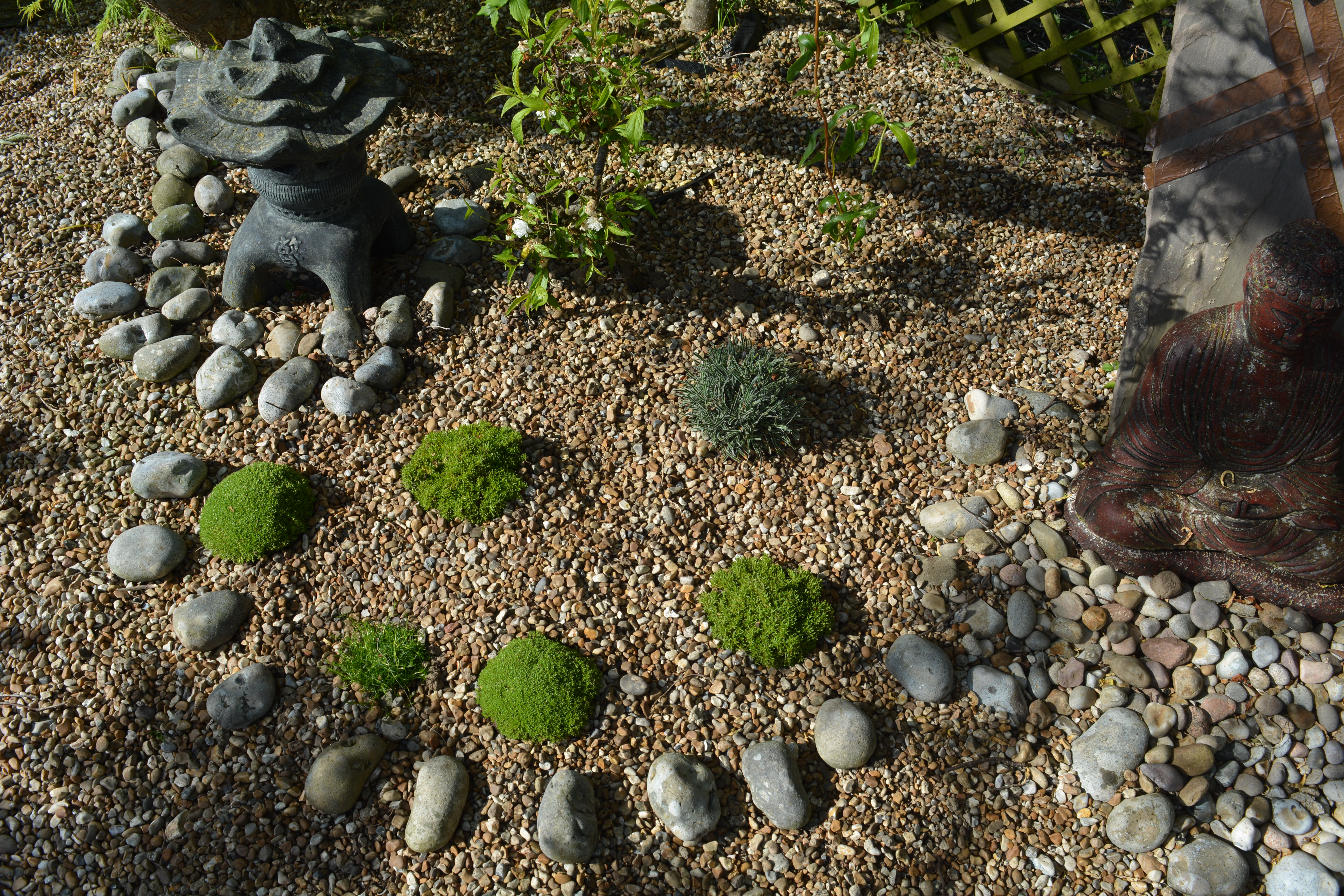
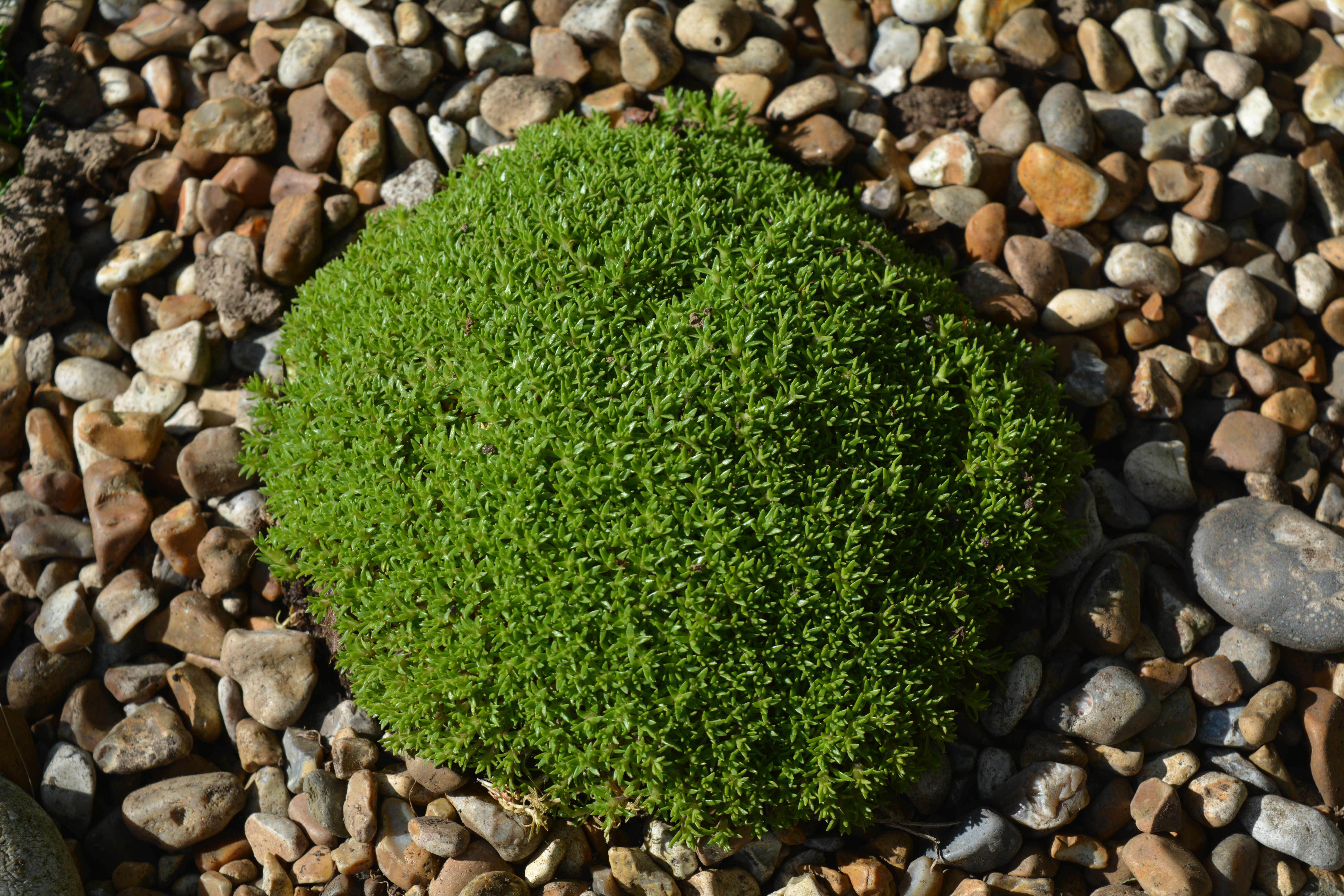
Over the page we look at our Japanese Garden and alpine plants. “We spent more time in mid-May working in the Japanese Garden, where a month ago we added a new step into the lower slope. We planted a miniature Rhododendron at each end of the step. These are now in full flower. Beneath our Prunus subhirtella autumnalis which we have pruned in a Japanese style, we have planted a group of “moss plants”. 


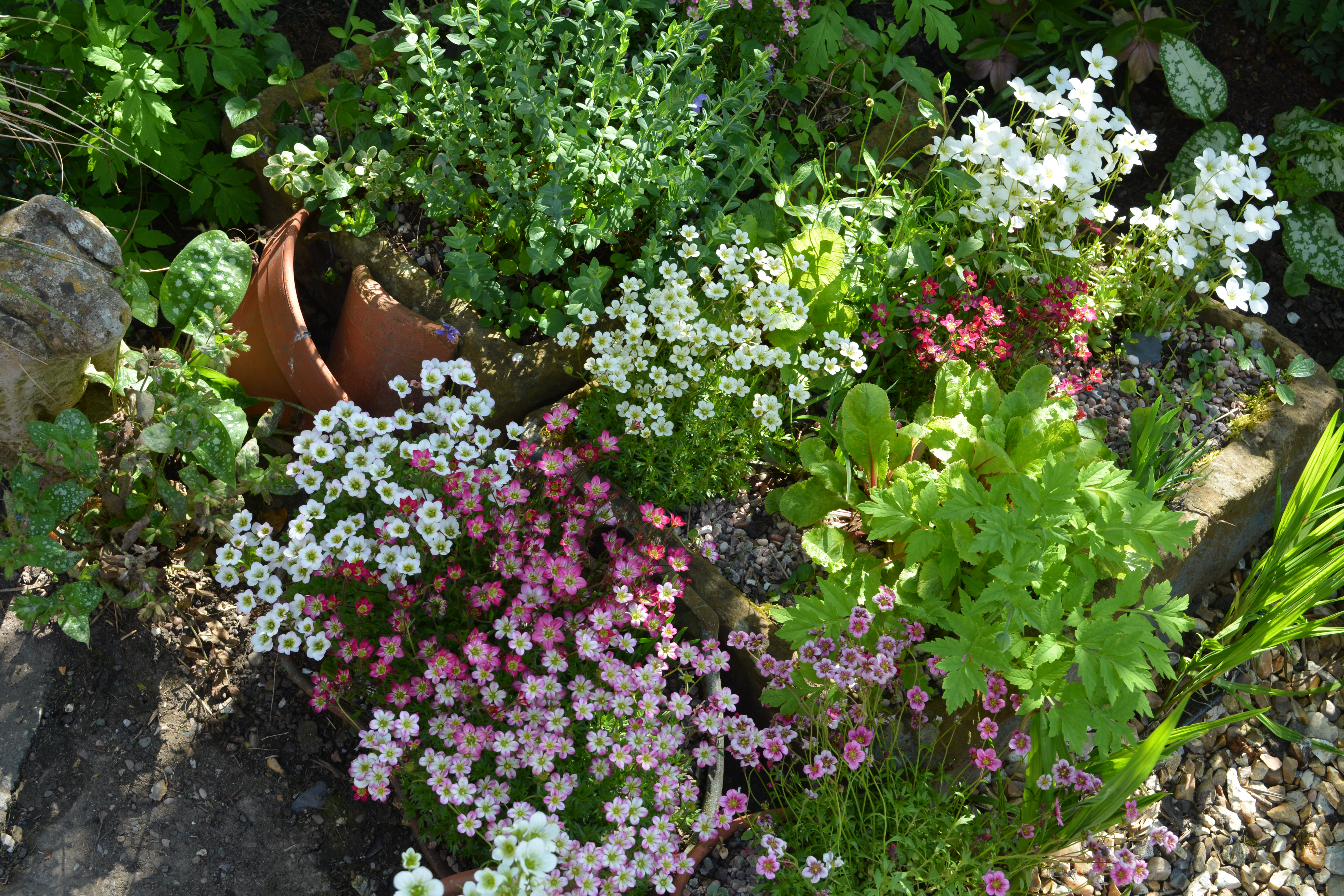
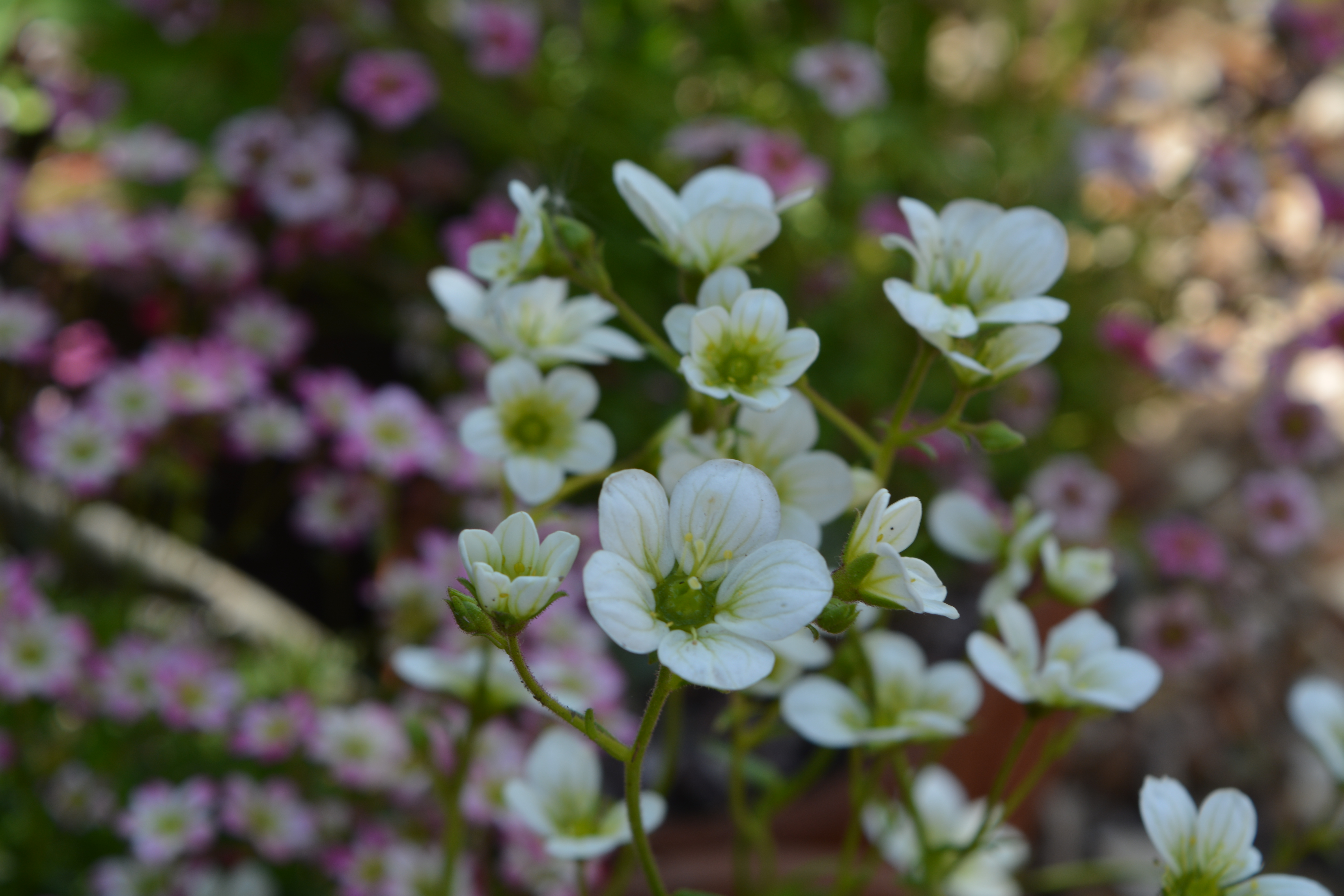
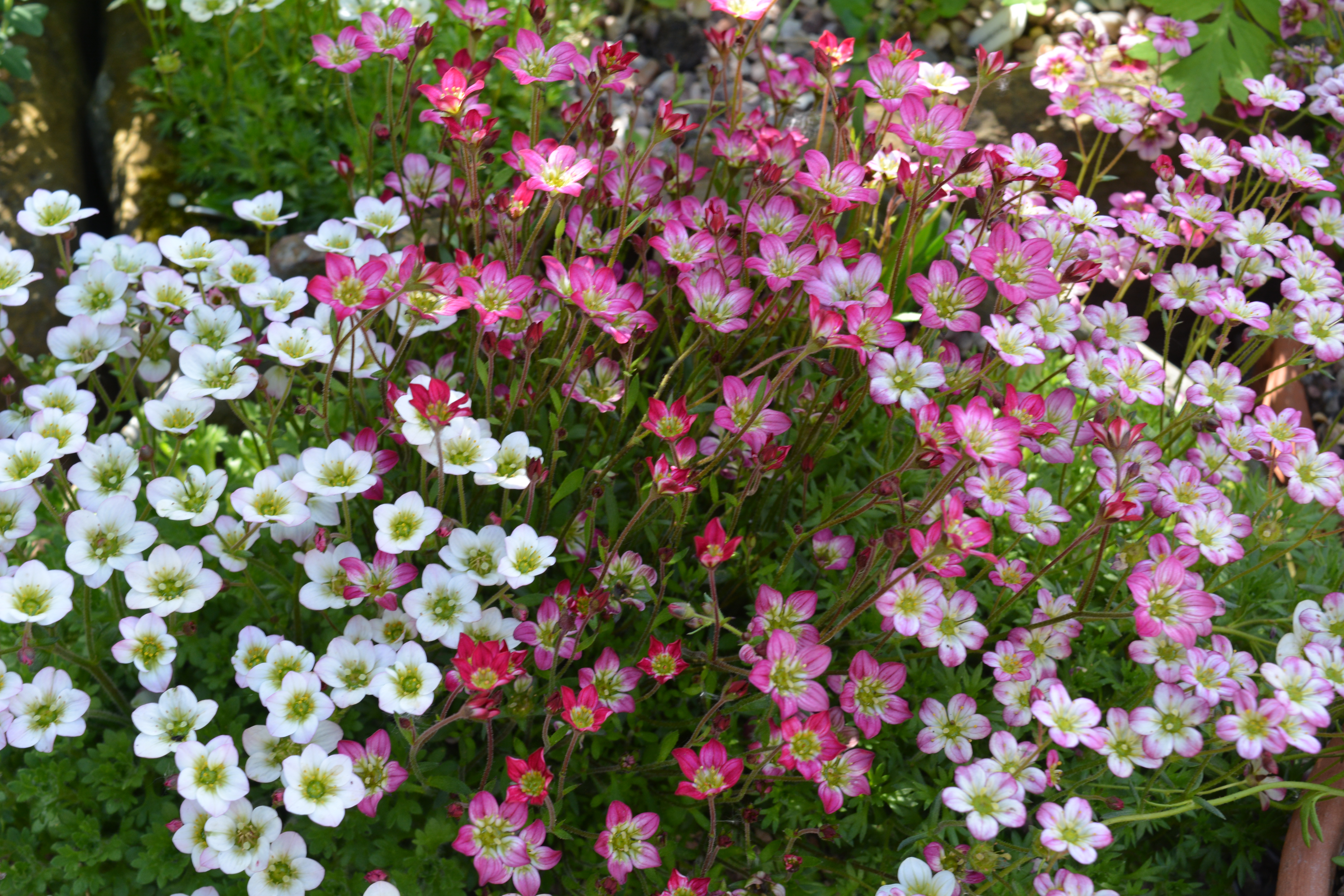
On the page opposite are photos of some of our alpines and I wrote, “May is the month when alpine Saxifrages peak.”


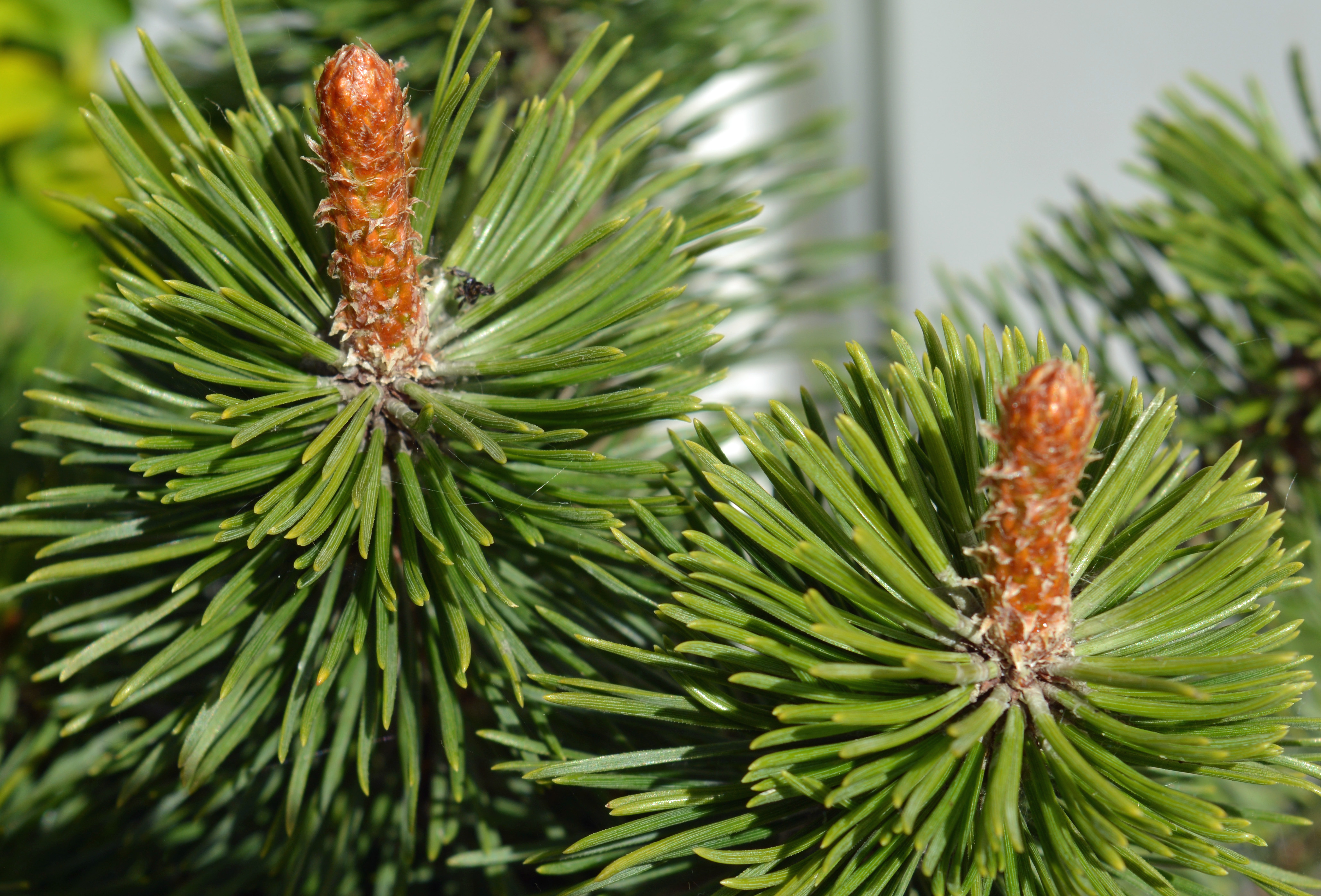
“Miniature alpine shrubs, Pinus mugo “Mumpitz” and an alpine Daphne.”

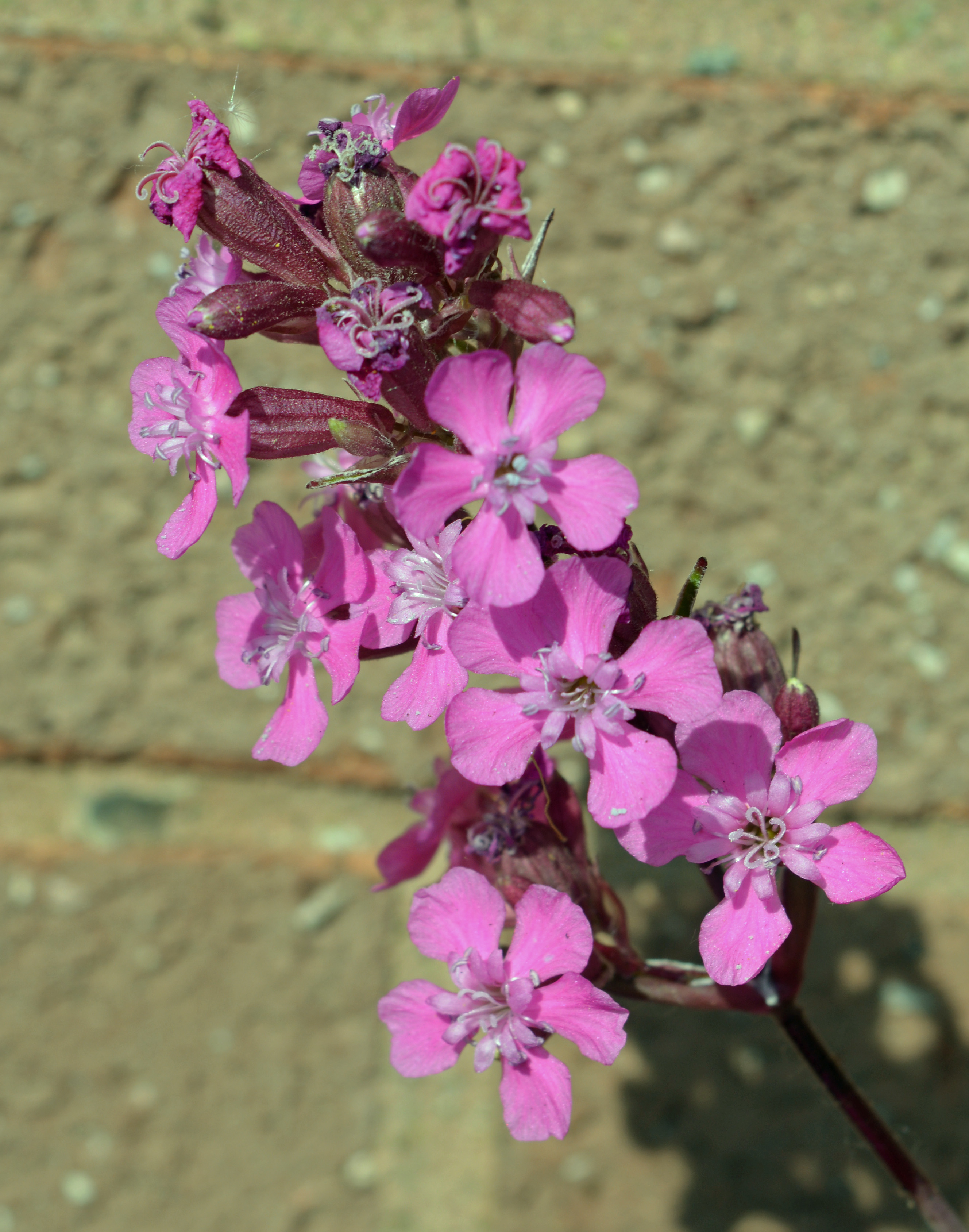
 “Alpine Silene”

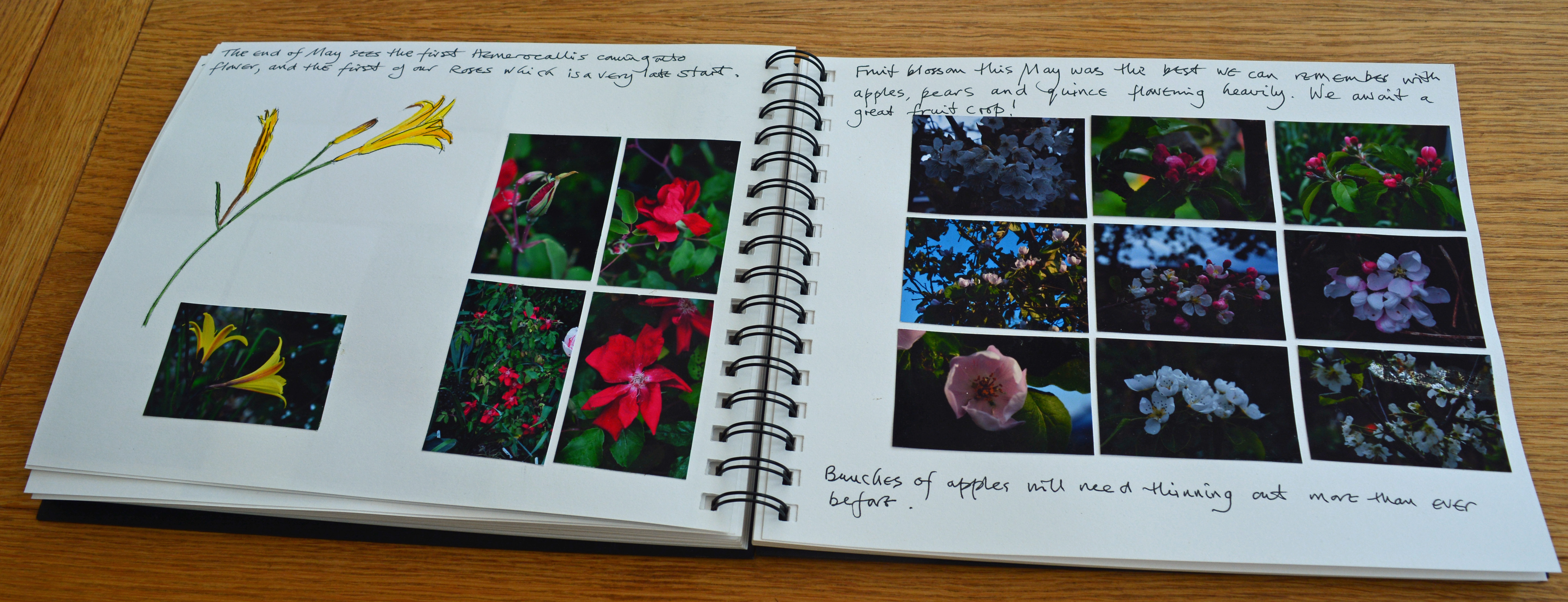
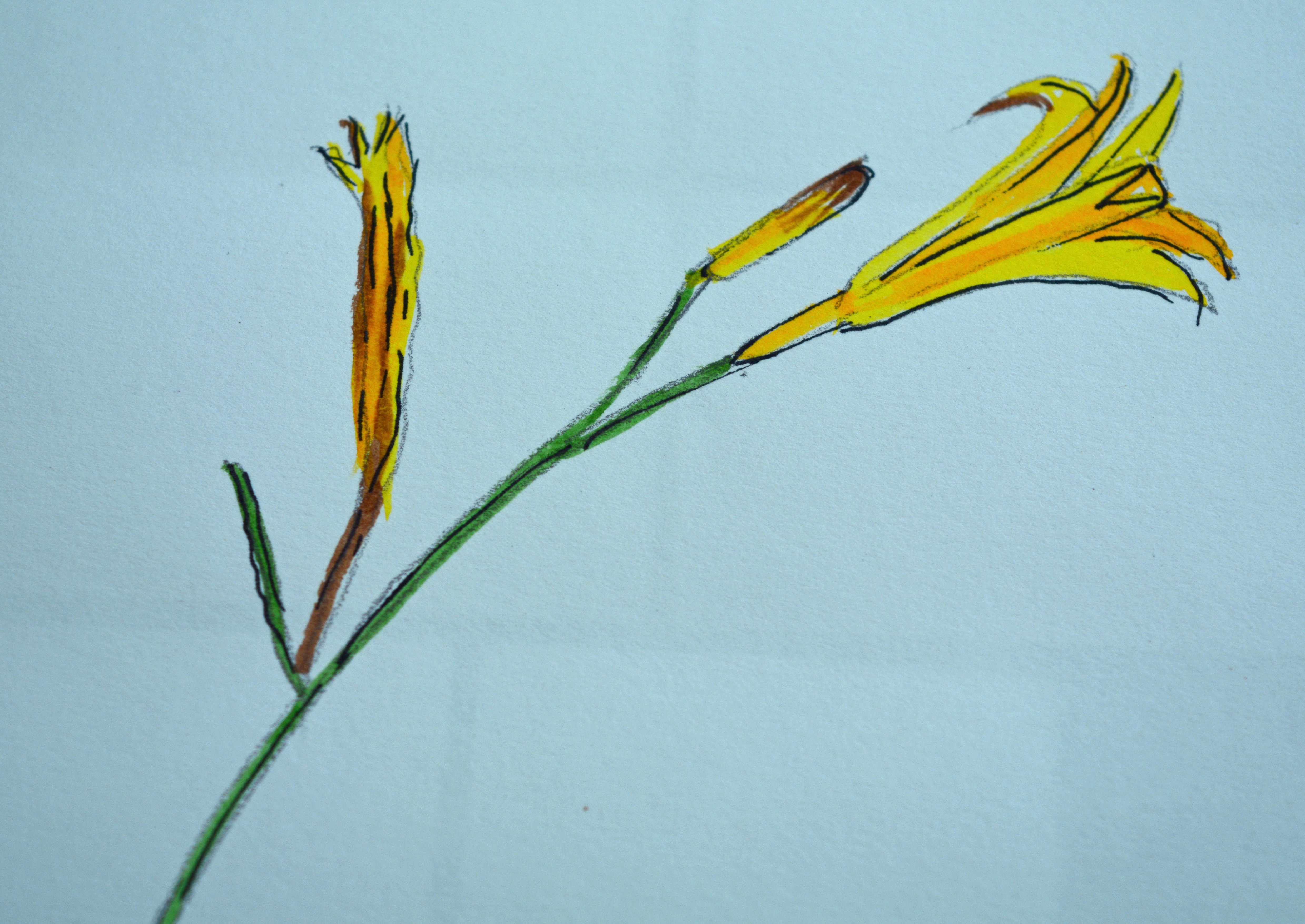
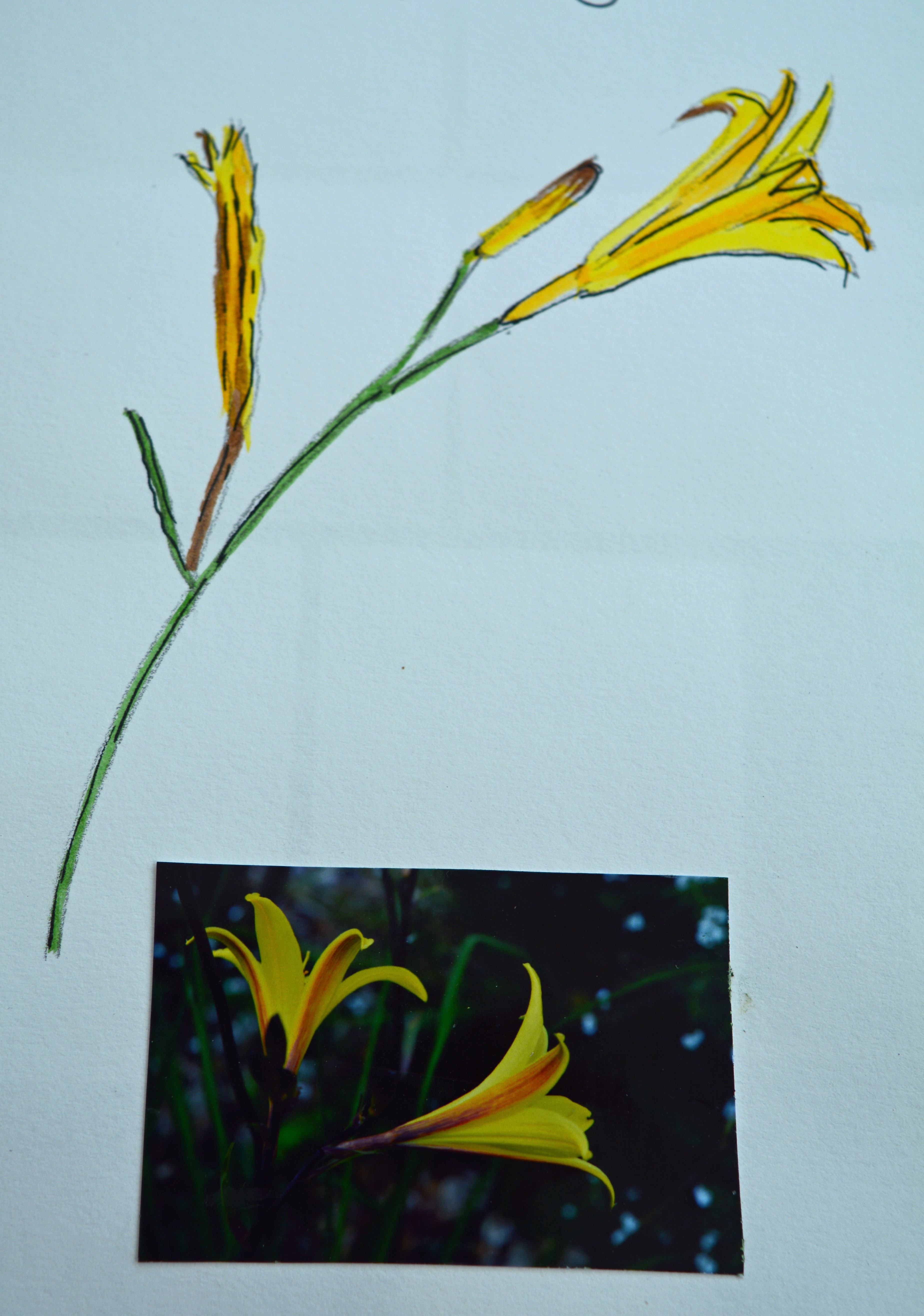
Turning over the page we find the final double page spread, which featured the first Hemerocallis and the first of our roses to flower. On the opposite page blossom was the star.

“The end of May sees the first Hemerocallis coming into flower, and the first of our roses which is a very late start.”


On the final page of my journal for May I featured photos of the fruit blossom which was looking so good and promising a healthy harvest later in the year.

“Fruit blossom this May was the best we can ever remember with apples, pears and quince flowering heavily. We await a great fruit crop!

“Bunches of apples will need thinning out more than ever before!”

So that is the end of my May journal, finishing off on a positive note as the garden feels so full of life.


Categories
colours flowering bulbs garden design garden photography gardening gardens grasses hardy perennials irises light light quality ornamental grasses ornamental trees and shrubs roses Shrewsbury Shropshire shrubs South Shropshire spring bulbs Winter Gardening winter gardens

My Garden Journal 2018 – February

Part two of my 2018 Garden Journal sees us still freezing cold and struggling to get time in the garden.

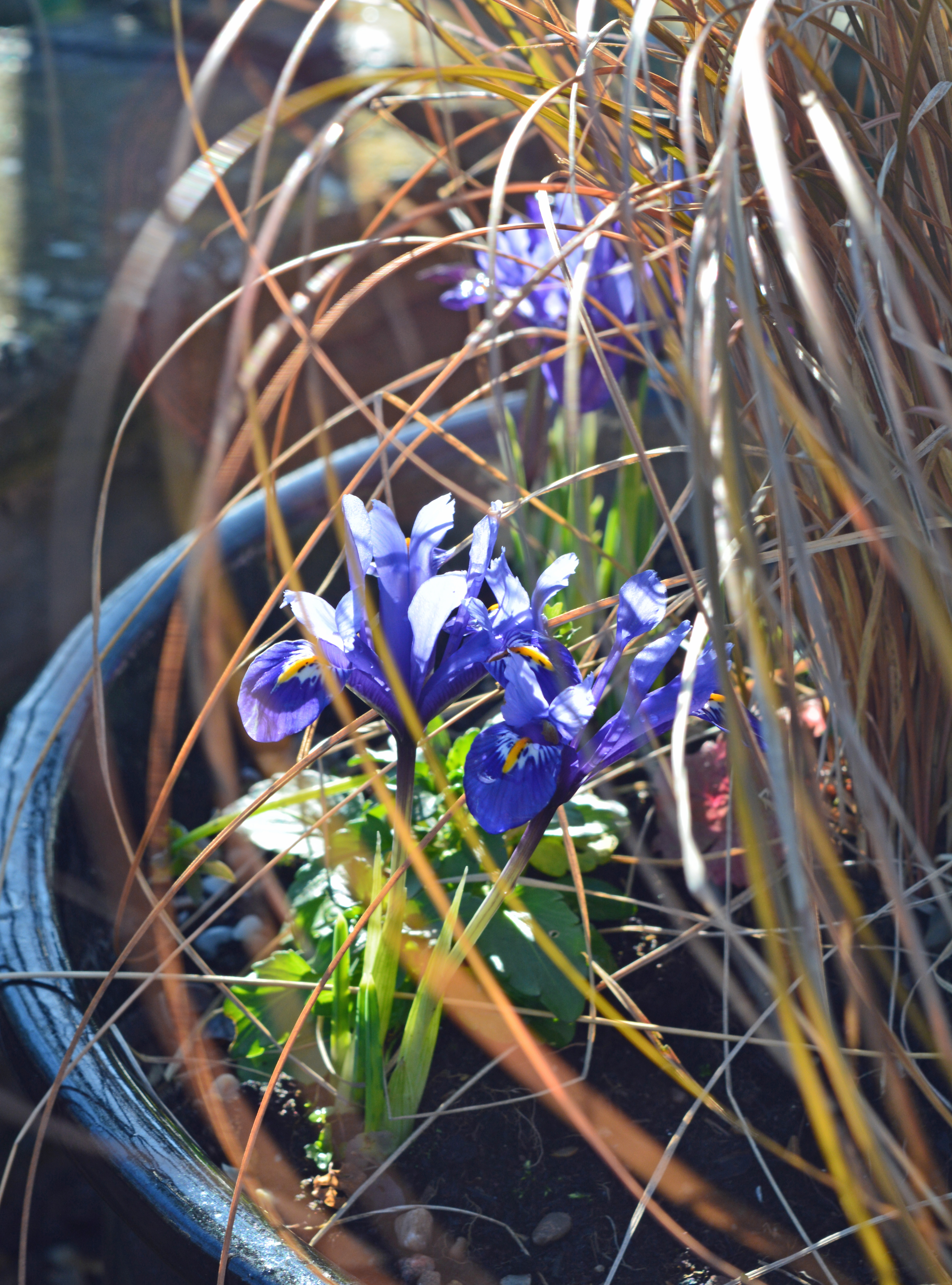
I opened my February entries by noting, “February is the month when we feel that the quality of the light improves and makes us feel better and there are definite signs of the days lengthening. Early bulbs begin flowering and others are showing strong leaf growth.”


I next sought out another quote from Dan Pearson’s book, “Natural Selection” and was pleased to find this one, “Making room for the winter garden is every bit as important as managing a garden that draws your attention in the dark months.”


Turning over to the next double page spread I write about newly acquired plants.


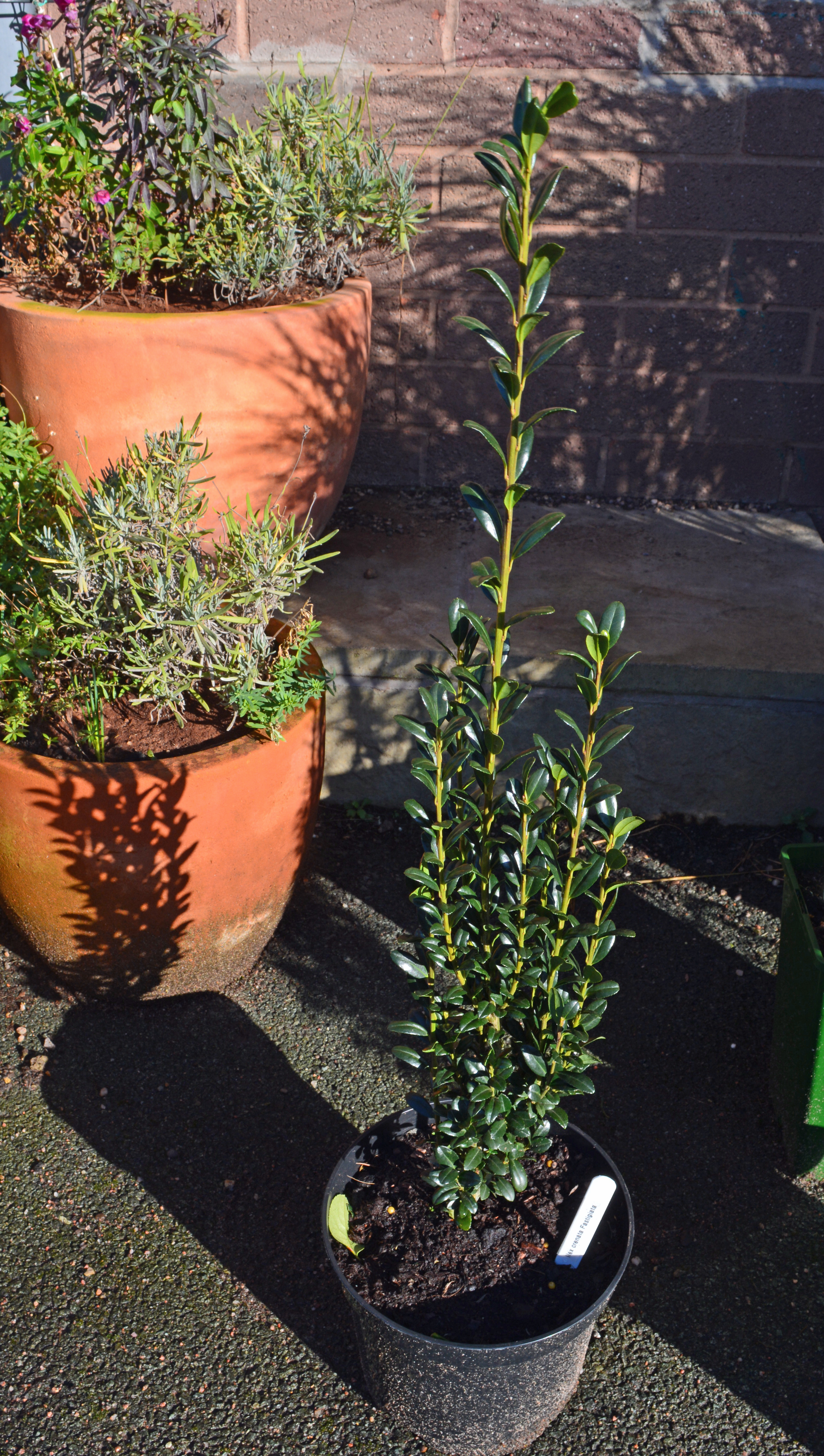
“It is always an enjoyable time planting newly acquired plants but it is an extra-special experience doing so in February. We were delighted to find good healthy specimens of two fastigiate plants, a Taxus baccata “Fastigiata Robusta” and an Ilex crenata “Fastigiata”. The only two fastigiate plants we have already established at Avocet are a Berberis and an Oak, Berberis thunbergia fastigiata atropurpurea “Helmond Pillar” , (a tall thin shrub  with a long thin name!” and Quercus palustris “Green Pillar” which despite its name is grown for its deep red autumn colour.”


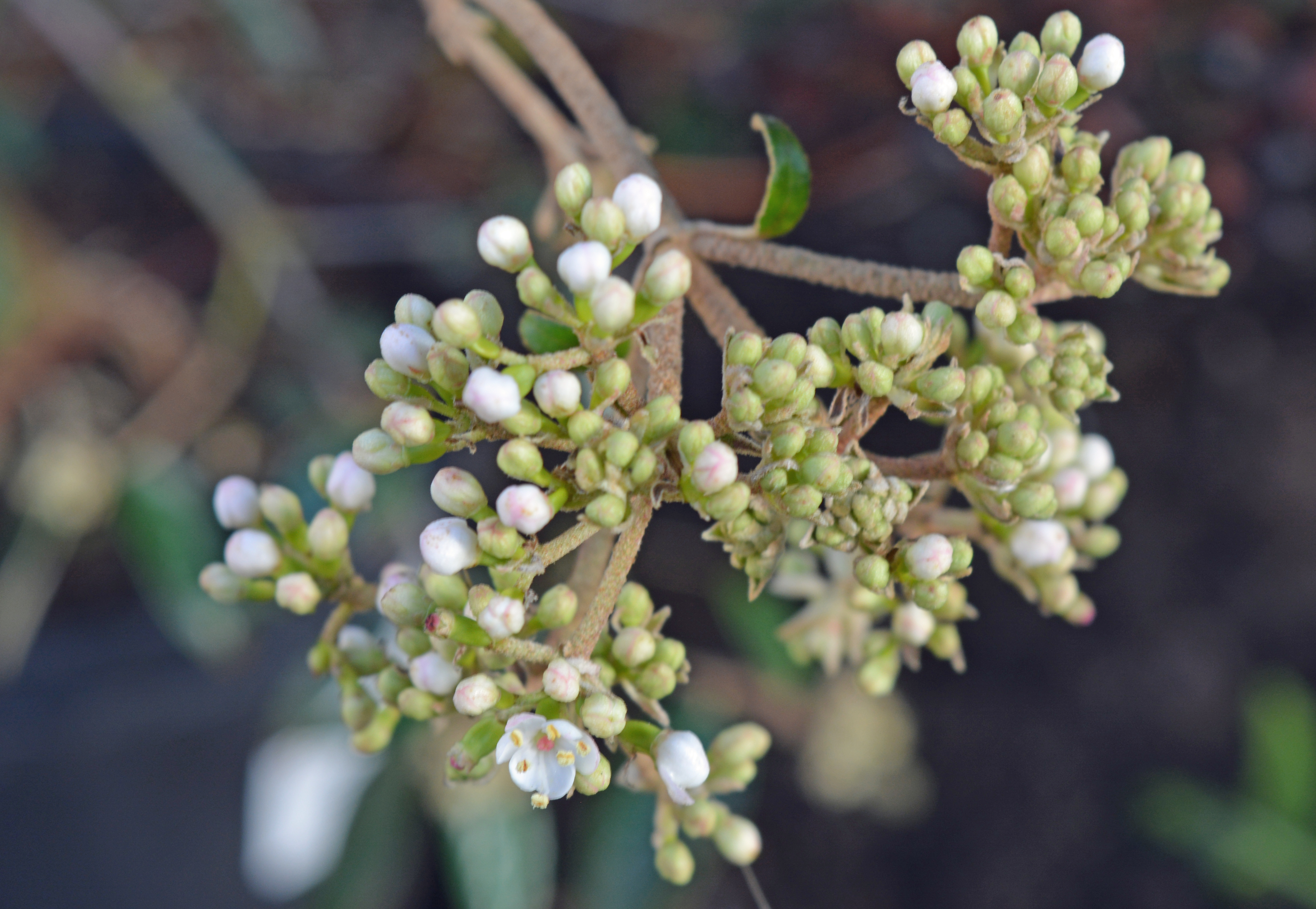
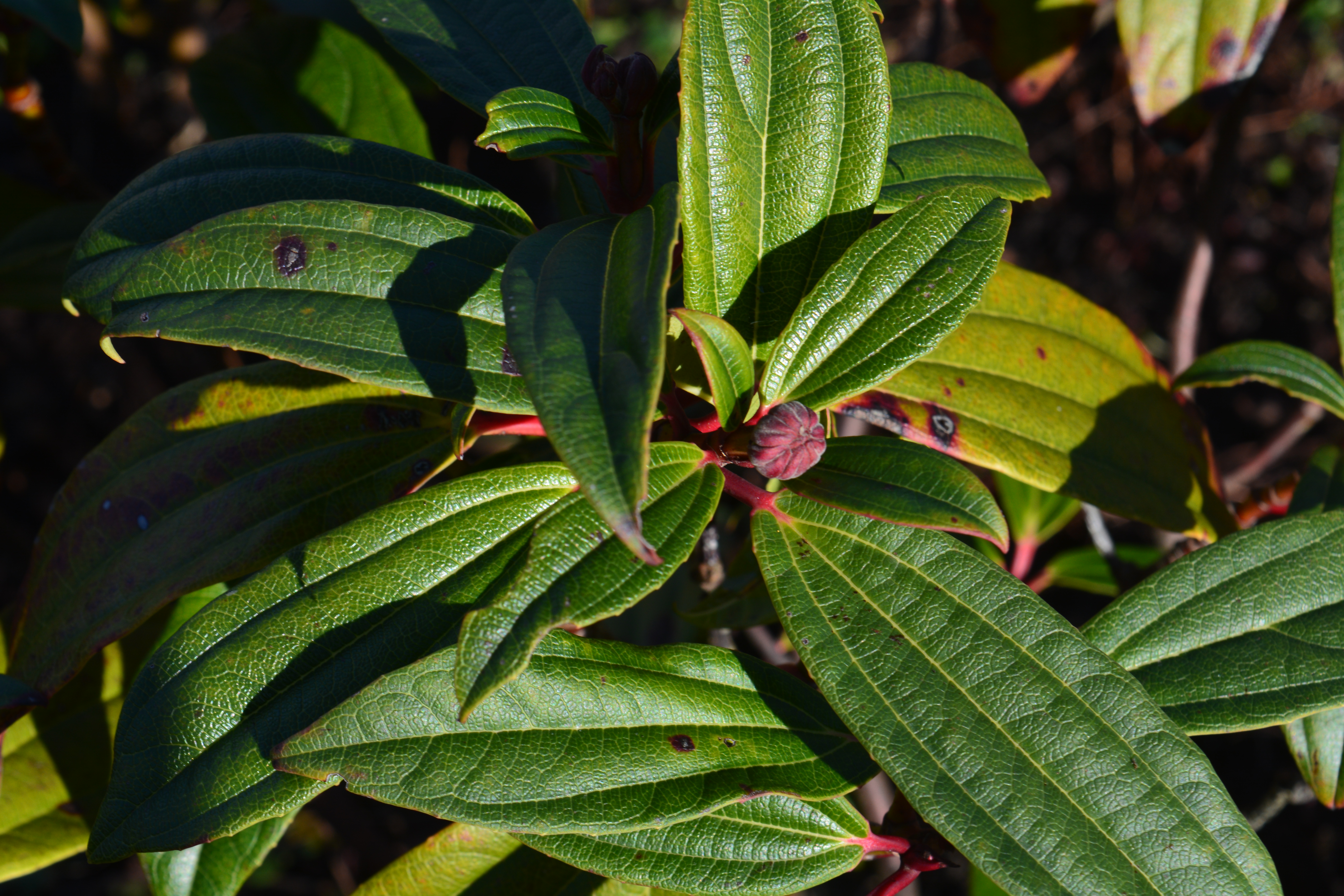
We also recently planted a Viburnum with a very different growth habit to our fastigiate purchases. It is a low growing shrub with a very open, airy growth and sweetly scented flowers in April. It is also described as “almost evergreen”, so we will wait and see exactly how ours behaves. We already have a good collection of Viburnums around our Avocet patch.”


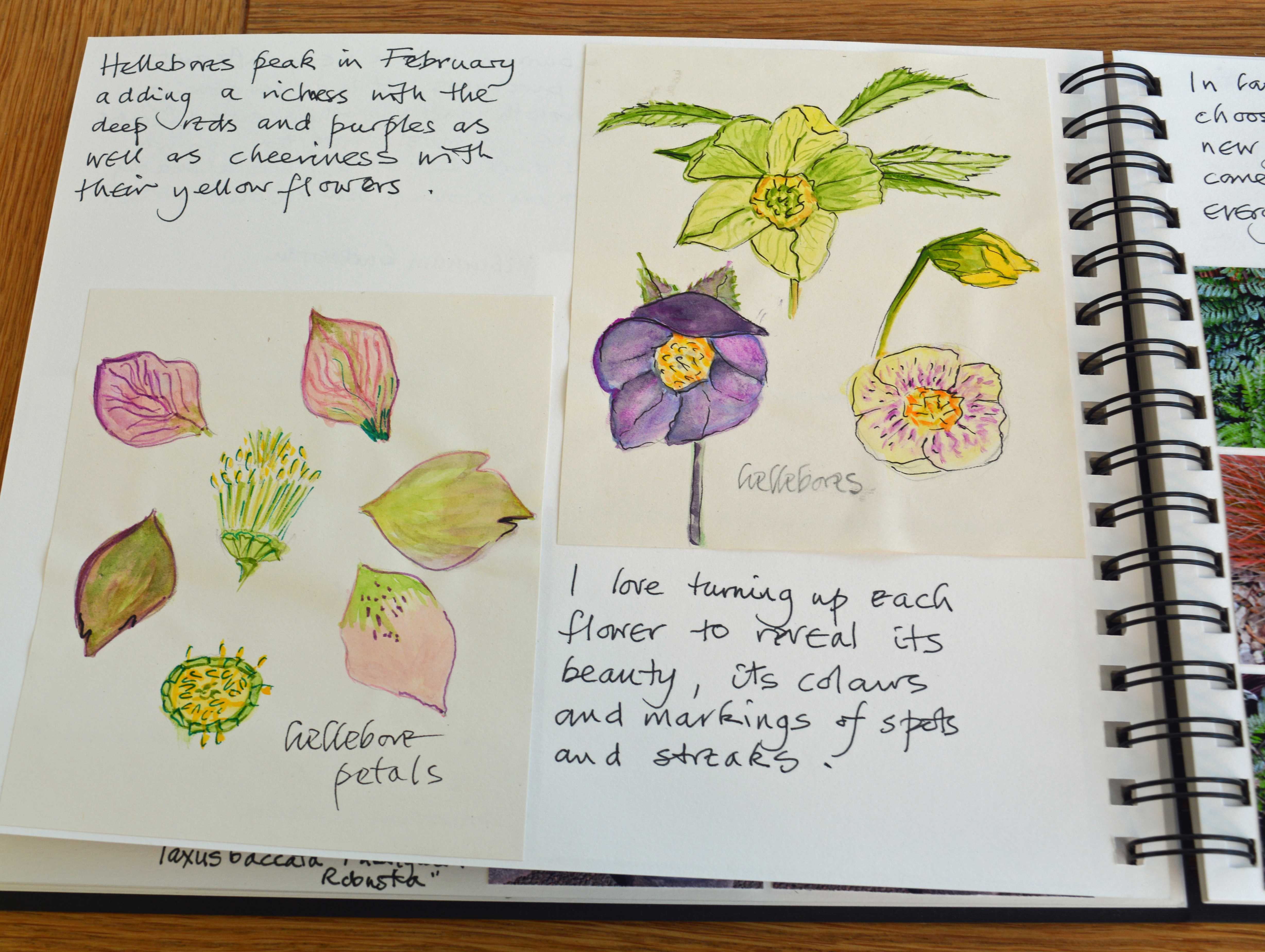
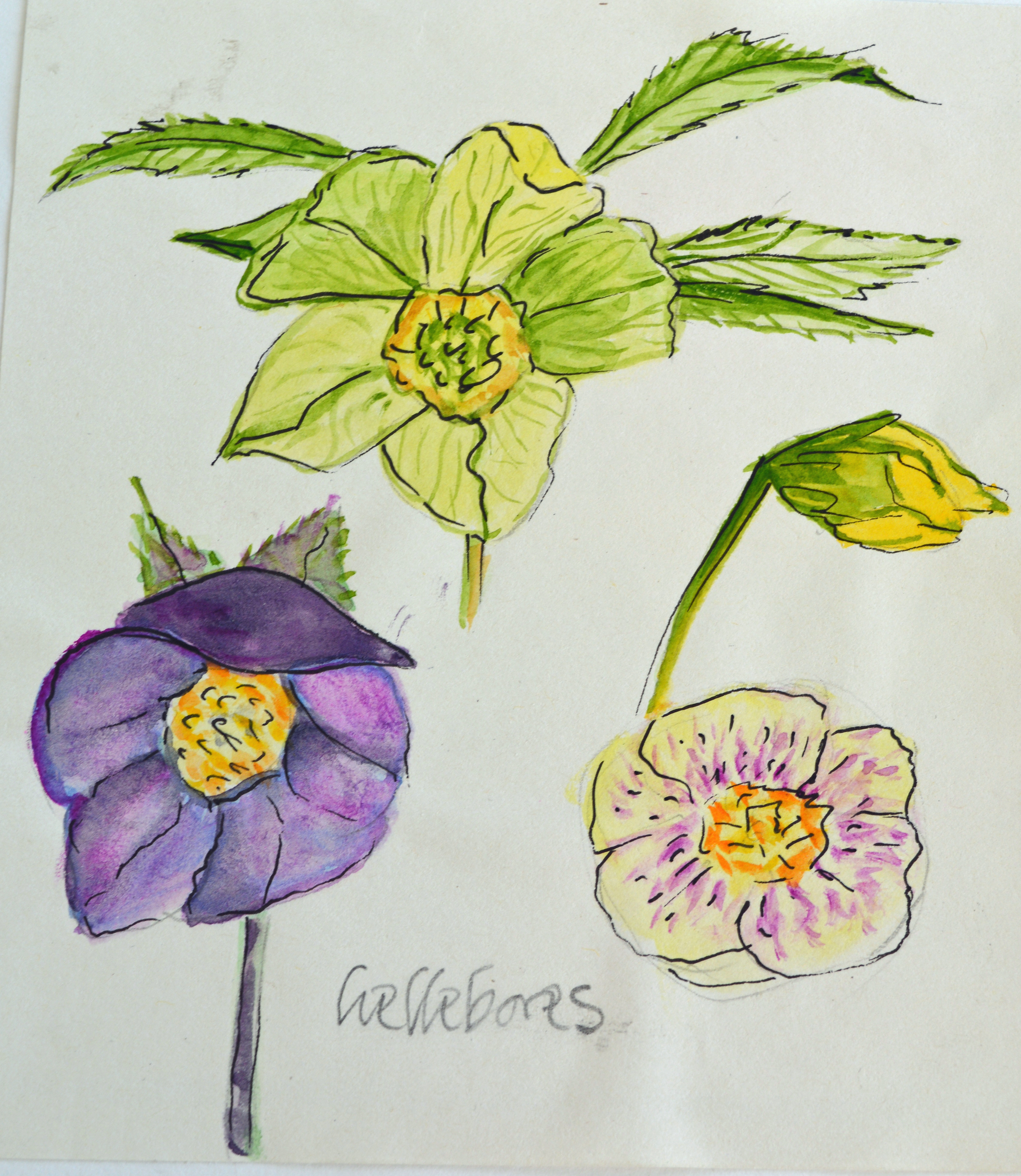
Some of my watercolour sketches of Hellebores and details of their petals feature on the next page.


“Hellebores peak in February adding a richness with the deep reds and purples as well as cheeriness with their yellow flowers.”

“I love turning up each flower to reveal its beauty, its colours and markings of spots and streaks.”


On the opposite page I looked at some of our grasses with winter interest and share some photos of them.

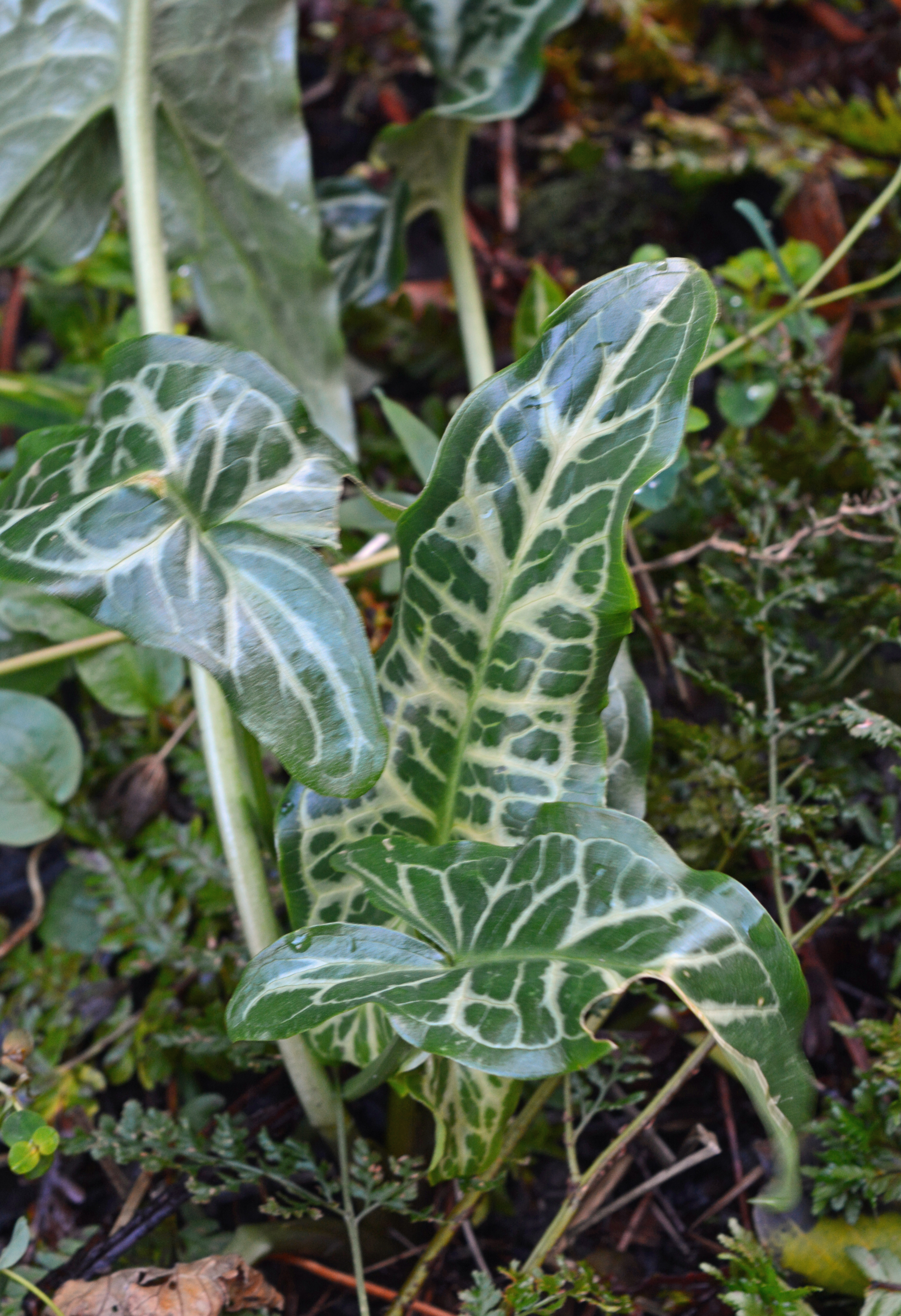
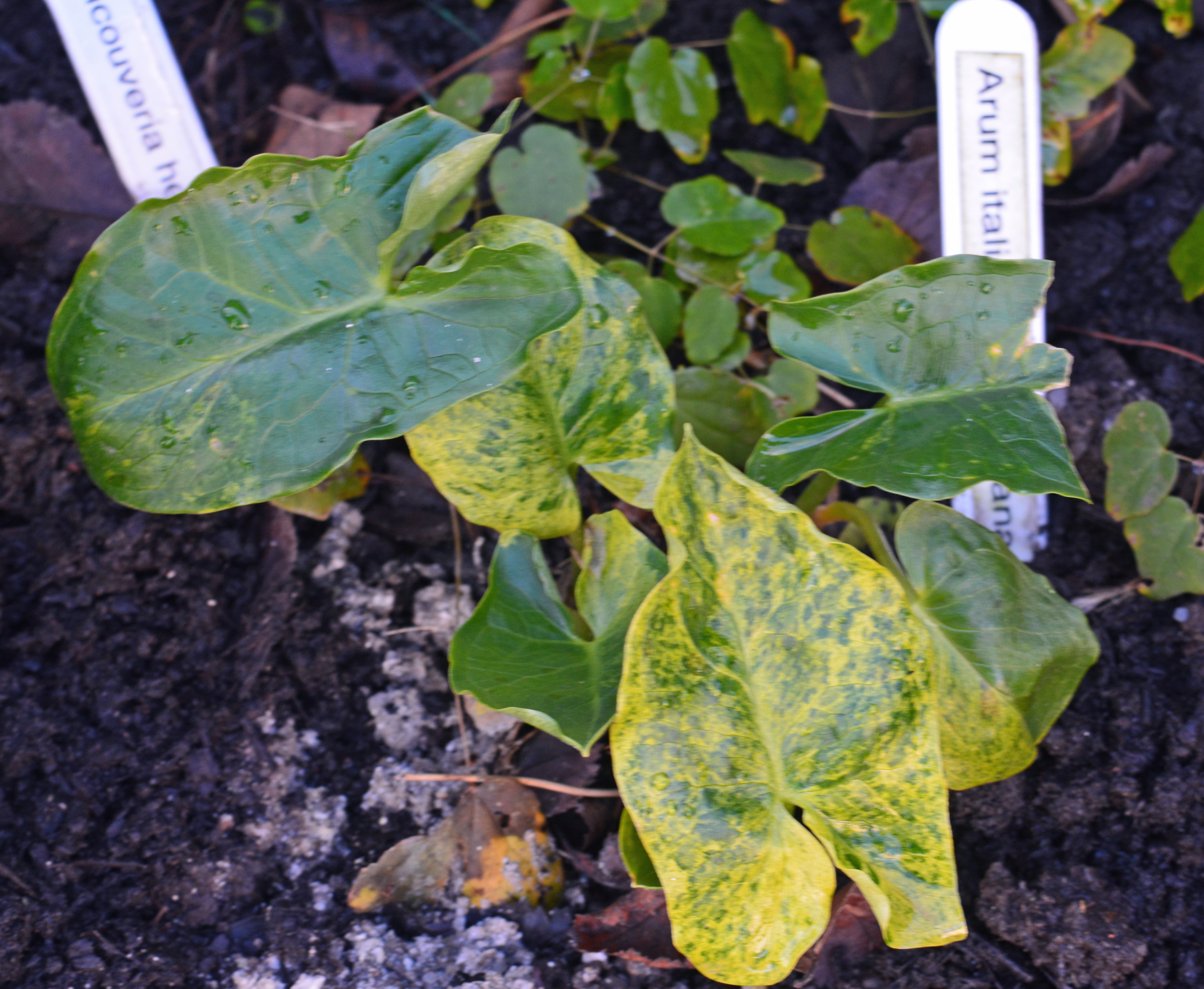
“In late February we begin to cut down “deciduous” grasses, choosing the right time to avoid cutting through this year’s new growth. Evergreen grasses especially varieties of Carex  come into their own especially when partnered with evergreen foliage plants such as ferns, bergenias and arums.”


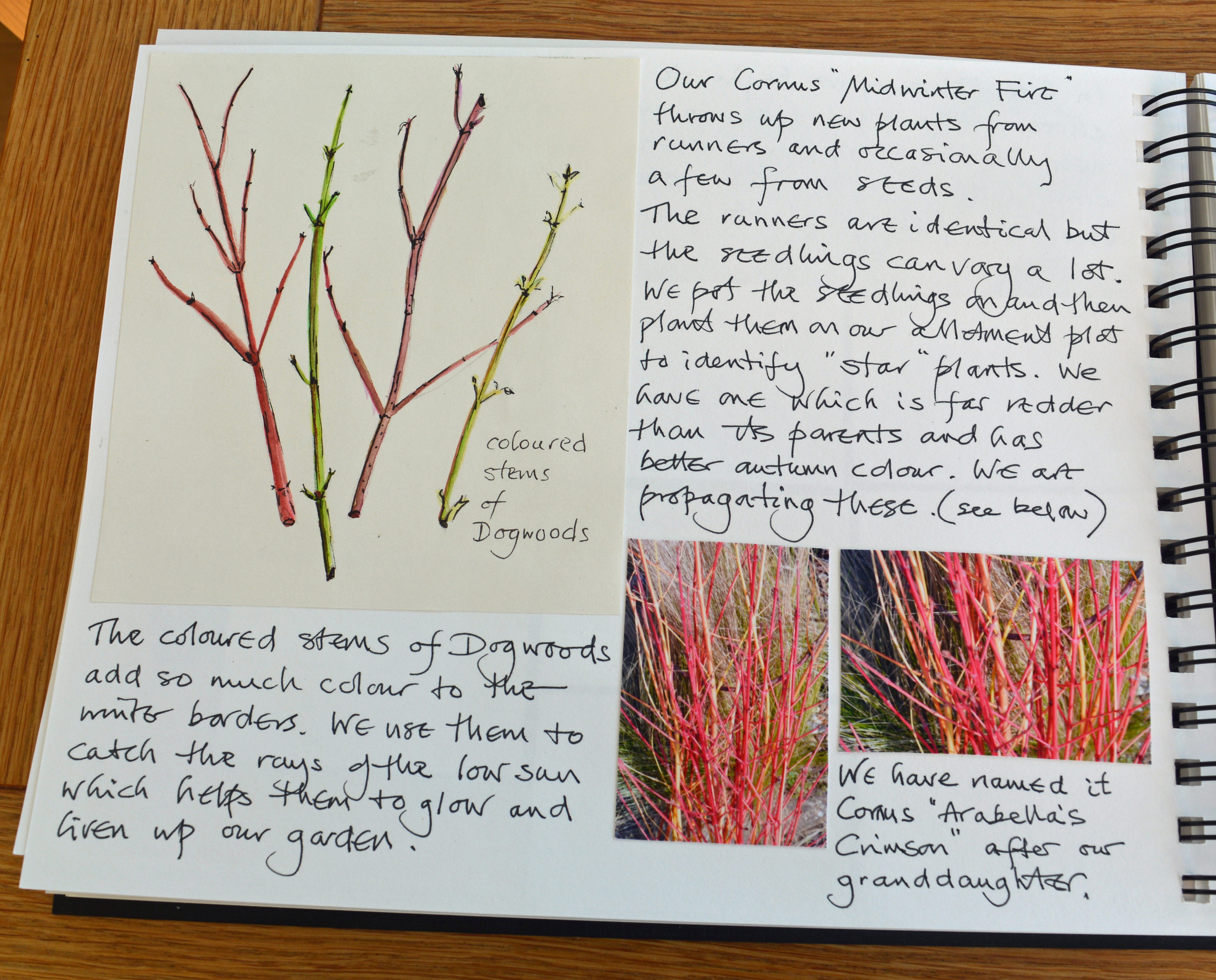
Moving on to the final double page spread for February, I considered coloured stemmed Dogwoods and a look at roses as they give their final points of interest before they are pruned and begin to grow anew for this year.

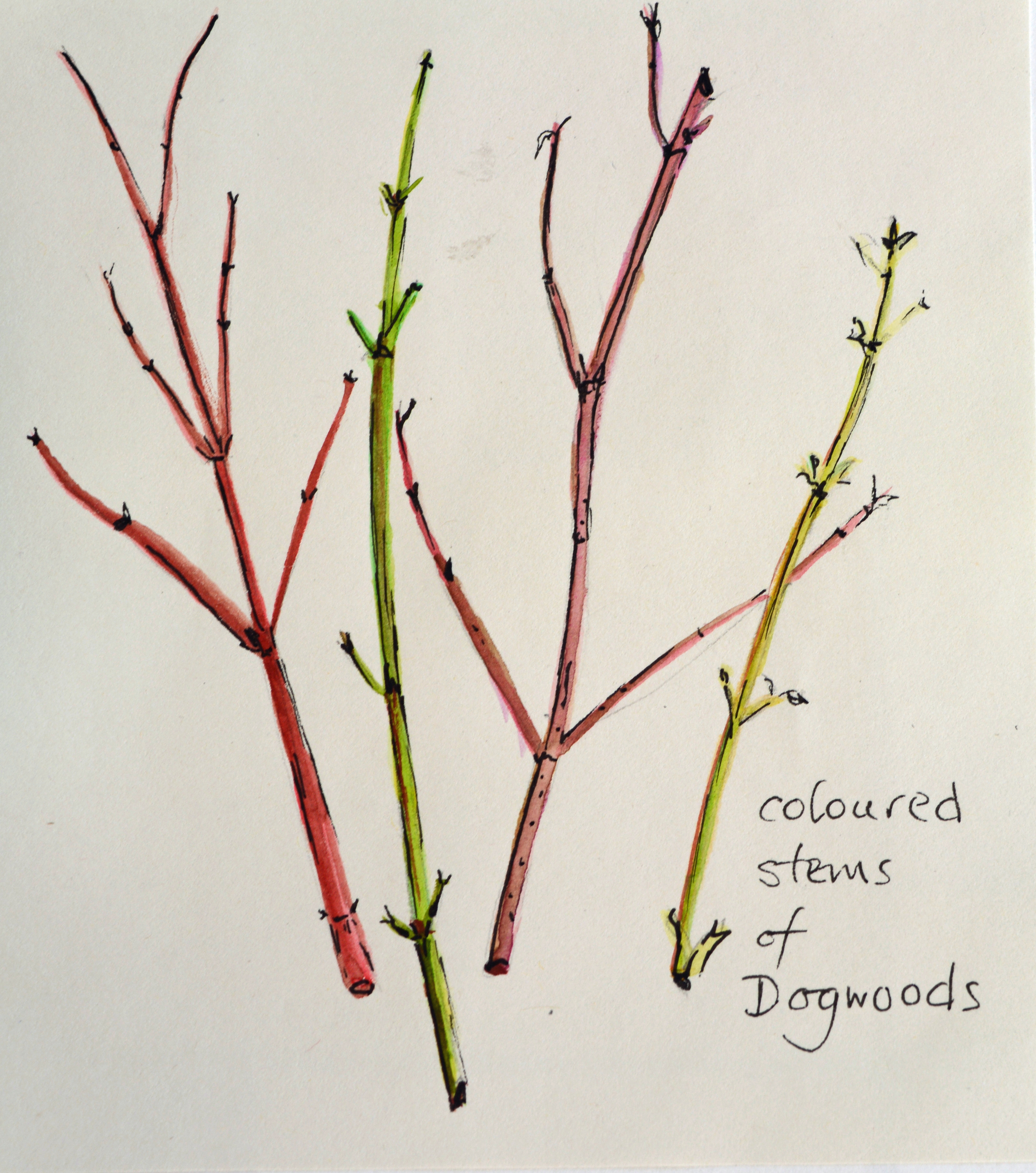
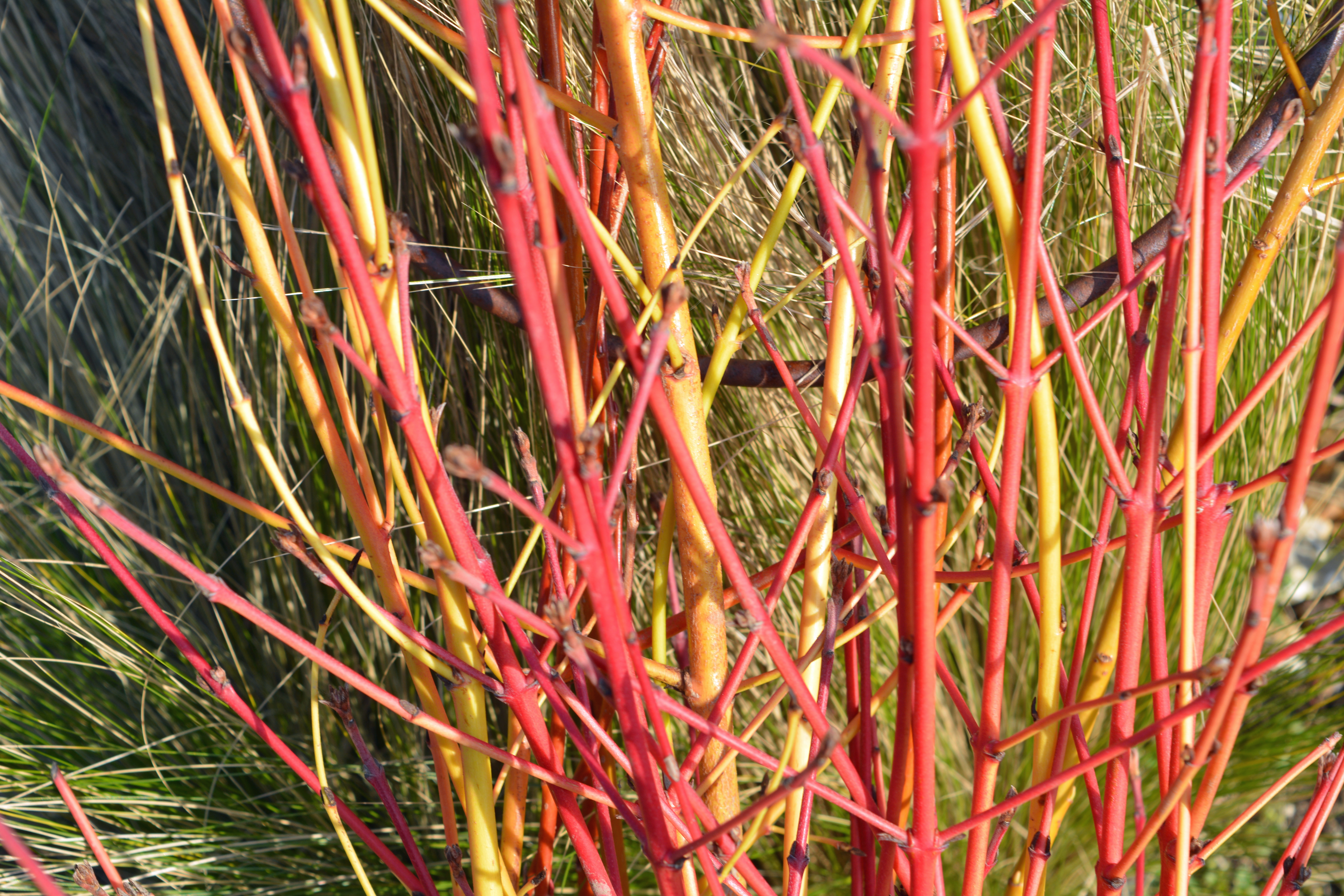
“The coloured stems of Dogwoods add so much colour to the winter borders. We use them to catch the rays of the low sun which helps them to glow and liven up our garden.”


I finished off my February journal entries by featuring roses and a very special plant, special because it is a dogwood that occurred in our garden as a chance seedling of Midwinter Fire crossed with one of our other Cornus plants. We have grown it on and now take lots of cuttings hoping to bulk it up. We hope to be able then to sell them at our open days. Very exciting!

I wrote, “Our Cornus Midwinter Fire throws up new plants from runners and occasionally a few from seed. The runners are identical to the parent plant but the seedlings can vary a lot. We pot the seedlings on and then plant them out on our allotment plot to allow us to identify “star plants”. We have one which is far redder than its parents and has better autumn colour. We are propagating these (see below). We have named it Cornus “Arabella’s Crimson” after our granddaughter.”

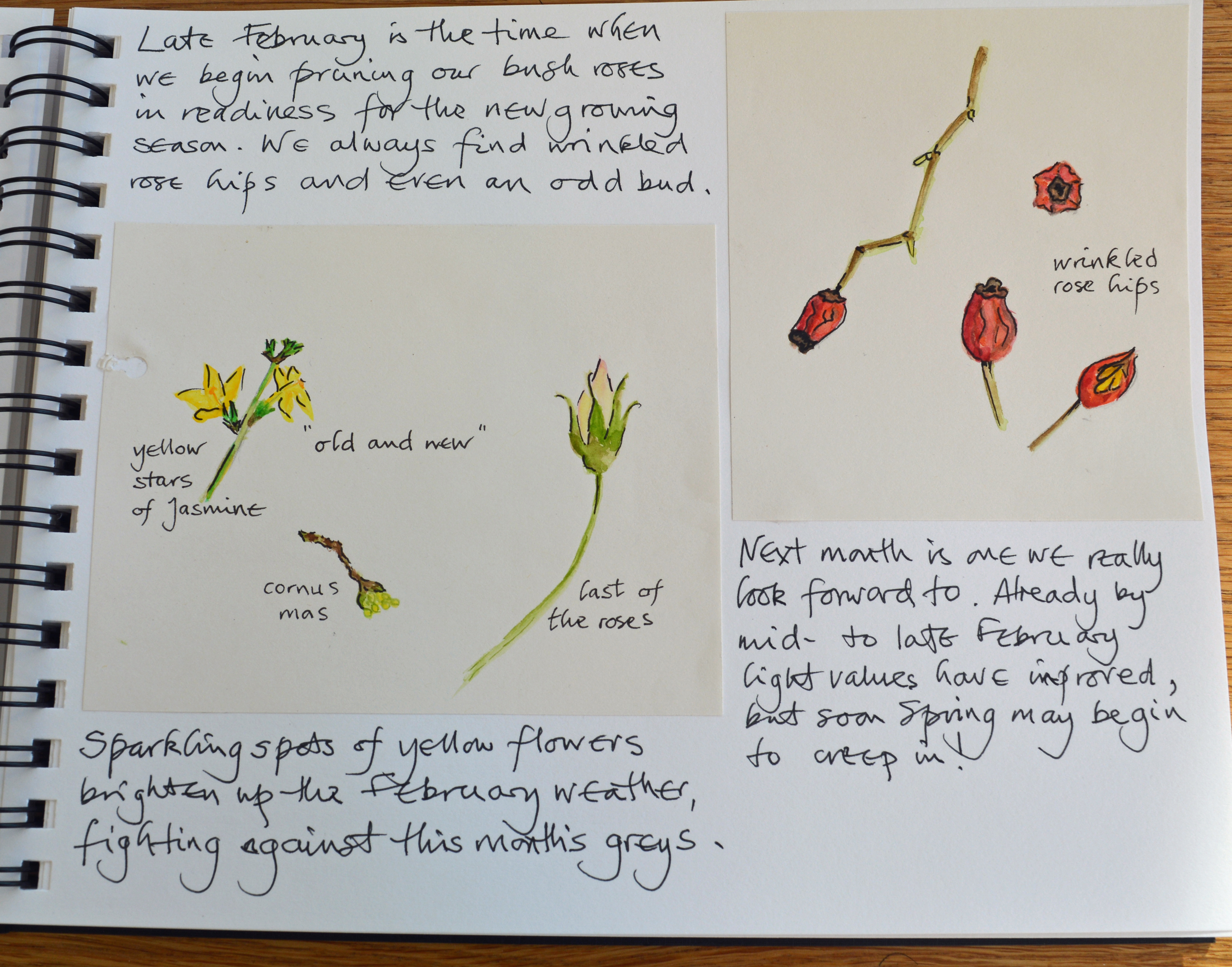
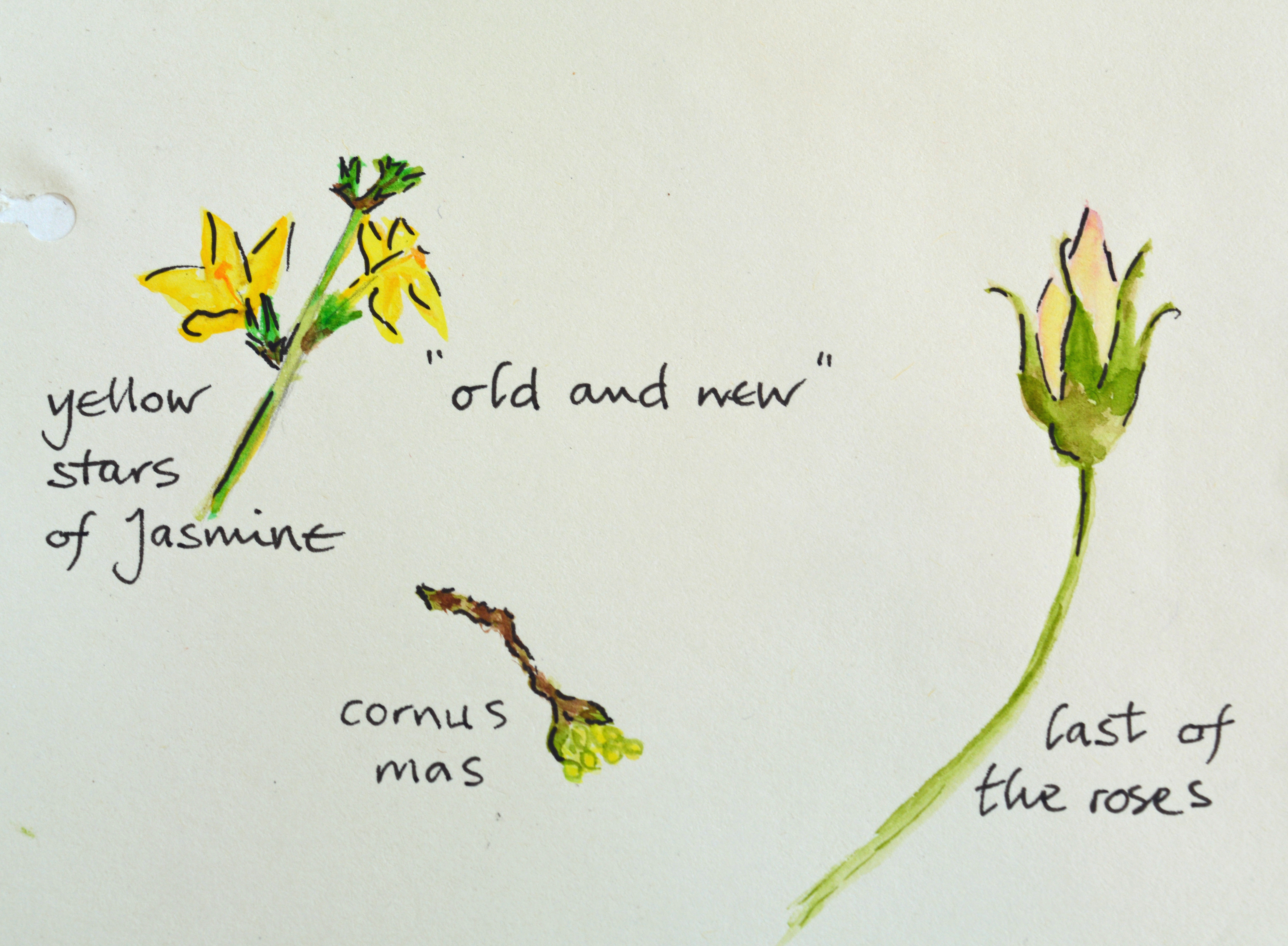
My final page is about roses and yellow flowers of the February garden. The yellow flowers are Jasminum nudiflorum, Cornus mas and a pale yellow rose bud. I wrote “Sparkling spots of yellow flowers brighten up the February weather, fighting against this month’s greys.”

“Late February is the time when we begin  pruning our bush roses in readiness for the new growing season. We always find wrinkled rose hips and even the odd flower bud.
 

“Next month is one we really look forward to. Already by mid-February light values have improved, but soon Spring may begin to creep in!”


Categories
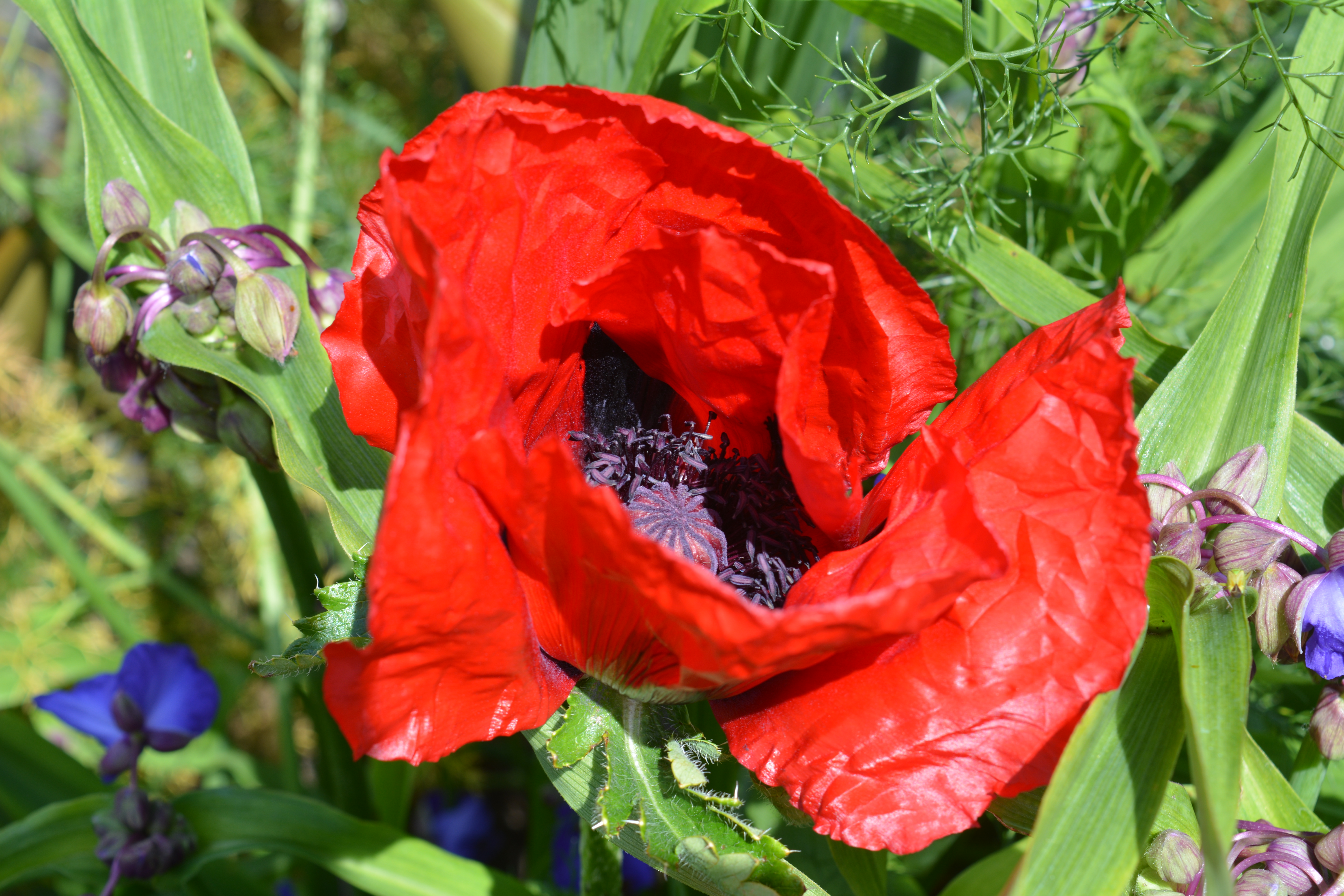
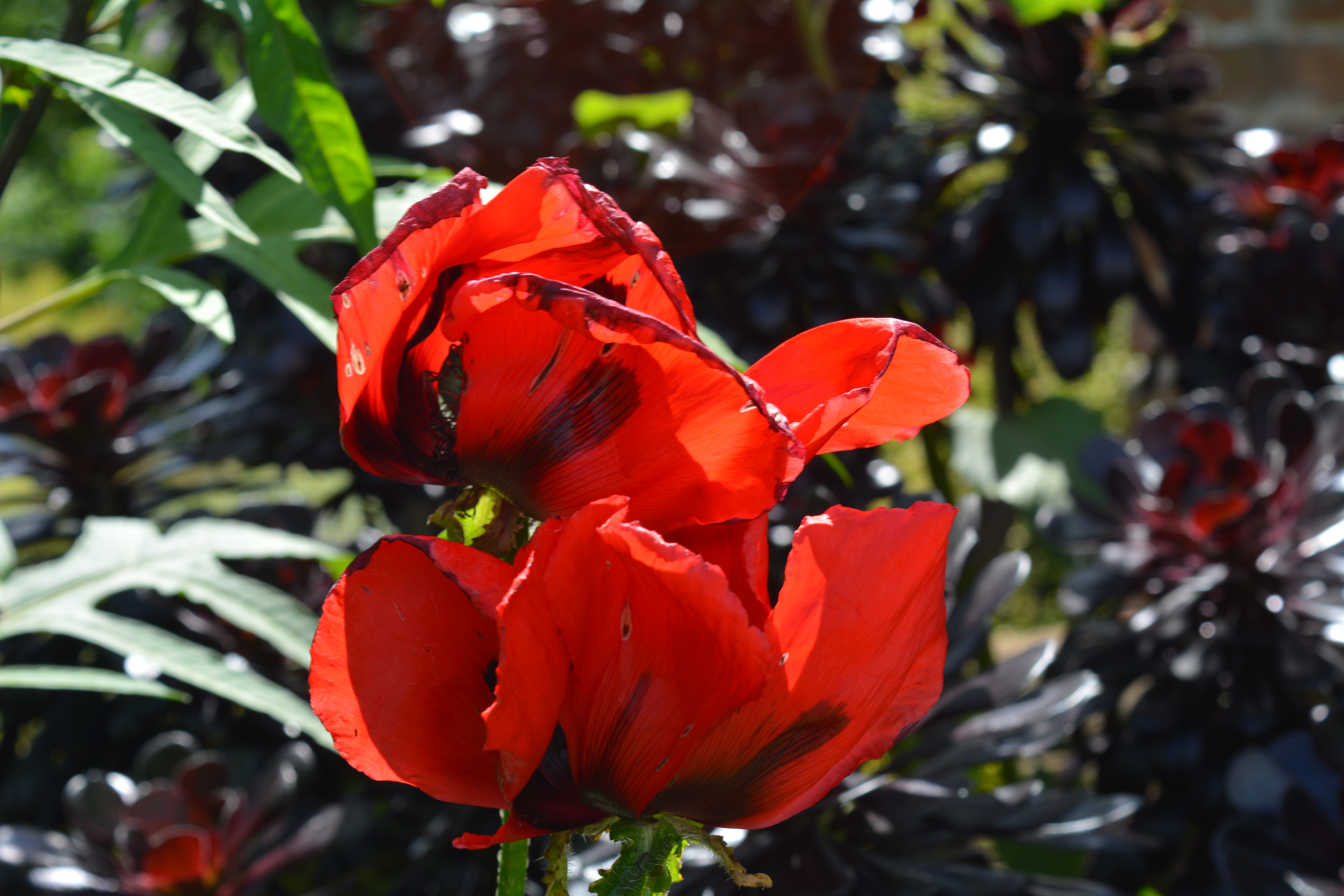
climbing plants colours garden design garden photography gardening gardens gardens open to the public half-hardy perennials hardy perennials meadows National Trust ornamental grasses ornamental trees and shrubs poppies roses The National Trust

Packwood – one of the stars of the National Trust.

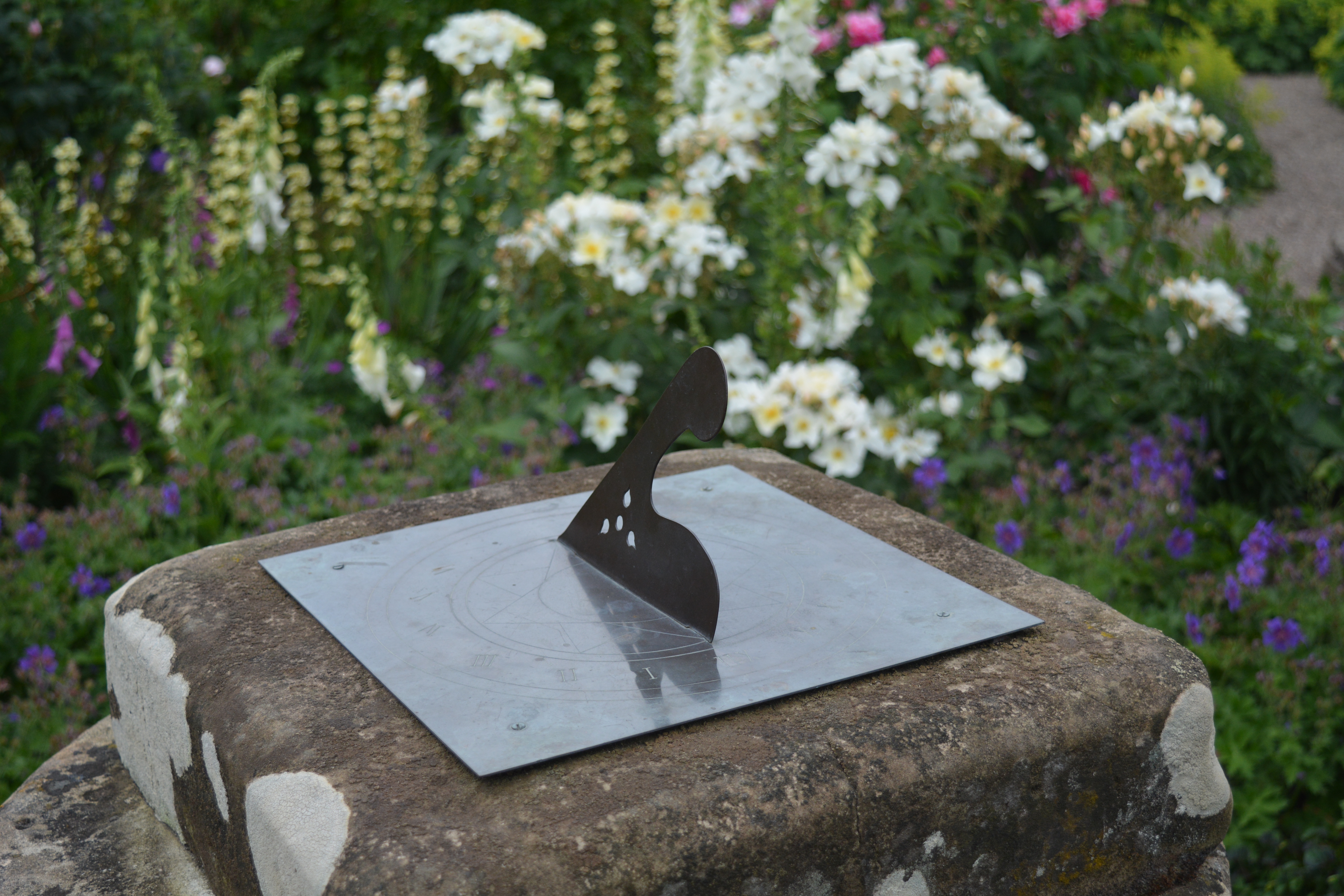
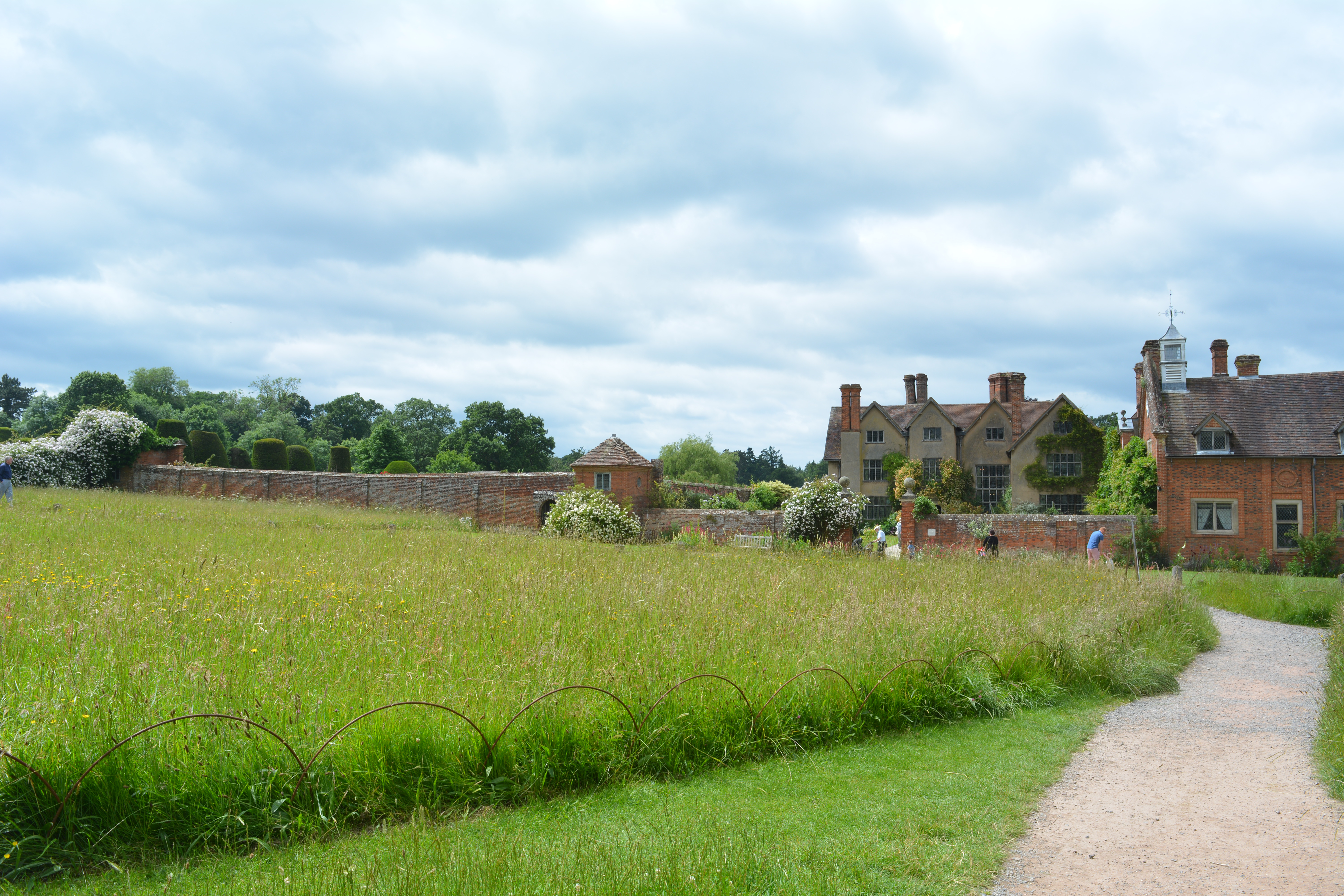
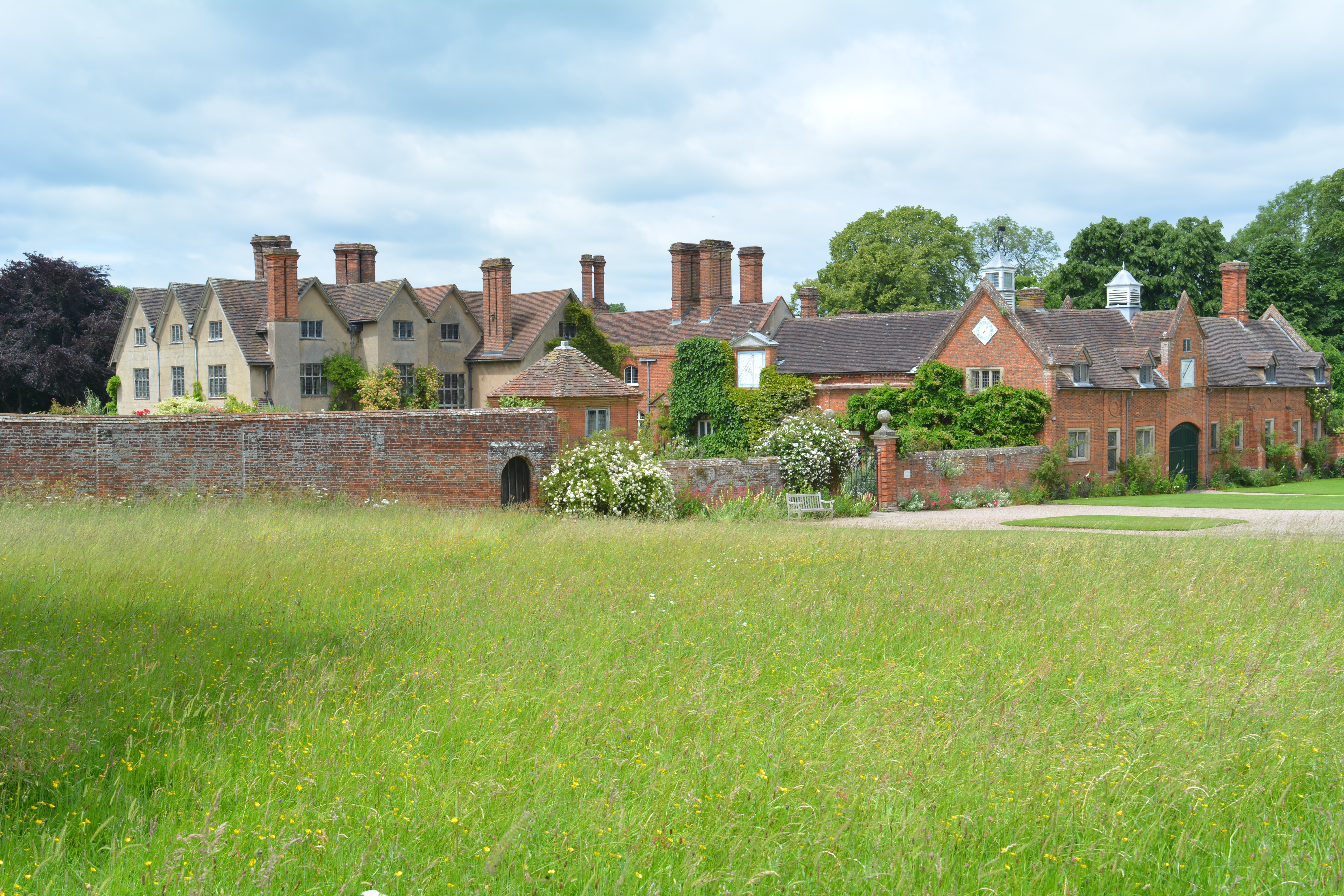
We have held memberships of the National Trust for over 40 years and one of the first we took our two children to was Packwood Hall. Packwood is now a firm favourite and we made a visit again this year. The welcome sign describes Packwood as “a house to dream of, a garden to dream in”. We were only intending to look at the house from the outside and mainly intended to explore the garden in greater detail. Packwood is well known for its unusual collection of sundials.


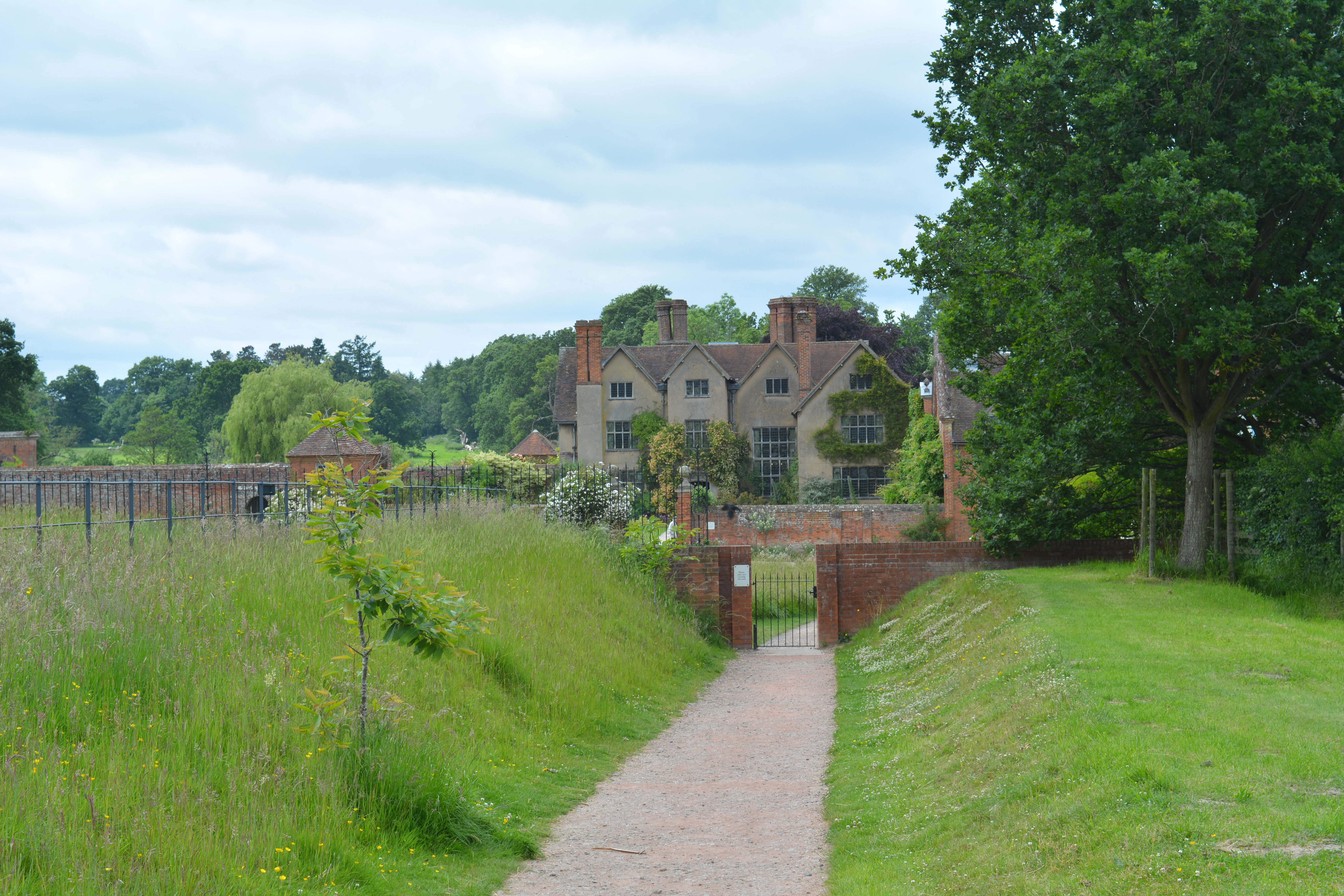
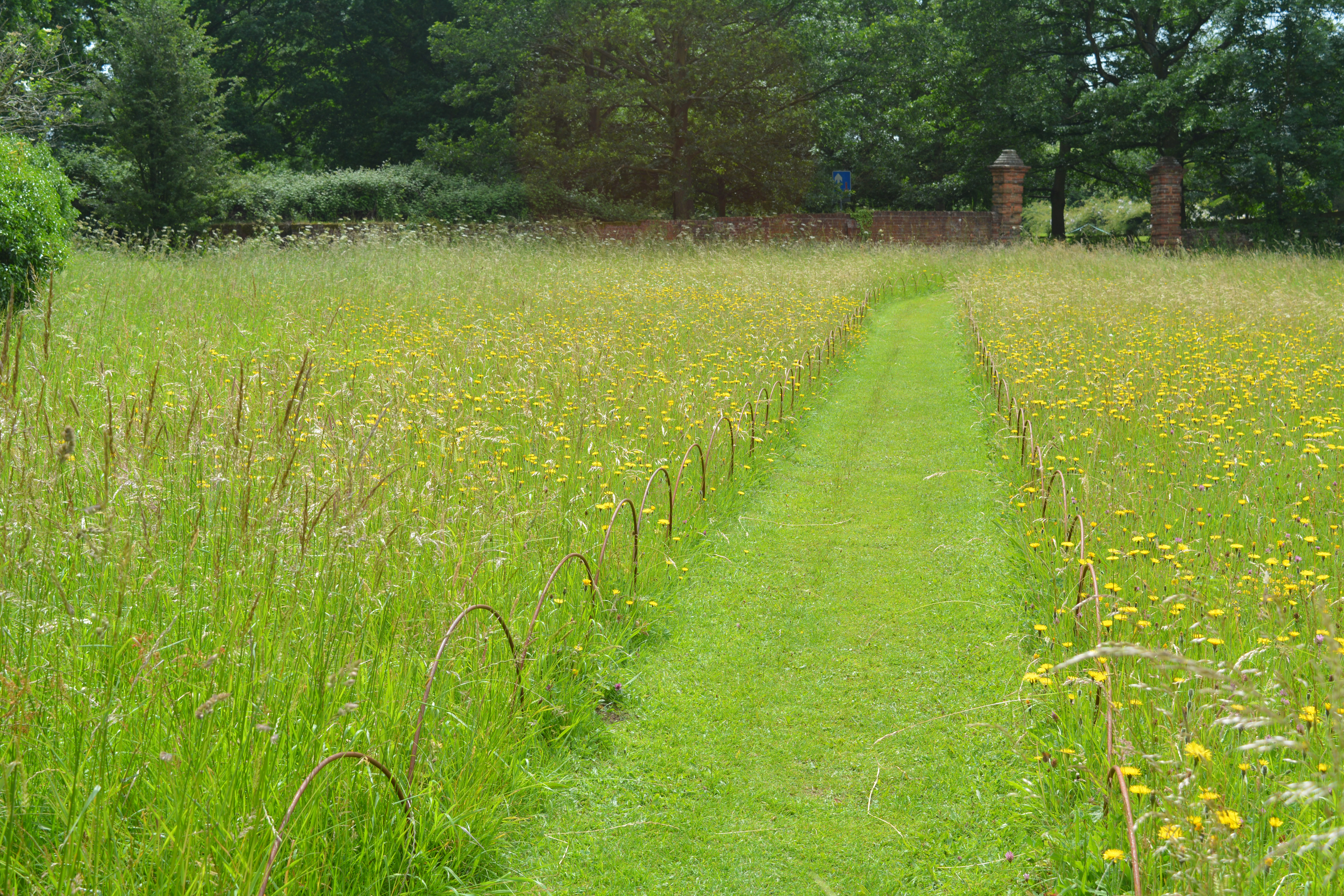
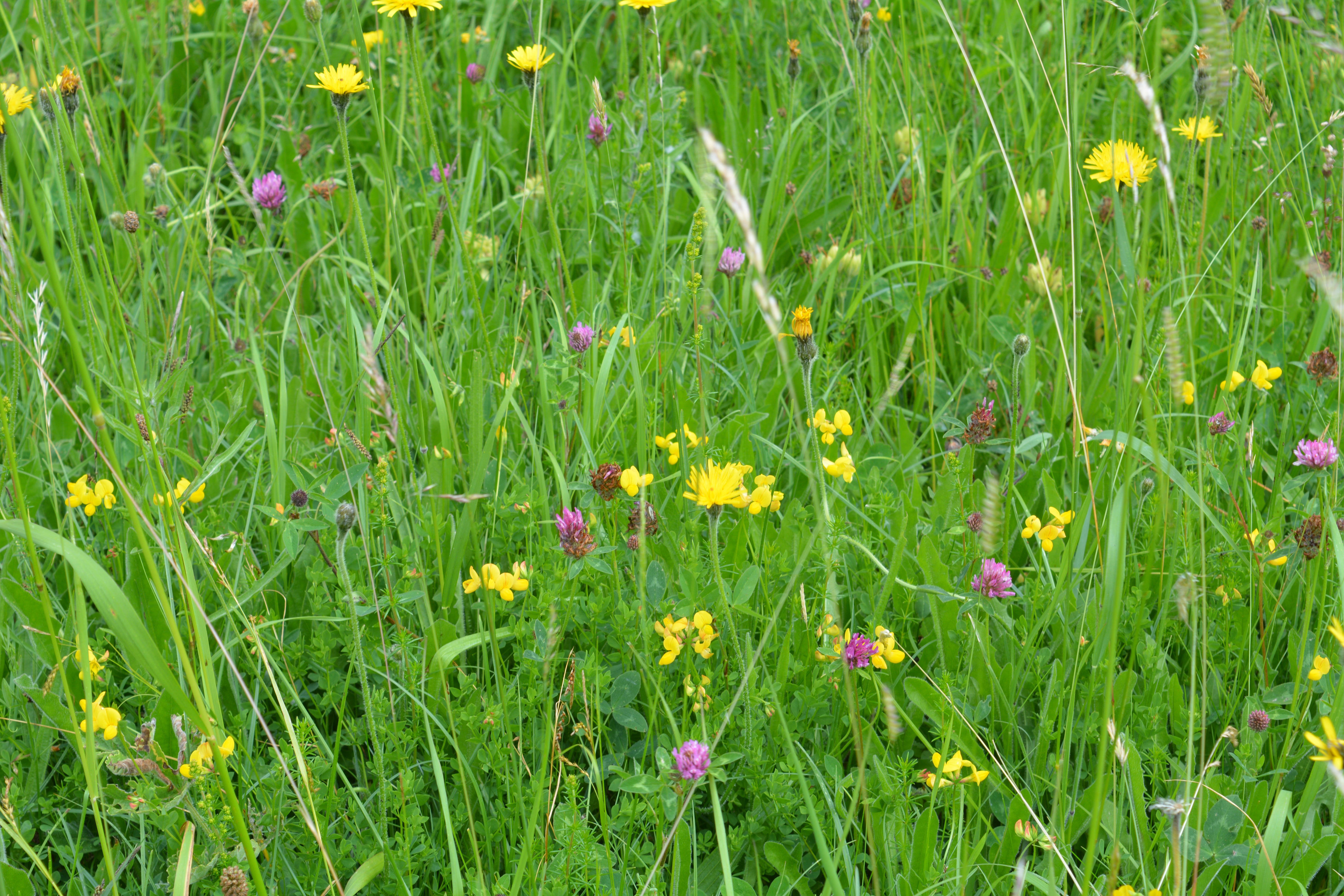
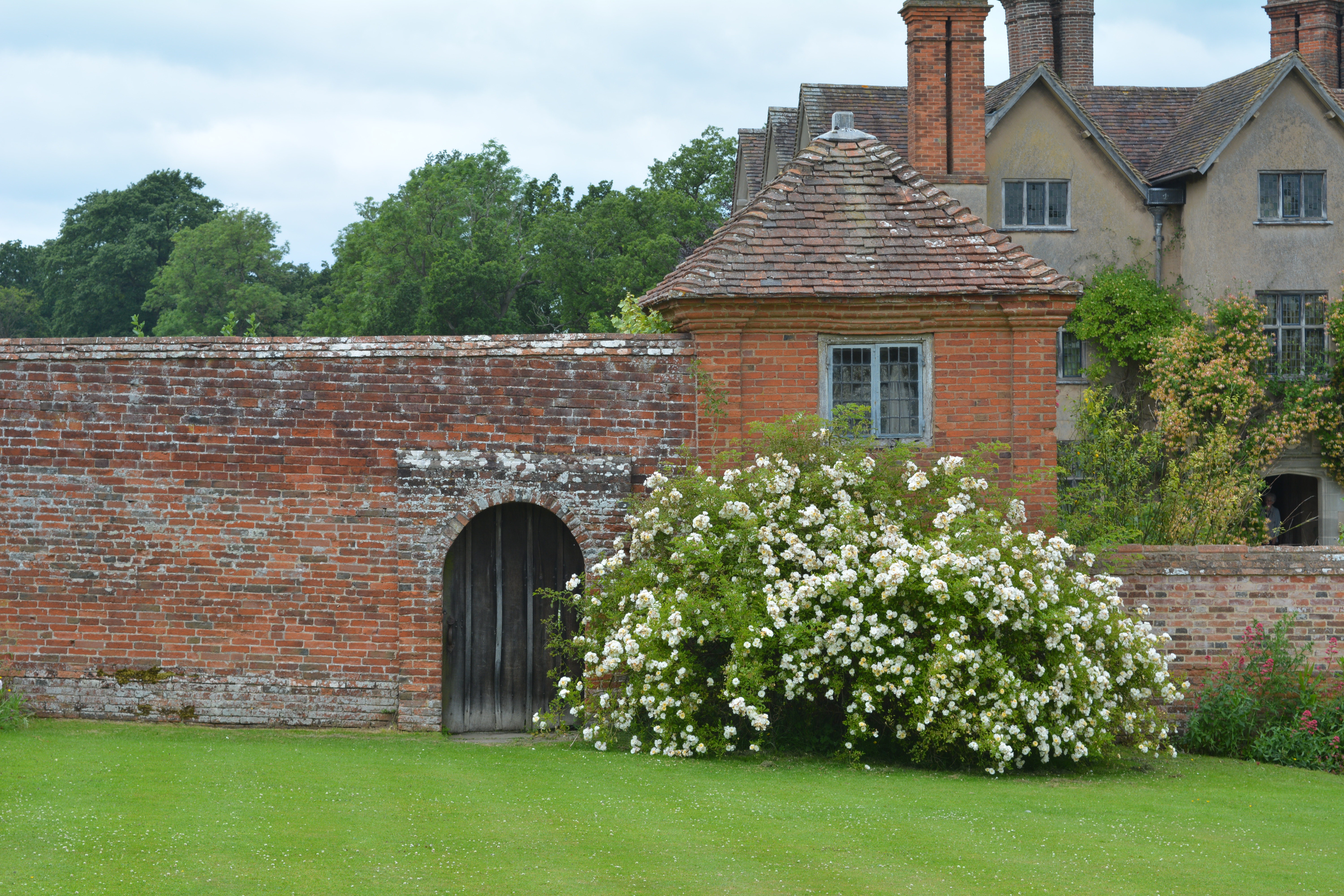
The approach to Packwood is one of the most welcoming we have ever come across, passing through wildflower meadows and impressive gateways.


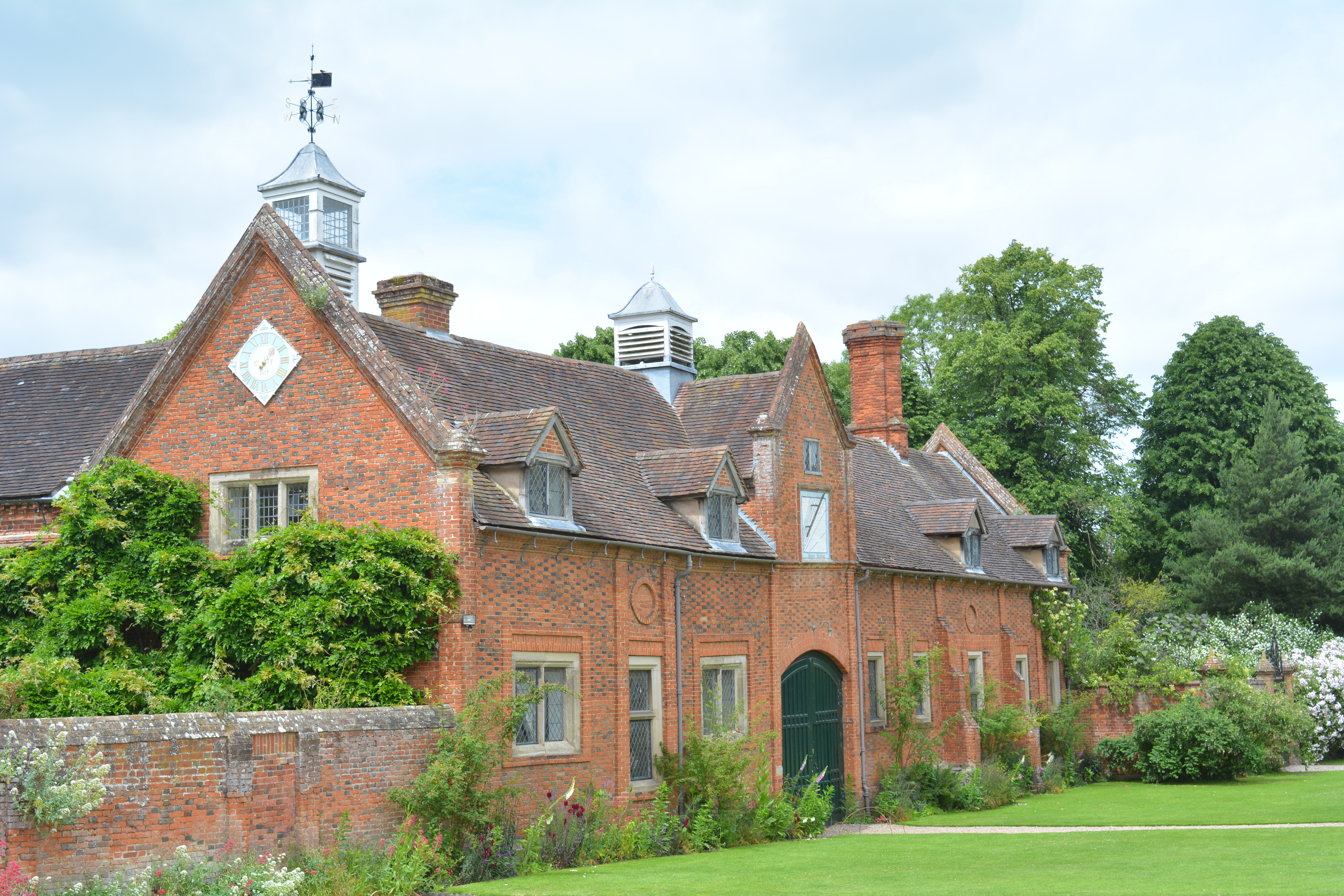
Once we had passed through a few of these gateways and archways we discovered colourful well-designed borders full of herbaceous perennials and roses. Much of the planting had been chosen to attract wildlife, predators and pollinators.


The gardens were well structured, divided into garden rooms with different characters and atmospheres in each. In one formal lawn area we came across a rectangular sunk garden built from limestone and its borders were planted with plants that enjoyed the dry well drained soil. These plants provided a strong contrast to the lush look of the rest of the gardens.


Lush planting was prevalent elsewhere throughout the garden making for an atmosphere of excitement. There were wonderful individual plants to be found as well as well designed borders.


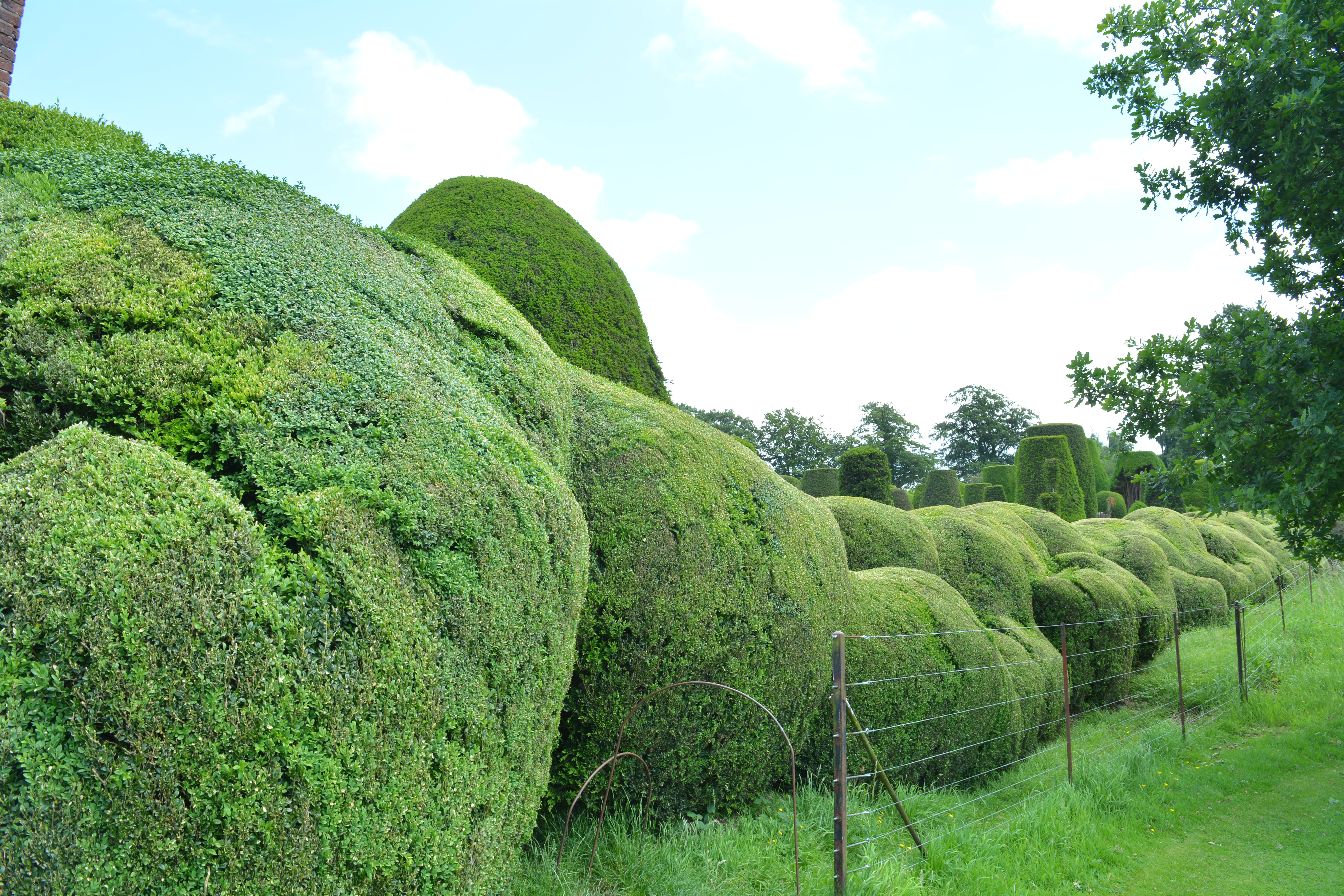
A well-known aspect of the gardens at Packwood is its topiary, especially a group called the twelve apostles. Personally I found this part of Packwood rather dull but here are the photos I took to illustrate it. However I do have a soft spot for cloud pruning of hedges.


This Veggie Life

A Vegetarian | Nature Lifestyle Blog

Rambling in the Garden

.....and nurturing my soul

The Arch City Gardener

Journeys In St. Louis Gardening and Beyond

Garden Dreaming at Châtillon

Consult the genius of the place

Storyshucker

A blog full of humorous and poignant observations.

gardeninacity

Notes from a wildlife-friendly cottage garden

PlayGroundology

...an emerging social science

The Official Blog of British Wildlife

'The most important and informative publication on wildlife of our times' - The Independent. This blog is a member of The UK & Ireland Natural History Bloggers group: www.uknhb.blogspot.com

iGrowHort

Inspire - Cultivate - Grow Native Plants - Restore Landscapes

Bishops Meadow Trust

To create and protect a semi-natural wild space for the people of Farnham to enjoy and experience an array of British wildlife in our town

Gardening with Children

The www.gardeningwithchildren.co.uk Blog

UKbirdingtimeline

birding through the seasons, why birds matter and how to conserve them

NATURE WALKER

with a camera in hand

Jardin

Transform your outdoor space

Eva's space

My allotment, cooking and other interests

Old School Garden

my gardening life through the year

LEANNE COLE

Trying to live a creative life

fromacountrycottage

trying to live as lightly as possible on our beautiful planet

Good Life Gardening

Nature lovers from Leicester living the good life.

mybeautfulthings

Finding the beautiful in the everyday

mawsonmichelle

Michelle's Allotment

In and Out of My Garden

thoughts from and about my garden

Greenhousing

Big plans for a small garden

The Scottish Country Garden

A Walled Country Garden in South East Scotland

The Fruity Chicken

Life at the fruity chicken

willowarchway

Off grid living. Self sufficient. "PERMAGANICS RULE".

St Anns Allotments

Nottingham's Grade 2* Listed Allotments and Community Orchard

Manifest Joy Harvests

a journey in suburban vegetable gardening

Allotmental

The madness of growing your own

Penny's Garden: a harvest beyond my front door

A novel approach to vegetable gardening

arignagardener

Sustainable living in the Irish countryside.

NewEnglandGardenAndThread

Master Gardener, amateur photographer, quilter, NH native, and sometimes SC snowbird

dianajhale

Recent work and work in progress and anything else that interests me

planthoarder

a chaotic cottage gardener

Lens and Pens by Sally

a weekly blog that creates a personal philosophy through photographs and words

Dewdrops and Sunshine

Stories from a sassy and classy Southern farmbelle.

The Pyjama Gardener

Simple Organic Gardening & Seasonal Living

gettin' fresh!

turning dirt into dinner

JOY...

today the world is created anew

Garden Birds

Notes from a Devon garden

ShootAbout

Life Through The Lens

Adapting Pixels

A photography blog showcasing the best photography pictures and videos on the internet

Wildlifegardening's Blog

Just another WordPress.com site

naturestimeline

personal observations from the natural world as the search continues for a new approach to conservation.

LATEBLOOMERBUDS

The Wonders of Life through my Eyes, my Heart, my Soul