Categories
autumn autumn colours colours garden design gardening gardens gardens open to the public hardy perennials Herefordshire trees village gardens woodland woodlands

The Picton Garden in October

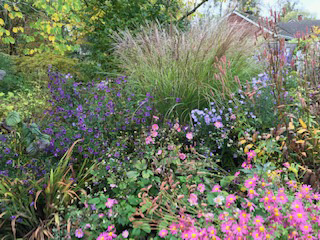
The Picton Garden is situated below the Malvern Hills in Herefordshire. The garden is famous for its aster collections and its beautiful small garden. In fact it holds the National Plant Collection of Michaelmas Daisies, so a visit in September and October is a real treat.

We have already visited the garden twice before, once in autmn and once in spring and it is wonderful every time we visit. This visit was in mid-October but the seasons this year had been so strange that everything in the garden is way ahead of time for a normal season, at least three weeks out of sinc. So this visit would prove to be very different to our previous autumn wander.

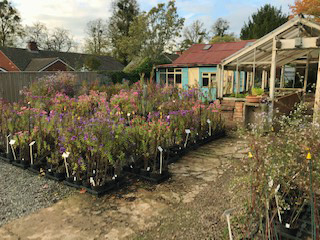
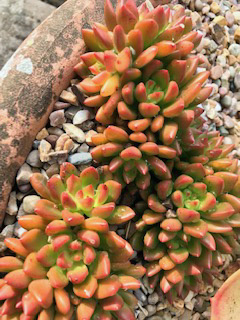
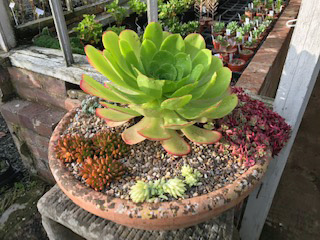
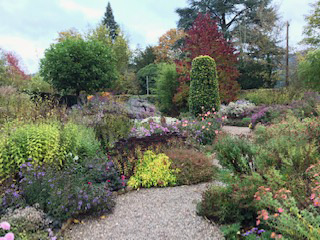
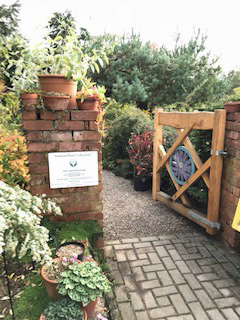
The reception, with its rustic wooden hut and beautiful gate are matched by the friendly welcome we received from the garden owners and managers, members of the Picton family. Immediately you realise this is not gong to be a sterile collection of Asters, but a well-designed beautifuly planted garden with winding paths among mixed borders, each with its own character. There are even a few pots of succulents near the entrance.

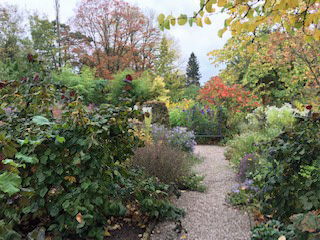
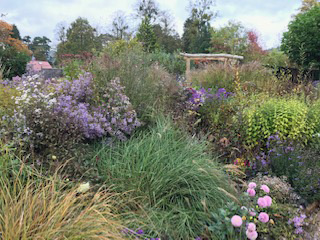
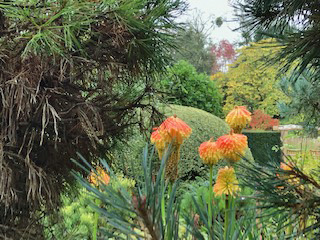
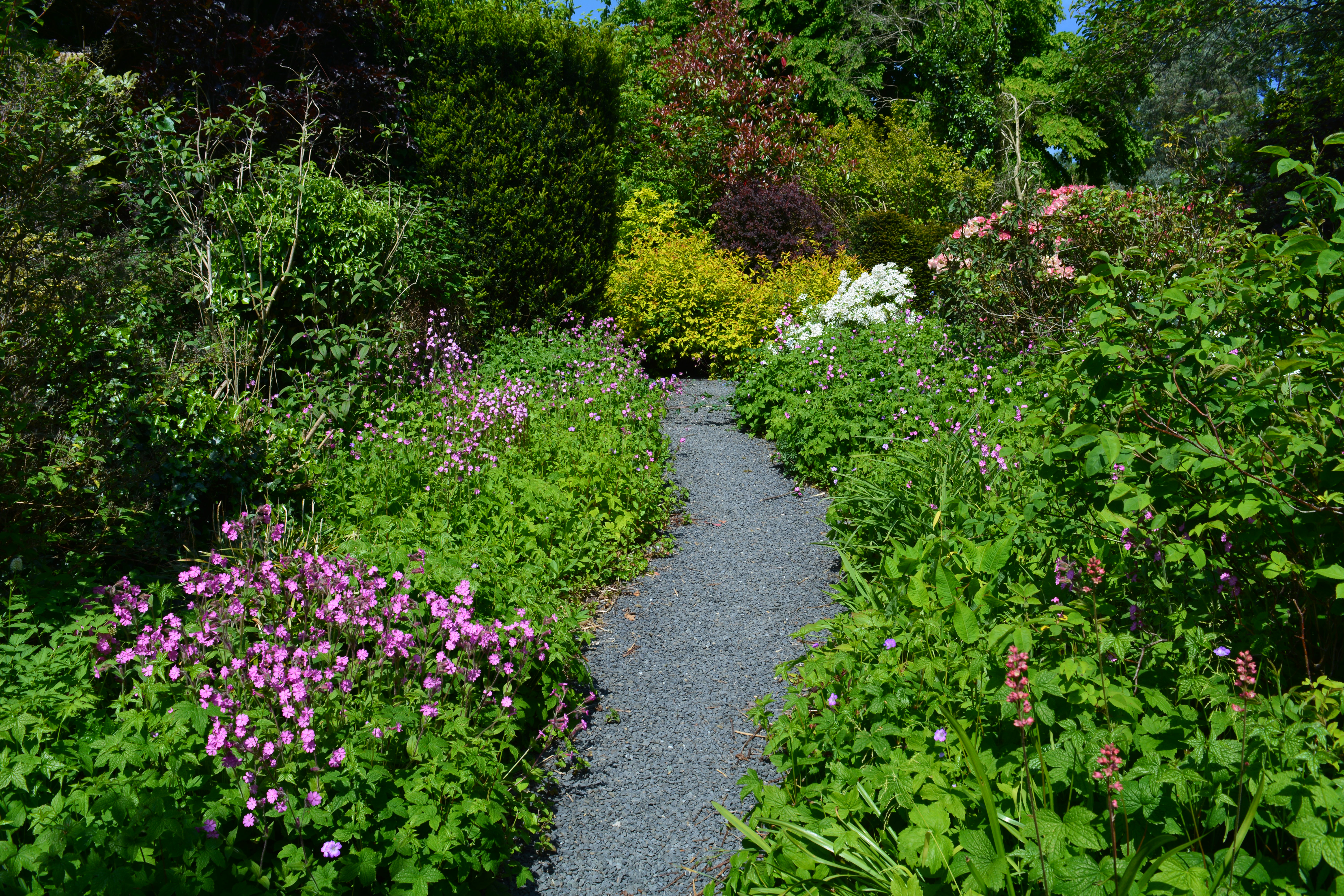
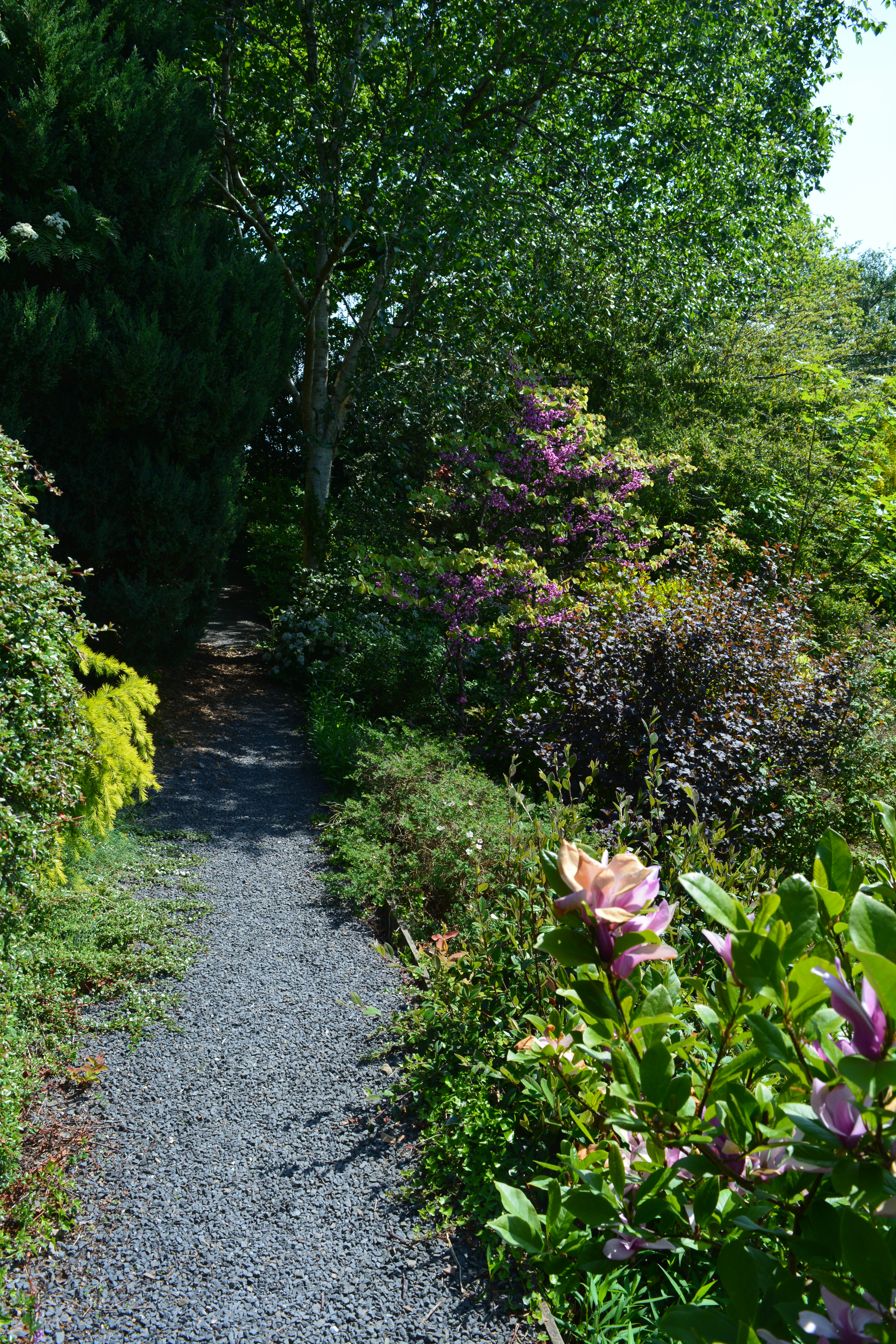
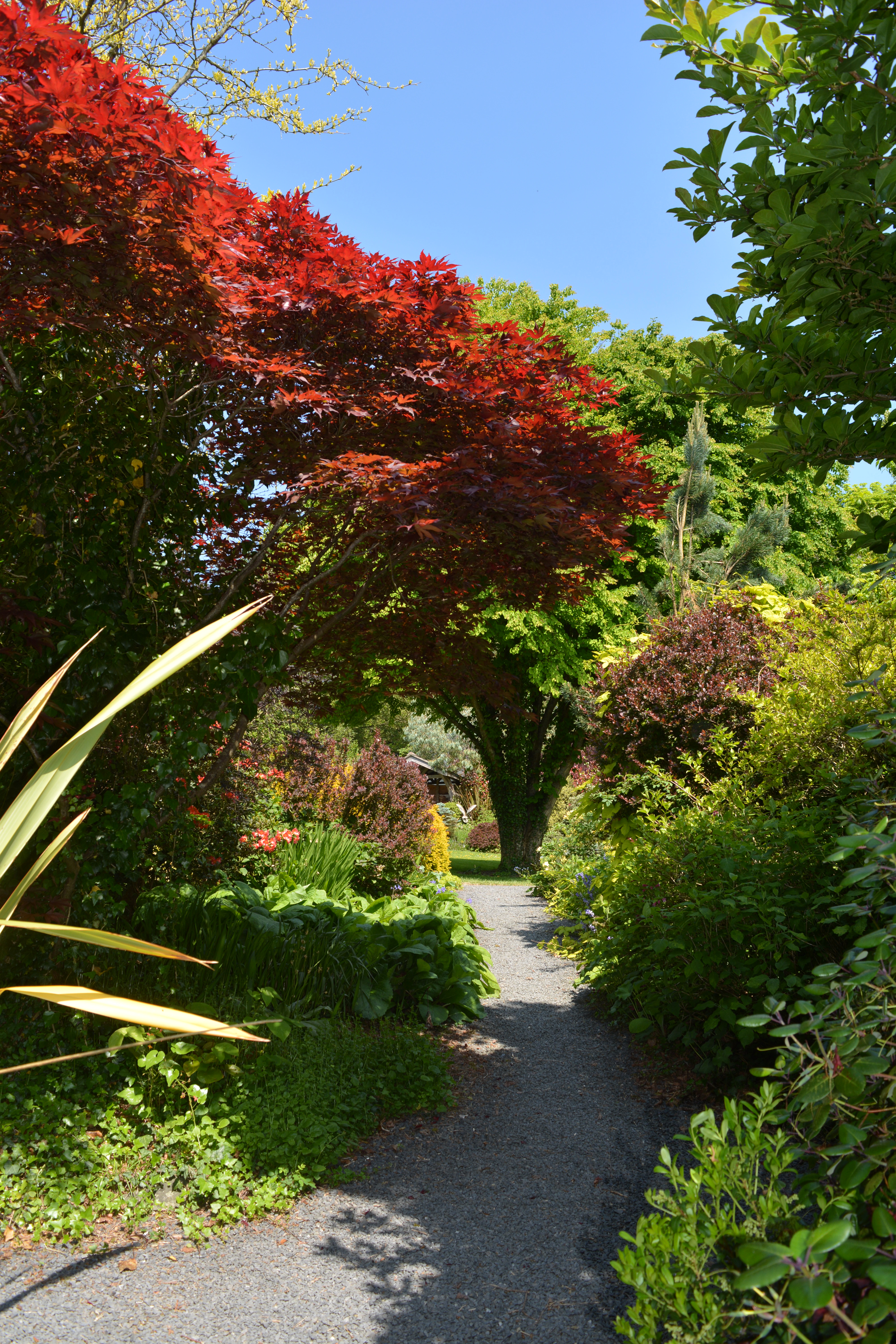
The first views of the borders along the paths set the quality and sensitive style of planting that we were to enjoy throughout.


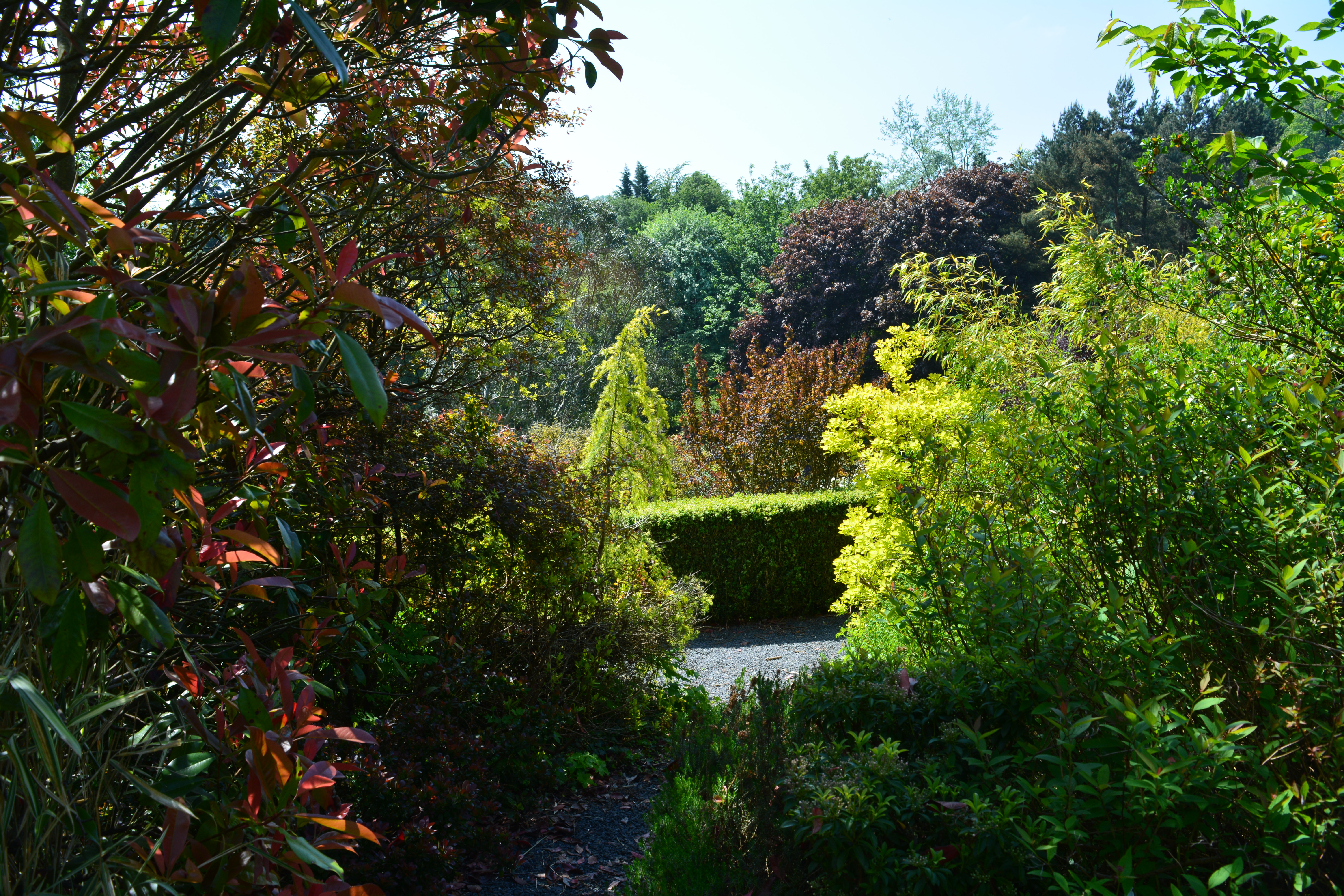
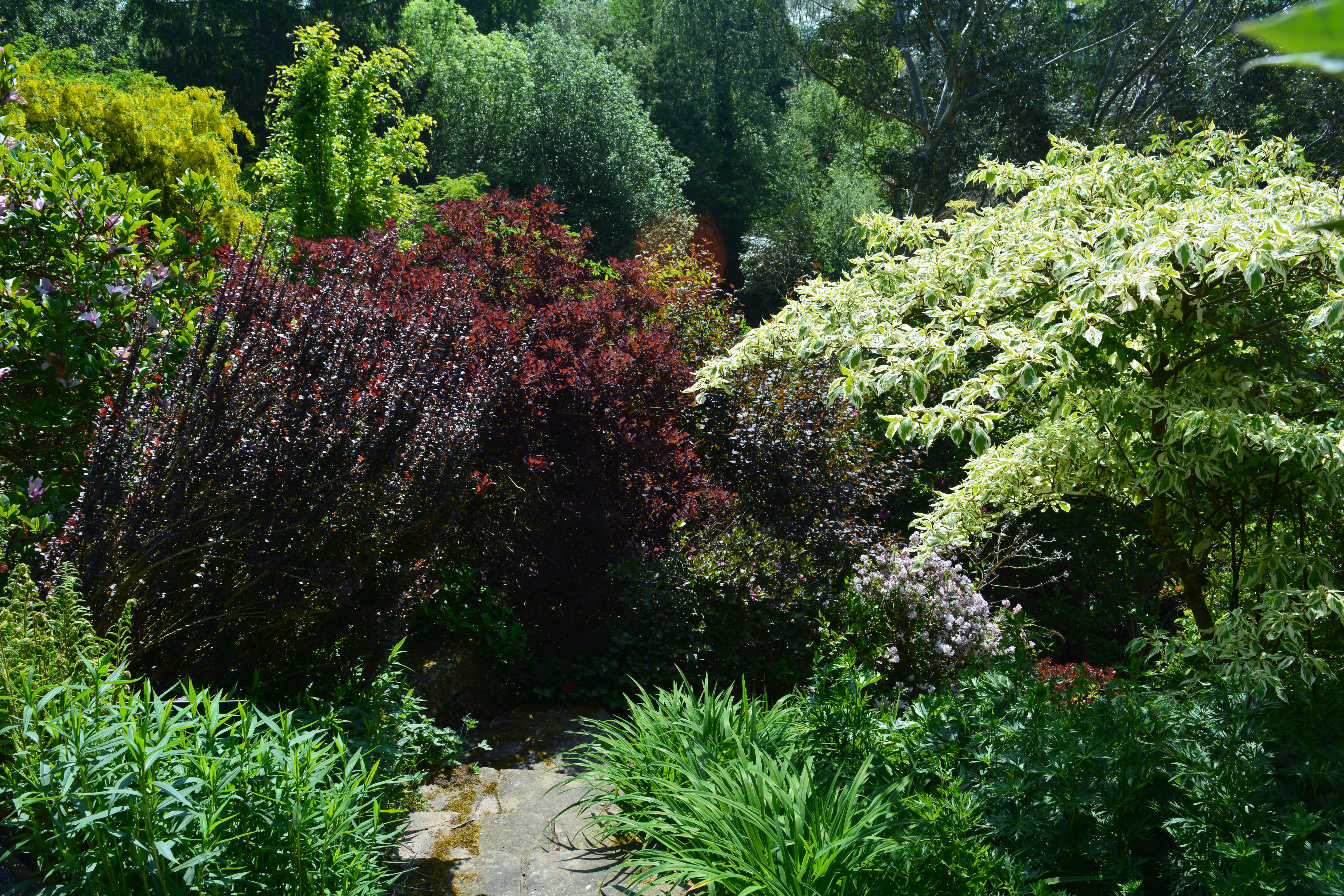
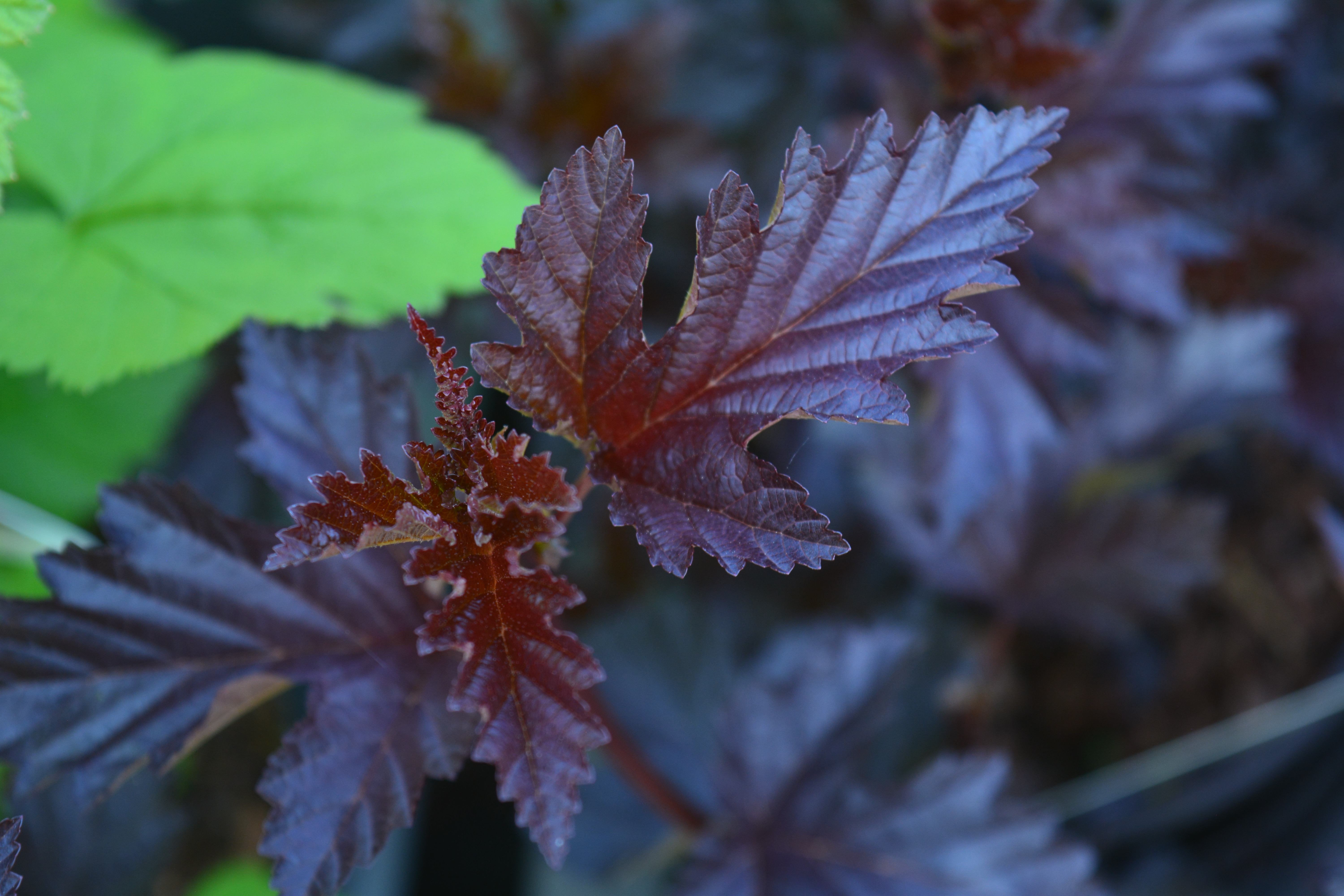
We enjoyed some interesting cntrasting shrub and tree foliage combinations.


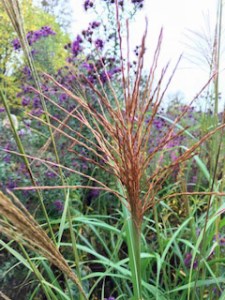
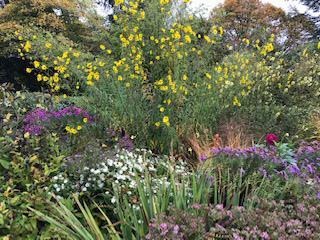
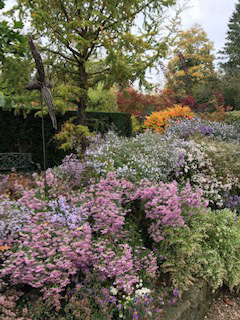
But we had to admire the way asters were used mixed with other perbaceous plants and the clever use of all the many perennials, huddled together in the borders.


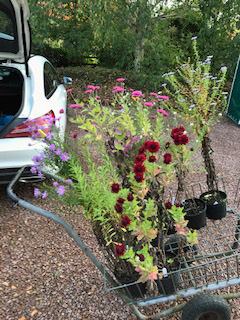
As we neared the end of our wanderings around these beautiful autumnal garden scenes, we discovered display beds showing how different asters fitted into the different families. The nursery was our last port of call before we returned to our car for the journey home. Of course we had quite a boot full of Asters with a couple of hardy Chrysanthemums for good measure.


Categories
autumn autumn colours Cheshire garden design garden photography gardening gardens gardens open to the public ornamental trees and shrubs trees

Sorbus at Ness Botanic Gardens

As mentioned in my post about Ness Botanic Gardens themselves we were using the visit to study their many different Sorbus trees, to help us choose one for our garden. Here is a selection of those we found and liked. At the end of the post we shall share with you our shortlist drawn up during our visit.

The first cultivar which featured strongly in the carpark planting and around the garden was unusurpisingly Sorbus “Ness Pink”, a beautiful fastigiate structured tree with blue foliage and pale pink flowers. A stunning selection which immediately went onto our short list.

Next up was another neat tree with finely cut foliage and crisp yellow-orange berries, which was not labelled but later we found another that we thought was the same – Sorbus “Wisley Gold”. Another for the list!

Next ones we found in the pinetum were these deep pinkish berried trees, the one on the left is S. “Leonard Messell” and the other S.”Eastern Promise”.

We carried on in the woodland alongside the pinetum to find S. “Jospeph Rock” and S. coxii. We already have Joseph Rock growing at home and is a real favourite but we were not aware of coxii. It had the most beautiful glaucous foliage, but researching it is hard work as no-one seems to know much about it.

The pair that I photographed next were on the left S. discolor and on the right S. “Autumn Spire” which we already grow in our Avocet patch. Is a narrow upright tree with bright orang fruit looking fiery with red autumn colour.

Below are the next two Sorbus we came across and liked enough to photograph were sadly unlabelled. No help to us in seeking a selection for our garden. Good looking trees too!

We then were disappointed to find this pale yellow almost lemon berried tree had no label either. The one on the right is S. “Carmesina” a deep pink fruiting tree with pale glaucous foliage.


Two pink berried cultivars are featured next, the first with the palest pink possible, S.bulleyana, the second S. discolores with a deep blush to their pale pink.


At the end of the pinetum we came across a perfectly shaped rowan dripping with orange-yellow berries, Sorbus aucuparia “Dickeana”, a special specimen indeed.

We were delighted to discover on a grassed area on our return route to the centre among Betulas, a few more beautiful Sorbus, the red-leaved S. “Dodong Olympic Flame” and the more gentle S. Chinese Lace.

And to finish off a return to the magnificent Sorbus “Pink Ness”.

So what were the varieties that made it onto our short list? Here as promised is our selection from which we must seek out and purchase just one.

You may have guessed that Pink Ness is there, plus Chinese Lace,  Dodong Olympic Flame and Wisley Gold. Great selection – hope you agree.


Categories
colours garden design garden paths garden photography gardening gardens gardens open to the public hardy perennials light light quality ornamental trees and shrubs Powis Powys shrubs trees Wales woodland woodlands

The Dingle Garden in July

Moving into the second half of the year, we wandered around the gravel paths of the Dingle Garden in late July. The day was dry with mixed clear skies with occasional cloud, but no rain came from them.

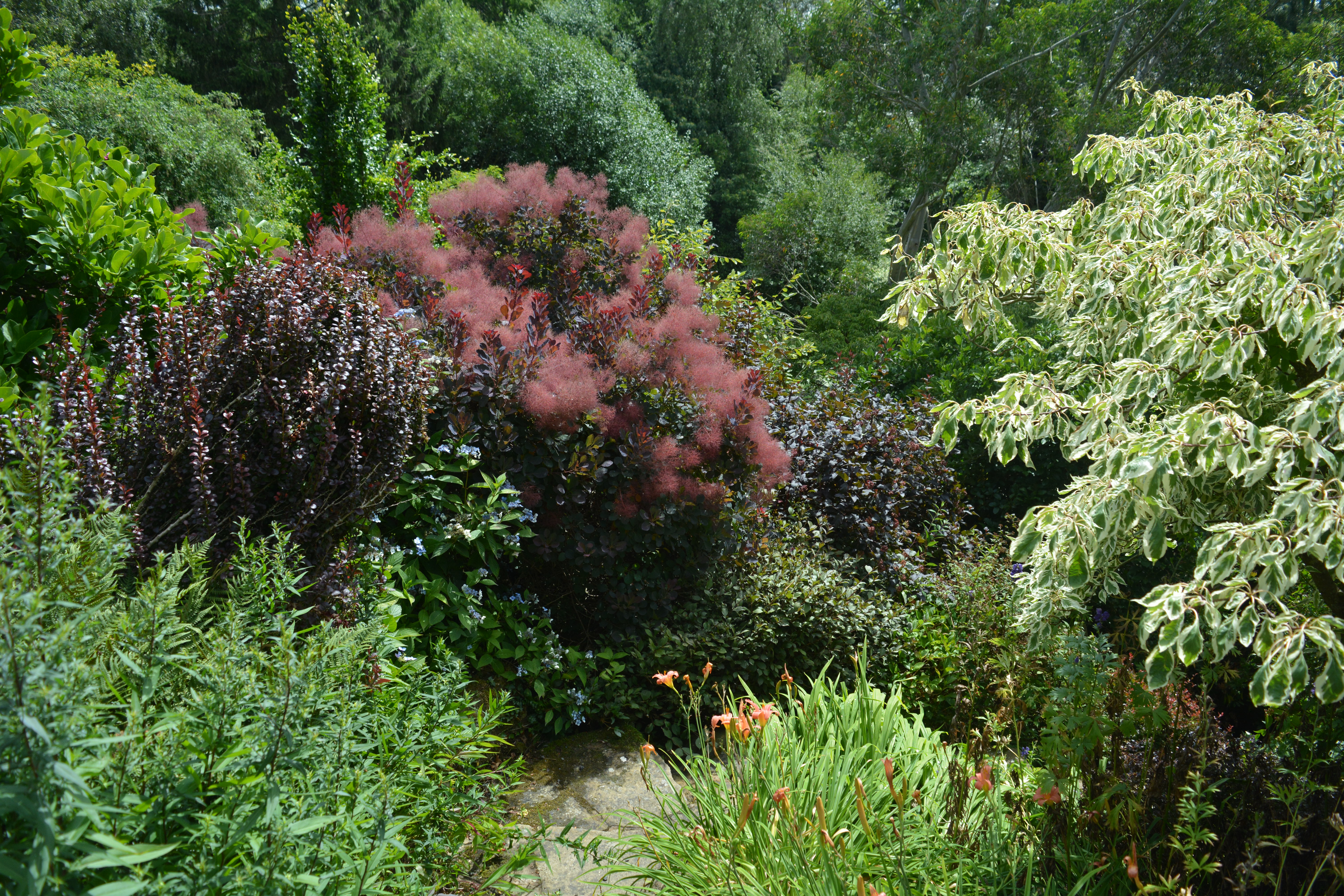
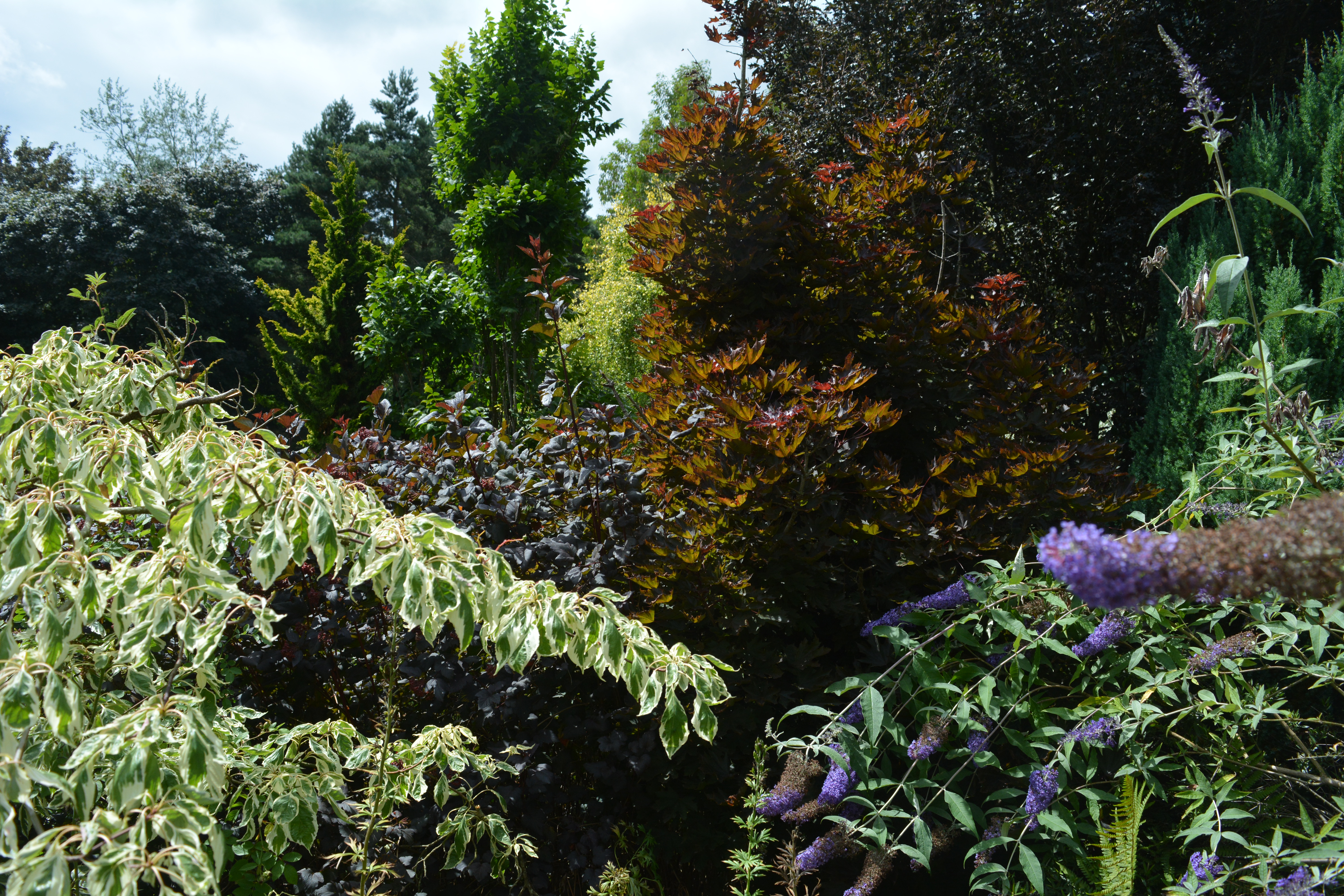
We immediately discovered the severe effects of this summer’s dry and hot temperatures. A mature conifer was turning shades of purple and brown as it was suffering from lack of water. Although colourful this was devastating for the tree. Elsewhere on the sloping parts of the garden the shrubs looked perfectly healthy and we enjoyed some great foliage contrasts and combinations.


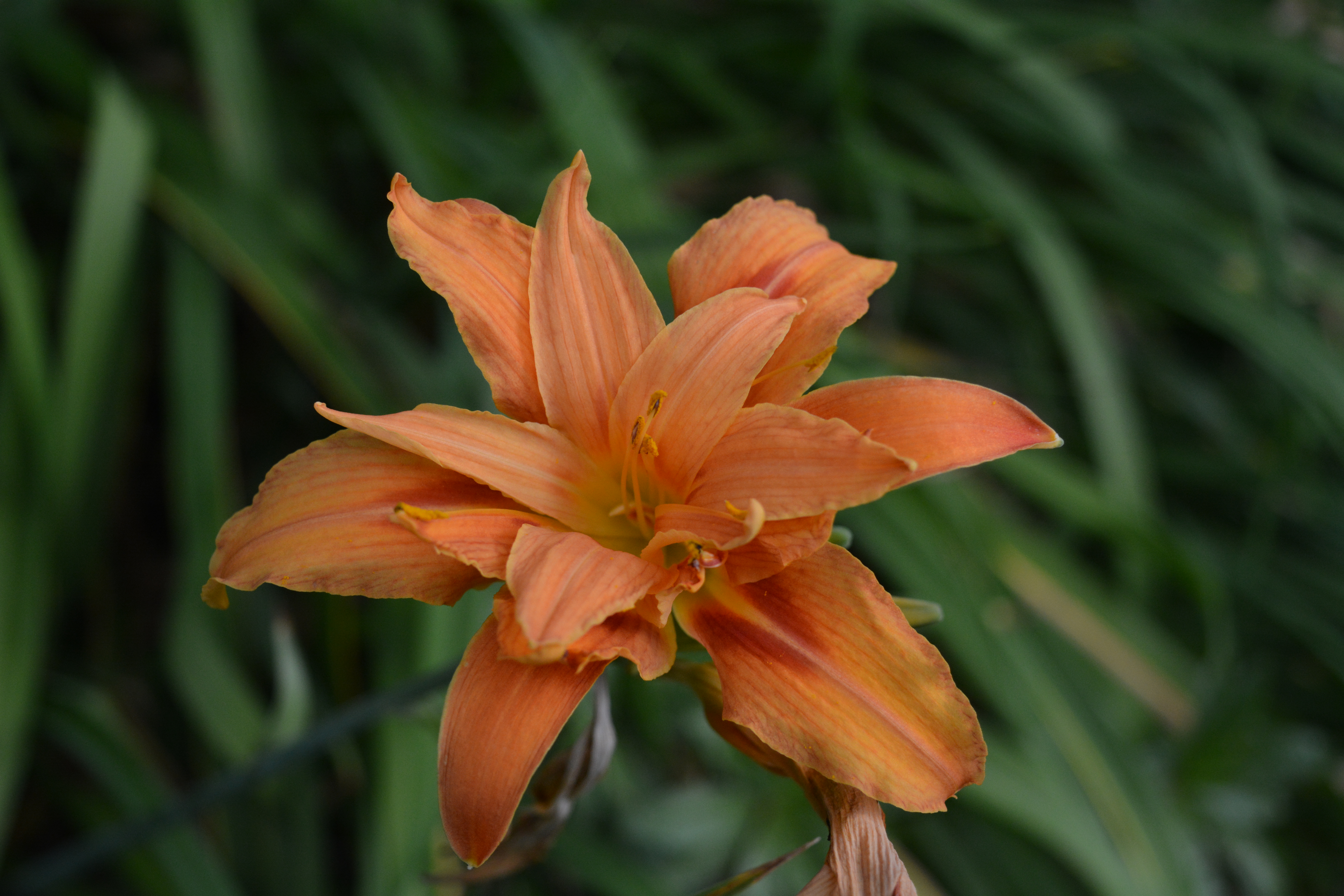
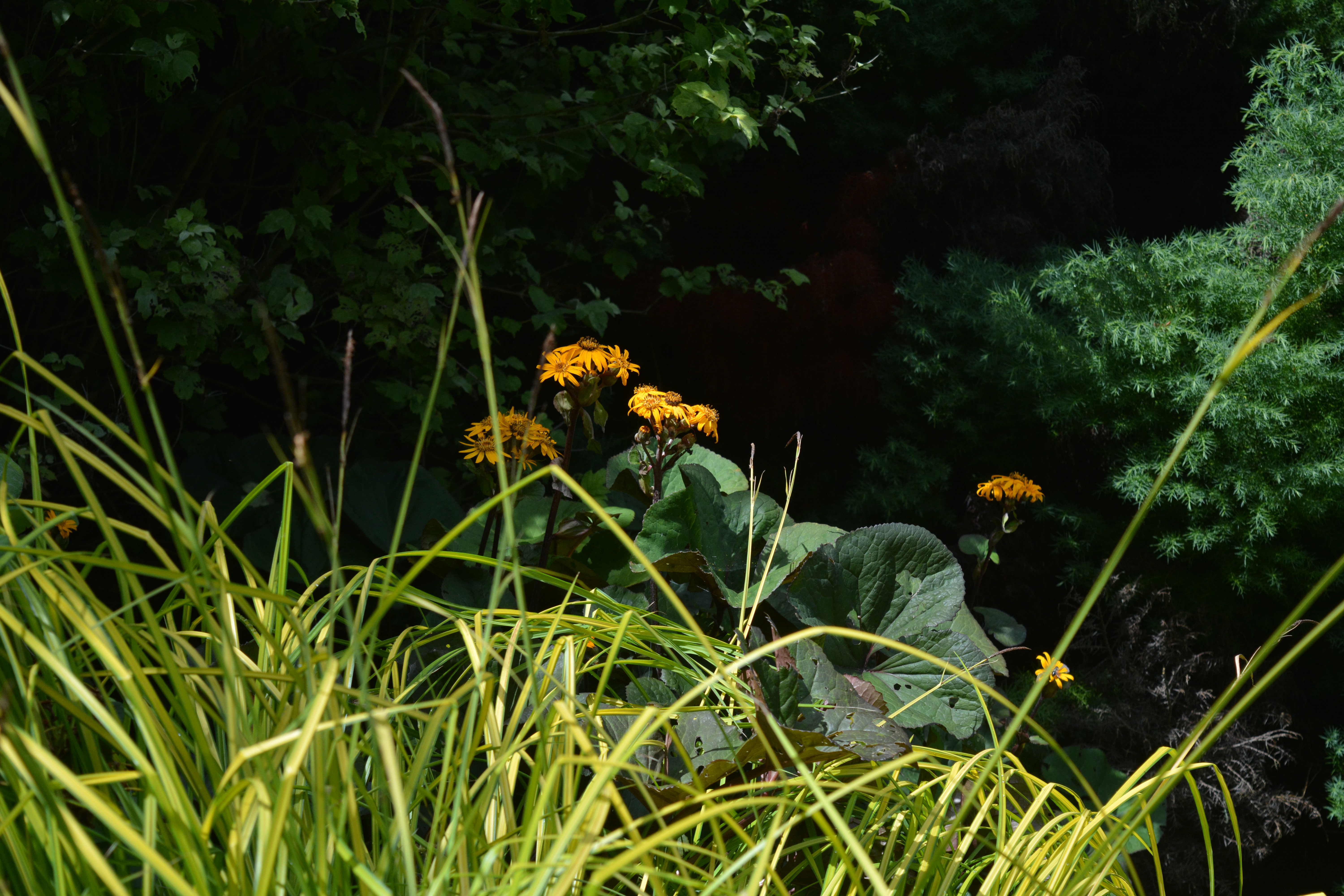
Orange is a wonderfully effective colour for woodland planting, as flowers in this colour glow in the deepest shade and are caught by the sun. Yellow comes a close second!


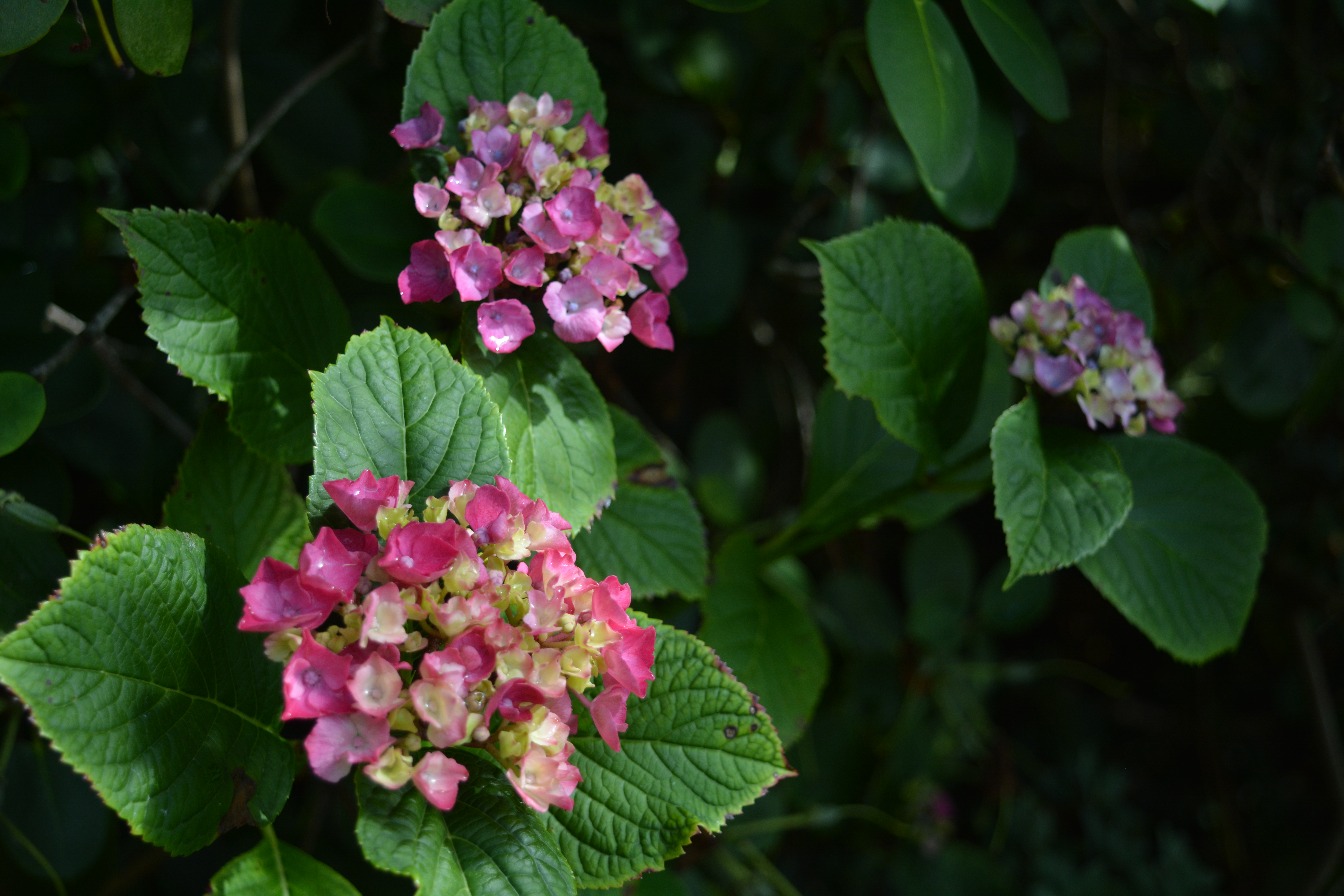
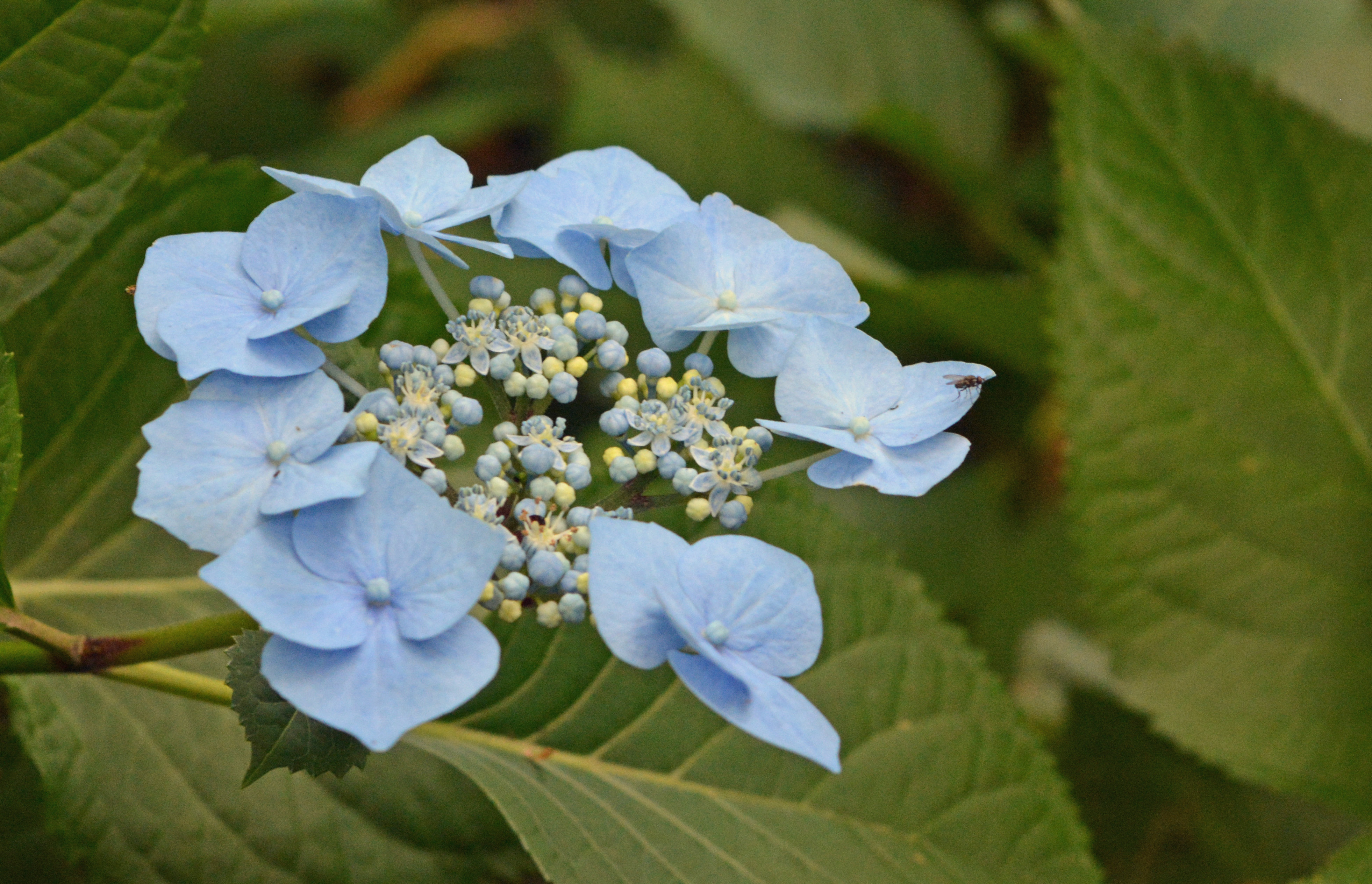
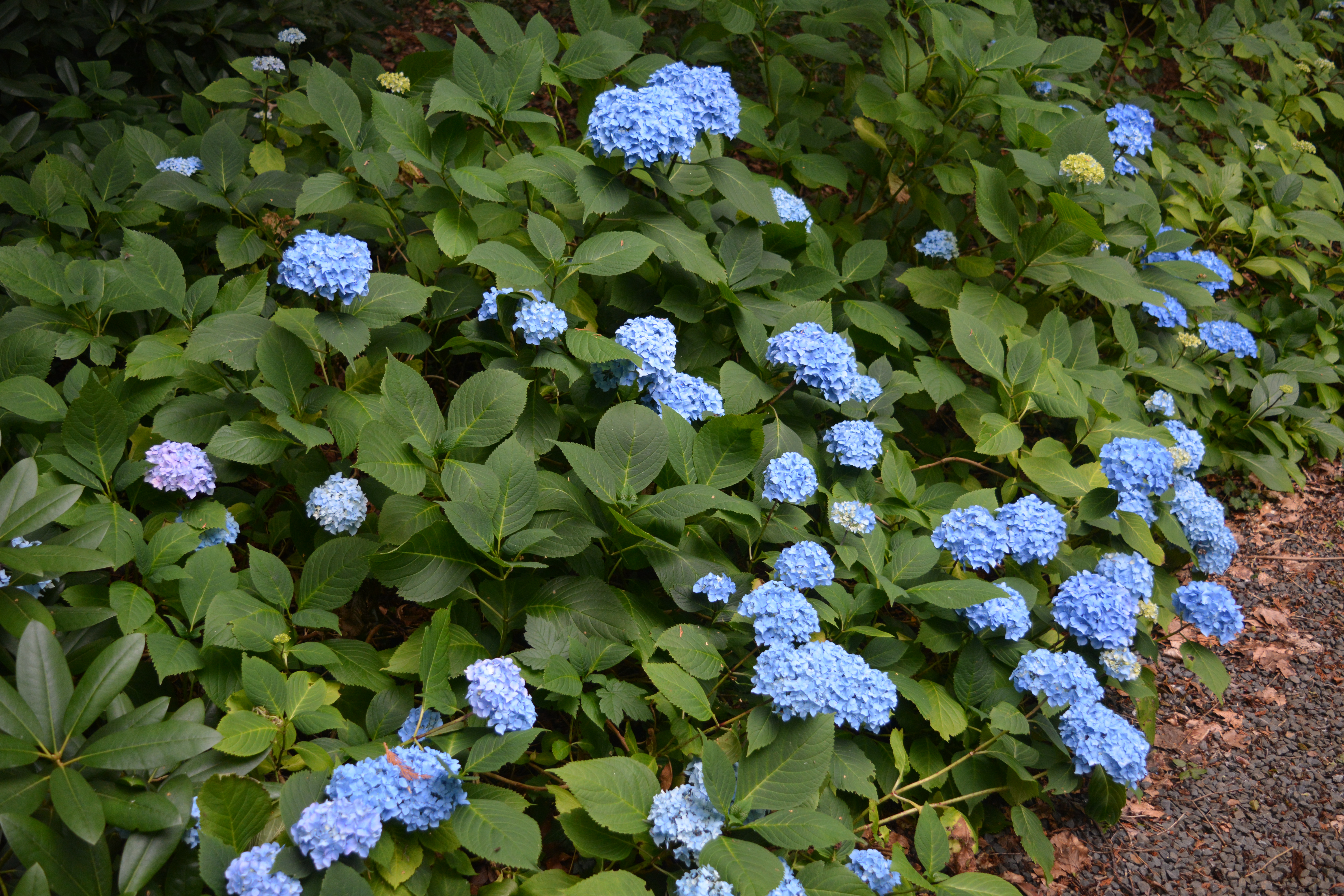
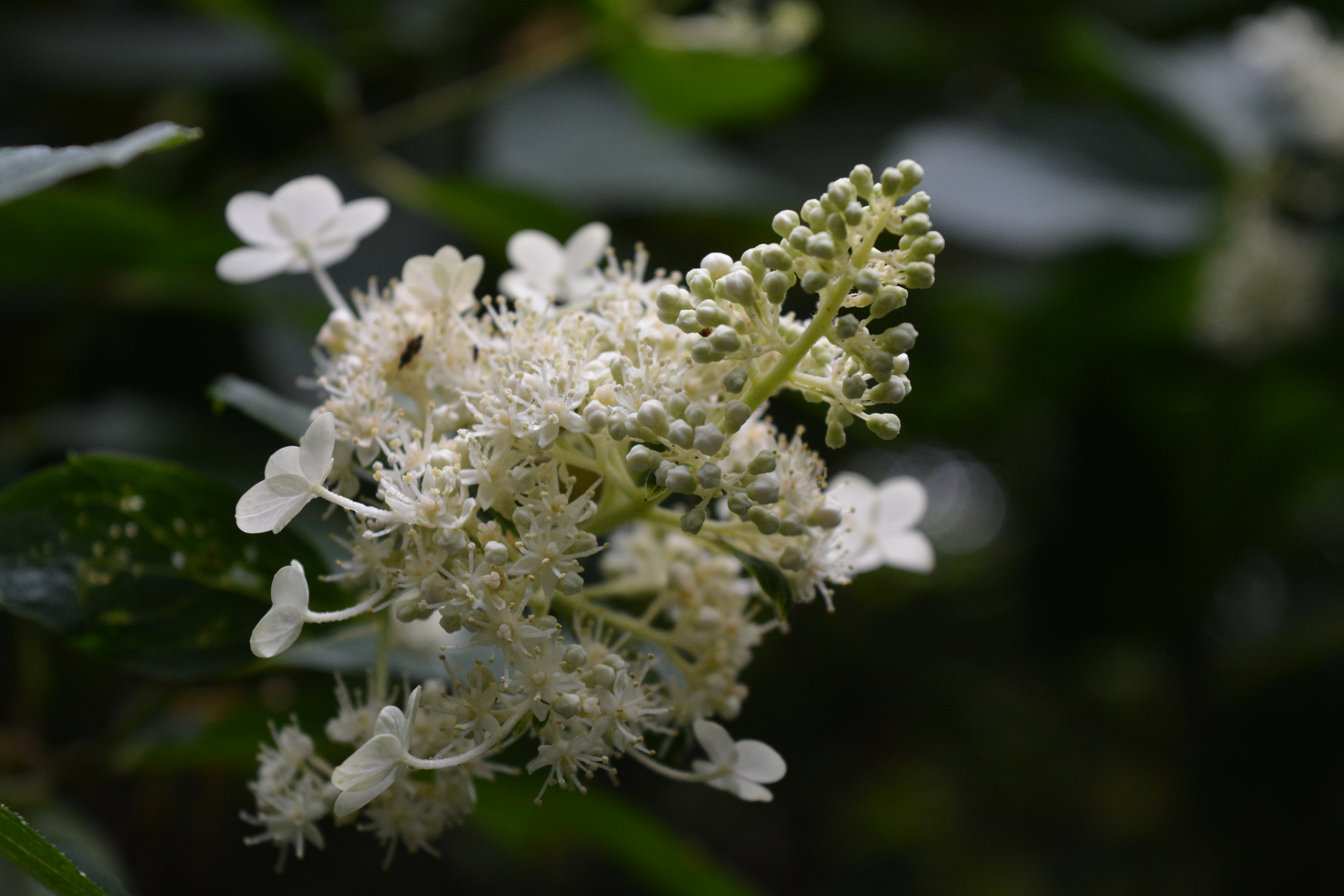
Flowering shrubs are now coming into their own in the Dingle Garden, with Hydrangeas taking centre stage.


This is just a selection of the Hydrangeas putting on their show of blues, whites and pinks beneath the trees. We loved the variations in colour on individual flower heads.


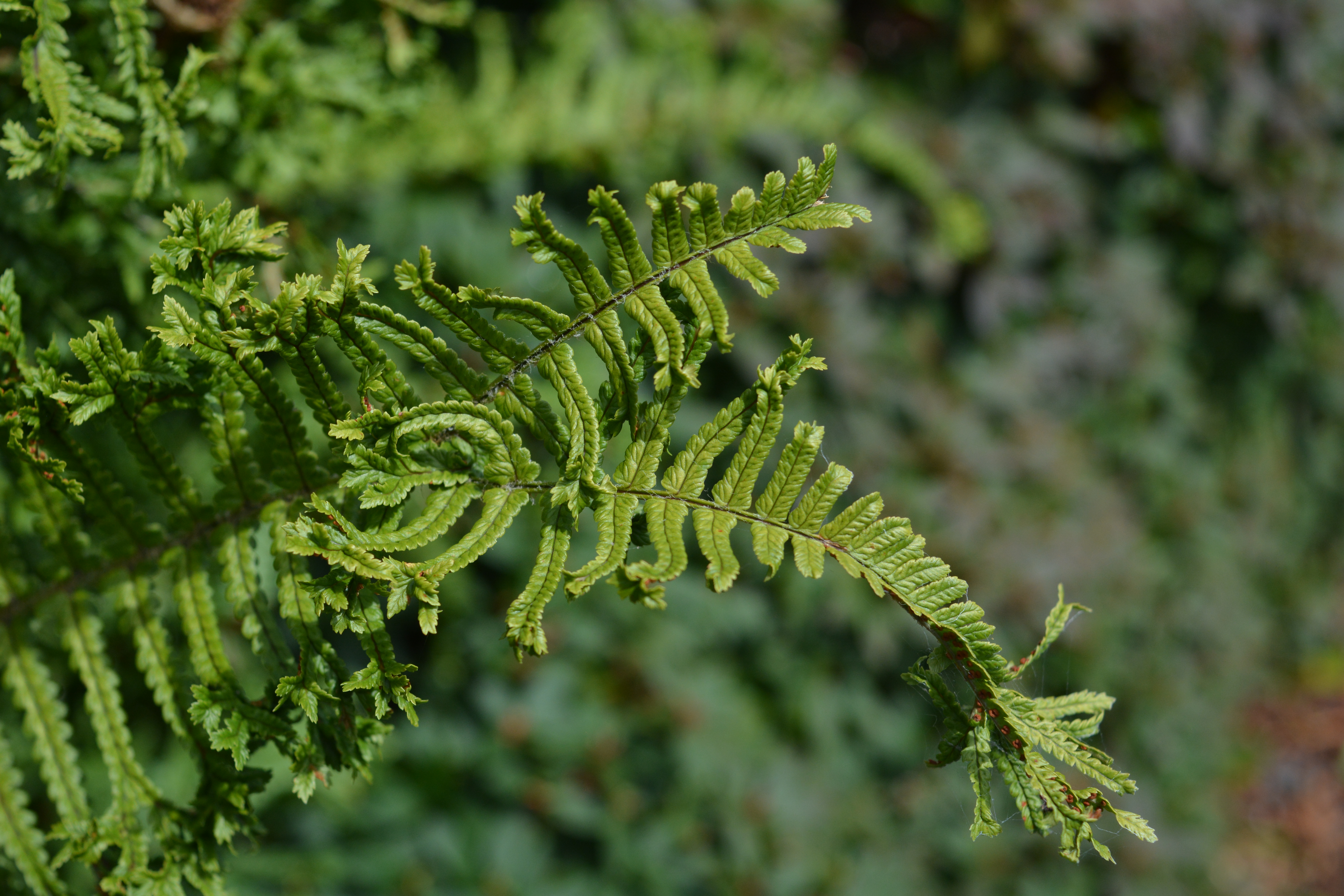
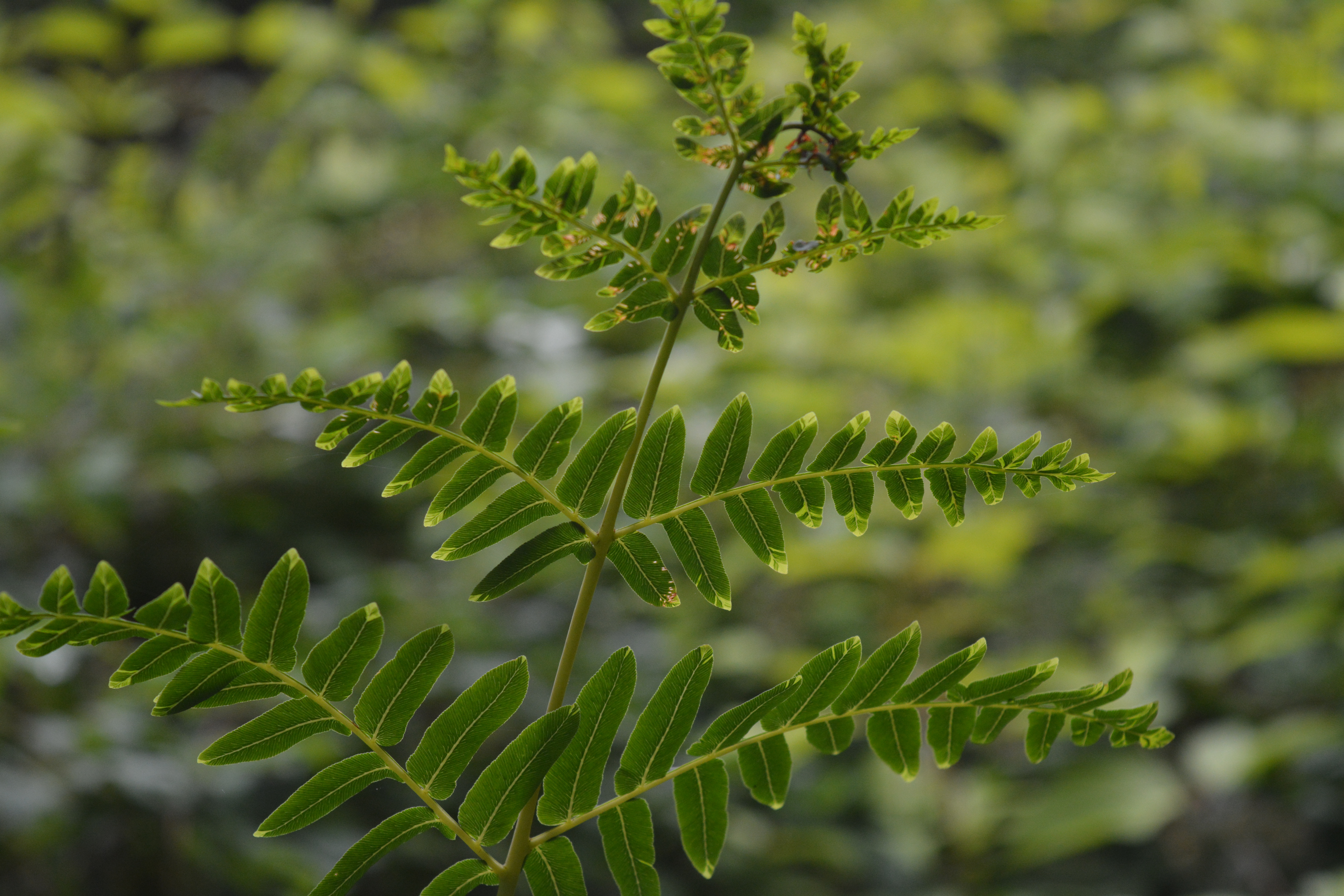
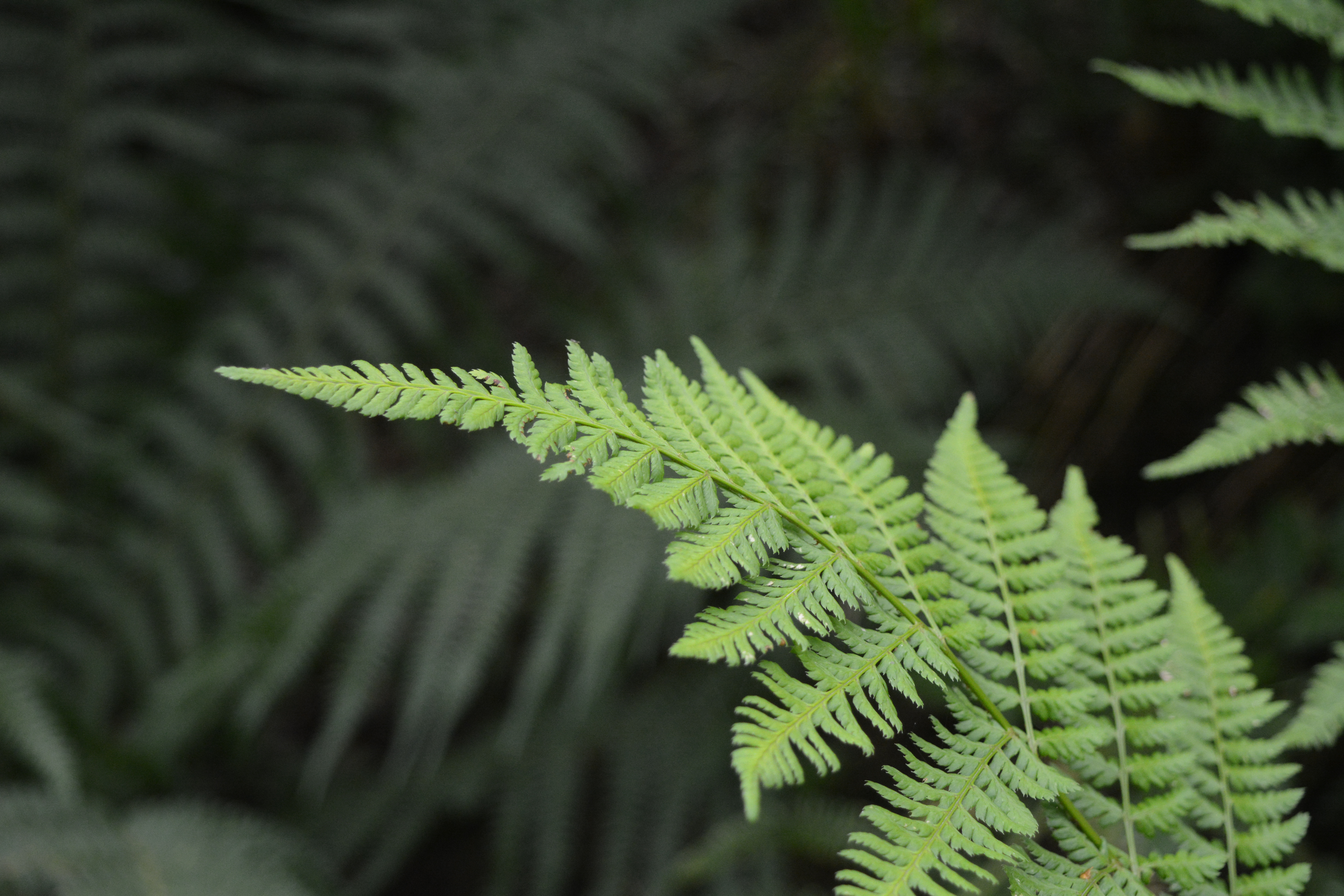
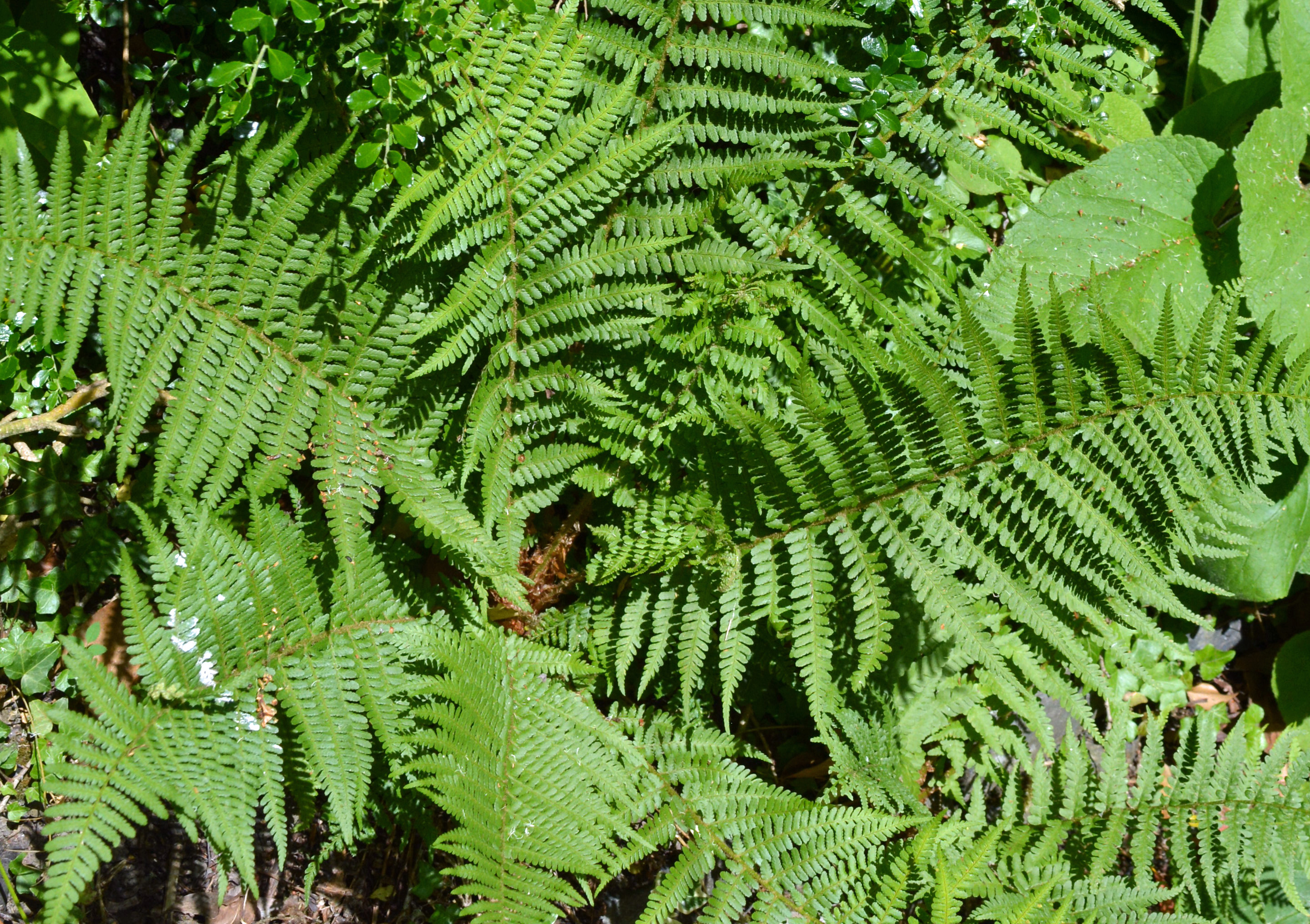
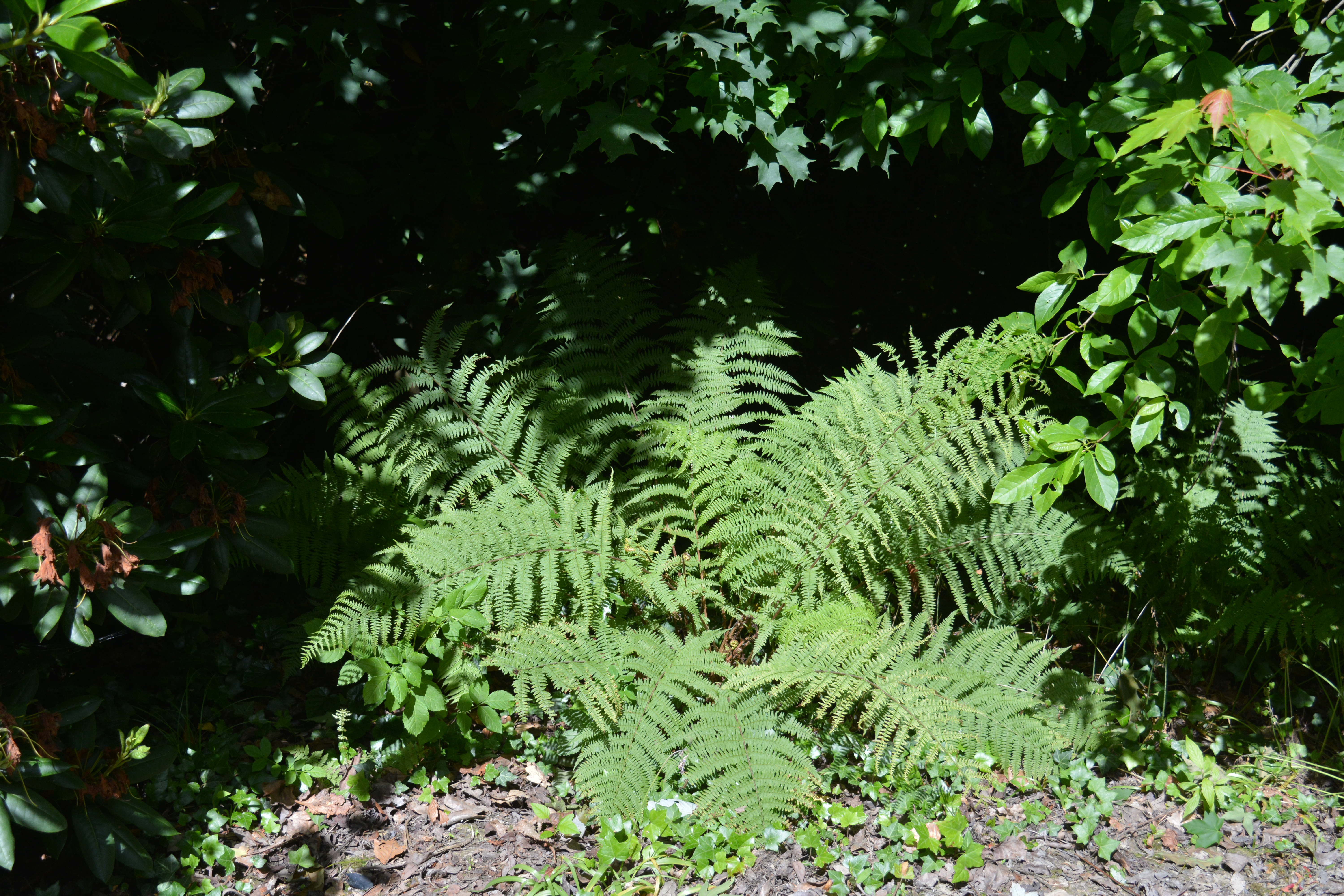
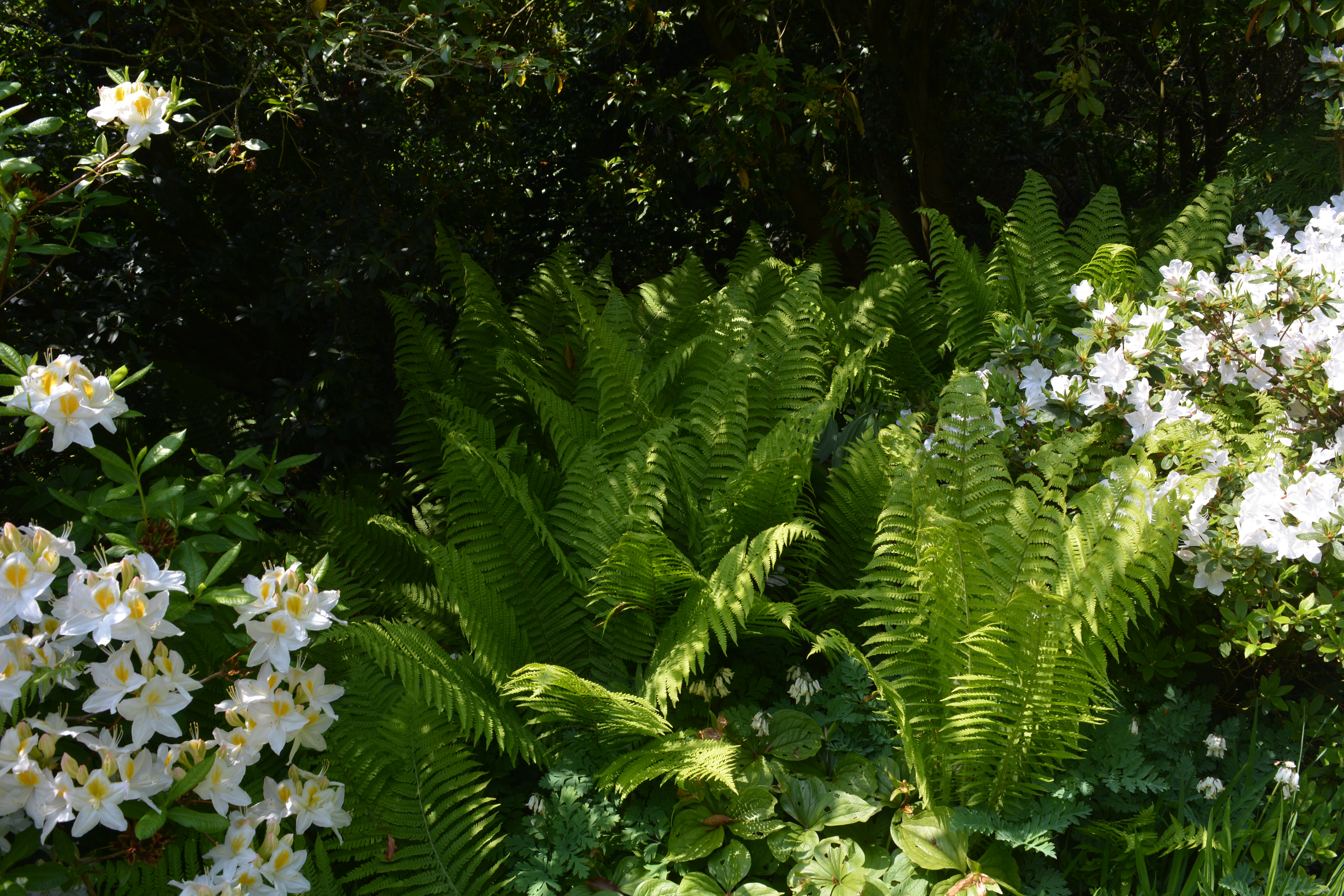
Ferns look good almost the year through, but in the damp woodland atmosphere here at the Dingle they shone with health.


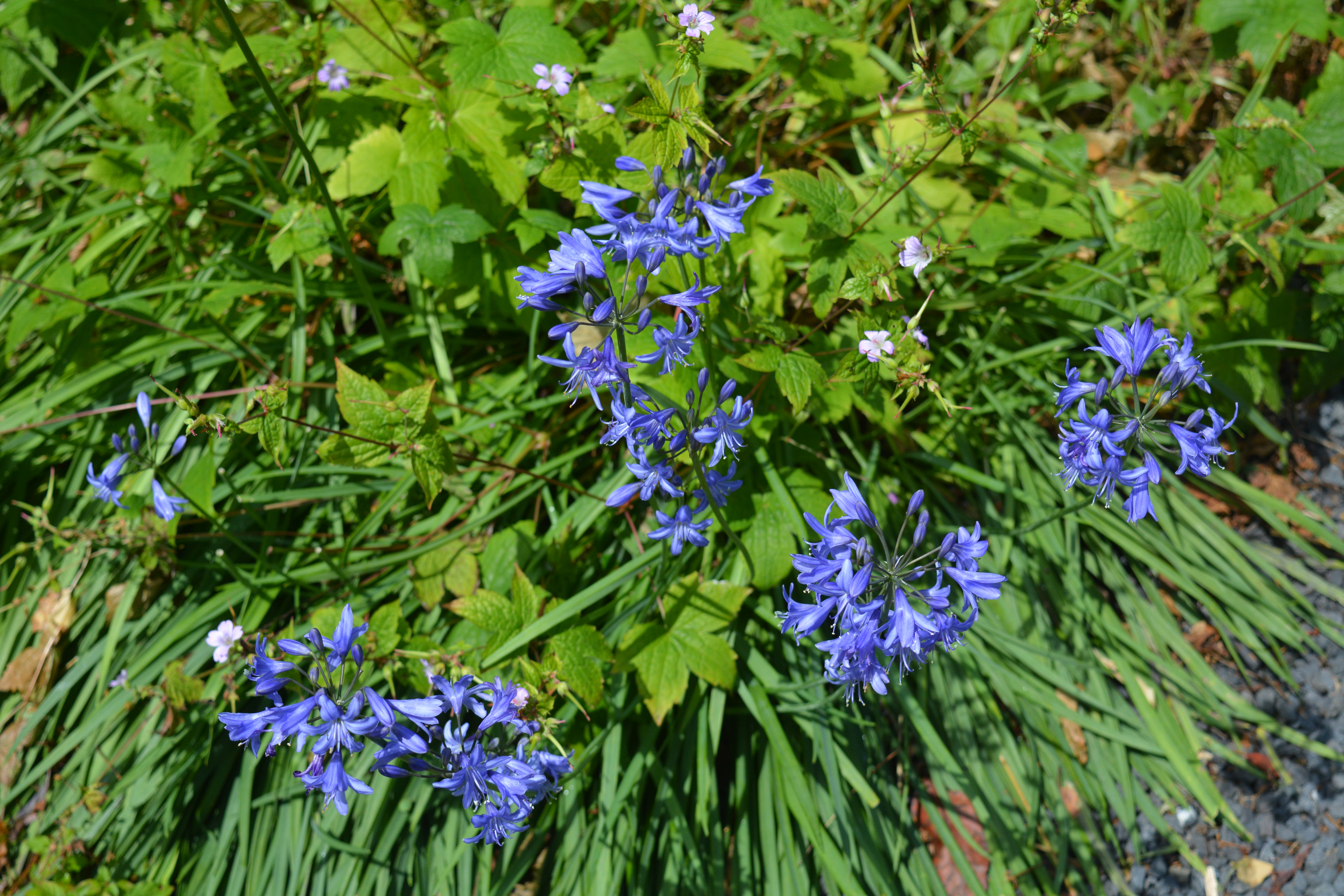
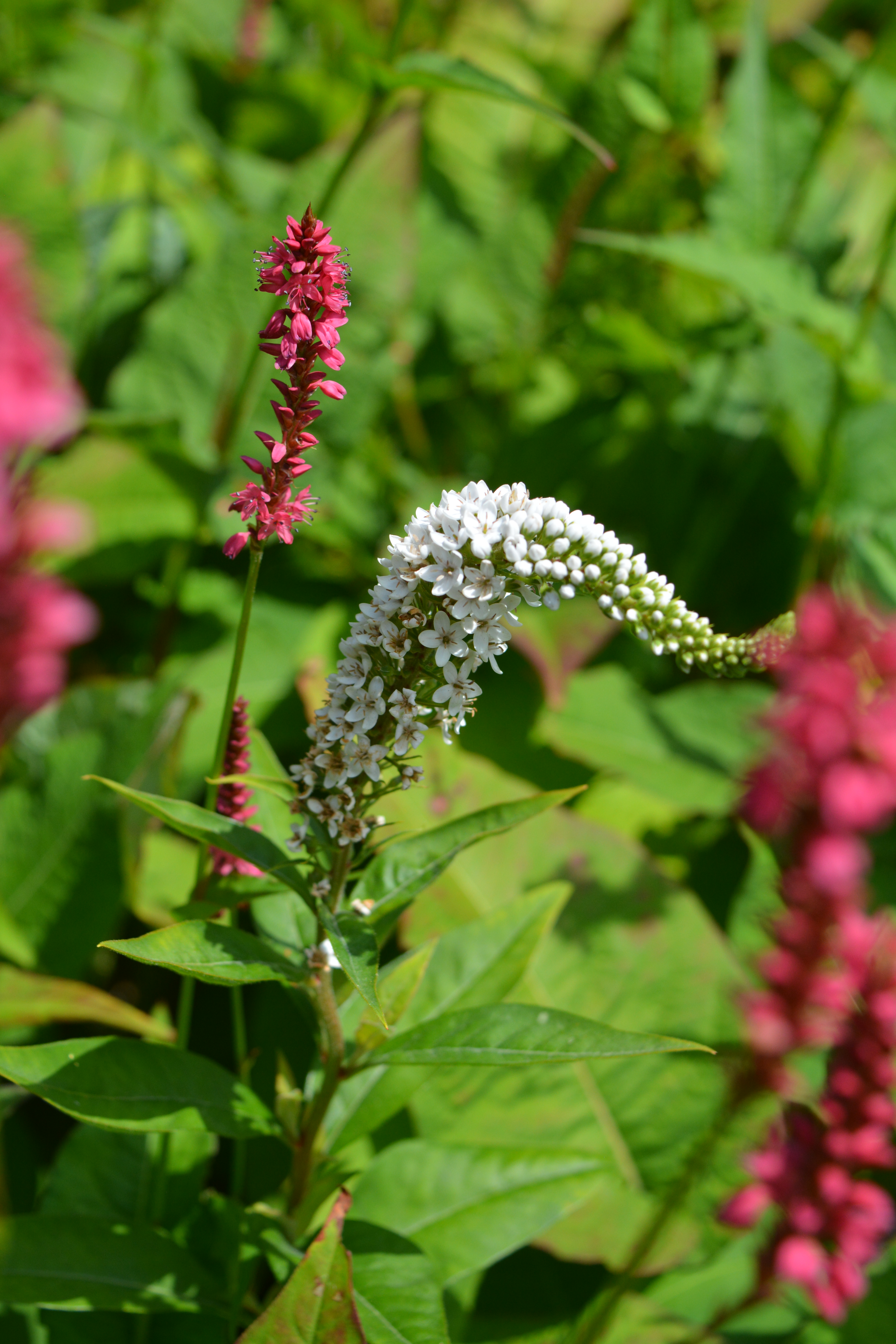
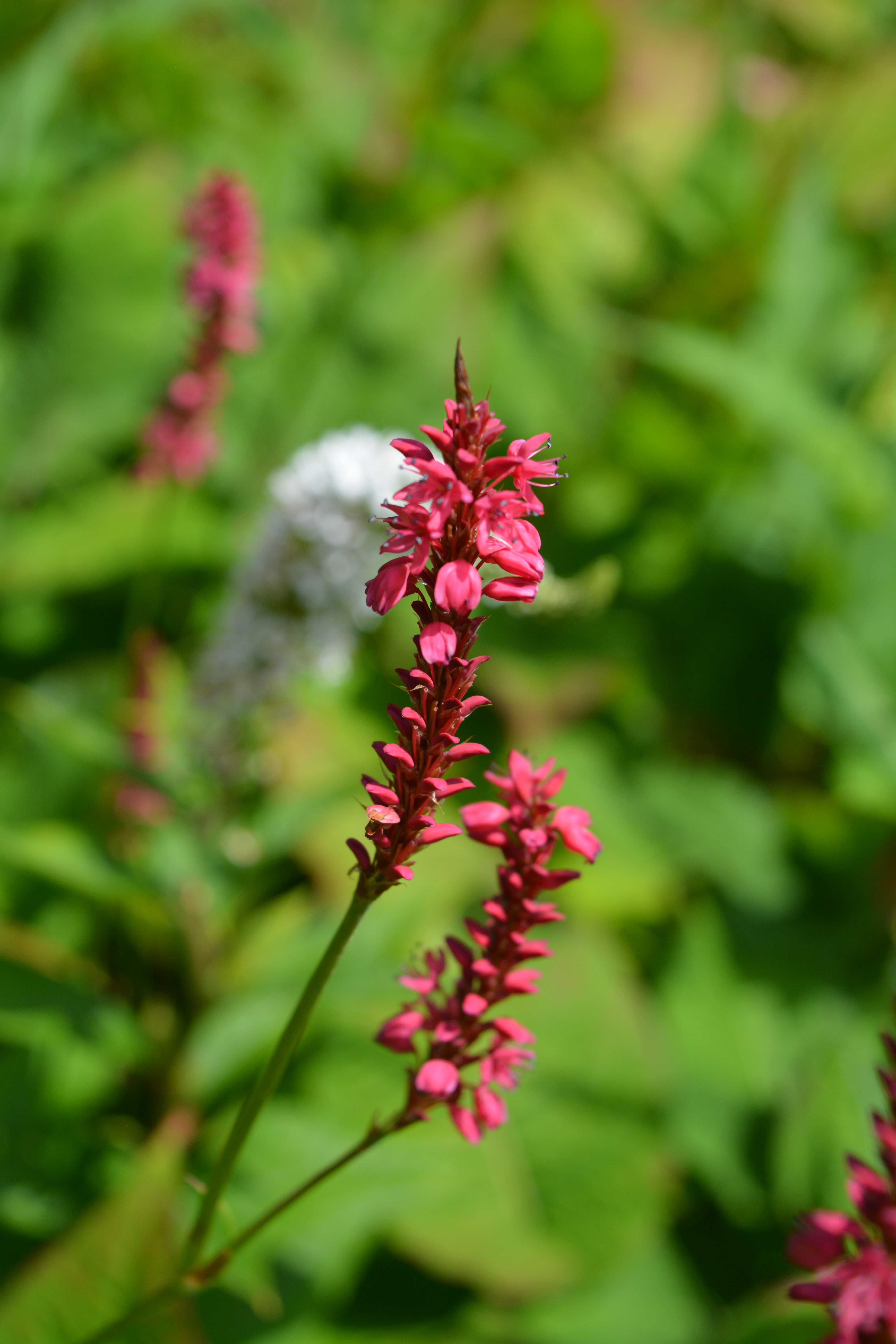
Herbaceous perennials appear in a few places beneath the trees and shrubs with Geraniums, Hemerocallis, Persicarias and Lysimachias showing well in the July garden.


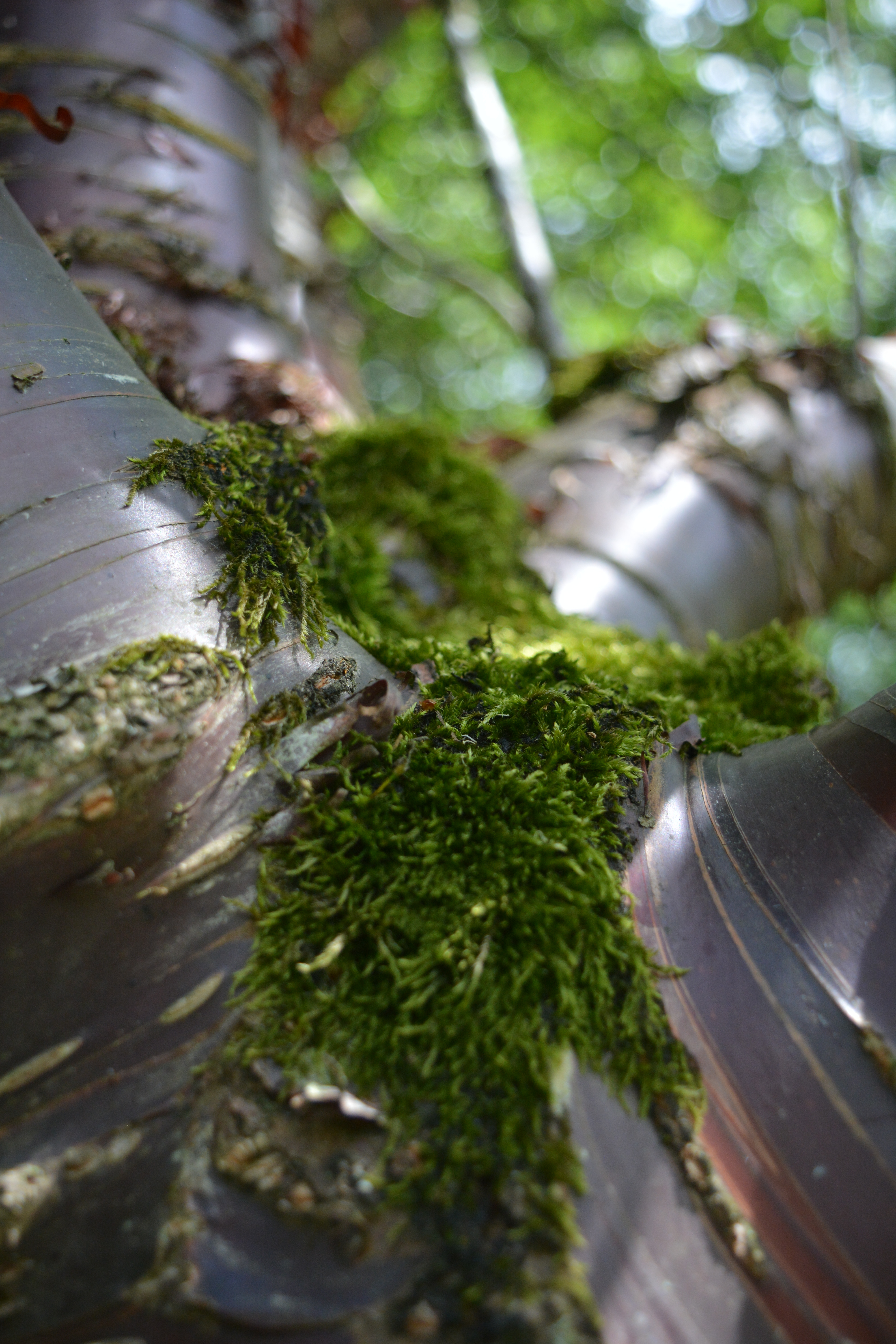
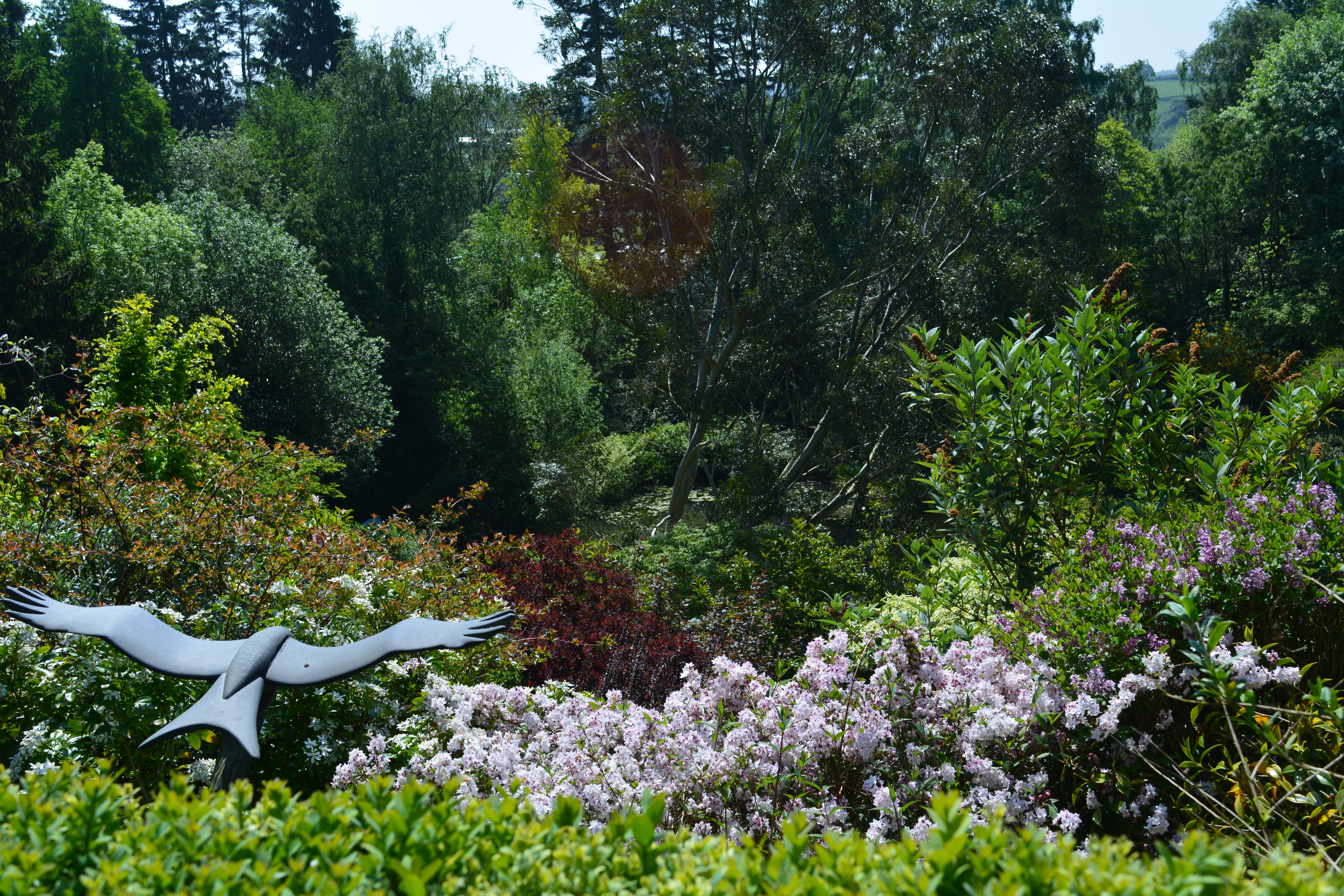
Sometimes it is the little details that catch the eye when we explore gardens. On this visit to the Dingle Garden Jude was attracted to the moss hitching a lift in the fork of a Prunus. The purple spires of the Acanthus looked just right next to the sculpture of the Red Kite.


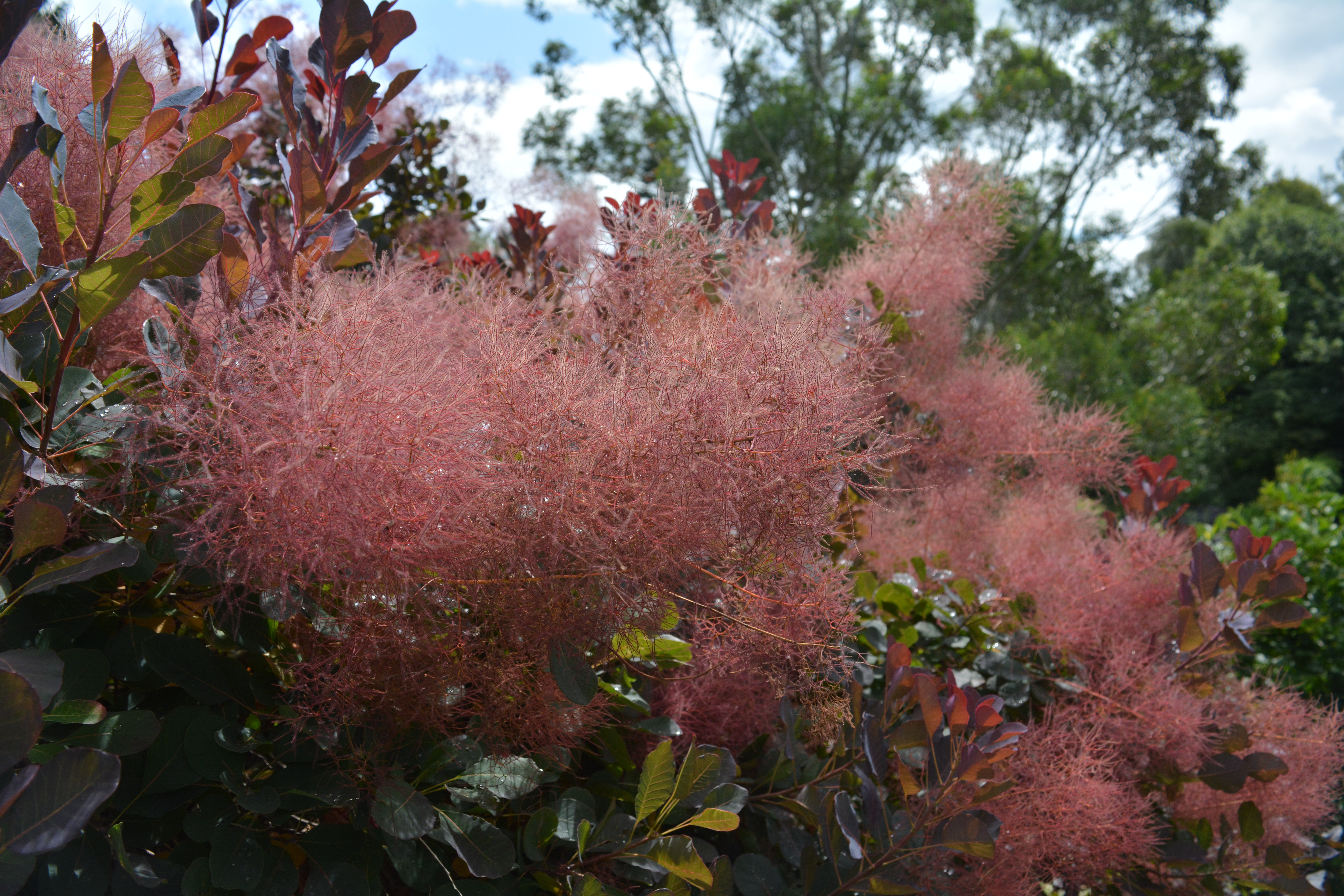
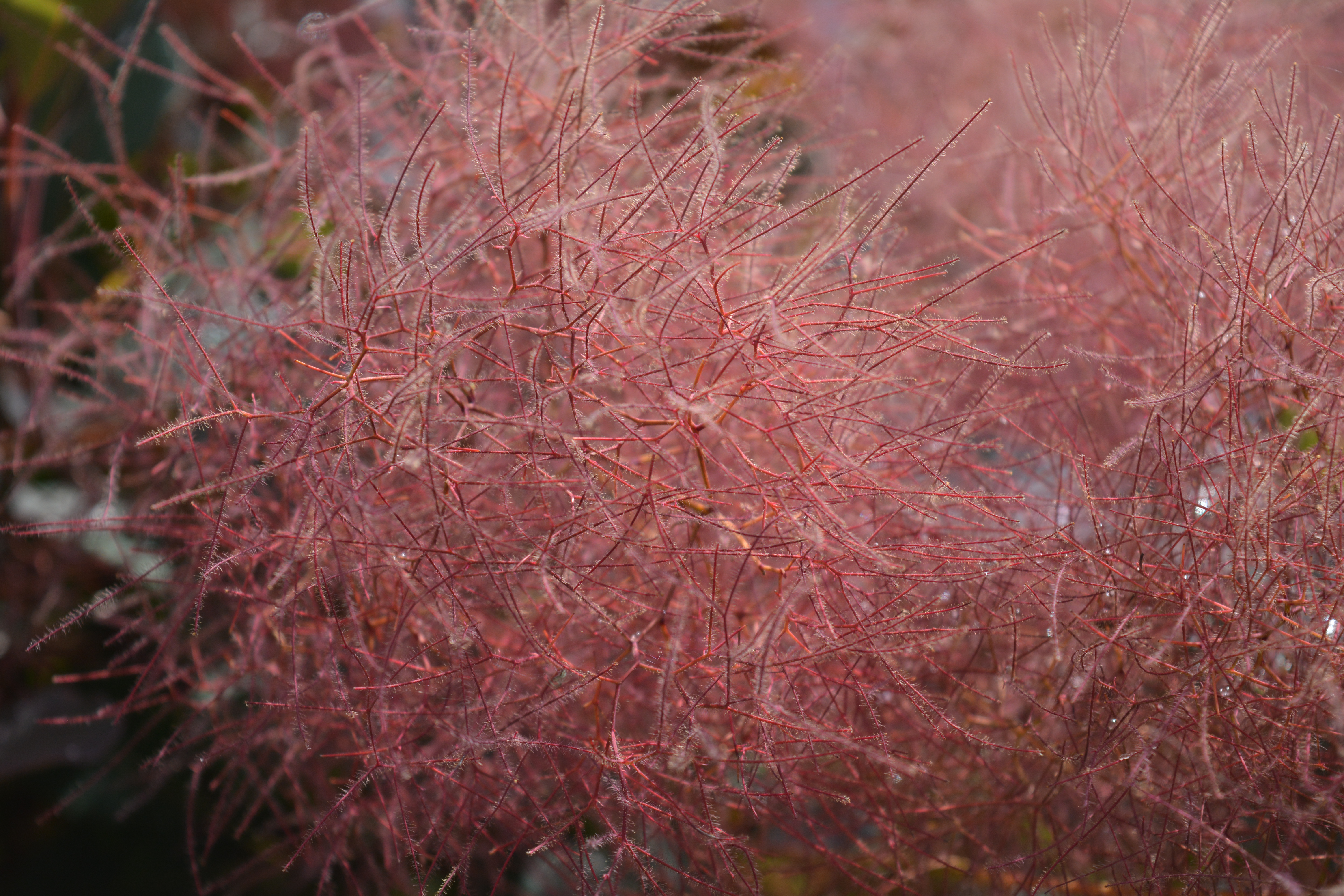
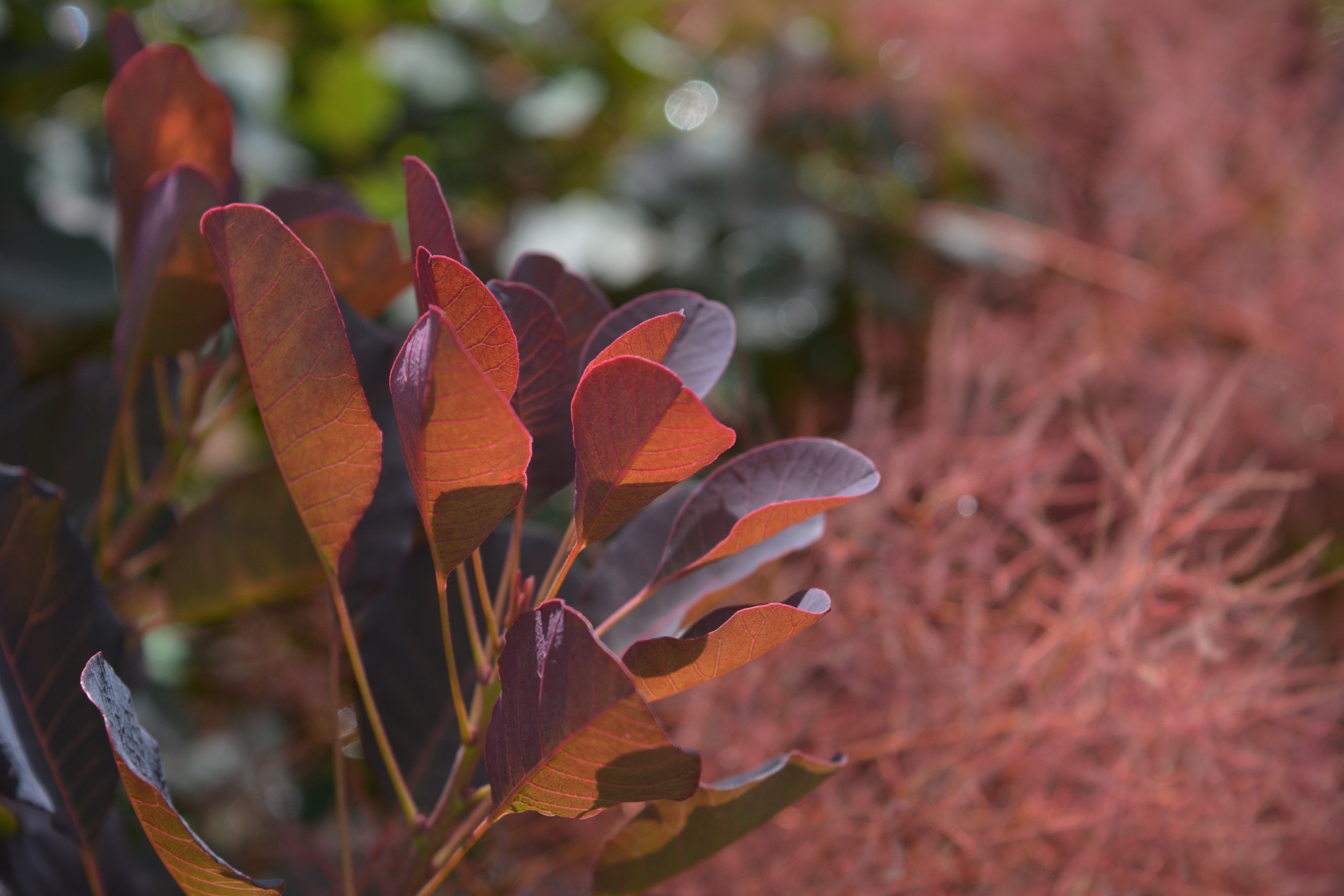
The real star of the July show was Cotinus coggygria with its deep red foliage with hints of glaucous blue and the smokey flower clouds.

So we will return next in August and see what late summer brings to the Dingle.

Categories
colours garden design garden photography gardening gardens gardens open to the public hardy perennials light light quality ornamental trees and shrubs Powis Powys roses shrubs trees Uncategorized Wales woodland woodlands

The Dingle Garden in June

As we reach the middle of the year we made our monthly visit to the Dingle Gardens, and for once the weather looked set fair. This meant that we had strong contrast between light and shade and any colour was brightly lit when the sun hit it, leaf colour or flower colour.

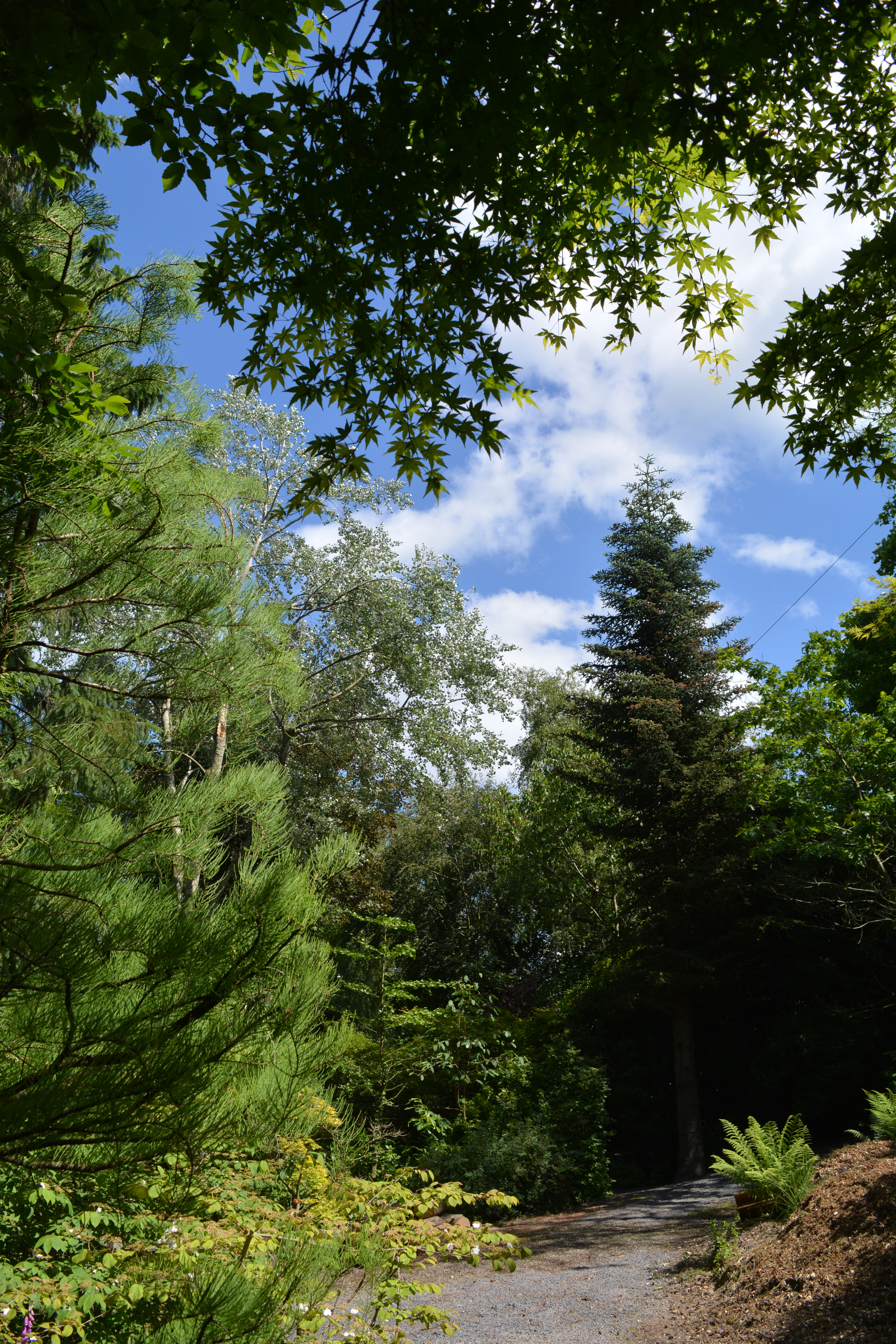
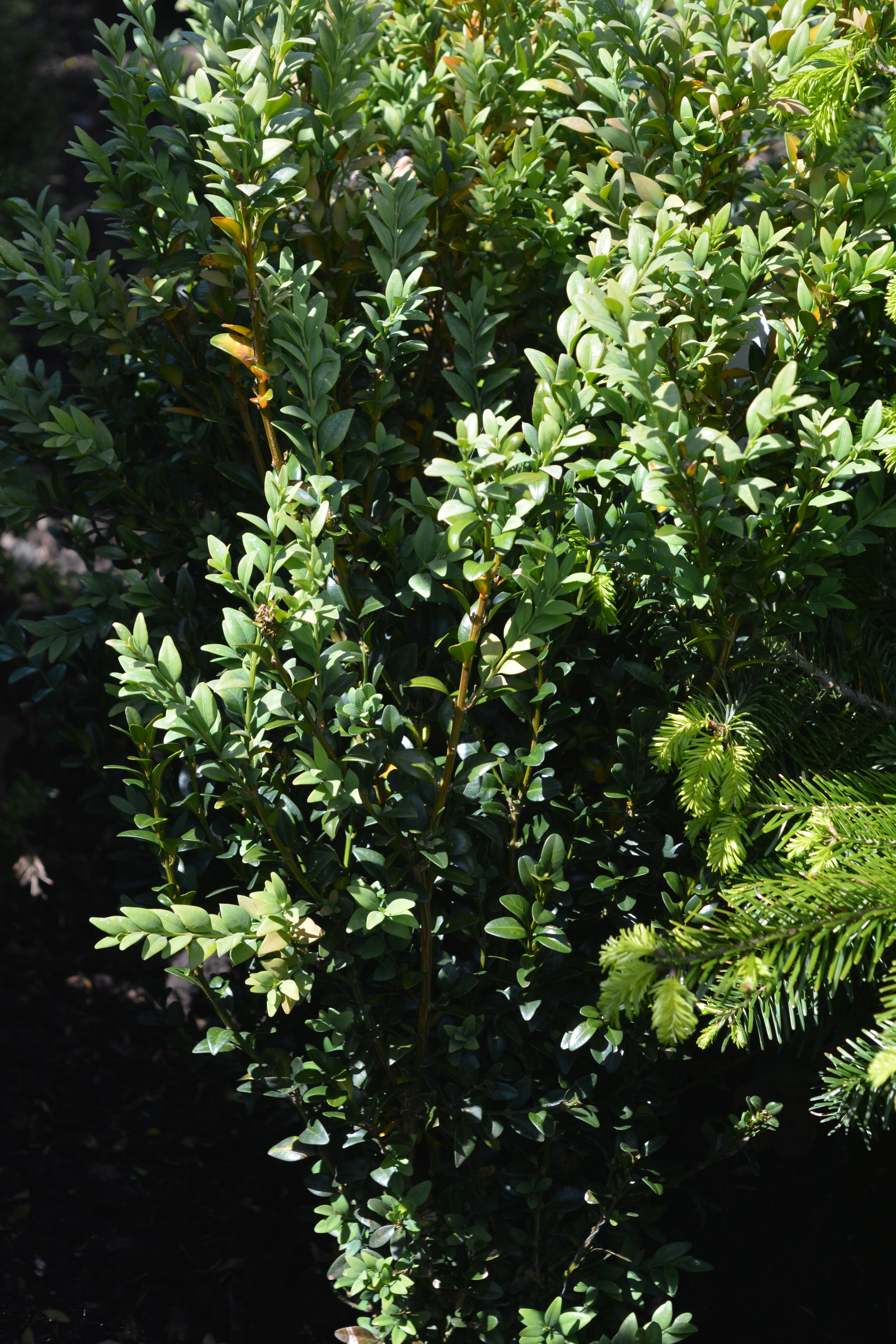
A Cornus kousa on the lawned area loked at its best, with creamy white bracts covering it from head to toe. The light emphasised the shapes and textures of quite ordinary trees ans shrubs lifting them above their normal character, including this tall conifer and the little Box shrub.


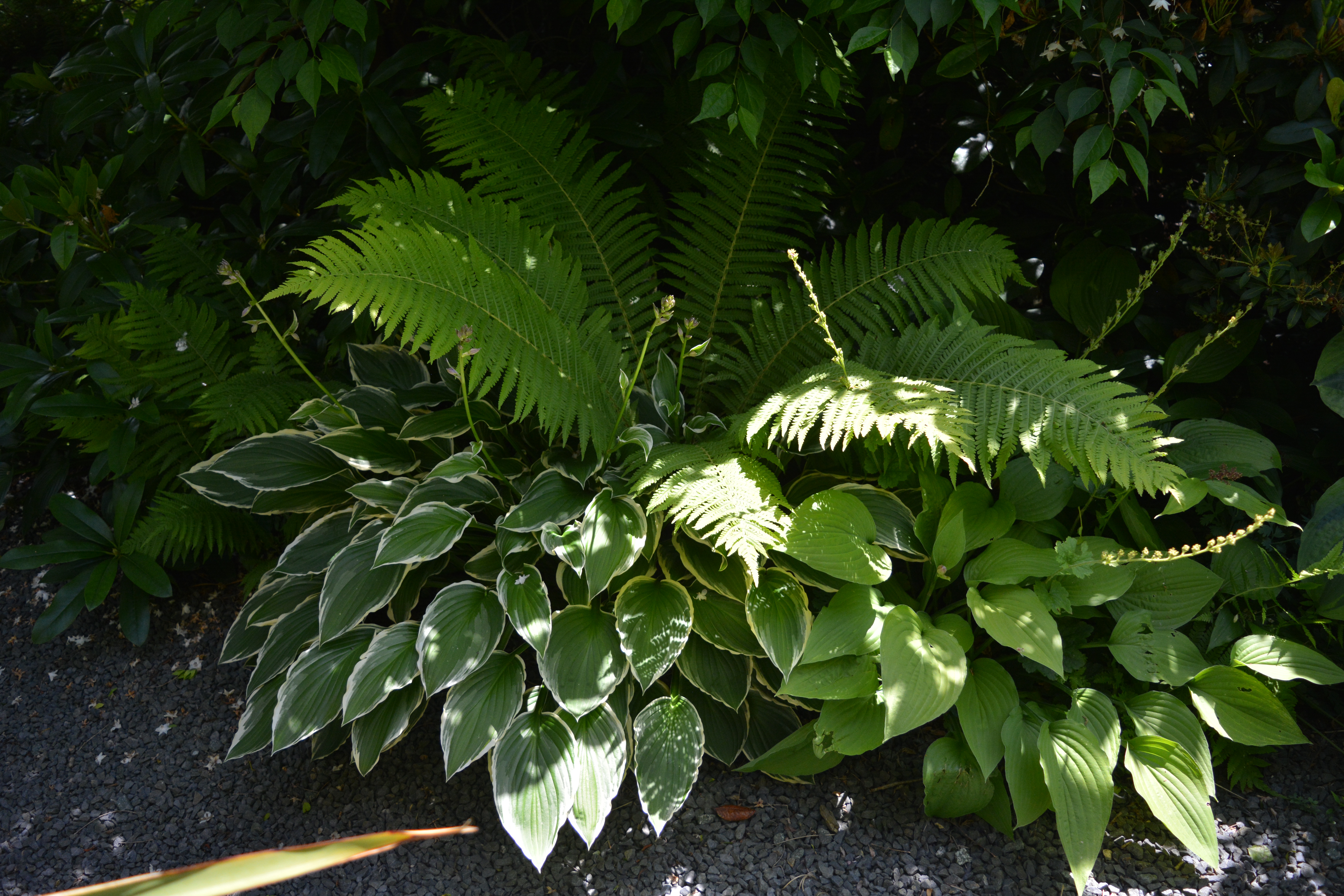
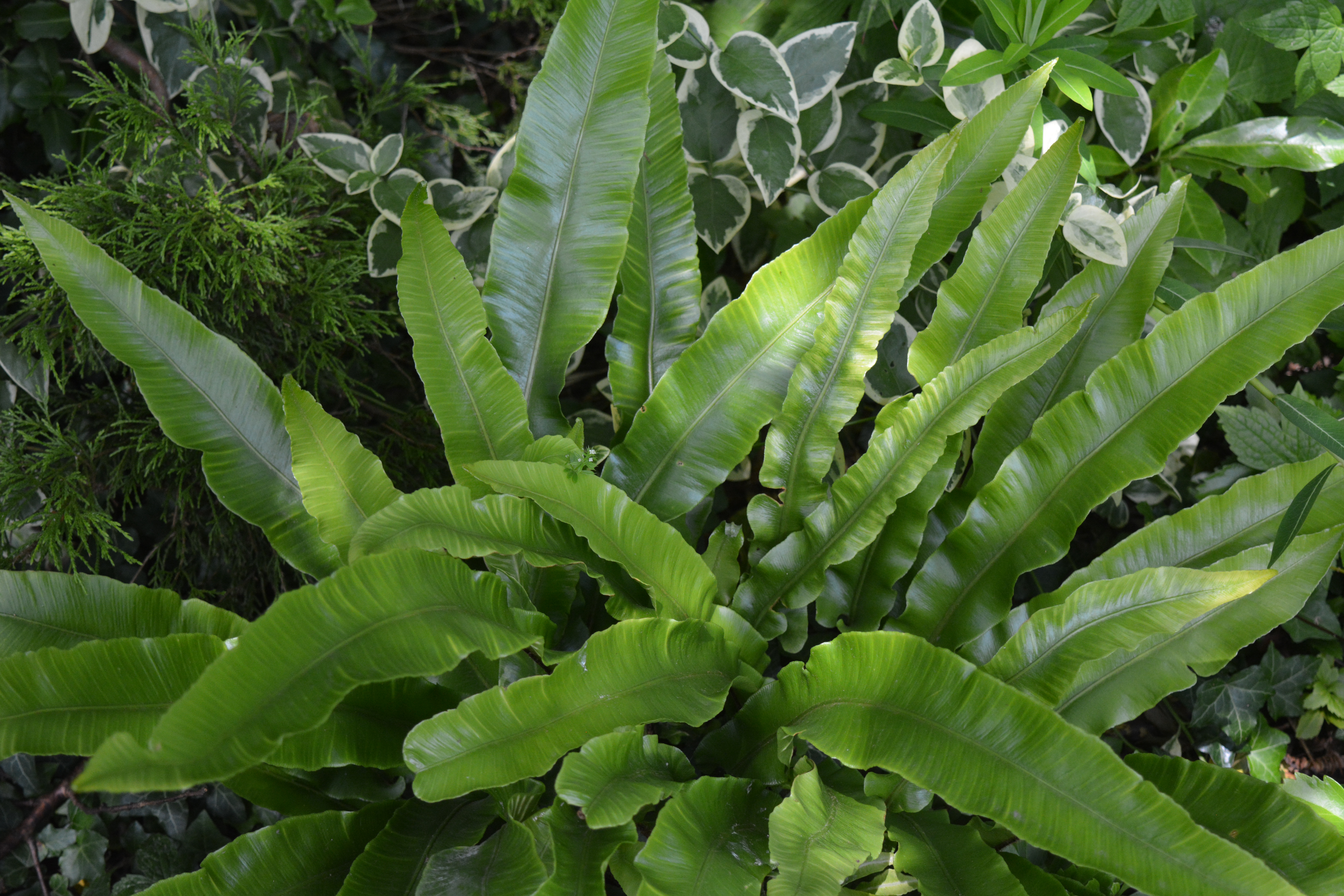
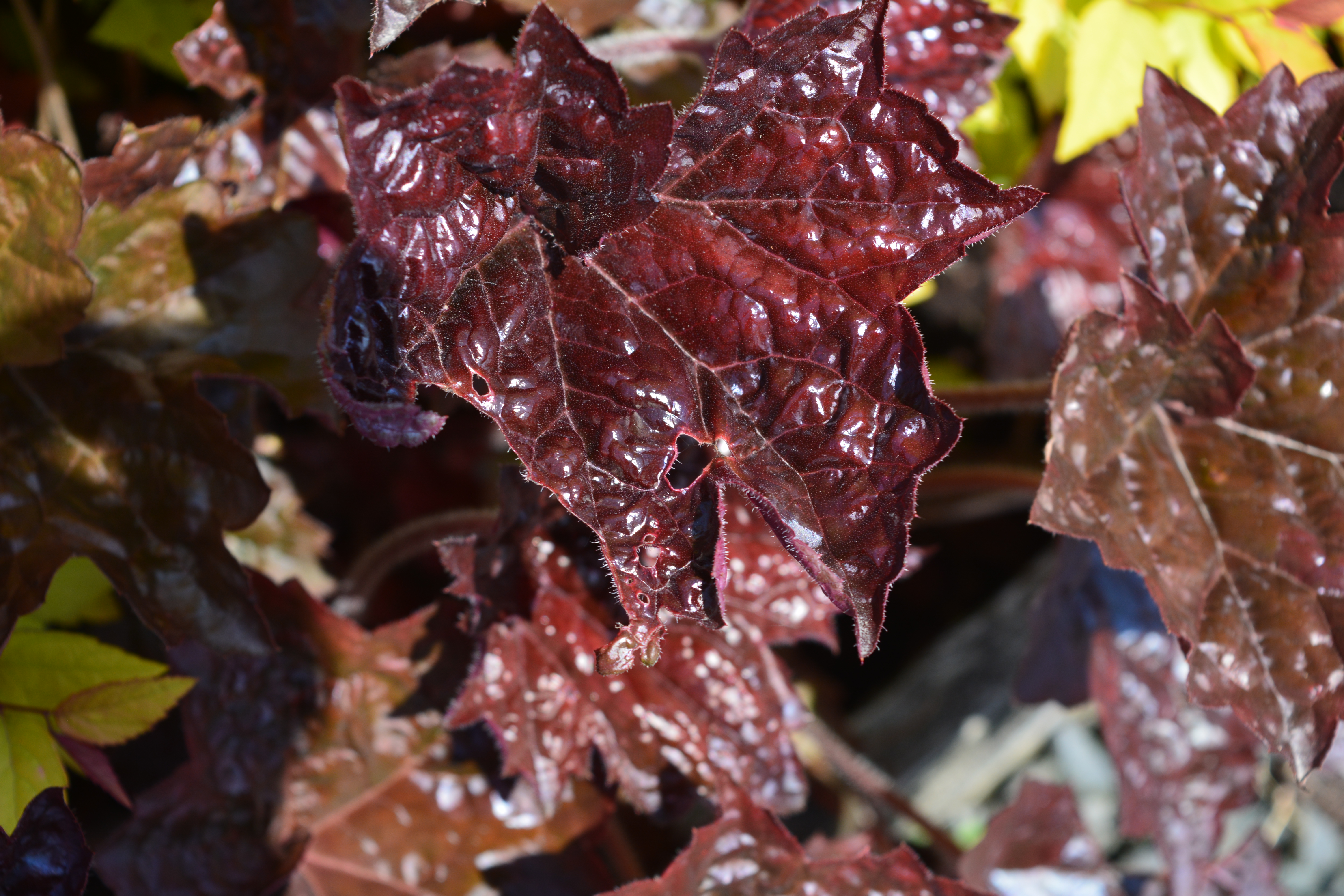
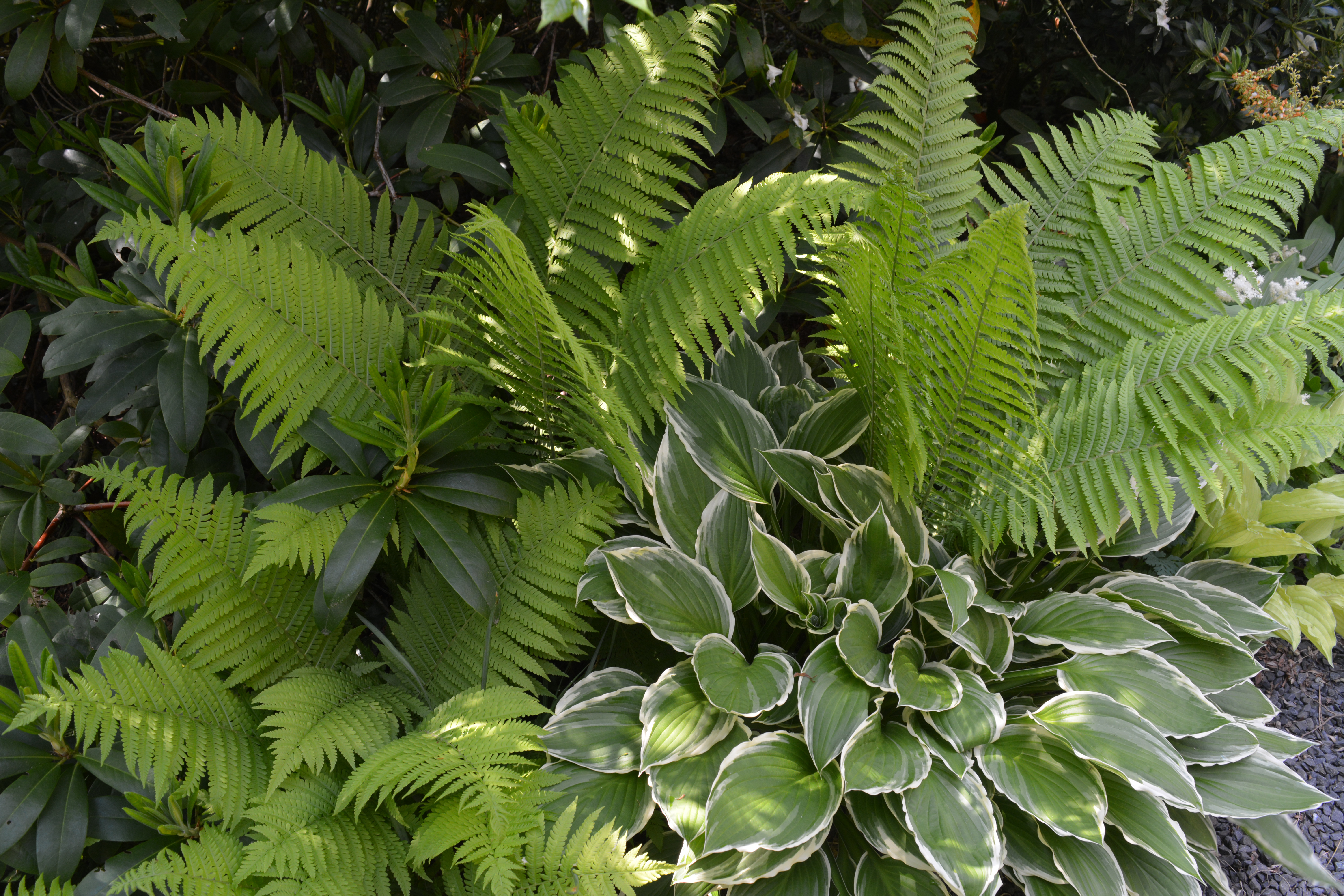
Hosta leaves and fern fronds looked lush and fresh and appeared in every shade of green, some glaucous and some almost yellow. Their textures were emphasised also by the light, every curl and ripple of leaf and each curl and twist of fern fronds.


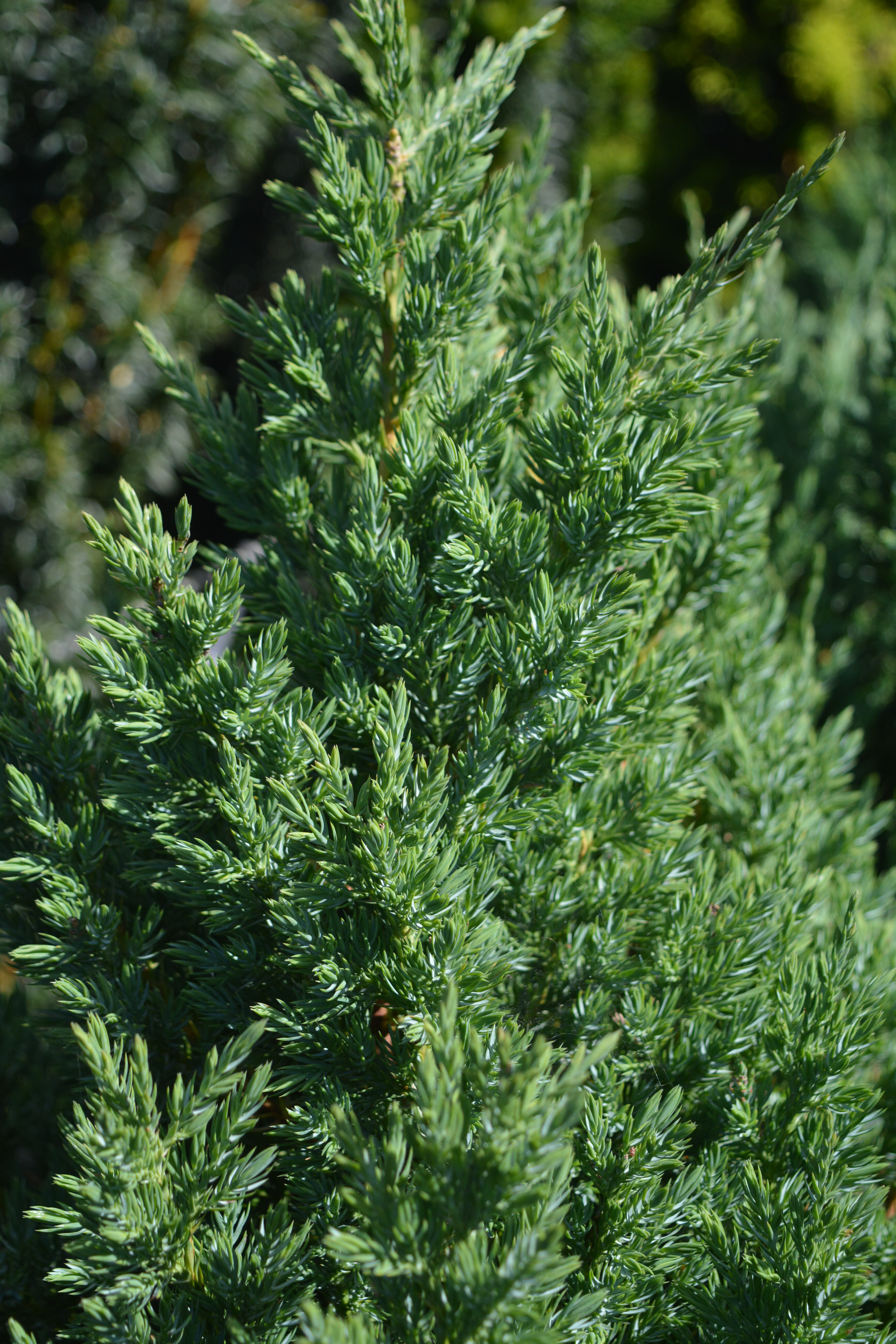
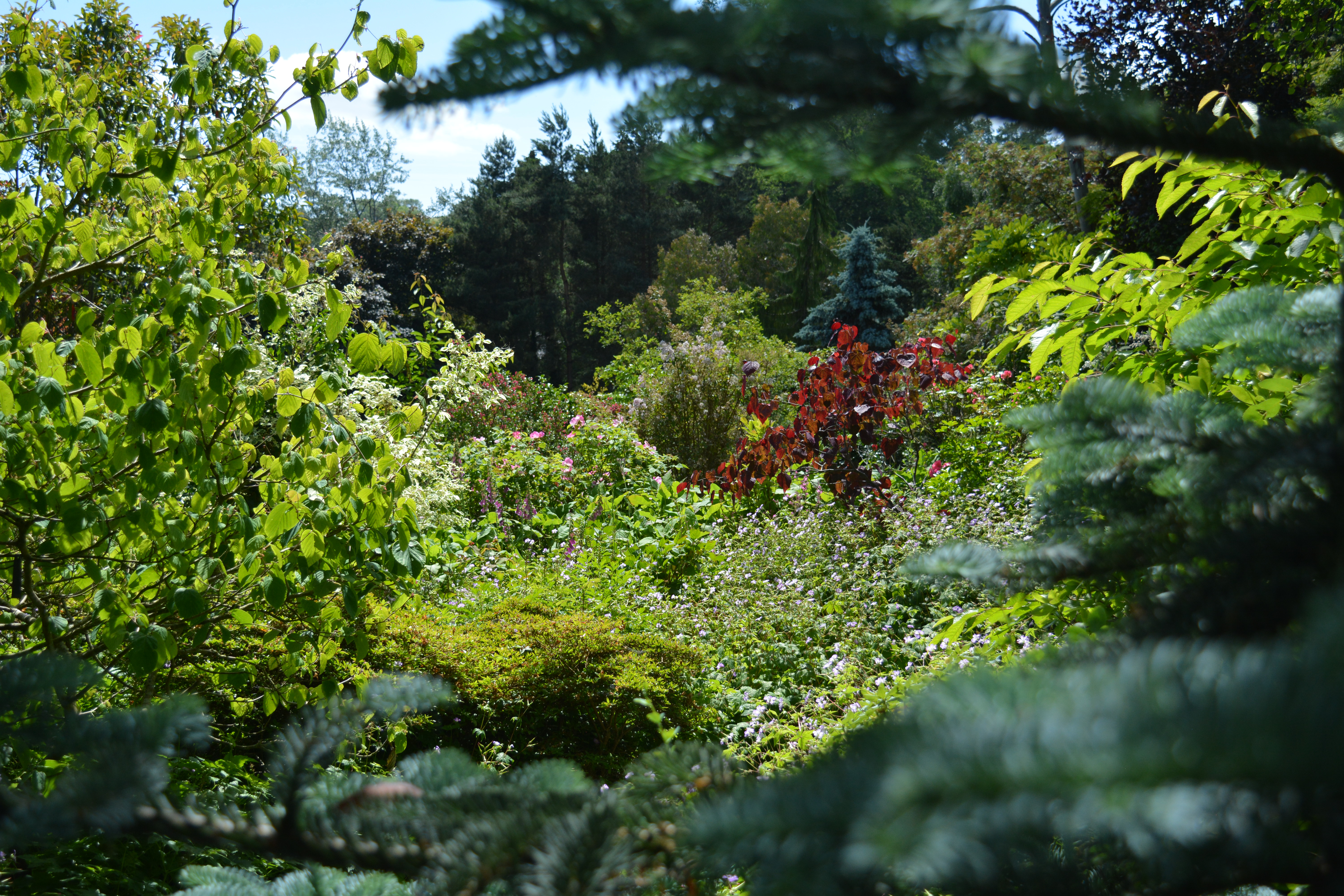
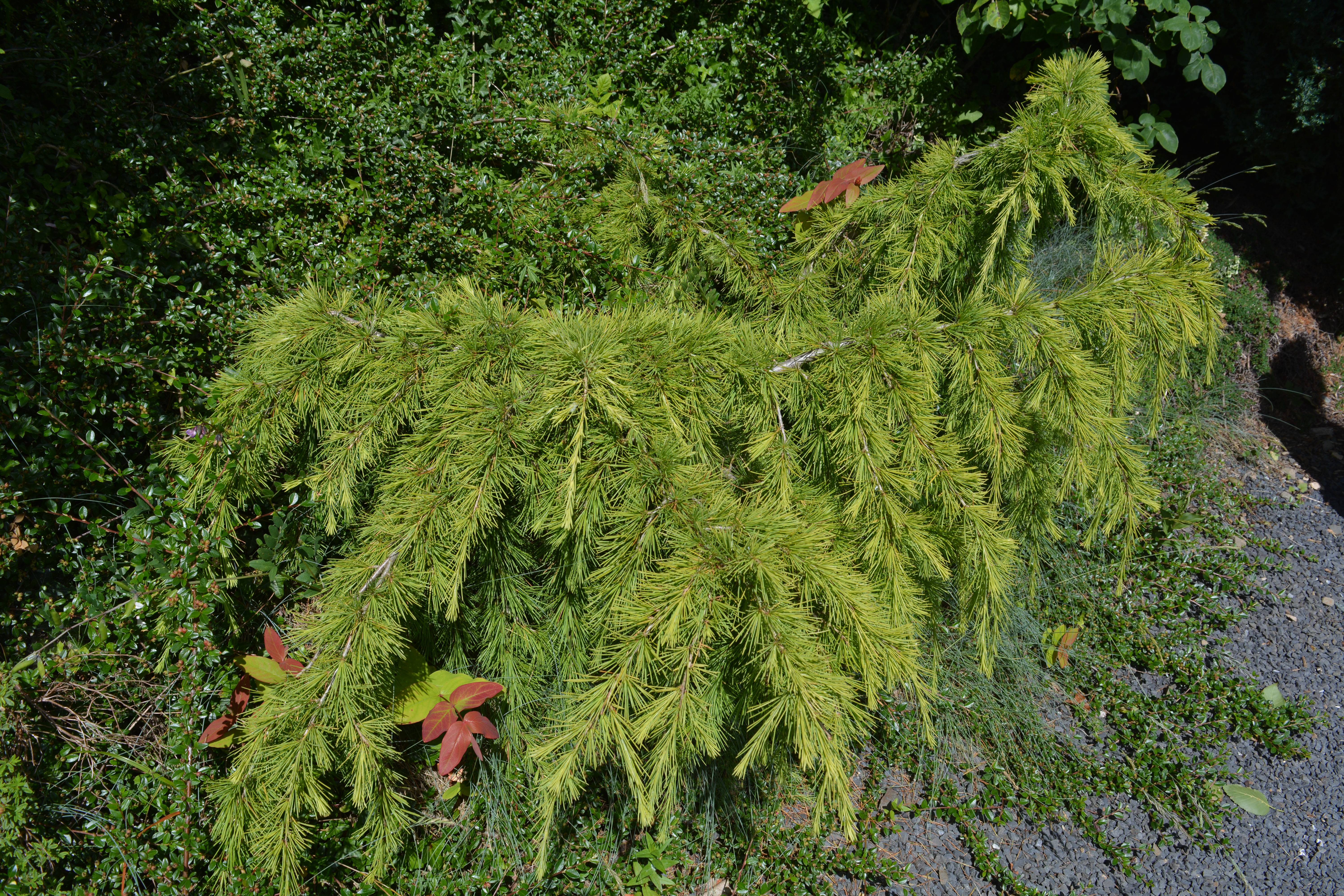
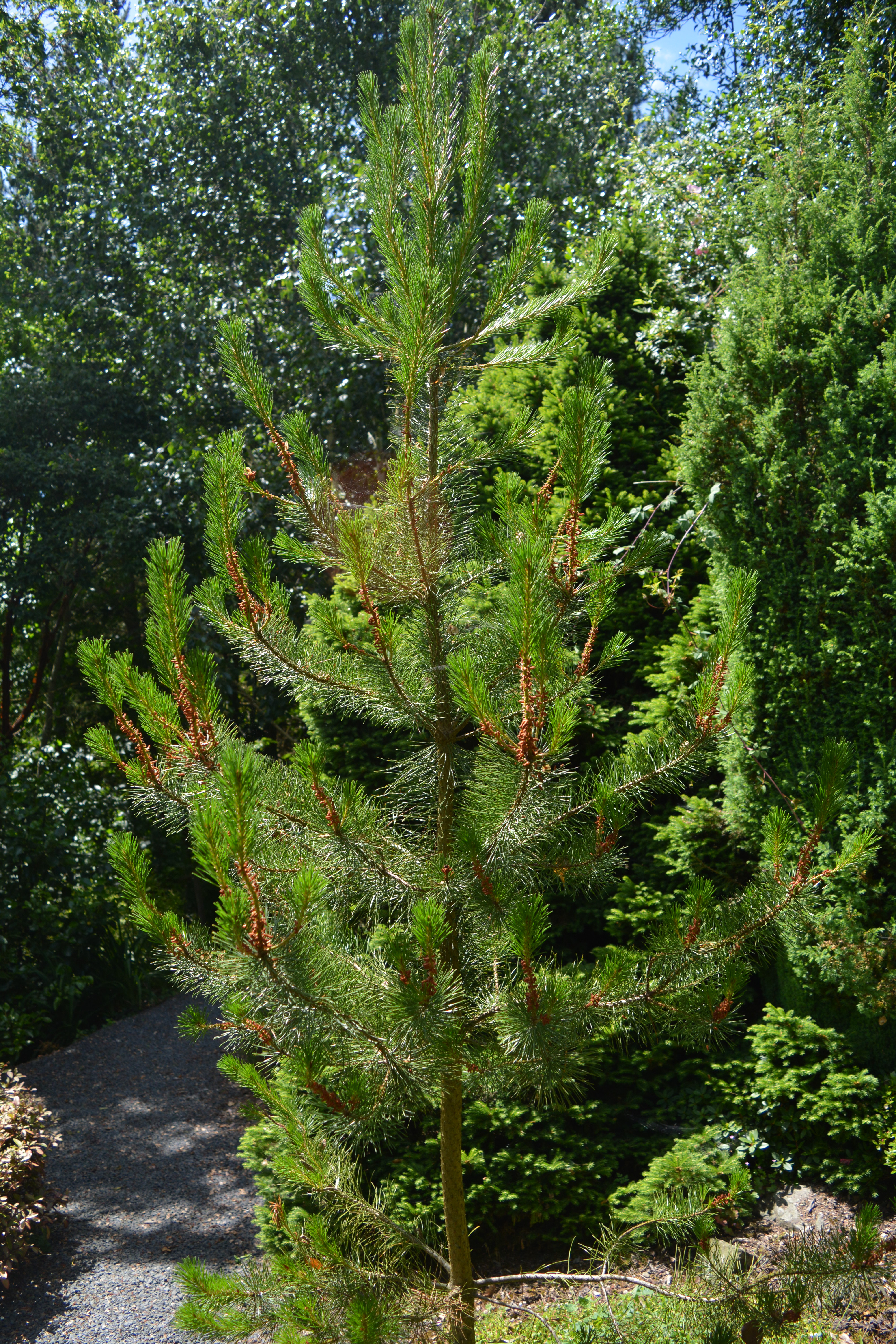
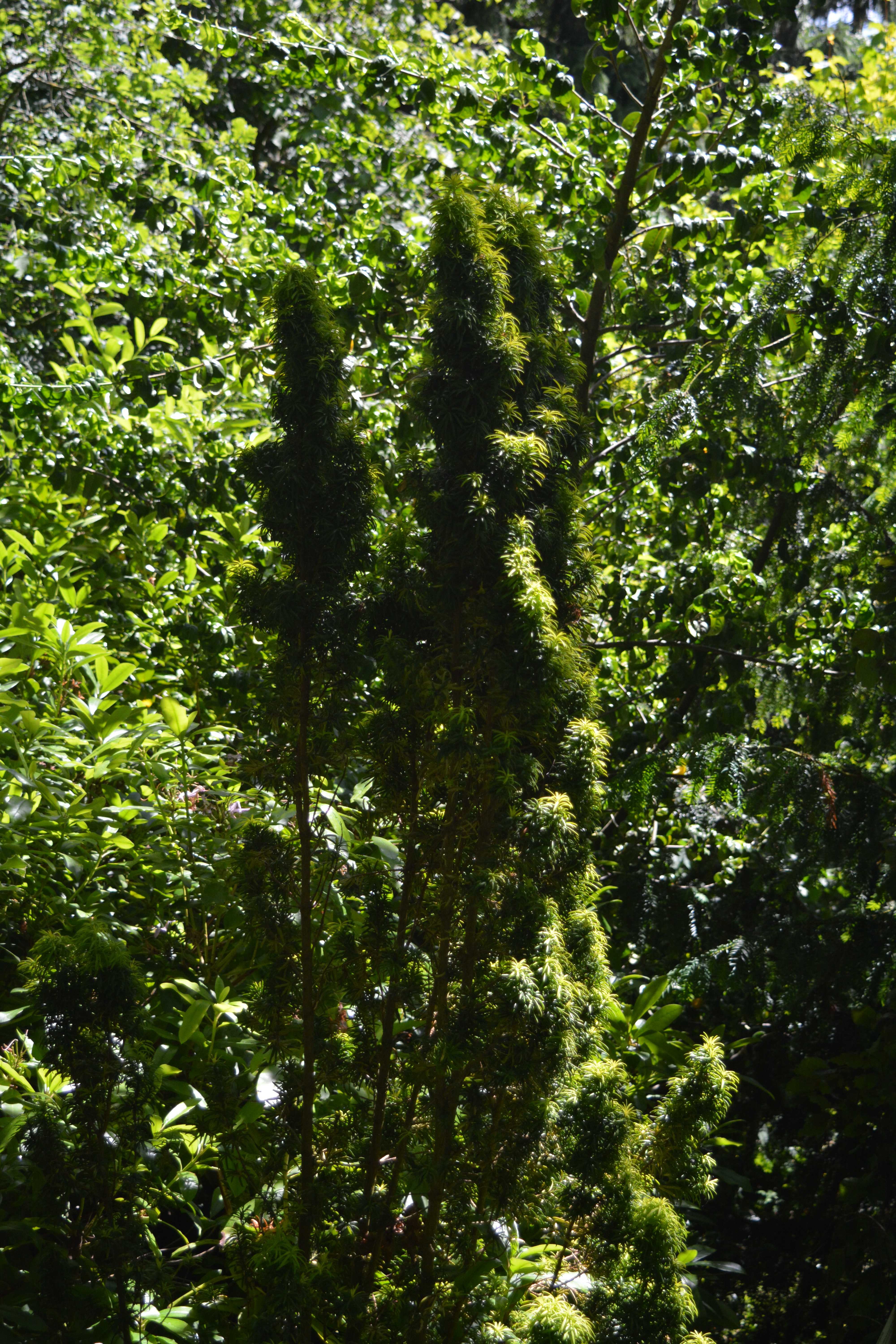
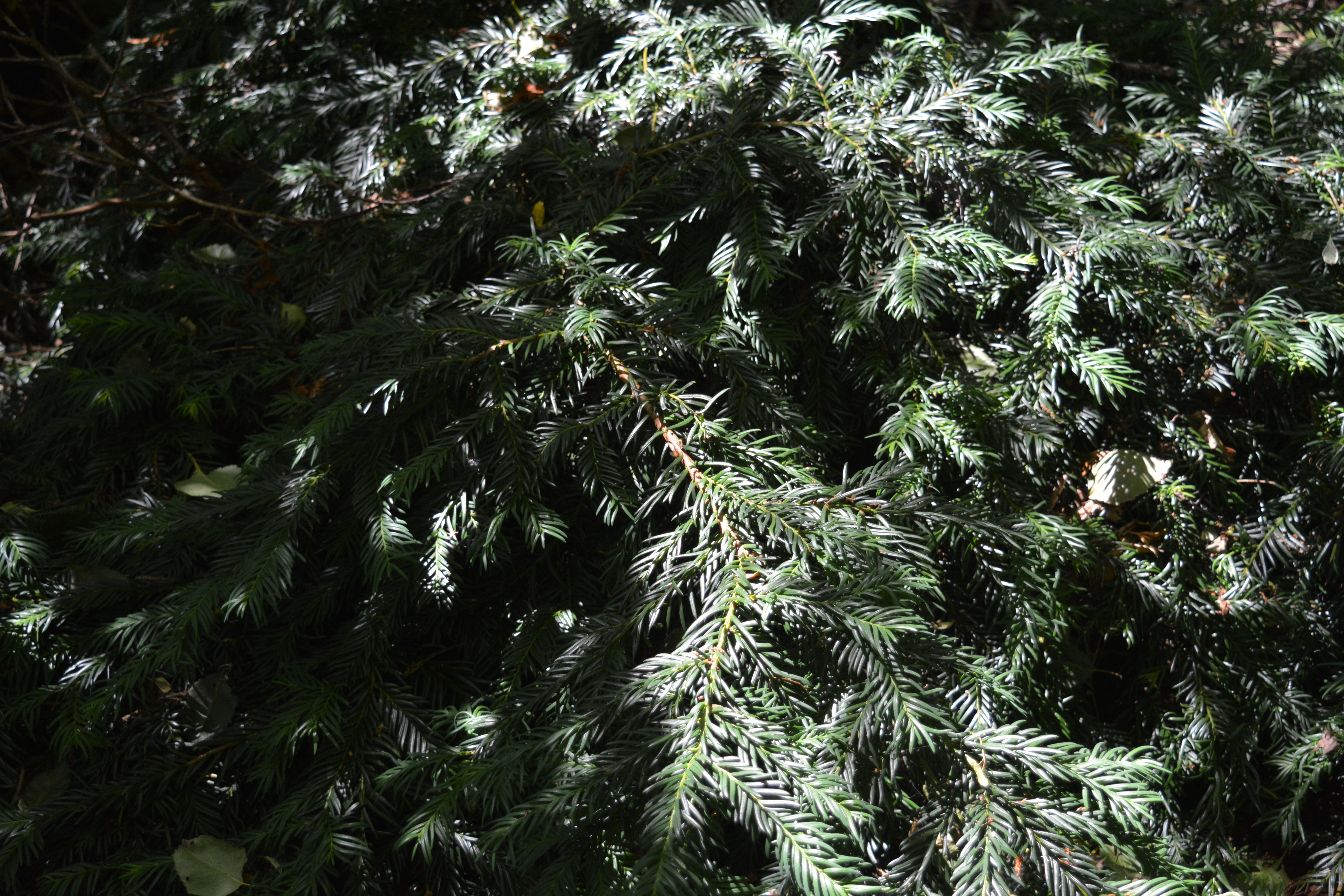
Conifers are difficult to appreciate in such a heavily planted hillside garden but on this day they seemed extra interesting with extra interest in their needle shapes and colours.


Conifer foliage appeared far more textured and more varied in colour than on the dull days of our earlier visits as the bright sunlight emphasised both the colours and textures.


The shubs were flowering well on this visit and some petals became almost translucent and a few perennial plants had cme into bloom too. These flower colours had an extra element of richness to them as they presented strong contrast to the multitude of greens and greys of foliage.

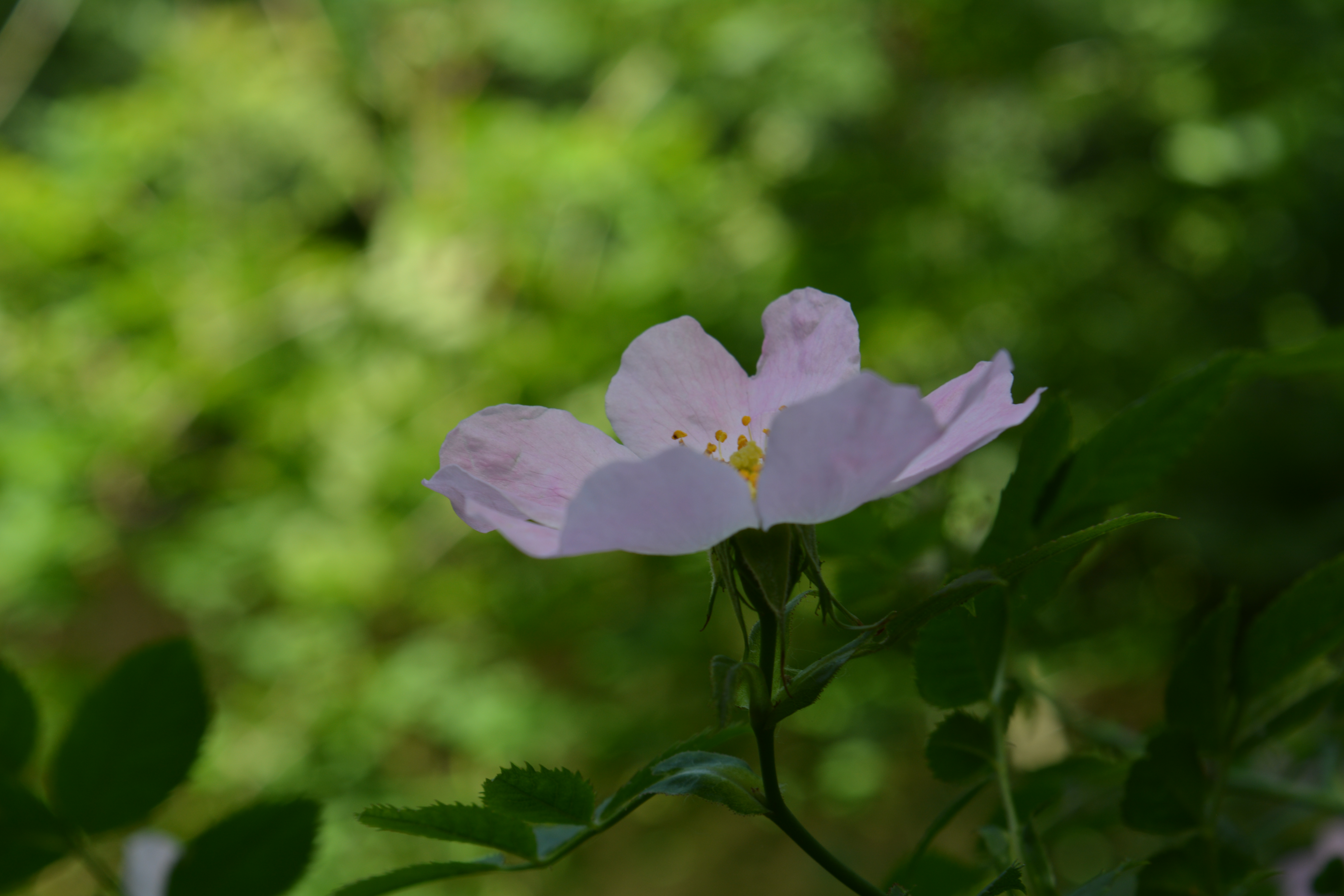
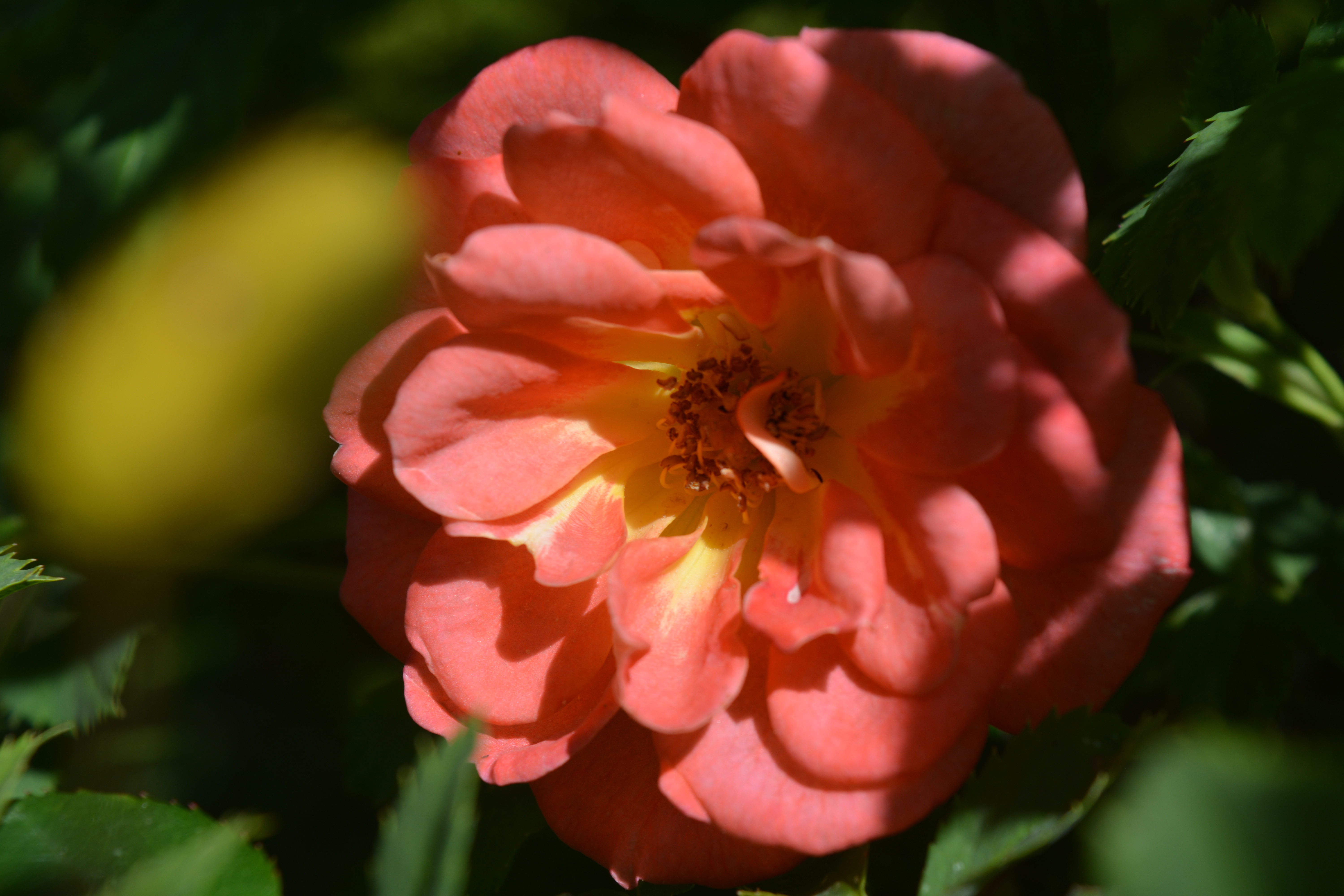
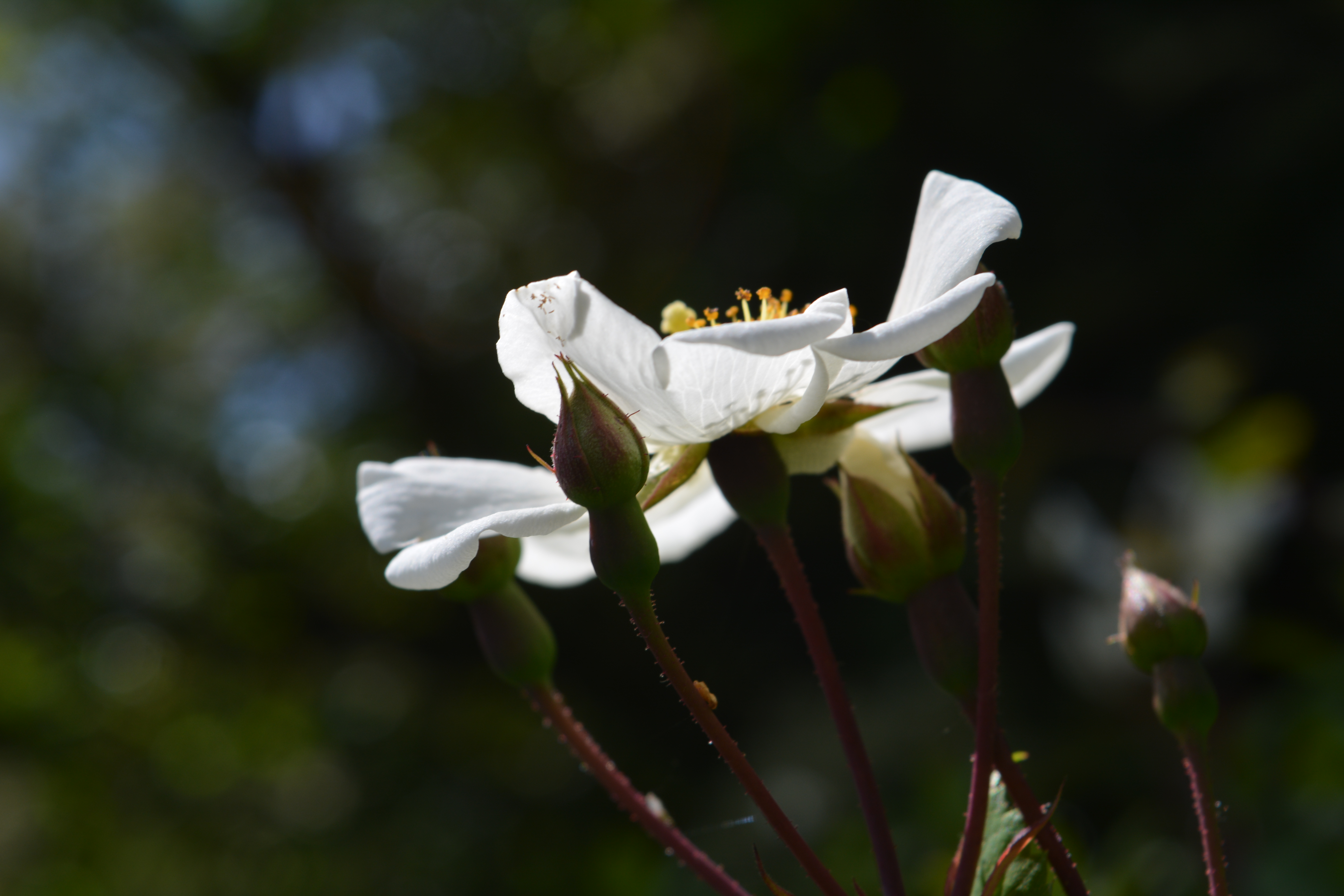
Roses seemed to have appeared from nowhere. In a garden full od trees and shrubs with interesting foliage, bark and stems rose bushes out of flower really do disappear. But in June suddenly the subshine finds heir beautiful scented flowers. Most here are simple blooms including our native roses.

To finish off my post on our June visit to the Dingle Garden I shall sign off with a gallery of flowering shrub photos, which I hope you enjoy. We will be back in July for our next monthly visit to see what is going on.


Categories
flowering bulbs garden design garden photography garden seat garden seating gardening gardens gardens open to the public grasses hardy perennials Herefordshire irises kitchen gardens log piles logs National Garden Scheme NGS nurseries ornamental grasses ornamental trees and shrubs spring bulbs trees village gardens Winter Gardening winter gardens Yellow Book Gardens

Snowdrops and Creative Pruning – Ivy Croft Garden

I often publish posts about summer days out in winter to help us warm up so as we are in the middle of an exceptionally hot period of weather I shall do the opposite and publish this post I wrote in the winter in the hope it may cool us down!

There were two main reasons we wanted to visit Ivy Croft Garden and Nursery to look at, firstly their huge collection of snowdrops and secondly their imaginative pruning techniques. Both these elements are highlights of the February garden. We drove down to Herefordshire with gardening friends Pete and Sherlie who had never visited the garden before. We had been once before several years ago, when it was still quite early on in the development stage. We were looking forward to seeing what it was like after so many years.

The garden which was started in 1997, surrounds the cottage which has a formal area close to the house partly enclosed by an ivy hedge. Further afield the garden becomes less formal and a wander around gave us the chance to look at its pond, willow and dogwood collections, a perry pear orchard and a vegetable garden enclosed with trained fruit trees.

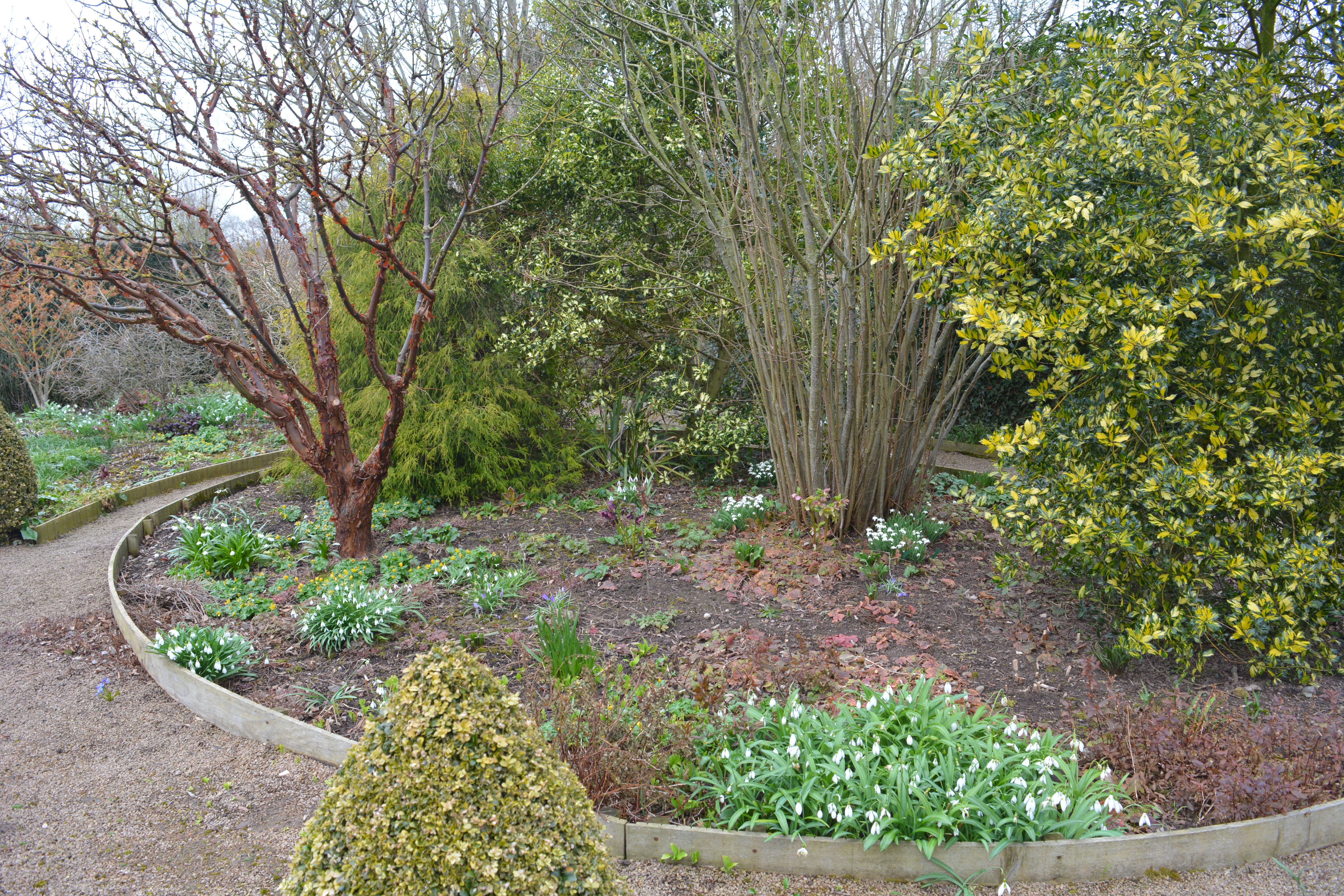
The area around the house featured many flowering bulbs and in the spring and summer alpines would take over. A colourful Acer griseum stood with two variegated Hollies in a circular bed surrounded by a gravel pathway.


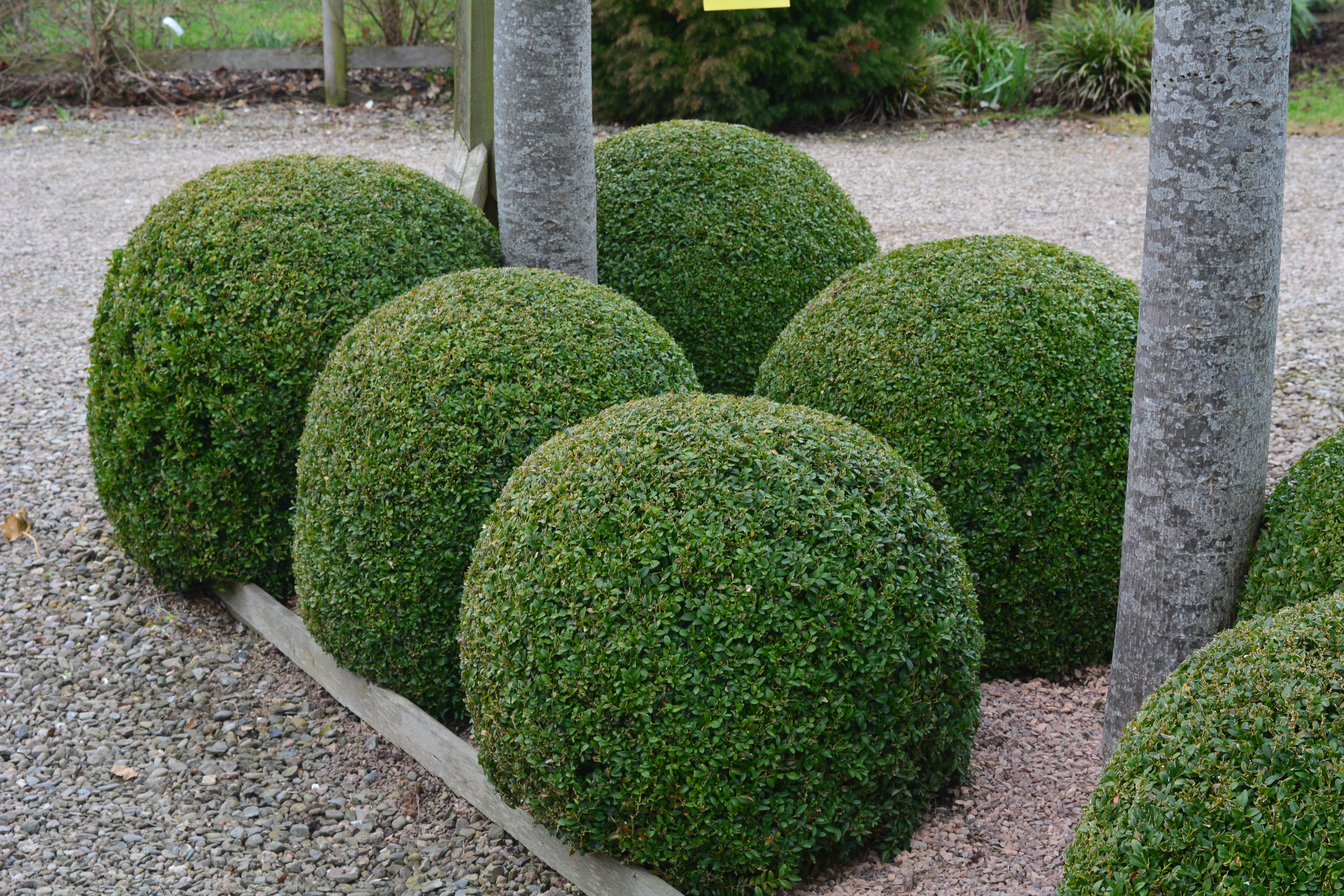
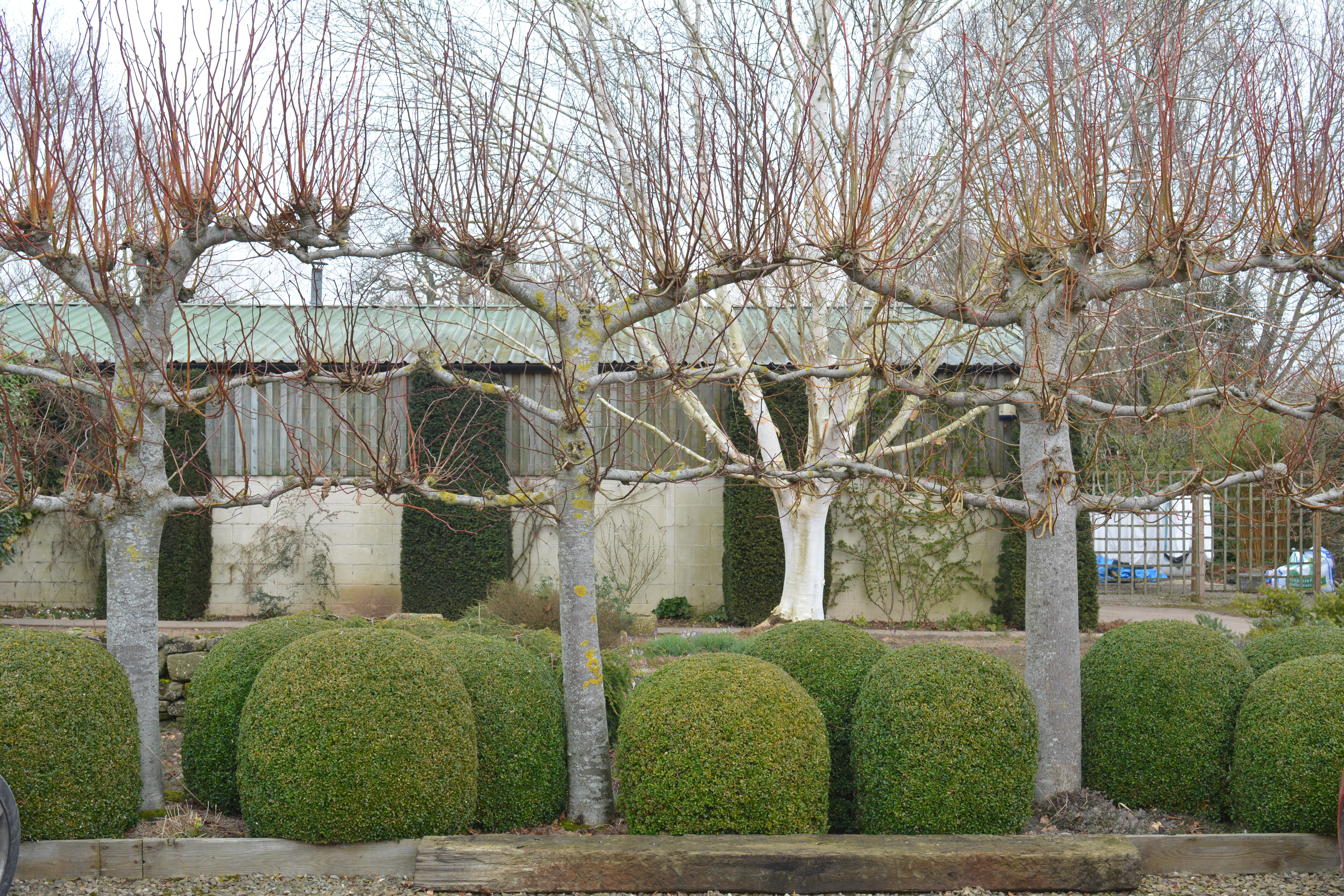
The pruned features we discovered as we parked up included a pleached limes, box balls and all were neatly presented.


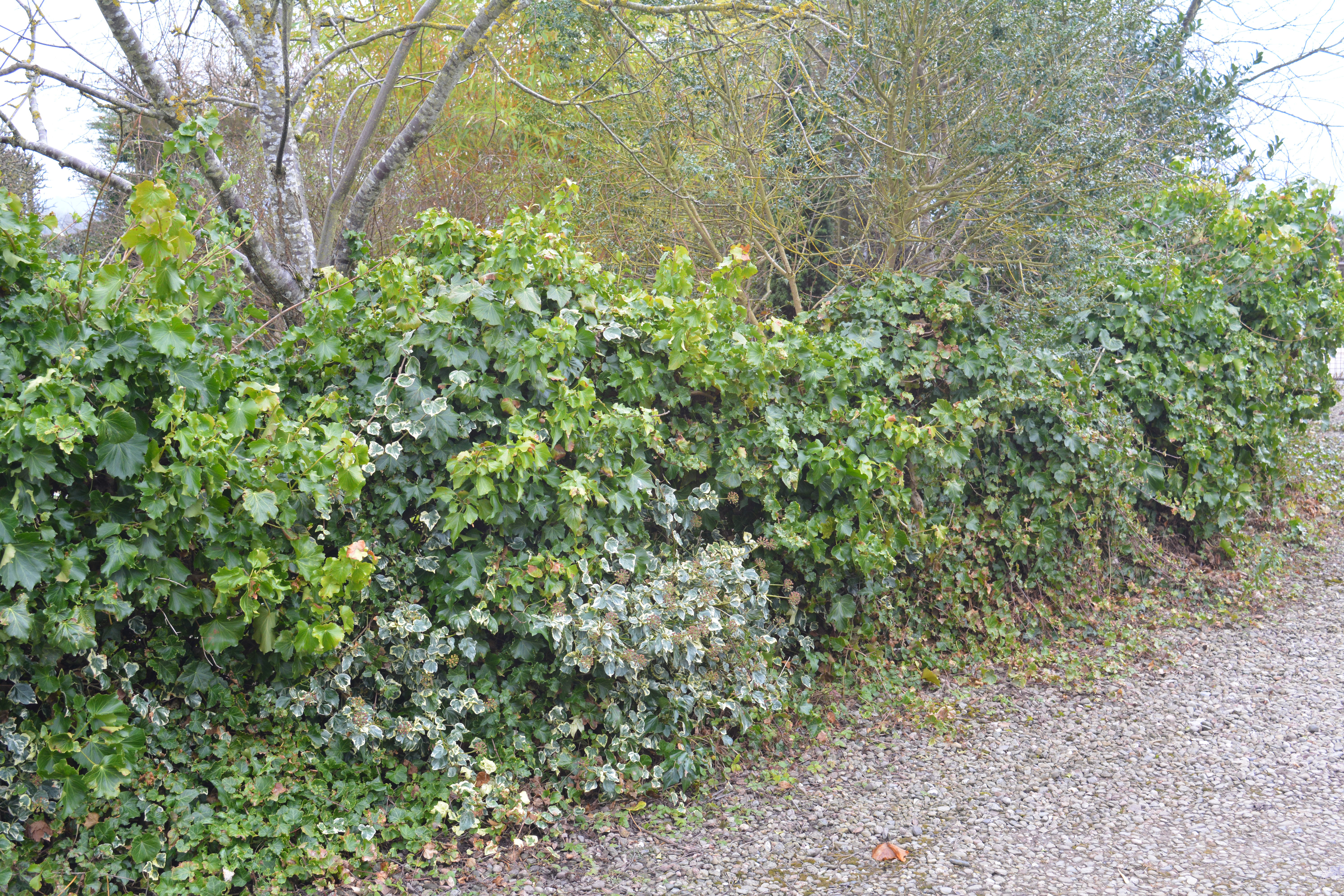
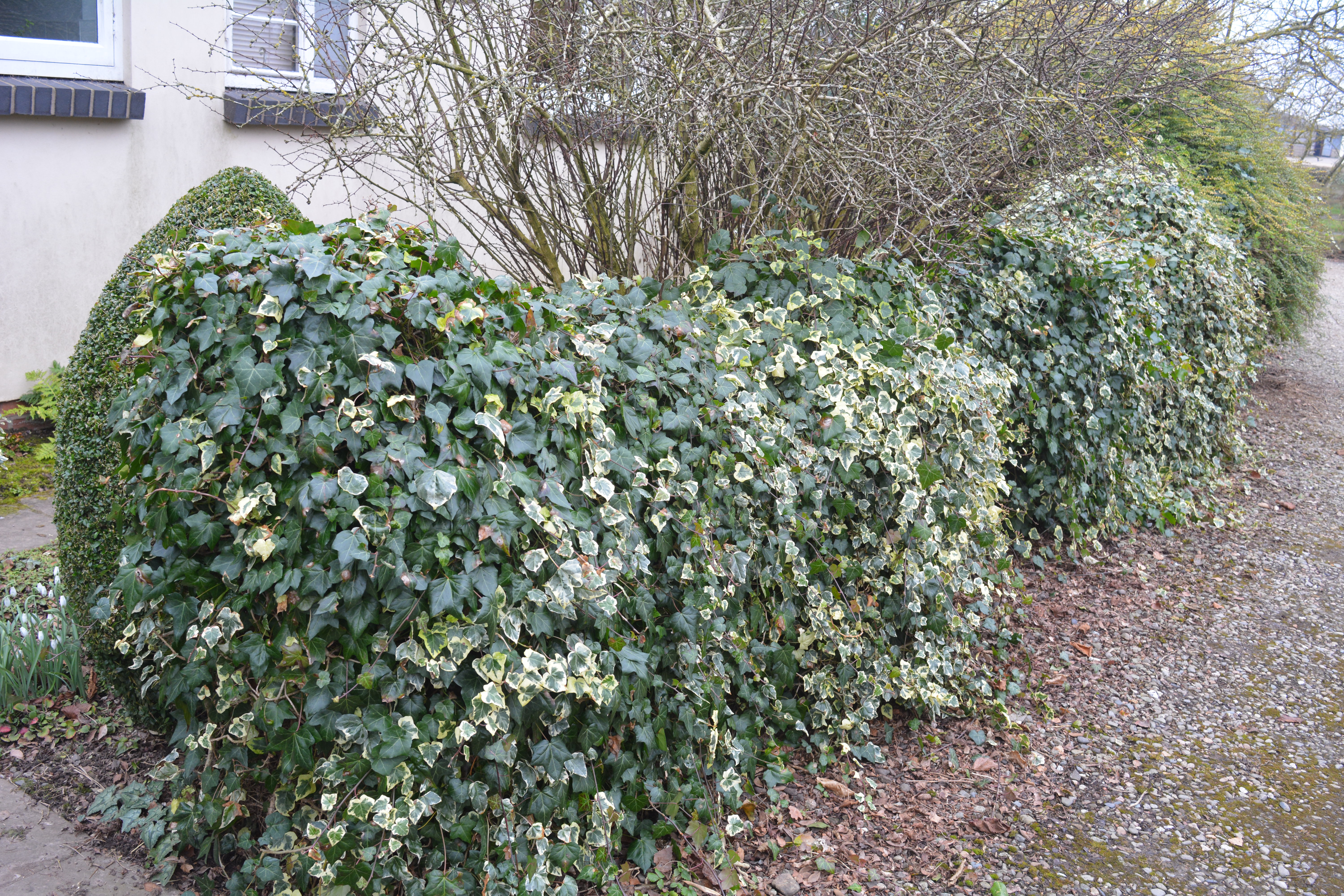
An amazing selection of ivies made up the ivy hedge which surround two sides of the formal garden around the cottage. It was a beautiful, unusual feature to welcome visitors.


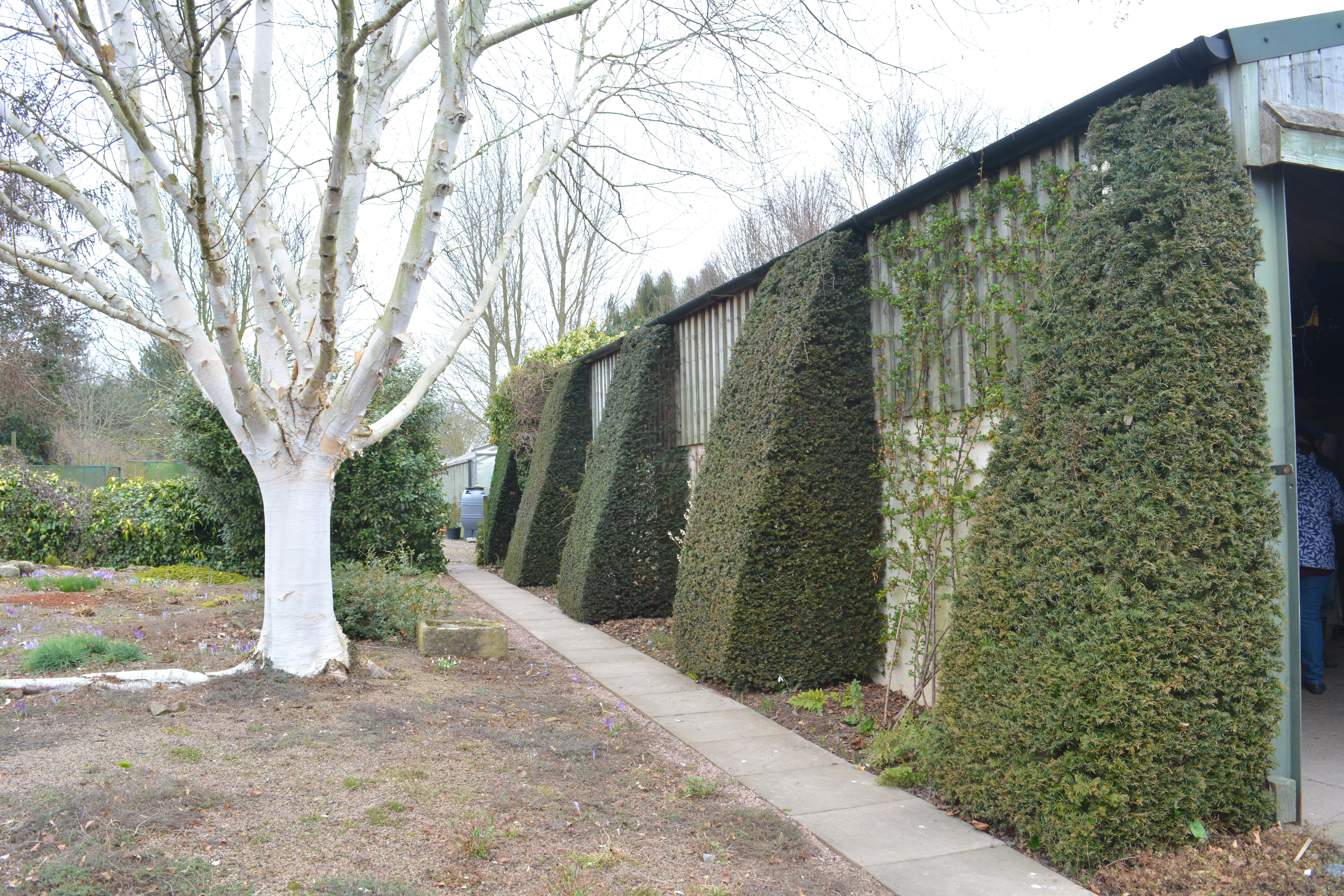
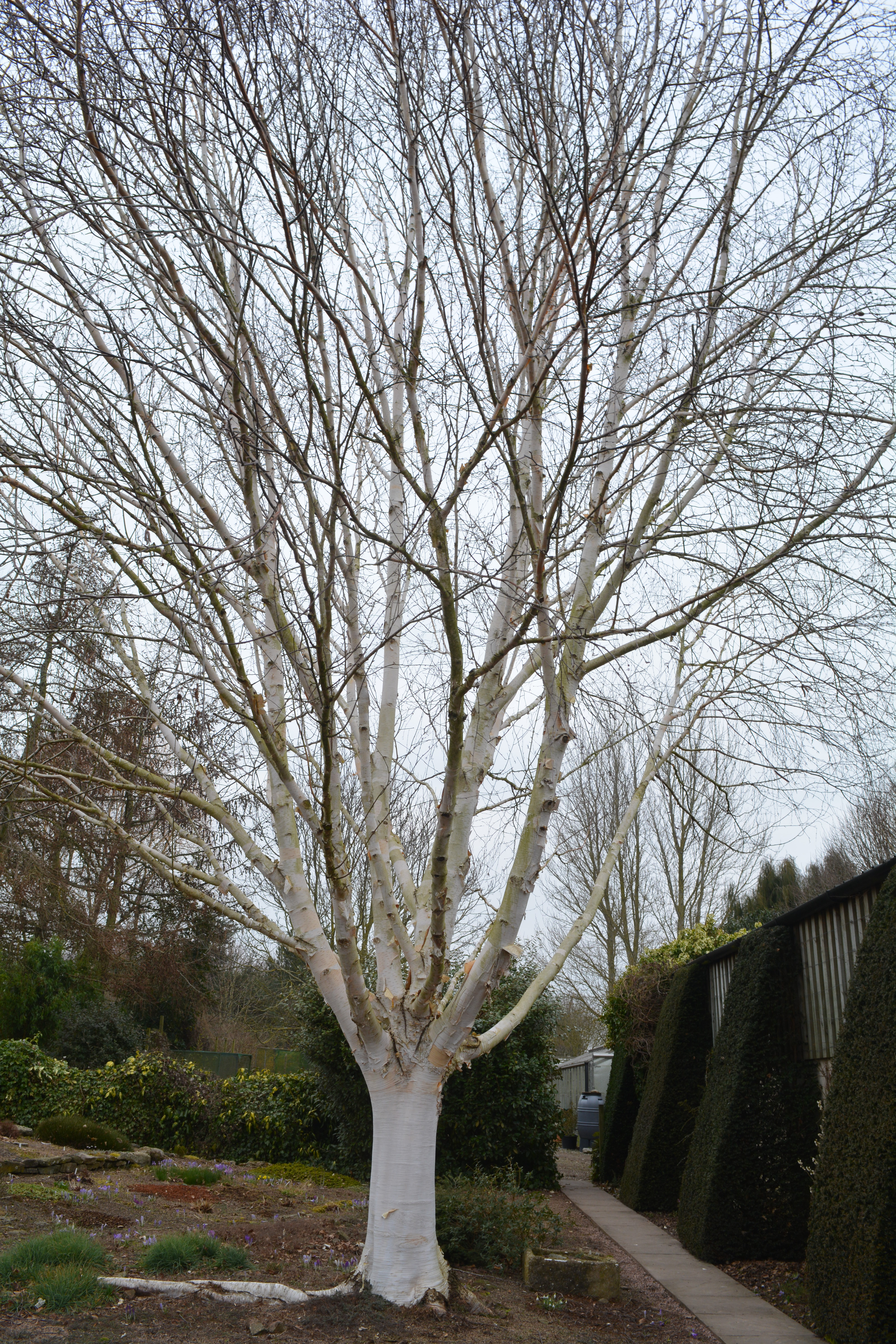
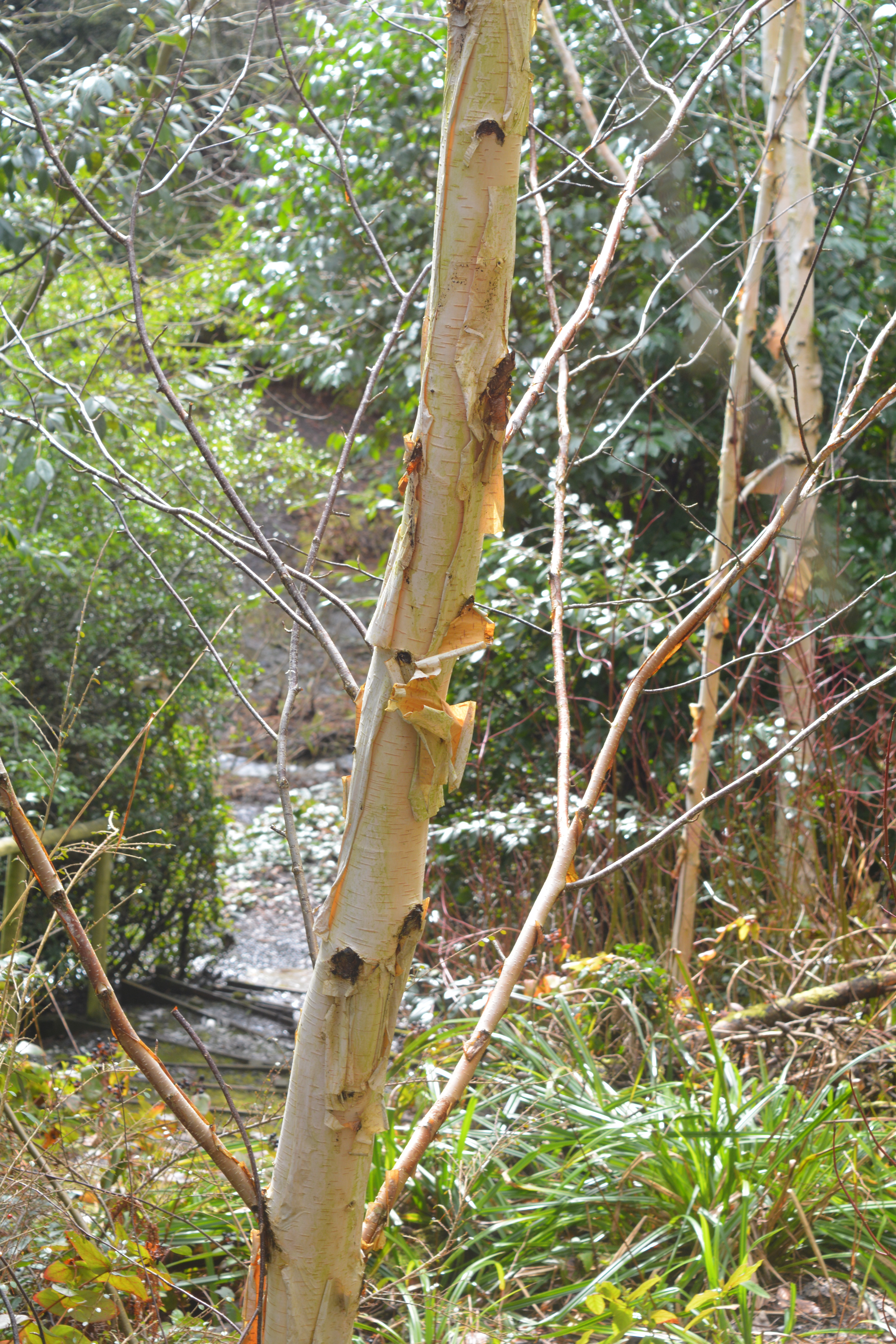
The huge work shed had a unique humorous tough, buttresses created by training and pruning yew trees. Close by stood this beautiful white barked birch tree.


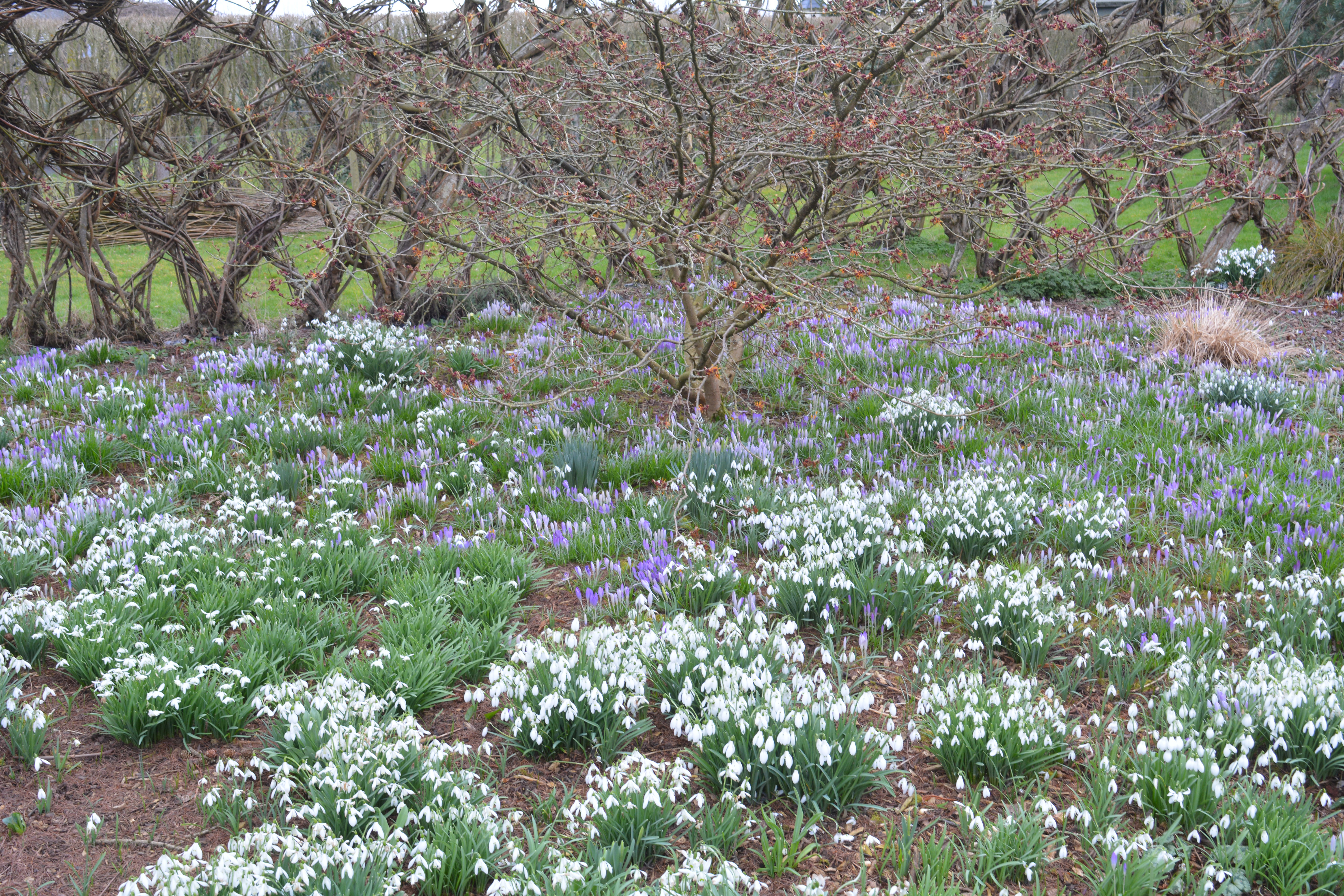
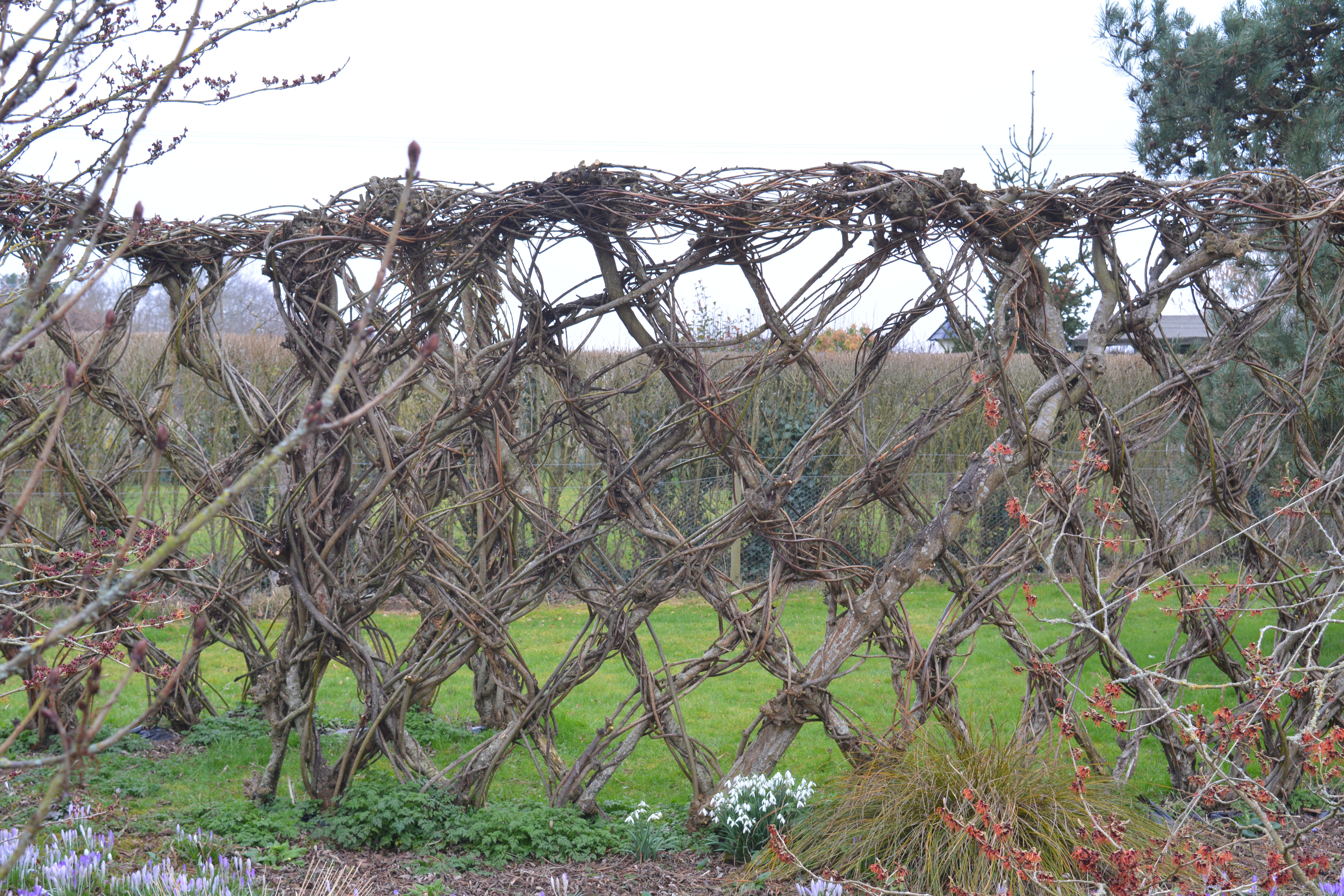
As we walked away from the pleached limes and box ball topiary, we wandered through the wide selection of rare and unusual snowdrops. Beyond this border was a trellis-like “fedge”, a living hedge made from willow.


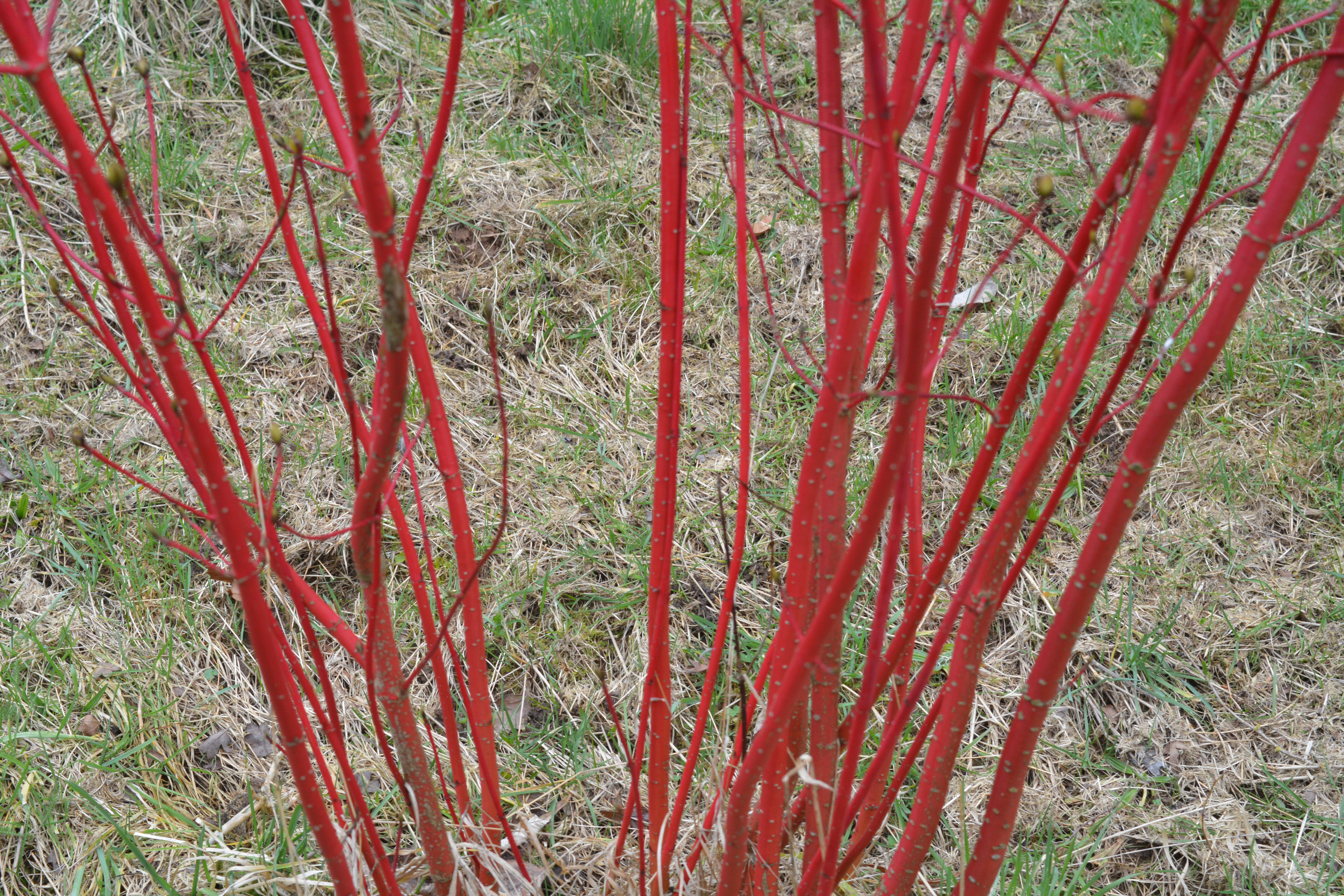
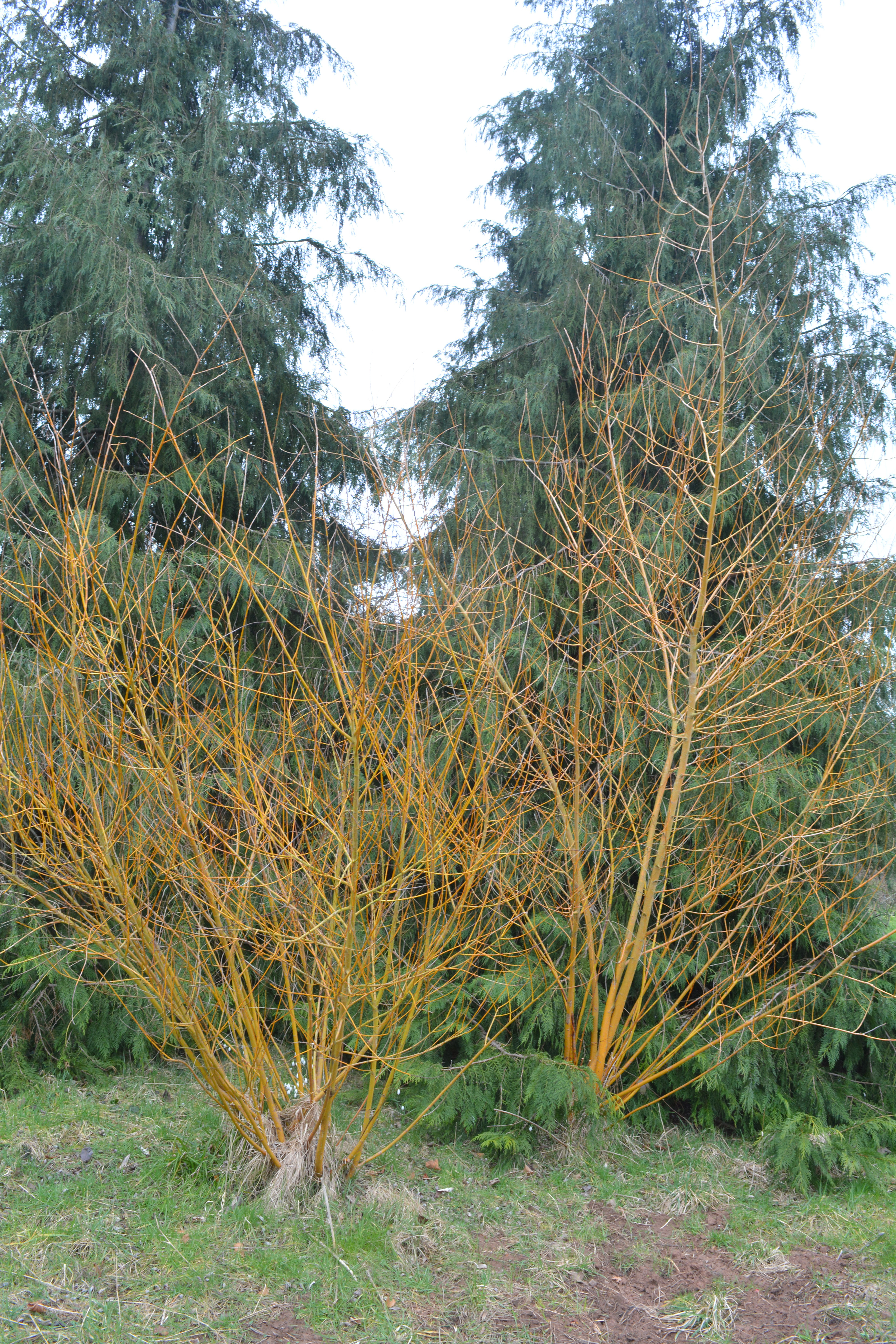
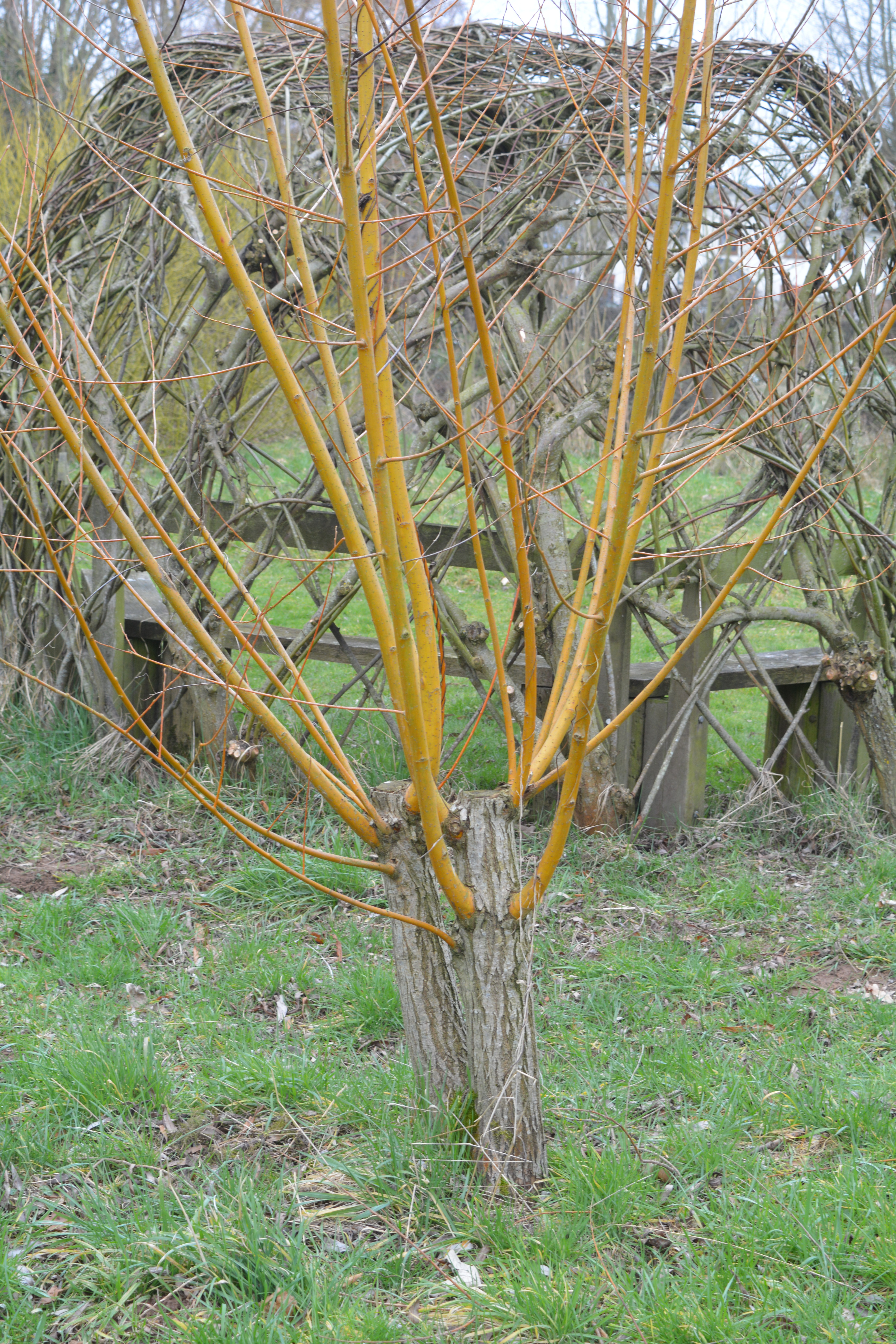
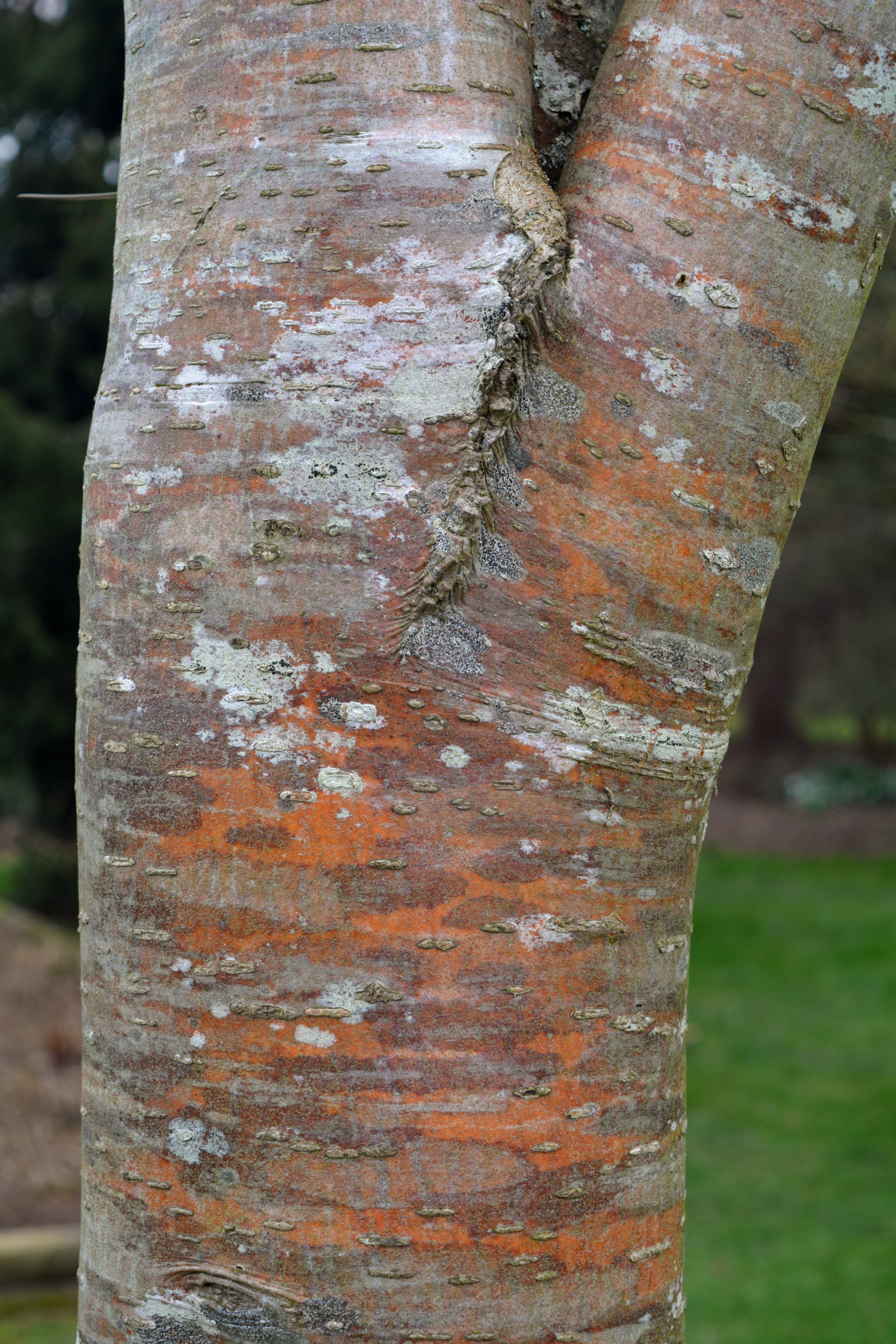
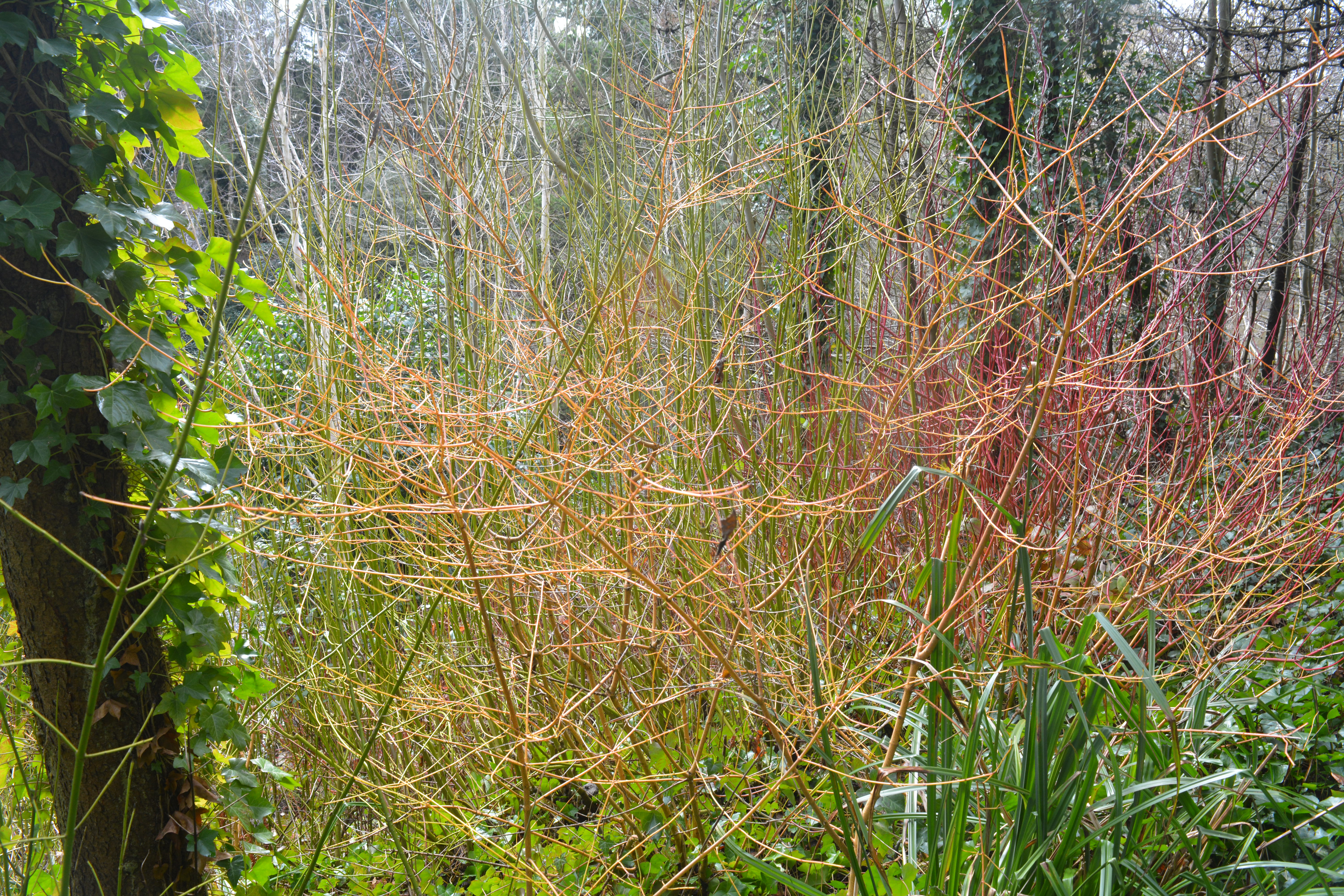
Shrubs with coloured stems and trees with coloured bark are strong features of the winter garden, and Ivycroft had some fine examples of both. Coloured stems were provided by Salix and Cornus, whereas the coloured bark appeared on Betulas and Prunus.


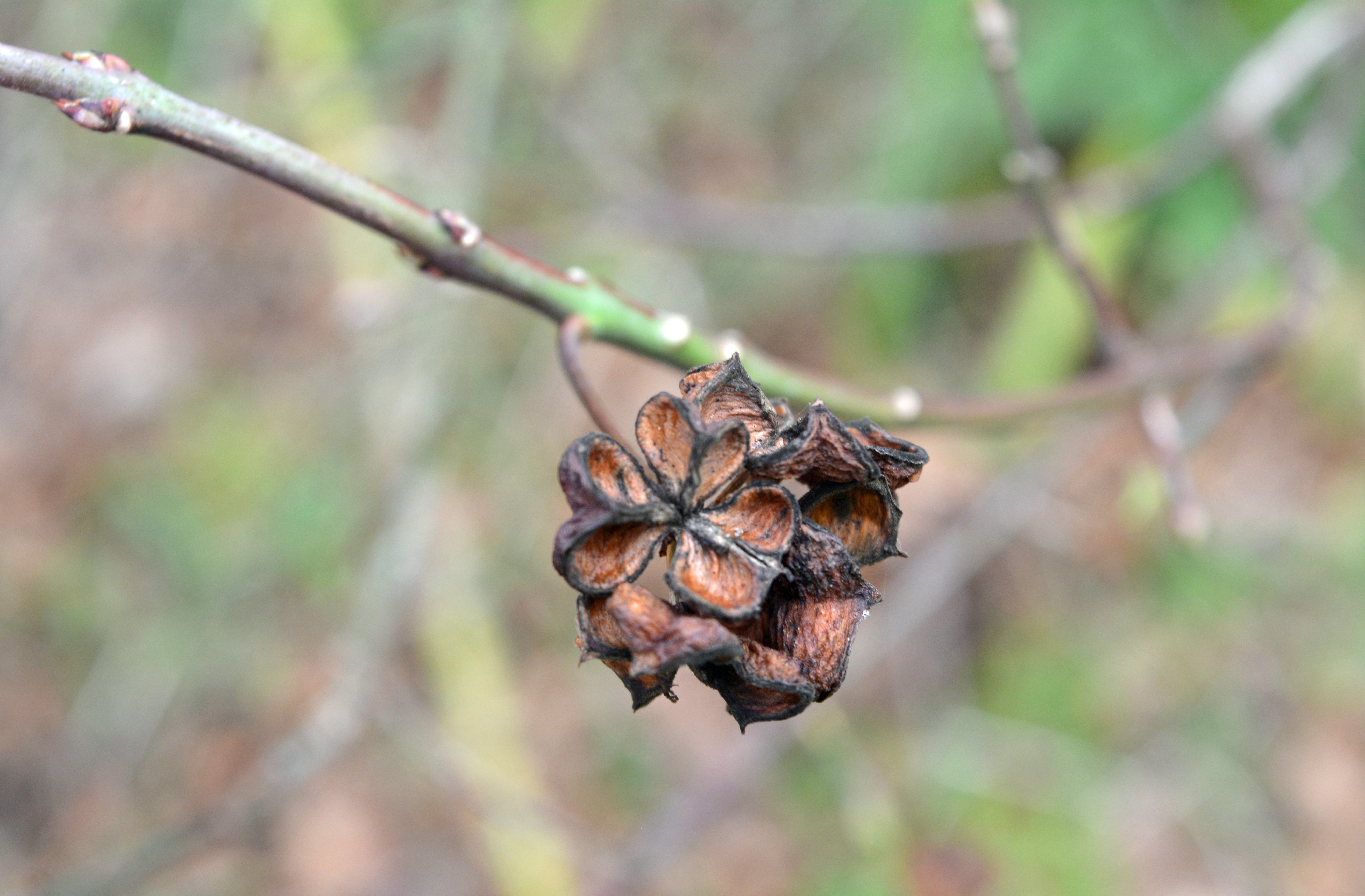
Little details reward those who take a closer look, a catkin, a flower or an old seed pod.


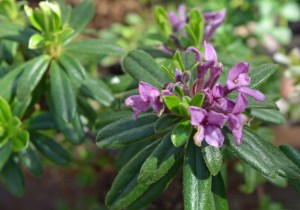
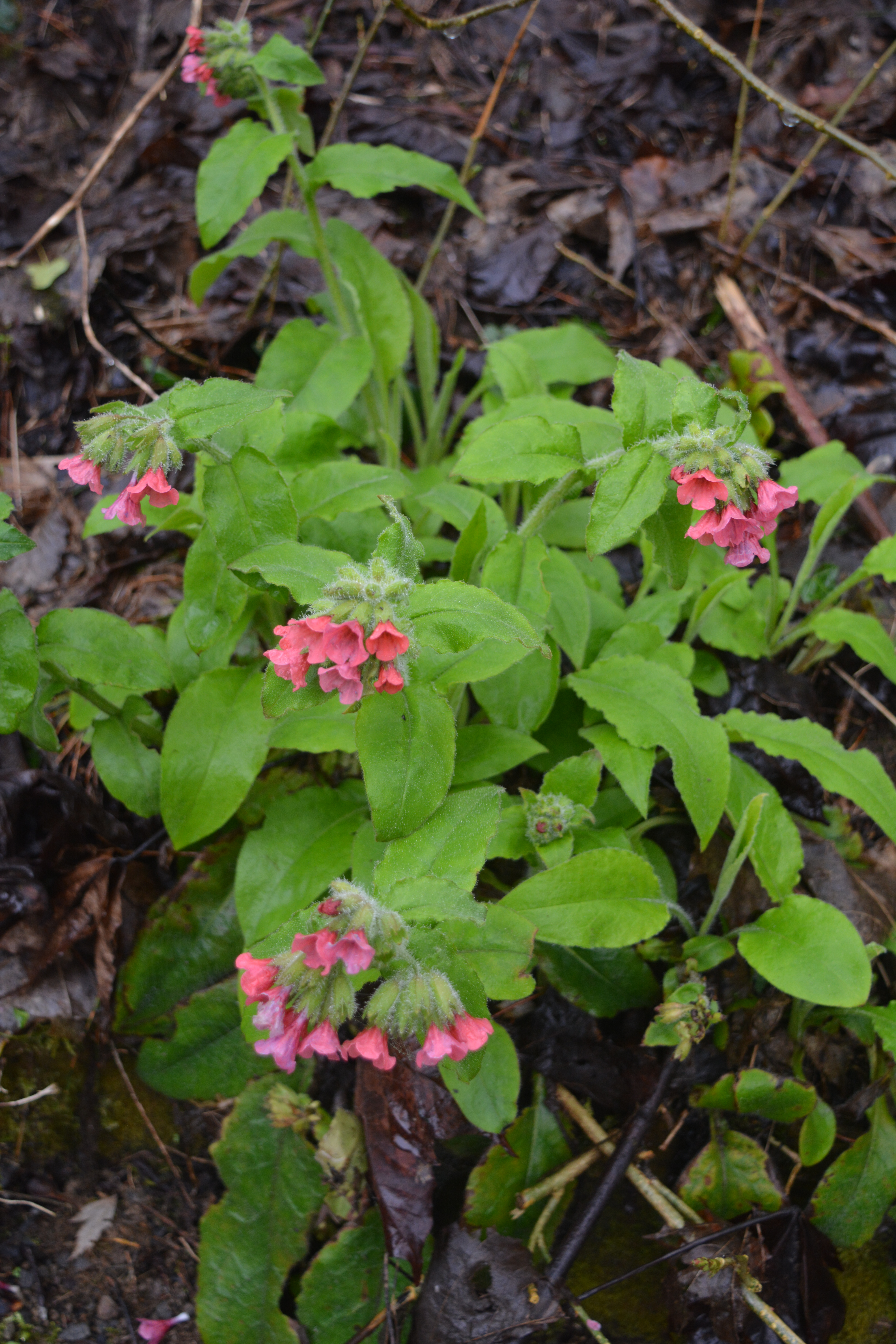
As mentioned earlier Snowdrops were a special feature of the gardens at Ivy Croft, but we also enjoyed cyclamen, miniature daffodils and hellebores. Colours shone from shrubs too, Hamamelis, Daphne mezereum and Hedera helix in its shrubby form.


We certainly had plenty to enjoy at Ivy Croft and it had changed so much since our last visit over 10 years ago. We will certainly be visiting once again when it opens again for a day in the spring.


Categories
colours light light quality trees wildlife woodland woodlands

Anglesey Woodland in mid-May

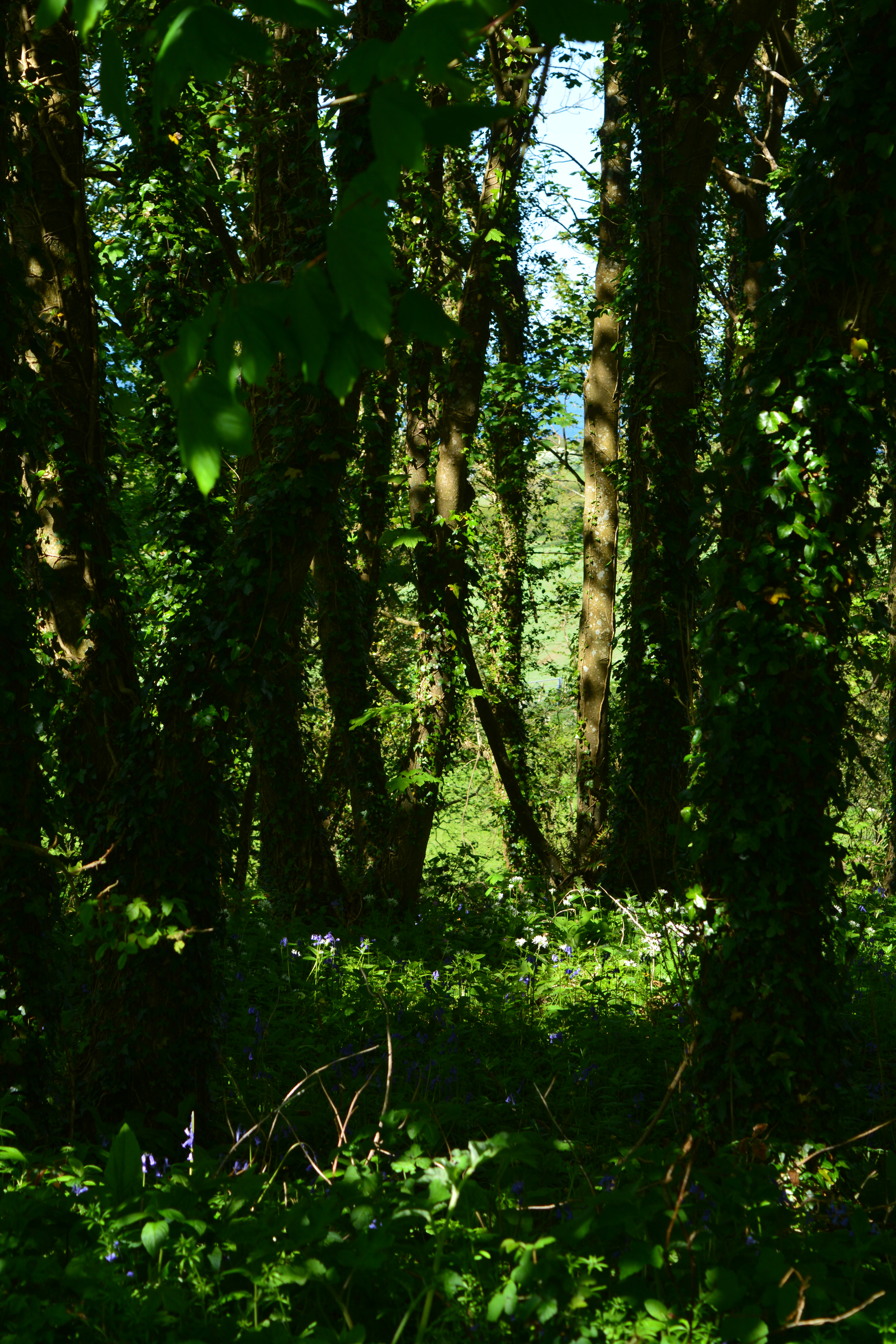
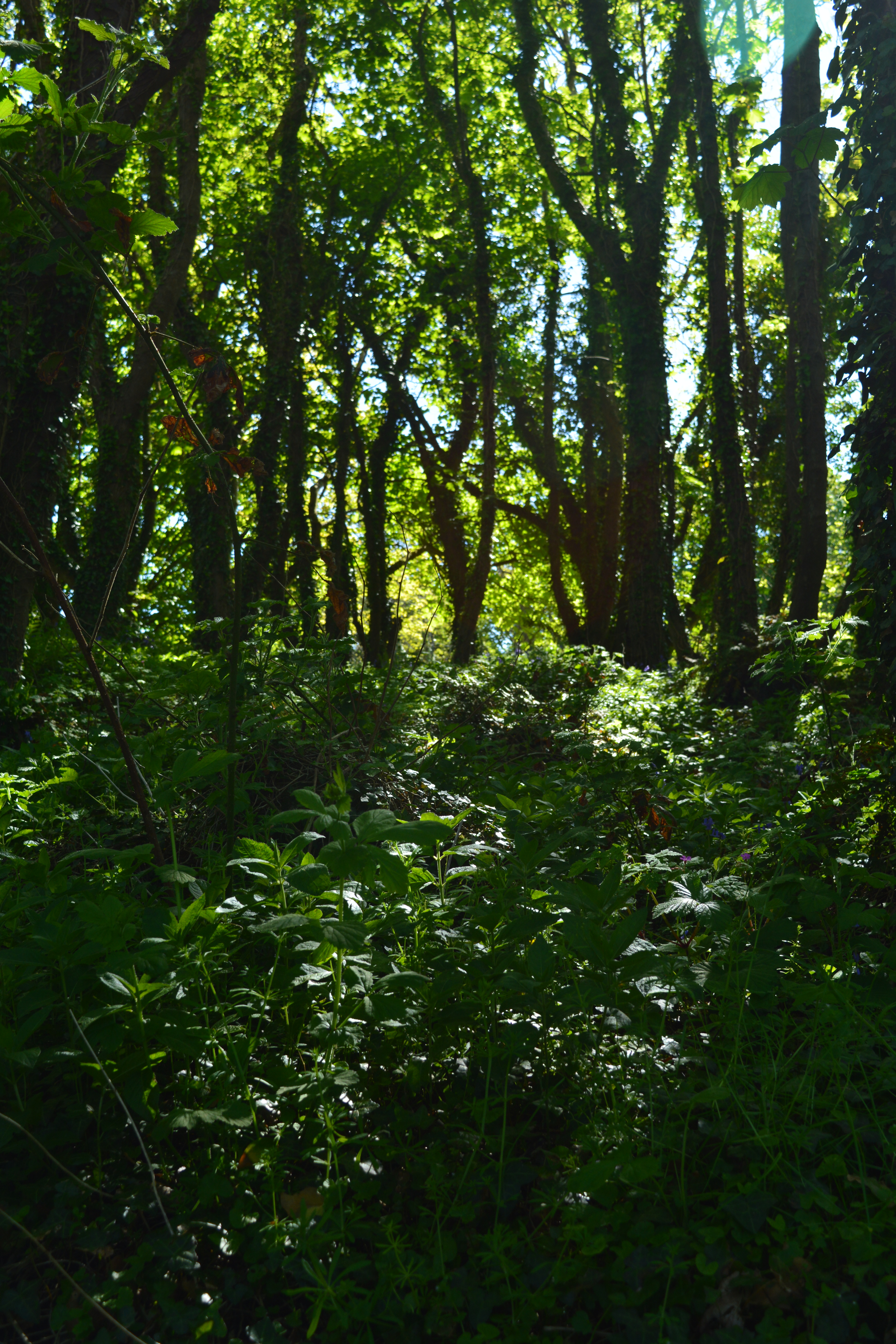
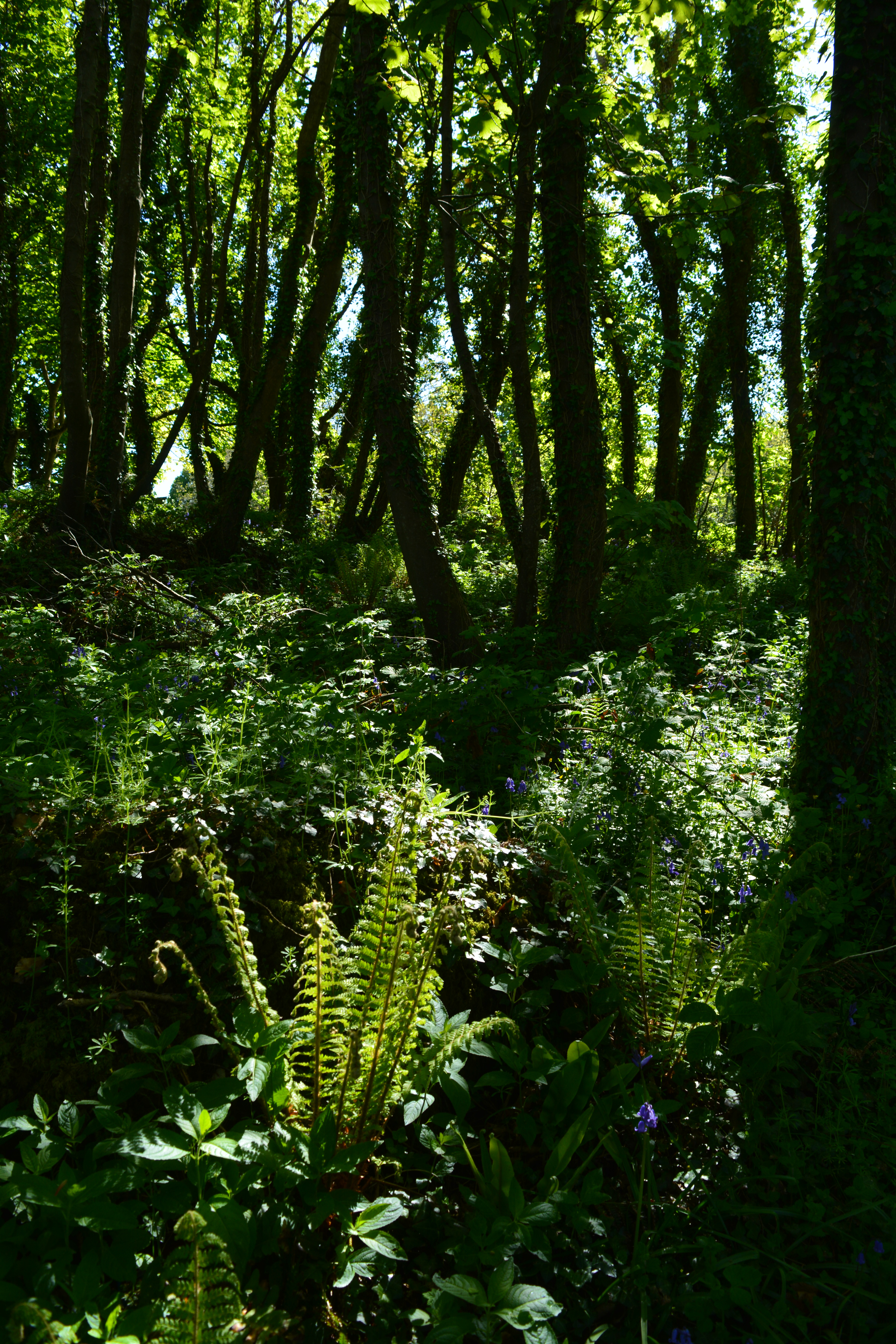
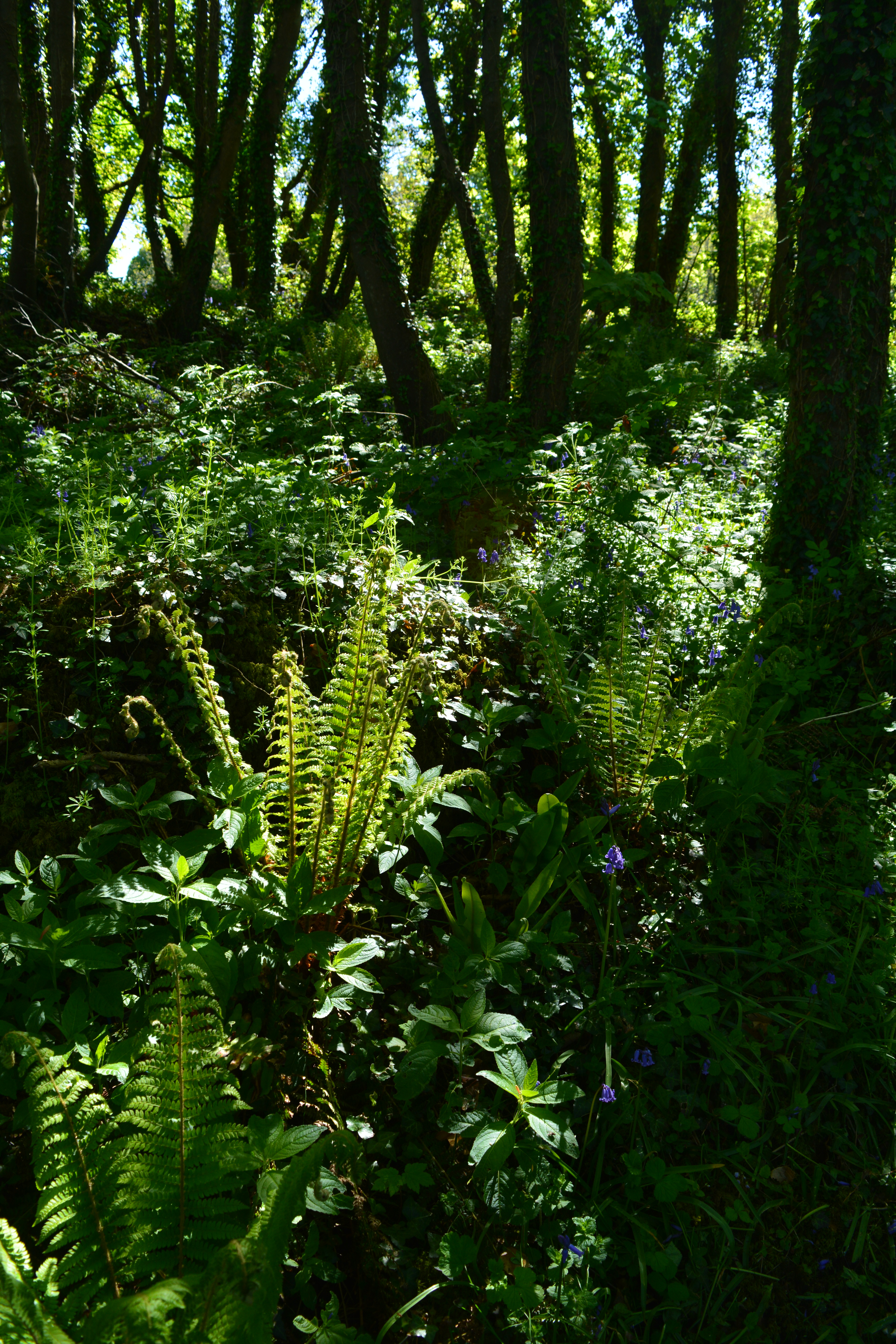
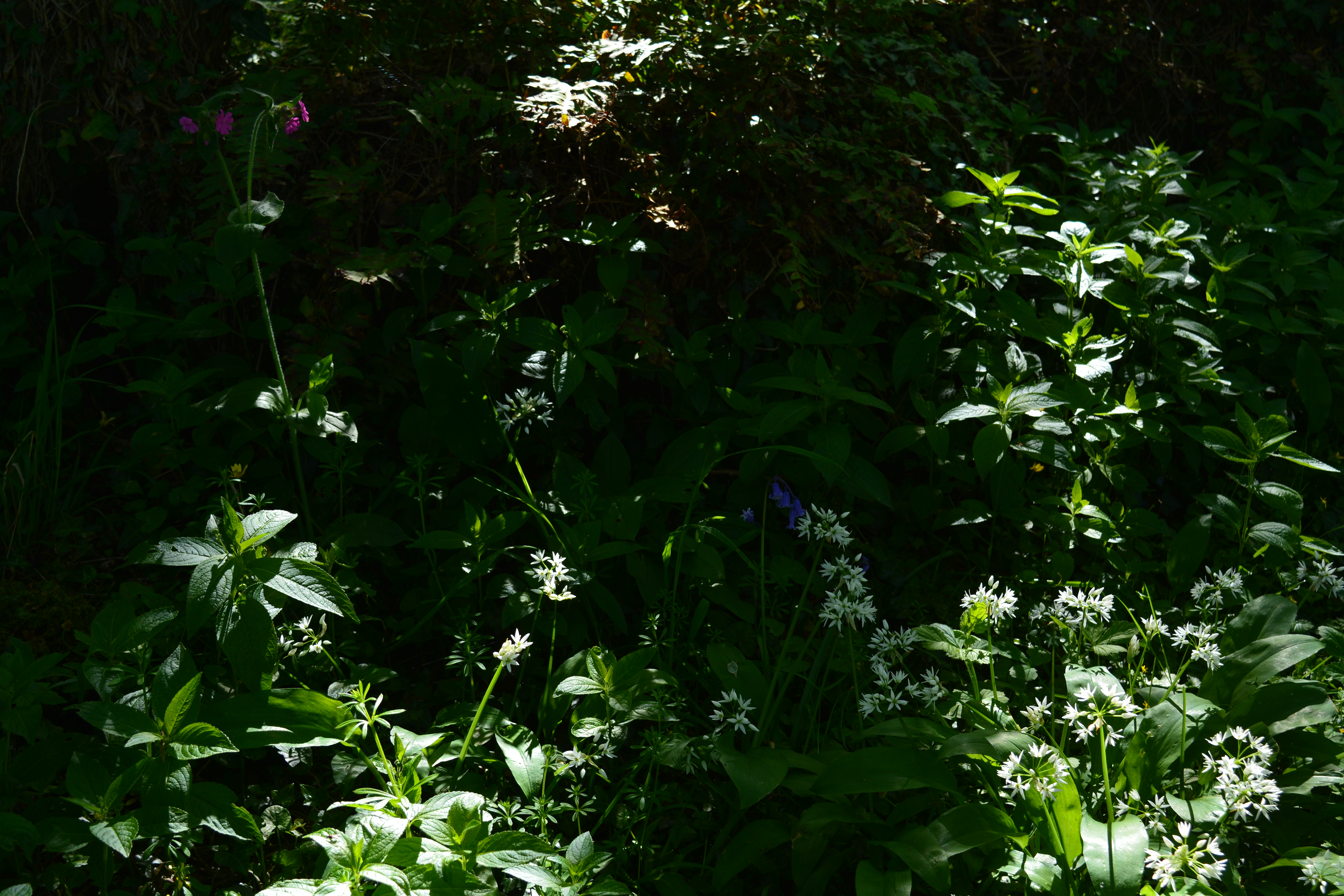
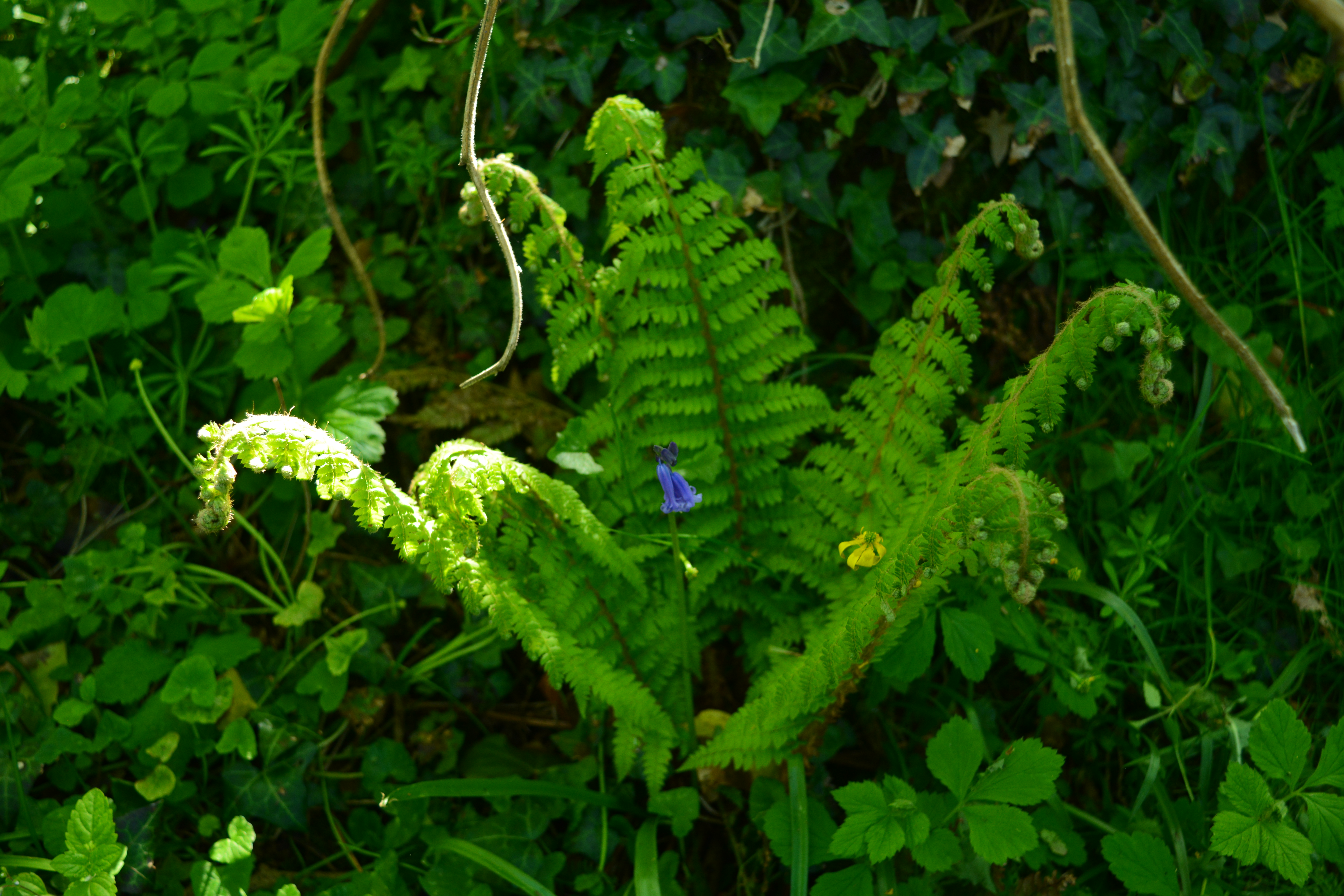
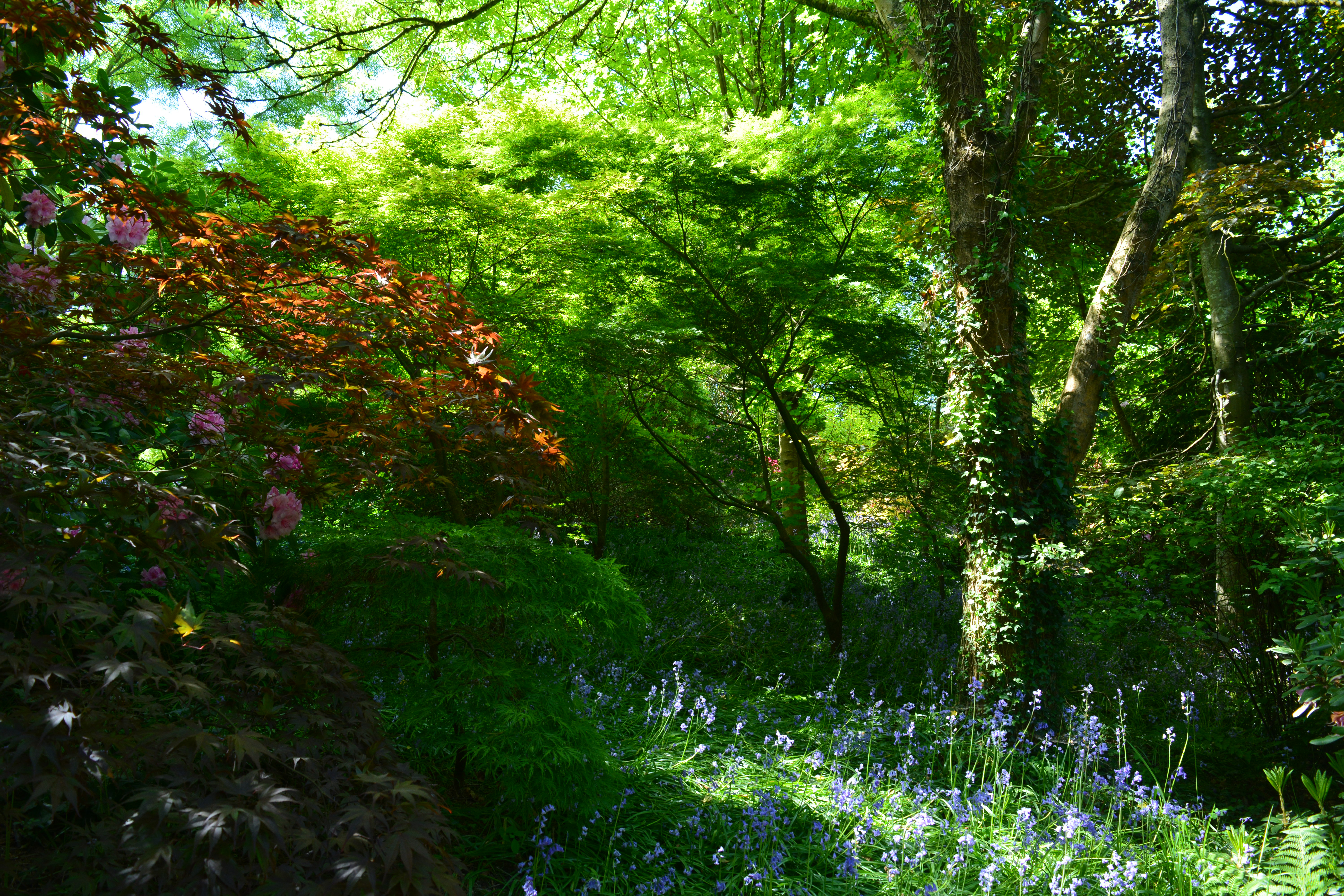
During our family holiday on Anglesey in the middle of May we spent a few days discovering ancient pre-historic sites on the island. The walk to a fortified hut group took us through this beautiful patch of woodland growing happily on a gentle slope. I hope you enjoy the photos I took.


The beautiful light worked as a spotlight to help intensify the colour of the flowers and the bright greens of the many ferns.


What a spectacular little patch of woodland, a real treat to walk through and enjoy the trees and the flowers growing beneath them.

Categories
birds fruit and veg garden design garden photography garden wildlife gardening gardens grow your own hardy perennials ornamental grasses ornamental trees and shrubs roses Shrewsbury Shropshire shrubs trees village gardens

My Garden Journal 2018 – May

Here we are with the fifth visit to my garden journal for 2018, where I report on what is happening in our Avocet garden in Shropshire. Does it show that spring may eventually have arrived?

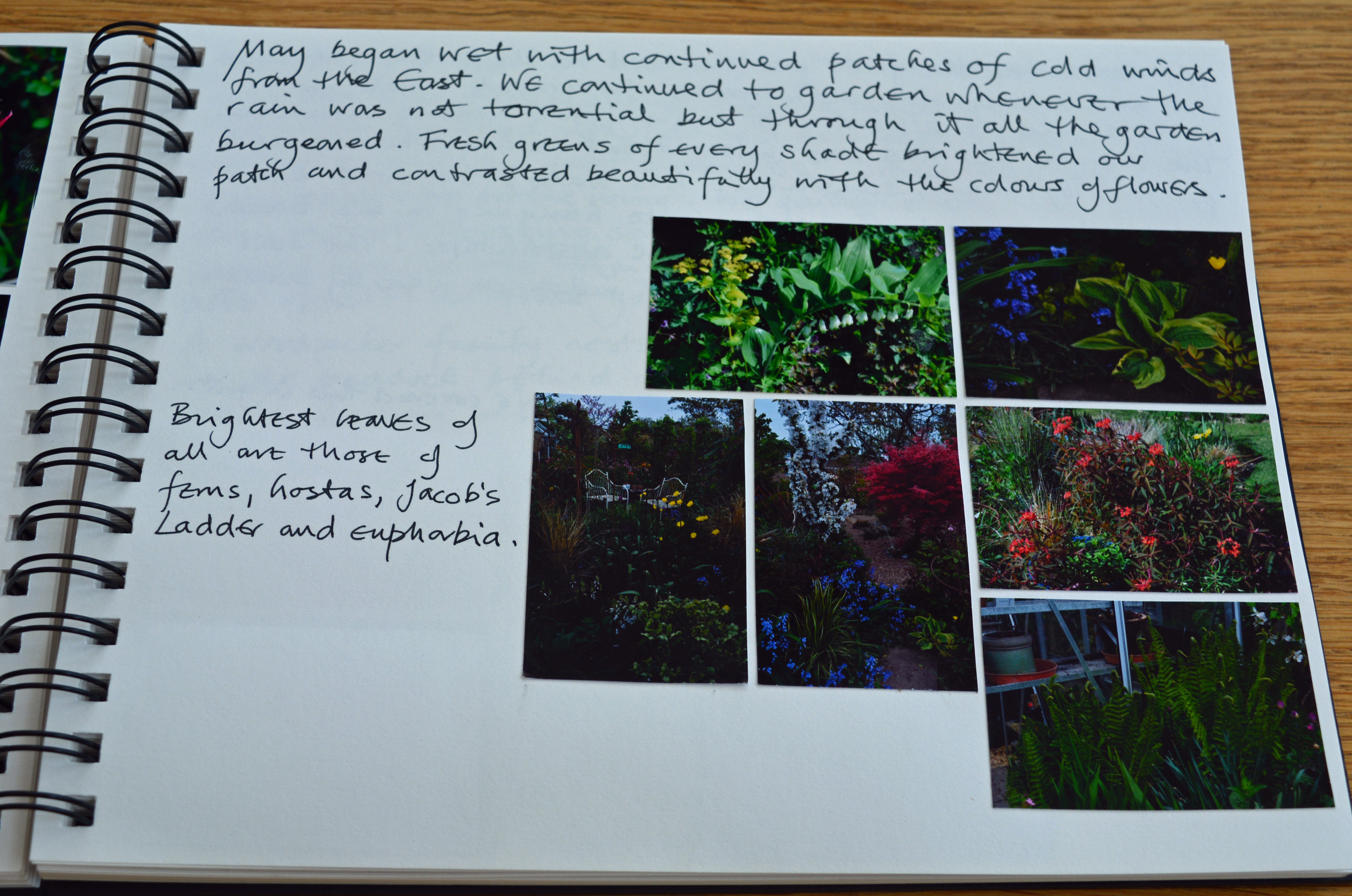
On my first page for May I wrote, “May began wet with continued patches of cold winds from the East. We continued to garden whenever the rain was not torrential but through it all the garden burgeoned. Fresh greens of every shade brightened our patch and contrasted beautifully with the colours of flowers.”

“The brightest leaves of all are those of ferns, hostas, Jacob’s Ladder and Euphorbia.”


Turning over the page I looked at a job that Ian our gardener completed in May, plus a look at our wildlife in the garden.
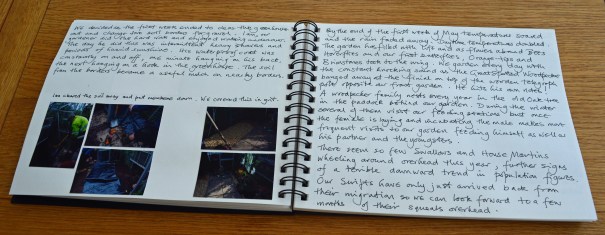
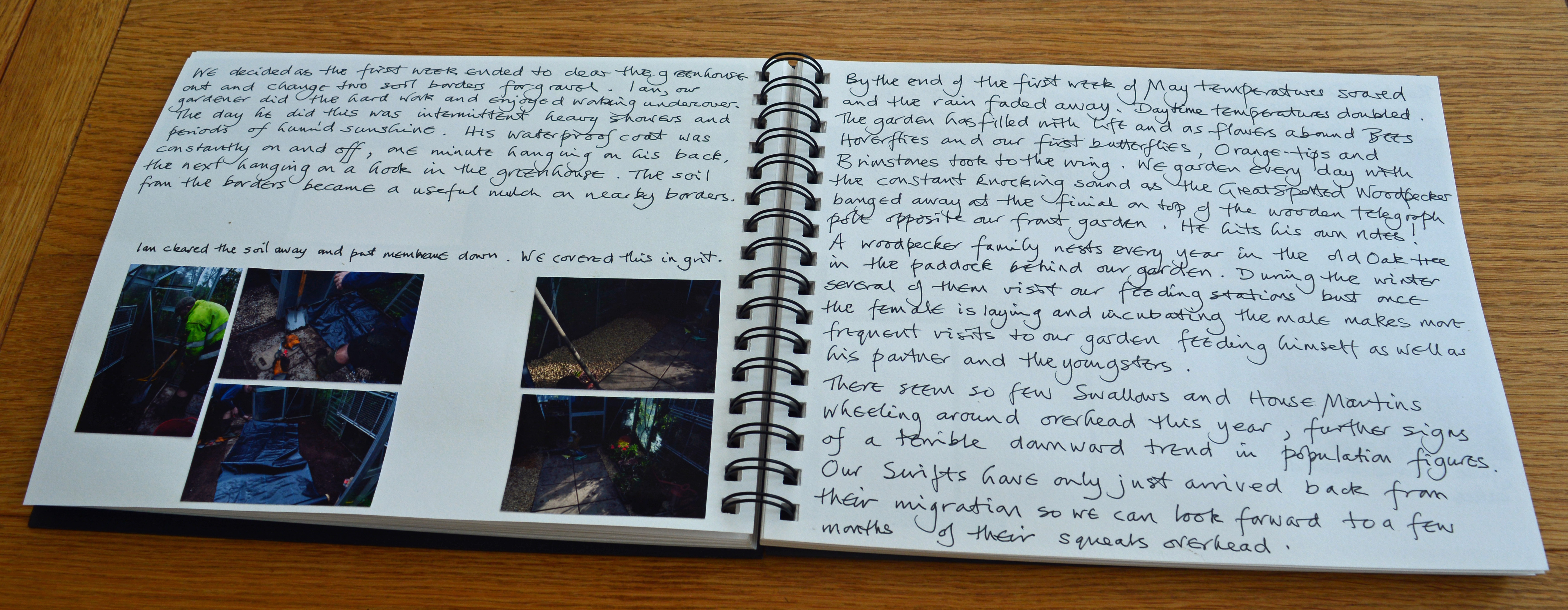
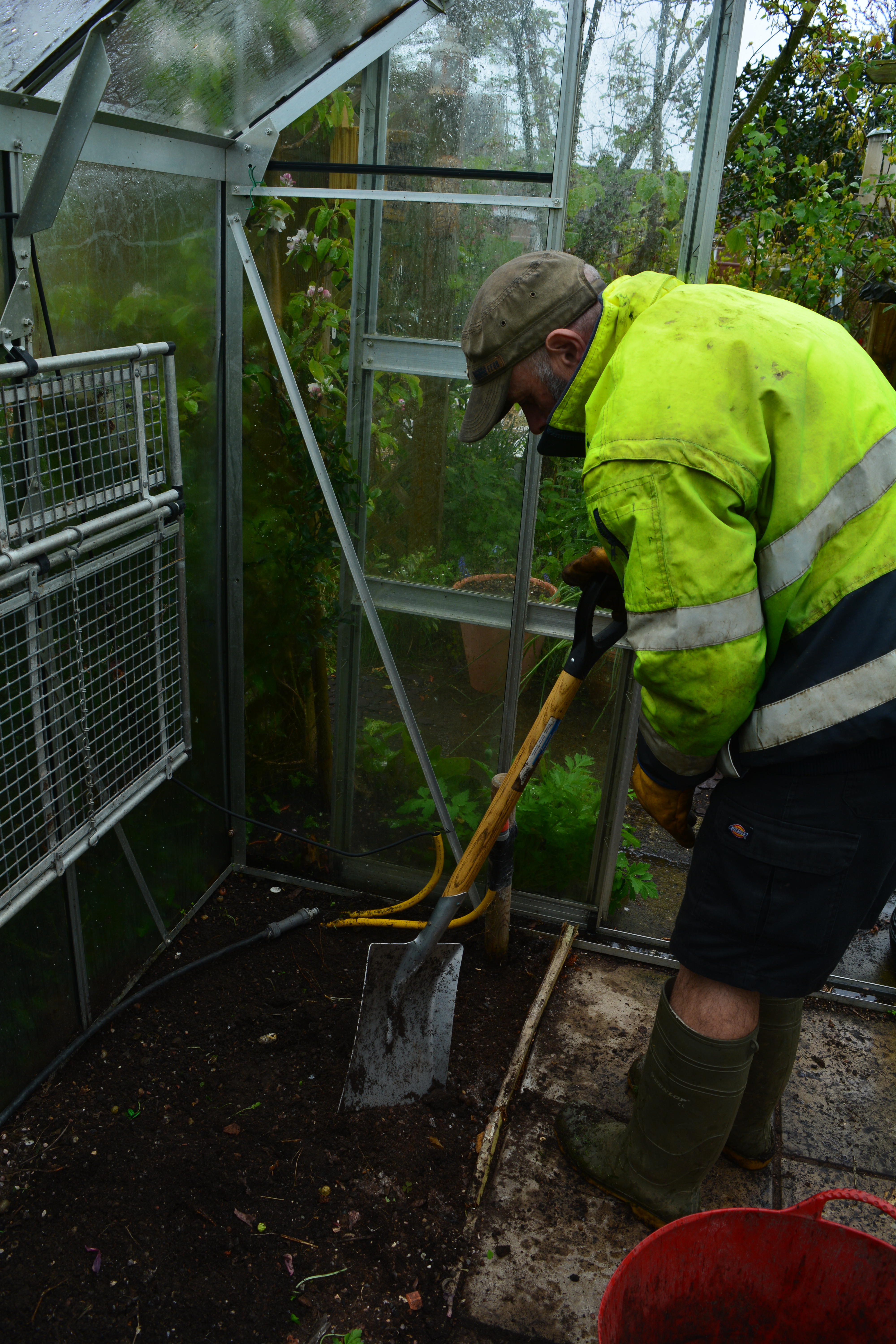
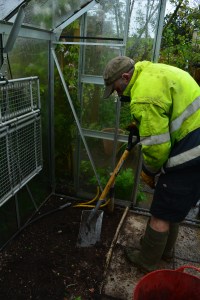
“We decided as the first week ended, to clear the greenhouse out and change two soil borders for gravel. Ian, our gardener did the hard work and enjoyed working under cover. The day he did there were intermittent heavy showers and periods of humid sunshine. His waterproof coat was constantly on and off, one minute hanging on his back, the next hanging on a hook in the greenhouse. The soil from the borders became a useful mulch material for nearby borders.”
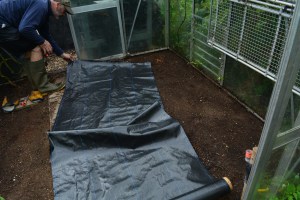
 

“Ian cleared the soil away and put membrane down. We covered this in grit.”

“By the end of the first week of May temperatures soared and the rain faded away. Daytime temperatures doubled. The garden has filled with life and as flowers abound, bees, hoverflies and our first butterflies, Orange Tips and Brimstones take to the wing. We garden every day with the constant knocking sound as a Great Spotted Woodpecker bangs away at the finial on top of the wooden telegraph pole opposite our front garden. He hits his own notes!

A woodpecker family nests every year in the old Oak tree in the paddock behind our garden. During the winter several of them visit the feeding stations but once the female is laying and incubating the male makes more frequent visits to our garden feeding himself as well as his partner and the youngsters. 

There seem so few Swallows and House Martins wheeling around overhead this year, further signs of a terrible downward trend in population figures. Our Swifts have only just arrived back from their migration so we can look forward to a few months of their squeals overhead.”

Over the page I moved on to look at Dan Pearson’s thoughts on the sudden growth seen in May.


I wrote, “Reading Dan Pearson’s “Natural Selections”, I enjoyed his reference to the noticeably rapid growth in gardens in May.

“The growth is a remarkable thing during these weeks between spring and summer. If you could hear it there would be a tangible hum, made from a million buds breaking and stems flexing. The tide of green sweeps up and over bare earth, cloaking it as fast as the leaves fill out above us.”

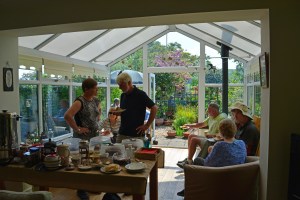
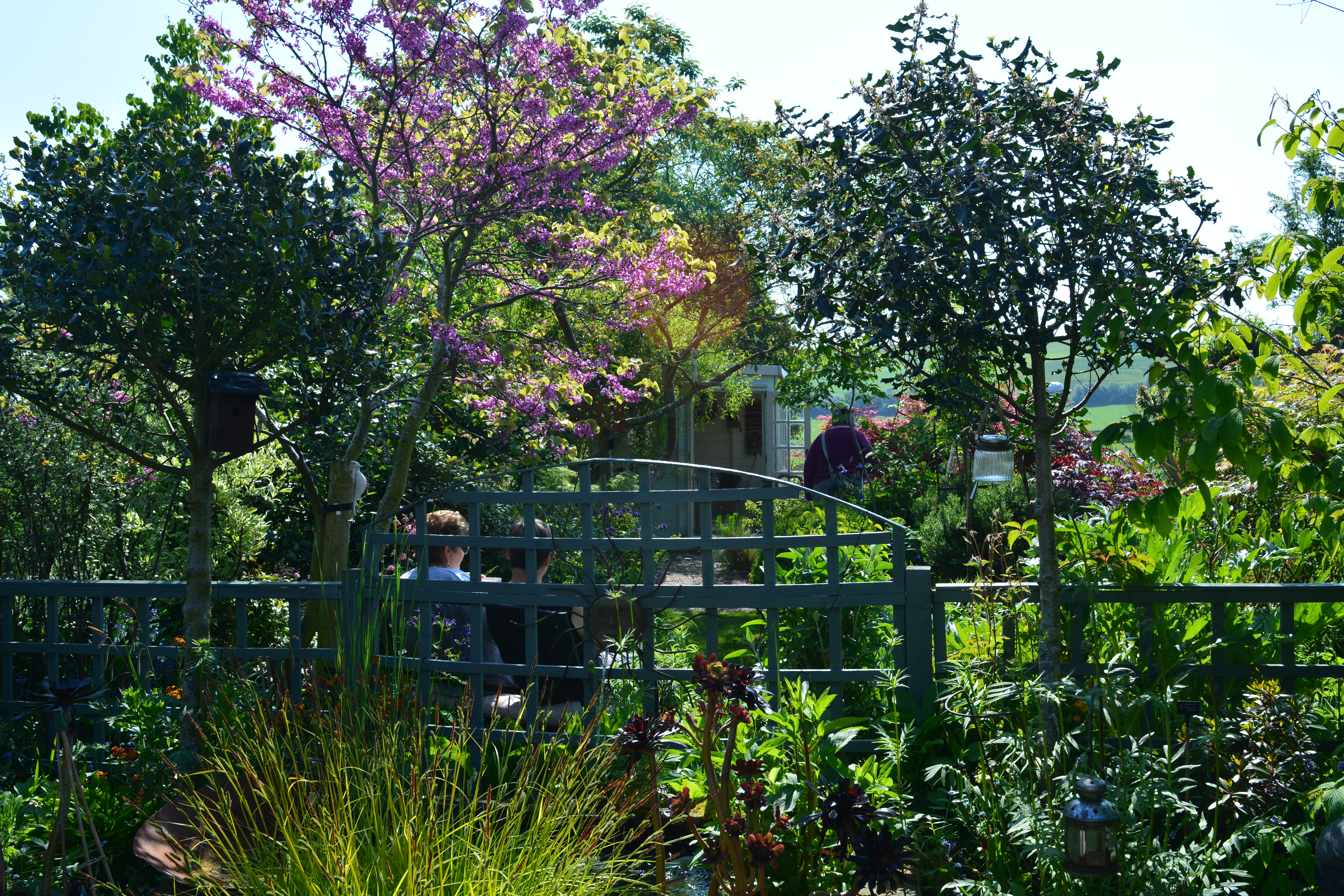
For us May is also the month when the first of our visiting garden groups come to share our patch with us. They enjoy wandering around our many paths, taking photographs, asking questions and finishing with tea, coffee and Jude’s home baked cakes.”

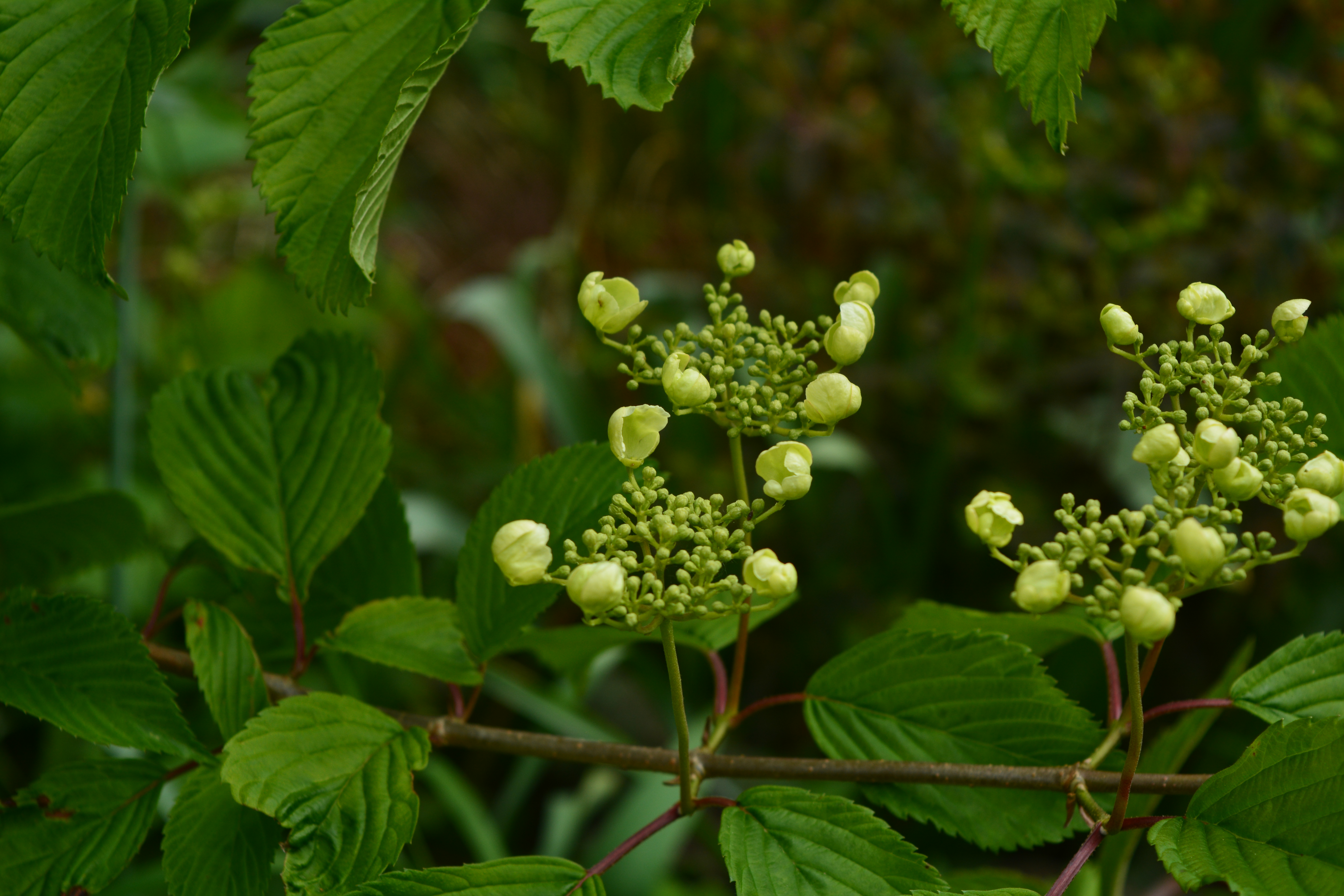
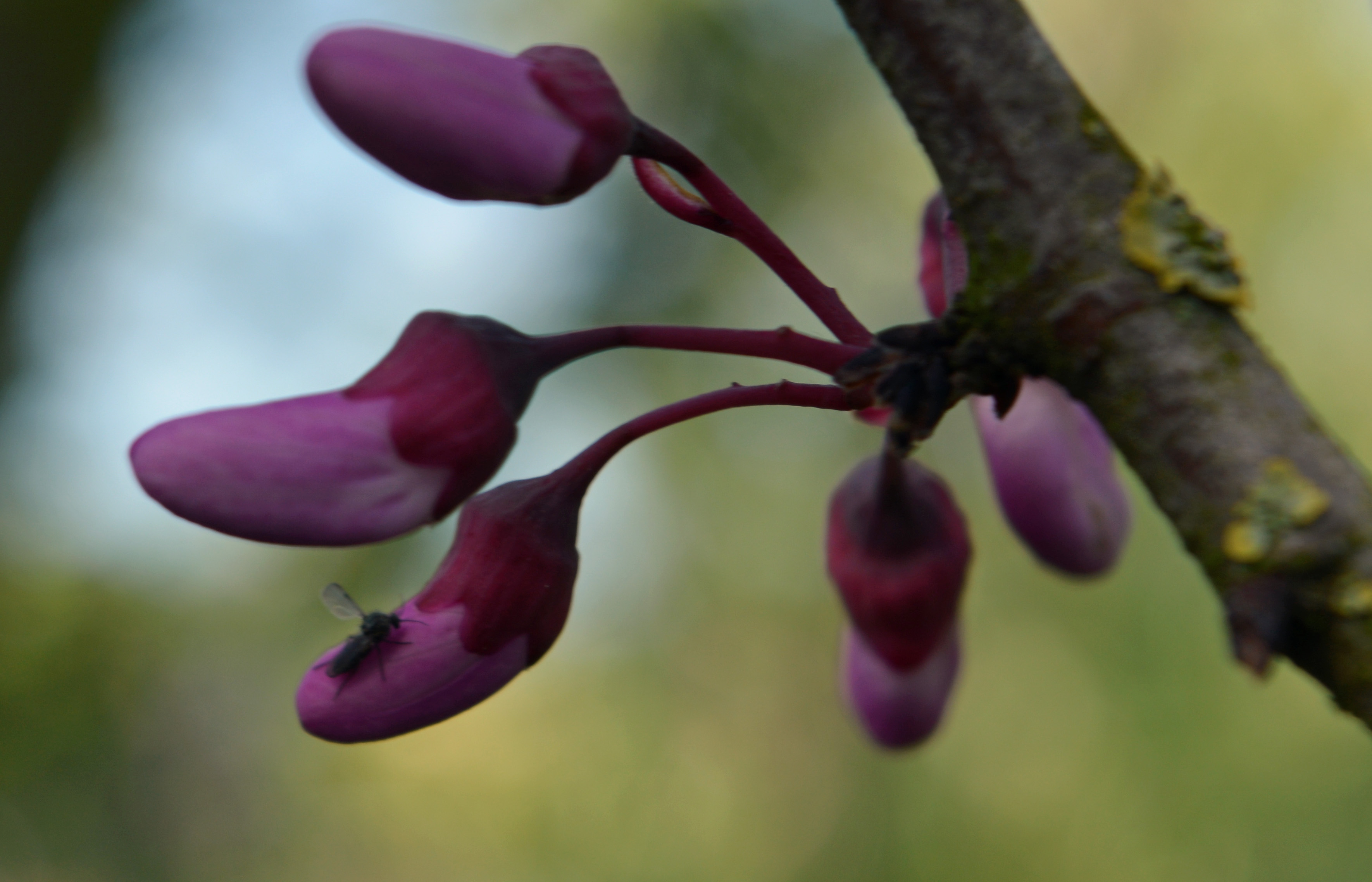
I then move on to look at some of our flowering trees and shrubs that are features of our May garden, about which I wrote, “Flowering trees and shrubs add colour and often scent at a higher level than the spring bulbs and early perennials.”

Viburnum farreri

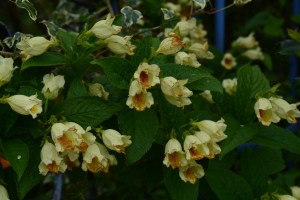
Weigela middendorfiana

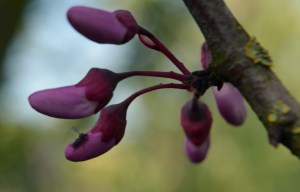
  Cercis siliquastrum 

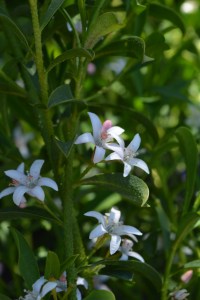
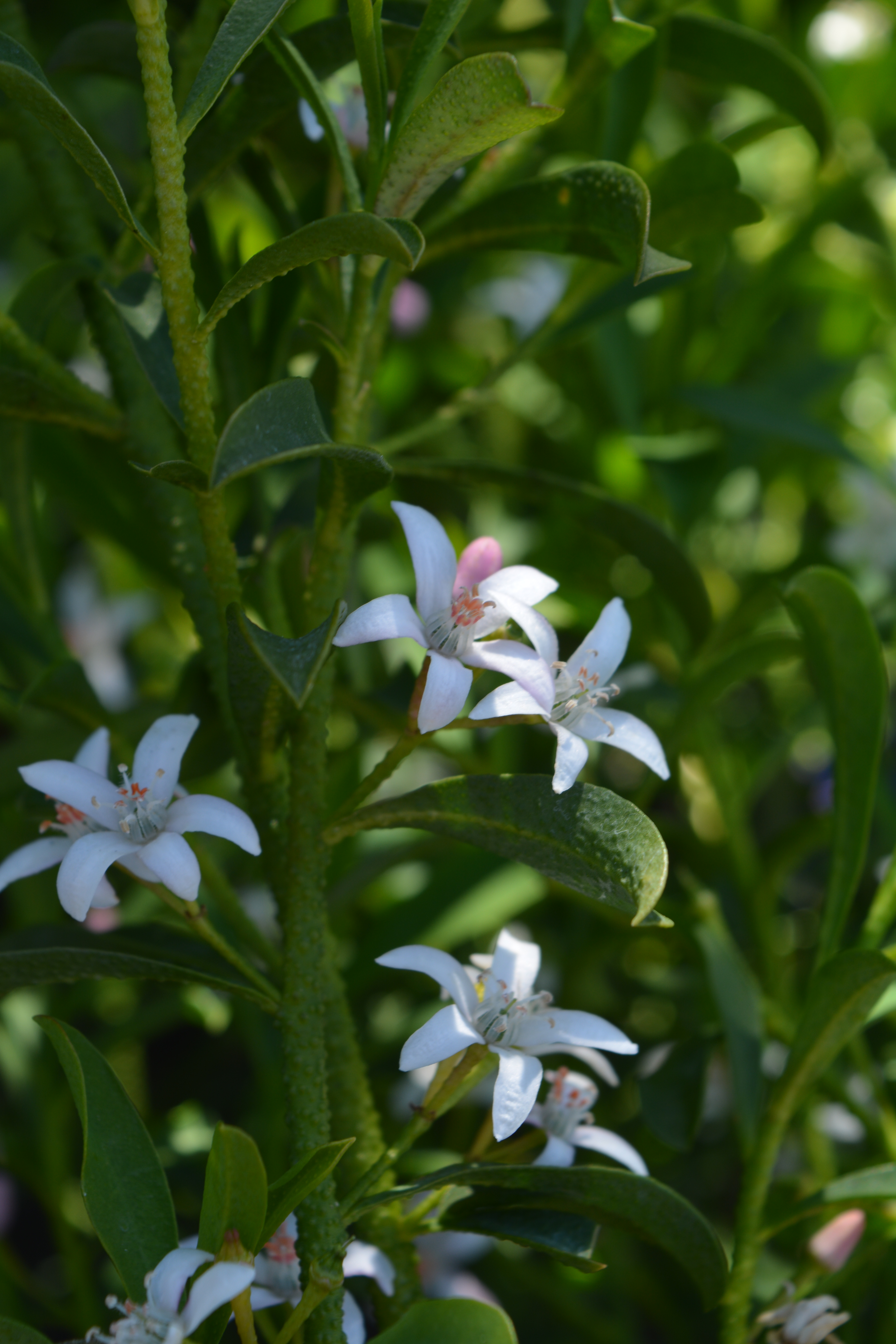
Eriostemon Flower Girl White
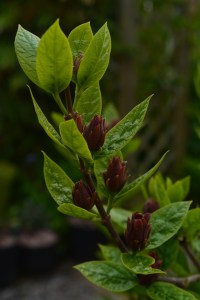
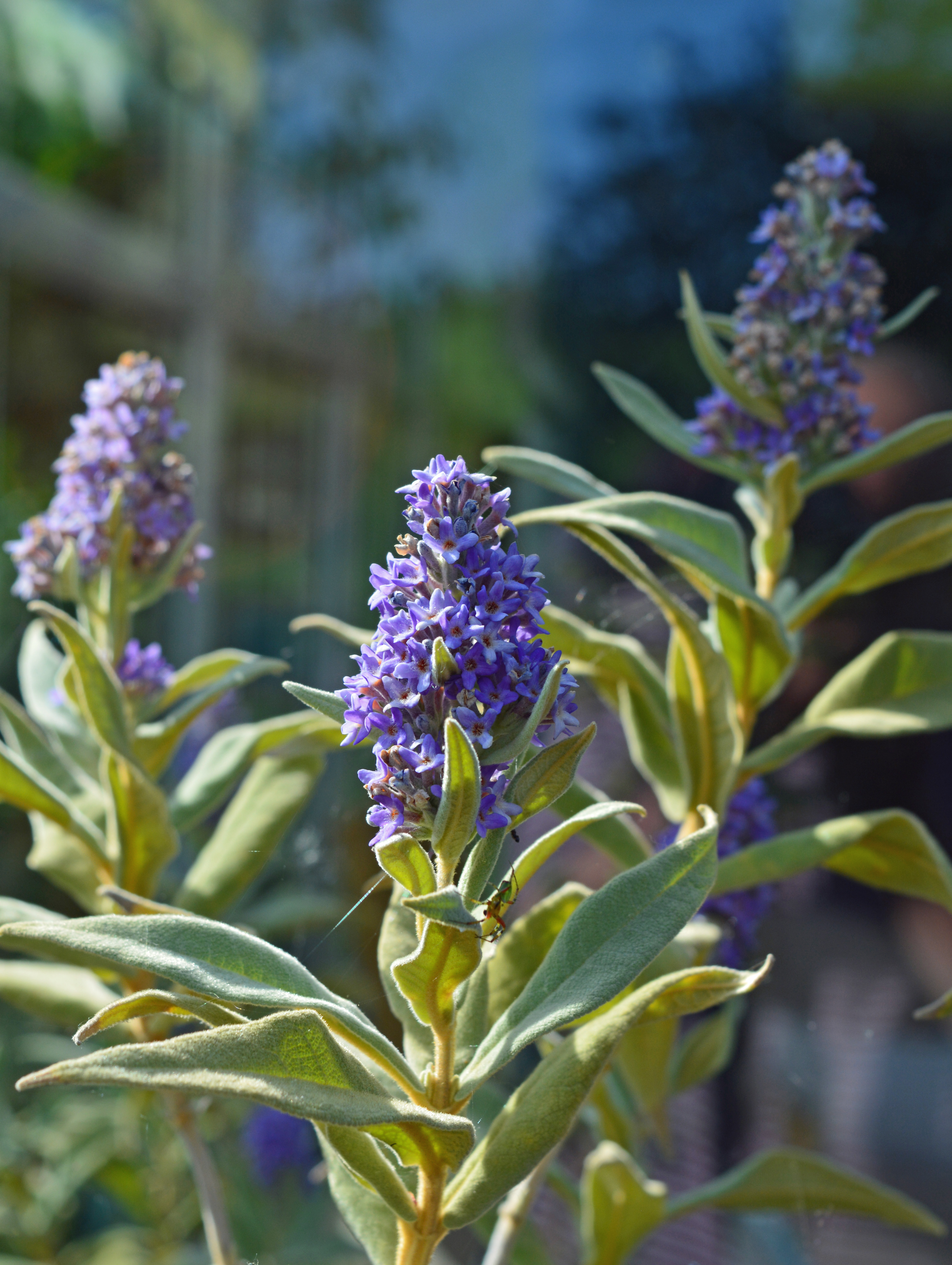
  Calycanthus floridus        Buddleia salvifolia

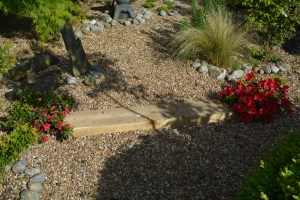
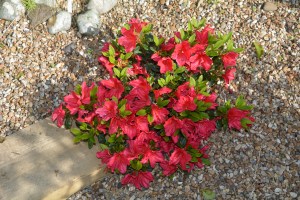
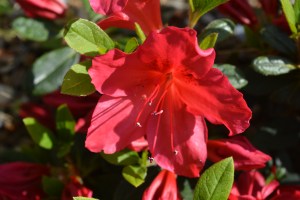
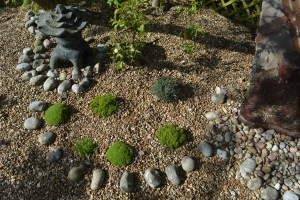
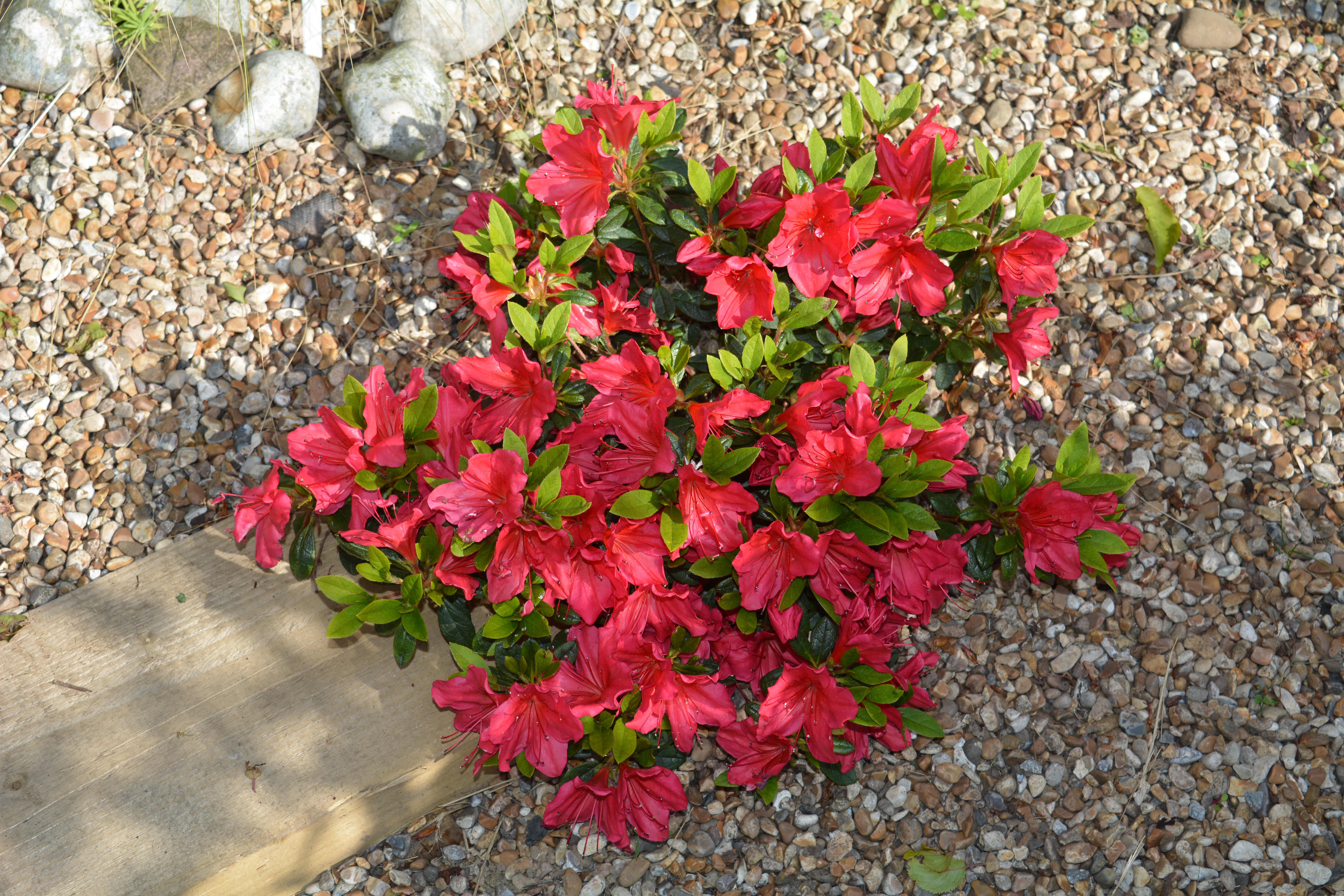
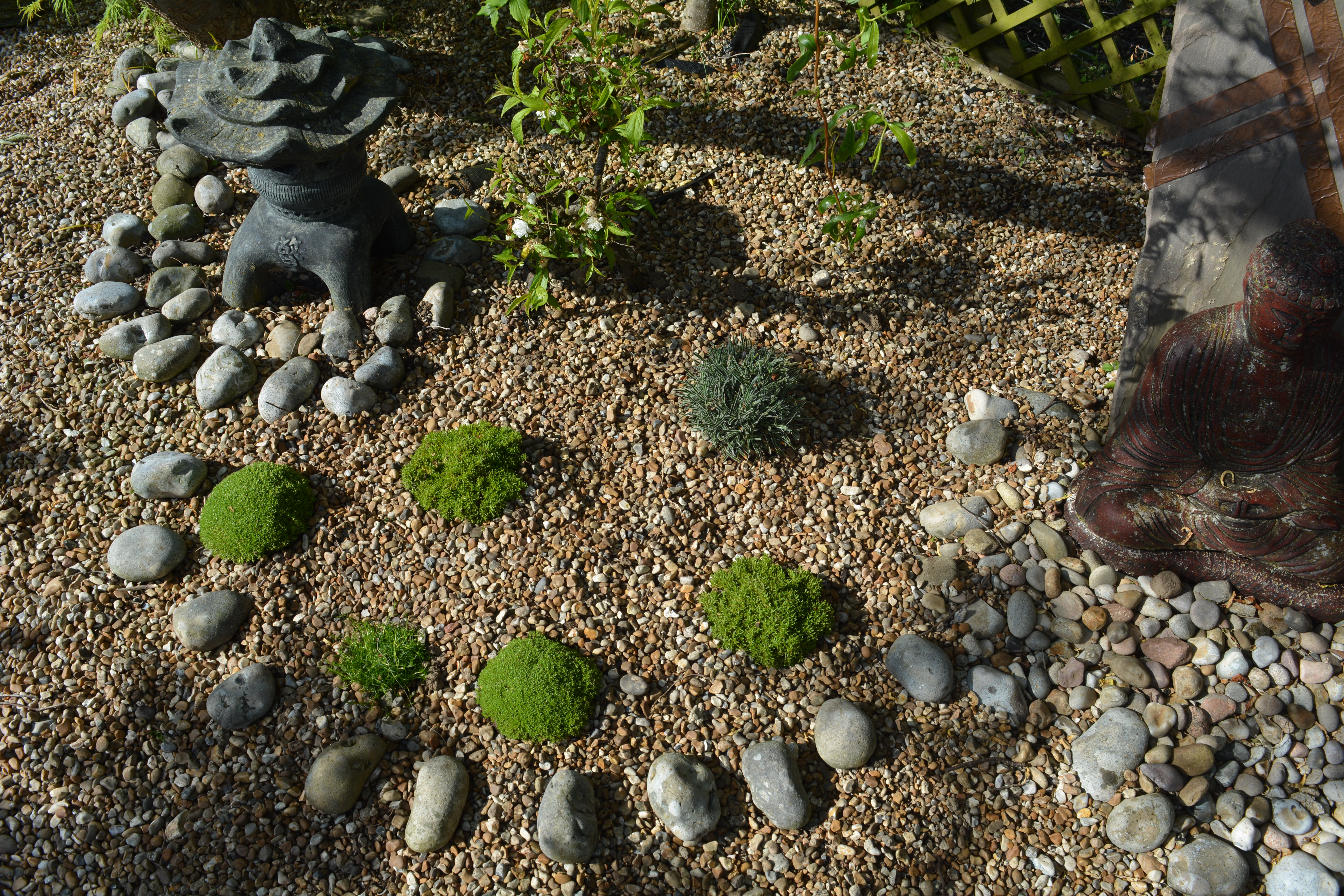
Over the page we look at our Japanese Garden and alpine plants. “We spent more time in mid-May working in the Japanese Garden, where a month ago we added a new step into the lower slope. We planted a miniature Rhododendron at each end of the step. These are now in full flower. Beneath our Prunus subhirtella autumnalis which we have pruned in a Japanese style, we have planted a group of “moss plants”. 


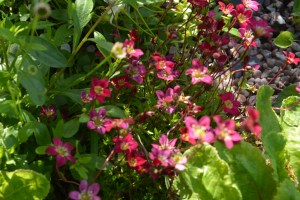
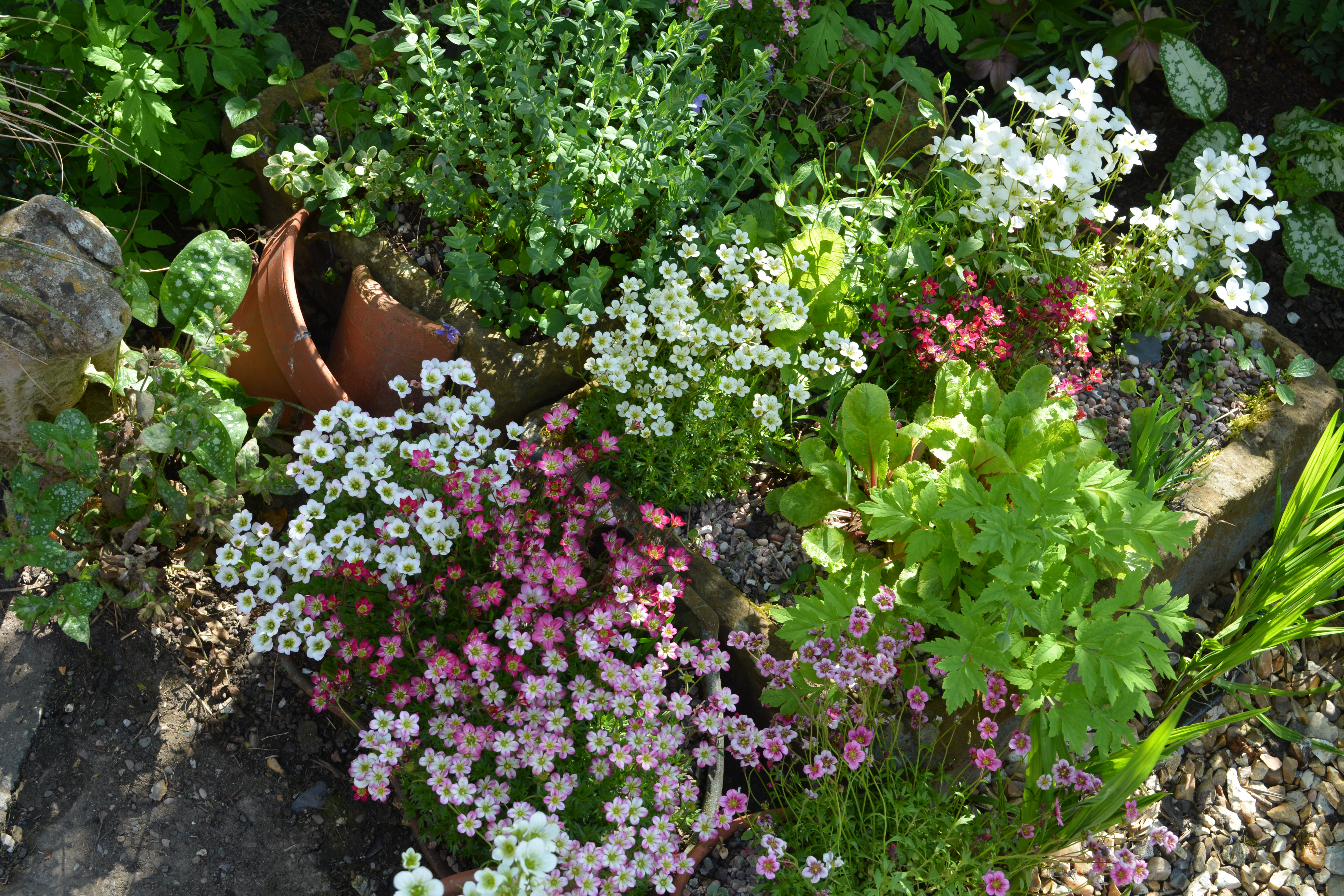
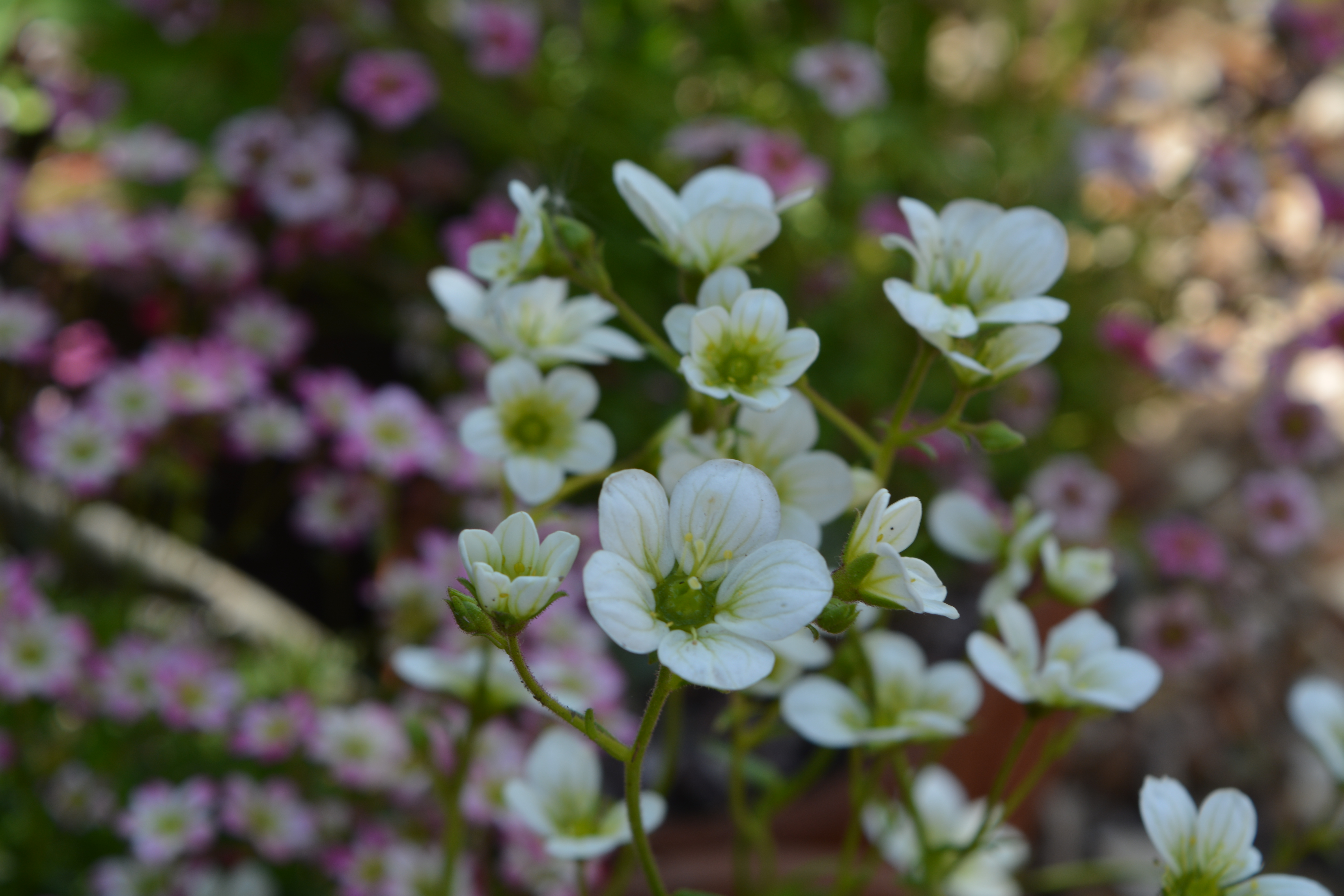
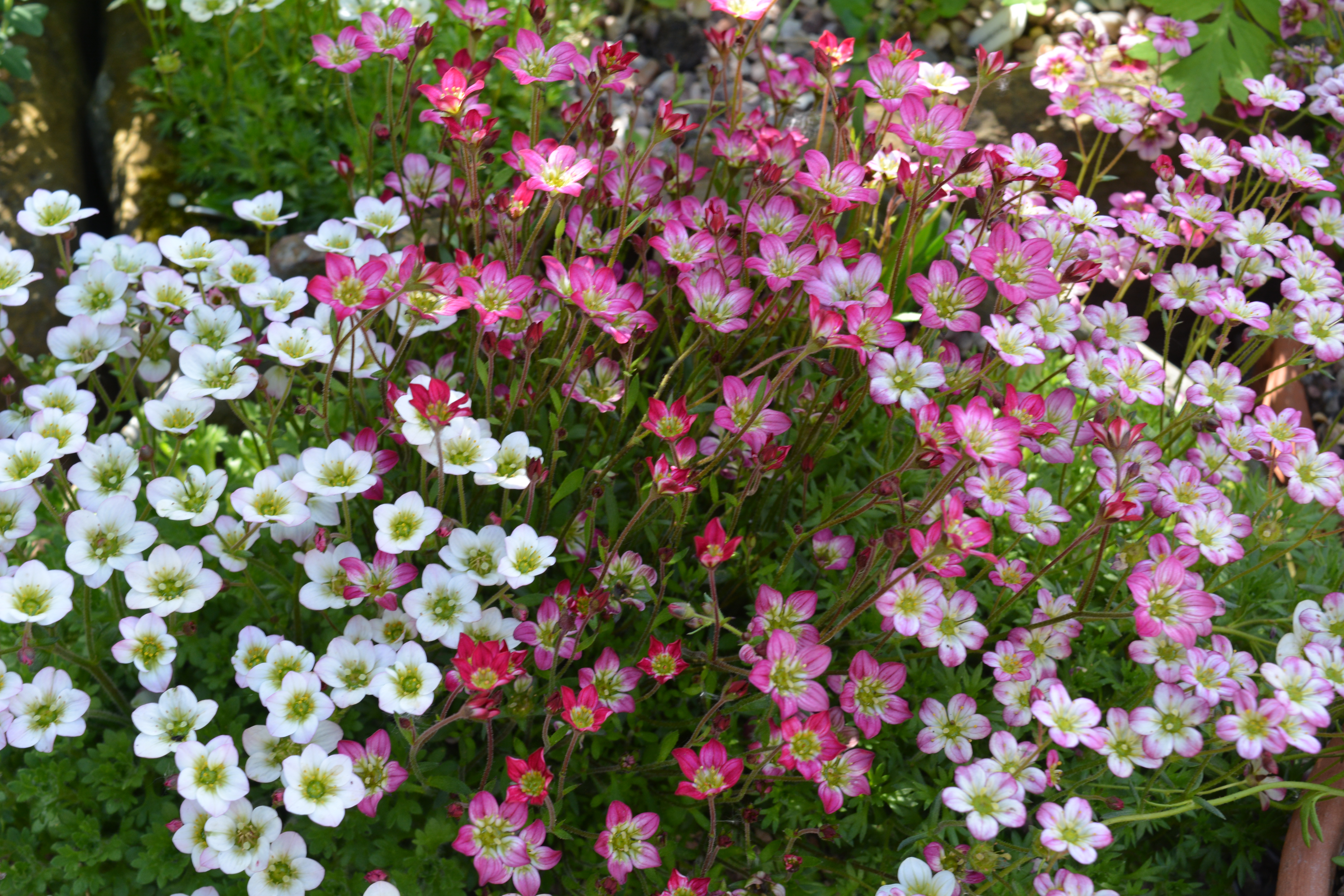
On the page opposite are photos of some of our alpines and I wrote, “May is the month when alpine Saxifrages peak.”


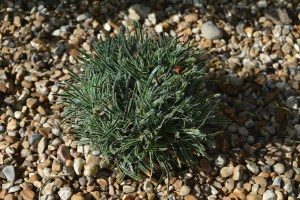
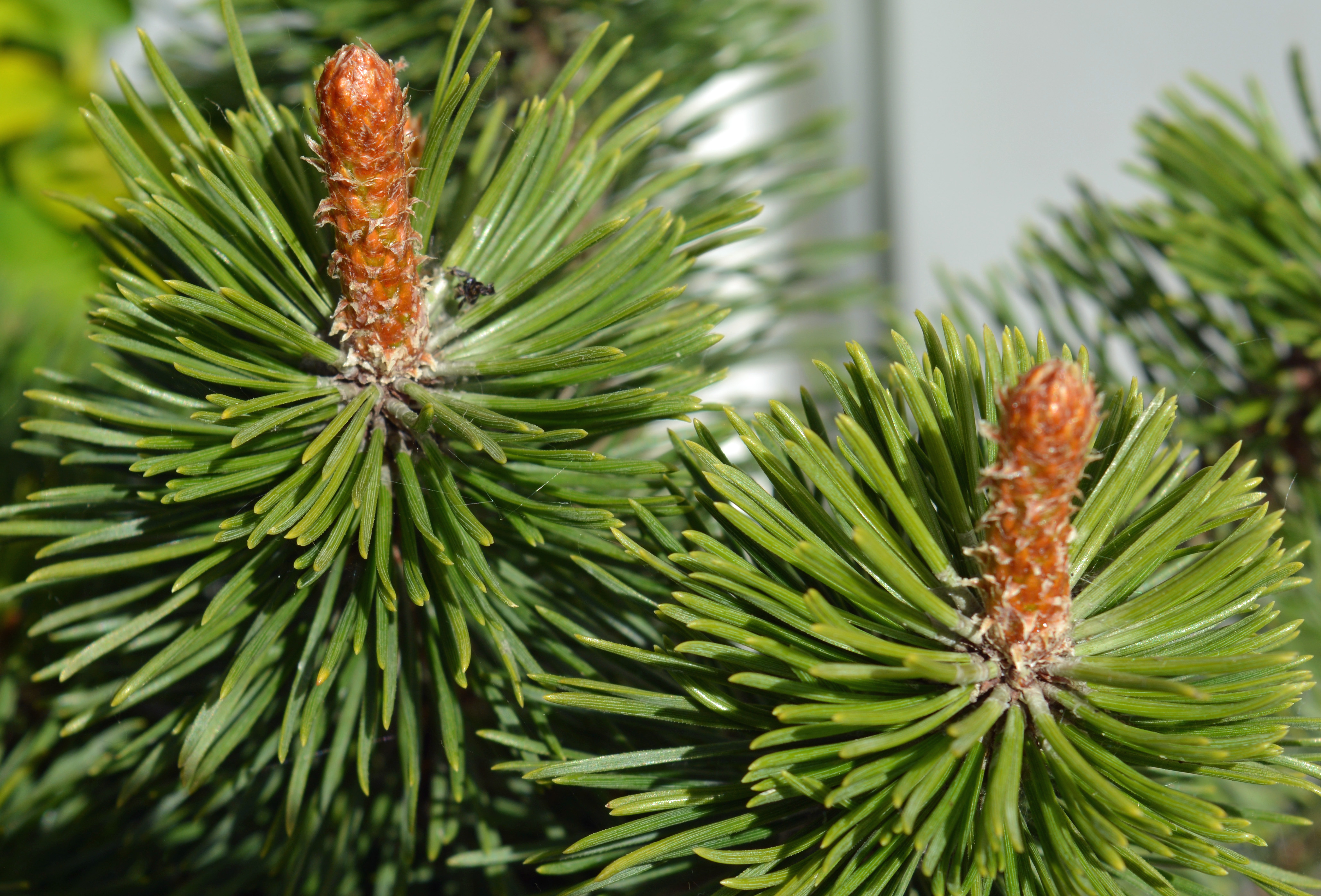
“Miniature alpine shrubs, Pinus mugo “Mumpitz” and an alpine Daphne.”

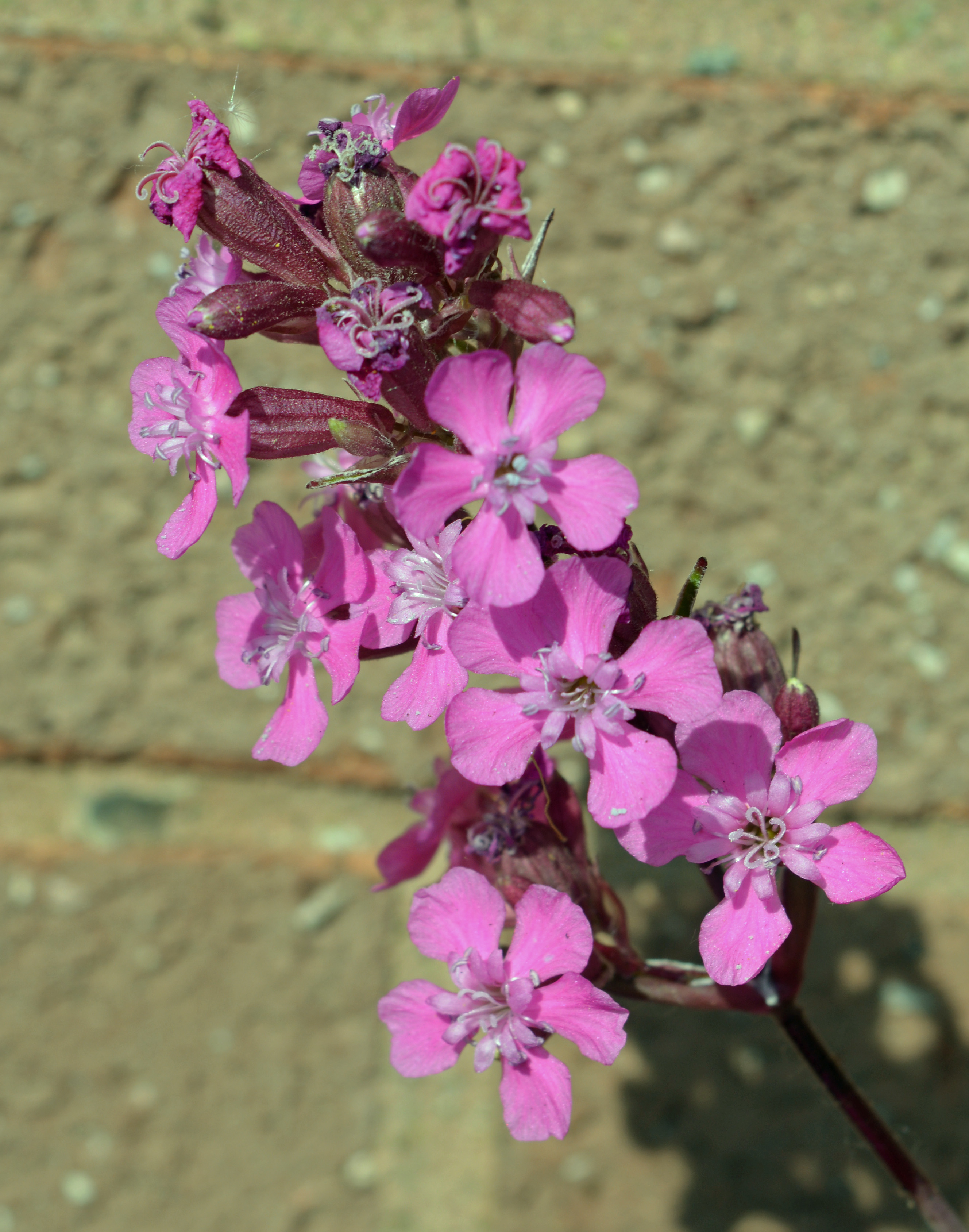
 “Alpine Silene”

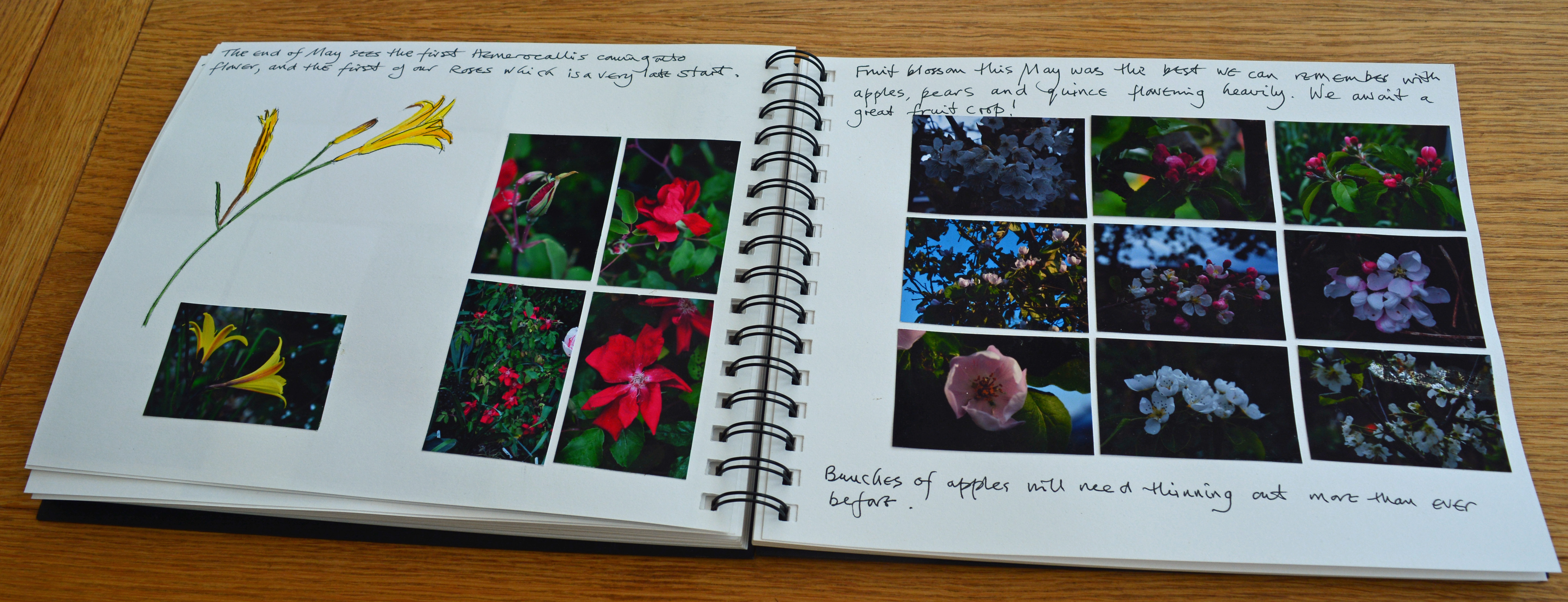
Turning over the page we find the final double page spread, which featured the first Hemerocallis and the first of our roses to flower. On the opposite page blossom was the star.

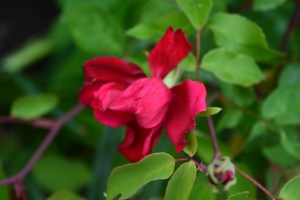
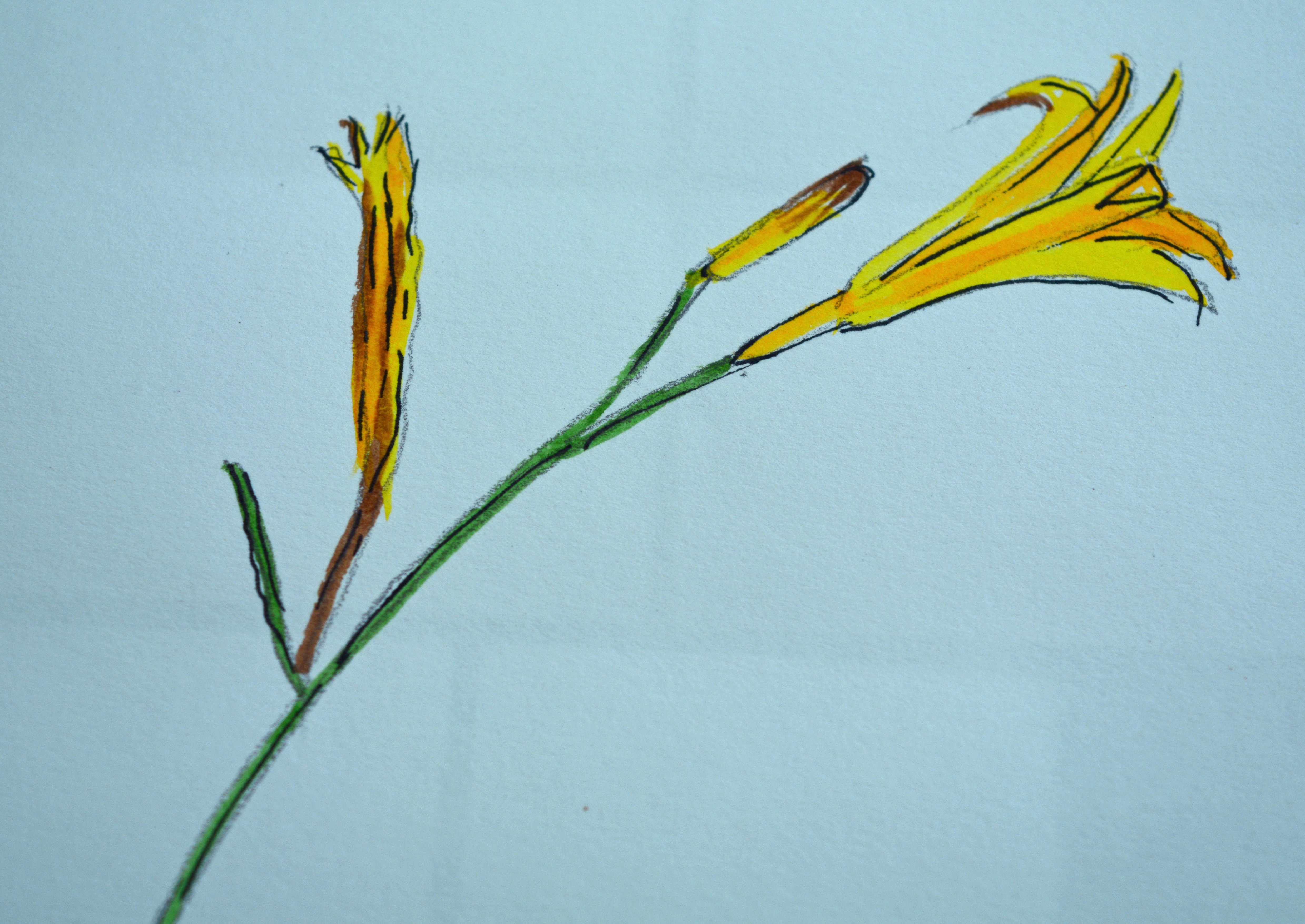
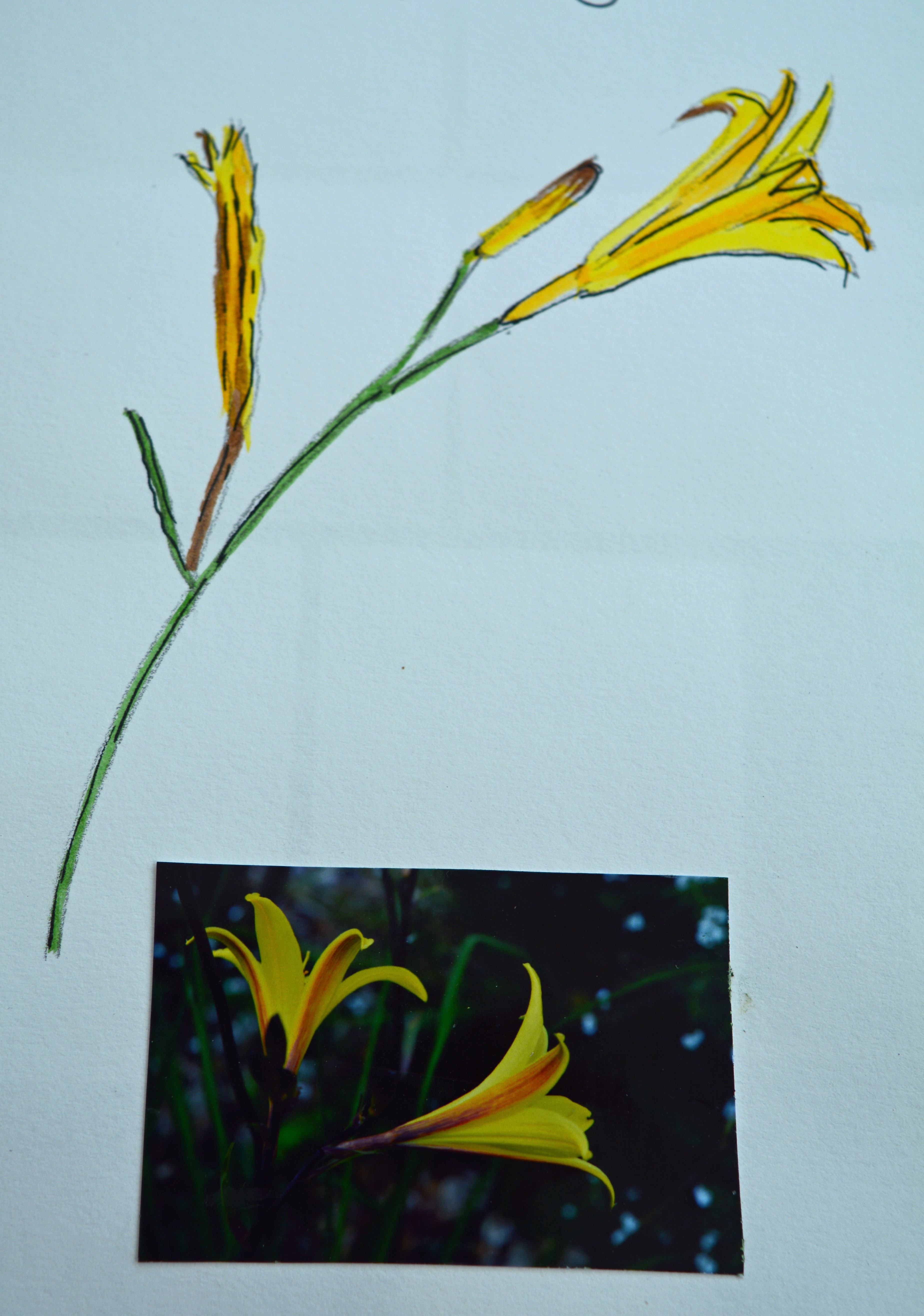
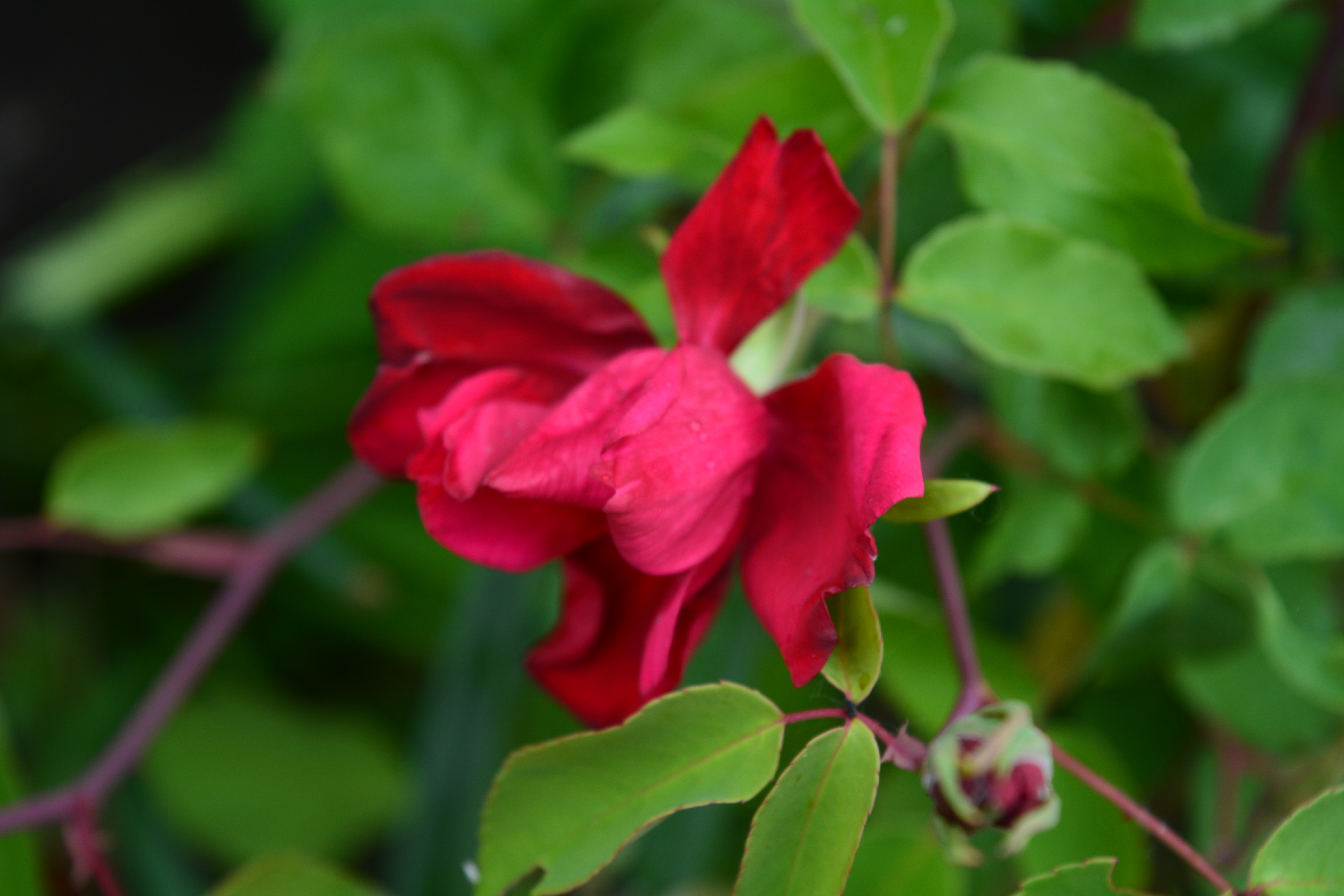
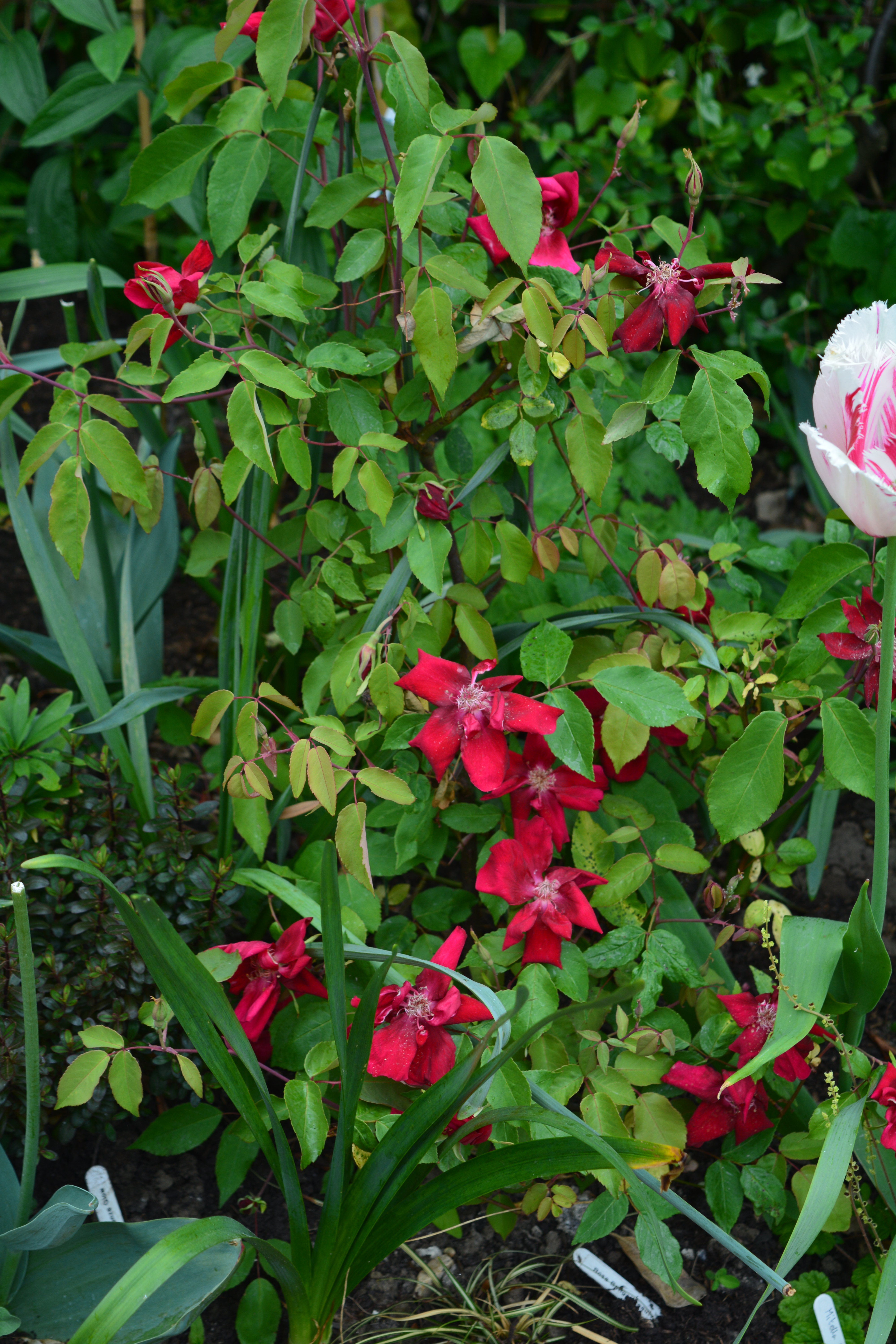
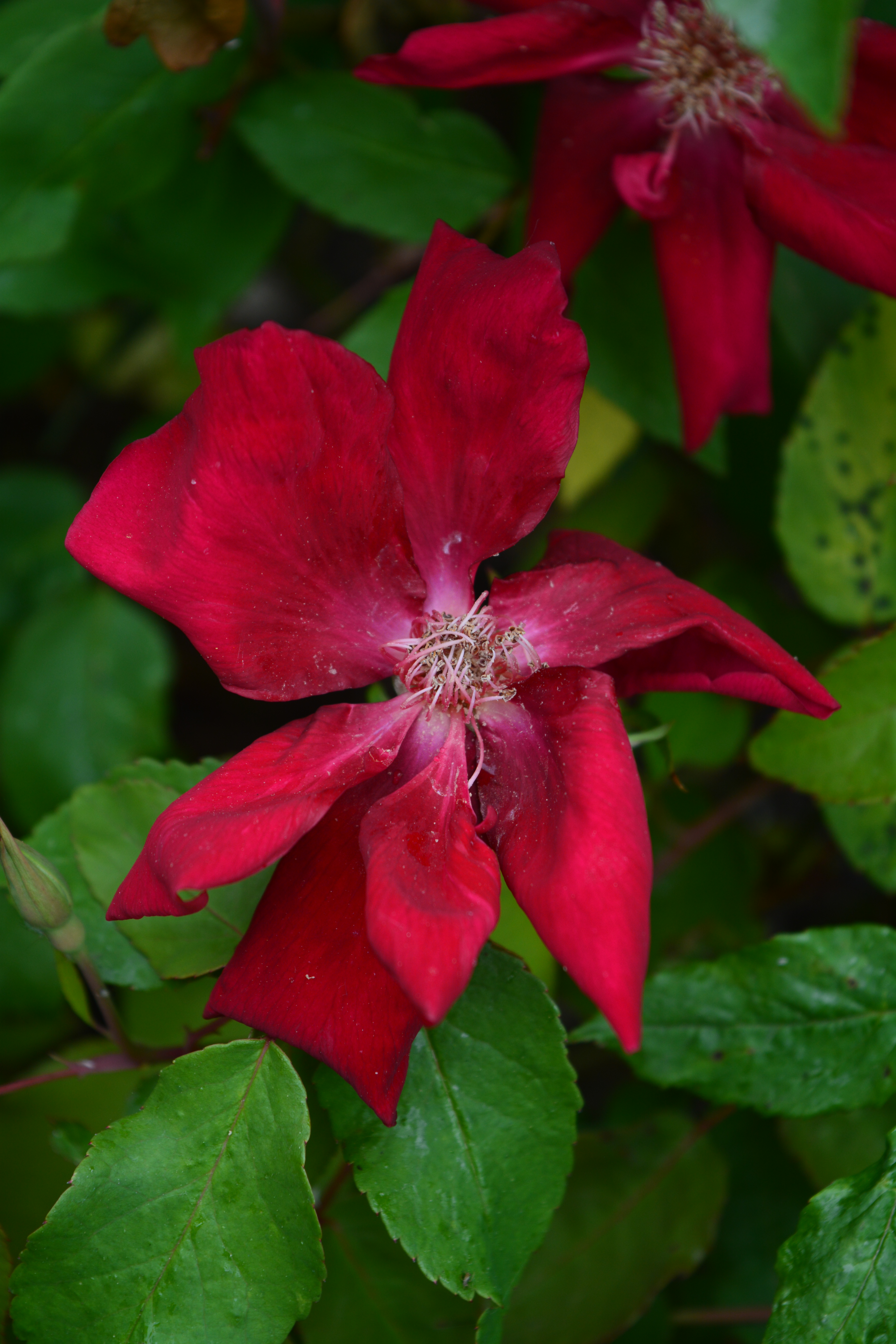
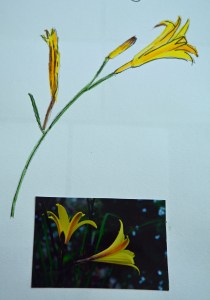
“The end of May sees the first Hemerocallis coming into flower, and the first of our roses which is a very late start.”

  

On the final page of my journal for May I featured photos of the fruit blossom which was looking so good and promising a healthy harvest later in the year.

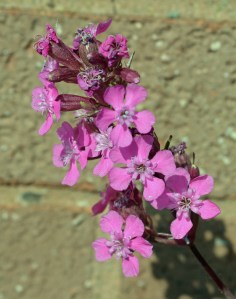
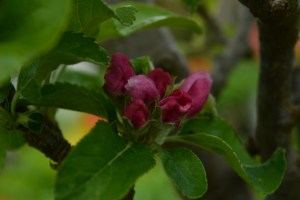
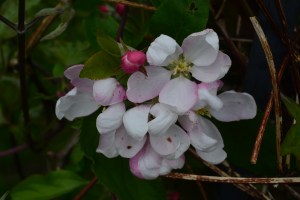
“Fruit blossom this May was the best we can ever remember with apples, pears and quince flowering heavily. We await a great fruit crop!
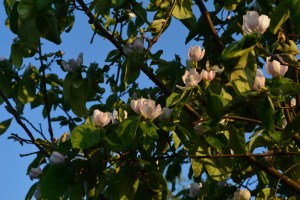
“Bunches of apples will need thinning out more than ever before!”

So that is the end of my May journal, finishing off on a positive note as the garden feels so full of life.
 

Categories
colours garden design garden paths garden photography garden ponds garden pools gardening gardens gardens open to the public lakes ornamental trees and shrubs pathways shrubs trees Wales woodland Yellow Book Gardens

The Dingle Garden in May

We planned our fifth visit to the Dingle Gardens near Welshpool for the 23rd May and intended to go whatever the weather. Our April visit was on a day more typical of November than April so the photos I took were rather unusual for a garden in spring.

However for our May visit the sun shone, the sky was clear blue and the warmth allowed us to have a very leisurely stroll around the garden. We had so far this year seen little change from month to month as spring was on hold but this May visit was a strong contrast. We found the garden rich in flowering shrubs and strong fresh growth everywhere.

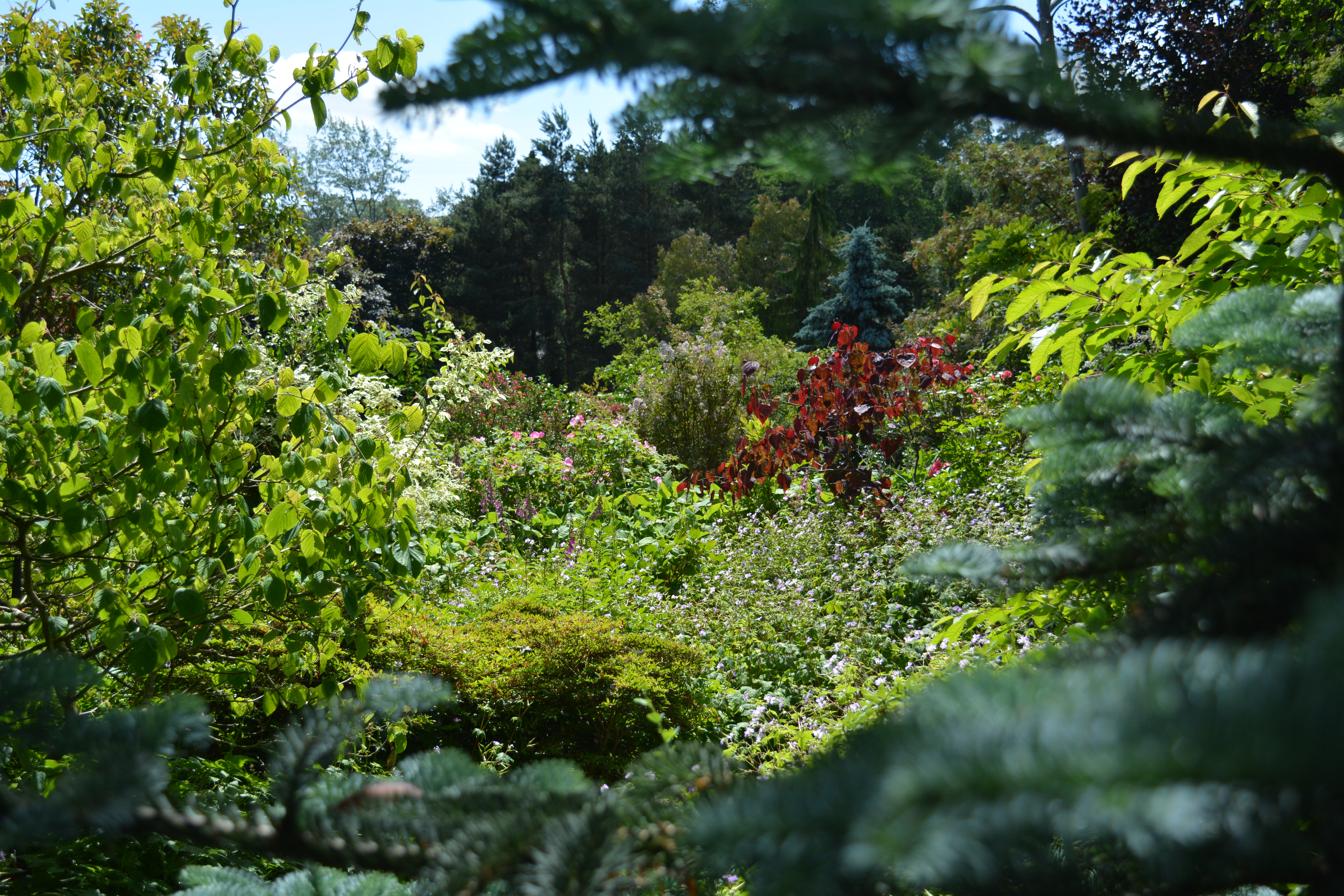
My first set of pics show paths we followed and the views from them.


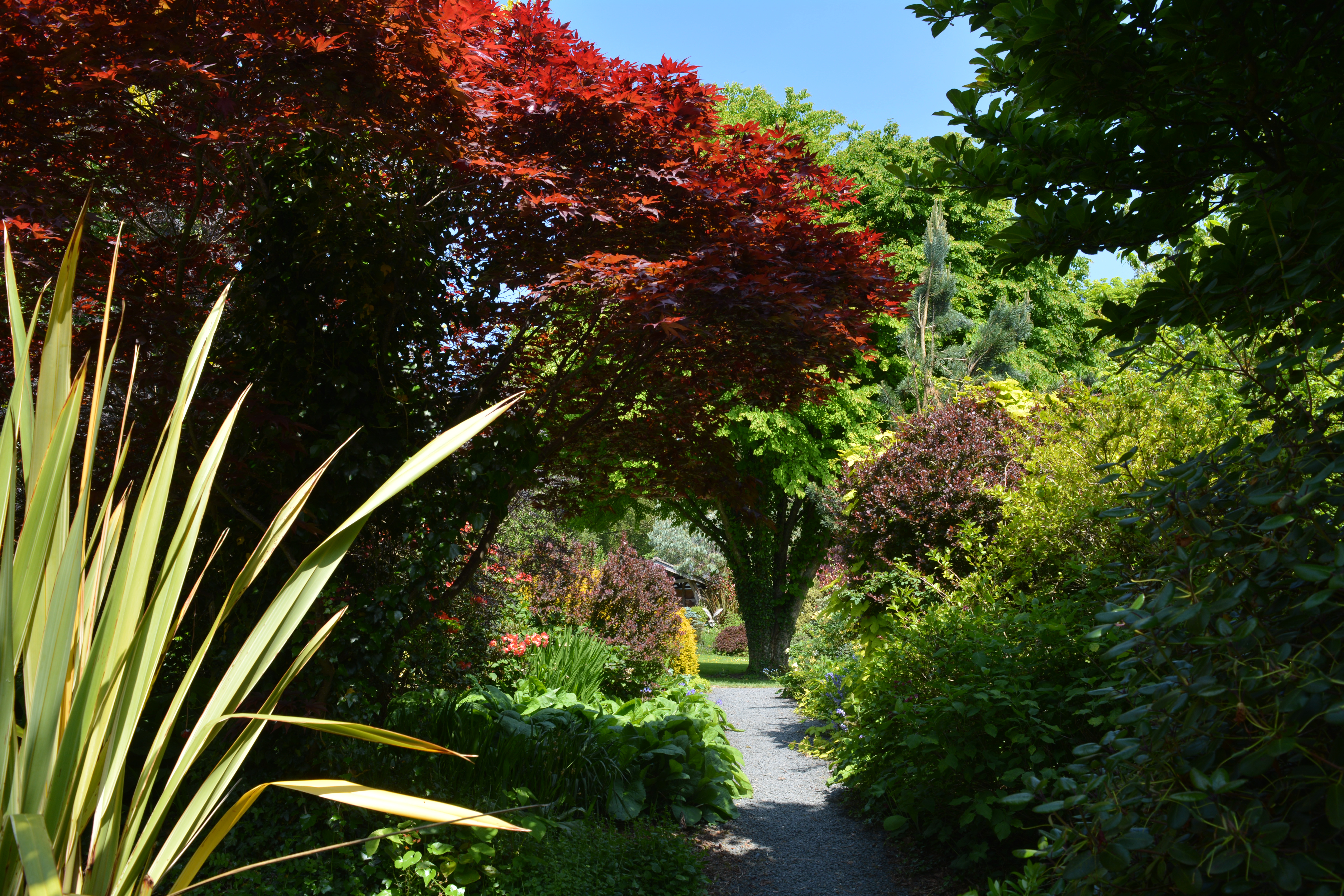
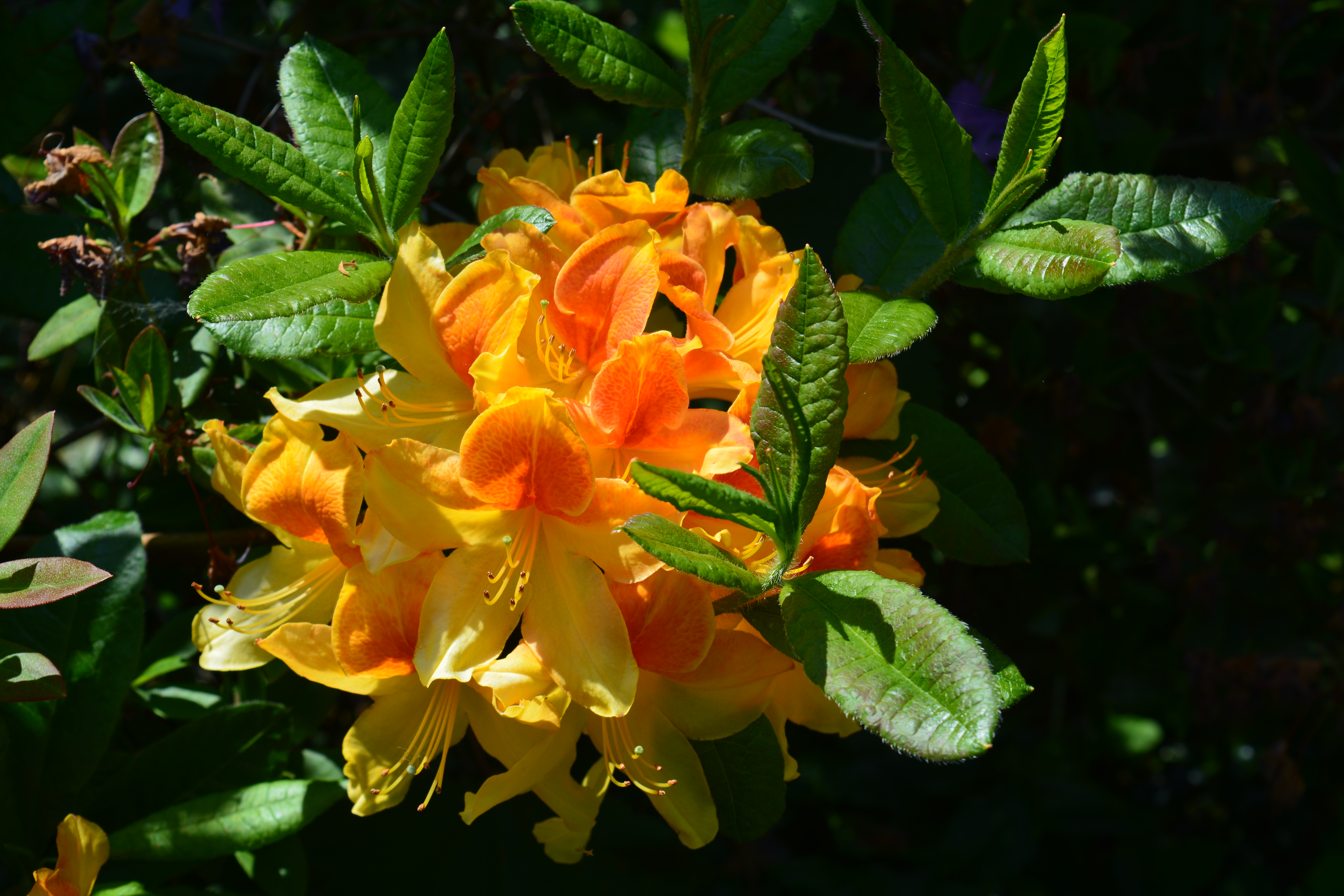
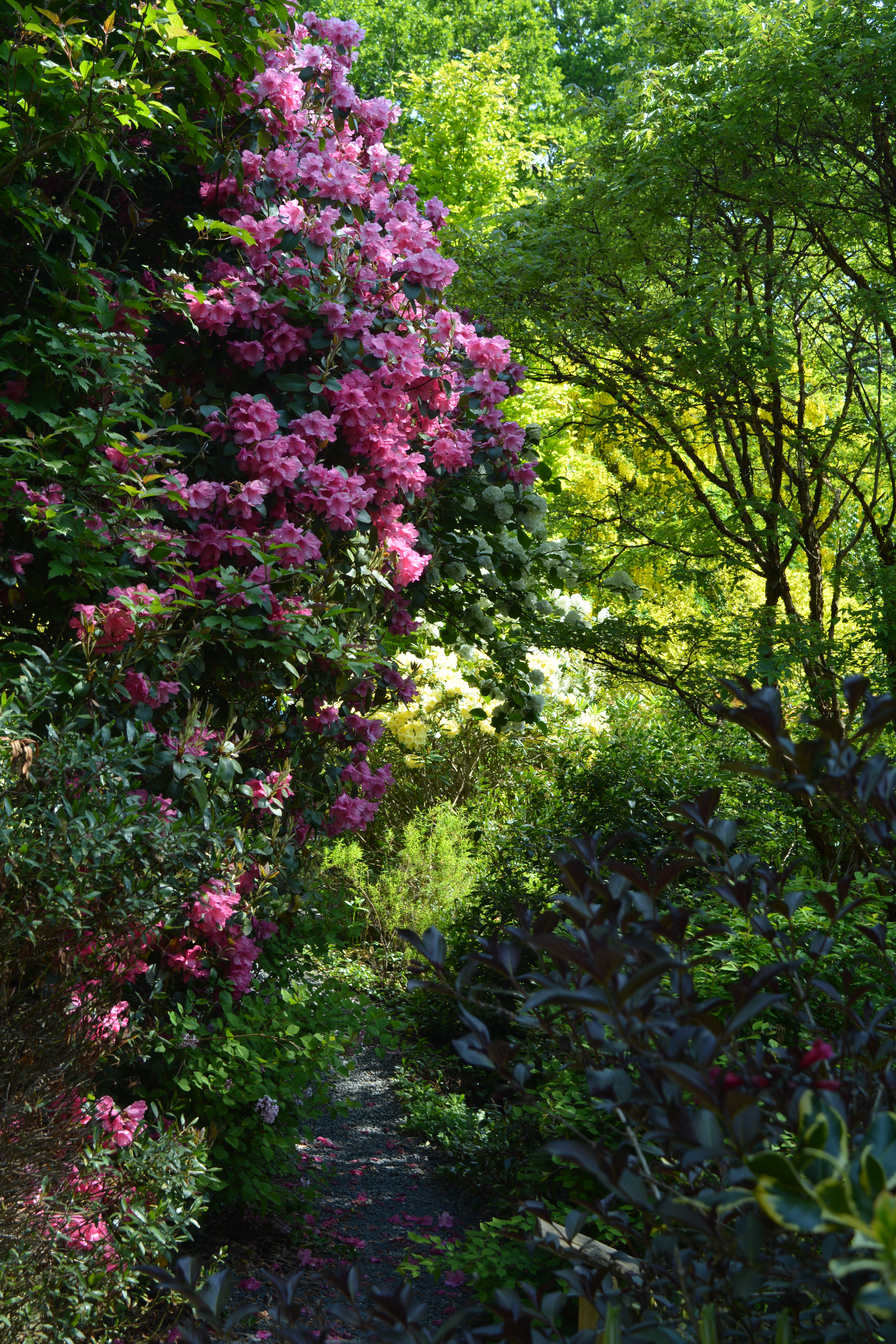
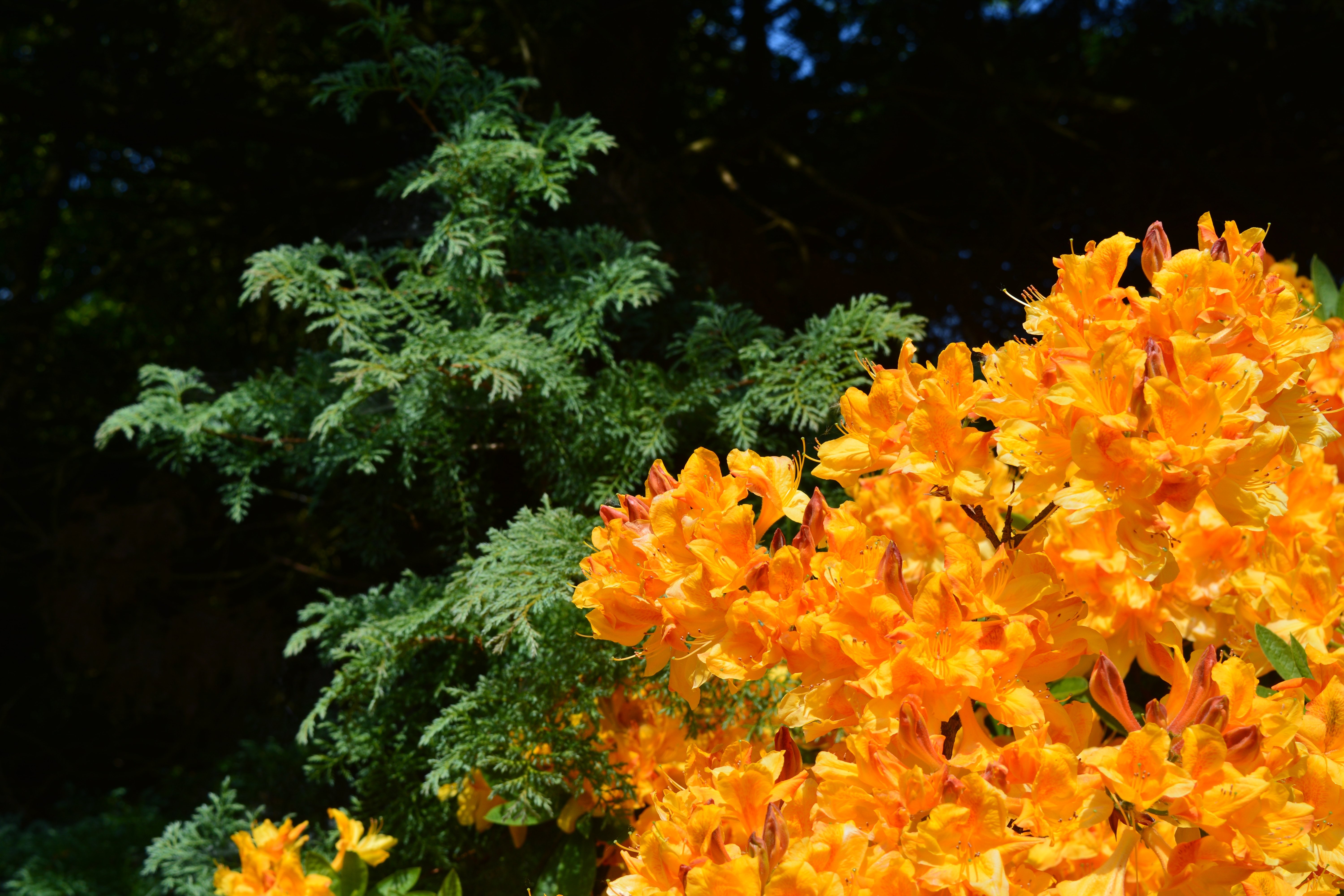
A real surprise was the explosion of colour provided by the Rhododendrons whose buds we have featured over the first few months of the year. The brightest of reds, oranges, pinks plus cerise hues and shades of white sat together sometimes in harmony but often clashing!

Contrasting and strong coloured foliage provides as much interest as flowers at this time of year as all deciduous foliage is fresh and lively.


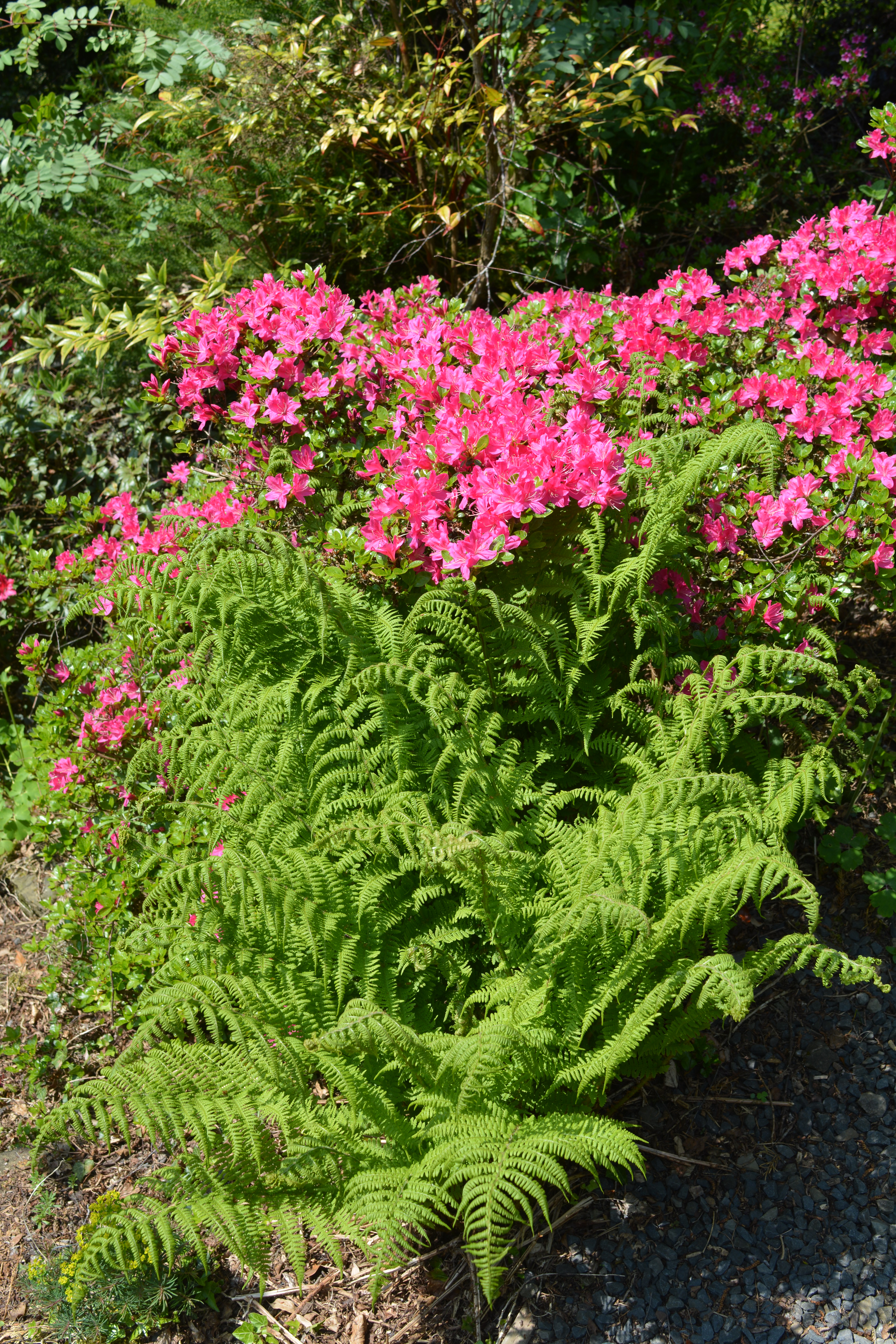
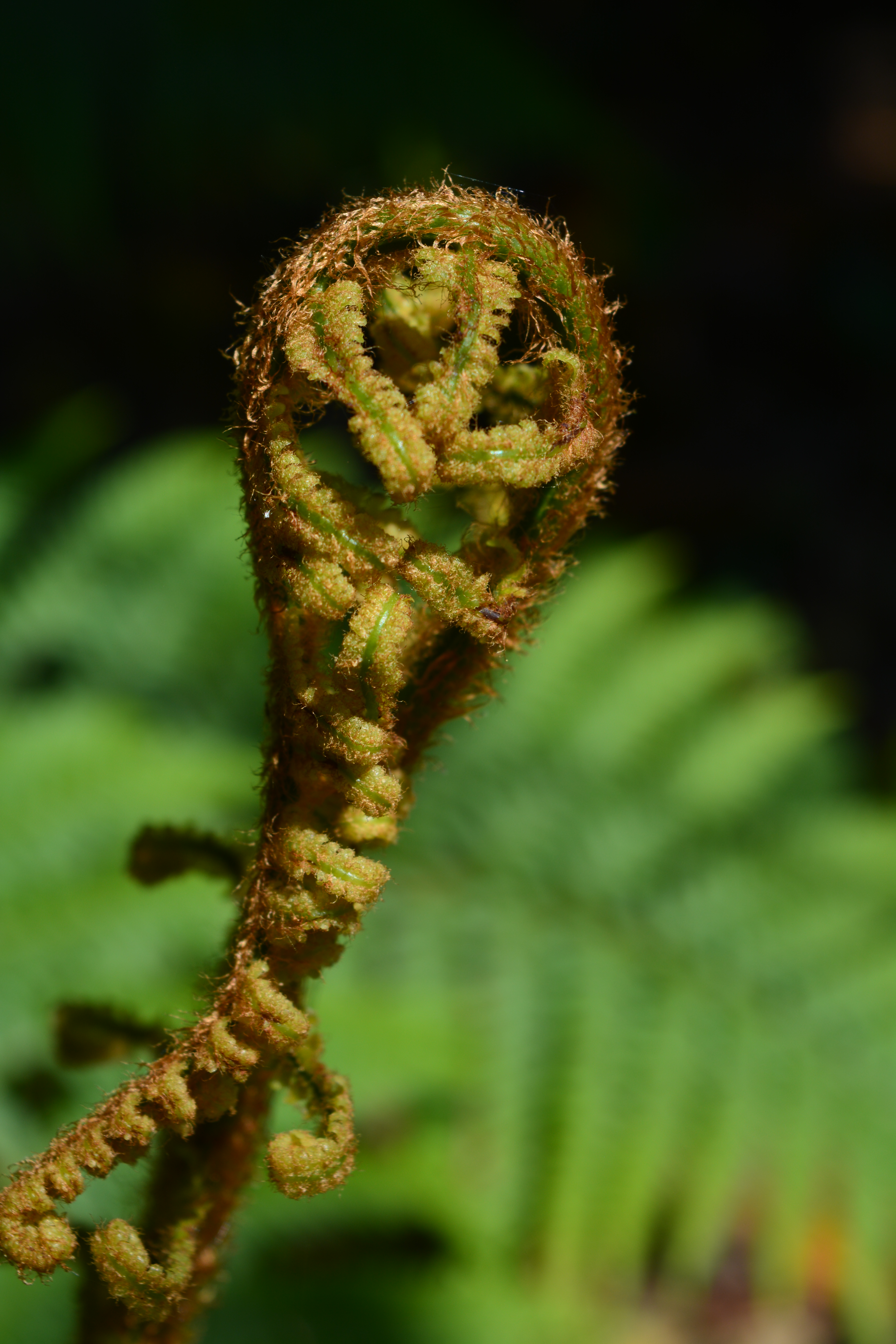
Ferns are an exciting element in the woodland or shade garden in May as fresh fronds unfurl and open to reveal strongly textured and patterned foliage.


I shall finish this visit report for our May wanderings around the Dingle Garden with a few general shots taken near the lake at the bottom of the sloping garden, showing the variation in foliage apparent in the trees and shrubs. We can now look forward to what June at the Dingle will have to offer.


Categories
flowering bulbs garden pools gardening gardens gardens open to the public hardy perennials lakes light light quality ornamental trees and shrubs shrubs spring bulbs spring gardening trees Wales water in the garden winter gardens woodland woodlands

The Dingle Garden in April

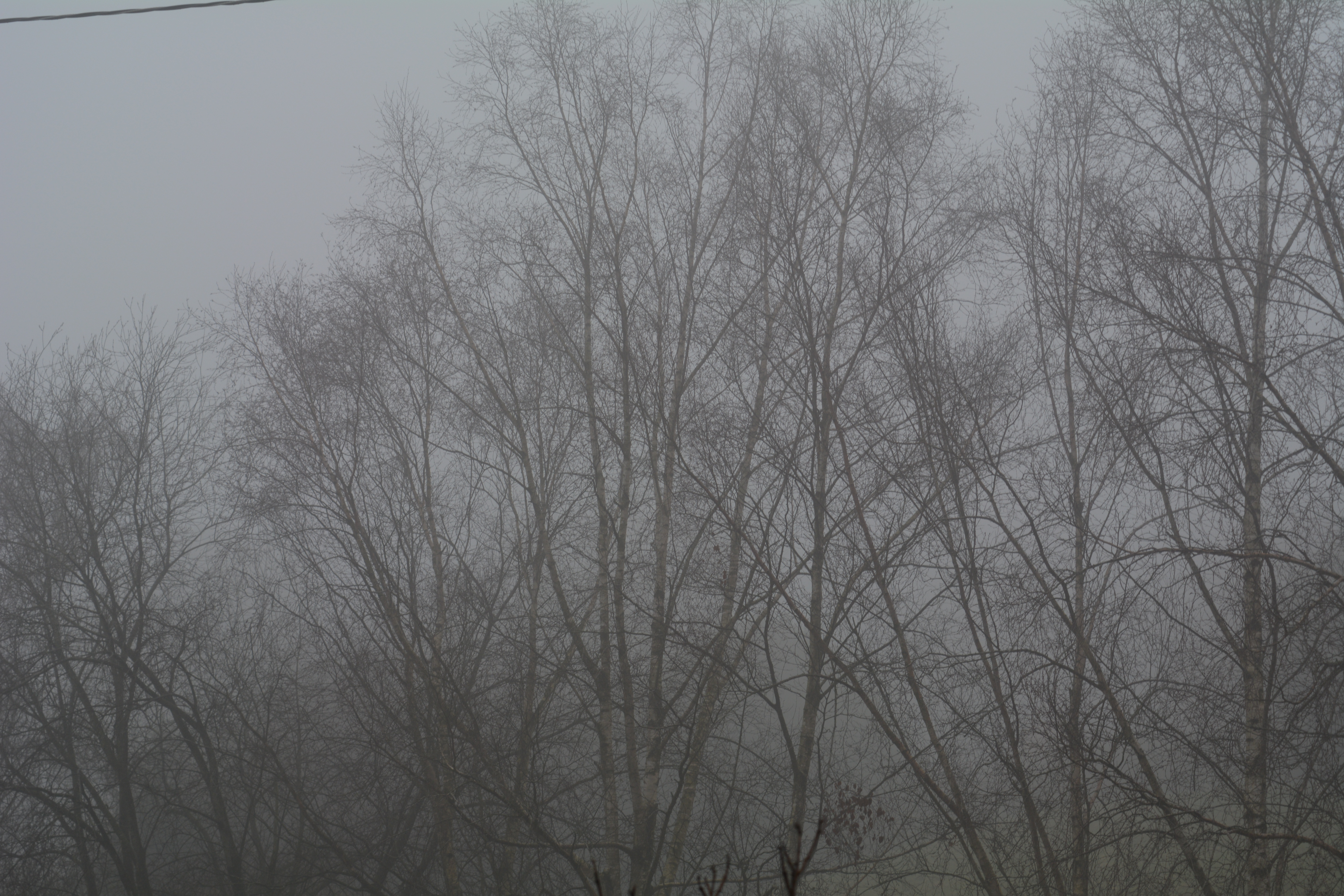
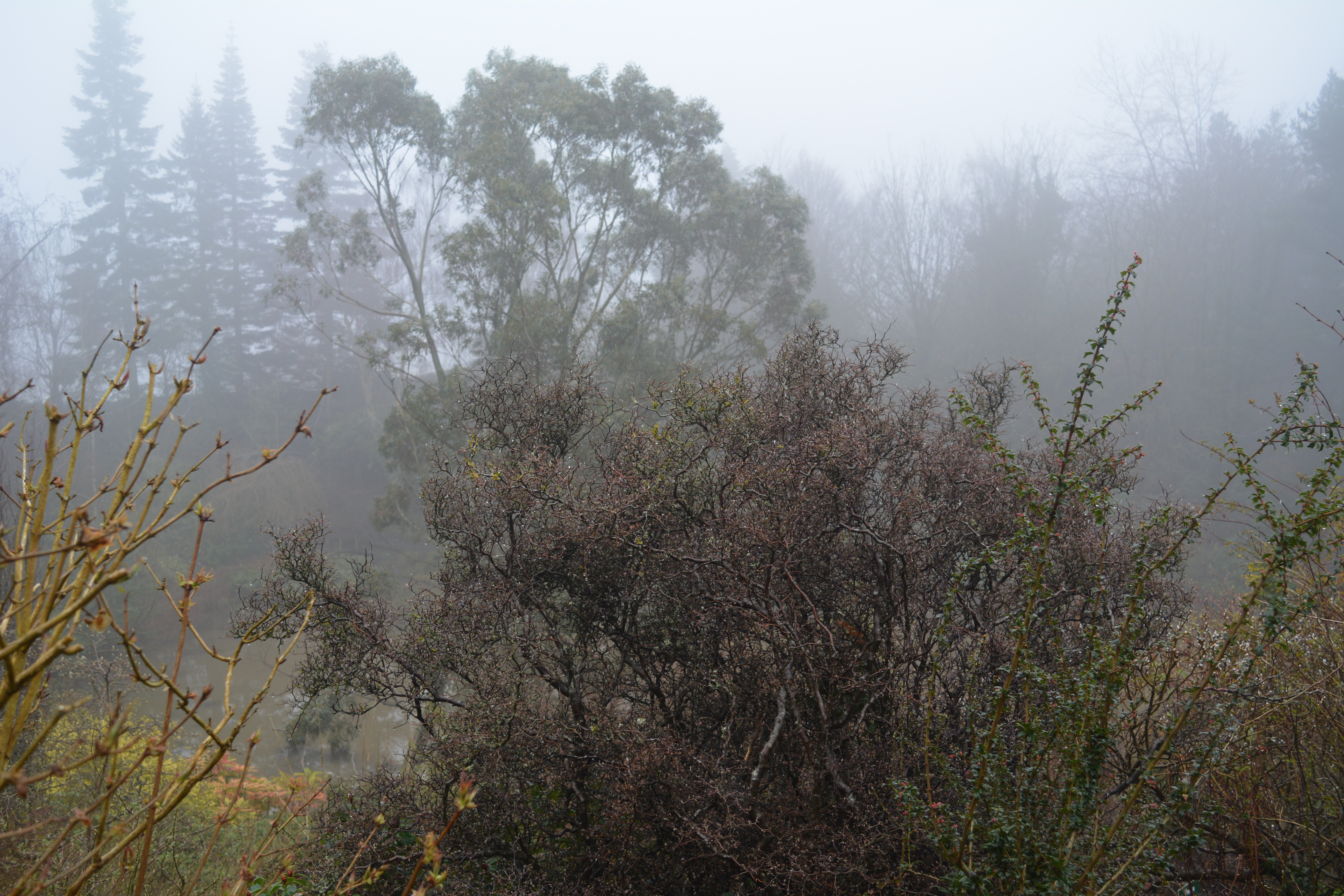
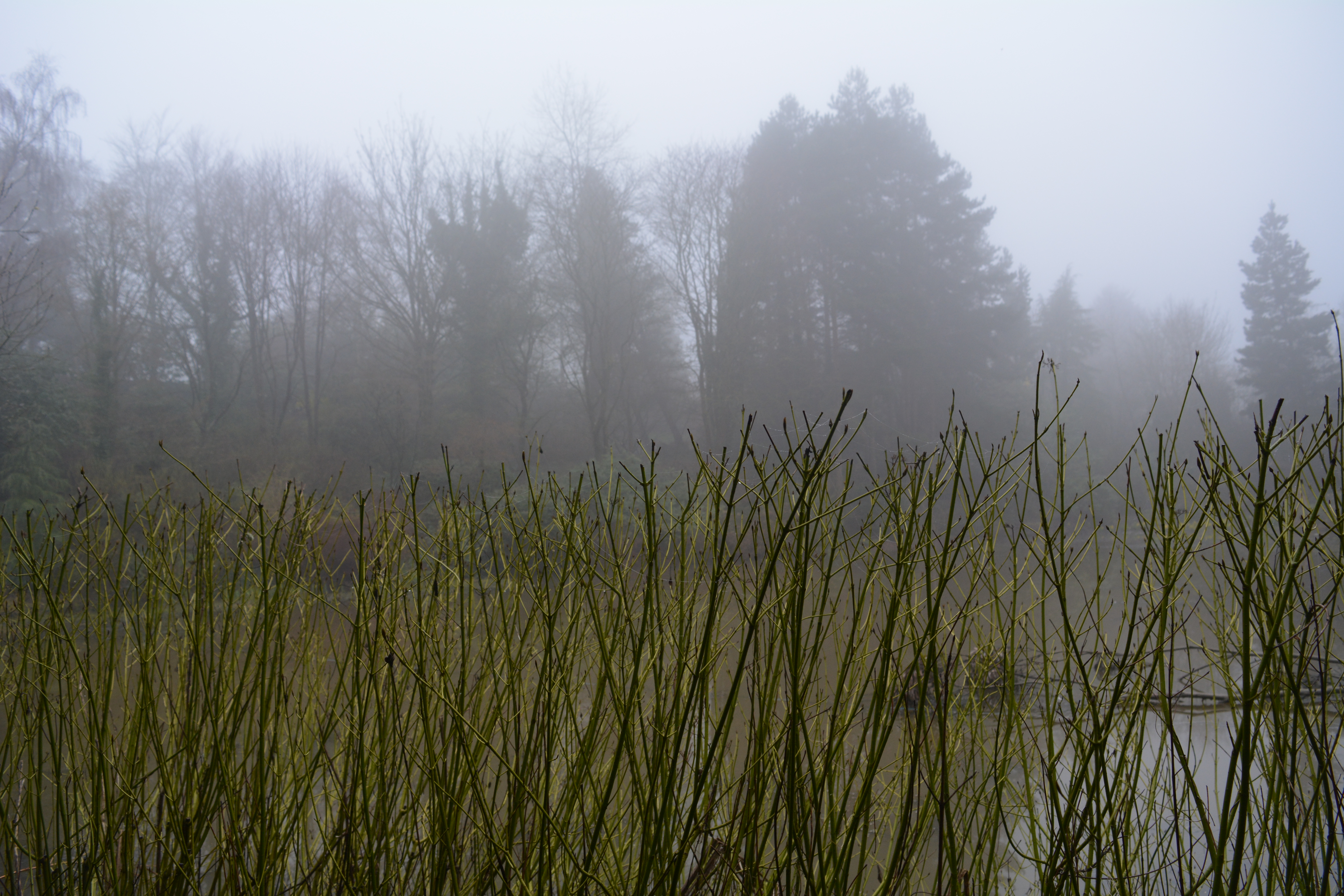
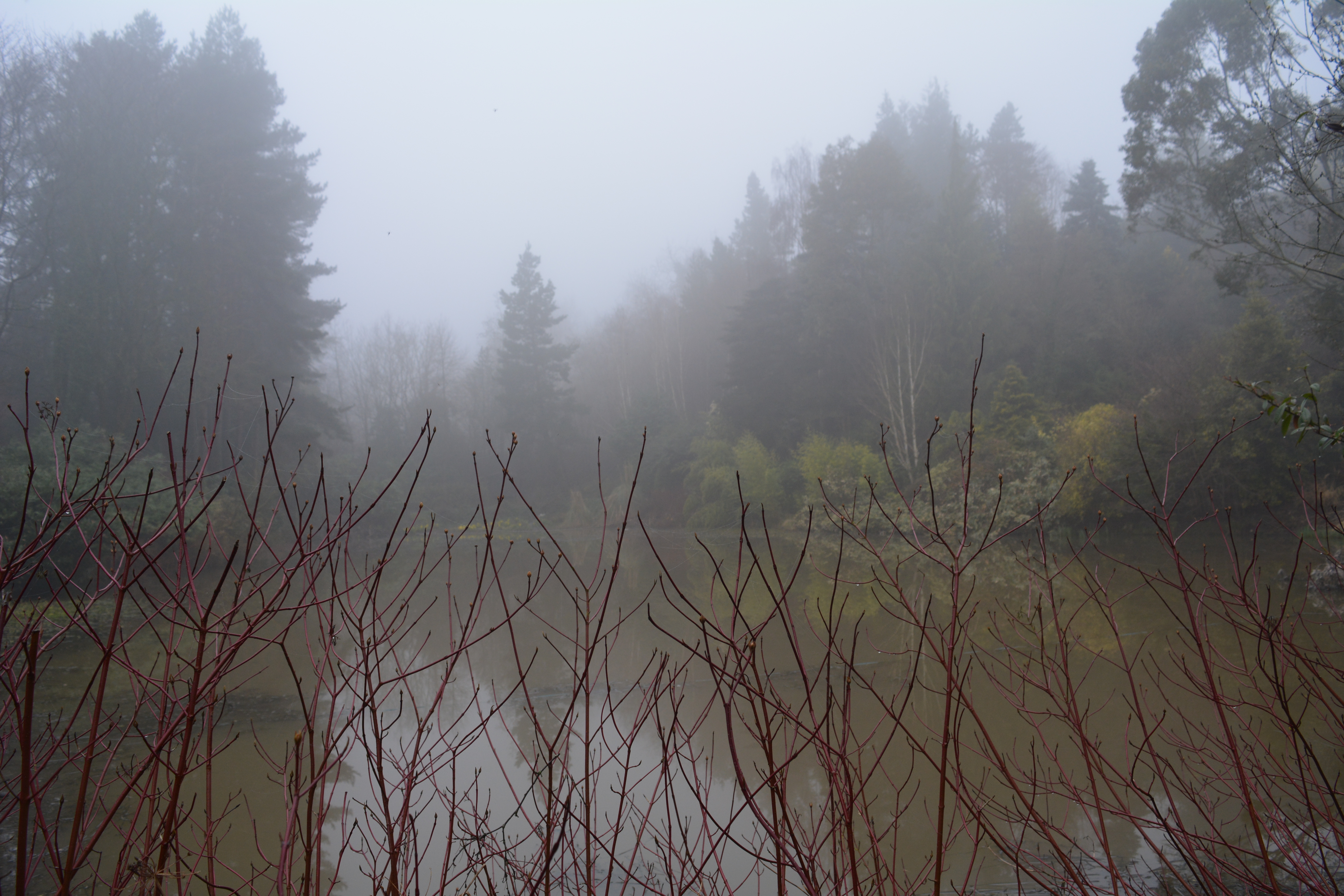
We made our April visit to this year’s chosen garden for monthly visits expecting to enjoy all the freshness of early spring. How wrong could we be! The day dawned cold and misty and as we walked around the gravel paths we got more damp with each step as we were walking in a gentle mist. We felt as if we were wandering around the garden on a typical November day definitely not an April day.

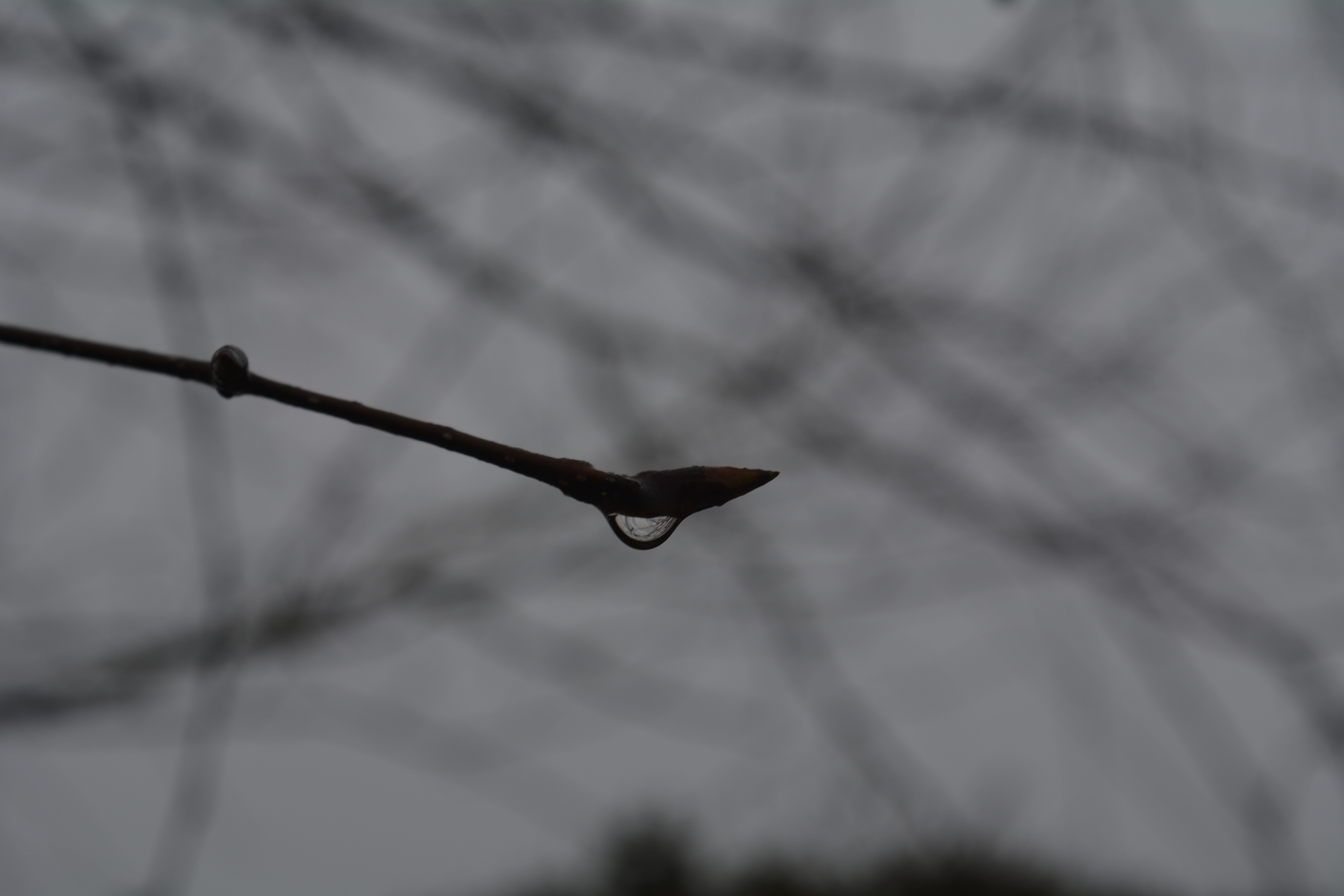
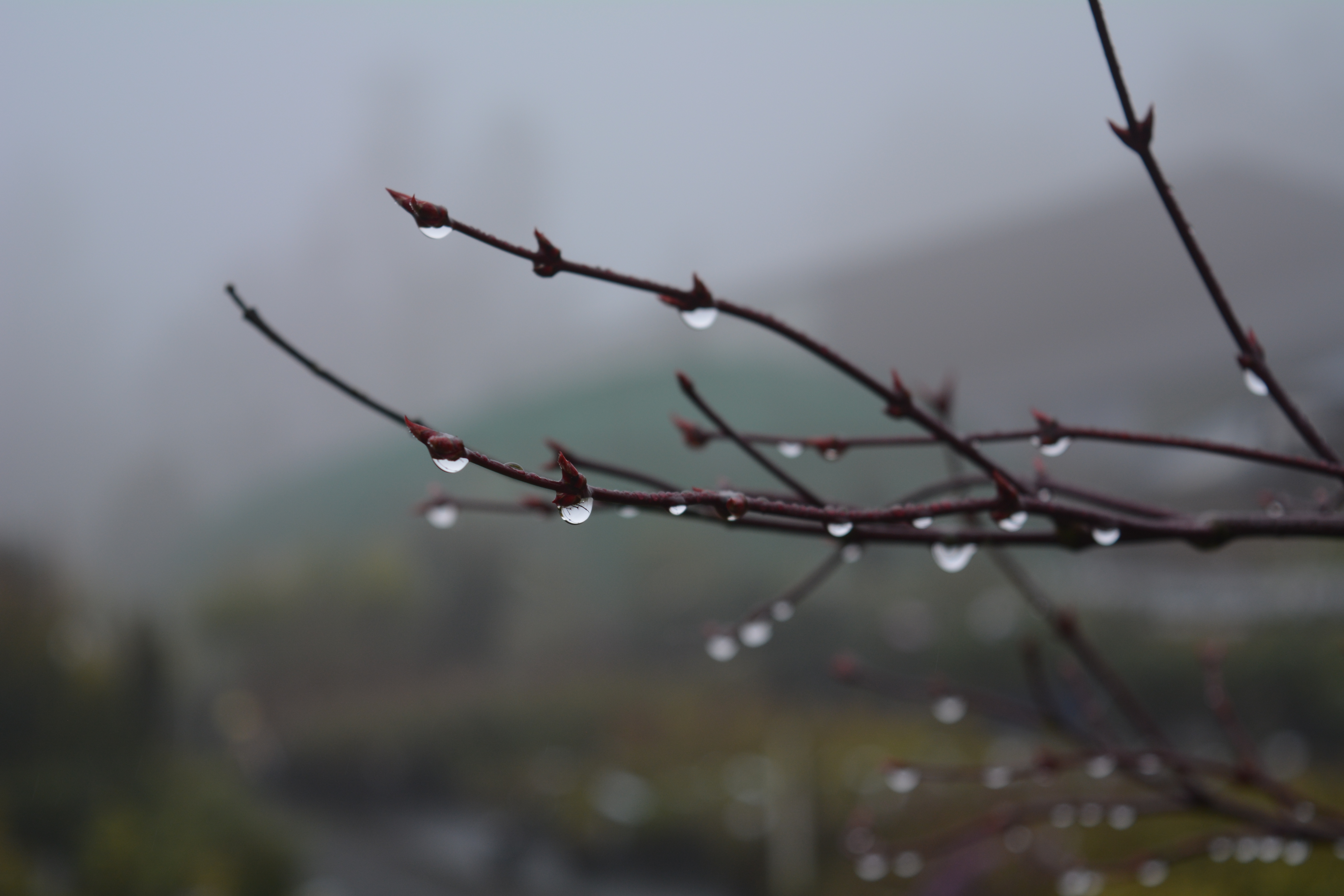
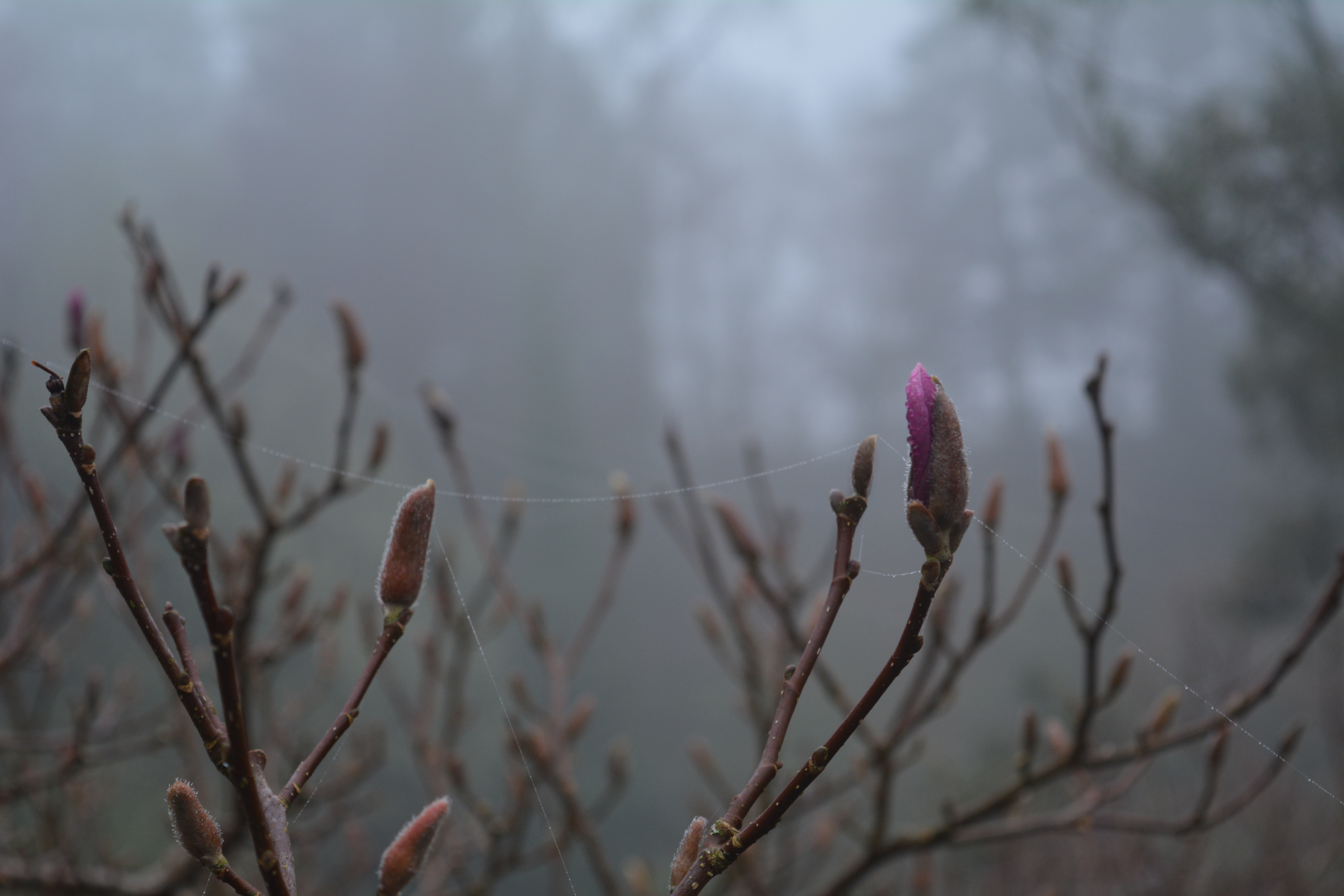
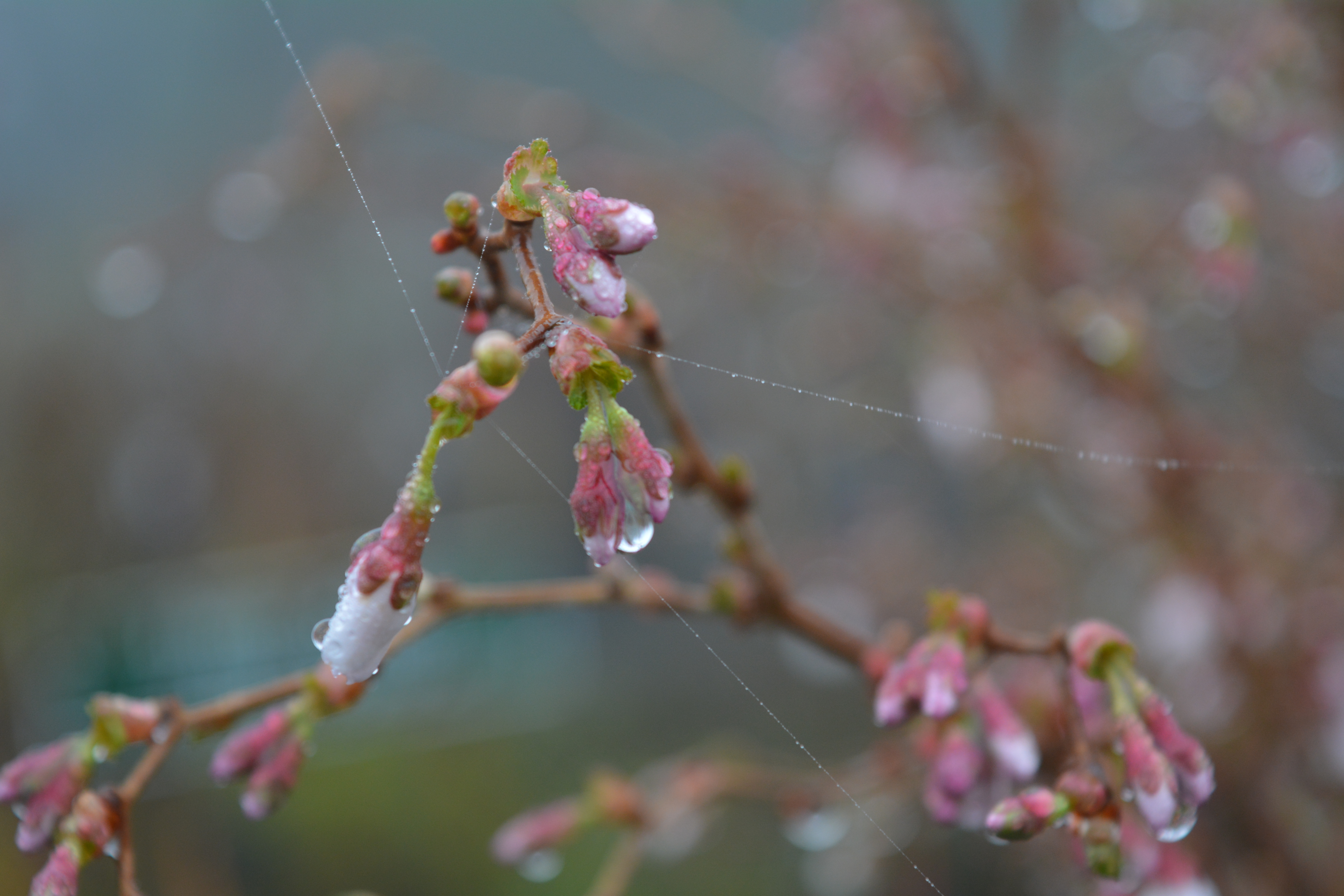
Mist hung among the trees and rain droplets hung from buds and branches.

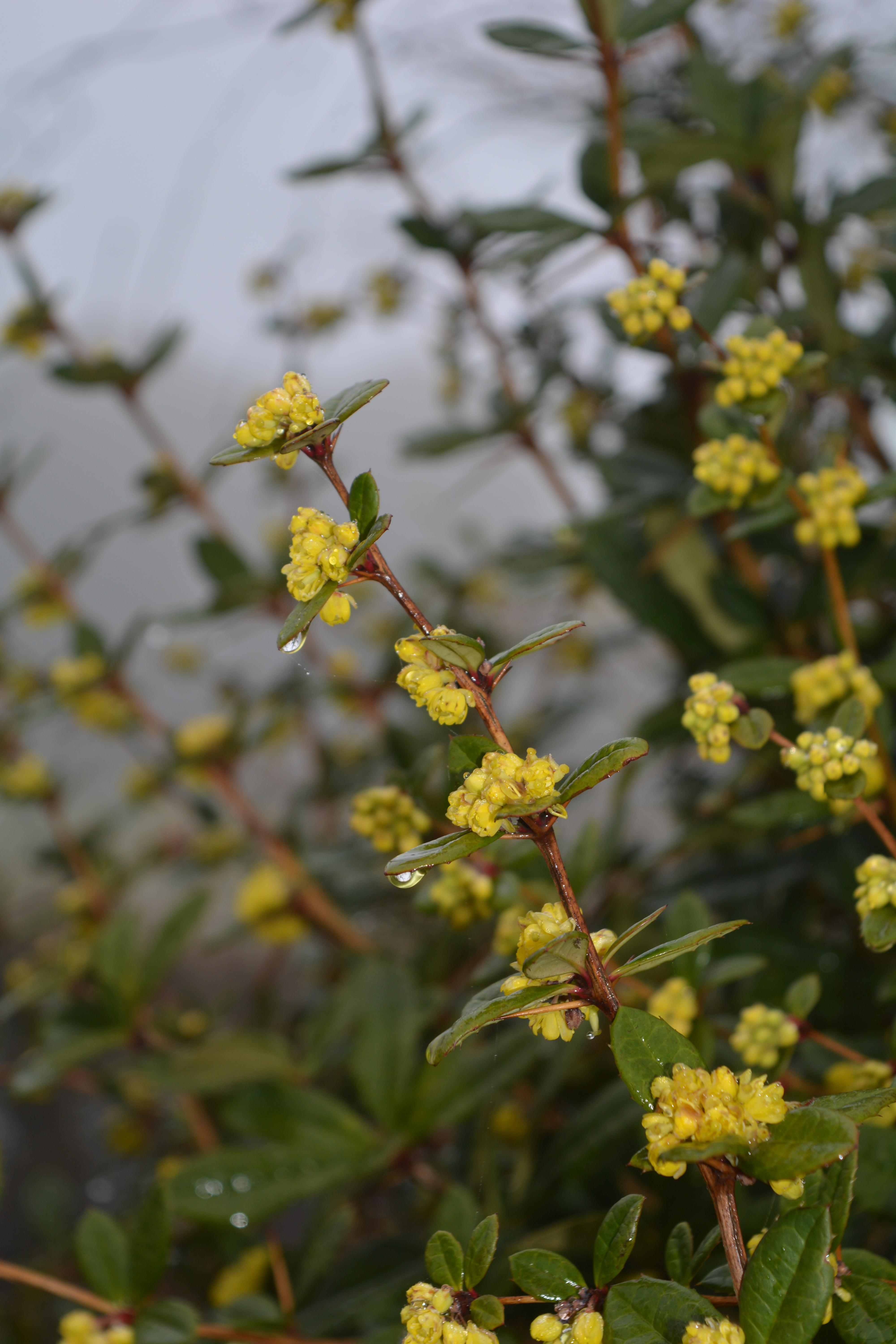
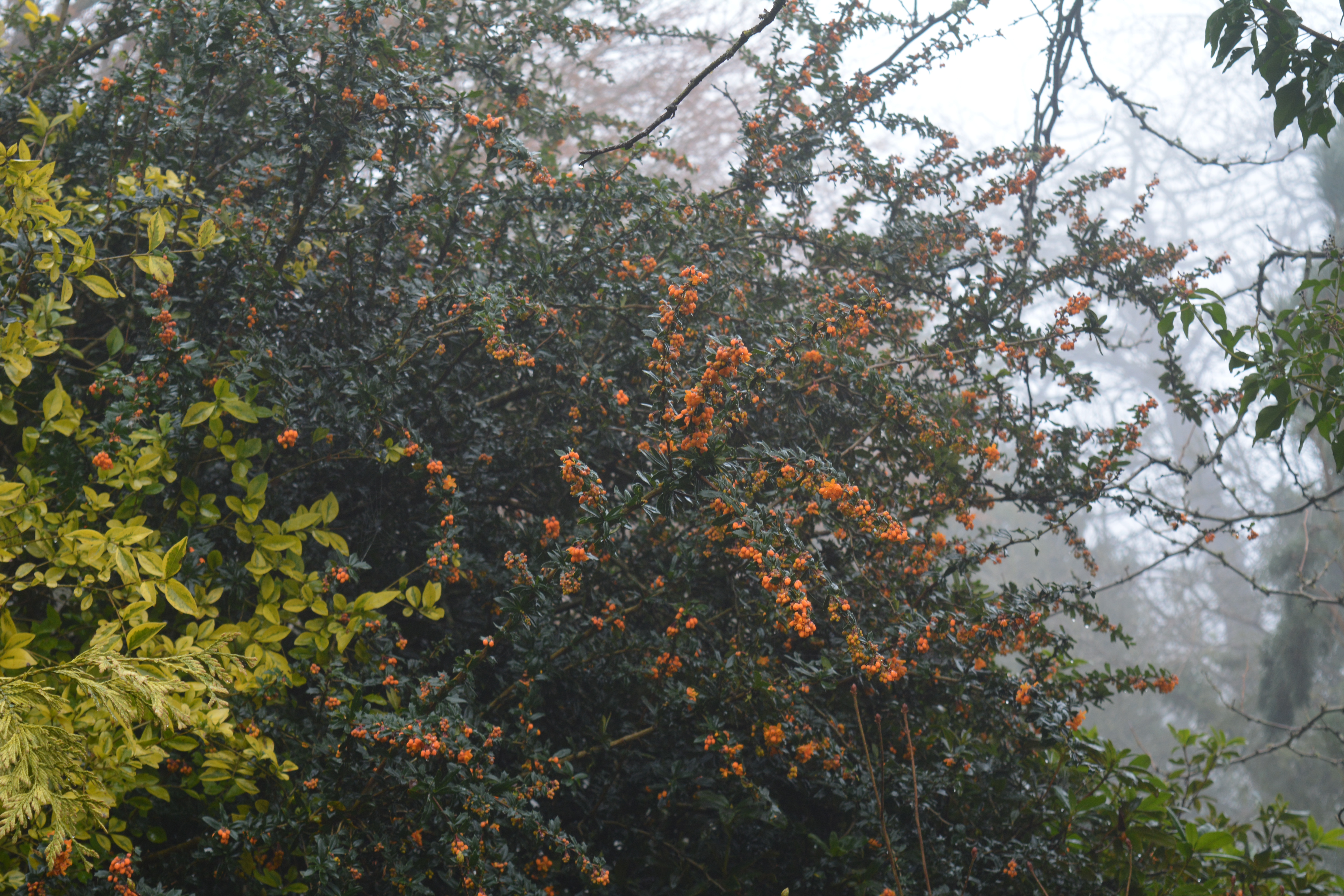
We expected to be able to enjoy early flowering shrubs like rhododendrons and azaleas, but there were just a few as the seasons are still lagging behind. A beautiful bright yellow flowered Berberis really brightened the gloom and an orange flowered variety glowed through the shrubs like beacons. Both of these Berberis added a little welcome scent to the walk.


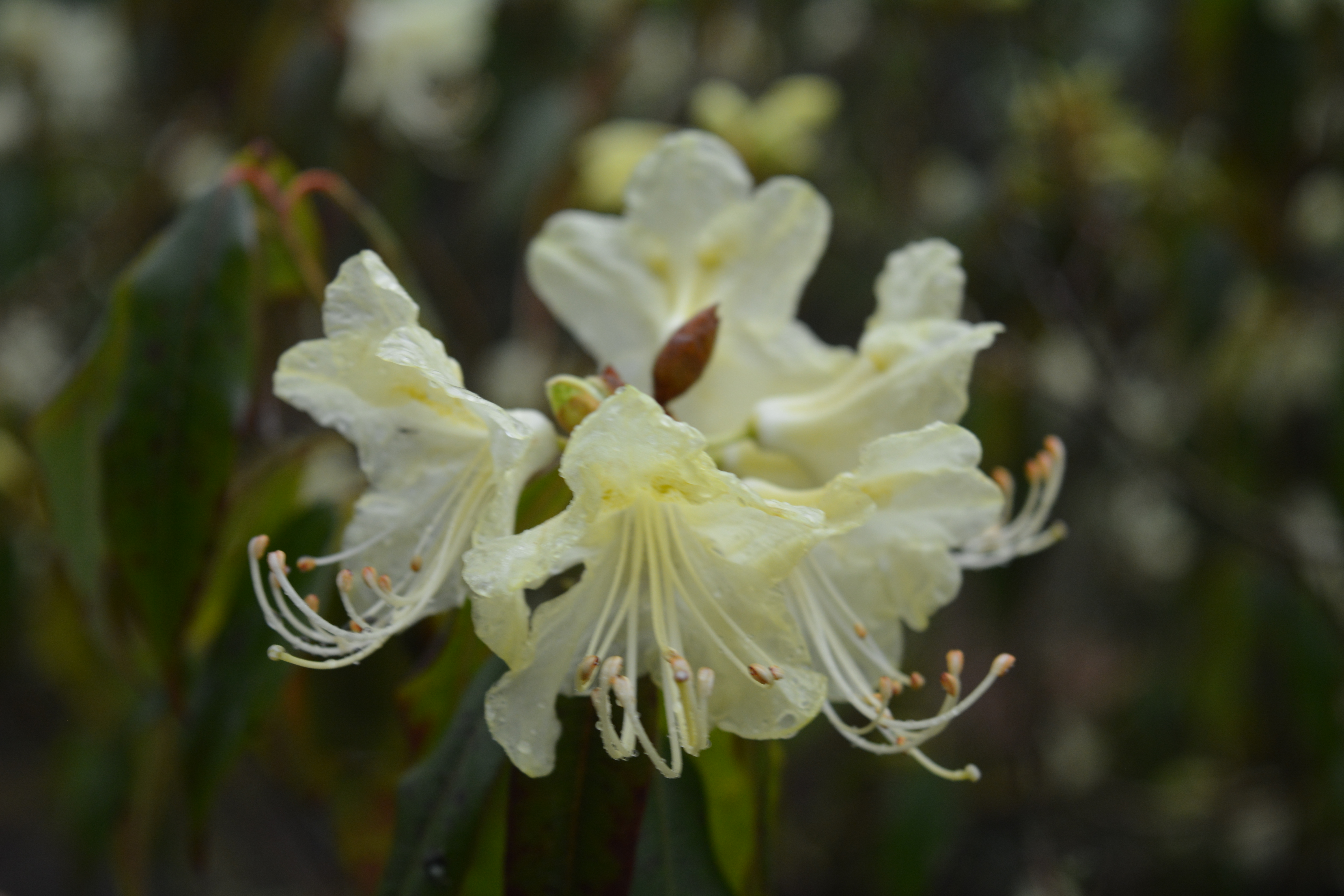
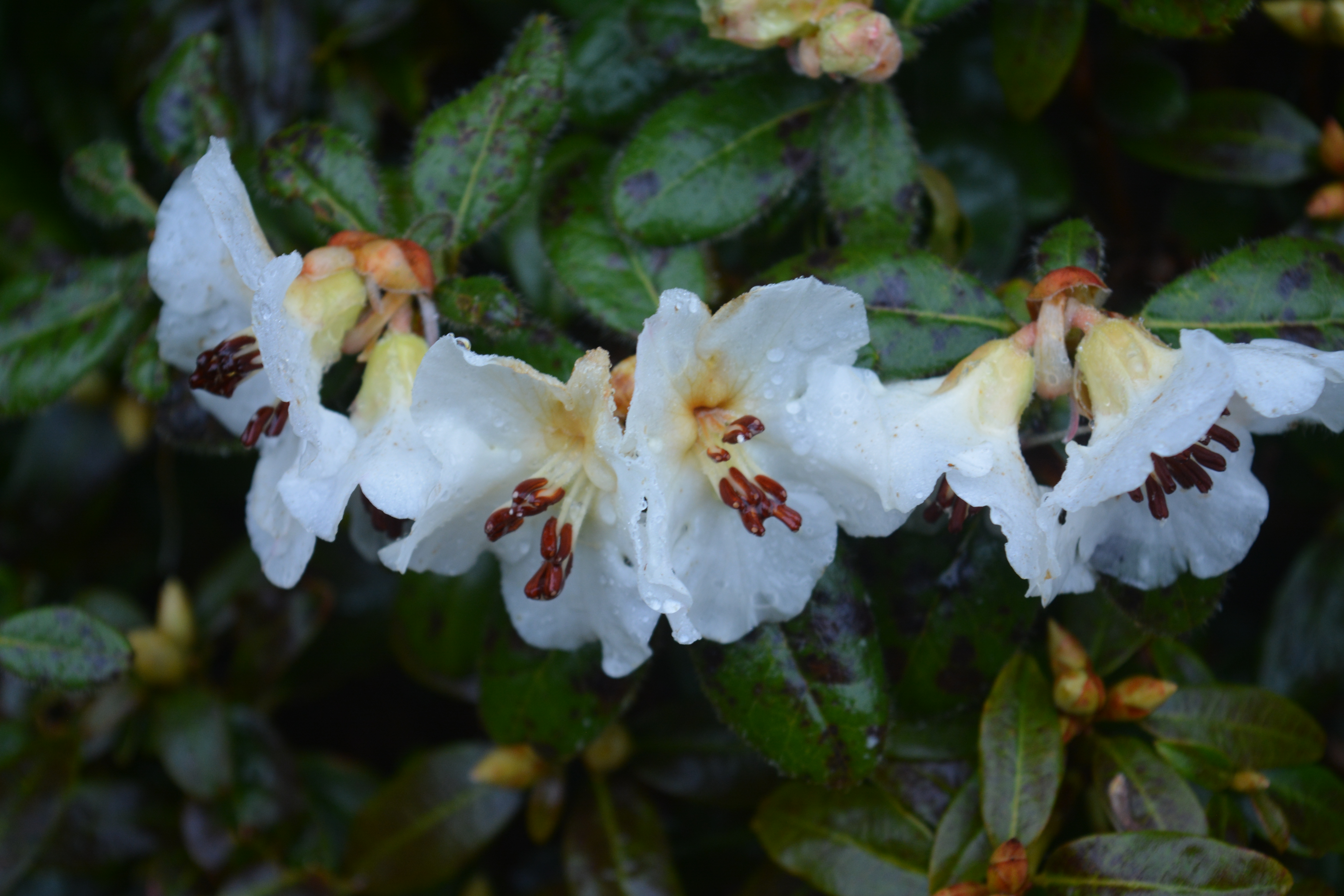
Some Rhododendrons were flowering well while others still showed tight buds. At this time of year every little flower on the shrubs is so powerful.


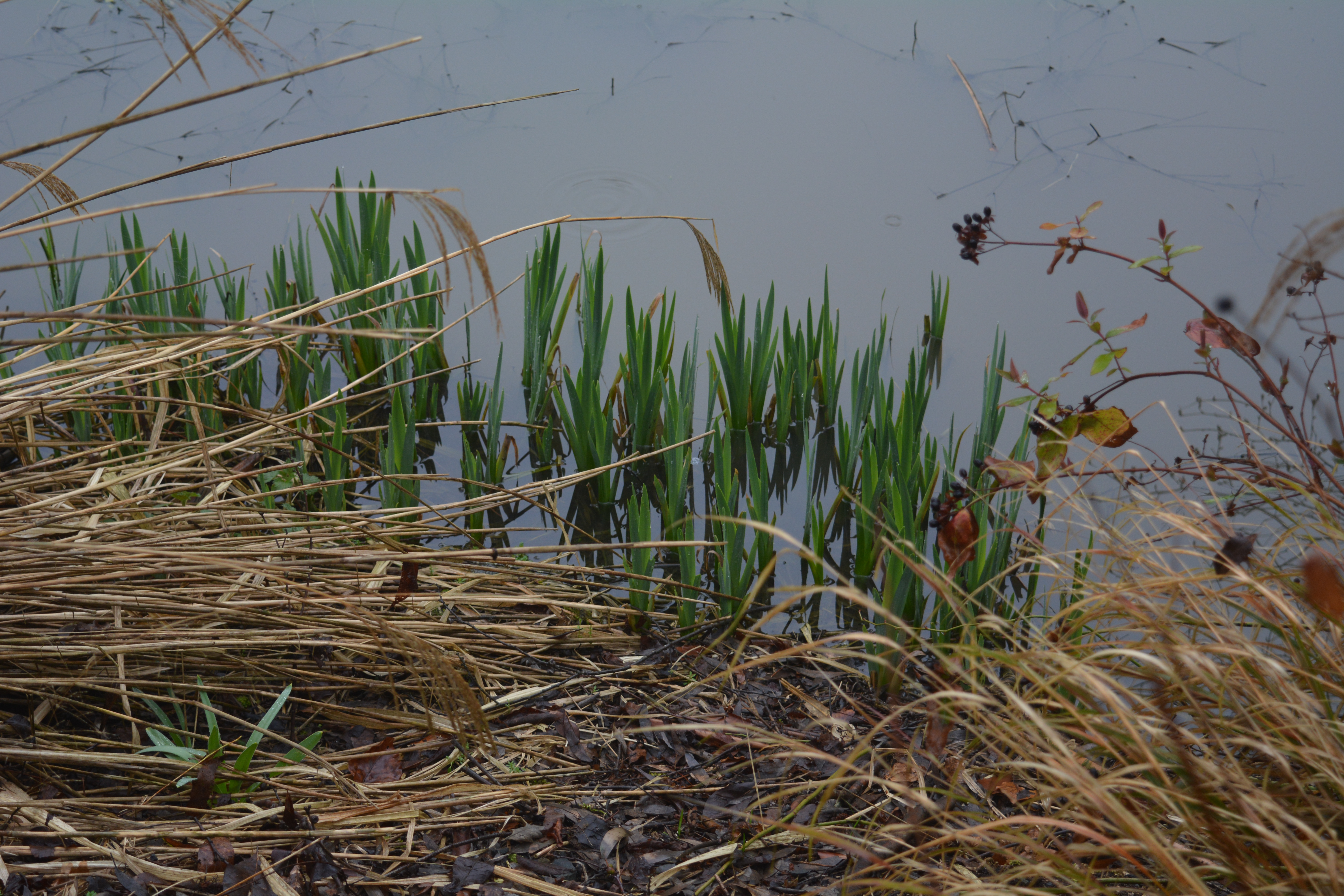
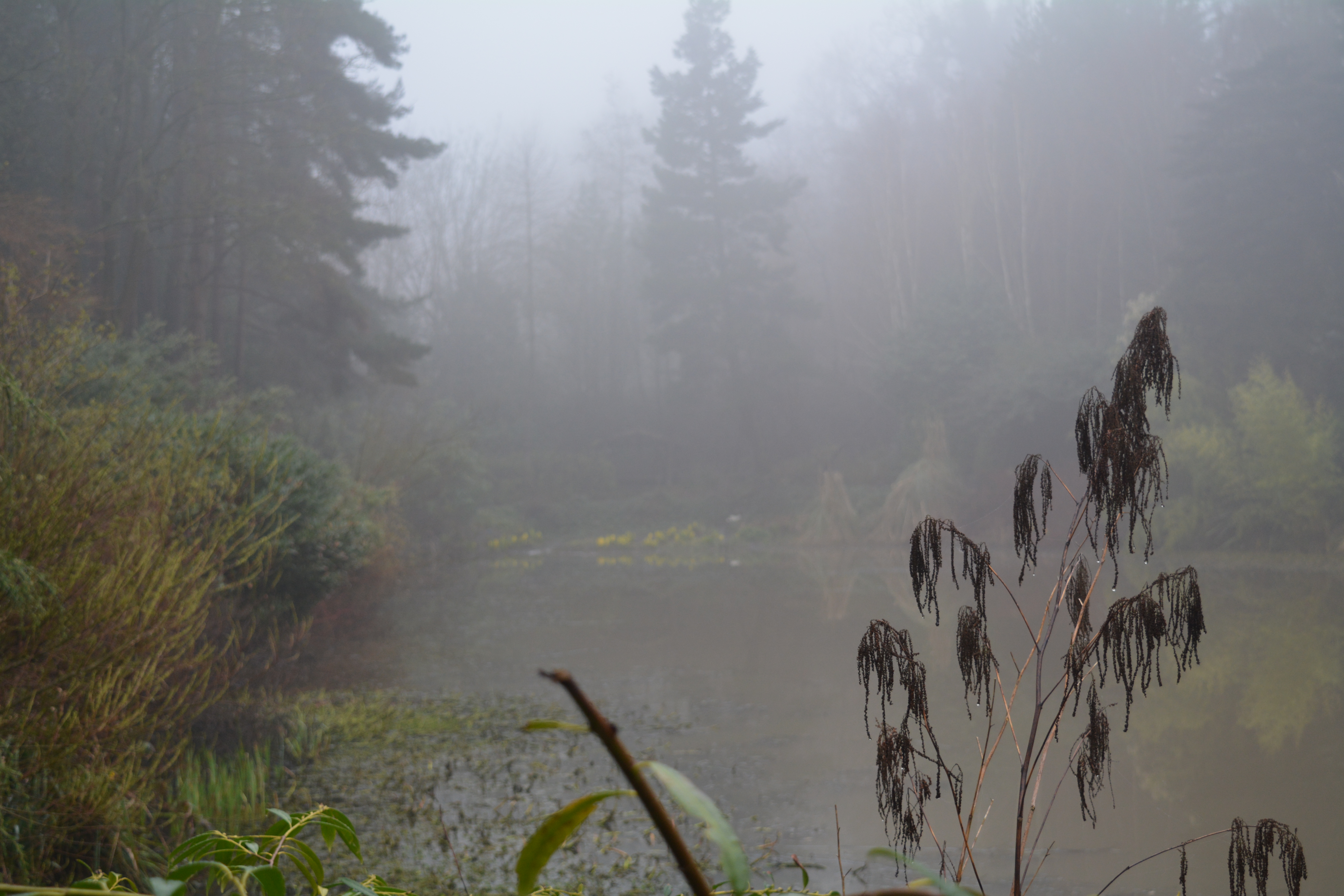
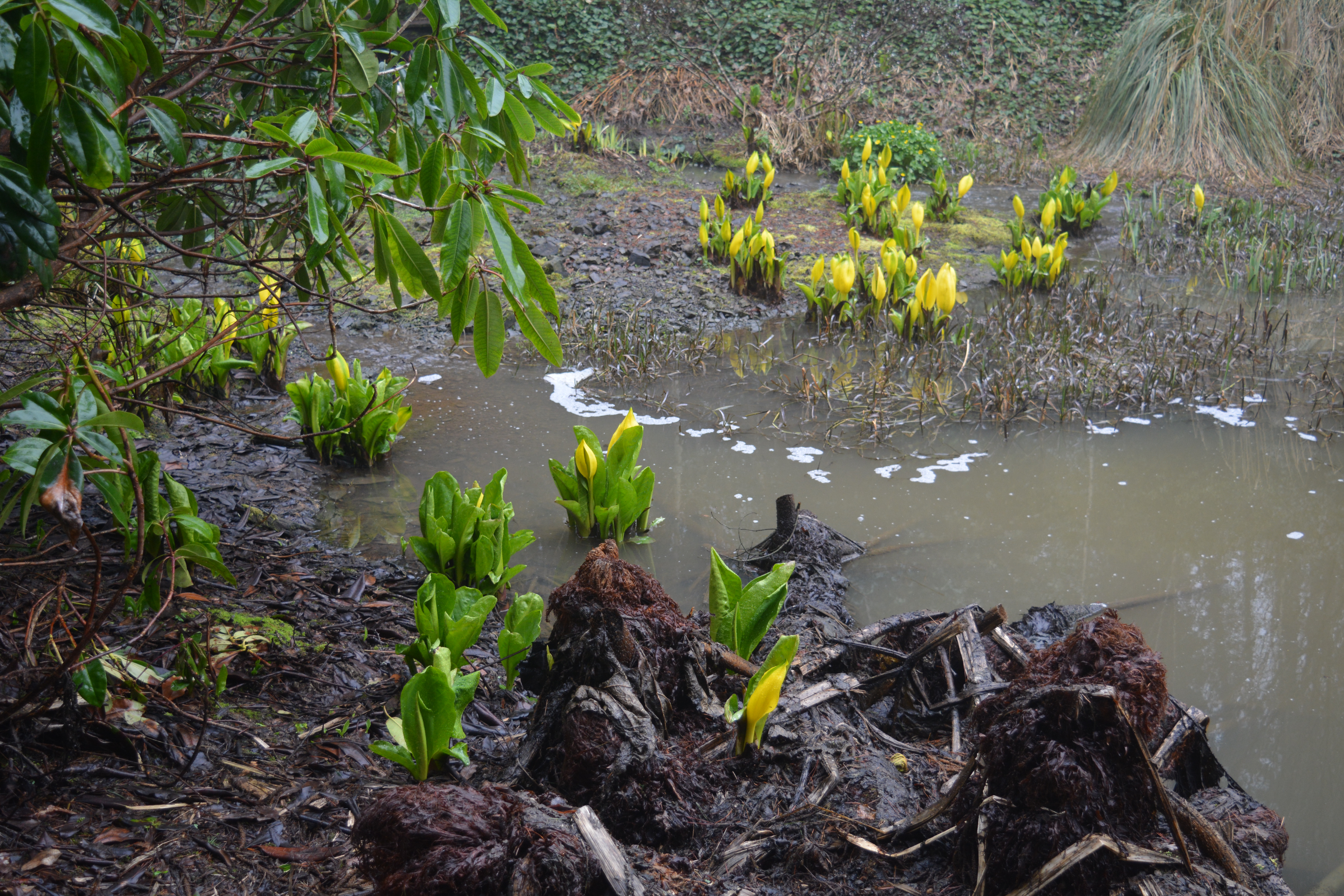
We made our way down towards the lake enjoying the misty views out across the water. When we arrived at the bankside we walked the perimeter and all the way we could see the glow of the yellow-flowered Skunk Cabbage growing on the water’s edge.


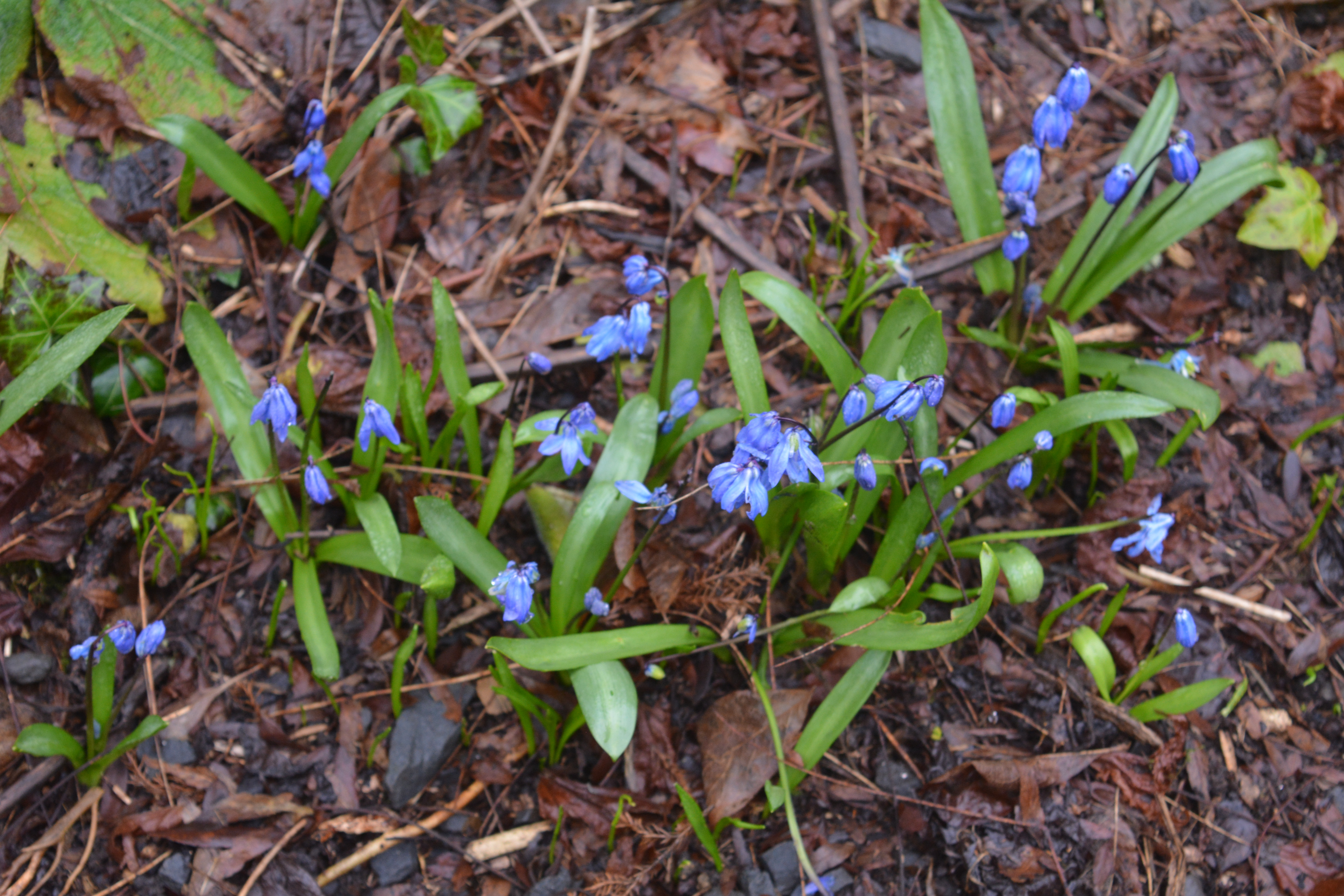
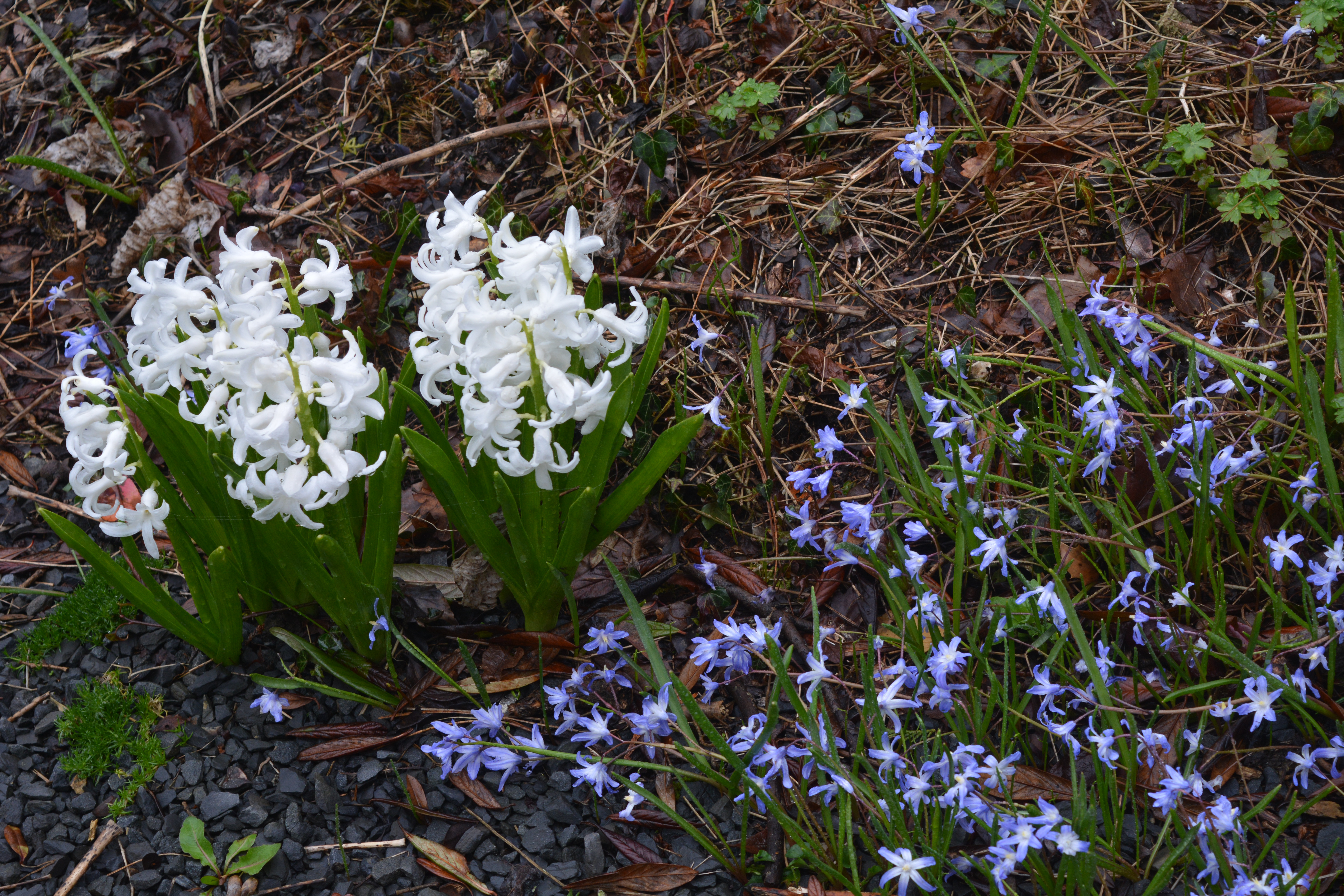
As we wandered back along the gravel paths we spotted odd flowering perennials and bulbs giving patches of colour in the shade of the shrubs.


We were once again surprised by the lack of changes on this month’s visit, but as with anything to do with Mother Nature there was plenty for us to look at and consider. Perhaps on our next visit, which will be in May, we will experience the presence of spring.

Categories
garden photography gardening gardens gardens open to the public landscapes light light quality National Garden Scheme NGS ornamental trees and shrubs trees water in the garden Winter Gardening winter gardens woodland woodlands Yellow Book Gardens

Early Spring Light in a Woodland Garden

March at the Dingle woodland garden at The Dingle and Nursery near Welshpool proved to be a time with special light when the sun appeared for odd periods. I am sharing some of my photos taken of the landscape and the light playing with it. I hope you enjoy them!


This Veggie Life

A Vegetarian | Nature Lifestyle Blog

Rambling in the Garden

.....and nurturing my soul

The Arch City Gardener

Journeys In St. Louis Gardening and Beyond

Garden Dreaming at Châtillon

Consult the genius of the place

Storyshucker

A blog full of humorous and poignant observations.

gardeninacity

Notes from a wildlife-friendly cottage garden

PlayGroundology

...an emerging social science

The Official Blog of British Wildlife

'The most important and informative publication on wildlife of our times' - The Independent. This blog is a member of The UK & Ireland Natural History Bloggers group: www.uknhb.blogspot.com

iGrowHort

Inspire - Cultivate - Grow Native Plants - Restore Landscapes

Bishops Meadow Trust

To create and protect a semi-natural wild space for the people of Farnham to enjoy and experience an array of British wildlife in our town

Gardening with Children

The www.gardeningwithchildren.co.uk Blog

UKbirdingtimeline

birding through the seasons, why birds matter and how to conserve them

NATURE WALKER

with a camera in hand

Jardin

Transform your outdoor space

Eva's space

My allotment, cooking and other interests

Old School Garden

my gardening life through the year

LEANNE COLE

Trying to live a creative life

fromacountrycottage

trying to live as lightly as possible on our beautiful planet

Good Life Gardening

Nature lovers from Leicester living the good life.

mybeautfulthings

Finding the beautiful in the everyday

mawsonmichelle

Michelle's Allotment

In and Out of My Garden

thoughts from and about my garden

Greenhousing

Big plans for a small garden

The Scottish Country Garden

A Walled Country Garden in South East Scotland

The Fruity Chicken

Life at the fruity chicken

willowarchway

Off grid living. Self sufficient. "PERMAGANICS RULE".

St Anns Allotments

Nottingham's Grade 2* Listed Allotments and Community Orchard

Manifest Joy Harvests

a journey in suburban vegetable gardening

Allotmental

The madness of growing your own

Penny's Garden: a harvest beyond my front door

A novel approach to vegetable gardening

arignagardener

Sustainable living in the Irish countryside.

NewEnglandGardenAndThread

Master Gardener, amateur photographer, quilter, NH native, and sometimes SC snowbird

dianajhale

Recent work and work in progress and anything else that interests me

planthoarder

a chaotic cottage gardener

Lens and Pens by Sally

a weekly blog that creates a personal philosophy through photographs and words

Dewdrops and Sunshine

Stories from a sassy and classy Southern farmbelle.

The Pyjama Gardener

Simple Organic Gardening & Seasonal Living

gettin' fresh!

turning dirt into dinner

JOY...
today the world is created anew

Garden Birds

Notes from a Devon garden

ShootAbout

Life Through The Lens

Adapting Pixels

A photography blog showcasing the best photography pictures and videos on the internet

Wildlifegardening's Blog

Just another WordPress.com site

naturestimeline

personal observations from the natural world as the search continues for a new approach to conservation.

LATEBLOOMERBUDS

The Wonders of Life through my Eyes, my Heart, my Soul