As mentioned in my last post we managed to explore just 6 of the 16 gardens open on this day. I have already featured our favourite garden of the day and promised to share some photos of the others.
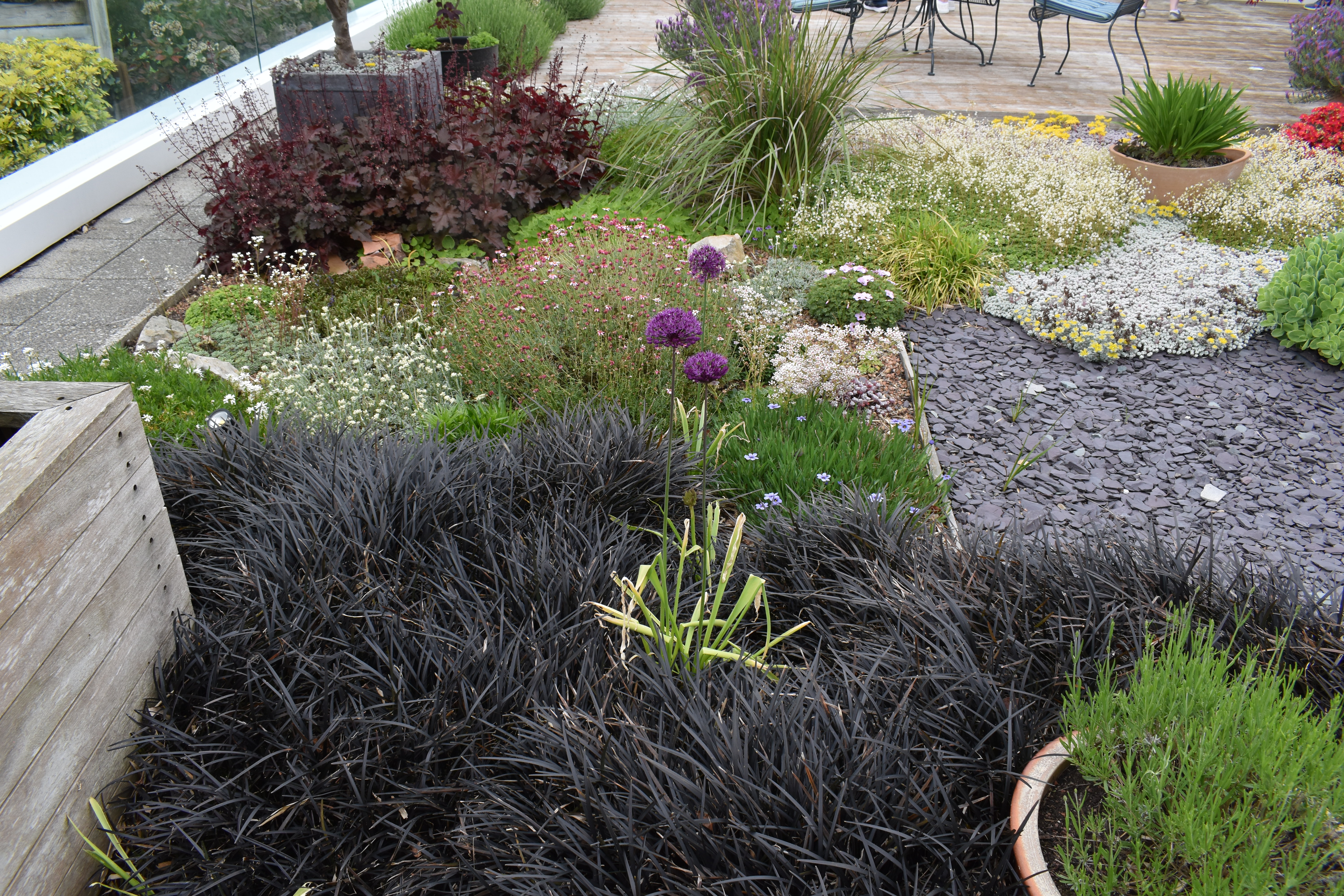
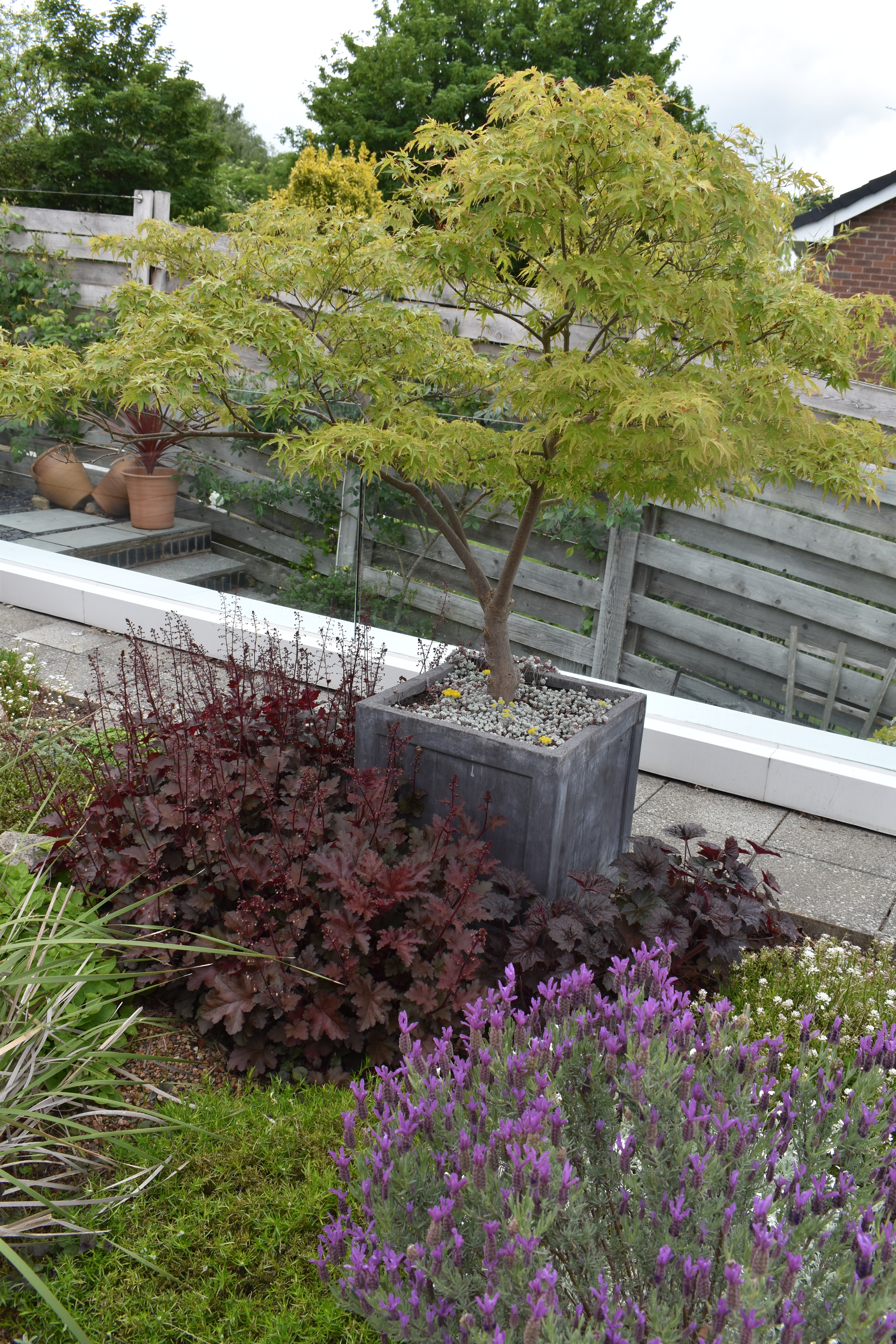
I hope you enjoy my gallery of Pontesbury gardens. Firstly a modern roof garden with amazing views.
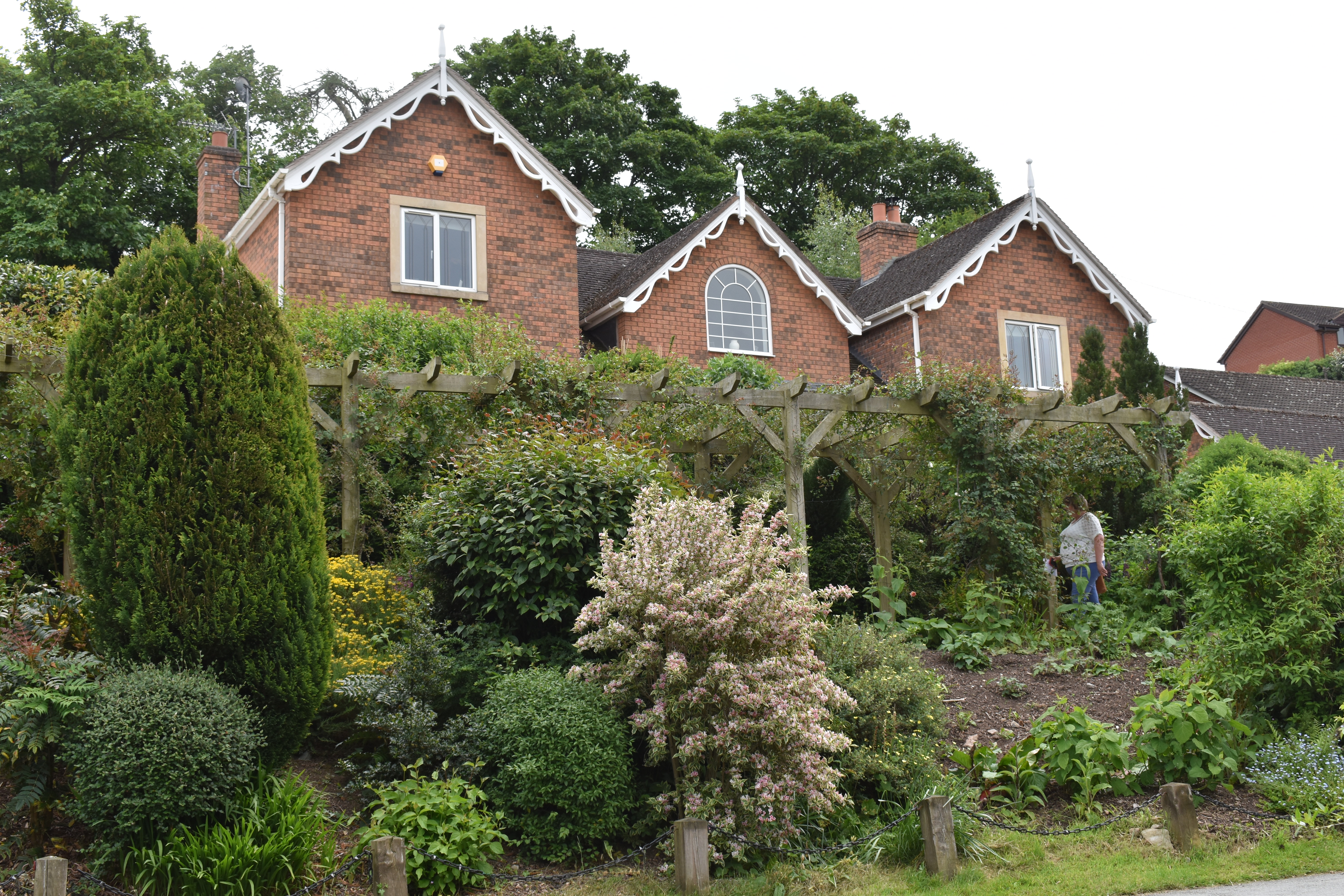
A tall villa with a steeply sloping garden.
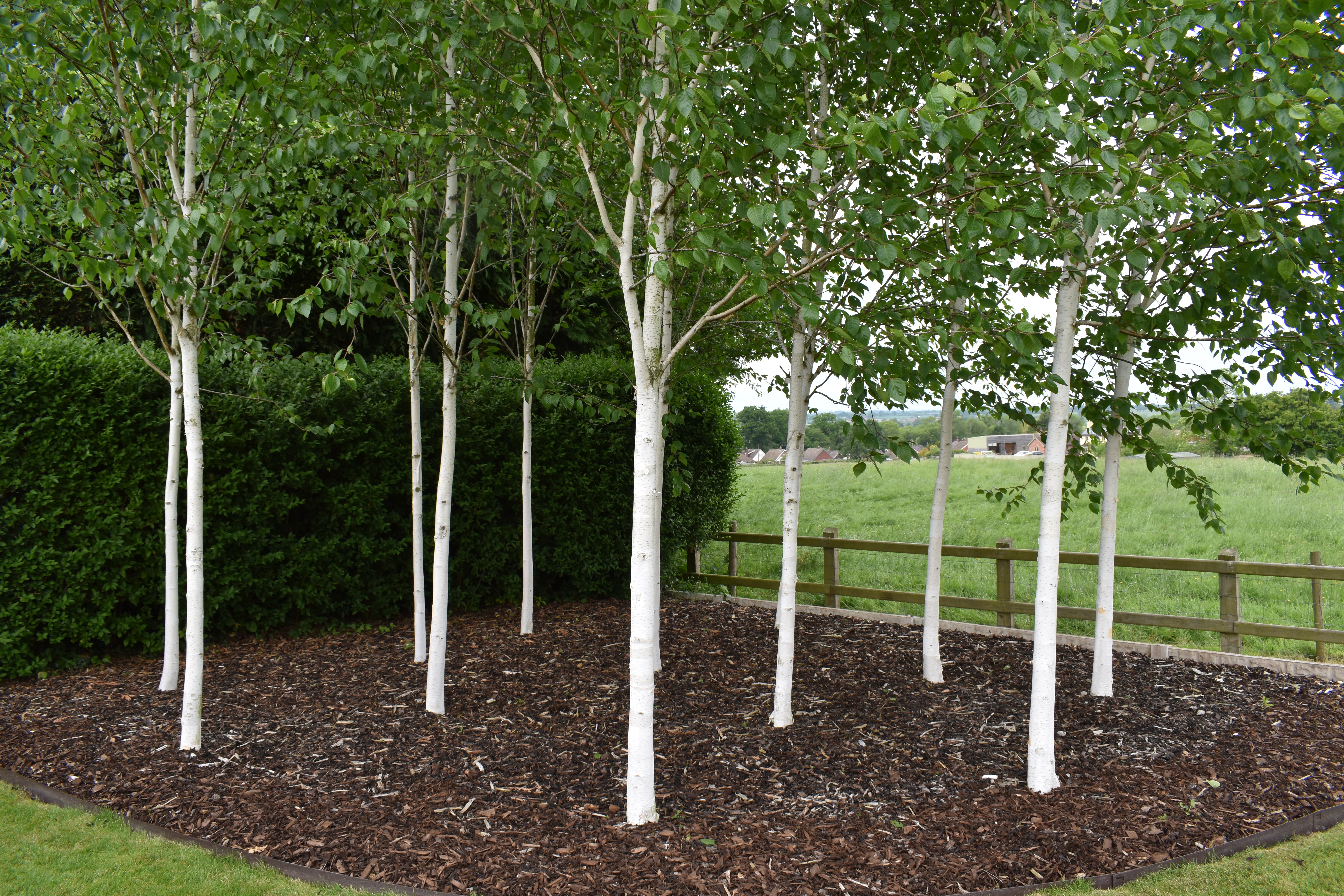
The next garden we looked at had some interesting idea including a group of white-stemmed birches, possibly Betula utilis ‘Doorenbos’.
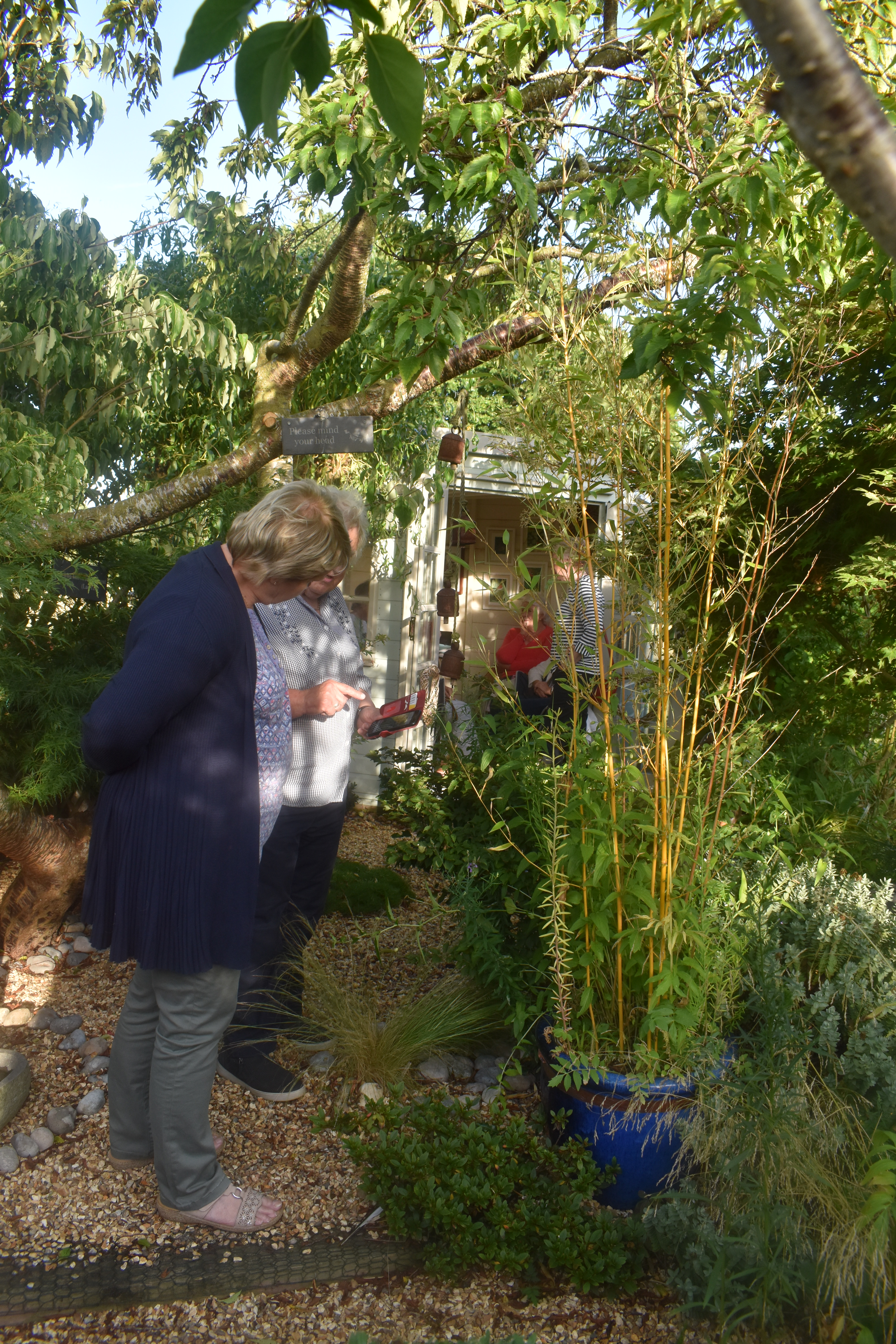
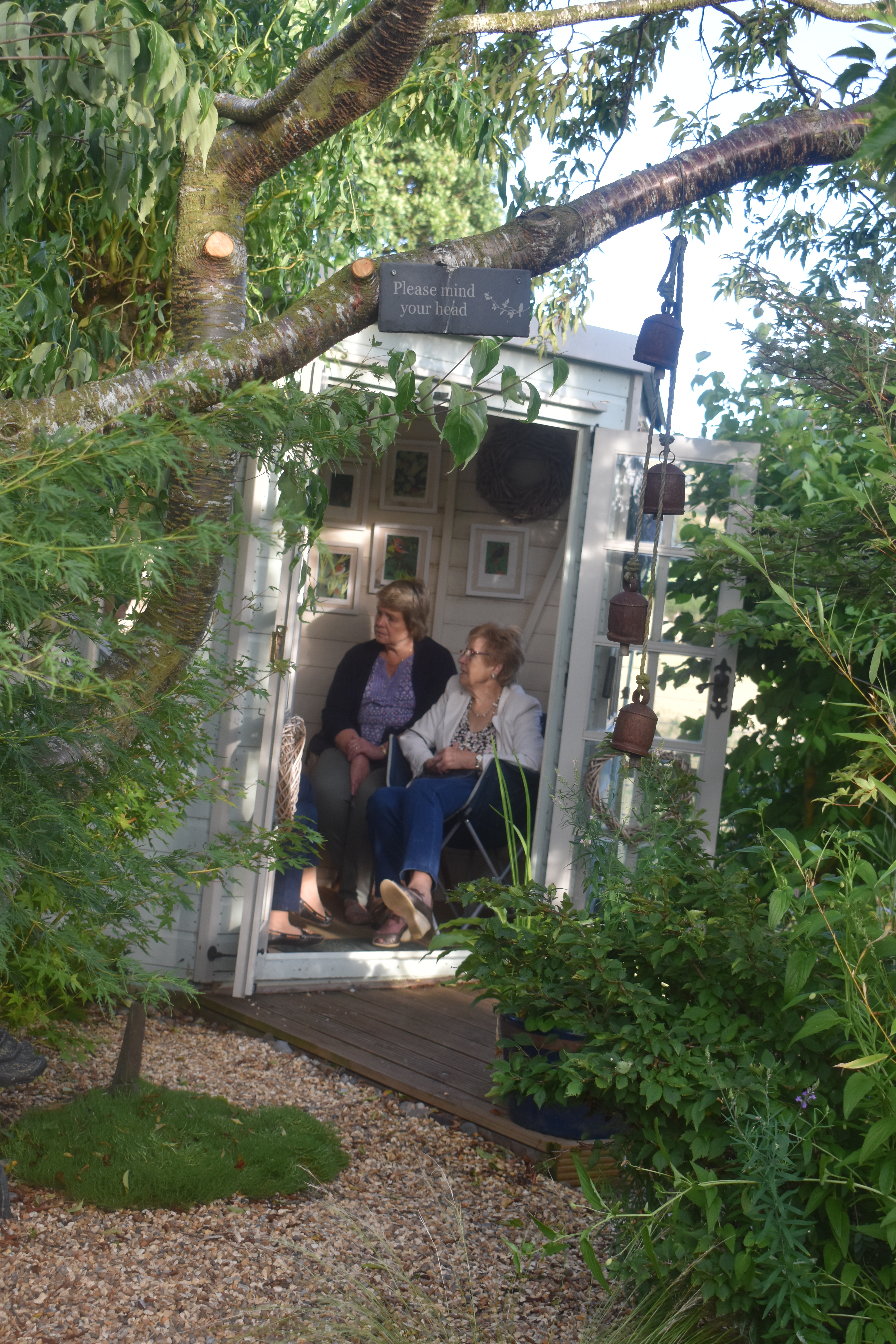
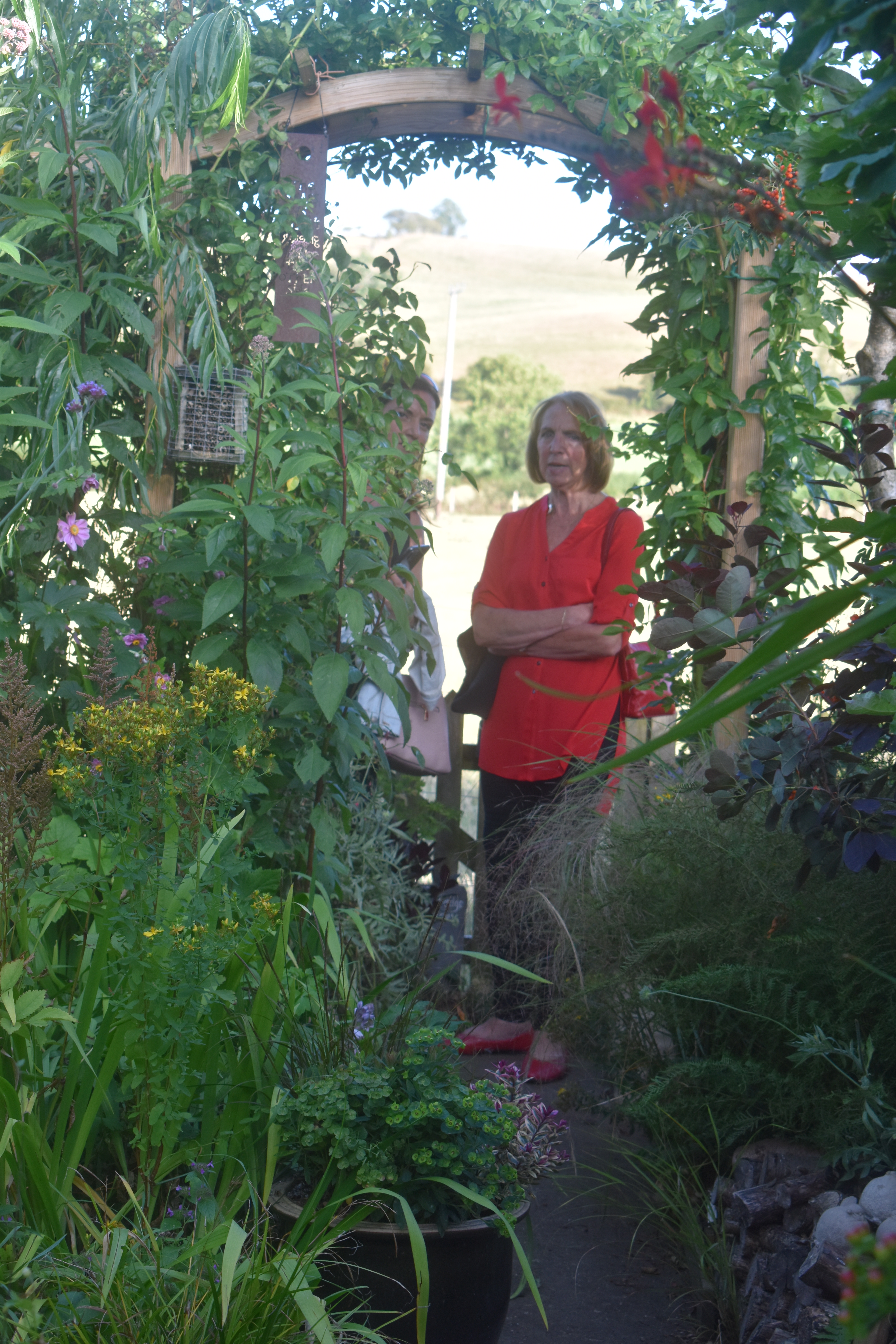
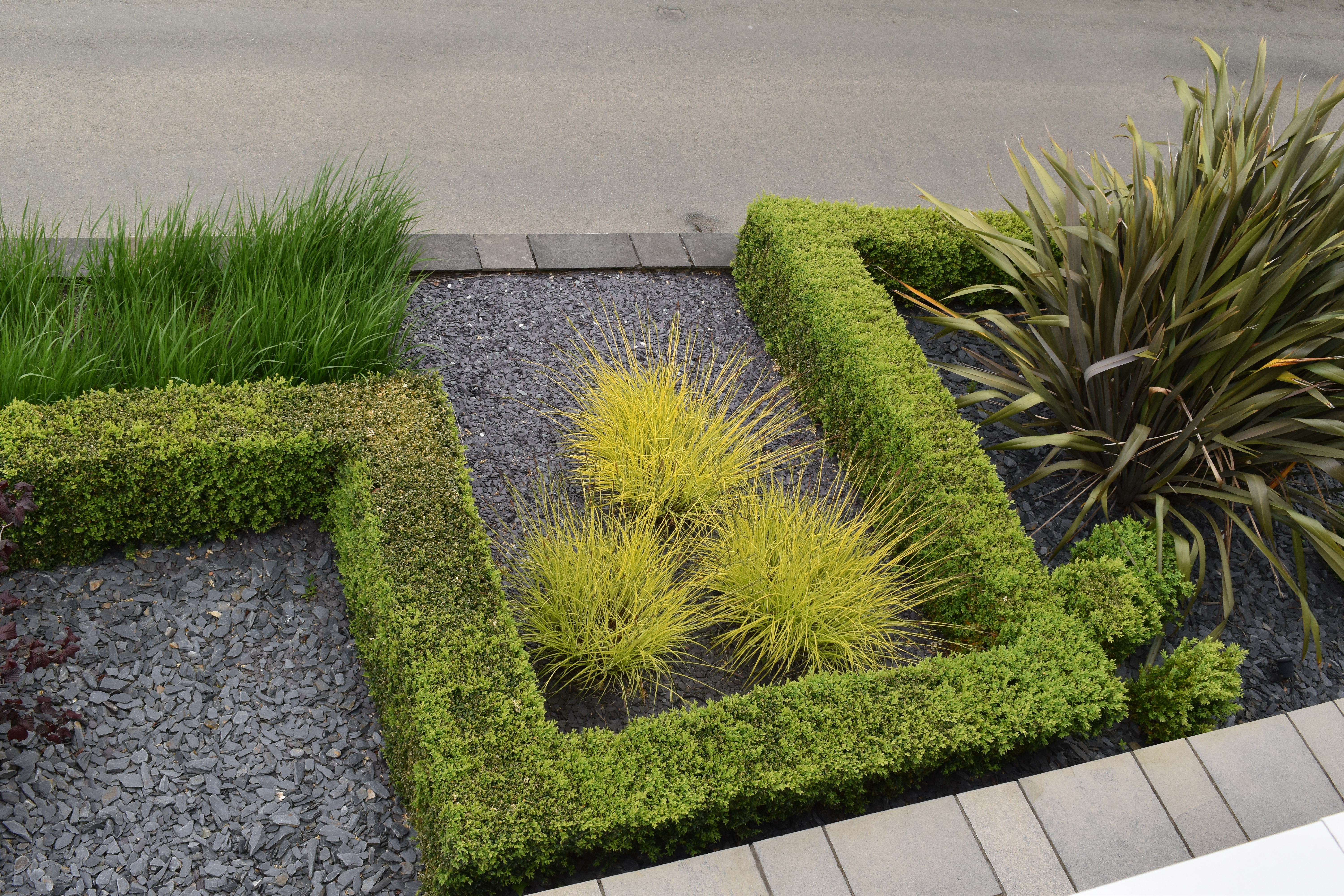
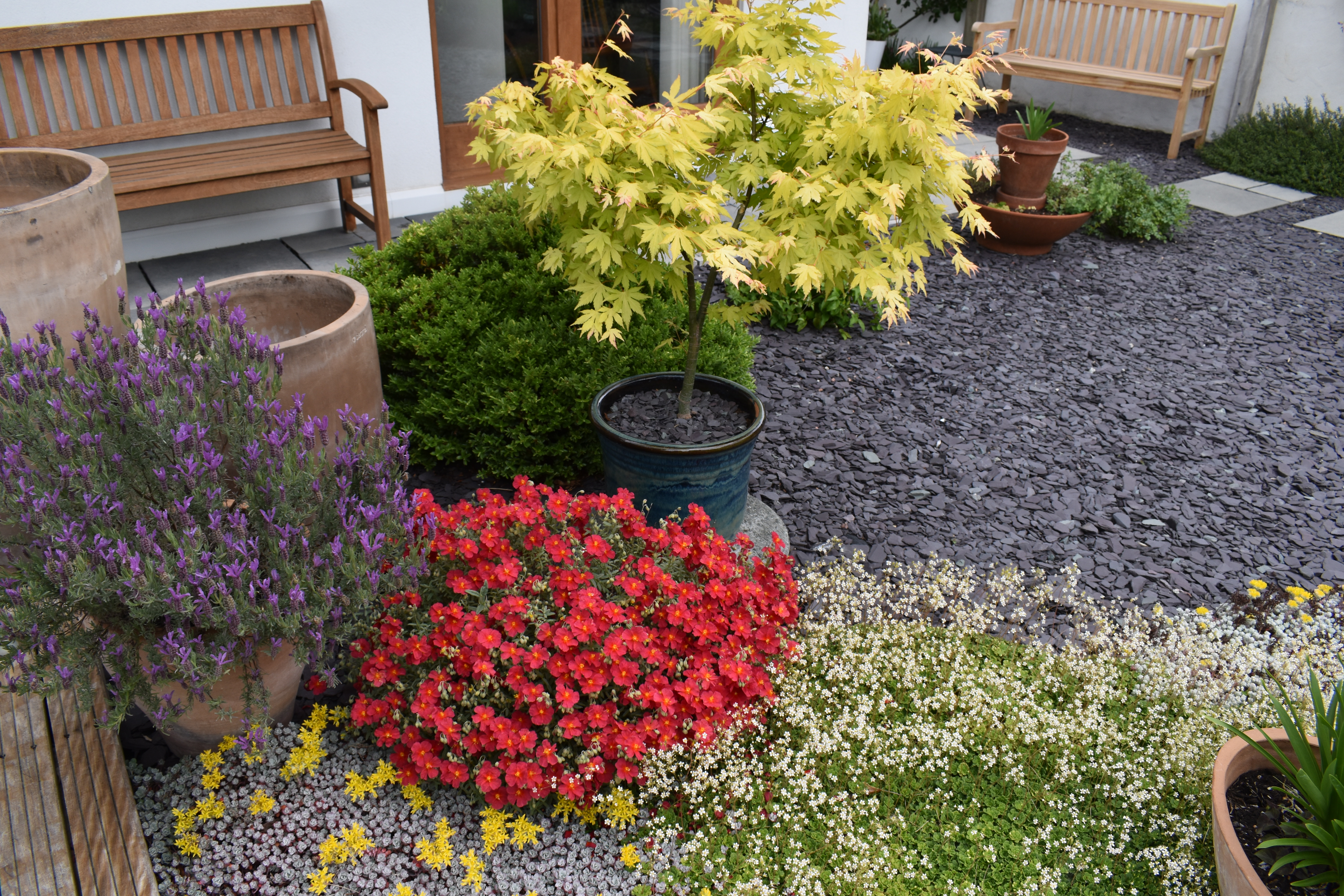
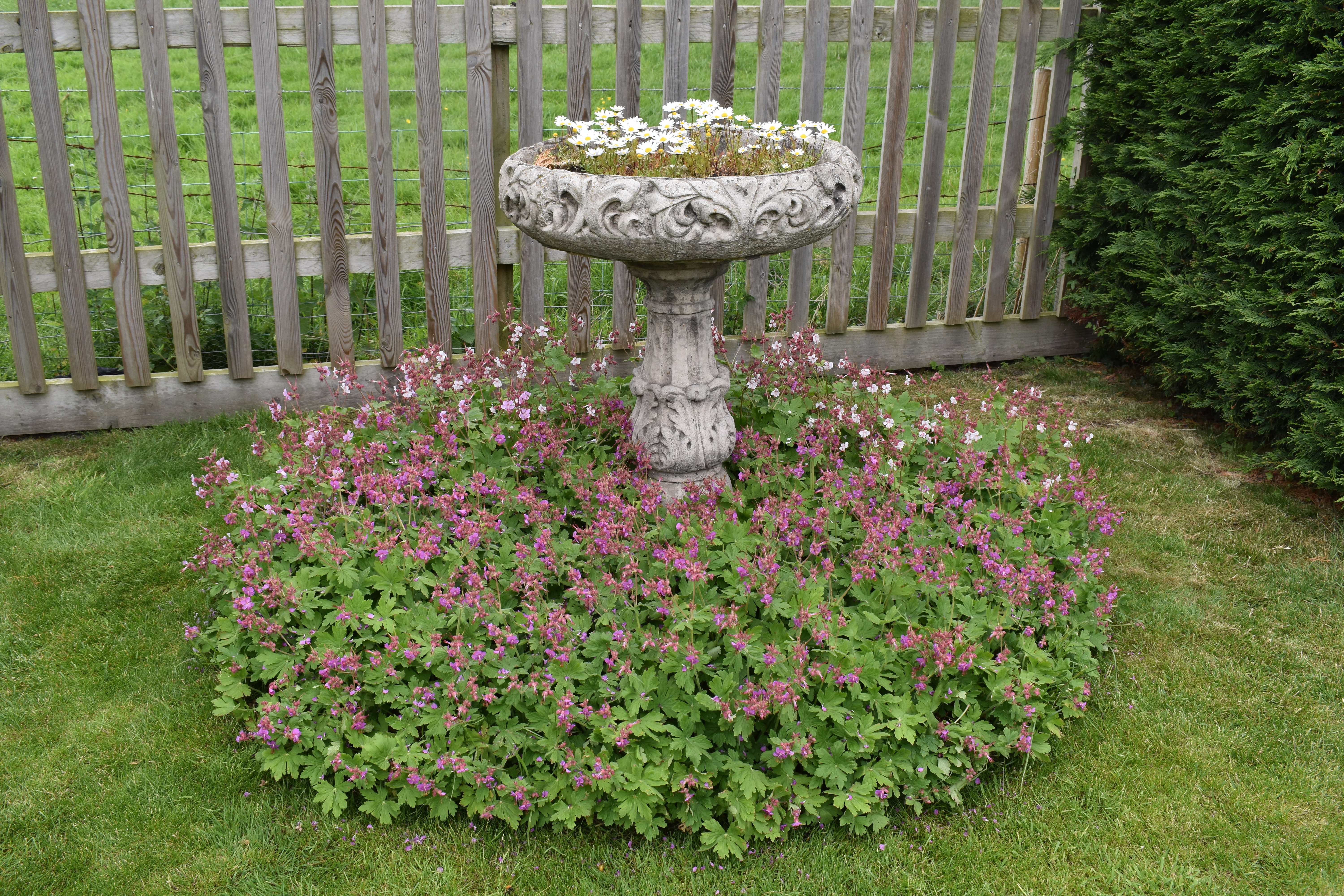
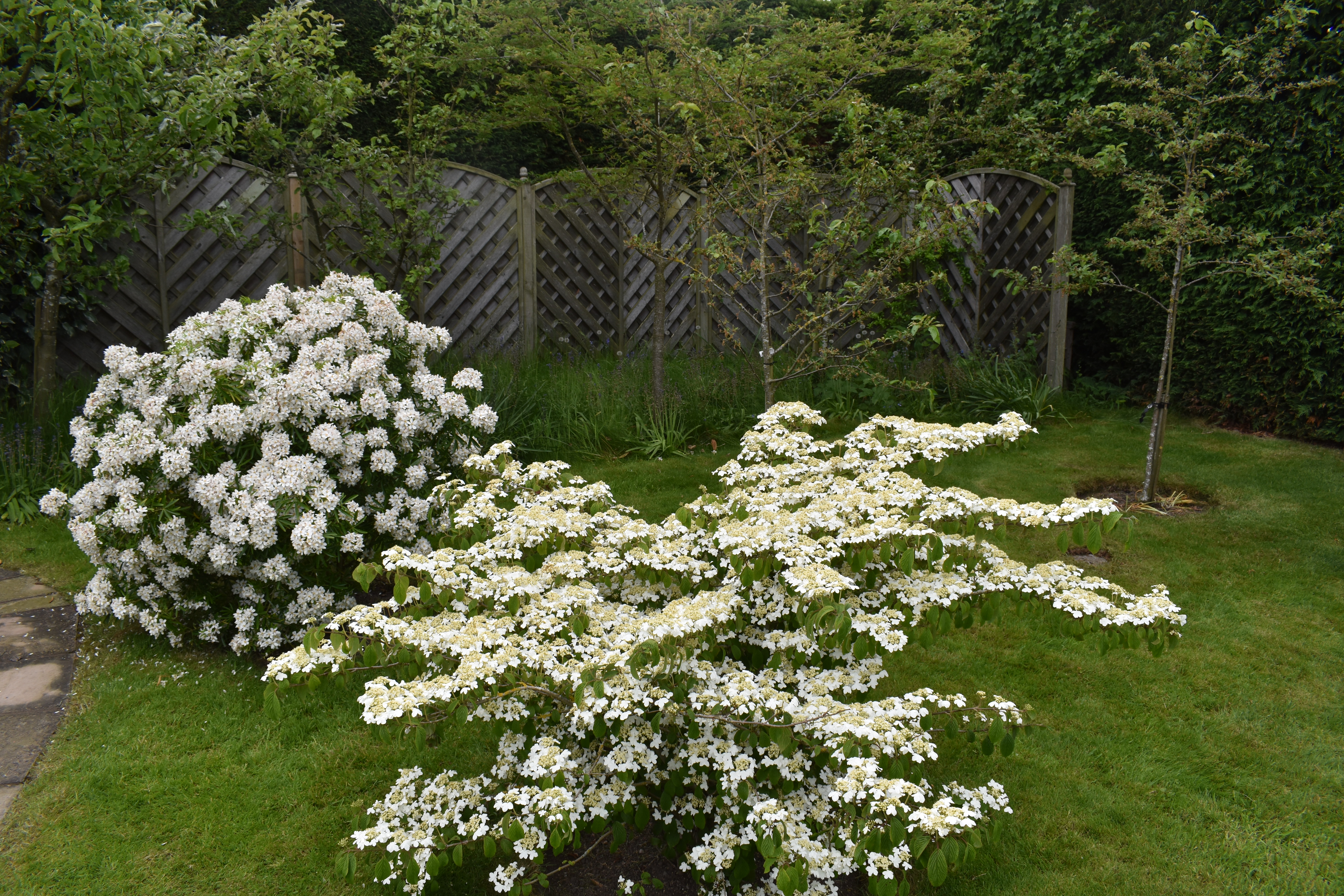
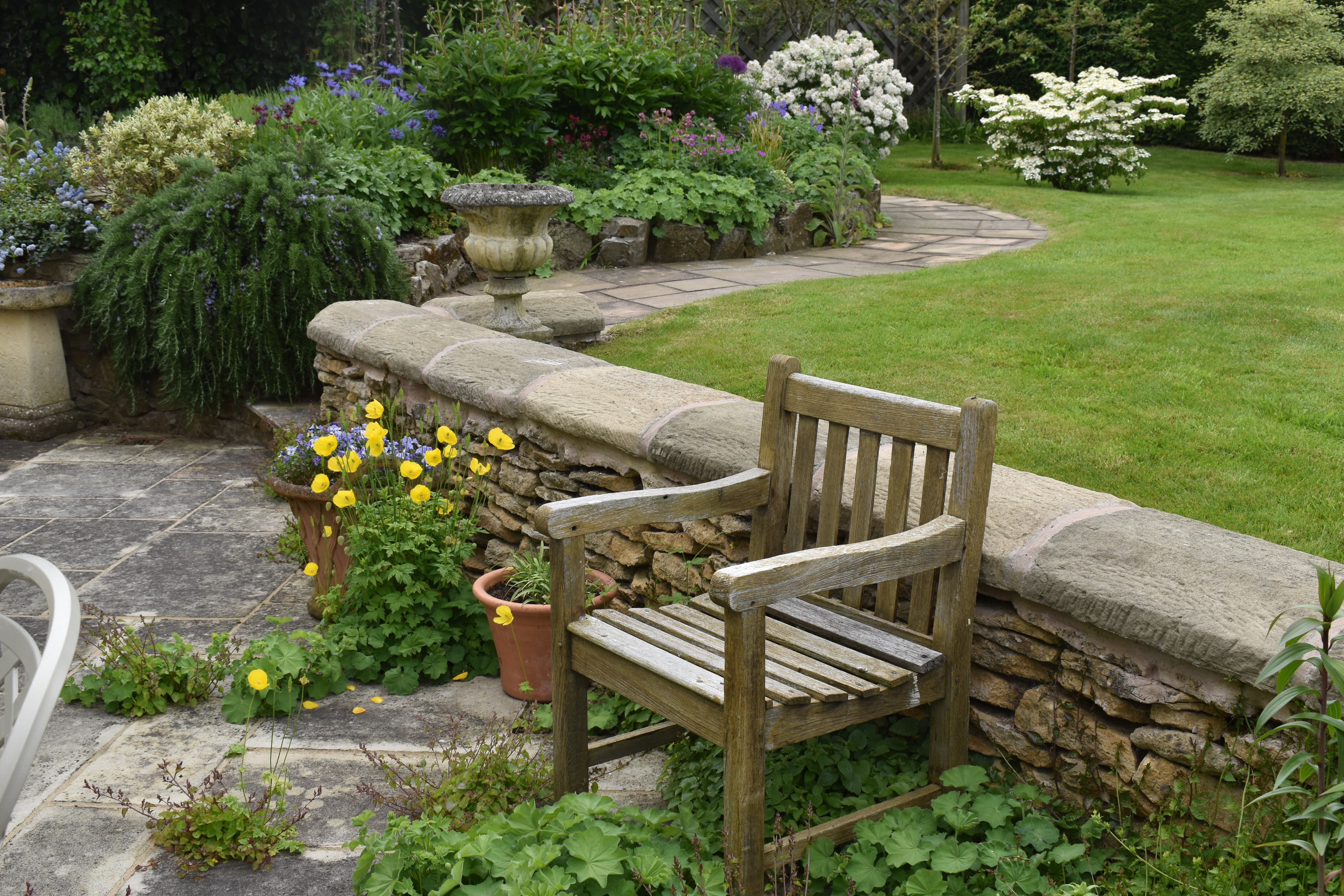
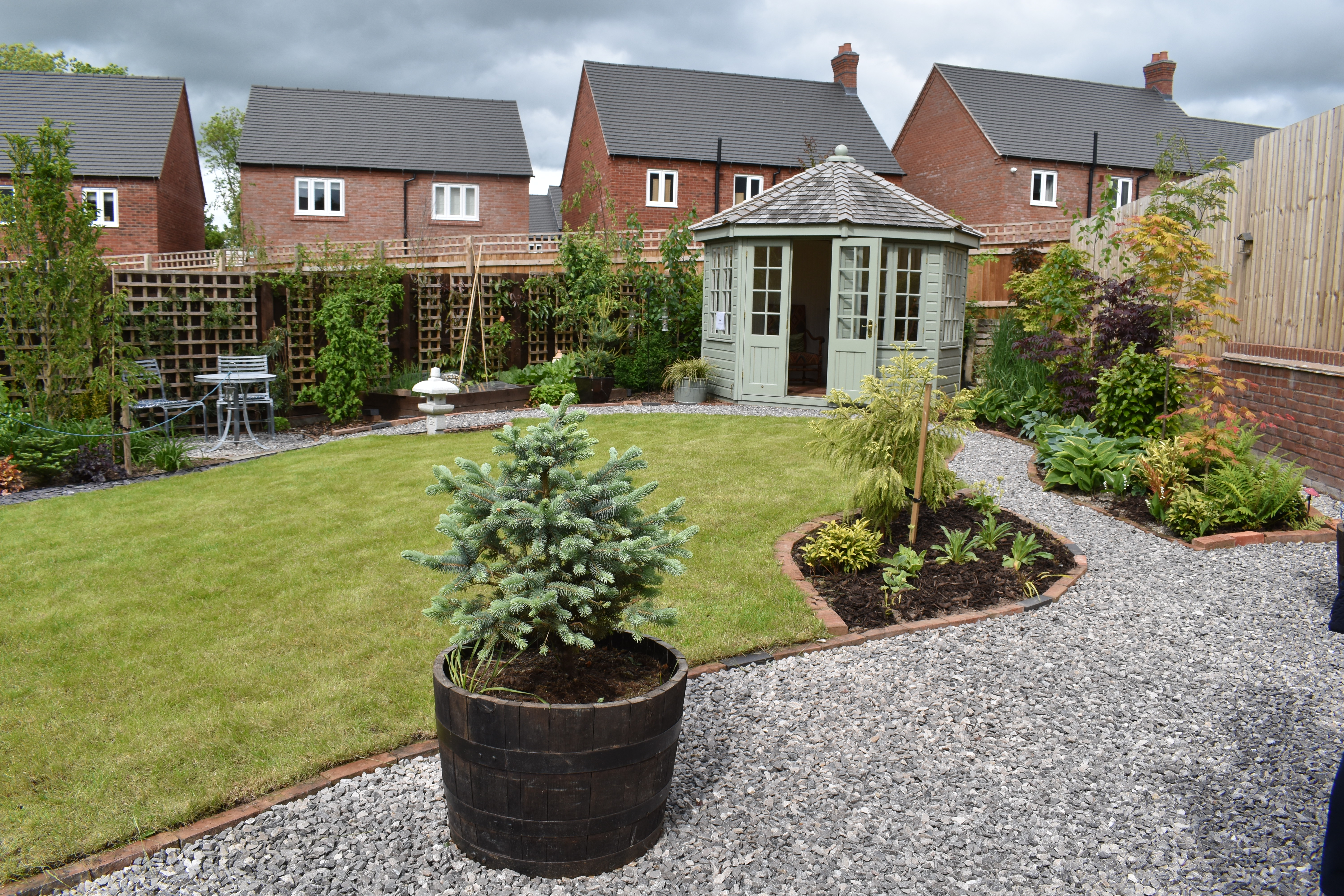
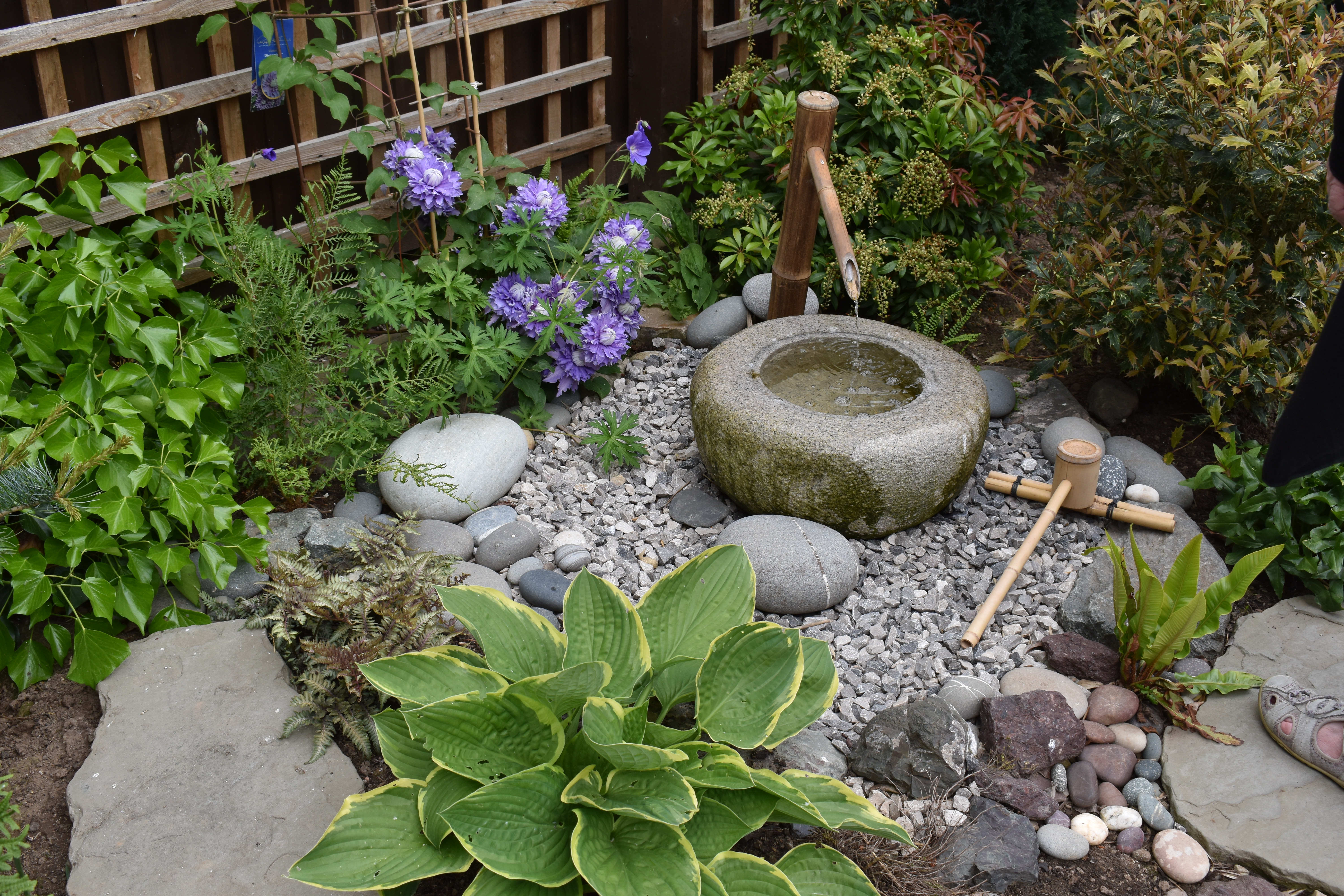
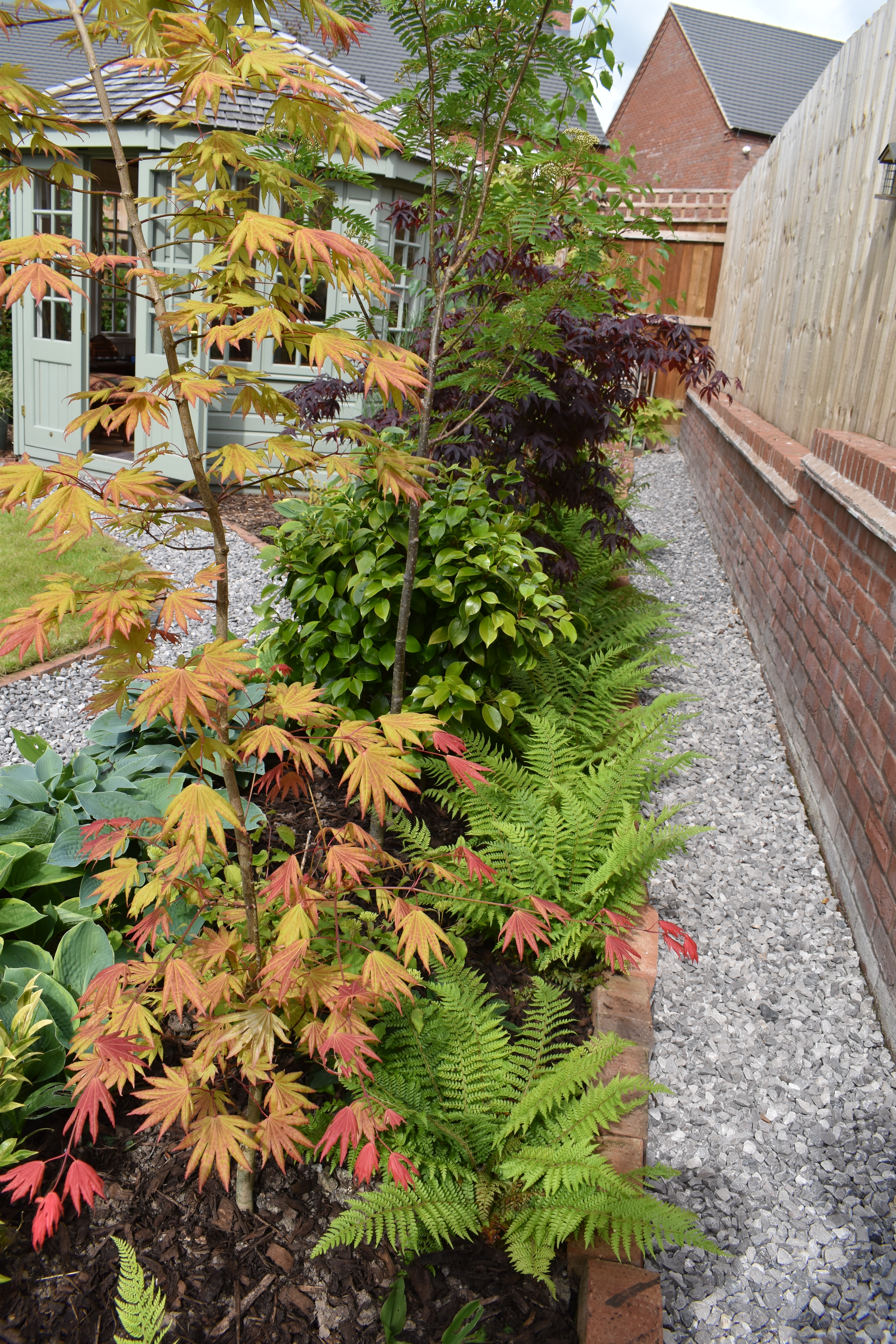
The final two gardens we visited were on a newly built housing estate. One had the obvious hallmarks of a space professionally designed and created, so included some interesting elements. On the opposite side of the road a neighbour had created an imaginative garden herself.
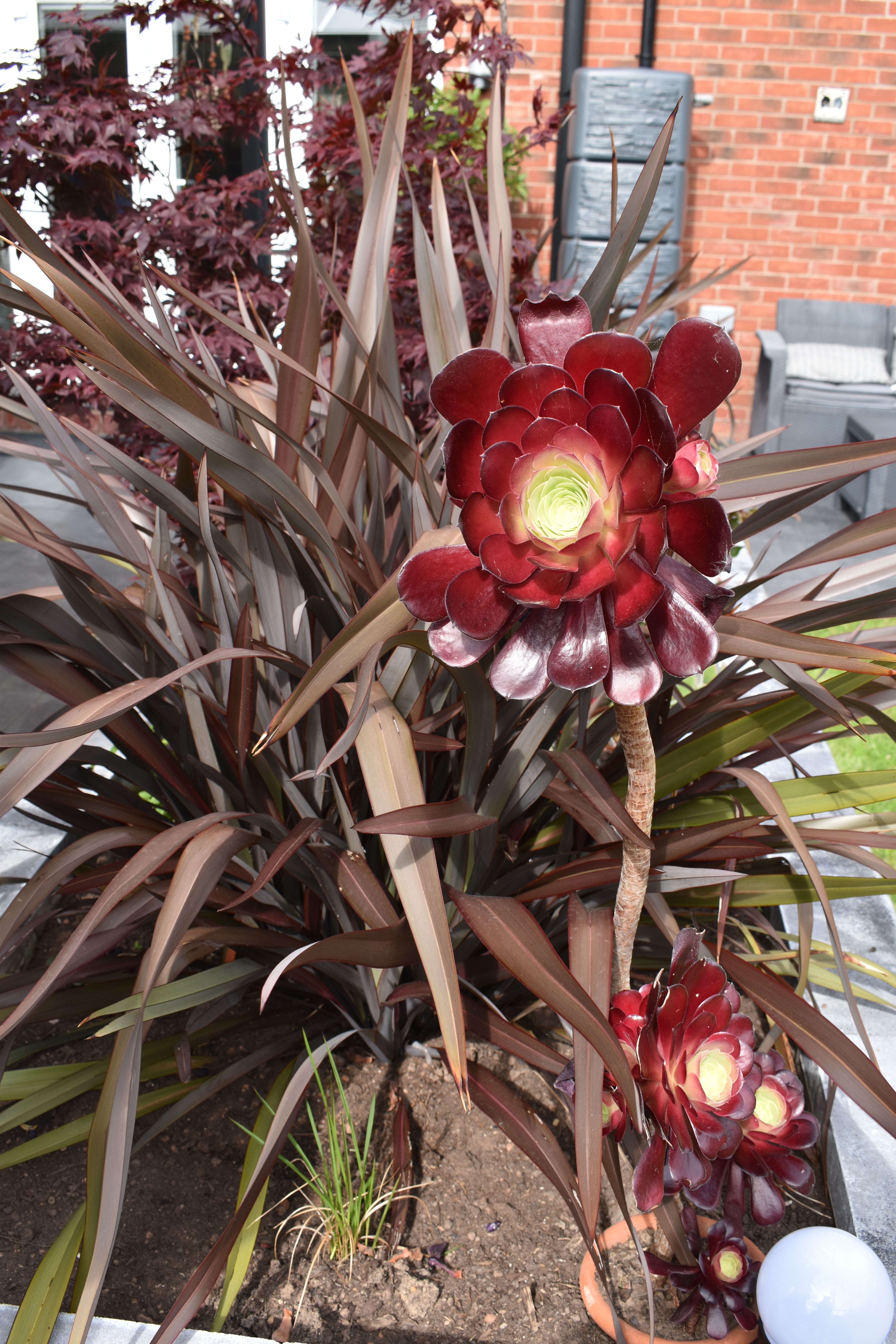
And so over the road to the last of my featured gardens.
For the first time since moving to Plealey nineteen years ago we managed to follow the Pontesbury Garden Trail for the first time. Pontesbury is the nearest village to us a few miles away.
The problem was that there were far too many gardens open for the short time available. We had an afternoon to try to visit 16 gardens some a half mile uphill walk away. We managed just six!
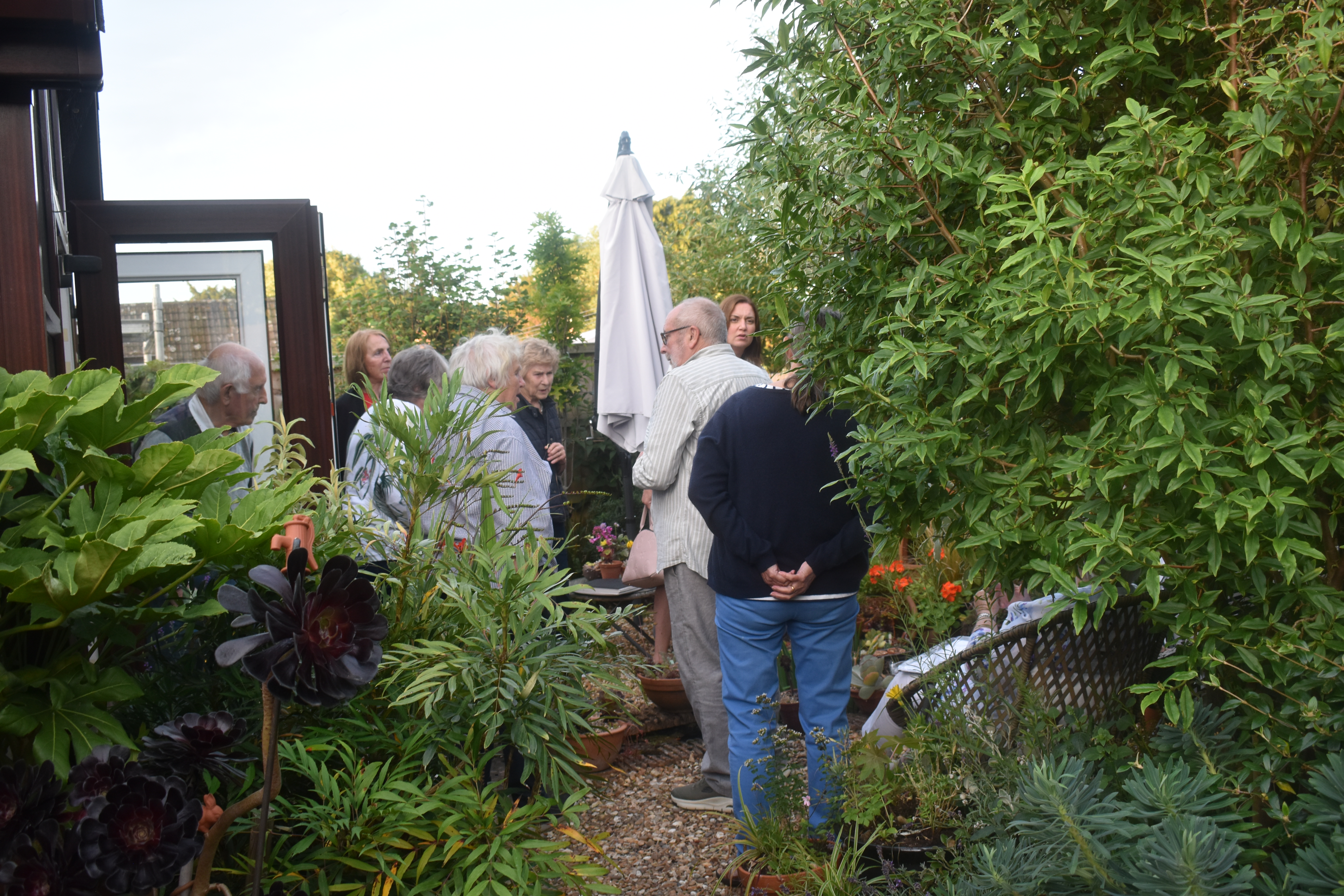
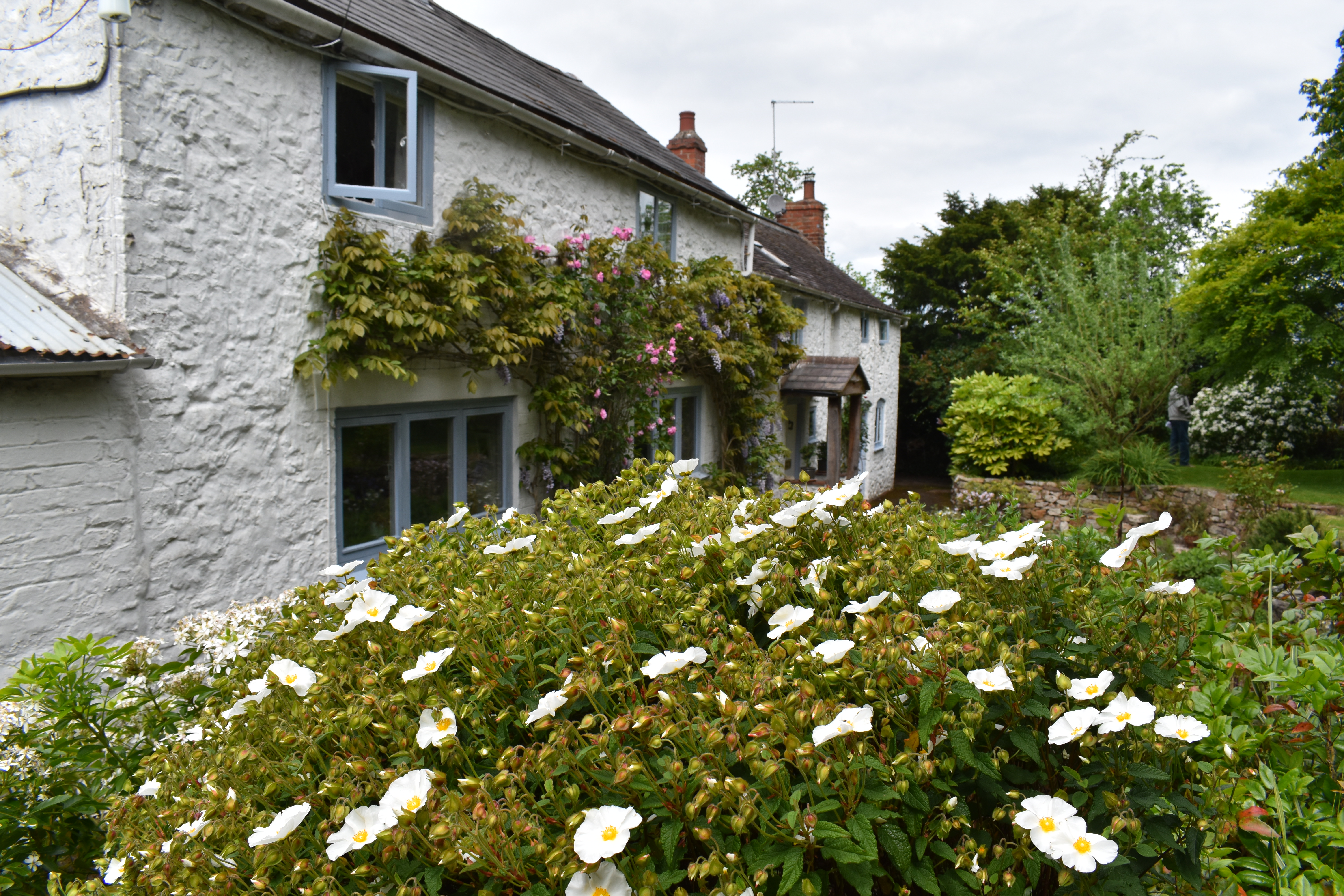
We shall look at some of these in my next post but first we want to share our favourite garden by far with you. It was created around what we discovered after talking with the owners/gardeners to be a row of 0ne-up one-down cottages which was now just one dwelling. The garden was a cottage garden full of delights and magical moments.
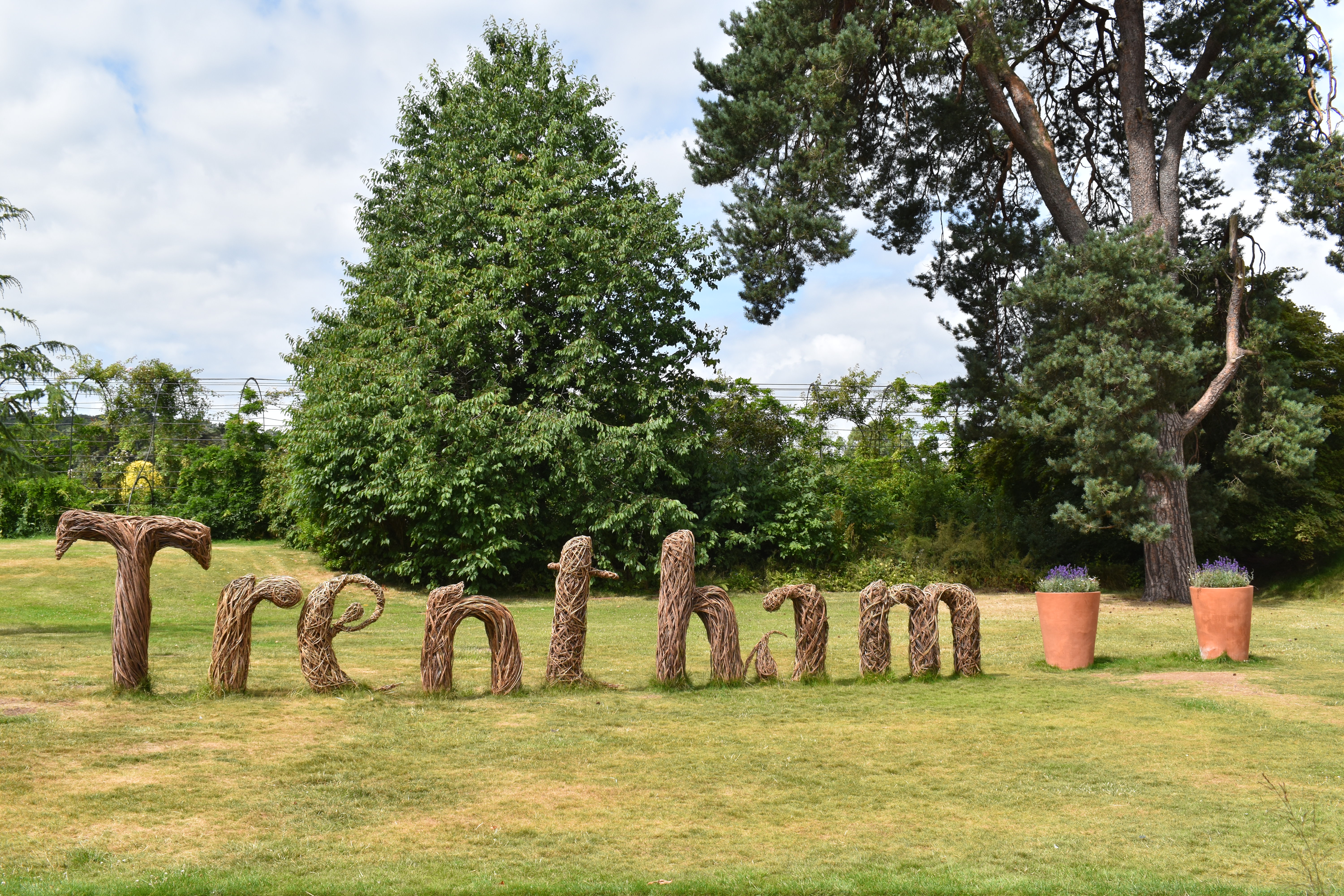
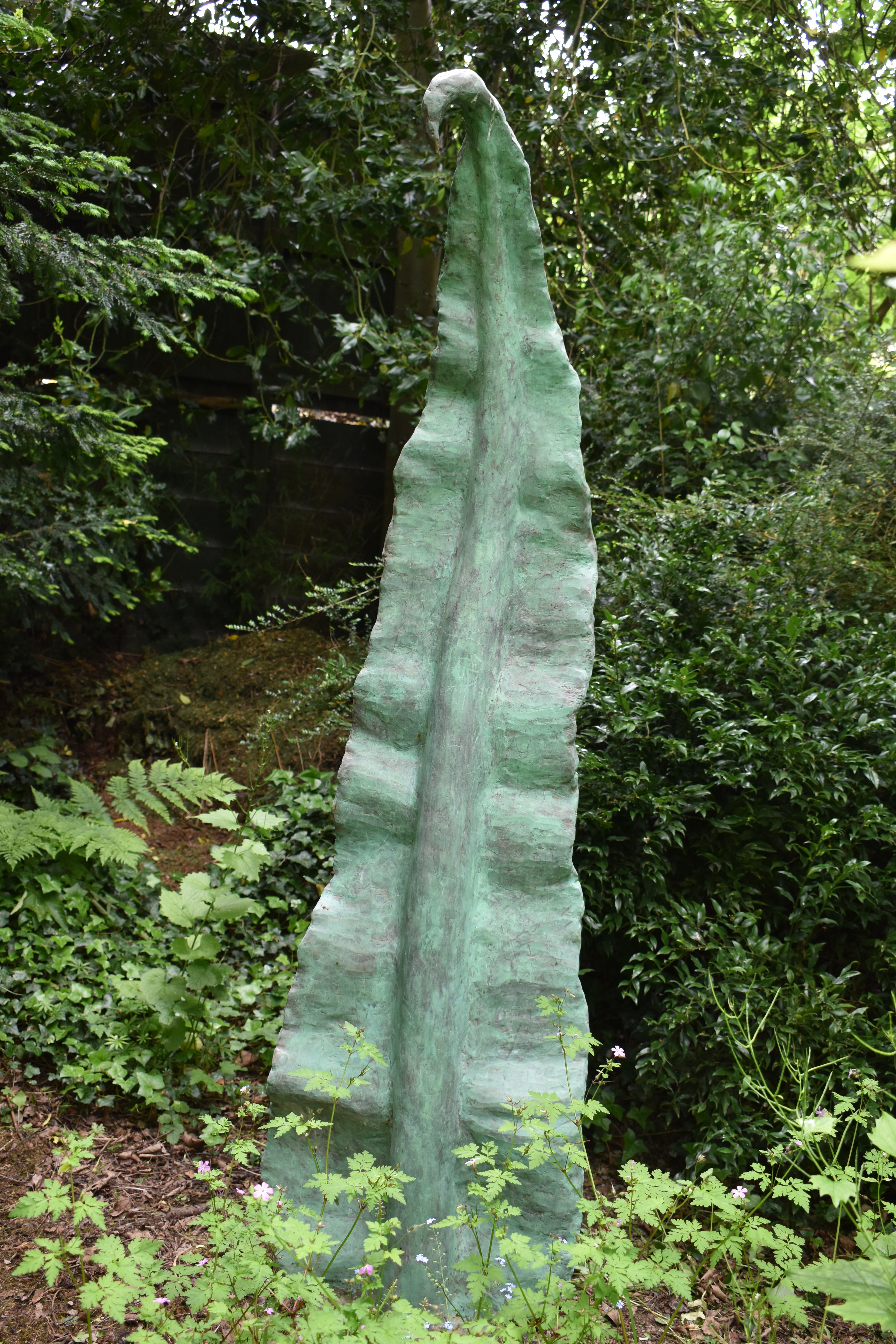
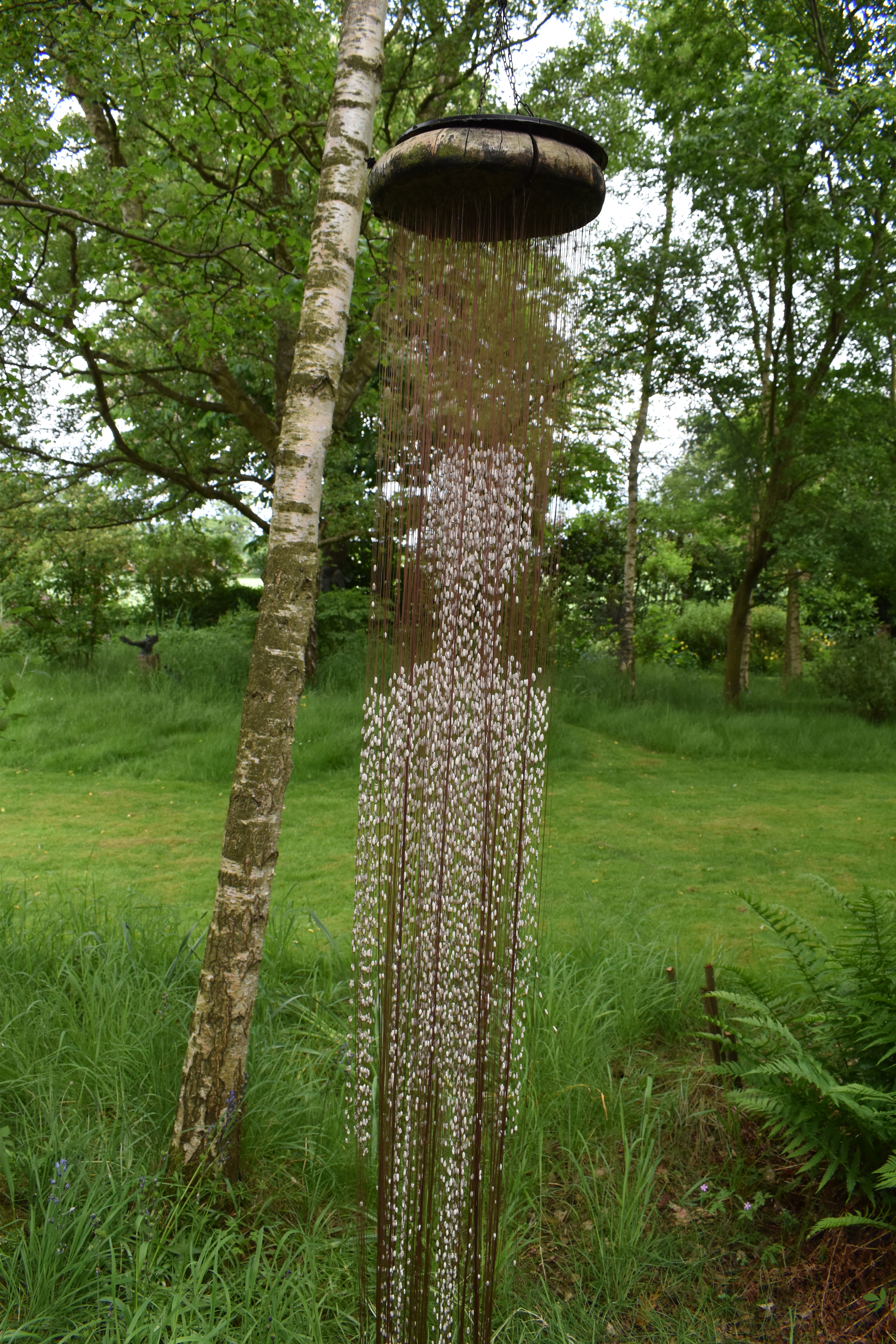
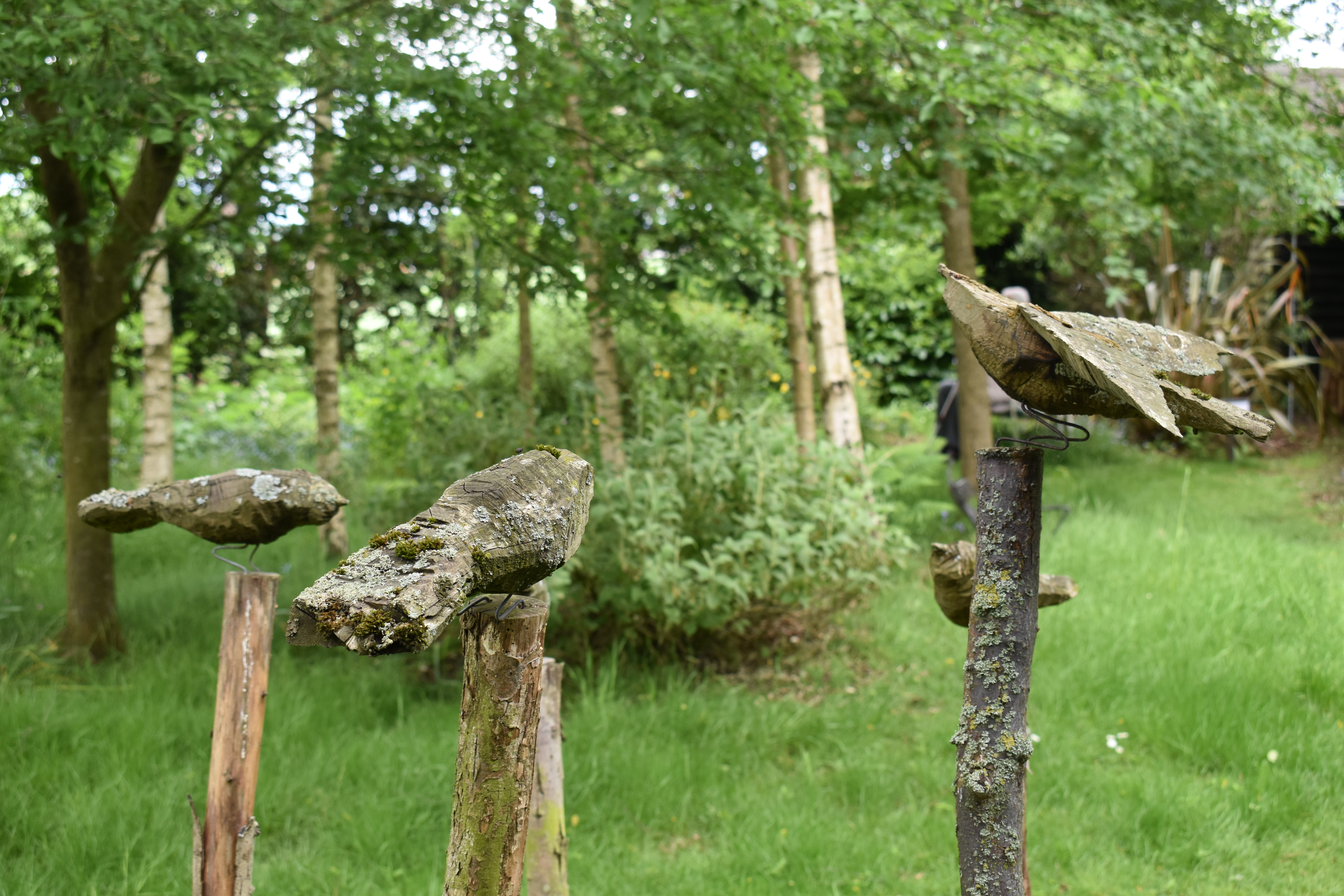
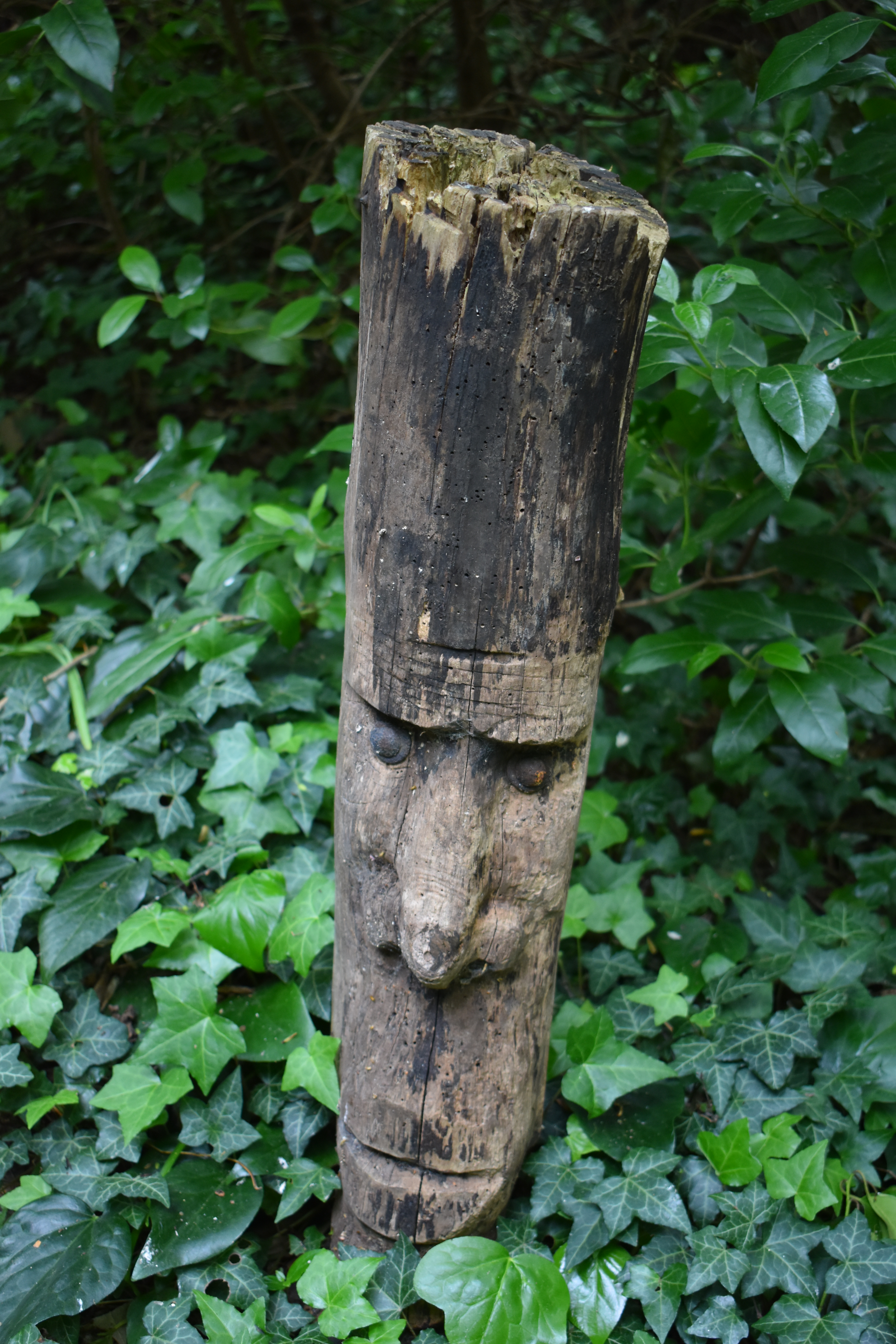
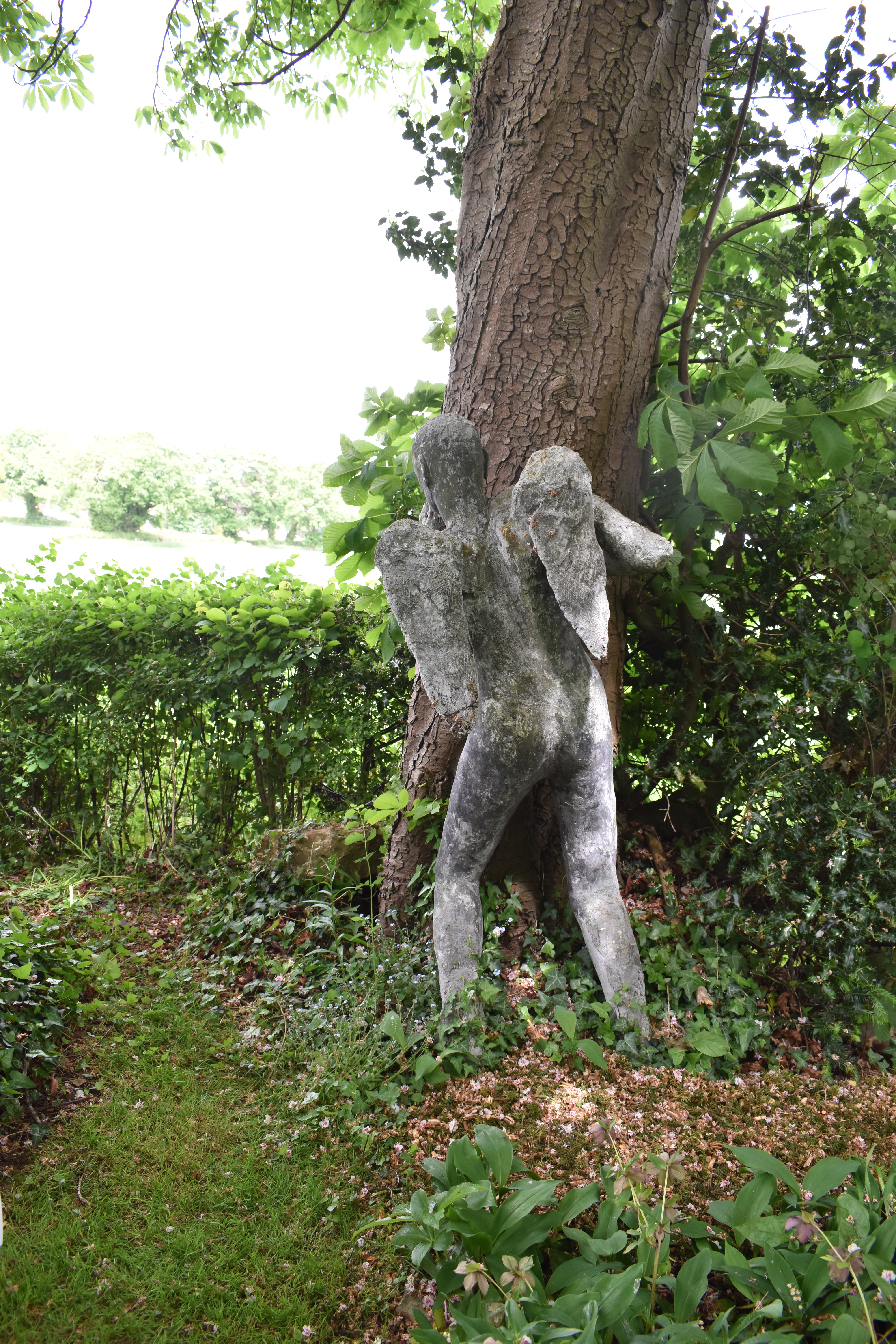
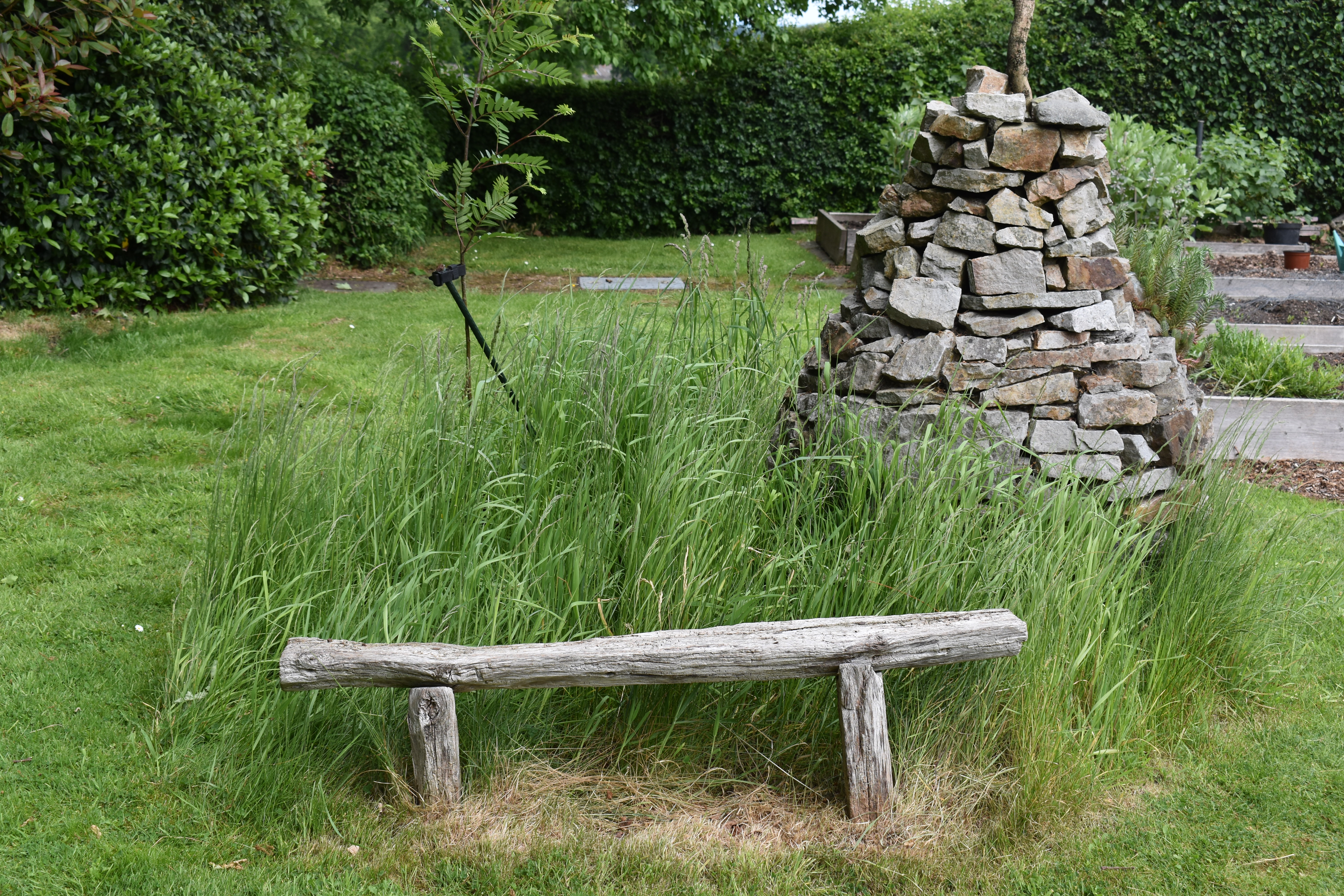
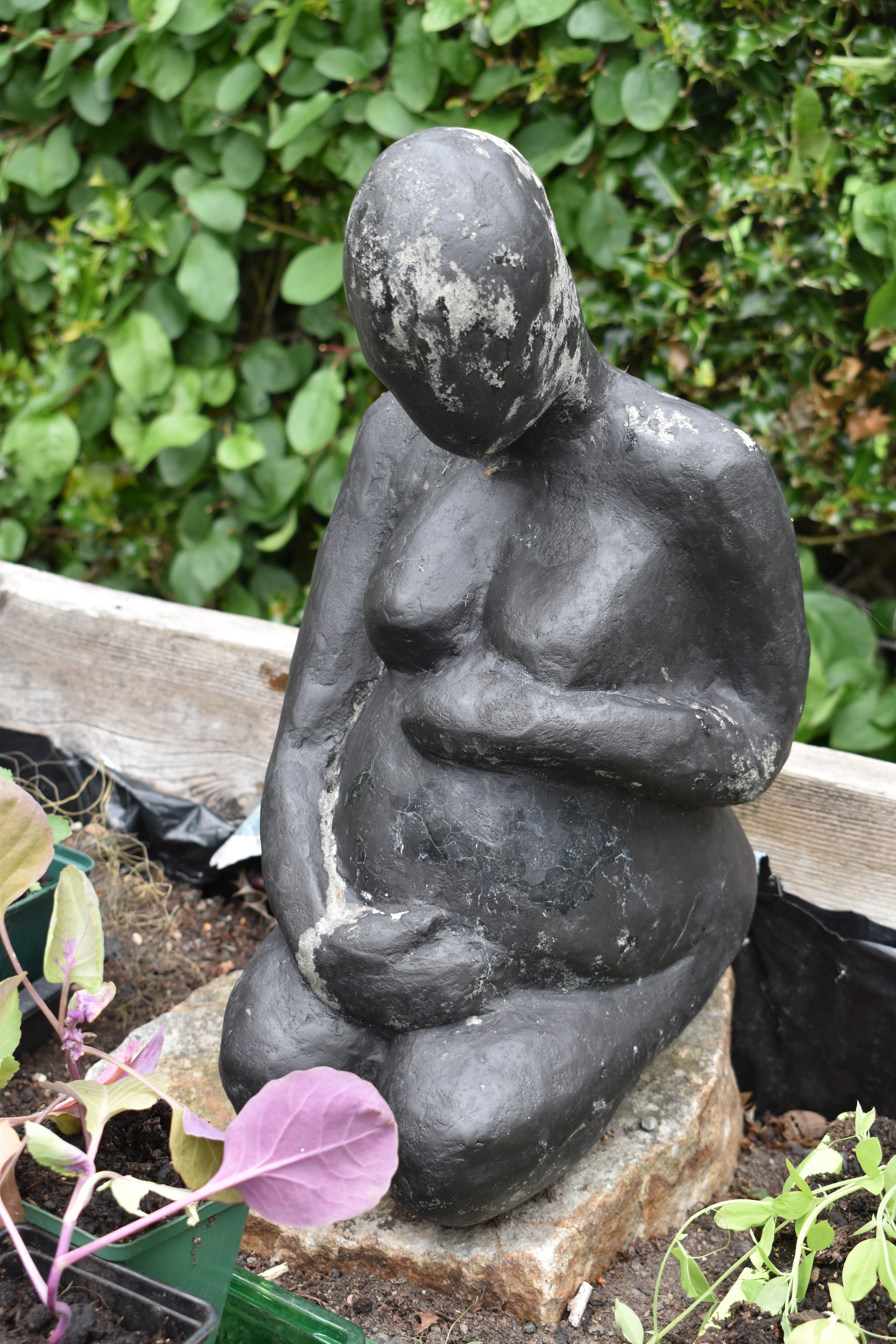
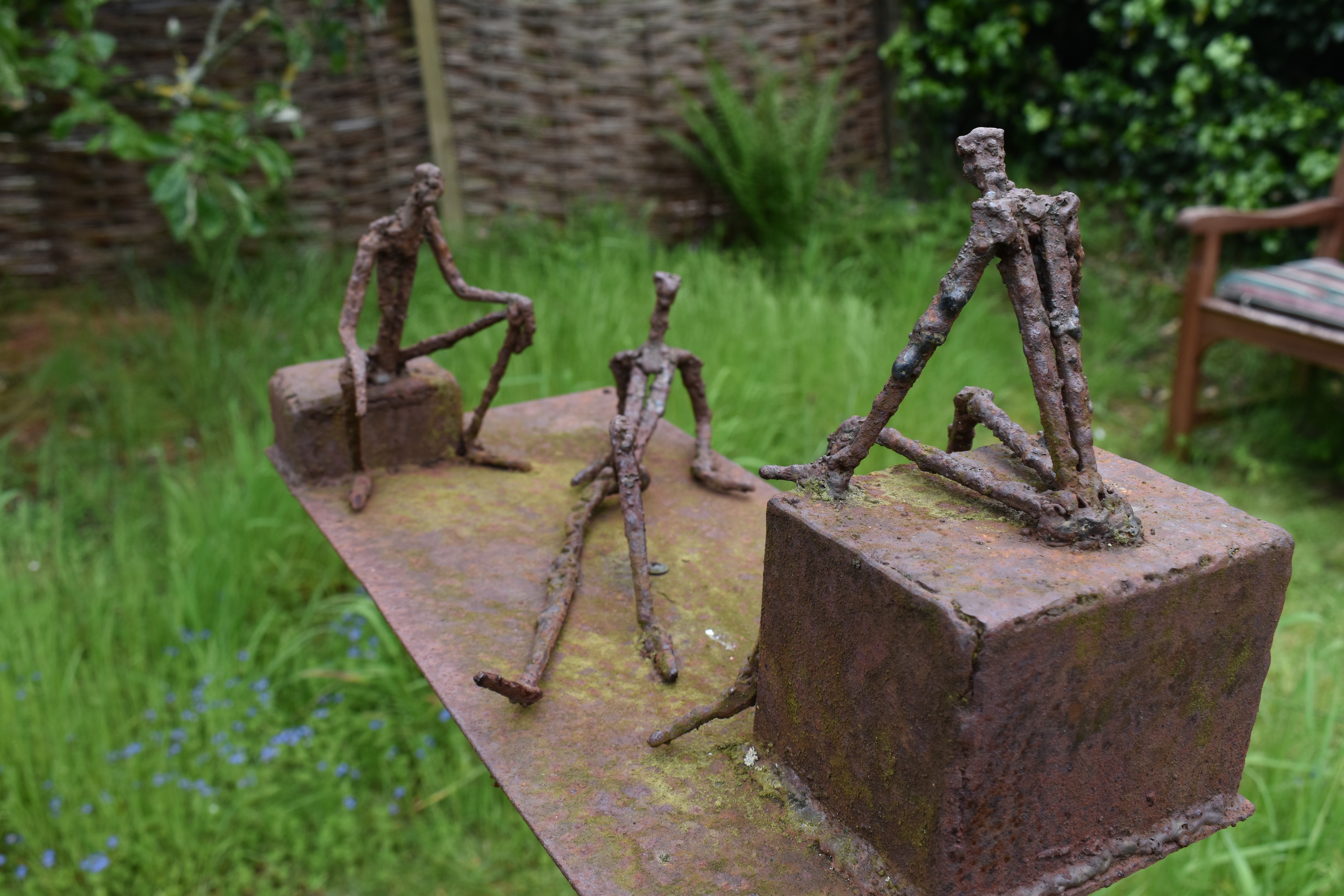
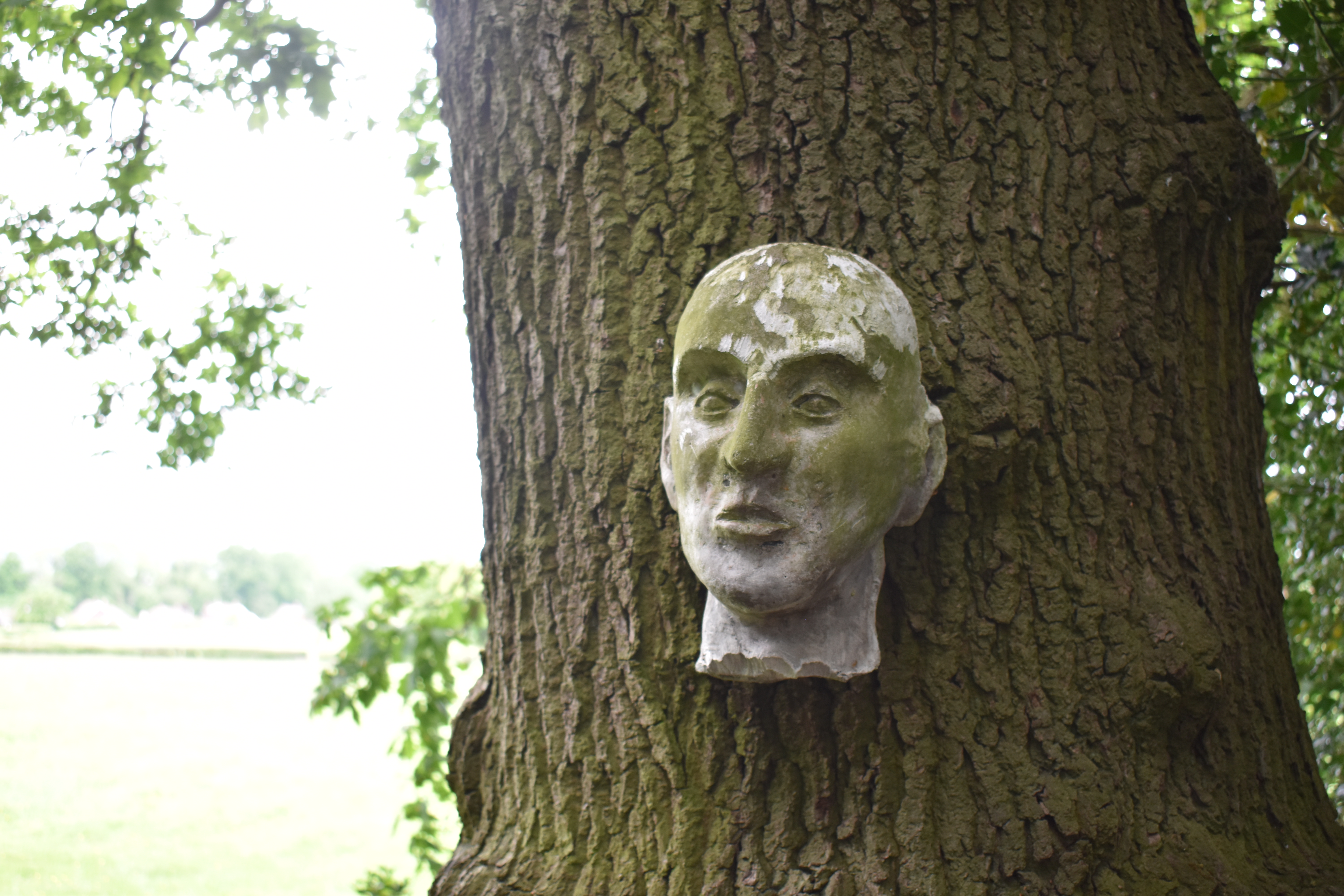
The husband of the two gardener team was the ideas man and also created sculpture from anything that took his fancy that he could manipulate or carve.
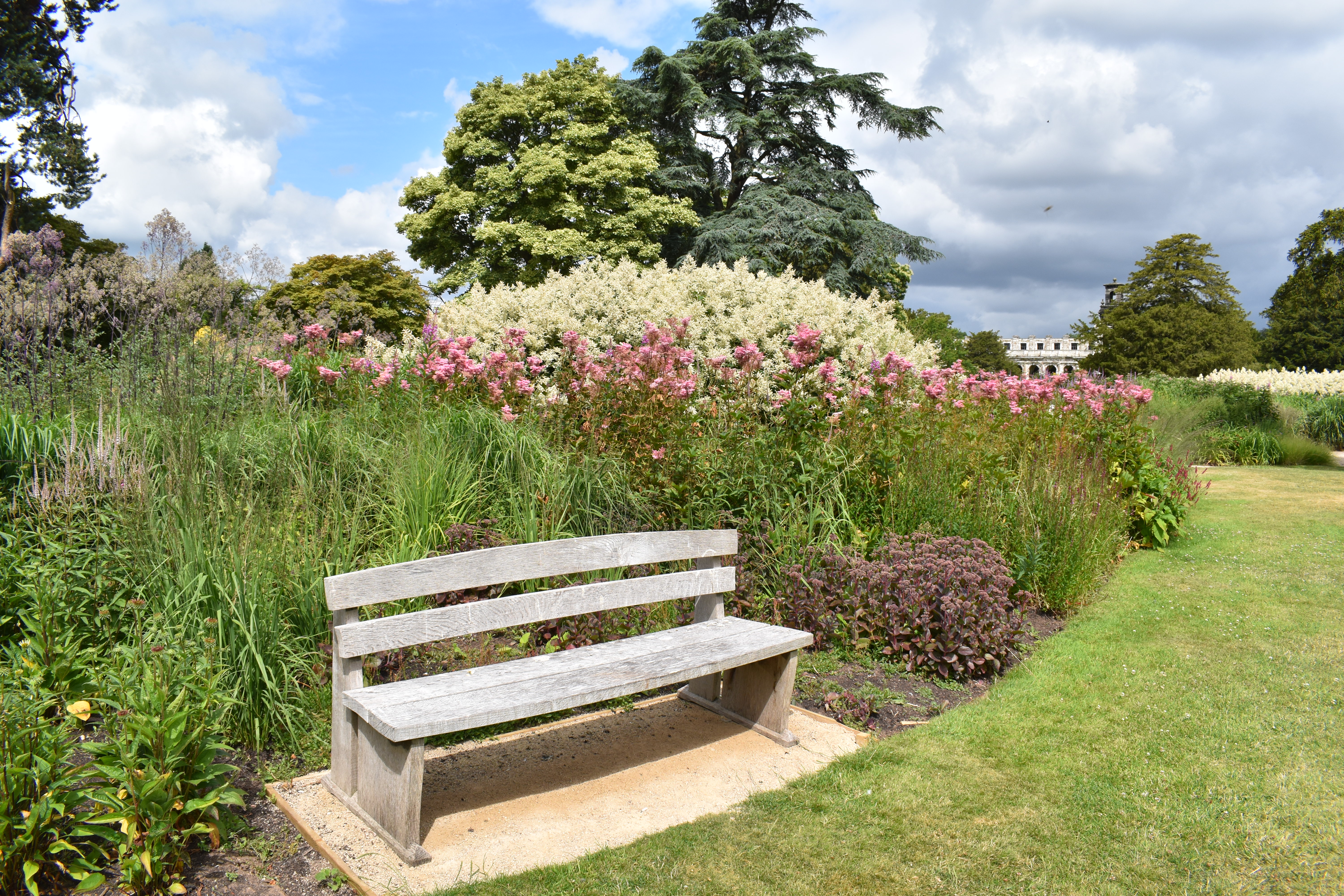
The beauty of sculpture in the garden is that the garden enhances the sculpture and the sculpture in turn enhances the garden. In this garden the planting was thoughtfully put together and long views and vistas helped visitors to enjoy the colourful borders.
This was by far our favourite garden we discovered on the Pontesbury Gardens Open Day so I have given it a post all to itself. In my next post I shall feature a couple of photos of each of the other gardens we managed to visit.
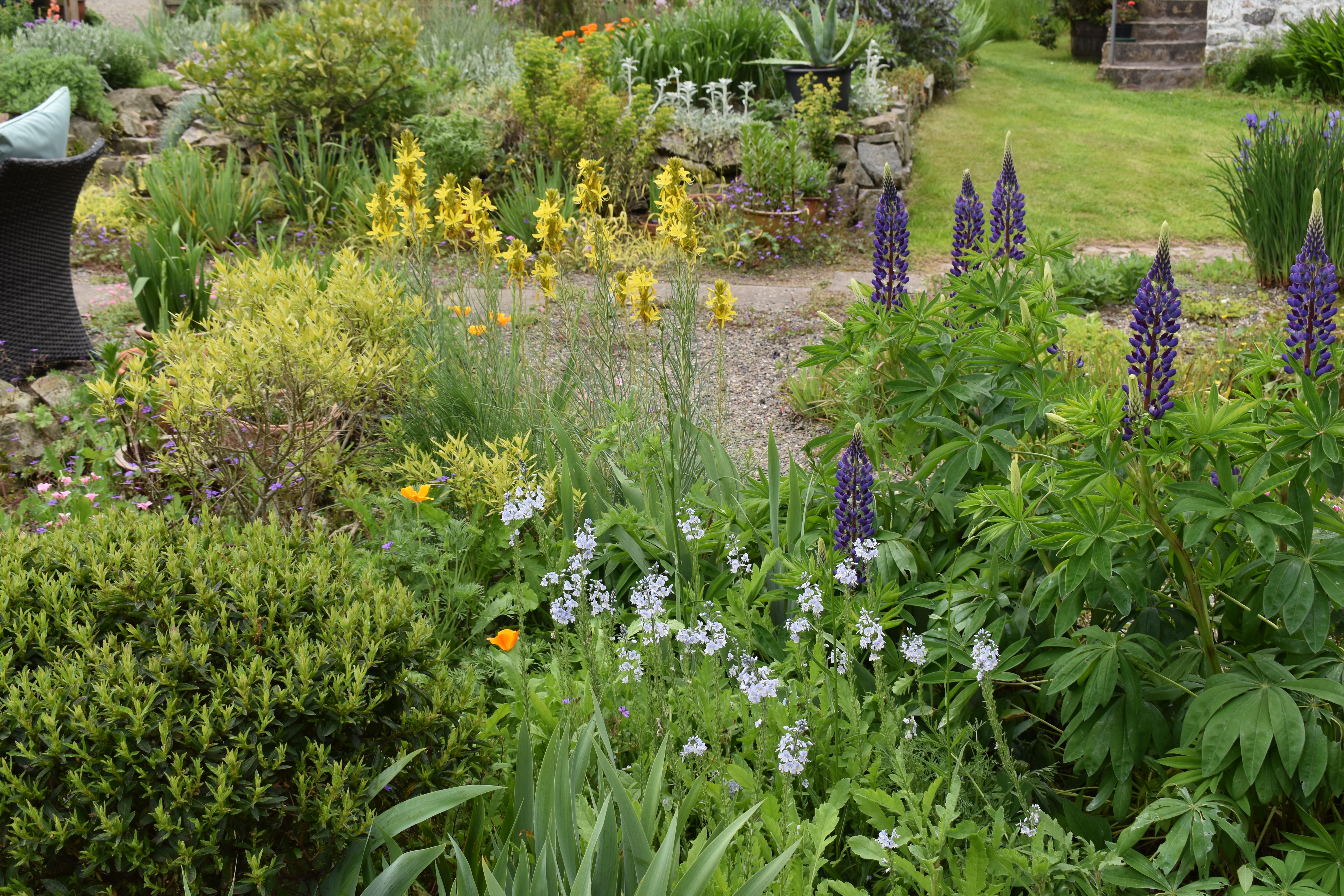
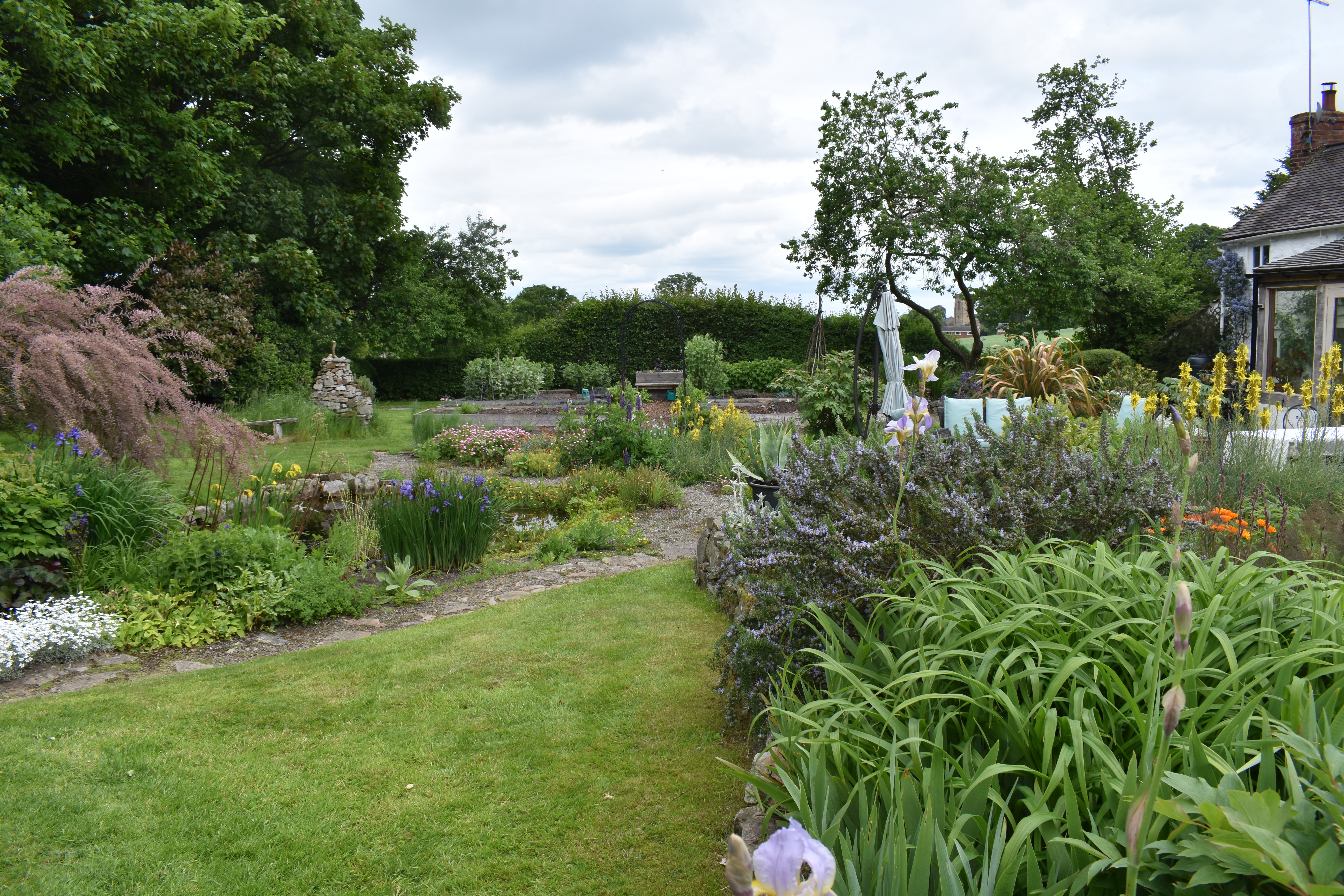
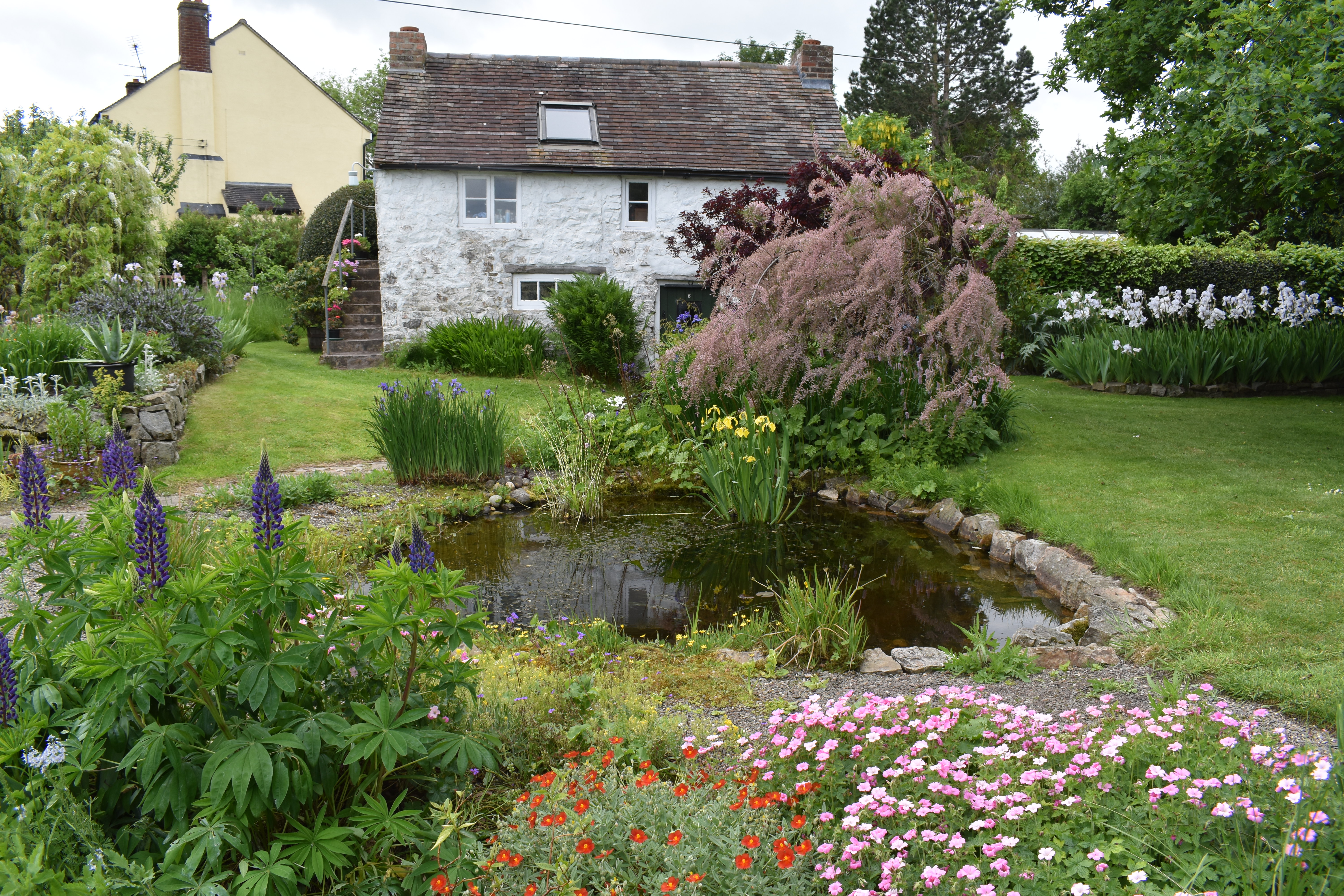
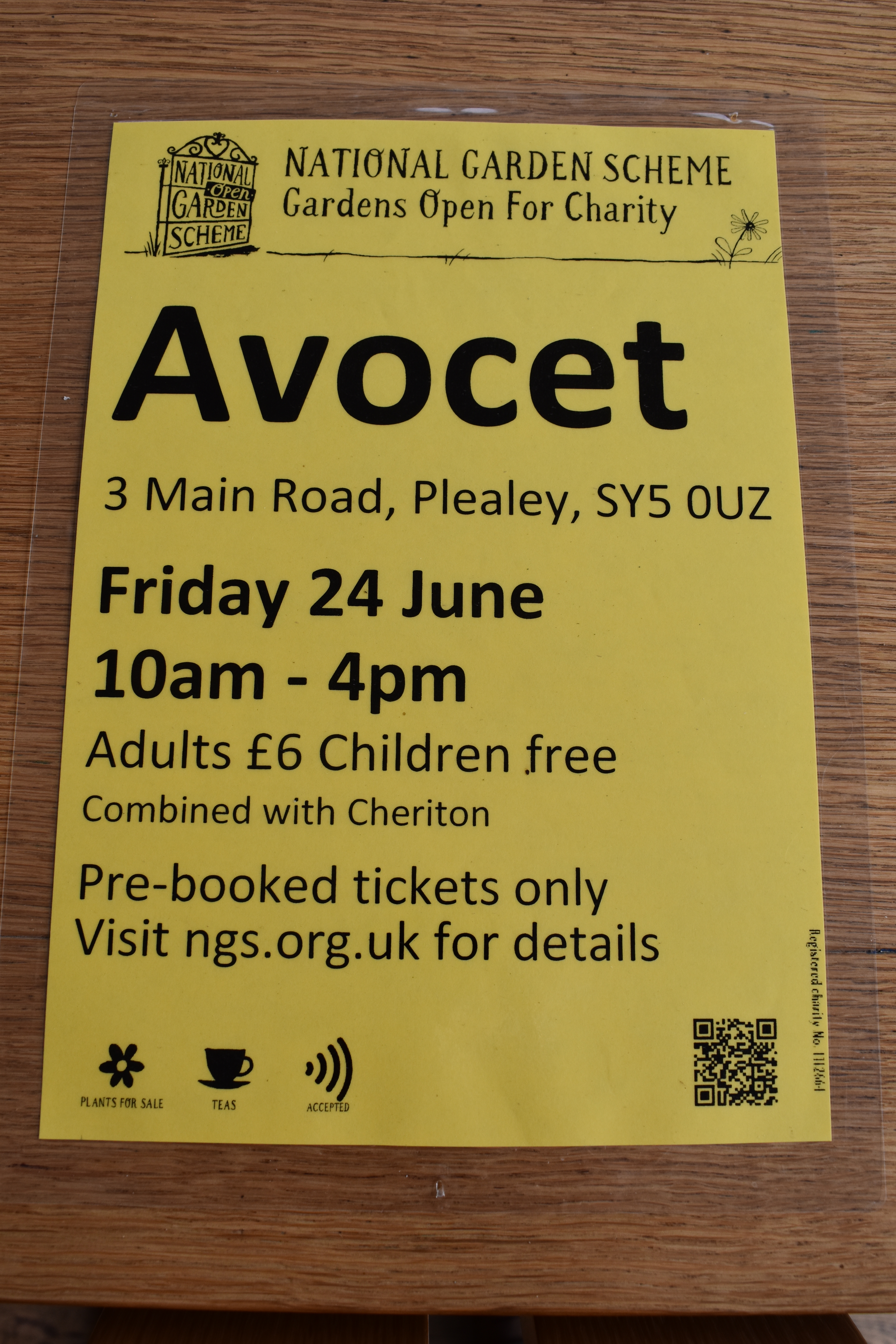
On 24th June we opened our garden for the final time under the auspices of the National Garden Scheme, after ten years of opening. This year also marks the end of the decade of presenting garden talks to garden clubs, Women’s Institutes, Wildlife Groups, U3A’s etc.
During the rest of 2022 we still have half a dozen visits to groups to present my talks and a few visits by garden groups still to visit our garden.
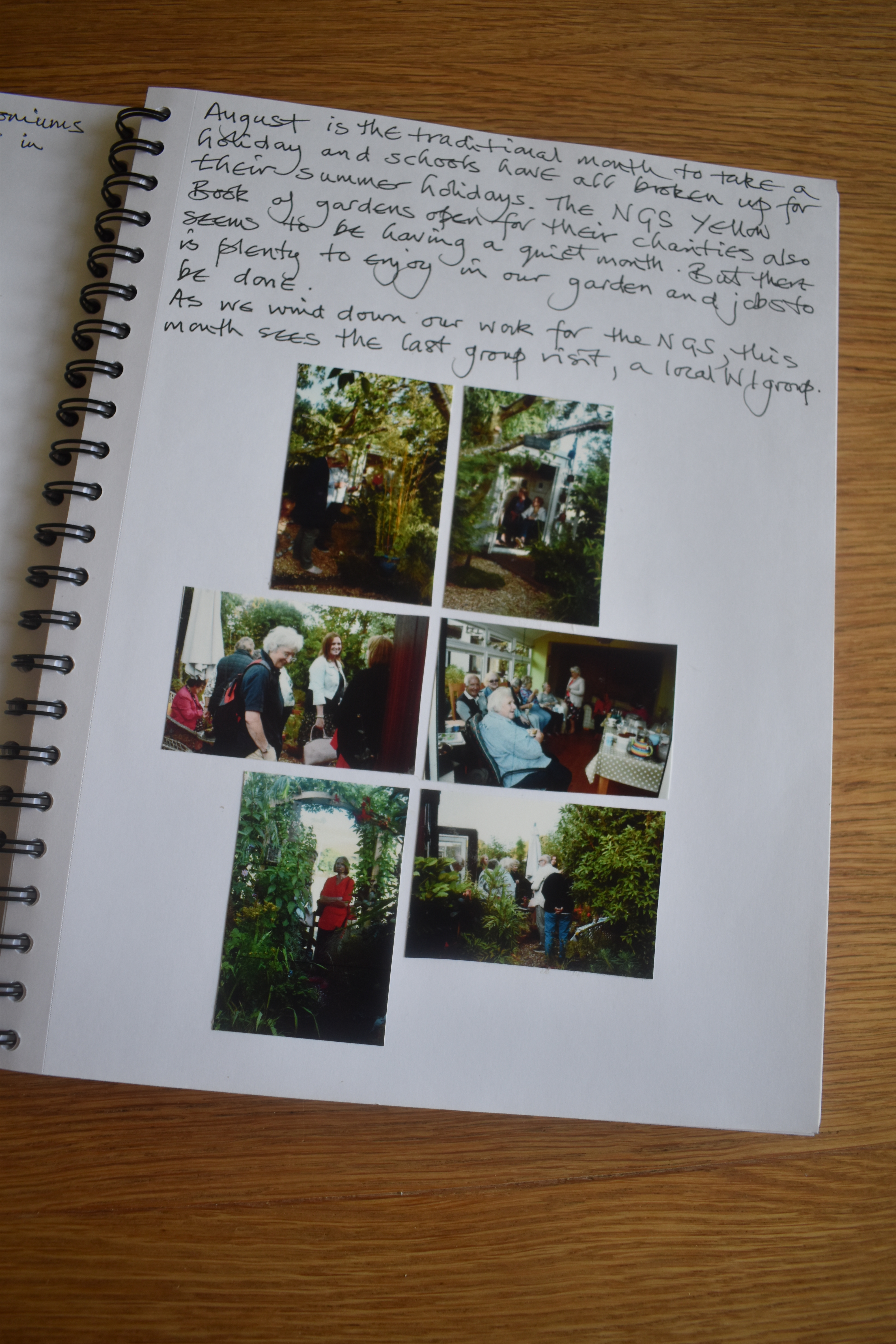
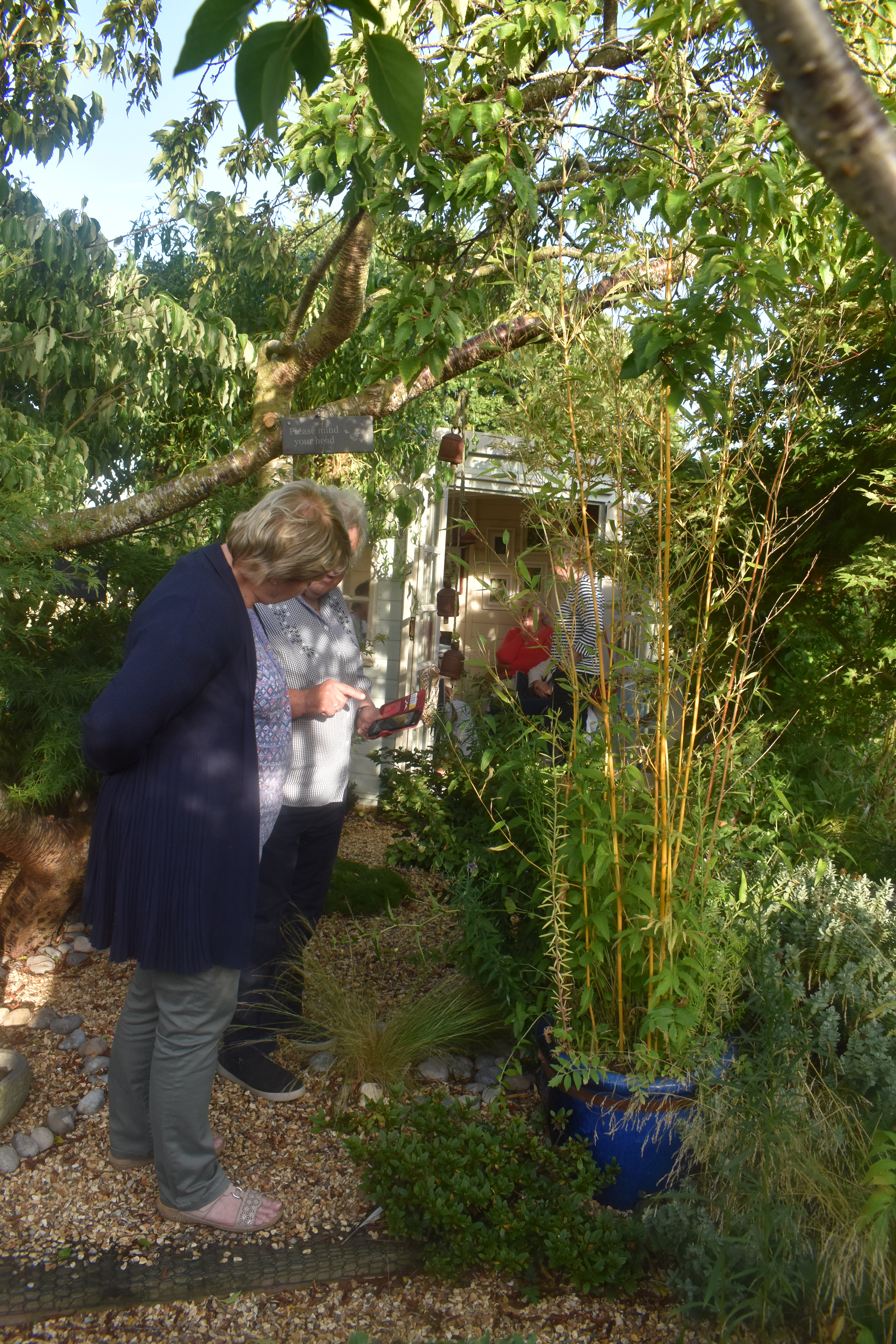
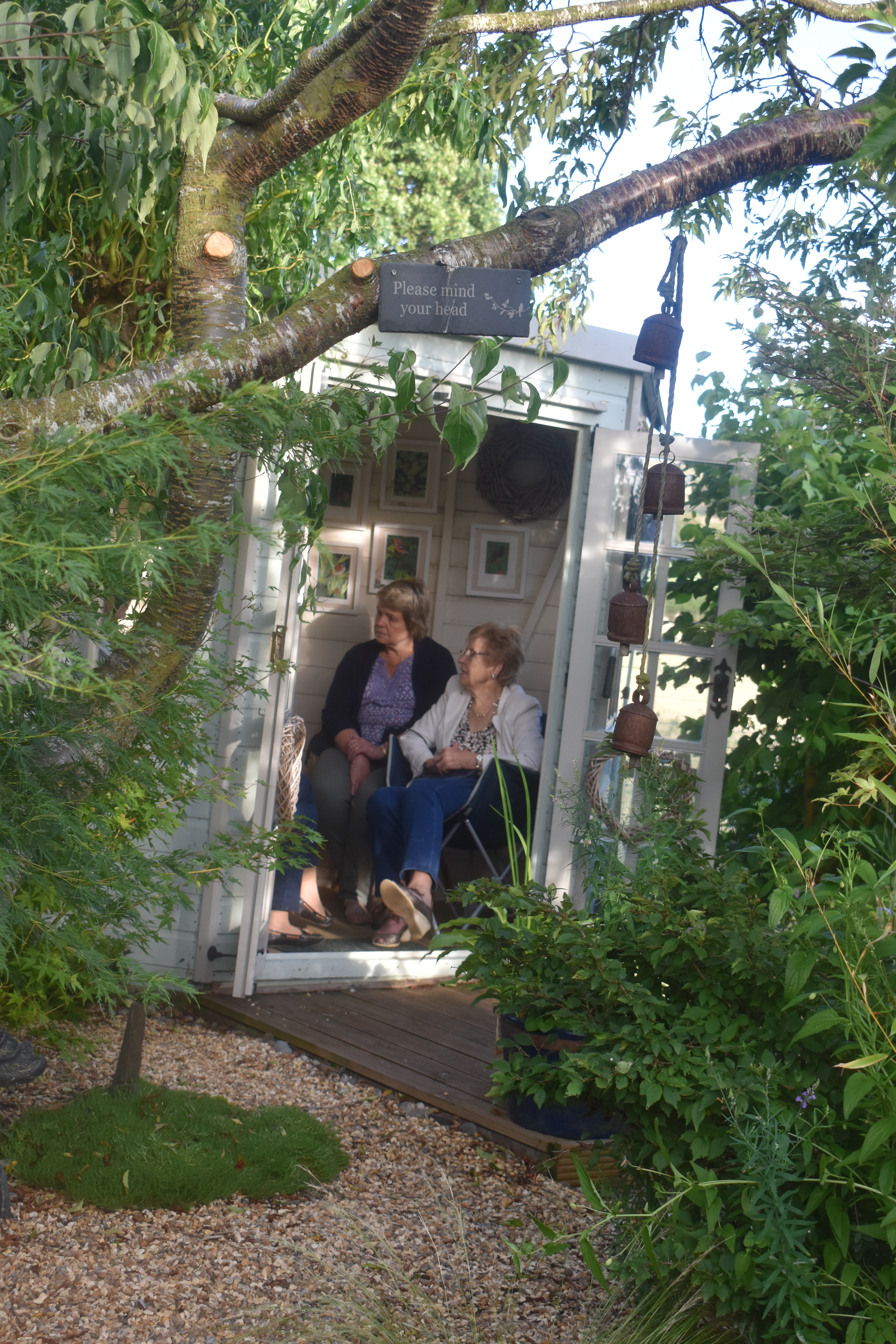
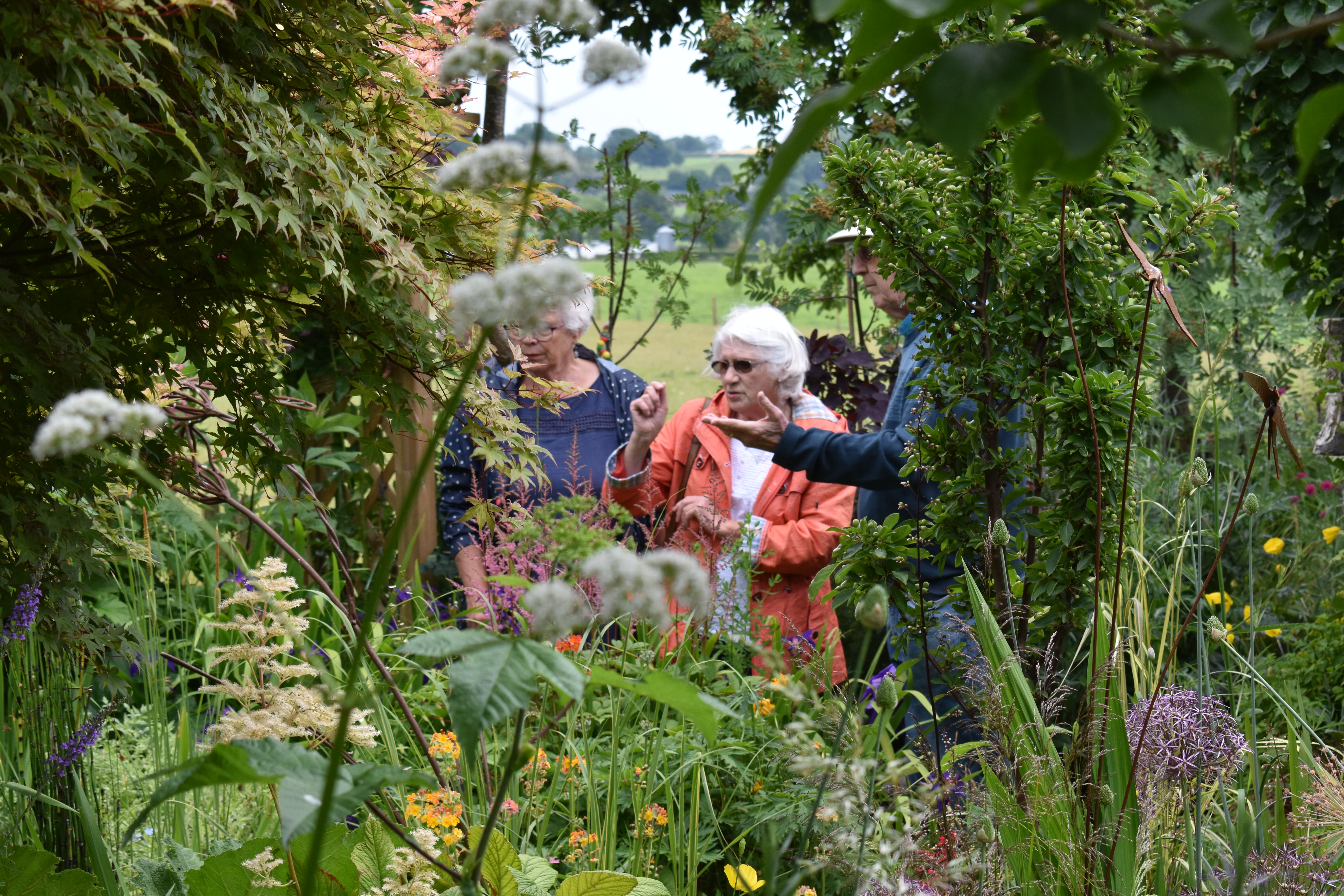
So we held our final NGS Open Day on a bright but not sunny day and all sessions were fully booked plus quite a few extras who turned up on the off-chance we let them in. As we were raising money for health charities we did indeed let them in.
We had spent several days ensuring our quarter acre looked the best it could, dead-heading, pruning, putting in plant supports and planting new plants in the odd blank space etc.
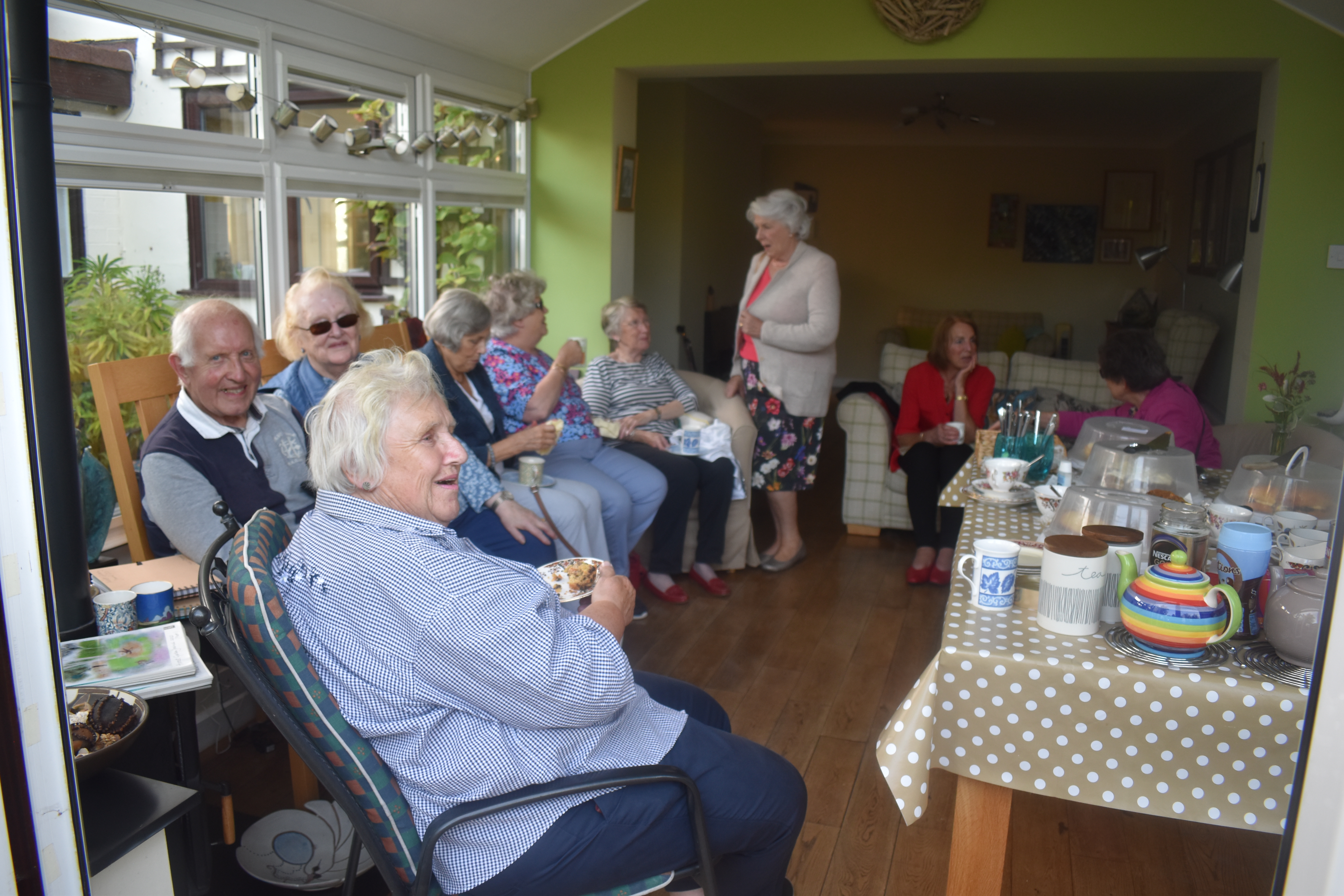
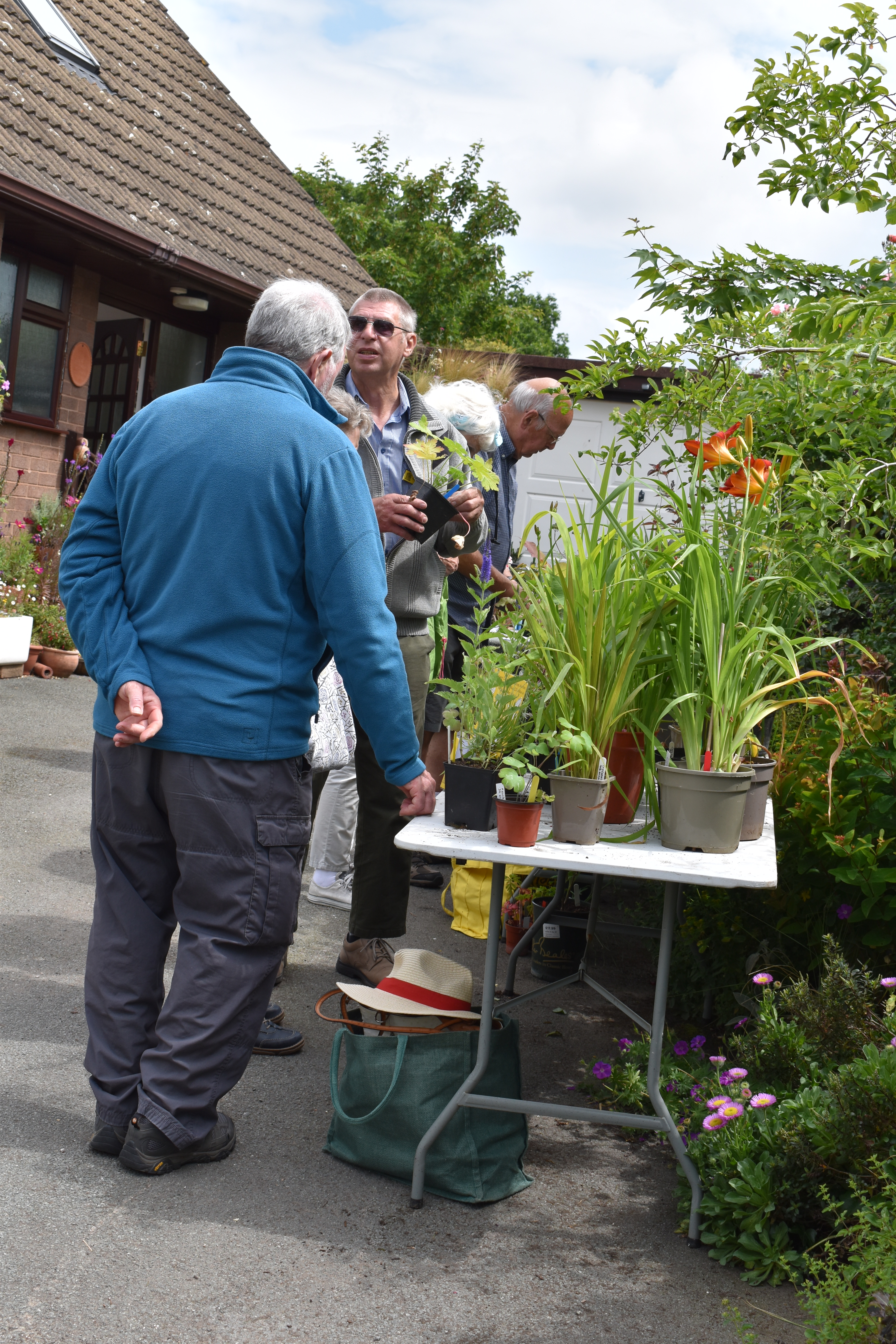
Jude raided her micro-nursery to set up a plant sales table and we put up signs to ensure visitors could find us. An added attraction is our pop-up tea shop where visitors could relish the huge selection of Jude’s wonderful cakes as well as a beverage.
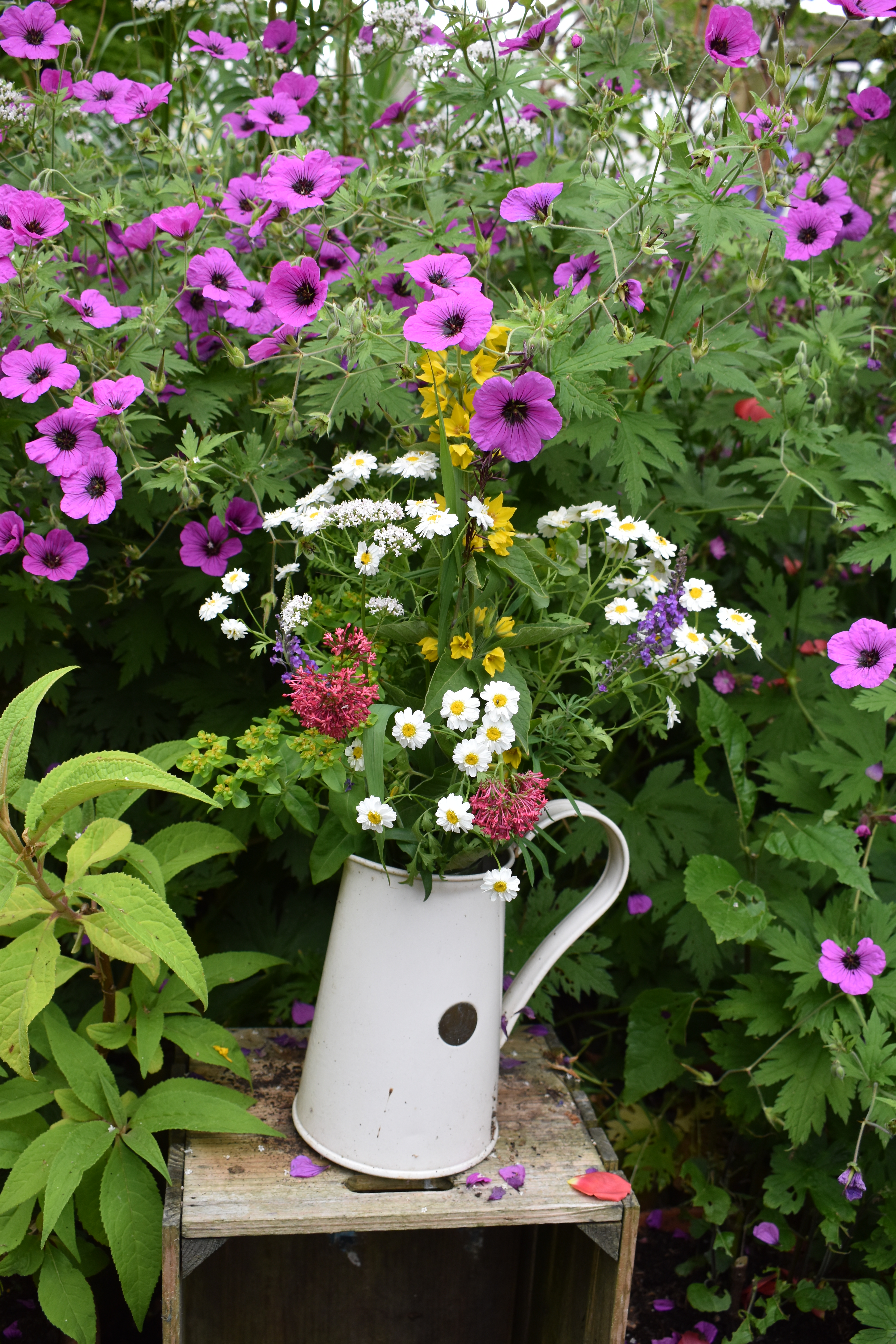
Jude also picked flowers from the garden and created floral displays for all to enjoy as they sat taking taking a break and absorbing the garden atmosphere.
We had a sell out but many other visitors arrived asking to be admitted because it as our last opening and of course we let them in as the day was all about raising money for health charities. We sold lots of plants and a ridiculous amount of cake and beverages! What a success for our final opening!
Back once again with my monthly look at my garden journal, this time for the month of June, a colourful busy month in our garden. I had to begin a new fresh art book having finished off my last with my entries for the month of May.
I decided to feature aquilegias on the cover and the ‘Warm Welcome’ rose for the inside introductory page.
I started my look at our garden in June with a favourite provider of colour and scent this month, roses. I shared photos of just ten. I wrote, “In June roses give us so much colour in every part of the garden, with bonus scent.”
“We love plants that self-seed around our patch and one of the most successful of these ‘volunteers’ is ‘Linaria purpurea’. It has so many variations but also a few cultivars such as ‘Canon Went’, ‘Peachy’ and ‘Dial Park’. Here are just a few.”
Below are photos of twelve of our linarias.
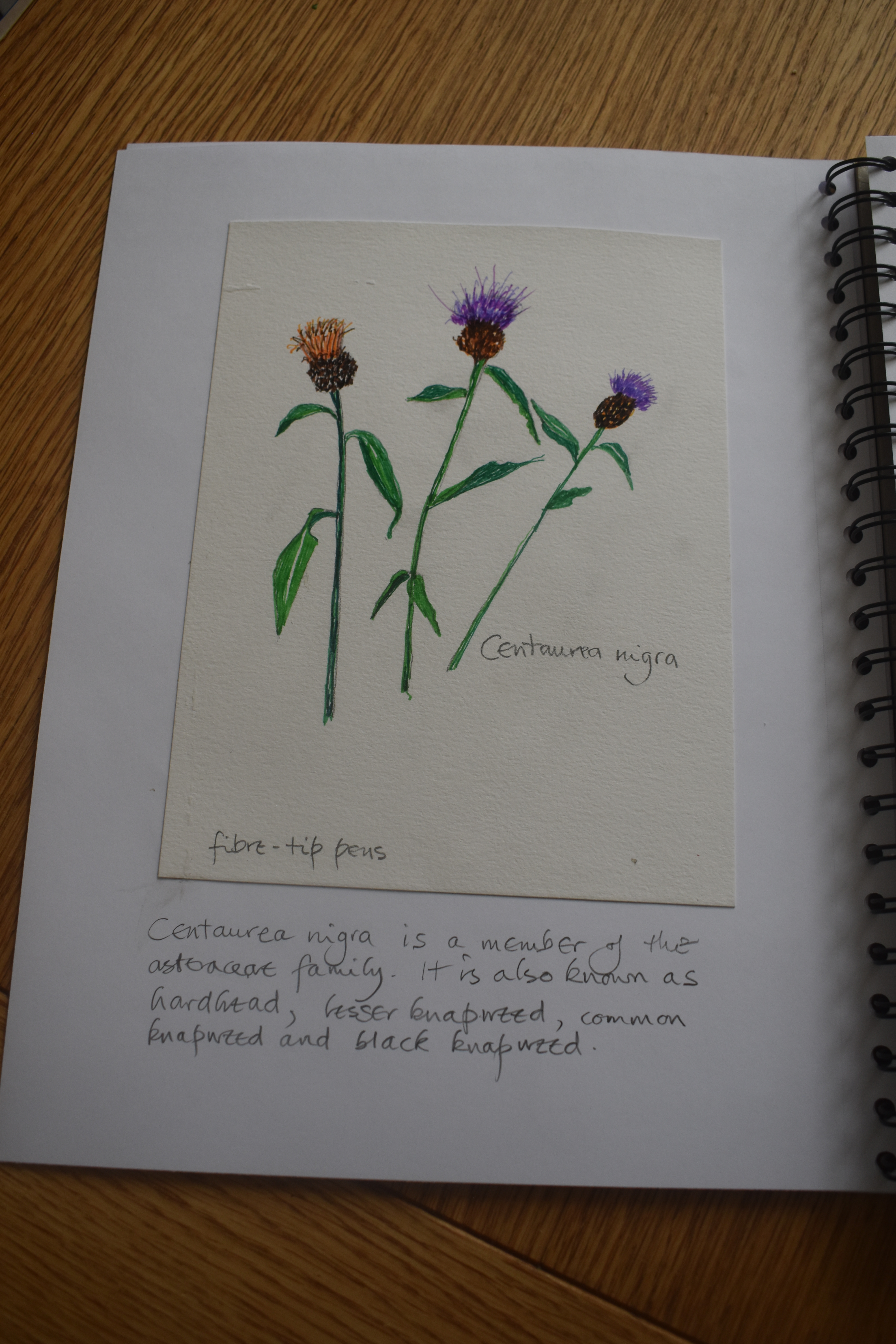
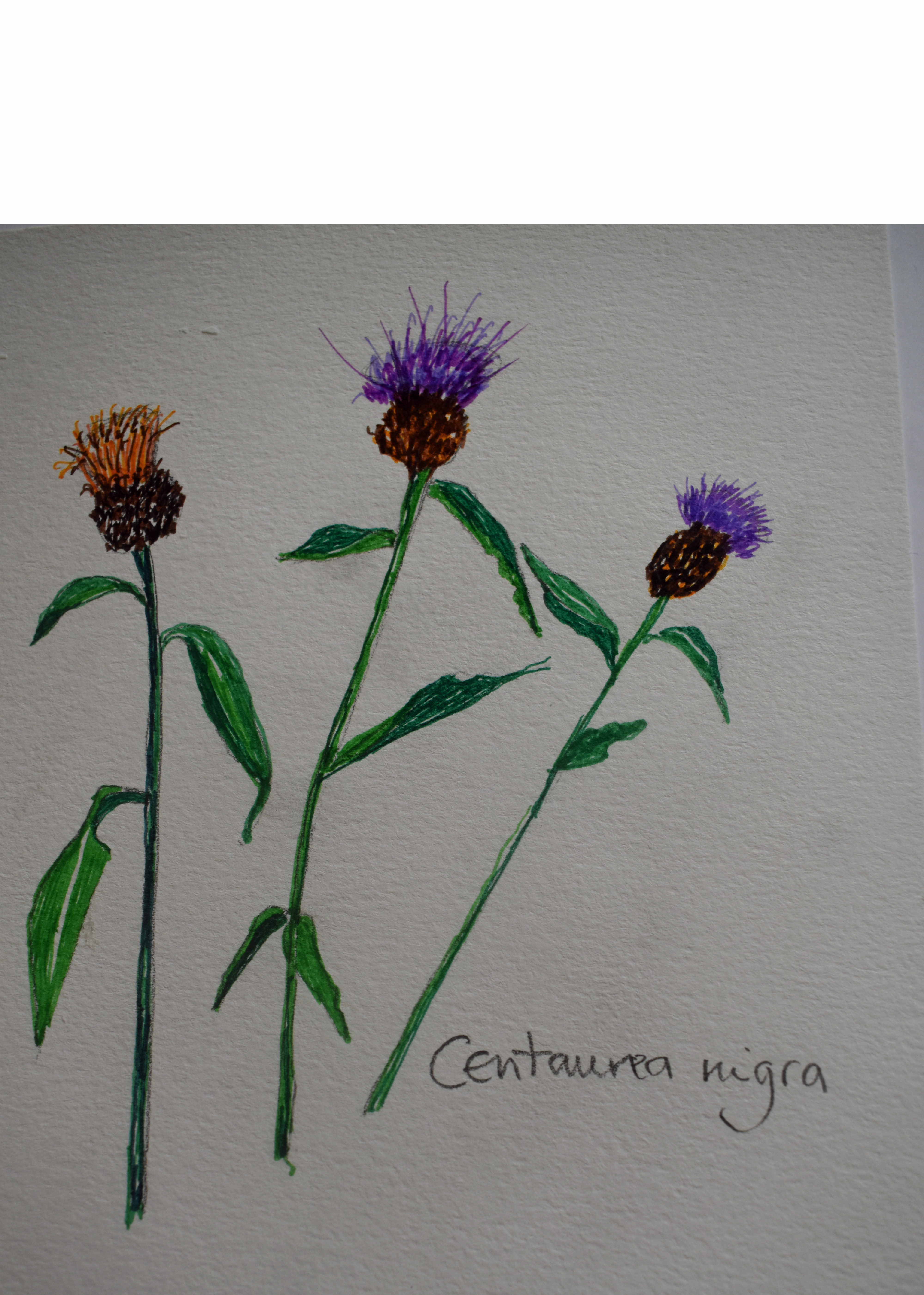
Following on from our self-seeding favourite I featured a more subtle page, a drawing I created using Japanese brush pens, of a small flowering shrub, Brachyglottis ‘Sunshine’.
Over the page I looked at our preparations for our NGS open garden day and the day itself. I noted that, “This month we opened our garden under the auspices of the NGS for the last time, having opened now for ten years. We busied ourselves in preparation and the day itself was a sellout.”
On the opposite page I shared two photos of our “Iris ensata” which has come into its own this year, flowering profusely. In close up the detail is stunningly beautiful. The top photo is a straight print and the bottom one a poster print to show more details especially the lines on each petal.
I finished this June report by sharing eight broad views of colourful patches in the garden, when I noted that, “As June came to an end and with it the first half of the year I wandered around the garden paths taking images of colourful patches.” The next look at my garden journal will be in July, the month that launches the second half of the year.
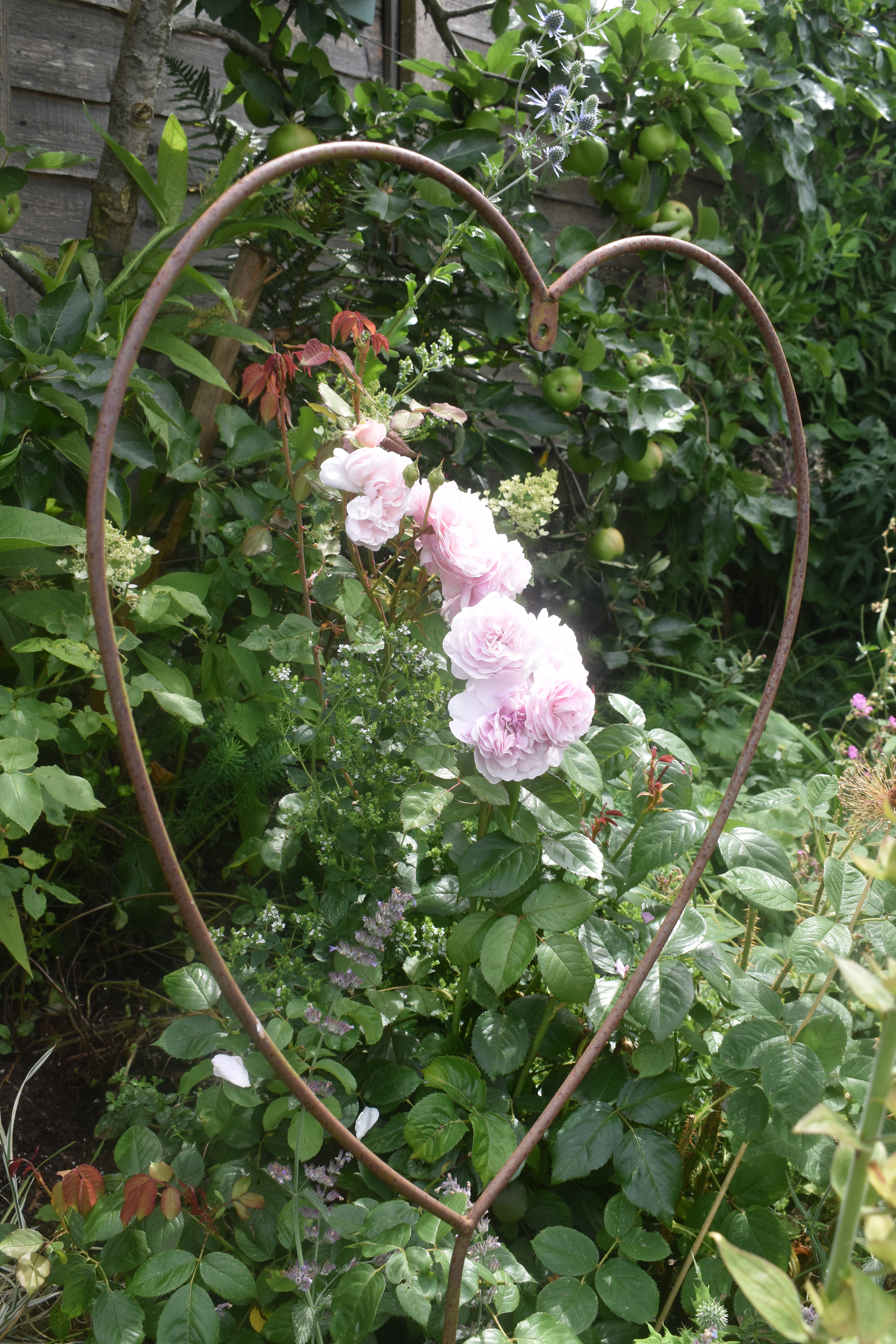
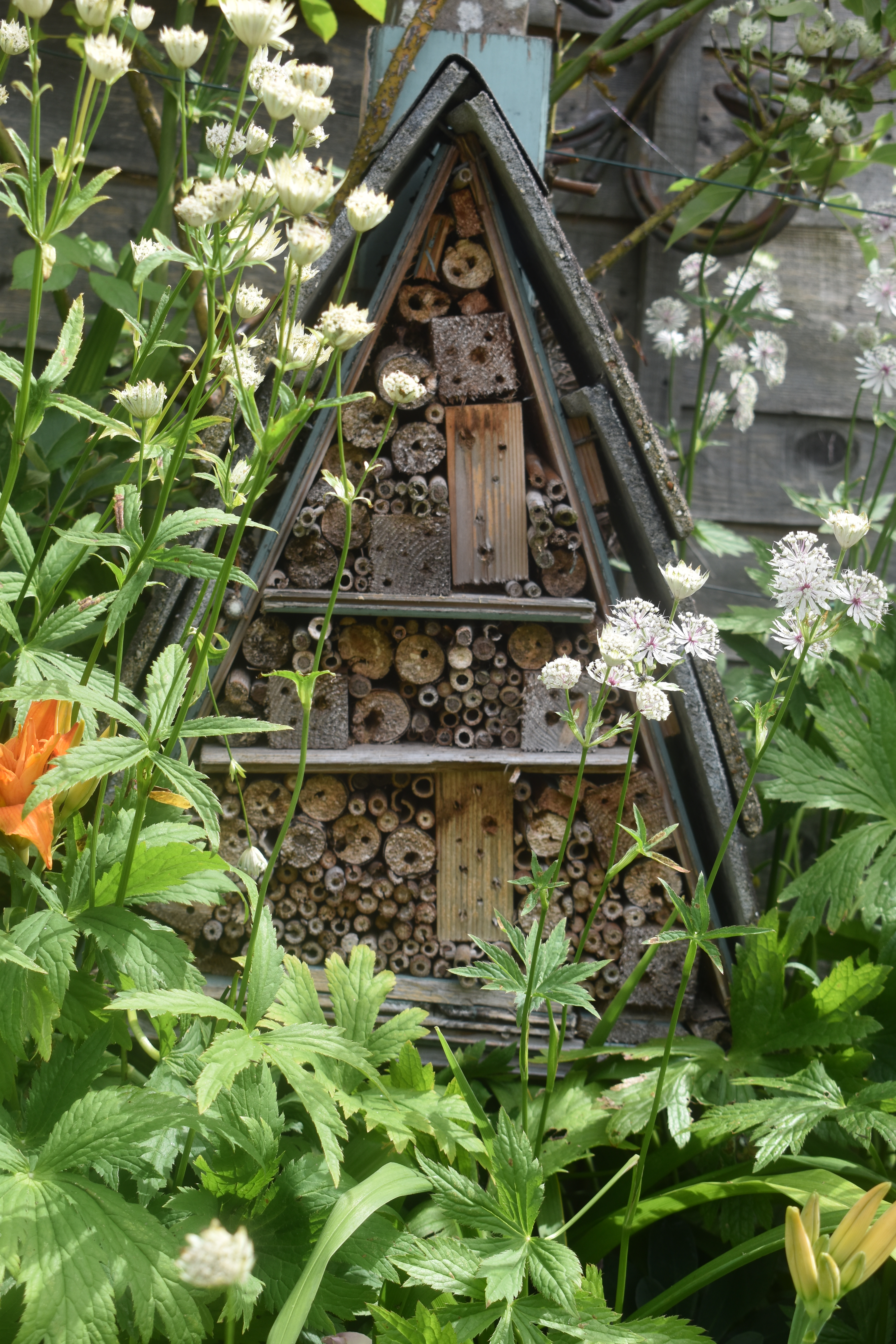
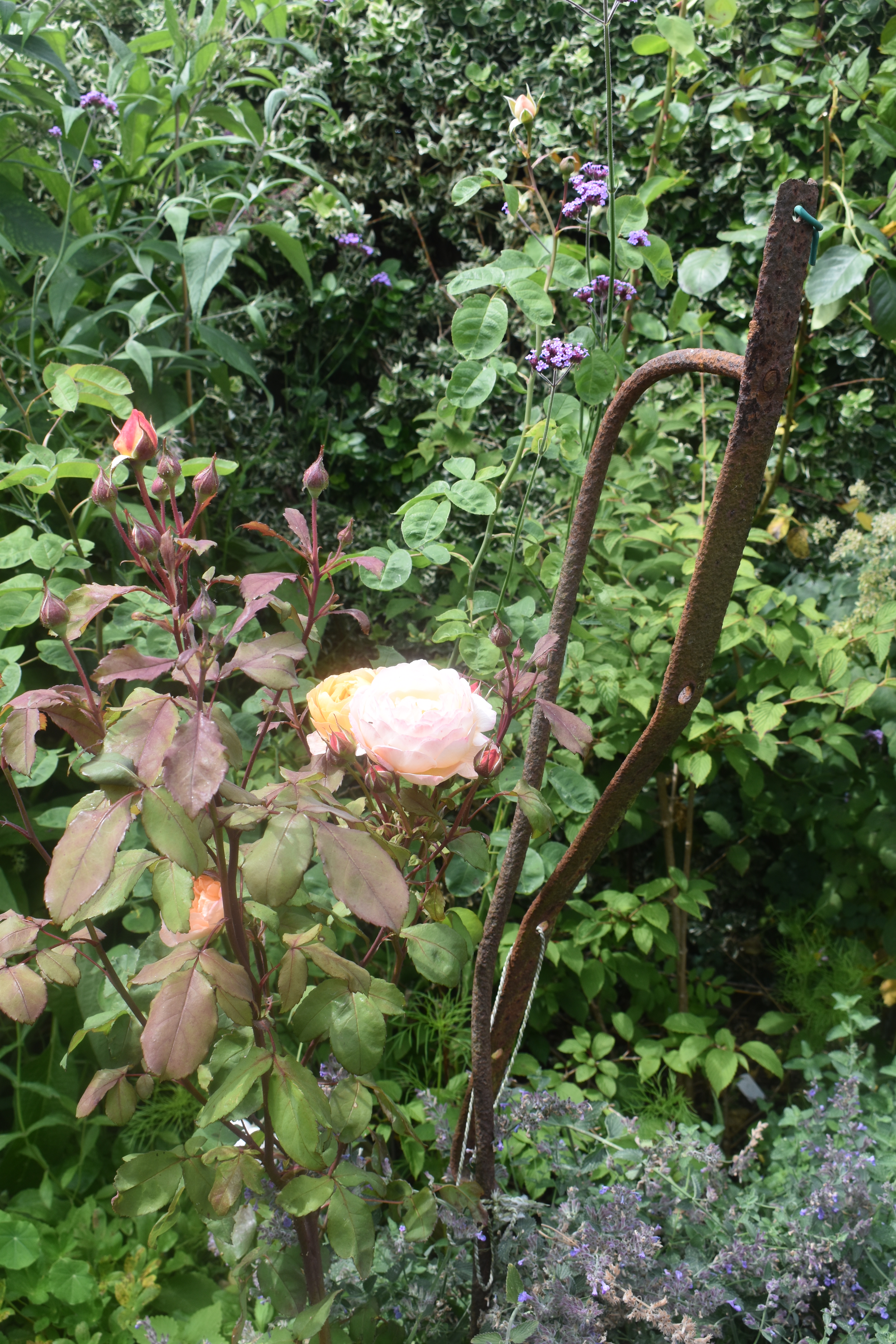
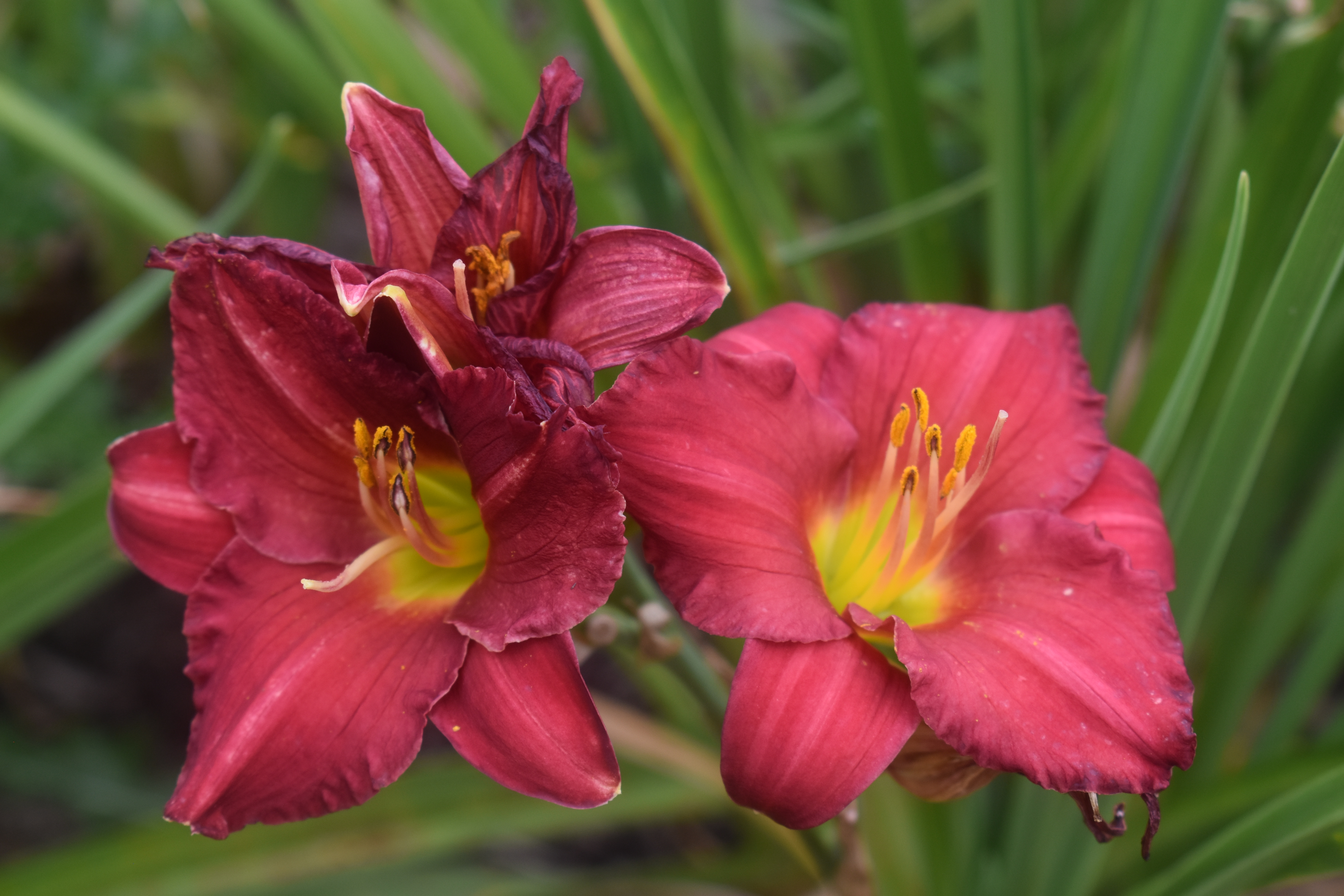
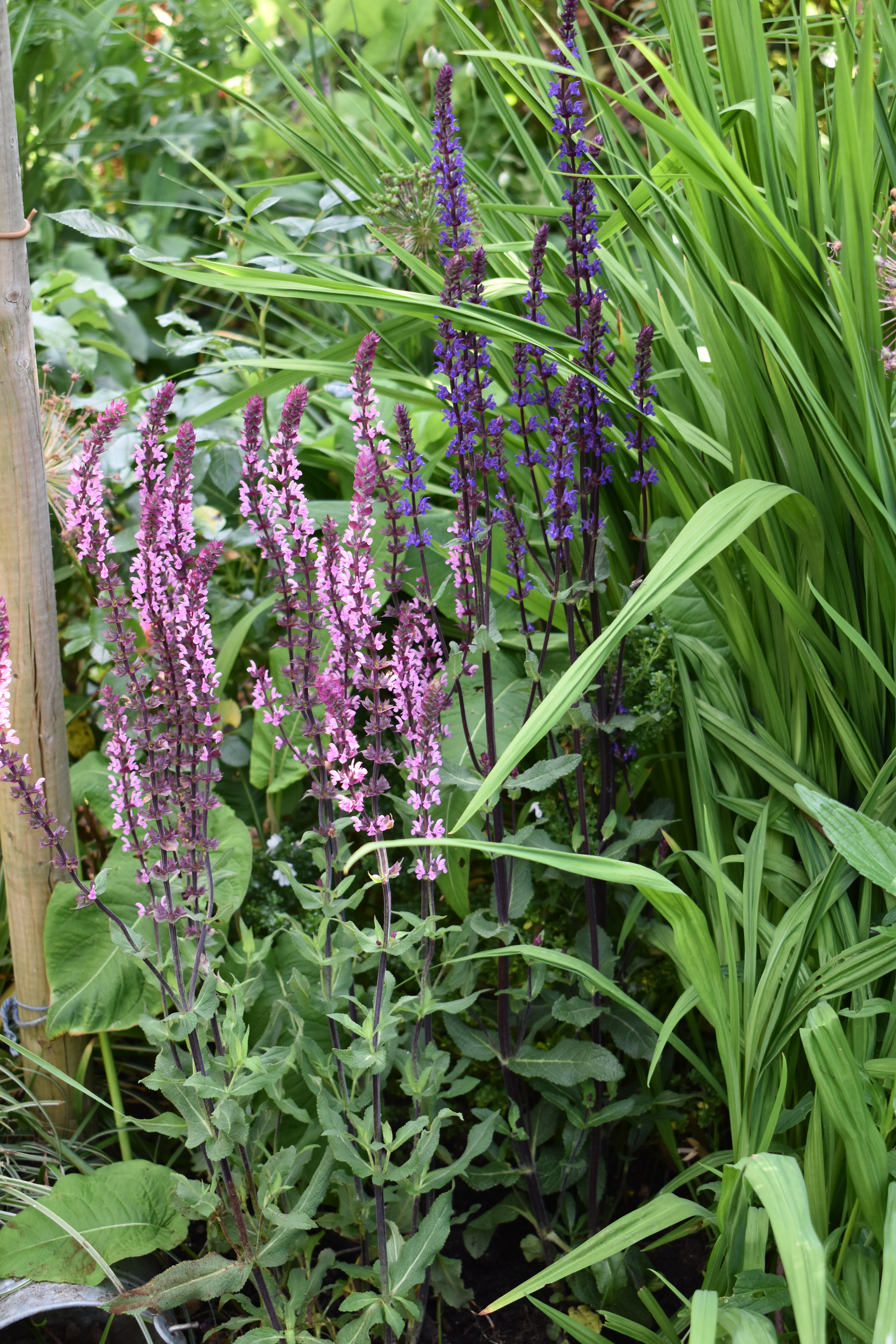
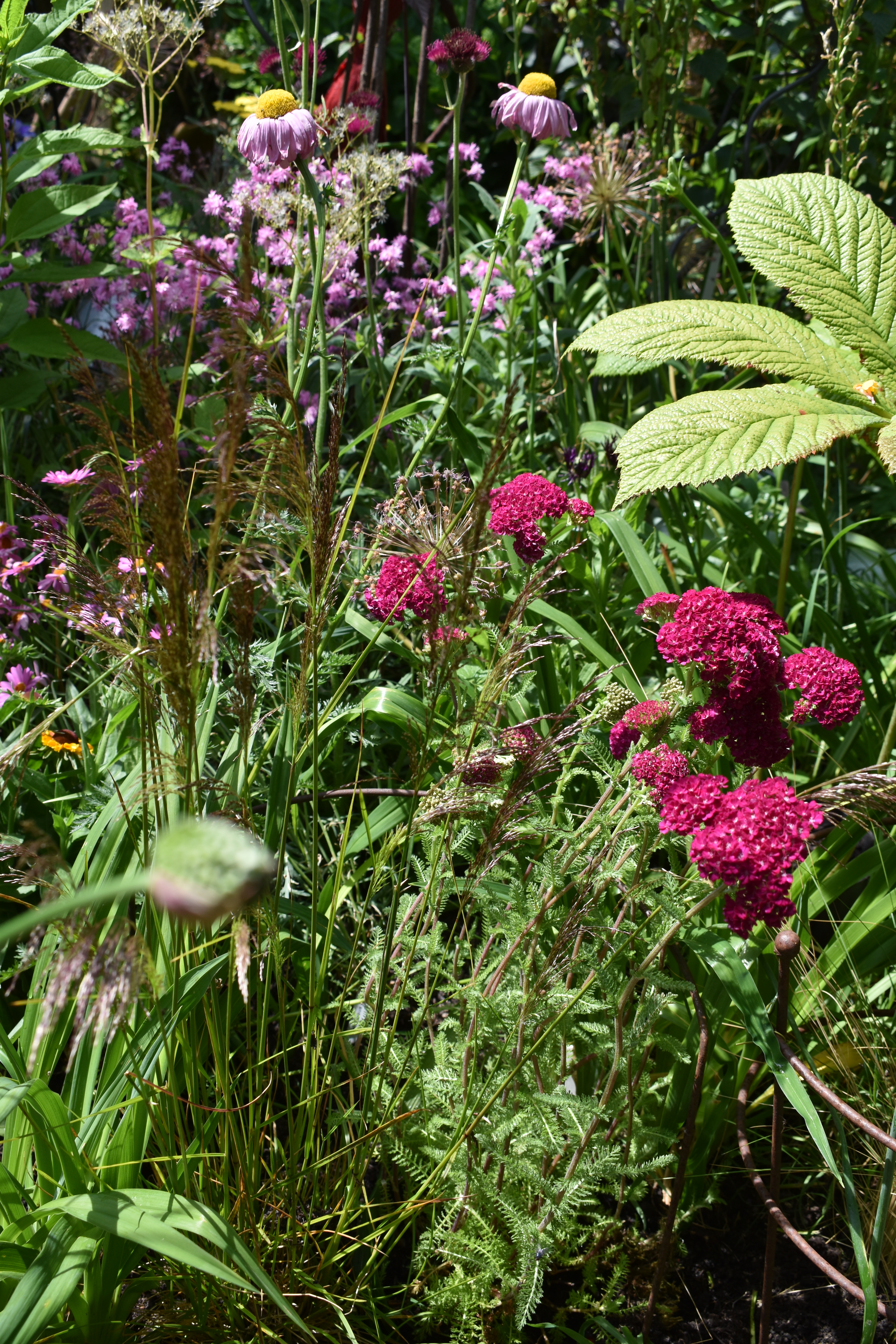
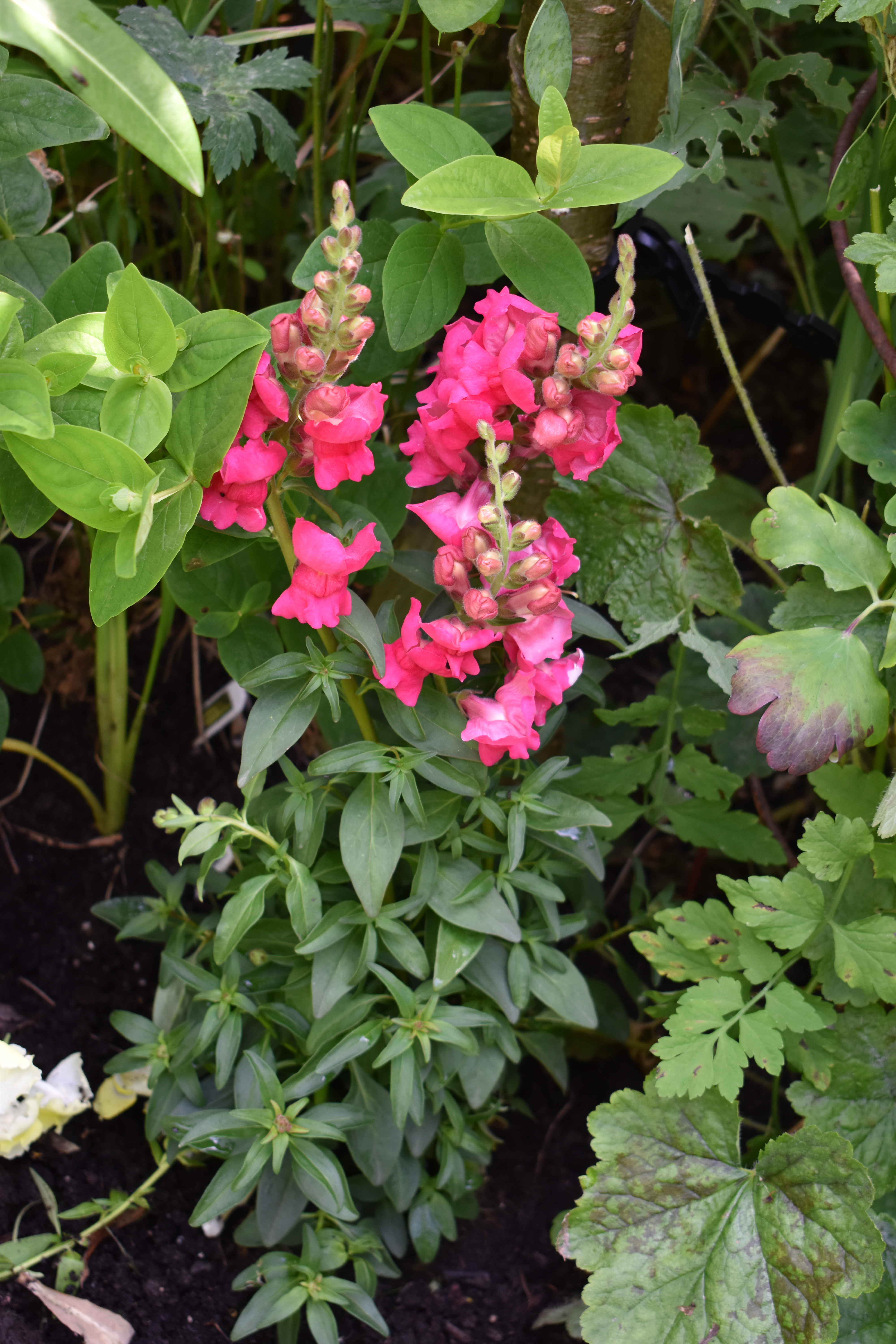
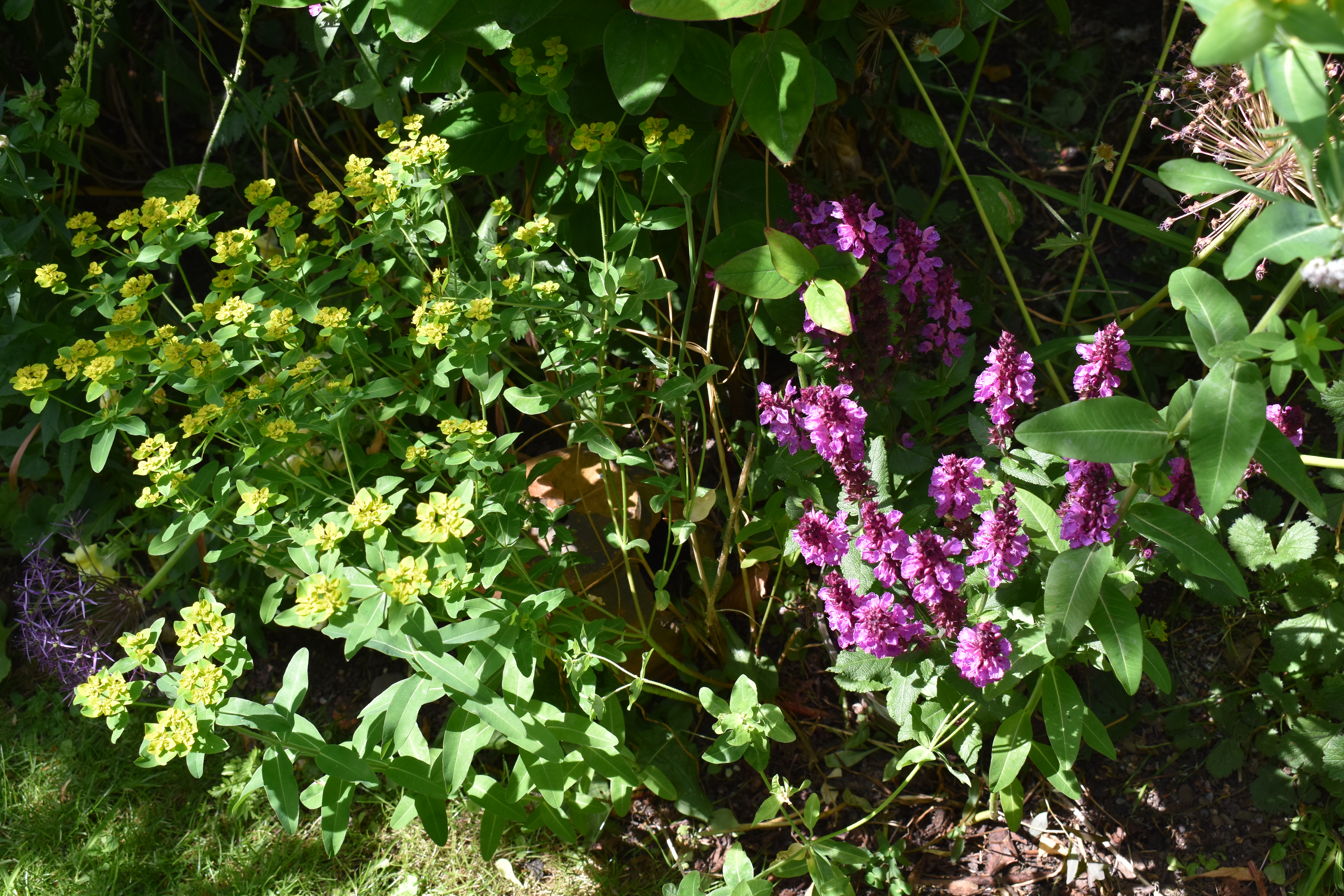
I will finish off this visit to my garden journal with eight shots of colourful patches of the garden which our recent visitors enjoyed.
We have enjoyed so many canal side walks over the years in both Shropshire and neighbouring Powys the next door county just into Wales.
Today we decided to wander along a section in north Shropshire starting at the village of Lower Frankton where the canal joins the much larger and busier Llangollen Canal. The carpark was not easy to find with no sign posts anywhere! It was over the other side of an ultra steep humpback bridge over the canal where at the half way point we could see nothing but sky!
As we began our wanderings we were amazed by just how bright and green the area looked.
After enjoying the first of many patches of wildflowers we soon reached Frankton Locks an impressive series of five very deep serious -looking locks. They looked a real challenge to the narrow boat owners slowly enjoying this peaceful stretch of Shropshire by canal. We did wonder how some solo bargemen managed on their own.
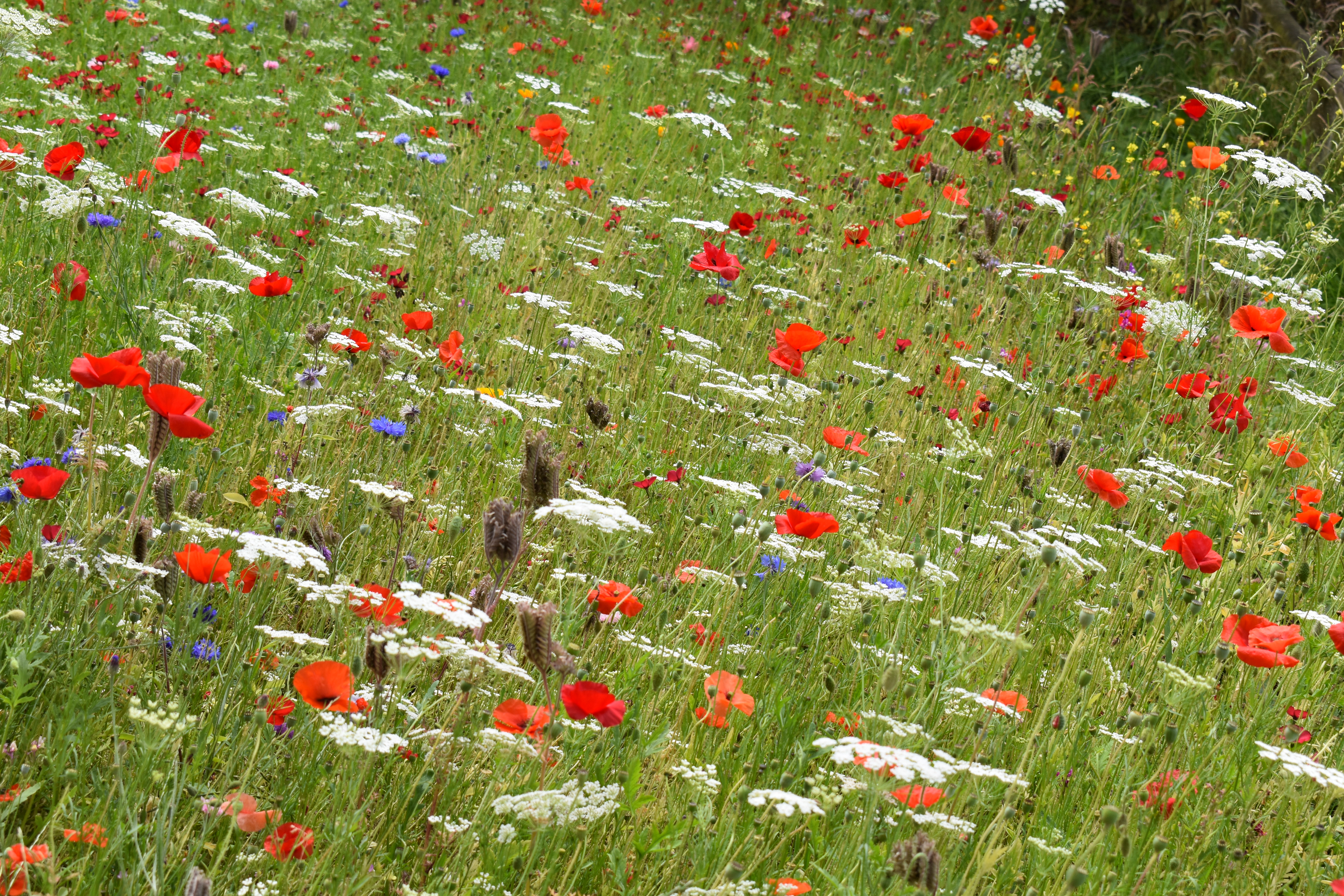
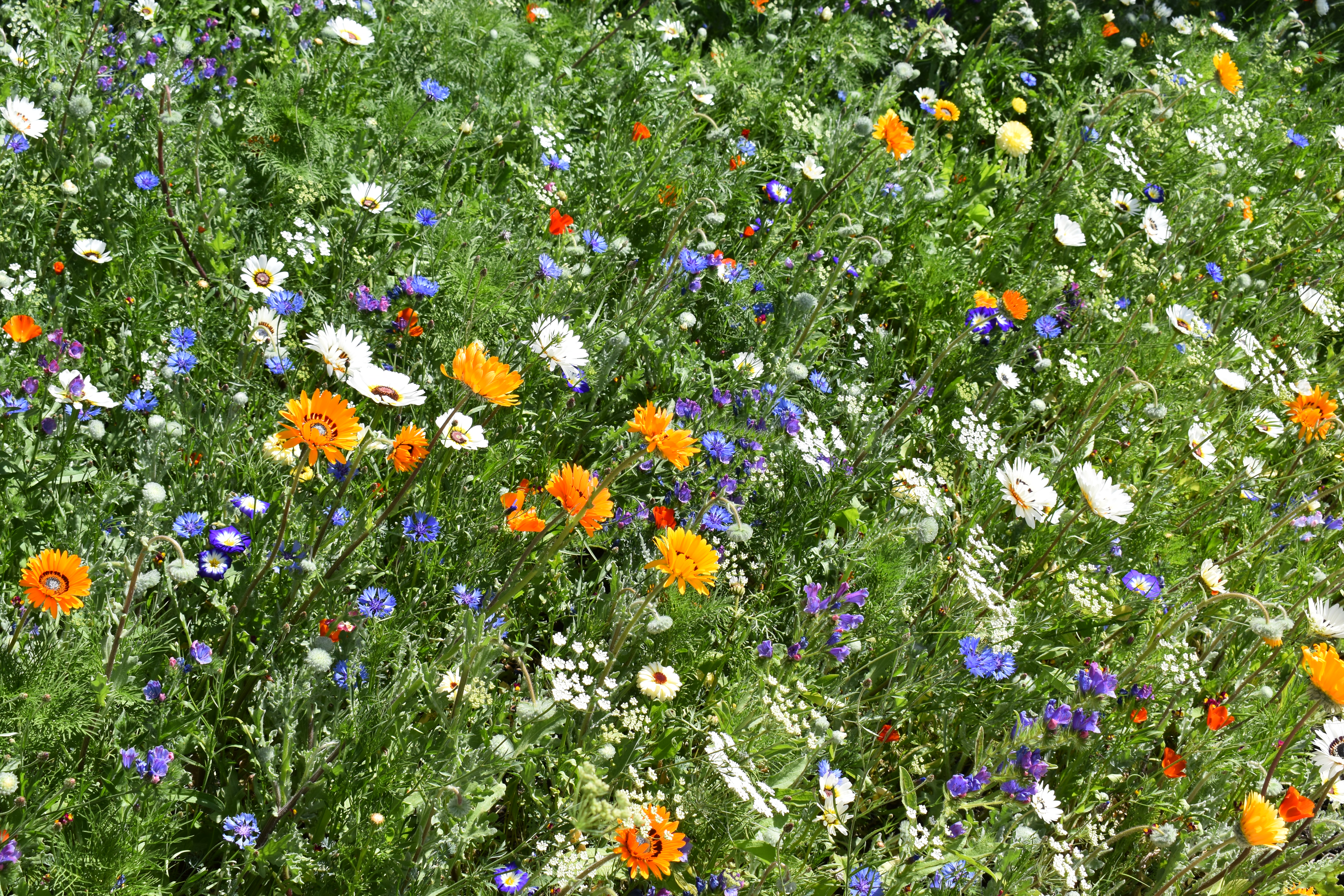
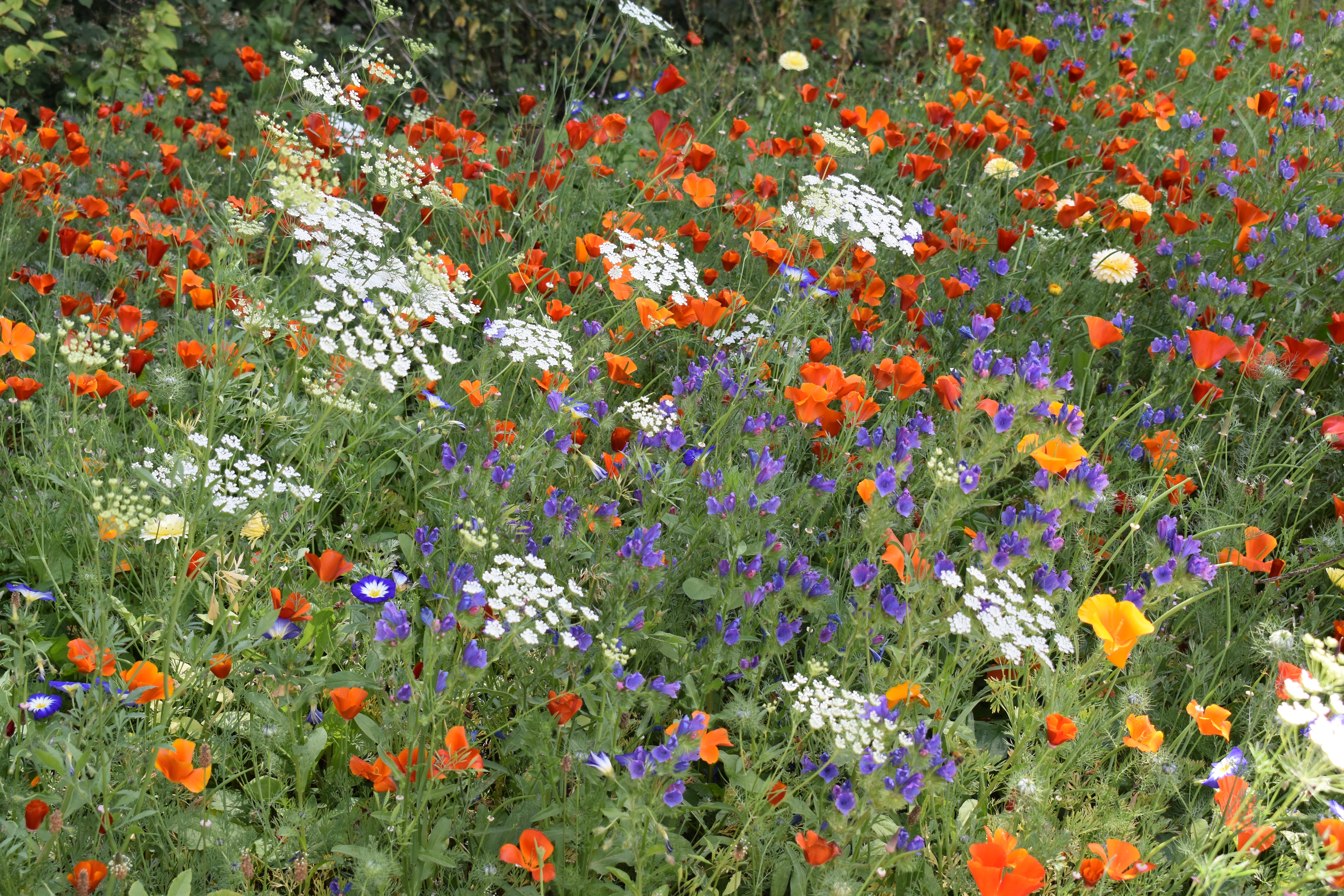
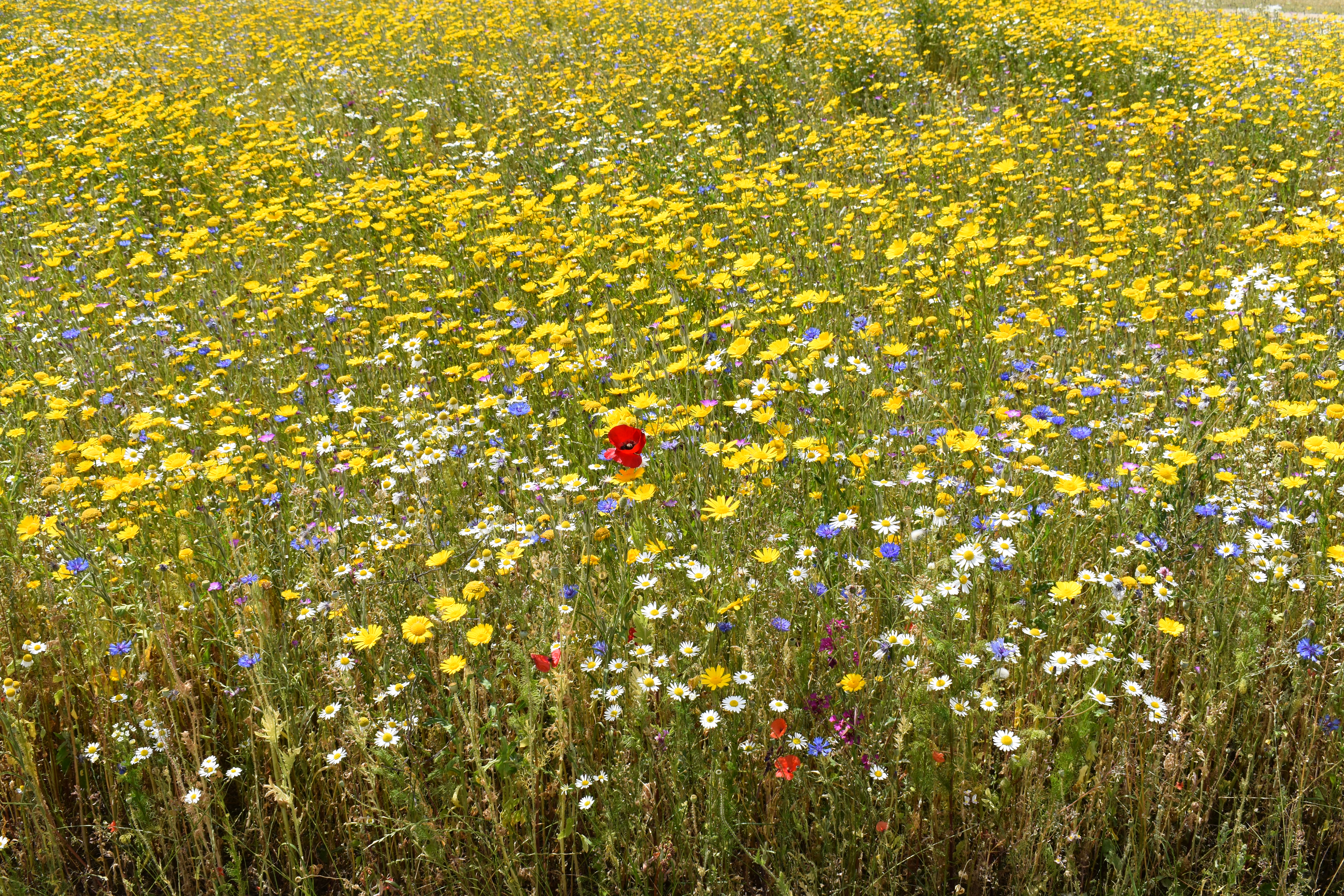
A real delight of all canal towpath wanderings is the collection of wildflowers always present and this path certainly did not disappoint!
It wasn’t just us enjoying the wildflowers, members of the insect world were attracted to them for nutrition. We were particularly pleased to spot this unusually coloured Damsel Fly, but equally enjoyed seeing so many Orange-tipped Butterflies both male and female.
The trees aligning the canal-sides were in full fresh leaf and several in flower. Most noticeable of all were the Hawthorns with boughs heavy with blossom, startlingly white in the sunshine and heavily scented strong and sweet. Willows were constantly releasing their pollen with each puff of wind.
As we reached the place where we were intending to turn back we noticed in the distance that clumps of alders had been blown over. As we approached closer we could see what had actually happened – gusts of wind during recent storms had ripped the trees from the canal bank exposing the structure holding the refurbished bank side open.
There is always so much to discover when walking a canal towpath so I thought we would finish this post with a small gallery of a handful or so of photos.
We are determined to return to this place where we have a choice of canal walks to explore.
We are back with part two of “Two Gardens in One Day” which will be all about our visit to “The Leasowes”, which is much larger than our morning garden, and opens for the “Historic Churches Association”.
We parked up beneath an avenue of wonderful mature Horse Chestnut trees all flowering beautifully. Walking beneath them we arrived at the gates to the impressive “Leasowes”.
Just inside the gateway a rich yellow climbing rose, usually the first to come into flower, called “Canary Bird” caught our eyes.
Just inside the gateway we discovered this wildlife pond and nearby a narrow stream between boulders and bankside planting.
We moved through the lower more formal garden which was worth looking at in its own right but little did we realise what delights awaited us inn the higher parts of the garden.
We climberd gently until we came into a valley planted up with beautiful, unusual and sometimes rare specimen trees and shrubs.
Most of the colour up in the dingle area came from rhododendrons and a mass of bluebells planted as carpeting beneath the trees.
Below are photos of some of the vast collection of brightly coloured rhododendrons both evergreen and deciduous.
I will finish off with a gallery of some of the beautiful young trees and shrubs, plus a few general shots of the dingle and garden. We left feeling so pleased to have discovered this garden, close to us but never before visited.
We found an NGS open garden open one Sunday close to us, so left home to drive down narrow country lanes with hedges close on each side and too many sharp bends, humped bridges and steep gradients. We intended to arrive as the garden opened mid-morning.
We parked up the the school carpark in the village of Condover and wandered through the village to find the garden following the NGS yellow signs. Following the drive we met the owner who gave a warm welcome and directed us to the start of the garden.
Here we were mighty impressed with the colourful combinations of tulips, so cheerful!
After revelling in the bright colours of the tulips we made our way into the attached woodland area where mature trees could be enjoyed from woodchip paths and these paths were so soft to walk on as the woodchip was very deep. Alongside the woodland ran a crystal clear brook.
From the woodland we re-entered the main garden via a small grassed area. The main garden consisted of circular lawn with mixed borders all around. This had all been created fairly recently.
Around the perimeter of the house itself we found little cameos of interest, those little extras that help make a garden that little bit better.
Because this garden opened all day and we arrived as it opened in the morning, we found we had time to visit another open garden not many miles away so off we went for another plant exploration, this time aiming for a place called “The Leasowes” near a village called Cound.
“The Leasowes” will be the subject of part two of this post, following soon.
We have long time friends, who we went to college with in 1969-72, who live in the coastal town of Barmouth. A group of us who studied together at Alsager College in Cheshire, part of Keele University, still meet up regularly in different places.
We decided going to meet up in the Barmouth home of Kath and Andy would be a good idea as the year was moving on and the weather was becoming more promising for a trip to the coast. We travelled there early in the morning and after parking in the main carpark we made our way uphill to their hillside home and garden. We zig-zagged up the steep garden steps and path.
Peaceful figures could be seen from the pathways looking content in the greenery. Spring blooms appeared alongside the paths.
After coffee and a wonderful lunch Andy suggested a wander around the hillside above the house so we took off following steep tracks, steps and wriggled between houses, garden walls and found ourselves far above the seaside town and its beach. We enjoyed superb views until a sea mist blew inland and obliterated them.
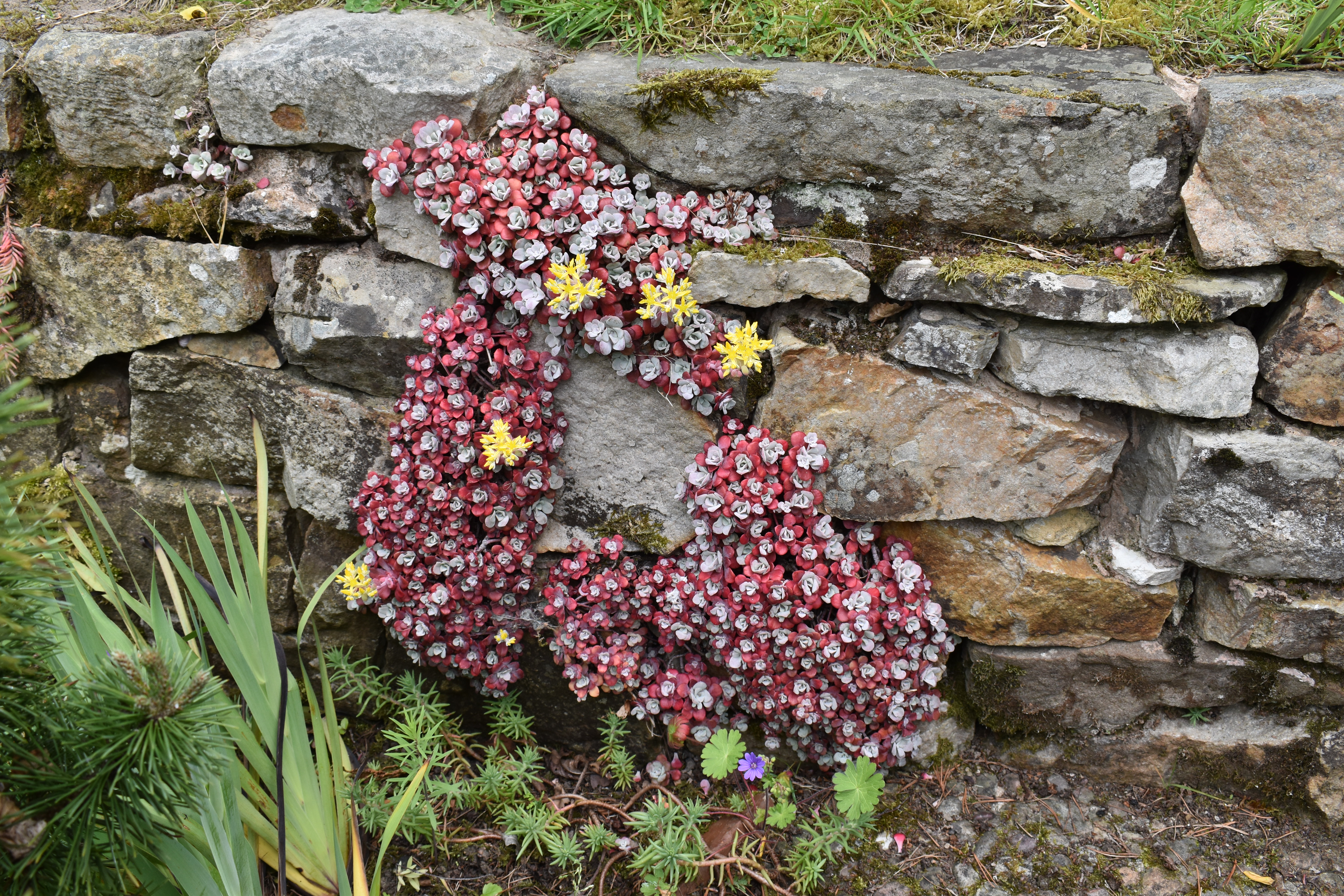
The stone walls and rocky outcrops enjoyed their own special collection of plants.
Views over the sea, beach and town soon started disappearing.
Returning to the hillside house we had another chance to look around before making our way home. Andy sat on one of the many blue seats and watched us safely negotiate the paths down the slope back to the gate. We all had a great day out in Barmouth and vowed to return.
The entries for May in my Garden Journal 2022 take us close to the middle of the year and summer has certainly arrived.
On my first page I noted that, “May is a month when the weather should allow us to enjoy our gardens, with warmer brighter days and borders full of life. Plants and wildlife come together to delight us!”
I shared eleven photos of parts of our garden which we are enjoying at the moment.
On the opposite page I considered the garden tasks we enjoyed during the month, where I wrote, “The amount of growth and flowering in the borders mean that we have lots to be getting on with. We pruned water shoots off the trained fruit trees and gave spring-flowering shrubs their annual trim. We planted new plants and potted on perennial seedlings.”
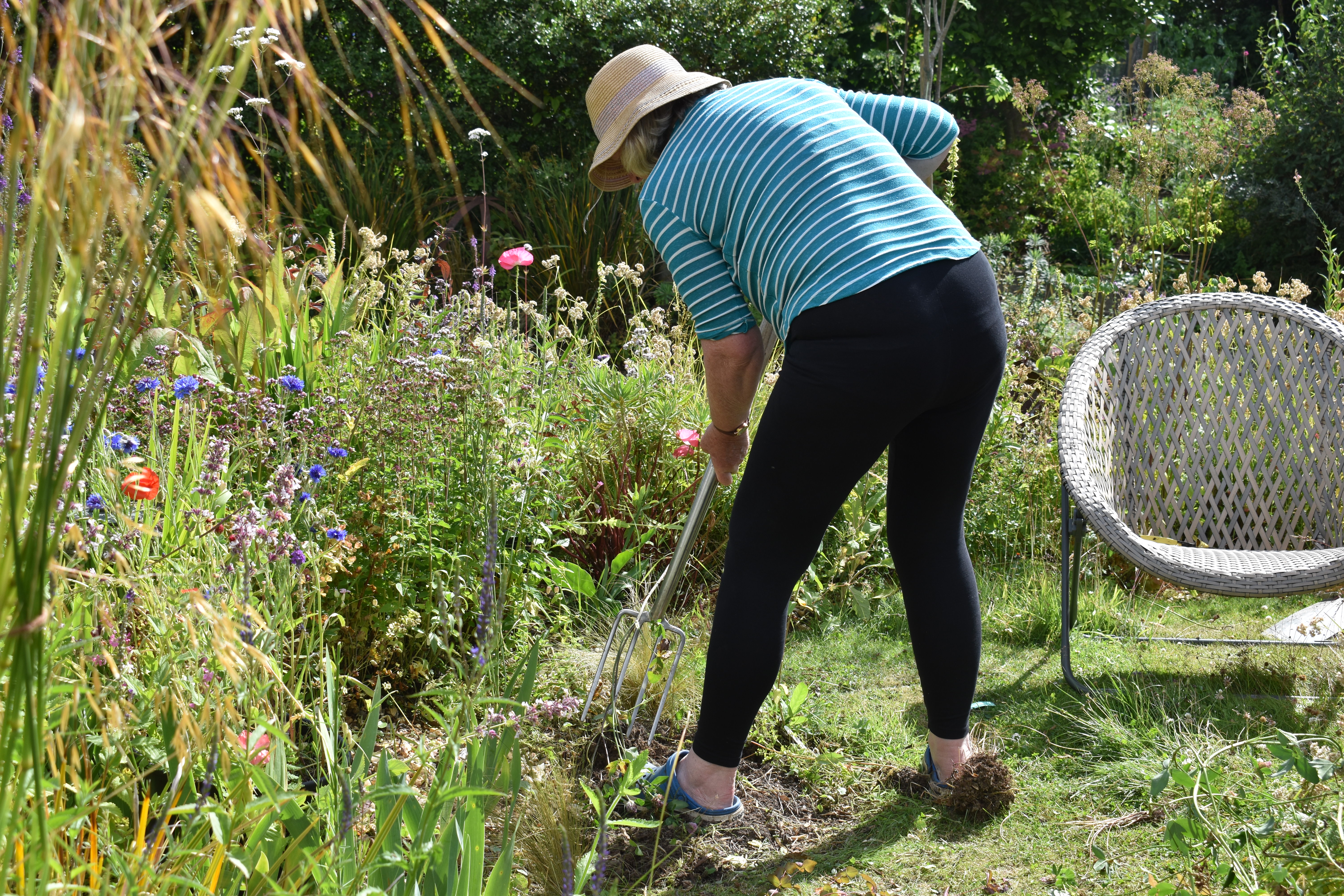
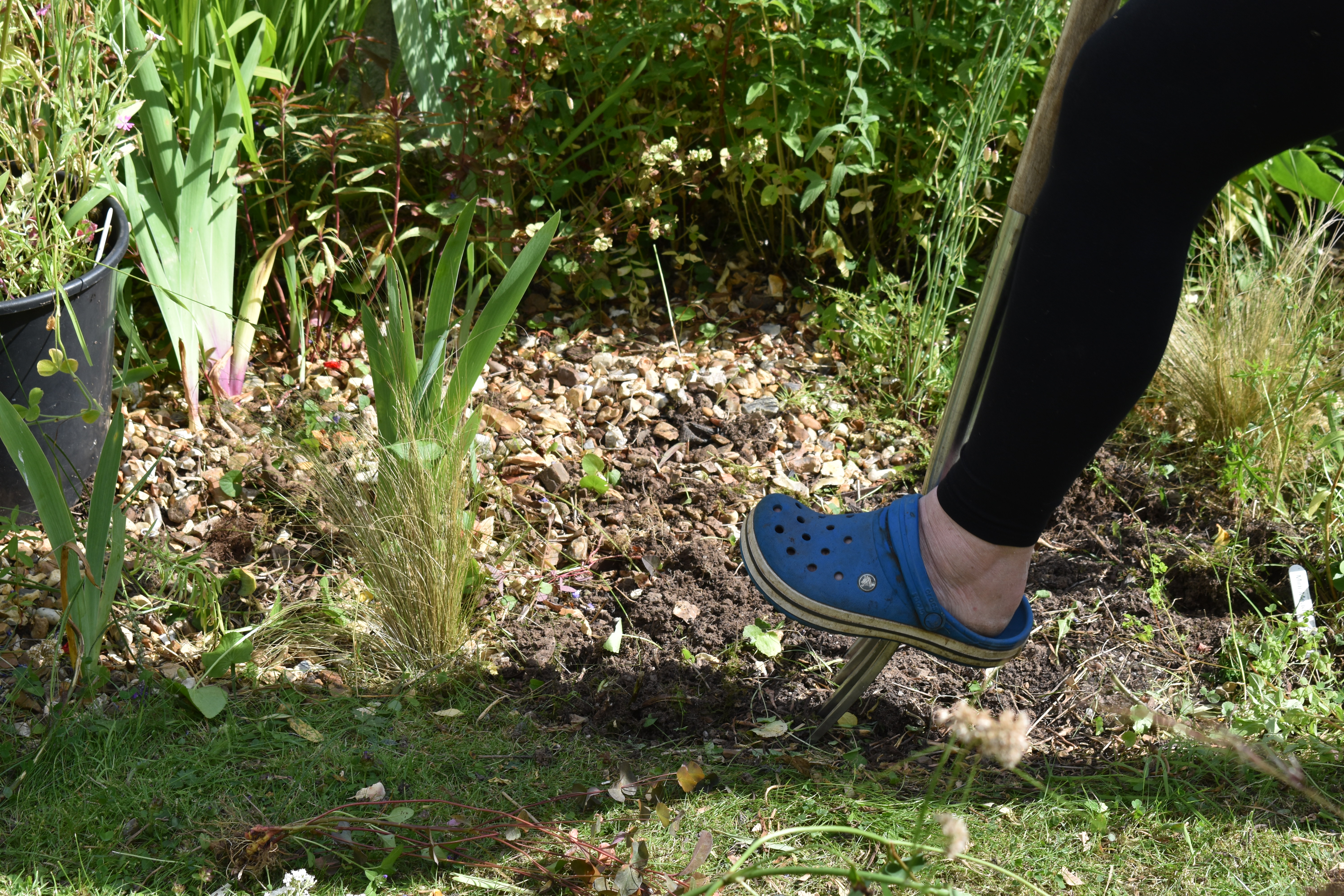
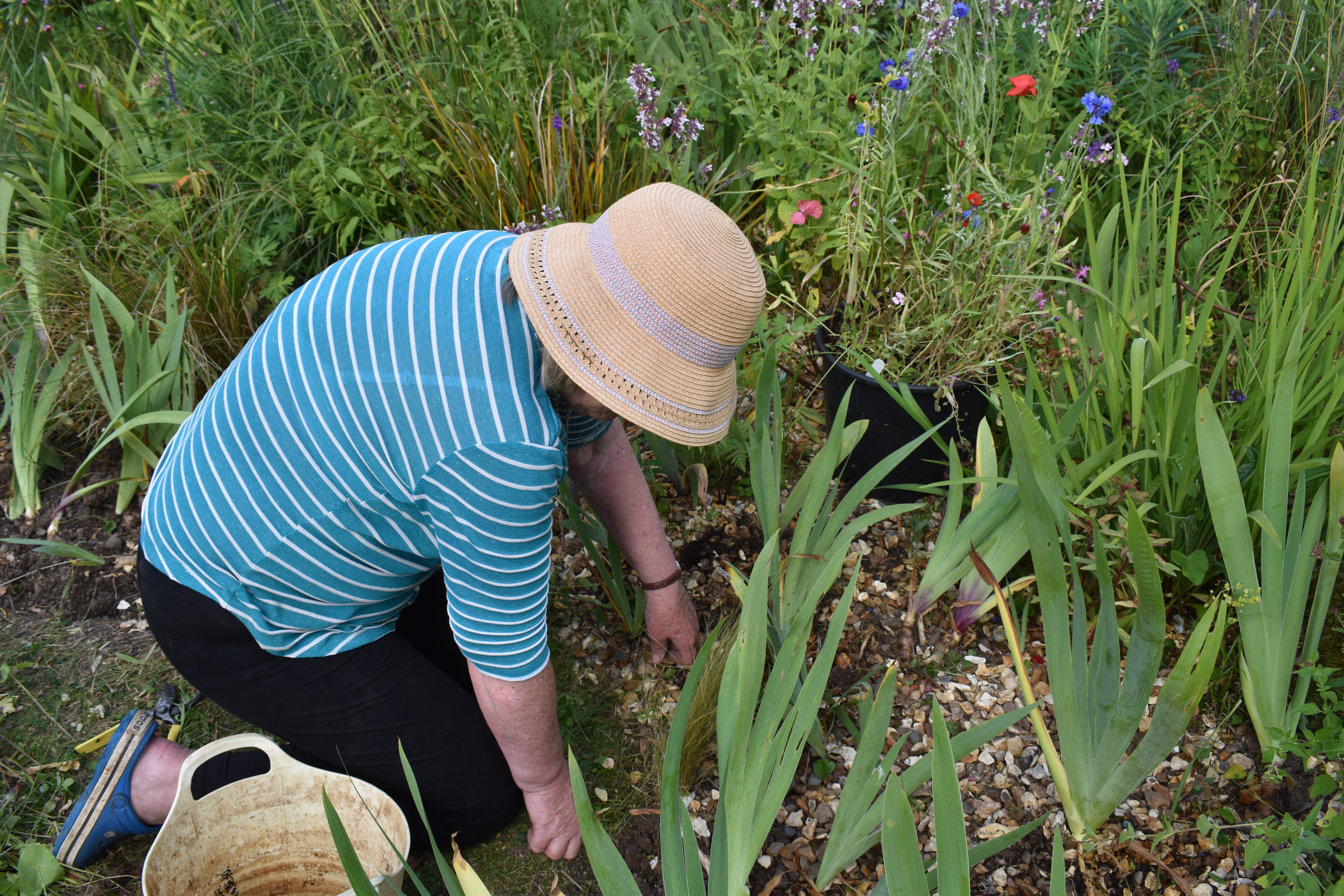
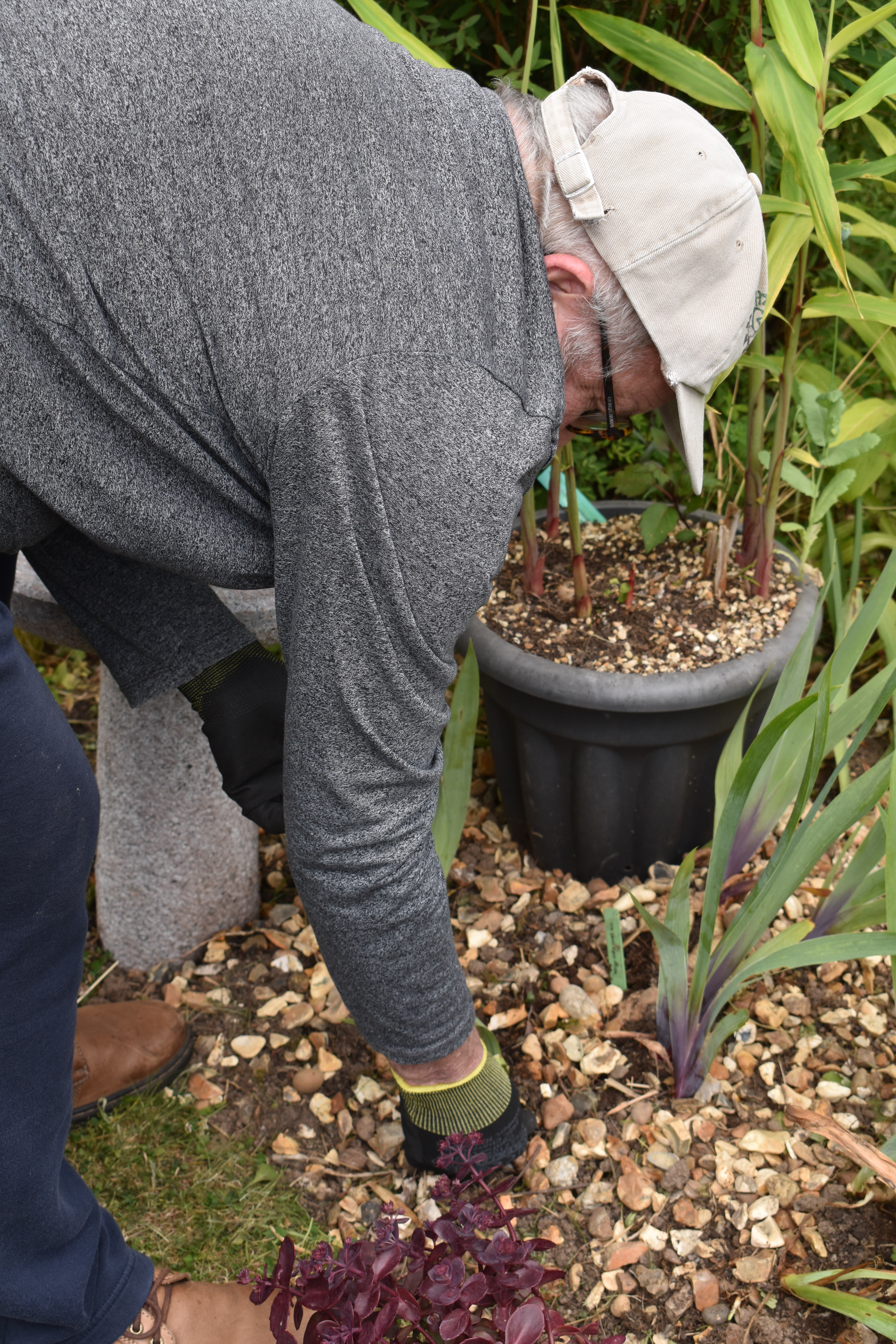
Below are photos of us being busy in the garden.
We then move on to a few pages of flowering plants beginning with irises. We seem to have so many in bloom but you can’t have too many.
Over the page from the irises I shared a sketch I did using ink colouring pencils of a Sanguisorba called ‘Martin’s Mulberry’.
Before looking at more flowering plants we looked at the greenhouse, where I wrote, “In May we harden off our succulents, salvias and bulb type plants such as gingers, cannas and dahlias, leaving us space for a new display. Seedlings and cuttings fill the propagating section.”
More flowering plants appear over the page this time featuring flowers of plants in our greenhouse, our colourful collection of begonias and pelargoniums.
And so onto the final page of my entries into my garden journal 2022 for May and we feature aquilegias. I wrote, “Aquilegias self-seed freely around the garden and we look forward to new surprises every year. Just a few are species but most are random crosses.”
Next visit to look at my garden journal will be marking the middle of the year as I look at our garden in June.
I think this is the first time we have visited two NGS gardens on the same weekend. On the Saturday we visited the Albrighton Trust Moat and Gardens, a community garden built around a C13 fortified manor house and moat [the house has disappeared but the moat remains]. We have never visited it before even though it is quite close but dates of opening have never worked out for us before.
Bloss0m and spring bulbs are always so welcoming and cheering.
After our usual coffee and cake we wandered around the moat and found a pool and bog garden in the process of renovation, with a wonderfully coloured acer alongside. We stopped now and again to admire massed planting of muscari, fritillaries, hellebores and narcissi and patches of primulas.
At the moment there is little to be seen of the pond and bog garden because of the renovations but the wonderful acer with its riot of spring foliage gave us plenty to see in this area of the garden.
As we explored the rest of the garden we came across some interesting vistas, little cameos and sculpture.
So now to finish here is a short gallery of some of the plants which caught my eye. We hope you enjoyed this visit to Albrighton Moat.My next post will be all about our visit to the second NGS garden we enjoyed the same weekend.
'The most important and informative publication on wildlife of our times' - The Independent. This blog is a member of The UK & Ireland Natural History Bloggers group: www.uknhb.blogspot.com