Christmas Greetings to everyone who reads my musings from my Green Bench.
Three pictures of our December garden for you to enjoy.

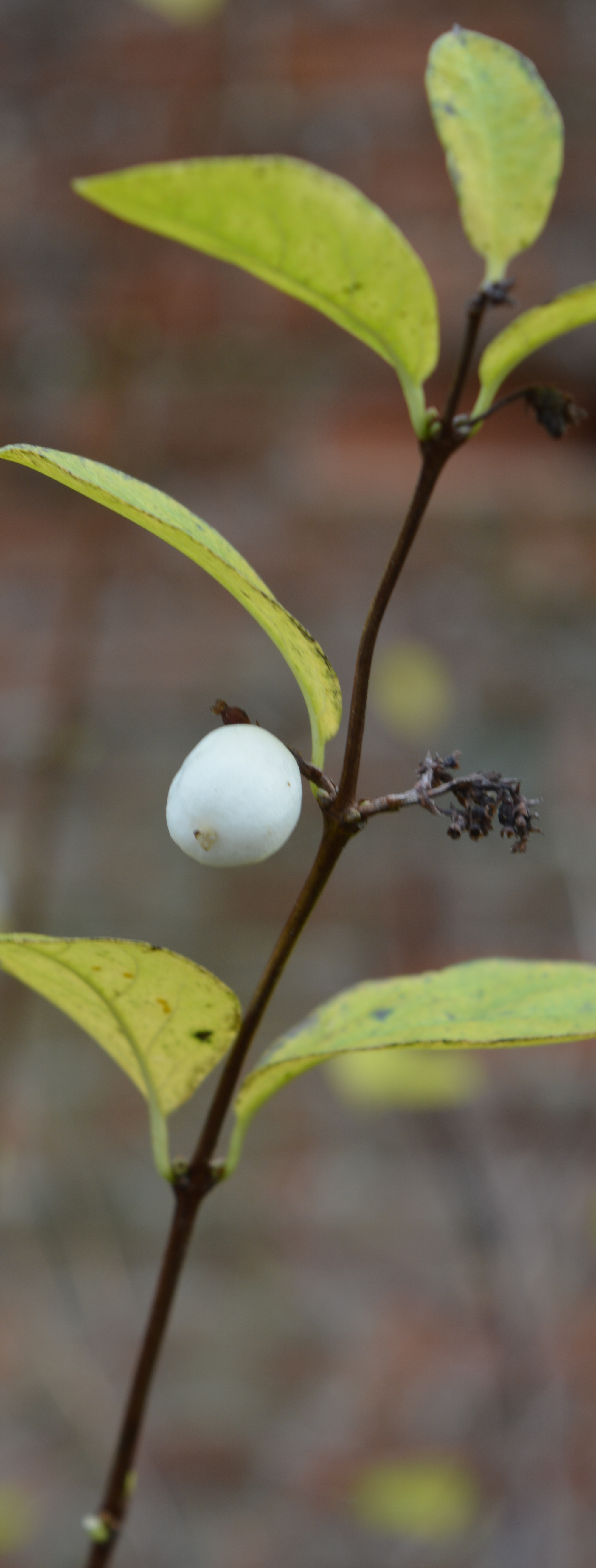
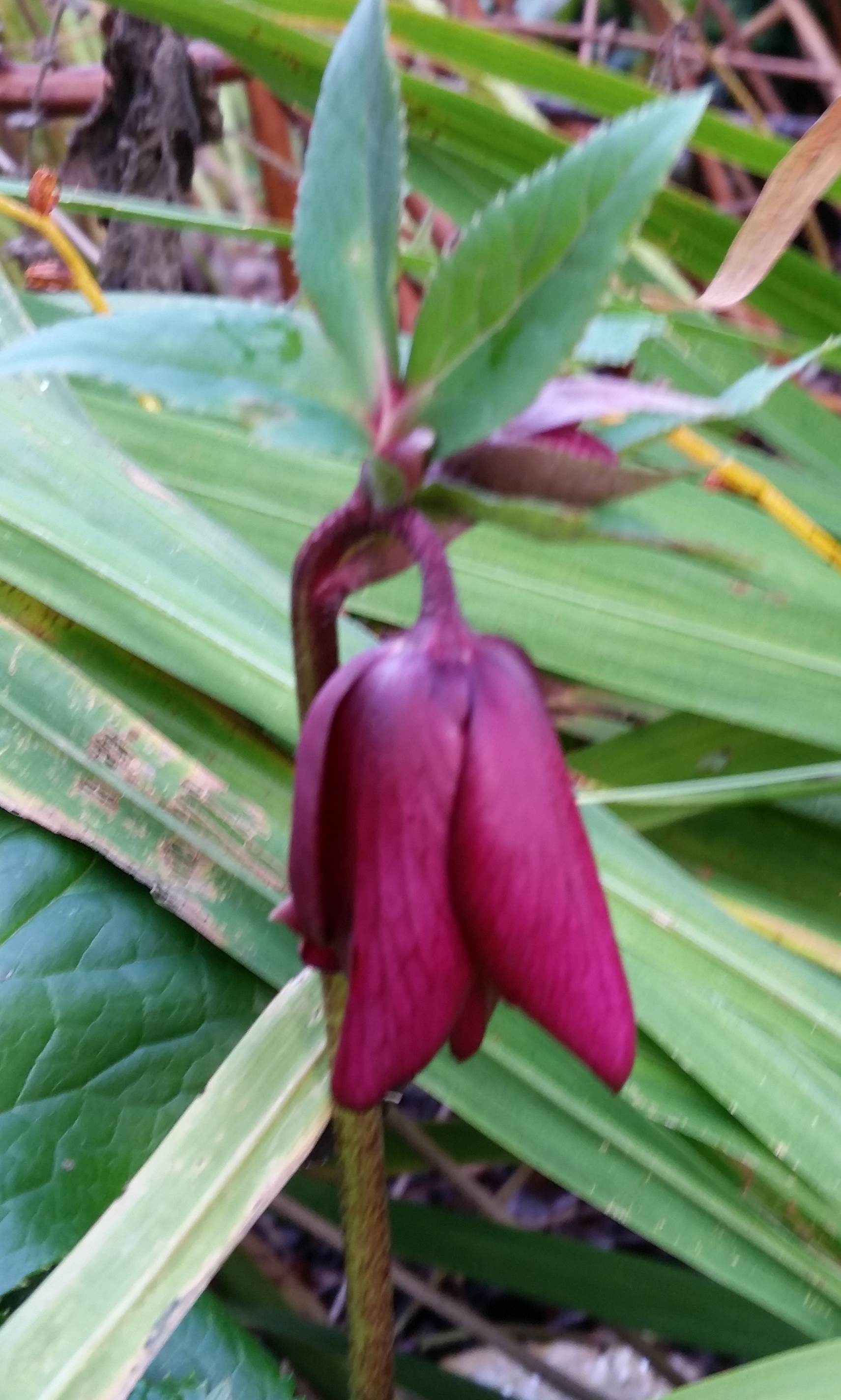
Christmas Greetings to everyone who reads my musings from my Green Bench.
Three pictures of our December garden for you to enjoy.
On a fine day in late August we traveled down to Farnham, a beautiful Surrey market town, to share in celebrating my brother Graham’s 60th birthday. It was a sunny garden party and the garden was suitably dressed in its party decorations. The guests arrived throughout the afternoon and into the evening.

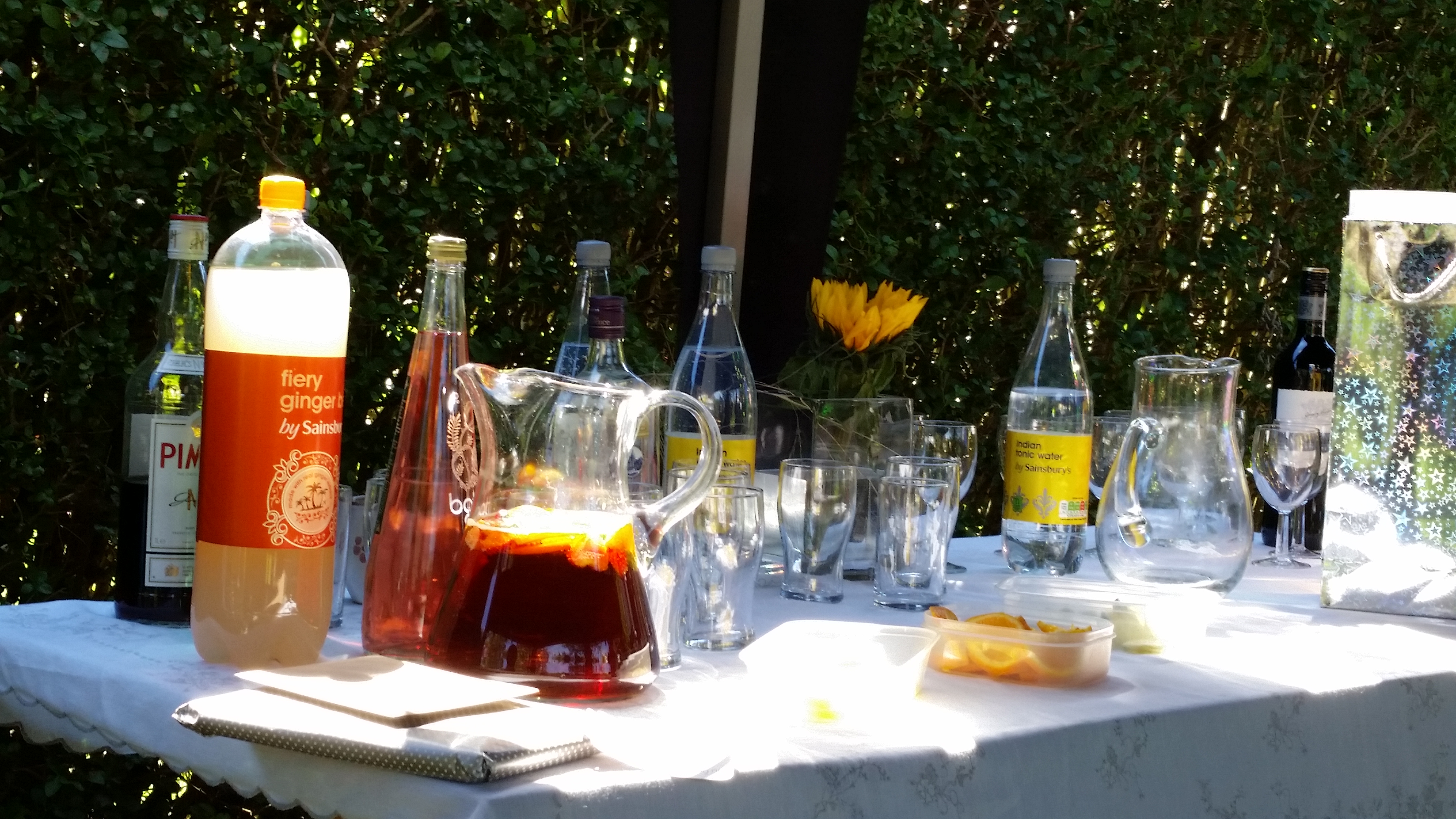

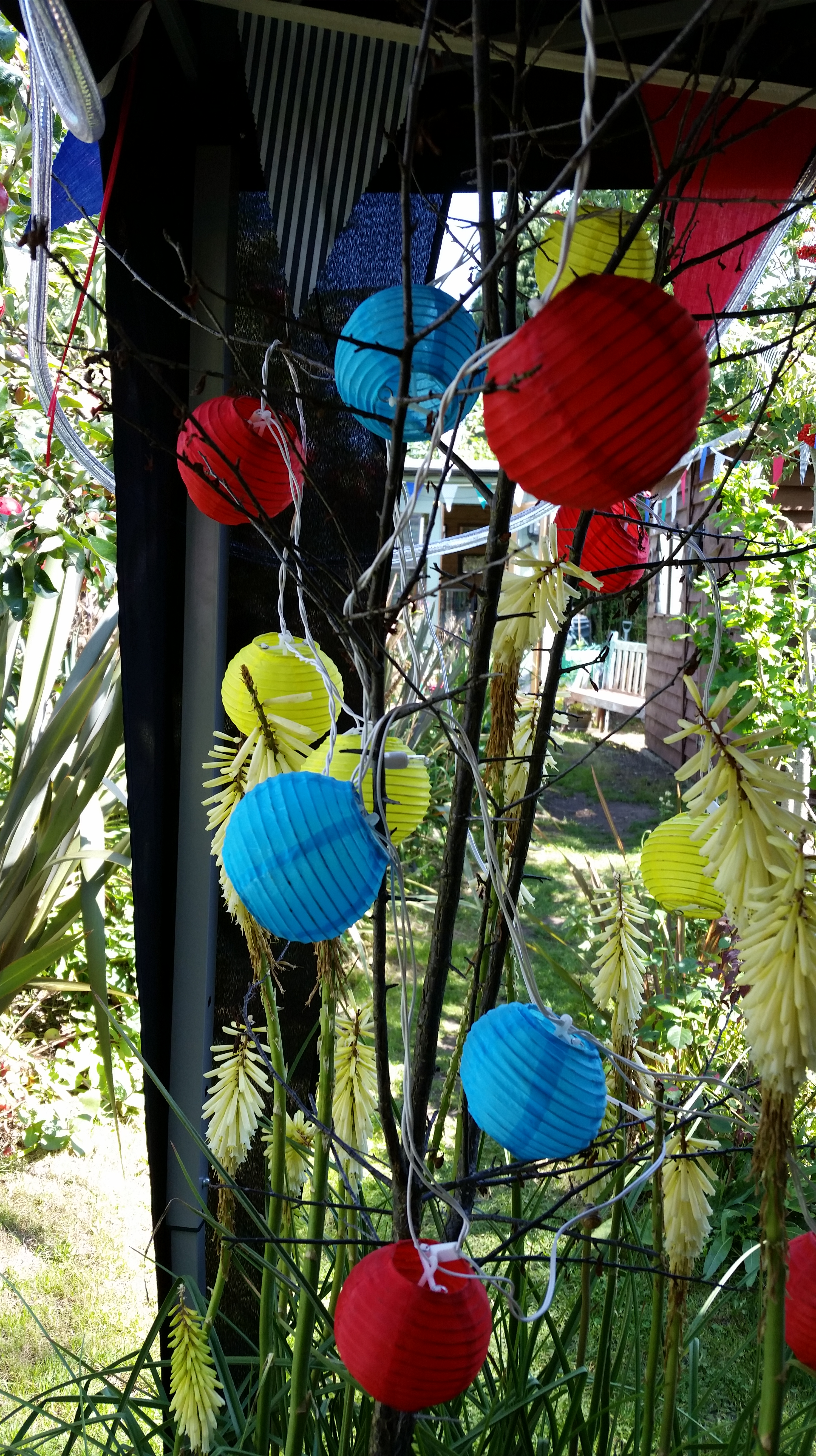
The garden was in full party gear which created a great celebratory atmosphere.

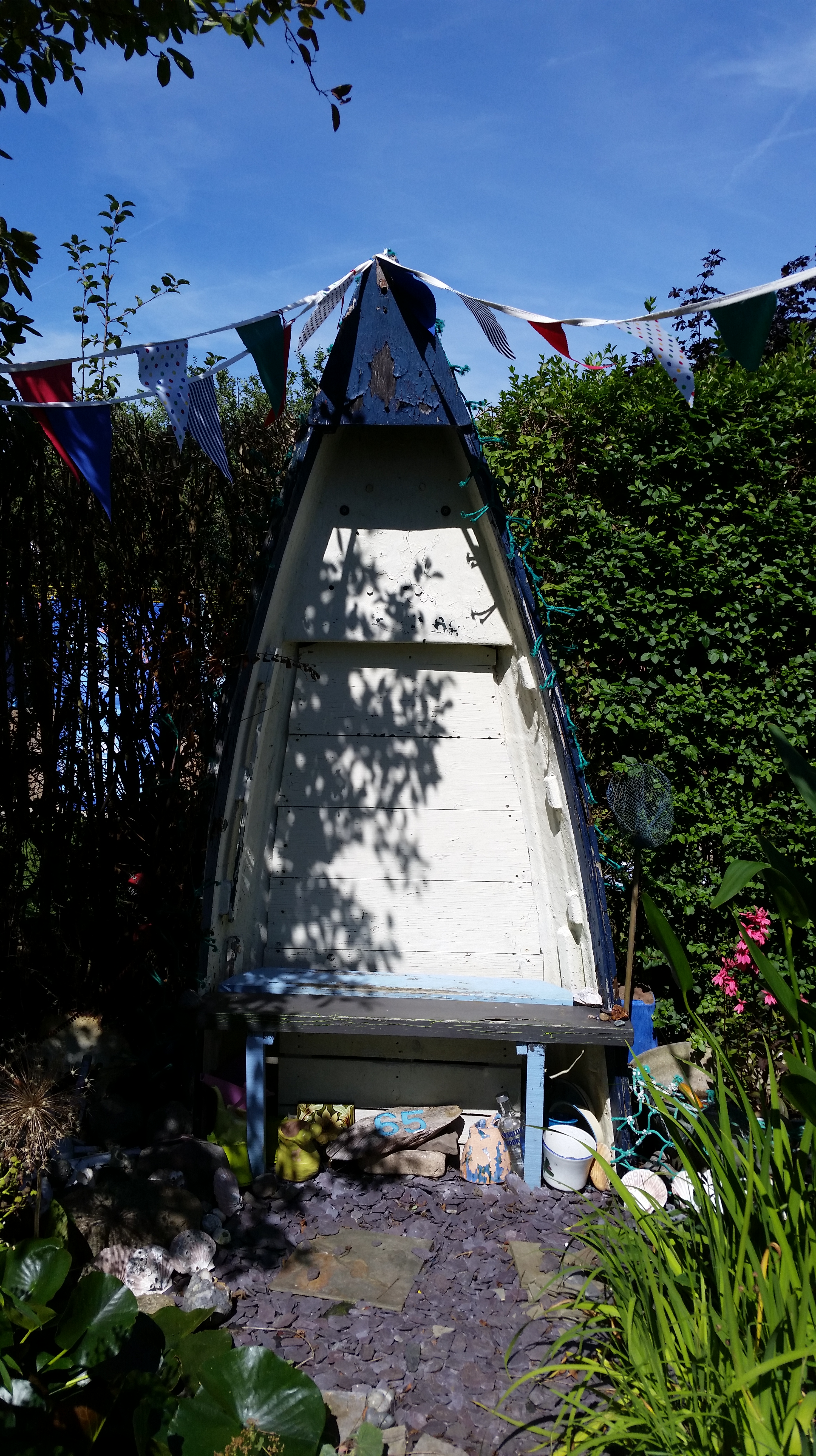

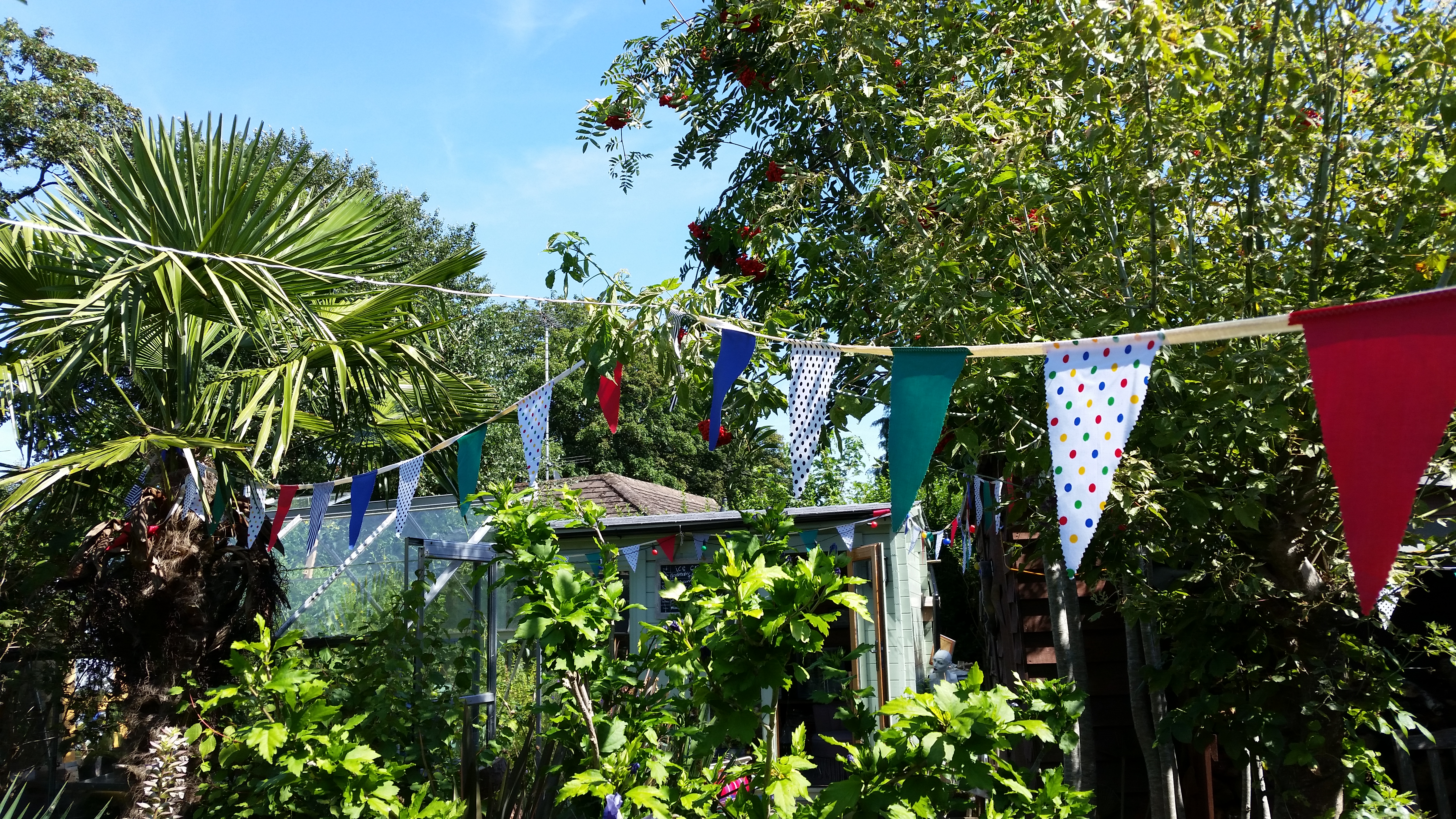


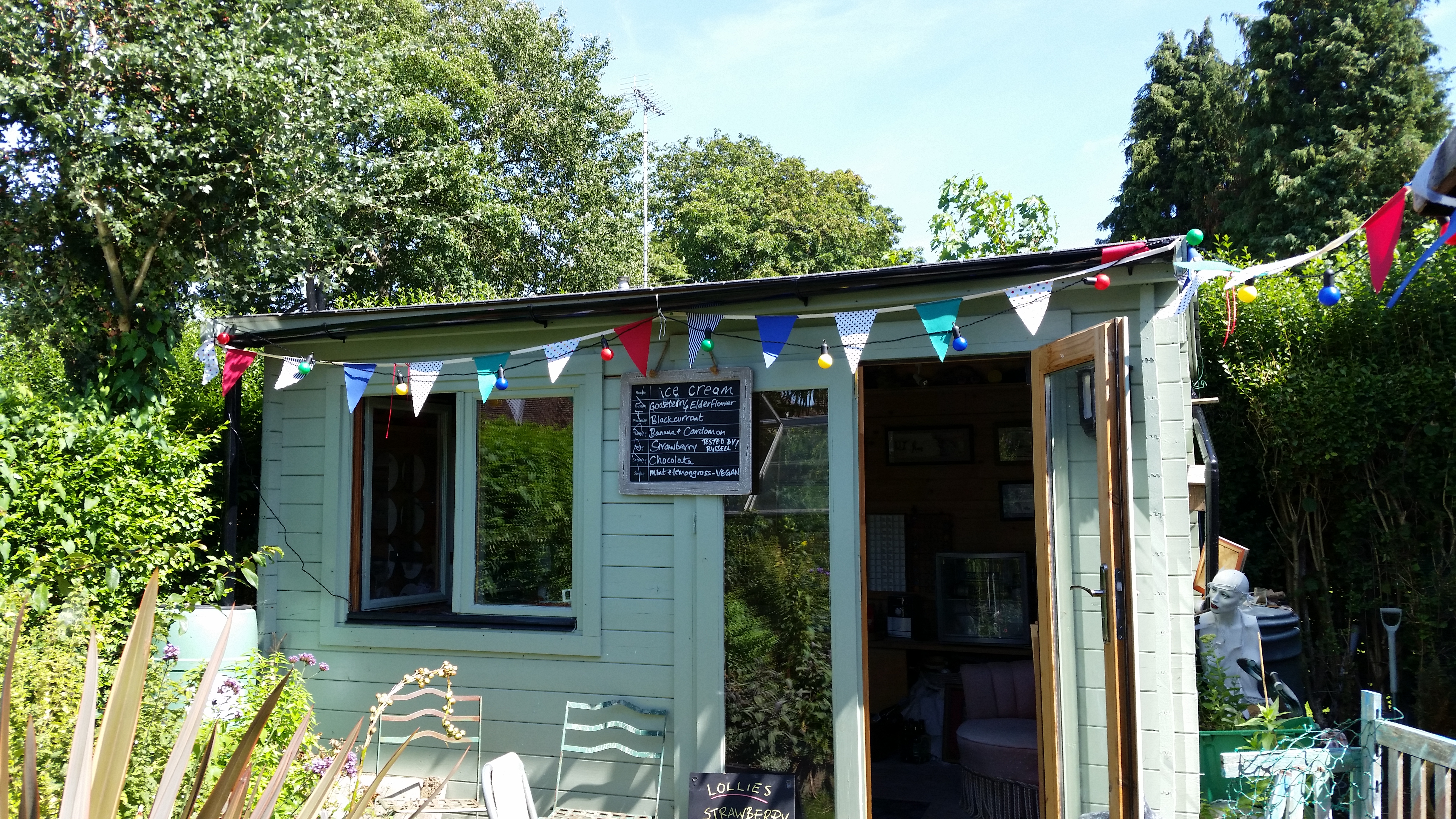
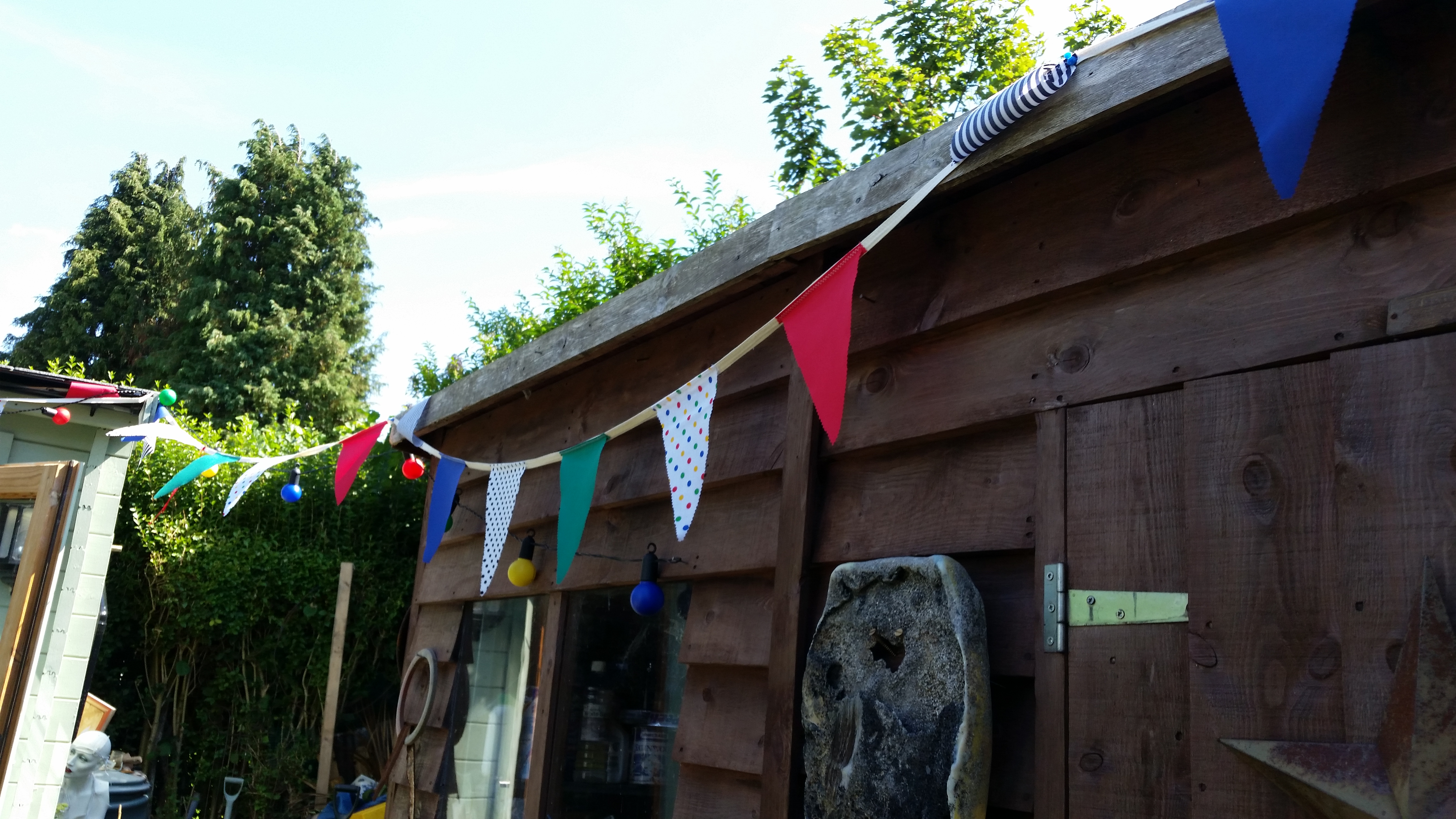


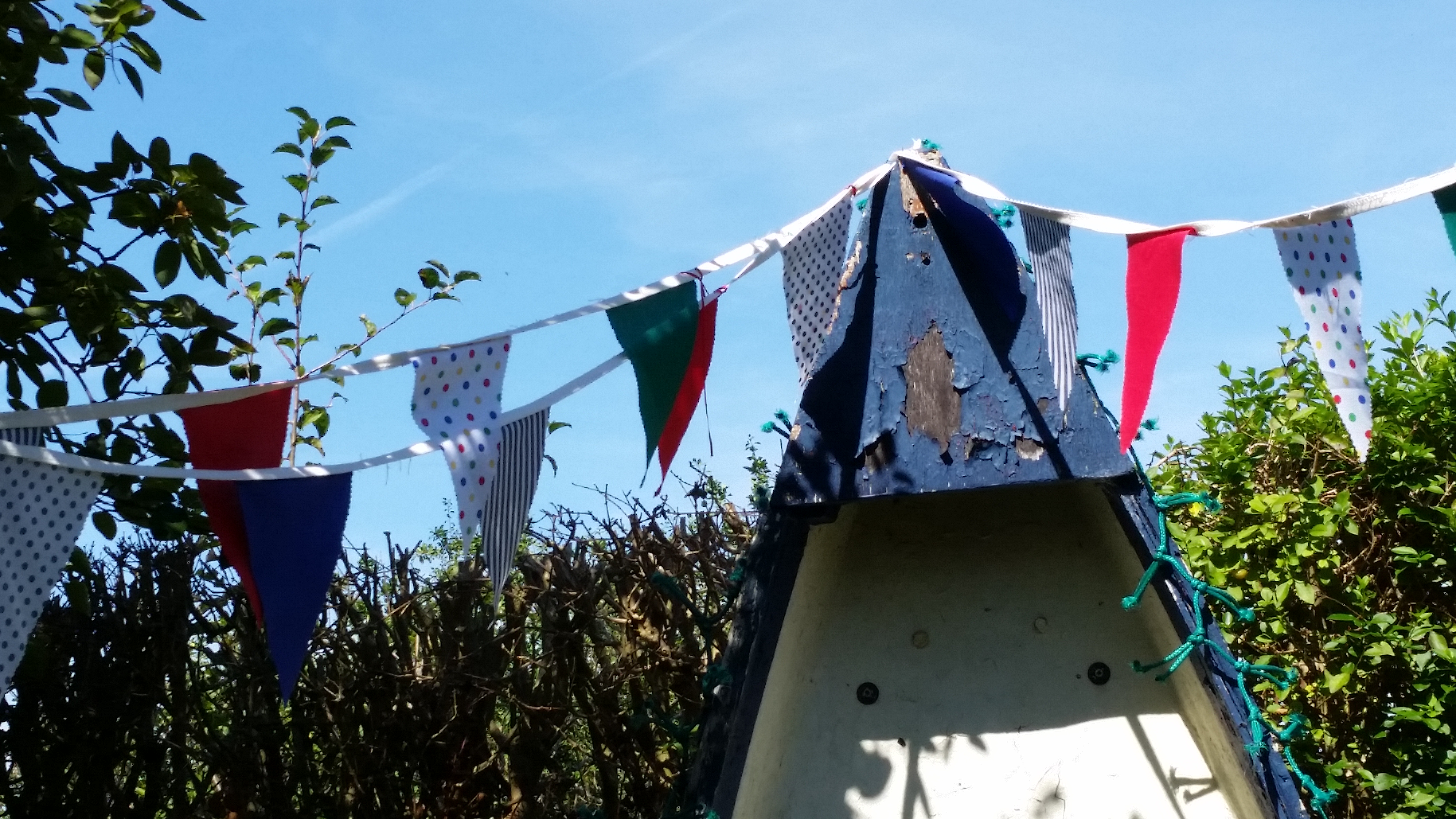
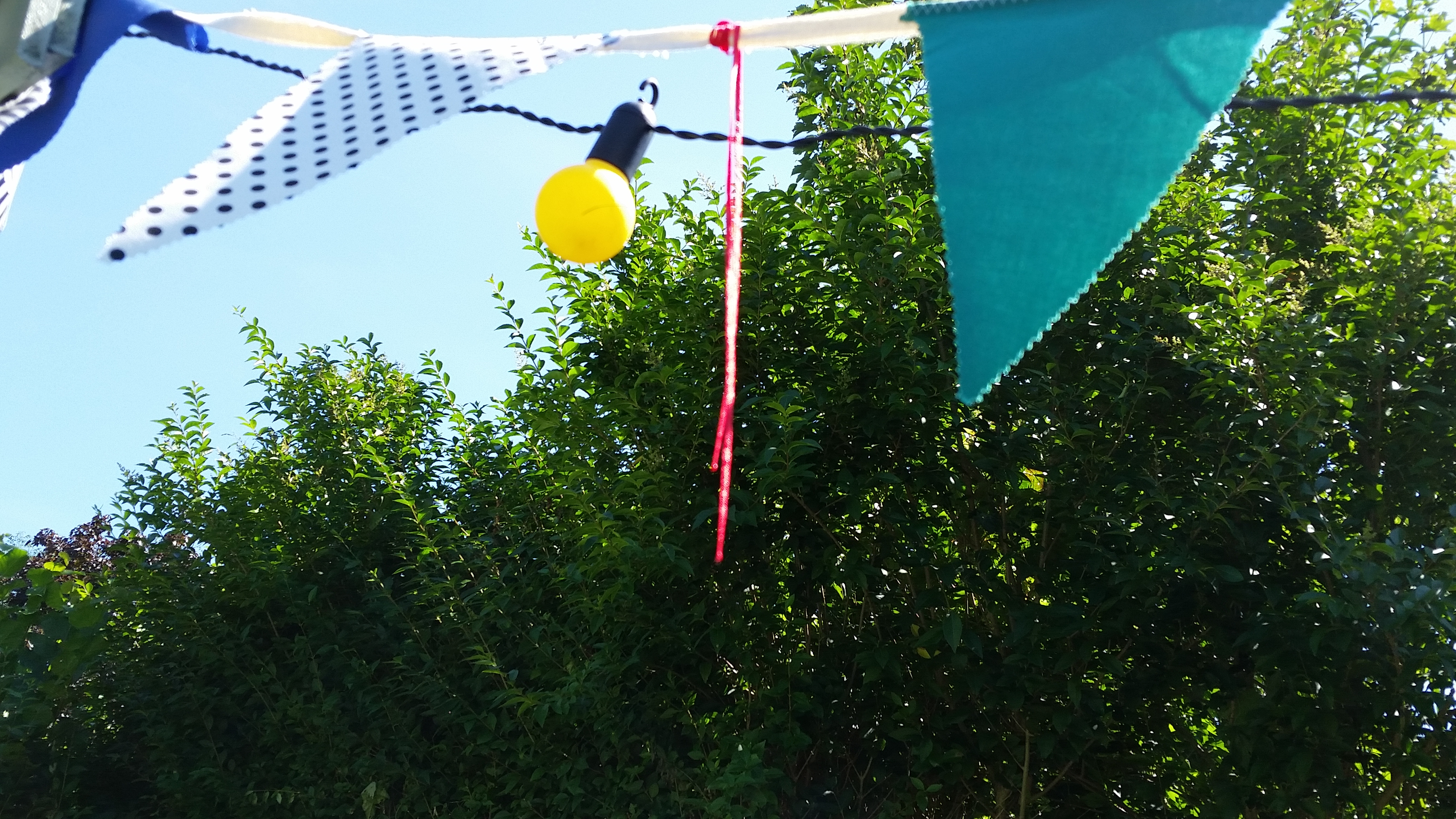
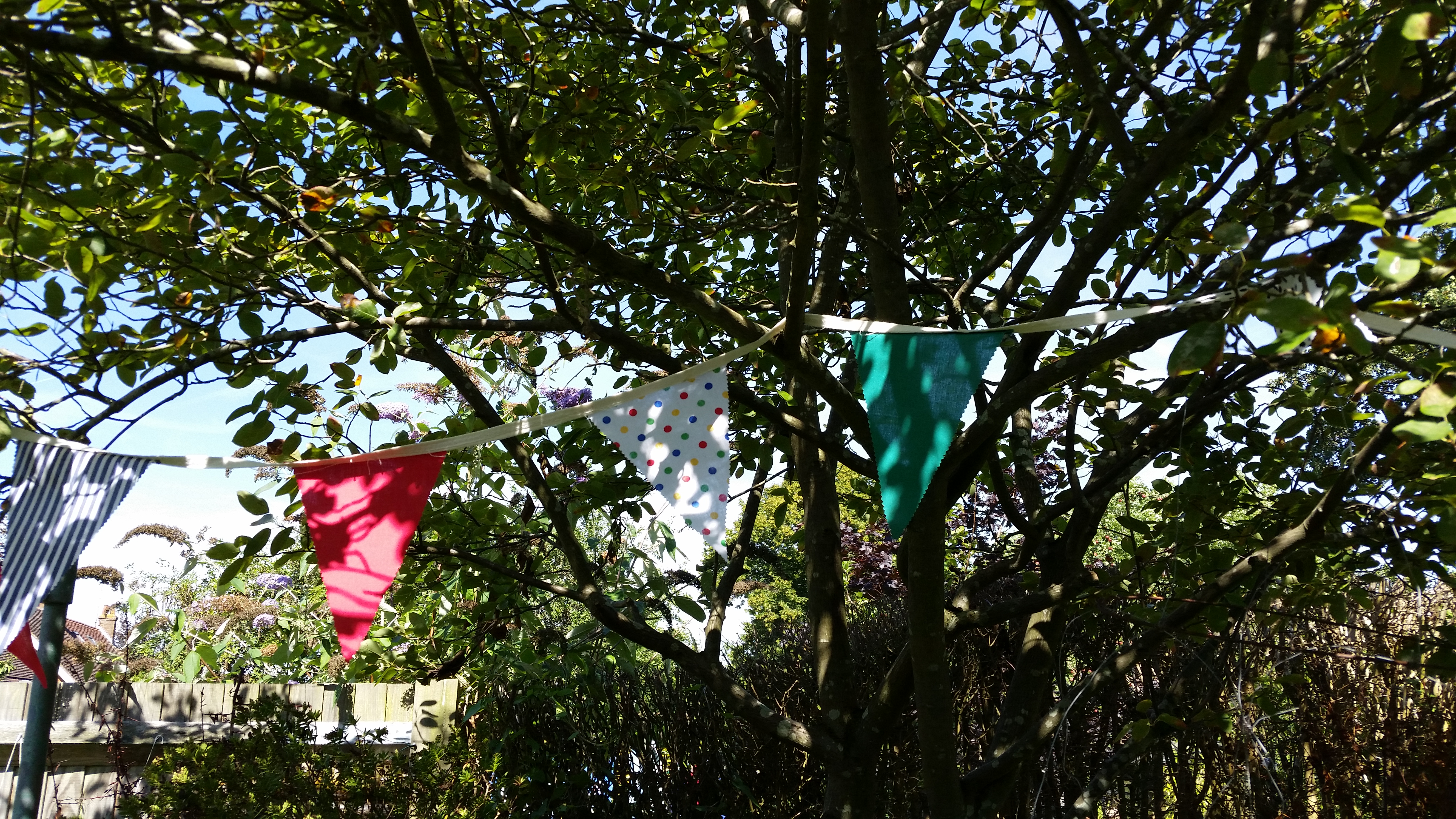



The art studio at the end of the garden was transformed into an ice cream parlour for the day and proved a popular attraction as the day got warmer. Children and adults alike indulged in the home made delights.


The party ended as night took over and guests left exhausted and full of contentment. In the morning the garden looked to be suffering from the “night after” feeling, but soon returned to its beautiful self. It seemed totally unaware that its owner and gardener was one year older than yesterday.
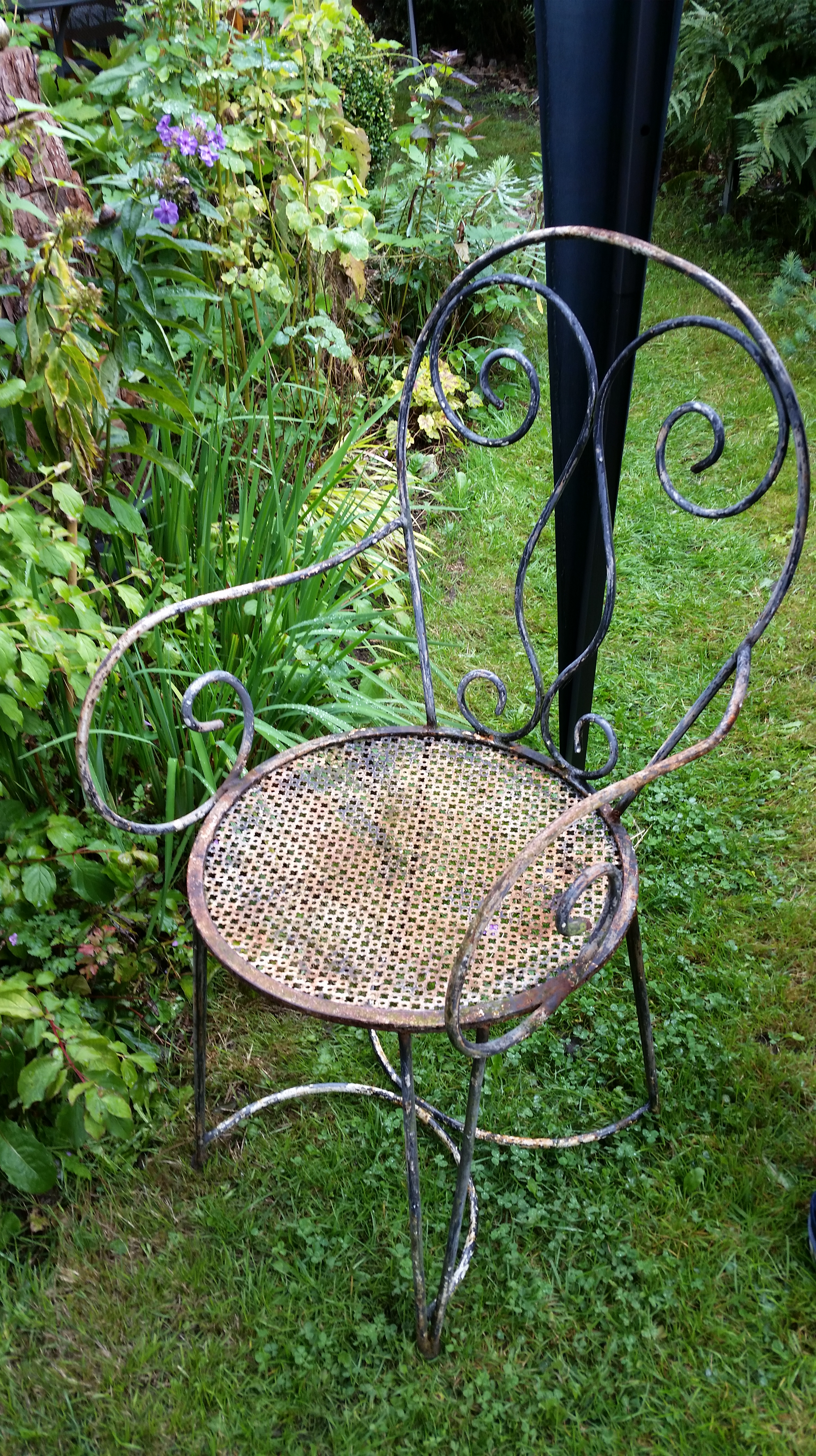

We are back with the 8th monthly post about Croft Castle. It was a dull, overcast day when we made our August visit to Croft Castle, one of the National trust’s properties in the beautiful county of Herefordshire, where we looked at the gardens surrounding the castle.
On each visit we look for changes and the first thing we noticed this time was how busy the garden was simply because we had visited on a Bank Holiday so we should have expected it really.
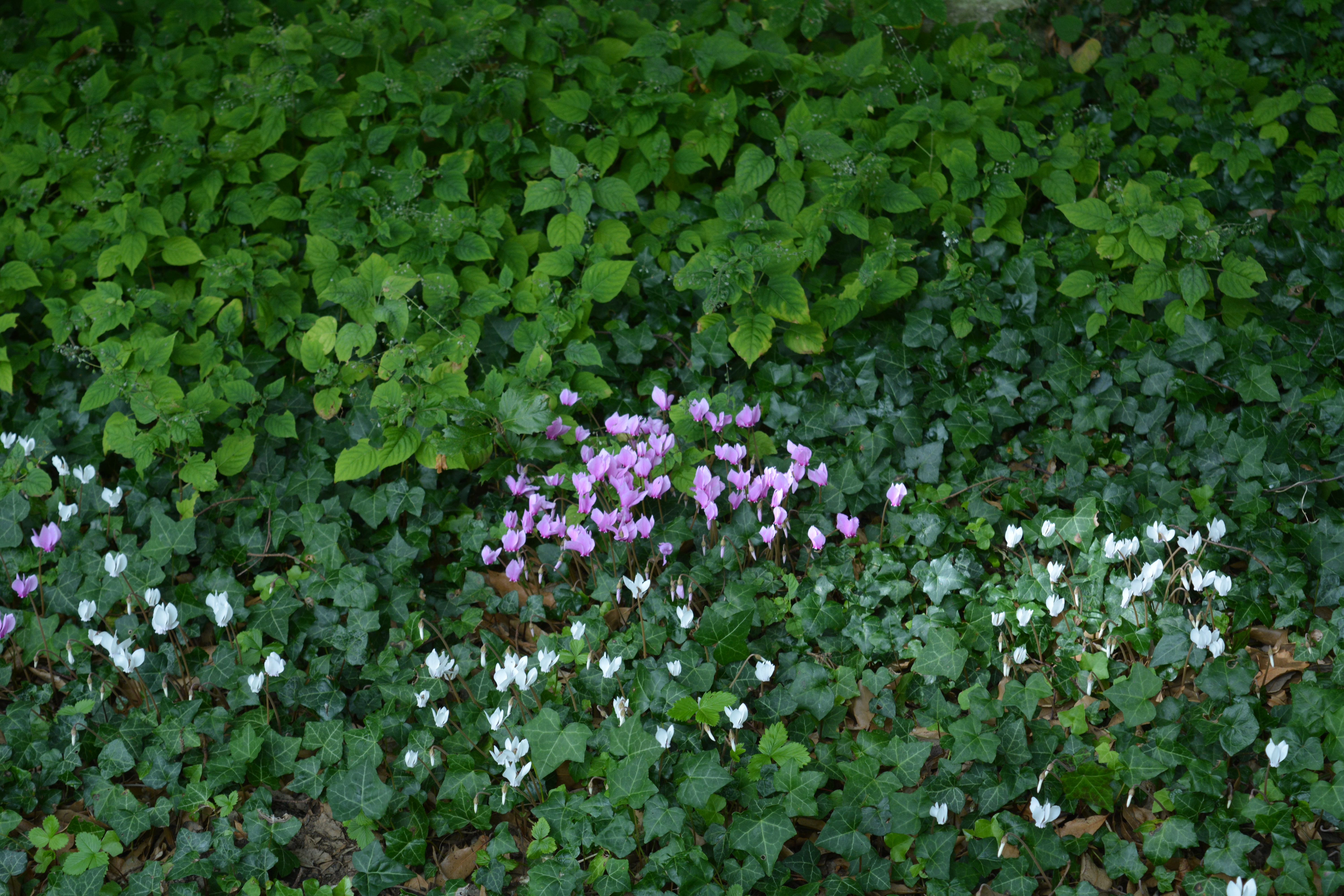
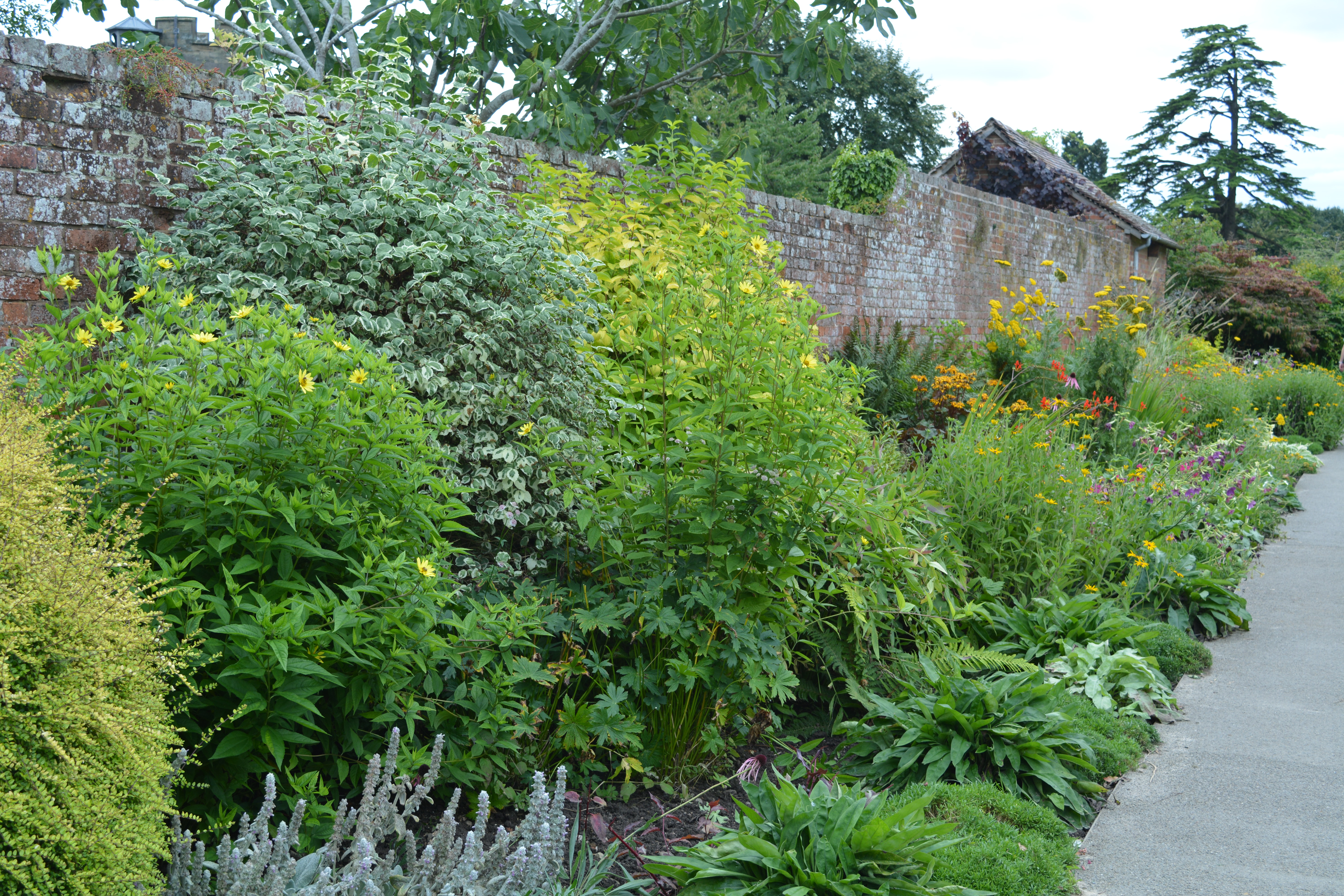
The long mixed border was as colourful as always and the stars of August were the Japanese Anemones. They were ably assisted by a pink flowered Rubus, Asters, Rudbeckias and a groundcovering of autumn Cyclamen.



When we entered the walled garden we noticed that there was less colour then in July so we knew we would be looking for individual plants rather than the big effect.

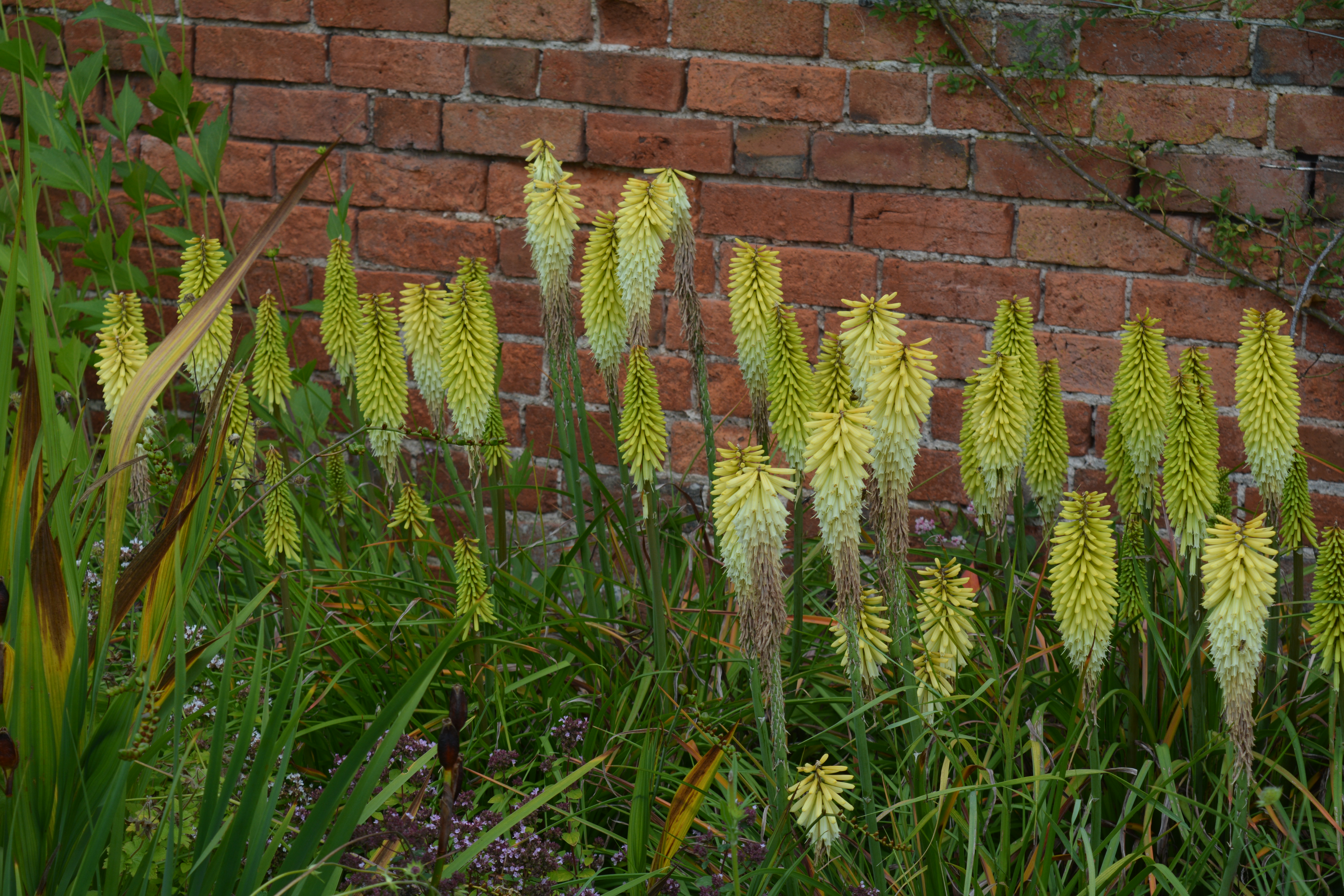
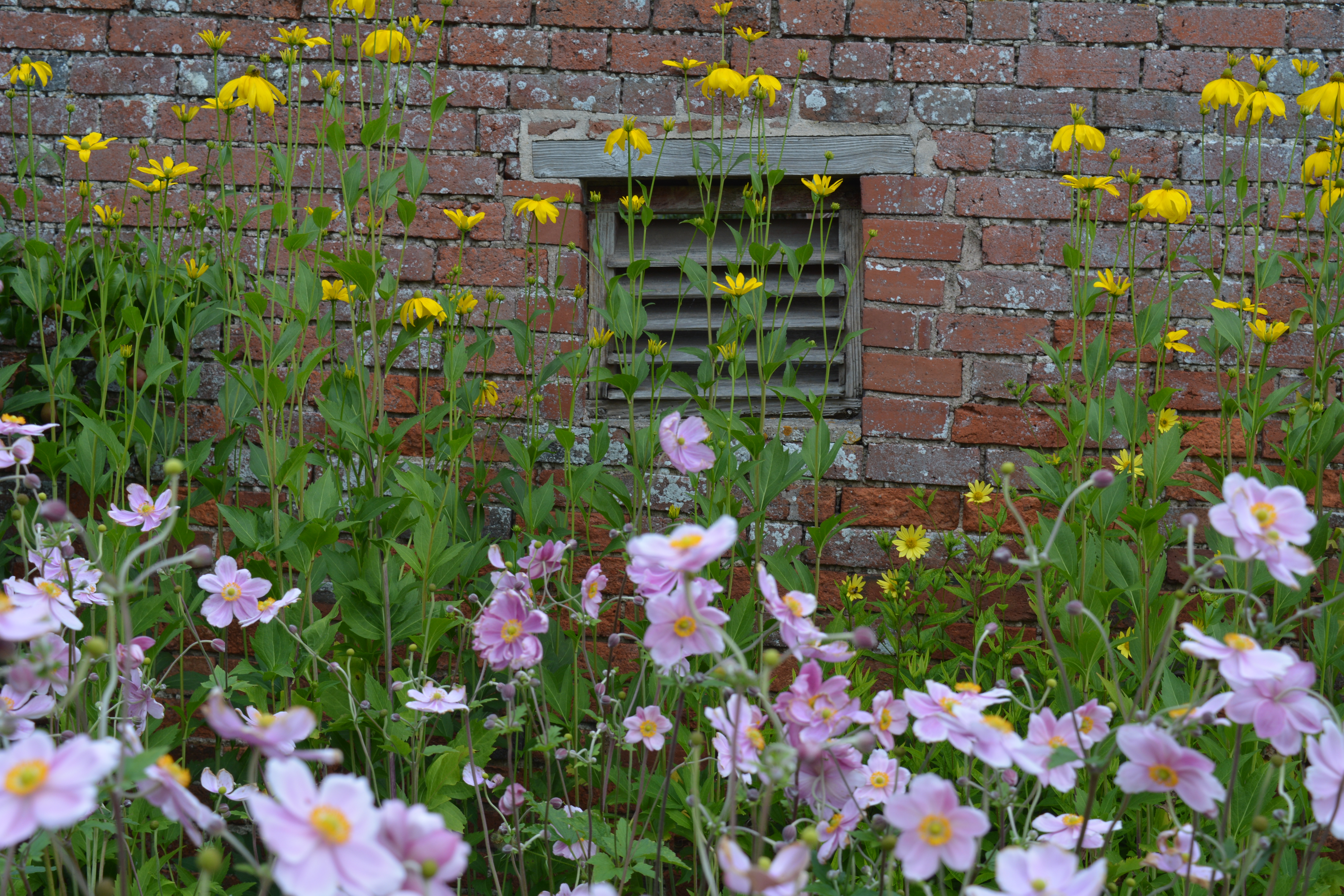
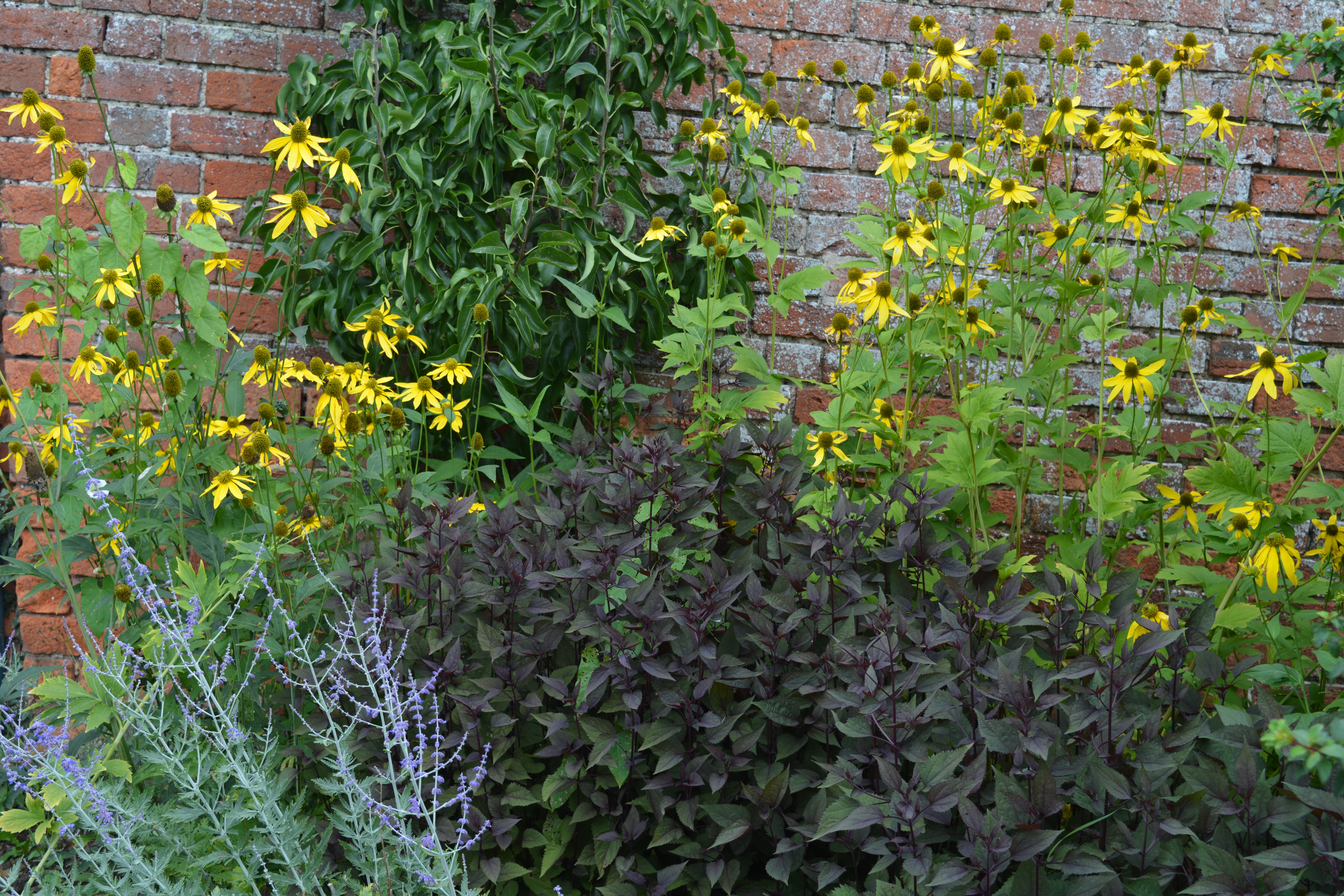
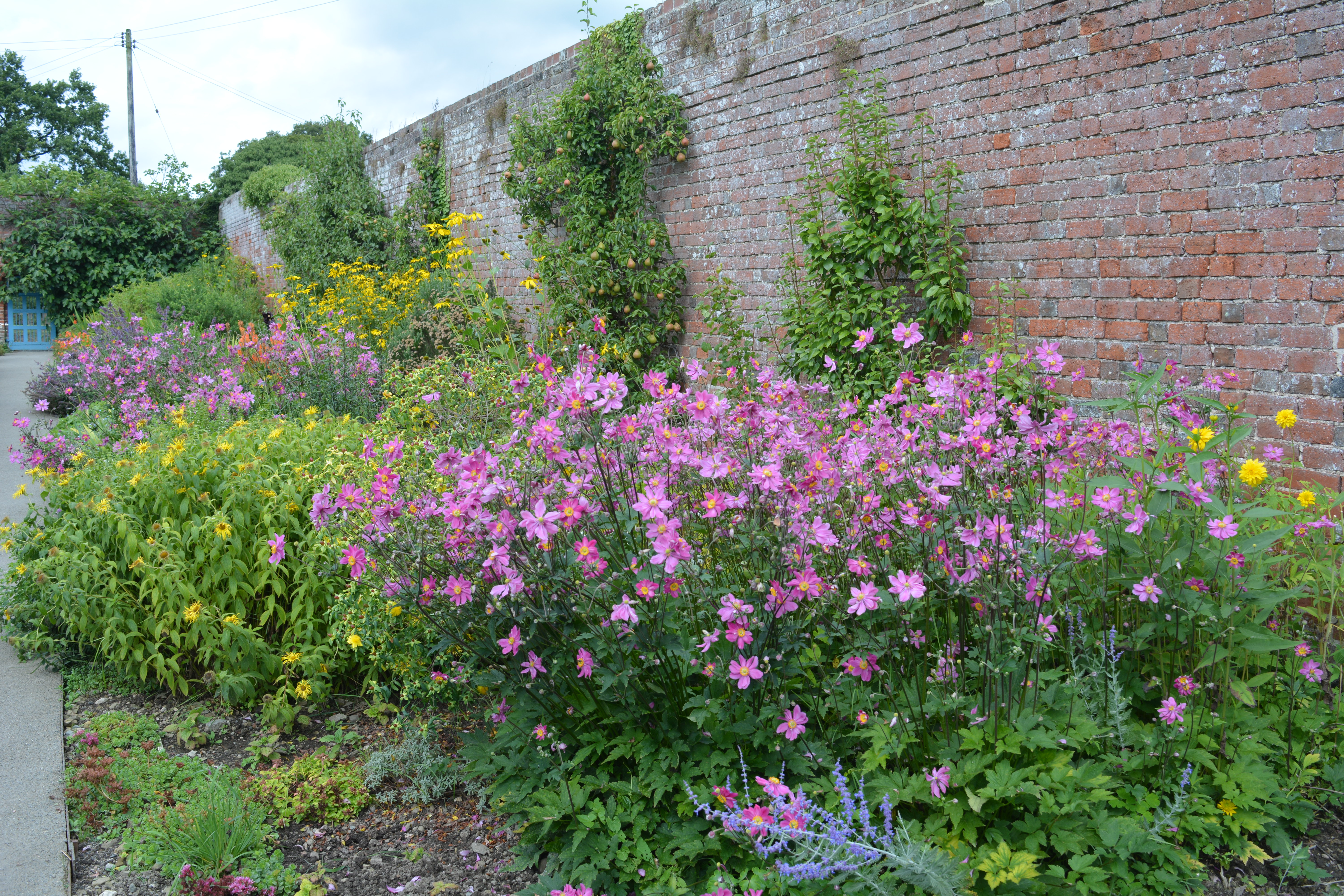
The grapes in the little vineyard were beginning to swell but they are late to develop so the gardeners need a long Indian Summer if they are to get a good crop.

One border which was good, 50 yards long and about 10 feet deep, had been planted out with plants raised entirely from seeds or cutting to illustrate how little such a colourful border can cost the gardener.
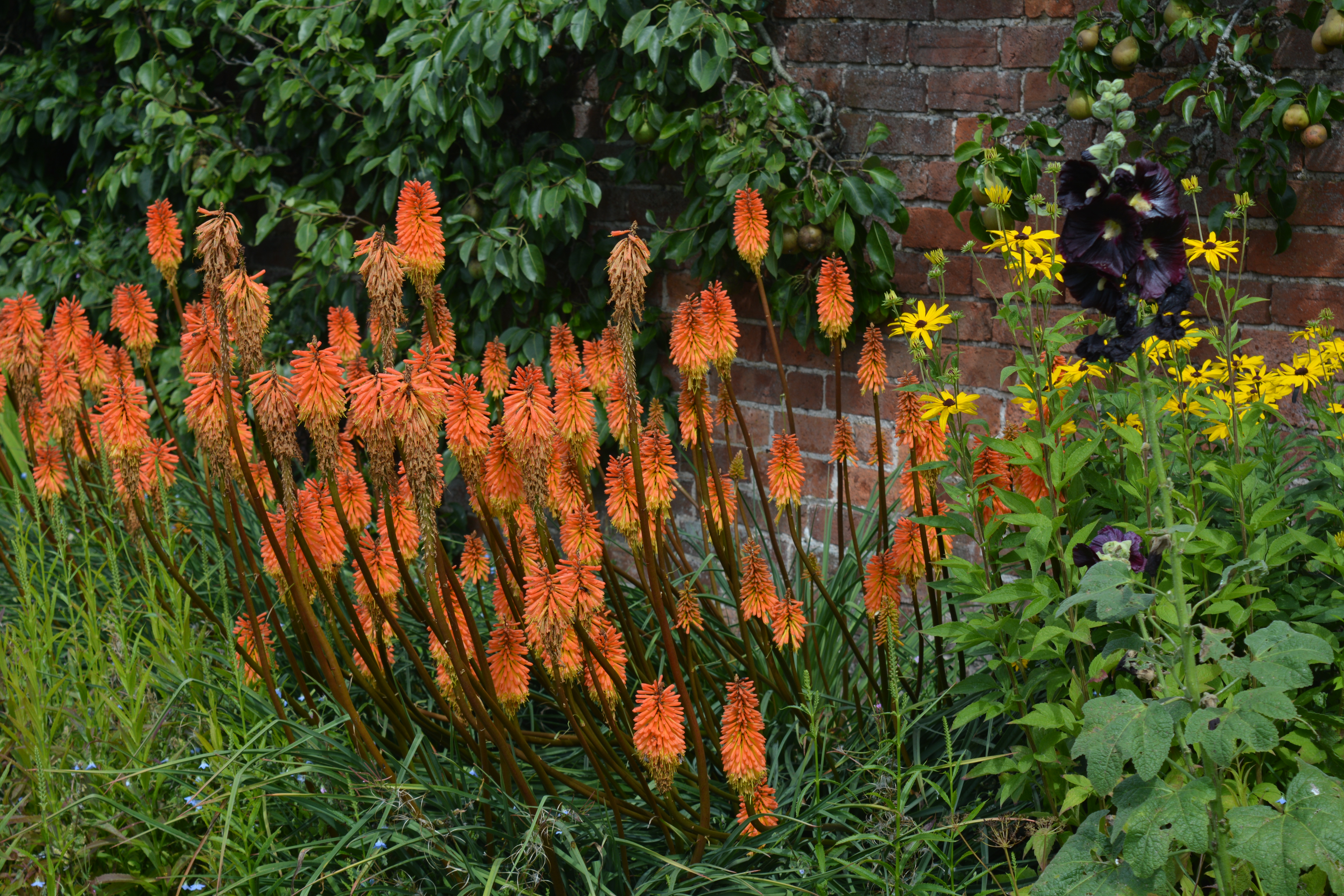

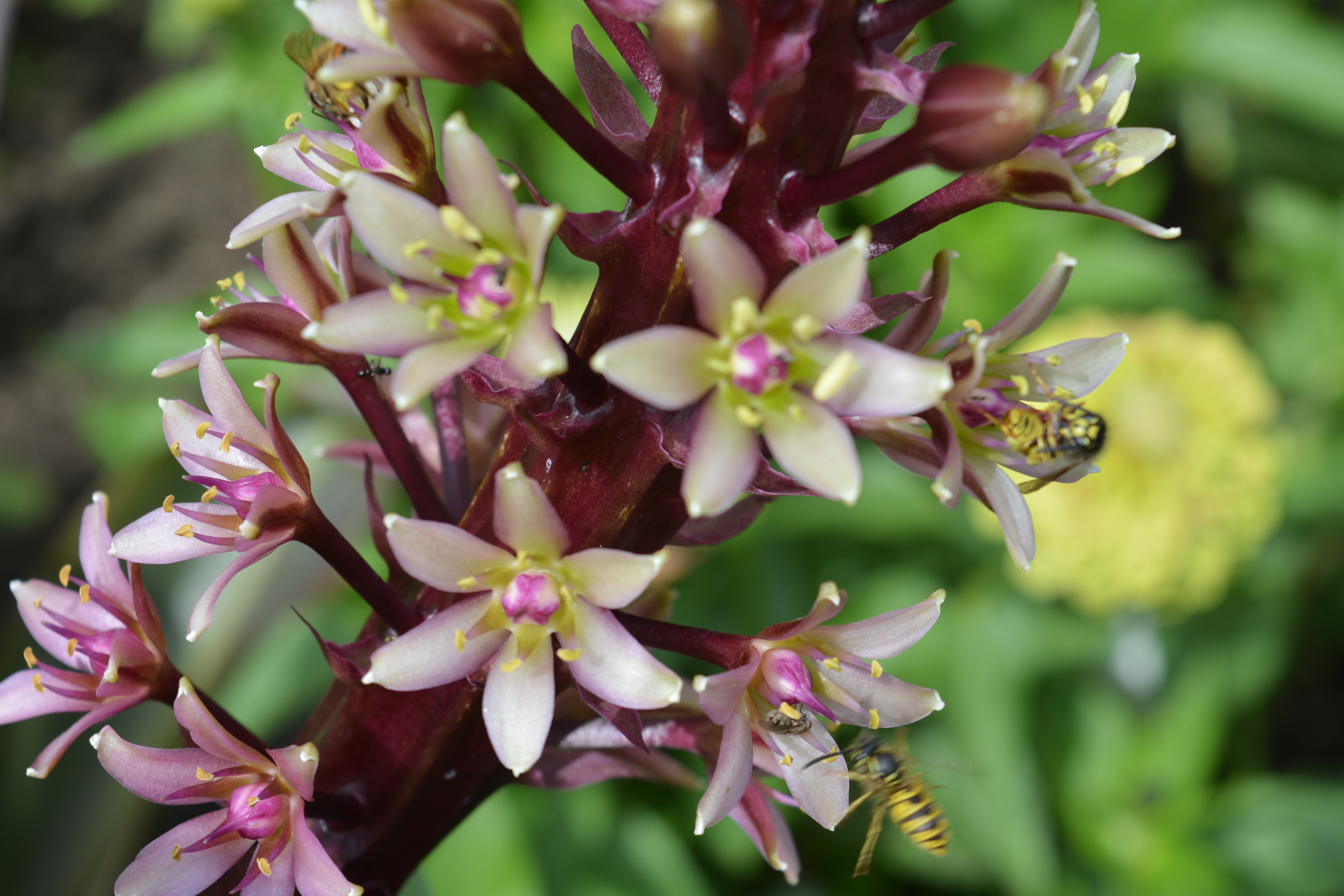
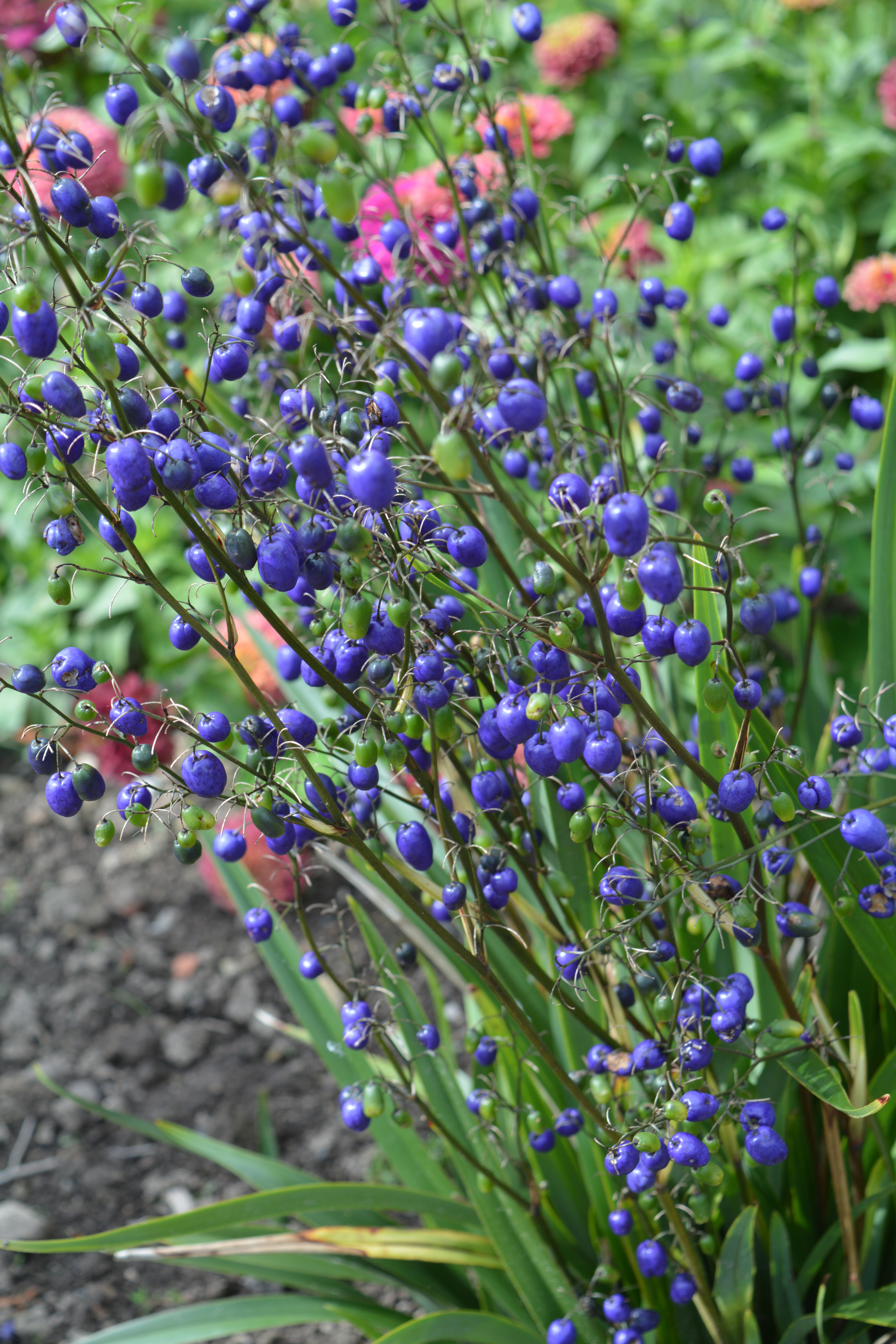


Throughout the rest of the walled garden’s borders we found plenty of interesting plants to stop and enjoy.


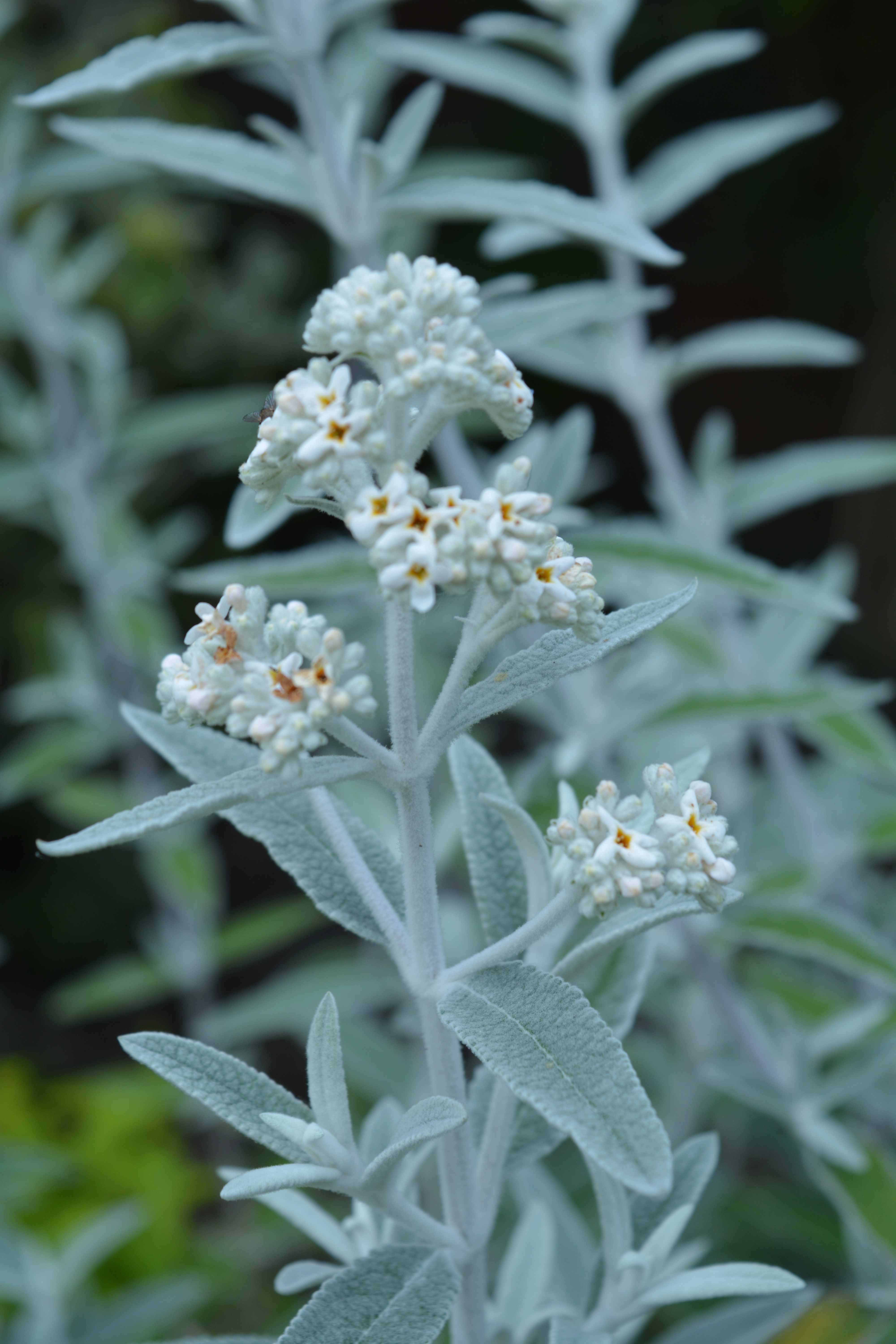

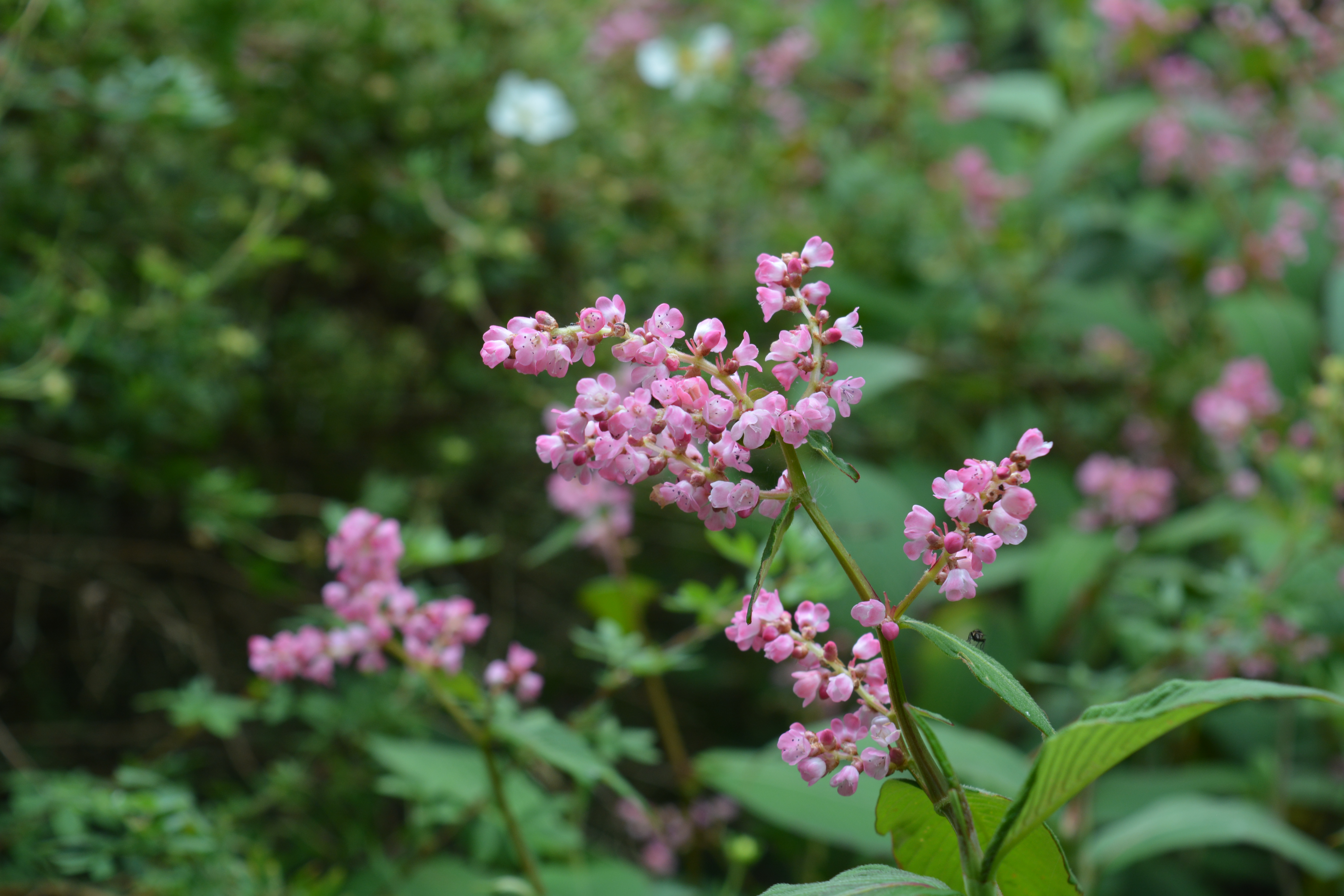

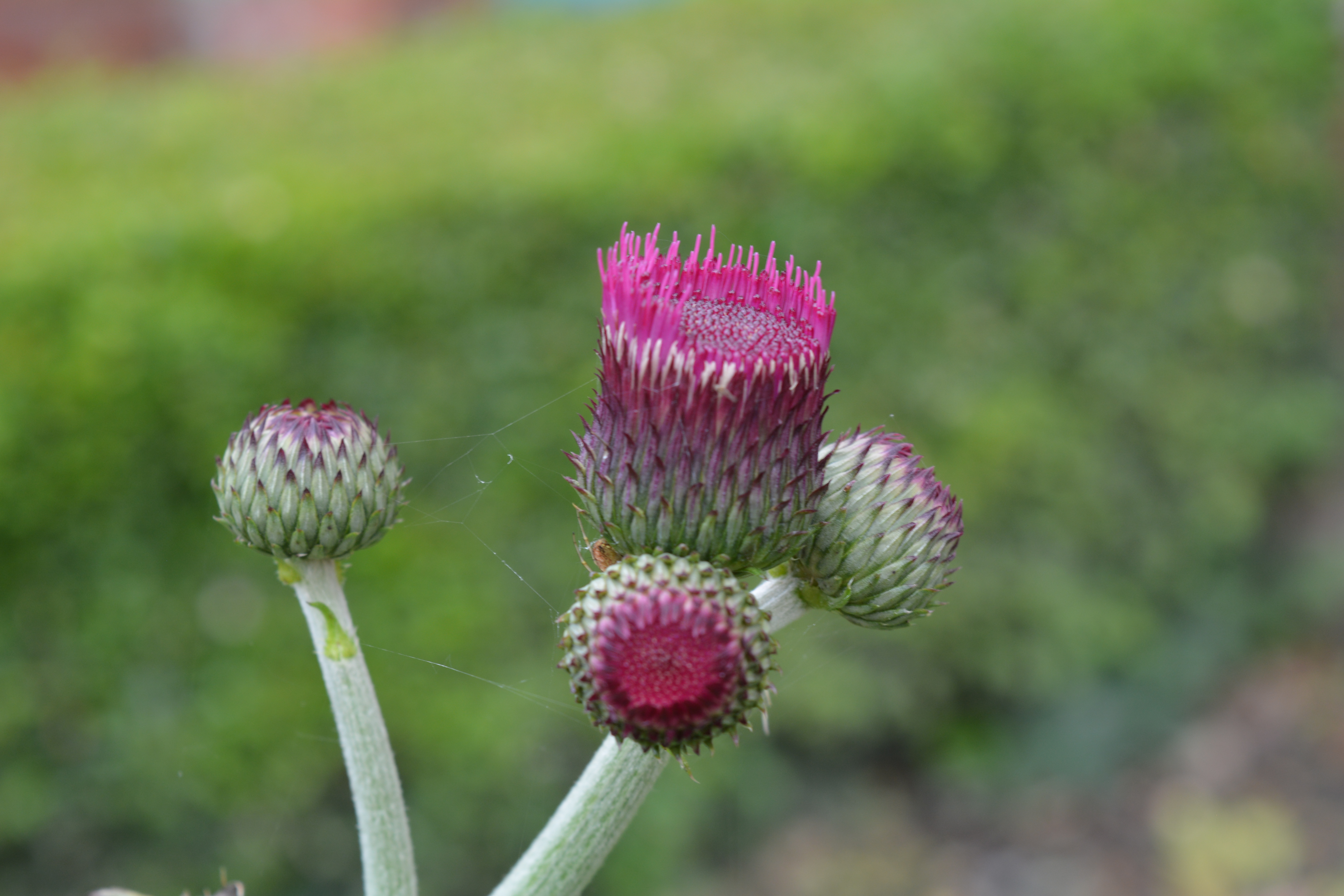


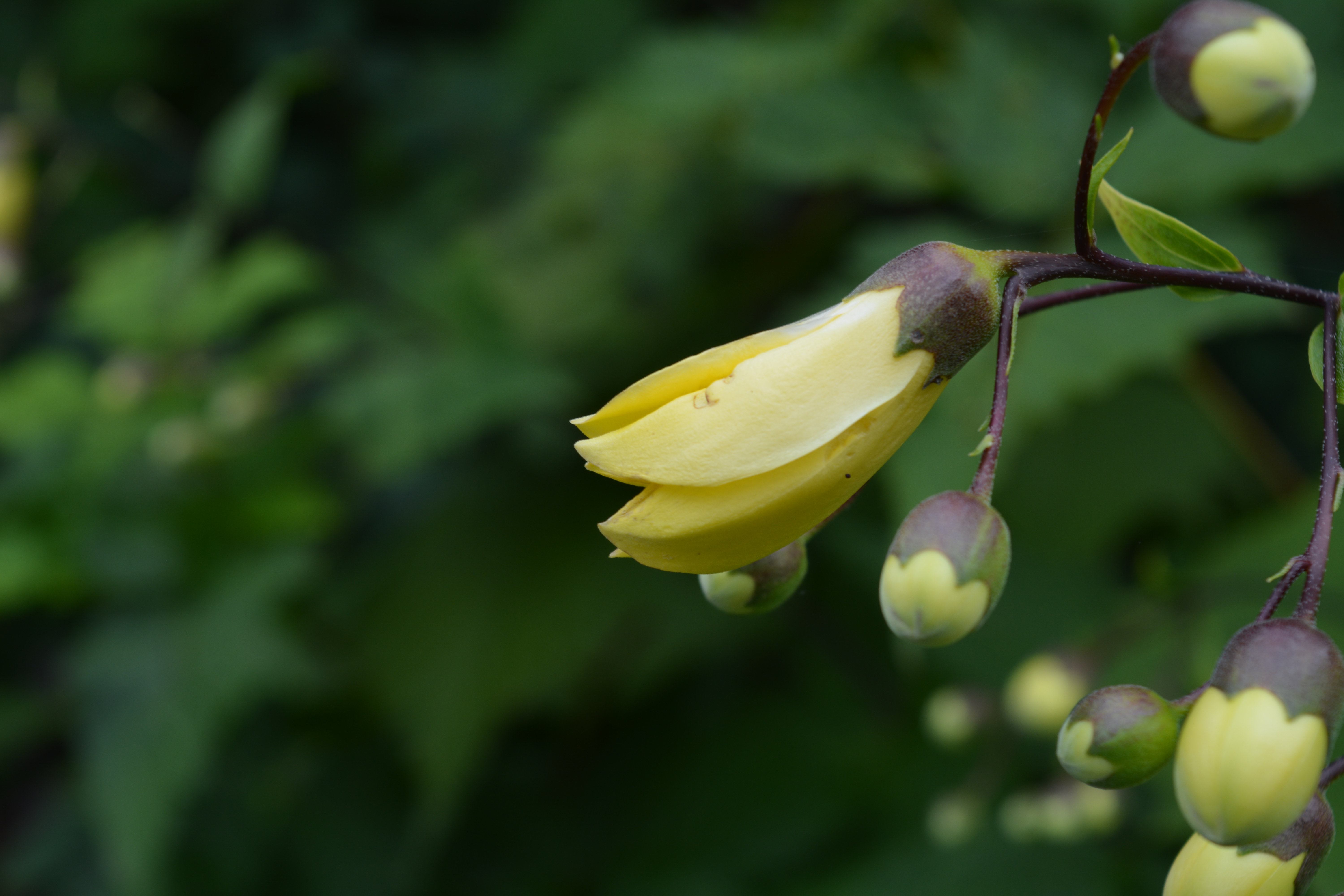
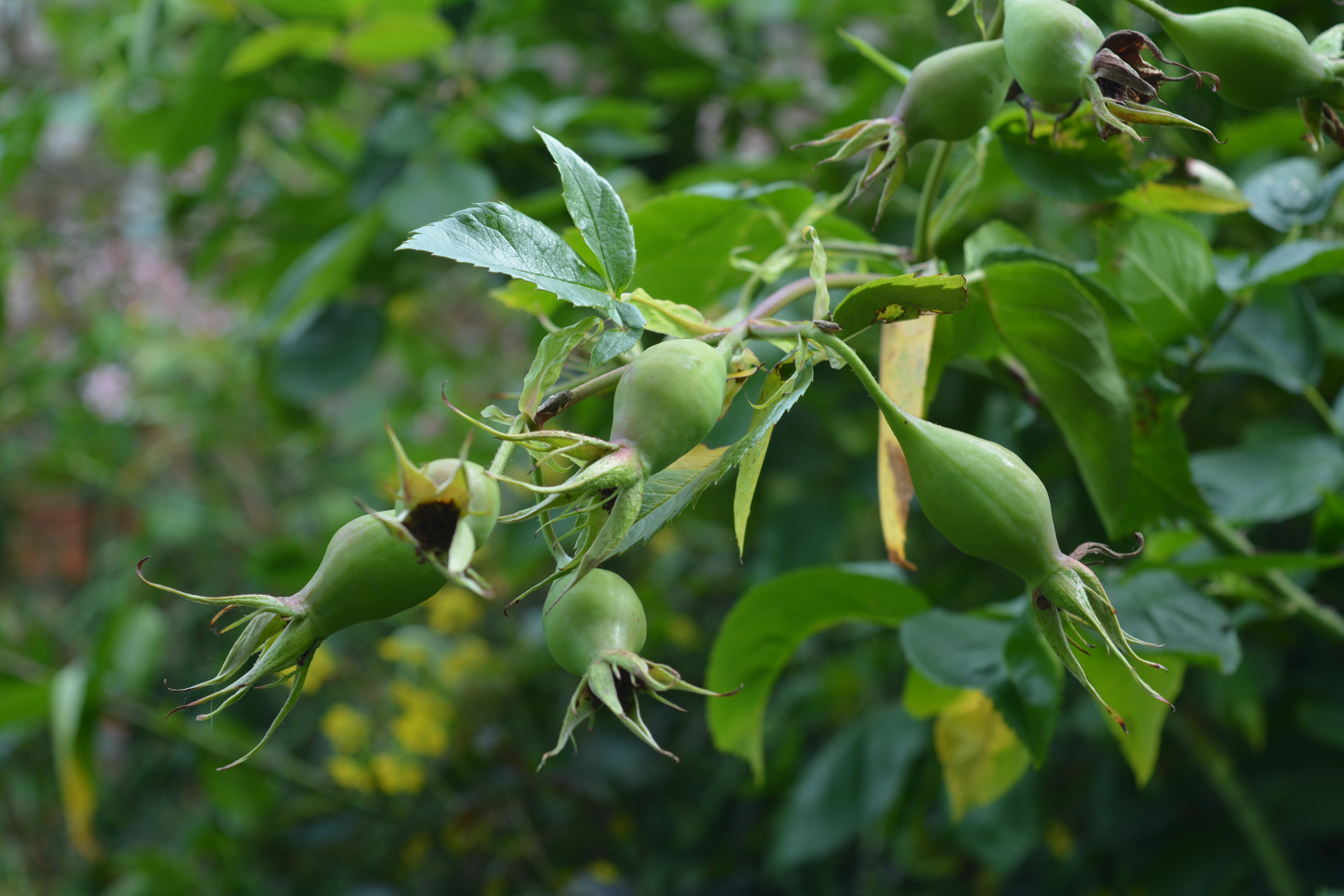
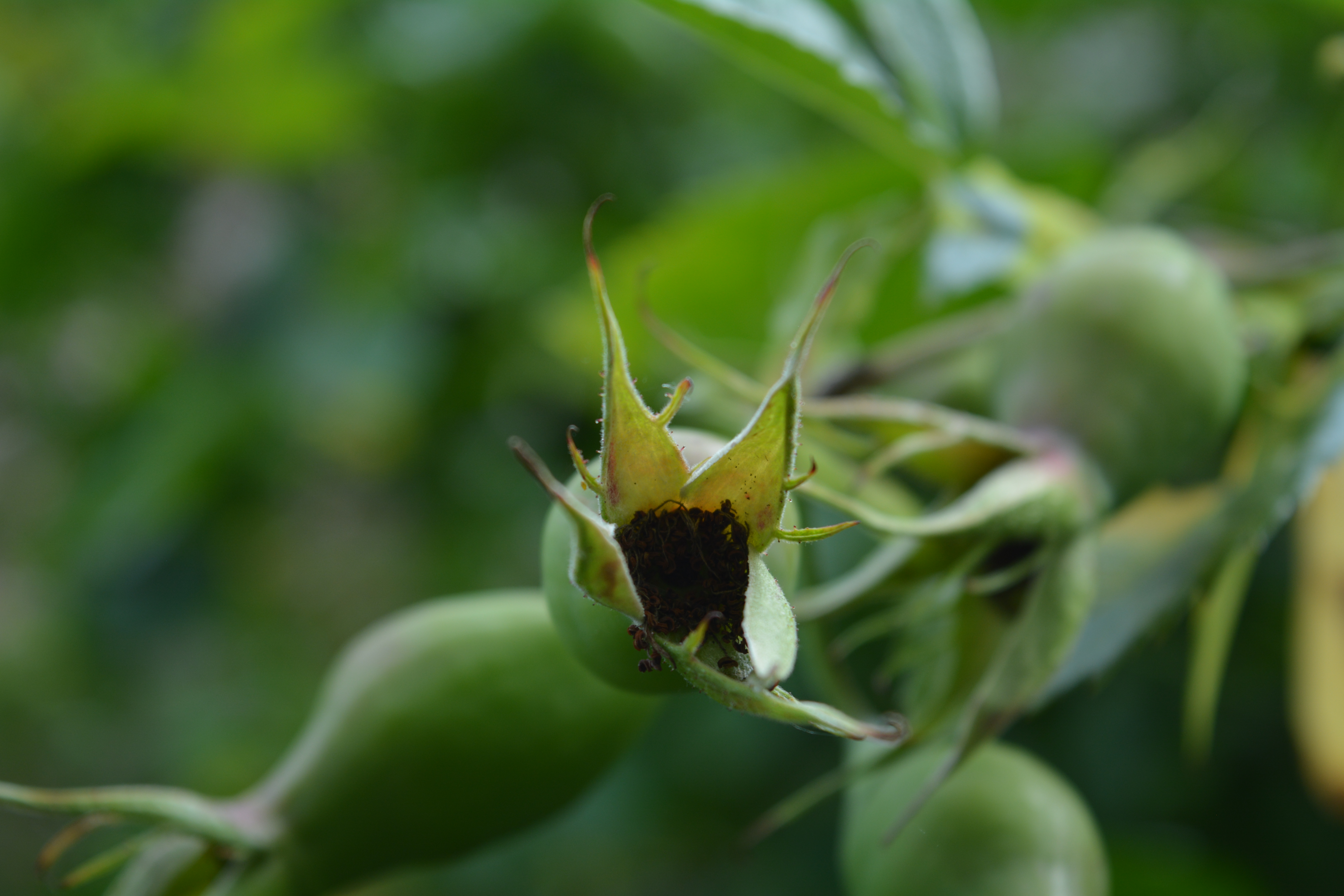
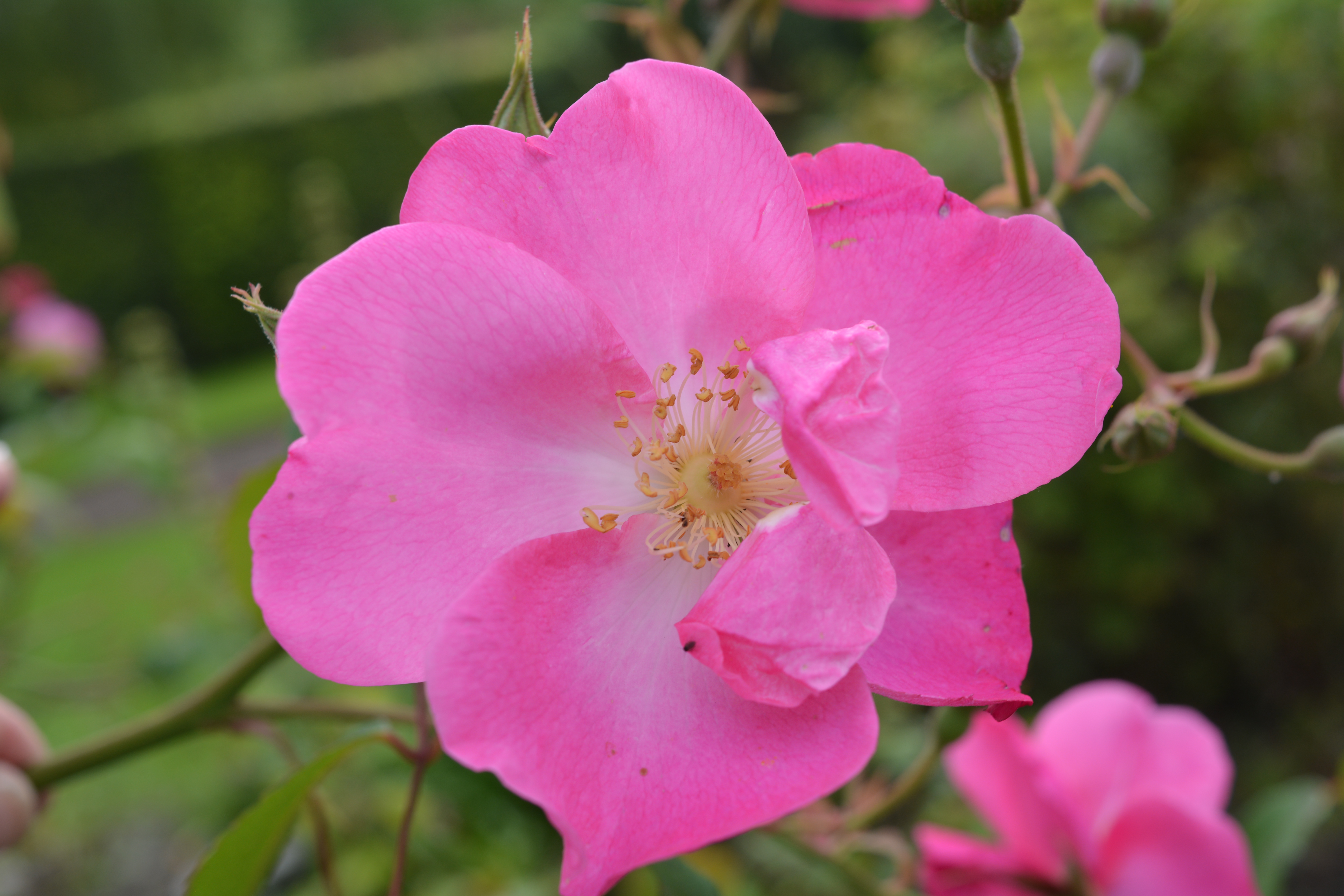
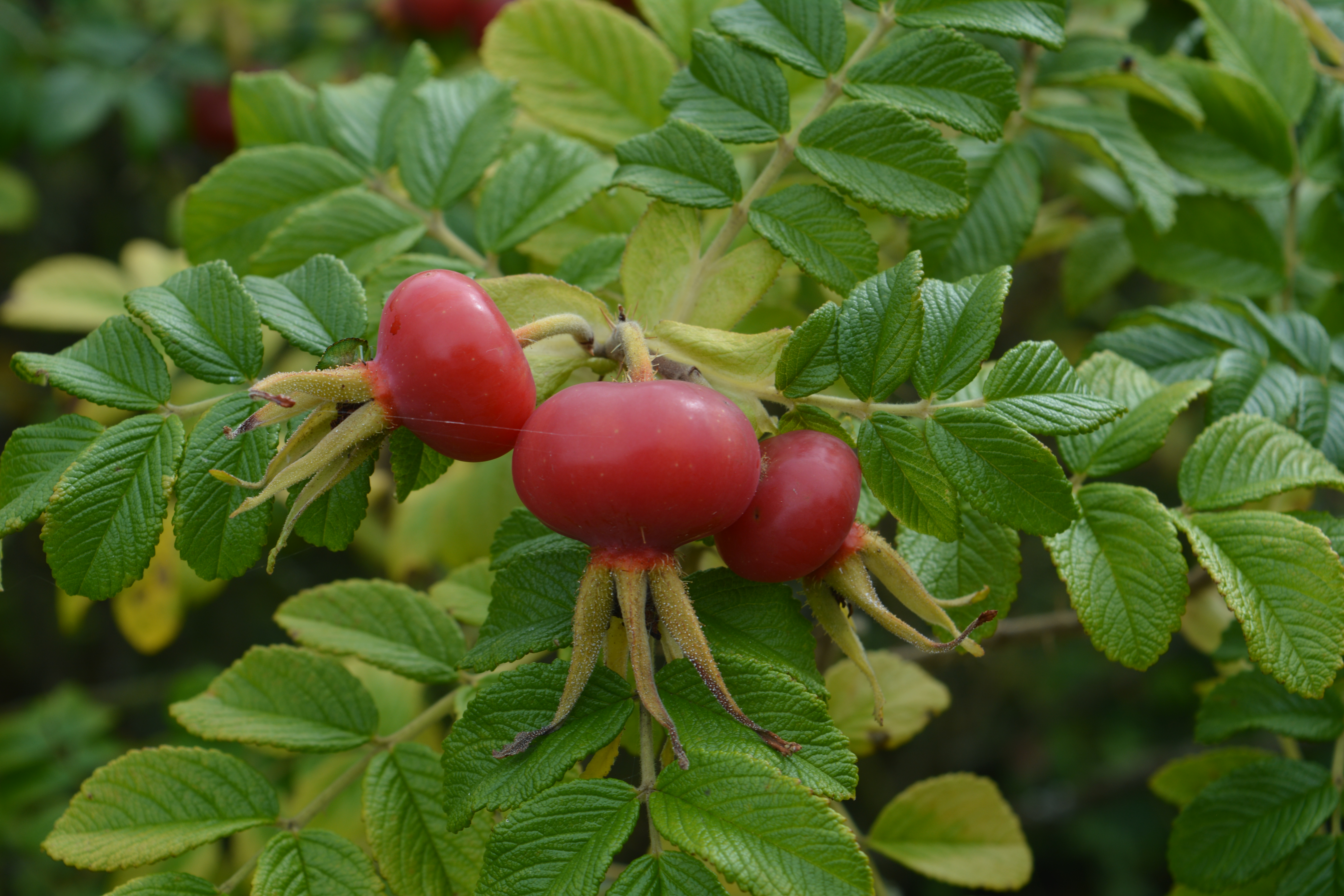
The Rose Garden which in the earlier summer months was a mass of colour was just getting a second flush of blooms and hips were forming on many bushes.



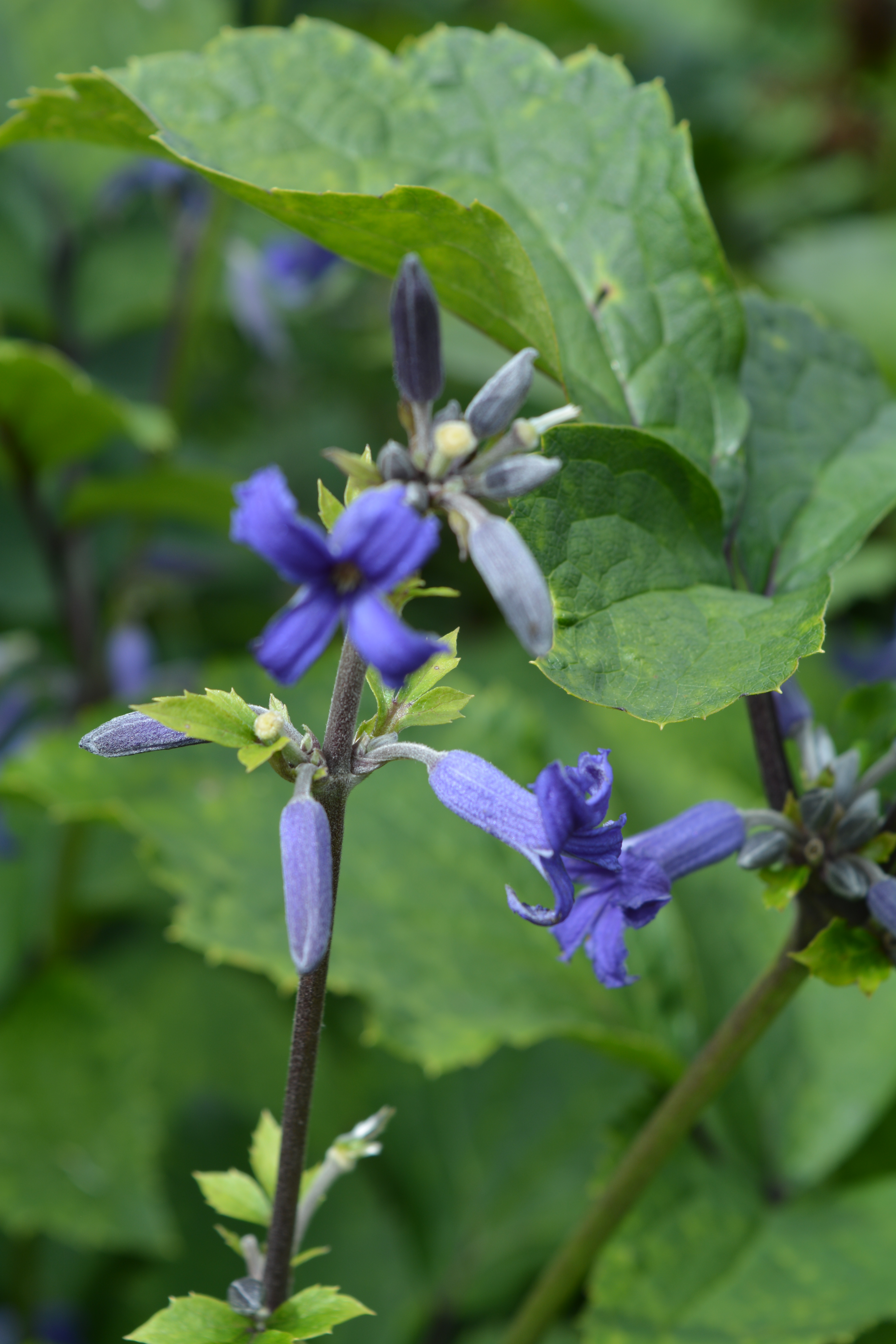

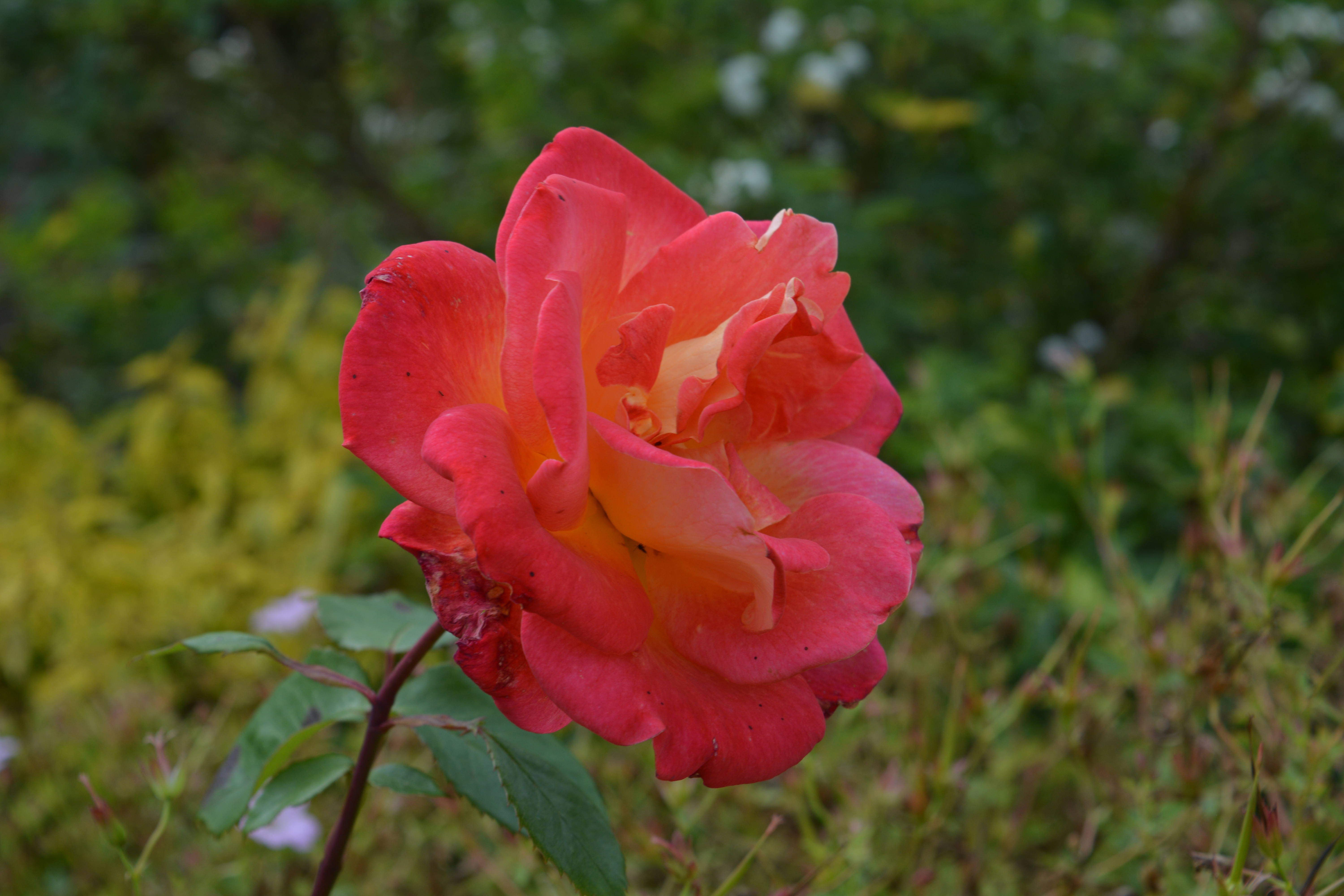


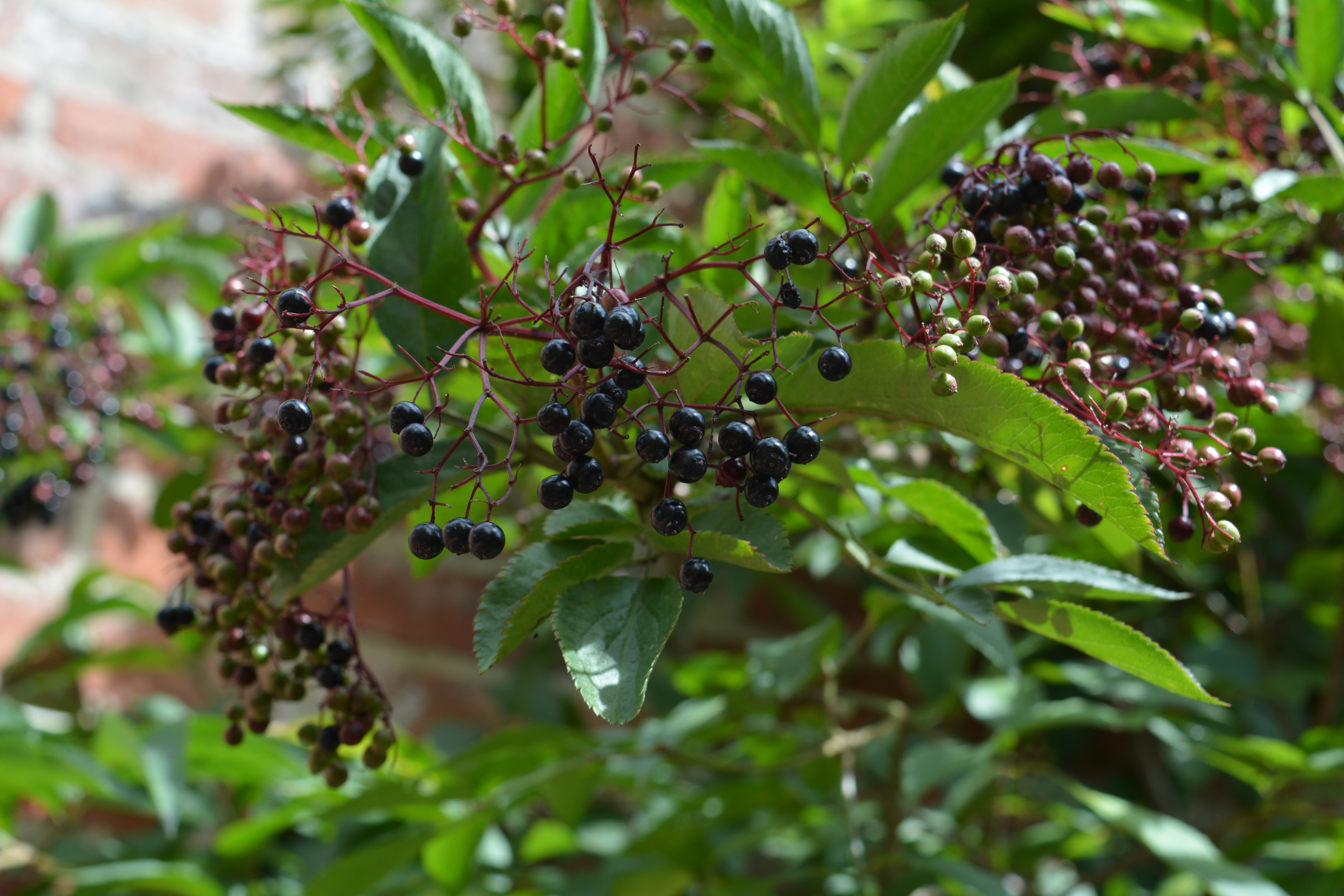
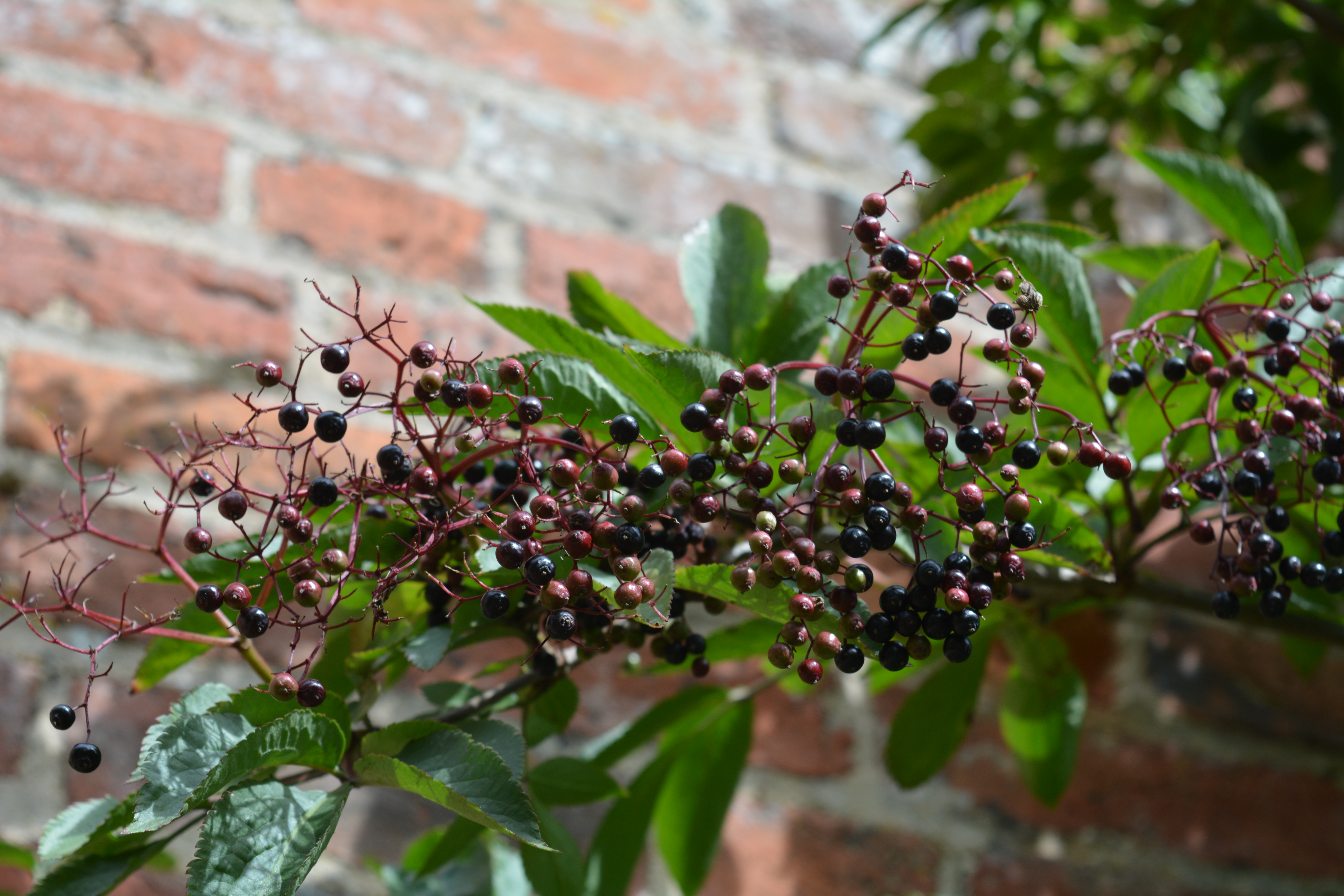
In the Secret Garden blues dominated

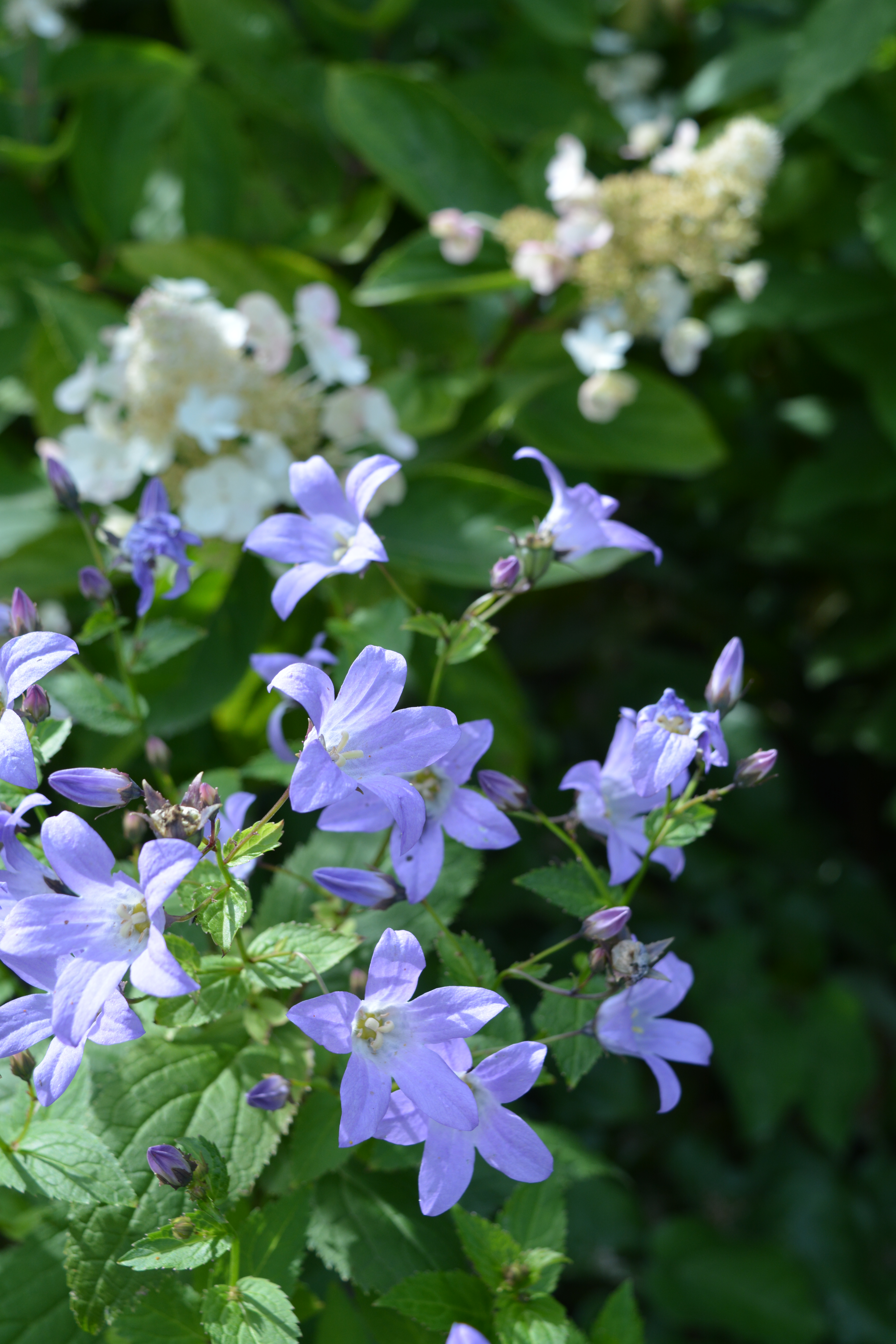
On the way back to the car after another enjoyable day at Croft we noticed this lovely russet patch of fungi. A good way to end our day! Or next visit will be into the Autumn months so we should see some big changes throughout the gardens.

It is always good to have little projects to get on with in the garden. My latest little project was to create a pair of succulent pots. We already have pots of succulents dotted or hopefully arranged around our Rill Garden. Here we feature several different Aeoniums, Echeverias and Sempervivum. They grow happily here because it is south facing and gets extra light reflected off the glass of our garden room.
We thought it about time we introduced some more succulents for added interest for our garden visitors on our open days, so bought a pair of beautifully shaped terracotta bowl-shaped pots and went off to our local nursery, Love Plants, to get an interesting selection of different succulents. We looked for different leaf colours, textures and shapes. A few had the bonus of brightly coloured flowers too. They have such wonderful names too – much too difficult to remember, Oscularia deltoides, Sempervivum jovibarba alionii, Echeveria elegans, Pachyphytum “Dark Red”, Pachyphytum bracteosum and Sedum x rubrotinctum.


So we gathered together everything we needed on the table in the Rill Garden and got to work.

We mixed up a suitable growing medium by combining equal quantities of a soil based compost and horticultural grit. We hoped this would be free draining while just holding enough moisture to keep the plants happy.

We then covered the drainage hole with crocks and added a shallow layer of my compost mix, ready to arrange the plants to their best advantage.

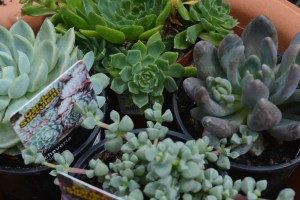
Some of the plants we put in the pots were our own cuttings. The picture on the left shows how new plants have grown from leaf cuttings. The plant on the right was grown from an offset.
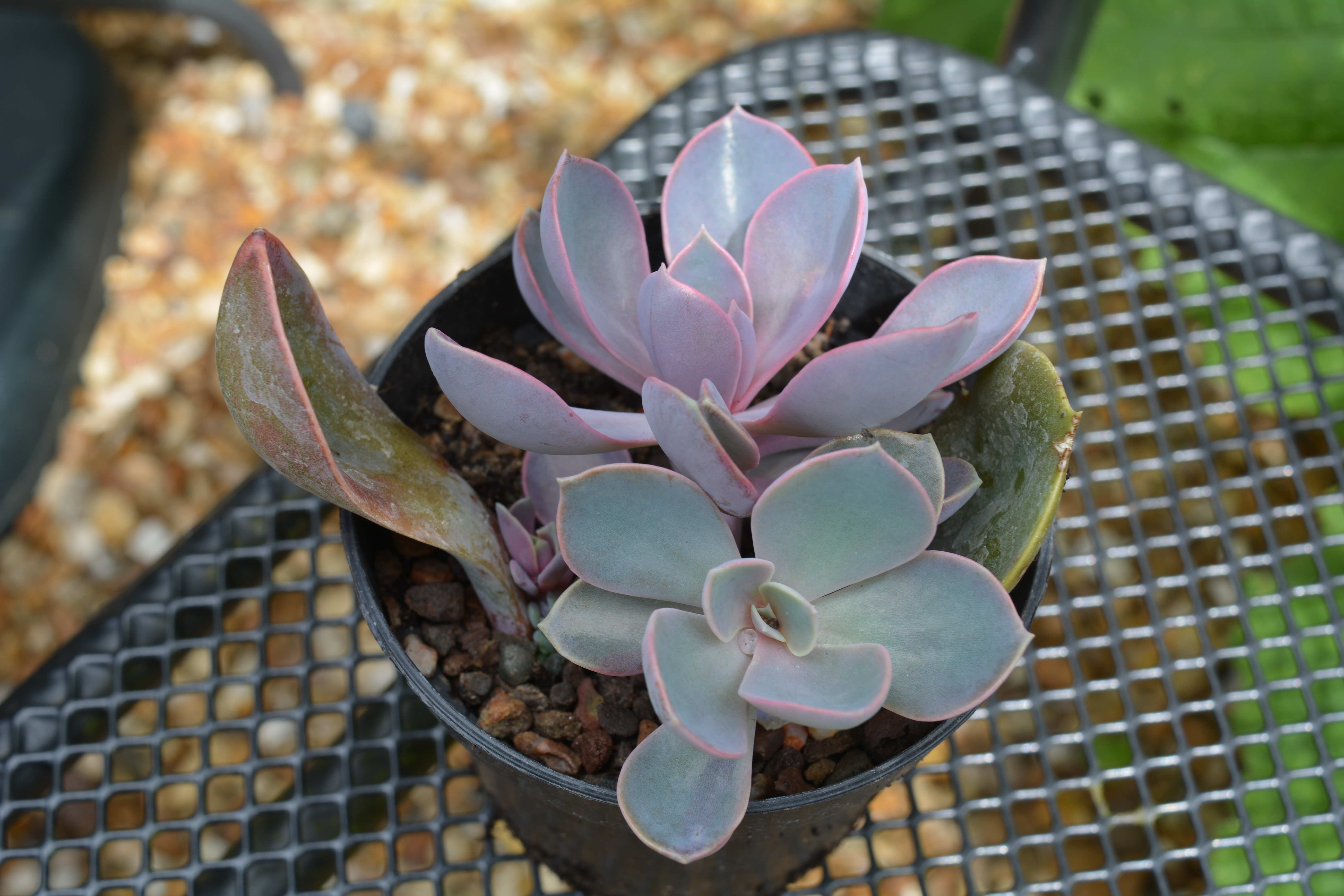
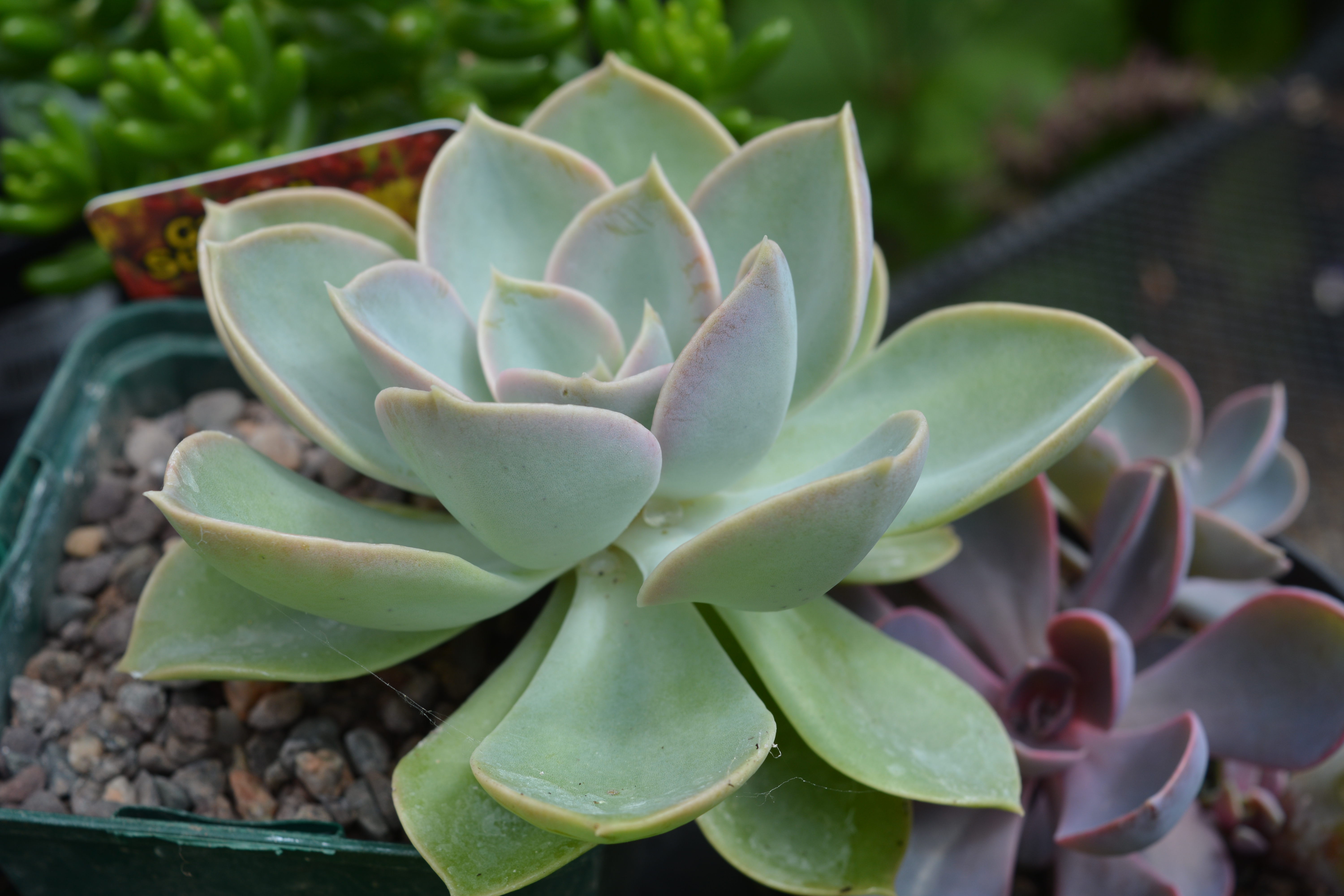
Once satisfied with the arrangement we filled in between the plants with the compost mixture and topped it off with a mulch of horticultural grit.


Whenever you deal with succulents bits fall off and each bit can become a cutting. Other pieces we deliberately took as cutting material.

The photo below shows a leaf cutting taken from an Echeveria which is now forming tiny plants at its base. This is an easy way to make new plants albeit rather slow. It is a process requiring a lot of patience but not much skill.

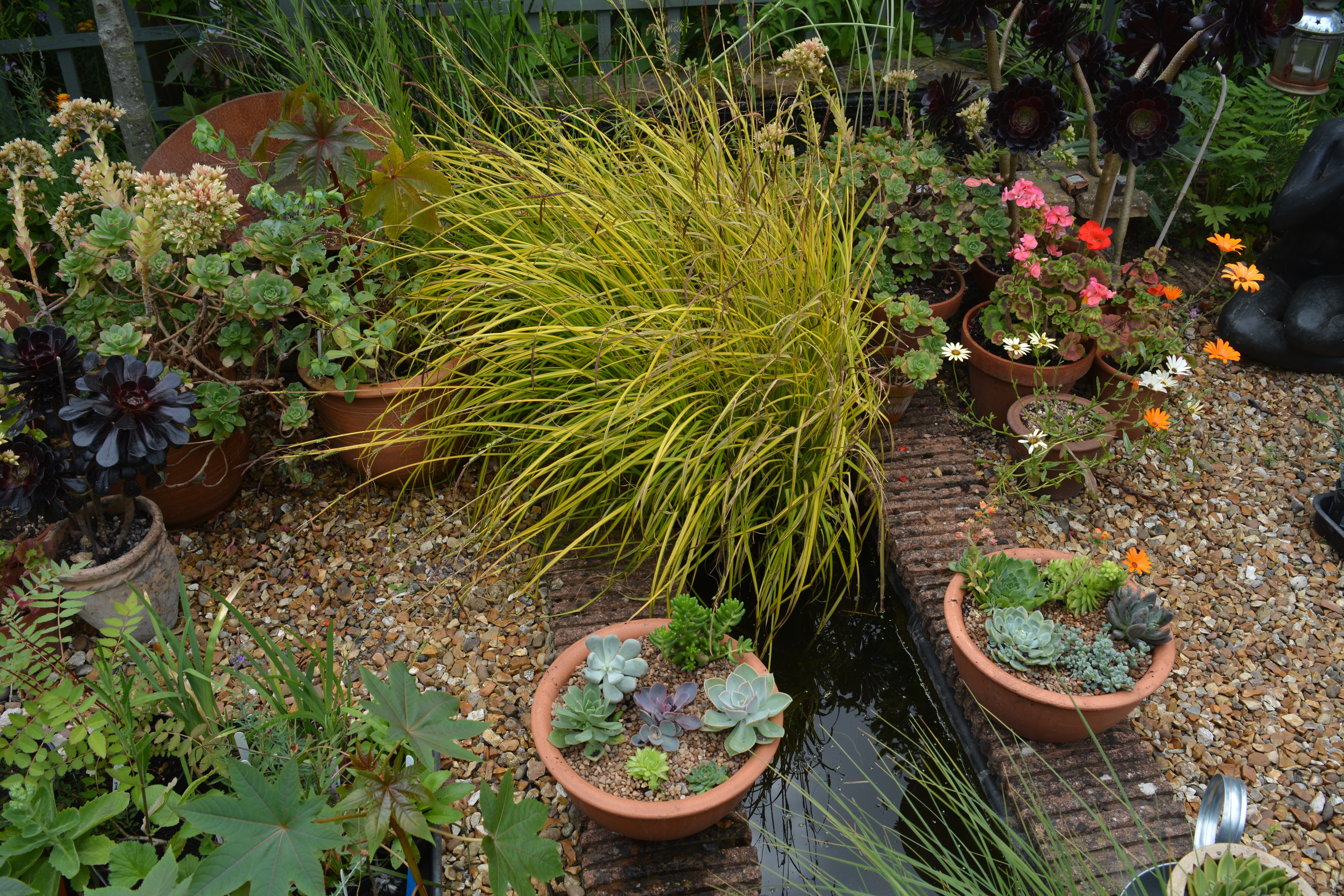
And here they are in situ, alongside our rill, our new succulent planters.
Afternoon tea is such a quintessentially English thing to do isn’t it? We recently used our voucher for tea for two which was a present from our son Jamie and his wife Sam. We chose a sunny but chilly day so we took advantage of being indoors enjoying our treat and looking at the bright weather outside.
We drove through the ancient town of Ludlow and a little way into the countryside to find our destination, Fishmore Hall. We knew we were looking for a grand white manor house surrounded by countryside and it was easy to find and it was everything we expected it to be. It certainly lived up to our expectations. Doesn’t that blue sky look great against the white stucco.

We were shown the way to our table by a window so we had great views out into the garden.



And we even had an typical English flower on our table, a red rose.

After a pot of tea and a pot of coffee were delivered to our table, the food began to arrive. A plate of neatly cut sandwiches with a variety of fillings was delivered first closely followed by a cake stand loaded with a rich assortment of little cakes. We had been set a challenge! We had to get through them all but we had the luxury of 2 hours to do so and plenty of tea and coffee.


Jude was tempted first by a freshly baked scone with home made jam and clotted cream.
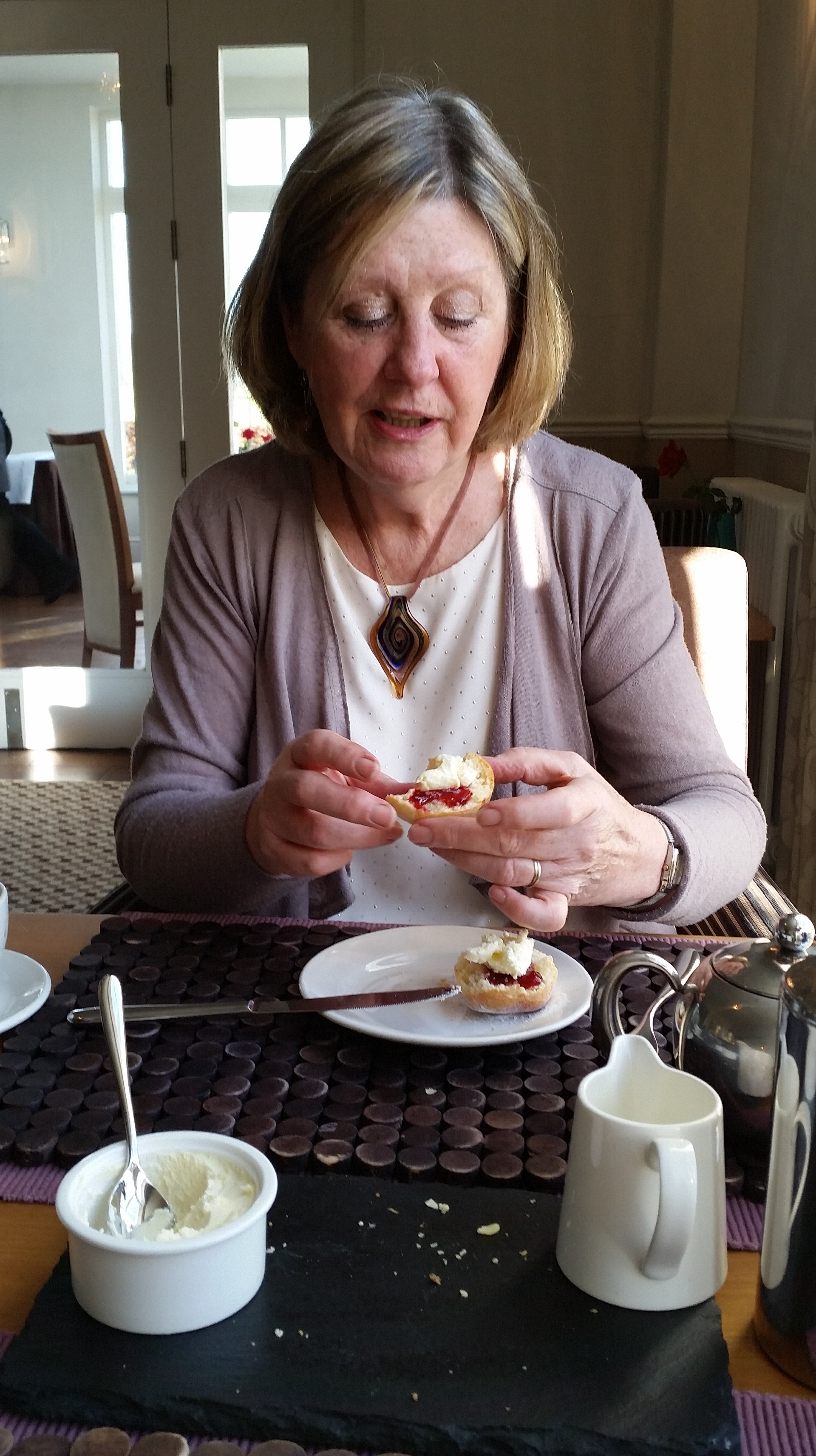
And of course once the aroma escaped from her freshly cut scone I had to follow suit.



Well after two hours and plenty of tea and coffee we were proud to have risen to the challenge. The plate of little sandwiches was empty and the cake stand similarly empty. Jude’s expressions shows how we felt.



Many thanks to Jamie and Sam for a great gift. So good in fact that we wondered if we should do this on one afternoon each month. Nice idea!
A few days ago as I was on my way down the ramp into the back garden I was met by a leaf on its way in.

I knew immediately from which tree it had come – a Cotoneaster in the side garden in the Freda Border. It had traveled a fair distance for such a little fella! It shows how well you get to know the plants in your garden when you can recognise exactly which tree a single leaf comes from. We have a dozen or so different Cotoneasters gracing our patch but this little leaf told me exactly which one it came from. Its shape, its colours, its textures all provide clues.

The leaf was still showing off its autumn colours, proud in shades of yellow and orange with a touch of green as a reminder of the summer long gone. Some trees keep hold of their old leaves until a new one pops along to push it off its branch. Our Cotoneaster had done just that to our leaf.



When turned over the leaf took on a new look, slightly greyed with the look of being seen through tissue paper. Each colour subdued and more subtle! It curled upwards which made it create shadows shaped like a new moon.




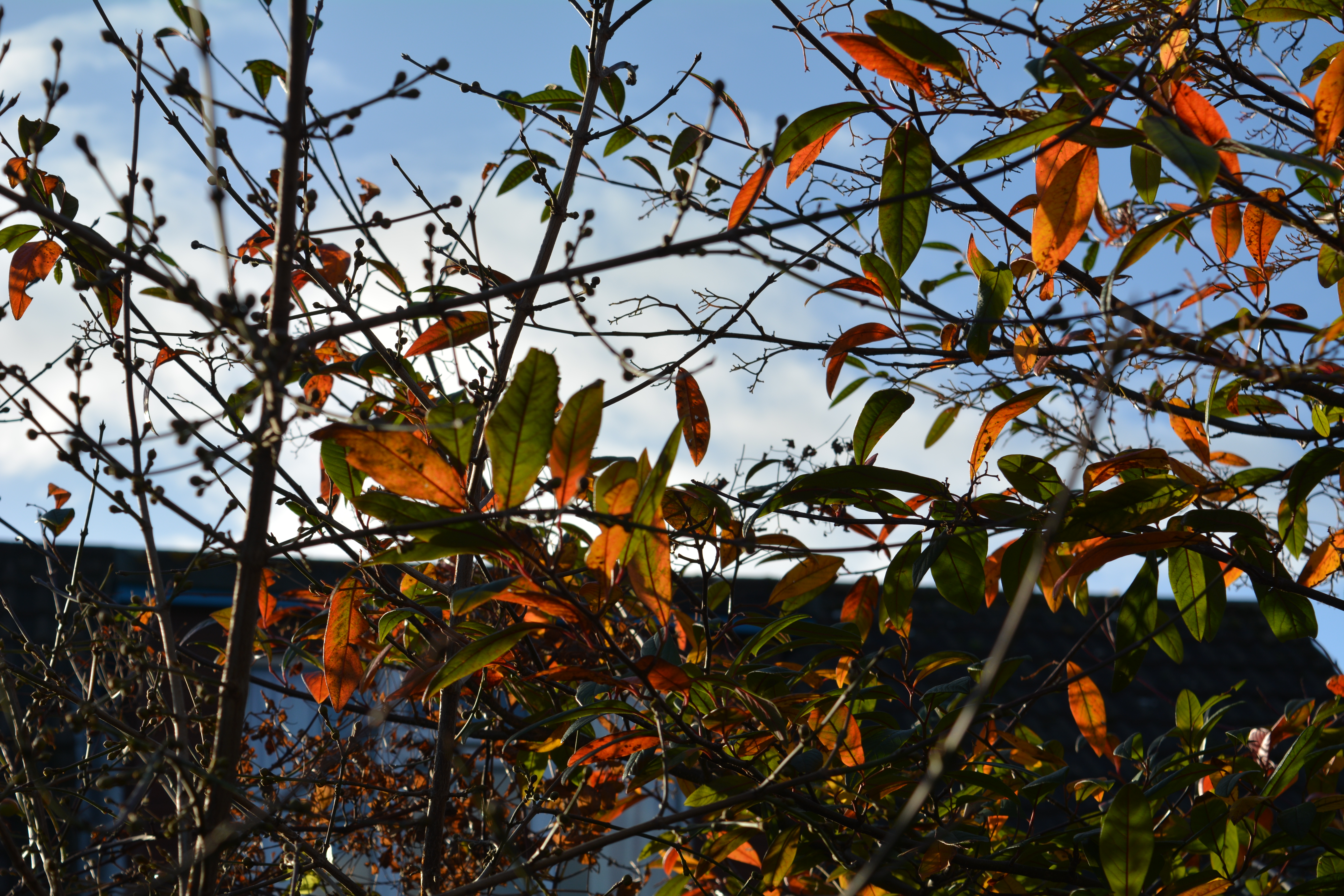
But we can’t leave this post without having a look at its mother tree. Its leaves a mixture of fresh green and faded colours of autumn. It looks especially colouful against a blue wintery sky.



The WordPress.com stats helper monkeys prepared a 2014 annual report for my blog. I thought you might like to see it. My blog was read by people from 96 countries in 2014. I hope I can reach 100 countries in 2015!

Here’s an excerpt:
The concert hall at the Sydney Opera House holds 2,700 people. This blog was viewed about 13,000 times in 2014. If it were a concert at Sydney Opera House, it would take about 5 sold-out performances for that many people to see it.
I often look down when I walk as having no feeling in my right leg I need to know where my foot is going next. This presents risks in itself such as walking into trees or lamp posts and can make me seem anti-social as I walk straight past people I know. But on a wet day in November when looking down at the pavement I stopped as I spied a creature drawn into the stone, like an ancient cave painting.

Isn’t it lovely – a creature scratched into the surface. An ancient hedgehog perhaps? A leaping over-weight lion?
Xoanxo Cespon has visited and watched the Meadow over the last year and created the video linked below. We all know the Bishop’s Meadow is special and Xoanxo has captured that for us all.
As part of the community gardens at our allotments, Bowbrook Allotment Community, we have been developing several meadows trying different methods and different styles of planting. Some we have just left to grow to see what wild flowers appear, in some we have stripped the soil bare and seeded wildflower mixes and others we have left to develop and then added further plug plants. In different parts of the site we have found completely different varieties of grasses dominating. A few meadows have a noticeable percentage of strong growing grasses which tend to dominate meaning that wild flowers struggle to flourish.
This is where the wonderful plant called Yellow Rattle comes in. We scarified areas of meadow and sowed the seeds of Yellow Rattle, Rhinanthus minor. It has a lot of common or local names such as Hay Rattle, Cockscomb and Rattle Basket. The “rattle” in its names refers to the noise the seeds make in their pods when ripe. They really do sound like a baby’s rattle.


The reason we grow it is because it is “hemi-parasitic”, meaning that it survives by stealing its nutrients from the roots of the tougher grass species, but it can also feed in the more normal way getting nutrients through the soil, rain and air. We can take advantage of this by sowing it where tough grass species dominate. It took a few attempts before we managed successful germination. After researching germination details we found that it need a period of cool winter weather. Once we got it right the germination rate was most impressive.

By stealing the nutrients of the tough grasses they lose vigour and the reduction in competition lets the less dominant wild flowers thrive. We are already seeing this happening. When we visited a “Yellow Book” garden recently we saw how effective it had been in acres of meadow.
This little flower doesn’t just do its job quietly beavering away unnoticed, it is actually a very beautiful plant so deserves being grown just for that. It also attracts bees and beneficial insects with its main pollinator being the Bumblebee. This clever little plant though will pollinate itself if there are not enough bees around to get the job done.


Now we have it established it should spread well working away lessening the power of the strong grasses and letting the desirable wildflowers get established.
A Vegetarian | Nature Lifestyle Blog
.....and nurturing my soul
Journeys In St. Louis Gardening and Beyond
Consult the genius of the place
A blog full of humorous and poignant observations.
Notes from a wildlife-friendly cottage garden
...an emerging social science
'The most important and informative publication on wildlife of our times' - The Independent. This blog is a member of The UK & Ireland Natural History Bloggers group: www.uknhb.blogspot.com
Inspire - Cultivate - Grow Native Plants - Restore Landscapes
To create and protect a semi-natural wild space for the people of Farnham to enjoy and experience an array of British wildlife in our town
The www.gardeningwithchildren.co.uk Blog
birding through the seasons, why birds matter and how to conserve them
with a camera in hand
Transform your outdoor space
My allotment, cooking and other interests
my gardening life through the year
Trying to live a creative life
trying to live as lightly as possible on our beautiful planet
Nature lovers from Leicester living the good life.
Finding the beautiful in the everyday
Michelle's Allotment
thoughts from and about my garden
Big plans for a small garden
A Walled Country Garden in South East Scotland
Life at the fruity chicken
Off grid living. Self sufficient. "PERMAGANICS RULE".
Nottingham's Grade 2* Listed Allotments and Community Orchard
a journey in suburban vegetable gardening
The madness of growing your own
A novel approach to vegetable gardening
Sustainable living in the Irish countryside.
Master Gardener, amateur photographer, quilter, NH native, and sometimes SC snowbird
Recent work and work in progress and anything else that interests me
a chaotic cottage gardener
a weekly blog that creates a personal philosophy through photographs and words
Stories from a sassy and classy Southern farmbelle.
Simple Organic Gardening & Seasonal Living
turning dirt into dinner
today the world is created anew
Notes from a Devon garden
Life Through The Lens
A photography blog showcasing the best photography pictures and videos on the internet
Just another WordPress.com site
personal observations from the natural world as the search continues for a new approach to conservation.
The Wonders of Life through my Eyes, my Heart, my Soul

 greenbenchramblings