
Xoanxo Cespon has visited and watched the Meadow over the last year and created the video linked below. We all know the Bishop’s Meadow is special and Xoanxo has captured that for us all.
Xoanxo Cespon has visited and watched the Meadow over the last year and created the video linked below. We all know the Bishop’s Meadow is special and Xoanxo has captured that for us all.
As part of the community gardens at our allotments, Bowbrook Allotment Community, we have been developing several meadows trying different methods and different styles of planting. Some we have just left to grow to see what wild flowers appear, in some we have stripped the soil bare and seeded wildflower mixes and others we have left to develop and then added further plug plants. In different parts of the site we have found completely different varieties of grasses dominating. A few meadows have a noticeable percentage of strong growing grasses which tend to dominate meaning that wild flowers struggle to flourish.
This is where the wonderful plant called Yellow Rattle comes in. We scarified areas of meadow and sowed the seeds of Yellow Rattle, Rhinanthus minor. It has a lot of common or local names such as Hay Rattle, Cockscomb and Rattle Basket. The “rattle” in its names refers to the noise the seeds make in their pods when ripe. They really do sound like a baby’s rattle.


The reason we grow it is because it is “hemi-parasitic”, meaning that it survives by stealing its nutrients from the roots of the tougher grass species, but it can also feed in the more normal way getting nutrients through the soil, rain and air. We can take advantage of this by sowing it where tough grass species dominate. It took a few attempts before we managed successful germination. After researching germination details we found that it need a period of cool winter weather. Once we got it right the germination rate was most impressive.

By stealing the nutrients of the tough grasses they lose vigour and the reduction in competition lets the less dominant wild flowers thrive. We are already seeing this happening. When we visited a “Yellow Book” garden recently we saw how effective it had been in acres of meadow.
This little flower doesn’t just do its job quietly beavering away unnoticed, it is actually a very beautiful plant so deserves being grown just for that. It also attracts bees and beneficial insects with its main pollinator being the Bumblebee. This clever little plant though will pollinate itself if there are not enough bees around to get the job done.


Now we have it established it should spread well working away lessening the power of the strong grasses and letting the desirable wildflowers get established.
This post sees us visiting one of our favourite gardens to visit, Trentham, for the third time this year.
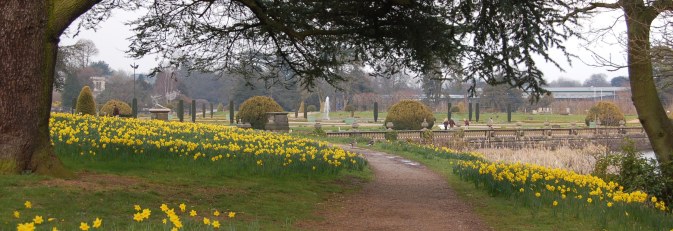
We were hoping for slightly better weather for our March wander but it was cold and mostly overcast. The breeze was icy enough to make our eyes and noses run!
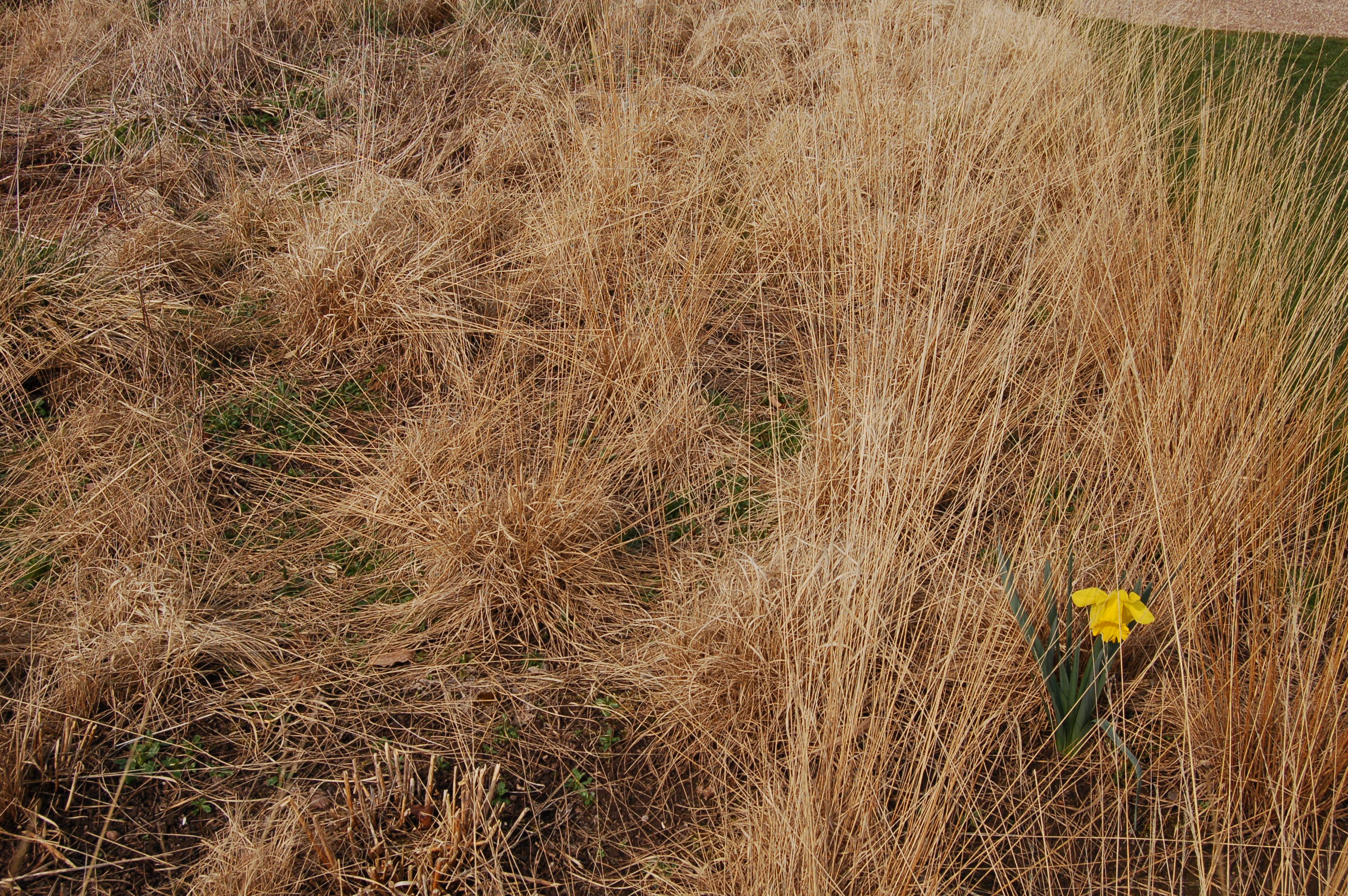
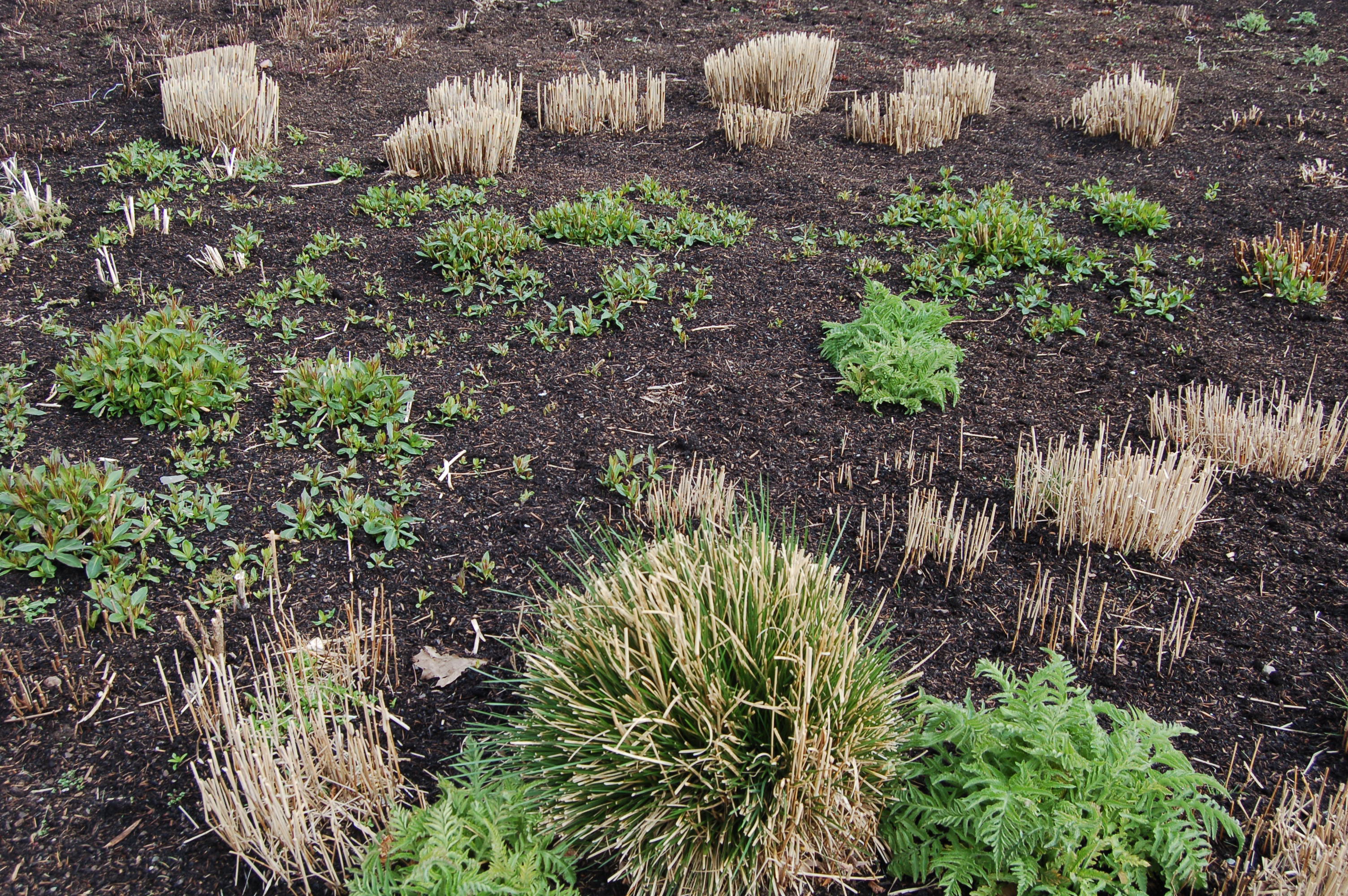
Passing over the bridge over the River Trent we get our first glimpse of the gardens and at first sight little has changed in Piet Oudolf’s River of Grasses. There remains a lot of straw coloured stems mostly now cut low to the ground but within them we found one lonely daffodil blooming away cheerfully. A joke by a gardener perhaps? A rogue that came in a wheelbarrow from the compost heap? Beneath the trees in the sweep of River Birches the chatreuse bracts of the euphorbias glow like swarms of glow Worm.


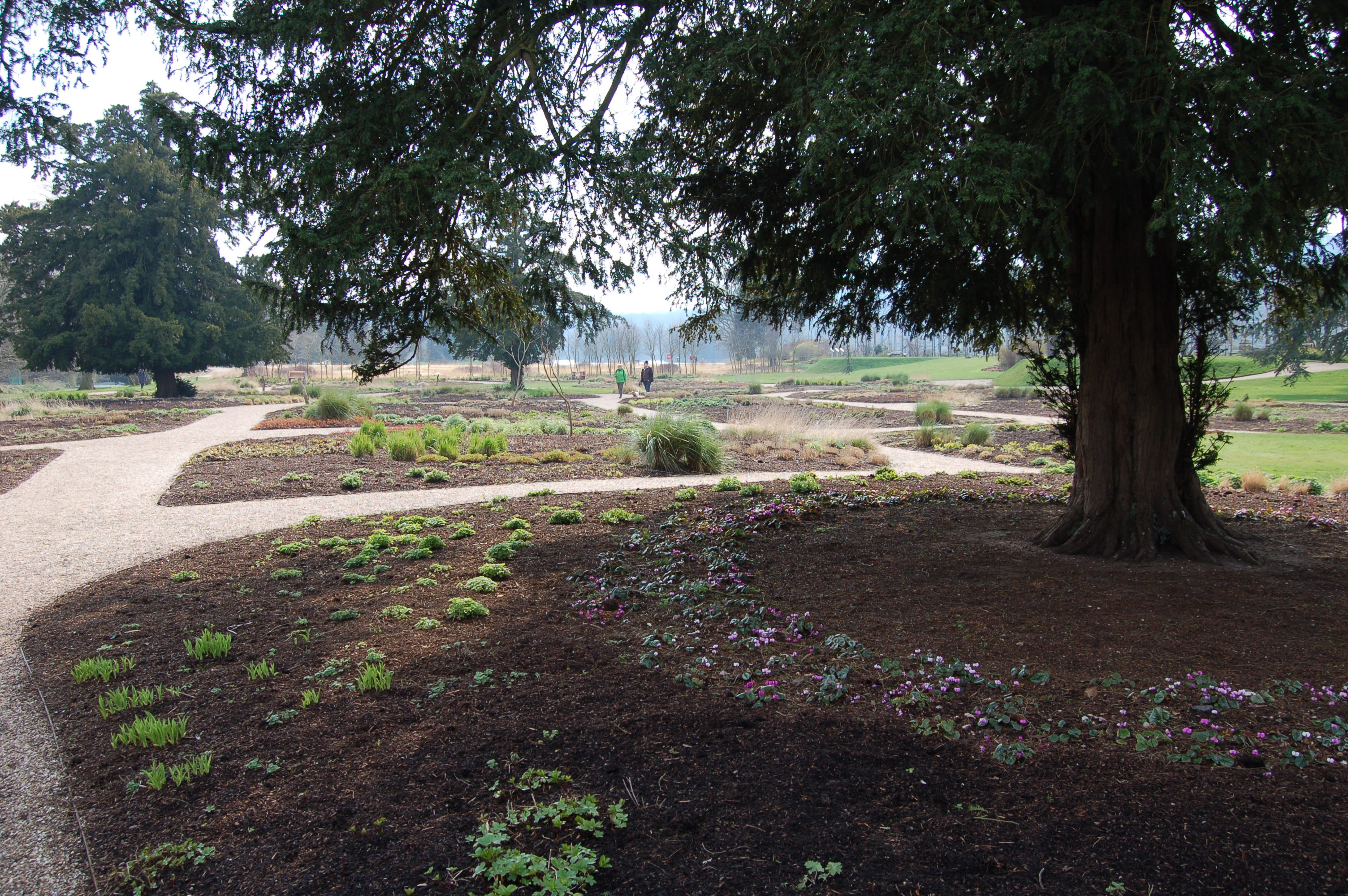
Moving into the Piet Oudolf prairie borders there are signs of strong growth on many perennials especially the Thalictrum, Papavers and Monardas. Beneath the old Yew trees the circles of Cyclamen continue to bloom for the third month running.


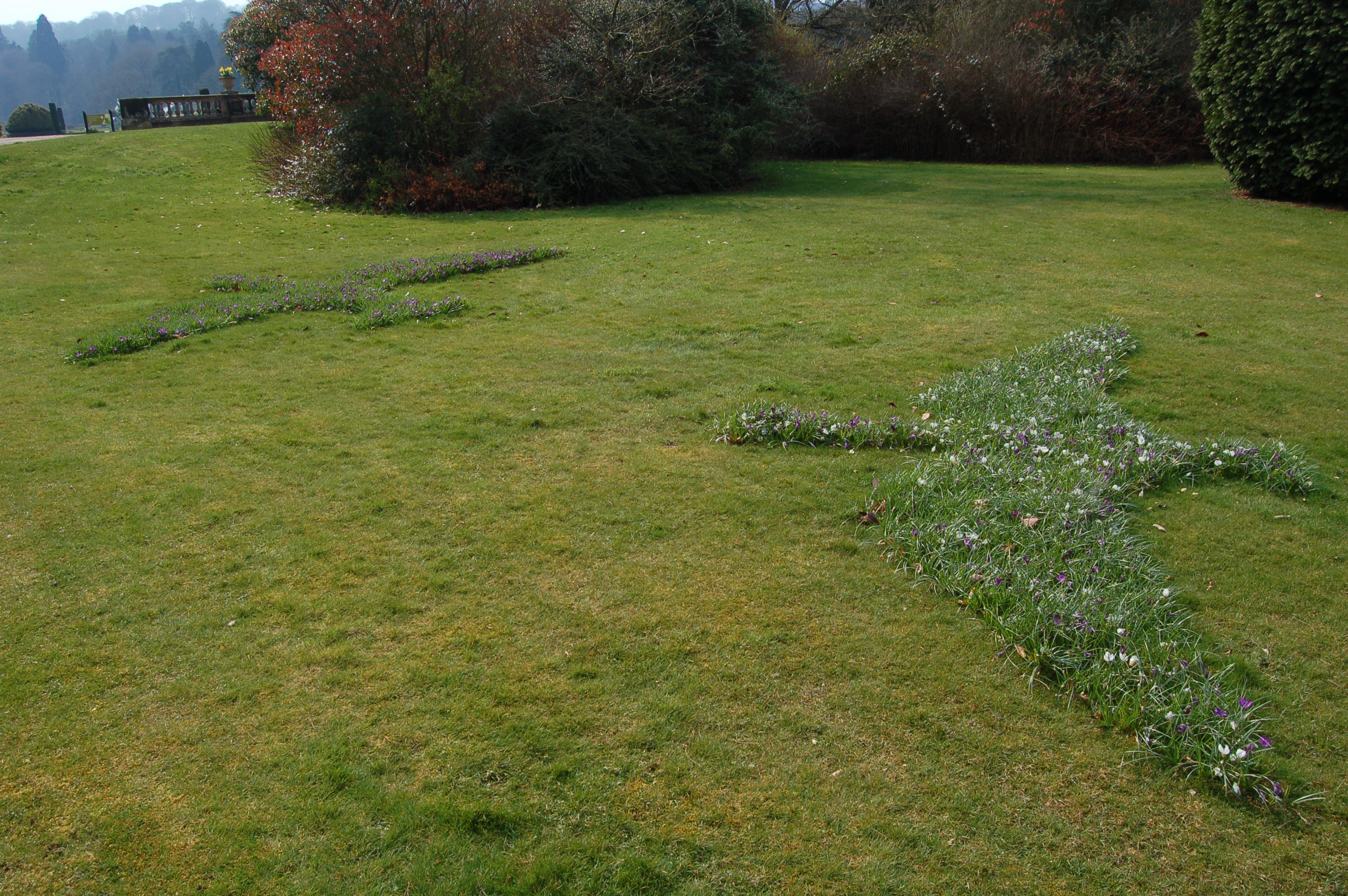
The only change with the Hornbeam arbour is that the leaf buds are on the verge of bursting and the gardeners have painted the bench. Nearby we found seagull shaped areas of crocus in the lawns just as last month we had found them created from snowdrops.

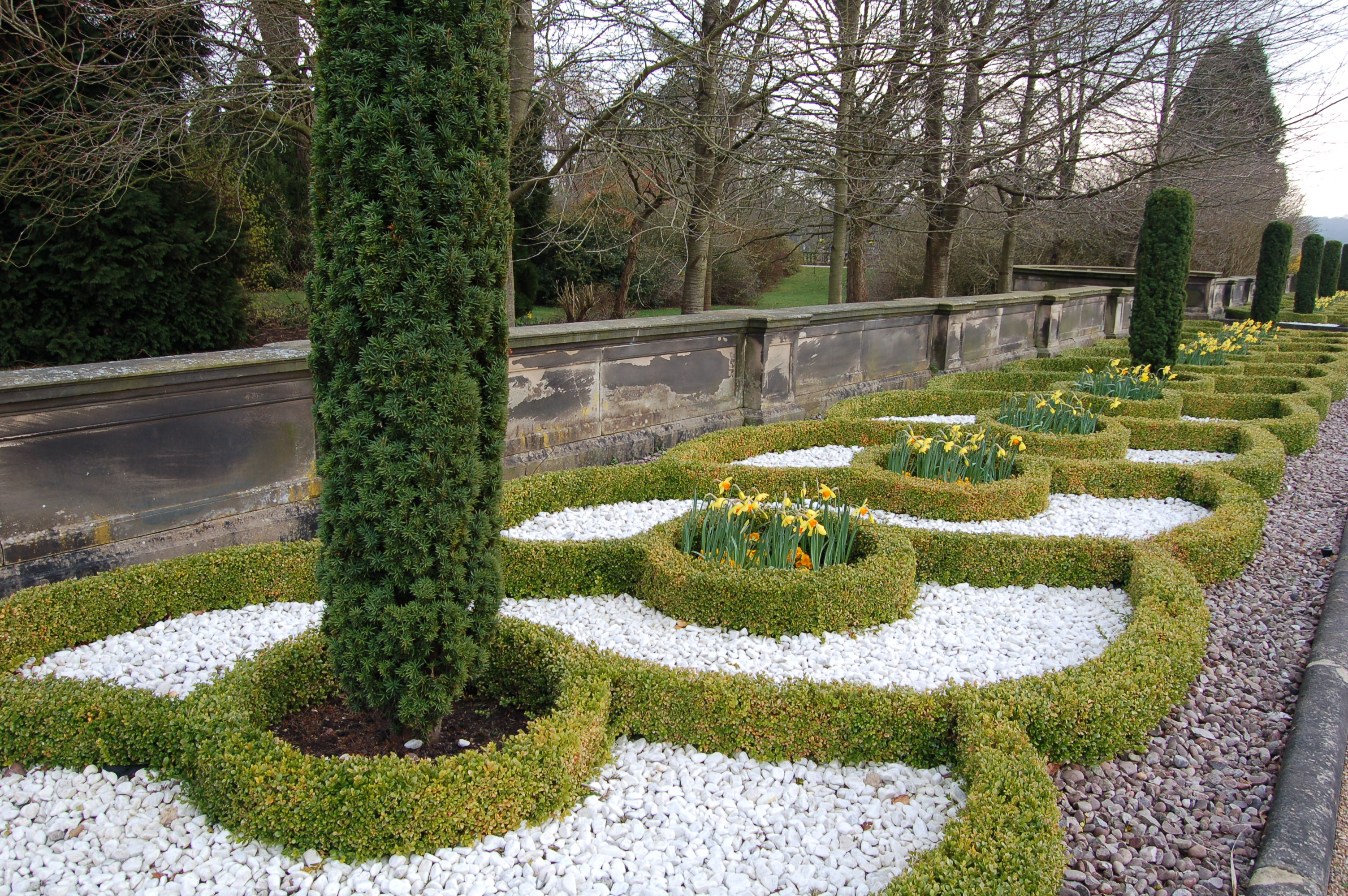
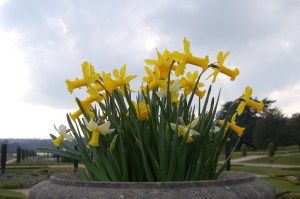
Moving through the Hornbeam tunnel we discovered that the Helebores we enjoyed so much in February were still going strong. When we reached the Italian Garden with their formal beds we found much more colour than on previous visits with daffodils, pansies and primulas flowering within the box hedging. A splash of yellow from a Forsythia matched the golden blooms of the daffodils growing in the urns along the stone balustrades. They were lovely daffs with clear yellow colour throughout and long trumpets with slightly reflex petals (flying backwards!).



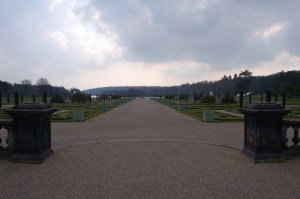
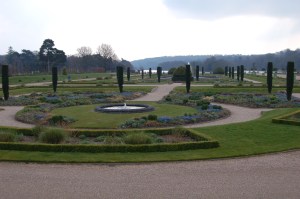
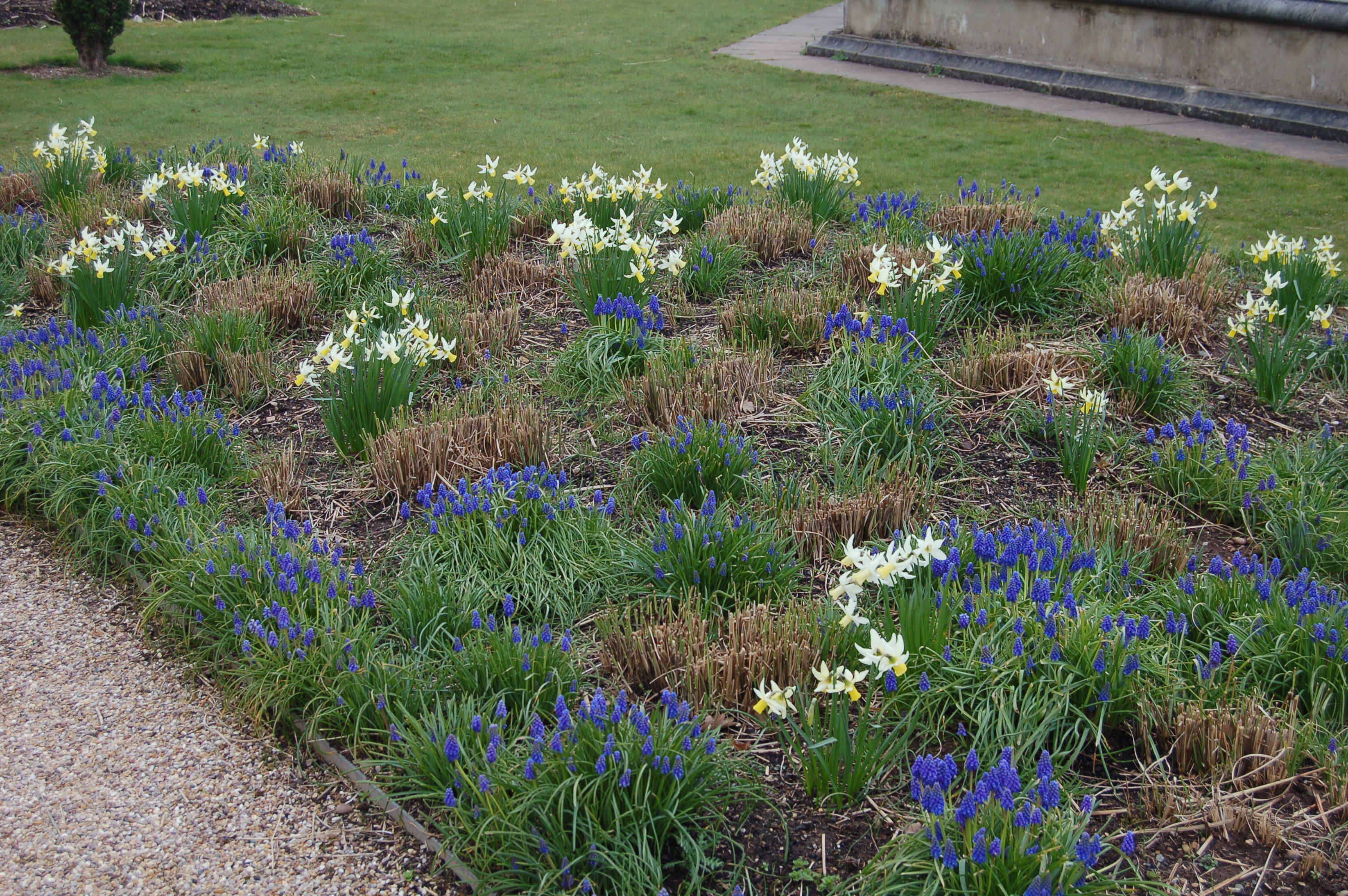
The distant view over the Tom Stuart-Smith Italinate Garden looked much the same until we peered over the ballustrades and we immediately noticed a sea of blue mist. On closer inspection we discovered the colour was from masses of Scillas. It is a good year for Scillas – such common little bulbs but such a brilliant blue that enhances everything that is alongside it. We found them with the fresh bronze-purple filigree foliage of fennel, with narcissi and with another small bulb which I think may have been Chionodoxa.



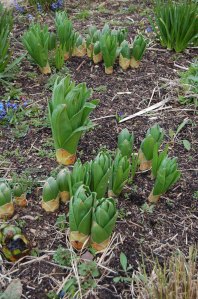
These huge, strongly bursting bulbs we believe may be Cardiocrinum gigantium. We shall find out on future visits.

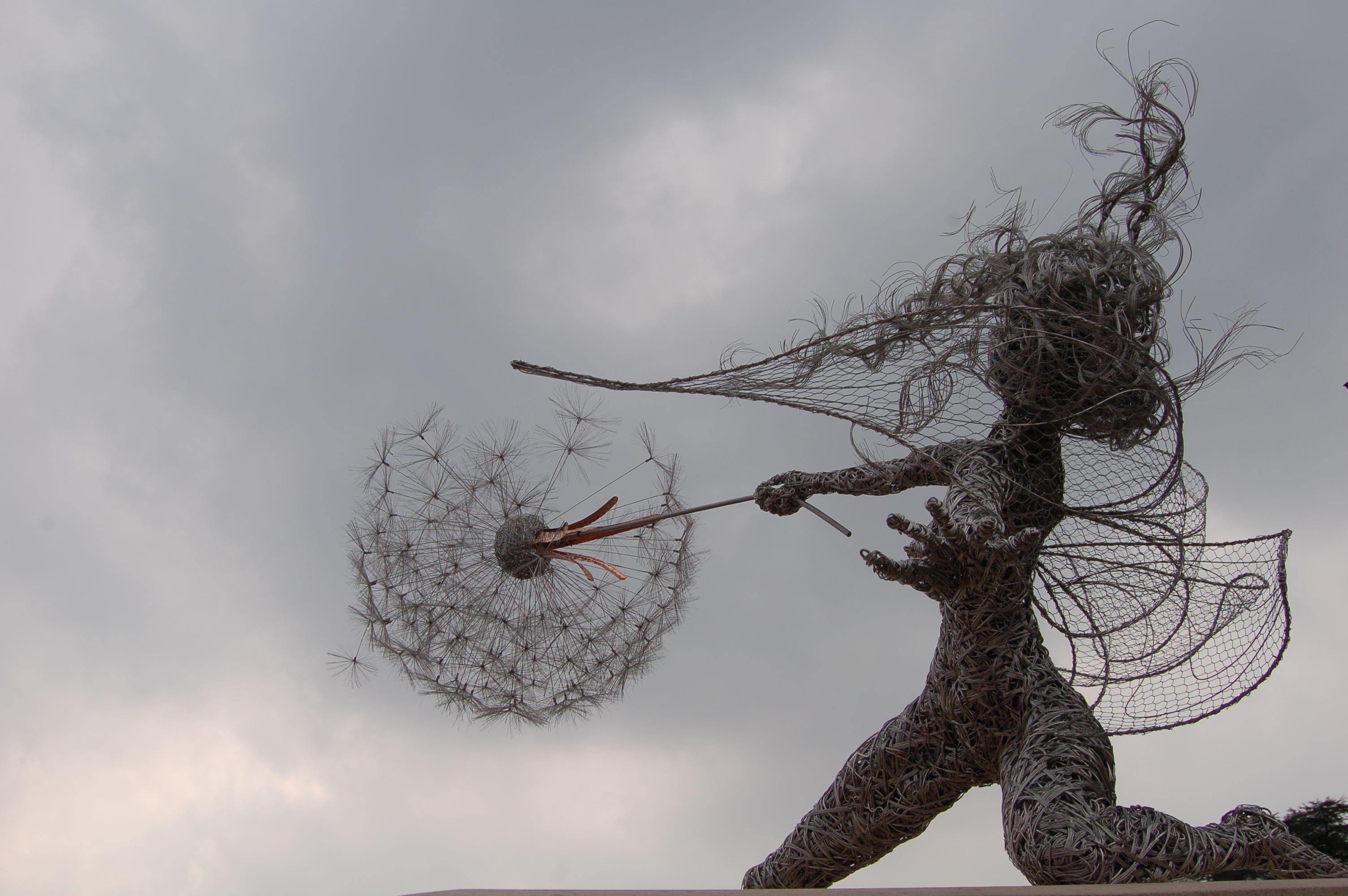
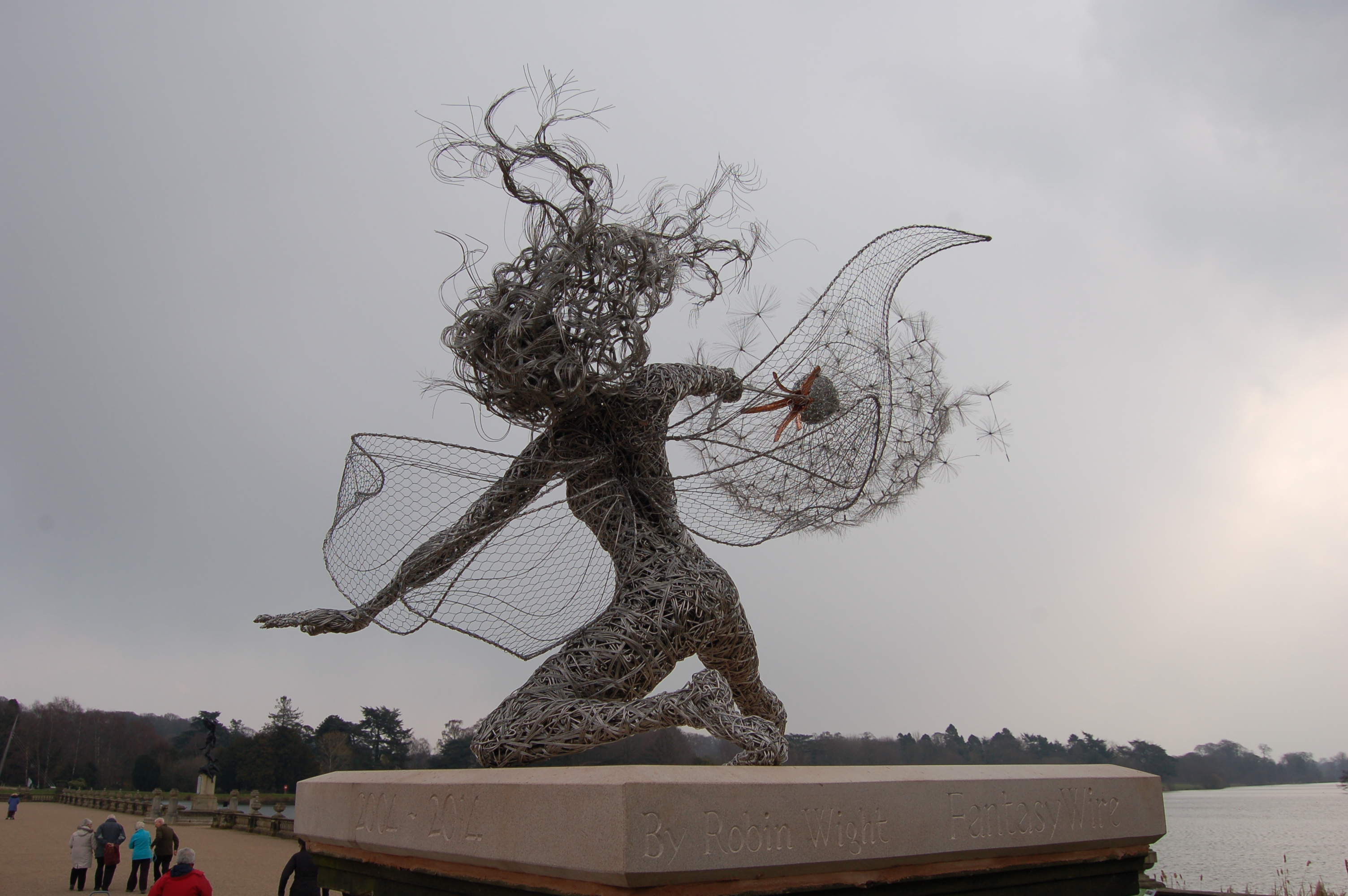
Moving from Tom Stuart-Smith’s garden towards the old parkland we came across a new addition to the collection of fairy sculpture dotted around the gardens. This new one is by far the best, a fairy blowing the seed parachutes from a dandelion seedhead. So delicate! My photos do not do it justice.
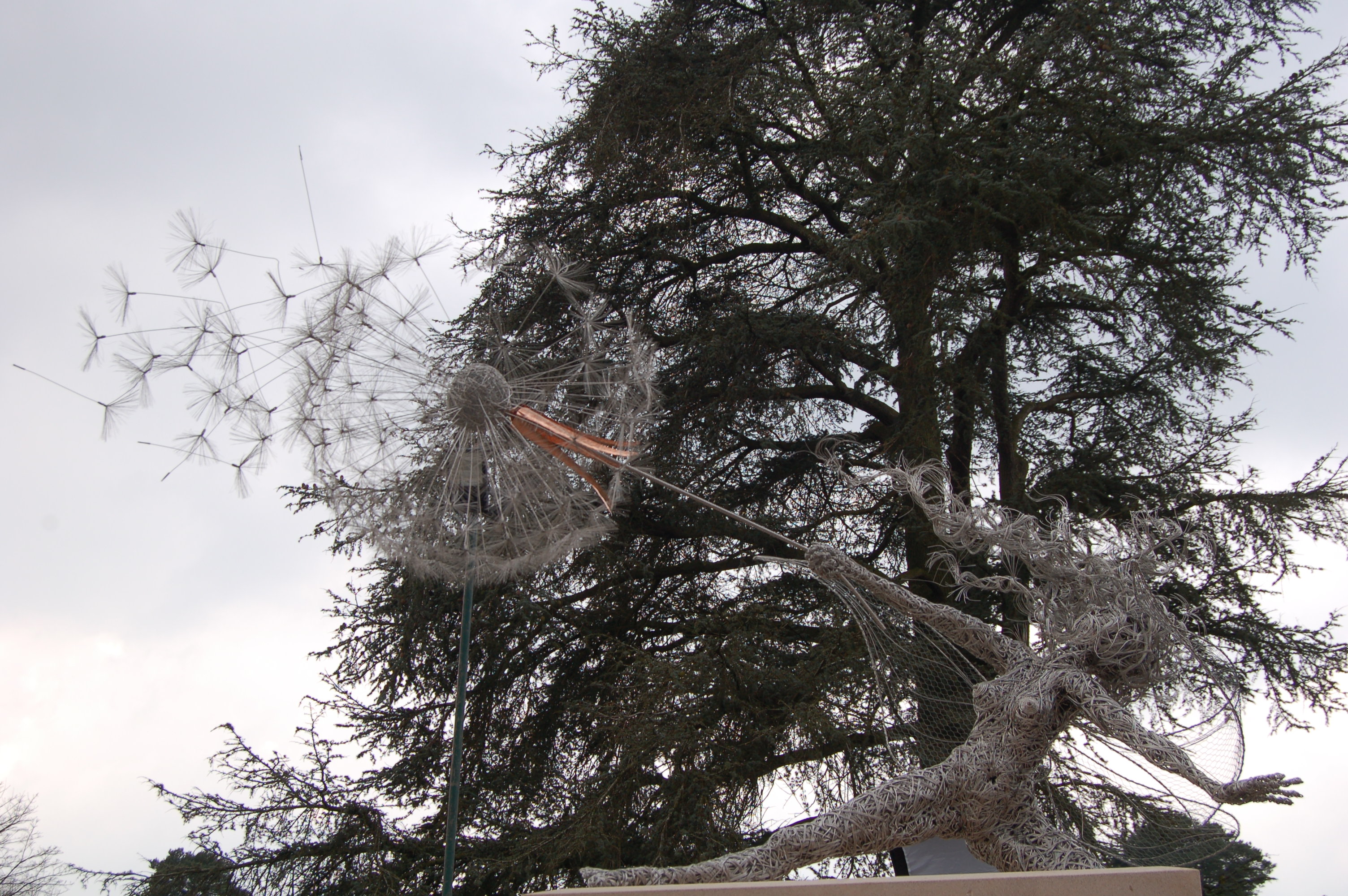
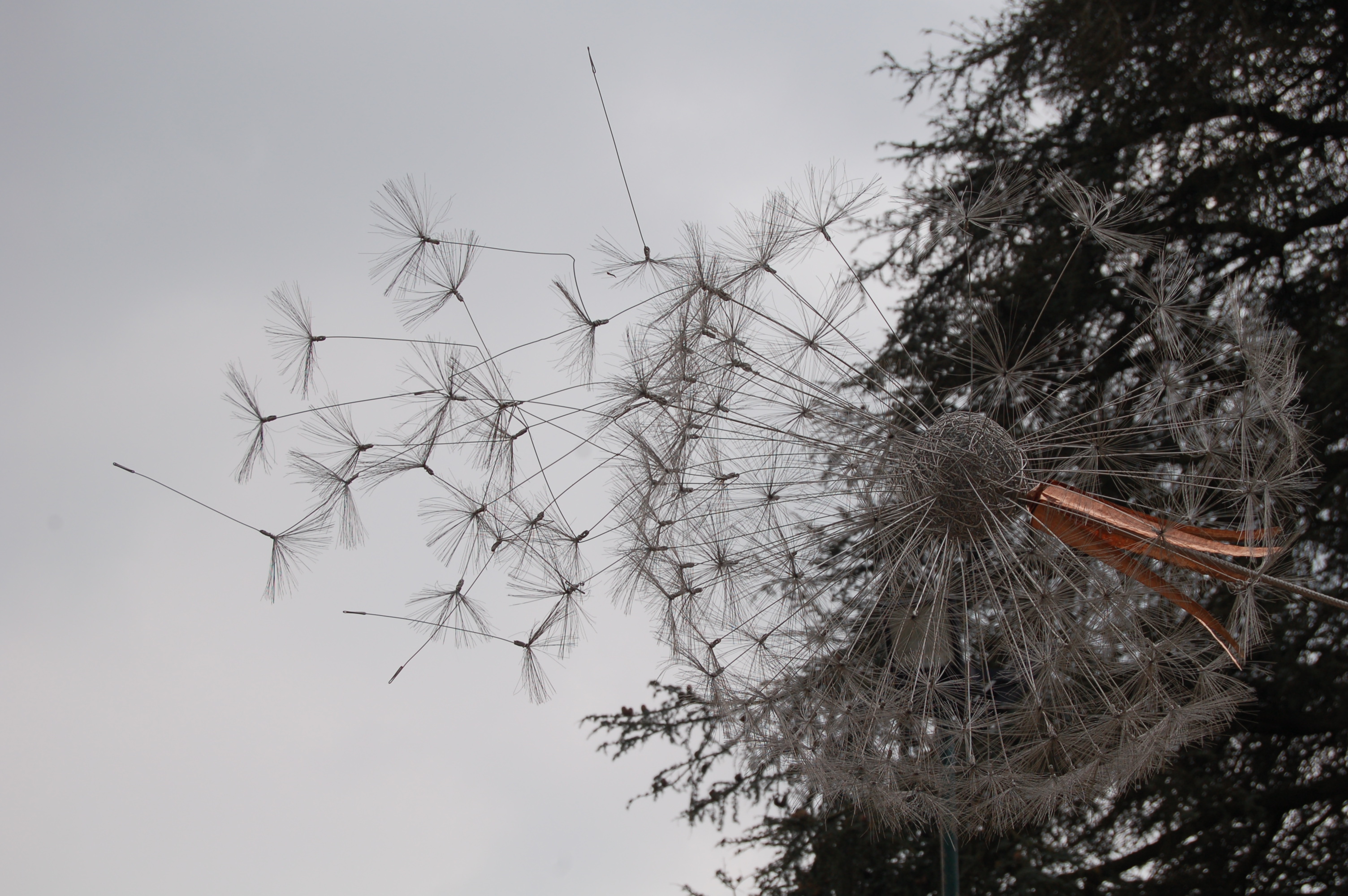
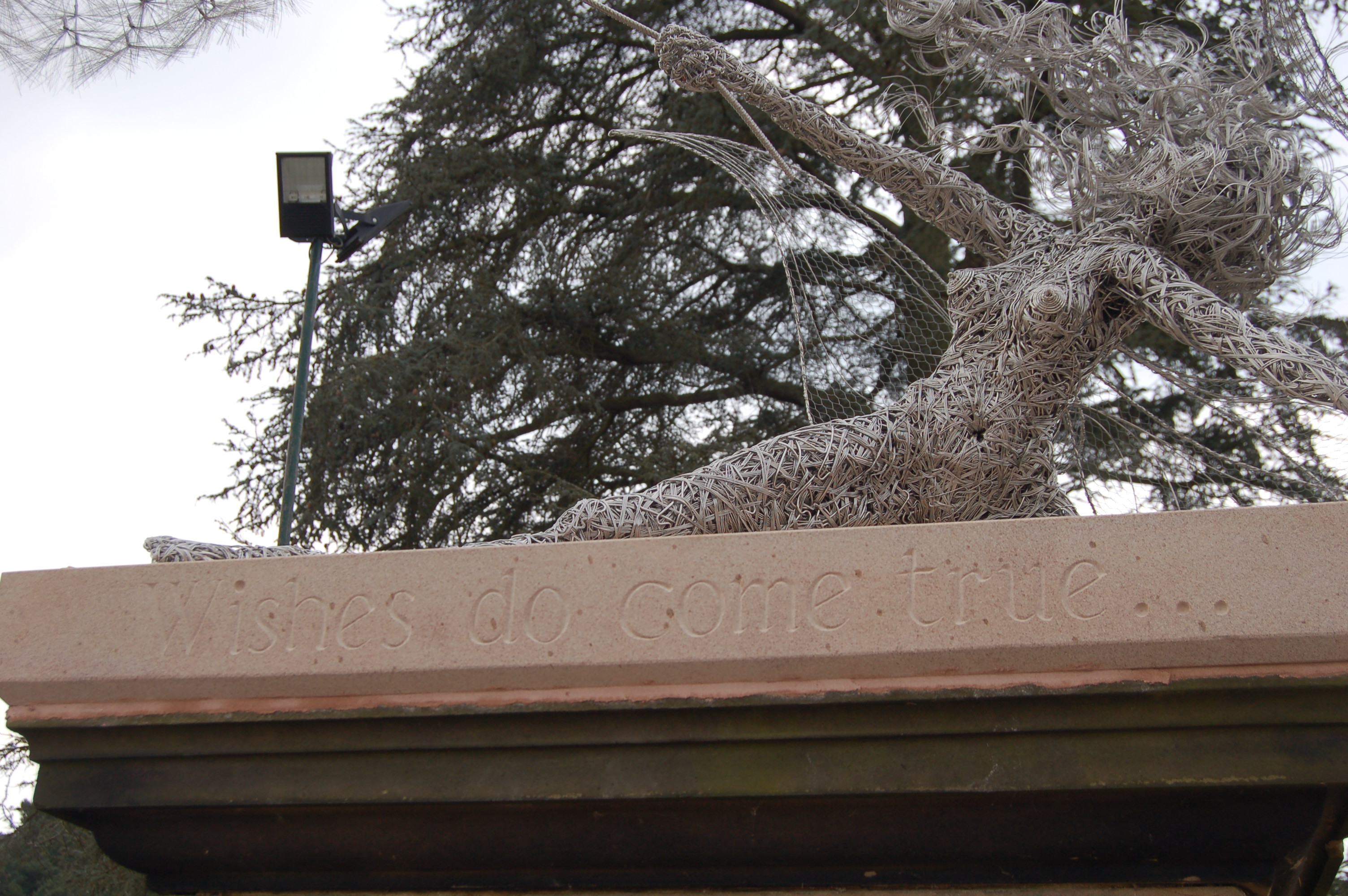
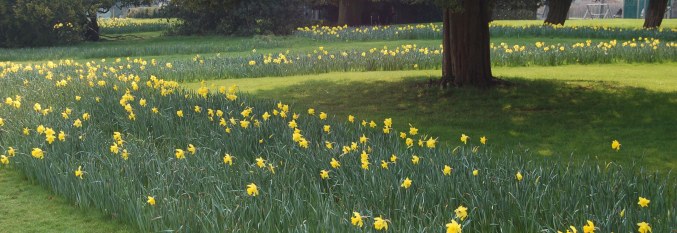
We were enjoying the sight of thousands of daffodils growing in the lawns when a sudden shower of icy rain and hail forced us to take an early coffee break but we were soon wandering again through the “display gardens”. You can see that the first picture of the daffs was taken through a haze of rain.



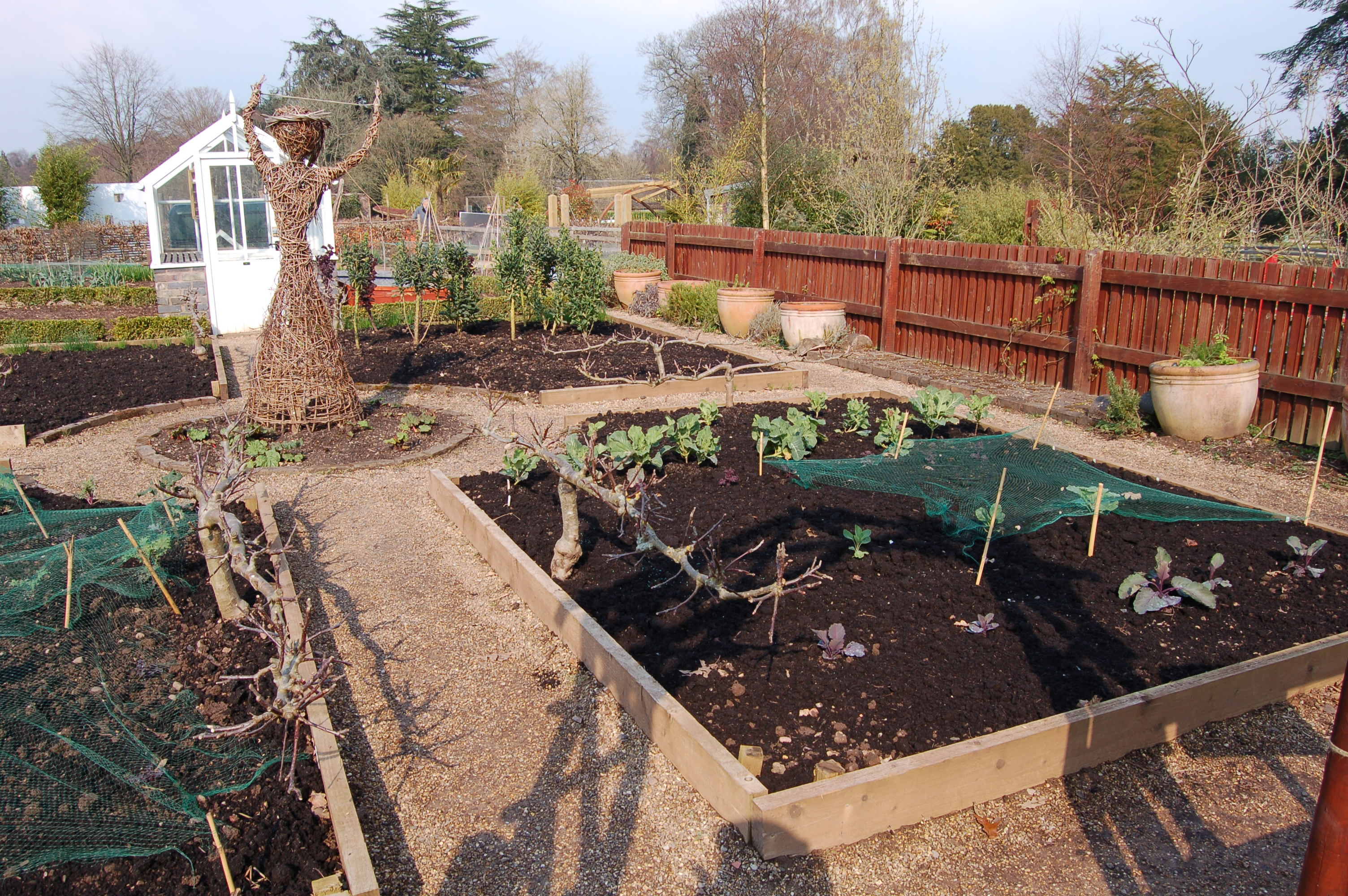
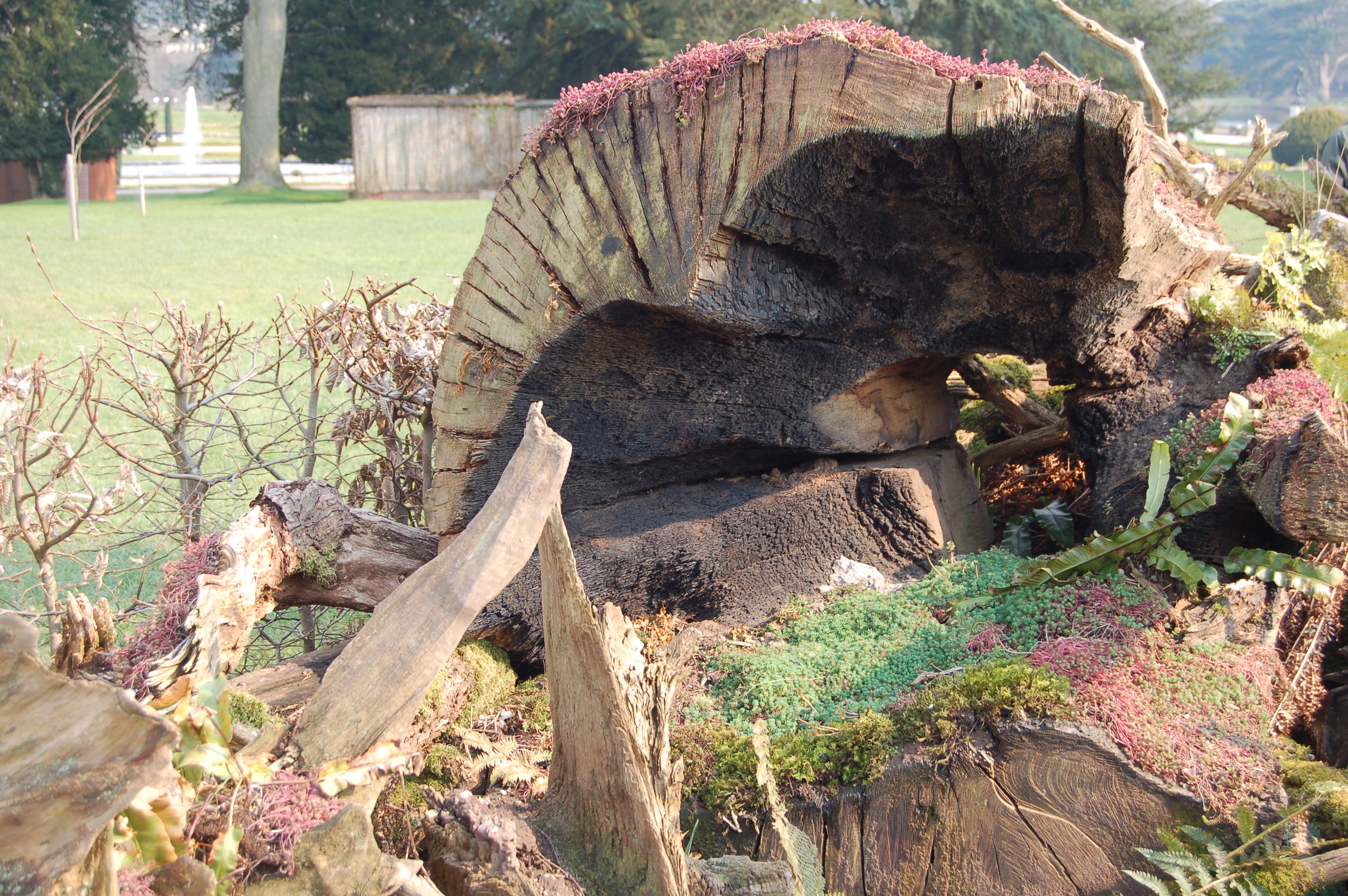

Watch this space! One area of the display gardens was being re-developed so we shall have something new to discover on our April visit. There were some exiting metal structures going up but apart from that we couldn’t even guess what the gardeners and landscapers were up to.
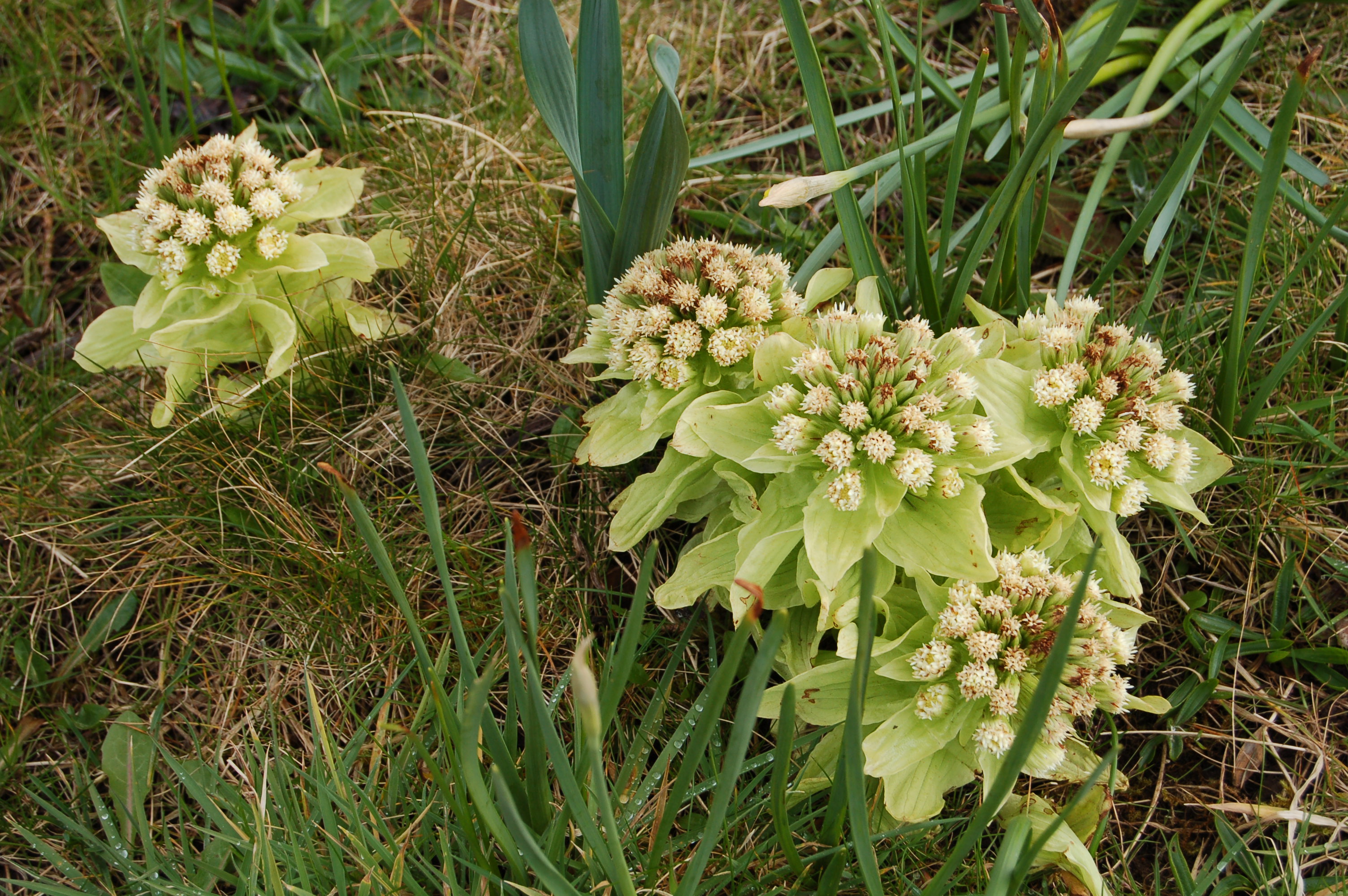
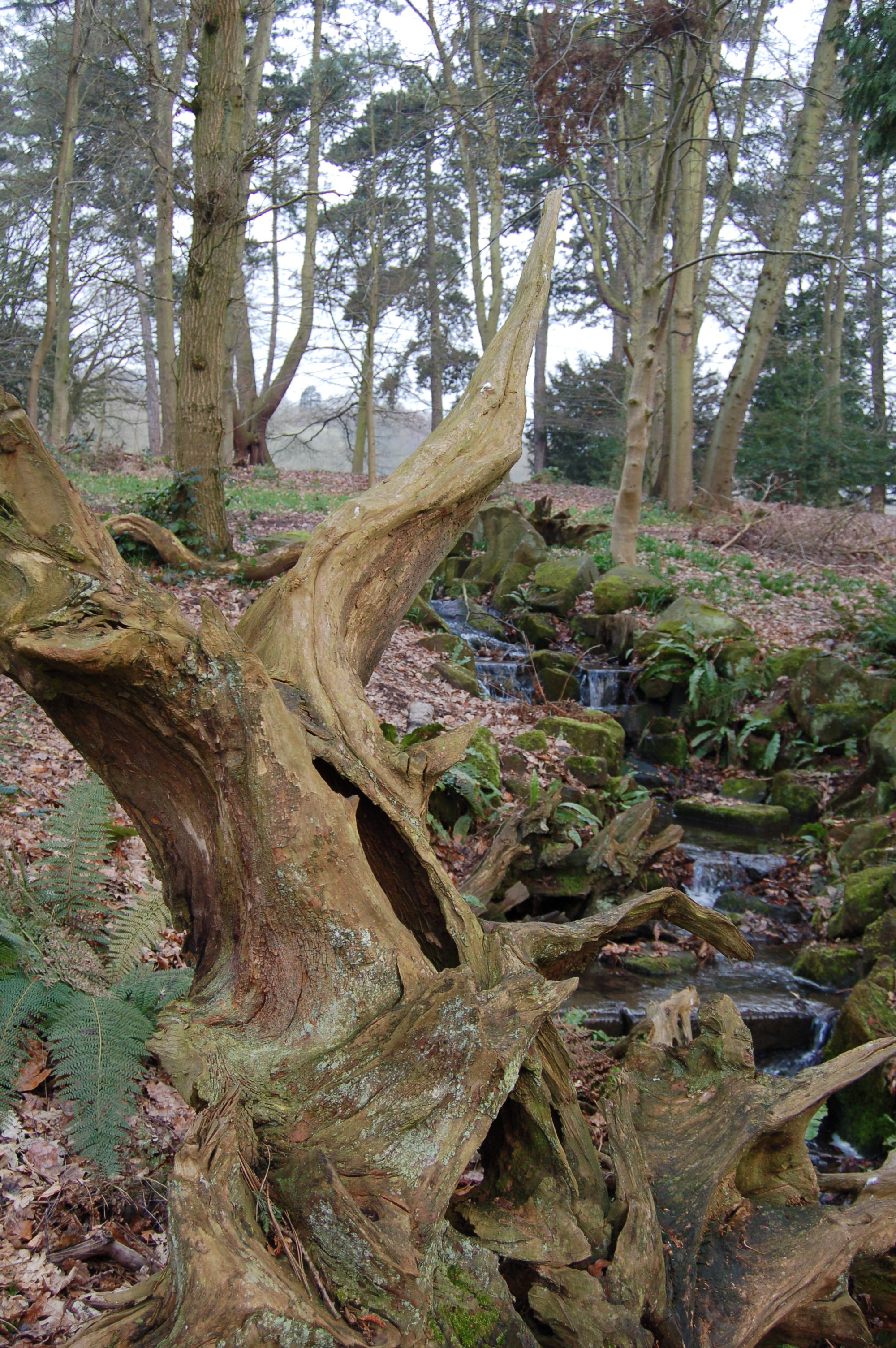
We took a detour into a part of the gardens that we did not even know existed – a short woodland trail. We couldn’t access it all as work was being done to the fire pit area but we liked what we saw. Sadly the visit to the bird hide was a waste as the multitude of bird feeders hanging there were empty! The woodland is alongside the lake and on the lakeside we found batches of this mysterious looking plant with yellow-green flowers in a tight umbrella shaped head. Does anyone recognise it?


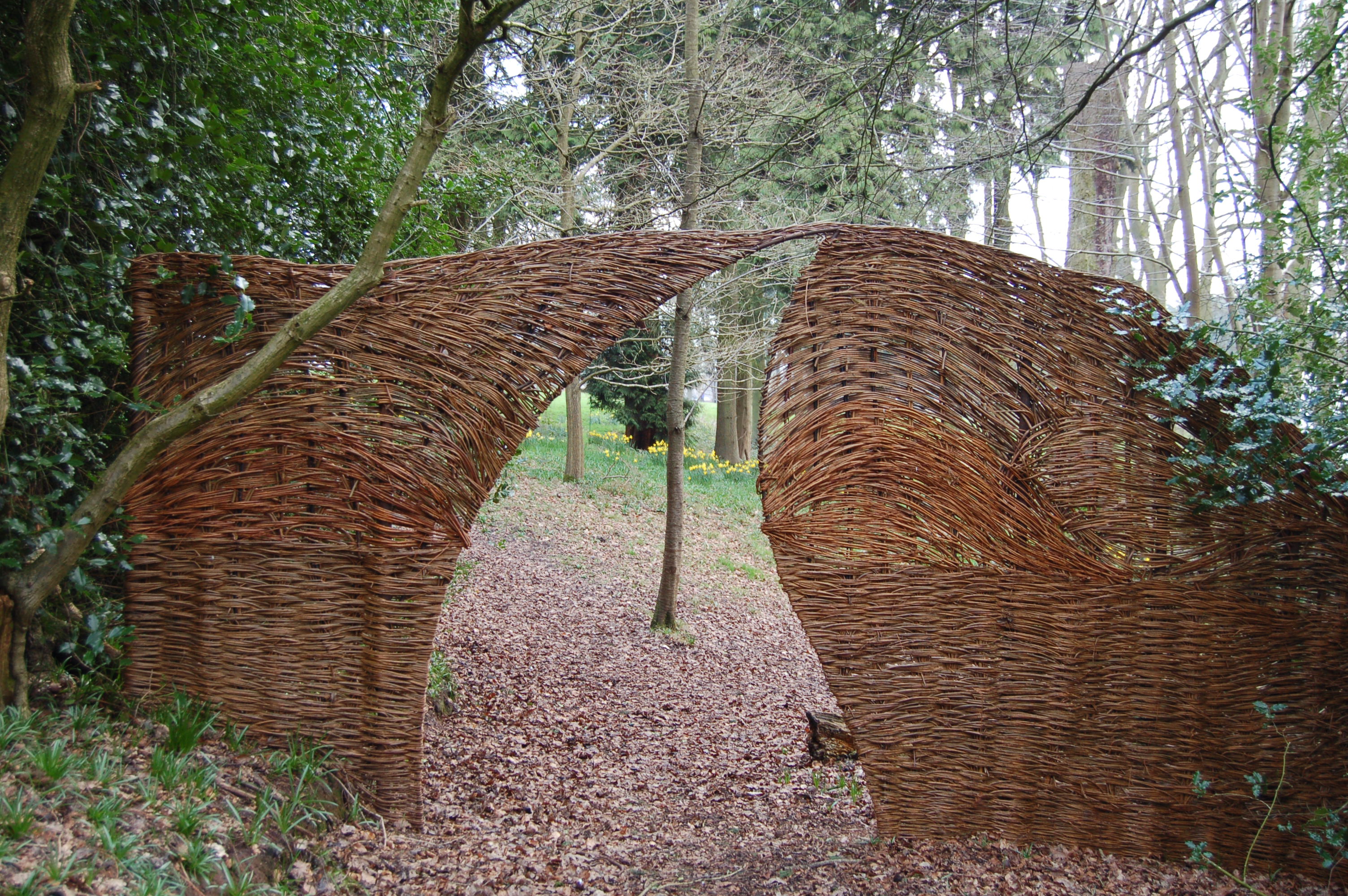
Den building was an activity provided for the children and it looked as if they had been enjoying being creative.



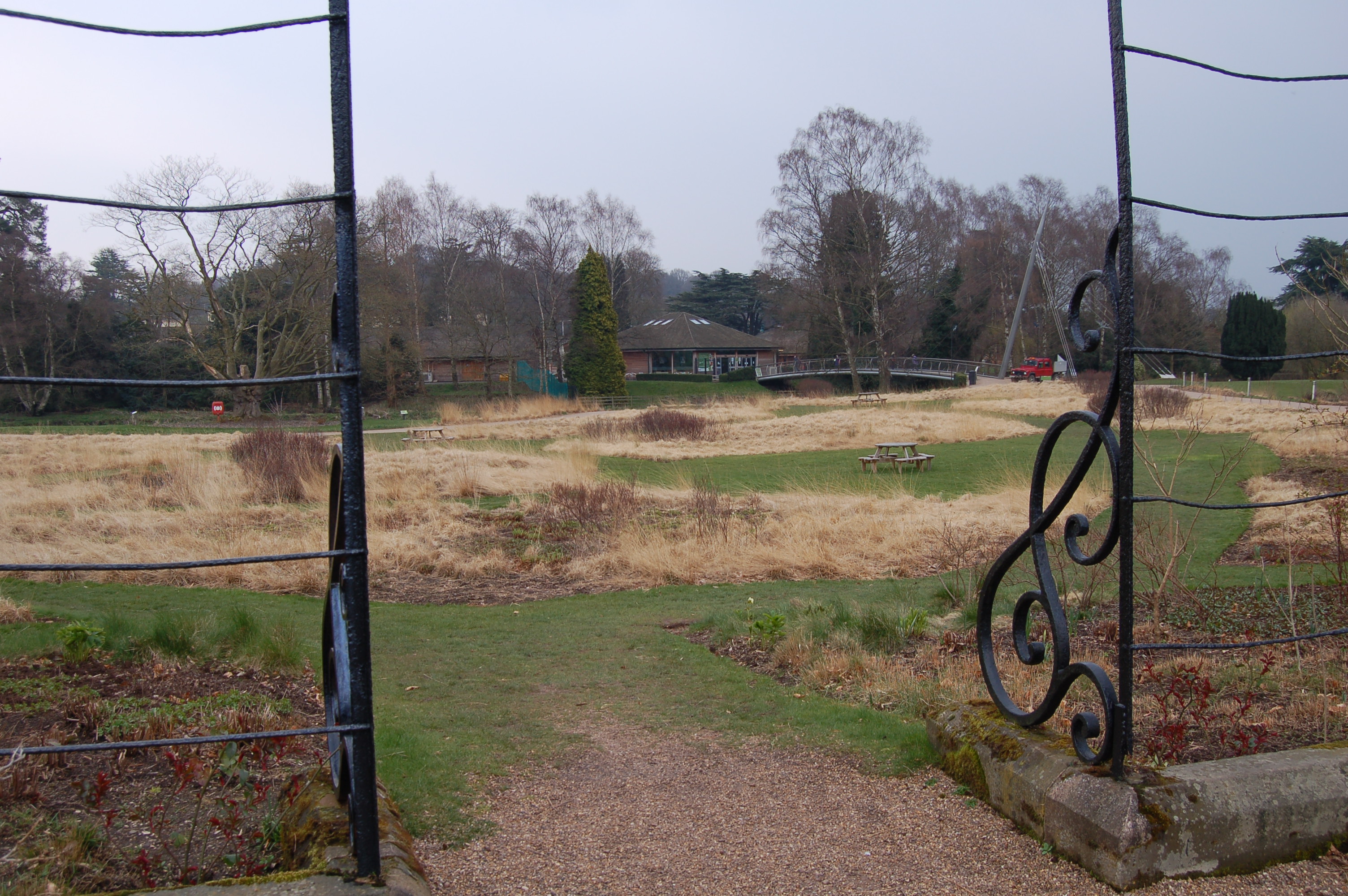
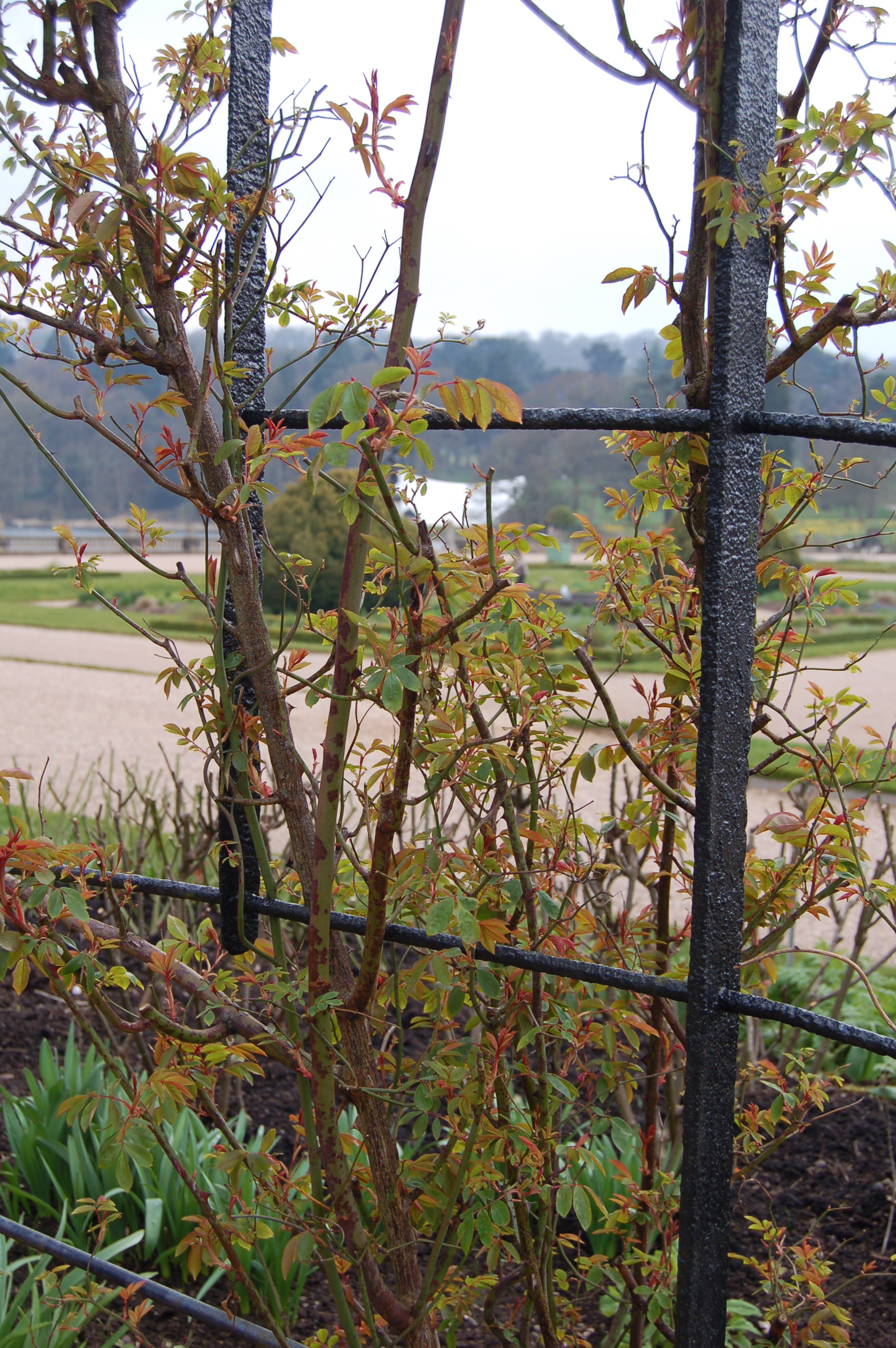
Making our way back to the car we passed the rose border where perennials were coming into growth strongly. The view through to Piet Oudolf’s River of Grasses looked just as it did last month. The roses were making new growth especially the climbers. We found a colourful planting of hellebores and Brunnera “Jack Frost” as we left the garden which was a real bonus.

I shall close with my one successful photo of the fairy sculptures – at least one worked! So we are now looking forward to out April visit when there should be a lot of change. The growth rate will be accelerating nicely by then.

Over the last few years we have worked hard planning to make our garden look and feel good all year round. So today I took a wander with camera in hand to see how well we had done so far. See what you think. Are we getting there?
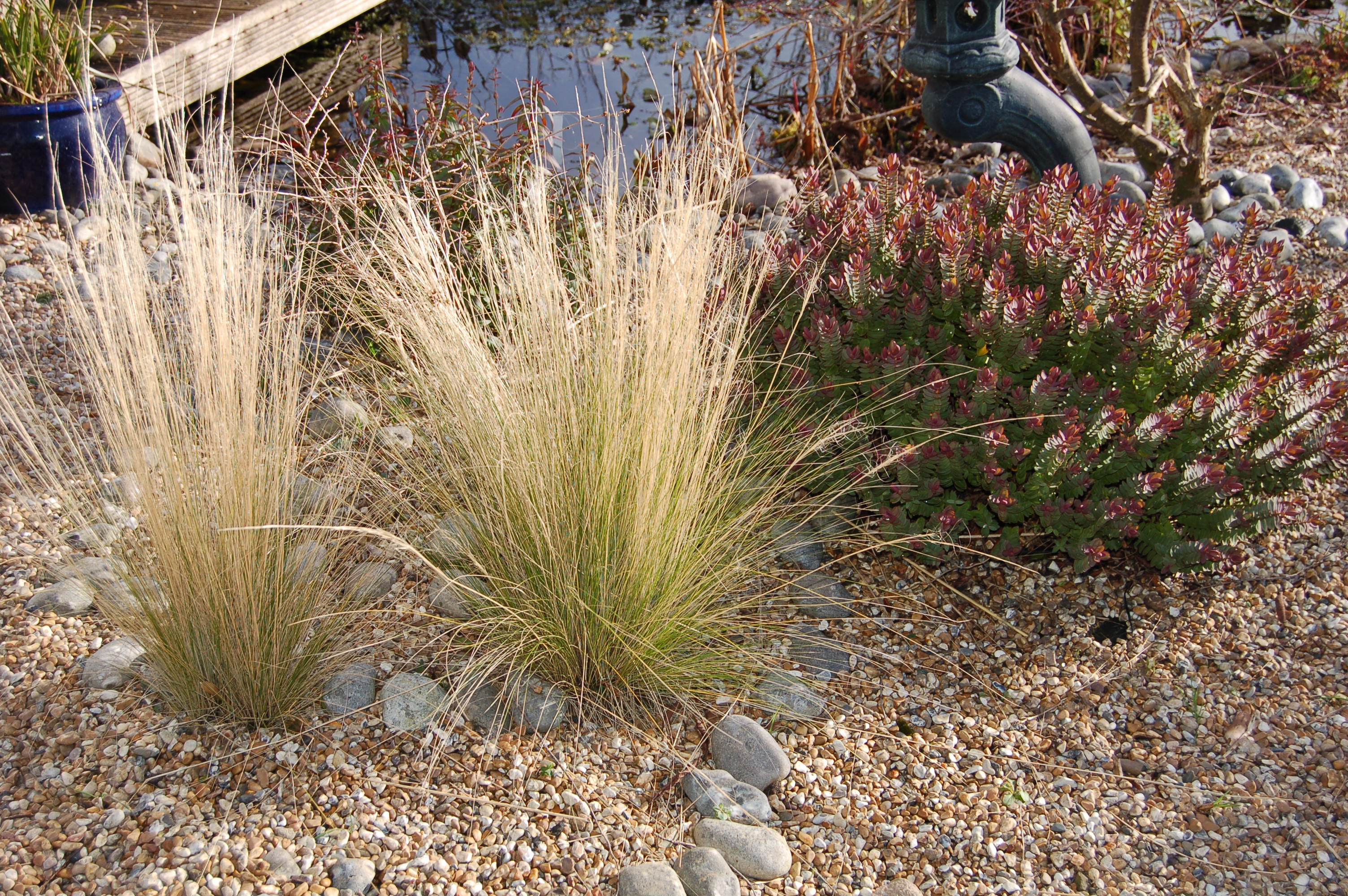
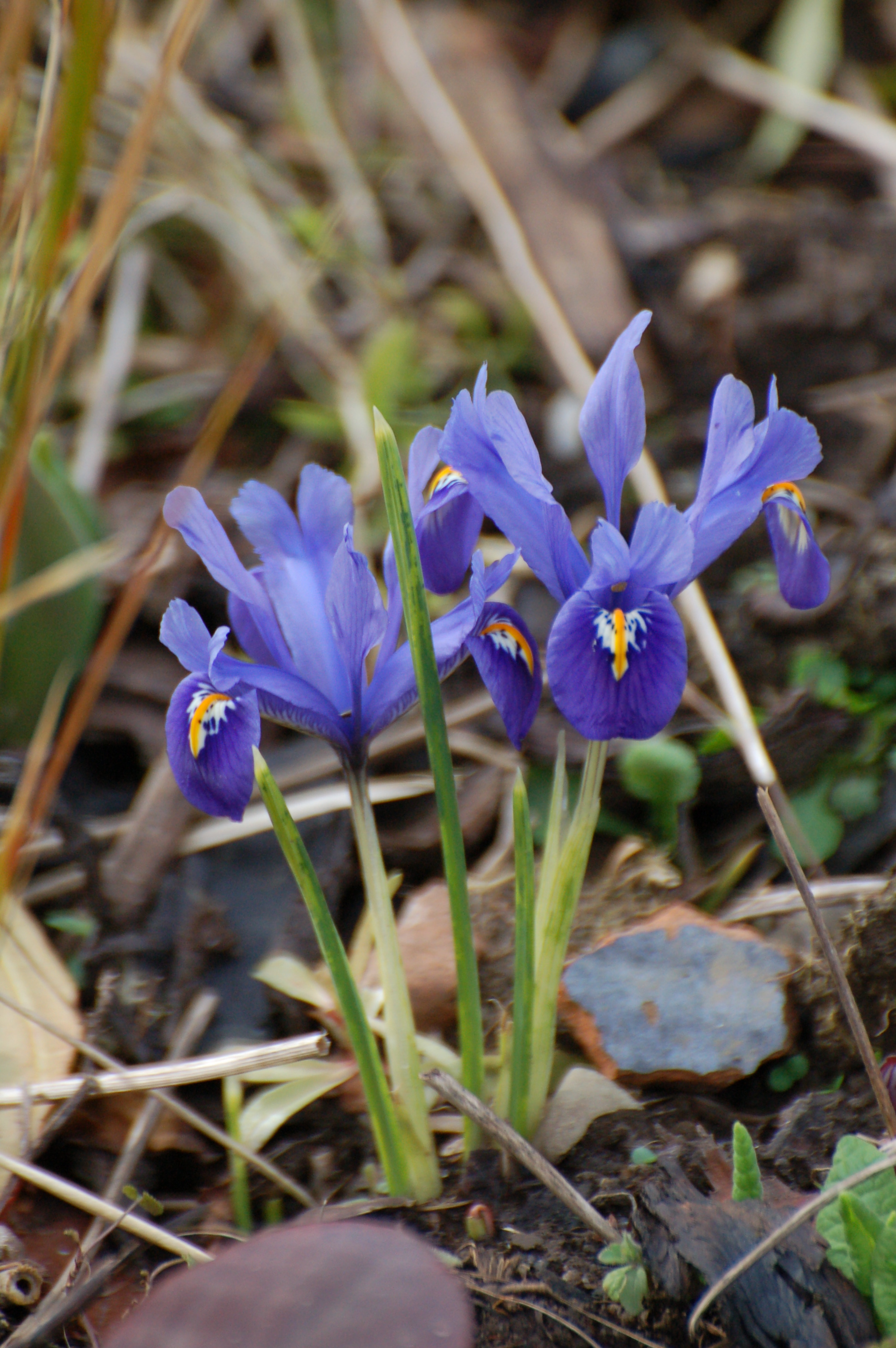
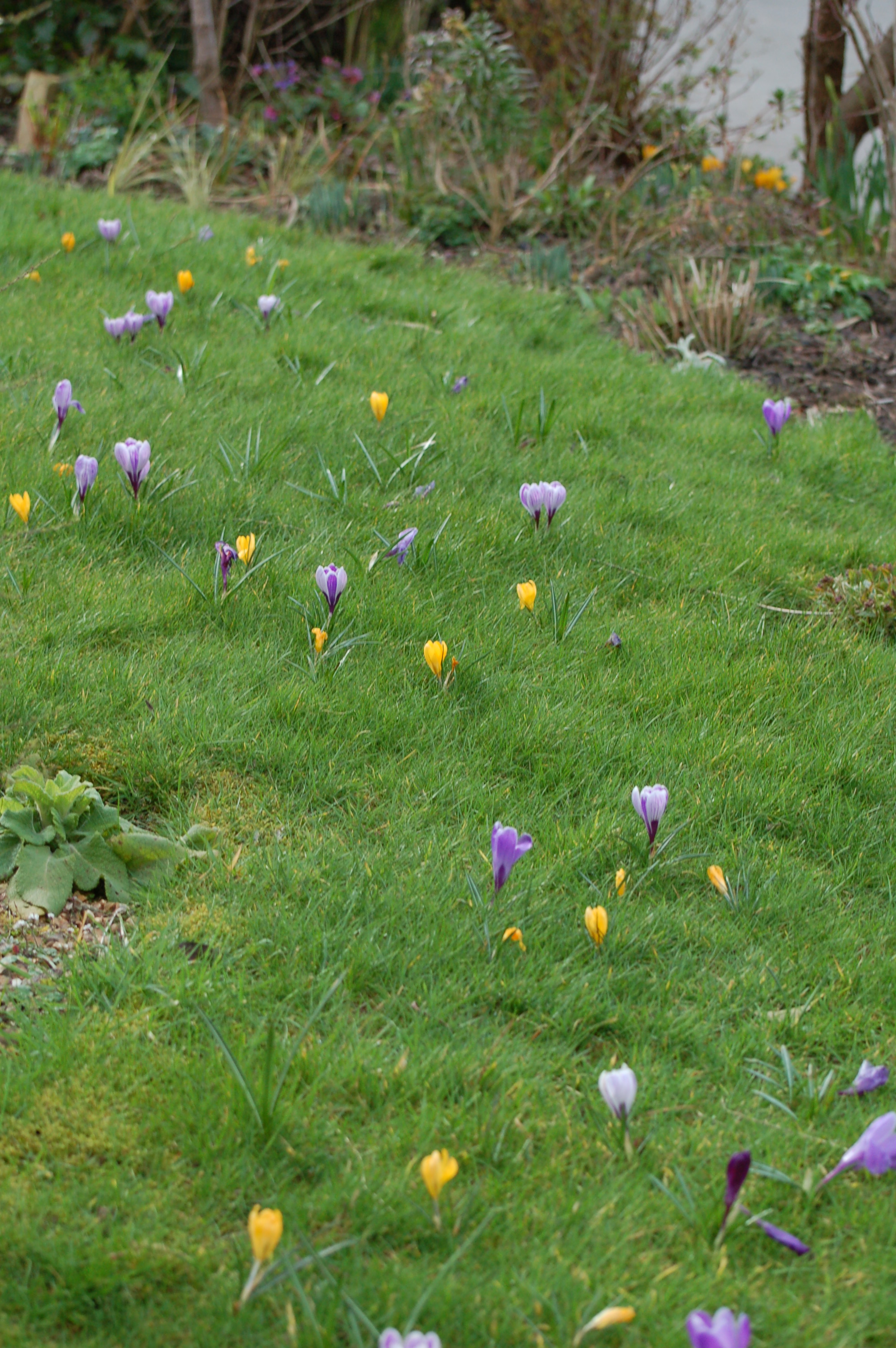
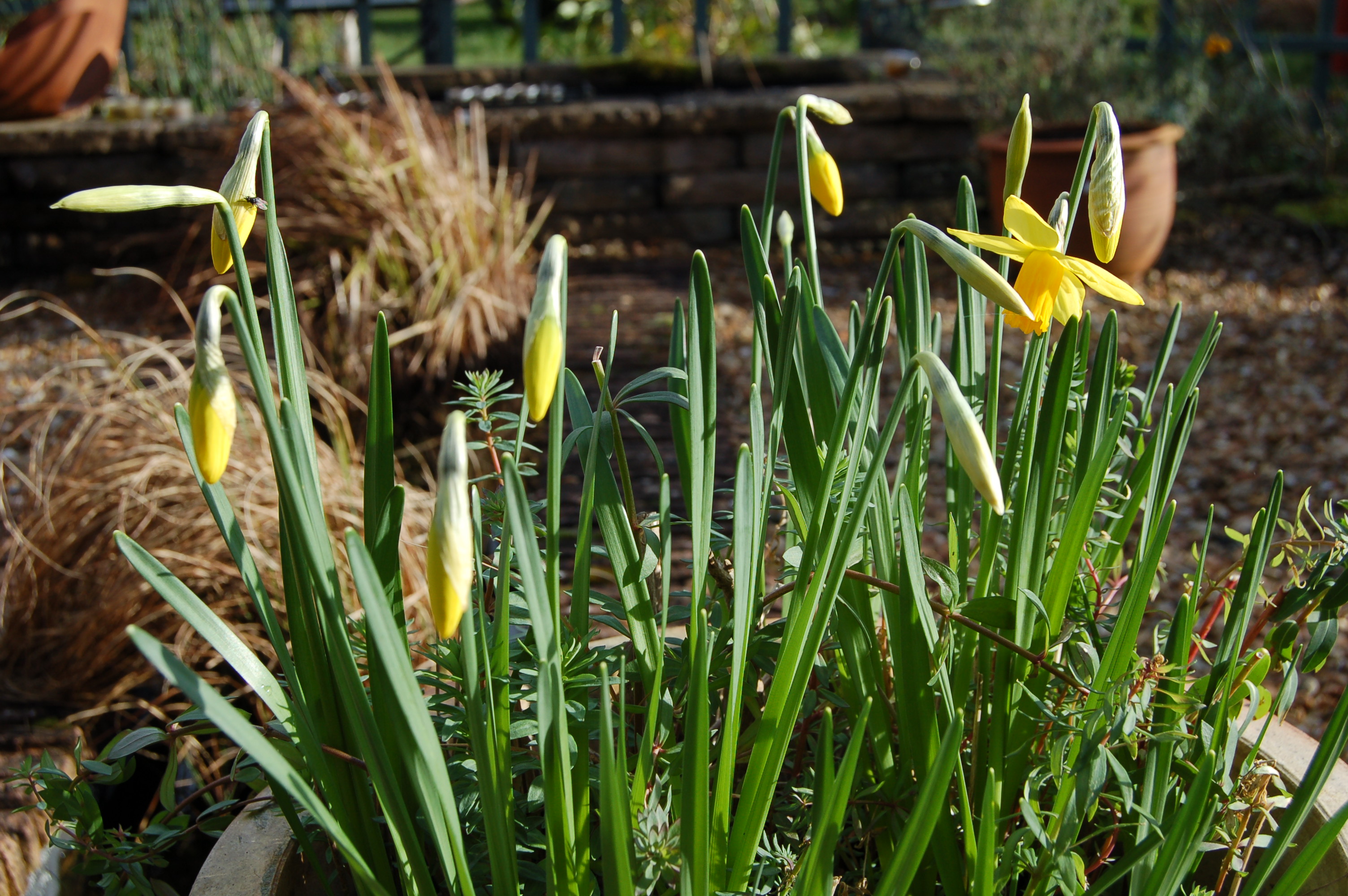
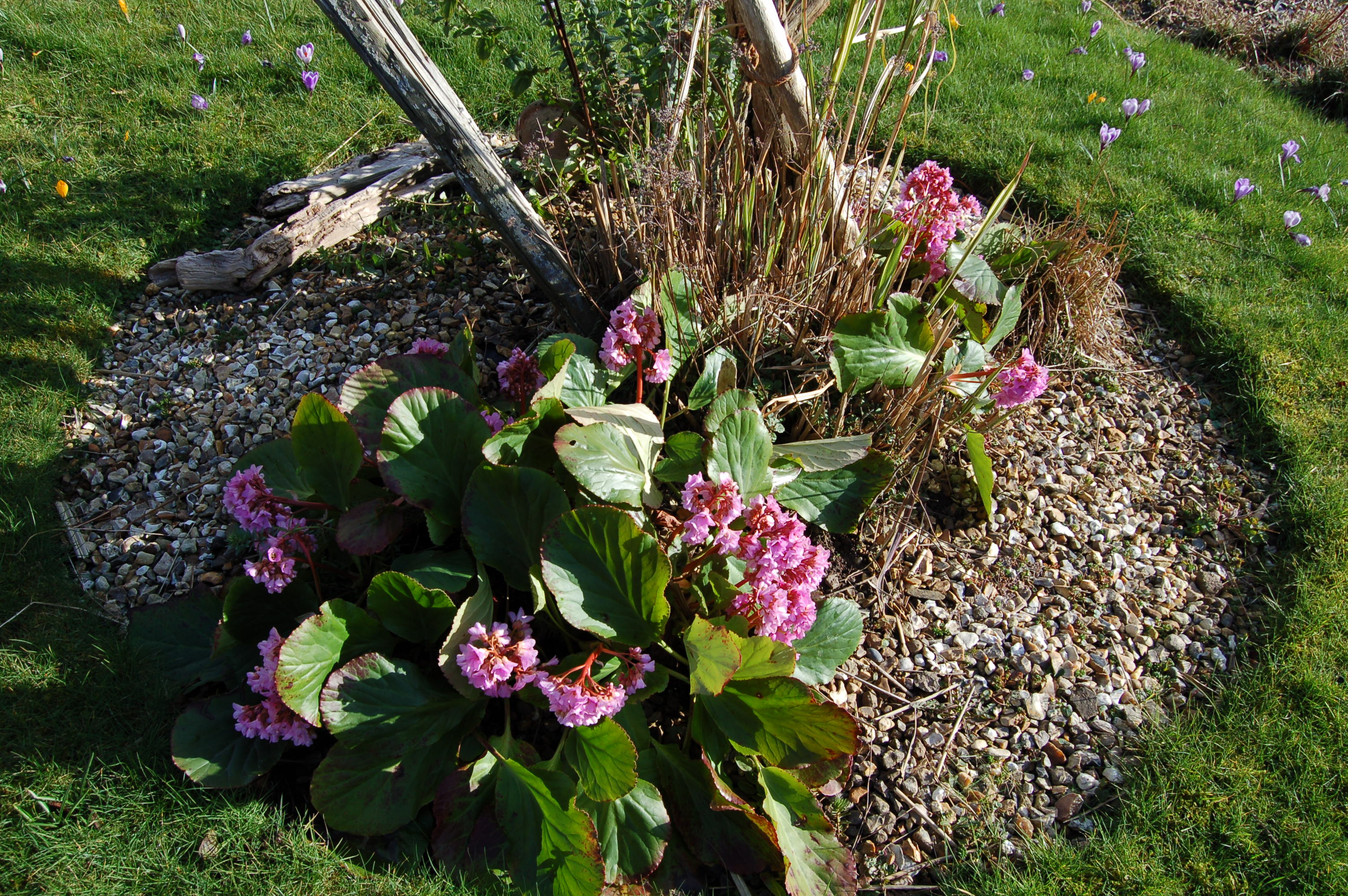
Of course flowering bulbs come into their own at this time of year and we now have a wide selection of crocus, muscari, miniature narcissi and Iris reticulata throughout the garden. Grasses are of equal importance but only recently have they been accepted as an essential element of the winter garden. The first photo shows how well our Pony Tails Grasses contrast with the foliage of Hebes. In the second crocus team up with grasses to create a great combination of colours and textures.


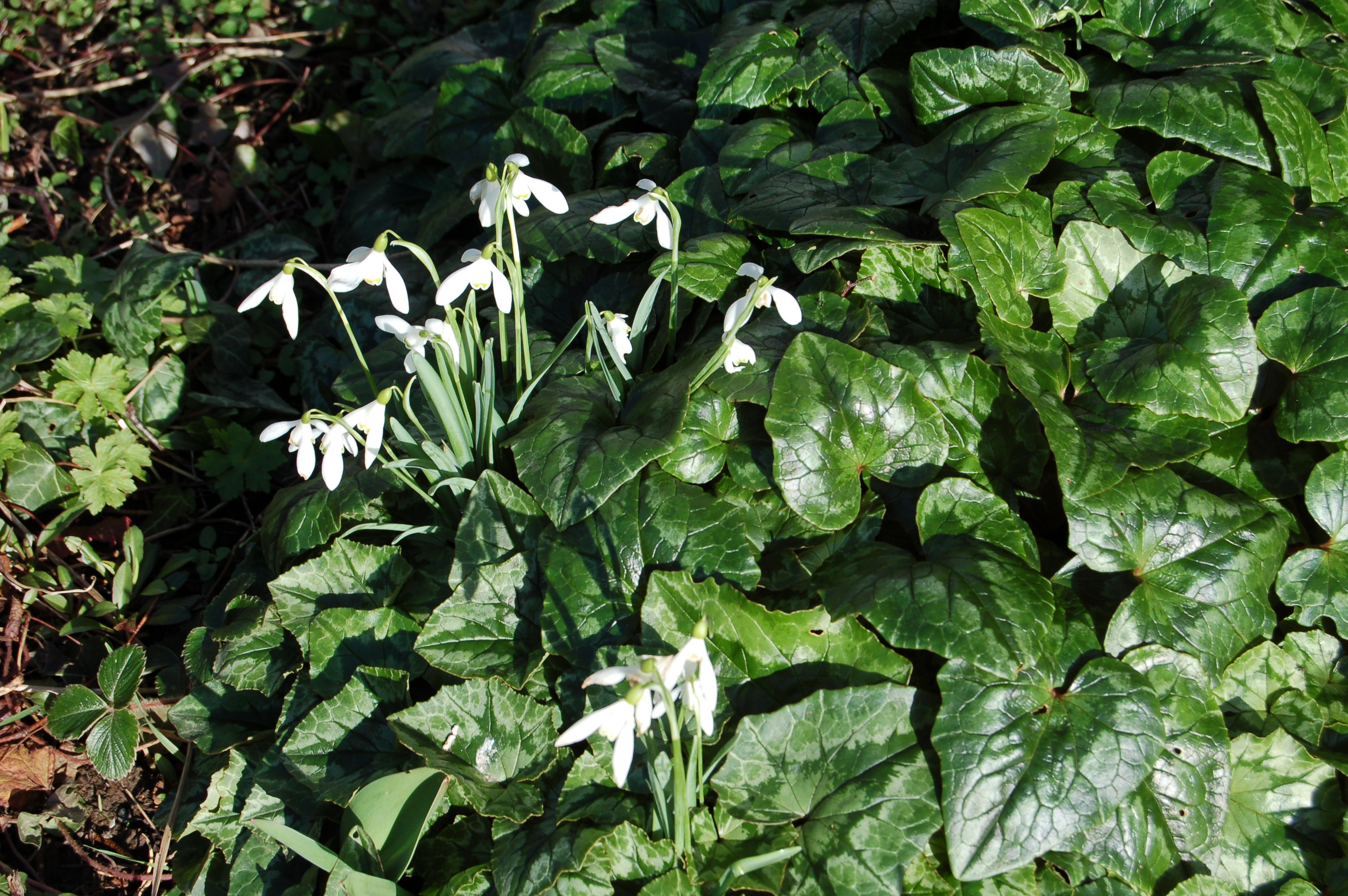
A have a soft spot for celandines, enjoying the glossy yellow native plant that lights up our hedgerow bases as well as the cultivated bronze leaved Brazen Hussey and the “Giant Celandine” in the photograph below.


Euphorbias are another of those families of plants that are all year round essentials in our gardens but at this time of year their new bracts glow on overcast days. Foliage is perhaps more important than flowers in the winter garden as it provides variations of colour, pattern and texture. Phormiums, Heucheras and grasses are most effective.


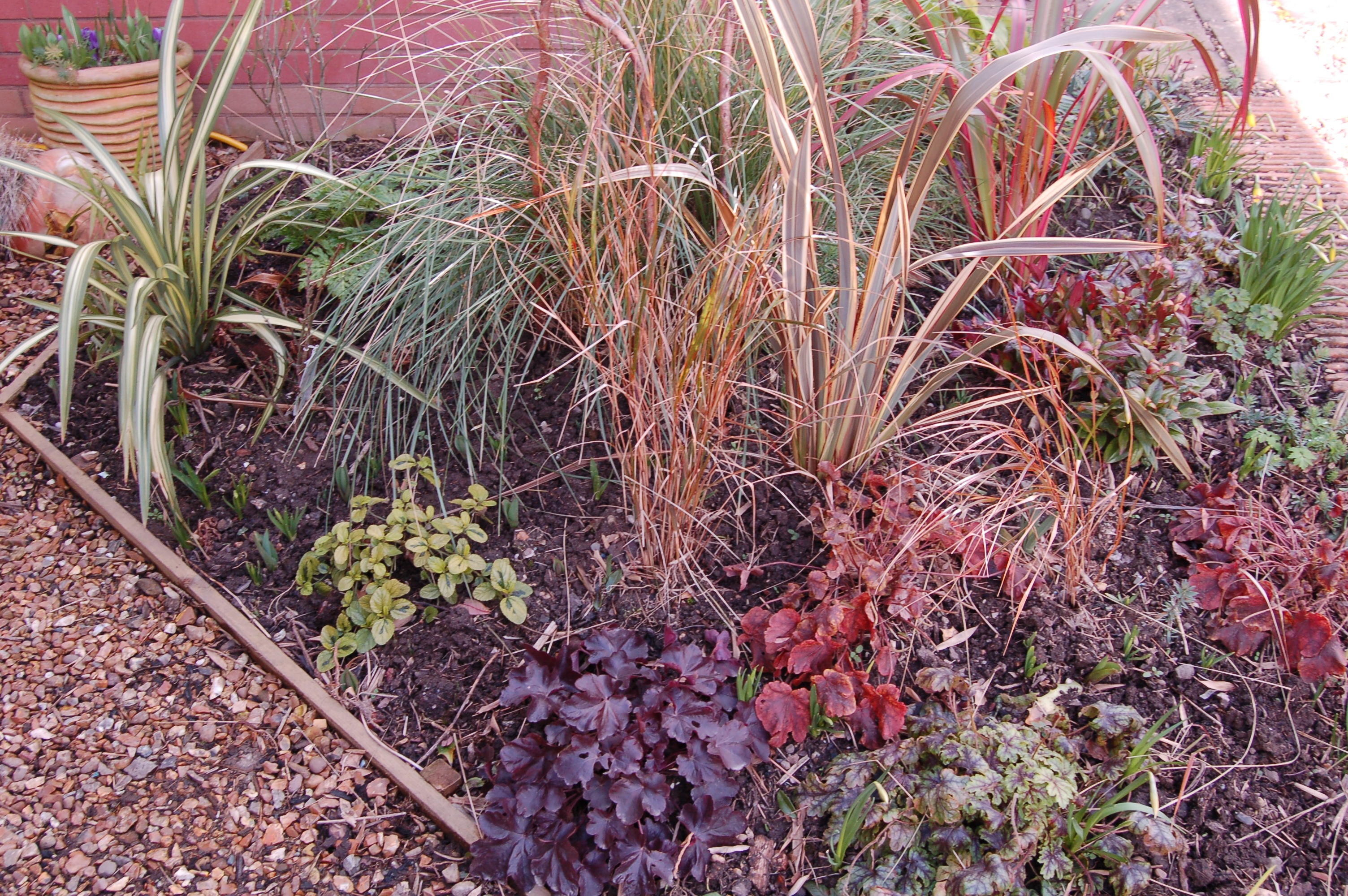
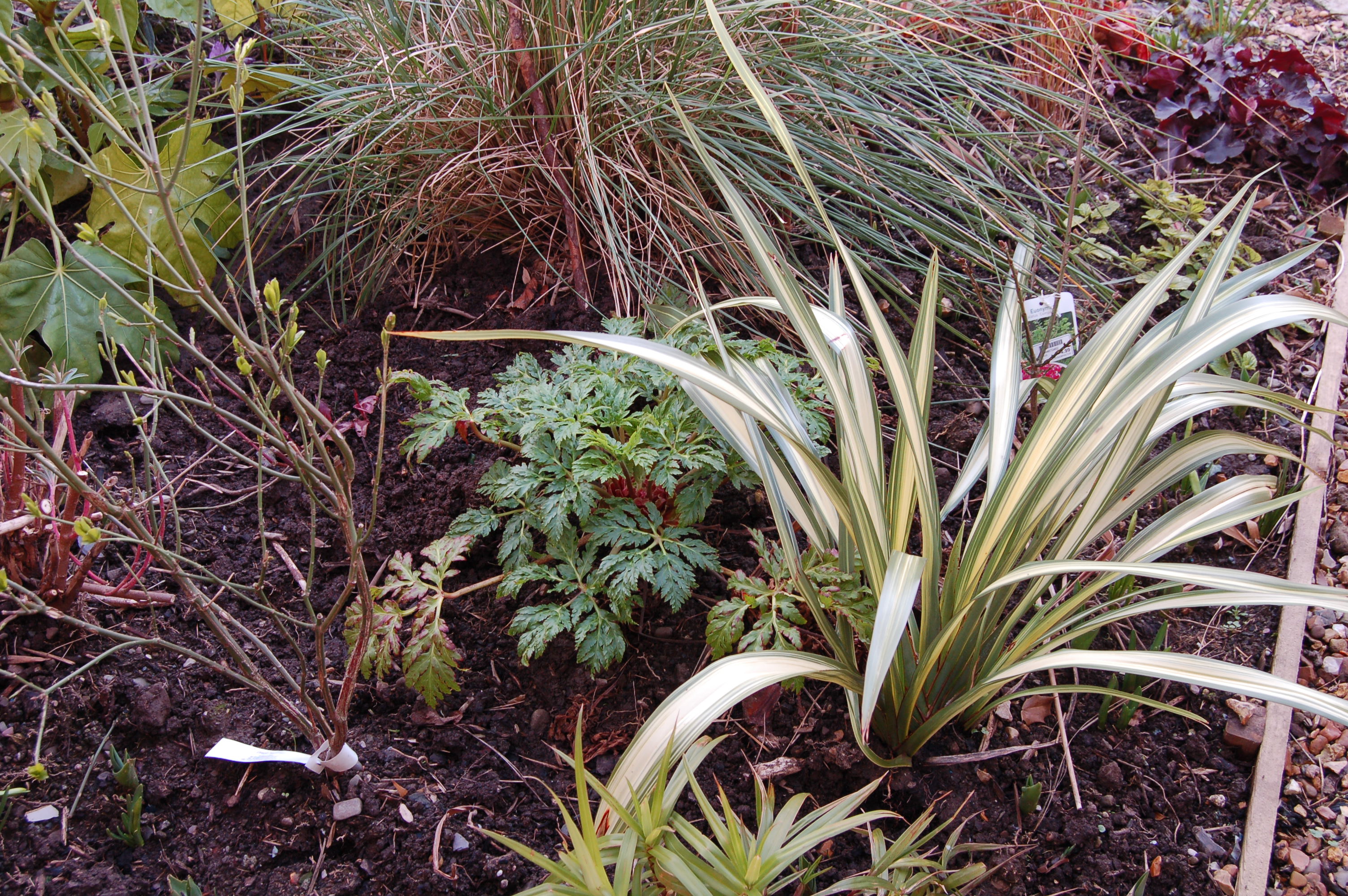

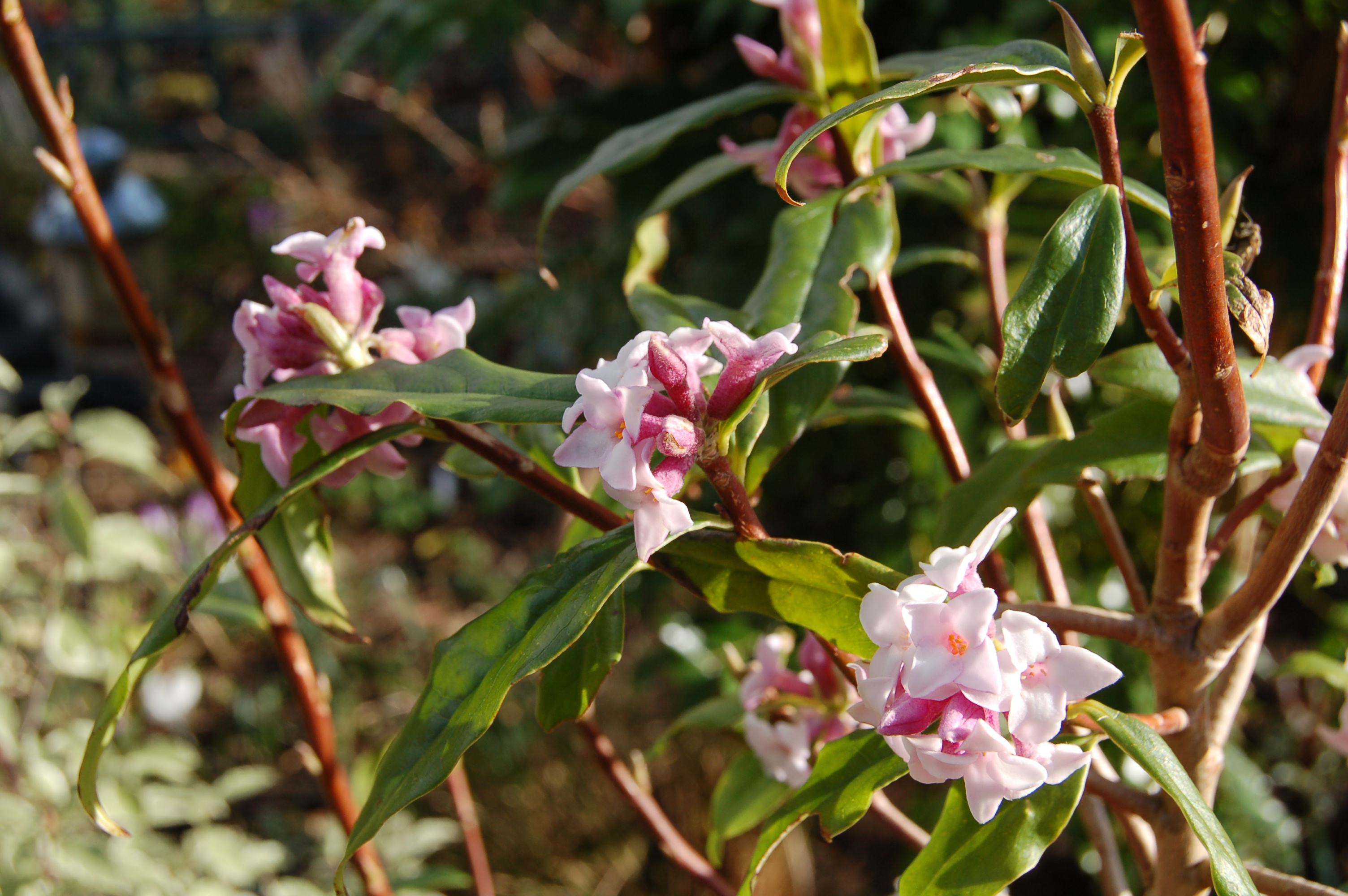
Scent can play its part as it pervades the calm air and delights us as we wander with the thought of brighter warmer days. Daphnes, Sarcoccocas, Cornus, Mahonias and Viburnums all perform well in our garden.


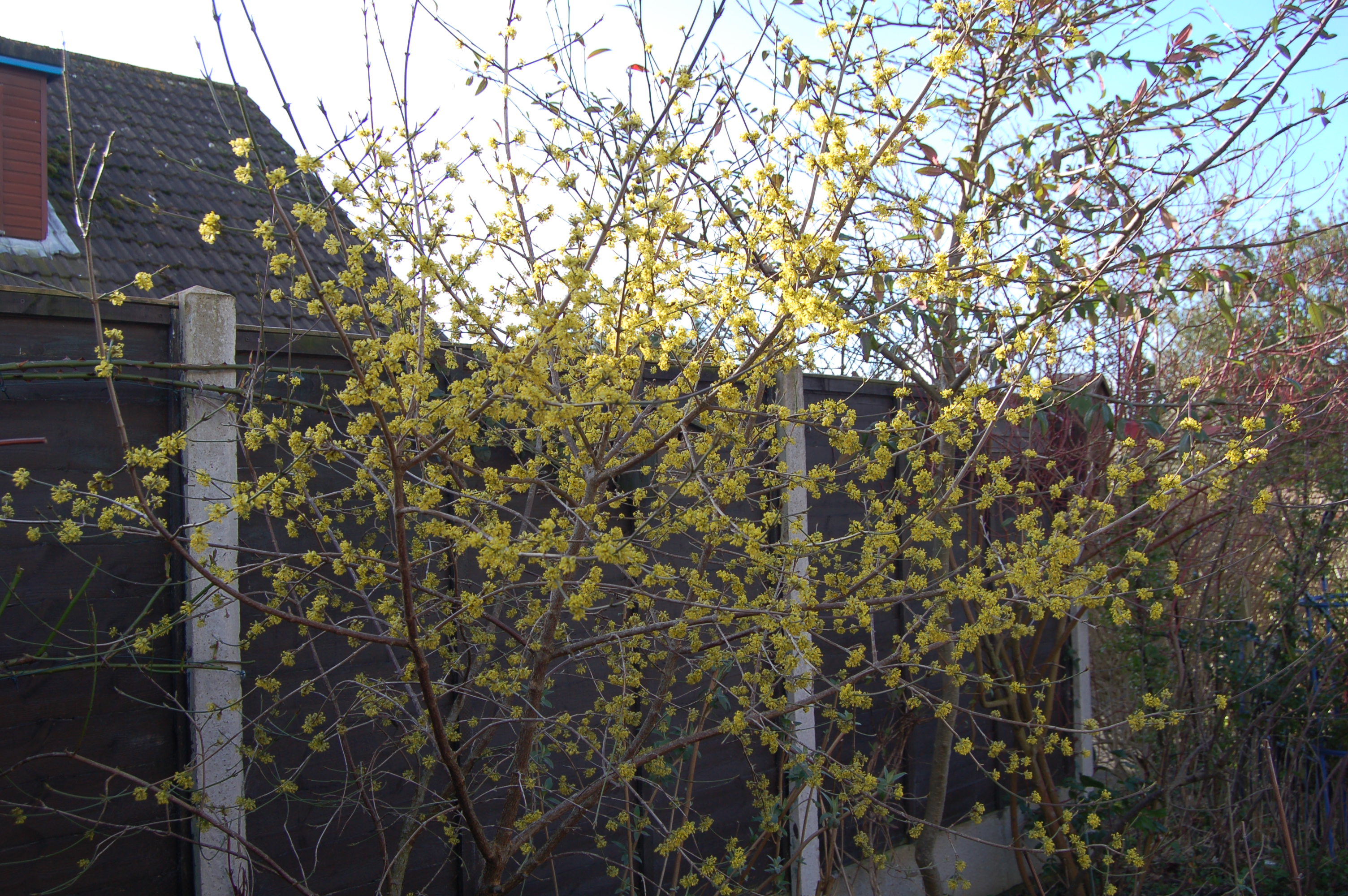


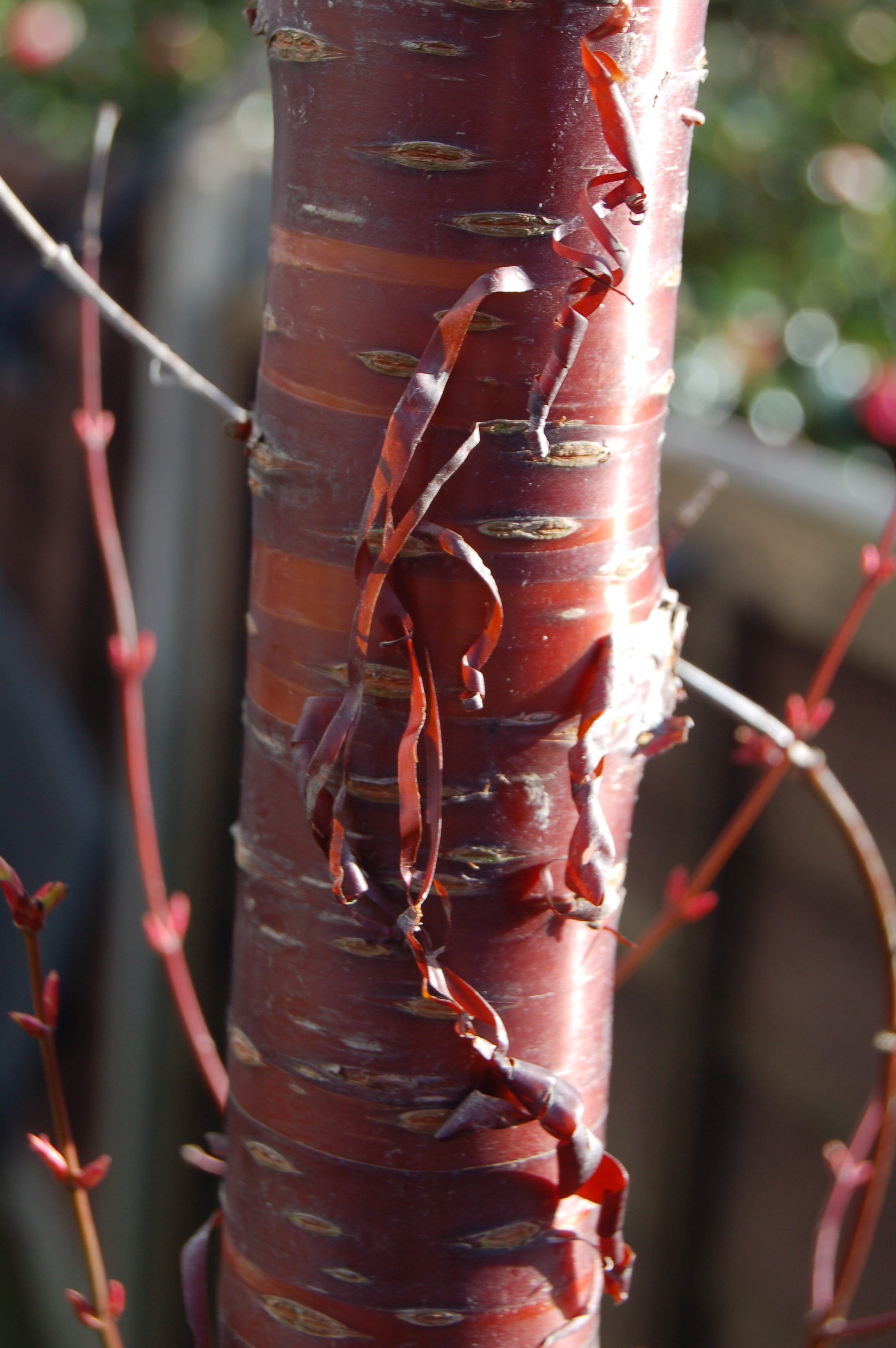
Textured bark on our trees in our Spring Border looks especially good in winter light. The peeling orange bark of the Prunus serrula and the birch is like slithers of brittle toffee.
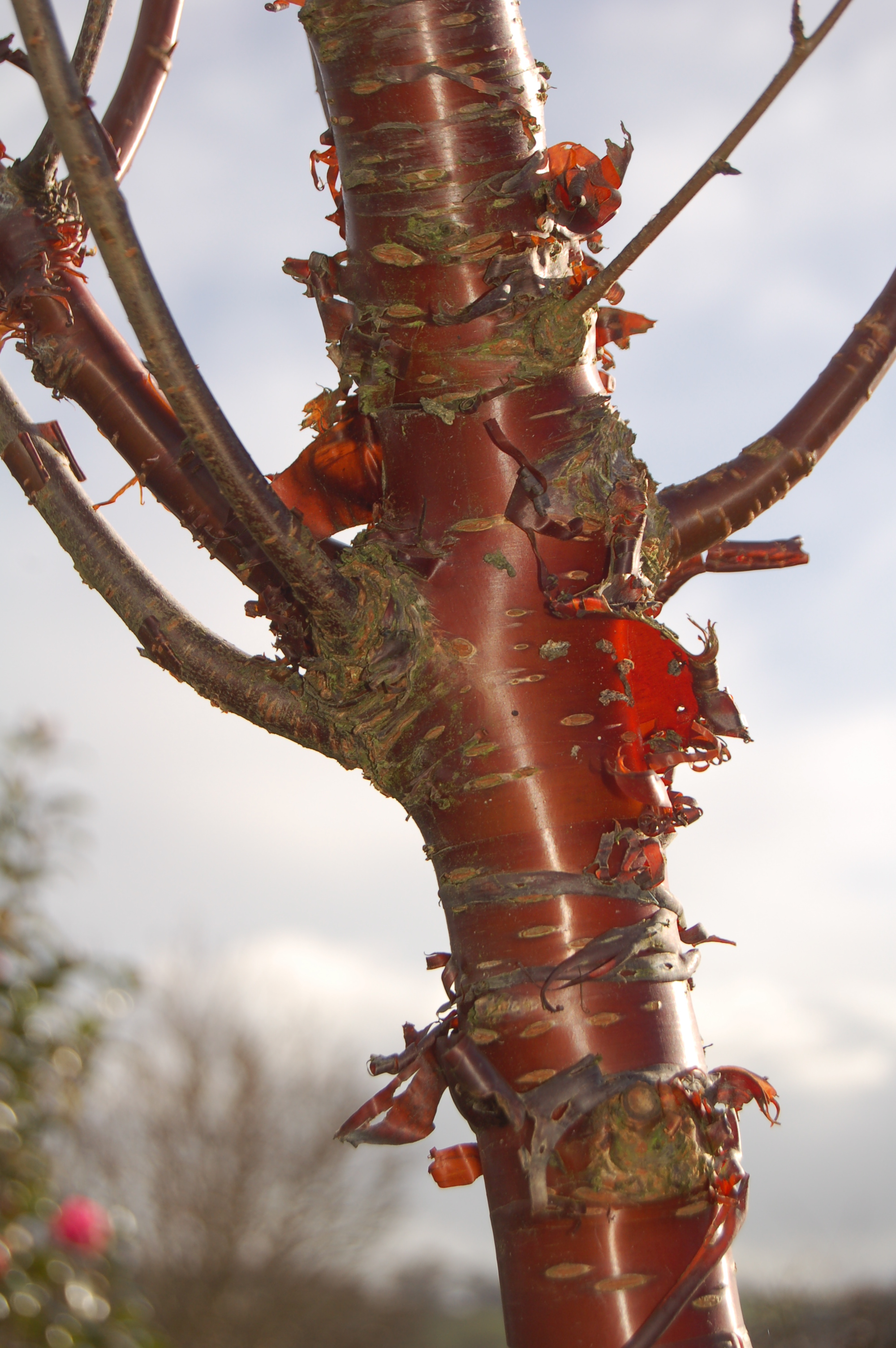

Hellebores star in most gardens in winters since so many wonderful easily grown specimens have become available in most garden centres and nurseries.
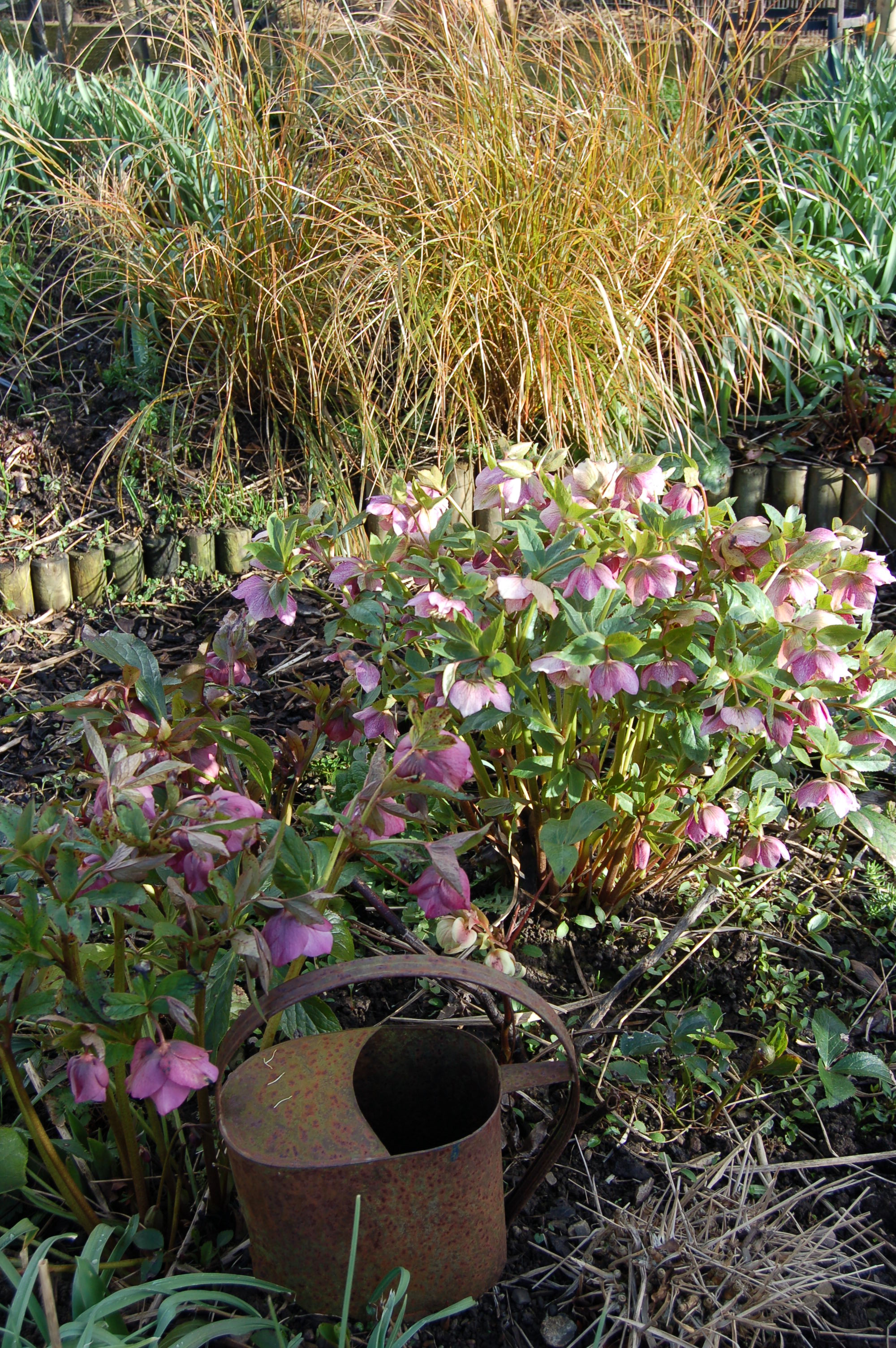

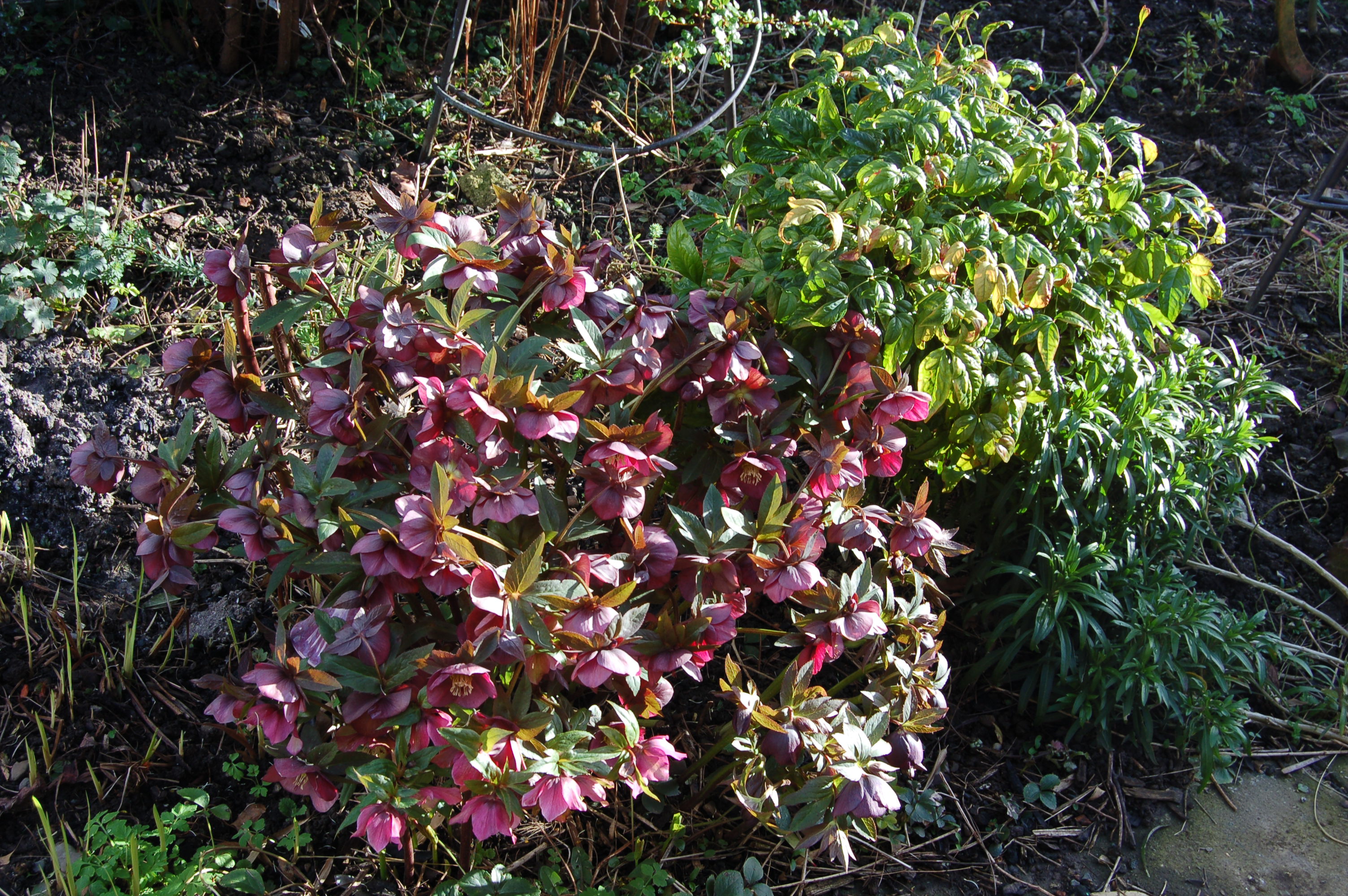
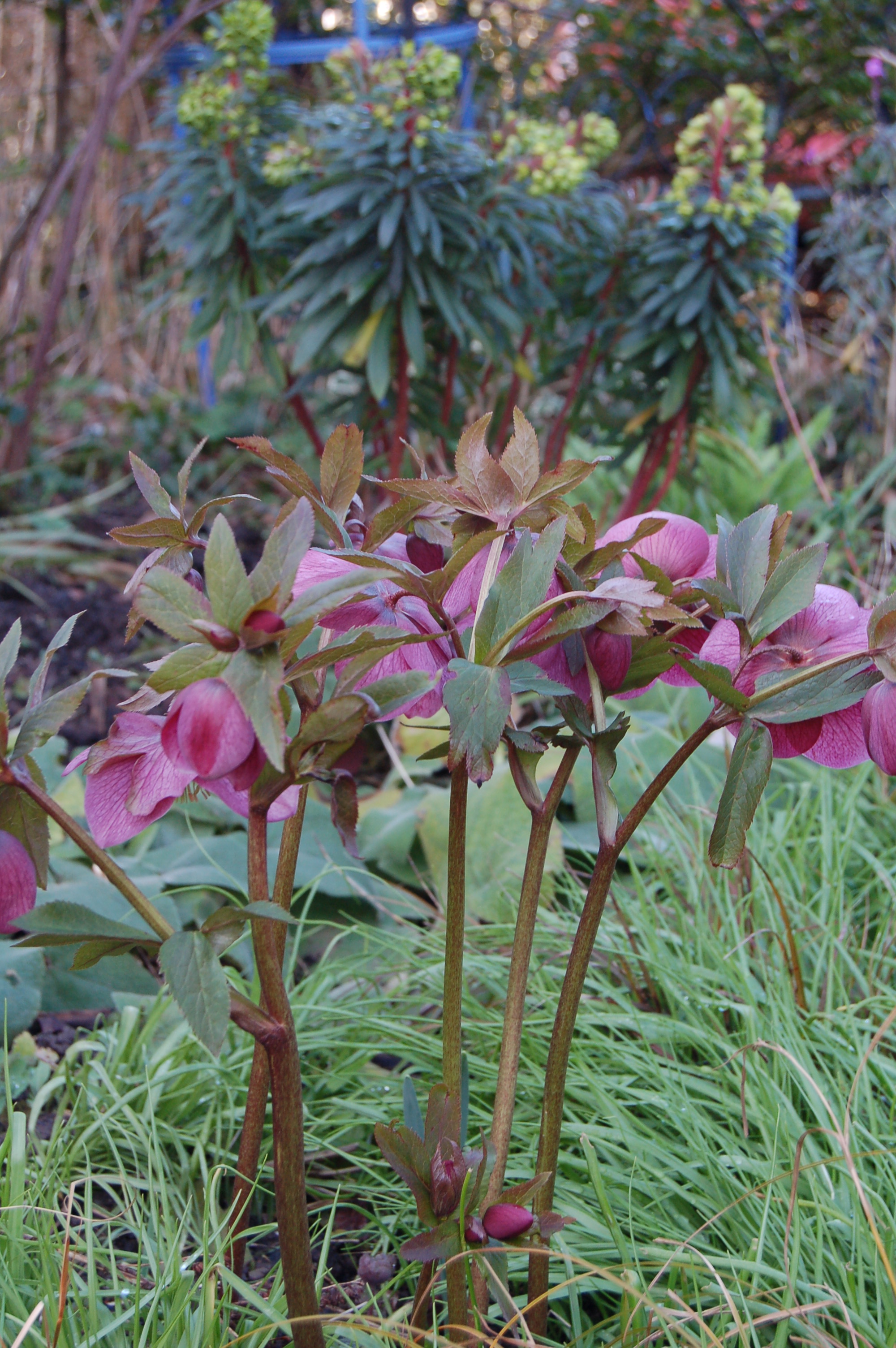
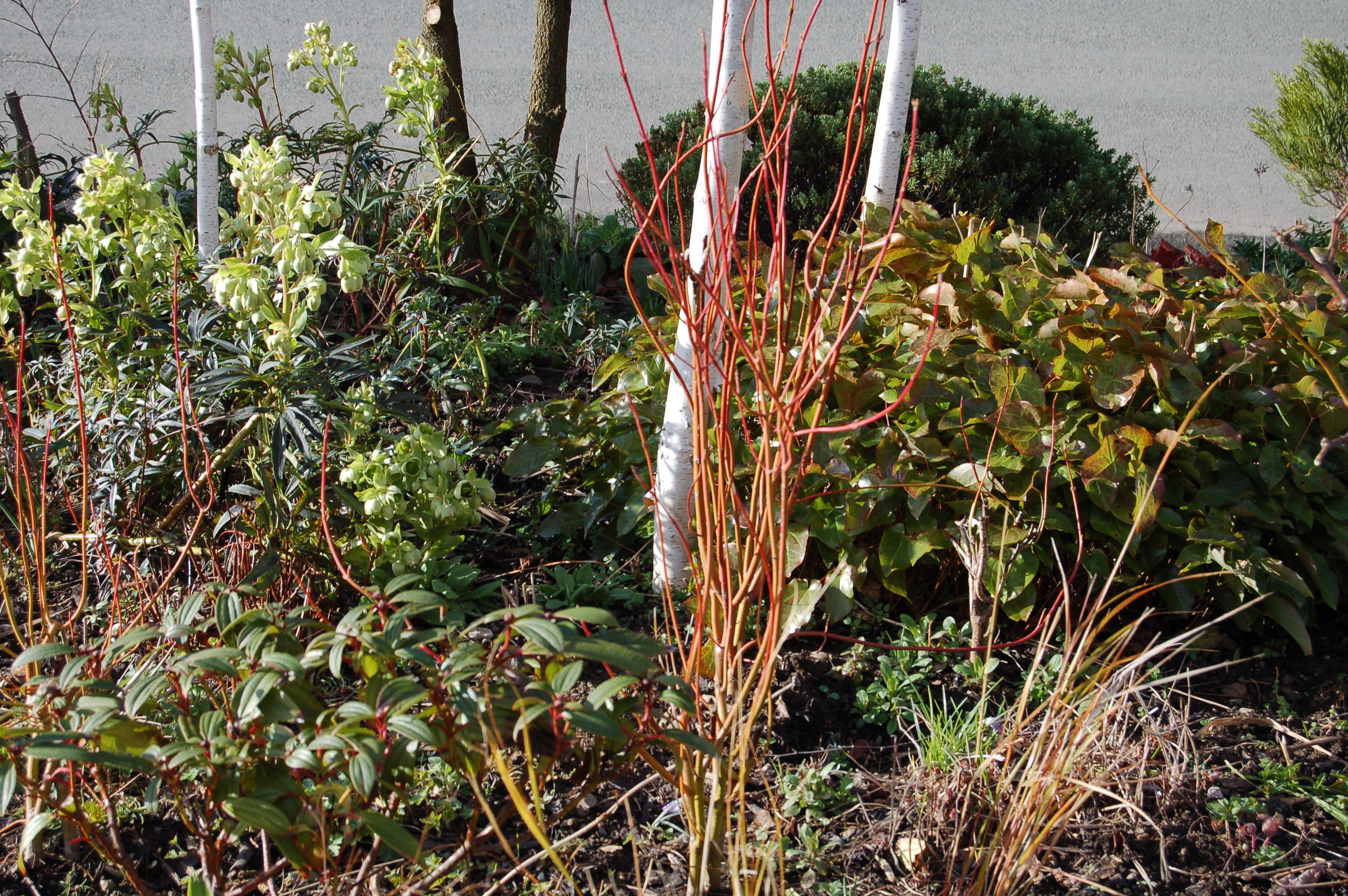
Here some of our many hellebores are twinned with coloured stemmed cornus and salix.

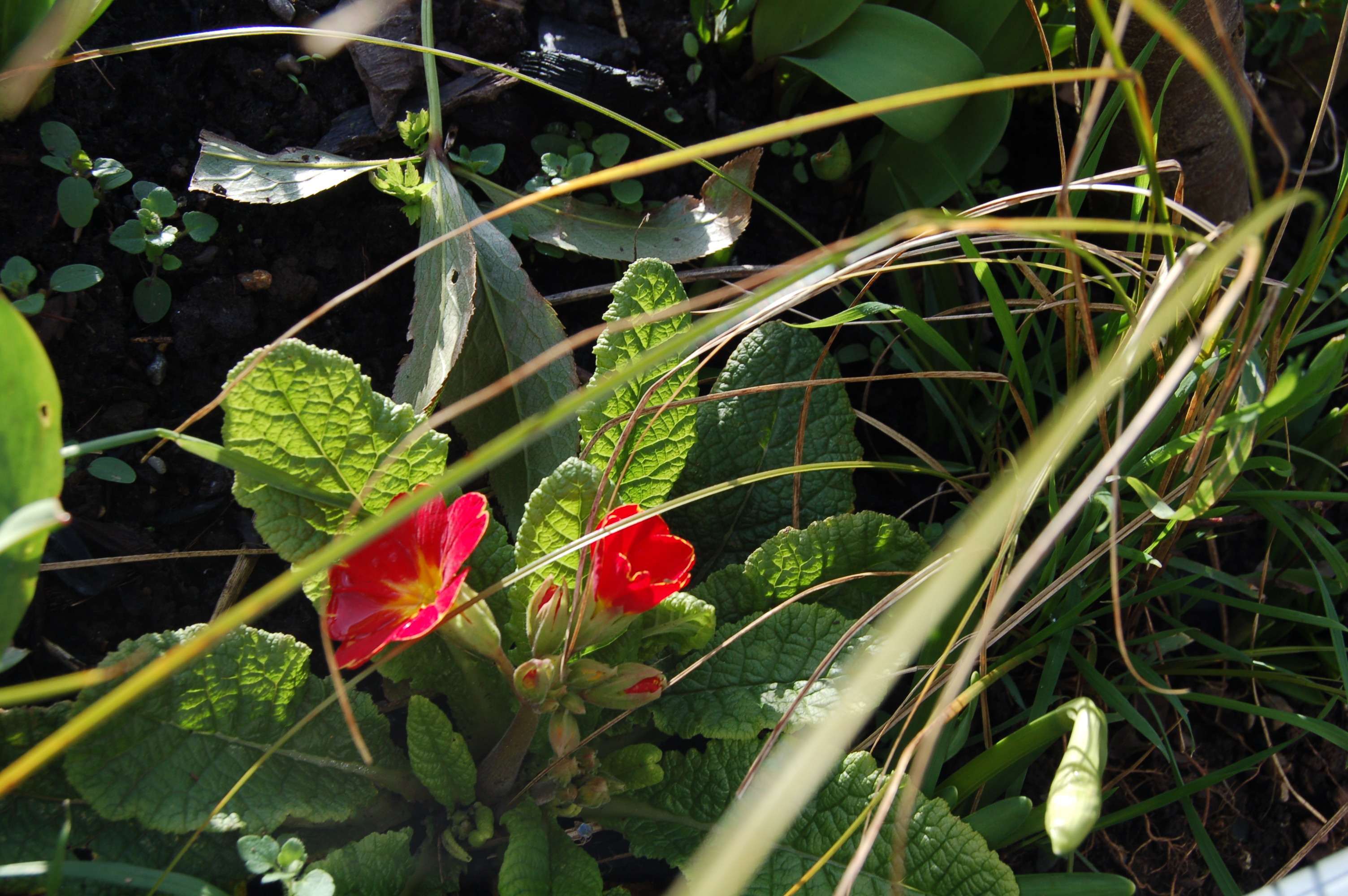
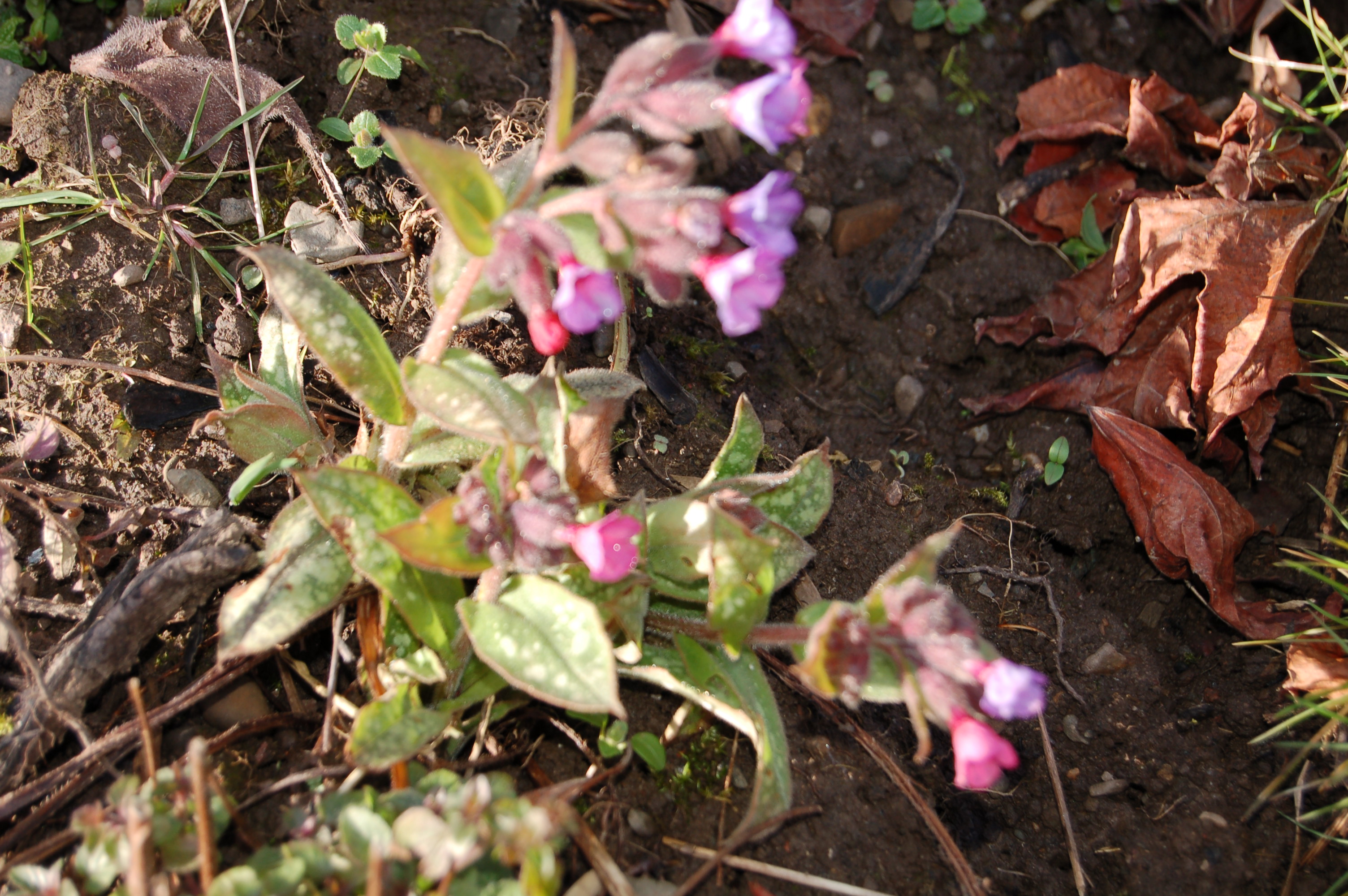
Any flower brave enough to appear in the winter is worthy of mention be they primulas, witch hazels, pulmonarias or bergenia. They would perhaps seem quite ordinary if they flowered among the stars of the summer garden but in the winter they are extraordinarily good garden plants.





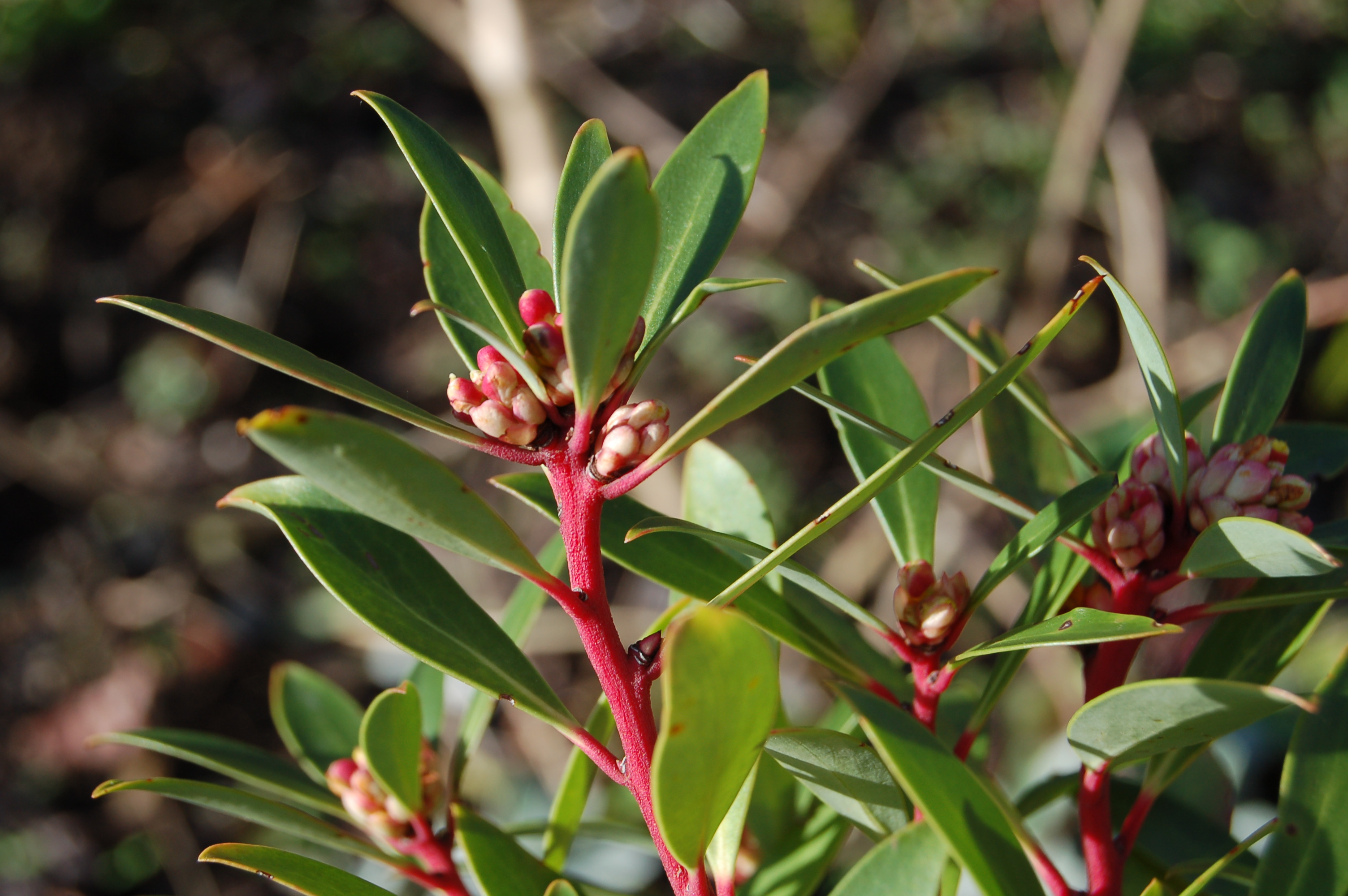
A recent discovery is the shrub Drimys with its red stems, glossy green foliage and buds looking fit to burst into life.



Structures such as our cloud pruned box hedge that lines our central path become much more important and noticeable in the emptier garden of winter. But we hope our garden is now richer in this the coldest and darkest of our seasons.

We must not forget the role our feathered friends play in adding colour, sound and movement to our garden in winter.

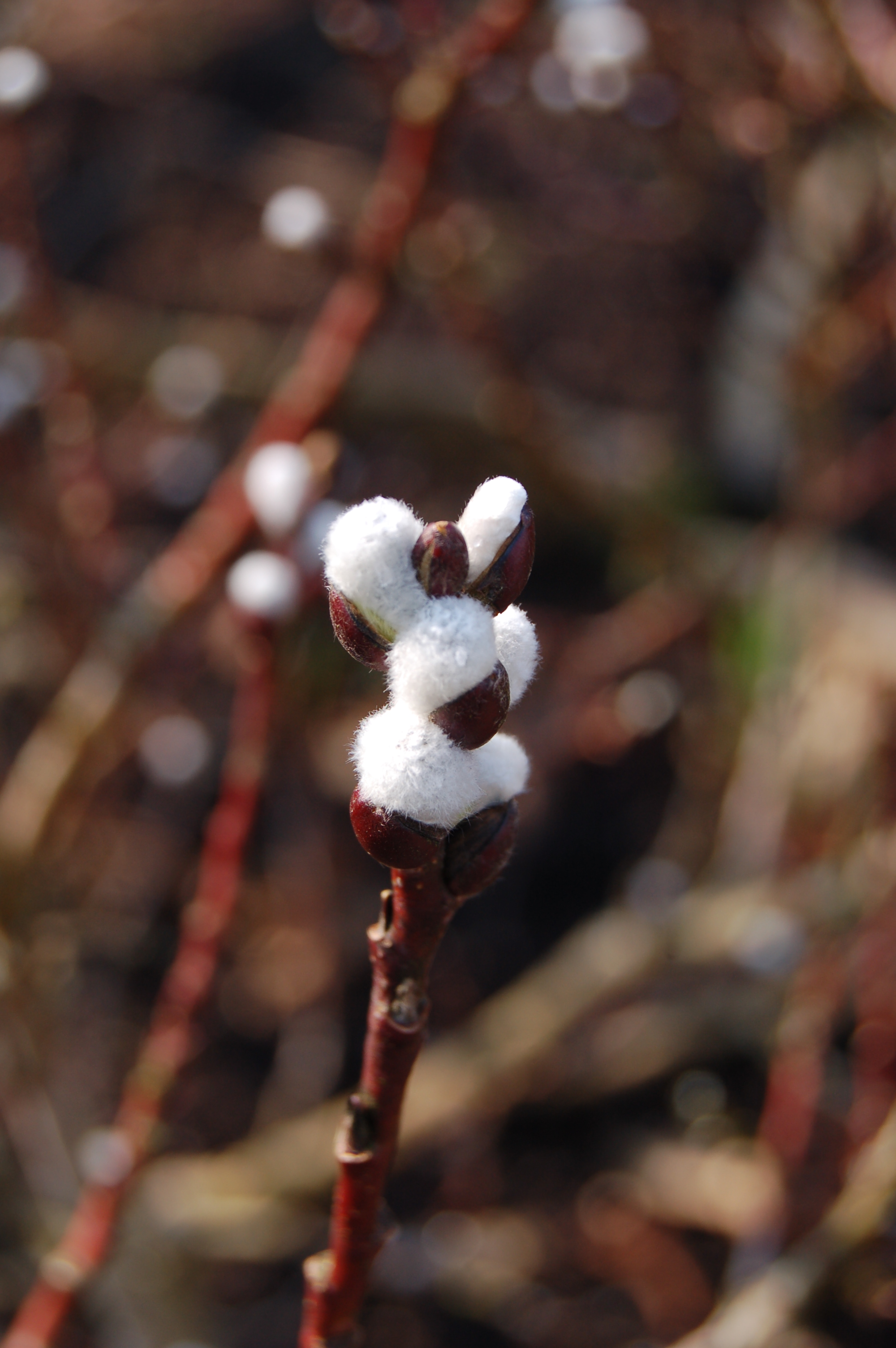
Part Two of our search for the all year round garden will consider our garden in Spring. Signs of that season are already giving hints of what is to come such as in the buds of the quince fruit tree.

During our week of culture up in Yorkshire we appreciated seeing in real life the work of Barbara hepworth at the Yorkshire Sculpture Park and naturally at the Hepworth Wakefield Gallery. She is probably one of the best three 20th century sculptors in the world, and I must admit one of my favourite of all time. We originally saw some of her pieces in St Ives exhibited in the garden of her Cornish studio where they looked very much at home. Her sculpture is displayed in her gallery and garden at the home she lived in there. This visit was several decades ago so seeing more of her work recently has reminded us that a return visit to St Ives is well overdue.
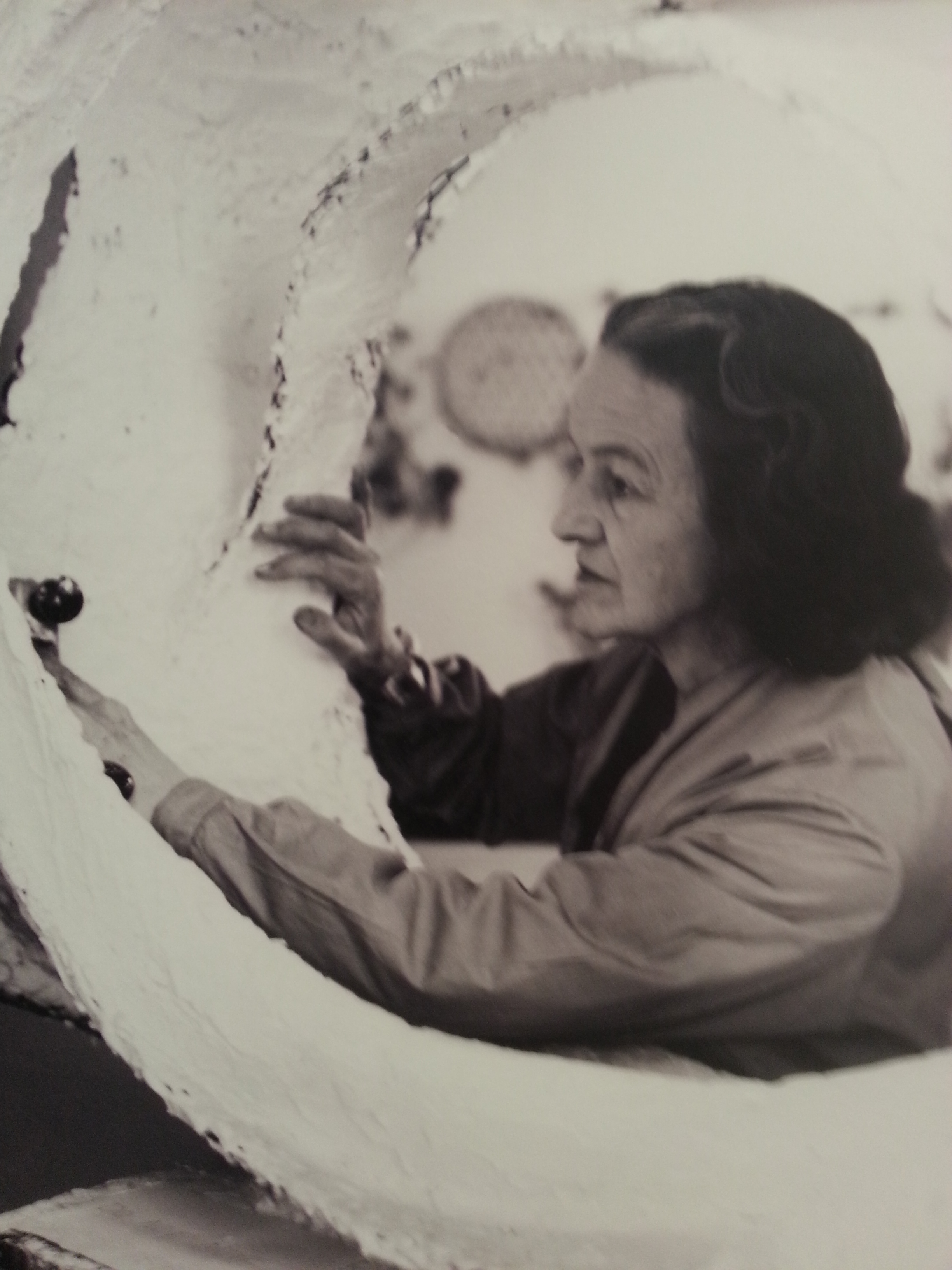
During our week of culture in Yorkshire we enjoyed viewing her work at the sculpture park and at the Hepworth Wakefield Gallery. At the sculpture park we particularly we enjoyed her “Family of Man”. We liked it enough to actually send time looking at the individual pieces in detail, which wasn’t easy to do when the icy wind thrashed at our faces, making our eyes and noses run. Each time I stopped to take a photo I had to dry my eyes in order to see what was going on in the viewfinder.


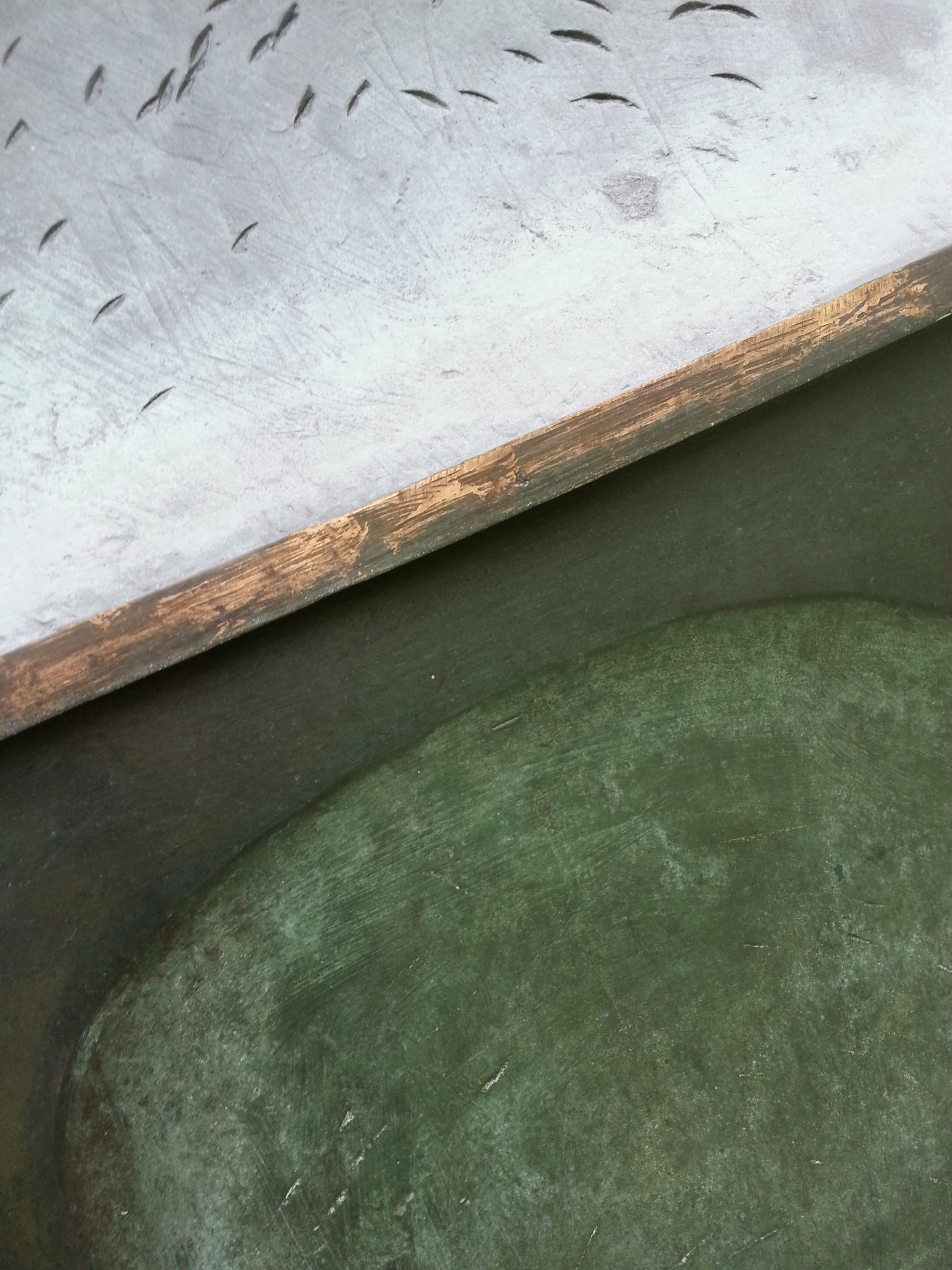

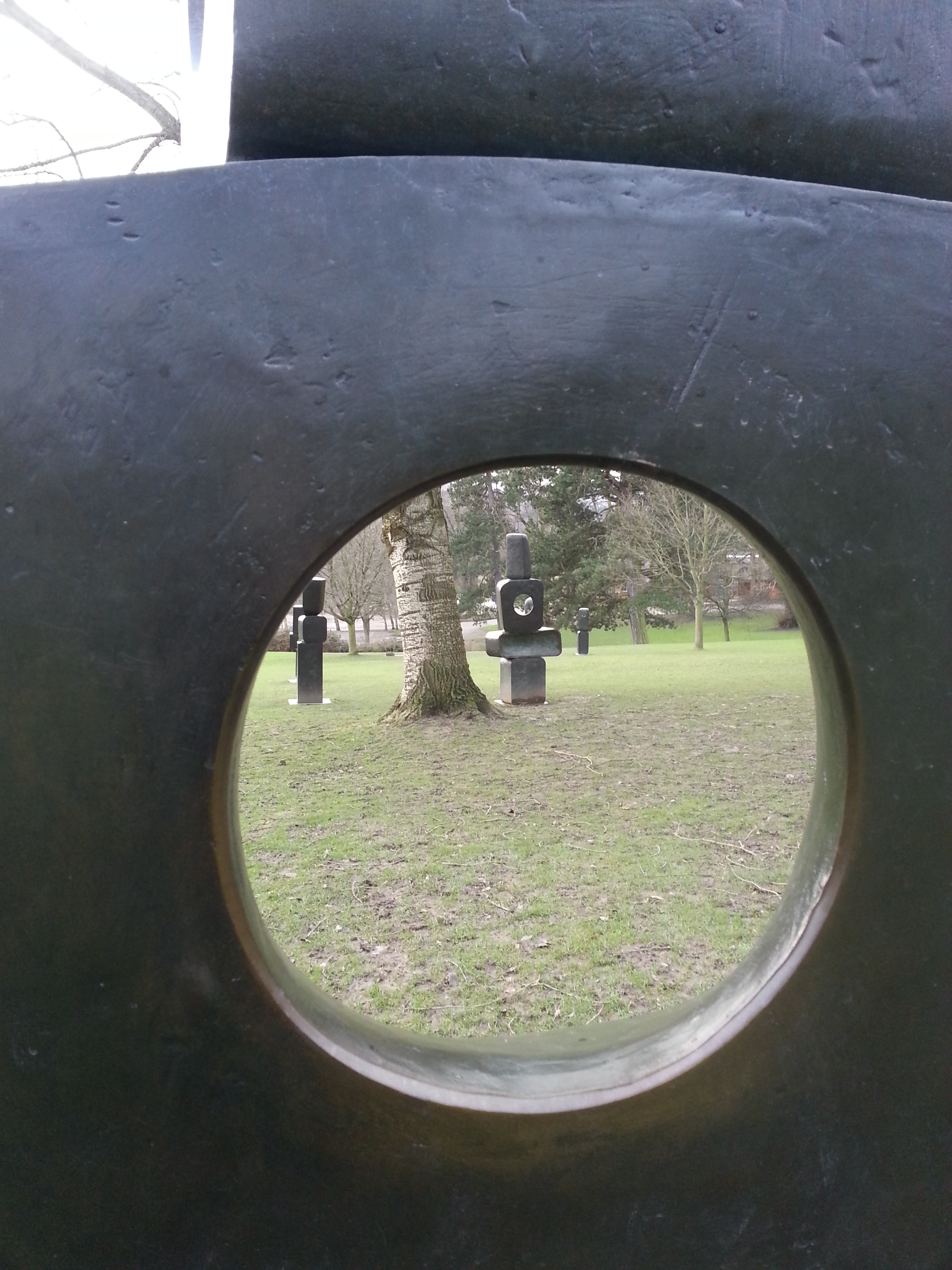



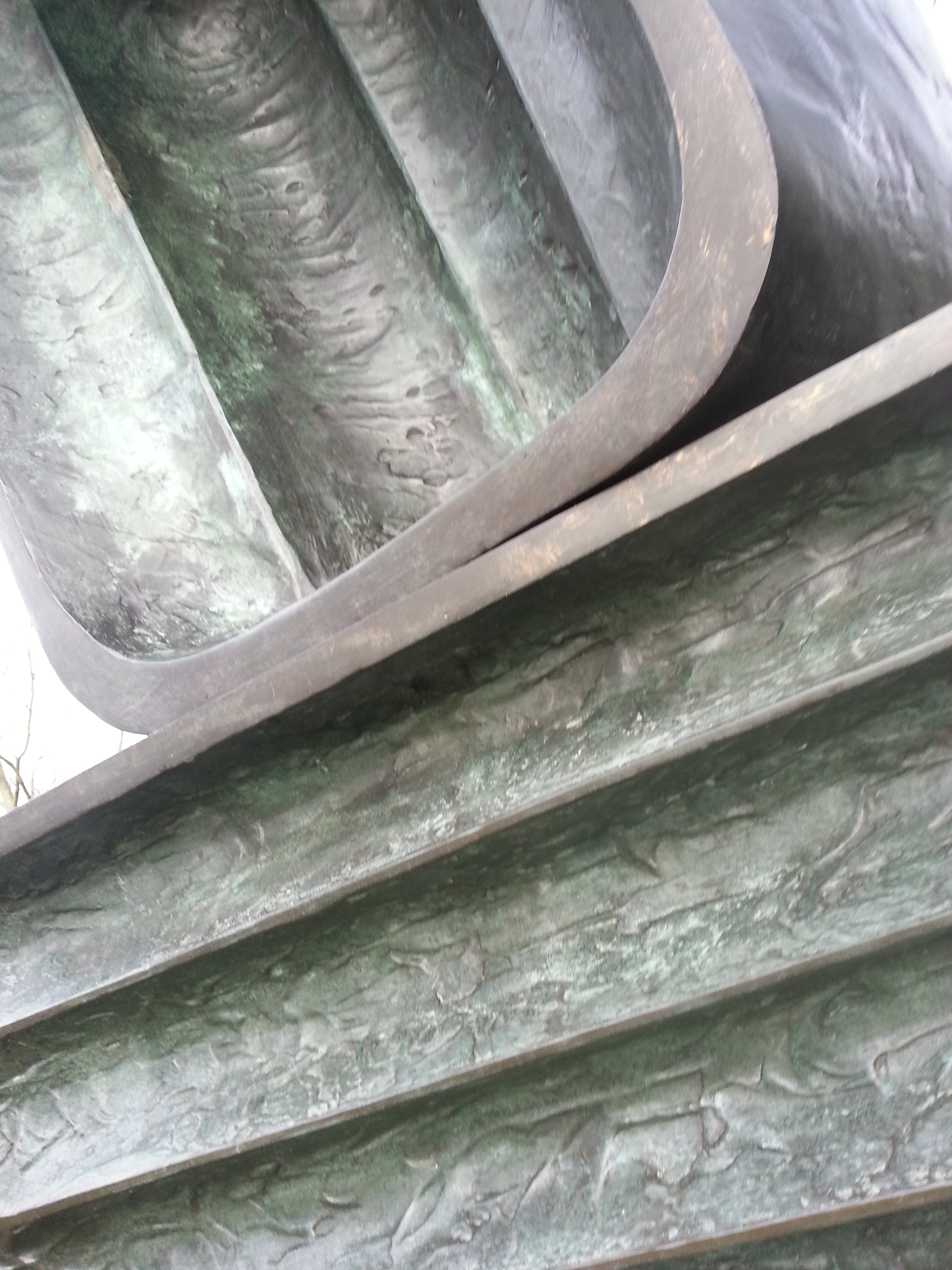
At the Hepworth Wakefield Gallery I relished the opportunity of seeing some of her designs, models and and mock ups of wellknown pieces. A real surprise was a work bench displaying tools that Hepworth actually used to create her masterpieces.



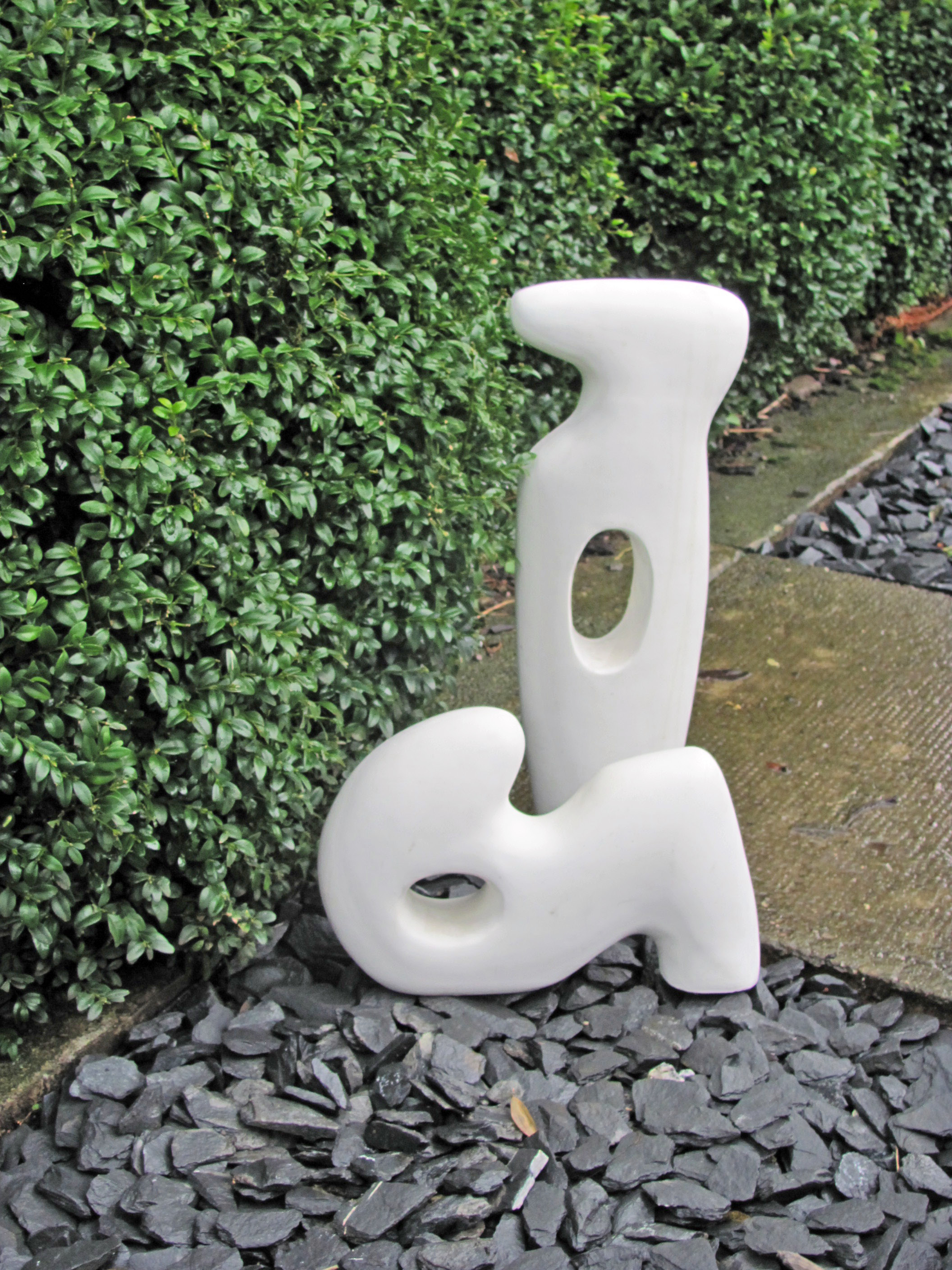
We even have a couple of repro pieces of Hepworth sculptures in our garden and at the gallery we were enthralled to see the genuine articles and surprised at how large they were when viewed full sized.
The WordPress.com stats helper monkeys prepared a 2013 annual report for this blog.

Here’s an excerpt:
The concert hall at the Sydney Opera House holds 2,700 people. This blog was viewed about 16,000 times in 2013. If it were a concert at Sydney Opera House, it would take about 6 sold-out performances for that many people to see it.
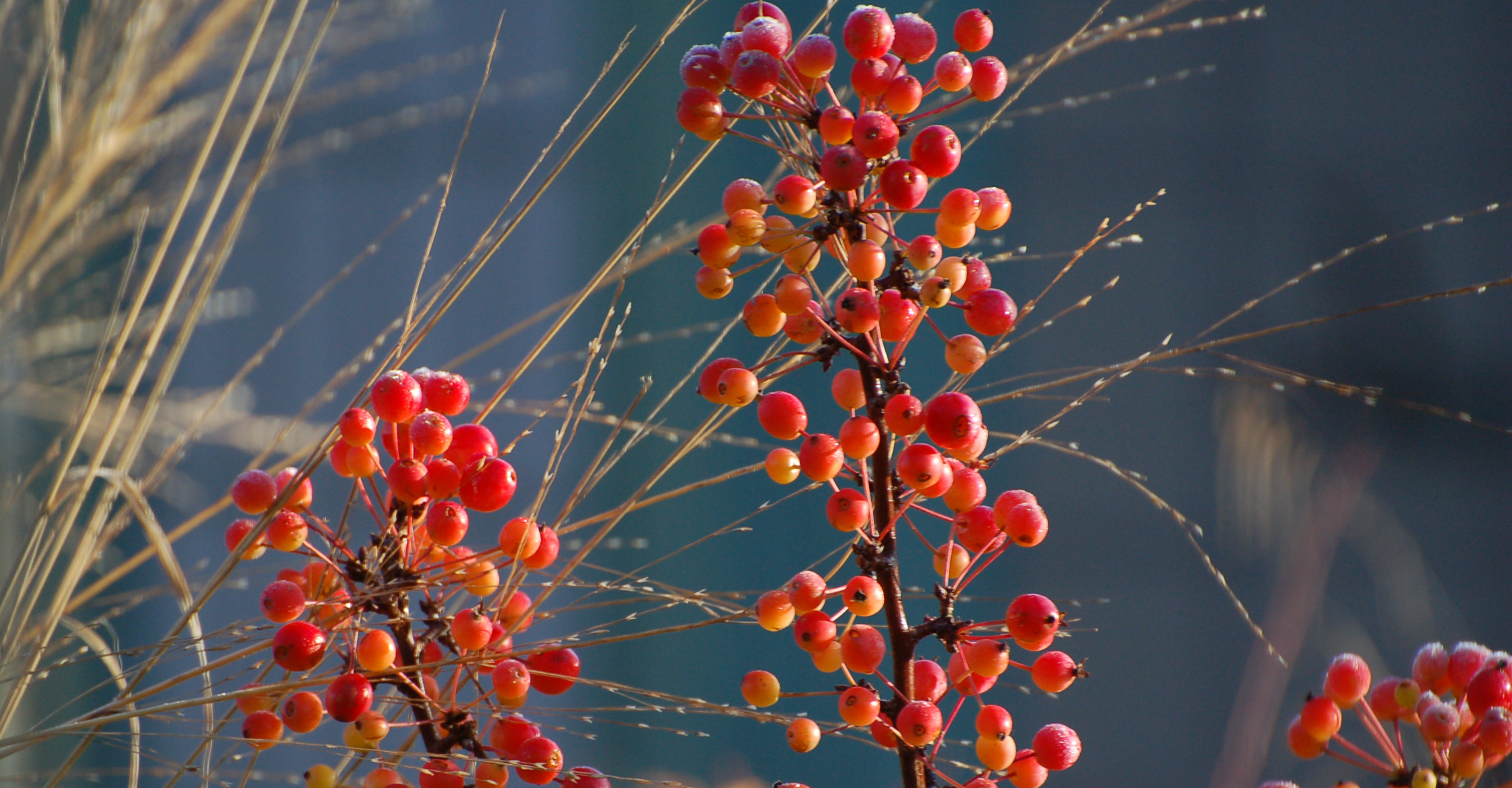
Christmas Greetings to all my Greenbench followers. Please enjoy one of my favourite photos of the year taken on a crisp frosty winter’s morning.
I couldn’t resist taking a few pics of this little cameo!

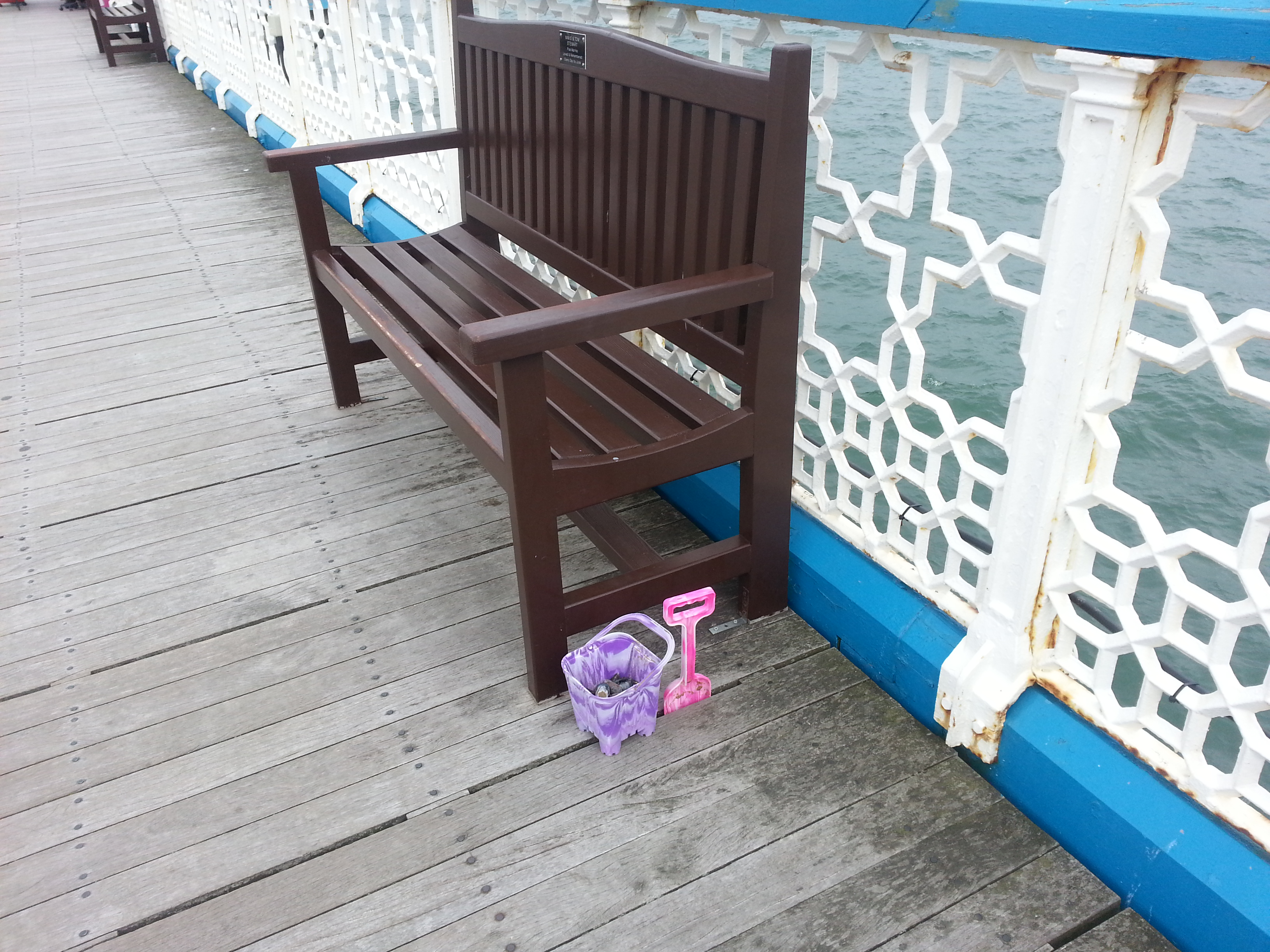
So many questions!
Are the bucket and spade not wanted any more? Were they left by an unhappy little toddler? Sad!
Did a family sit down for a rest and put the bucket and spade down by their side and then walk off leaving them behind? Sadder!
Did a family sit down to rest and a big wave took the family out to sea? Even sadder!
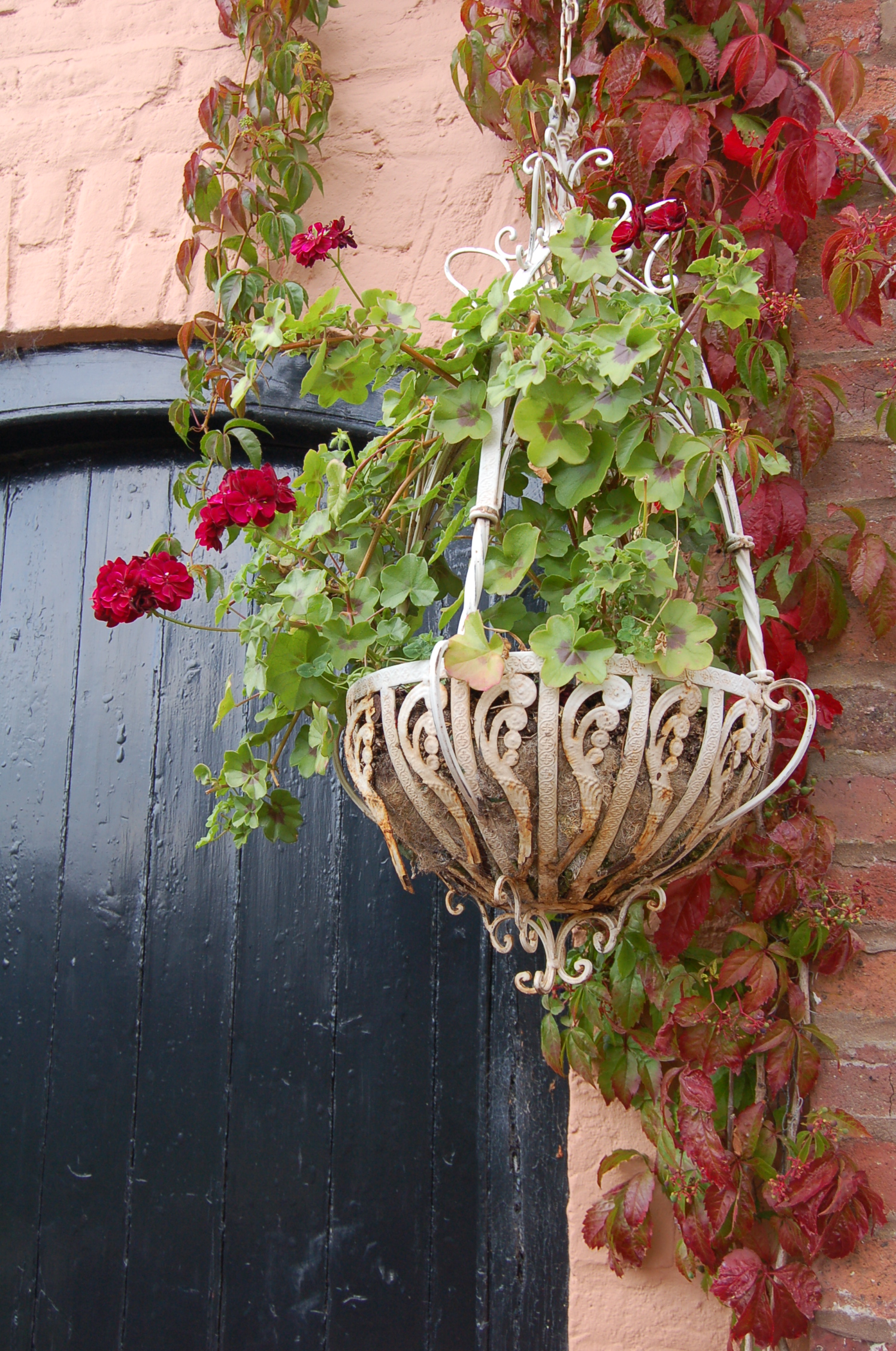
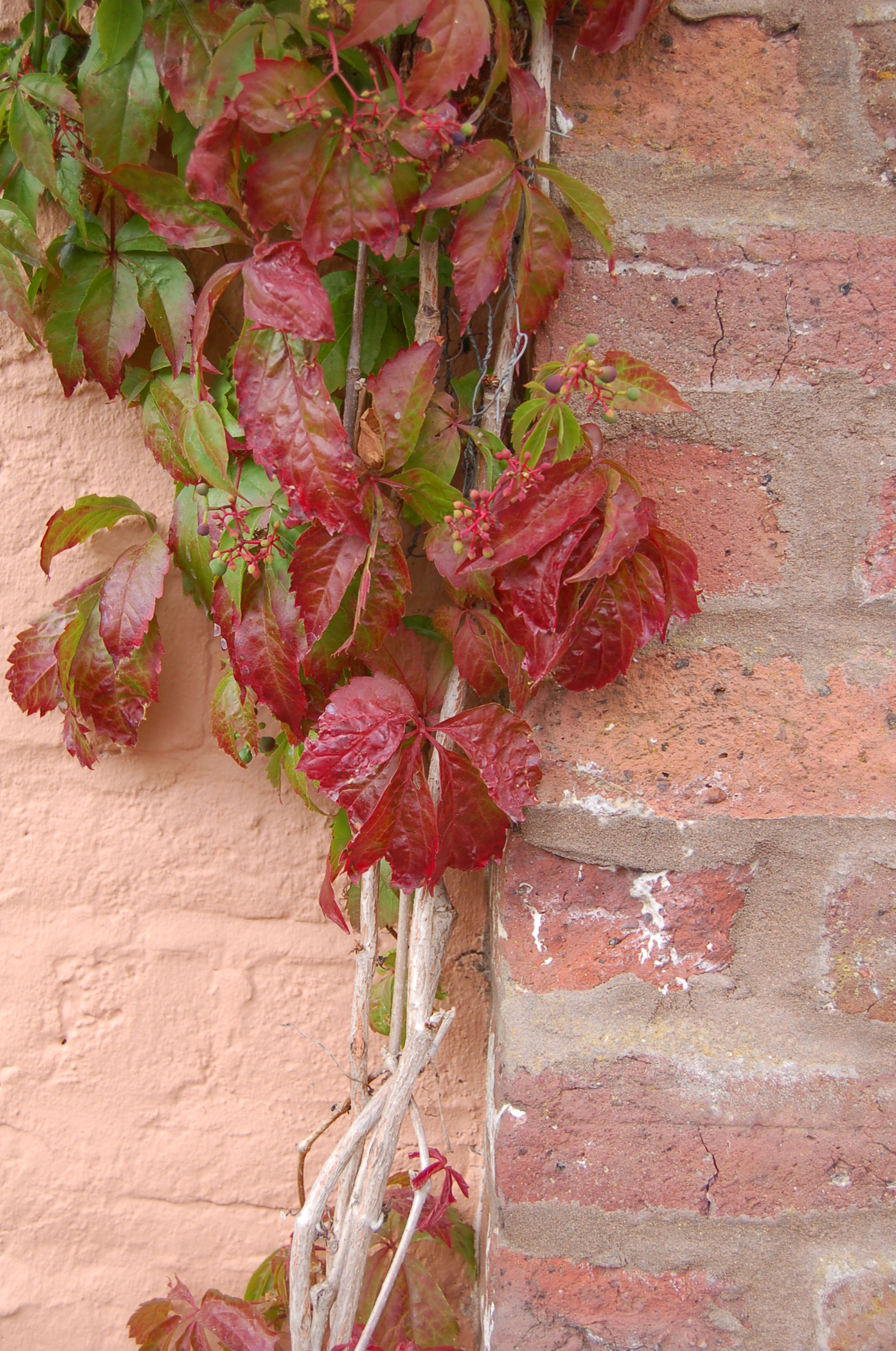
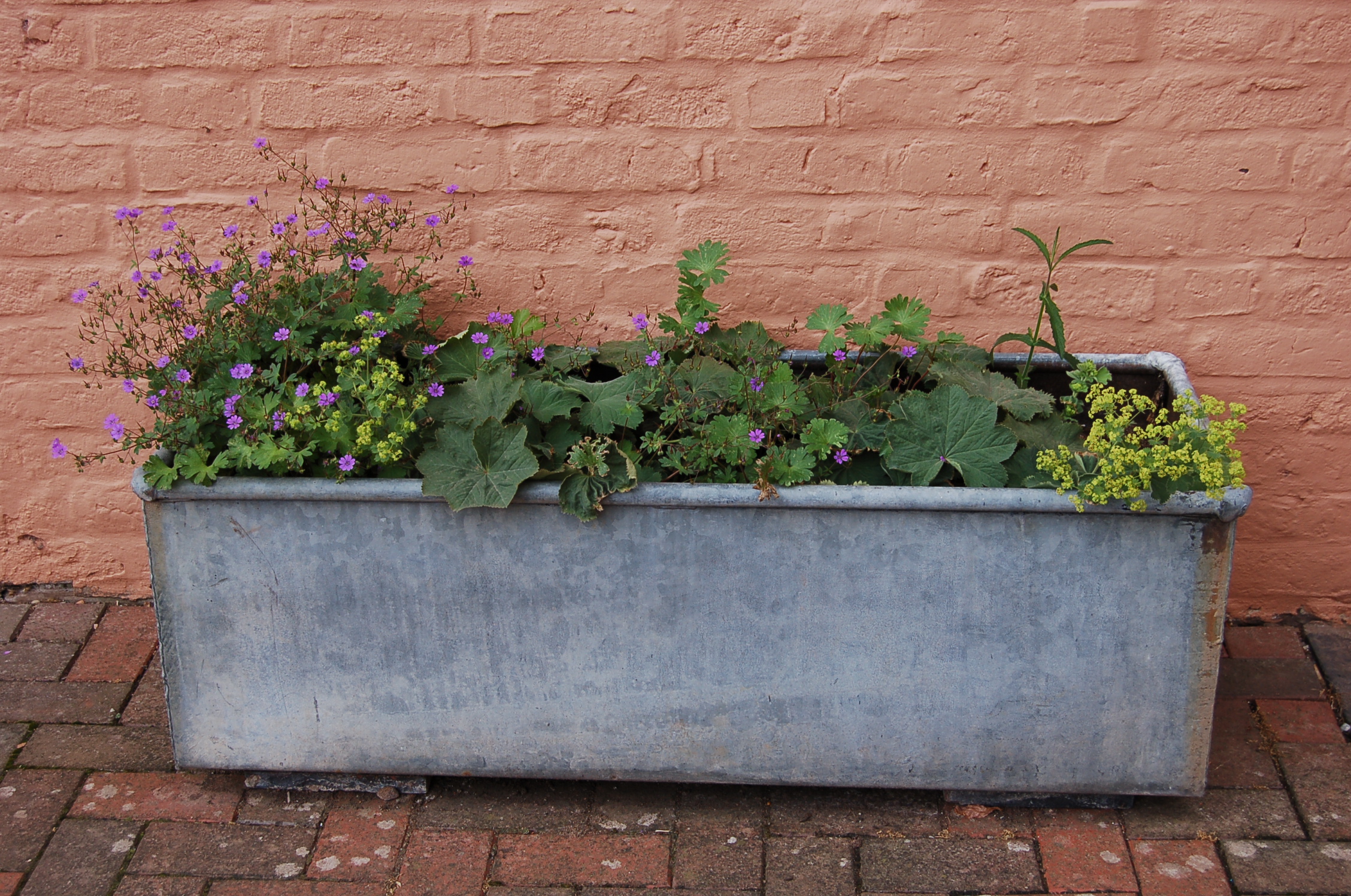
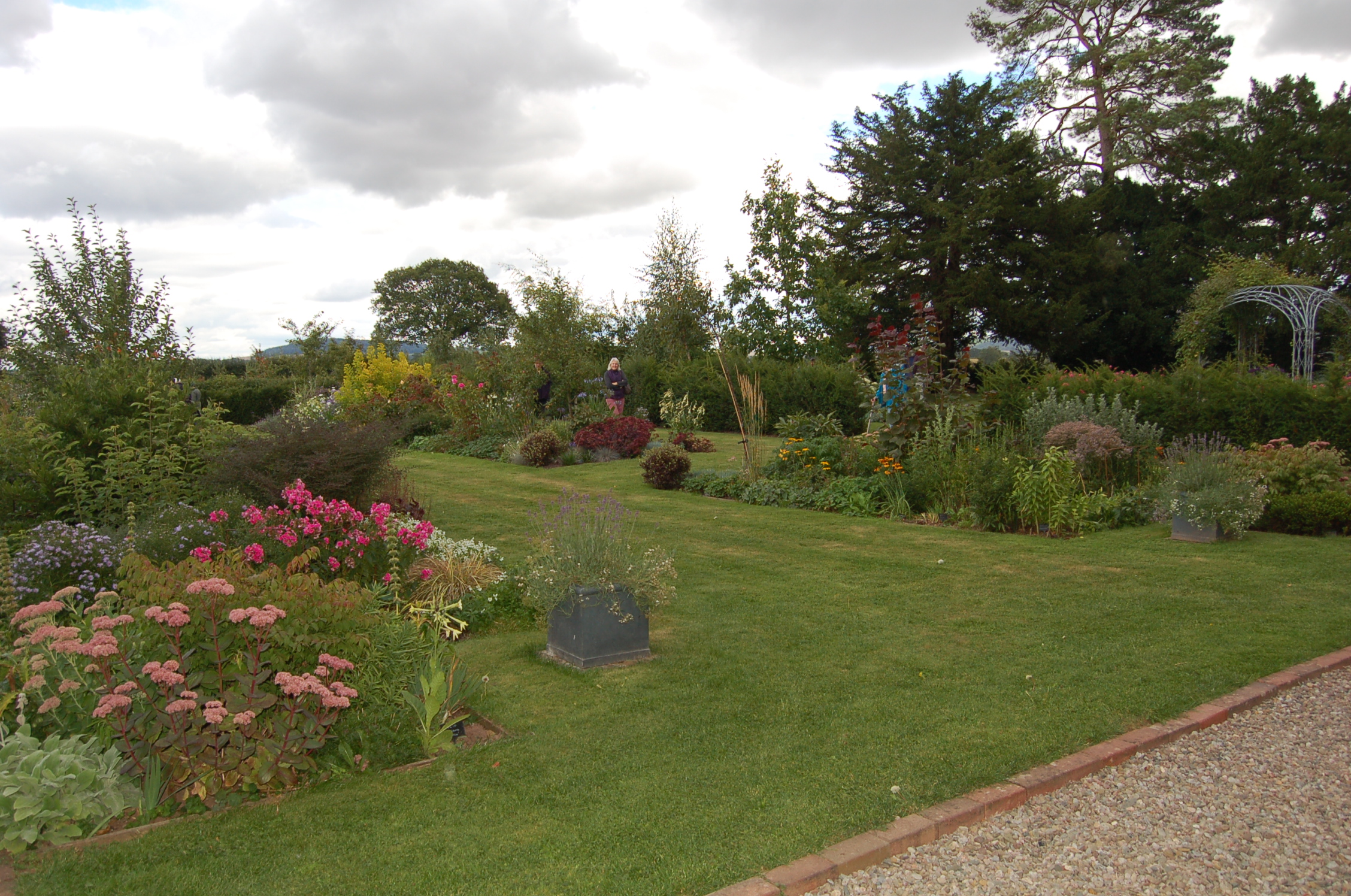
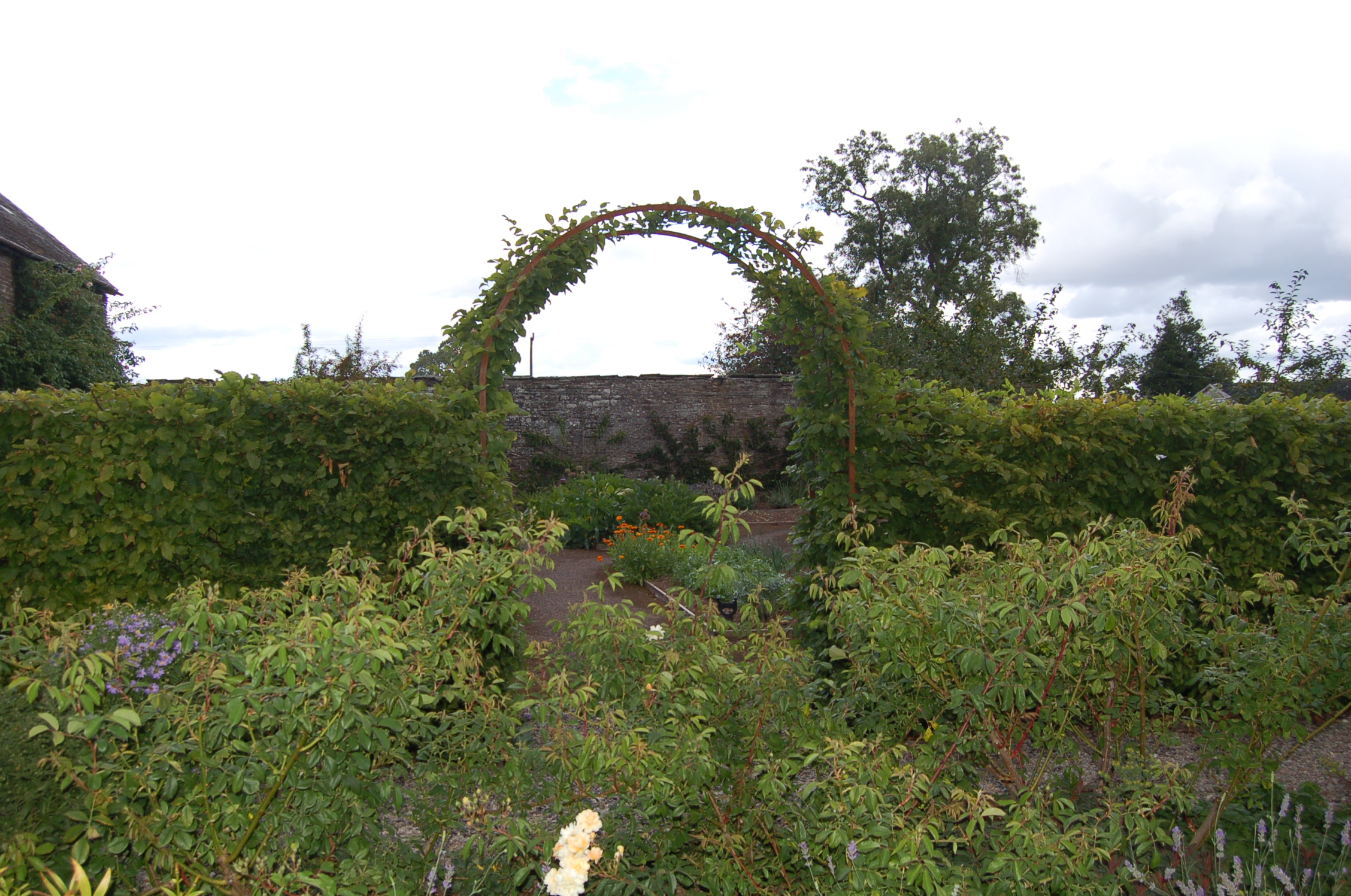
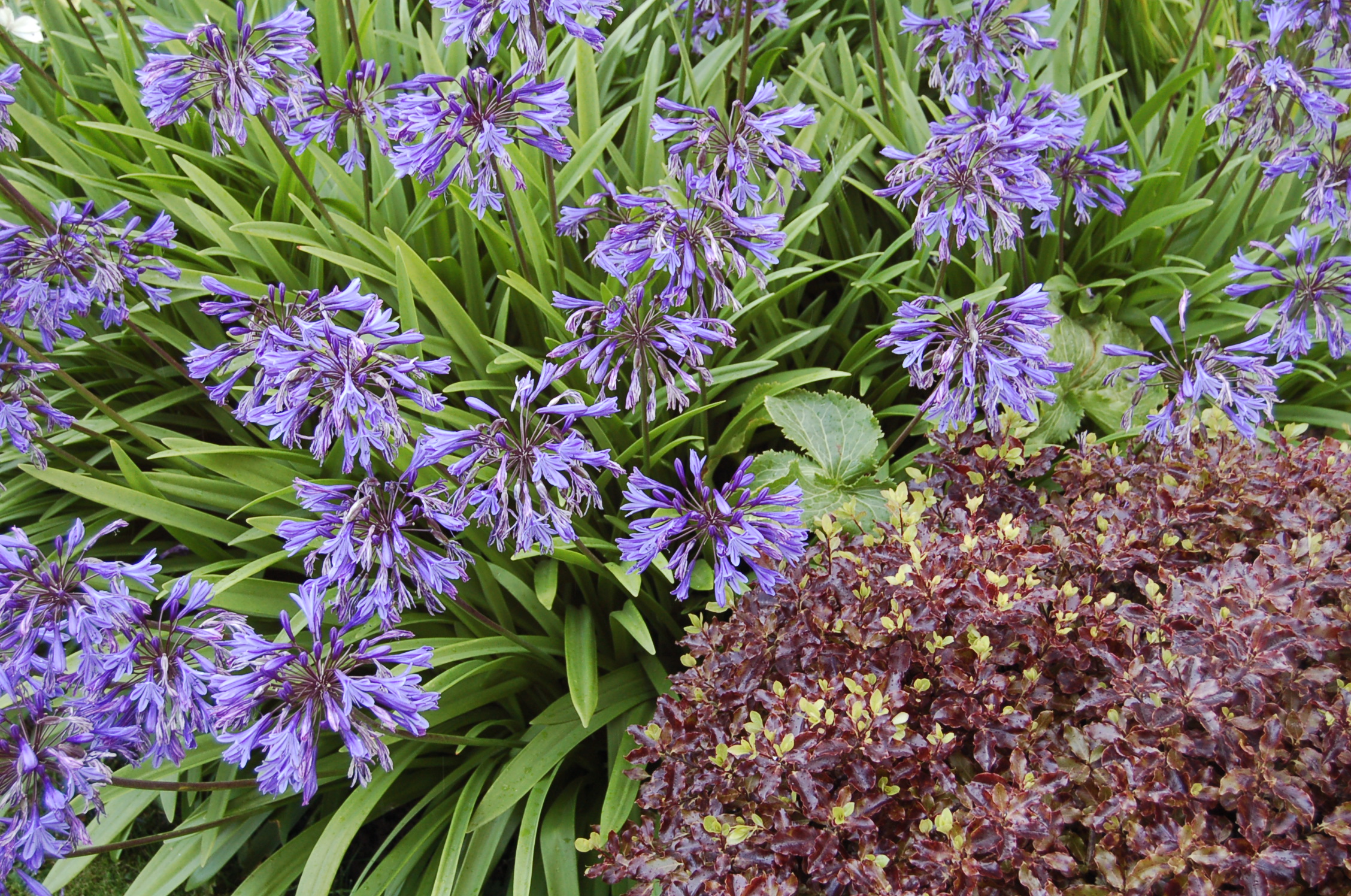
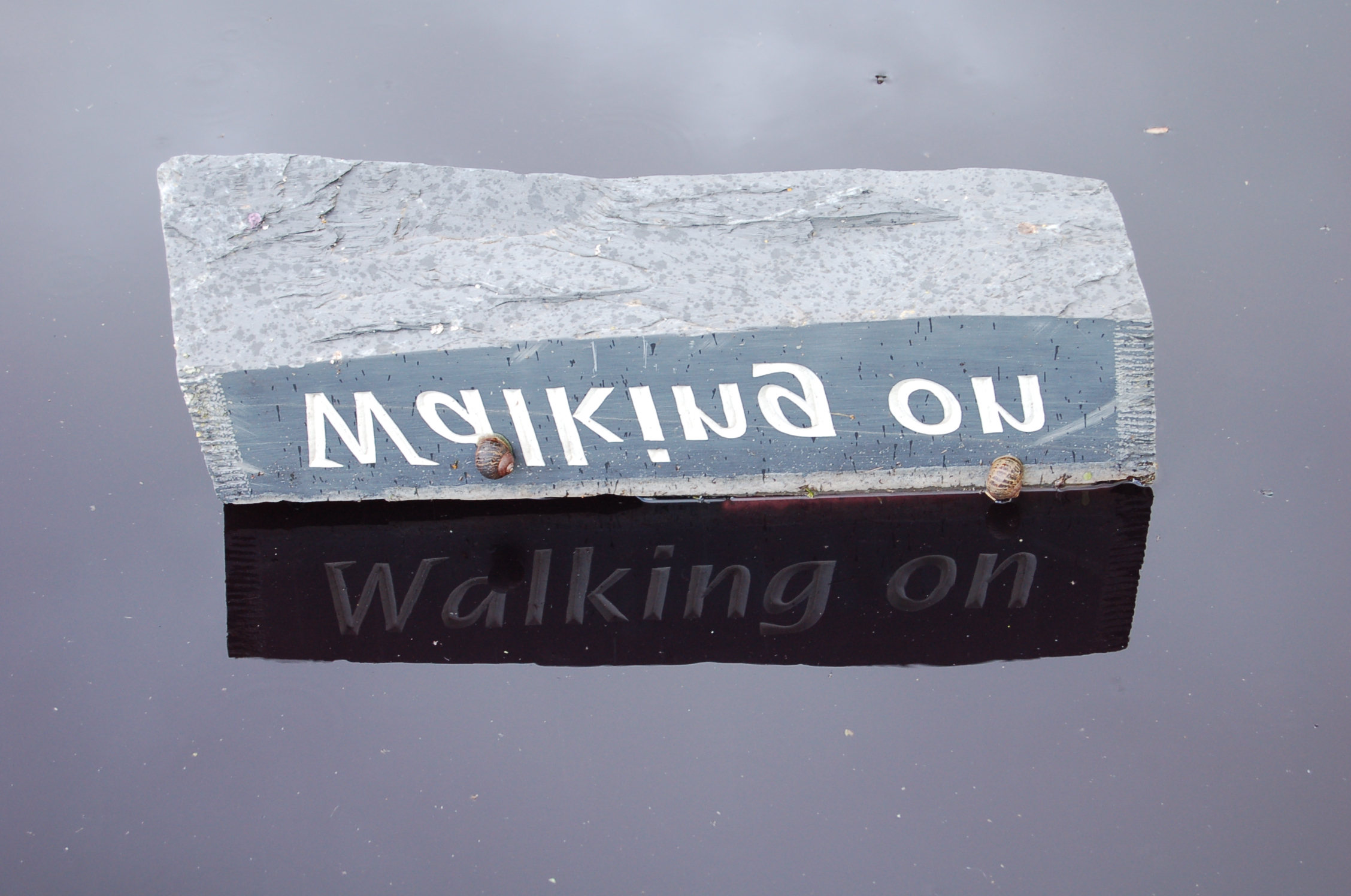
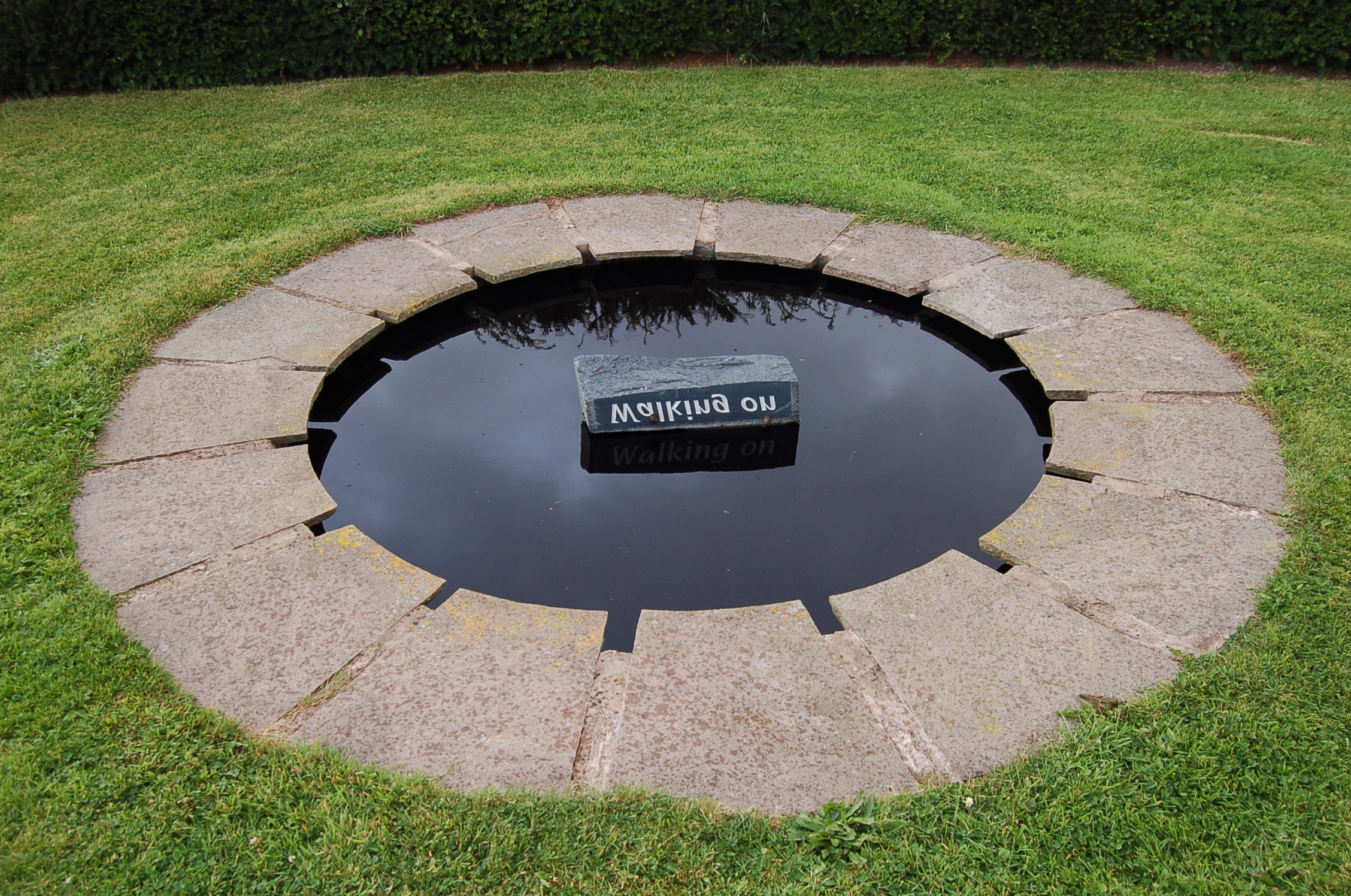
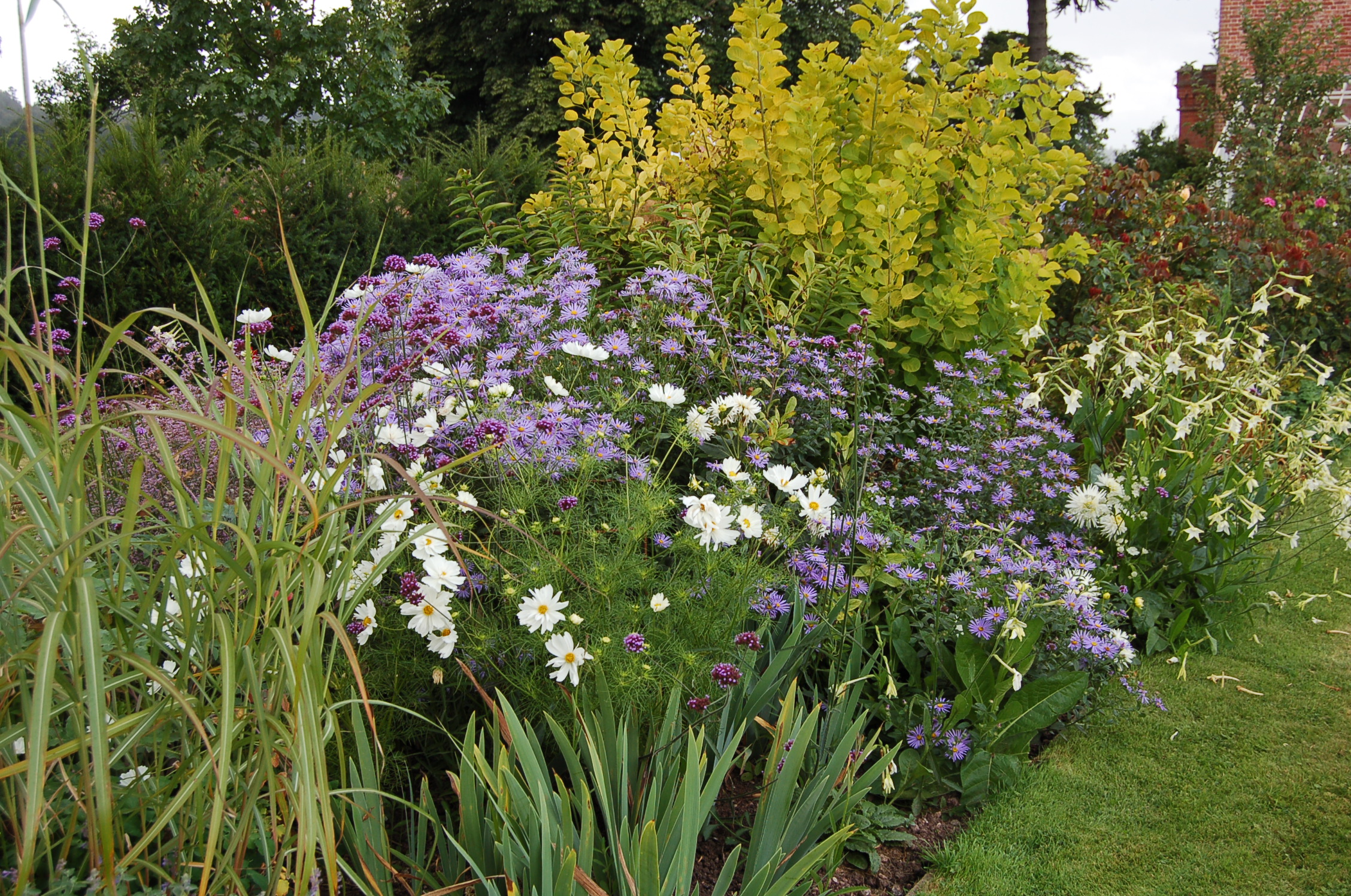
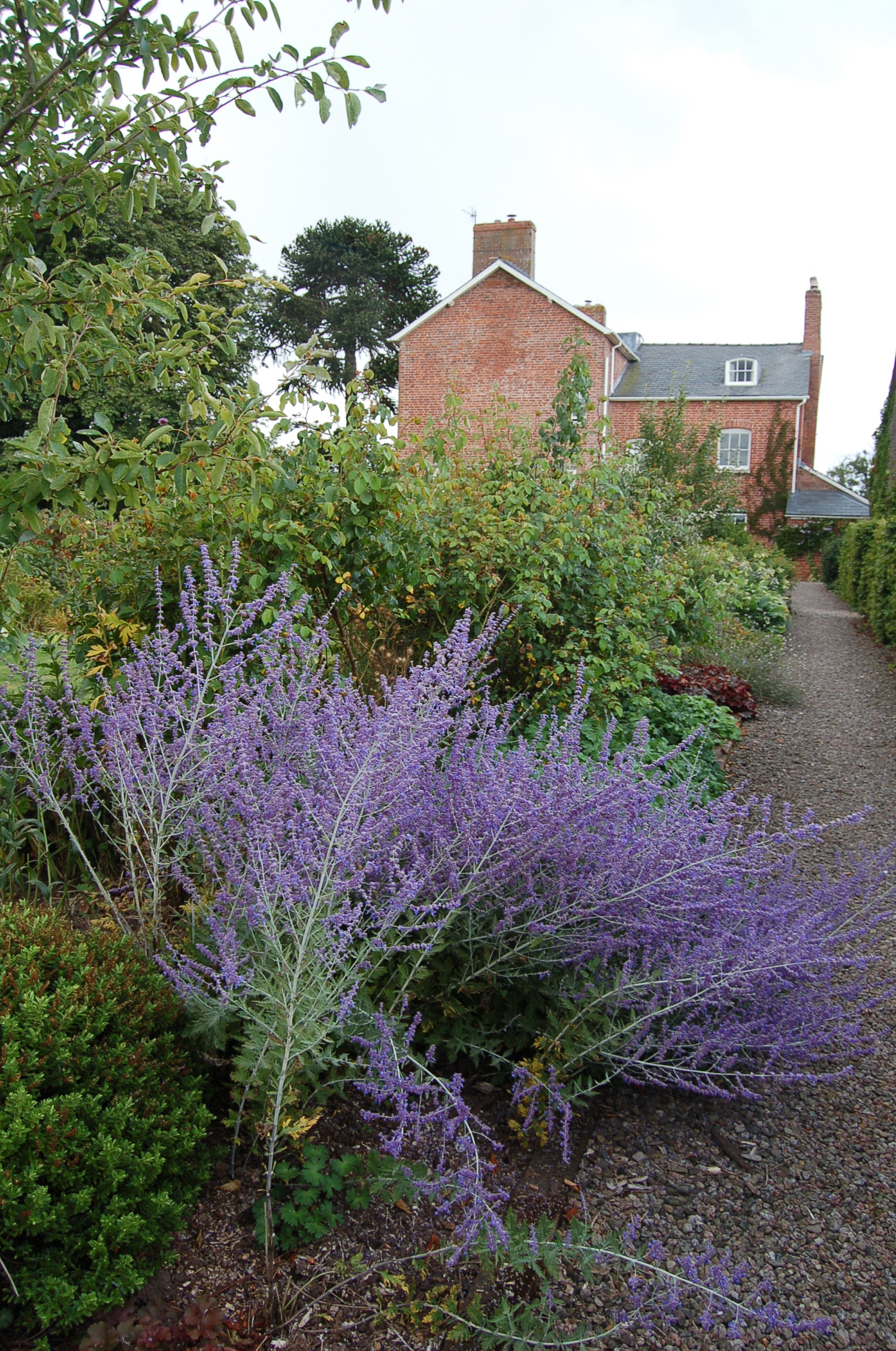
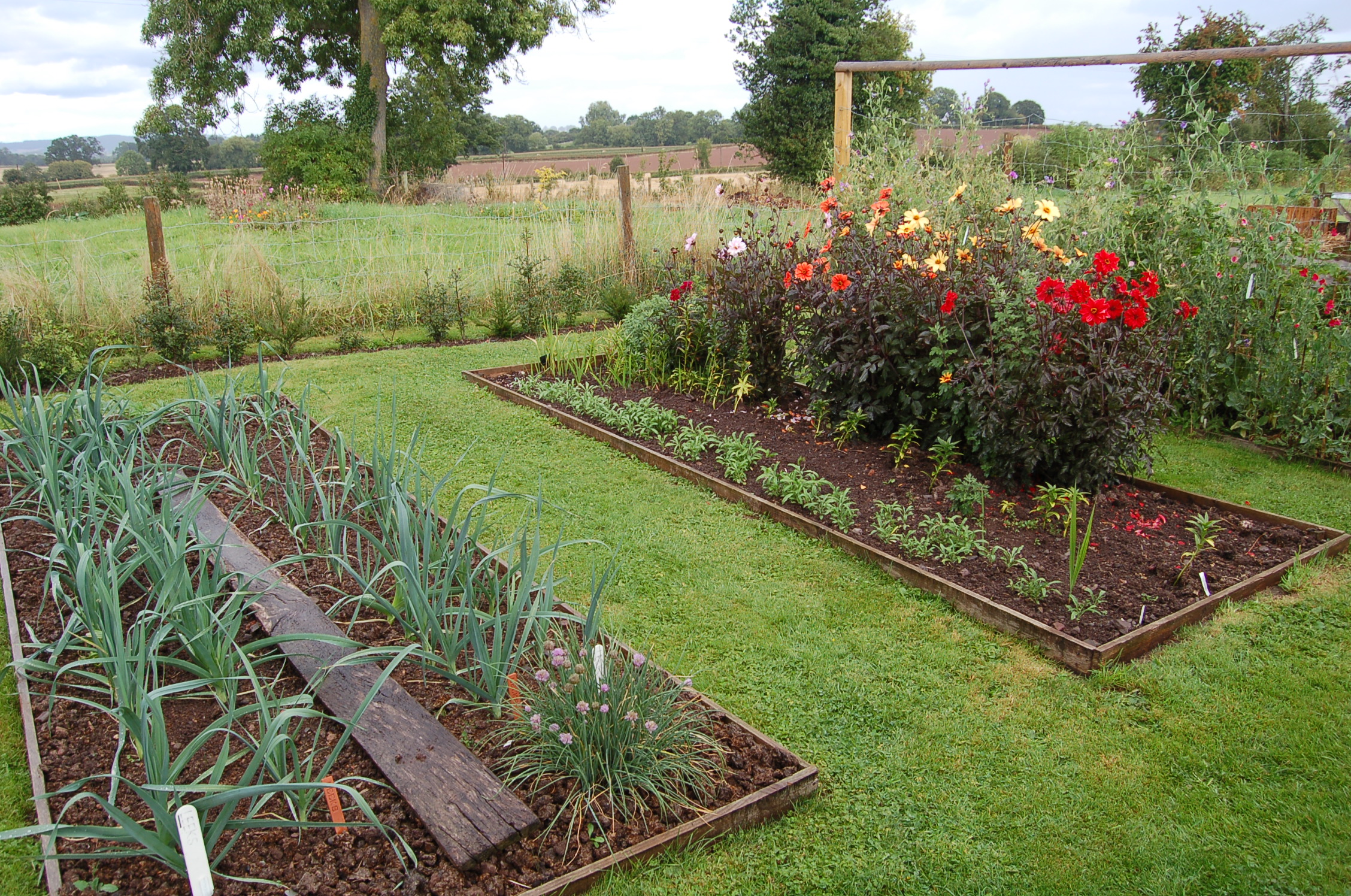
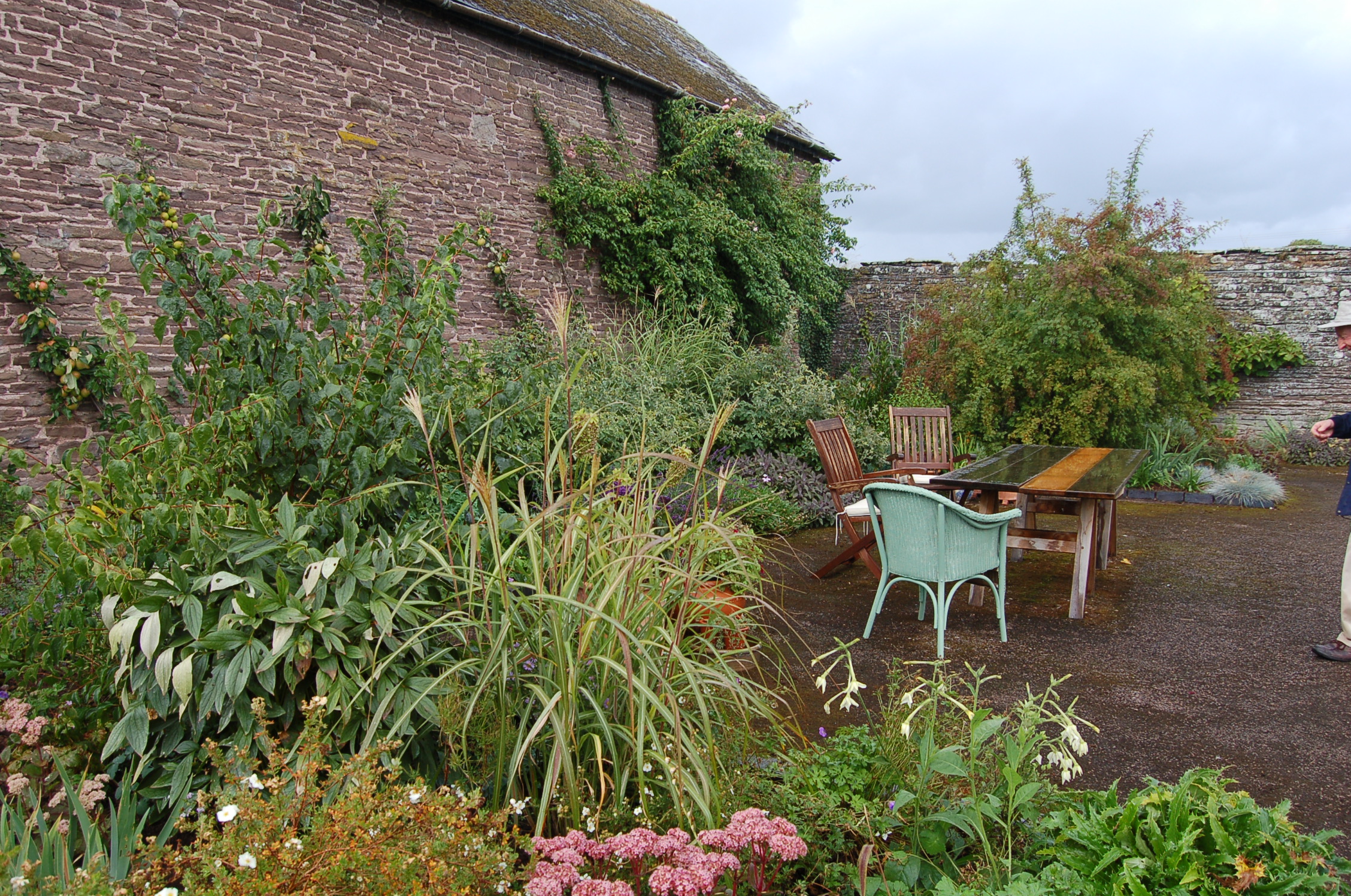
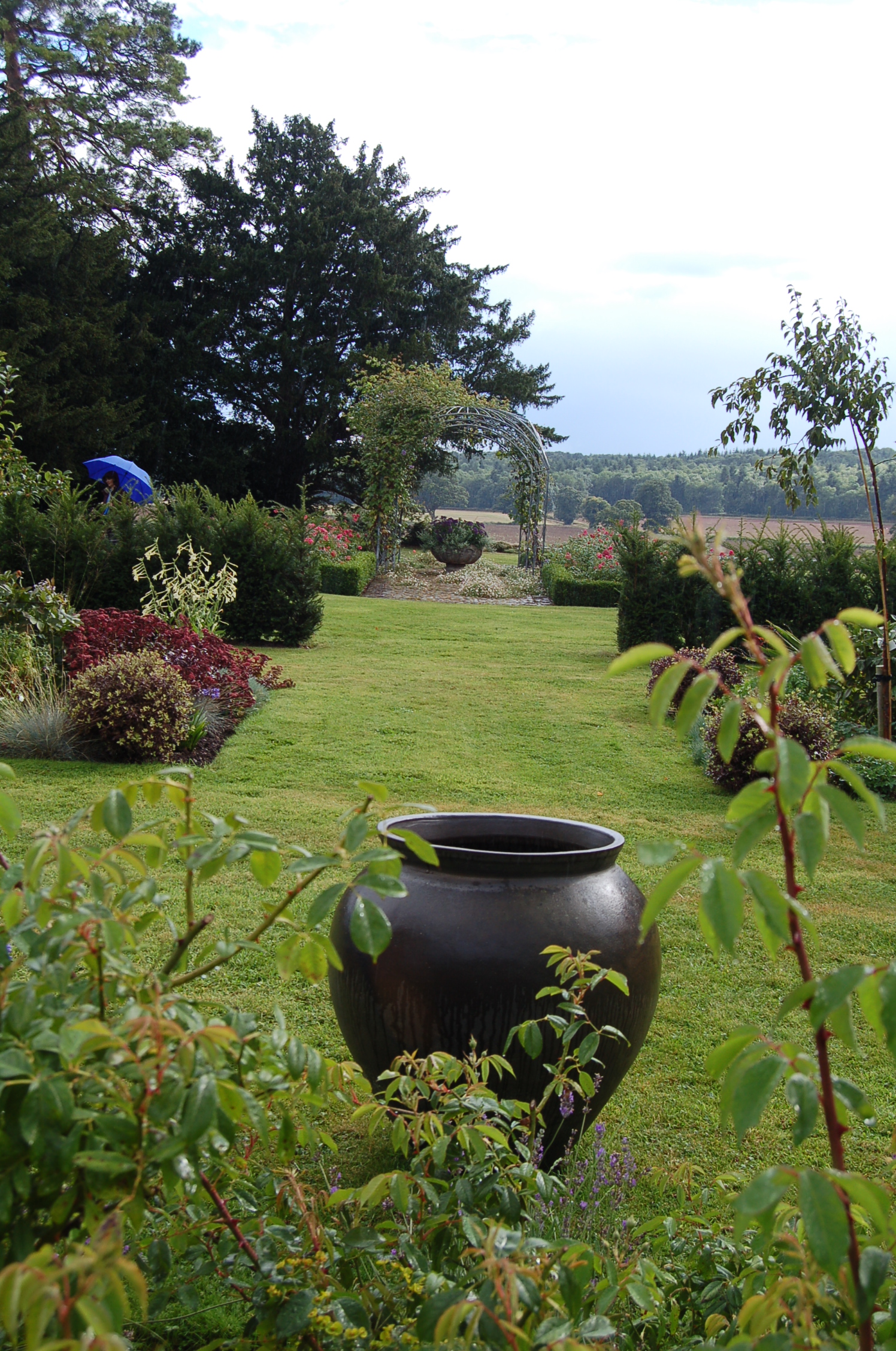
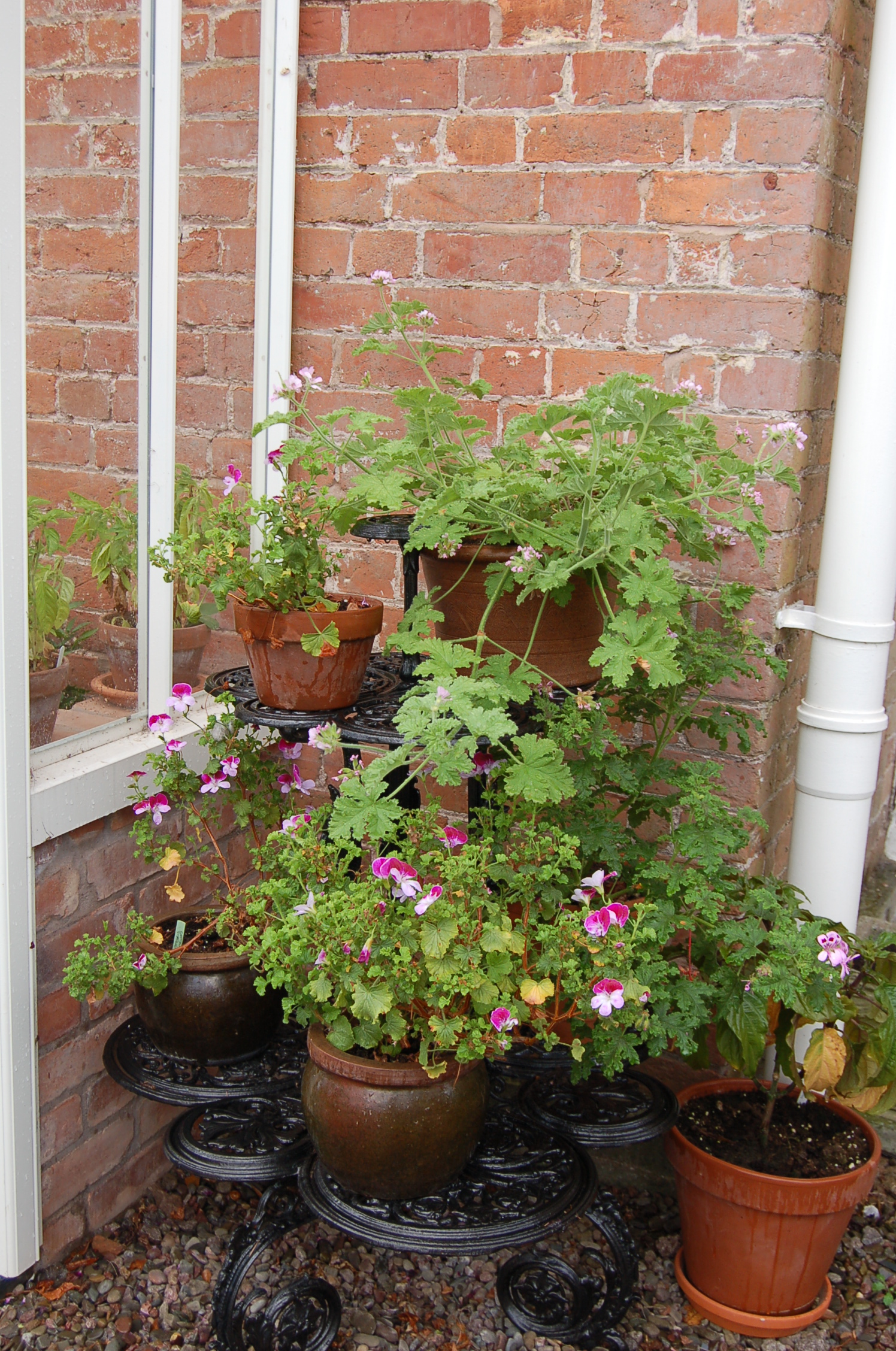
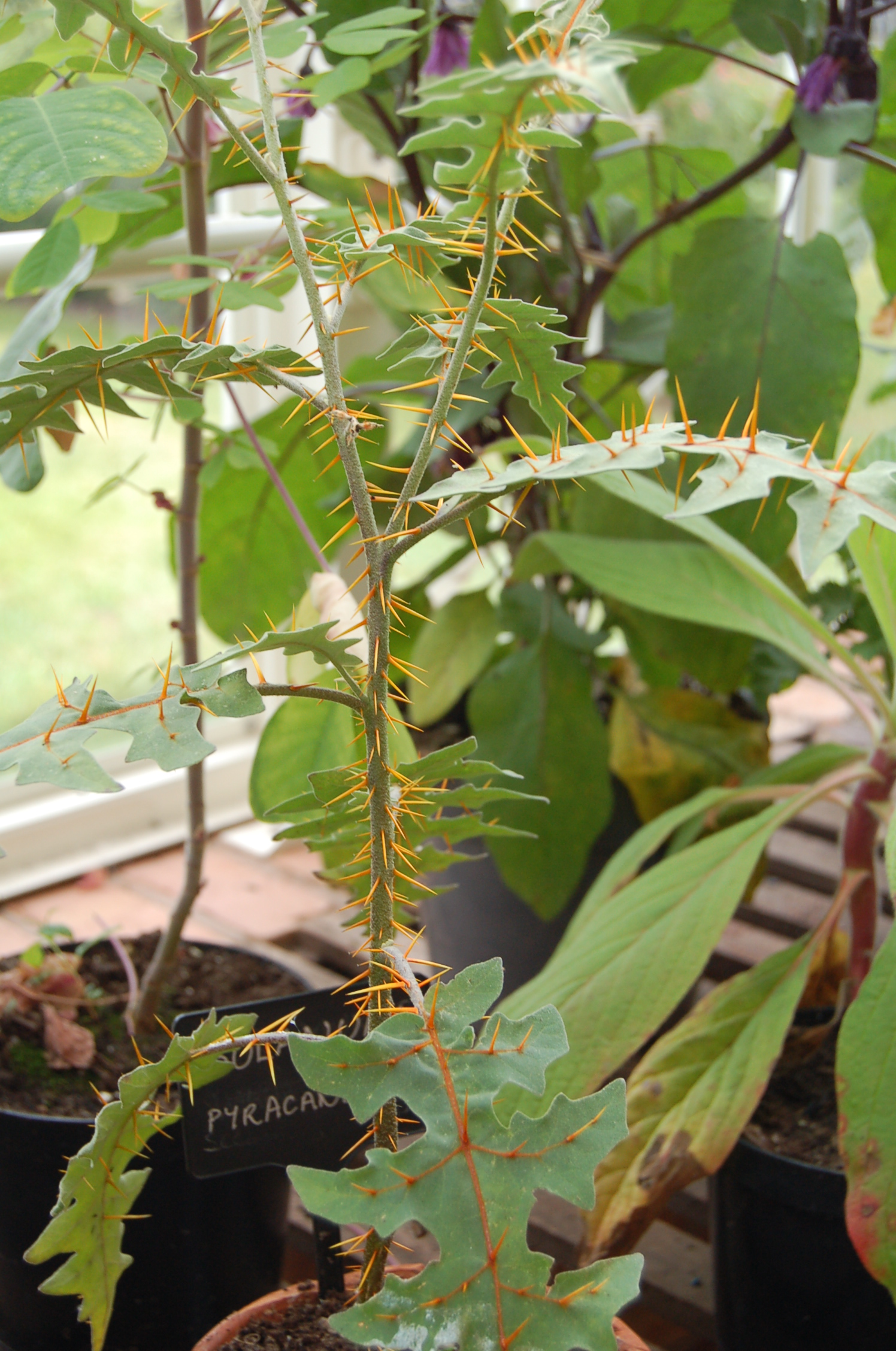
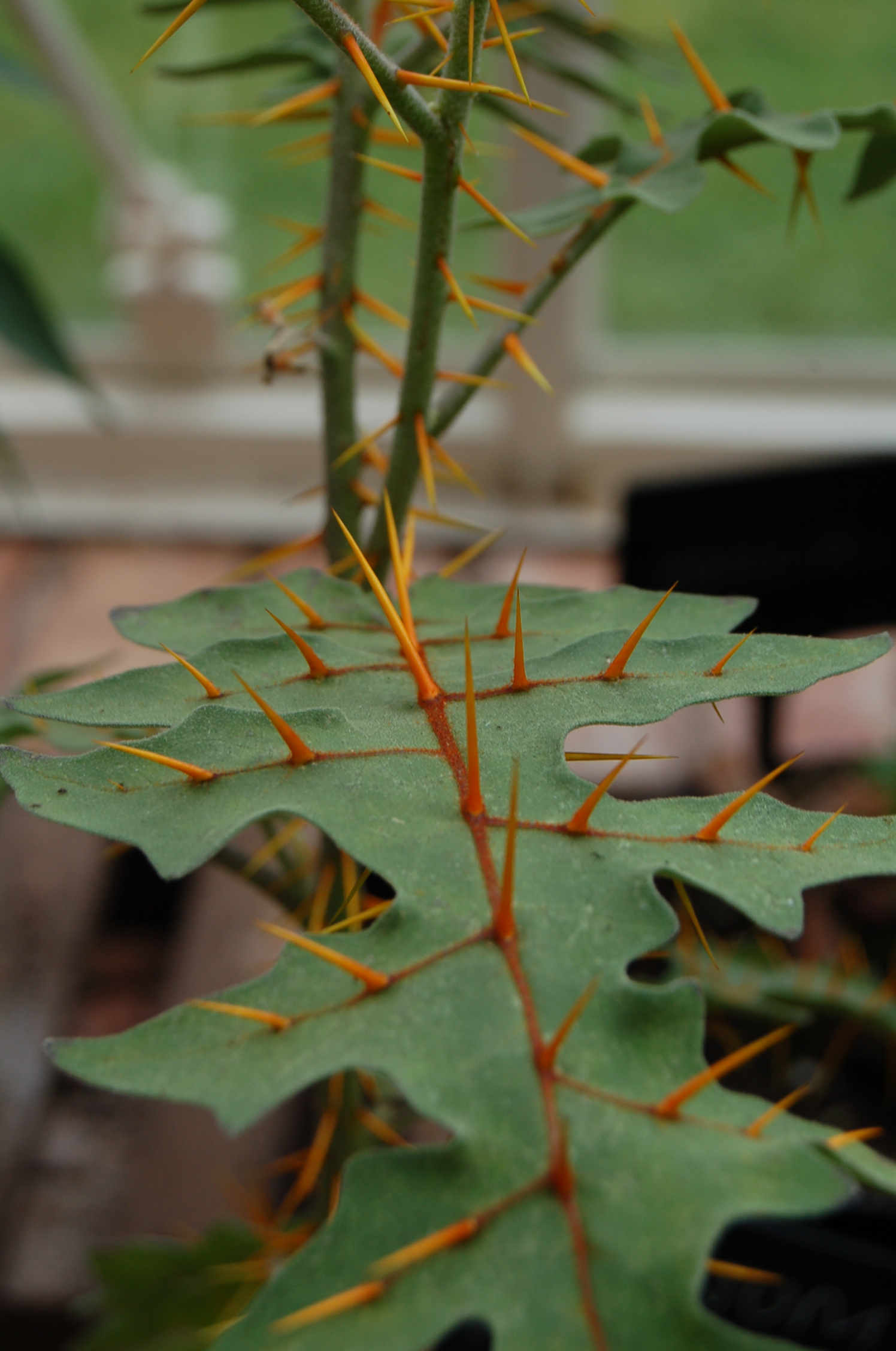
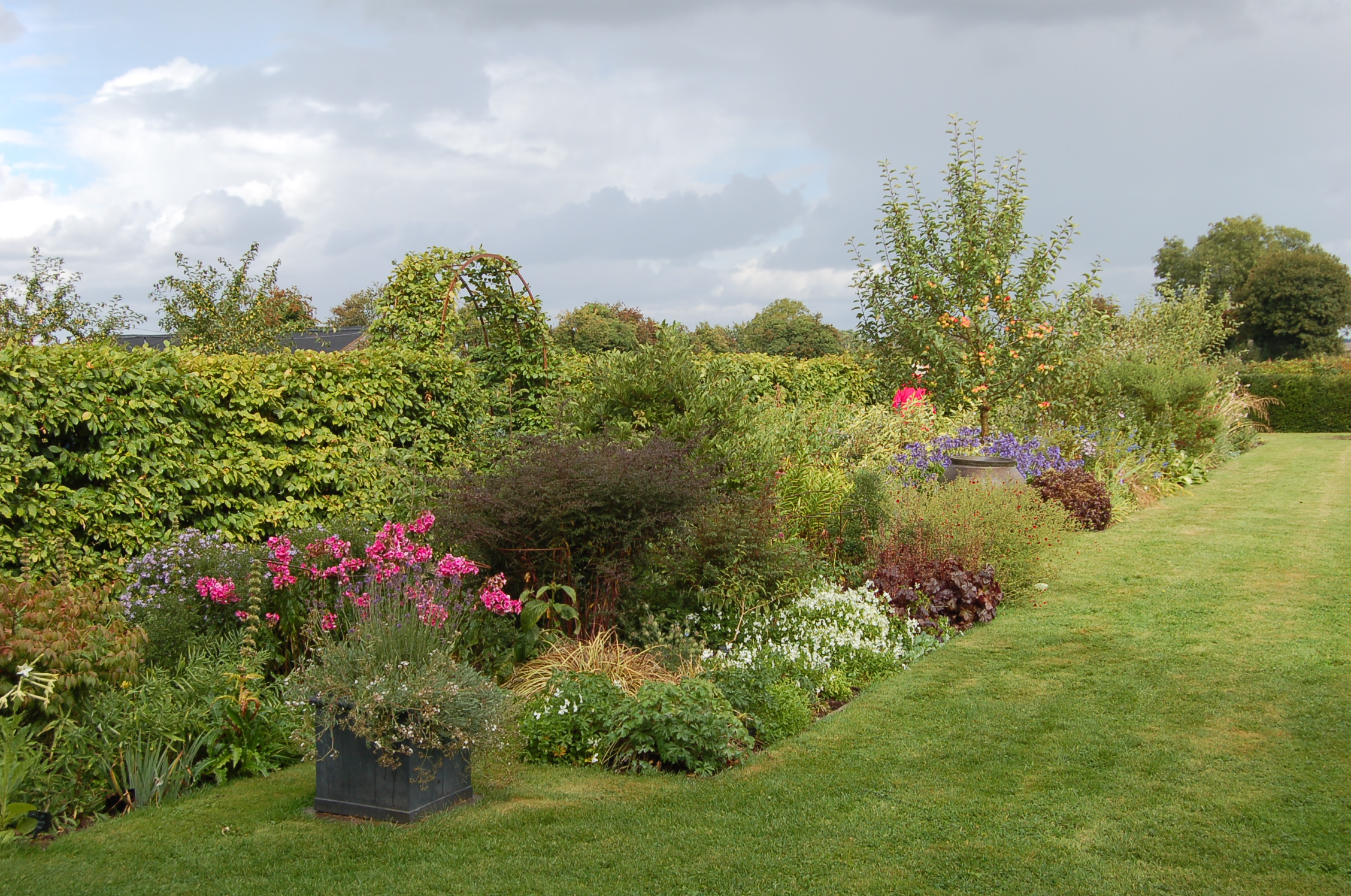
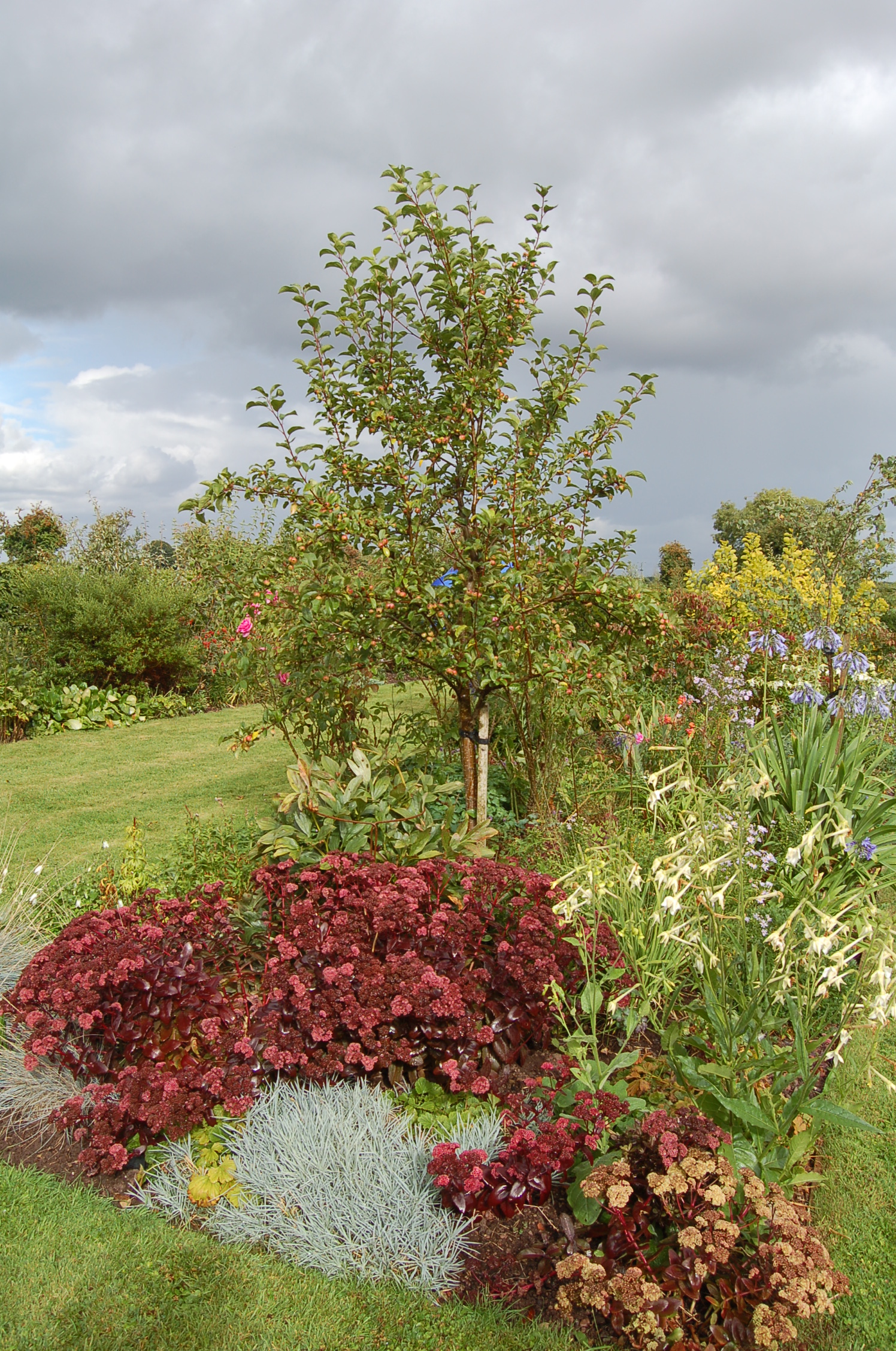
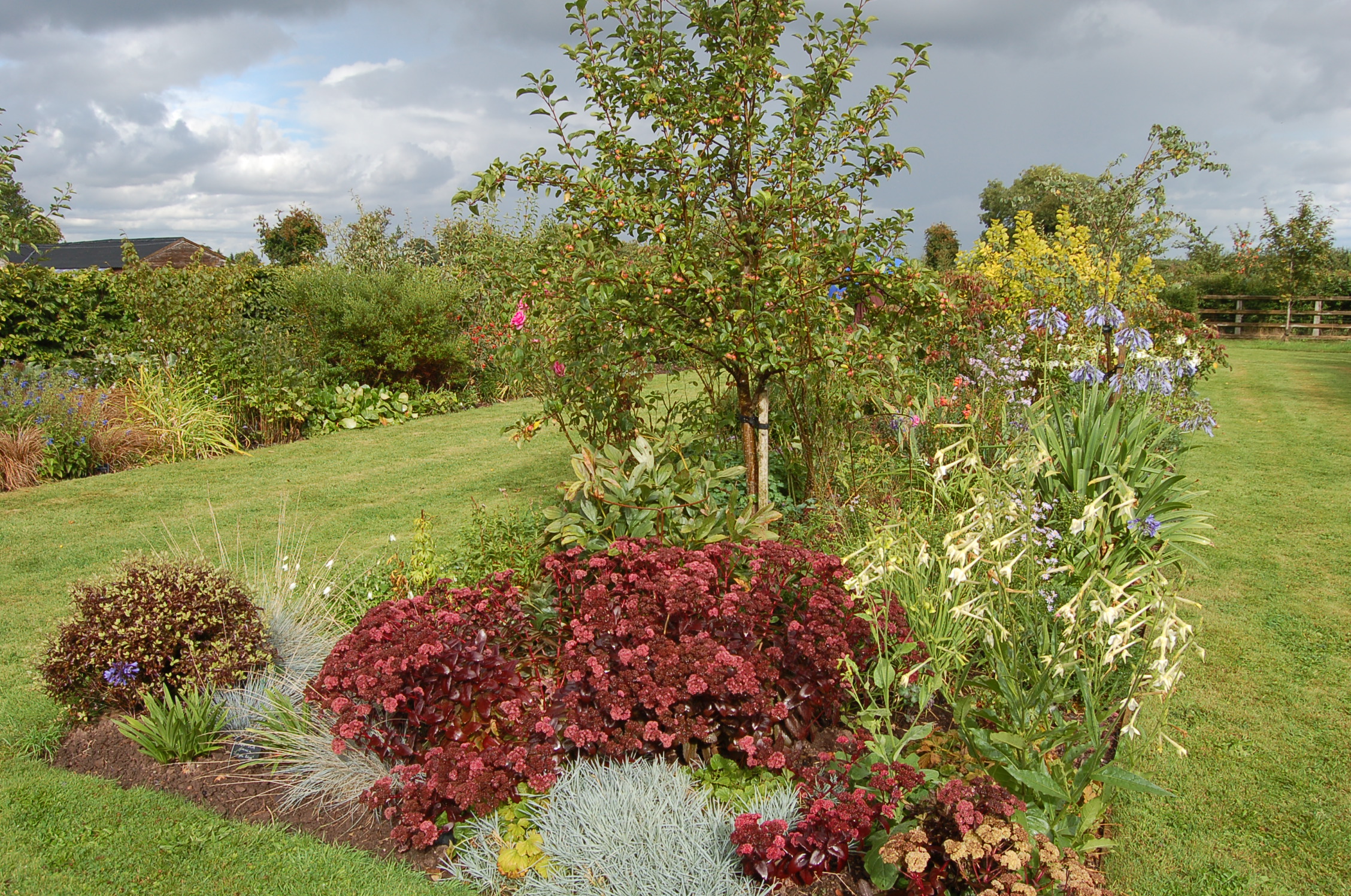
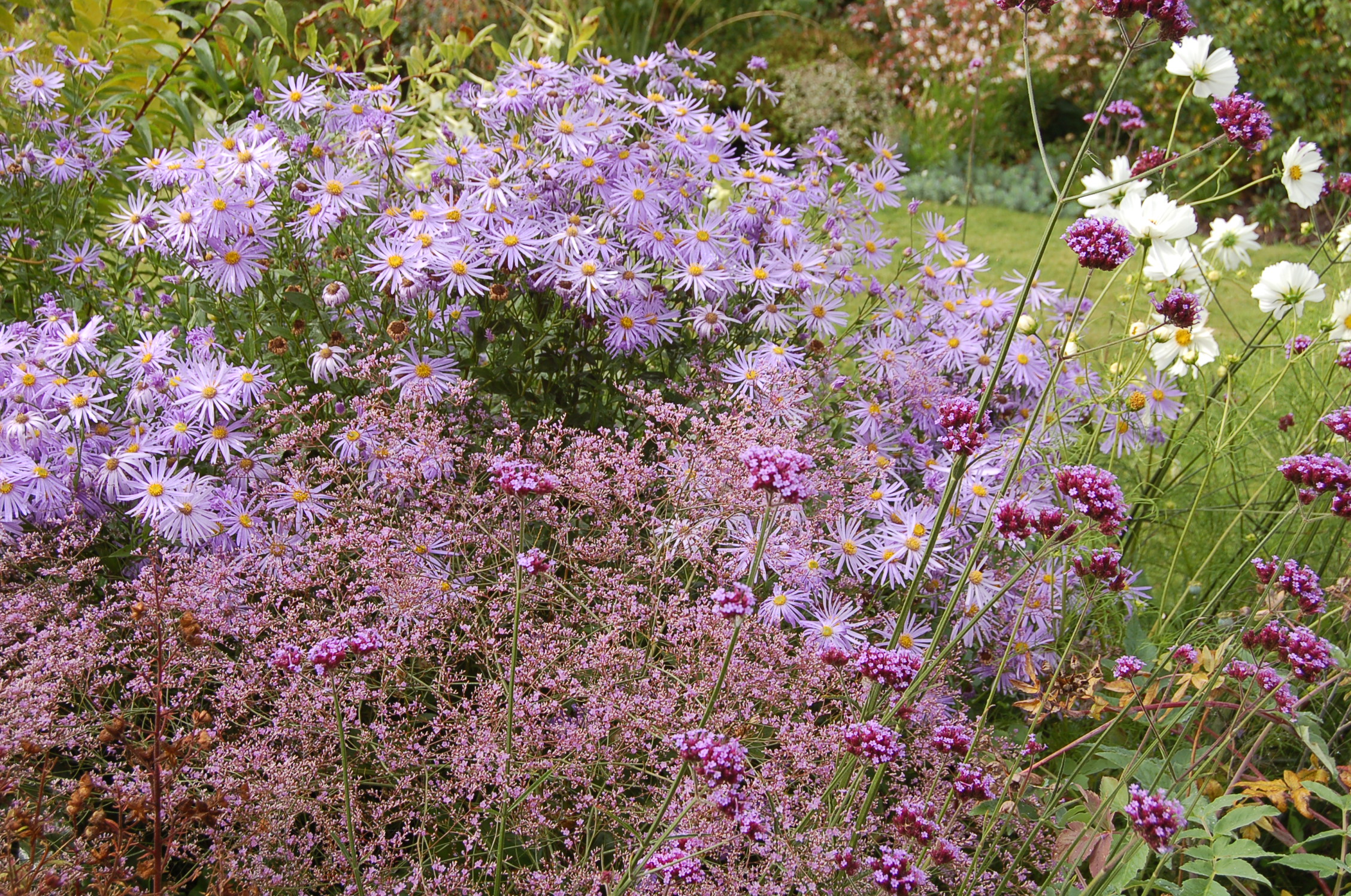
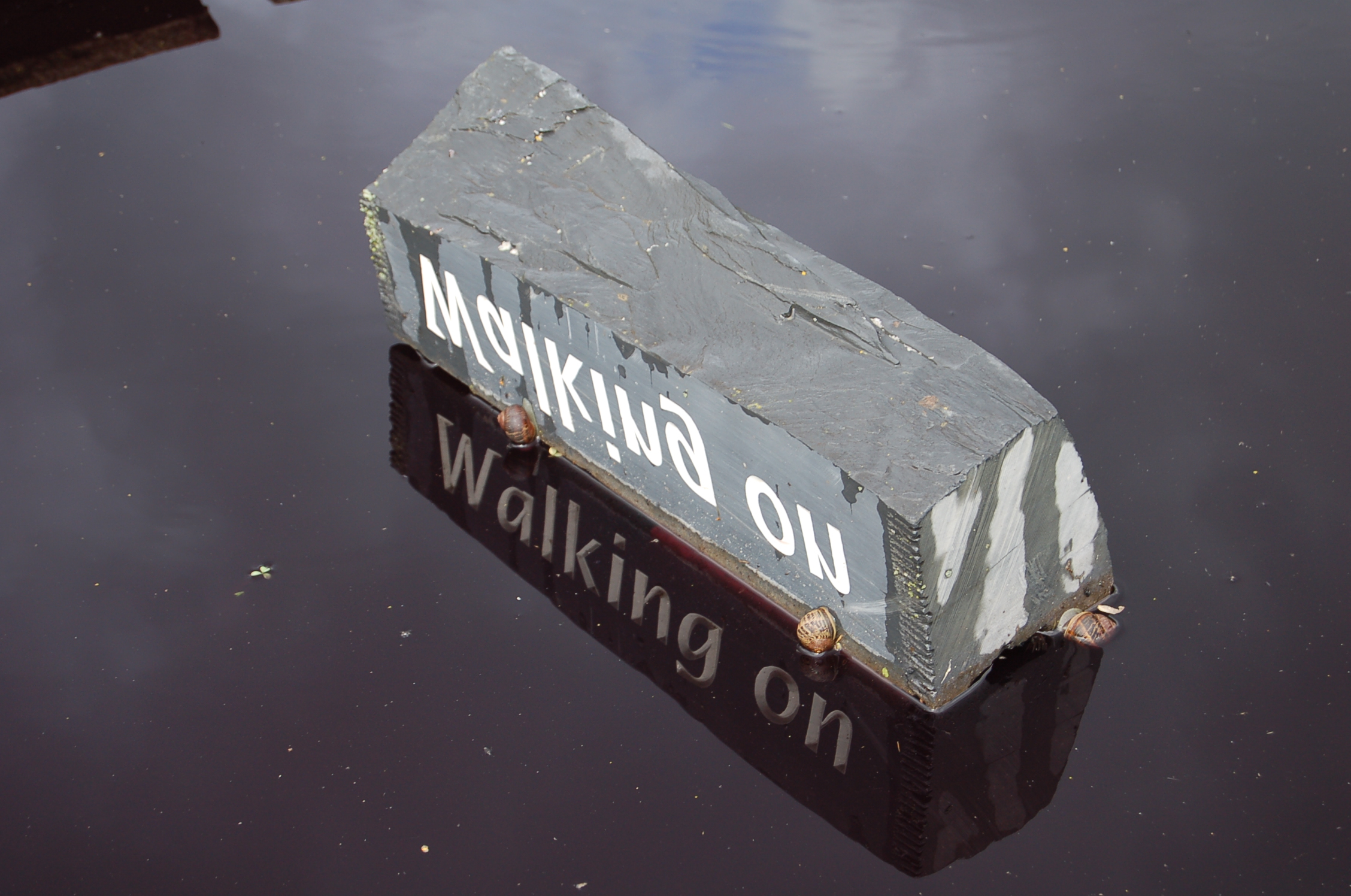
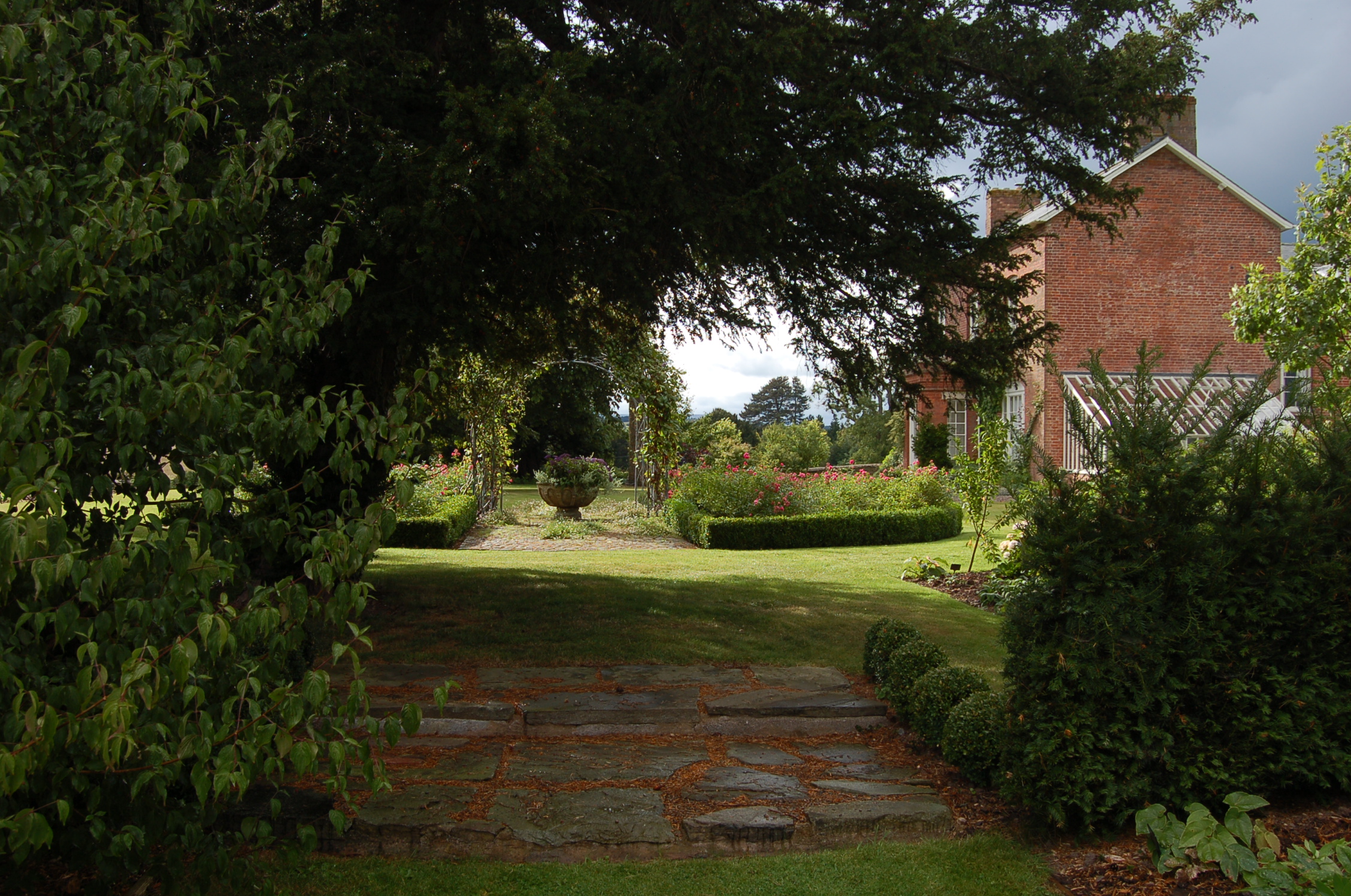
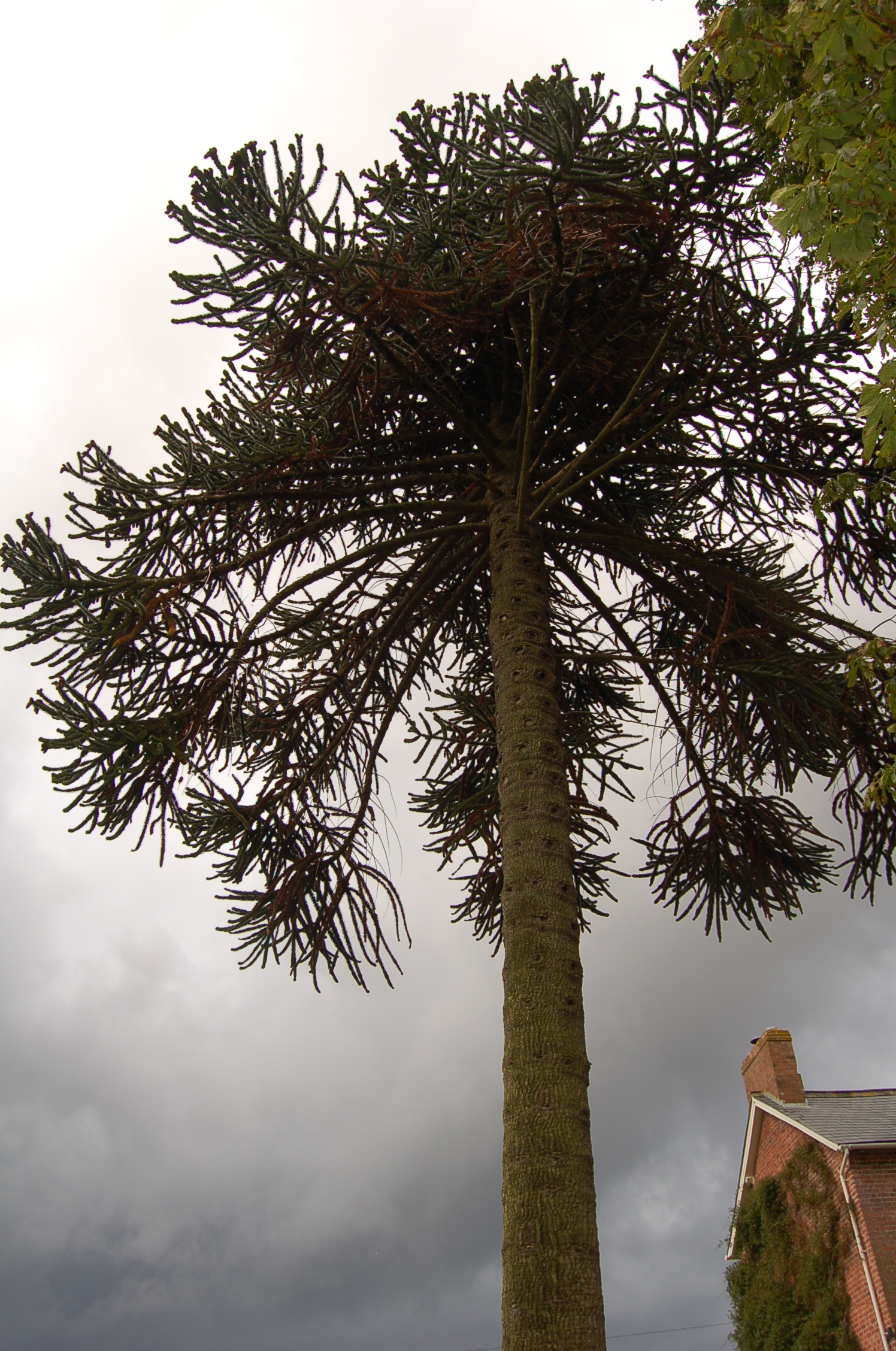
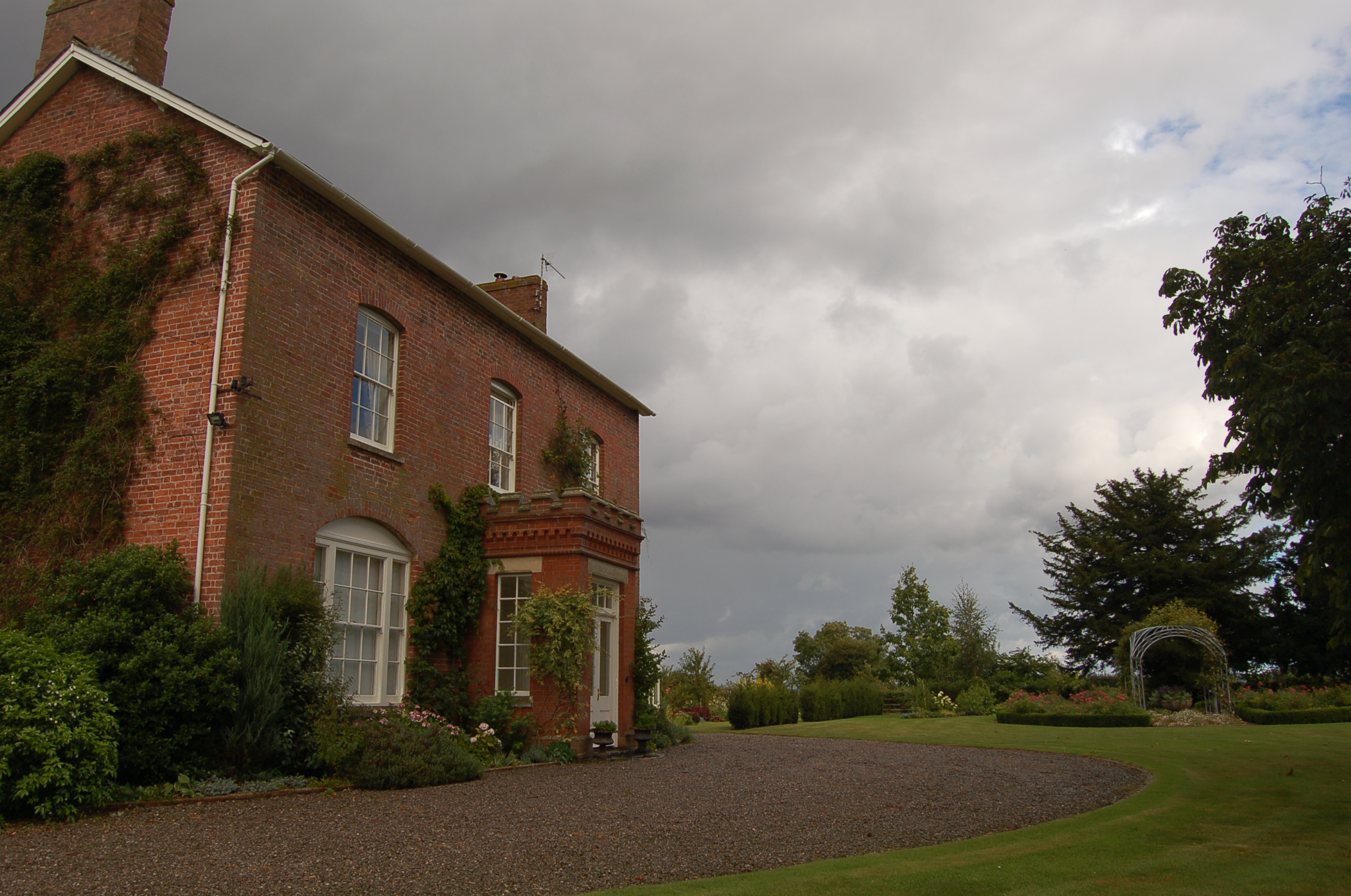
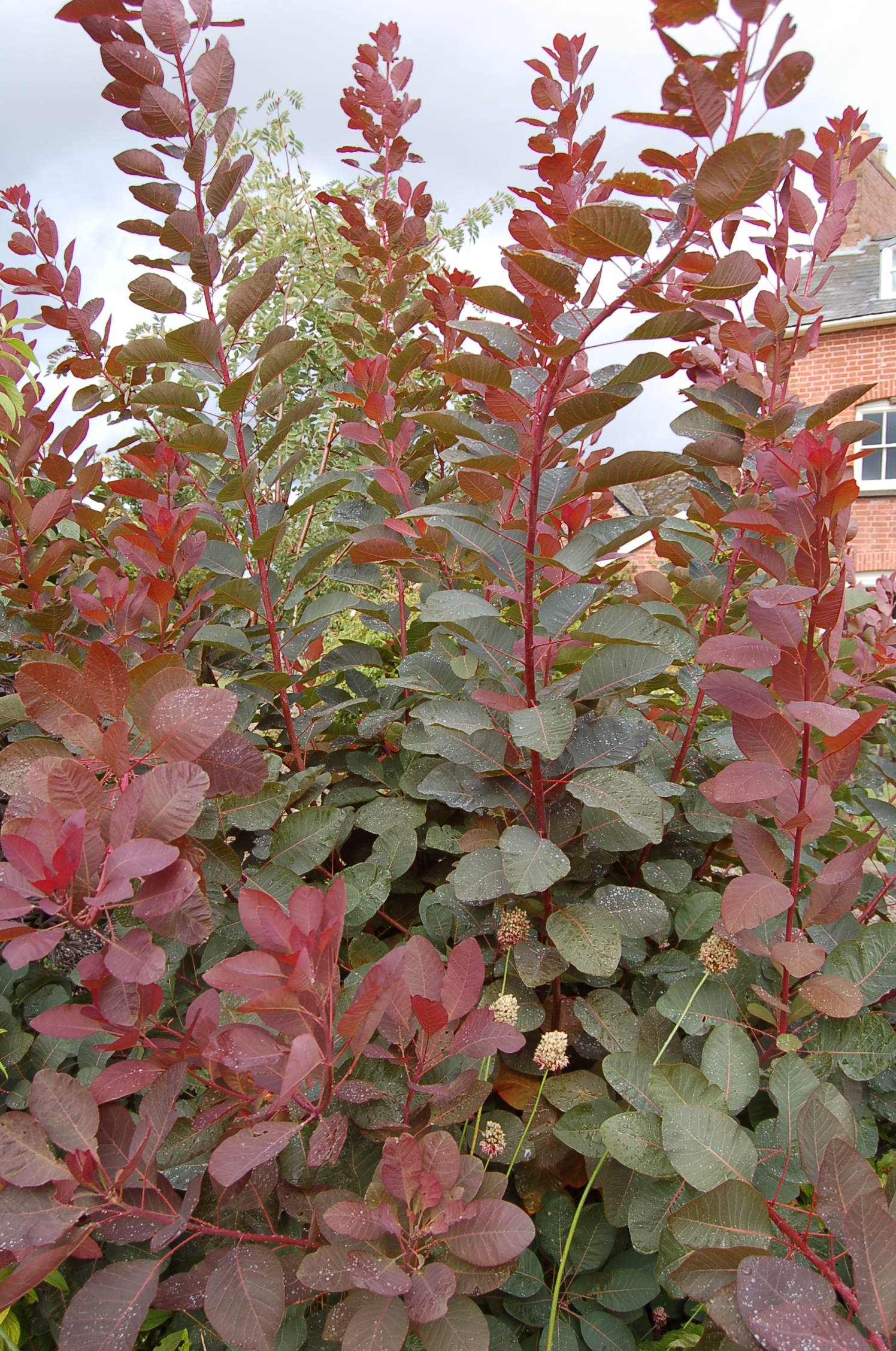
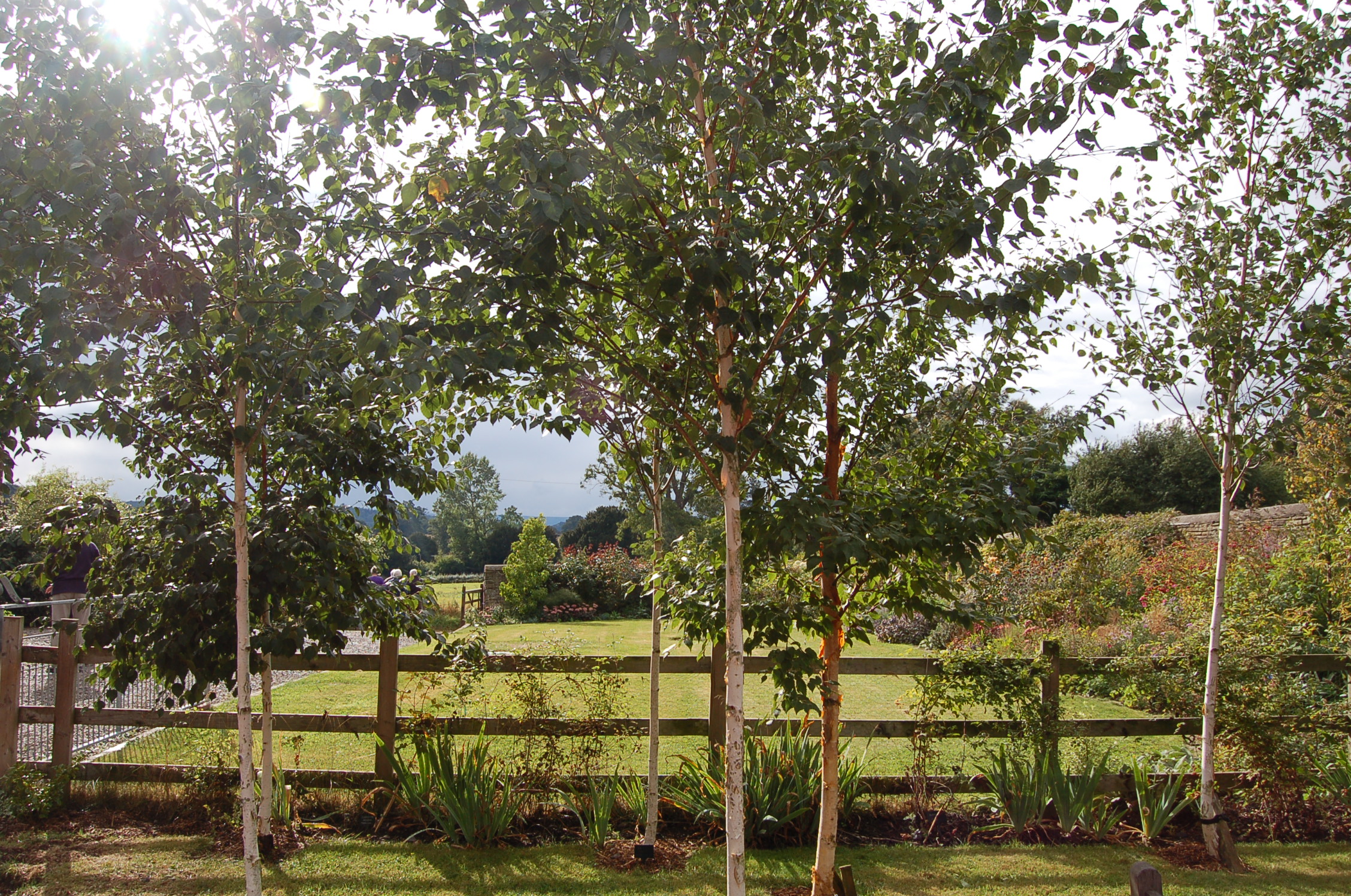
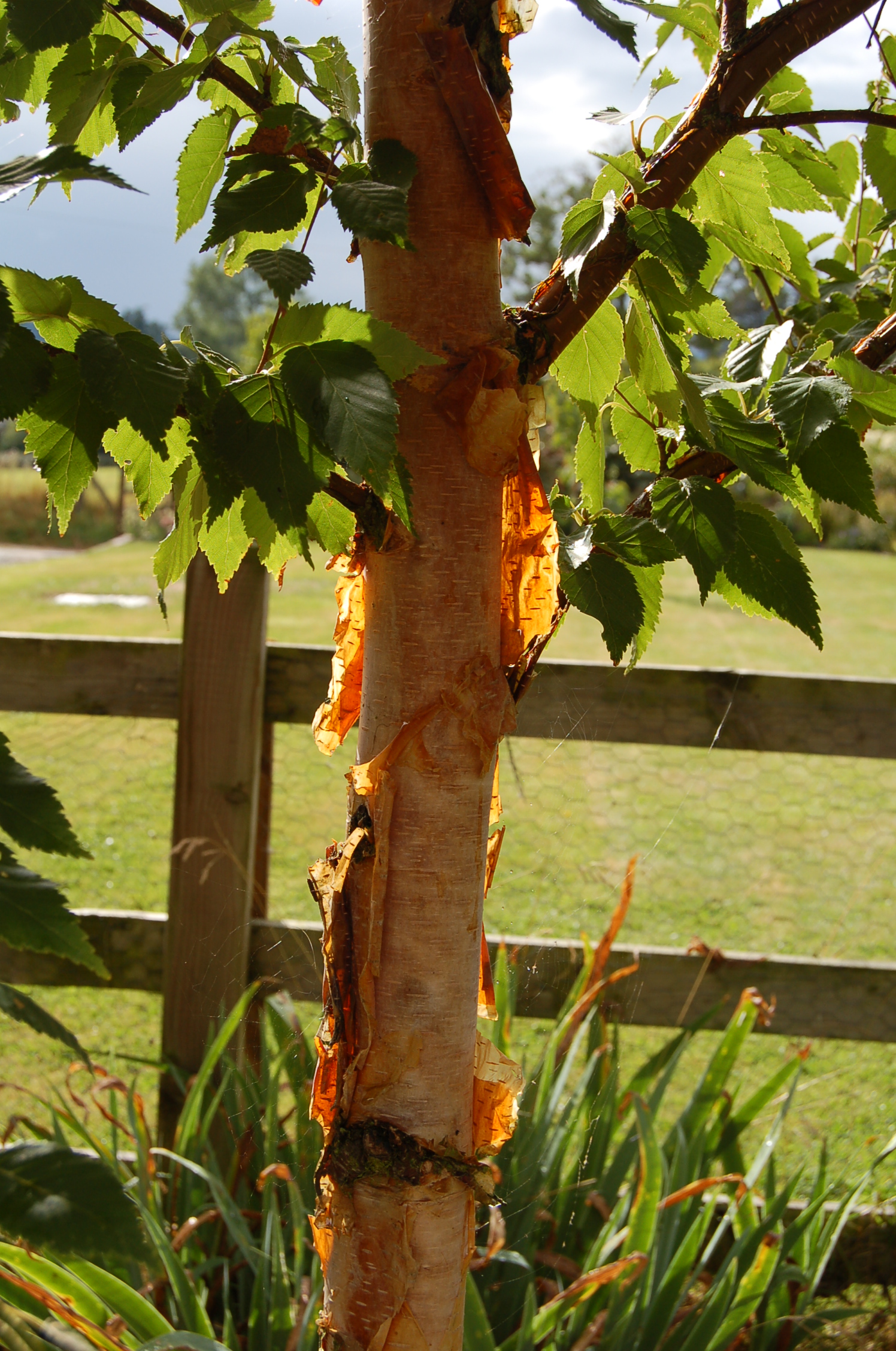
Another journey into Herefordshire saw us in search of a National Garden Scheme (The Yellow Book) village garden. This garden surrounded a former rectory of the village and it had been renovated over the last seven years. It was a garden of many parts, an arboretum, herbaceous borders, shrub borders, a kitchen garden and a rose garden.
Join us as we take a wander in pictures.












A Vegetarian | Nature Lifestyle Blog
.....and nurturing my soul
Journeys In St. Louis Gardening and Beyond
Consult the genius of the place
A blog full of humorous and poignant observations.
Notes from a wildlife-friendly cottage garden
...an emerging social science
'The most important and informative publication on wildlife of our times' - The Independent. This blog is a member of The UK & Ireland Natural History Bloggers group: www.uknhb.blogspot.com
Inspire - Cultivate - Grow Native Plants - Restore Landscapes
To create and protect a semi-natural wild space for the people of Farnham to enjoy and experience an array of British wildlife in our town
The www.gardeningwithchildren.co.uk Blog
birding through the seasons, why birds matter and how to conserve them
with a camera in hand
Transform your outdoor space
My allotment, cooking and other interests
my gardening life through the year
Trying to live a creative life
trying to live as lightly as possible on our beautiful planet
Nature lovers from Leicester living the good life.
Finding the beautiful in the everyday
Michelle's Allotment
thoughts from and about my garden
Big plans for a small garden
A Walled Country Garden in South East Scotland
Life at the fruity chicken
Off grid living. Self sufficient. "PERMAGANICS RULE".
Nottingham's Grade 2* Listed Allotments and Community Orchard
a journey in suburban vegetable gardening
The madness of growing your own
A novel approach to vegetable gardening
Sustainable living in the Irish countryside.
Master Gardener, amateur photographer, quilter, NH native, and sometimes SC snowbird
Recent work and work in progress and anything else that interests me
a chaotic cottage gardener
a weekly blog that creates a personal philosophy through photographs and words
Stories from a sassy and classy Southern farmbelle.
Simple Organic Gardening & Seasonal Living
turning dirt into dinner
today the world is created anew
Notes from a Devon garden
Life Through The Lens
A photography blog showcasing the best photography pictures and videos on the internet
Just another WordPress.com site
personal observations from the natural world as the search continues for a new approach to conservation.
The Wonders of Life through my Eyes, my Heart, my Soul
 greenbenchramblings