Categories
Uncategorized

Arum – the ‘Lords and Ladies ‘ of our garden.

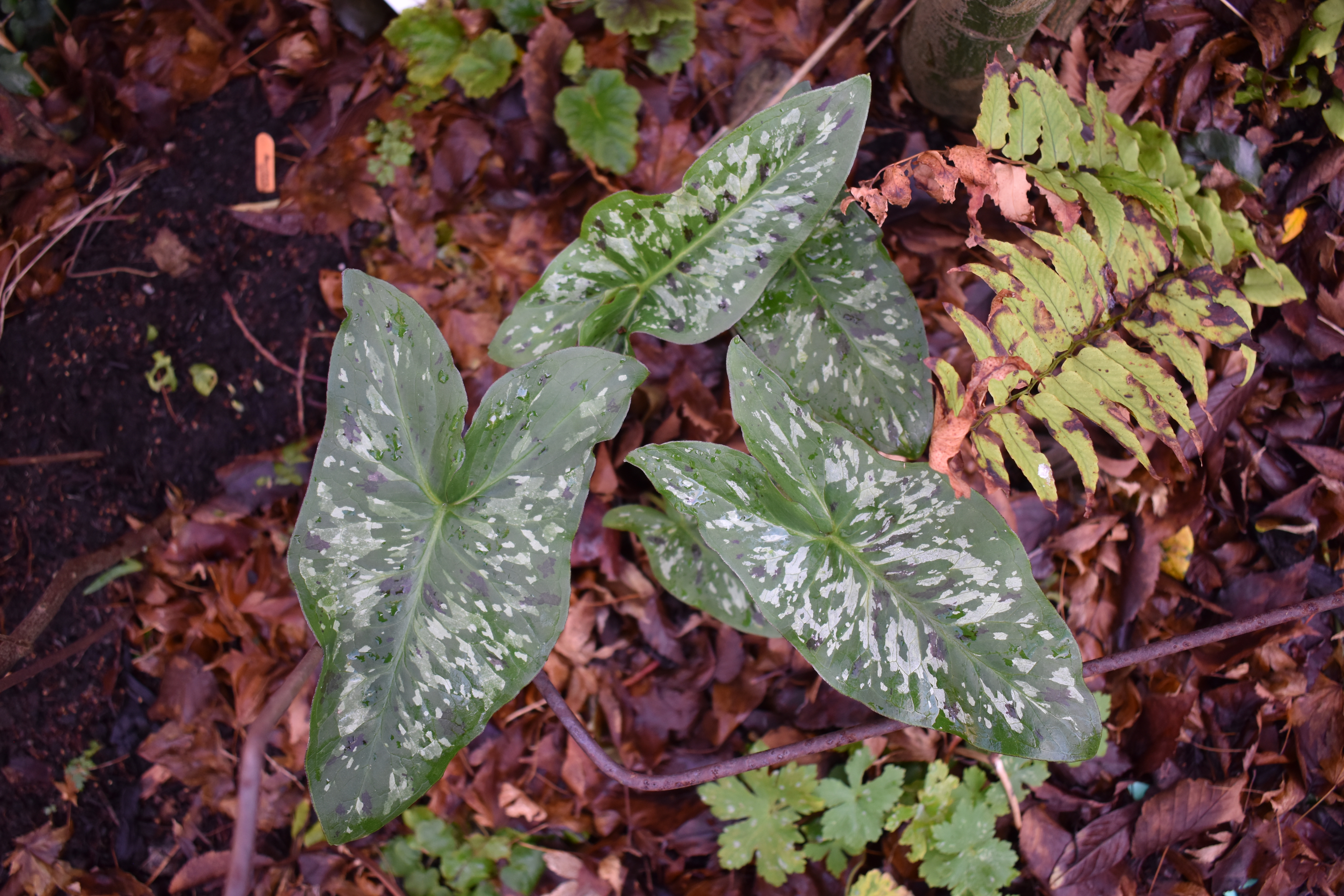
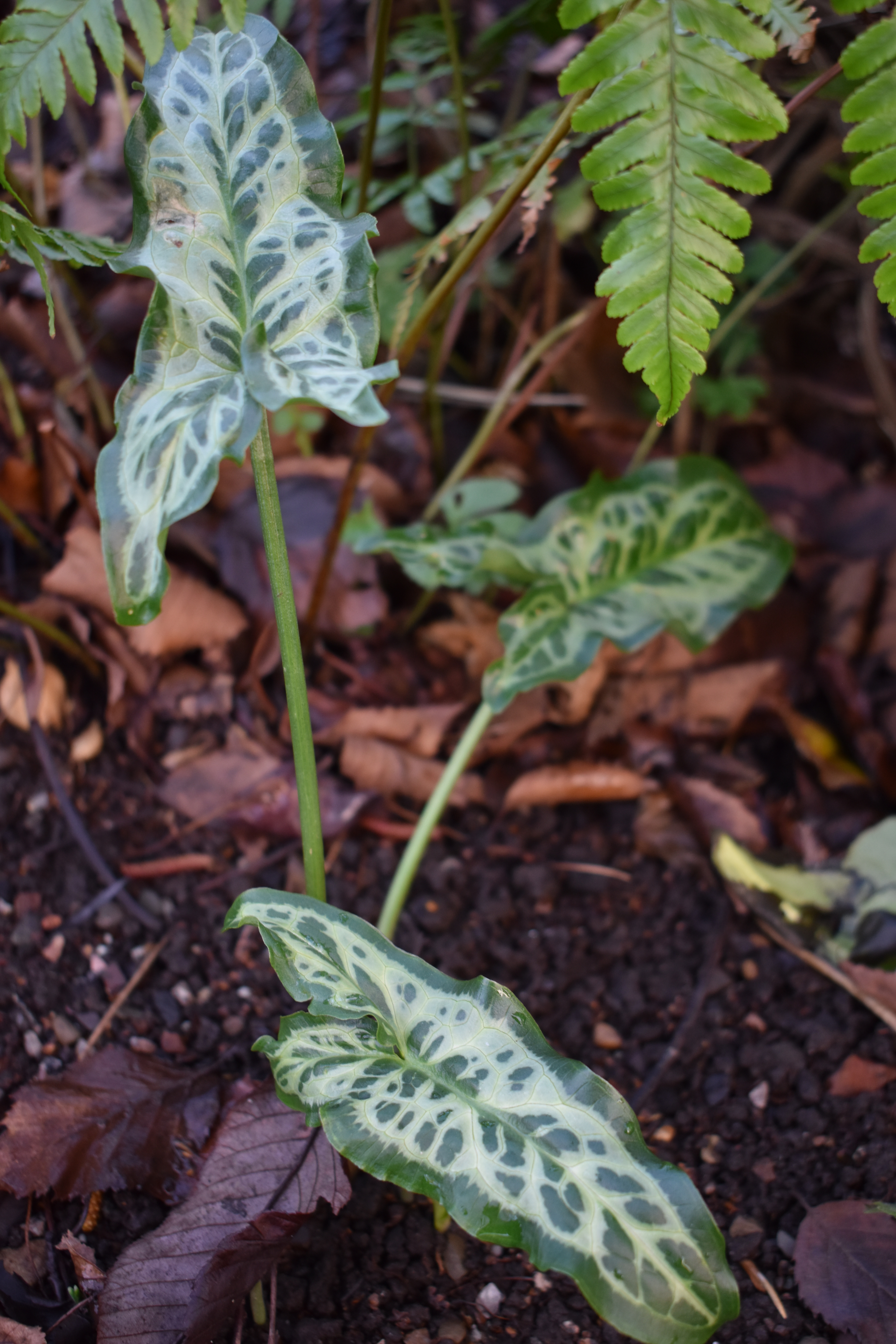
One of the most important foliage plants in the garden in winter must be the Arum in its many variations. In all honesty I am not sure exactly how many different ones we have growing in our Avocet garden simply because they seem so promiscuous!

They mix beautifully with other foliage plants such as carex and ferns.

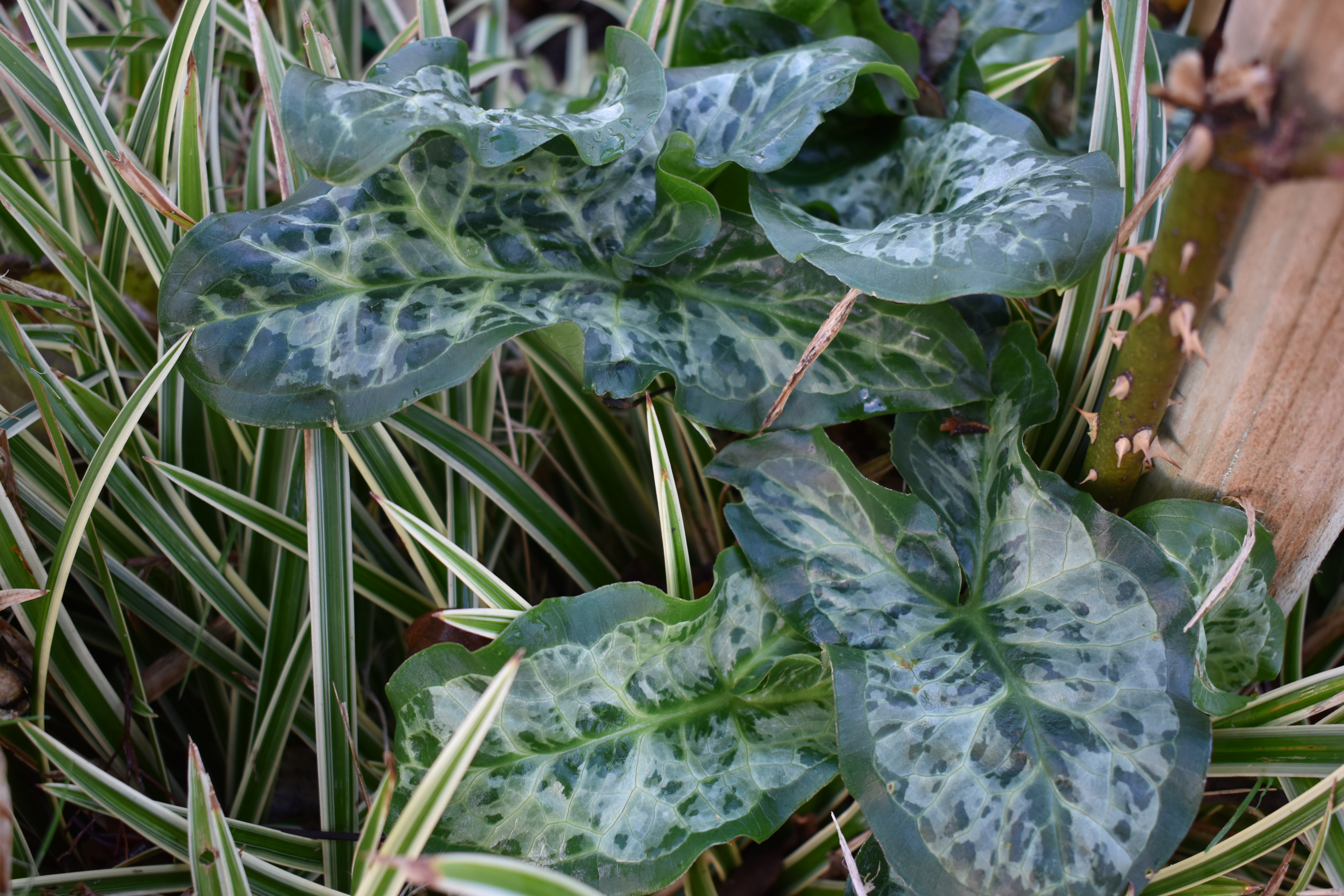
Below are two photos of one of my favourite arum called ‘Chameleon’ growing with Carex ‘Ice Dance’ creating a lovely combination, with each enhancing the other. Both of these plants appreciate growing in shade or semi-shade.

The next pair of photos shows arum combined with ferns.

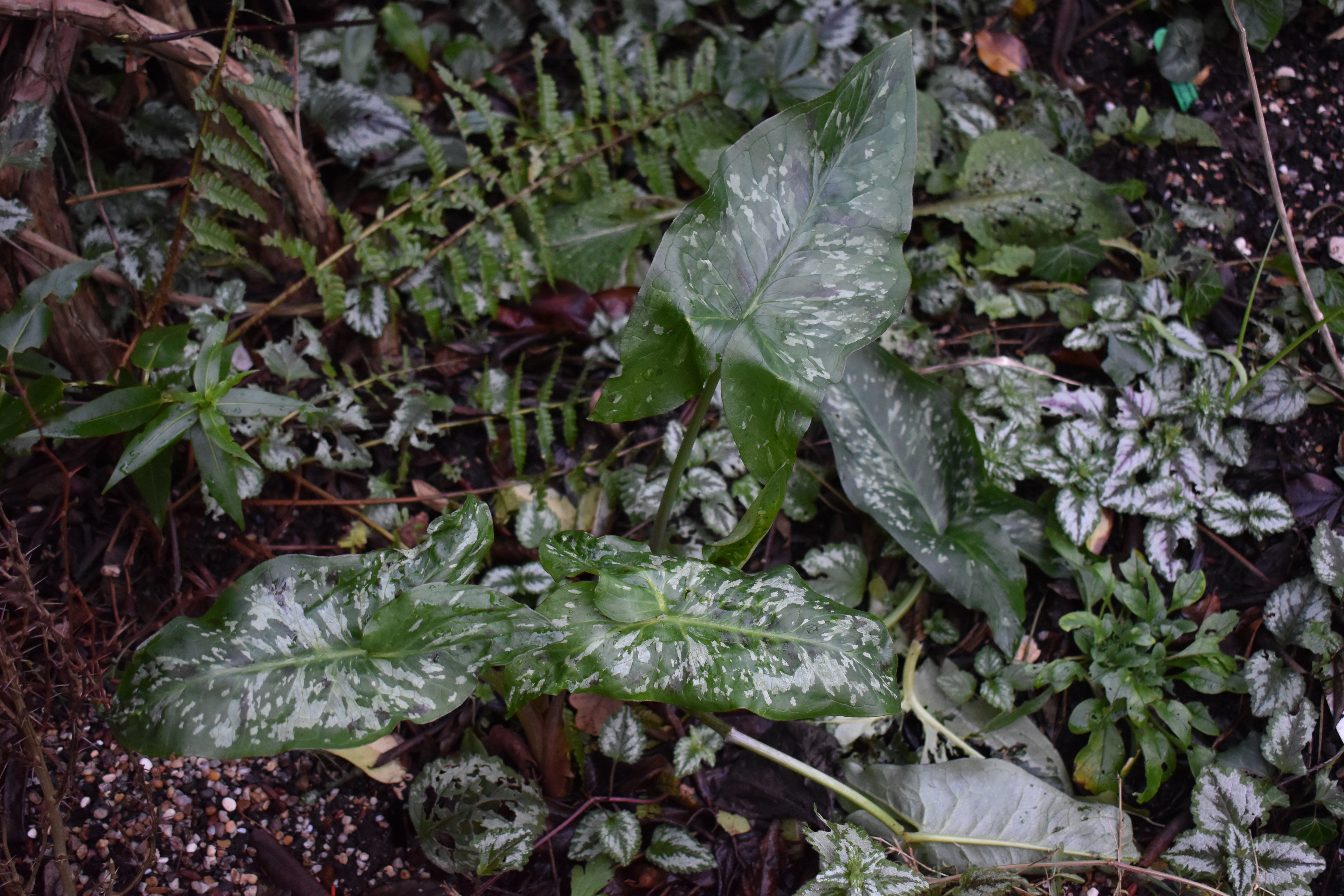
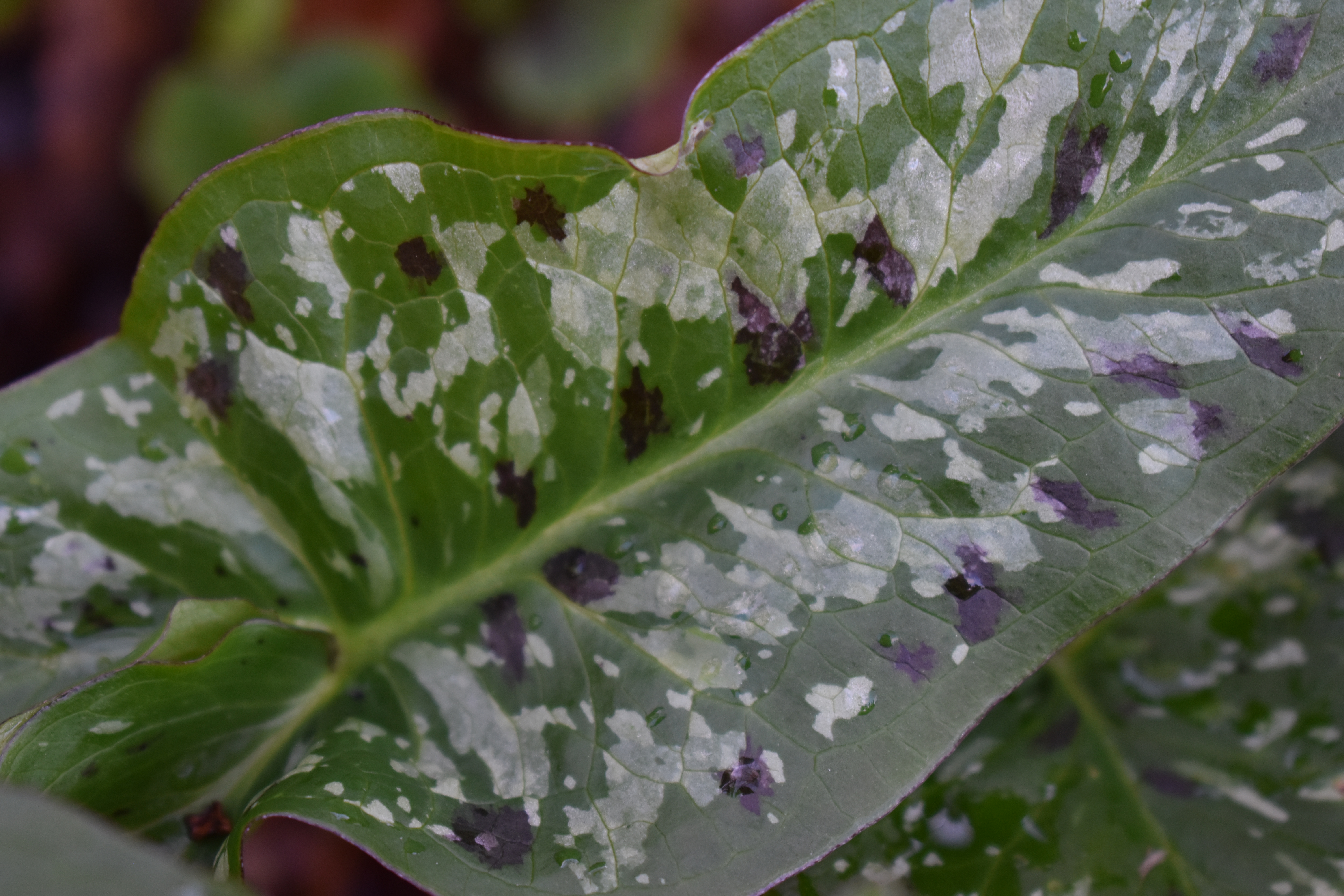
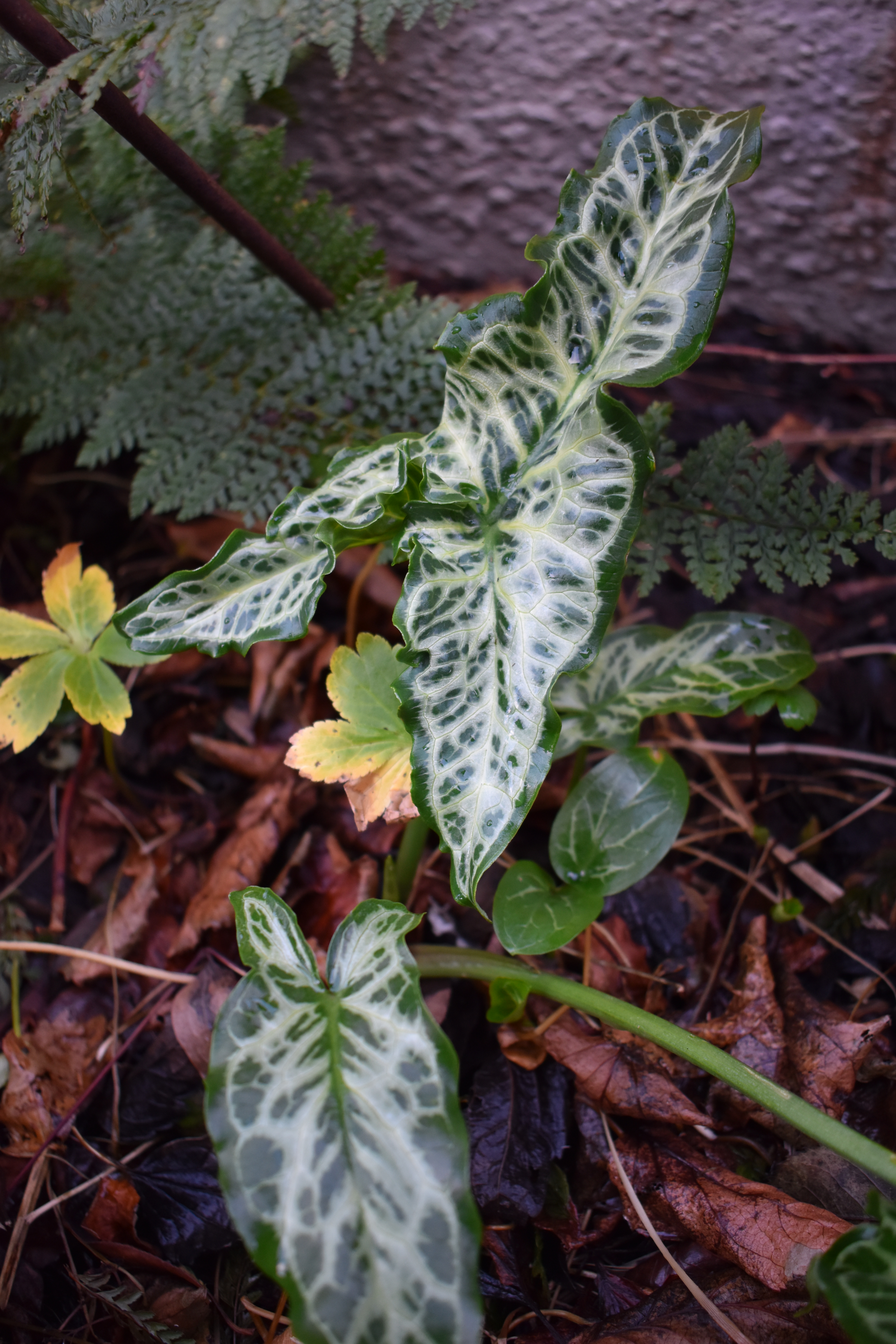
The two photos below show one of my favourites with large almost triangular leaves well marked in white/silver with the addition of splodges of black or purple randomly across the face of the leaf. Each leaf is a good 6 inches long and shaped like an arrow head.

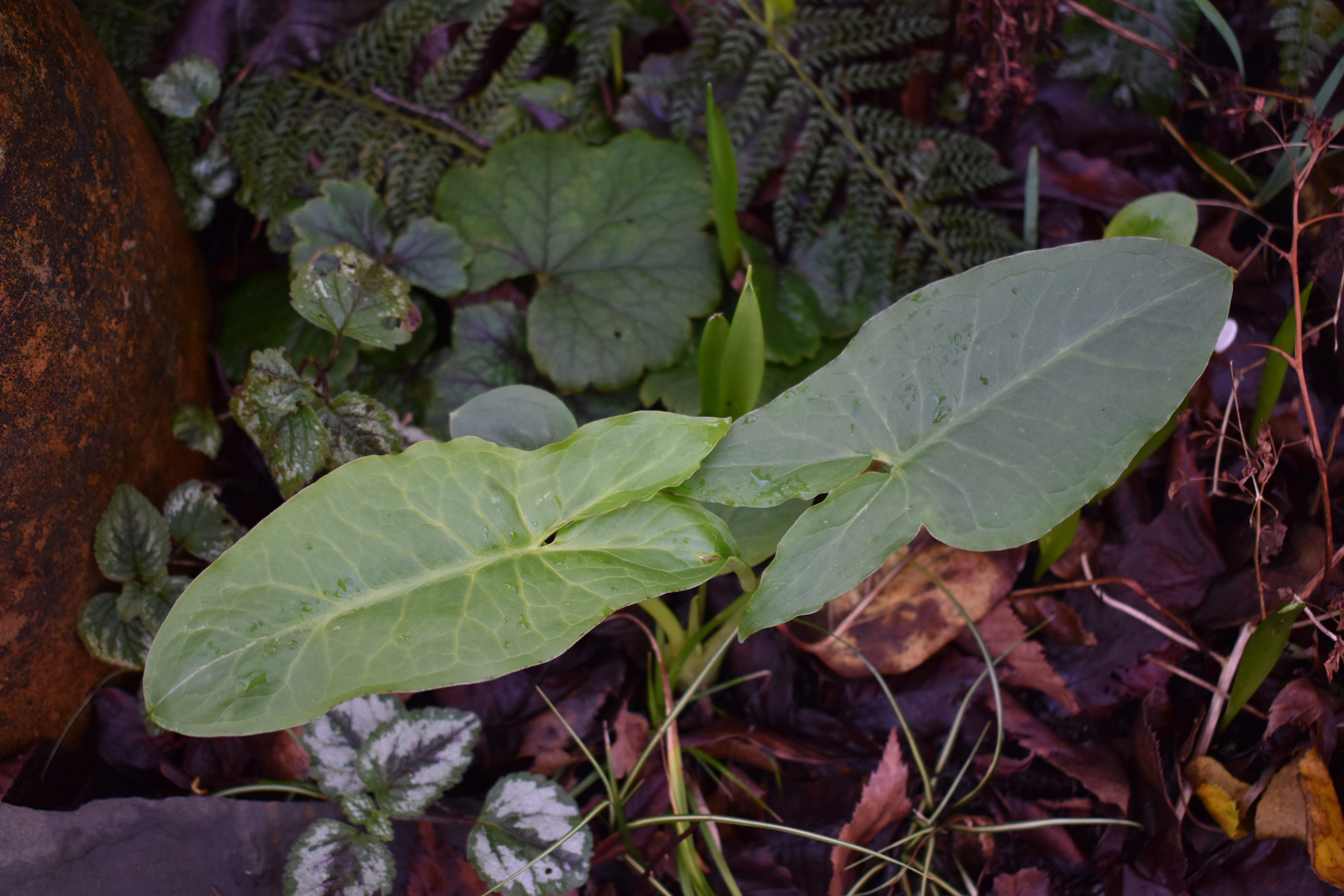
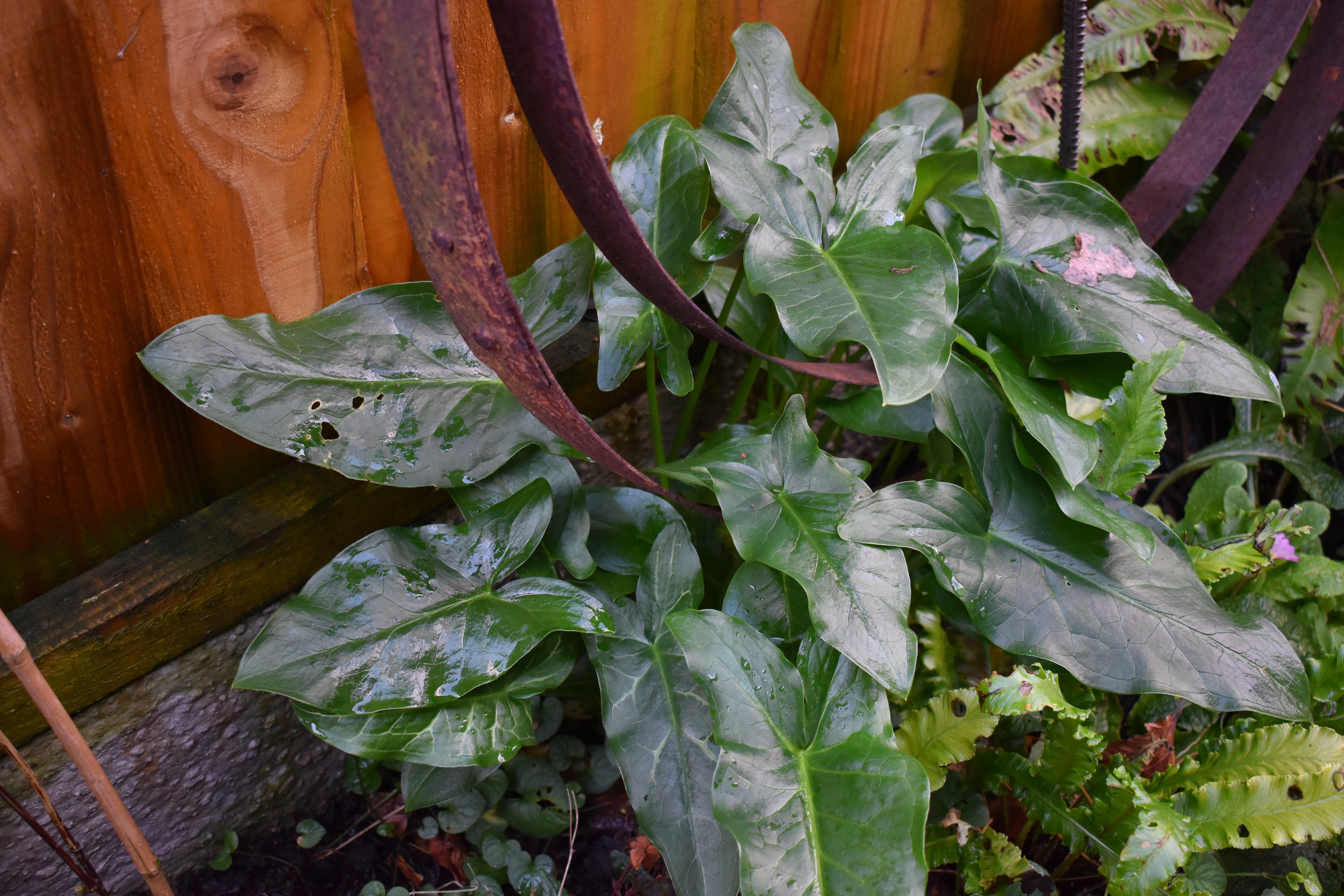
Another of my favourites has virtually no markings on at all just beautifully shaped leaves. When I first acquired this particular arum it had really small leaves just a few inches long, but now after a couple of seasons growing the foliage is much larger. It grows amongst a piece of my Corten Steel sculpture.

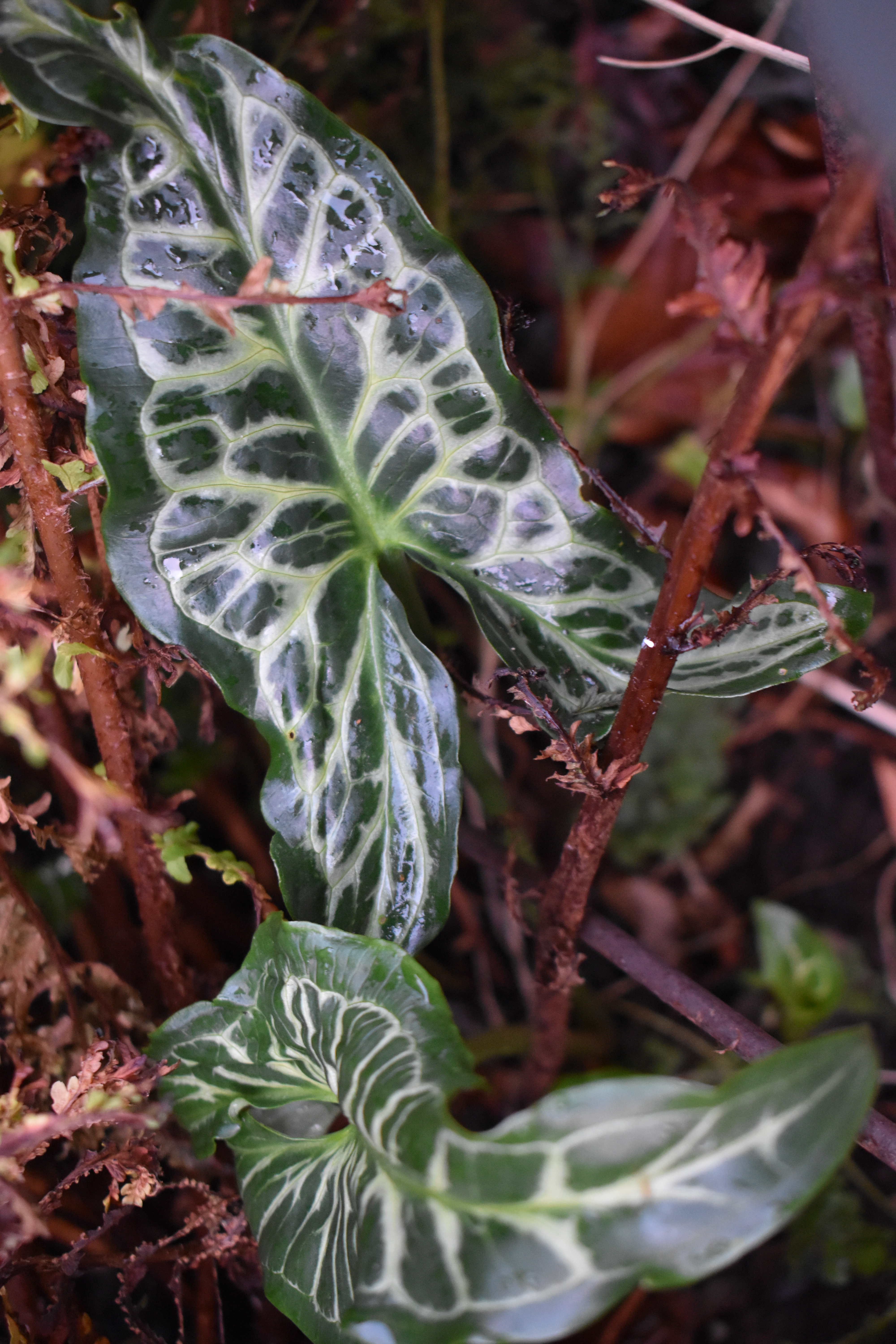
We have several with almost plain green foliage, often with just thin pale yellow-green or white lines with each leaf being unique.

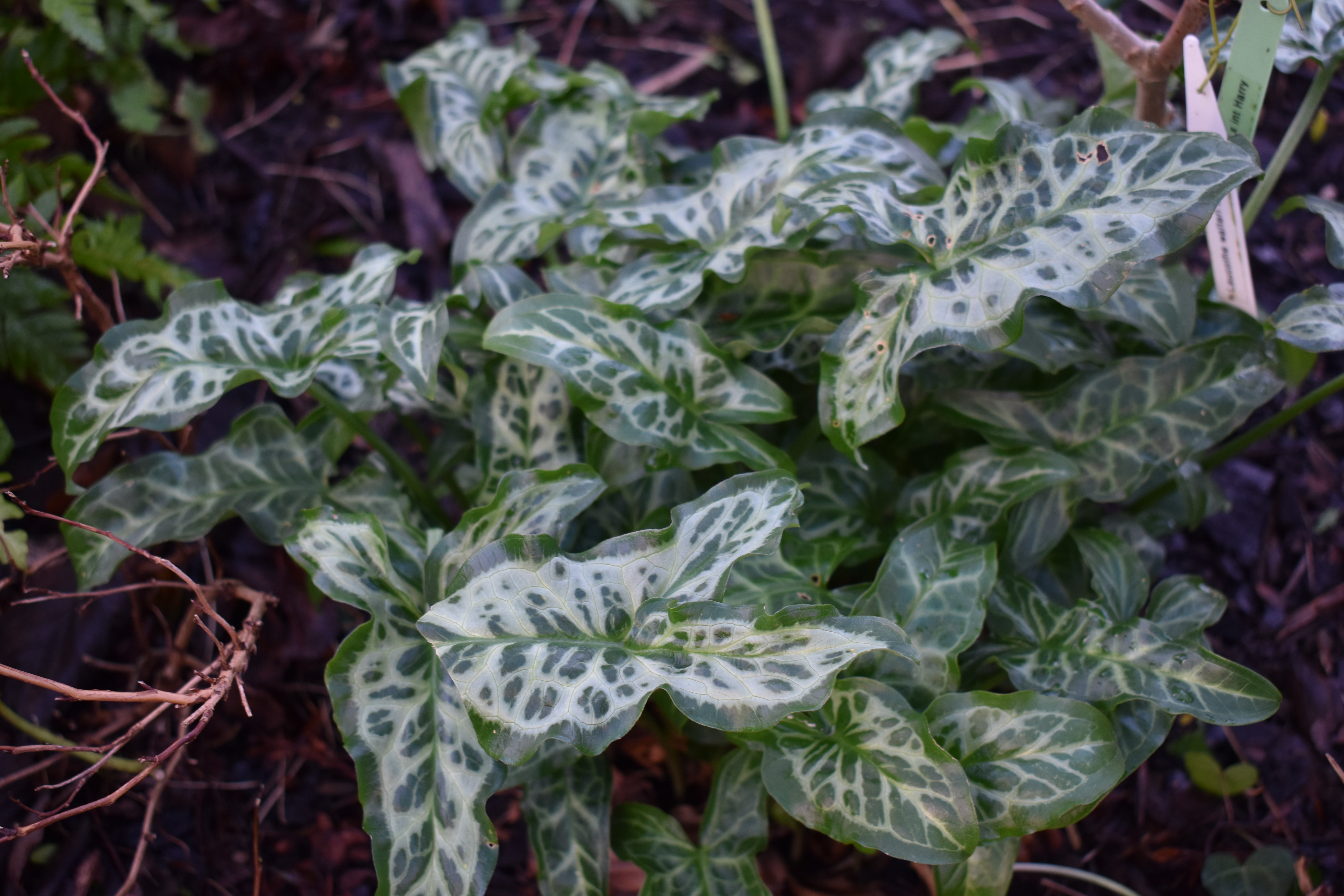
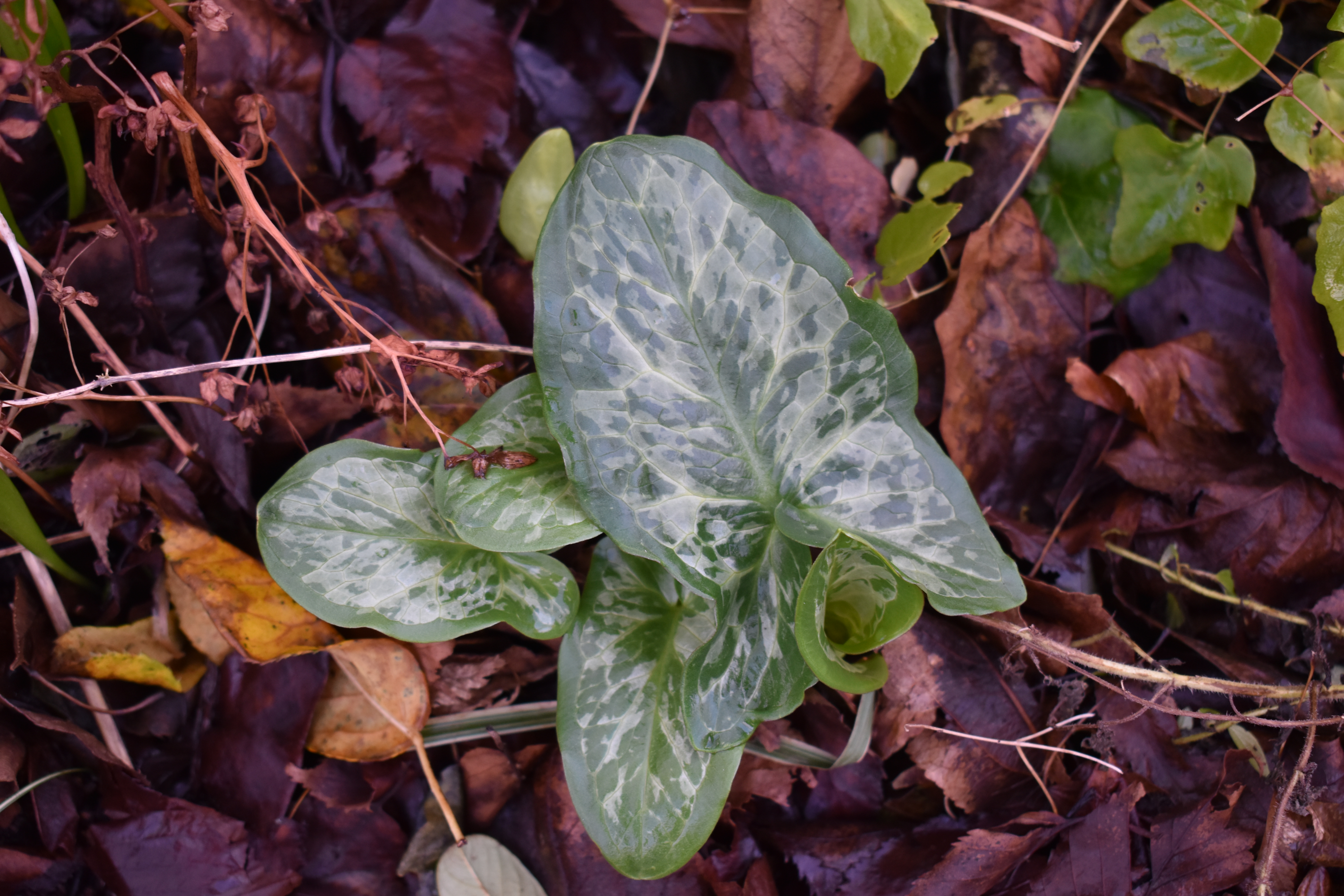
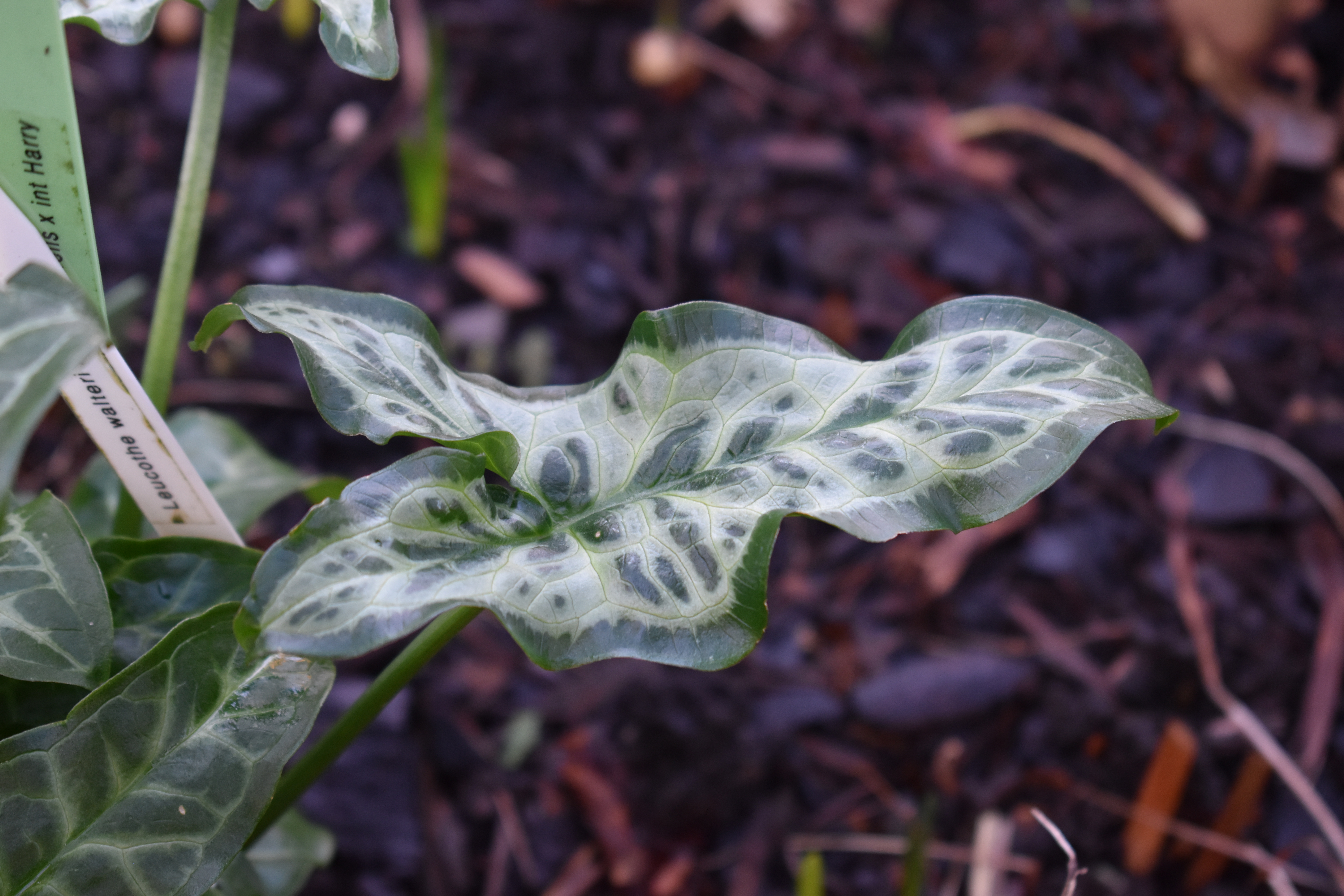
One particularly special arum has large, undulating foliage which is marked in a silver -white pattern.

This is probably the most impressive arum that we have in our garden.

Categories
Uncategorized

Dyffryn Fernant Garden

“The most inspiring garden in Wales?” This is how it was described in a magazine I read. It certainly is inspiring and full of ideas and creative cameos. It really is a garden to explore and discover!

The gravel driveway leads to the salmon pink cottage and short distance away is a rustic library building where we enjoyed freshly brewed coffee and browse some of the hundreds of books lining the walls.

We parked in a field on the opposite side of the lane to the garden and here we were delayed while I looked a hedgerow Hawthorn dripping with red berries giving it the look of a red waterfall. We crossed the lane and entered the ‘Quarry Garden”. From there we followed the lane up to the cottage and its front garden. We stopped to look at this strip of stone which reminded us of the work of Richard Long, landscape sculptor.

The “Front Garden” is a small patch with plenty of points of interest.

Acers in September provide so much colour marking autumn’s beginnings.

The old ‘Kitchen Garden’ still shows signs of production but it also is home to stock plants. There were interesting places to sit and consider and even spot wildlife.

Off to the Library next for our coffee break, comfy chairs and time to look at a few of the hundreds of books. The view from the library doorway takes in ‘The Courtyard’ and ‘Bog garden’, which was the next place to enjoy.

Leaving ‘The Library’ and feeling well refreshed we continued our journey of discovery – discovery of interesting plants and how they are put together to give the best possible pictures.

The areas we still had to look at were various planned borders and garden rooms gently fading into more wild areas.

Some brilliant plants and planting combinations on our way to ‘The Fernery’!

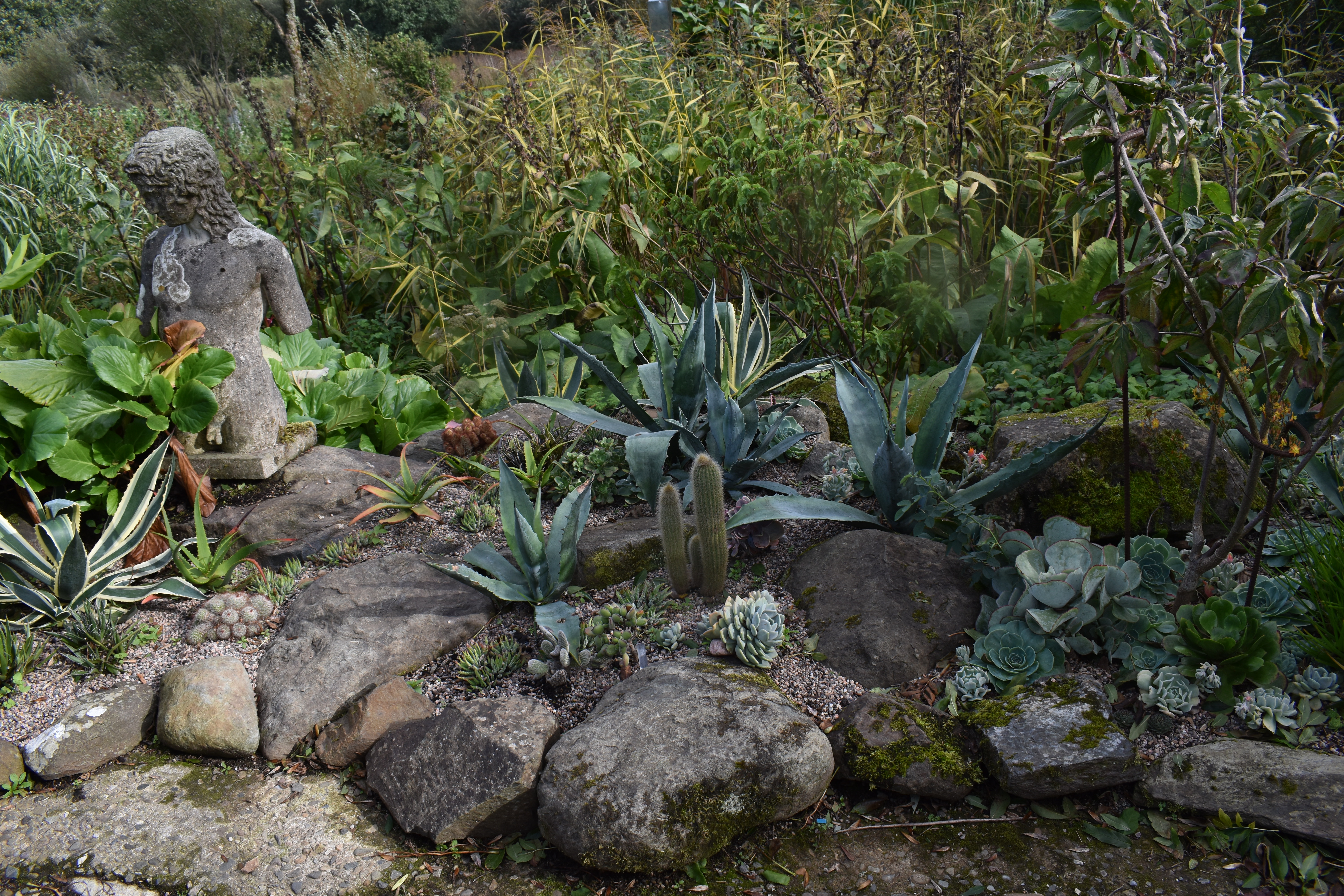
And so we reached ‘The Fernery’ and close by a ‘xeriscape’ planting which are strongly contrasting conditions. These areas and the wilder patches will be in the second part of my post about Dyffryn Fernant.

Categories
Uncategorized

A Mid-Winter Walk around Attingham Park – The Mile Walk

We haven’t visited our local National Trust property, Attingham Park, very many times in 2023 for a variety of reasons but when we found ourselves with a free afternoon in December we took advantage and made the short drive there.

The sky turned a dark shade of grey as we arrived but the sun still shone highlighting the silhouettes of naked trees and the stone of the main buildings.

We decided to take the ‘One Mile Walk’ with the weather not looking too promising, starting off by following the bark pathway to the walled garden in search of signs of the season.

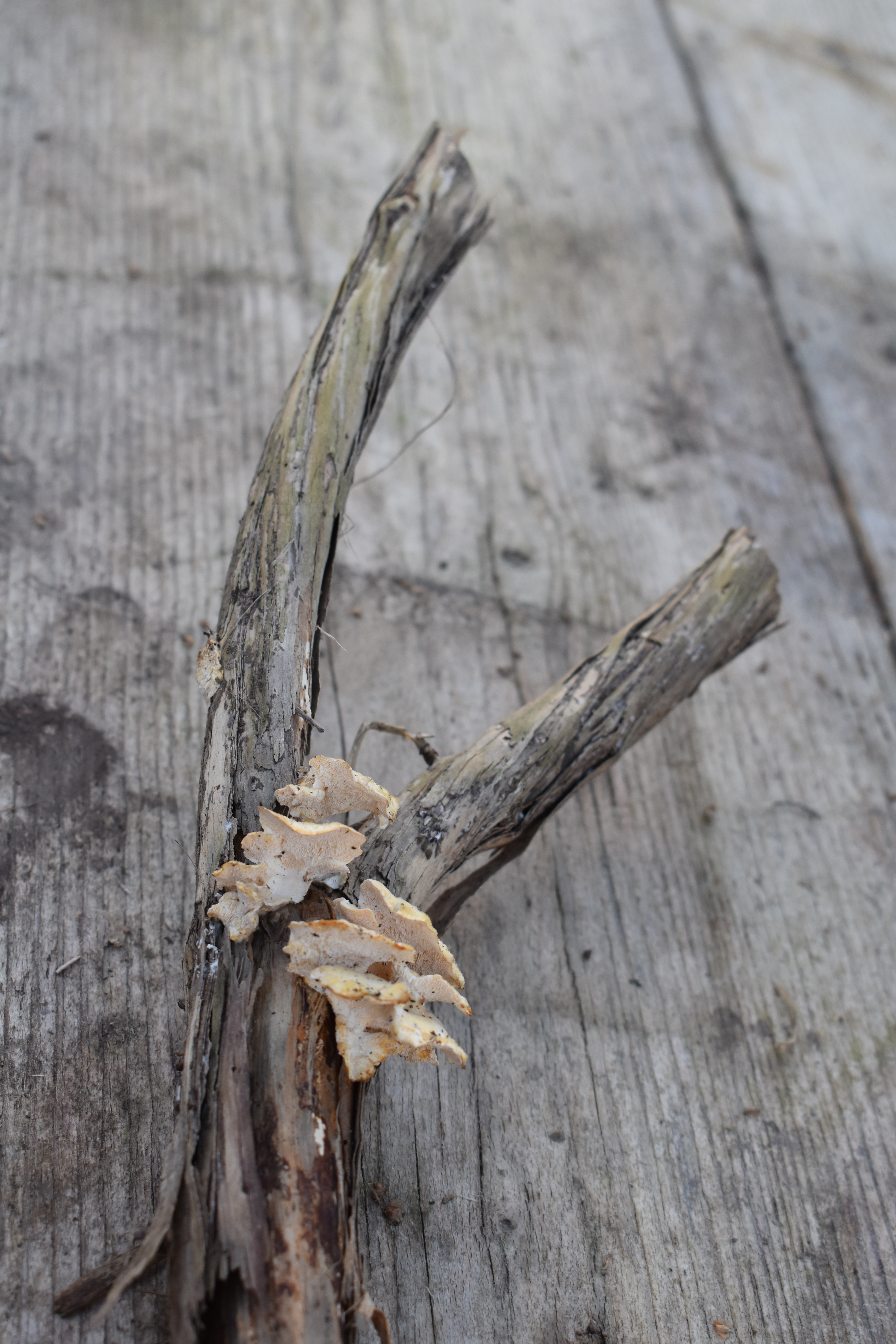
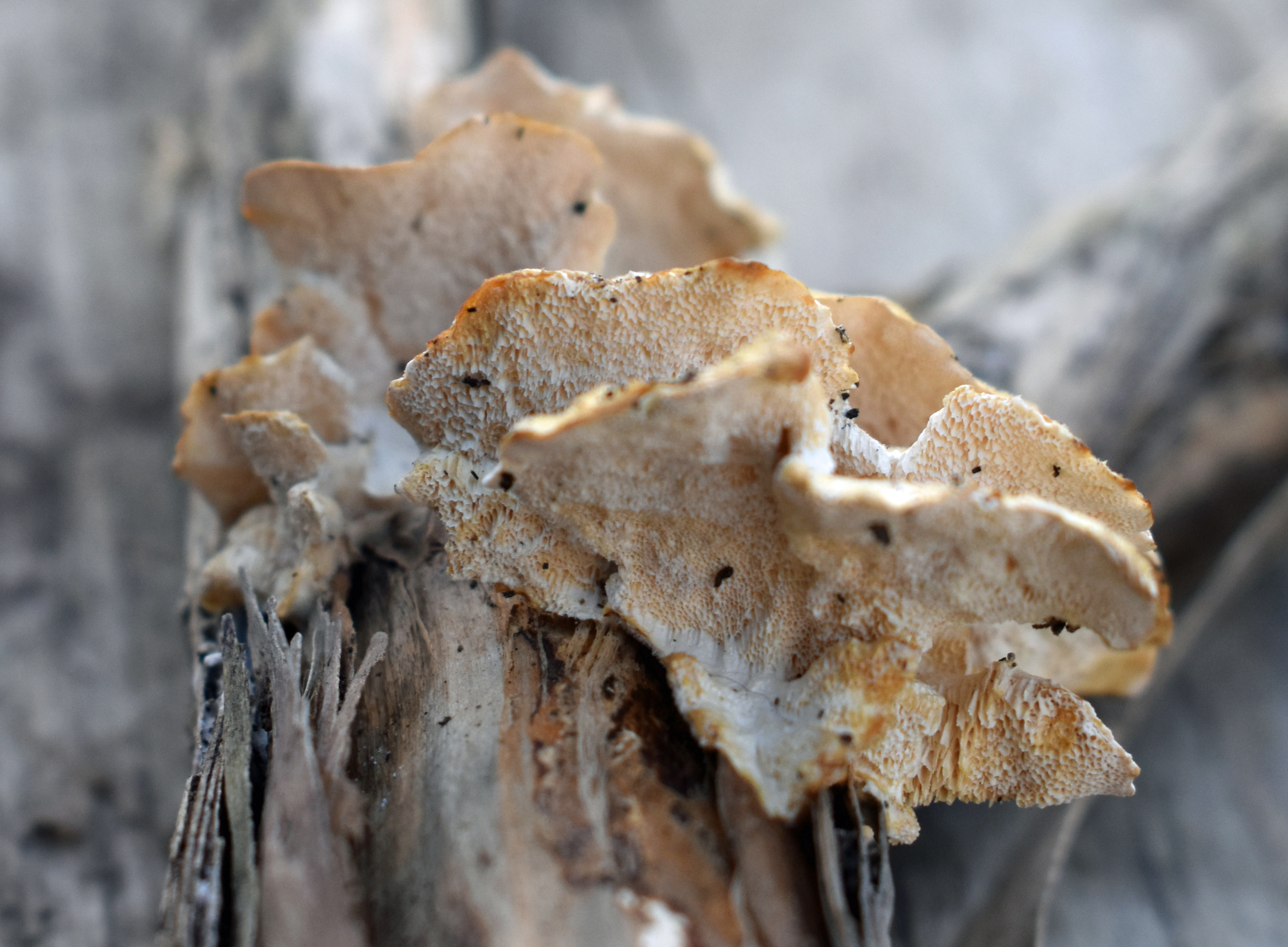
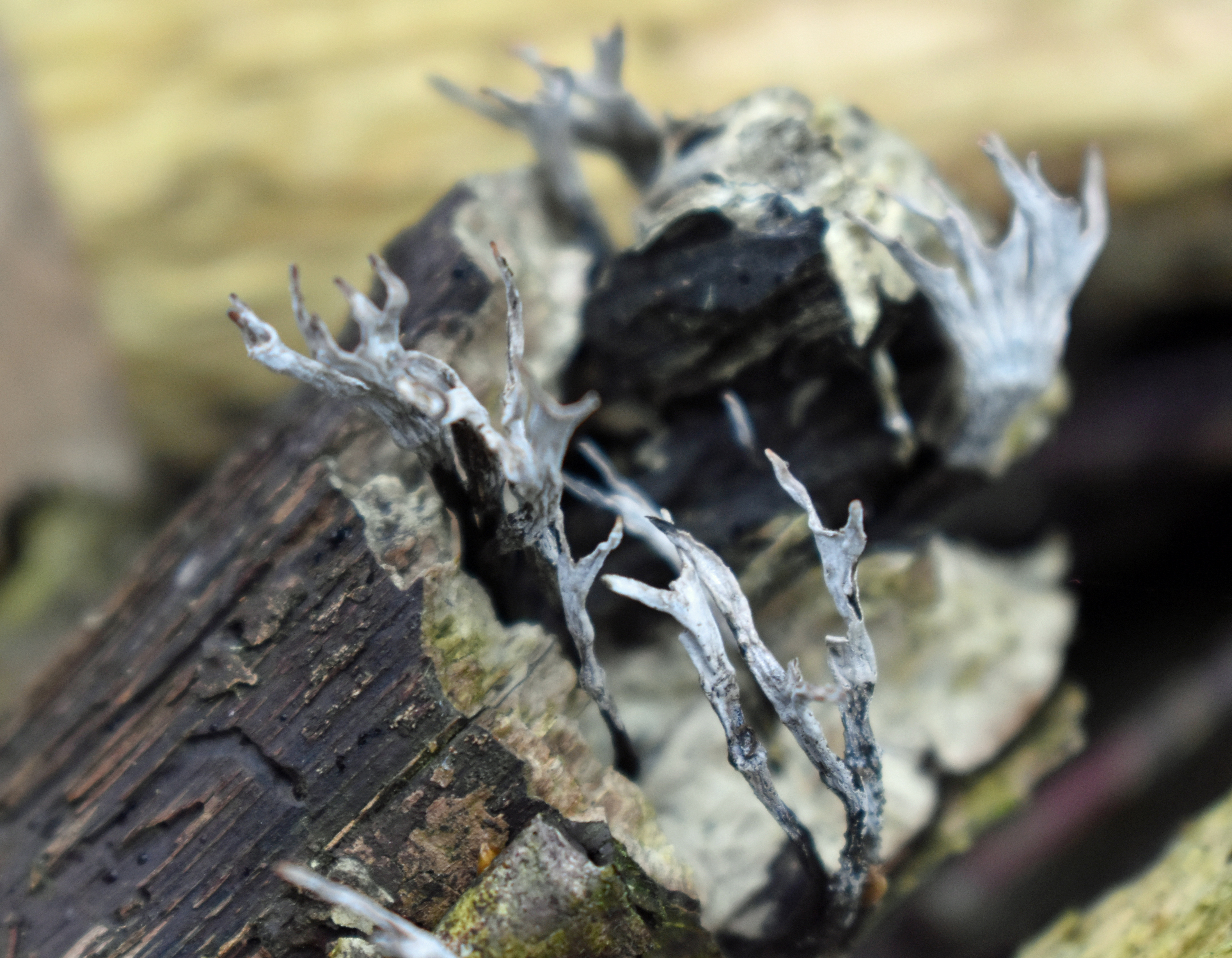
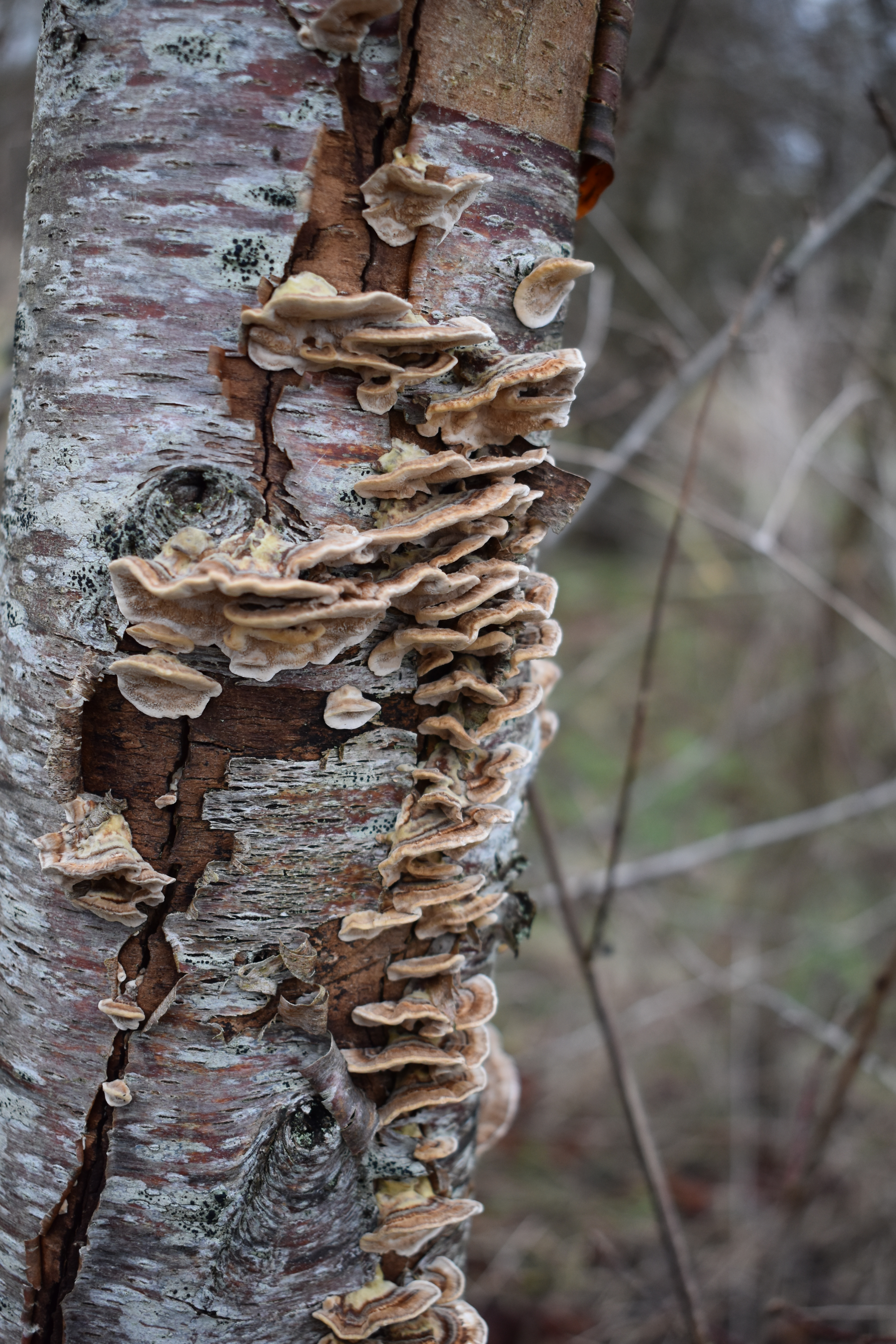
We used to think of autumn time as the best time to enjoy spotting fungi but as our winters are getting wetter and wetter we see them right through to the end of the year. The National Trust has changed its policy on woodland management for the better with the emphasis being on increasing biodiversity. Fallen or felled trees are no longer cleared away but are left for insects, invertebrates, flora and fungi to live on and feed on. They then become the base of the food chain of the wood.

Fungi on tree stumps thrive alongside mosses, lichen, ferns and even tree seedlings.

Even in the depths of winter we can find flowering shrubs to give us colour and often scent. These are joined by berries and catkins.

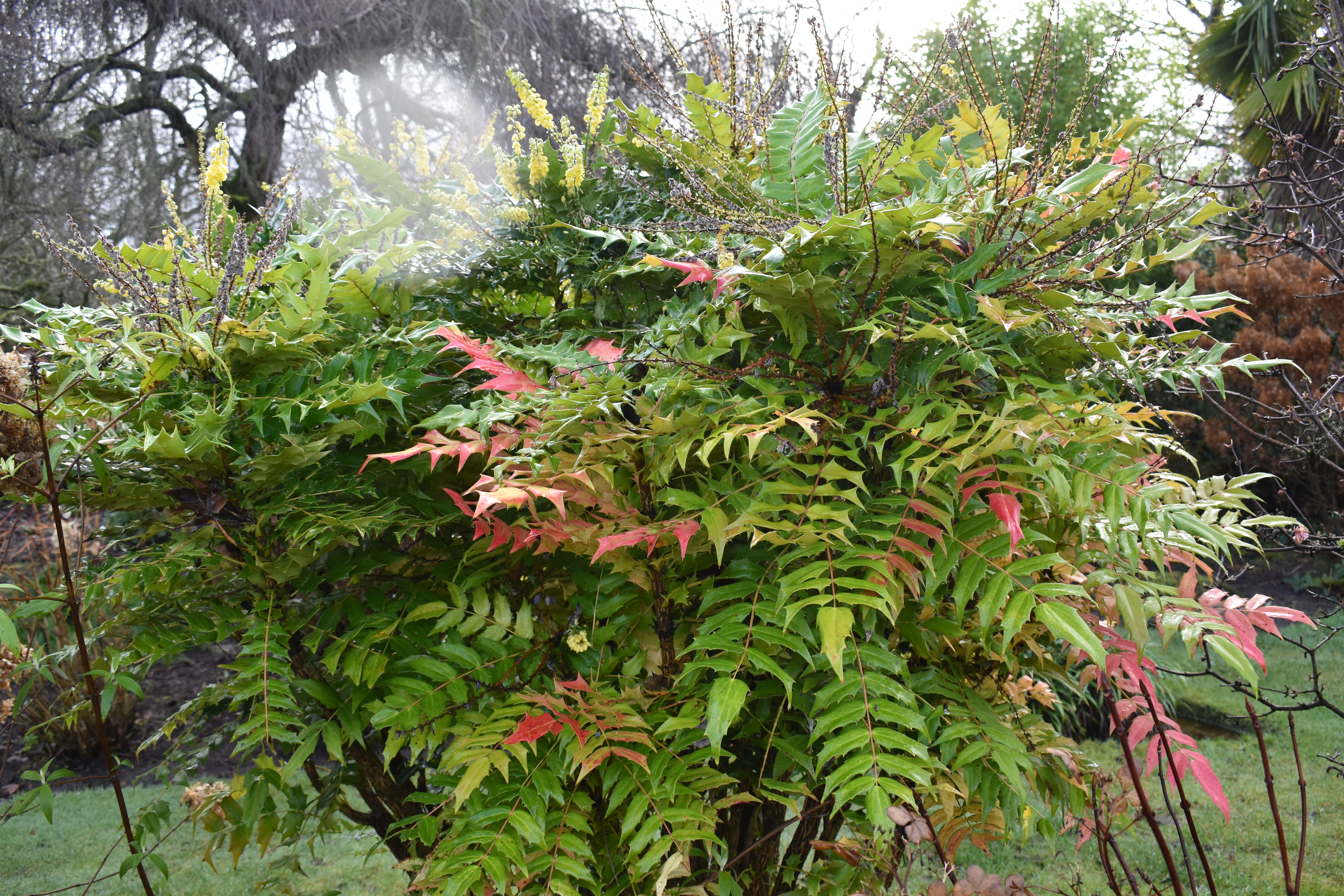
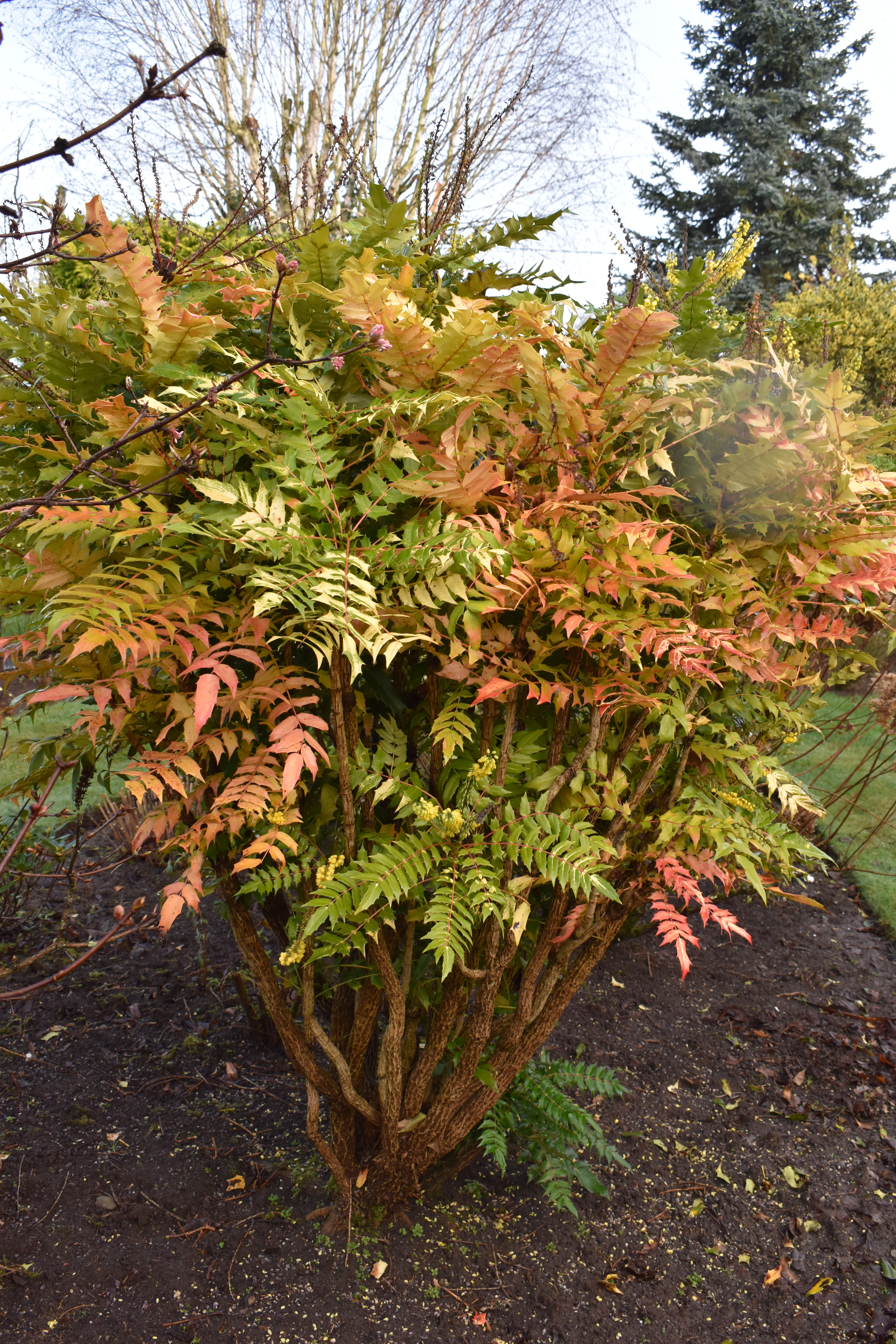
Here along the Mile Walk we always look forward to arriving at this splash of yellow and the rich pineapple scent provided by the flowers of a mahonia. It is a large thicket of branches mostly hidden behind its glossy deep green foliage, a perfect foil.

Our final visit to Attingham in 2023 gave us plenty to enjoy, as it does whatever day throughout the year we wander it’s paths.

Categories
Uncategorized

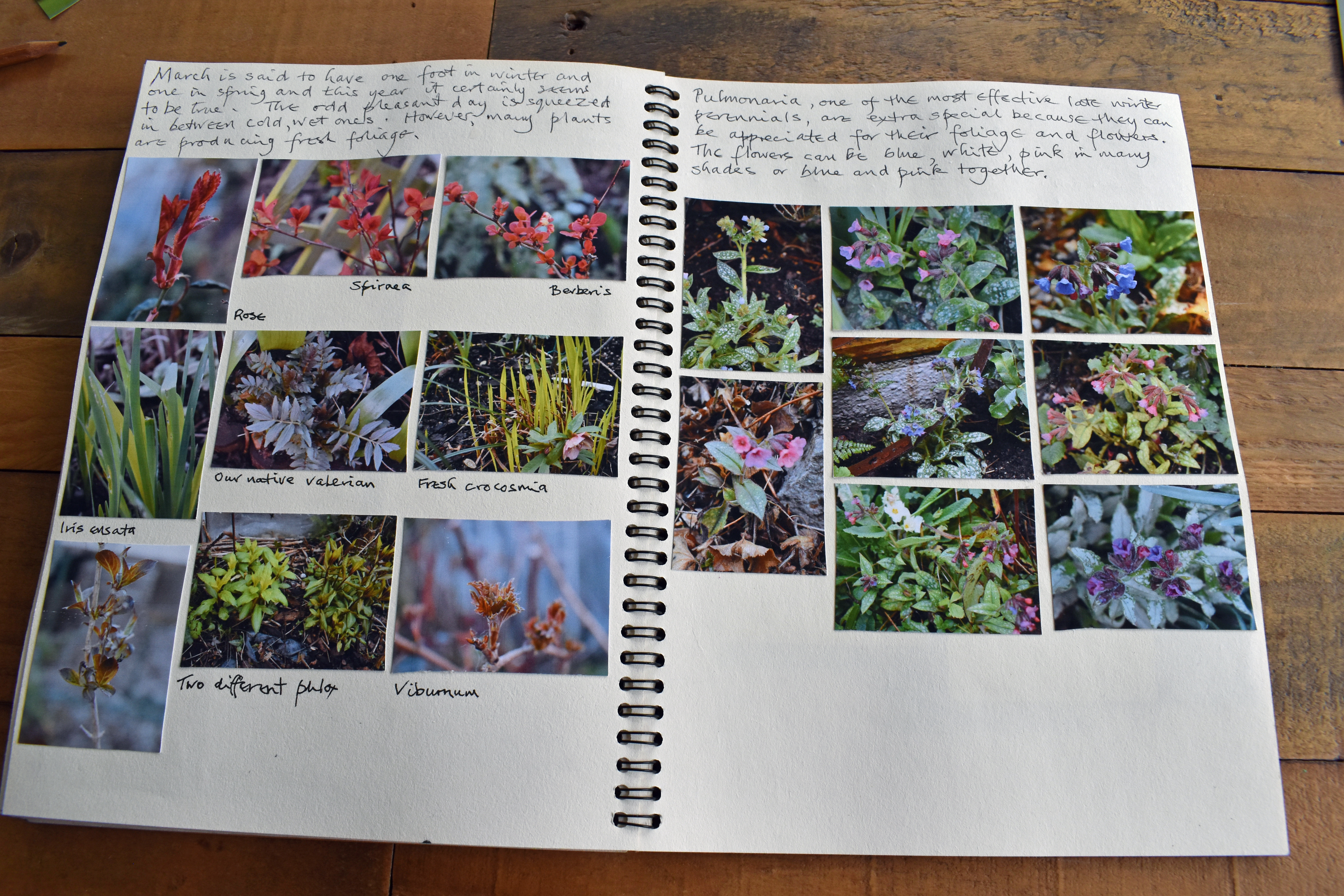
My Garden Journal 2023 for December

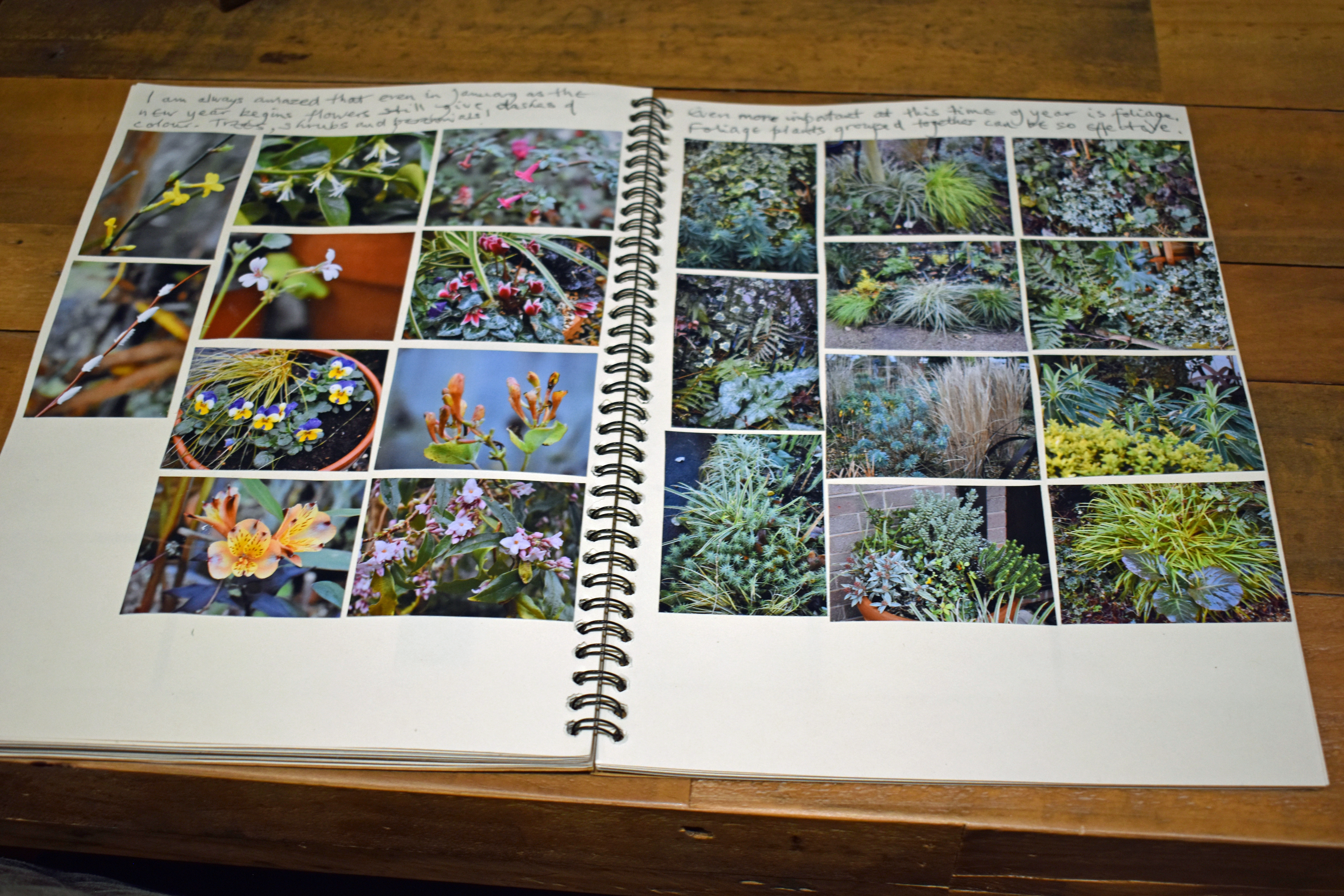
I seems appropriate to publish this post on the first day of the new year, 2024 when I will be preparing for creating the first pages of my garden journal January 2024.

2023 was not an easy gardening year with the weather making things so difficult. Let us hope that 2024 is going to be a good one!

It is hard to believe that we are already looking at the entries for the last month of 2023, a difficult year for gardens and gardeners alike, trying to cope with unusual weather events and mixed up seasons.

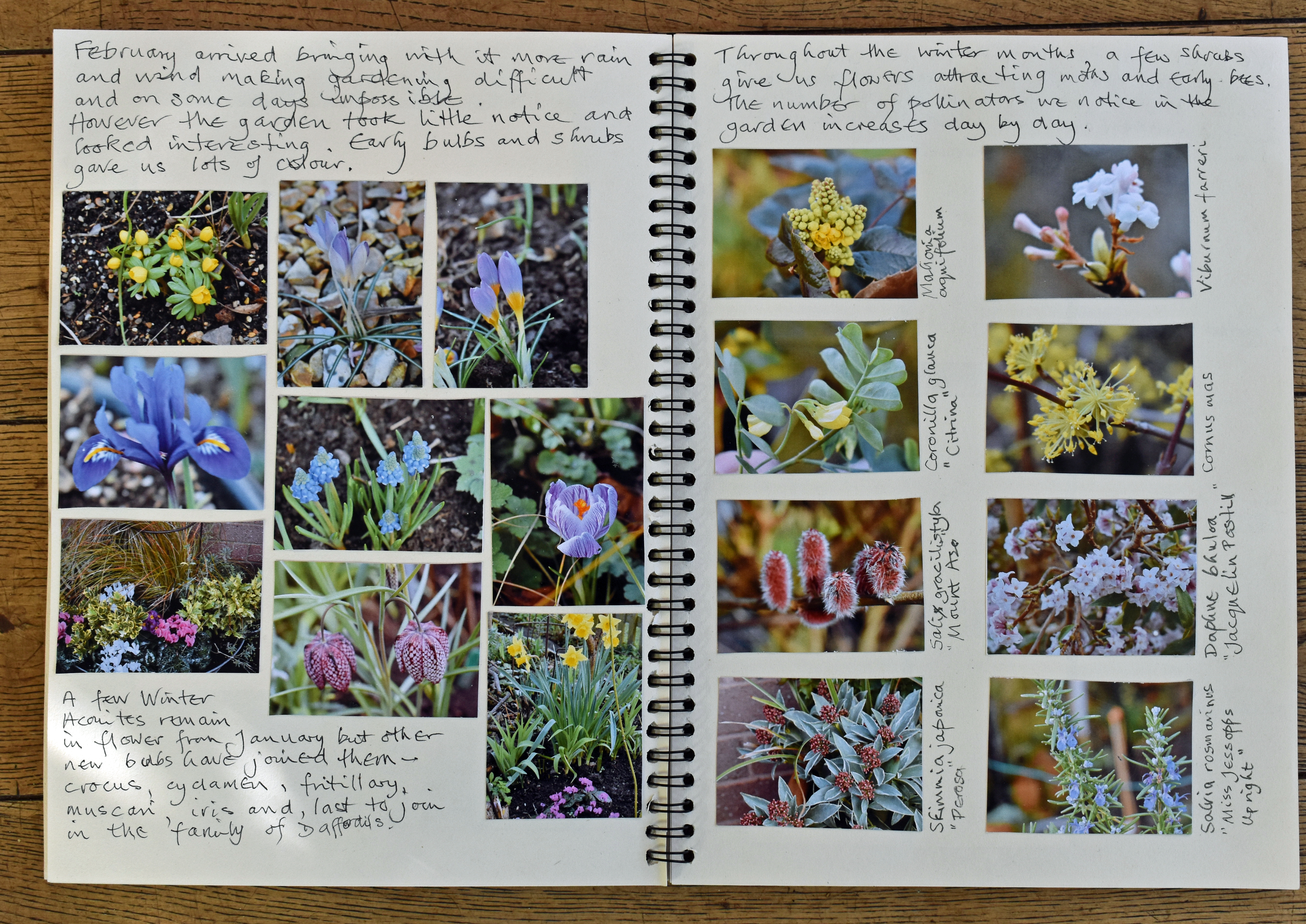
Looking below at the first double page spread you may notice that the final page for November is included. This is because my first words for December refer to the yellow grasses.
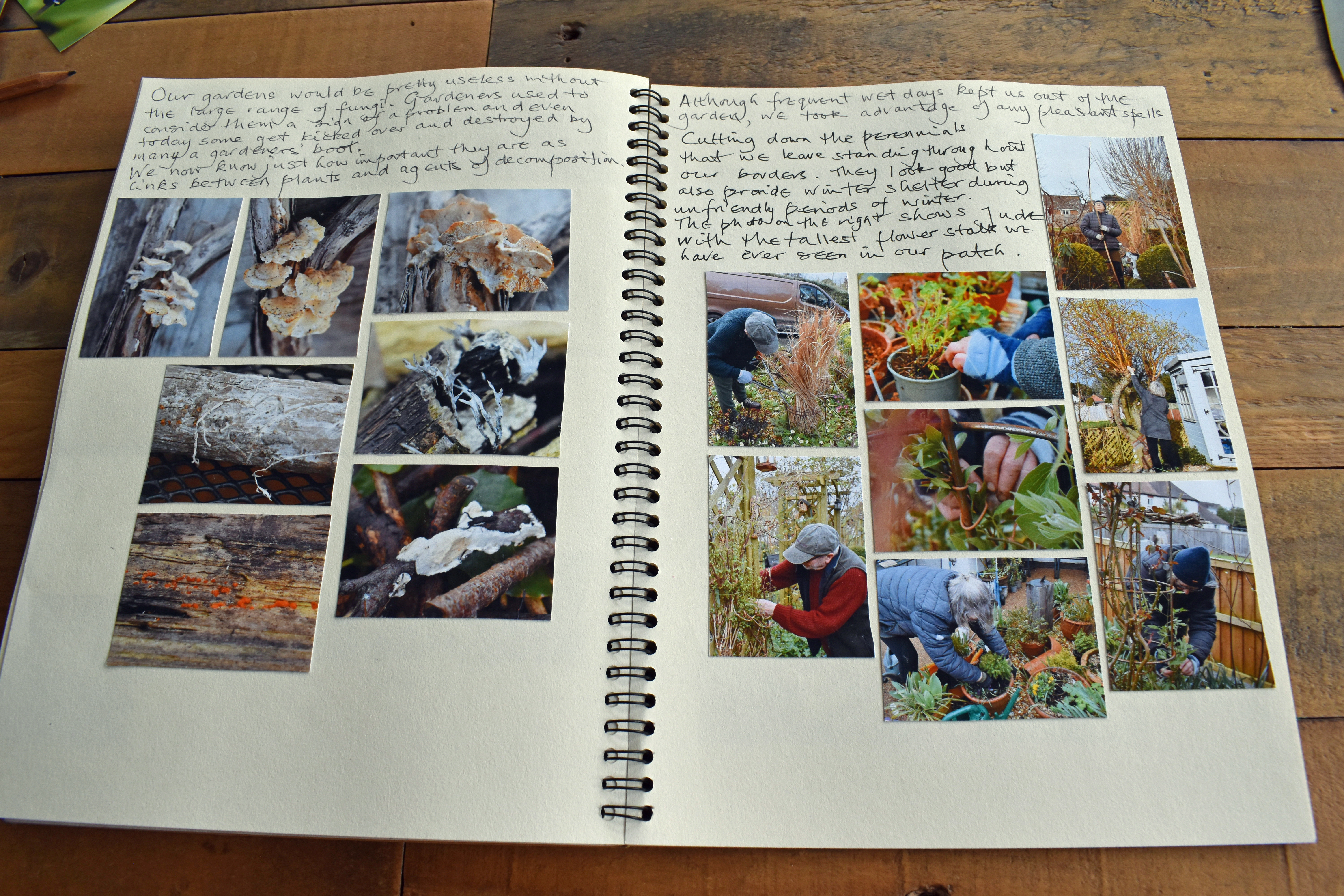
I wrote,“These grasses remained bright yellow into December, which arrived bringing with it cold, wet days with the occasional blue sky days with frosts cold enough to blacken our dahlias.

Colourful berries decorated many of our trees and shrubs, and an occasional herbaceous plant.Colourful berries decorated many of our trees and shrubs, and an occasional herbaceous plant.

Alongside this introduction to December I shared a set of eight photos featuring some of our berries.

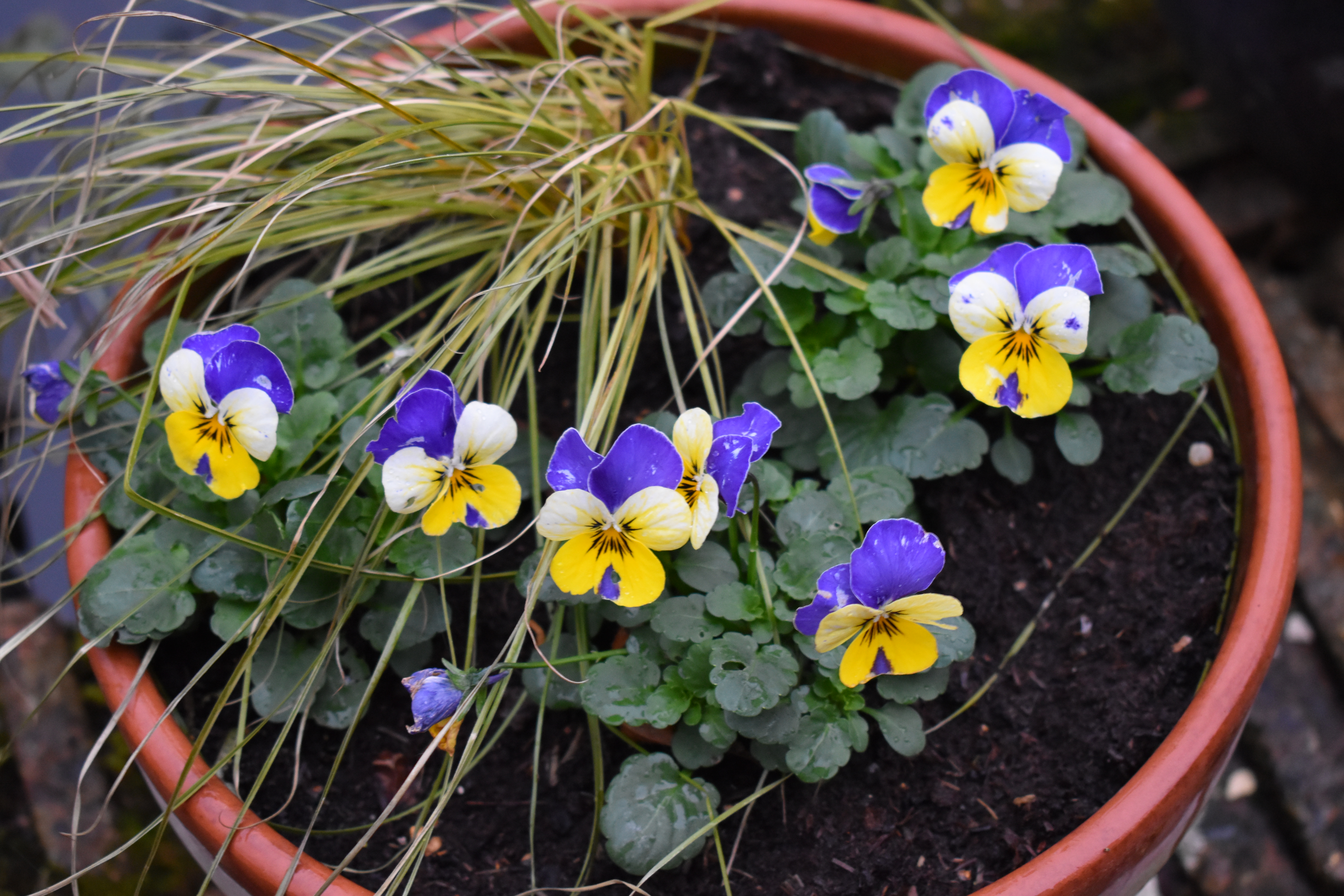
On the next two pages I featured winter bedding plants and opposite that I considered our garden after rain. I noted that,“The winter bedding plants that we plant in pots look bright and colourful until frosts hit. Then they collapse and lose some of their structure. Some become almost colourless, especially the white flowered ones. Our fatsias do just the same.”

I then shared four photos of collapsed bedding plants.

“Amazingly they are revived by rising temperatures when they return to their colourful selves.”

At the top of the next page I wrote,“I love to wander around the garden just after a shower has stopped, usually with my camera to hand. Plants are so good at catching water droplets. At this time of year water droplets hang onto berries and seed heads. One thing to avoid is touching a branch as you compose your photo. The slightest touch and the droplets will drop!”
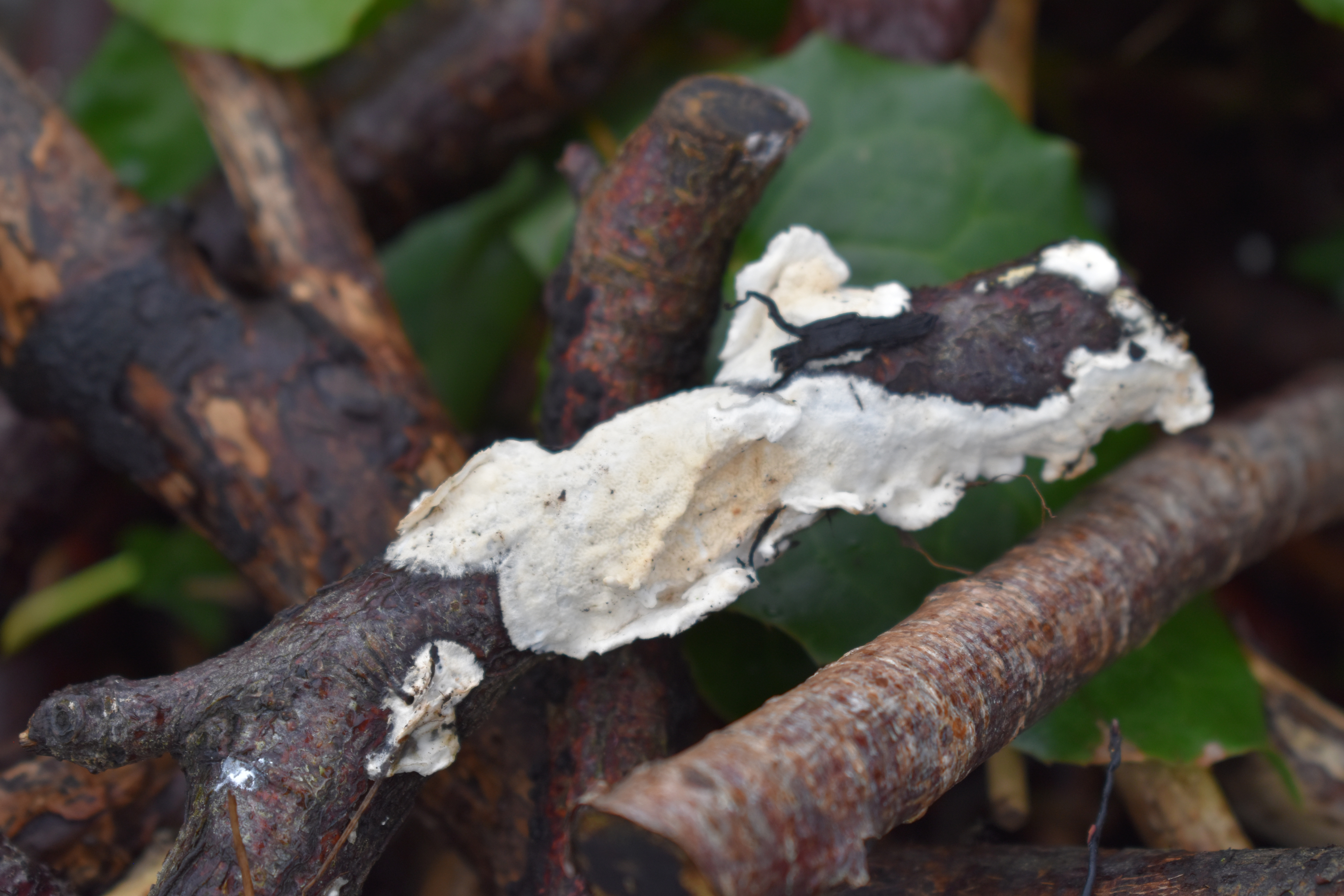
Six photos of water droplets on plants follow on.

If we look over onto the next double page spread we can see succulents featured on the left page, where I noted that,“Most of our succulents are in the greenhouse now enjoying avoiding the winter cold and wet. Any recent purchases have been potted up into terracotta pots to create foliage displays.” On the opposite page we considered our garden after a storm. I noted that,“We grow three different hamamelis shrubs here in our Avocet garden to give scented flowers in winter. Two are well in flower now but we need to wait for the third one H. ‘Diane’ to catch up. H. x intermedia ‘Jelena’ flowers earliest followed by H.x intermedia ‘Harry’ so both look and smell good now.”

Eight photographs of our newly acquired succulents.

Now we can look at the hamamelis that are currently flowering their hearts out in our garden. Four photos of “Jelena” and four of “Harry”.

Firstly “Jelena”.

And now four photos of H. ‘Harry’.

So that is it for my Garden Journal 2023, but of course tomorrow I will be considering my entries for the first days of January 2024!

Categories
Uncategorized

December Berries

As fewer flowers are in evidence as December sets in we rely more on berries and seed heads to provide lots of interest. However, we also grow berrying shrubs and trees to help the birds through the harsh times of winter. Our resident blackbirds and thrushes, song and mistle, enjoy the nutritious berries early on in the winter but when the weather on the continent becomes harsh they are joined by their cousins, including redwing and fieldfare.

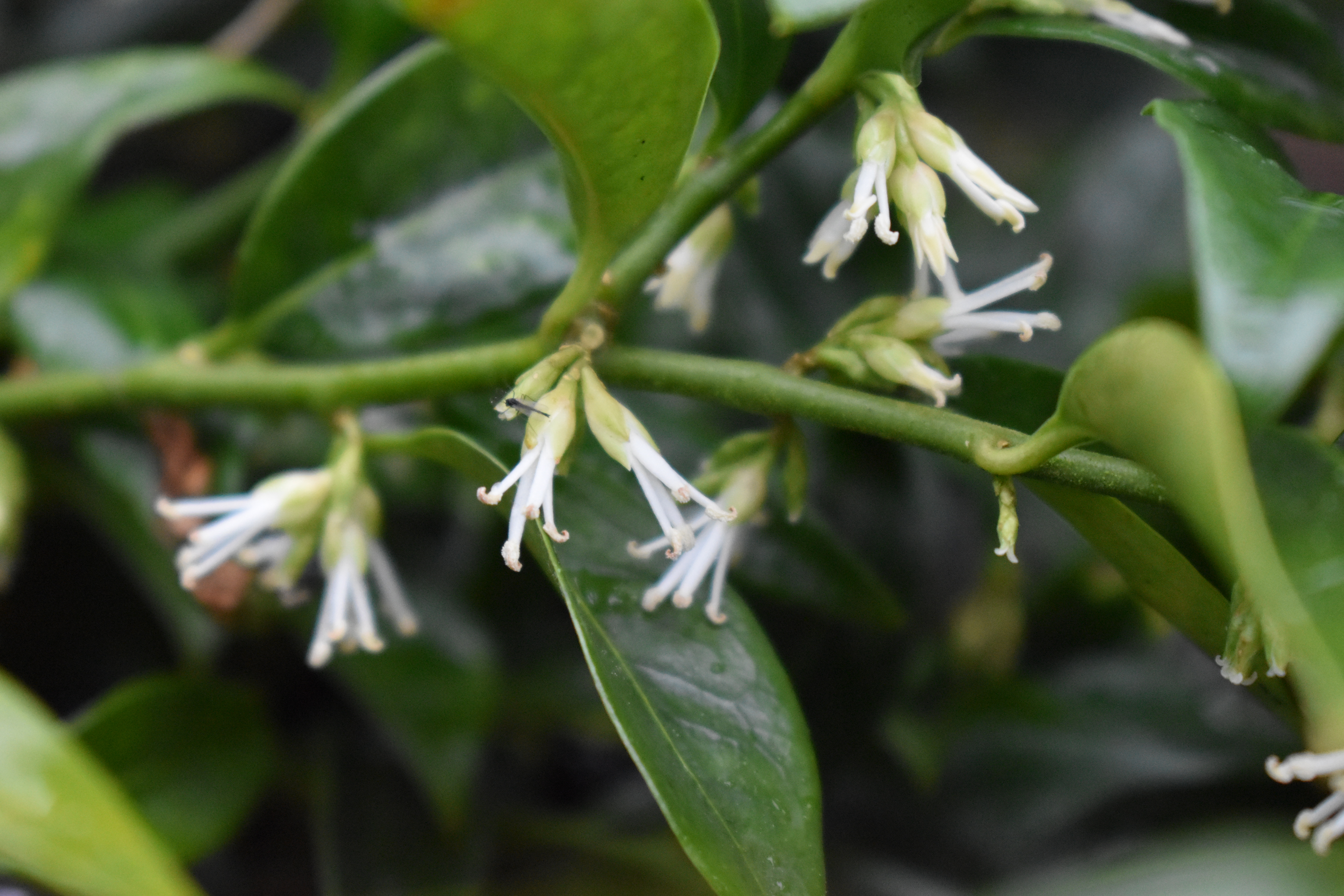
The first block of photos shows the black berries of Sarcococca confusa, a cotoneaster, Rosa glauca hips and one of our many Hypericum inodorum.

The next block of photos illustrates the deep glossy blue berries of Viburnum tinus with delicate red petioles alongside our native holly Ilex aquifolium and a lone hip of Rosa glauca.

Below in the first row are photographs of Malus ‘Adirondack’ sometimes referred to as Malus ‘Admiration’ plus rotting apples of Malus ‘Evereste’.

The next row of berry photos shows an Arum maculatum spike of berries just collapsed after a storm, an unripe hip of Rosa glauca followed by two pictures of Sorbus ‘Autumn Spire’.

Each year as our trees and shrubs mature they provide even more nutritious fruit for our avian friends.

Categories
Uncategorized

After a Winter Storm

December has so far, today being 10th of the month, been exceptionally wet with named storms following each other closely. So far during September, October and November, we experienced Agnes and Babet and Ciaran. Debi featured in November. During December, so far we have experienced storms named Elin and Fergus.

We have actually had very few dry days this month, so it has been difficult to find suitable times to go outdoors to work or simply wander. I enjoy the hour or so following a bout of rain.

I took my camera out for a wander to find droplets of rain on plants.

I hope you enjoy my little gallery of shots taken on my wanders.

One thing to keep in mind when taking such photographs is to ensure you do not touch the branch in the slightest because if you do the droplets will drop!

Categories
Uncategorized

Aberglasney – the Ninfarium

As far as we know this is the only ‘Ninfarium’ in the UK! Until we researched the word through Google we wondered exactly what it meant. Once we found out however it seemed so obvious! It is named after the famous gardens at Ninfa where climbing roses clamber over ruins. It is currently being remodelled and planted up to return it to a modern version of its former glory by UK garden designer Dan Pearson.

We have been fascinated by this inside/outside garden on each visit to Aberglasney and its incredible range of plants.

The plants grow in beds at different levels and up walls and drainpipes taking advantage of light from above via the atrium. Many of the plants growing here feature amazing foliage but many also have unusual looking flowers.

Most plants here have very unusual or special foliage with colours, patterns and textures. Some work together exceptionally well whereas others need to be on their own to be appreciated fully.

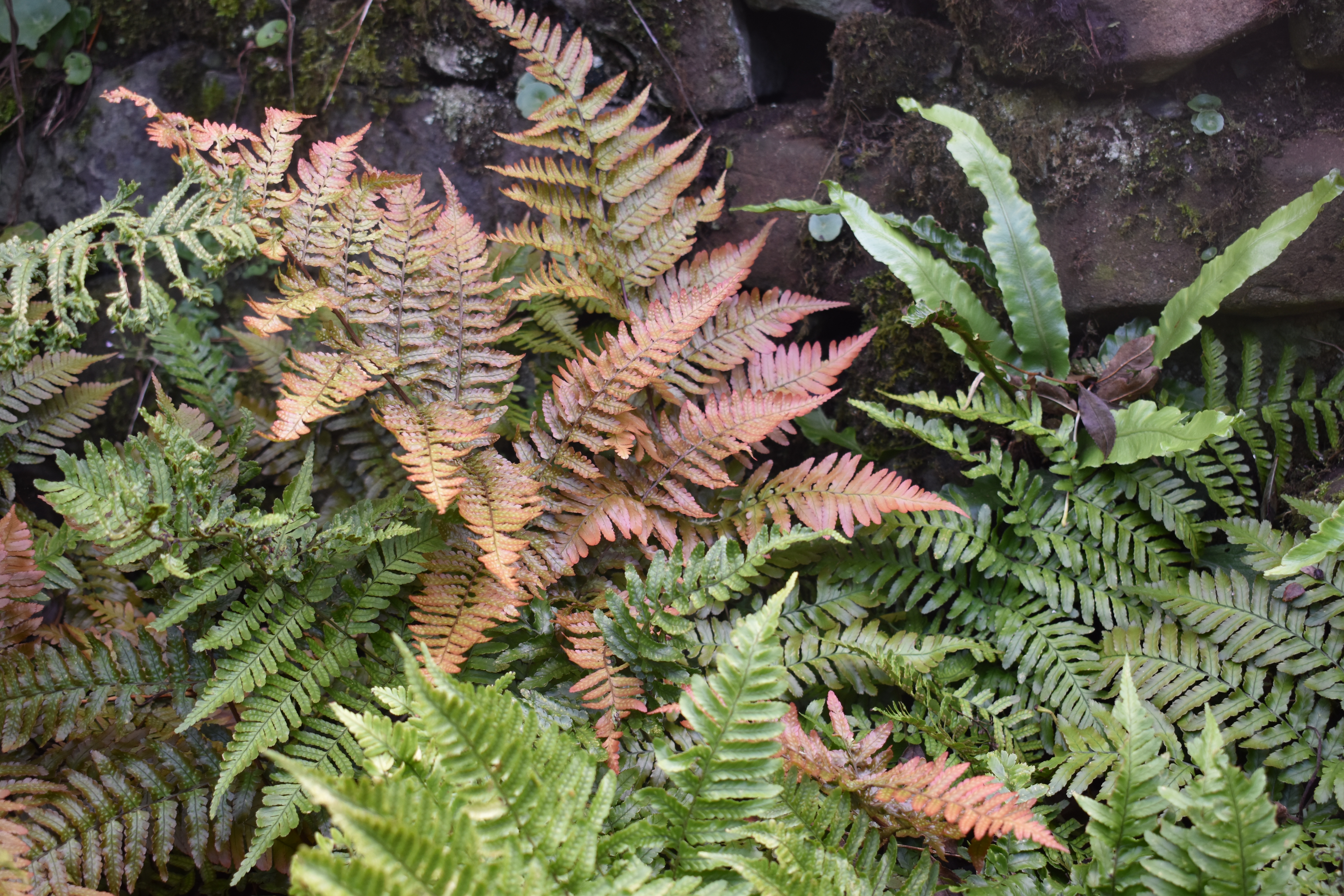
Ferns will always add character to any garden such as this because of the strength of their structured foliage its patterns and colours.

If I take a step back and use a wide angle setting on the camera we can see just one small part of the amazing setting for this wonderful selection of plants.

Categories
Uncategorized

My Garden Journal for November

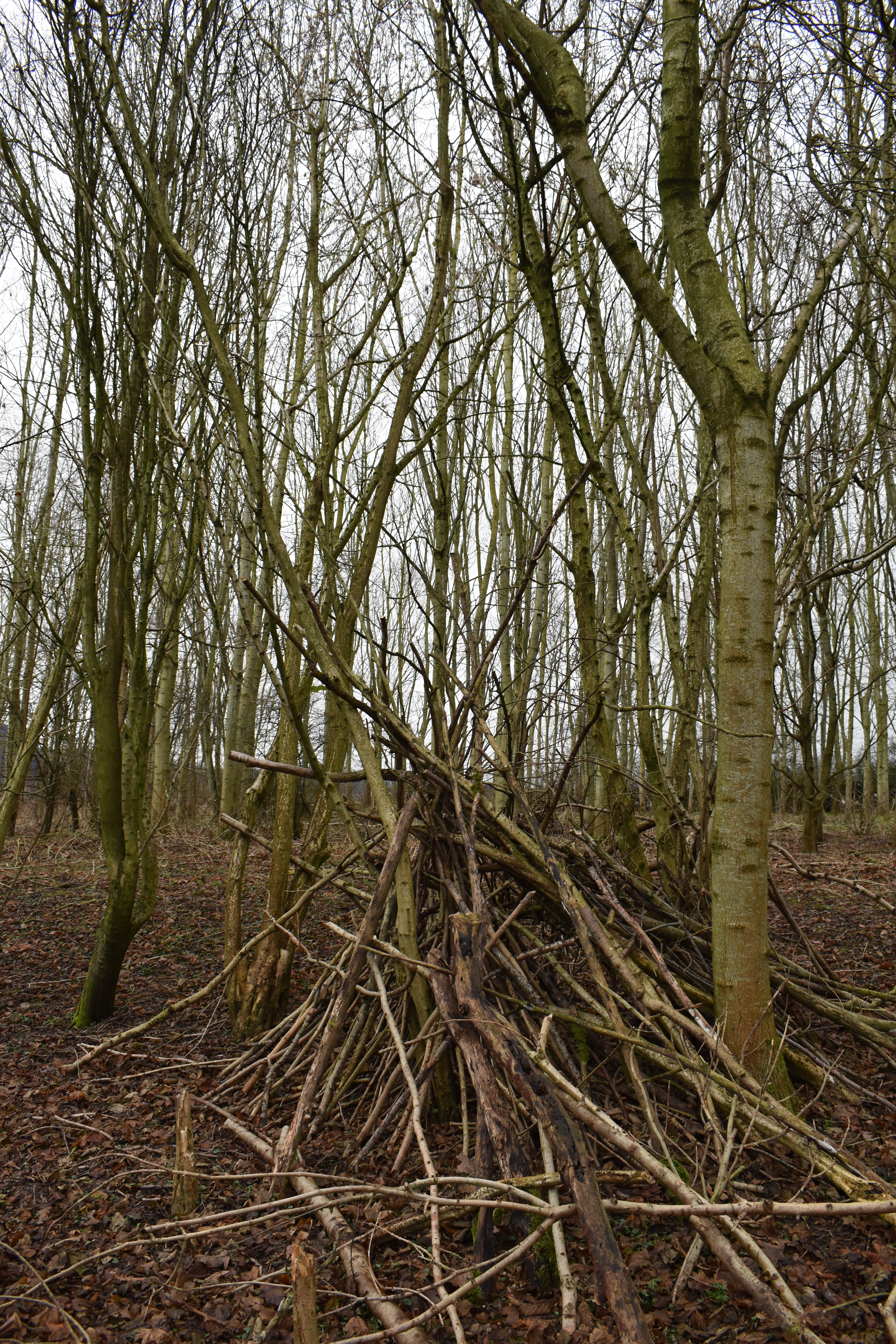
We can now share my garden journal for the month of November, when we are engulfed in signs of autumn. Hot coloured leaves carpet the ground, and are scattered onto shrubs and perennials. We collect these up and use the autumn leaves to create hedgehog shelters and hibernacula for them. Leaves also provide winter shelter and homes for many other mini creatures. Blackbirds soon realise this and forage amongst them for sustenance.

The first page regarding November was about leaves changing colour and falling. “November this year saw signs of Autumn creeping in, slowly giving us colourful changes. Trees and shrubs are responding to the weather in so many different ways. Some remain totally green, others just networks of bare branches, while the rest are at differing stages of changing colour and dropping leaves.”

Over the page a double page spread concerns itself with protecting our more delicate plants and the few flowers that appear in November.

I wrote,“I always dislike the time when all our succulents have to be taken into the greenhouse to protect them from the cold and wet of our winters. Jude manages to arrange them in an attractive way so they can be enjoyed every day. Firstly we clean and bubblewrap the whole of the greenhouse, put up extra shelving and create our indoor display.”

When looking at November’s flowers I noted that, “Every flower that opens this month seems so special and unexpected, so I took a wander around our front and back gardens to see what I can find.”

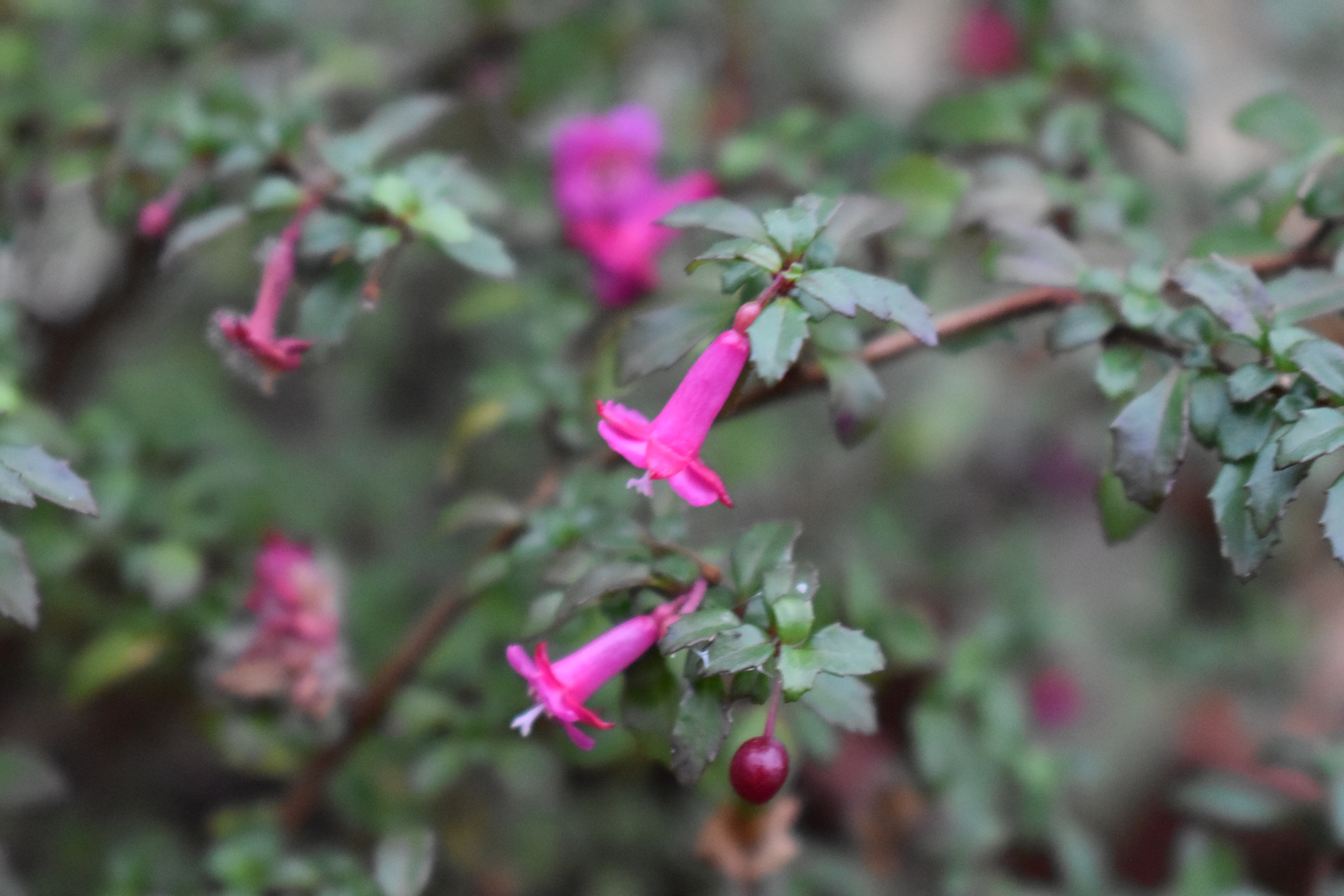
Onto the next page and I featured some of our fuschia and wrote,” We have a few fuschia plants flowering well outside in the garden, with several growing in containers so that we can move them into the greenhouse when frosts arrive. One hardy fuschia is growing in the ‘Prairie Garden’, F. magellanica which is still covered in flowers. We dislike the blousy ballerina like fuschia so we tend to grow species. They are far more delicate, with more interesting foliage including a glaucous leaved variety, F. ‘Silver Linings’. Some of the flowers are tiny, no more than a centimetre long. Many of these fuschias are smaller than their more gaudy cousins.”

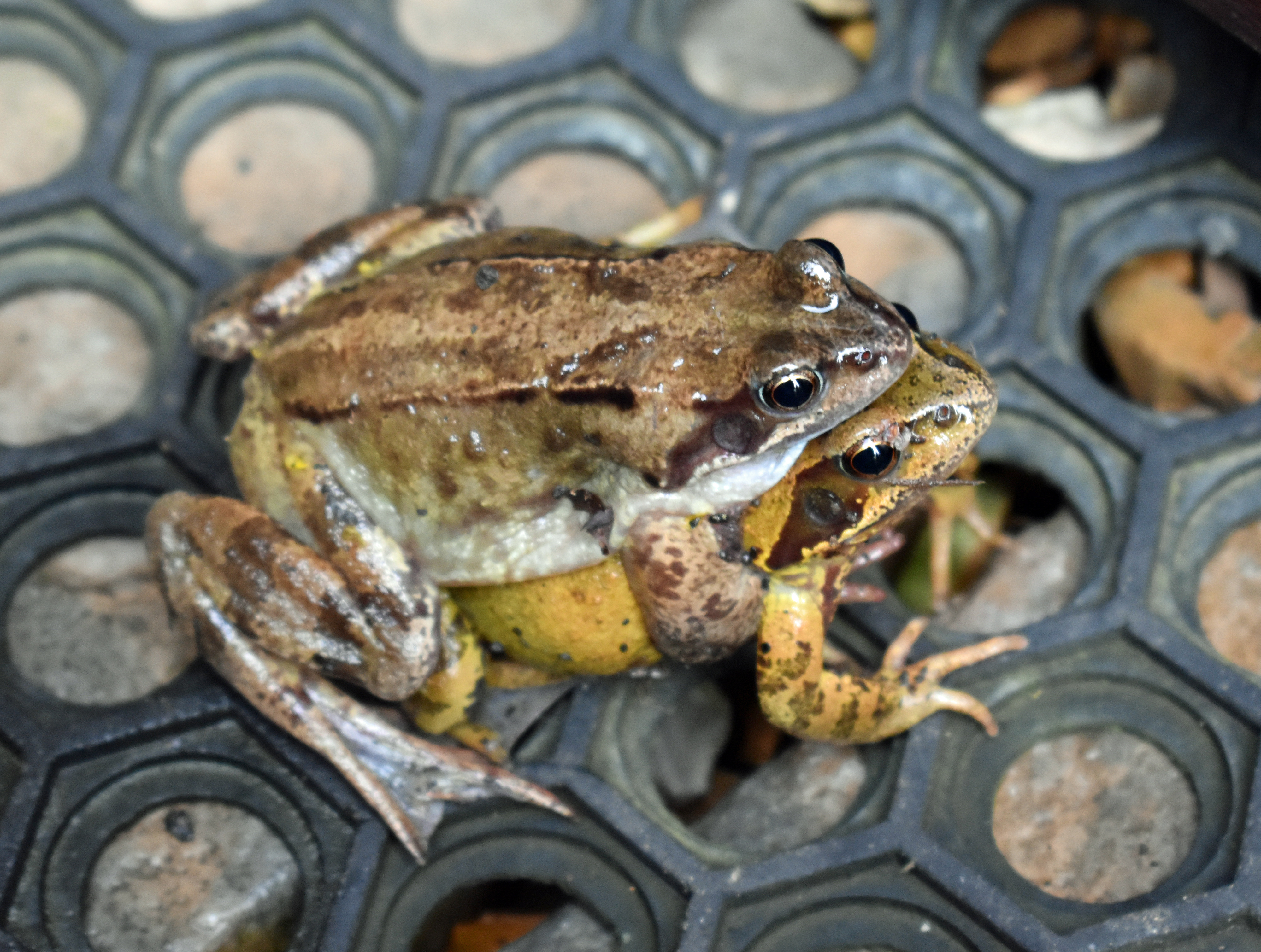
A look at our November garden wildlife follows on next. Here I noted that, “Wildlife is so important to us in our garden and we feel honoured to be visited by such a large range of creatures. A special treat this month was regular visits by a pair of Goldcrests.”

“We have so many different spiders around the garden, the most conspicuous being the ‘Garden Spider’ with its subtle colours and beautiful markings. Early morning mist, fog and dew highlight the beauty of their webs.”

“There are over 600 different spiders in the UK, many very small and difficult to identify like the one in this photograph. It has beautiful markings and colouring. It may be an ‘Araneus diadematus?’ “

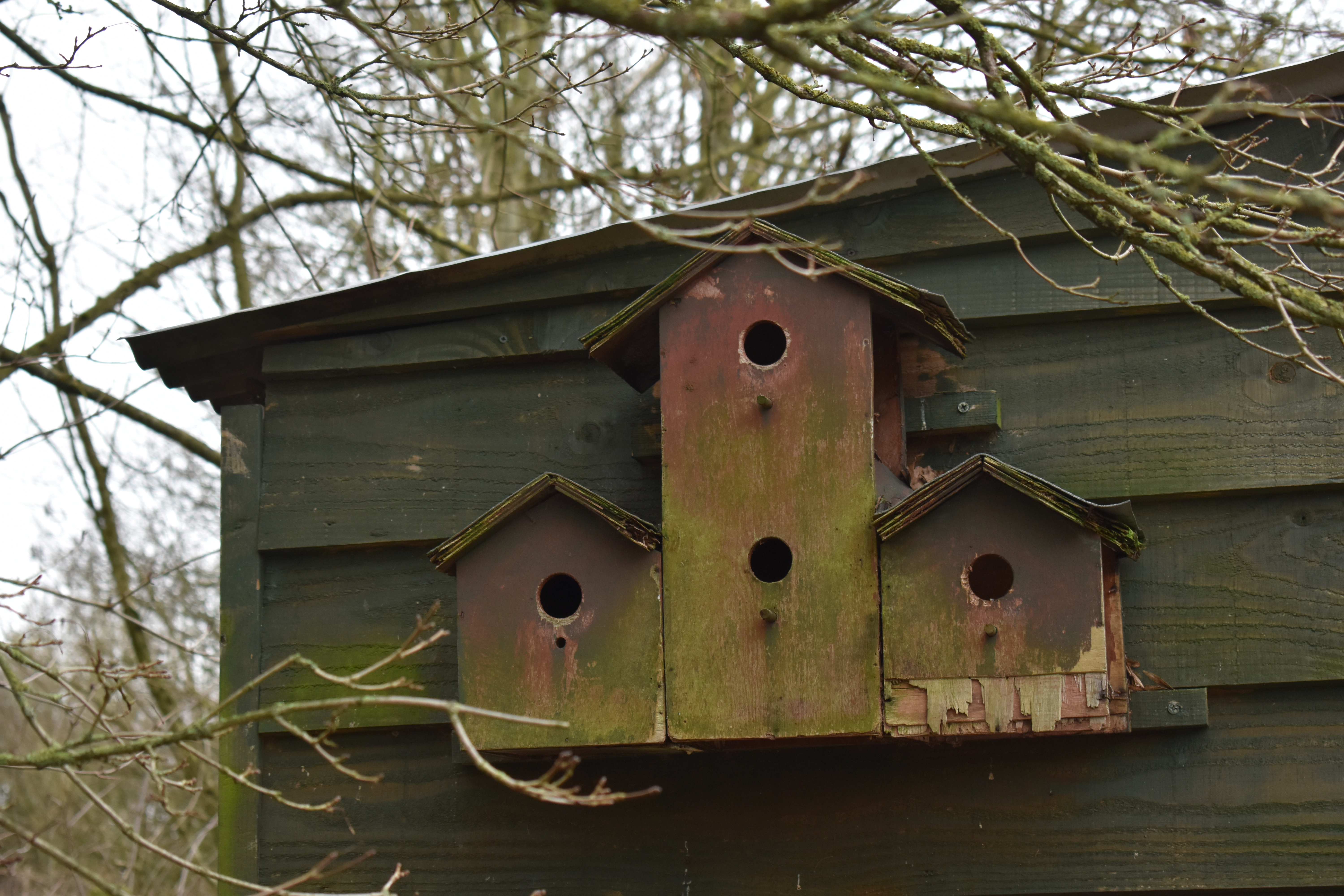
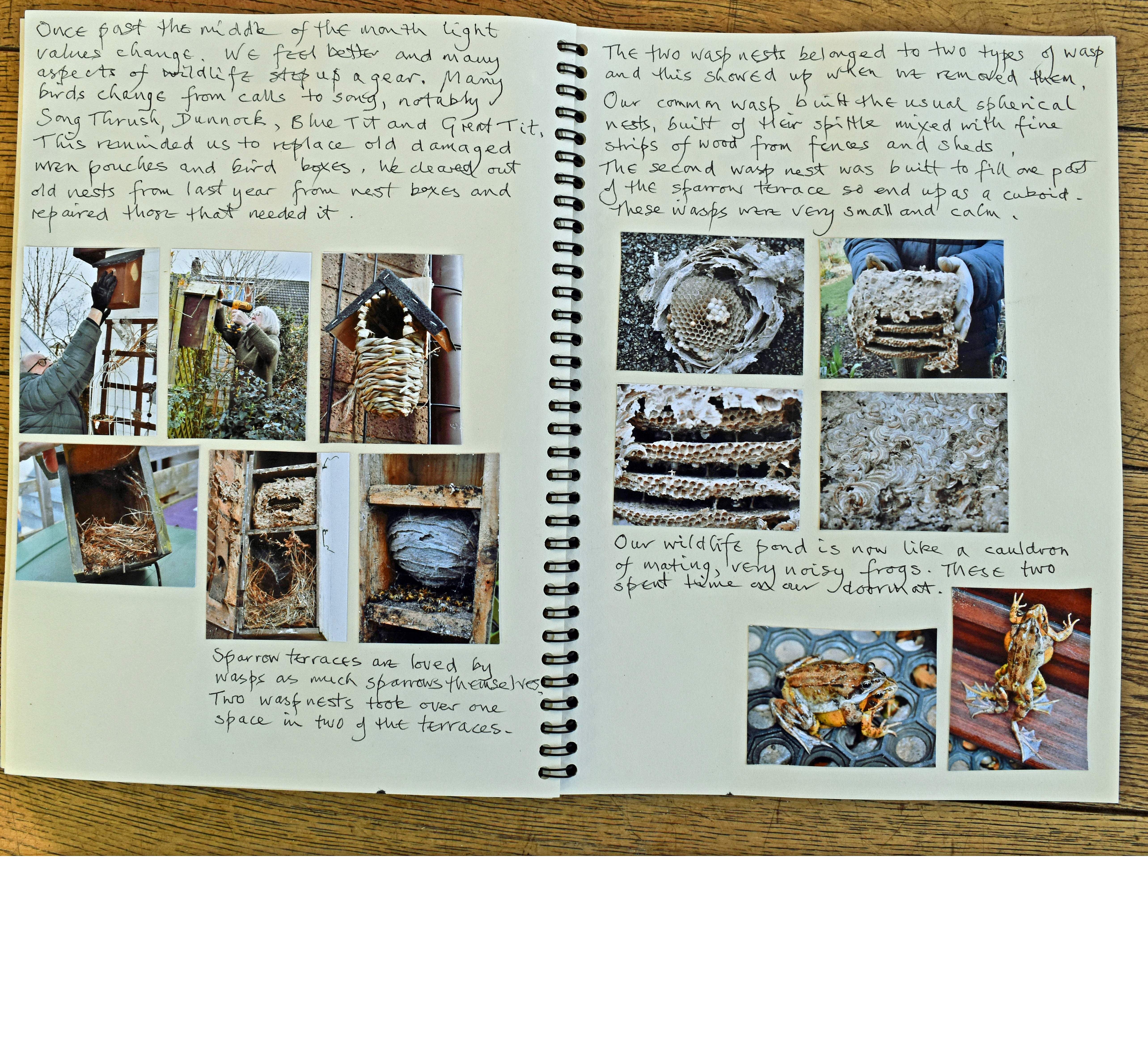
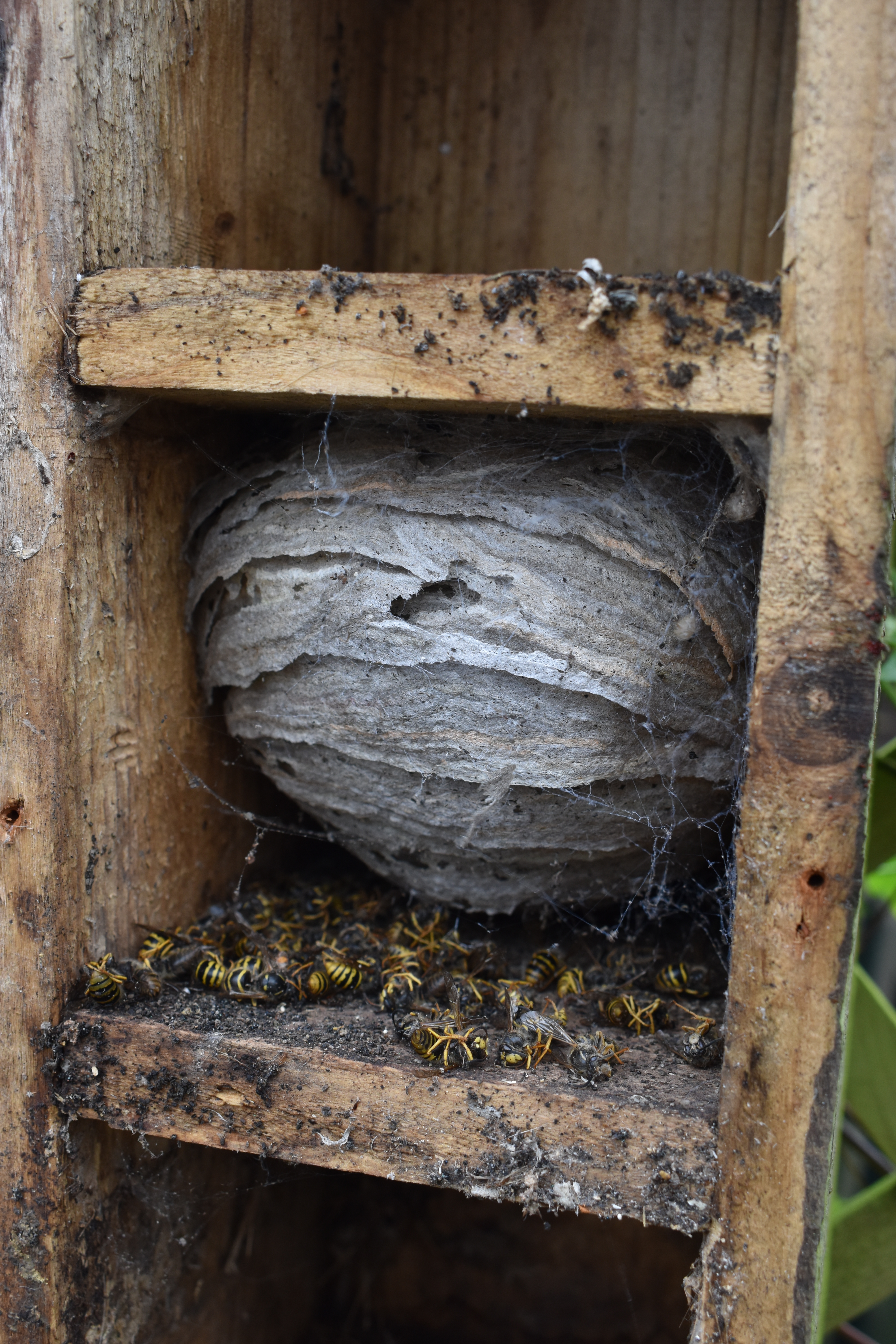
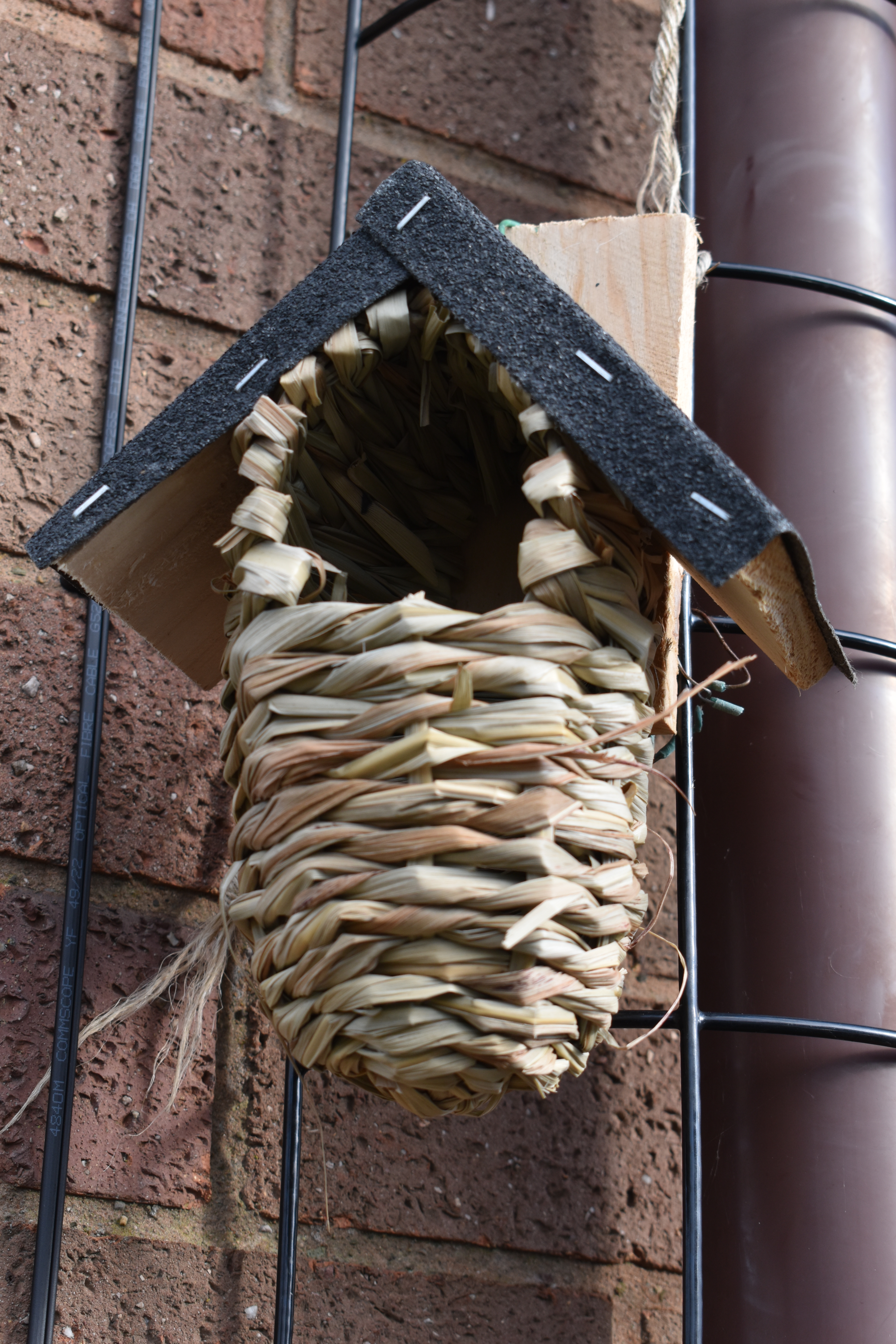
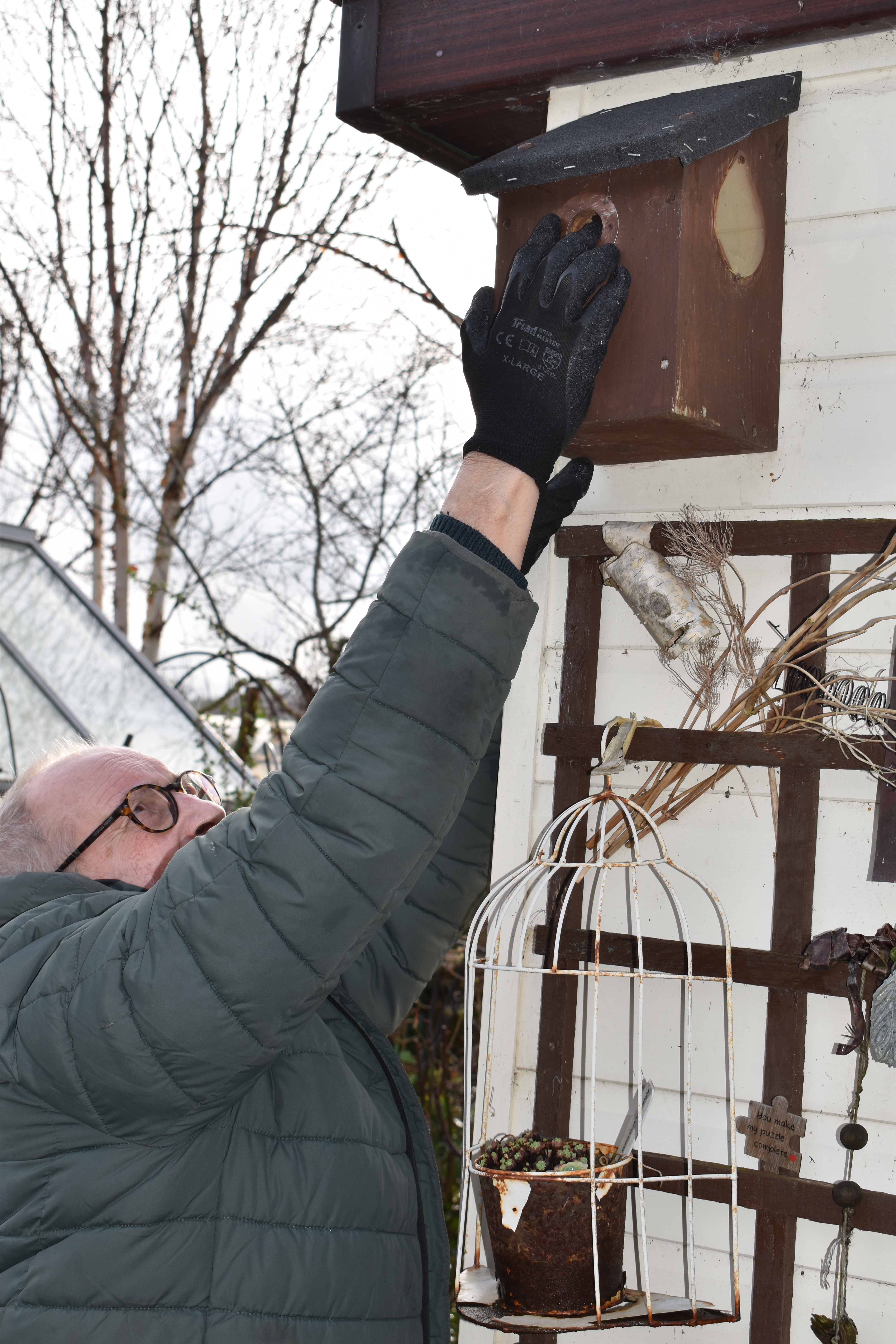
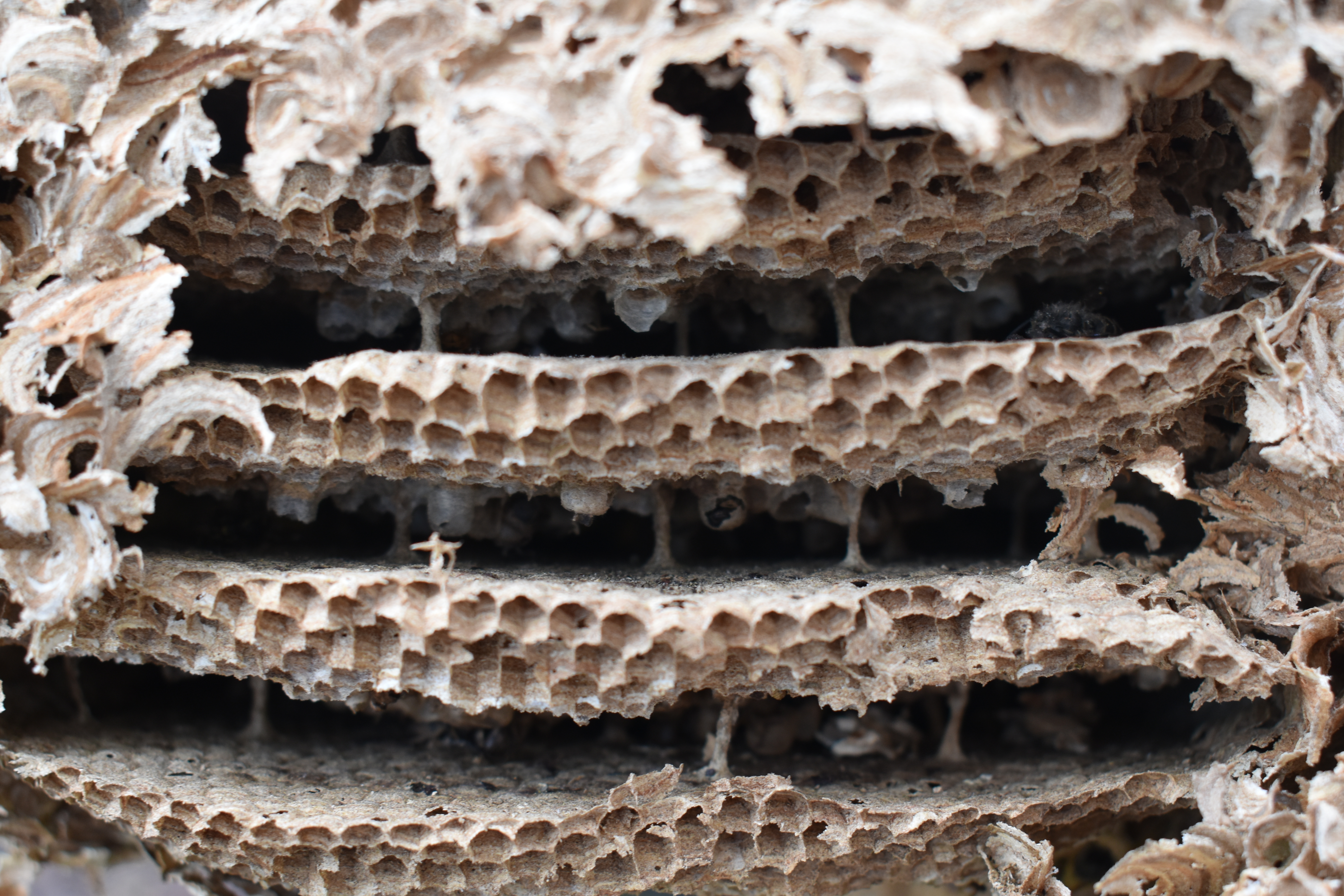
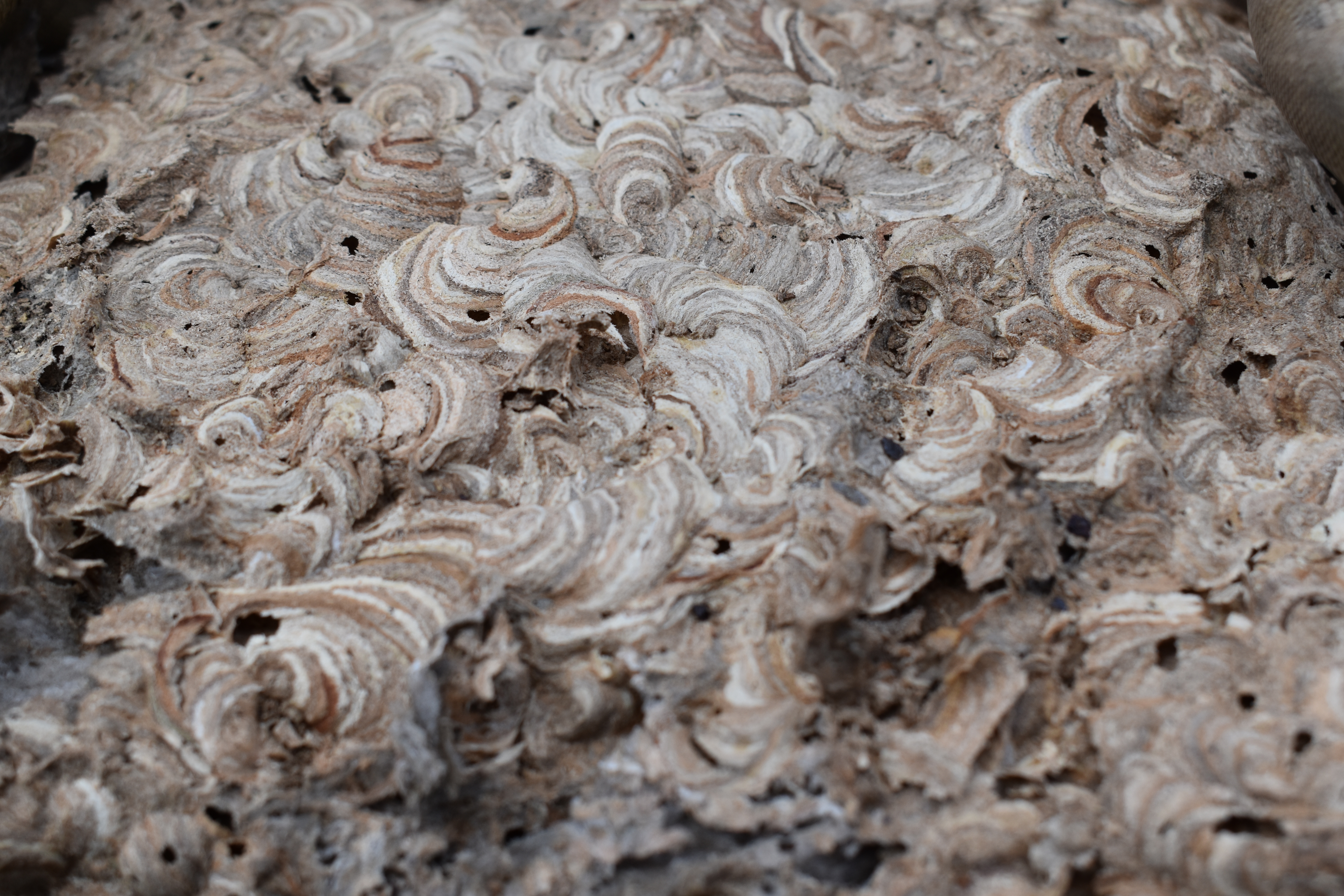
“The wasp nest in a sparrow nest box remained active until half way through November, which is very much later than expected.”

I then shared a painting of a pair Goldcrests that I painted decades ago.

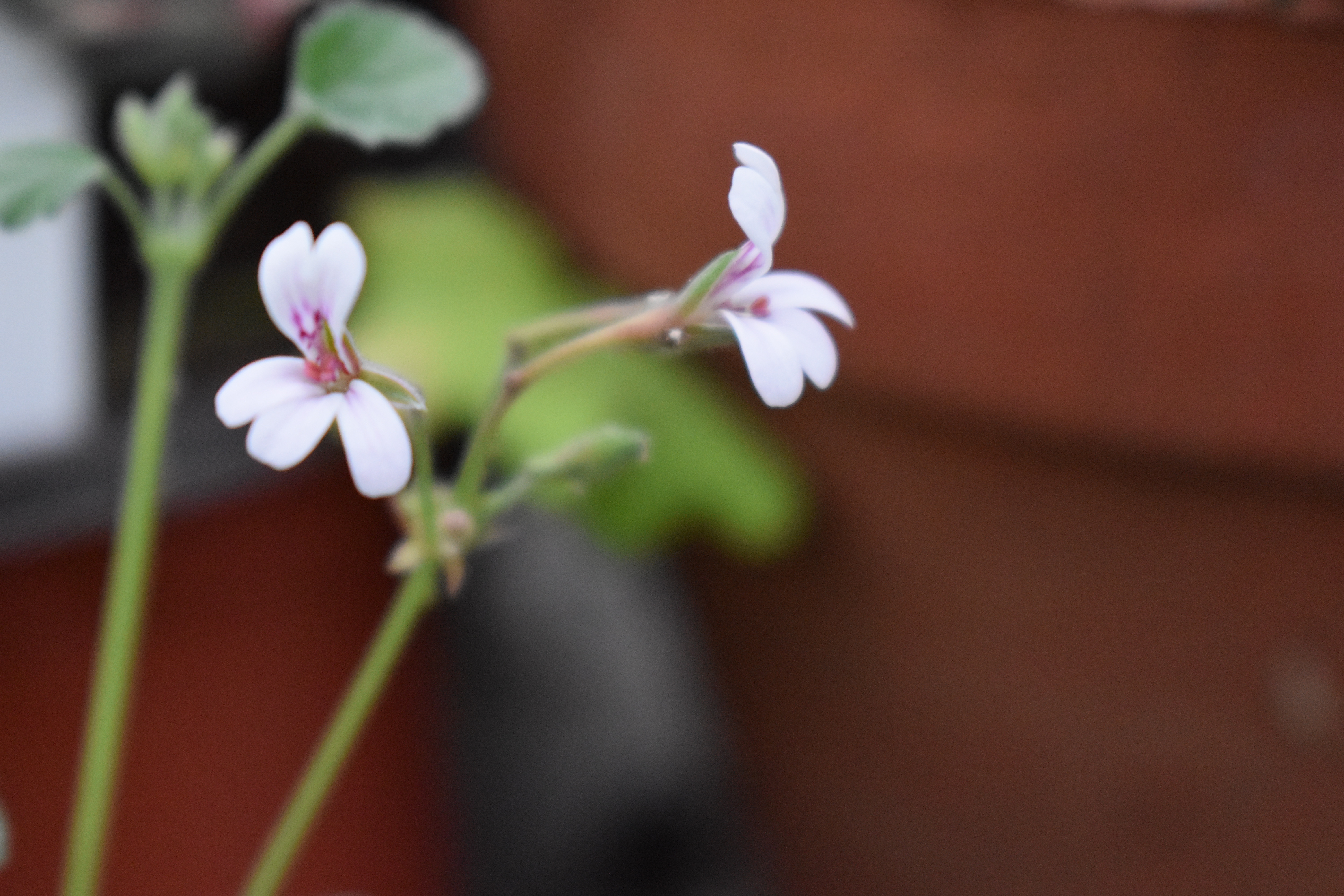
I was looking closely at a little vase of flowers cut from our patch and was amazed at Geranium ‘Rosanne’, and I noted that, “When petals fall and colour disappears we are left with the other flower parts displayed just prior to fruit or seed pouches forming.”

The final page in my garden journal 2023 for November looks again at autumn colour but with a different slant. I wrote, “Think of autumn colours and usually we look to trees but we get almost as much beauty from our grasses. By choosing the right set of grasses you can watch as they turn very slowly from greens to yellows and oranges.” A set of seven photos illustrates this.

My next report from my garden journal will be the last for this year, December 2023.

Categories
Uncategorized

Re-visiting a Favourite Walled Garden – Wildgoose

Wildgoose Garden and Nursery is one of our favourite destination within easy reach of home. Jack and Laura run the nursery and walled garden as well as presenting talks to garden groups and hold courses for the RHS at the garden. Our Hardy Plant Society mini-group for Shrewsbury and South Shropshire hold our final meet up of the year here as many of us know Jack and Laura quite well. We have the garden, nursery and Tea Room all to ourselves as their opening season has already finished for the year.

The garden looks so good at this time of the year so when we visit we have so much to see and enjoy. Jack also gave us an introductory talk highlighting the plants that perform well at the time of our visit, particularly ones we might not know so well.

As in Piet Oudolf designed gardens plants that die down well are important here.

Equally important are late flowering perennials for colour and grasses that provide texture, movement, sound and light catching abilities. It is a real eye-opener when we walked around Wildgoose to see so many such plants.

Dahlias are one of the most effective plants in the mixed borders here and they are carefully chosen for their colour and shapes.

I will finish off this report of our HPS mini-group meetings with some more general views of borders and pathways.

The nursery and walled garden will be closed until the spring when another set of plants will be creating more wonderful views and plant groupings.

Categories
Uncategorized

Aberglasney – the Once Hidden Garden

Aberglasney was once the subject of a television series entitled ”Aberglasney: a Garden Lost in Time”, which we really enjoyed. It was a four part series which followed the restoration of its dilapidated gardens, shown back in 1999.

We visited the garden when restoration had only just begun and several times since. Strangely this time all the restoration of the house and garden looked complete. In fact parts of the garden were being redeveloped again where plantings had failed.
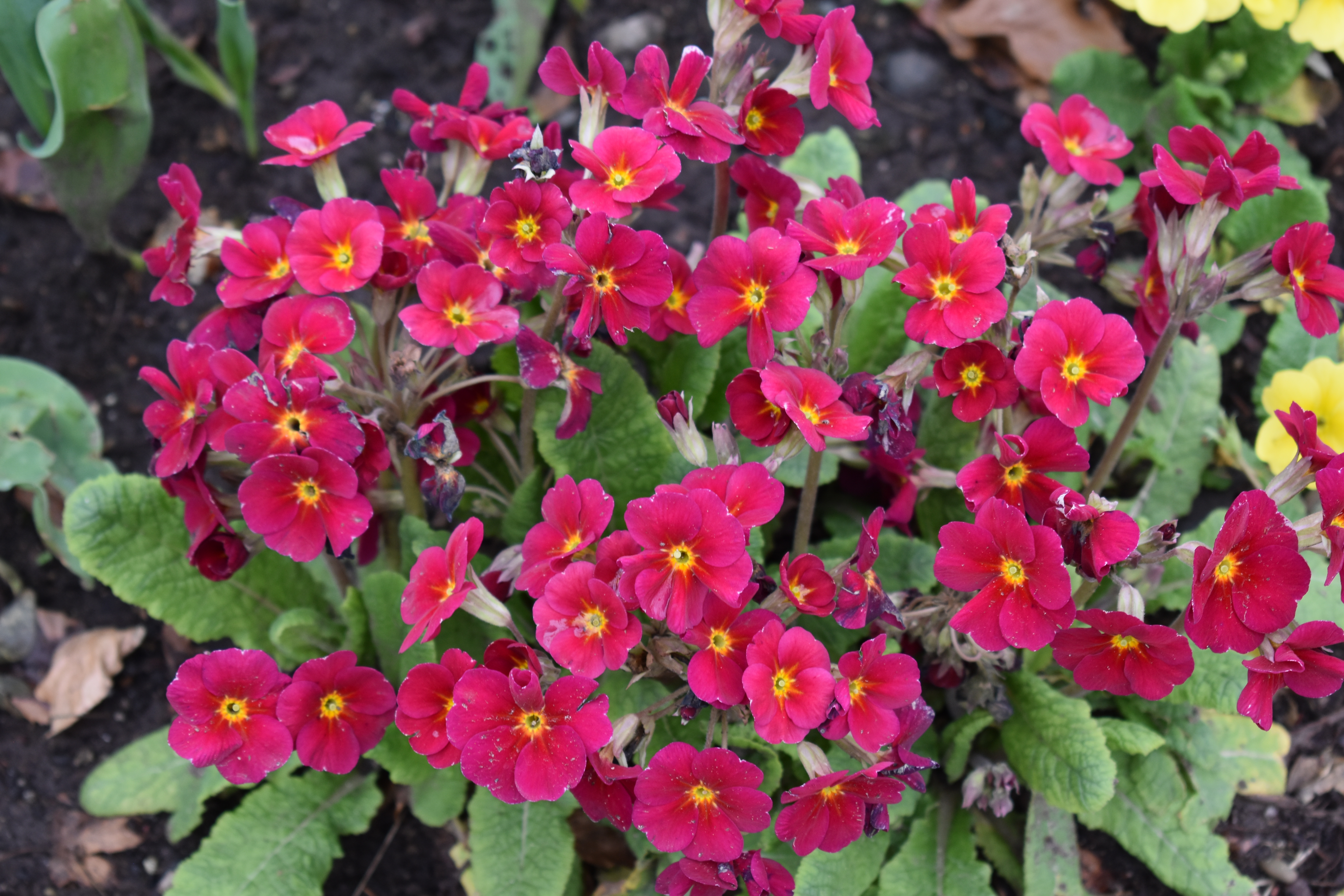
We enjoyed finding this very sociable bench and the huge grassed area which was a good foil for the tall stately conifers nearby.
We were interested in the planting areas we passed on our way in. The wall was beautiful with ferns growing on the vertical surface plus the sound of falling water.

The Yew Tunnel featured in the TV programme as it was difficult to restore because of the age of the yews. It was just one of the many archways, tunnels and gateways around the property and garden.

Coffee and cake were soon required and we enjoyed some great views from our table to add enjoyment to our refreshments.

After our refreshment break we made our way along a long deep border alongside a stone wall that would lead us to the Old Piggeries, the Sunken Garden and finally the Jubilee Woodland Garden.

The next half hour was spent enjoying another coffee break before we set off to look at the walled garden. This walled garden is divided into two ,’Upper’ and ‘Lower’. The Lower Walled Garden was still mostly productive, growing produce, fruit, veg, herbs and cut flowers.

The decorative borders in both sections were full of asters in lots of different colours all attracting so much wildlife mostly bees and hoverflies.

We left the Lower Walled Garden through a wooden door in the stone dividing wall and entered the Upper Walled Garden which was composed of mixed borders around the edges and central circular beds.

We soon came to the time to return to the car but there was one more special place to see before we left, an unusual garden called the ‘Ninfarium’, half built into the buildings.

This will be considered in a second post about Aberglasney.

This Veggie Life

A Vegetarian | Nature Lifestyle Blog

Rambling in the Garden

.....and nurturing my soul

The Arch City Gardener

Journeys In St. Louis Gardening and Beyond

Garden Dreaming at Châtillon

Consult the genius of the place

Storyshucker

A blog full of humorous and poignant observations.

gardeninacity

Notes from a wildlife-friendly cottage garden

PlayGroundology

...an emerging social science

The Official Blog of British Wildlife

'The most important and informative publication on wildlife of our times' - The Independent. This blog is a member of The UK & Ireland Natural History Bloggers group: www.uknhb.blogspot.com

iGrowHort

Inspire - Cultivate - Grow Native Plants - Restore Landscapes

Bishops Meadow Trust

To create and protect a semi-natural wild space for the people of Farnham to enjoy and experience an array of British wildlife in our town

Gardening with Children

The www.gardeningwithchildren.co.uk Blog

UKbirdingtimeline

birding through the seasons, why birds matter and how to conserve them

NATURE WALKER

with a camera in hand

Jardin

Transform your outdoor space

Eva's space

My allotment, cooking and other interests

Old School Garden

my gardening life through the year

LEANNE COLE

Trying to live a creative life

fromacountrycottage

trying to live as lightly as possible on our beautiful planet

Good Life Gardening

Nature lovers from Leicester living the good life.

mybeautfulthings

Finding the beautiful in the everyday

mawsonmichelle

Michelle's Allotment

In and Out of My Garden

thoughts from and about my garden

Greenhousing

Big plans for a small garden

The Scottish Country Garden

A Walled Country Garden in South East Scotland

The Fruity Chicken

Life at the fruity chicken

willowarchway

Off grid living. Self sufficient. "PERMAGANICS RULE".

St Anns Allotments

Nottingham's Grade 2* Listed Allotments and Community Orchard

Manifest Joy Harvests

a journey in suburban vegetable gardening

Allotmental

The madness of growing your own

Penny's Garden: a harvest beyond my front door

A novel approach to vegetable gardening

arignagardener

Sustainable living in the Irish countryside.

NewEnglandGardenAndThread

Master Gardener, amateur photographer, quilter, NH native, and sometimes SC snowbird

dianajhale

Recent work and work in progress and anything else that interests me

planthoarder

a chaotic cottage gardener

Lens and Pens by Sally

a weekly blog that creates a personal philosophy through photographs and words

Dewdrops and Sunshine

Stories from a sassy and classy Southern farmbelle.

The Pyjama Gardener

Simple Organic Gardening & Seasonal Living

gettin' fresh!

turning dirt into dinner

JOY...

today the world is created anew

Garden Birds

Notes from a Devon garden

ShootAbout

Life Through The Lens

Adapting Pixels

A photography blog showcasing the best photography pictures and videos on the internet

Wildlifegardening's Blog

Just another WordPress.com site

naturestimeline

personal observations from the natural world as the search continues for a new approach to conservation.

LATEBLOOMERBUDS

The Wonders of Life through my Eyes, my Heart, my Soul