Categories
colours garden photography garden wildlife gardening gardens hardy perennials ornamental trees and shrubs roses Shropshire shrubs wildlife

My Garden Journal 2018 – June

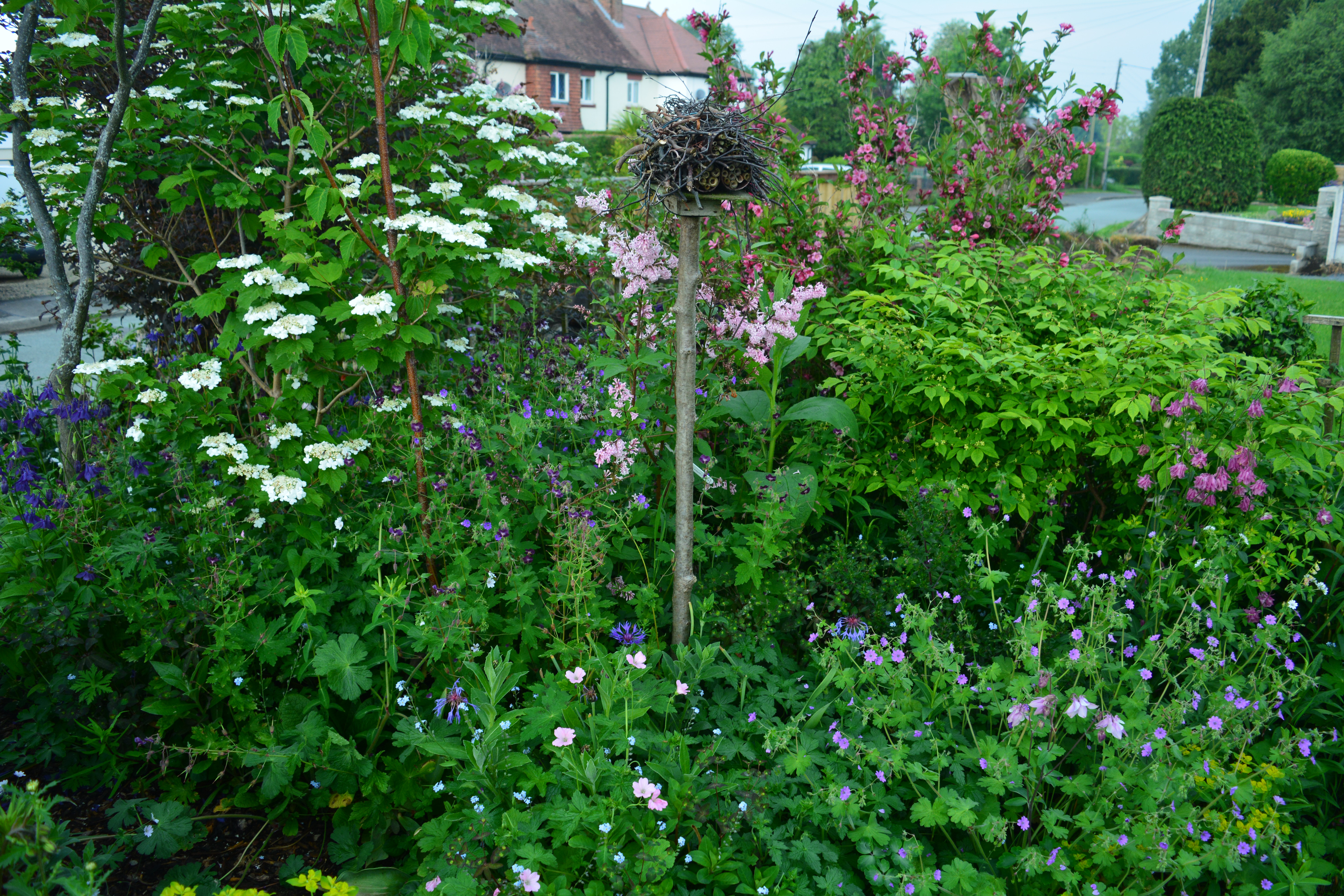
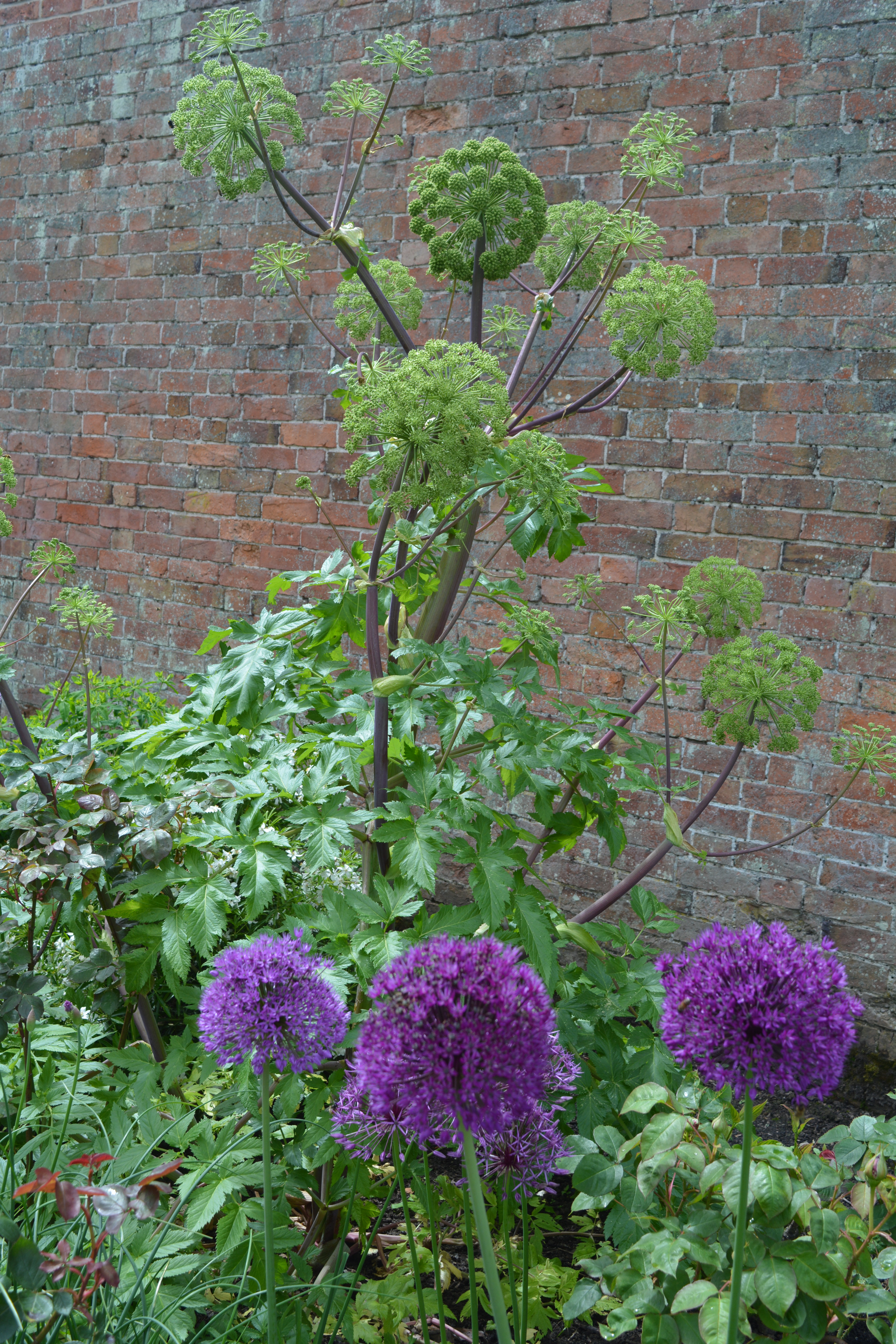
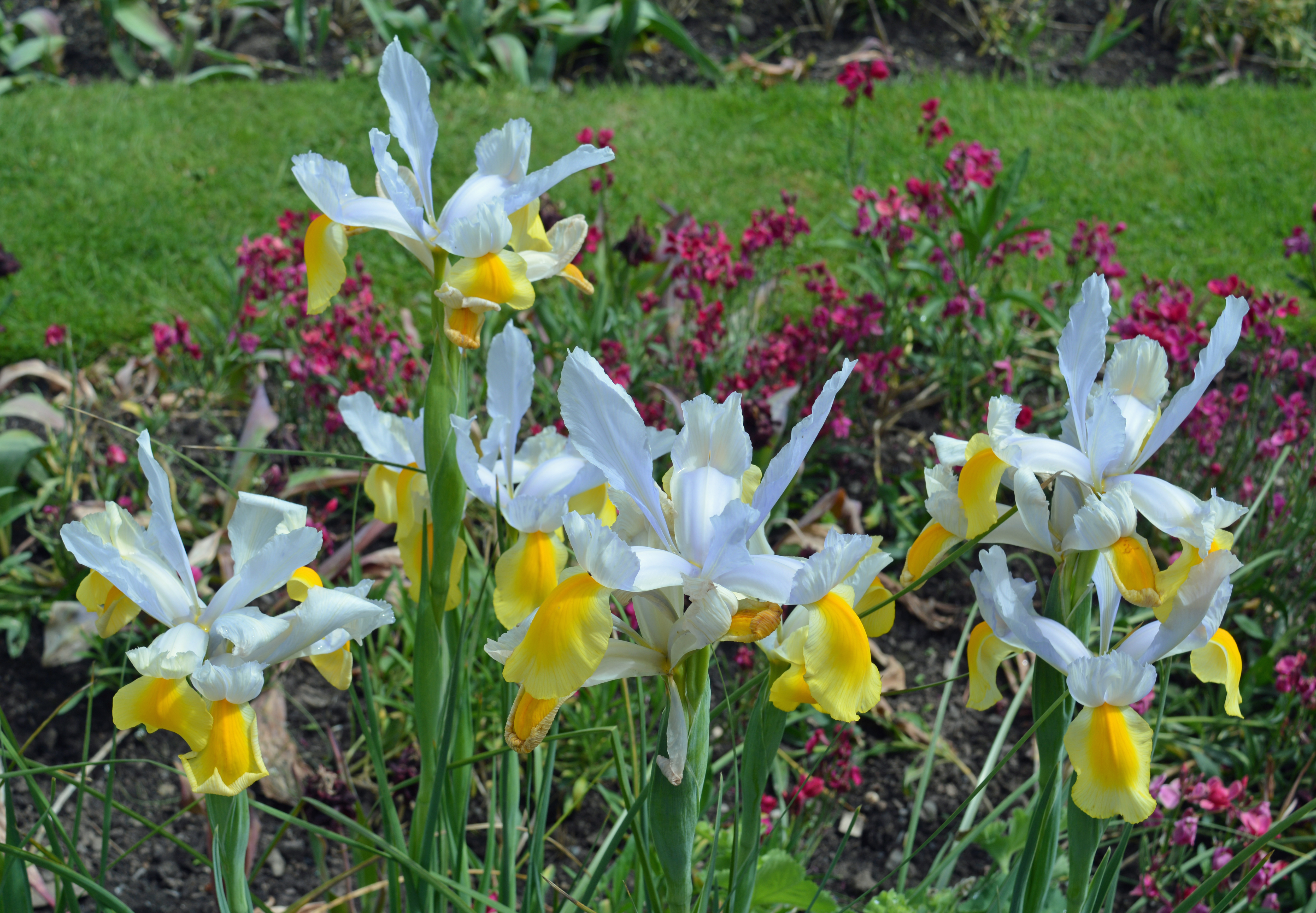
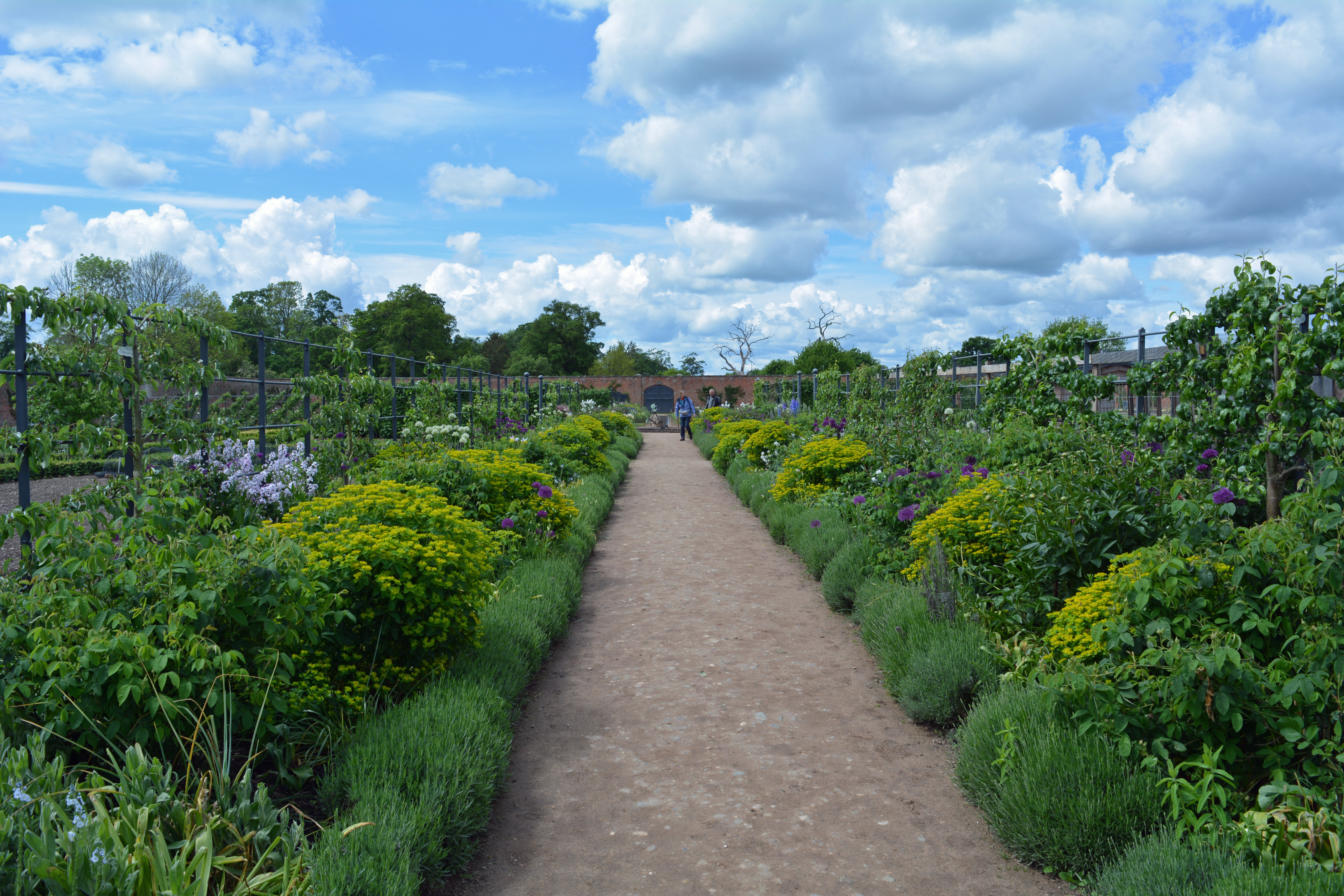
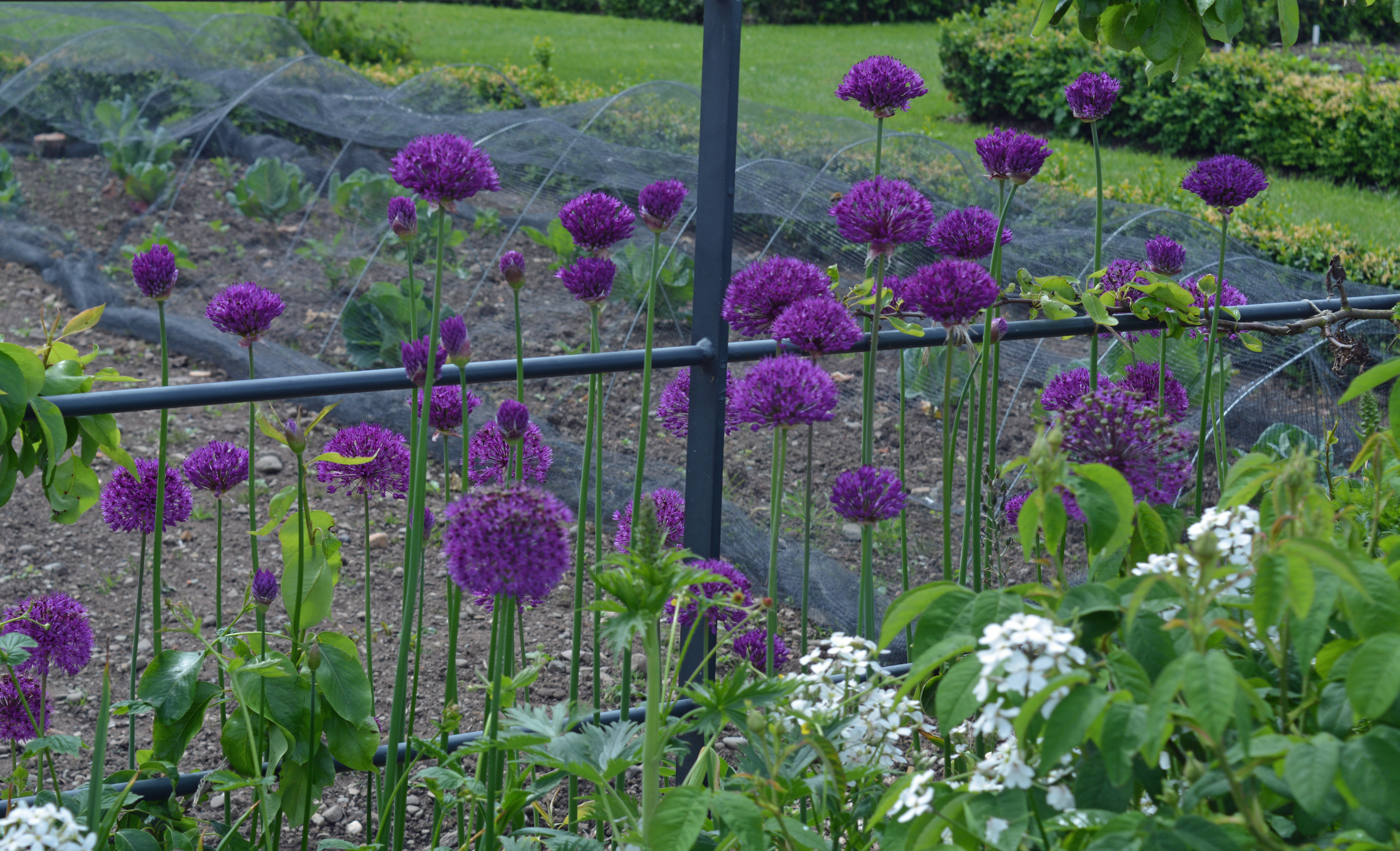
I finished my latest entries into my garden journal just as we reach the mid-point of the year. June has once again been a month of mixed up weather and the garden plants have continued in their state of confusion.

My first words for June were positive words about the weather, a rare occurence to use such words this year. “The first week in June treated us to warm bright weather but thunderstorms, really wild powerful ones, broke the spell several times. Humidity was so high that it sapped our energy and made our joints ache.

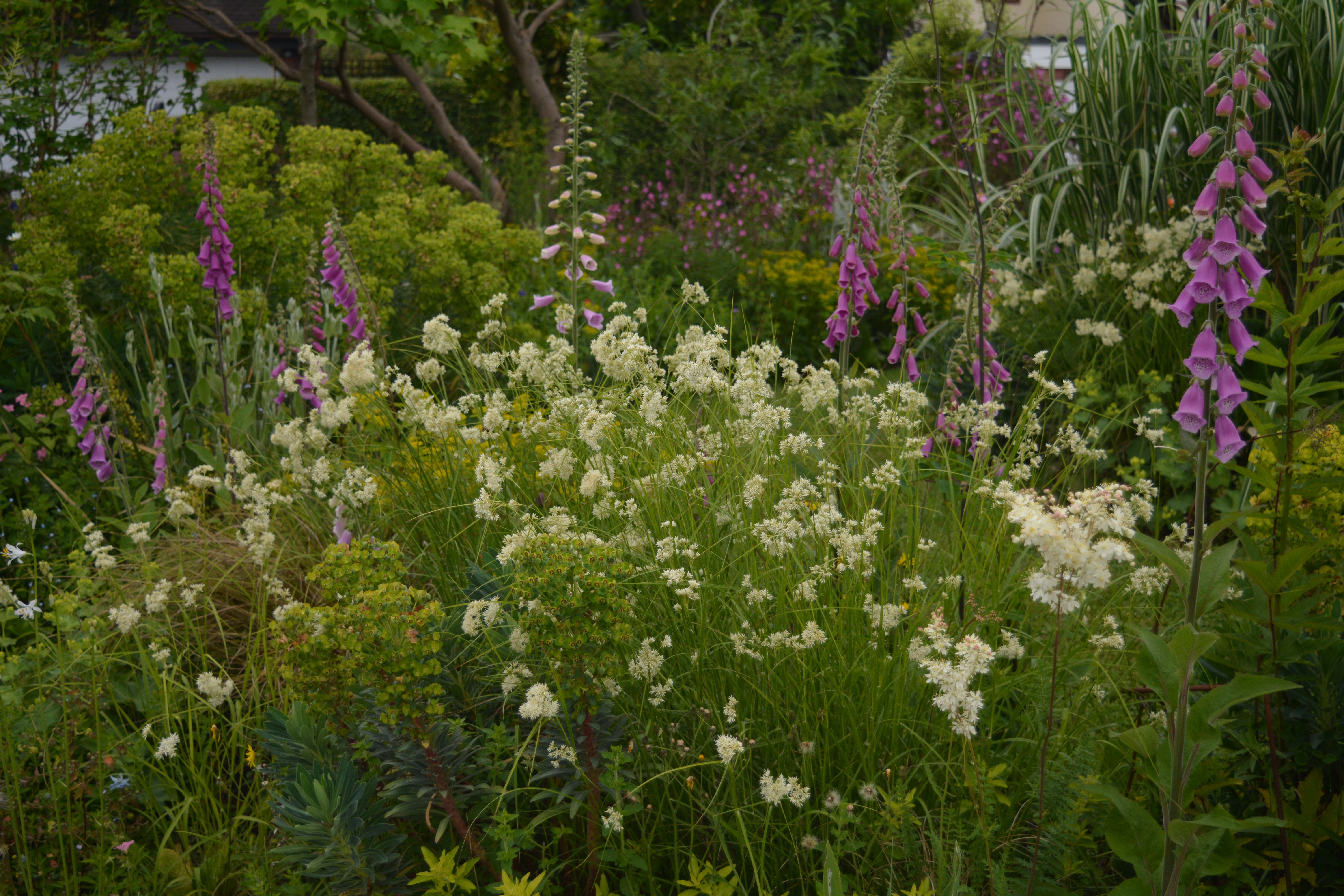
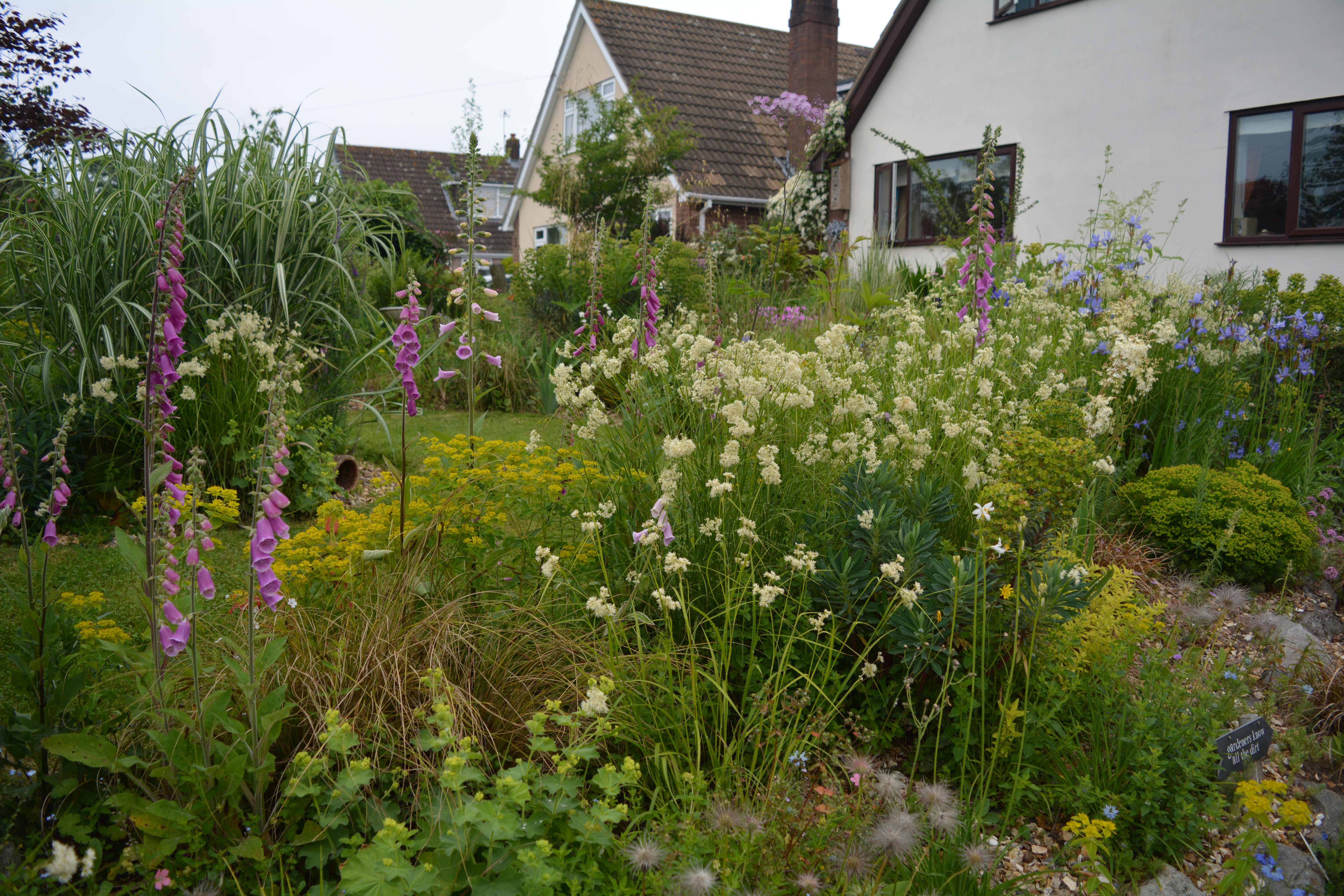
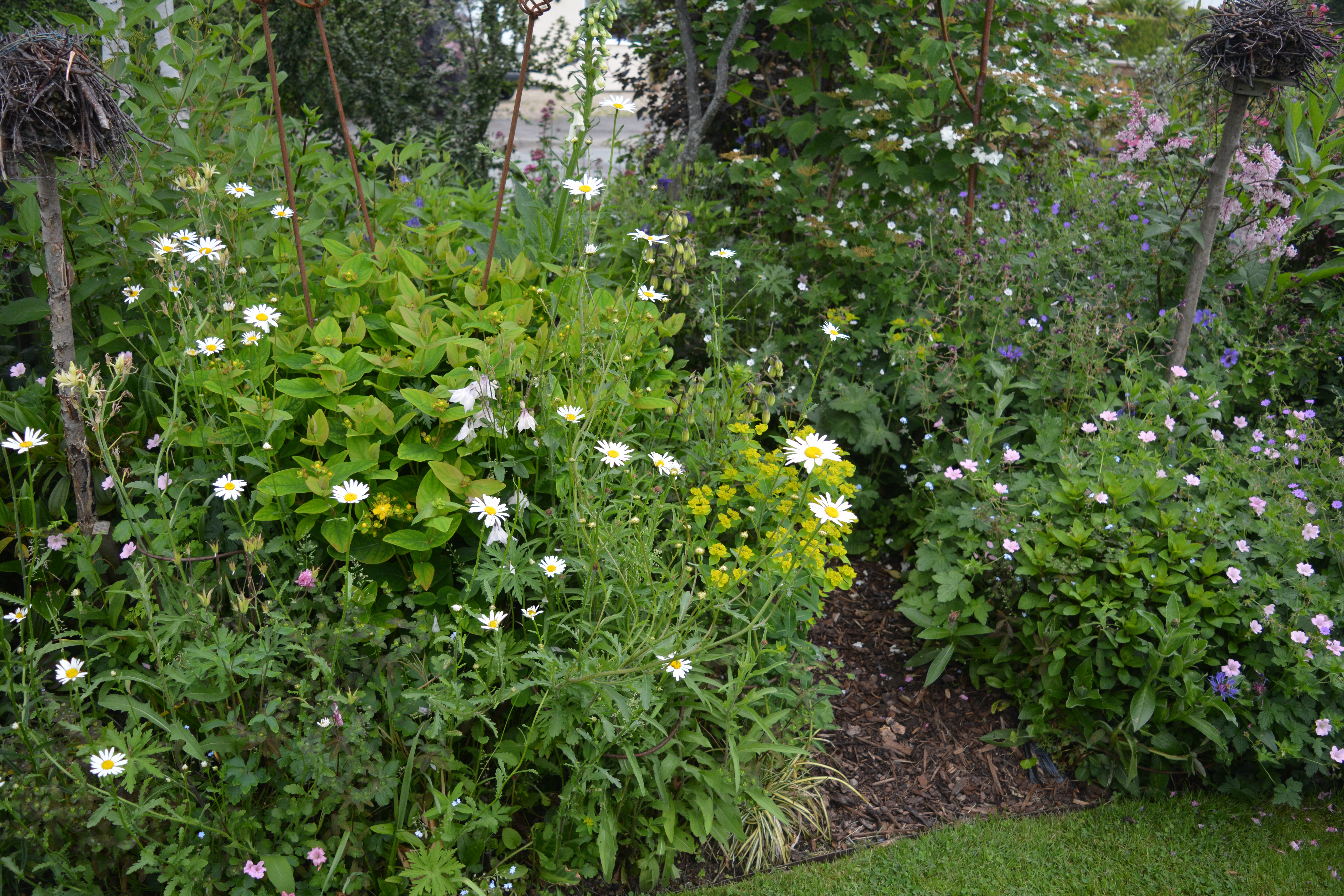
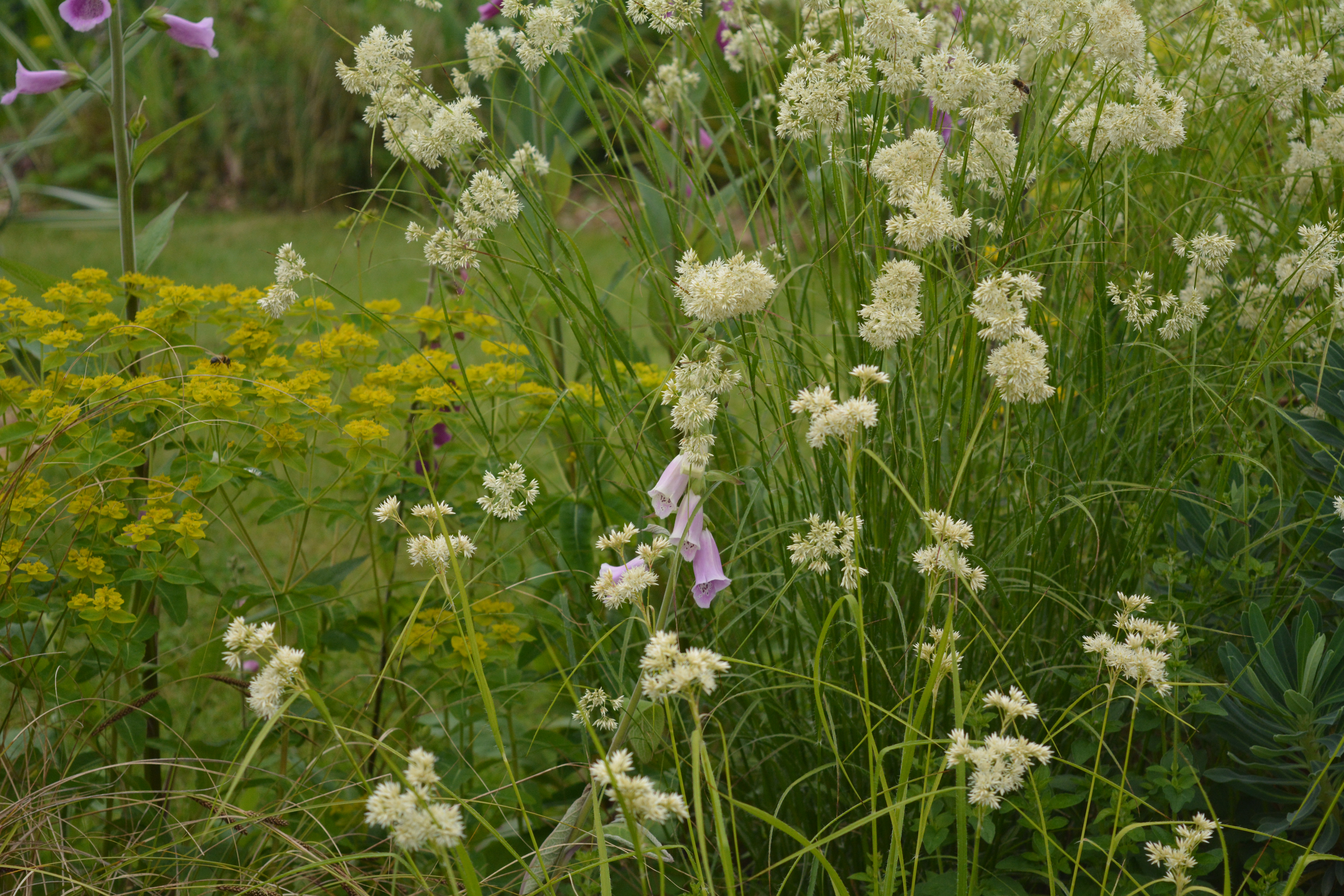
Through all this the garden looked wonderful and full of atmosphere, with bees, hoverflies and day-flying moths adding sound and movement. The borders have filled out with fresh lush growth.”
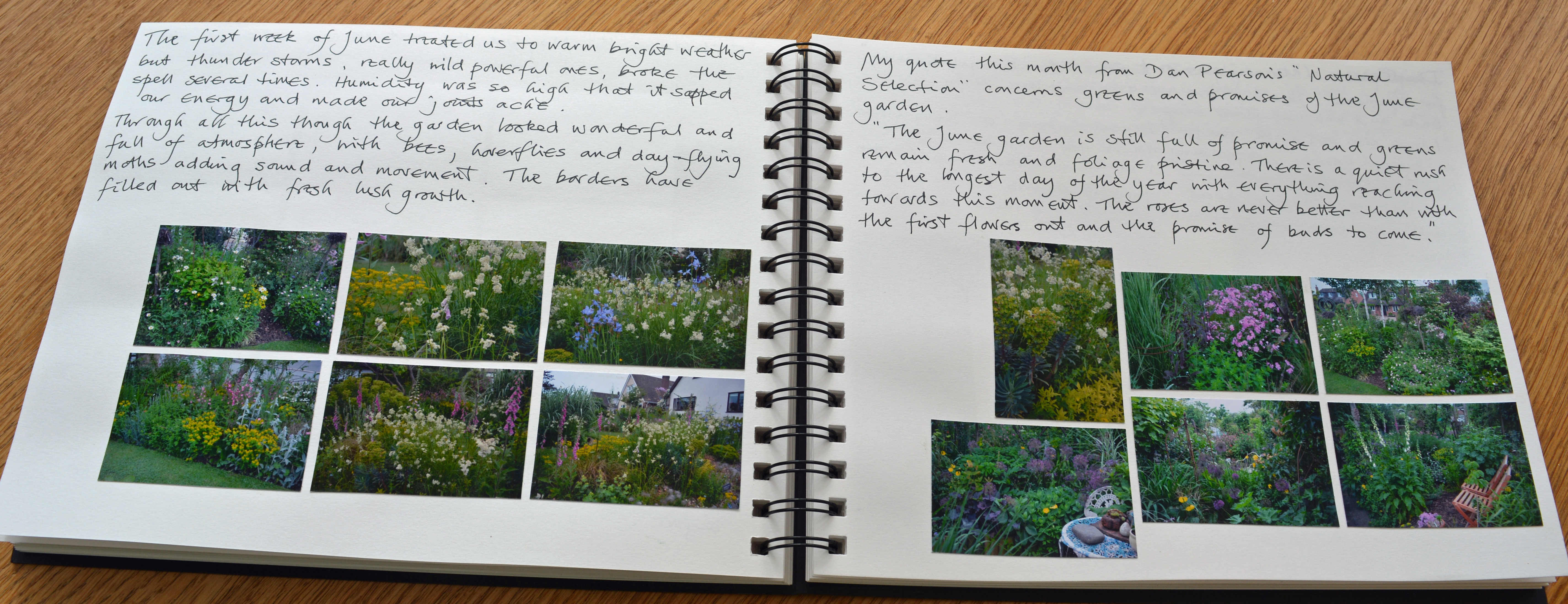
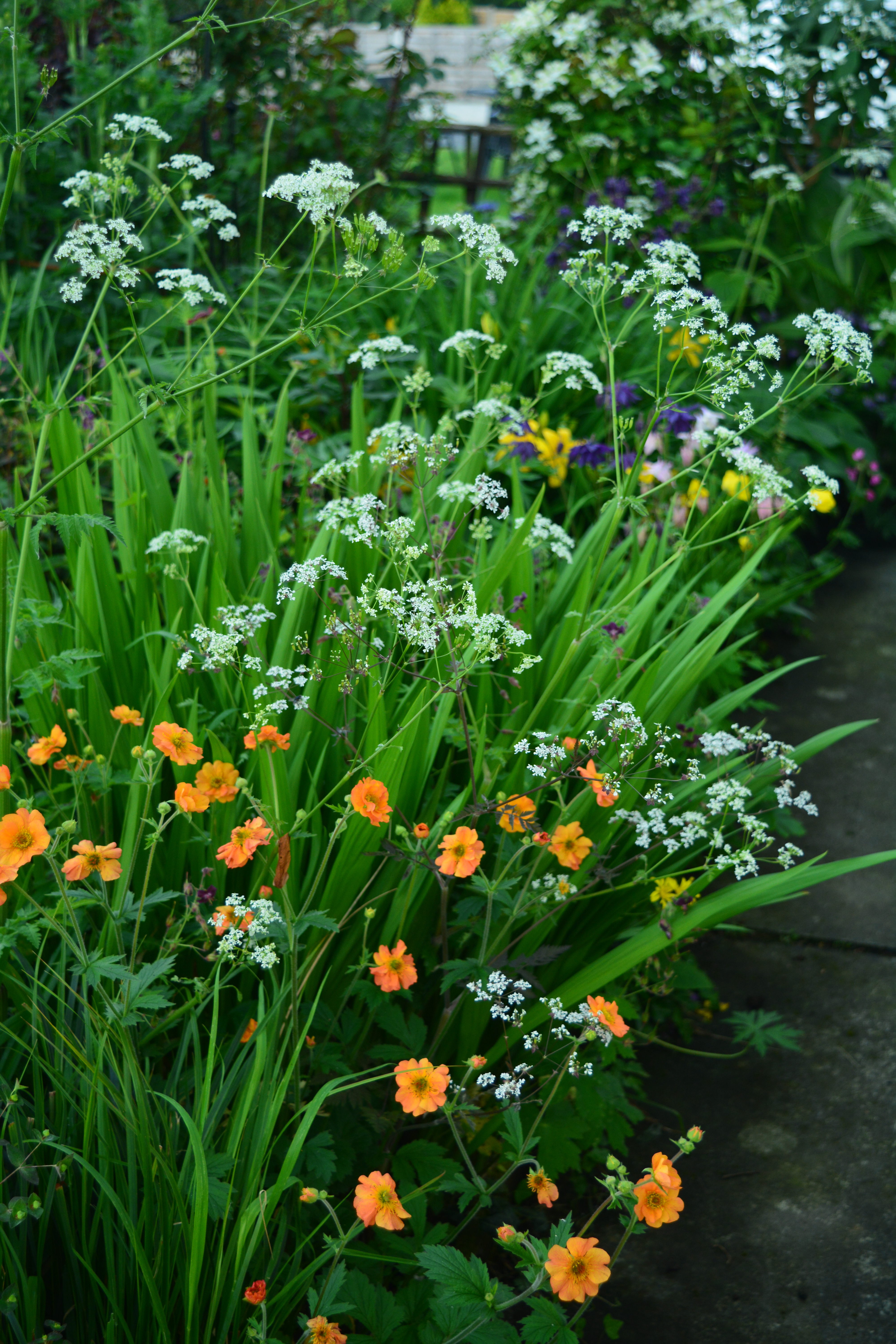
I used six photos to illustrate this lushness.
   

On the opposite page I continued in the same vein using my quote this month from Dan Pearson, “My quote this month from Dan Pearson’s “Natural Selection” concerns greens and promises of the June garden. 

“The June garden is still full of promise and greens remain fresh and foliage pristine. There is a quiet rush to the longest day of the year with everything reaching towards this moment. The roses are never better than with the first flowers out and the promise of buds to come.”

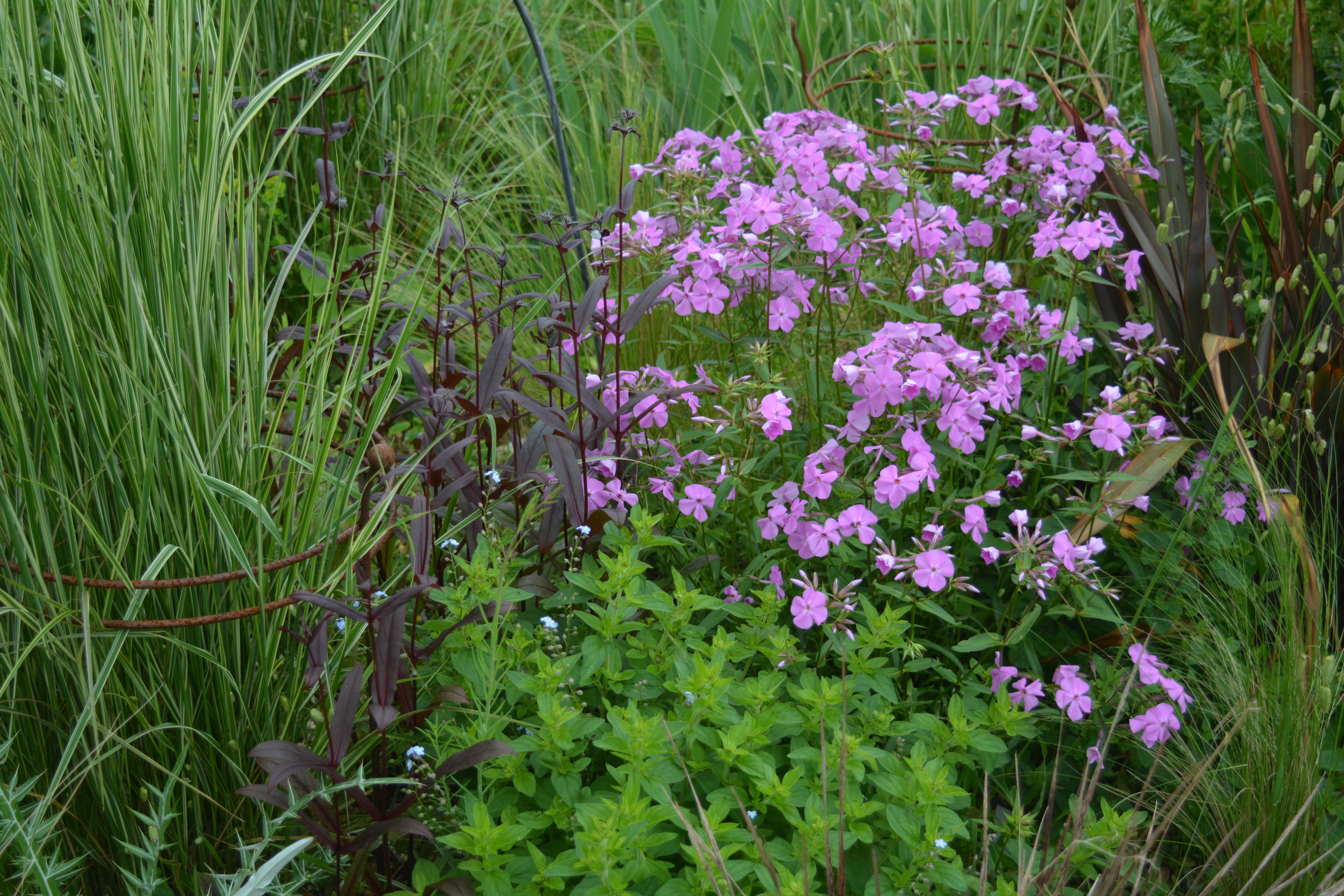
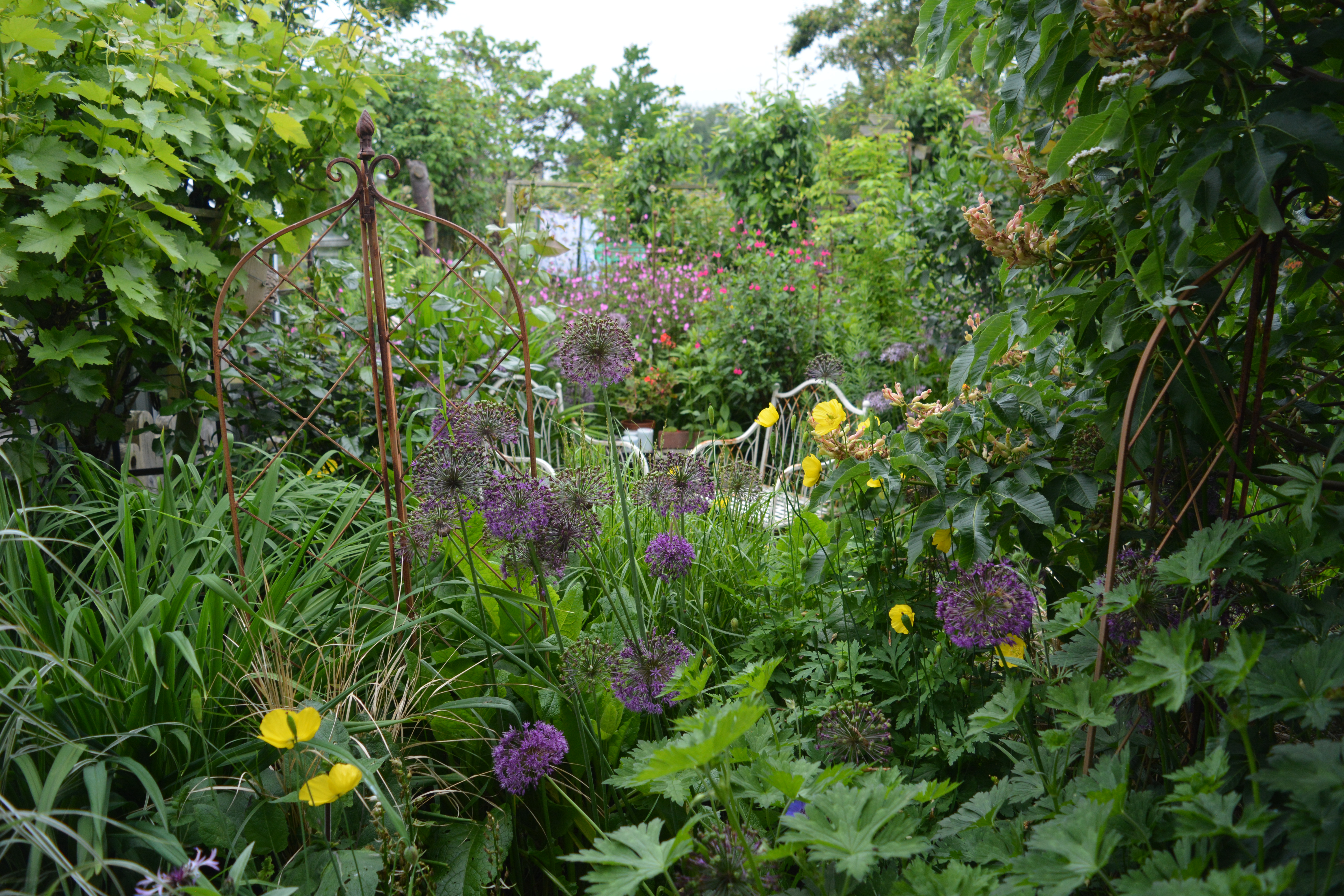
I followed on with another six photos.
   

Turning to the next double page spread I considered our roses and add a few more words from Dan Pearson.

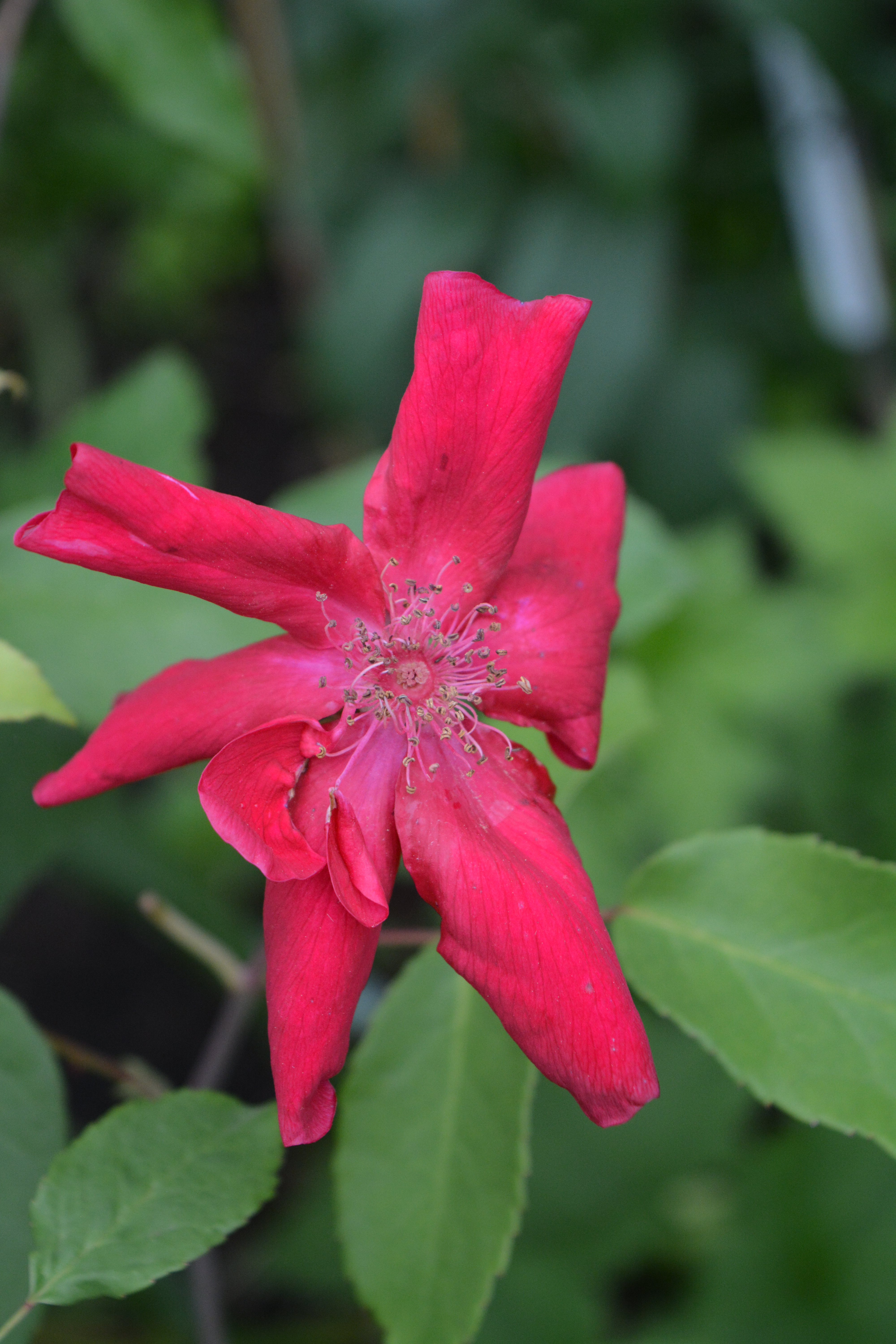
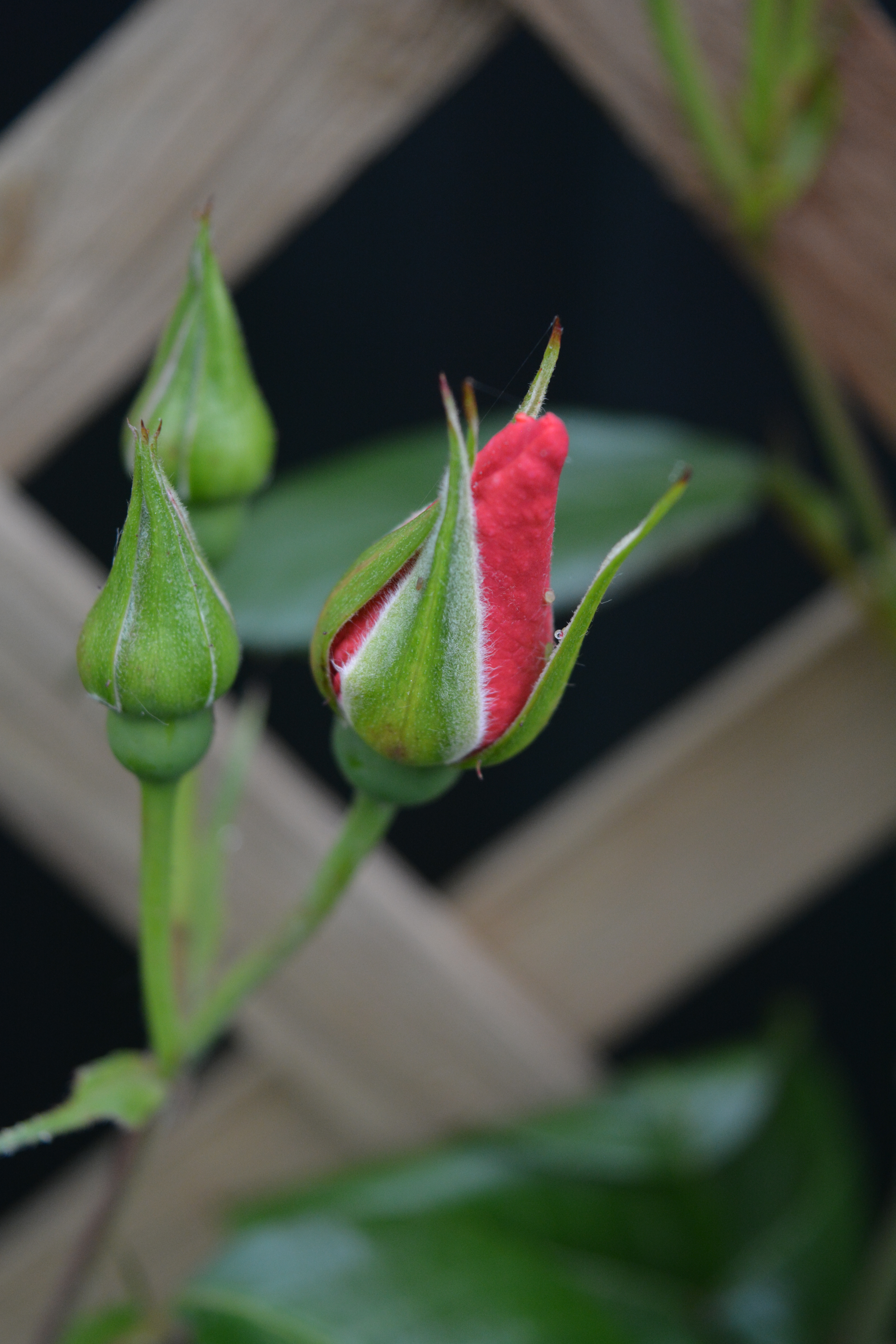
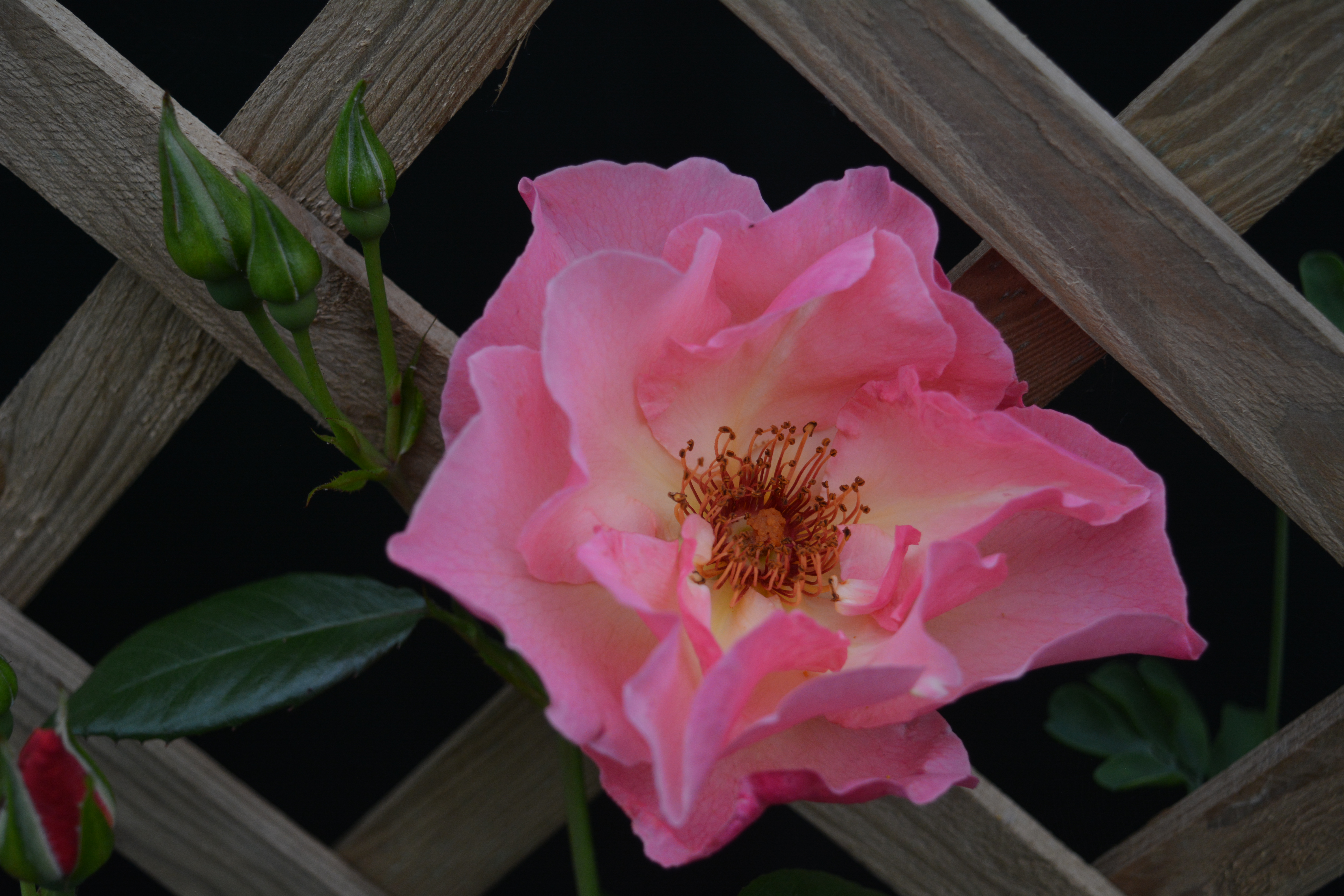
“Dan Pearson later singles out one Rose, “Bengal Beauty”,  for comment. This is a rose we grow and love it for its buds and unusual flower shape.”

Pearson wrote, “I have also set aside room for “Bengal Crimson” (or “Bengal Rose” or “Bengal Beauty”, depending where you read about it). I was first smitten when I saw it at the Chelsea Physic Garden years ago, but forgot all about it.” He recalls how he was gifted a specimen as a present for opening their summer fair.”
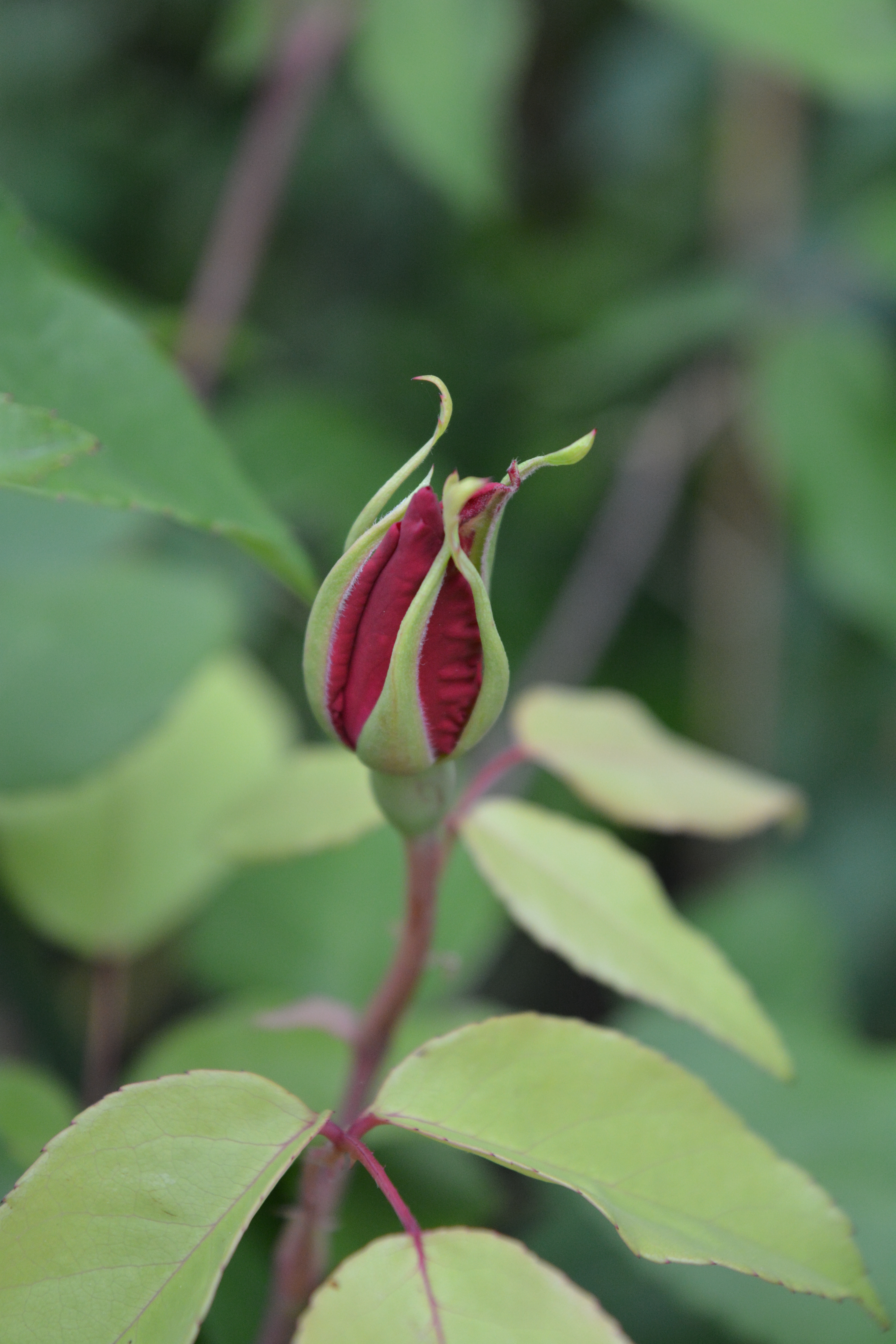


“Dan Pearson describes Bengal Beauty as “a delightful, informal bush and all the names describe it well – its single cherry-red flowers splayed wide and recoiled on themselves as if they were stretching are like sweet wrappers scattered over the bush.”

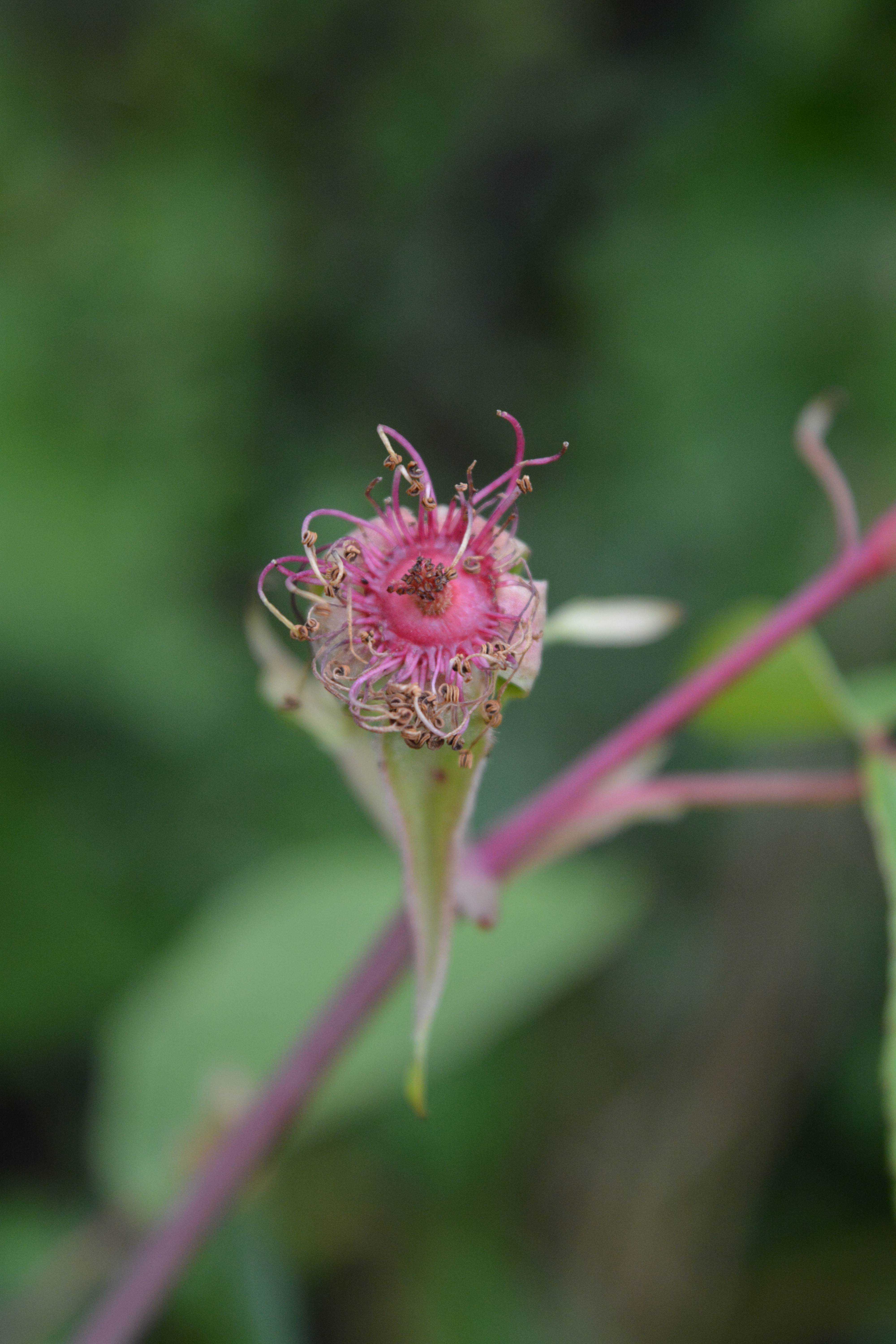
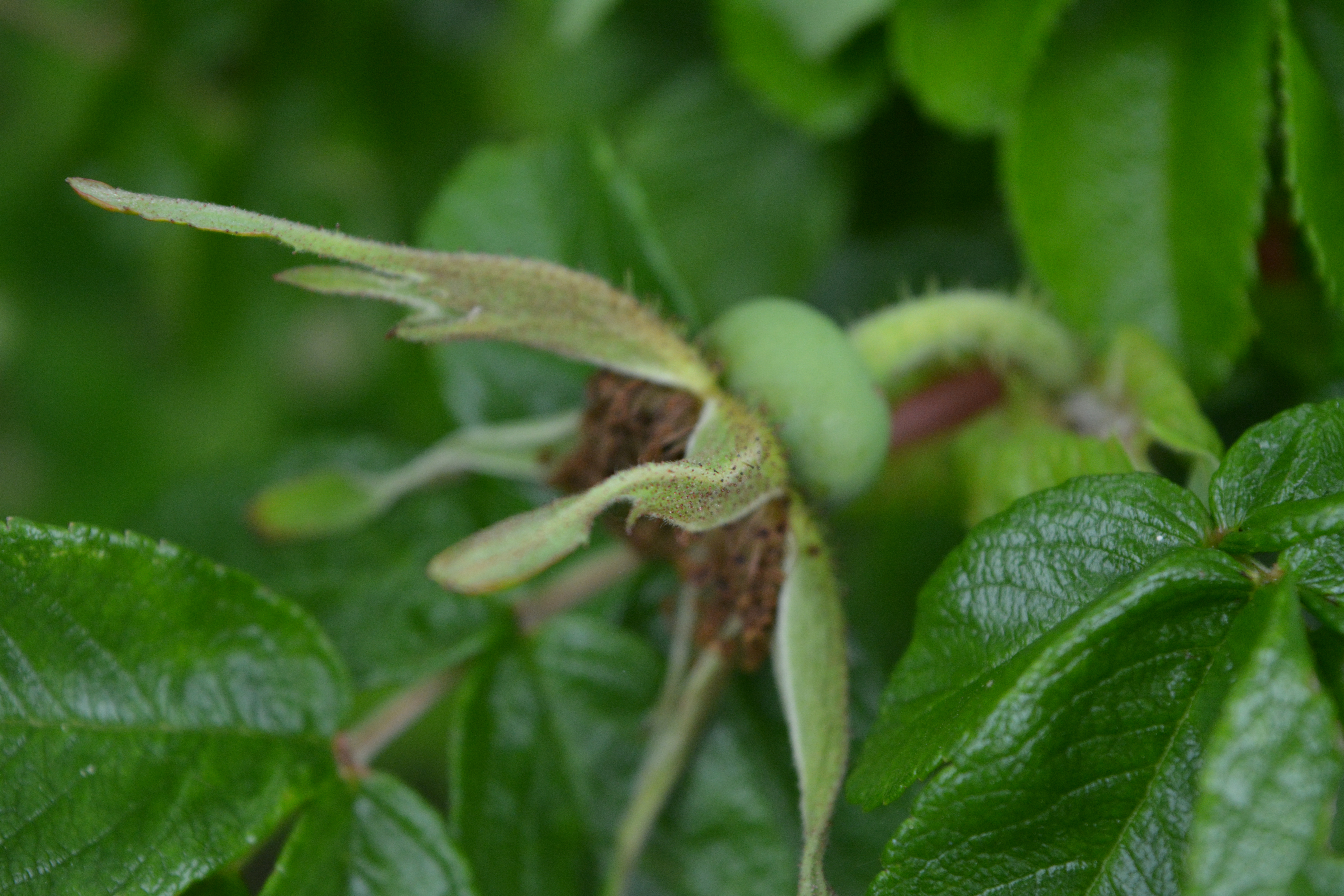
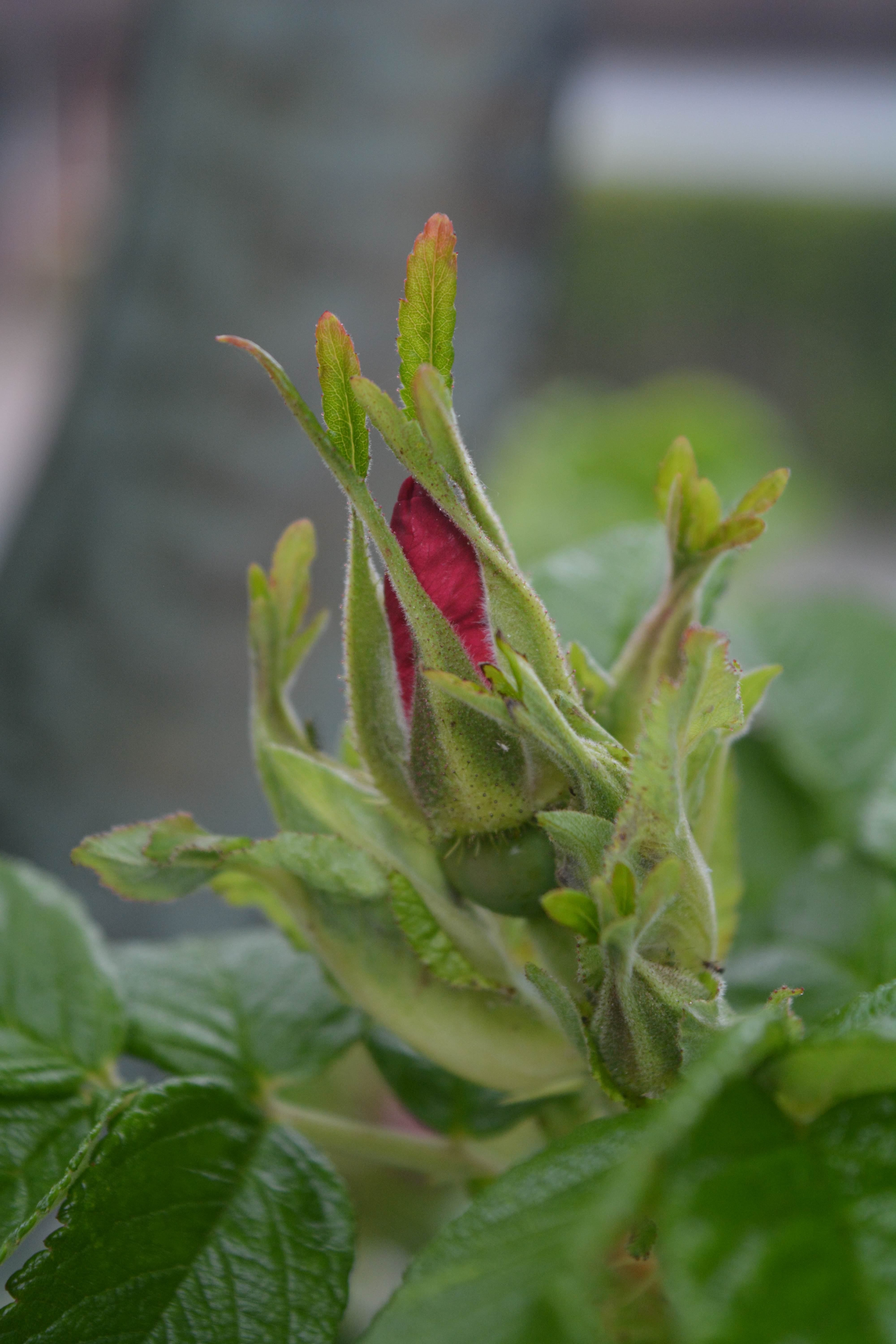
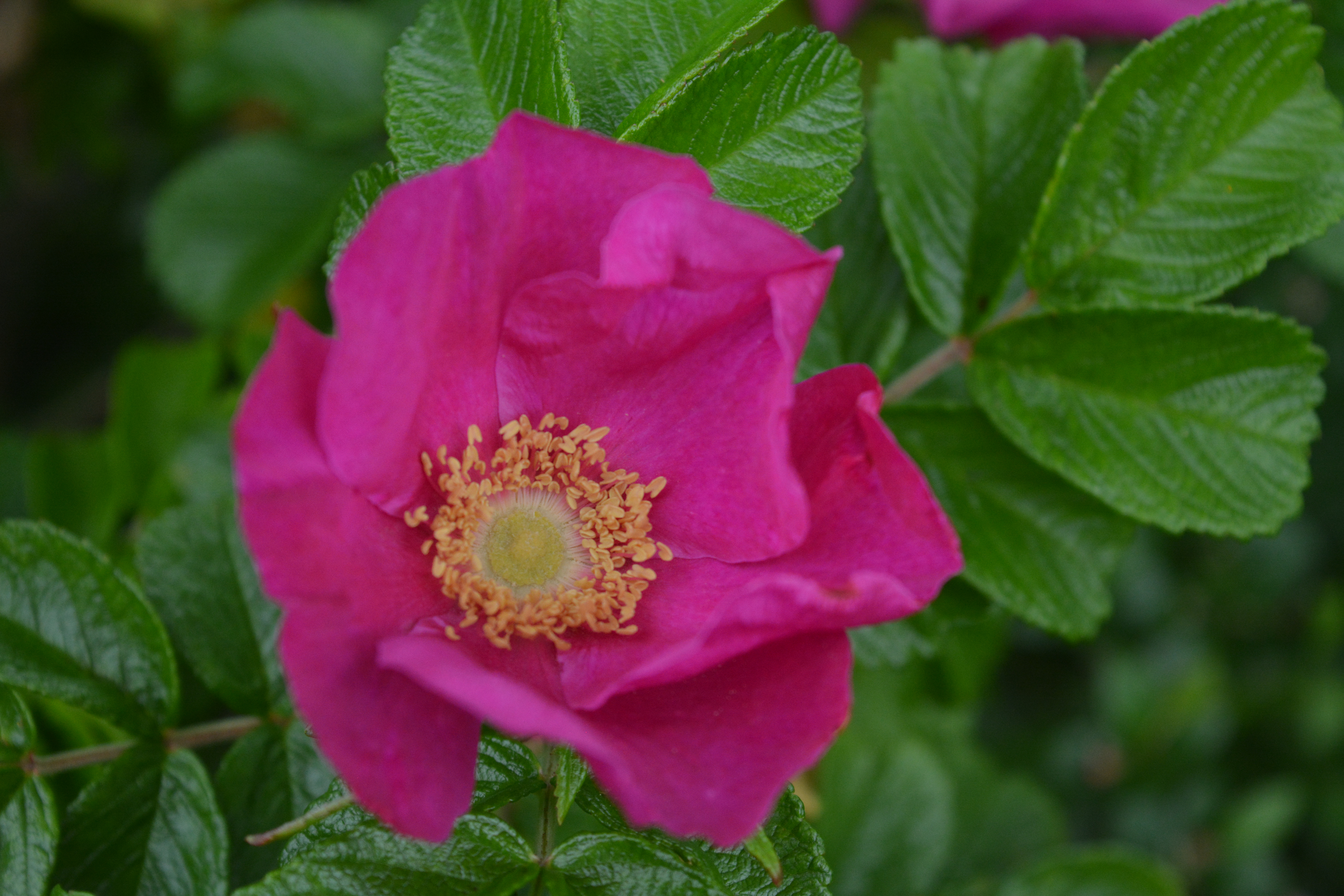
I then included photos of Rosa rugosa and Rosa “Summer Wine” in flower and in bud.


“Rosa rugosa”
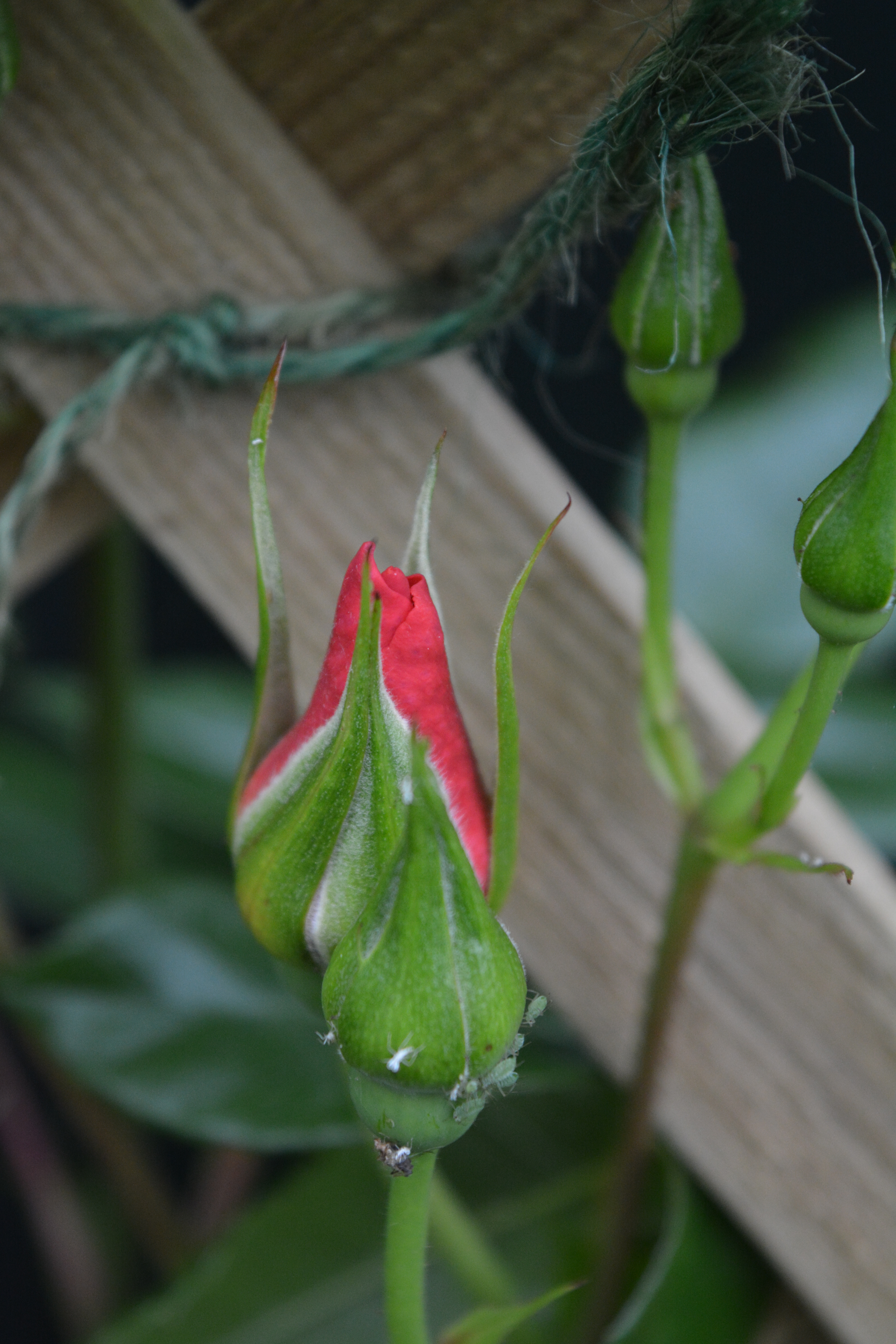
 

“Rosa Summer Wine”

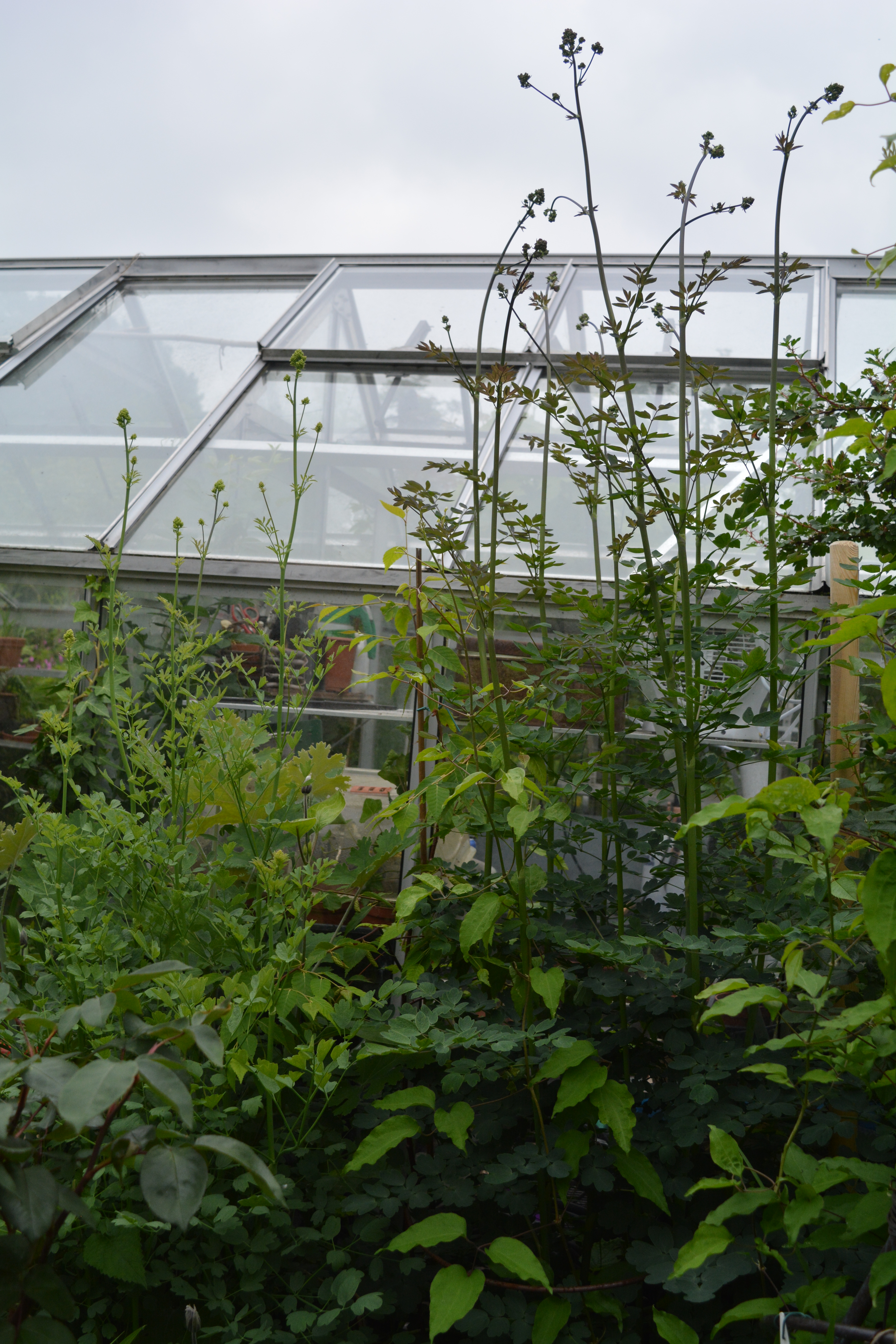
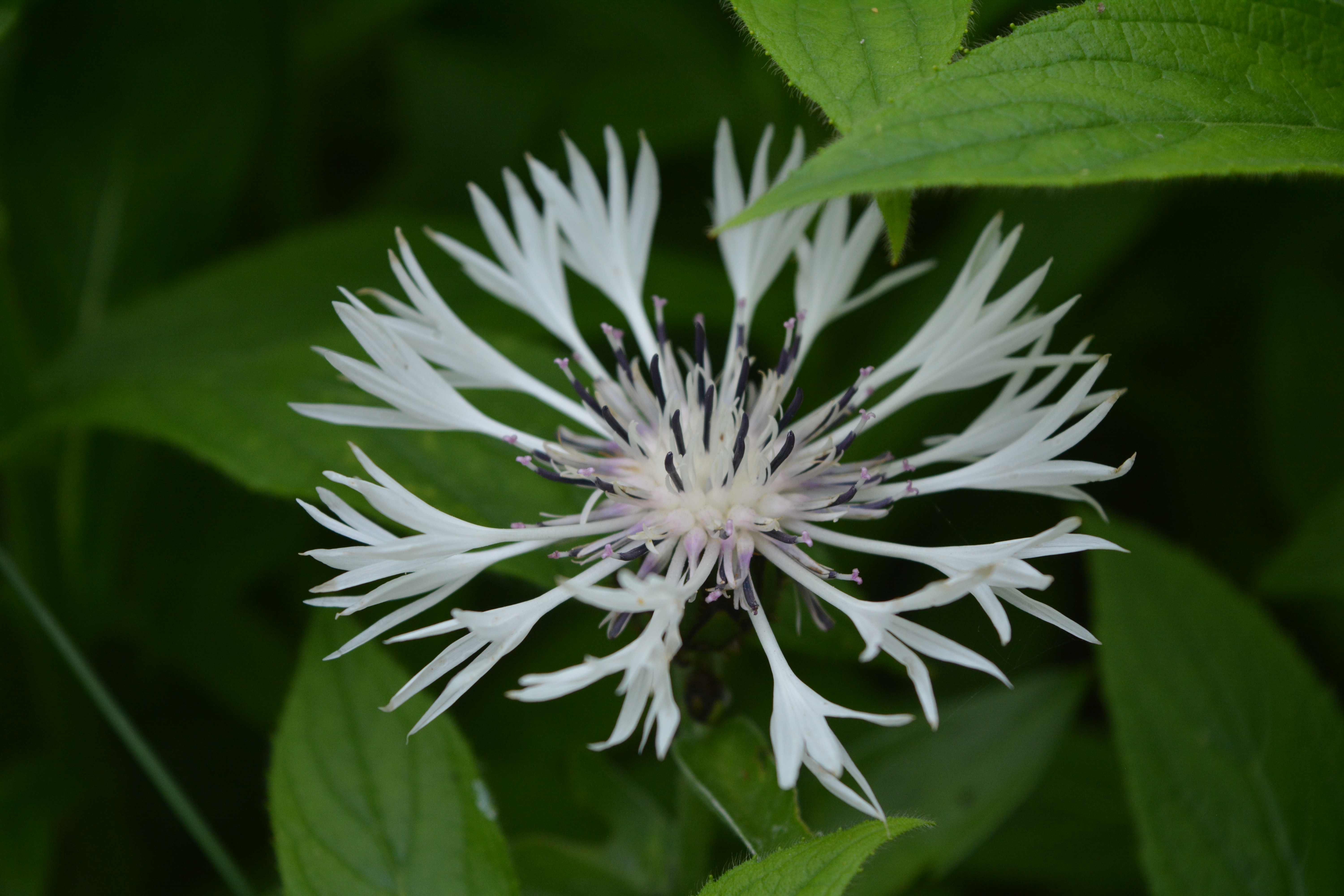
Over onto the next two ages I looked at Thalictrum, Centaurea and Gypsy Dianthus.
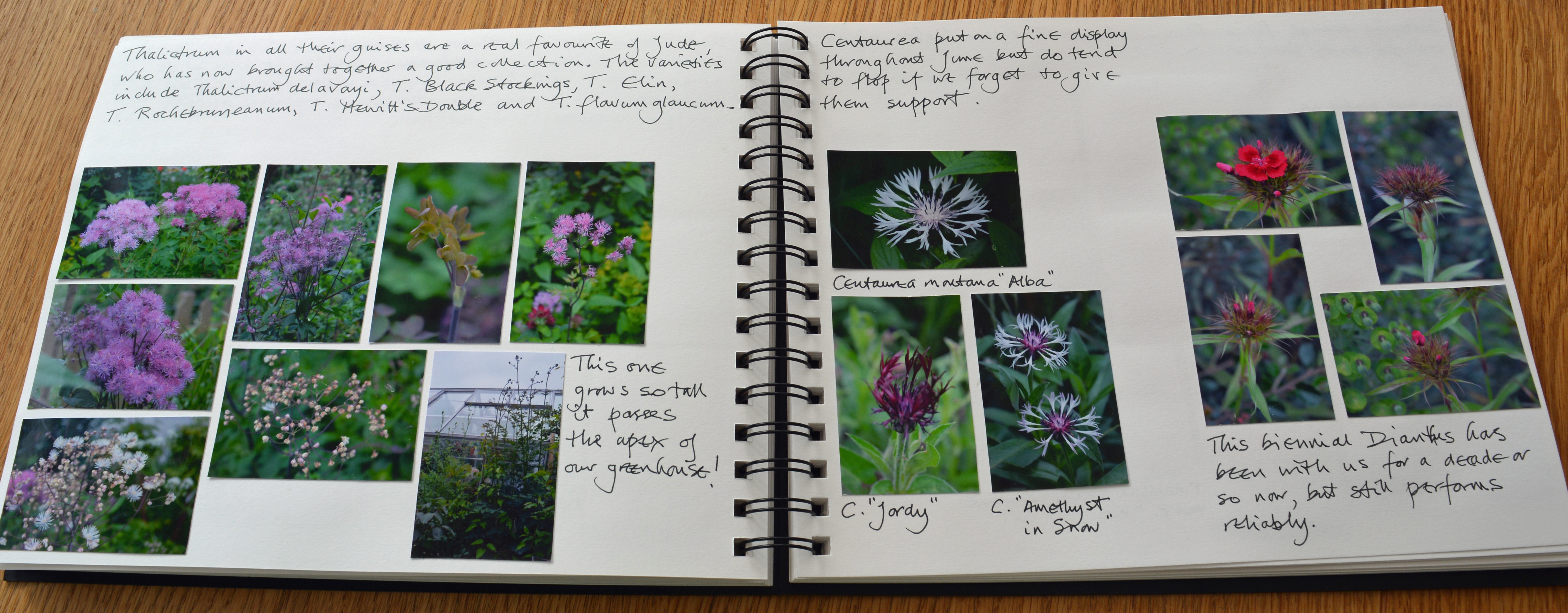
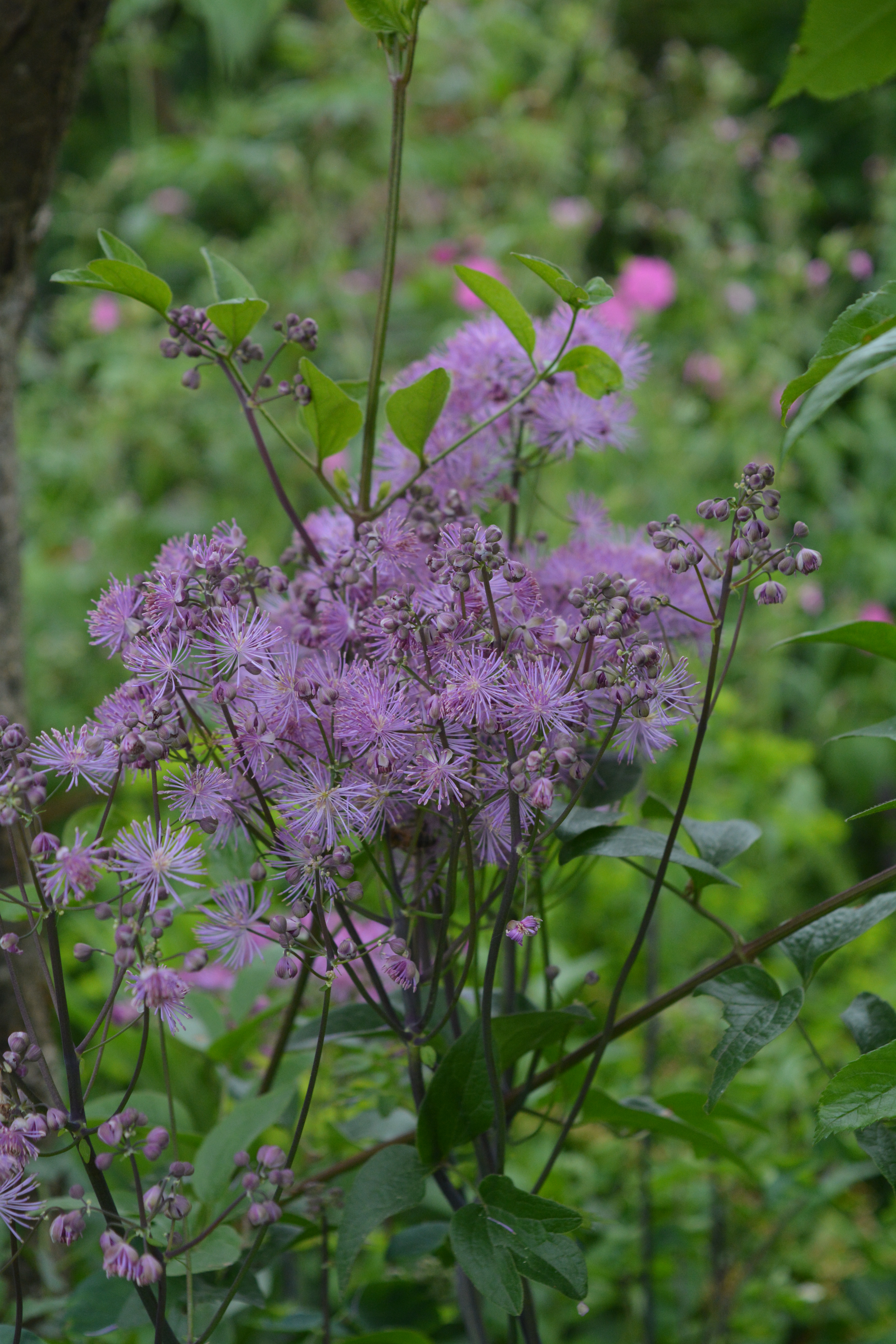
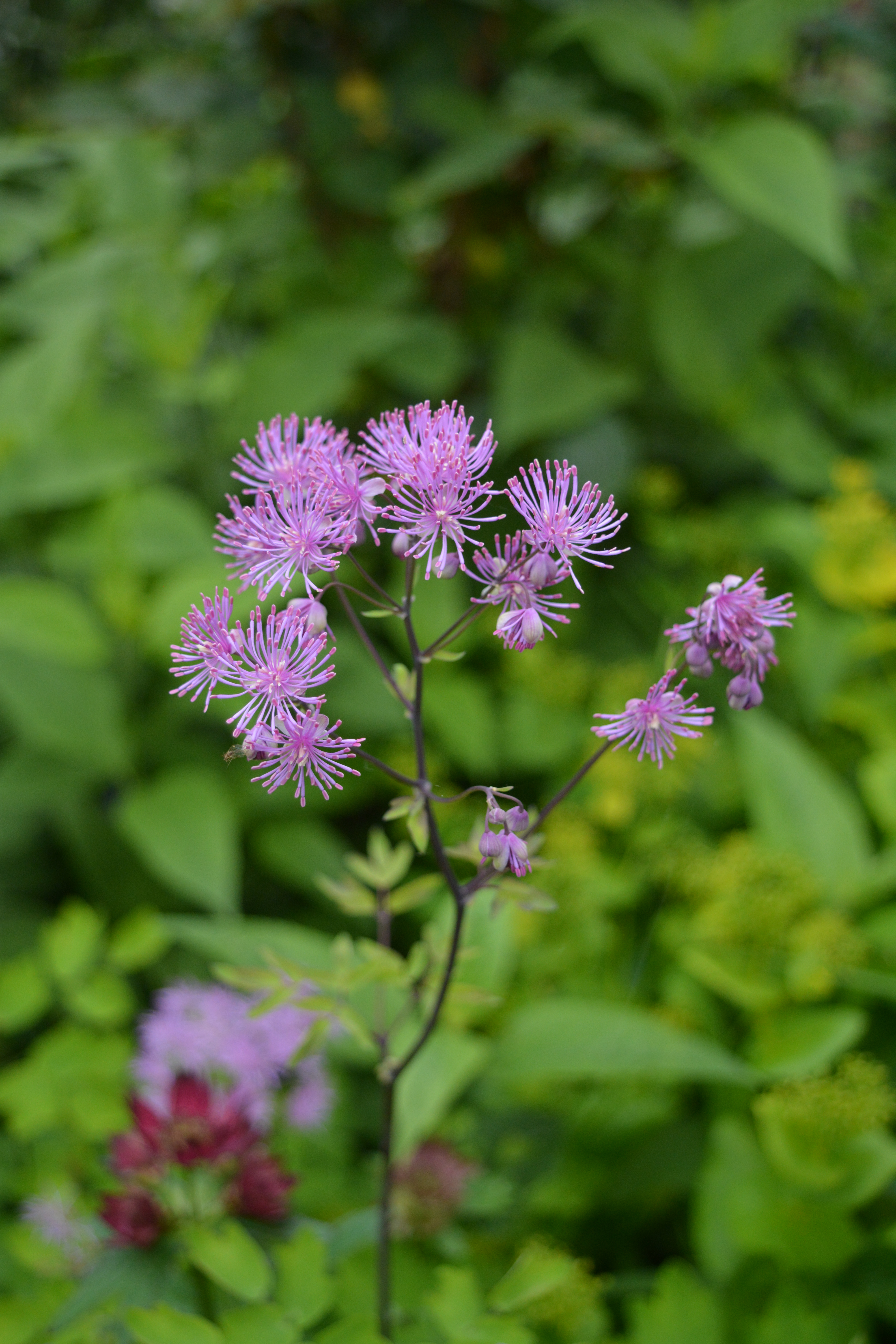
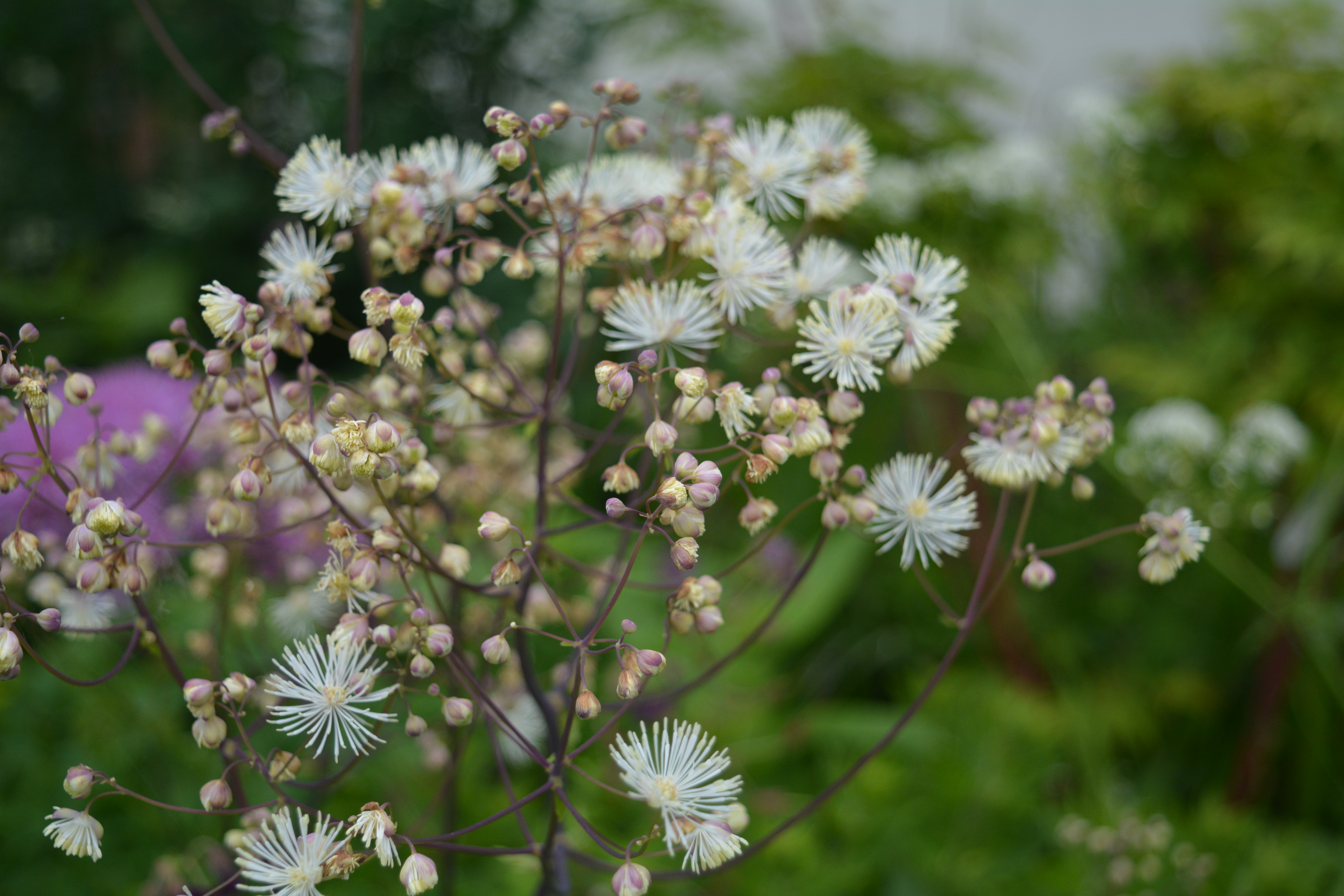
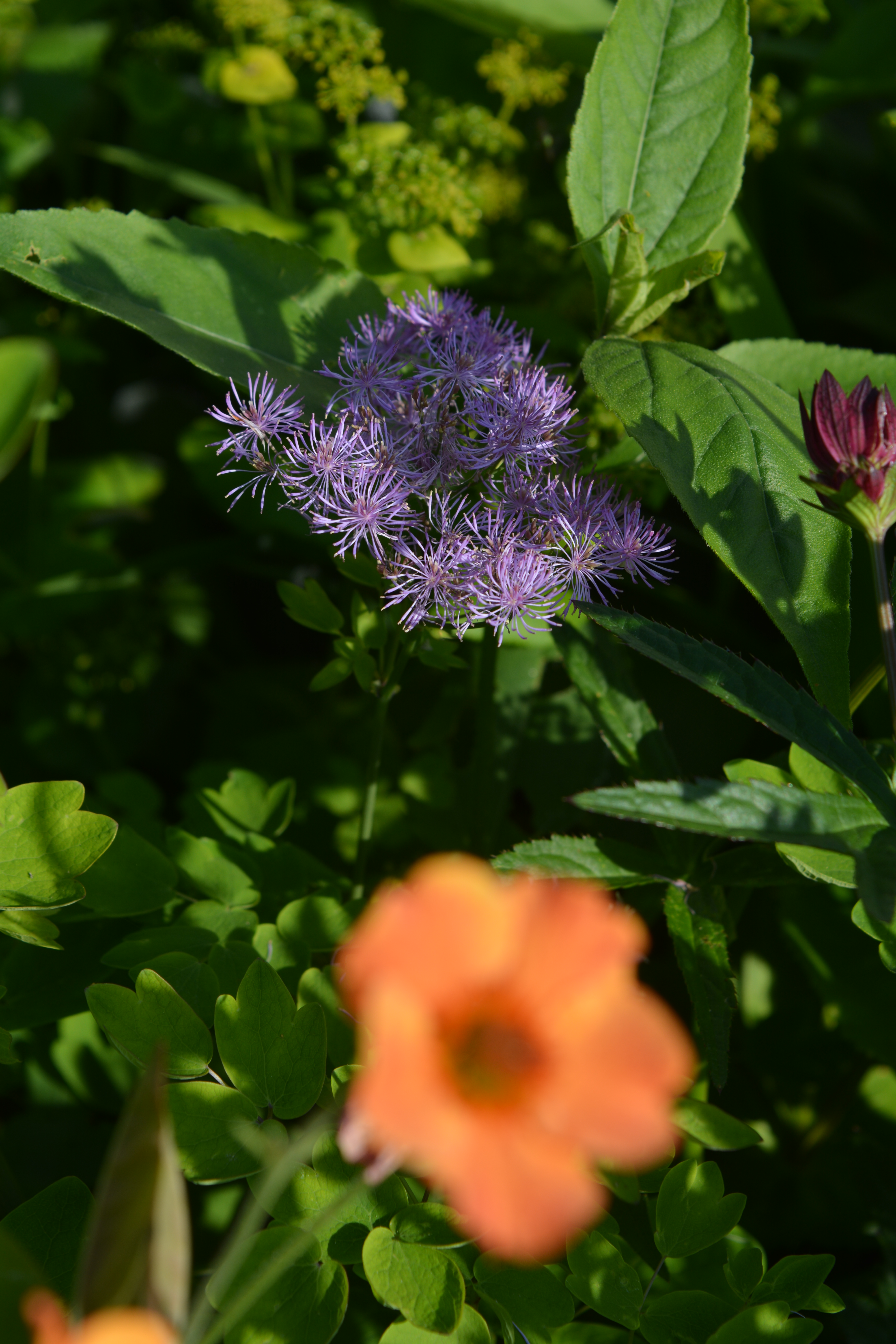
I wrote, “Thalictrum in all their guises are a real favourite of Jude, who has now brought together a good collection. The varieties include Thalictrum delavayi, T. Black Stocking, T. Elin, T. Rochebruneanum, T. Hewitt’s Double and T. flavum glaucum.”
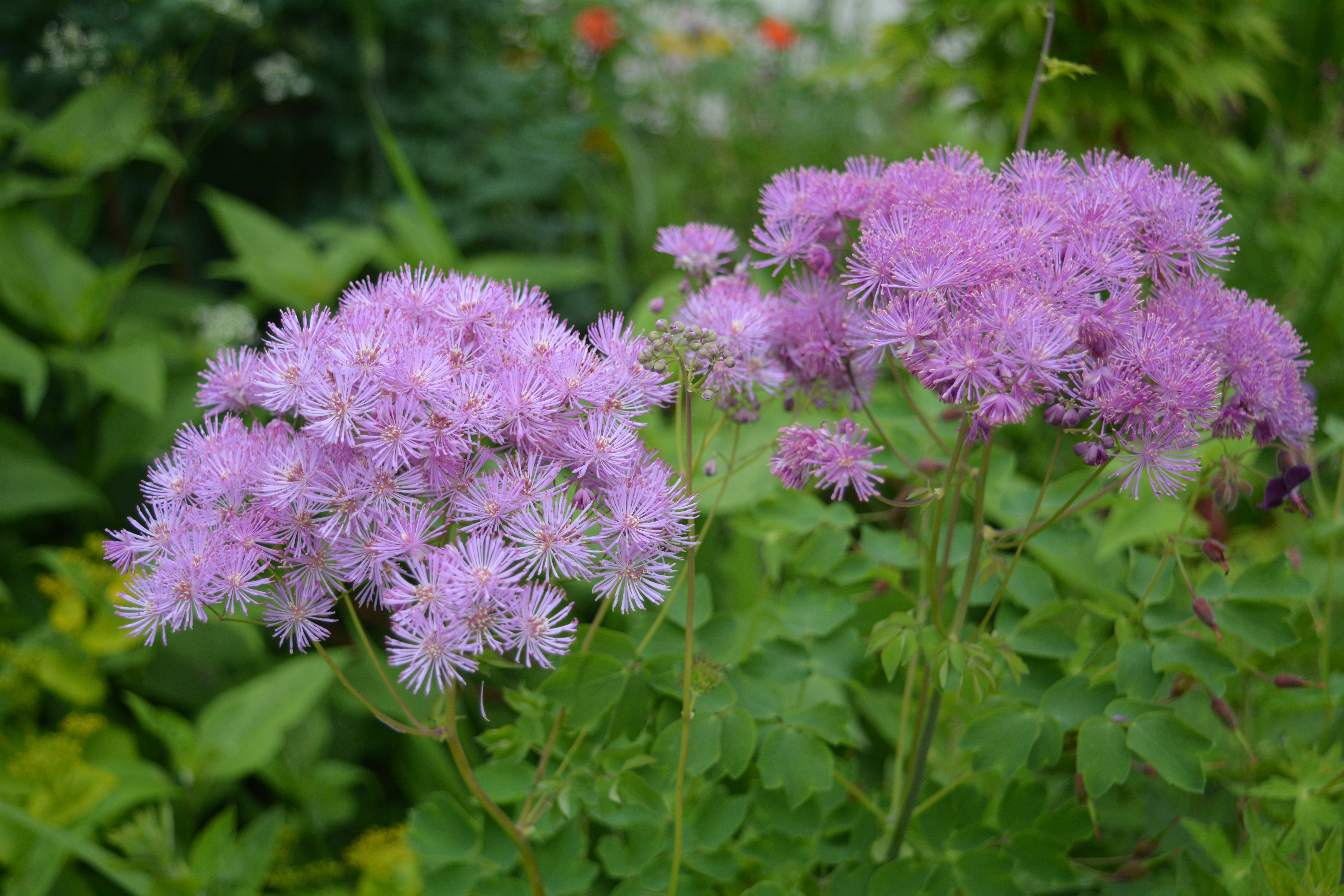
    

“This Thalictrum has grown so tall it passes the apex of our greenhouse!”
 

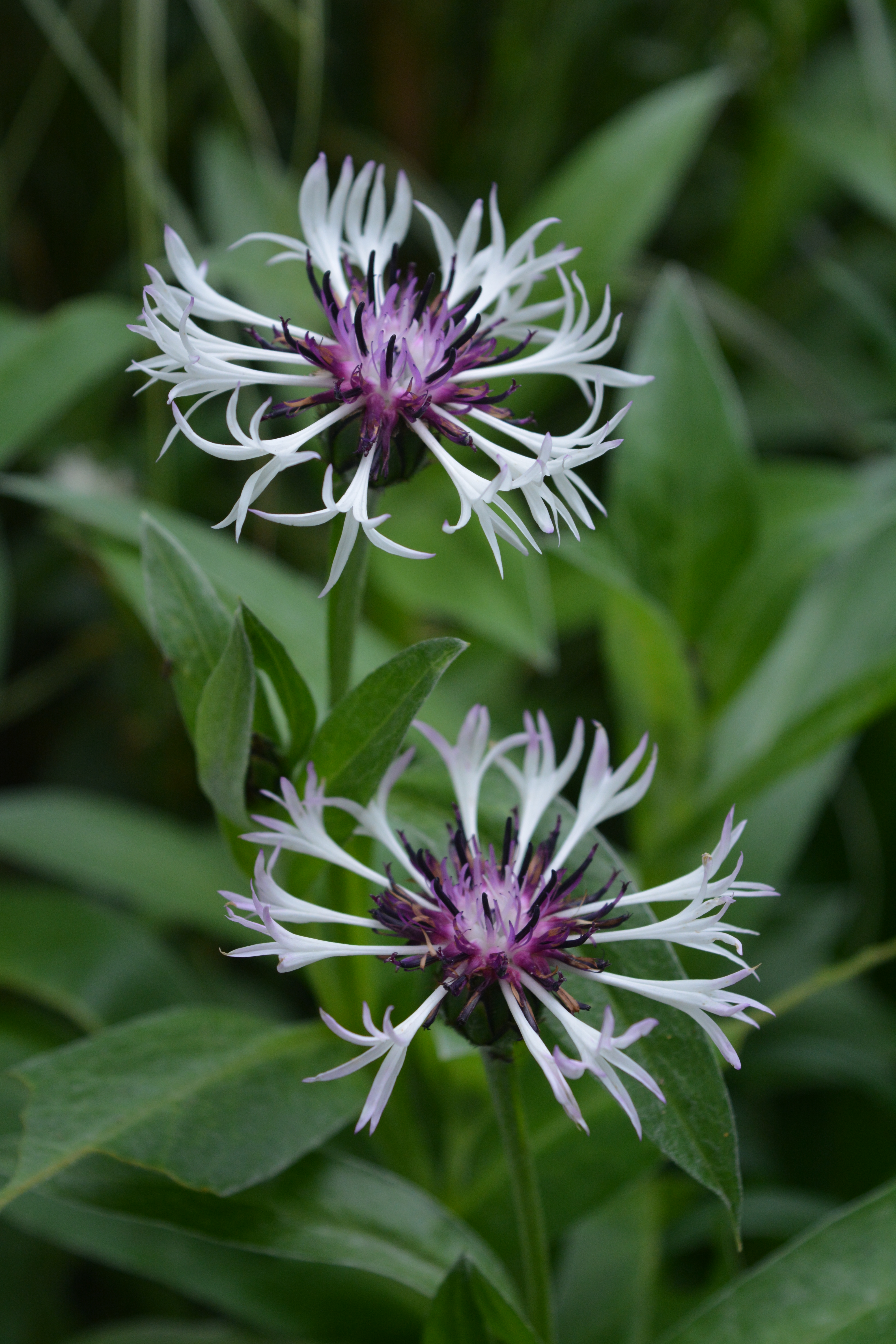
“Centaurea put on a fine display throughout June, but do tend to flop if we forget to give them support”
 

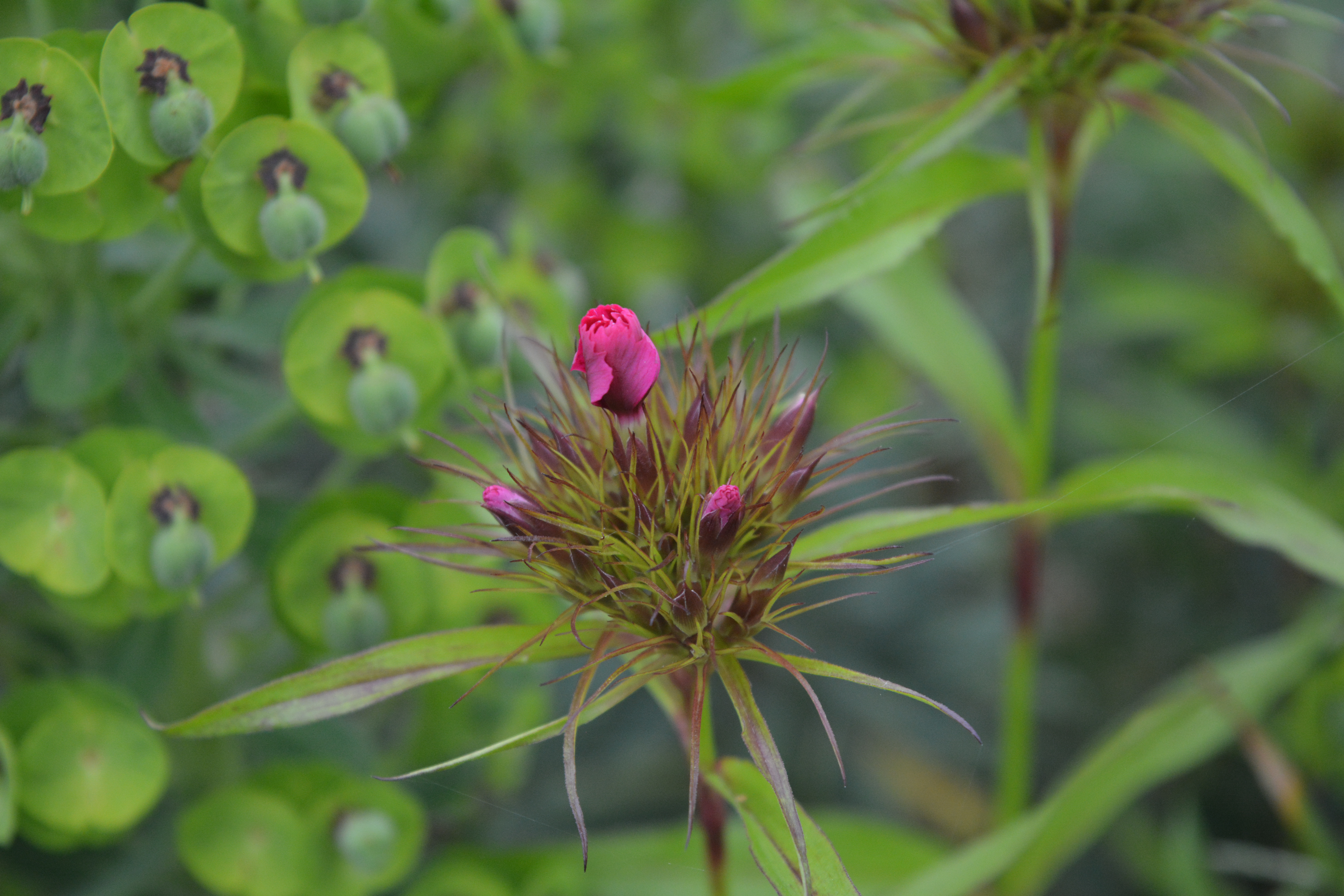
“This biennial Dianthus has been with us for a decade or so now, but still performs reliably and beautifully.”


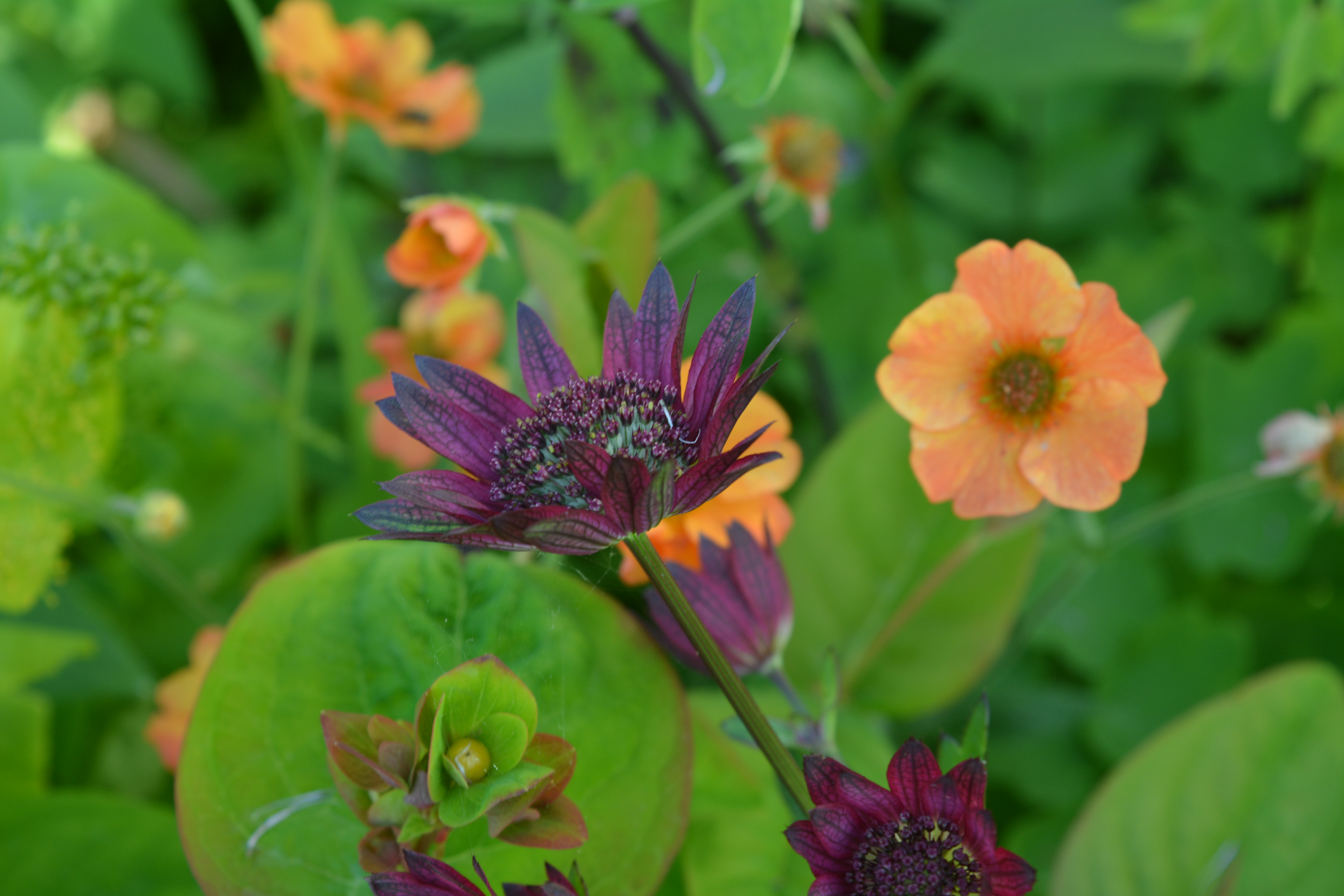
My next double page spread considers the colour orange in the garden and complimenting it with purple.
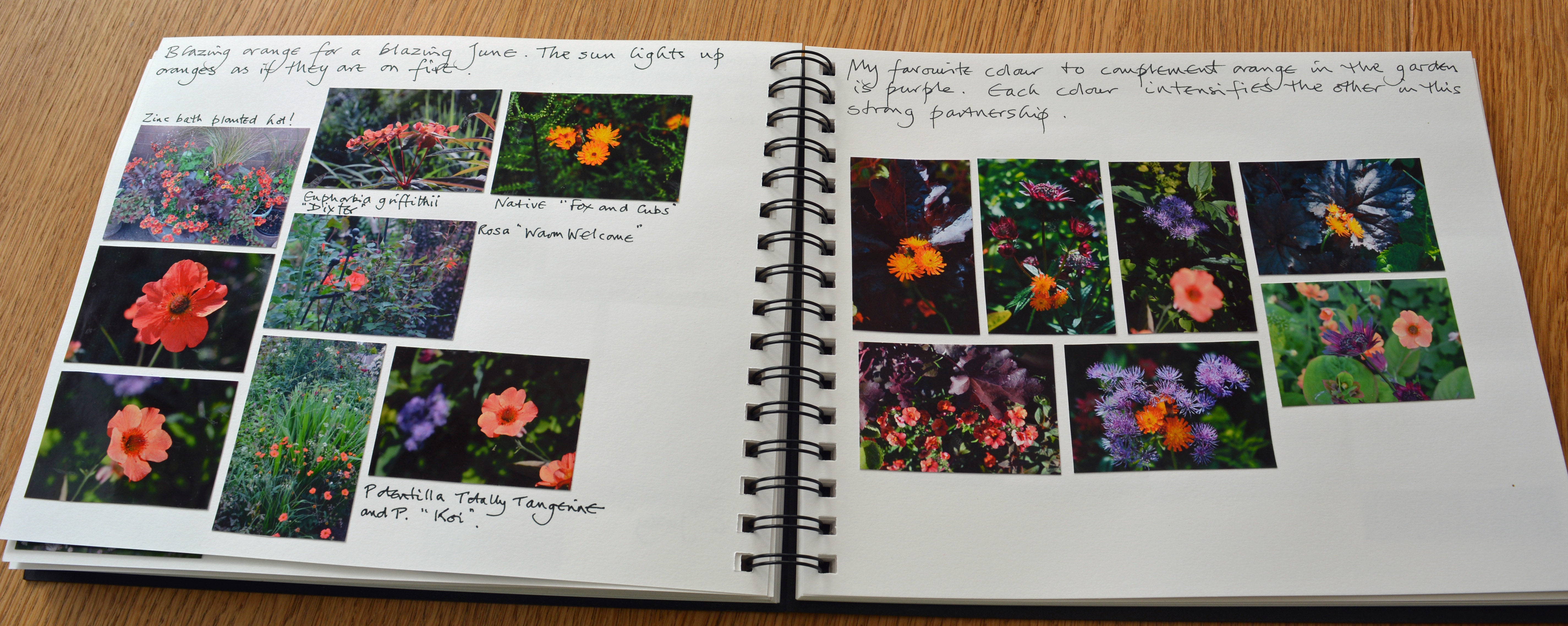
“Blazing orange for a blazing June. The sun lights up oranges as if they are on fire!”

“The zinc bath planted hot!”
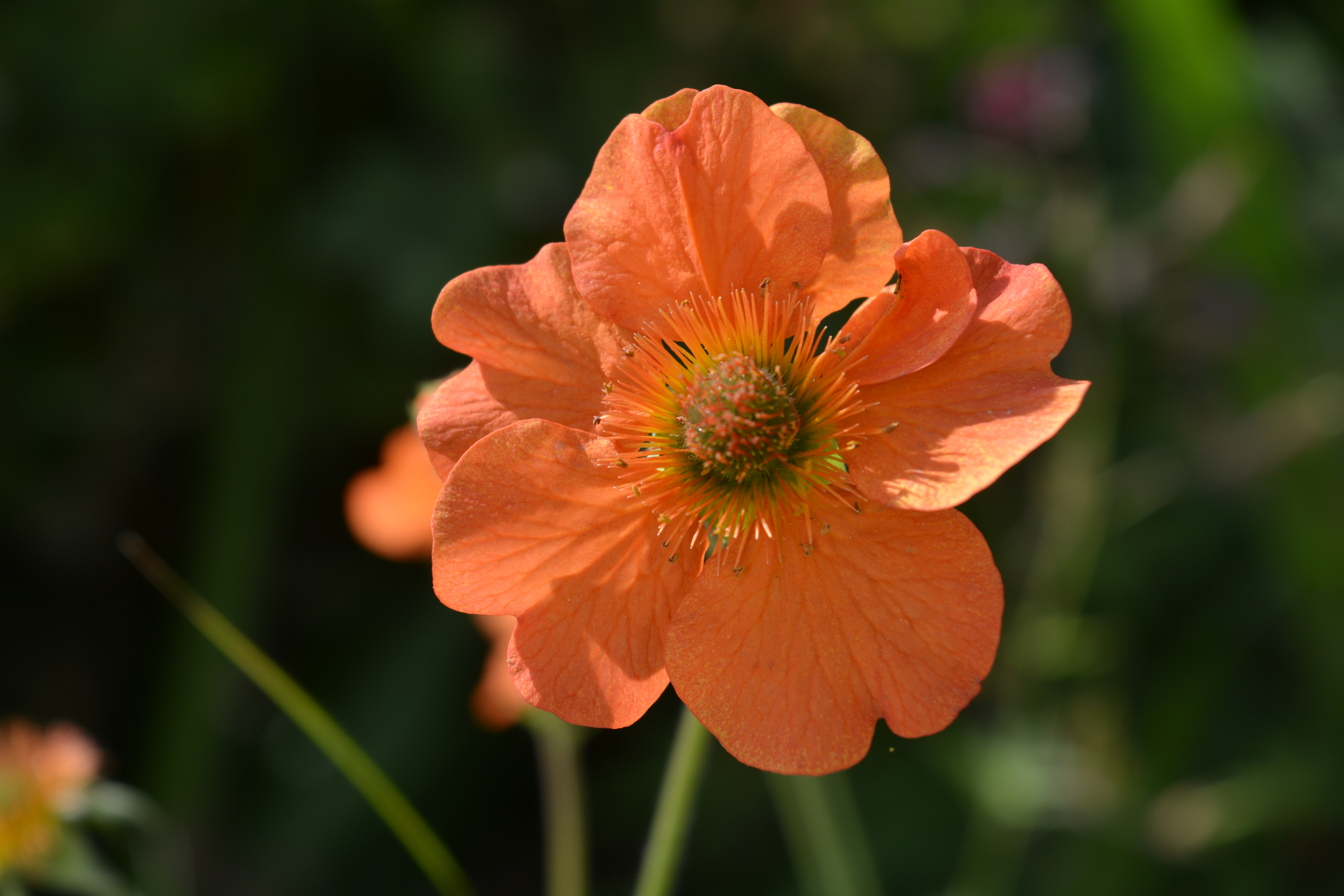
  

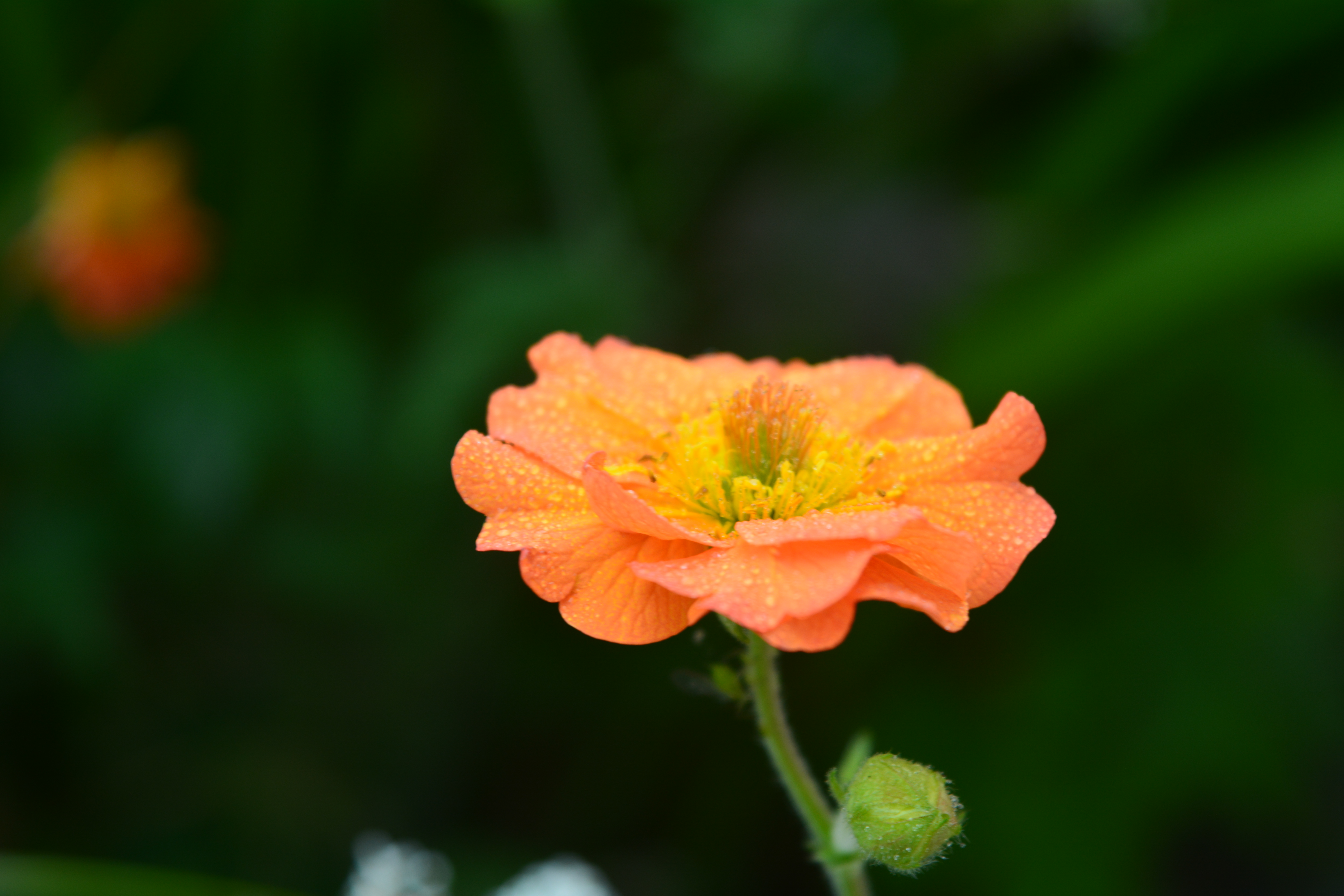
“Geum Totally Tangerine and G. Koi


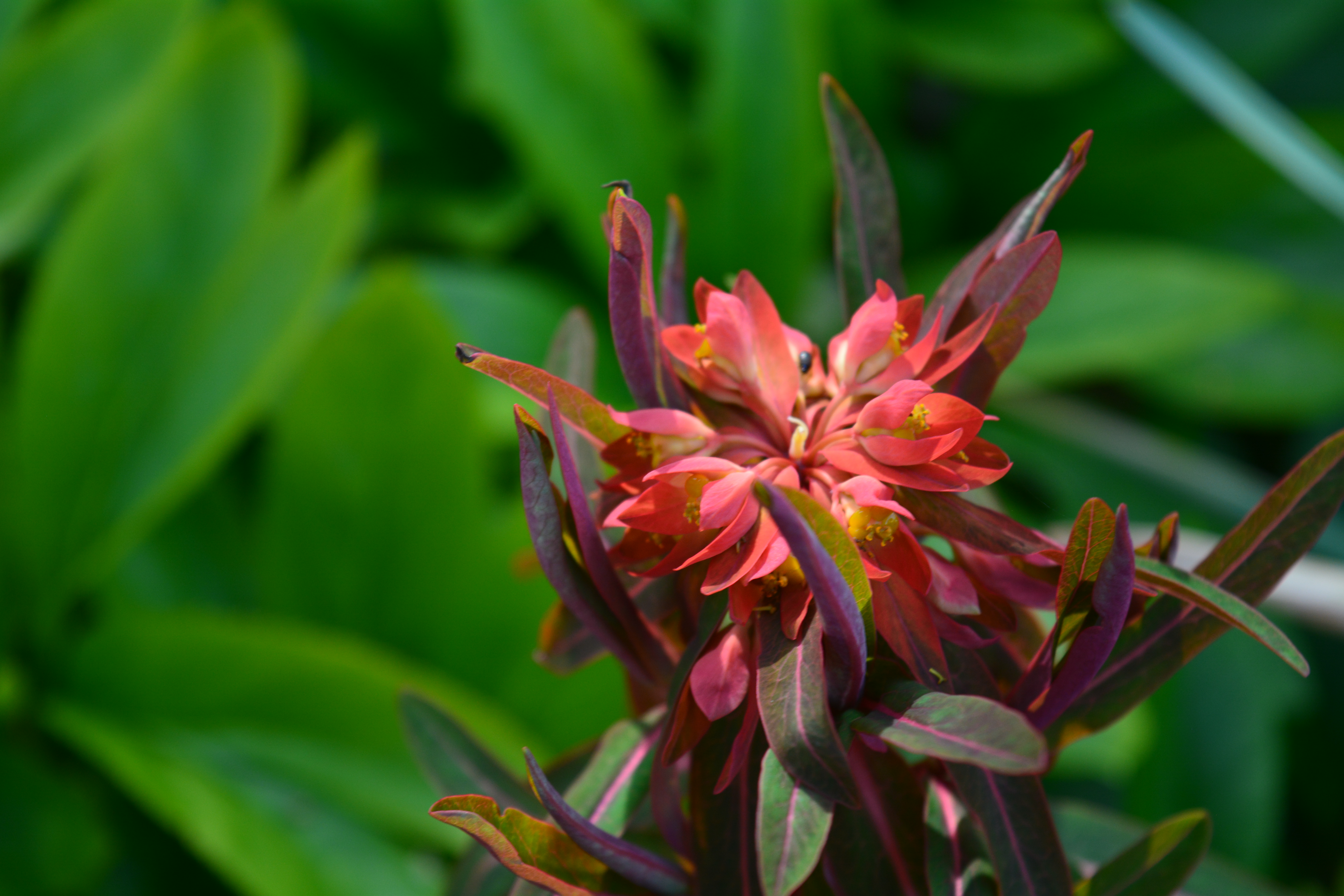
“Euphorbia griffithii “Dixter”
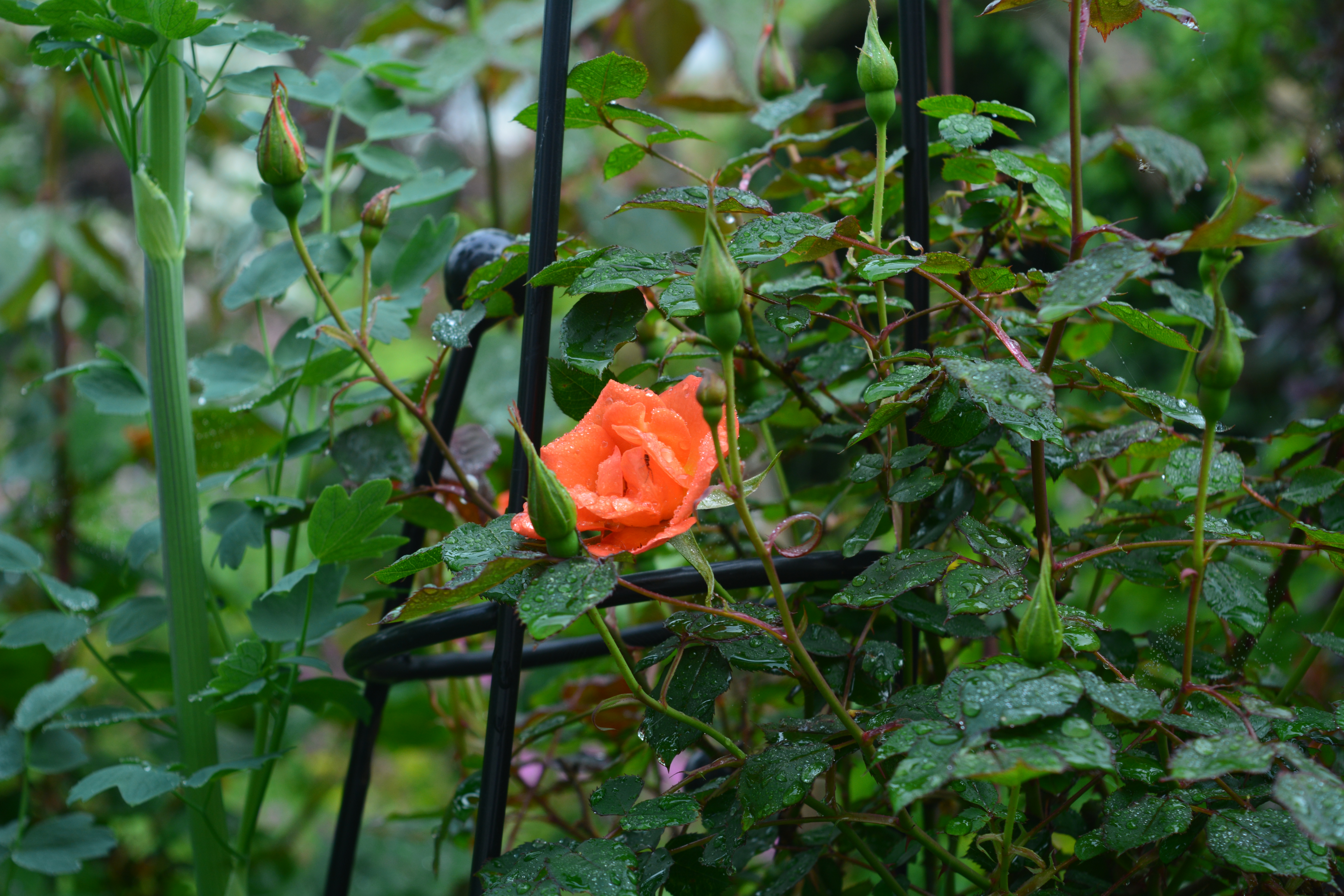
 

“Rosa Warm Welcome”

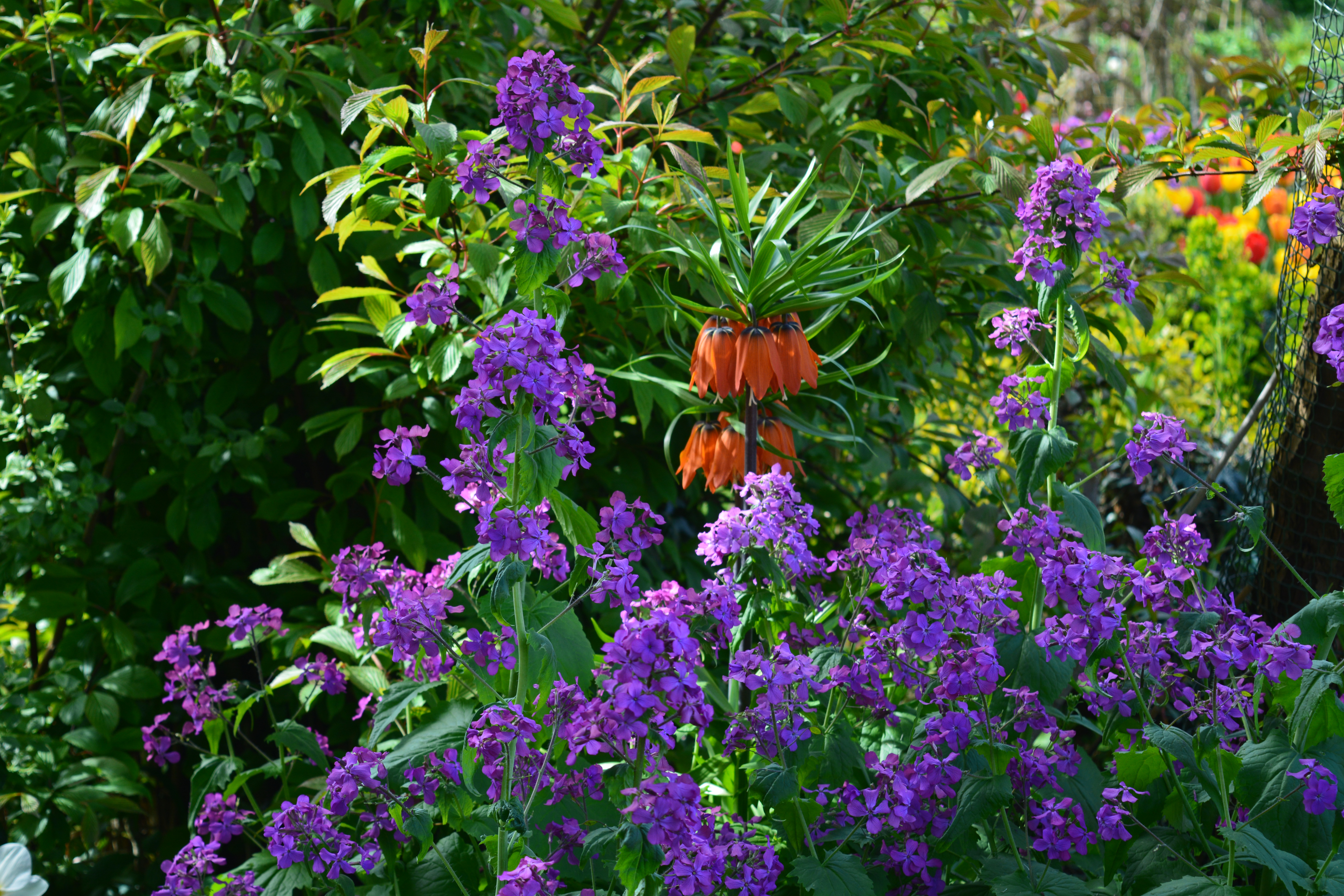
“My favourite colour to compliment orange in the garden is purple. Each colour intensifies the other in this strong partnership.”
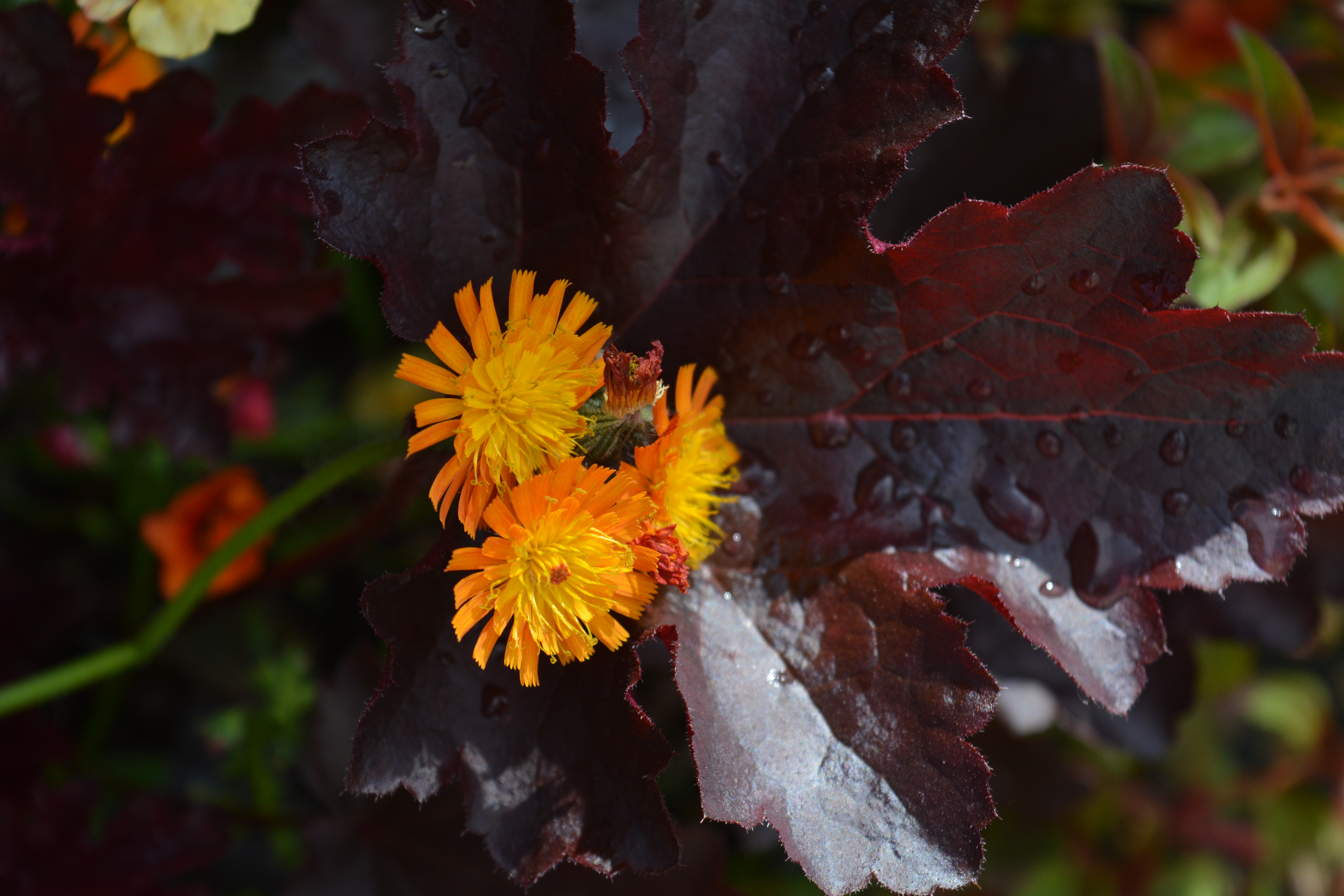
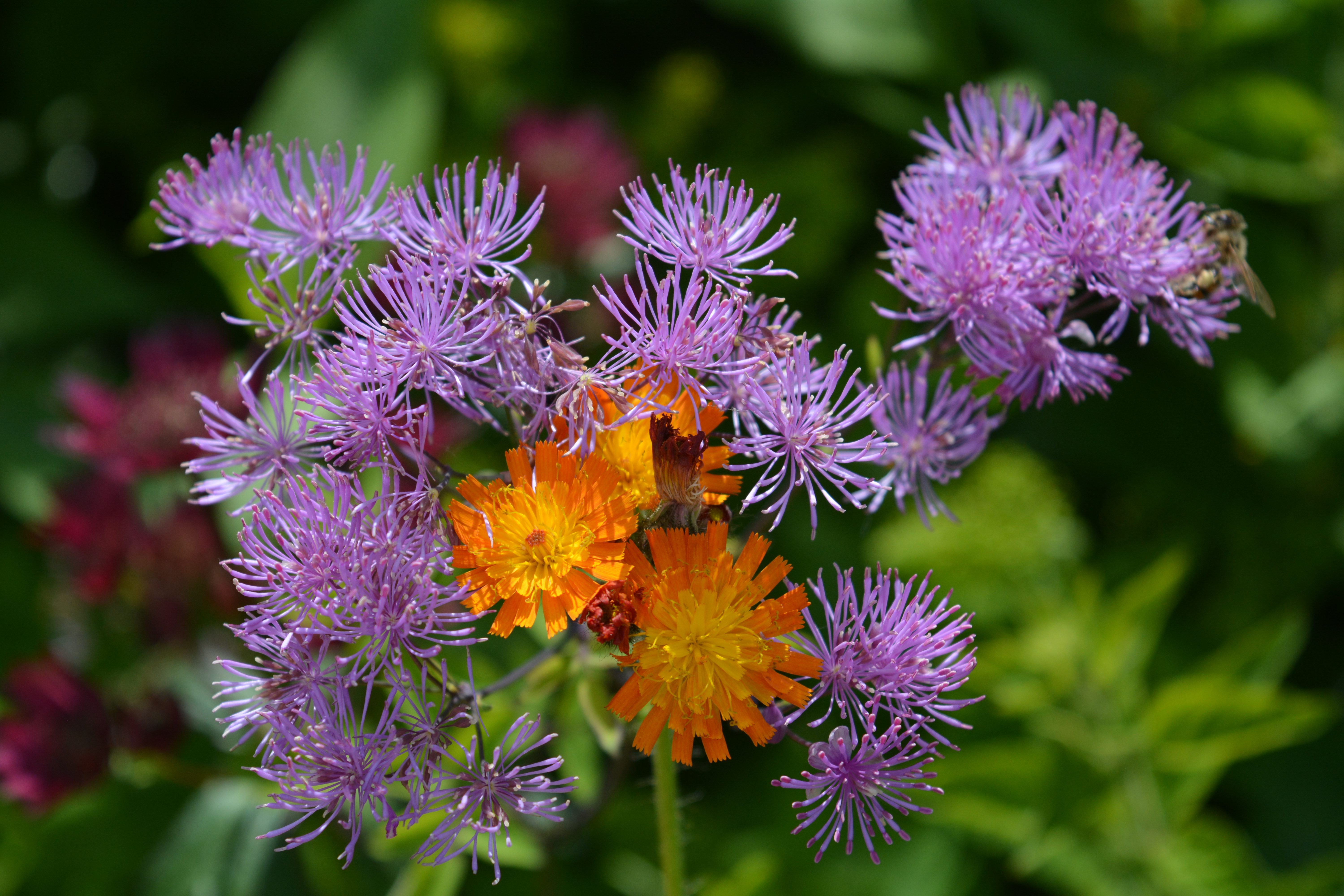
     

To finish off my June entries I shared some of our cameos and combinations to be found in our garden during the month, and on the opposite page I had a quick look at “pin cushion” plants.
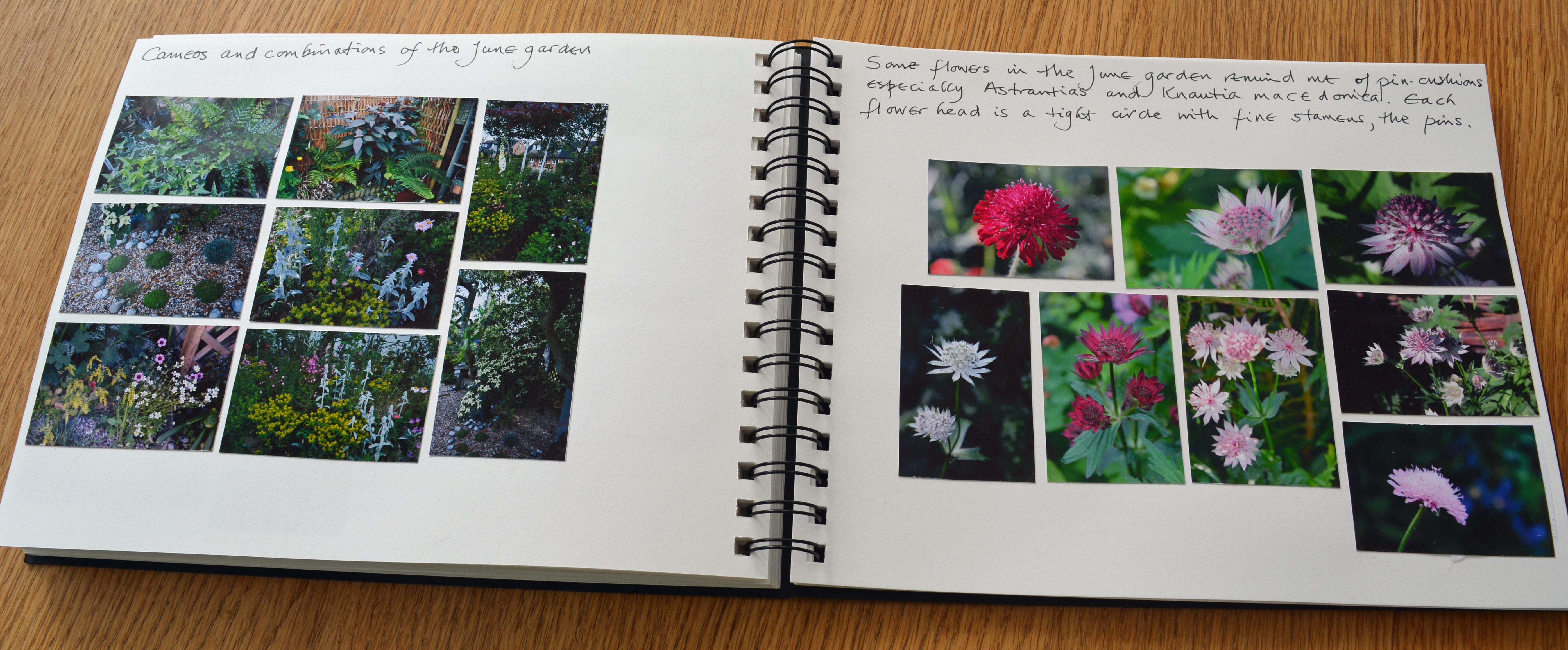
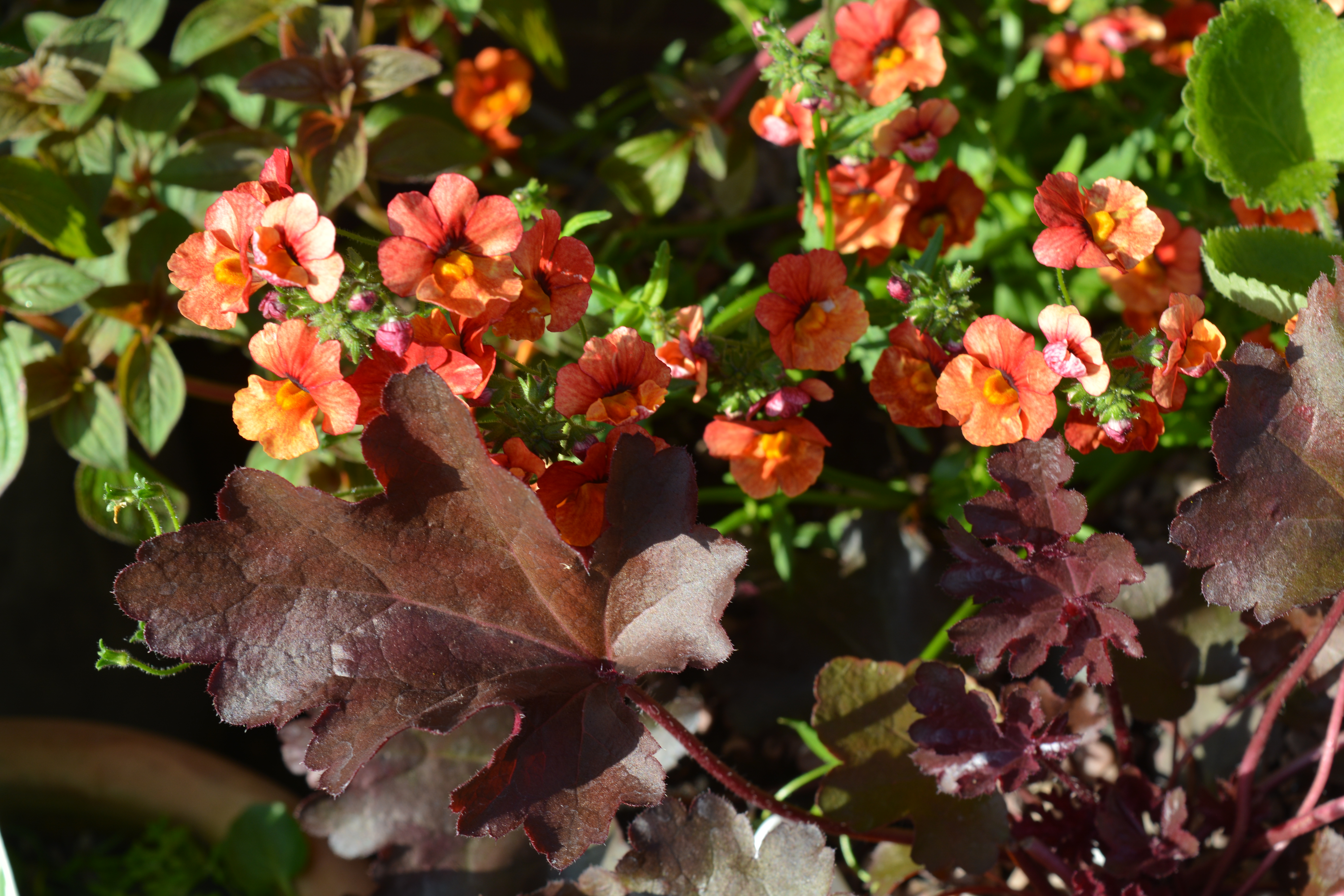
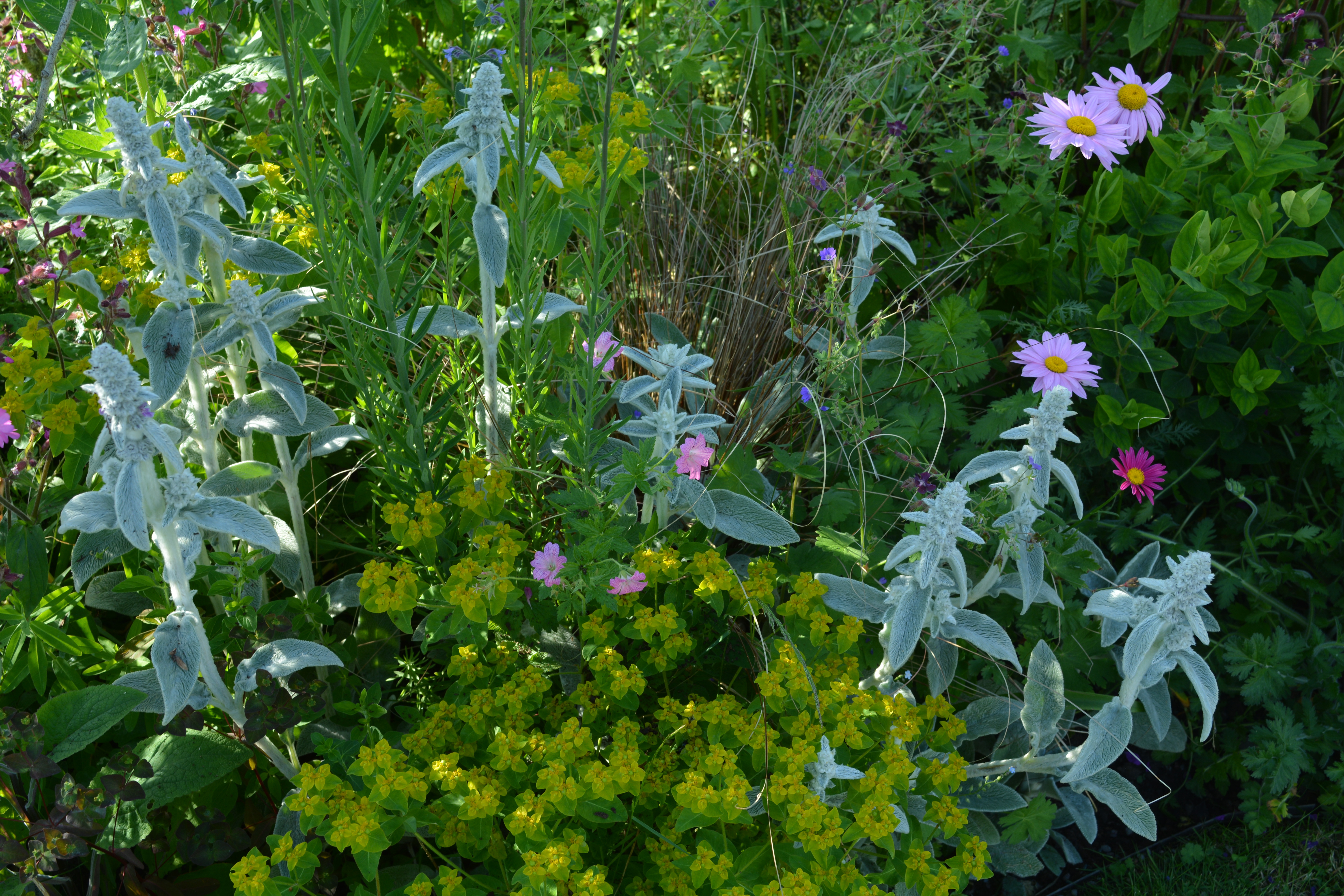
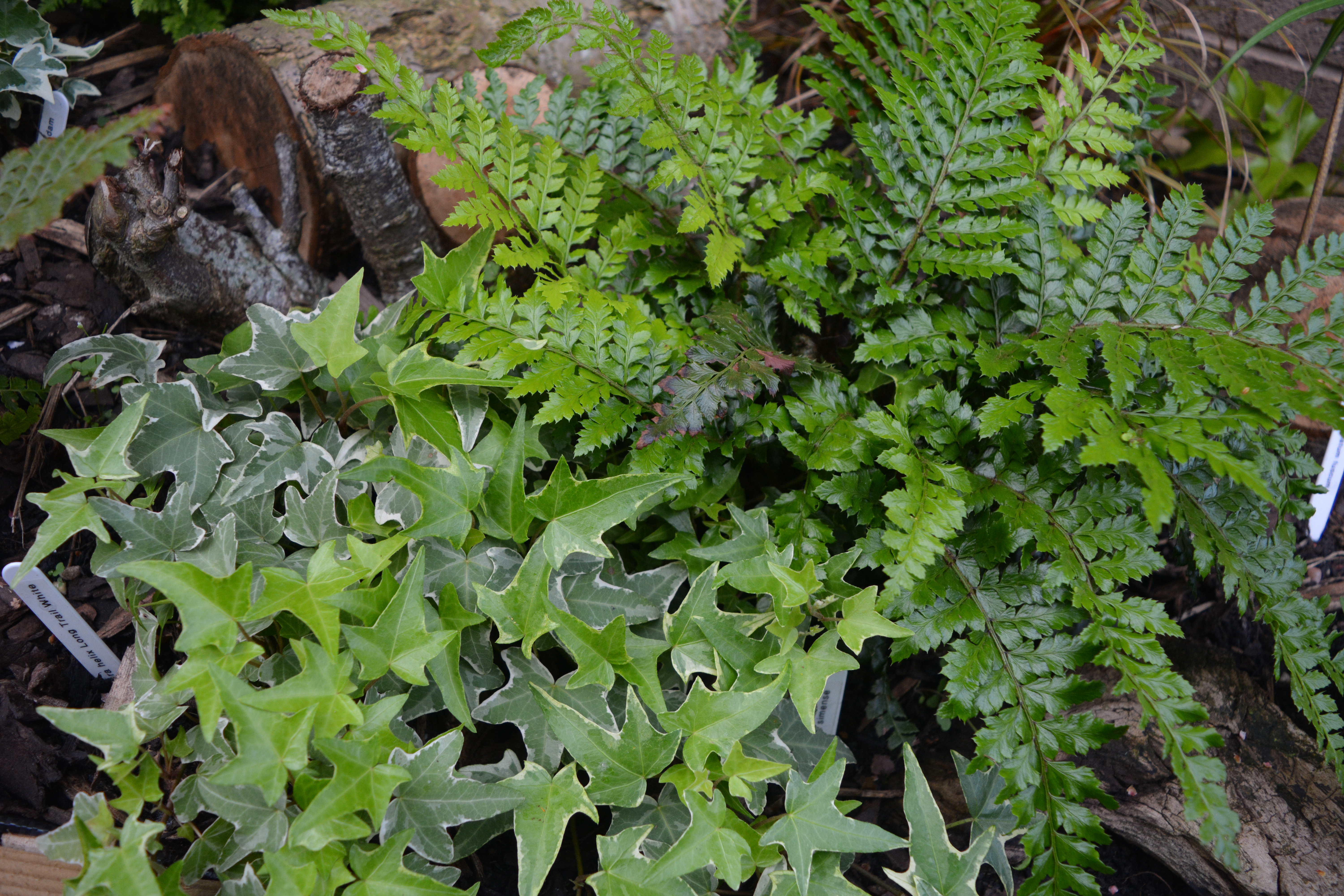
First here are my photos of “Cameos and combinations of the June garden.”
   

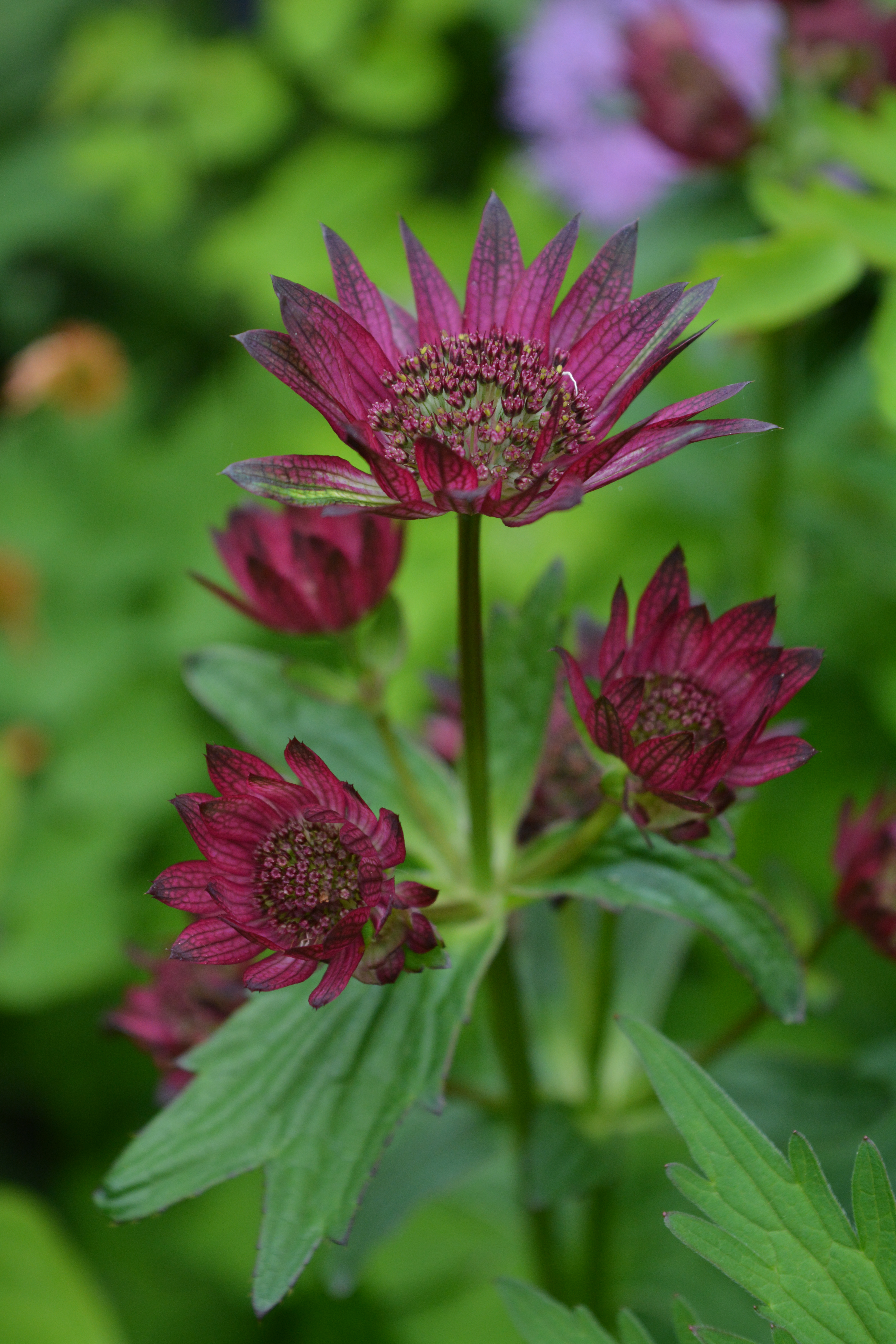
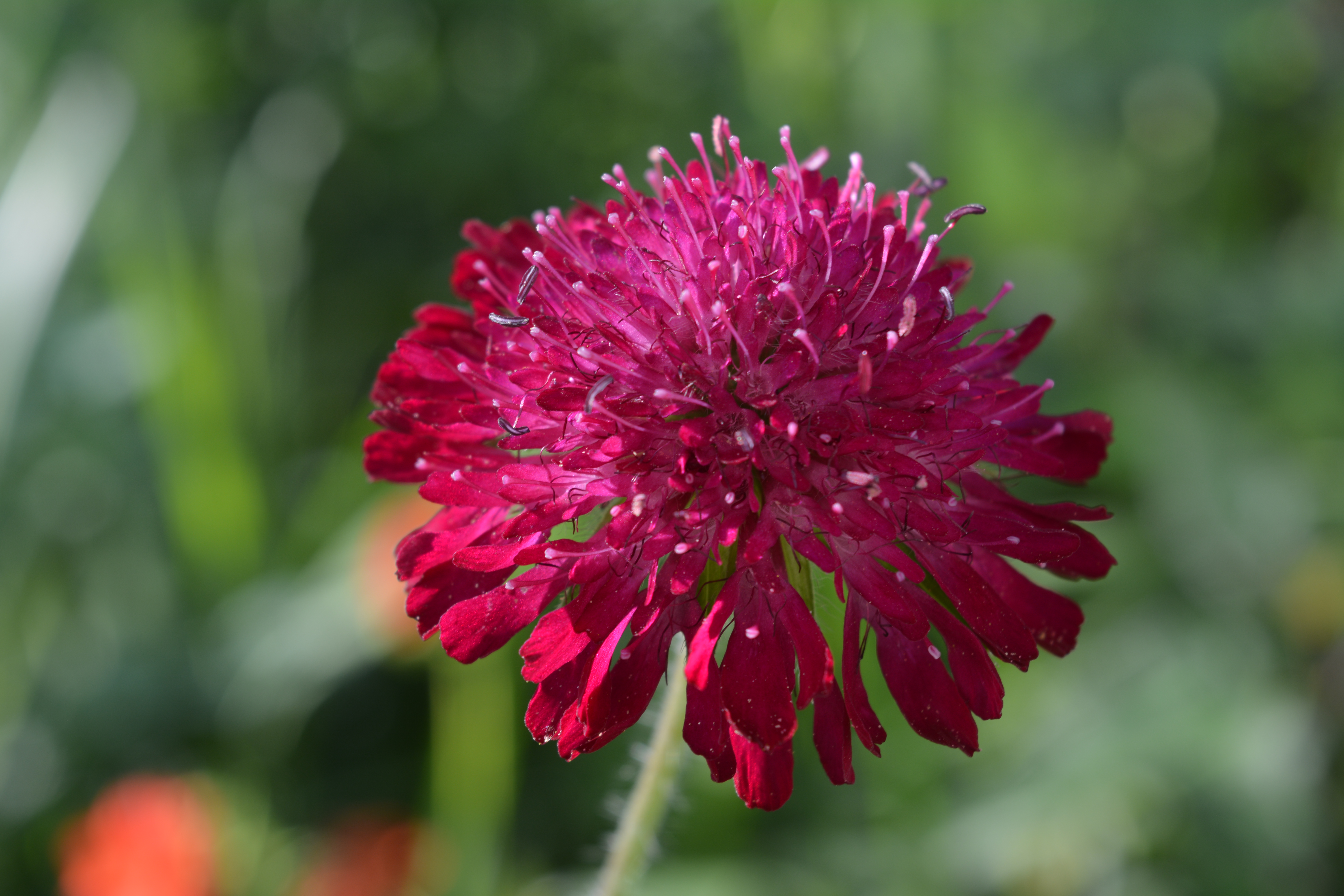
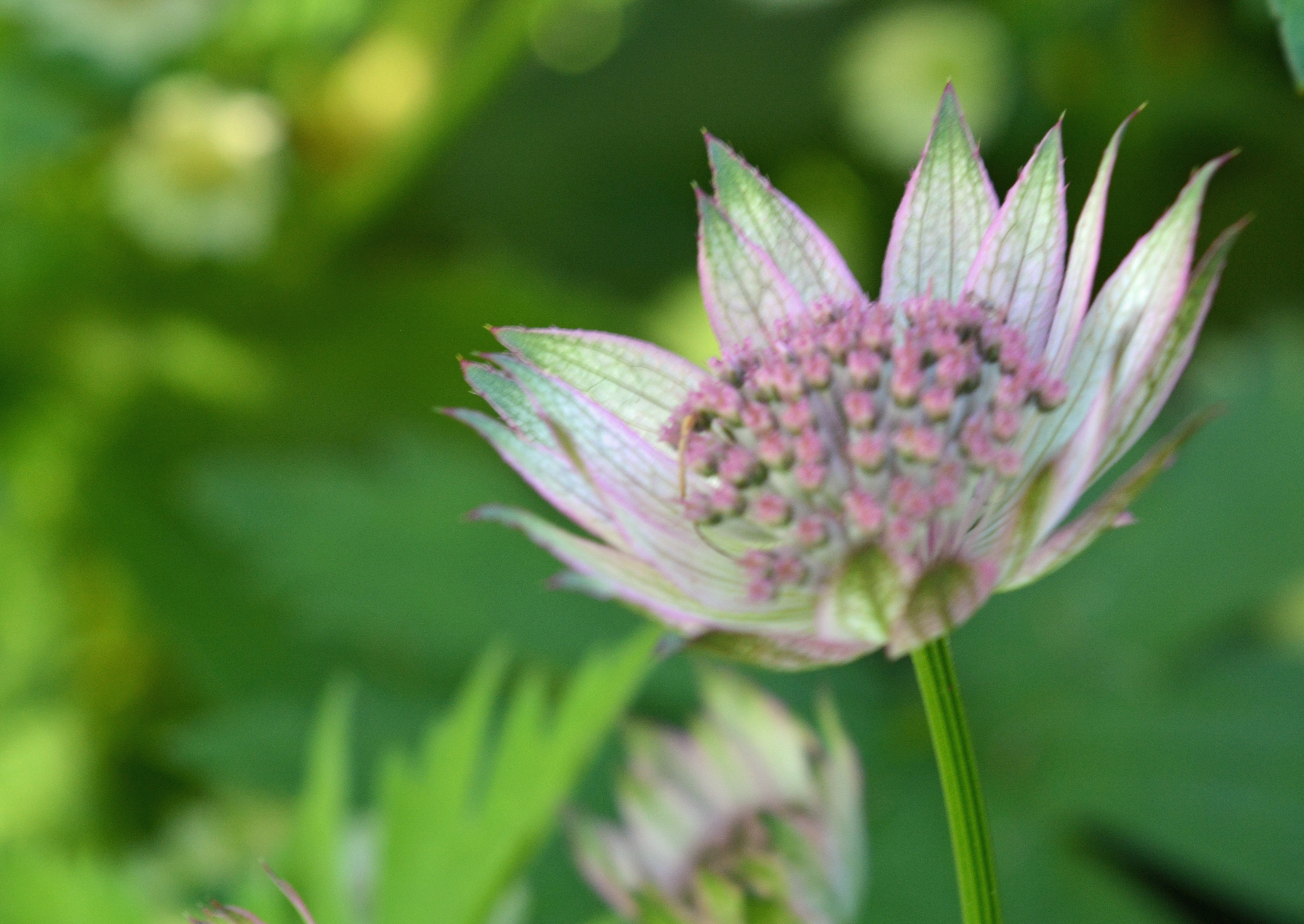
“Some flowers in the June garden remind me of pin-cushions especially Astrantias and Knautia macedonica. Each flowerhead is a tight circle with fine stamens, the pins.”
     

June this year ended with a fortnight of high temperatures and beautiful blue skies, two weeks of the beginning of a heat wave. Next time we return for a look at my 2018 Garden Journal we will be into the second half of the year. Things may have changed a lot in the garden by then. Perhaps we might even get a splash or two of rain!
 

Categories
colours light light quality trees wildlife woodland woodlands

Anglesey Woodland in mid-May

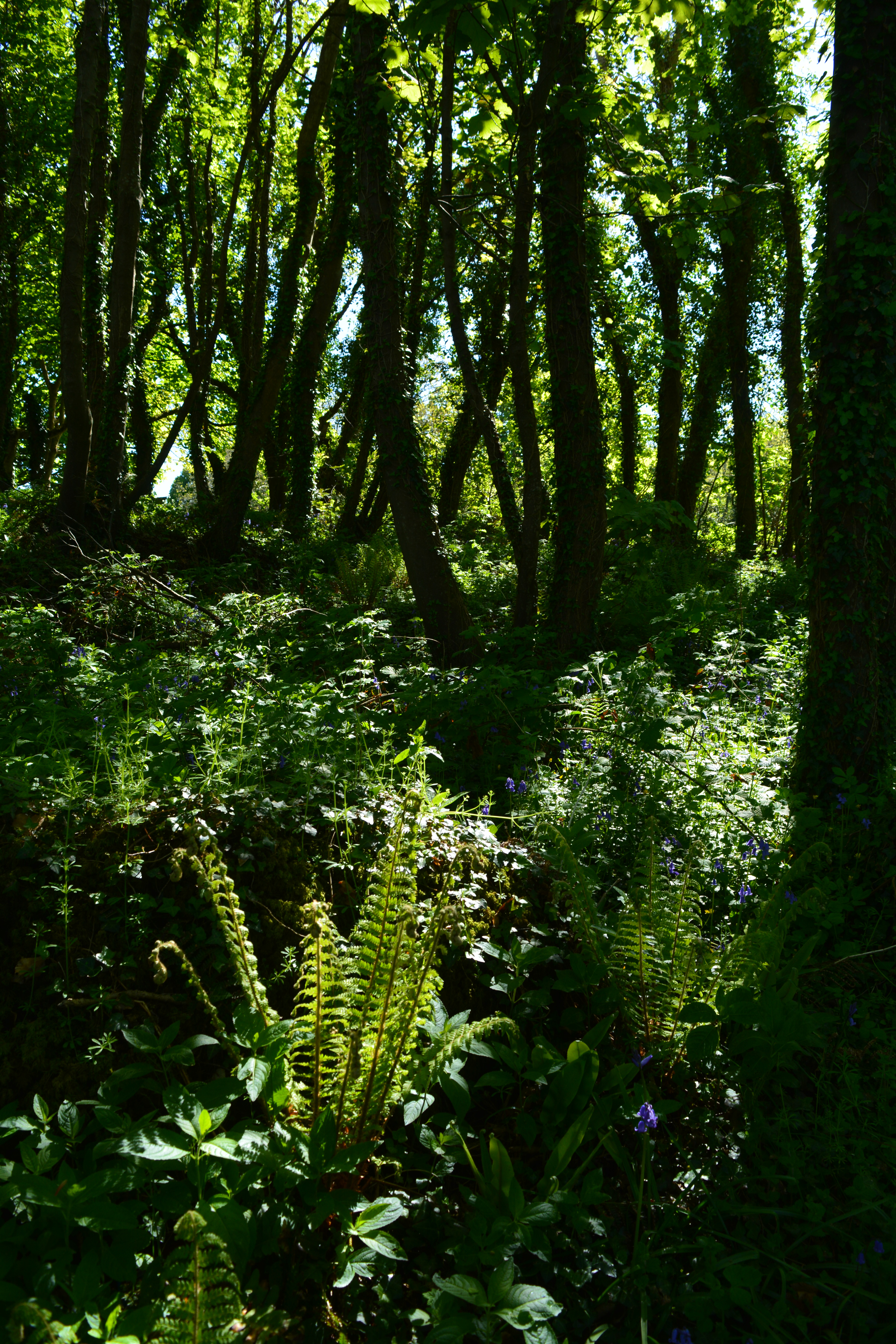
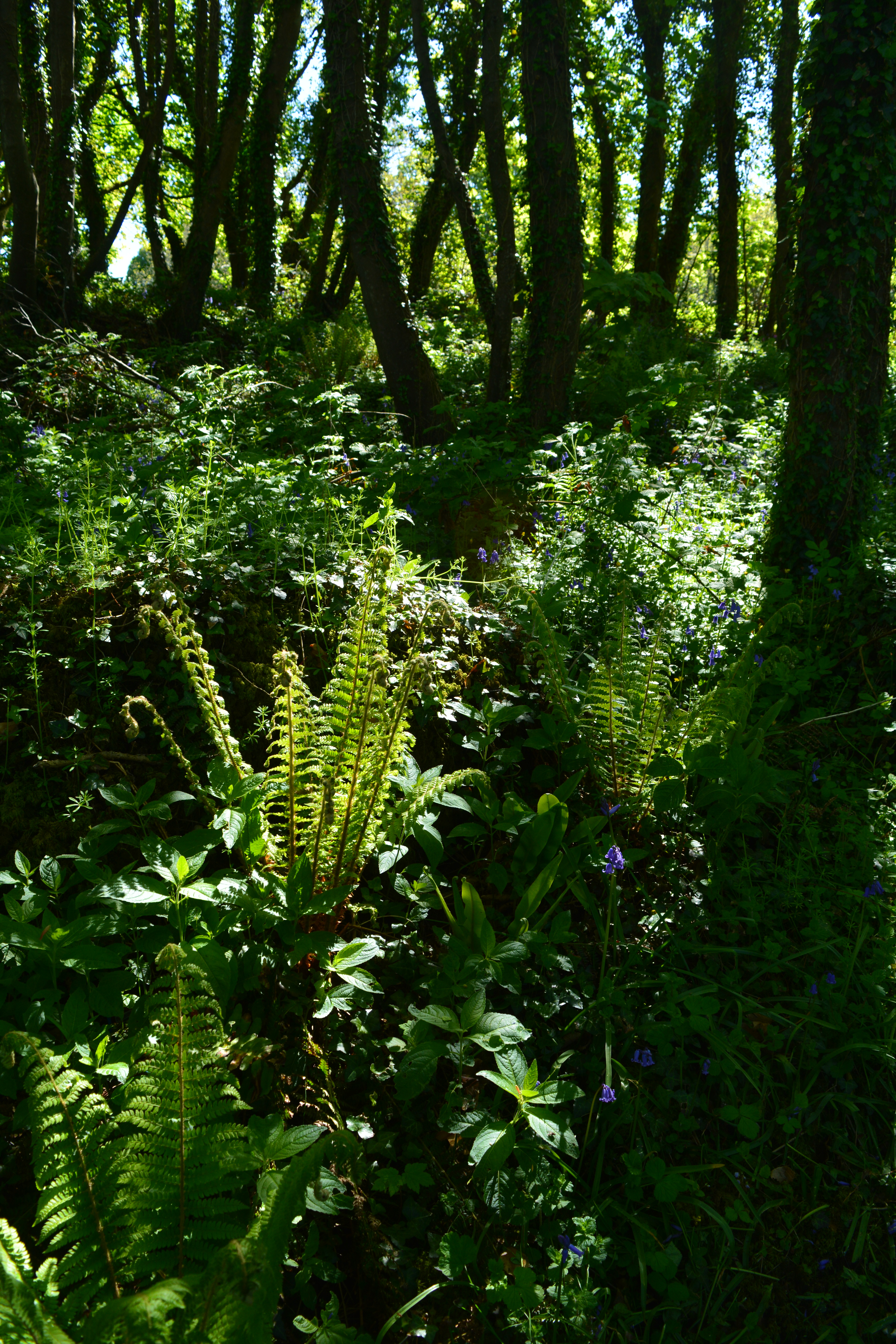
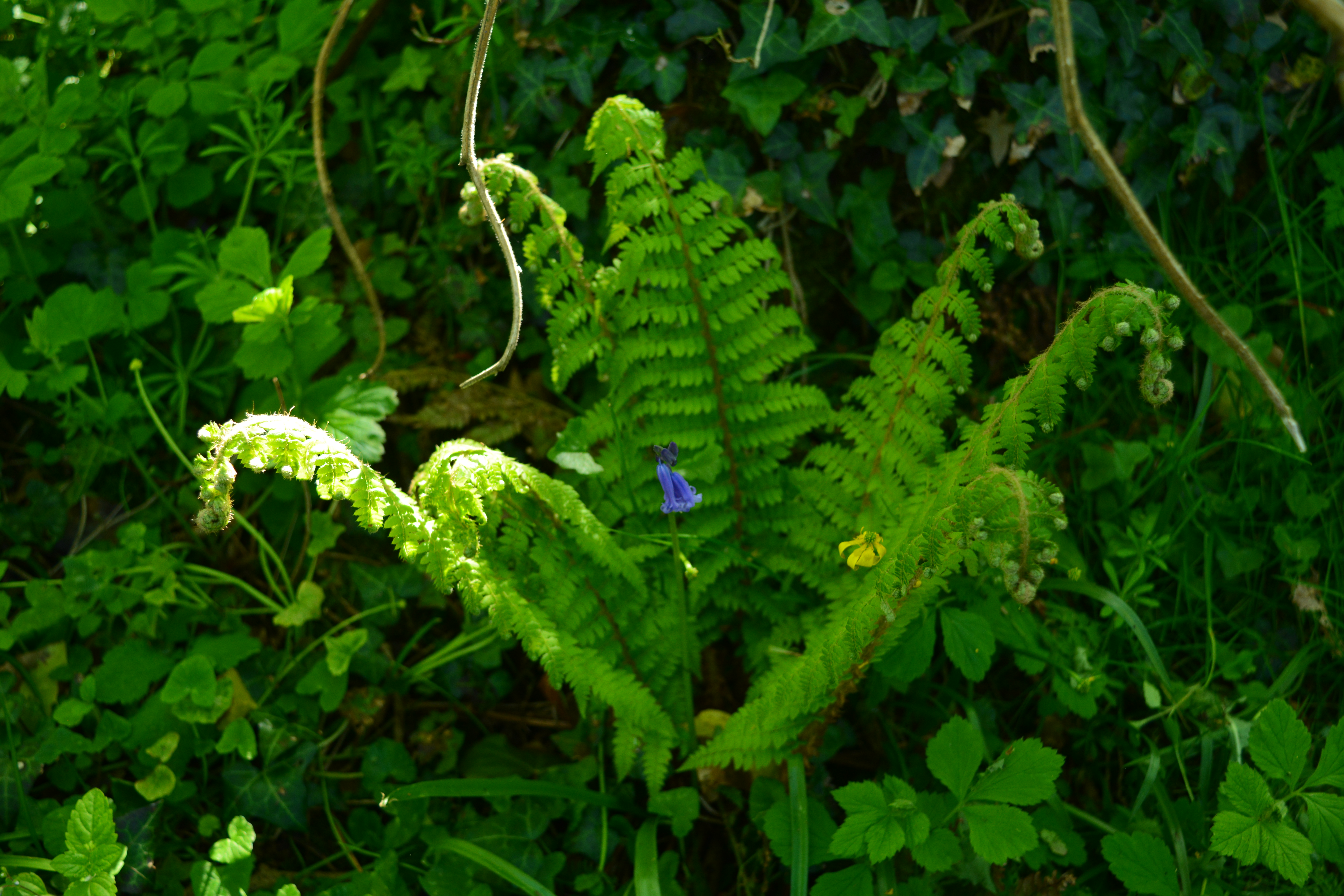
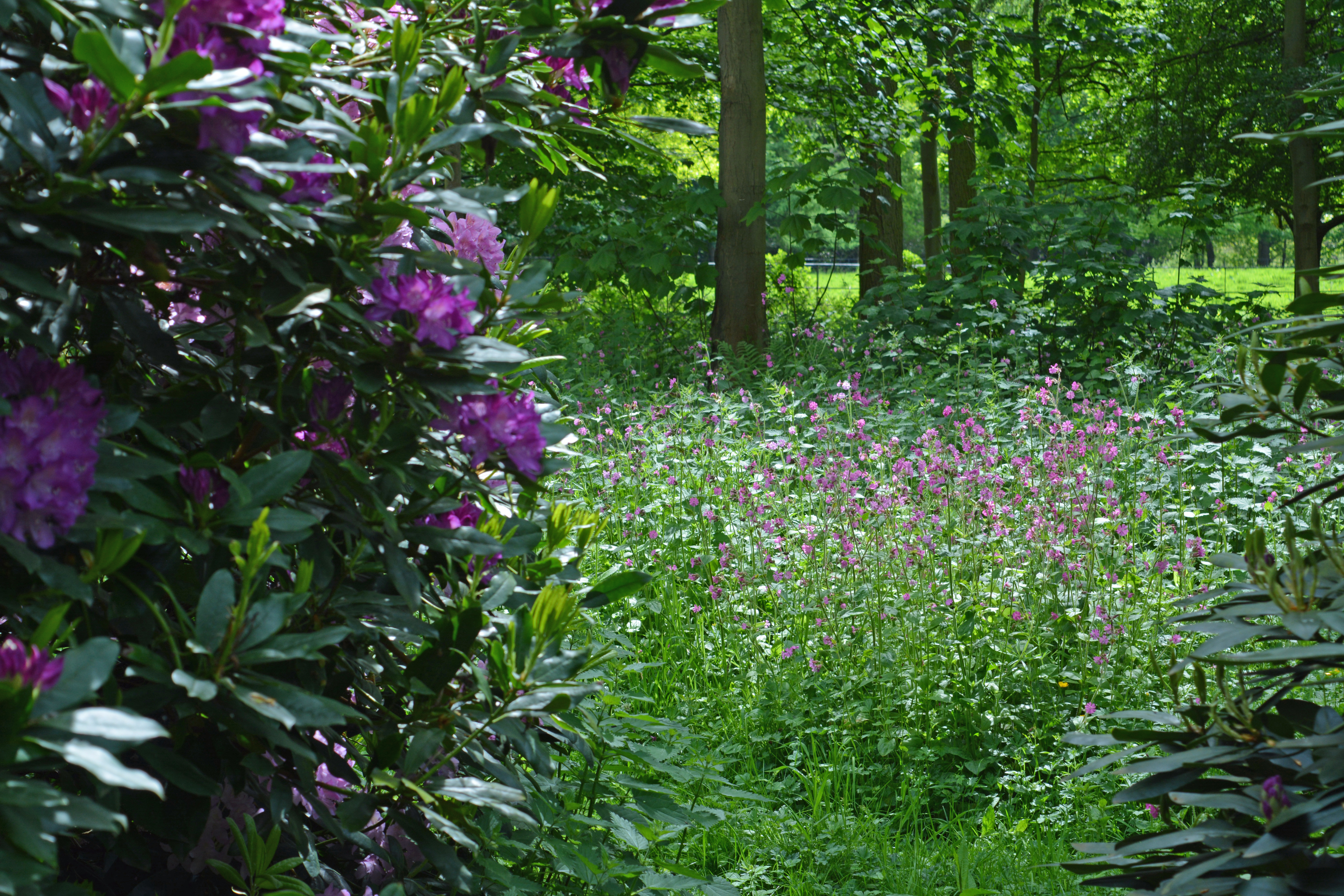
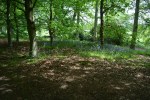
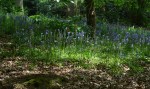
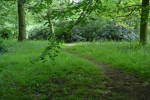
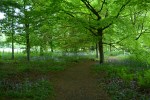
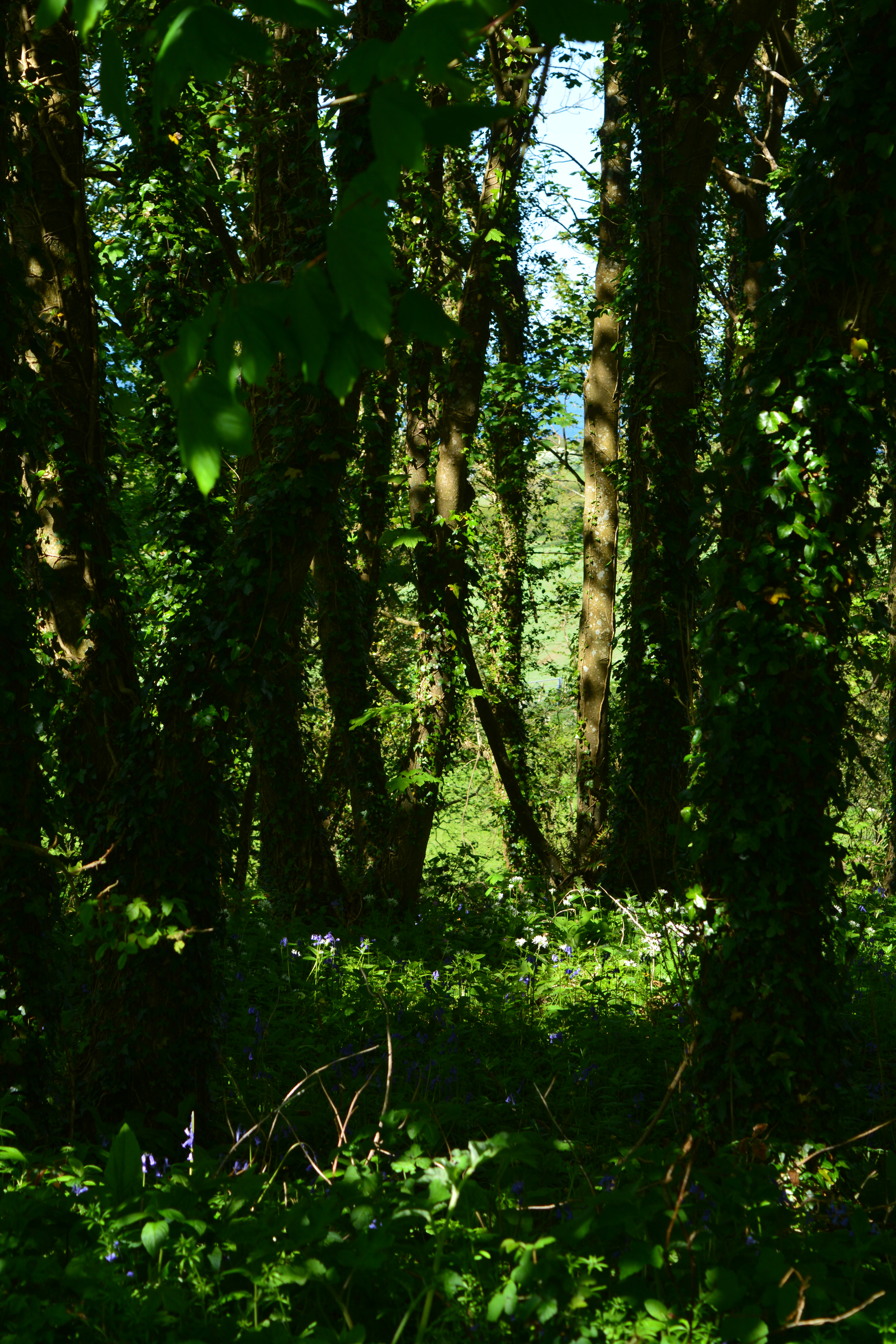
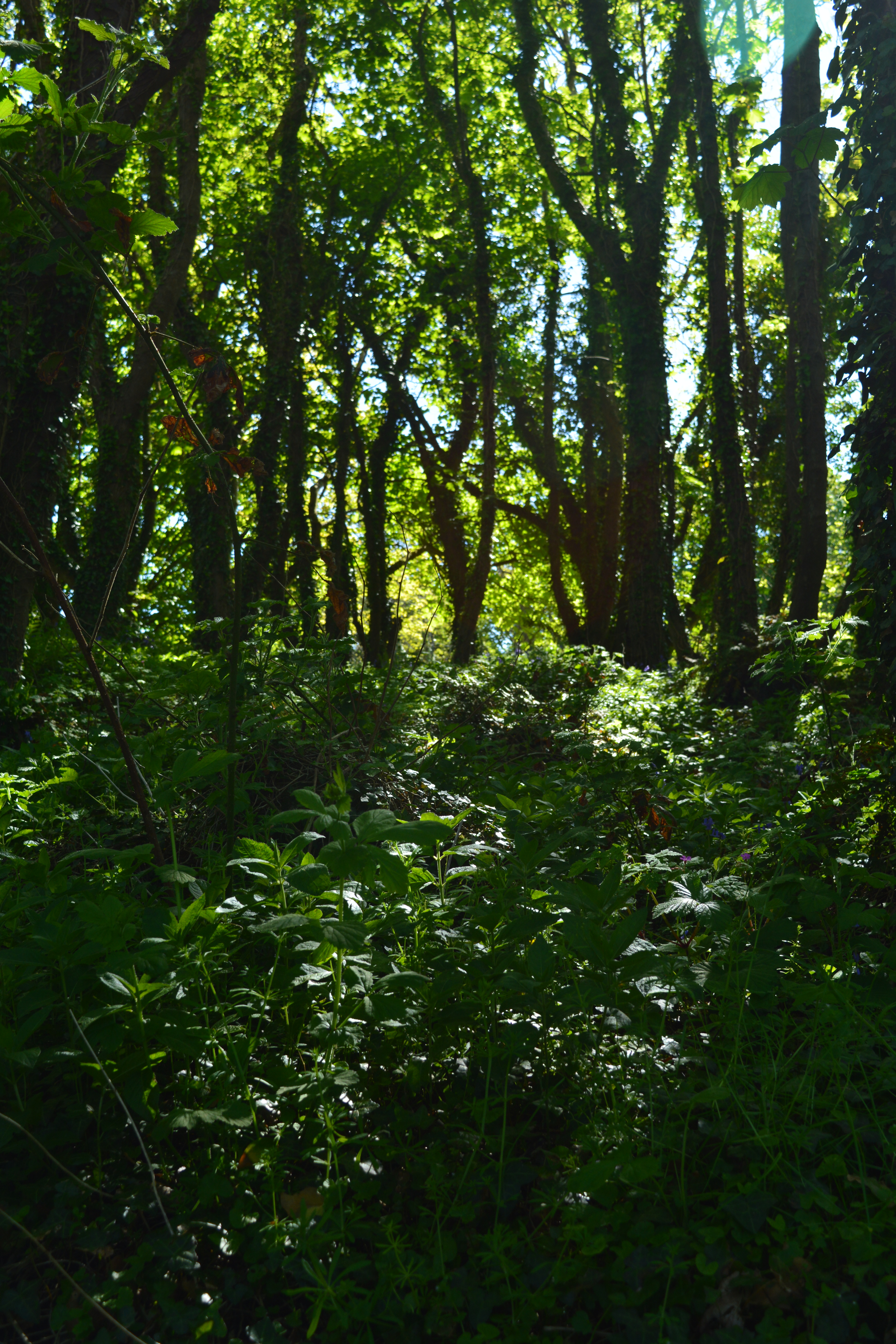
During our family holiday on Anglesey in the middle of May we spent a few days discovering ancient pre-historic sites on the island. The walk to a fortified hut group took us through this beautiful patch of woodland growing happily on a gentle slope. I hope you enjoy the photos I took.


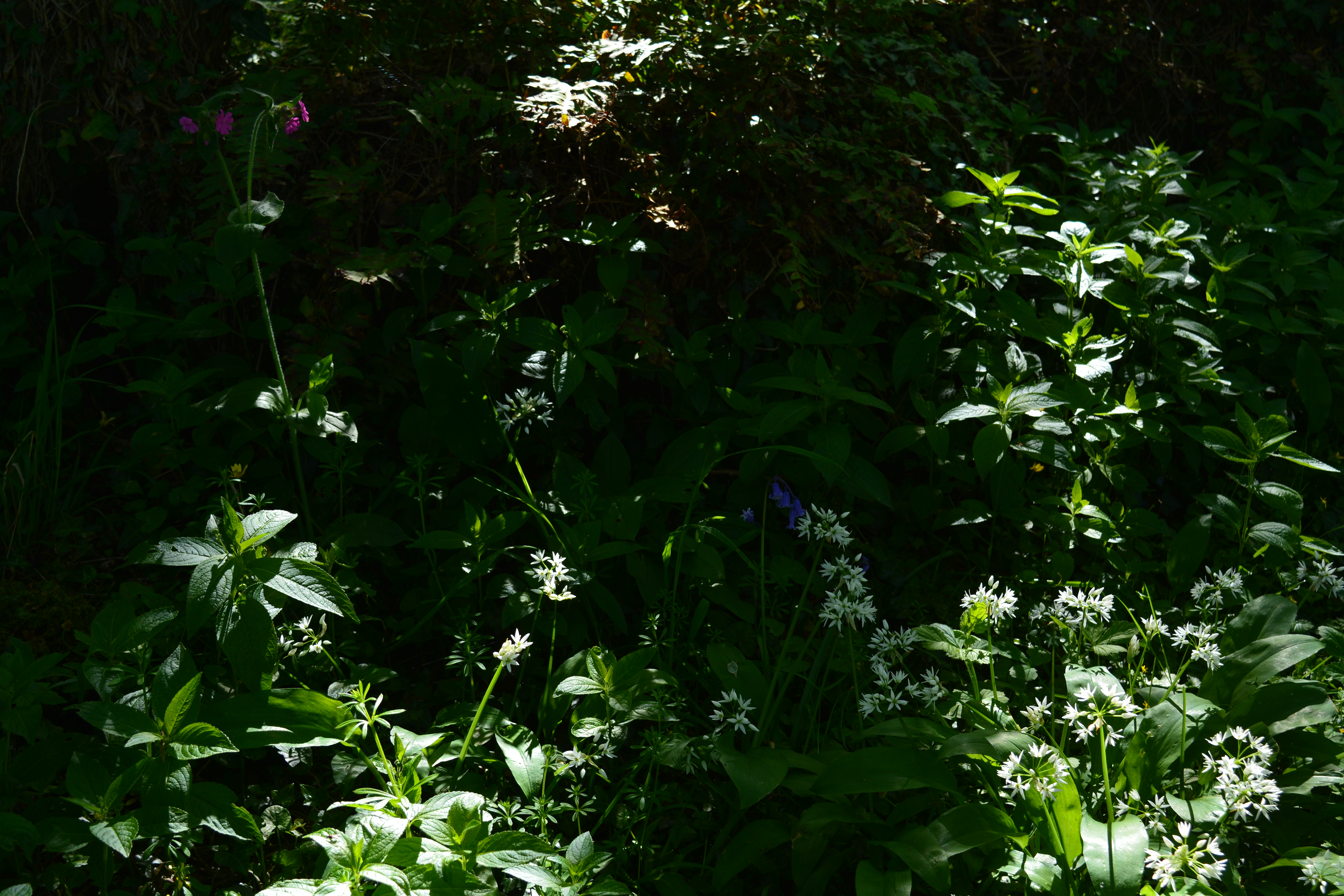
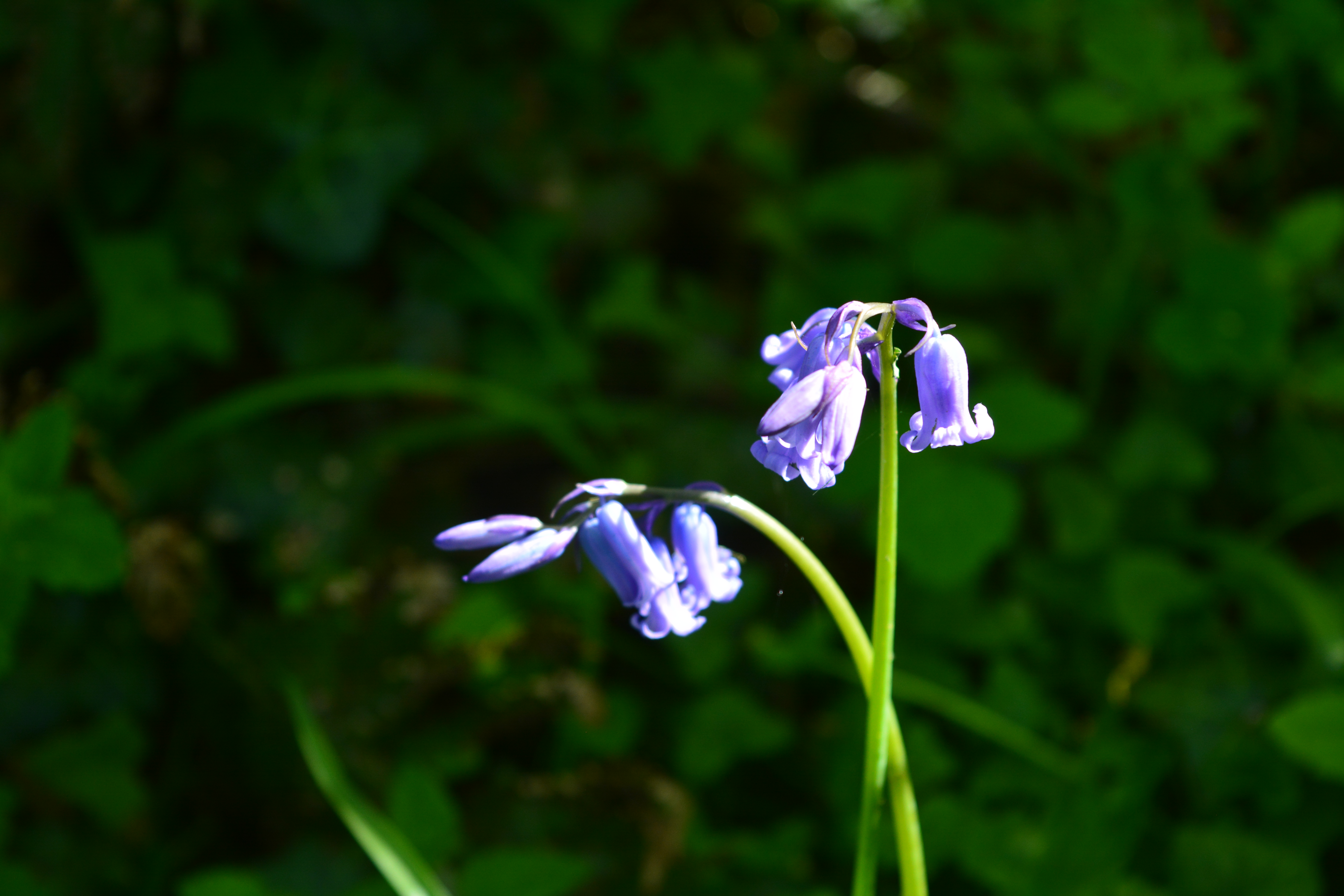
The beautiful light worked as a spotlight to help intensify the colour of the flowers and the bright greens of the many ferns.


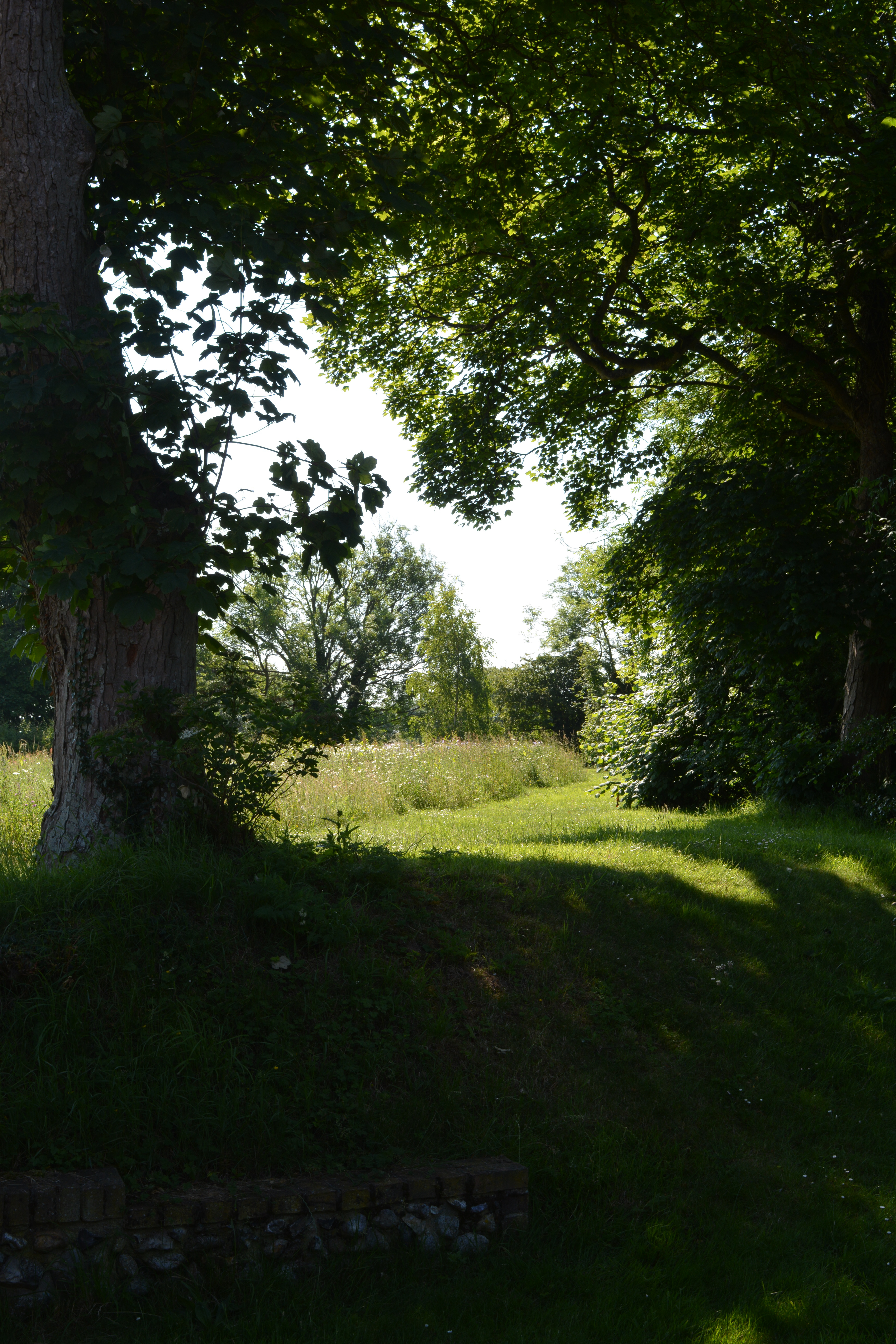
What a spectacular little patch of woodland, a real treat to walk through and enjoy the trees and the flowers growing beneath them.

Categories
birds colours flowering bulbs garden photography garden wildlife gardening gardens grasses hardy perennials irises roses Shrewsbury Shropshire shrubs village gardens wildlife Winter Gardening winter gardens

My Garden Journal – December 2017

I decided to post my final Garden Journal 2017 post for my Christmas post this year. I hope you enjoy it. Have a great Christmas time!

Here is the final episode of my 2017 Garden Journal, my entries for December. I have already been to my art suppliers and purchased books to become my 2018 Garden Journal. As usual I have changed the size and gone for a larger landscape bound drawing book. But for now let me share my December pages.

I began by looking at the bird-life feeding in our garden in December and in particular the characterful Tawny Owl. I did a painting of these wonderful owls using fine fibretip pens and Japanese watercolour pens.


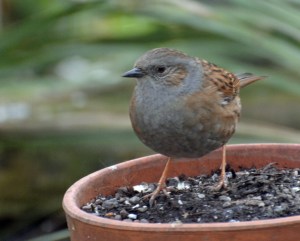
I wrote, “Birdlife in our garden in December is generally quiet. Squeaks of Dunnocks sneak out from the shrubbery and Robins share their watery liquid winter song. Winter migrant Thrushes soon fill the garden with chatter.

Most noisy of all are our Tawny Owls who call loudly when the light fails and darkness overpowers the garden. We open the patio doors to listen more intently and drink in  the atmosphere these owl calls create.”

Turn over the page and we find a double page spread looking at garden editing and seedheads and I include a great quote from one of my favourite garden designers, Dan Pearson.

“December for us is a key month in our garden editing period. It is when we move plants, take plants out that are past their best and completely re-design and re-plant some areas. I was so pleased to read in his book, “Natural Selection”, that Dan Pearson thinks the same.”

“Editing the garden is a gradual process of  elimination, and I like to let nature take its course and for foliage to find its way back into the ground in its own time….. I savour many perennials for their winter seedheads,  form and structure, and this is what I edit back to so that there is plenty for the winter sunshine for the winter sunshine to fall upon.

Removing the clutter lets you see the things in a new light, but you need to retrain your eye in winter to see things in a more economical way. It is good to understand the structure of a garden  and to aim for it to be as handsome as it can be.”

“Seed heads of perennials take centre stage in our garden this month. When snow arrives our seed heads completely change their character. They appear strong enough to withstand snow’s weight.

Snow in December has become a rare occurrence in recent years as our climate changes. In fact we have not seen any December snow since 2010 and 2011. This year saw this all change. A foot of snow fell in a two day period and the garden looked weighed down, slumped and bent low”.


“We love to see how the snow changes the characters of our pieces of sculpture by strengthening their shapes and sometimes creating silhouettes”.


Turning over the page we meet lots of colour, winter bedding plants and our plant of the month.

I wrote “We like to use winter bedding plants in pots to add extra colourful, bright patches to our winter borders. Violas and Cyclamen are two of our favourites often linked with the gentle colour and textures of grasses.”


“Our plant of the month for December is Hesperantha which flower strongly at this time of year, glowing bright pinks and reds.”


My final page in my Garden Journal 2017 is all about the surprises that the garden treats us to in December, bright colours that lift the heart. You will notice that I have included more pictures in the post than were originally in the journal, but I simply ran out of space in my book. I hope you enjoy the extras!
“Red surprises in the winter garden can warm the heart and souls of the garden and the gardener alike. Joined by splashes of oranges these colours warm us up nicely.”

The reds and oranges are provided by coloured stems of shrubs, odd blooms on roses, the berries of Iris foetissima and the late colours in Acer leaves. So much colour to end the year.


It is good to finish my year of reports on such a positive colourful note. My Garden Journal will return next year!


Categories
birds colours garden photography garden wildlife grasses meadows trees wildlife

Painting in a Meadow in Norfolk

Sometimes when you choose a holiday location and select accommodation you hit the right spot. When we spent a week in Norfolk in 2017 we did just this. We booked a barn conversion with its own little nature reserve in the middle of open farmland miles from any village or town.

Each morning as we got up we started the day by wandering around the meadow with a coffee mug in hand and camera over the shoulder. Each evening we repeated the exercise after our evening meal. Pure luxury! It brought back so many childhood memories for me.

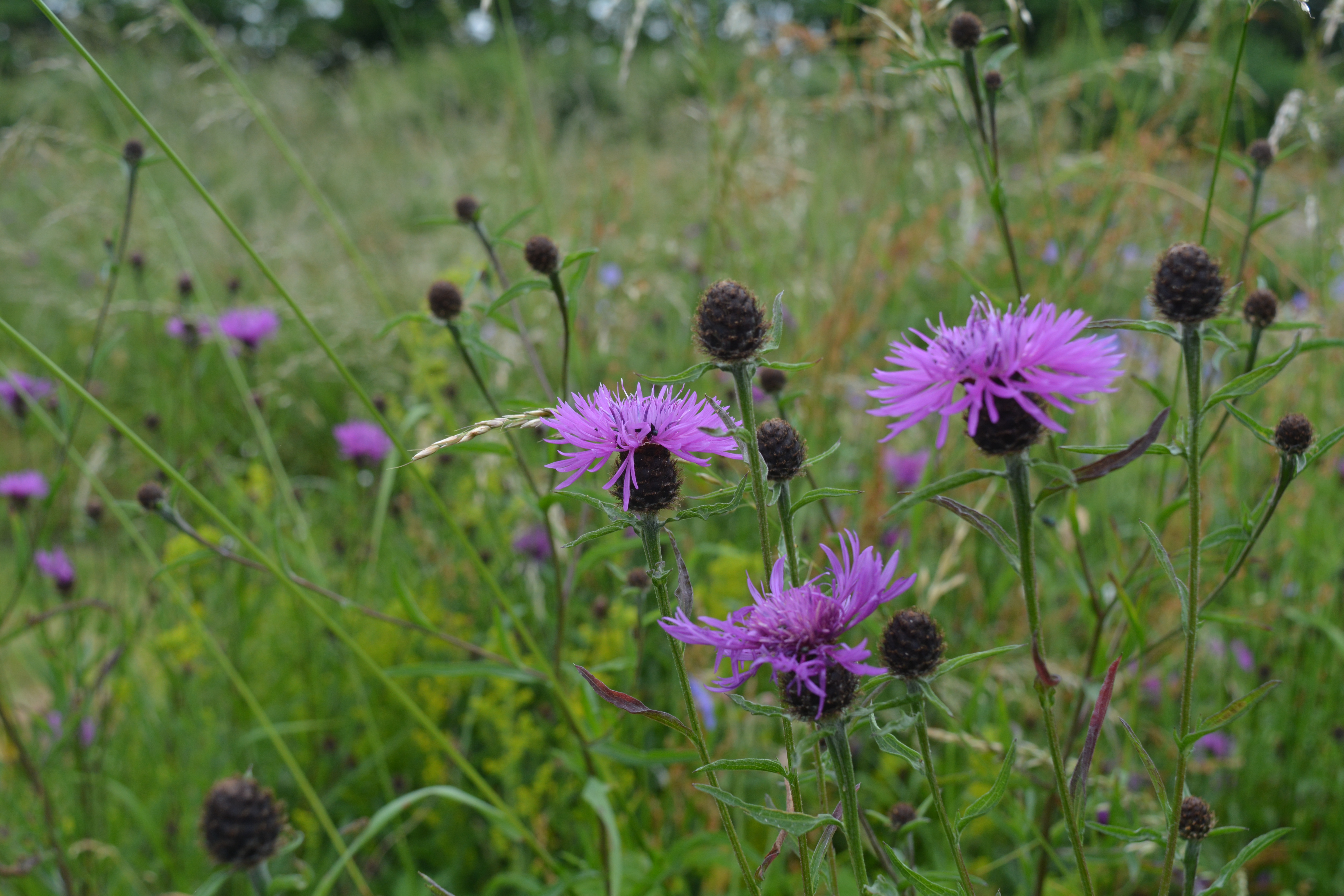
The highlight was probably its wildflower meadow sat within the grounds. The meadow was full of such a wide variety of flowering plants and grasses, and hence full of wildlife, birds, bees, beetles, hoverflies, butterflies and moths. At night the birds were replaced by bats who hawked the surface of the meadow feeding on moths and night flying insects.

The meadow was a place of natural sights, sounds, movement and scent.

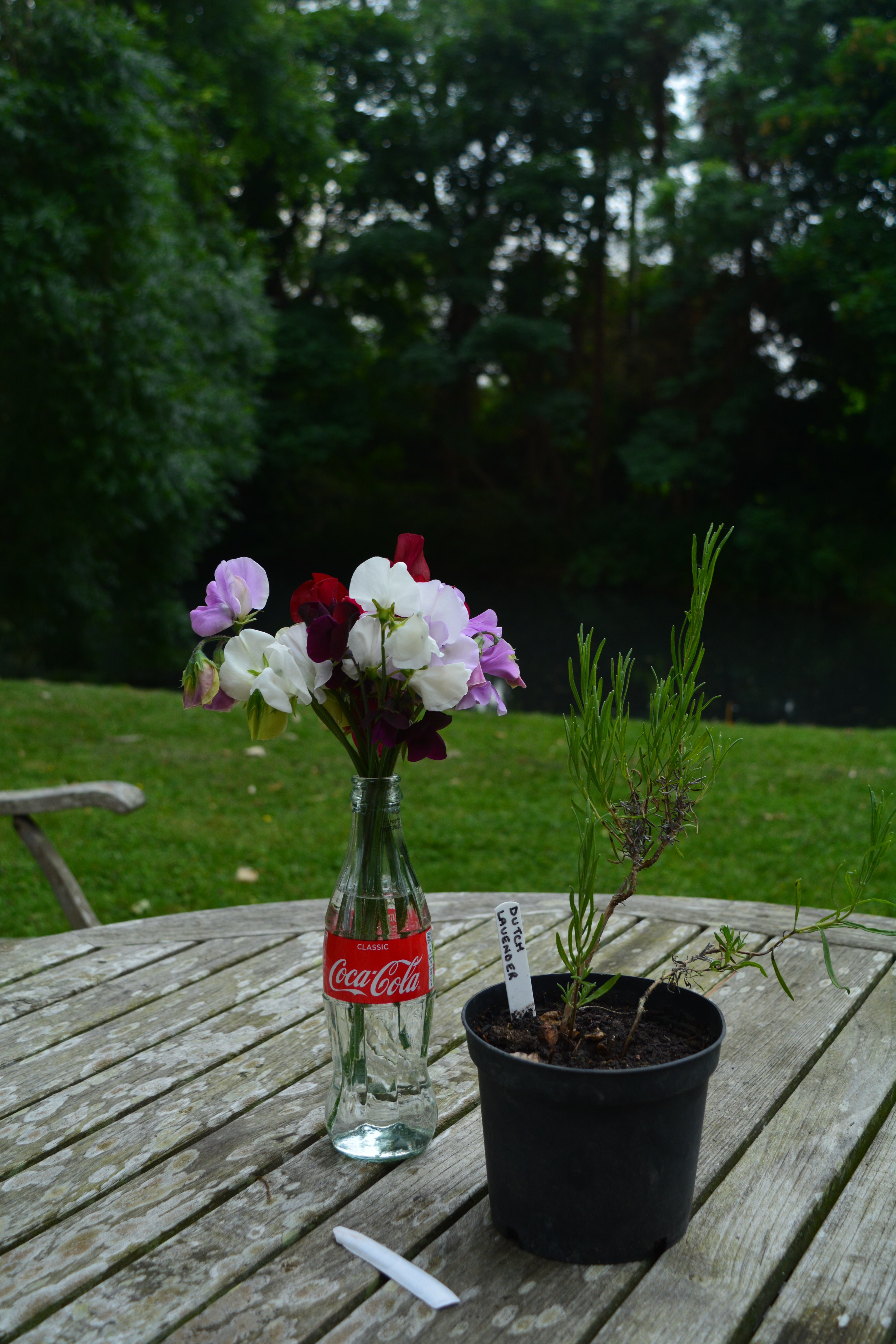
We ate outside as often as possible on a terrace overlooking a small lake surrounded by mature, native trees, Alder, Ash and Oak. These trees were favourite haunts of owls who entertained us with their calls as light faded each evening. We brought the sweetpeas back from Houghton Hall, where they grow in the walled garden and visitor are invited to use the scissors and string provided to pick and tie a bunch. The Lavender, a Dutch Lavender, in the pot we had bought from another garden we visited. It is now planted at home.


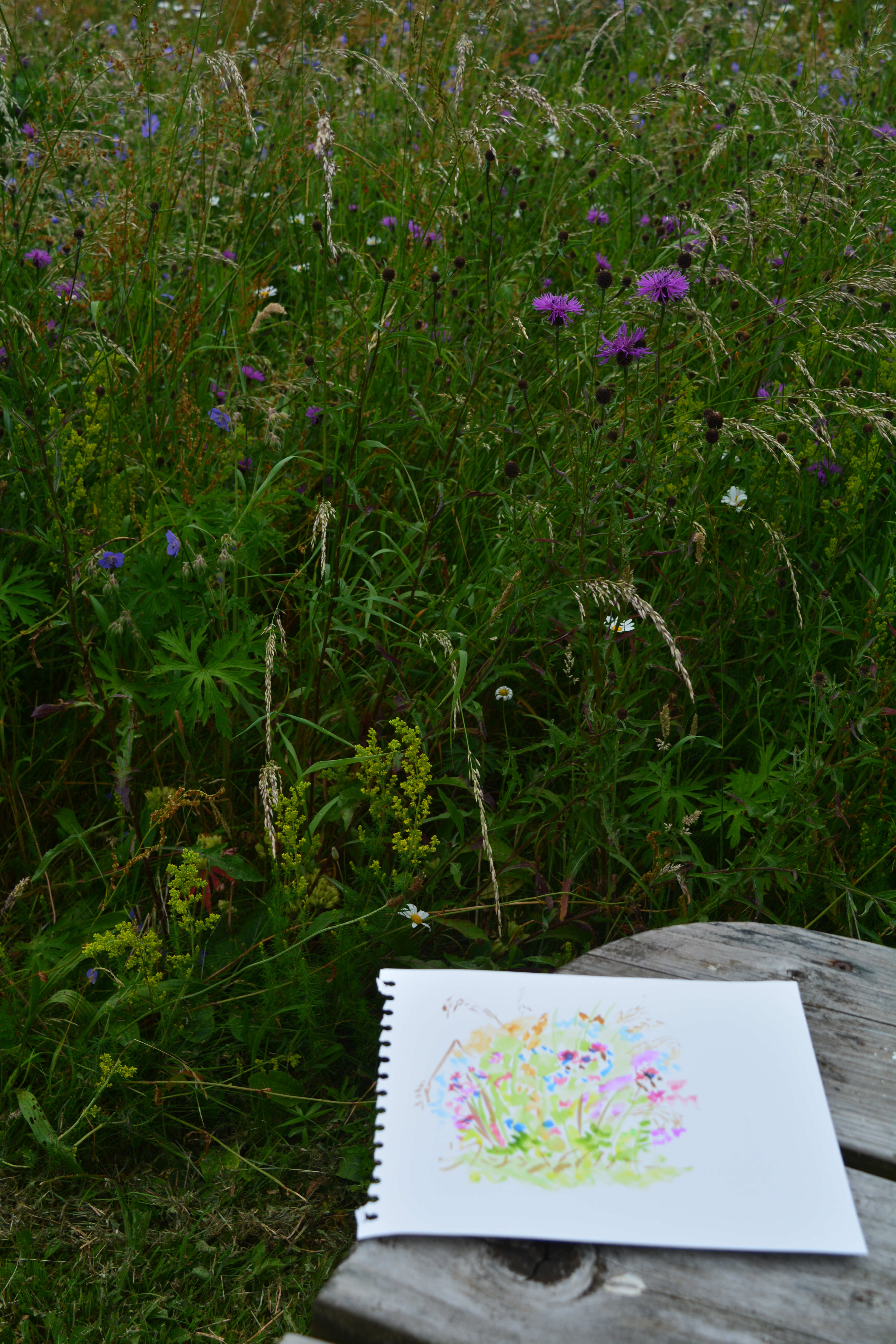
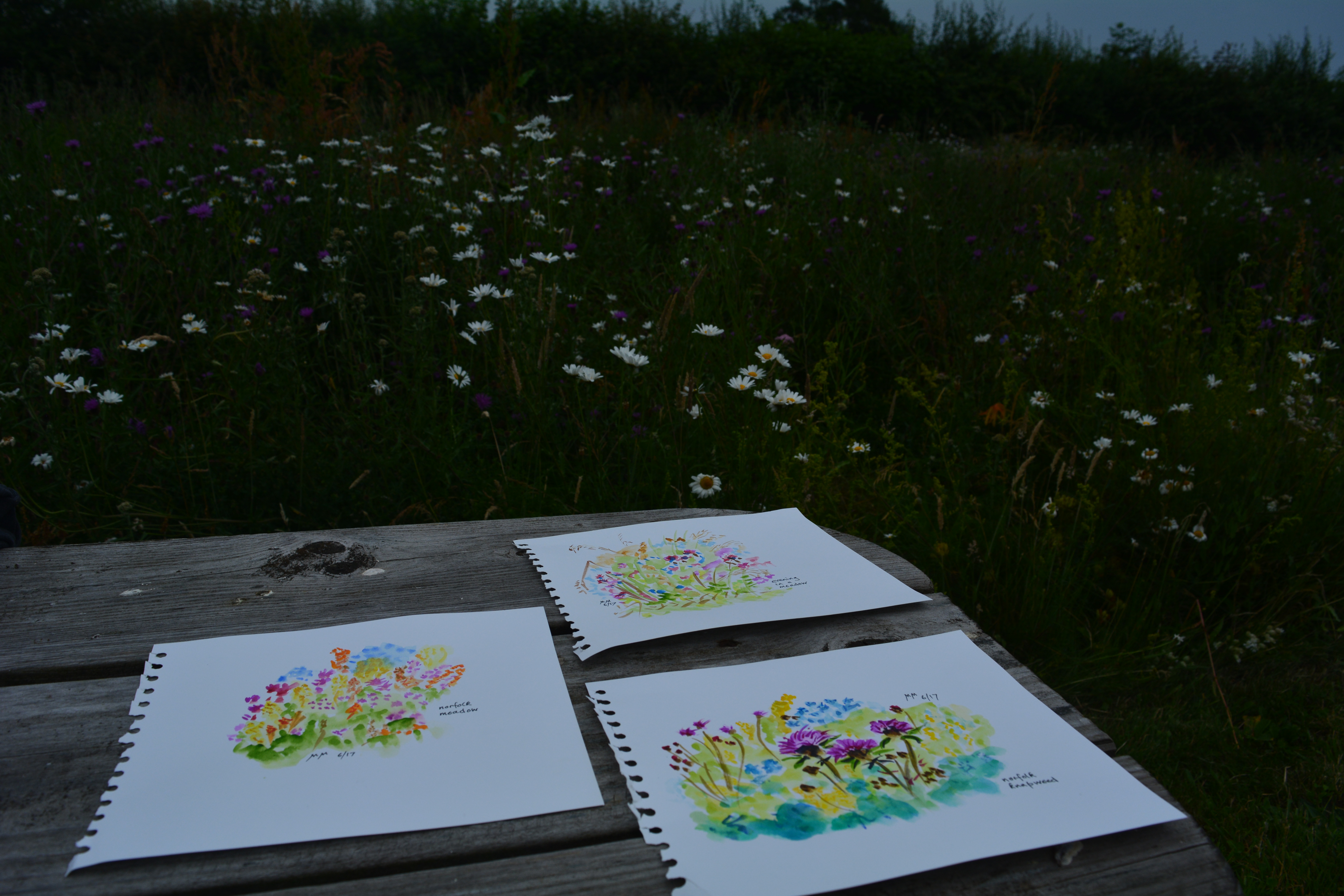
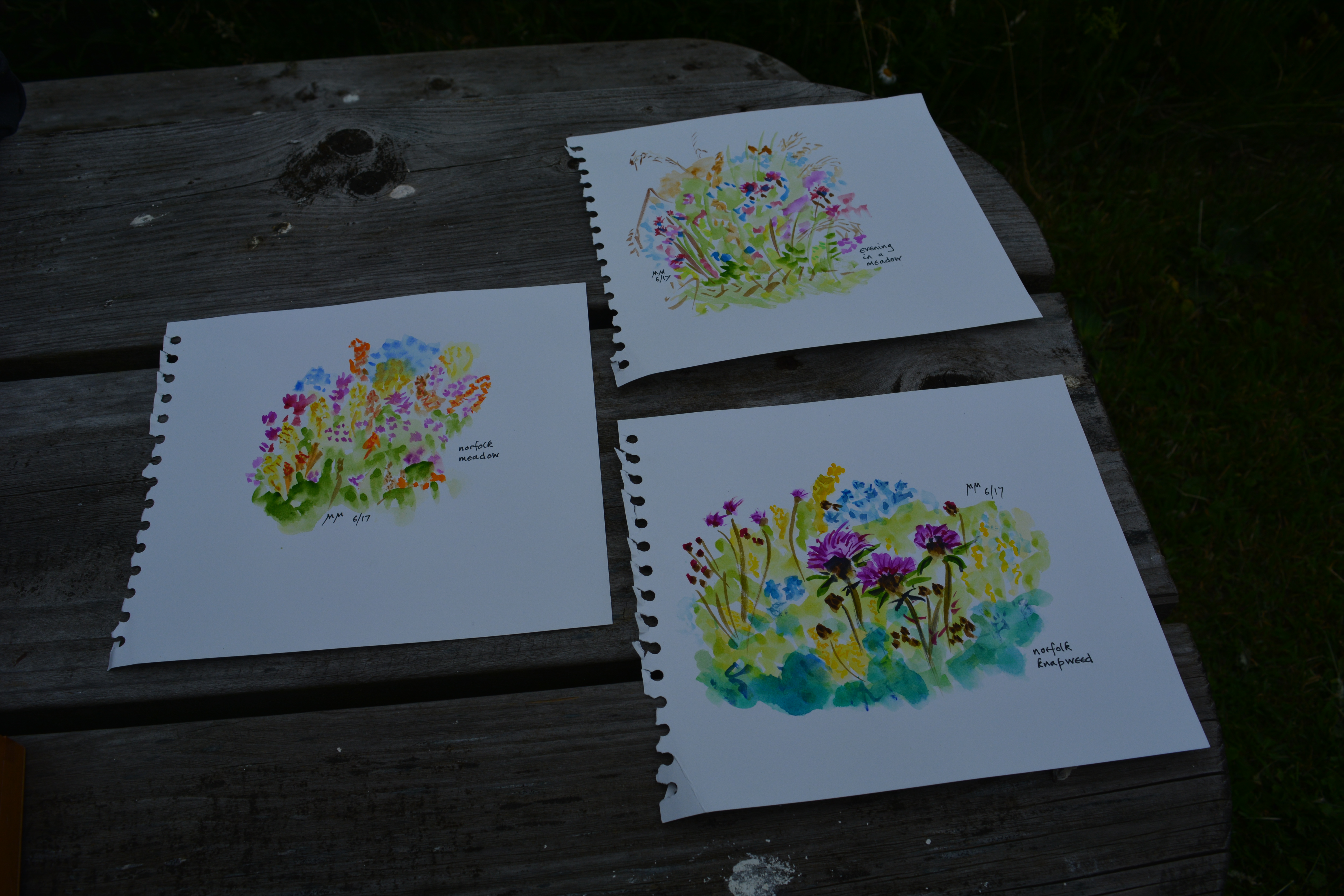
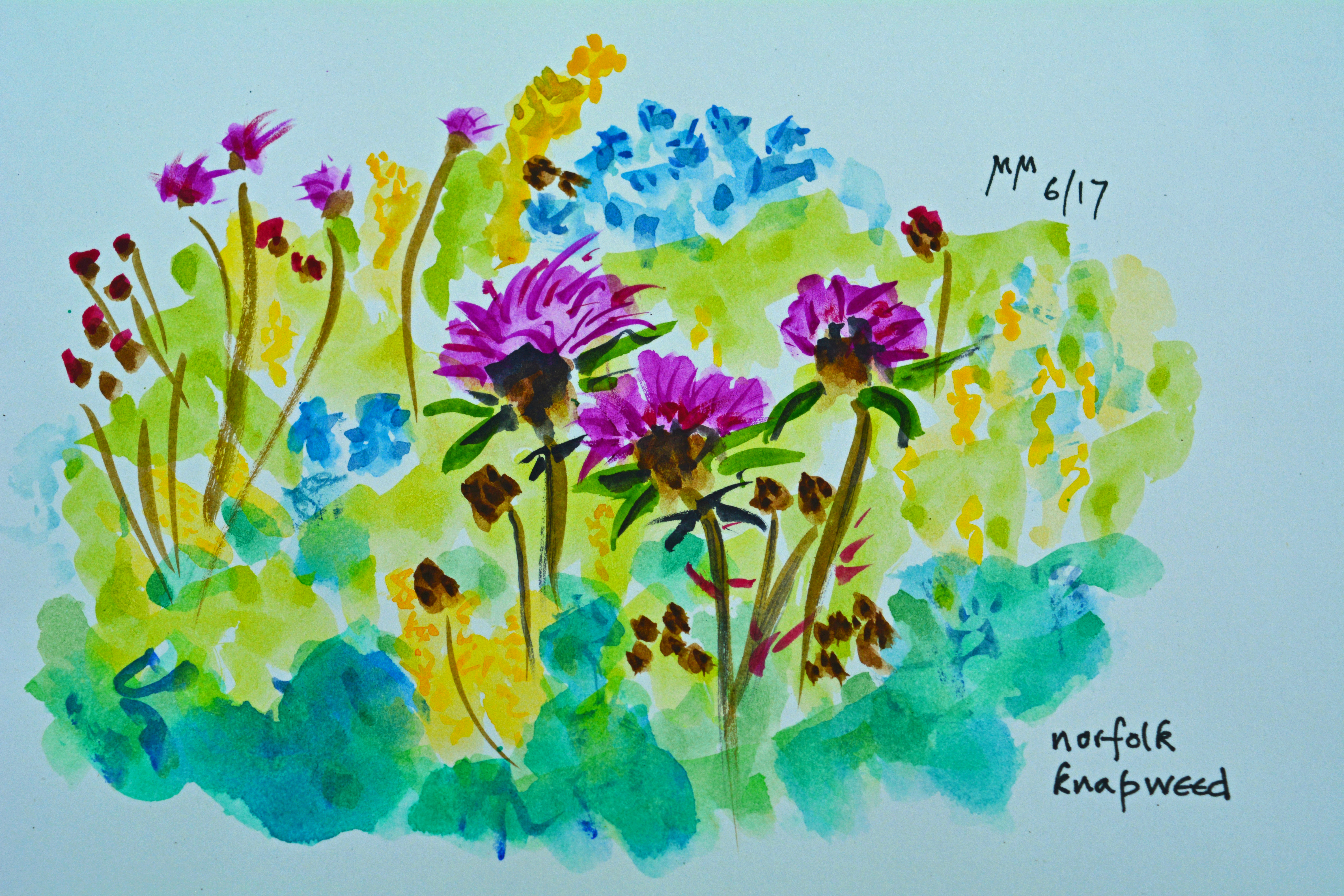
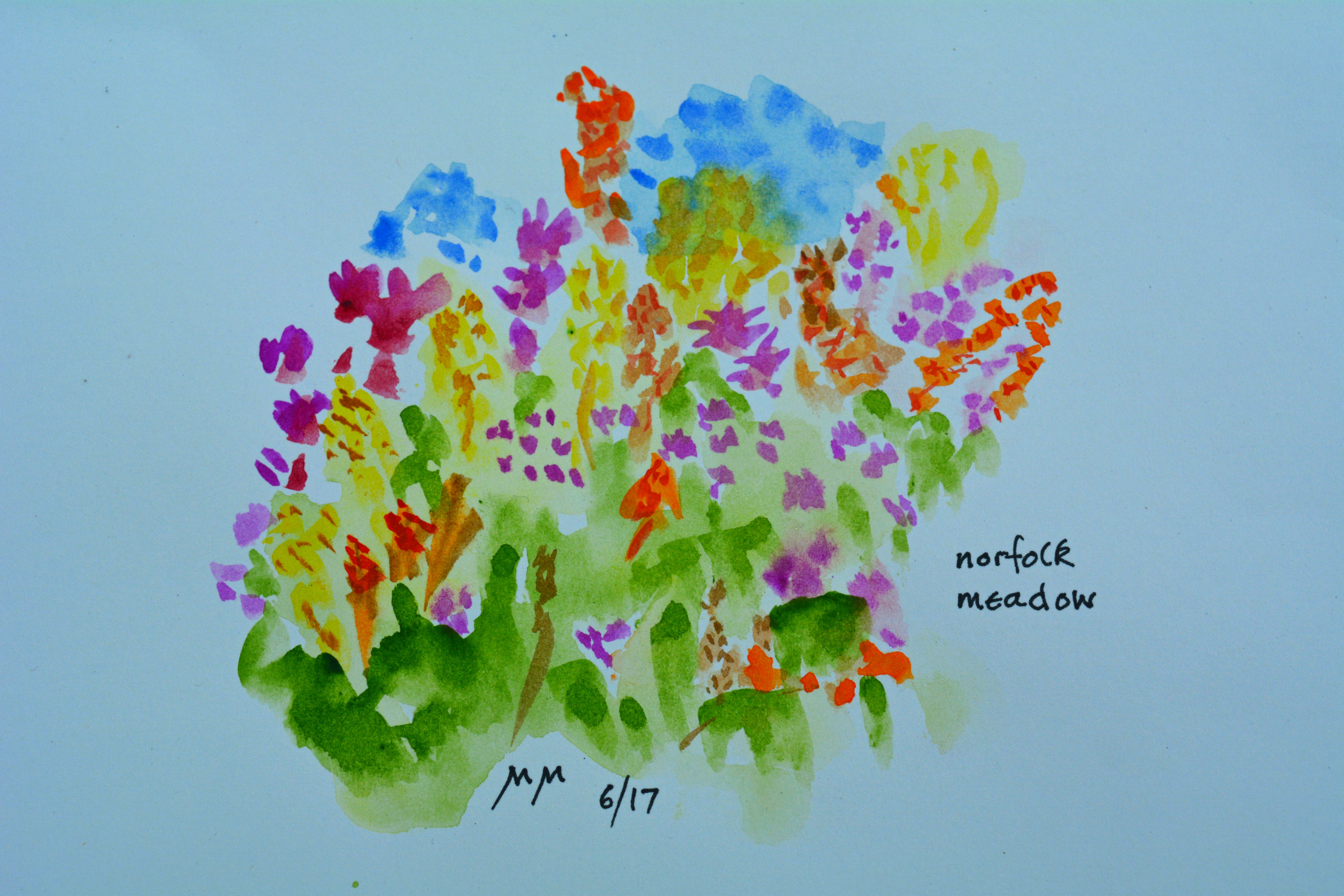
I decided it would be a challenge to paint the flowering meadow sat in the picnic bench in the very centre. So I set up my gear and had a go.


A beautiful calming time! The sounds of nature as a background makes painting so much easier, more flowing.


Here are my finished pieces.

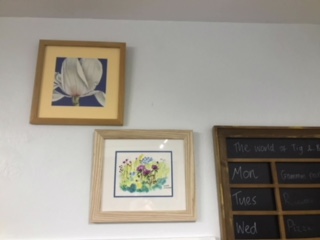
And here it is framed and on daughter and son-in-law, Jo and Rob’s wall. The left hand pic shows it alongside my brother, Derrick’s pastel drawing of a magnolia.


Categories
garden wildlife light natural pest control wildlife

Simply Beautiful – 13

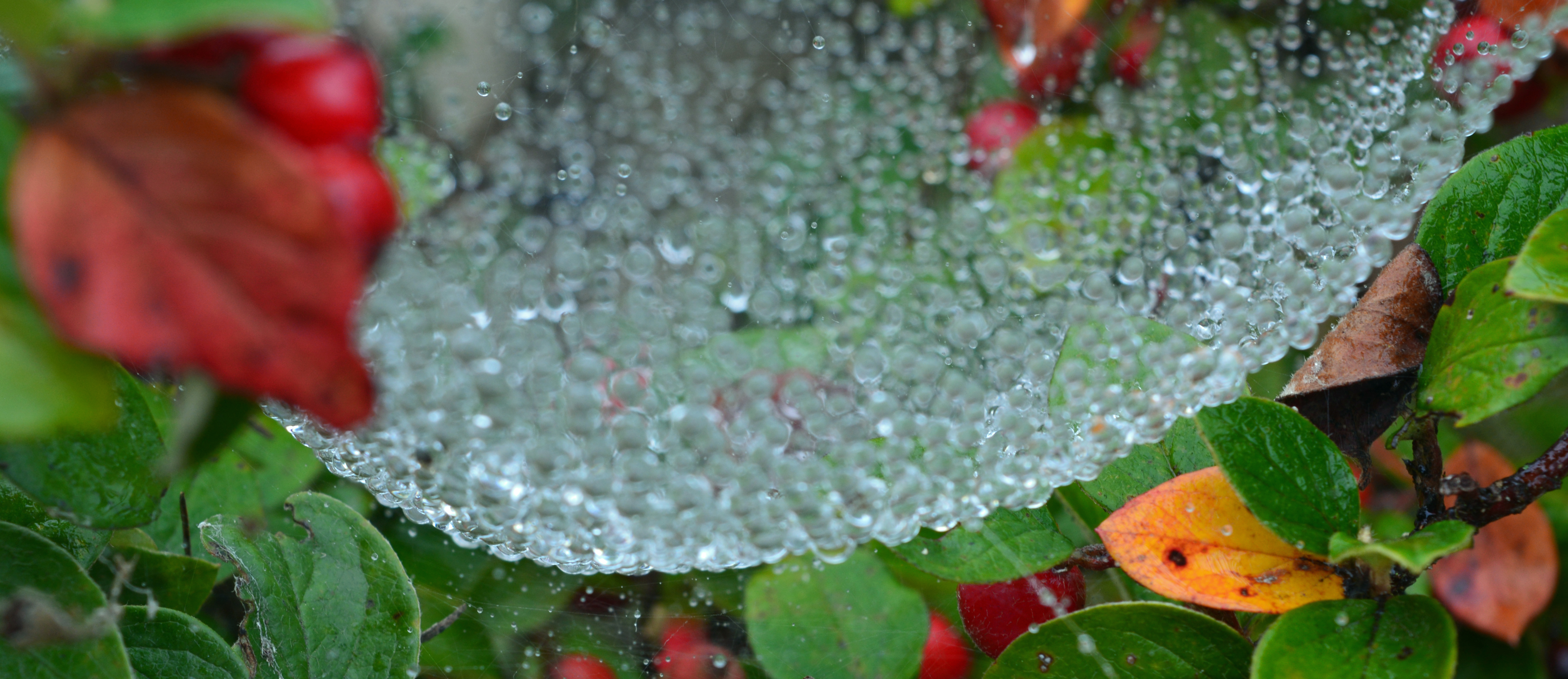
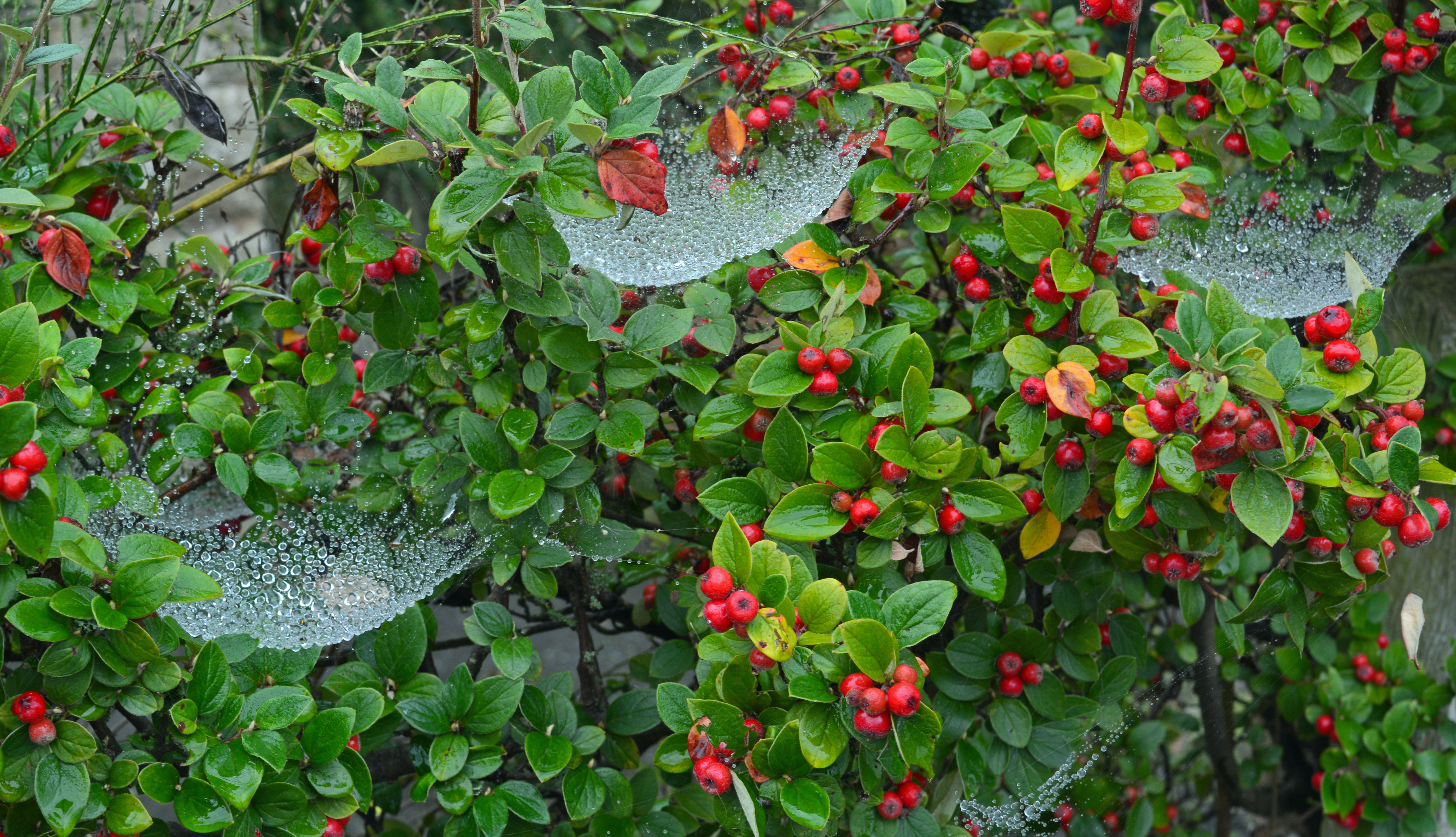
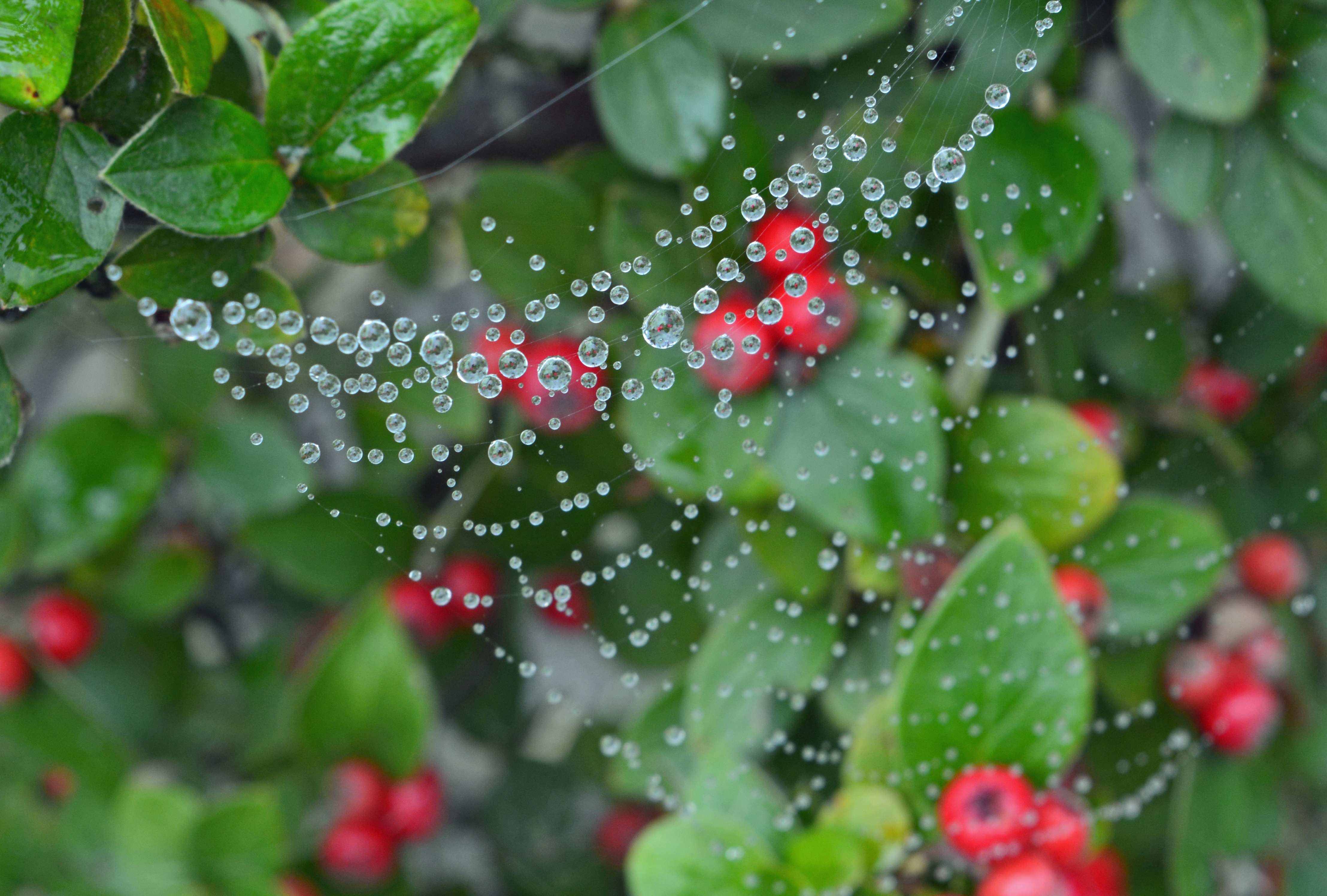
Her we are back with another short post in my very occasional “Simply Beautiful” series where I share a few photos of something that catches my eye, something simply beautiful! For number 13 I want to show you pics of some beautiful early morning spiders’webs, covered in dew, which I found on a cotoneaster shrub.

The webs hung like hammocks with the weight of the drops of dew pulling the structure downwards.

The web below was constructed differently and spun by a different sort of spider, being slumped almost like a open weave fan.

Categories
colours flowering bulbs garden design garden photography garden ponds garden pools garden wildlife gardening hardy perennials log piles logs National Garden Scheme natural pest control NGS ornamental trees and shrubs outdoor sculpture sculpture spring bulbs spring gardening village gardens water garden water in the garden wildlife woodland Yellow Book Gardens

Celebrating the Glory of Spring – the garden at a cottage called Cartref

I thought I would look back at a visit we made with friends, Pete and Sherlie in the spring to a garden called Cartref. It was a “pop up” NGS garden which is a garden that opens unplanned but that looks good so the owner wants to share it with other NGS, National Garden Scheme, visitors. It is a way of seeing gardens at their best. It is a new idea so we look forward to seeing if it continues to happen. We certainly hope so as we visited two this spring and loved them both.

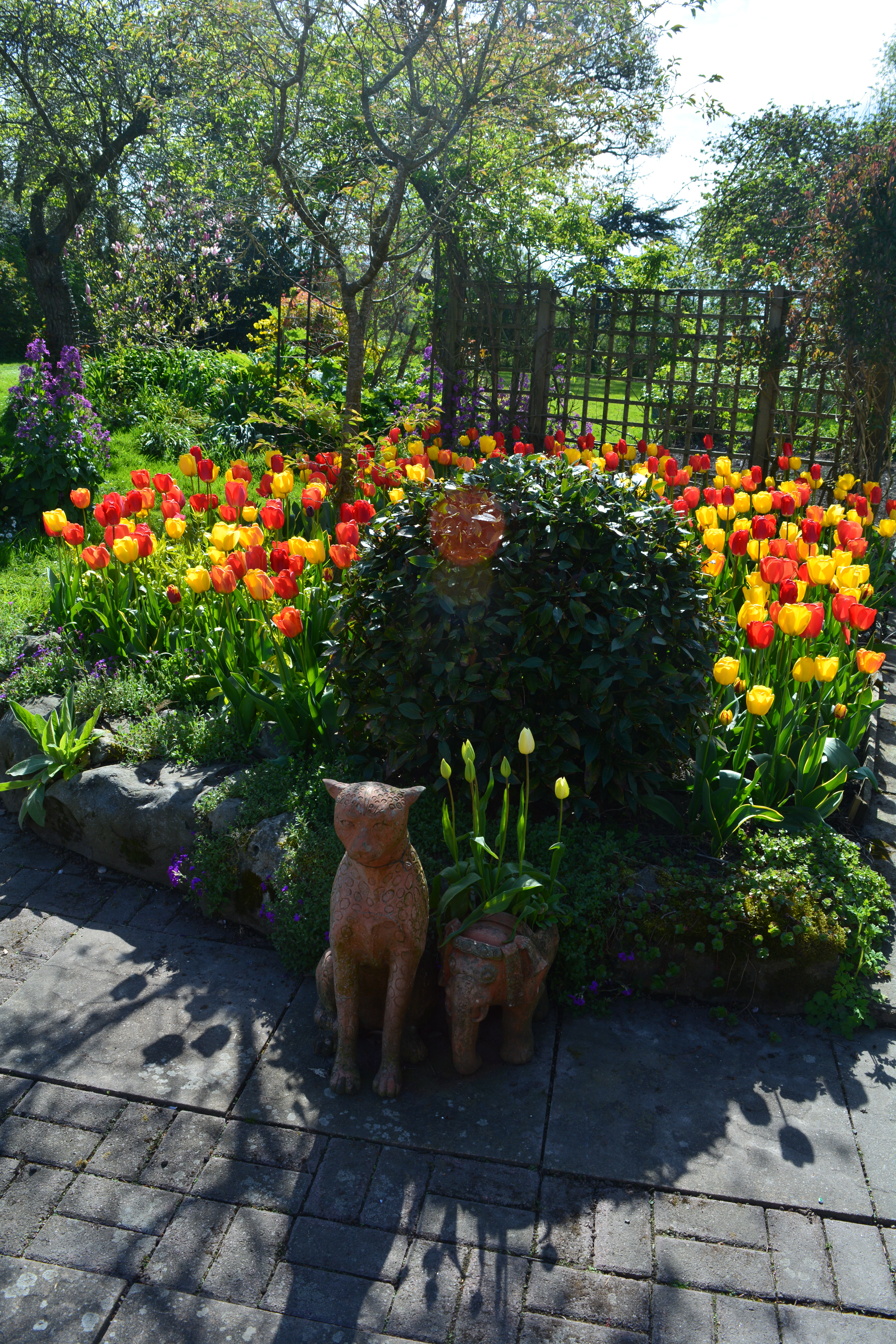
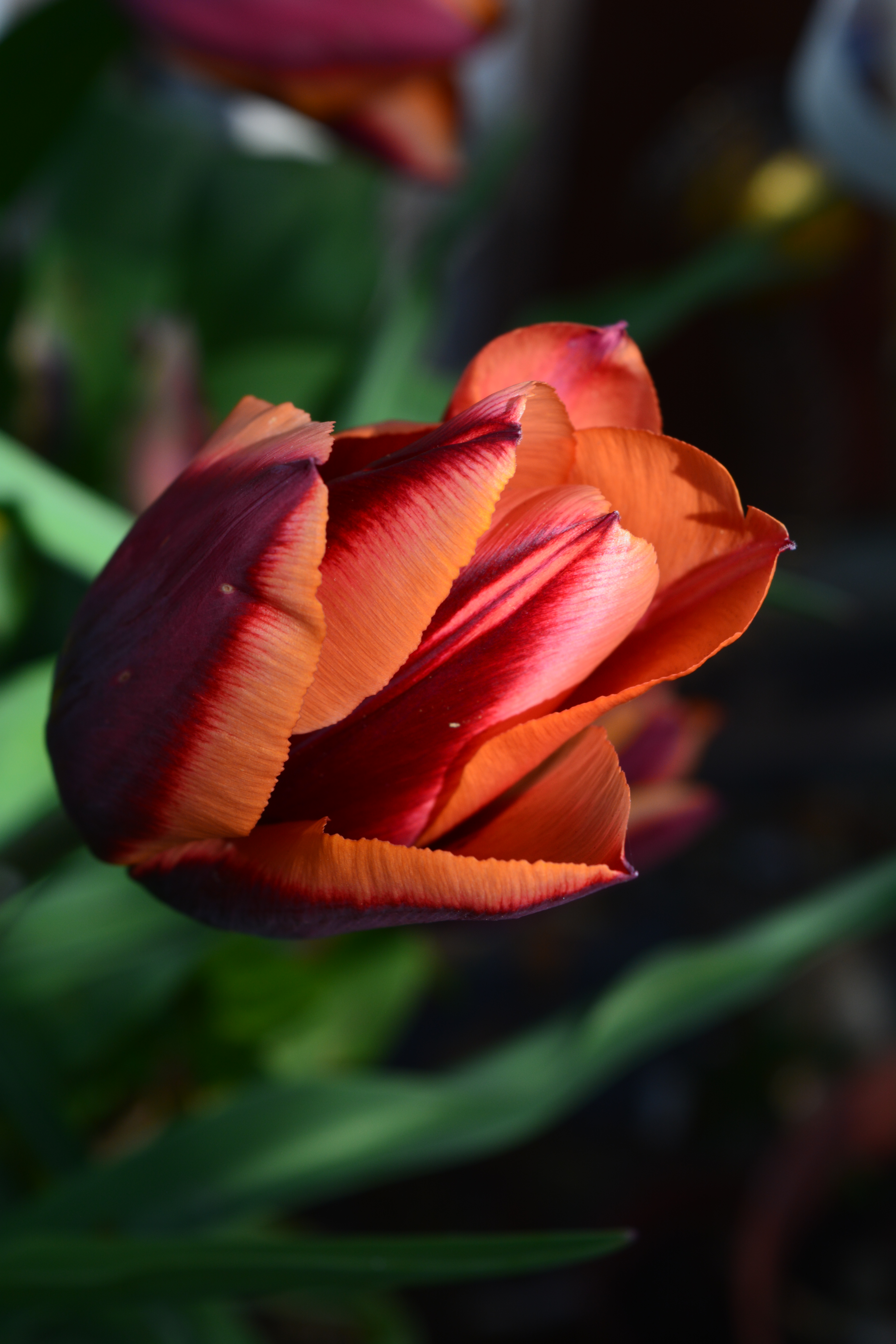
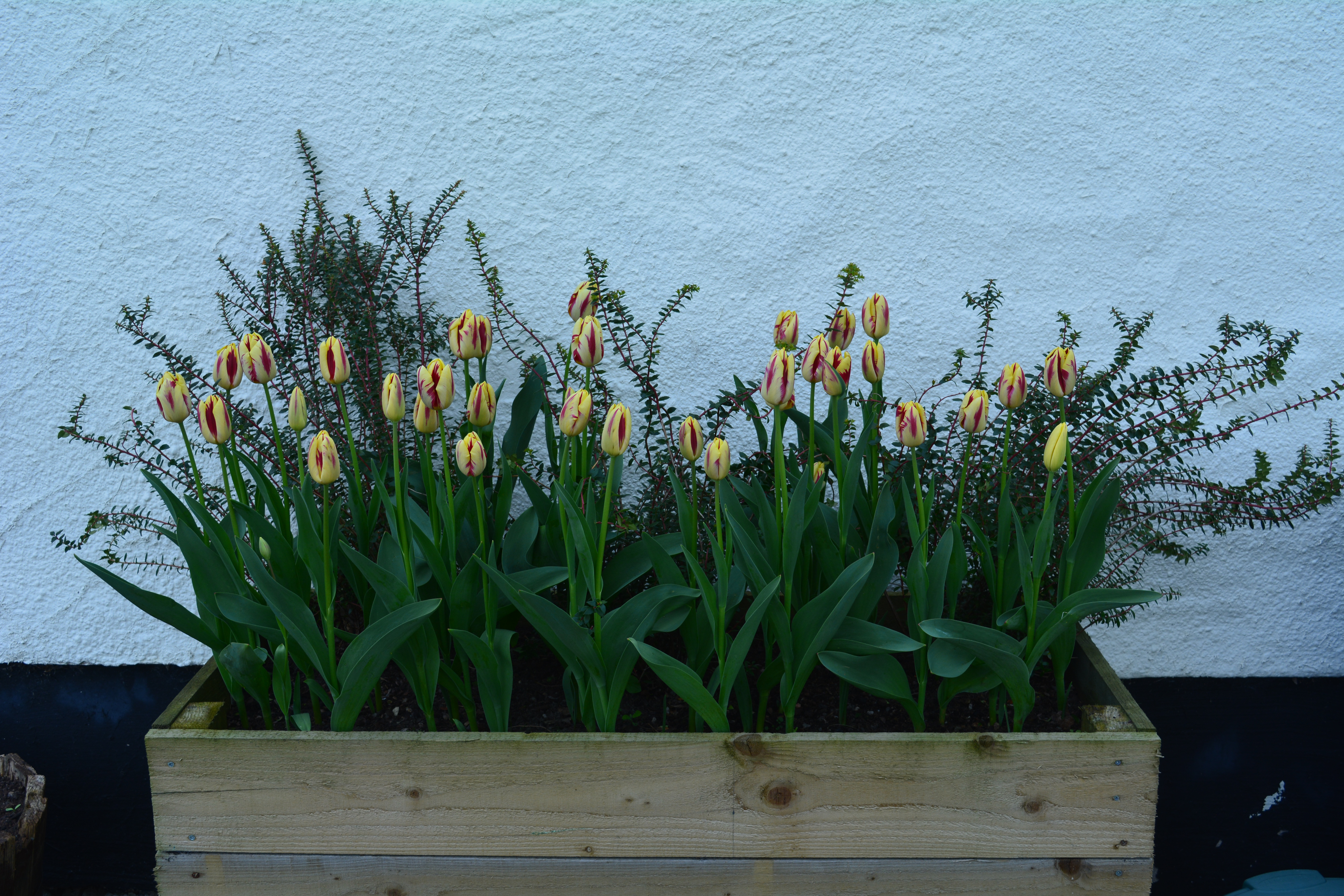
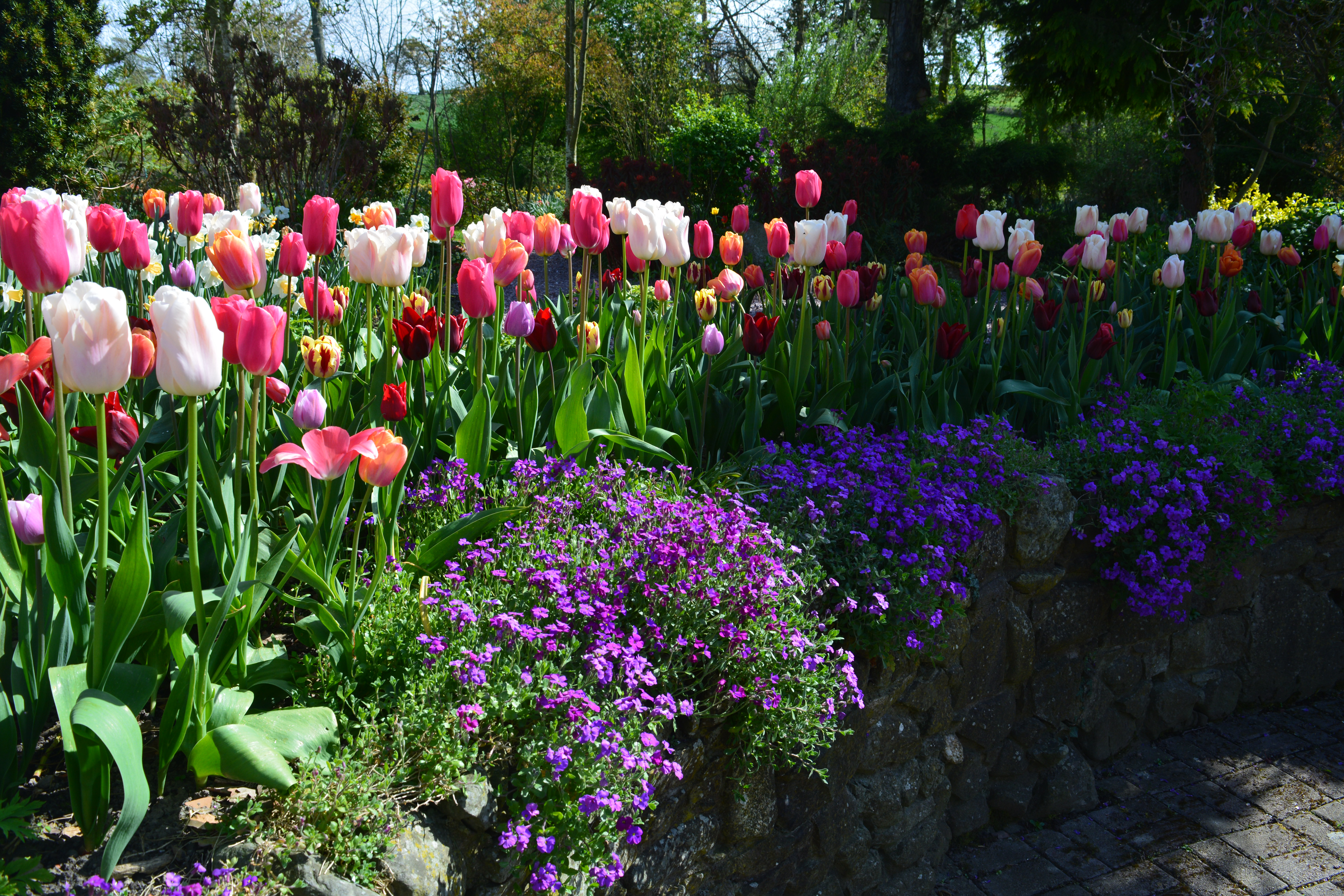
We decided to celebrate the glory of spring by visiting this NGS garden, a one acre modern cottage garden with borders, woodland and ponds. The main features of the garden were the lovely colourful collection of tulips which were at their best when we visited.

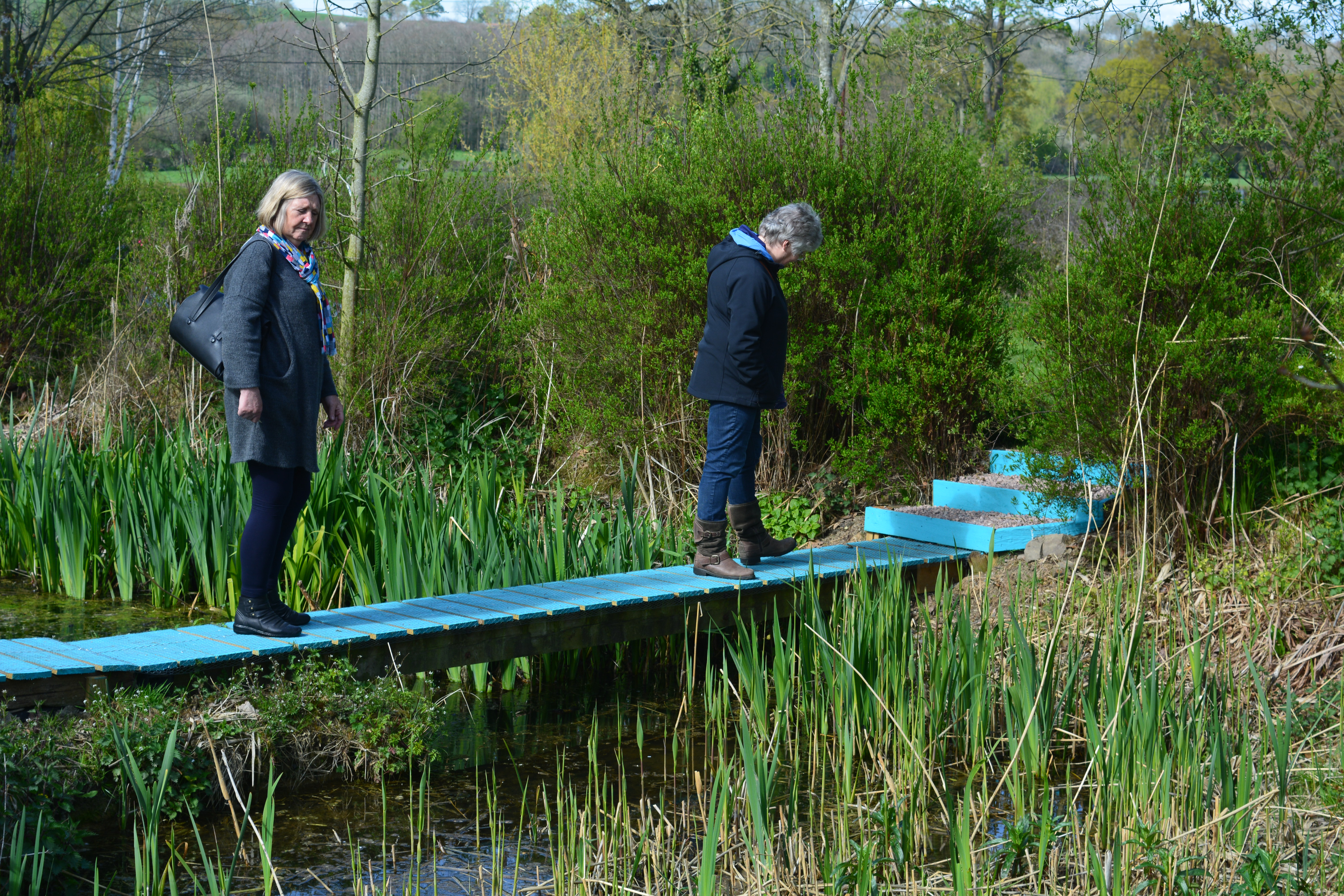
Throughout the rest of the garden we found relaxed styles of gardening and in places emphasis on enhancing habitats for wildlife and attracting wildlife into the garden. The wildlife pond had an island reached by a narrow wooden bridge.


After this visit to the cottage garden at Cartref we decided that “pop up” open gardens were definitely a good idea because we felt we had seen Cartref at its best.


Categories
garden ponds garden pools garden wildlife natural pest control Shropshire South Shropshire wildlife Winter Gardening

Young naturalists visit Avocet

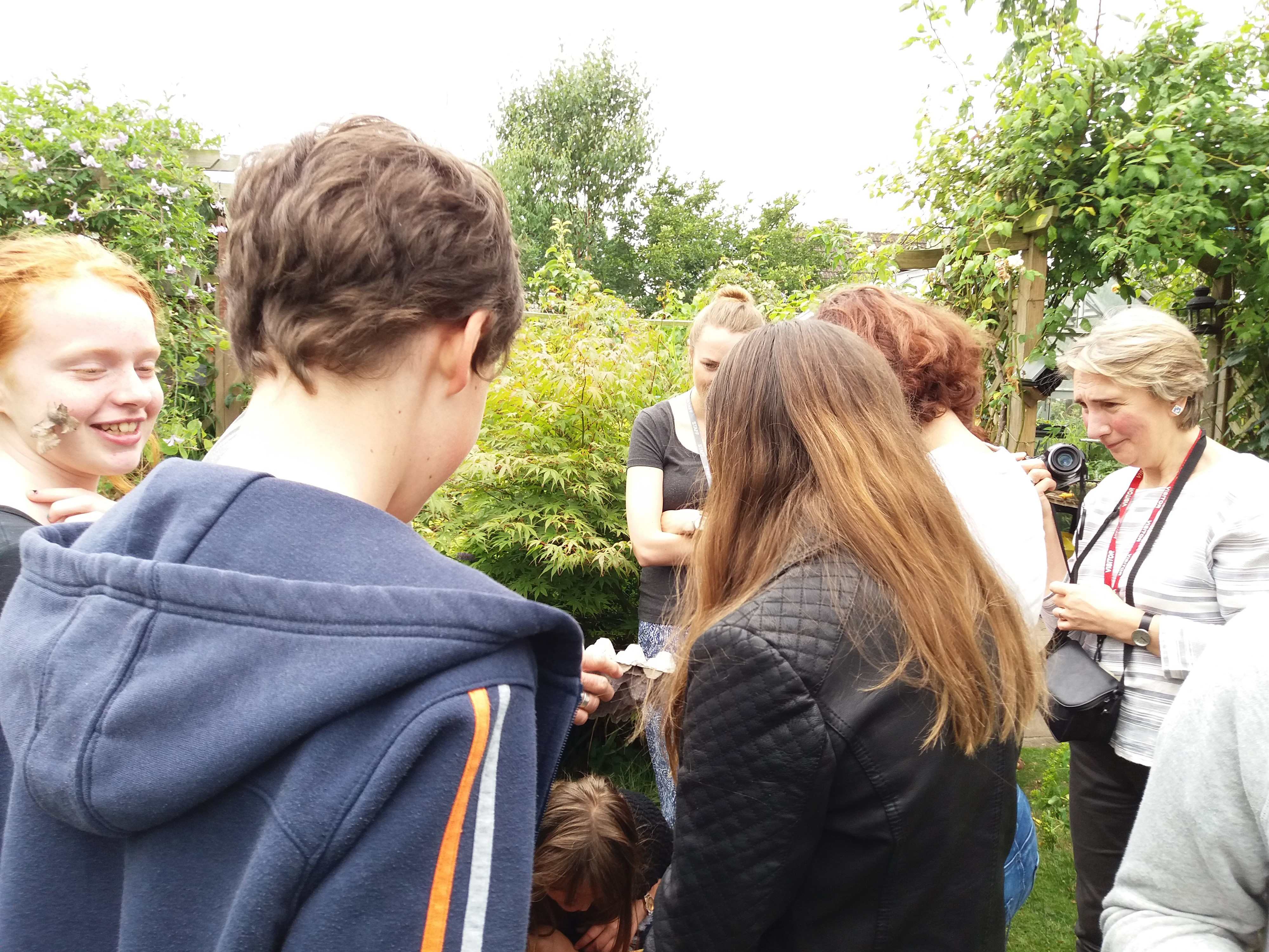
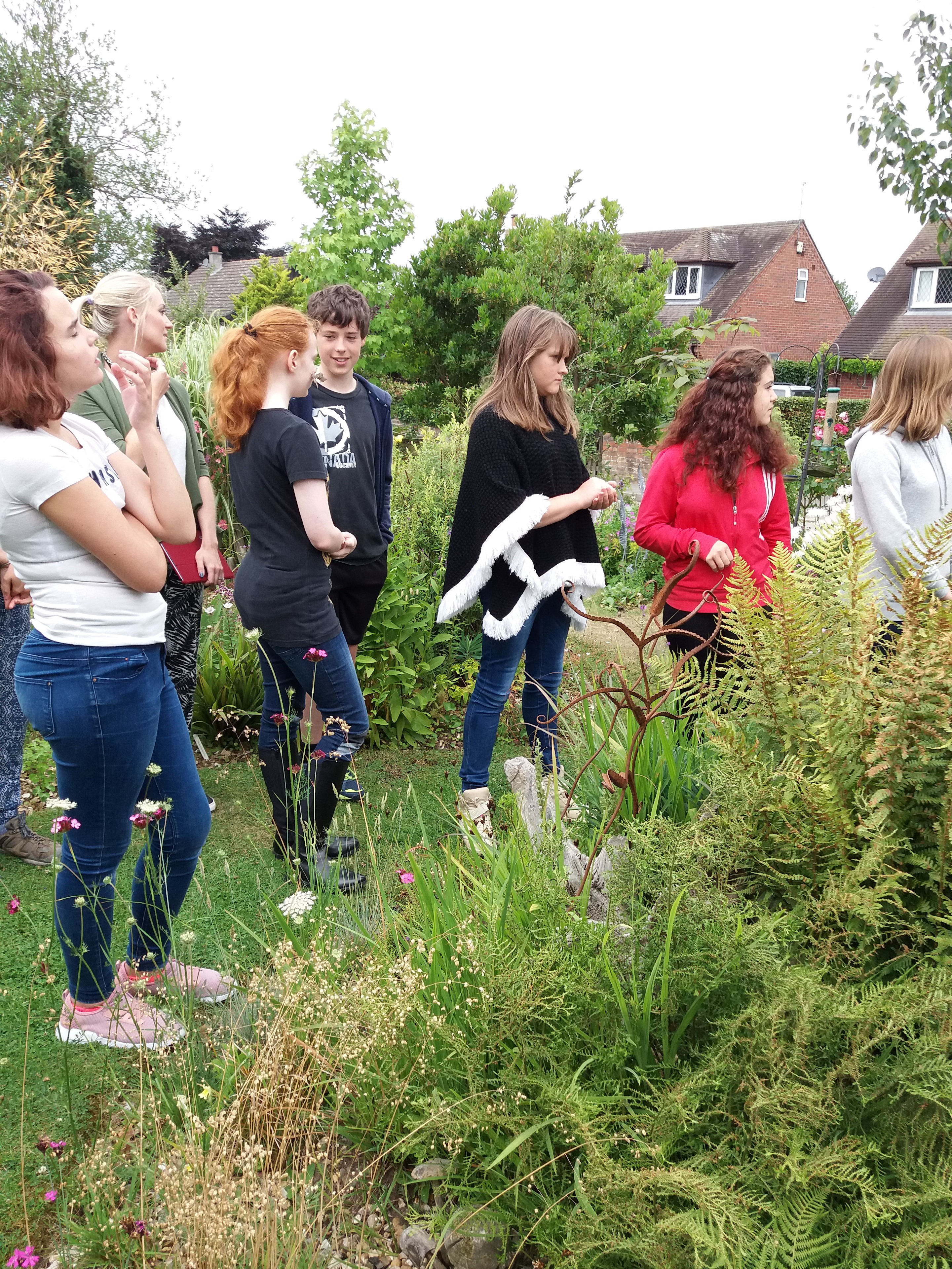
We recently hosted a visit to our garden by students from our local school, who came to look at how we garden with wildlife in mind, how we attract wildlife of all sorts and create a balanced ecosystem. We all had a great time!

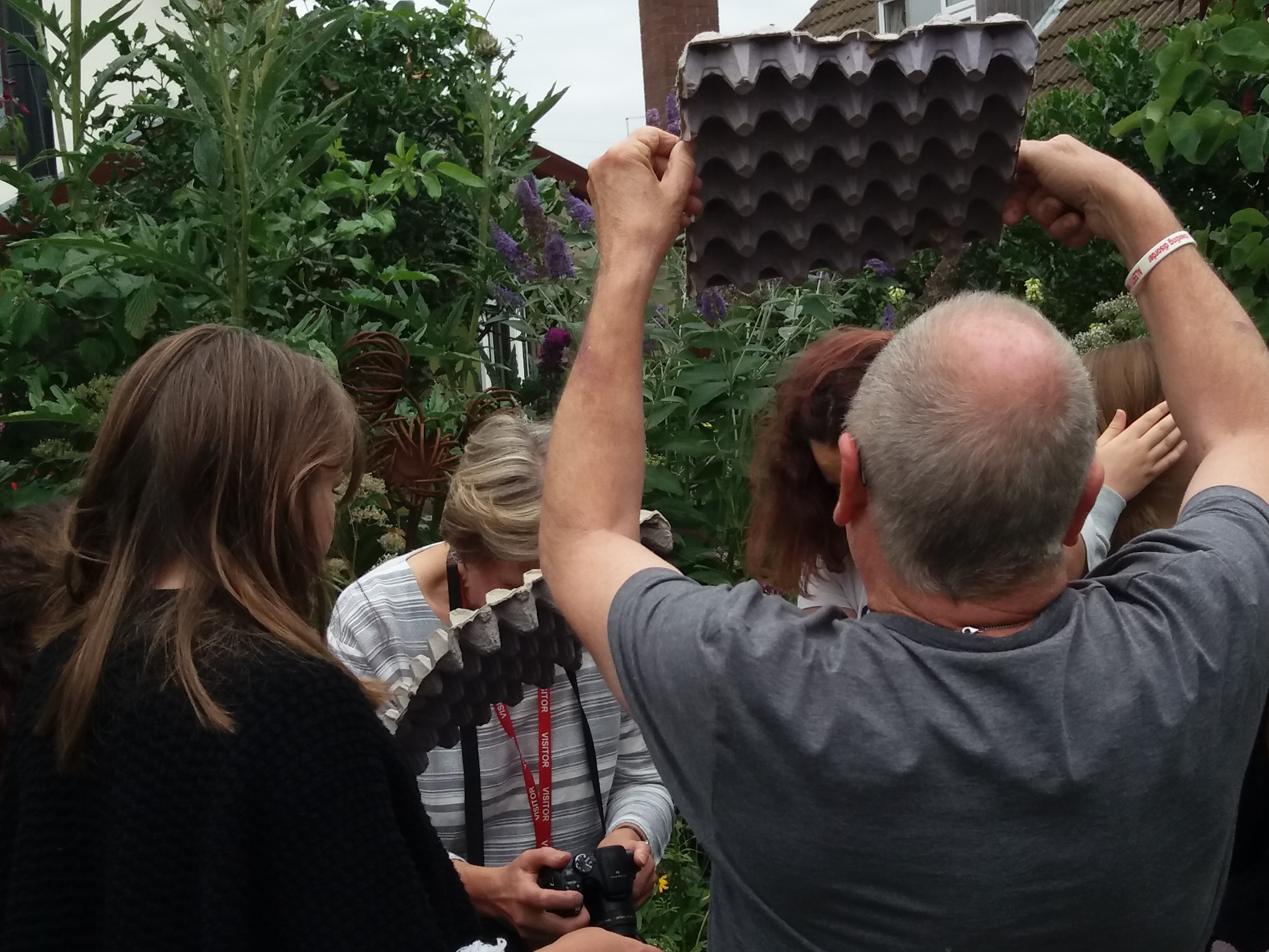
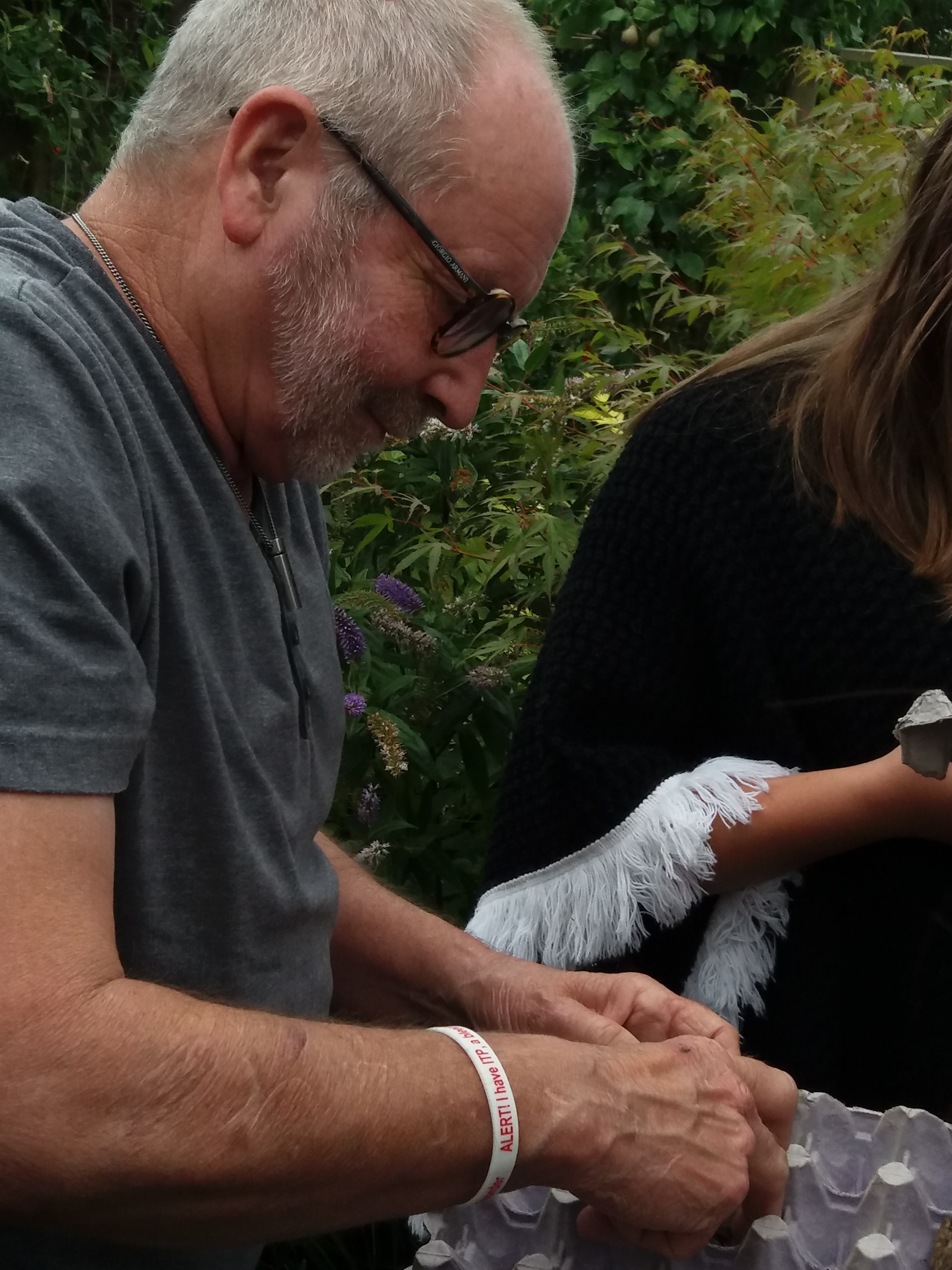
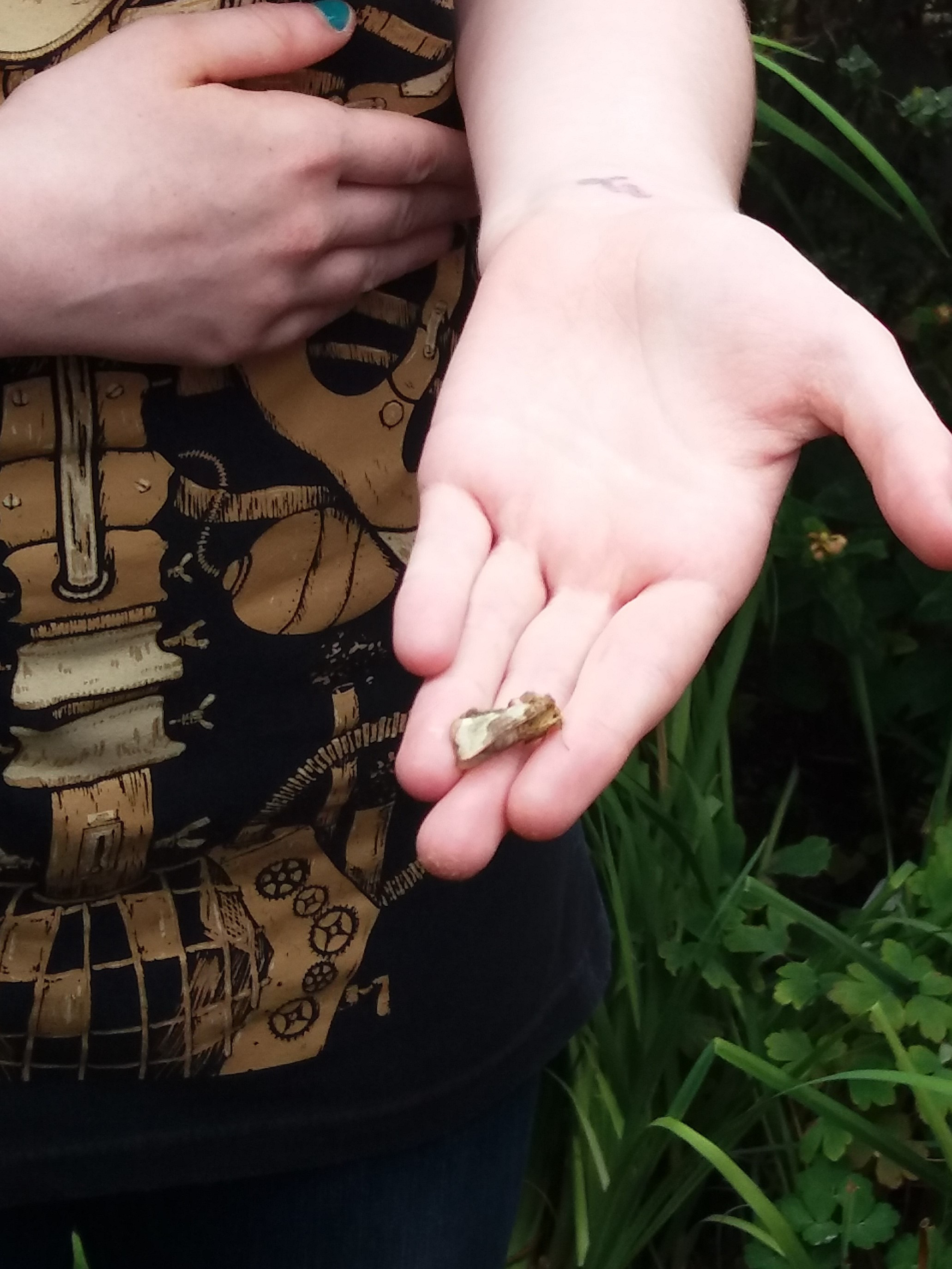
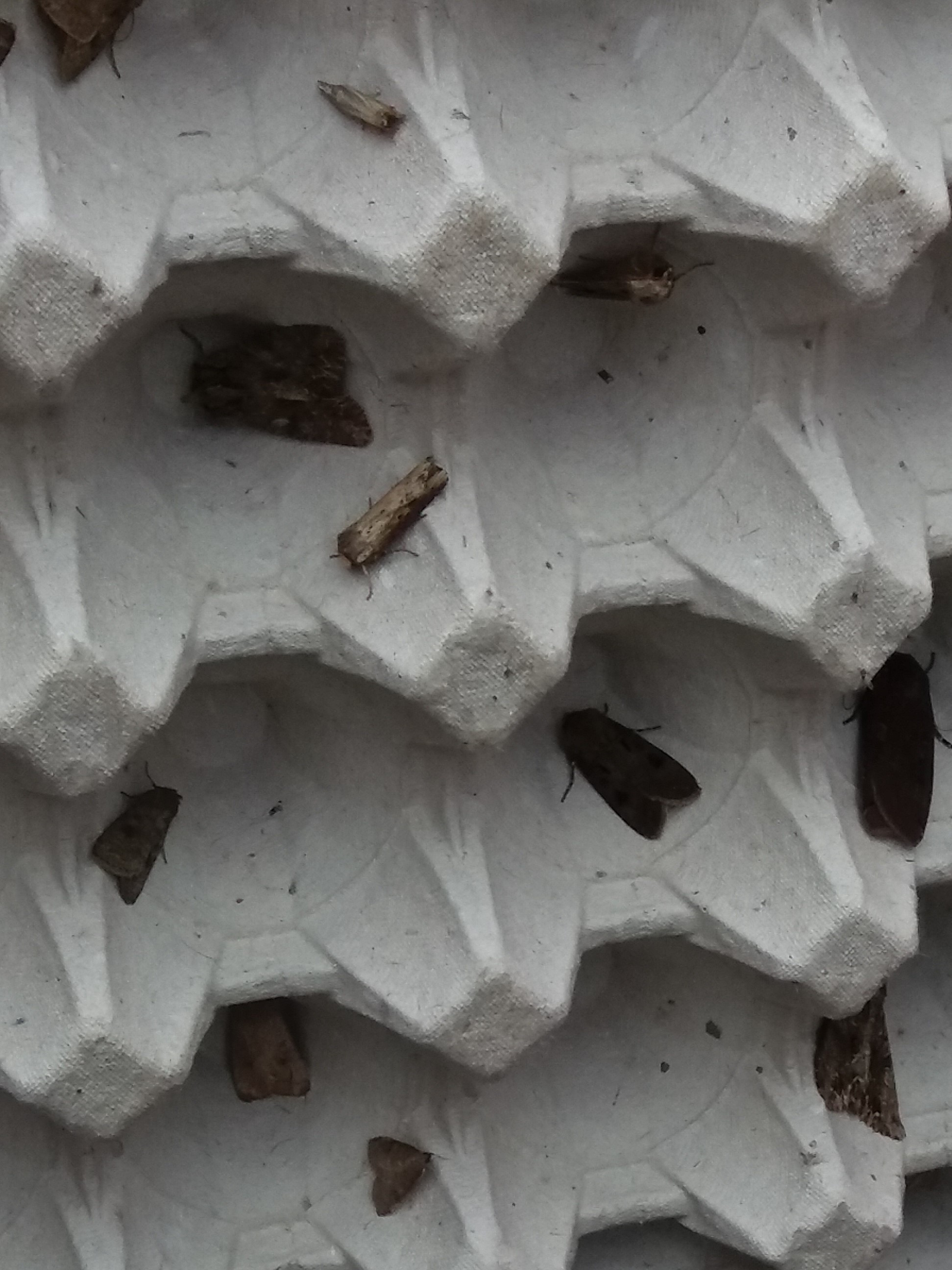
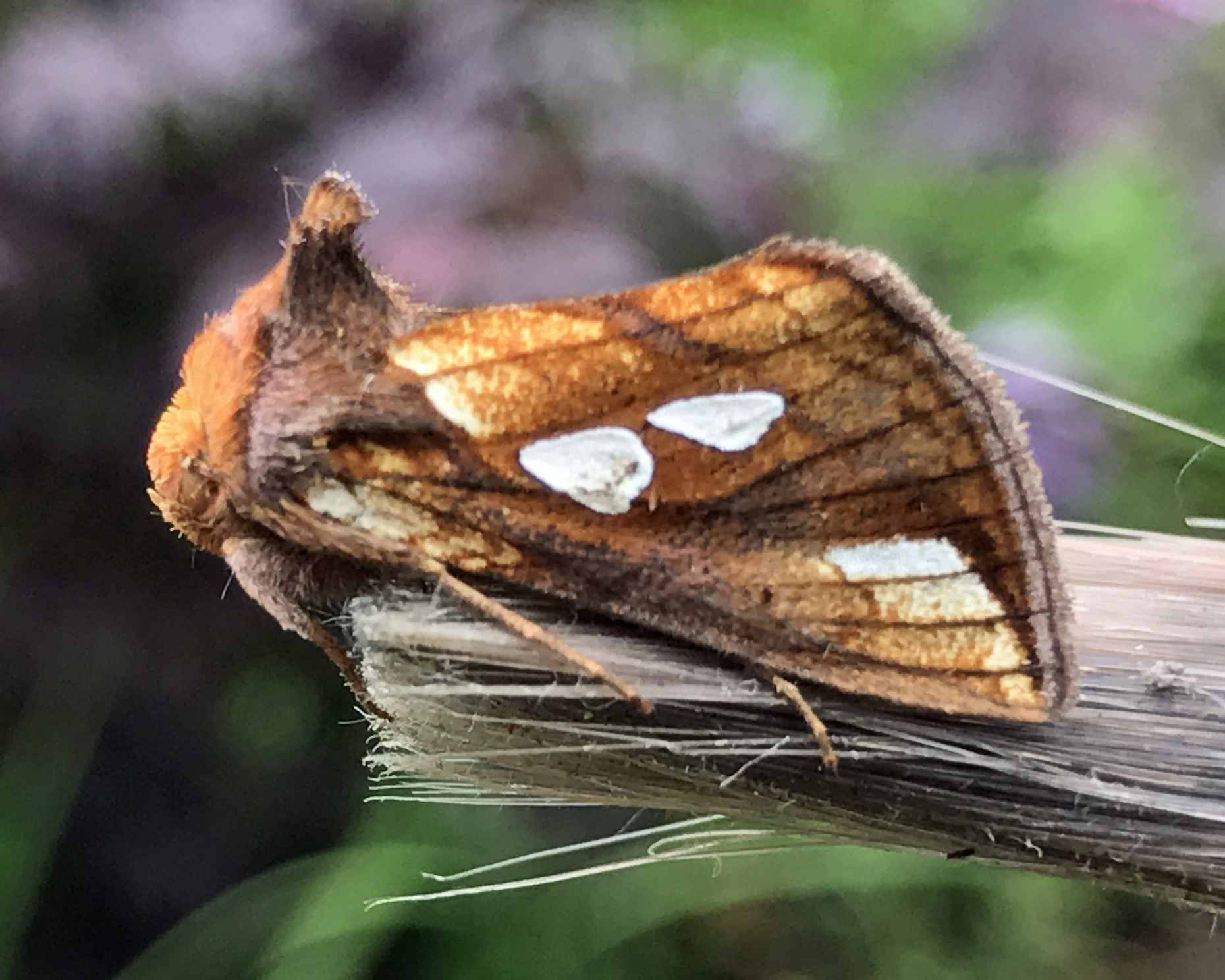
We began by looking at our live moth trap that had been in operation overnight. We studied the wide variety of moths that inhabit our garden overnight and slowly released them after encouraging each student to let a moth or two sit on their hands. Our overnight trapping was most successful with hundreds caught, with dozens of different species from the smallest micro moth up to our largest hawk moth. All were successfully released unharmed.


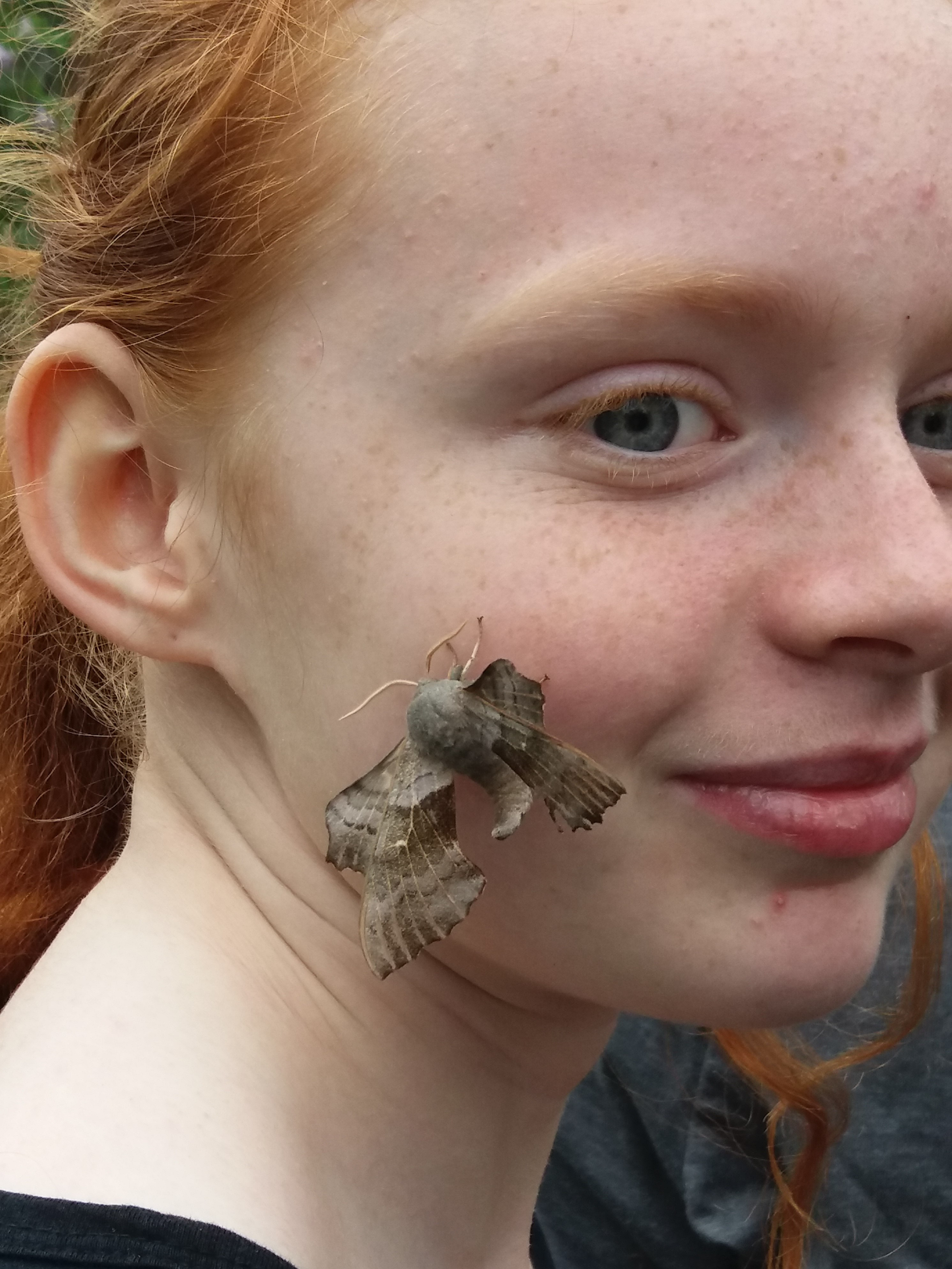
This Poplar Hawk Moth took a real liking to this young lady and stayed on her face for the whole visit. She even named him Steve!


We then enjoyed giving a guided tour of our patch, starting in the front garden and slowly moving through the whole patch, looking for plants that attract wild and identifying why and seeking out wildlife habitats and home made features.


A quick pond dip and the students were delighted to meet one of our frogs, a really impressive large one.

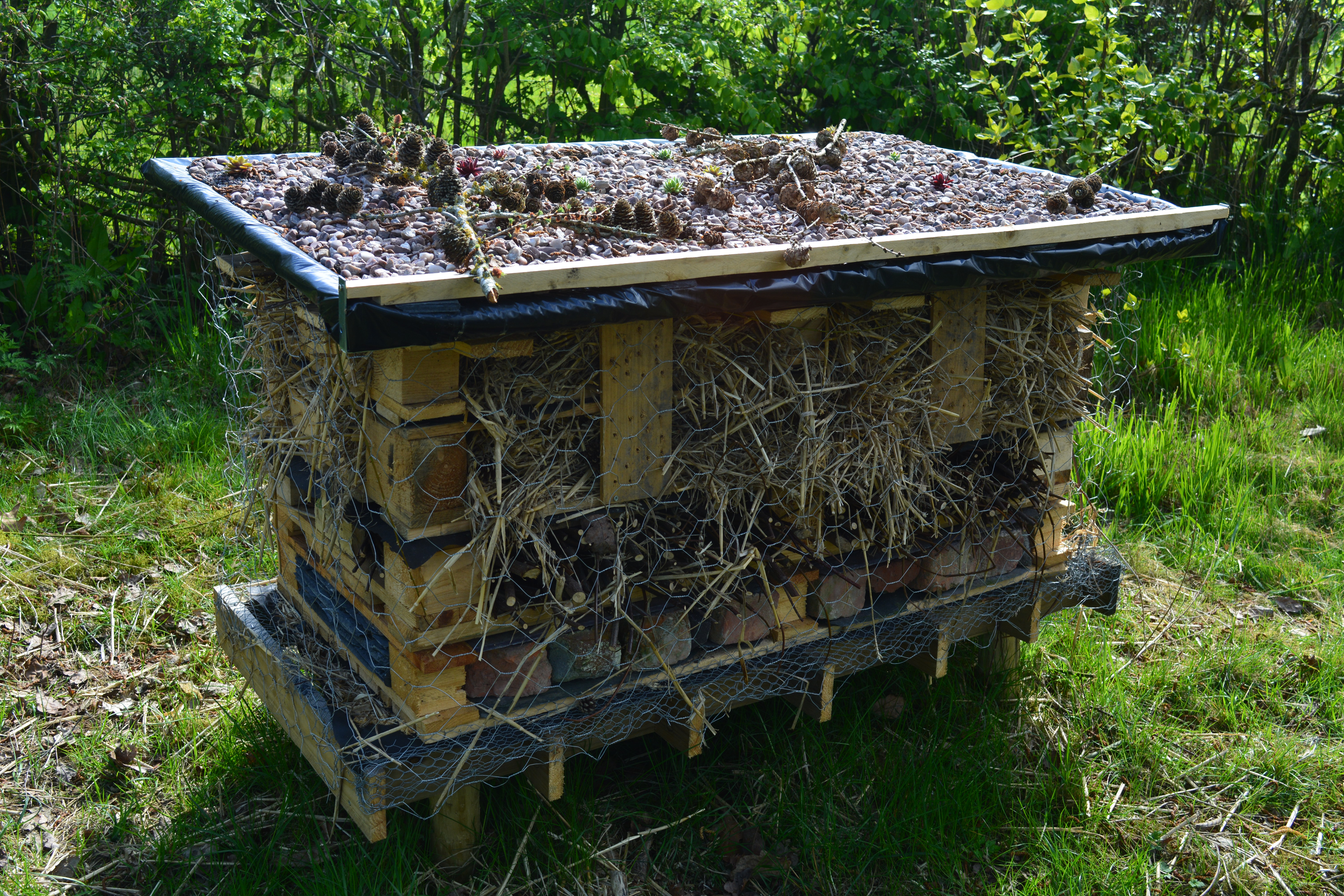
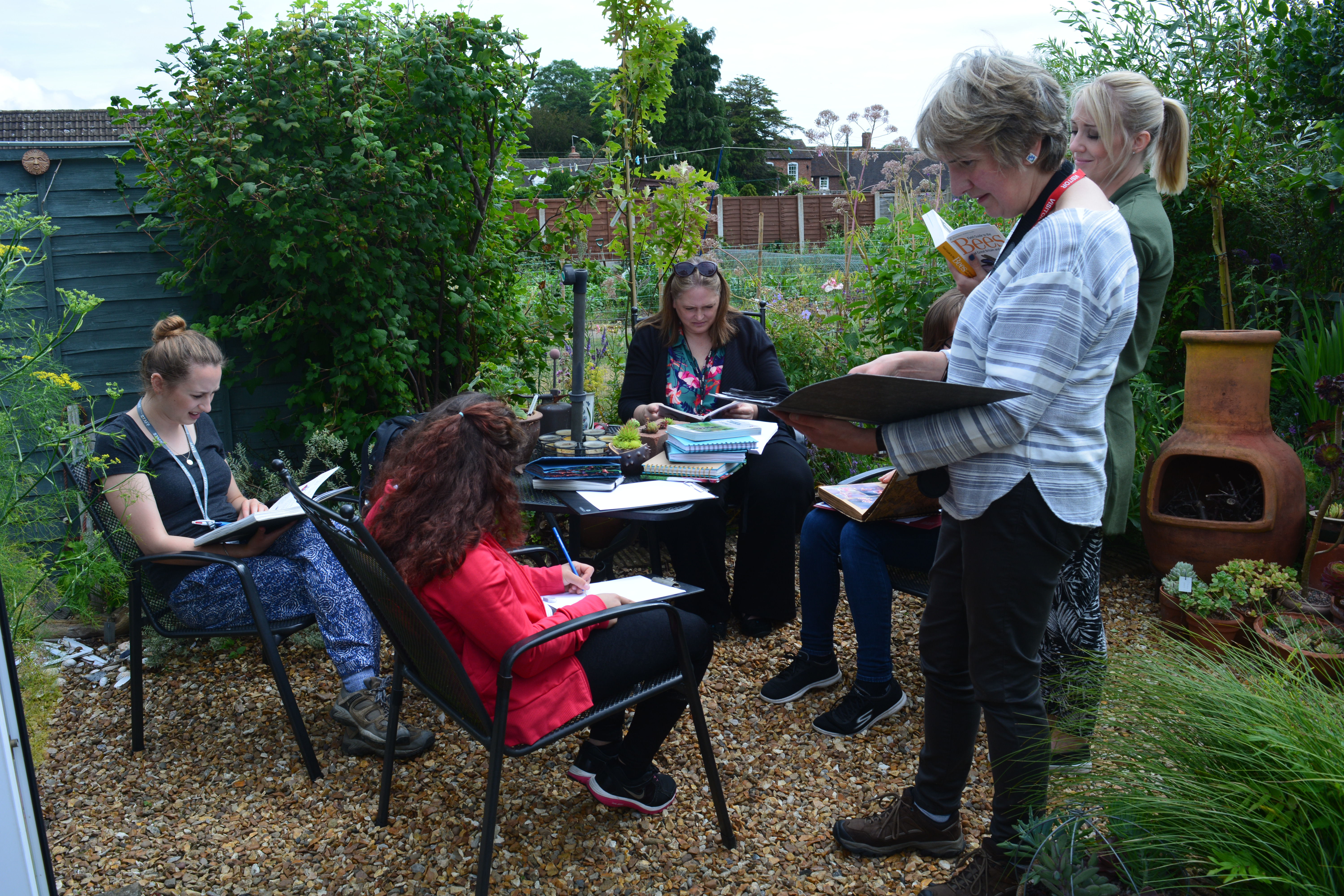
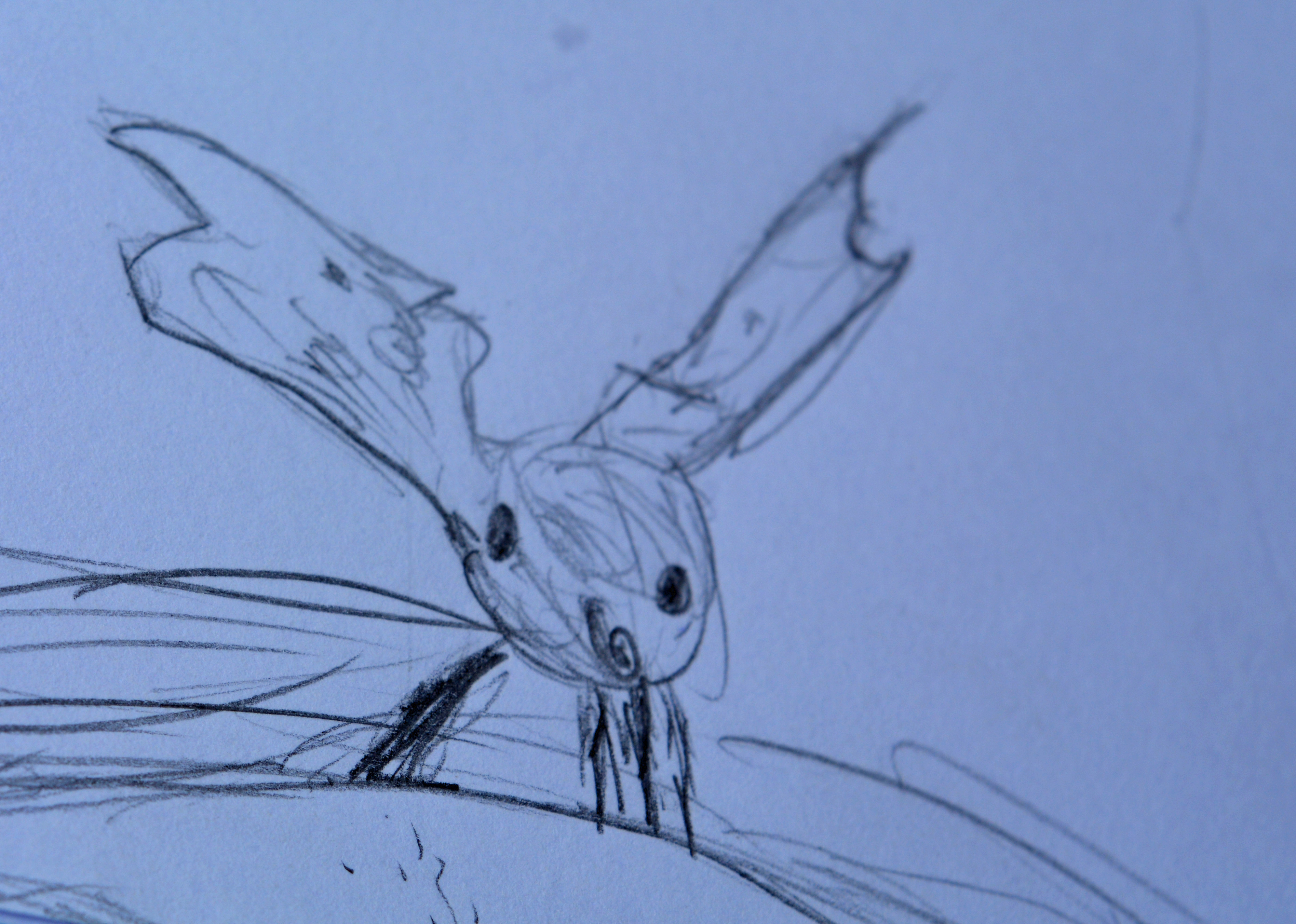
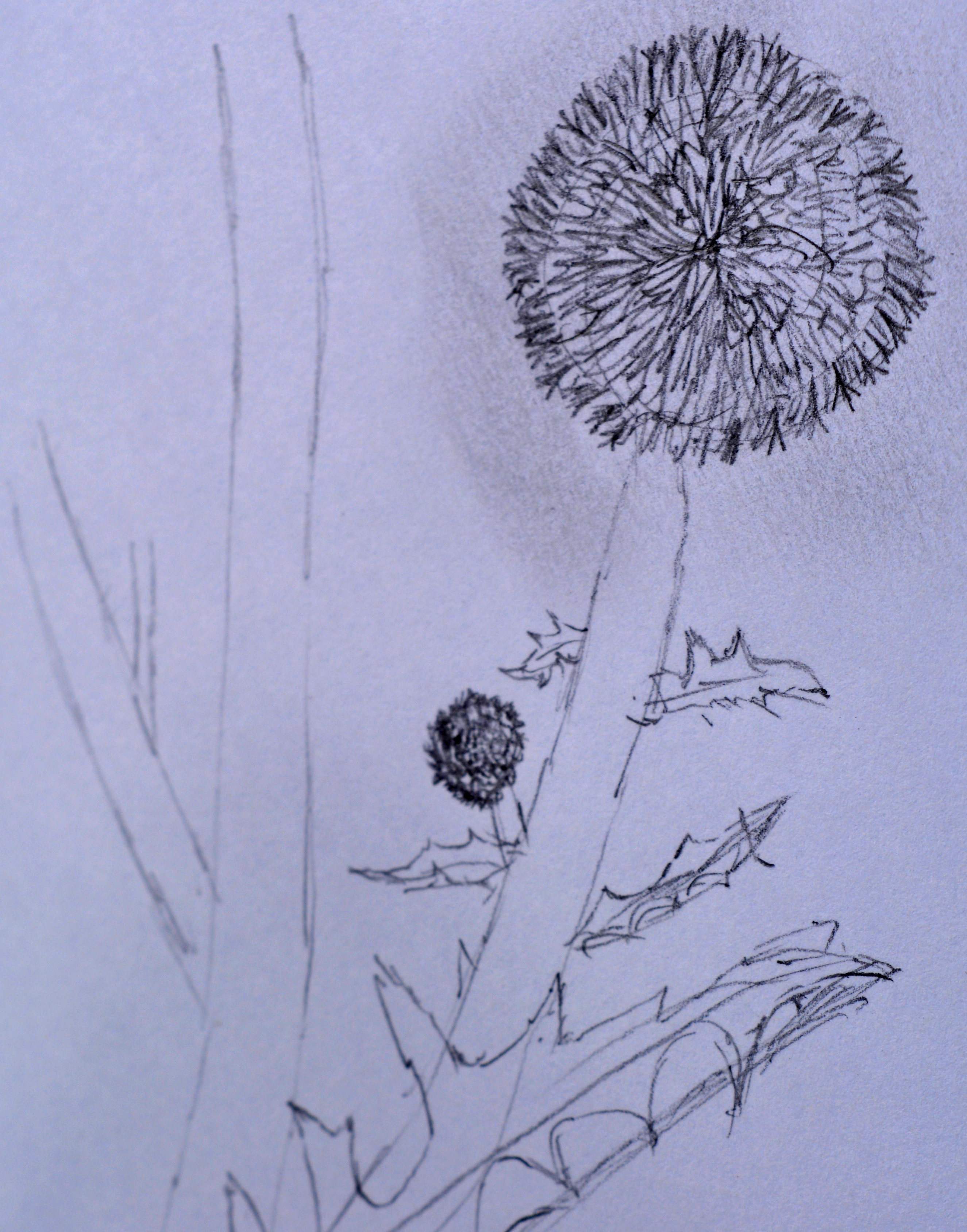
We then moved into the front garden and began a tour of our plot when we pointed out how we attract wildlife to our garden, highlighting plants that attract pollinators and all our home-made features, such as insect hotels and bird boxes. There was then time for a break when we all enjoyed tea, coffee and some of Jude’s home-made cakes. This was followed by a quiet time when the students explored the garden on their own and recorded what they had experienced in words and drawings.


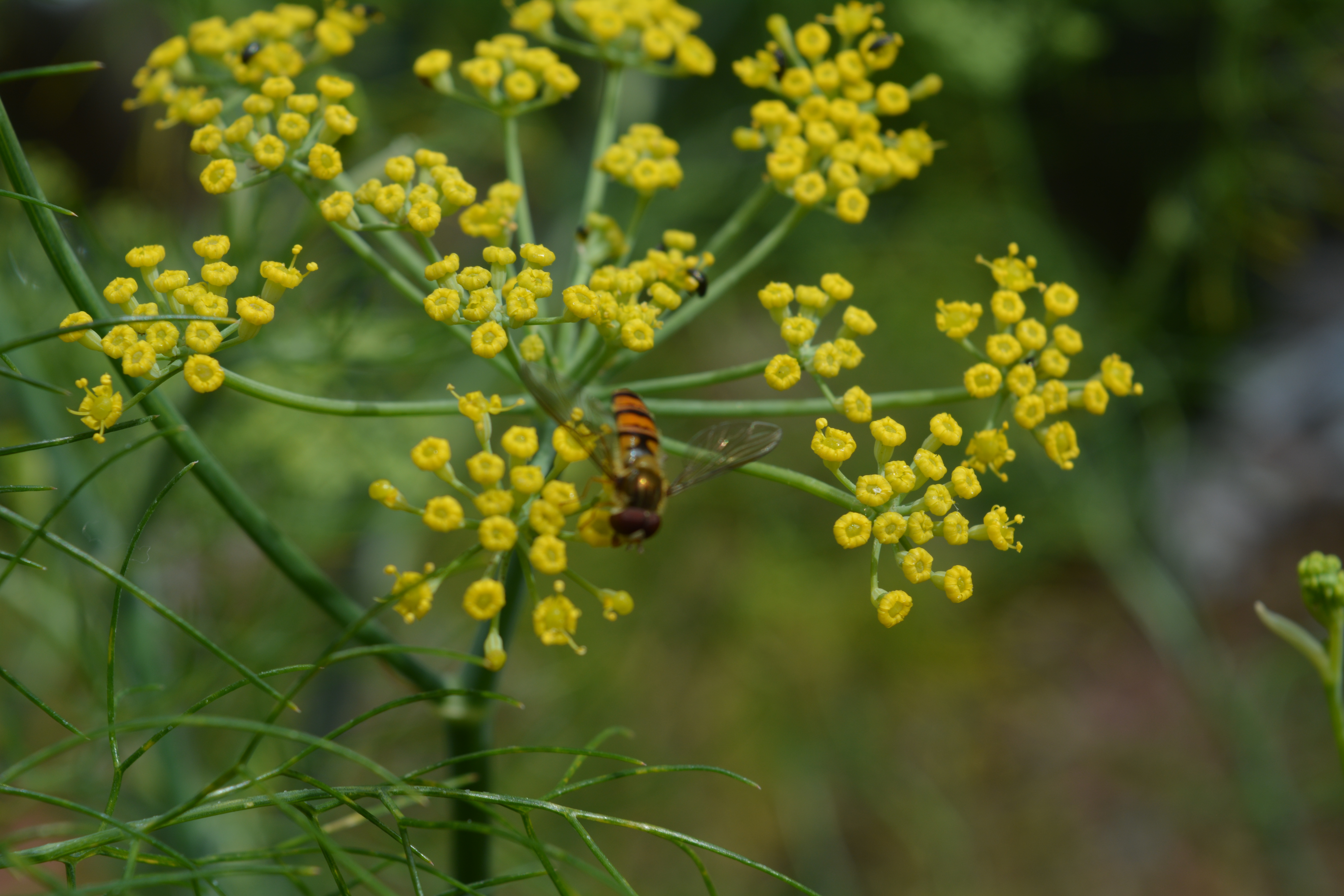
The group had target pollinator species to find and several were found and identified during the morning including this Marmalade Hoverfly, in its orange and black striped pyjamas.

All too soon it was time for the group to leave us and wander down the road to board their coach, with a request to come again. We enjoyed the big waves we received as the bus drove off.


Categories
fruit and veg garden photography garden wildlife gardening gardens gardens open to the public kitchen gardens National Trust ornamental trees and shrubs Shrewsbury Shropshire The National Trust walled gardens walled kitchen gardens wildlife woodland

A Walk in the Park – Attingham Park May

Spring is slowly turning into summer as we enjoy our monthly visit to our local National Trust property, Attingham Park. The walks are getting busier, the volunteers in the walled garden even busier.


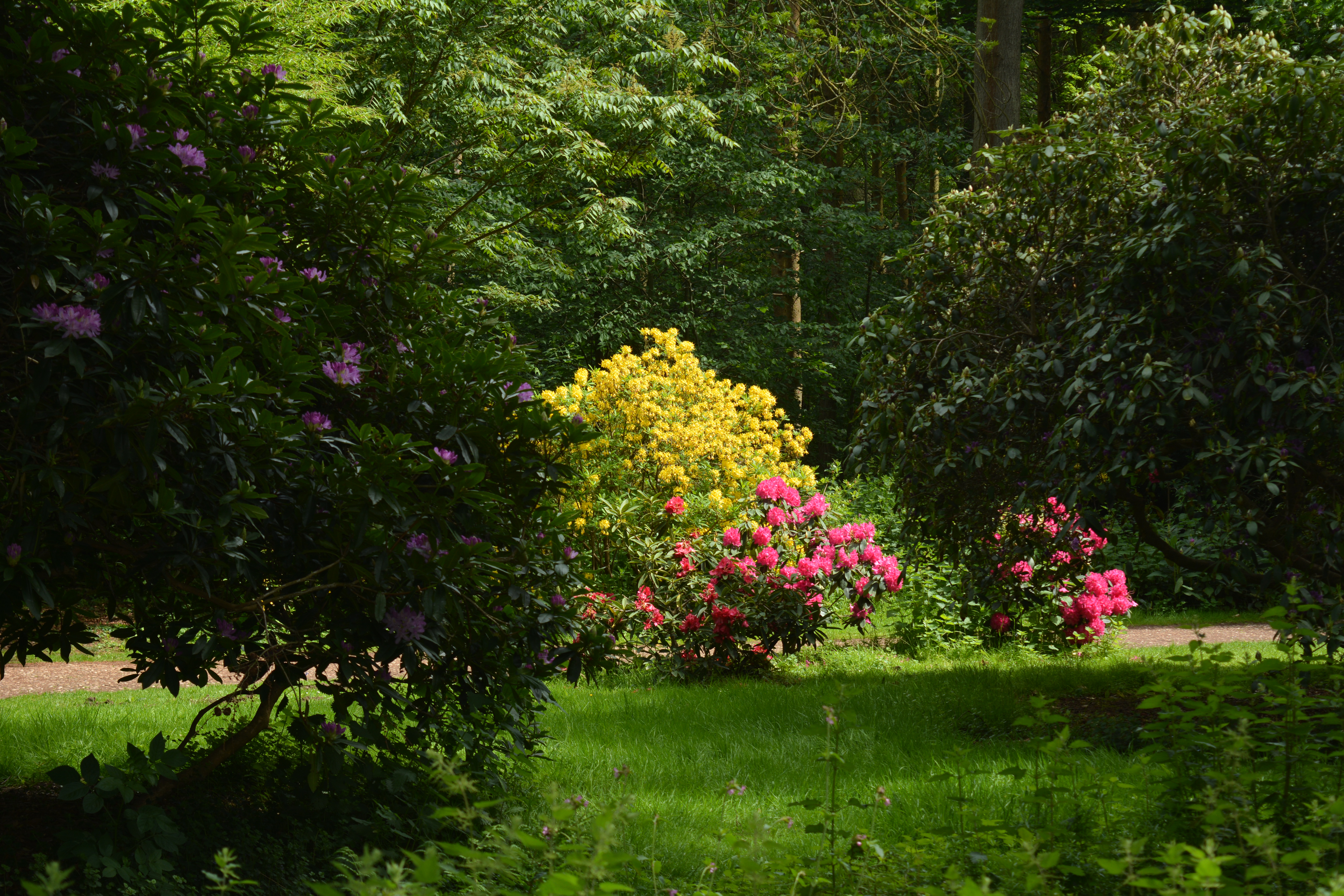
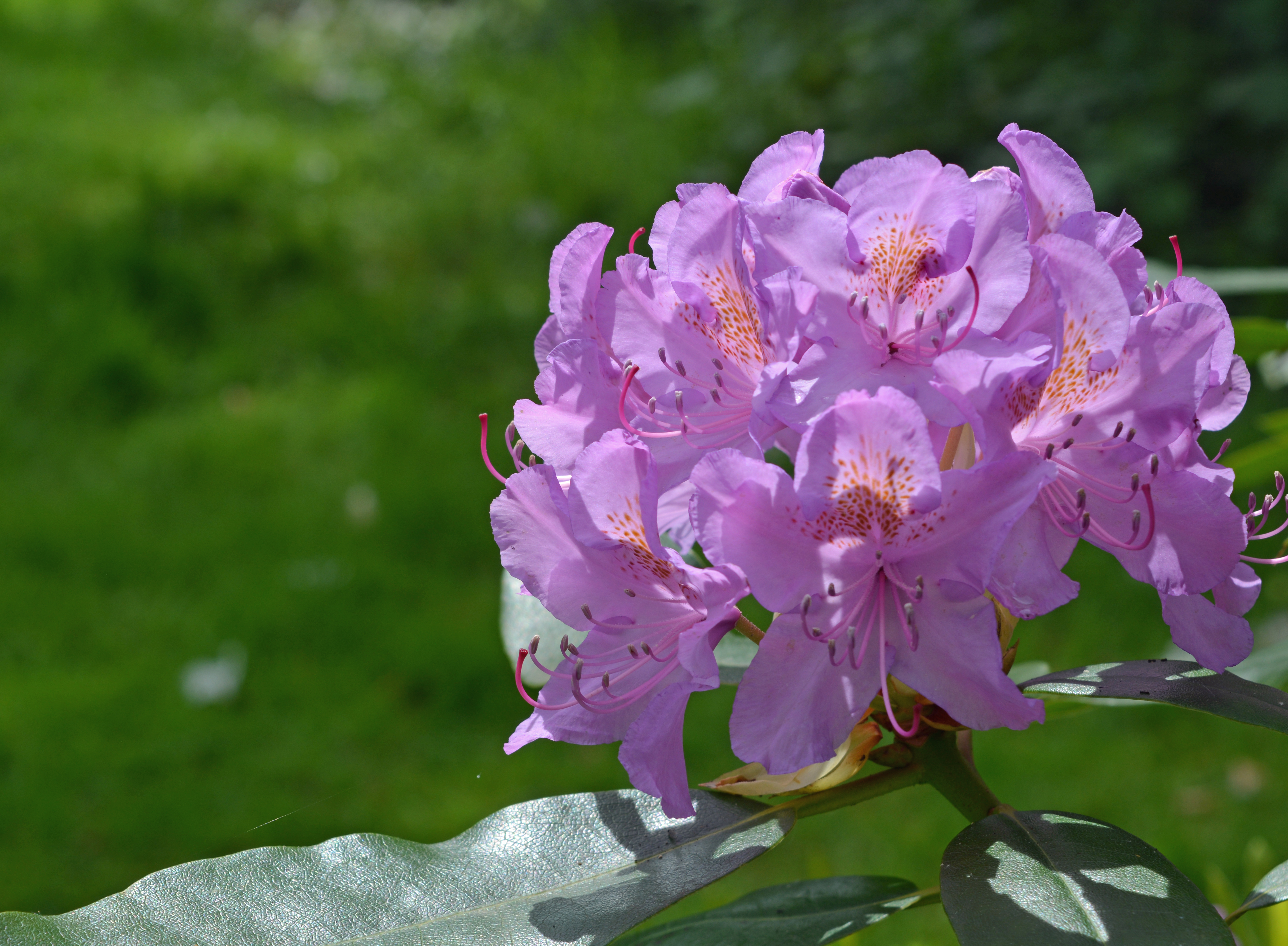
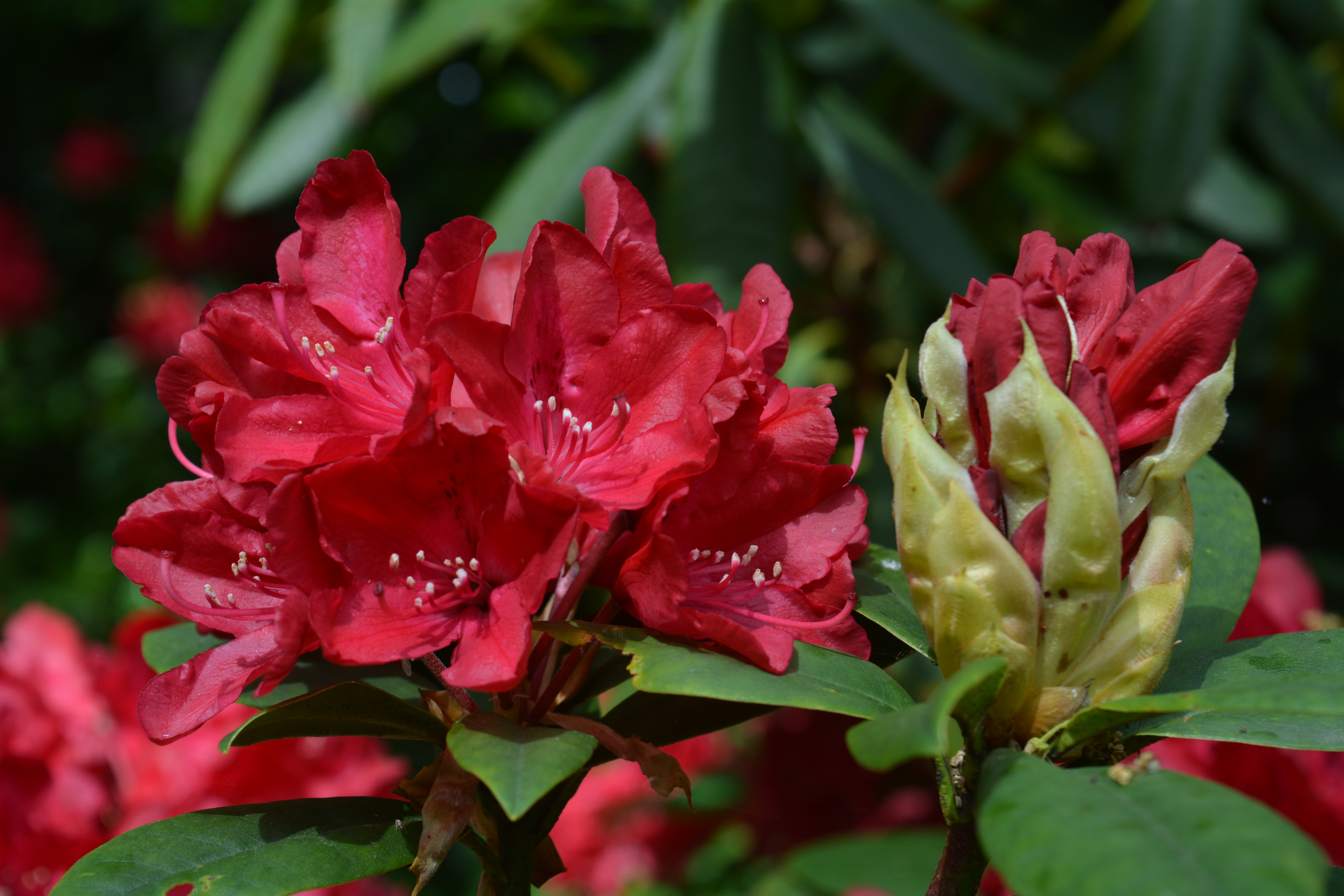
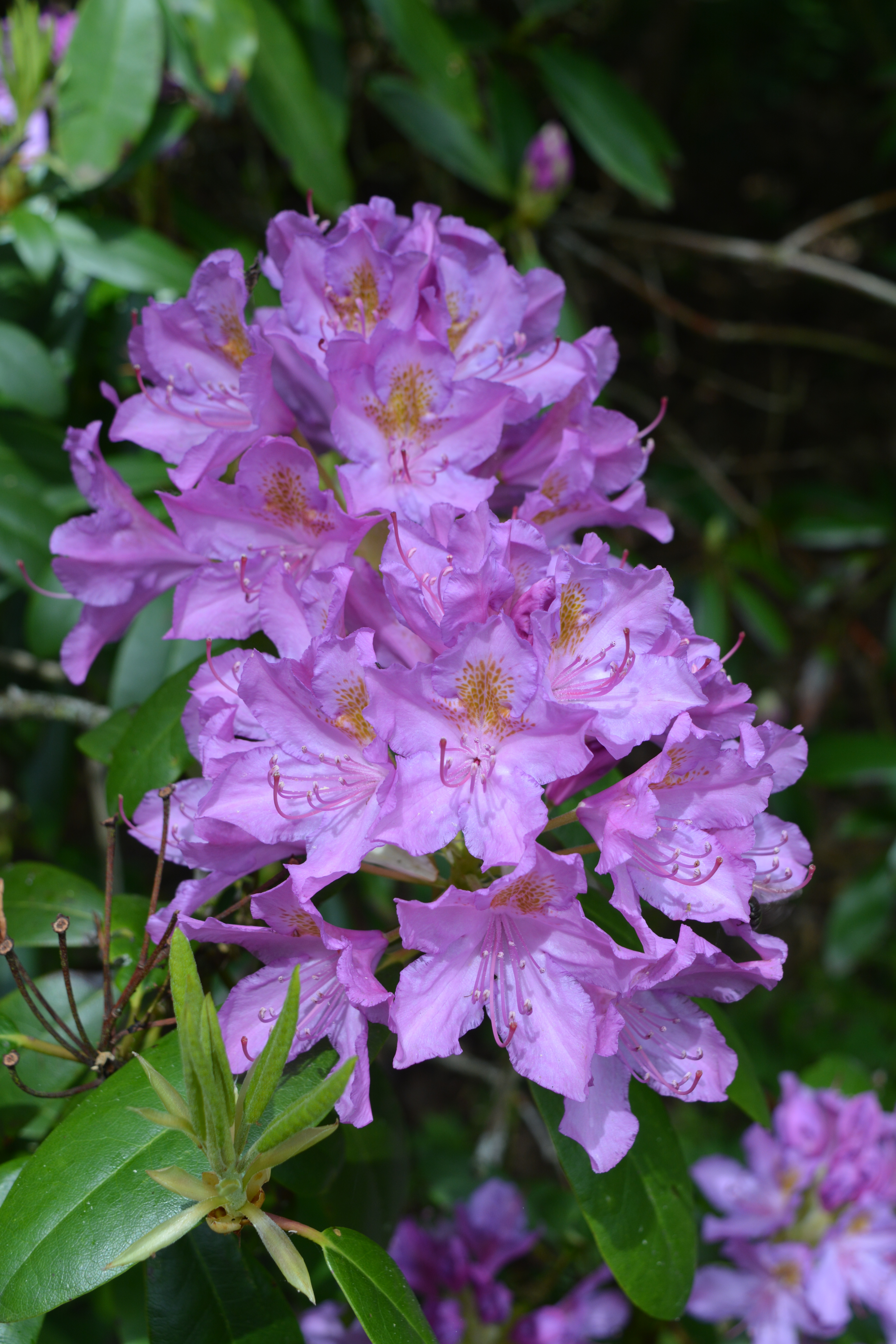
Continuing our through the woodland we were attracted to a bright patch of colour beneath the tall mature trees, which turned out to be a clutch of Rhododendrons.

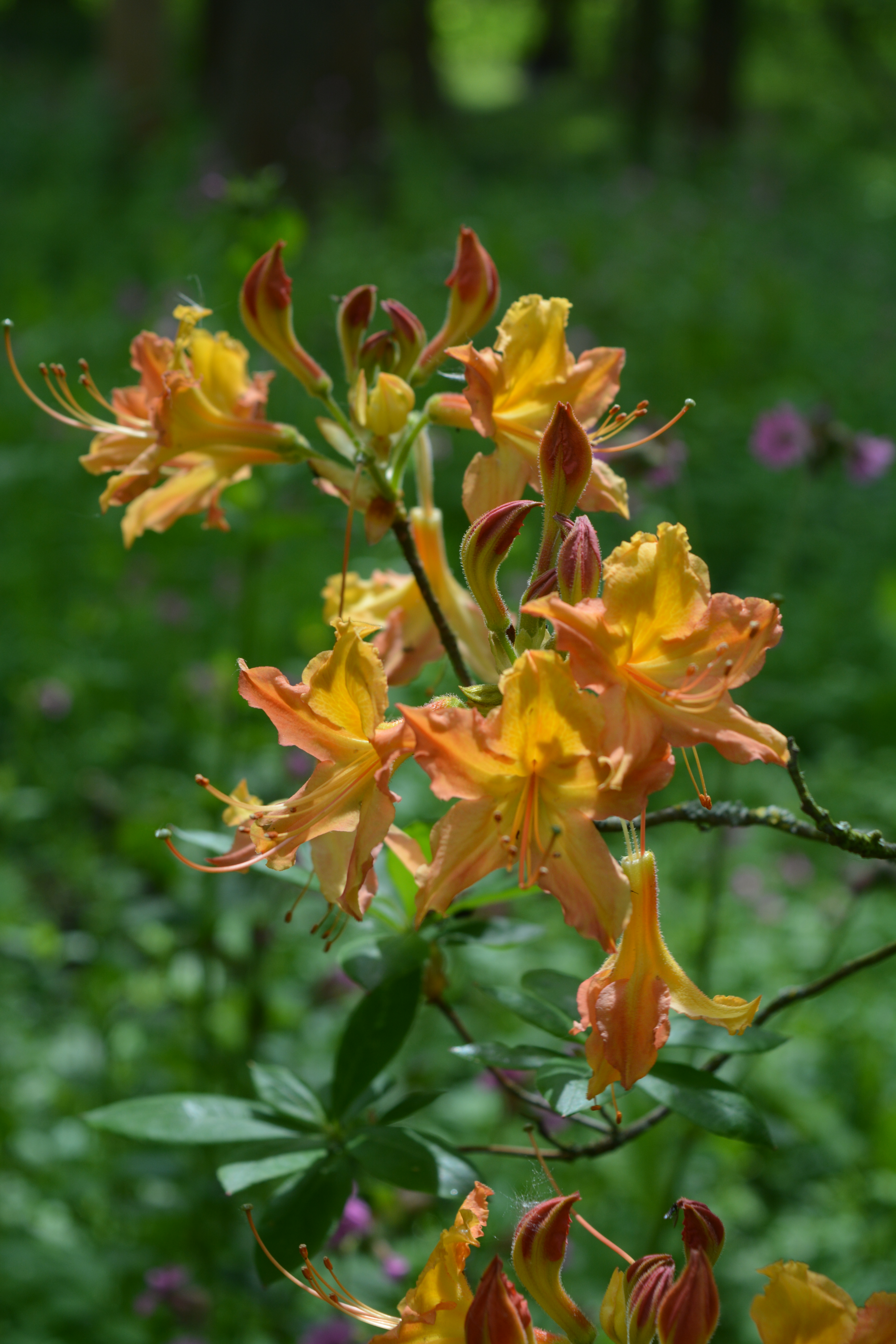
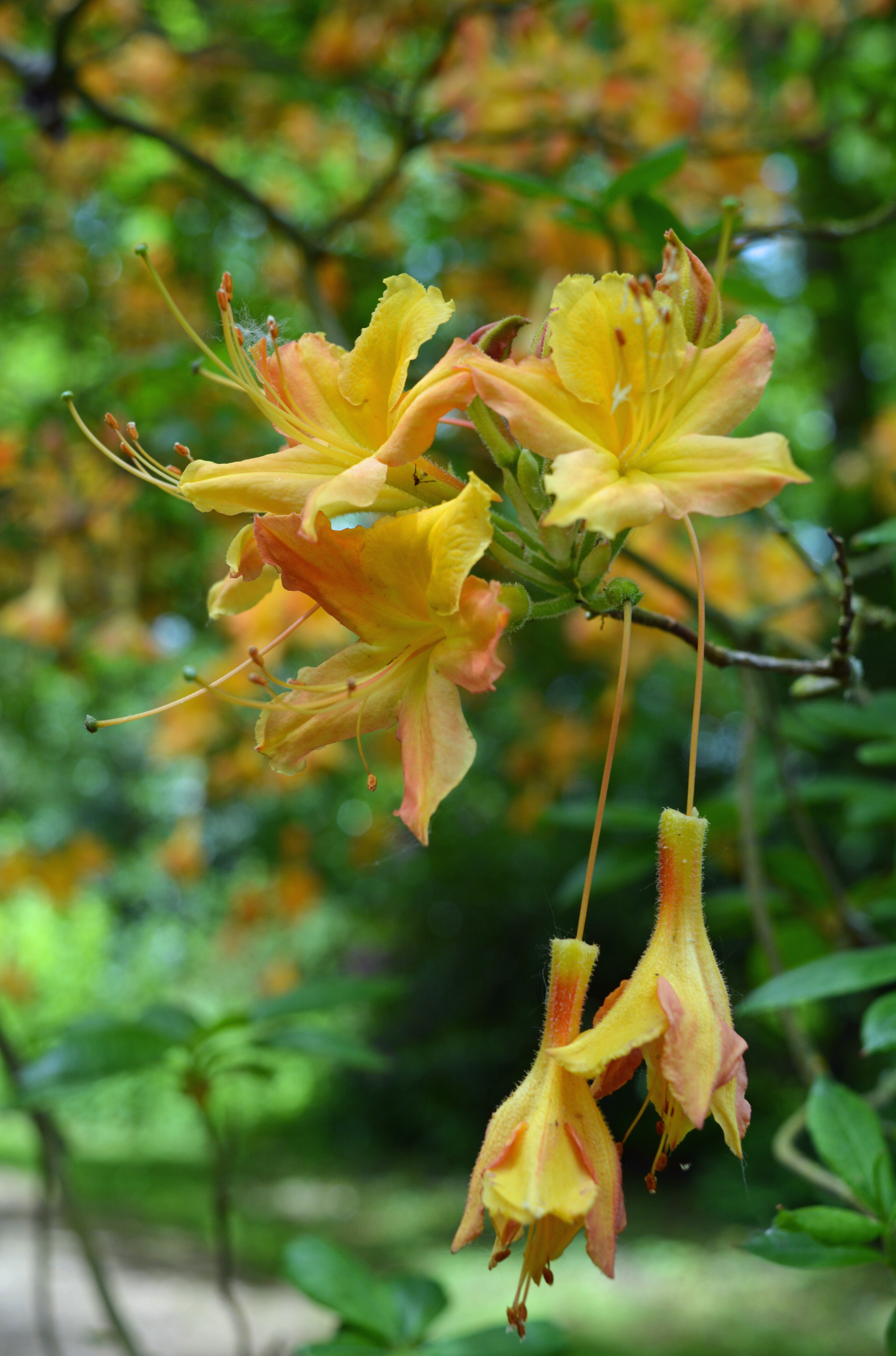
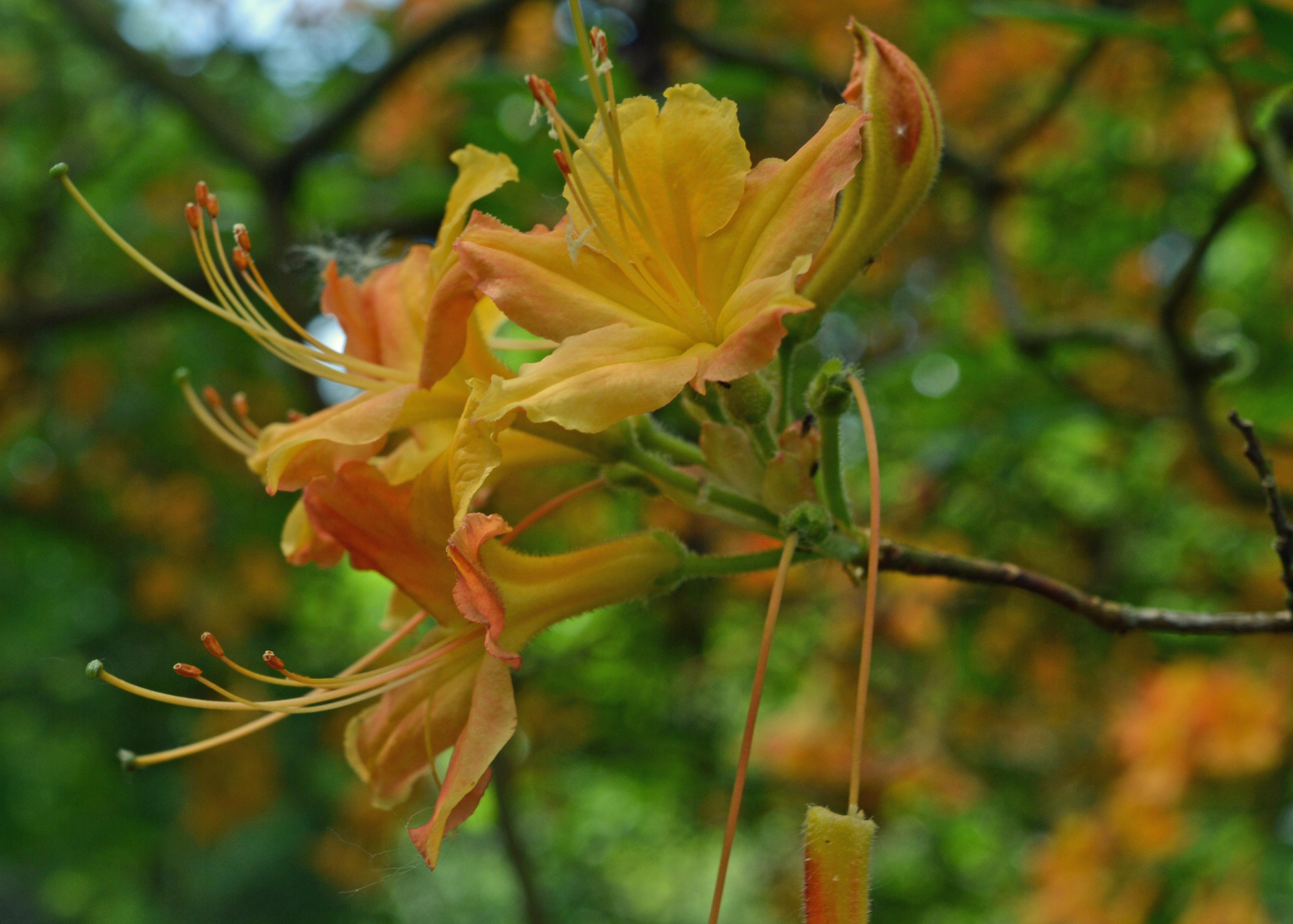
This bright yellow variety, Rhododendron luteum was beautiful with the hints of salmon orange, had the added interest of a rich sweet scent, which could be appreciated from metres away.

Throughout the woodland we discovered signs of wildlife living there.


Wildflowers decorated the grassy patches beneath the trees and alongside the tracks.


I shall finish my report of our May visit to Attingham Park with a gallery for you to enjoy. Click on the first photo and navigate with the arrows.


Categories
birds flowering bulbs garden design garden photography garden wildlife gardening gardens hardy perennials ornamental trees and shrubs Shropshire shrubs spring bulbs wildlife Winter Gardening winter gardens

My 2017 Garden Journal – February

Here is the second time in 2017 when I share with you my Garden Journal, so please enjoy my February pages.

fj-1

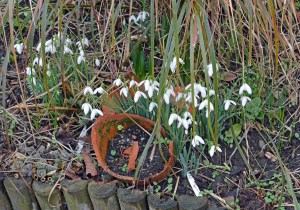
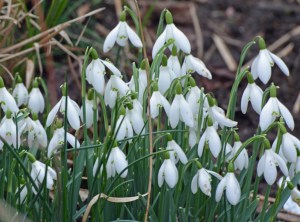
On the first double page spread I look at Snowdrops and some early plants of interest. I wrote, “February, the month when gardeners’ working hours increase and the light values improve strongly. The snow white of the humble Snowdrop intensifies in the special brightness.”

fj1-03 fj1-06fj1-01 fj1-05 fj1-02 fj1-04

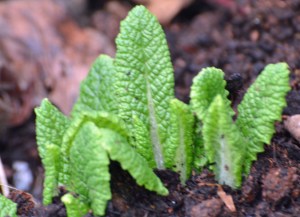
On the opposite page I wrote, “Our native Primroses, Primula vulgaris, begin to flower in February ready to be at their peak in early Spring. Pink “rogue” Primroses appear as self-seeders. Foliage of Primula vulgaris is beautifully textured and patterned.”

fj1-07 fj1-08

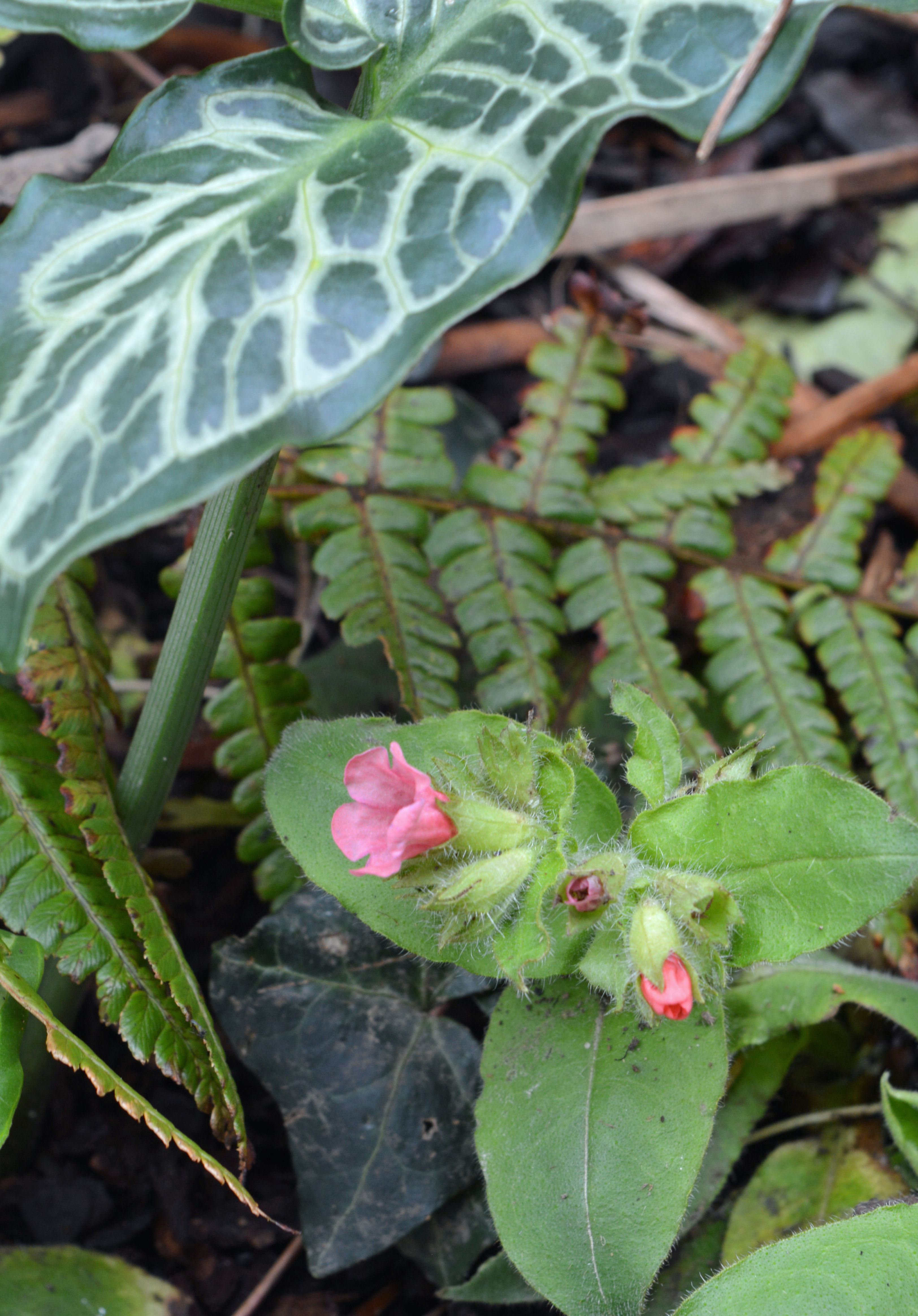
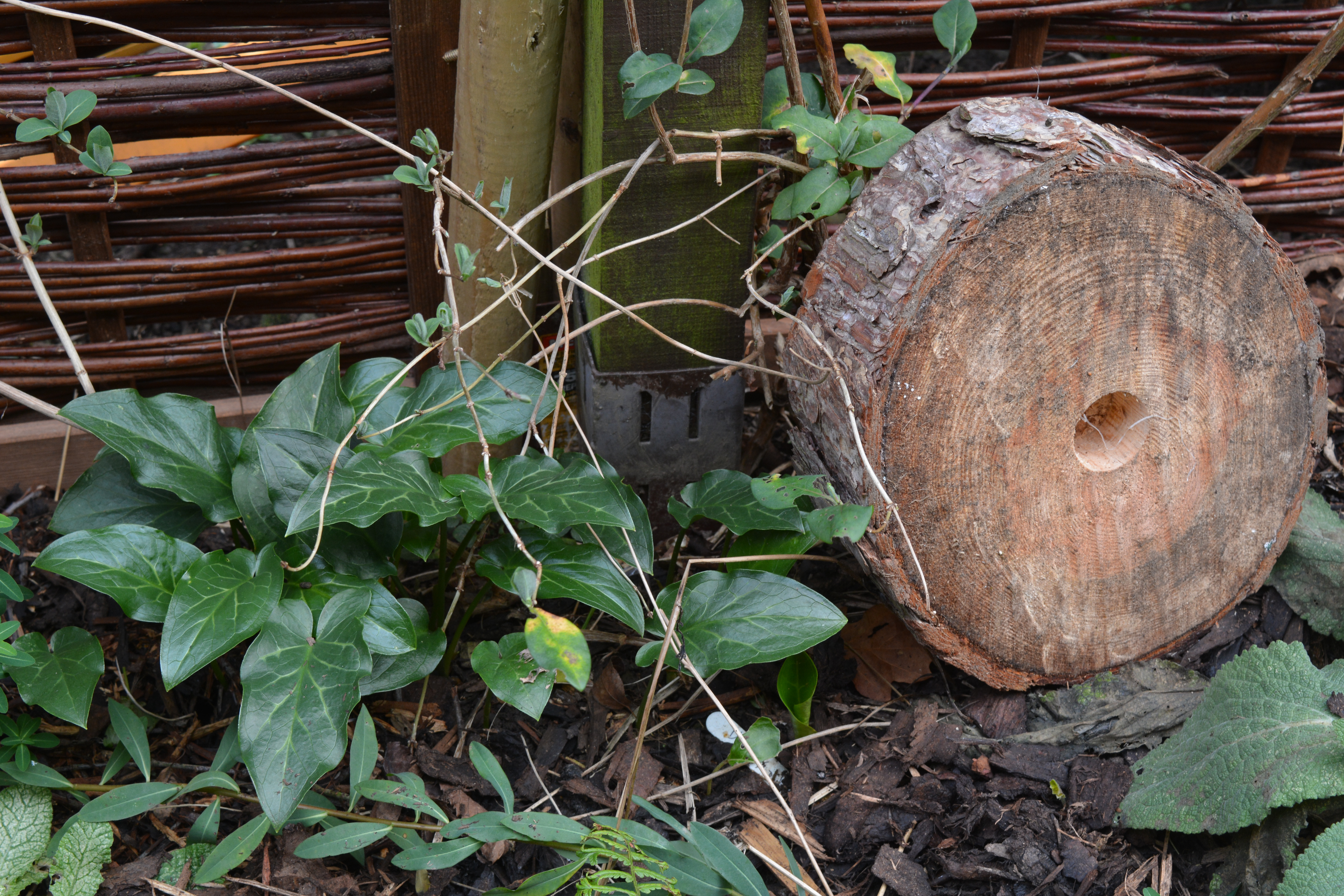
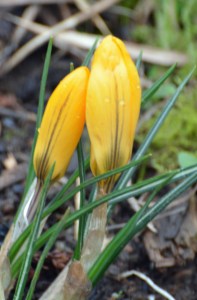
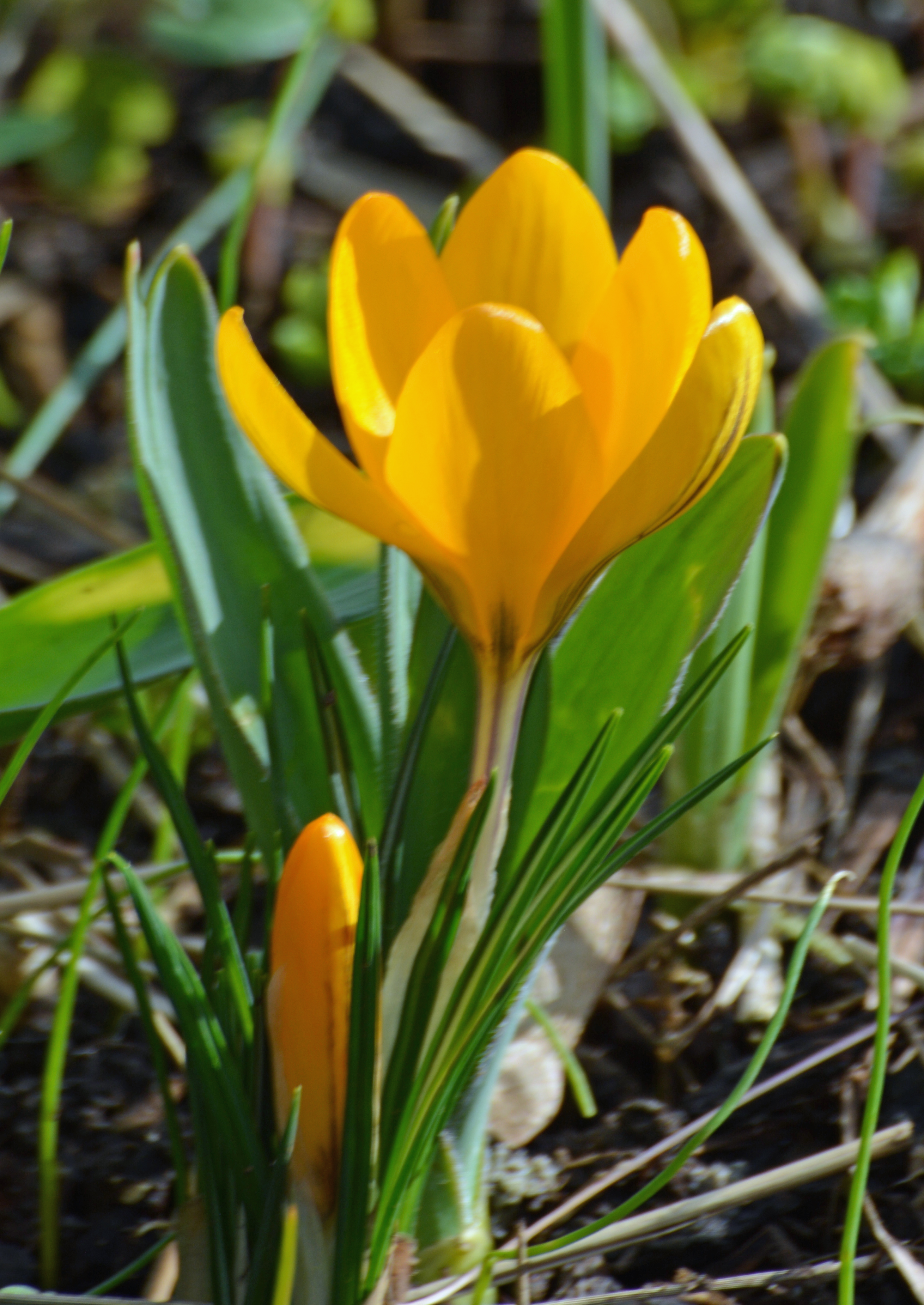
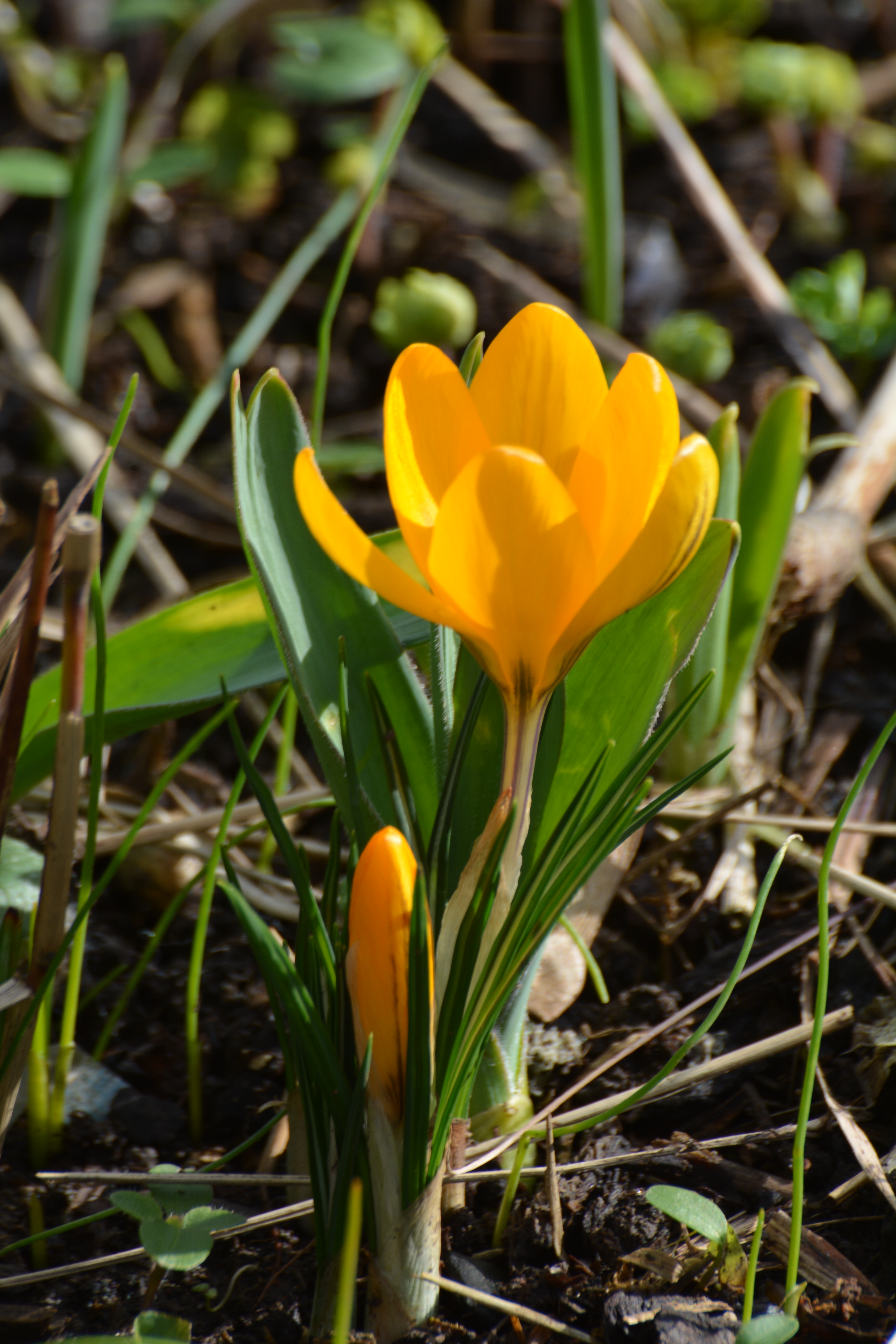
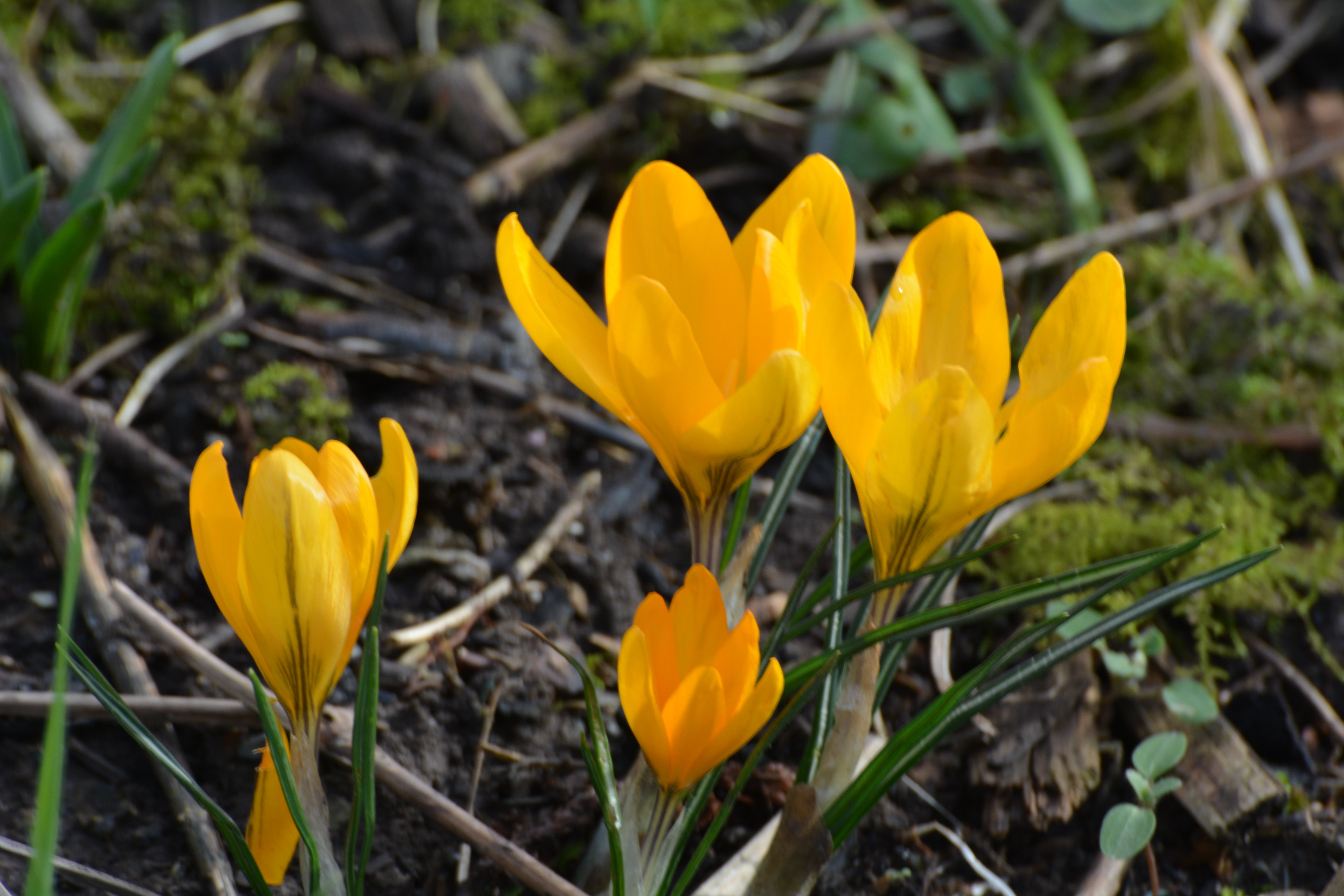
Other early flowering plants giving bright spots in our borders include Crocus and Pulmonaria. This golden Crocus has a bright green Pittosporum as its partner. The pink Pulmonaria is partnering a fern and an Arum, A. italicum “Marmoratum”.

fj1-09 fj1-10 fj1-11

A February flowering shrub features on the next double-page spread along with Hellebores.

fj-2

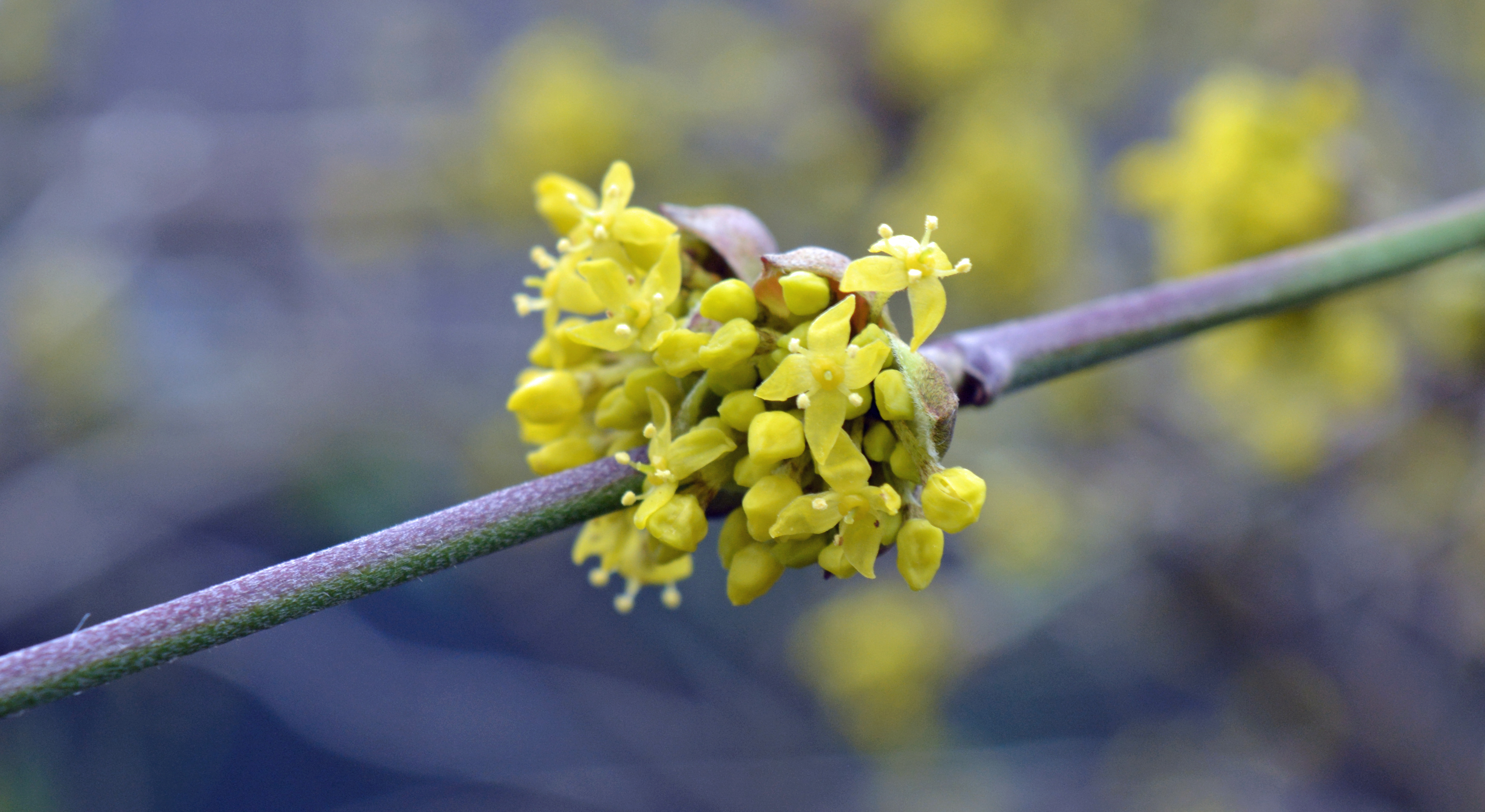
The flowering shrub is Cornus mas, which reliably flowers profusely early every year. I  have selected it as my “Plant of the Month” for February. I wrote, “The star of our garden this month has to be Cornus mas, the Cornelian Cherry, with its bright yellow flowers with just a hint of green. We prune off the lower branches and select main boughs to improve the structure of our’s and this also exposes the texture of the bark on the lowest boughs.”

fj2-01 fj2-07 fj2-05fj2-03 fj2-06fj2-04

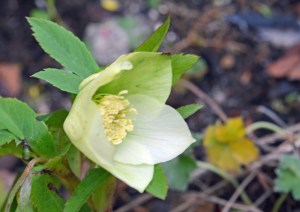
I moved on to show a few of our many Hellebore hybrids and wrote, “Hellebore hybrids start to put on a colourful show from green to yellow and from red to purple. Lots more will come into flower throughout the coming weeks.”

fj2-10 fj2-12fj2-09 fj2-11  fj2-13 fj2-08

The last photo is not a hybrid Hellebore like the others but our native Helleborus foetidus with its pale green flowers, a subtle beauty with an upright habit.

On the turning of the page we discover my account of re-developing an old border, the Shade Garden”.

fj-3

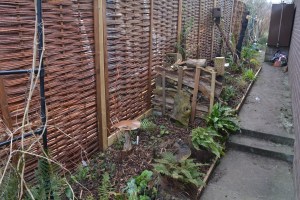
I wrote that “By mid-February we had finished re-vamping our “Shade Garden”, an opportunity that arose when we moved a shed that was situated part way along it. The shed was just 6ft by 3ft but the space released by its removal seemed far more significant that that. Its removal opened up the border. We decided to add a couple of Maples, Acer palmatum “Koto-no-ito” and Acer palmatum “Eddisbury”, and increase the variety and number of ferns and grasses, We liked the idea of mixing ferns and grasses, a new plant combination for us.”

fj3-08 fj3-02fj3-07 fj3-09fj3-11

“Mr and Mrs Green Man”

fj3-03 fj3-05

Rotting wood pile, Acer and Ivy, Ivy and Fern.”

fj3-06 fj3-01 fj3-12

New growth appearing in the Shade Garden”

fj3-04 fj3-10

Ivy is the feature plant over the next pair of pages.

fj-4

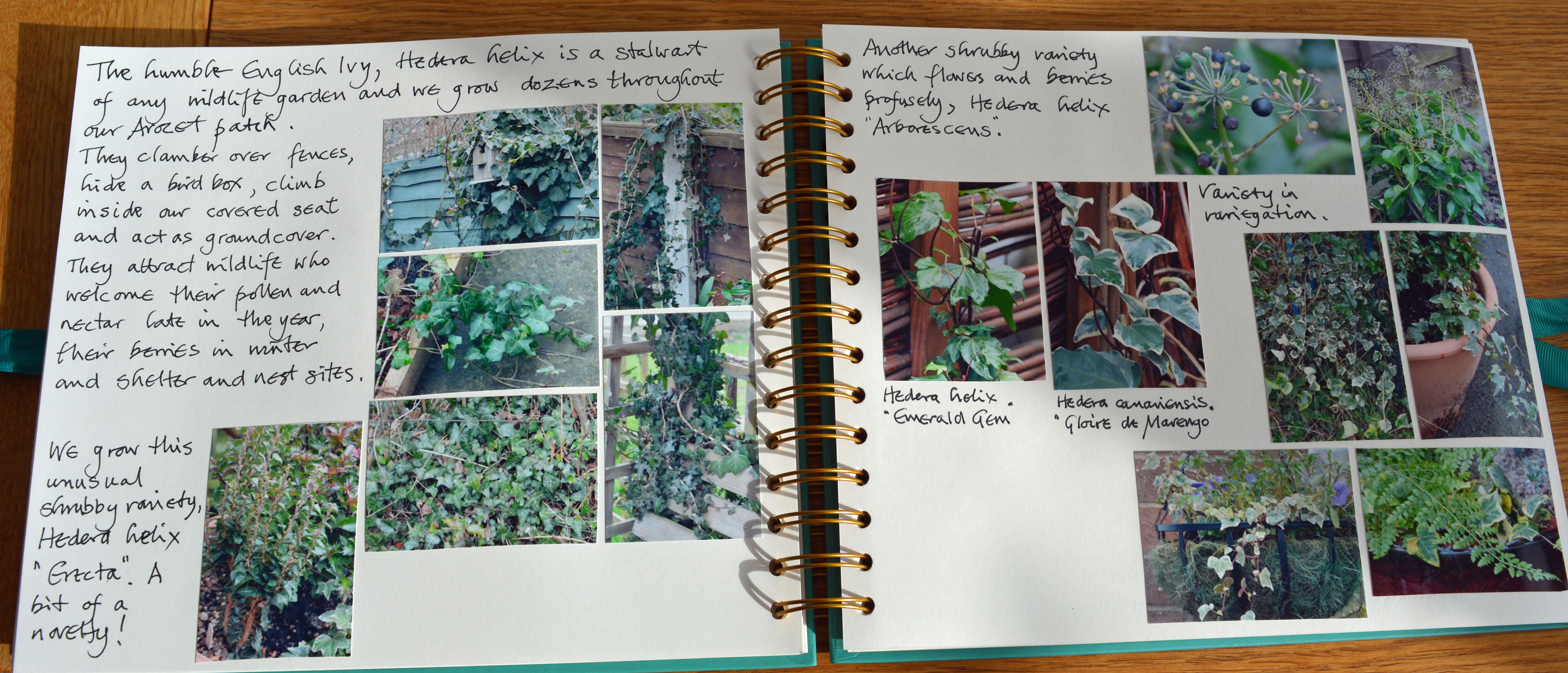
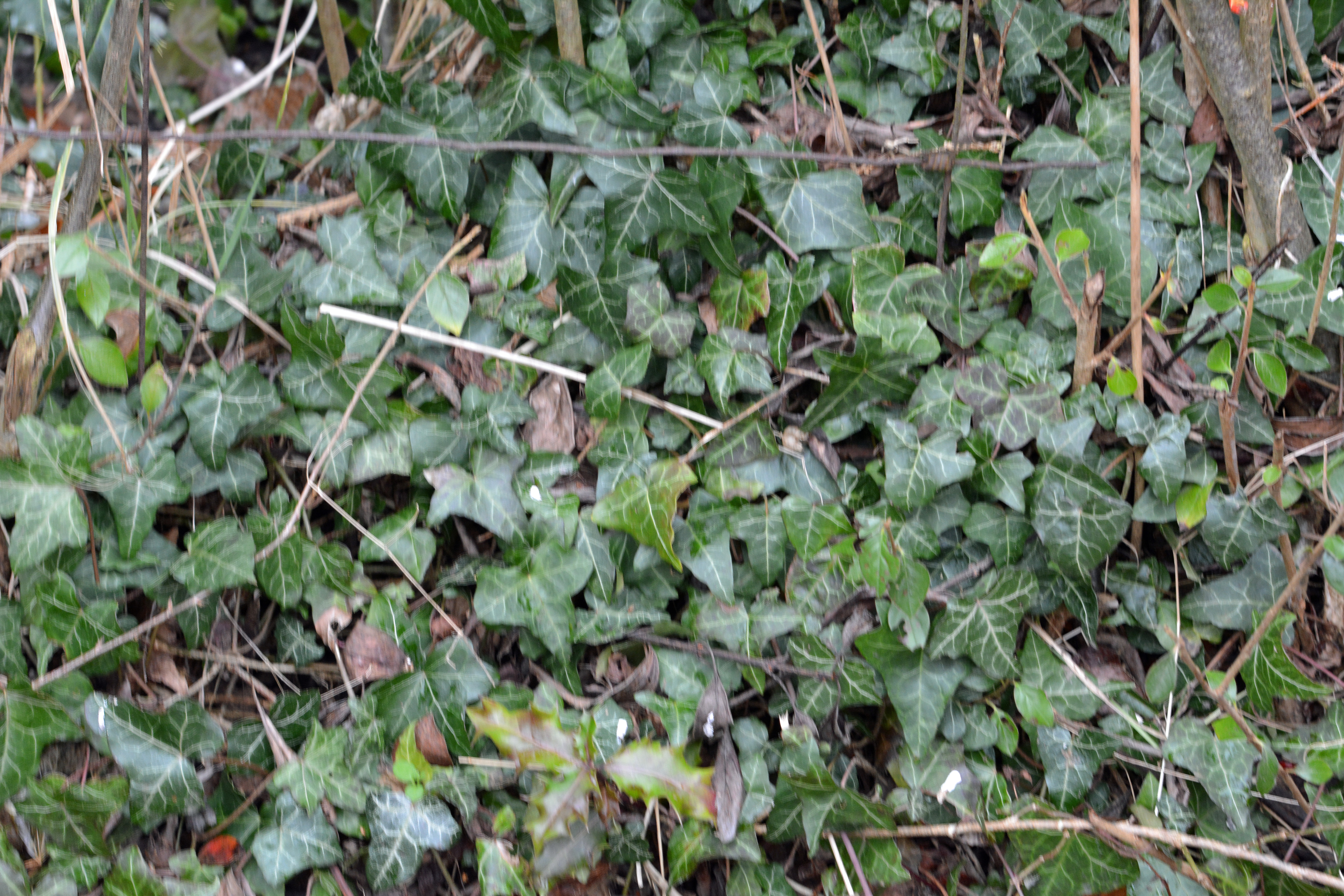
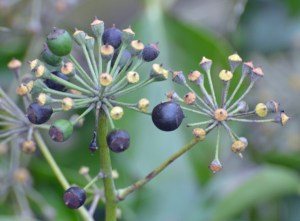
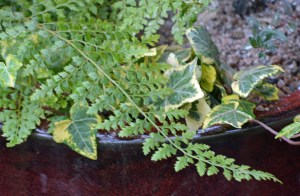
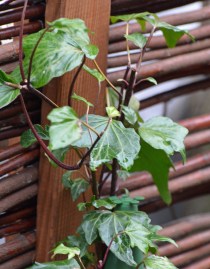
I wrote of the ivy, “The humble English Ivy, Hedera helix is a stalwart of any wildlife garden and we grow dozens throughout our Avocet patch. They clamber over fences, climb inside our covered seat and act as ground-cover. They attract wildlife who welcome their pollen and nectar late in the year, their berries in winter and shelter and nest sites.”

fj4-15 fj4-11fj4-03 fj4-10 fj4-09

We grow this unusual shrubby variety, Hedera helix “Erecta”, a bit of a novelty!”

fj4-05 fj4-07

Another shrubby variety which flowers and berries profusely, Hedera helix “Arborescens.”

fj4-02 fj4-01

Variety in variegation.”

fj4-08 fj4-06fj4-04 fj4-16

Finally two climbing ivies growing in our Shade Garden.

fj4-12 fj4-13 fj4-14

“Hedera helix “Emerald Gem”                         “Hedera canariensis “Gloire de Marengo.”

Next I featured the birds that share our garden with us, particularly the ones who take advantage of our feeding stations.

fj-7

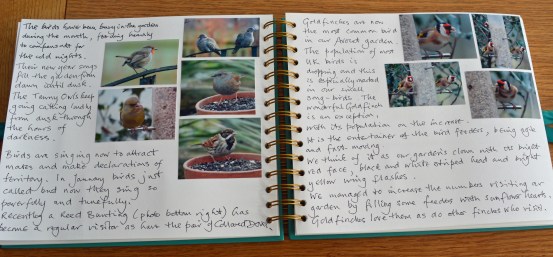
“The birds have been busy in the garden during the month, feeding heavily to compensate for the cold nights. Their new year songs fill the garden from dawn until dusk. The Tawny Owls keep going, calling loudly from dusk through the hours of darkness.”

“Birds are singing now to attract mates and make declarations of territory. In January birds just called but now they sing so powerfully and tunefully. Recently a Reed Bunting (photo bottom right) has become a regular visitor as have the pair of Collared Doves.”

fj5-4-1 fj5-9-1fj5-7-1 fj5-8-1fj5-6-1

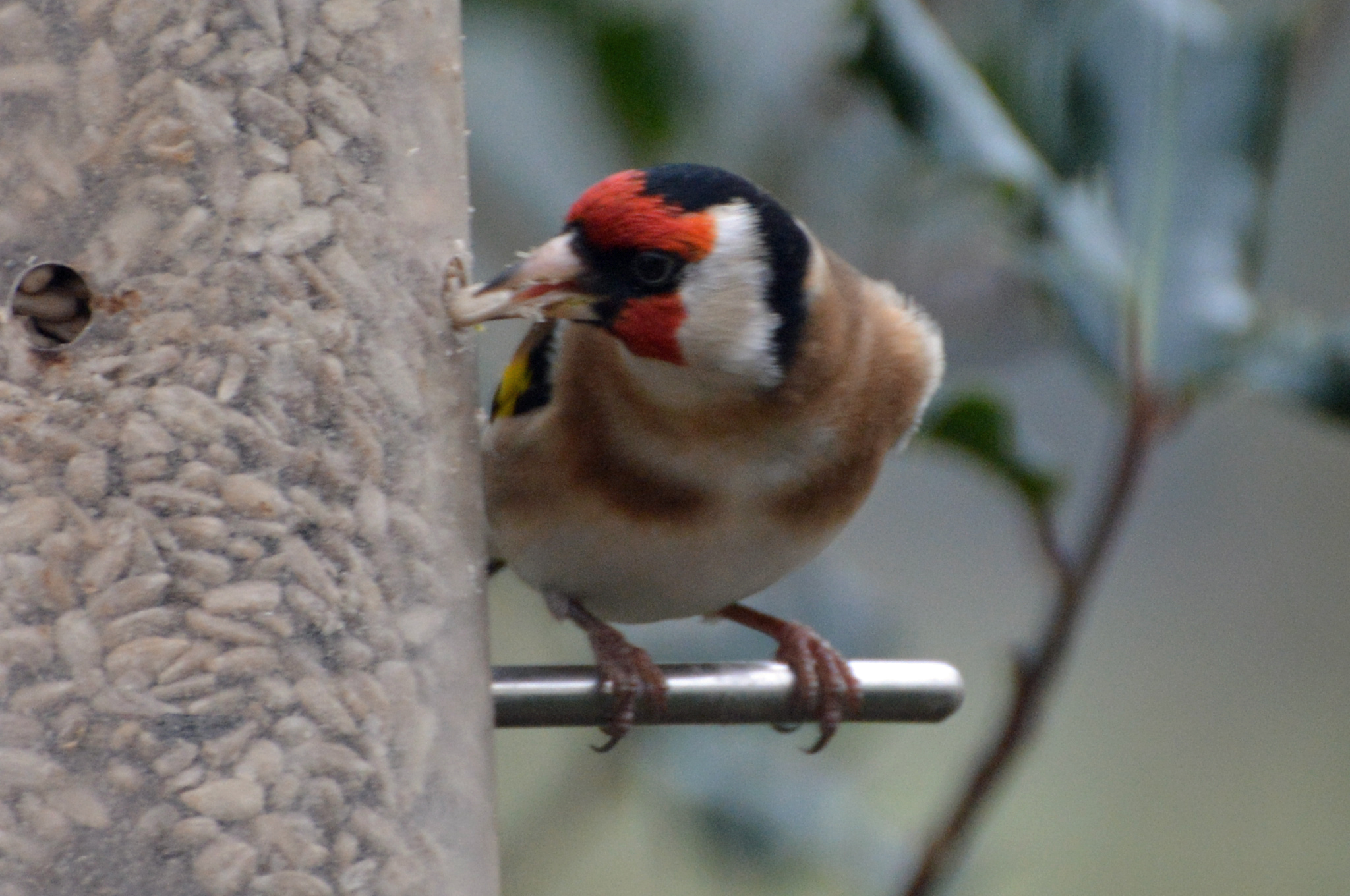
“Goldfinches are now the most common bird in our Avocet garden. The population of most UK birds is dropping and this is especially marked in our song-birds. The wonderful Goldfinch is an exception, with its population on the increase. It is the entertainer of the bird feeders, being agile and fast-moving.

We think of it as our garden’s clown with its bright red face, black and white striped head and bright yellow wing flashes. We managed to increase the numbers visiting our garden by filling some feeders with sunflower hearts. Goldfinches love them as do other finches who visit.”

fj5-3-1 fj5-2-1fj5-1-1 fj5-5-1

We next turn over to a double page spread all about early flowers and a plant that displays amazing unusual foliage.

fj-6

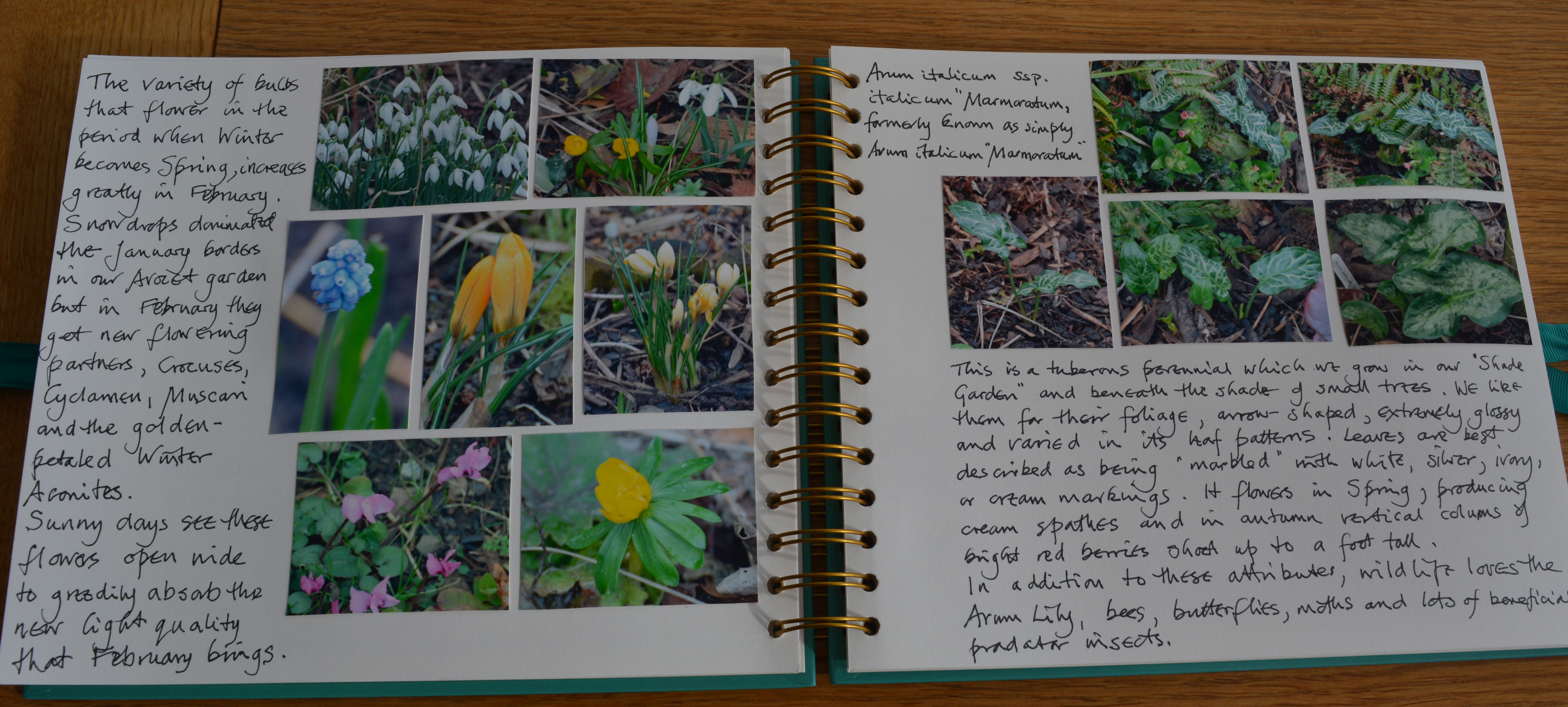
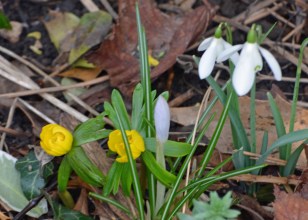
I wrote, “The variety of bulbs that flower in the period when Winter becomes Spring, increases greatly in February. Snowdrops dominated the January borders in our Avocet garden but in February they get new flowering partners, Crocuses, Cyclamen, Muscari and the golden-petaled Winter Aconites.

Sunny days see these flowers open wide to greedily absorb the new light quality that February brings.”

fj6-18 fj6-15fj6-17 fj6-19 fj6-16fj6-01 fj6-02 fj6-03  fj6-05 fj6-06 fj6-07 fj6-14fj6-04 fj6-09

Concerning the unusual Arums we grow I continued, “Arum italicum ssp. italicum “Marmoratum” formerly known simply as Arum italicum “Marmoratum”. This is a tuberous perennial which we grow in our Shade Garden and beneath the shade of small trees. We like them for their foliage, arrow-shaped, extremely glossy and varied in its leaf patterns. Leaves are best described as being “marbled” with white, silver, ivory or cream markings. It flowers in Spring, producing cream spathes and in Autumn vertical columns of bright red berries shoot up to a foot tall. In addition to those attributes, wildlife loves the Arum Lily, bees, butterflies, moths and lots of beneficial predatory insects.” 

fj6-11 fj6-10fj6-13 fj6-12

We are so pleased to have established a clump of the rare Arum Lily called “Arum italicum Chameleon”, seen in photo below.

fj6-08

More foliage features over on the following pages, the newly emerging foliage of perennials.


I wrote, “In the second half of the month we had a special treat in store, a few days of heatwave with daytime temperatures reaching 15 C in Plealey. This resulted in rush of new growth from the perennials that had died down after their display last year. The photos show perennial growth with new leaf growth penetrating the soil like the blades of swords.

fj7-11 fj7-09fj7-12 fj7-04fj7-10 fj7-07

This final picture of new growth illustrates how new growth of Pulmonarias shows both foliage and flower bud shooting together.

fj7-06

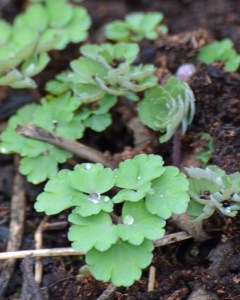
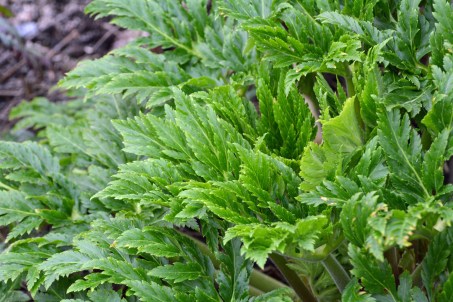
Opposite I share photos of broad-leaved perennials displaying their new growth, where I wrote, “Elsewhere broad-leaved herbaceous perennials were unfurling their fresh foliage ready for the new year. Here we have new leaves of Primula vulgaris, Sedum, Aquilegia, Polemonium, Centaurea, Fennel and Geranium palmatum. More growth appears daily as February comes to an end. It all bodes well for Spring and Summer.”

fj7-02 fj7-13fj7-03 fj7-05fj7-01 fj7-08fj7-14

And so that is my February report from my Garden Journal. We will visit again in March.


Categories
bird watching birds garden wildlife natural pest control wildlife

Nest Box Cam

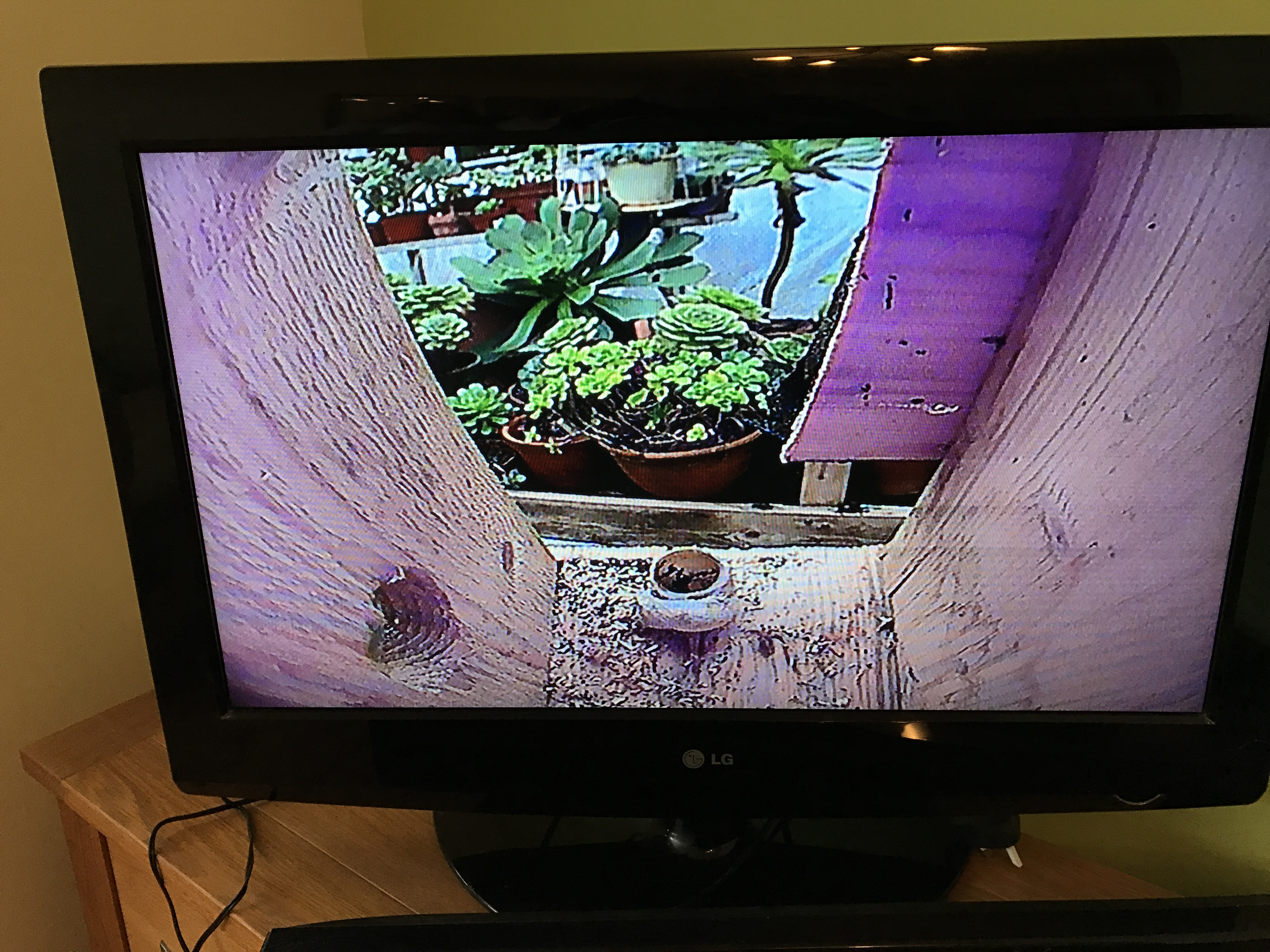
During the early Winter I made a special nest box for Blue Tits, one designed to house a wireless camera. To finish the project son-in-law Rob fixed  the tiny “spy” camera inside and linked it up to our television. So now that it is fixed up, partly hidden in our grape vine, we patiently wait to see if a pair take up residence to raise a brood. Exciting!

bb-7 bb-5 bb-6

You can see the second hole on the side, covered in a sheet of scratched perspex placed to let some light in.

It felt so good to see our first images of the empty box appear on our TV screen. Just how excited will we become if we spot a Blue Tit entering! Watch this space! It will be so good if they do nest because not only will we love watching them but we will know that they will be acting as great natural pest controllers, devouring thousands of insects especially aphids and thousands of caterpillars as they raise their young. Now that is real natural gardening!

bb-2 bb-3


This Veggie Life

A Vegetarian | Nature Lifestyle Blog

Rambling in the Garden

.....and nurturing my soul

The Arch City Gardener

Journeys In St. Louis Gardening and Beyond

Garden Dreaming at Châtillon

Consult the genius of the place

Storyshucker

A blog full of humorous and poignant observations.

gardeninacity

Notes from a wildlife-friendly cottage garden

PlayGroundology

...an emerging social science

The Official Blog of British Wildlife

'The most important and informative publication on wildlife of our times' - The Independent. This blog is a member of The UK & Ireland Natural History Bloggers group: www.uknhb.blogspot.com

iGrowHort

Inspire - Cultivate - Grow Native Plants - Restore Landscapes

Bishops Meadow Trust

To create and protect a semi-natural wild space for the people of Farnham to enjoy and experience an array of British wildlife in our town

Gardening with Children

The www.gardeningwithchildren.co.uk Blog

UKbirdingtimeline

birding through the seasons, why birds matter and how to conserve them

NATURE WALKER

with a camera in hand

Jardin

Transform your outdoor space

Eva's space

My allotment, cooking and other interests

Old School Garden

my gardening life through the year

LEANNE COLE

Trying to live a creative life

fromacountrycottage

trying to live as lightly as possible on our beautiful planet

Good Life Gardening

Nature lovers from Leicester living the good life.

mybeautfulthings

Finding the beautiful in the everyday

mawsonmichelle

Michelle's Allotment

In and Out of My Garden

thoughts from and about my garden

Greenhousing

Big plans for a small garden

The Scottish Country Garden

A Walled Country Garden in South East Scotland

The Fruity Chicken

Life at the fruity chicken

willowarchway

Off grid living. Self sufficient. "PERMAGANICS RULE".

St Anns Allotments

Nottingham's Grade 2* Listed Allotments and Community Orchard

Manifest Joy Harvests

a journey in suburban vegetable gardening

Allotmental

The madness of growing your own

Penny's Garden: a harvest beyond my front door

A novel approach to vegetable gardening

arignagardener

Sustainable living in the Irish countryside.

NewEnglandGardenAndThread

Master Gardener, amateur photographer, quilter, NH native, and sometimes SC snowbird

dianajhale

Recent work and work in progress and anything else that interests me

planthoarder

a chaotic cottage gardener

Lens and Pens by Sally

a weekly blog that creates a personal philosophy through photographs and words

Dewdrops and Sunshine

Stories from a sassy and classy Southern farmbelle.

The Pyjama Gardener

Simple Organic Gardening & Seasonal Living

gettin' fresh!

turning dirt into dinner

JOY...

today the world is created anew

Garden Birds

Notes from a Devon garden

ShootAbout

Life Through The Lens

Adapting Pixels

A photography blog showcasing the best photography pictures and videos on the internet

Wildlifegardening's Blog

Just another WordPress.com site

naturestimeline

personal observations from the natural world as the search continues for a new approach to conservation.

LATEBLOOMERBUDS

The Wonders of Life through my Eyes, my Heart, my Soul