Categories
autumn light light quality photography winter gardens

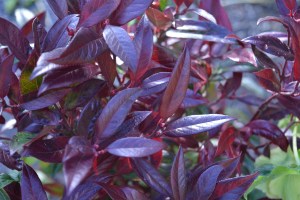
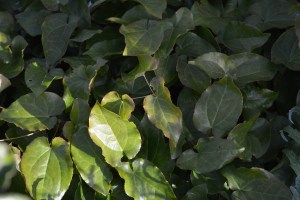
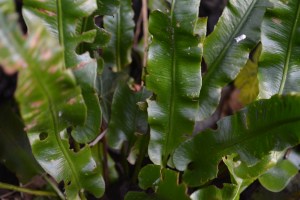
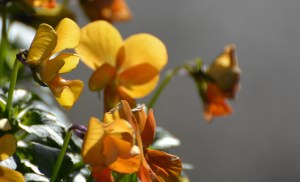
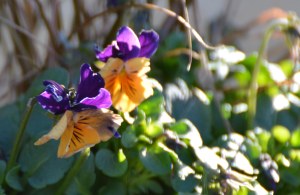
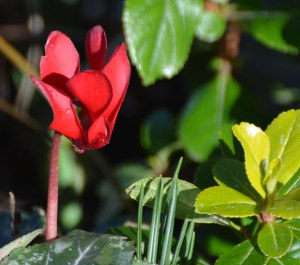
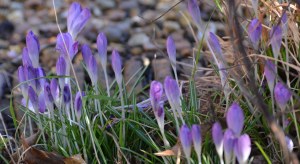
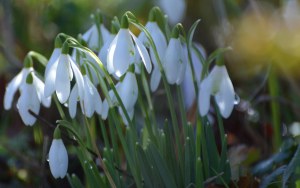
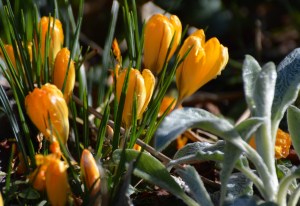
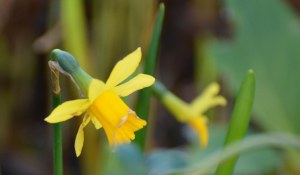
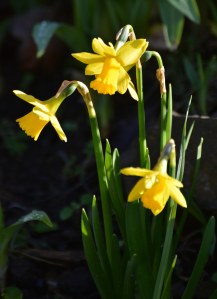
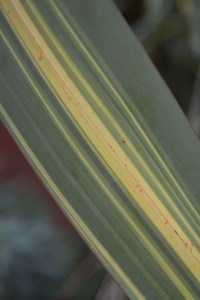
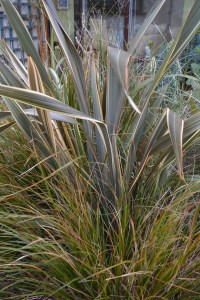
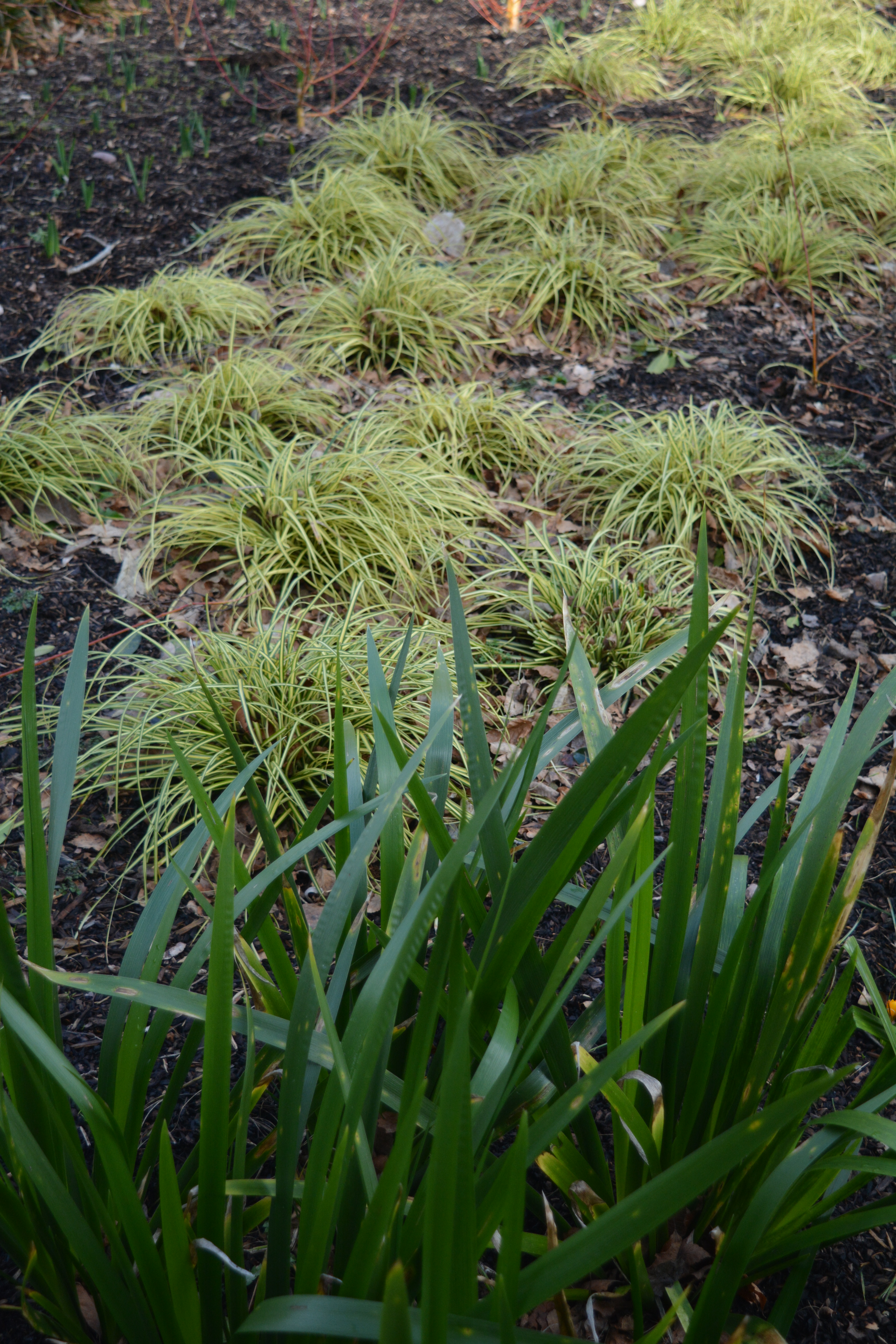
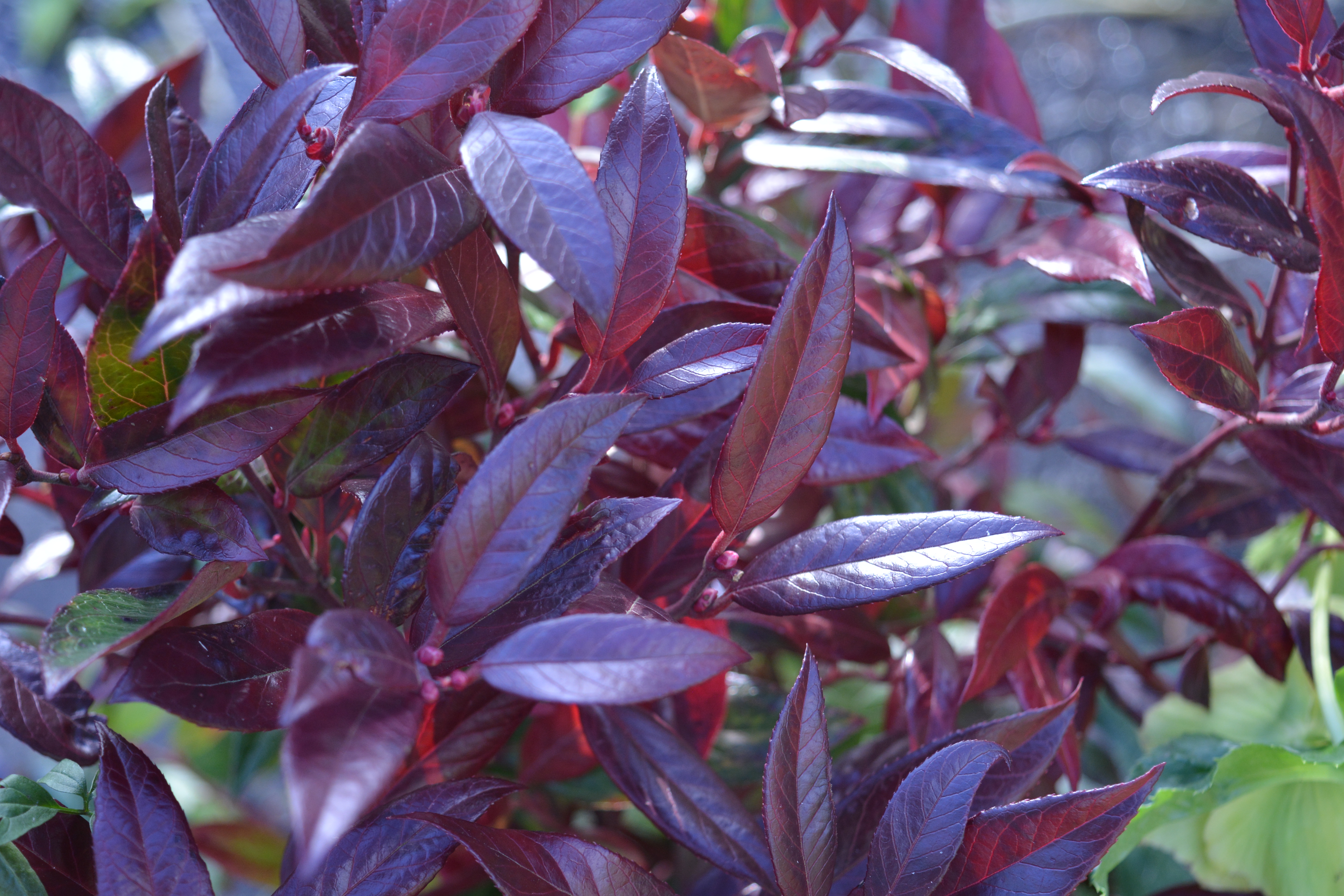
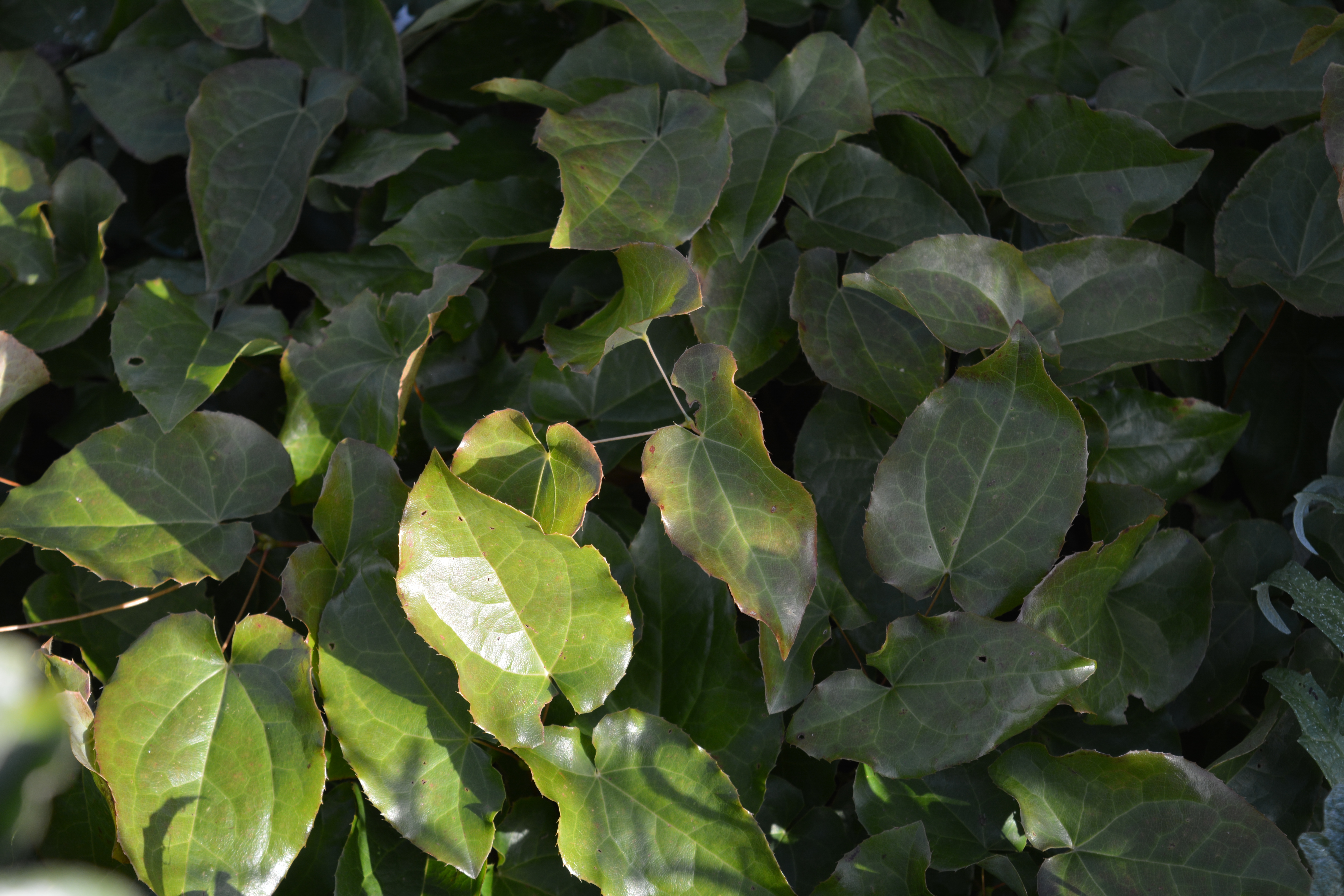
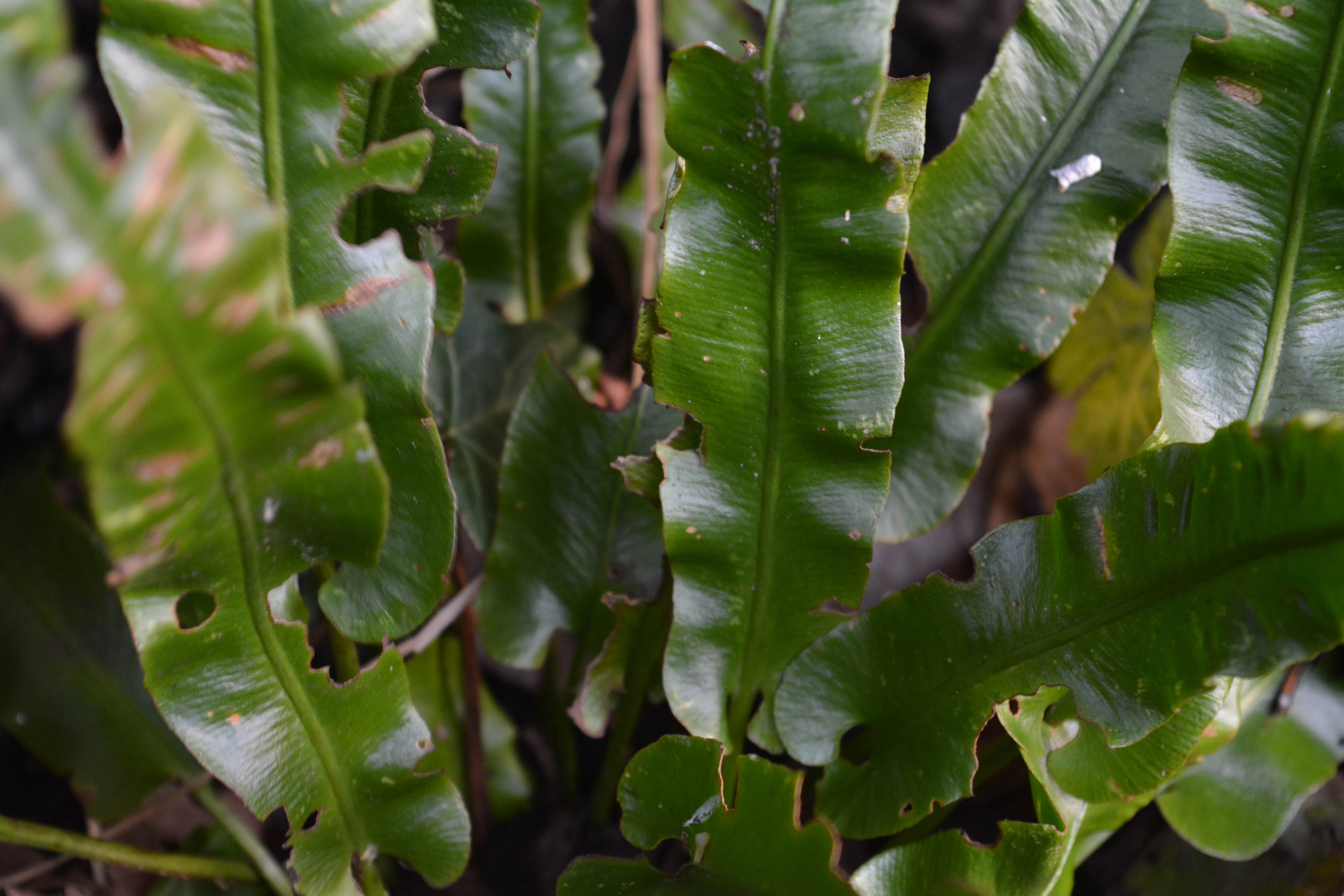
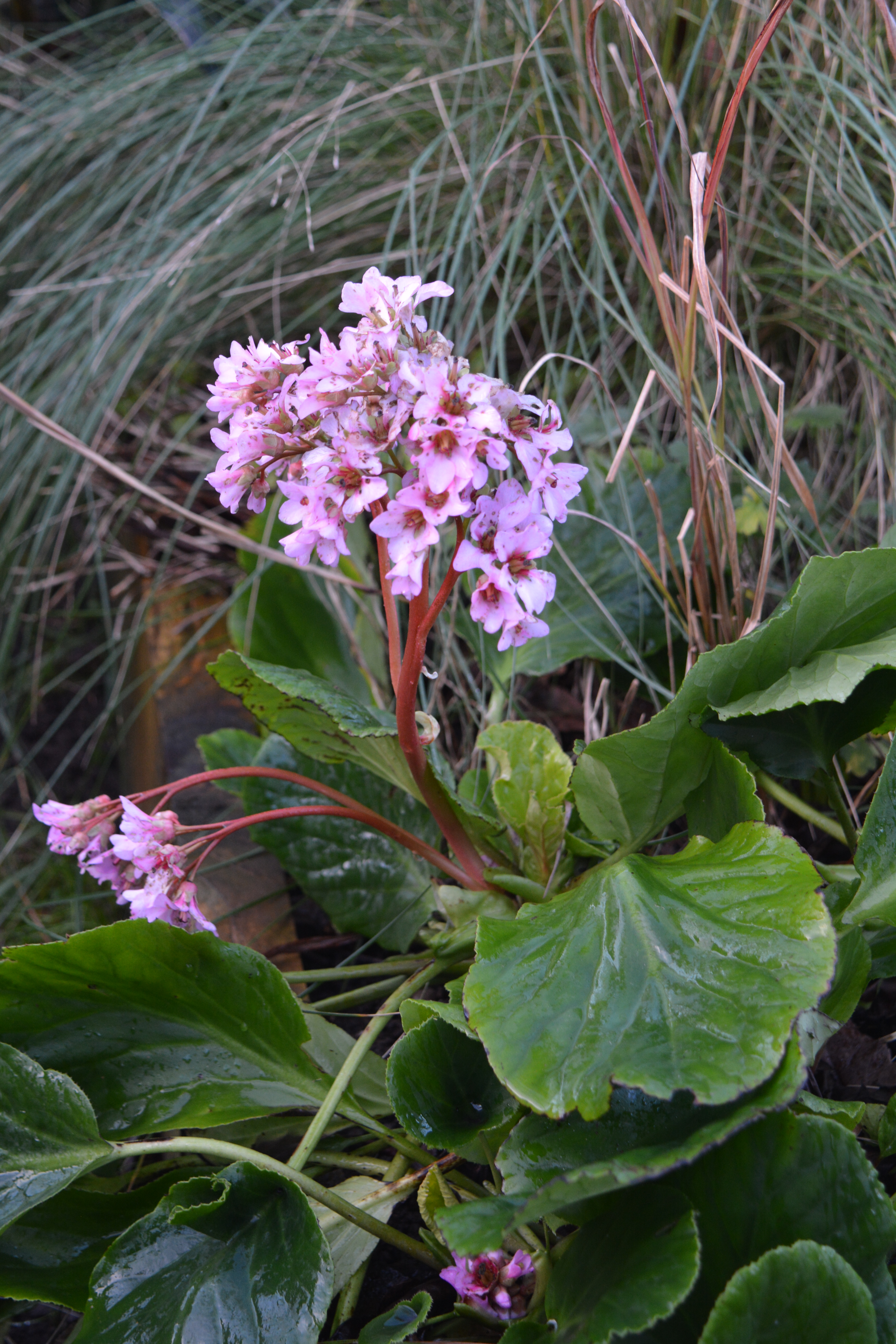
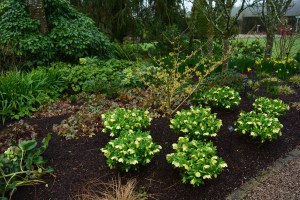
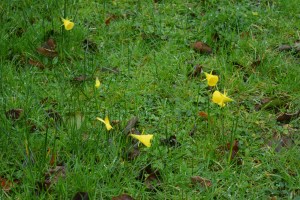
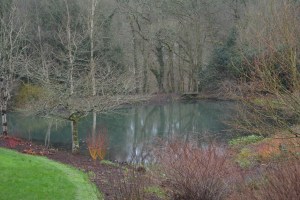
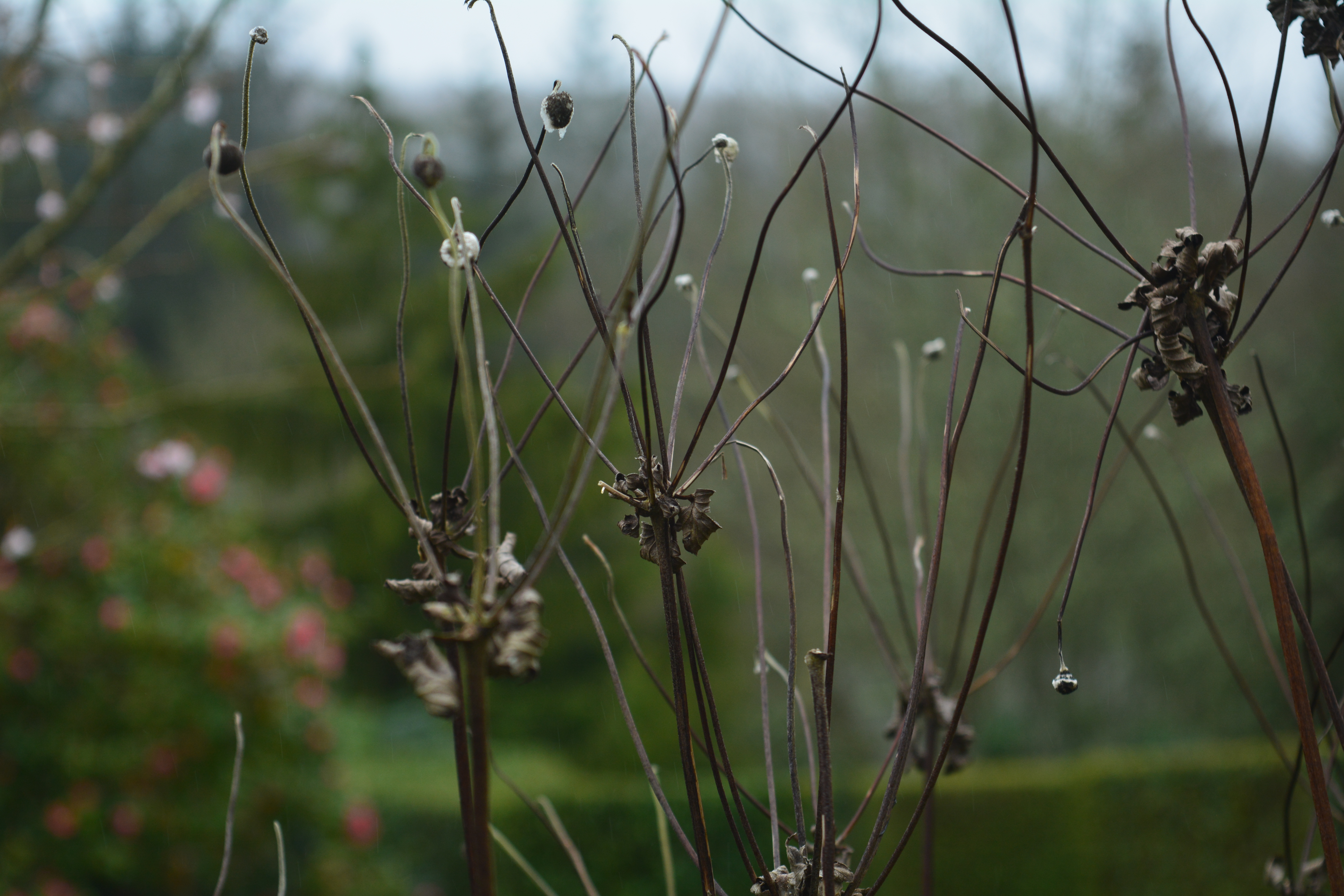
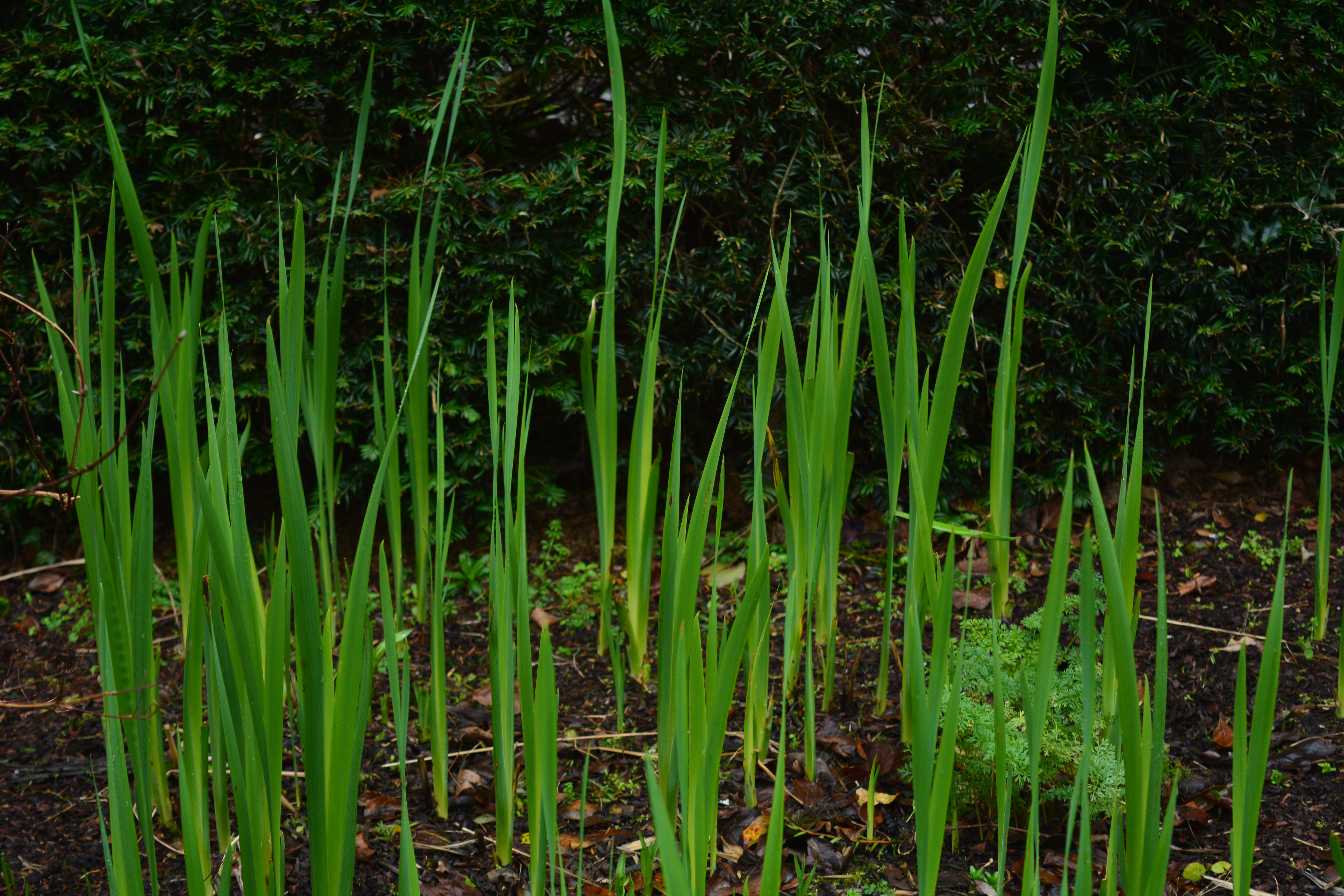
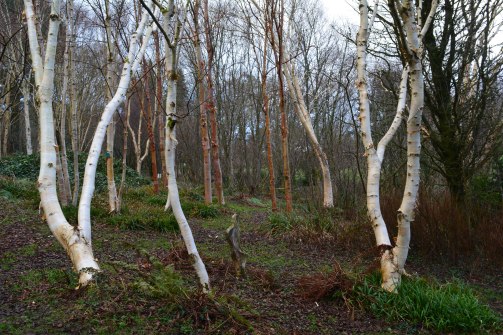
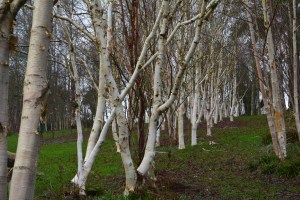
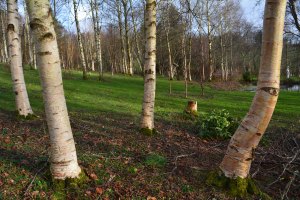
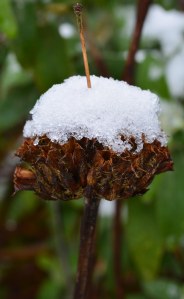
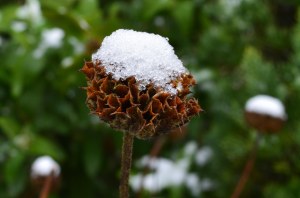
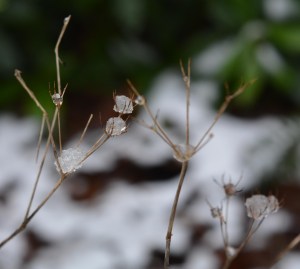
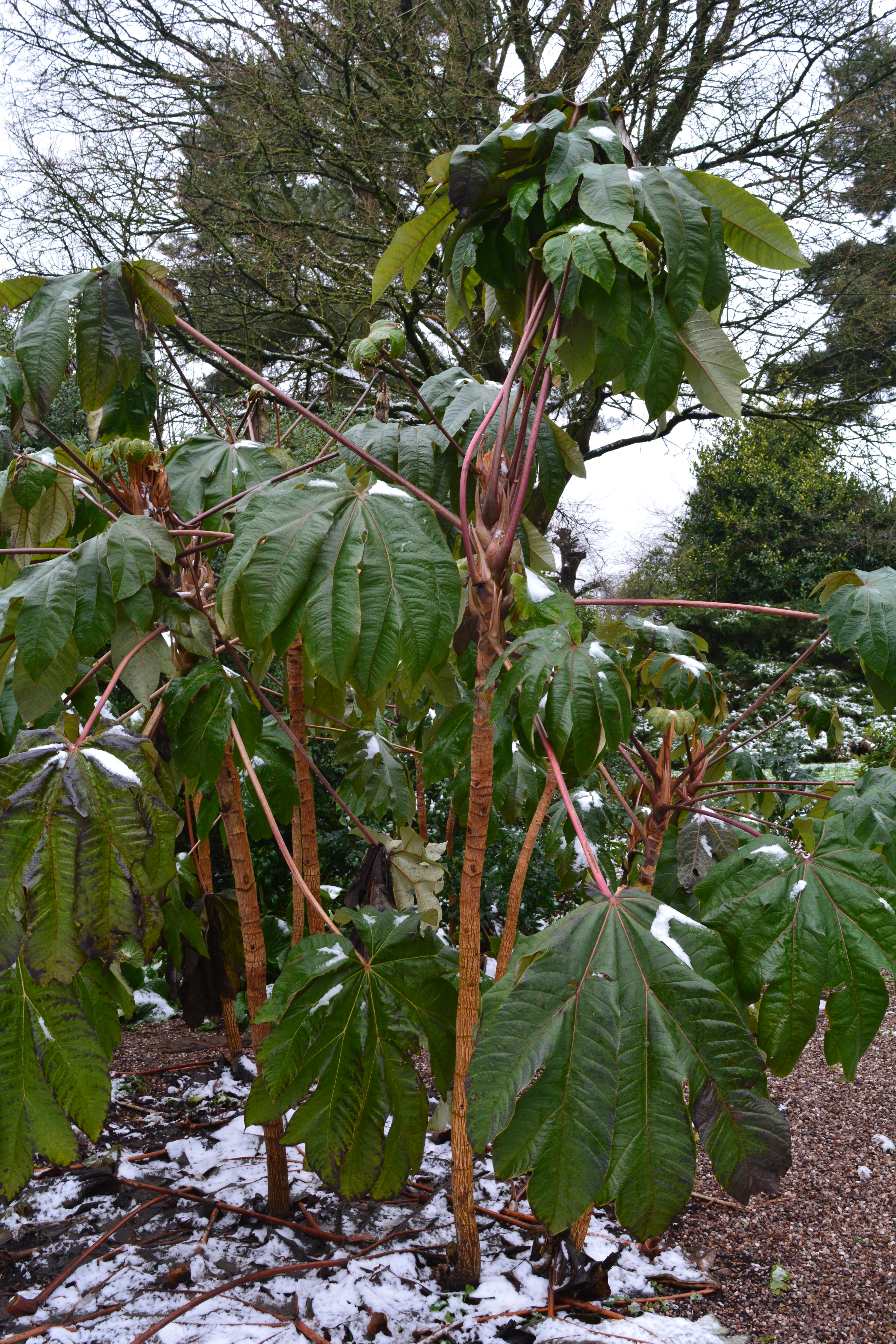
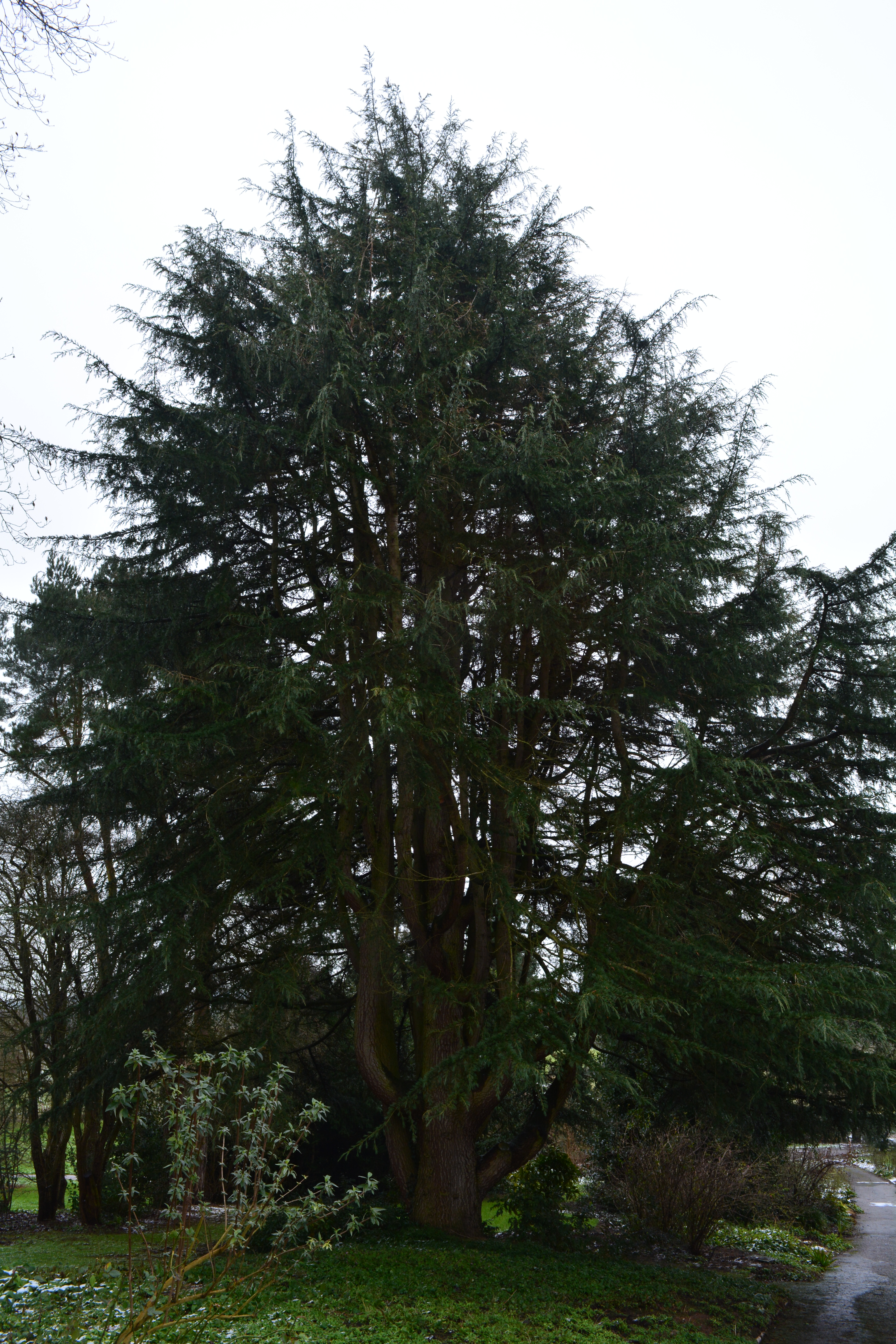
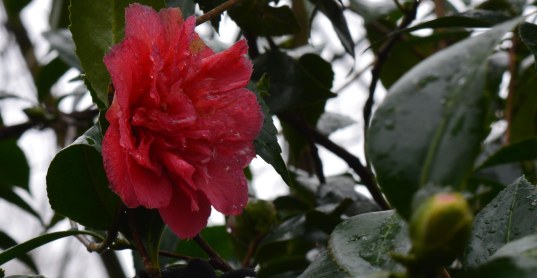
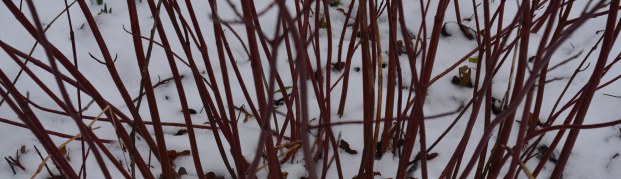
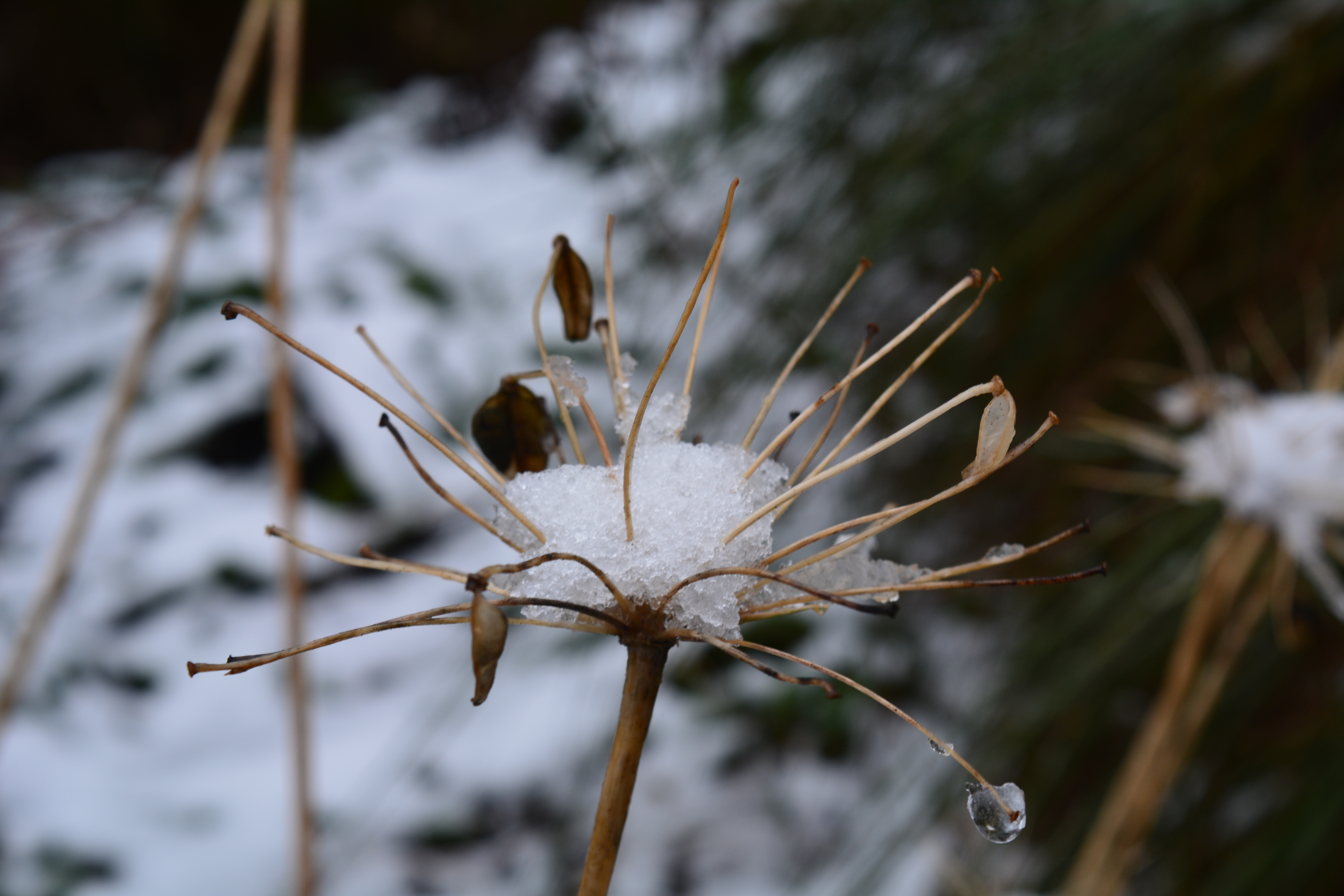
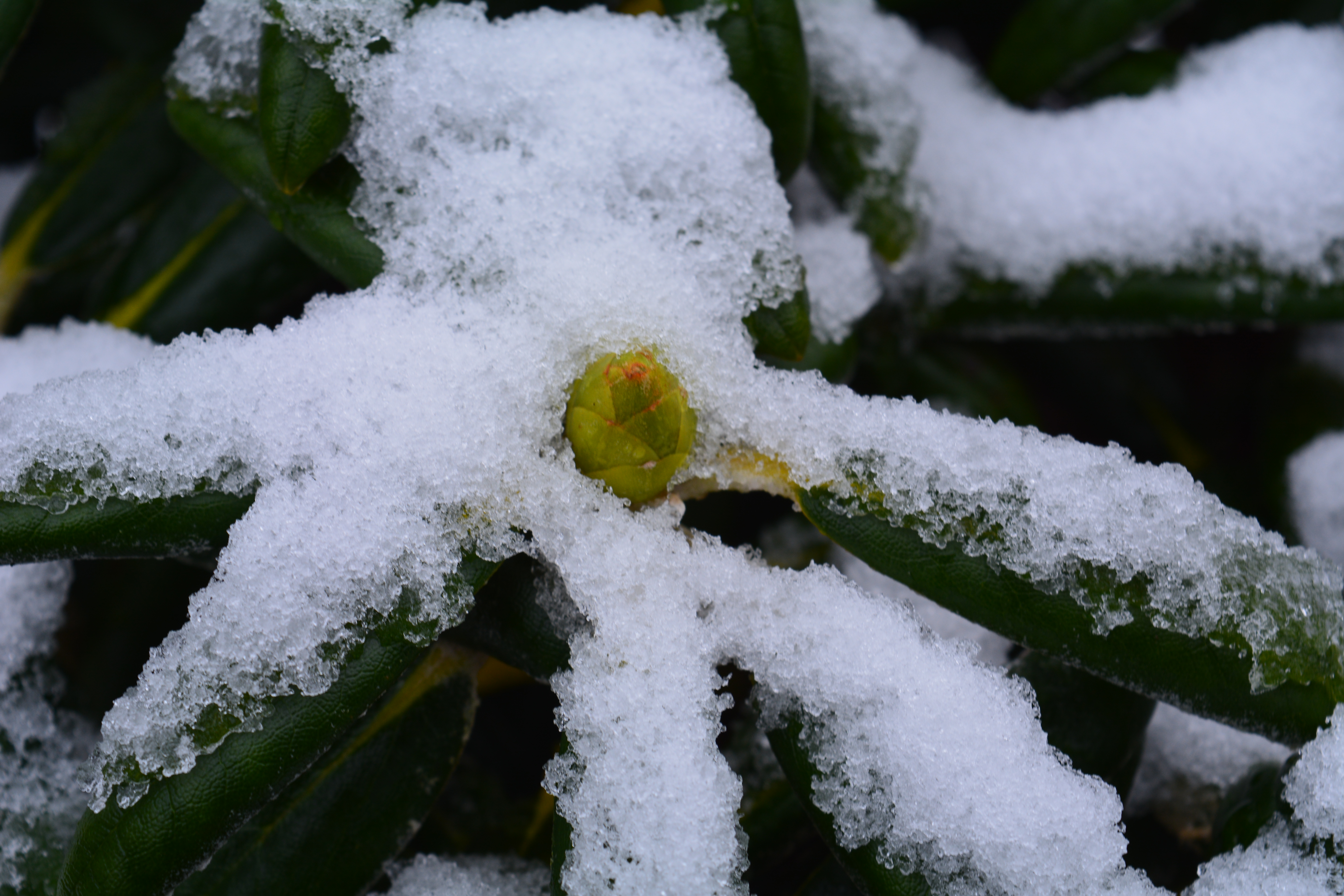
Simply Beautiful 1 – delicacy in the border.

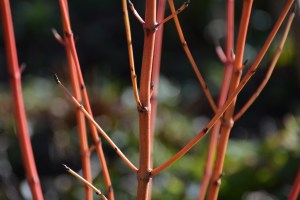
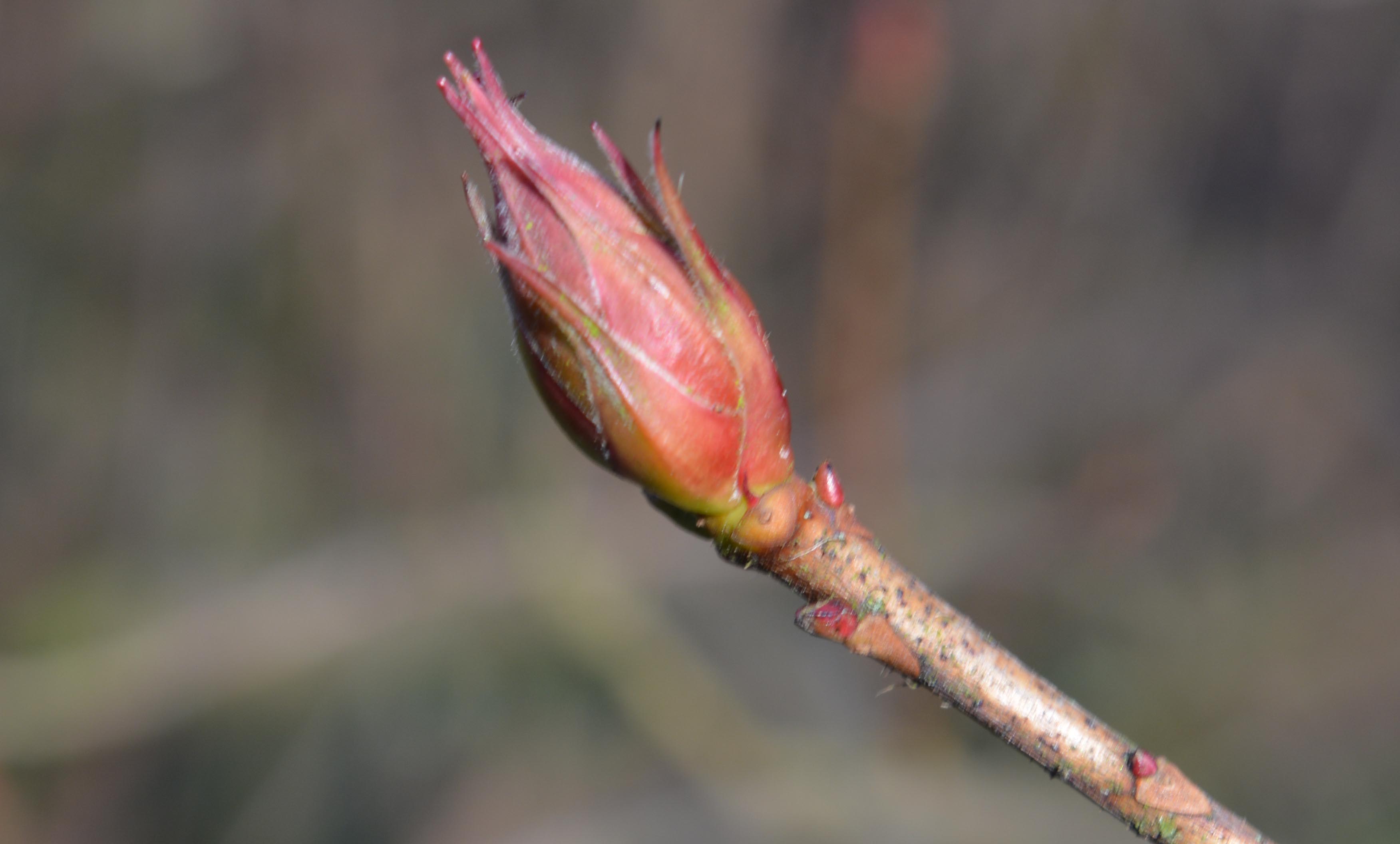
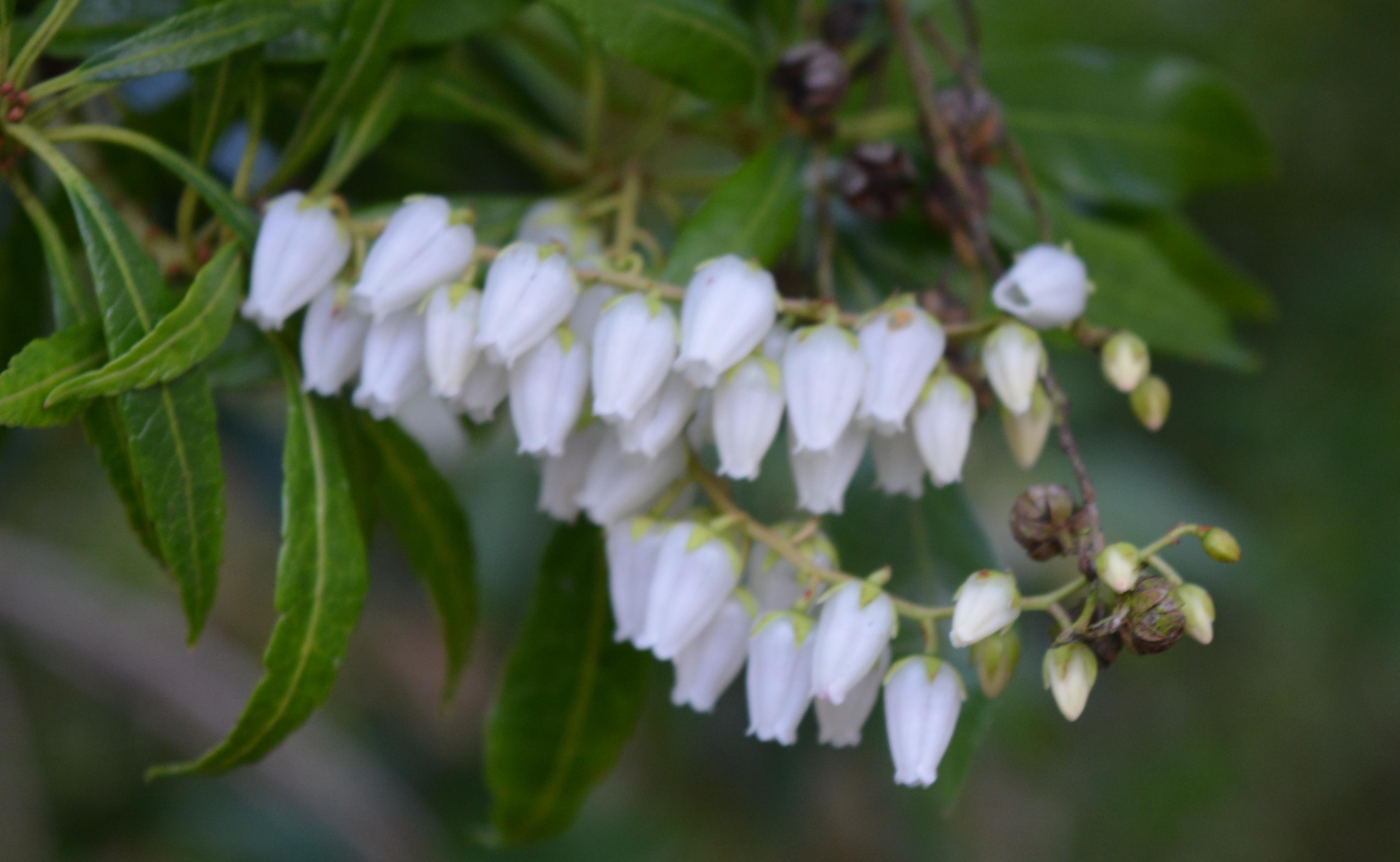
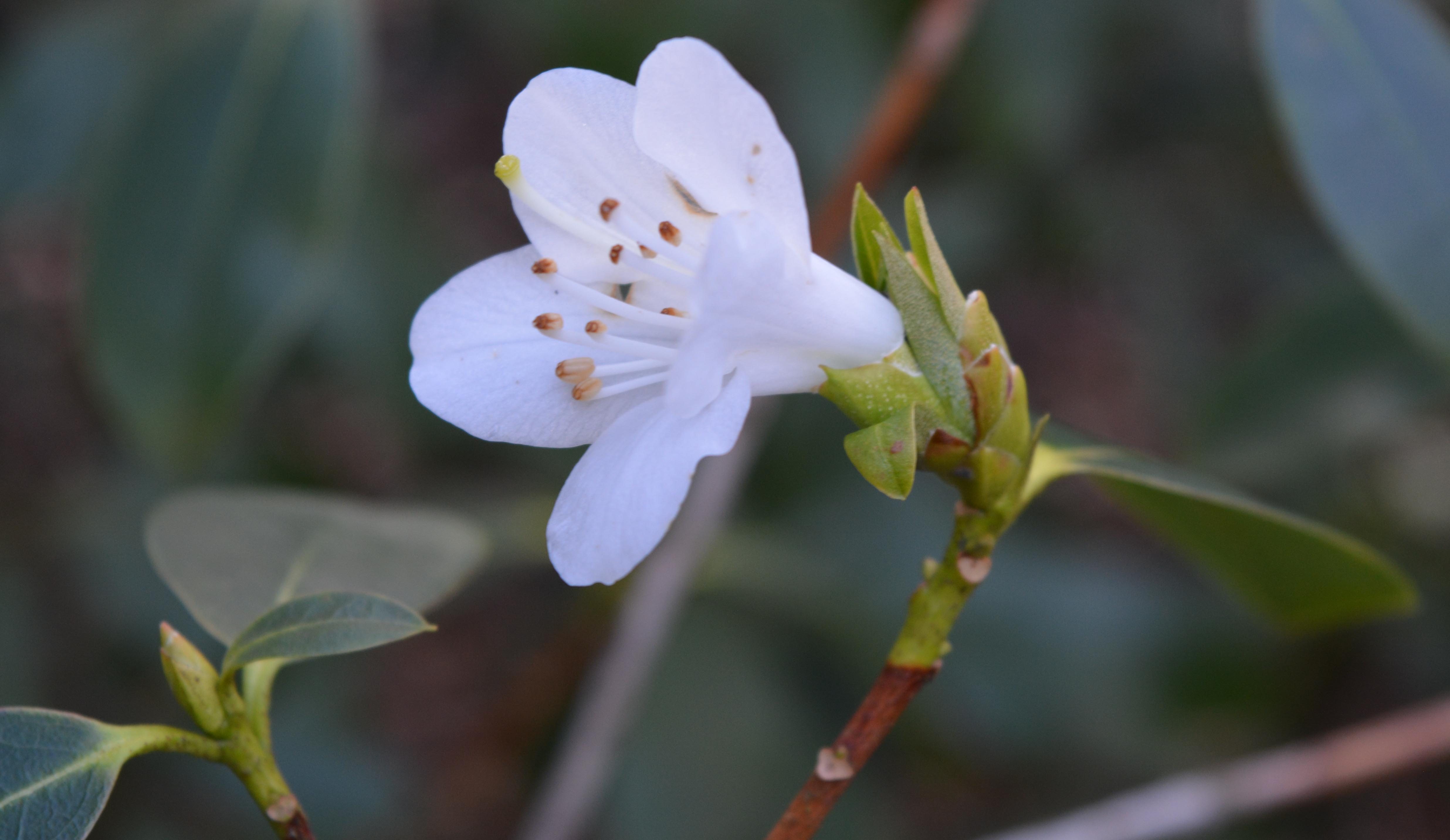
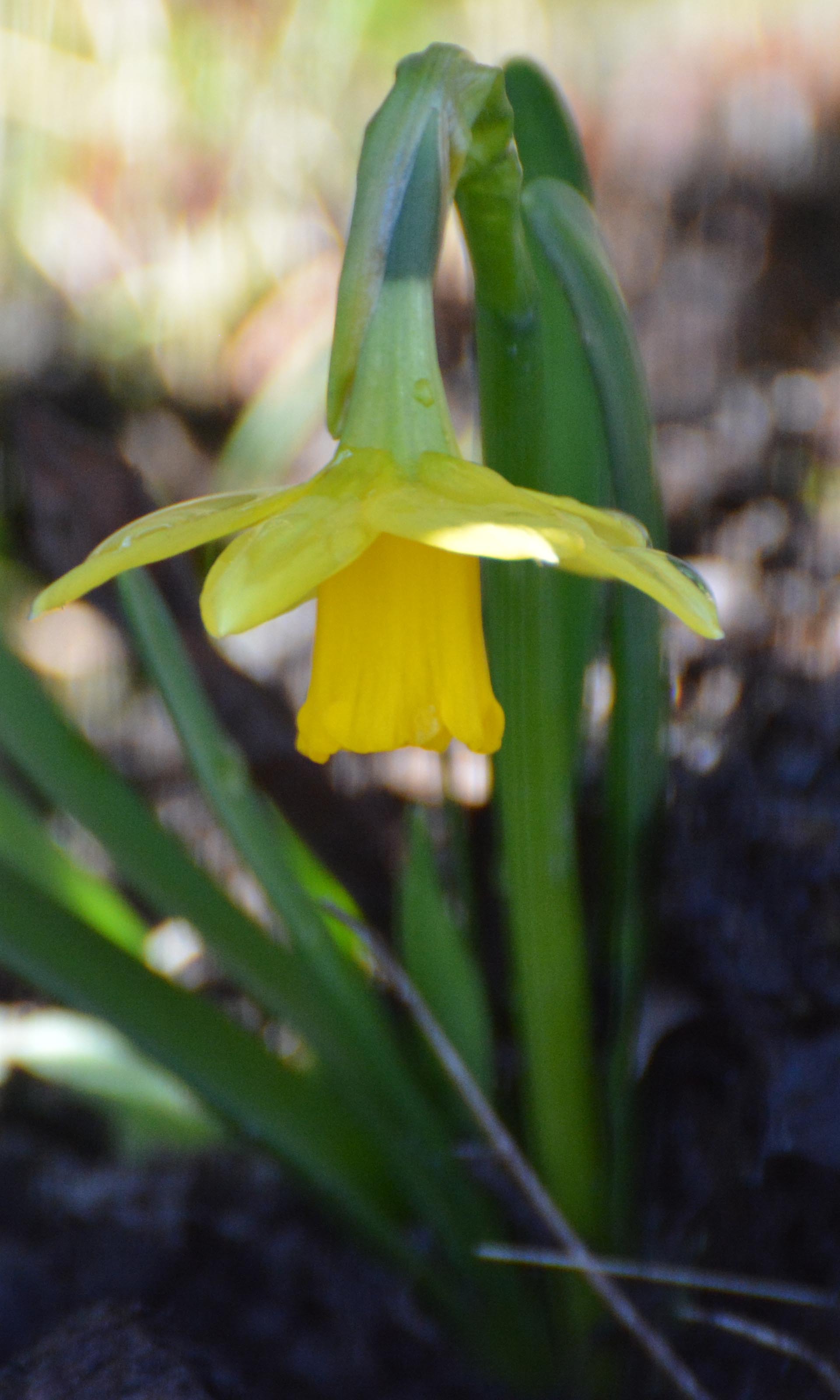
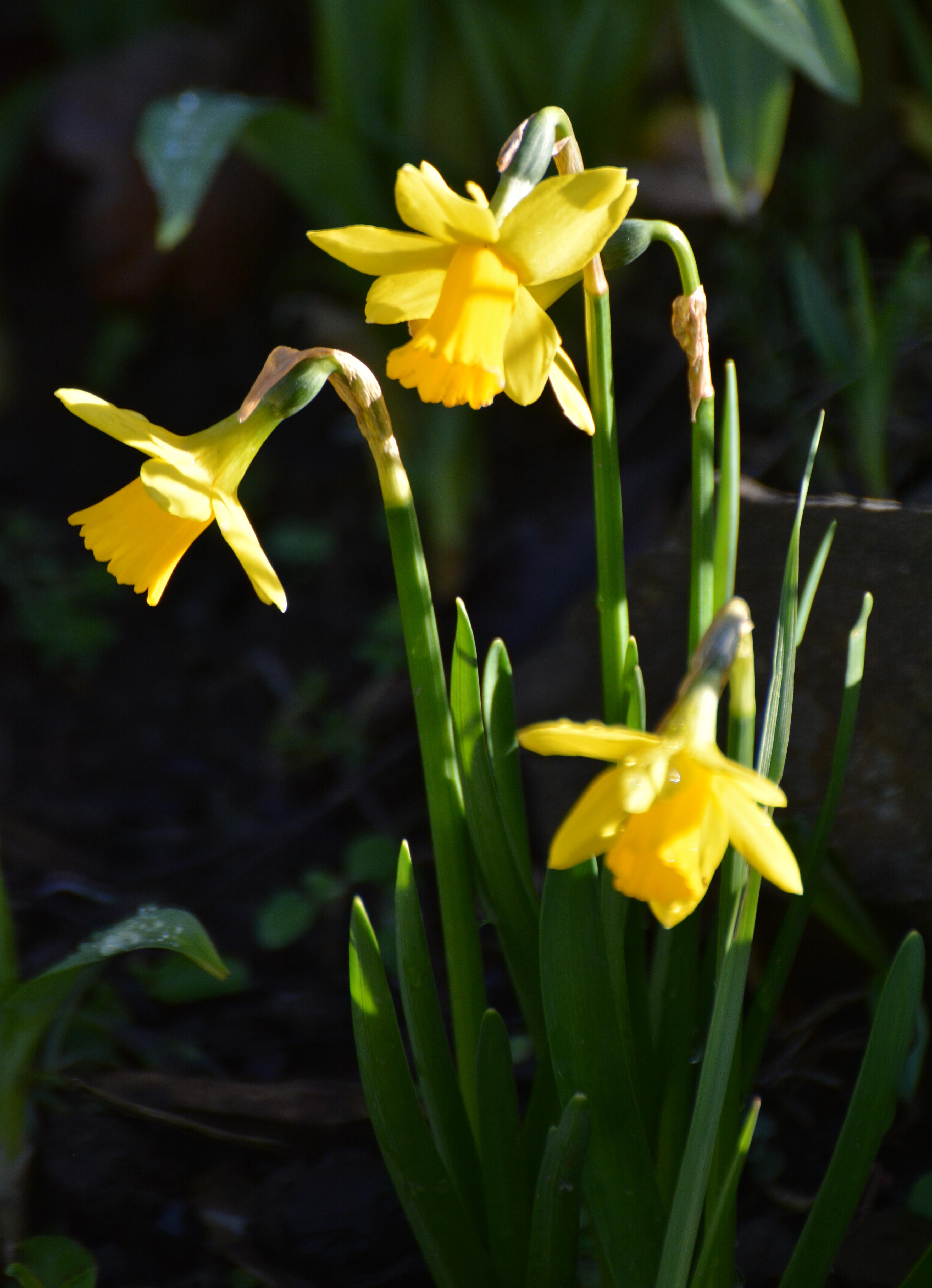
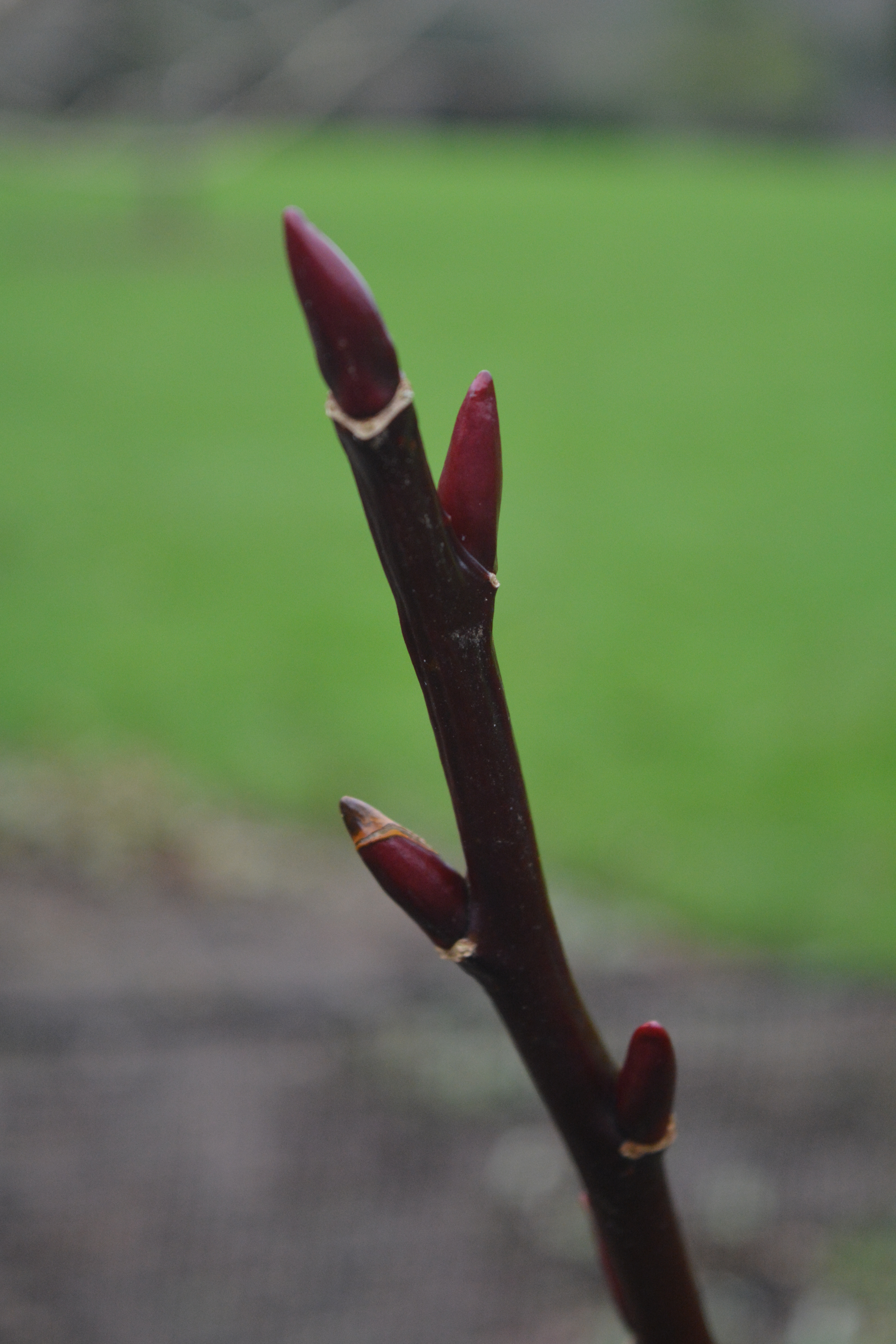
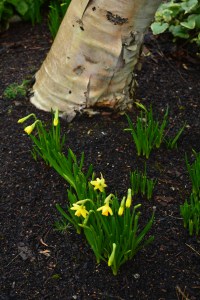
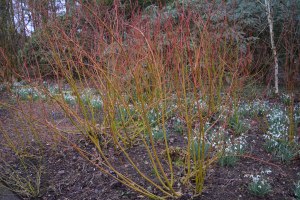
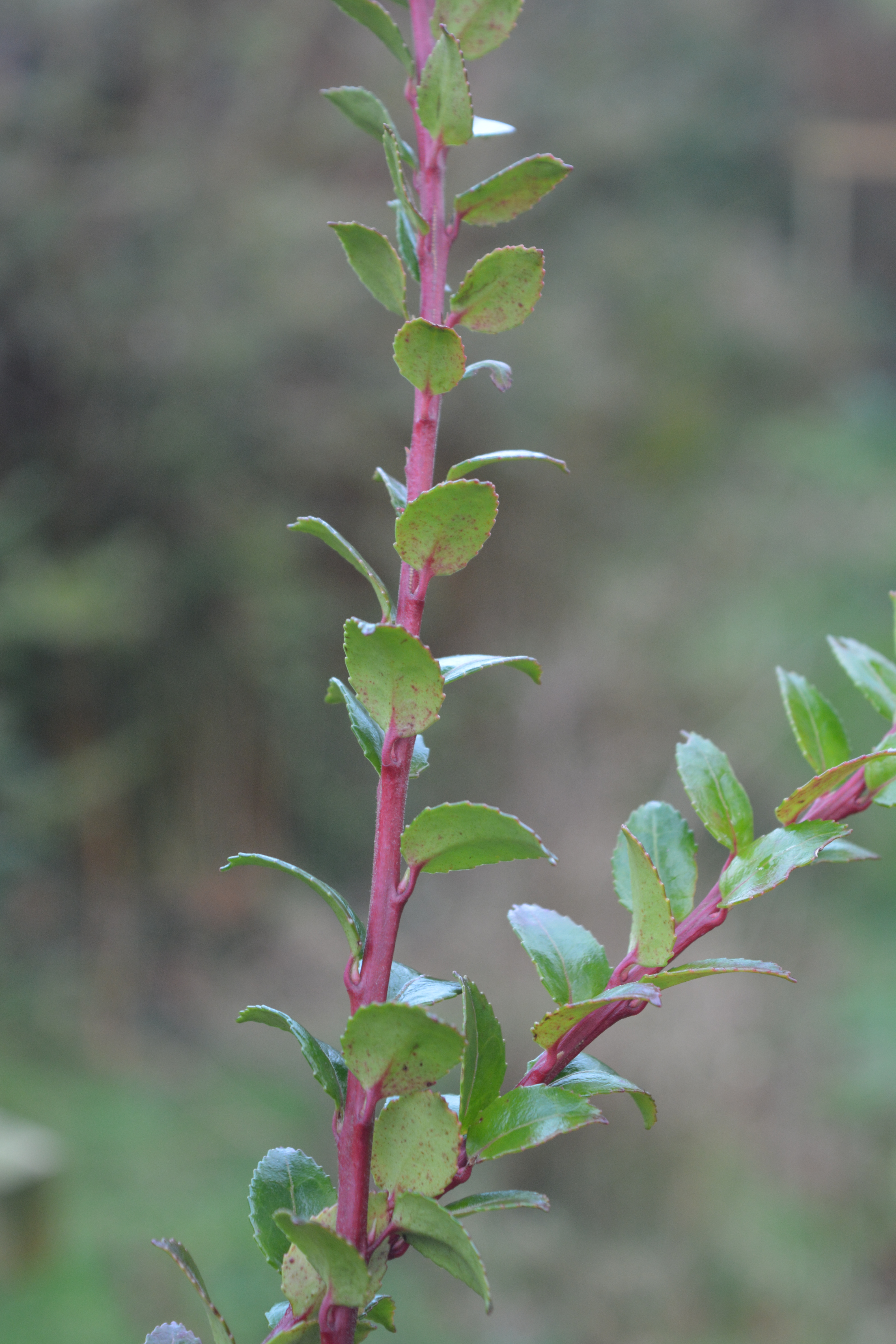
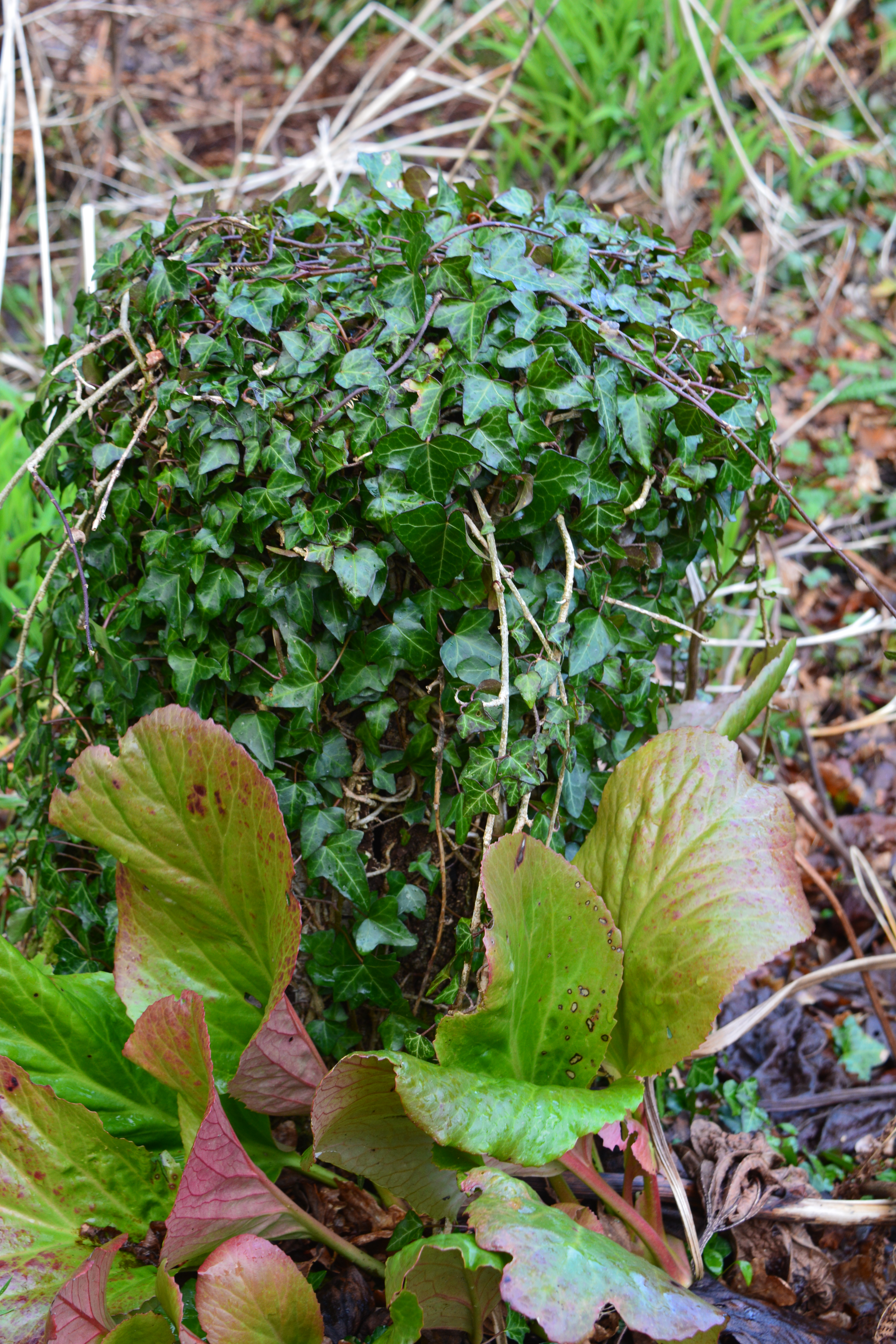
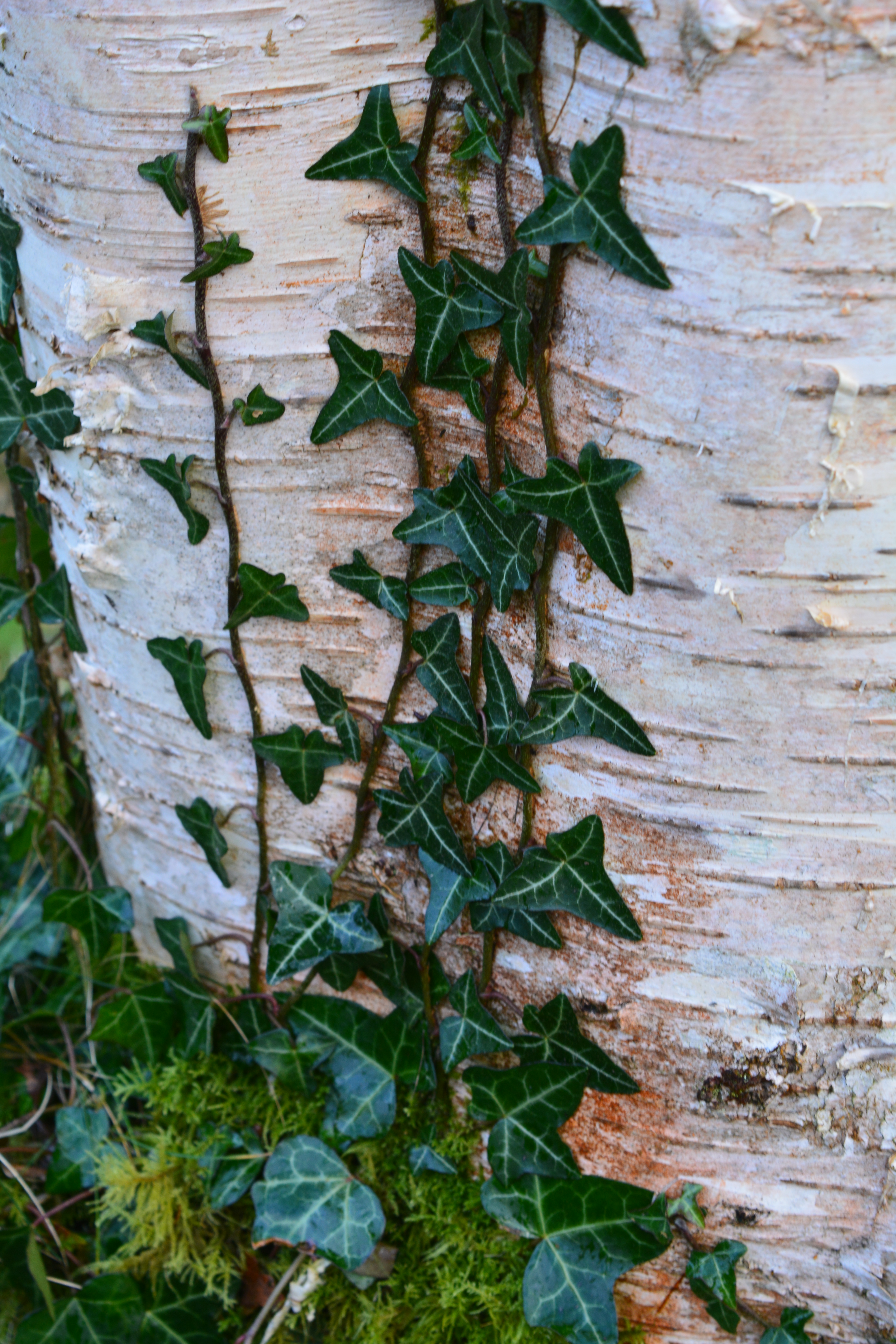
Sometimes the simplest of things are the most beautiful!

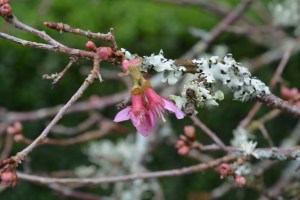
Take one twig!

dccc-12

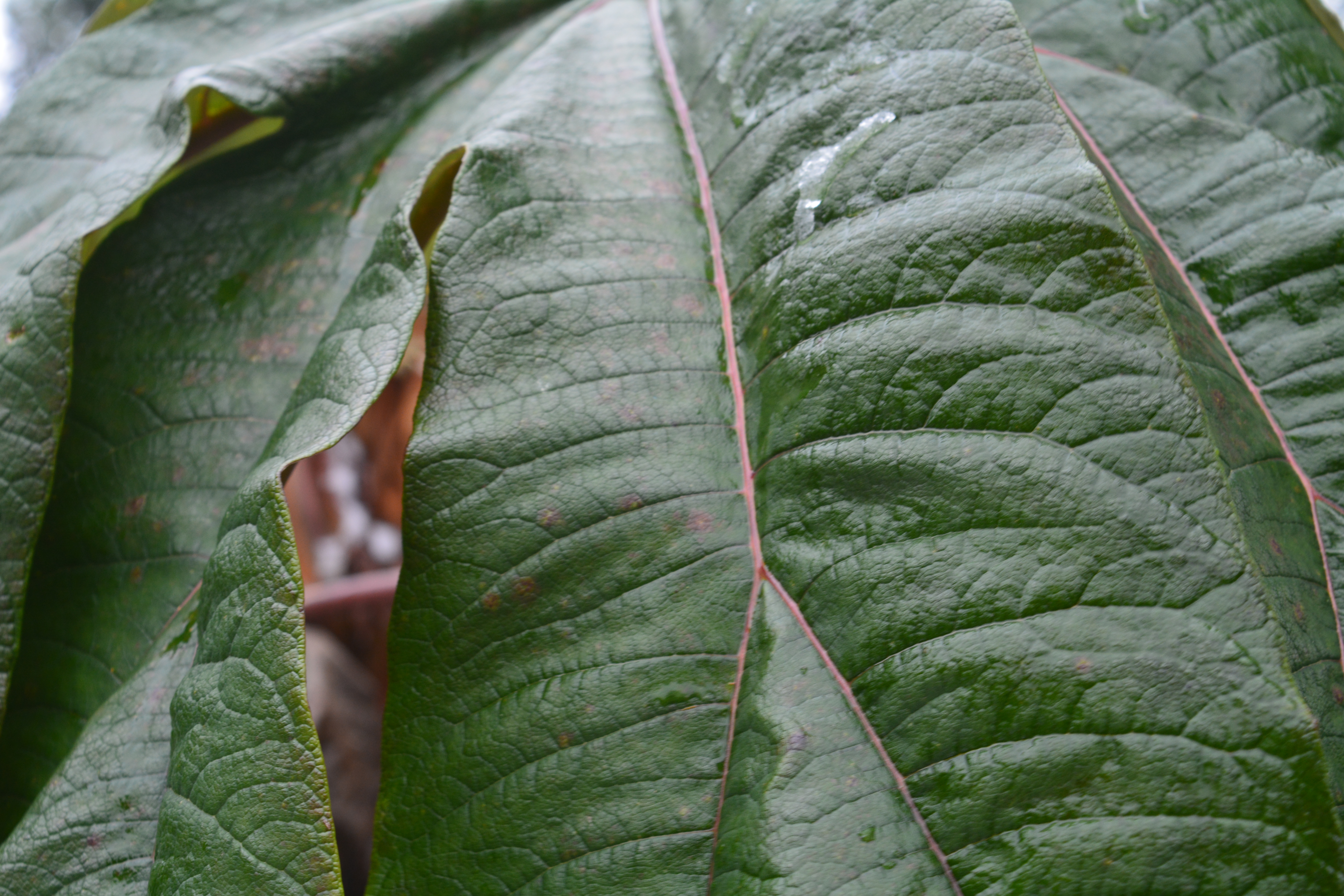
Pink leaf petioles.

dcd-31 dcd-30 dcd-29 dcd-28

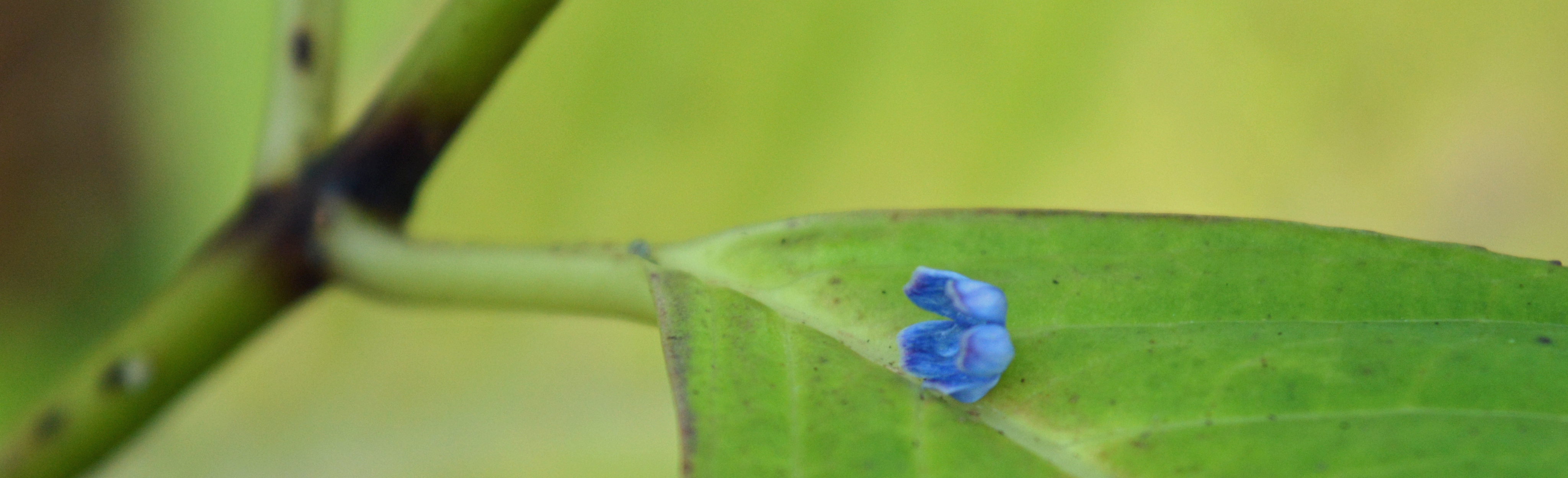
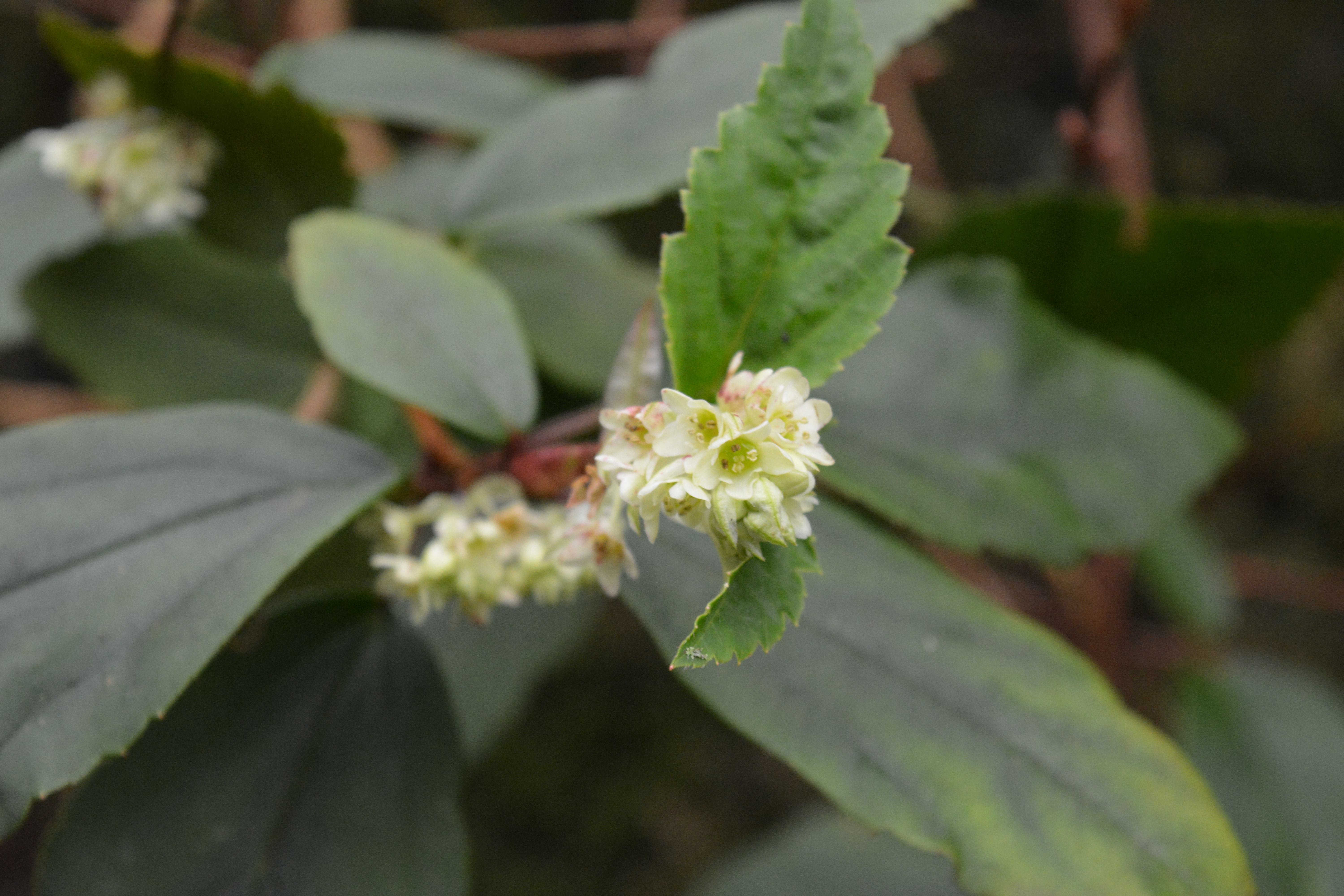
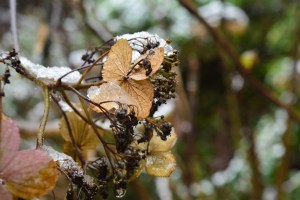
A single flower from the complex head of an Hydrangea sitting on a leaf.

dcd-19 dcd-18

I will be looking out for more such simple beauties and sharing them with you from now on. My new challenge for my Nikon lens!

Categories
flowering bulbs garden design garden photography gardening gardens gardens open to the public hardy perennials ornamental trees and shrubs outdoor sculpture sculpture shrubs spring bulbs Staffordshire trees Winter Gardening winter gardens woodland

The Dorothy Clive Garden in February

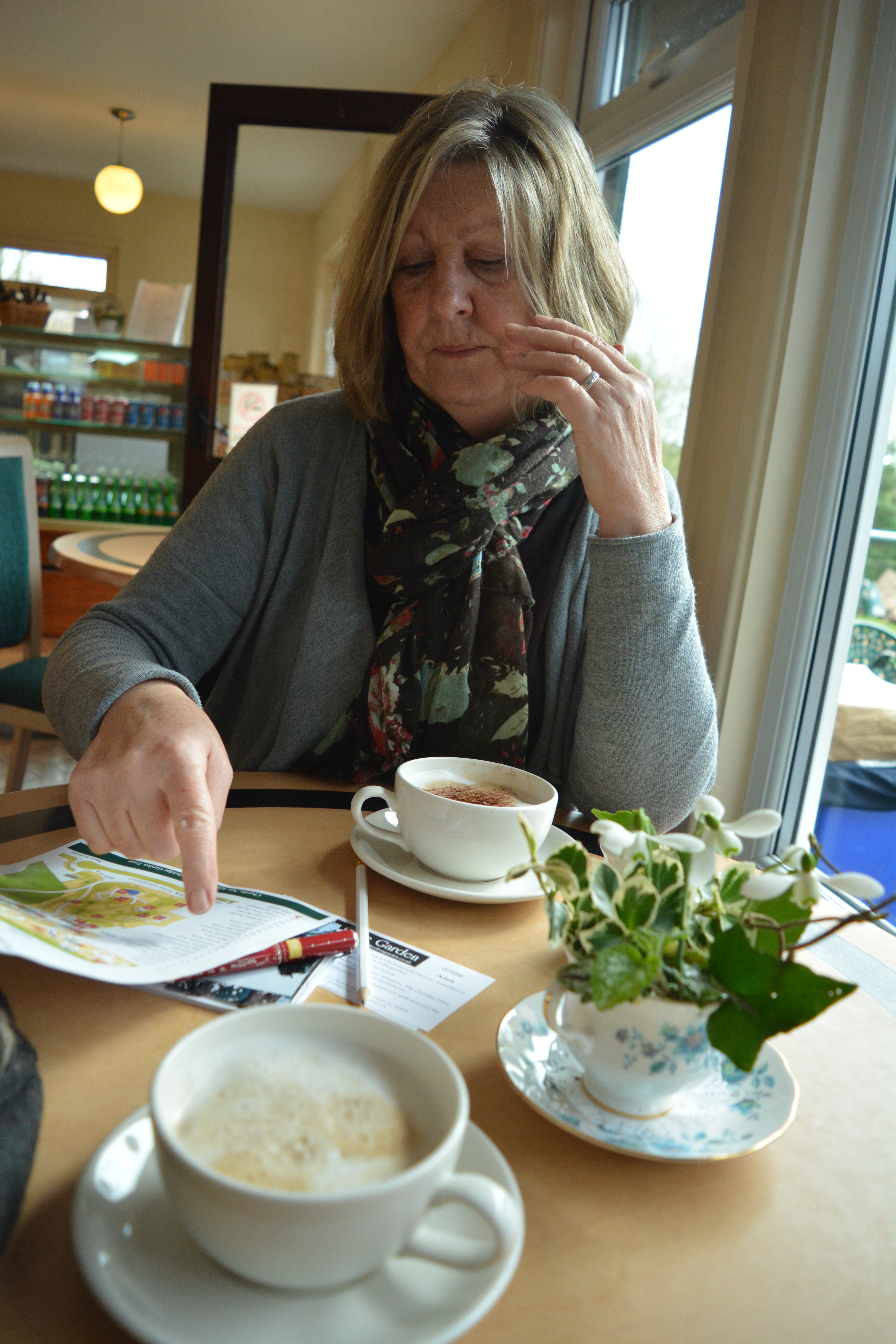
We returned to the Dorothy Clive Garden for our second visit of the year. In January we walked around the gardens with snow on the ground and we had to wrap up warm against the cold winds. For our February visit we left home with dark grey skies overhead and a slight drizzle in the air but the closer we got to the garden the better the weather became. Patches of blue sky appeared and the clouds turned ever paler. The temperature had reached 15 degrees Centigrade as we parked the car and made our way to the cafe for the obligatory coffee and cake essential for a successsful garden visit. Our visit was going to have an added dimension as there was an activity day for children all to do with wildlife and the natural world. The Royal Society for the Protection of Birds and the Wildlife Trust were there as well as a bird of prey group. Children were given the chance to make bird boxes, bird food cakes and to handle skulls of native mammals. There was also a quiz sheet and a trail for them to enjoy.

2016 02 21_8928 2016 02 21_8930

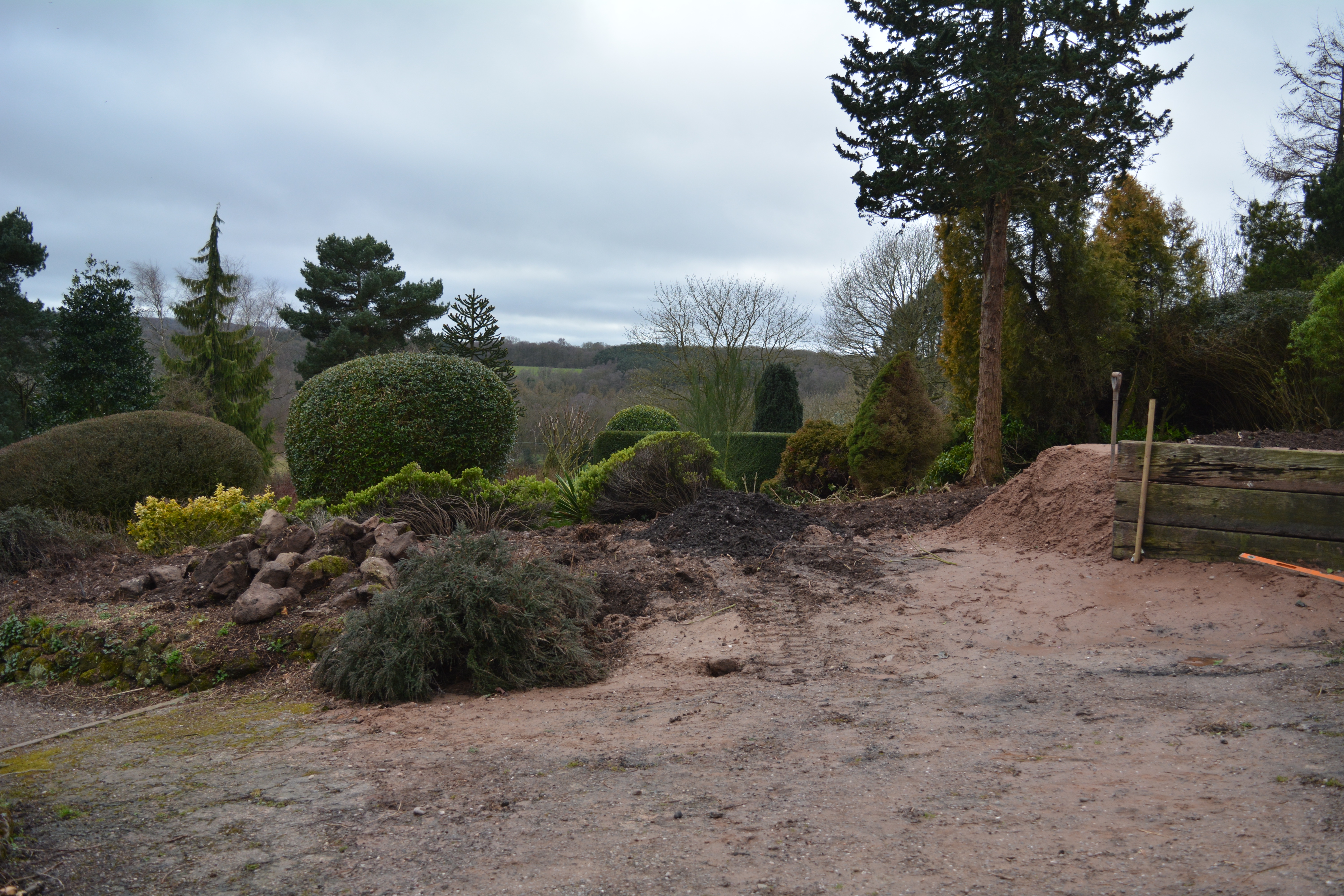
As we walked from the car park to the cafe the first photo I took was of a view that in January was simply snow with a few evergreen shrubs rising up. Around the next curve of the path we noticed that a new project was in hand (see right hand picture below). The area had been cleared of old untidy evergreens which were well past their best. The area has already been leveled and large blocks of local sandstone await close by. We look forward to watching this develop over the coming months. The plant sales table looked much better without its covering of snow.

2016 02 21_8931 2016 02 21_8932 2016 02 21_8933 2016 02 21_8934

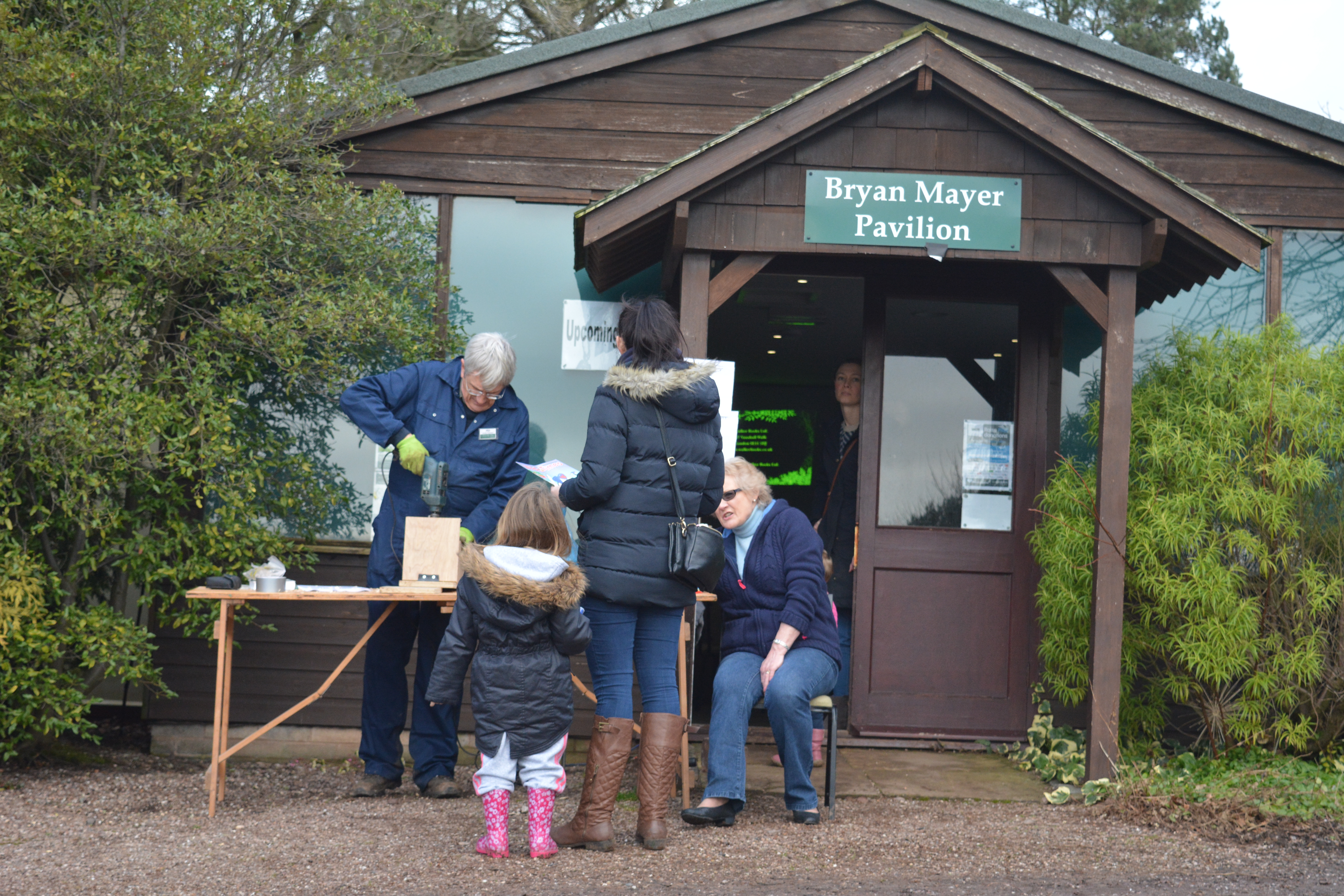
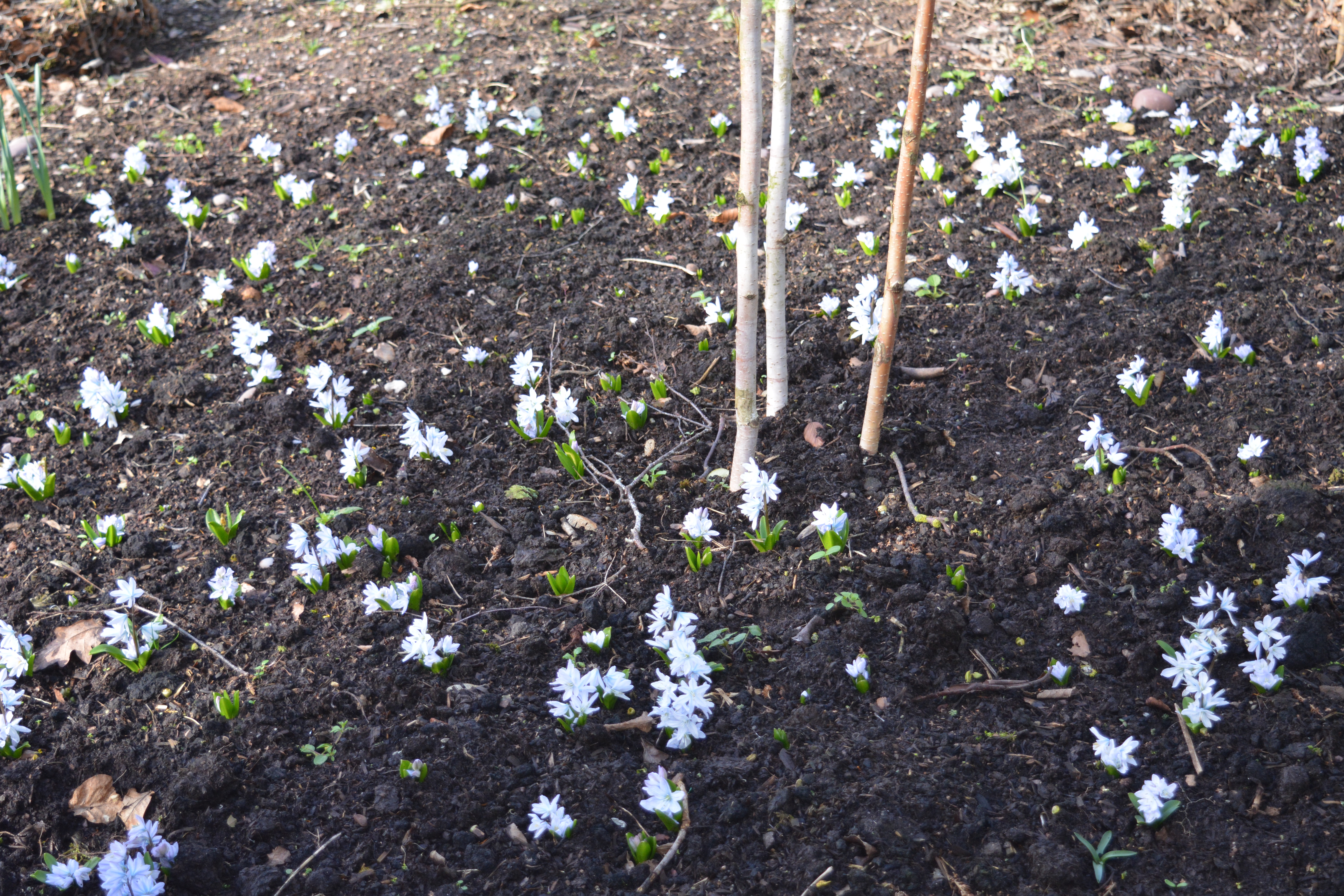
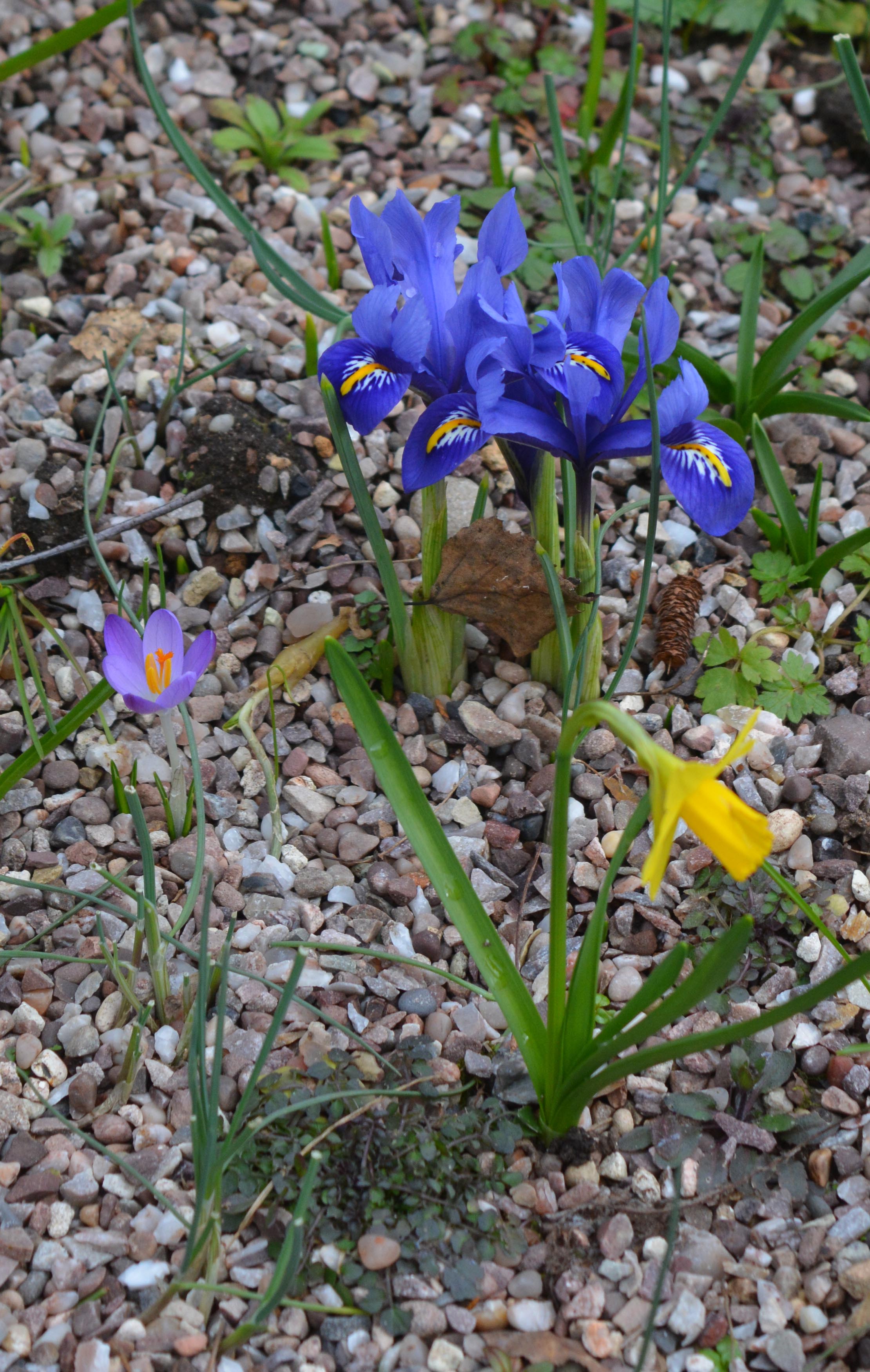
On the lawn outside the restaurant we were enthralled by getting up close to some beautiful owls and falcons. After enjoying our coffee and cakes we took off to walk towards the Quarry Garden, passing a border dotted with tiny pale blue flowering bulbs. As we entered the Quarry we noticed a family making nest boxes.

2016 02 21_8939_edited-1 2016 02 21_8935_edited-1 2016 02 21_8940_edited-12016 02 21_8941 2016 02 21_8942

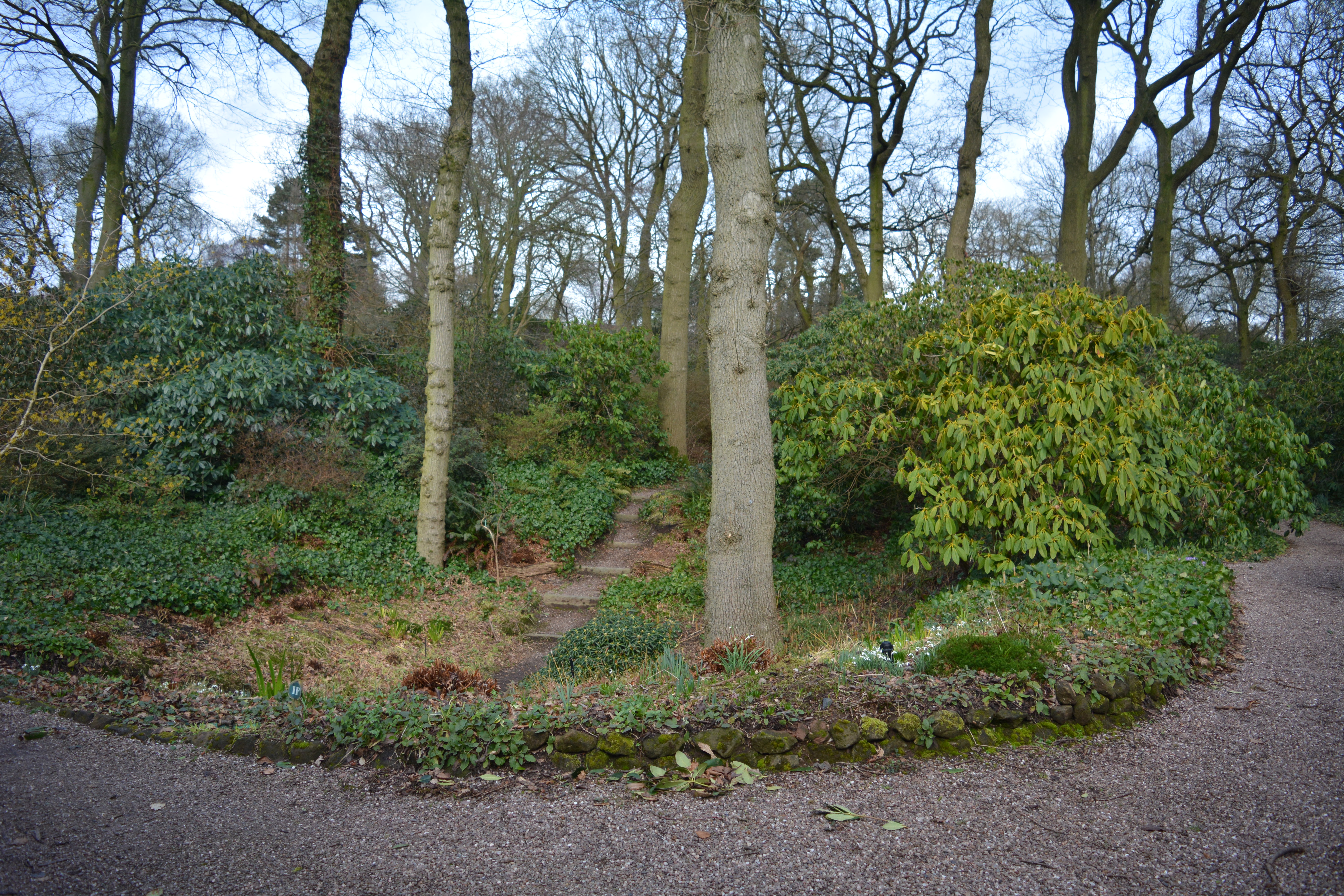
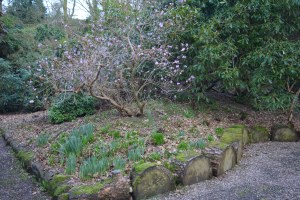
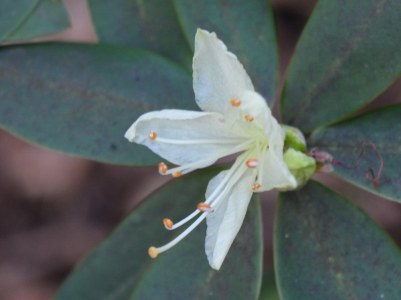
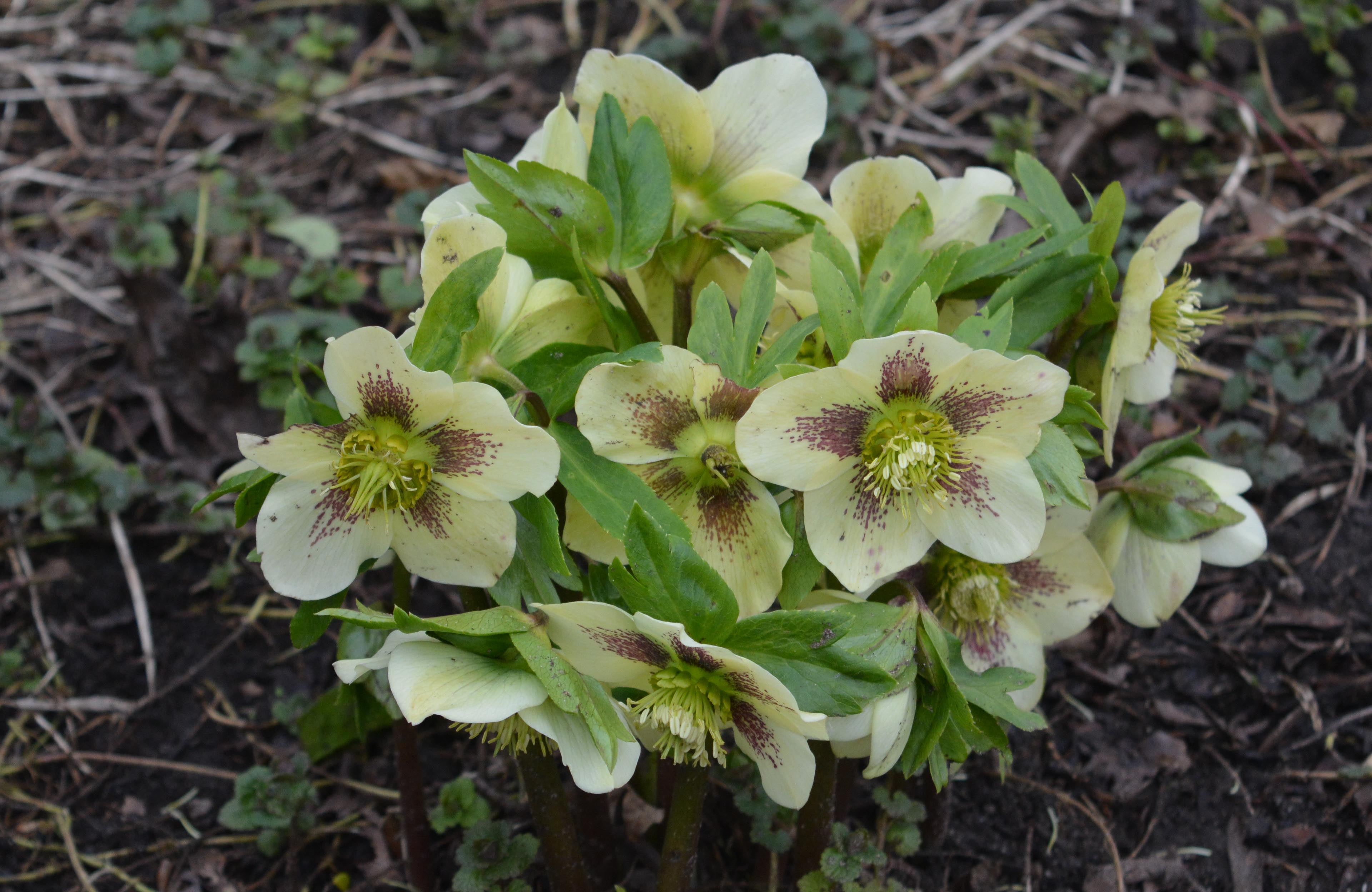
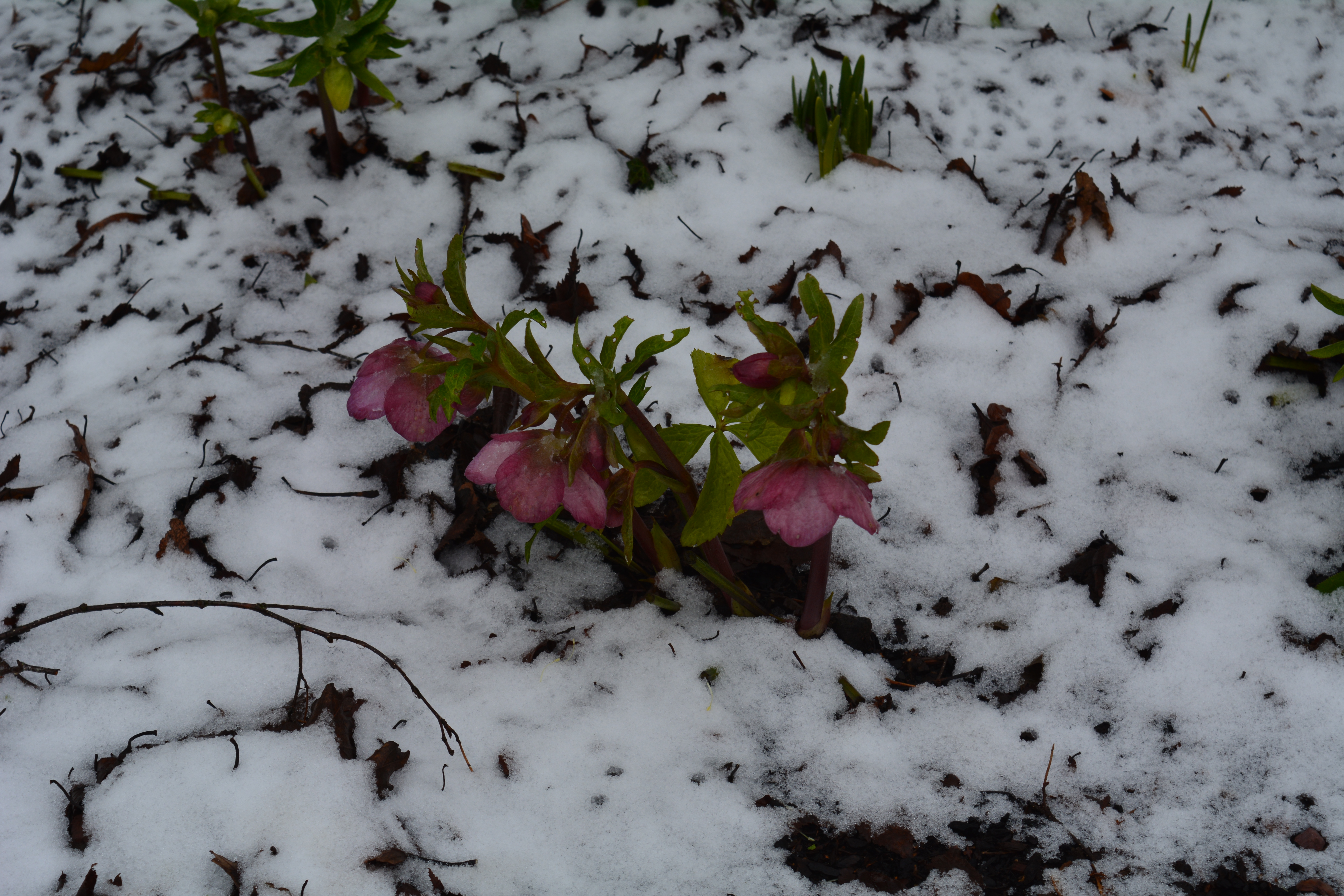
The Quarry garden was much greener without its snow blanket and early flowering bulbs  were adding colour allied with Hellebores in full flower and a few blooms on Rhododendrons and Azaleas.

2016 02 21_8943 2016 02 21_8944 2016 02 21_8945 2016 02 21_89482016 02 21_8962 2016 02 21_8971 2016 02 21_8952_edited-1

The textures and architectural shapes of trees come to the fore in winter before the leaves return in the spring. Unusual foliage such as the Rhodendron with orange-ginger undersides to its leaves provide brightness under the shade of taller trees. The upper side of the leaves are glossy but the underside have a matt, powdery feel to them. Close up it gives them the look of a windswept desert landscape.

2016 02 21_8946 2016 02 21_8964 2016 02 21_8965

Leaf shapes and their patterns and textures provided added interest under the tree canopy.

2016 02 21_8949 2016 02 21_89502016 02 21_8967 2016 02 21_8968

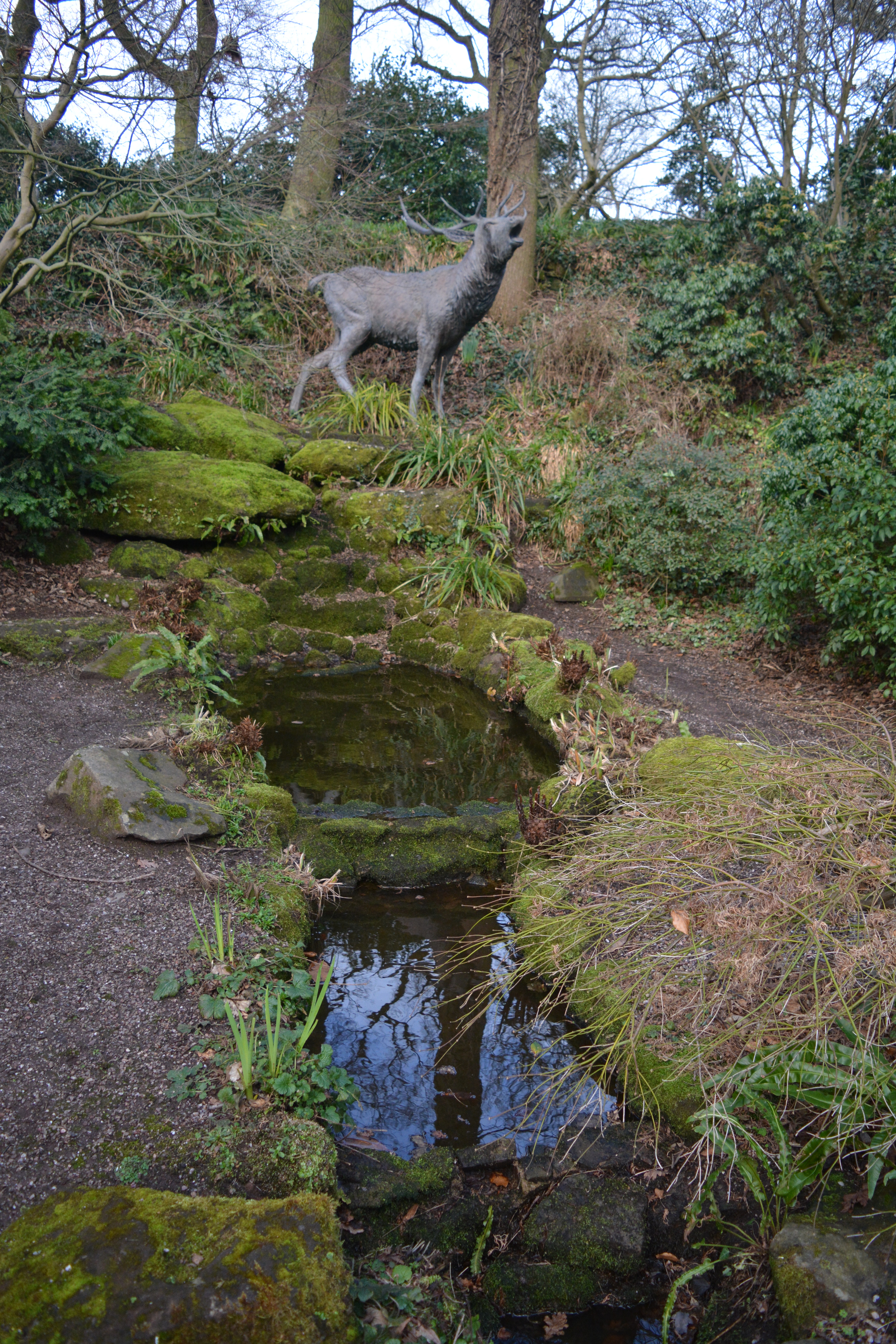
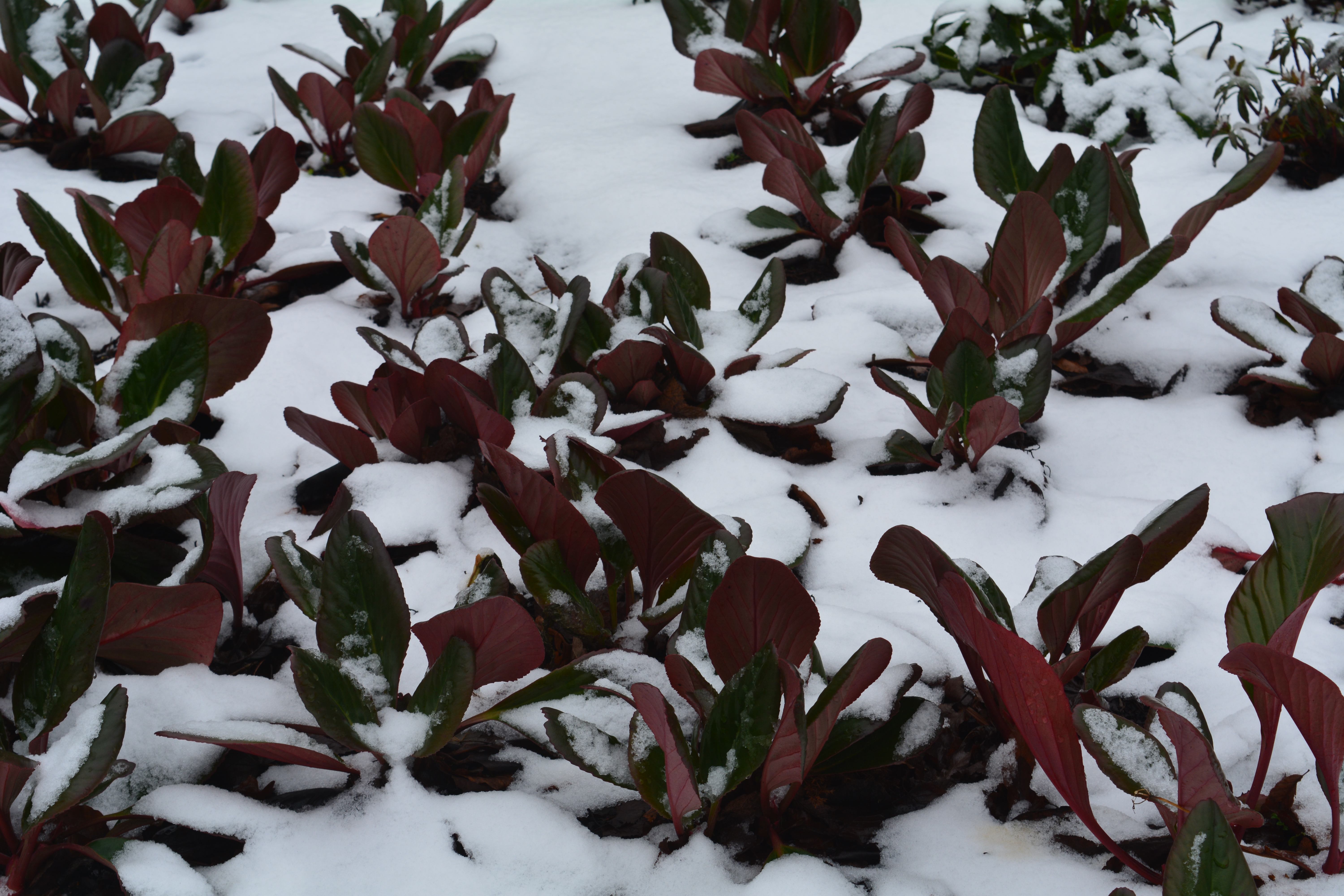
We wandered around a bit trying to find the stag sculpture we found in January and kept getting the wrong path. When we did find him he looked much more majestic without his white coat of snow. We then moved off towards the new Winter Woodland Garden, which is a juvenile garden having been created in early 2015. It already looks and feels a really good seasonal garden, with many shrubs and trees with coloured stems and bark, evergreen groundcover such as Bergenia, several different Carex and Luzula many with striped or golden leaves. Flowering bulbs were putting on an excellent show for us.Ggiven a few years and this will be a beautiful woodland winter garden and will be one of the best close to us so will become a place we visit often.

2016 02 21_8969  2016 02 21_89722016 02 21_8966  2016 02 21_8976 2016 02 21_8977 2016 02 21_8978 2016 02 21_8979 2016 02 21_8982 2016 02 21_8983 2016 02 21_8985 2016 02 21_8986 2016 02 21_8987 2016 02 21_89882016 02 21_9001_edited-1 2016 02 21_8981_edited-1          2016 02 21_8984_edited-1 2016 02 21_8980_edited-1 2016 02 21_8973_edited-12016 02 21_8975_edited-1

We left the Winter Garden by walking under the Laburnum arch still devoid of any growth and enjoyed a wander through the Upper Garden where trees and shrubs reigned supreme. A shy sculpture maiden welcomed us.

2016 02 21_9005_edited-12016 02 21_8954_edited-1 2016 02 21_8957_edited-1 2016 02 21_8953_edited-1  2016 02 21_9011_edited-1 2016 02 21_9013_edited-1 2016 02 21_9025_edited-1 2016 02 21_9026_edited-12016 02 21_9033_edited-1

Having indulged in the powerful scent of this delicately coloured pink Daphne we followed a path that led us around the front of the coffee shop and then down the sloping gardens  to the pool.

2016 02 21_9027_edited-1  2016 02 21_9035_edited-1

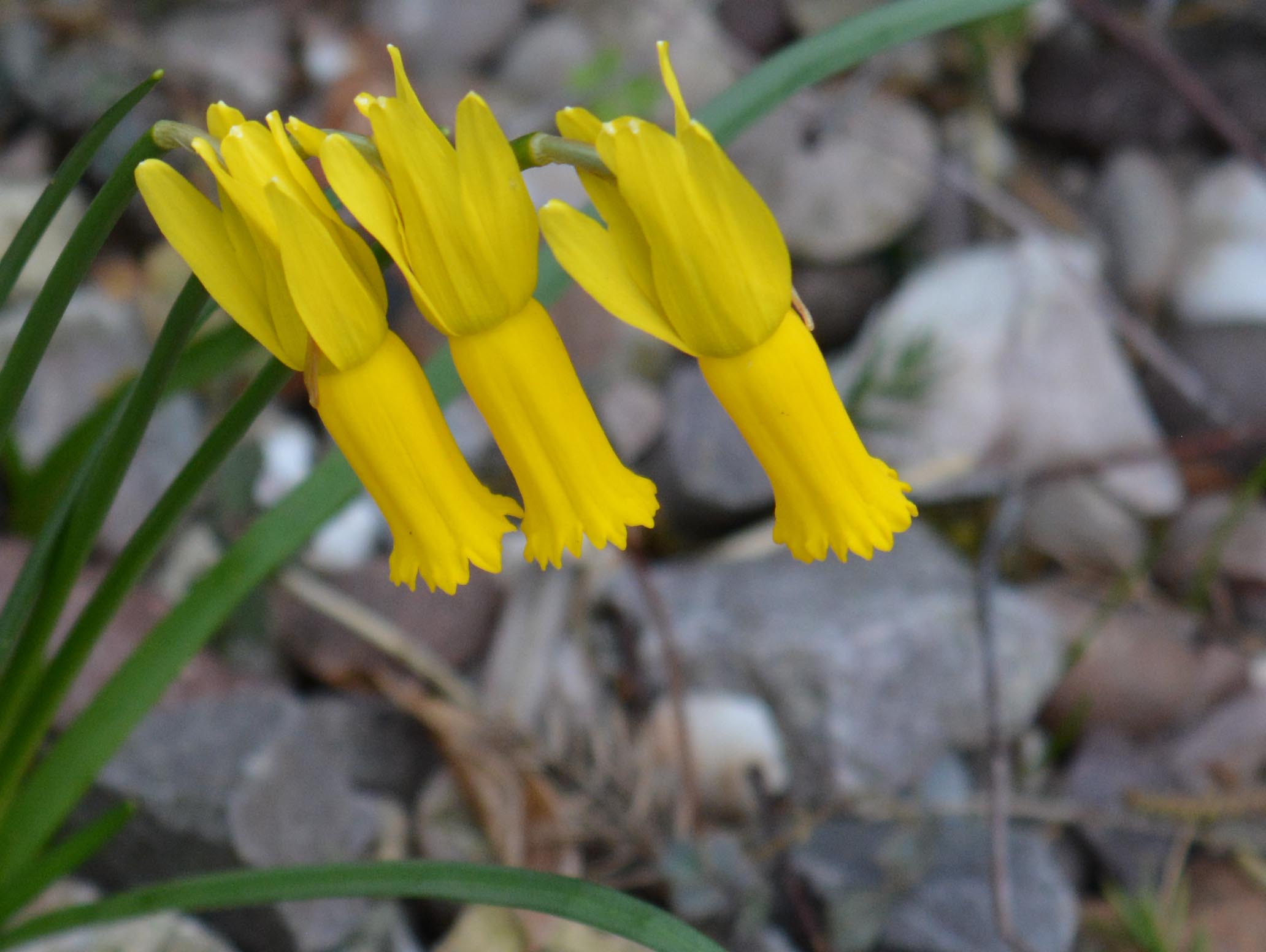
Species tulips demanded a close look to appreciate their beauty and delicacy.

2016 02 21_9036_edited-1 2016 02 21_9051_edited-12016 02 21_9038_edited-1 2016 02 21_9039 2016 02 21_9042_edited-1 2016 02 21_9045_edited-1

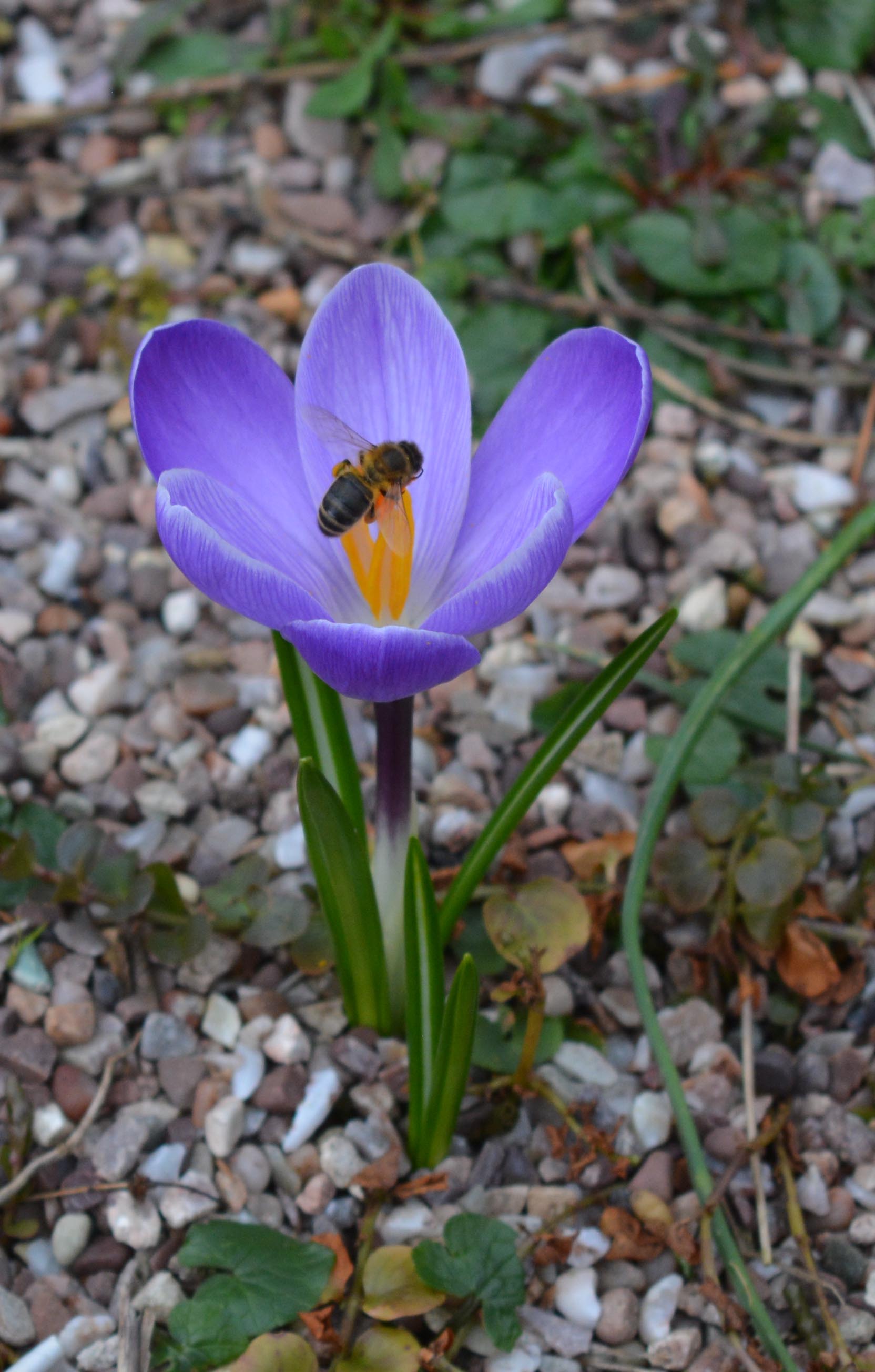
Can you spot the bee at work collecting pollen from the blue crocus? Great to see this.

2016 02 21_9046_edited-1 2016 02 21_9048_edited-1 2016 02 21_9049_edited-1 2016 02 21_9050_edited-1  2016 02 21_9055_edited-1 2016 02 21_9061_edited-1

So that was our February visit to the wonderful Dorothy Clive Garden. We can’t wait to be back with camera in hand to see what March will bring, perhaps a few touches of spring!


Categories
flowering bulbs garden photography garden ponds garden pools garden wildlife gardening grasses hardy perennials light light quality ornamental grasses ornamental trees and shrubs Shropshire shrubs spring bulbs water in the garden Winter Gardening winter gardens

My Garden Journal 2016 – February

Back with the second post sharing my 2016 Garden Journal, we will look at what it holds for February.

2016 02 13_8659_edited-1

On the first page for the month I mention the changing light values that occurs during February.

2016 02 24_9066_edited-1

“This is the month when light values really start to improve. We also get longer days when the weather allows. This change in light coupled with slowly rising temperatures encourages birds to change their songs and calls. The Great Tit is the master of calls with its huge repertoire. Luckily they are very frequent visitors to our garden. They are great entertainers! Their song in February is a “see-sawing ditty with mechanical overtones.” (Collins Bird Guide)

I added my gouache painting of a pair of Great Tits.

2014 12 21_8971_edited-1

On the opposite page I carried on talking about our continued development of our greenhouse.

Having completed the construction of our new heated propagation bench last month we then sorted out our pots, trays, pans and cells ready for the new sowing and growing season. We ensured we have plenty of labels as well as sowing compost and horticultural grit. Jude finished putting up insulation bubble wrap.”

2016 02 02_8119-1 2016 02 02_8120-12016 02 02_8121-1 2016 02 02_8131-1 2016 02 02_8122-1

From greenhouse gardening to pond gardening, my next page features two photos of Jude the Undergardener in her waders playing in our wildlife pond.

2016 02 24_9069_edited-1

“Mid to late February is the time each year when our Common Frogs come to sing, mate and then leave balls of spawn in our wildlife pond. Thus early this month Jude donned her chest waders and cleaned up the pond. She removed Duckweed, Blanket Weed and fallen leaves, then thinned out the water plants.

2016 01 26_8057-1 2016 01 26_8056-1

We tidied up the narrow border that edges the pond, pulling a few hardy weeds and taking up seedlings of our Cornus “Midwinter Fire”. It was heartening to discover how workable our soil was, this being the result of a decade of improving it with the addition of our own garden compost and the regular mulching deeply with organic matter.”

I continued onto the next page discussing the welcome appearance of sunshine in the February.

“Sunshine is not often in evidence this February but when it does make an appearance its effects are magical. It highlights the peeling bark of our trees and directs a spotlight on blossom and glossy foliage.”

2016 01 22_8035_edited-1 2016 01 22_8034_edited-12016 02 02_81162016 01 22_8024 2016 01 22_8008 2016 01 22_8009-1 2016 01 22_8018

As I turn the page I see that I have written about cold temperatures and on the opposite page and on the following double page spread I share the amazing number of plants in flower on one day in February.

2016 02 24_9070_edited-12016 02 24_9073_edited-1

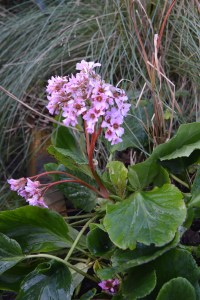
“A sudden overnight plunge in temperature can have drastic looking effects on our early flowering plants. The flowering stem of this Bergenia can be standing to attention during the day but cold at night can make it droop, with the flowers almost touching the cold soil”.
2016 01 17_7930-1 2016 01 08_7763

“The following day when the sun has driven away any frost and added a degree or two to the temperature, the Bergenia flower slowly rises again and returns to its former pink glory.”

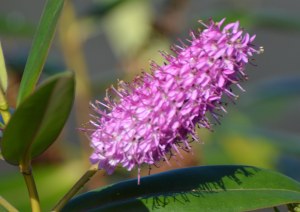
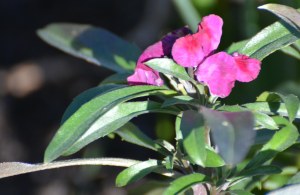
February flowers are celebrated over the next three pages. I hope you enjoy sharing this selection of plants that keep us cheerful and the garden colourful.
2016 02 18_8904_edited-1 2016 02 18_8901_edited-12016 02 18_8891_edited-1 2016 02 18_8878_edited-12016 02 18_8872_edited-1 2016 02 18_8879_edited-12016 02 18_8867_edited-1 2016 02 18_8847_edited-1 2016 02 18_8869_edited-1 2016 02 18_8863_edited-12016 02 18_8913_edited-1 2016 02 18_8871_edited-12016 02 18_8912_edited-1 2016 02 18_8866_edited-1 2016 02 18_8854_edited-1 2016 02 18_8853    2016 02 18_8887_edited-1 2016 02 18_8873_edited-1  2016 02 18_8902_edited-1 2016 02 18_8855_edited-1

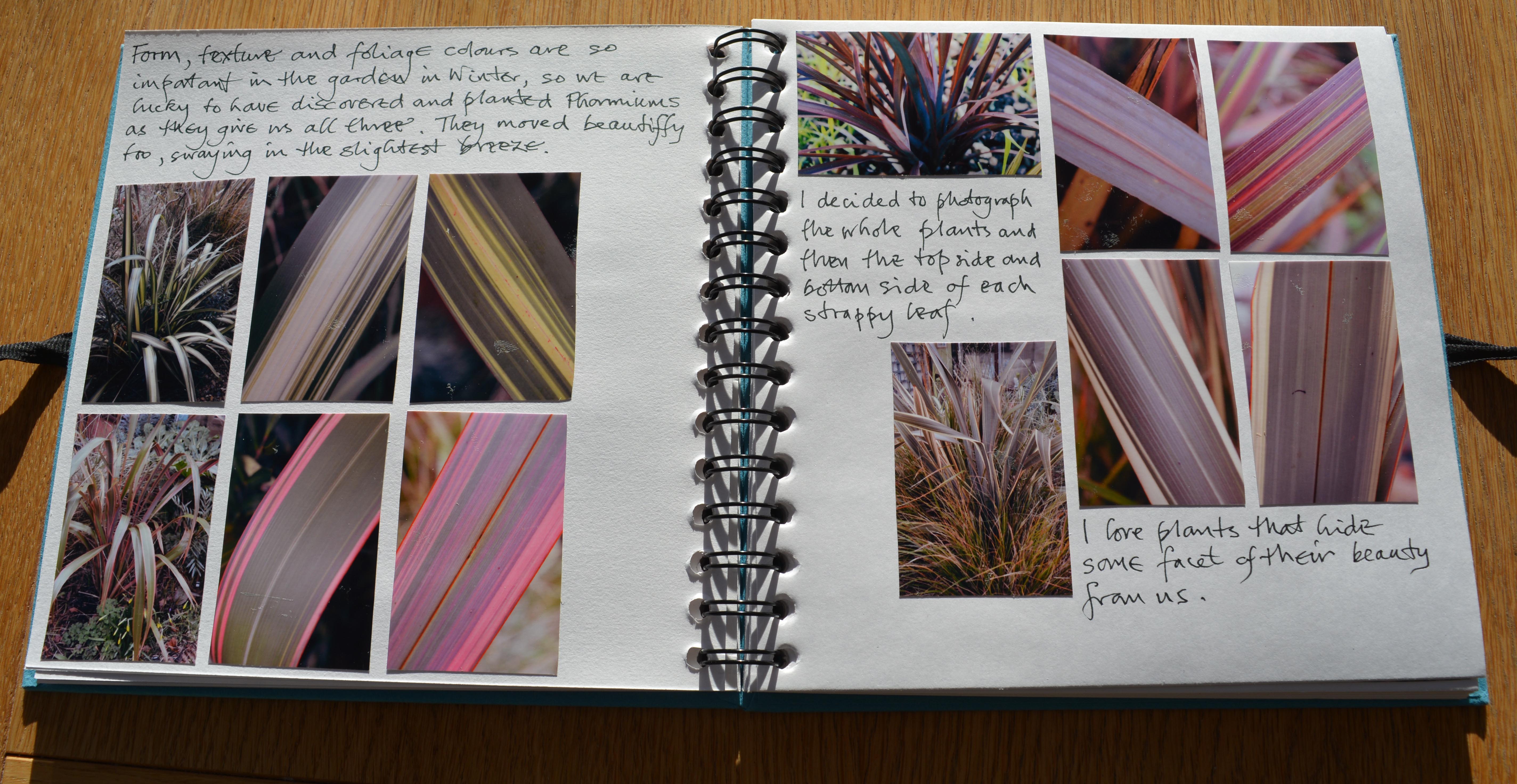
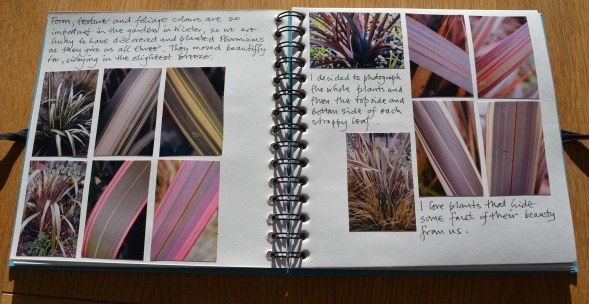
These pictures certainly illustrate how colourful and interesting the garden can still be in the depths of winter. From flowers I moved on to foliage, as on my next double page spread I celebrate Phormiums and how important they are to the winter garden.
2016 02 24_9074_edited-1

“Form, texture and foliage colours are so important in the garden in winter, so we are lucky to have discovered and planted Phormiums as they give us all three. They move beautifully too, swaying in the slightest breeze.”

2016 02 13_8632 2016 02 13_8640 2016 02 13_8651


For some of our Phormium I took a shot of the whole plant and then one of the top surface of their leaves and finally the final surface. Their two surfaces are usually very different.

“I love plants that hide some facet of their beauty from us”.

2016 02 13_8633 2016 02 13_8634 2016 02 13_86352016 02 13_8630 2016 02 13_8639 2016 02 13_8638

2016 02 13_8655 2016 02 13_86532016 02 13_8654

2016 02 13_8631 2016 02 13_8637 2016 02 13_8636

In the final pages of my February entries in my Garden Journal I wrote about coloured stems and look back at my first garden journal to see what I had put for my February entry.  I discovered that I was writing about grass and grasses.

2016 02 24_9077_edited-1

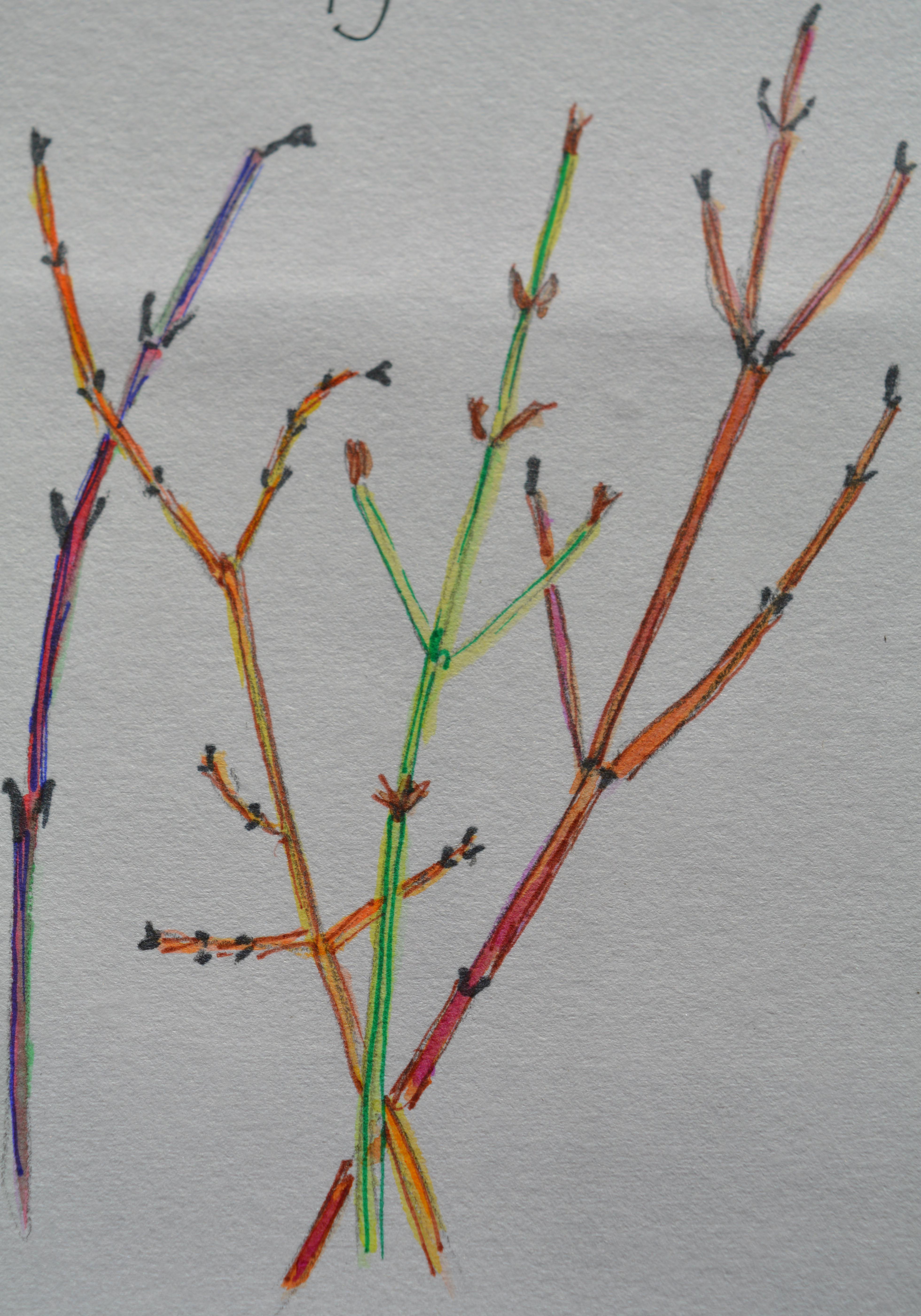
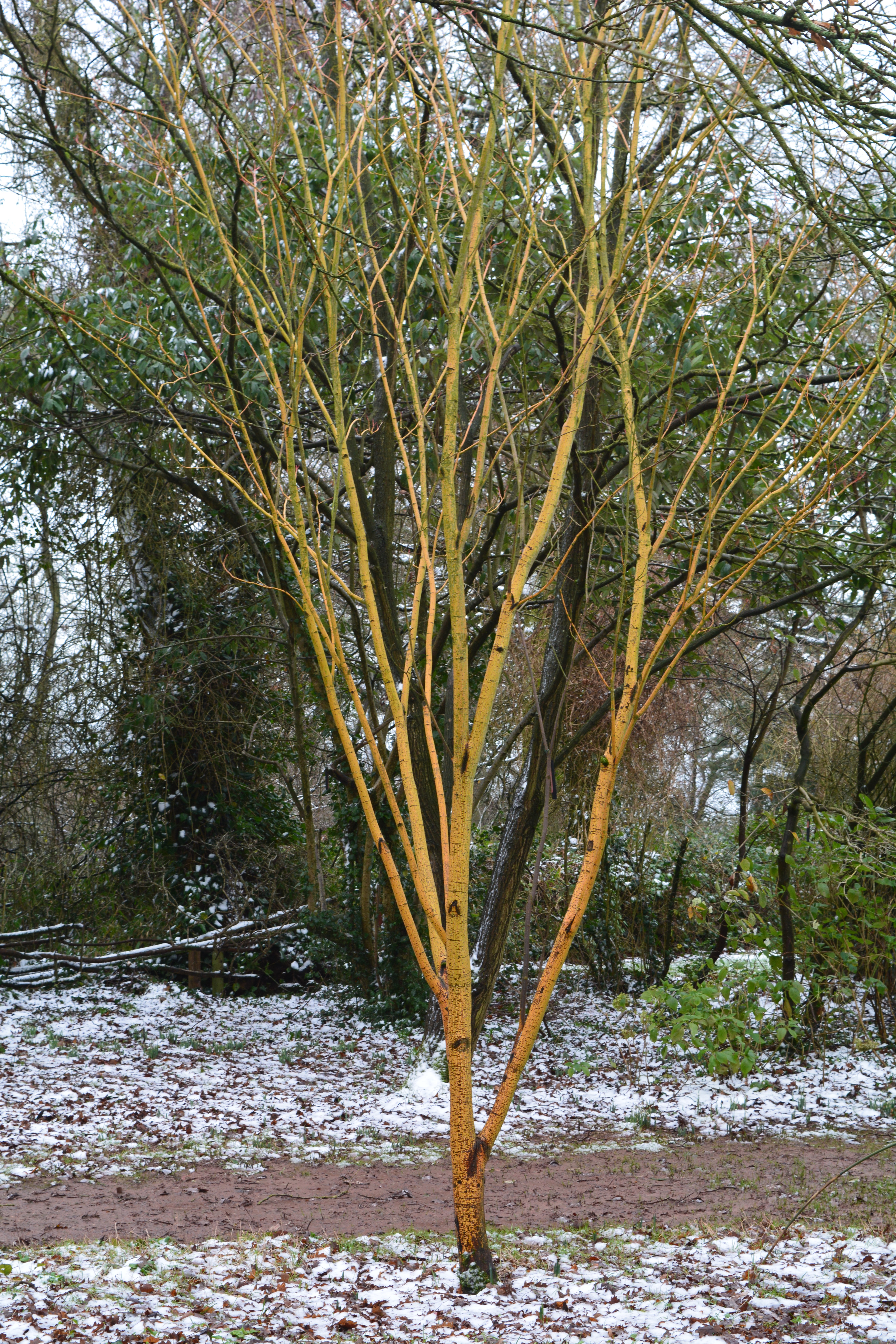
“It is in the dull times of February that we appreciate the brightly coloured stems of our Cornus, Salix and Acers. Once their leaves drop the colours, yellows, oranges and reds begin to intensify. I then shared a watercolour painting of a selection of these stems from our garden alongside a trio of photos.”

2016 02 24_9078_edited-1 2016 02 18_88972016 02 18_8874 2016 02 18_8898

Looking back at my original Garden Journal, I notice that I had commented “14th February and the grass gets its first cut. As the North wind died out the strength of the winter sun meant a good day could be had doing general maintenance work.” This year our grassed areas are wet and slimy and definitely too slippery to get a mower on. But the grass has continued to grow slowly so it is in need of its first cut. Meanwhile our ornamental grasses continue to delight.”

2016 01 22_8033 2016 01 22_8032     2016 01 22_7998-1 2016 01 22_7999-1

So that is it for another month. Next time we make a visit to my Garden Journal we will be in March and maybe we shall be seeing signs of spring.


Categories
flowering bulbs garden design garden photography gardening gardens gardens open to the public ornamental trees and shrubs spring bulbs trees Winter Gardening winter gardens woodland woodlands

A Garden in Winter – RHS Rosemoor – Part 2

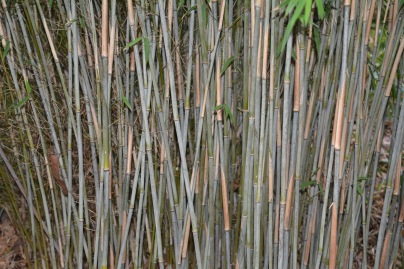
We continued our tour of the RHS Rosemoor Garden as we passed under the underpass which led us to the original gardens now called Lady Anne’s Garden. As we left the tunnel and regained daylight, albeit rather dull, we heard the sound of water falling. A narrow ribbon of white water was falling down a huge rock face created from large stones. A white stemmed birch close to it matched it perfectly. Bamboos enjoyed the damp atmosphere here and appeared very much at home.
2016 02 04_8537 2016 02 04_85352016 02 04_8586

The damp atmosphere also meant that any trees growing here were home to algae and mosses giving their trunks and stems unusual textures and colours.

2016 02 04_8538 2016 02 04_8541 2016 02 04_85852016 02 04_8584

As we followed gravel paths towards Lady Anne’s house we were interested to see many areas of new planting, with young plants growing in much improved soil.

2016 02 04_8542 2016 02 04_8543

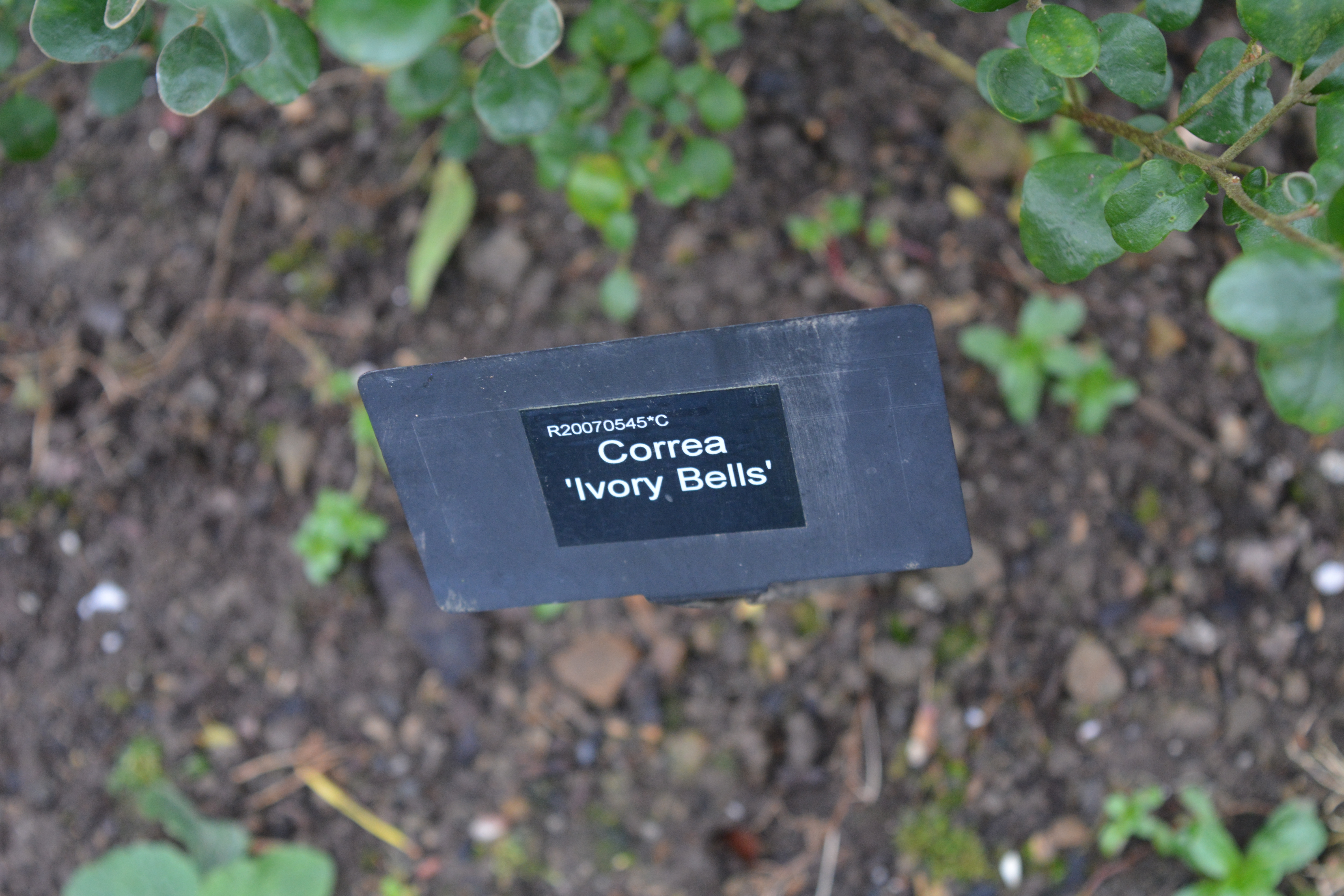
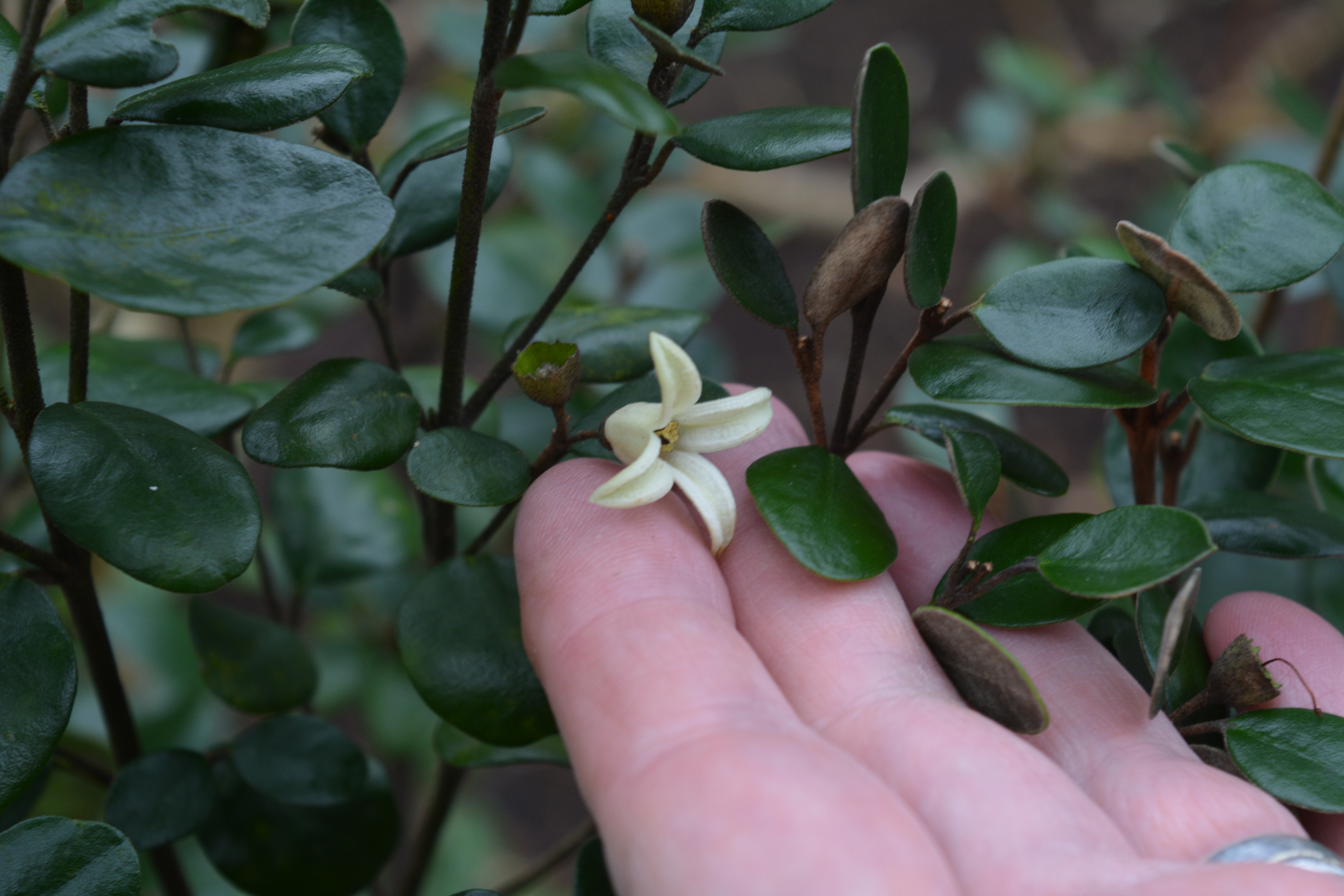
Within these new areas of planting we were attracted to a small shrub with tiny delicate flowers. We didn’t recognise it but we were lucky as it had a label to help us. It was a Correa “Ivory Bells”. We grow a Correa at our garden in Shropshire but we never get them to flower. After seeing these little beauties we certainly wished we could!

2016 02 04_8548 2016 02 04_85472016 02 04_8546

The path we were following took us slowly uphill where we followed a path half way up the slope on the edge of a the garden within the woodland. The damp atmosphere here with its dappled shade gave a home to some special plants. This rich blue flowered Primula was so delicate that its stems looked too fragile to hold up the flowers. We didn’t recognise it but once again there was a label to come to our rescue – it informed us that its name was Primula “John Fielding”.

2016 02 04_8559

The habitat here encouraged mosses and ferns to grow profusely. Some plants even manage to get a foothold on a flight of stone steps.

2016 02 04_8557 2016 02 04_8554

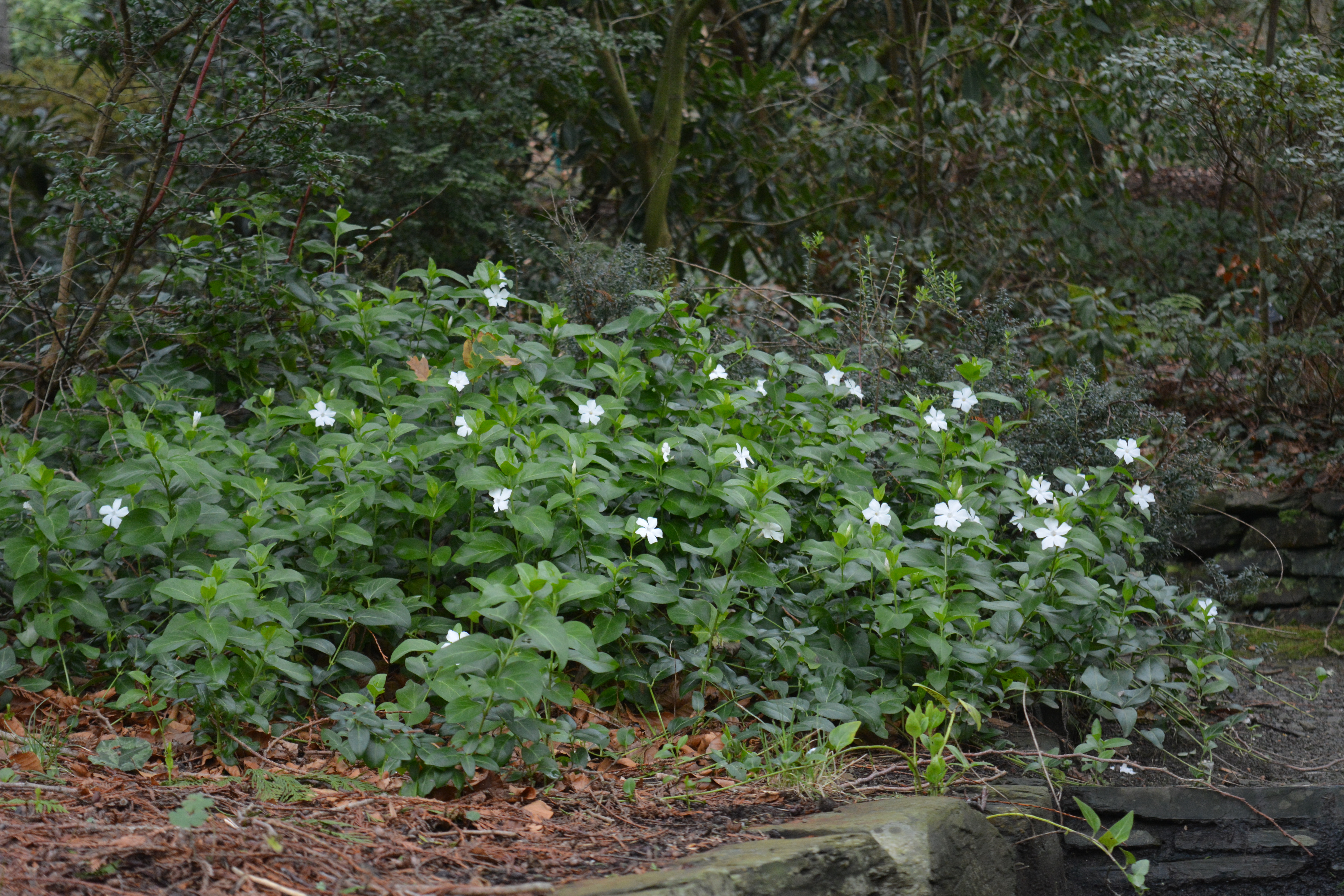
Perewinkles or Vincas are very common plants and often too invasive for smaller gardens, but this one attracted us and encouraged us to take a closer look at its delicate white flowers.

2016 02 04_8564 2016 02 04_8563

Small flowering bulbs brughtened up the dull semi-shade along the woodland edge.

2016 02 04_8566 2016 02 04_8571

2016 02 04_8589 2016 02 04_8588 2016 02 04_8567

We found another plant that presented another mystery. We recognised the beautiful mahogany coloured buds of this Salix so looked close up and studied its label when we discovered it to be Salix fargessii. A few steps further another young shrub looked very similar but close up we noticed subtle differences. This we discovered, once again by reading the label, was Salix moupinensis, a willow we had never heard of. We must now do some research to see which is most worthwhile to add to our garden. A good gardener never stops learning!

2016 02 04_8579 2016 02 04_8581

I shall finish with a lovely winter shrub, Sarcoccoca which displays its black berries and its white flowers at the same time and in addition it has a rich deep scent.

2016 02 04_8590 2016 02 04_8591

So RHS Rosemoor Garden in winter proved itself to be as good as at any other season, the sign of a very good garden. We discovered new plants and enjoyed the scents and sights of so many good plantings. The Winter Garden and the Foliage Garden were the stars of the show just as we expected. As I often say after visiting a garden, we will be back!


Categories
flowering bulbs garden design garden photography garden ponds garden pools gardening gardens gardens open to the public hardy perennials ornamental trees and shrubs RHS spring bulbs trees water garden water in the garden Winter Gardening winter gardens woodland

A Garden in Winter – RHS Rosemoor – Part 1

We love to break up the winter months with mid-week breaks away around the UK. In February this year we took off down to Devon for a short holiday where we planned to visit a garden which holds two National Collections, Betulas (Birches) and Alnus (Alders) and the Royal Horticultural Society’s Rosemoor Garden.

My previous couple of posts shared with you our wanderings around Stone Lane Garden and Nursery with its wonderful national collection of Betulas and Alnus. In this post we will share with you the two days we spent exploring the Royal Horticultural Society’ Rosemoor Garden.

We had visited many times before but never in winter before, so we were keen to see if the RHS’s claim that Rosemoor provides “Great days out for every season” and  “Rosemoor continues to enchant visitors when the Winter and Foliage Gardens are filled with a surprisingly intoxicating combination of colour, fragrance and texture.”

After a quick coffee in the restaurant we braved the rain and began our walk around.

2016 02 04_8397 2016 02 04_8507 2016 02 04_8430

We made our way towards the Winter Garden which we knew had been redeveloped since we last visited so we longed to see what it looked and felt like now.

2016 02 04_8404 2016 02 04_8401

As expected foliage took a leading role.

2016 02 04_8406 2016 02 04_84082016 02 04_8418 2016 02 04_84282016 02 04_8429

Coloured stems and bark of shrubs and trees add strong structure to a good winter garden.

2016 02 04_8412 2016 02 04_84132016 02 04_8422 2016 02 04_84142016 02 04_8424 2016 02 04_8425 2016 02 04_84262016 02 04_8453 2016 02 04_8474

After enjoying and being highly impressed with the renovated Winter Garden, we took a gravel path which led us to the Foliage Garden. We were looking forward to seeing the role that foliage could play in the February garden. We were not to be disappointed with what we saw. Perennials and grasses played key roles with the richness of texture and the delicacy of colour. Richly coloured foliage on many shrubs joined the party.

2016 02 04_8454 2016 02 04_84552016 02 04_8456 2016 02 04_8457 2016 02 04_84662016 02 04_8459 2016 02 04_84602016 02 04_8461 2016 02 04_8478

Wherever we went we noticed evidence of the RHS gardeners and the volunteers who worked alongside them. In the Rose Garden these roses had been pruned so precisely just like illustrations in a gardening book . The soil between them had been neatly forked over to give a very professional look to the gardeners’ work.

2016 02 04_8438

When we returned to the restaurant for a warming coffee we noticed in the terrace outside a little wooden framed alpine greenhouse. Here we found an impressive array of flowering bulbs.

2016 02 04_8393 2016 02 04_8395  2016 02 04_8394

Leaving the alpine house we took meandering paths through the gardens where we noticed many early blooms that added cheer to a day of dull damp weather.

2016 02 04_8403 2016 02 04_84192016 02 04_8420 2016 02 04_8417 2016 02 04_8434 2016 02 04_84642016 02 04_8410 2016 02 04_8488

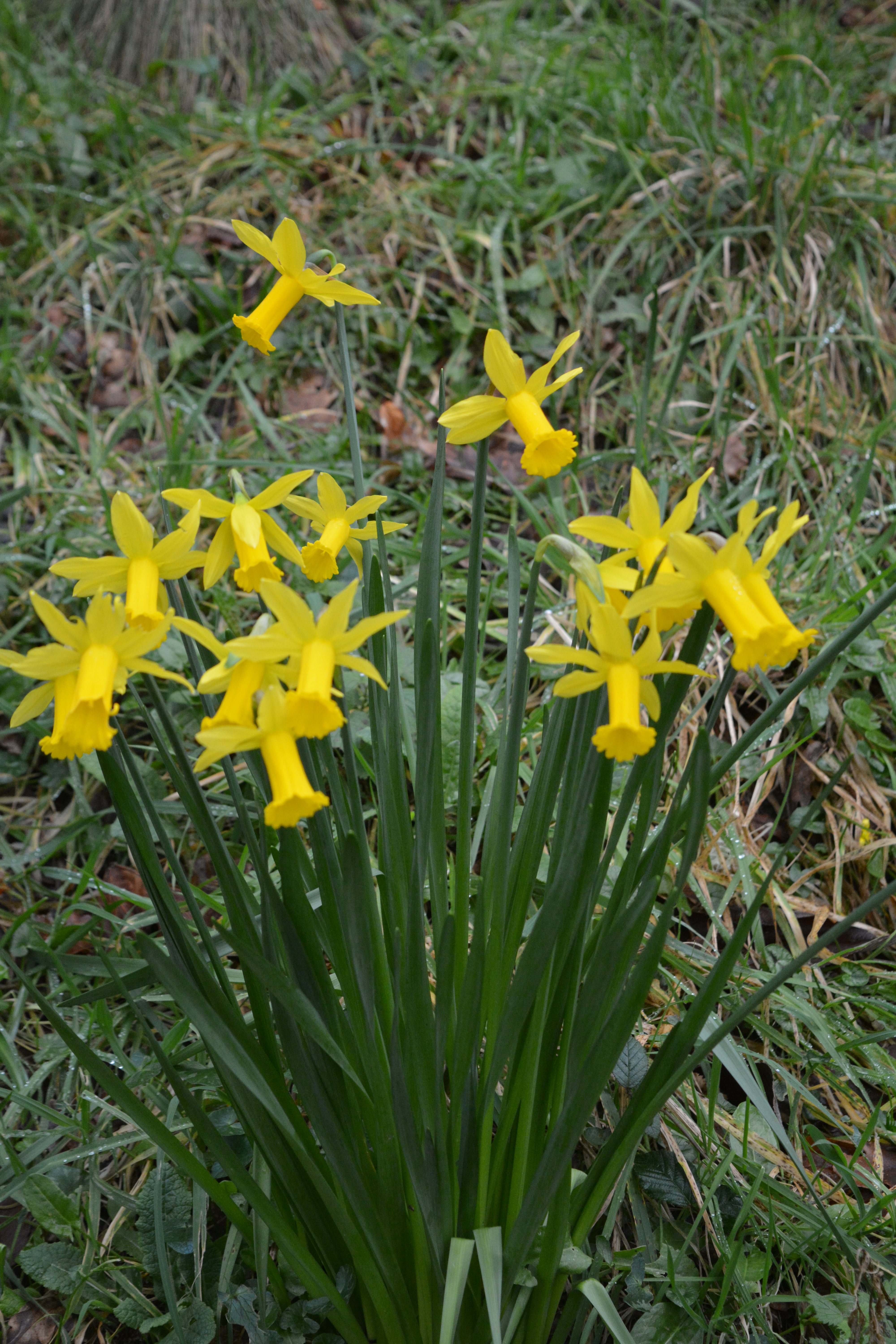
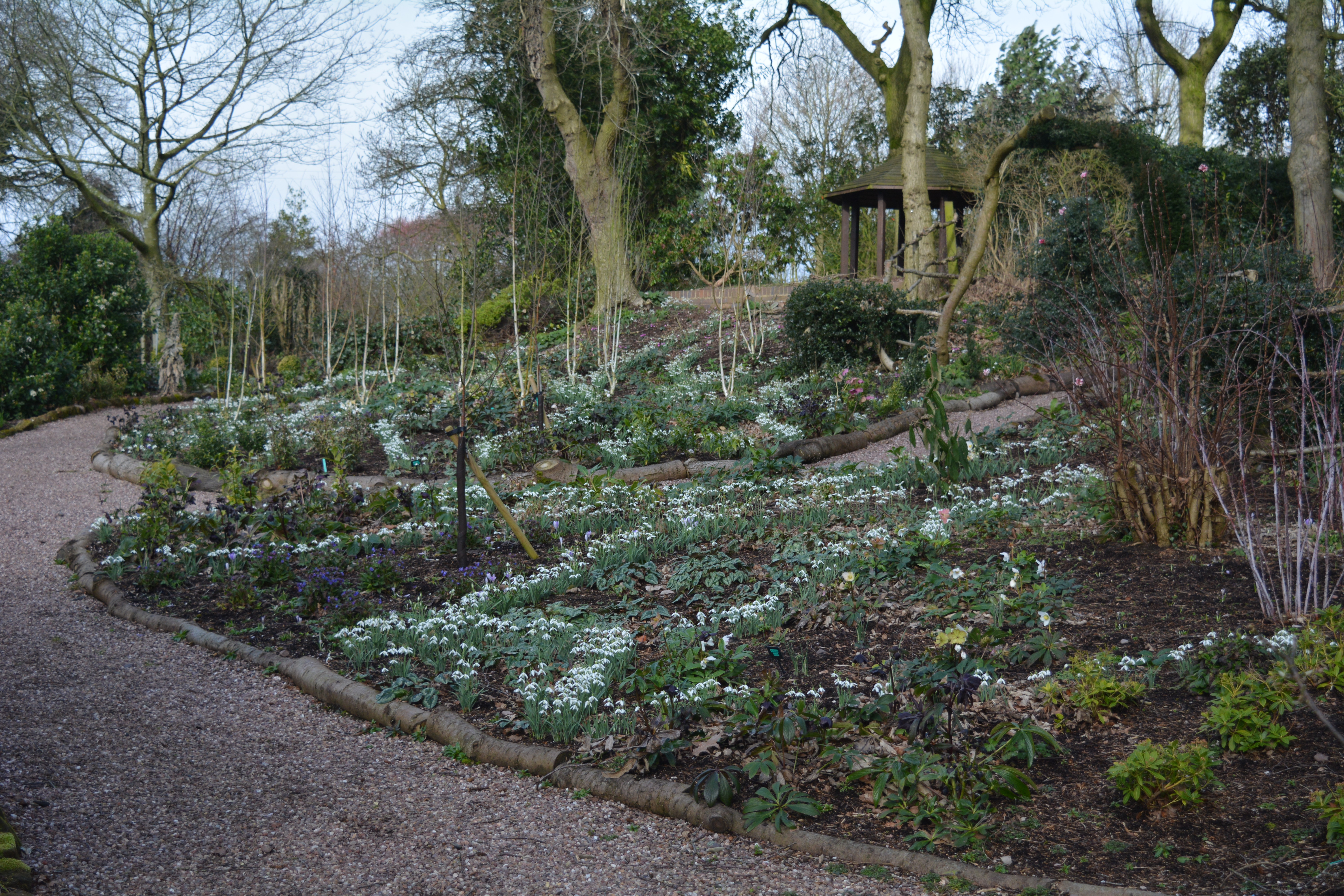
These paths took us down a gentle slope towards the lake and along the way we passed through open grassed areas where Daffodils and Narcissi had been naturalised. In neighbouring borders swathes of Snowdrops looked like frozen rivers running through shrubs and trees.

2016 02 04_8490 2016 02 04_84922016 02 04_8497 2016 02 04_8498

We reached the lake which looked very cold and uninviting but on its banks Cornus and Salix varieties known for their coloured stems added ribbons of very welcome brightness.

A stream fed the lake and we left the lakeside by following a path rising gently through the stream’s valley.

2016 02 04_8496 2016 02 04_8493

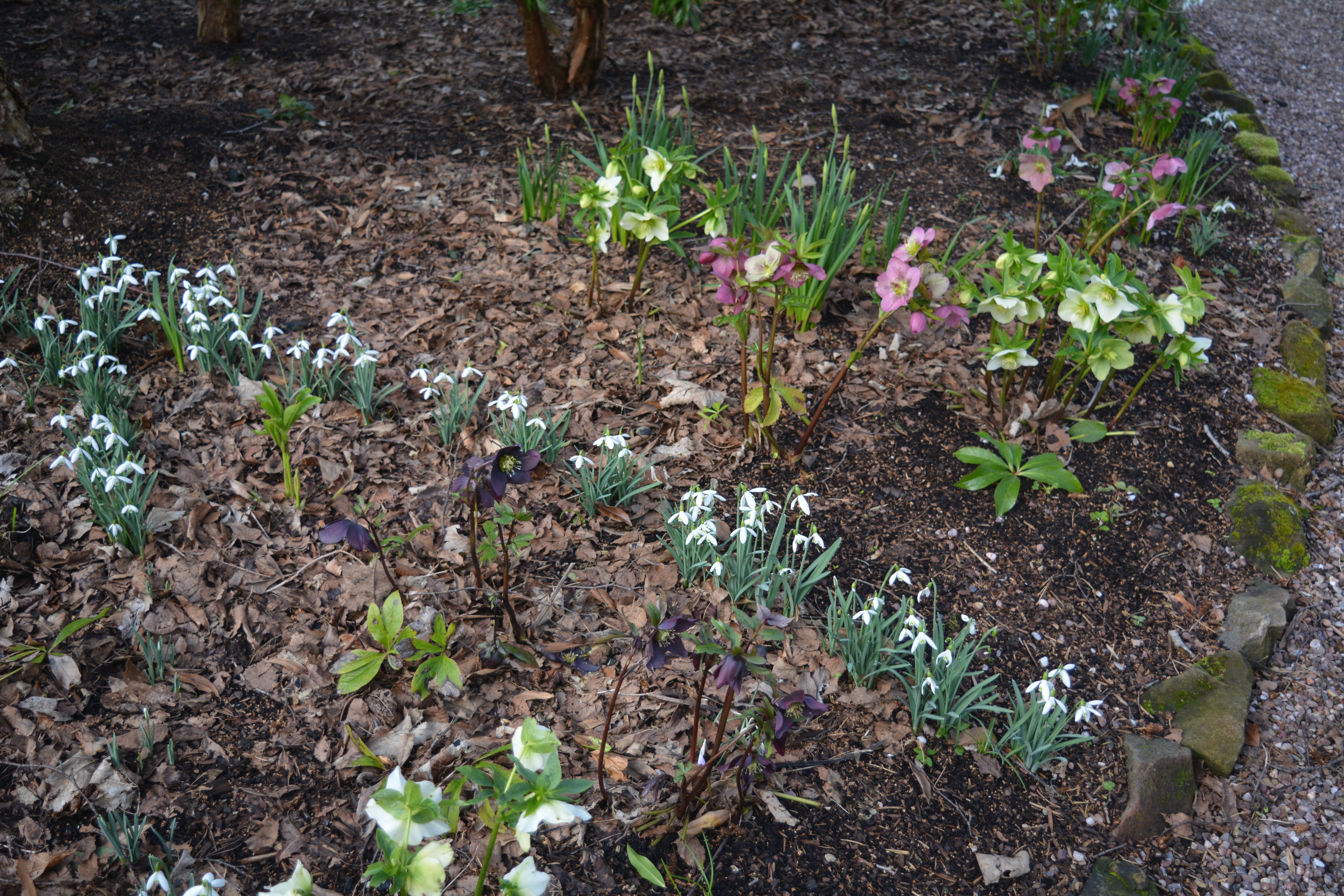
This valley with its clear stream ran rapidly through areas of planting. We followed the stream along a gravel path which took us to an underpass through which we wandered to find the original garden at Rosemoor, Lady Anne’s Garden. The little valley dropped down towards the underpass and we saw King Cups flowering profusely providing splashes of golden yellow and clumps of Arum italicum marmoratum gave us splashes of silver in their variegated foliage.
2016 02 04_8528 2016 02 04_85052016 02 04_8405 2016 02 04_8433

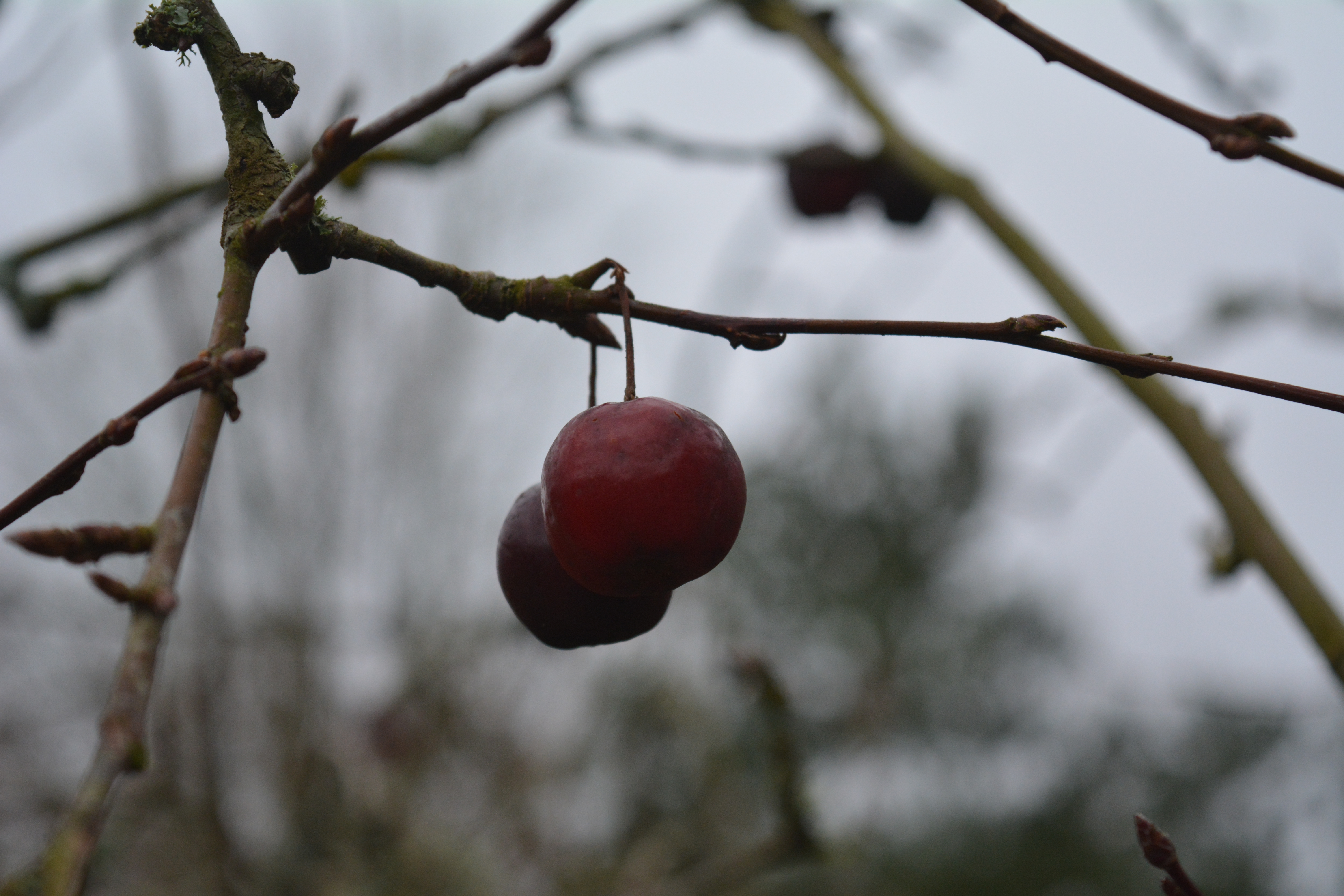
Seed heads and fruit from the autumn were still very much in evidence extending the season of interest.

2016 02 04_8469 2016 02 04_84702016 02 04_8510 2016 02 04_8511

As the valley sides rose higher the atmosphere became damper and we felt the temperature drop slightly as we got closer to the underpass. Lichen grew on trees and on fences. The white bark of Birches and the snow white blooms of Snowdrops shone through in the duller light.

2016 02 04_8512 2016 02 04_8524 2016 02 04_8526 2016 02 04_8527 2016 02 04_8523

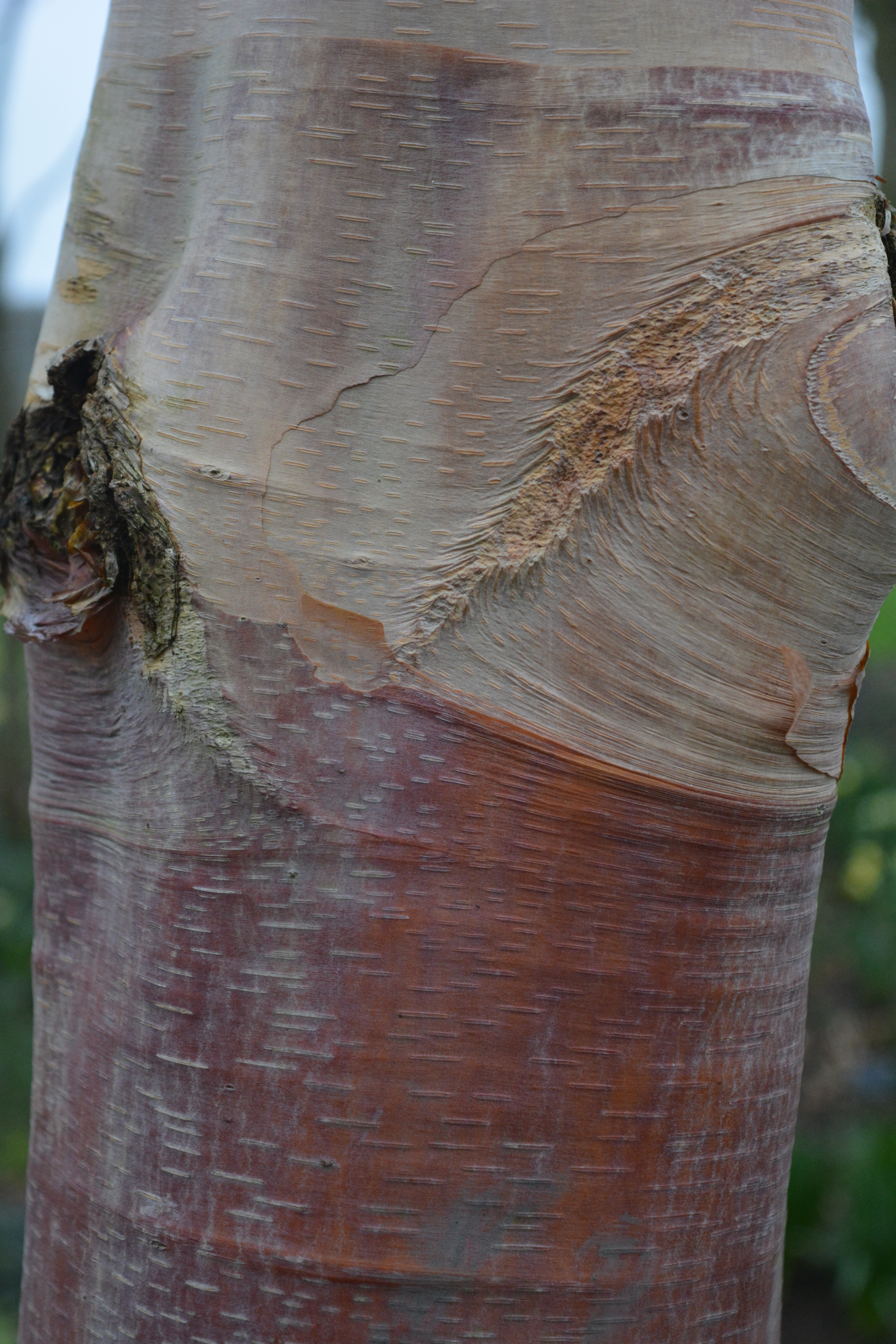
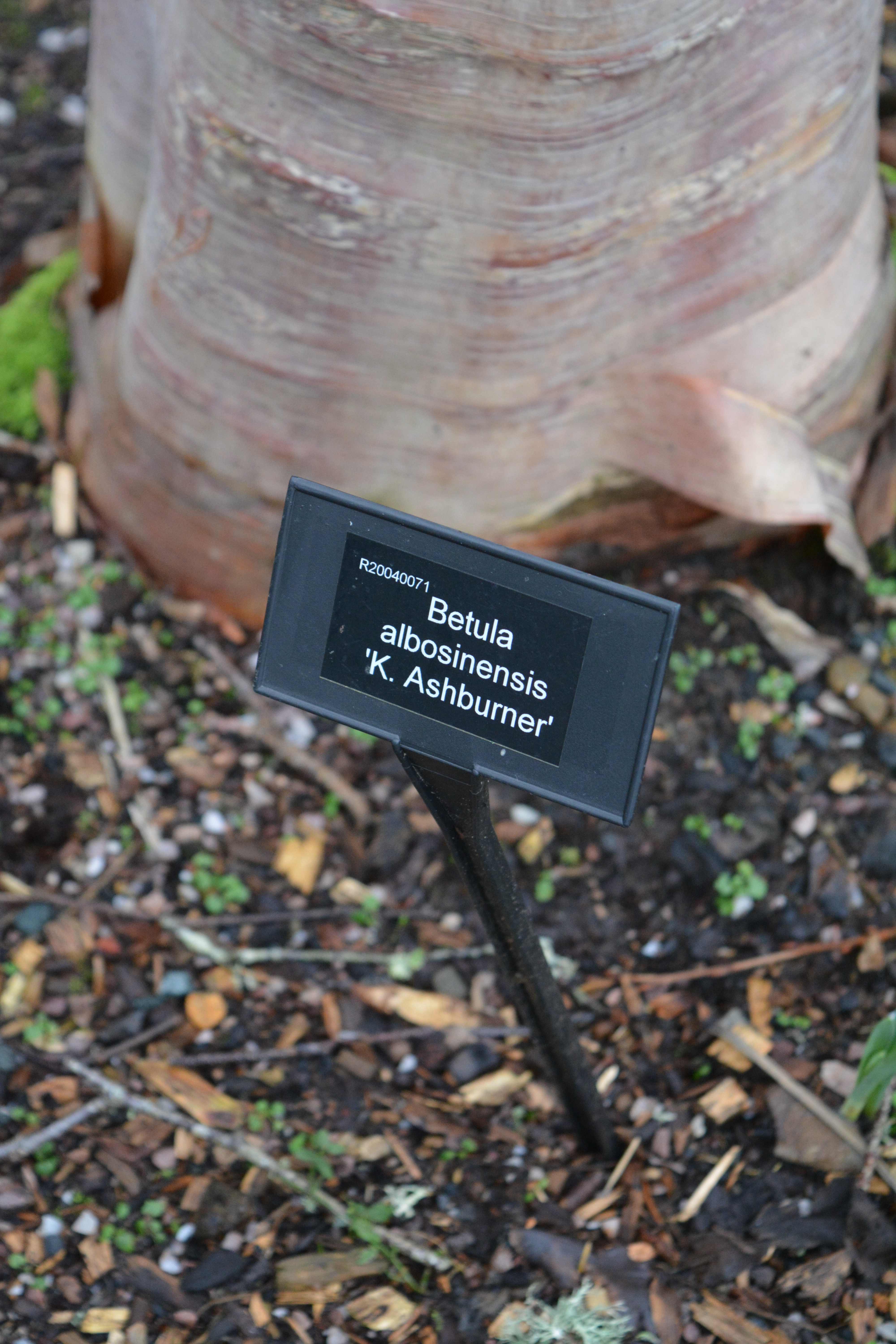
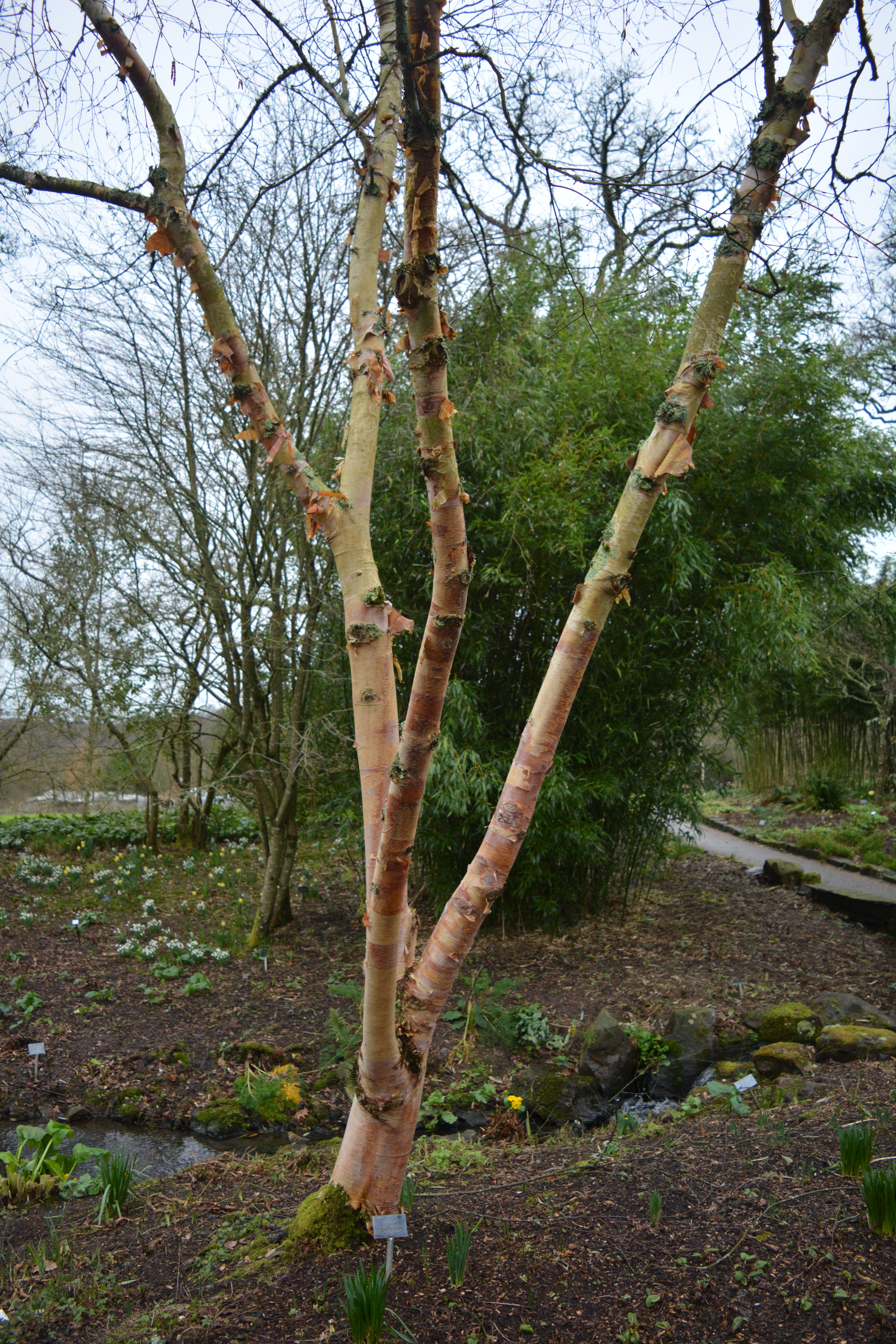
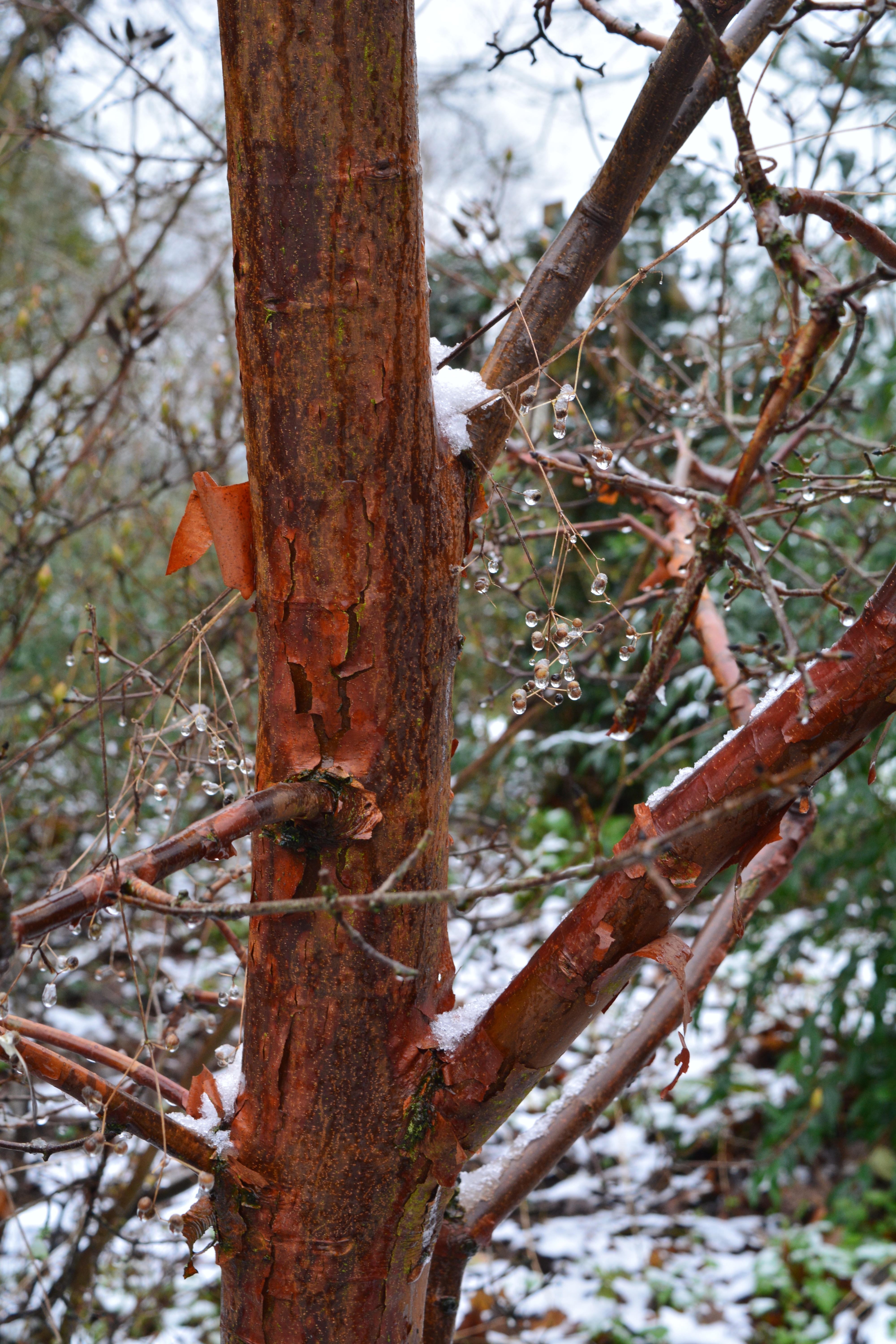
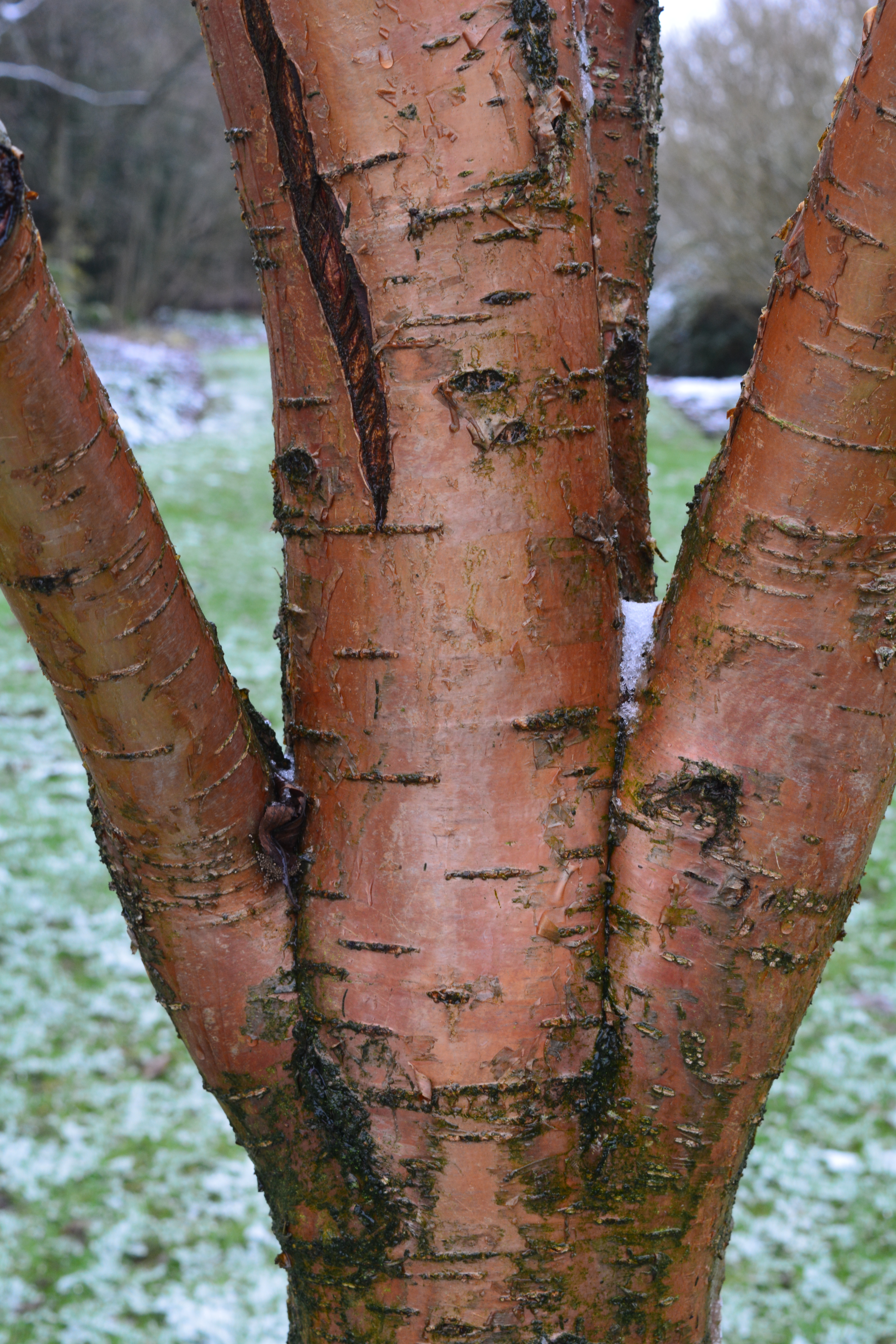
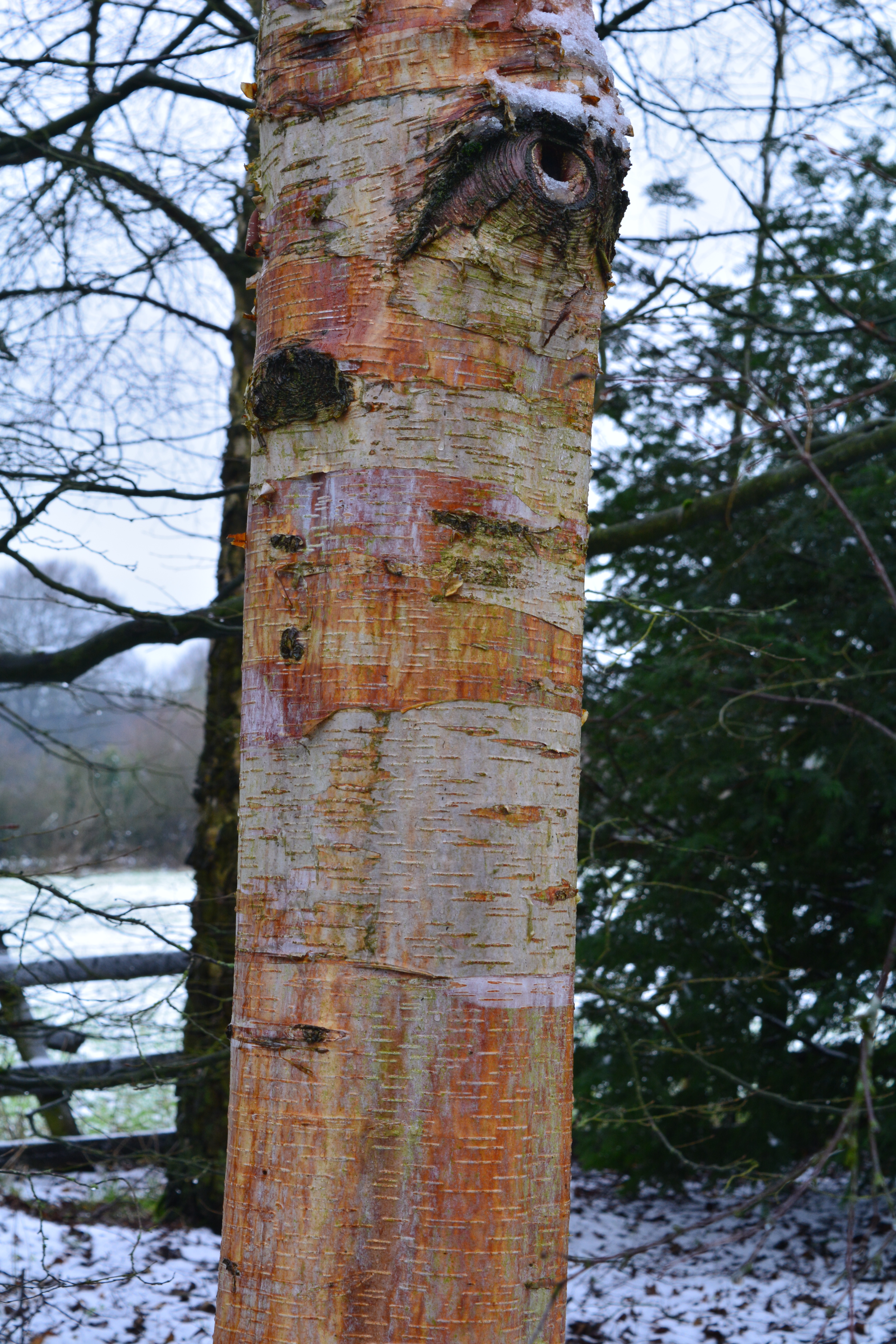
We were drawn to a Betula with unusually coloured bark and were very pleased to find that it was called Betula albosinsensis “K Ashburner”, named after the owner of Stone Lane Gardens and Nursery.

2016 02 04_8517 2016 02 04_8518 2016 02 04_8522

Scent was held in the valley so we were constantly experiencing the rich aromas of Lonicera, Sarcoccoca and Ribes. Sweetness in the air!

2016 02 04_8531 2016 02 04_8533

We entered the underpass which would take us under the road we drove along hours before and gained access to the original garden here at Rosemoor, Lady Anne’s Garden. We will be in that part of the garden in Part 2.


Categories
arboreta colours garden photography garden ponds garden pools gardening gardens gardens open to the public grasses ornamental trees and shrubs outdoor sculpture sculpture trees water in the garden Winter Gardening winter gardens woodland woodlands

A Devon Garden with Betulas – Part 2

Back at Stone Lane we continued wandering along the grass paths which were so soft underfoot. We enjoyed discovering more and more Birches with beautifully coloured and textured bark and fine winter silhouettes plus the odd Alder and pieces of sculpture.

2016 02 03_8304 2016 02 03_83172016 02 03_8290 2016 02 03_82912016 02 03_8337 2016 02 03_8354

Alnus barbata diplayed bark as rough and fissured as the skin on the legs of an old elephant.

2016 02 03_8244 2016 02 03_8249

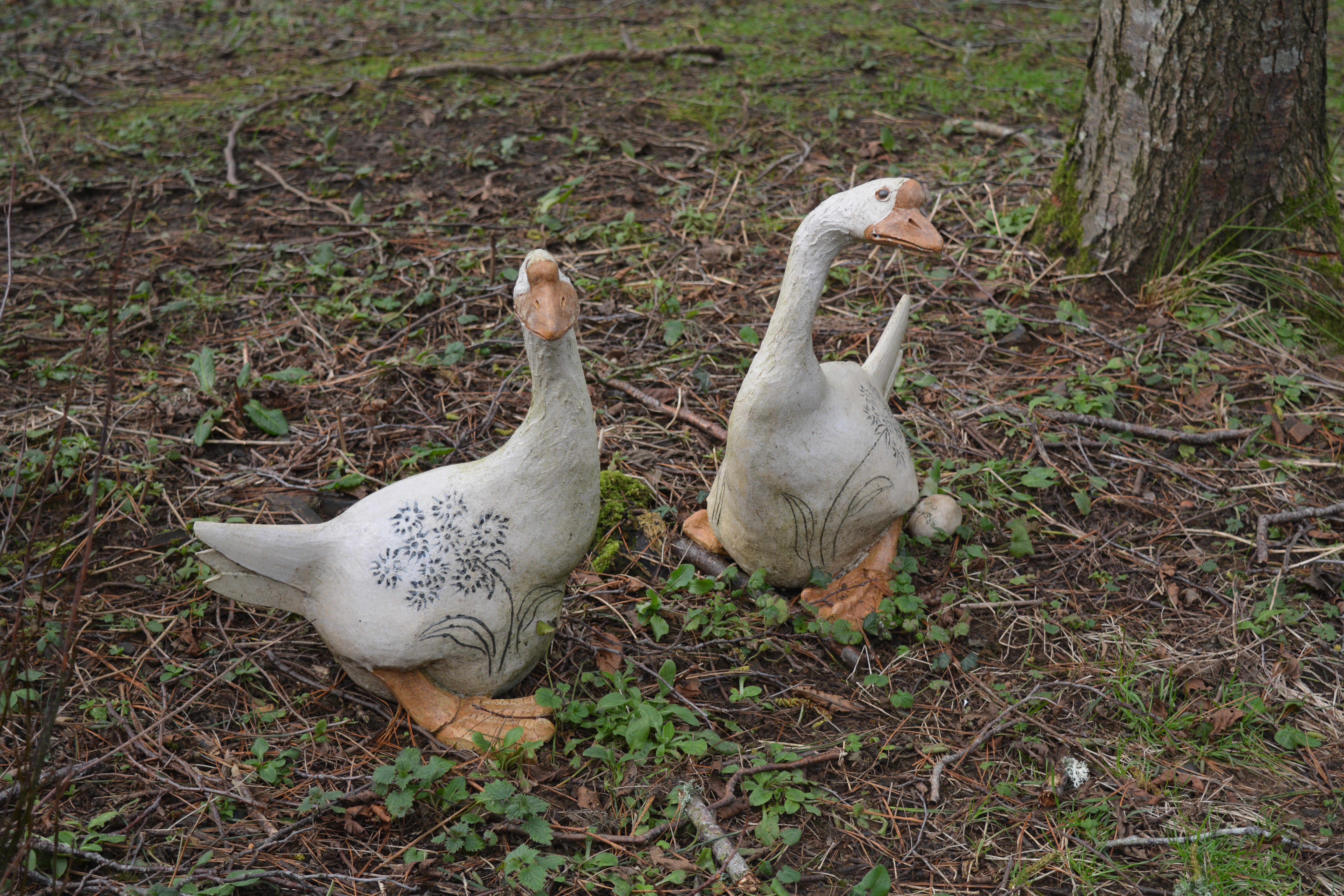
At the furthest end of the woodland garden we found wildlife ponds and two interesting shelters. On the far bank of one of these ponds we spotted two geese and it was only as we approached closely did we realise they were in fact sculptures. Their wings were decorated with simple line drawings of flowers.

2016 02 03_8248-1 2016 02 03_8247-1 2016 02 03_8246 2016 02 03_8251

The second shelter proved to be a total mystery. We couldn’t work out what it had been used for in the past or in present times. It looked as if it had wheels at one time. We thought it may have been a poultry house but today it seemed to be a bird hide.

2016 02 03_8252 2016 02 03_8253-1 2016 02 03_8263

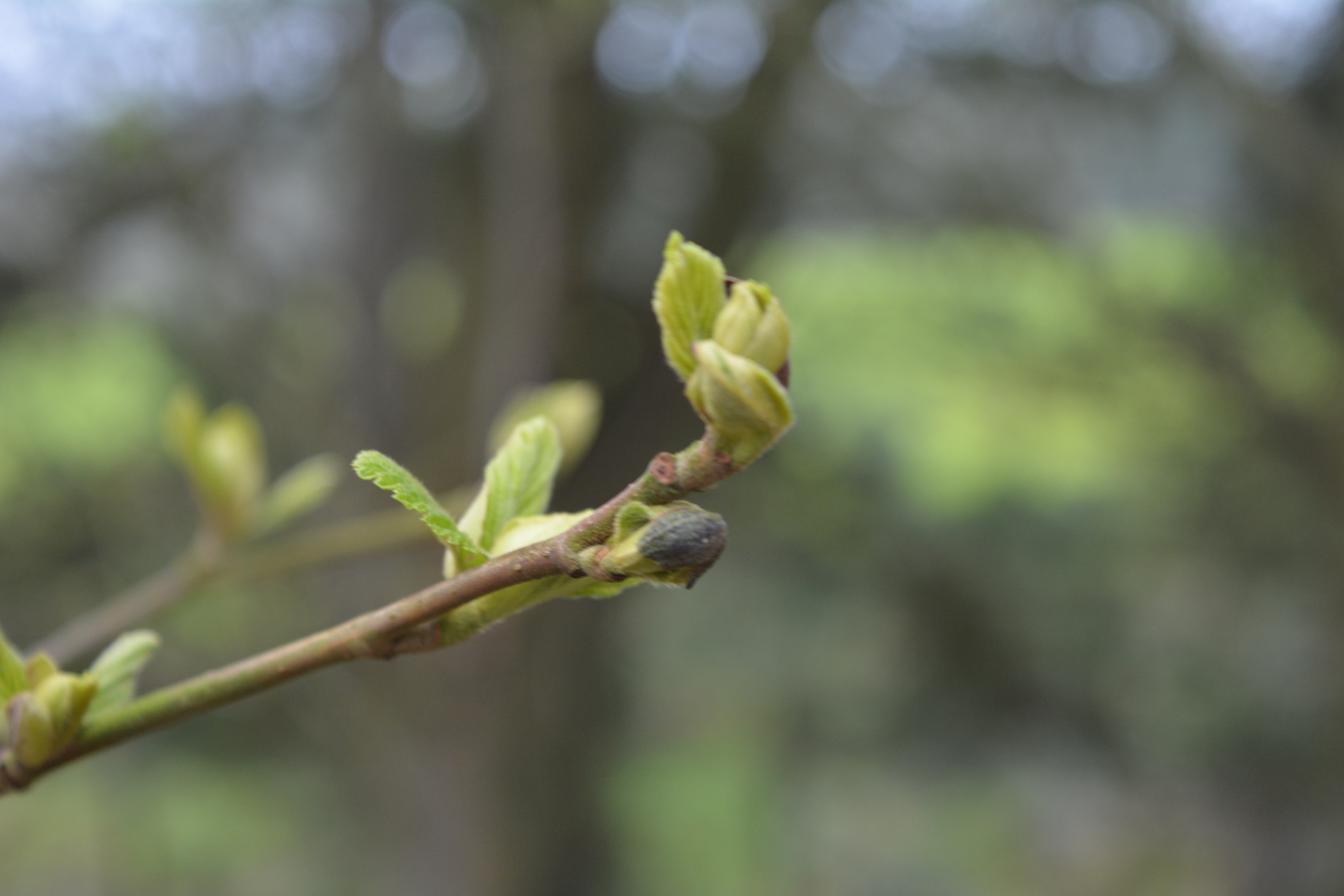
It sat beneath a stand of Alnus glutinosa, which were already showing young catkins bursting from buds.

2016 02 03_8255 2016 02 03_8254

Alnus hirsuta was showing new fresh foliage rather than catkins.

2016 02 03_8261 2016 02 03_8260 2016 02 03_8259 2016 02 03_8257

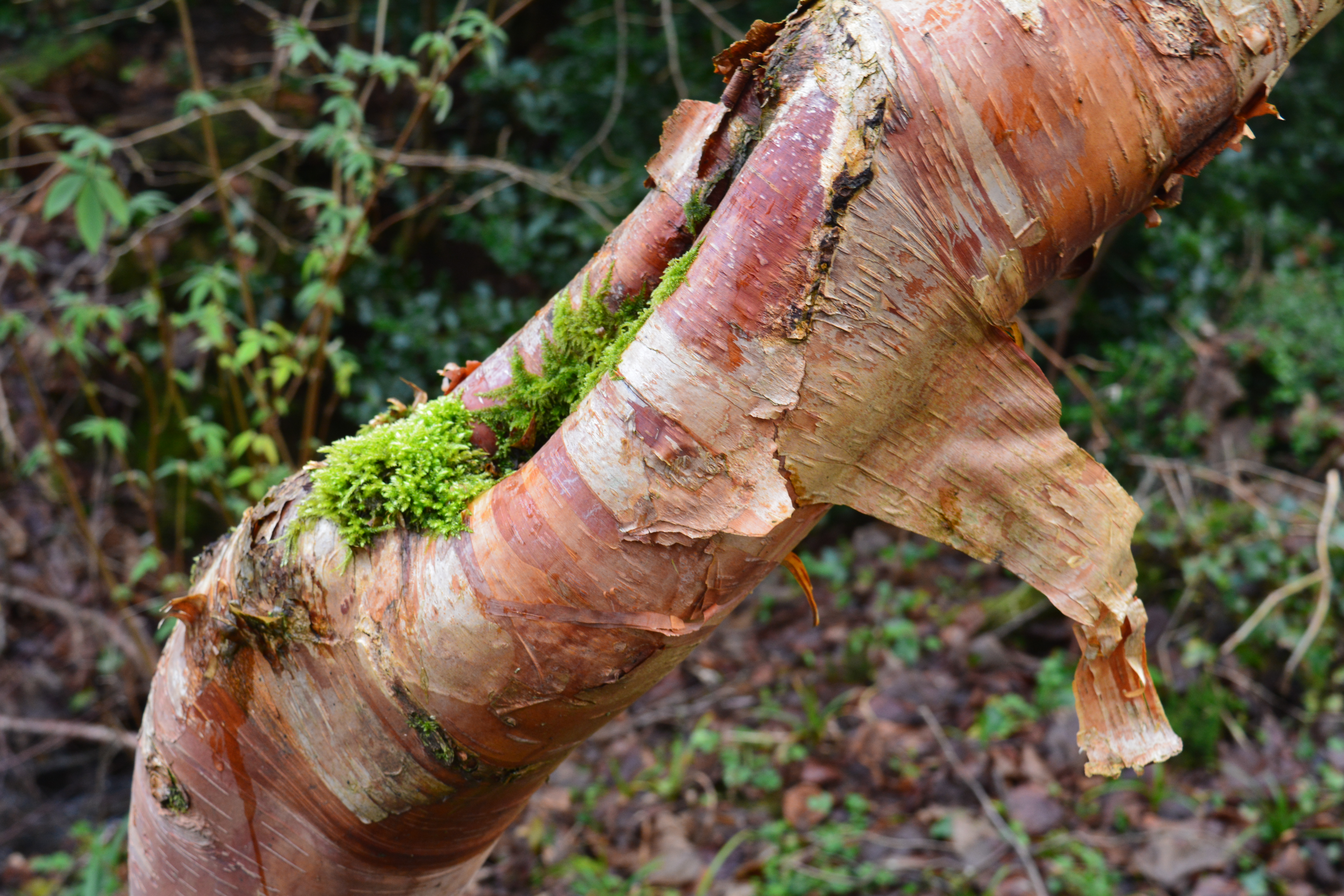
Back to a Betula – Betula maximowicziana, a real tongue twister of a name, had striated bark in delicate shades of pink and ginger. Fine strips of its bark peeled back in almost vertical lines.

2016 02 03_8266 2016 02 03_8264 2016 02 03_8267

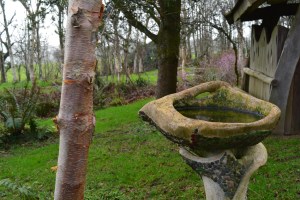
We found a beautiful place for a rest and coffee break, a wooden rustic shelter surrounded by Birches. A stone and mosaic birdbath stood close by and a pink flowered Azalea provided restful colour. Looking straight ahead from where we sipped our coffee we enjoyed a view of more Betulas, of which we cannot get too many.

2016 02 03_8341-1 2016 02 03_8344-12016 02 03_8348 2016 02 03_8310

2016 02 03_8342 2016 02 03_8343 2016 02 03_8346

Now just enjoy coming with us as we wander along grass tracks and gravel pathways discovering the huge varieties of Birches in Ken Ashburner’s amazing collection.

2016 02 03_8347 2016 02 03_8311 2016 02 03_83312016 02 03_8338 2016 02 03_8270 2016 02 03_82882016 02 03_8340 2016 02 03_8271 2016 02 03_8280 2016 02 03_8275 2016 02 03_8272 2016 02 03_8276 2016 02 03_8299 2016 02 03_82812016 02 03_8274 2016 02 03_8277 2016 02 03_8282 2016 02 03_82982016 02 03_8320 2016 02 03_8285 2016 02 03_83212016 02 03_8289 2016 02 03_8293 2016 02 03_8292   2016 02 03_8295 2016 02 03_8303 2016 02 03_8301

Naturally there were many other plants of interest as well as the Birches and Alders we came to see.

2016 02 03_8308 2016 02 03_83062016 02 03_8269 2016 02 03_83122016 02 03_8307 2016 02 03_8305

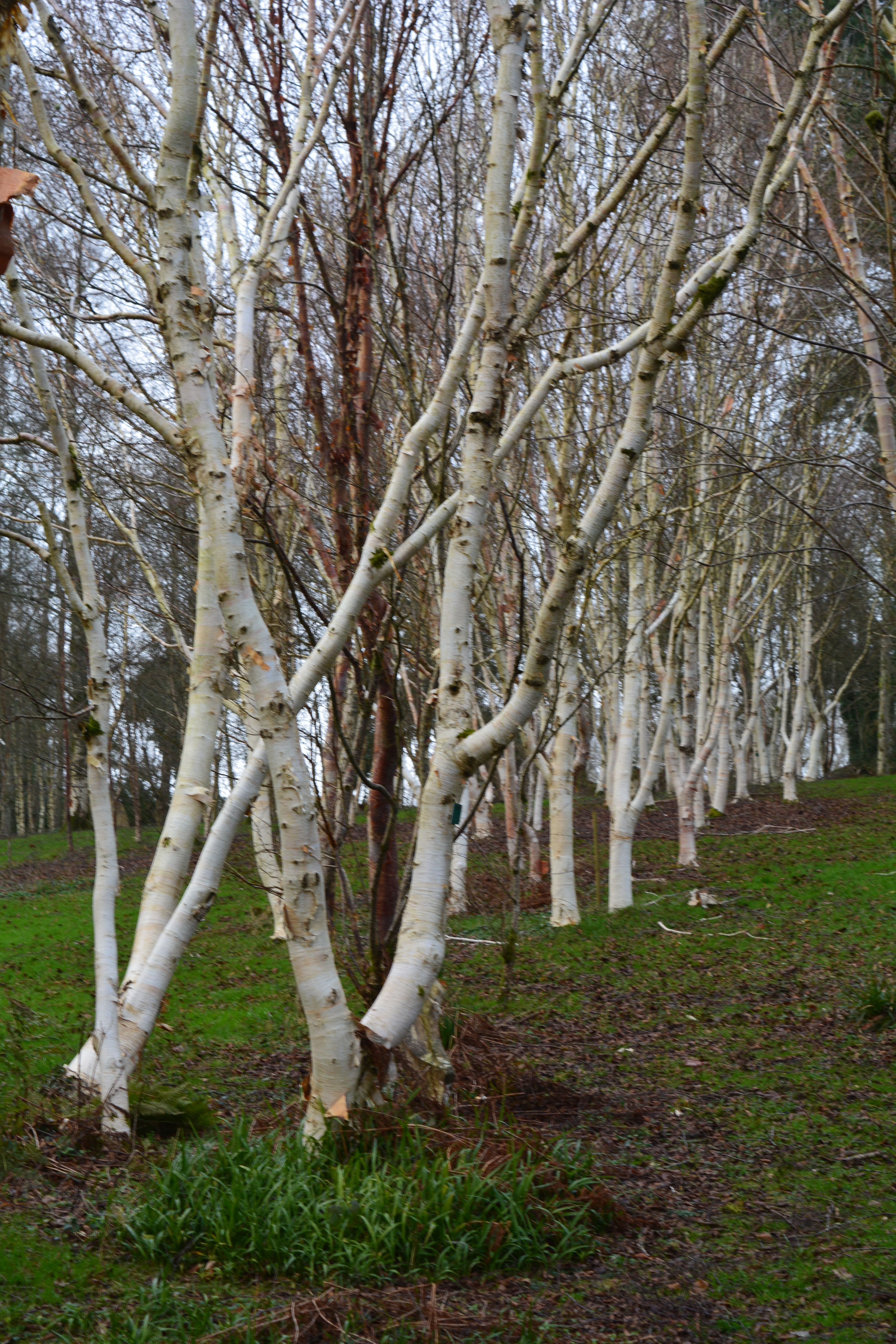
We were delighted to find a stand of Betula utilis ssp. jacquemontii “Snowqueen”, as we have a beautiful trio of these pure silvery-white barked trees. They have an ethereal quality about them. We open our blinds each morning and our silver trio delight us every day whatever the weather and whatever the light is shining on them.

2016 02 03_8315 2016 02 03_8314

2016 02 03_8313 2016 02 03_8327

To finish part two of our posts about Stone Lane please enjoy another set of pics to illustrate the vast variations in our favourite trees, the Betulas.

2016 02 03_8325 2016 02 03_83332016 02 03_8318 2016 02 03_8328 2016 02 03_83532016 02 03_8336 2016 02 03_8335 2016 02 03_8334 2016 02 03_8339 2016 02 03_8349


Categories
flowering bulbs garden photography gardening gardens gardens open to the public ornamental trees and shrubs spring bulbs Staffordshire trees Winter Gardening winter gardens

The Dorothy Clive Garden in January – Part 2

So here we are back at our feature garden for 2016, the Dorothy Clive Gardens on the border of Shropshire and Staffordshire. I will start with some views from around the garden. It will be interesting to see how these views change through the year.

2016 01 17_7790 2016 01 17_78062016 01 17_7856 2016 01 17_78672016 01 17_7911 2016 01 17_7879

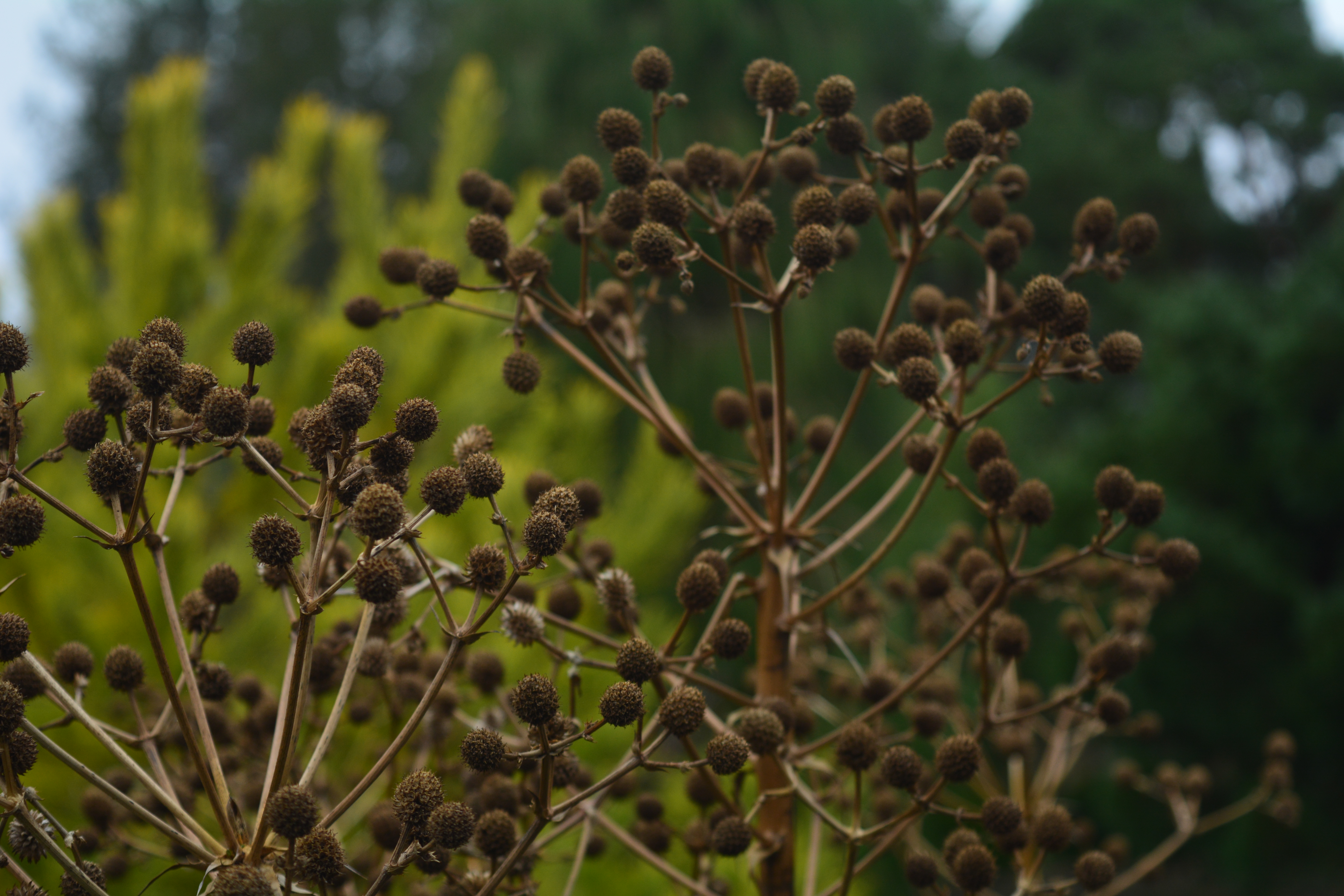
Let us now look at the bright red colours of berries and the more subtle browns and biscuit colours of seedheads of Hydrangeas and Phlomis.

2016 01 17_7828 2016 01 17_7829 2016 01 17_7801_edited-12016 01 17_7802_edited-1 2016 01 17_7826_edited-1

The delicate beauty of these seed heads deserved a very close look to fully appreciate them.

2016 01 17_7831_edited-1 2016 01 17_7832_edited-1

We walked down the gentle slope towards the pond and the scree garden around it. Throughout the other seasons the borders here will be glowing with colour and full of exuberant growth.

Different textures together add interest to the winter garden where the bare stems of deciduous shrubs and perennials sit alongside bright new growth which are the promises of spring and summer.

2016 01 17_7913 2016 01 17_7906 2016 01 17_7912 2016 01 17_79042016 01 17_7892 2016 01 17_7889

The Rose Garden looks very bleak in the winter when its bones are revealed, the obelisks and arches of black metal and the bare unpruned stems of the roses.

2016 01 17_7901

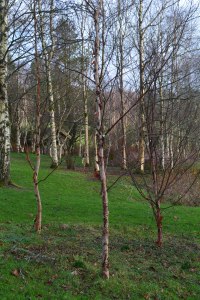
Near the bottom of the slope we came across a stand of three old Birches and a single tall specimen nearby. In the border here obelisks have been created from the trunks of felled Birches. It is good to see them given a second life.

2016 01 17_7890 2016 01 17_78952016 01 17_7900 2016 01 17_7894

We spotted this architectural looking plant as we walked back up the slope and we were both unsure what it was but came to the conclusion it was a Tetrapanax.

2016 01 17_7888

2016 01 17_7887 2016 01 17_7886

We are not really fans of conifers but admit that in the winter they can give strong structure to the garden.

2016 01 17_7884 2016 01 17_7883 2016 01 17_7878 

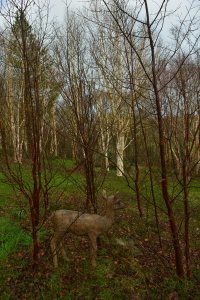
I will finish off with a selection of photos, a rustic seat, a terracotta bird box on an old brick shed, a larger then life statue of a stag above a stream and pool and finally a snow topped sundial on a sunless day.

2016 01 17_7852 2016 01 17_78722016 01 17_7834 2016 01 17_7910

That is it for our January exploration of our featured garden for 2016, The Dorothy Clive Garden. We are already looking forward to our February visit when we may see more signs of spring bulbs in flower and some more early flowering shrubs.


Categories
colours flowering bulbs garden photography gardening gardens gardens open to the public grasses hardy perennials ornamental grasses ornamental trees and shrubs Shropshire Staffordshire trees Winter Gardening winter gardens

The Dorothy Clive Garden Month by Month – January

This is the report of our first visit to this year’s featured garden, the Dorothy Clive Garden. We have been making occasional visits to this beautiful garden for about forty years now and have enjoyed many new developments for this is not a garden to rest on its laurels. It is affiliated to the Royal Horticultural Society and is run by the Friends of Willoughbridge Garden Trust.

2016 01 17_7903_edited-1

The garden was born way back in 1940 when Harry and Dorothy Clive lived in the large white house, Elds Gorse. The first area to be tackled was the old quarry which is now a richly planted Dingle Garden. Harry Clive created this first part of the garden so that his wife, who was suffering from Parkinson’s Disease could take daily exercise in a beautoful garden. Sadly she died in 1942 and Harry continued to develop the garden as a tribute to his wife. In 1958 the Willoughbridge Trust was founded to ensure that the garden continued for ever as a place of “rest and recreation” for the public.

2016 01 17_7843_edited-1

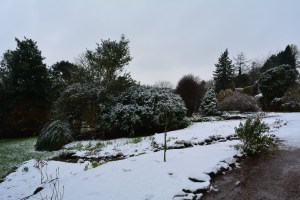
We made the one hour journey to the Dorothy Clive Garden on a very cold morning in mid-January. We were surprised to drive through areas of snow and arrived at the garden to find snow covering the garden in a shallow layer. We left our tracks in the snow as did a Grey Heron before us.

2016 01 17_7785 2016 01 17_78002016 01 17_7846

Snow decorated the foliage of trees and shrubs where later in the year we will discover the colours and scents of their flowers. The weight of wet melting snow bent grasses down towards the ground and gave the plants a graceful shape.

2016 01 17_7786 2016 01 17_7788 2016 01 17_7789 2016 01 17_7791 2016 01 17_7792 2016 01 17_7793  2016 01 17_7794 2016 01 17_7807

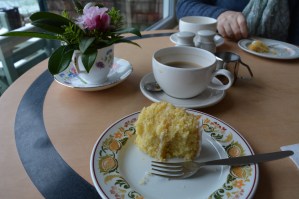
The first view of the garden opened up before us as we climbed a gently sloping path towards the tea shop which in winter doubles up as the ticket office. Naturally we were tempted by the aroma of warm coffee and the sight of home made cakes. The little flower arrangements in the centre of each table added to the warm welcome we received from the staff.

2016 01 17_7790 2016 01 17_7798

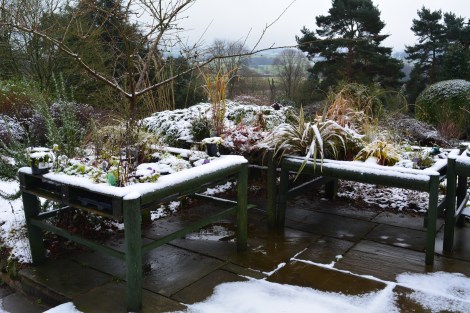
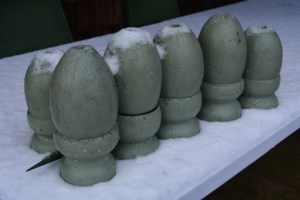
Just outside the tearoom the little nursery area held plants hidden under snow and sculptures of rabbits and hares wearing hats of snow. The gardeners had been painting acorn fence-post tops a gentle shade of green.

2016 01 17_77952016 01 17_7796 2016 01 17_7797

We left the tea shop and mini-nursery to walk towards the Dingle Garden an area of woodland garden created in an old quarry. Snow topped off the buds and leaves of Azaleas and Rhododendrons and the seed heads of the occasional herbaceous perennials.

2016 01 17_7804 2016 01 17_7870 2016 01 17_7874 2016 01 17_7815 2016 01 17_7808 2016 01 17_7813

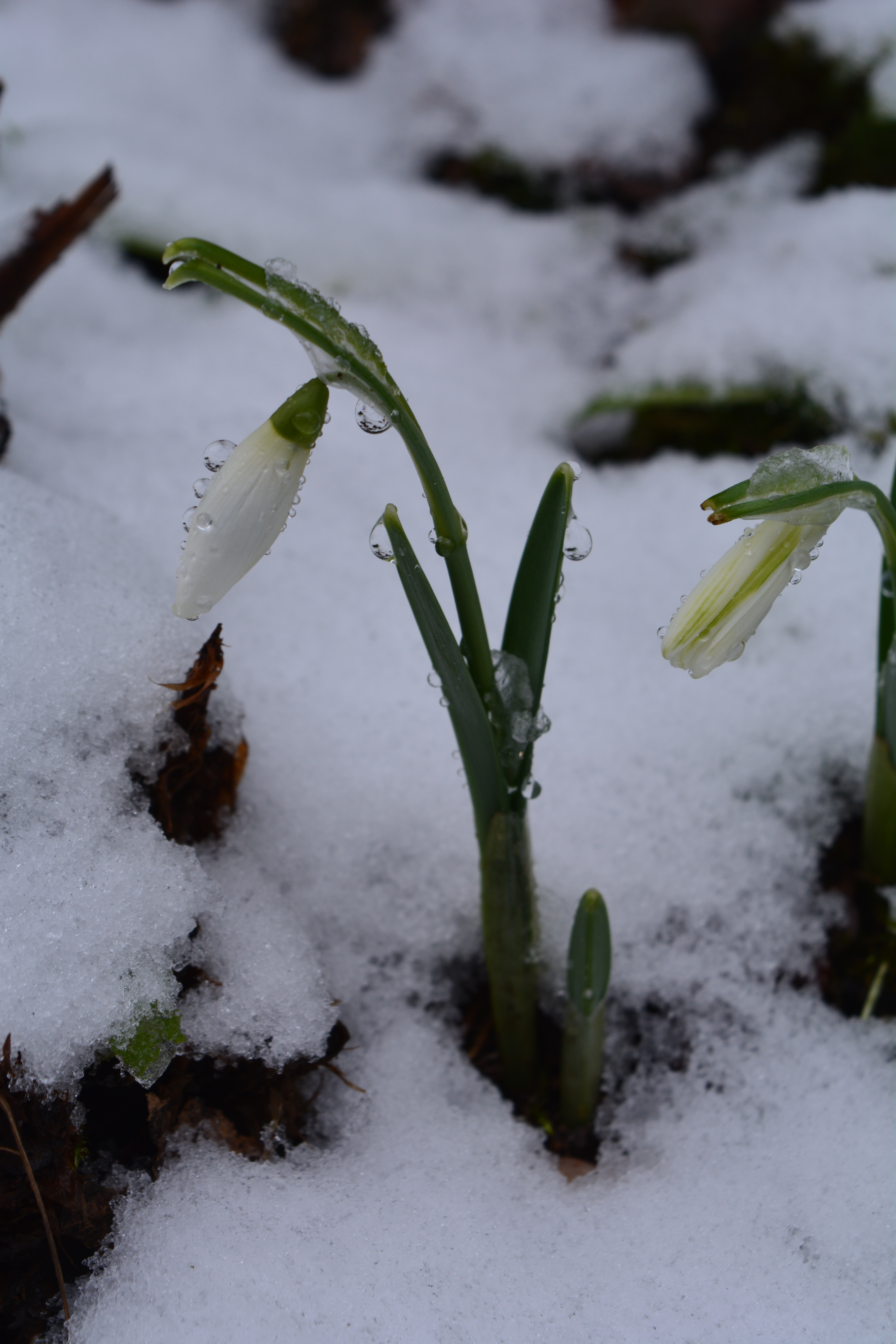
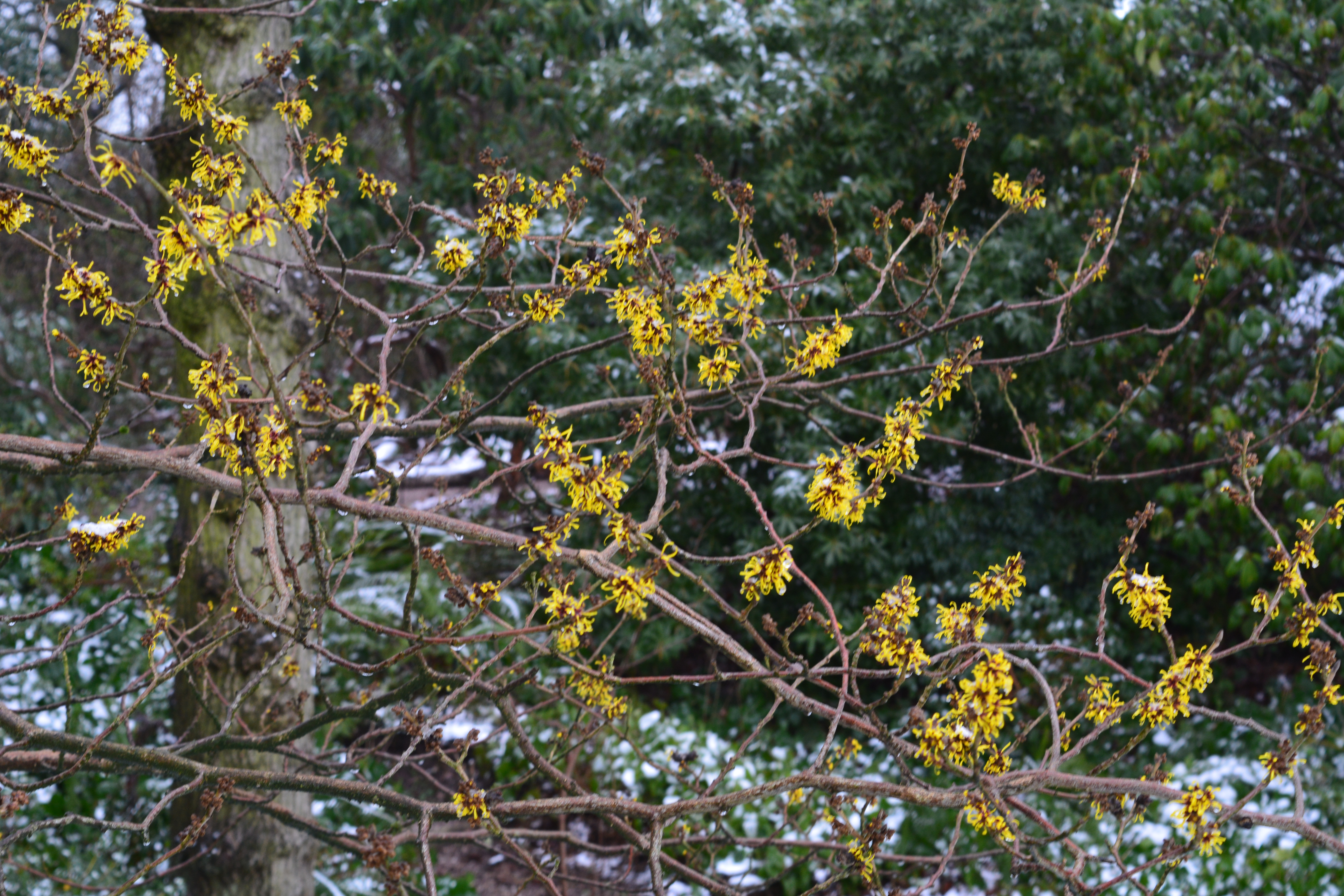
But we were particularly delighted to find flowers out, the simplest of Snowdrops with droplets of melted snow hanging from their stems, the occasional Rhododendrons and Camellias and Witch Hazels in sunshine colours.

2016 01 17_7809 2016 01 17_7810 2016 01 17_7811 2016 01 17_7836

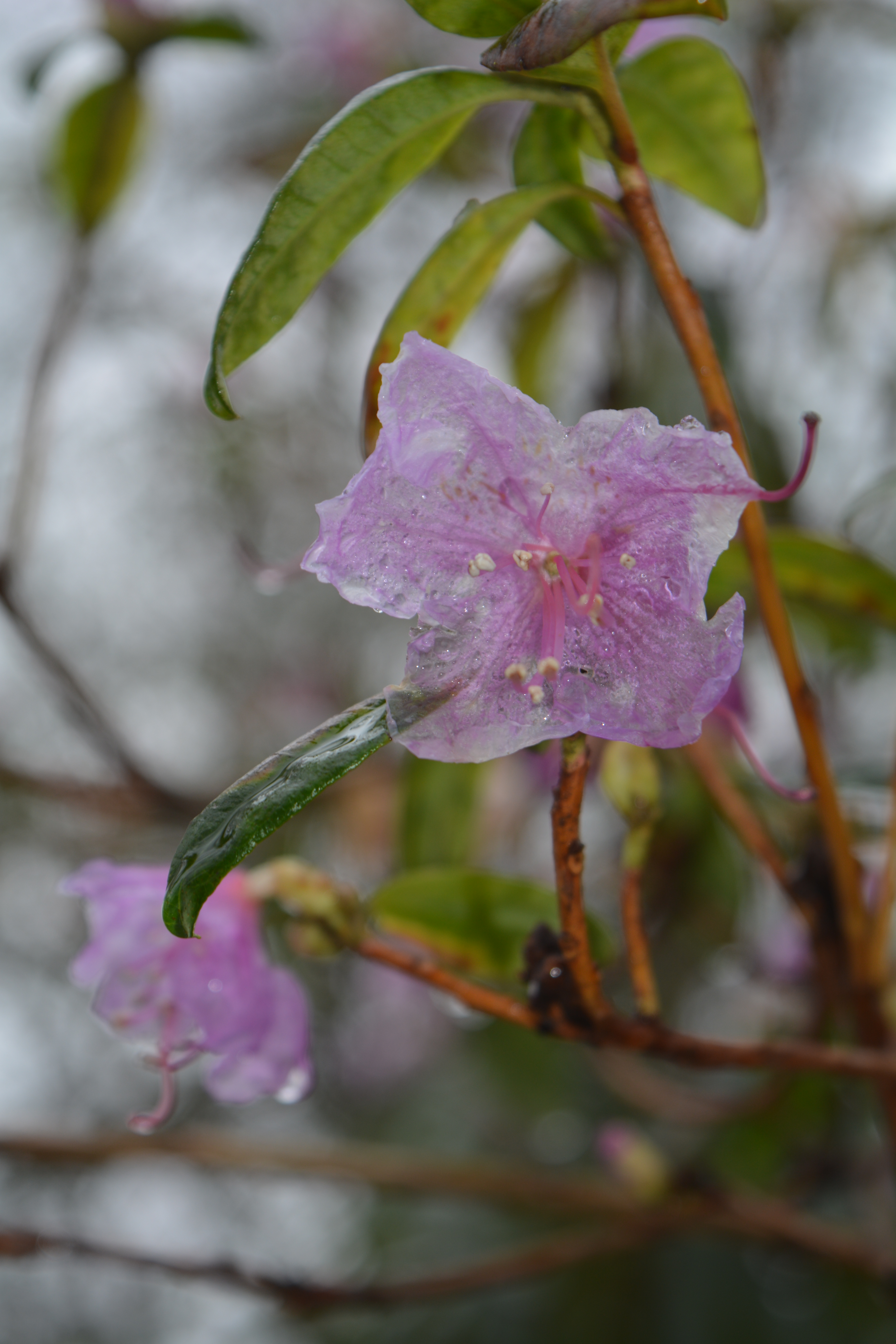
The overnight snow and ice had turned this pink Rhododendron translucent and delicate, while the flowers in the Camellia Walk were just managing to hang on. The pink scented flowers of this Daphne however shrugged off the cold and looked fresh and cheerful.

2016 01 17_7827 2016 01 17_7818_edited-12016 01 17_7902 2016 01 17_79052016 01 17_7881_edited-1

Hydrangeas looked as good covered in seed heads as they do in flower with gentle biscuit and ginger hues.

2016 01 17_7819 2016 01 17_7825

During the winter when undergrowth has died away and low growing deciduous shrubs have dropped their leaves the trunks of Rhododendrons and Azaleas are exposed. We can then appreciate their amazing scrolls and curlicues.

2016 01 17_7821 2016 01 17_7822 2016 01 17_7830 2016 01 17_7823 2016 01 17_7824 2016 01 17_7868

The new winter garden at the Dorothy Clive Garden was a surprise to us as it is totally new so we didn’t know it existed. A great surprise! The Laburnum Arch through which we left the Winter Garden has been a popular feature of the garden for many years.

2016 01 17_7837 2016 01 17_7838 2016 01 17_7842 2016 01 17_7844 2016 01 17_7845 2016 01 17_7847

The colours and textures of trees can add so much to any garden and the gardeners at Dorothy Clive certainly know how to choose them and place them to best advantage.

2016 01 17_7850 2016 01 17_7857 2016 01 17_7860 2016 01 17_7864 2016 01 17_7866 2016 01 17_7869

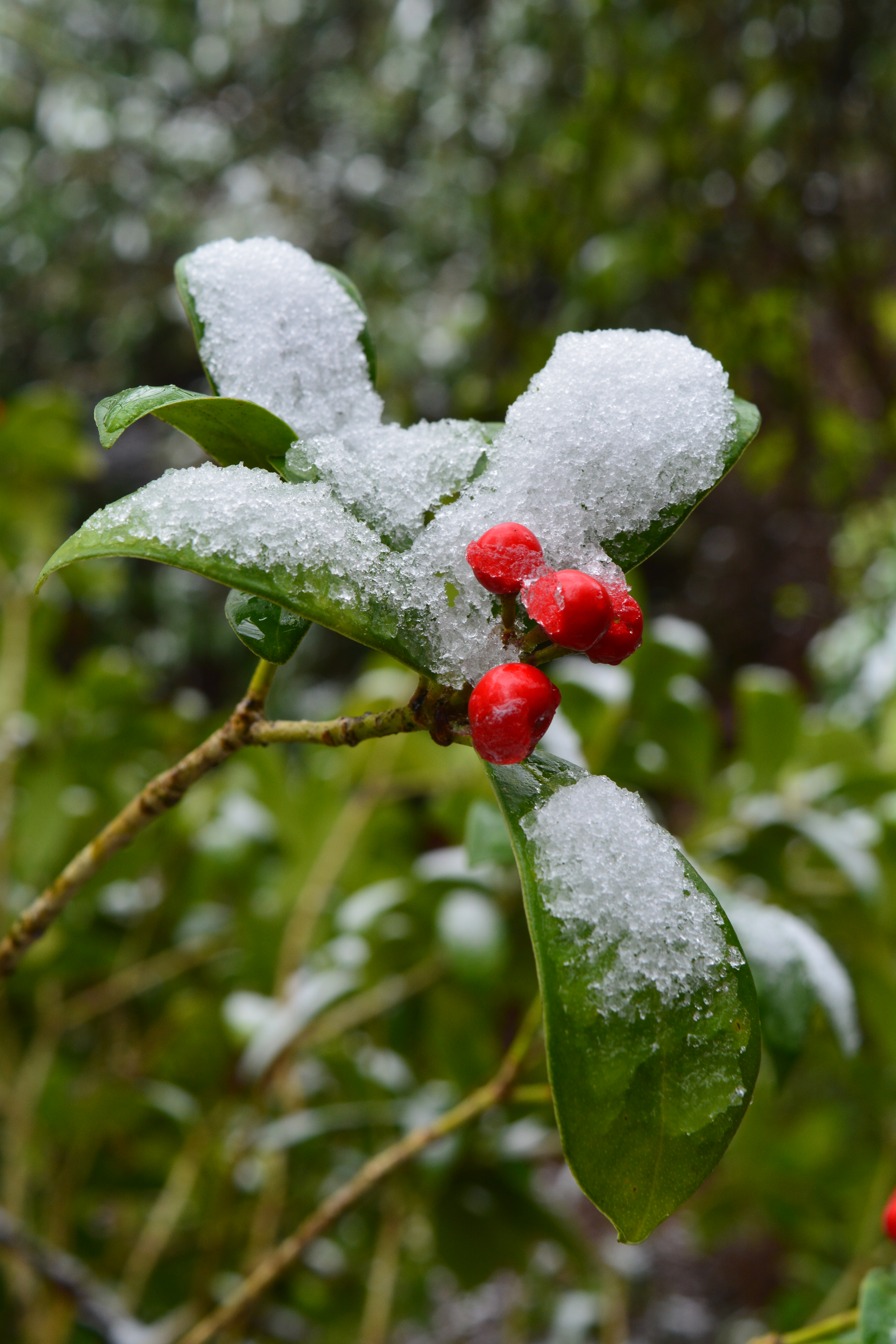
You only need the tiniest touch of light on berries to make them sparkle. The last drops of melting snow hung on many.

2016 01 17_7898 2016 01 17_7897_edited-1

Mahonias are always a good plant in any garden with their glossy evergreen leaves which show rich autumn colours and in the winter yellow scented flowers appear to be followed by black berries with a white floury dusting.

2016 01 17_7885 2016 01 17_7891

We shall return for part two of this January visit to our feature garden of 2016 to see what other treats the Dorothy Clive Garden has in store for us.


Categories
arboreta autumn autumn colours climbing plants colours garden design garden photography gardens open to the public ornamental trees and shrubs shrubs trees Winter Gardening winter gardens

Bluebell Arboretum – Part 2

Back to Derbyshire and we shall continue our beautiful autumnal wanderings within the grounds of Bluebell Arboretum and Nursery. I shall concentrate on a selection of the true favourites we enjoyed most of all. The beauty of this arboretum is that there is so much to discover and enjoy that our favourites would be different each time we visit.

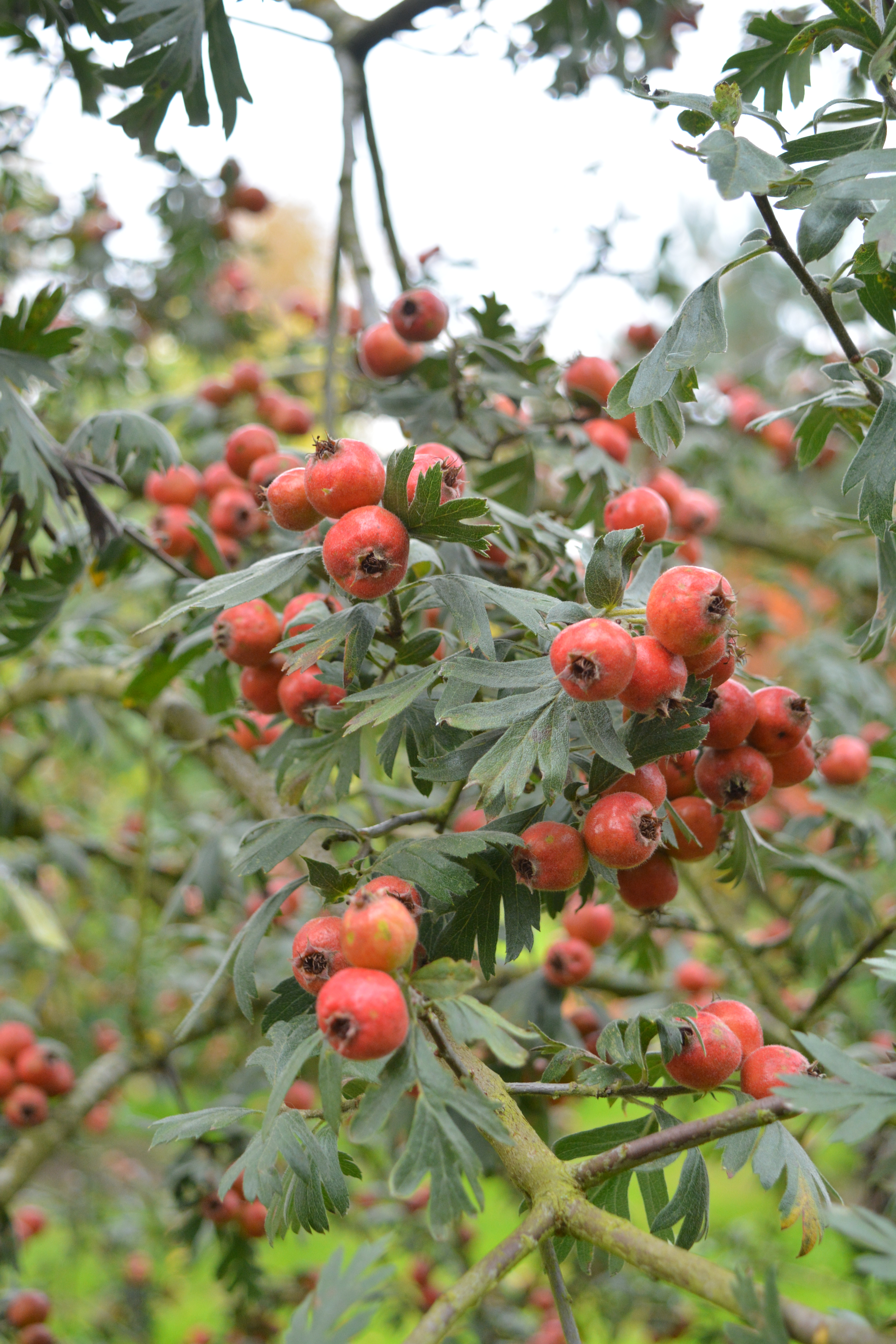
We start again just as we discovered a couple of different Hawthorns which is always interesting as most nurseries sell only the common native as a hedge plant and the double pink ornamental tree form. We enjoyed discovering the unusual Crataegus tanacetifolia, the Tansy Leaved Thorn and the rare Crataegus ellwangeriana “Fireball”. It is amazing how the leaf shapes differ as do the berry colours.

2015 10 19_6264 2015 10 19_6272

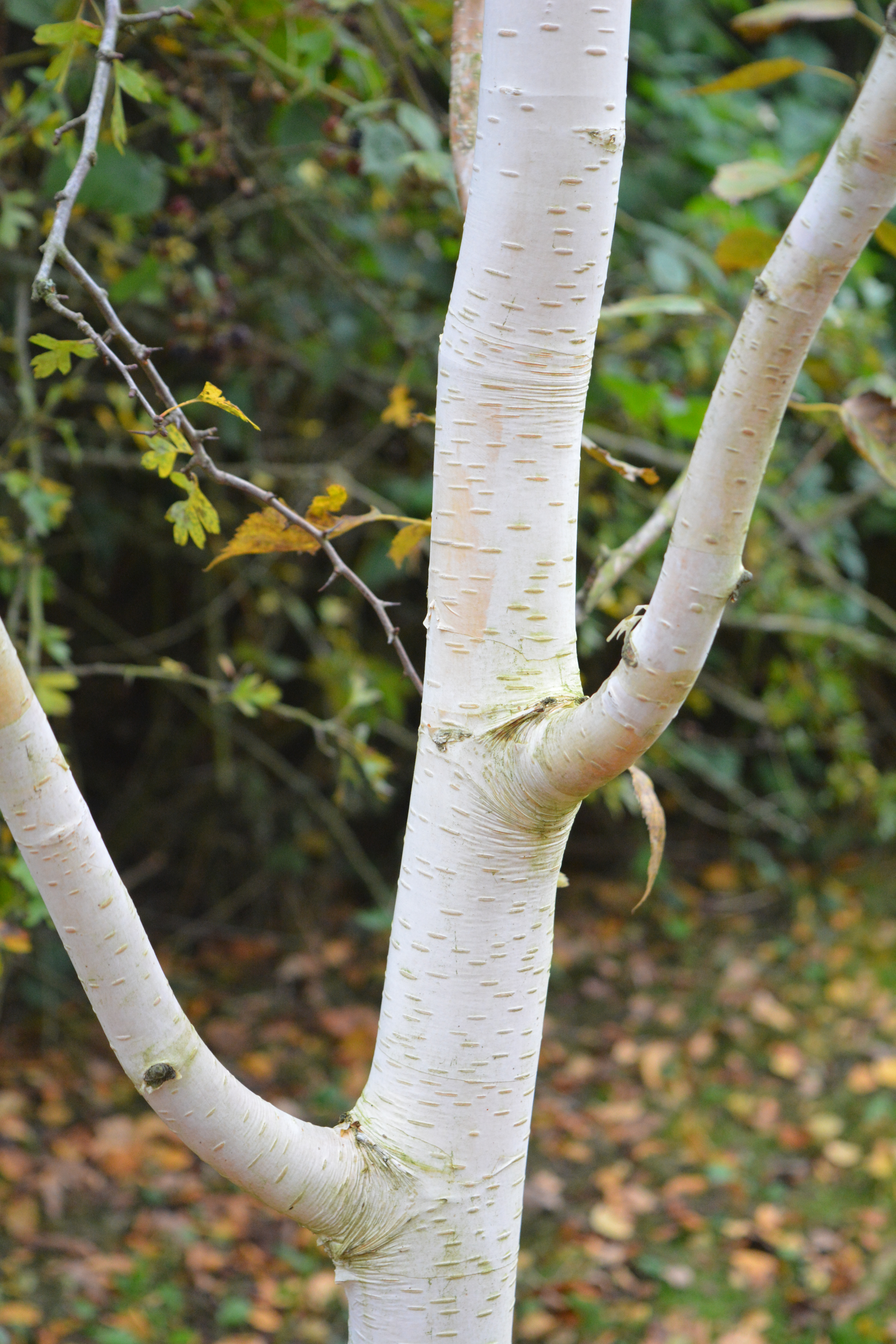
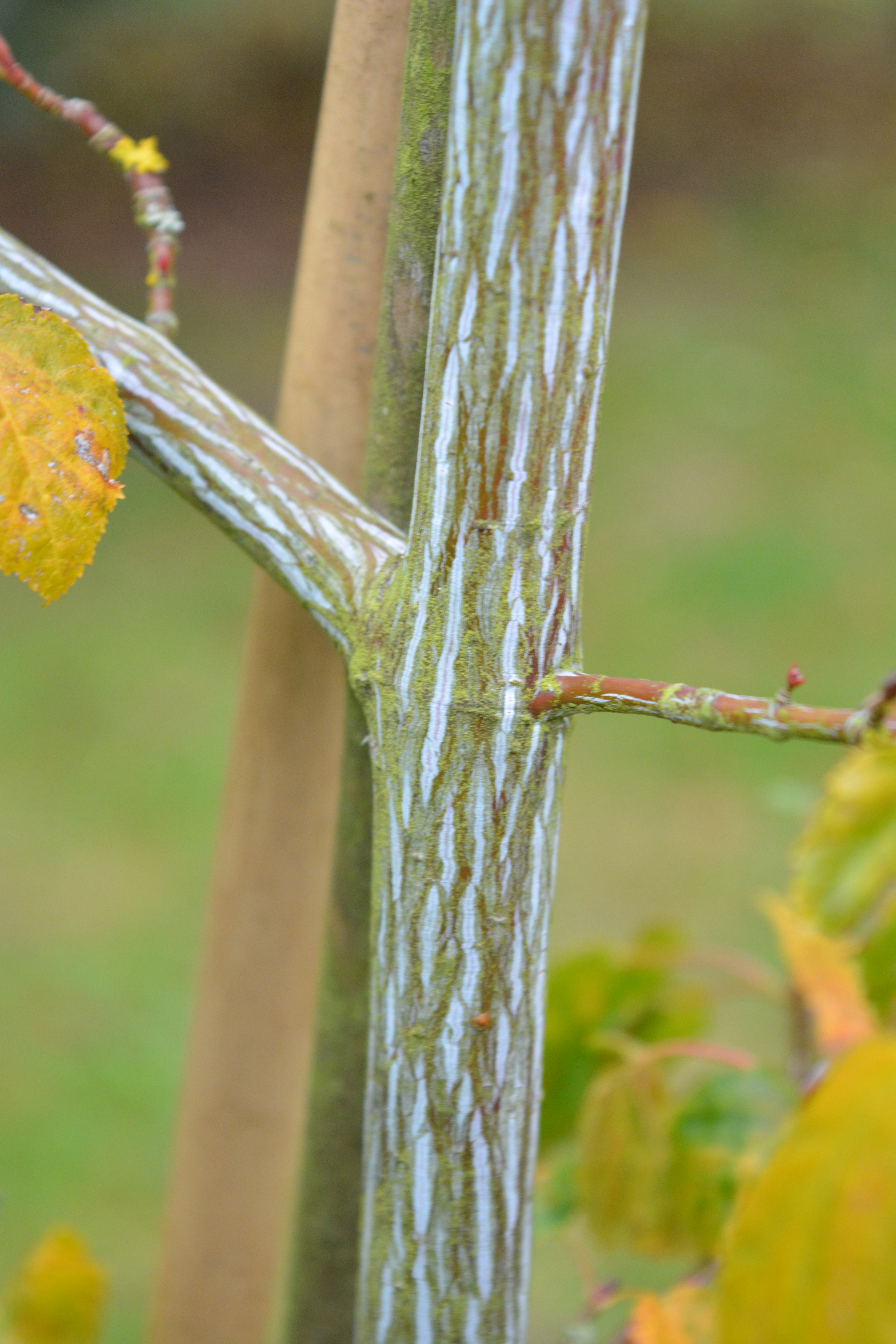
Now I will share two very different trees worth growing for their bark colours, patterns and textures, on the left Betula utilis “Grayswood Ghost” and in the centre and on the right Acer davidii “Cascade”. This selection of snakebark maple has a beautiful delicately weeping habit.

2015 10 19_6274 2015 10 19_6278 2015 10 19_6279

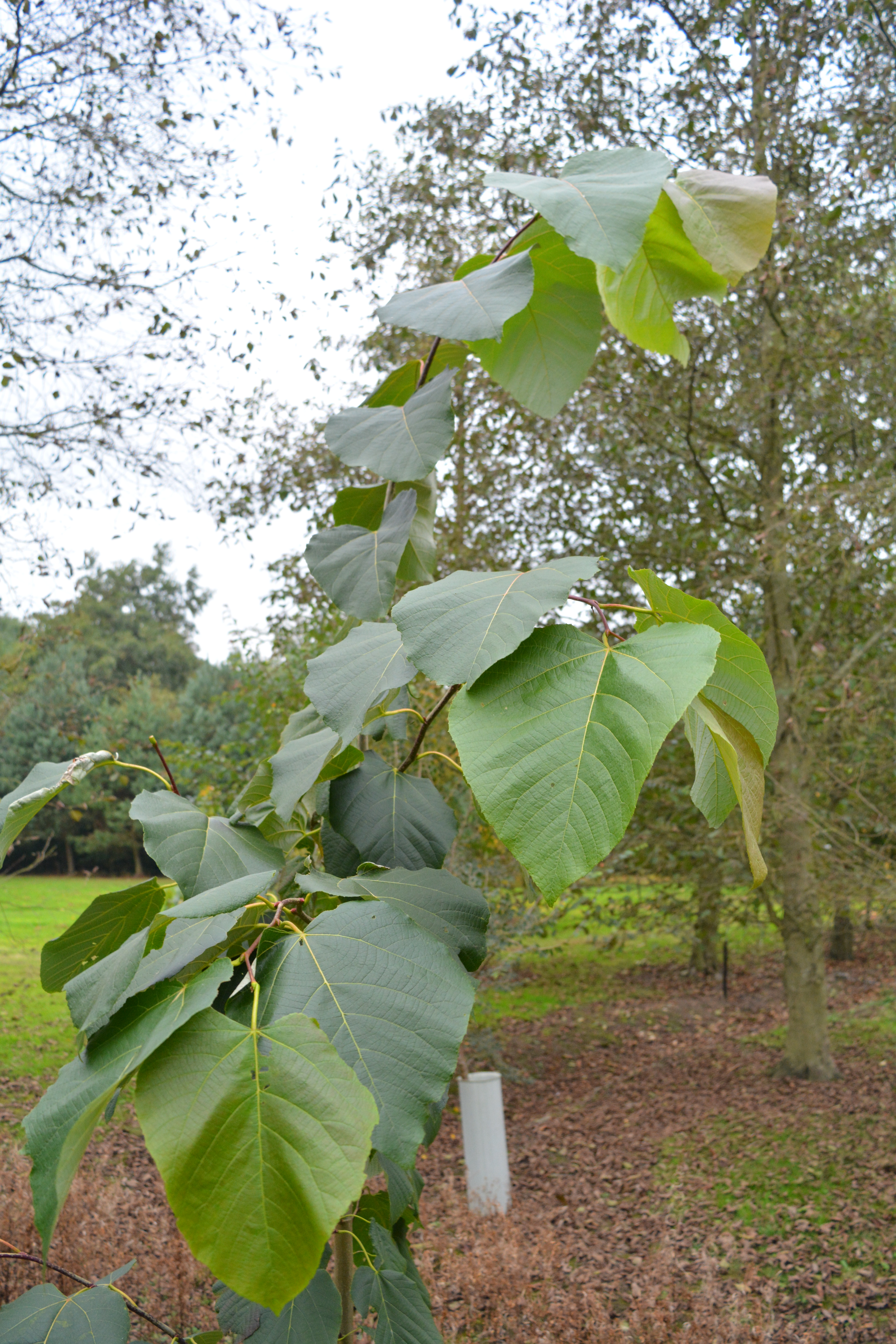
This next specimen had me foxed and I had to go in search of a label. Although it is a Lime the leaves were the size of a Catalpa but the label informed us it was Tilia carolina subs. heterophylla.

2015 10 19_6281 2015 10 19_6283

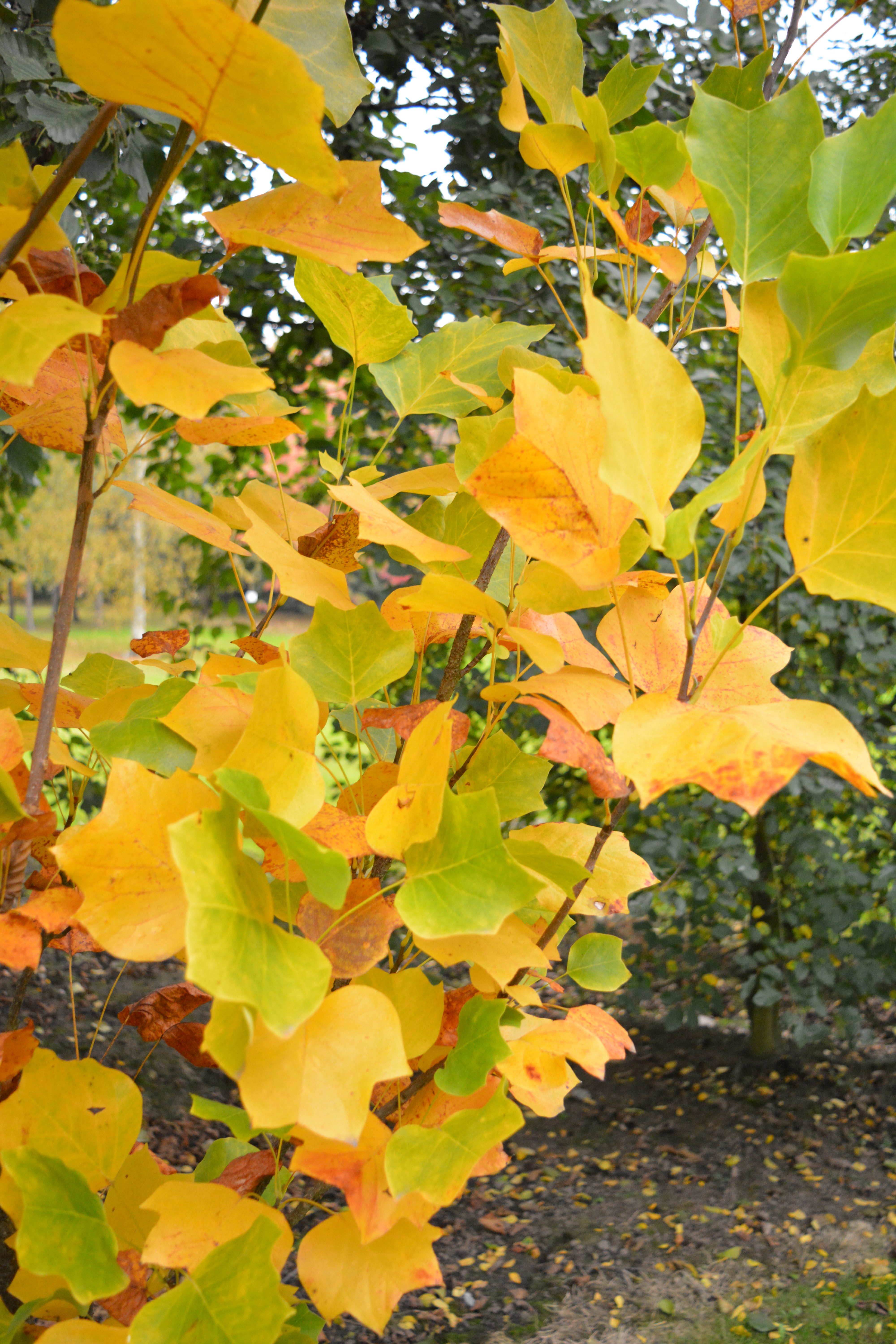
We were attracted to the autumn foliage colour of this Tulip Tree, so crisp and bright on a dull day. It is Lirodendron tulipifera  “Arnold” a tree we had never seen before with its fastigiate form.

2015 10 19_6284 2015 10 19_6285

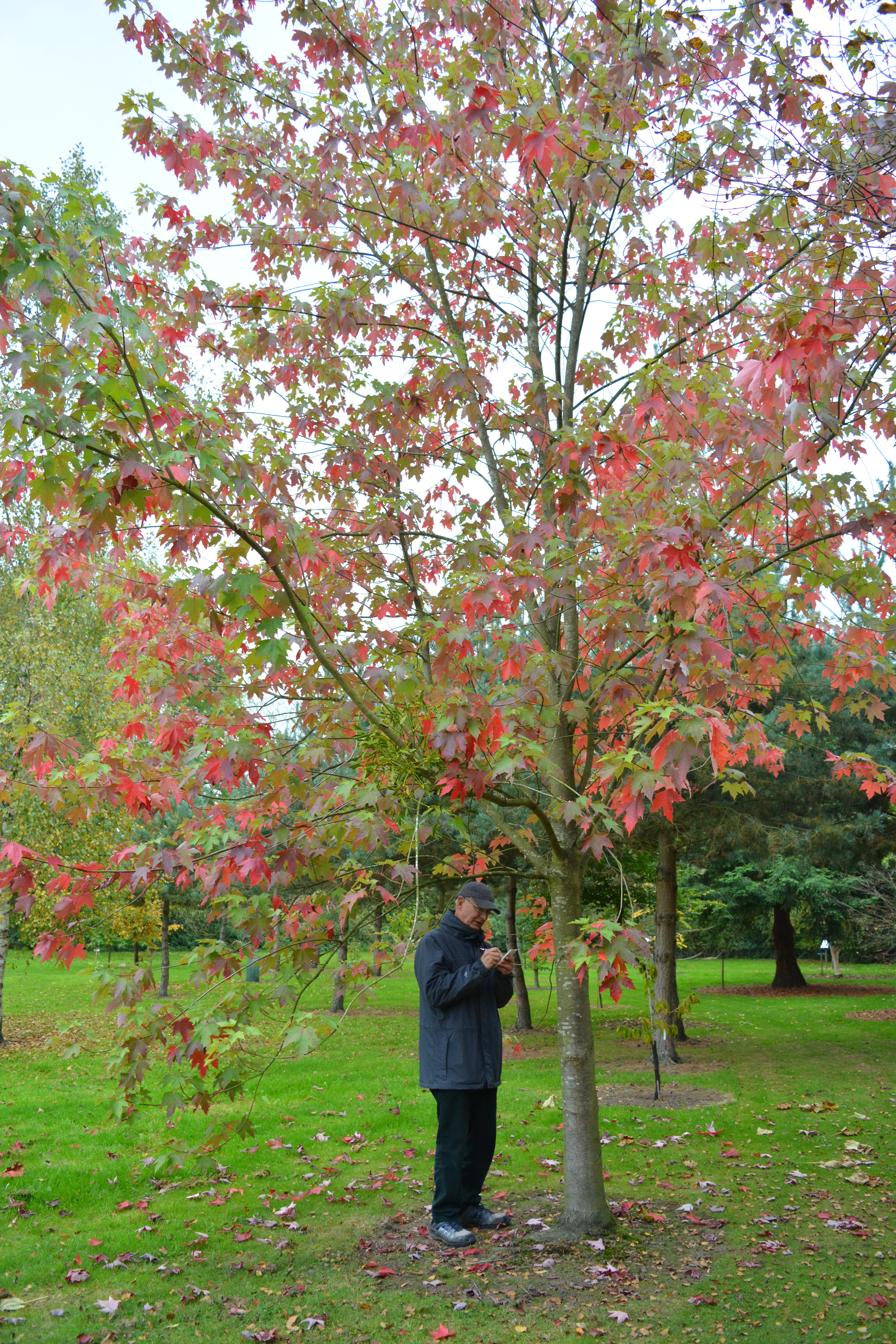
I love the berries and leaf shapes of all the Sorbus and to see a variety new to me was a delightful surprise, Sorbus eburnia “Harry Smith”. It was growing close to a Liquidamber which was turning from deep green to deep reds, and formed a beautiful open specimen.

2015 10 19_6298 2015 10 19_6299 2015 10 19_6300 2015 10 19_6301

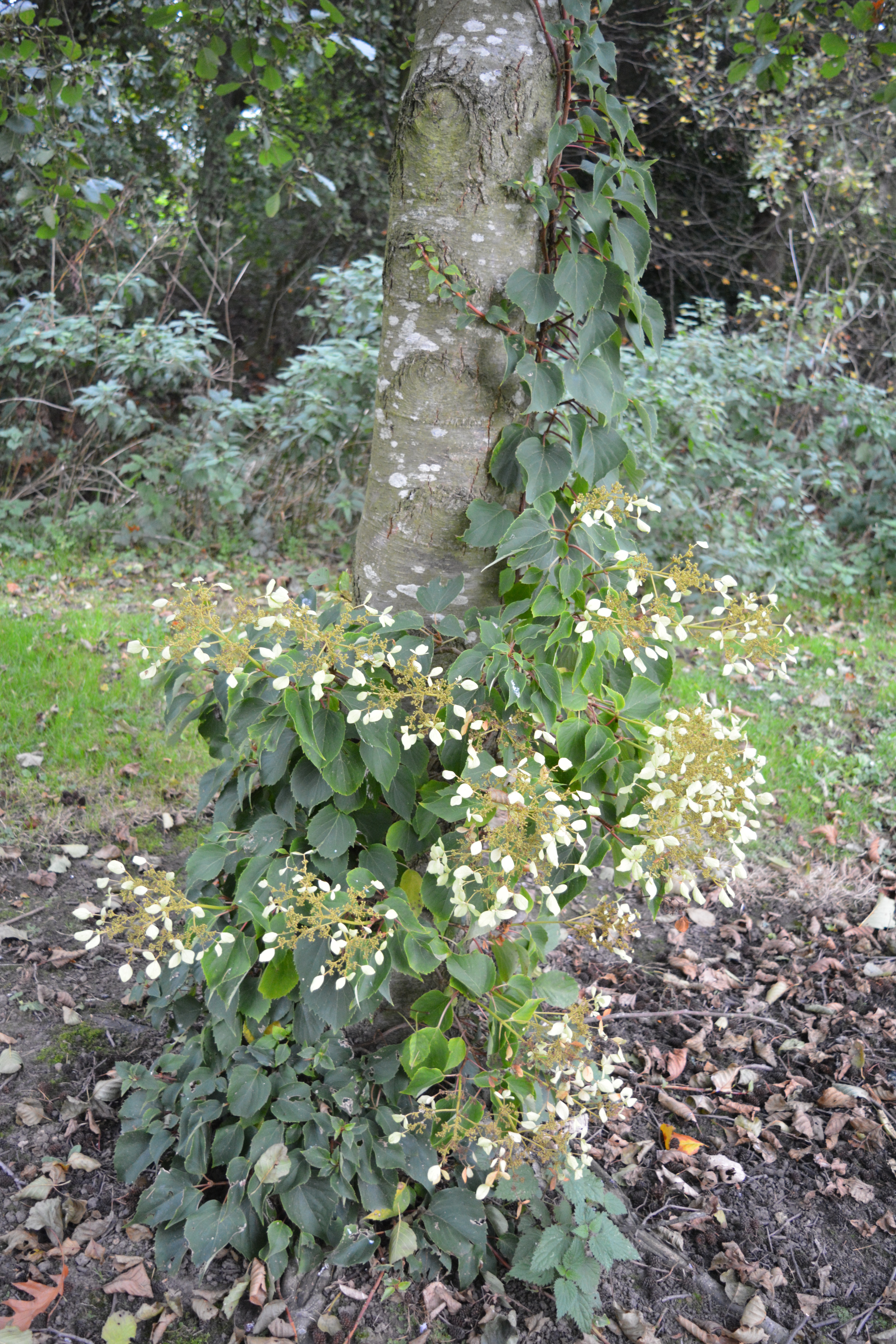
Before I tell you what tree impressed me most at this wonderful arboretum I would like to share a few pics of  Euonymus europaeus “Thornhayes” one of the selections of our native deciduous Euonymus simply because they are my favourite deciduous shrub and a Hydrangea petiolaris just getting established at the base of a tree. This will look great in 5 years time! We can’t grow them and so have given up! I have just discovered that the botanists have now decided that this climbing shrub must be called Hydrangea anomala subsp. petiolaris. I wonder what it did to deserve that!


2015 10 19_6302 2015 10 19_6303 2015 10 19_6305 2015 10 19_6306

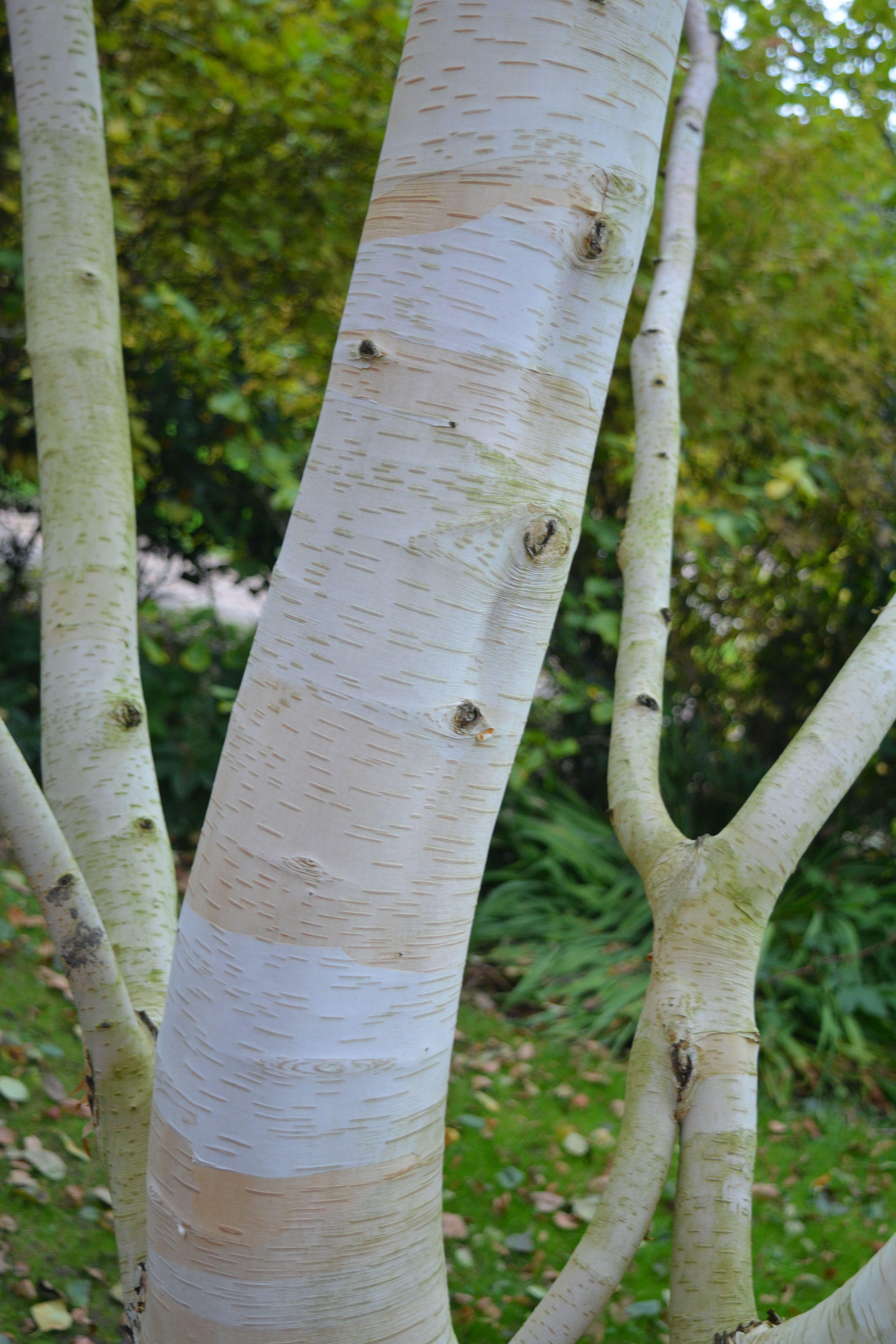
And the star of the show? Well it just has to be a Birch doesn’t it – Betula utilis “Doorenbos”. White stems with the texture of suede and in places the gentlest hints of salmon pink. This multi-stemmed specimen stopped us in our tracks.

2015 10 19_6307 2015 10 19_6309

Of course before we left with just minutes until Bluebell shut up shop for the day we had to have a peruse around the nursery. We bought this little beautiful shrub with its delicate little scented yellow flowers and bronzed foliage turning red in places as autumn was approaching. It is called Bush Honeysuckle or Diervilla lonicera for our garden at home and a tree for the Winter Garden at our allotment community gardens, an orange stemmed Lime, Tilia cordata “Winter Orange” a tree we have been searching for since we planted this border up over 6 years ago now. So we had a great day and came home with two wonderful new plants. We were so interested in everything the Bluebell Arboretum has to offer that we almost overstayed our welcome. The owners politely asked if they could close the gate now please so they could take their dogs for a walk and they probably deserved their tea! Below is our newly purchased Diervilla.

2015 10 19_6310


Categories
autumn autumn colours colours flowering bulbs garden design gardening grasses hardy perennials ornamental grasses ornamental trees and shrubs shrubs spring bulbs Winter Gardening winter gardens

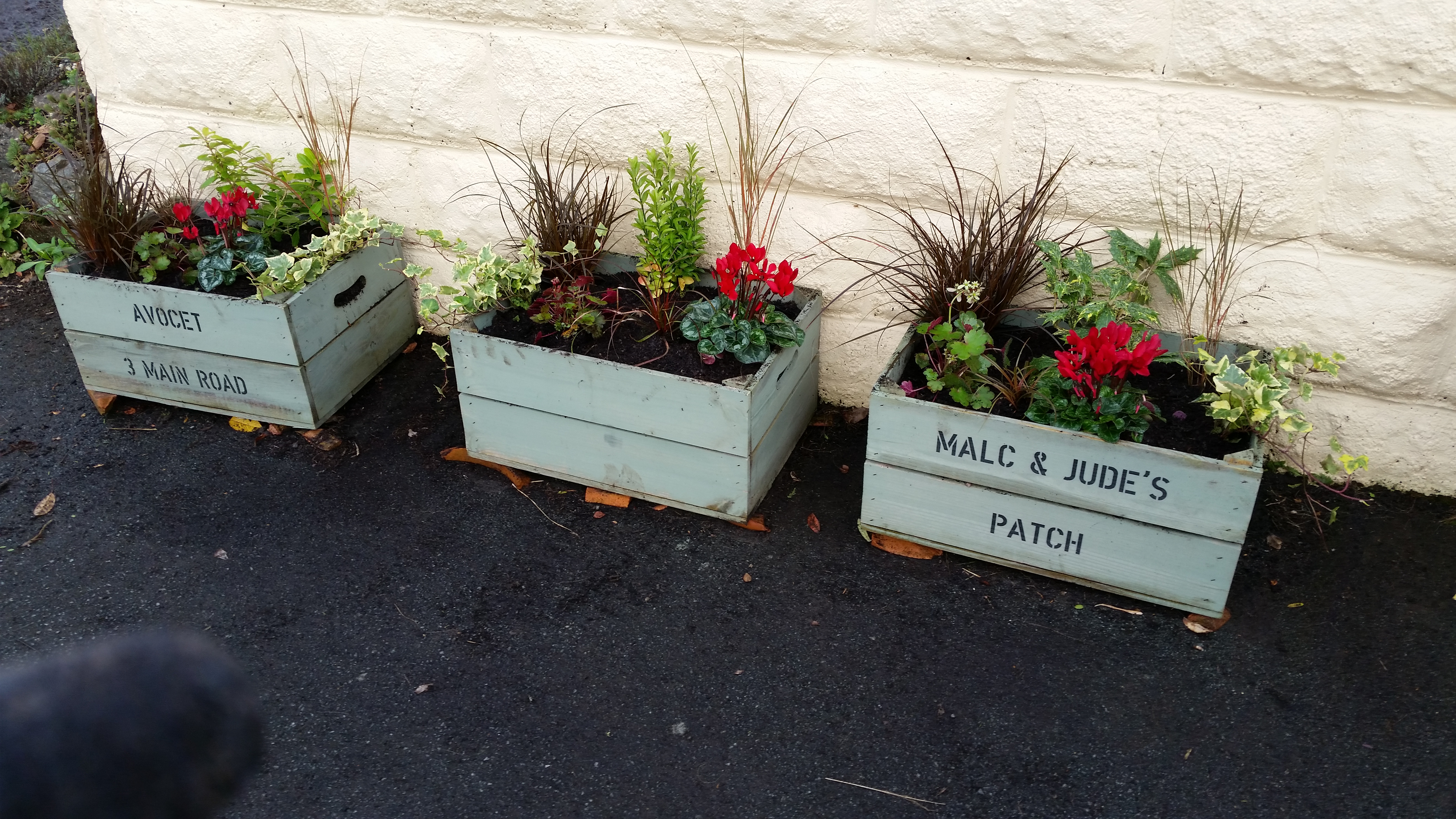
New Look for our Gateway Planters

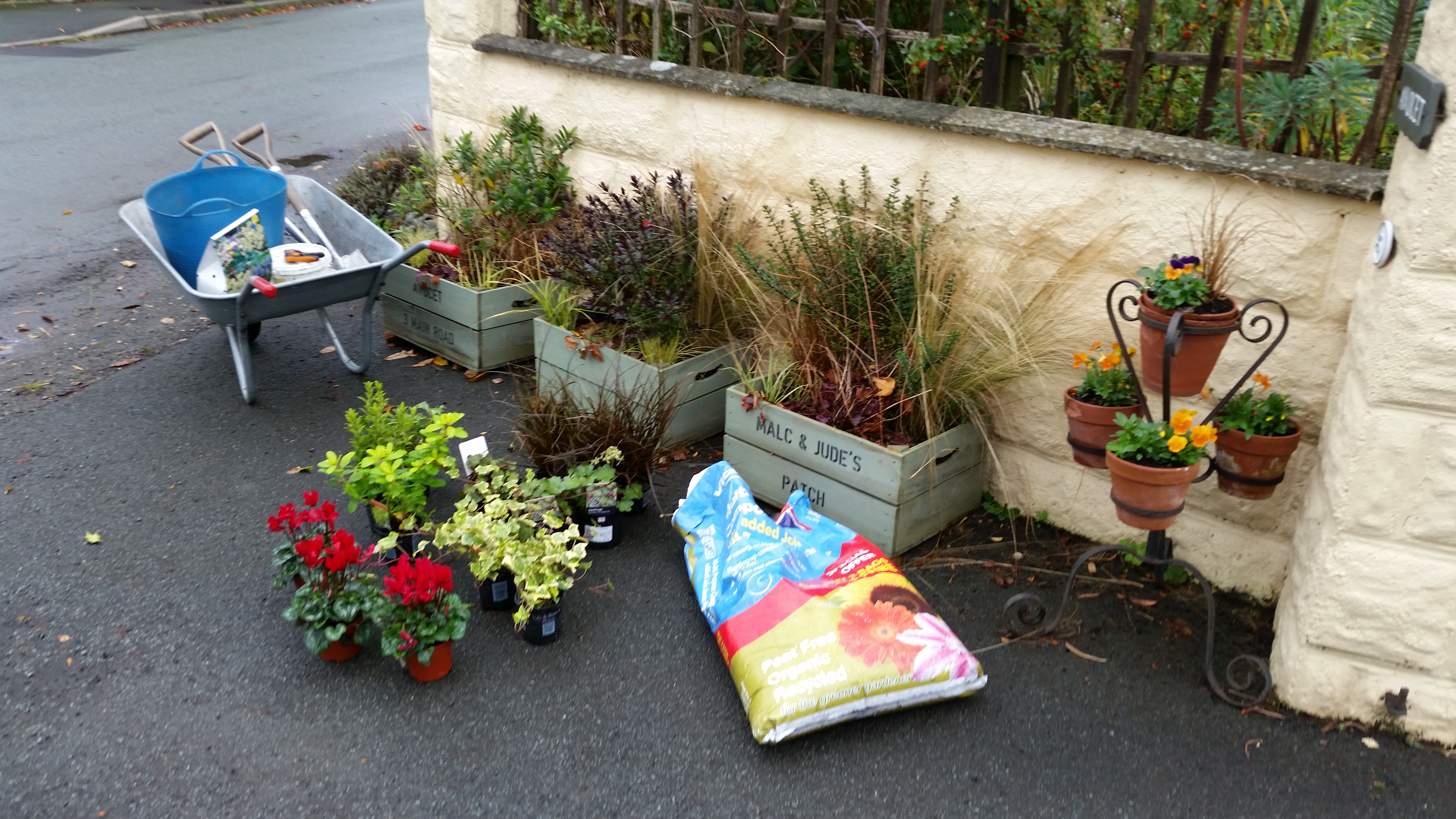
We change the plants in the wooden box planters we have at the bottom of our driveway to give the warmest welcome possible to visitors and to cheer up the entrance to the garden. We recently took out the summer display and changed it into a display more suited for the late autumn and to last through the winter. We often buy young plants to go in these boxes and this gives us a chance to grow them on before moving them into final planting places in the garden proper and it also gives us an opportunity to see how unknown plants perform.

We began by collecting together all the new plants, bags of bulbs, chicken manure pellets, multi-purpose compost and trowels. The summer plantings definitely looked in need of refreshing!

2015 11 01_7125 2015 11 01_7131 2015 11 01_7126 2015 11 01_7127

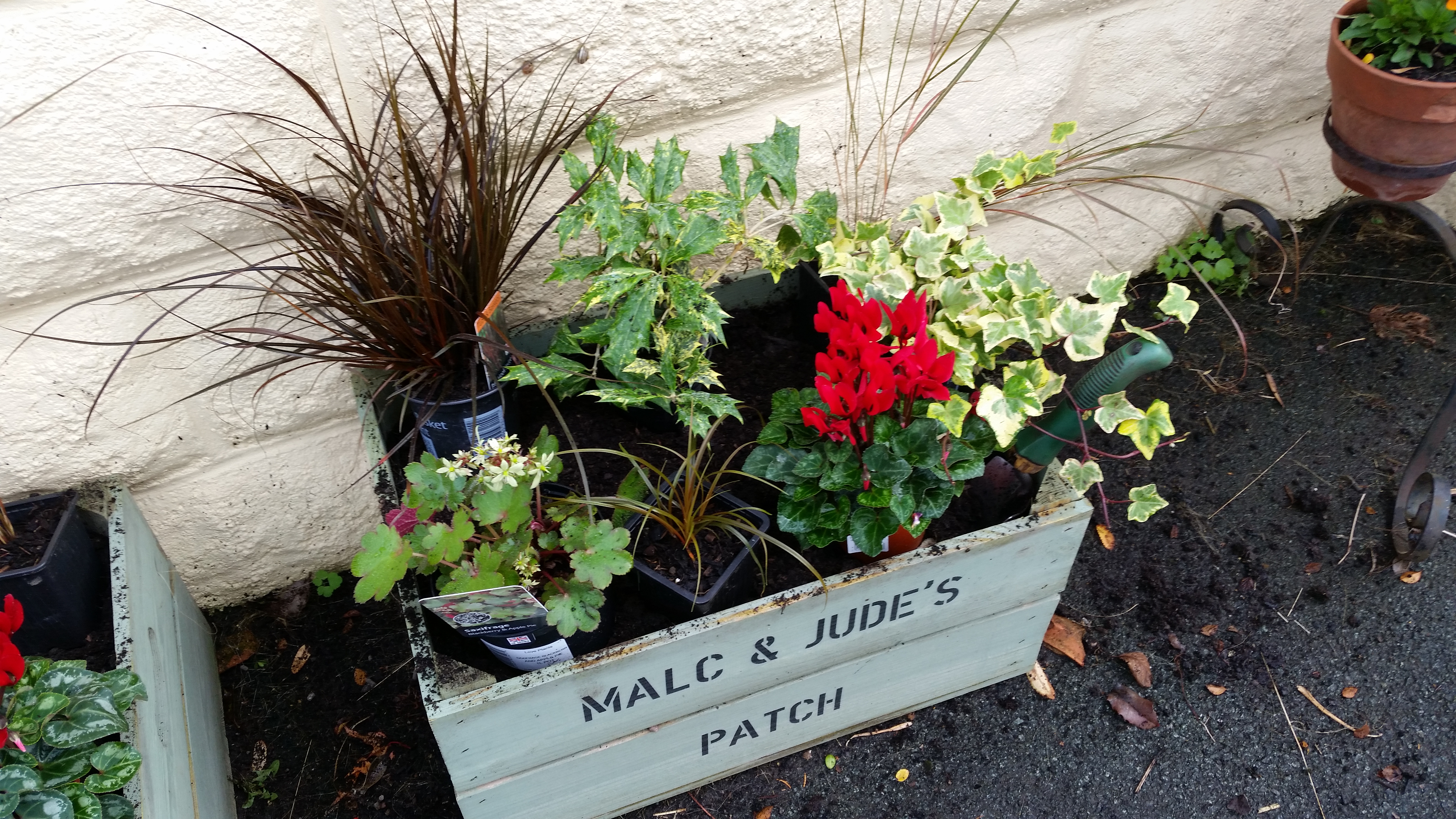
We had collected together some young evergreen shrubs, some deep red cyclamen and variegated ivies together with some richly coloured Uncinia rubra grasses.

2015 11 01_7128

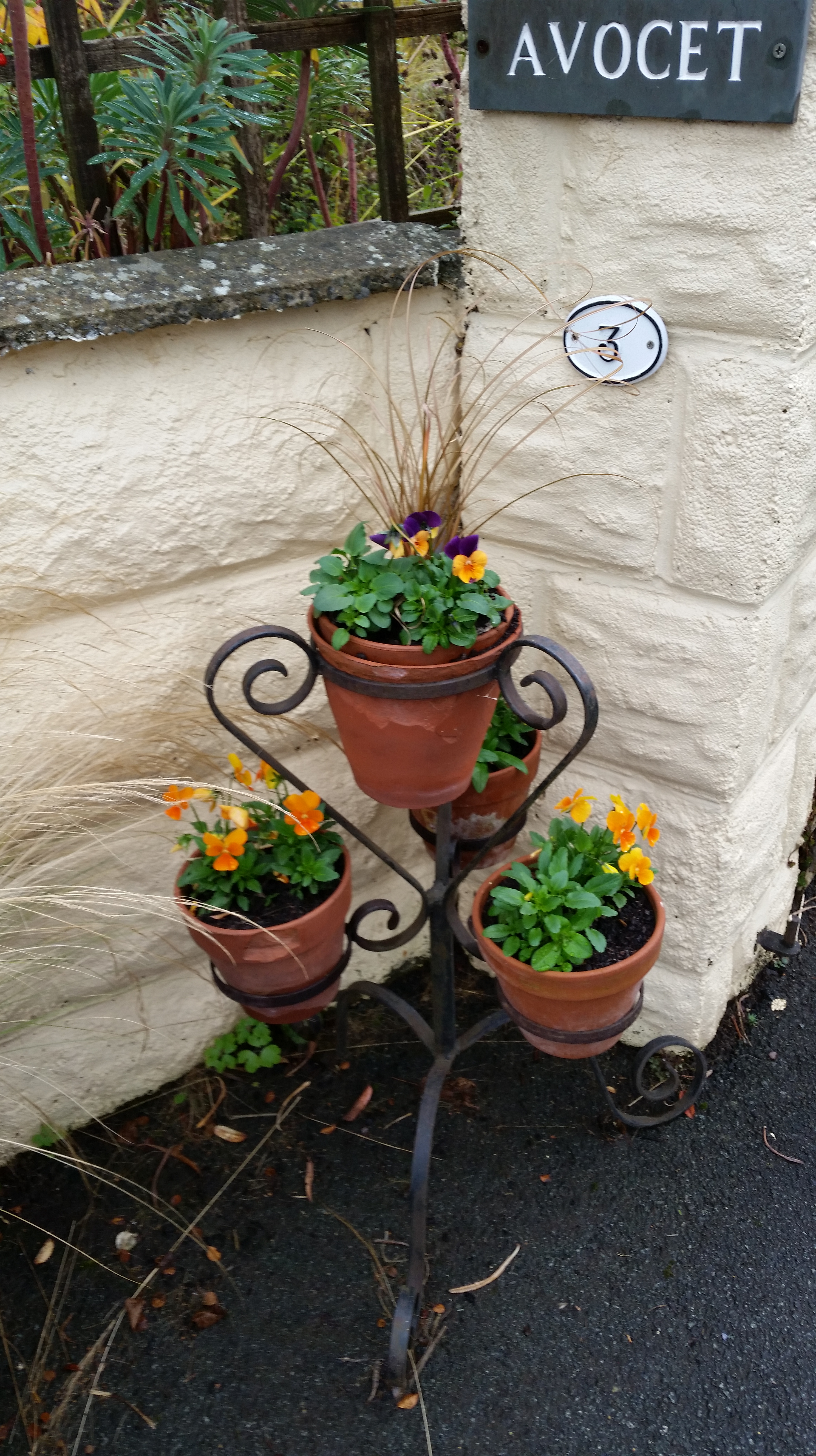
First job was to plant up the terra-cotta pots in the wrought iron plant stand with purple and yellow violas and some of our seedlings of our bronze evergreen grasses.

2015 11 01_7129 2015 11 01_7130

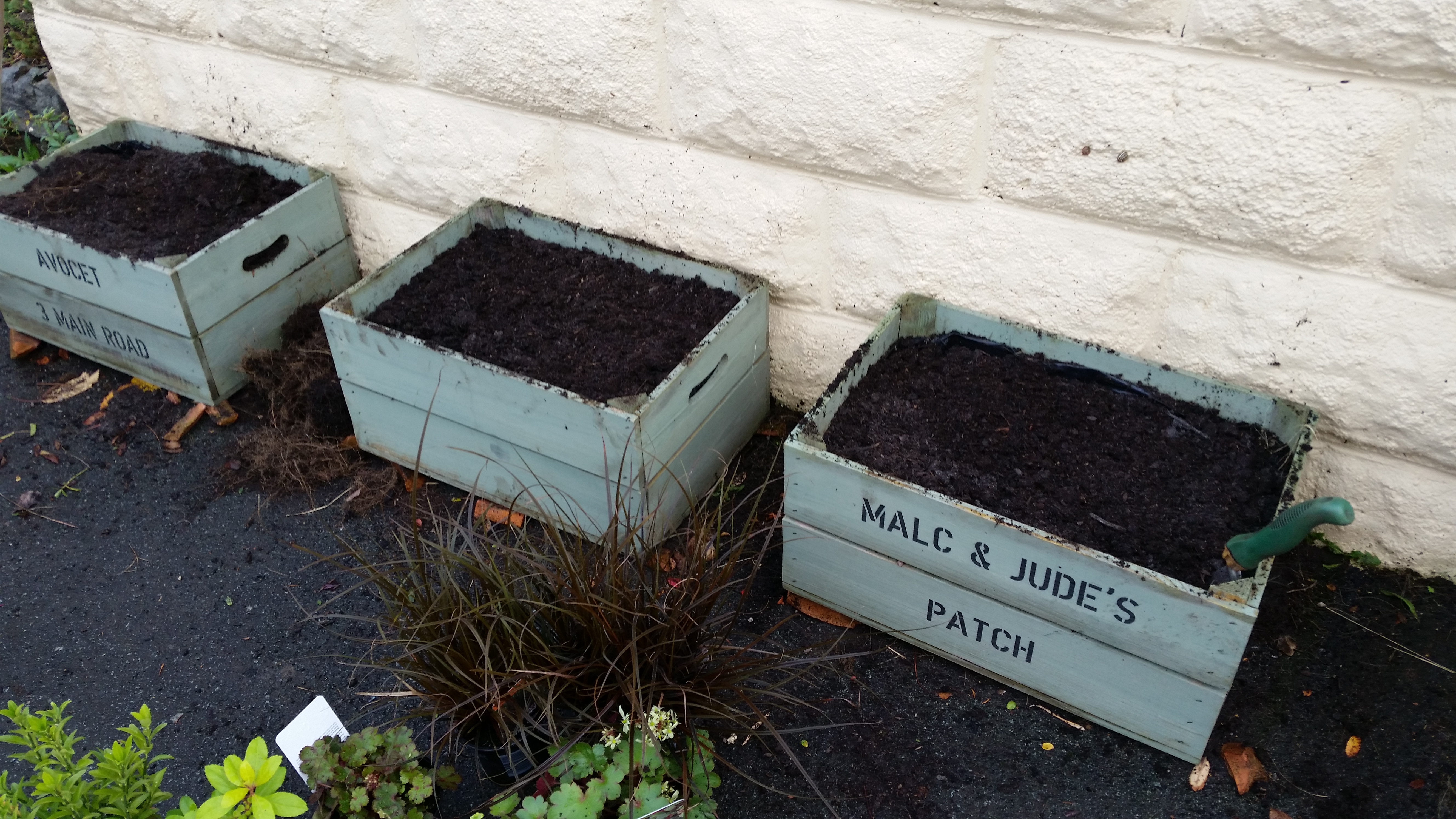
I cleared out the summer plants, removed the top 3 inches of compost and refreshed it with chicken manure pellets as fertiliser and fresh compost. While I did this Jude the Undergardener trimmed back the flowering stems on our hedge of Munstead Lavenders along the road edge and planted a mixture of bulbs in the narrow drive-side border.

2015 11 01_7133 2015 11 01_71352015 11 01_7134 2015 11 01_7132

Once refreshed and ready for planting we got going on the best part of the job, the planting up of the boxes.

2015 11 01_7136 2015 11 01_7138

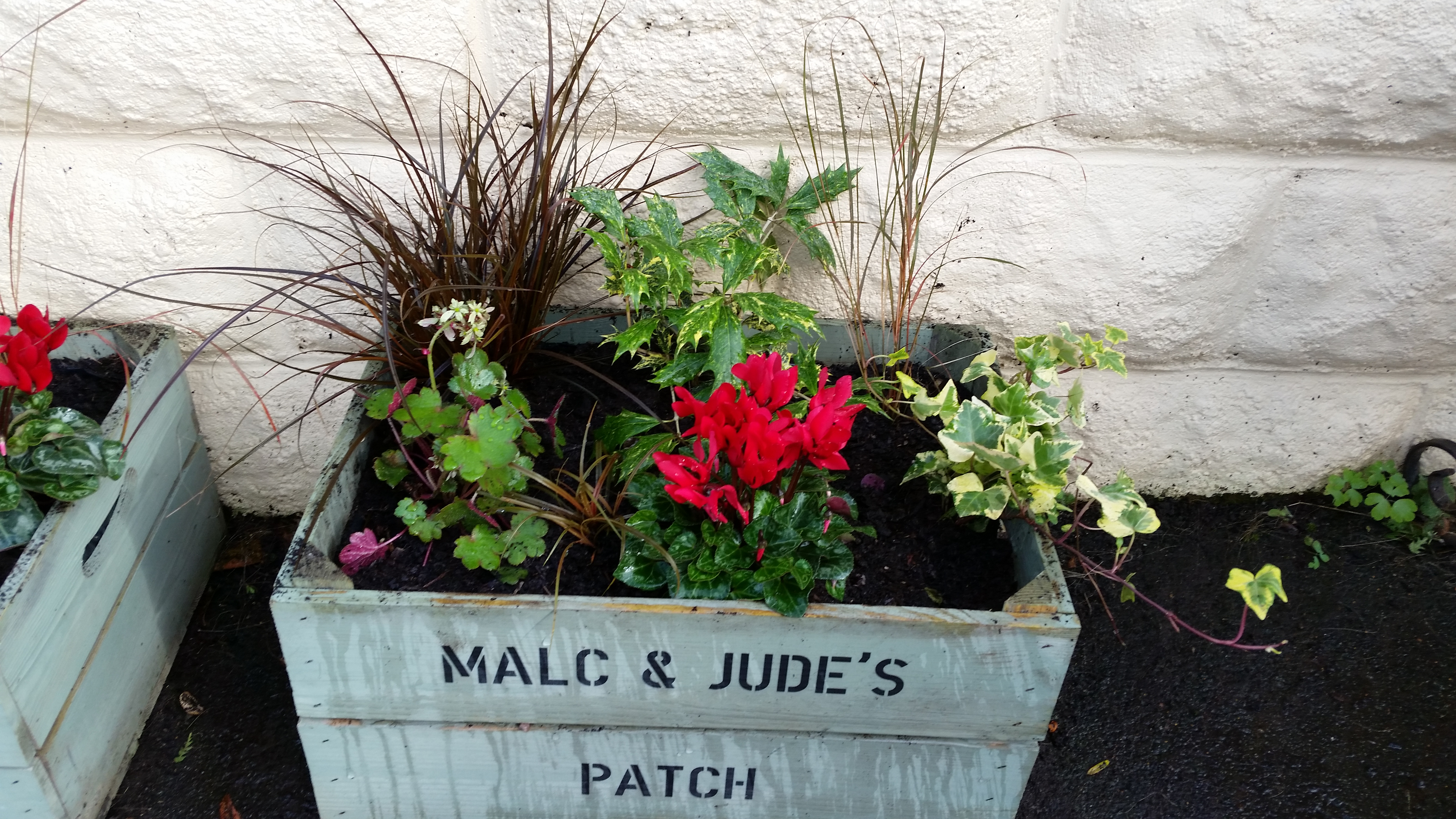
The plants were soon snuggled up to their new partners and the planters looked the part again. The plants removed earlier were loaded into the wheelbarrow ready to be planted out in the garden borders.

2015 11 01_7137  2015 11 01_7139 2015 11 01_7140 2015 11 01_7141

Ah! Now that looks better! That should cheer the garden entrance up for the winter very nicely.

2015 11 01_7143

This Veggie Life

A Vegetarian | Nature Lifestyle Blog

Rambling in the Garden

.....and nurturing my soul

The Arch City Gardener

Journeys In St. Louis Gardening and Beyond

Garden Dreaming at Châtillon

Consult the genius of the place

Storyshucker

A blog full of humorous and poignant observations.

gardeninacity

Notes from a wildlife-friendly cottage garden

PlayGroundology

...an emerging social science

The Official Blog of British Wildlife

'The most important and informative publication on wildlife of our times' - The Independent. This blog is a member of The UK & Ireland Natural History Bloggers group: www.uknhb.blogspot.com

iGrowHort

Inspire - Cultivate - Grow Native Plants - Restore Landscapes

Bishops Meadow Trust

To create and protect a semi-natural wild space for the people of Farnham to enjoy and experience an array of British wildlife in our town

Gardening with Children

The www.gardeningwithchildren.co.uk Blog

UKbirdingtimeline

birding through the seasons, why birds matter and how to conserve them

NATURE WALKER

with a camera in hand

Jardin

Transform your outdoor space

Eva's space

My allotment, cooking and other interests

Old School Garden

my gardening life through the year

LEANNE COLE

Trying to live a creative life

fromacountrycottage

trying to live as lightly as possible on our beautiful planet

Good Life Gardening

Nature lovers from Leicester living the good life.

mybeautfulthings

Finding the beautiful in the everyday

mawsonmichelle

Michelle's Allotment

In and Out of My Garden

thoughts from and about my garden

Greenhousing

Big plans for a small garden

The Scottish Country Garden

A Walled Country Garden in South East Scotland

The Fruity Chicken

Life at the fruity chicken

willowarchway

Off grid living. Self sufficient. "PERMAGANICS RULE".

St Anns Allotments

Nottingham's Grade 2* Listed Allotments and Community Orchard

Manifest Joy Harvests

a journey in suburban vegetable gardening

Allotmental

The madness of growing your own

Penny's Garden: a harvest beyond my front door

A novel approach to vegetable gardening

arignagardener

Sustainable living in the Irish countryside.

NewEnglandGardenAndThread

Master Gardener, amateur photographer, quilter, NH native, and sometimes SC snowbird

dianajhale

Recent work and work in progress and anything else that interests me

planthoarder

a chaotic cottage gardener

Lens and Pens by Sally

a weekly blog that creates a personal philosophy through photographs and words

Dewdrops and Sunshine

Stories from a sassy and classy Southern farmbelle.

The Pyjama Gardener

Simple Organic Gardening & Seasonal Living

gettin' fresh!

turning dirt into dinner

JOY...

today the world is created anew

Garden Birds

Notes from a Devon garden

ShootAbout

Life Through The Lens

Adapting Pixels

A photography blog showcasing the best photography pictures and videos on the internet

Wildlifegardening's Blog

Just another WordPress.com site

naturestimeline

personal observations from the natural world as the search continues for a new approach to conservation.

LATEBLOOMERBUDS

The Wonders of Life through my Eyes, my Heart, my Soul