Categories
Uncategorized

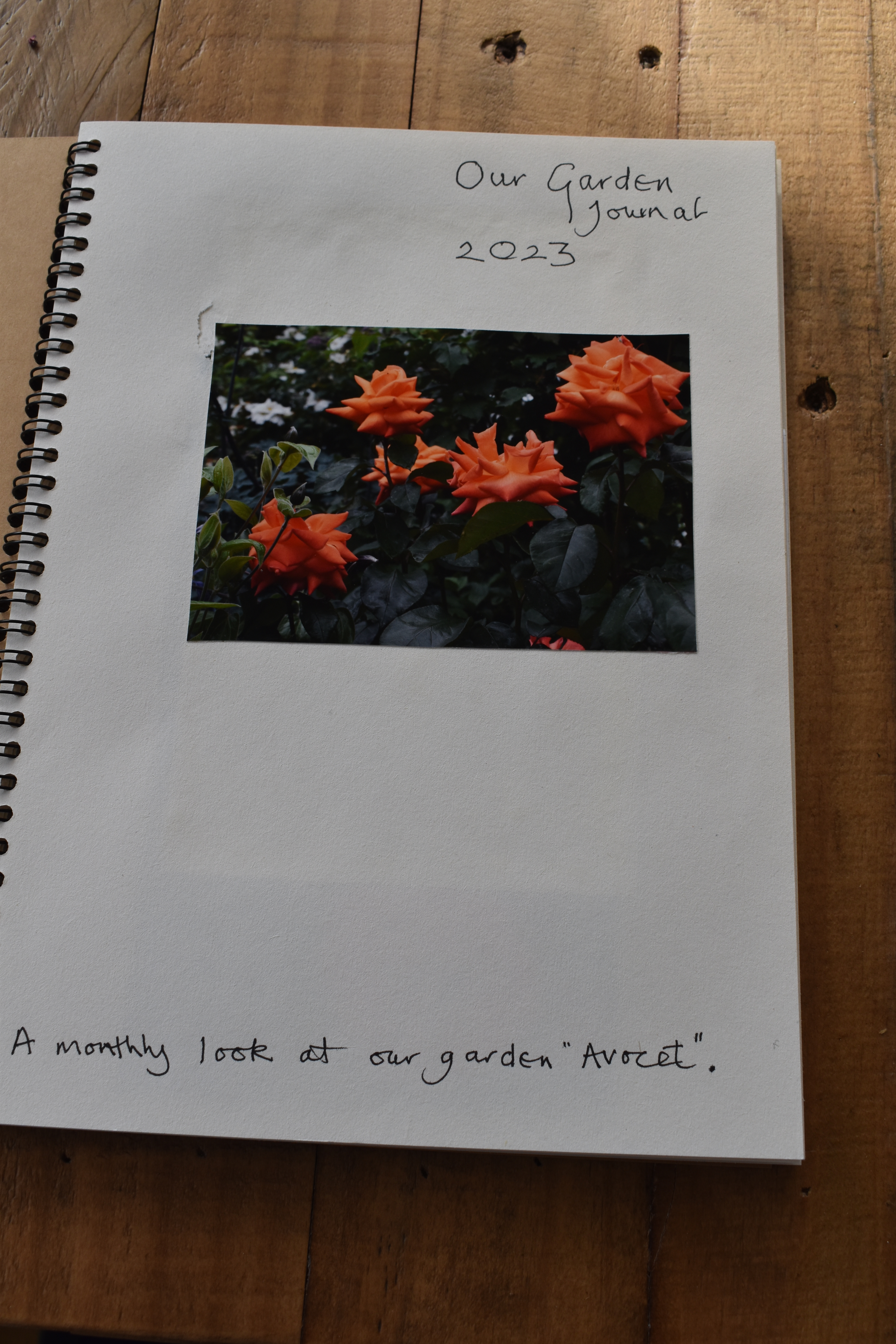
My Garden Journal 2023 March

Already I am creating the third monthly entries for this year, March, the month when the weather should be looking better and more conducive to gardening.

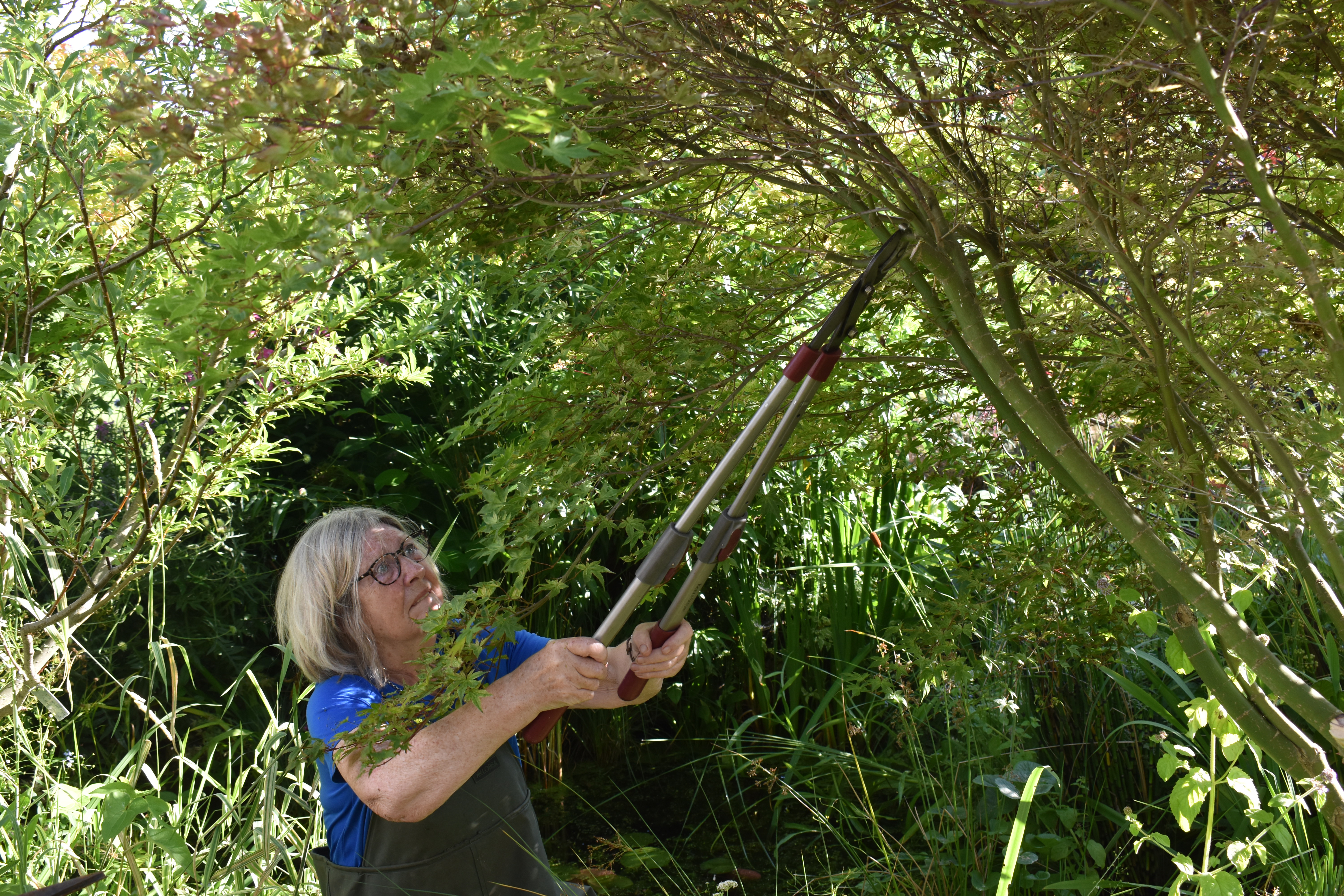
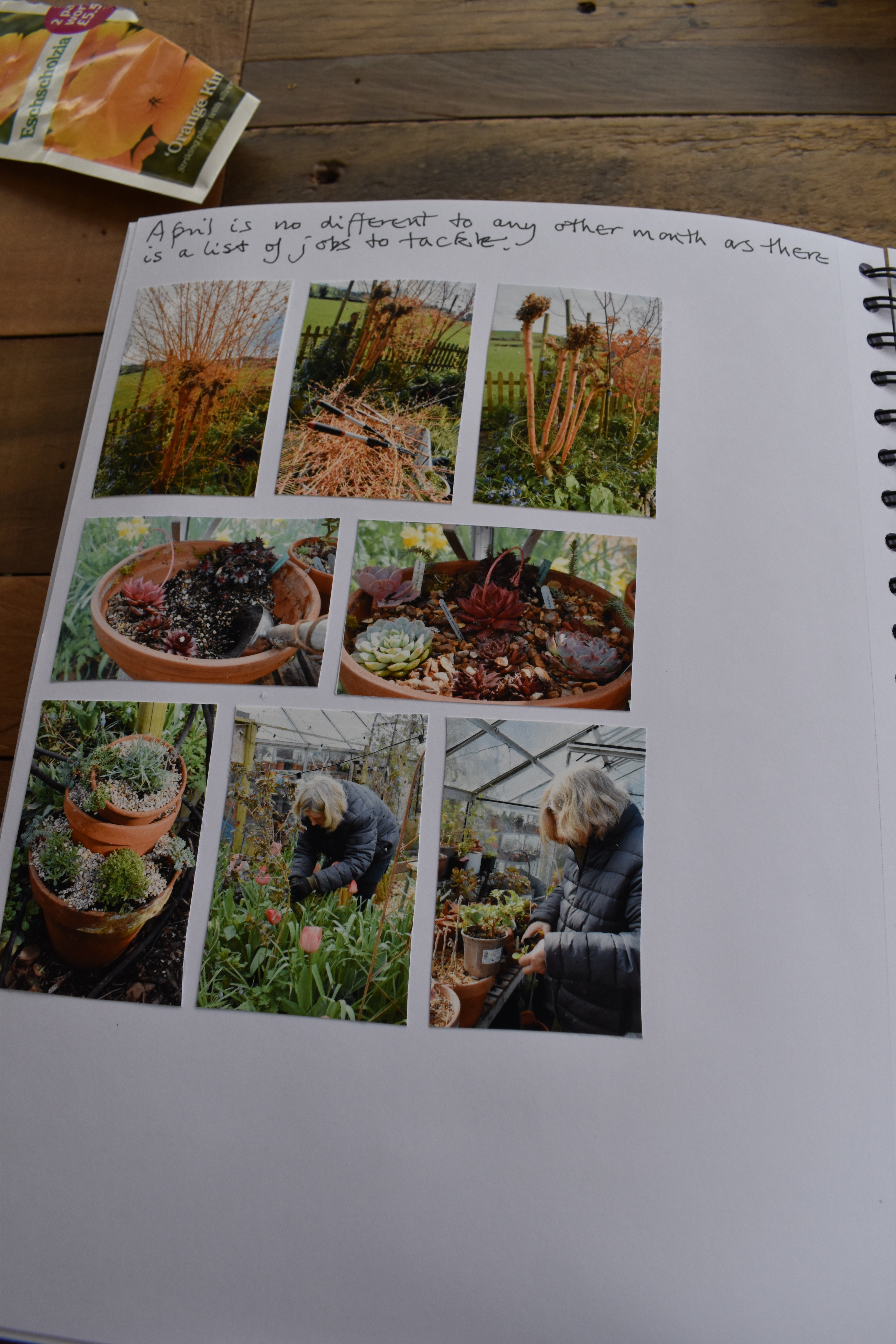
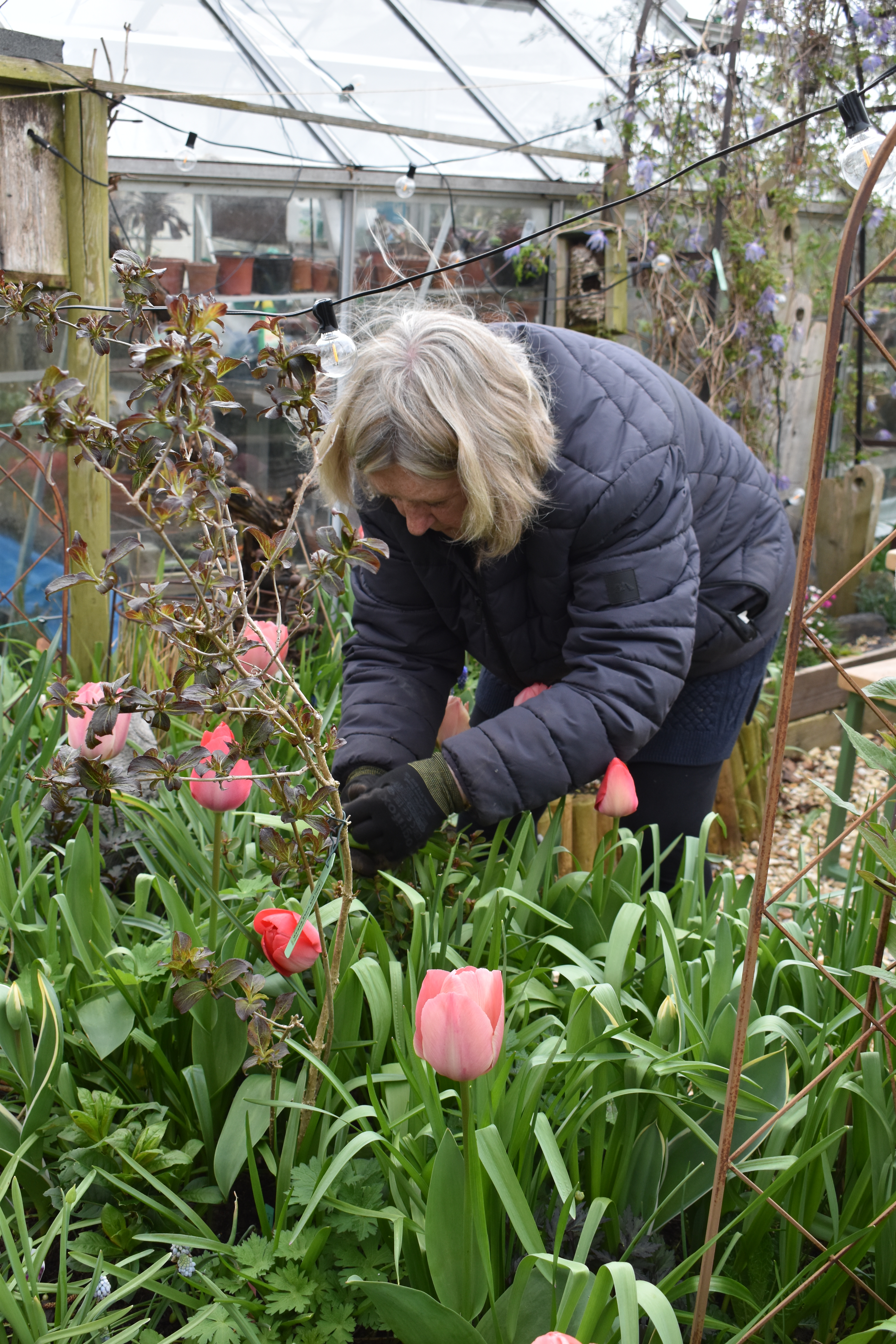
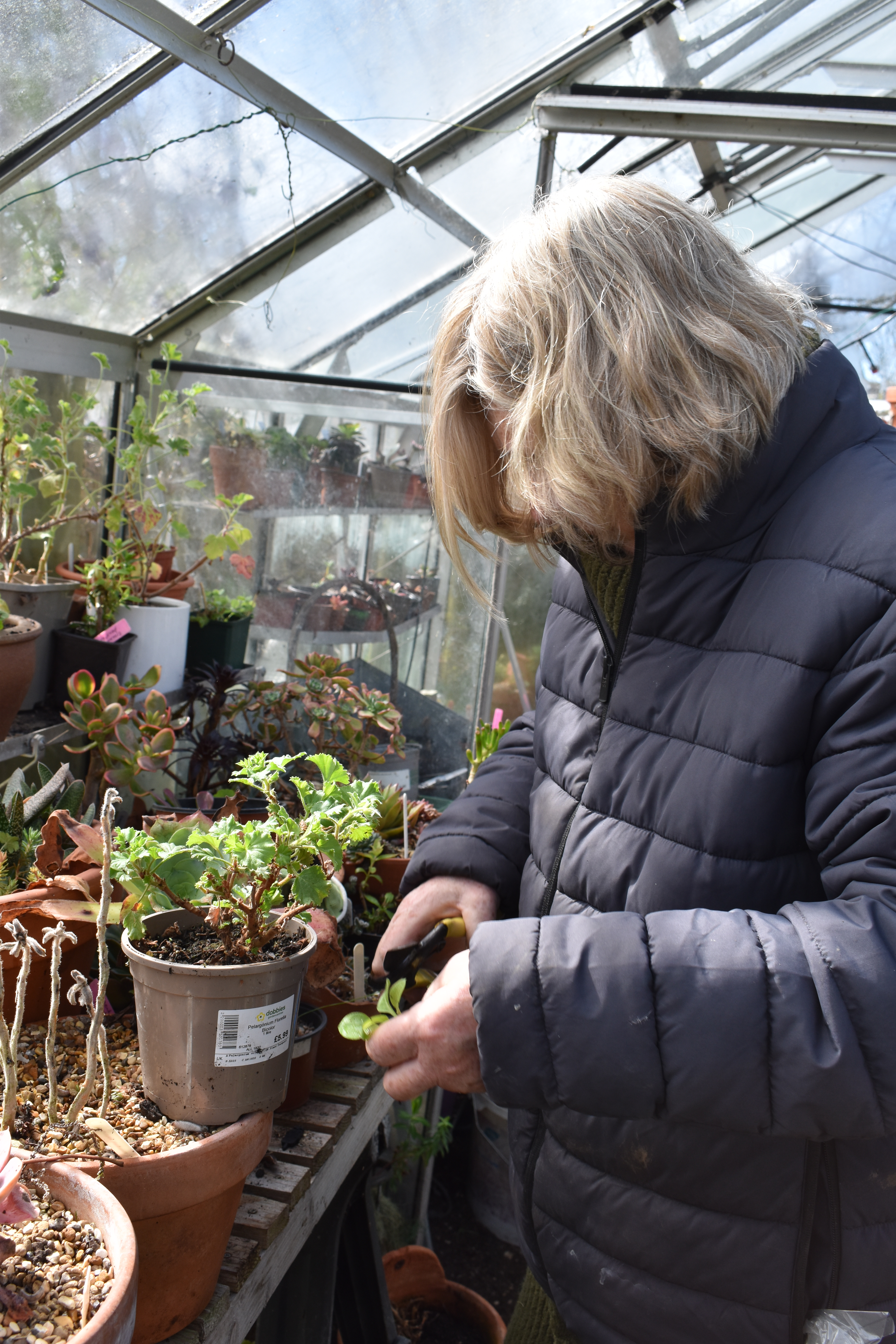
On the opening page I wrote, “March, according to the meteorologists we are now in spring, but as gardeners we know it is still well and truly winter. So far the weather has been cold and very dry. This type of weather however doesn’t stop us getting out into our garden.”

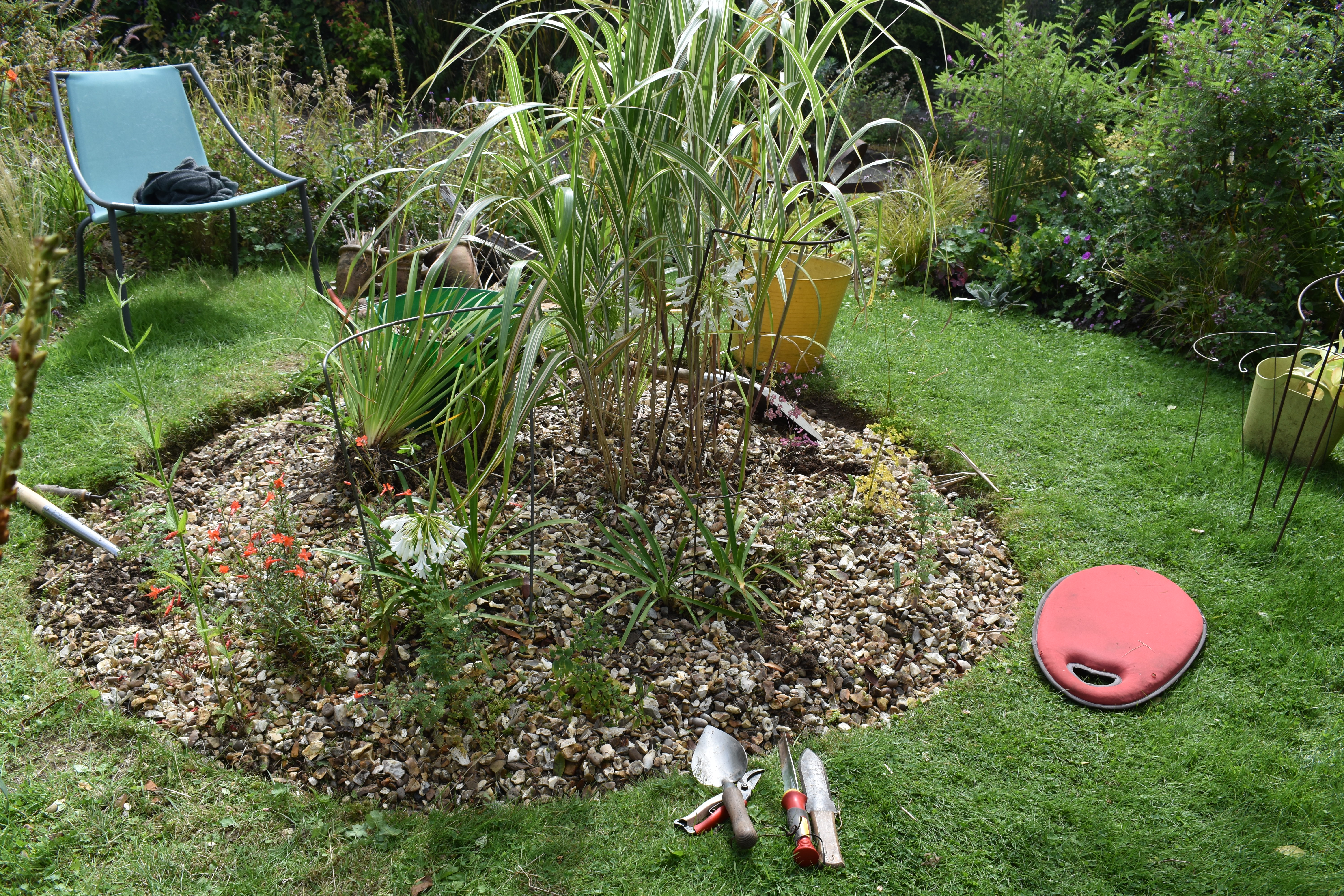
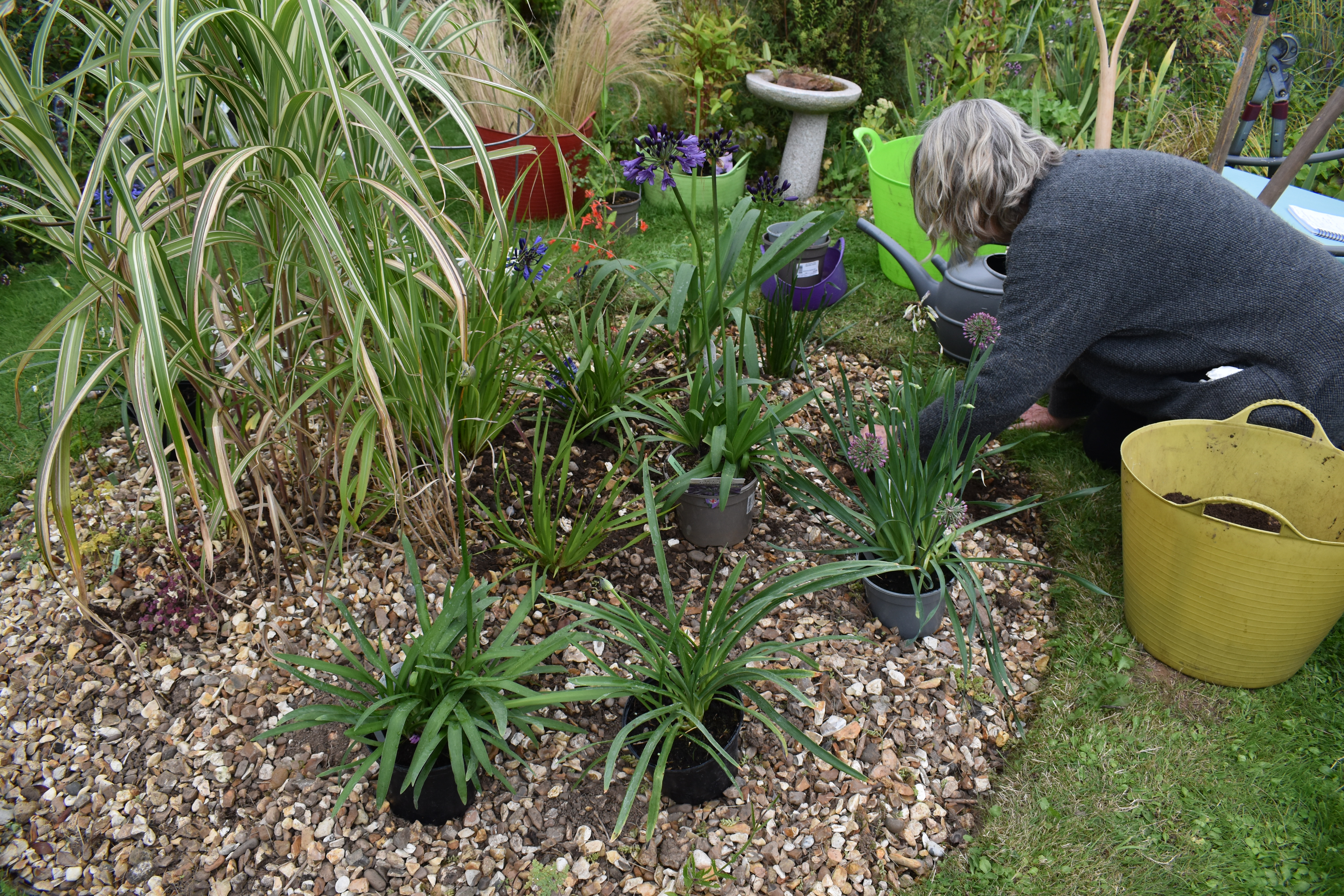
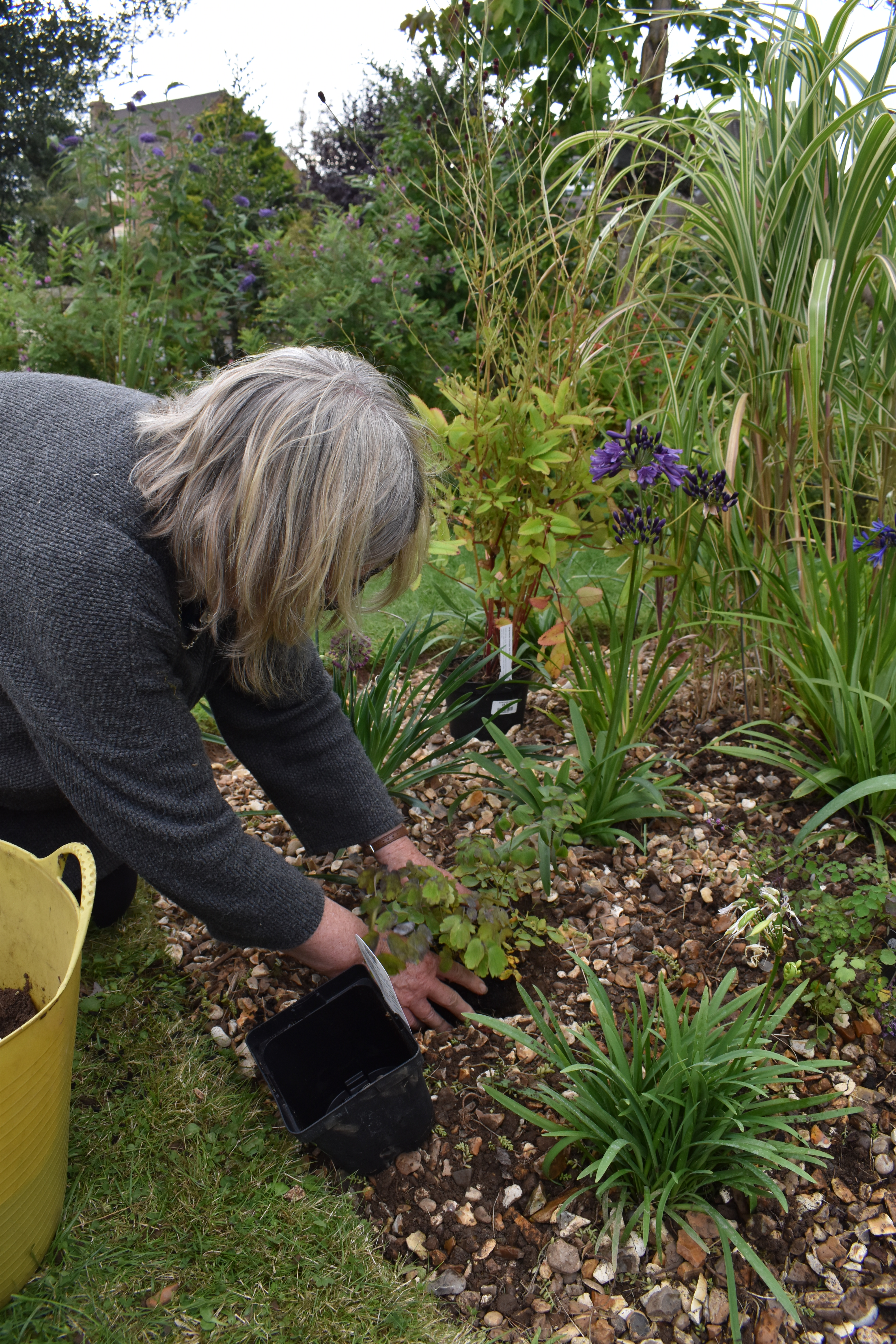
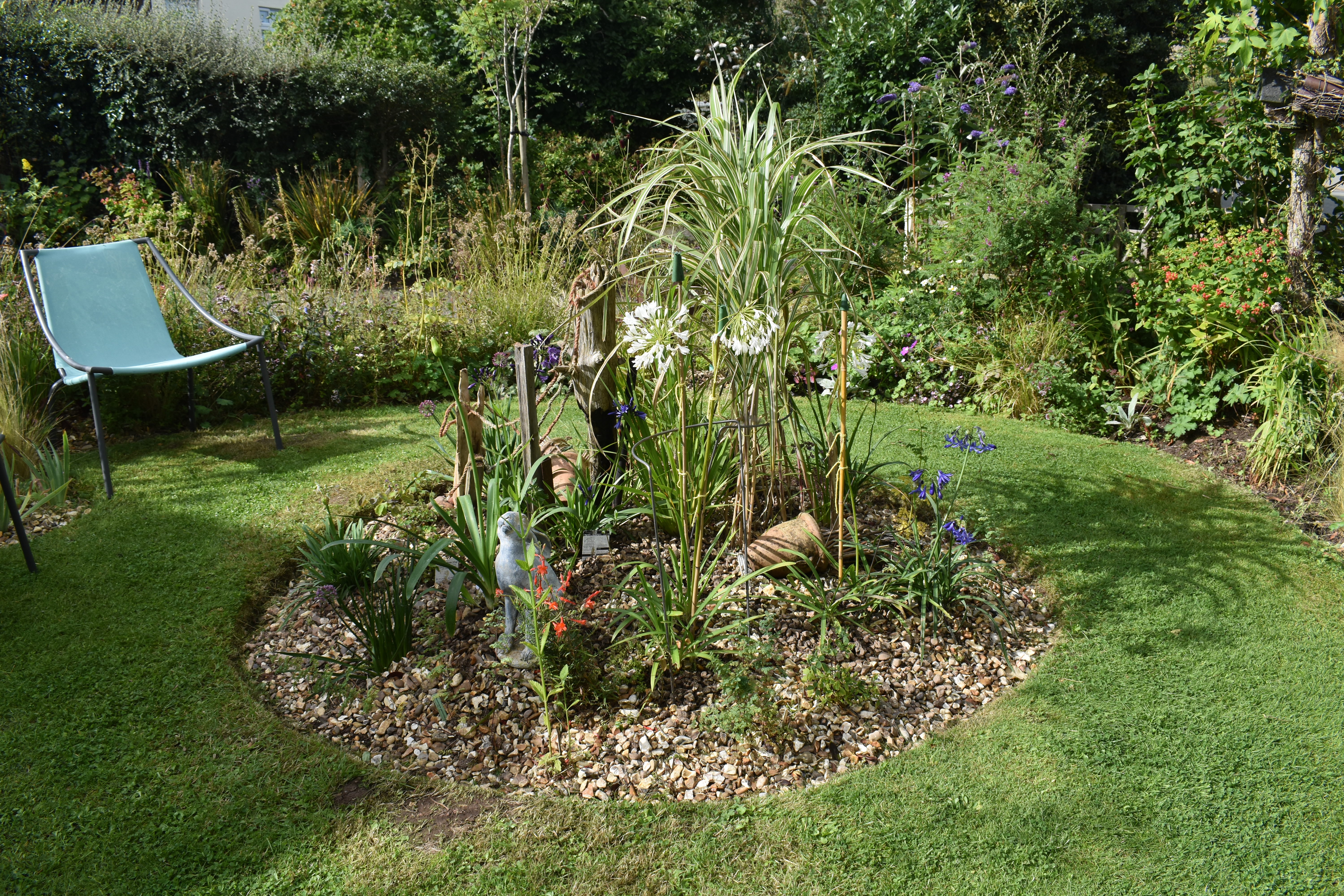
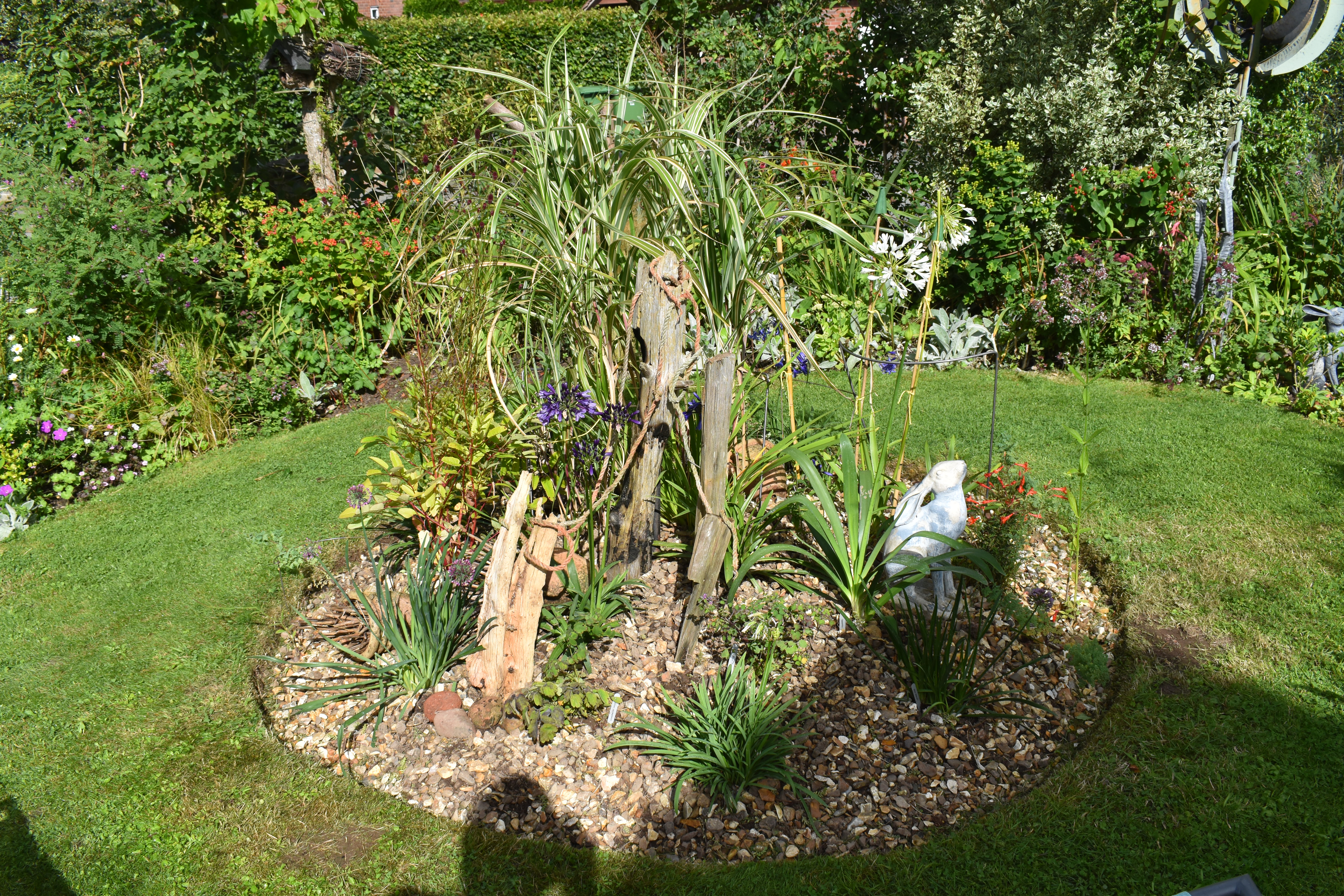
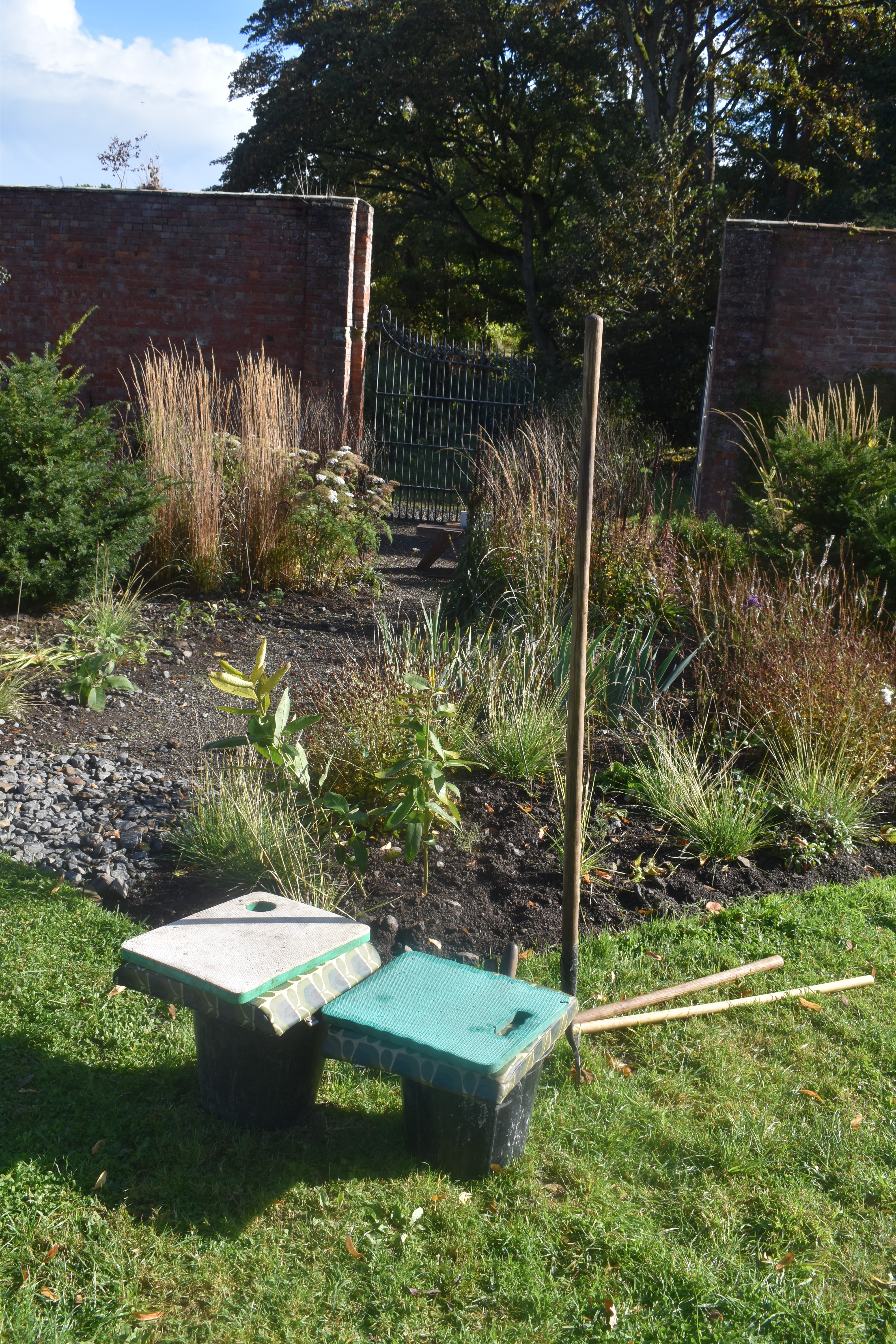
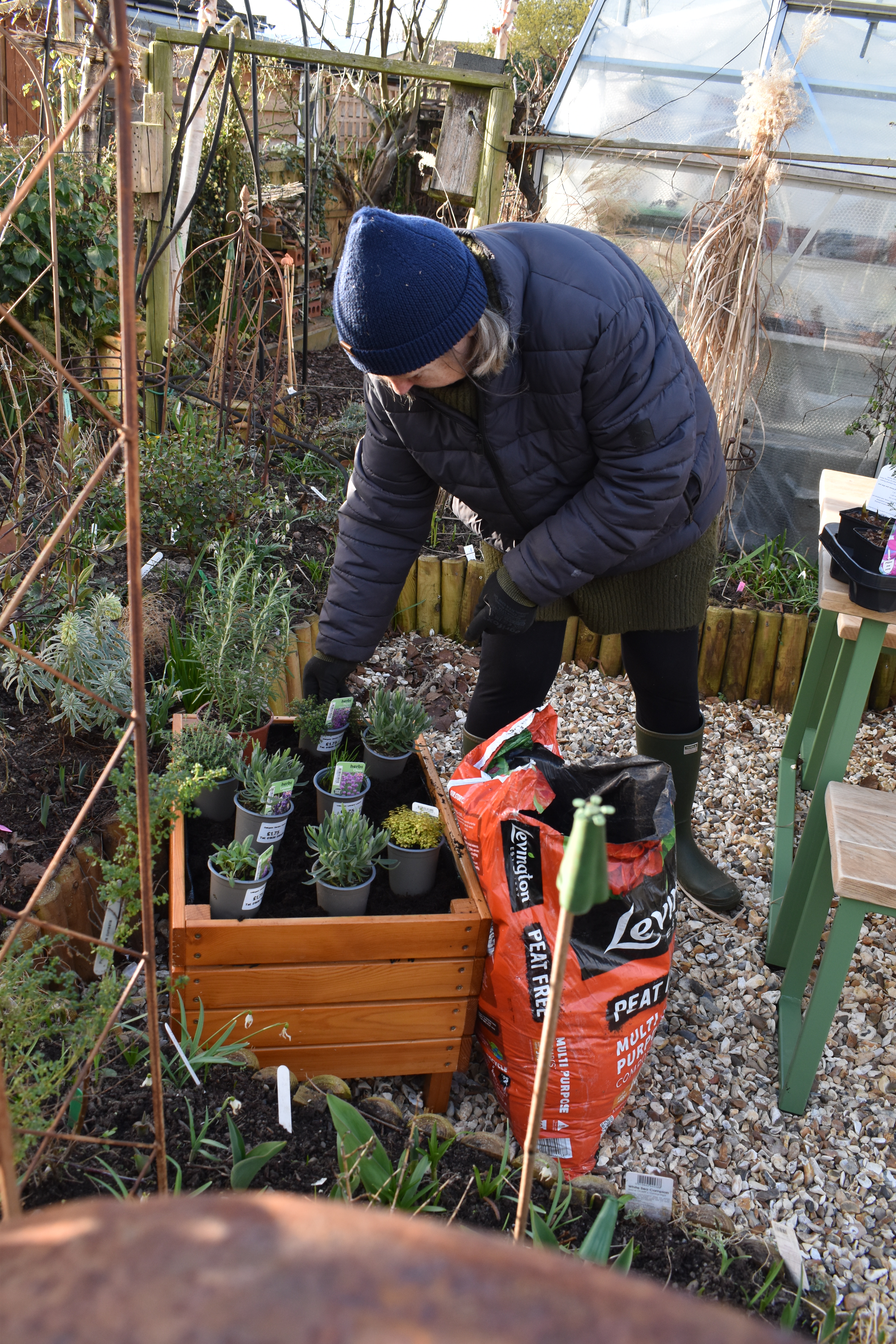
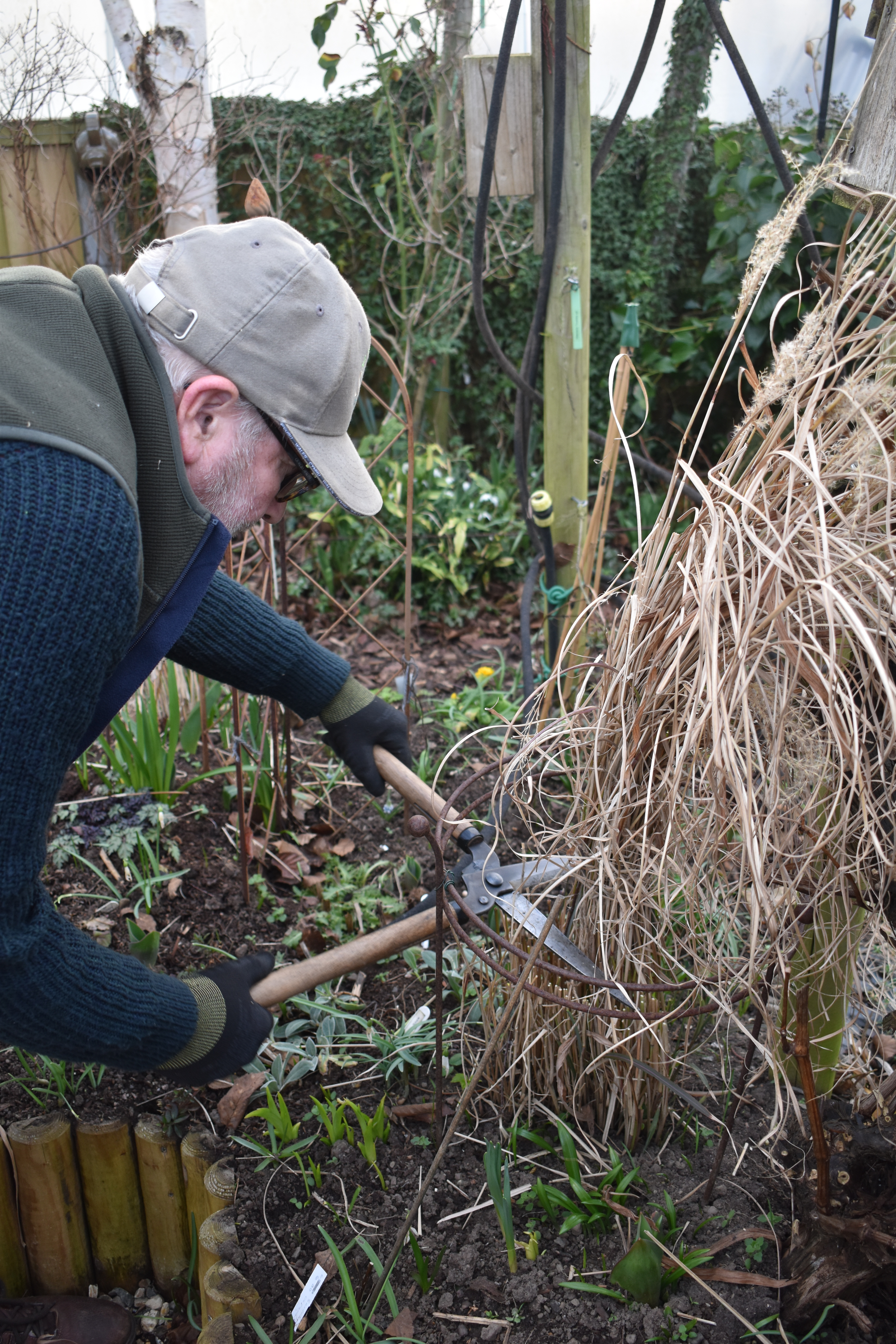
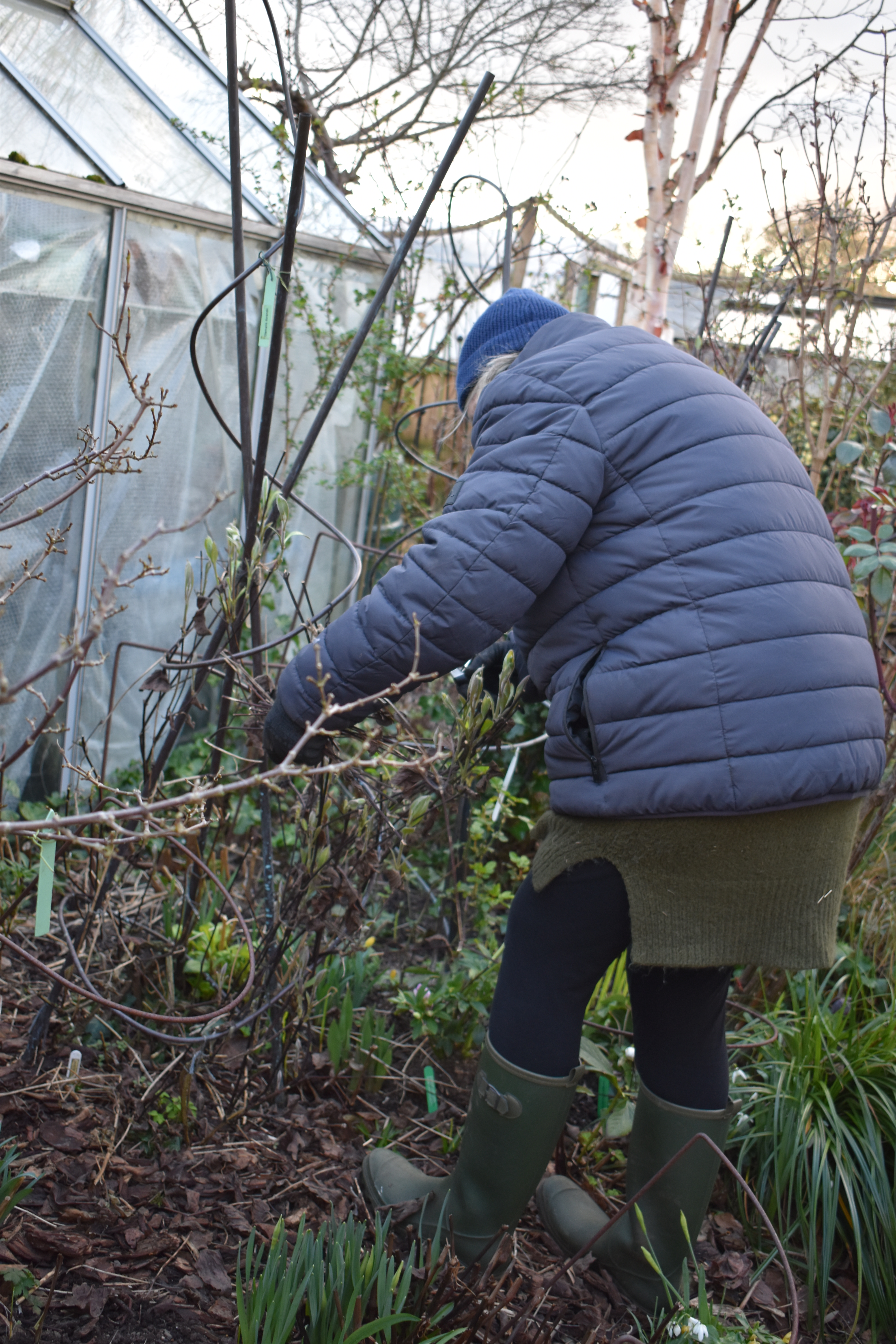
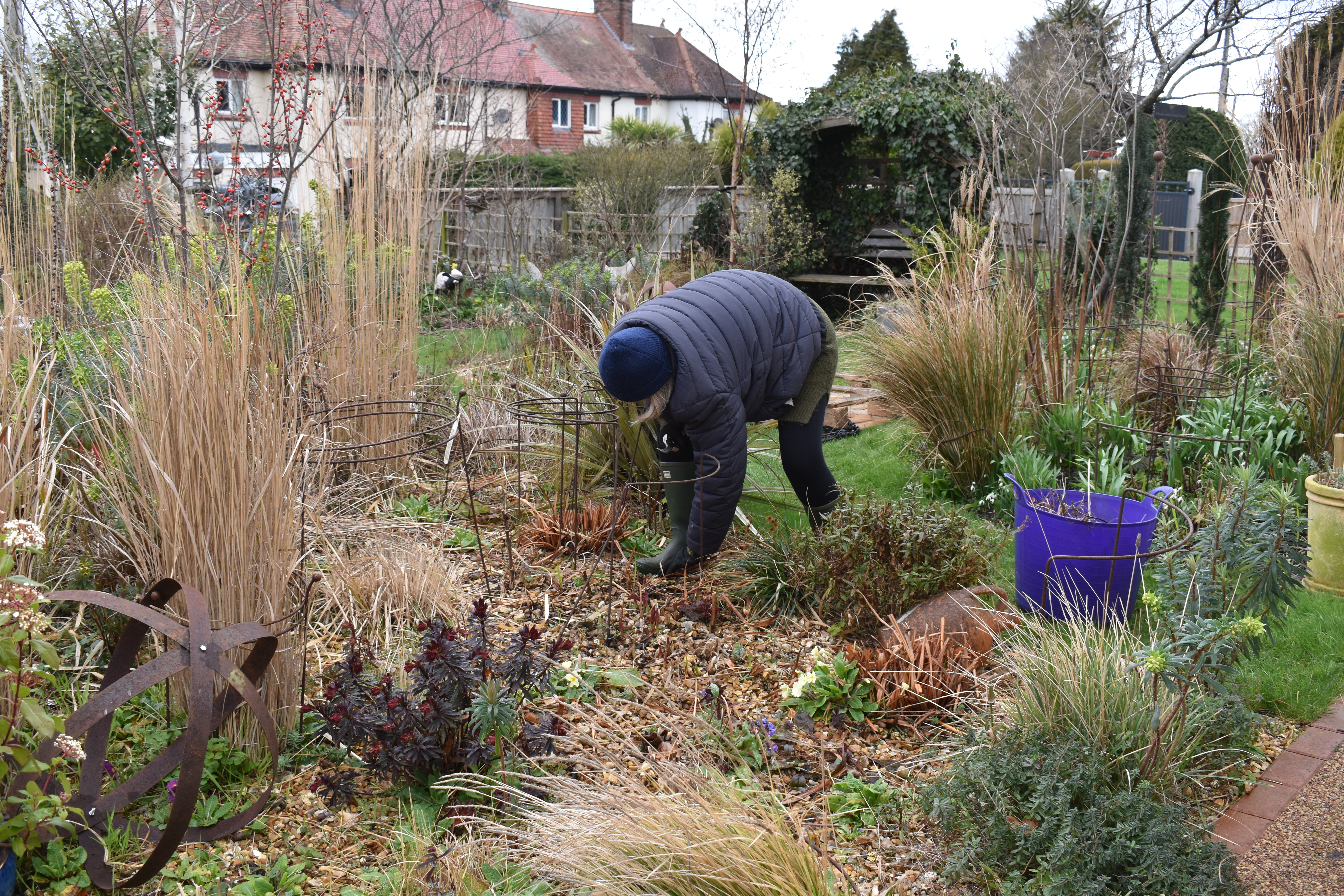
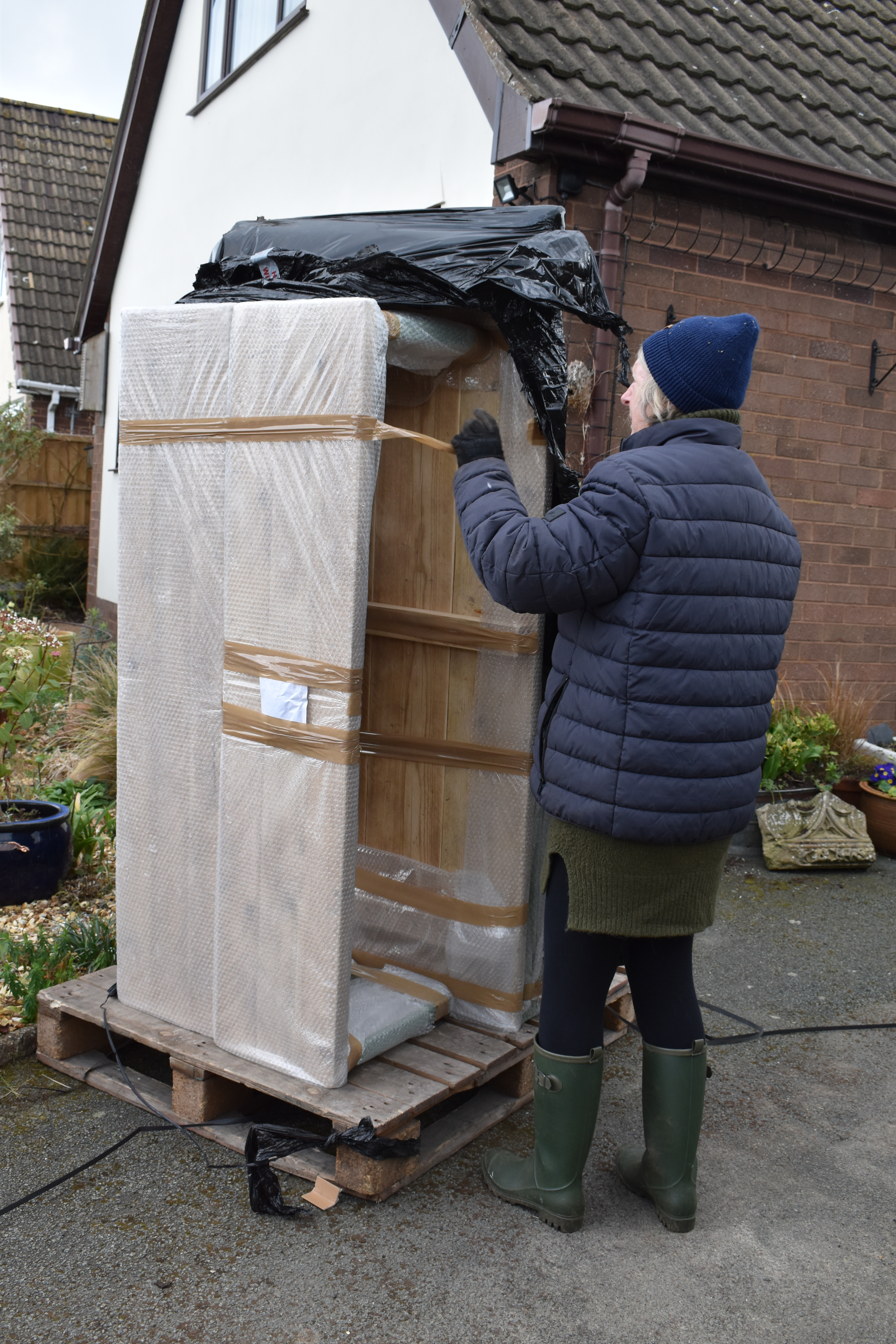
I show this with a set of photos of us at work.

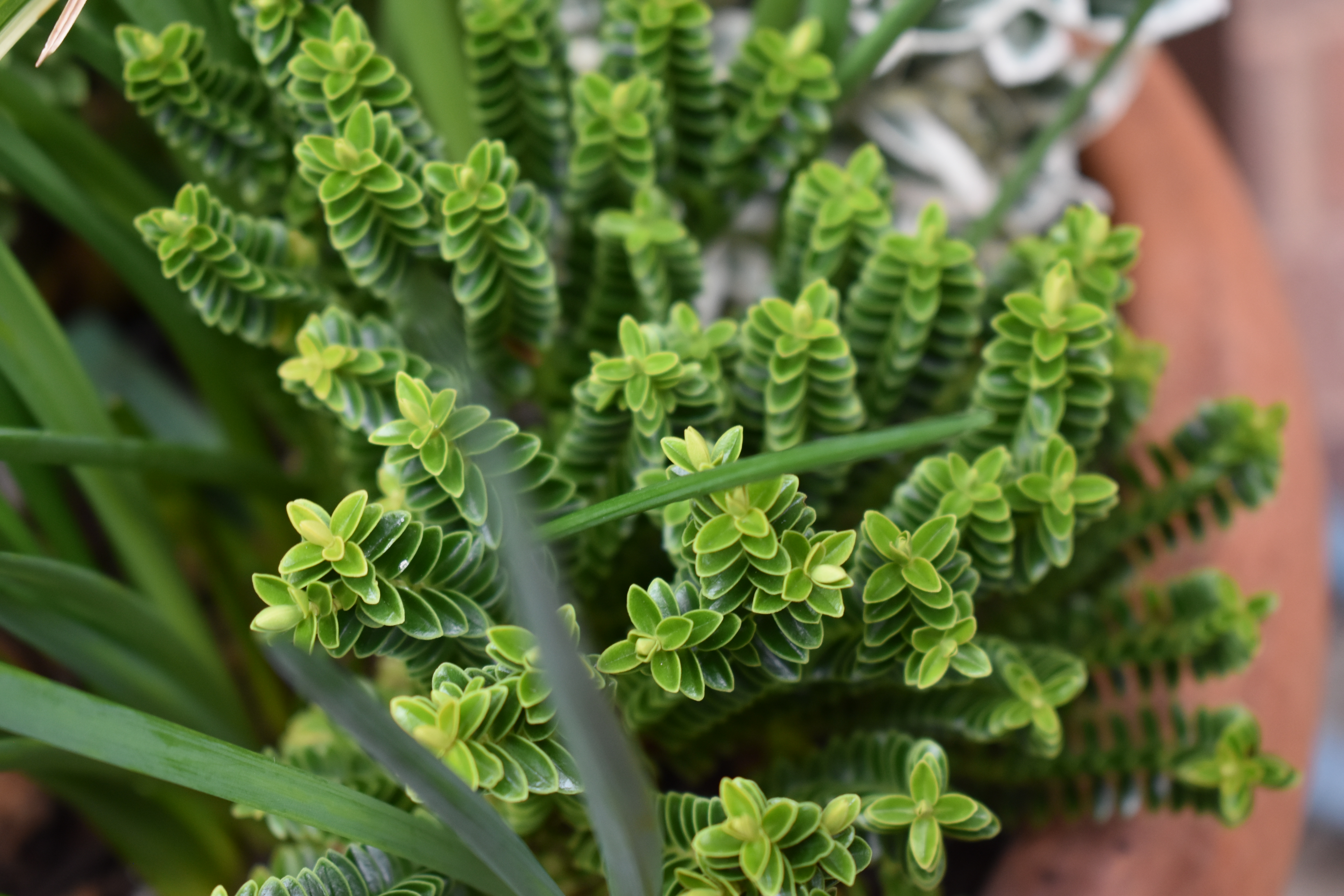
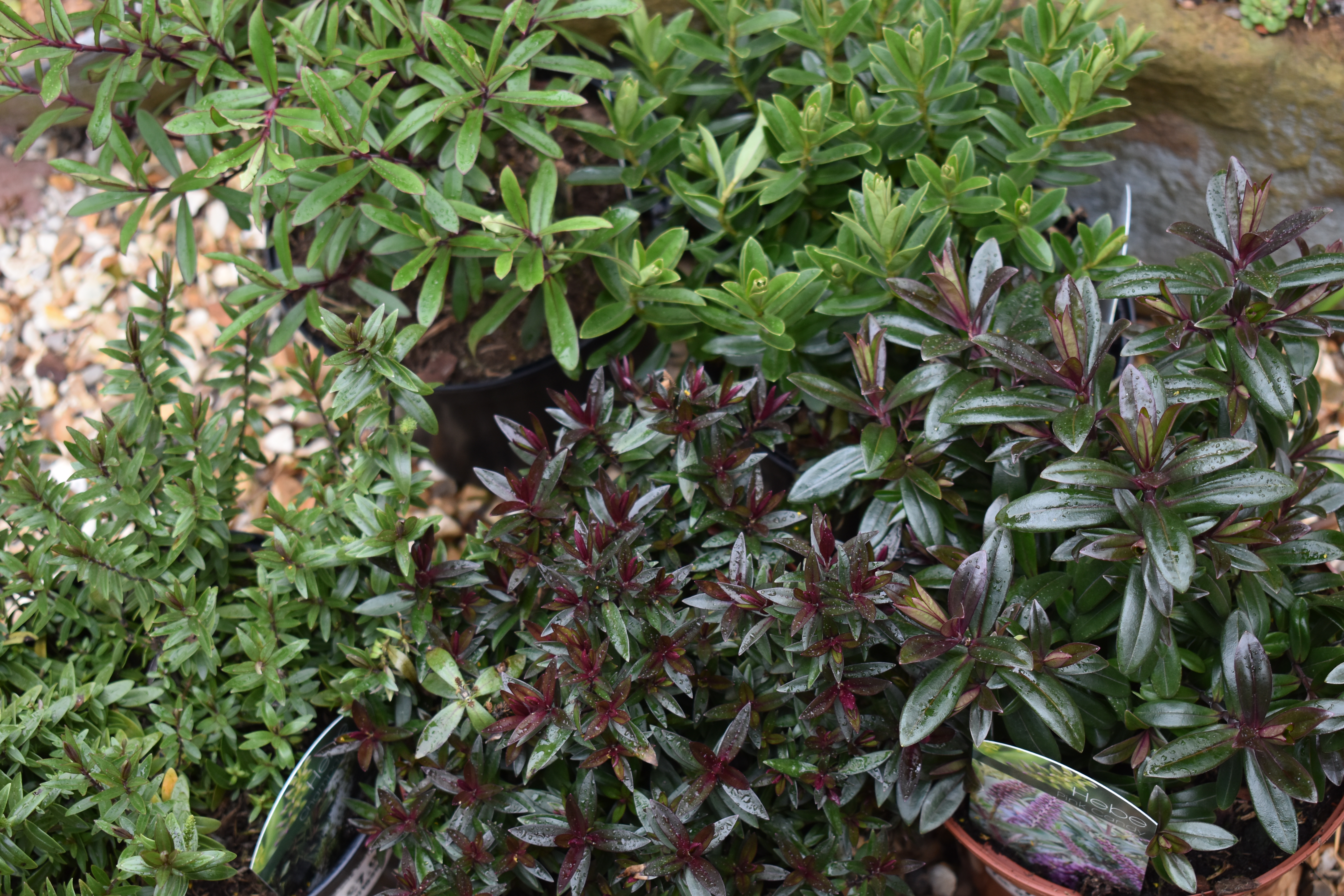
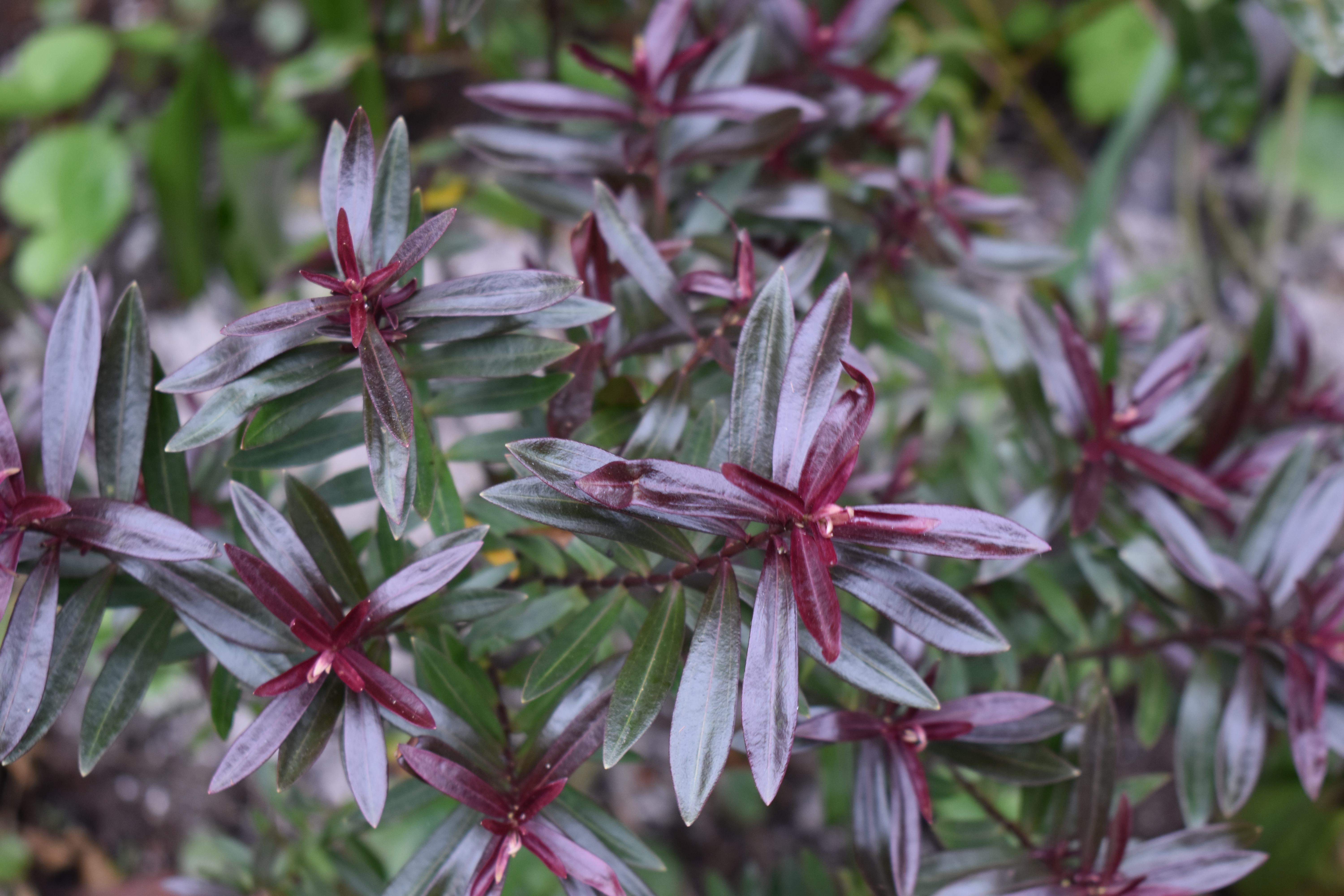
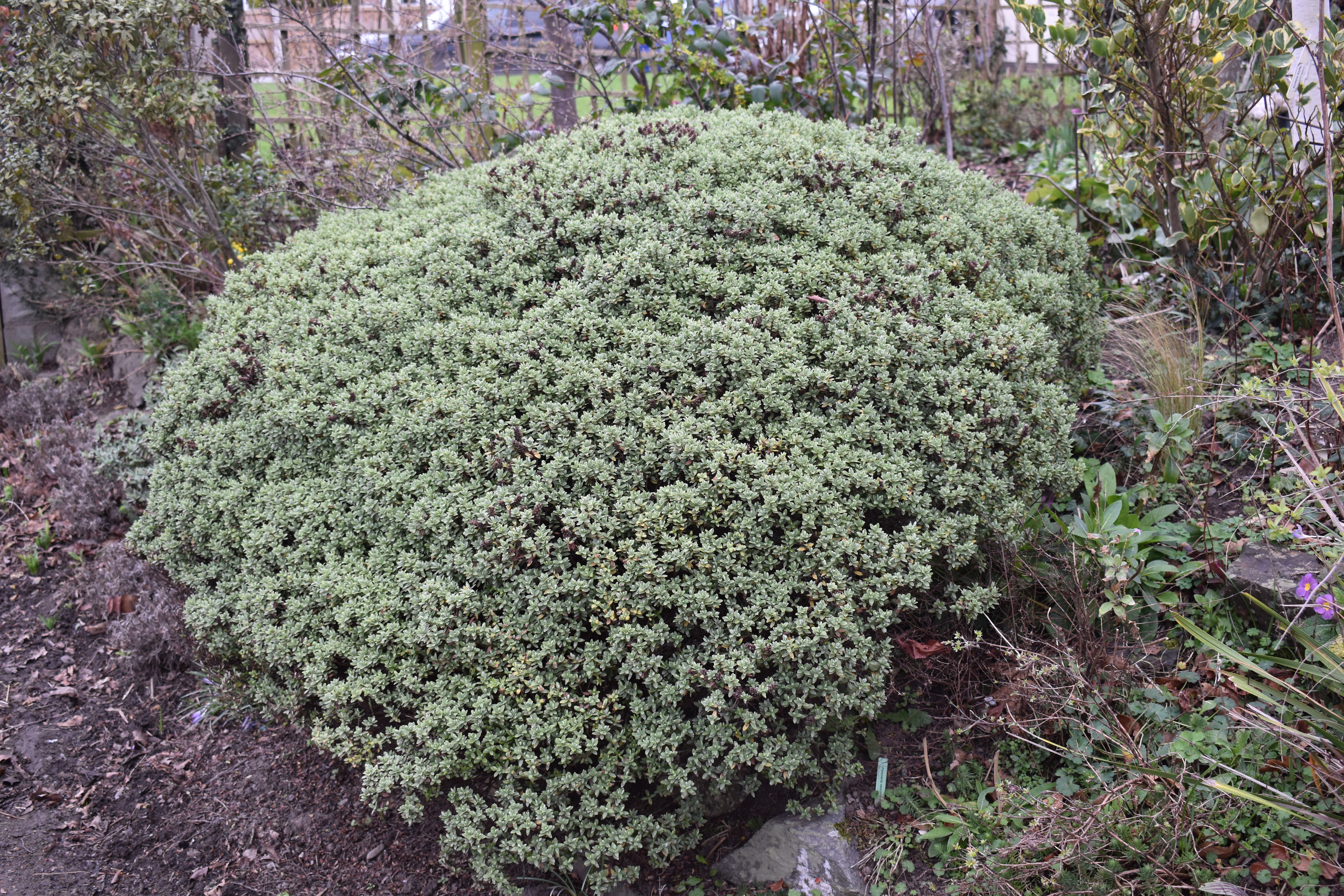
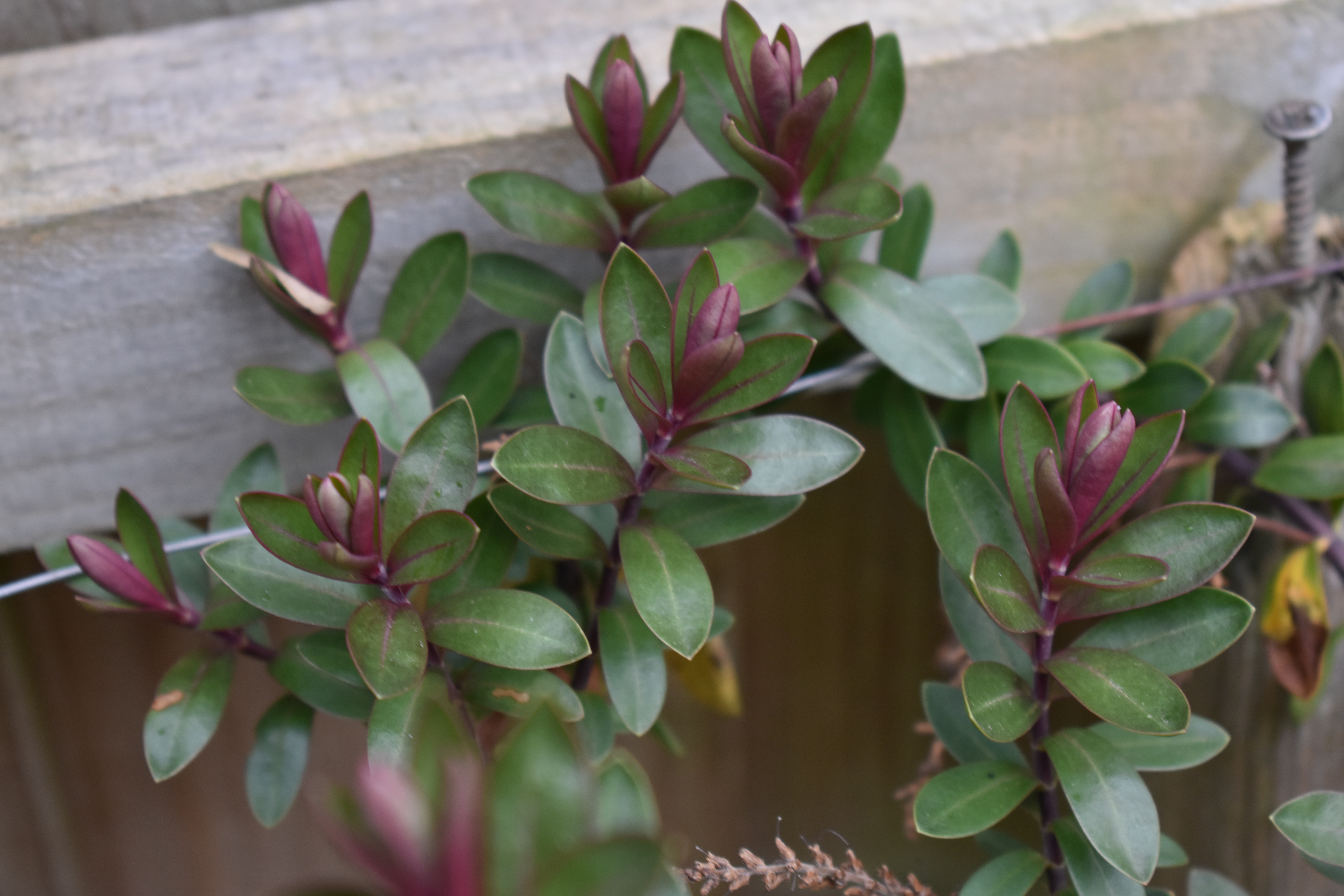
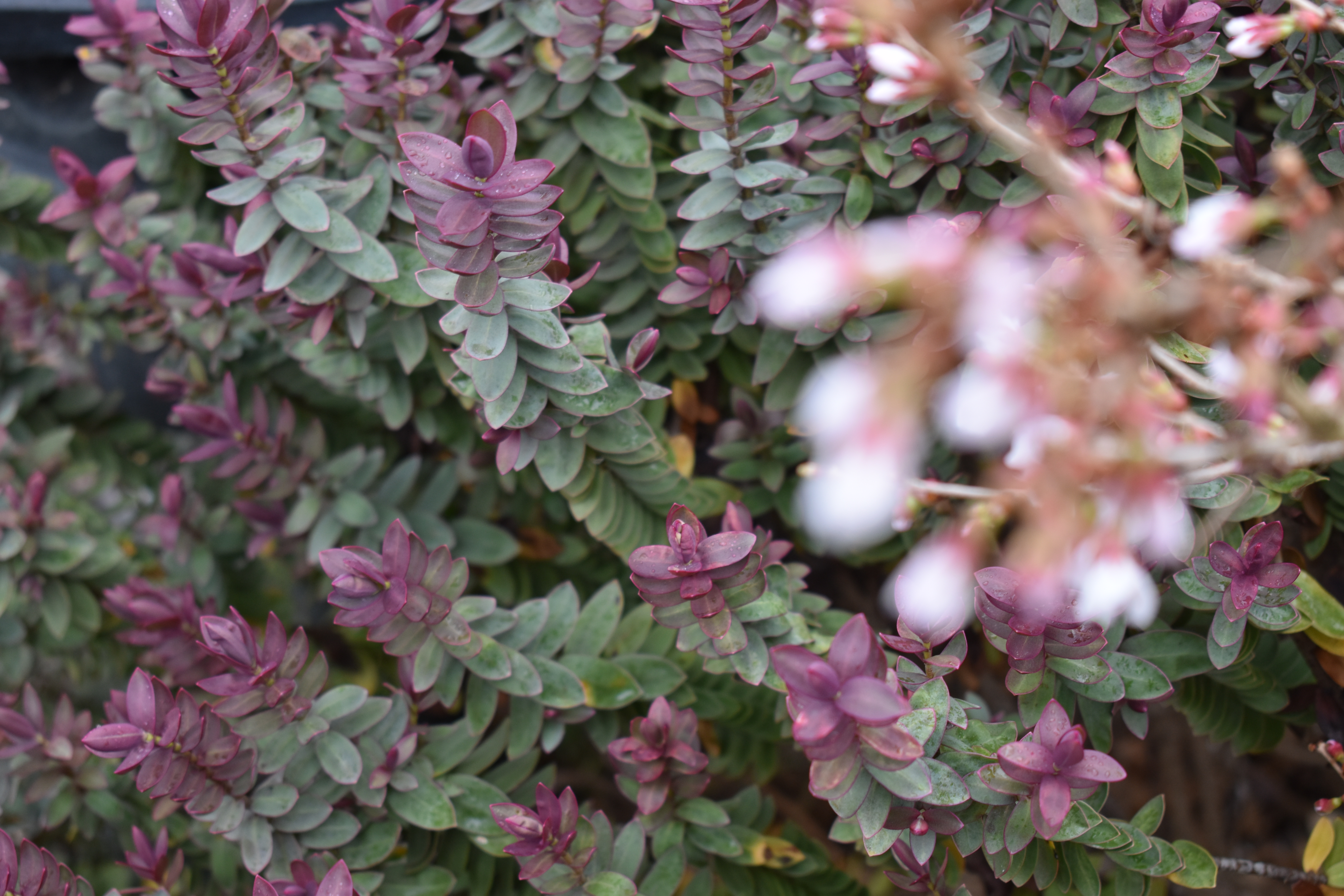
Hebes feature on the opposite page where I wrote, “Hebes enhance our garden every day of the year, both interesting foliage and delicate looking flowers. Foliage comes in different sizes, shapes and colour from glaucous to almost black, but they are always glossy. Plants themselves vary in size and shape too, and flowers come in white plus shades of pink, purple and blue.”

The following photos show just a few of our collection.

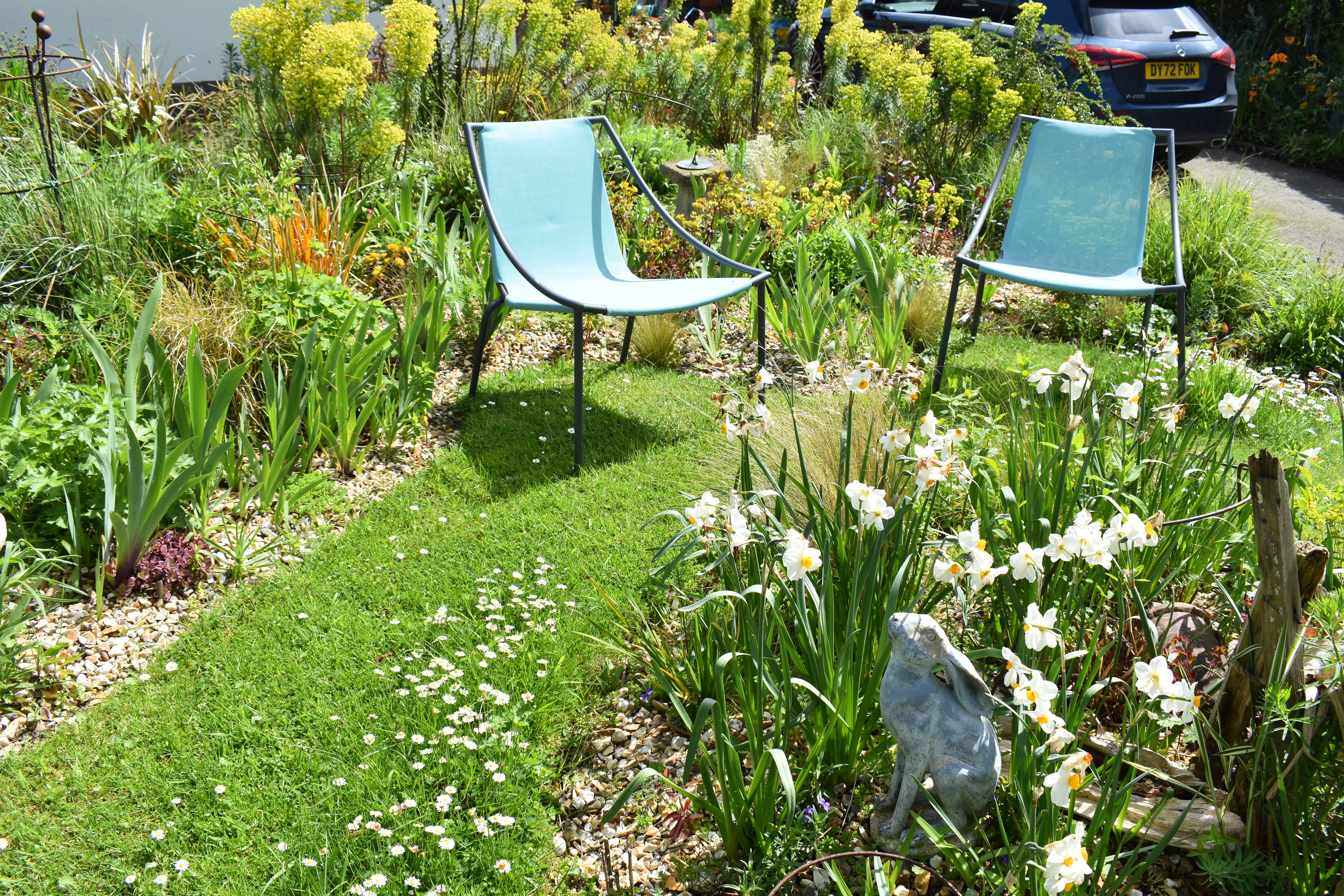
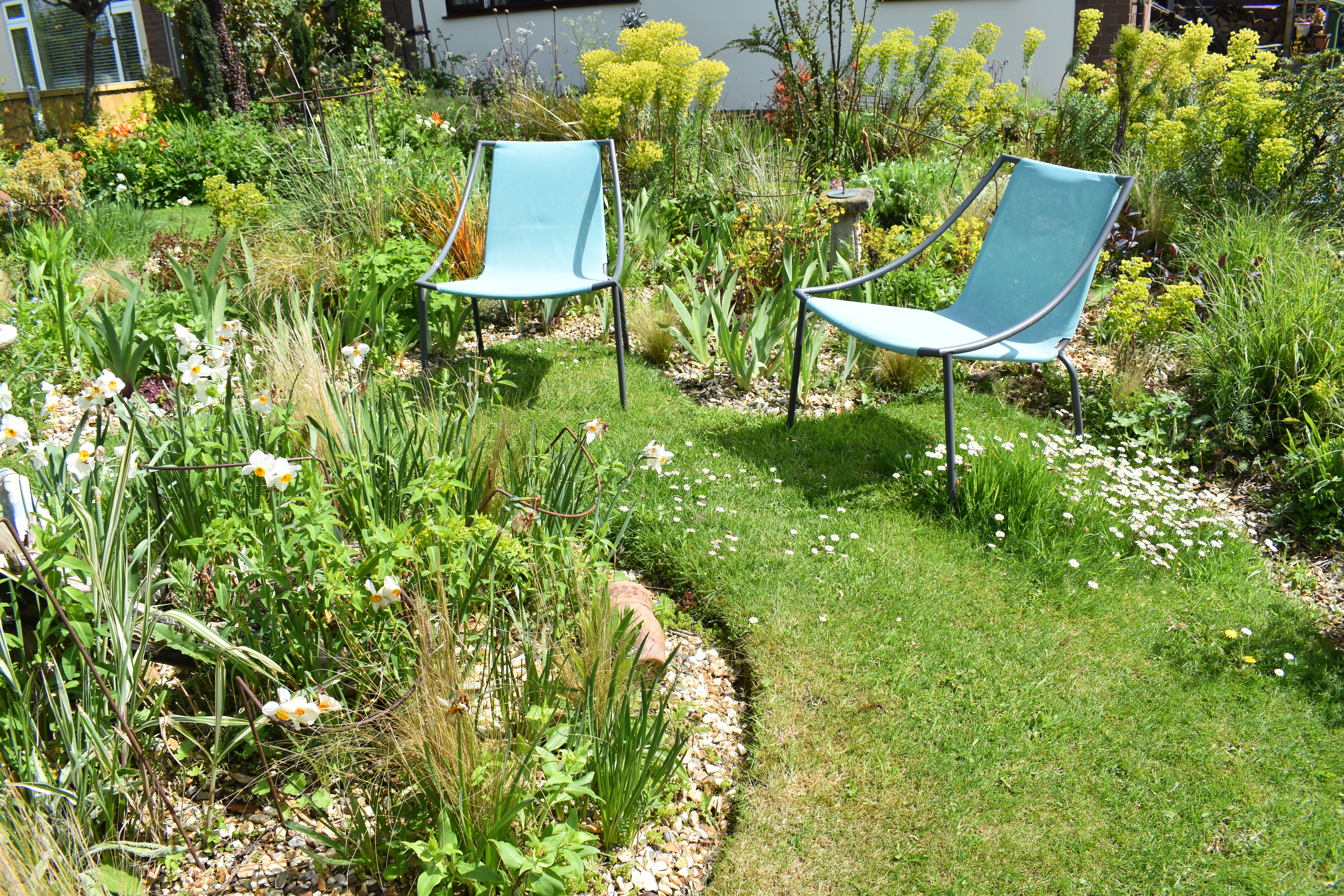
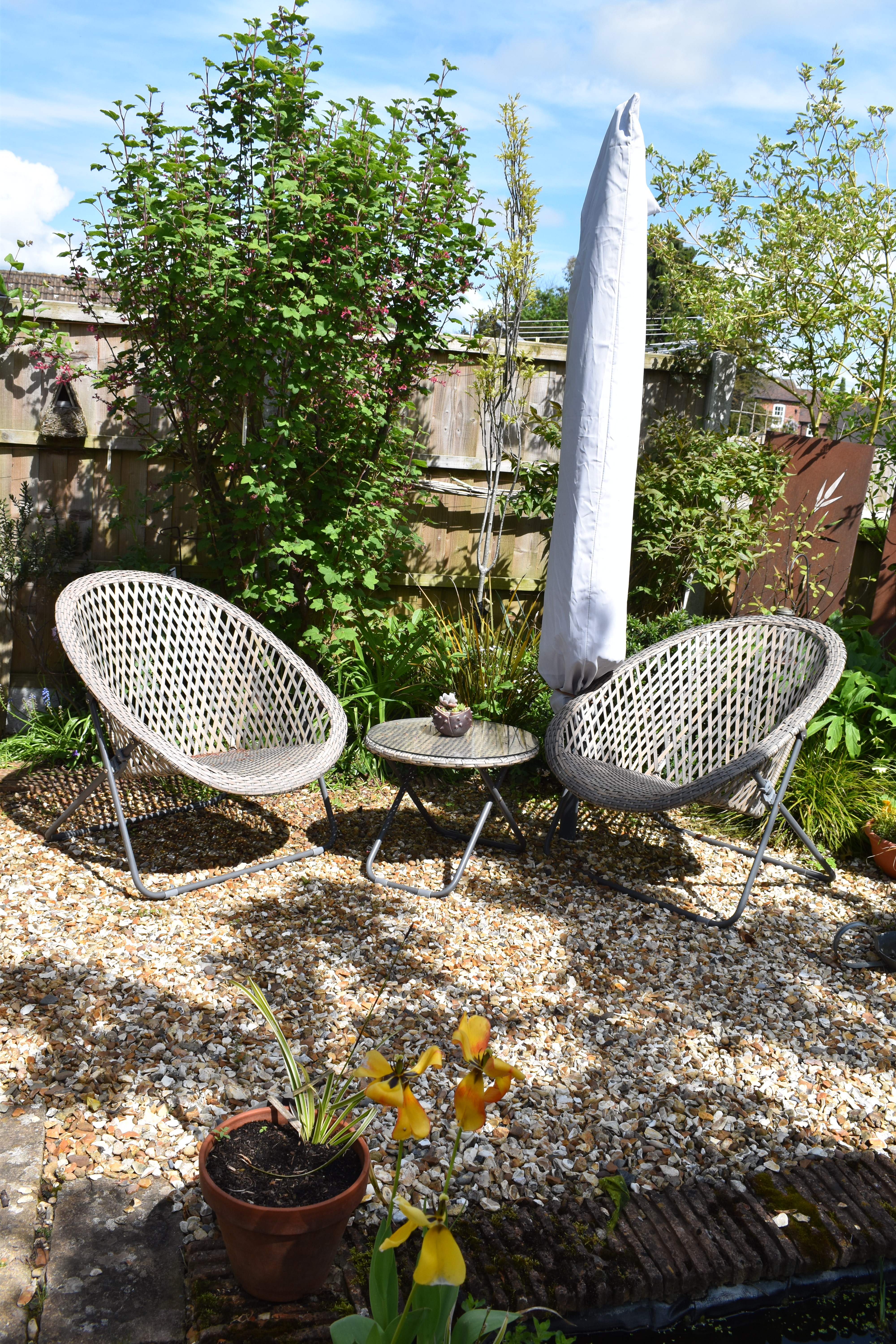
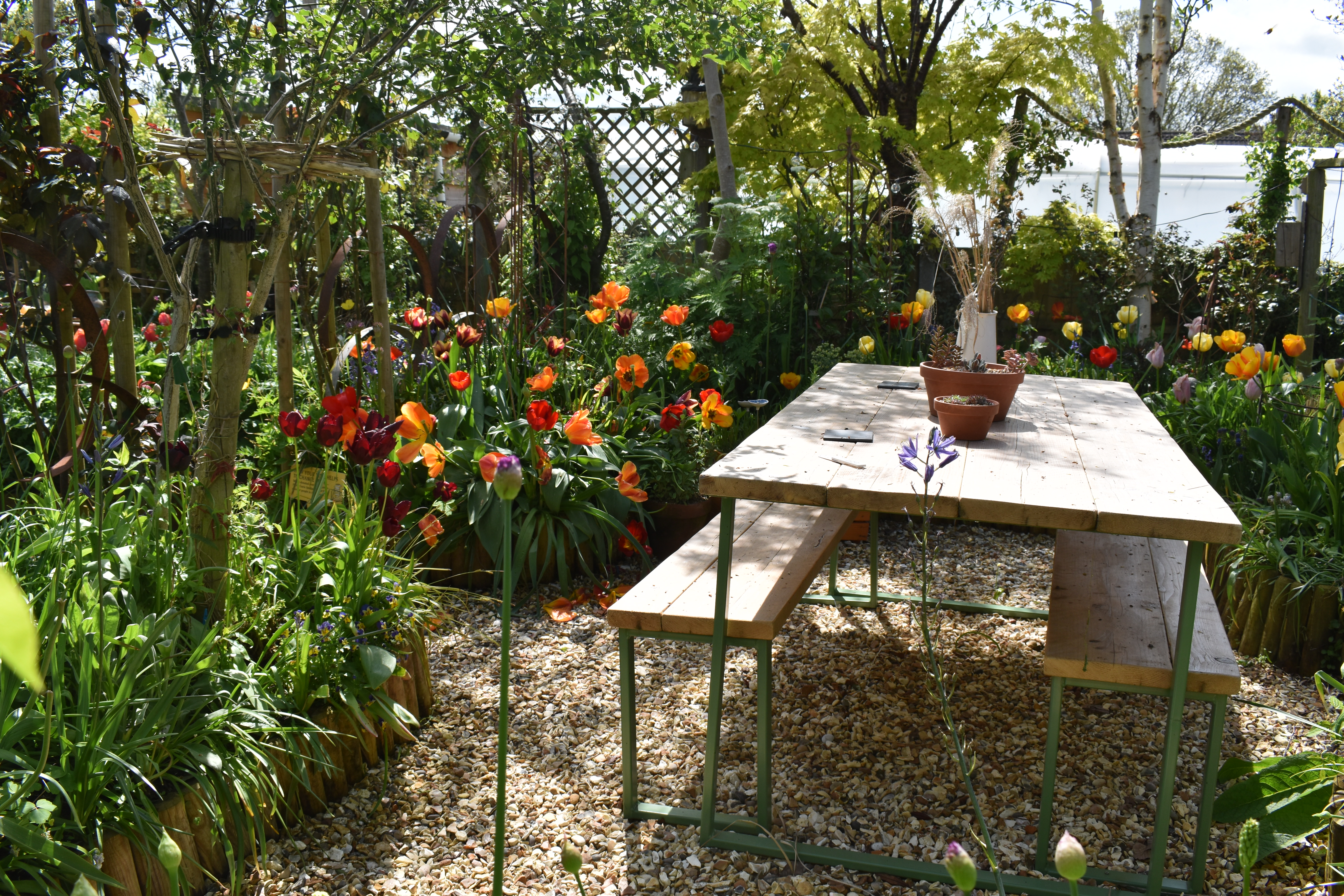
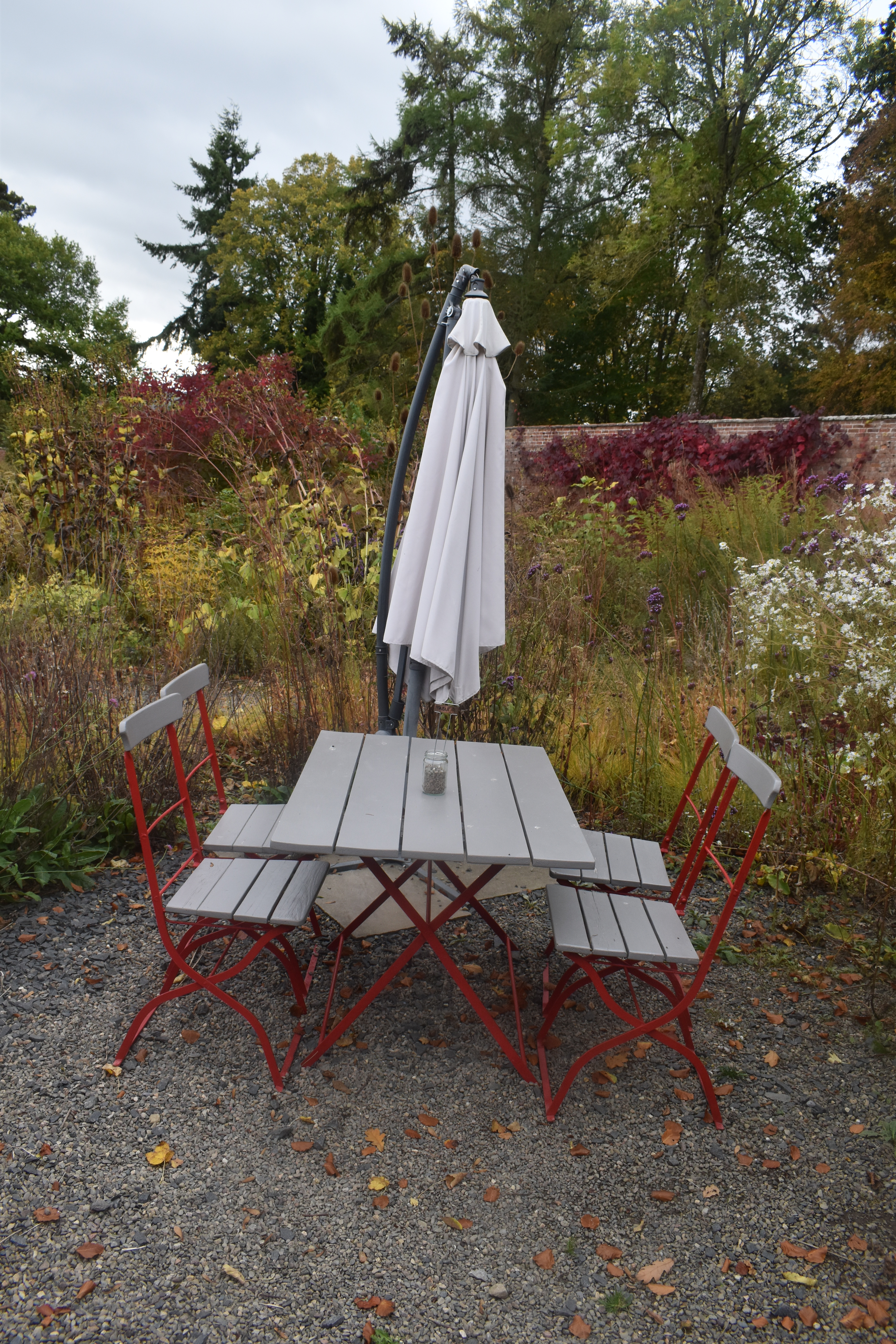
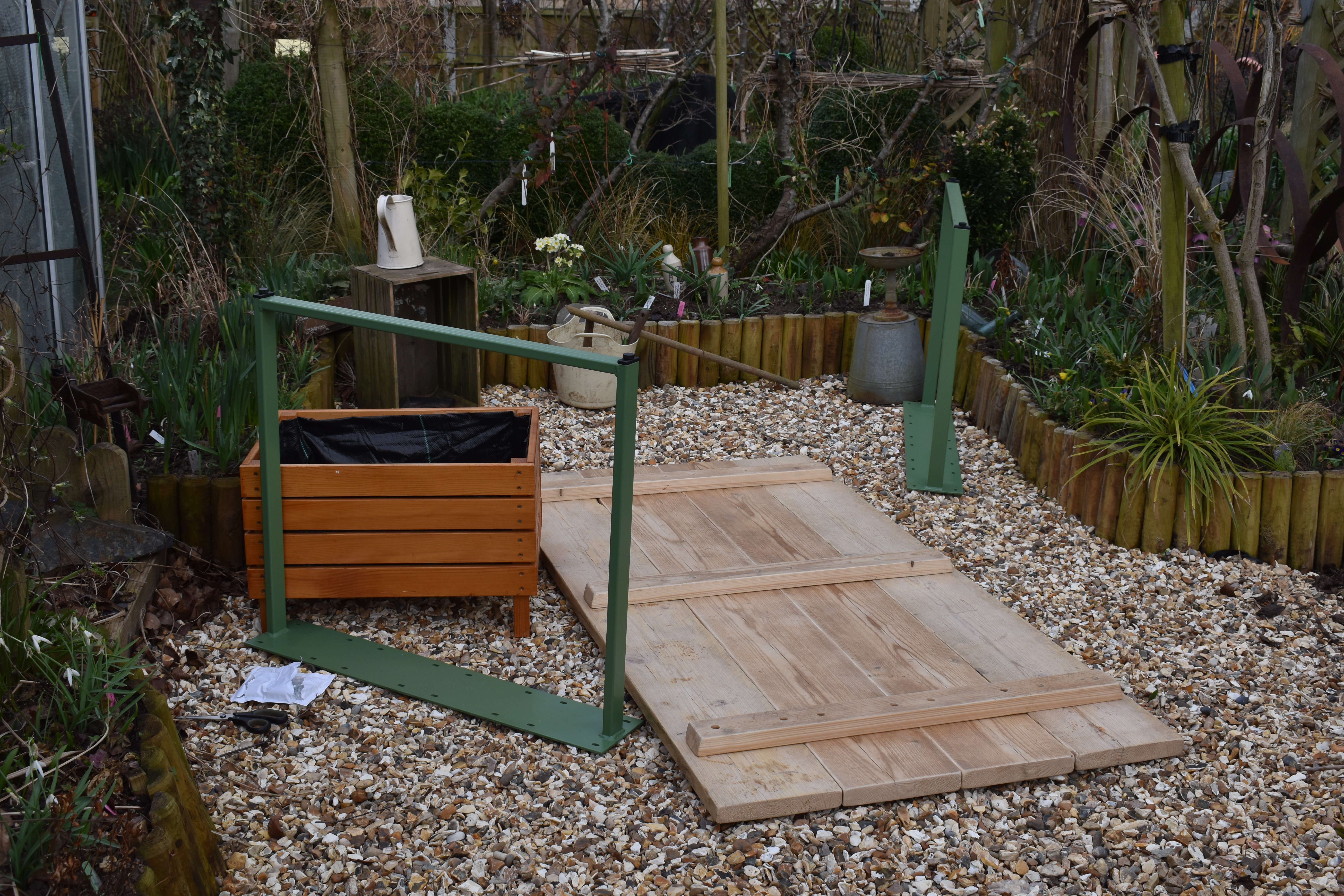
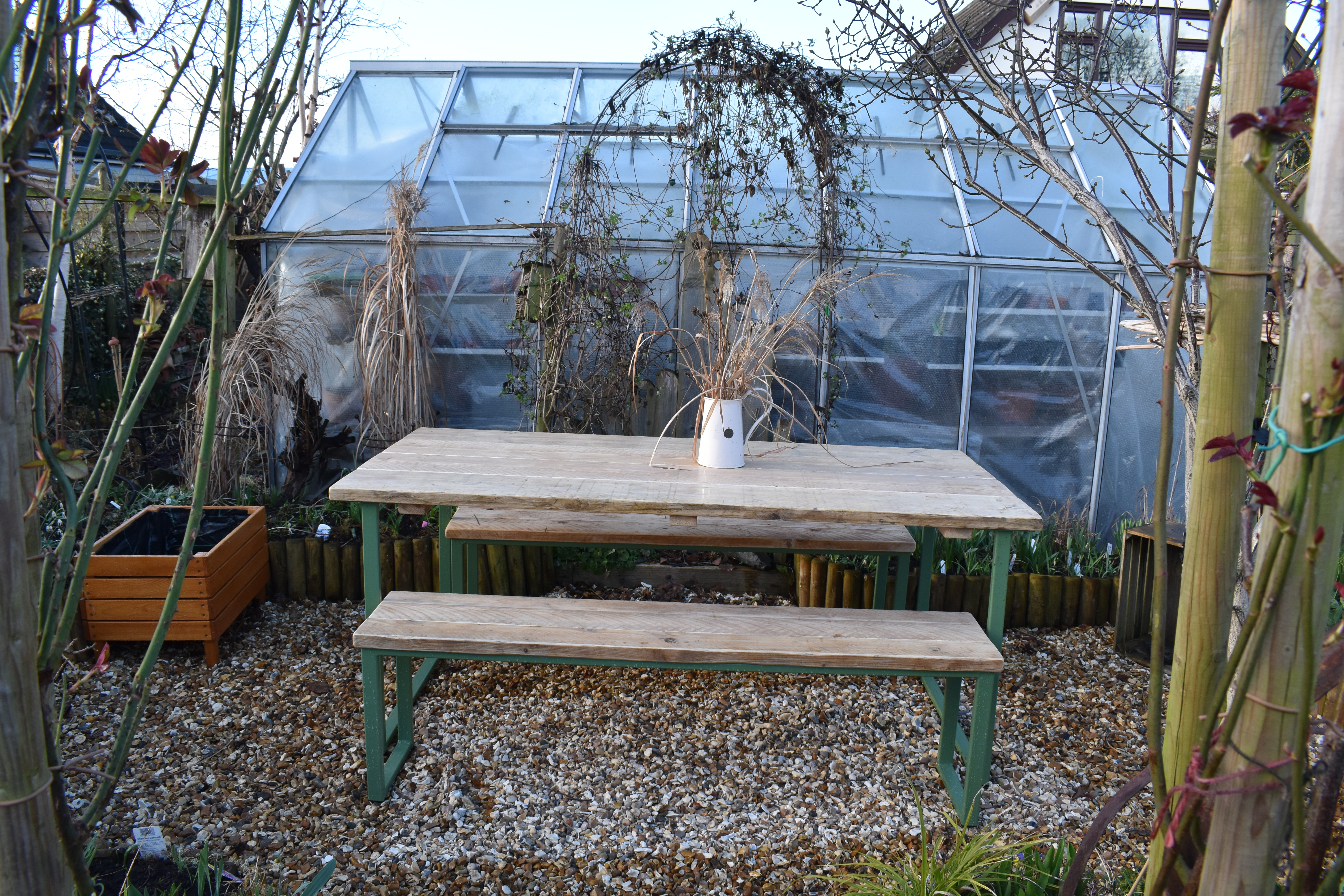
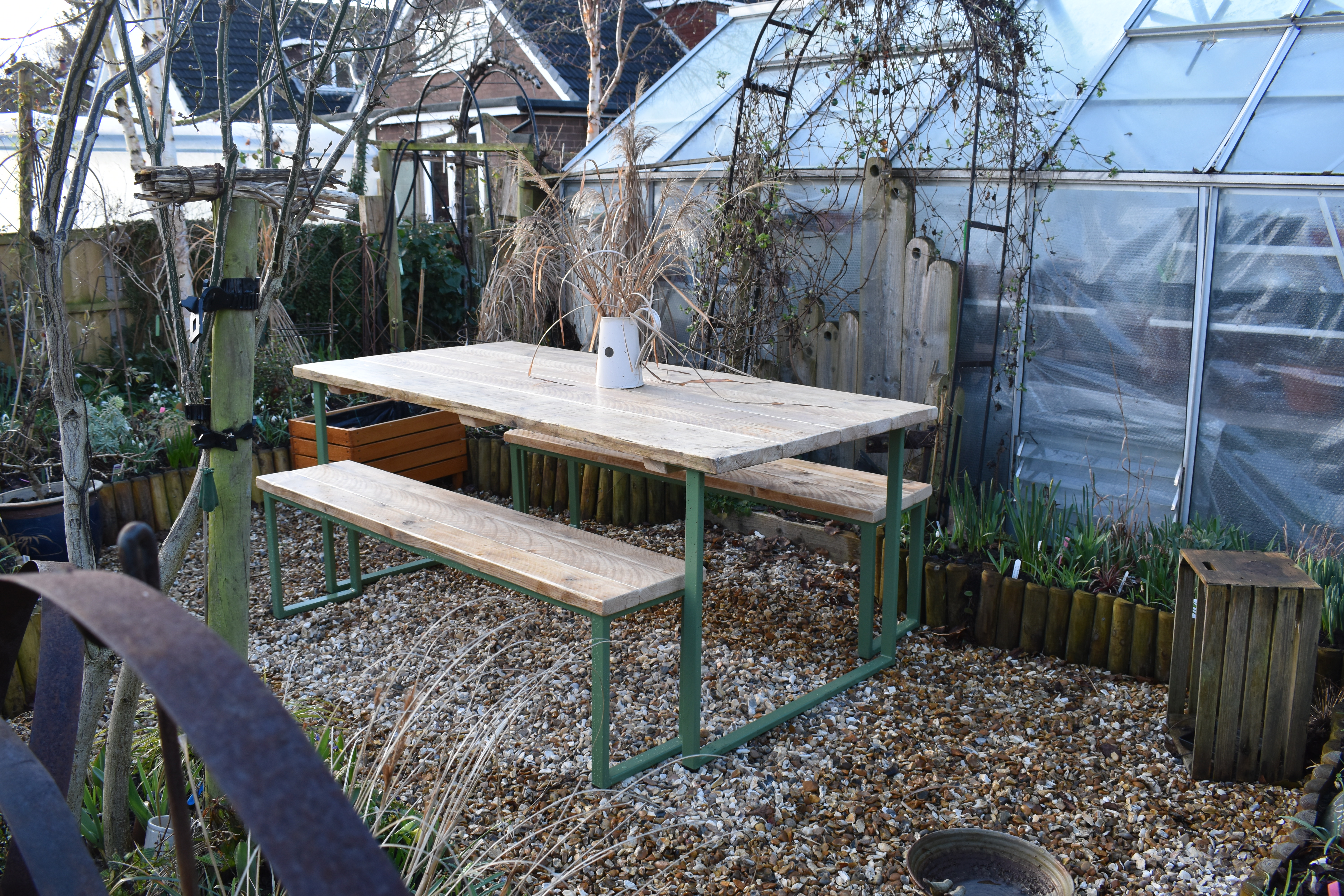
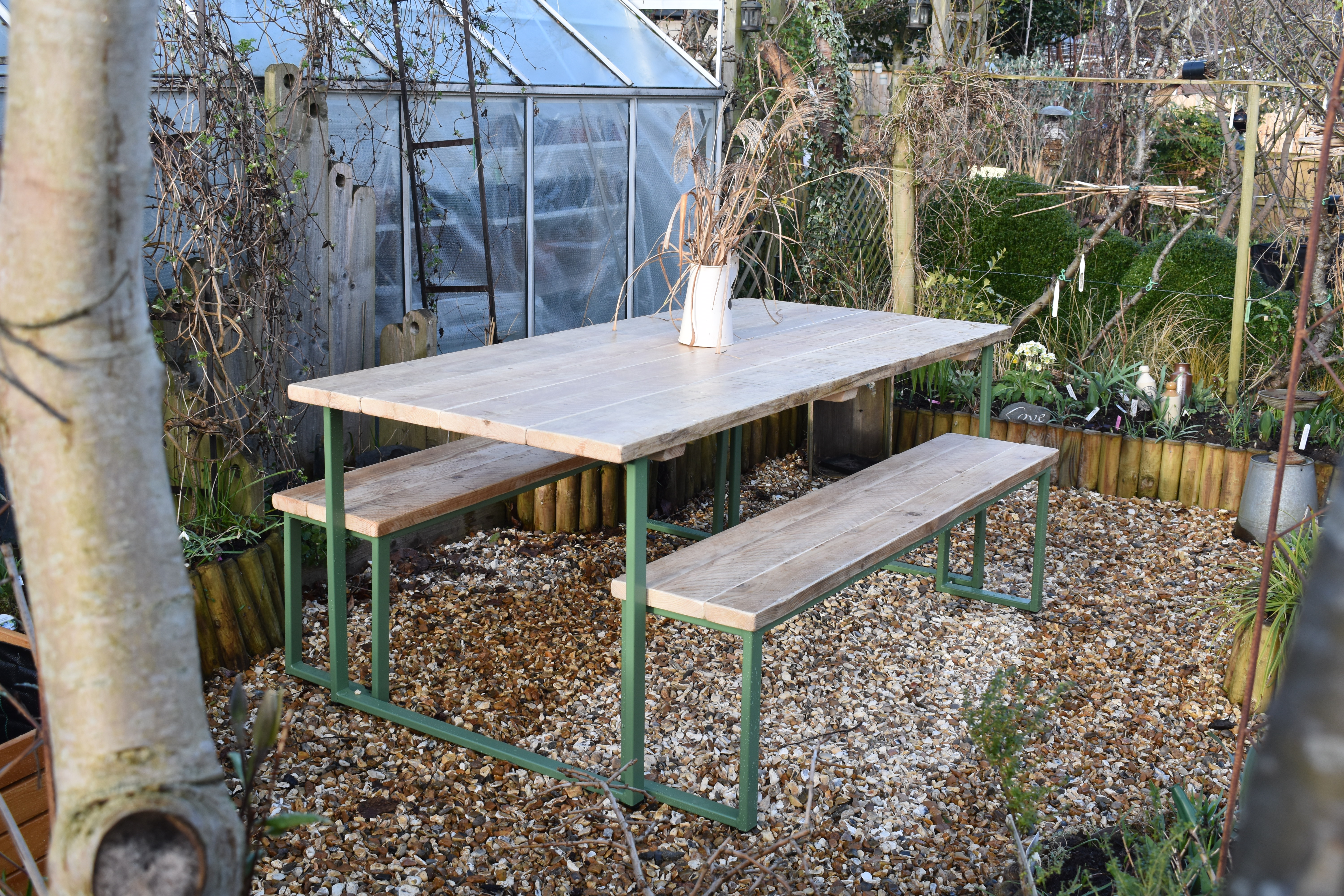
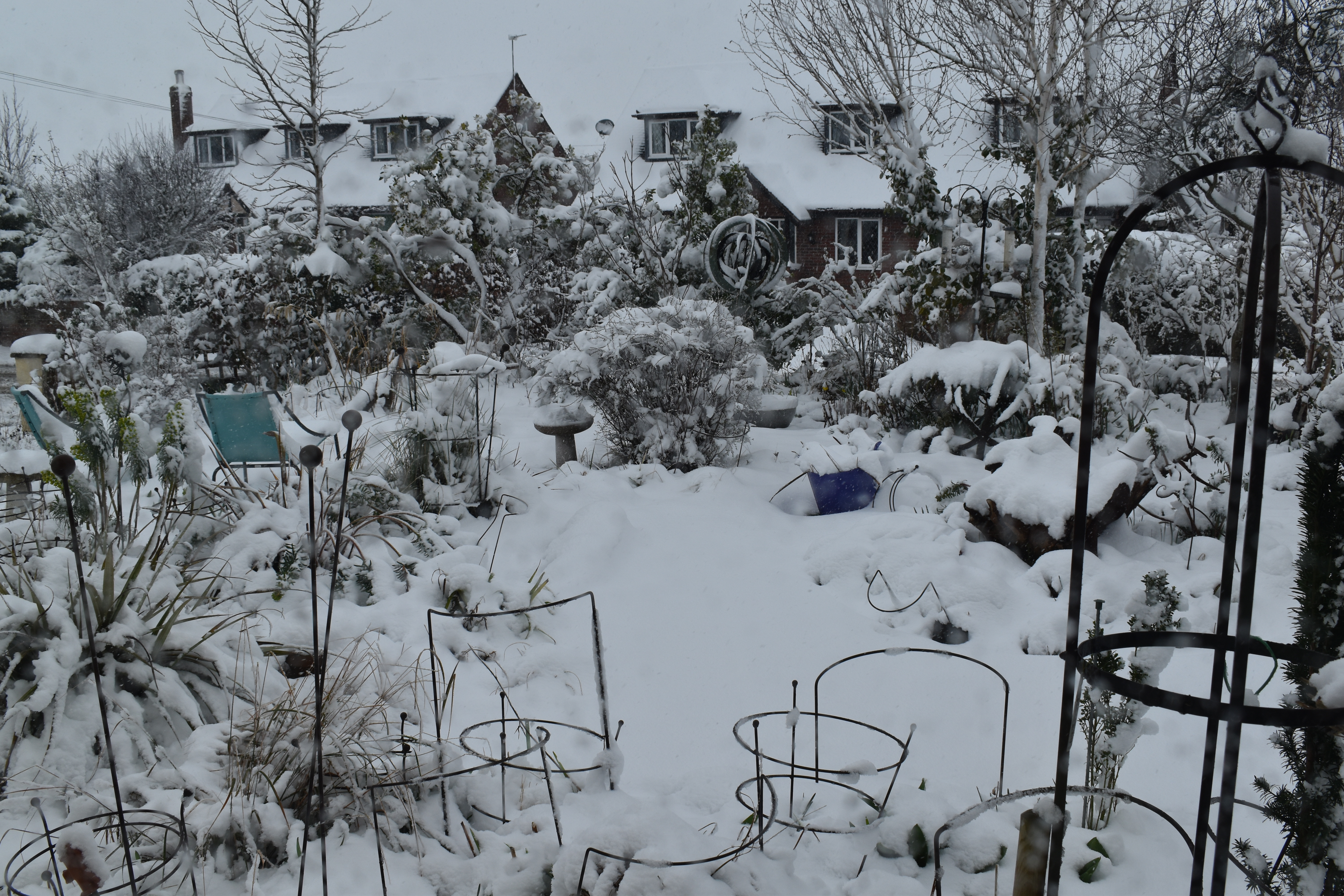
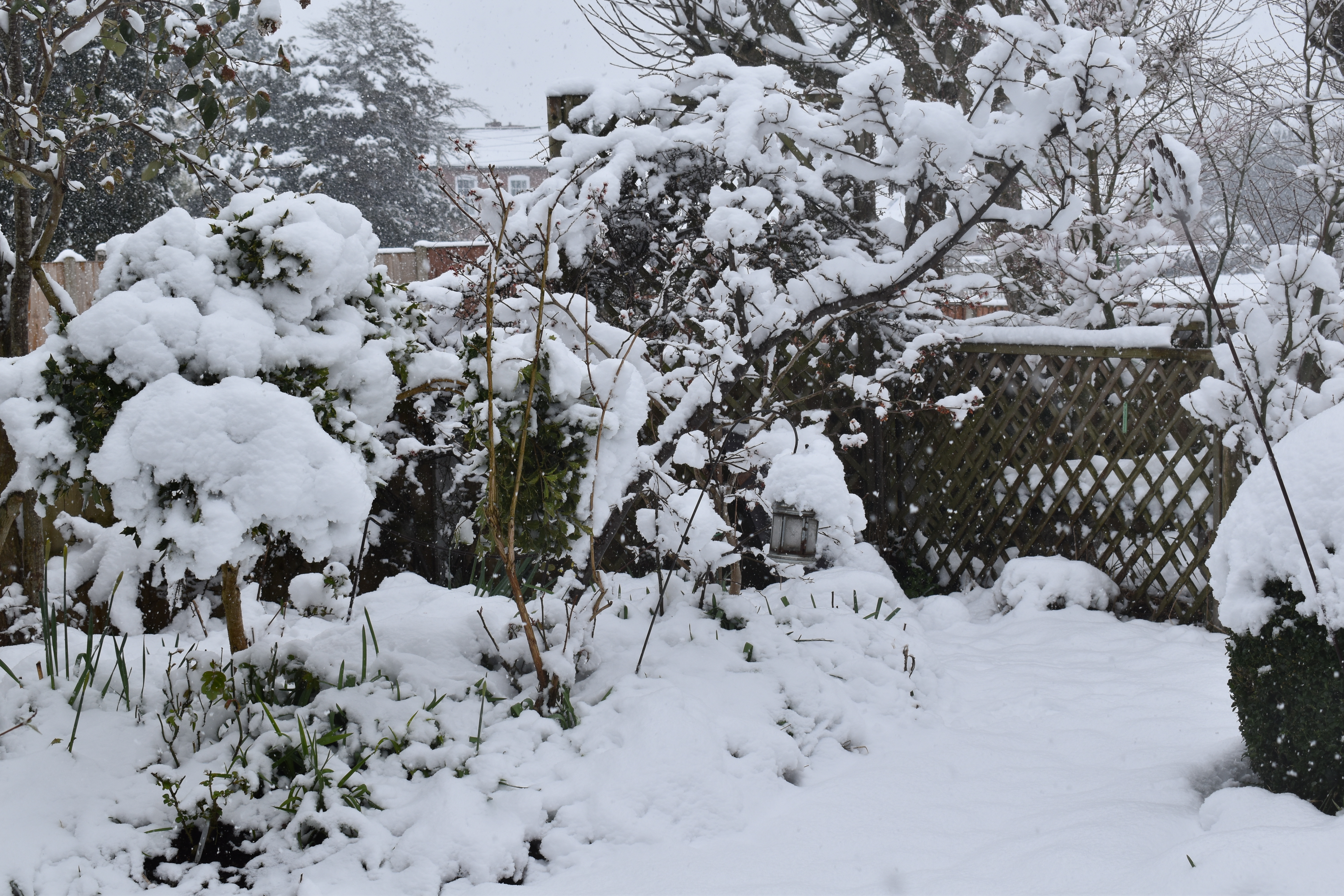
On the next two pages are featured how we continued to develop the new outdoor dining area. and then the snow came! The large glaucous leaved bush bottom left is about 4 feet in diameter. A big, old healthy shrub!
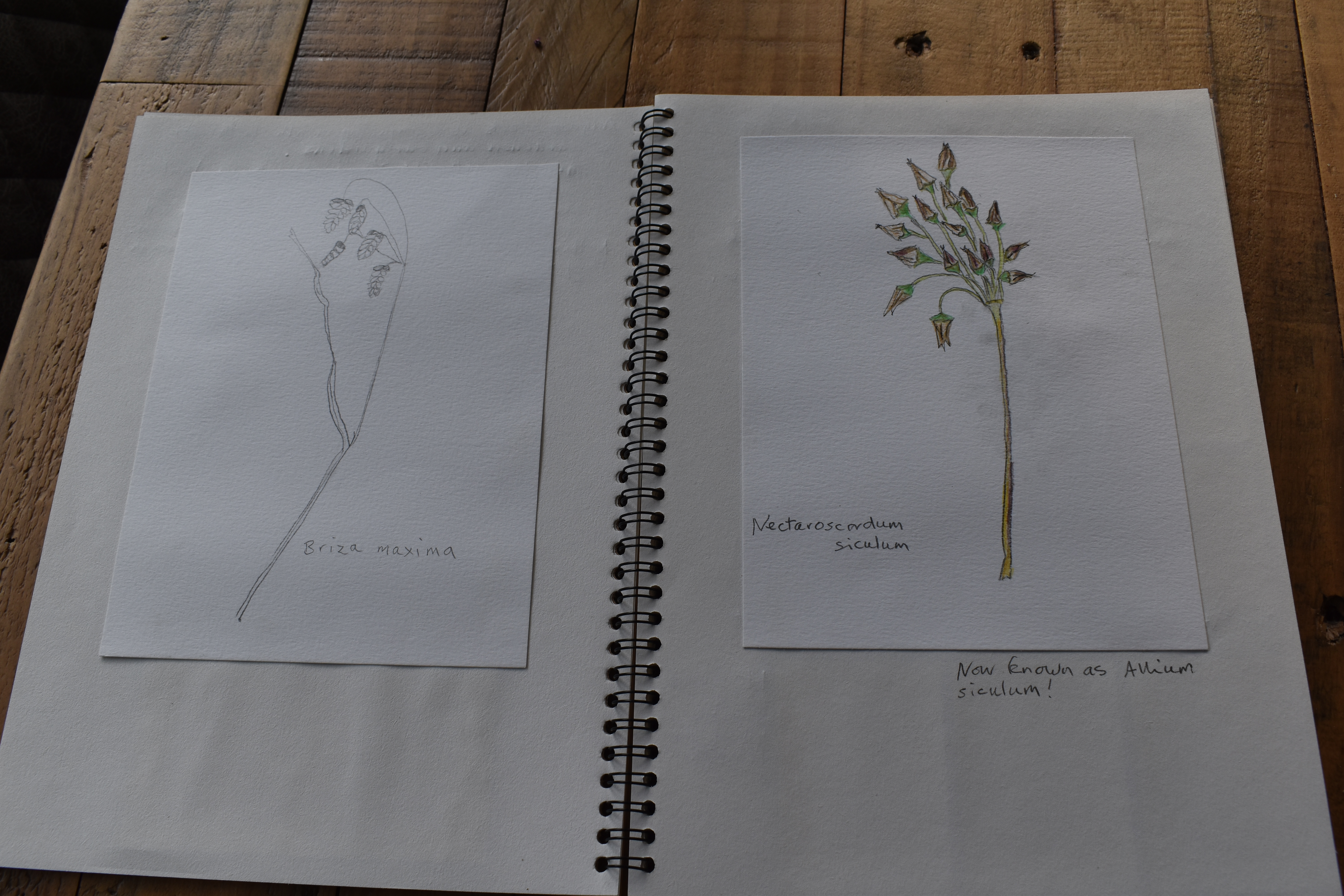
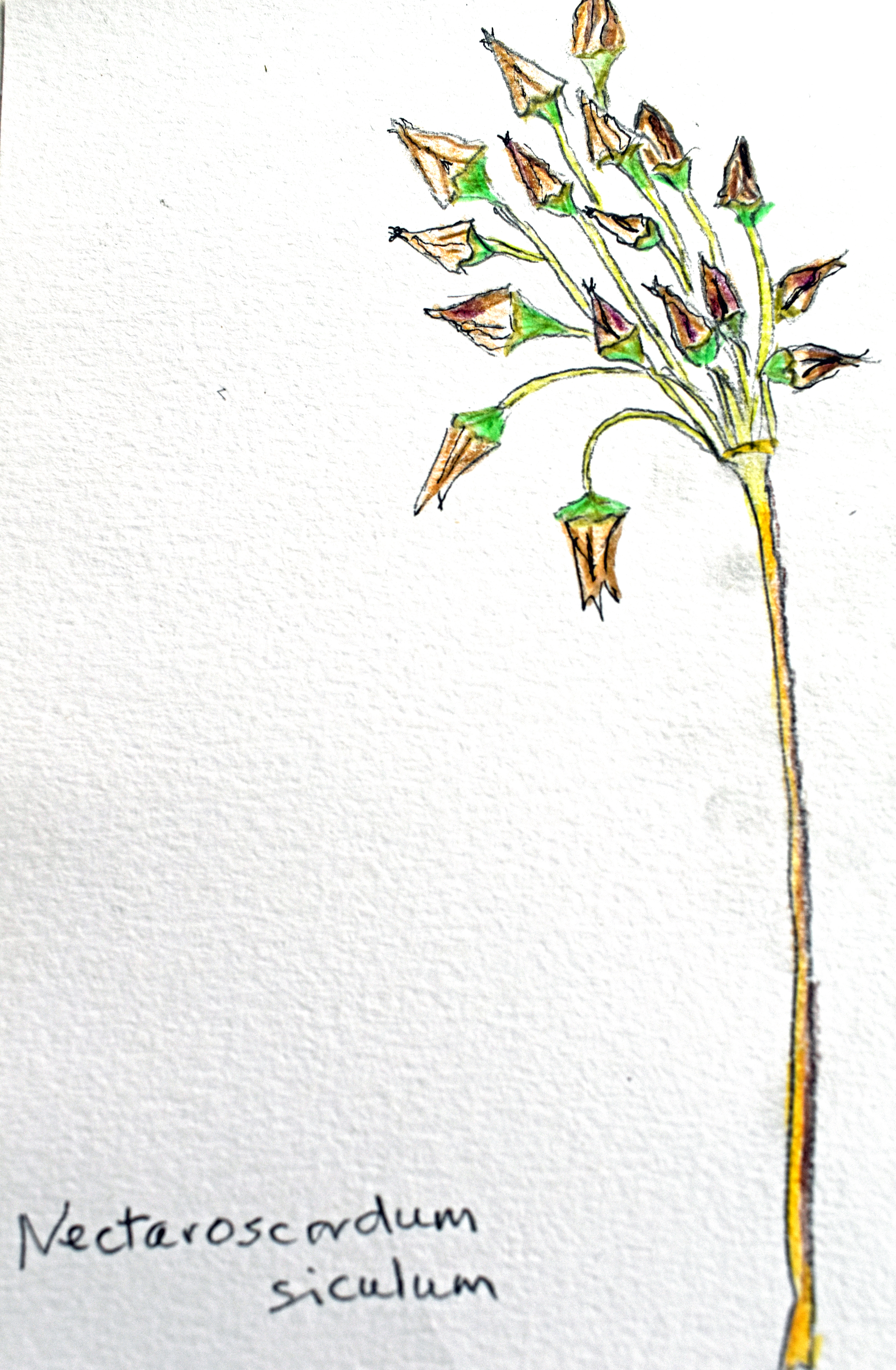
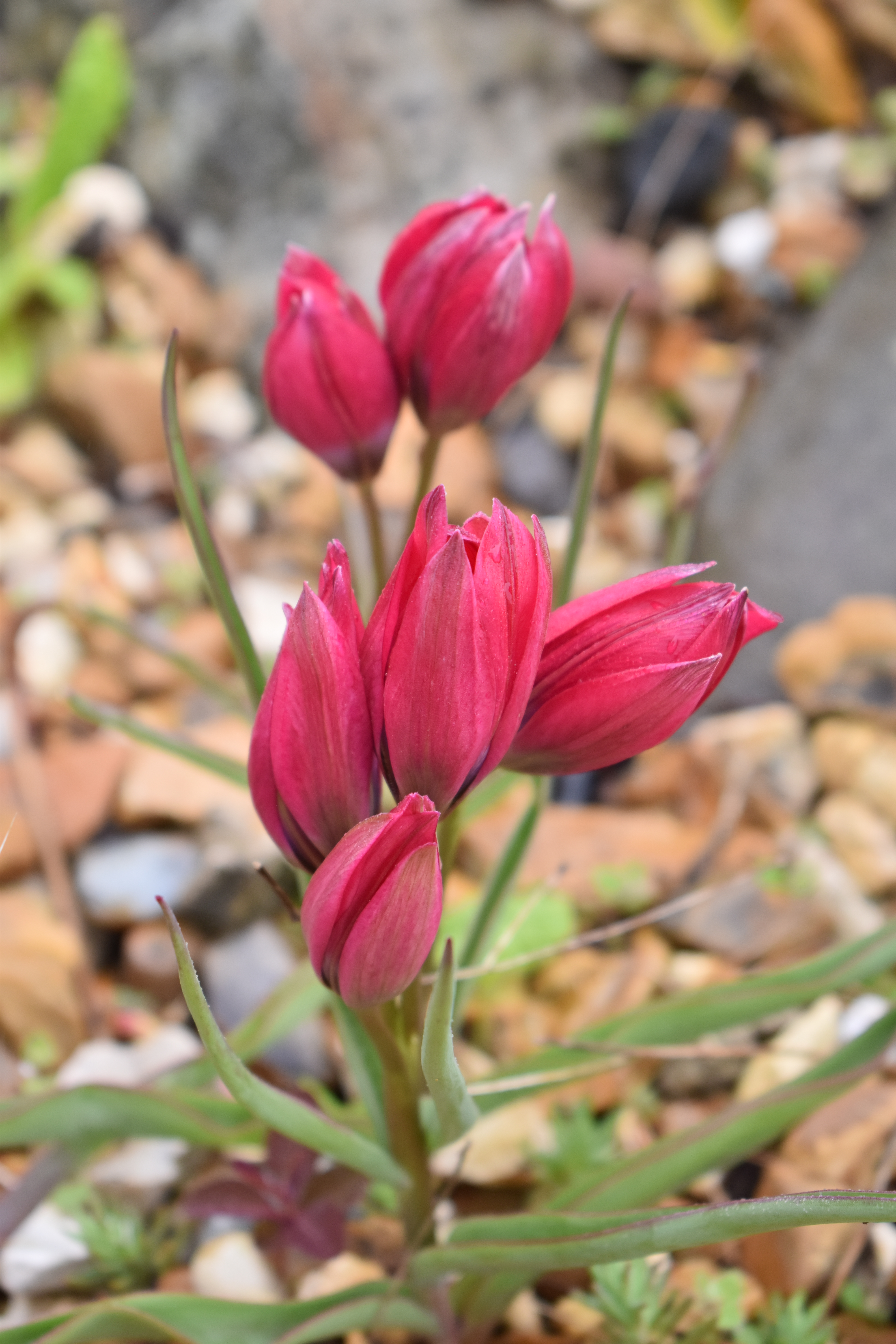
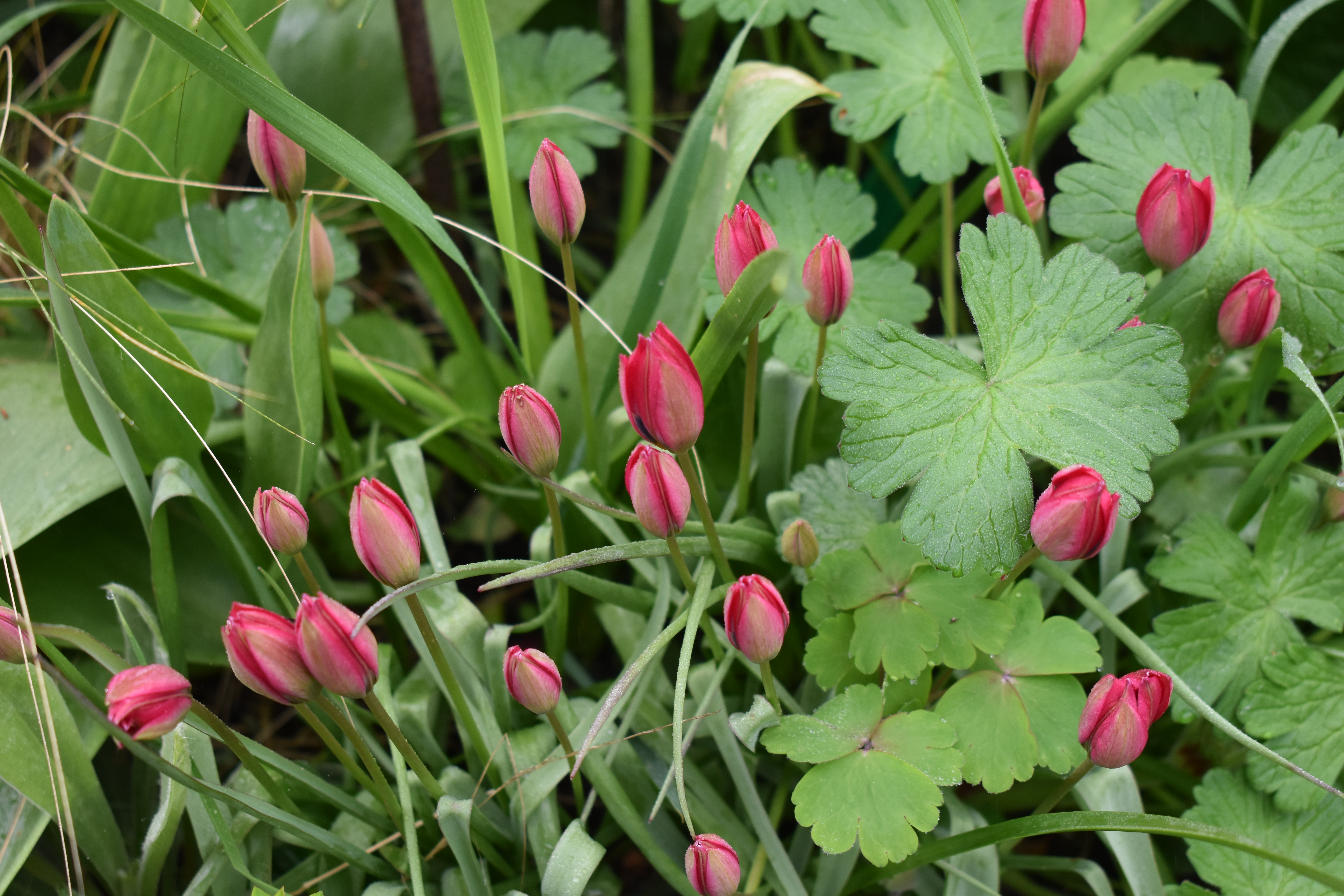
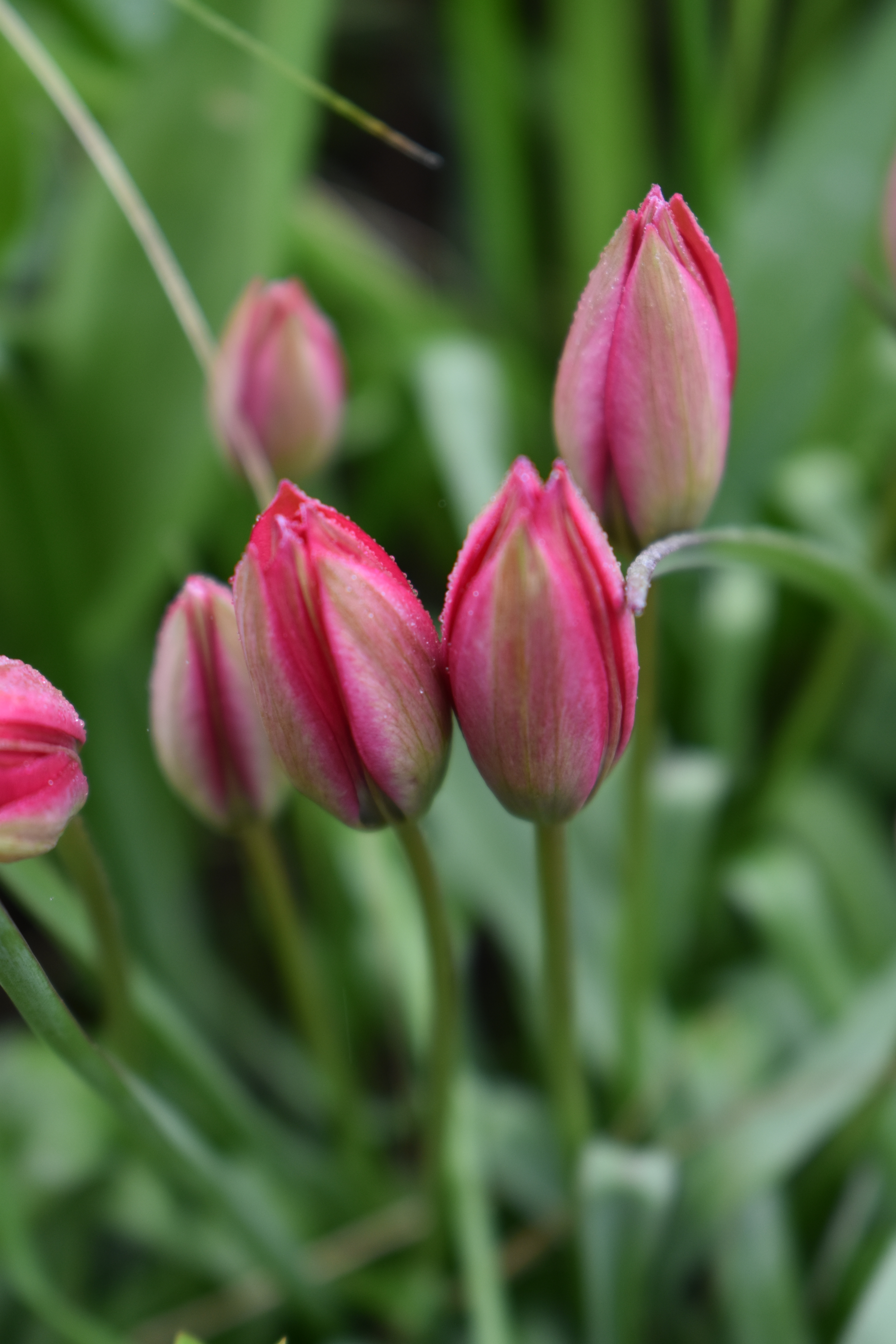
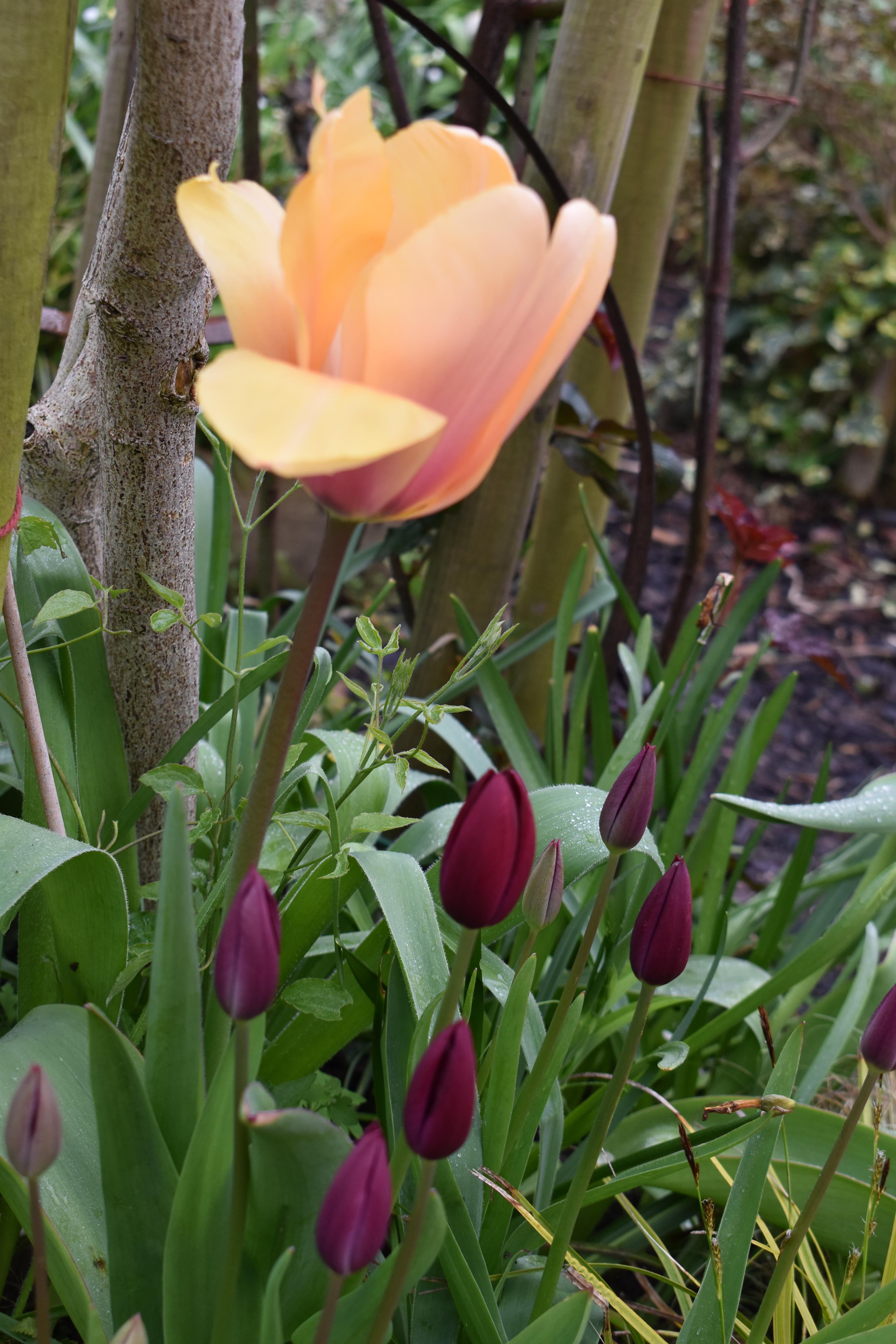
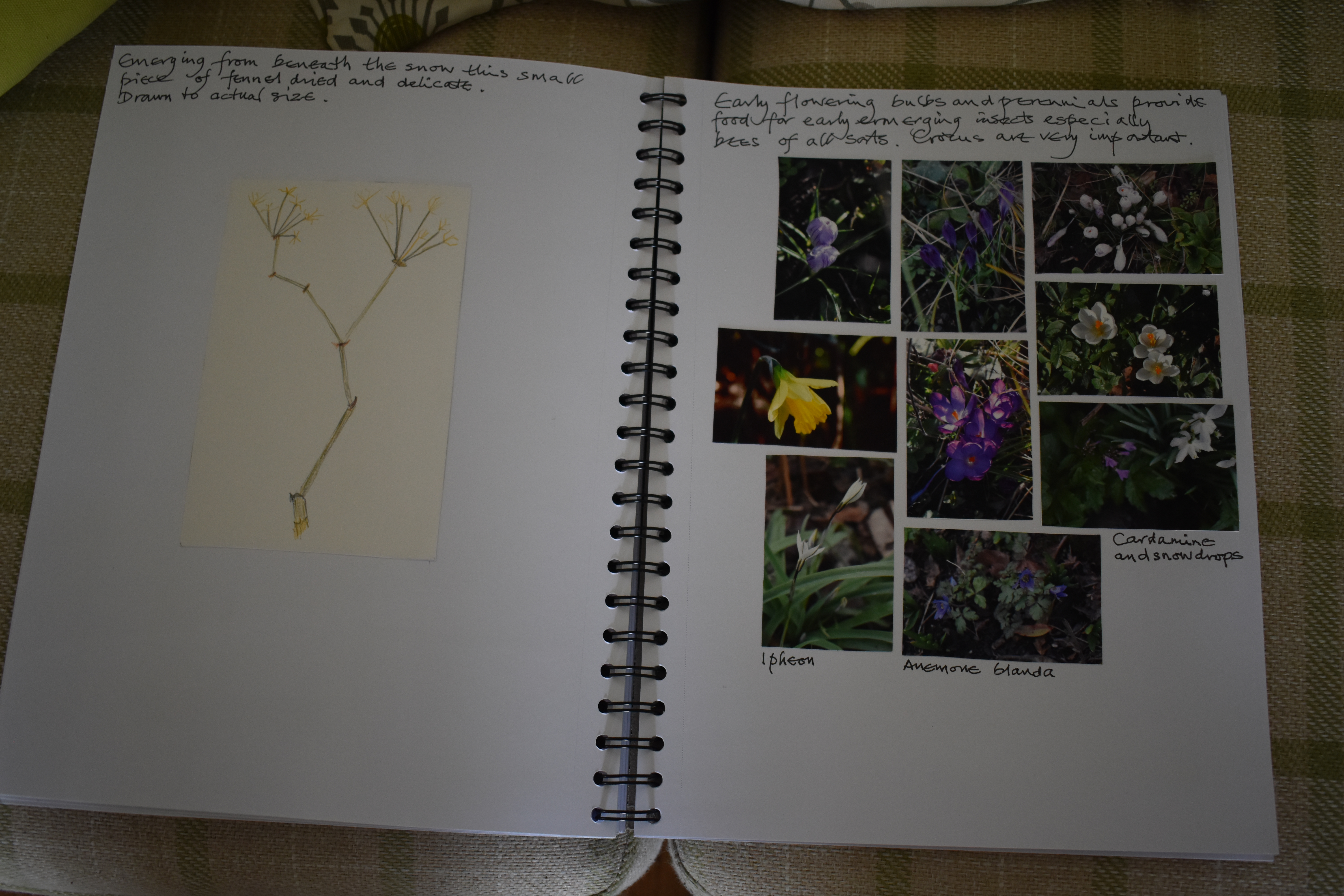
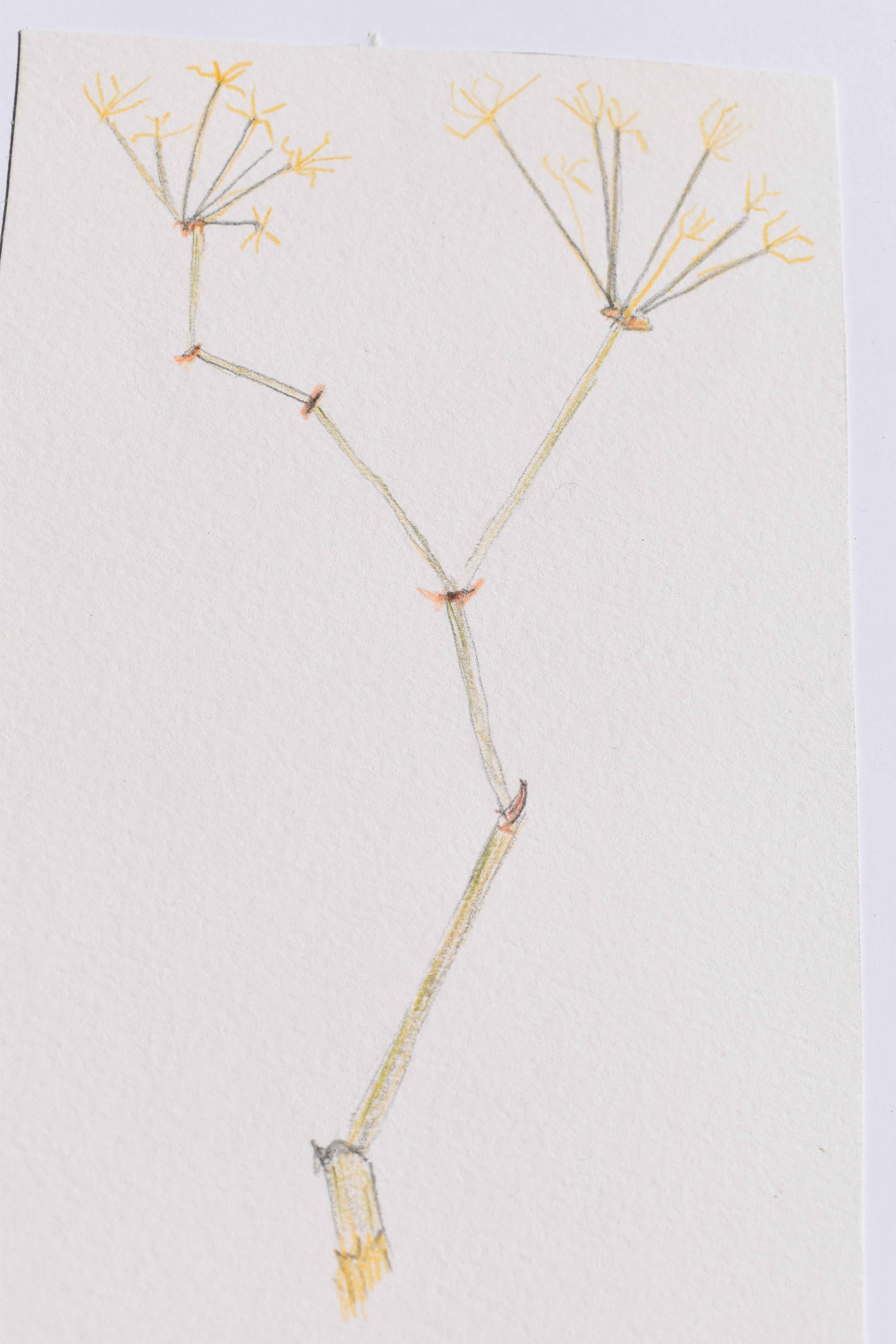
The next double page spread features one of my sketches on the left hand page plus early flowering bulbs opposite.

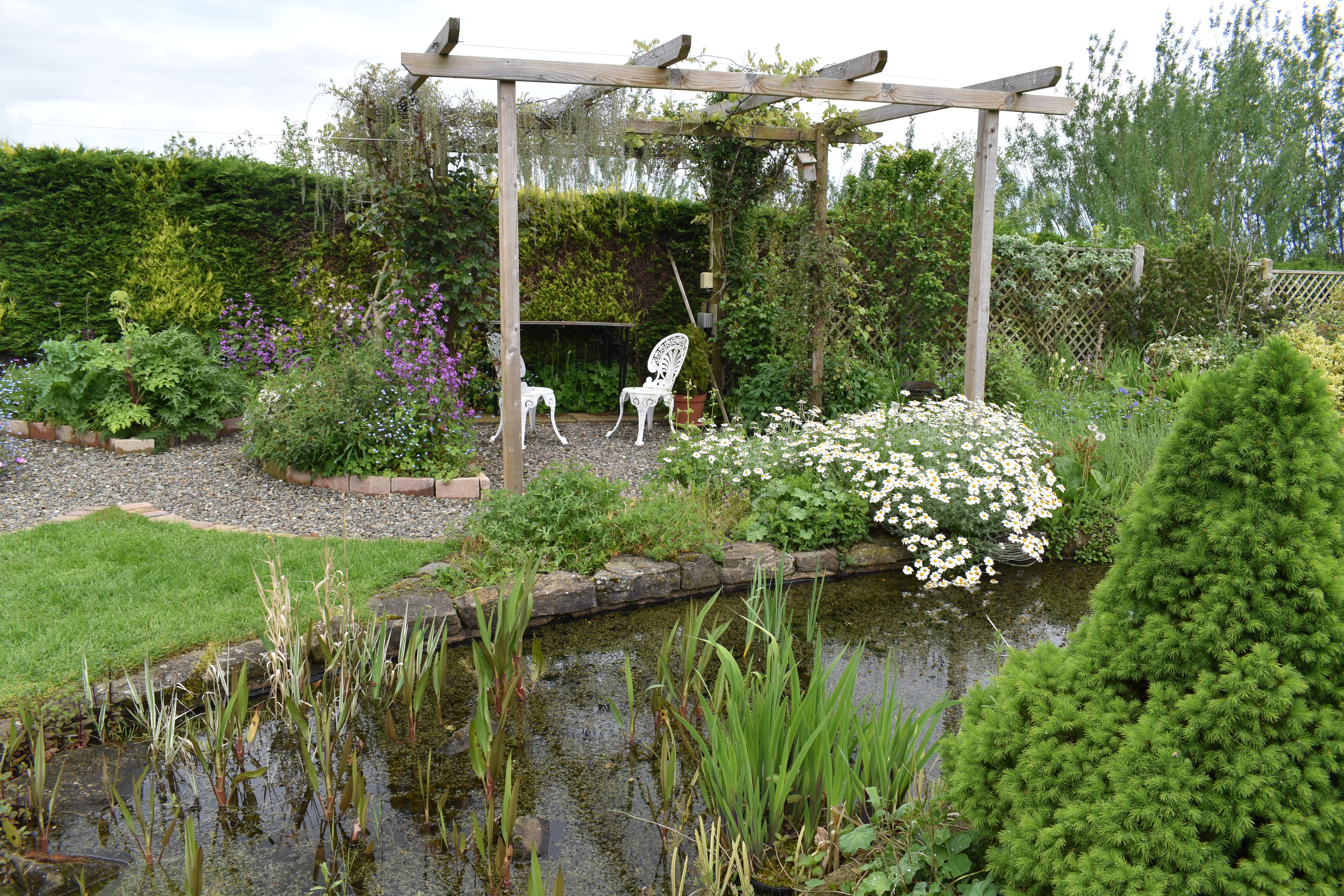
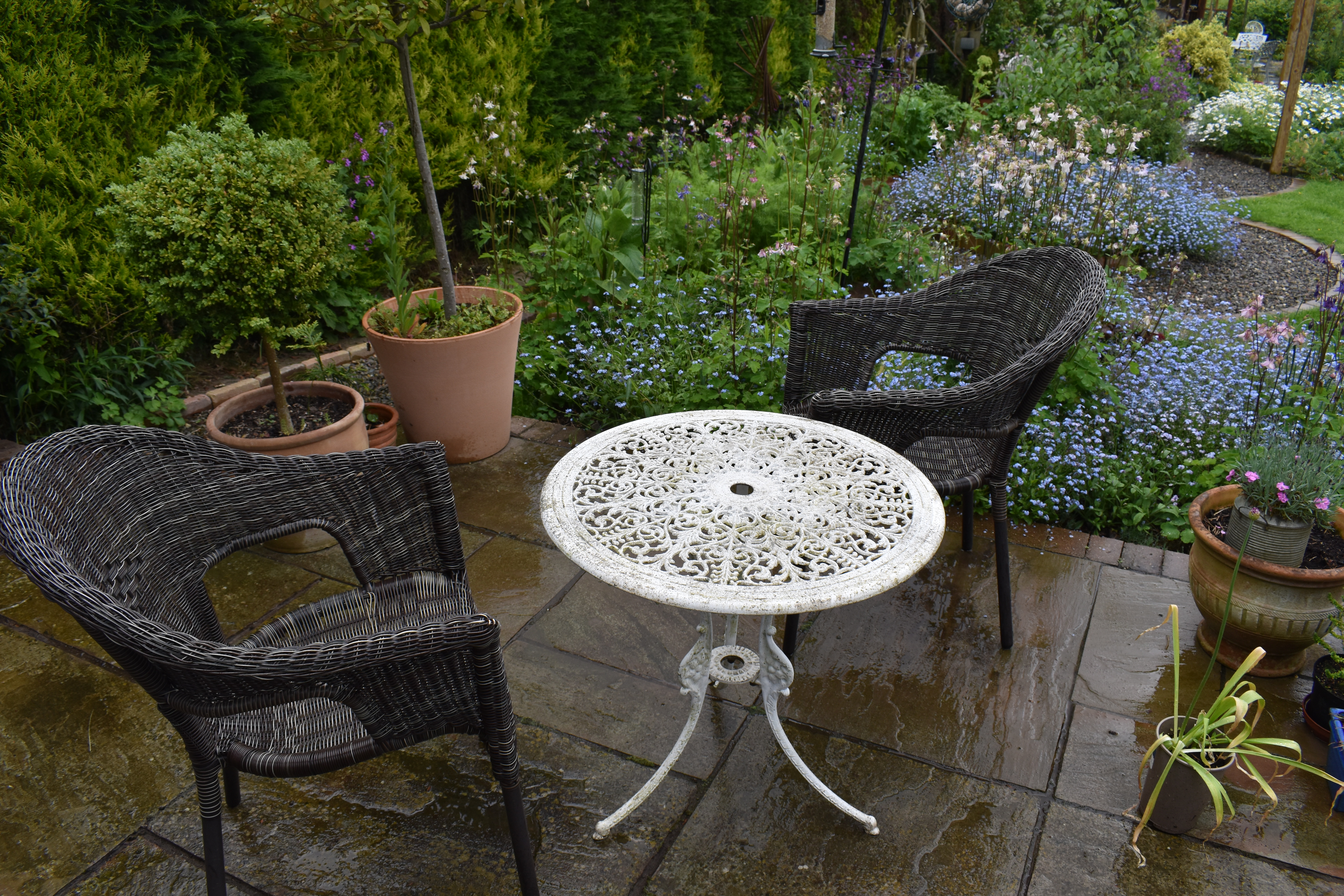
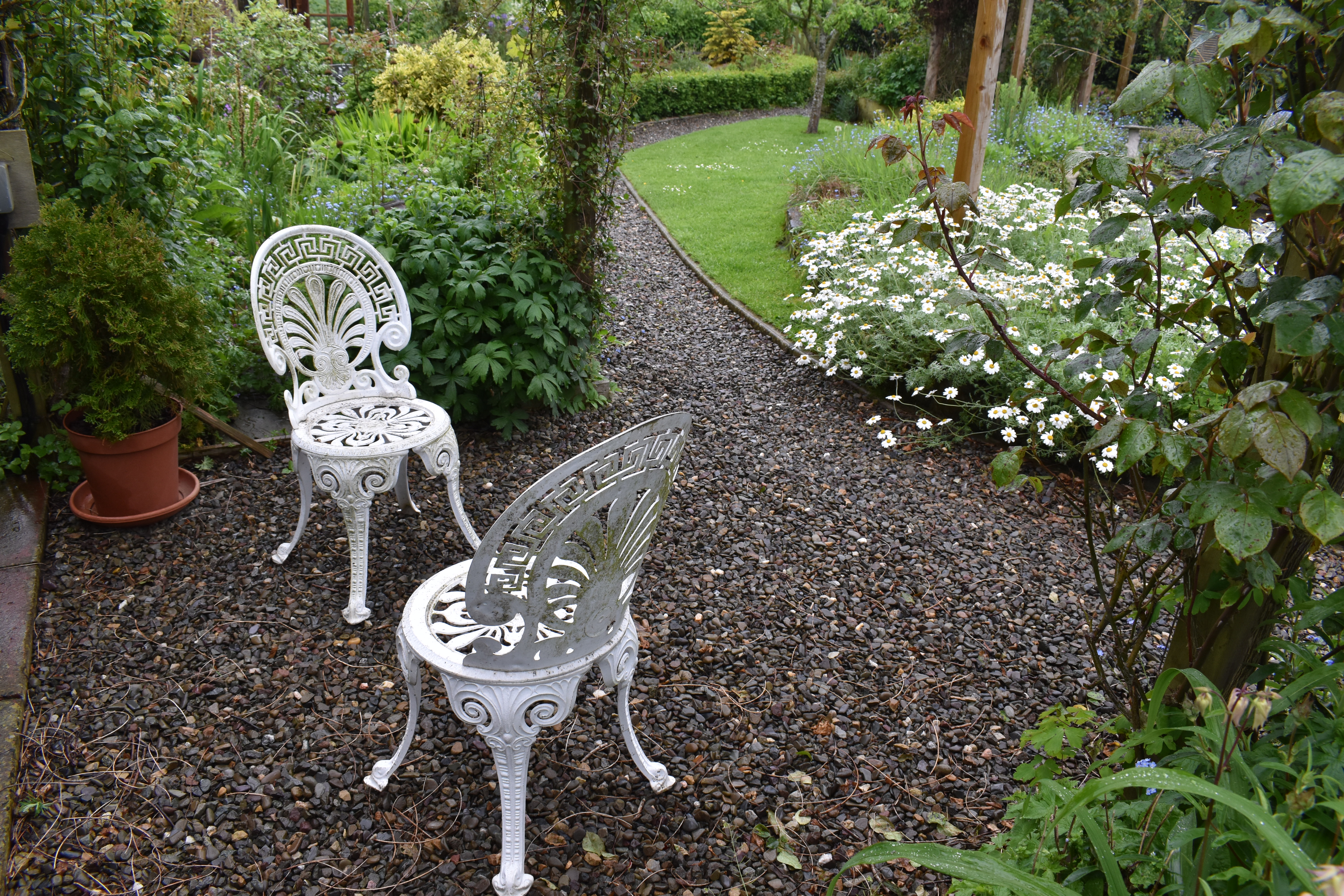
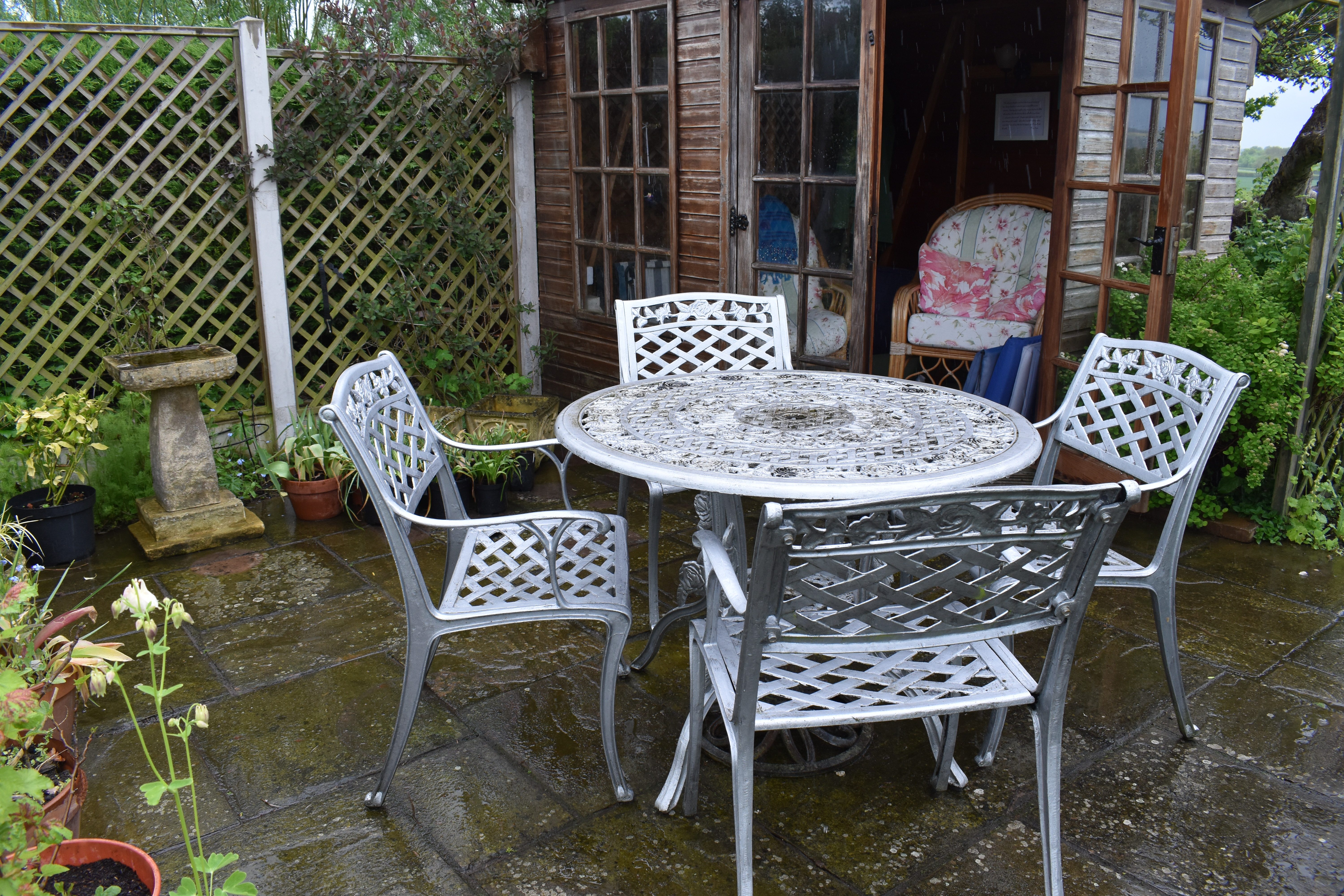
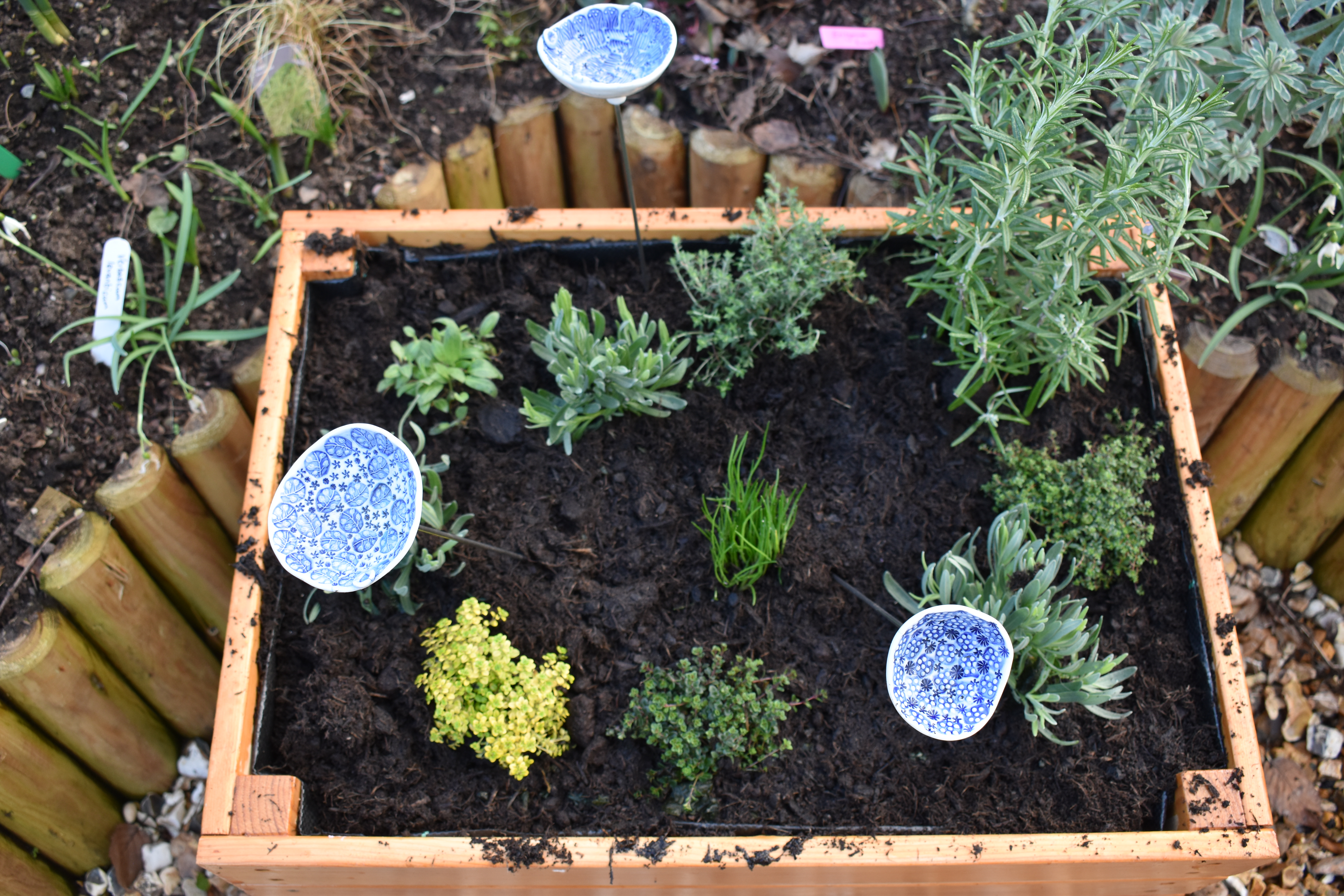
Writing about working to finish our new outdoor dining area, I noted “We have just finished changing our ‘Secret Garden’ into an outdoor dining area.’

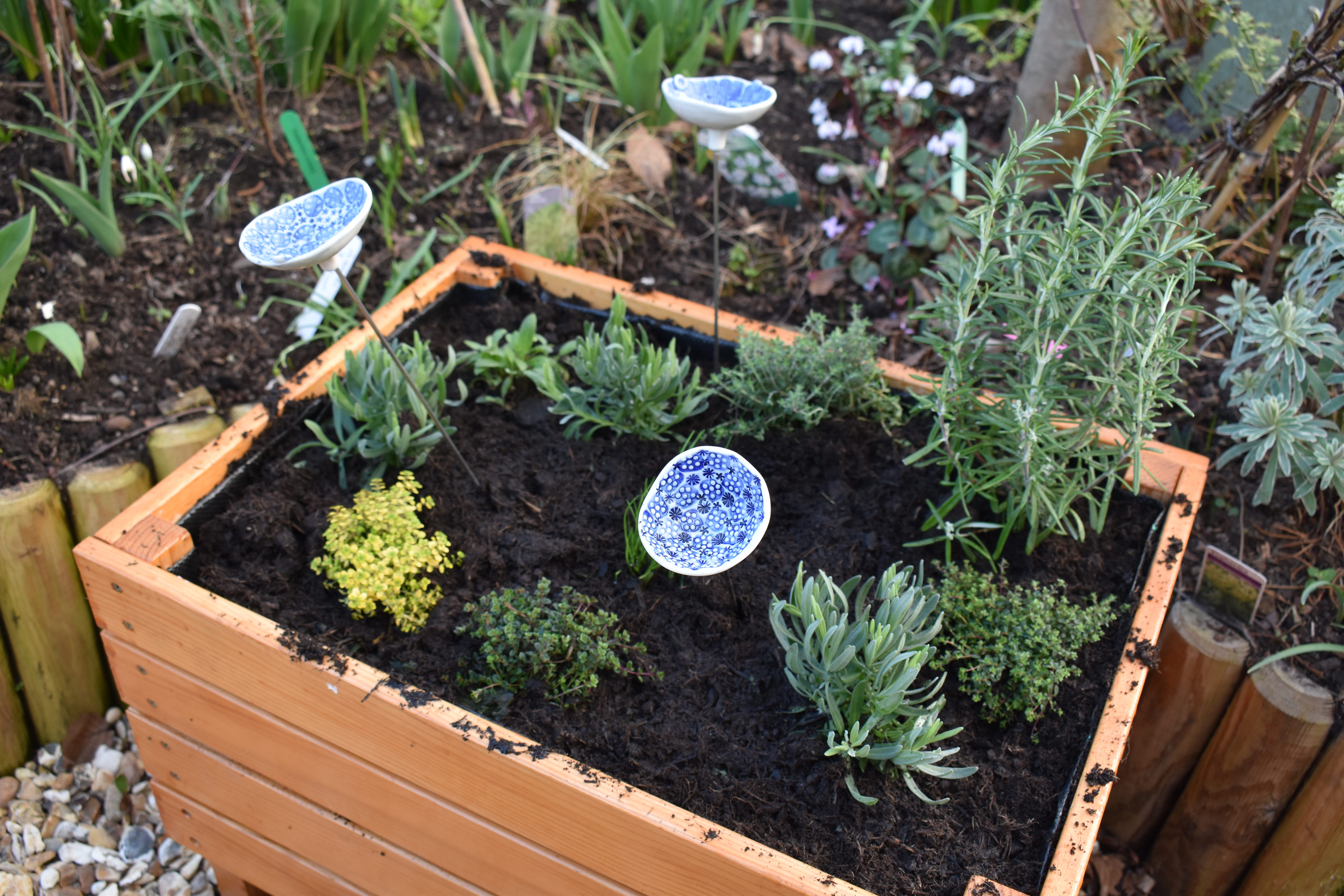
I repurposed this unwanted futon stool, making it into a planter. Jude planted a selection of herbs, giving us an herb garden right next to the table.

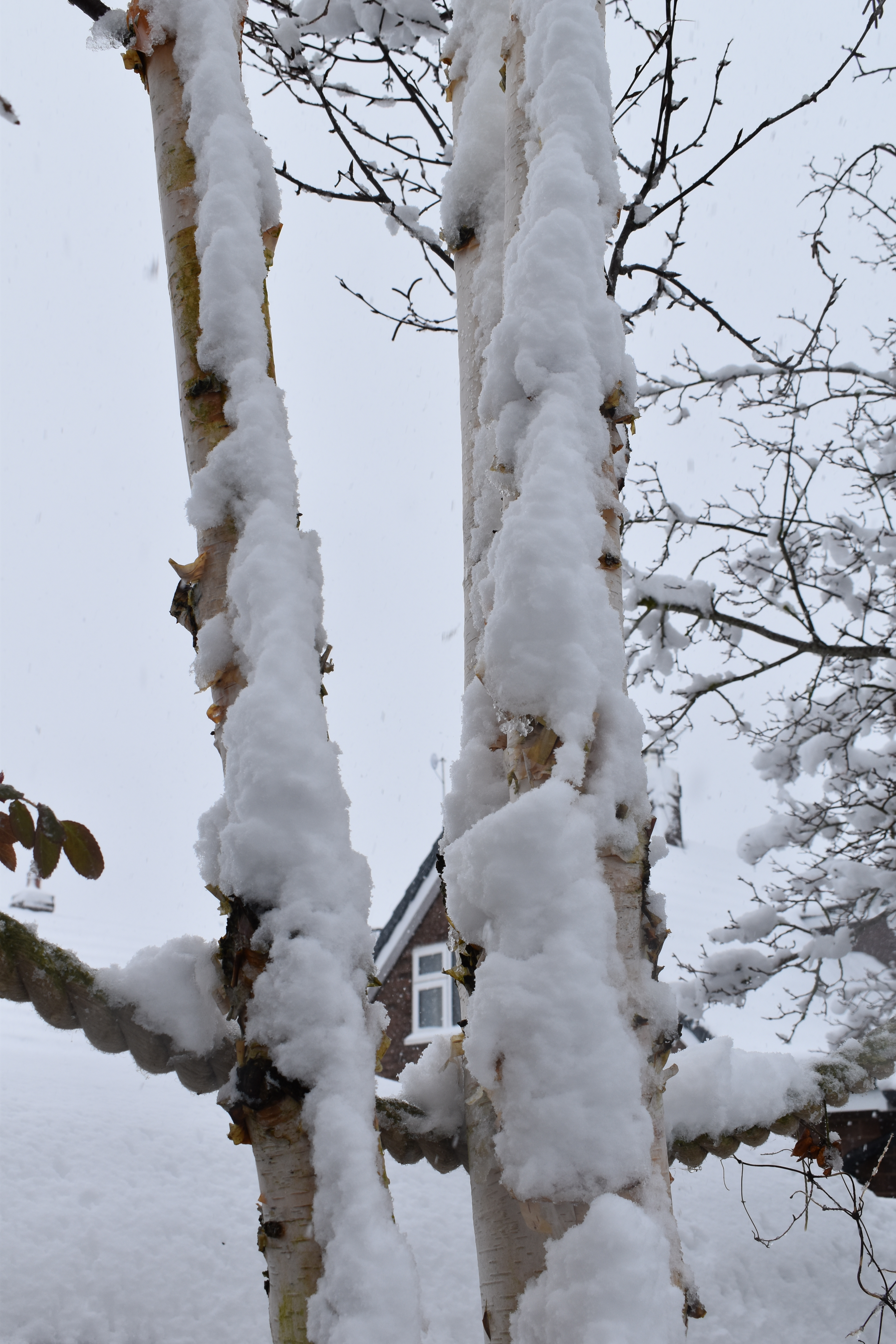
On the opposite page I celebrate the arrival of our first snow of the winter, and share a selection of photos taken in the cold.

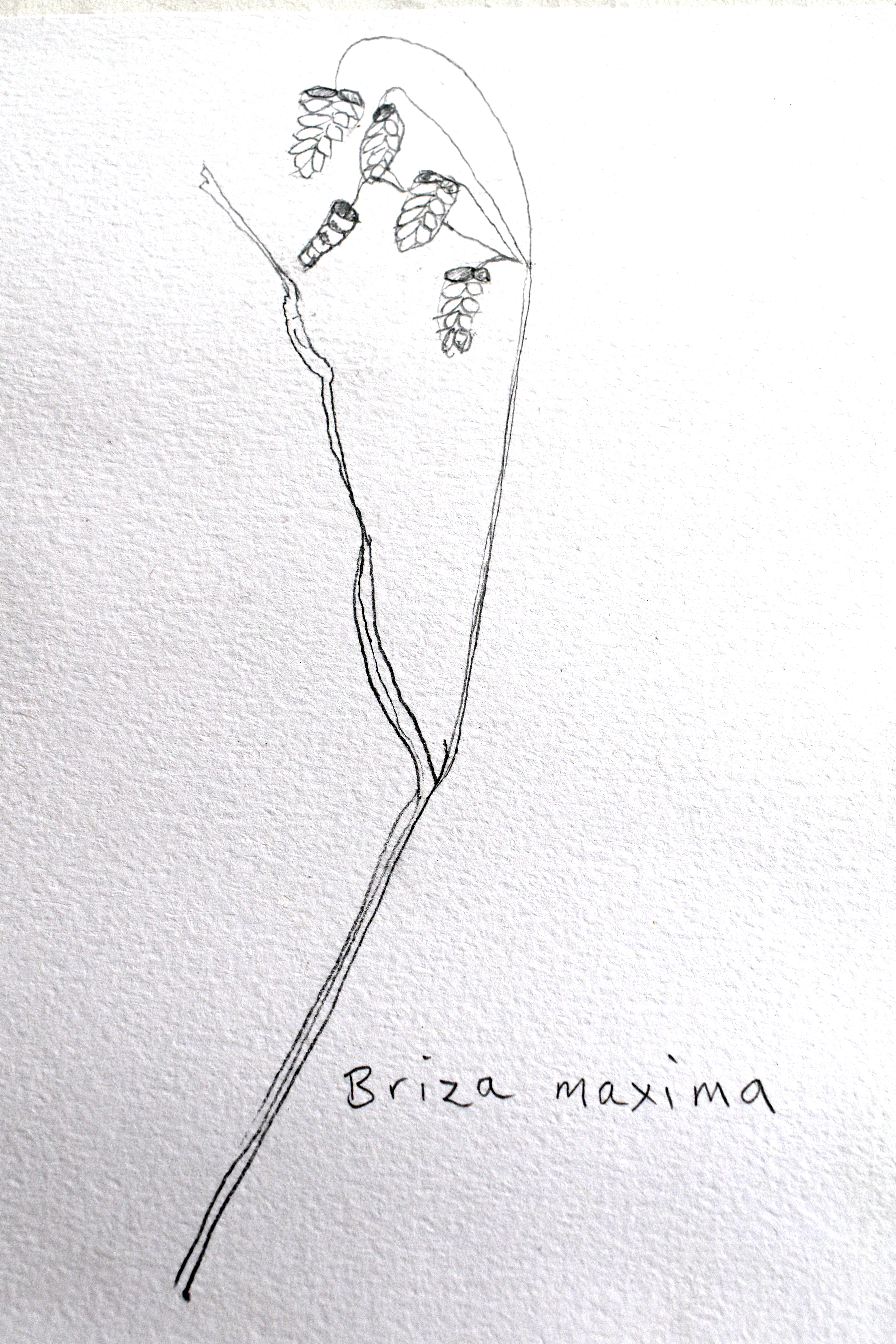
Over the page we find that I wrote, “Emerging from beneath the snow this small piece of fennel dried and delicate. Drawn to actual size.”

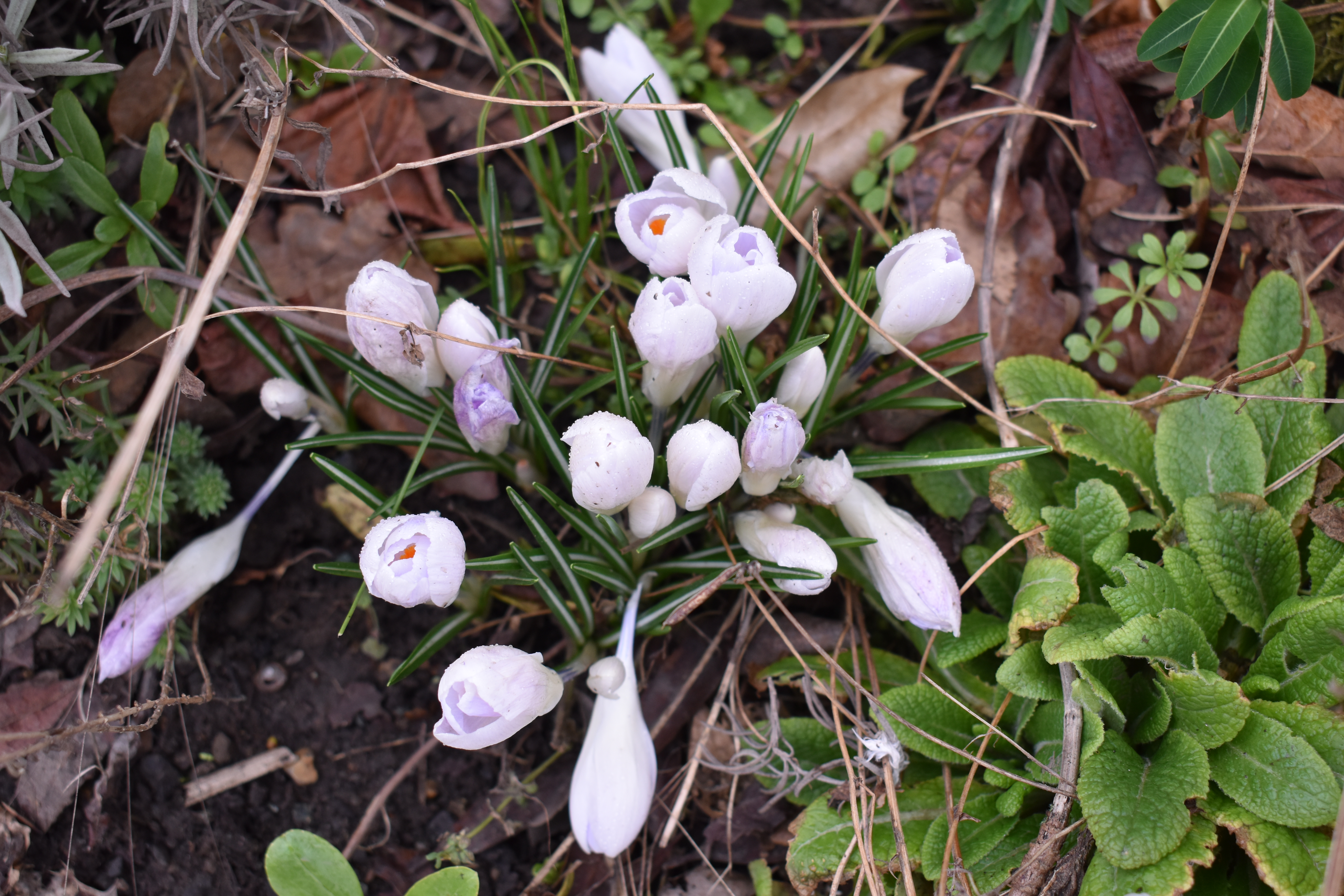
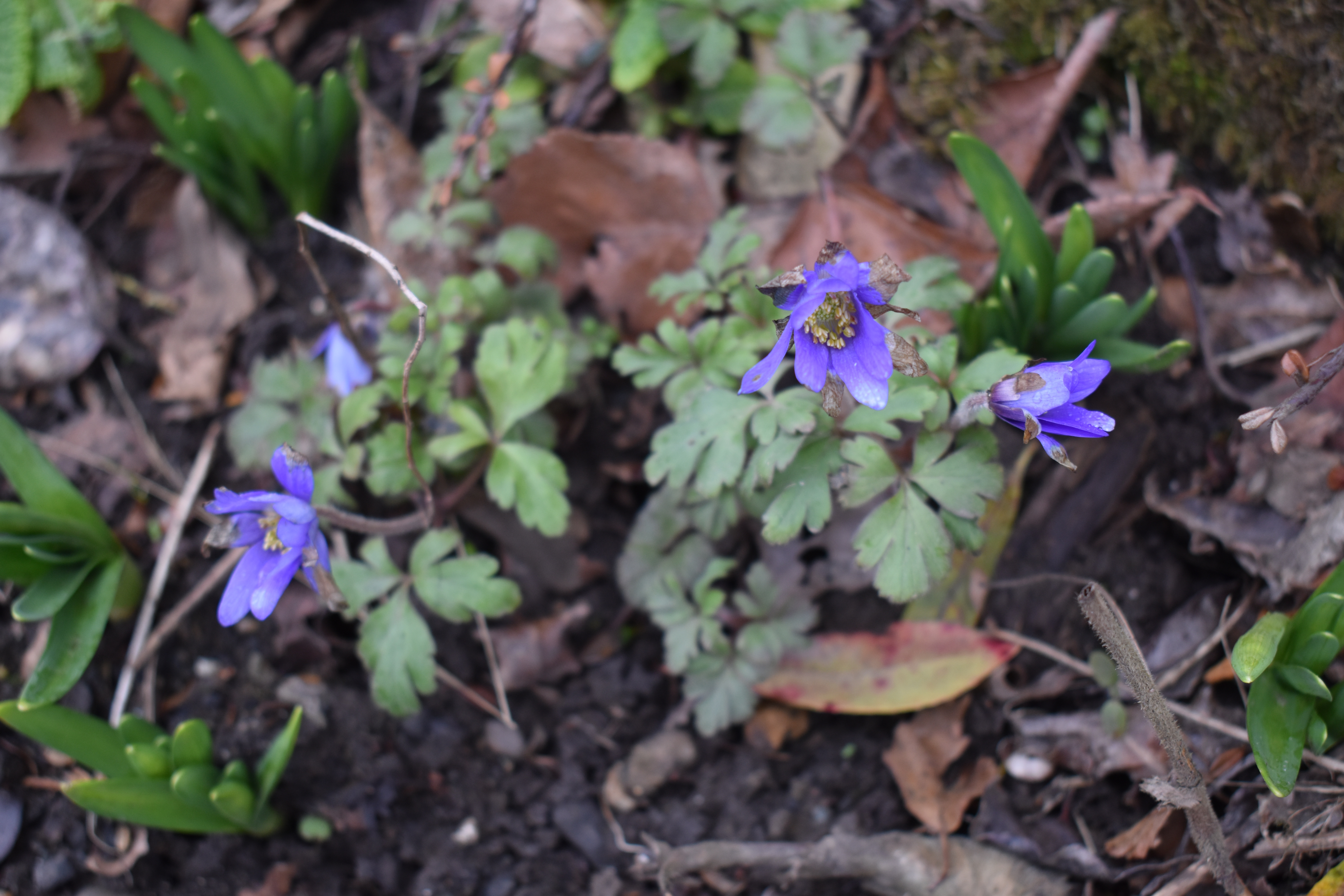
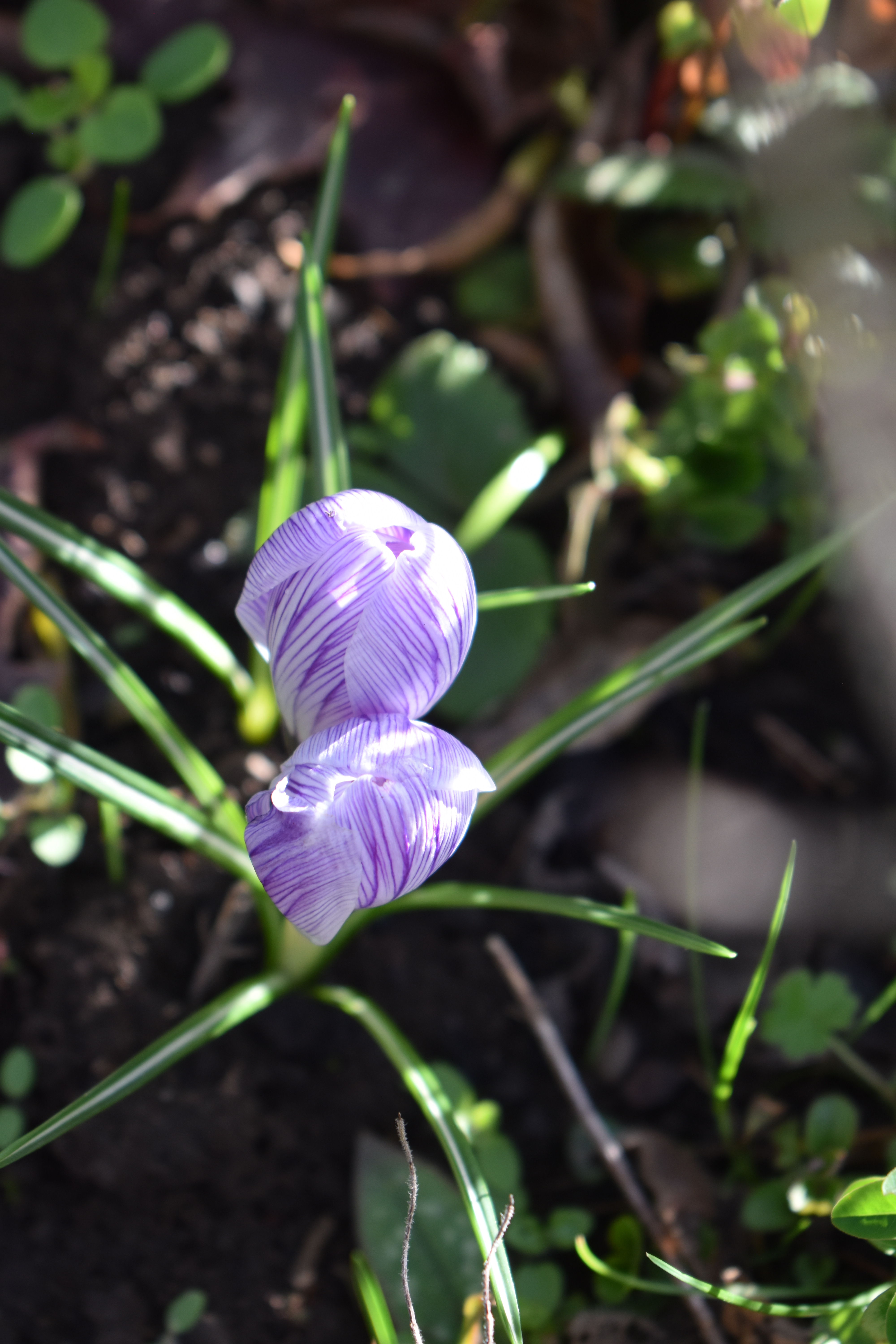
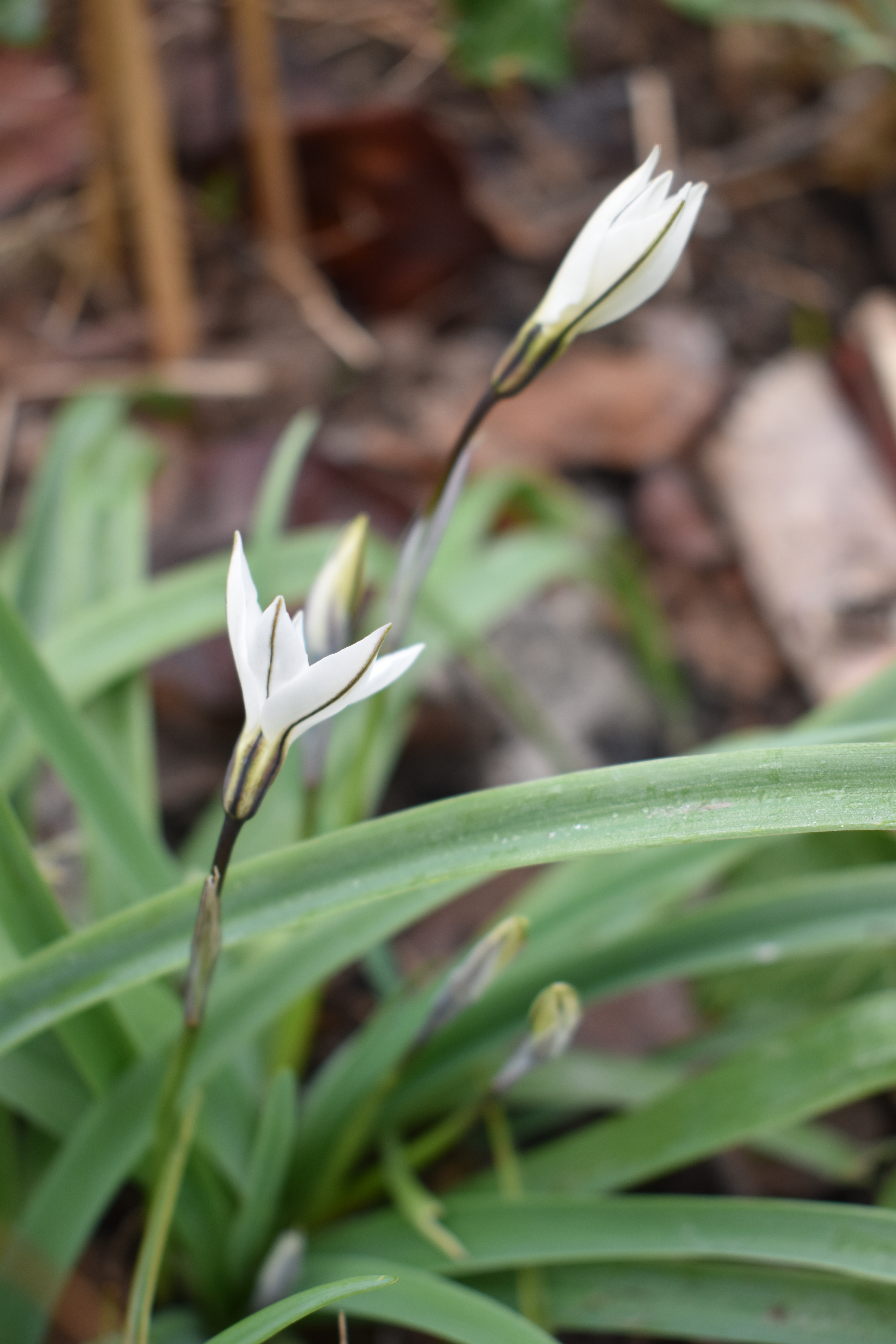
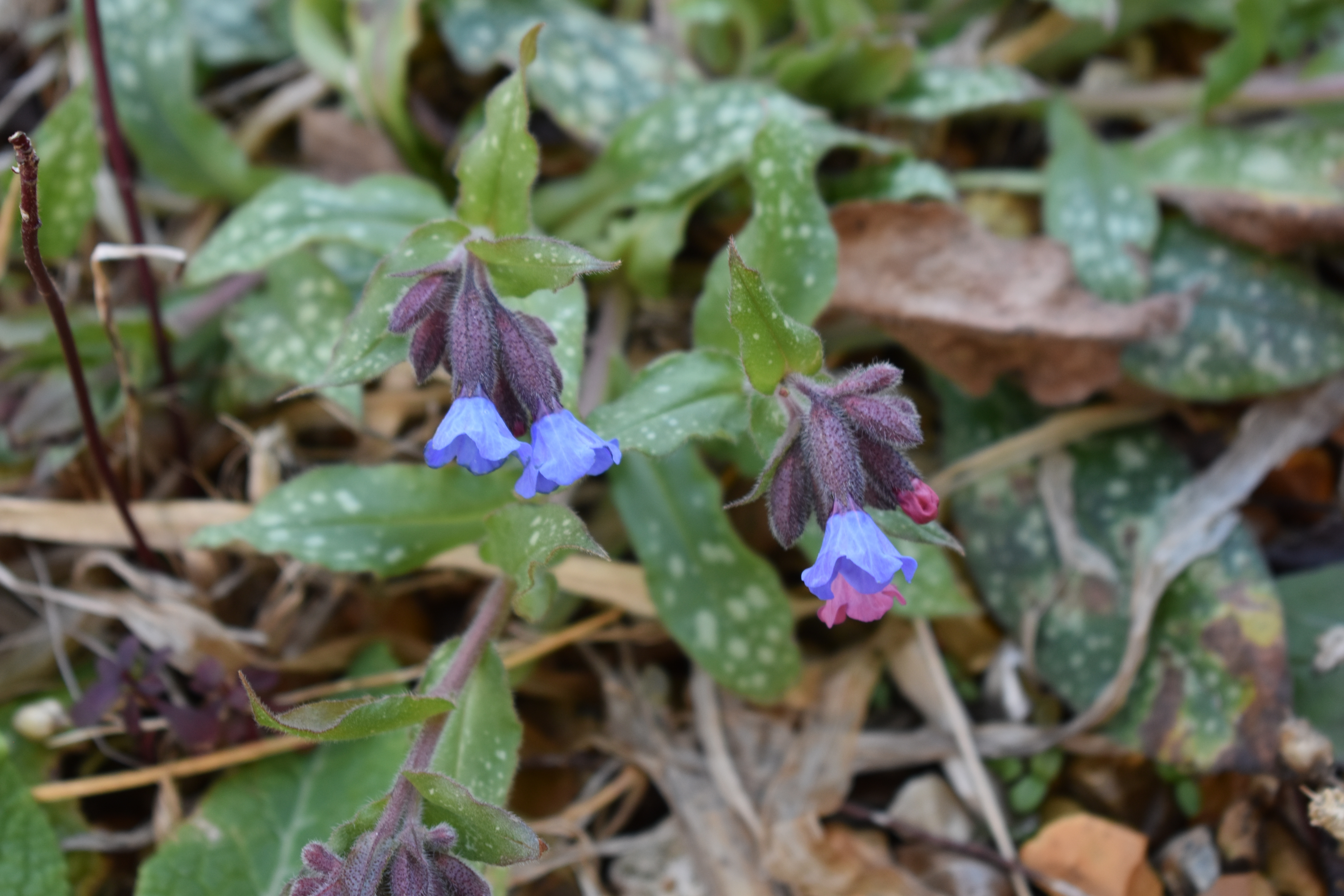
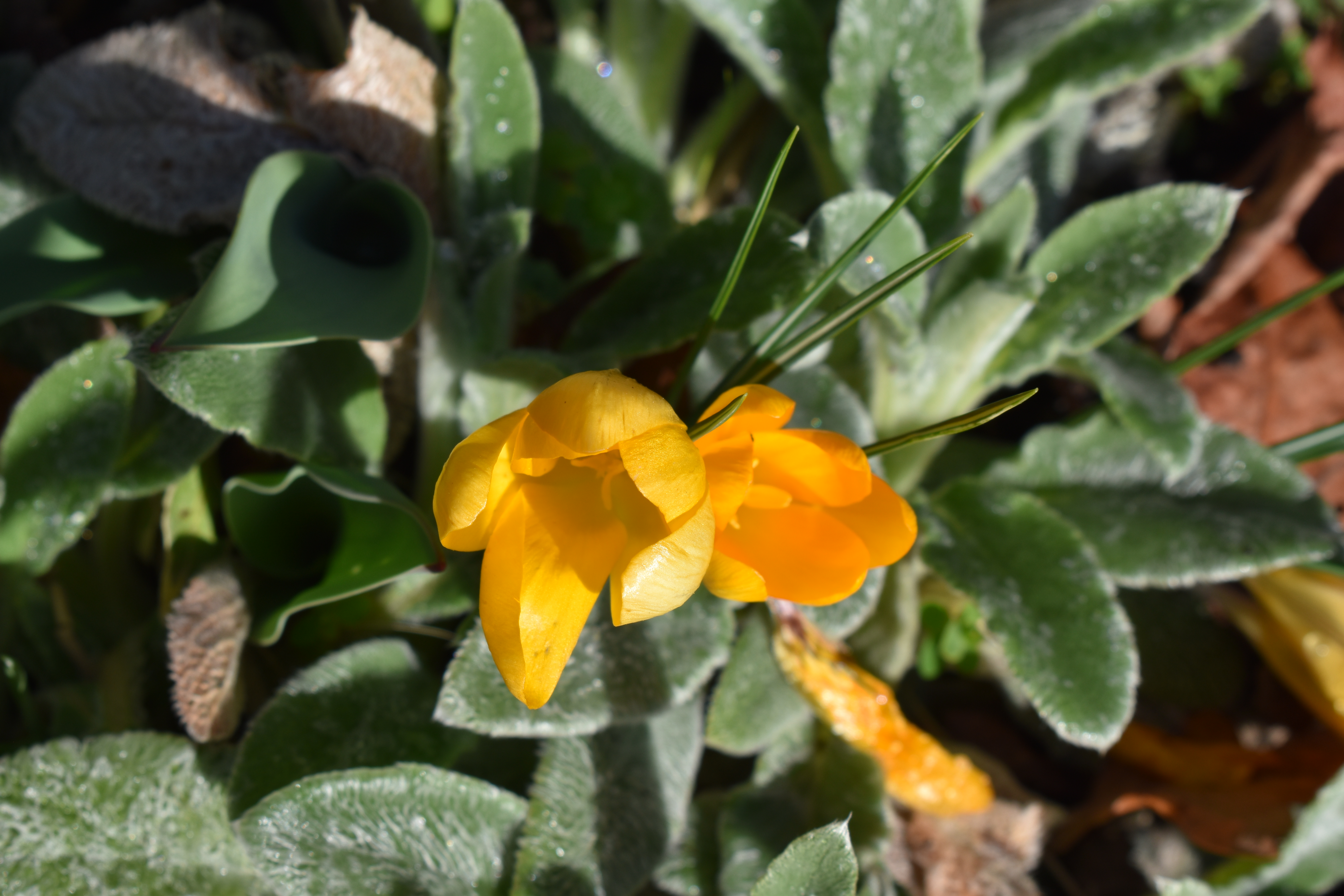
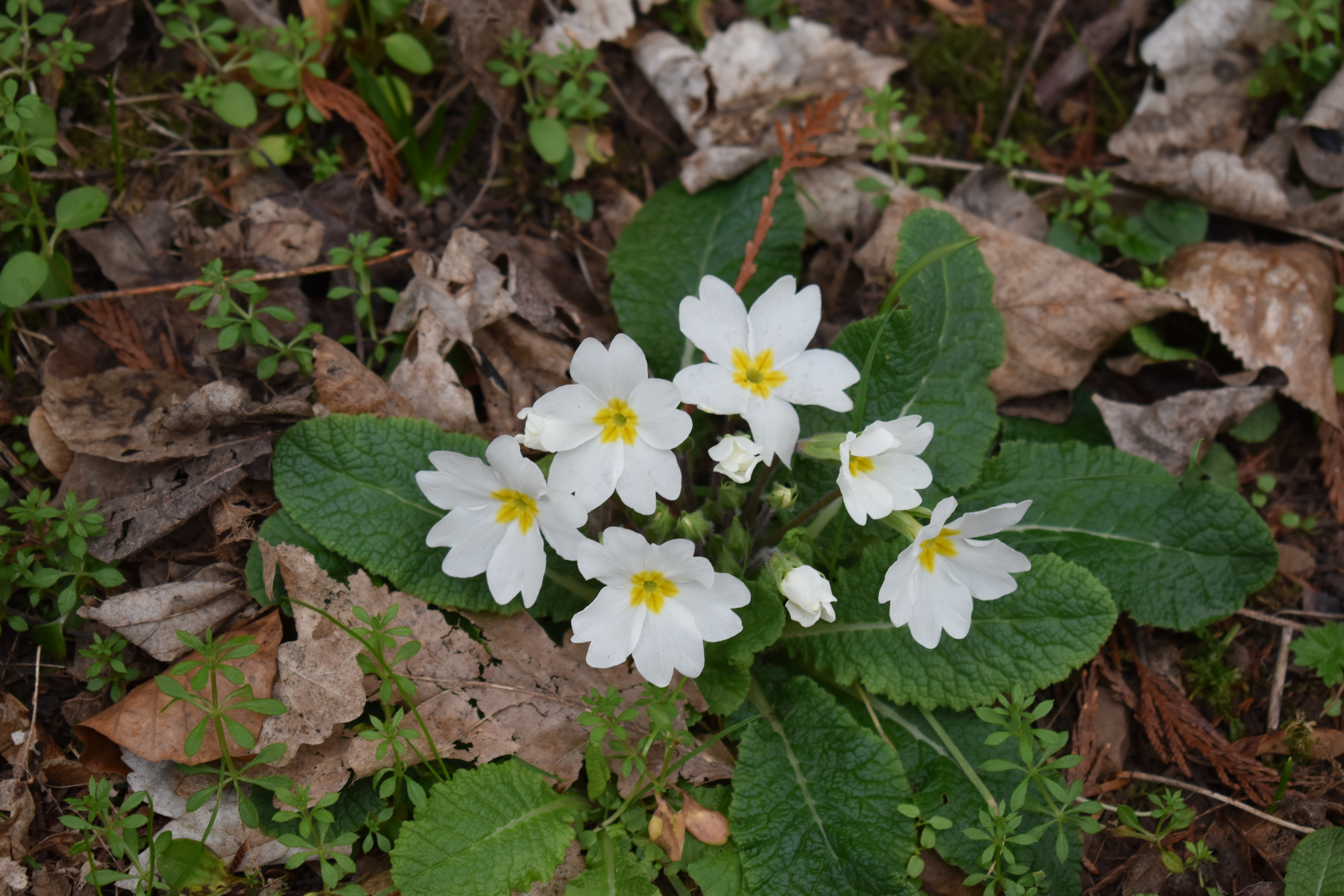
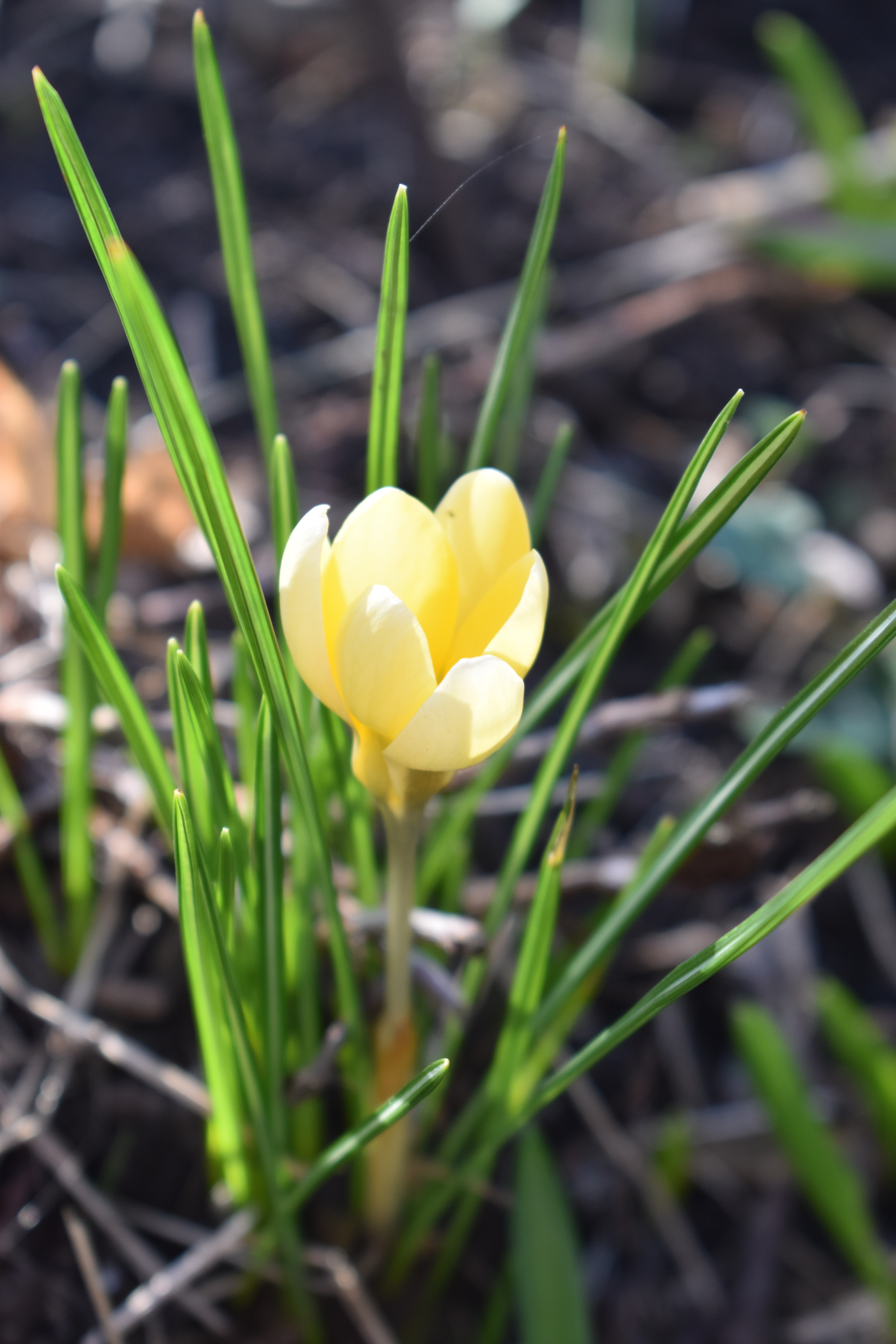
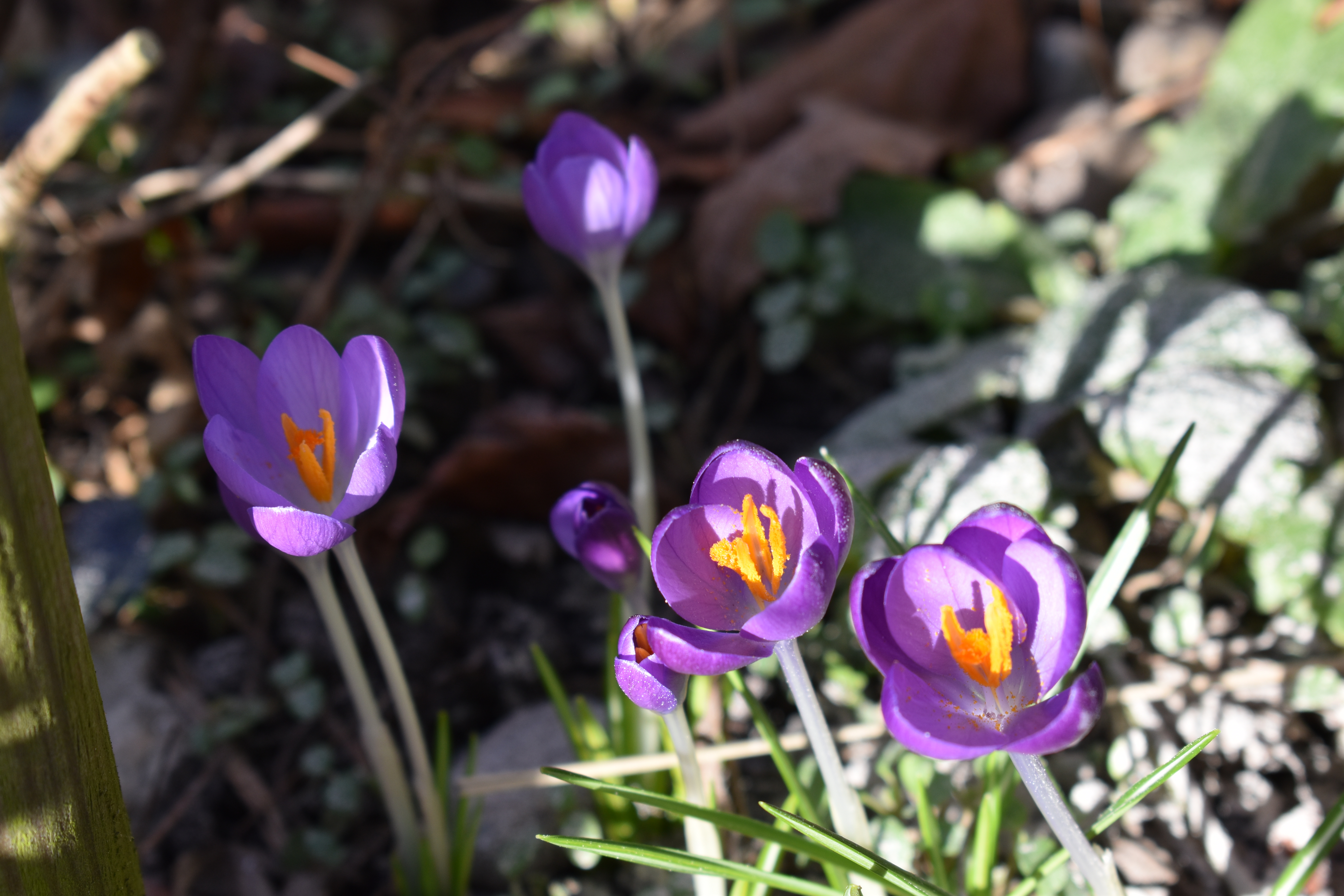
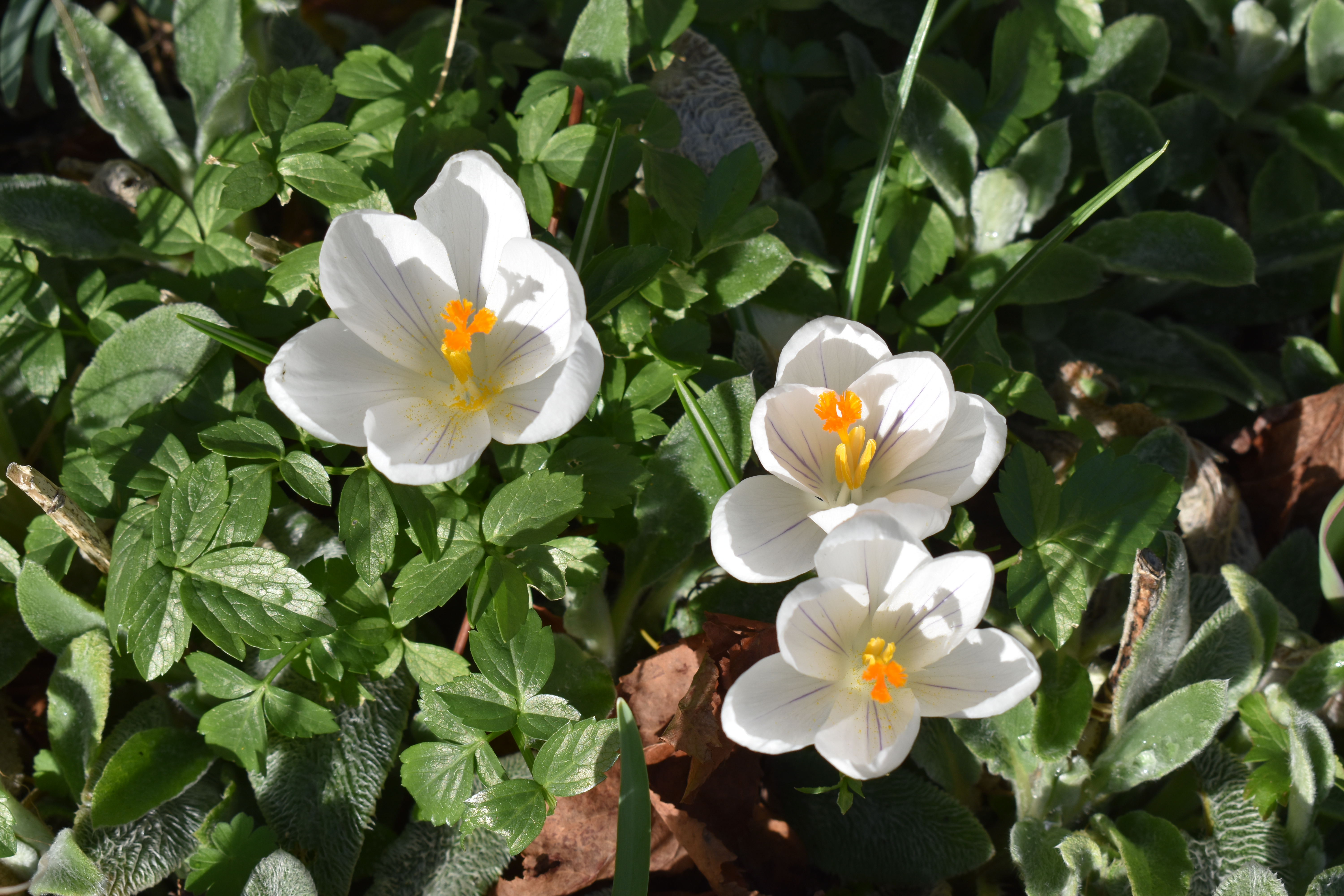
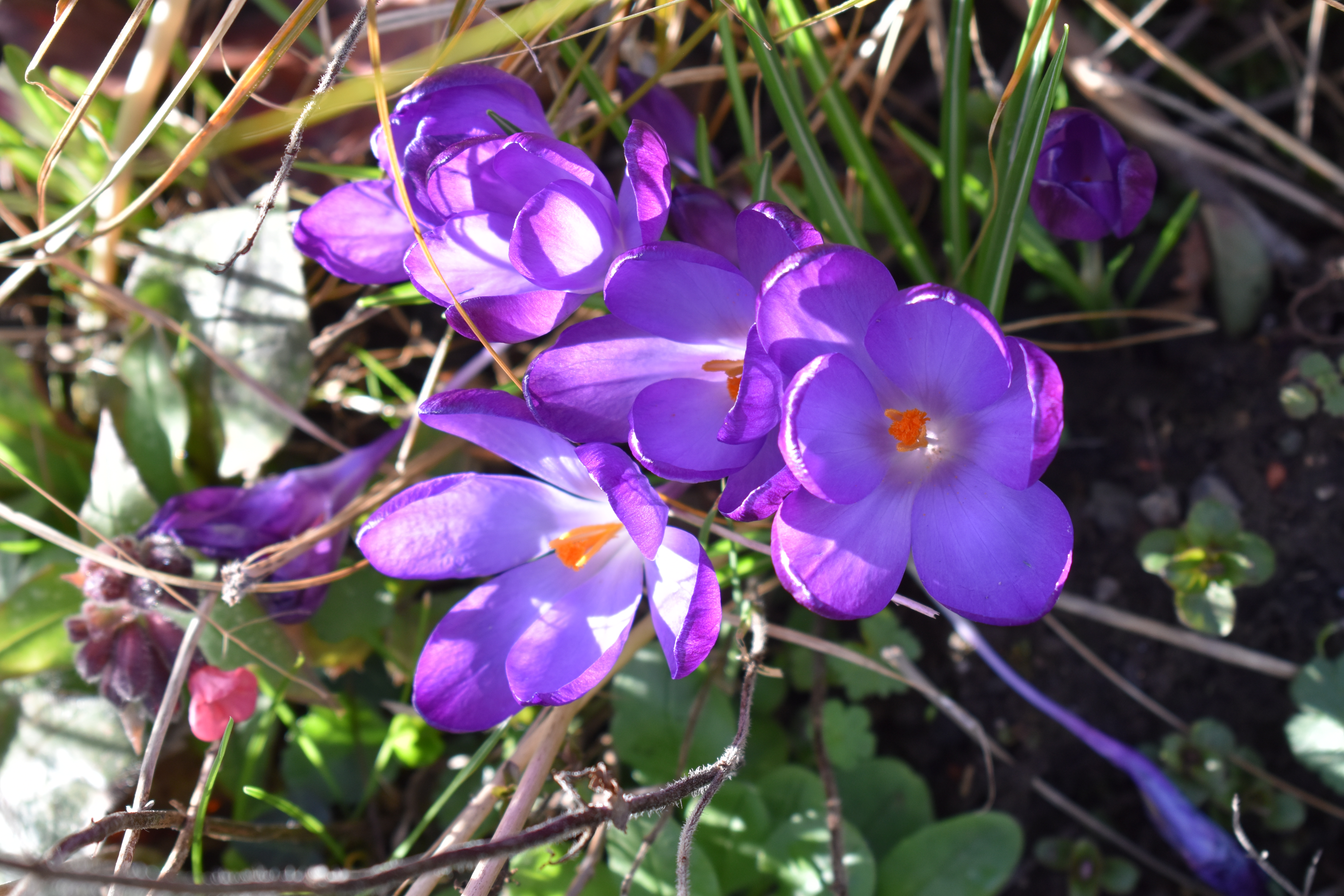
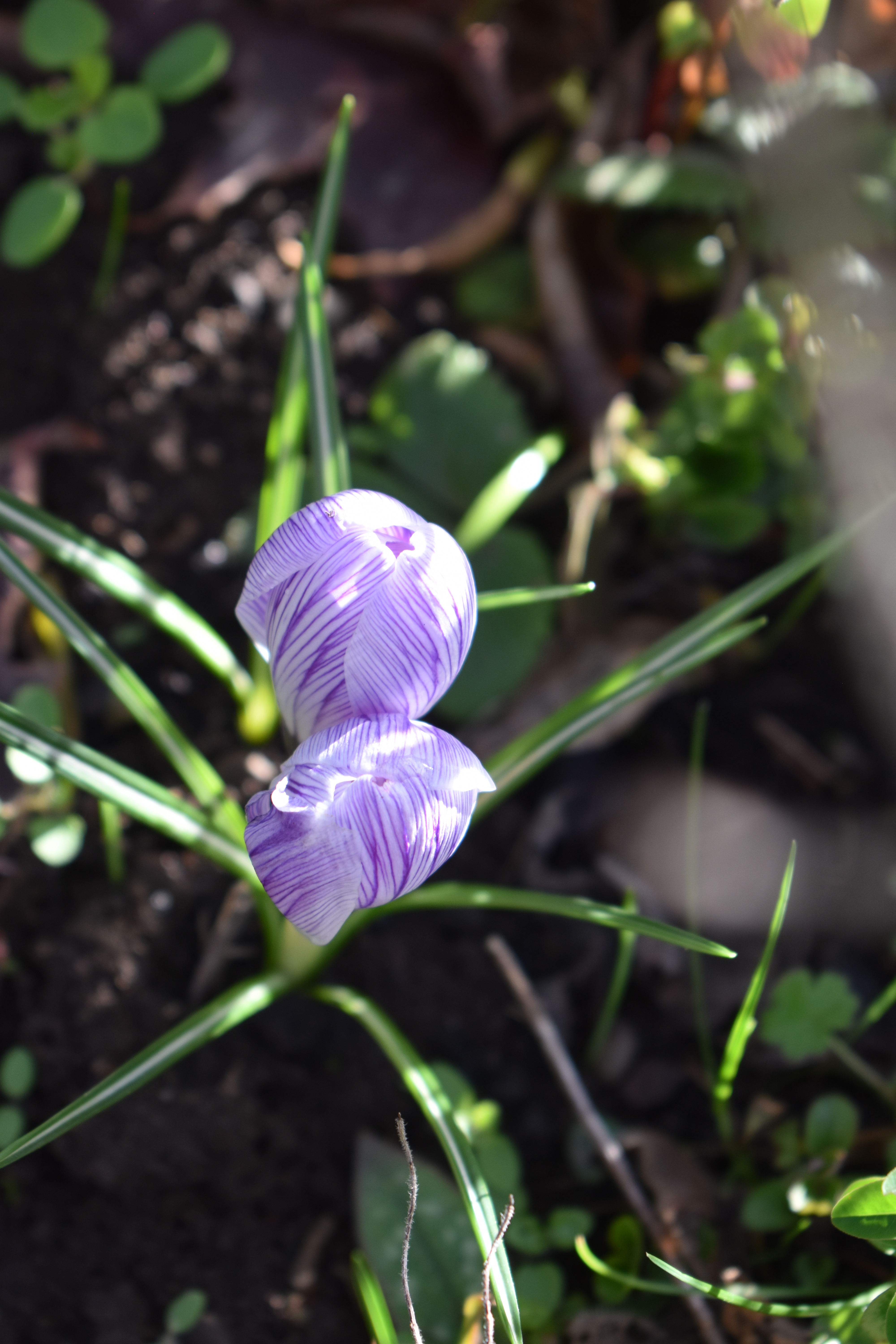
I then looked at bulbs that were in flower, about which I wrote, “Early flowering bulbs and perennials provide food for early emerging bees of all sorts. Crocus are very important to wildlife.

On the final page of my entries for March I considered signs of wildlife in our garden. I noted that, “I am amazed at how many signs and sights of our garden wildlife we experience in cold weather. Our hedgehogs have come out from the houses we have provide for them and those they build for themselves. Poos are the most obvious sign! Birds remain busy on the feeders, and some are already nesting.

Early flowers on shrubs, bulbs and perennials are a delight for early bees.”

“The snail on the terracotta flower pot stops bees getting a chance to nest which is why it is there.”

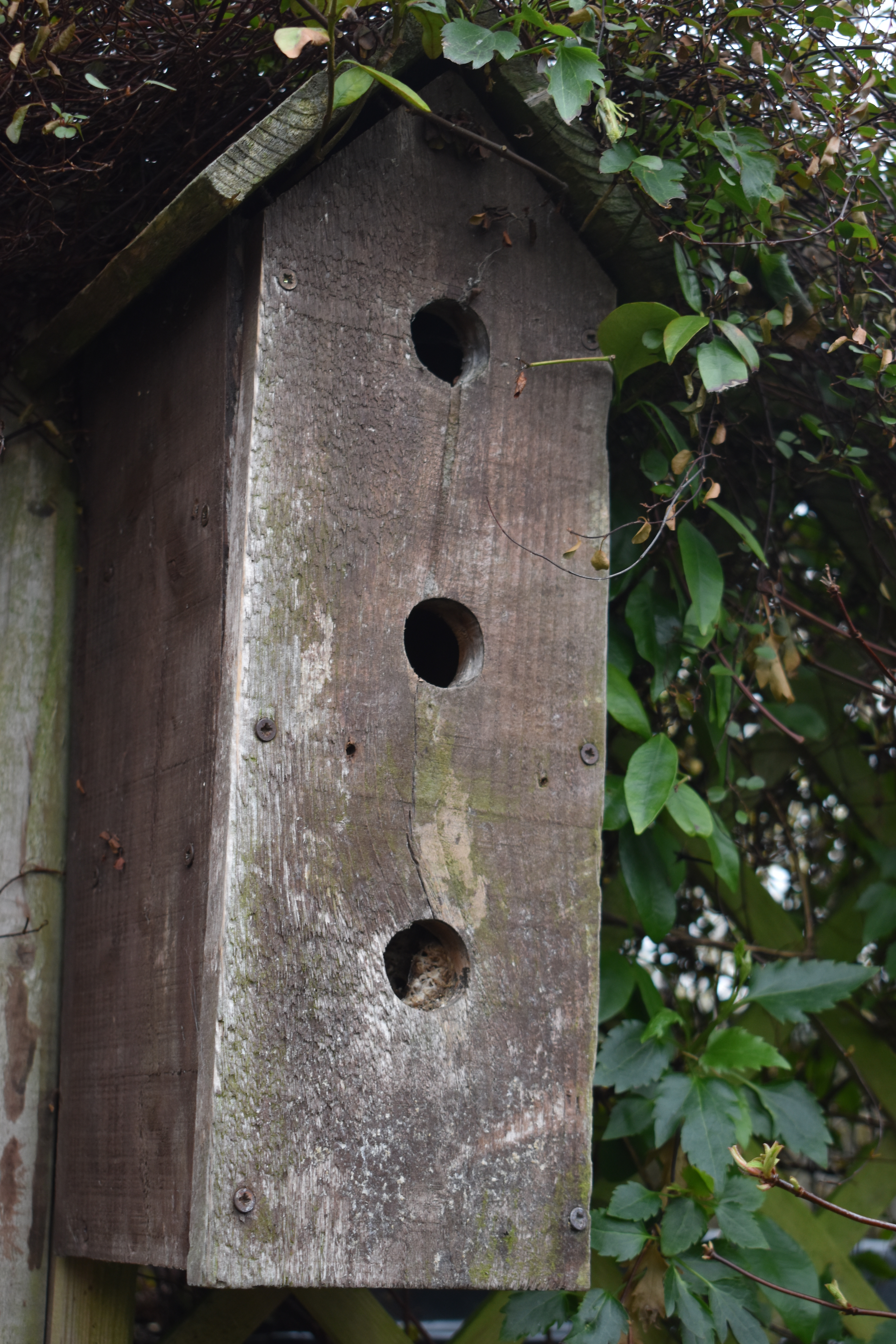
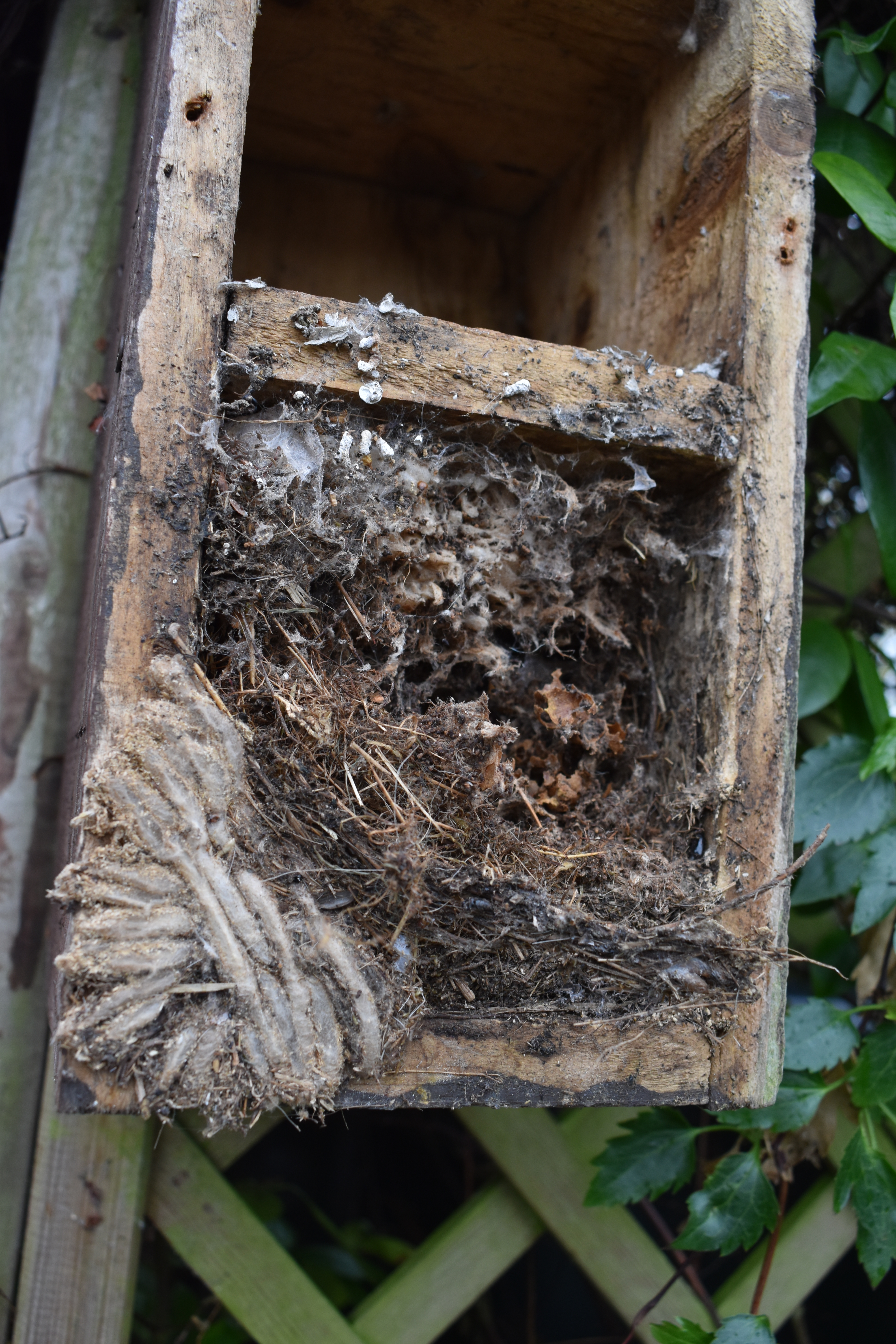
“This sparrow terrace had a nest starting in the bottom compartment but then a swarm of Tree Bees took it over. I opened it up recently and found both nests tightly crammed in.”

So that is all of the entries for my garden journal for March 2023.

Categories
Uncategorized

Crocus in our Avocet Garden

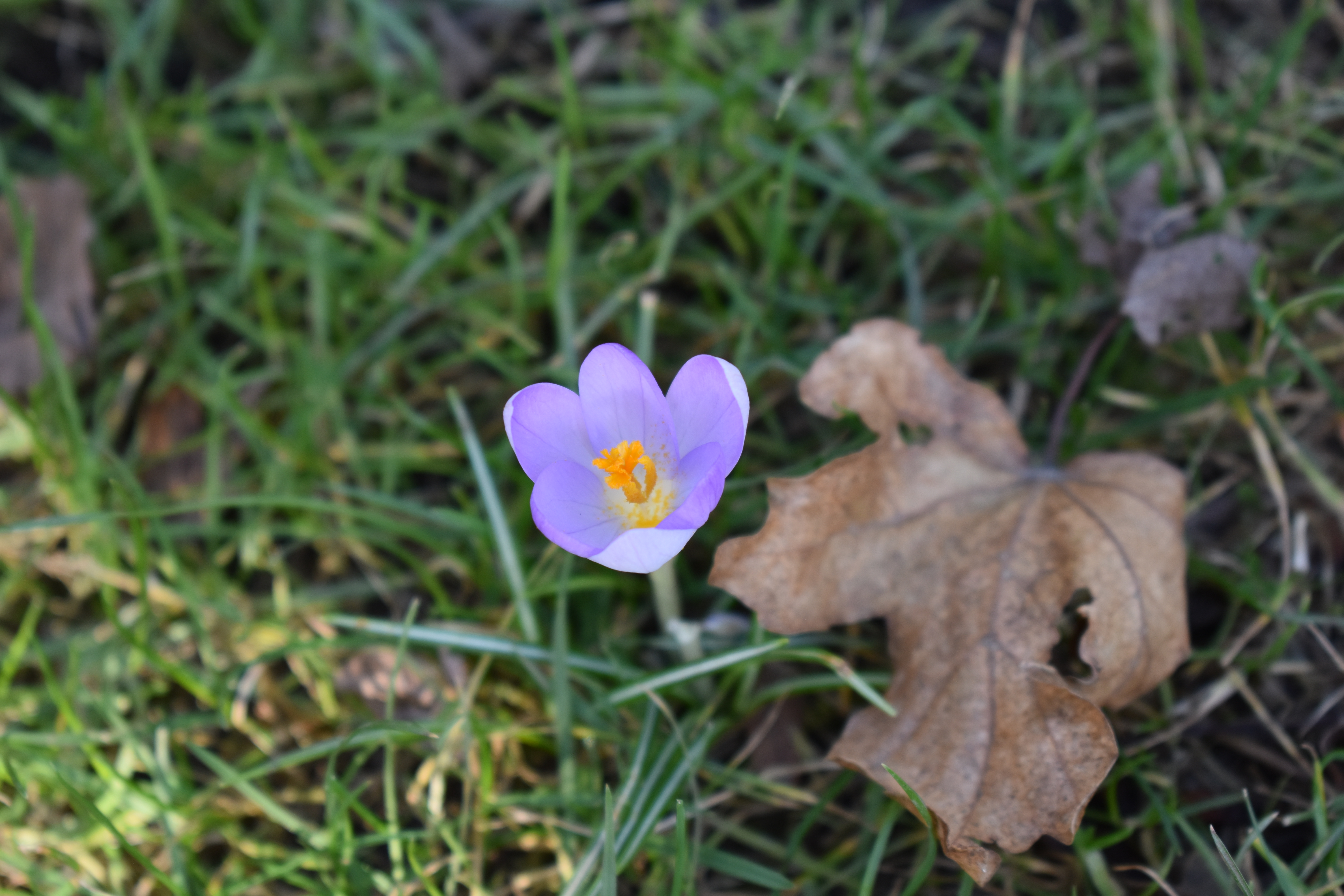
The crocus we have were mostly bought ‘in the green’ several years ago so we have not got as many as we have had. We need to order more ‘in the green’ collections. However this year we have discovered that some have started moving into grassed areas.

Categories
Uncategorized

First Snow of the Winter

The first snowfall of the winter arrived well into March which the meteorologists think is Spring. Several forecasts have been threatening us with snow recently almost every day.

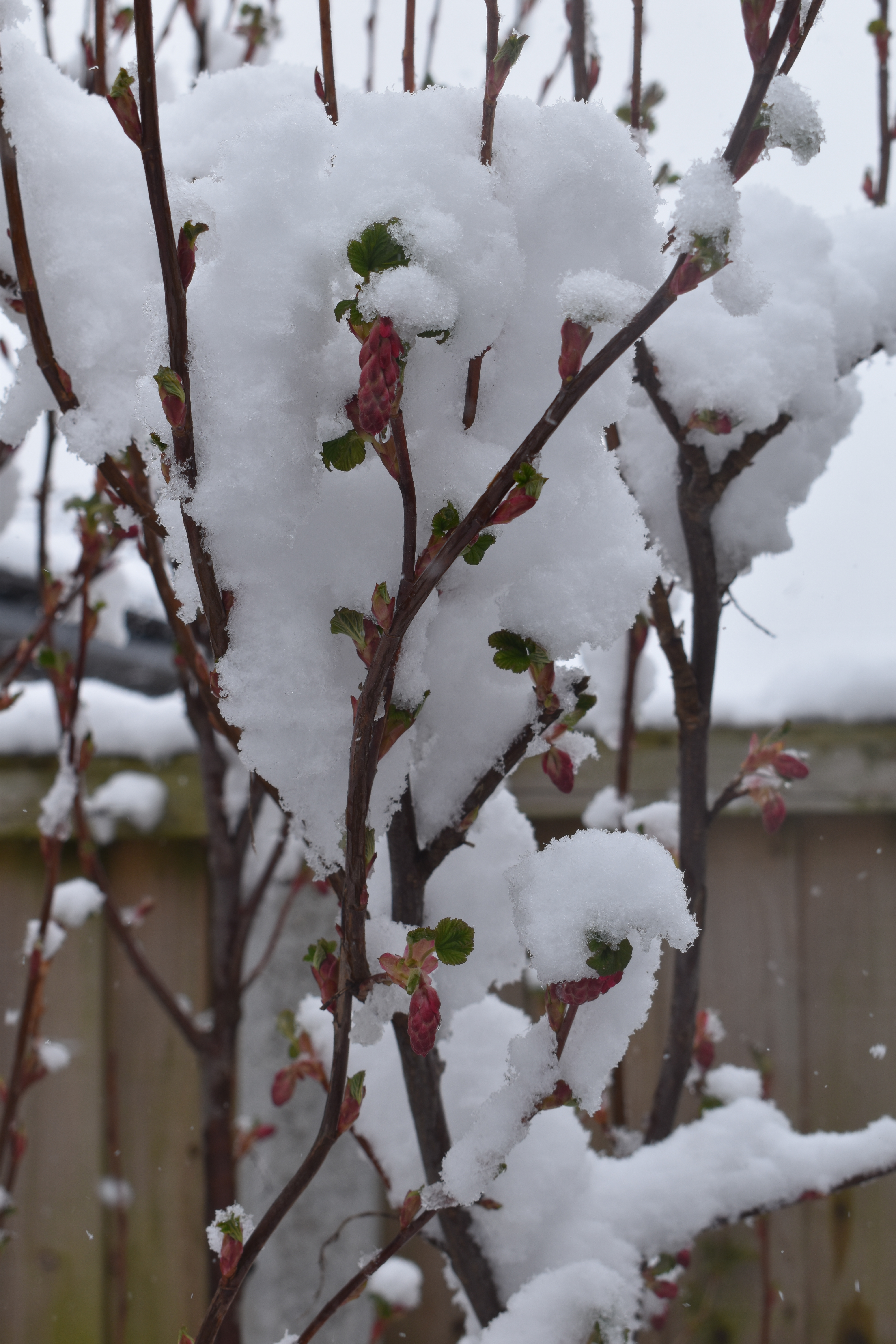
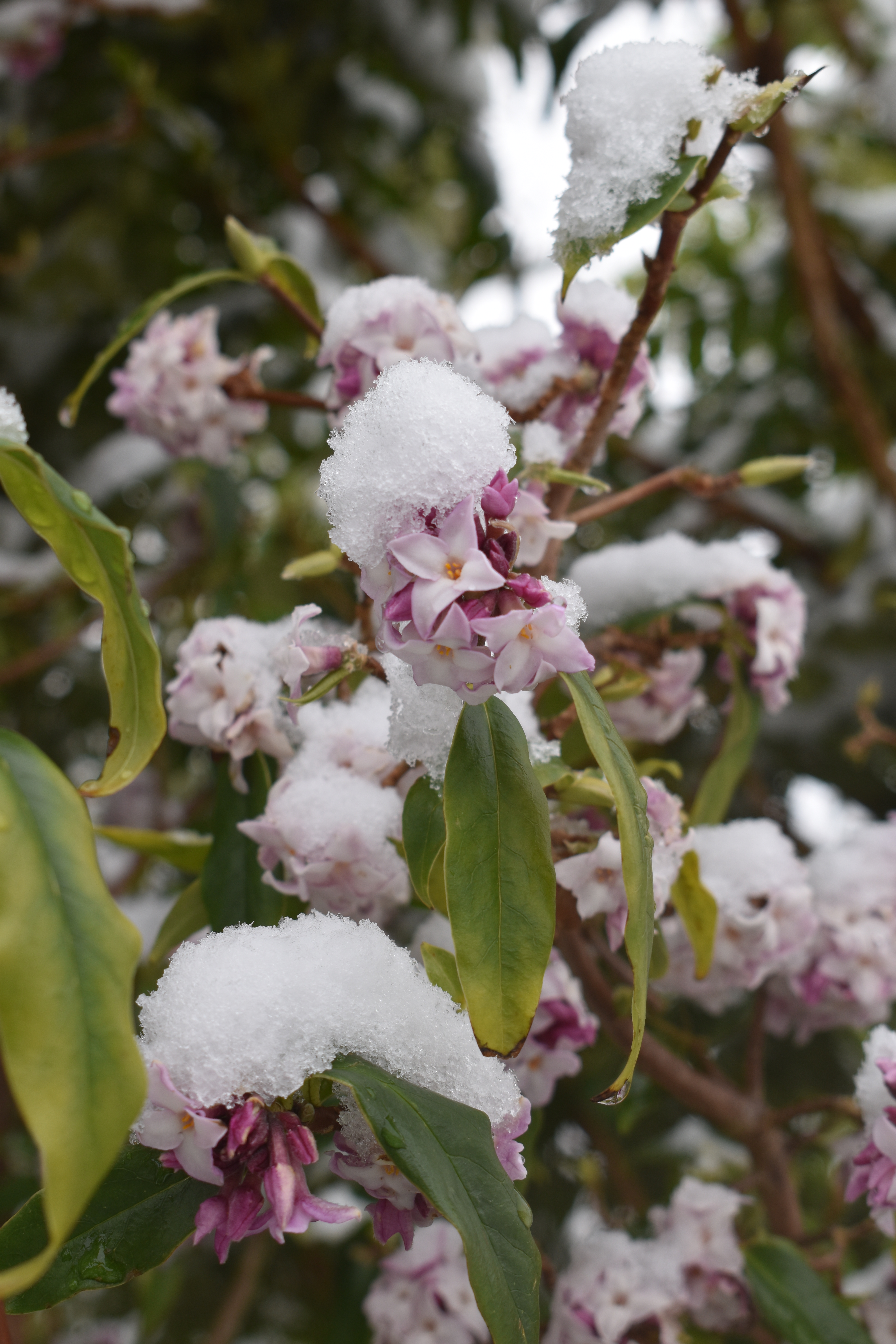
It was very light when it came – you could almost wander between the flakes. As you can imagine I was soon wrapped up and out in the garden with camera in hand. Here is a gallery of those photos.

And finally, a photo I have wanted to take for a while now – a snowdrop in snow!

Categories
Uncategorized

A Winter Wander around Bodenham Arboretum

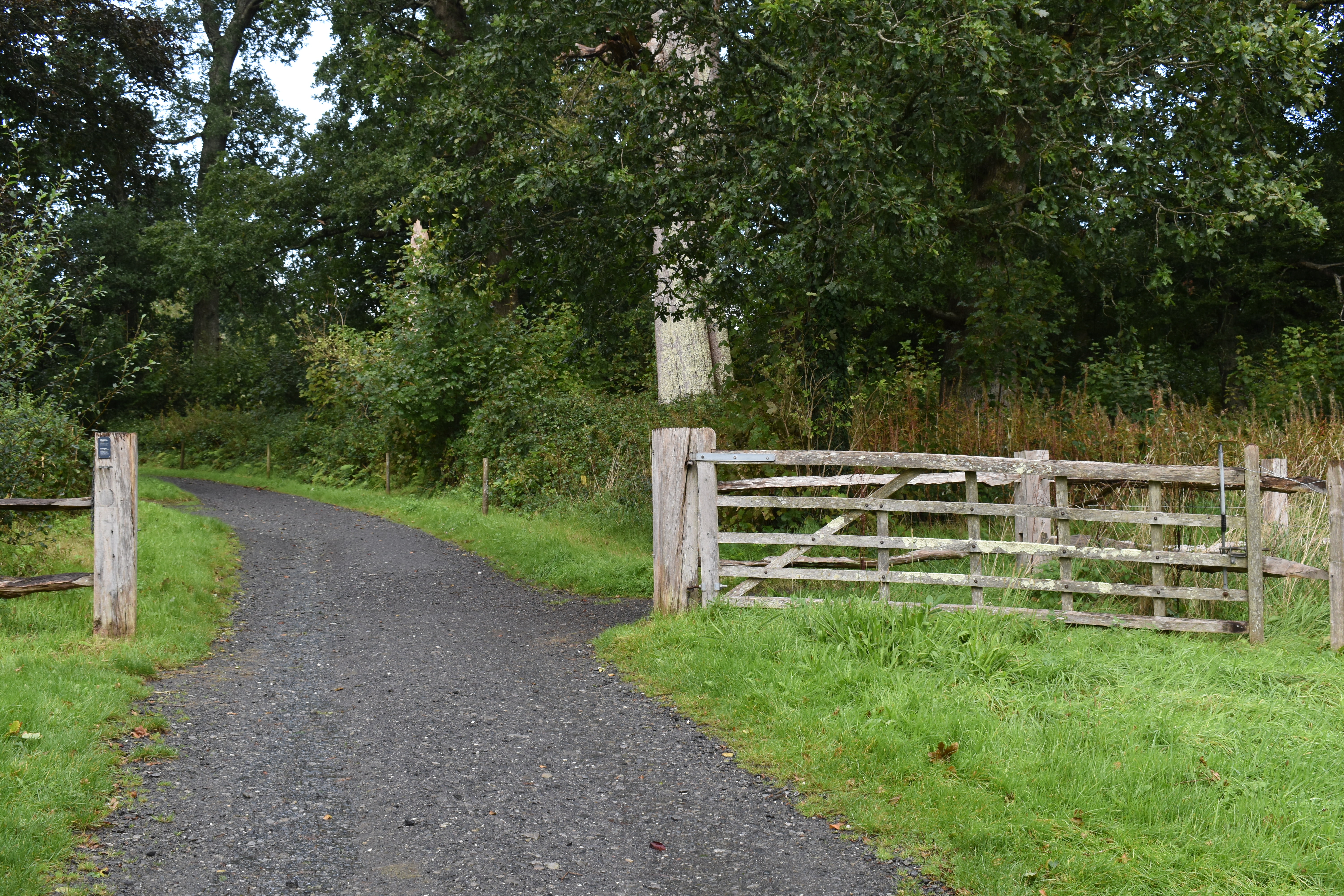
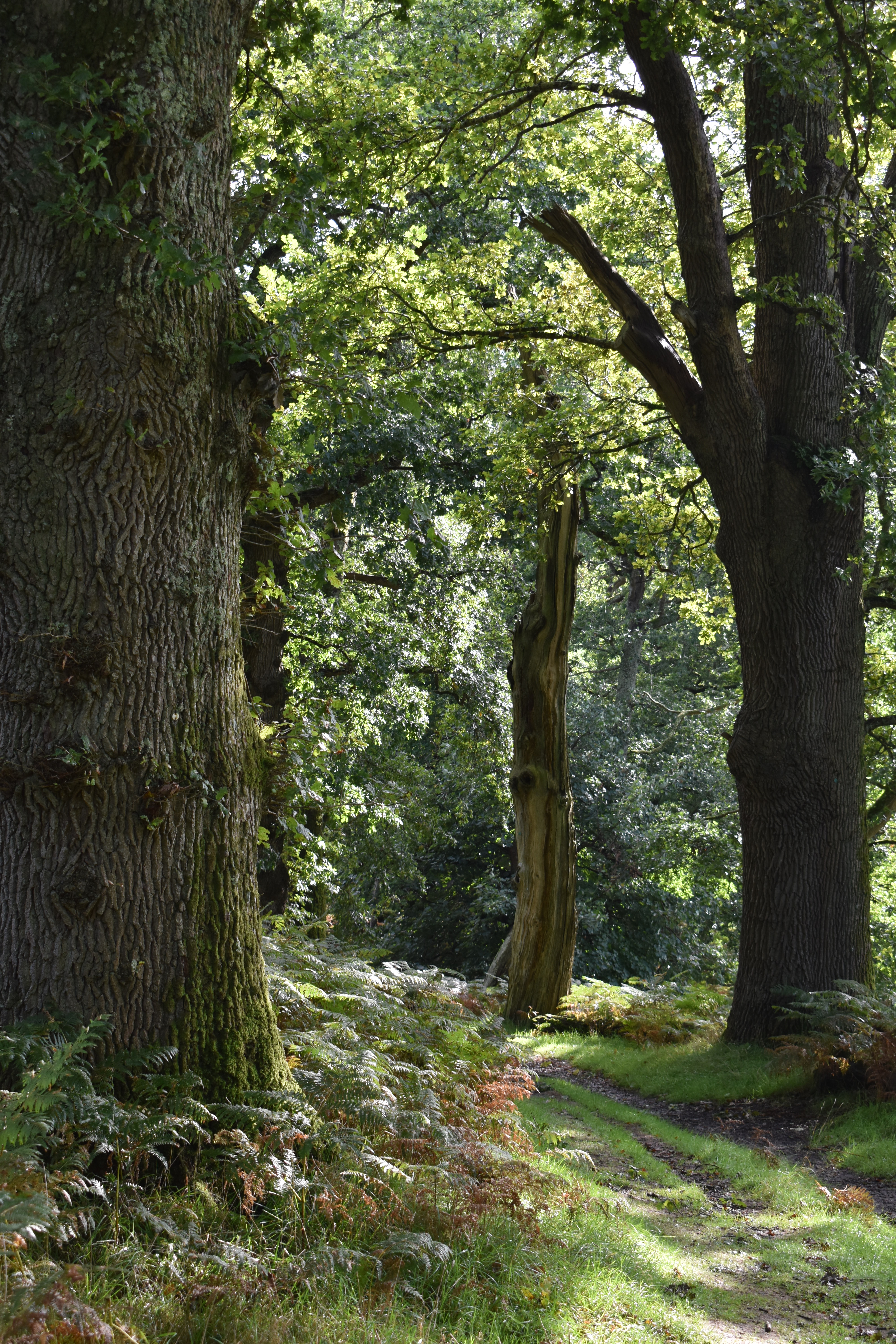
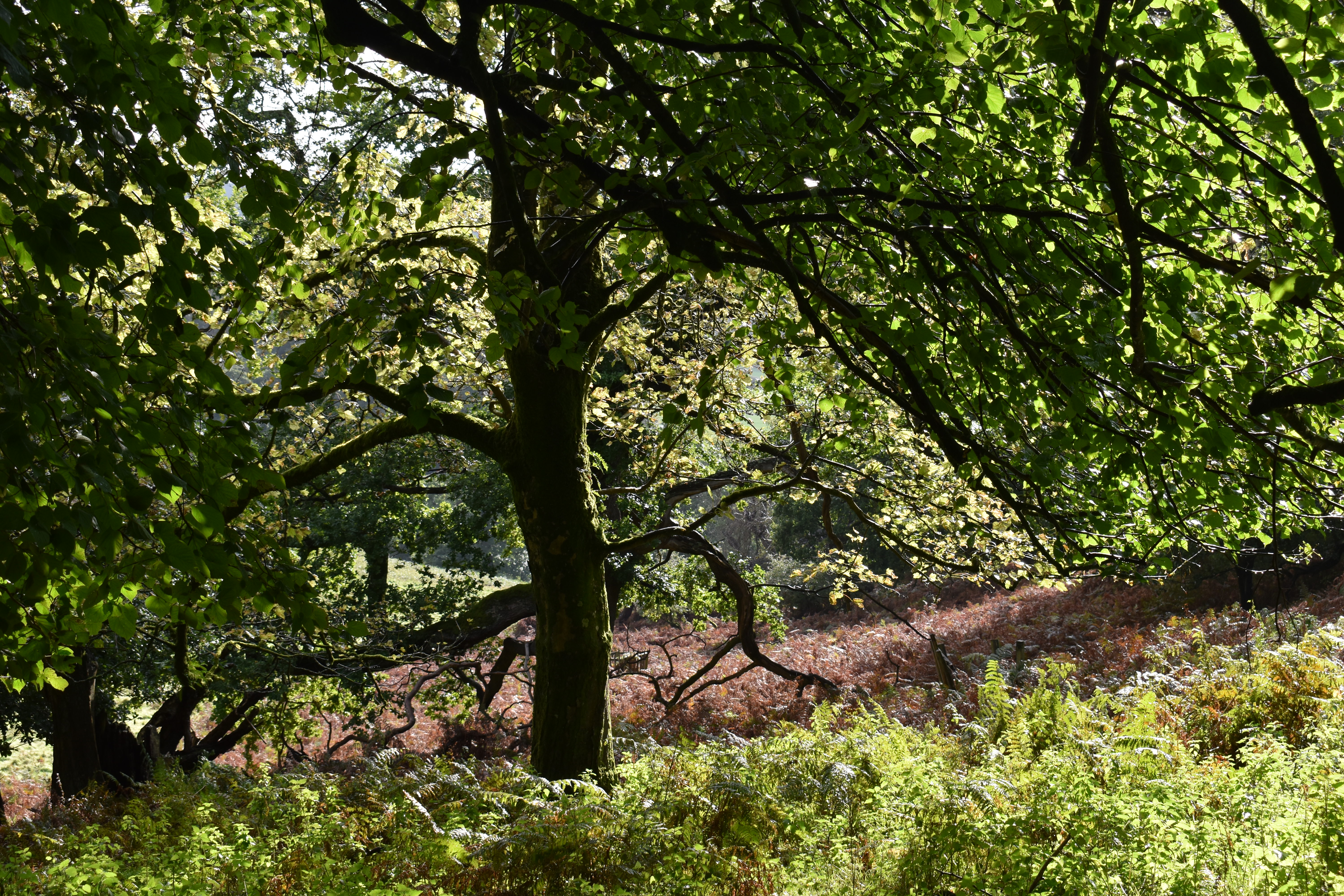
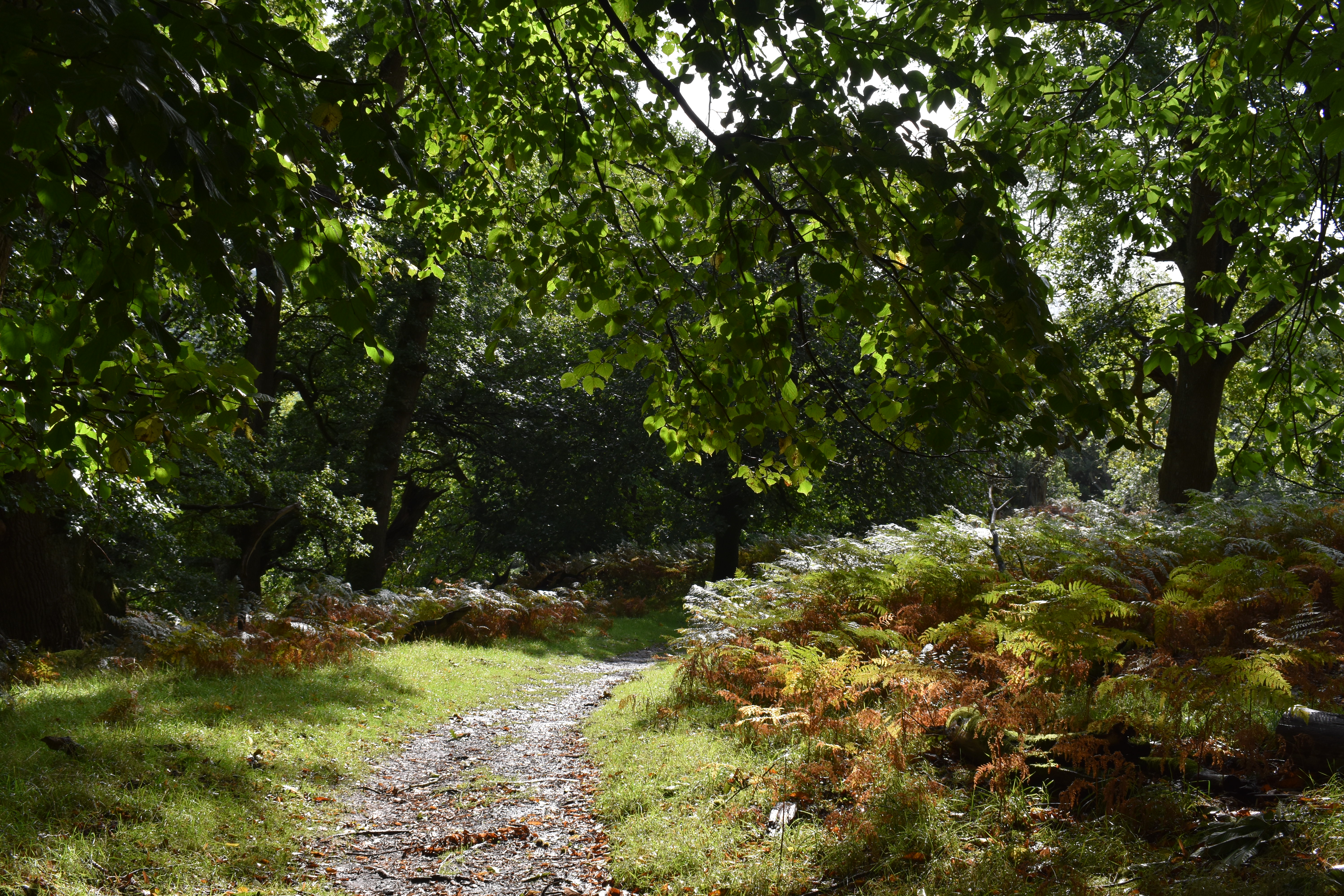
On the last day of February, we met up with my sisters, Penny and Alison and Penny’s husband Tony for a wander around the arboretum at Bodenham near Kidderminster. We have visited several times before at different times of year, but never in February, so we did not know what to expect.

As we arrived the rain started and the drops of rain added a new texture to the surface of the lake that we could enjoy from the windows of the restaurant. This period of rain meant that we sat in the cafe for longer, long enough to enjoy two coffees each. But as soon as the rain eased off we donned coats and hats and set off towards the entry gate.

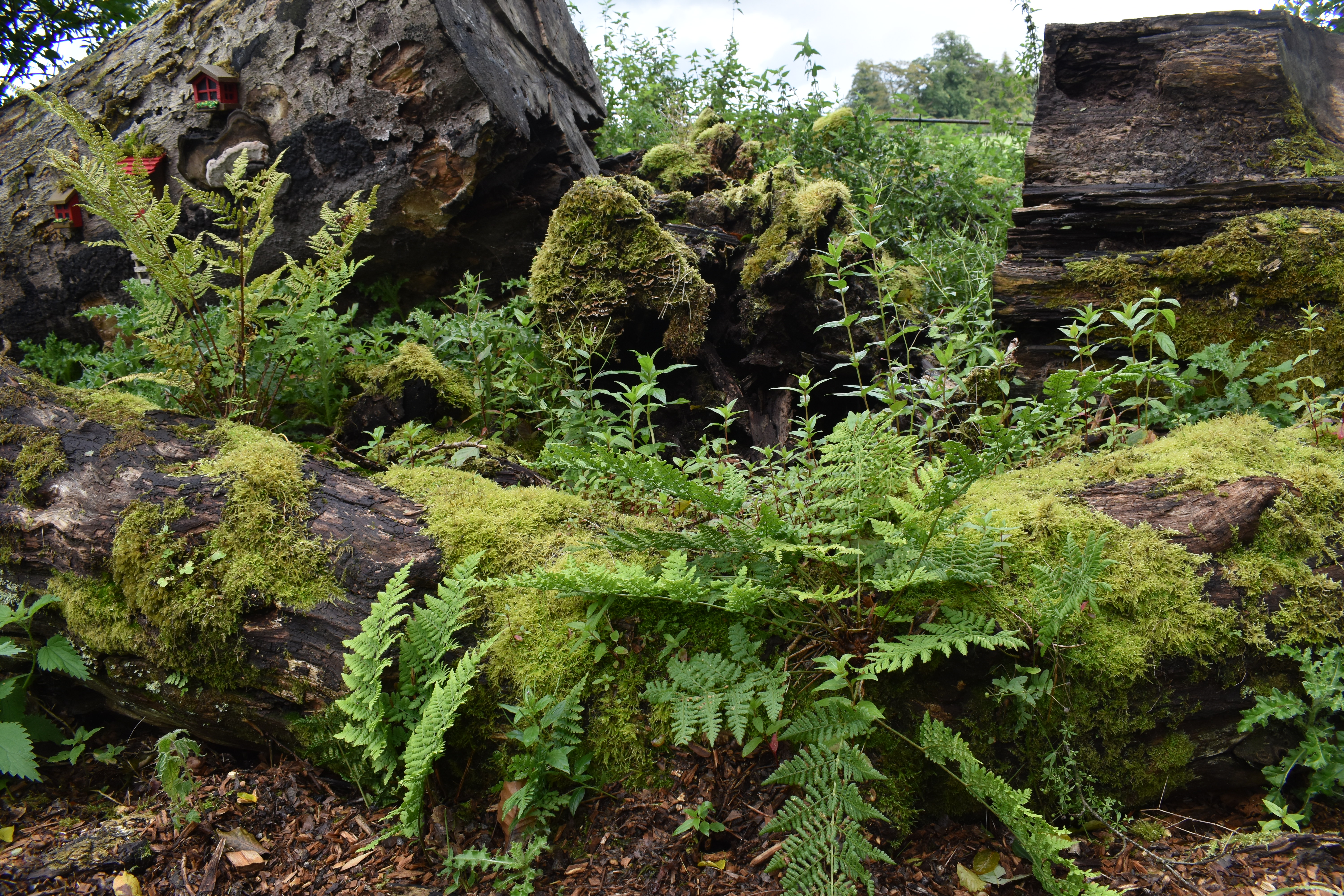
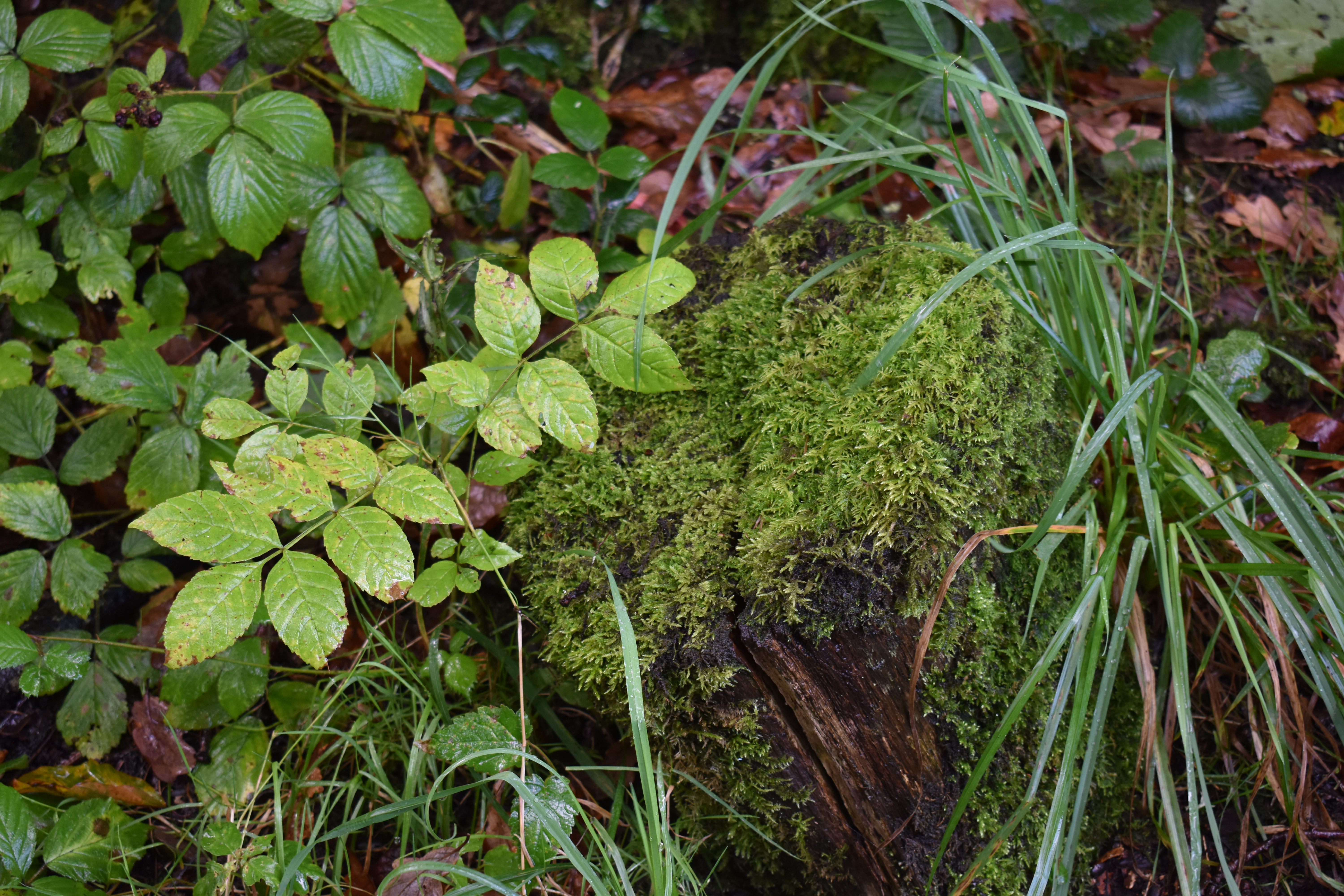
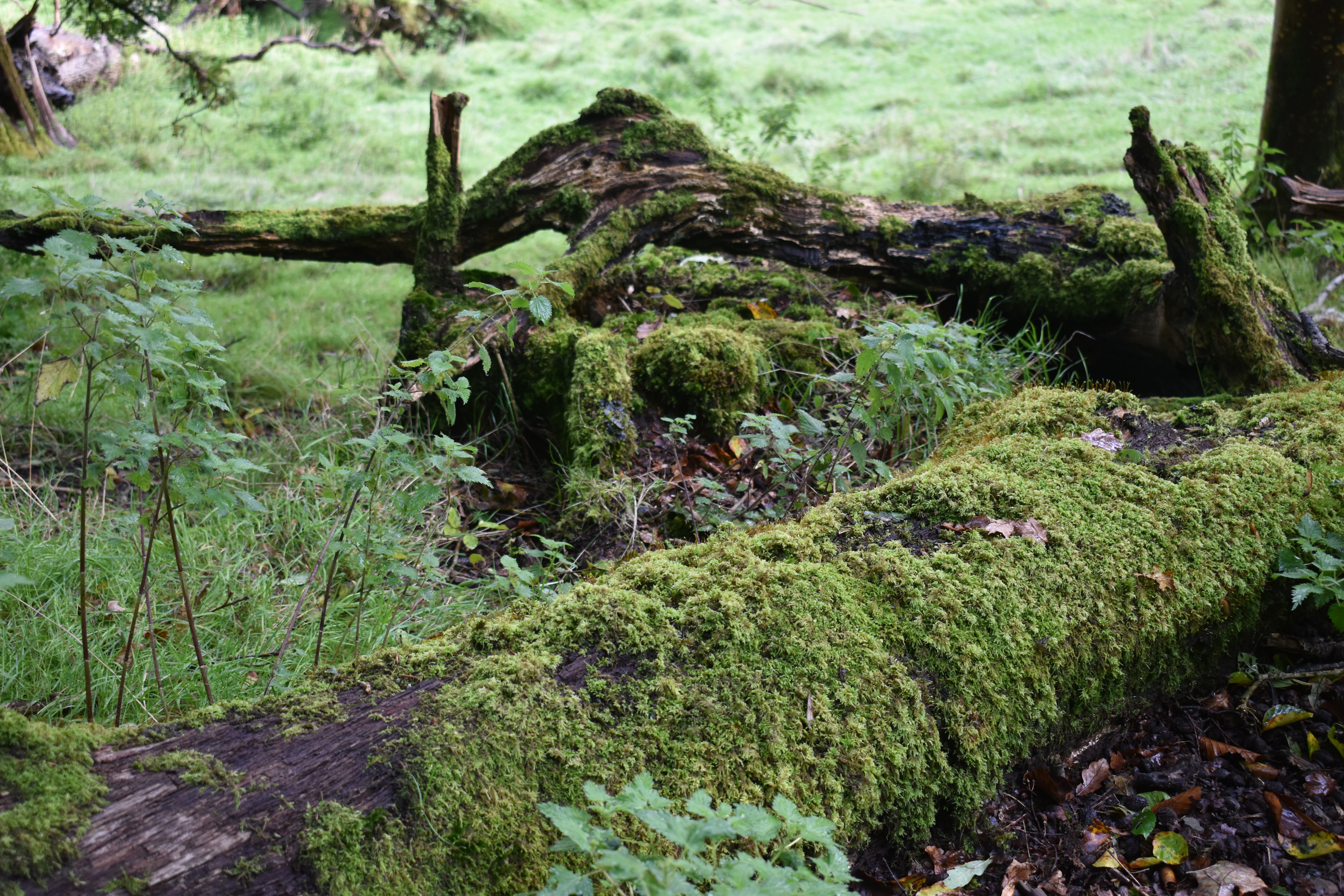
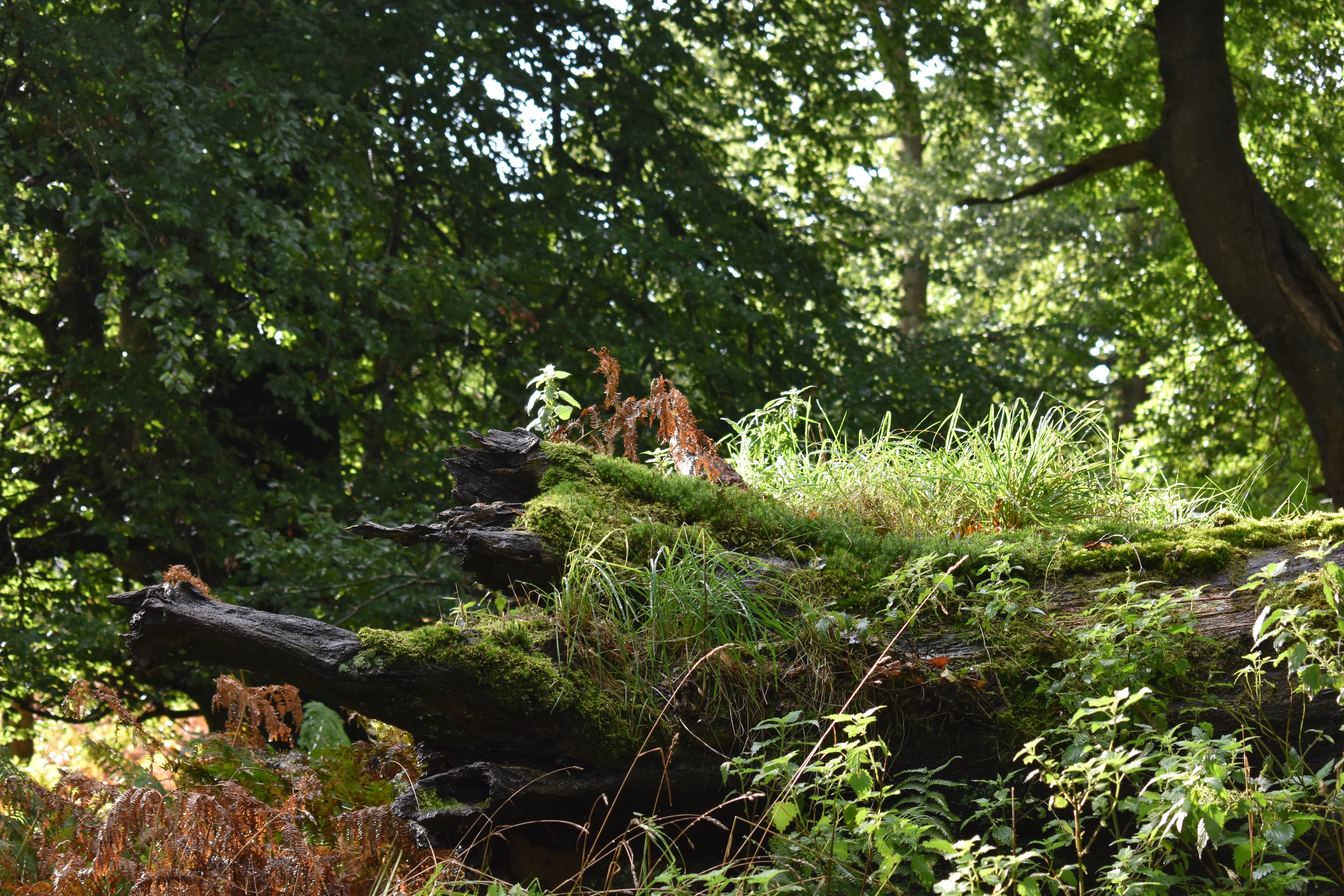
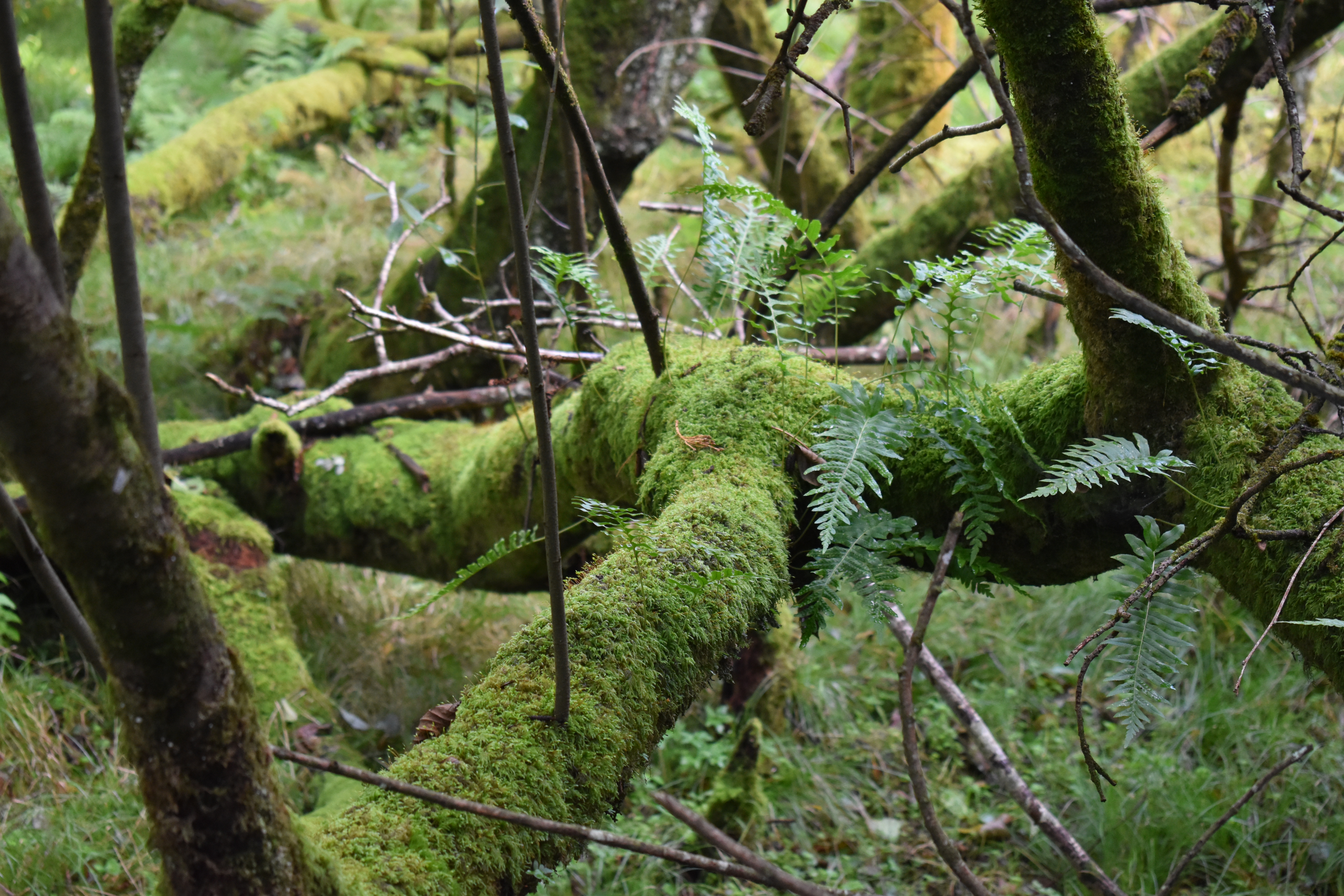
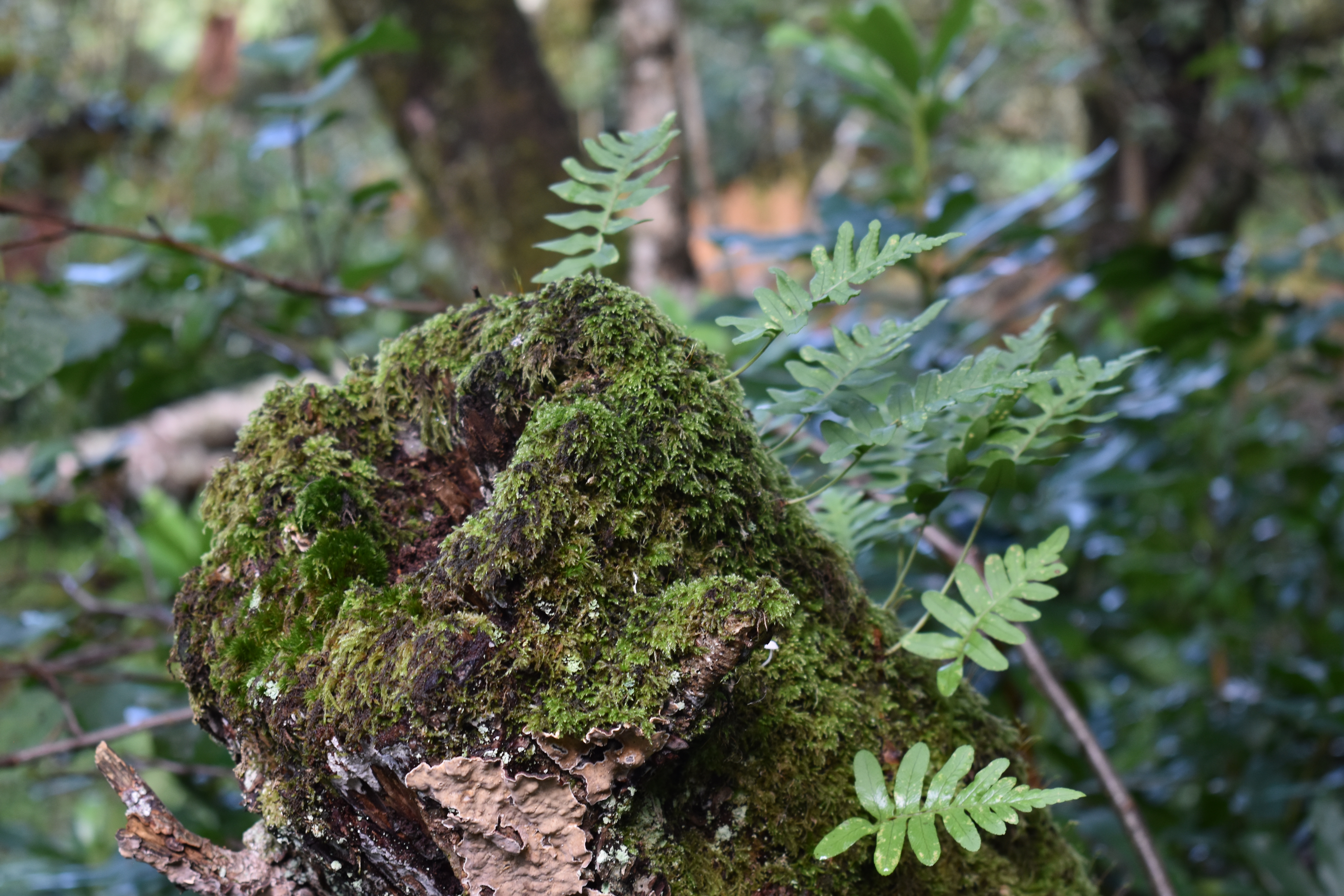
We soon spotted signs of just how damp the area is as any stump or fallen tree were carpeted in rich green mosses and lichens decorated standing trees and any wooden gate or fence.

Any shrubs or trees that flower in the winter months are extra special simply because they show up so well or are scented to attract predators and pollinators. There are fewer insects around at this time of the year than at any other, so plants need to be special to attract them.

Below are photos of a flowering quince, Cydonia, on the left and an evergreen member of the prunus family alongside.

The next four photos show a clump of birch catkins and Cornus mas flowers on the top row and below that two photos of a shrub completely unknown to us. It had the overall look of a will but it had white flowers. None of us had a clue to its identity.

The next pair of pictures show two different daphnes, on the left is the wonderful Daphne bhuloa ‘Jacqueline Postill’ and on the right Daphne odora ‘Aureomarginata’, both beautifully scented.

Variegated foliage comes into its own in the winter months, with hollies probably being the most prominent.

Coloured stems of shrubs and coloured and patterned bark of trees become more obvious once the leaves have fallen and exposed them.

At this time of year there only a few perennial plants that flower but everyone that does so is very special and noticed by almost everyone.

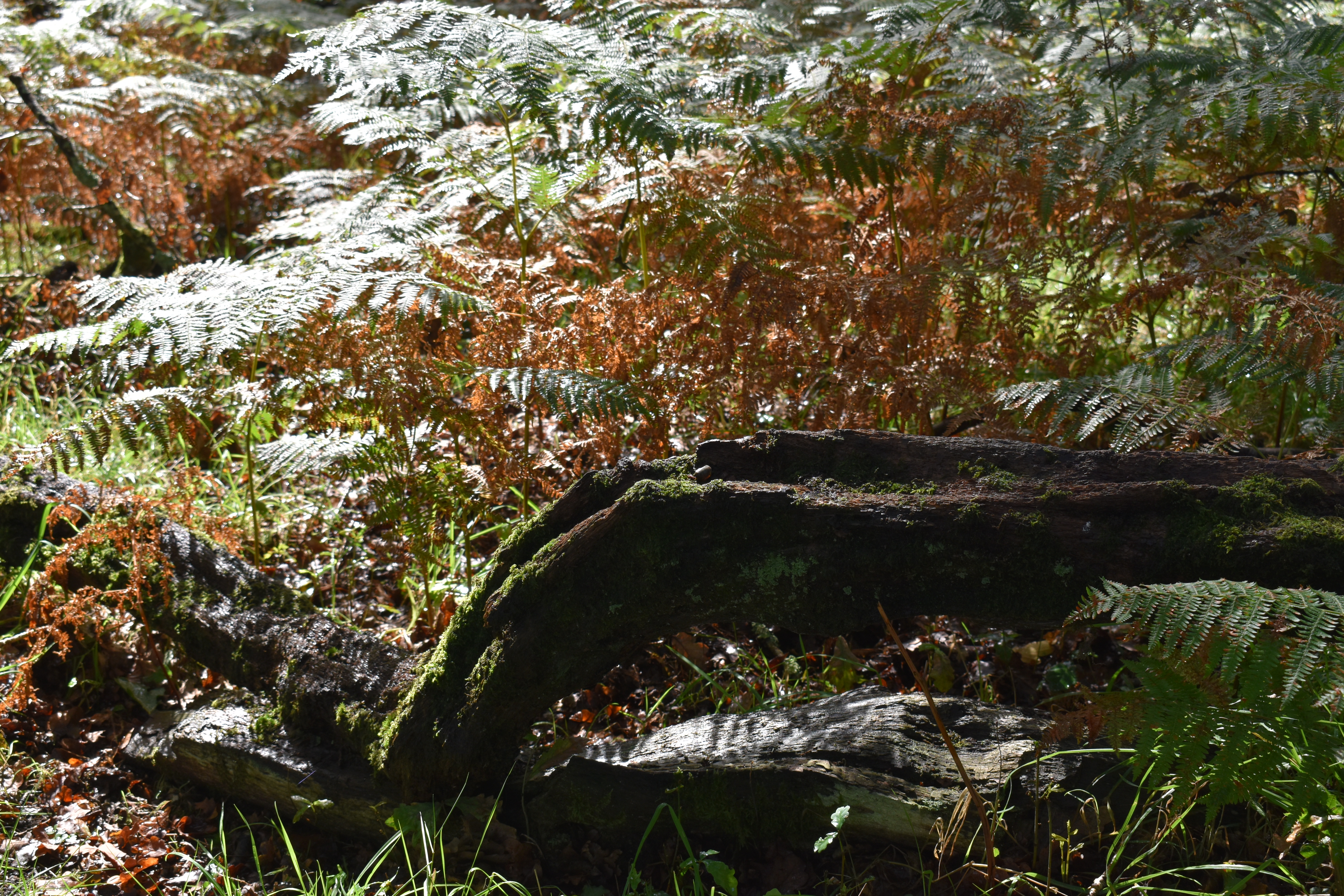
Wherever you visit in a garden or an arboretum you often find a surprise or two. At Bodenham it was ‘The fernery’ which seems to be taking advantage of an existing sloped pathway leading to a filled up feature. Ferns dominated the slopes and ivies covered the feature. One fern had beautifully shaped foliage and it is one we have been looking out for for years!

We shall be back later in the year in a different season.

Categories
Uncategorized

Almost there – flower buds waiting to burst.

Even as early as January and February there are several plants showing flower buds, that will be producing flowers in the first few months of the year. Buds are fattening up and splitting open to reveal clues concerning their colour and flower shapes.

Flowers that open this early on often give out rich scent to attract the few pollinators around in the winter weather. The two really early bloomers in our garden, both with rich scent flower early in January, are pink flowered Daphne bhuloa ‘Jacqueline Postill’ and white blossomed Sarcococca confusa. They both manage to send their sweet aromas far and wide.

Below – Clematis napaulensis and Hamamelis ‘Harry’.

Below – Clematis ‘Wisley Cream’ and a yellow flowered magnolia.

Below – Hamamelis ‘Diane’ and another clematis.

Two photos of a hebe early flowers and buds.

Below now we have two highly scented shrubs, Cornus mas and Viburnum tinus.

Another Viburnum again scented is V. bodnantense and another hebe trying to open its flowers.

A mediterranean herb seems the most unlikely of plants to flower during the winter months but Salvia rosemarifolia previously known as Rosemary, has china blue buds soon to open up into tiny pale blue flowers.

So, you certainly don’t have to wait until spring or summer to enjoy the wonders of flowers. Get out in the garden whatever the weather during the winter to see and appreciate what there is to offer.

Categories
Uncategorized

Peeling Bark on Ornamental Trees

One of the delights of growing several species and cultivars of trees in our garden is being able to look at, observe and touch peeling bark that appears on several. Each different birch has different coloured peeled bark and some peel off more than others. Birches are the best bark peelers of all, but other trees do join in. Prunus serrula shows rich coloured ribbons of bark in a beautiful deep ginger colour.

First let’s look at some of our birches. The first batch of photos are of Betula albosinensis ‘Kanzu’. As the years go on the bark gets more and more musty purple. This birch has so many colours on the main trunk.

I then move on to another albosensis variety of birch called Betula albosinensis ‘Septentronalis’, which has much more orange-ginger peeling bark. It peels back from the main trunk and main branches and falls to the ground in sheets.

The deep ginger coloured bark of Prunus serrula is in complete contrast to the paler trunks of the betulas.

A small tree which we grow for its winter-flowering is Cornus mas, which produces bright yellow spidery flowers in winter. The flowers burst from the main trunk and branches and share with us its gentle scent. After a few years of pruning to do formative pruning we can now appreciate the grey rough peeling bark, a great place for insects to shelter and over-winter.

One of the youngest betulas in our garden is ‘Hergest’ which displays gingery coloured peeling bark and very obvious lenticels, marking the trunk. It will change colour as it grows.

White stemmed birches mostly Betula utilis jacqemontiii, are probably the most widely grown of all birches. We grow ours in a typical trio formation. These specimens are Betula utilis ‘Snow Queen’ with bright white bark which shows gentle salmon colouration beneath peeled bark.

Finally I will share with you the tree whose bark peels off in thin strips. In a few months it will give us the pleasure of seeing its white clumps of flowers. It is quite an unusual garden tree and is known as Heptocodium miconiodes.

Categories
Uncategorized

Winter Foliage in our Avocet Garden

Foliage has important roles to play all year round and in winter it really comes to the fore. There are a reduced number of flowers to distract us. It is the third week of January and I shall take a wander around the garden with camera in hand, looking for variegated foliage and glaucous/grey/silver coloured leaves.

Alongside the front door we have two large terracotta pots featuring foliage plants and they look really good just now.

First off I wandered around the front garden looking for variegated foliage. The first trio of photos shows from left, a euphorbia, a rhamnus and a euonymus.

Moving around the shaded side of the house we wander along the ‘Shade Border’ sometimes called the Fern Garden which leads through the ‘Seaside Garden’ where silver foliage dominates. These two small shrubs are Convolvulus cneorum and Brachyglottis ‘Silver Dormouse’, the first has glossy foliage which catches the light beautifully whereas the dormouse is soft to the touch almost like suede.

While on the fence behind these two, a brightly leaved ivy, Hedera colchica ‘Sulphur Heart’, grows with large green and yellow foliage giving sunshine whatever the weather.

The pathway pathway through the ‘Seaside Garden’ leads us on to the ‘Rill Garden’ and then the ‘Winter Border’. There are so many interesting foliage plants to enjoy here.

Pittosporum, buddleia, cyclamen and drimys.

Below – euphorbia, Buddleia salvifolia and hebe.

Below – coprosma, lamium, santolina, a Buddleia davidii and lavender.

From the Winter Garden we follow the central path and take a left turn beneath a wooden arch into the the ‘Sensuous Garden’. Here lives the amazingly coloured and variegated Osmanthus heterophylus ‘Goshiki’, which is cloud pruned to make it even more of a feature.

For the next part of my wander I walked alongside the heritage apple trees grown as cordons and the along the Spring Garden to see what variegated or glaucous foliage we could find there.

On the left is Euphorbia ‘Ascot Rainbow’, above right is another hebe and finally one of our native euophorbias.

Below – stachys, centauria, and an arum.

The final pair of foliage photos taken in our back garden are another different euphorbia and a very glaucous leaved hebe.

Categories
Uncategorized

My Garden Journal 2023 January

A new month and a new year for my garden journal, and the cold wet and windy weather continues as before.

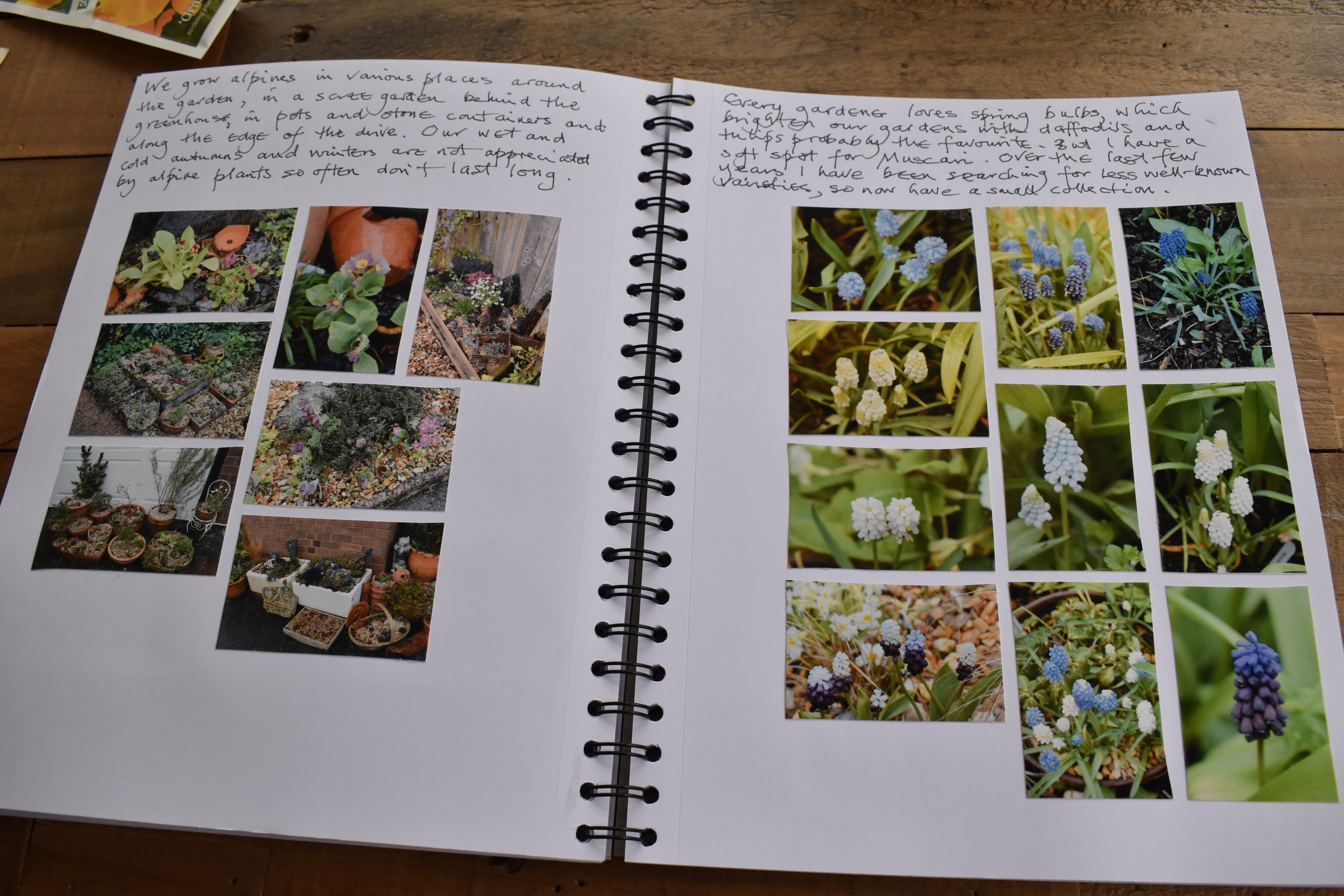
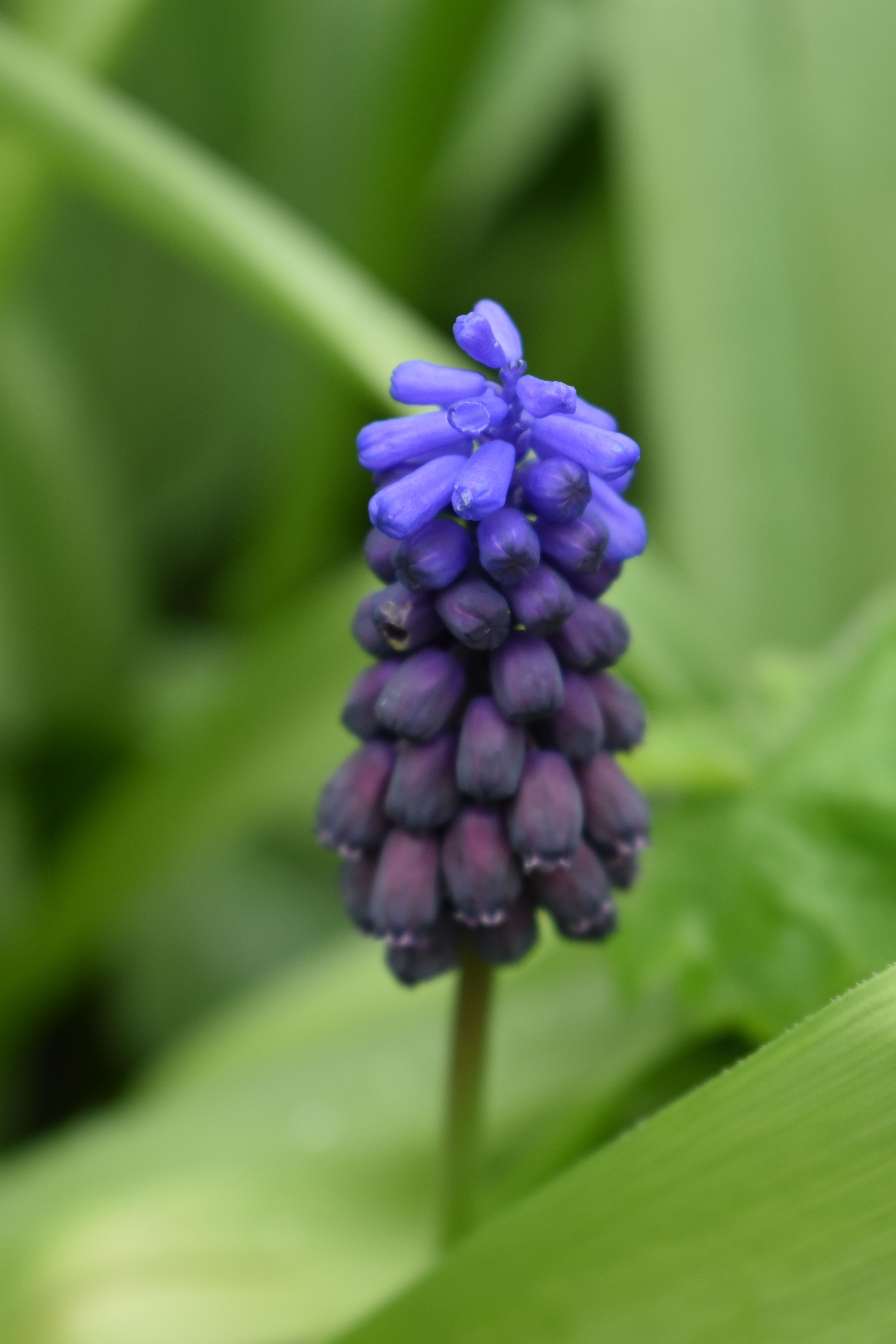
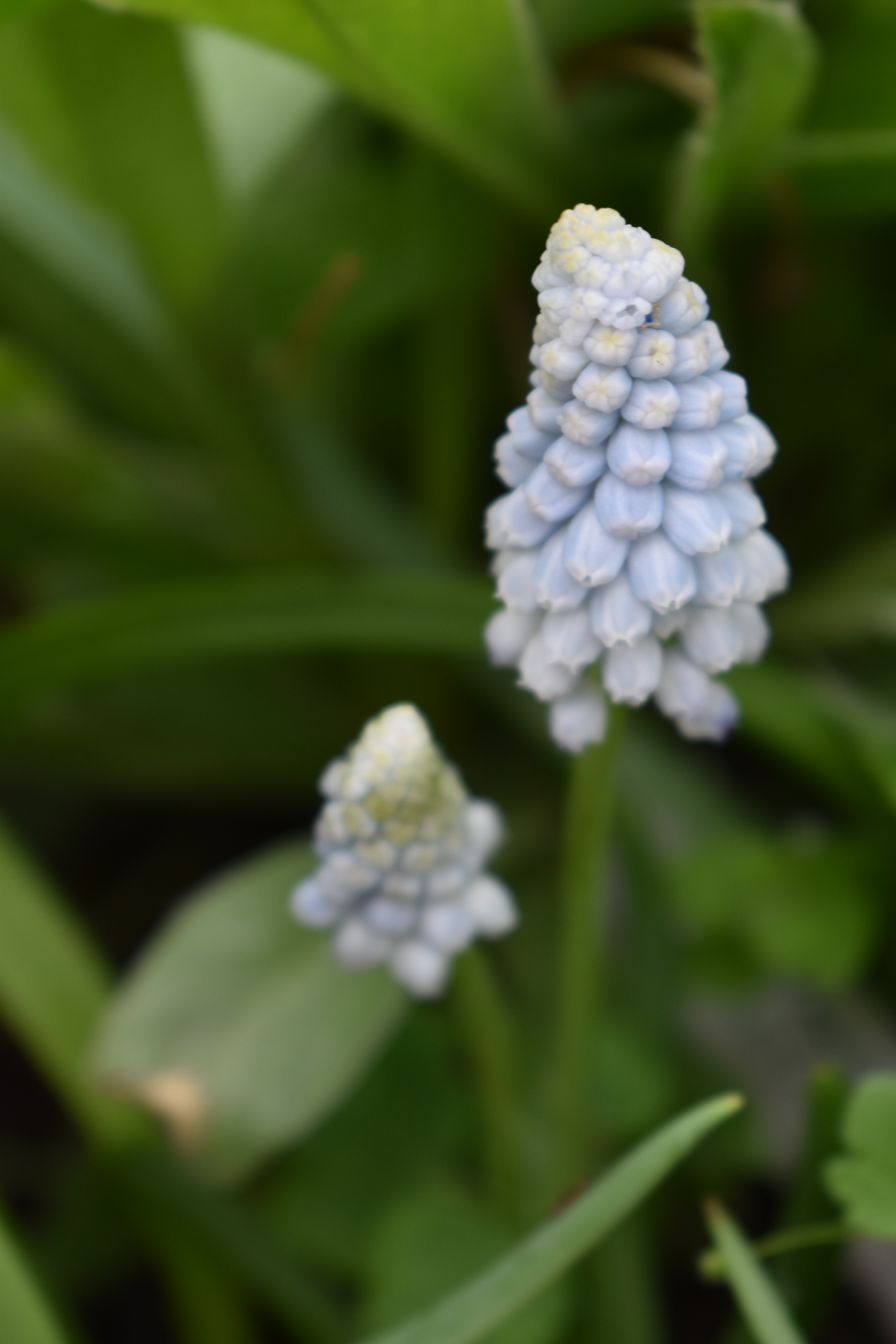
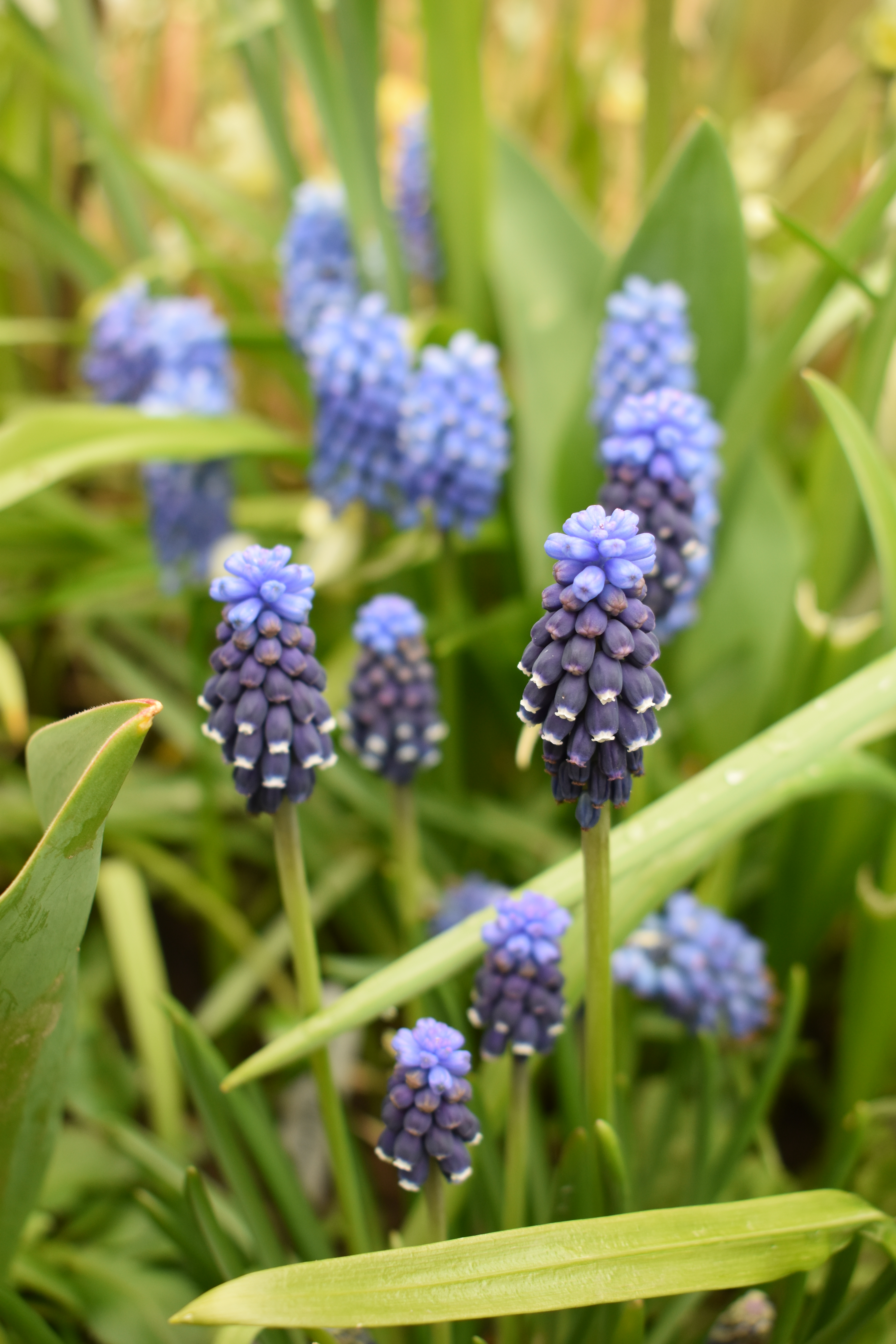
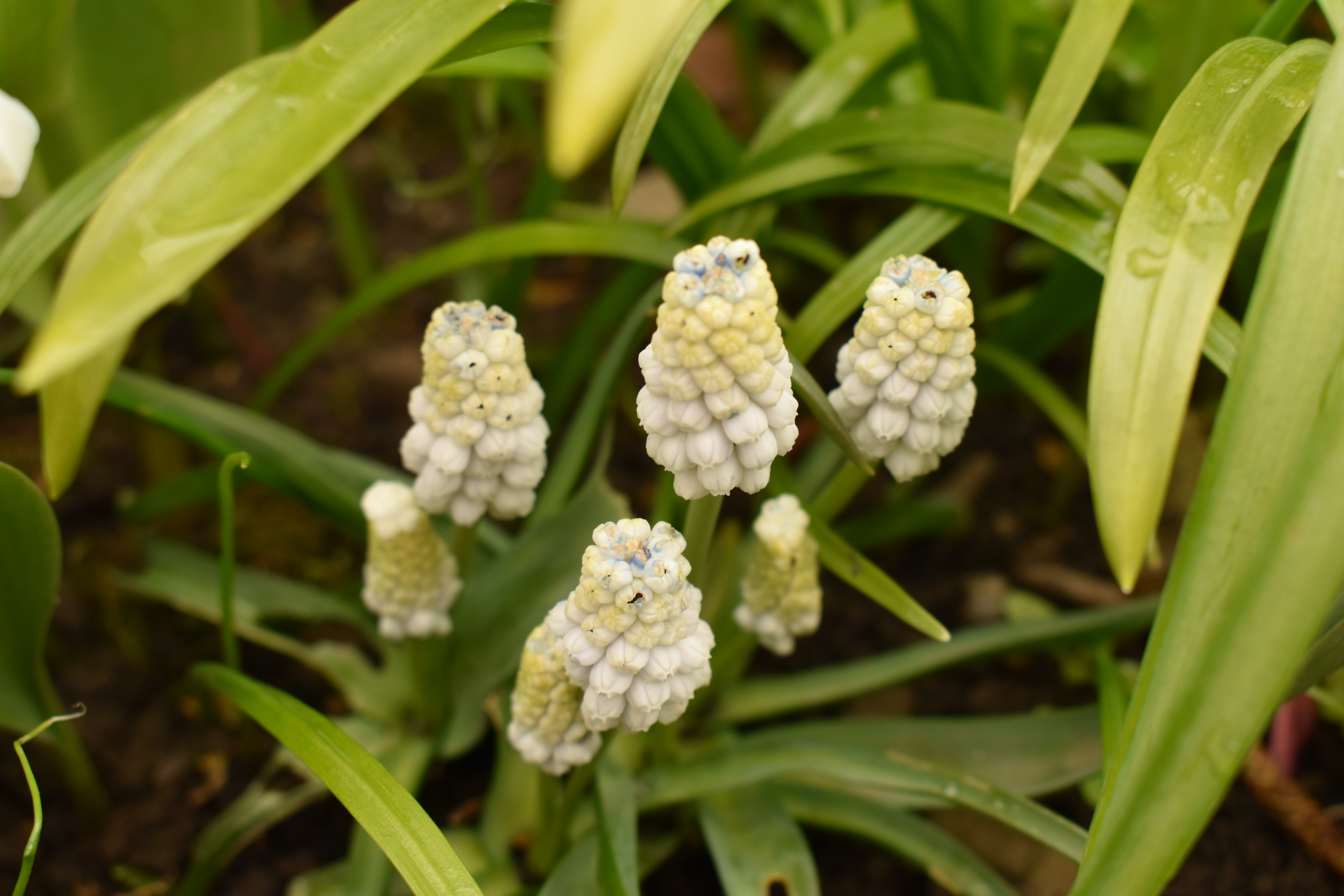
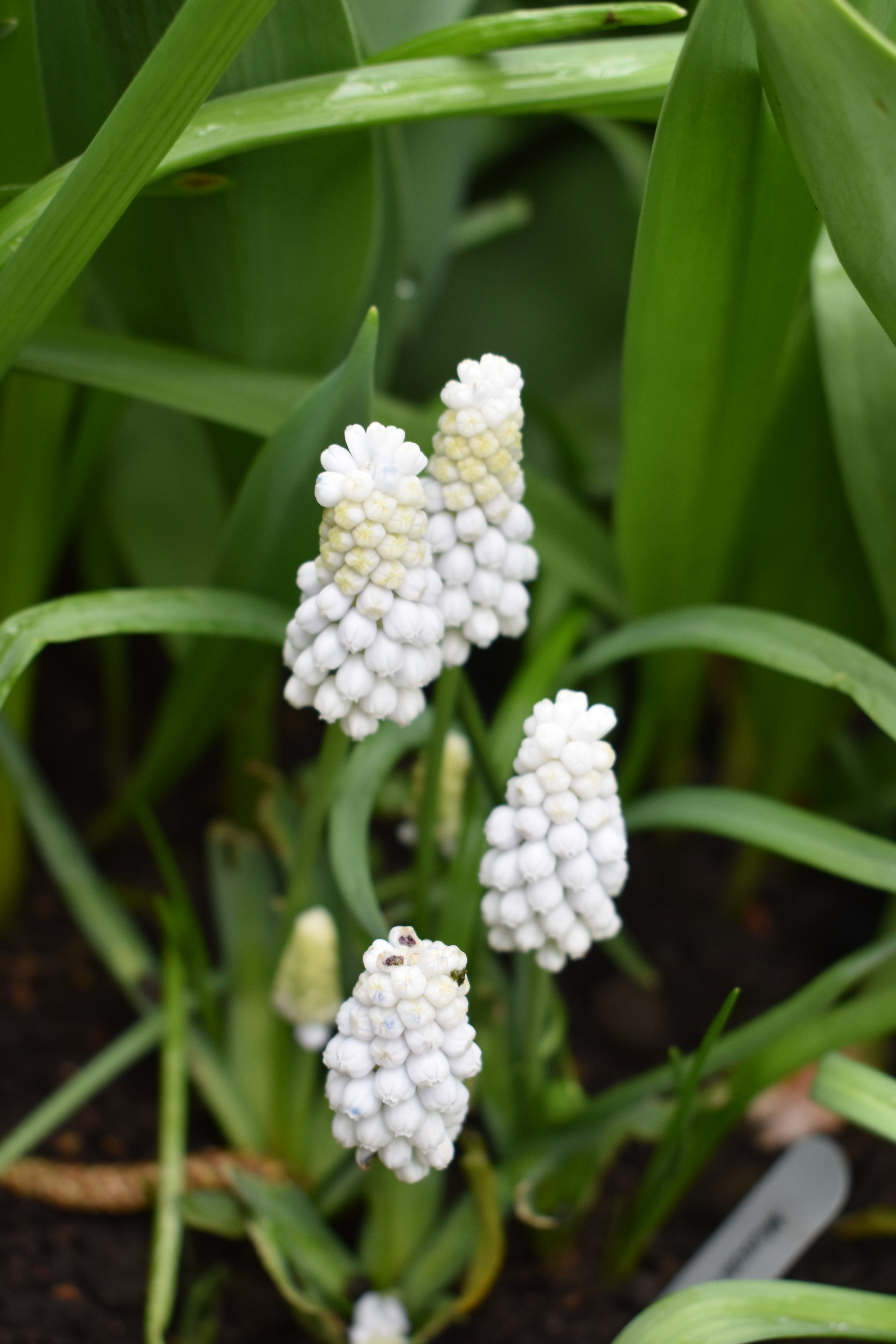
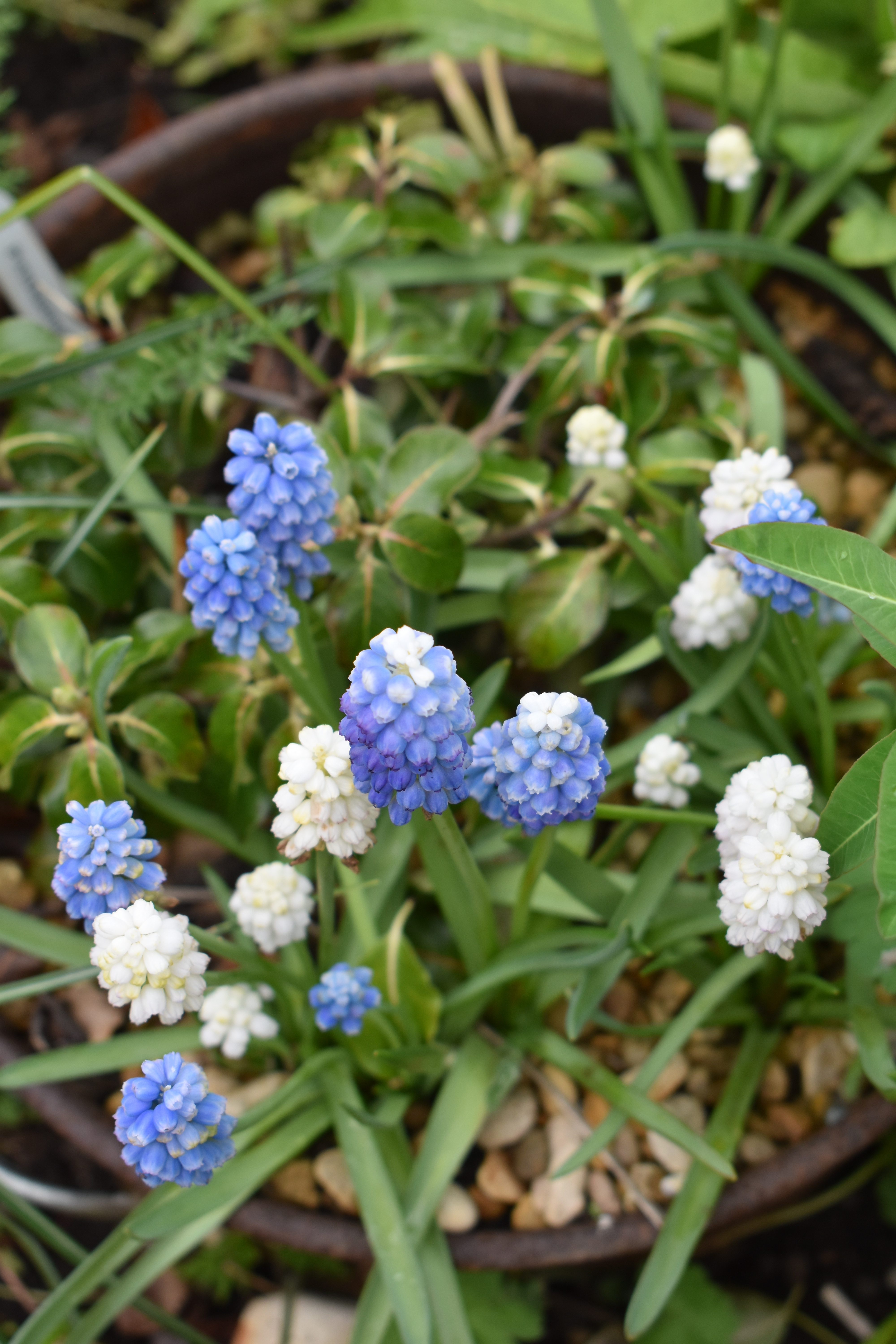
Muscari were the stars of the first page of this month, one of my favourite early bulbs. Over the last few years we have managed to find a few more unusual ones.

I began the year by writing, “January 2023, a new month and a new year in our Avocet garden. With our climate changing as it is, it is difficult to guess what this year will bring. the weather presented to us last year made gardening more difficult than ever before. The heavy rain and strong winds carried over from December into the first day of the new year. On the second we awoke to a bright dry day, the first for some time.

I took advantage of the break in the weather to plant the last spring bulbs, which is weeks late. We had several packs of muscari to plant, one of my favourite flowering bulbs. I started with a mixed pack called ‘Blueberries and Cream’ all 50 of them. Then I planted a white called ‘White Magic’, 30 pale-flowered ‘Valerie Finnis’ and finally35 bicoloured M. ‘latifolium’.”

Wildlife featured on the opposite page where I wrote, “Wildlife enlightens our patch at this time of the year, driven in by the weather and drawn in by the plants provided for it. Wildlife lifts the gloomiest of days through colour, movement and song. Blackbirds and their cousins the thrushes busily strip colourful berries from the trees and shrubs we grow especially for them. We regularly check stored apples and some are always damaged or show signs of rot. These are thrown onto lawns and borders. These birds soon finish them off with a little help from wood mice, voles and shrews.

The hedgehog feeding stations are visited very infrequently at this time of year. In milder periods they will go wandering to visit and enjoy the water and dry food we supply for them.

When working in the garden we come across worms near the surface , and also discover frogs of all ages and sizes on the move. Soon we should have spawn in some of the ponds.

Bird sounds change now, their calls becoming songs which are far more cheerful and uplifting. Also some birds begin to explore nestboxes and natural nest sites to ensure they get the best. Bluetits and robins have already taken possession of boxes.

When gardening we often find ourselves among flocks of birds, usually titmice and finches. I love being in the garden when a flock of long tailed tits arrive, surrounding me with gentle calls and beautiful colours. A group of these ‘lollipop birds’ is called a ‘Zephyr’, which means a soft gentle breeze – so apt!”

Over the page I feature catkins and on the opposite page I take a look at garden jobs we were involved in.

I noted,“January is the month when catkins appear on our betula and salix, birches and willows. In the countryside all around us hazels are dripping with their chartreuse coloured catkins.”

I then shared ten photos of some of our catkins. The top row shows Salix gracilistylus ‘Mount Aso’.

Next I shared two photos of a close relative of ‘Mount Aso’ called ‘Salix gracilistyla melanostachys’.

Then two photos of Betula albosinensis ‘Chinese Ruby’.

I will finish looking at catkins with three photos of another Betula, B. ‘Hergest’.

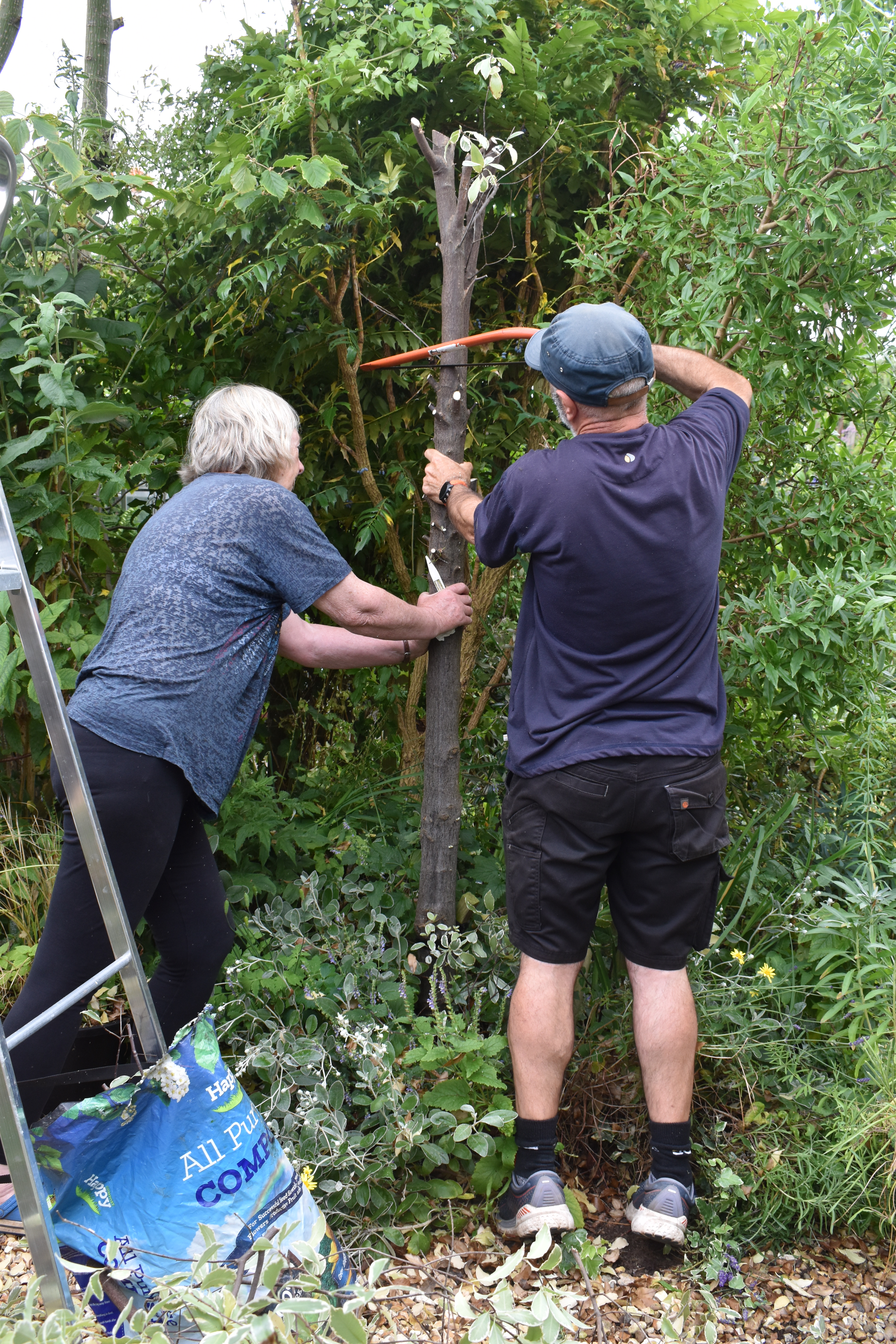
On the opposite page to these catkins was a page about working in the garden. I noted that, “Although January doesn’t often present us with decent gardening weather, we still wrap up warm and enjoy time outside! It is so good for us physically and mentally.”

We also cut down our old Prunus autumnalis which had died in the summer. We had our daughter Jo and her partner Ed to do the heavy work.

We can now turn over to two pages featuring trees with peeling bark, the first page being all betulas. I noted that, “Some of the ornamental trees we grow in our garden were chosen for their interesting bark, colour and texture. Betulas do this for us more than any other. But they also have another aspect of beauty for us to enjoy, peeling bark.”

Below; Betula albosinensis ‘Kanzu’.

Below; Betula albosinensis ‘China Ruby’

And below; Betula albosinensis septentrionalis

On the opposite page, the penultimate page for this month, I look at another two betulas with peeling bark plus a prunus that does the same.

Below; Betula ‘Hergest’

Below; Betula utilis jacquemontii ‘Snow Queen’

Below; The odd one out – Prunus serrula

So now we reach the final page for January which features more garden tasks. I noted that, “Whenever the weather allowed, which was very infrequent, we dressed up against cold and wet and spent time in the garden. We never knew what the weather would throw at us – rain, sleet, hail, snow, howling winds. Sometimes several of these would arrive on the same day.

We top dressed trees with shredded autumn leaves and finished off the board between the bark path and the gravel of the new eating area.

Jude planted some beautiful cyclamen given to us by gardening friends who came for lunch.

Ian cut down perennials in the Chicken Garden and we checked all tree stakes and ties.

All too soon January came to an end but hopefully it has taken the rotten weather with it.

Categories
Uncategorized

Christmas at Attingham Part 2 : Outside

After enjoying exploring the inside of the hall followed by some tasty coffees, we took off for a wander around the ‘Mile Walk’, the shortest trail in the parkland.

The sky was continuously changing which was reflected in the weather as illustrated in the two photos below.

We knew there were a few Christmas trees to find out here too.

The tree above was on the grass area within the walled garden where we also noticed these sedum seed heads in the borders. The gardeners working in the woodland areas have created some most original wooden reindeer. Just outside the walled garden near to the bothy we discovered another tree.

As we were enjoying our walk we came across cones from last year’s crop, a mahonia flowering away and giving off a sweet scent and some rose buds fighting the weather and hoping to open up.

We were pleased to see buds forming on trees and shrubs in readiness for spring action. They have delicate beauty and suggest promises for the future in the woodland.

The woodland provided some winter food for wildlife and some colour for us in the berries.

Categories
Uncategorized

Christmas at Attingham Part 1: Inside

We booked ourselves in to visit Attingham Hall just before Christmas to see what the employees and volunteers had created to celebrate the season. This year the theme was based on the craftsmen involved in making and maintaining the hall, so we were looking forward to seeing what they had achieved decorating lots of Christmas trees and other decorations in each room. After exploring the inside we went for a wander round the one-mile walk with a detour through the walled garden.

So first off we entered the hall and handed in our little wooden tokens decorated with an acorn and oak leaves which proved we had booked our time slot. This first tree graced the entrance hall, which led us into a room with amazing table top decorations.

In the next room a huge glistening chandelier reflected the shape of the tree behind it.

This little tree was made out of pasta and sprayed gold. The third photo here is of the tree celebrating the work of artists. in the row of photos below different artists were celebrated, the upholsterer and photographer.

These two pictures illustrate the craft of the clockmaker.

This dramatic staircase with equally unusual ceilings above again was all about craftspeople who originally would have worked in the hall keeping it in top condition.

Just a few more photos of the remaining rooms to share what we saw before a fire alarm shortened our exploration of the rooms, luckily a false alarm but still evacuation was the result.

We took advantage of the alarm and evacuation to return to the coach House Cafe where we enjoyed coffees before taking off for a wander around the ‘Mile Walk’. This will be the subject of my next post.

This Veggie Life

A Vegetarian | Nature Lifestyle Blog

Rambling in the Garden

.....and nurturing my soul

The Arch City Gardener

Journeys In St. Louis Gardening and Beyond

Garden Dreaming at Châtillon

Consult the genius of the place

Storyshucker

A blog full of humorous and poignant observations.

gardeninacity

Notes from a wildlife-friendly cottage garden

PlayGroundology

...an emerging social science

The Official Blog of British Wildlife

'The most important and informative publication on wildlife of our times' - The Independent. This blog is a member of The UK & Ireland Natural History Bloggers group: www.uknhb.blogspot.com

iGrowHort

Inspire - Cultivate - Grow Native Plants - Restore Landscapes

Bishops Meadow Trust

To create and protect a semi-natural wild space for the people of Farnham to enjoy and experience an array of British wildlife in our town

Gardening with Children

The www.gardeningwithchildren.co.uk Blog

UKbirdingtimeline

birding through the seasons, why birds matter and how to conserve them

NATURE WALKER

with a camera in hand

Jardin

Transform your outdoor space

Eva's space

My allotment, cooking and other interests

Old School Garden

my gardening life through the year

LEANNE COLE

Trying to live a creative life

fromacountrycottage

trying to live as lightly as possible on our beautiful planet

Good Life Gardening

Nature lovers from Leicester living the good life.

mybeautfulthings

Finding the beautiful in the everyday

mawsonmichelle

Michelle's Allotment

In and Out of My Garden

thoughts from and about my garden

Greenhousing

Big plans for a small garden

The Scottish Country Garden

A Walled Country Garden in South East Scotland

The Fruity Chicken

Life at the fruity chicken

willowarchway

Off grid living. Self sufficient. "PERMAGANICS RULE".

St Anns Allotments

Nottingham's Grade 2* Listed Allotments and Community Orchard

Manifest Joy Harvests

a journey in suburban vegetable gardening

Allotmental

The madness of growing your own

Penny's Garden: a harvest beyond my front door

A novel approach to vegetable gardening

arignagardener

Sustainable living in the Irish countryside.

NewEnglandGardenAndThread

Master Gardener, amateur photographer, quilter, NH native, and sometimes SC snowbird

dianajhale

Recent work and work in progress and anything else that interests me

planthoarder

a chaotic cottage gardener

Lens and Pens by Sally

a weekly blog that creates a personal philosophy through photographs and words

Dewdrops and Sunshine

Stories from a sassy and classy Southern farmbelle.

The Pyjama Gardener

Simple Organic Gardening & Seasonal Living

gettin' fresh!

turning dirt into dinner

JOY...

today the world is created anew

Garden Birds

Notes from a Devon garden

ShootAbout

Life Through The Lens

Adapting Pixels

A photography blog showcasing the best photography pictures and videos on the internet

Wildlifegardening's Blog

Just another WordPress.com site

naturestimeline

personal observations from the natural world as the search continues for a new approach to conservation.

LATEBLOOMERBUDS

The Wonders of Life through my Eyes, my Heart, my Soul