Categories
Uncategorized

My Garden Journal December 2022

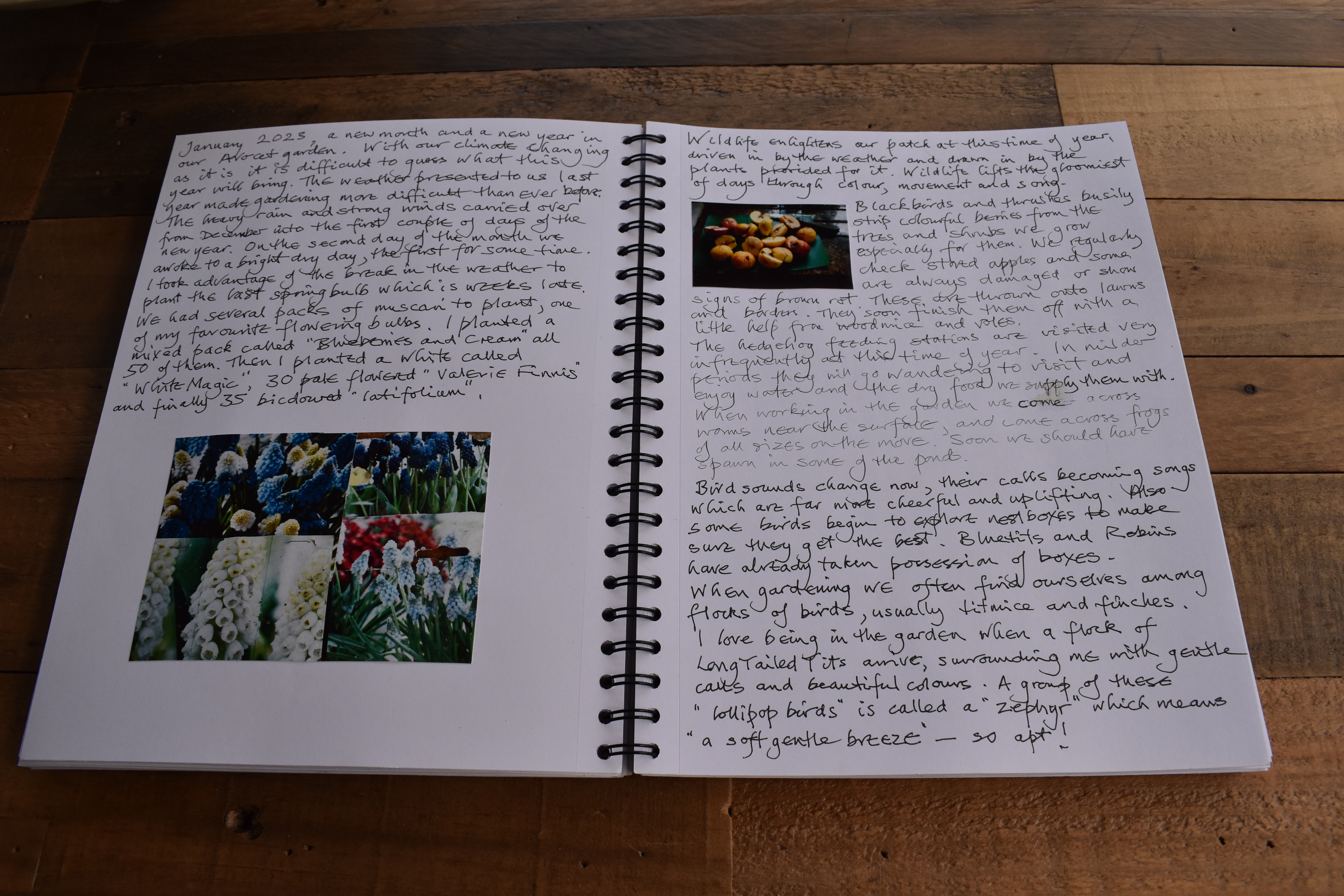
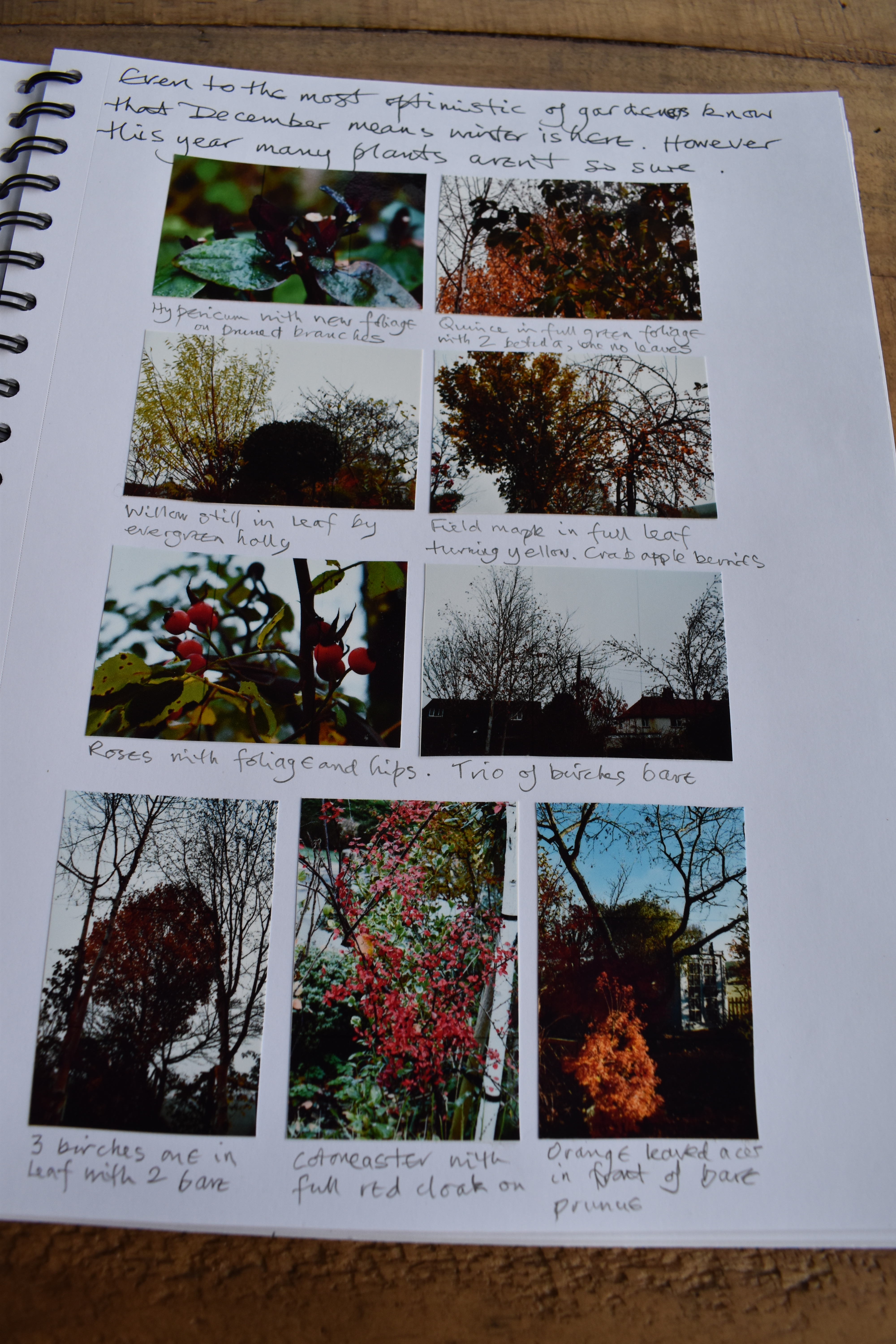
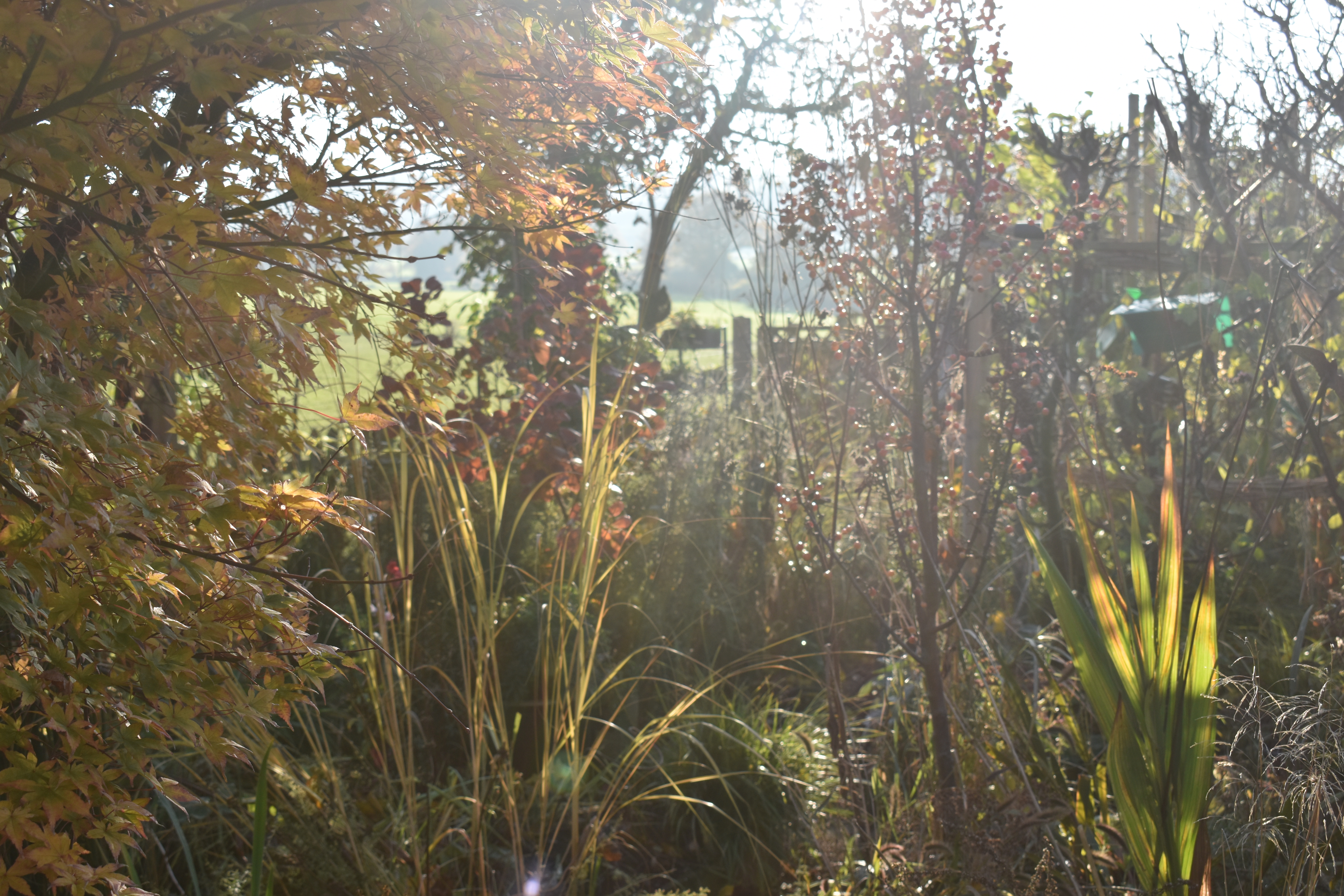
This is my final visit to my garden journal for 2022, and we shall look at what is happening here in our garden in the last month of the year.

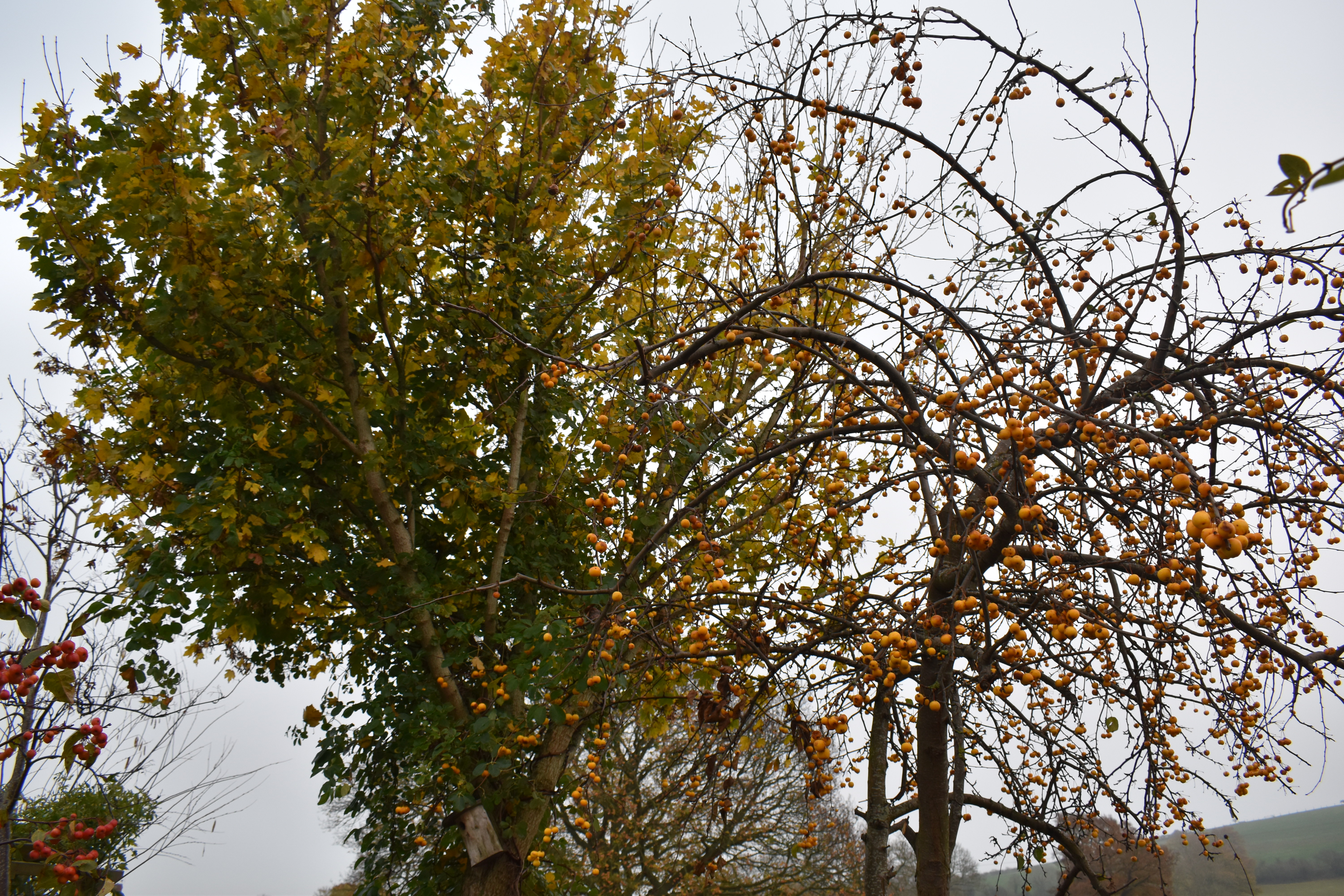
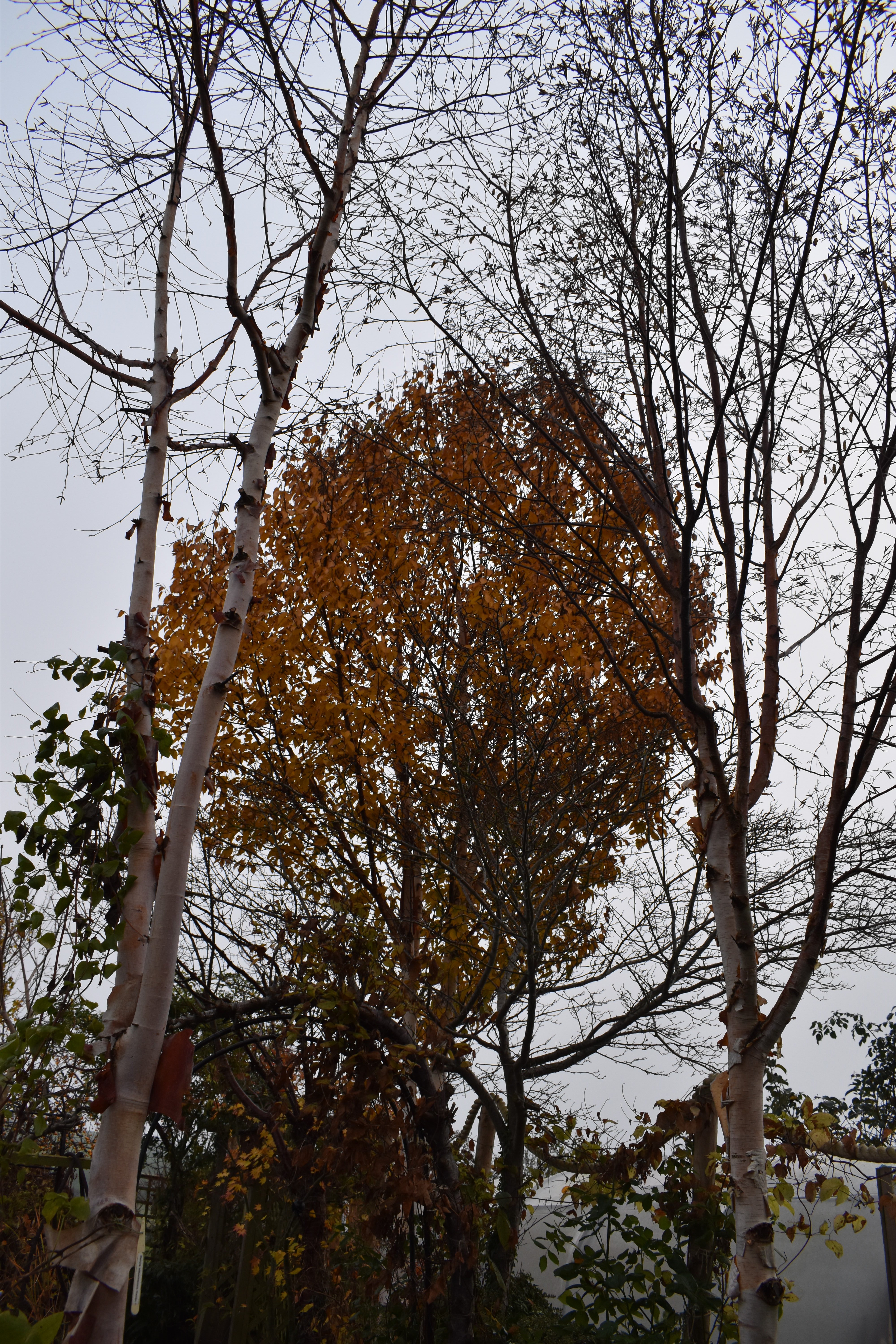
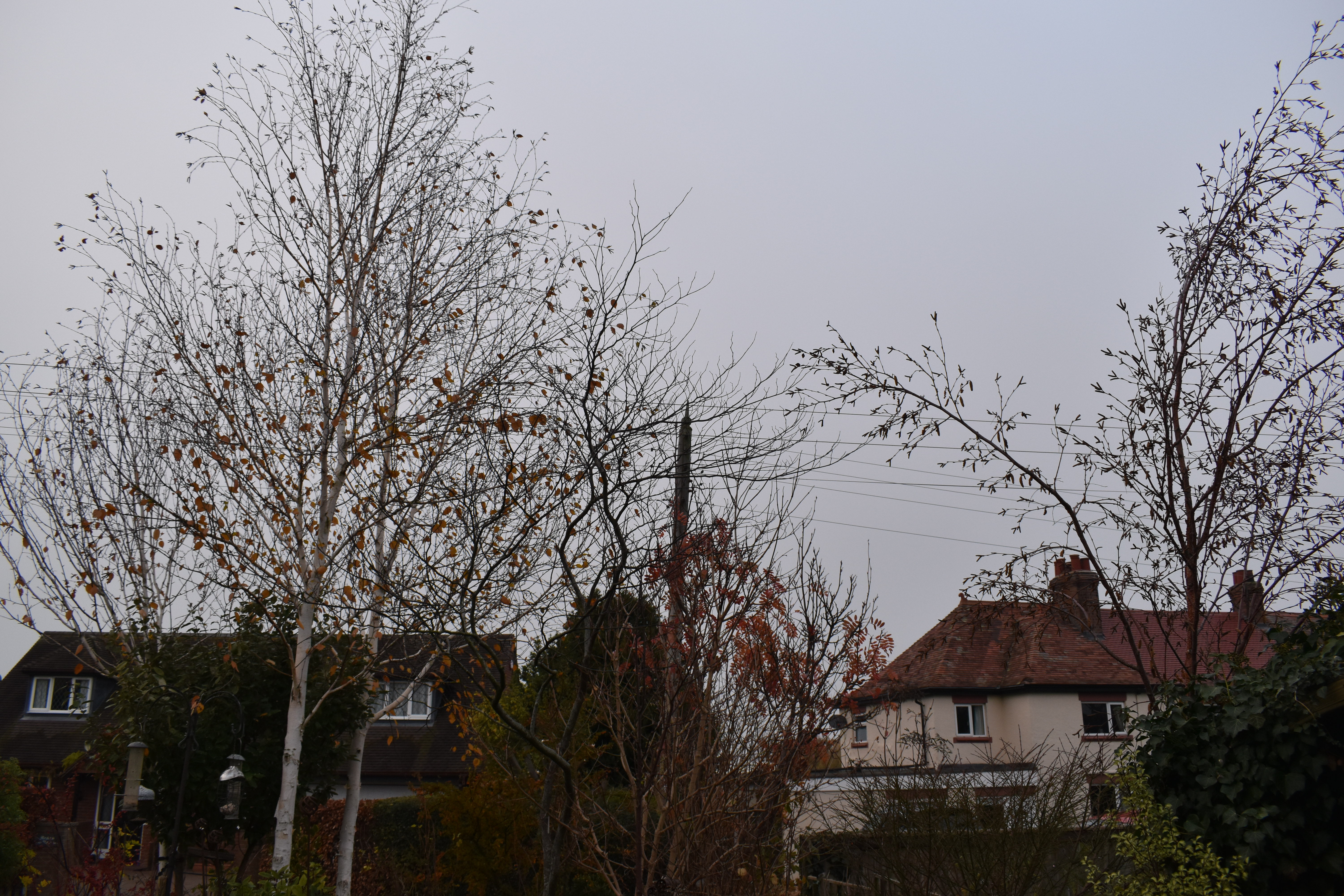
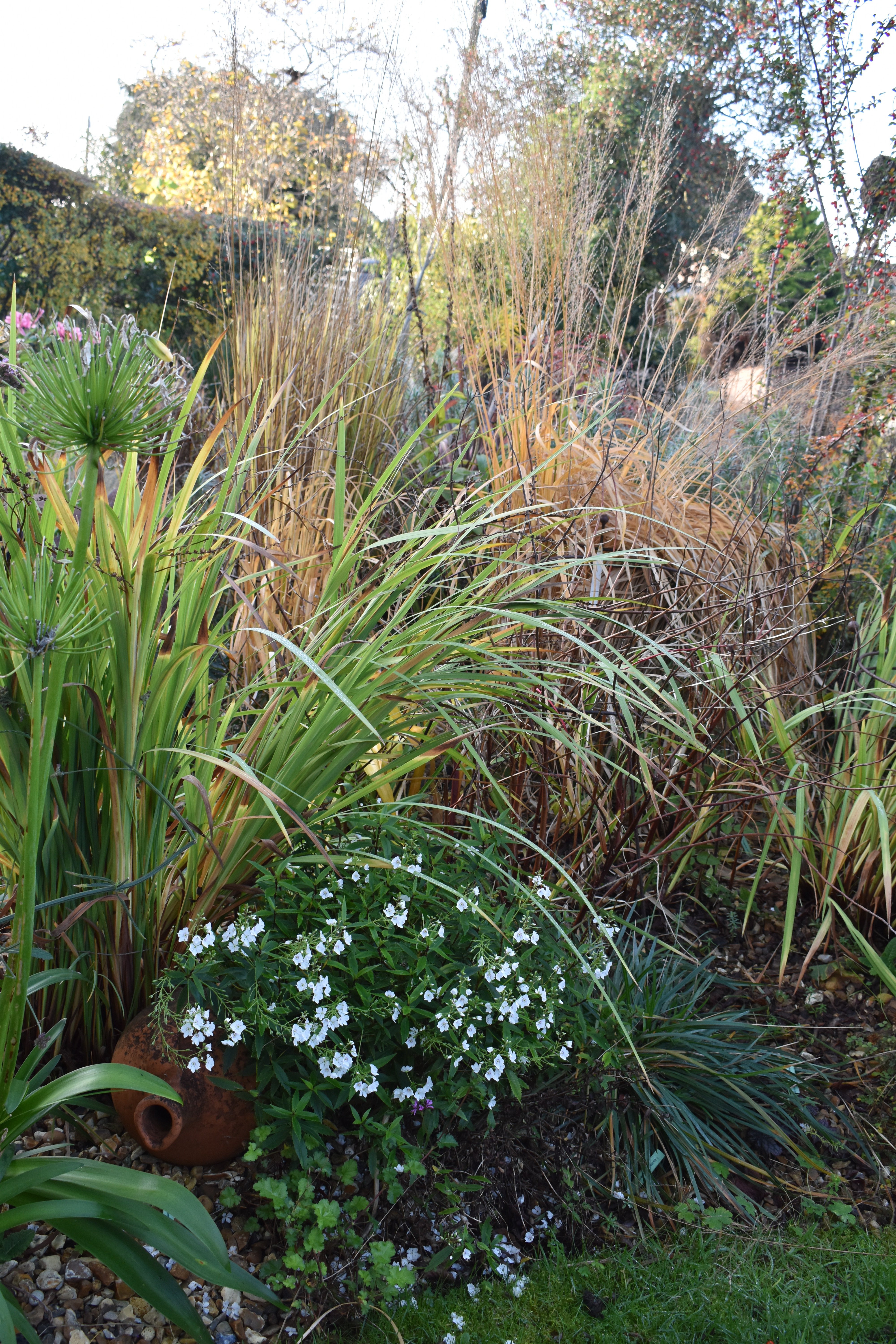
My first page I looked at how the strange weather this autumn and early winter has upset and confused some plants. I wrote, “Even the most optimistic of gardeners know that December means that winter is here. However this year many plants aren’t so sure.”

I shared eight photos as illustrations.

On the next two pages I shared photos photos taken as I took a tour of the garden and wrote, “These two pages take us on a journey around the garden searching for long views and interesting plant communities to give an opportunity to see different interesting spots.”

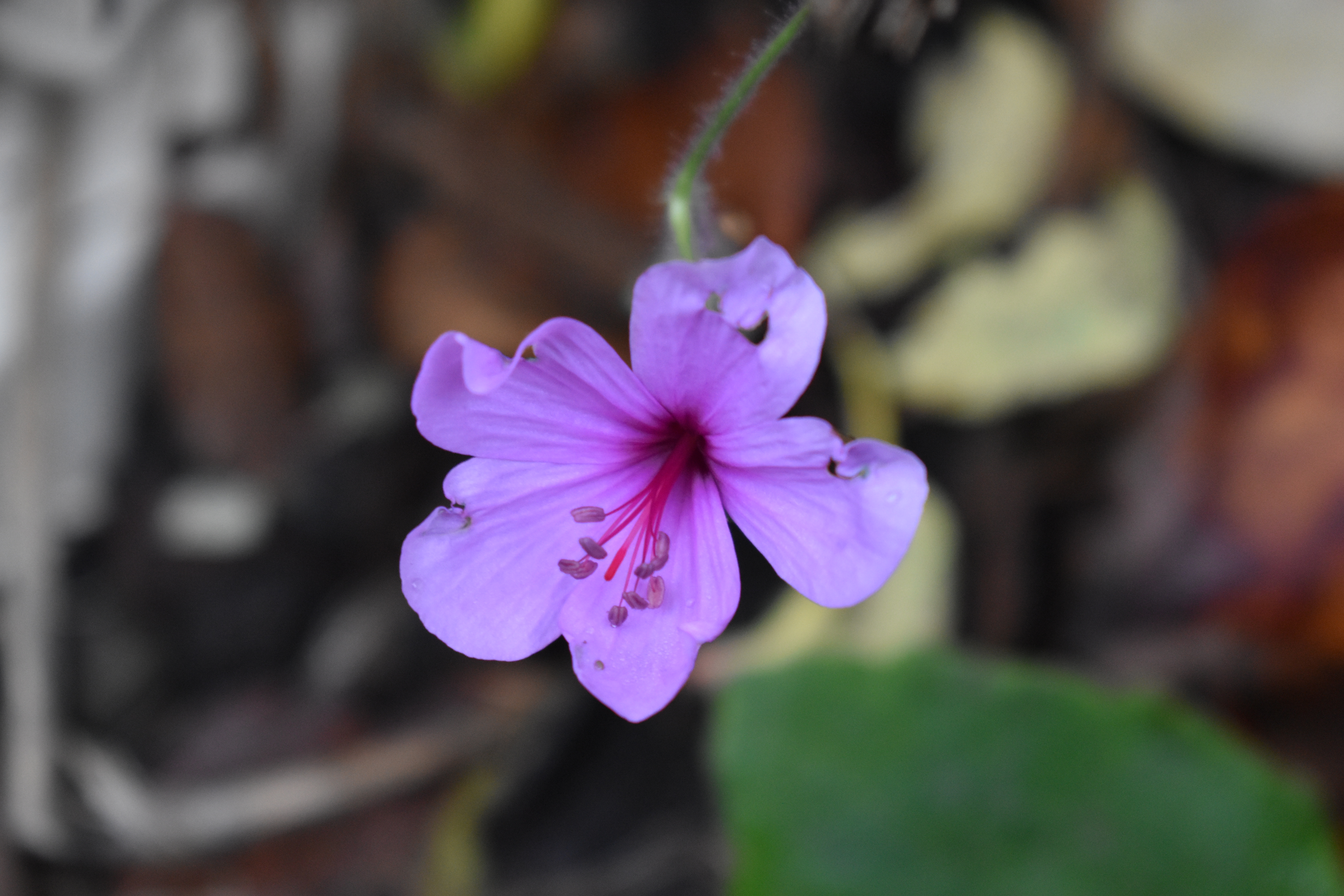
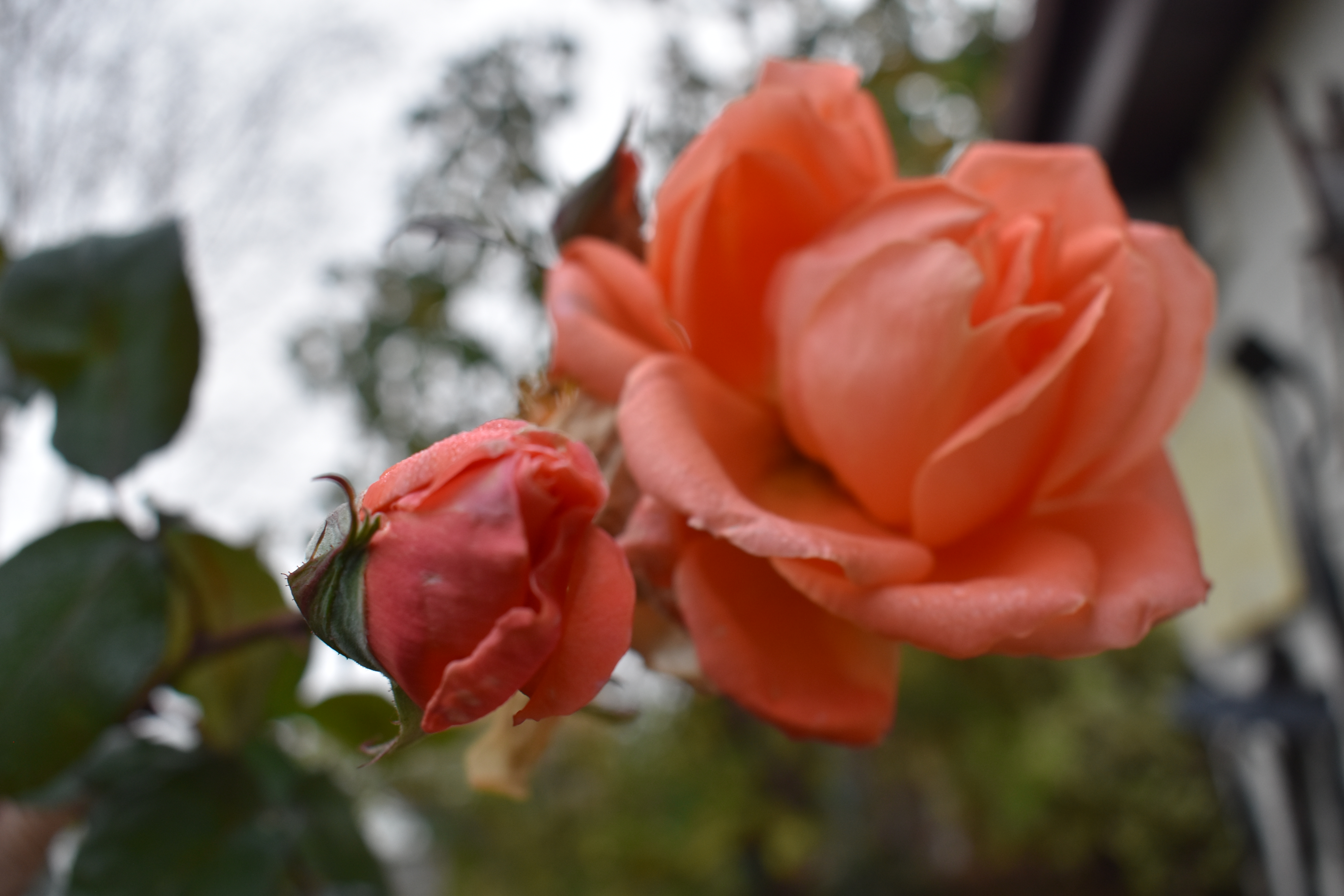
Onto the next two pages and the first shows flowers found in a December wander around our Avocet garden. I wrote, “Take a wander around the garden. It is amazing how much colour here is provided by flowers.”

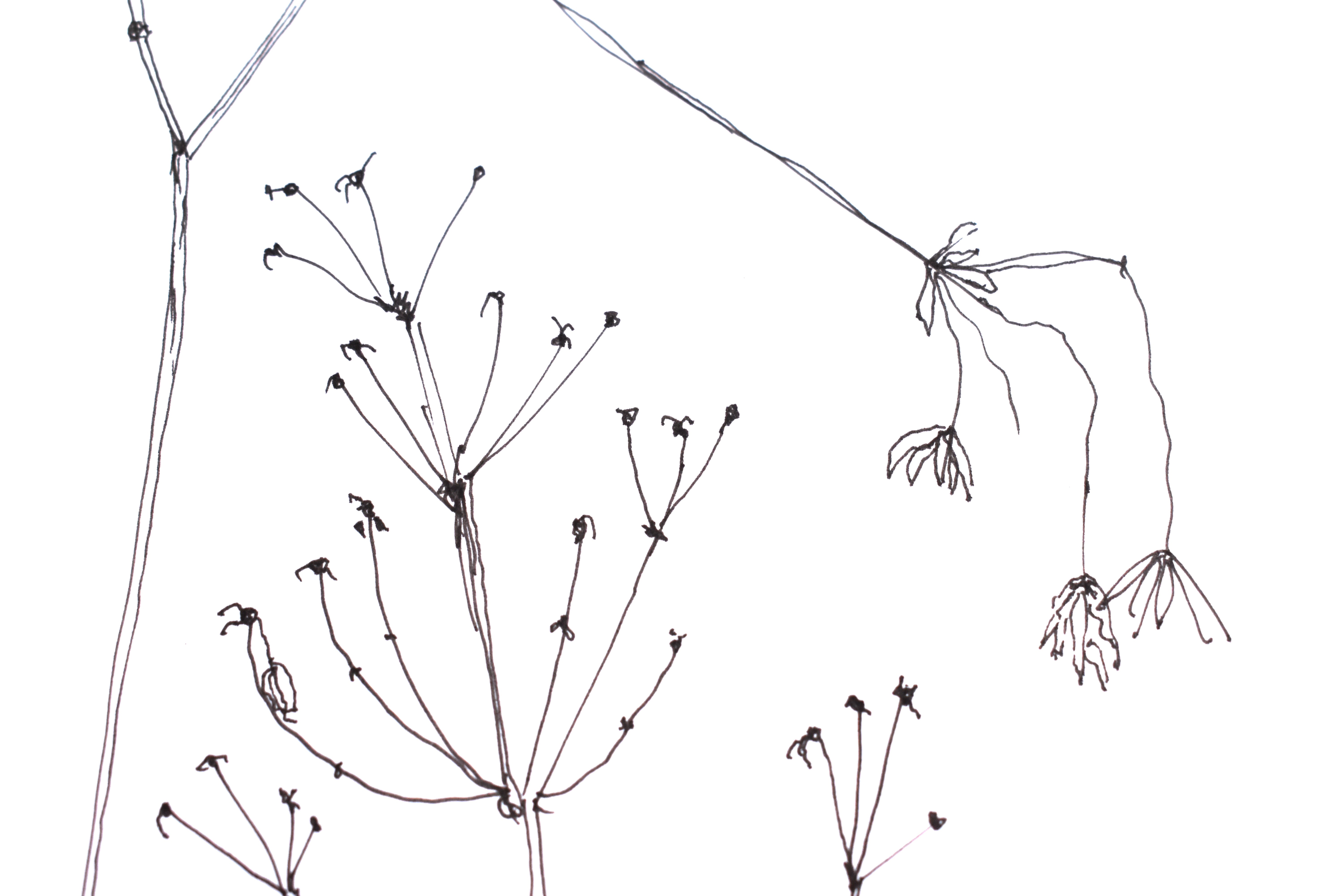
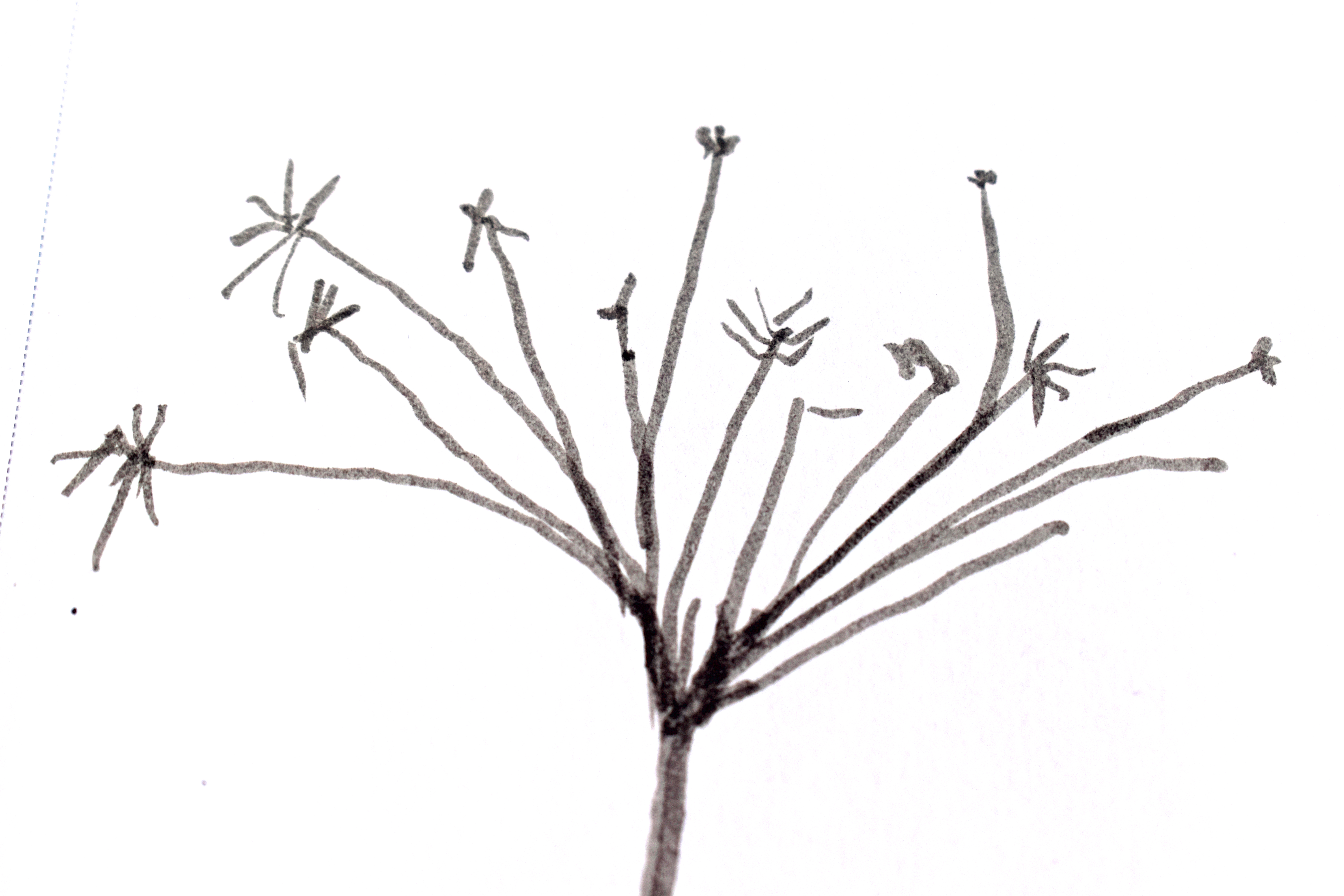
On the opposite page after a look at colour in the garden I shared a sketch of seed heads using very fine drawing pens which I entitled,

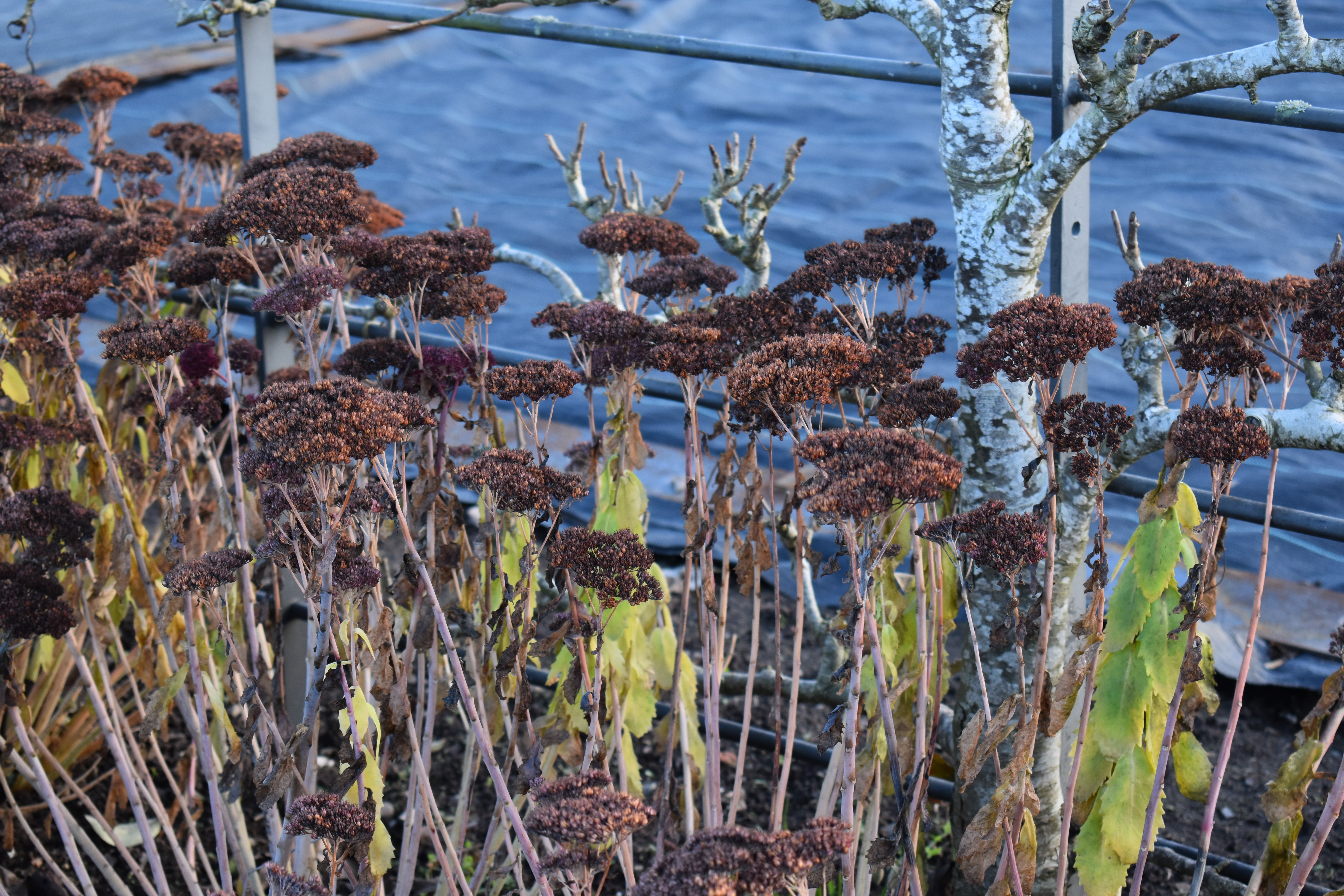
“The delicate dried stems and old seed pods.

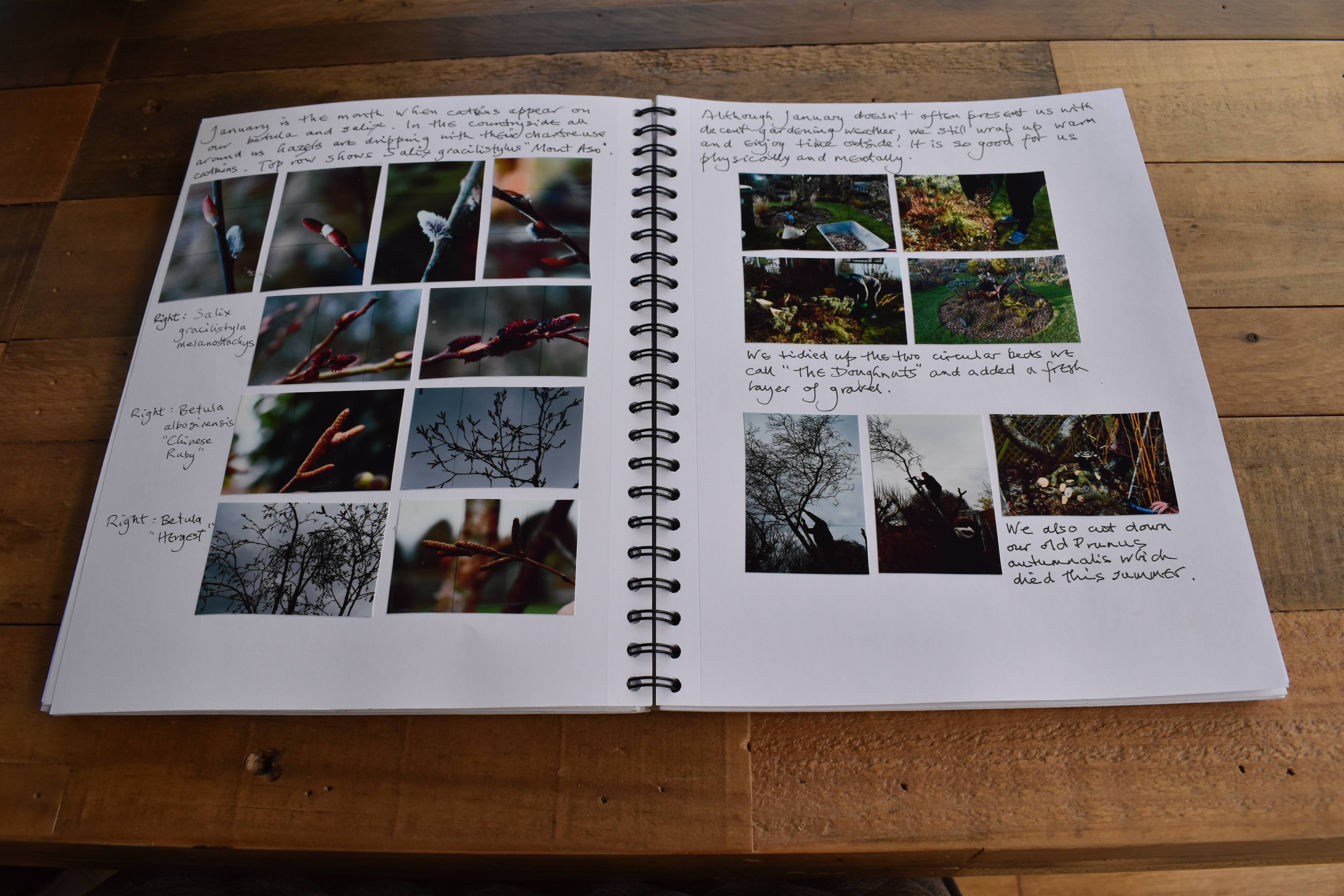
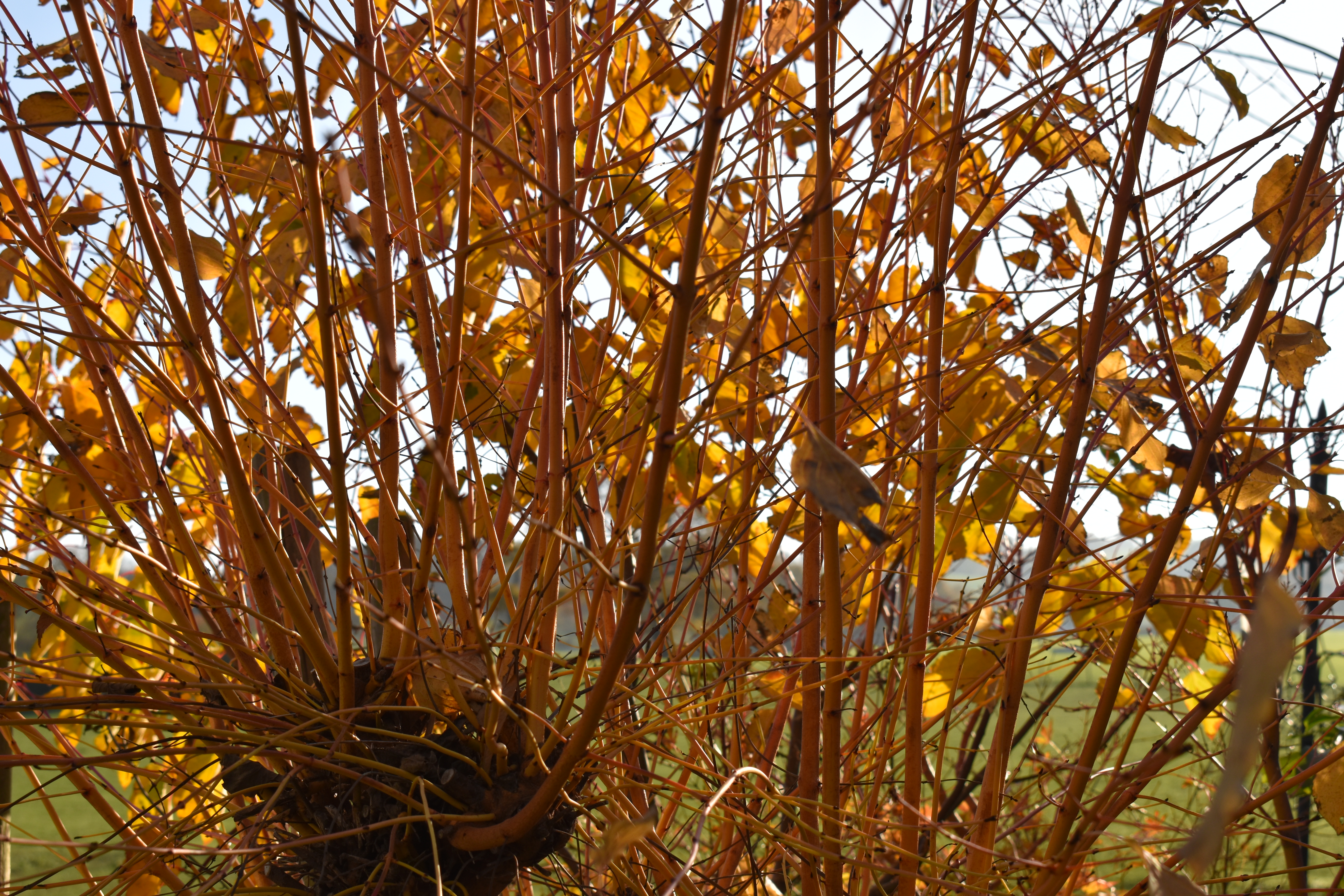
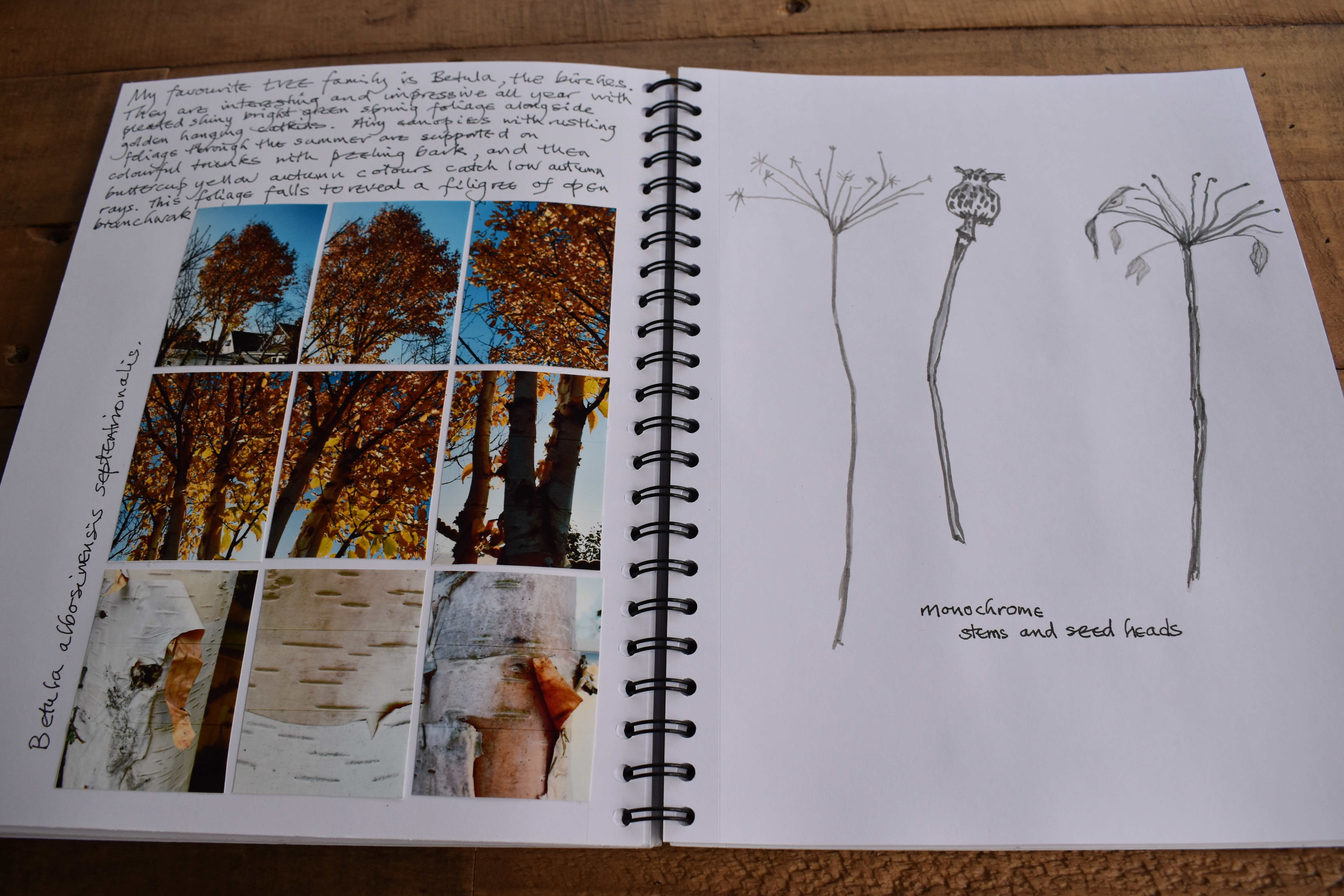
Over onto the next pair of pages and on the left I considered birches and opposite more seed heads and dried stems.

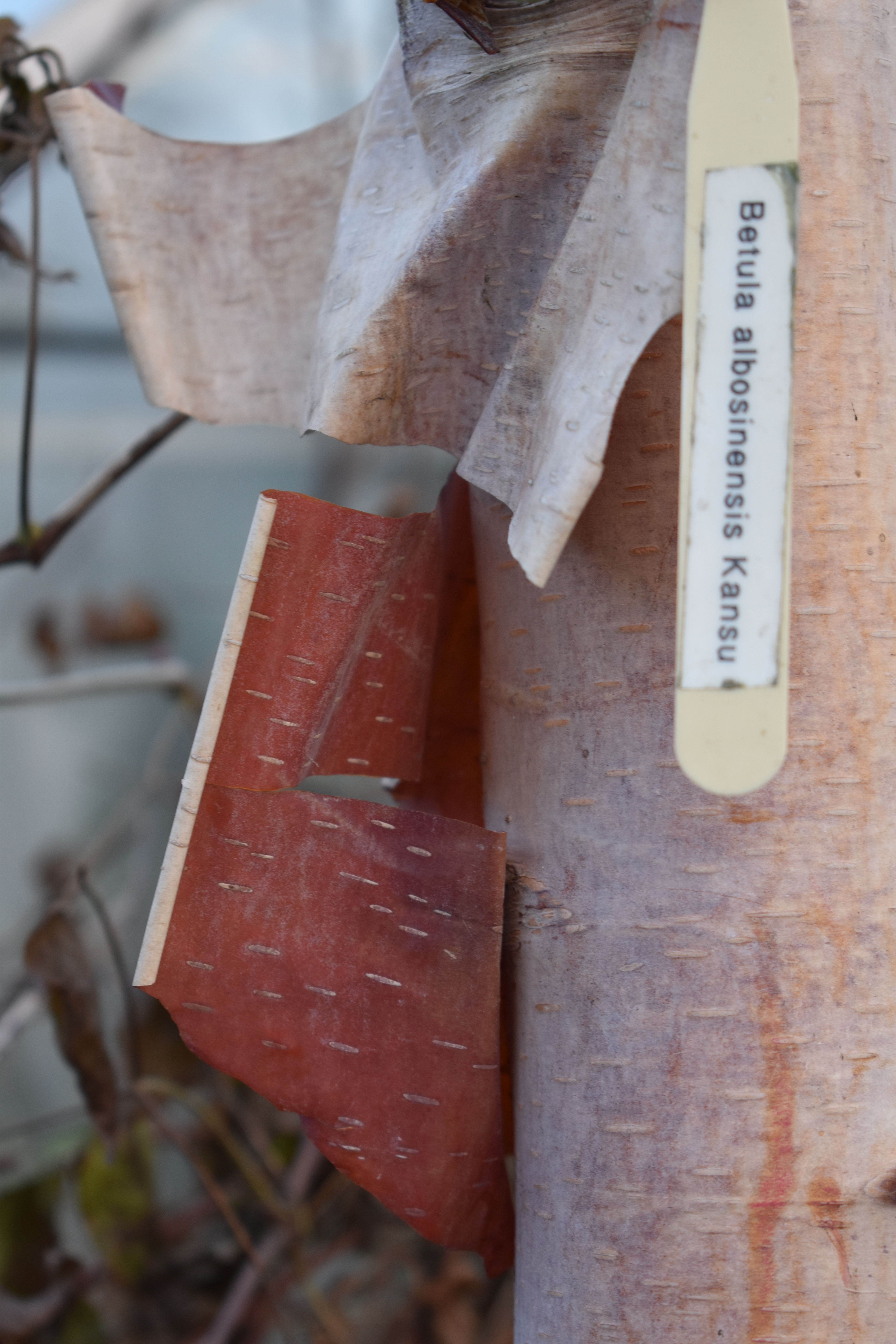
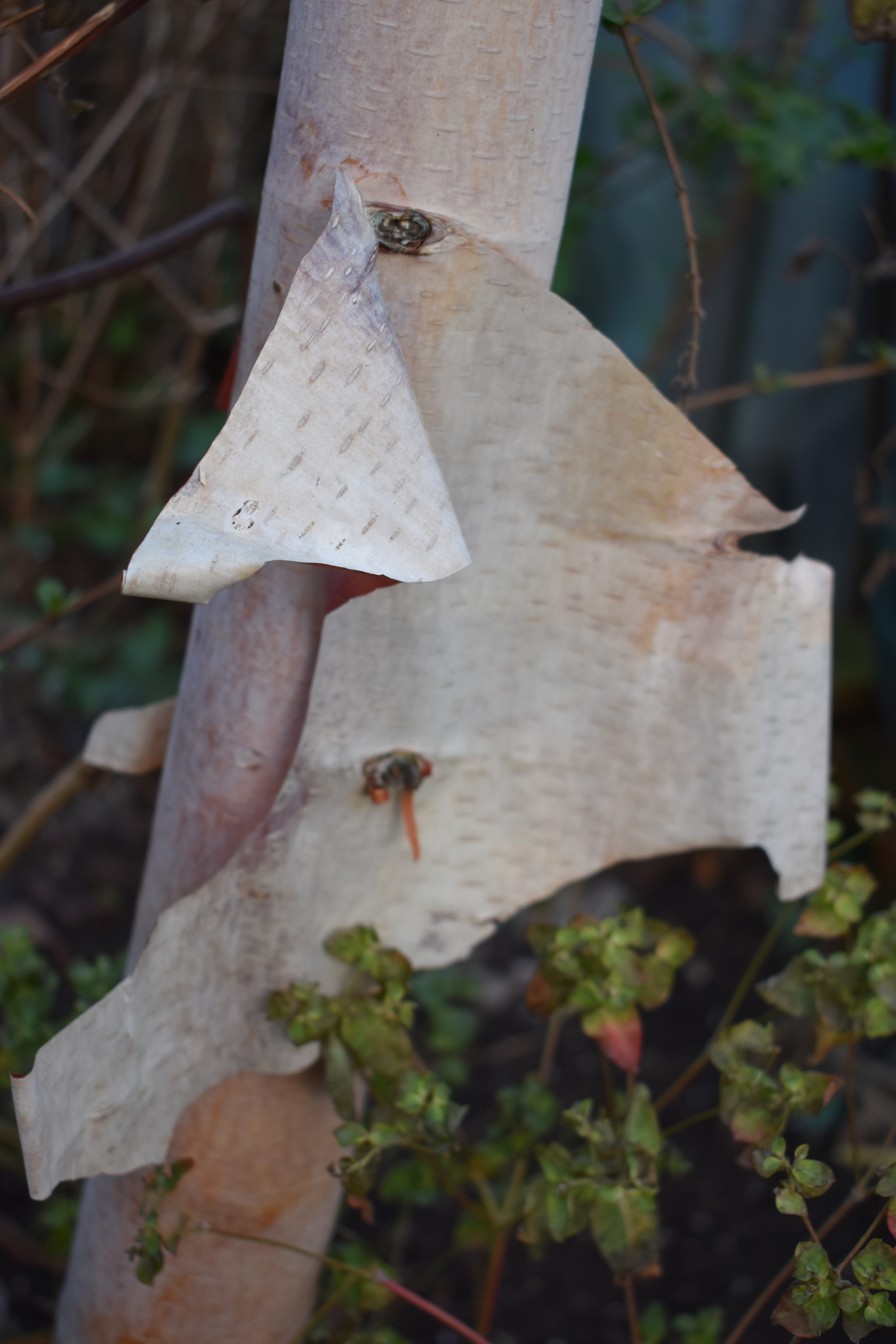
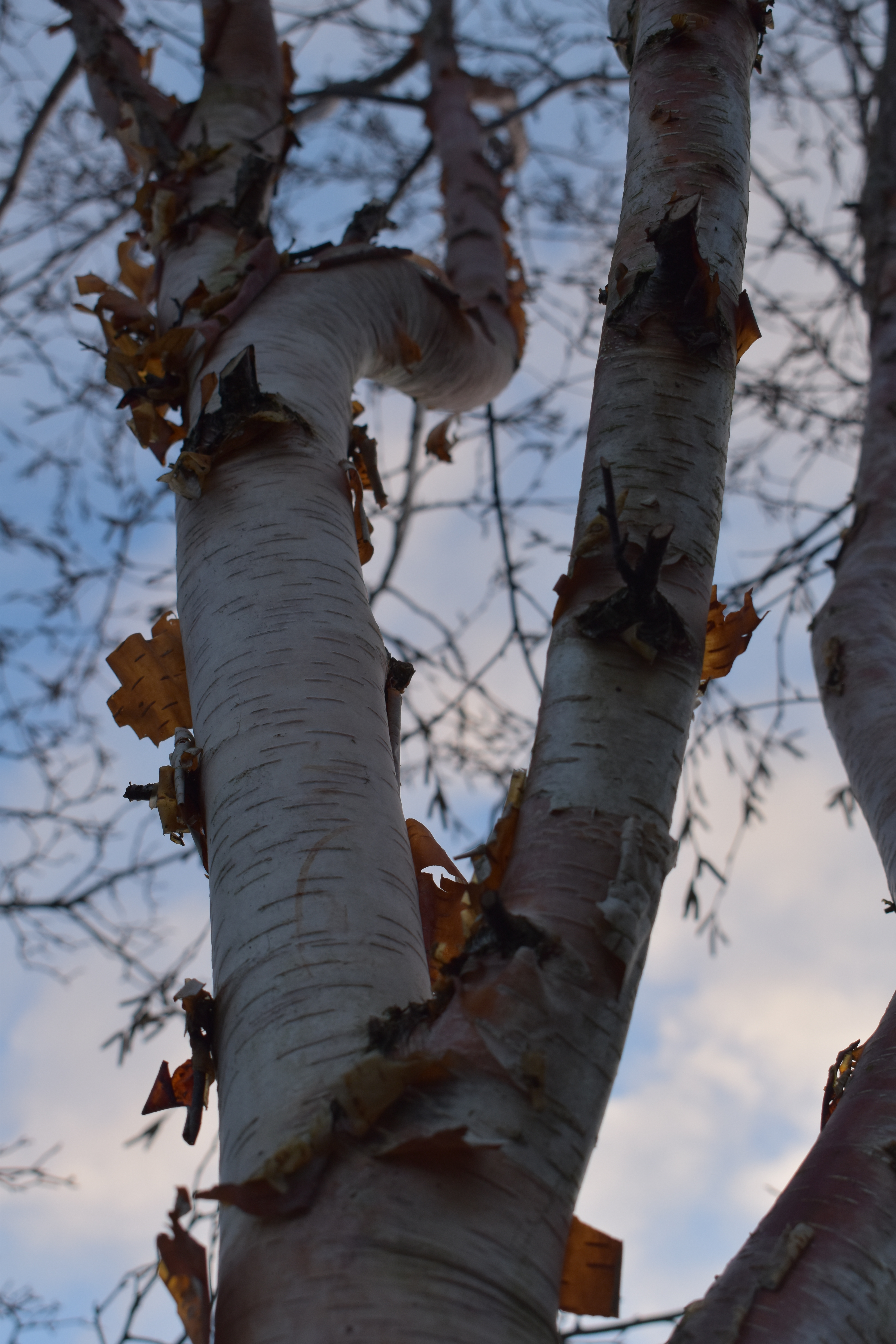
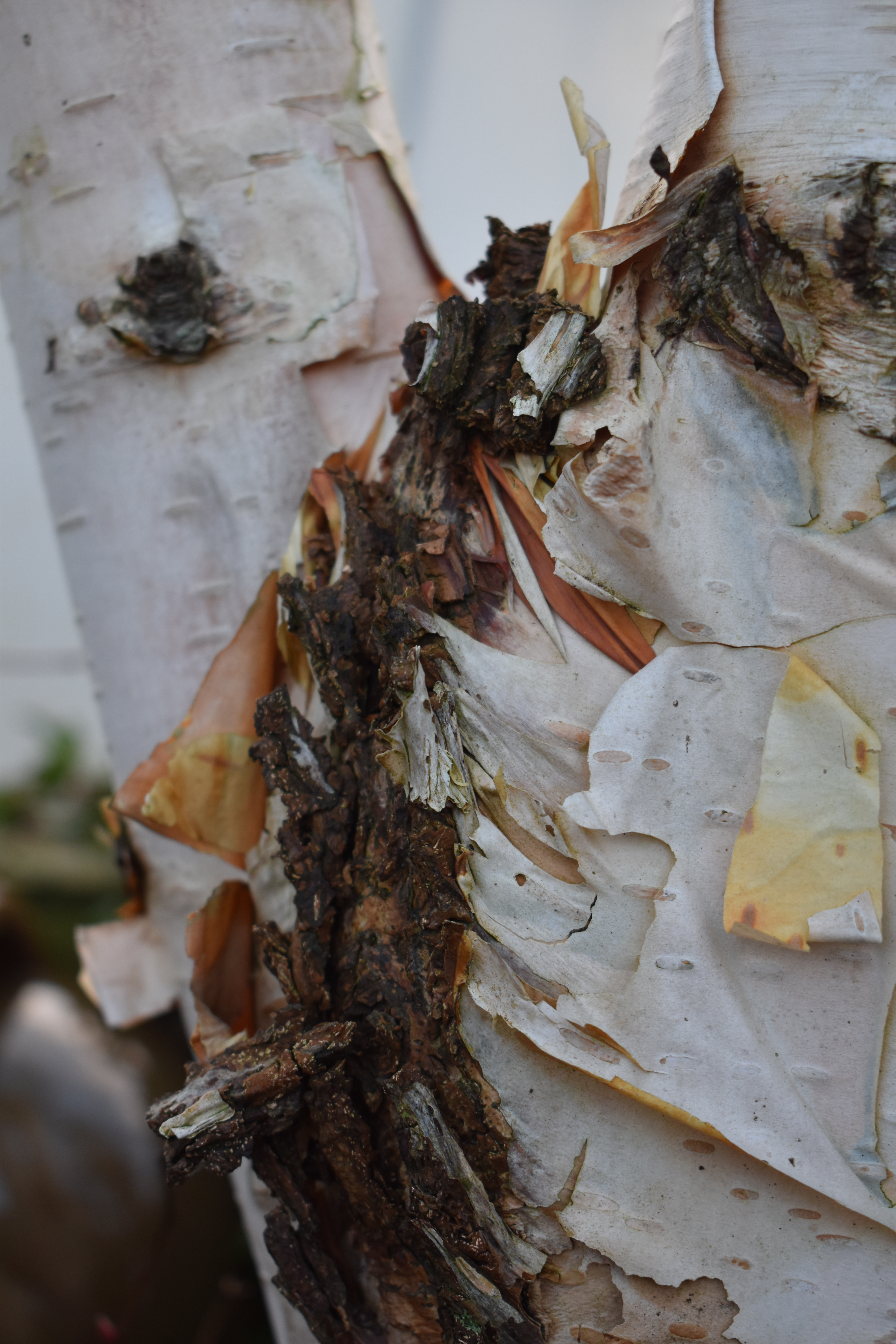
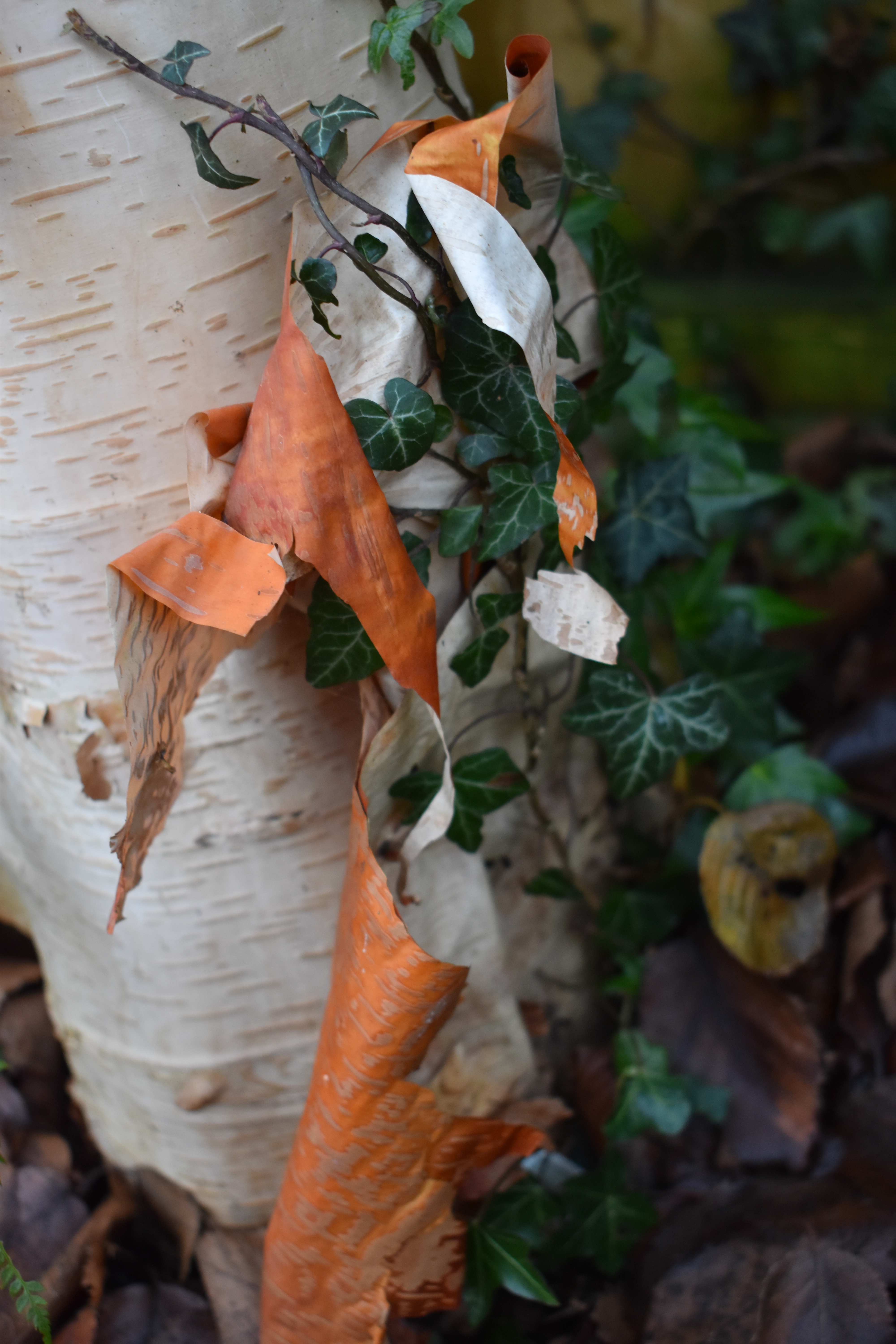
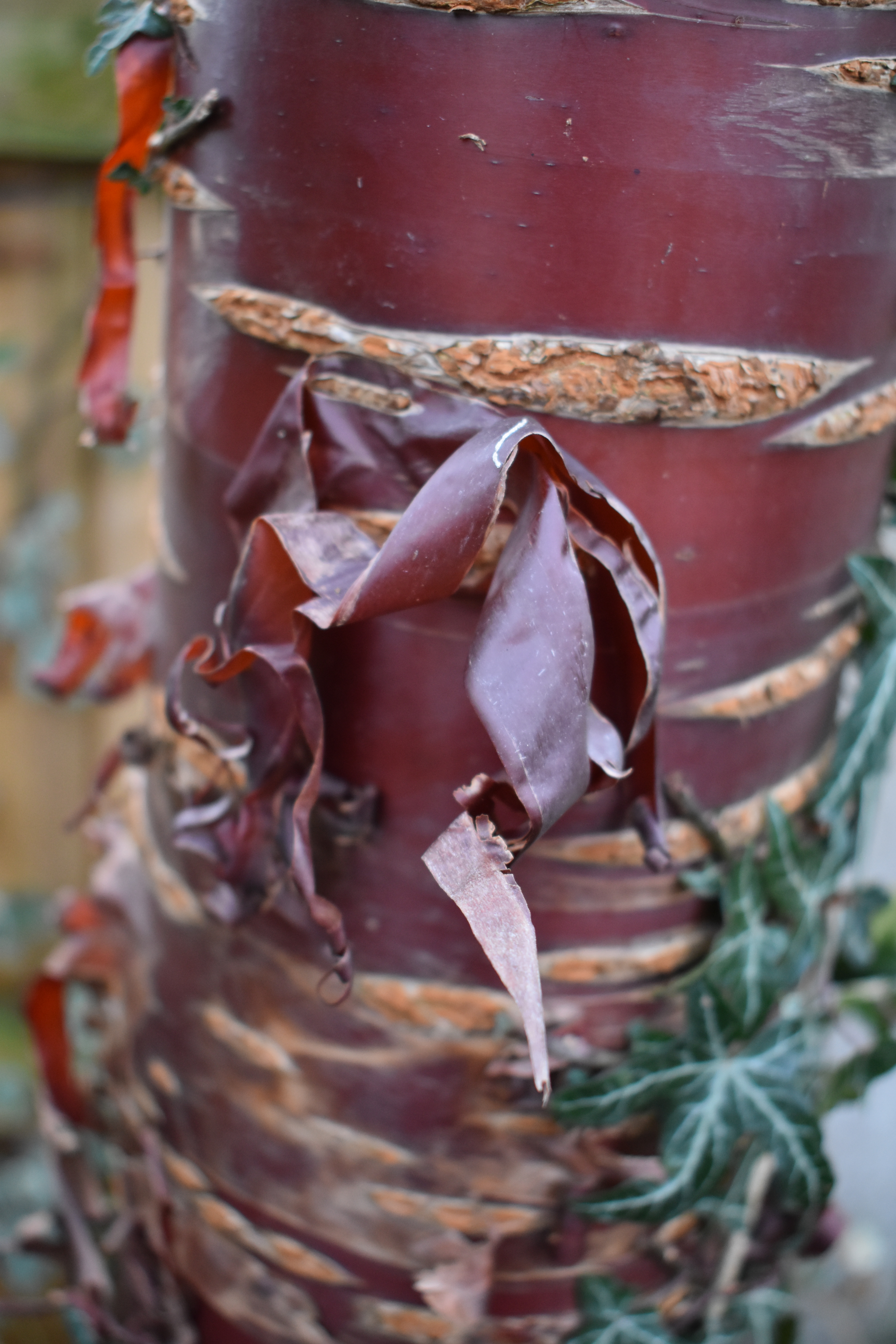
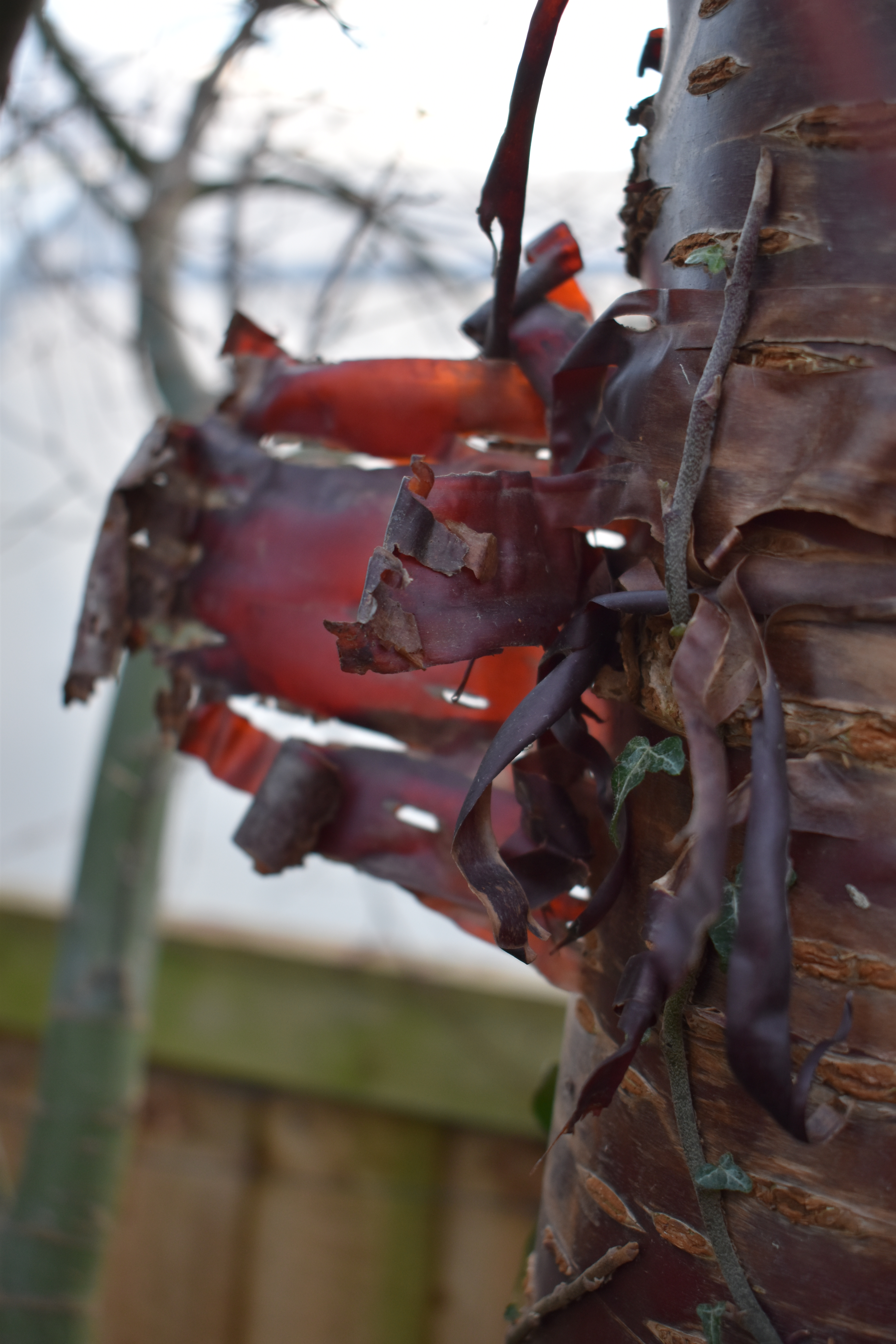
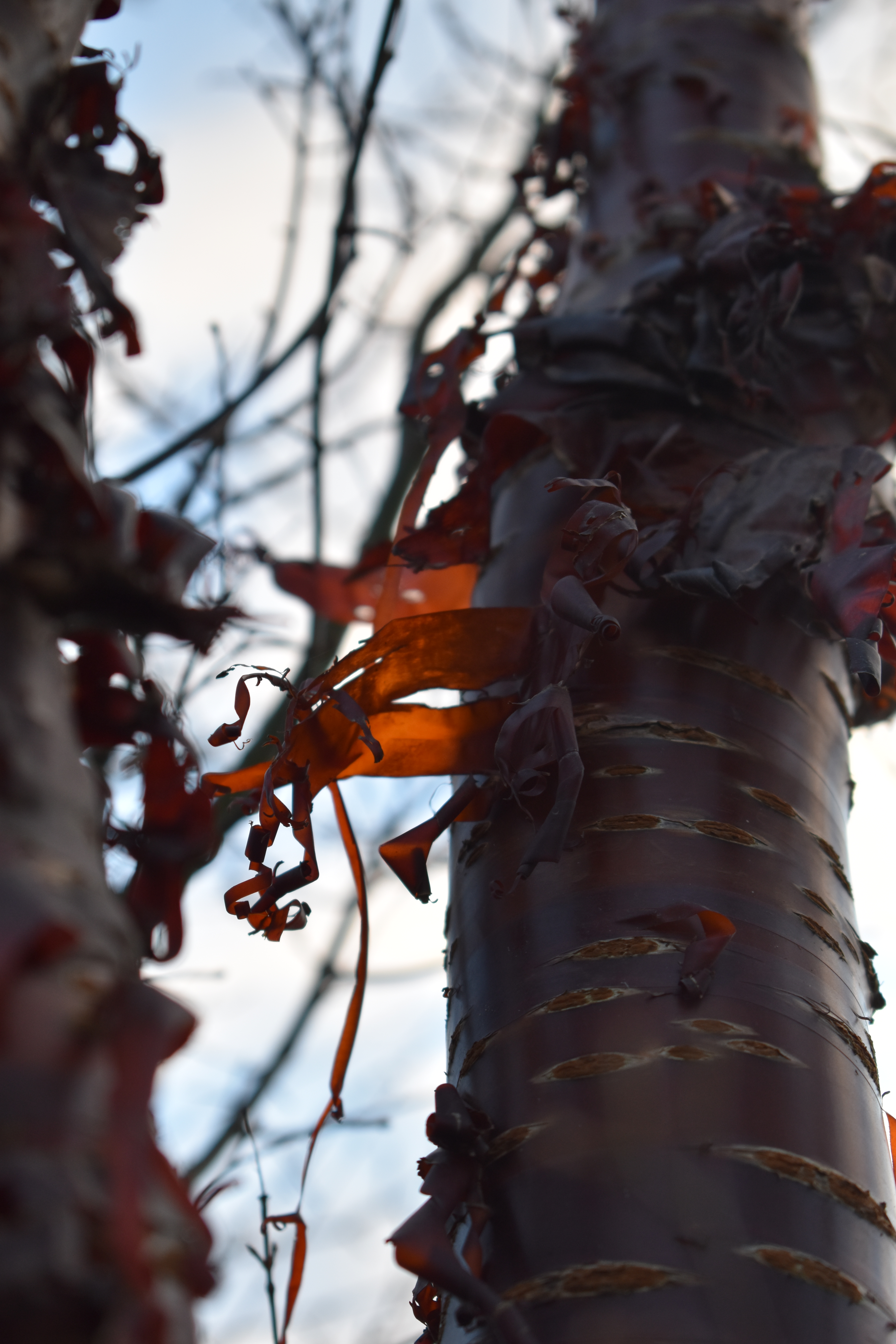
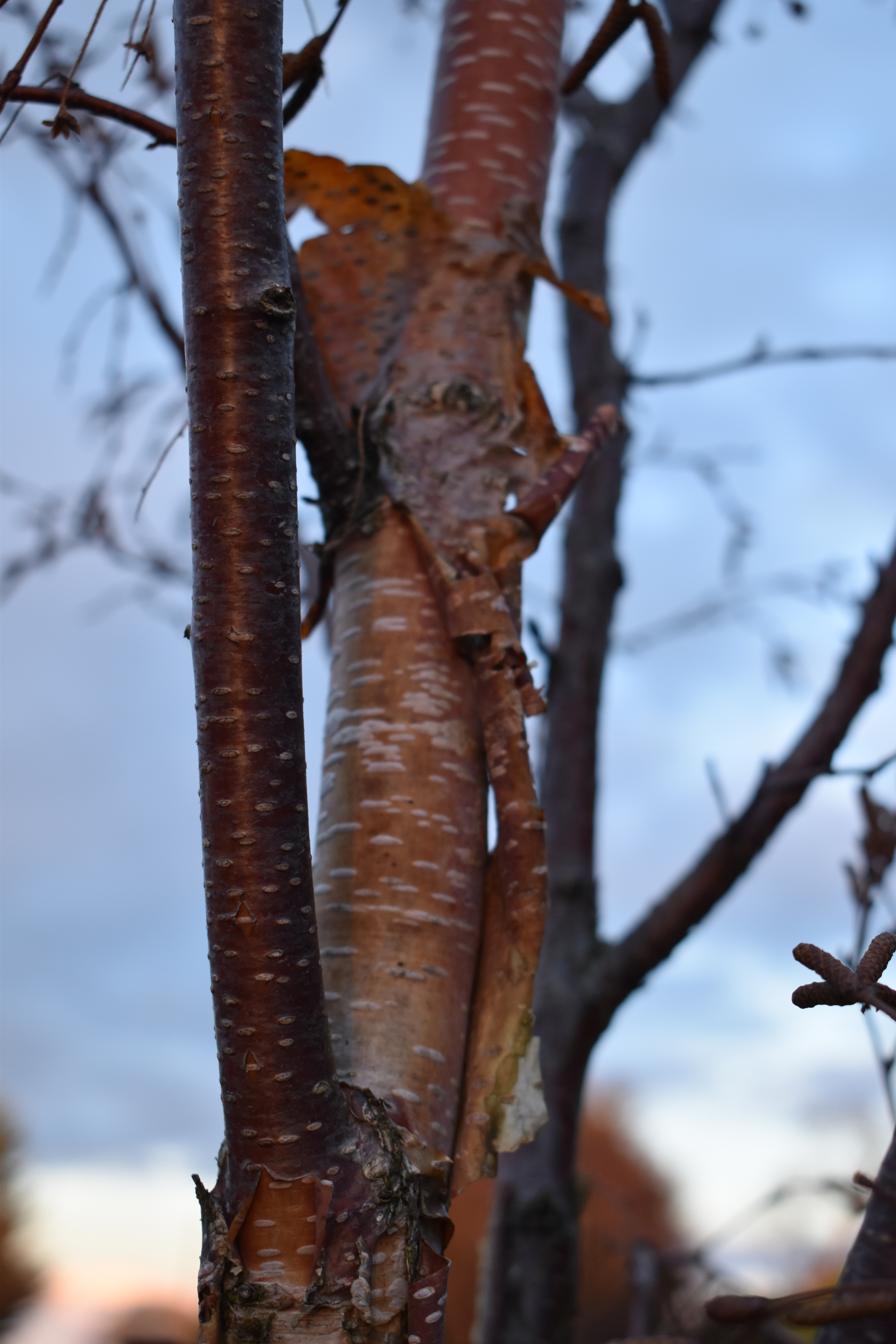
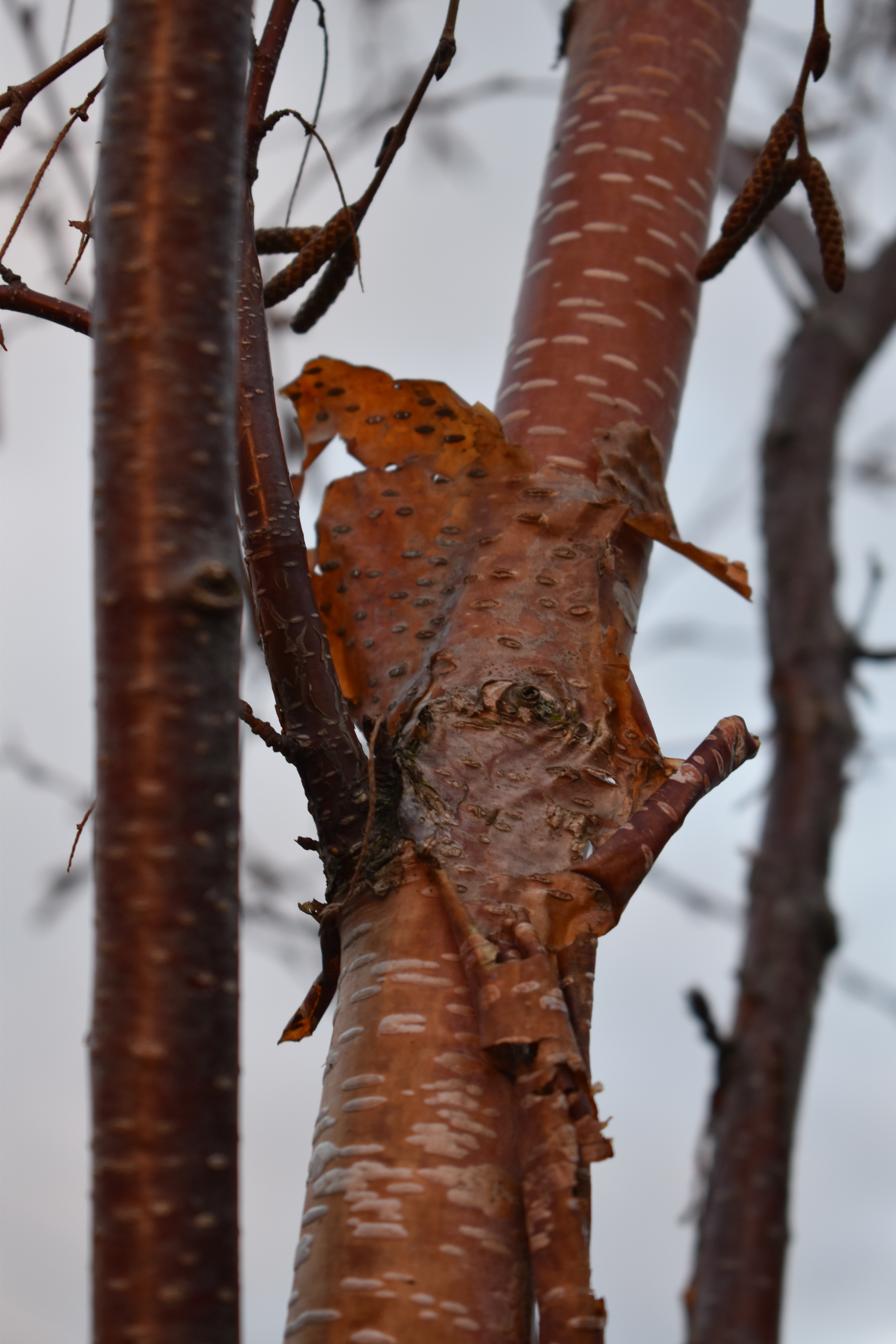
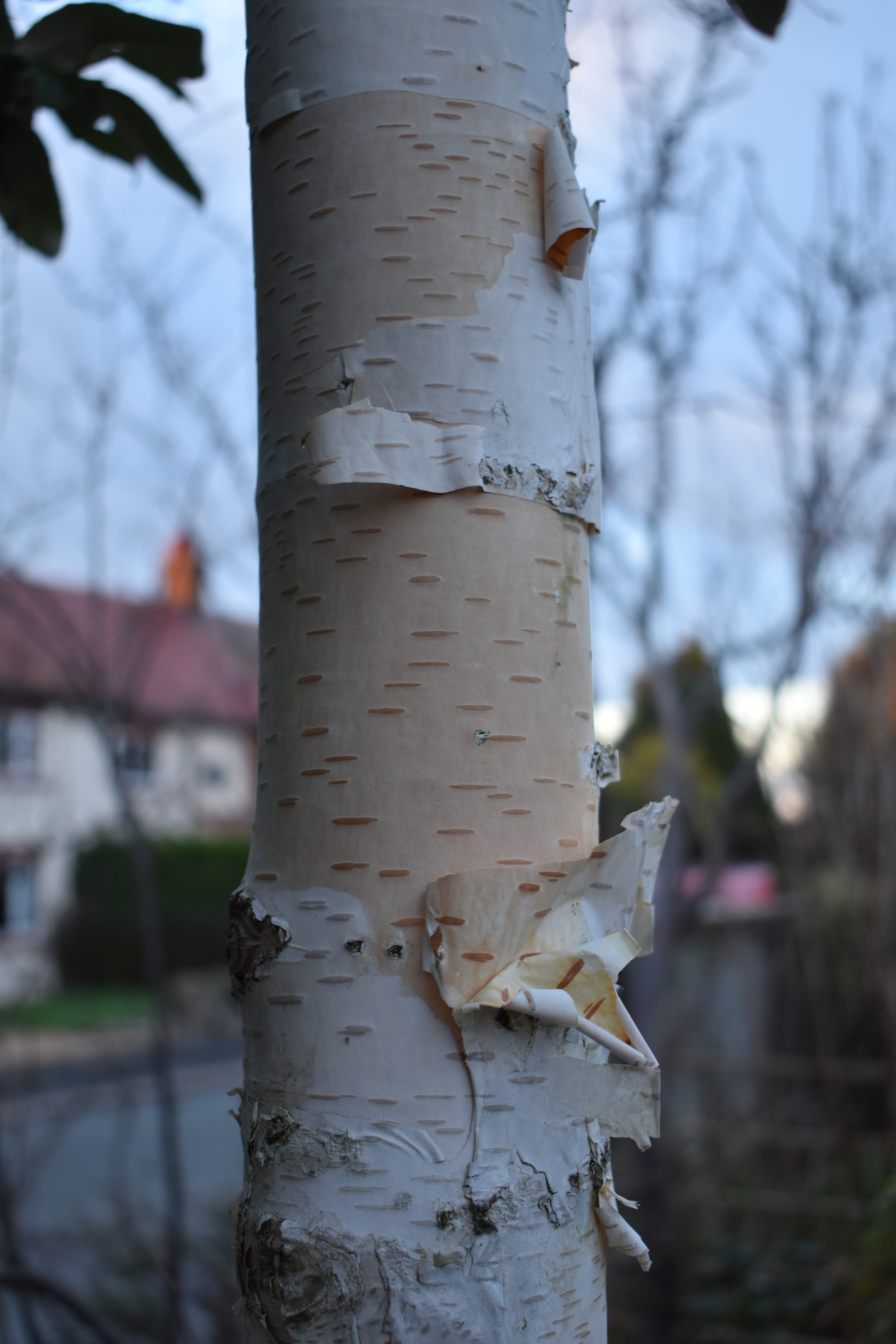
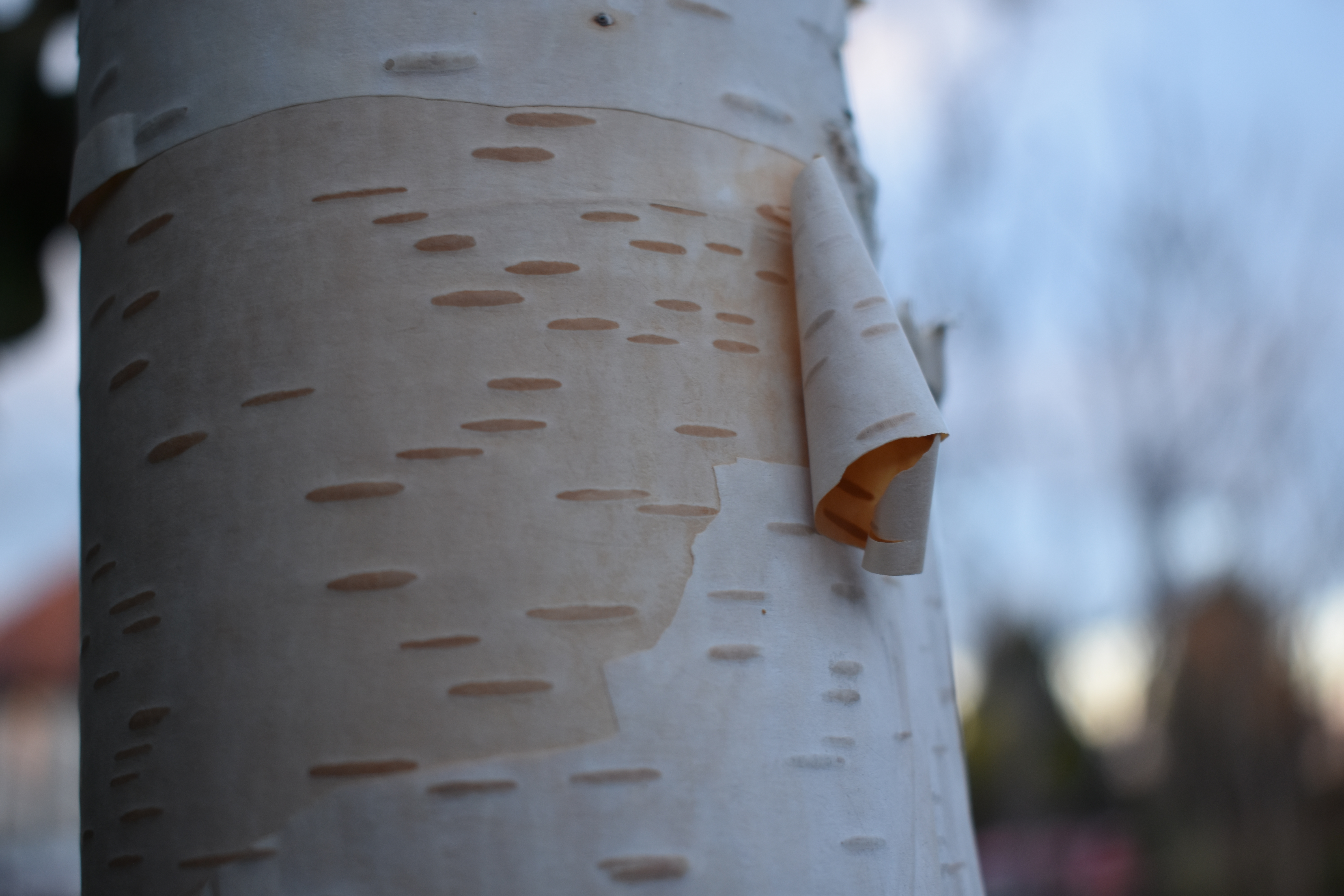
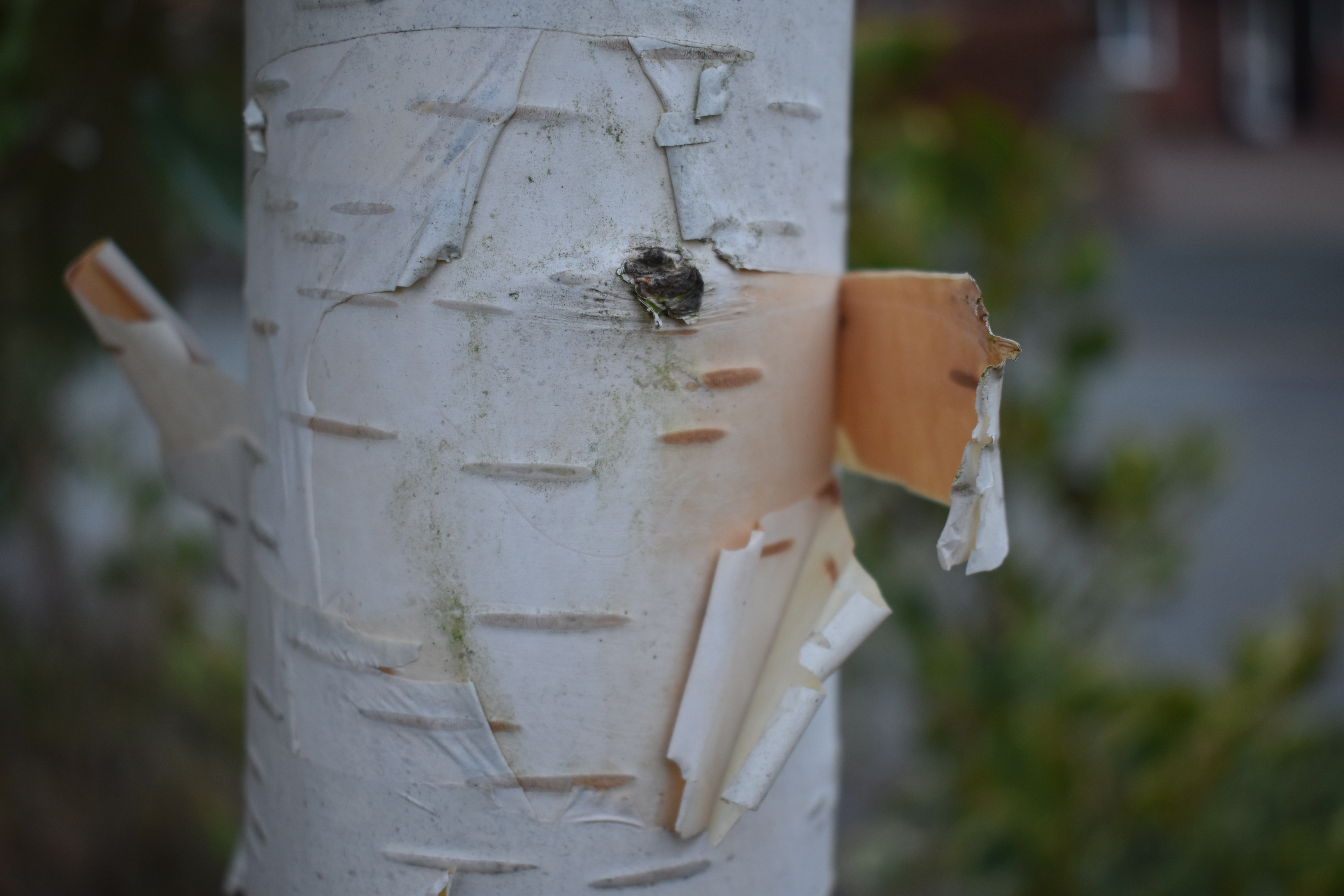
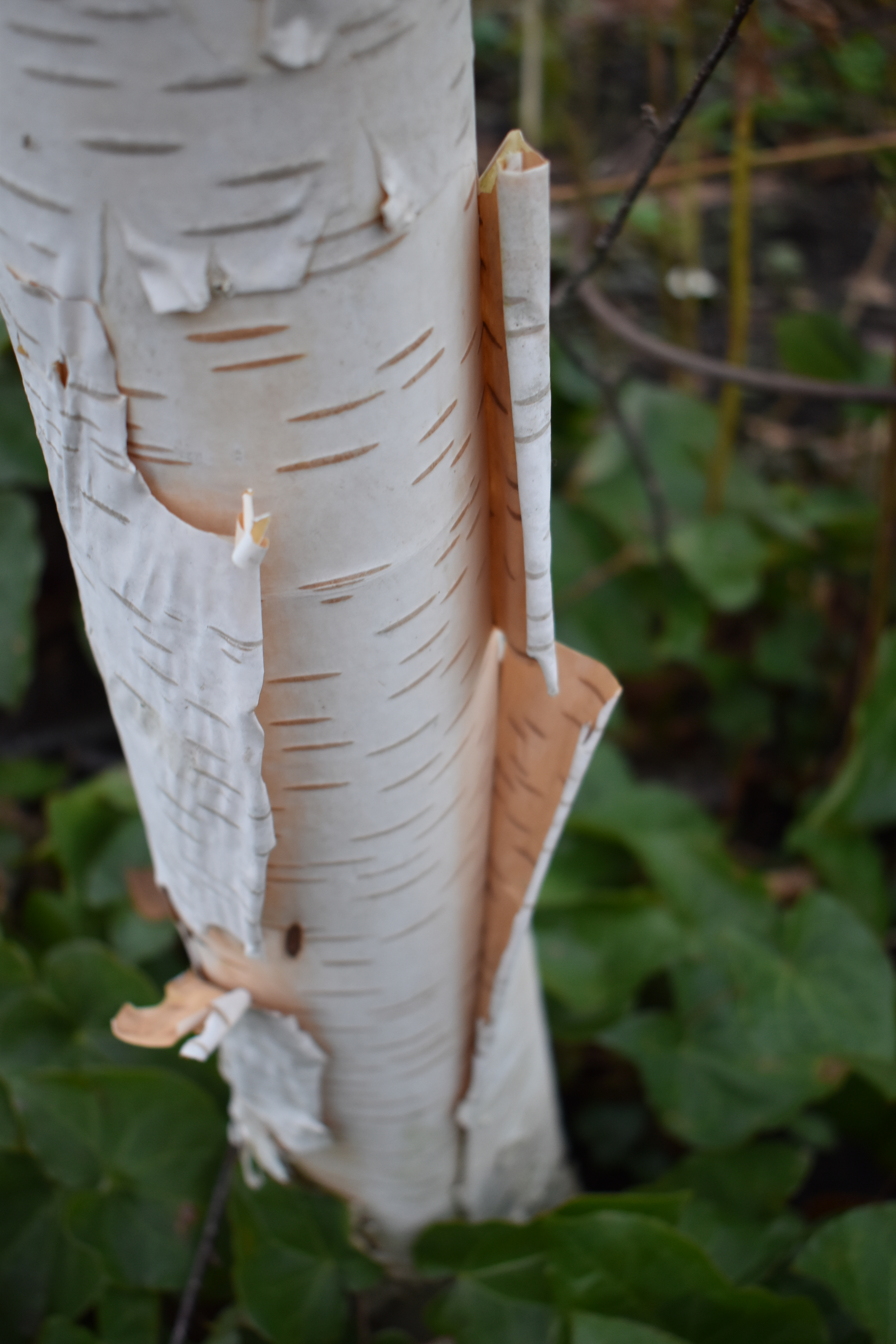
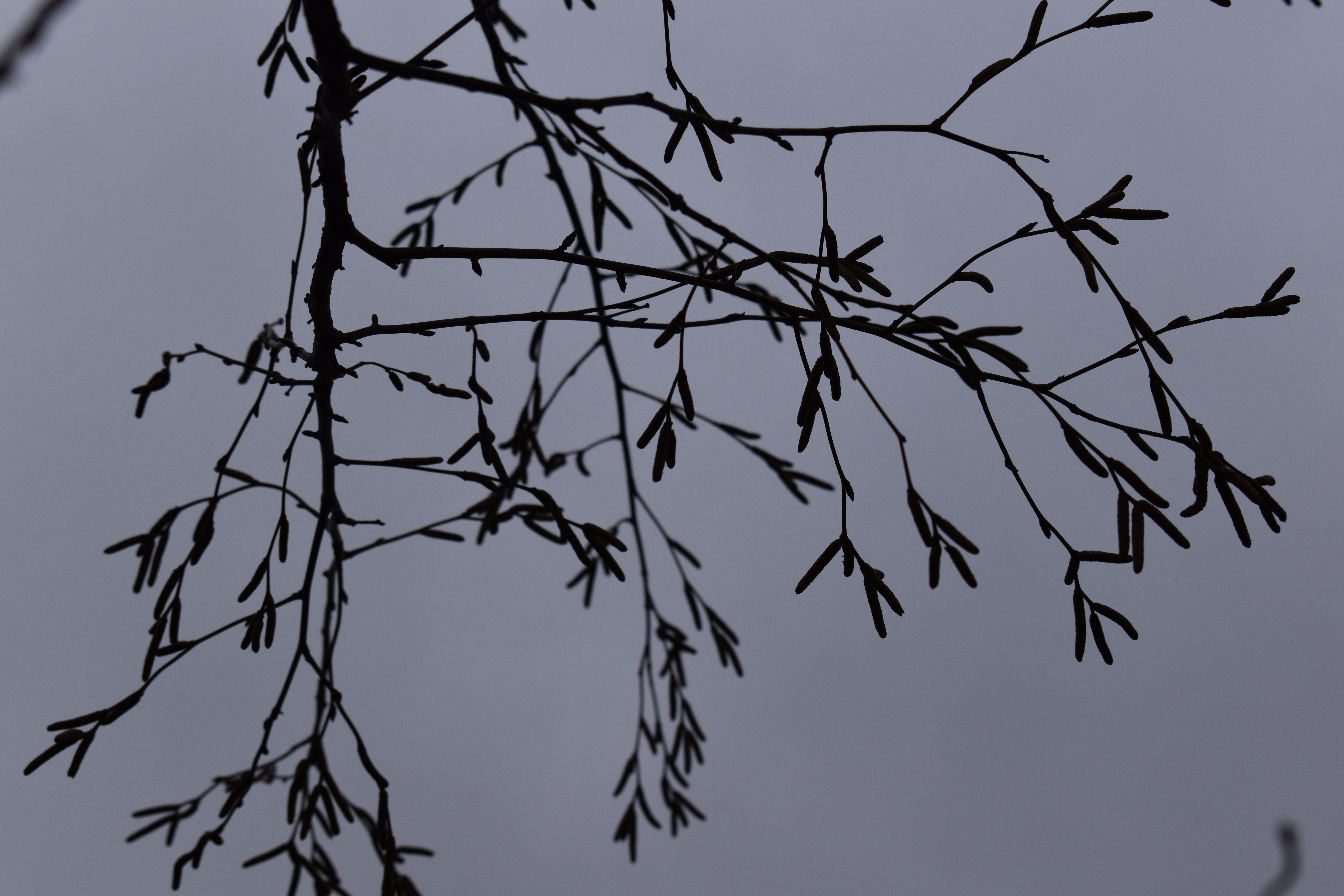
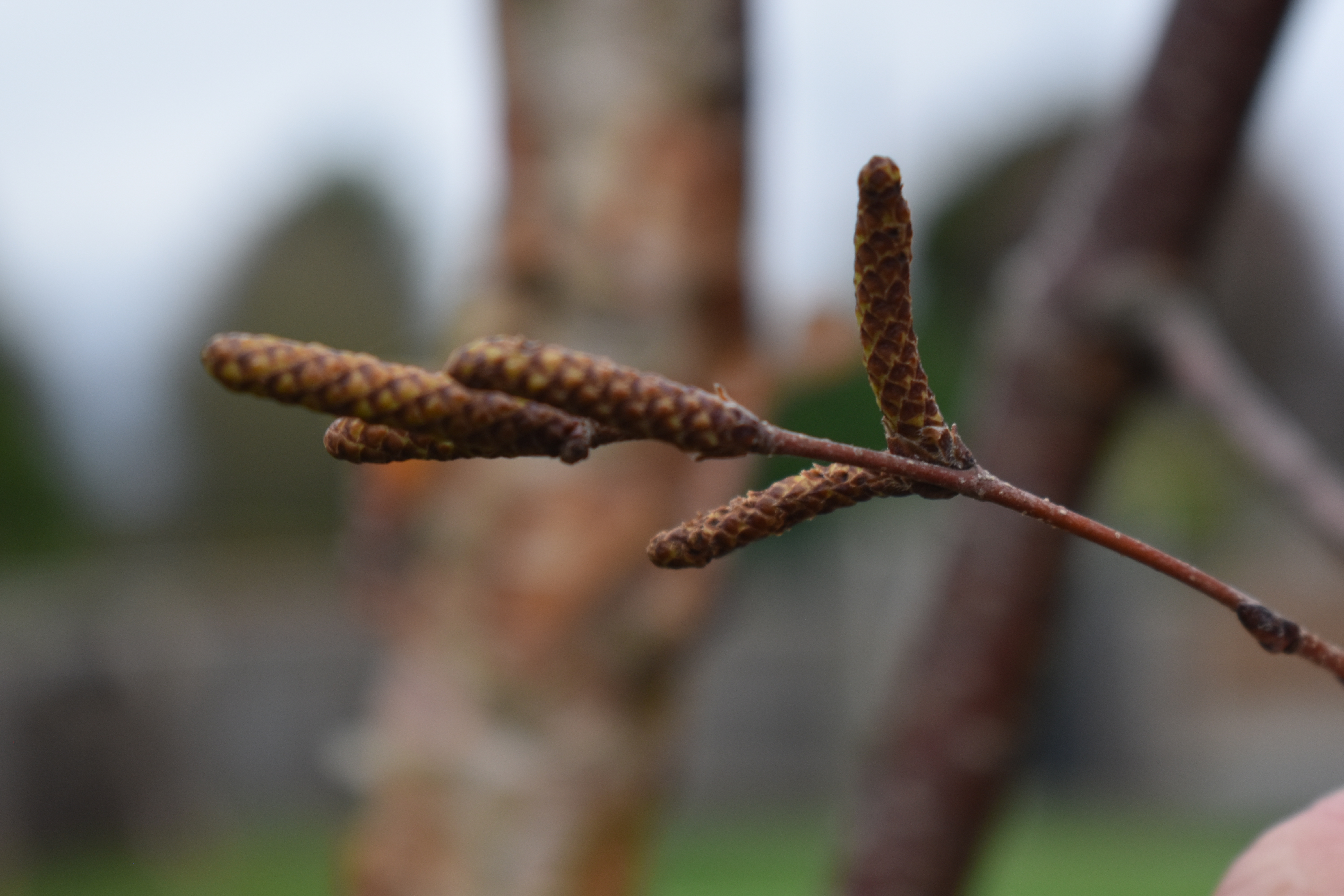
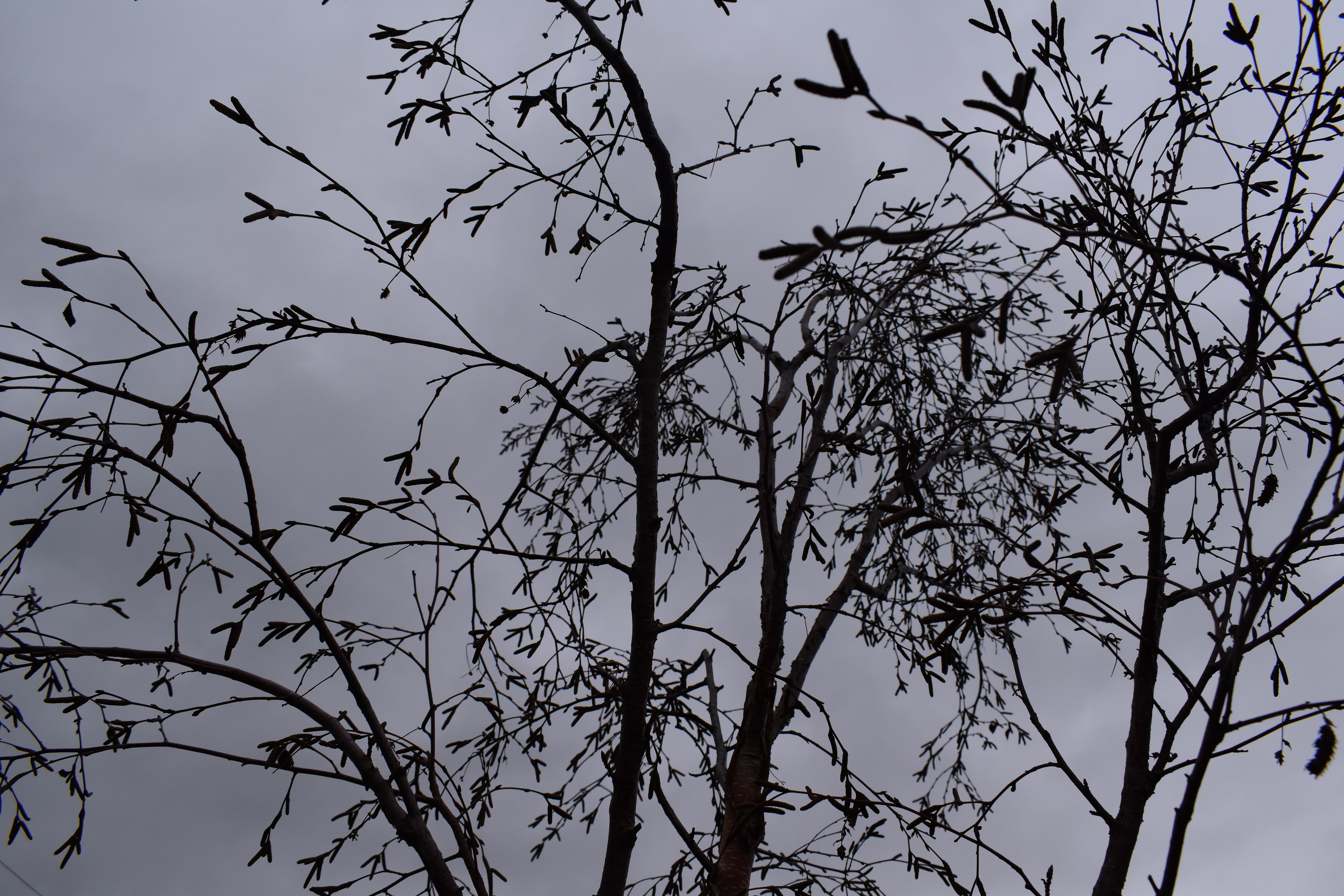
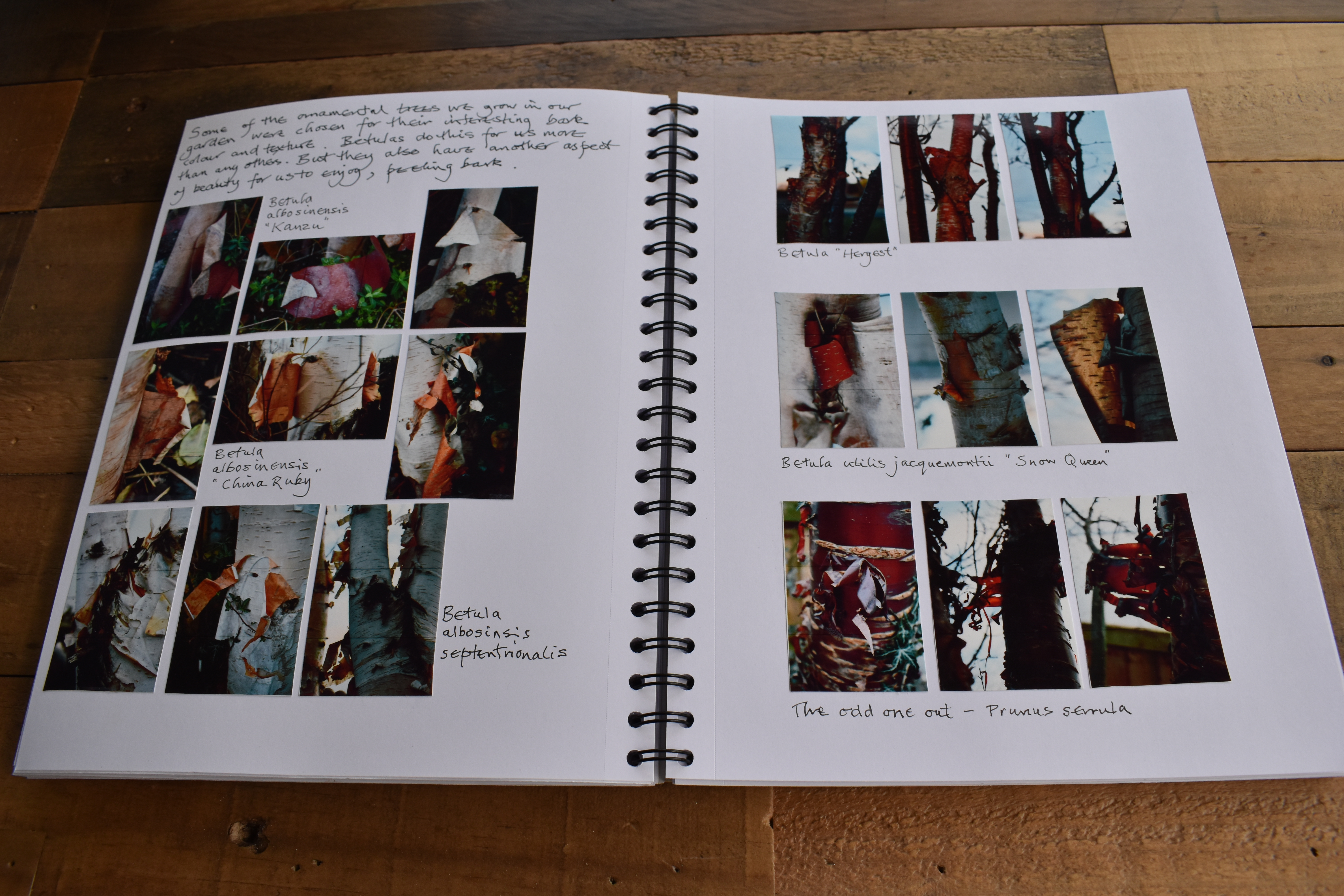
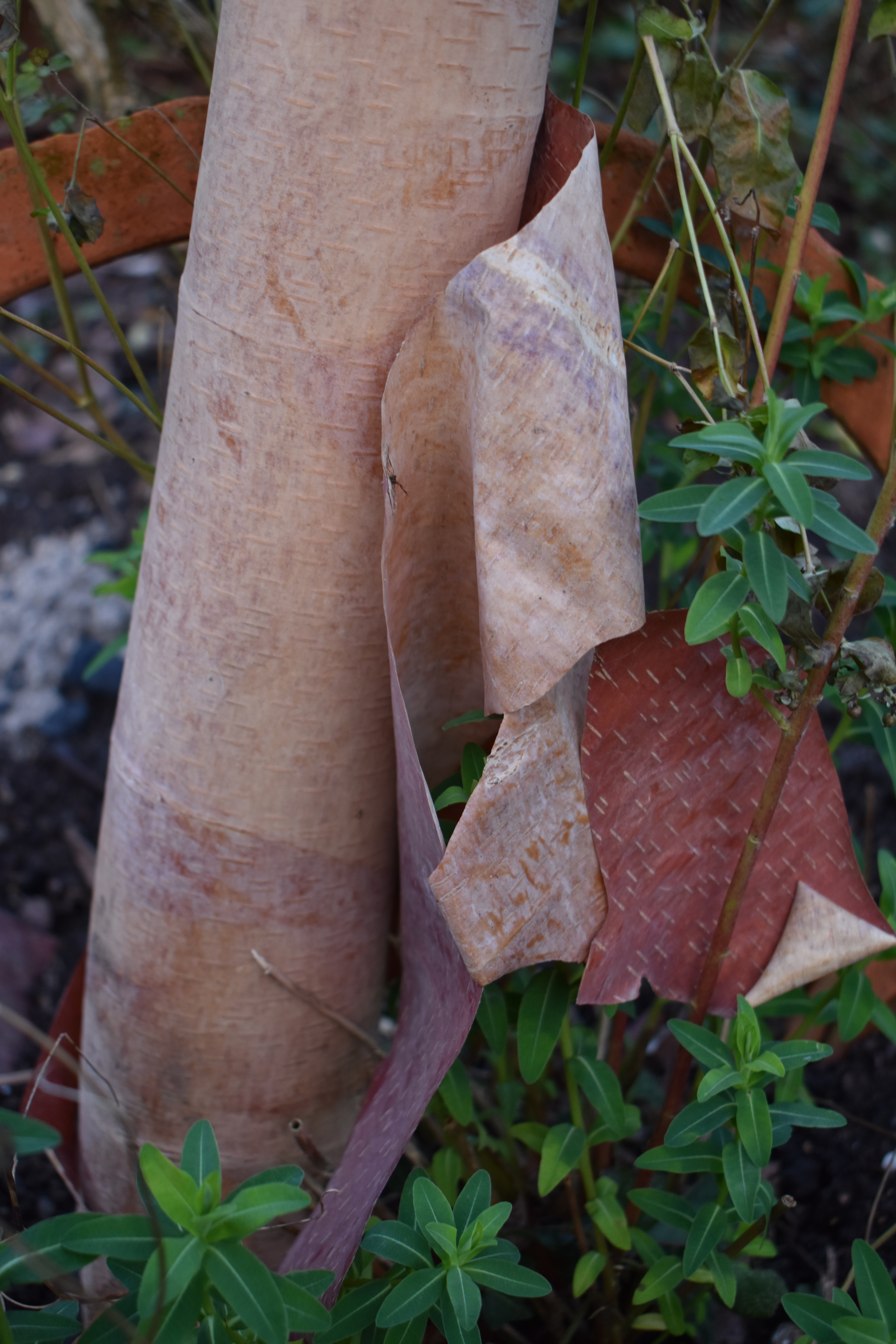
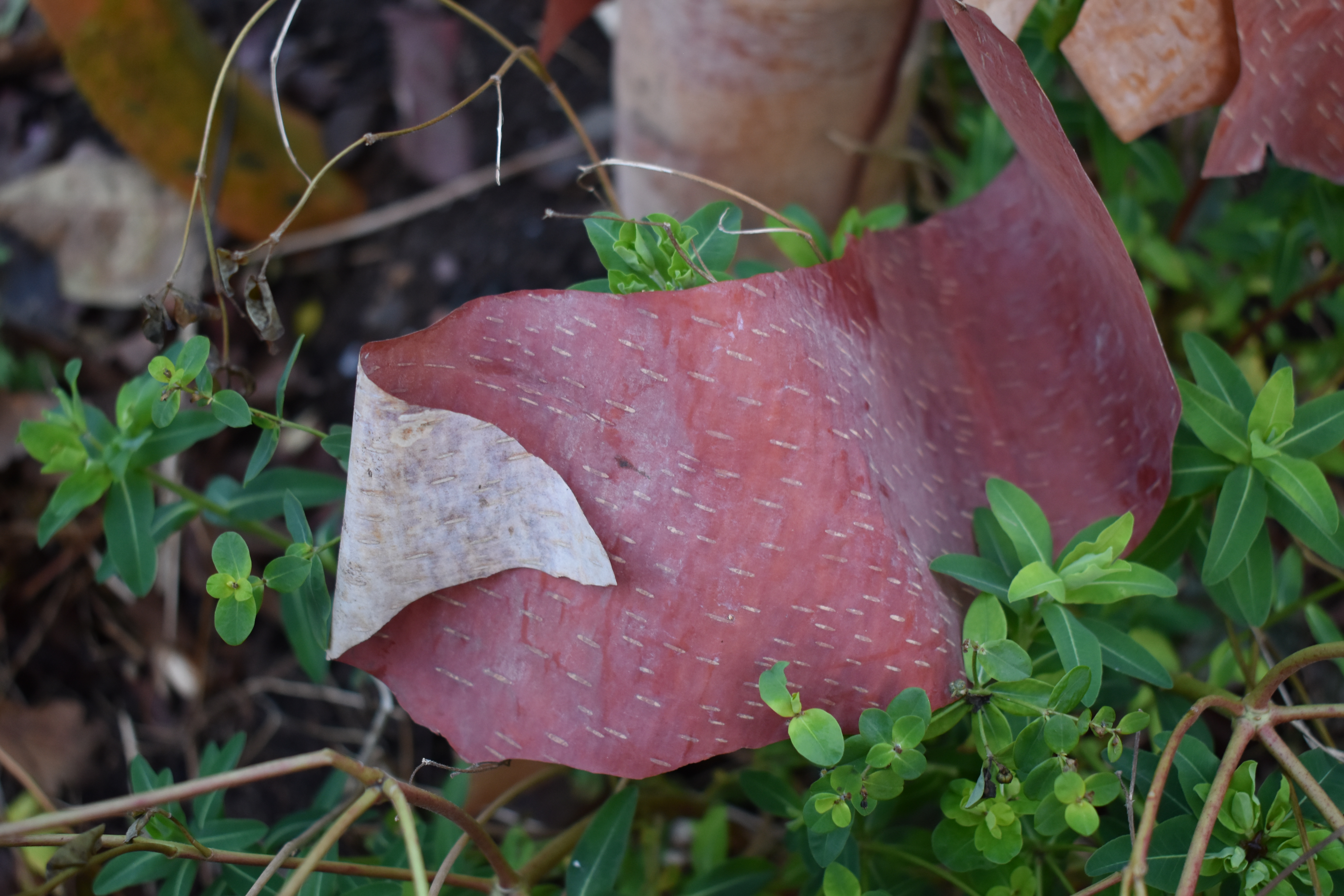
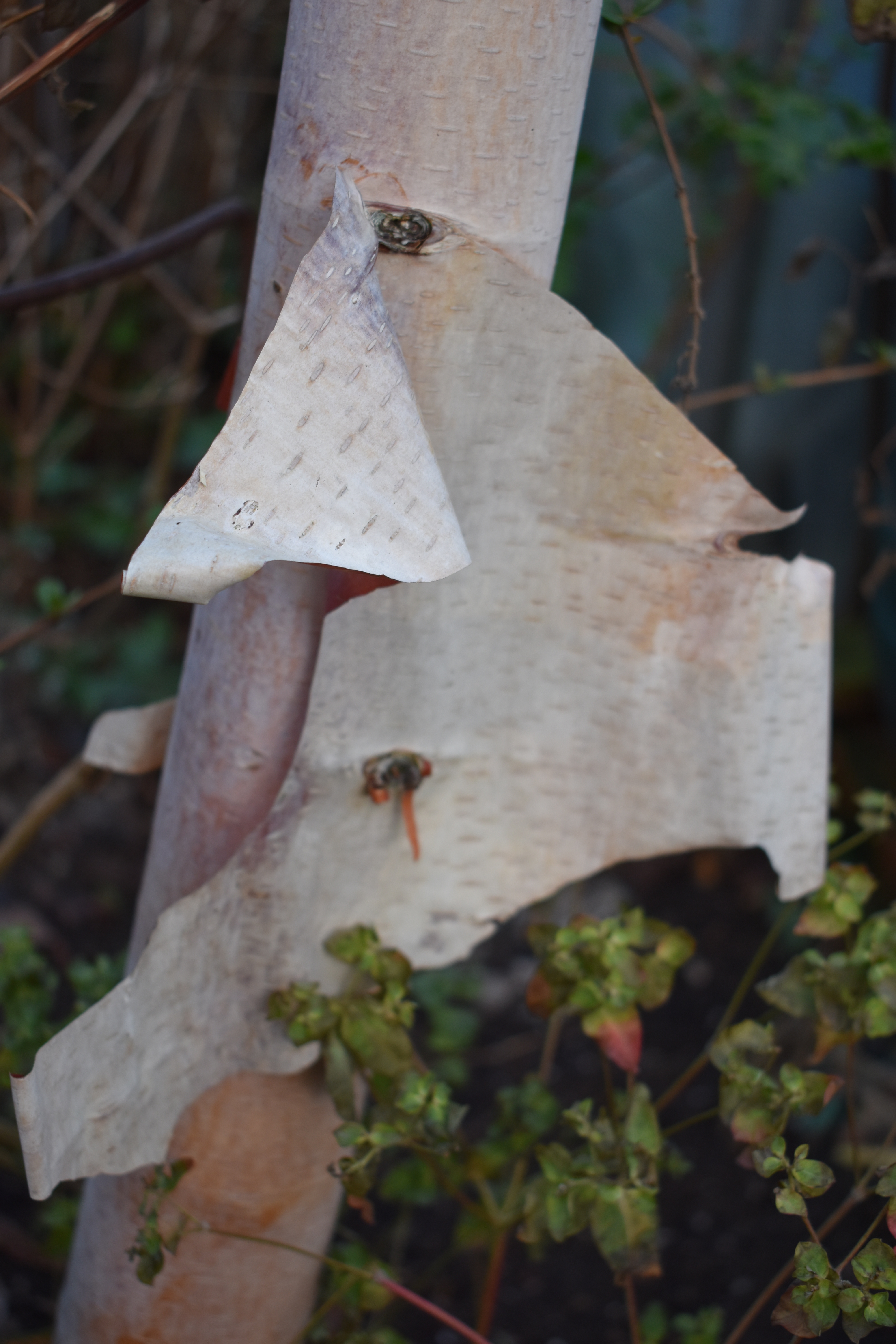
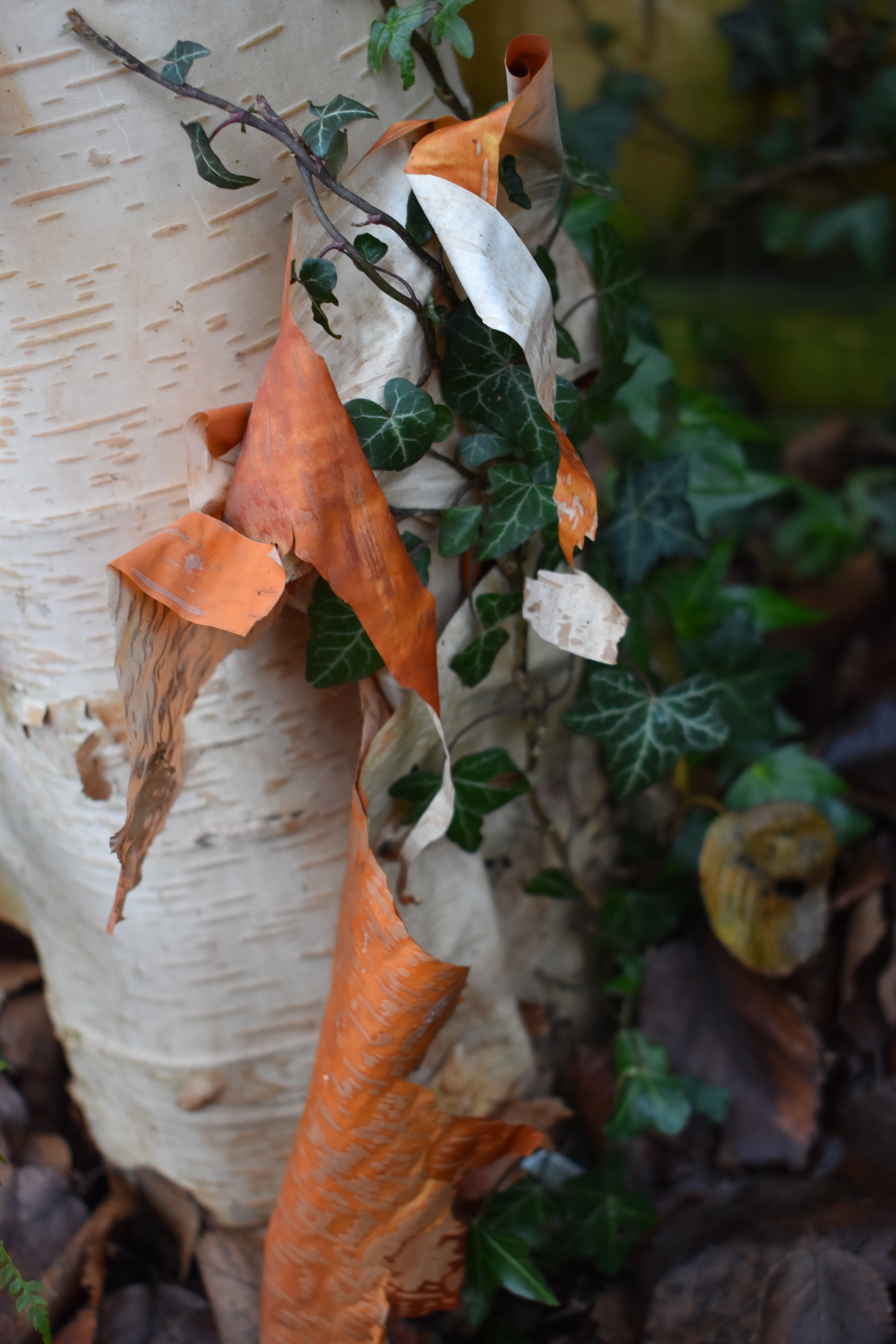
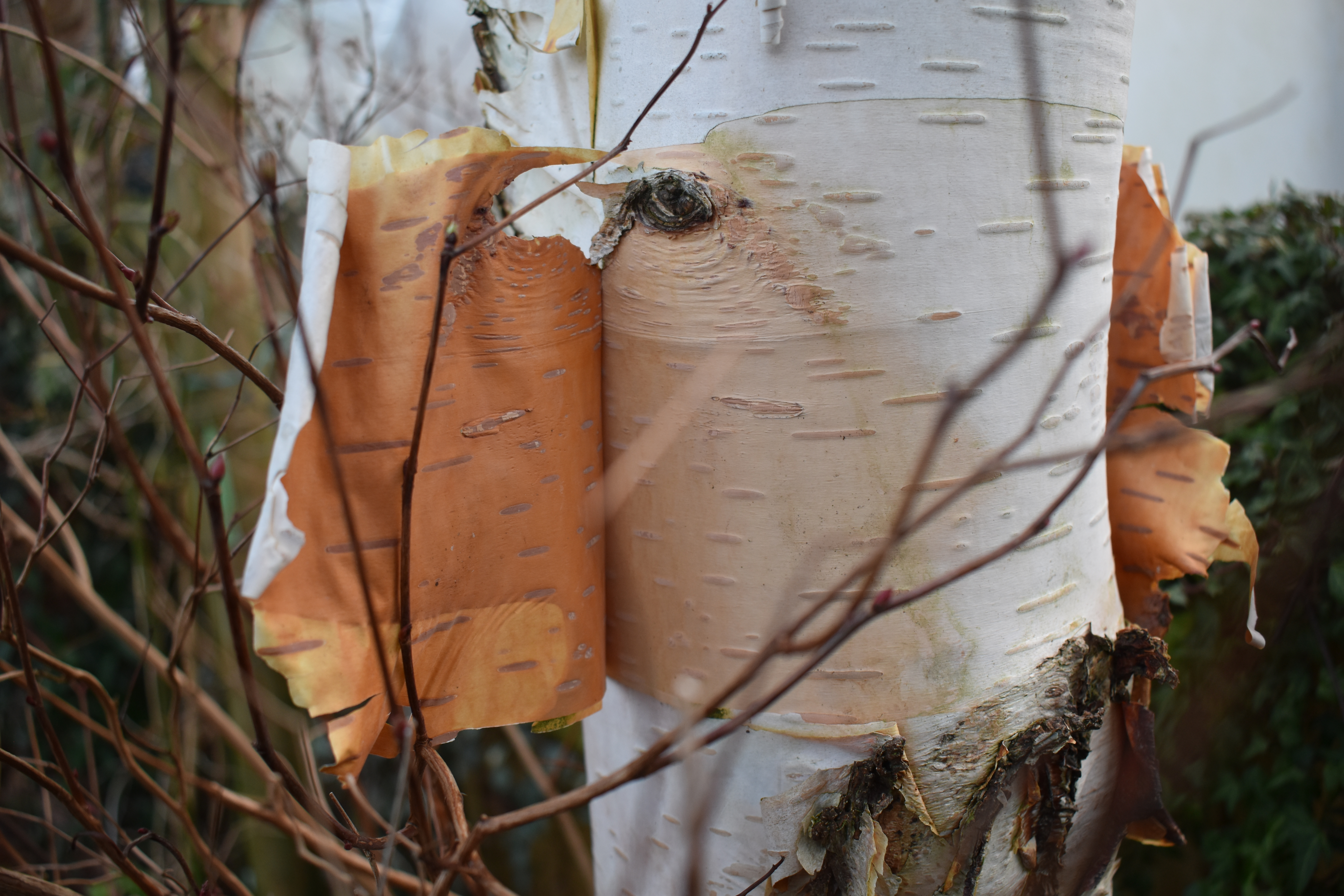
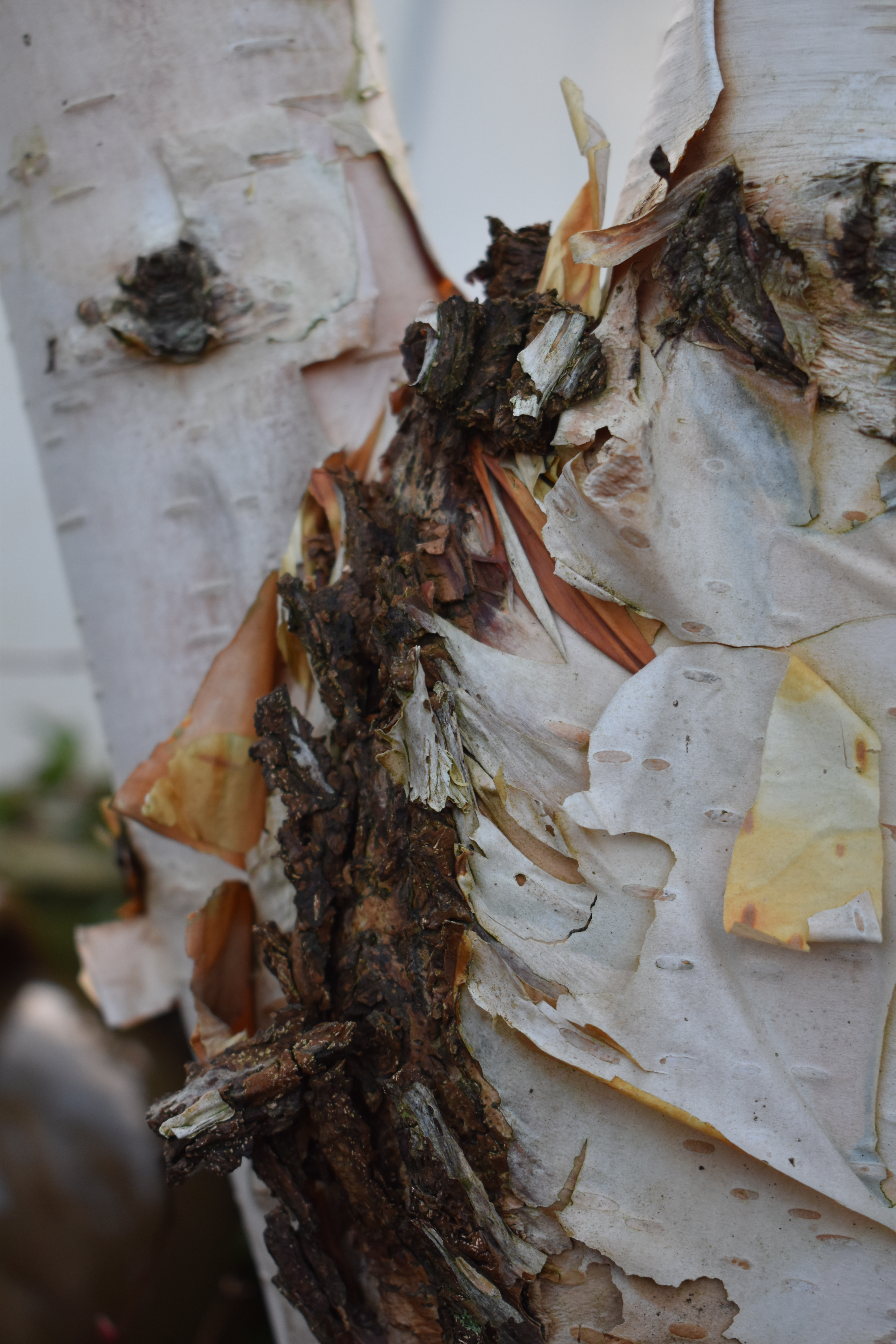
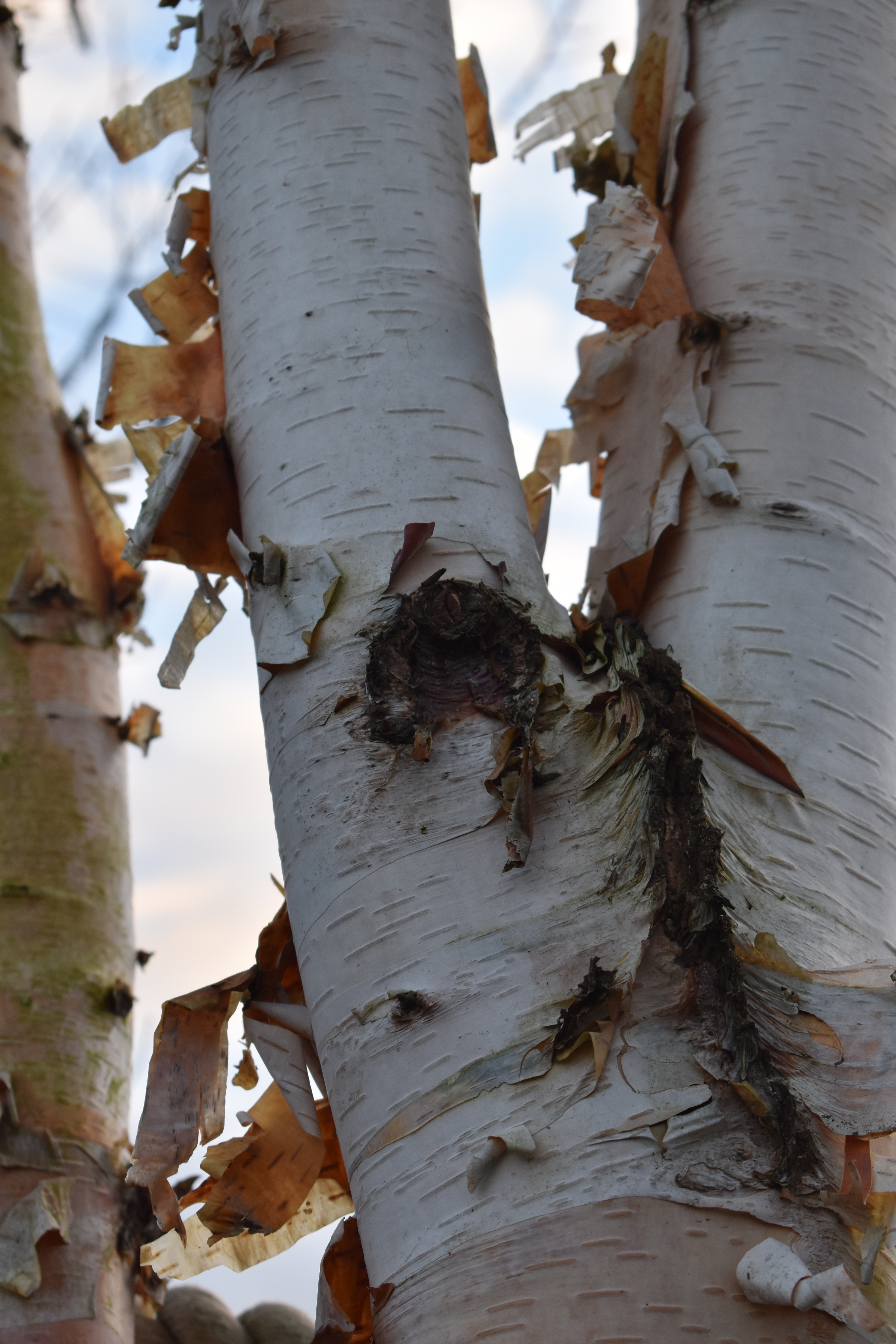
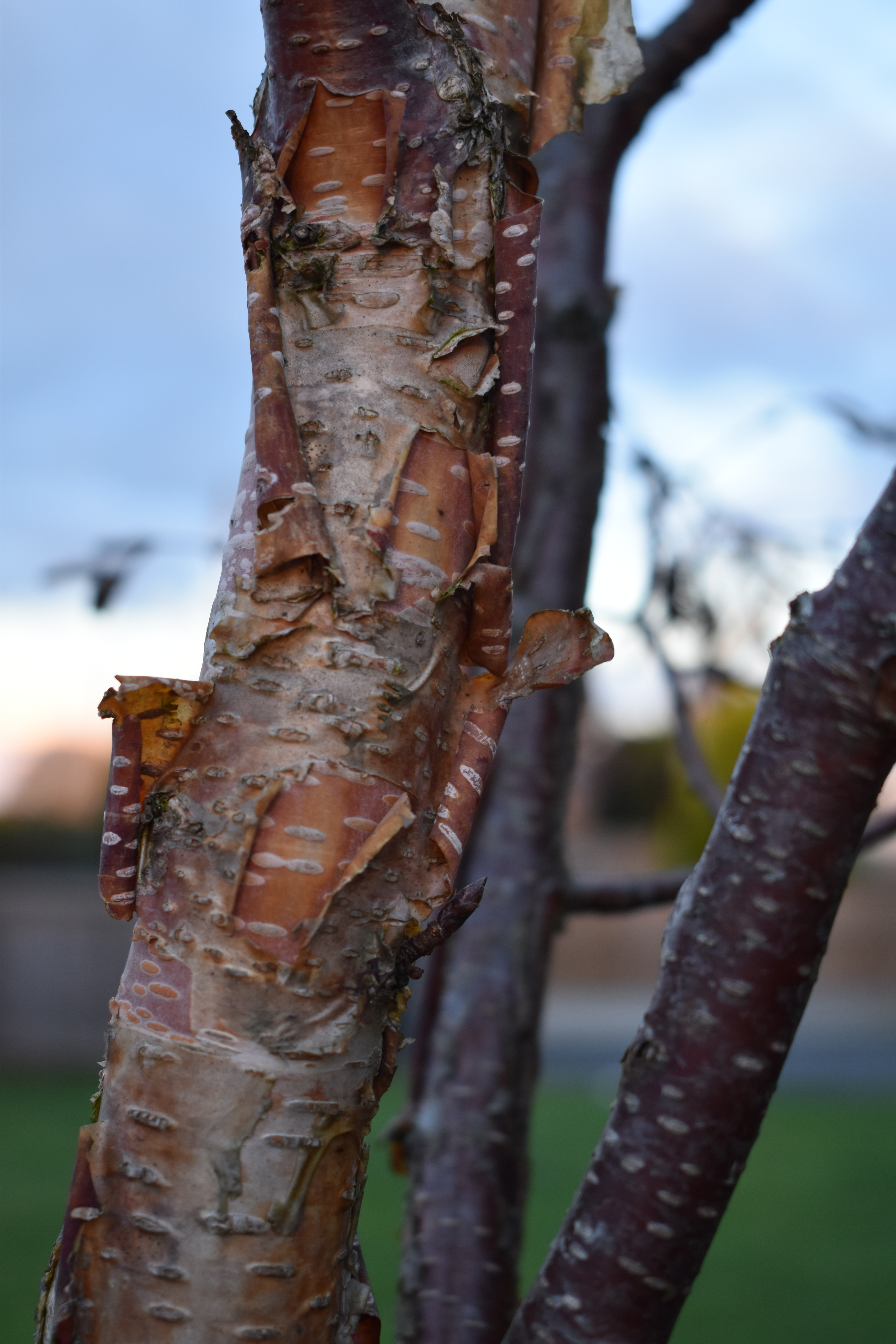
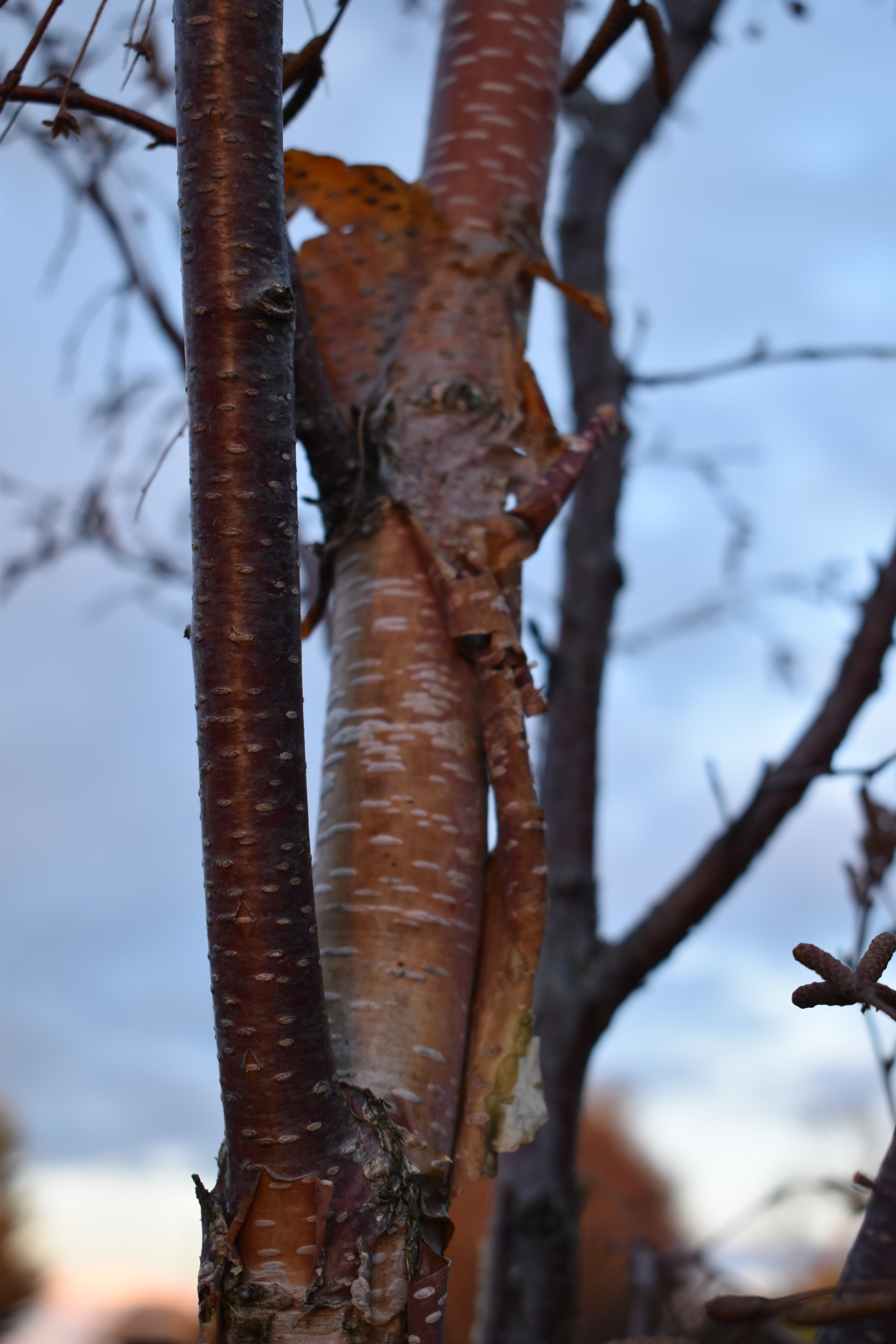
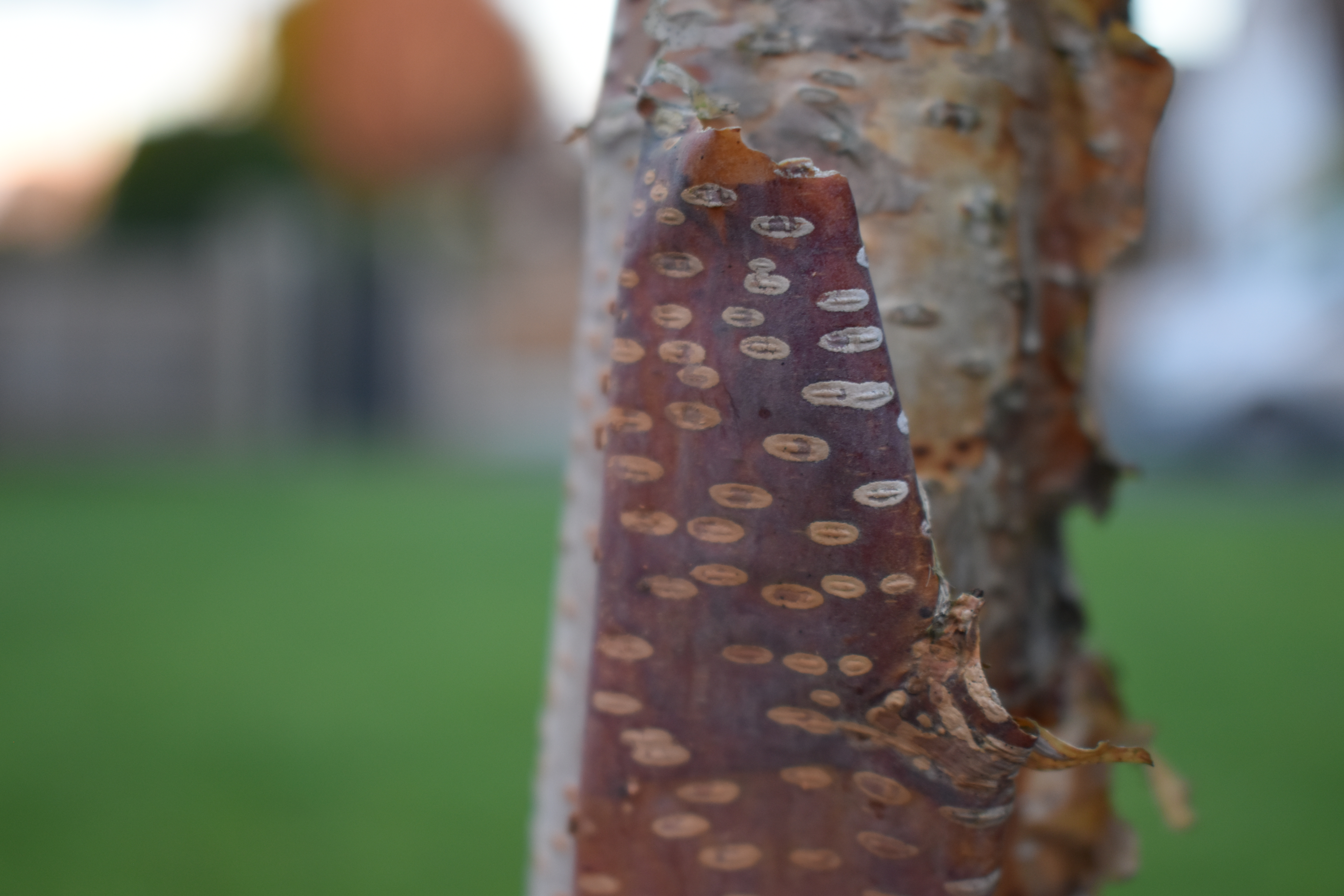
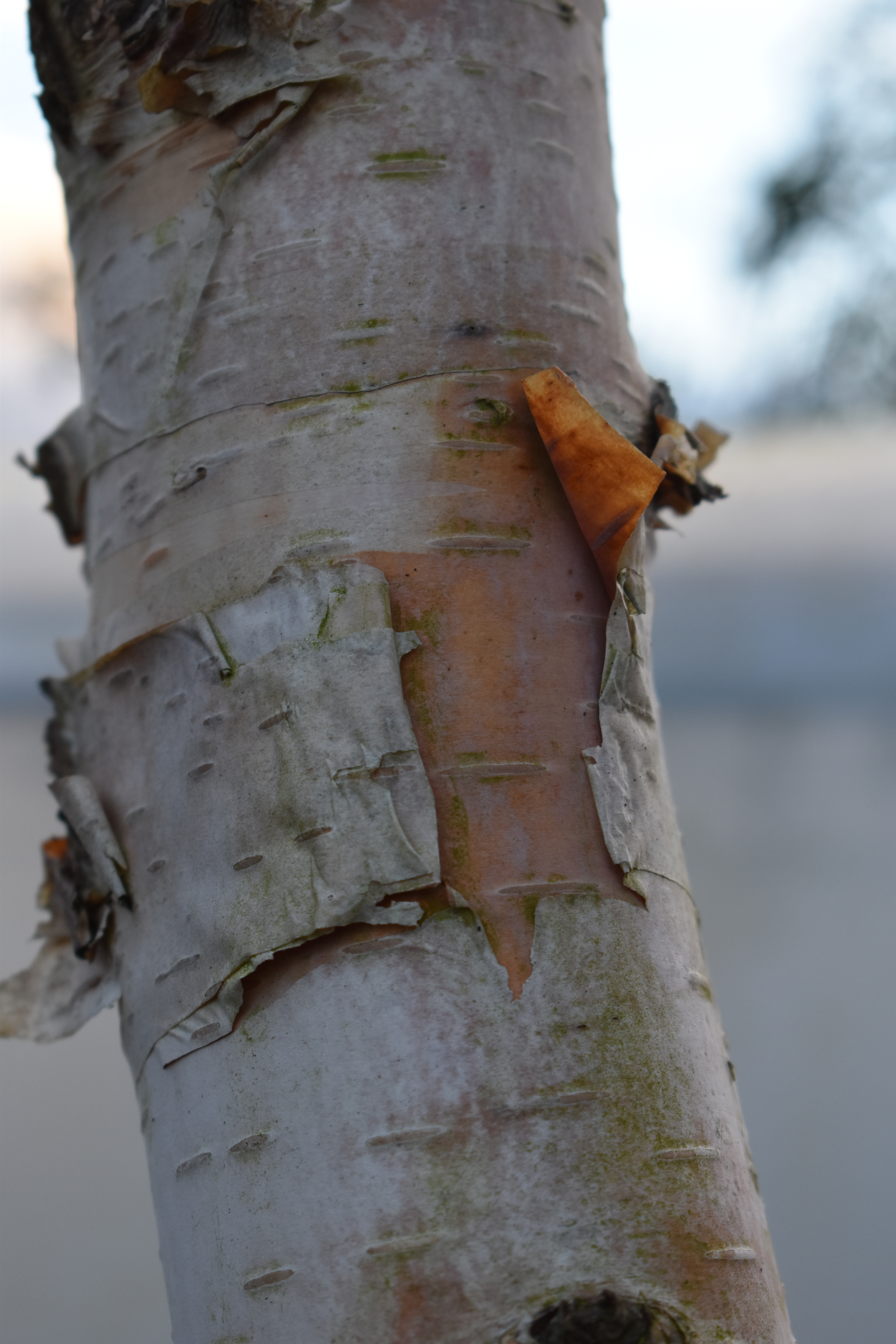
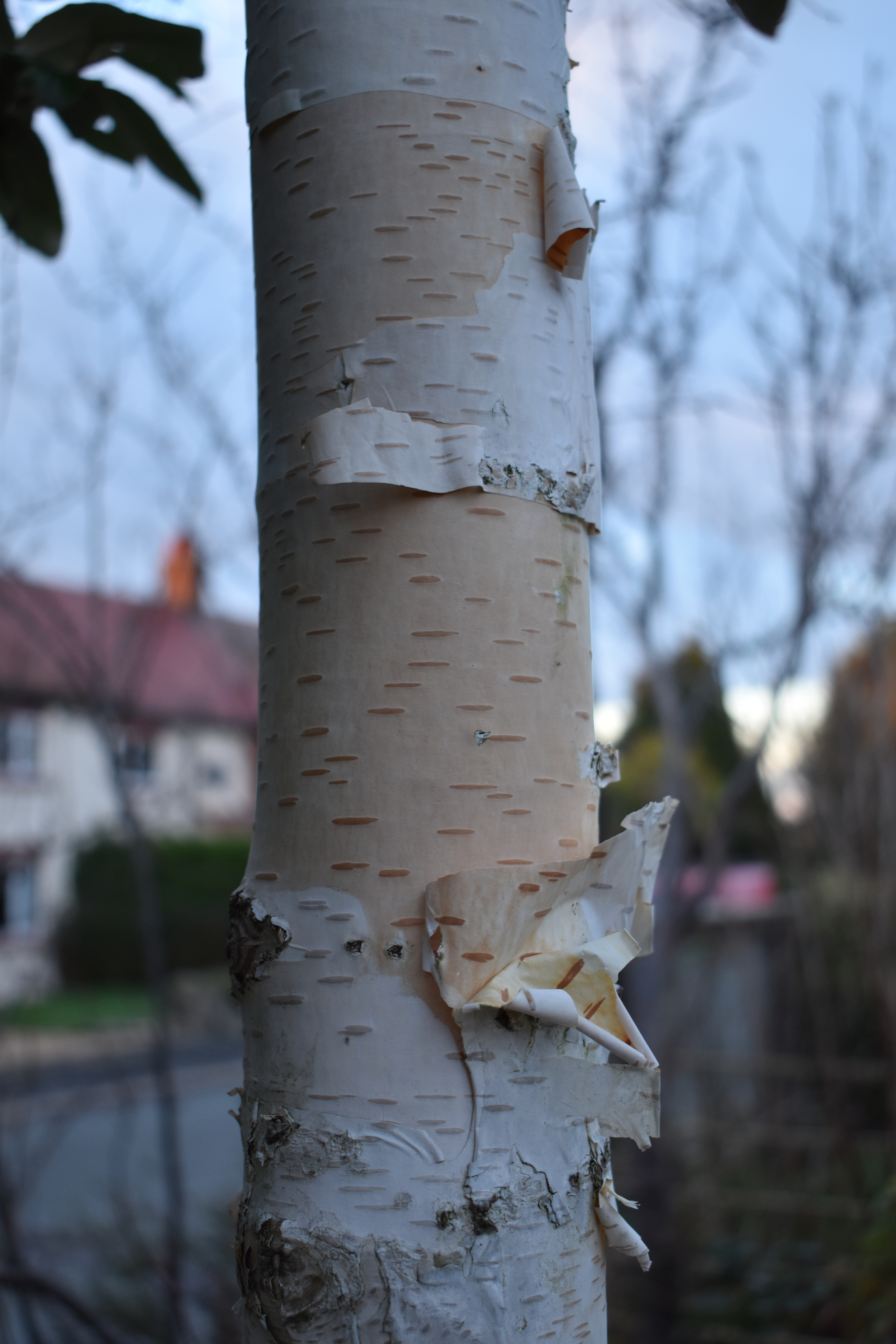
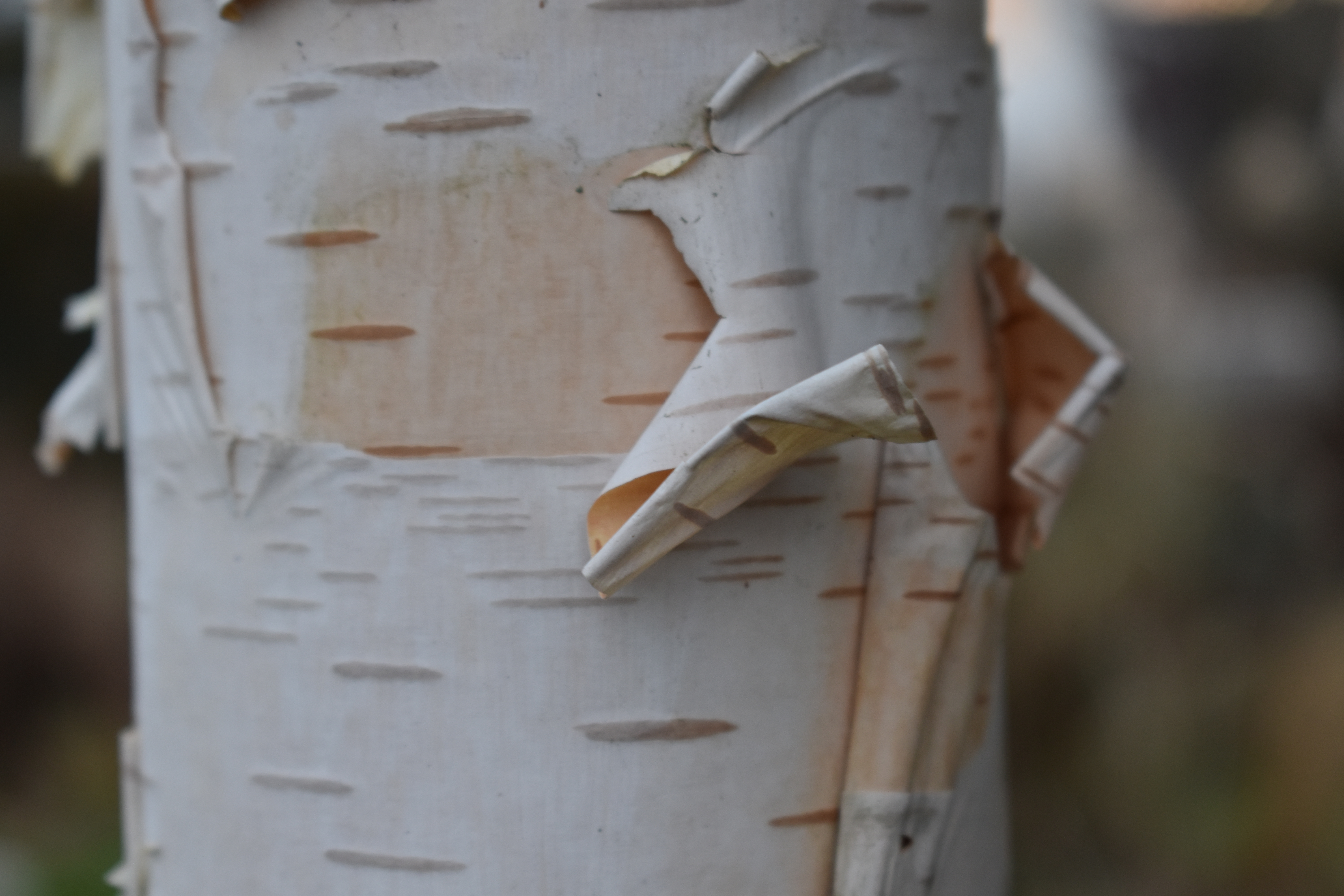
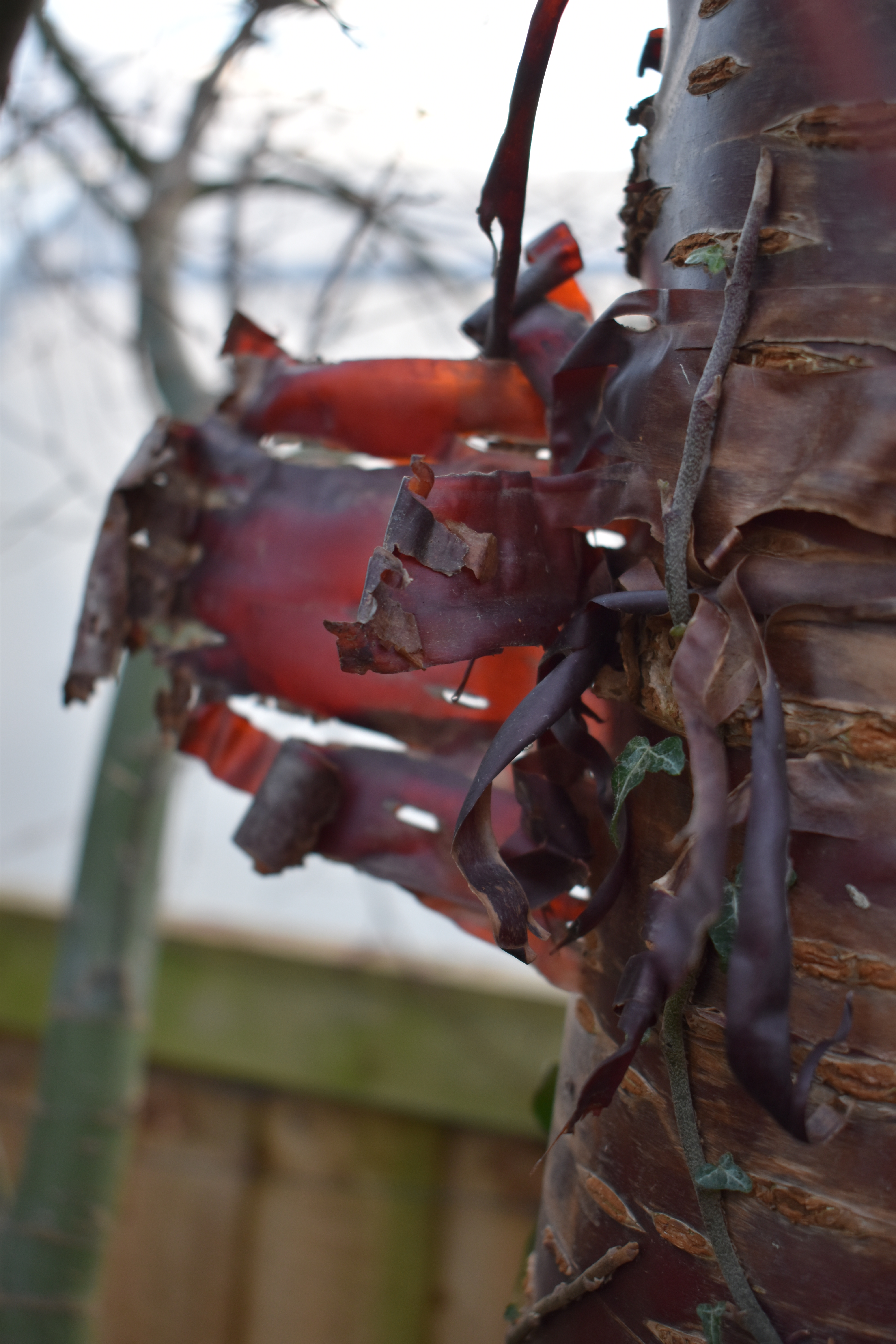
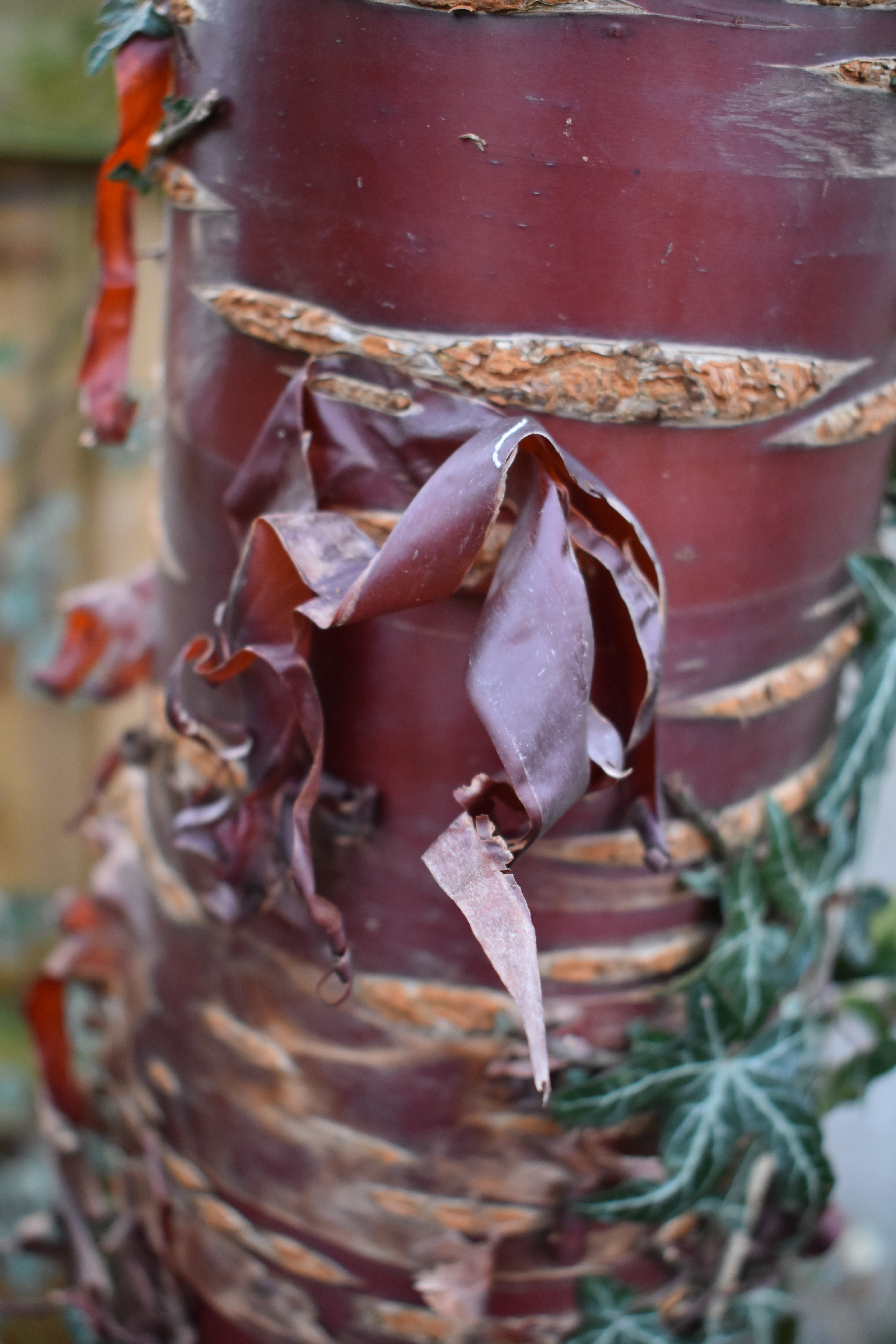
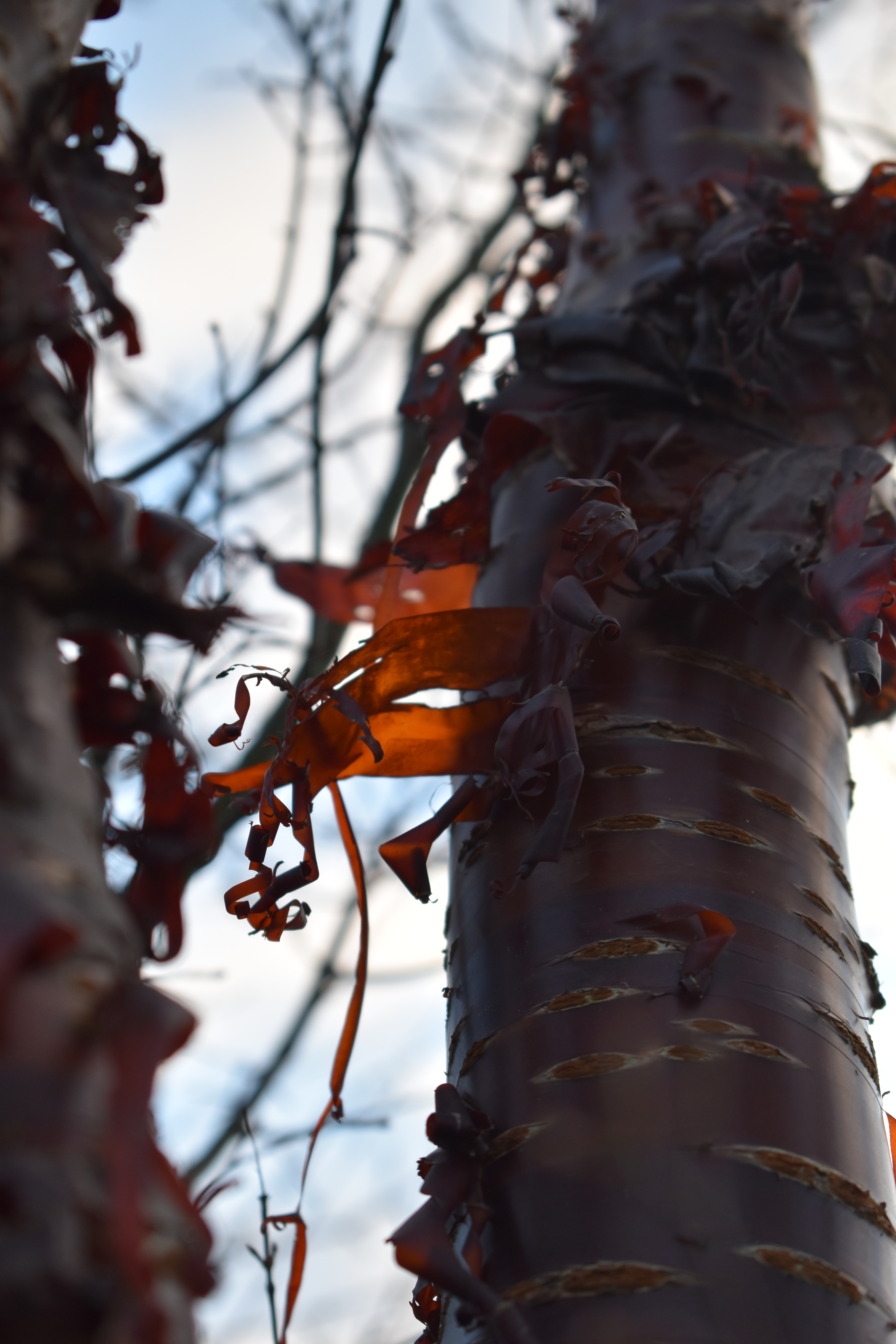
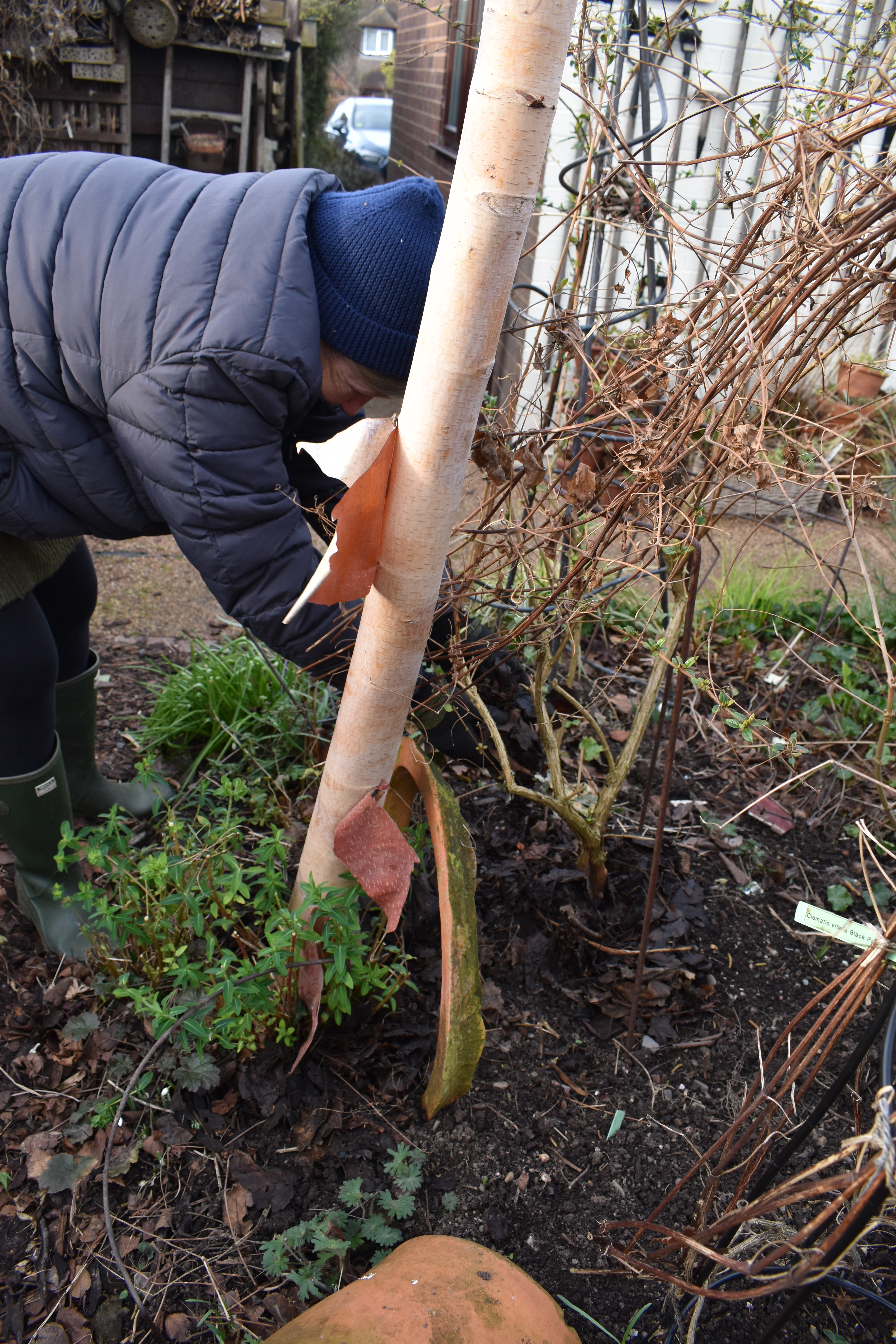
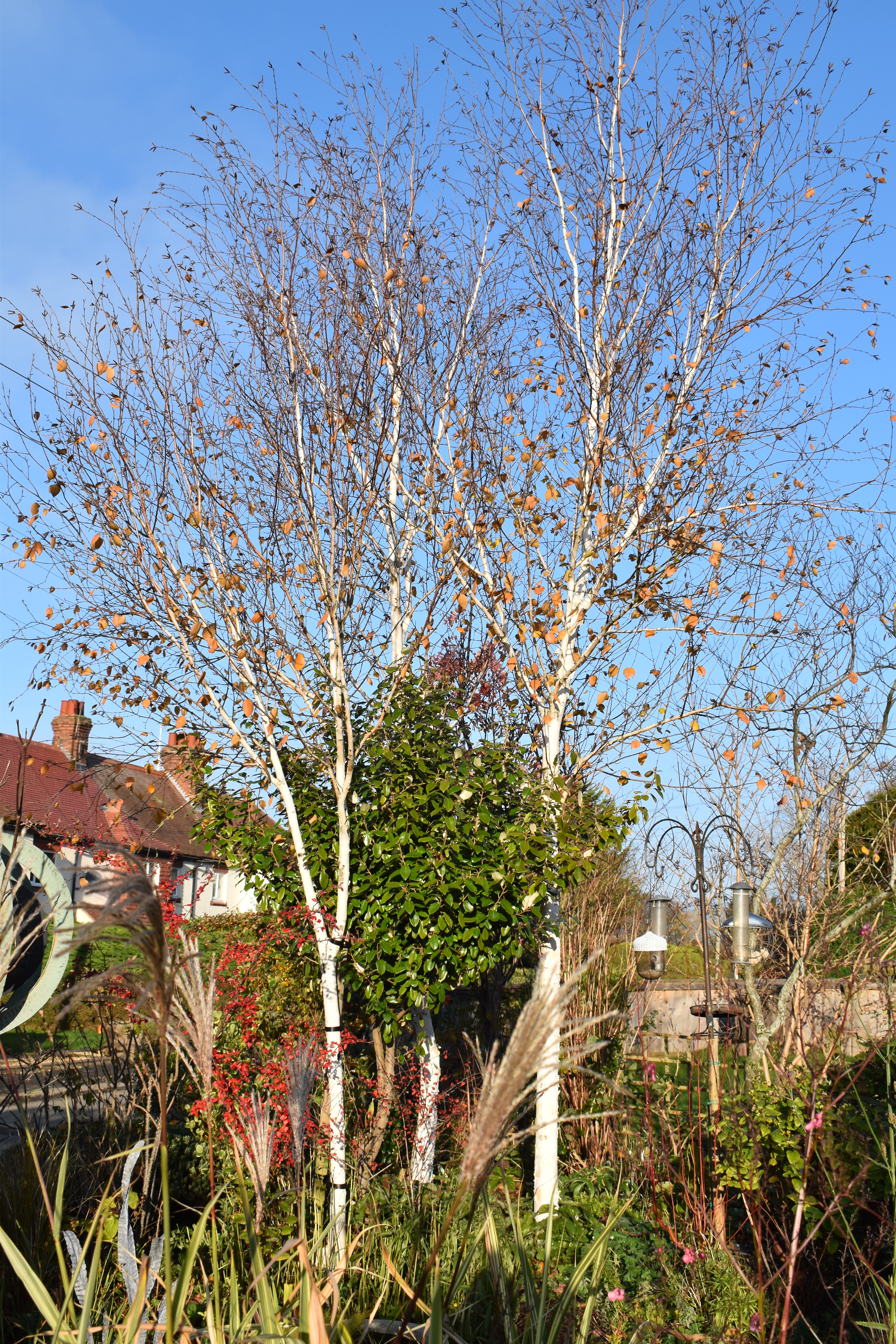
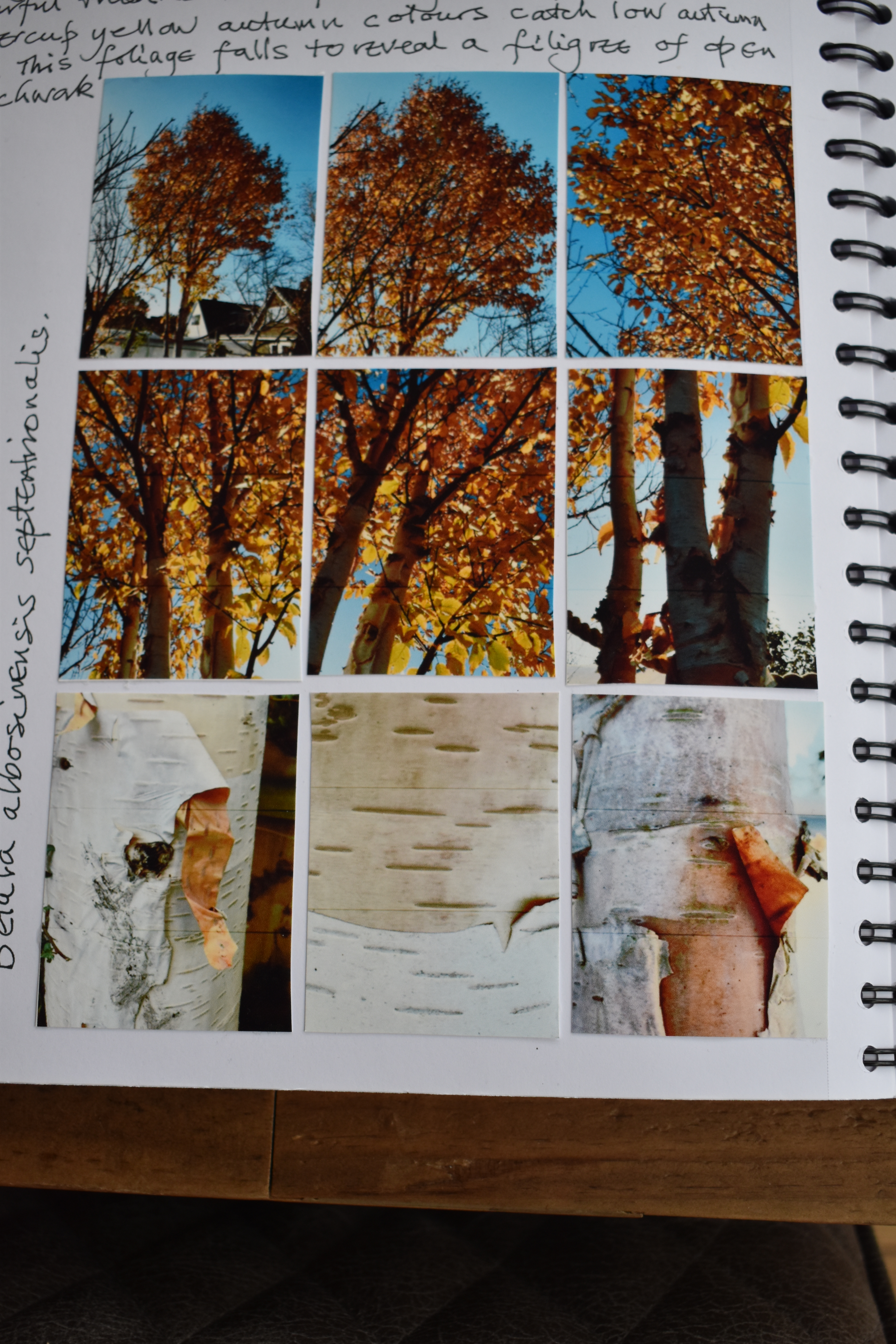
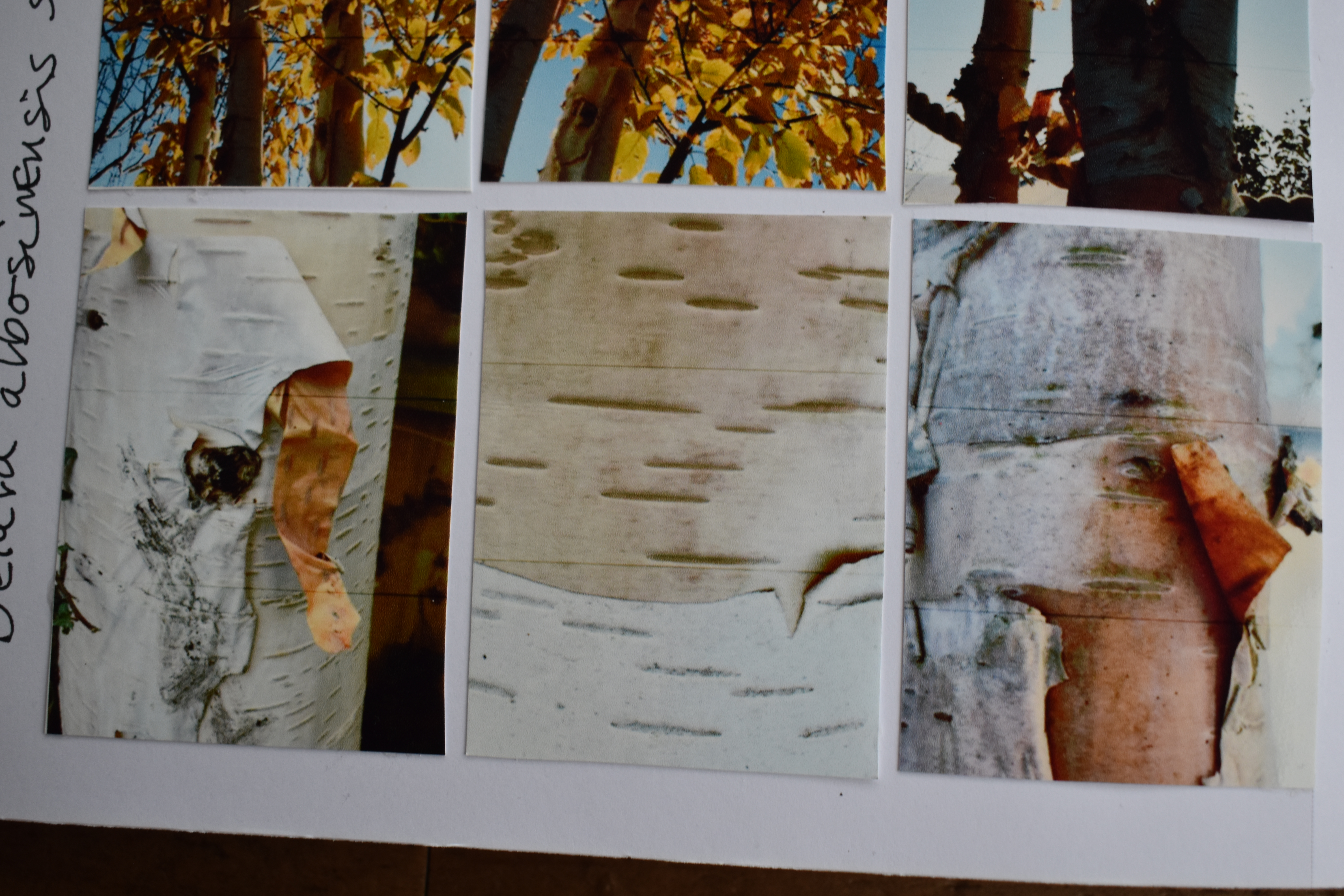
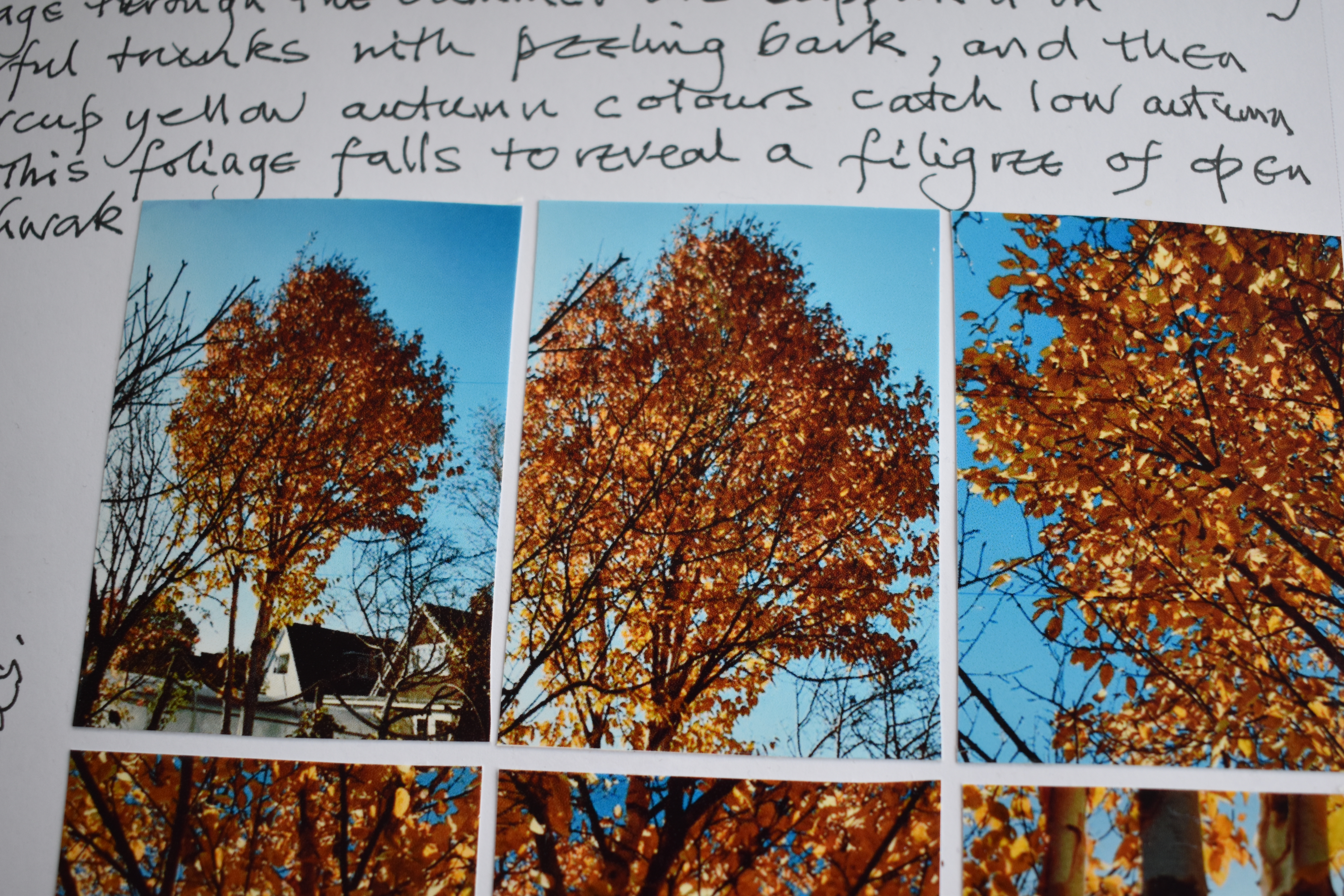
Concerning the birches I noted that, “My favourite tree family is Betula, the birches. They are interesting and impressive all year with pleated shiny bright green spring foliage alongside golden hanging catkins. Airy canopies with rustling foliage through the summer are supported on colourful trunks with peeling bark, and then buttercup yellow autumn colours catch low autumn rays. This foliage falls to reveal a filigree of open branch work.”

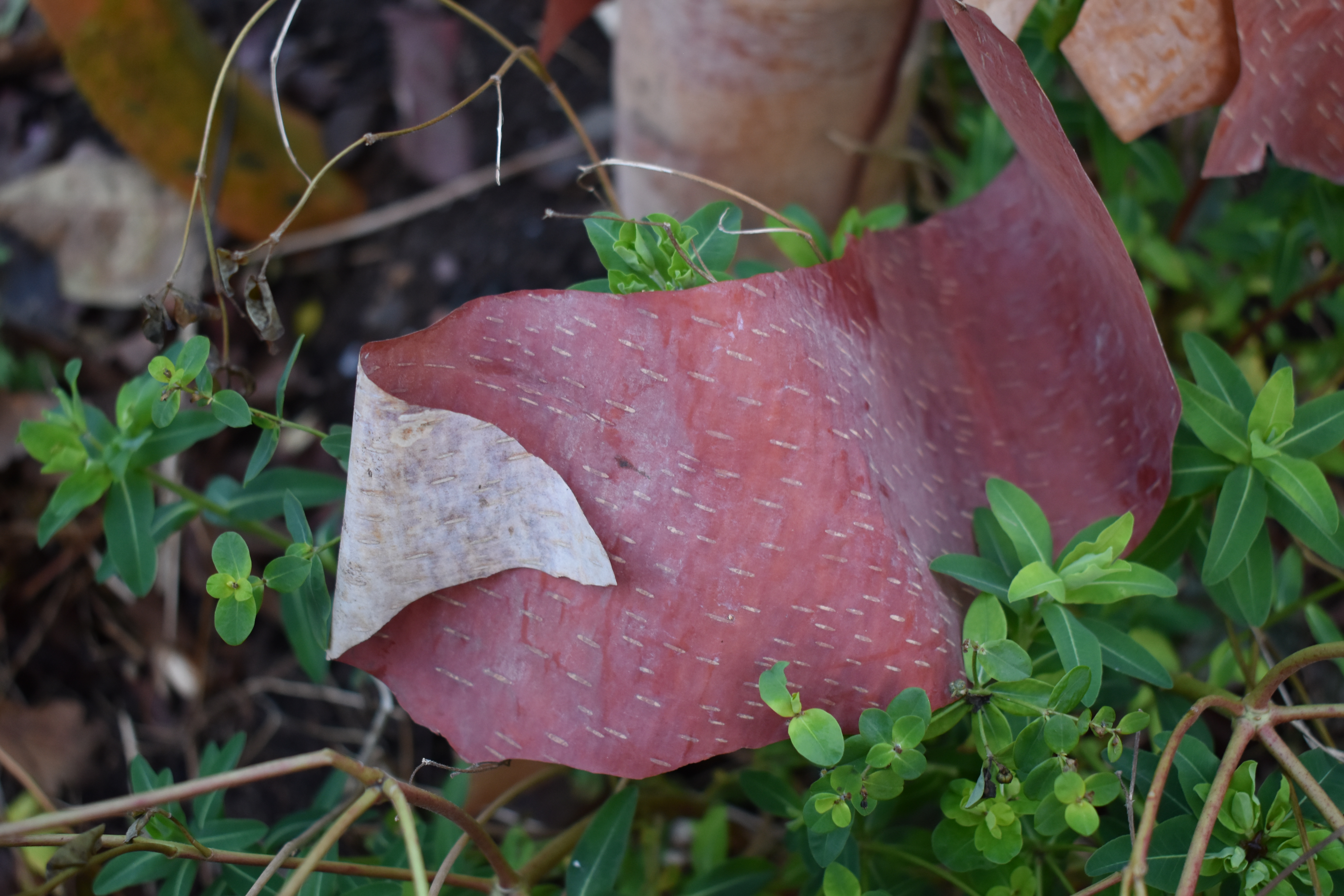
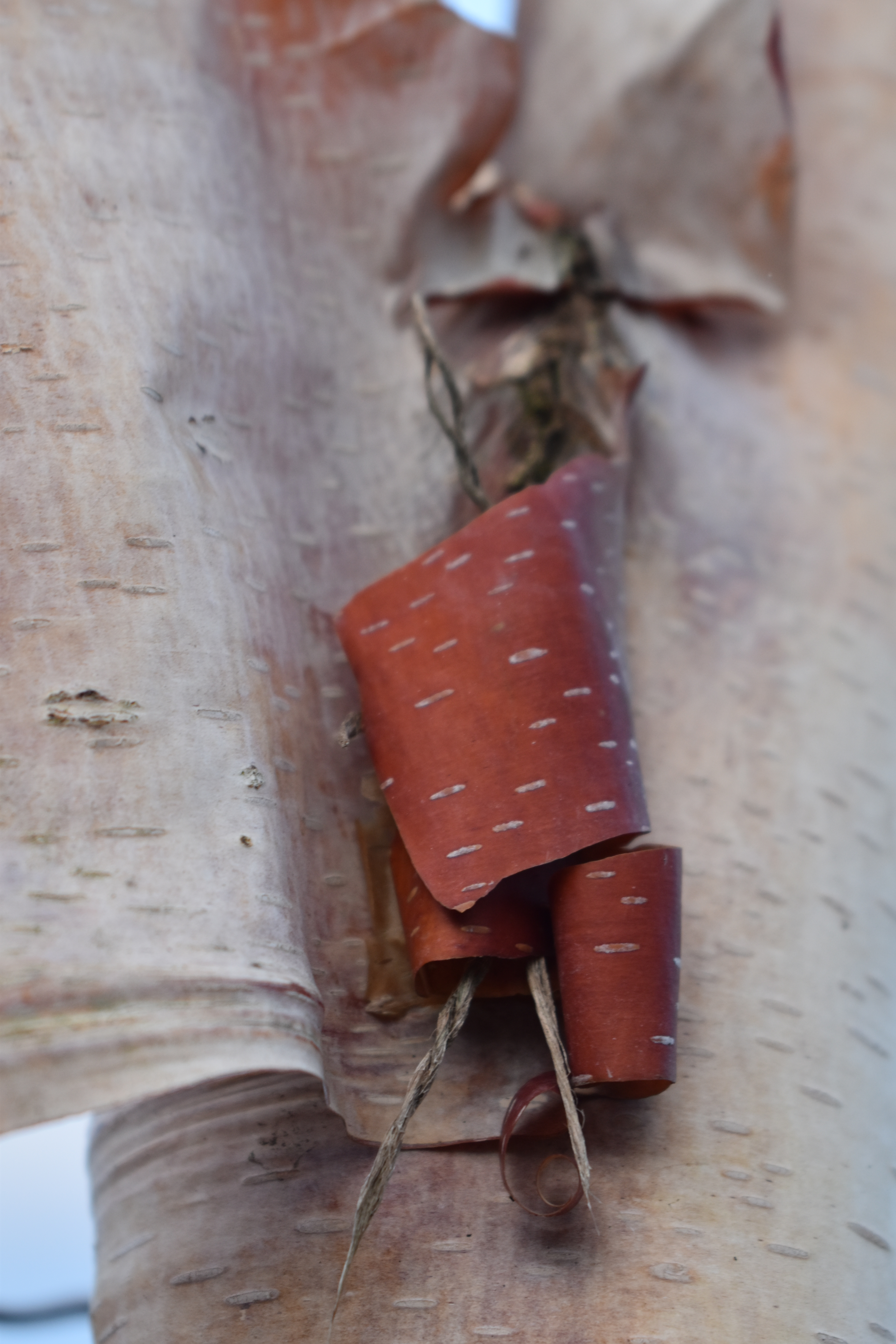
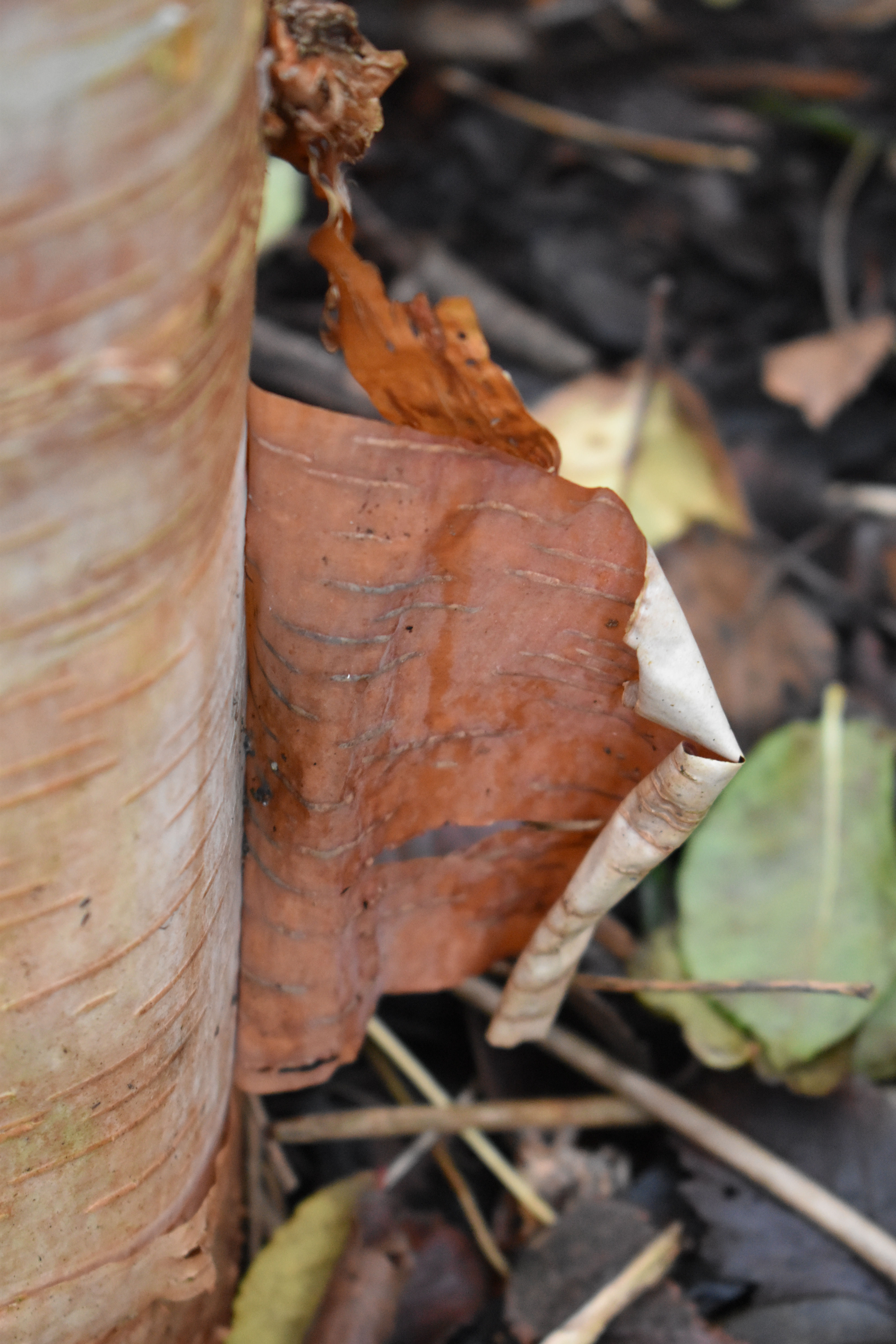
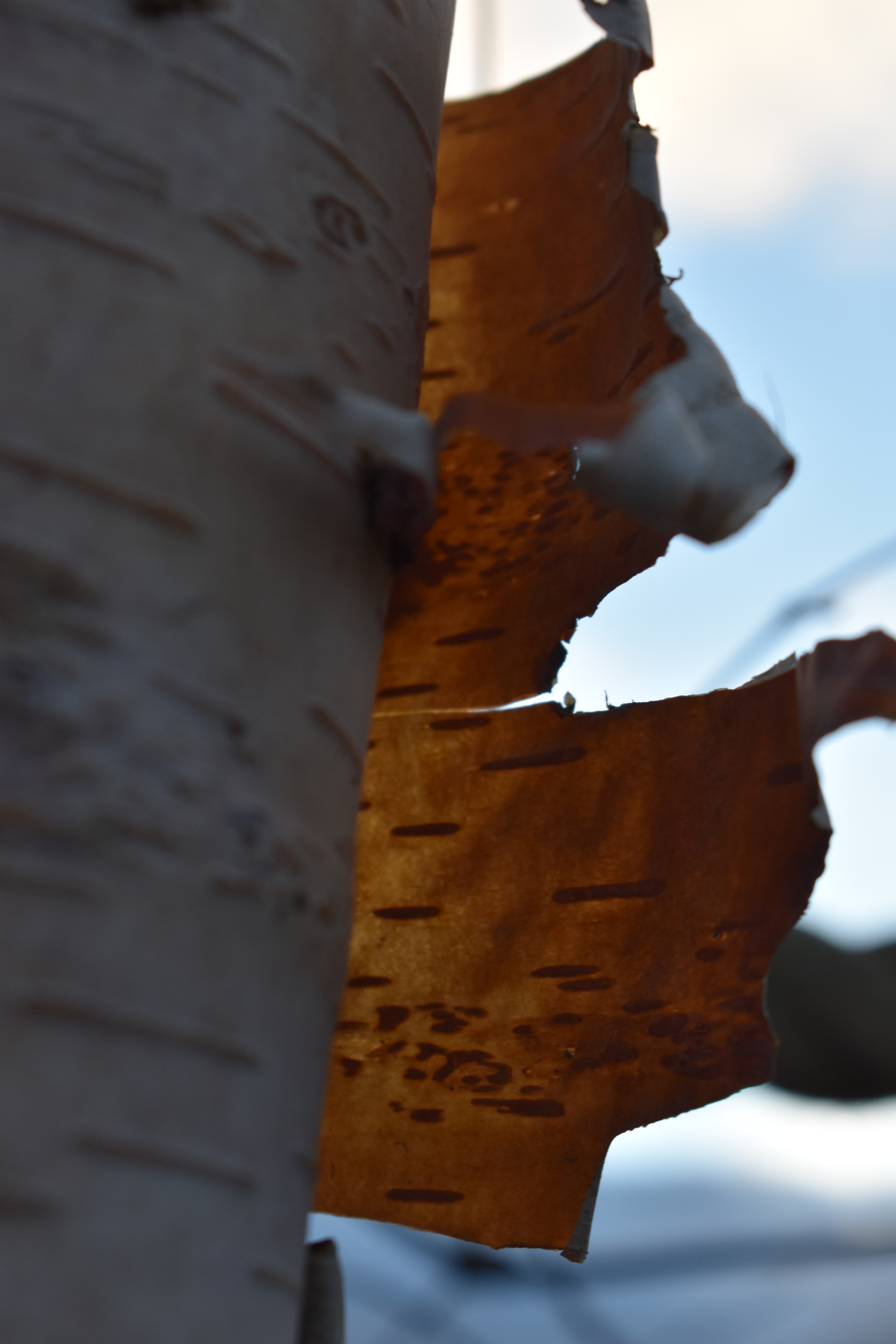
I then featured my favourite of all the birches Betula albosinensis septentrionalis, in nine photos.

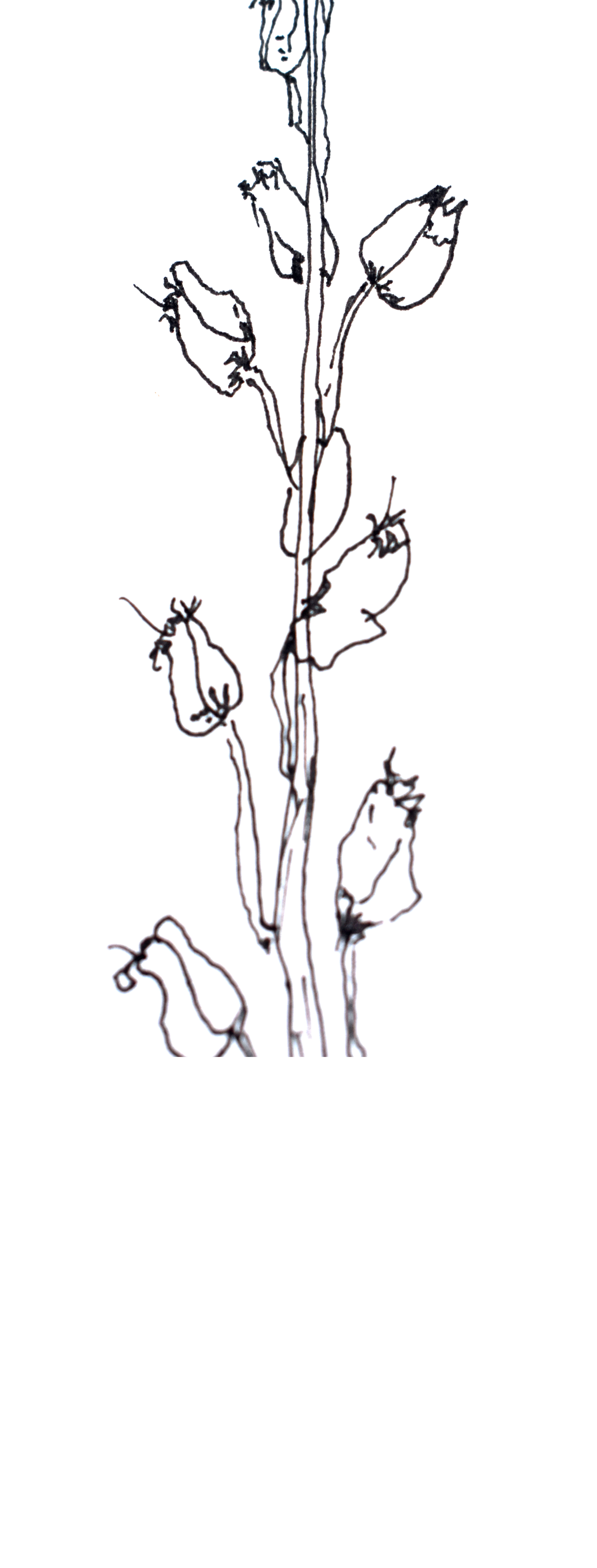
On the opposite page I returned to look at different seed heads and stems, but this time for my sketches I used very fine fibre pens in grey tones.

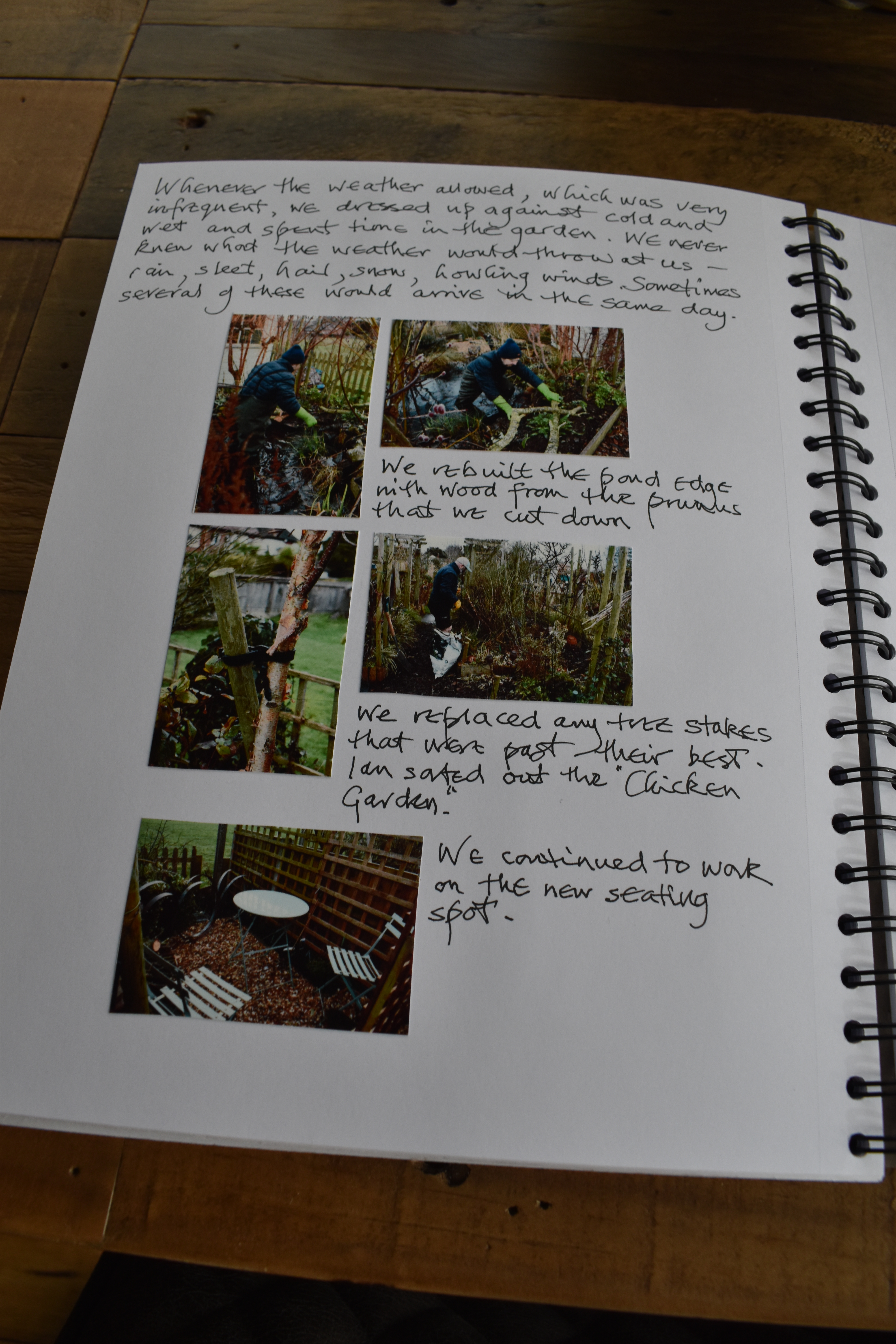
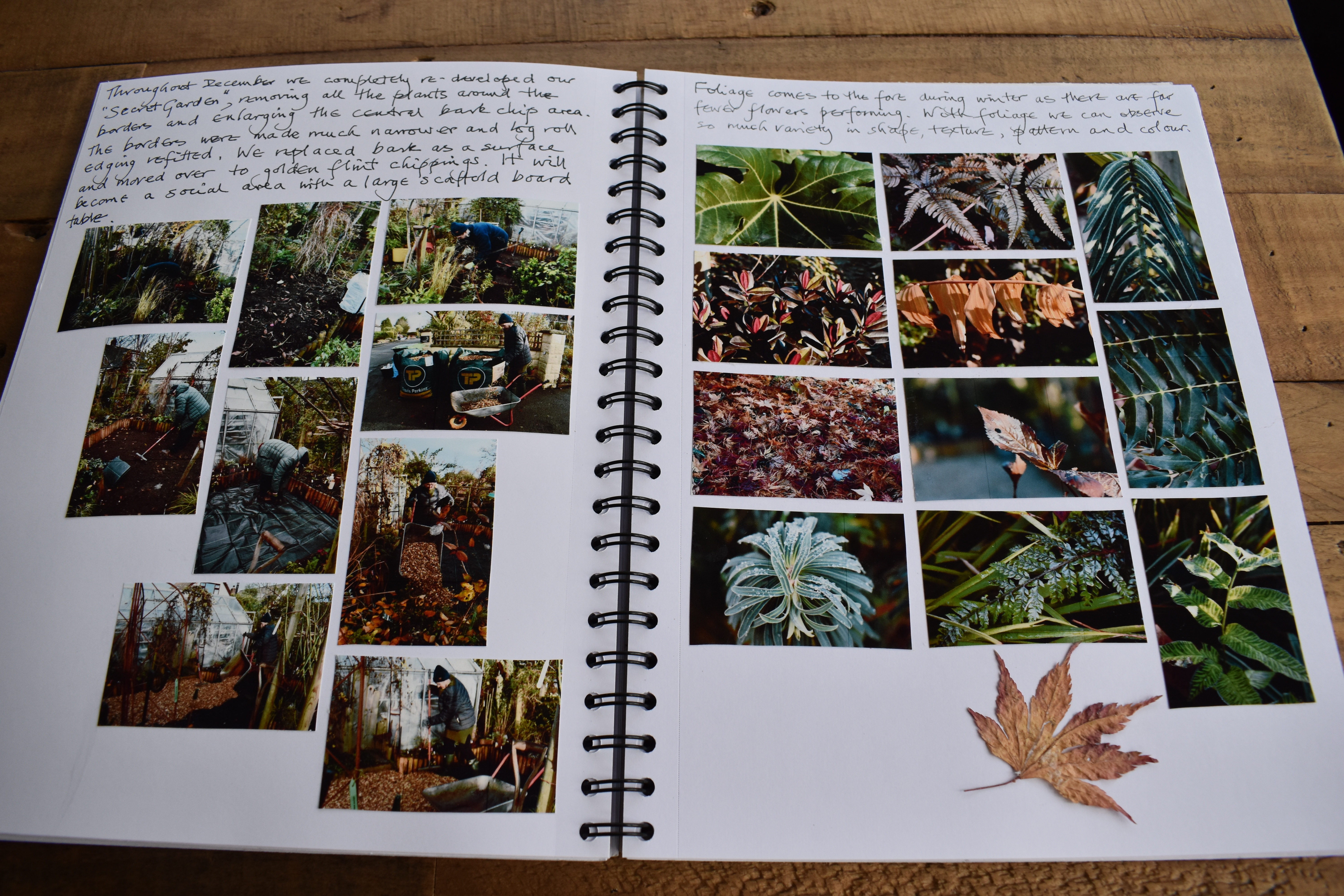
I finished off my December entries with a double page spread featuring some of our December tasks and finally winter foliage.

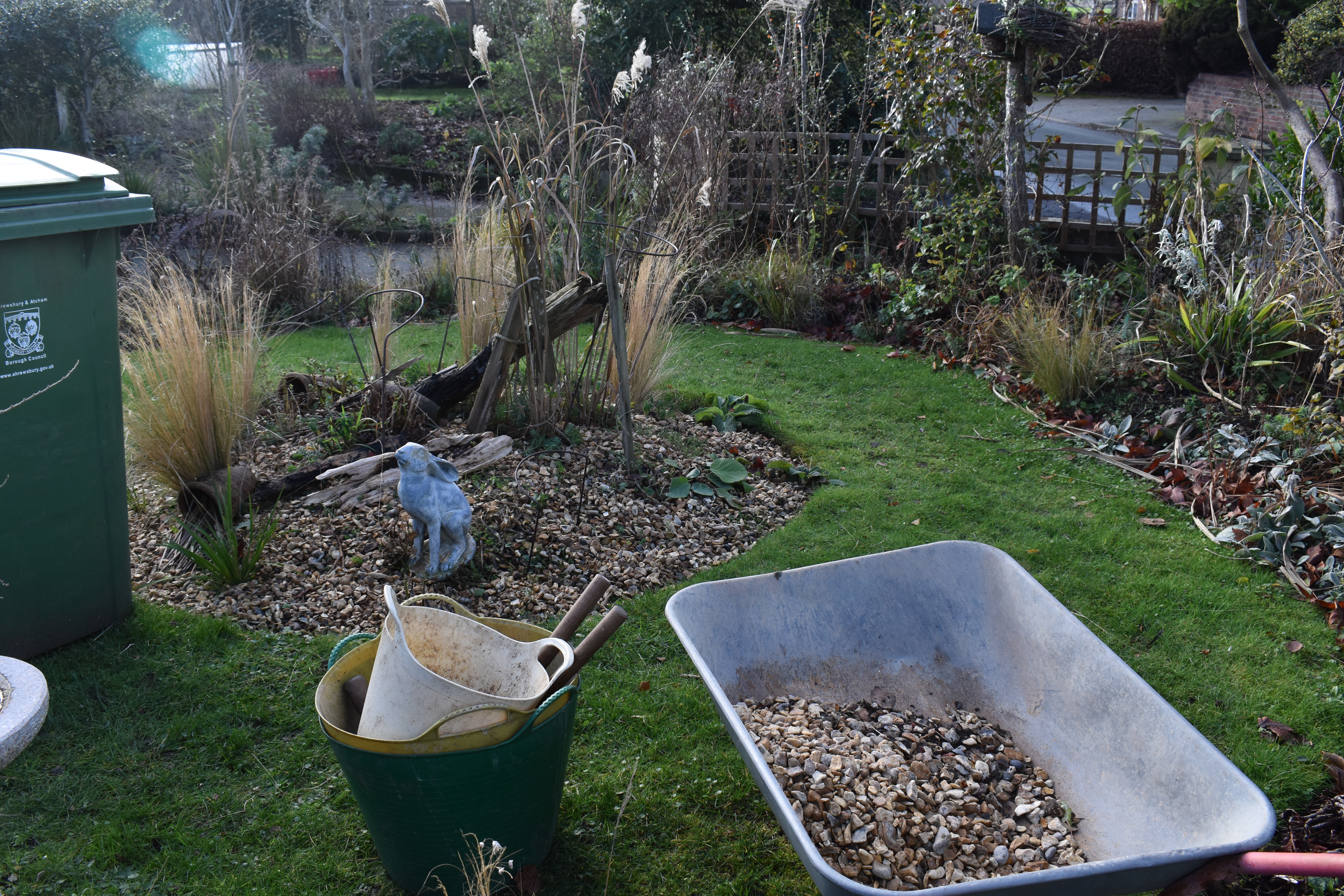
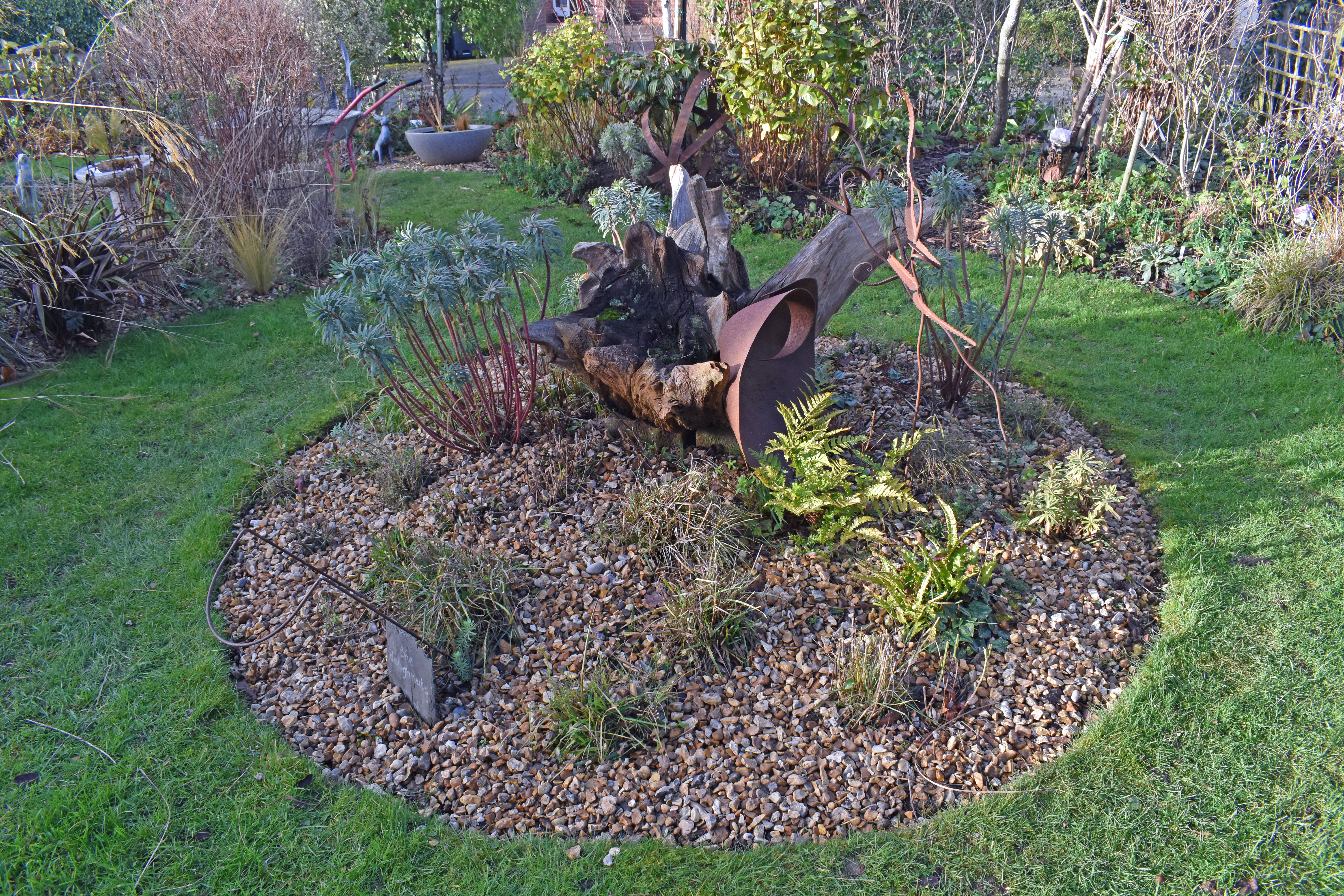
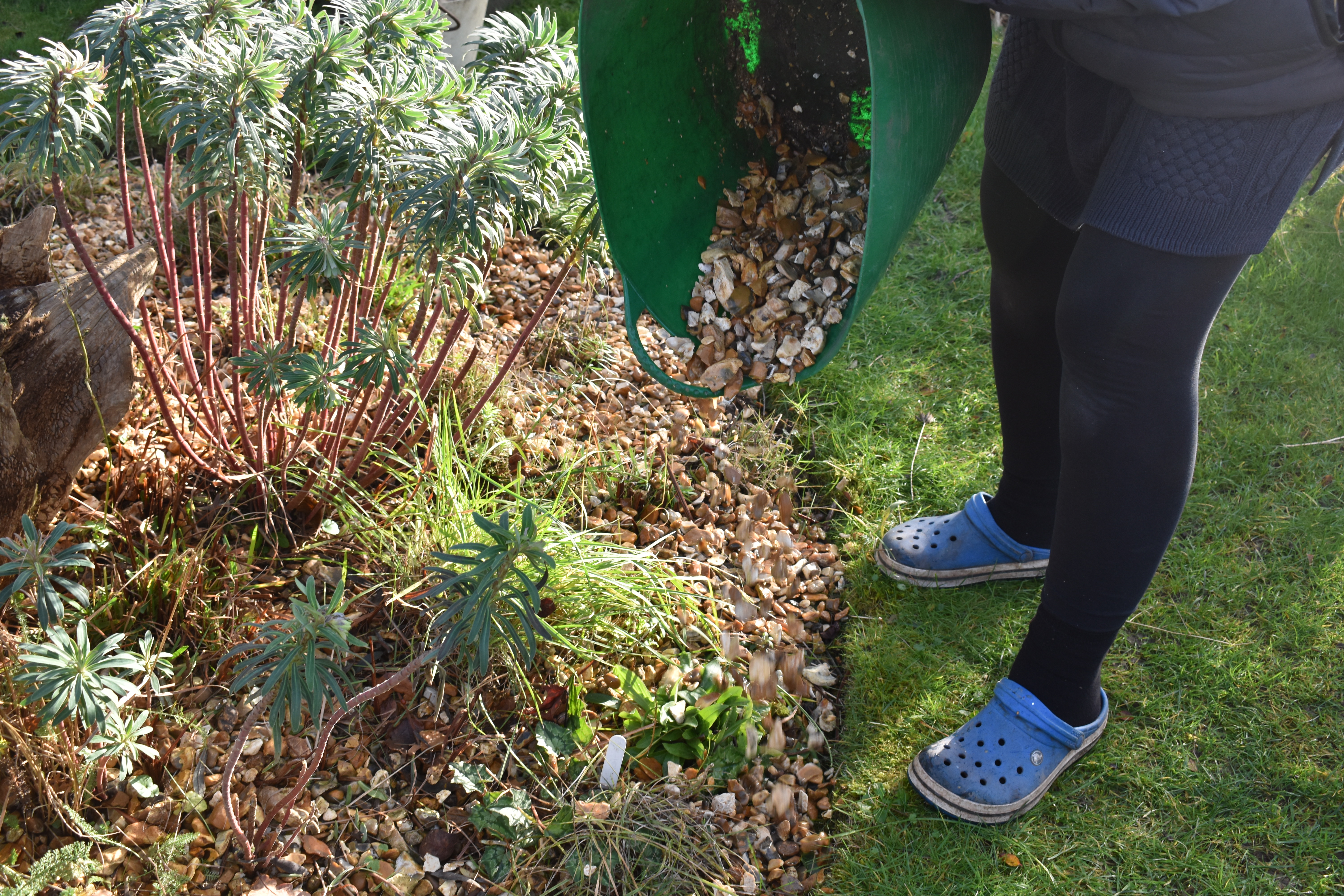
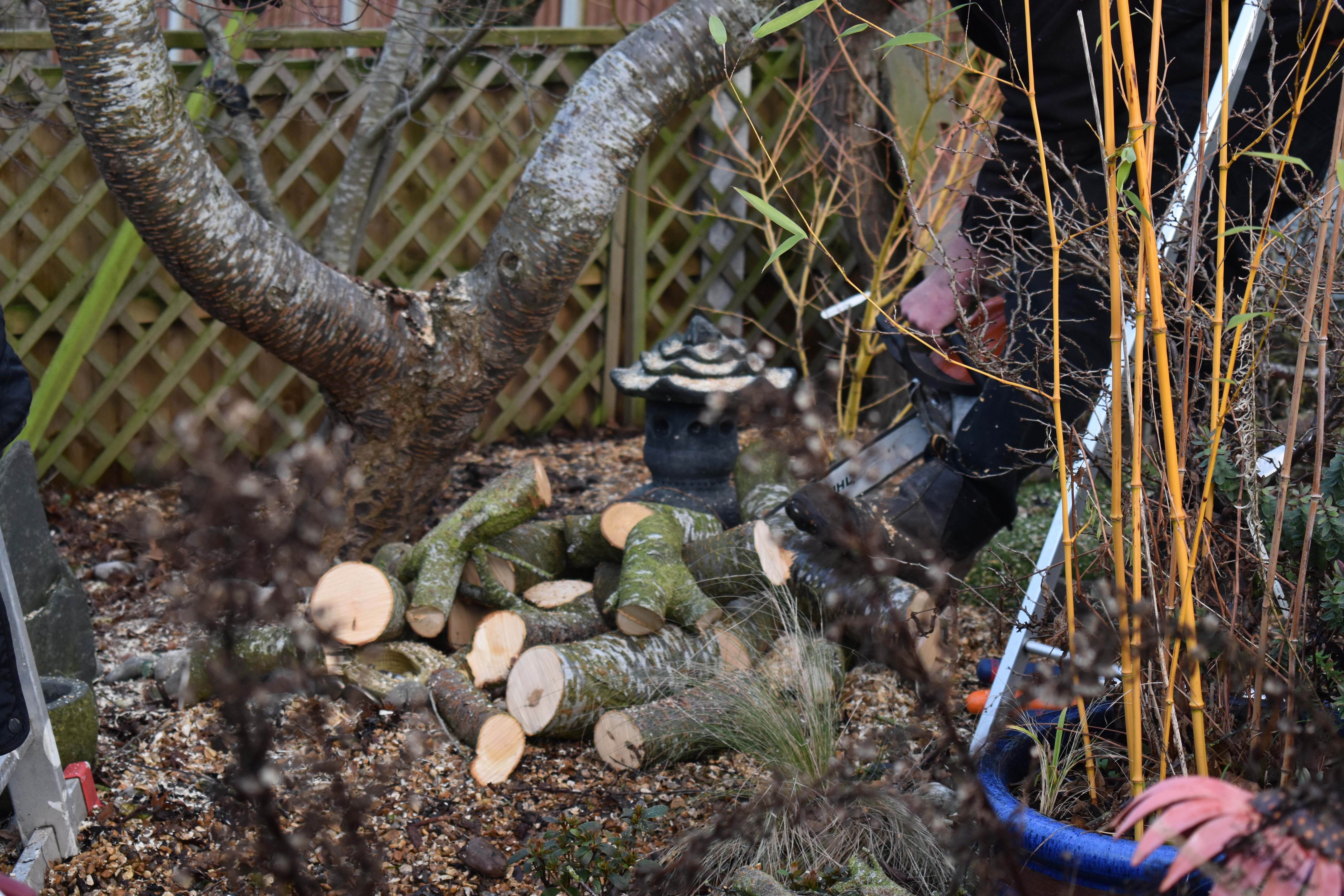
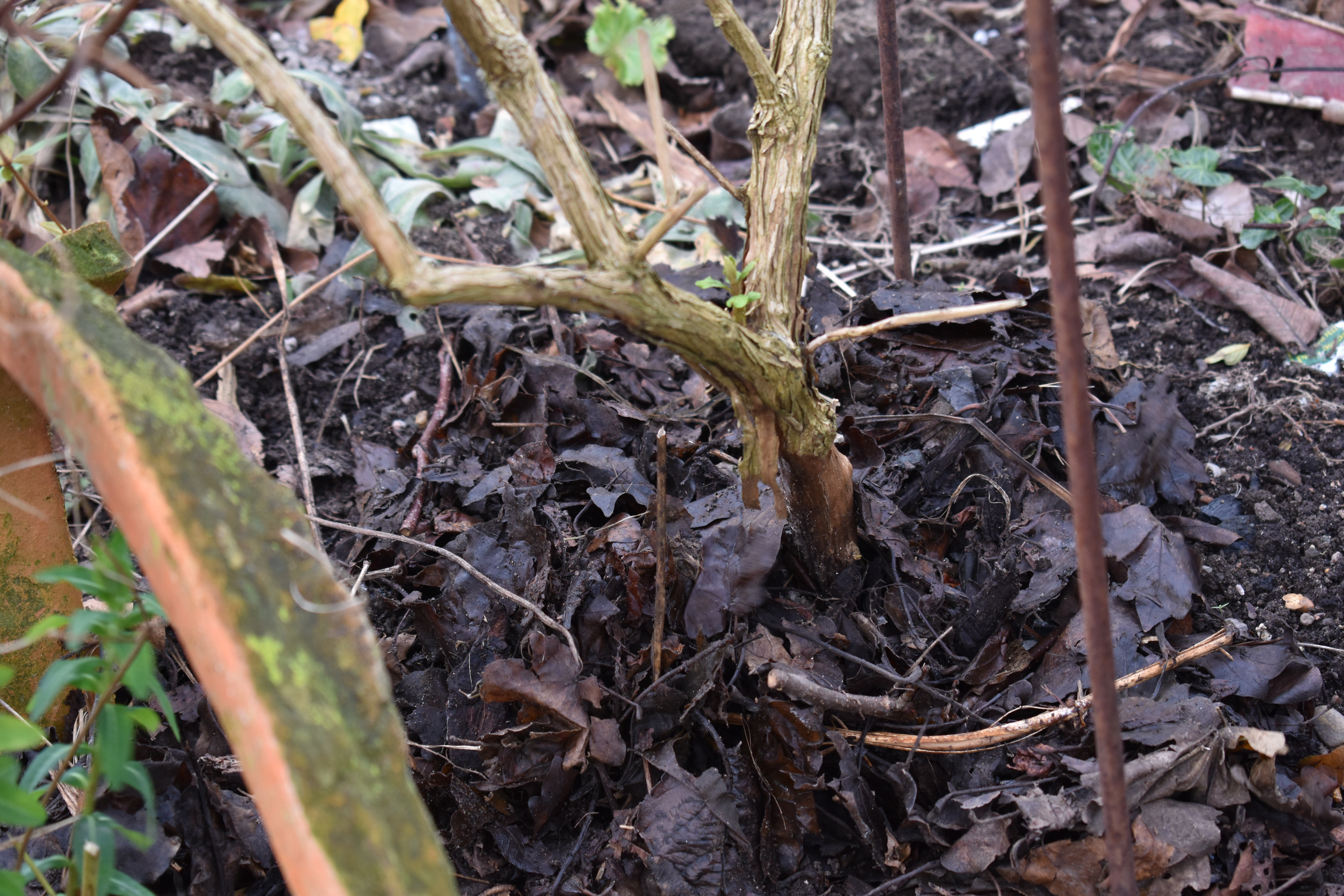
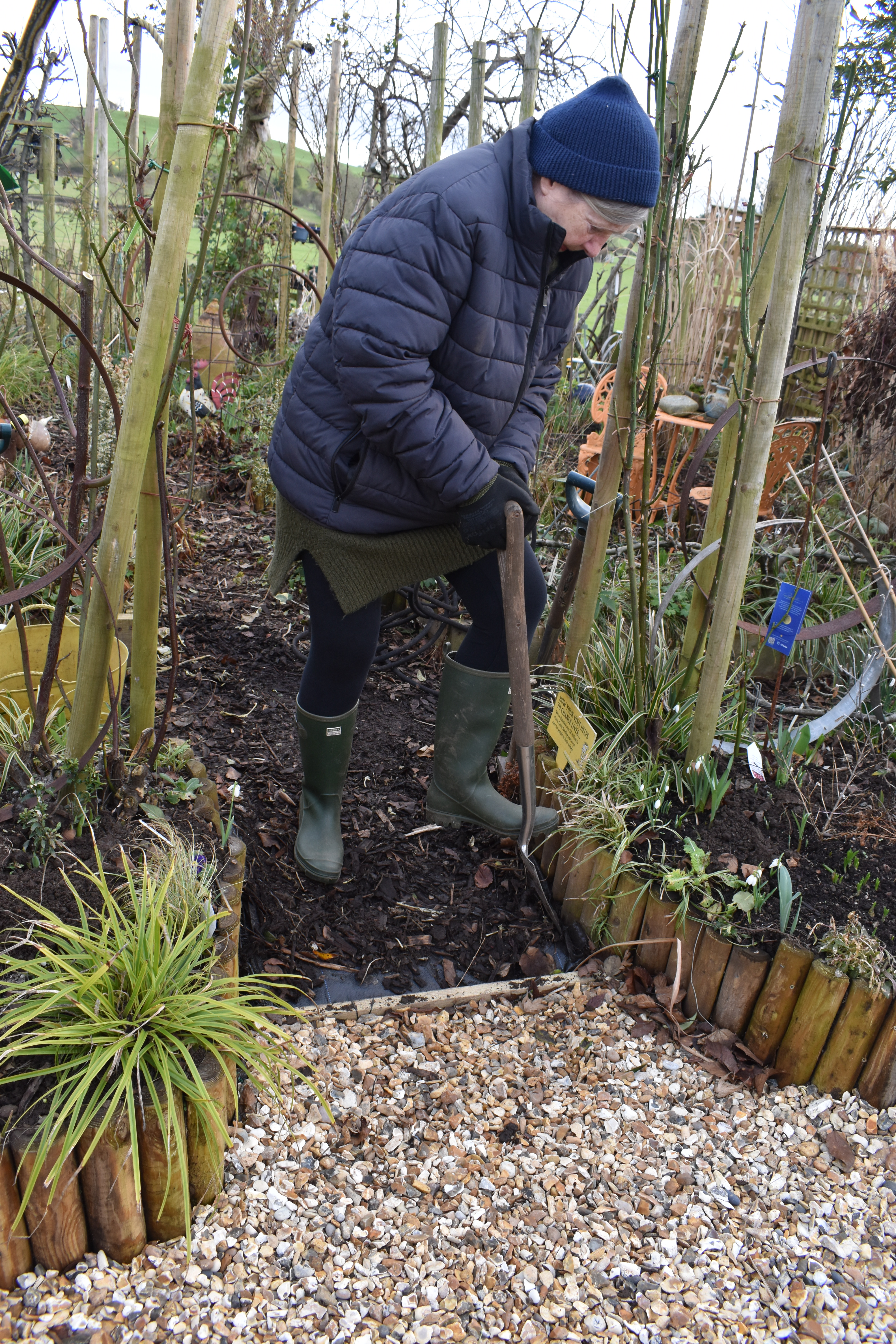
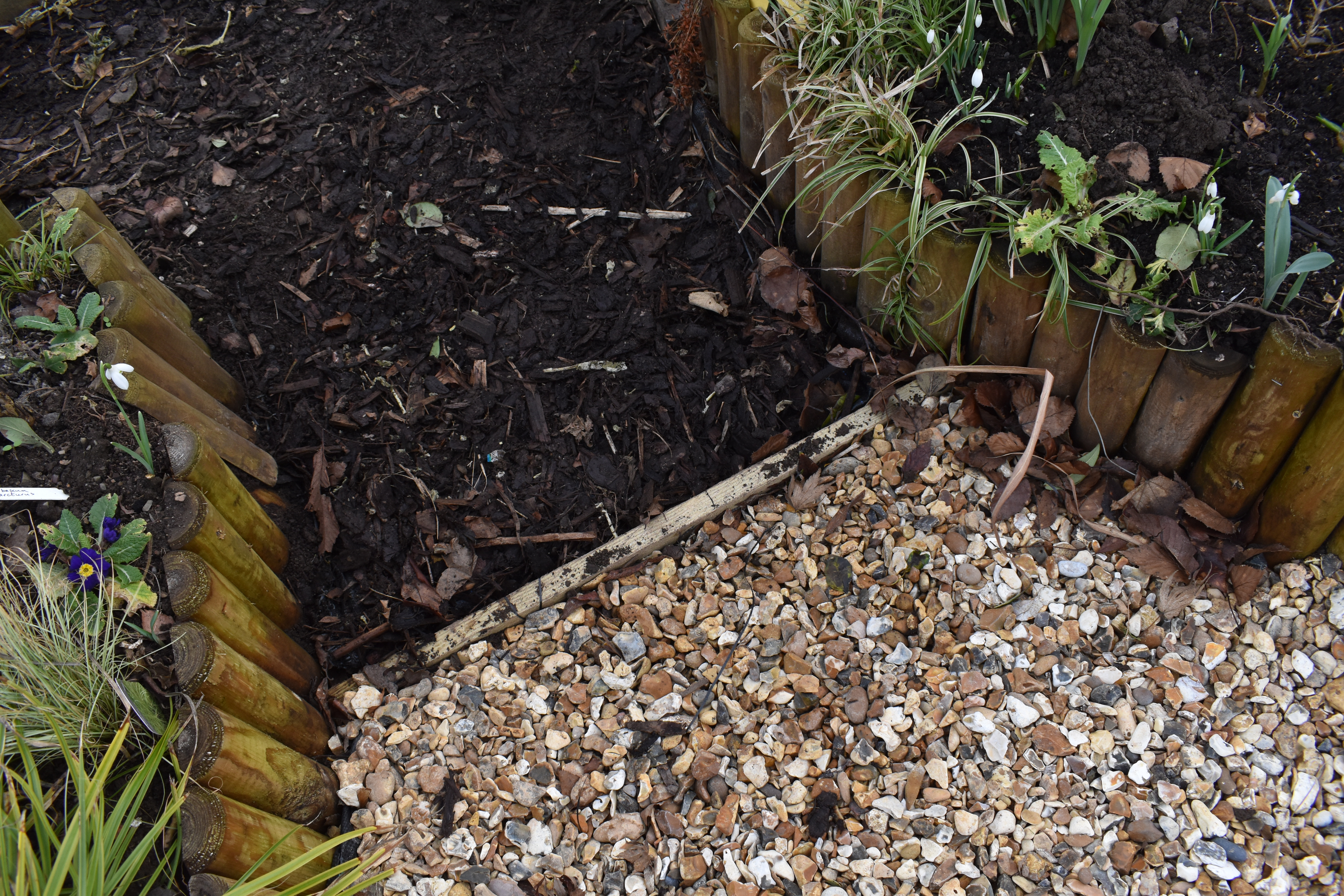
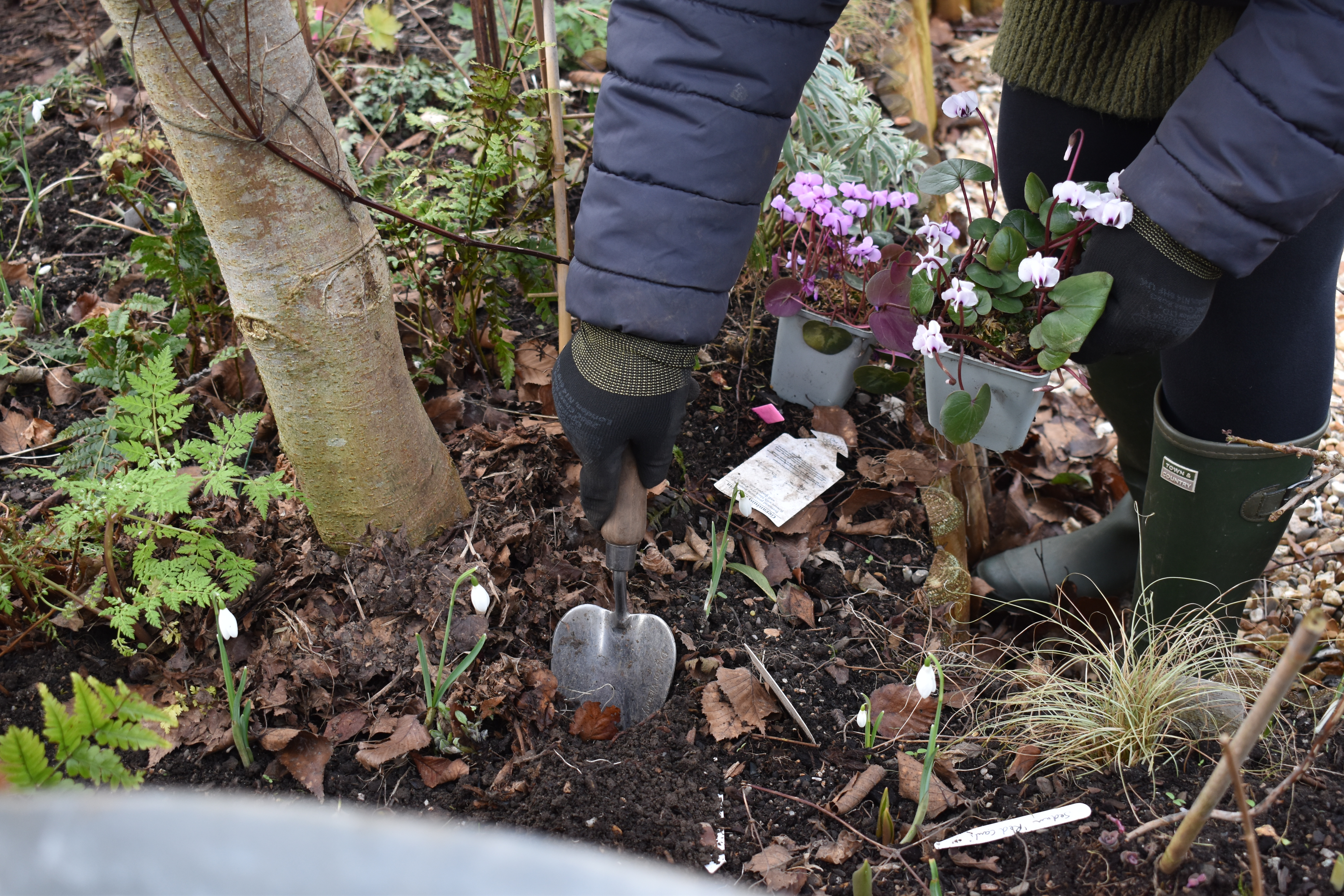
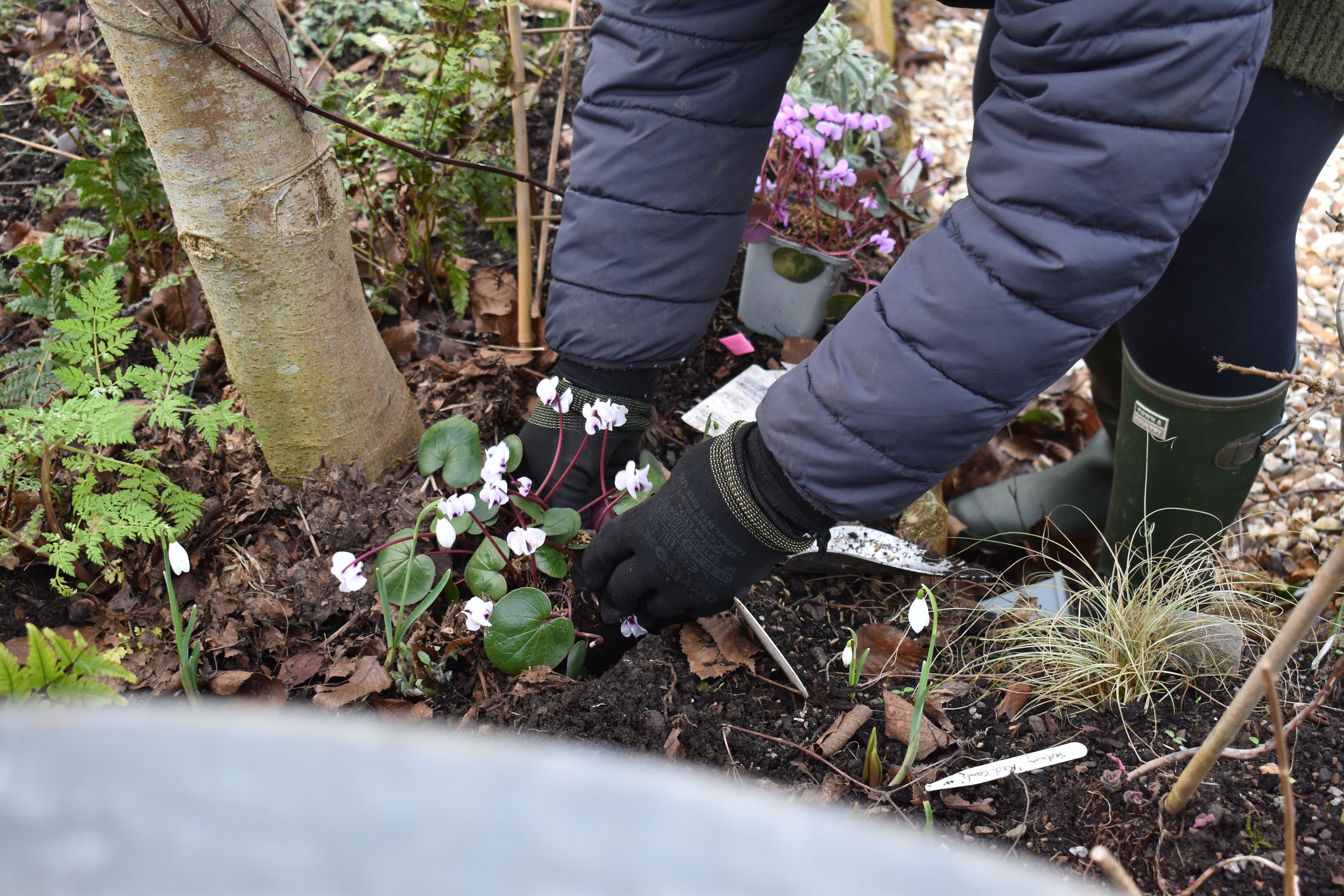
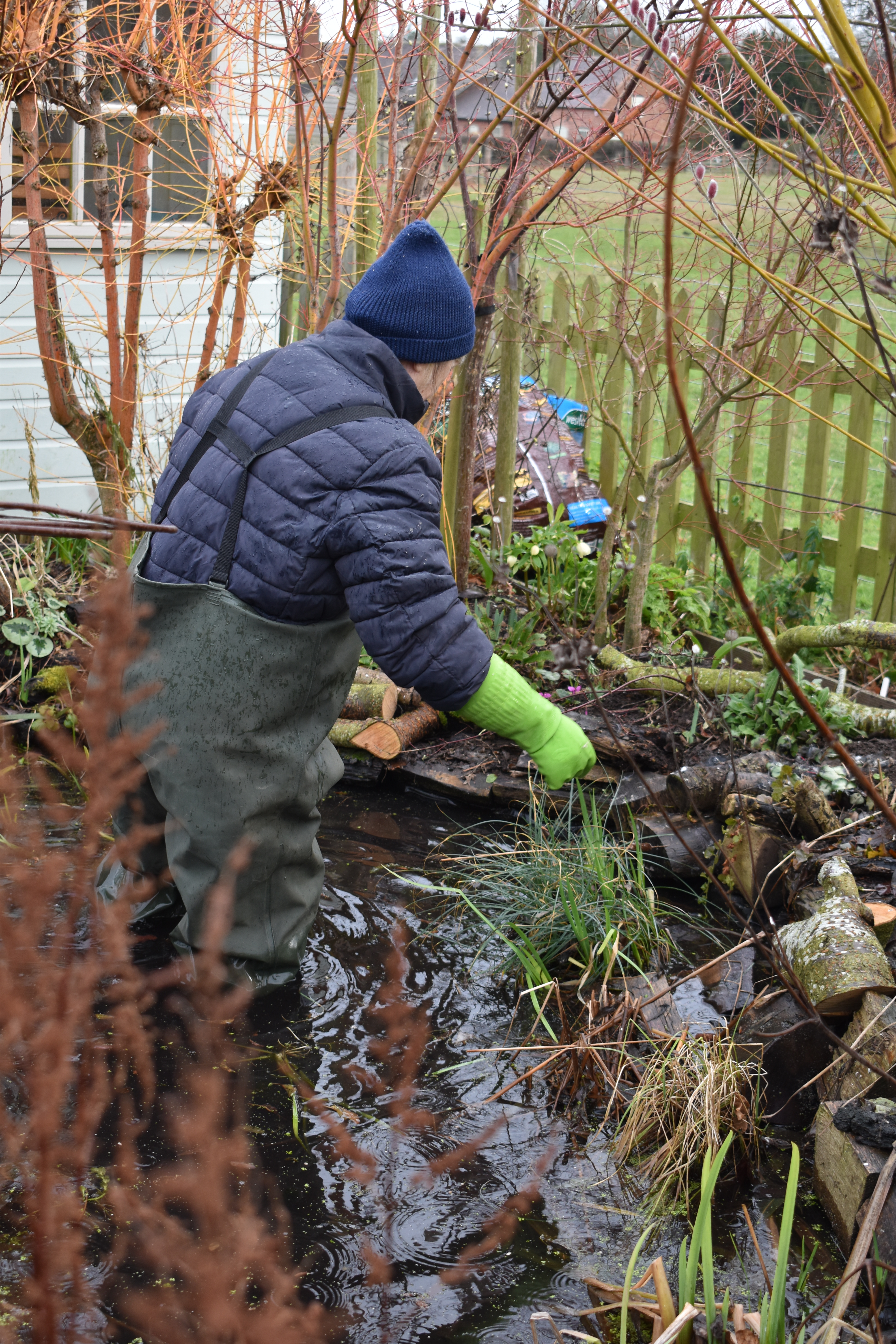
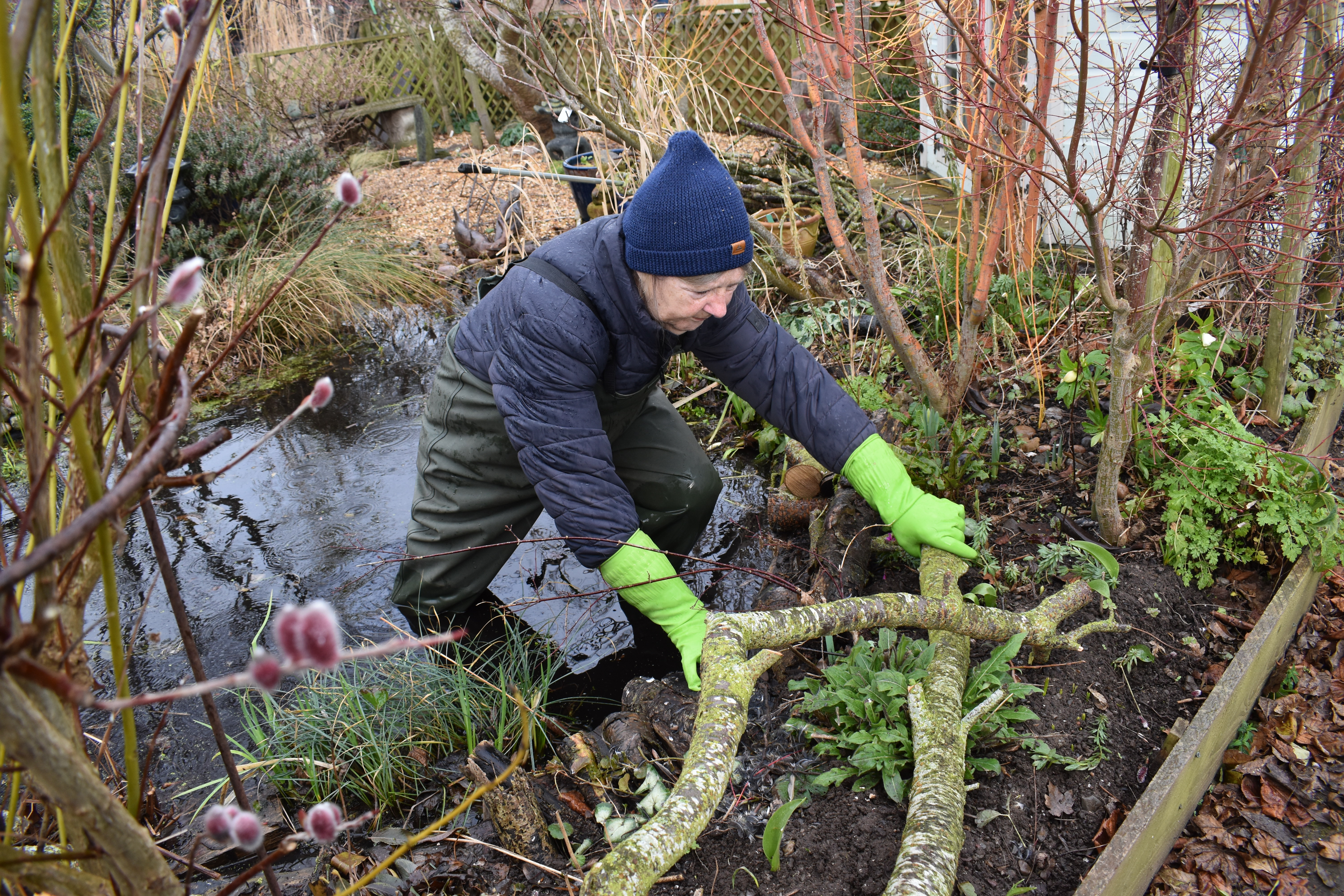
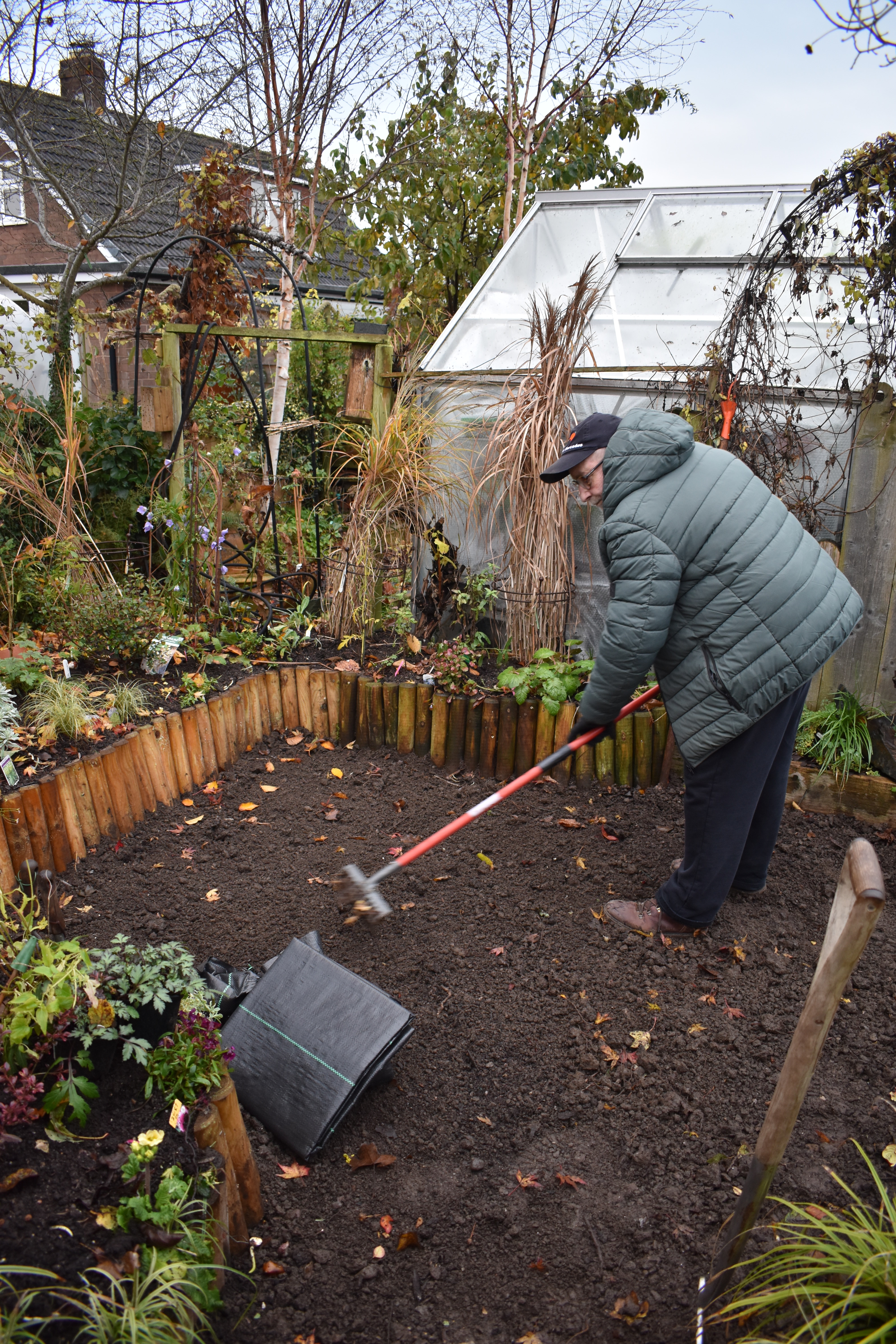
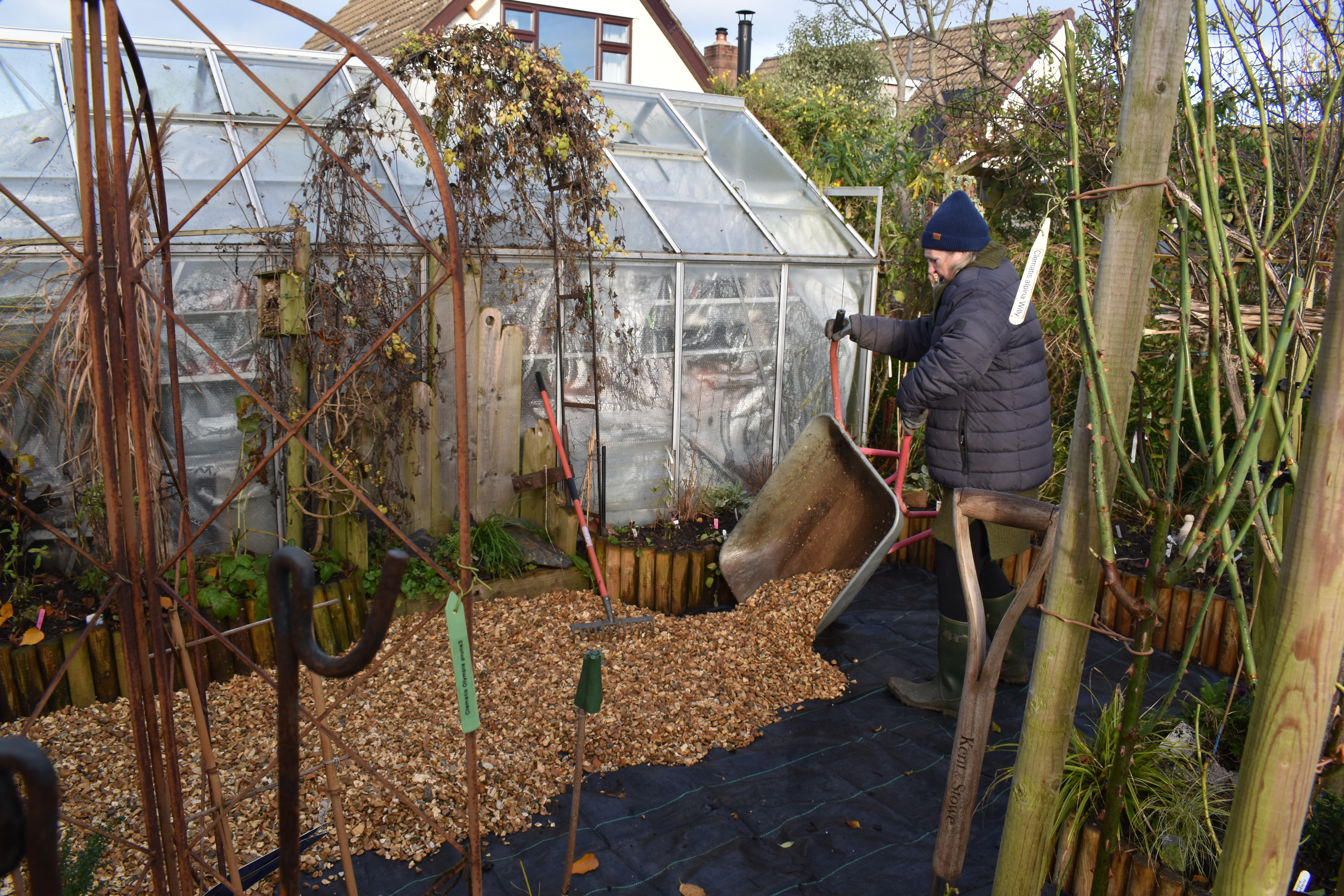
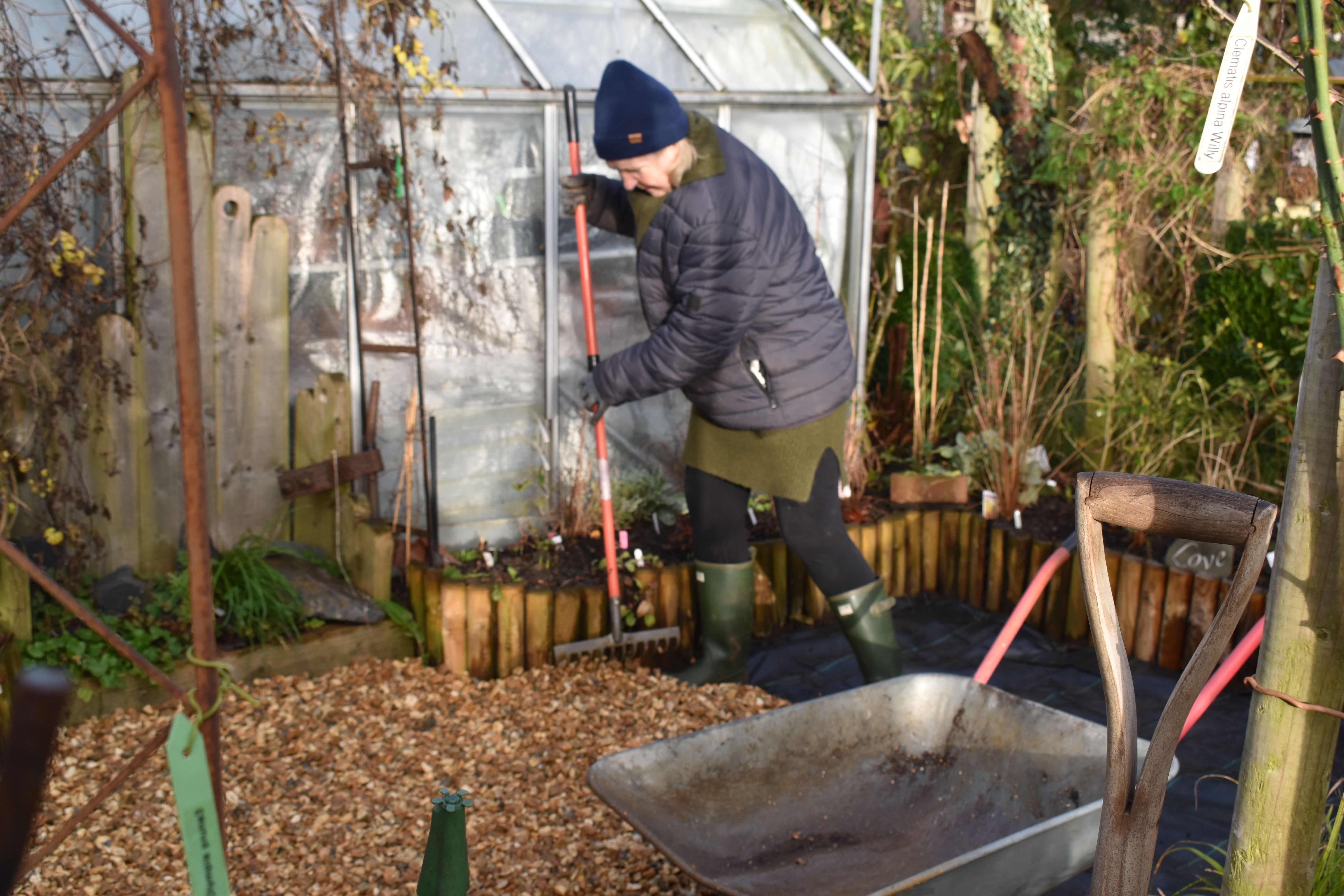
Concerning the month’s tasks I wrote, “Throughout December we completely re-developed our ‘Secret Garden’, removing all the plants around the borders and enlarging the central bark chip area. The borders were made much narrower and log roll edging re-fitted. We replaced bark as a surface and moved over to golden flint chippings. It will become a social area with a large scaffold board table and benches.”

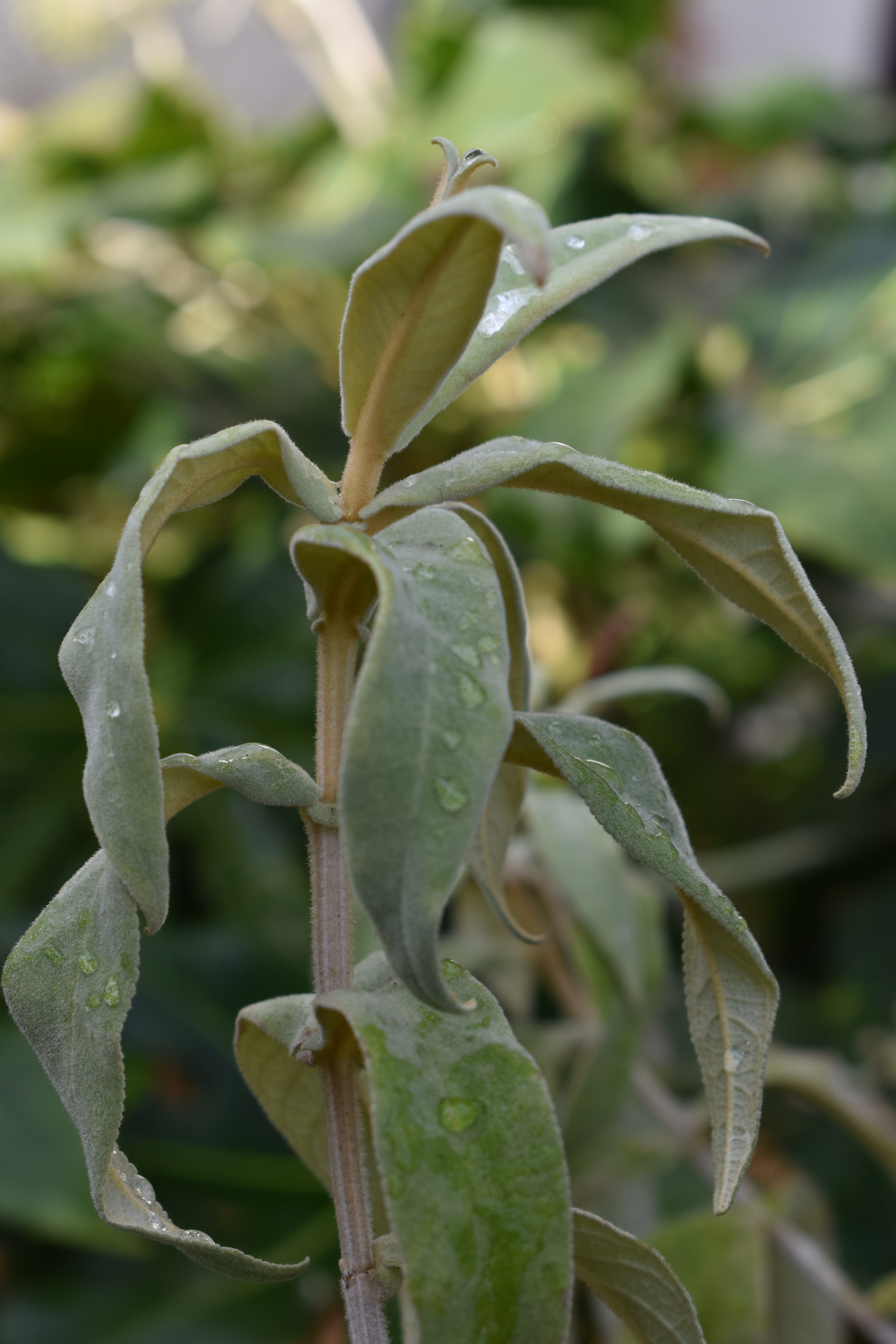
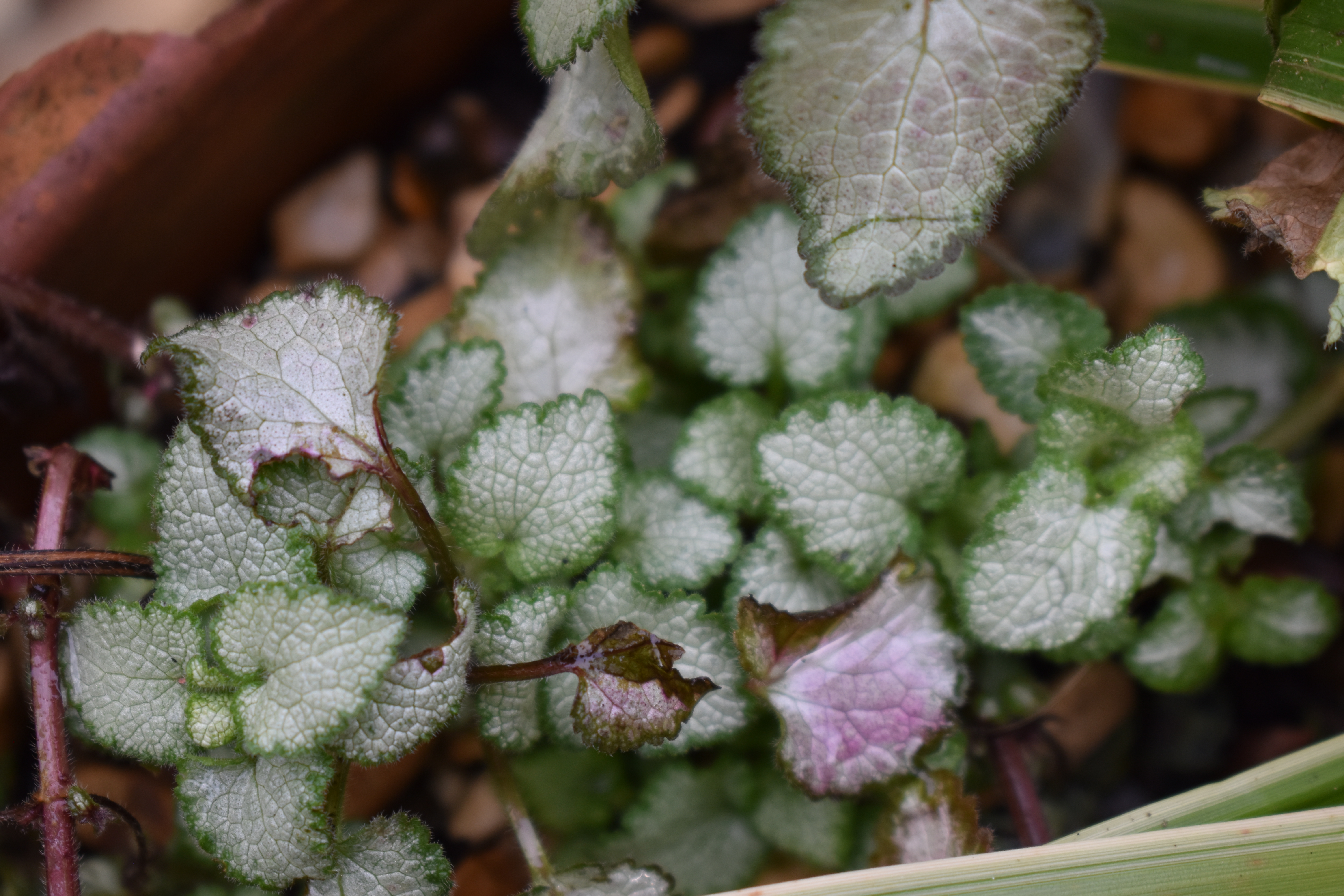
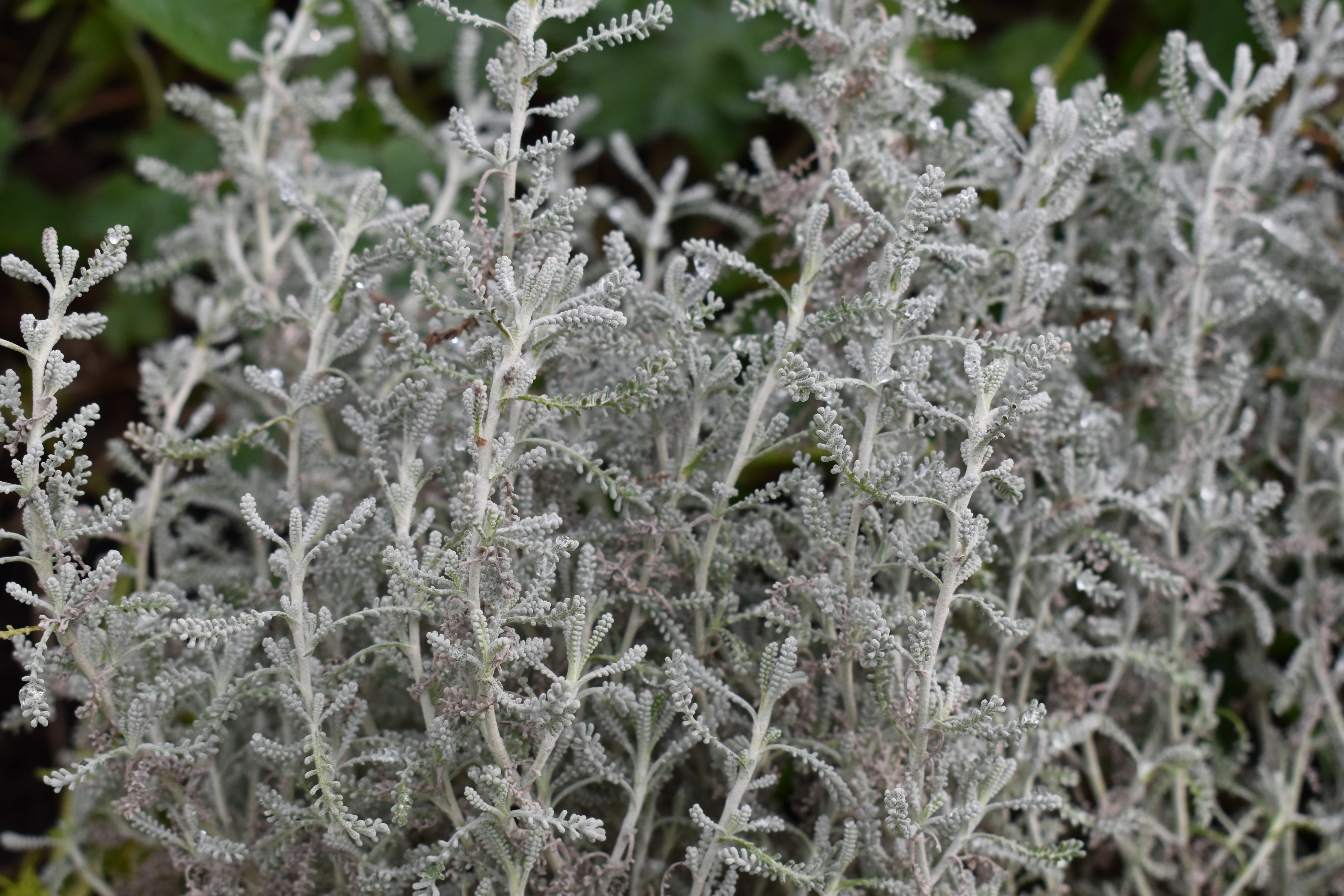
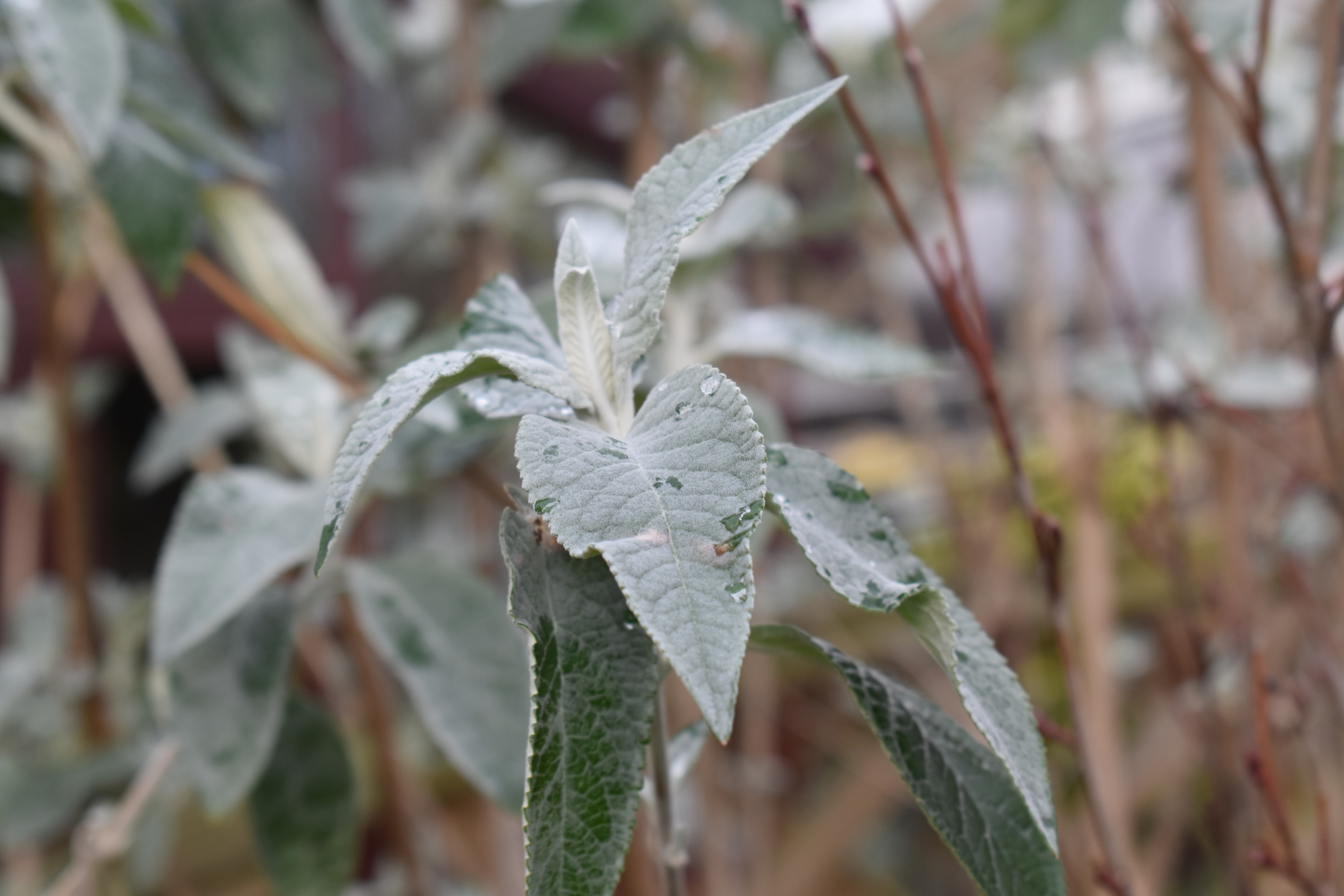
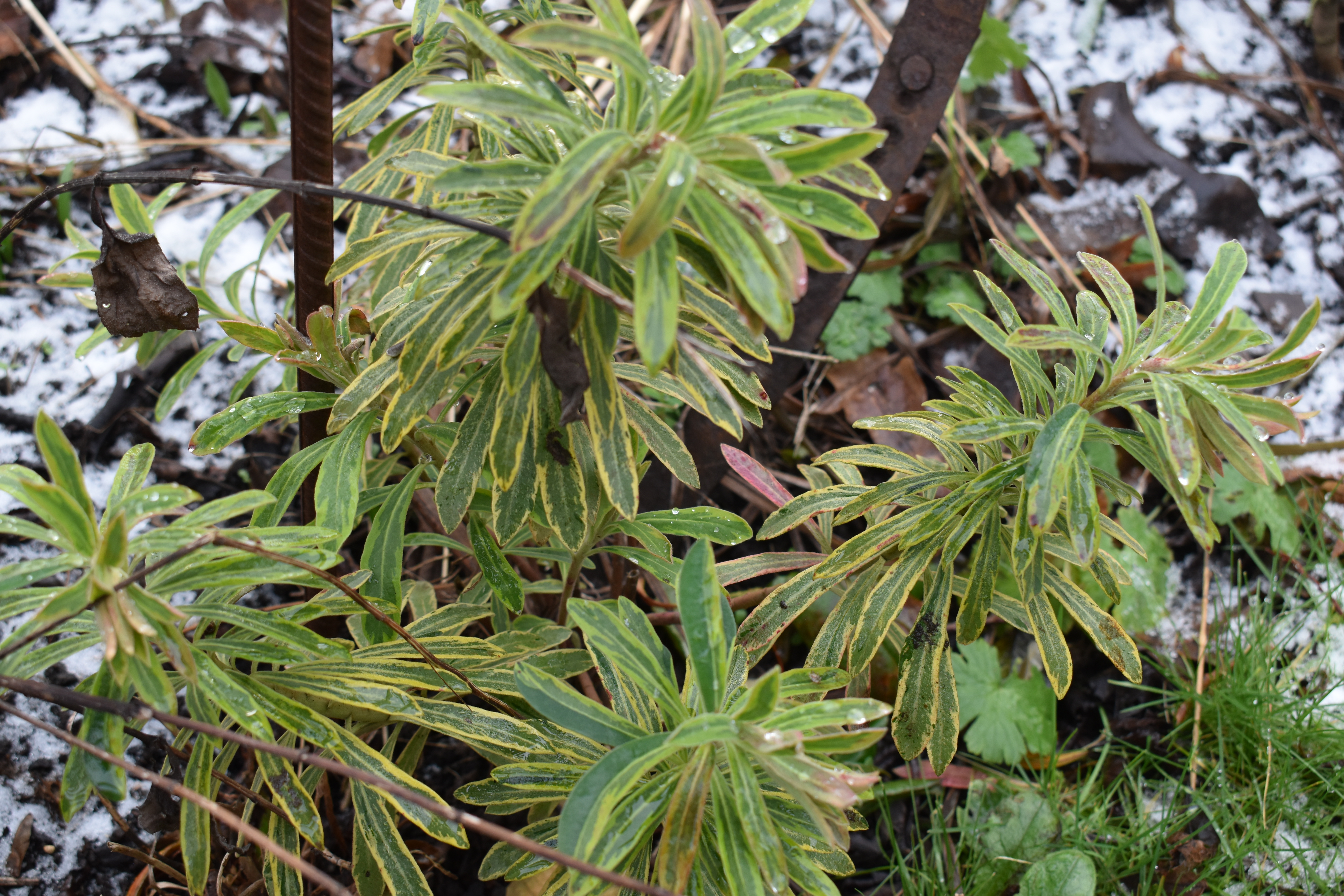
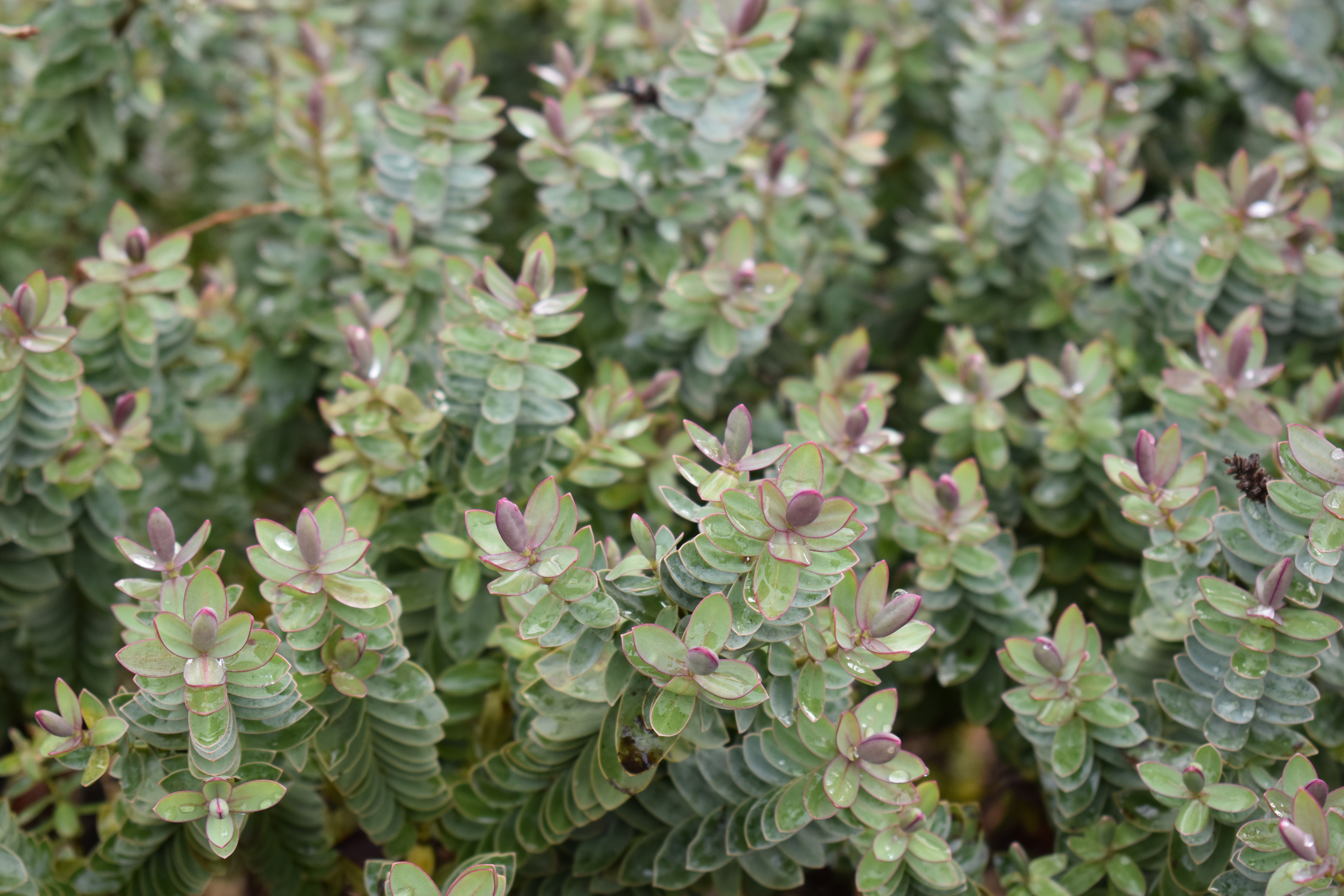
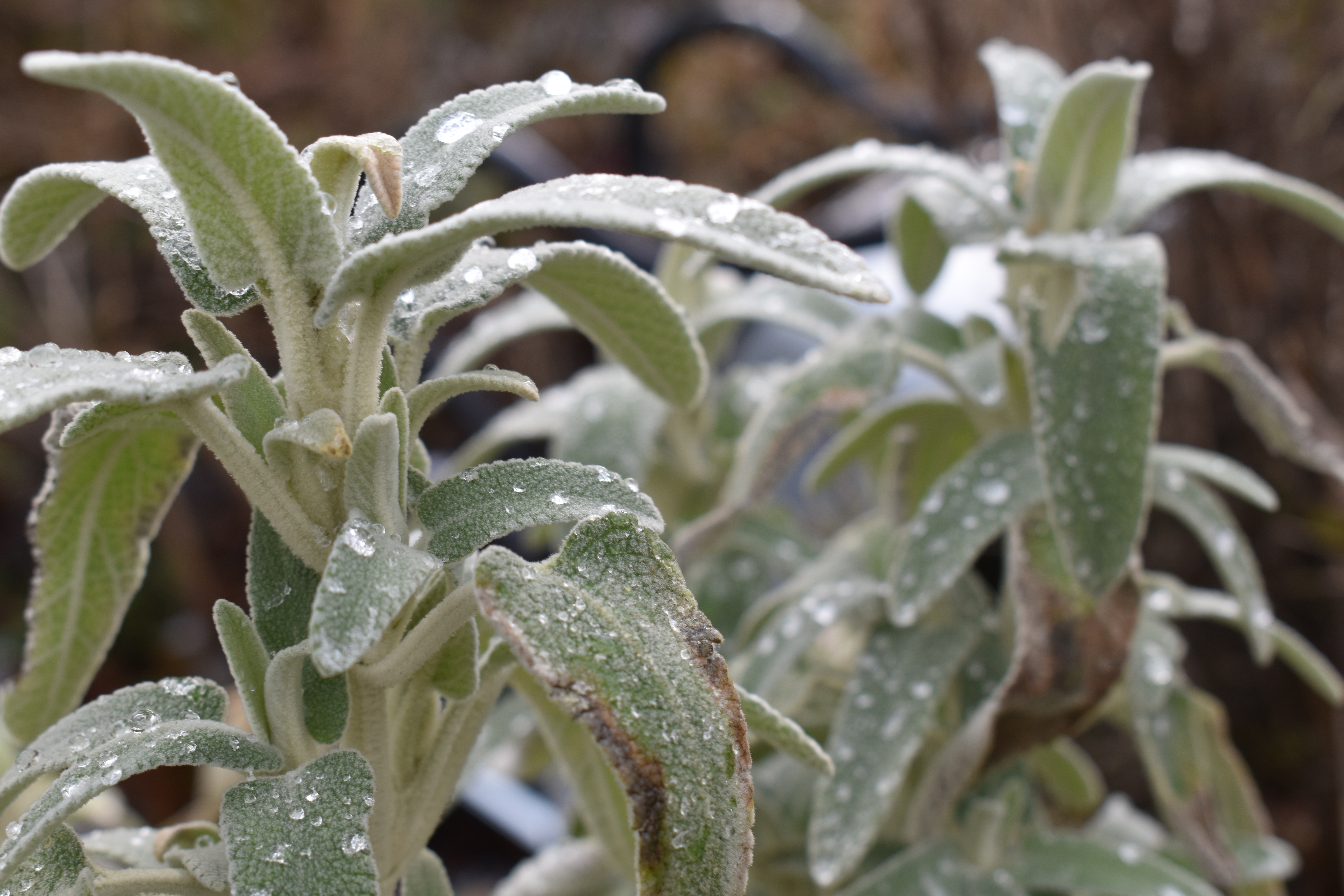
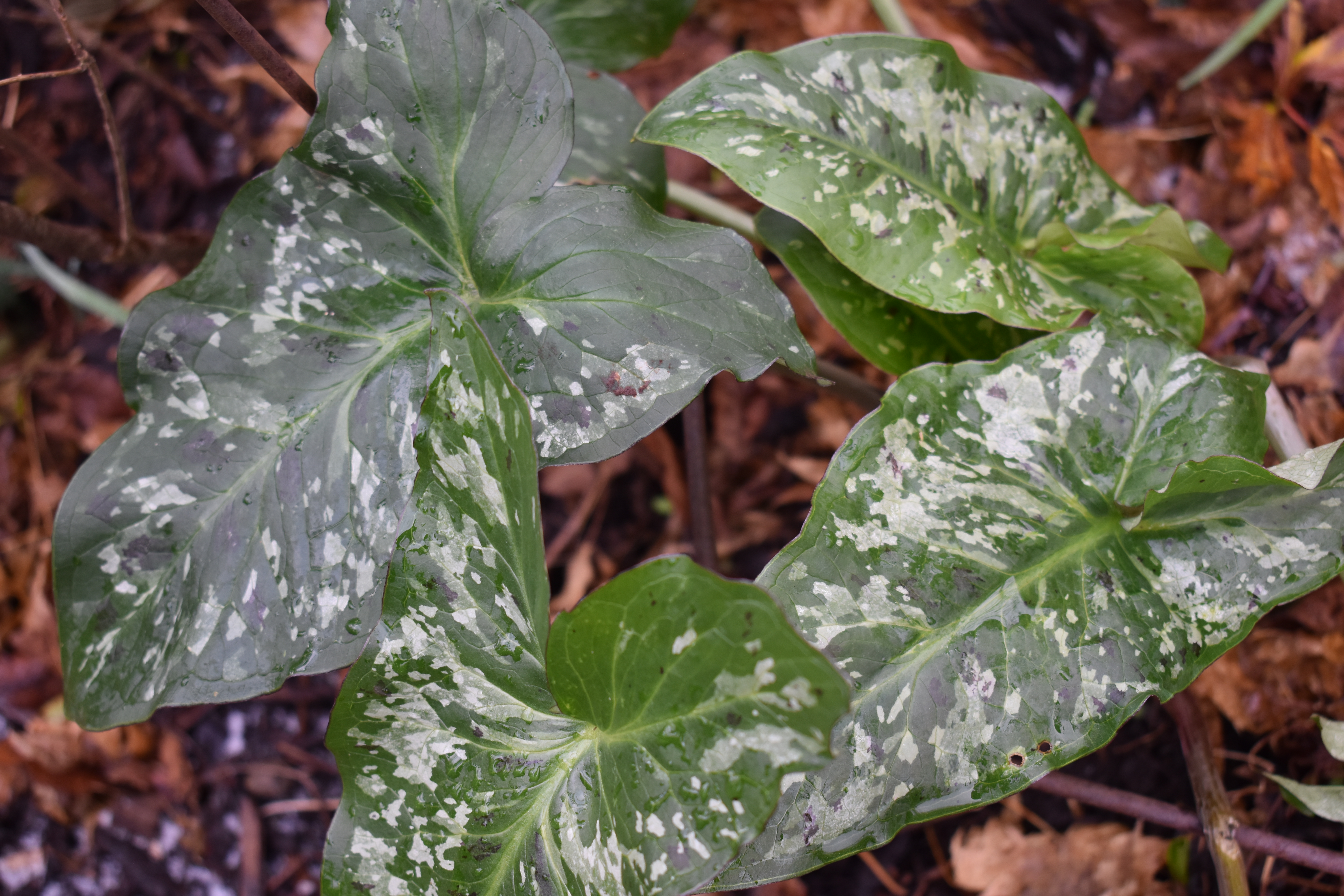
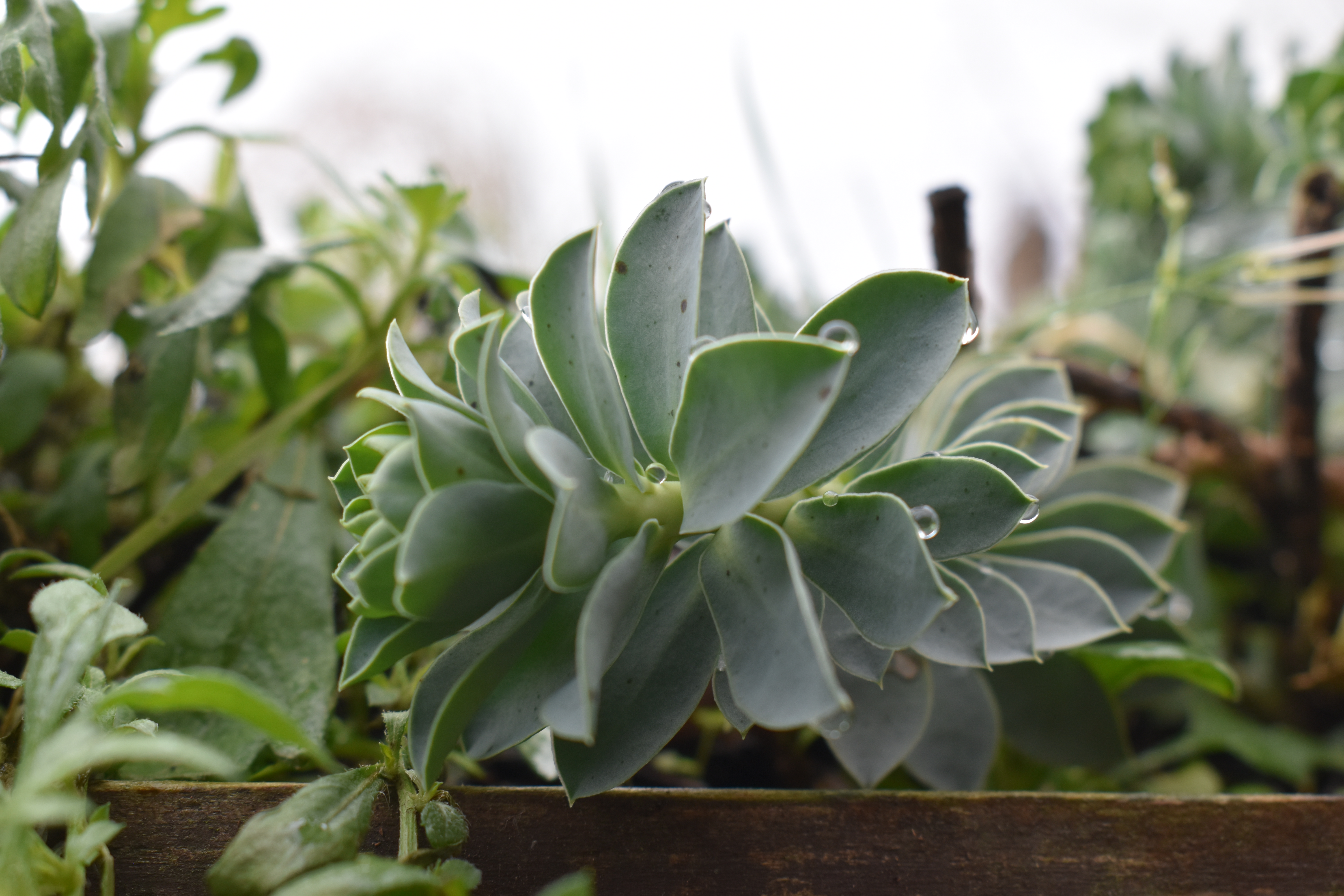
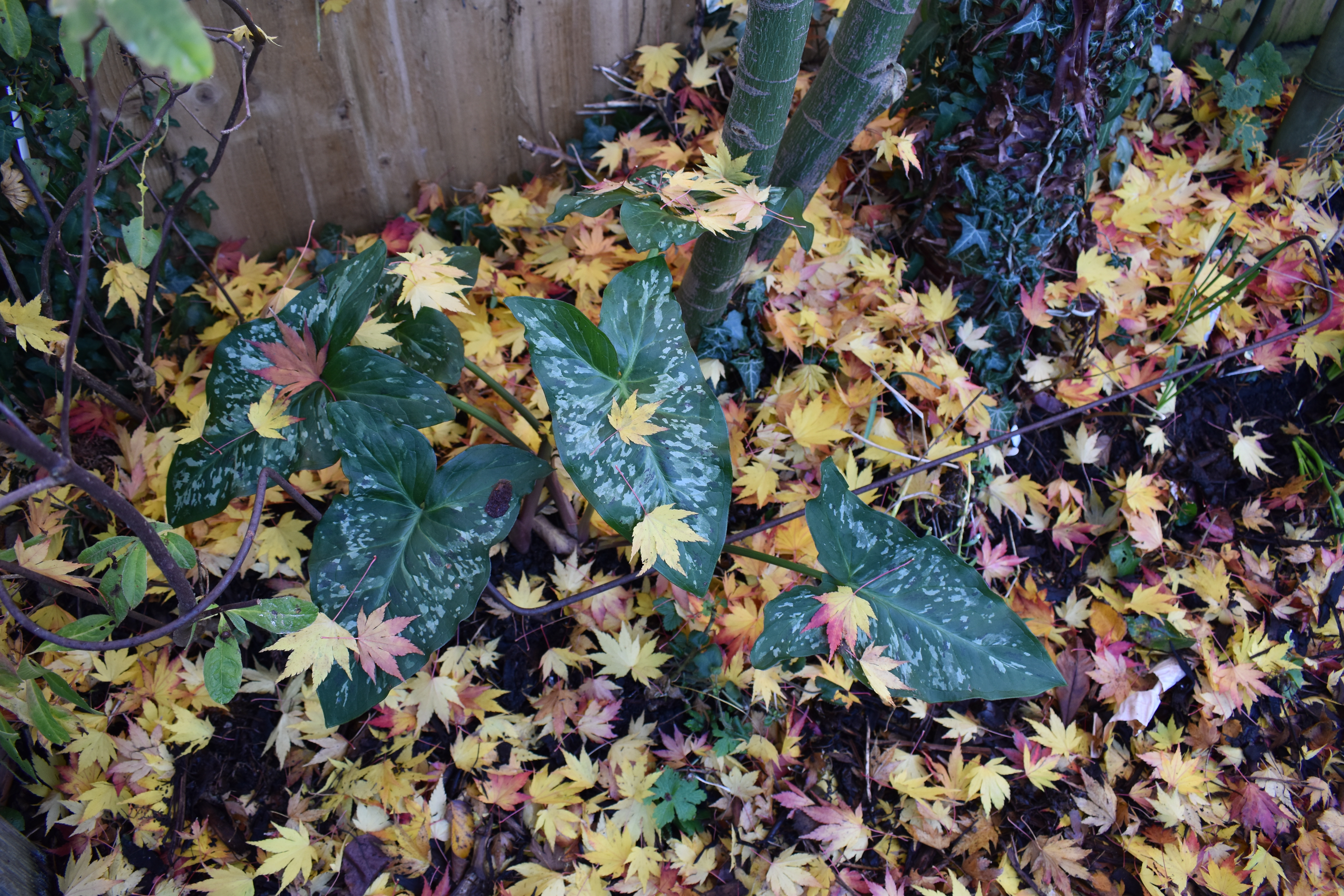
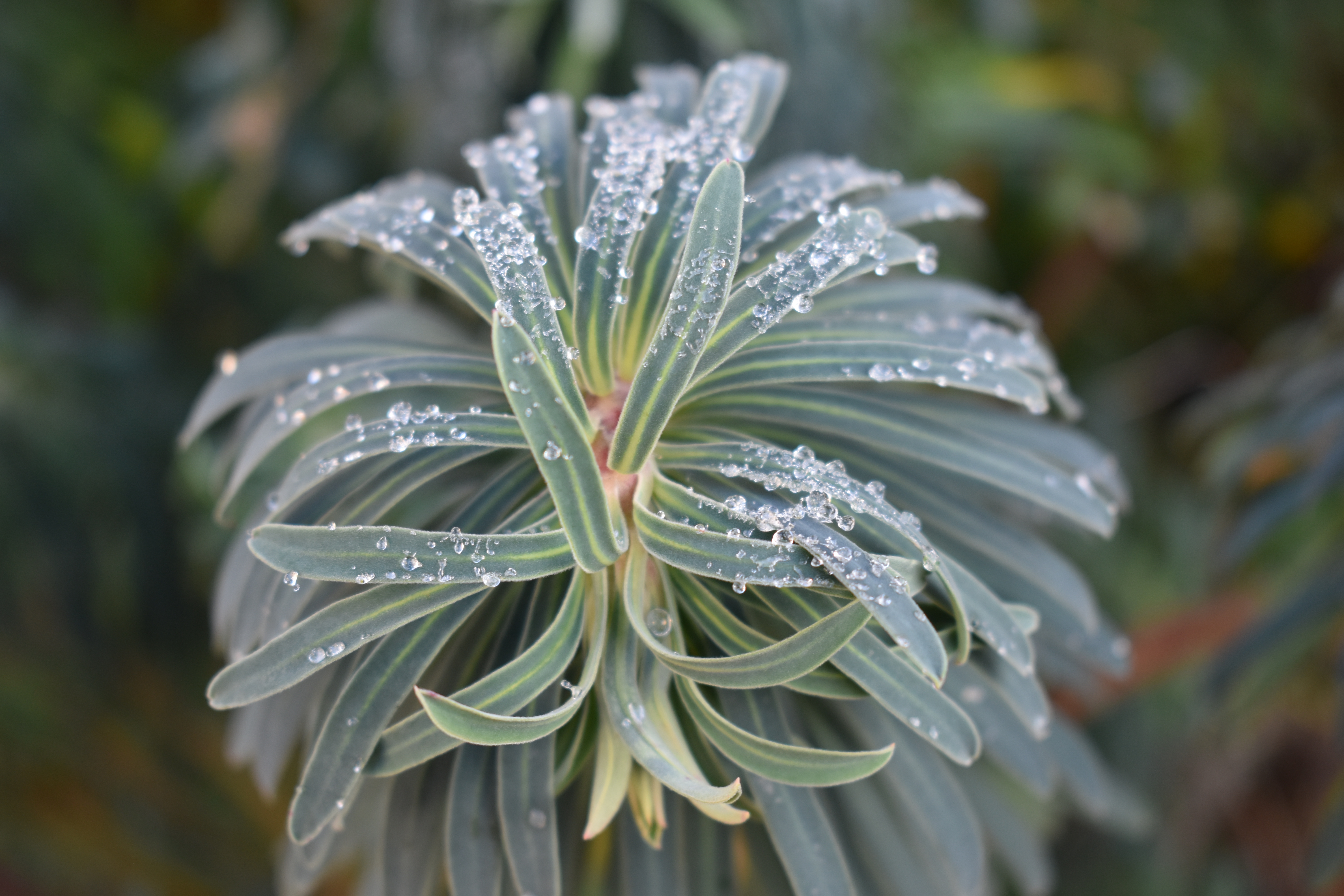
On the opposite page my final entry for 2022 is all about foliage in winter, about which I wrote, “Foliage comes to the fore during winter as there far fewer flowers performing.With foliage we can observe so much variety in shape, texture, pattern and colour.”

Categories
Uncategorized

Happy New Year 2023

Let us hope that for us gardeners and nature lovers that 2023 will be a little easier and perhaps more positive. I decided that perhaps the best way to see in the new year would be to take a wander around our Avocet garden and look out for promises and clues for the future.

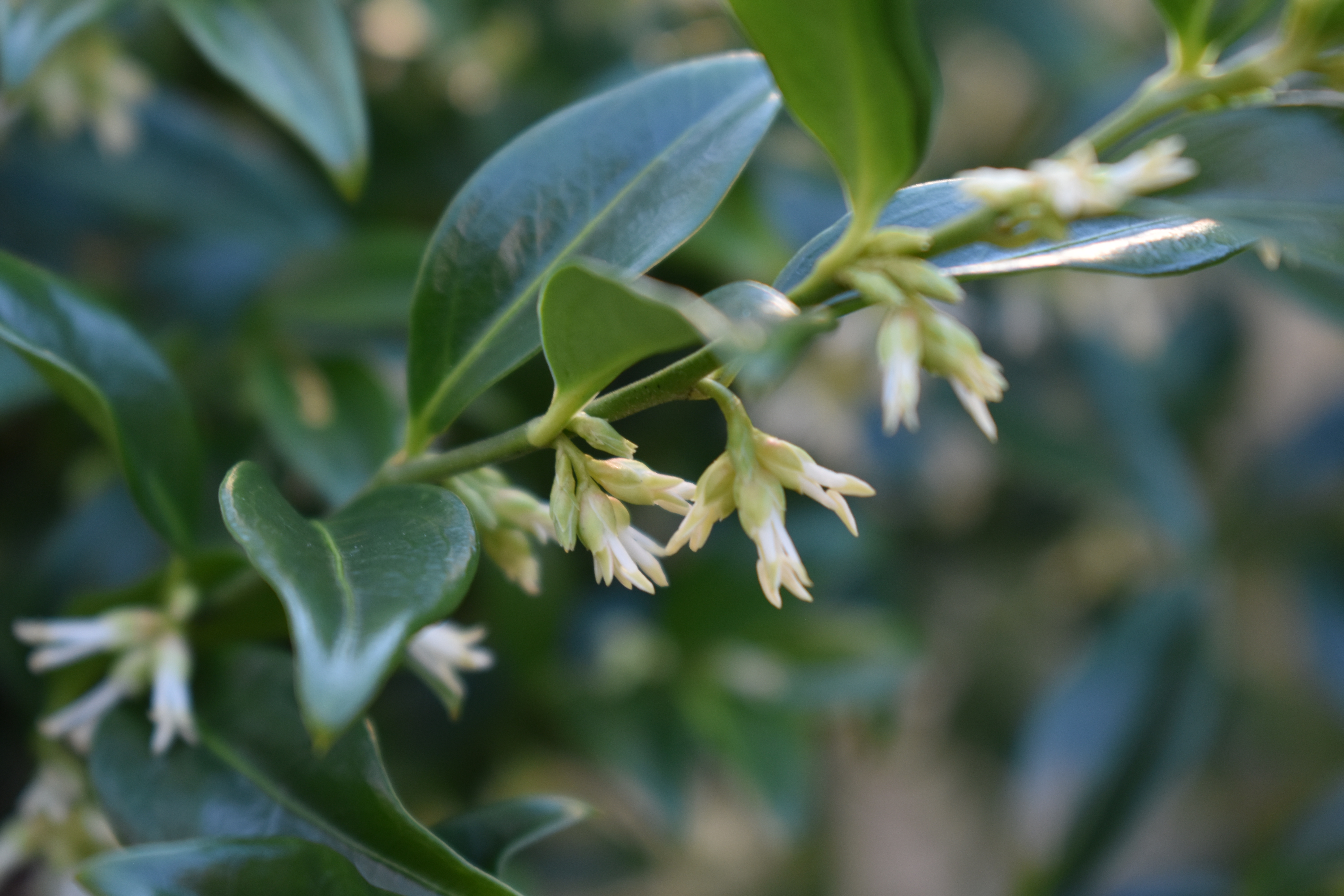
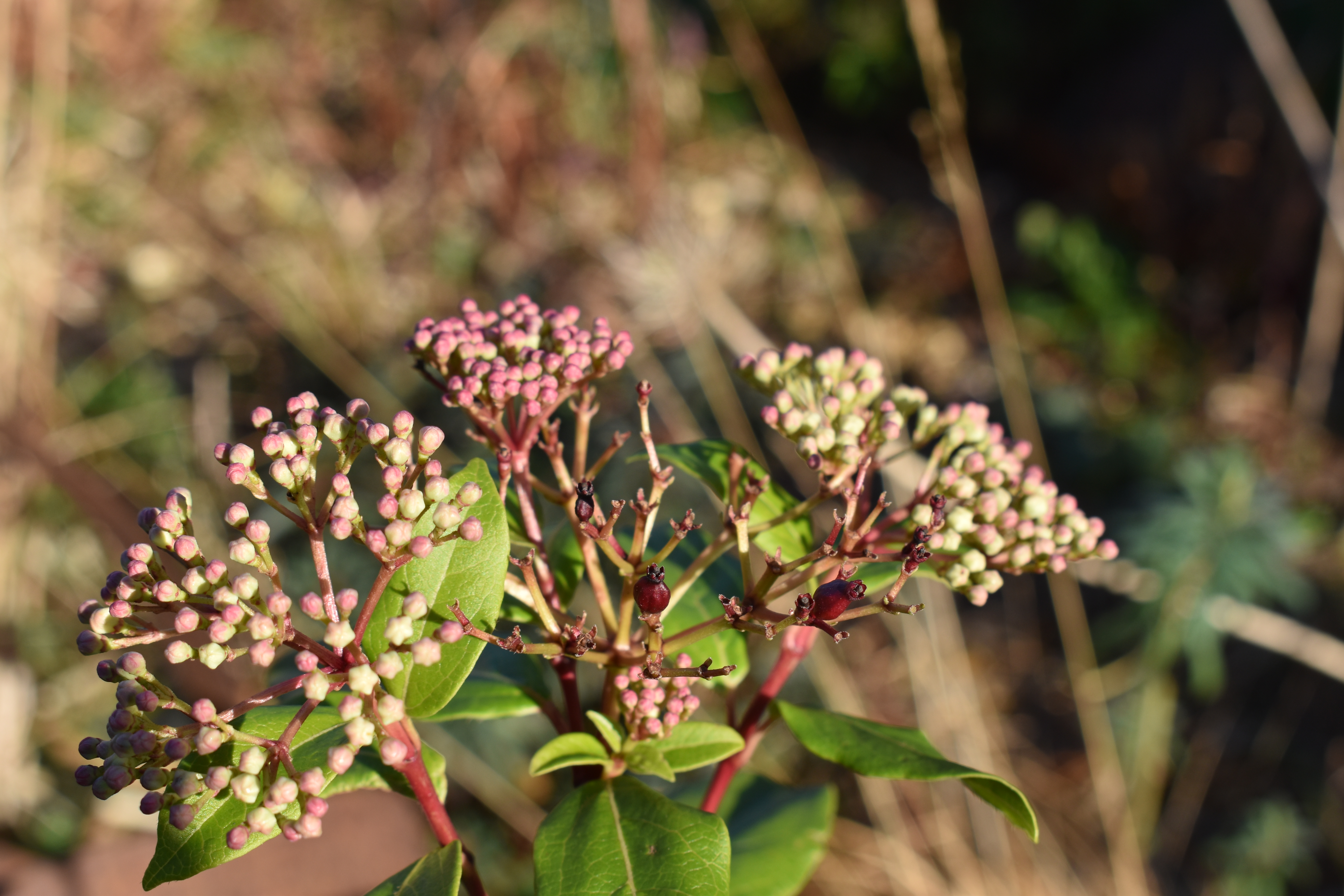
Winter flowering shrubs and climbers are always so special and we always look forward to them blooming, keeping an eye out for the first buds to show colour and the first to come out fully.

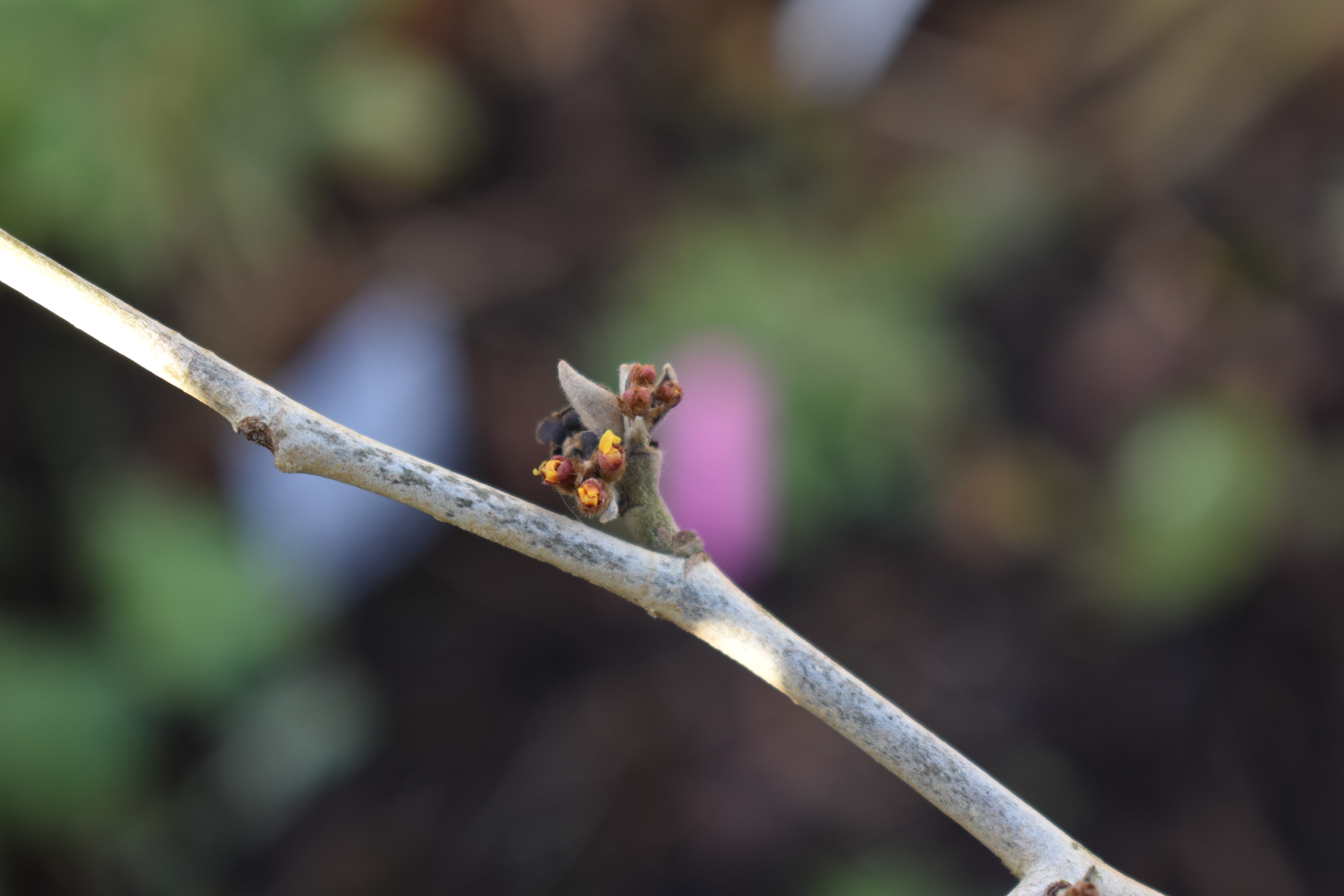
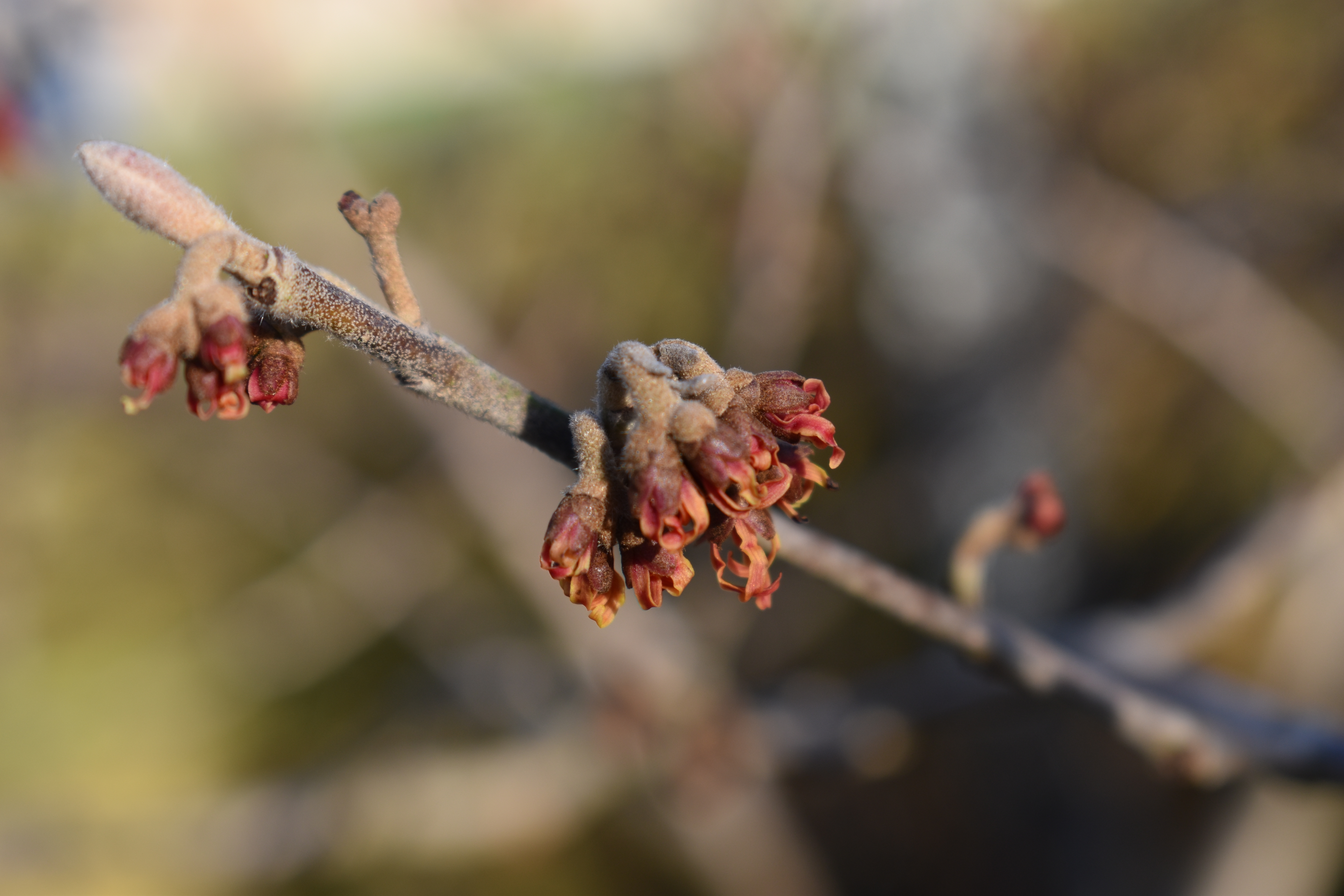
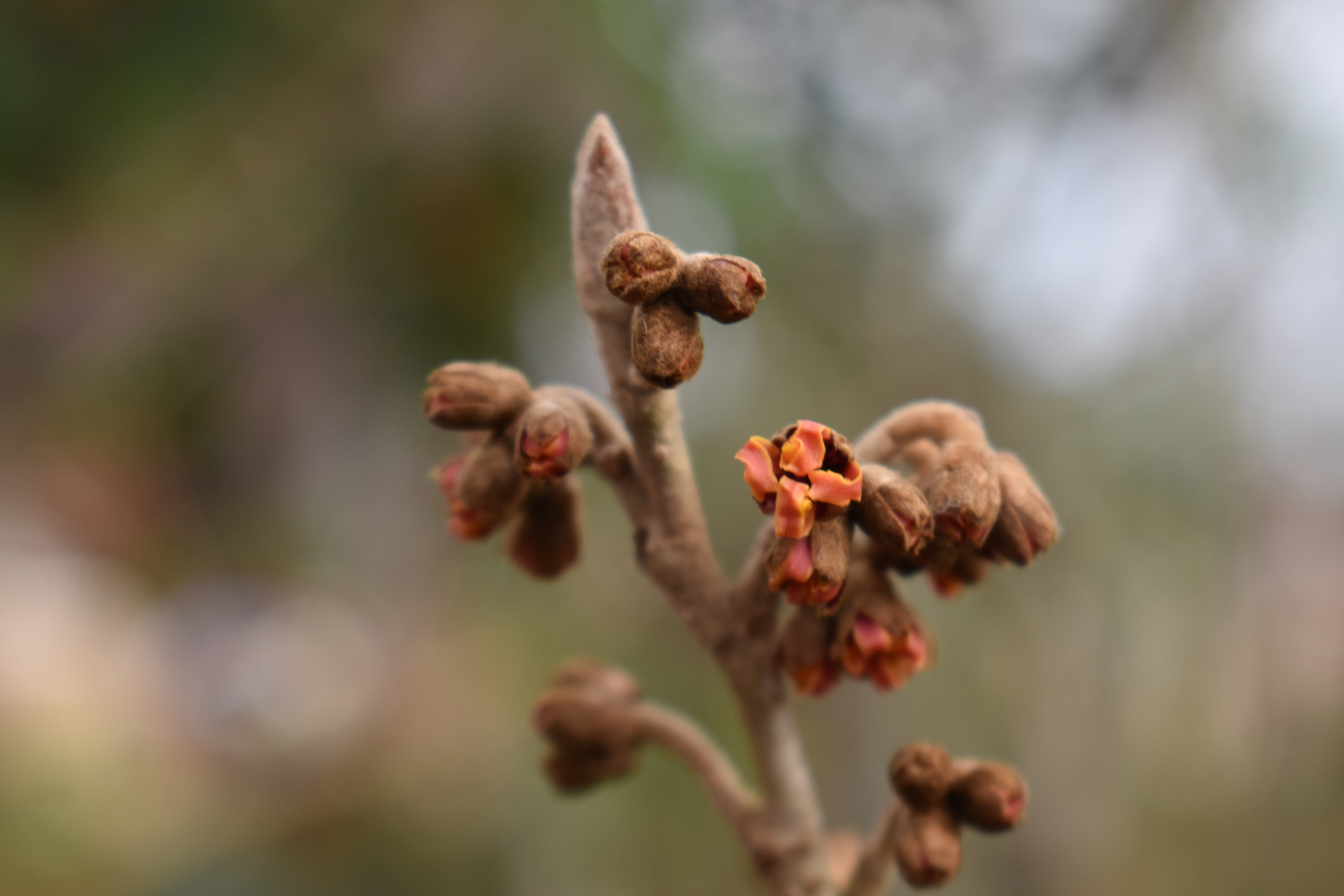
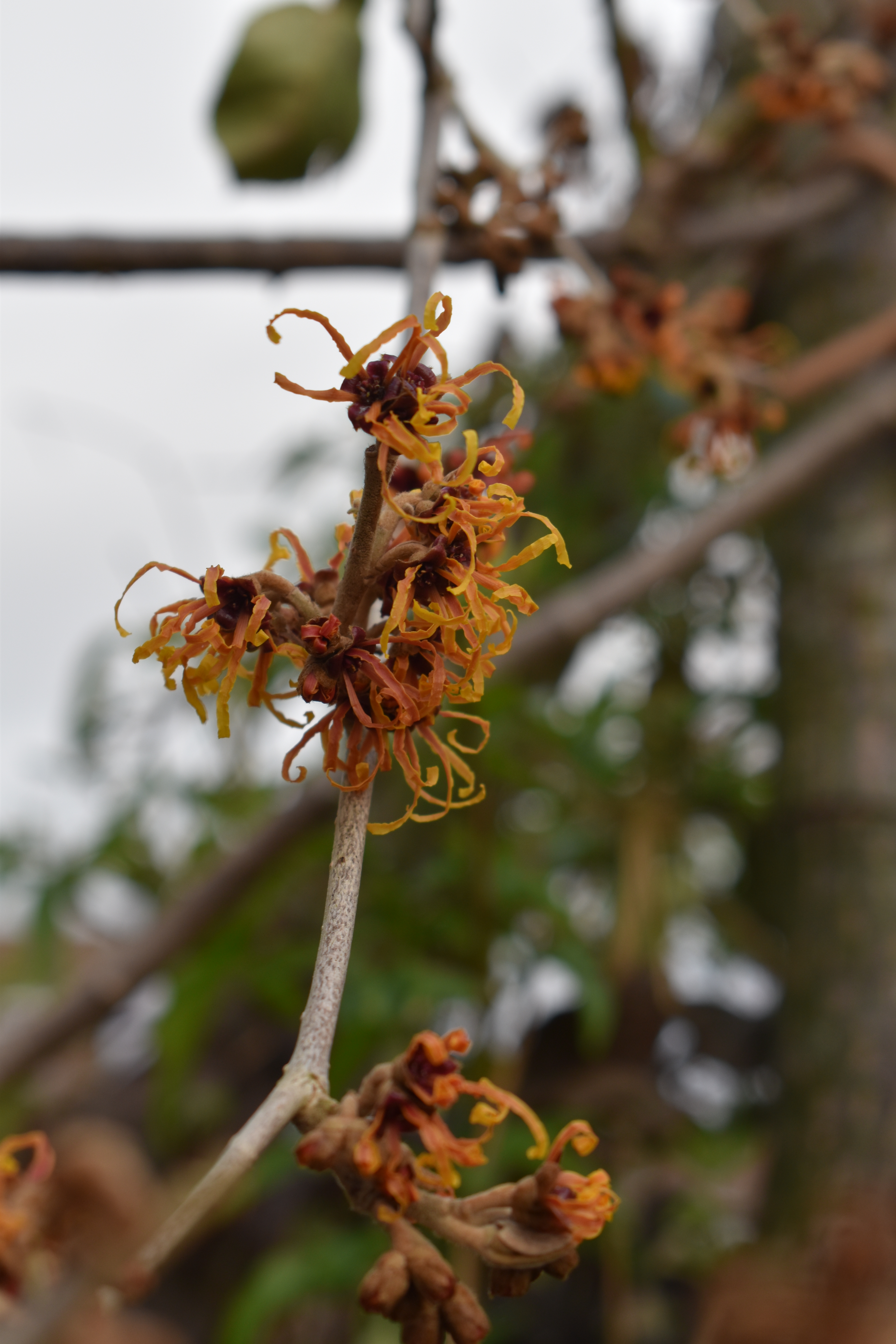
The earliest flowering shrub to show colour in its buds is always a witch hazel called ‘Jelena’, Hamamelis x intermedia ‘Jelena’. Early on in December the buds fatten and split to show a slither of orange and by the middle of the month the first flowers burst out. It is the longest flowering of our hamamelis sharing its bright orange flowers for weeks on end allowing us also to absorb its fruity scent.
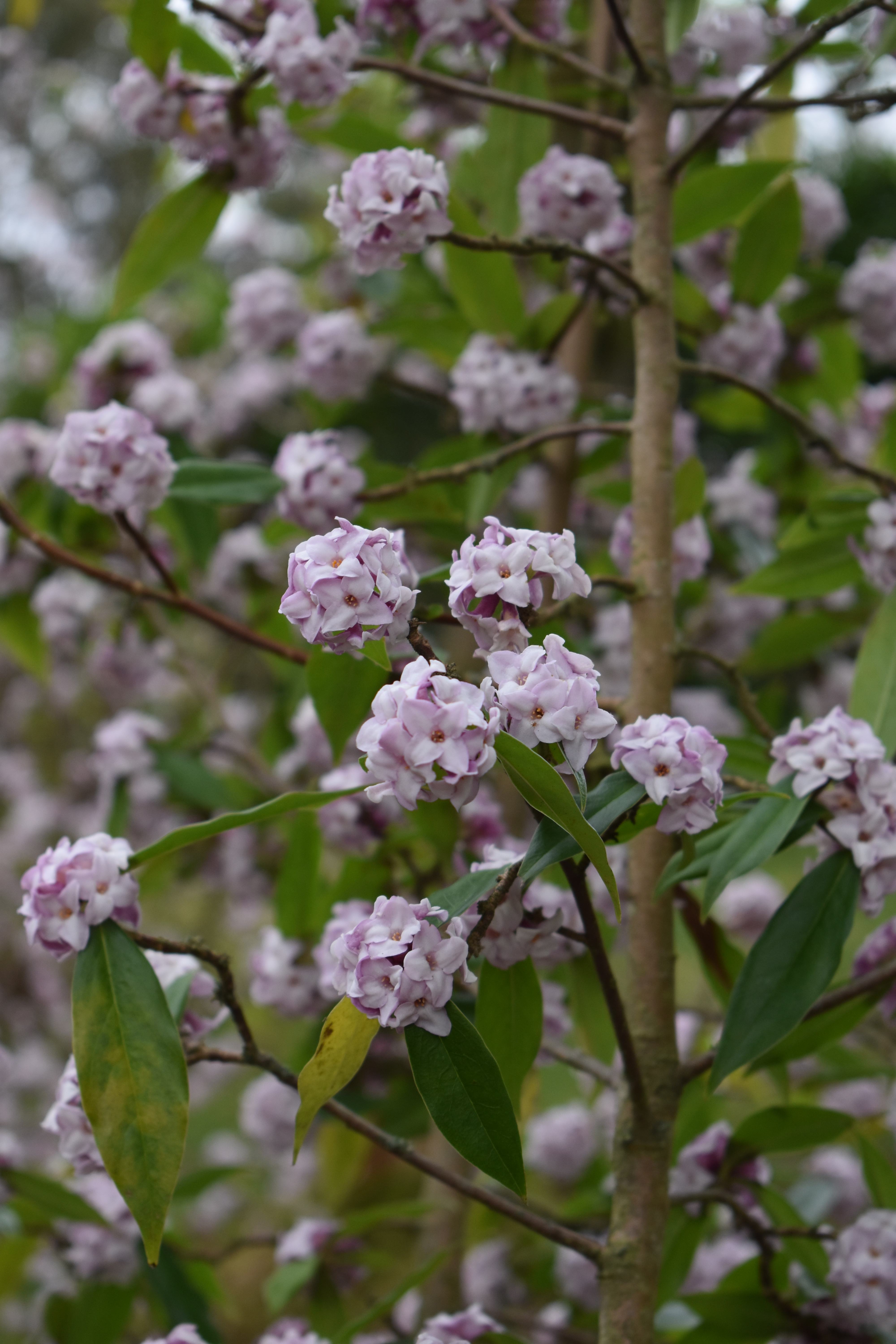
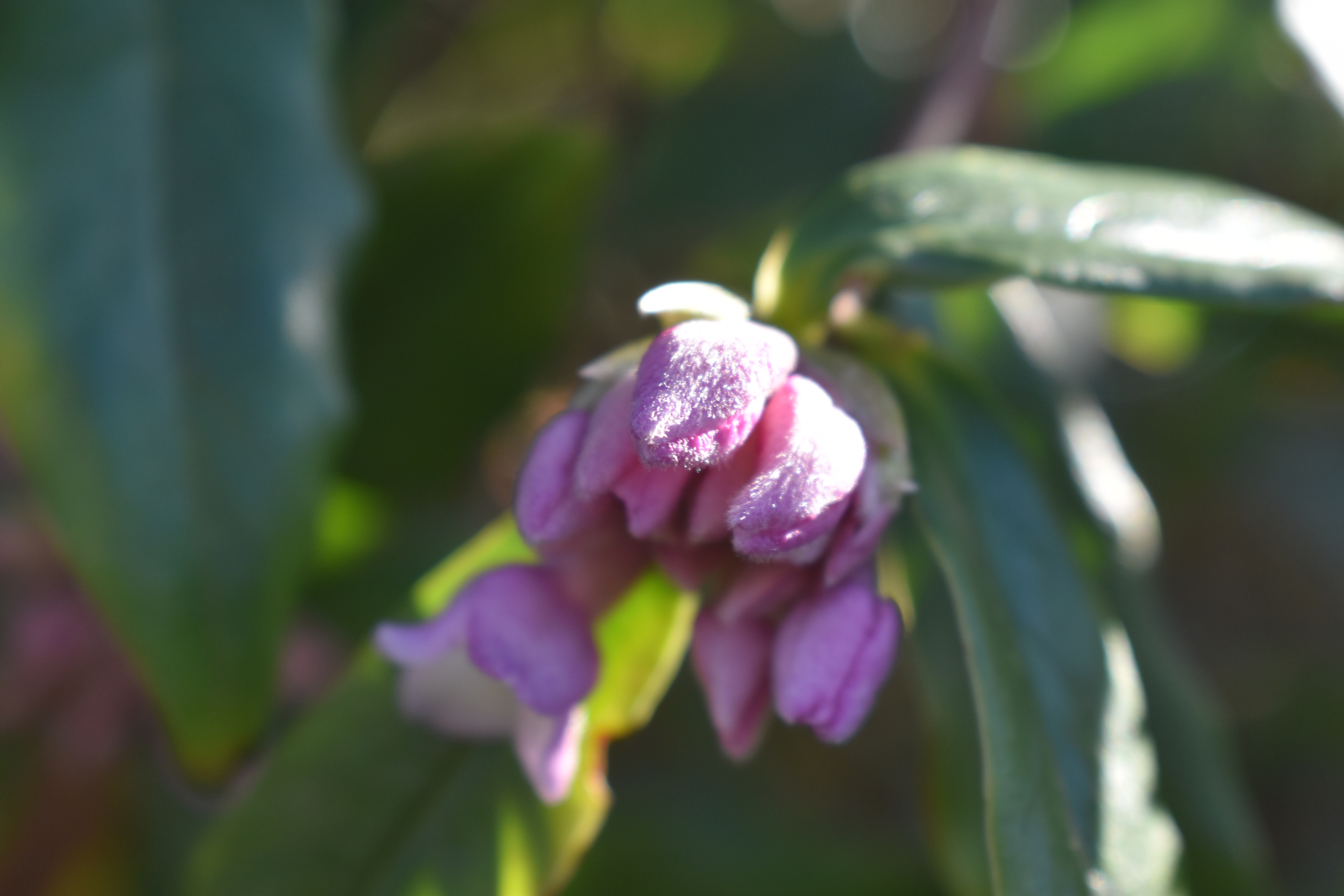
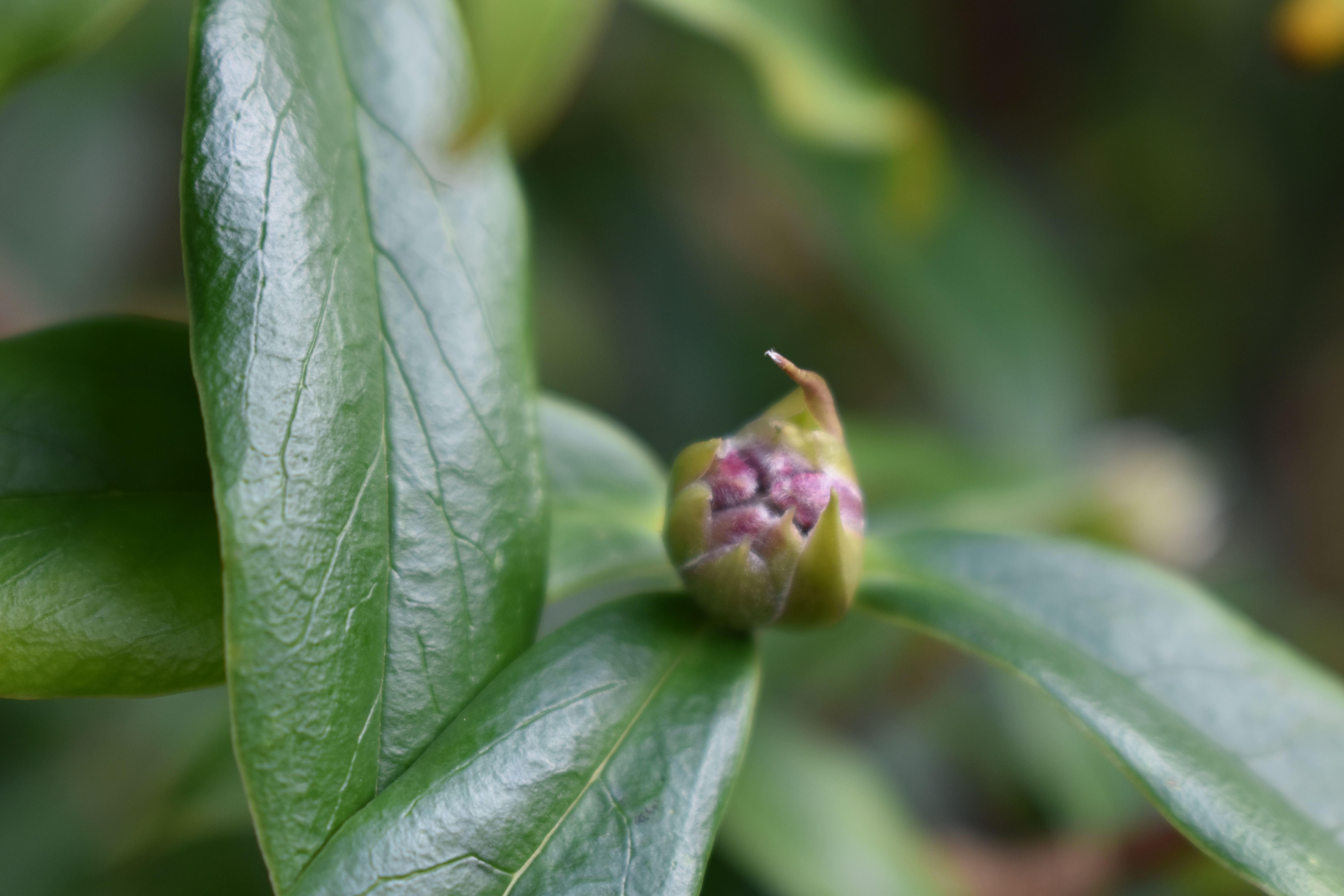
The second shrub to show colour in its flower buds is the very early flowering Daphne bhuloa ‘Jacqueline Postill’ and its buds begin to show pink colouring around Christmas time. This is one of the most beautiful scents of winter and it can be enjoyed from far away. It will stay in flower for weeks on end.

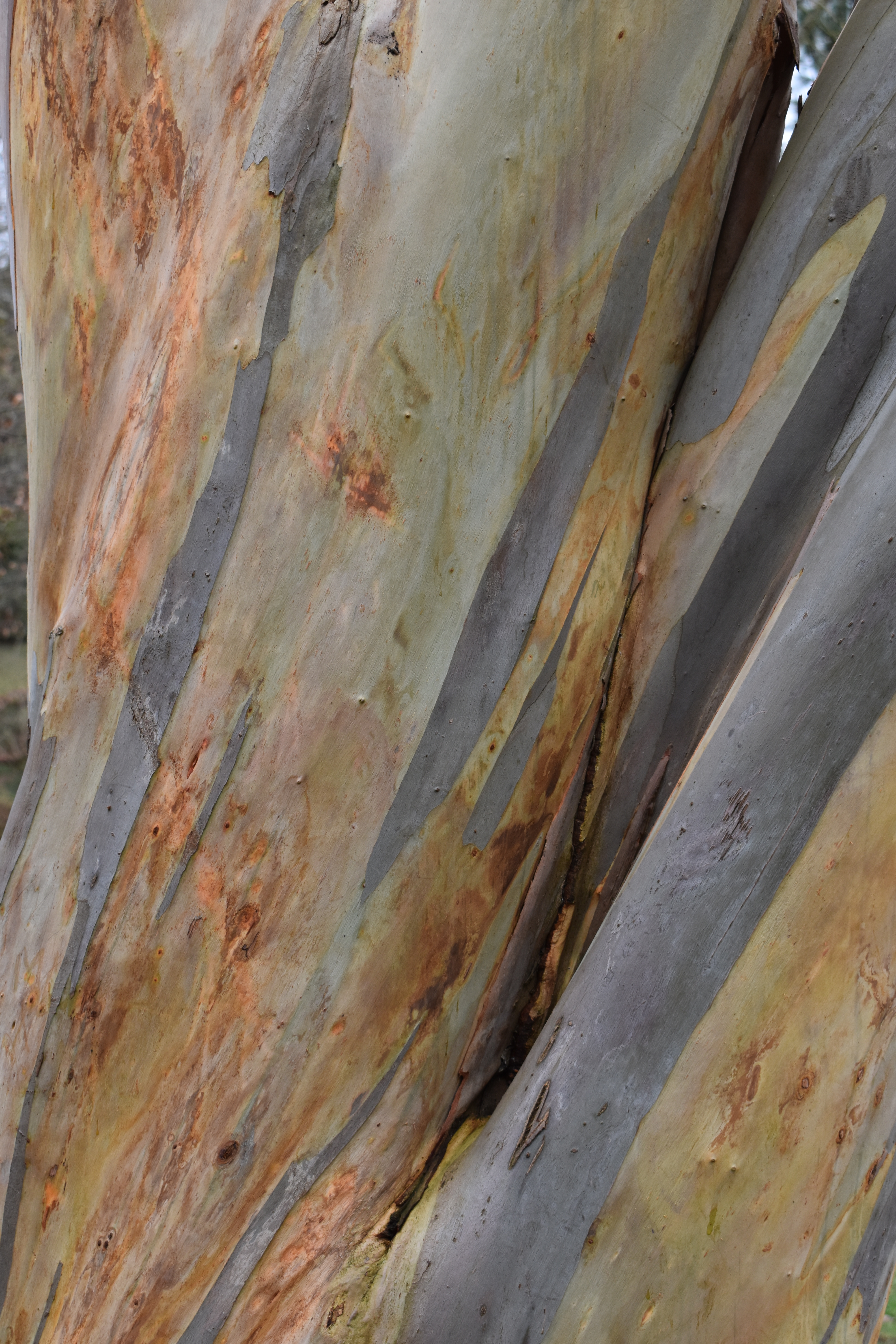
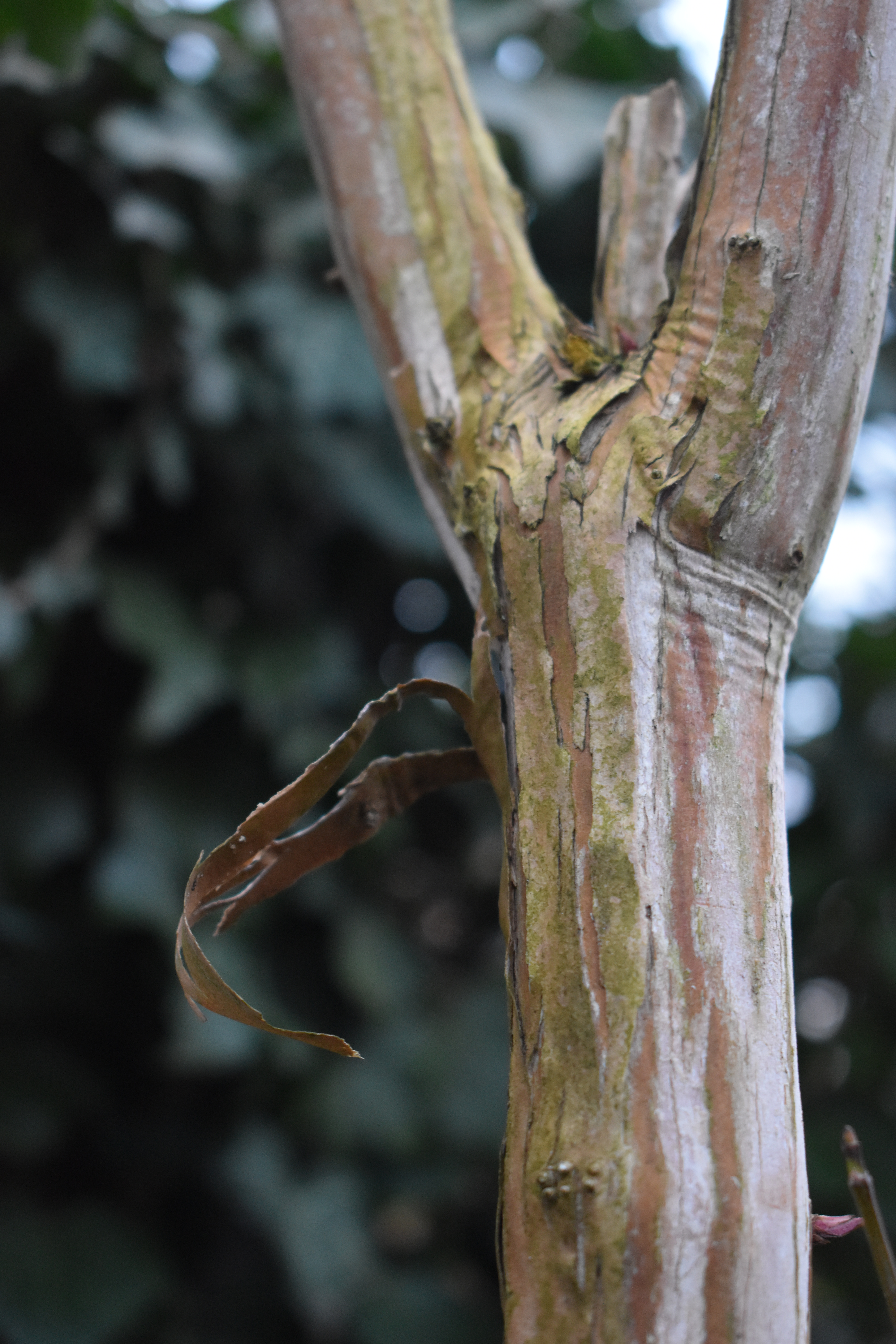
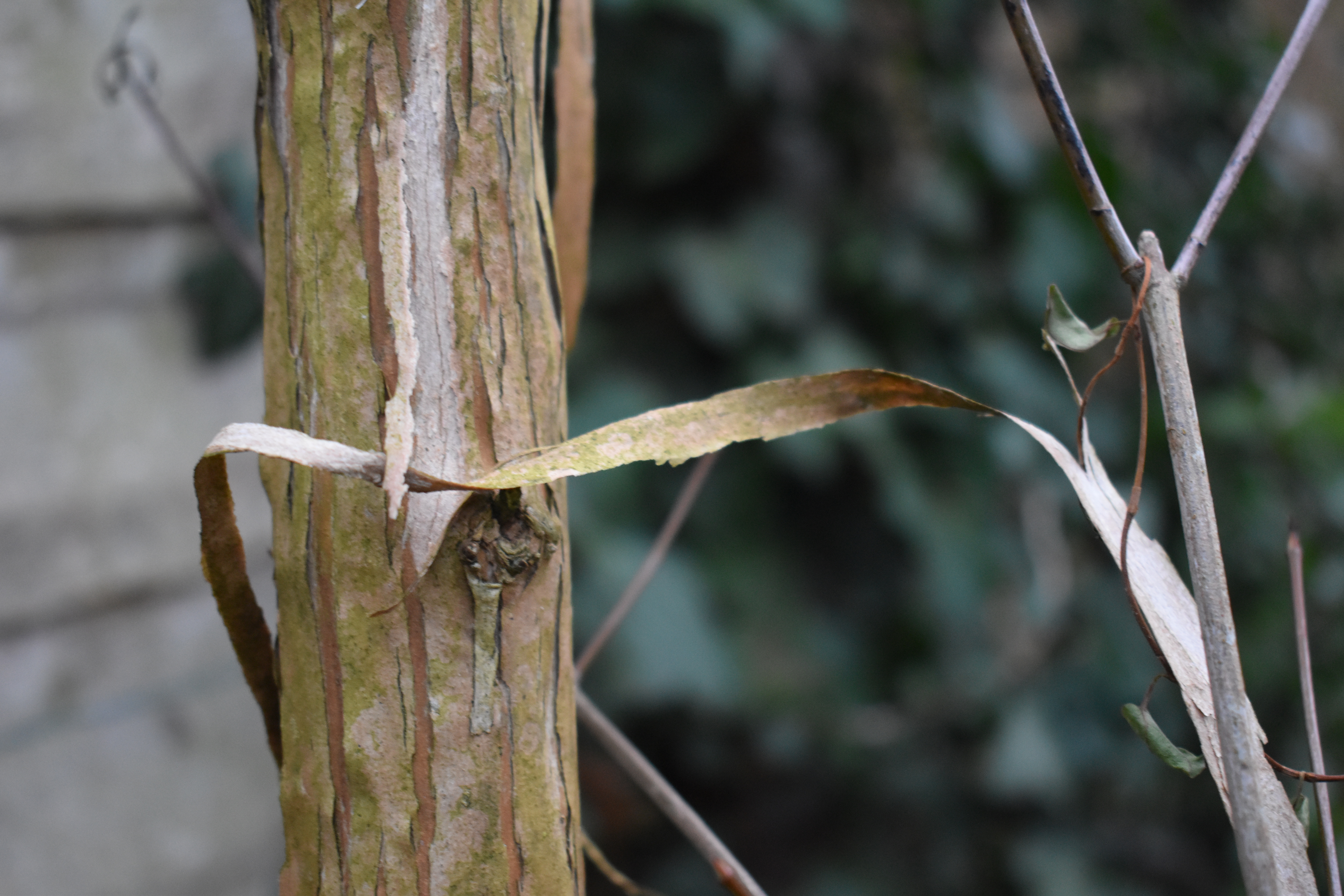
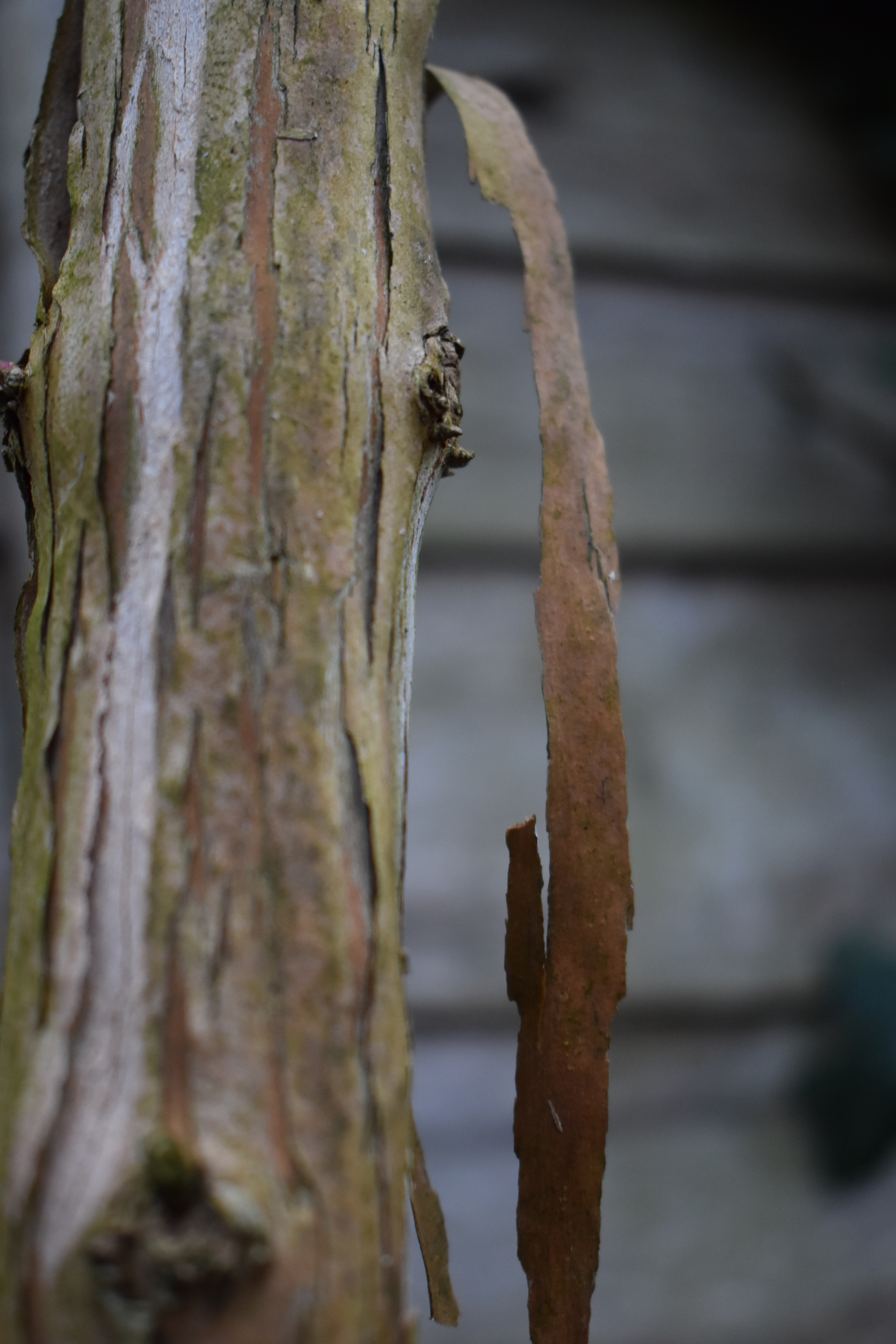
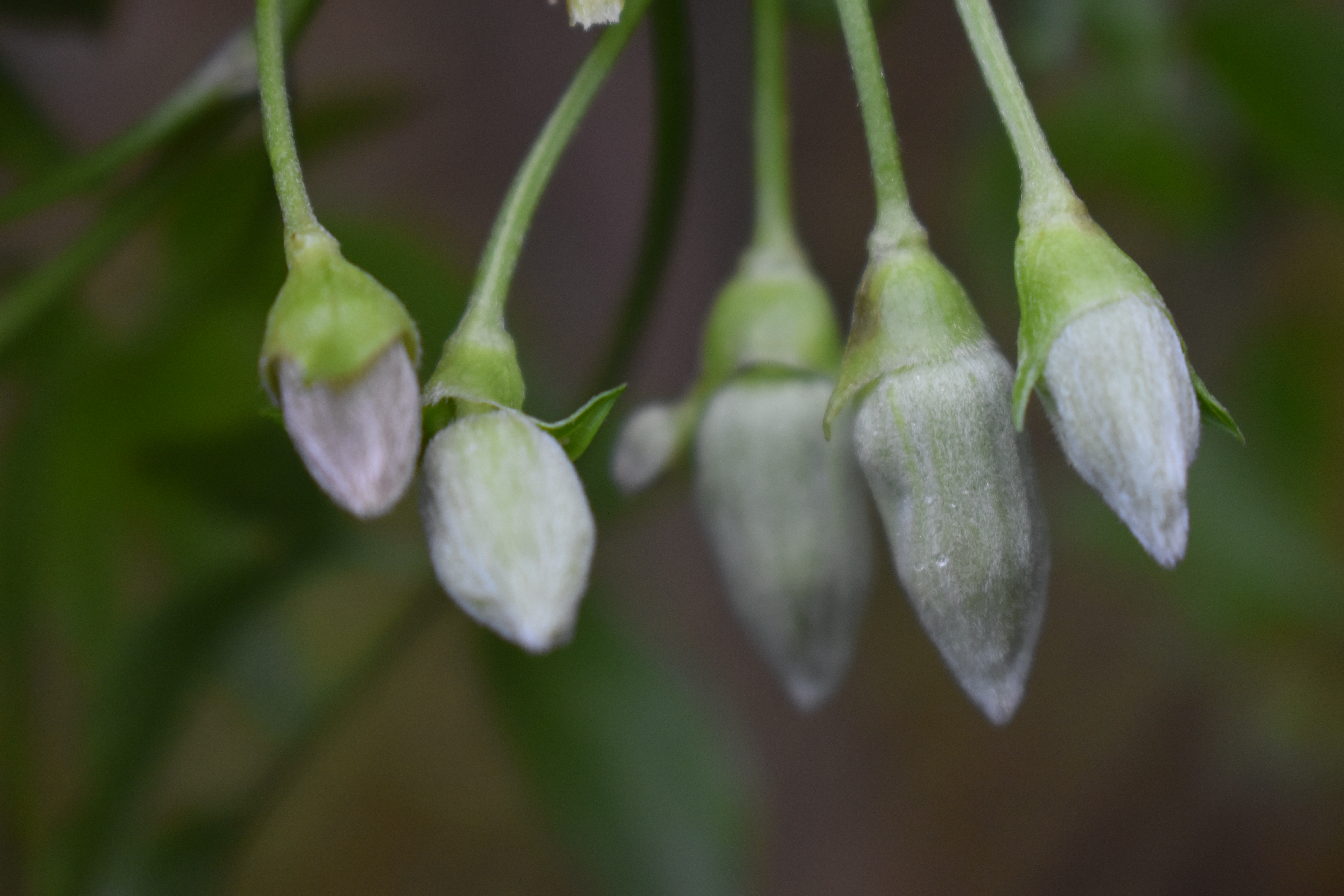
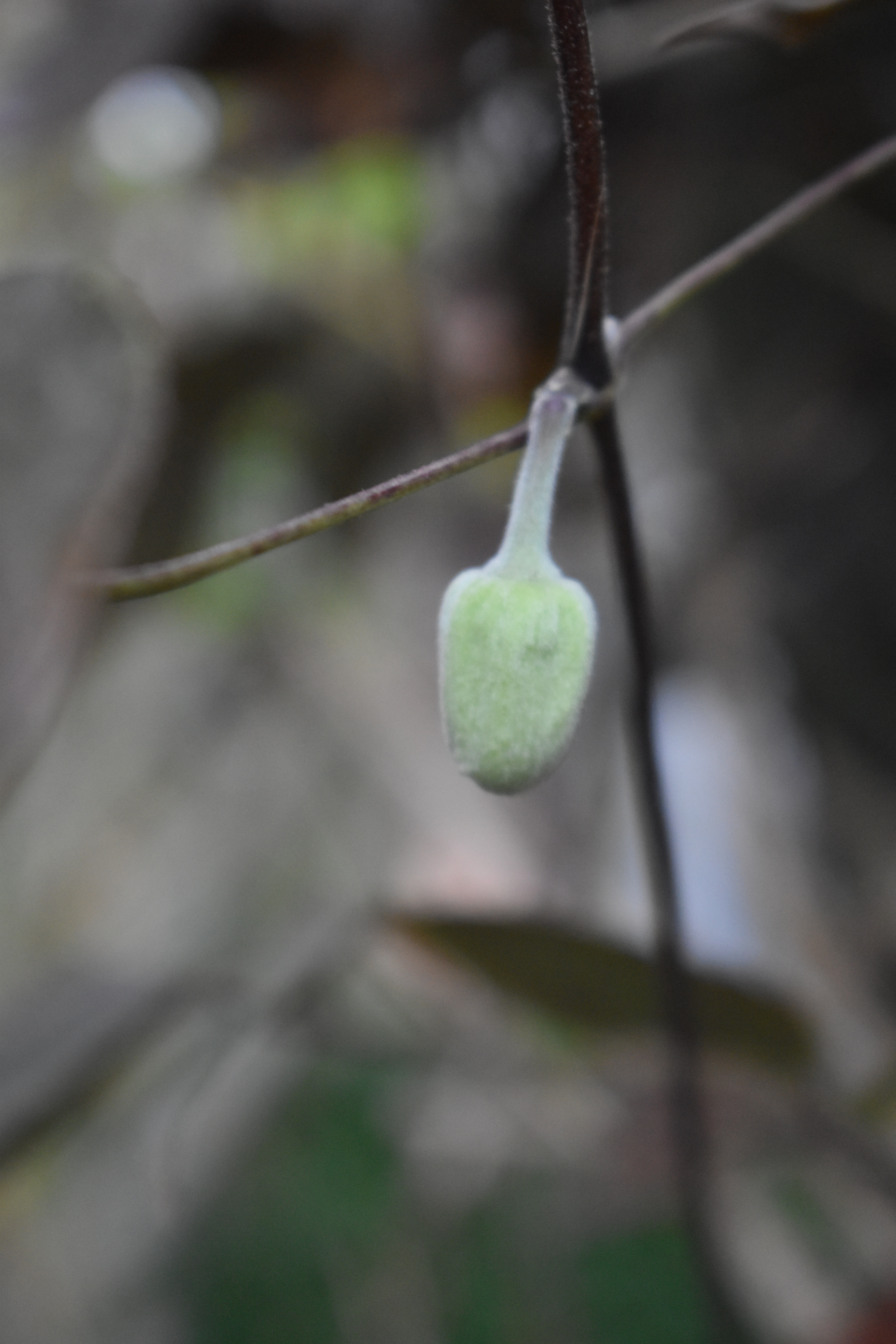
The earliest flowering climbers of all are always clematis, with mostly white or cream coloured blooms. These two both climb up our Acer refinerve which grows in the centre of the Winter Border which is a good winter tree because it sports snake skin patterned bark. When these clematis buds open they will reveal waxy petals and emit delicate scents.

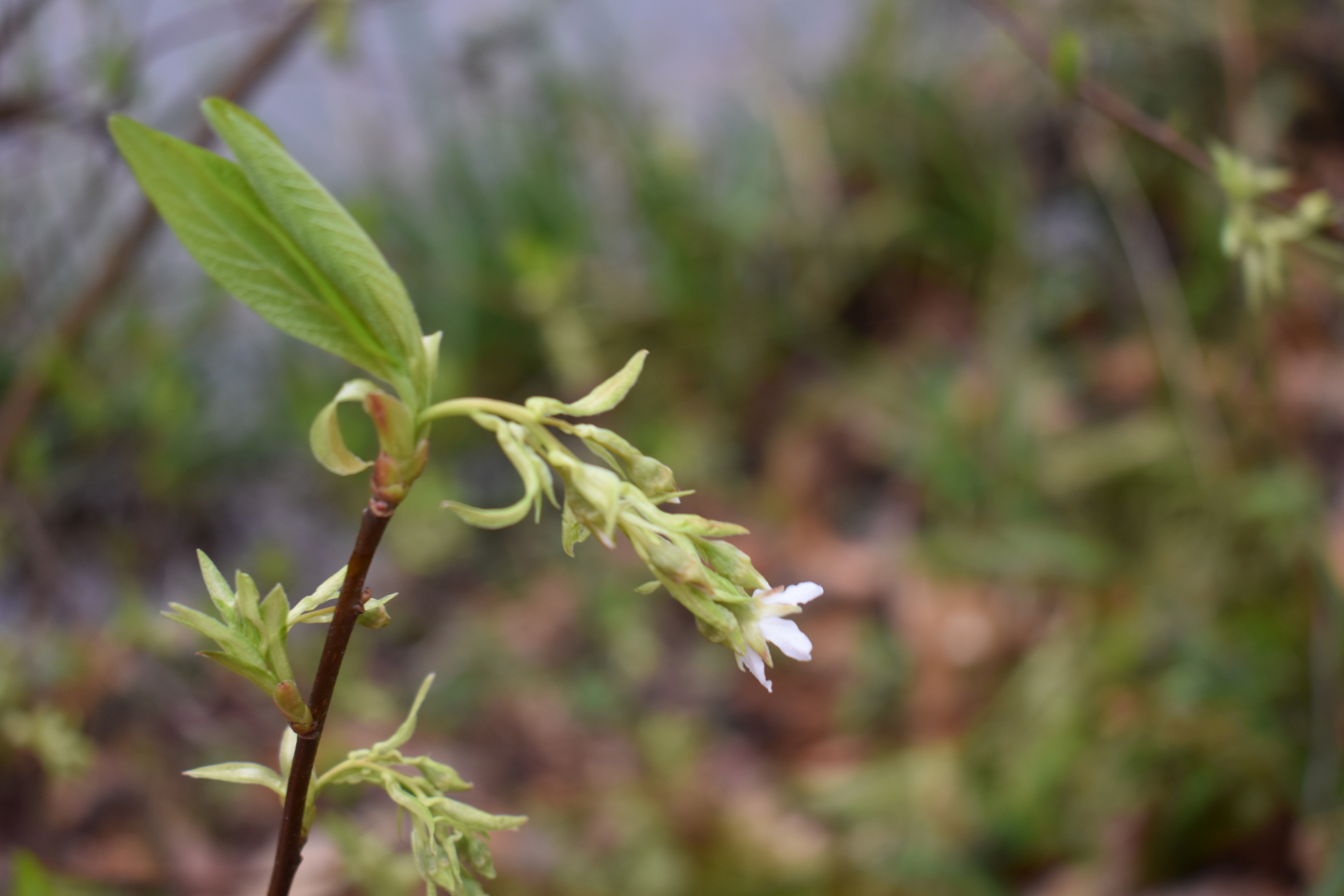
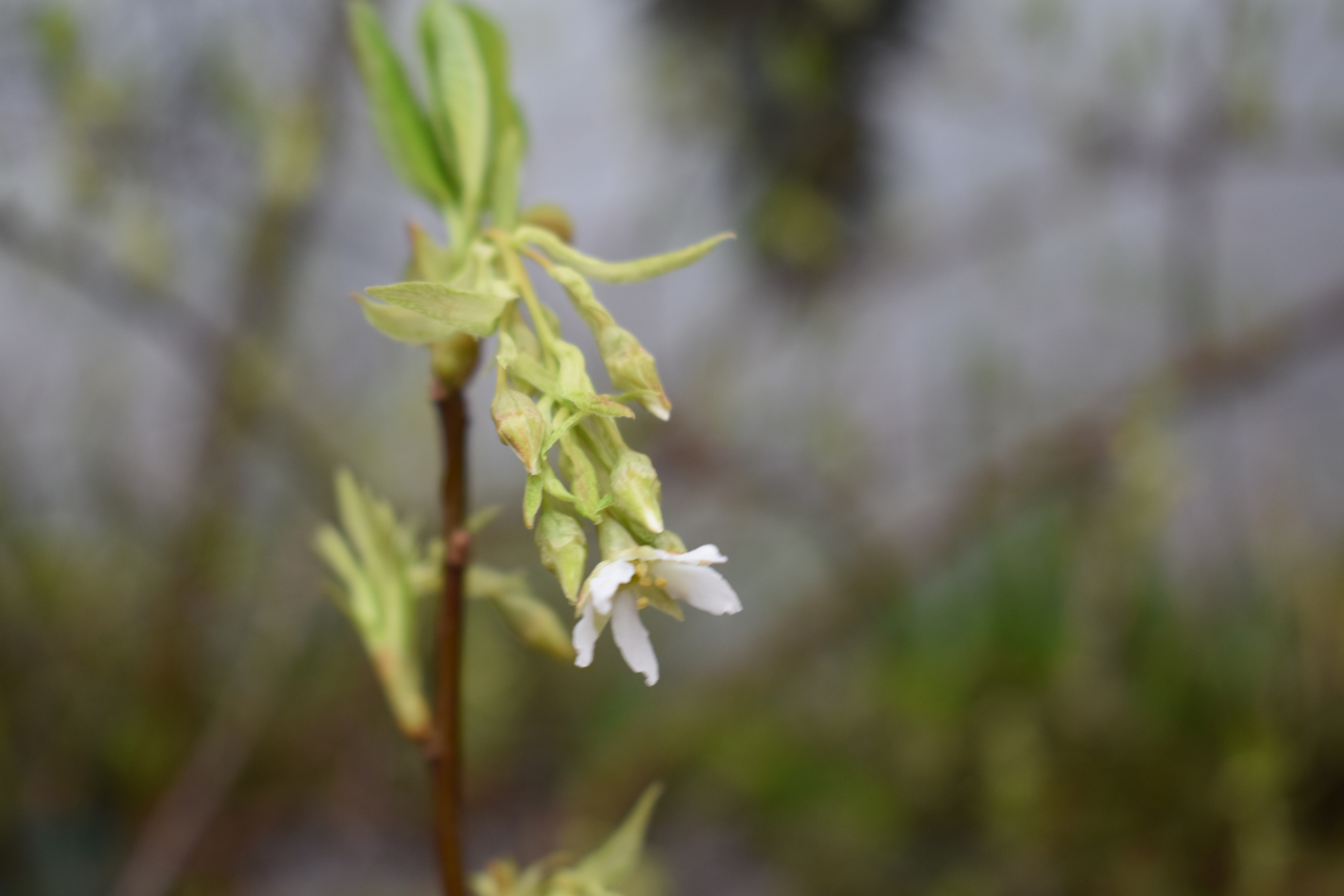
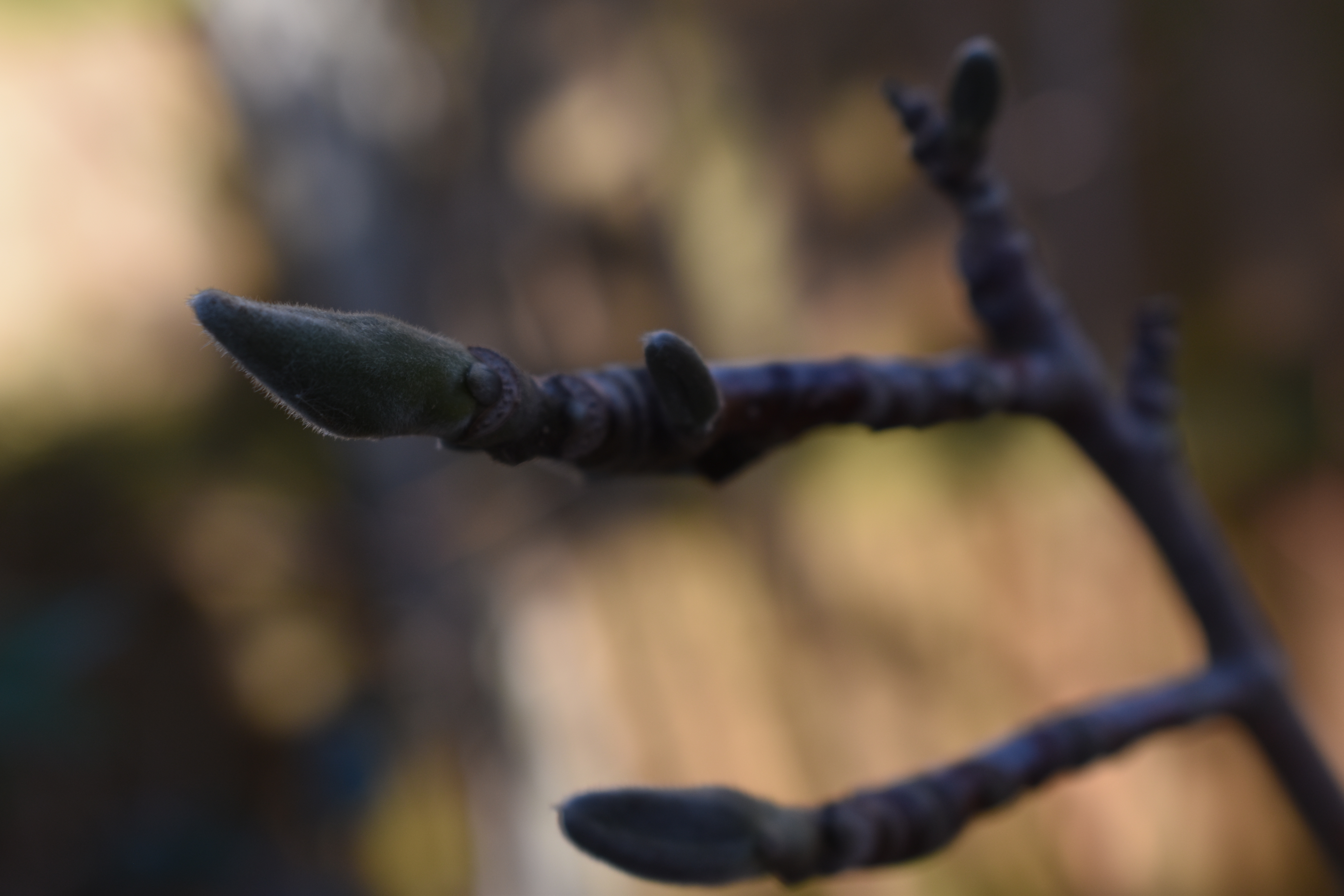
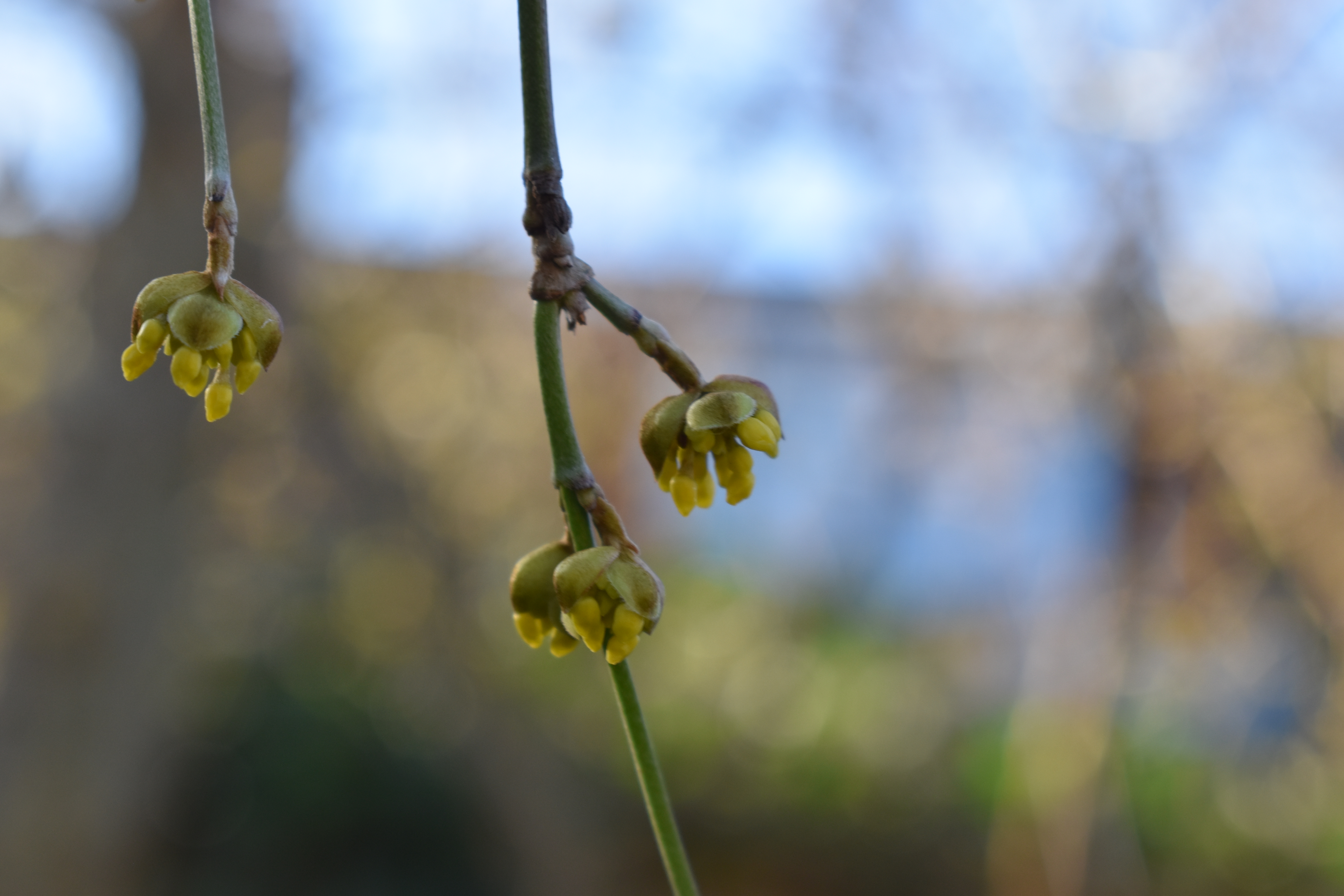
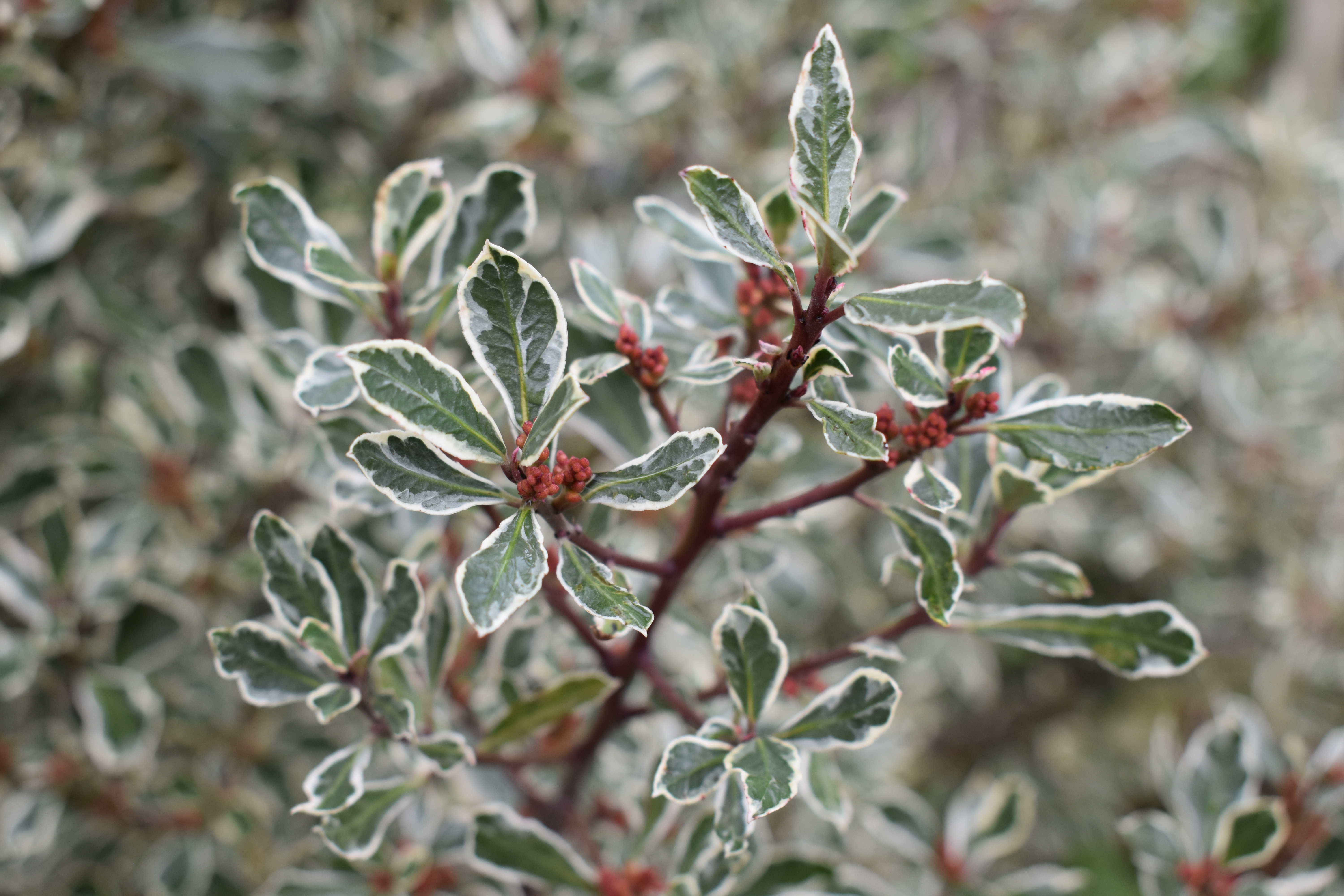
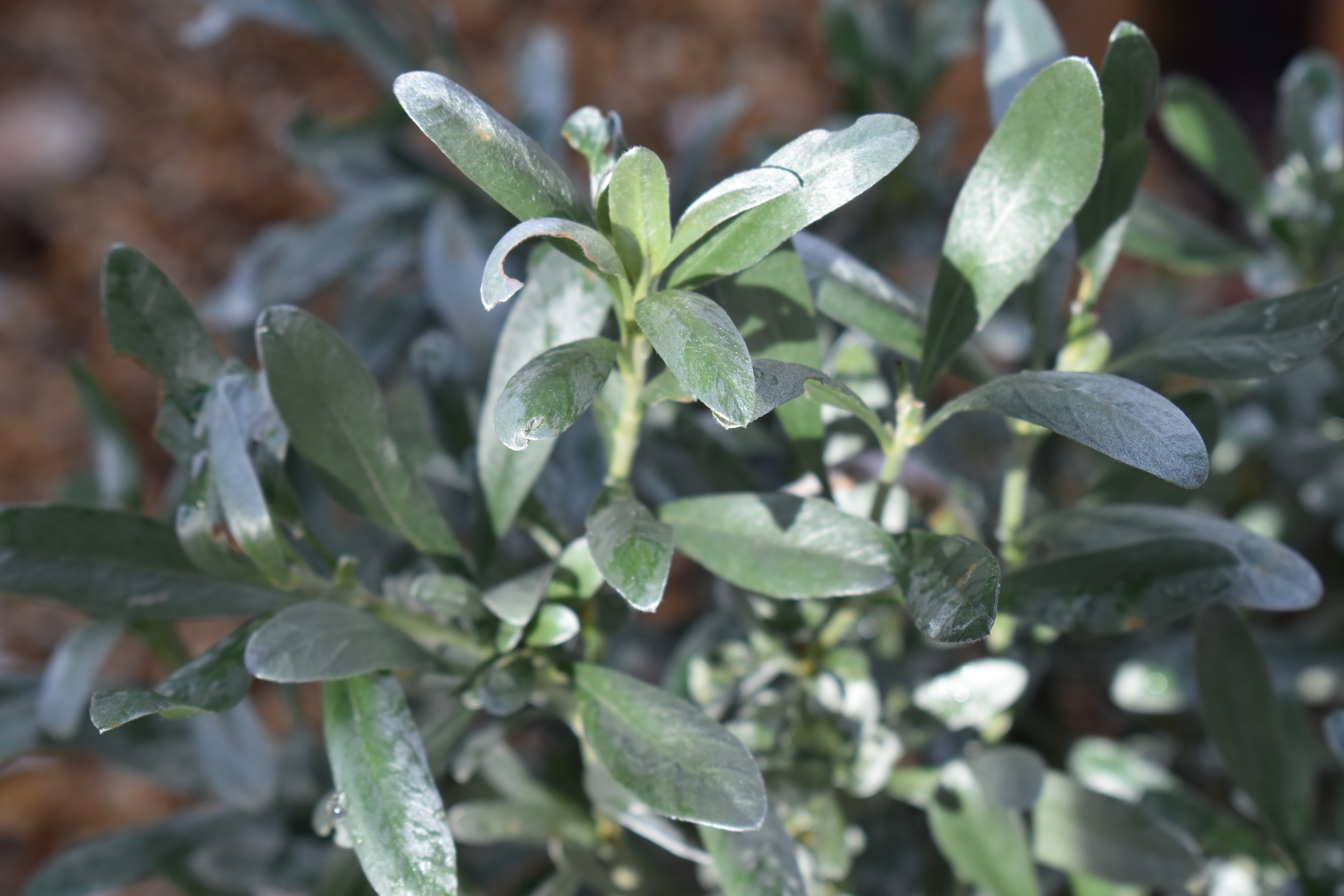
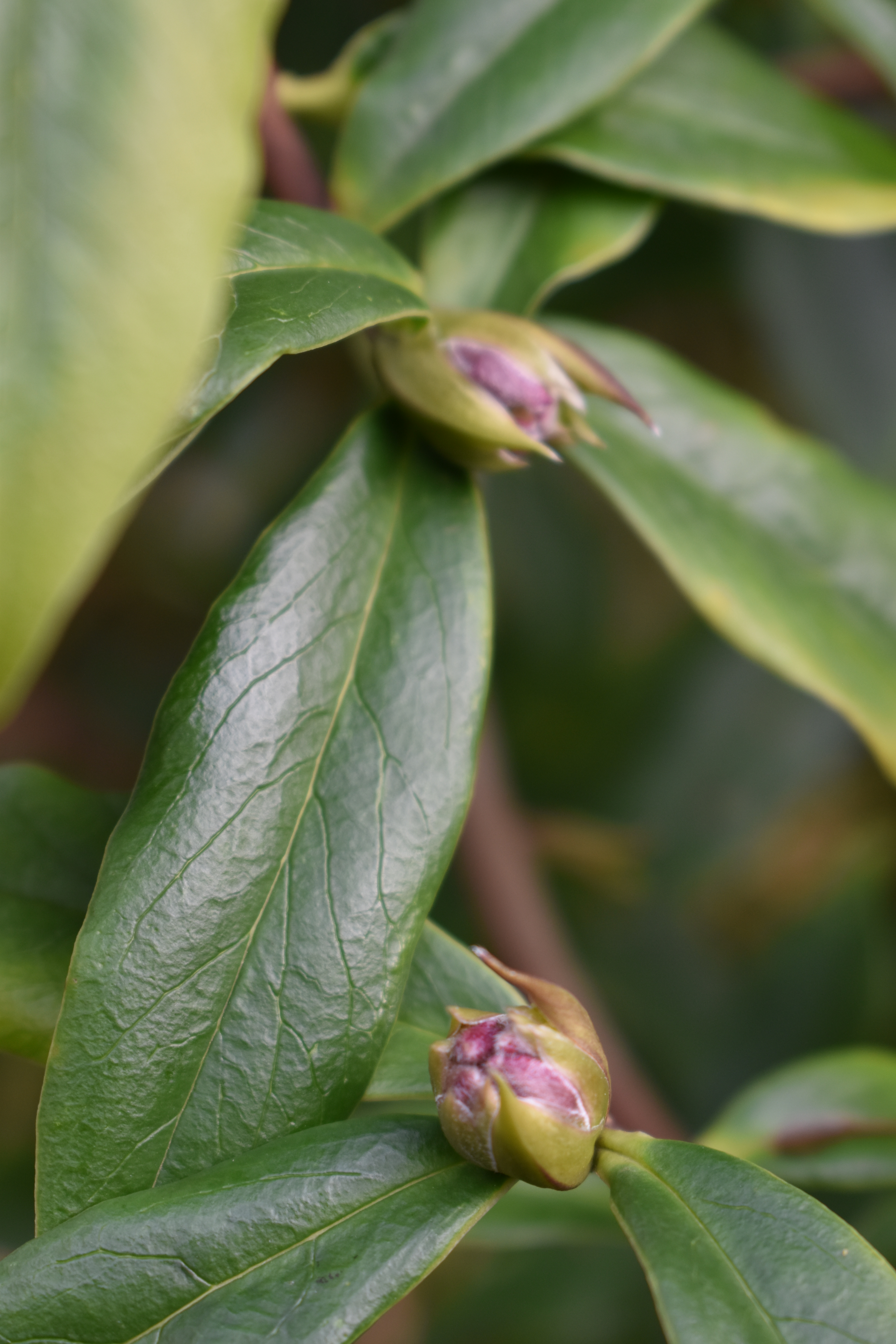
A further wander will discover other flower buds waiting to open. The two below are on the left Cornus mas and on the right Rhamnus alaternus ‘Argenteovariegata’.

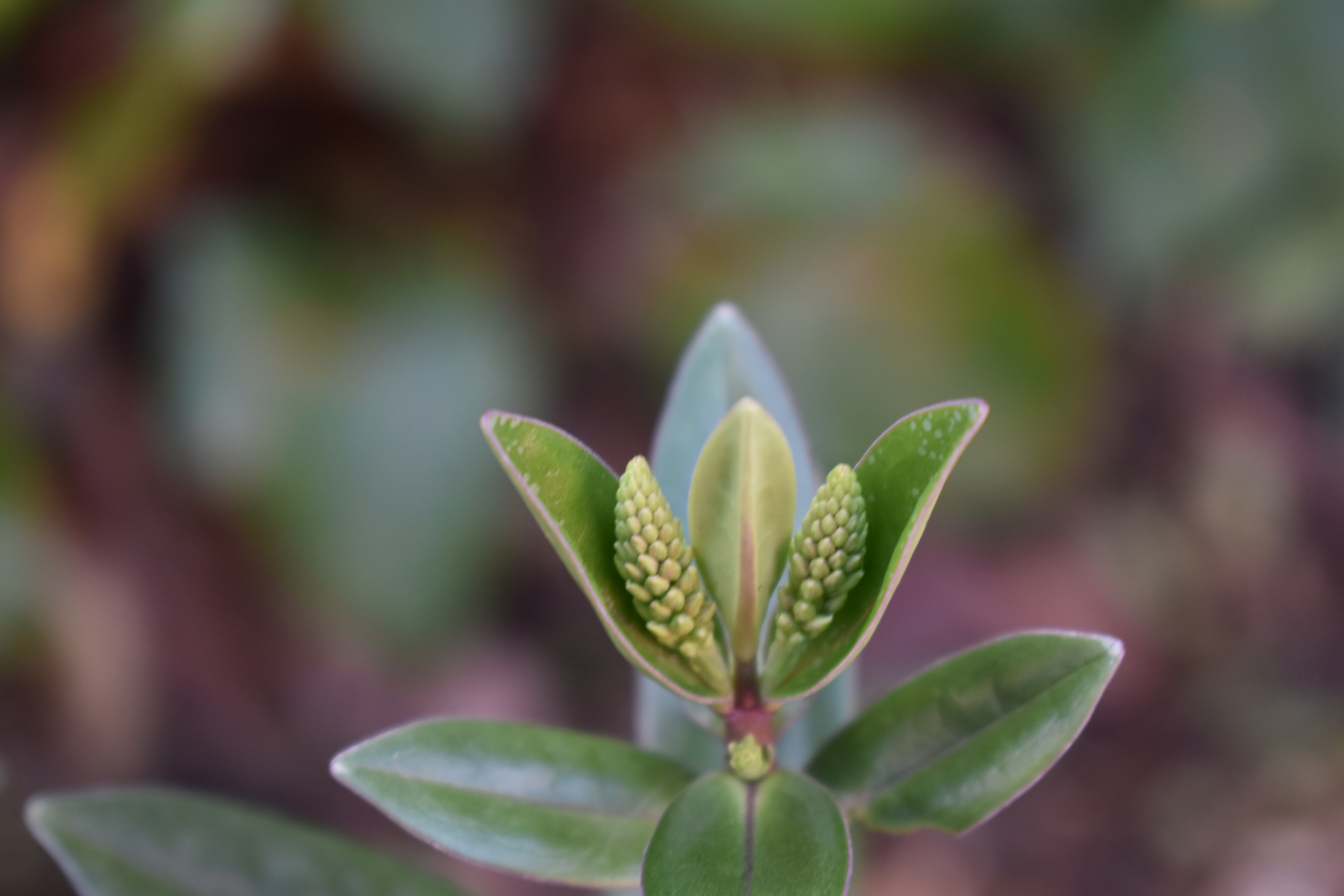
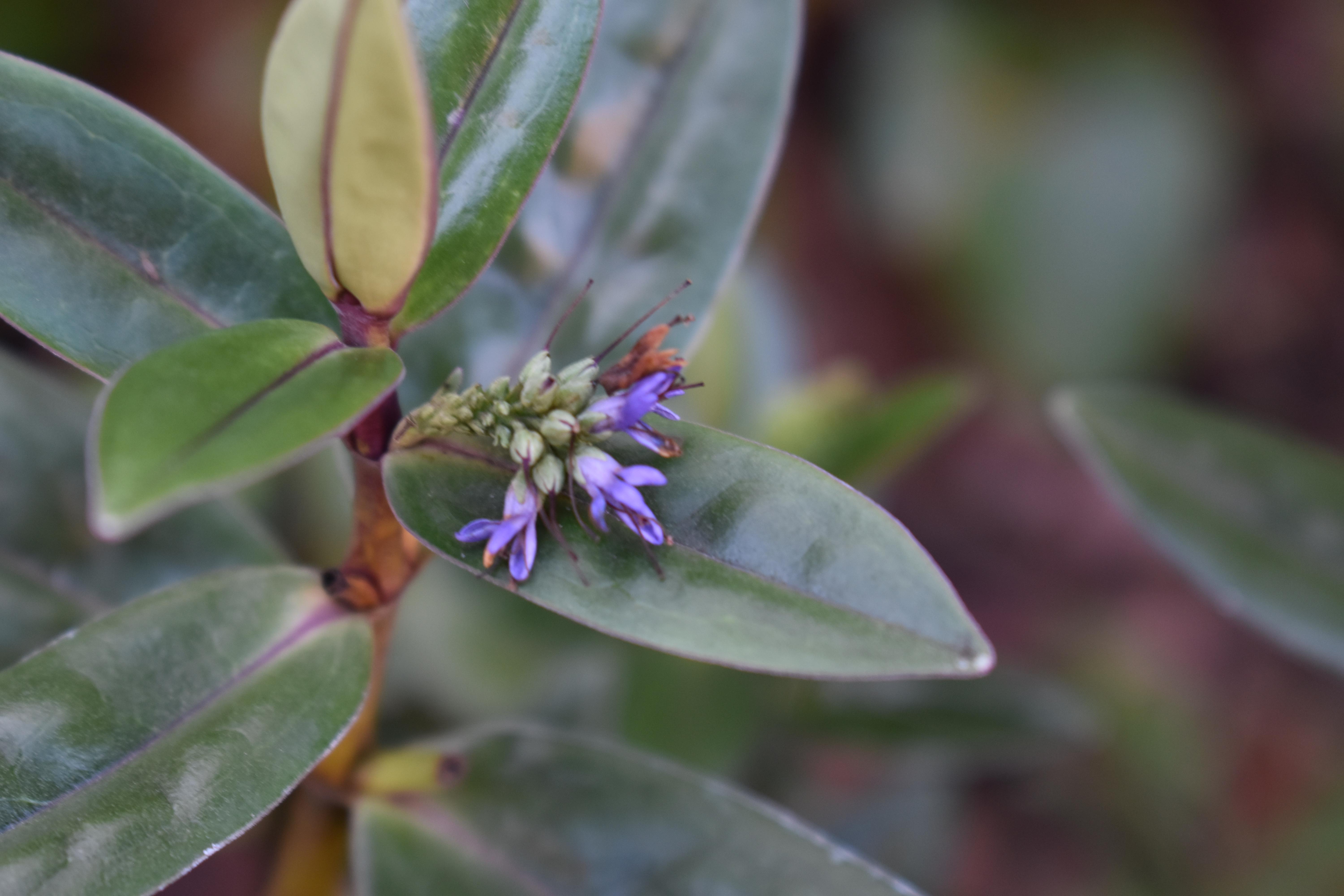
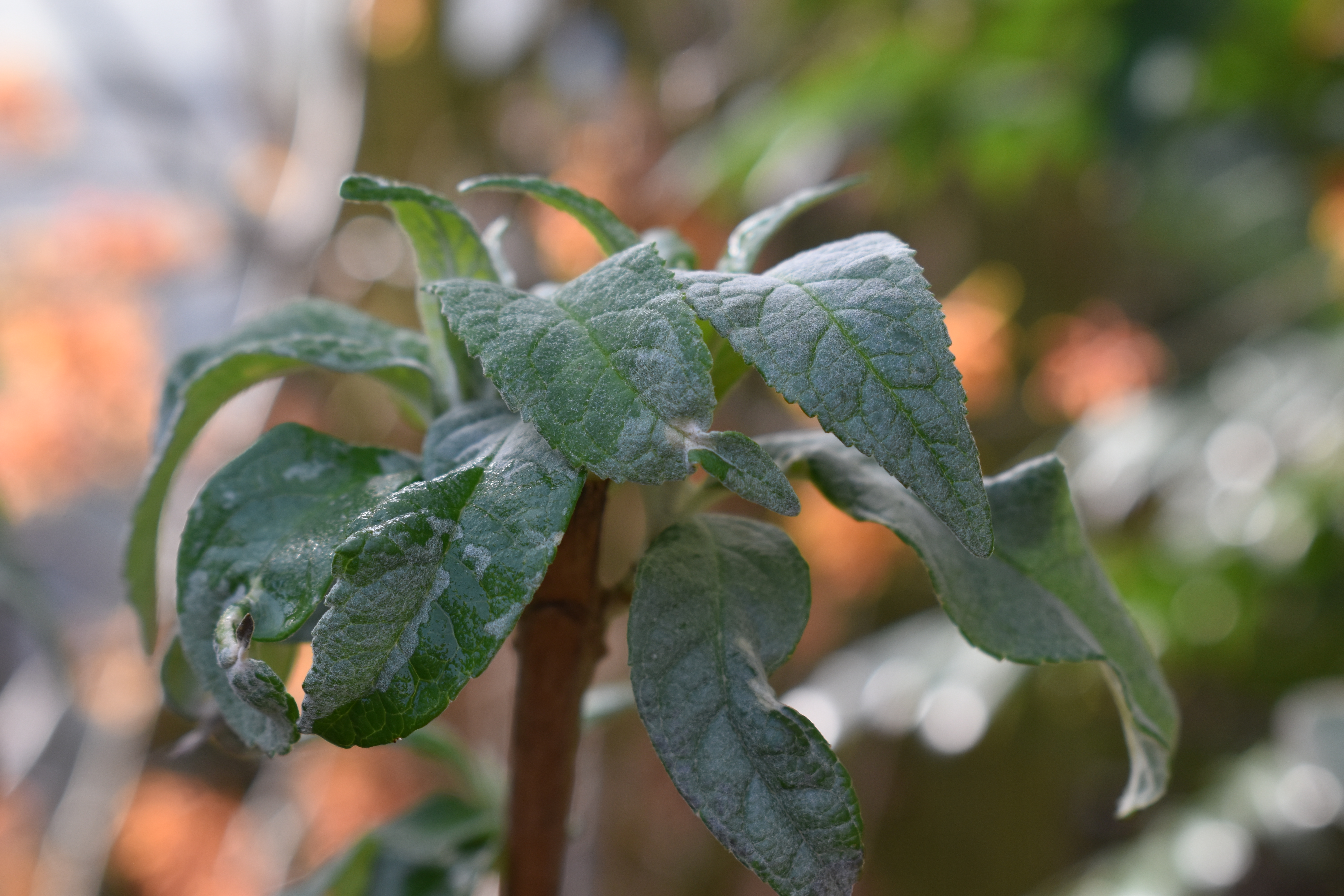
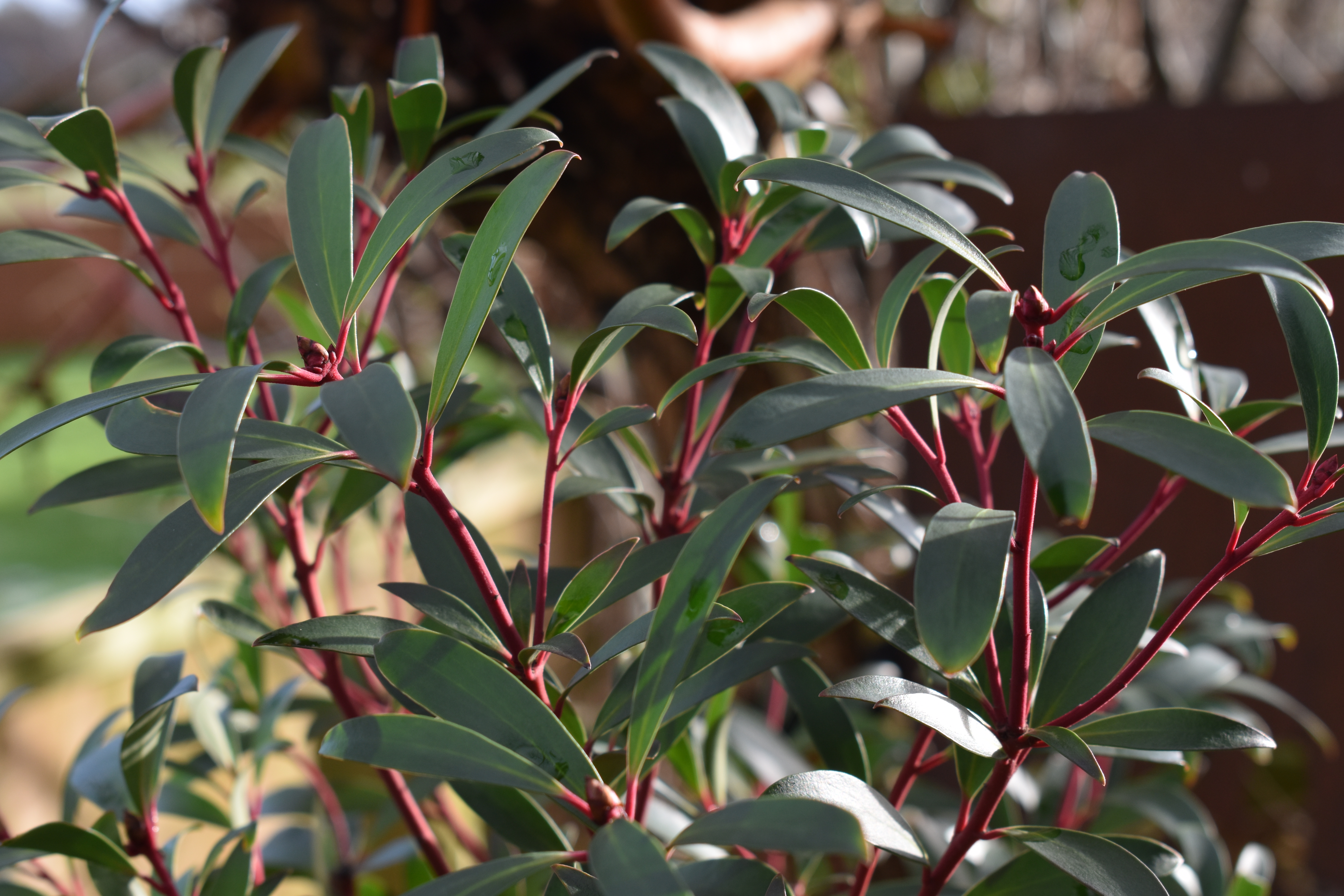
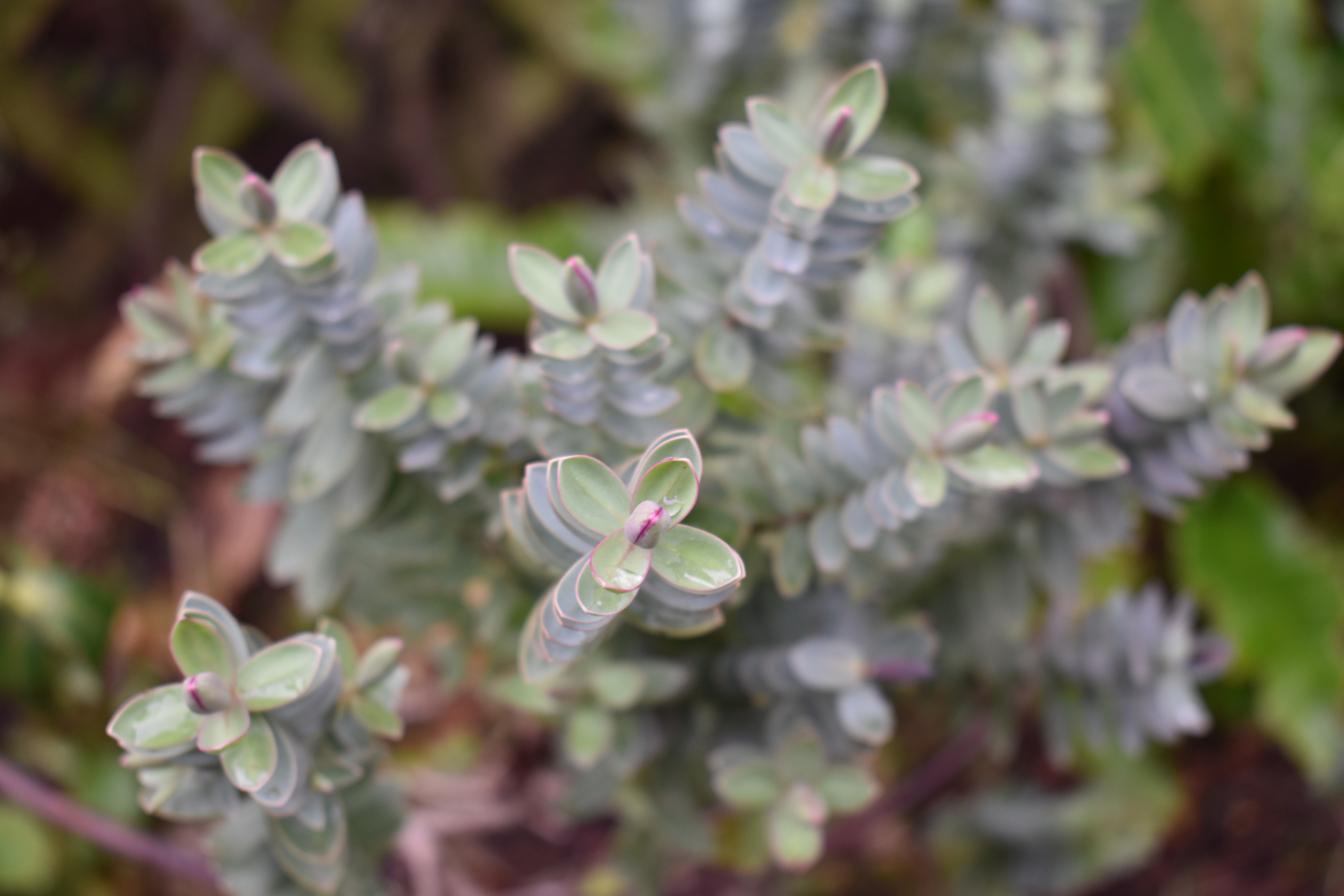
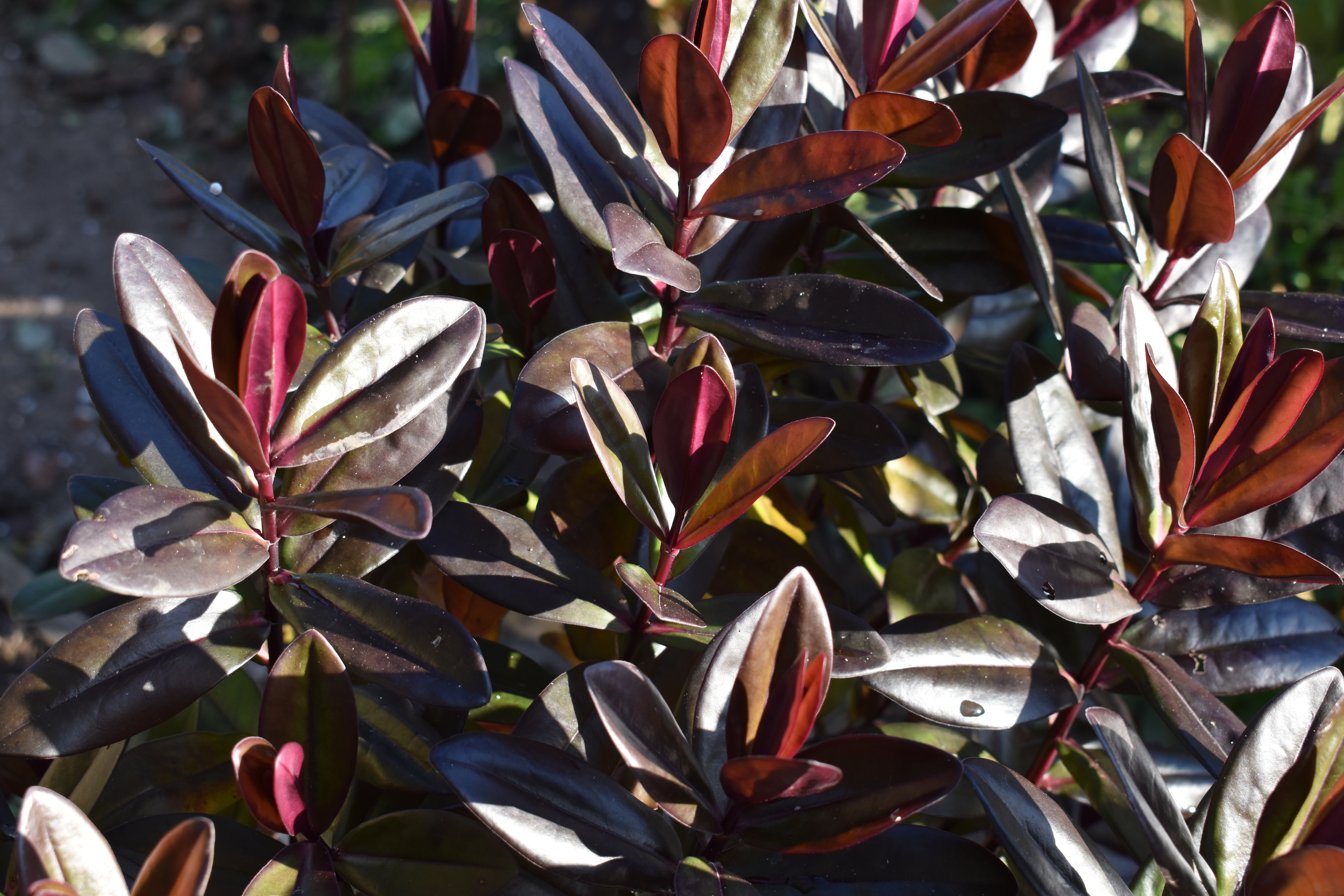
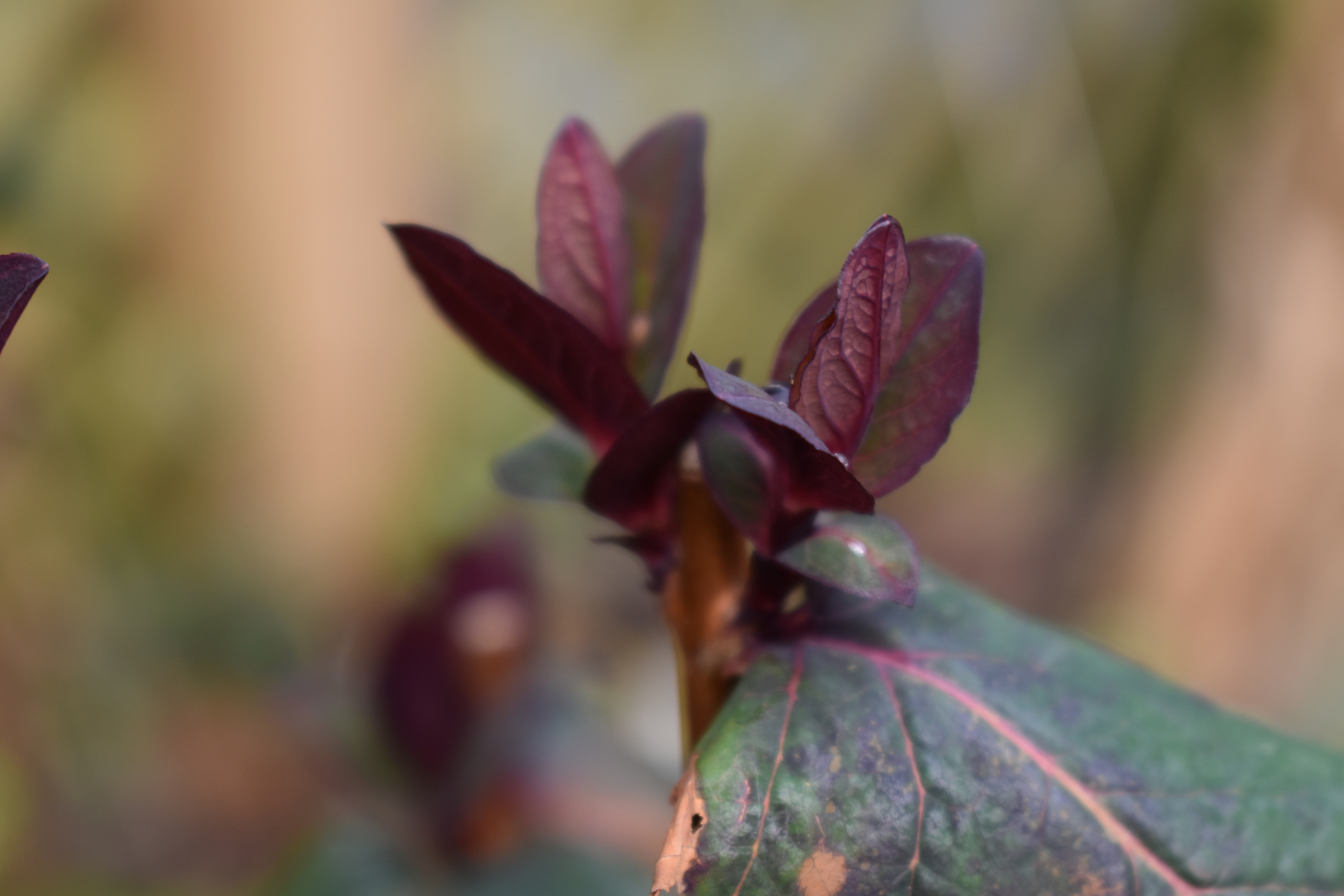
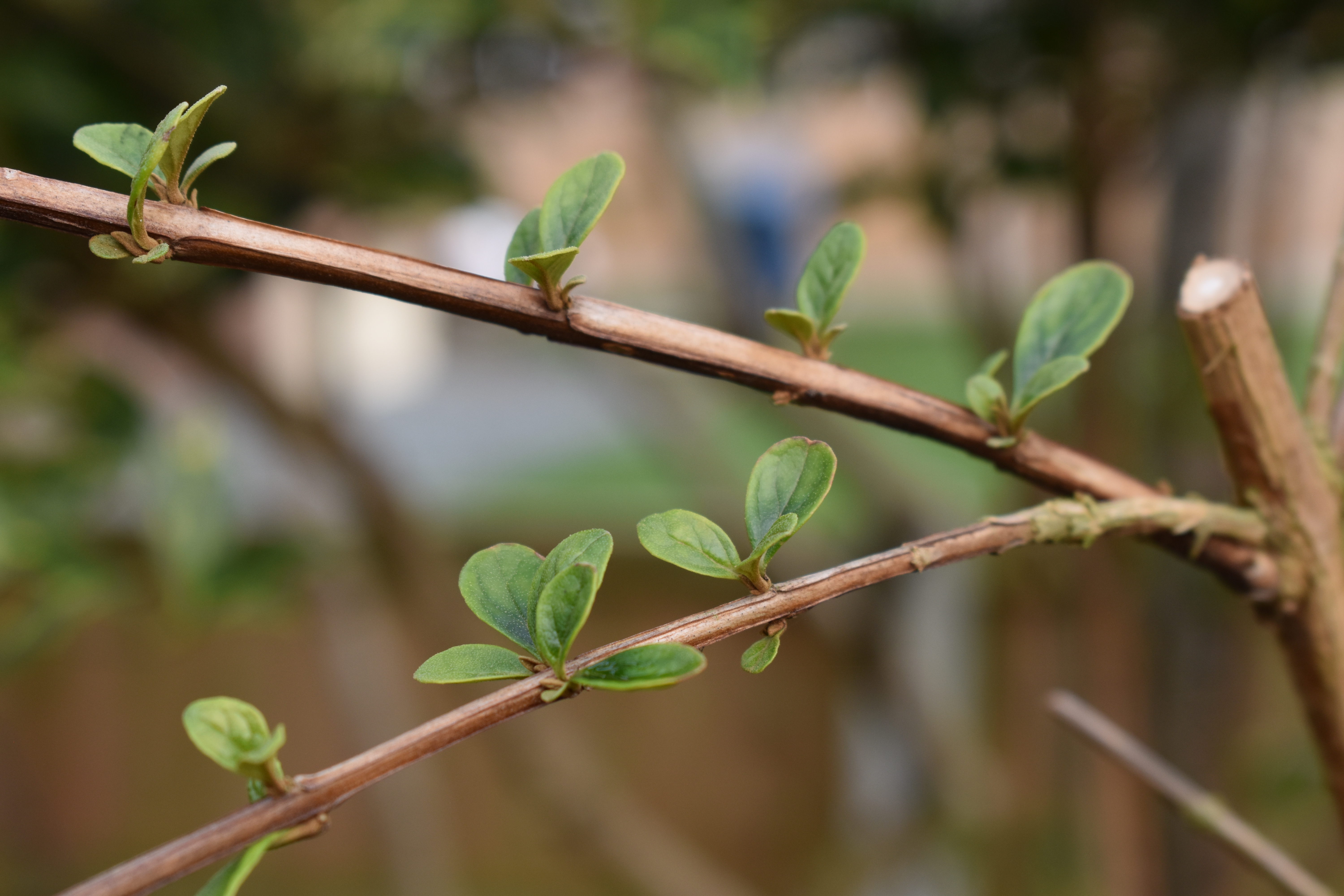
Below are two more shrubs coming into leaf but we will have to wait until the summer to be able to appreciate their flowers, Hypericum inodorum ‘Magical Universe’ on the left and Buddleia lindleyana on the right.

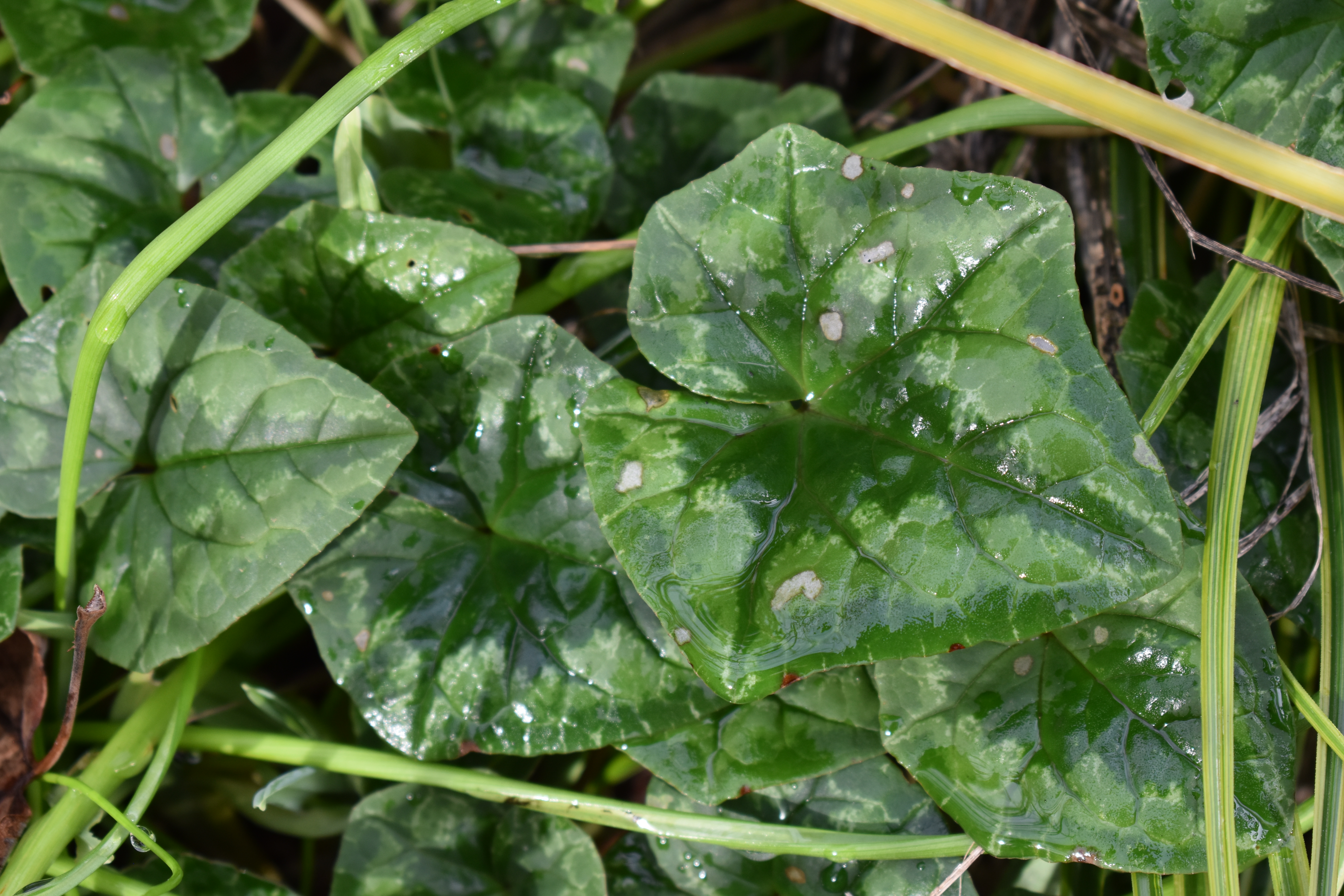
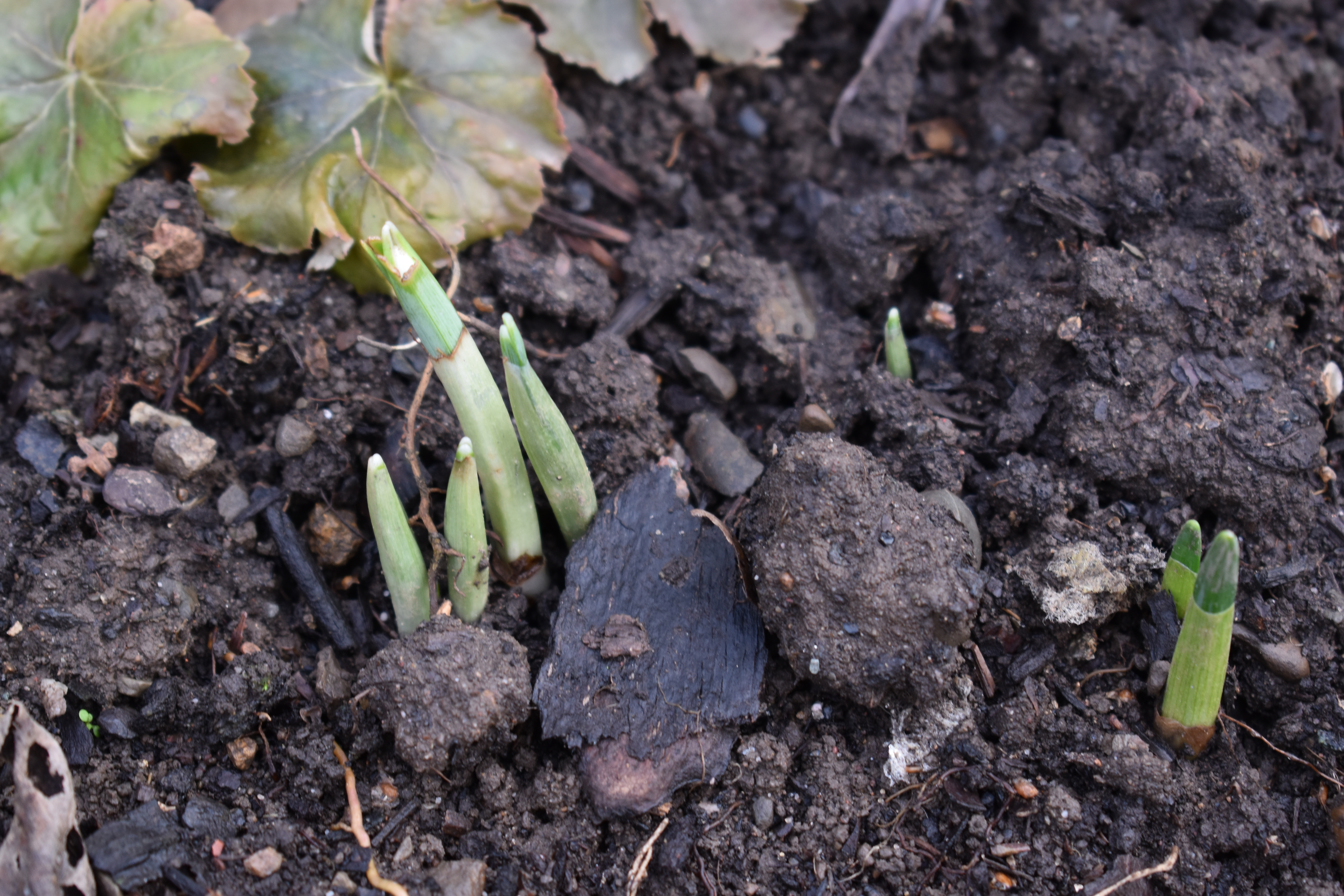
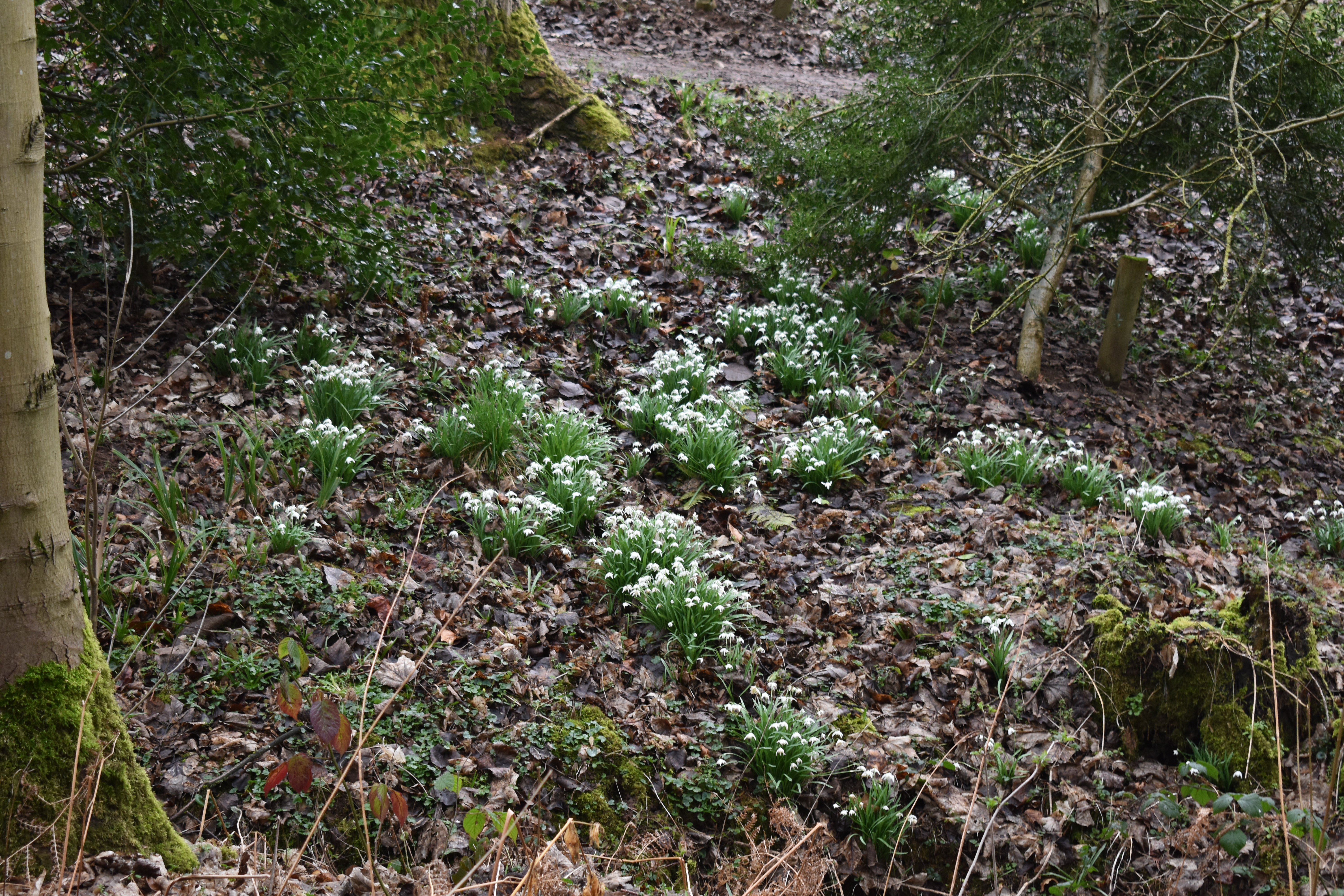
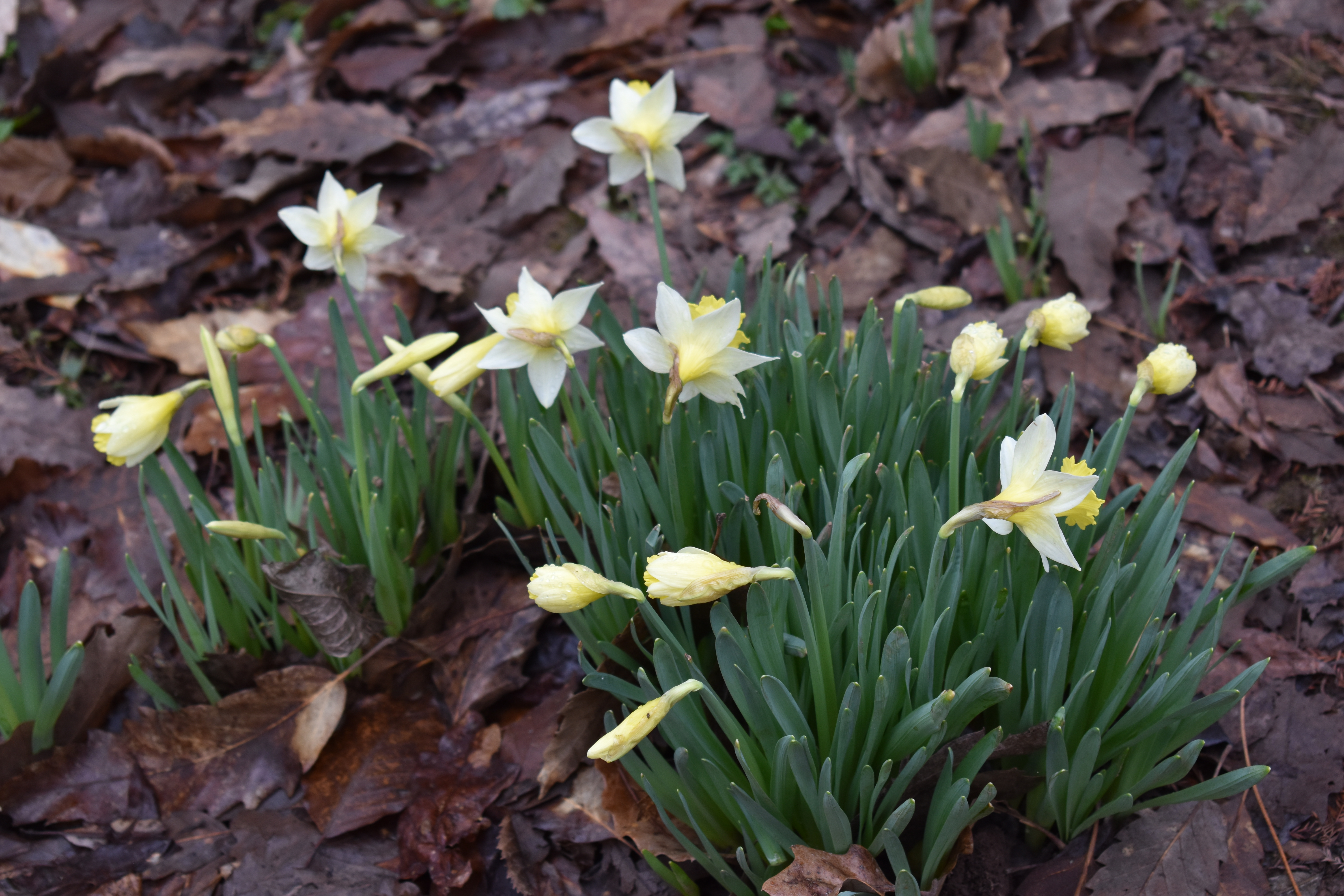
Whenever we are gardening in December and January we will be on the lookout for the leaves of early flowering bulbs. So new year is a special time for looking forward in the garden and finding so much positivity and so many promises of delights to come.

Categories
Uncategorized

Happy Christmas to You Hollies and Ivies

Here’s wishing everyone a Happy Christmas, hoping it is a great day for you all.

Two plants associated most with this day are the holly and the ivy and we enjoy having these plants in our garden especially during the winter months.

Let’s start with hollies as we only have a few of them growing here. We have dozens of different ivies. Both hollies and ivies are much loved by birds especially in the winter months when the berries will feed thrushes and blackcaps. The flowers of ivy appearing so late in the year are important for late flying bees and wasps. They also provide shelter and nest sites in spring and summer.

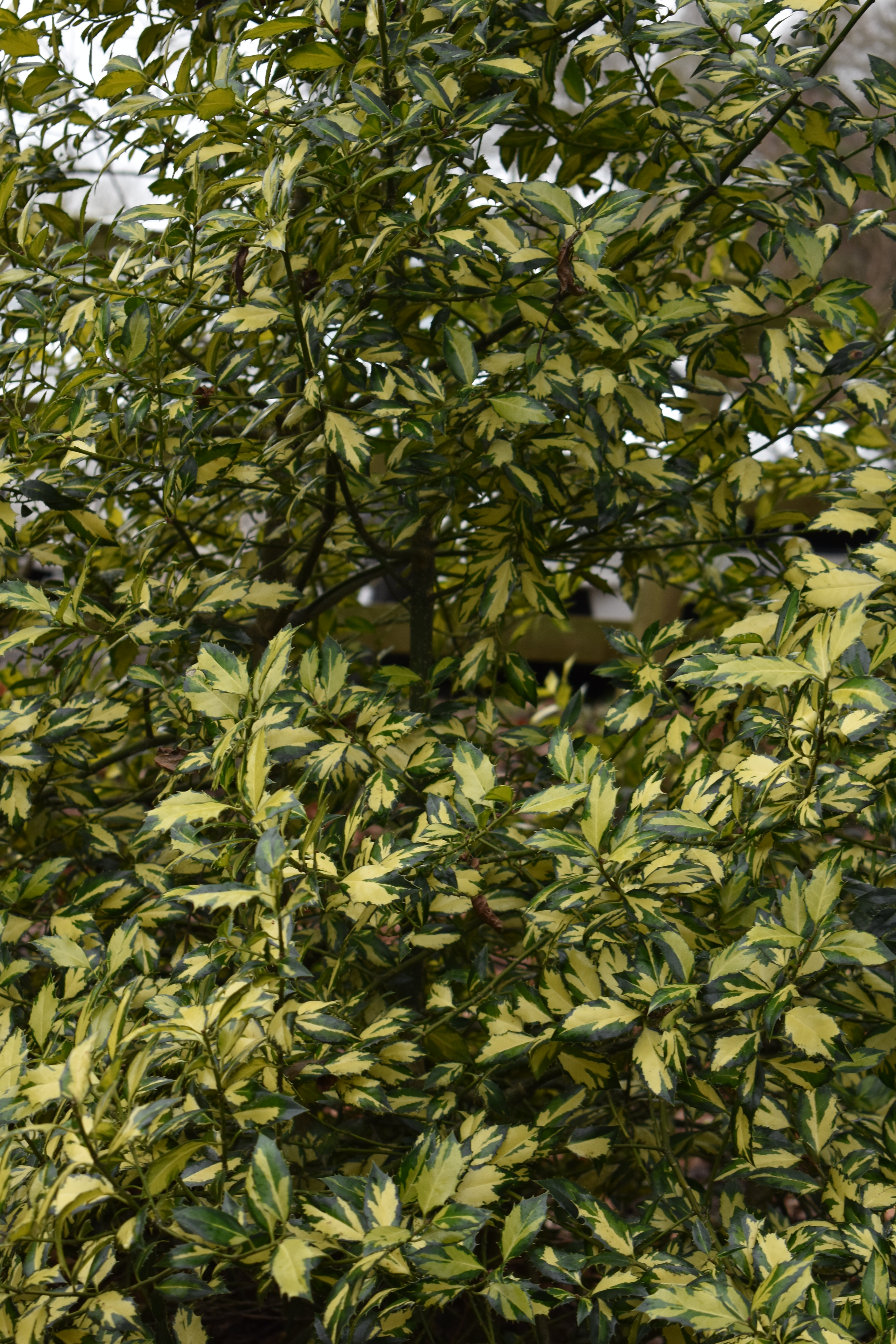
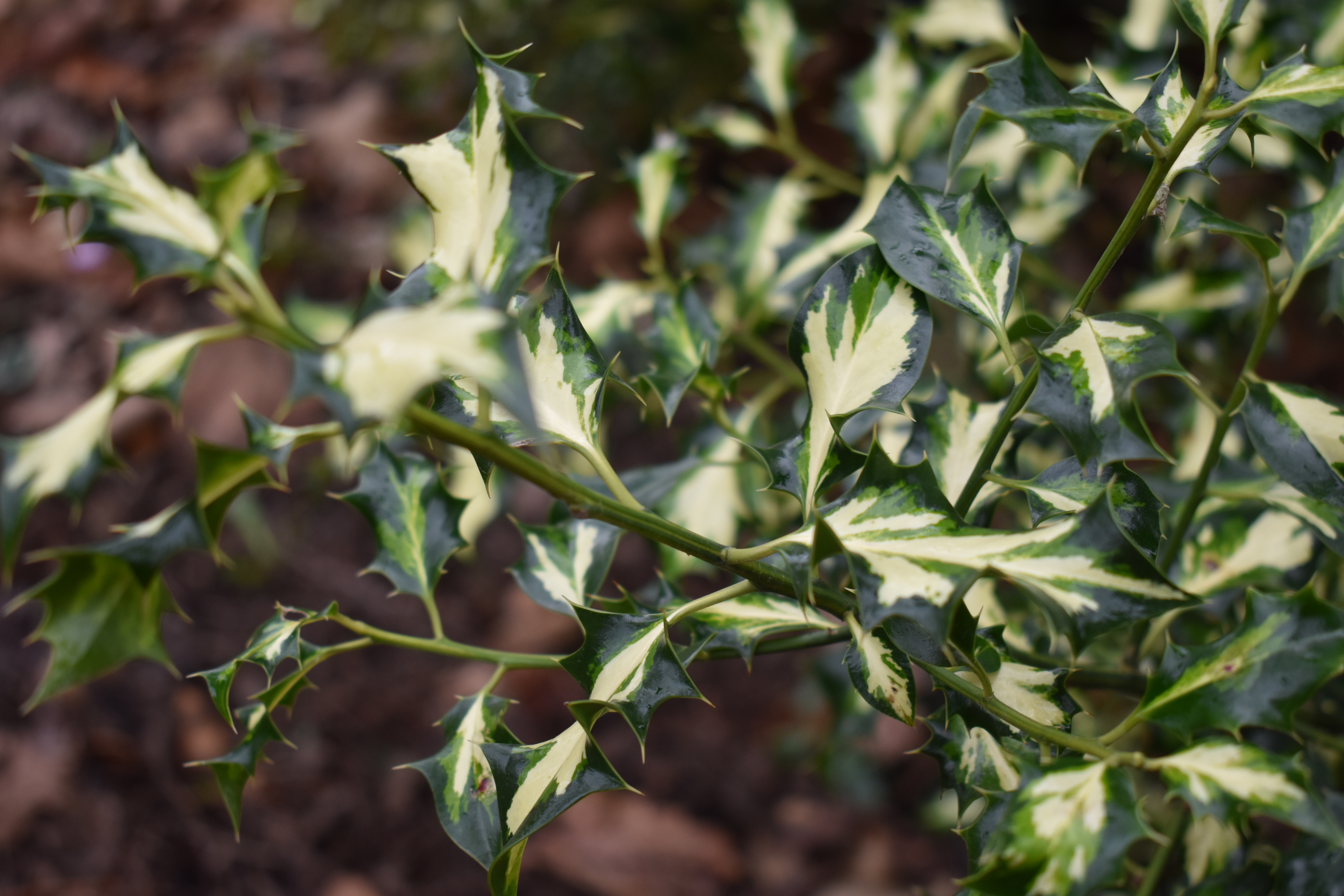
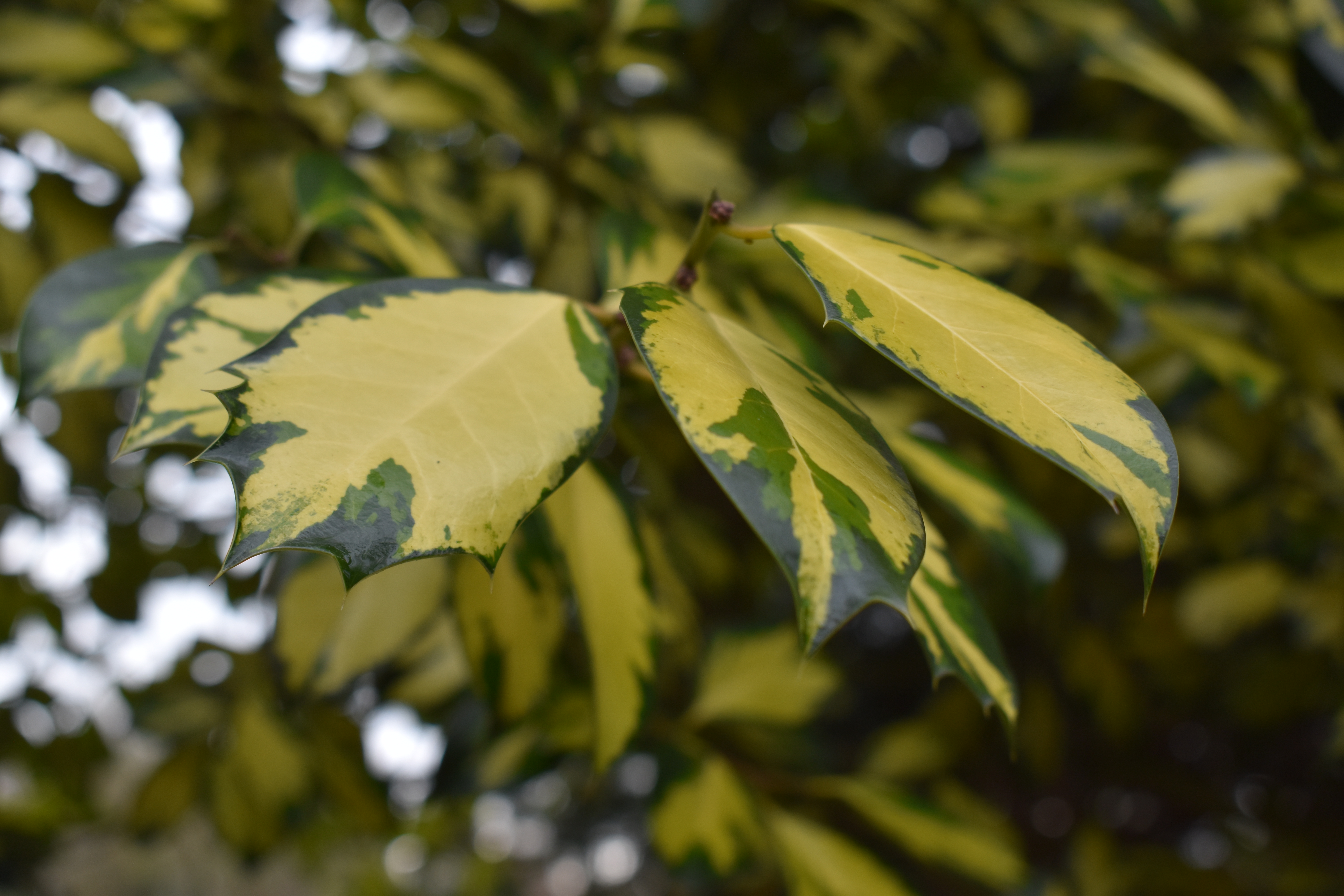
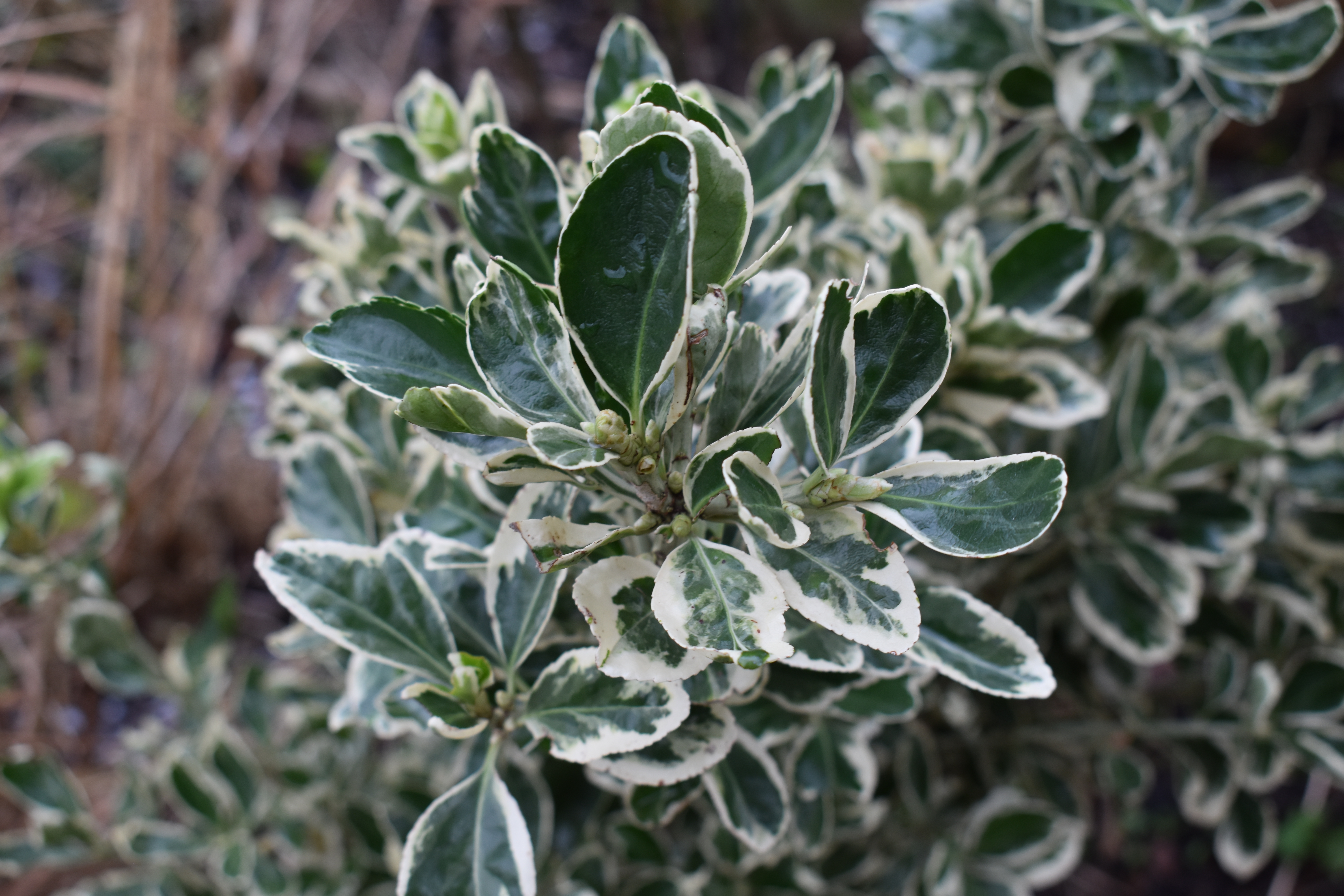
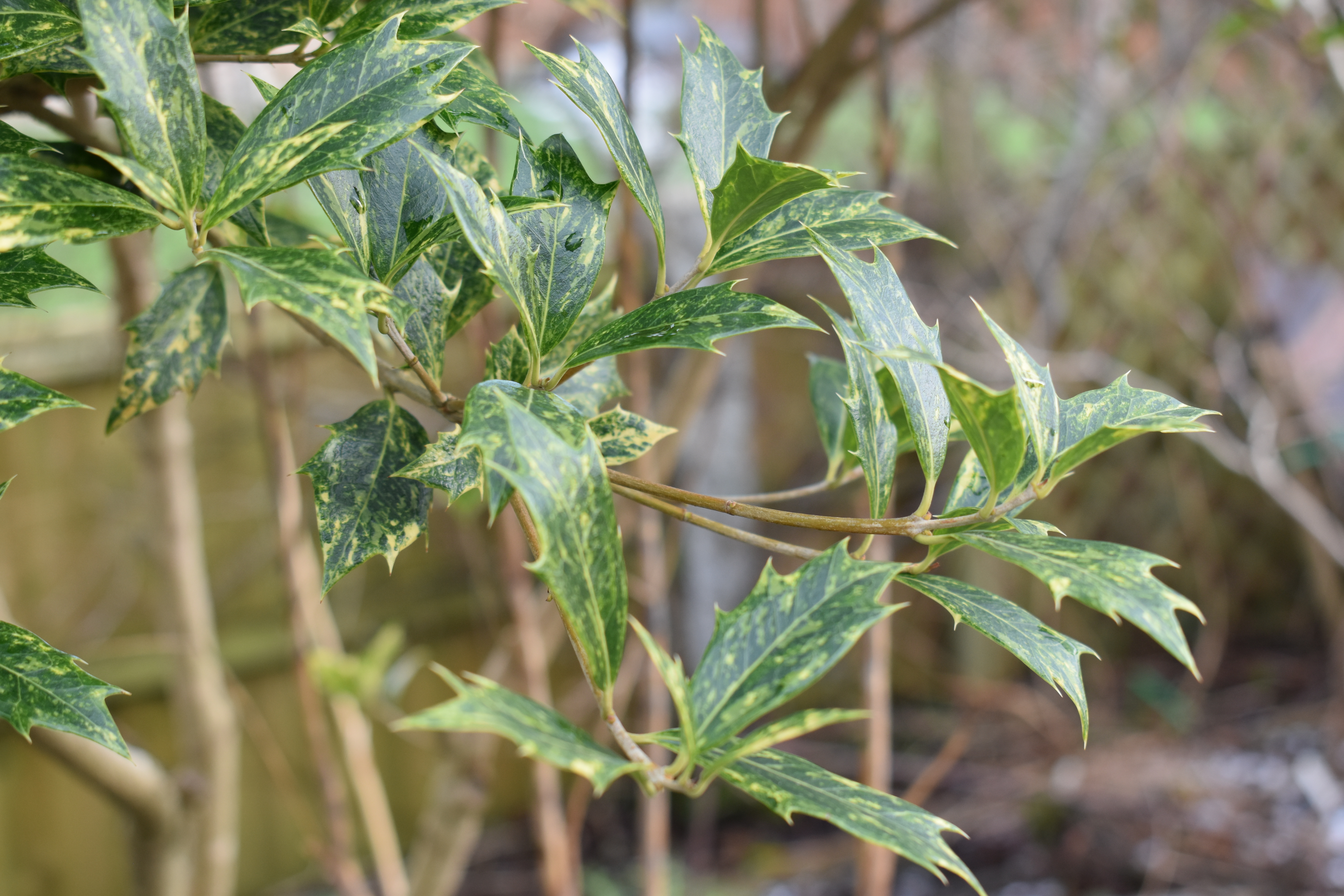
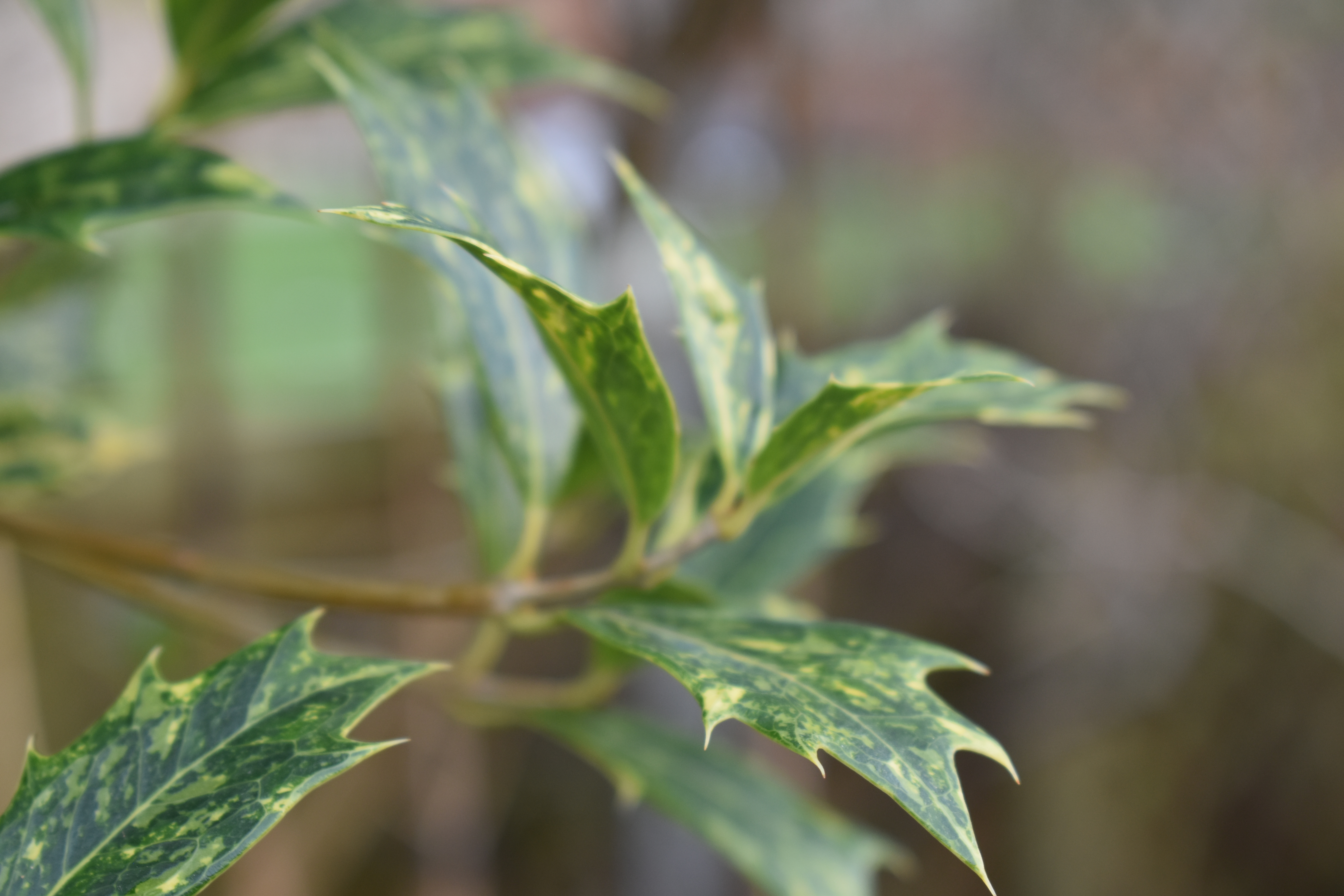
The hollies below are very different to each other. The lollipop trained holly is one of a pair either side of the raised pond and rill. The second one is our native holly which grows in our native hedge. The third is very different as it grows as a sphere and only reach 18 inches or so tall. Its foliage is multi-coloured and changes with the seasons.

We have so many ivies that I have selected just a few of my favourites. Naturally the one most appreciated is our native Hedera helix and most of our collection are H. helix cultivars and selections.

Categories
Uncategorized

Acers at Avocet in Autumn

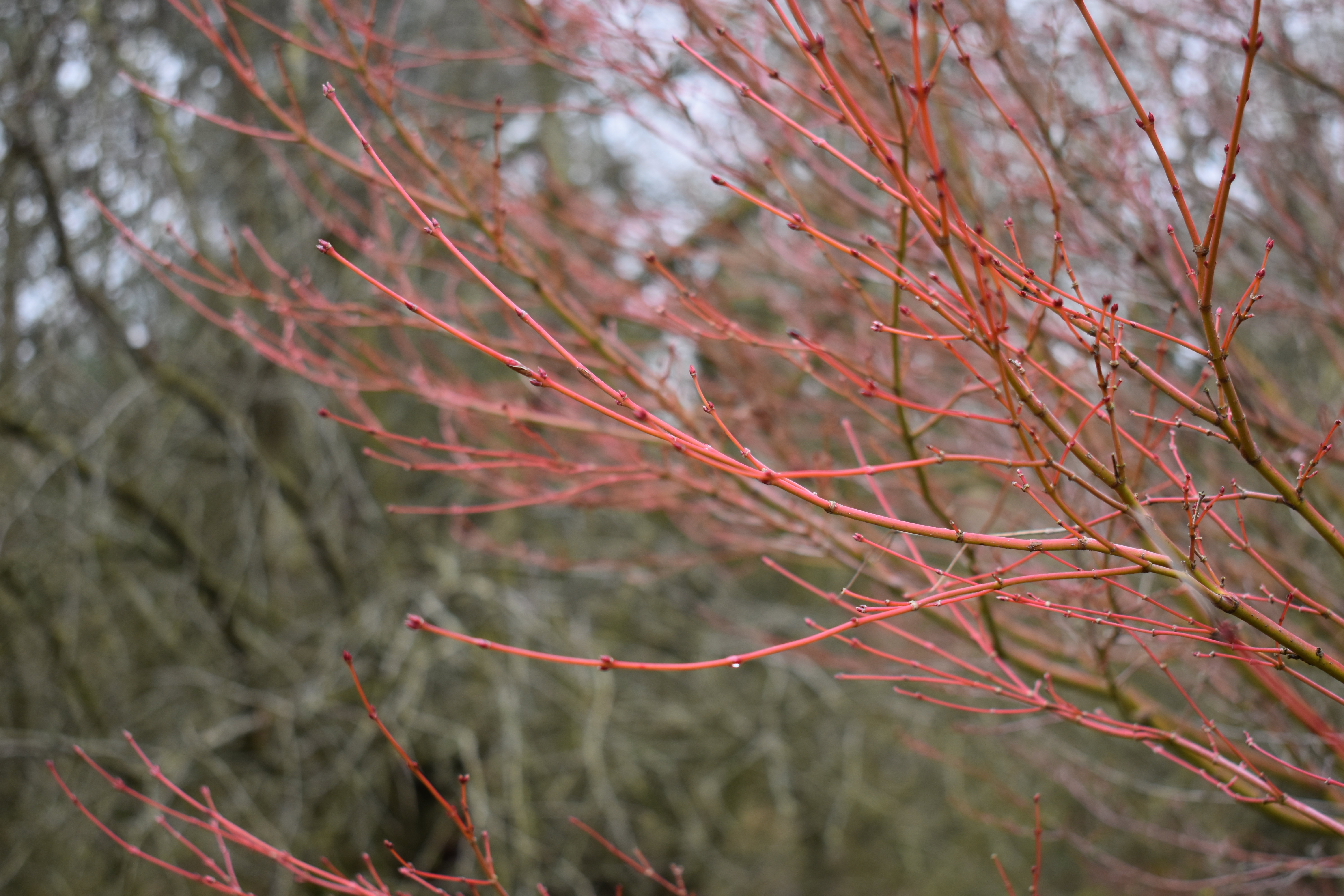
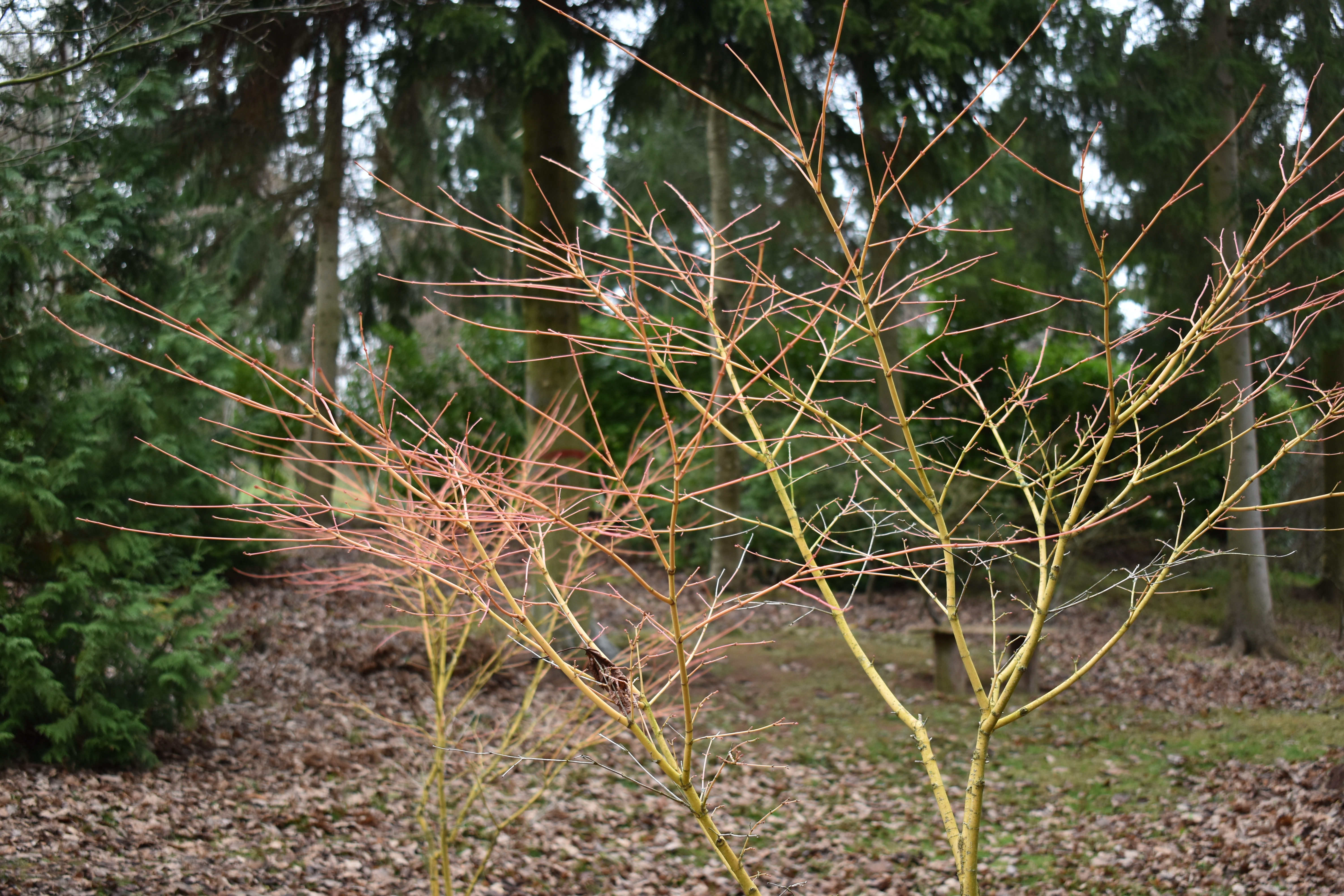
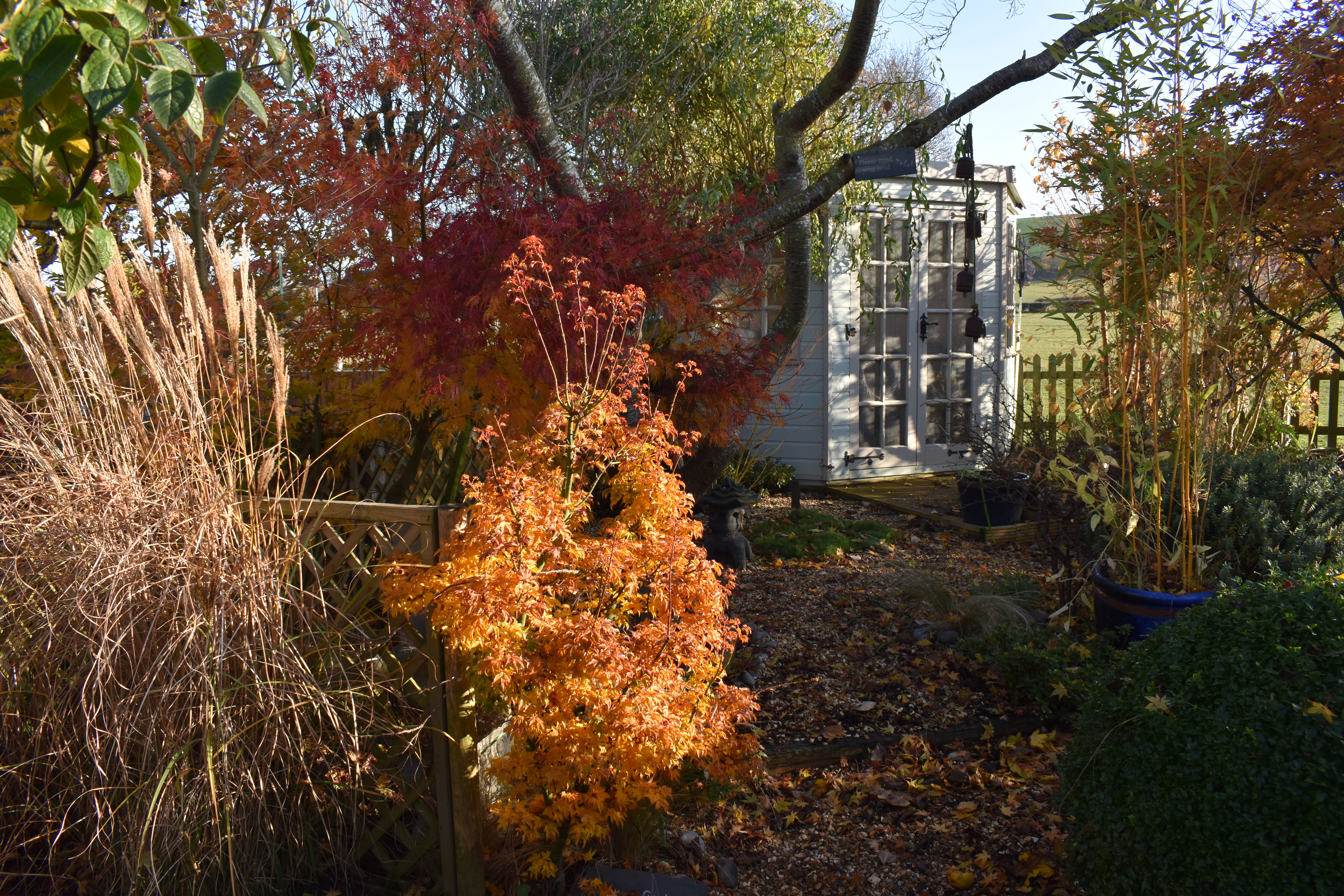
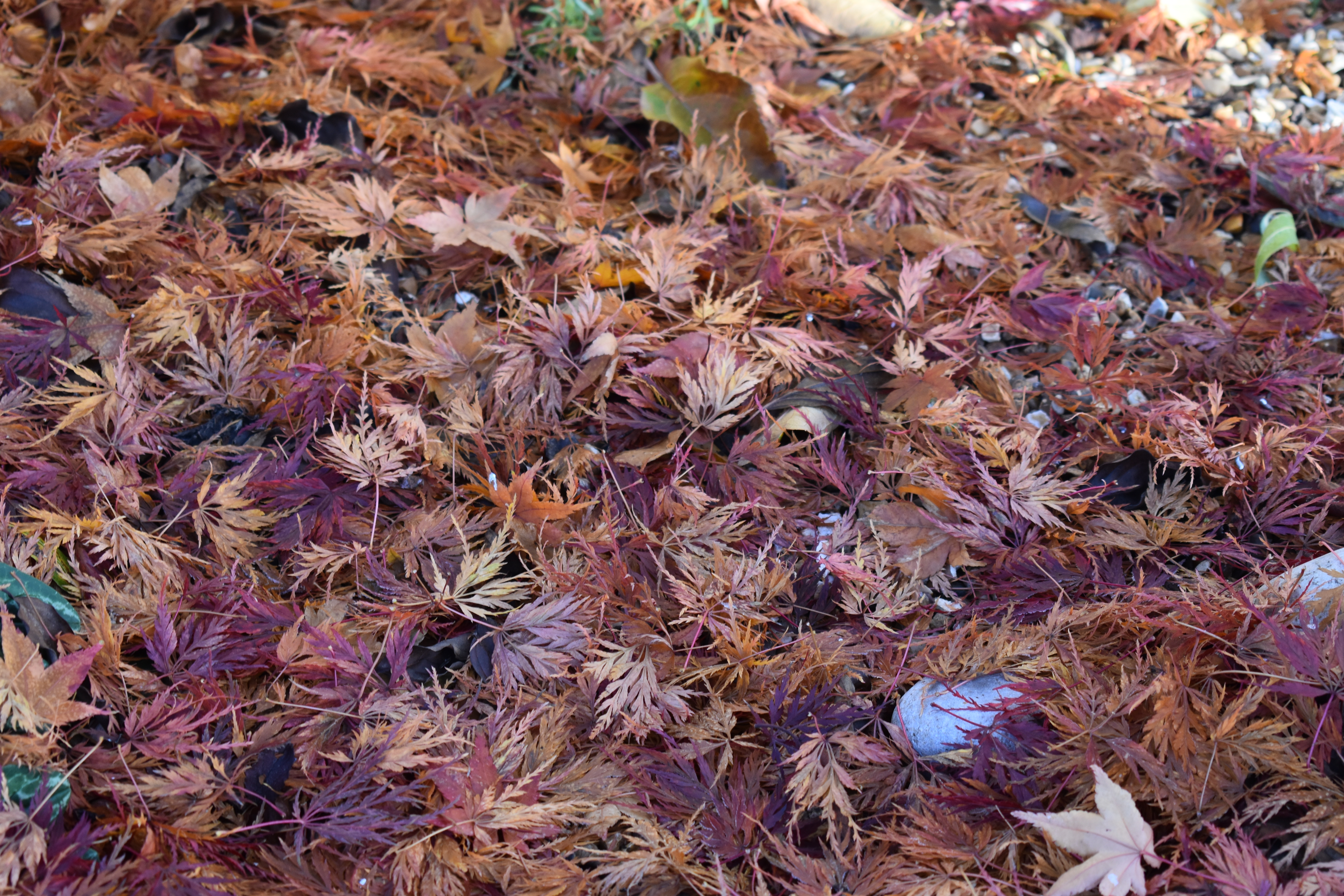
We grow lots of different acers here in our Avocet garden, from small slow growing shrubs up to specimen trees. We grow them for the textures, patterns and colours on their stems and trunks as well as their spring and autumn colour changes. We give them extra character by pruning them to raise their canopies.

Let us now look back at this post I wrote in autumn but I am sharing it now as most leaves have dropped from the majority of our acers.

All the following acers are forms of “Acer palmatum”.

I will now share some photos looking more close up at foliage to illustrate how each has its own character.

This particular acer is really striking with its deep green leaves which turn firstly to deep red and then slowly brighter on its way to orange and yellow. It is called ‘Acer seiryu’.

To finish off looking at “Acer palmatum” here are a few more photos.

But not all of our acers are shrubs, some are smallish trees. Here are a selection of those in our garden, starting with Acer rufinerve on the left a snakebark with great spring and autumn foliage as well as colourful flowers and seed pods. The second photo shows our native acer, Field Maple or ‘Acer campestre’ and the third is a small slow-growing tree ‘Acer pectinata’ with colourful branches and buds.

Another snakebark acer is “Acer dividii ‘George Forrest’ “, a beautiful but very slow-growing tree and a fine acer to finish off this post.

Categories
Uncategorized

Early Autumn at Oakgates Nursery and Garden

Oakgates is one of our favourite nurseries and we visit frequently, at least once a fortnight. We love the coffee shop and its cakes, the quality of their plants and also the garden which we are free to wander around. It is a garden that has high points all year round.

Around the entrance to the plant sales areas there are so many salvias flowering away happily and we see even more sitting on the outside benches enjoying coffee and cakes and in the borders of the display gardens. Here are just some of them.

There were many more flowering plants looking good on our wanderings. The first plant featured below was a mystery to us both as we could never remember seeing it before and sadly there was no label to be found. A mystery!

The flowering perennials that we expect to be able to appreciate at this time of year are the asters, (whatever the botanists want to call them they are still asters to us and we believe most gardeners too!).

As well as herbaceous perennials flowering well several trees and shrubs are giving us colour to admire either through flowers or berries.

And of course we mustn’t forget the power of foliage texture, pattern, structure and colour in autumn too.

I shall finish this post ref our early autumn visit to the gardens at Oakgate Nurseries, with some general shots of the garden to help indicate its special qualities.

We will be back again soon and perhaps take some photos of the gardens in early winter to see haw things are progressing.

Categories
Uncategorized

We find a nearby mini-arboretum

Isn’t it a treat when you discover a garden so close to home behind a house we drive past a few times a week passing through a neighbouring group of houses. We did this in mid-October when we discovered that a new National Garden Scheme, being mentioned in an NGS email.

Thus we travelled for a few minutes to find this neighbouring garden which was described as having a small but fine collection of trees. It really did turn out to be an interesting mini-arboretum.

As we walked up the front drive we started to see what a treat we were going to be in for.

We then skirted the house and entered the back garden where we were greeted by a a pond surrounded by colourful shrubs and small trees.

We always enjoy seeing gardens which show the gardeners have a sense of humour.

I will share some more of my photos of the back garden in the following gallery. Enjoy!

We had noticed a few interesting trees in the front garden as we walked up the drive so returned to have a close up look before we made our short journey home.

I shall finish by looking at a trio of one of our favourite trees, gingko biloba.

A great little arboretum right on our doorstep!

Categories
Uncategorized

My Garden Journal 2022 November

November sees us well into autumn but the garden seems to continue to be confused with trees unable to decide whether to colour up, drop leaves or stay green on their branches.

Looking at the first two pages, I considered the effects of autumn on trees and shrubs and on the opposite page I shared photos of some of our hesperanthas.

Concerning trees and shrubs in autumn I wrote, “November sees autumn well established in our garden, but our trees and shrubs of deciduous character are confused about whether to change foliage colour or not.”

Some have turned red, others just becoming yellow but others are still completely green.

The opposite page is where I shared photos of some of our hesperanthas, where I noted that “We have several varieties of hesperantha now established throughout our borders. They are currently flowering well, glowing in any dull light.”

Over the page to the next double page spread I looked at the importance of reds in the November garden. I wrote, “In the first week of November the most noticeable colour around the garden is red, the reds of foliage, flowers and fruits.”

I then shared selection of photos of red features in our garden at that time.

The following two pages were all about berries.

The first page looked at the berries on our callicarpa shrubs, both the purple and white berried cultivars. I noted that, “Jewel-like berries give lots of interest in our garden now. Callicarpa in both purple and white are highlighted by the low rays of the sun.”

I then shared some photos of our callicarpa.

More berries feature on the opposite page where I wrote, “The whites and greens of Hedera helix and Fatsia japonica are also highlighted by the low rays of the autumn sun. In shade they appear more like yellows and greens.”

Two photos of the shrub Clerodendron trichotomum sit below and I noted that, “The brightest and most unusual berries of all are those of Clerodendron trichotomum with the bright glossy turquoise berries sitting within deep cerise calyces. Wonderful!”

On the next two pages I looked at the changing foliage on trees and shrubs and then at a true surprise.

I wrote, “We can’t leave November without another look at the changing faces of tree and shrub foliage.|”

On the page opposite I shared photos of a truly unexpected surprise we found in ‘Arabella’s Garden’ while dead heading dahlias. I noted that, “Occasionally our gardens give us exciting and very unexpected surprises. We have a mature specimen of the climber ‘Akebia quinata’ also known as the Chocolate Vine. Deep ruby purplish flowers hang in long racemes . These are also sweetly scented. Recently though we spotted a pale grey-purple pod hanging, a single fruit among the foliage, about four inches long. As it opened seeds were revealed looking like a small head of sweetcorn. Where the grey coating peeled off it revealed glossy black seeds.”

The final double page spread for my report on my November Garden Journal 2022 shows jobs we have been busy doing and one of my sketches using Japanese Brush Pens, featuring flower heads of “Persicaria amplexicaulis ‘Blackfield”. I noted on the job page that, “Every month is a busy month for us as we love being outside in the garden. But our time outside in November is being controlled by the weather. Heavy showers arrive most times and drive us indoors or into the greenhouse. We have insulated the greenhouse with bubblewrap and moved non-hardy plants in there. I tied up bundles of hollow stems to give places for wildlife to shelter in over winter.”

Below the greenhouse photos I wrote, “Meanwhile outside we continued to develop our ‘Secret Garden’, removing and potting up the plants and re-shaping the borders.”

Onto the penultimate page I shared some notes concerning persicarias and showed a sketch I created of ‘Persicaria ampexicaulis ‘Blackfield’. I noted that, “Persicaria amplexicaulis in all its variety is one of the most valuable herbaceous perennials for any garden. We grow several cultivars and they flower late summer and well into autumn. This year the drought made them suffer badly with foliage dying down. We cut some down to within inches of the ground to see what happened and were amazed by their rapid re-growth and renewed flush of flowers.”

And so to the final page of entries for my garden journal in November, where I showed my watercolour sketch of one of Jude’s many vases of flowers and foliage we have around the house created with materials from our garden. Our next visit to my garden journal will be the last for 2022 when we visit our garden once again.

Categories
Uncategorized

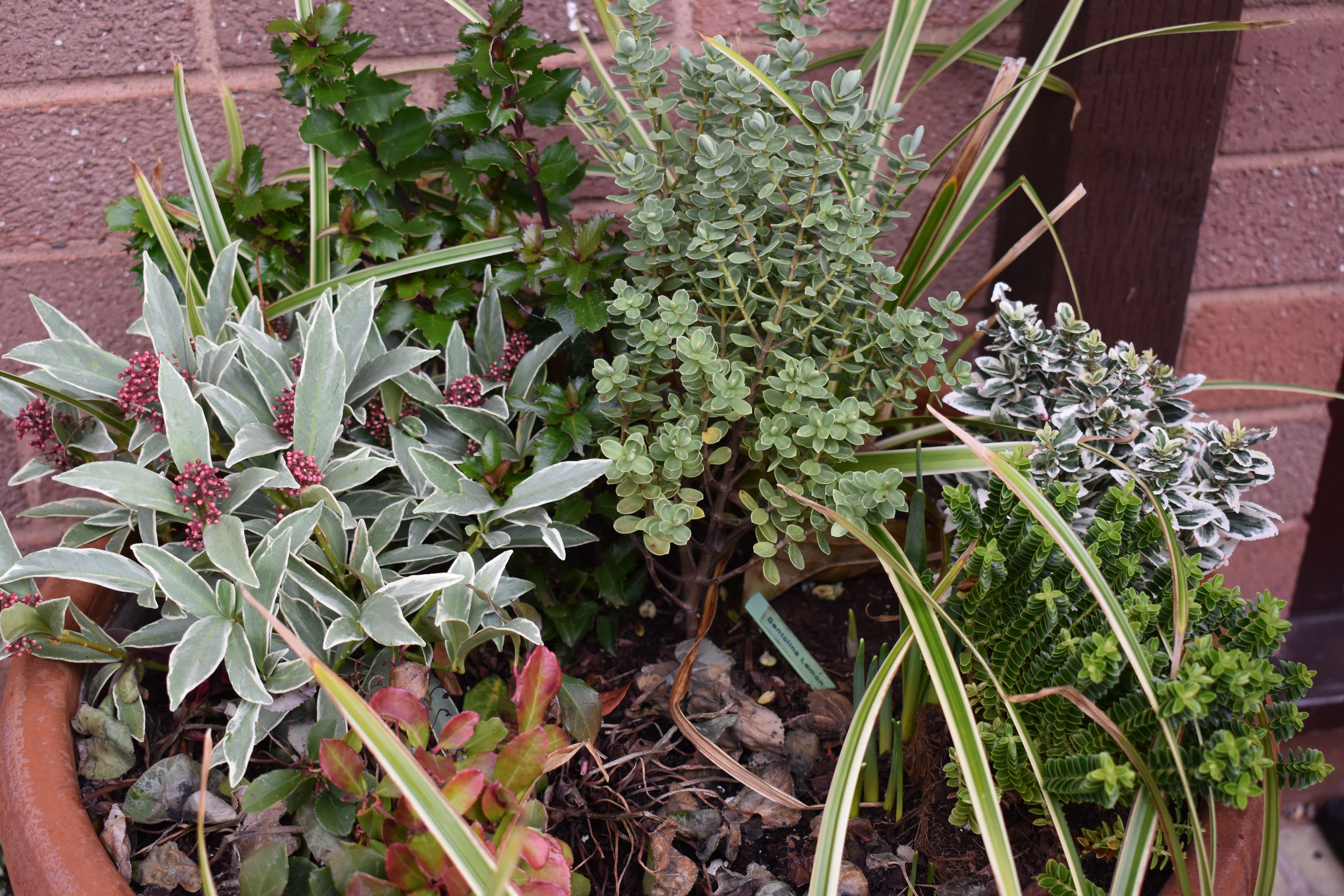
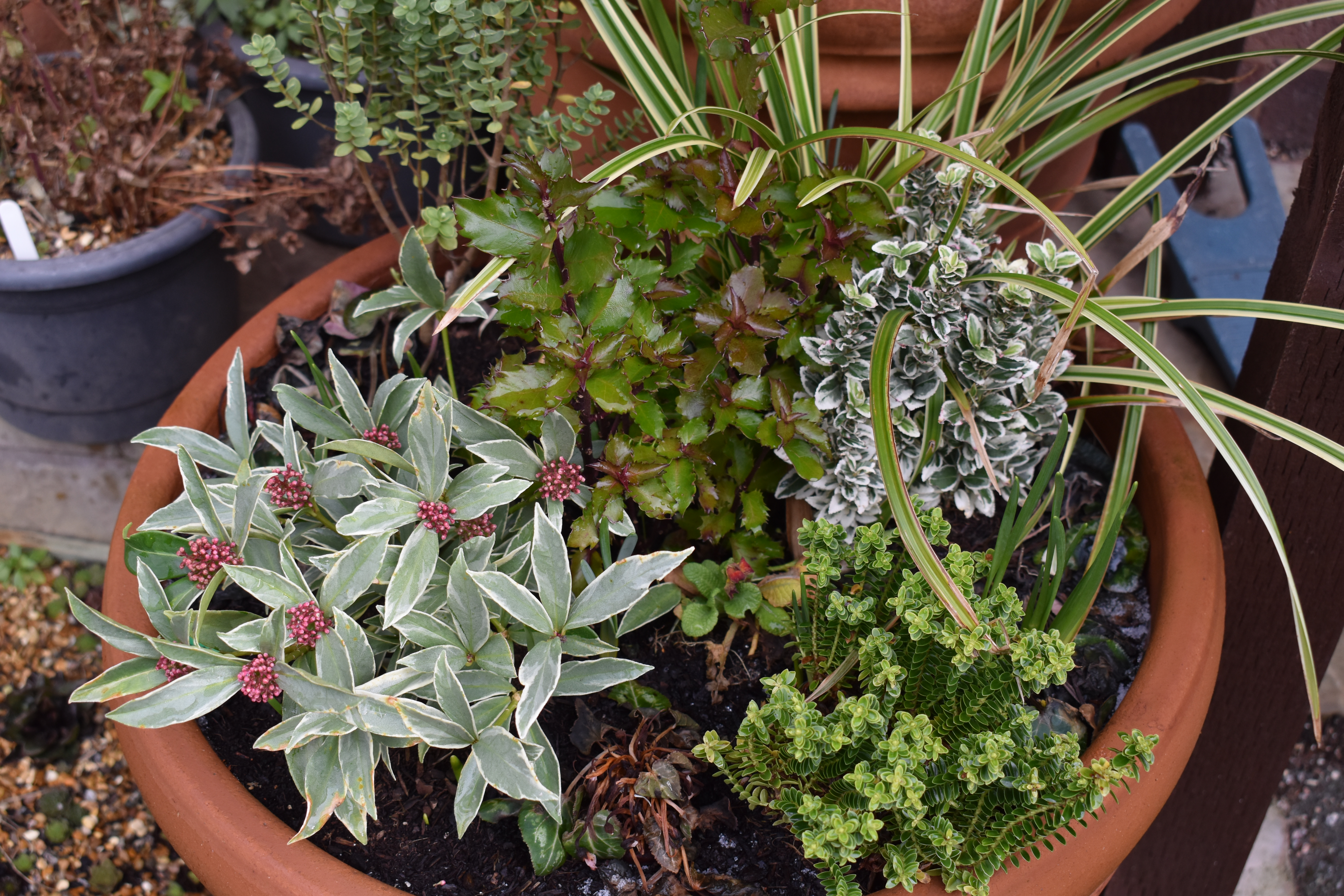
Our Pots and Containers in Autumn and Winter

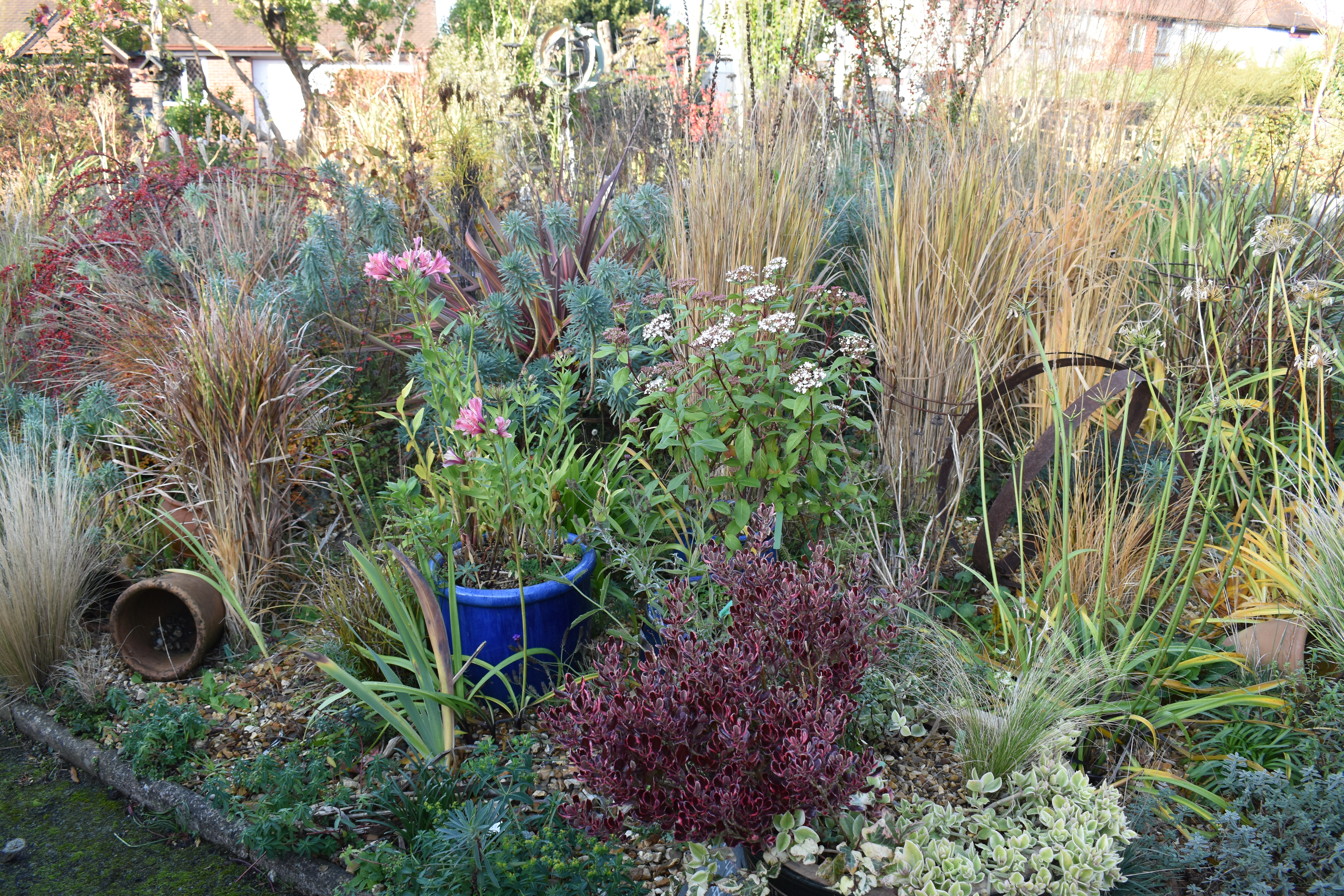
We change many of our containers and pots as the seasons change, so recently we replanted several large terracotta pots and various larger containers ready for late autumn and winter interest.

We planted the pots with small foliage shrubs, small grasses and winter flowering cyclamen in shades or red, purple and cerise.

These clay pots have been displayed on the area of garden which my aeoniums and other succulent collection lived in throughout the warmer months.

At the entrance to our drive we have three planter boxes to welcome anyone as they arrive, the first one says ‘Malc and Jude’s Patch’, the middle one is plain, and the other says ‘Avocet 3 Main Road’.

Alongside the house itself leading to the front door we have more containers, the largest being a vintage galvanised bath. This is planted with foliage plants, grasses and winter cyclamen. Alongside the front door steps are several clay pots including two tall, wide terracotta pots with more winter interest plantings.

Around and about throughout our garden more winter interest pots can be found as we work in the garden or simply wander.

Categories
Uncategorized

An Early Autumnal Walk among Attingham’s Woodlands

We visit Attingham Hall grounds frequently throughout the year as it is the closest National Trust property to us being about a half hour drive away. We enjoyed a leisurely wander around the “Mile Walk” in early autumn to see what signs of the season were there to be enjoyed.

As soon as we made our way from the paying kiosk to the courtyard signs of the season came into view. After our usual coffee and treat we walked through the mature woodland where sweet chestnut trees towered overhead, with branches heavy with nuts in their spiked cases.

We were on the look out for leaves changing colours as we wandered along the gravel pathways, but we were amazed by how much foliage remained green with no signs of changing.

One of the delights of autumn and certainly a good reason for a wander at this time of year is the appearance of fungi. Each one is a jewel and they are all so different but I am not good at identifying them so I simply enjoy a close up look and a search for delicate aromas.

Some views show no signs of the season at all!

Berries are a sure sign of the year moving on and they give so much colour before the migrant thrushes arrive.

There is so much autumnal confusion going on in our woodlands, gardens and countryside this year. We will make a return journey before too long to see how this autumn is progresses.

Categories
Uncategorized

My Garden Journal 2022 – October

Back once again with a look at my 2022 garden journal to see what we have been up to in the garden and to see what the garden has been up to.

On the first two pages I considered signs of autumn in our garden, firstly changing foliage colour followed by our fruit that needed picking and storing.

On the first page I wrote, “October is a definite autumn month and we have signs of the season putting on a show.”

I shared a set of my photos of autumn colour in our garden.

On the second page I noted that,“Fruit picking is now coming to an end as we pick the last of our blackberries, our late apple varieties including heritage types and of course our varieties of pears.”

On the next double page spread I looked at some of the jobs we did in October and on the opposite page I shared photos of some of our fastigiate trees. I wrote, “Having only a quarter acre or so to garden and putting in lots of trees, we reached the stage of planting more fastigiate trees and shrubs.”

On the left page I wrote, “We had varied jobs to complete this month, including re-vamping the green roof on the shed, adding new plants beneath Cornus mas, replacing our edging of grasses down our central path. We also added new plants to our plant boxes in the drive entrance to reflect coming seasons.”

Below the photos I added, “We top-dressed the Shade Garden with composted bark and pruned the climbers there.”

The next set of photos features some of our fastigiate trees and shrubs.

Over the page to the next double page spread and I share a sketch I created with Derwent Inktense Pencils of a seed head of a crocosmia. I wrote, “Crocosmia grace most of our ‘garden rooms’ in late summer with bright cheerful yellows, oranges and reds and in autumn their seed heads stand proud in rich browns with hints of red and orange.”

On the page opposite I looked at some of the asters we grow in our garden. We refuse to sop up to the ‘DNA botanists’ who insist on renaming plants we know and love and whose old botanic names we have known for so long. They have given asters three new names all of which are too ugly!

I wrote,”Think of autumn flowering perennials and asters spring to mind. Whatever the botanists want to call them they will remain asters for most gardeners. Their beautiful cheerful daisy flowers come in many shades of pink, blue and purple plus of course various whites. Here are a few of ours.

Onto my final double page for October and I considered evergreen broadleaved shrubs. I wrote, “Shrubs with glossy colourful variegated foliage look good all year, but in autumn they seem to become more lively, more colourful and more glossy. We have several pittosporum and coprosma around our patch. Let’s begin with pittosporum.”

So now onto the last page for October in my garden journal 2022 so the next time we visit will be in November when autumn will be well established. This page concerned coprosma and I noted, “In more recent years we have started growing several cultivars of coprosma. We tried them a few years back and they failed in the wet, cold winters. As our winters have become milder newer cultivars are much more successful and are growing well.”

This Veggie Life

A Vegetarian | Nature Lifestyle Blog

Rambling in the Garden

.....and nurturing my soul

The Arch City Gardener

Journeys In St. Louis Gardening and Beyond

Garden Dreaming at Châtillon

Consult the genius of the place

Storyshucker

A blog full of humorous and poignant observations.

gardeninacity

Notes from a wildlife-friendly cottage garden

PlayGroundology

...an emerging social science

The Official Blog of British Wildlife

'The most important and informative publication on wildlife of our times' - The Independent. This blog is a member of The UK & Ireland Natural History Bloggers group: www.uknhb.blogspot.com

iGrowHort

Inspire - Cultivate - Grow Native Plants - Restore Landscapes

Bishops Meadow Trust

To create and protect a semi-natural wild space for the people of Farnham to enjoy and experience an array of British wildlife in our town

Gardening with Children

The www.gardeningwithchildren.co.uk Blog

UKbirdingtimeline

birding through the seasons, why birds matter and how to conserve them

NATURE WALKER

with a camera in hand

Jardin

Transform your outdoor space

Eva's space

My allotment, cooking and other interests

Old School Garden

my gardening life through the year

LEANNE COLE

Trying to live a creative life

fromacountrycottage

trying to live as lightly as possible on our beautiful planet

Good Life Gardening

Nature lovers from Leicester living the good life.

mybeautfulthings

Finding the beautiful in the everyday

mawsonmichelle

Michelle's Allotment

In and Out of My Garden

thoughts from and about my garden

Greenhousing

Big plans for a small garden

The Scottish Country Garden

A Walled Country Garden in South East Scotland

The Fruity Chicken

Life at the fruity chicken

willowarchway

Off grid living. Self sufficient. "PERMAGANICS RULE".

St Anns Allotments

Nottingham's Grade 2* Listed Allotments and Community Orchard

Manifest Joy Harvests

a journey in suburban vegetable gardening

Allotmental

The madness of growing your own

Penny's Garden: a harvest beyond my front door

A novel approach to vegetable gardening

arignagardener

Sustainable living in the Irish countryside.

NewEnglandGardenAndThread

Master Gardener, amateur photographer, quilter, NH native, and sometimes SC snowbird

dianajhale

Recent work and work in progress and anything else that interests me

planthoarder

a chaotic cottage gardener

Lens and Pens by Sally

a weekly blog that creates a personal philosophy through photographs and words

Dewdrops and Sunshine

Stories from a sassy and classy Southern farmbelle.

The Pyjama Gardener

Simple Organic Gardening & Seasonal Living

gettin' fresh!

turning dirt into dinner

JOY...

today the world is created anew

Garden Birds

Notes from a Devon garden

ShootAbout

Life Through The Lens

Adapting Pixels

A photography blog showcasing the best photography pictures and videos on the internet

Wildlifegardening's Blog

Just another WordPress.com site

naturestimeline

personal observations from the natural world as the search continues for a new approach to conservation.

LATEBLOOMERBUDS

The Wonders of Life through my Eyes, my Heart, my Soul