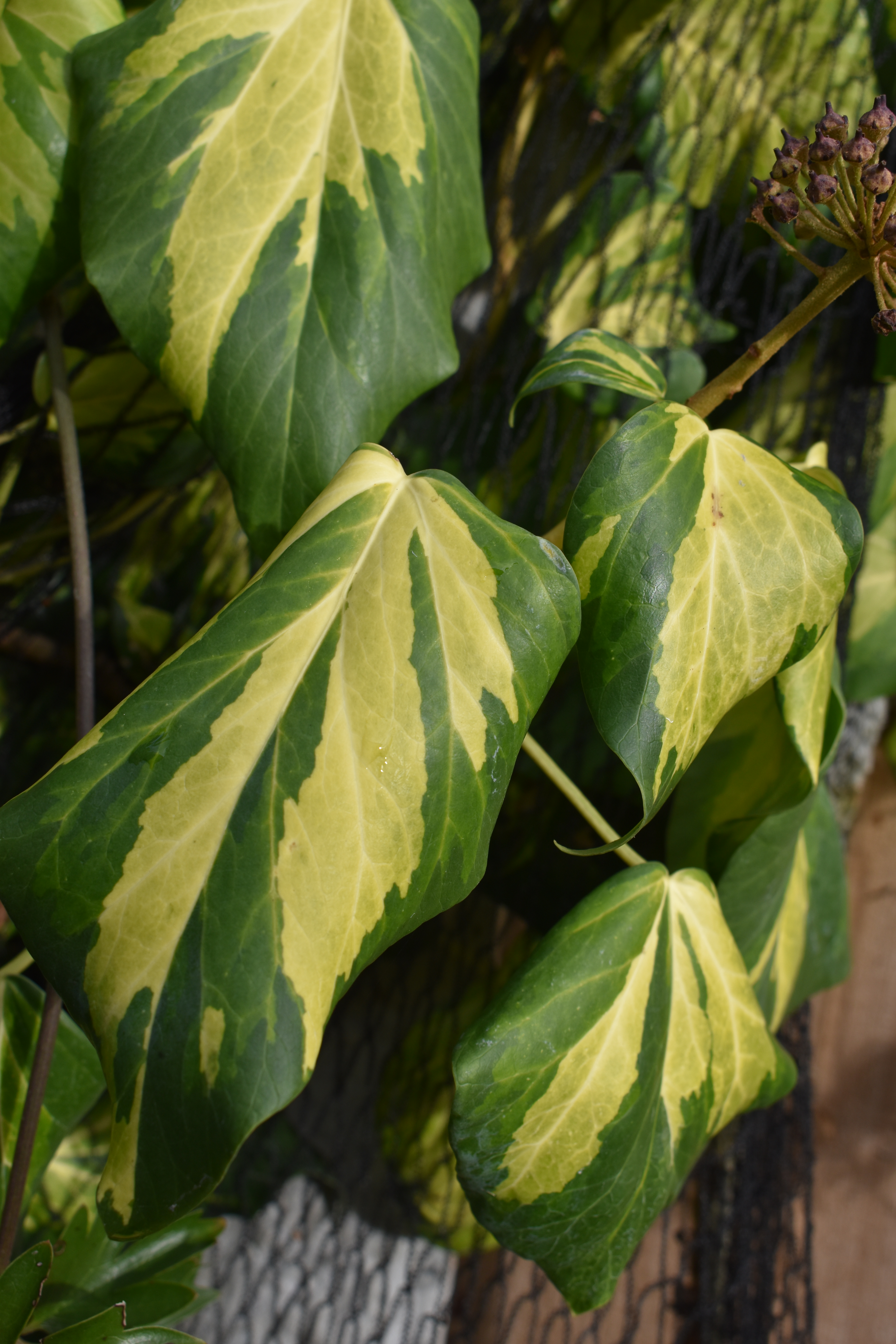
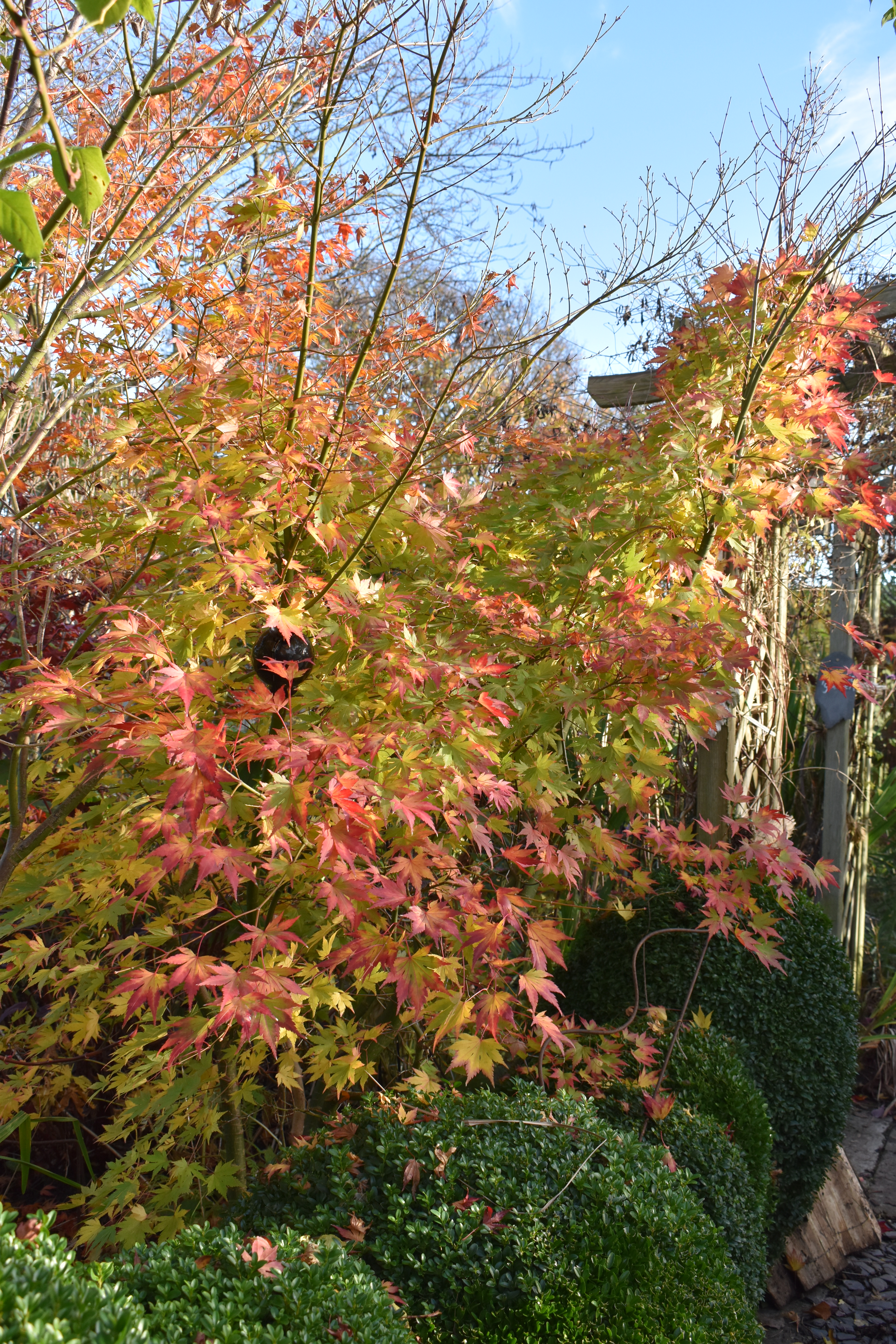
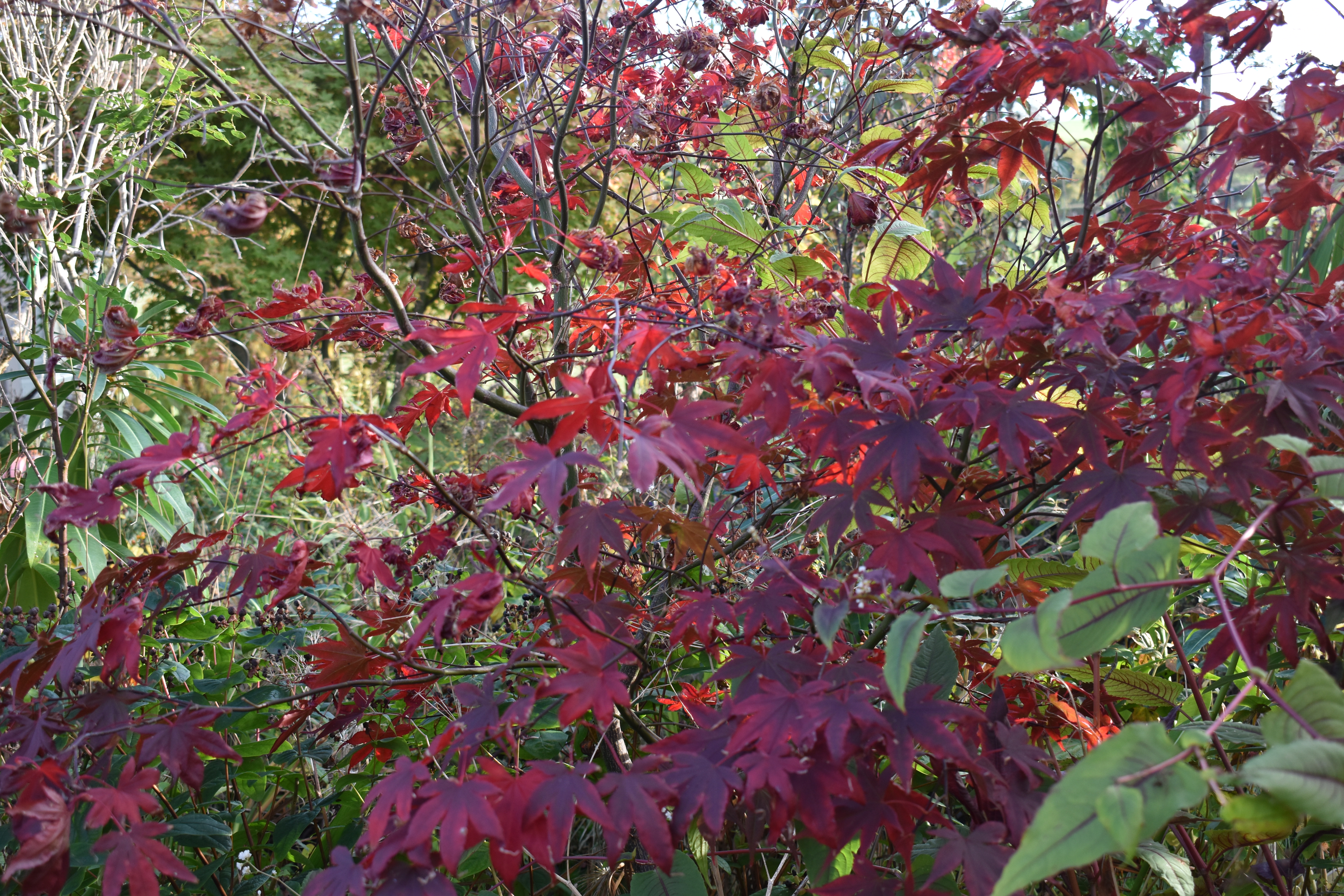
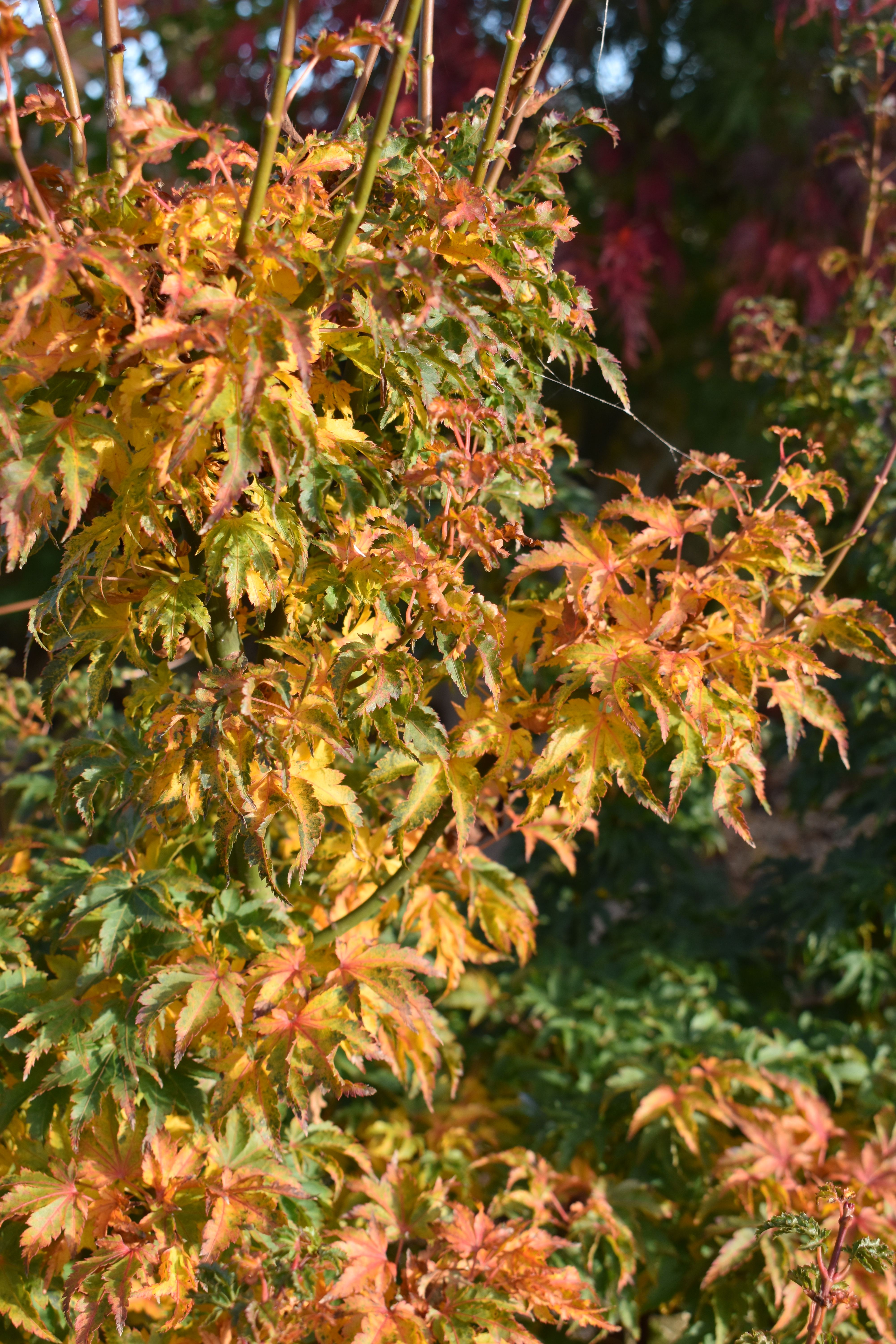
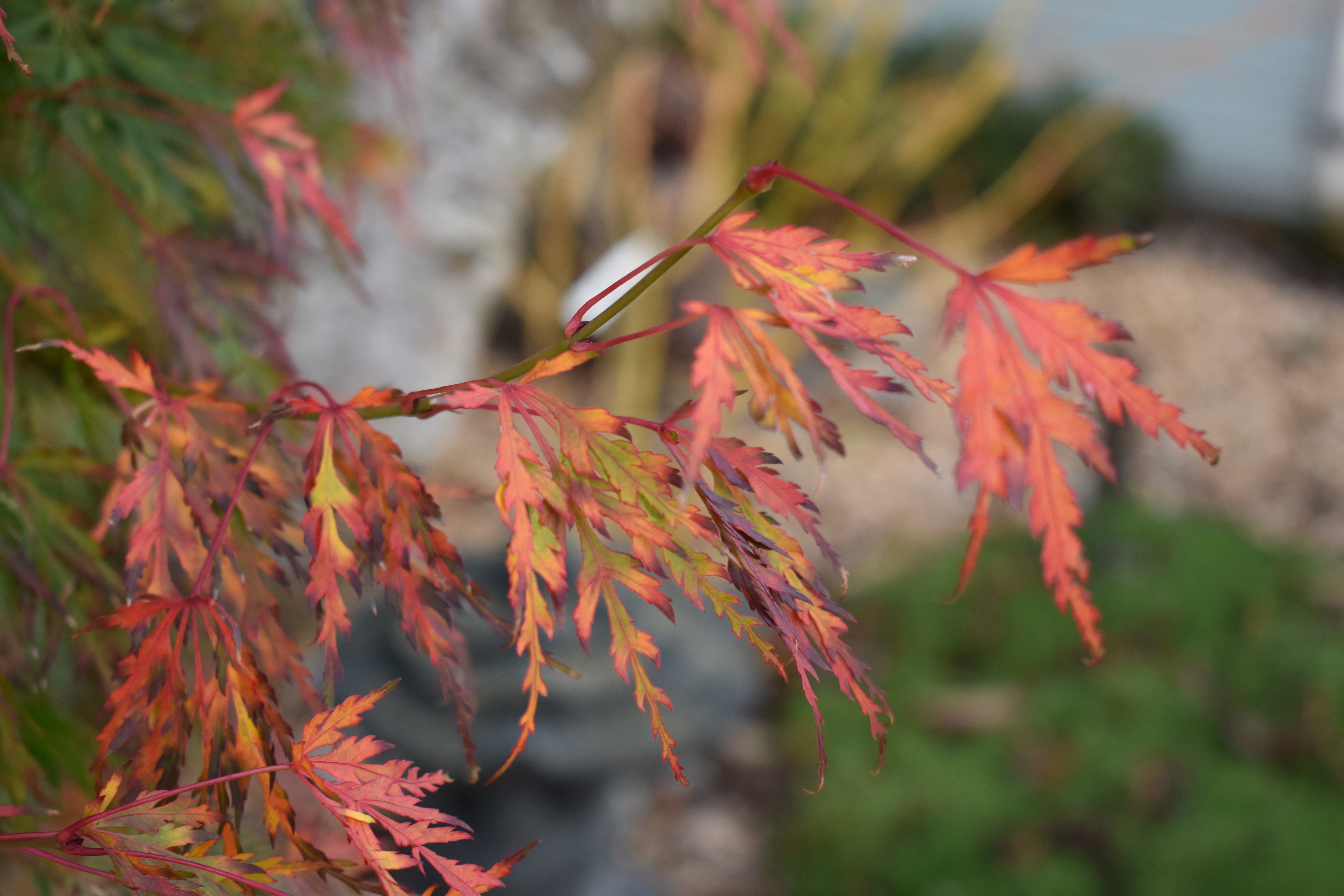
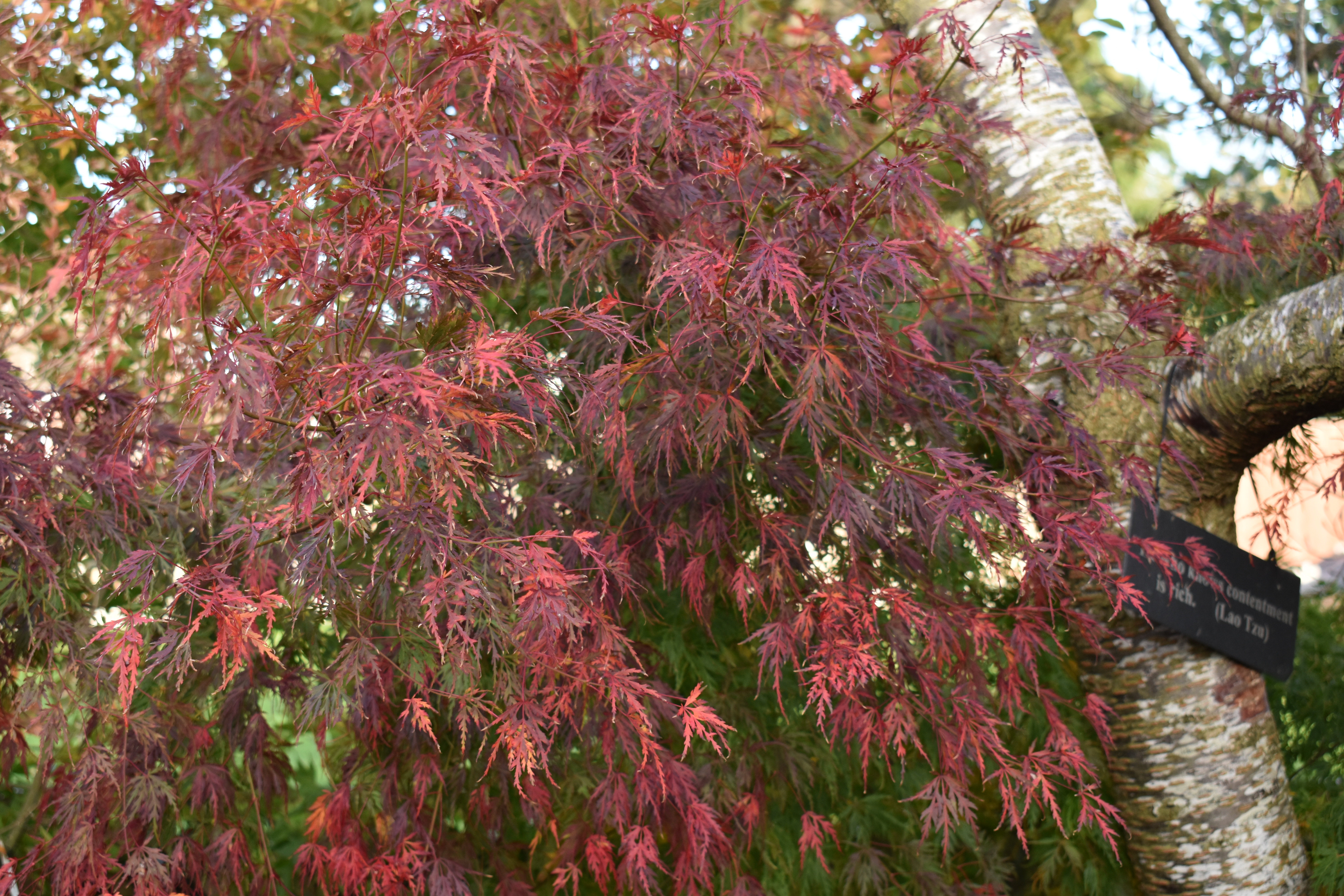
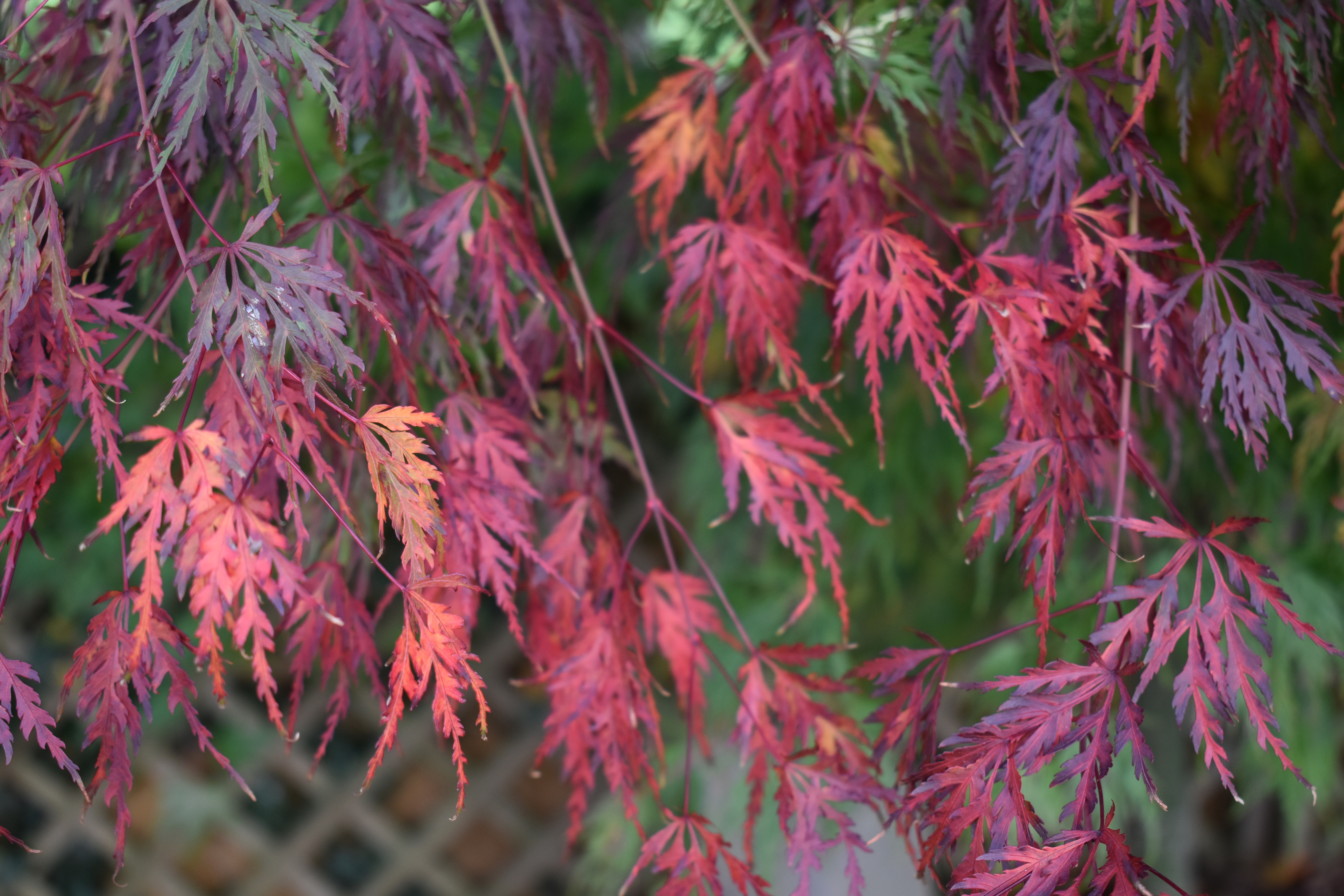
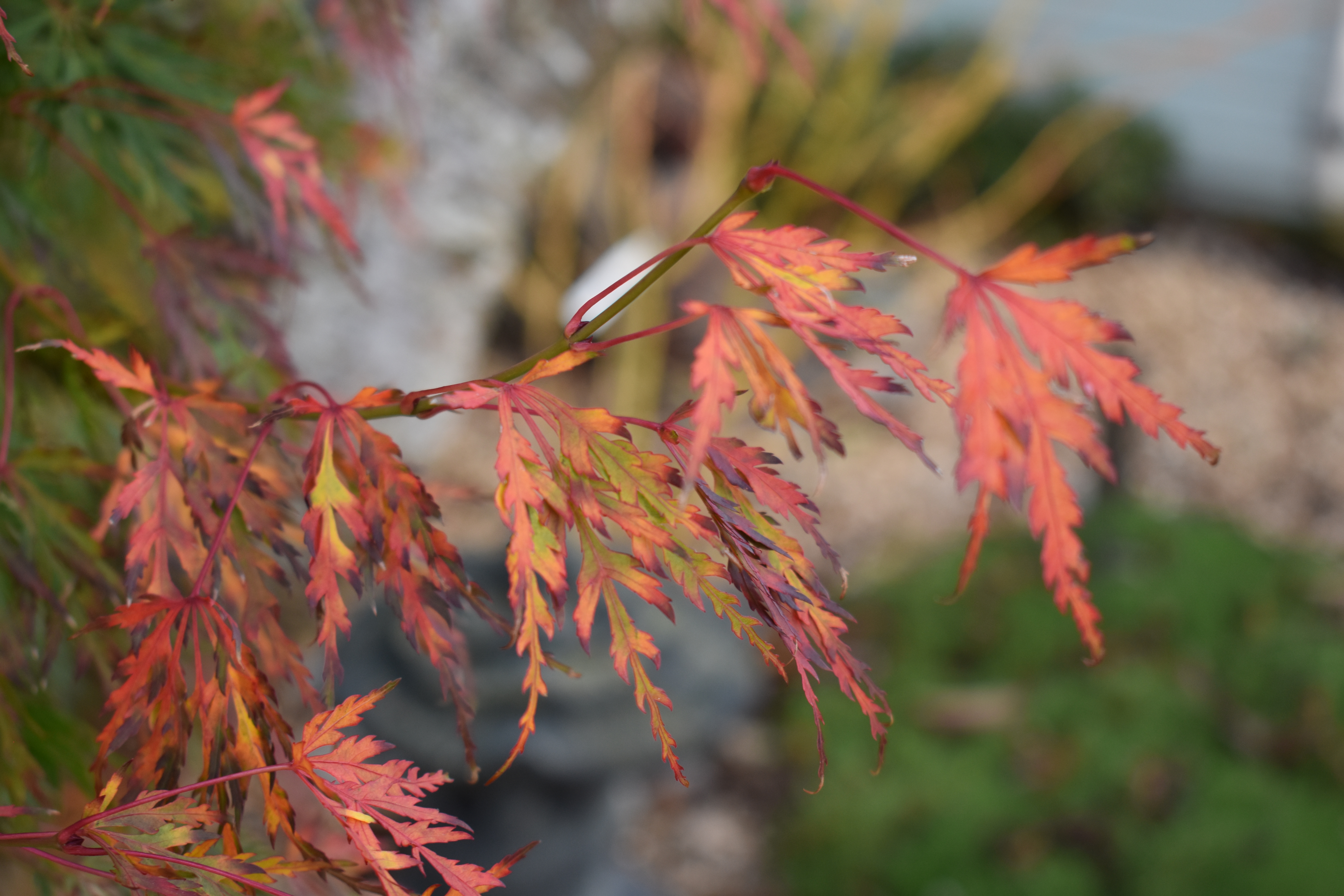
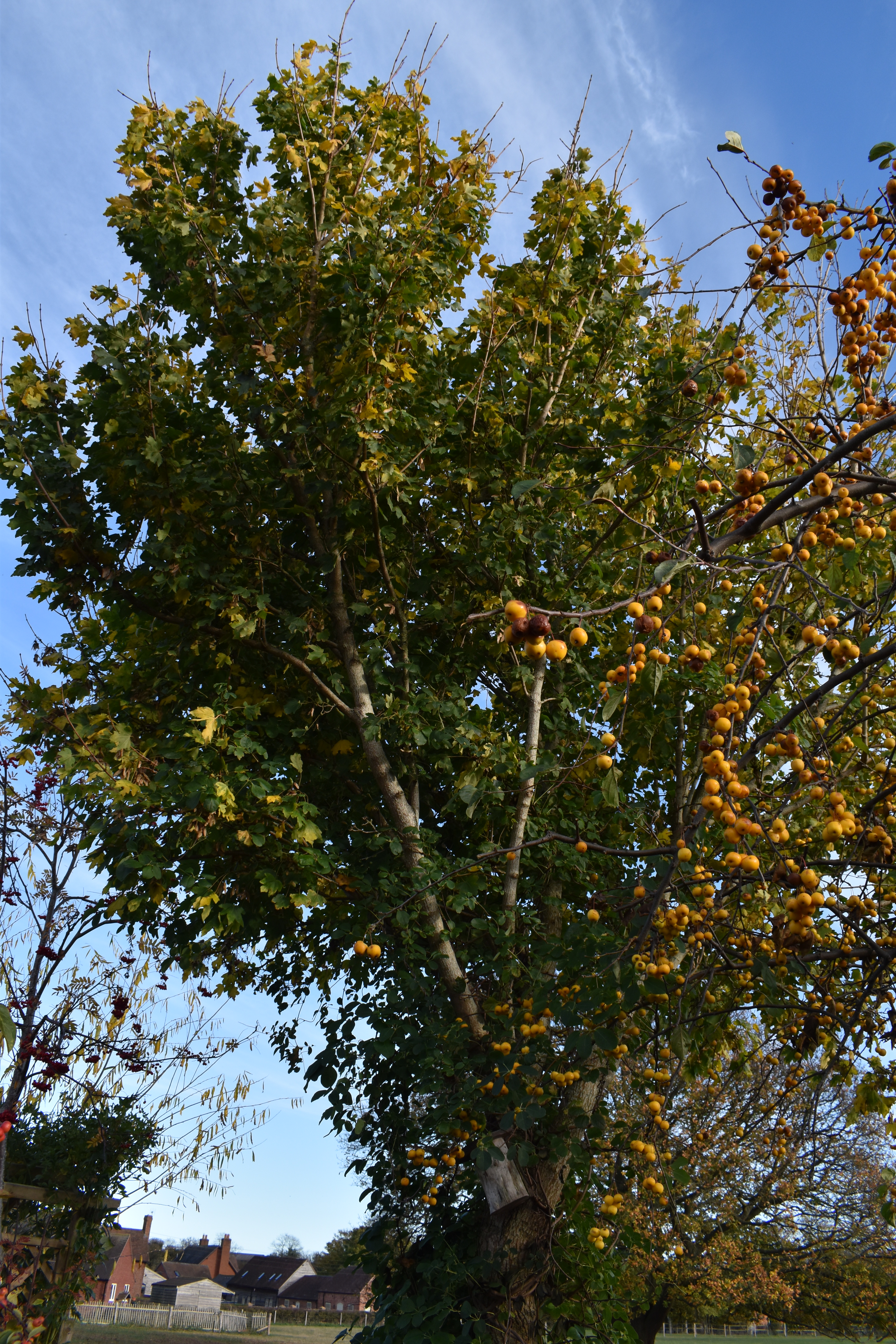
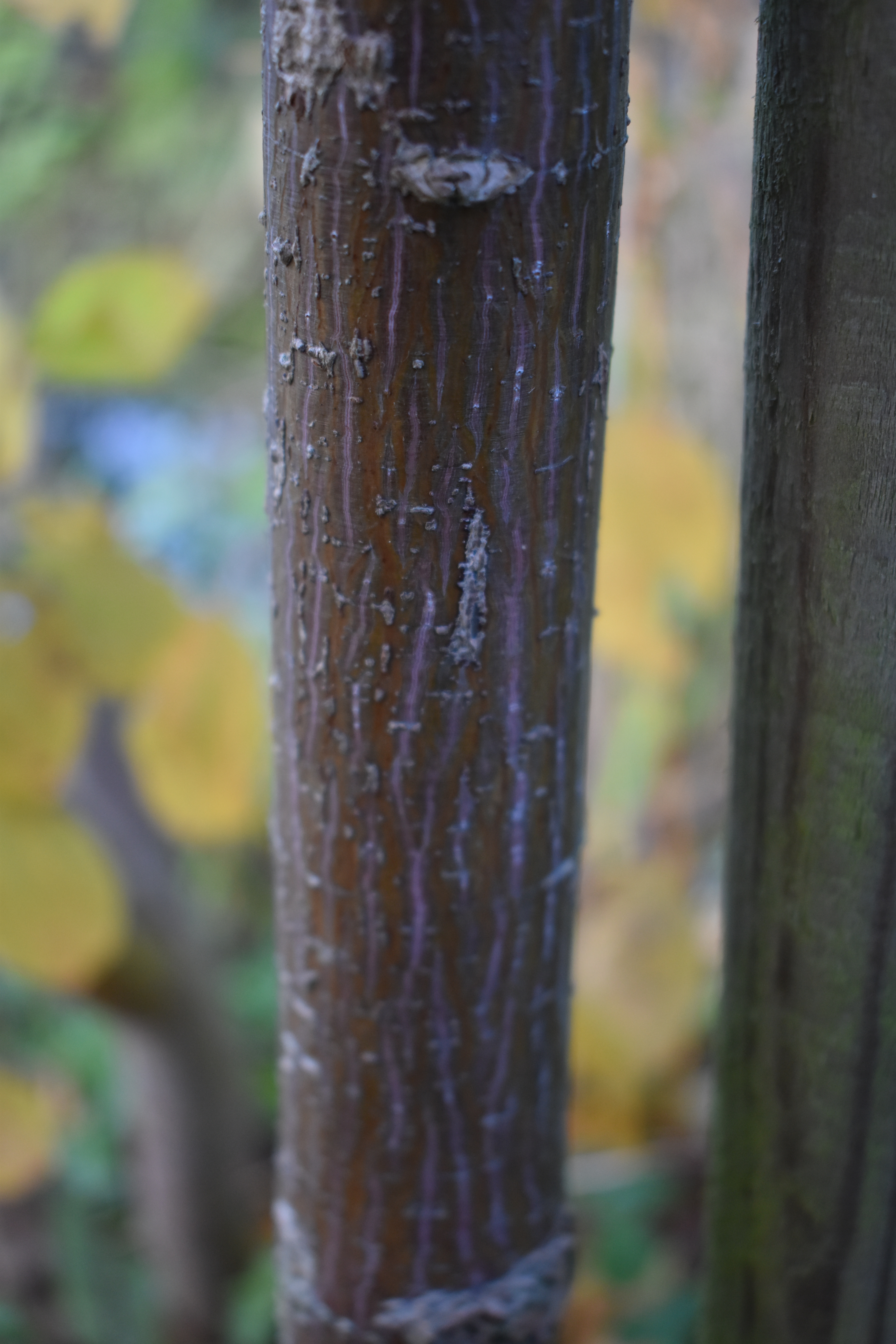
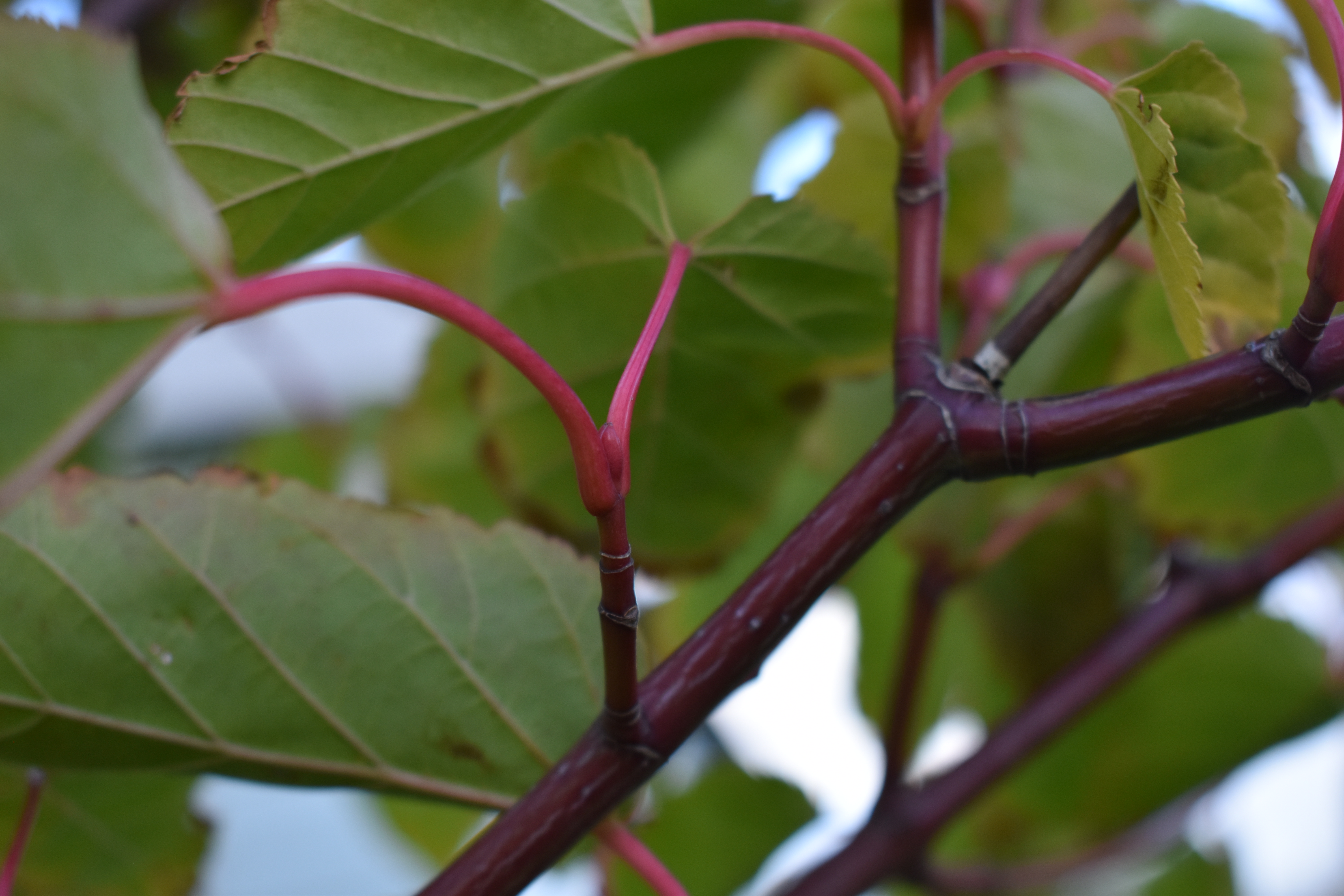
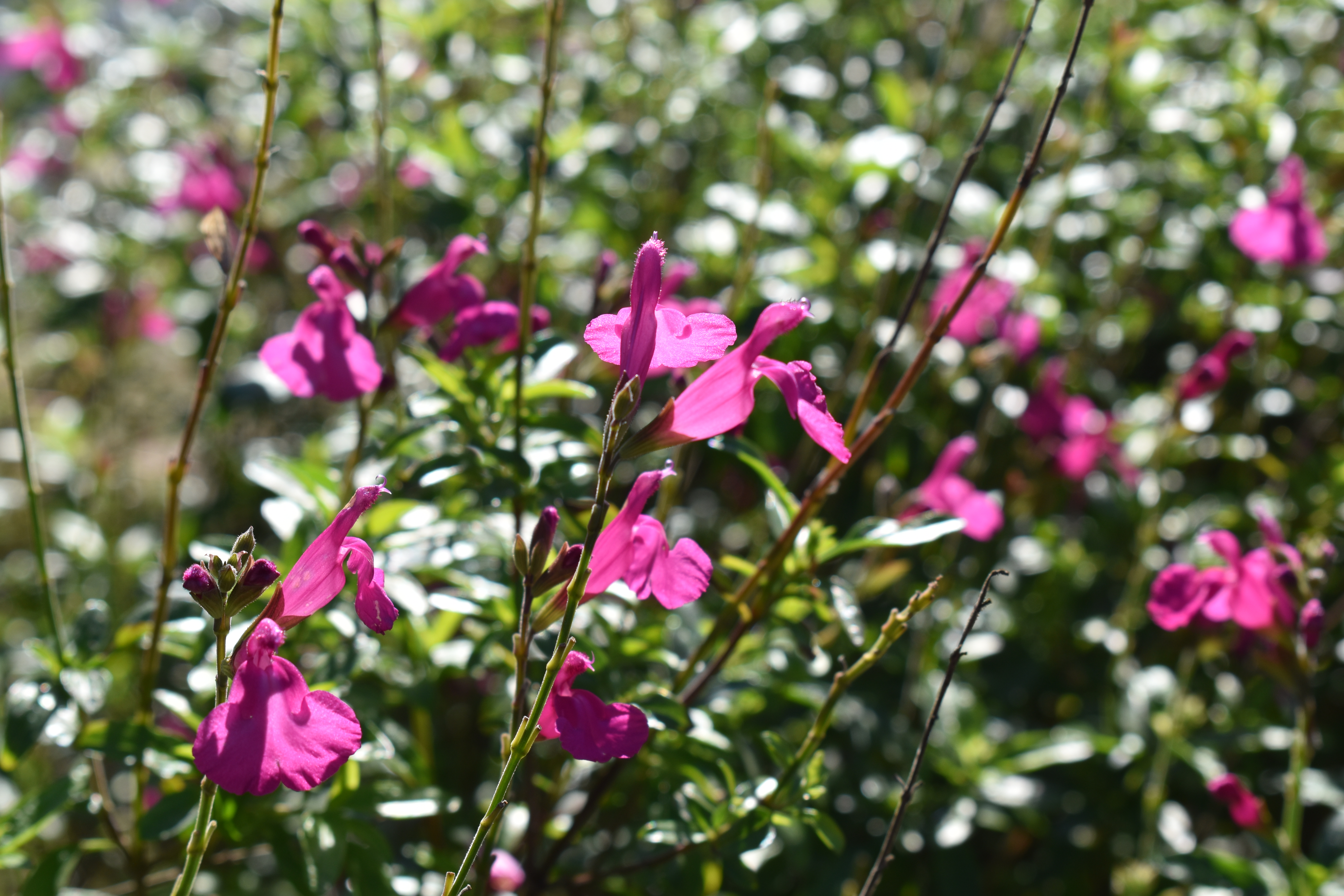
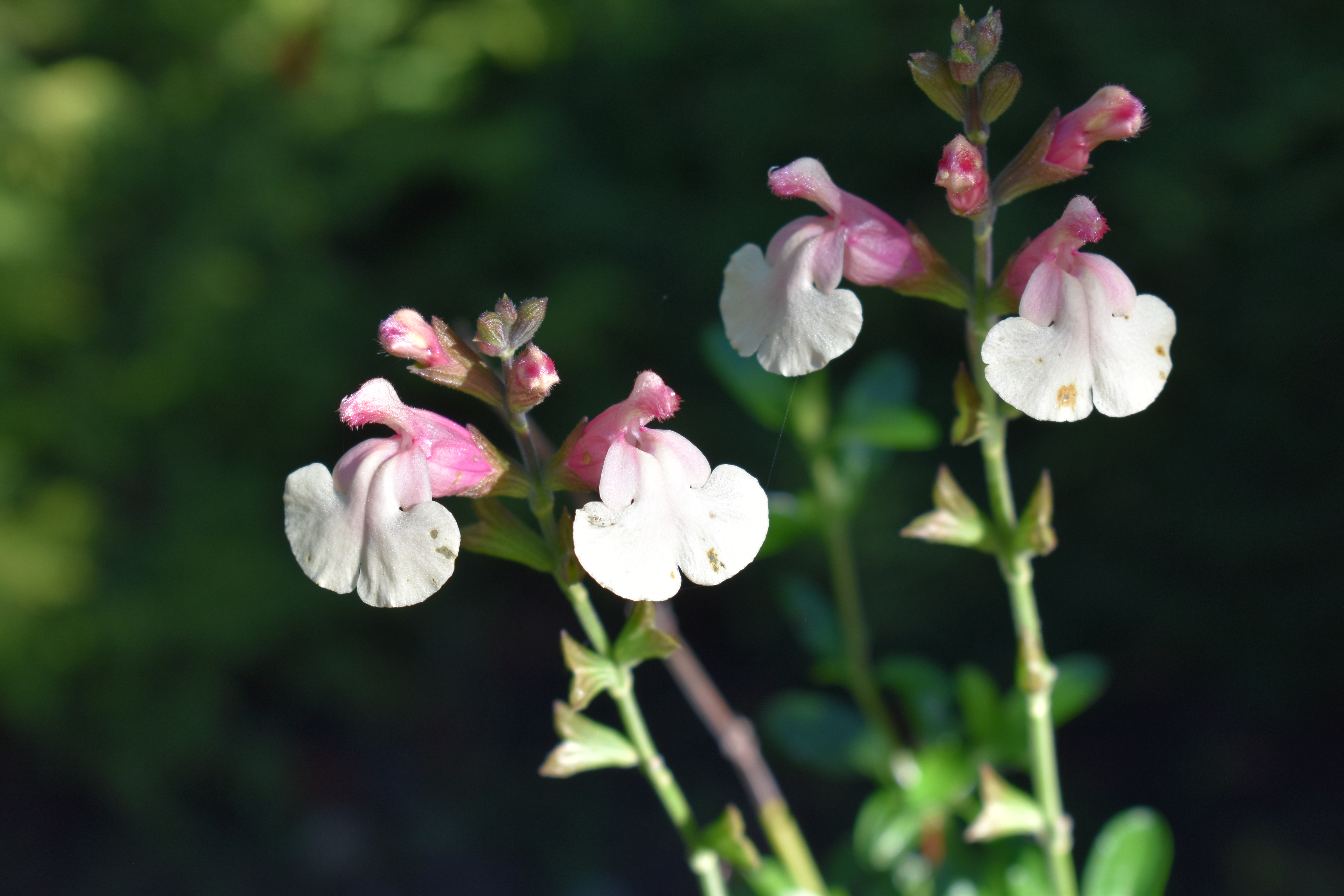
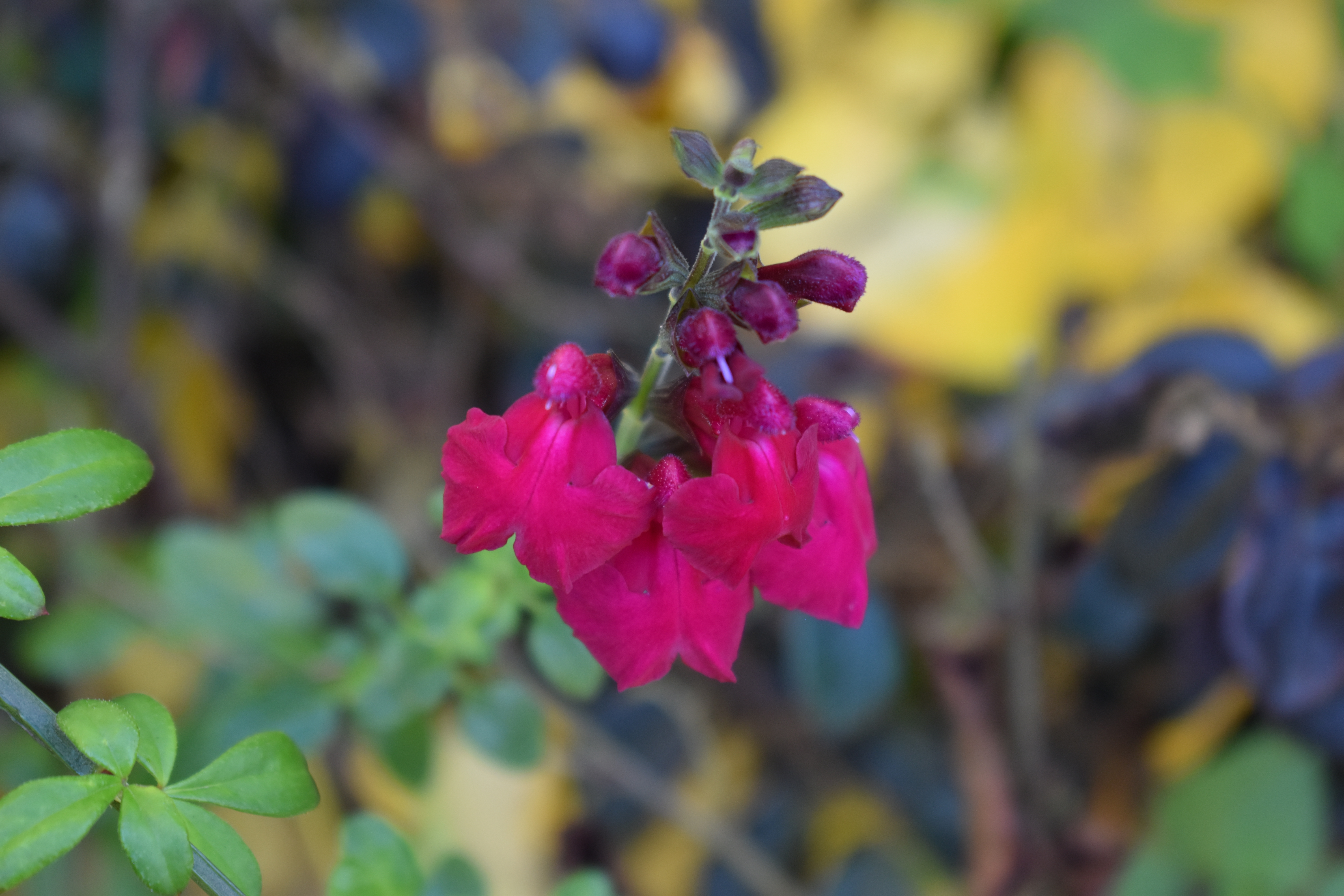
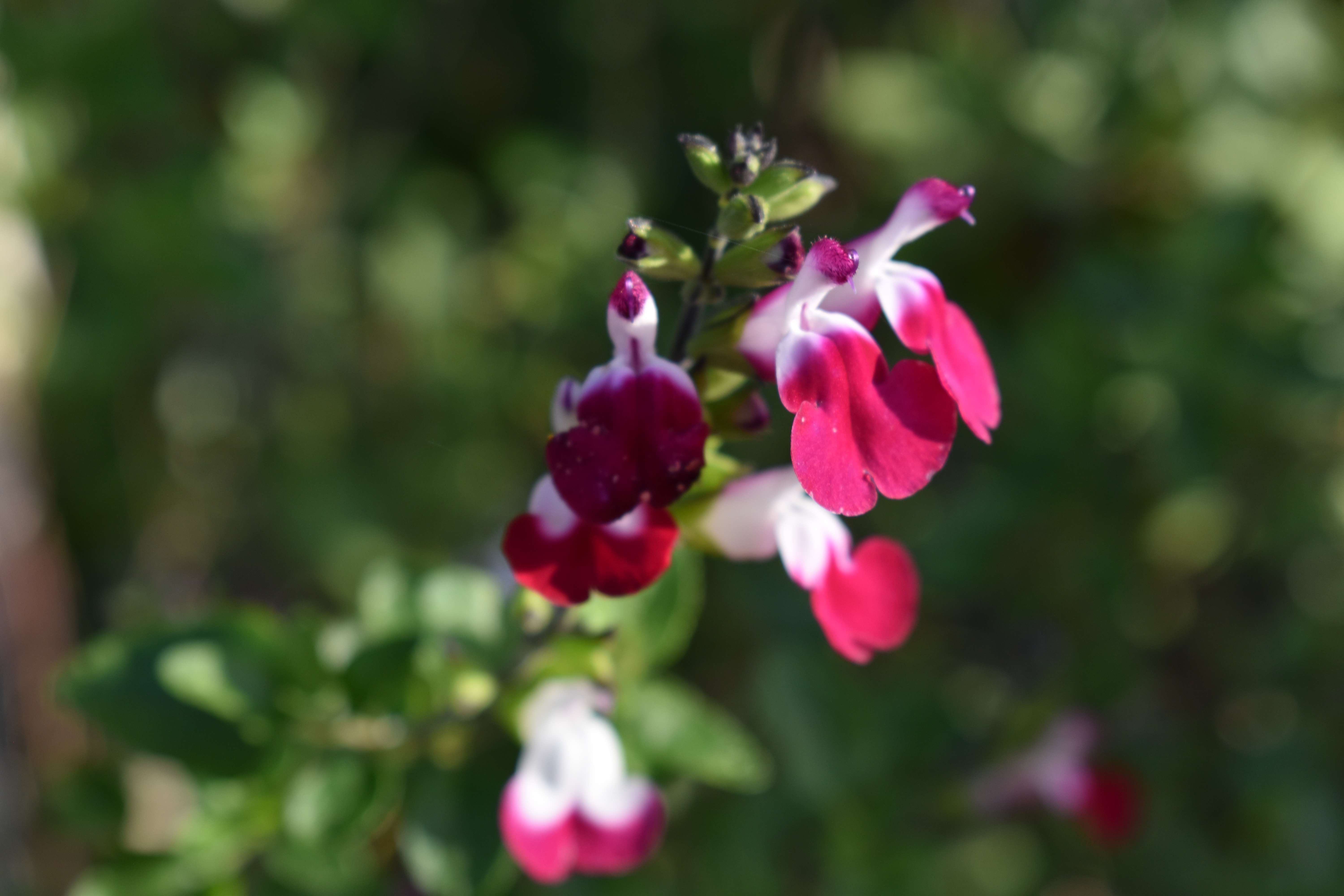
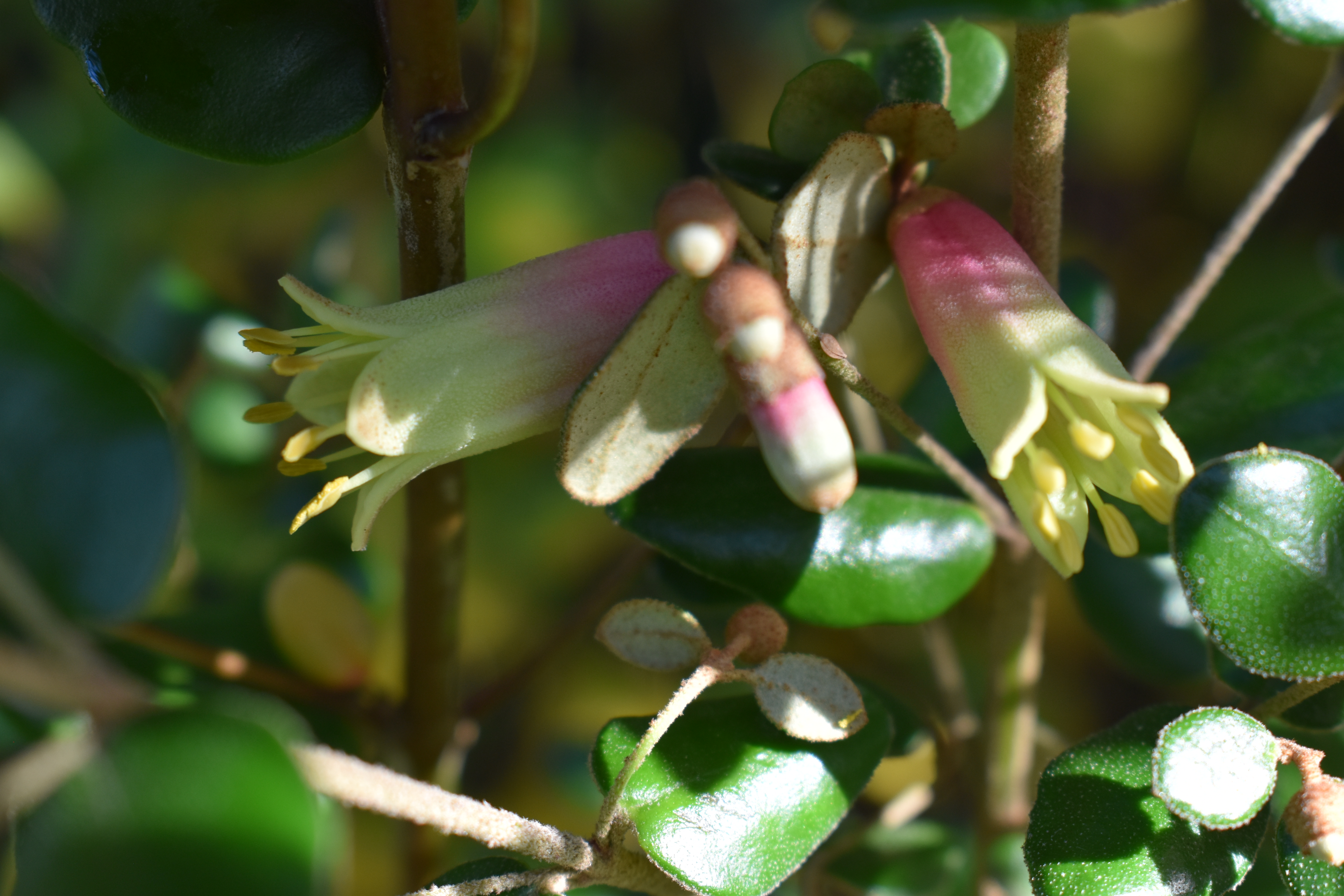
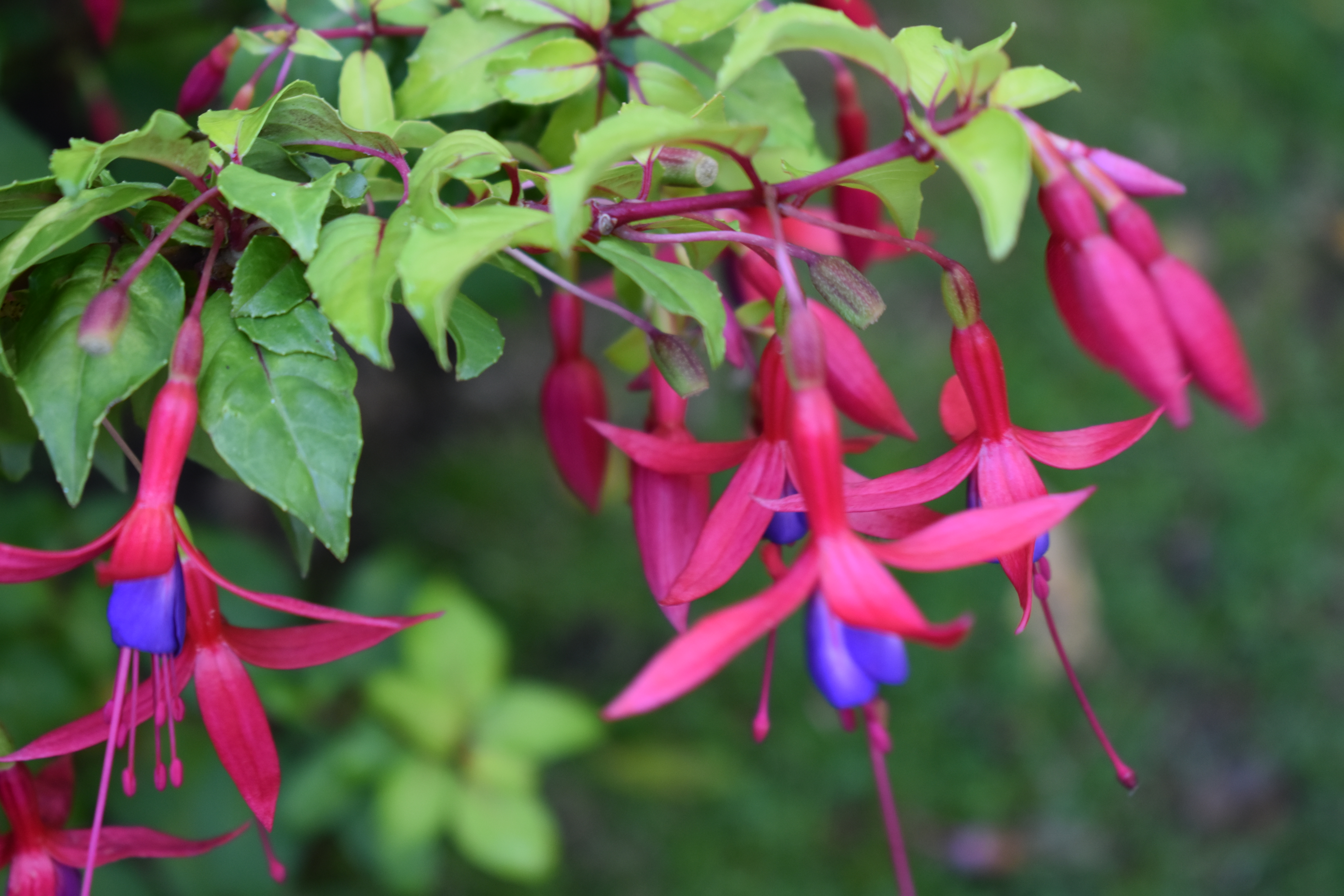
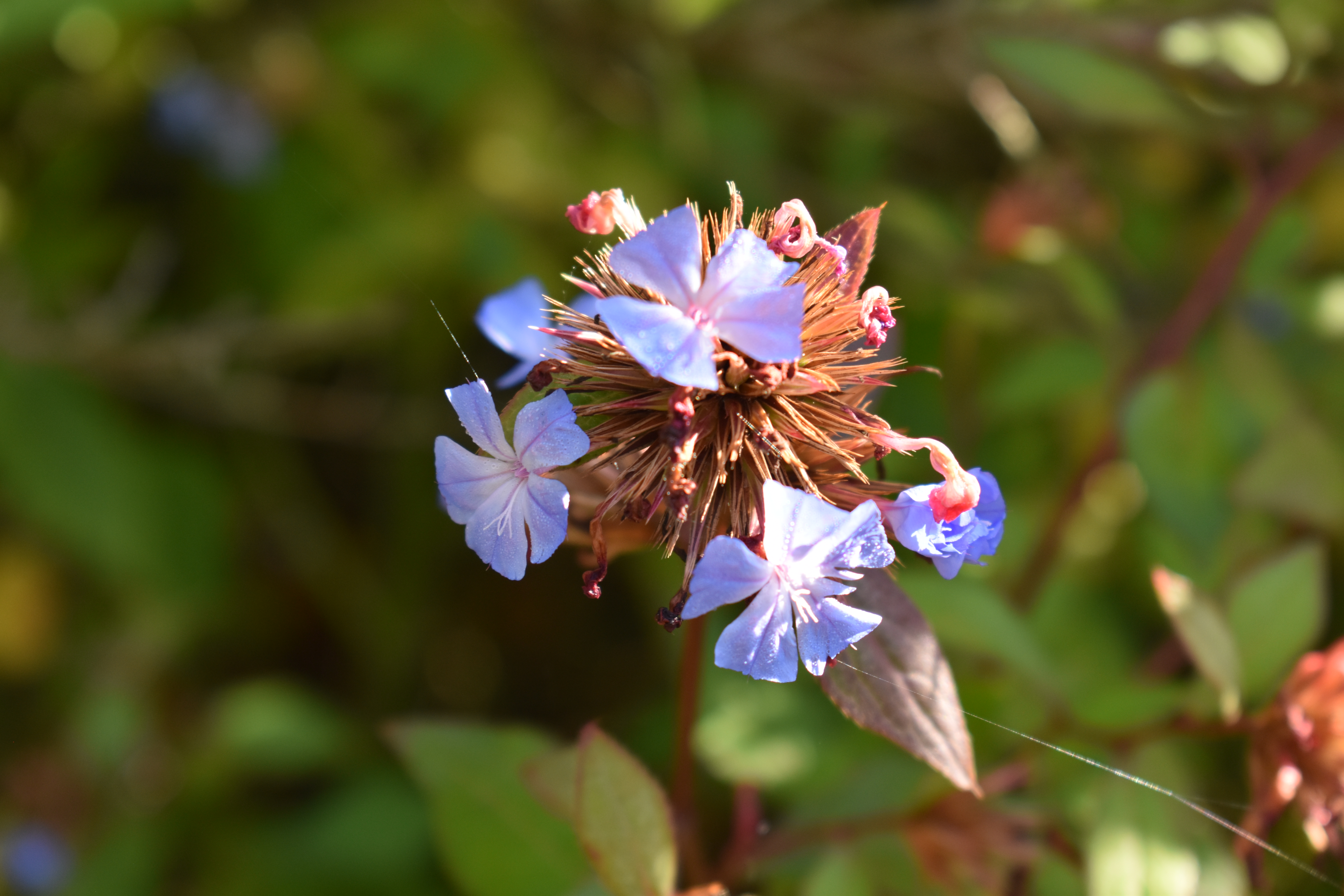
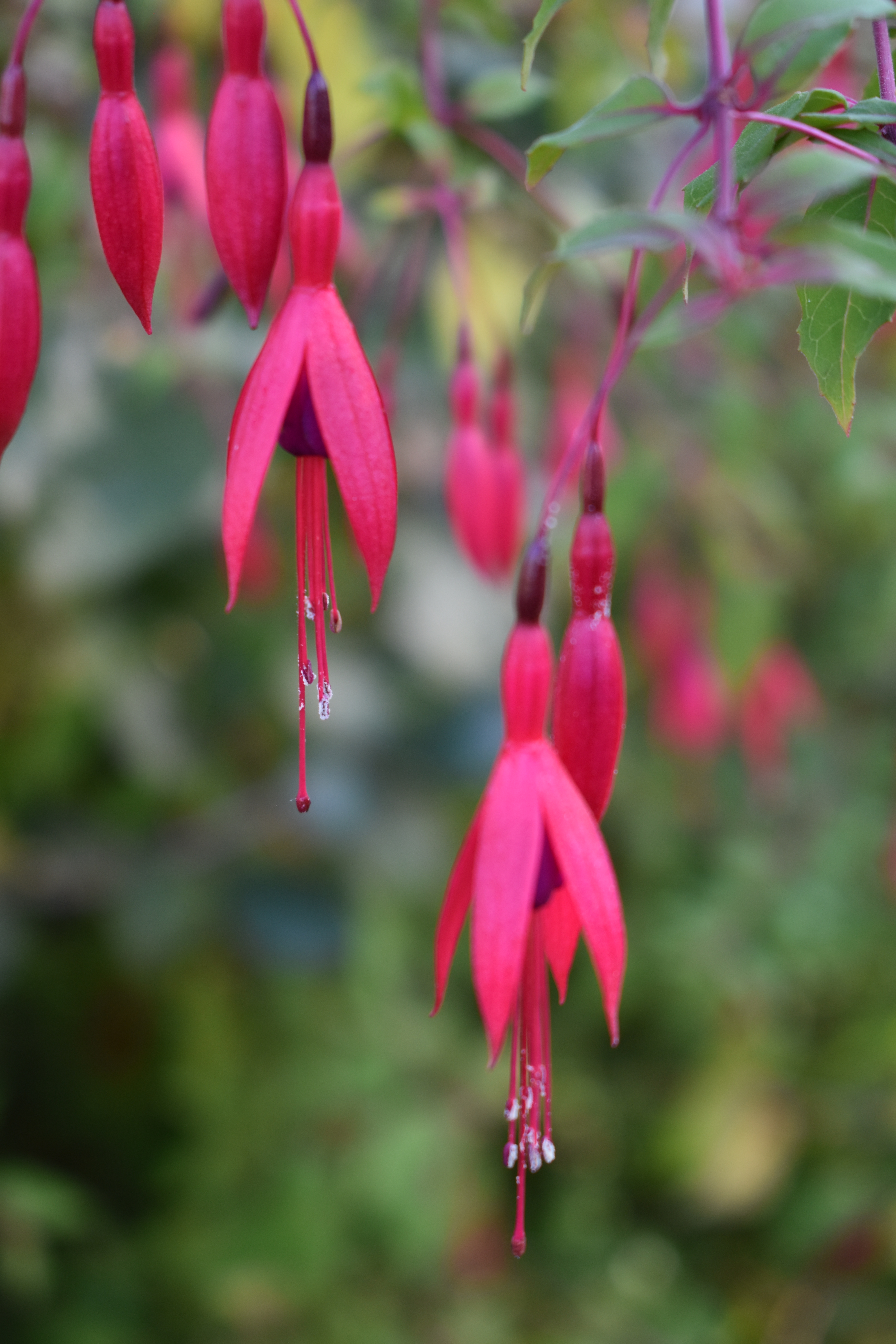
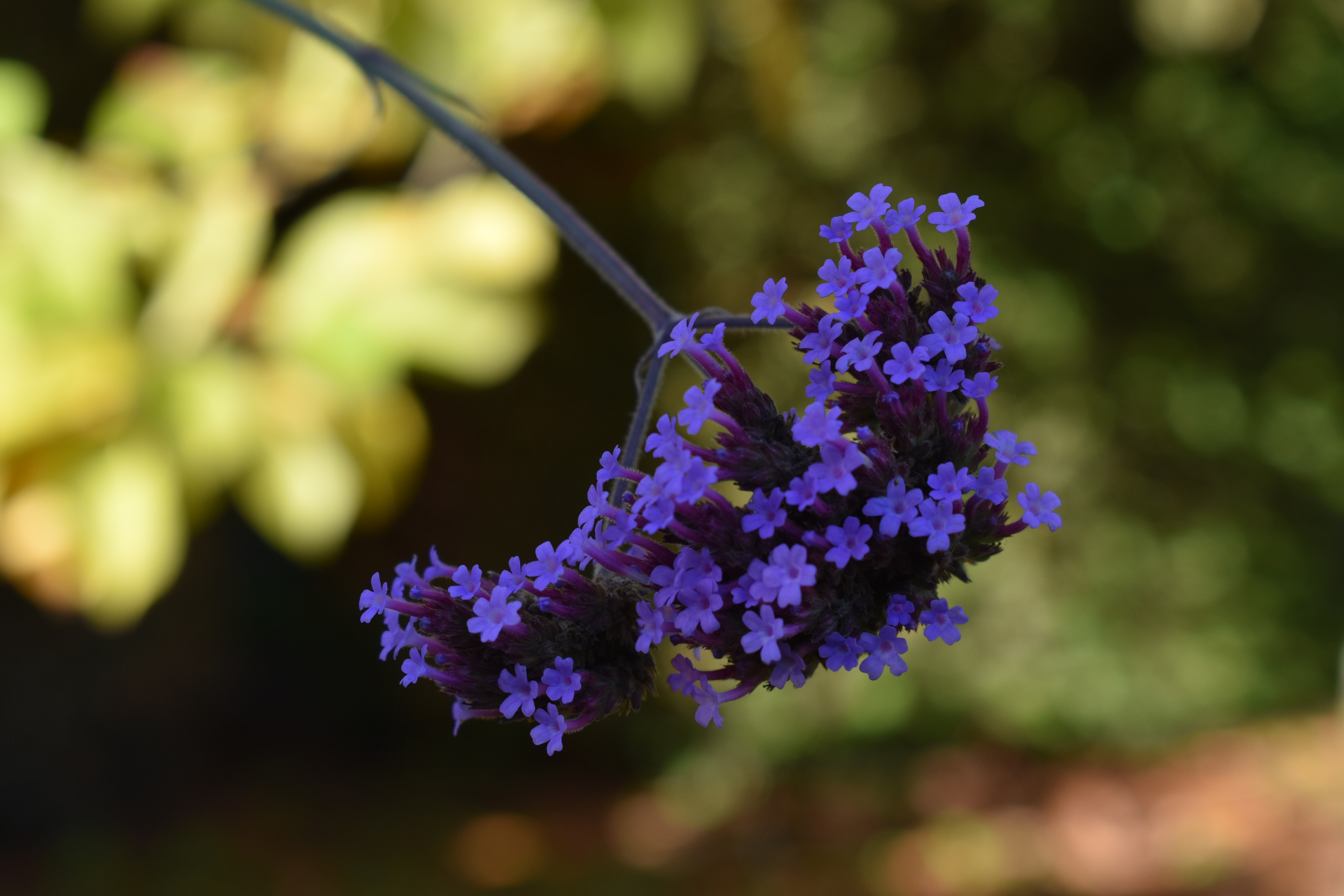
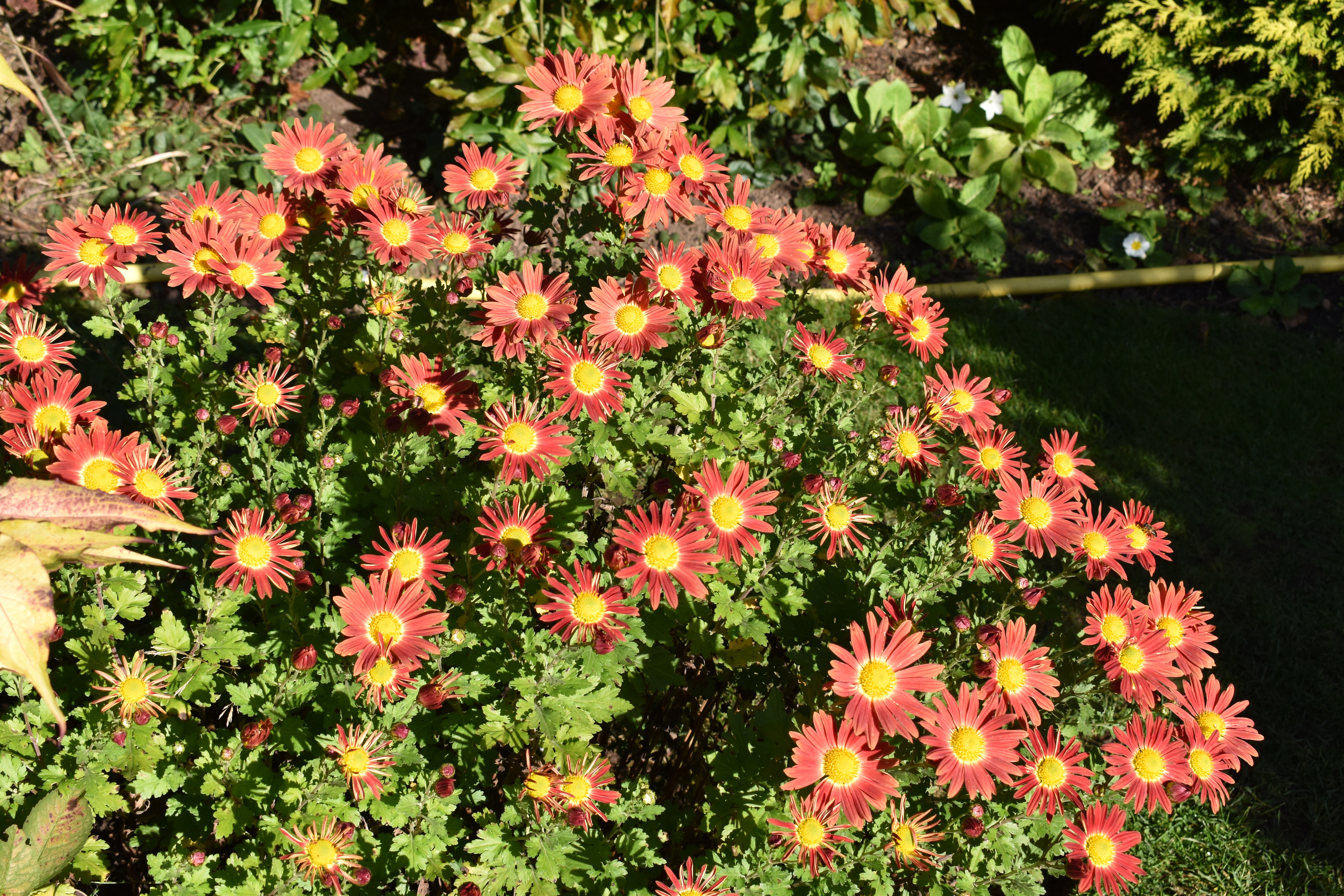
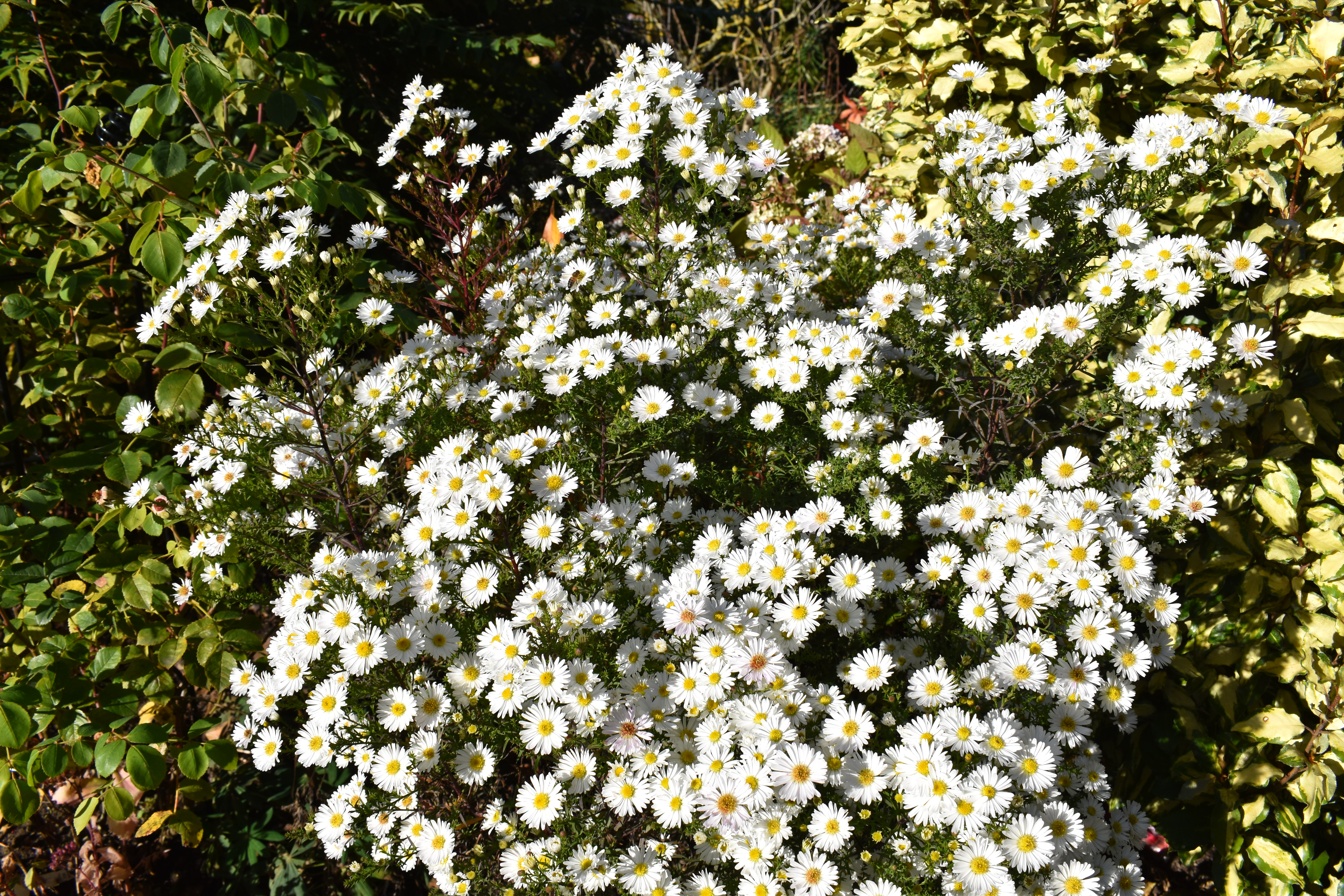
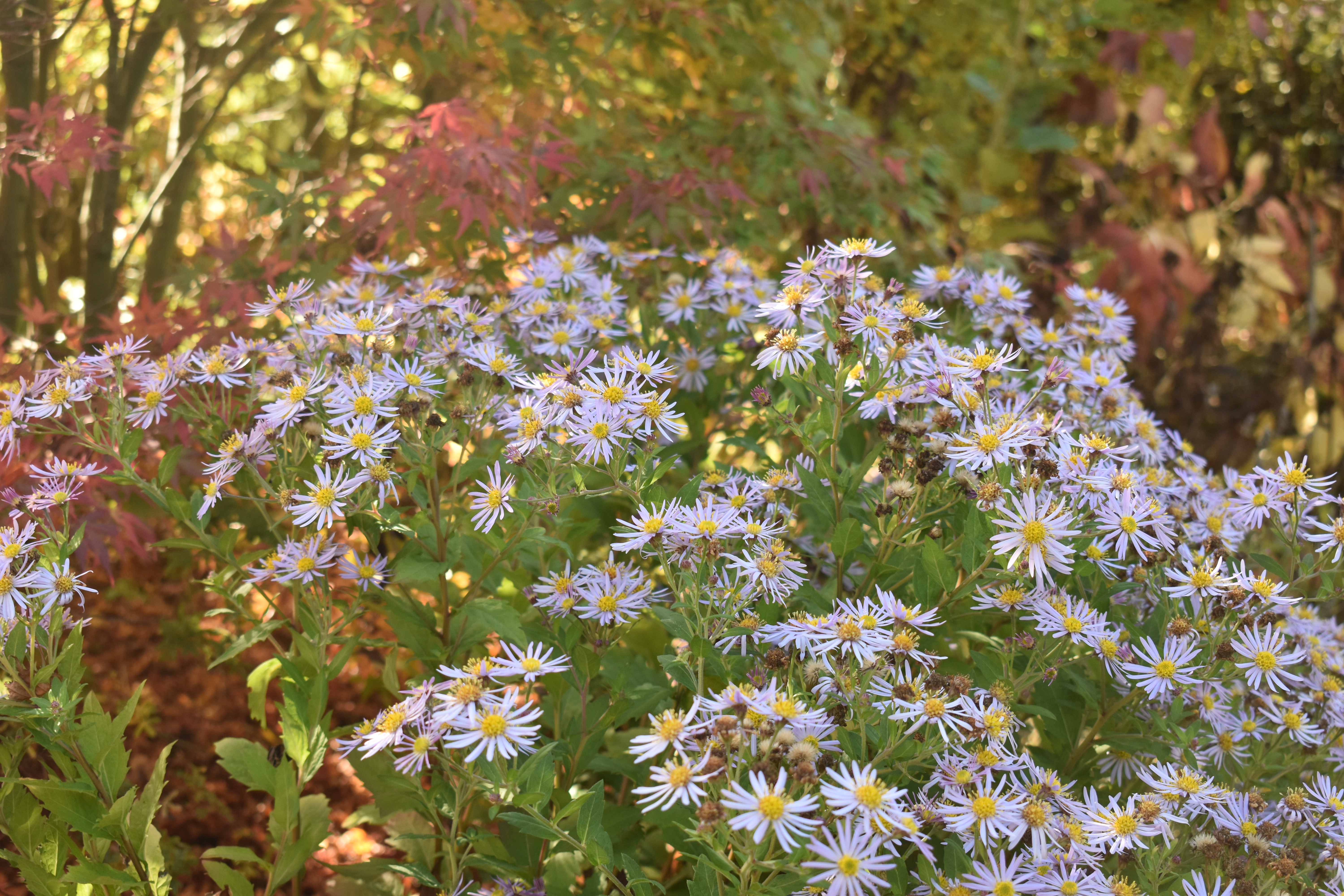
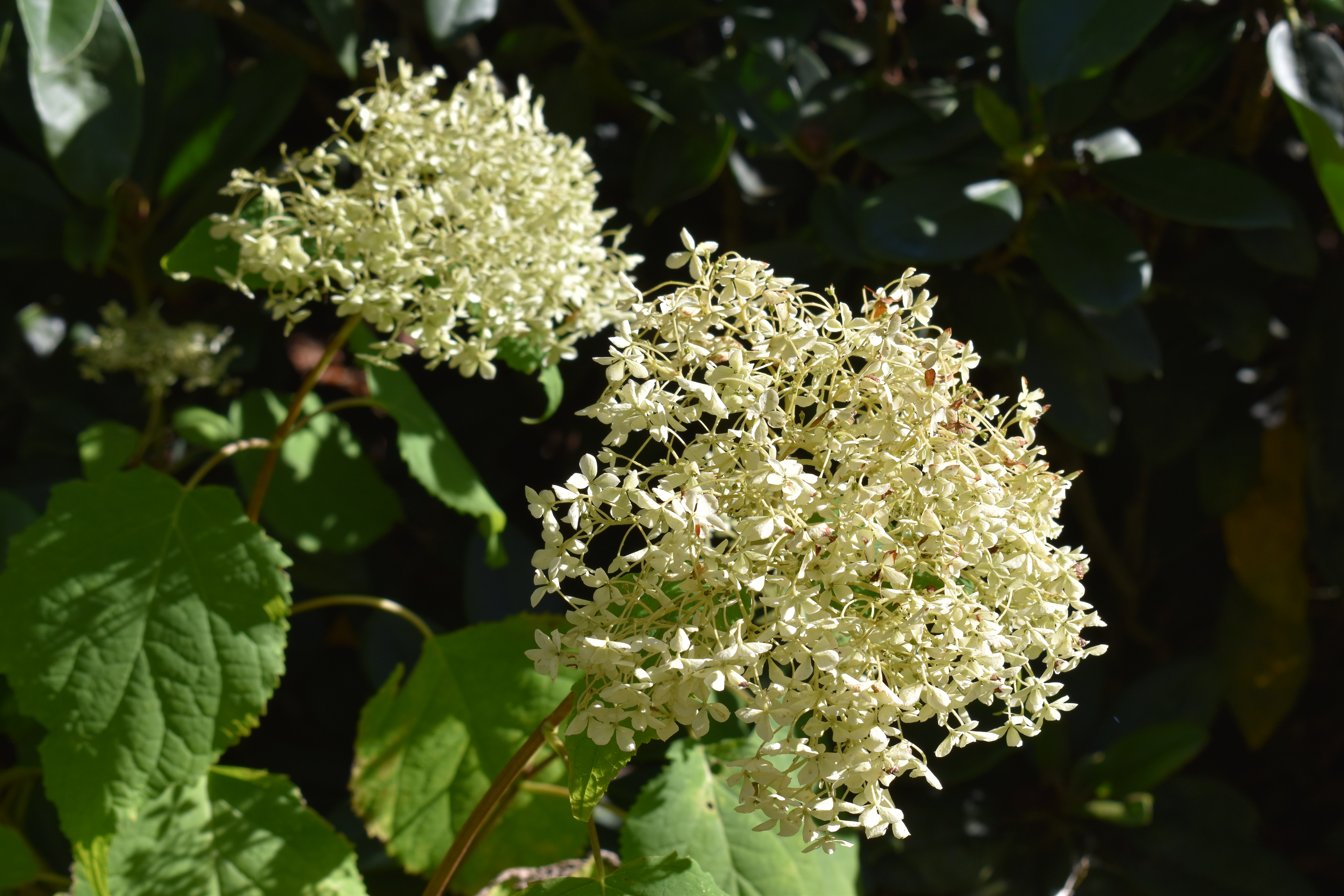
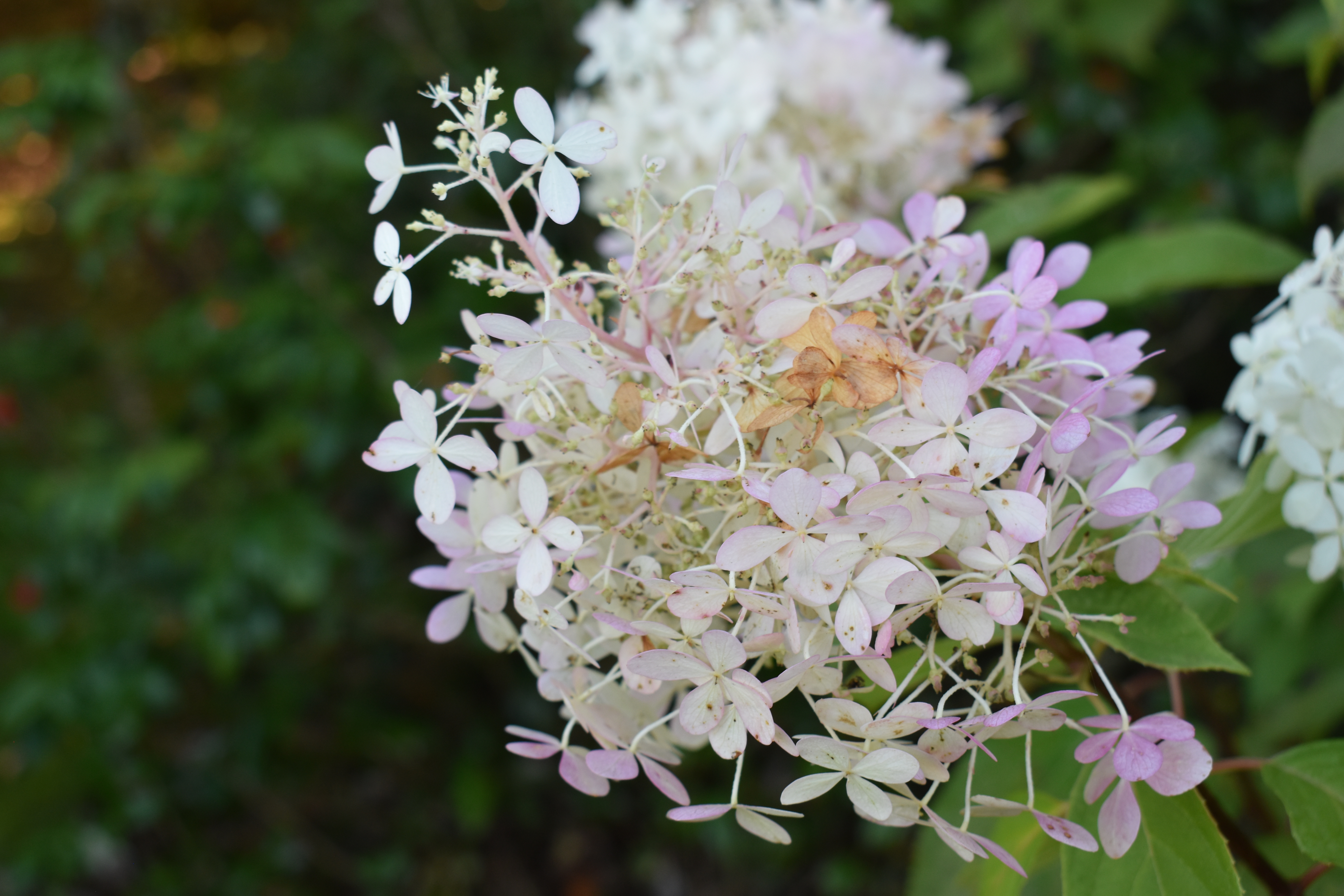
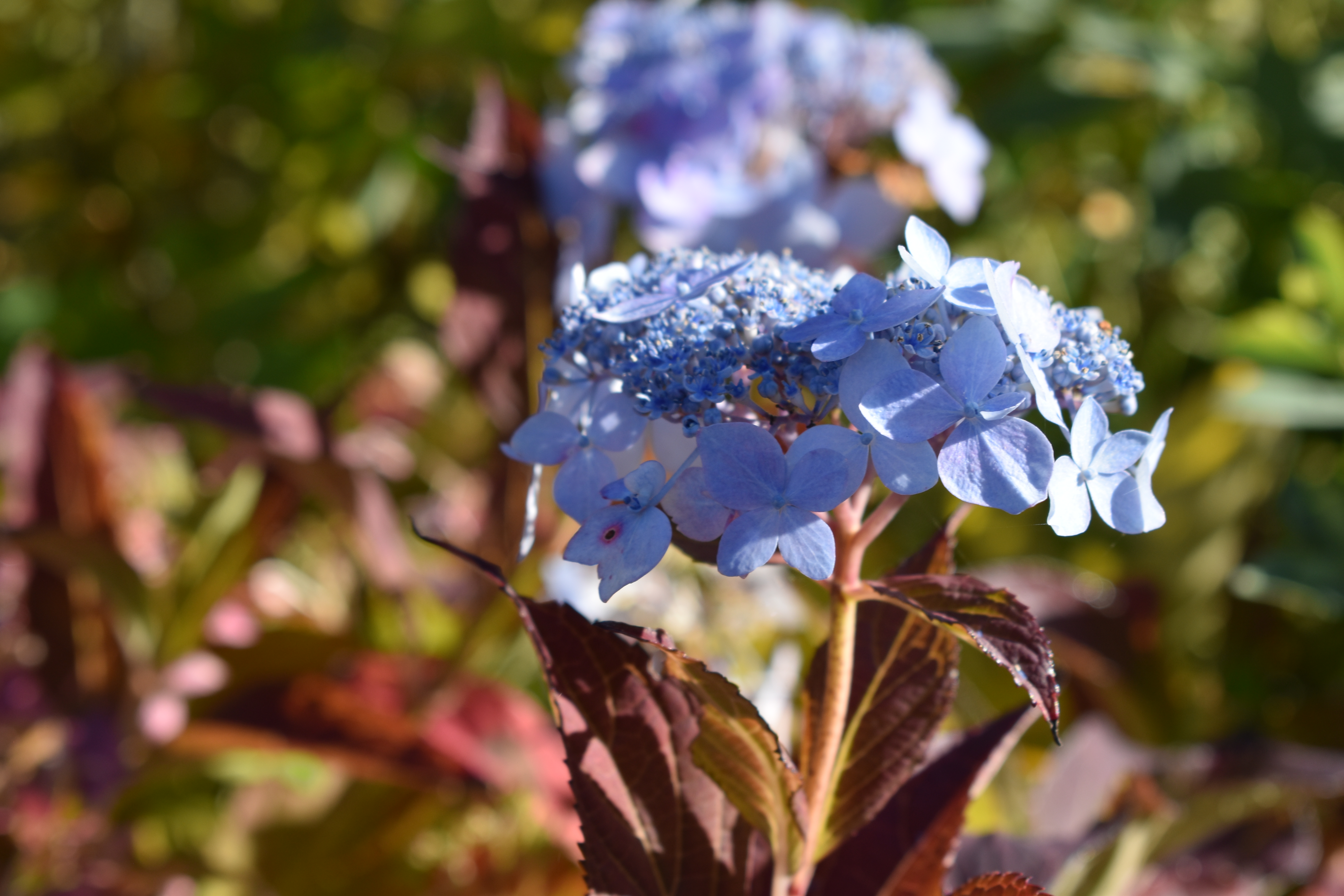
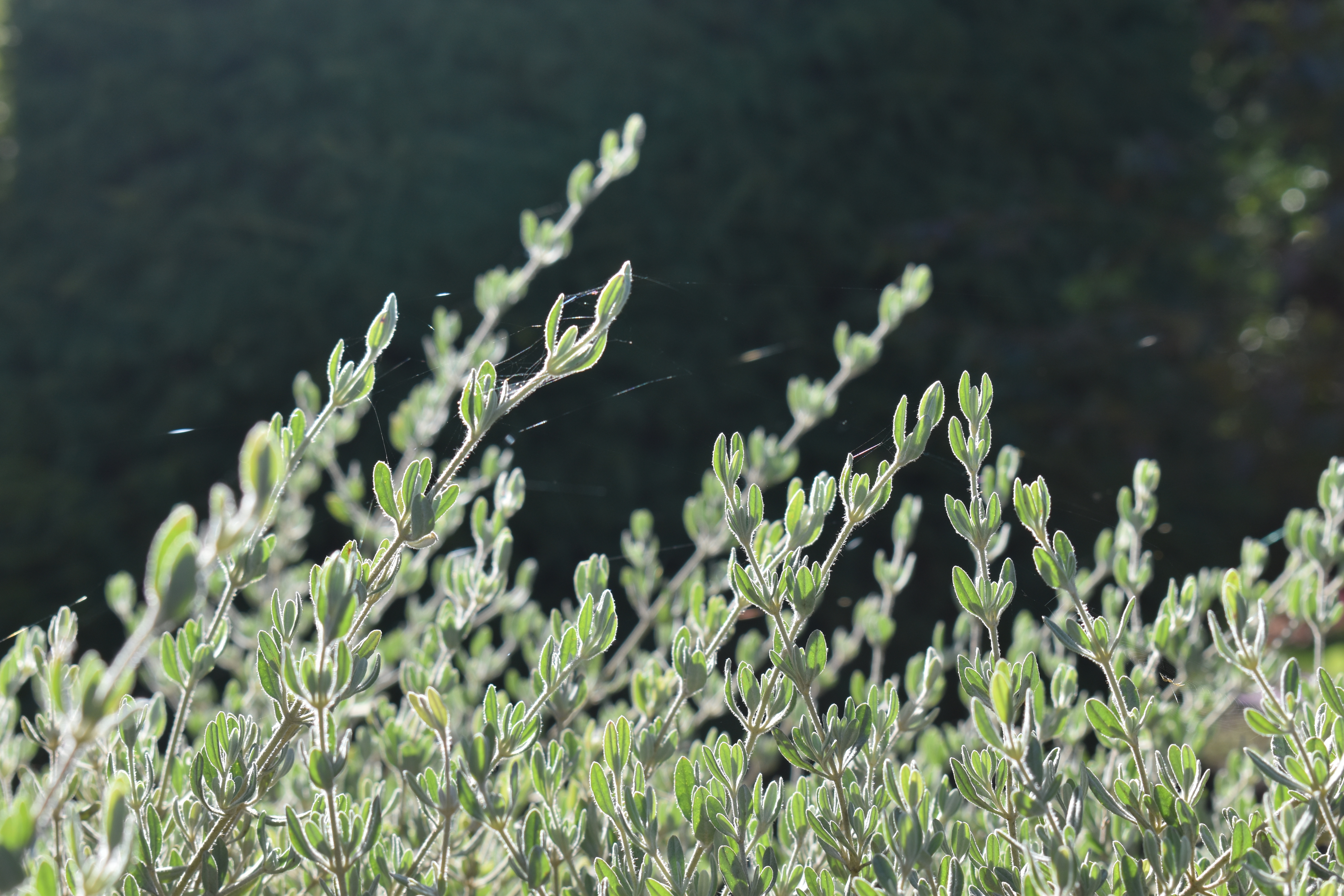
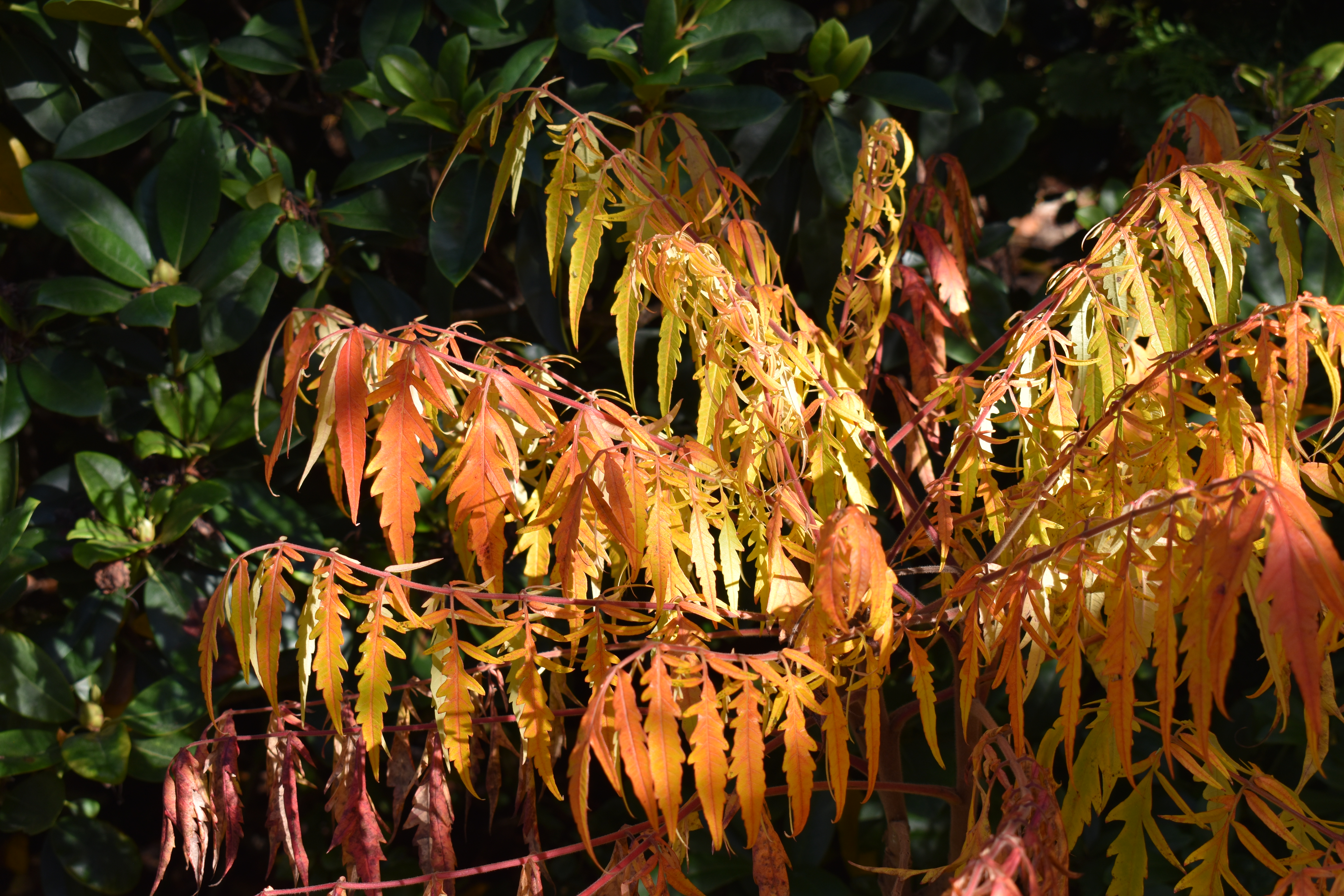
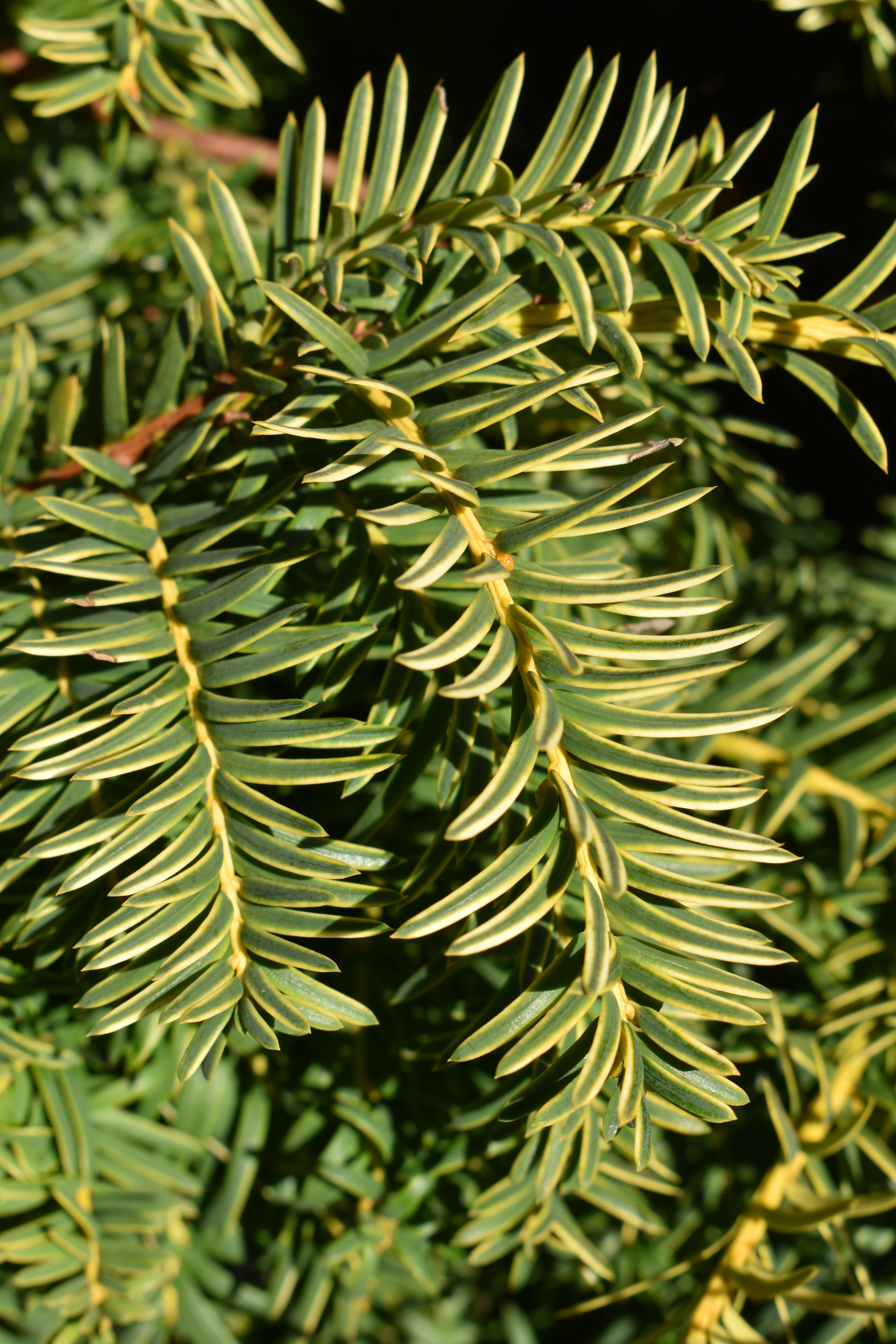
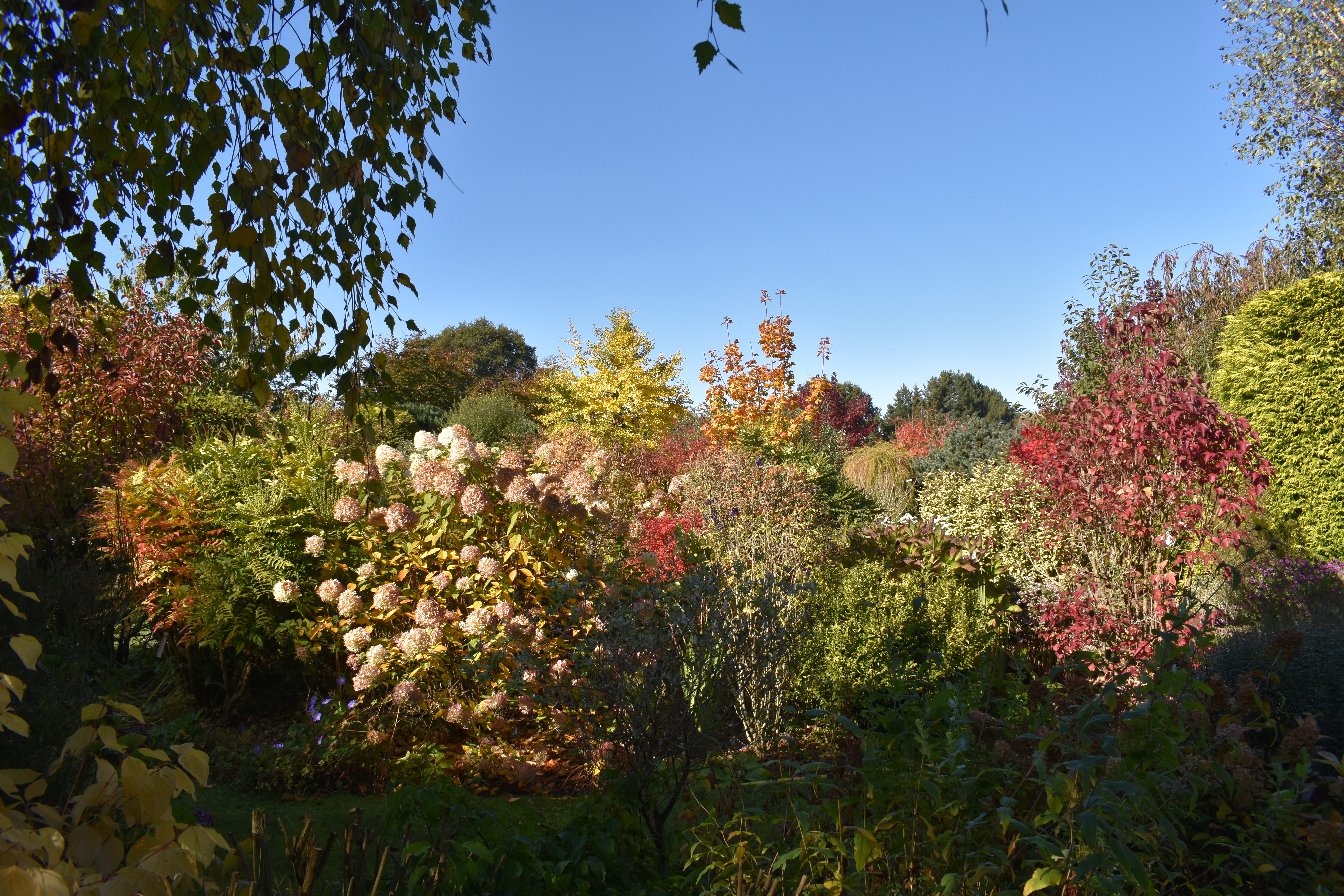
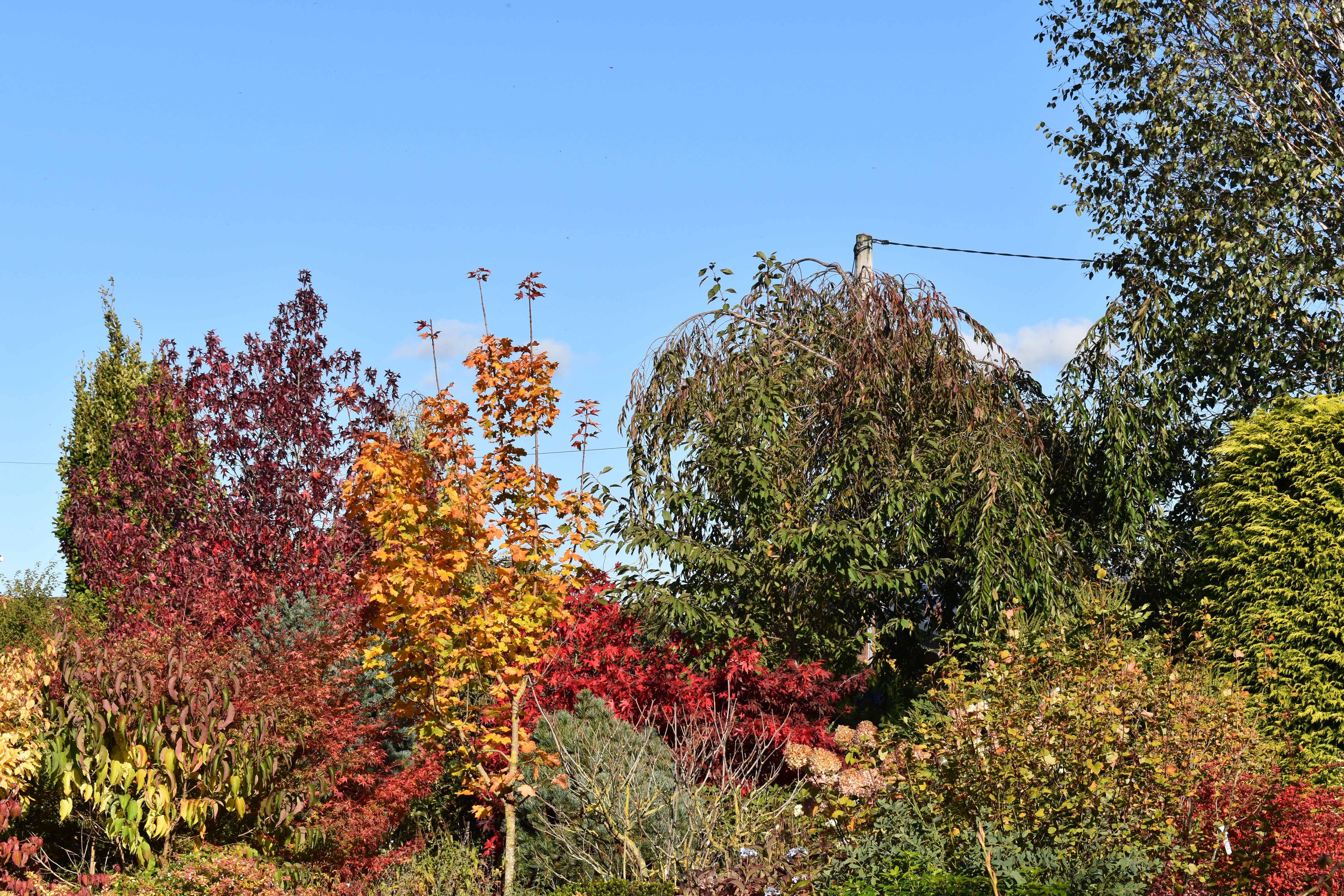
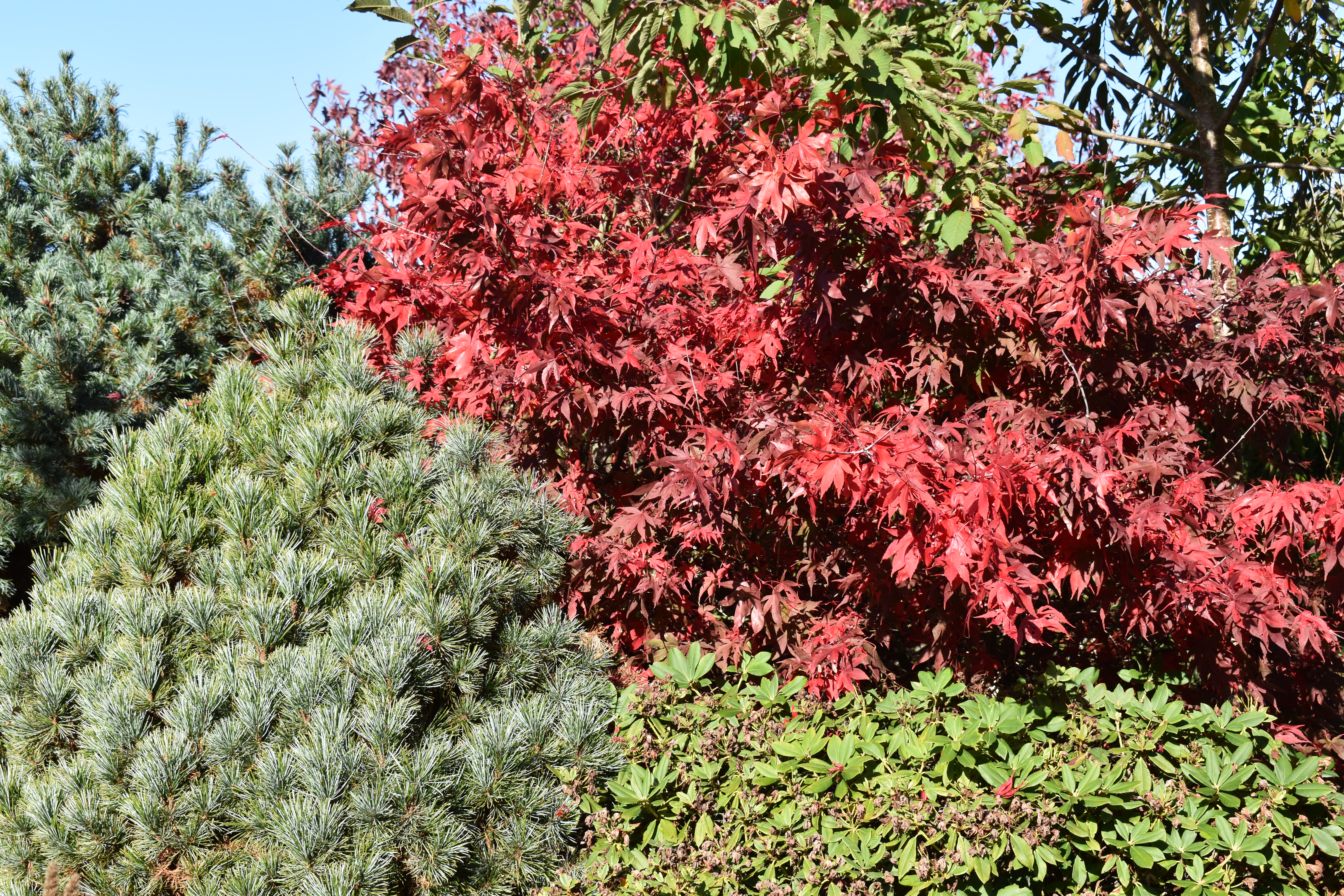
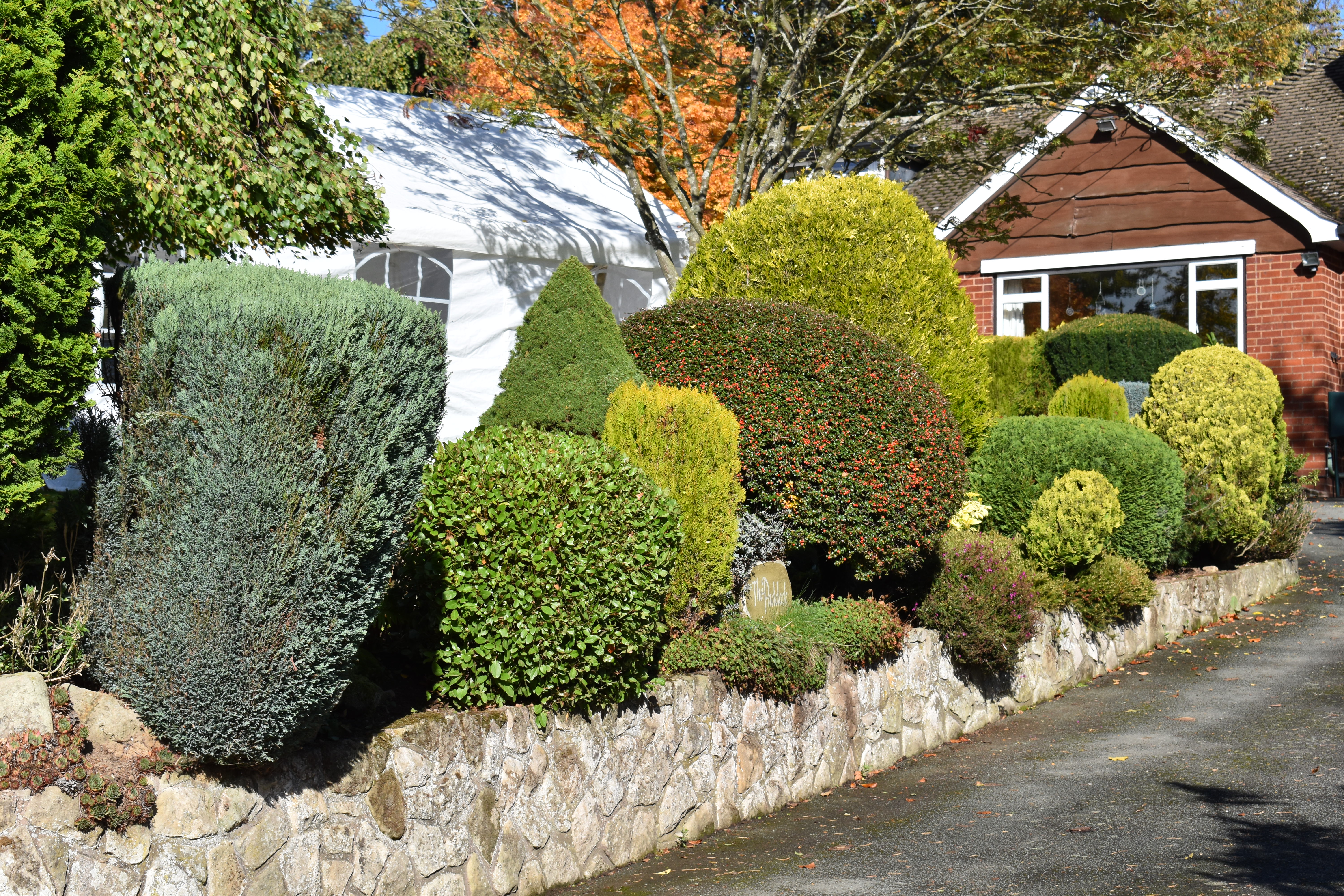
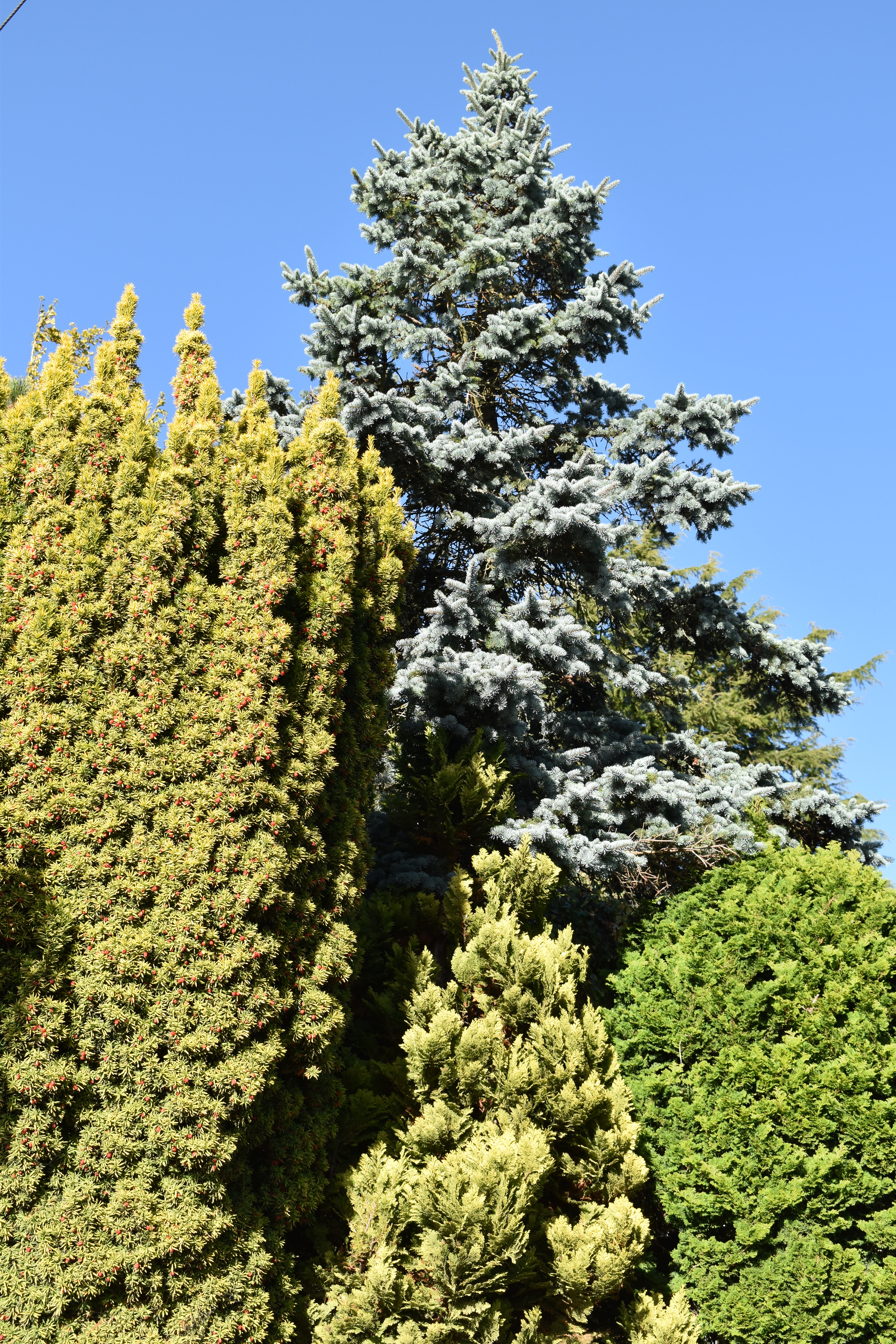
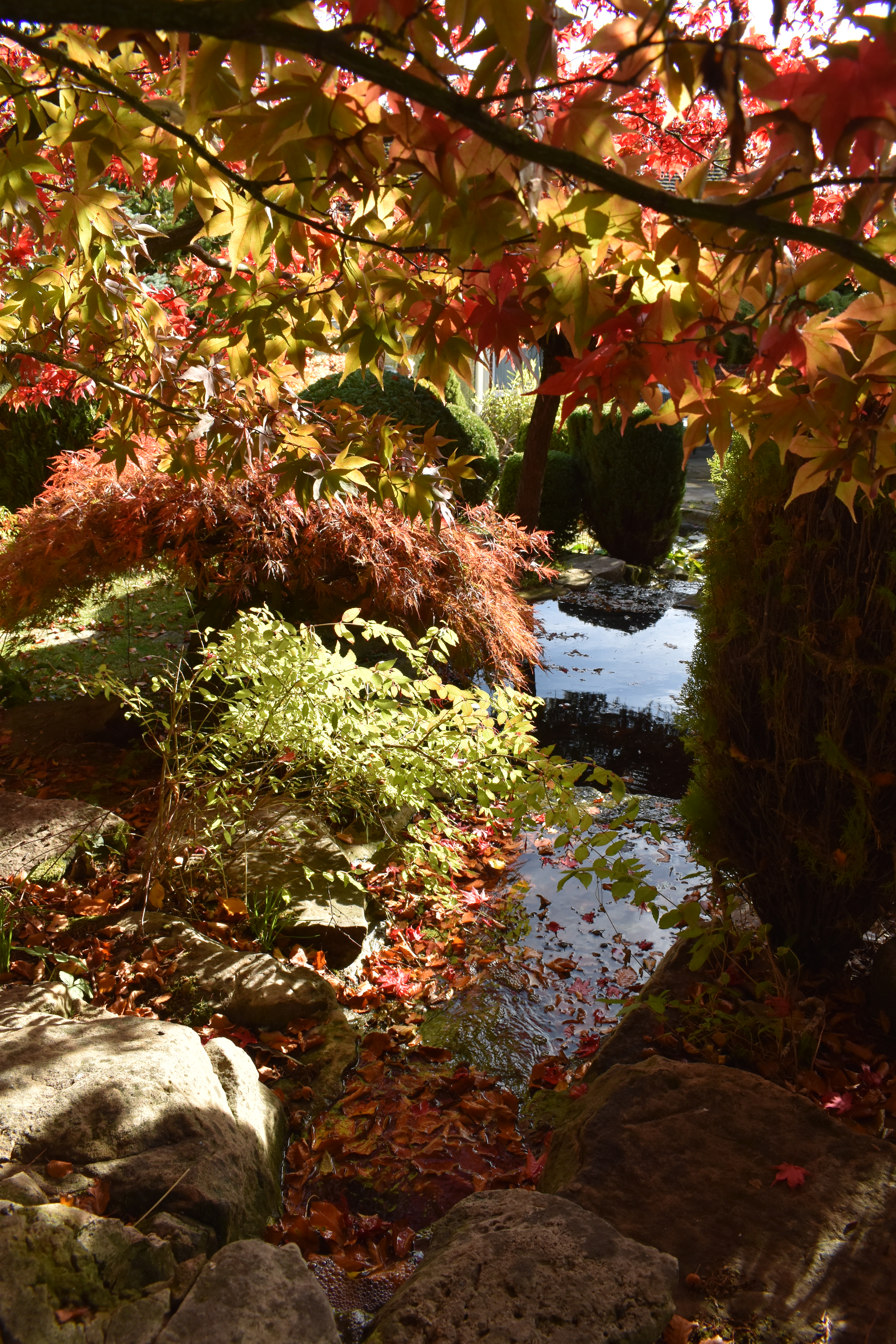
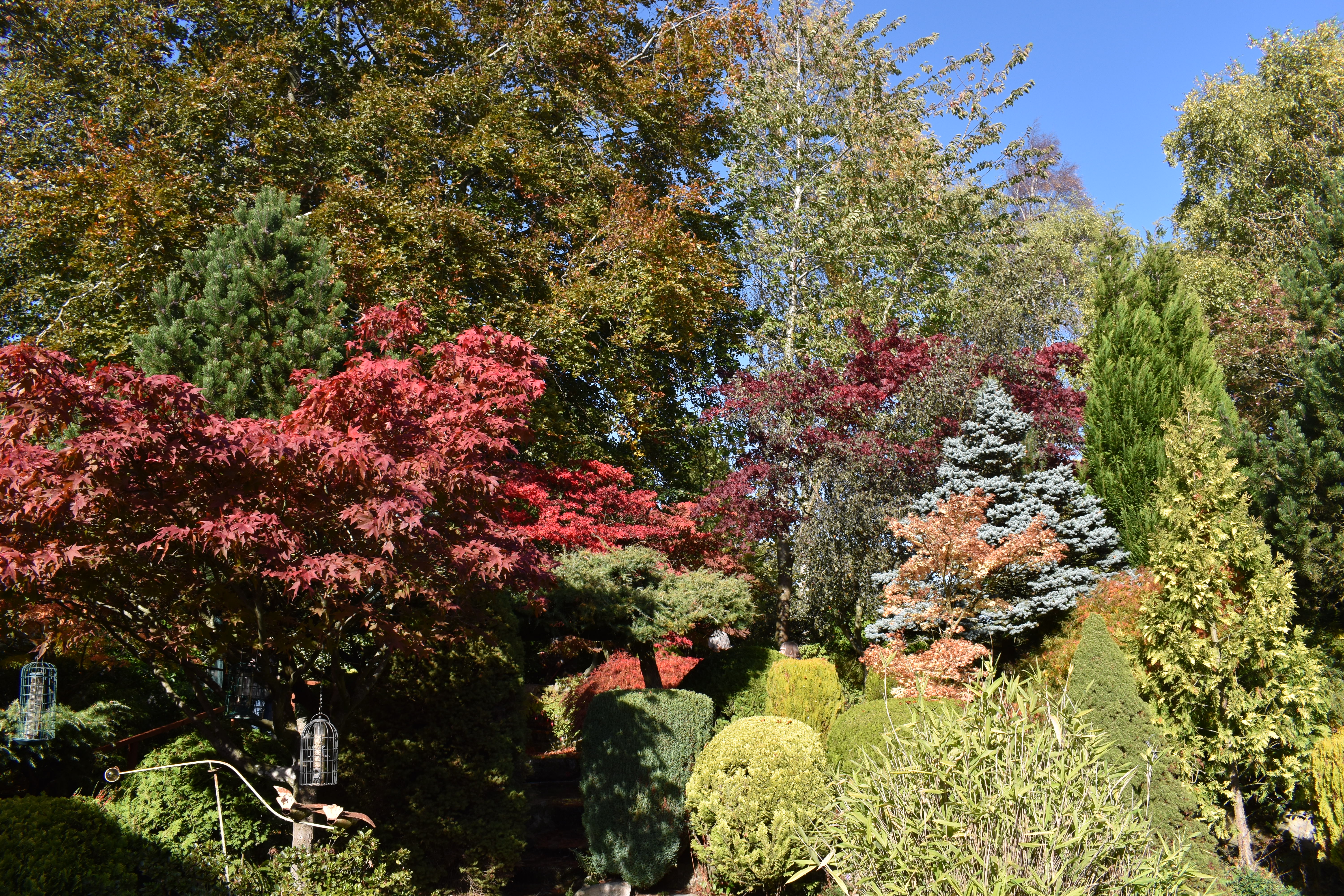
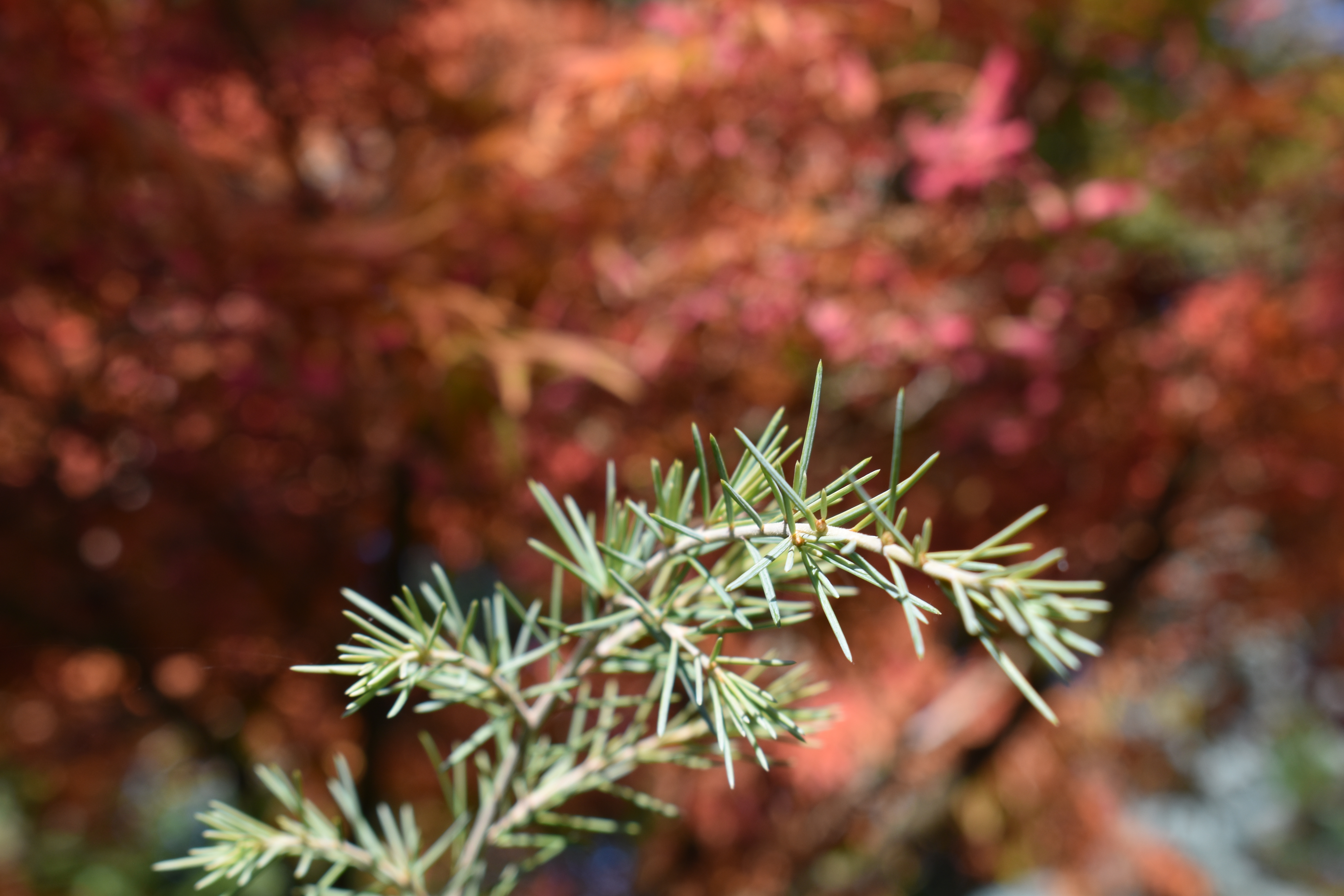
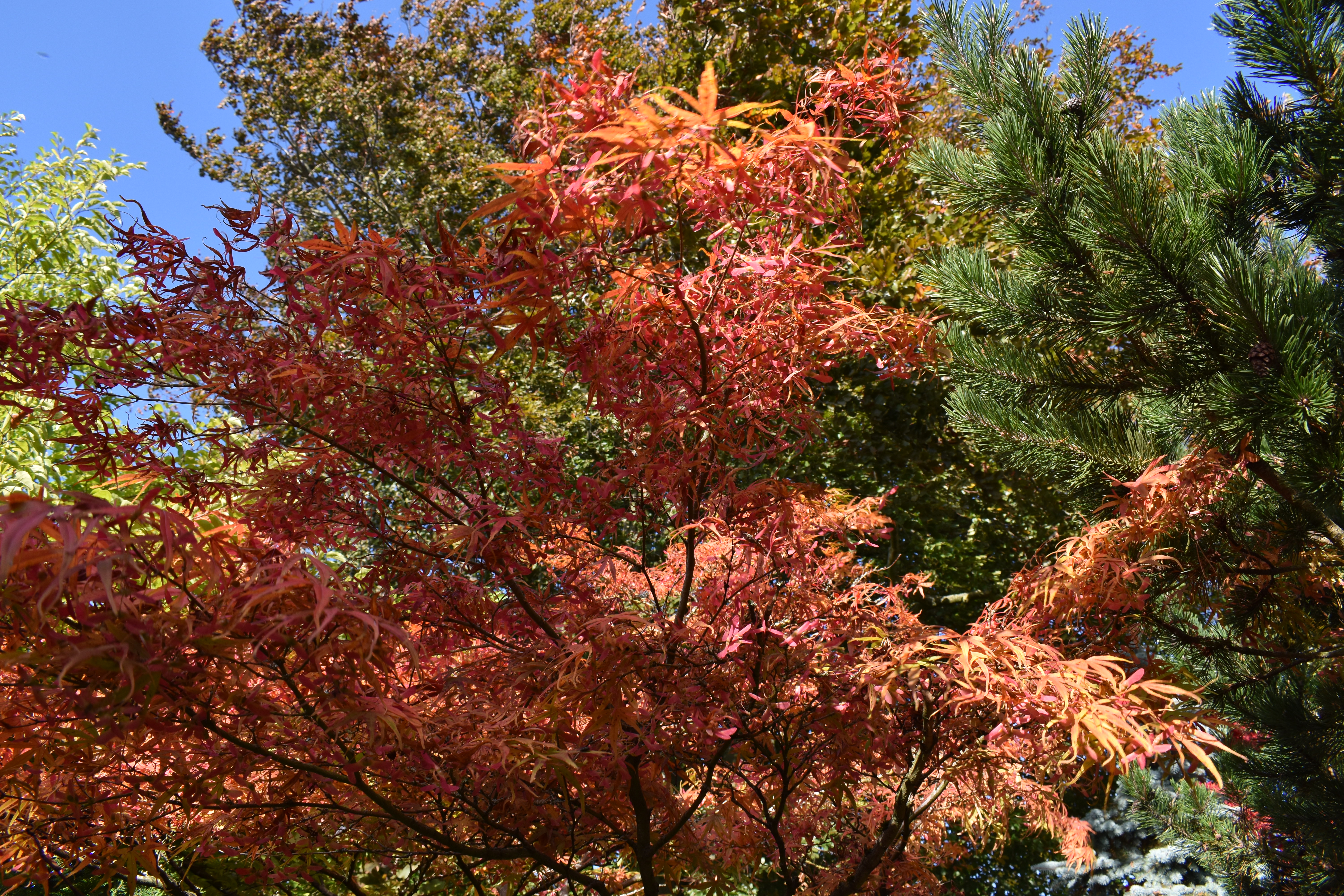
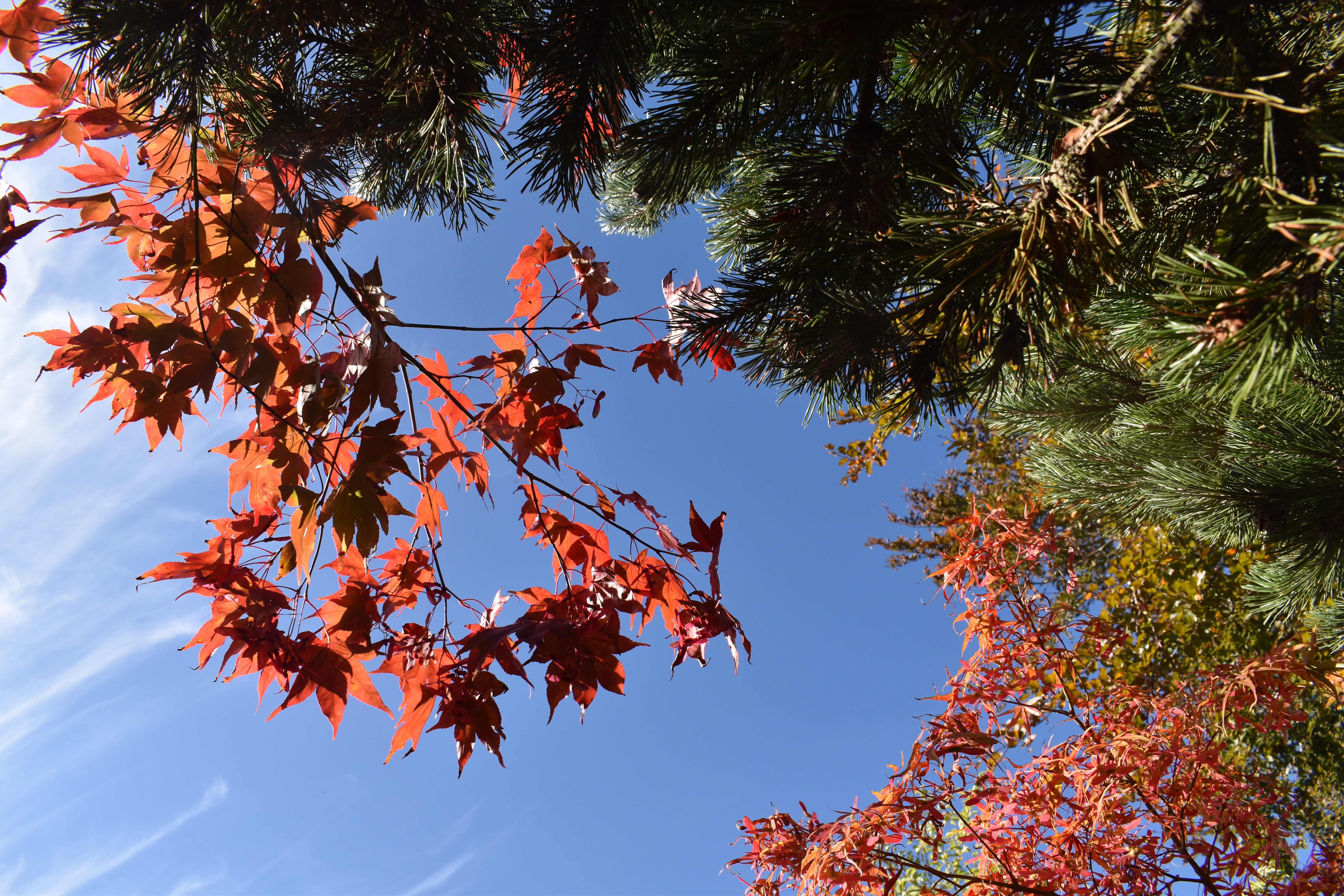
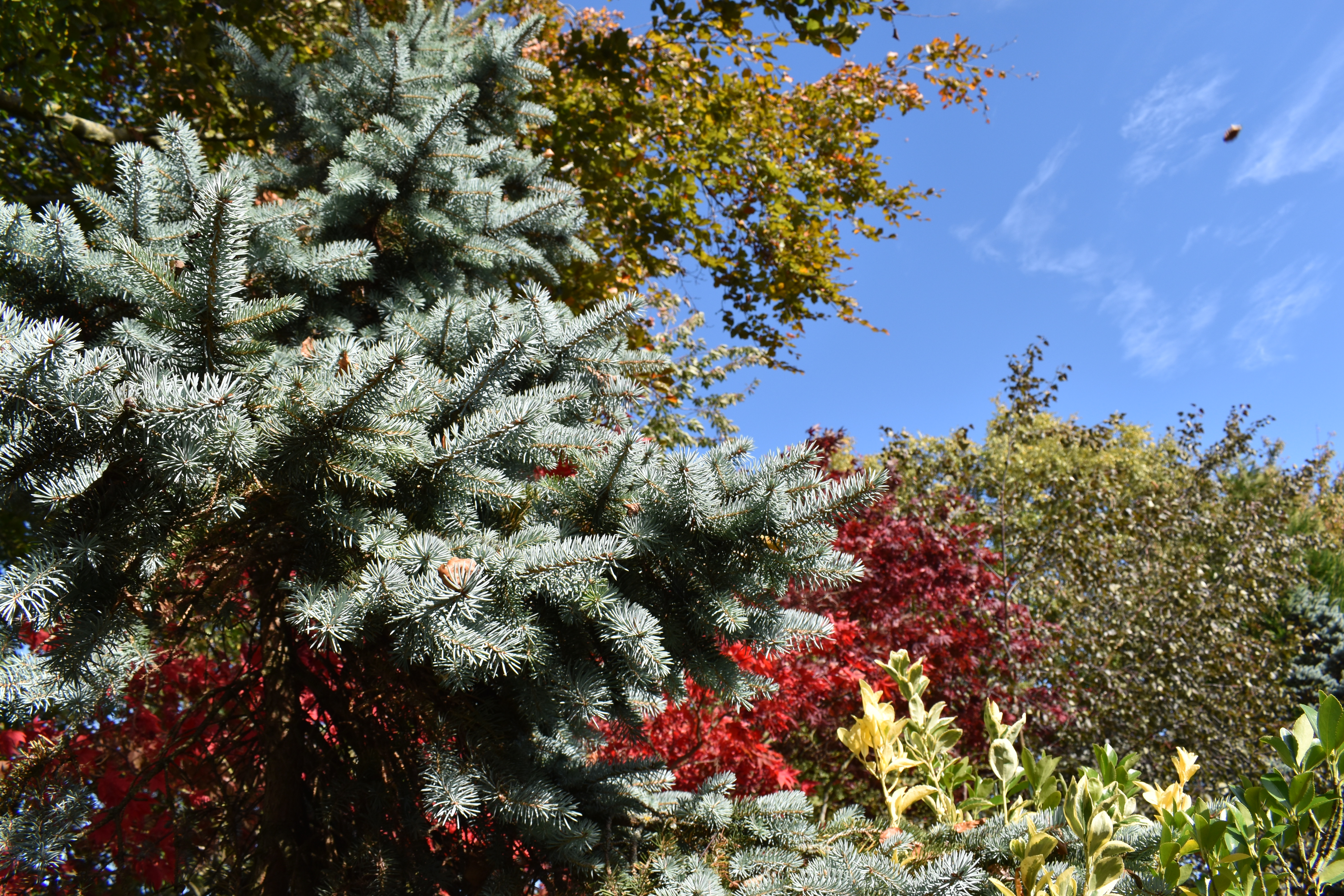
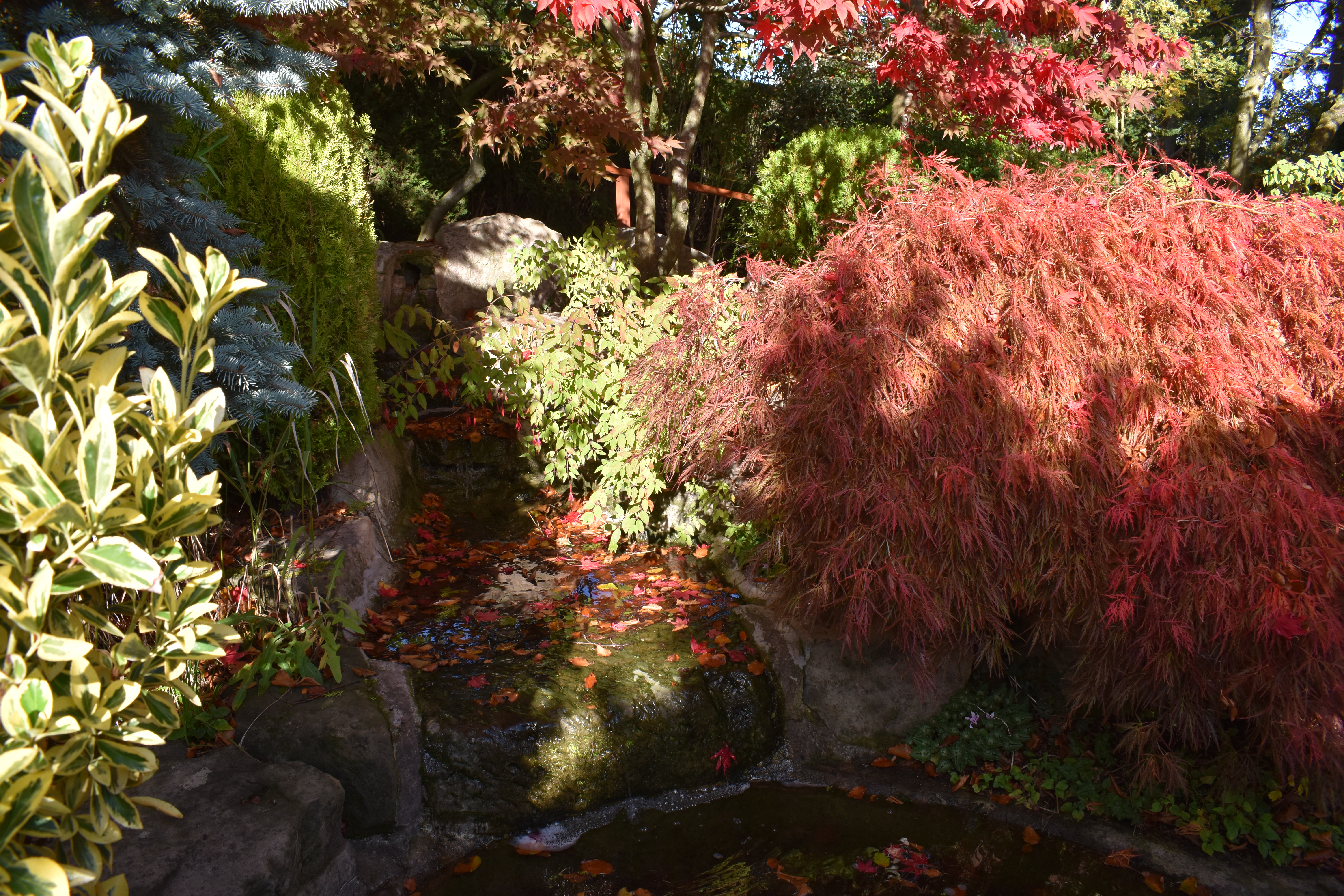
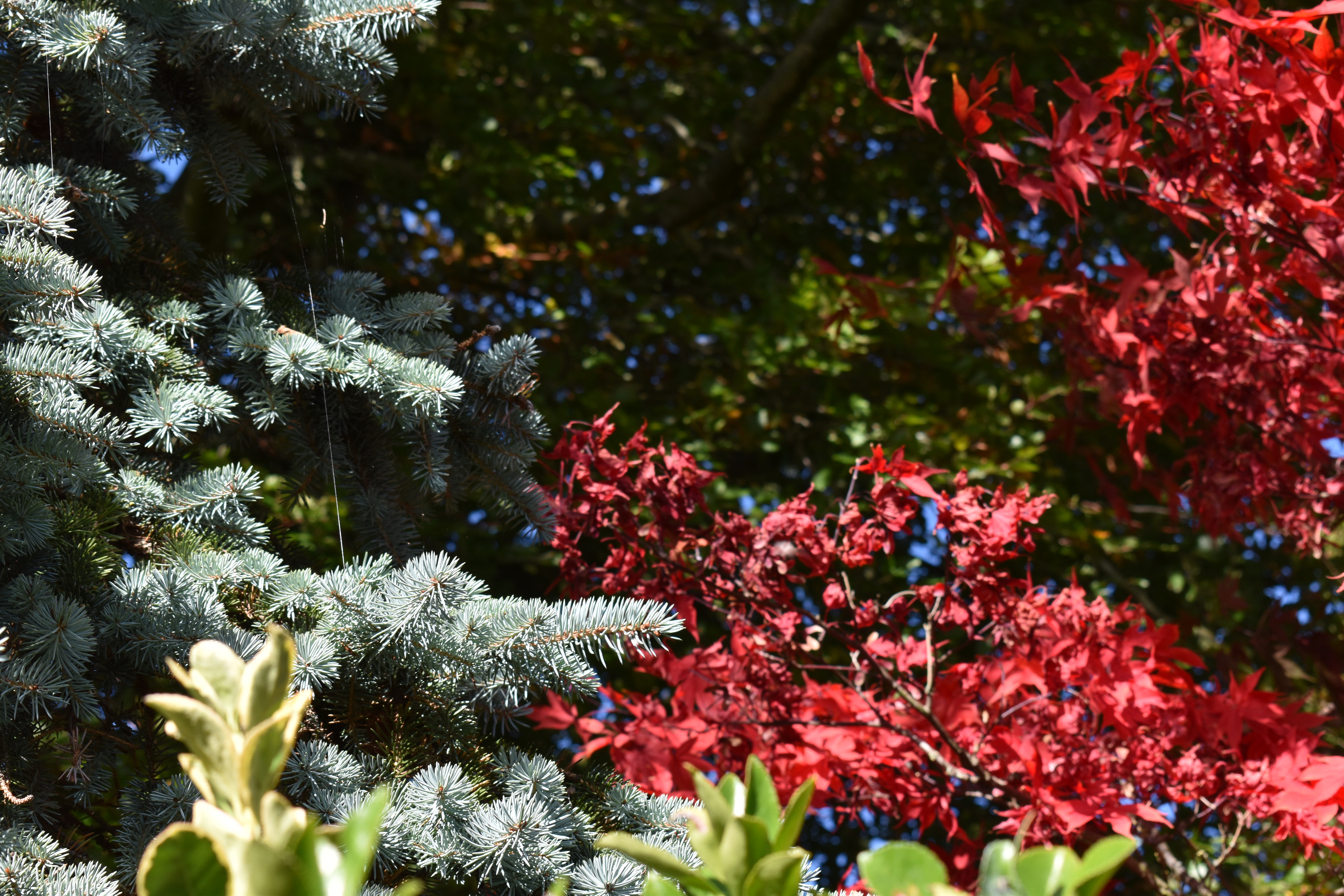
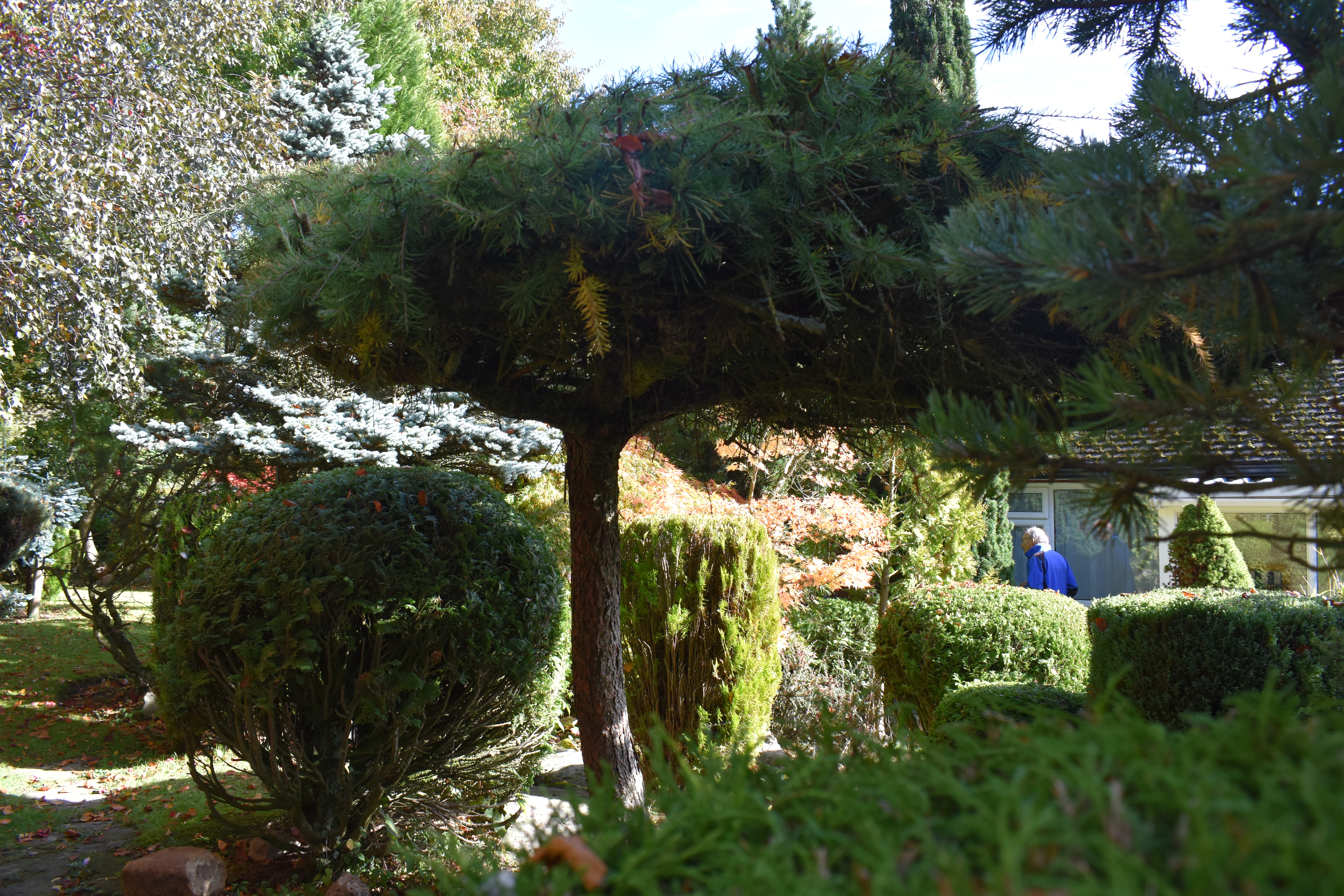
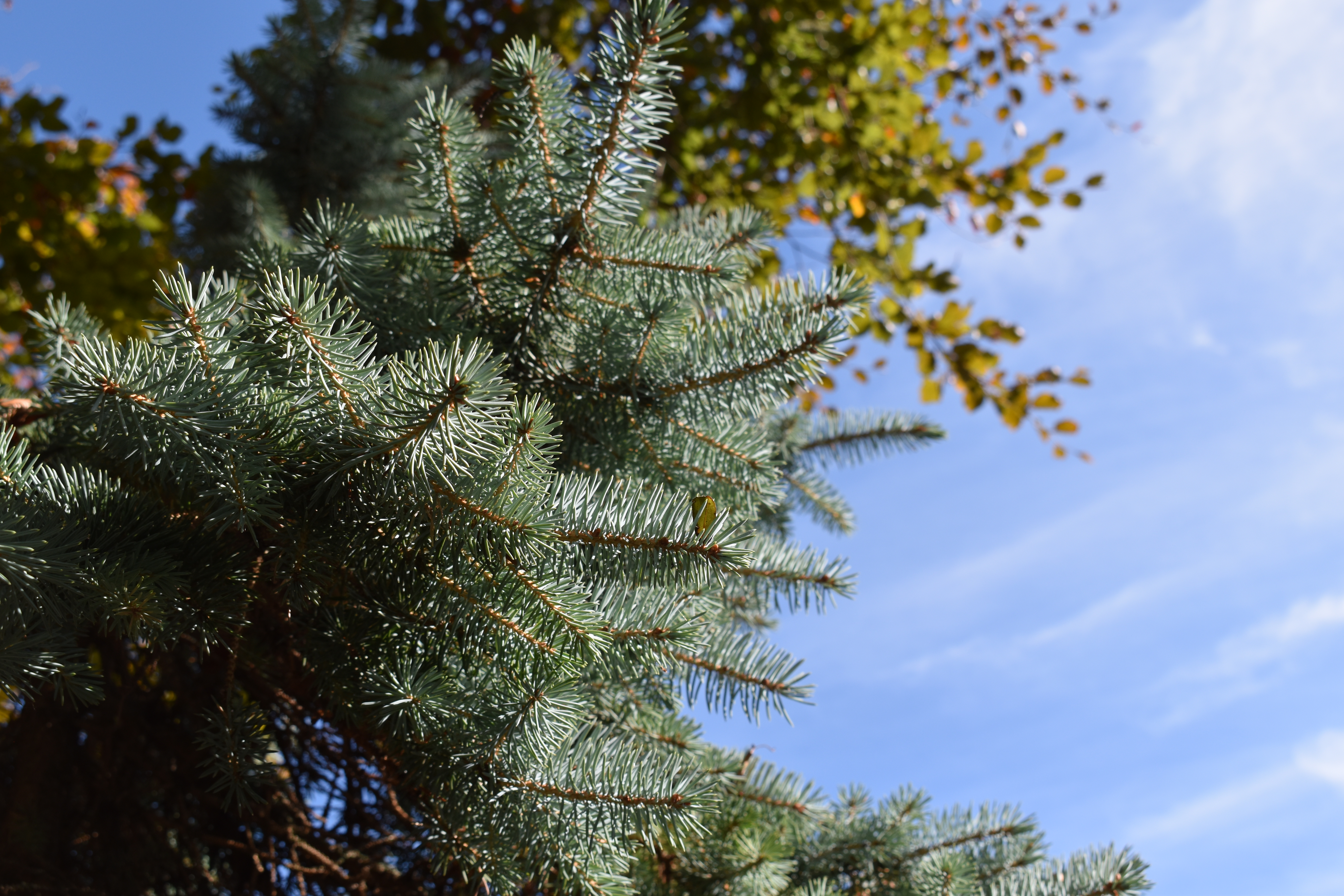
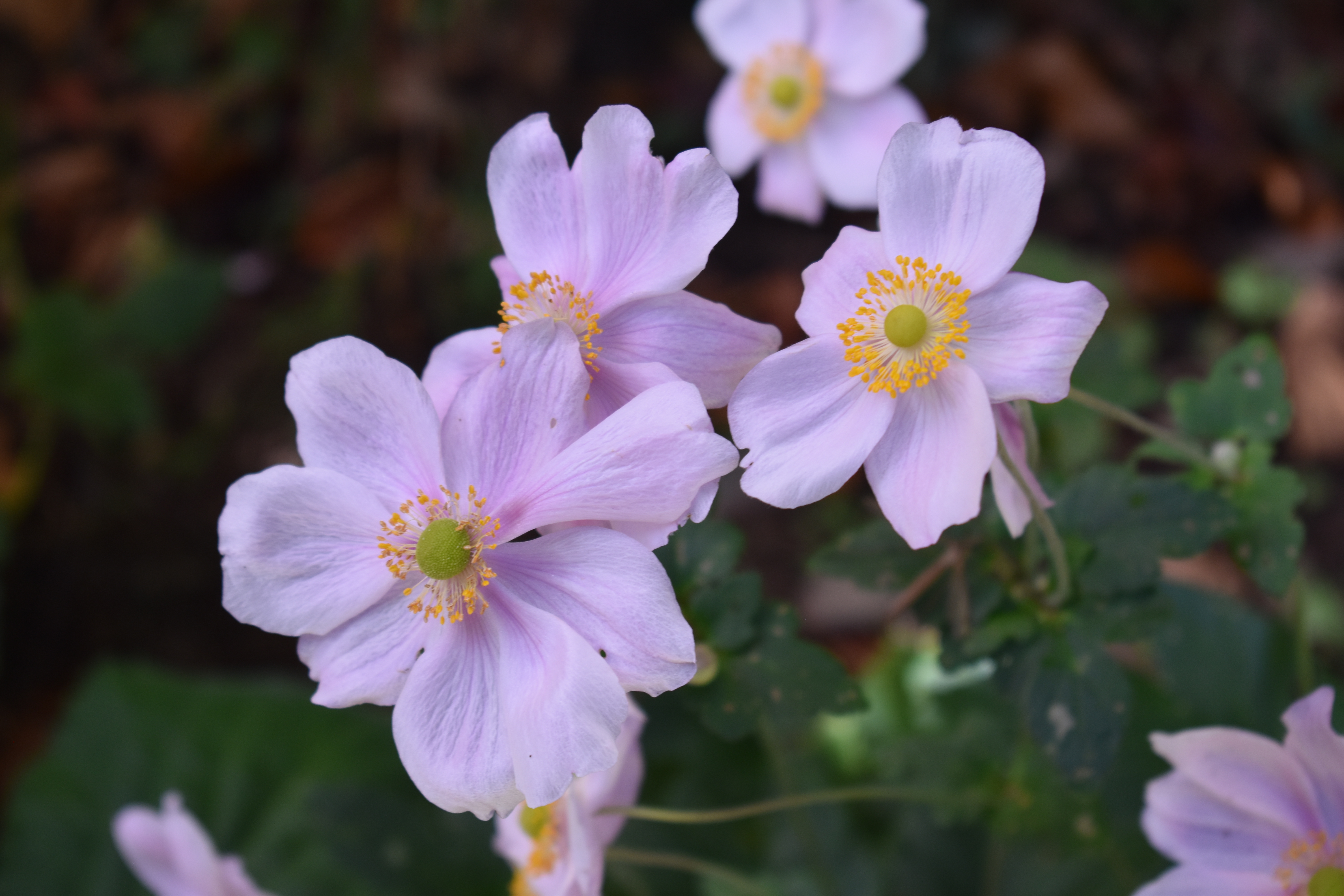
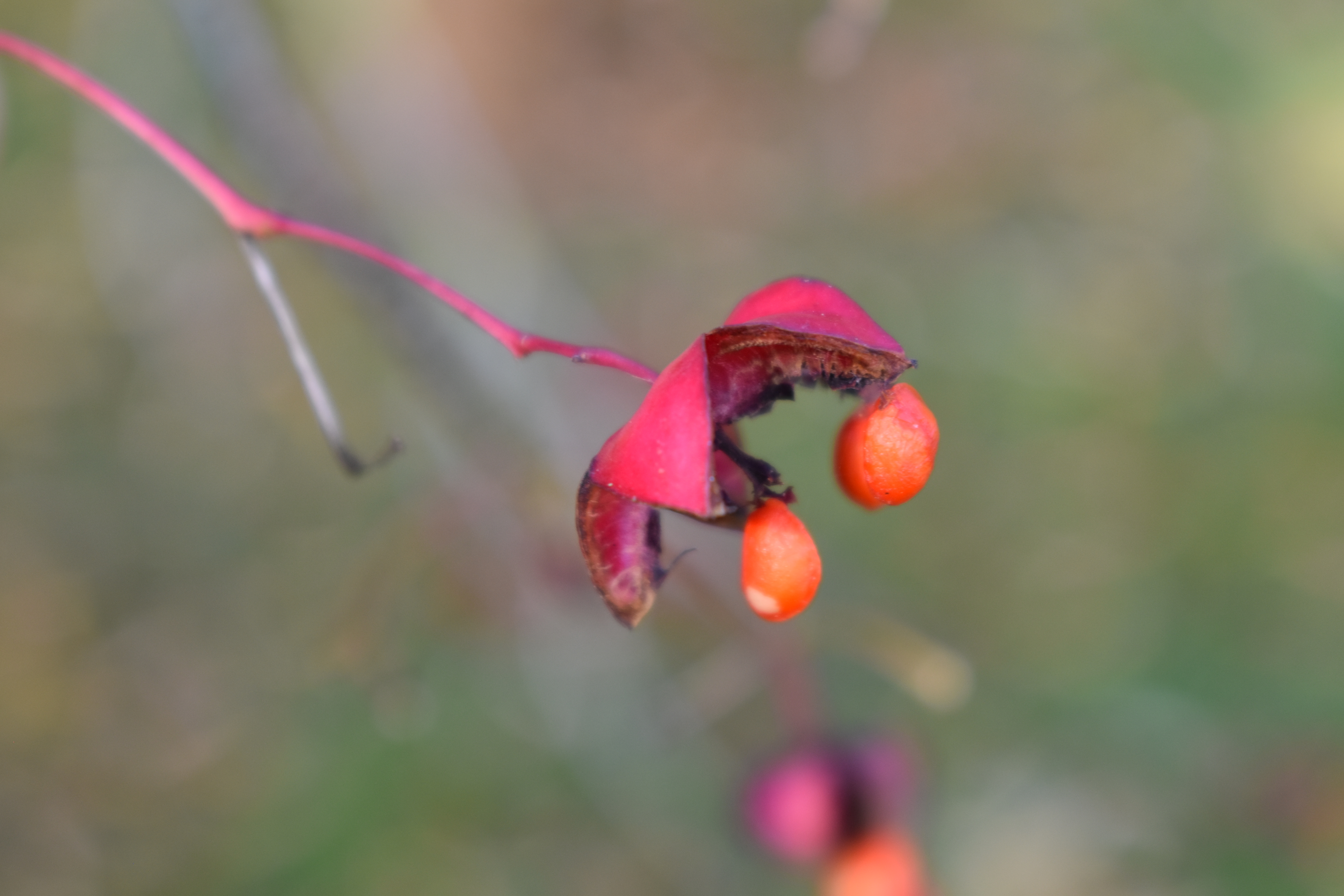
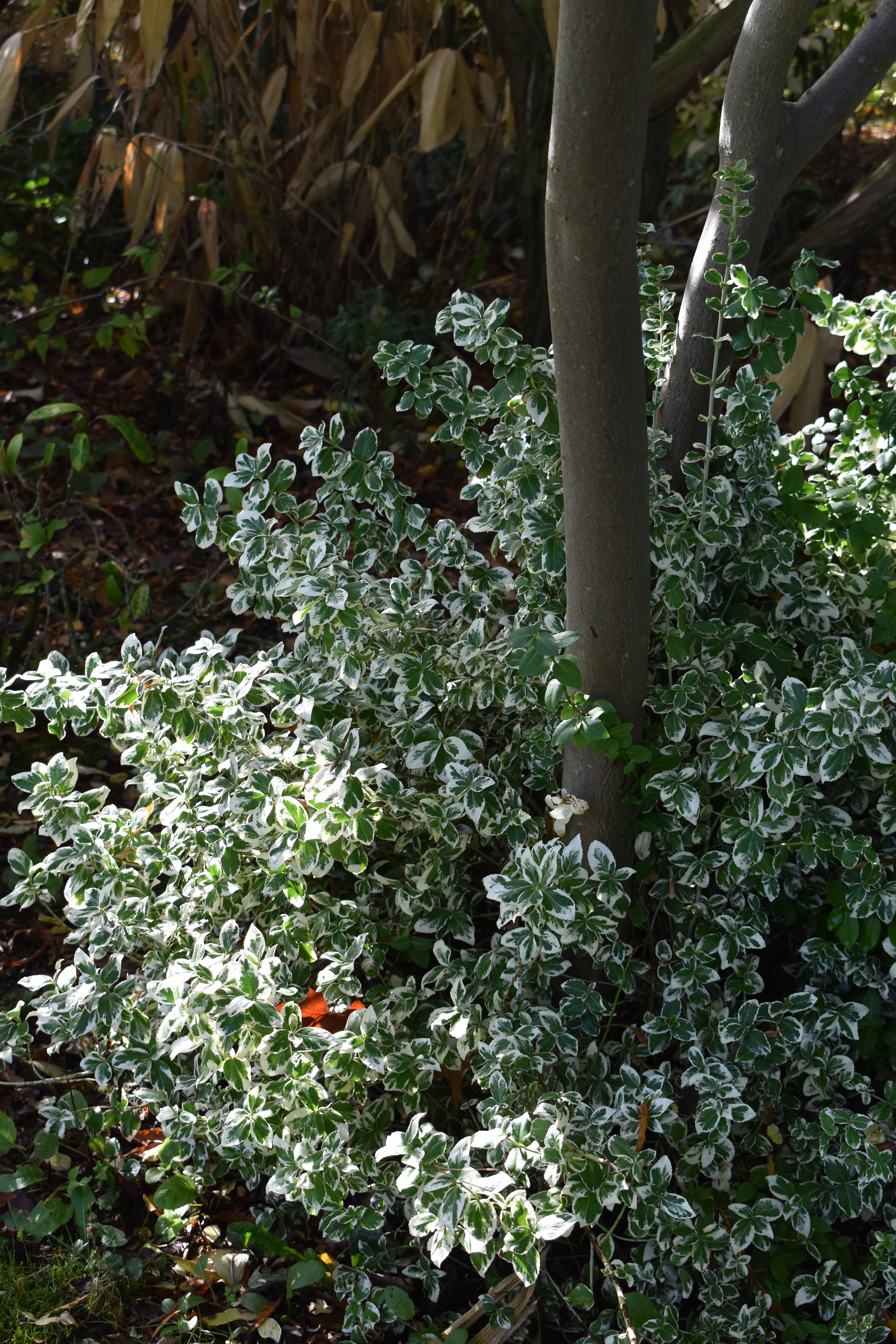
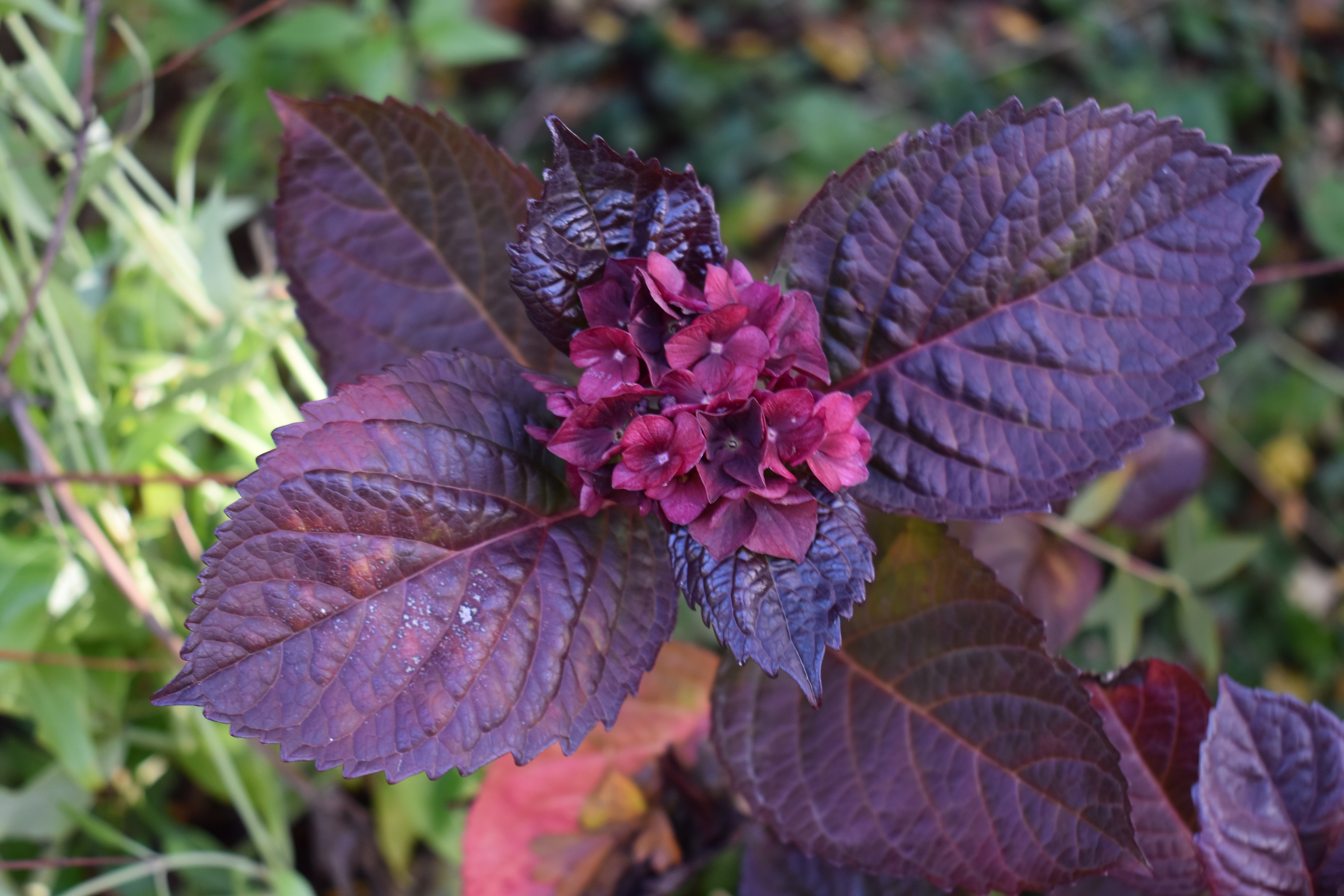
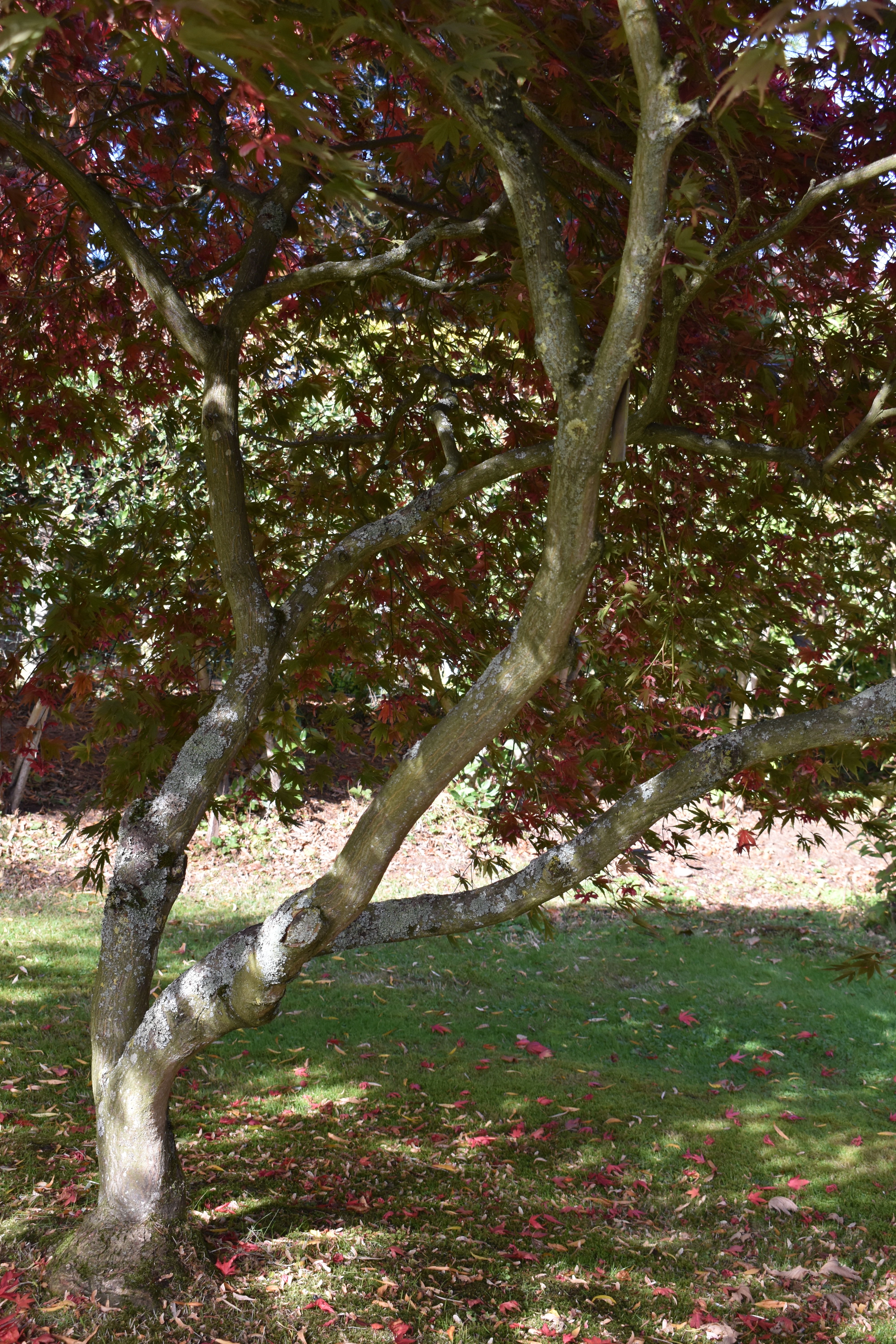
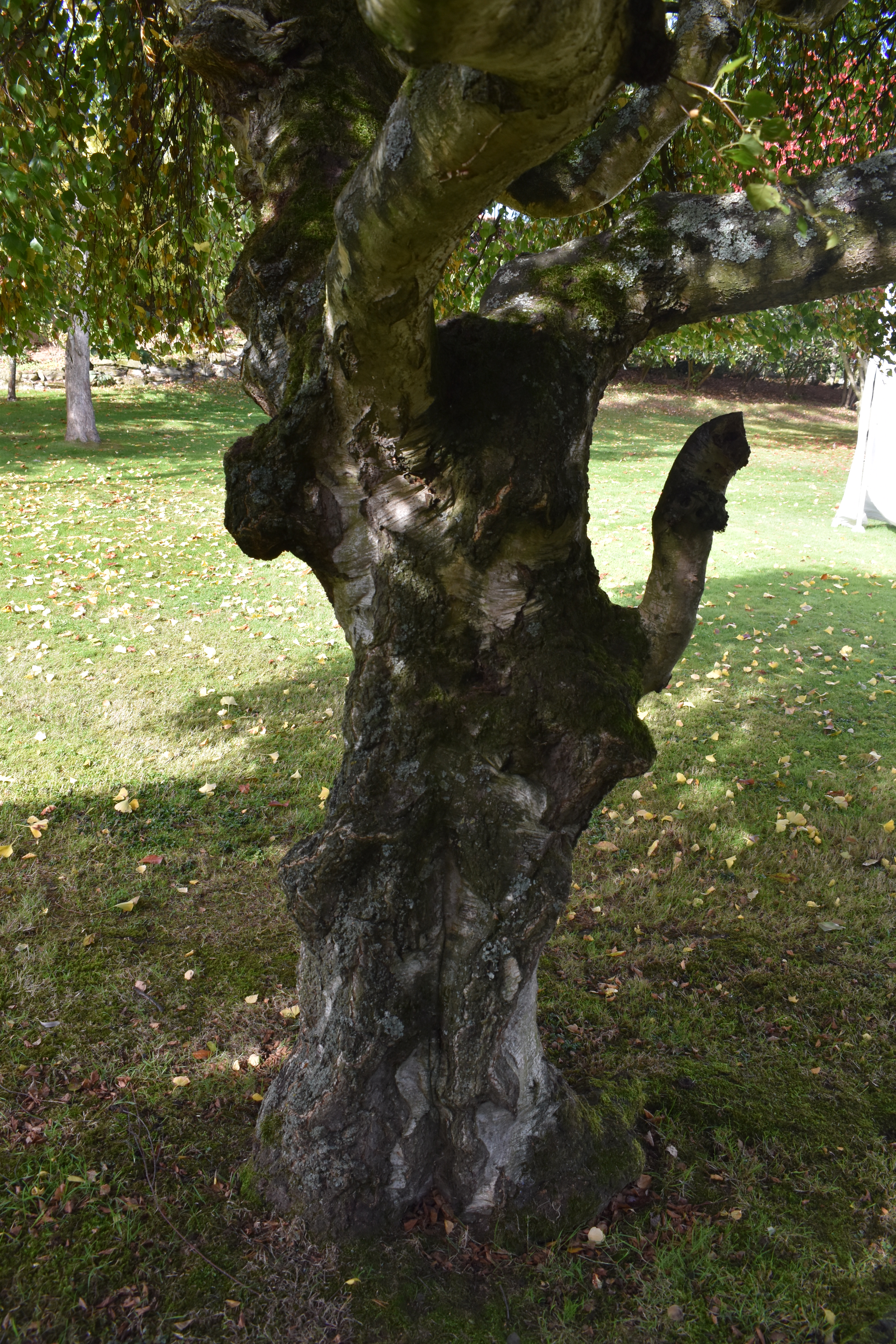
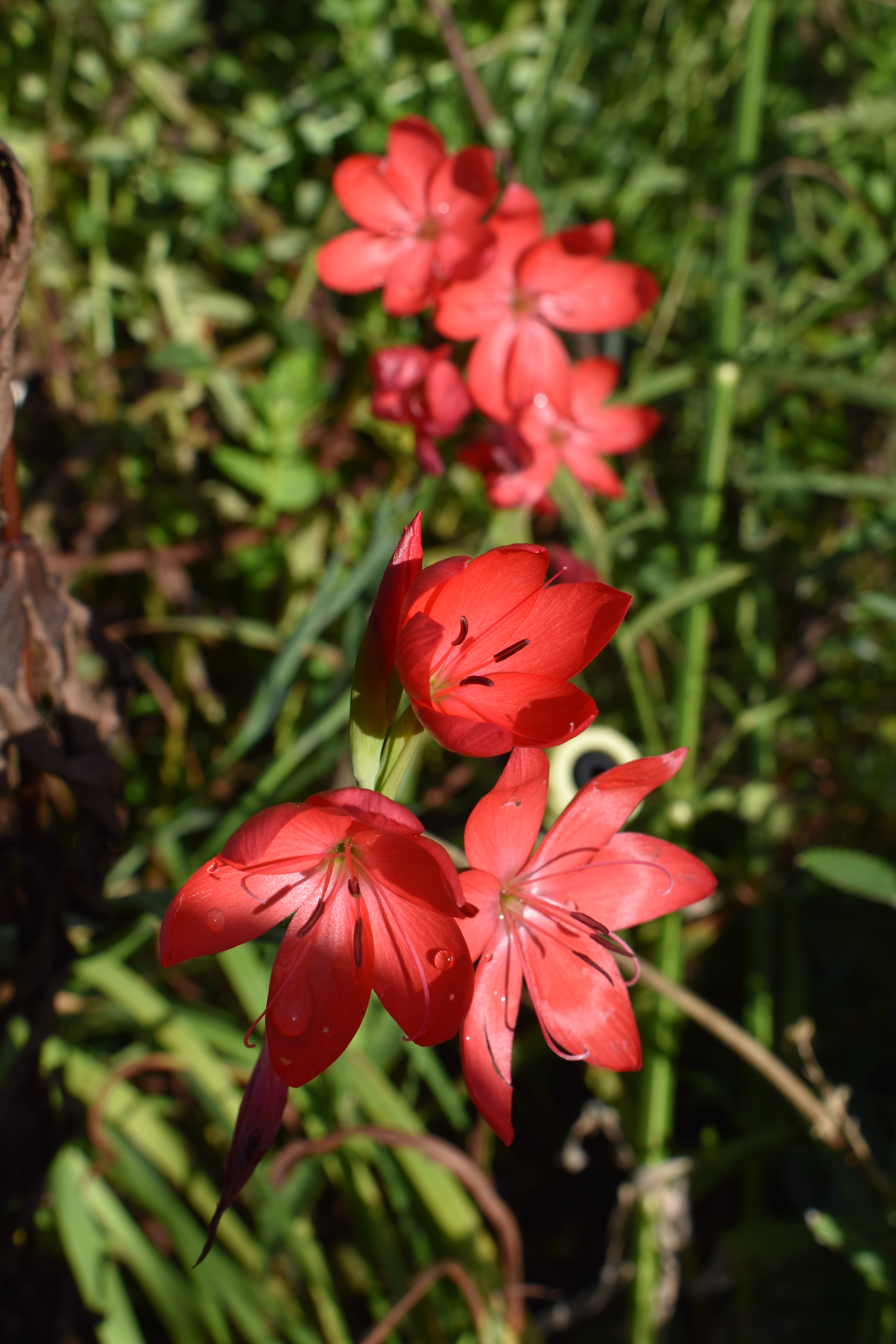
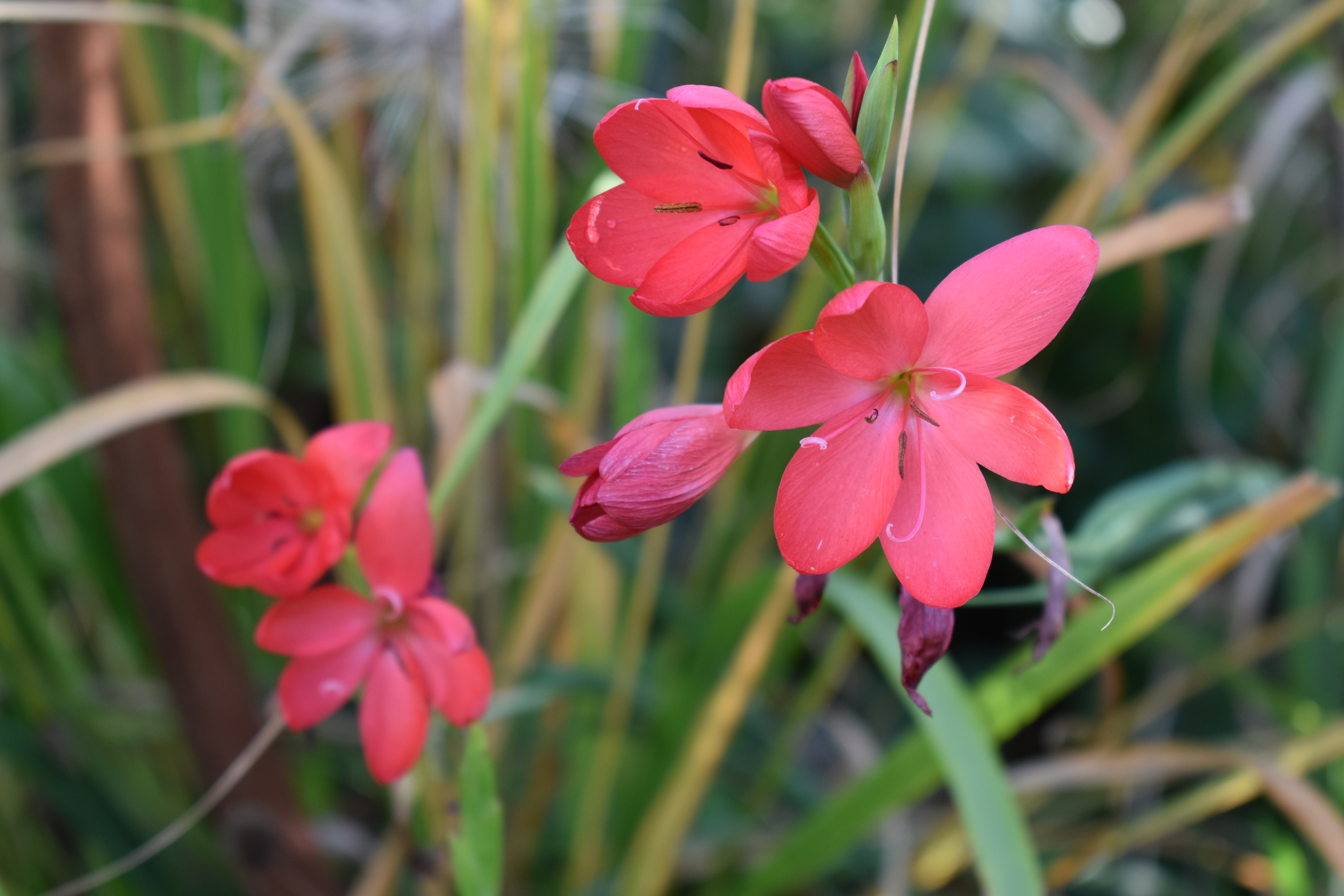
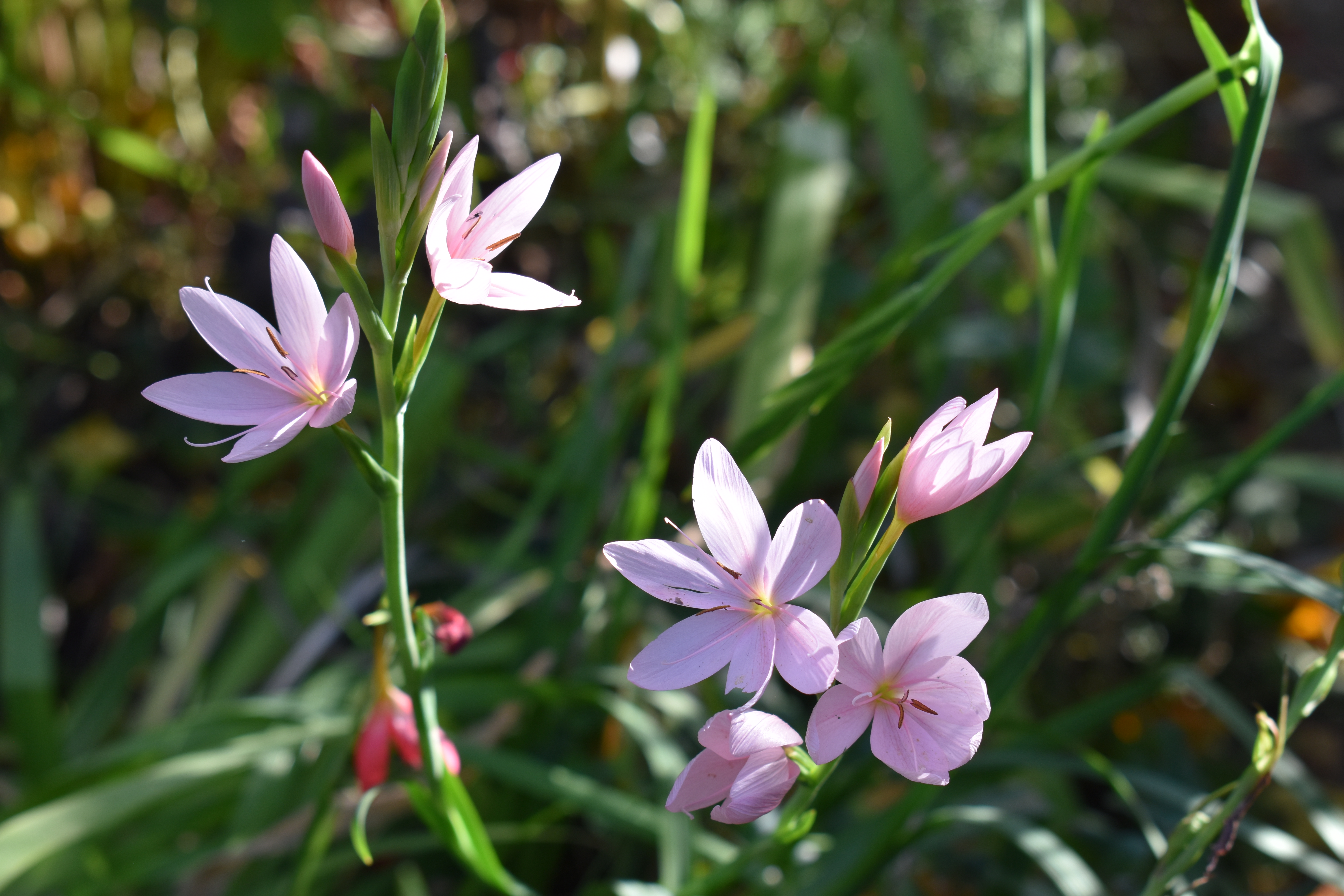
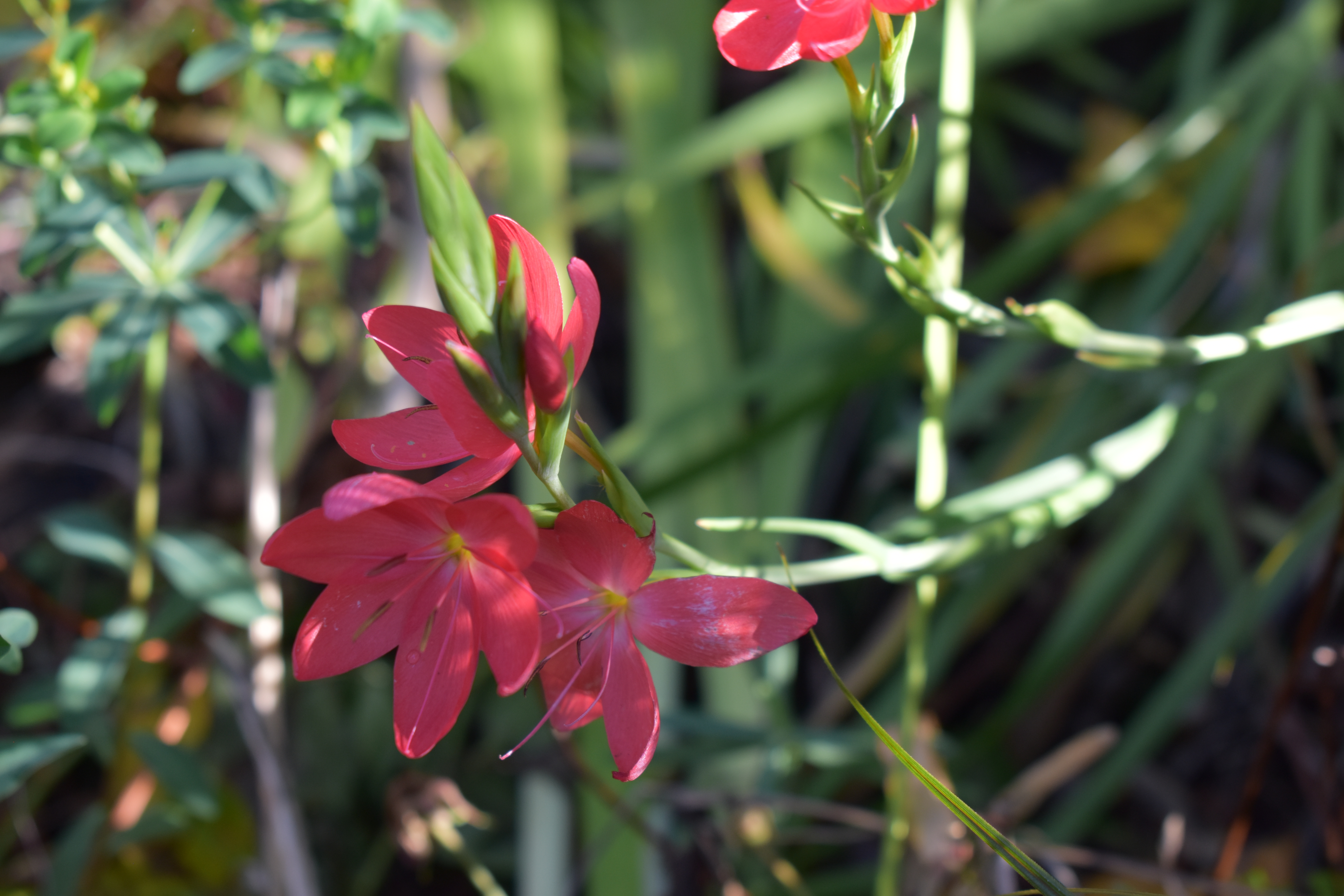
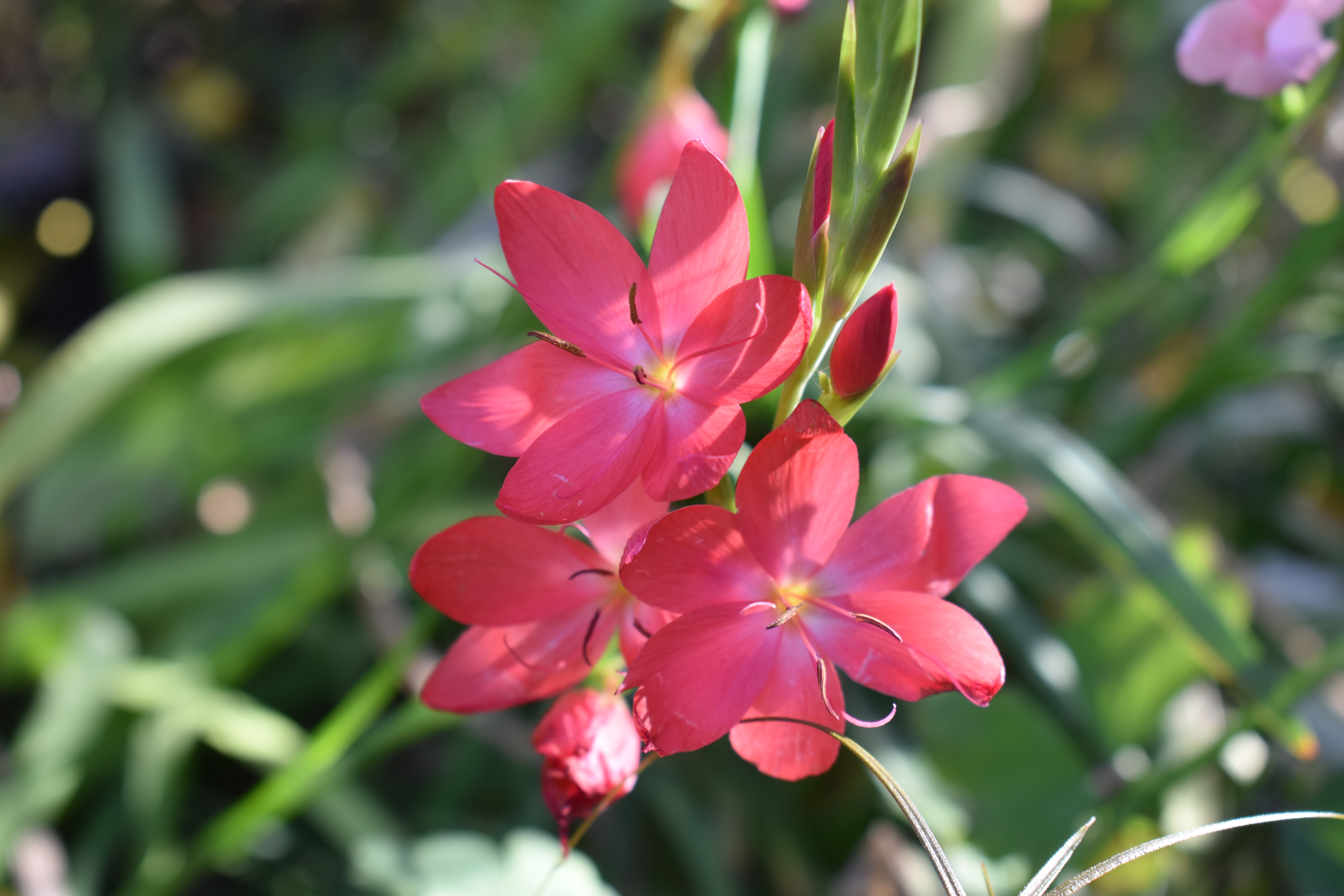
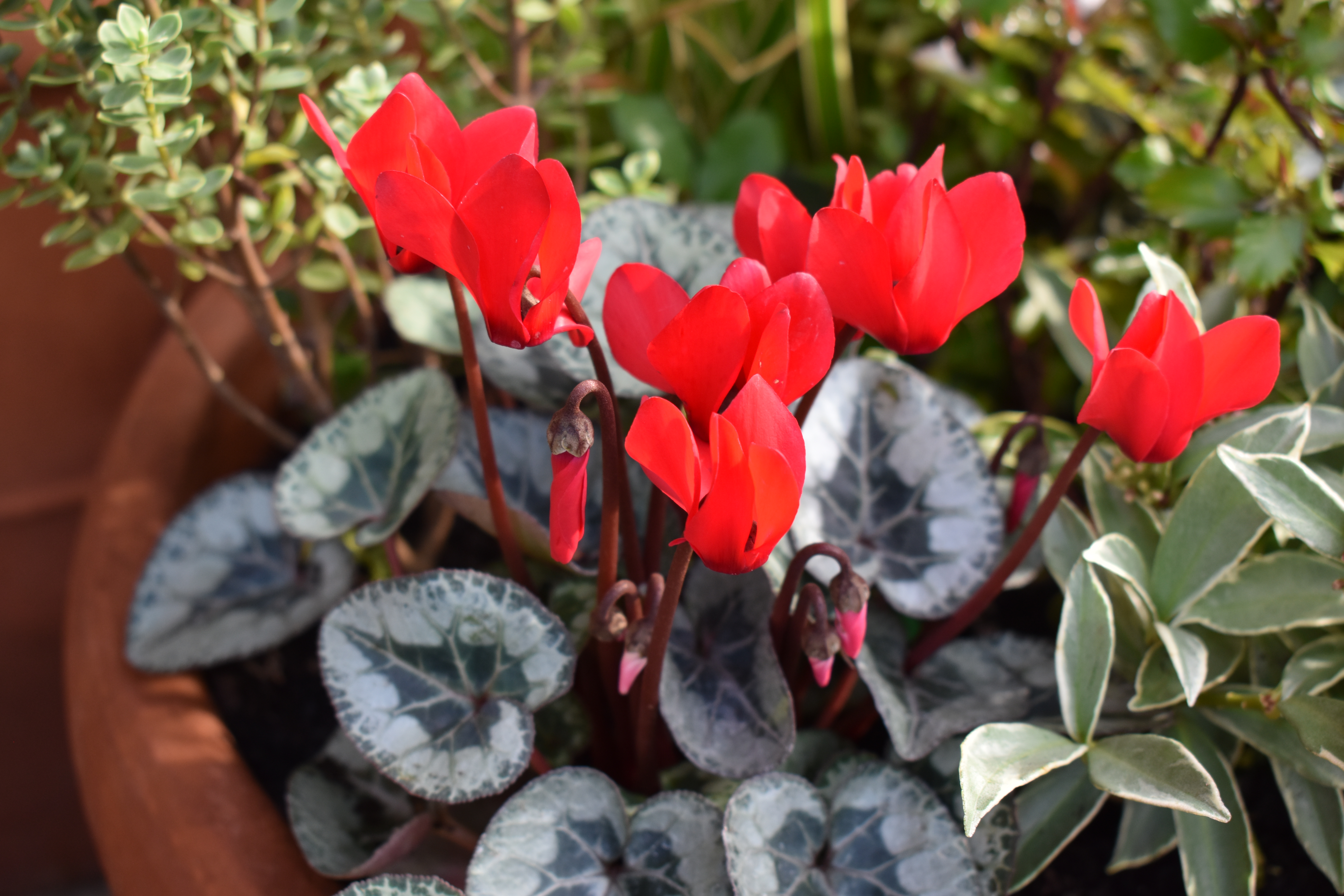
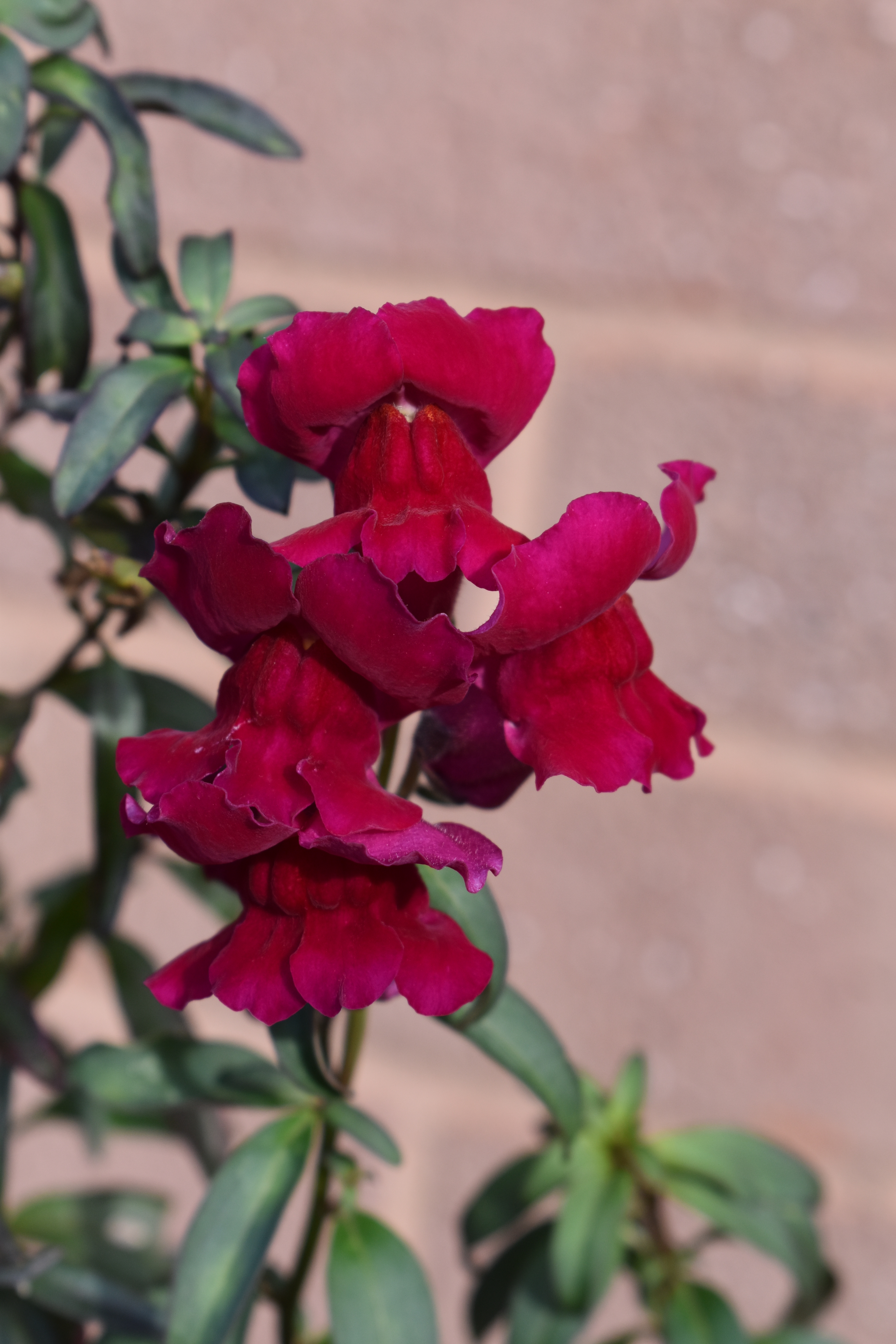
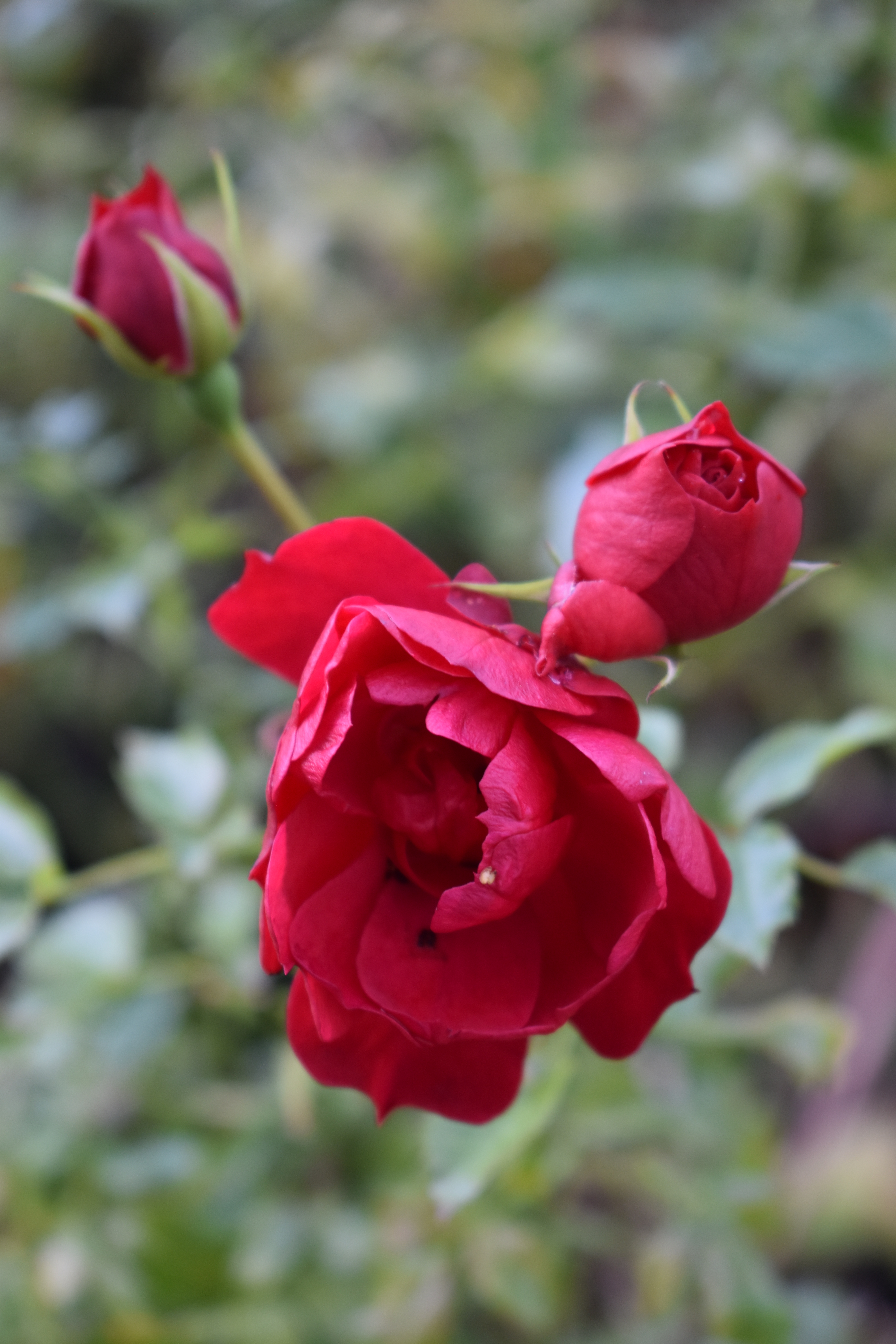
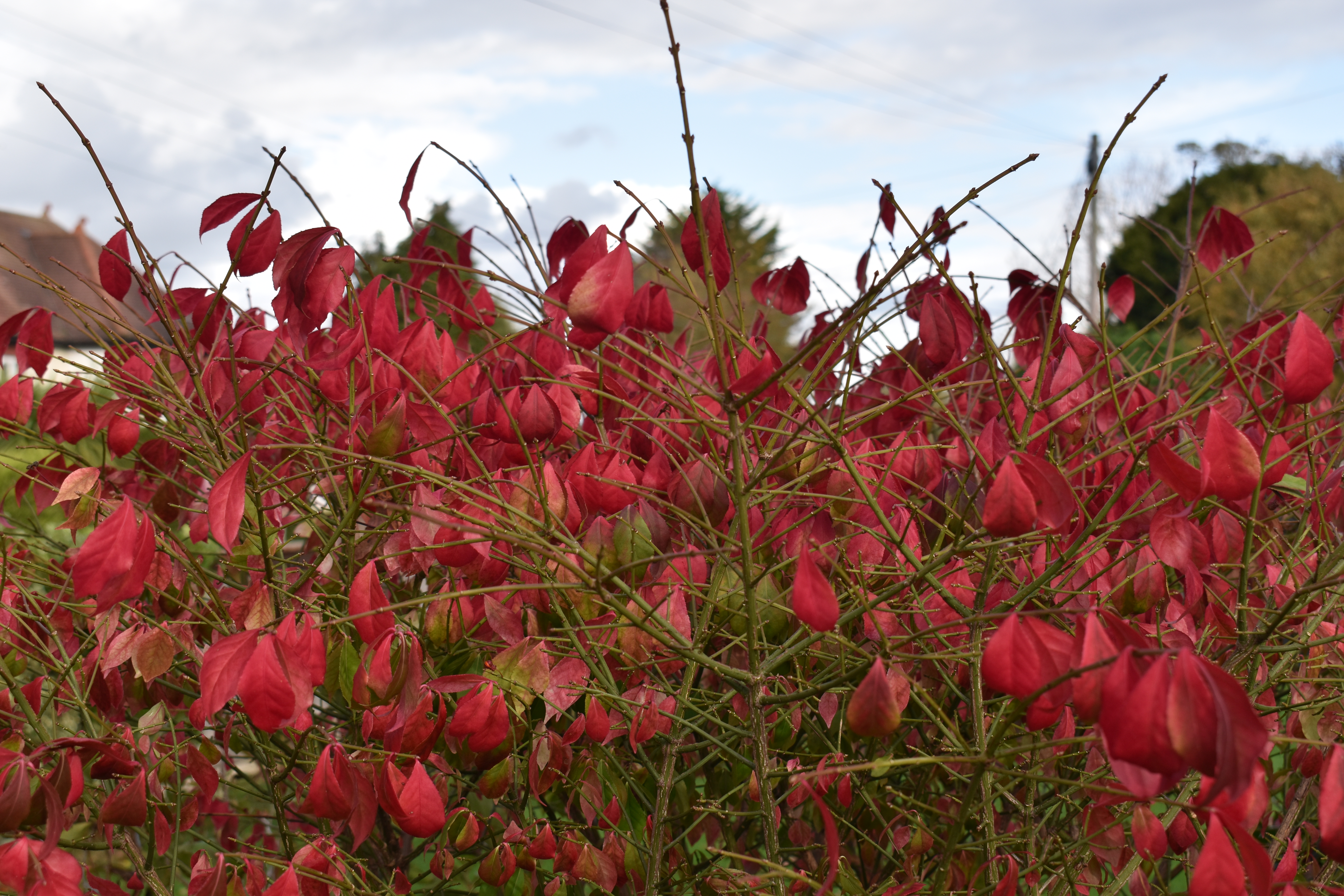
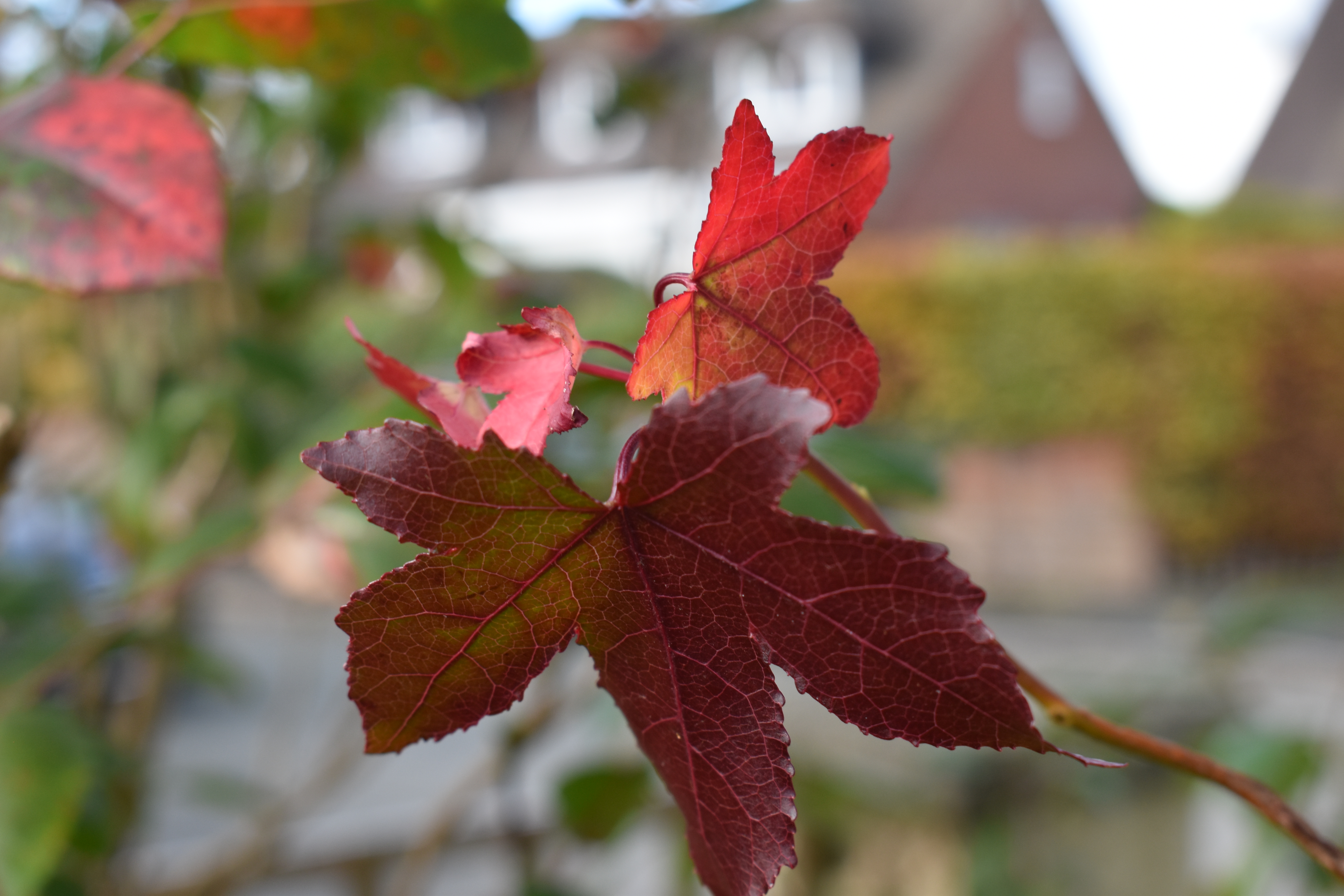
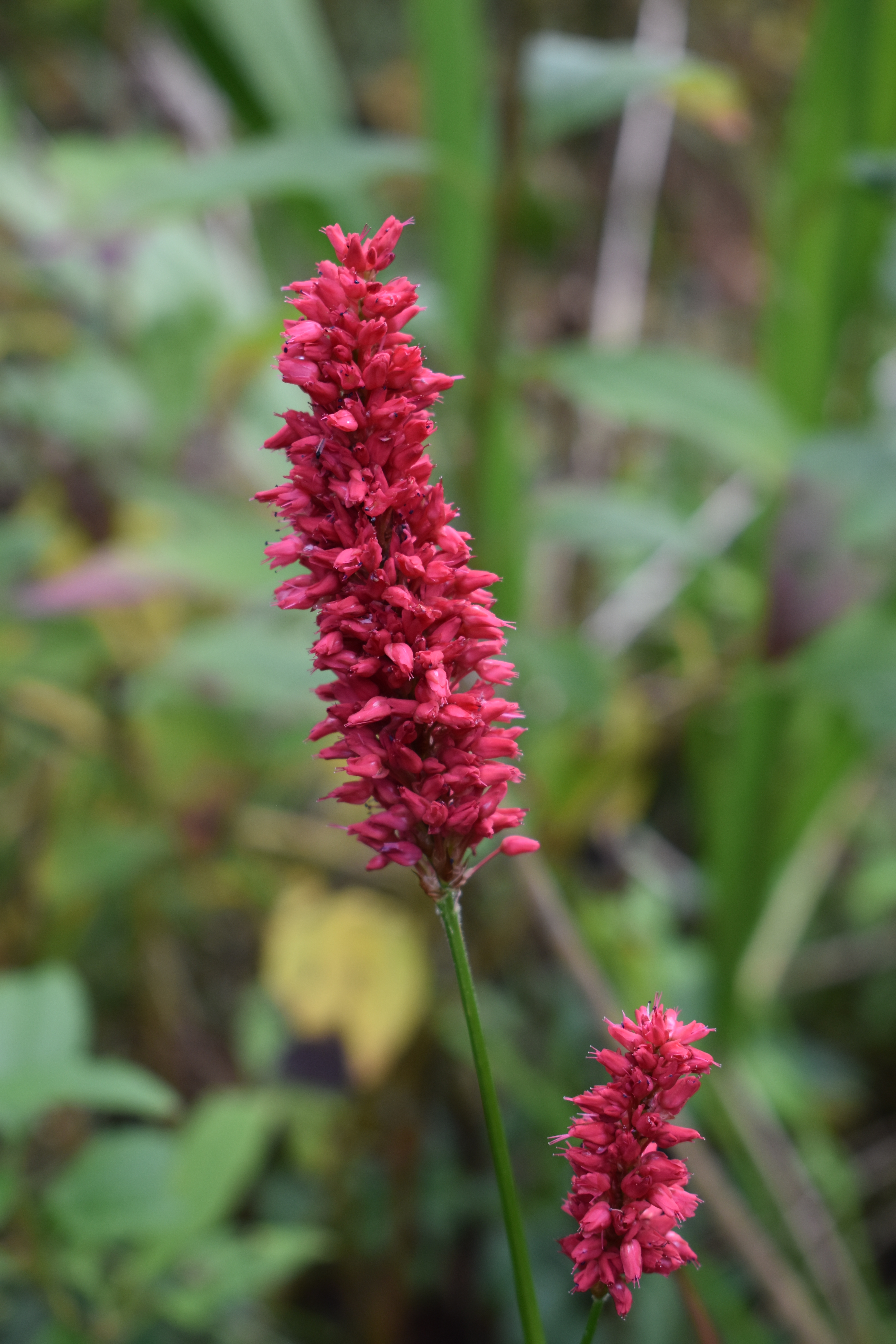
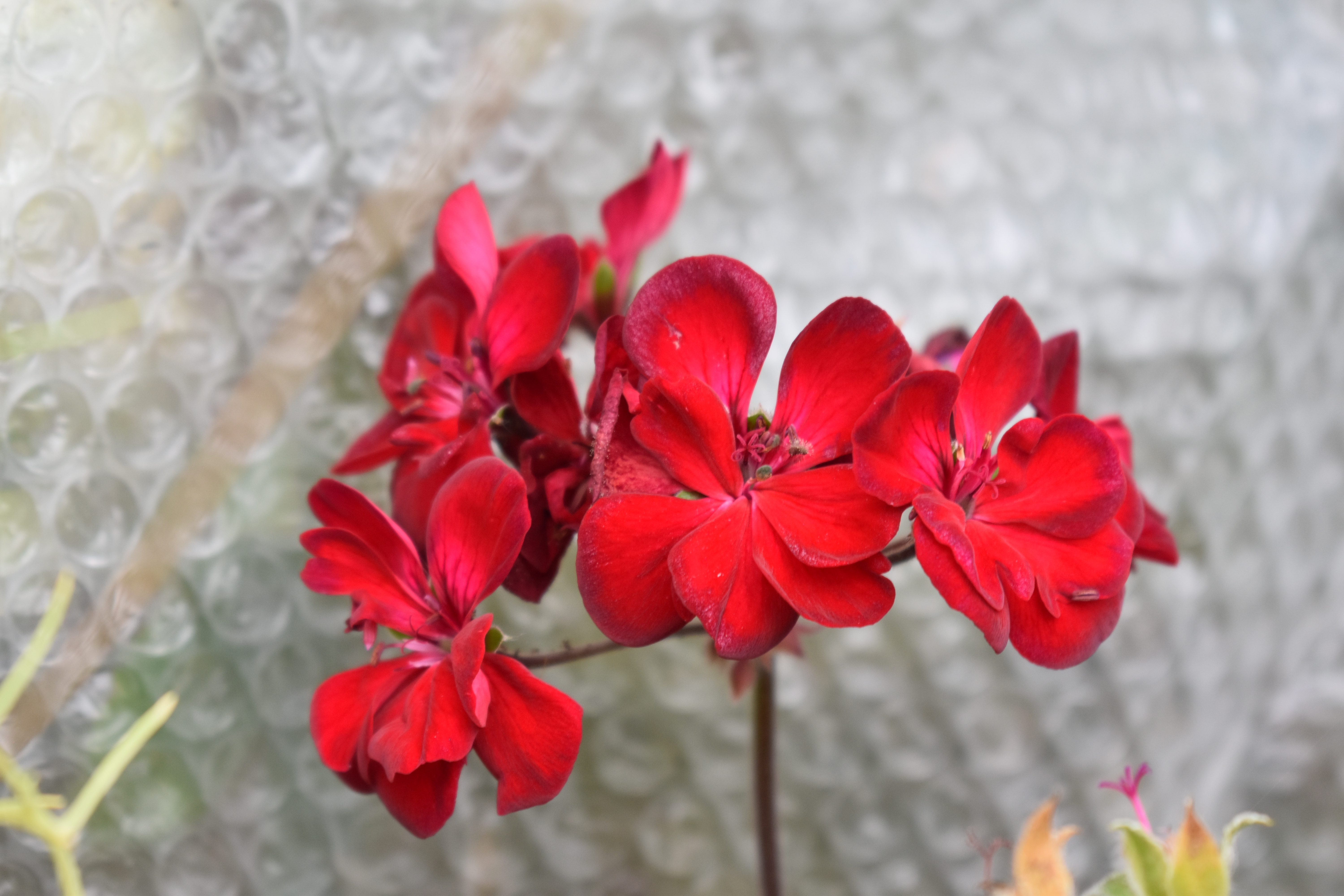
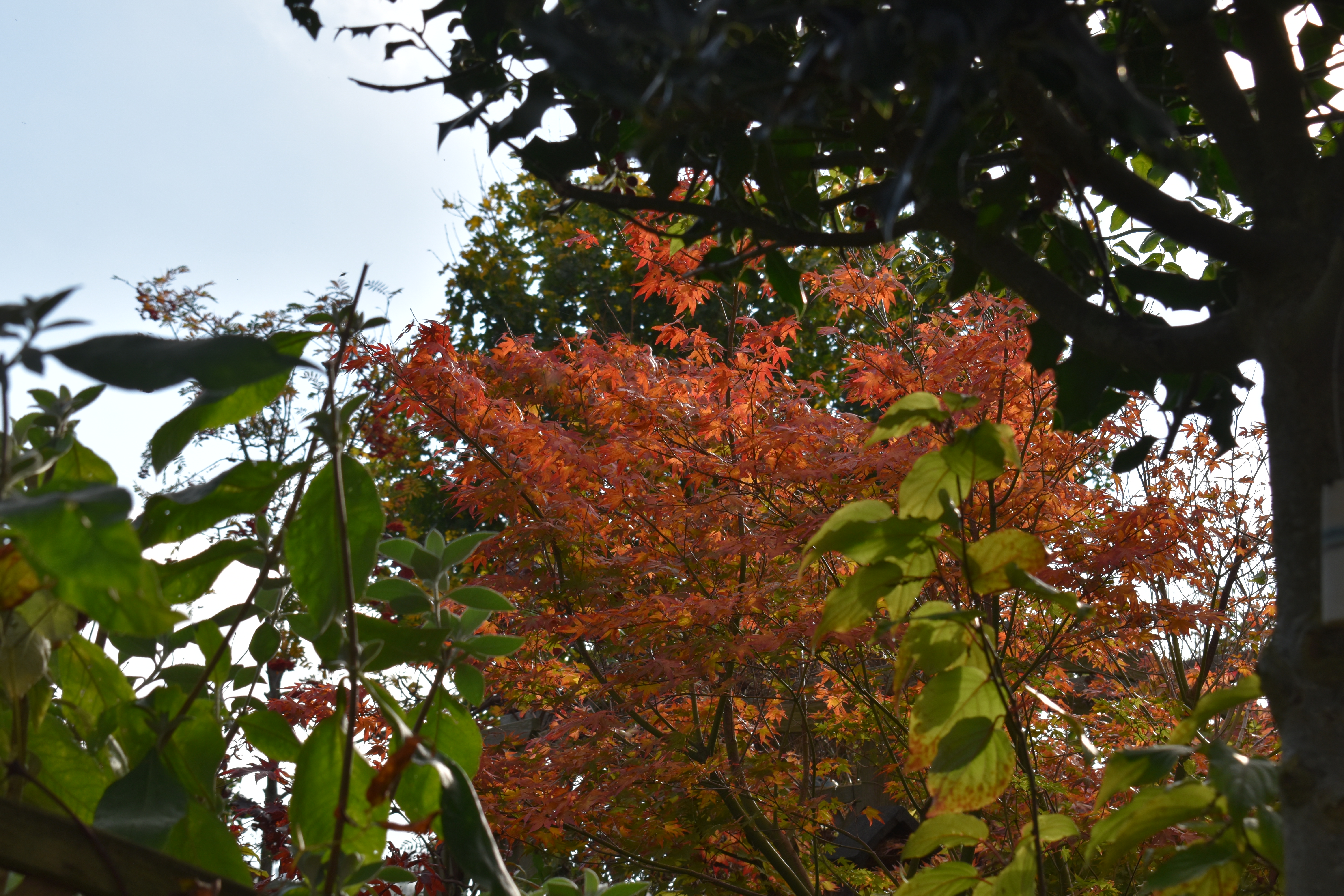
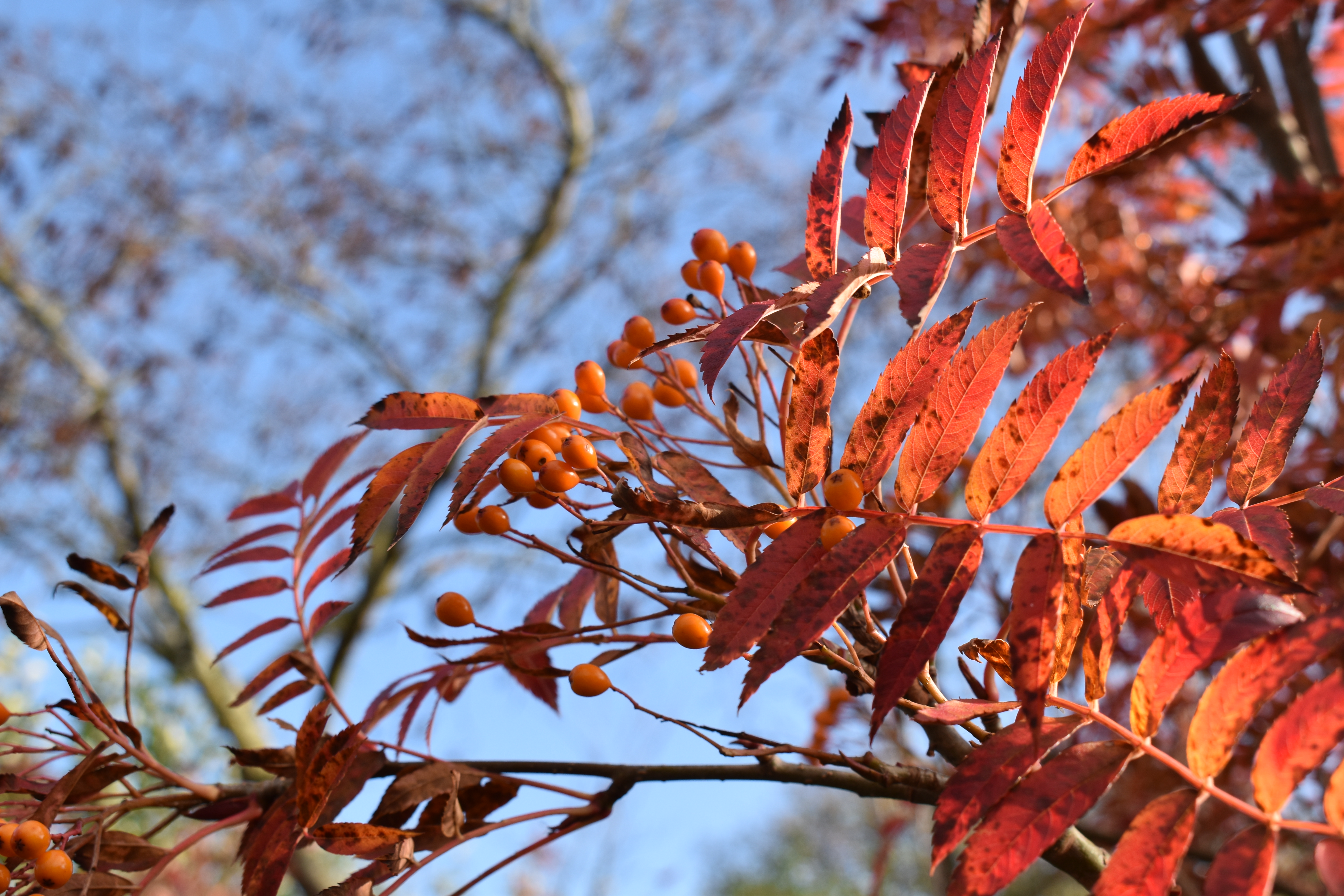
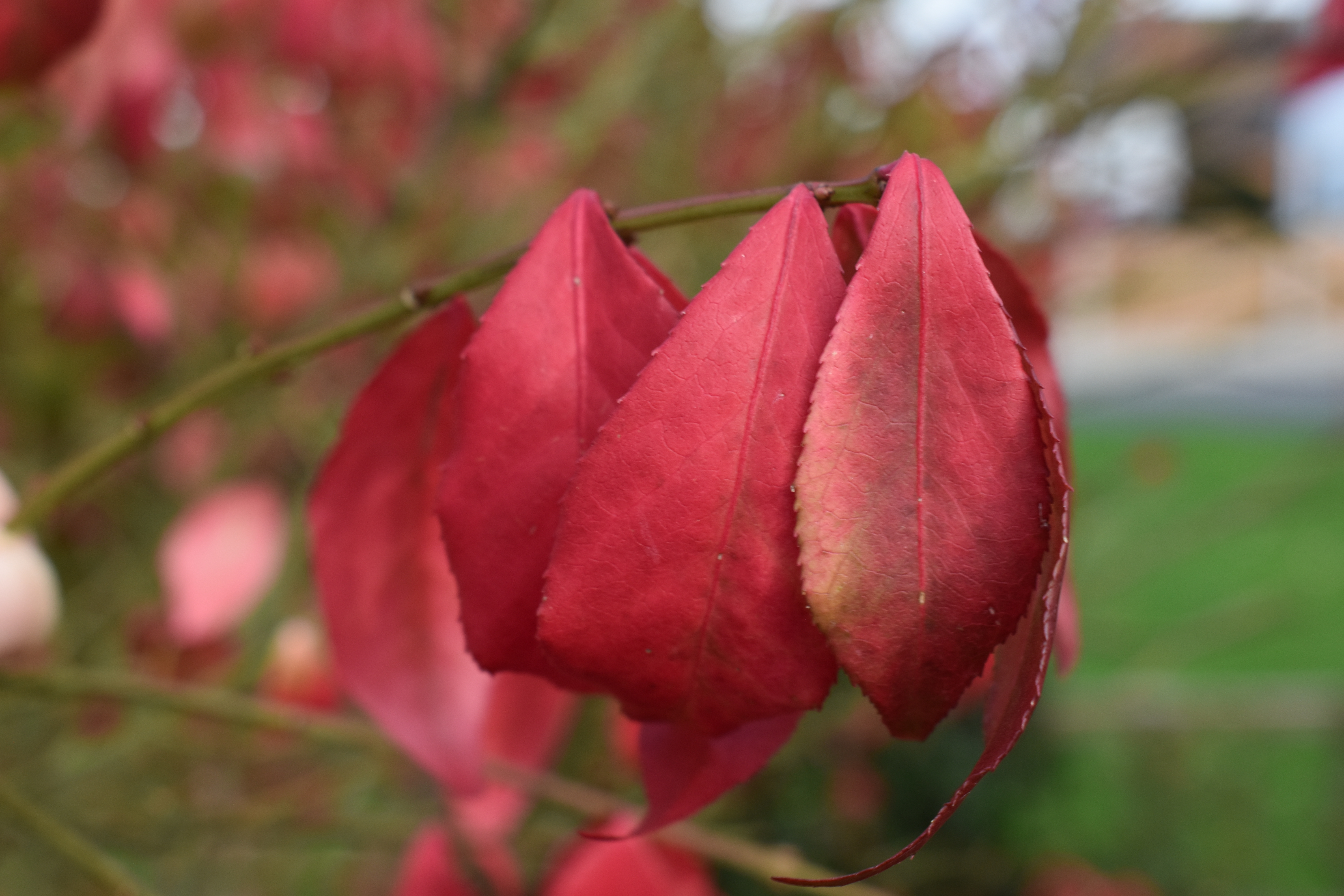
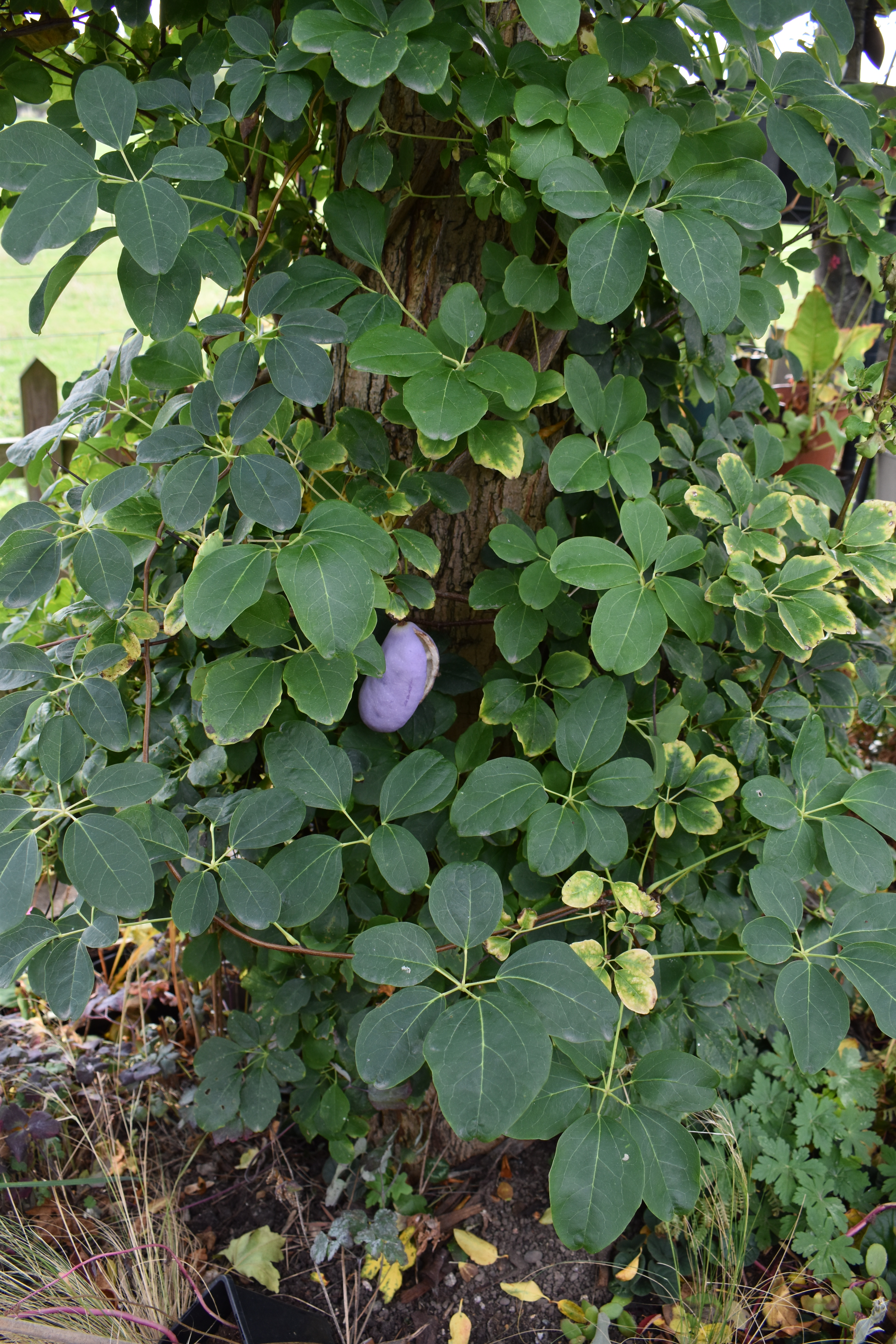
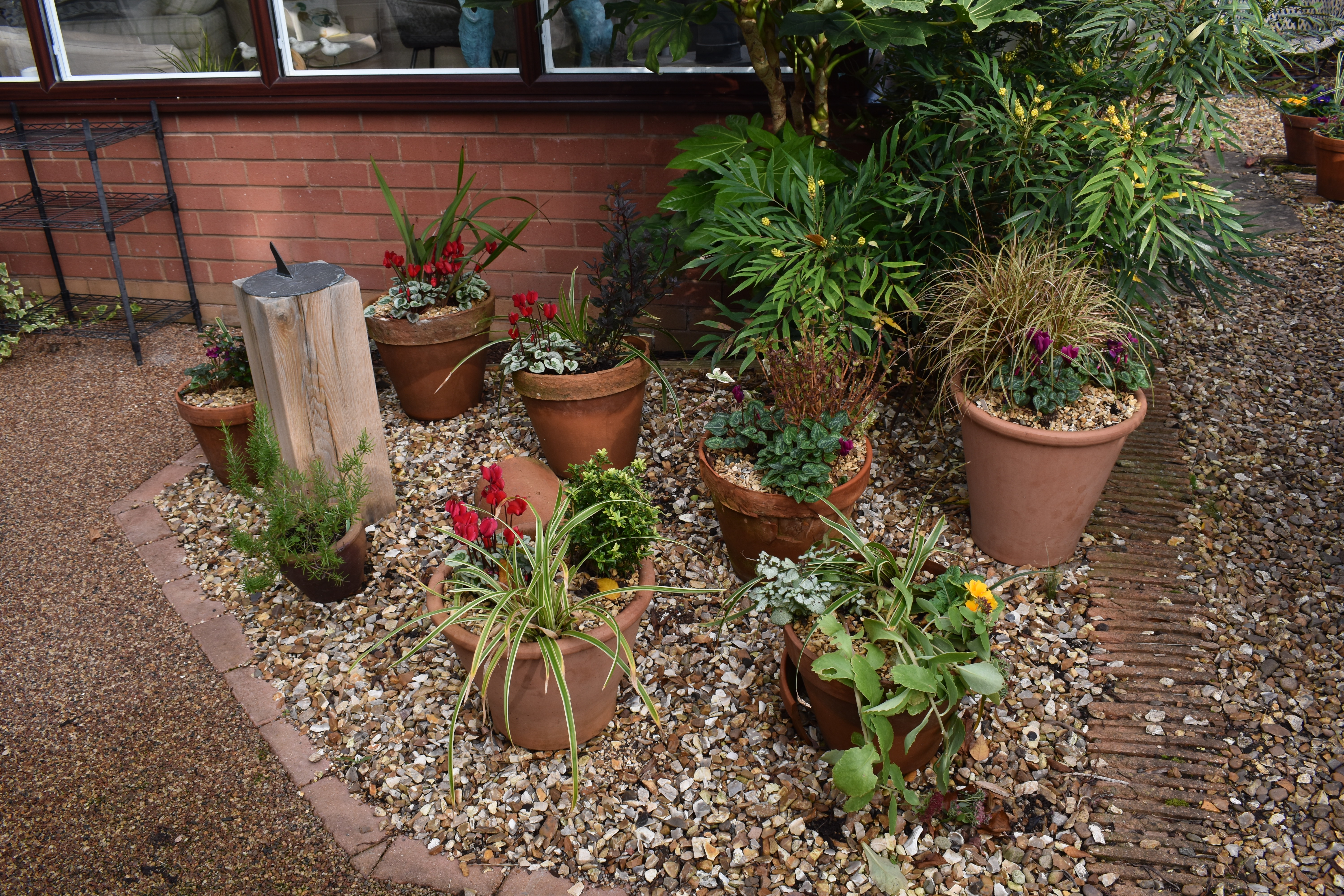
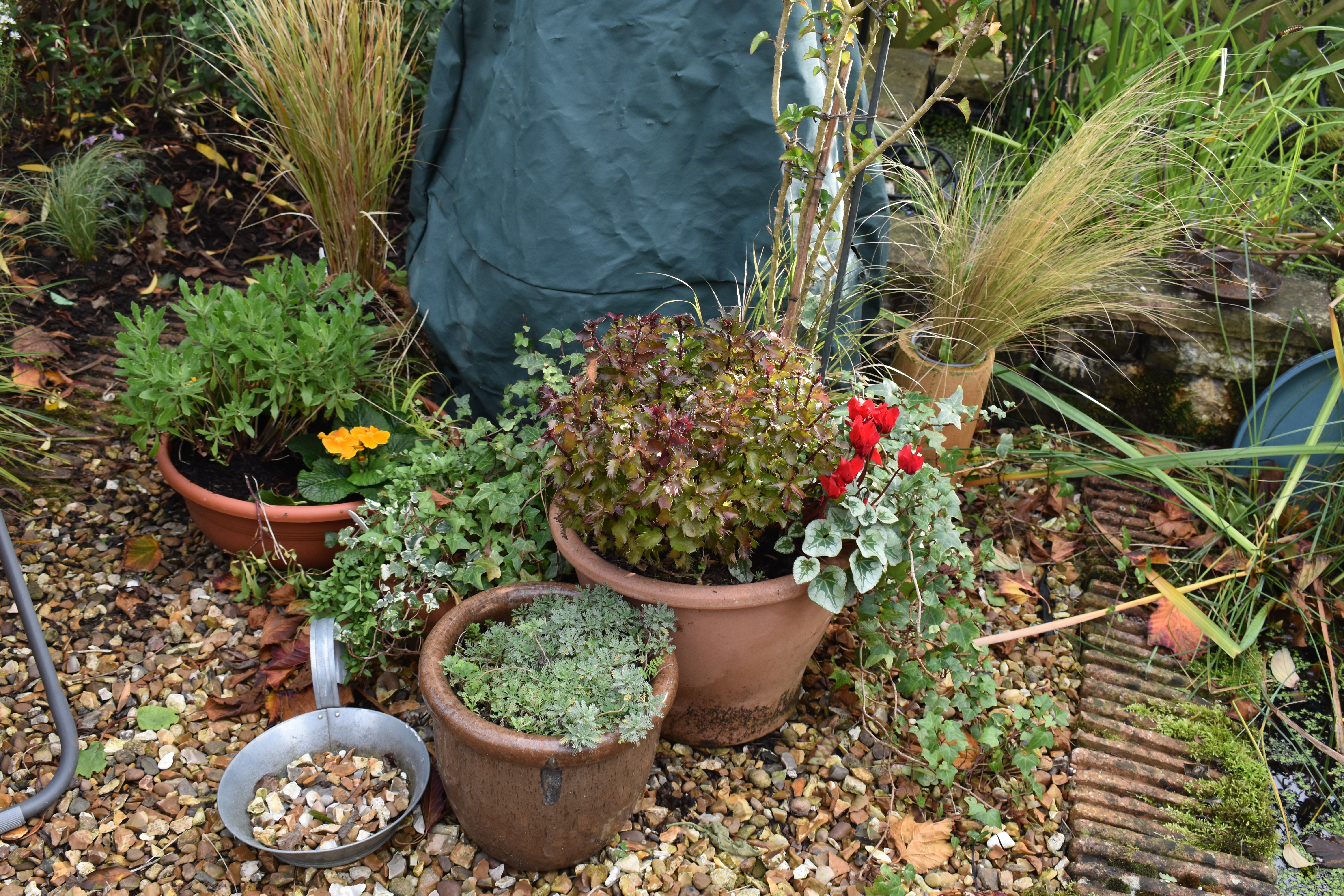
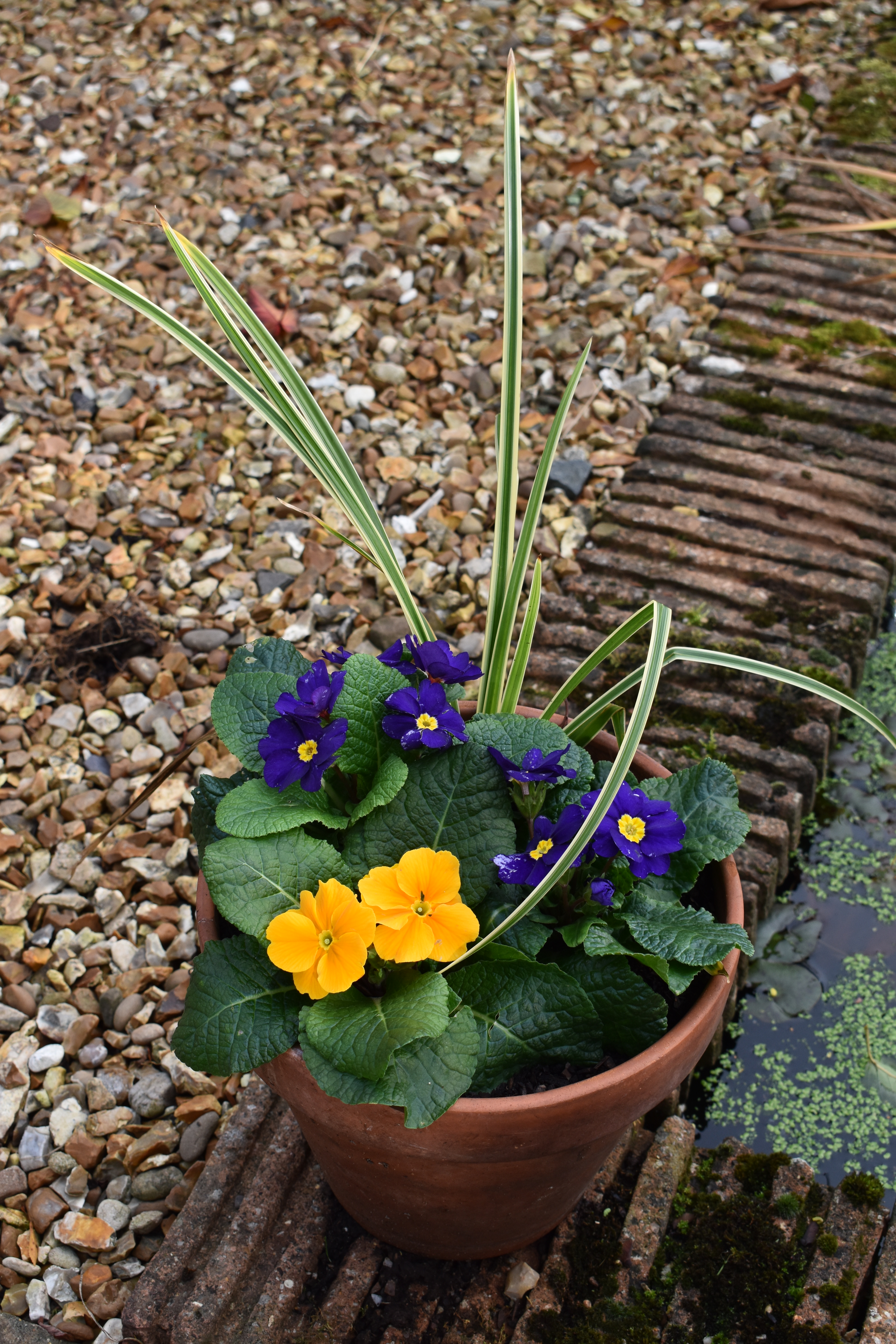
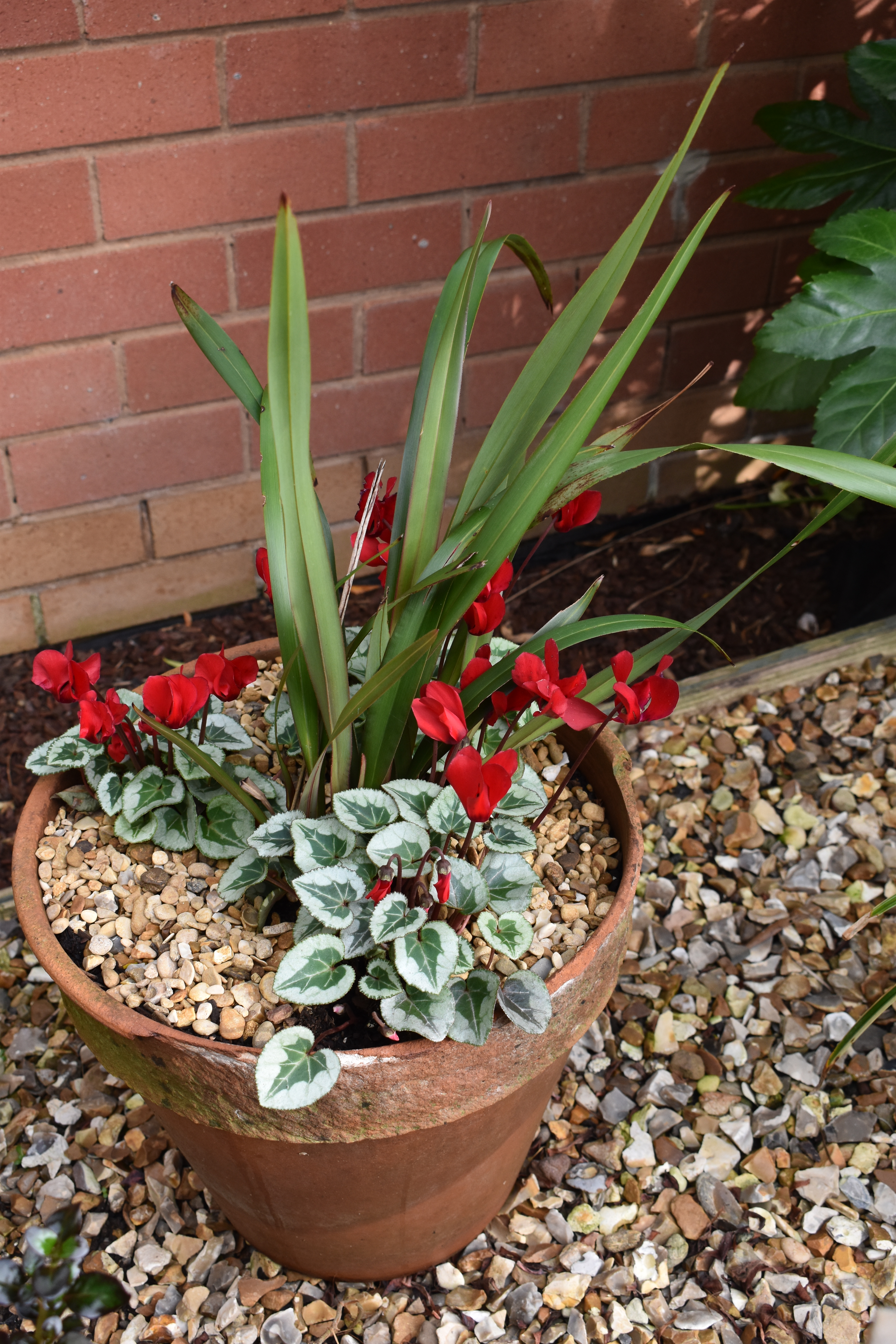
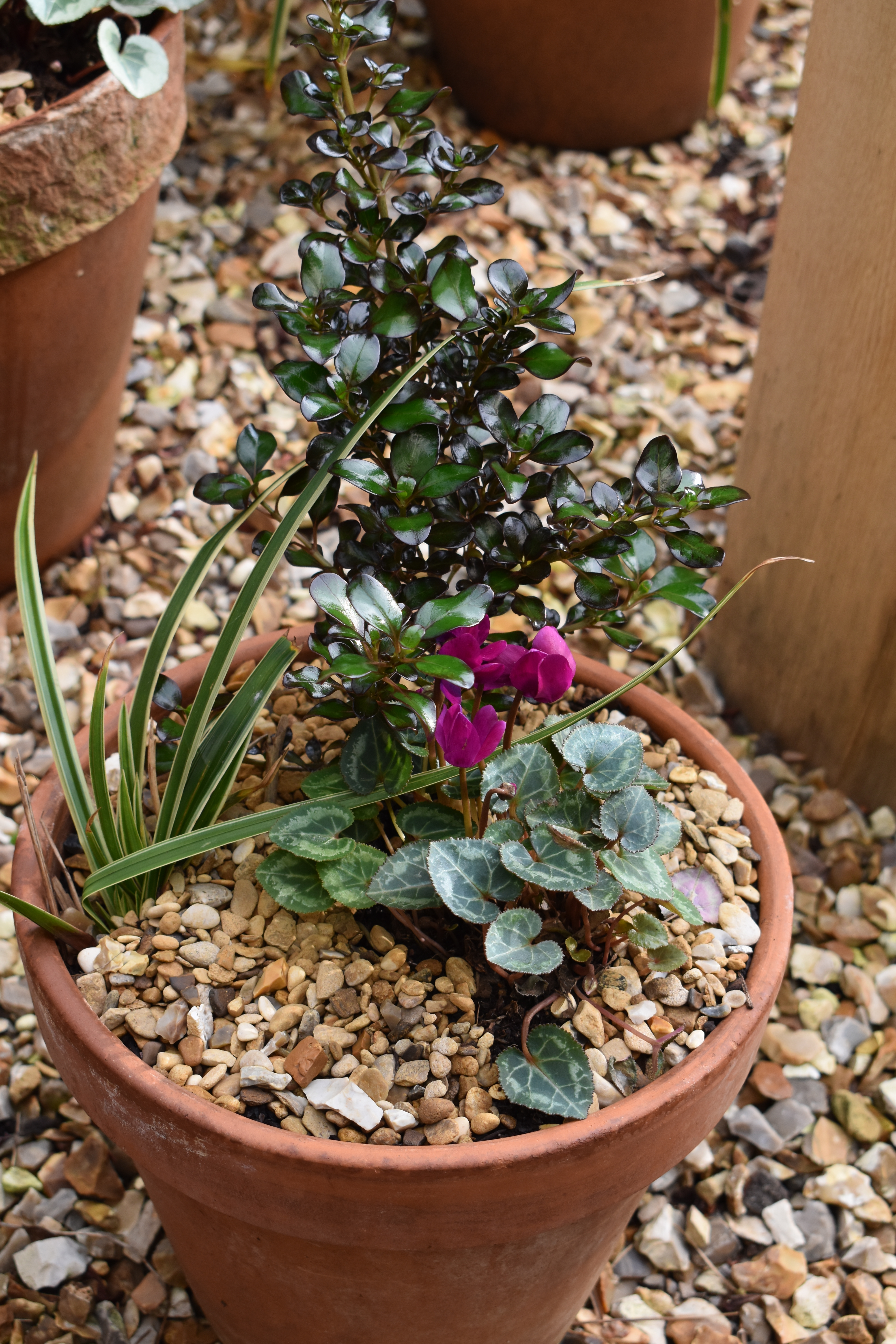
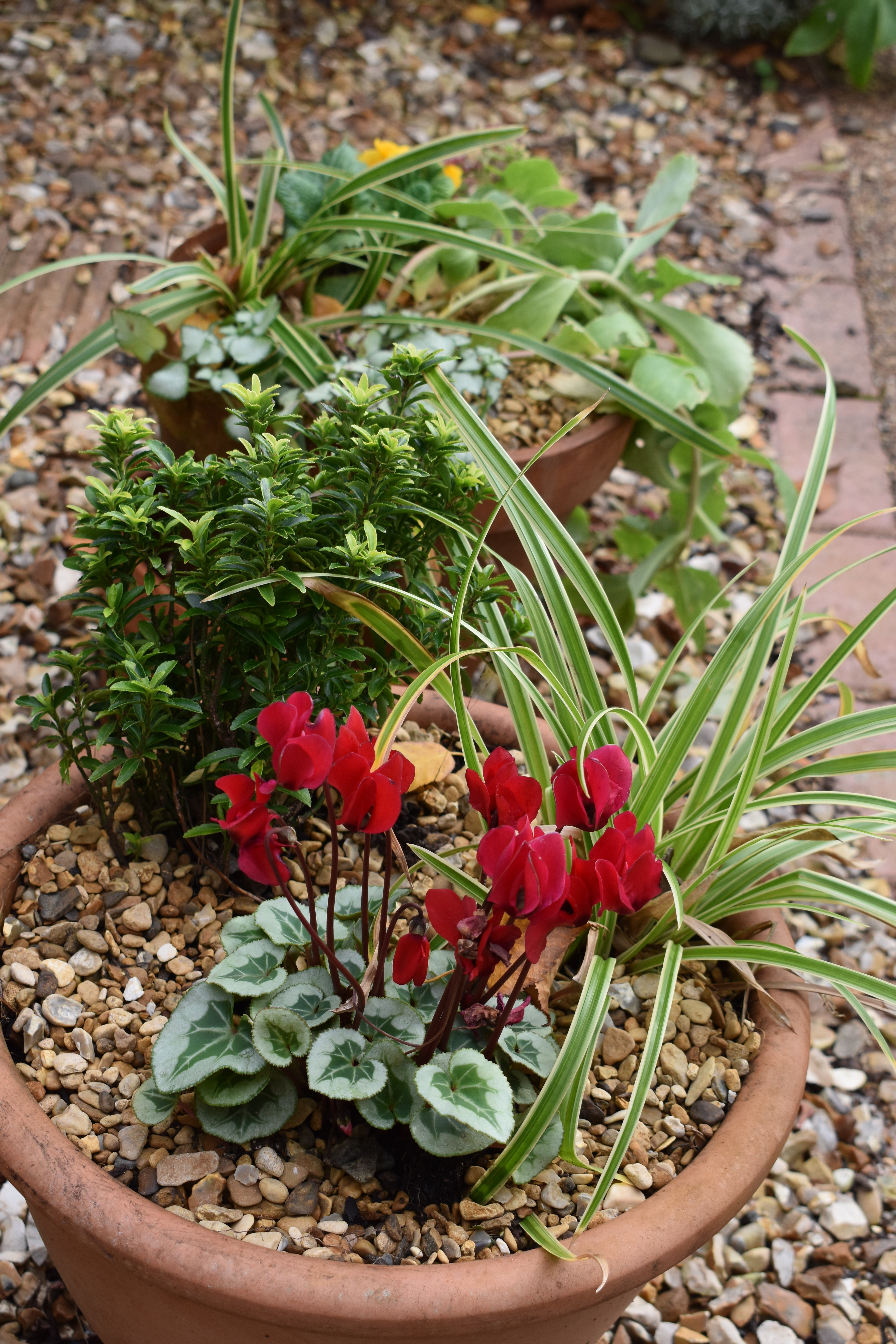
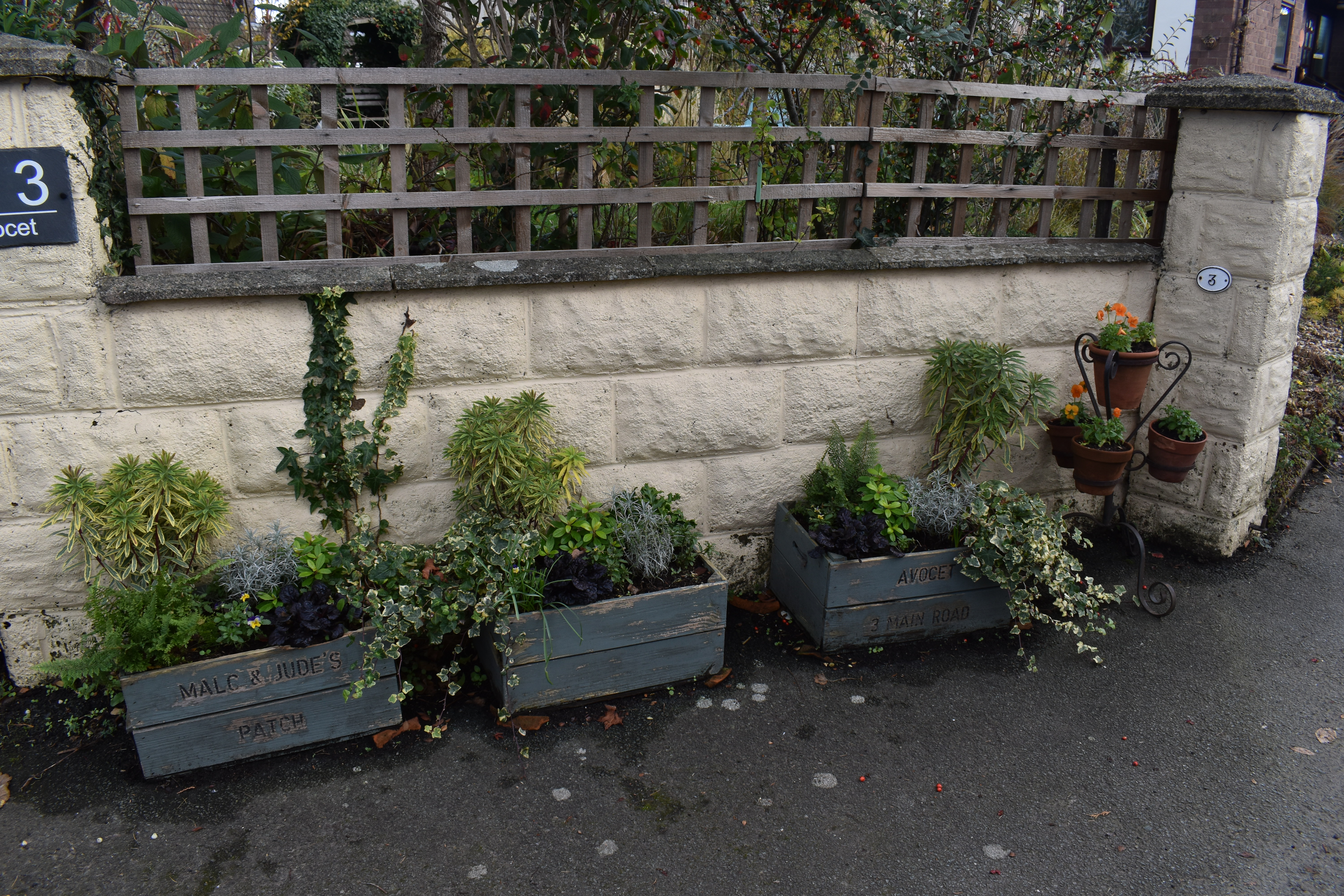
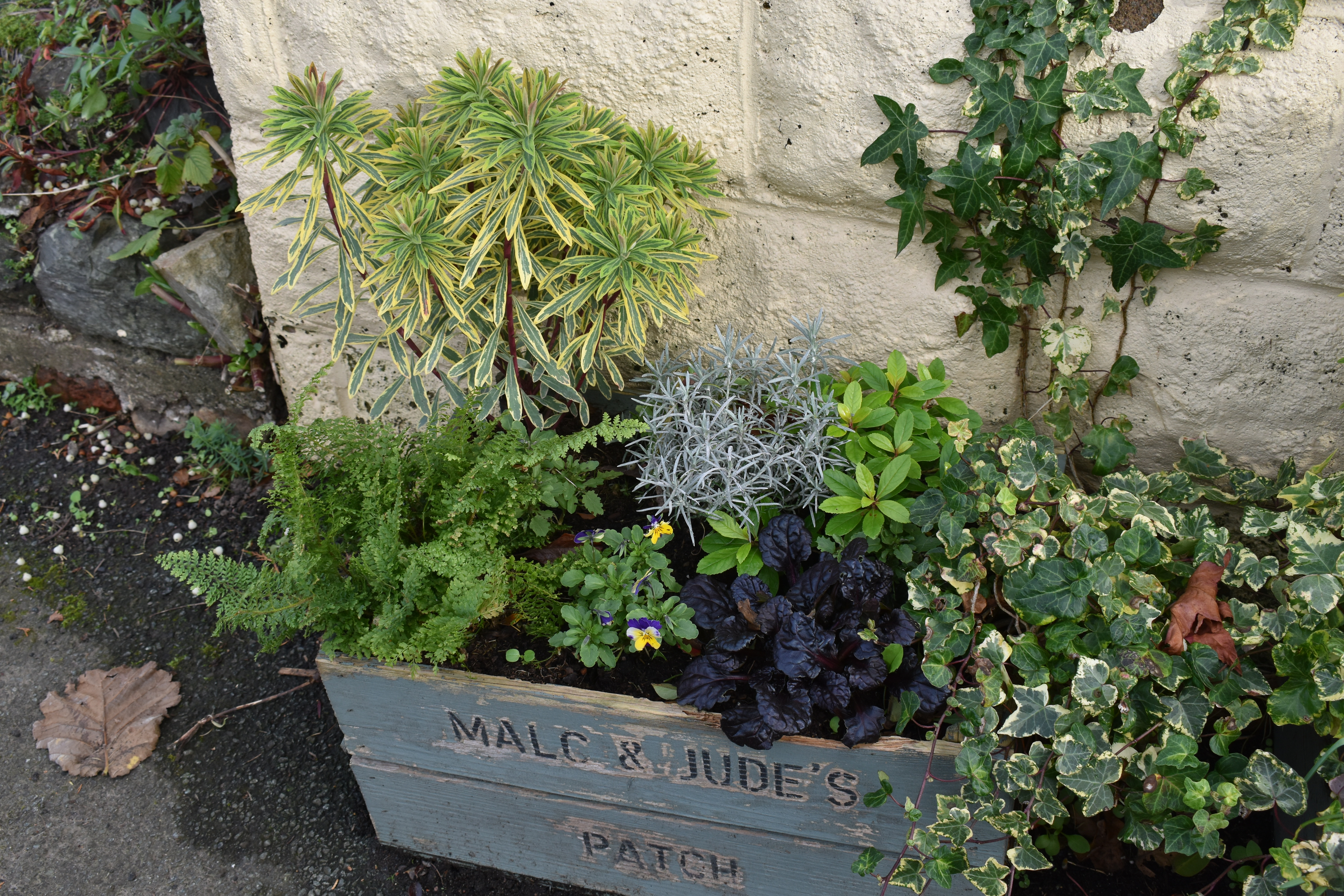
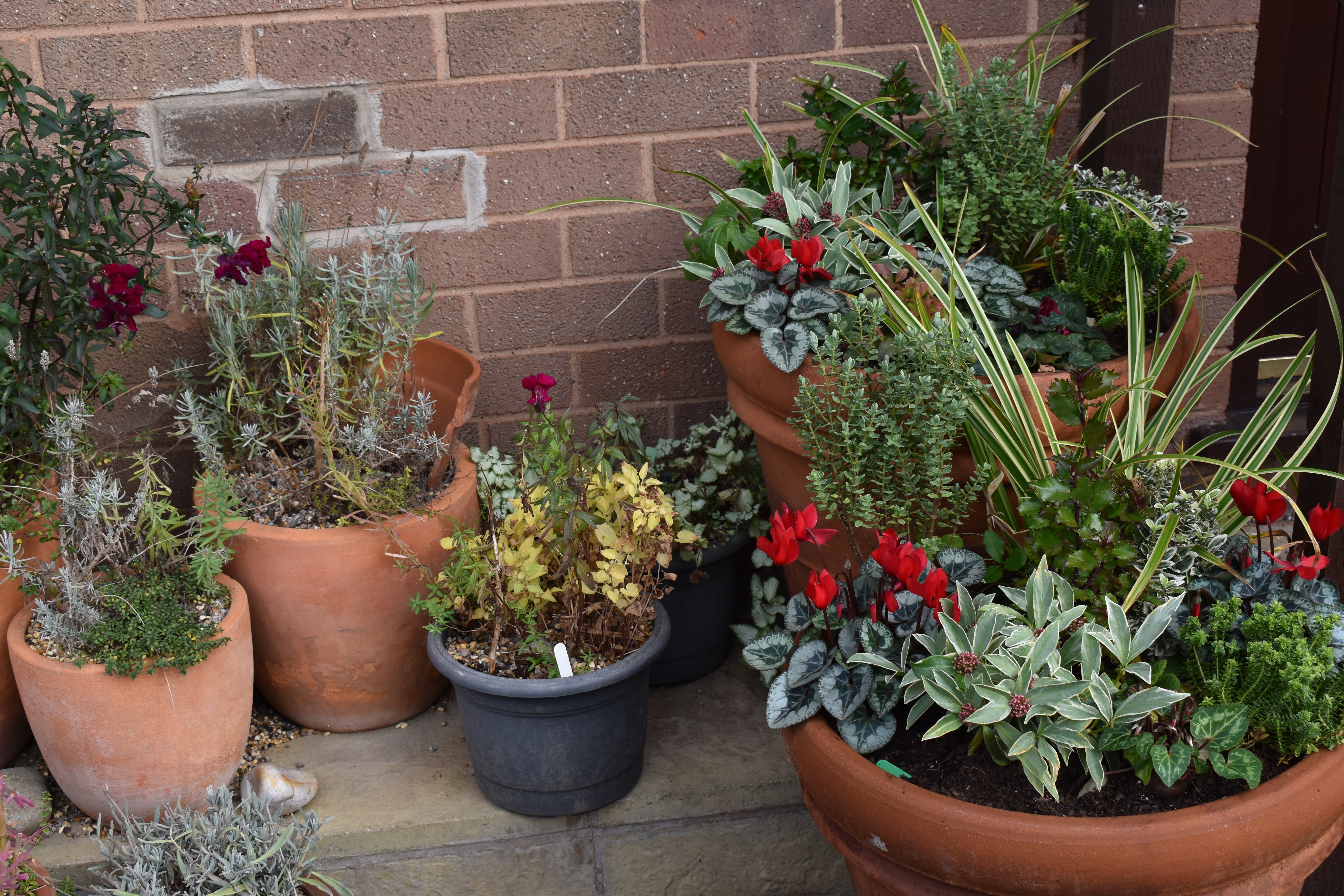
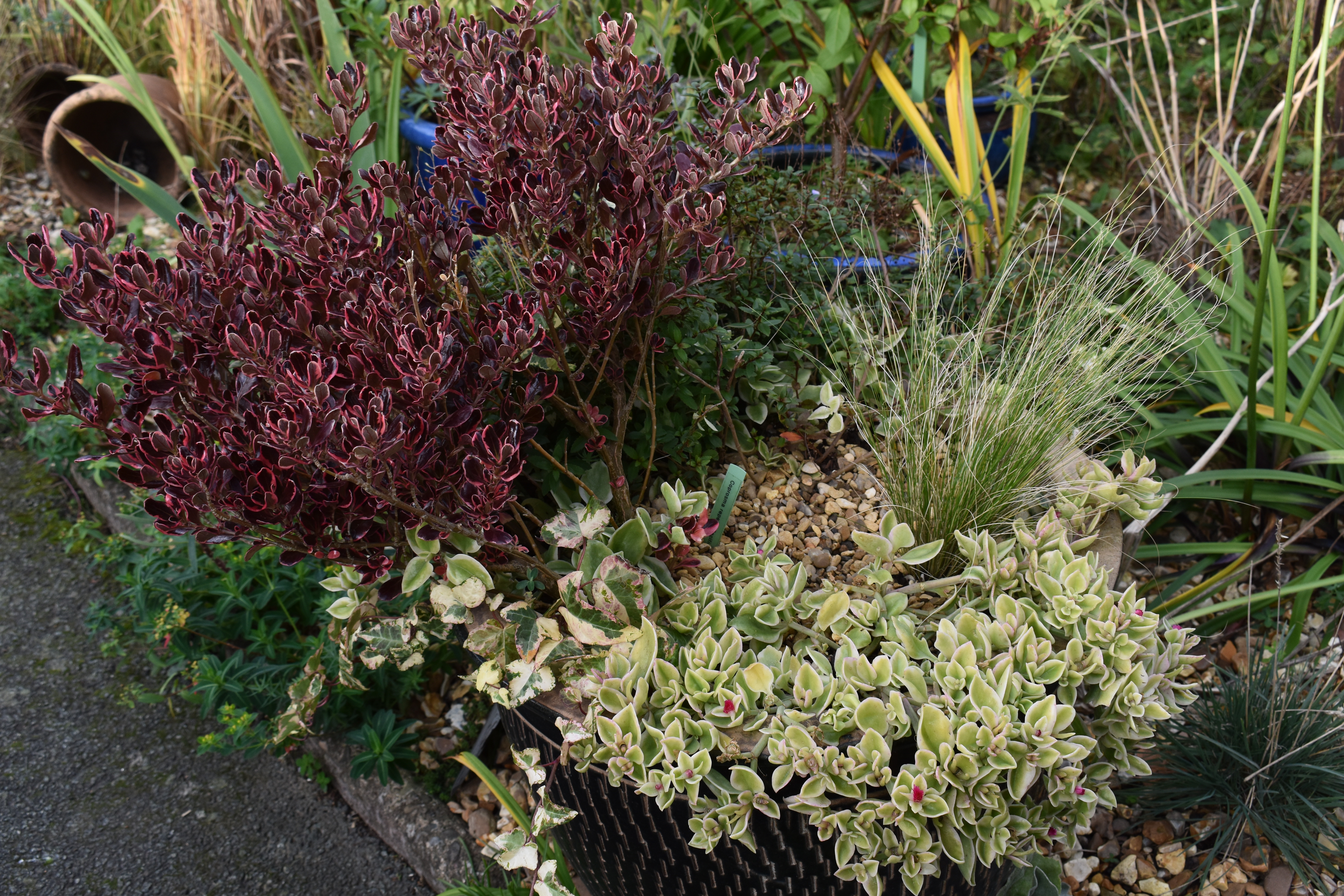
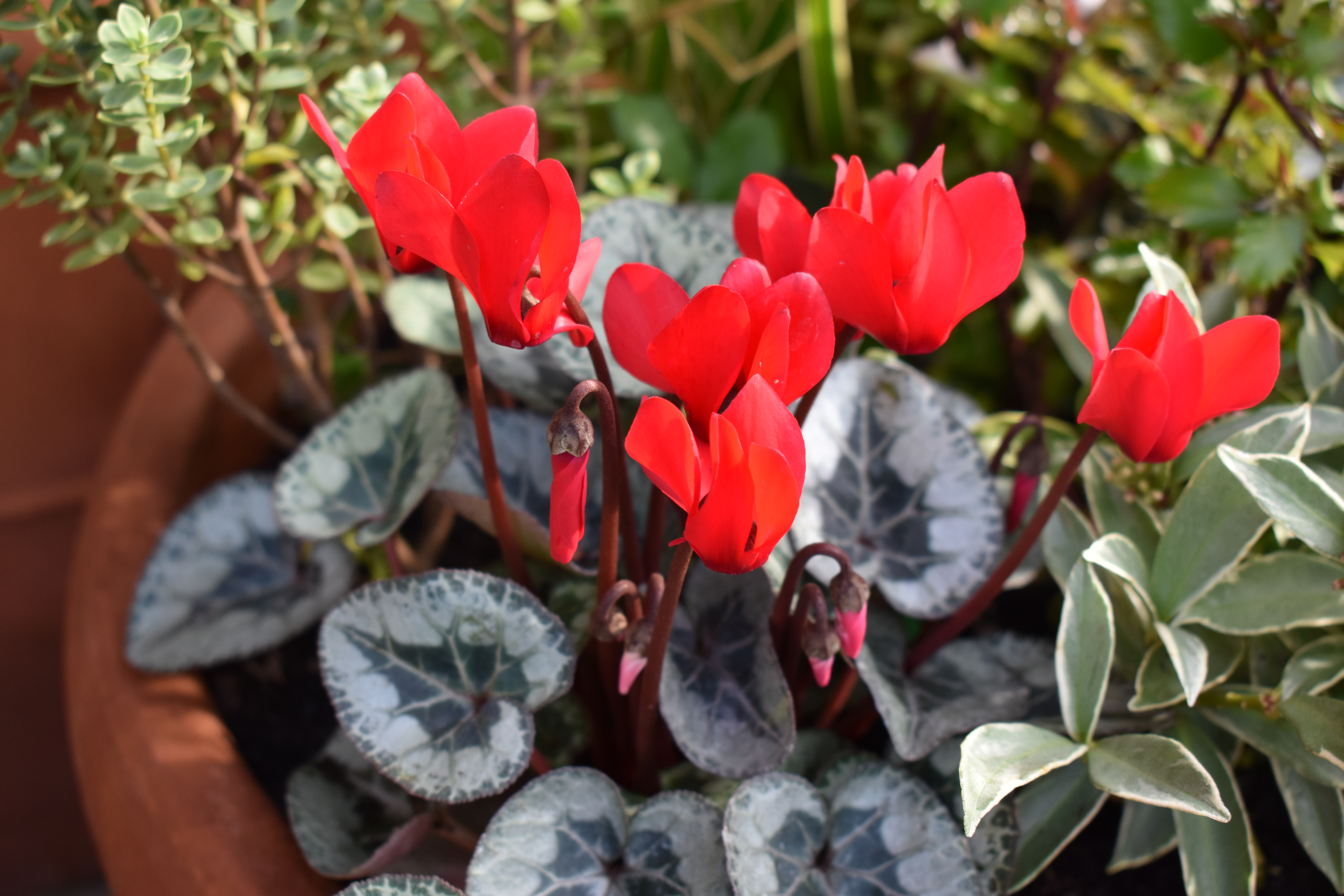
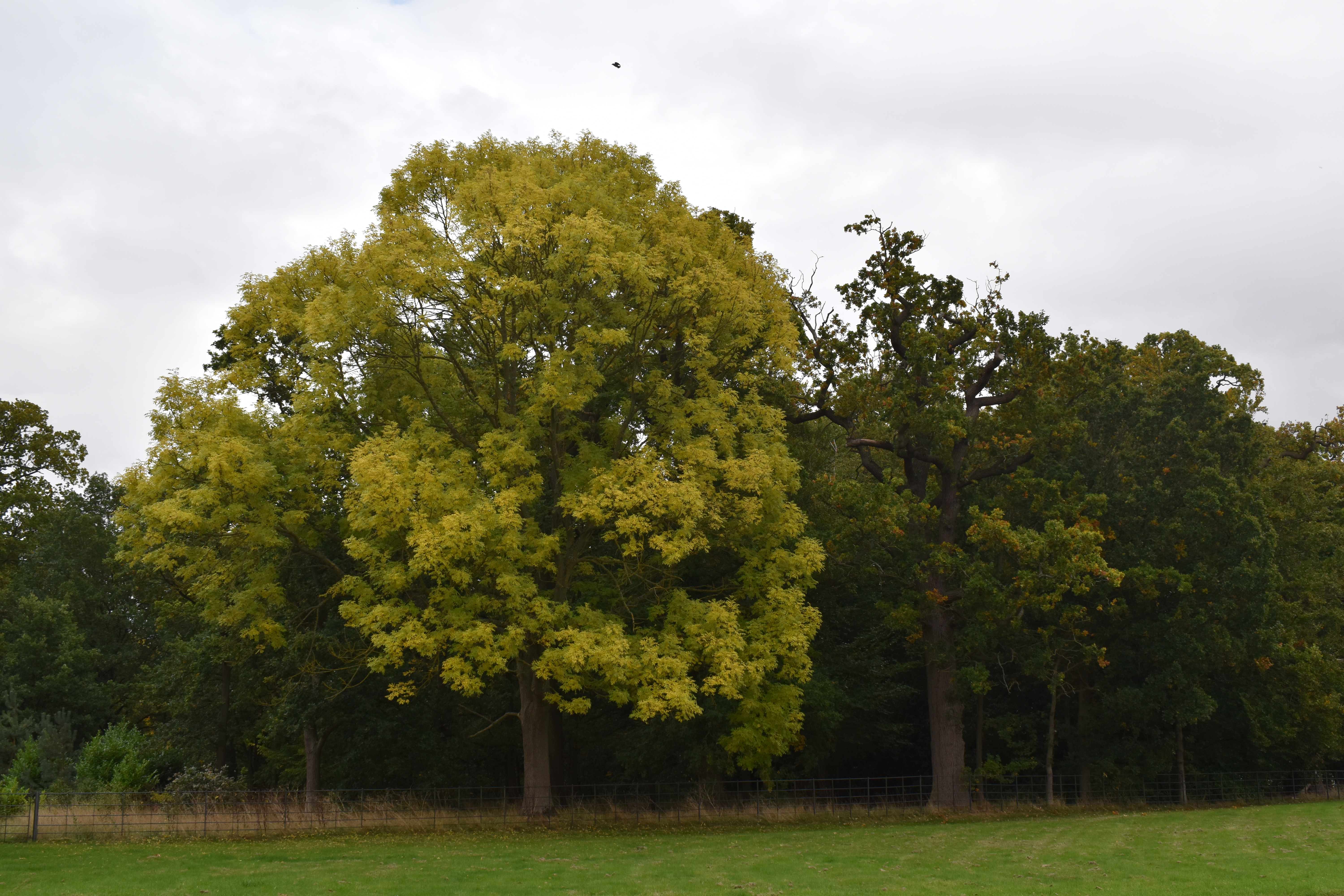
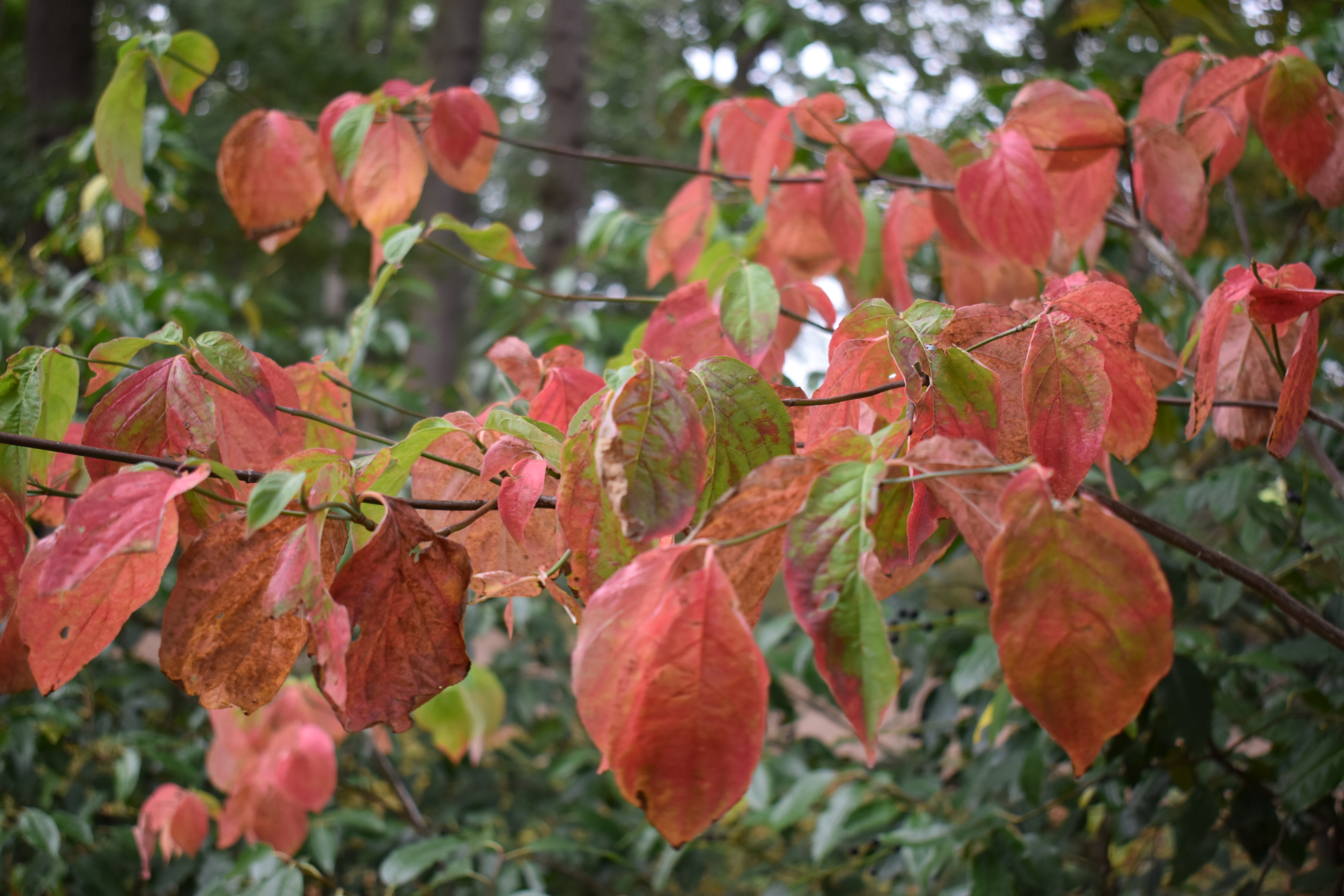
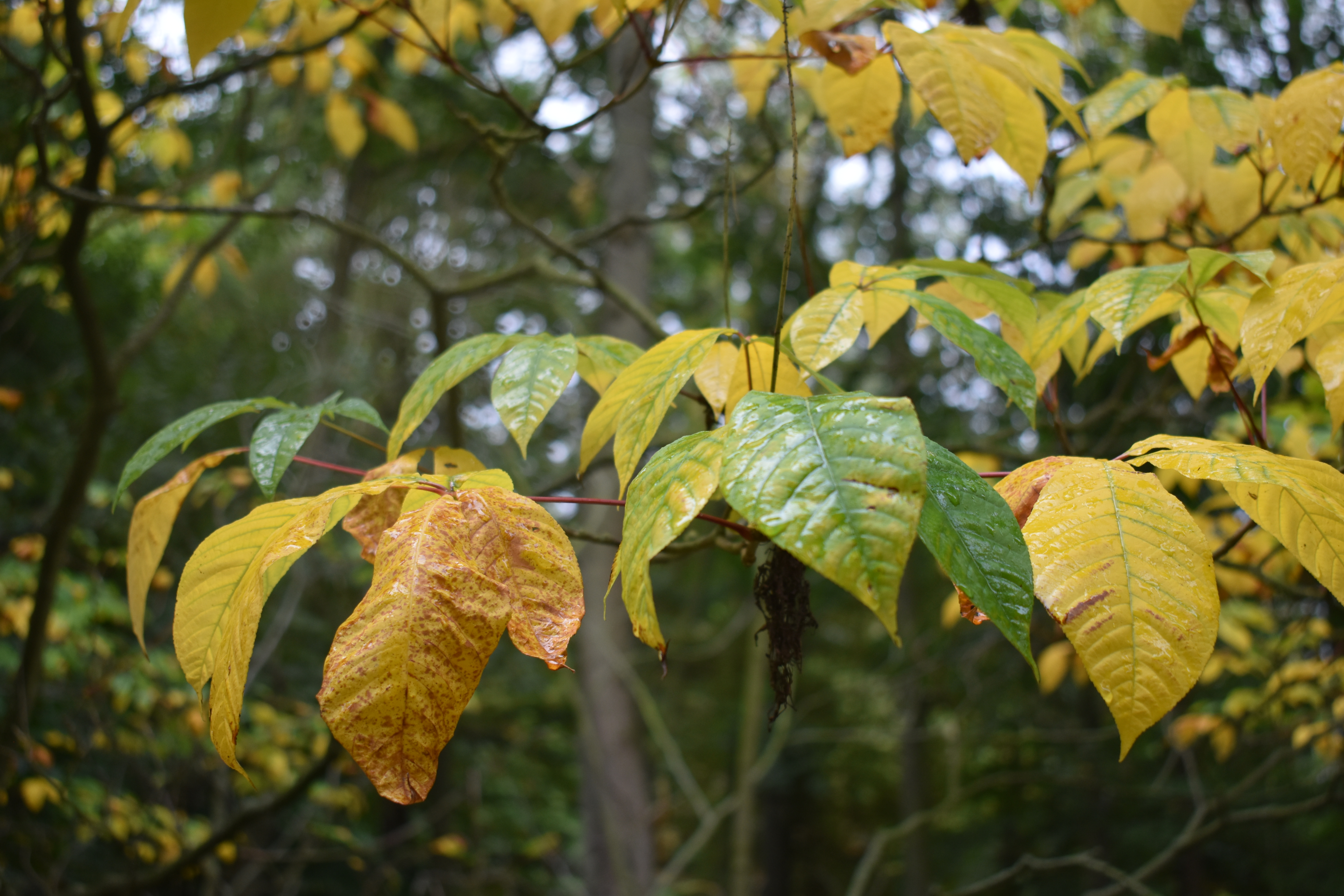
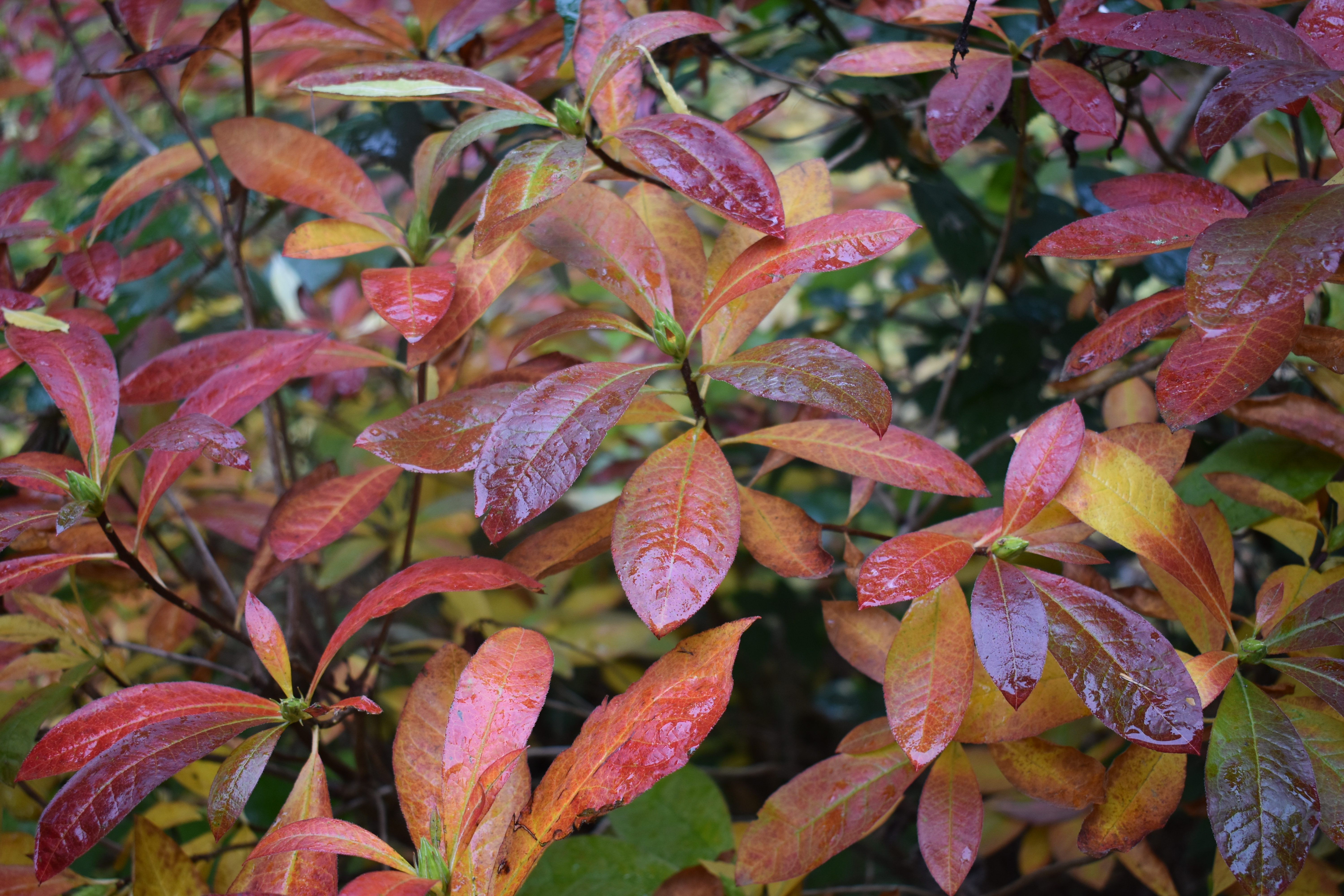
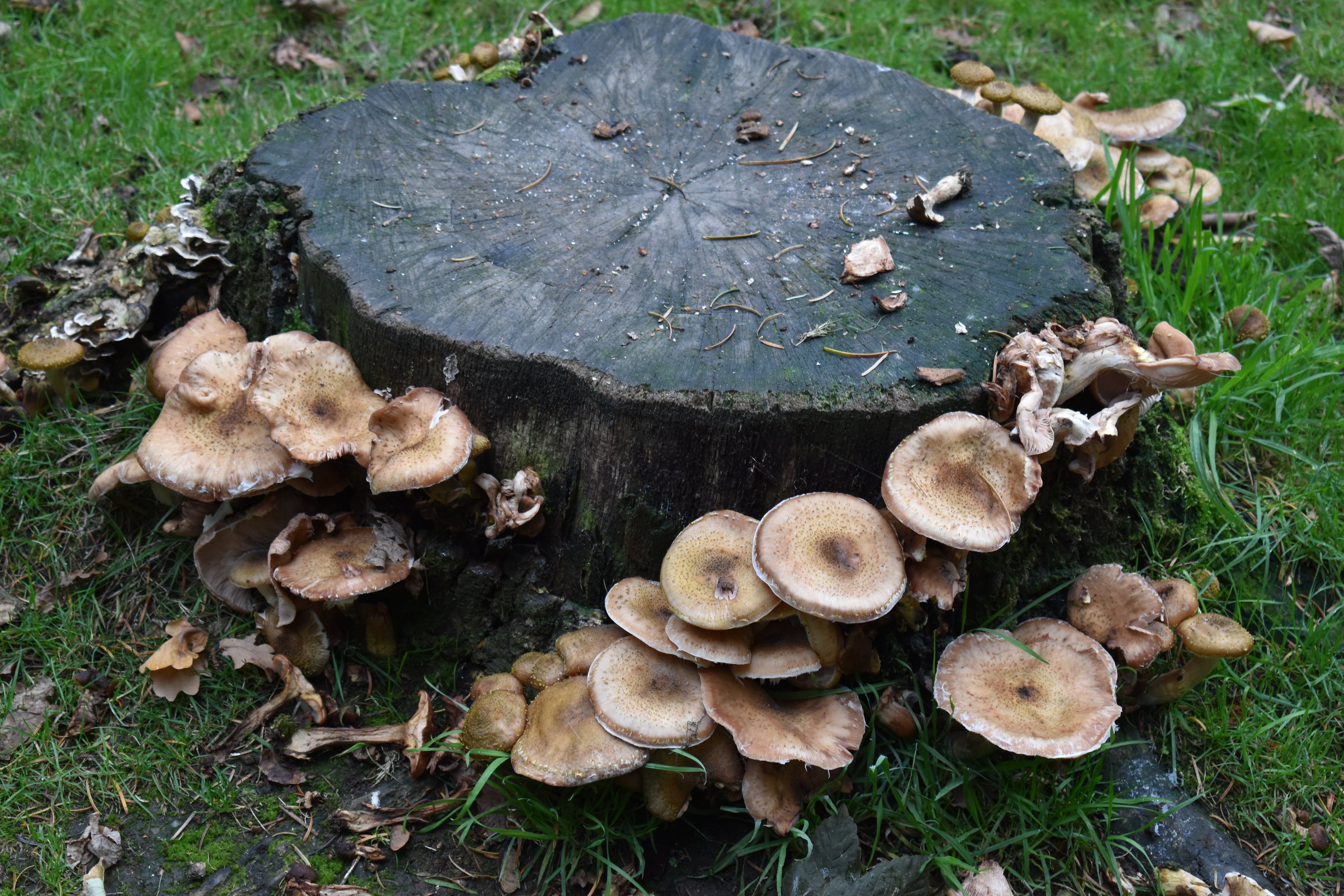
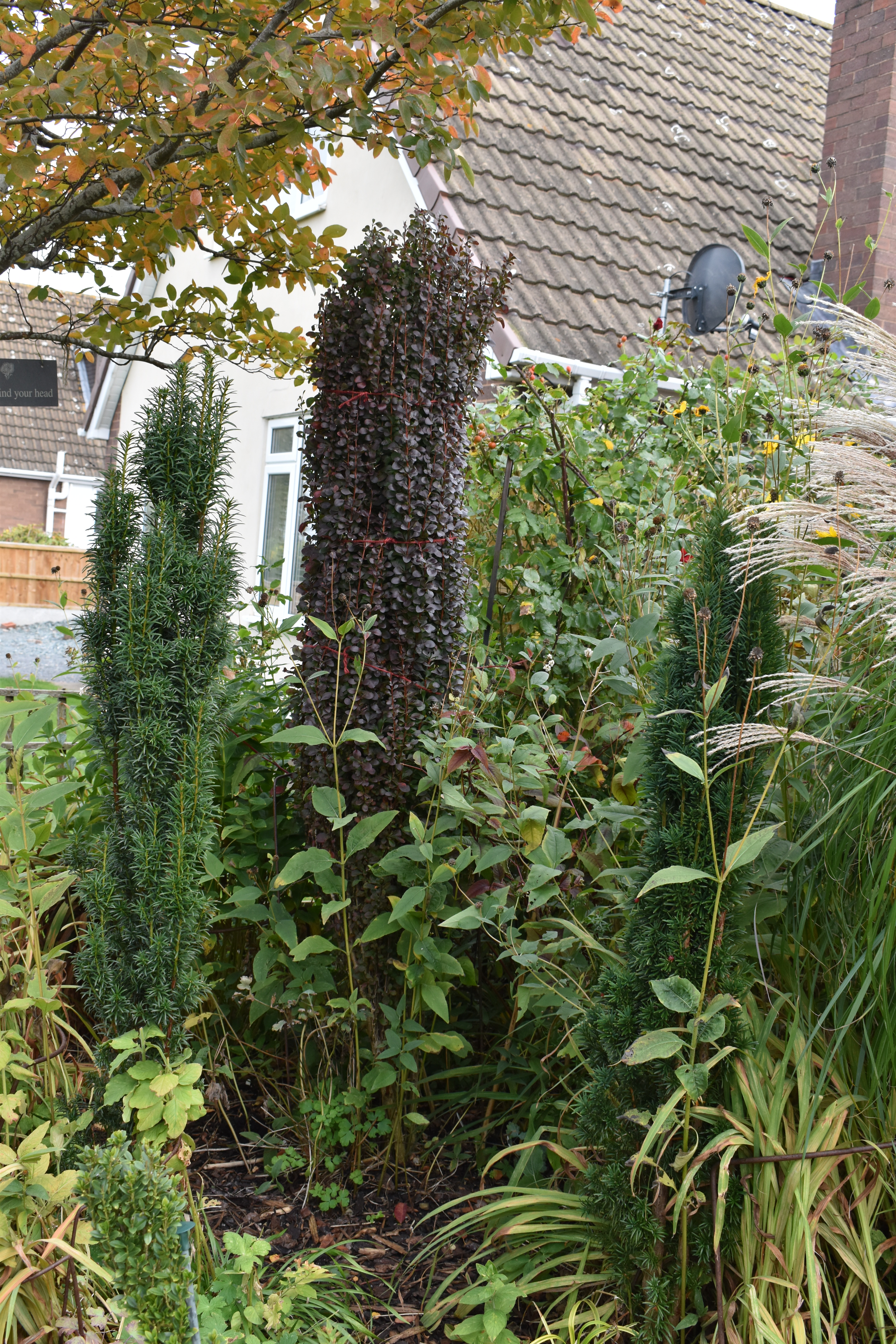
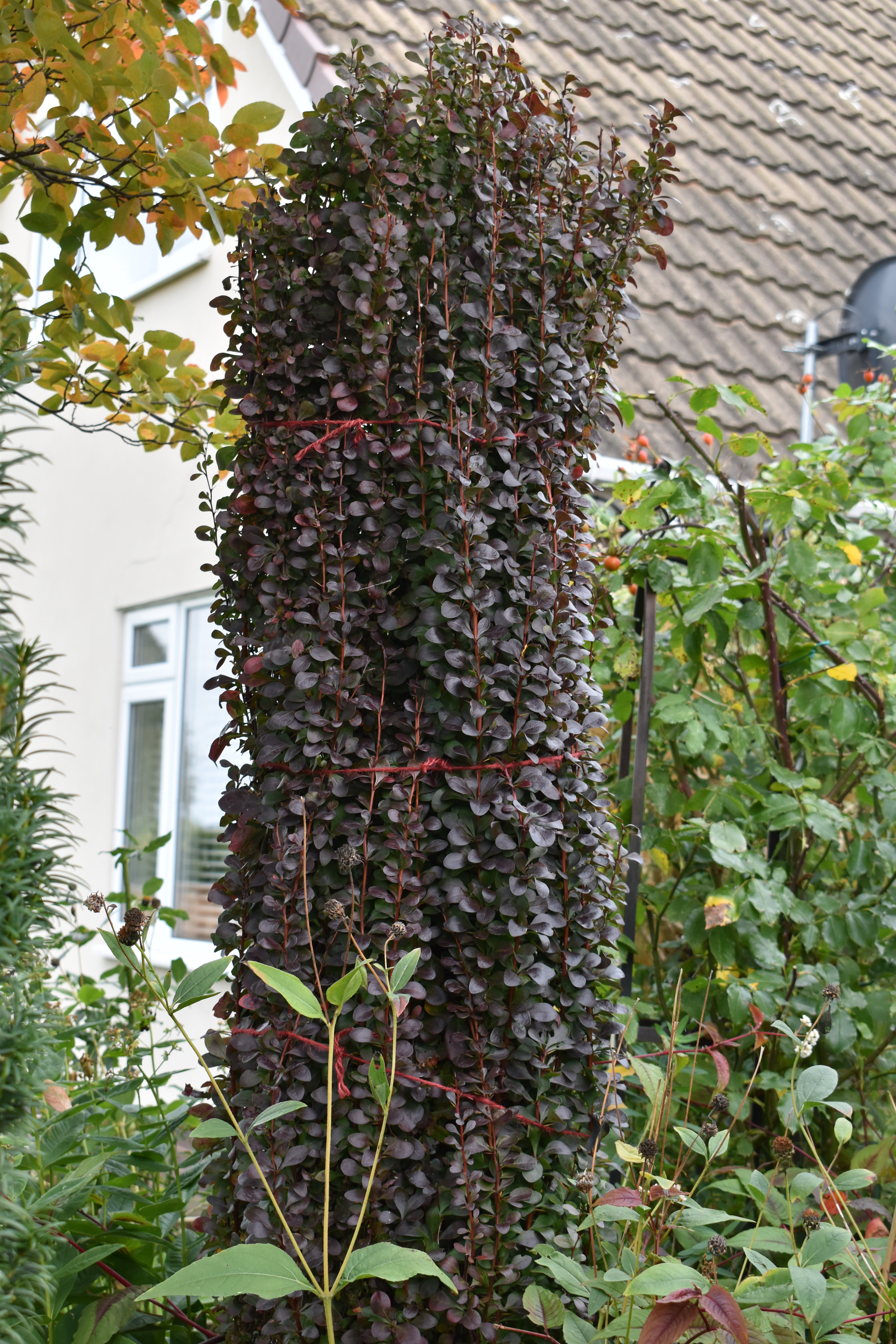
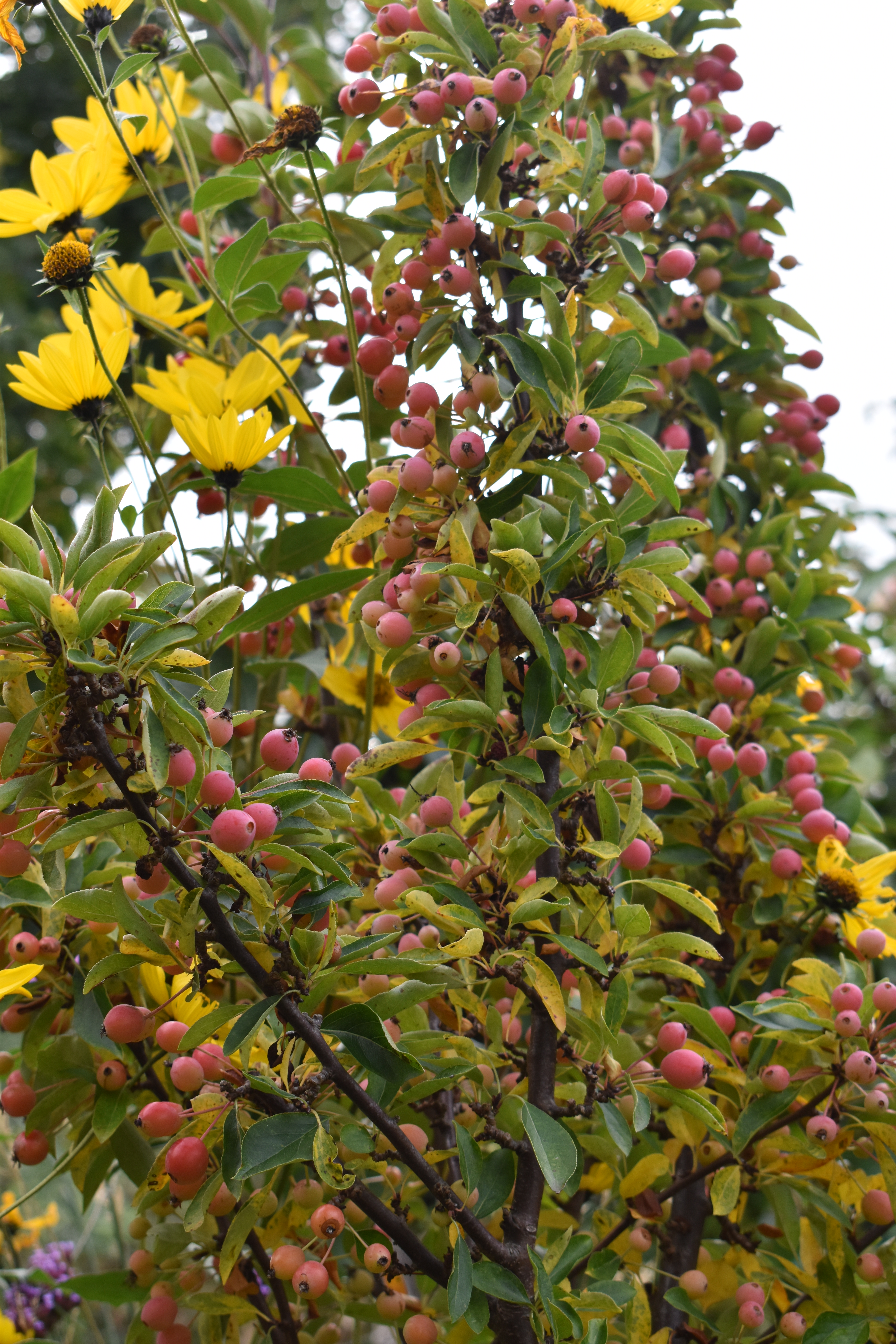
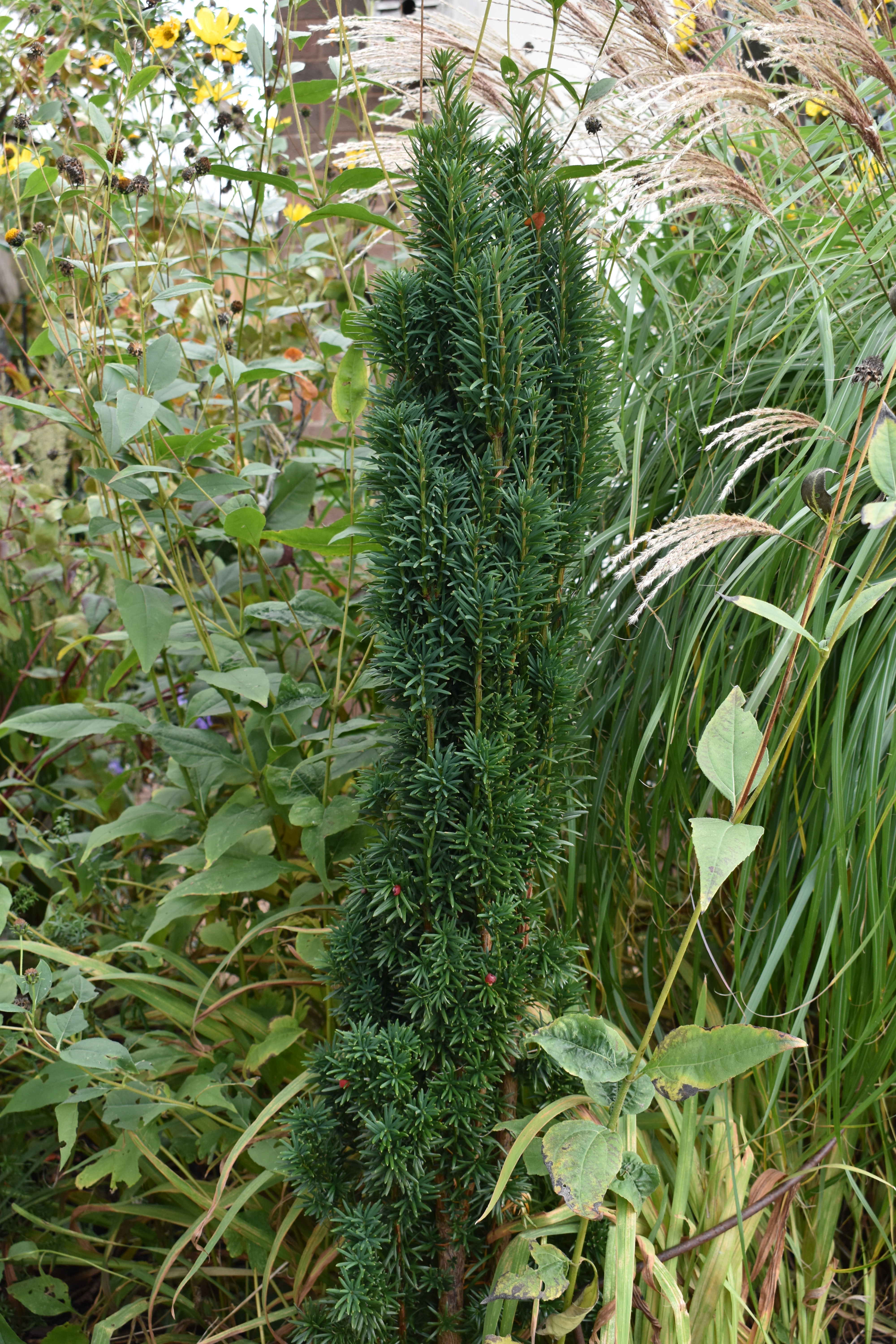
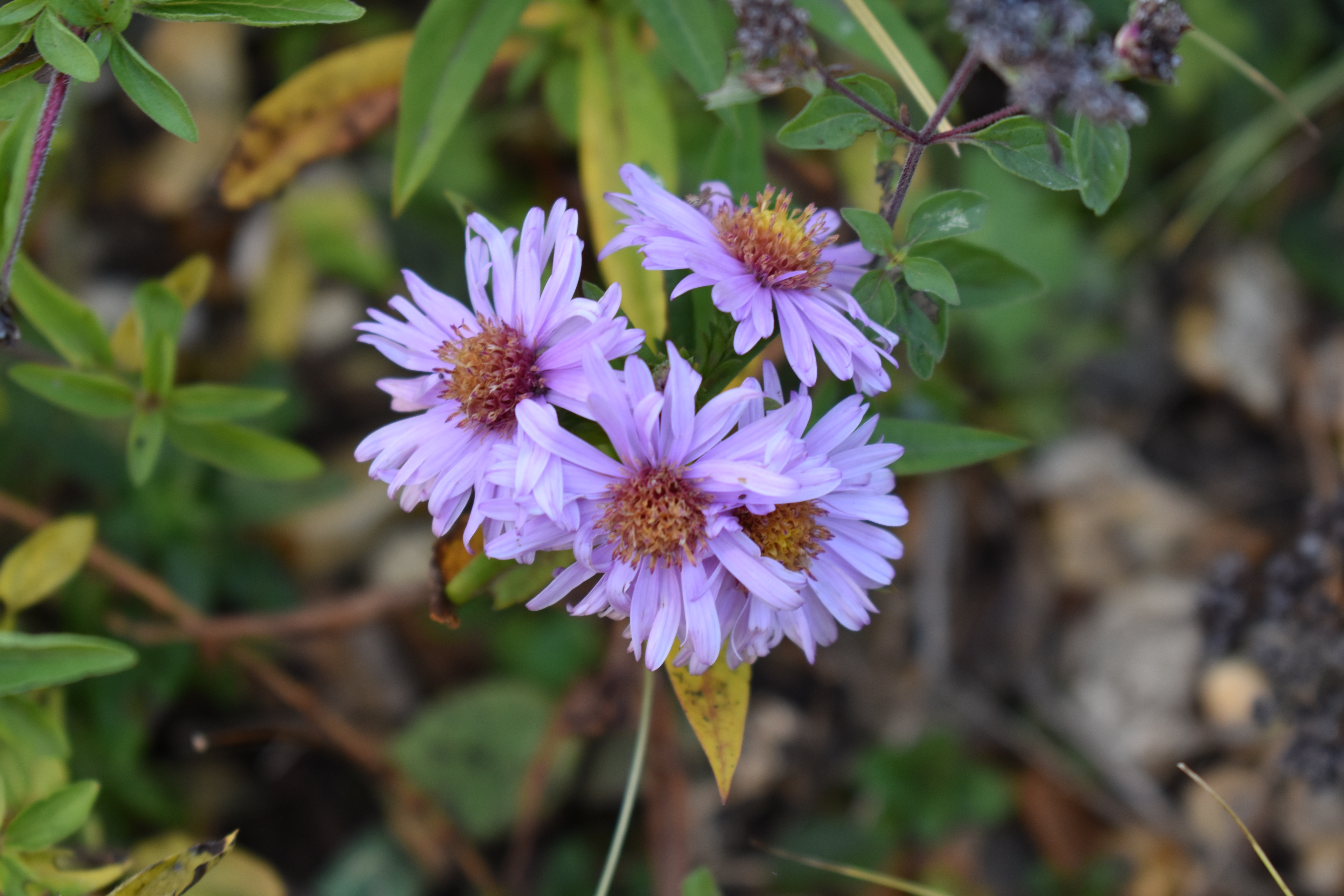
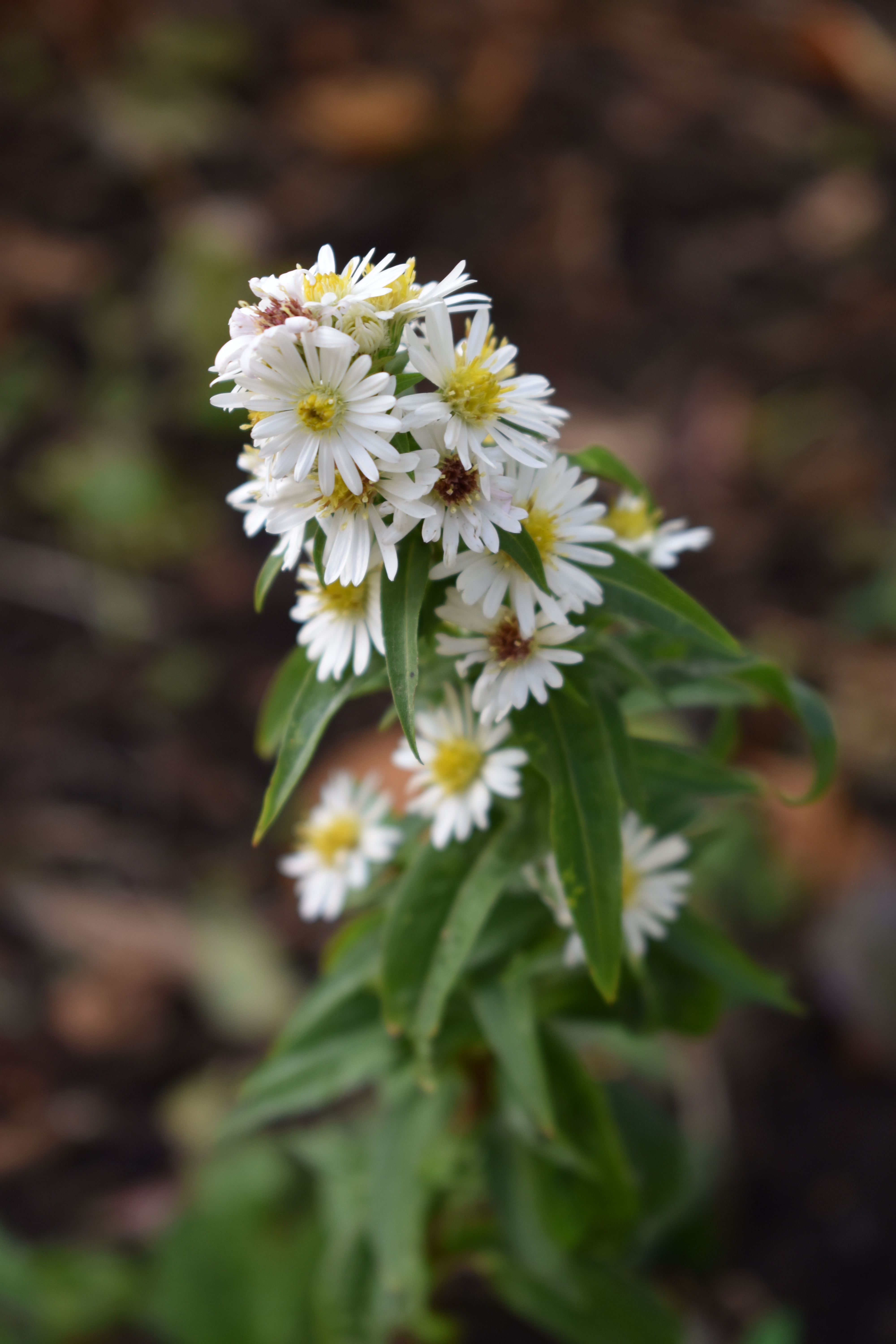
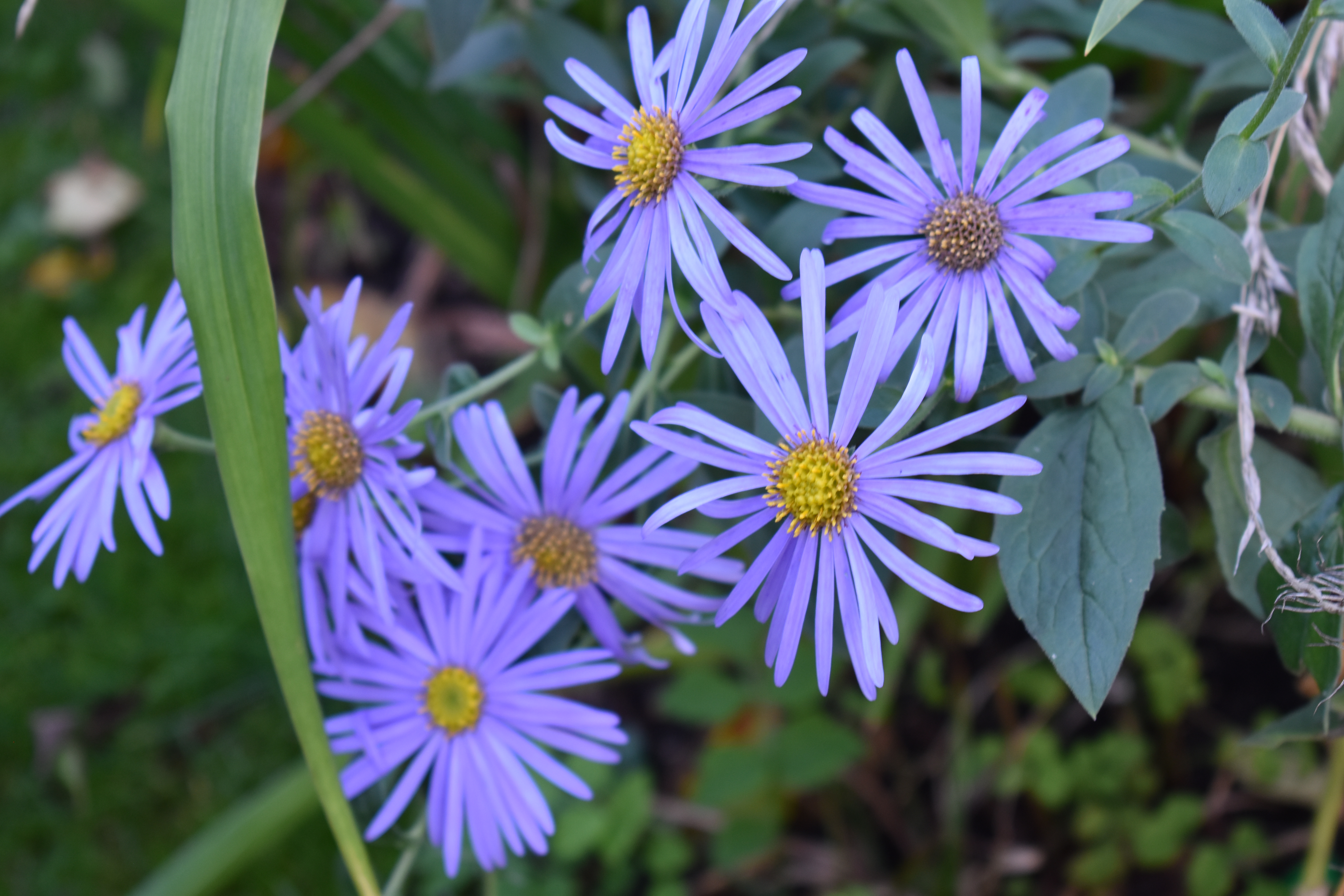
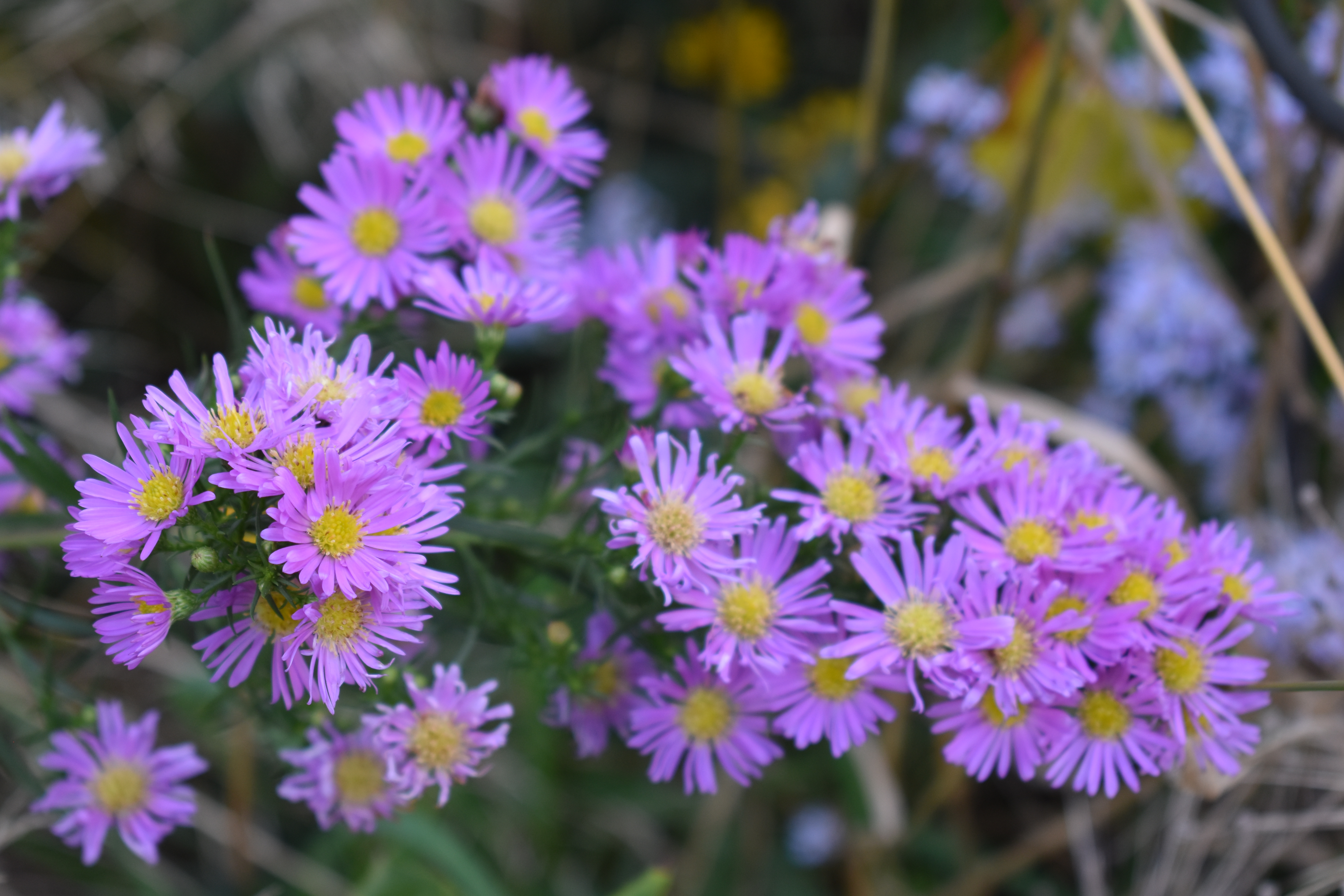
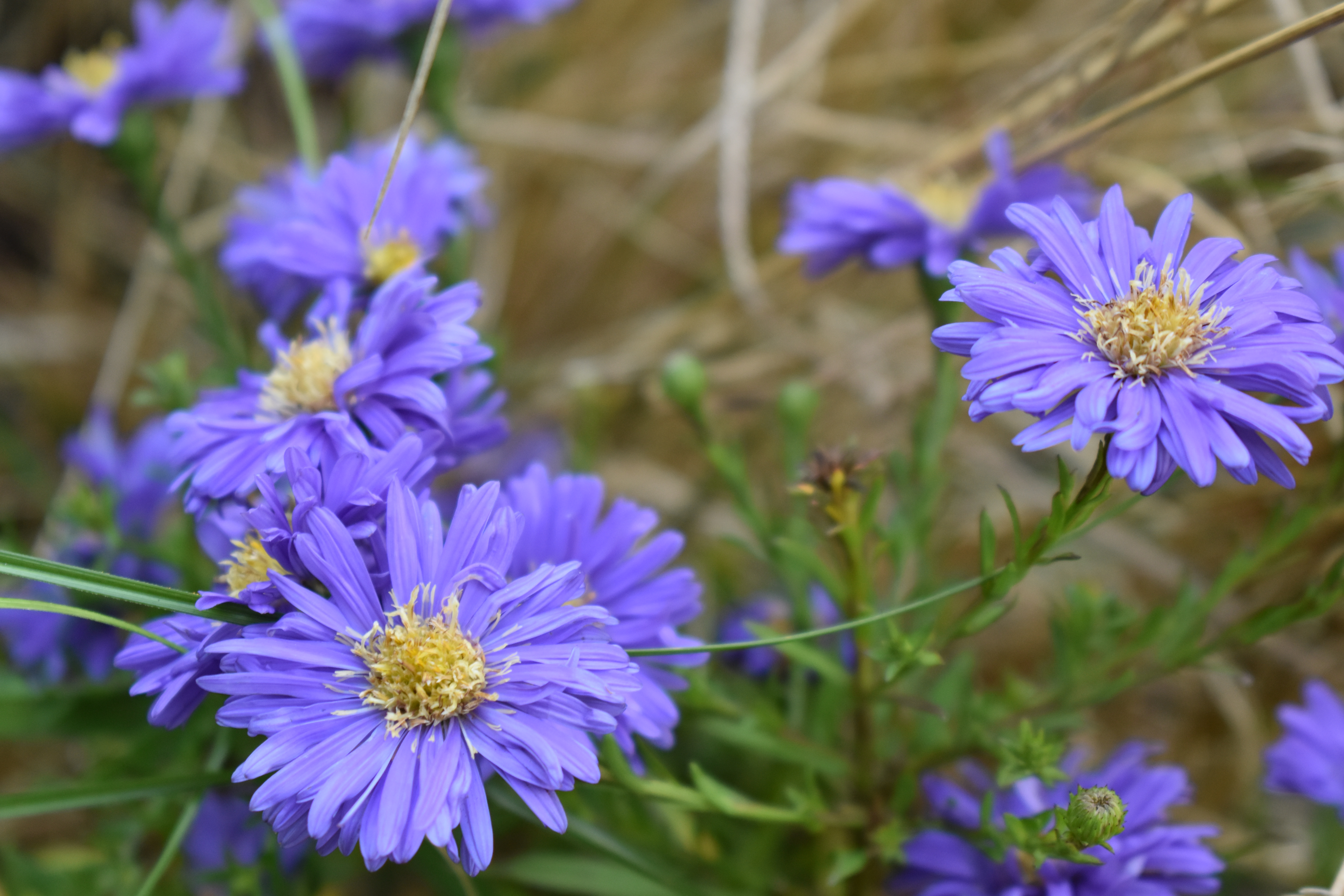
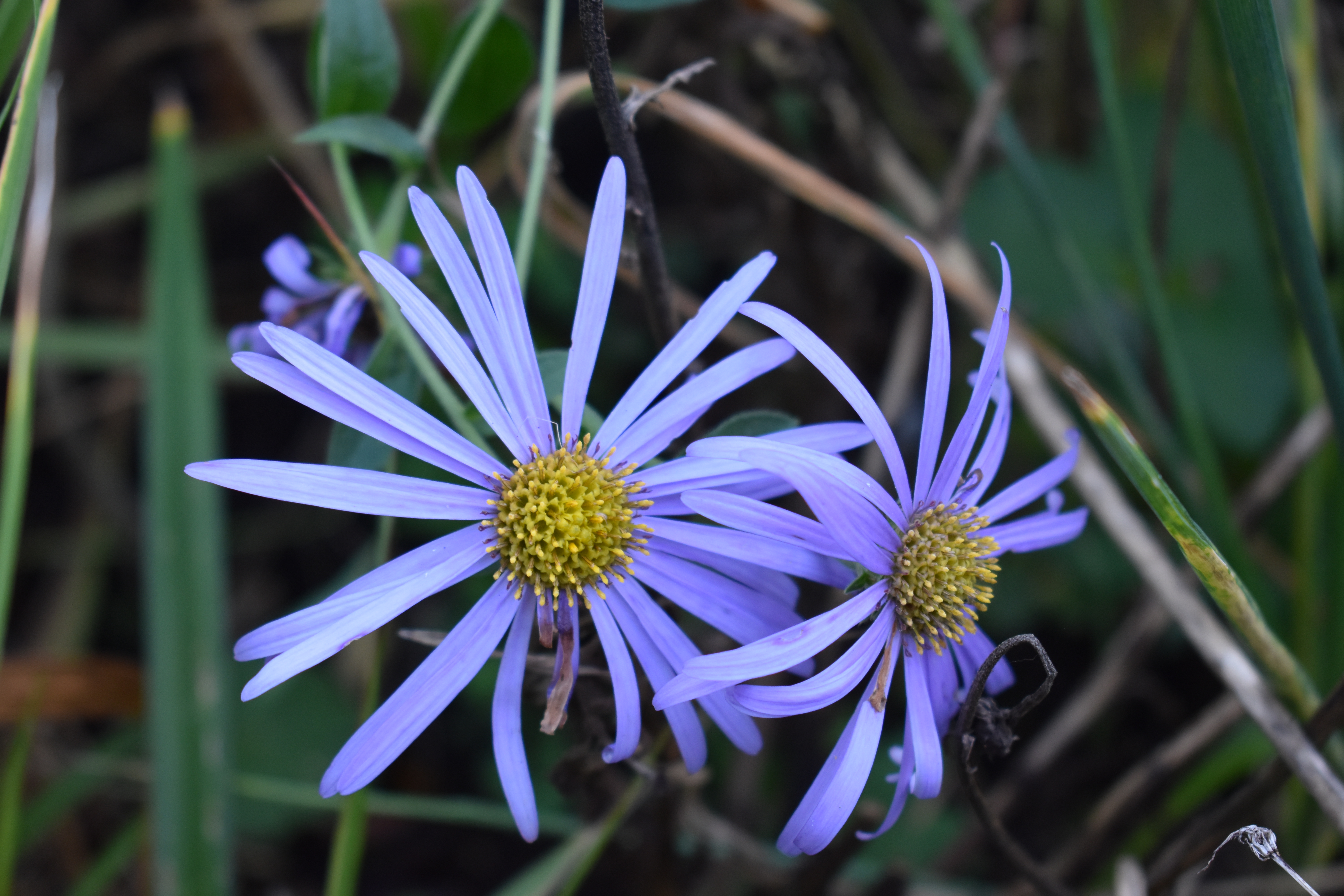
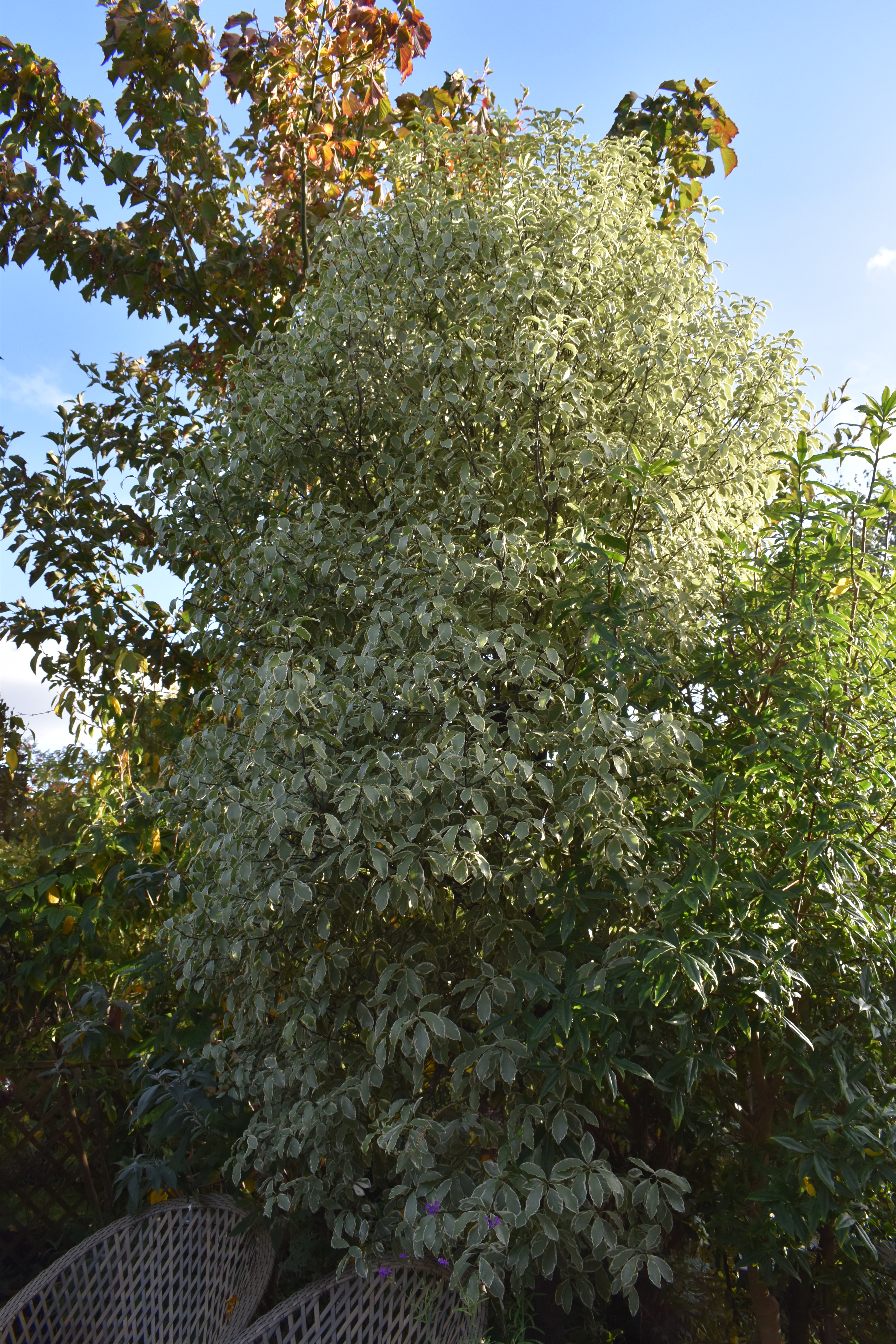
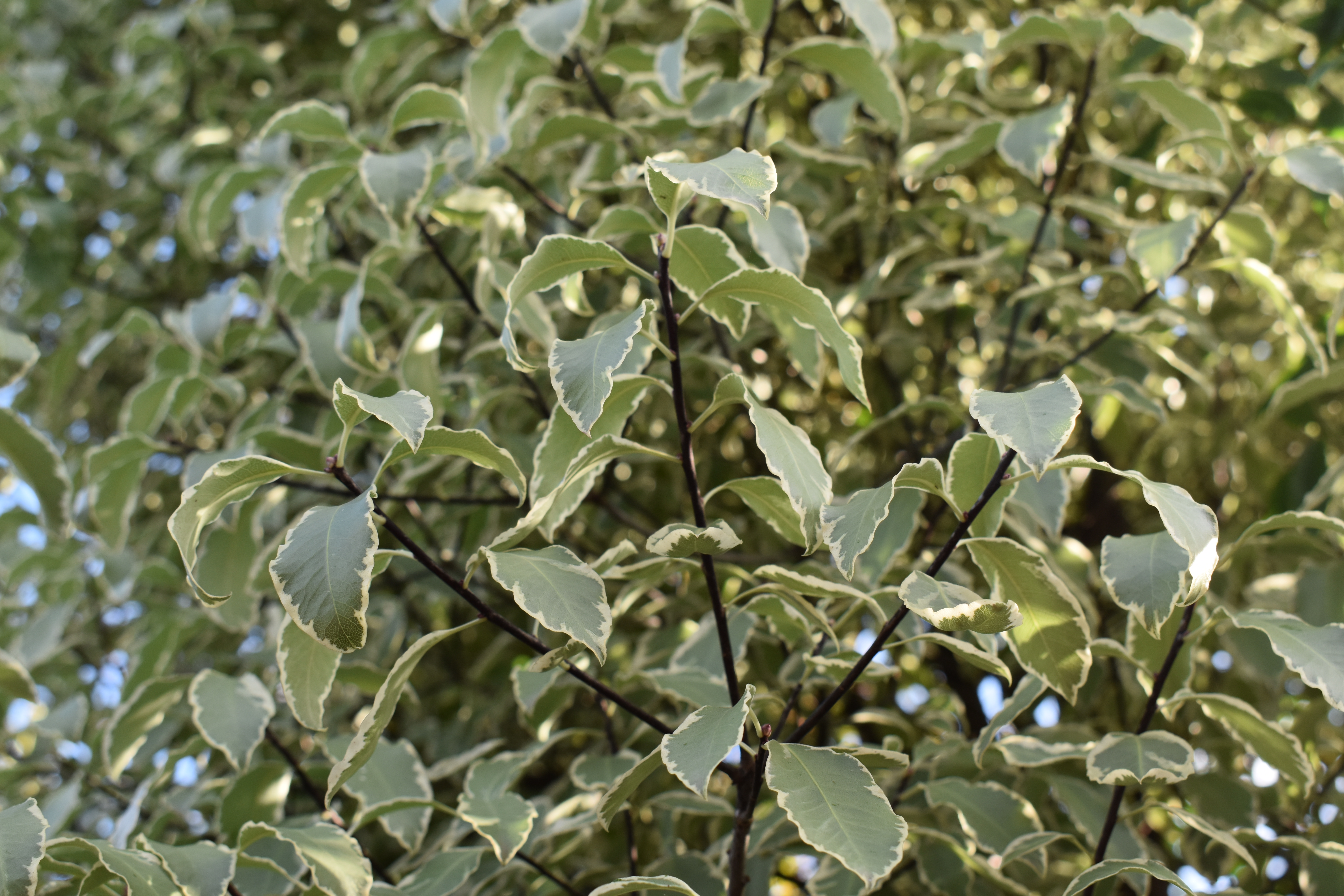
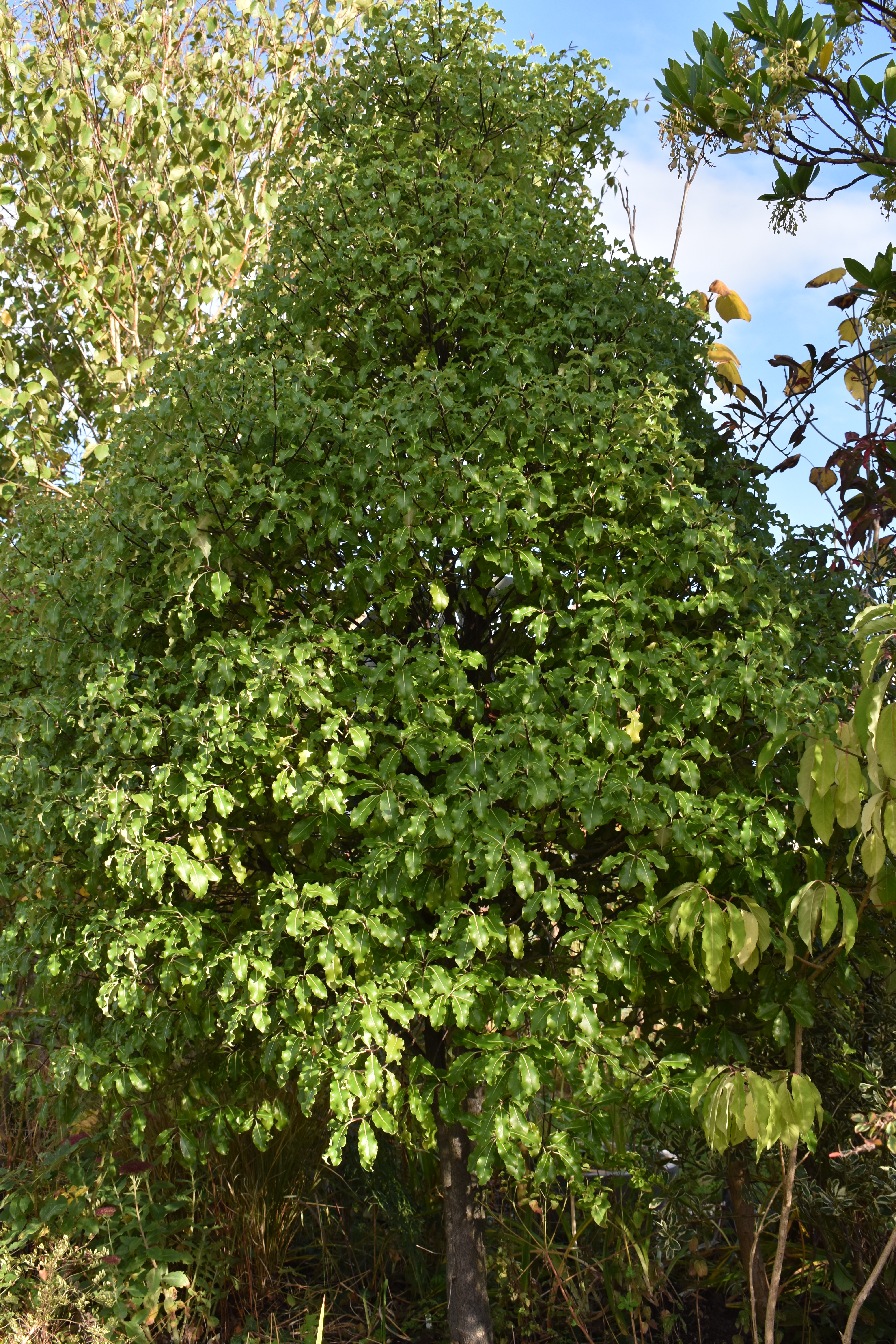
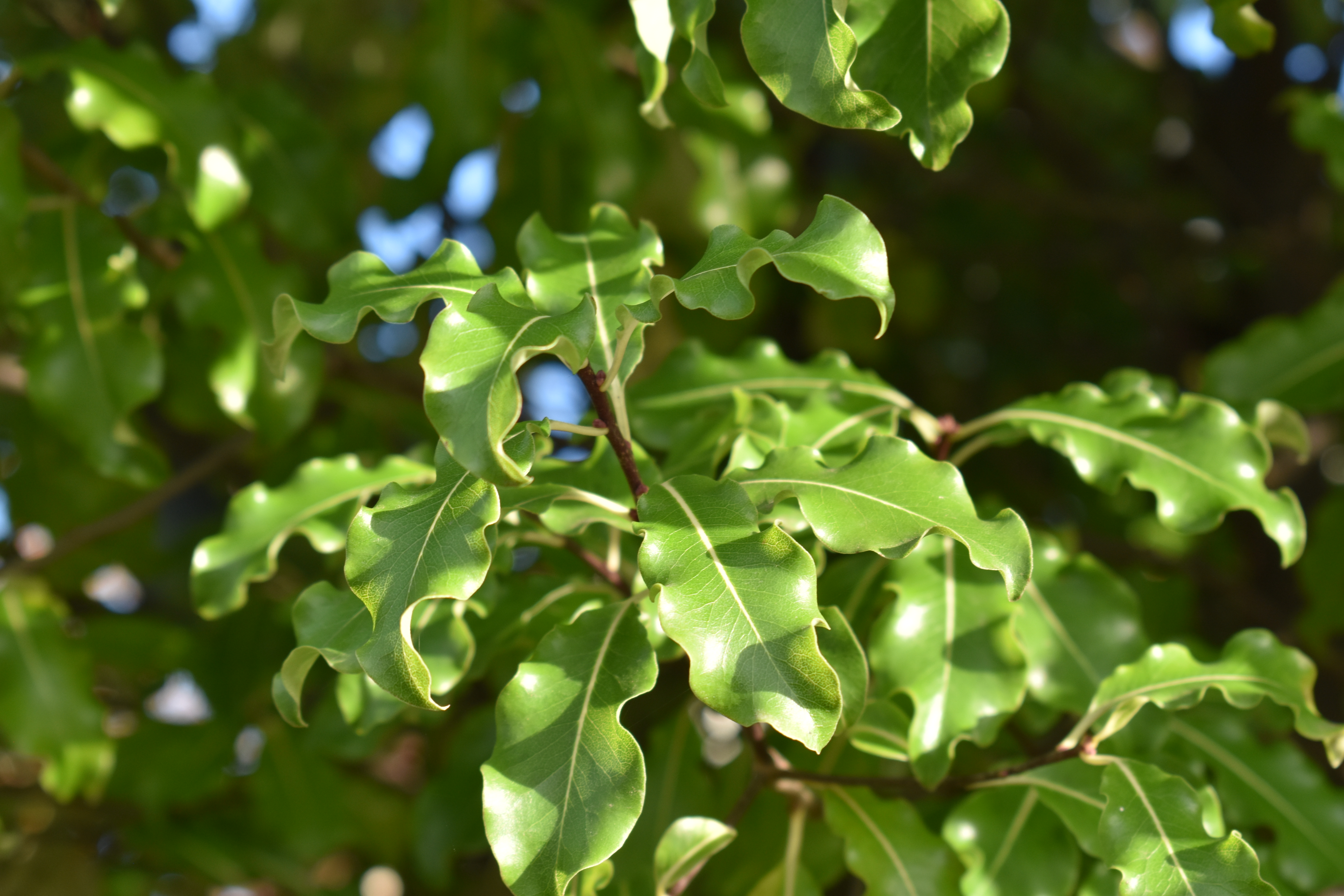
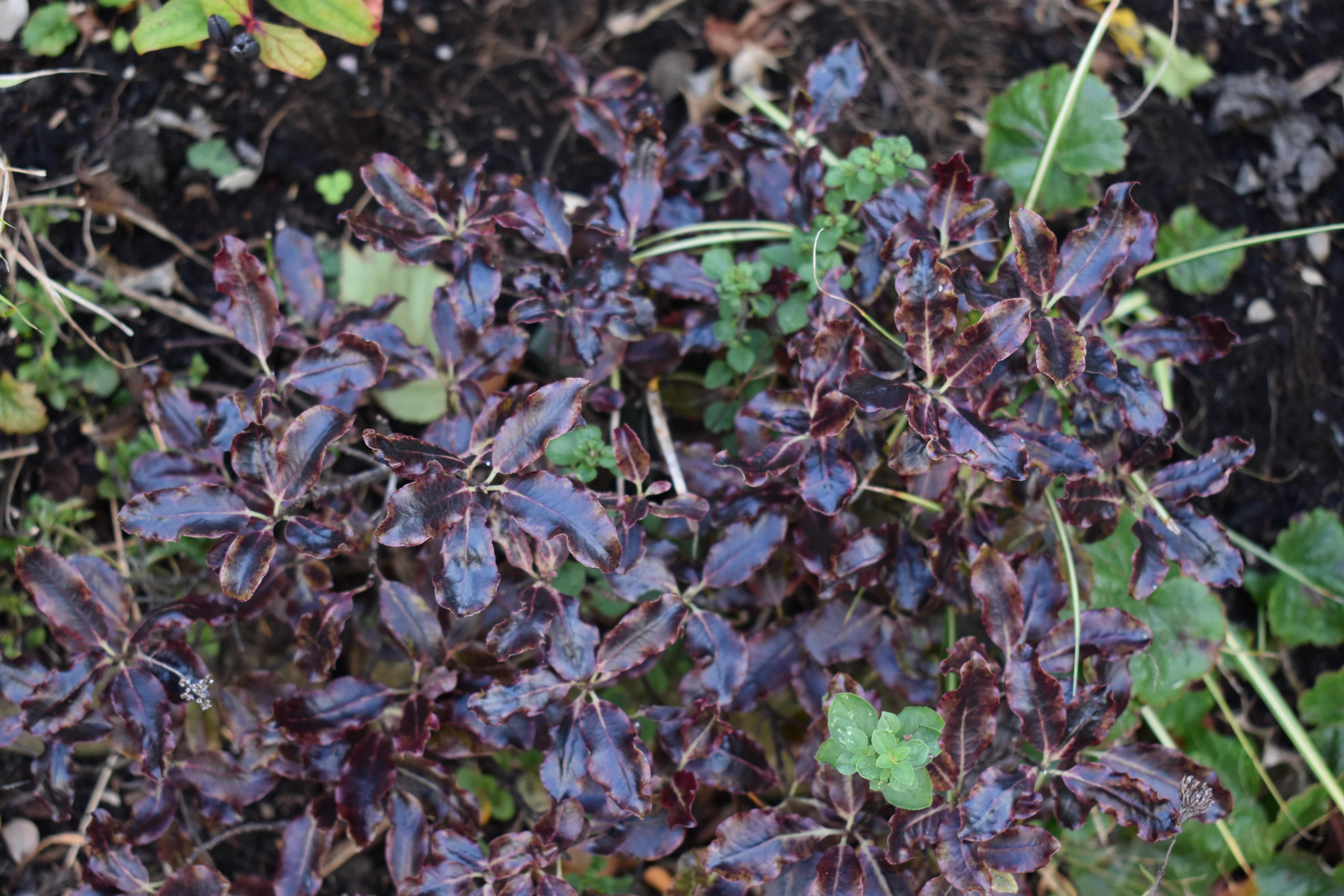
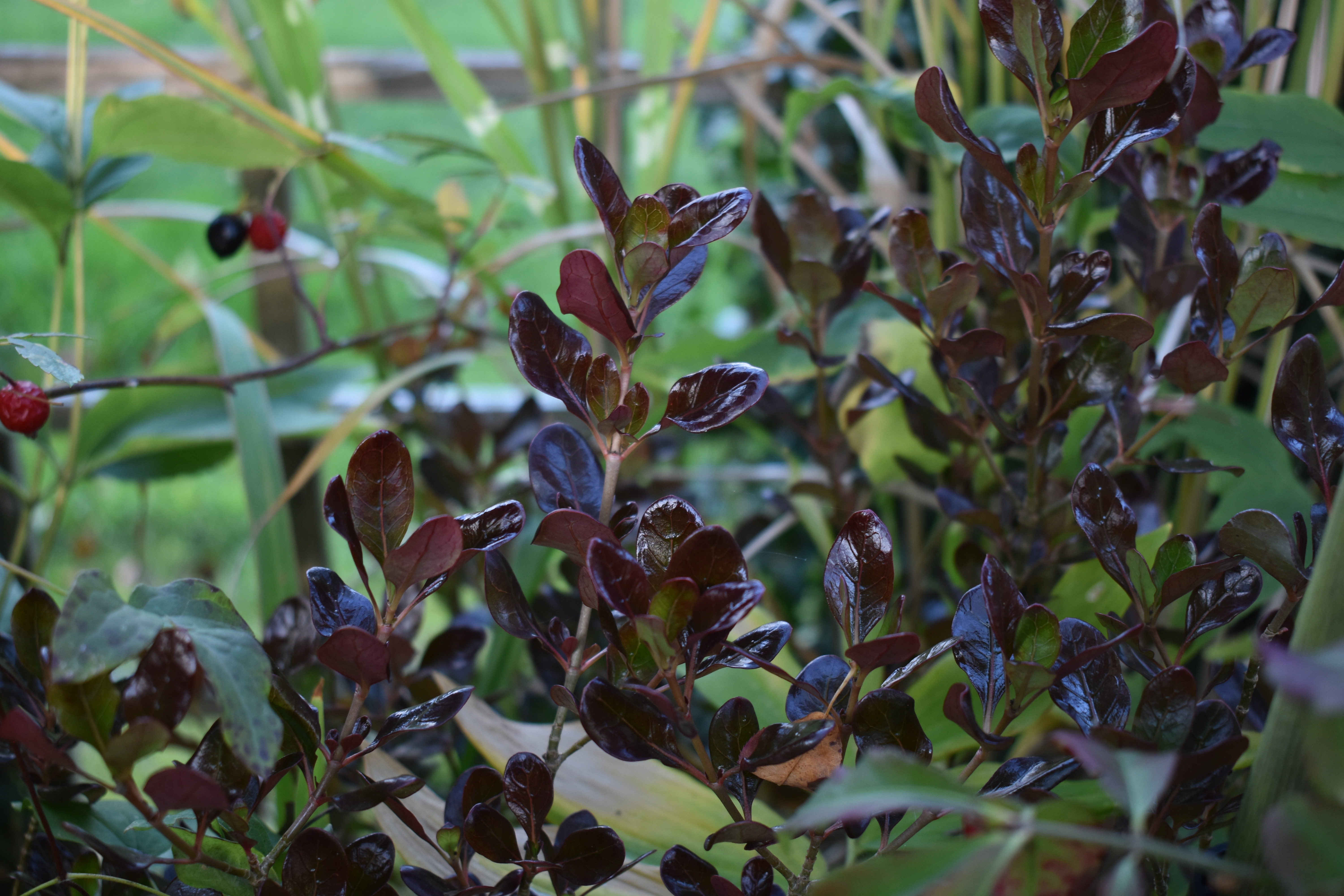
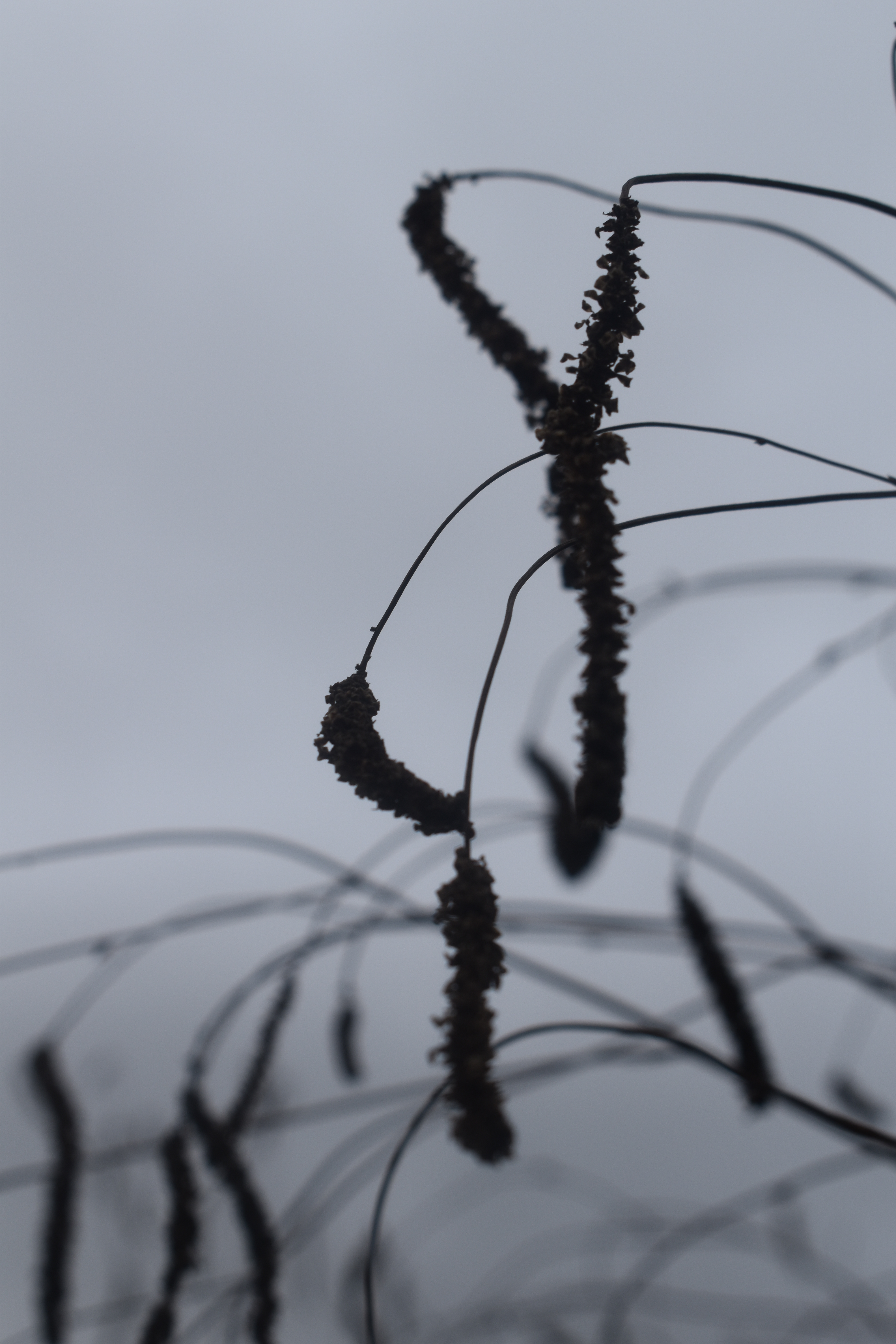
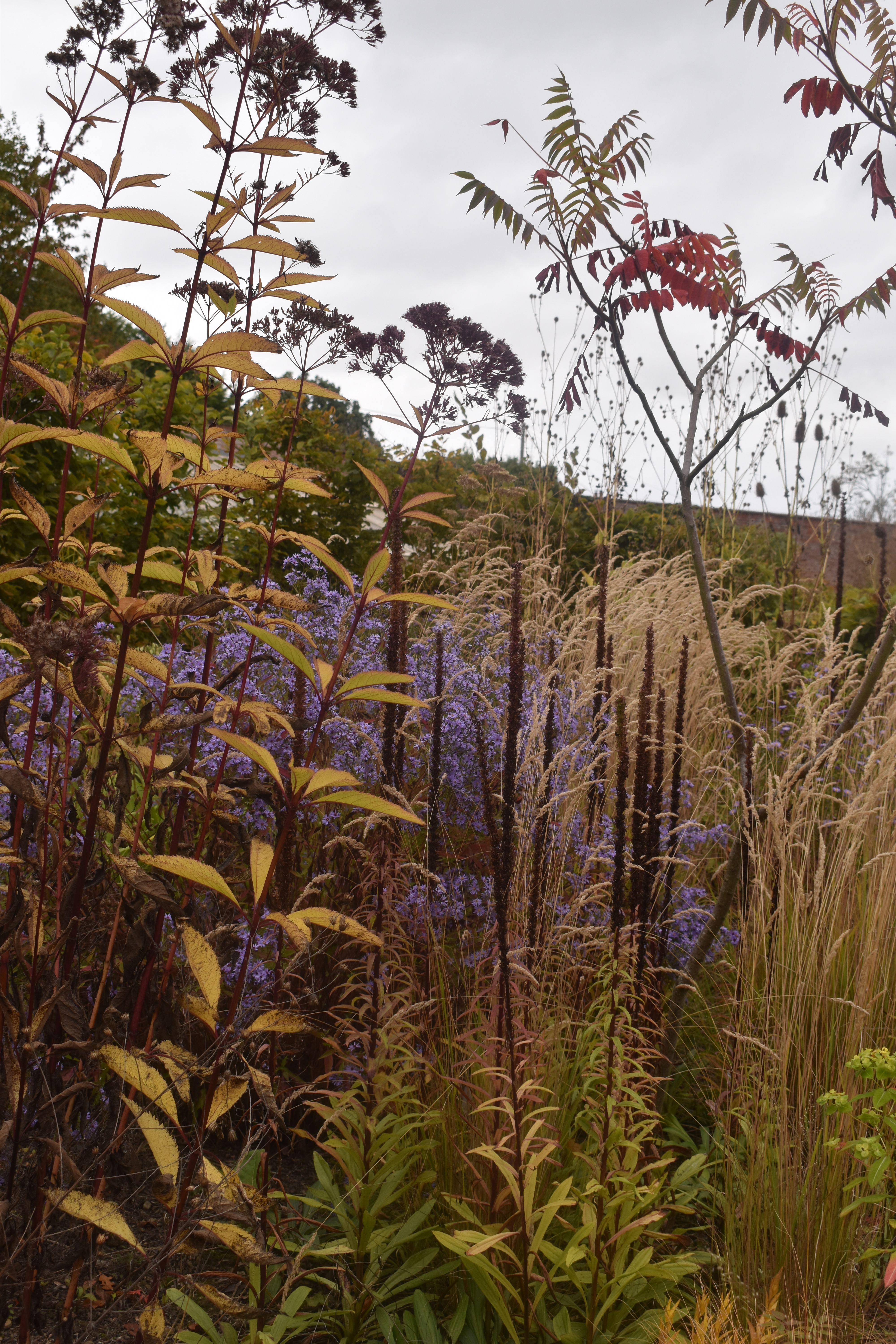
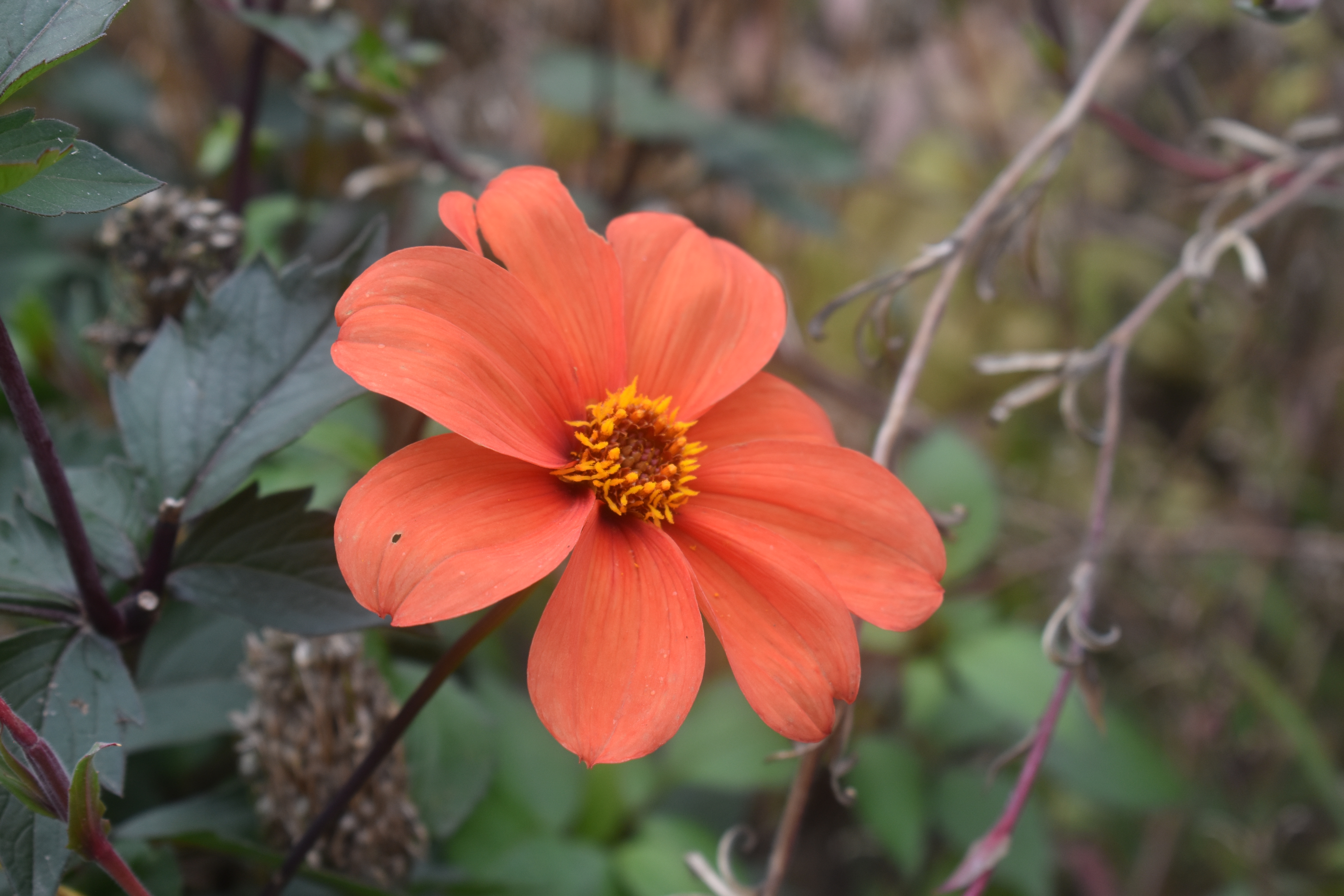
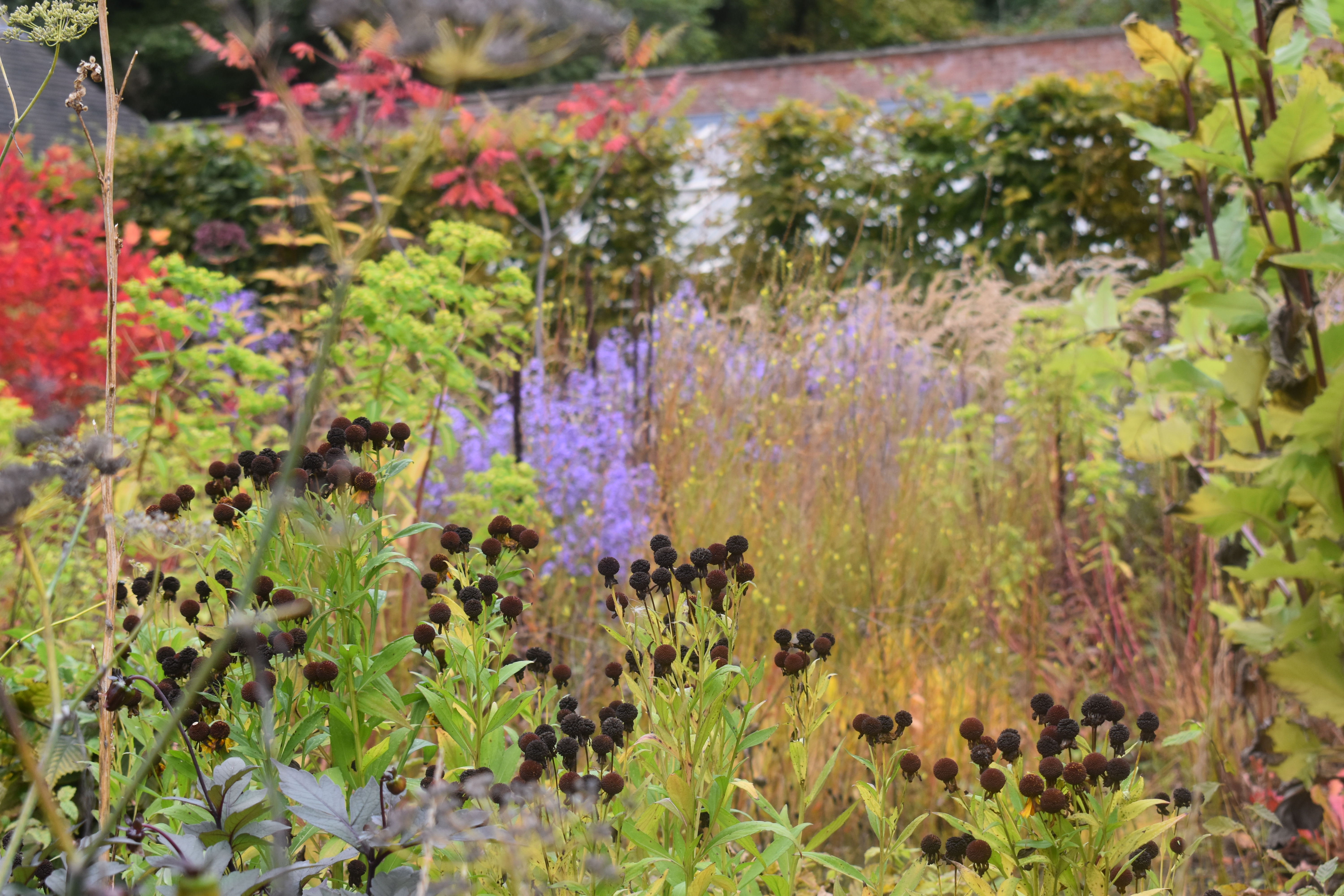
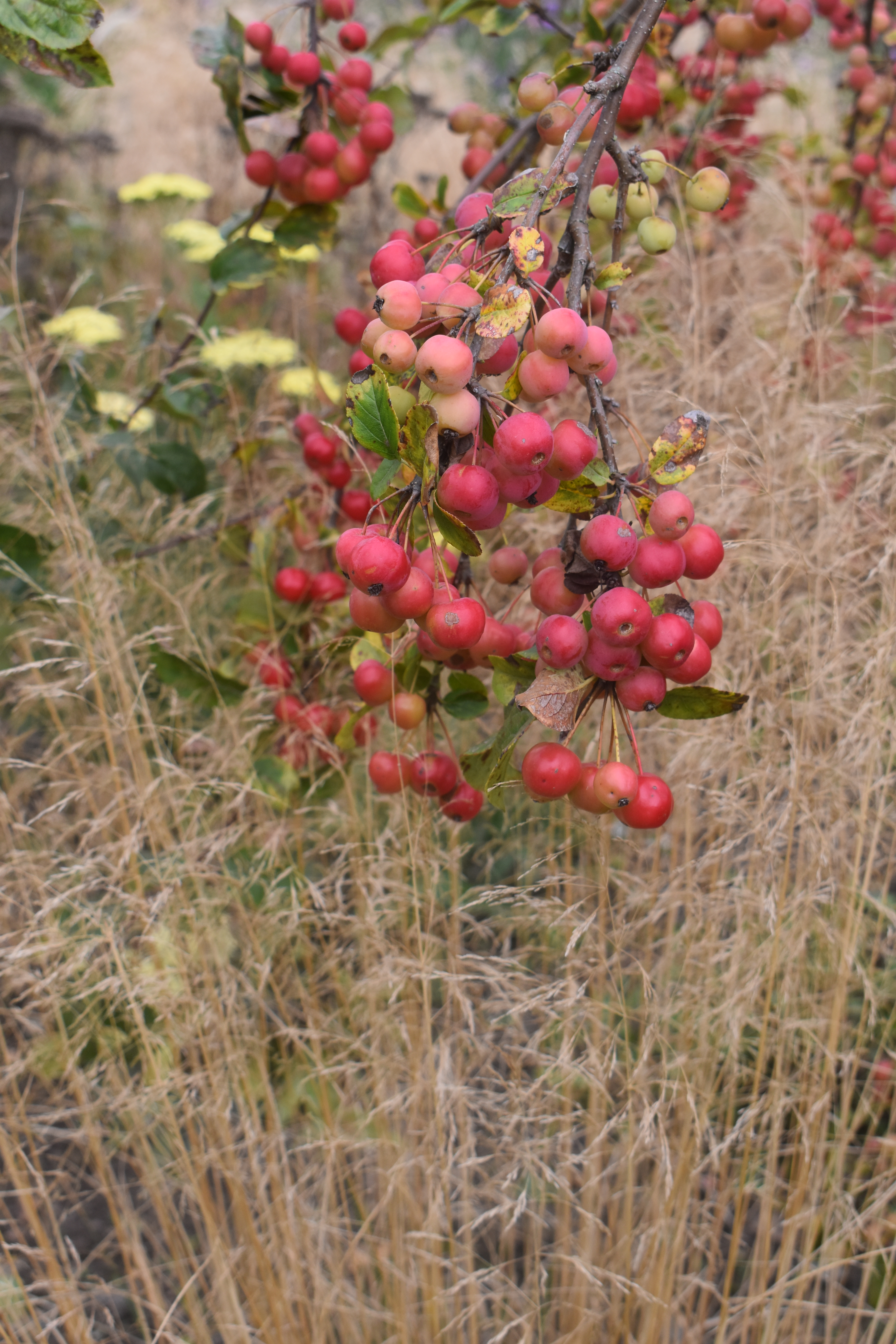
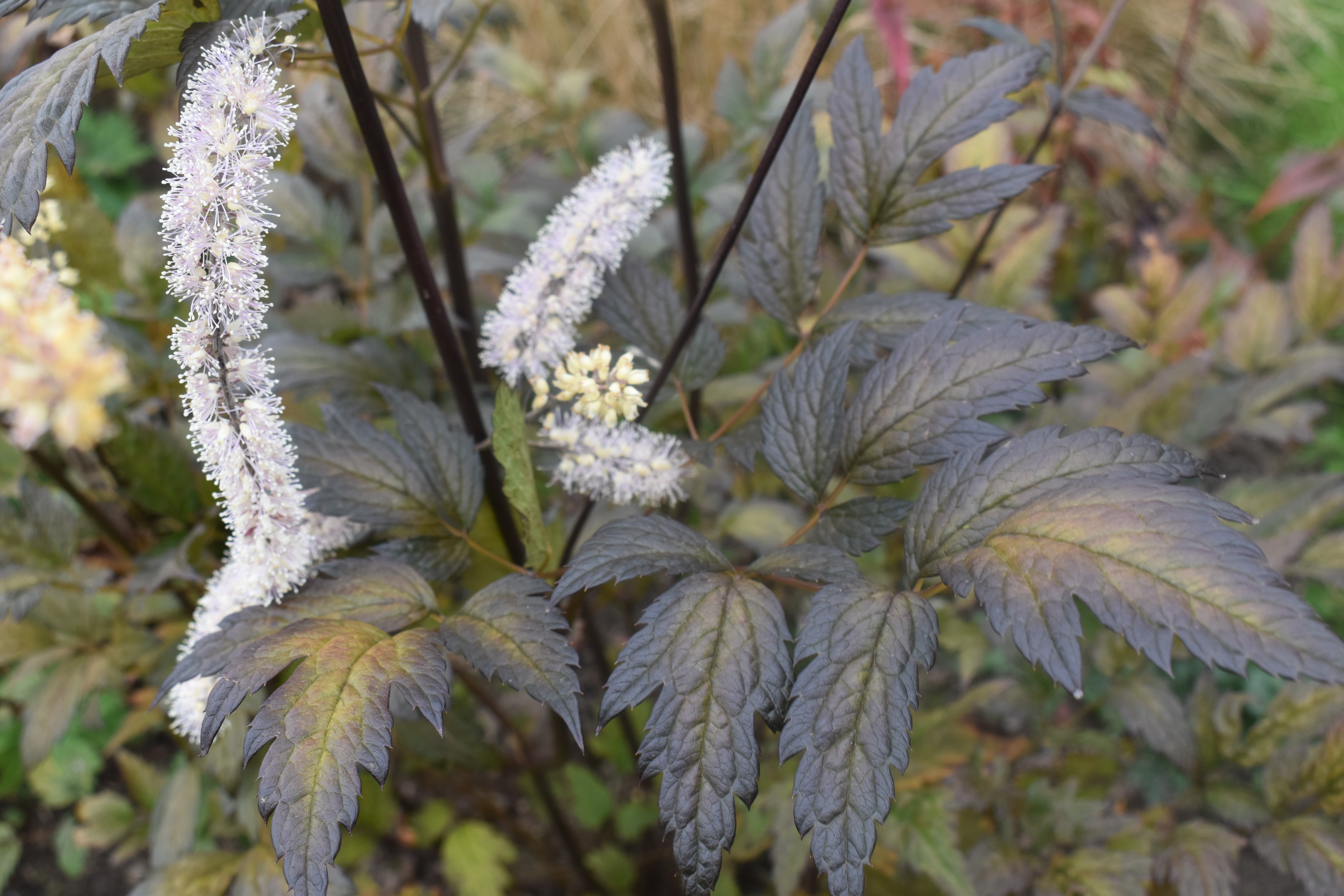
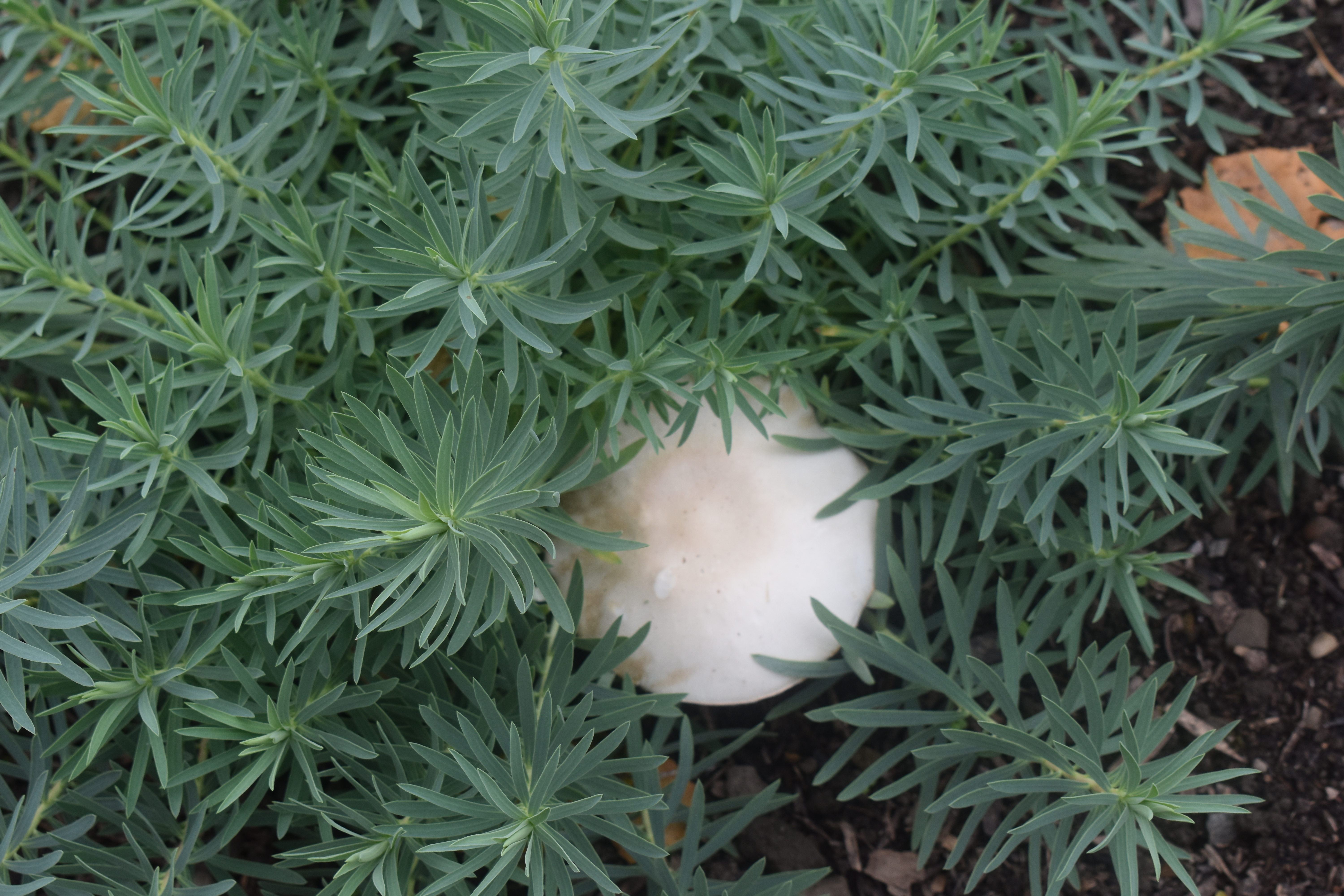
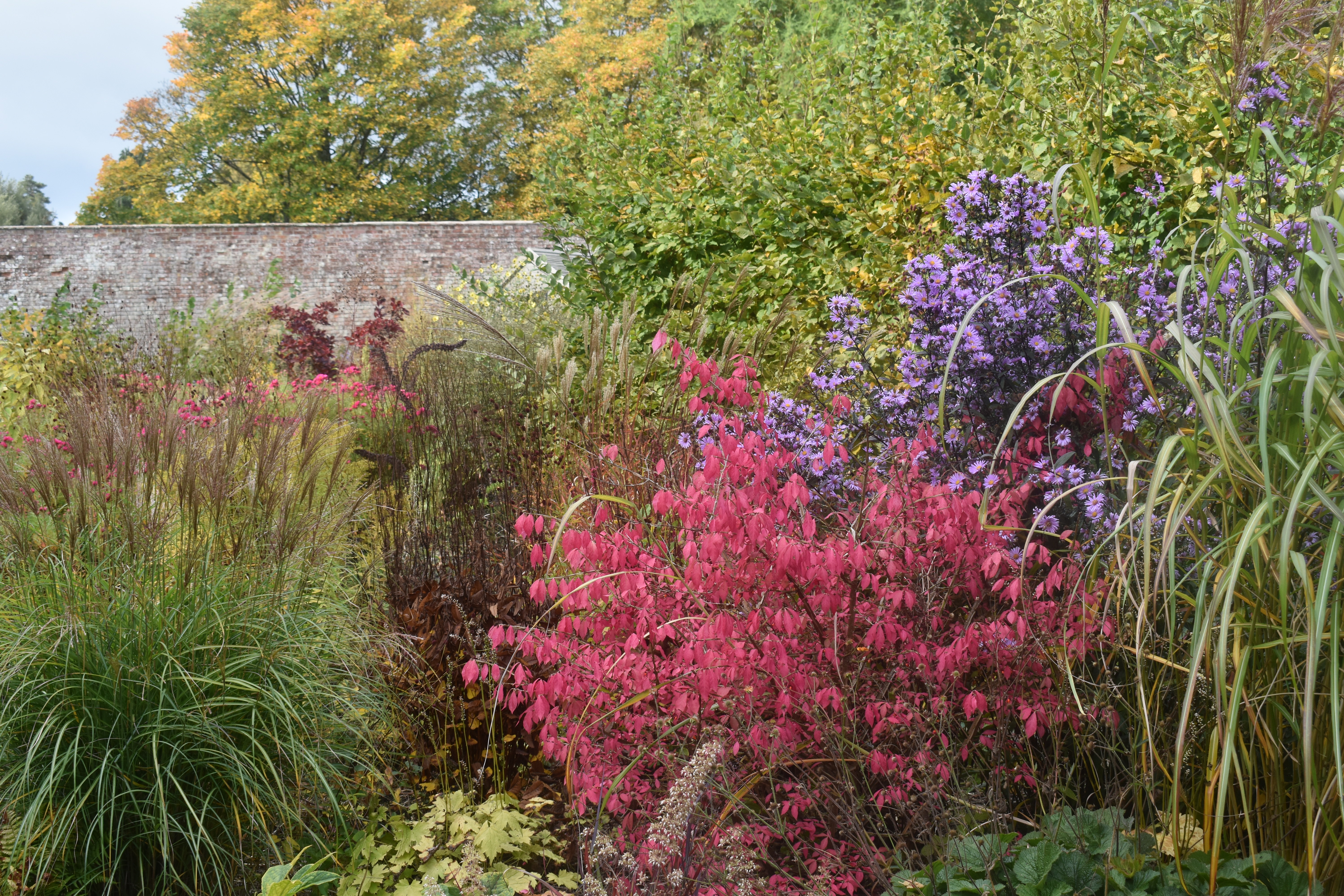
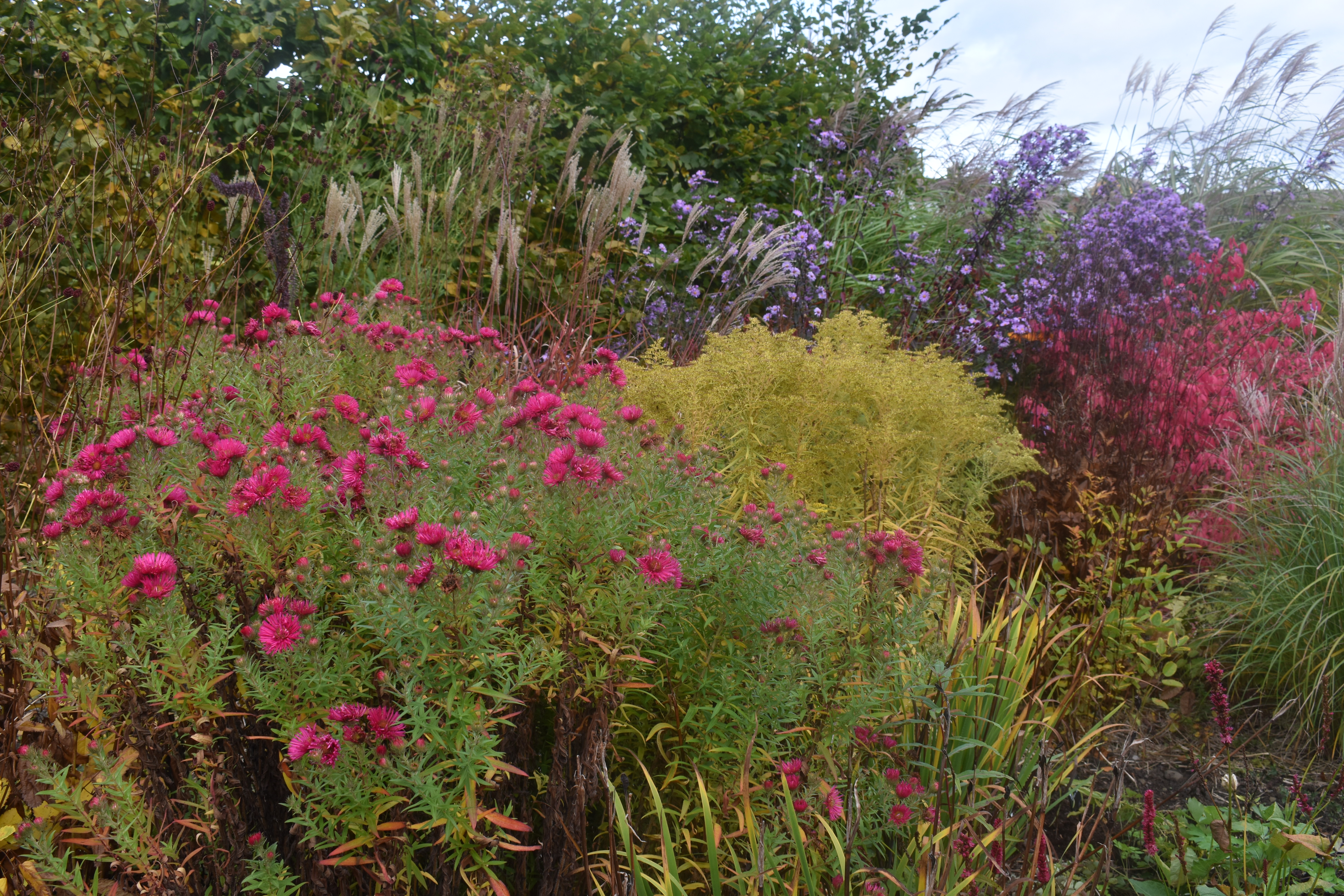
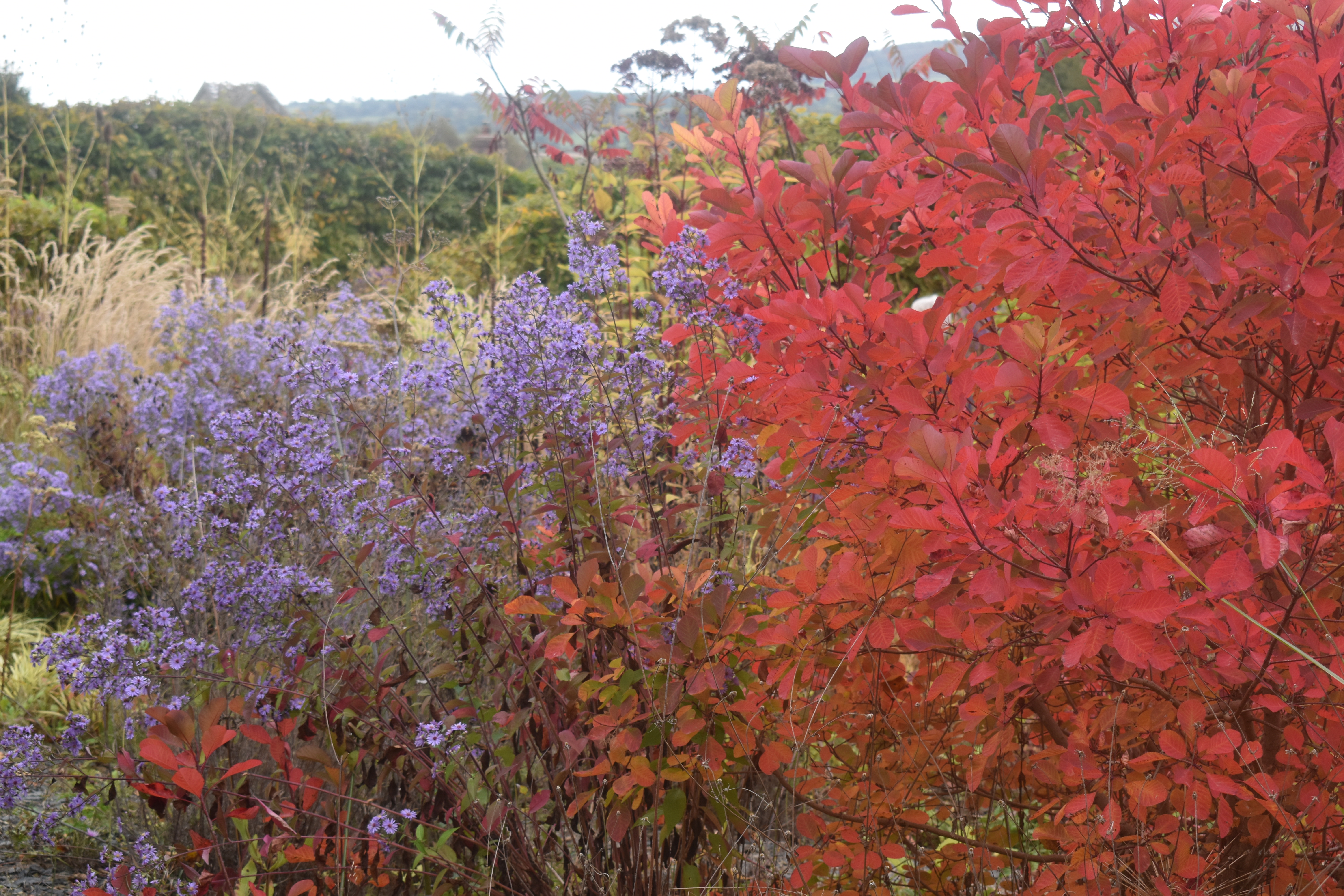
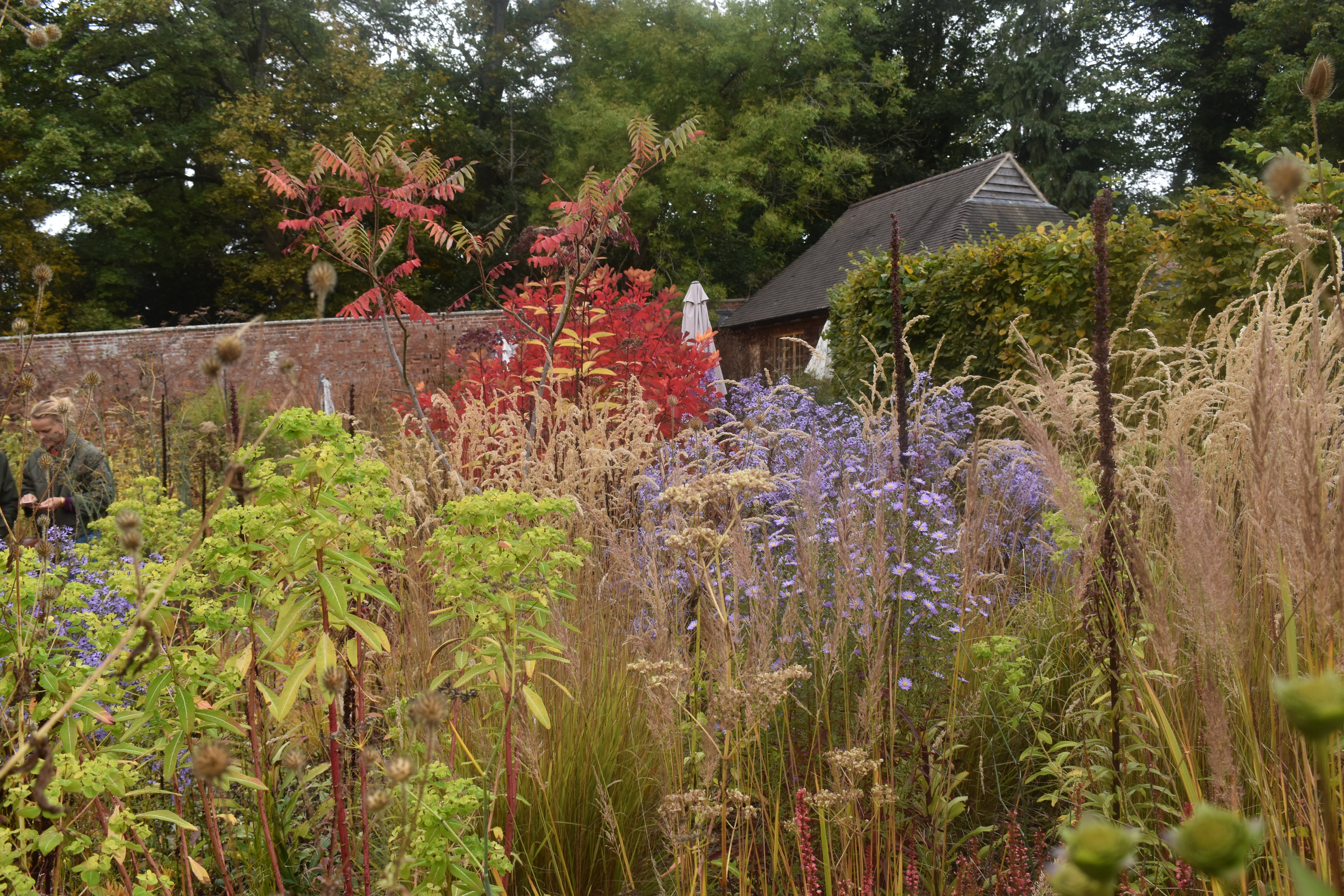
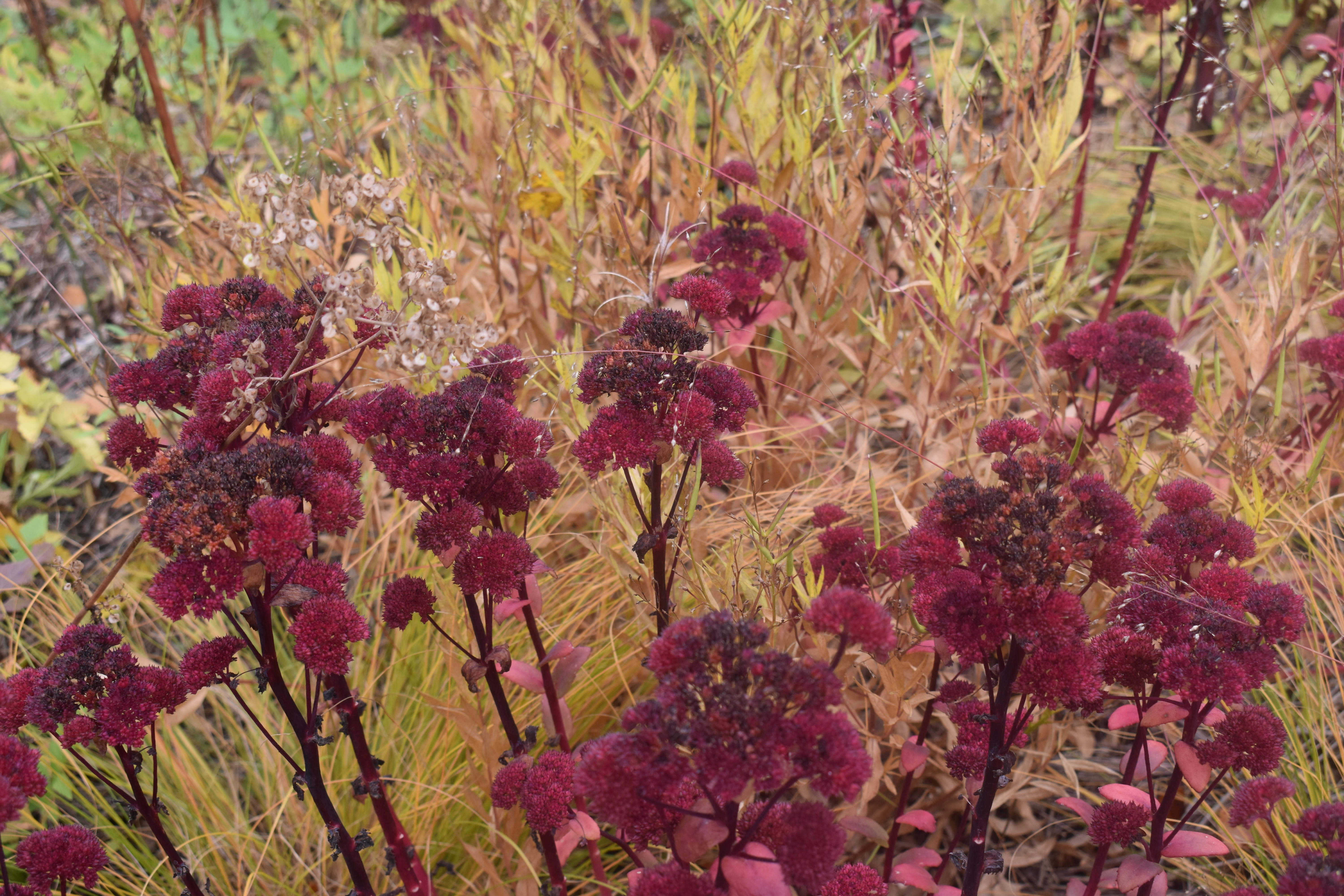
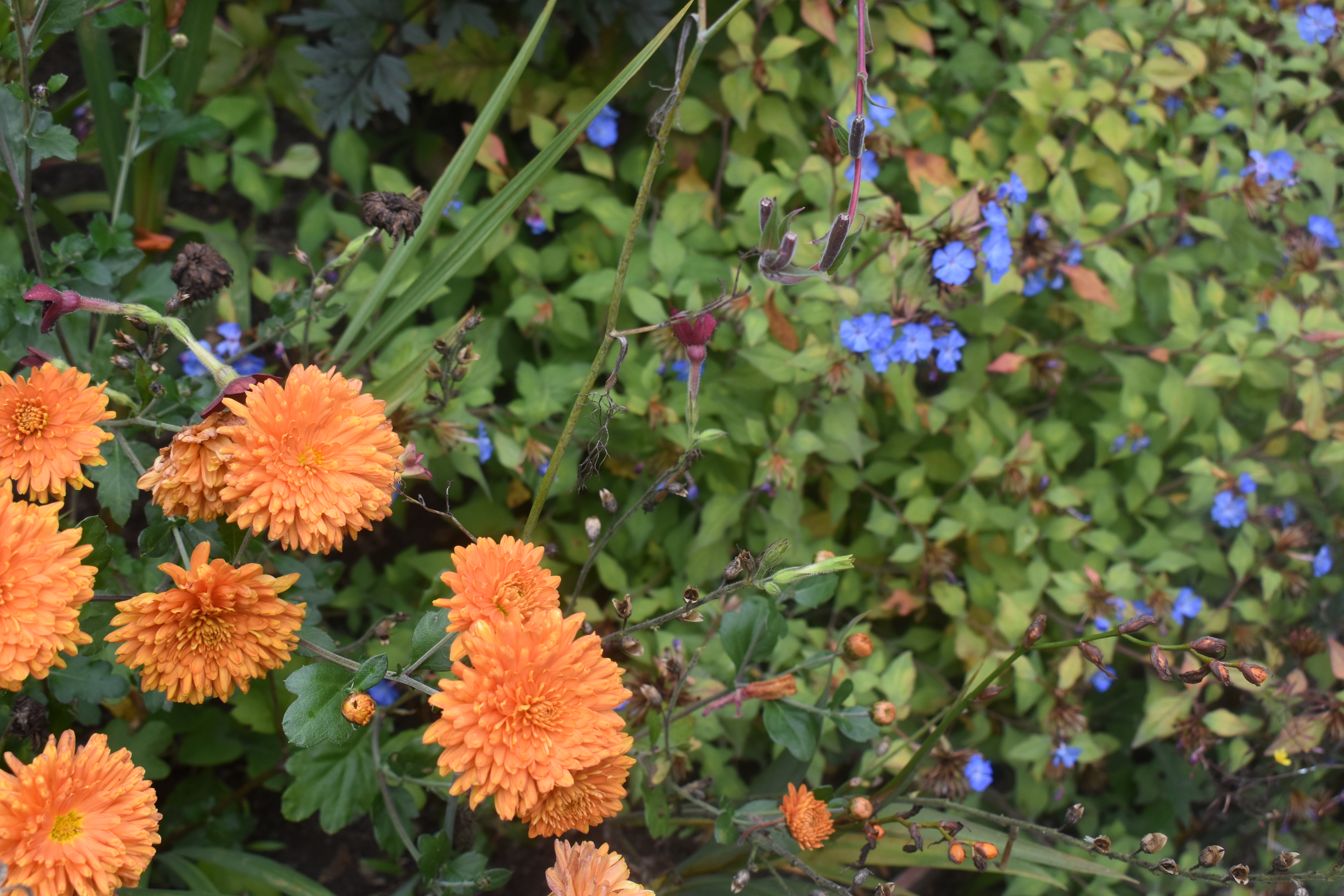
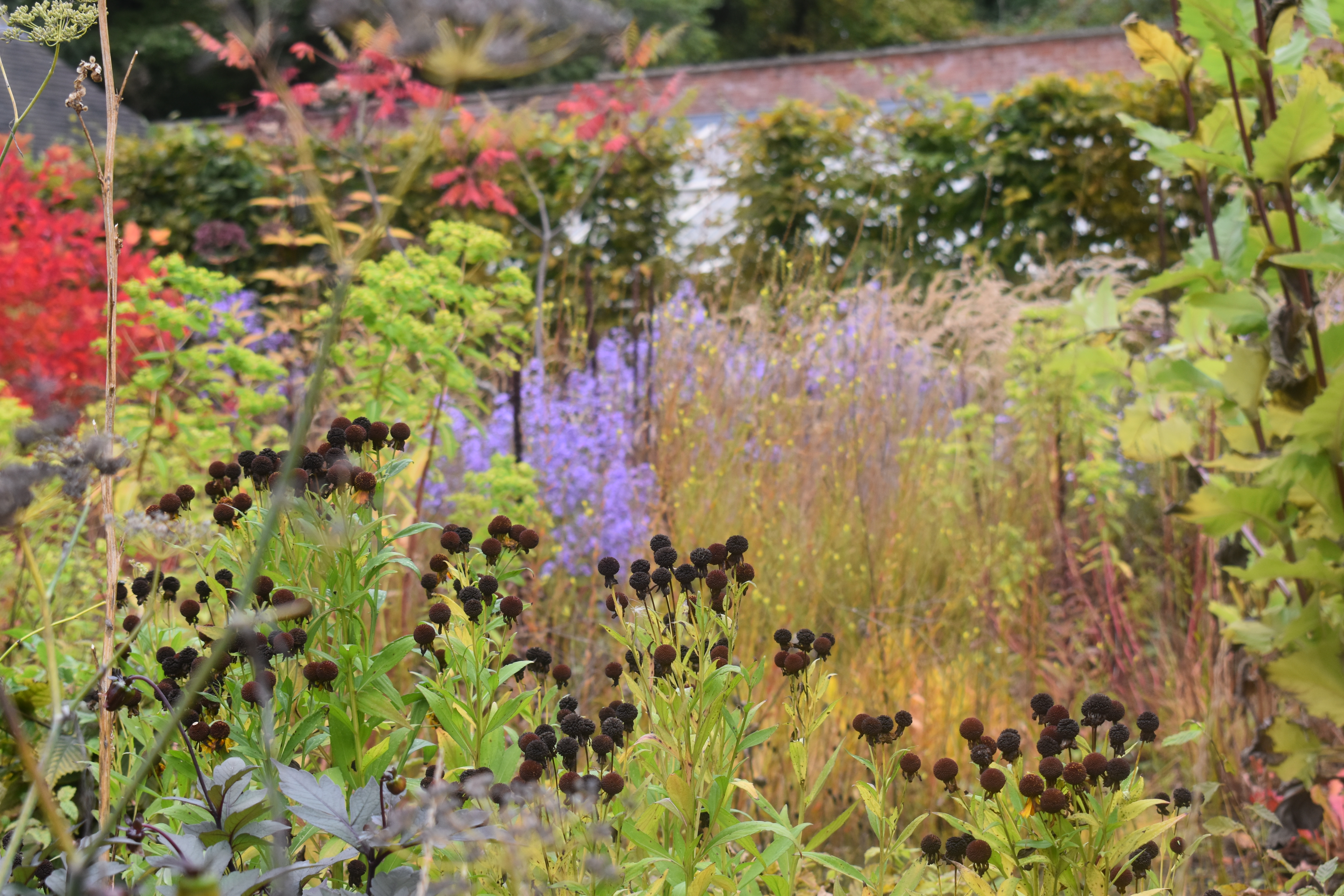
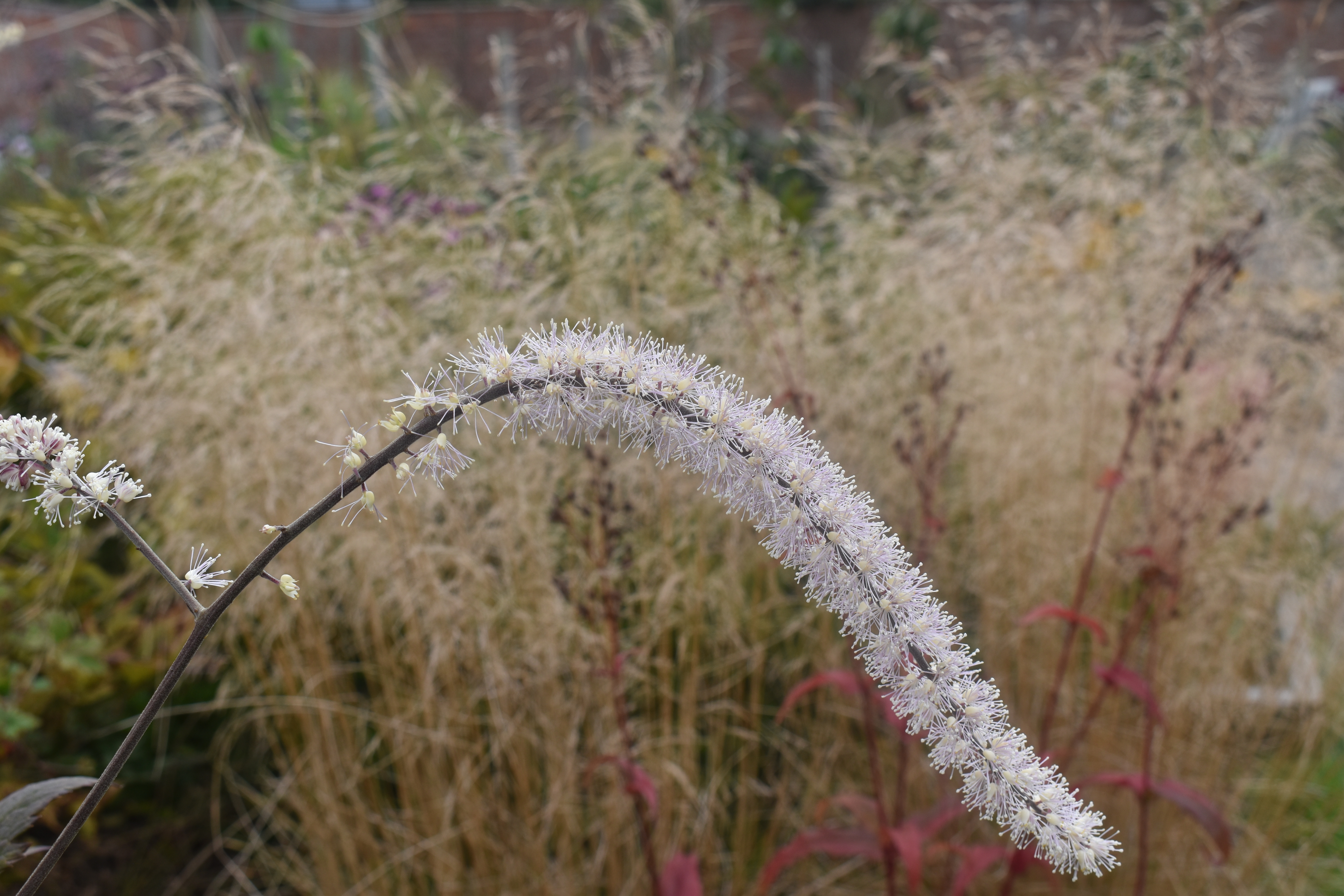
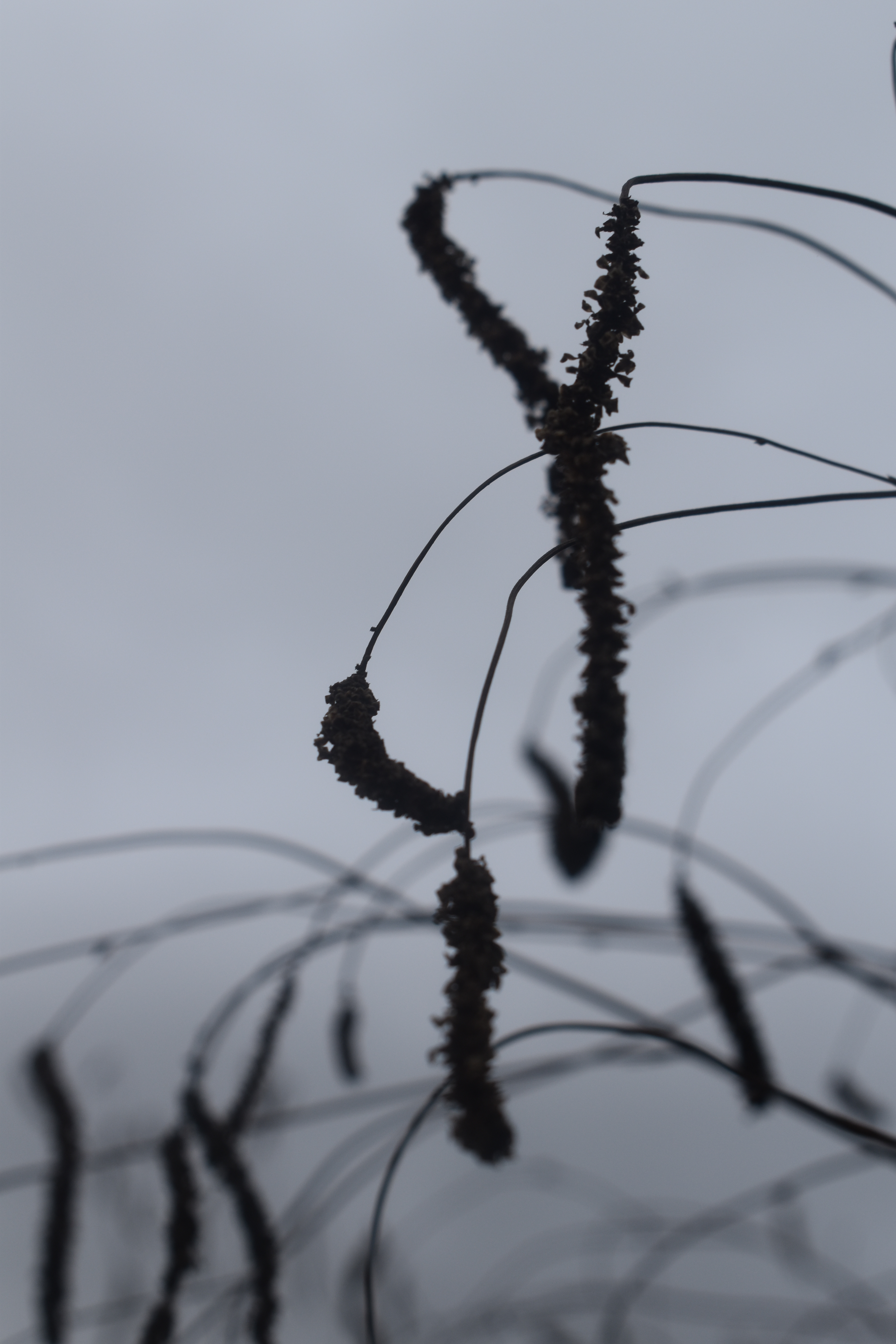
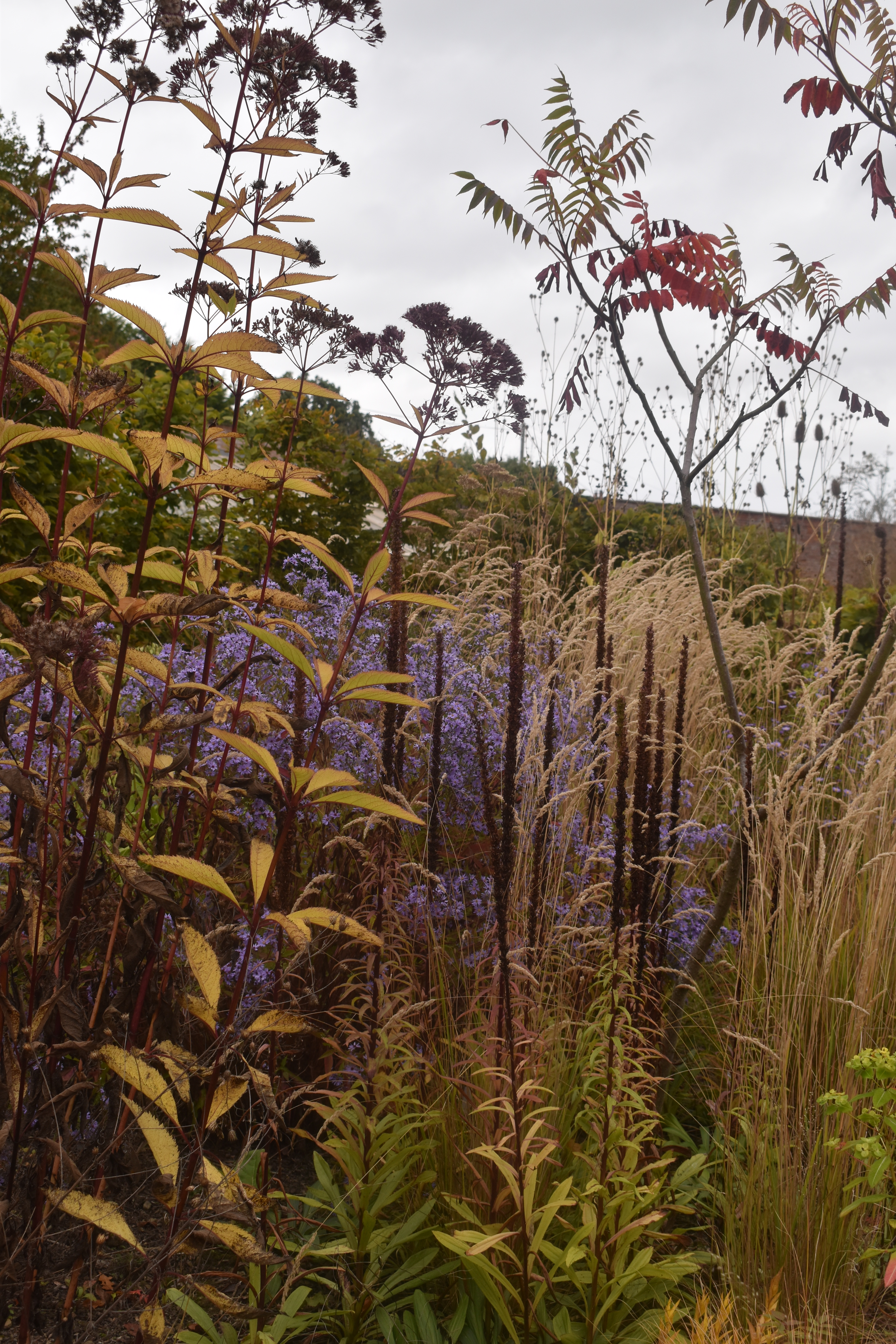
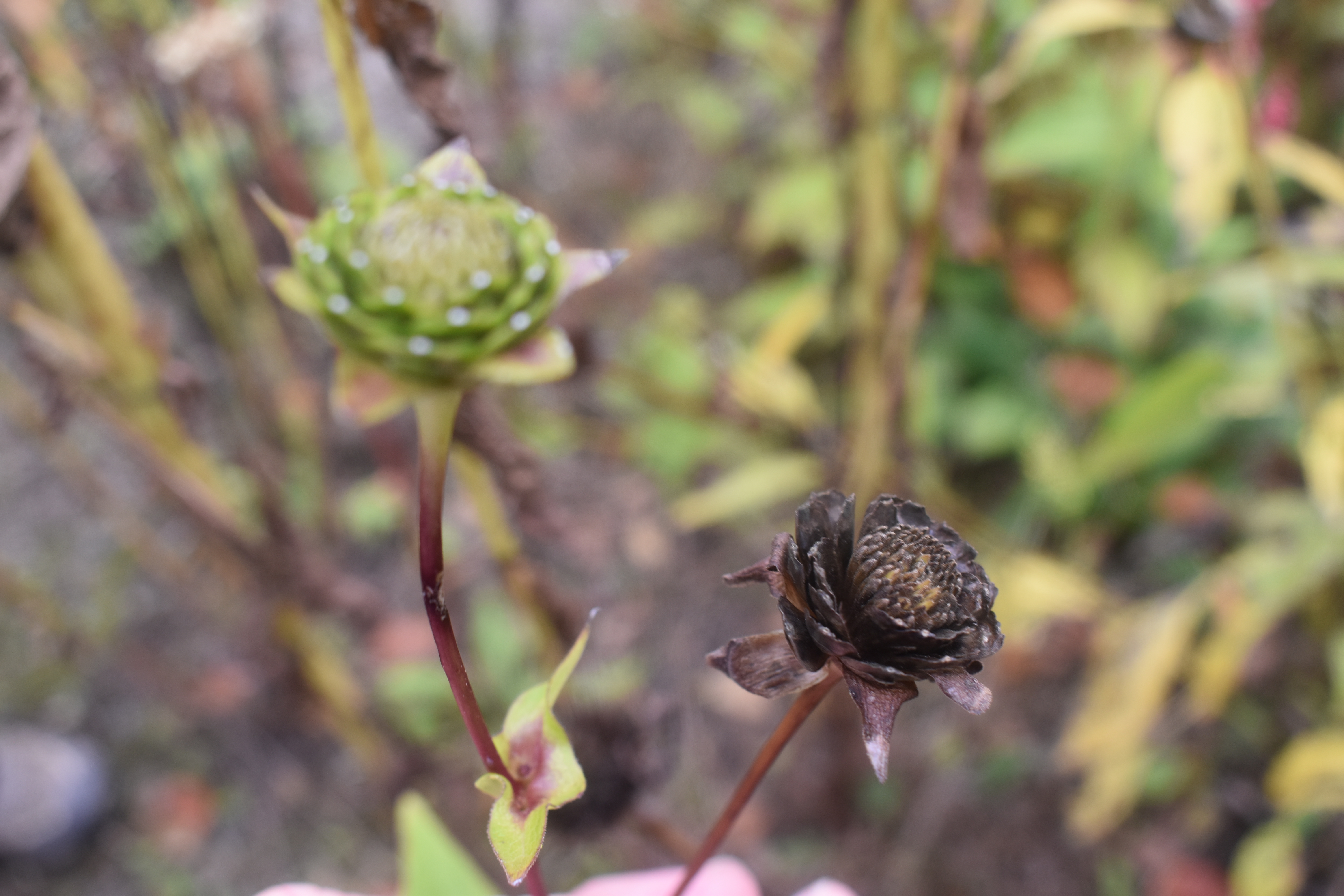
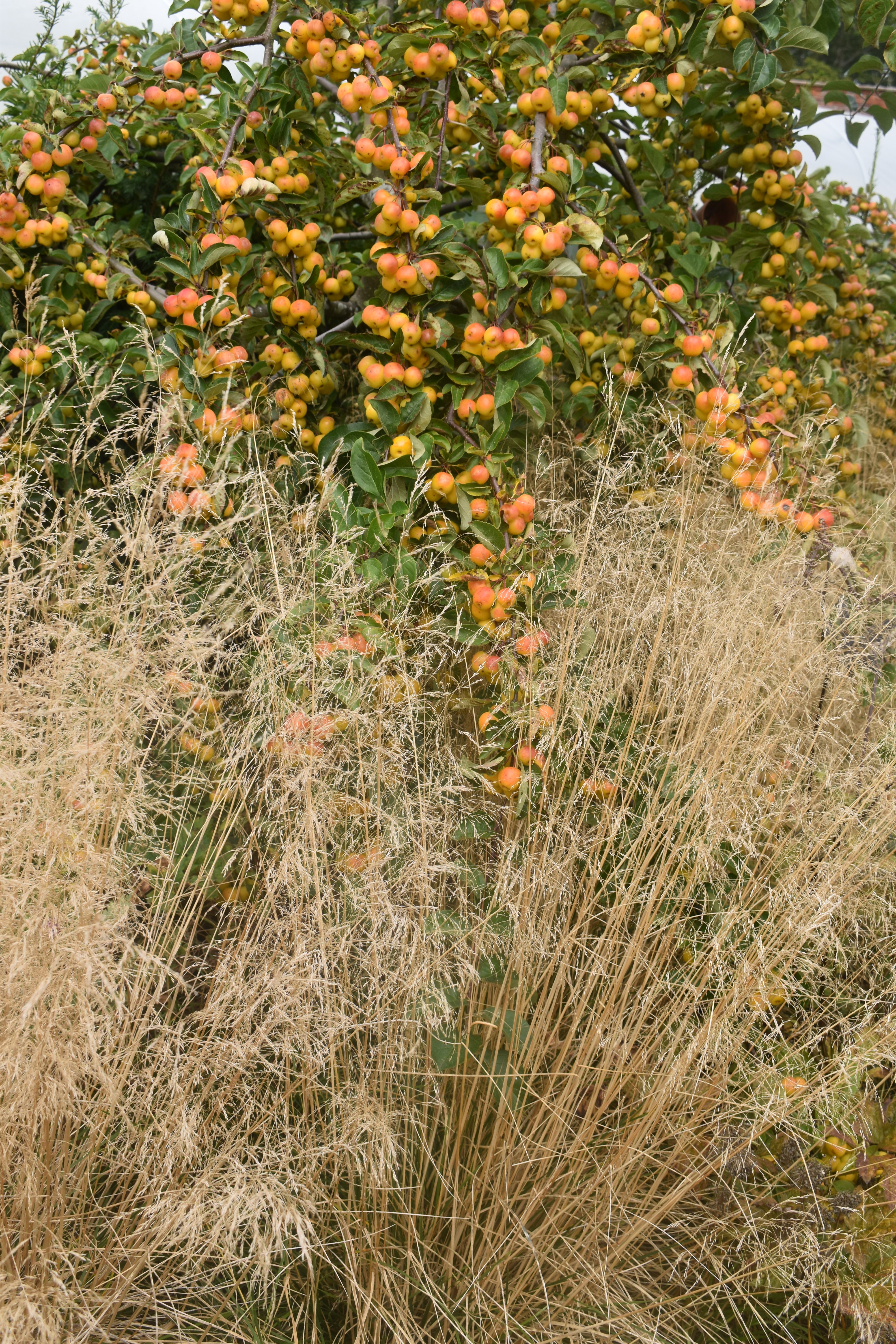
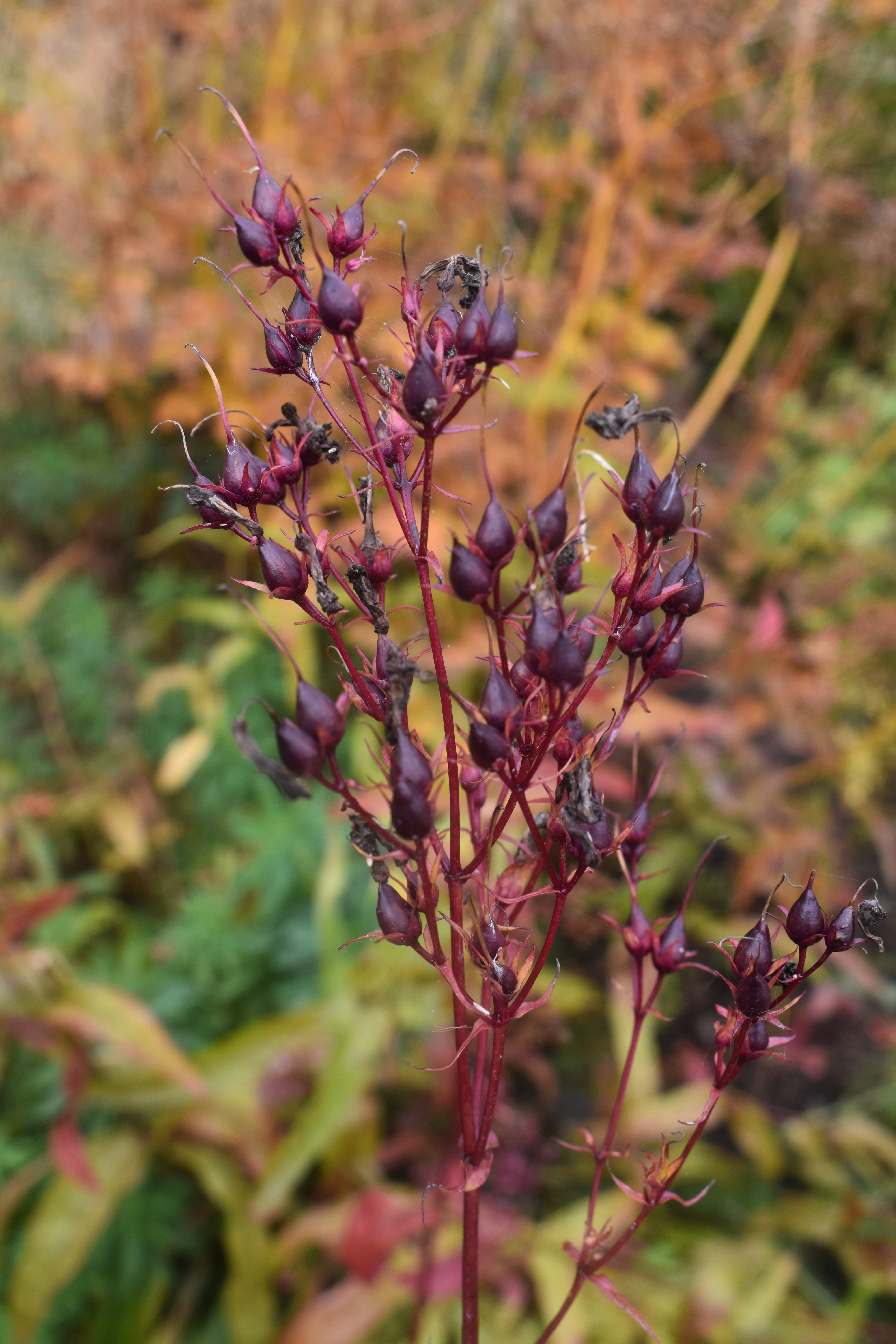
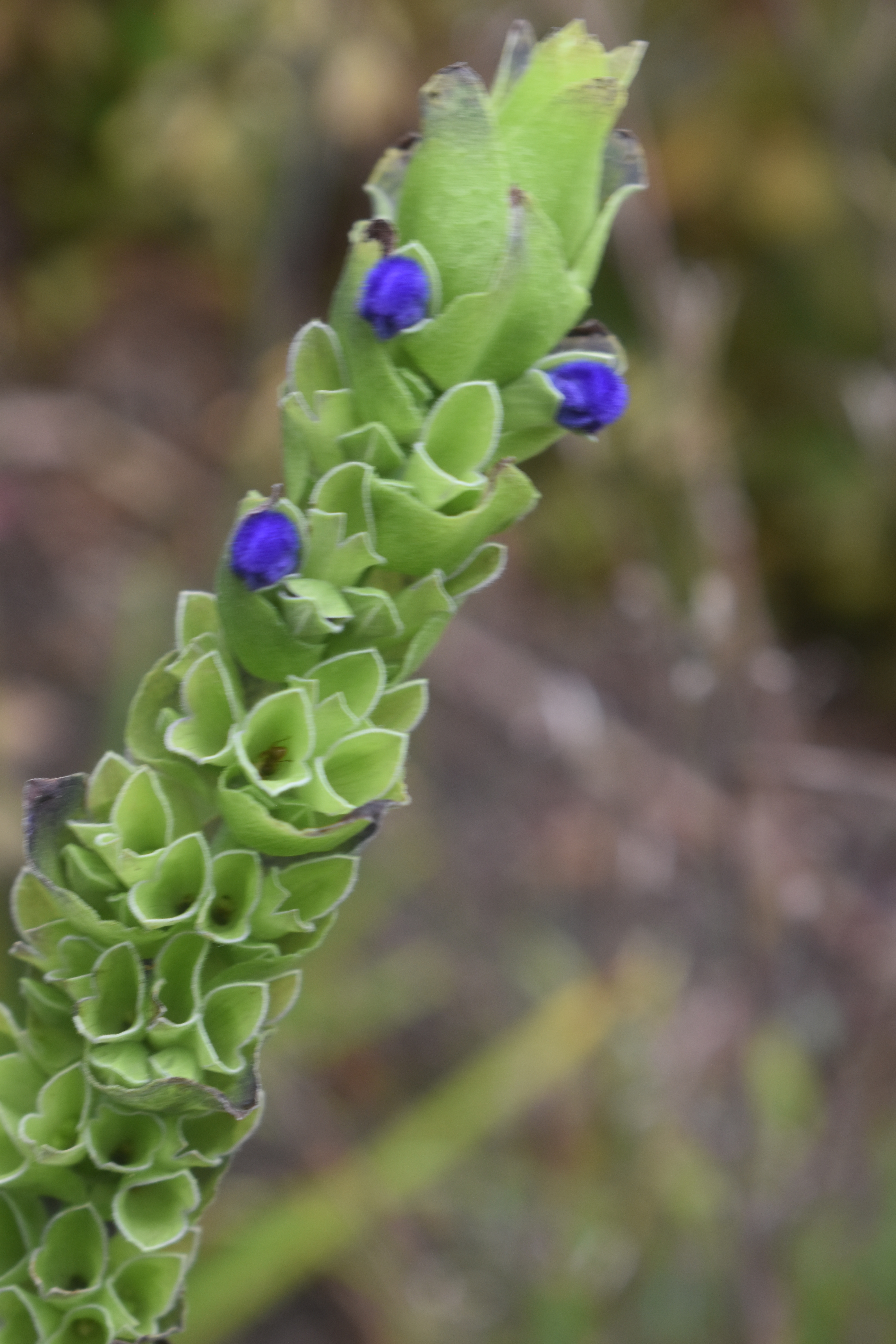
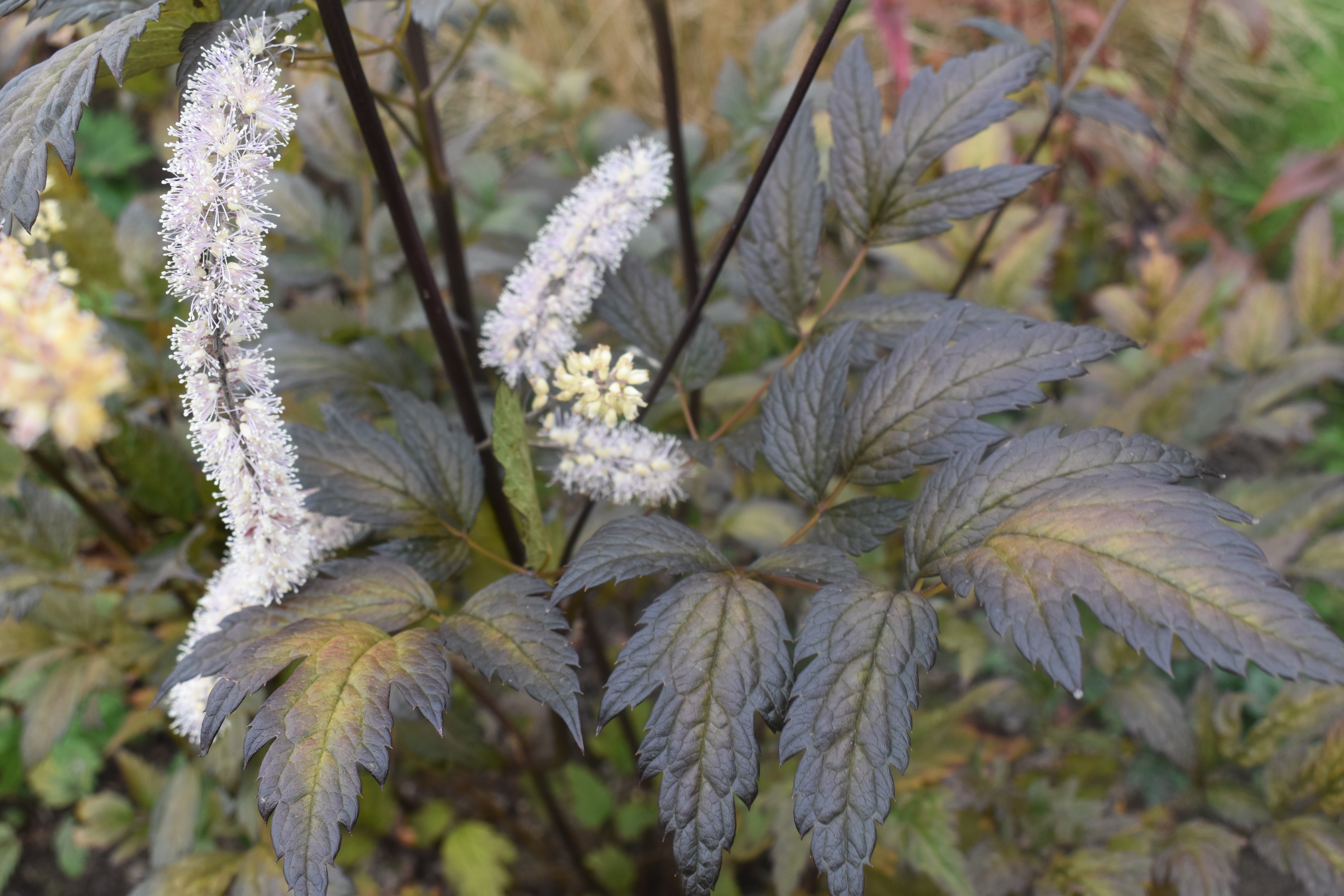
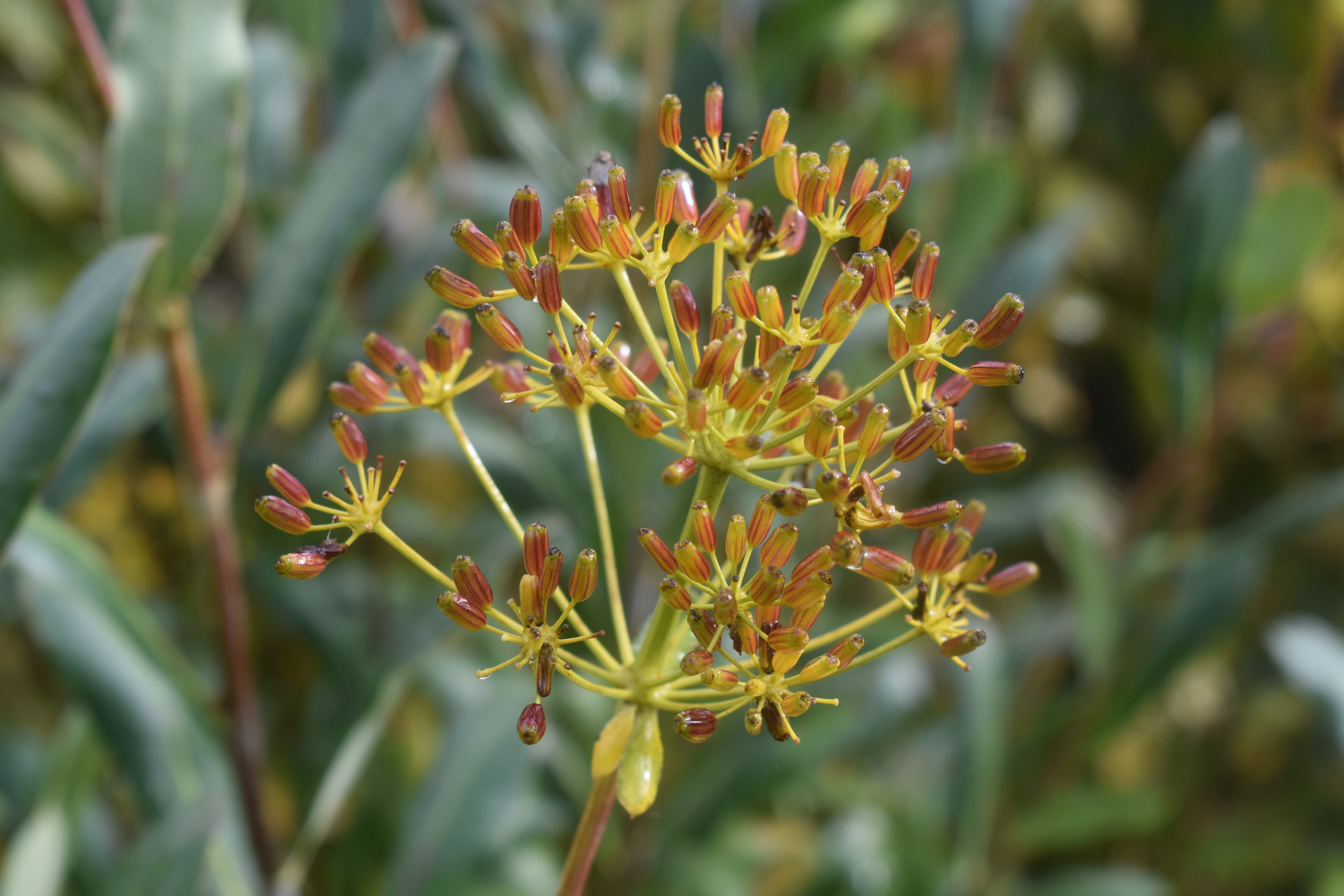
As promised this part of the two posts looking at Wildgoose Gardens and Nursery will be simply a gallery of my photos all taken on the same day. I hope you enjoy perusing the gallery and get an idea of its atmosphere.


As promised this part of the two posts looking at Wildgoose Gardens and Nursery will be simply a gallery of my photos all taken on the same day. I hope you enjoy perusing the gallery and get an idea of its atmosphere.


Early on in October we made a return visit to one of our favourite Shropshire gardens, Wildgoose Garden and nursery, set in what was until fairy recently a derelict walled garden. We met a group of gardening friends there for coffee, a wander around the garden followed by lunch and then more garden exploration.
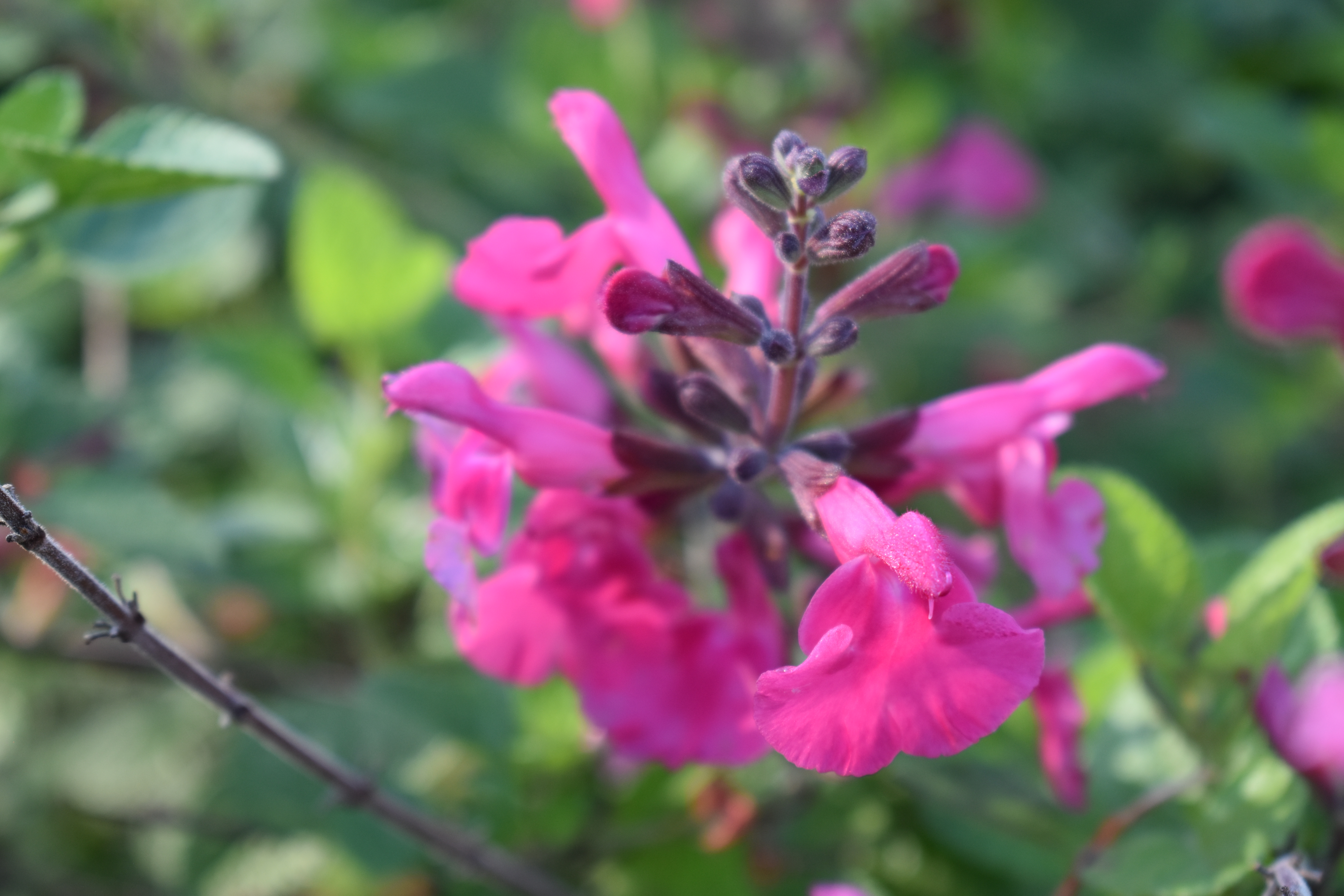
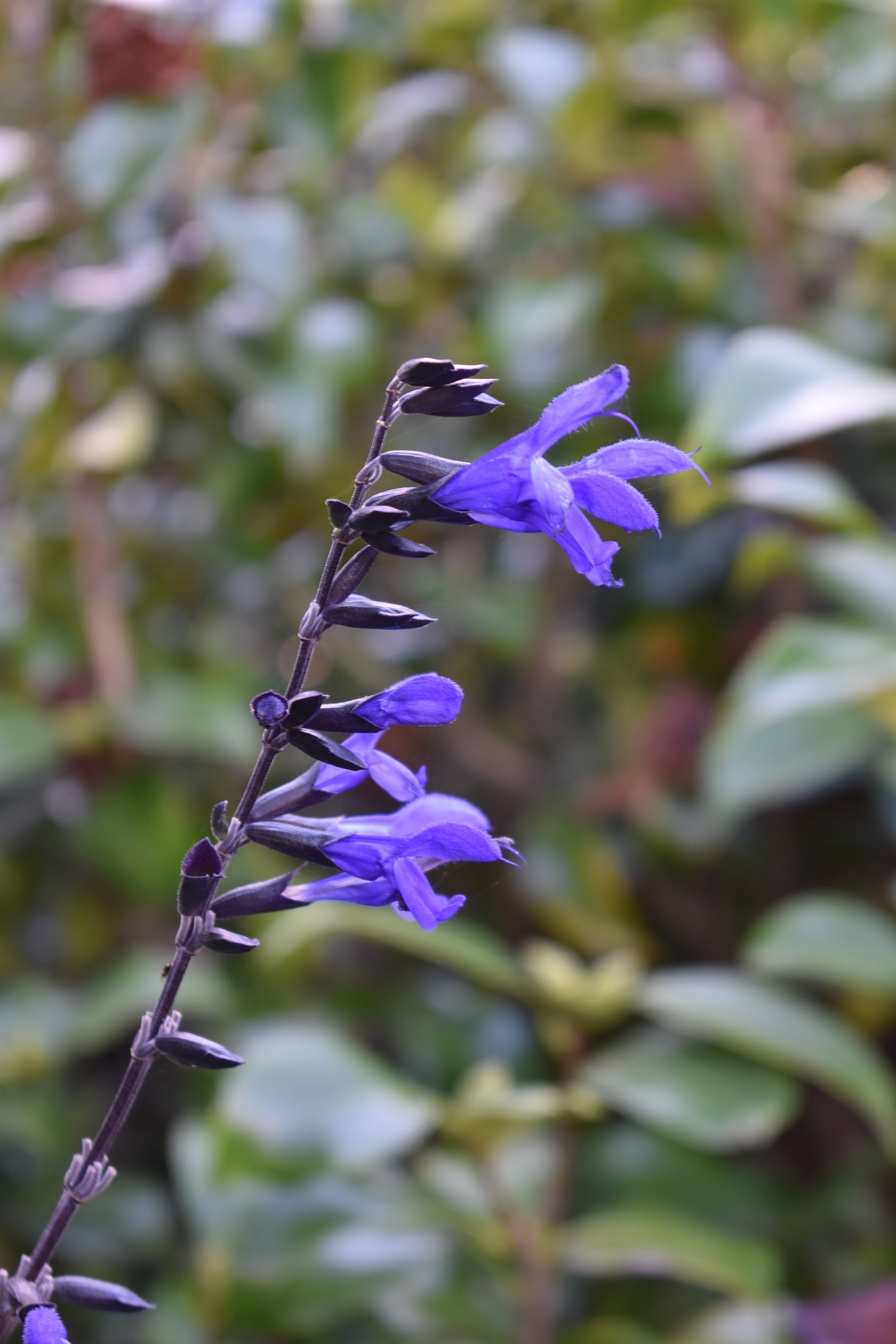
The current gardeners and nursery owners rescued it and created a beautiful garden with many unusual perennials with unusual annuals integrated with them. Winding gravel paths take visitors on a wonderful magical tour among the plantings.
A special tea shop adds so much more!


Jack and Laura are brilliant at putting plants together and producing masterpieces of design.


At this time of year we can appreciate perennials and especially grasses as they dry off and flowers turn to seeds. This is such an important element of the ‘New Perennial’ style of gardening as practised here at Wildgoose.


It makes a garden more of a pleasure to visit if you find plants you do not recognise and can’t put a name to. Friends we were with at Wildgoose were keen gardeners but there were still plants we could not recognise.


There is just so much to see in the remarkable garden and a good little nursery with treasures to buy. In my next post I will share the photos I took during this visit but have not used here.
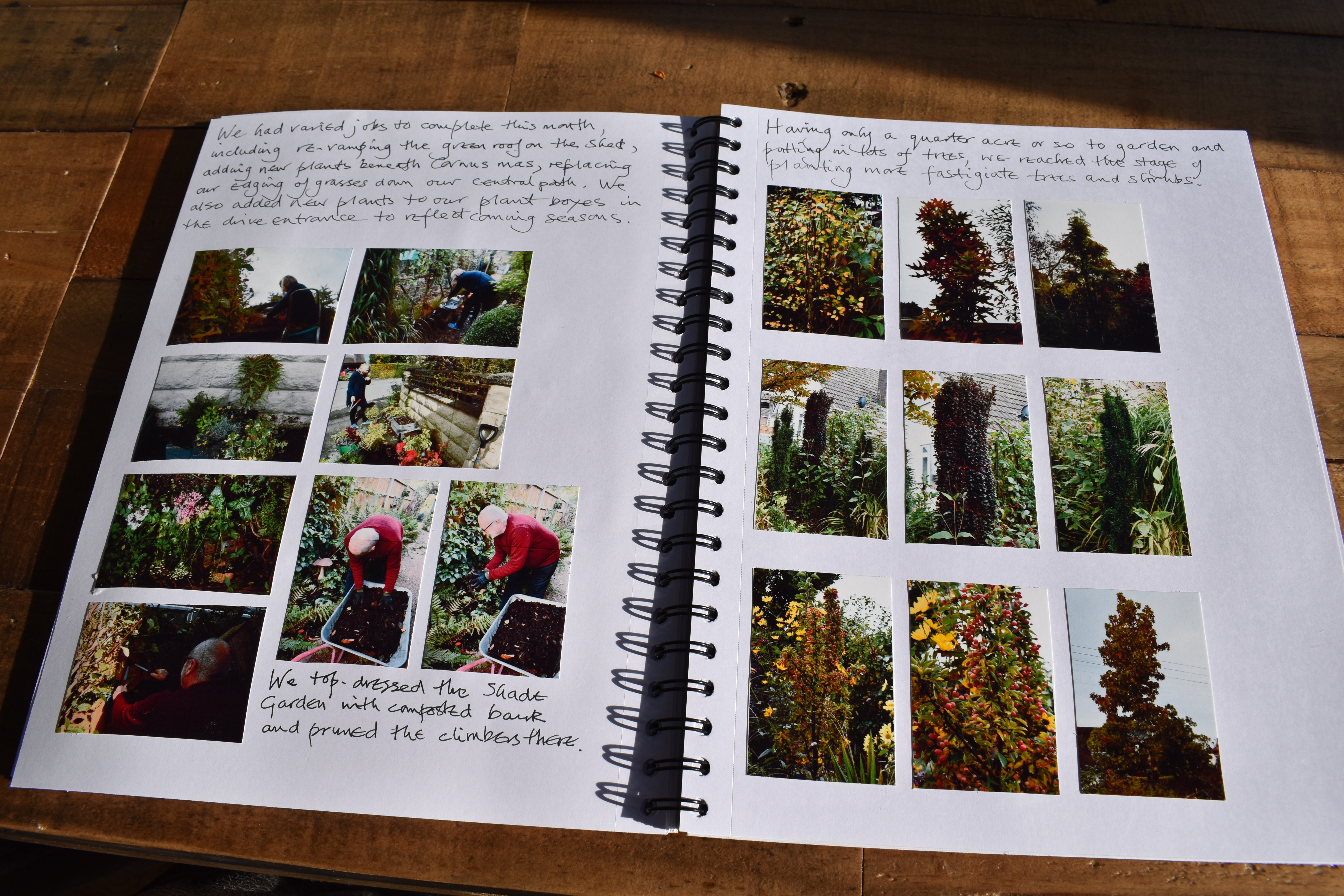
Back again with a look into my 2022 Garden Journal, this time for a look at September. It was a difficult month for gardening as we were both recovering from Covid-19 which proved to be a very slow process which has carried on into October too.
On the first double page spread I considered the effects of the long summer drought and shared a sketch of some lily seed-heads. I wrote, “September brought with it a rather pathetic end to this summer’s drought, short heavy showers and longer periods of light drizzle.
Slowly some plants begin to recover from the ravages of drought, while others will need cutting back to stimulate new growth. It is a waiting game!”


Turning the page to the next pair we look at succulents, both their flowers and foliage. I wrote “Succulents often surprise us with their amazing flowers, many of which appear in late summer and early autumn. At the same time many foliage colours intensify.”

The bright orange flower is on Senecio ‘Orange Flame’.


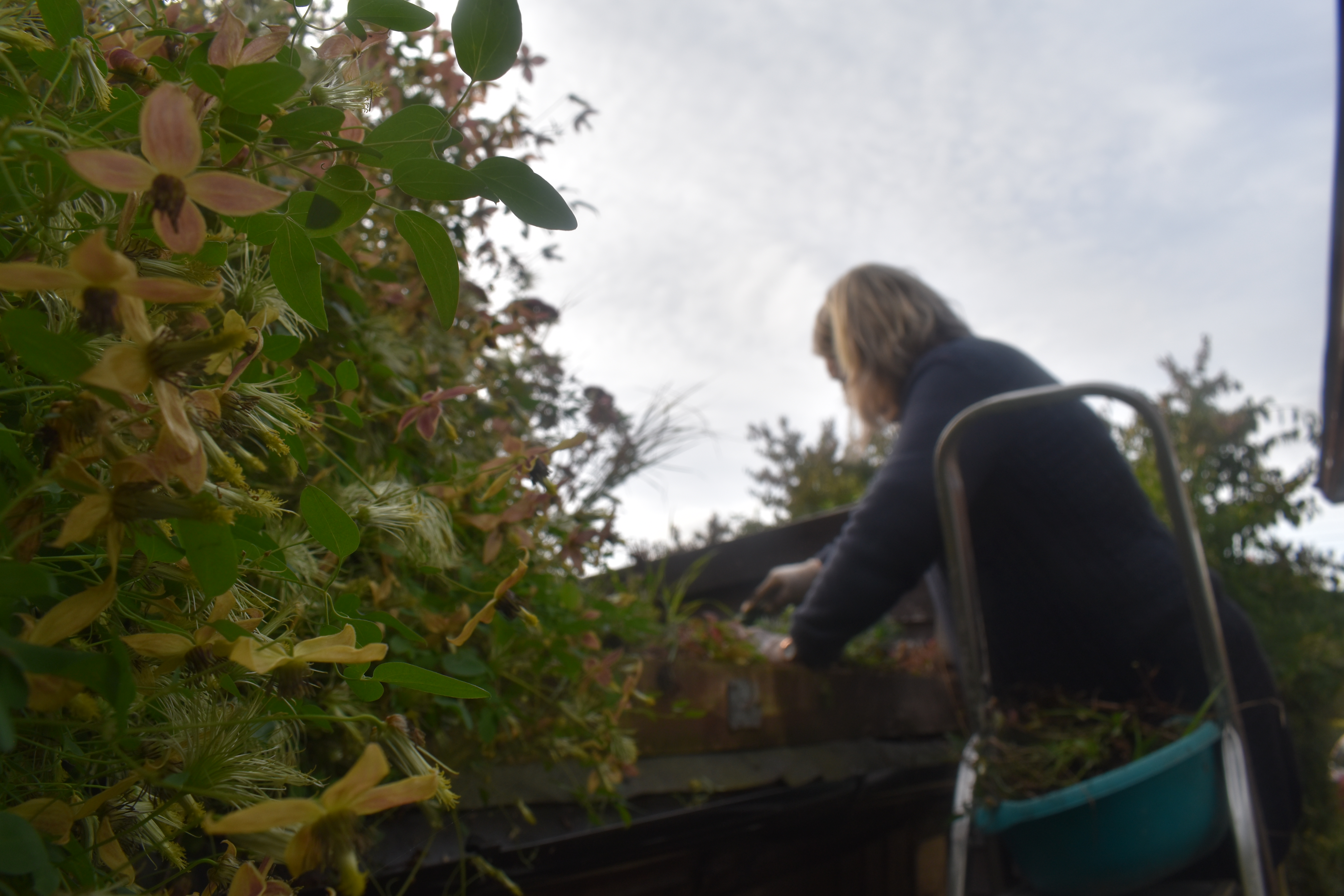
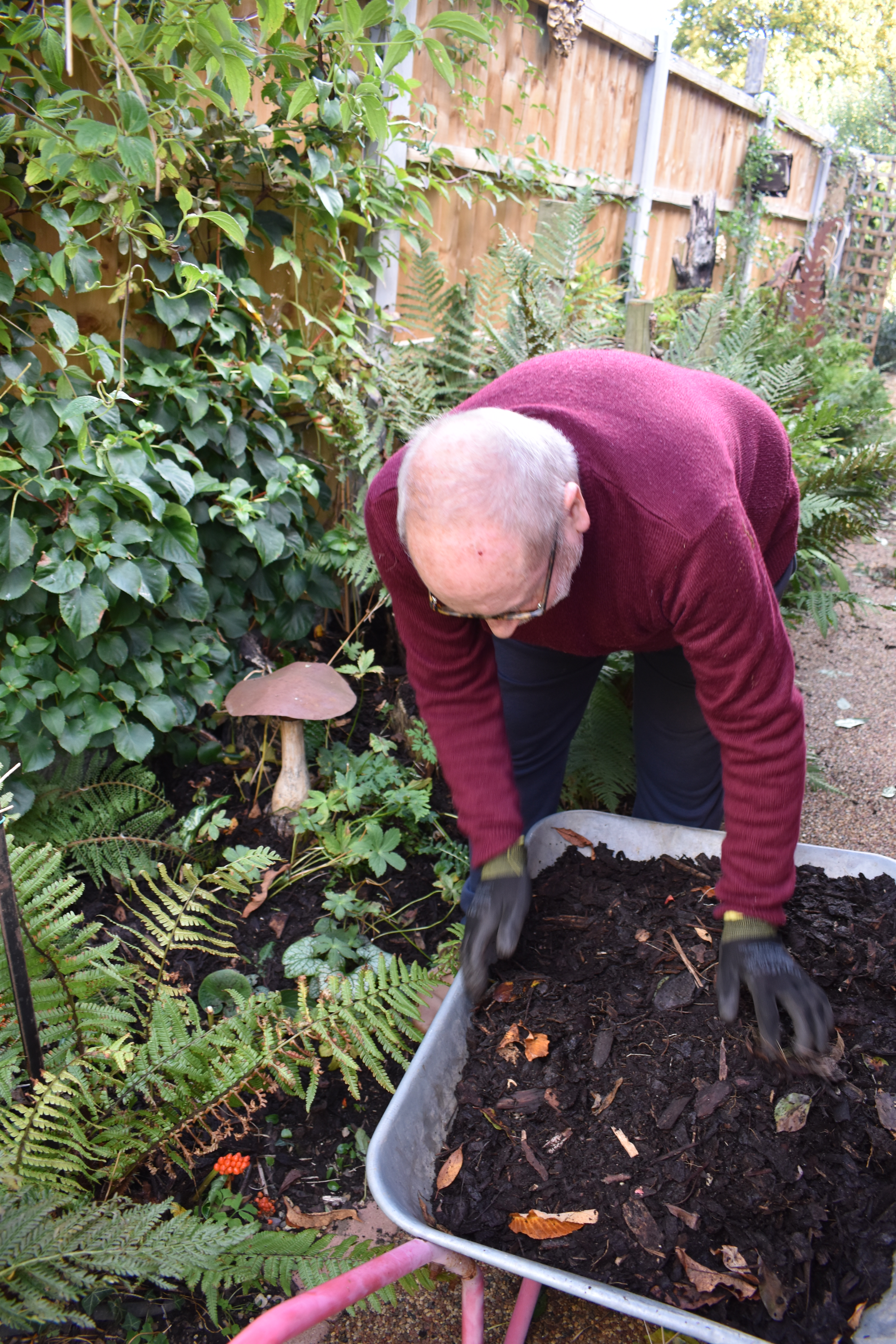
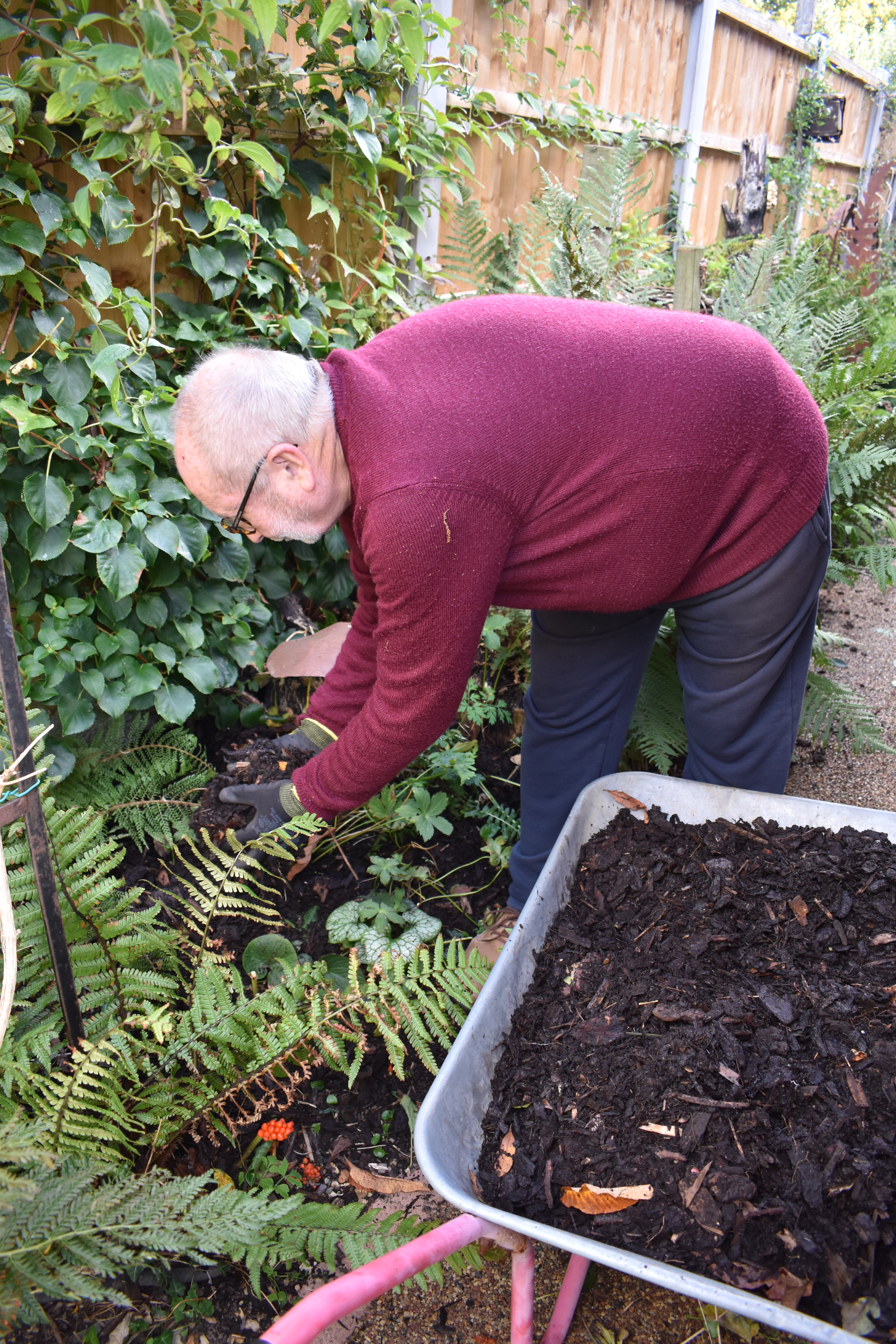
On the opposite page I look at an urgent task for the month. I wrote, “One urgent task for this month was re-building and re-planting our roof garden atop the wood-store. It was collapsing as wood structure rotted and the drought caused havoc to the planting.”


Sodden roof sagging. Removing old compost.


Old roof almost stripped off. Placing new plants.


Jude adding fresh light compost. All done and looking good!
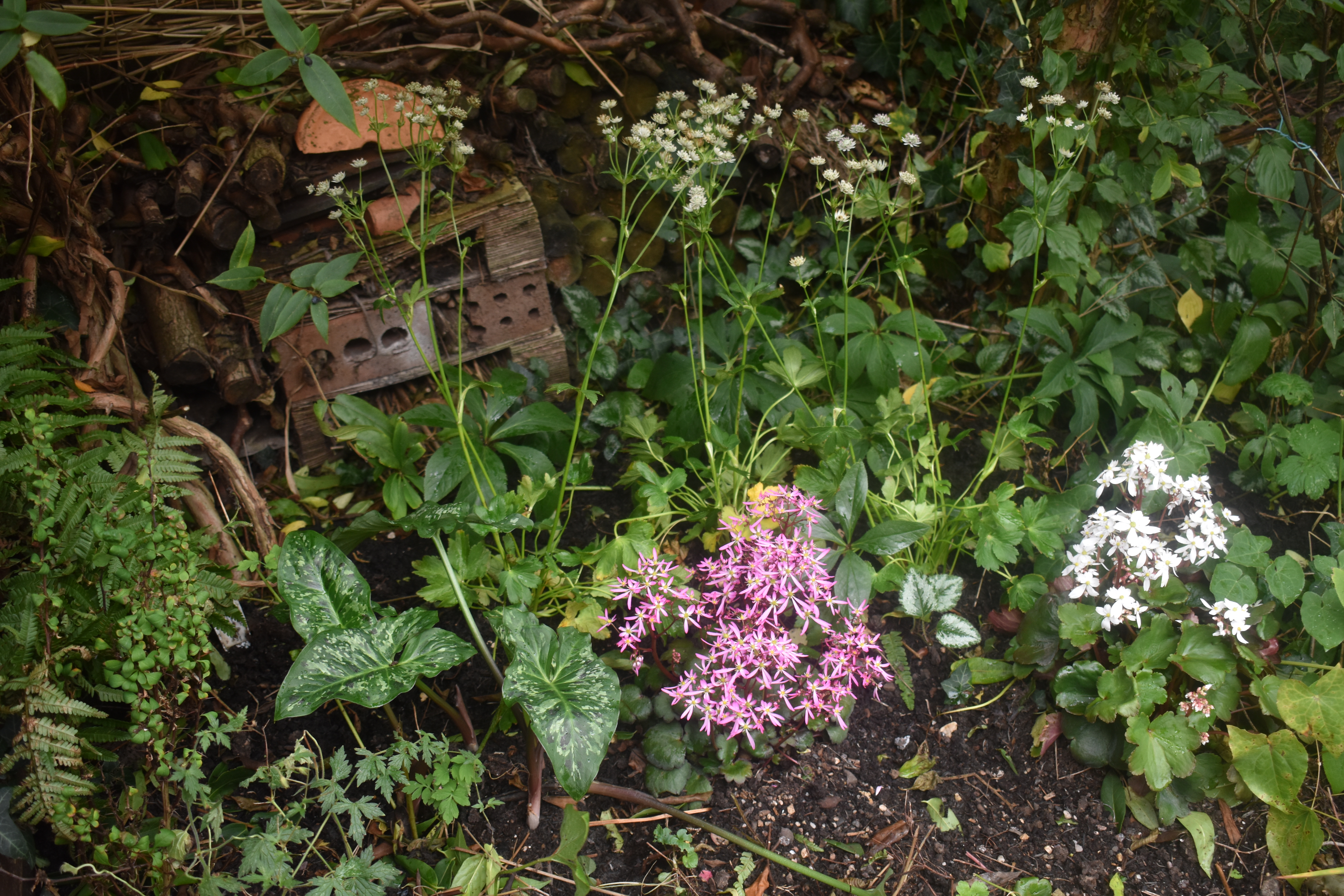
Onto the final pair of pages for September and we take a quick look at some of our special wildlife residents. I wrote, “We now have so much wildlife busy in the borders with hedgehogs emptying their food bowls most nights. The last few years here has seen so many new forms of wasp making our garden their home, including unusual and rare colourful ichneumon wasps.”


“Below are just two photos of our many ichneumon wasps. They are mostly brightly coloured often striped or bi-coloured.”


“Many have incredible names but only a few are common enough to be given common names, of which we see ‘Gold Marked Thread Waisted Wasp’ and ‘Digger Wasps’. Most have just scientific names such as
Pimpla rufipes Callajoppa exattatoria Callajoppa arrogaster
Ammophilia sp spheadae Mellinus arvensis”
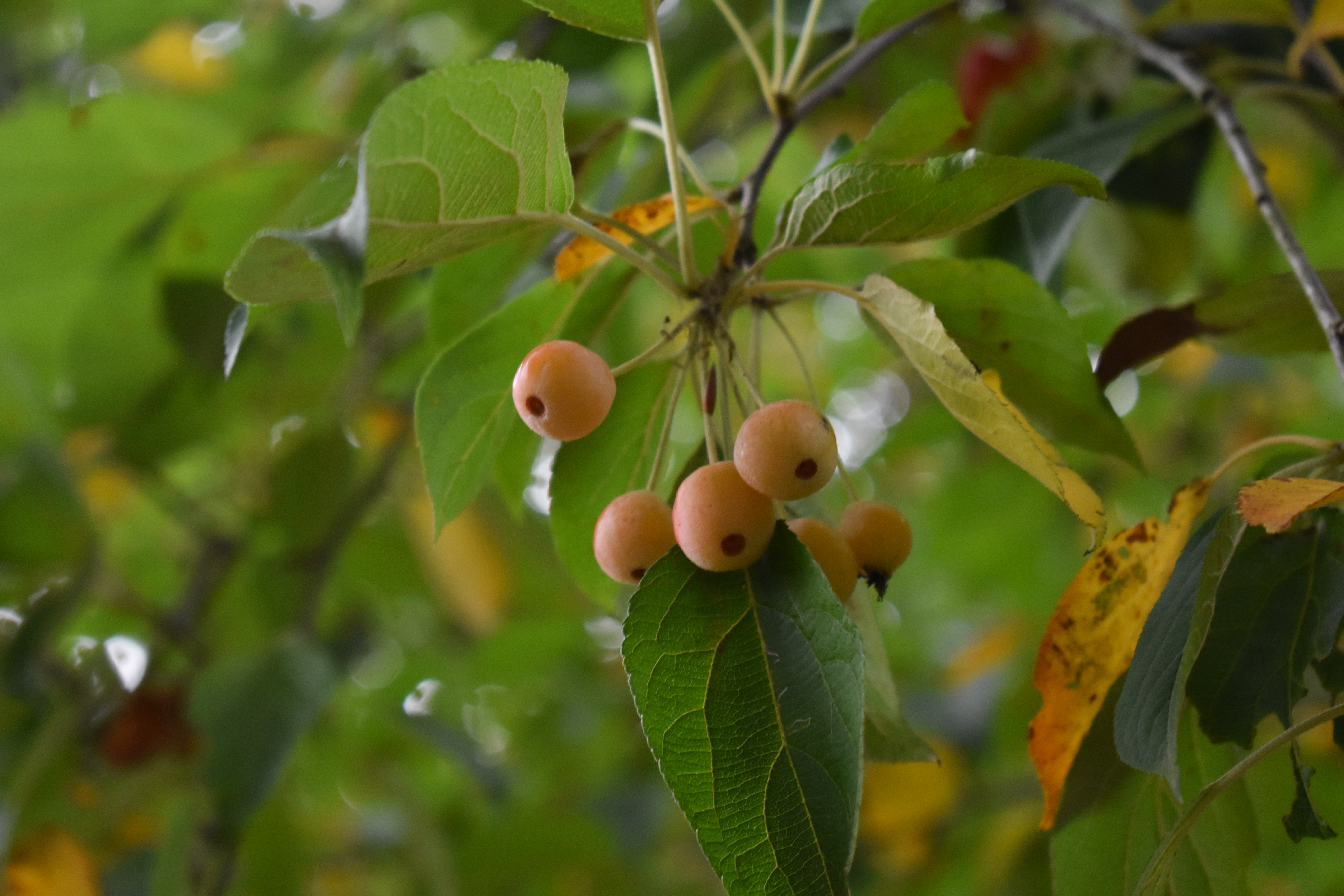
The final page for the month features malus berries, and I noted that, “In August I shared photos of Rowan berries to illustrate how colour was beginning to show and promised to return. So, here are the rowan berries which now show even more colour apart from ‘Apricot Queen’ which has had all its berries eaten by birds already.”


The next time we visit my garden journal will into autumn as we look at the month of October.
Back again with a new collection of garden seats of all shapes and sizes, this one being the fourth of the new post Covid series of these occasional posts.
I hope you enjoy seeing the photos of garden resting places, starting off with seats we found at Trentham Gardens.


My next set of photos were taken at Chatsworth.


I shall finish off this post with a set of super seats found while exploring Bodnant Gardens, one of my favourite gardens anywhere.


I do hope you have enjoyed resting a few moments on each seat, just as we did. See you back looking at garden seats sometime soon.
We are back having a look at my Garden Journal 2022 to see what has been occurring in our garden in the month of August, a month of heatwaves and drought this year making gardening challenging.
I wrote,“August is the traditional month to take a holiday and schools have broken up for their summer breaks. The NGS Yellow Book of gardens open for charities also seems to be having a quiet month.
But for us there is plenty to enjoy in the garden and jobs to be done. Our work with the NGS runs down and this month sees the last group visit to our garden, a local WI Group.”
Below are a few photos of the visitors discovering what our garden has to offer.


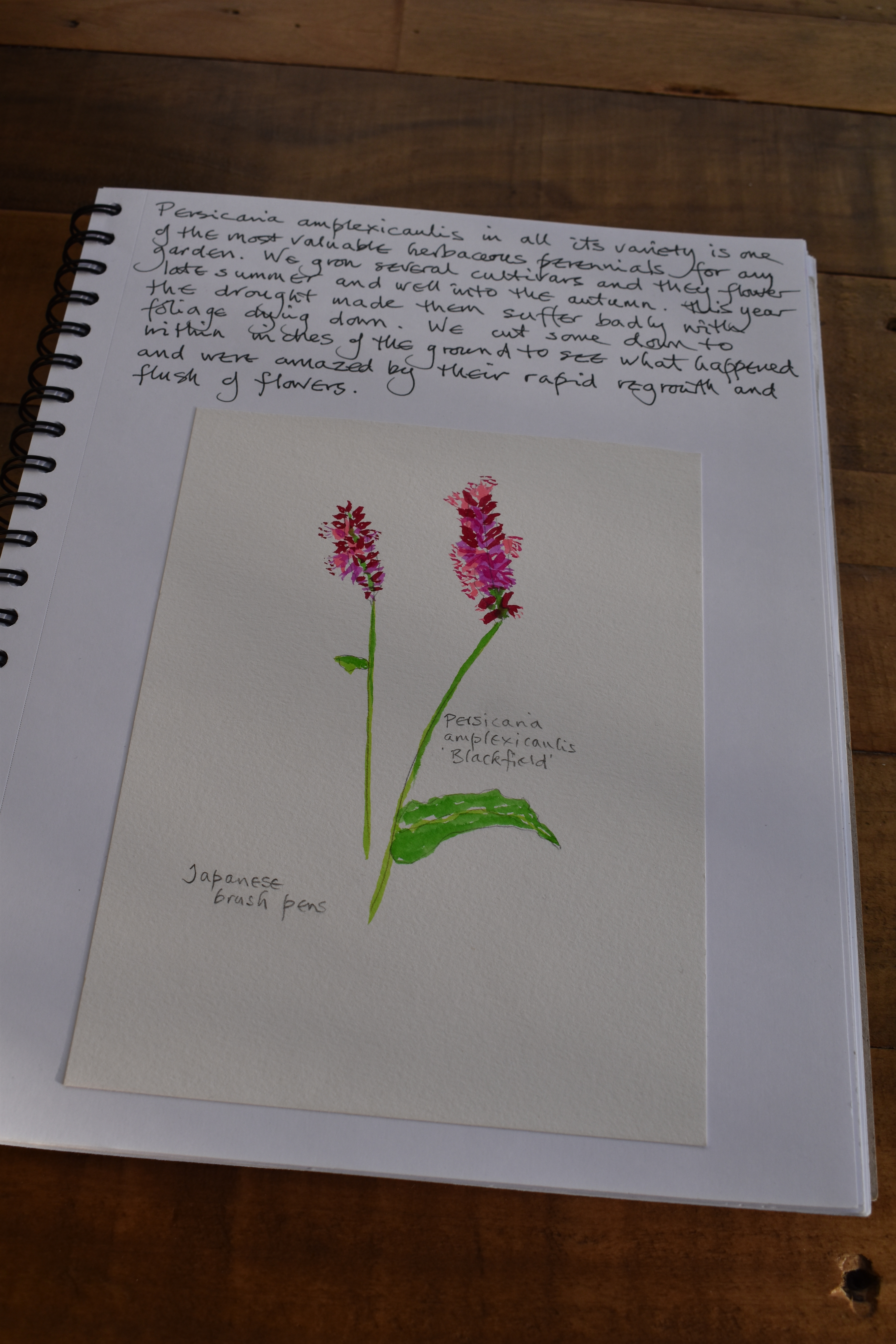
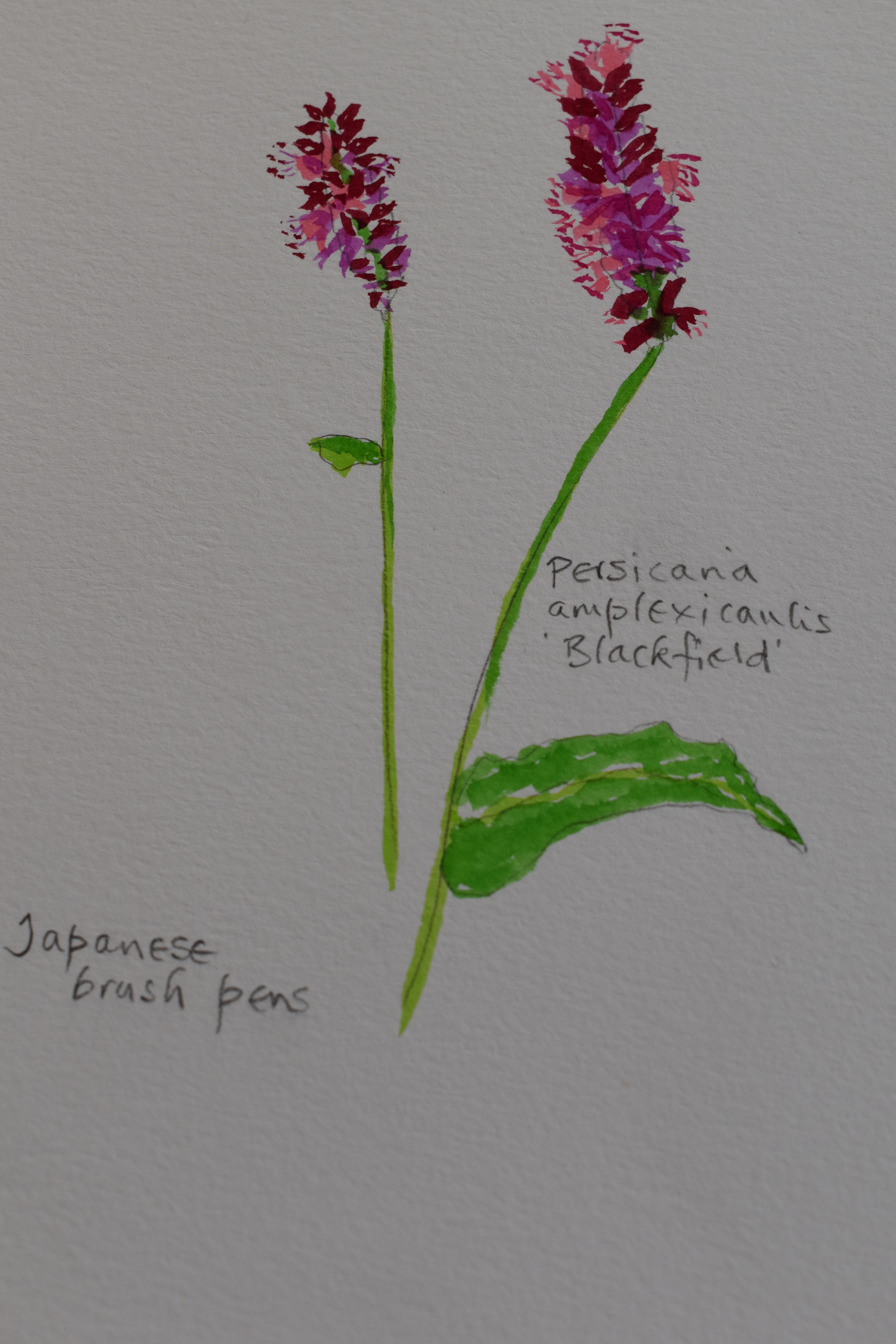
Over onto the second page of the August entries I shared my sketches of our everlasting sweet pea after writing, “Annual sweet peas flower strongly in the summer giving all sorts of colours and sweet scent. The perennial relatives, Lathyrus latifolius, comes in far fewer colours, just pinks, and sadly no scent.”

I chose Japanese Brush Pens to sketch a spray of one of our plants.

I share more sketches over the following three pages, beginning with pencil and crayons for the dwarf chestnut. I noted that, “Now that tree flowers have finished they have started to form nuts or fruit. our dwarf horse chestnut tree has set its ‘conkers’. Its leaves look typical of chestnuts with large 5-fingered hands, just like the one we enjoy in the UK. Our UK horse chestnuts with either white or red/pink flowers are not English at all but arrived in the 1600s having been collected in the Balkan Peninsula. English or not they are one of my favourite trees.”

Our dwarf chestnut is called, Aesculus mutabilis induta.

Two further sketches of tree foliage and fruit follow on, the first being one of our birches. I noted that, “We have several forms of Betula albosinensis around the garden and these are showing signs of developing both male and female flowers. Male flowers will become catkins as the seasons move on.”
The sketch using pencil and Derwent Intense pencil crayons, illustrate the foliage and flowers of Betula albosinensis ‘Chinese Ruby’.


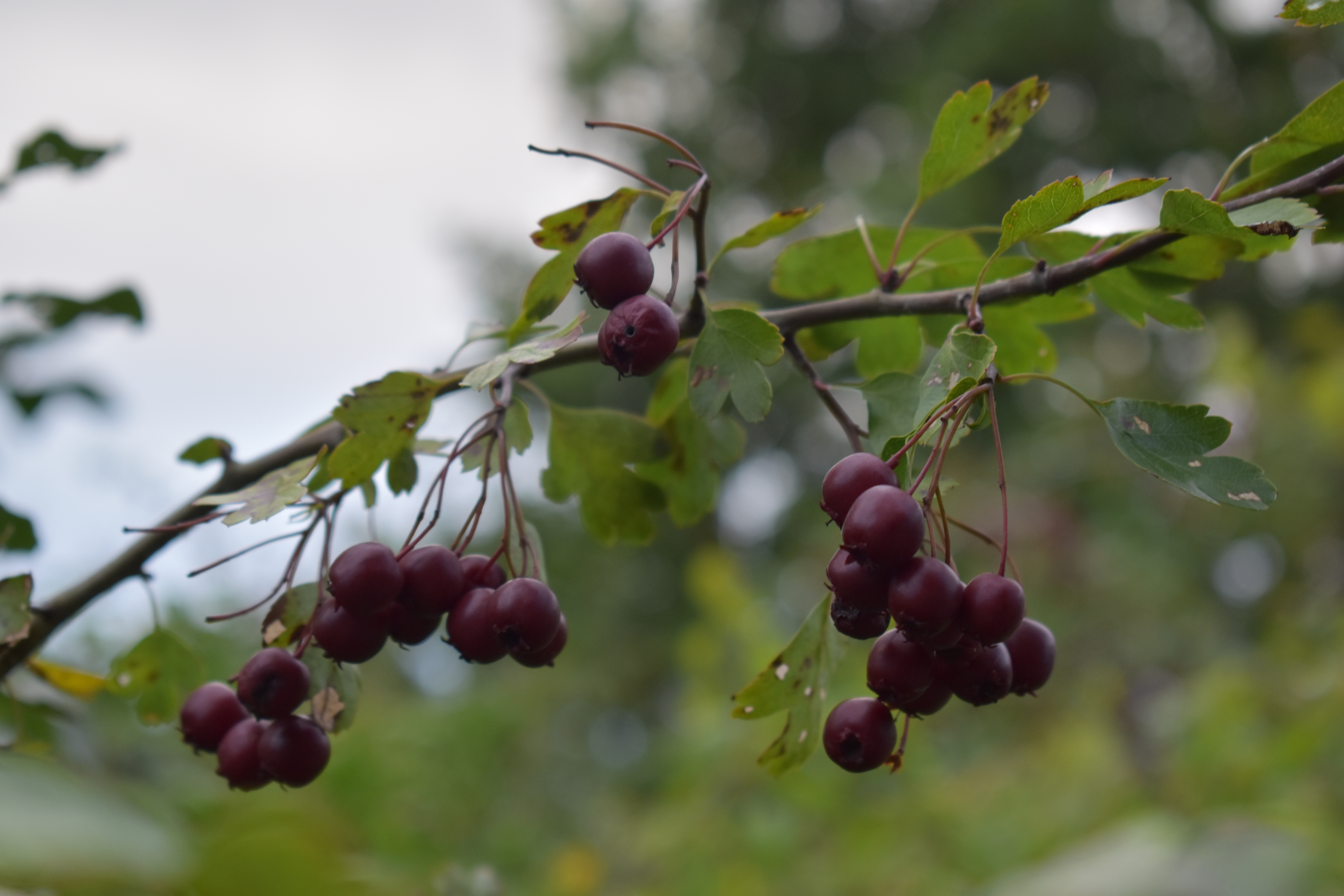
The next page featured a further small tree and its flowers and fruit where I wrote, “Our ‘borrowed landscape’ has tall densely grown hedges made up largely of Hawthorn, often called ‘May Blossom’ due to its frothy white blossom in May. Sadly, its flowers give off the aroma of cat urine!.
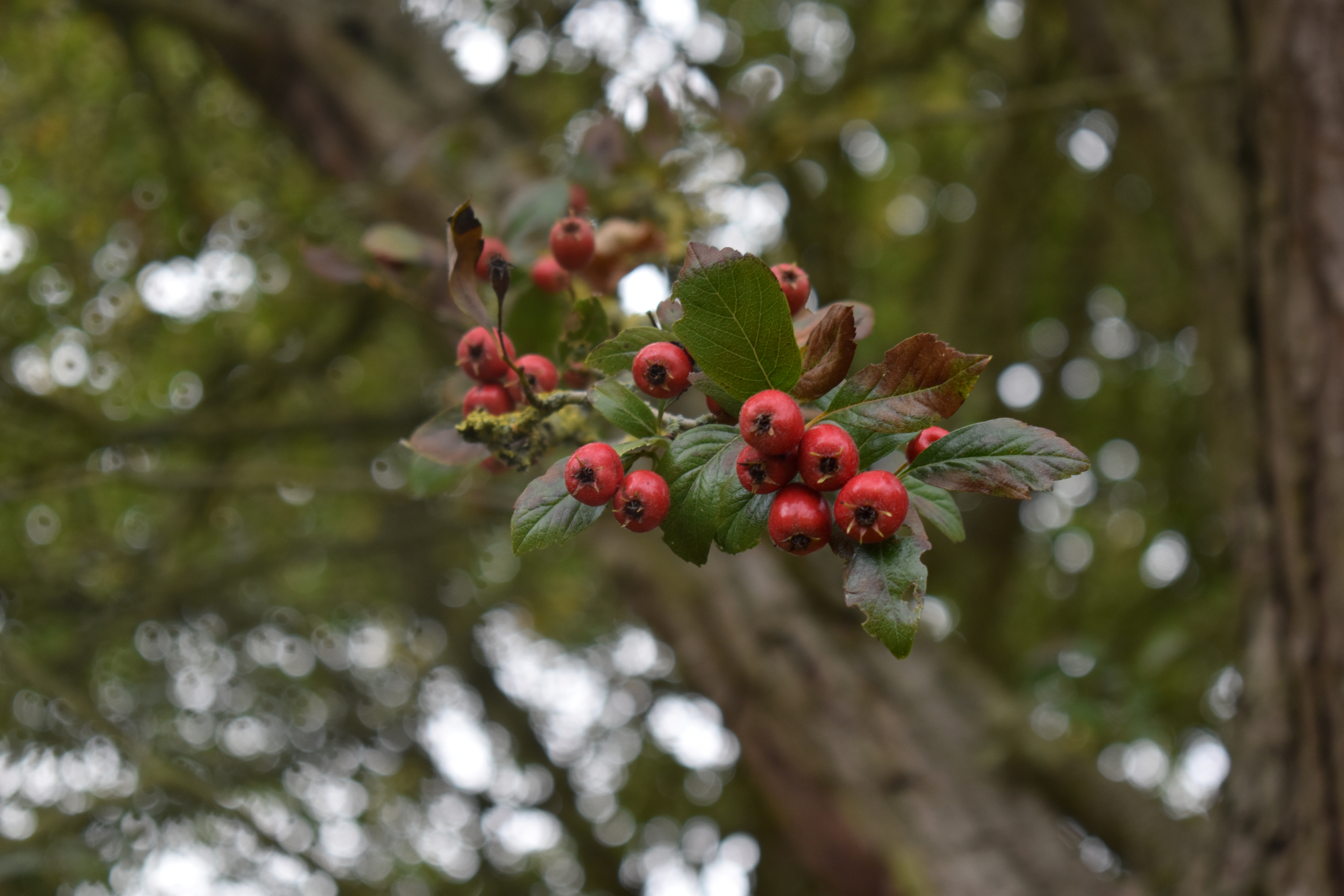
We grow a different hawthorn in our garden, Crataegus imperialis ‘Splendens’, which has the white flowers followed by red berries in common with our native but very different simple foliage. “


Turning the page once again I feature another of our trees but this time I look at its bark in particular. I wrote that, “Prunus serrula must be one of the best trees for gardens of all sizes. Our’s grows in the line of trees acting as a windbreak along one side of our back garden.
It is grown for its polished silky bark from which black-brown strands peel and eventually drop. It is then popular material for nesting birds.
The bark colour is a rich coppery-brown, rarely seen elsewhere.”


My next page for August features our wildlife about which I noted, “Wildlife continues to delight and entertain us as well as working for us as predators and pollinators.
When we work in the borders fledglings join us especially robins and blackbirds who see us as colleagues so have little fear.
Our garden is such a magnet for wildlife and it must seem so rich for them amidst such sterile farmland.
Overhead buzzards and red kites take advantage of thermals while nearer the ground swallows and hose martins gracefully hunt flying insects. Young birds join us as we garden confidently following us around. Too confident is the young robin who follows me so closely he nearly trips me over and he tries to land on my head or shoulders.
Our lovely daughter Jo bought me a wildlife camera and the robin managed to get in the picture. We now know that not just hedgehogs enjoy our feeding station – she is joined by wood mice with their big satellite dish ears.”


The final two pages for August are all about berries, one about sorbus and the other Hypericum inodorum, and I wrote of the sorbus, “Berries on trees, shrubs and some climbers are now fully formed and are turning from shades of green towards their richer autumn tints. Below is a gallery showing nine of our sorbus varieties. We shall visit them again later when that happens.”


I continued about the berries of hypericum where I wrote, “We grow lots of cultivars of Hypericum inodorum which give such a range of berry colours throughout the garden. Earlier in the year their golden yellow flowers with long yellow-orange stamens look so cheerful, each tipped in bright orange.”


That is it for my look into my Garden Journal for August, but we will look again in September.
We never tire of visiting the Derbyshire Dales and in particular Dovedale so when we had the chance of a short break we booked a hotel close to Dovedale, the Izaak Walton Hotel. The views from the front of the hotel were stunning.
Luckily we were also close enough to Chatsworth to afford us the opportunity for a day visit. We wanted in particular to explore the areas that have recently been redeveloped. This post shows Paxton’s Rock Garden after its recent redevelopment by the great garden designer Tom Stuart-Smith.
The recent drought conditions were making some plants struggle but most of Tom’s newly planted areas were managing to survive. The first photo shows the strong light and shade near the entrance.


The rock structures were restructured and others added, giving dramatic effects.


In my next post I shall look at Tom’s other new planting at Chatsworth, called Arcadia.
A warm weekend in the middle of July saw us driving towards the Shropshire and Staffordshire border to visit an NGS open garden.
Little did we know how small the garden was. The driveway seemed quite long for an estate house but when we went into the back garden we were quite surprised. We could see the whole garden in one view, just mixed plant borders around a tiny lawn just big enough to accommodate a small bistro set at its centre.
Unperturbed I set about taking some photos to try to find points of interest. Here they are. Coffee and cake stretched our visit to half an hour!


We certainly appreciated the lilies and roses.


The lilies and roses are integrated into the mixed borders around the lawn. In amongst them are lots of perennials and occasional biennials.


A few interesting little touches gave the borders a lift.


So we did enjoy this little garden after all and it goes to show that give a patch a chance and there be more to it than expected.
The last day of July this year was a strange day as our good friend Mark Zennick handed over the reins of his superb collection of Day Lilies to two ladies with a love of these wonderful plants.
The collection usually has between 250 and 300 different hemerocallis and we now have a fair collection at home probably about thirty or so, all bought from Mark at his New Hope Gardens nursery. They are so reliable and easy plants to look after.
To celebrate this last visit to see Mark with his collection I am sharing a gallery of some of our favourites there.


We hope that the new owners of this amazing collection give everyone a chance to visit New Hope and perhaps purchase a few more hemerocallis to grow in their gardens.
As this is our final year opening our garden under the auspices of the NGS, we are reaching important milestones. We have already held our final Open Day and now we have entertained our last group visit to our garden. A wonderfully cheerful WI group of 21 spent a very warm, sunny evening discovering the delights of our garden and the delights of Jude’s cakes.
There was so much laughter and several members of the group commented on how happy the garden made them feel.


One visitor wrote in the Visitors’ Book, “A very interesting fascinating garden” and another “A very enjoyable evening, so much to see and admire, a credit to you both.”


So that really was the end of an era, ten years of opening our garden for NGS Open Days and visits from groups, mostly gardening clubs but also wildlife societies, U3A groups, WIs and many individuals and couples. We did this partly to share our patch but also to raise money for the NGS nursing and health charities.
All of our fundraising events will finish by the end of this year, as we still have six garden talks to present to garden clubs around the Marches and and North Wales during the autumn and early winter.
The last time we visited the gardens at Trentham on the outskirts of the city of Stoke-on-Trent was just after the Covid 19 lockdown period and we were so disappointed. The lack of volunteers to help the employed gardeners seemed to be at the root of it but during that time the whole complex came up for sale.
We recently thought we would return in the hope of seeing enough of an improvement to make the journey worthwhile.


Things had improved but invasive weed problems still persisted with mare’s tail, annual weed grasses and rosebay still spoiling borders.
The best part now is the lakeside walk where meadow planting by Nigel Dunnett is once again providing colour and attracting pollinators.


The area designed by Piet Oudolf is showing signs of its previous glory but you need to look past the weeds which is so disheartening! Here are a few photos.


Similarly the original Italian Garden redesigned and planted by Tom Stuart-Smith is spoilt by so many weeds, but again it is possible to find some joy there.


So we did see some hopeful signs of revival on this visit to Trentham Gardens but sadly still plenty of disappointment. We will return in the future and hope for better things to come.
A Vegetarian | Nature Lifestyle Blog
.....and nurturing my soul
Journeys In St. Louis Gardening and Beyond
Consult the genius of the place
A blog full of humorous and poignant observations.
Notes from a wildlife-friendly cottage garden
...an emerging social science
'The most important and informative publication on wildlife of our times' - The Independent. This blog is a member of The UK & Ireland Natural History Bloggers group: www.uknhb.blogspot.com
Inspire - Cultivate - Grow Native Plants - Restore Landscapes
To create and protect a semi-natural wild space for the people of Farnham to enjoy and experience an array of British wildlife in our town
The www.gardeningwithchildren.co.uk Blog
birding through the seasons, why birds matter and how to conserve them
with a camera in hand
Transform your outdoor space
My allotment, cooking and other interests
my gardening life through the year
Trying to live a creative life
trying to live as lightly as possible on our beautiful planet
Nature lovers from Leicester living the good life.
Finding the beautiful in the everyday
Michelle's Allotment
thoughts from and about my garden
Big plans for a small garden
A Walled Country Garden in South East Scotland
Life at the fruity chicken
Off grid living. Self sufficient. "PERMAGANICS RULE".
Nottingham's Grade 2* Listed Allotments and Community Orchard
a journey in suburban vegetable gardening
The madness of growing your own
A novel approach to vegetable gardening
Sustainable living in the Irish countryside.
Master Gardener, amateur photographer, quilter, NH native, and sometimes SC snowbird
Recent work and work in progress and anything else that interests me
a chaotic cottage gardener
a weekly blog that creates a personal philosophy through photographs and words
Stories from a sassy and classy Southern farmbelle.
Simple Organic Gardening & Seasonal Living
turning dirt into dinner
today the world is created anew
Notes from a Devon garden
Life Through The Lens
A photography blog showcasing the best photography pictures and videos on the internet
Just another WordPress.com site
personal observations from the natural world as the search continues for a new approach to conservation.
The Wonders of Life through my Eyes, my Heart, my Soul