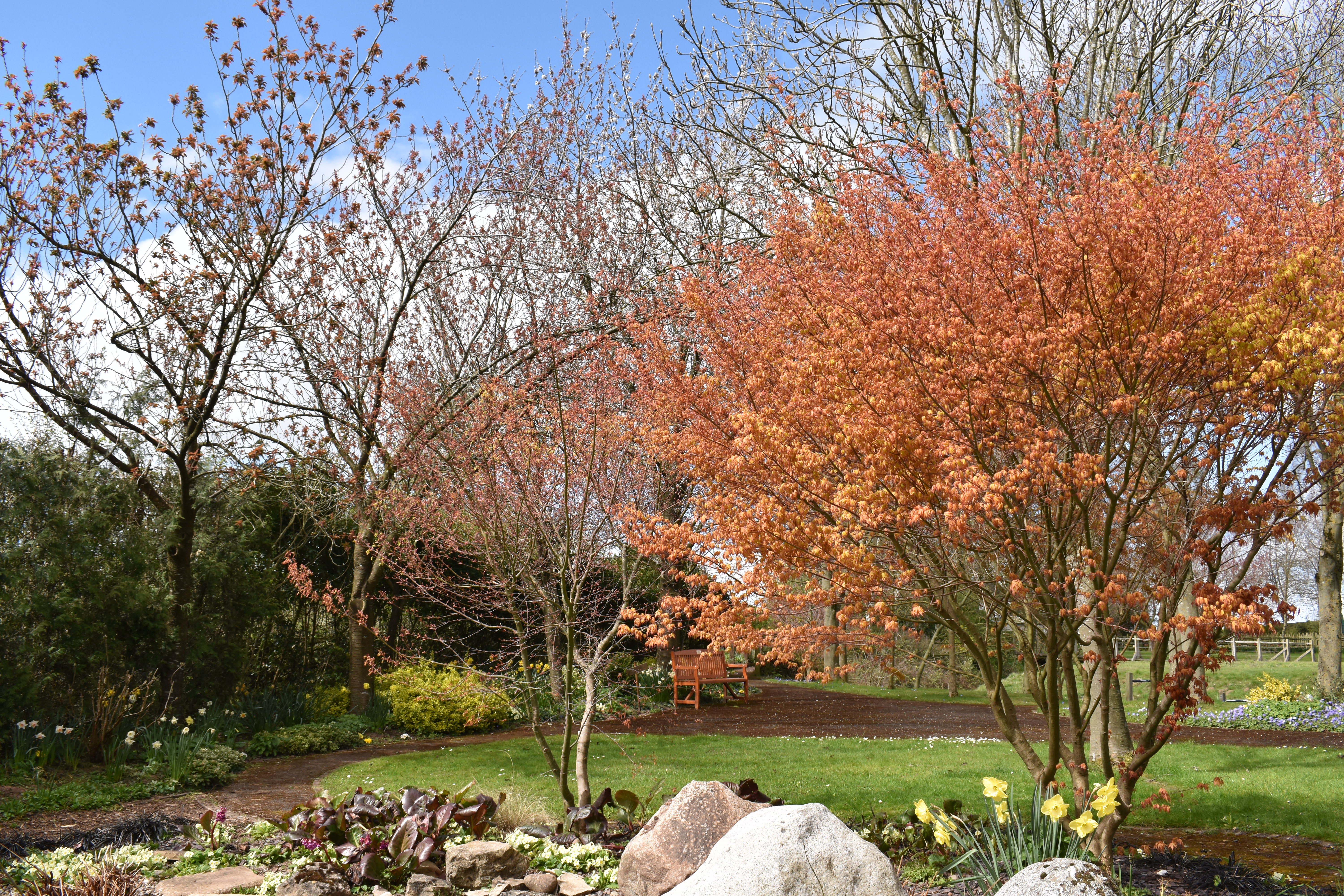
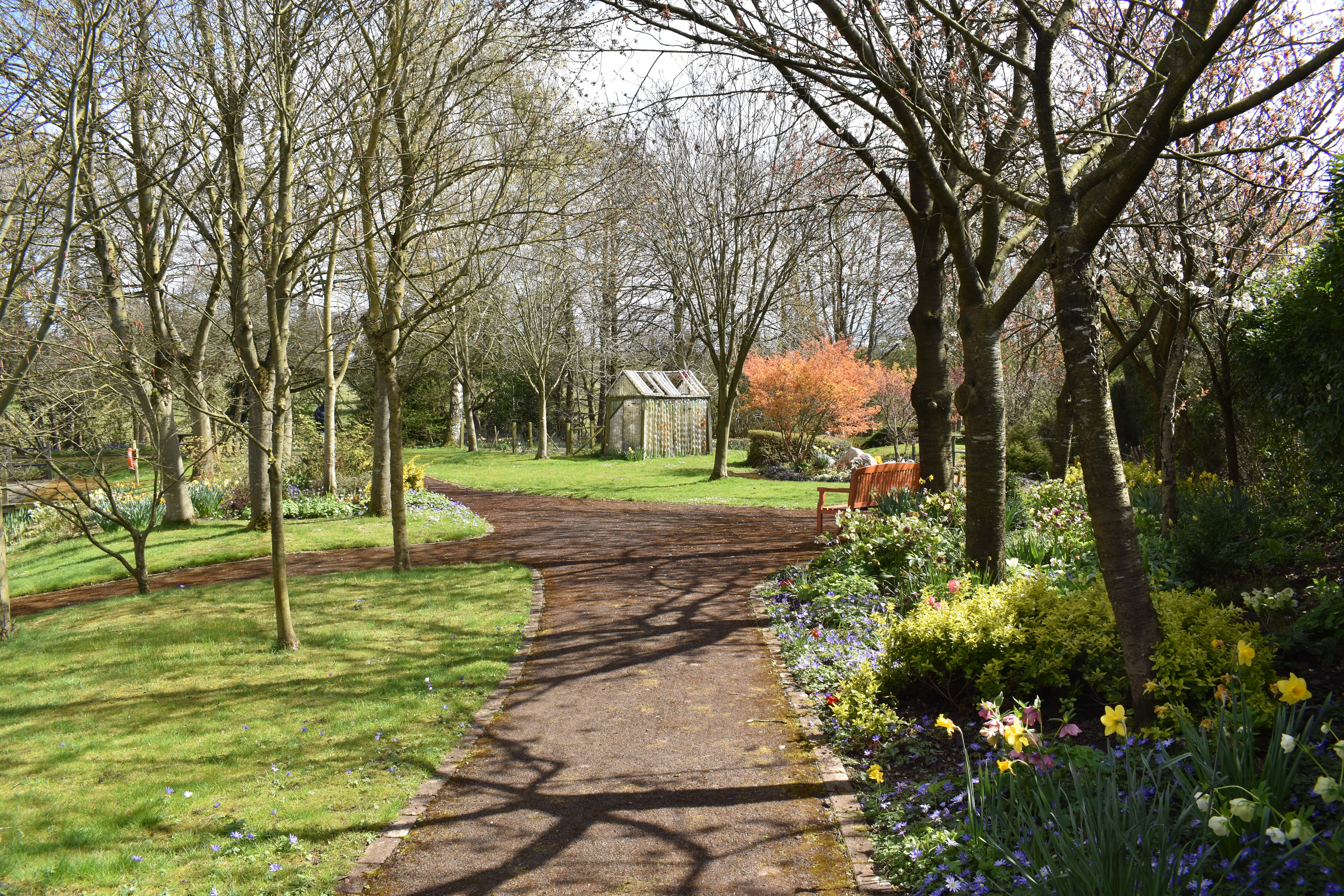
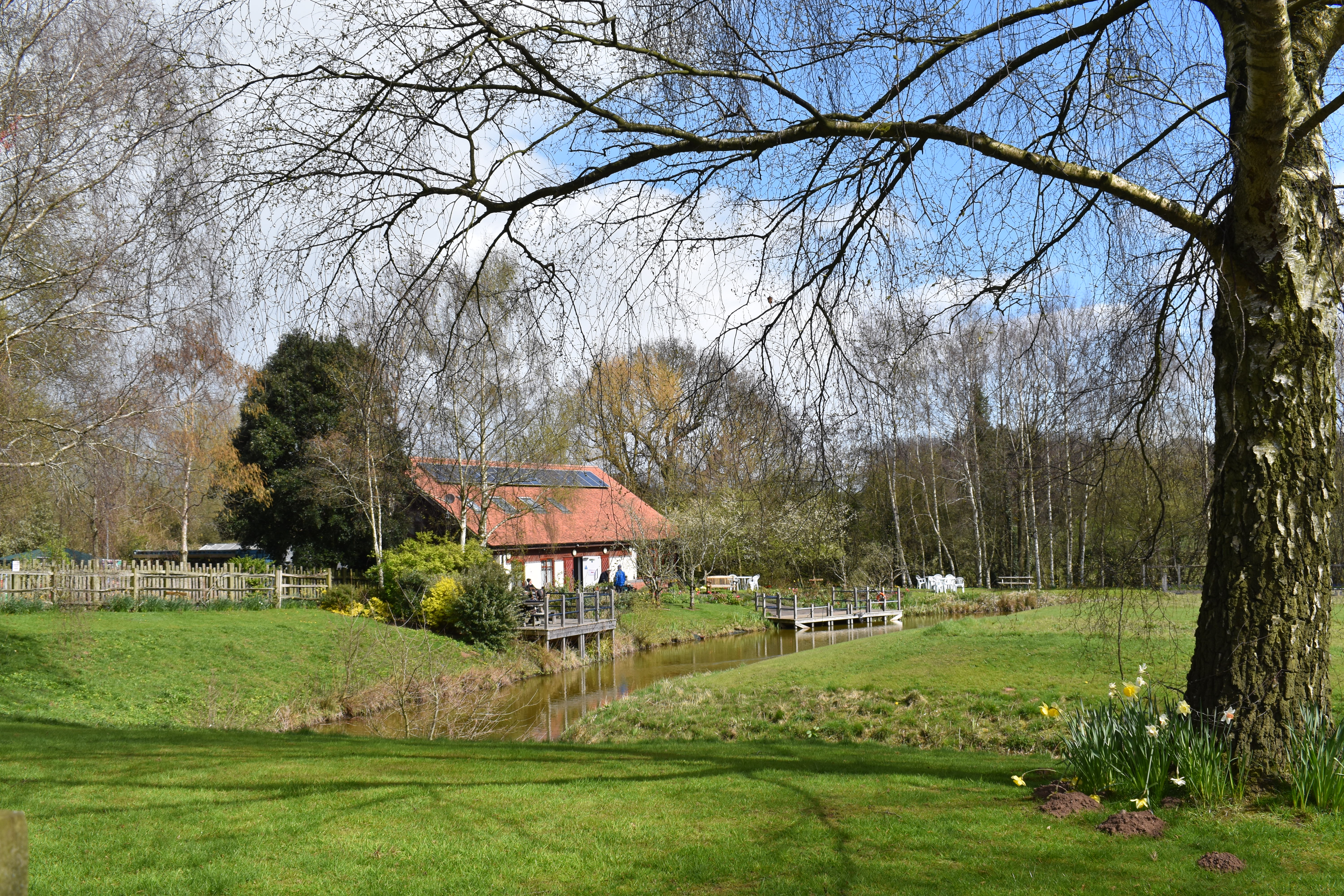
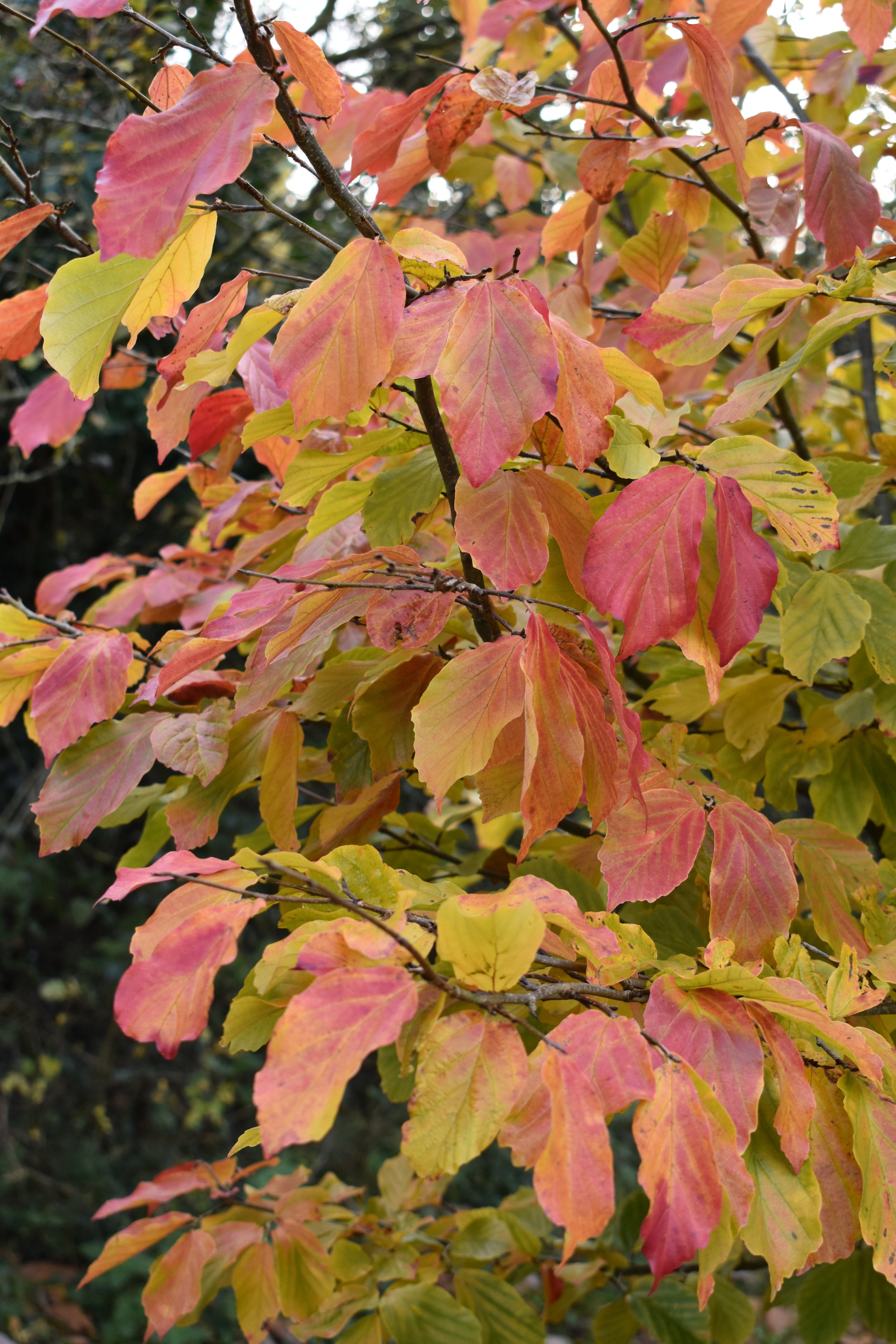
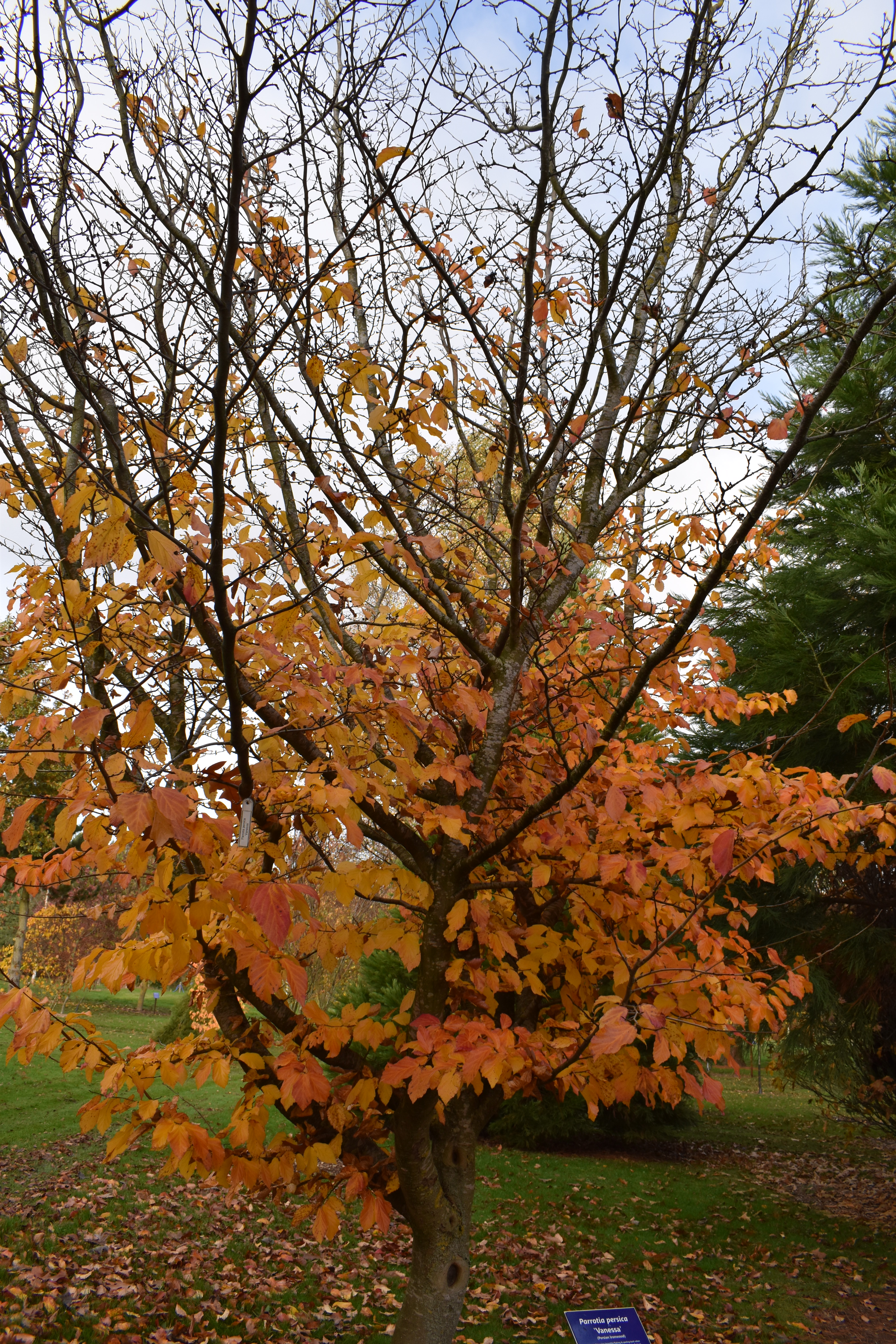
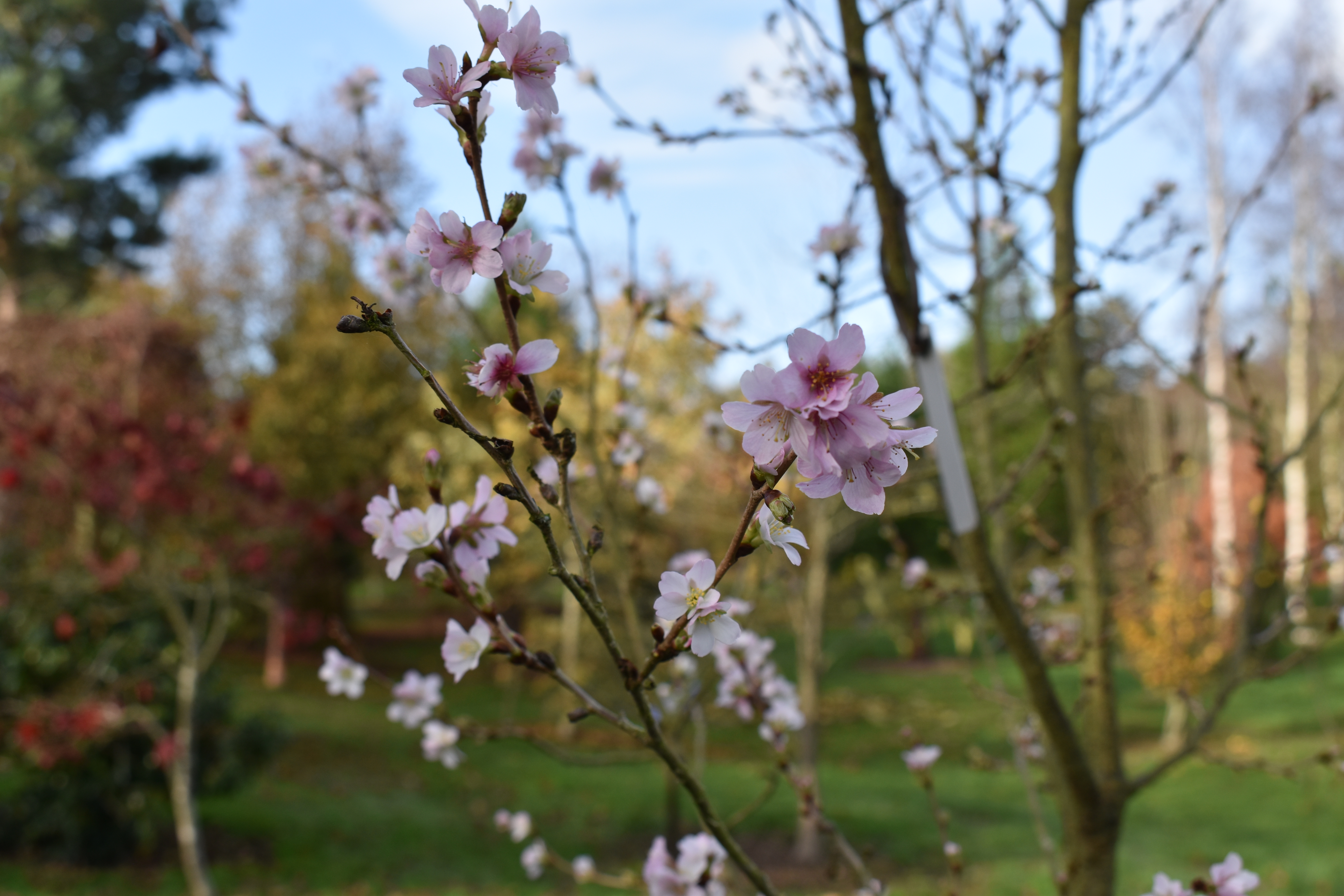
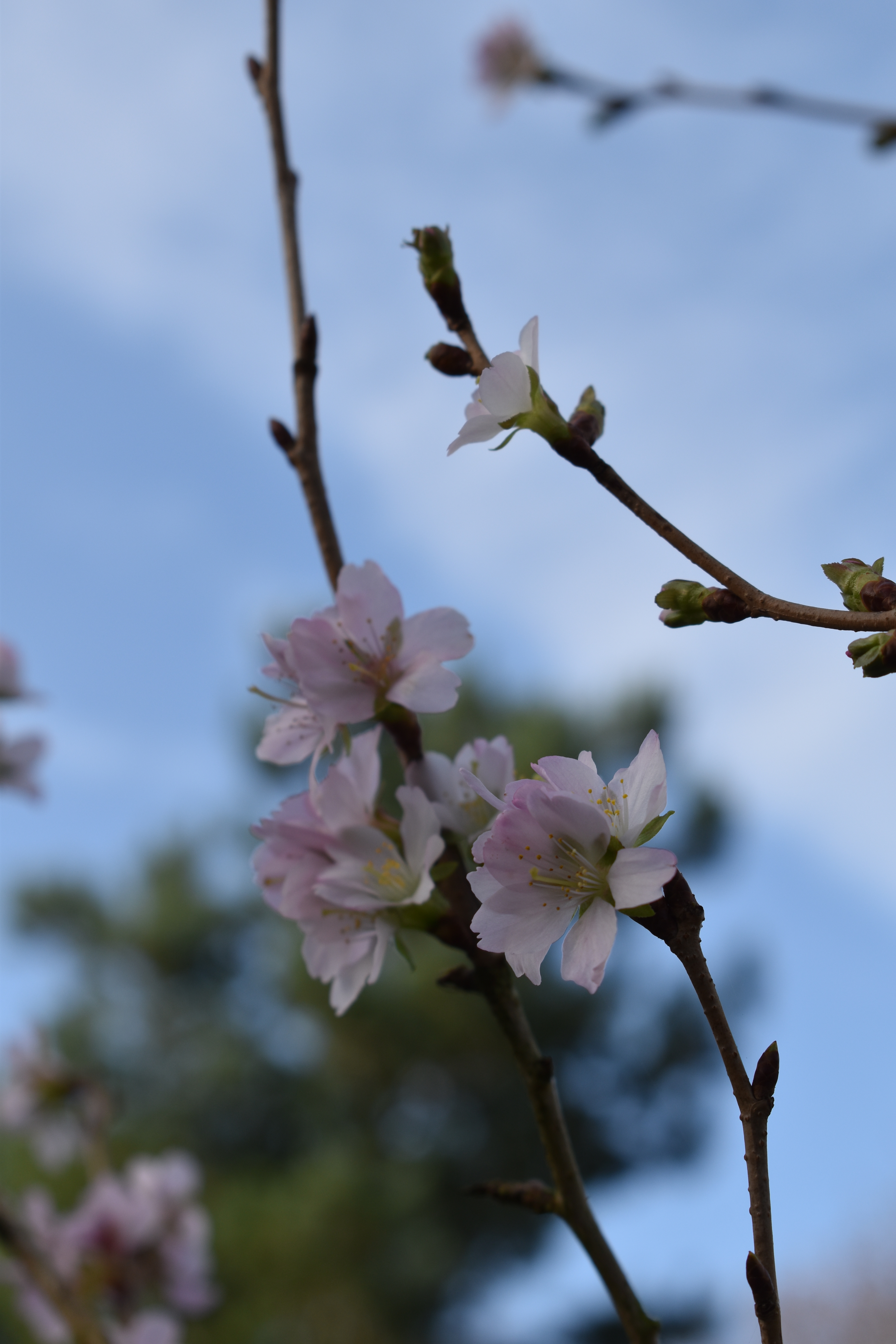
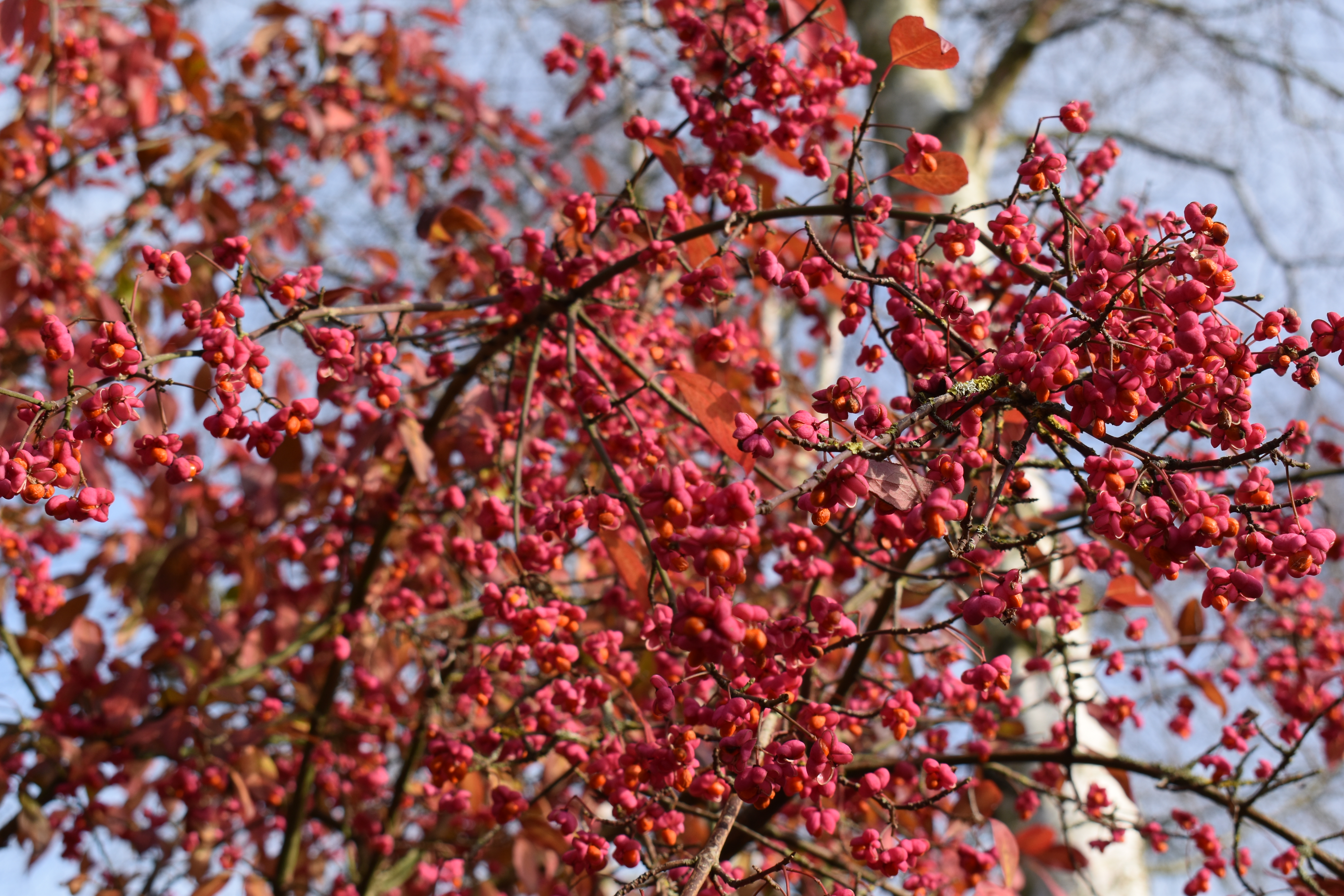
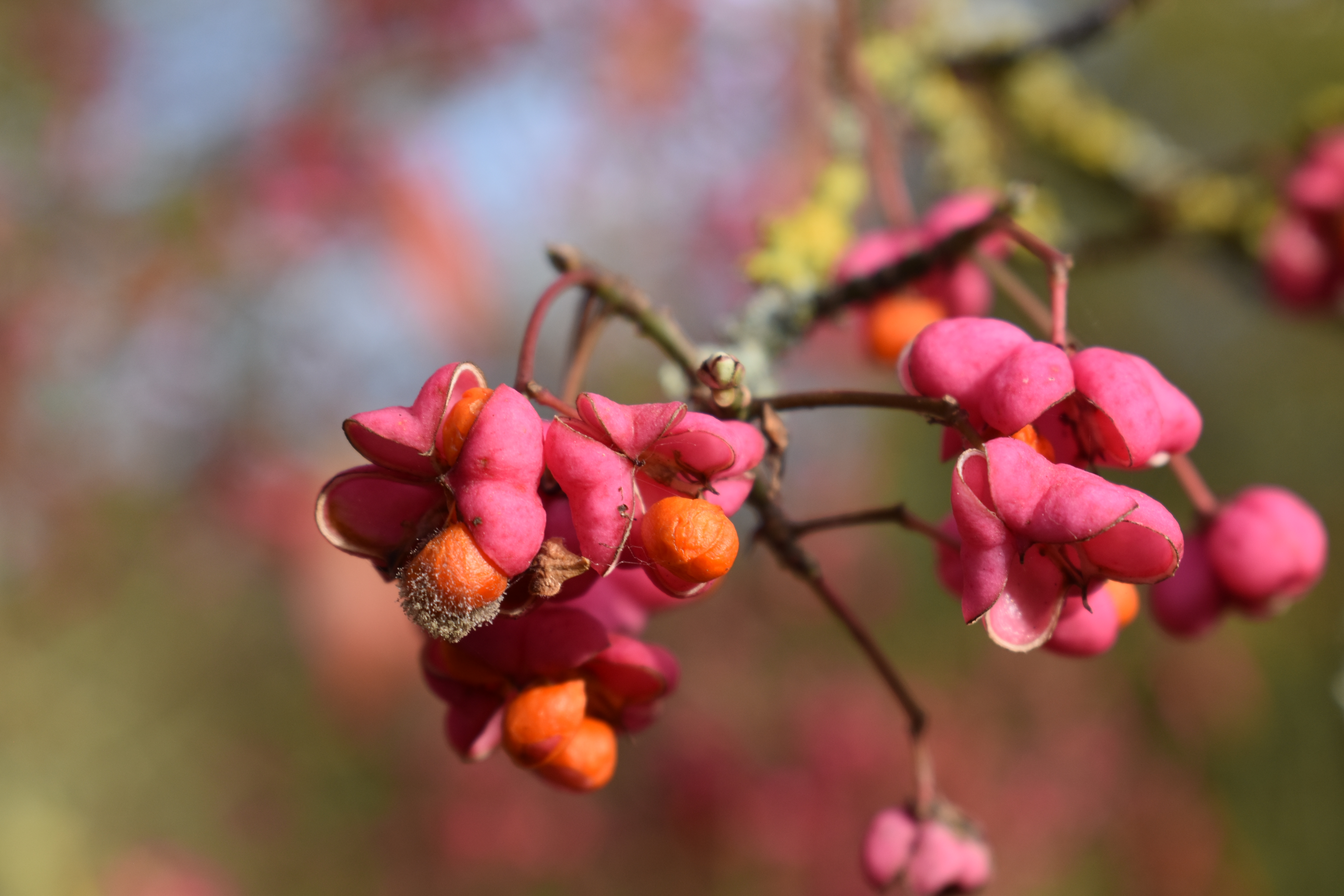
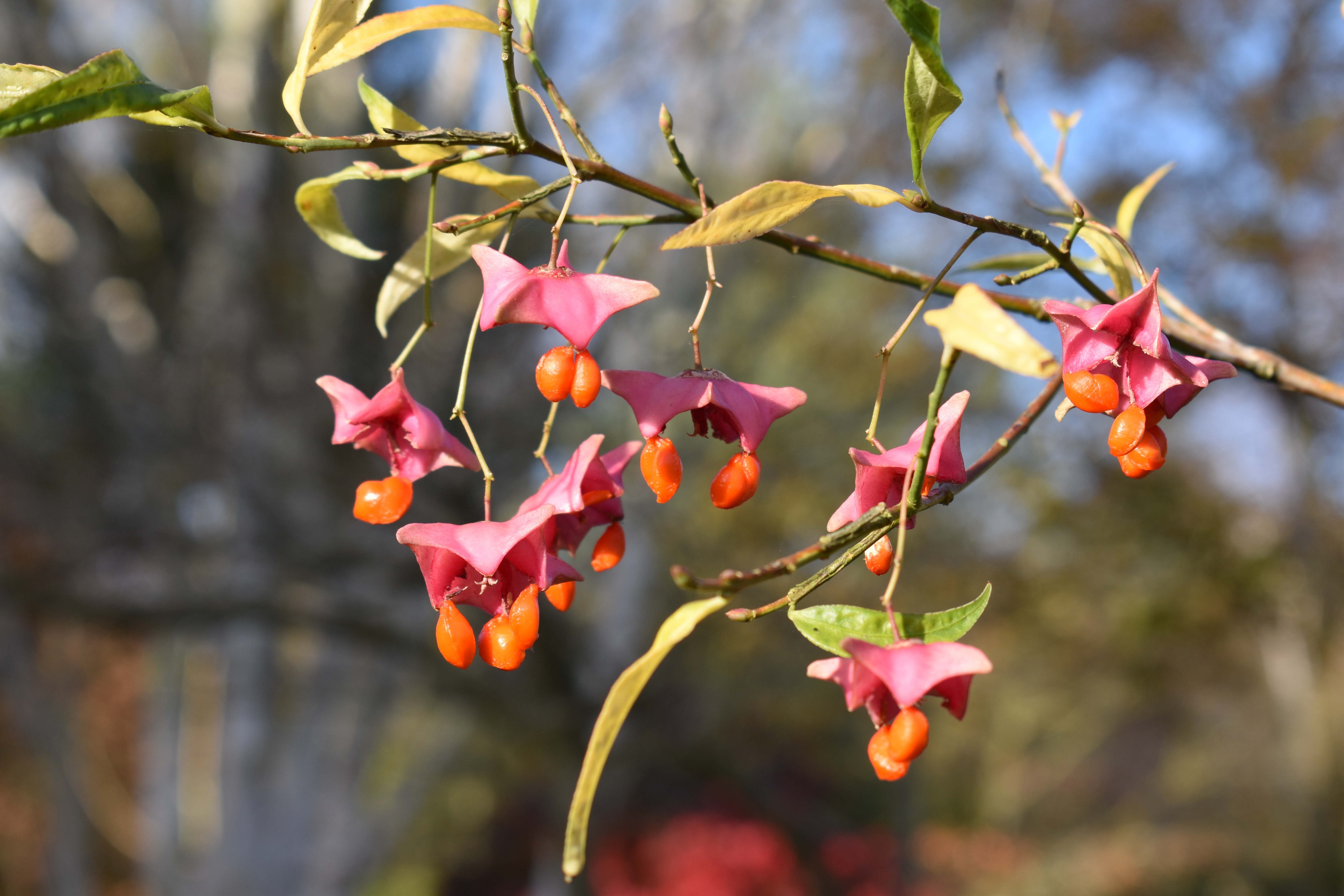
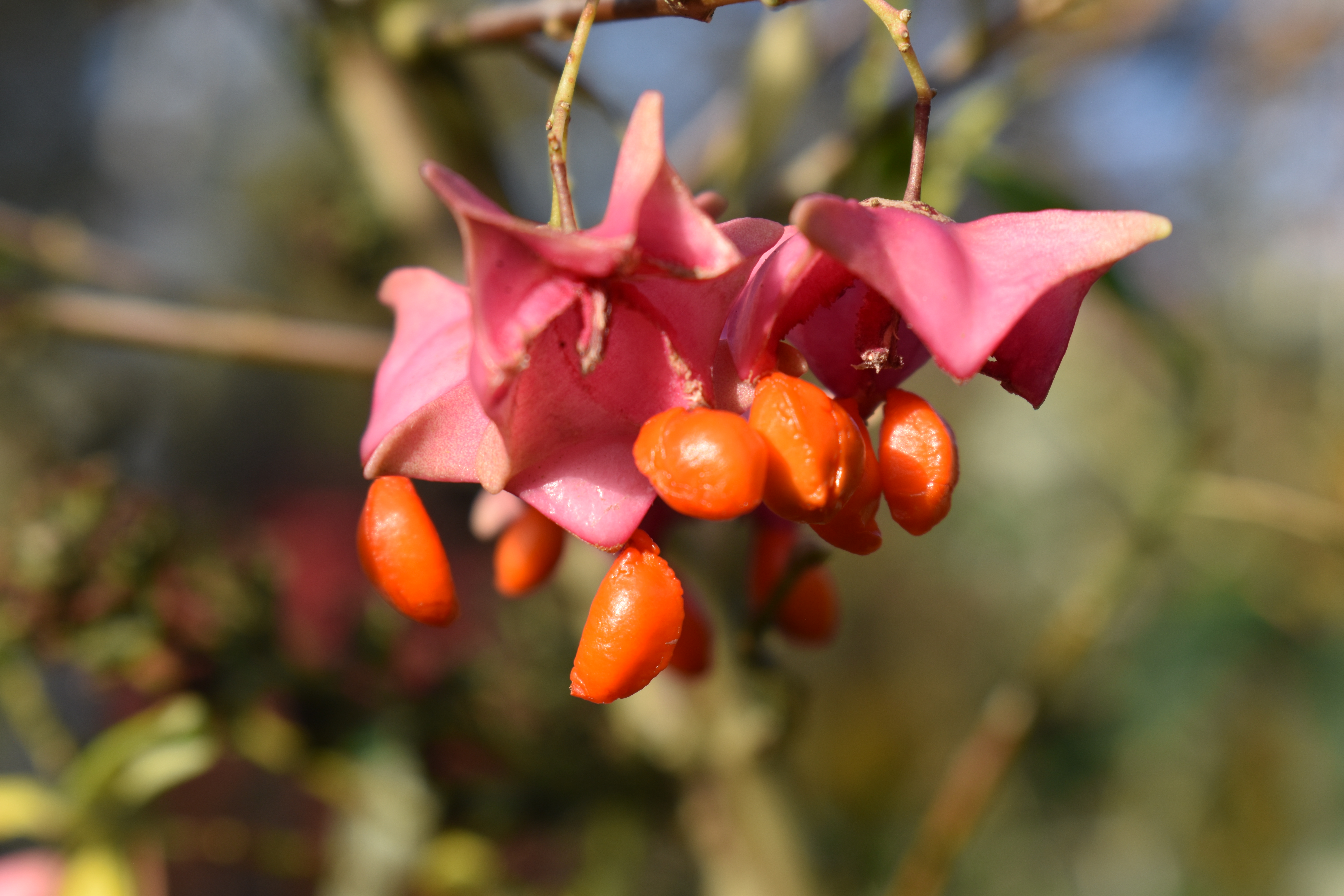
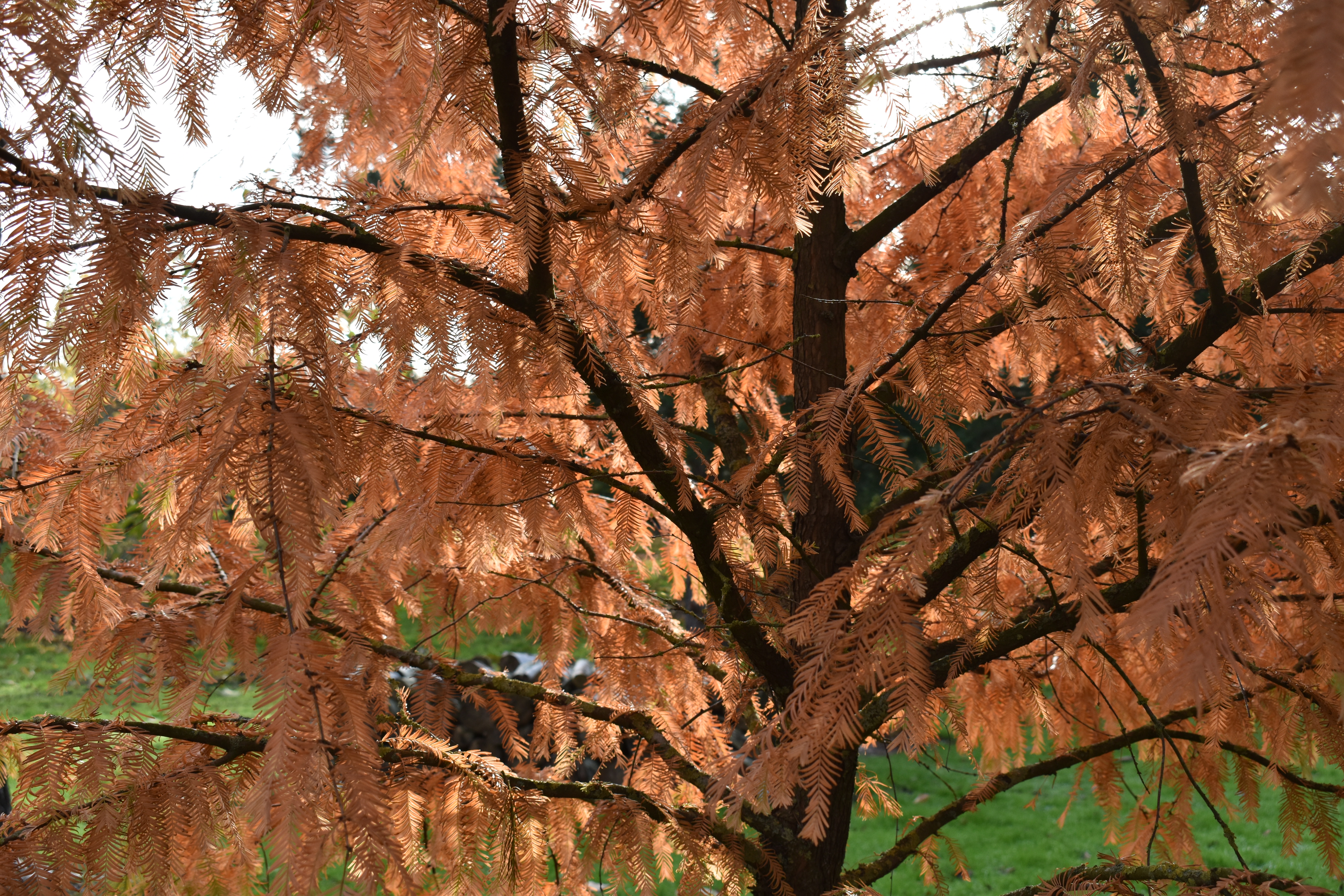
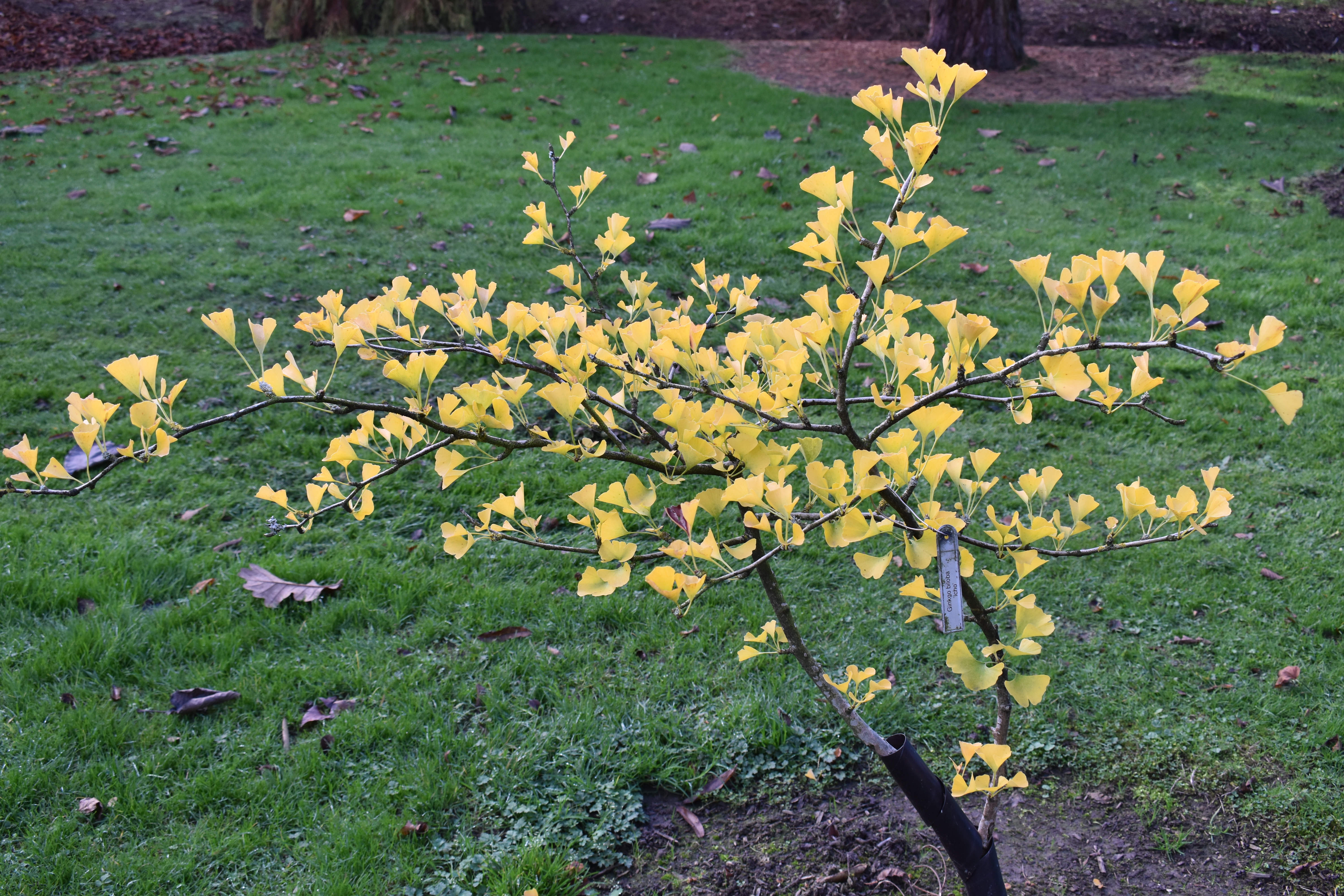
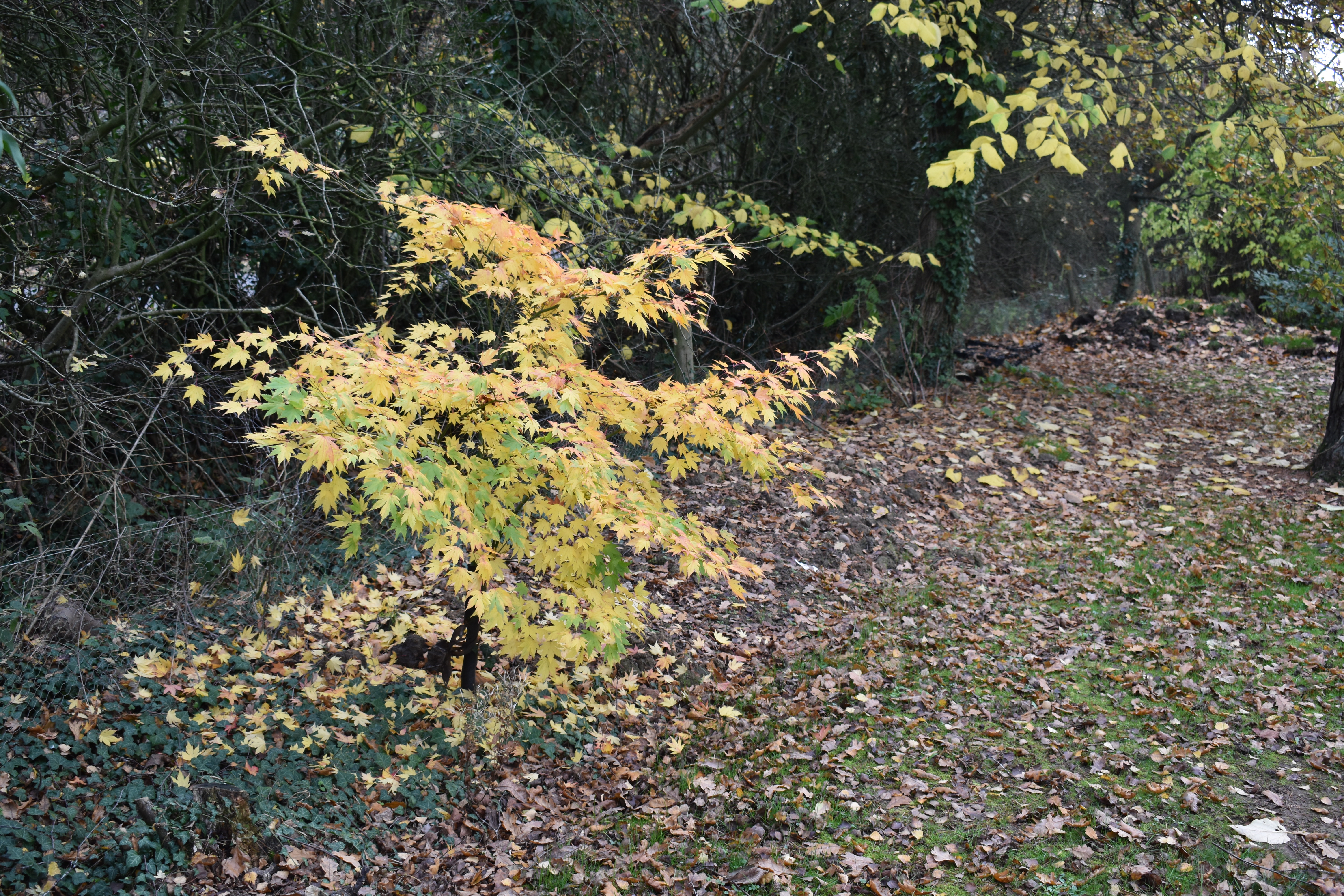
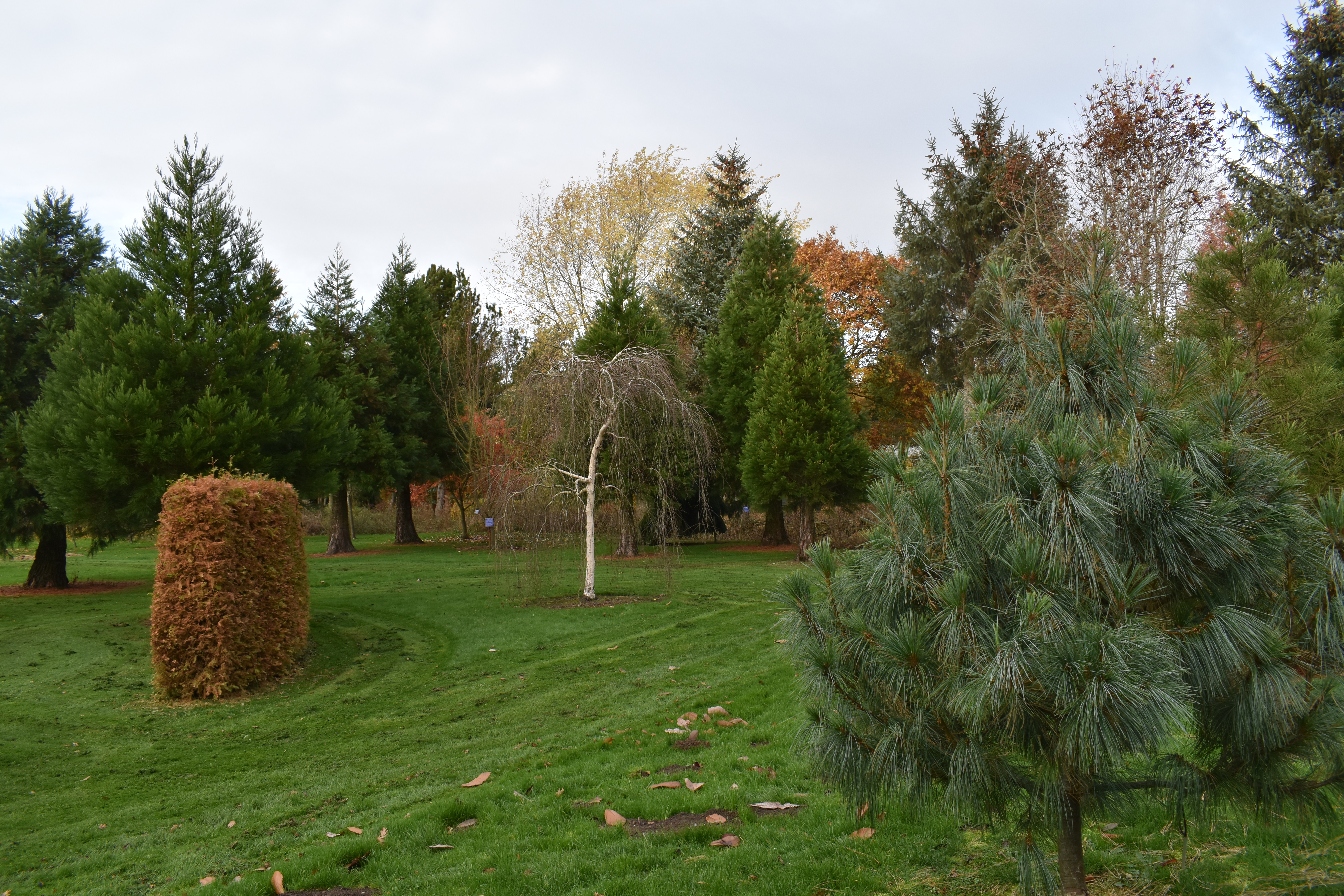
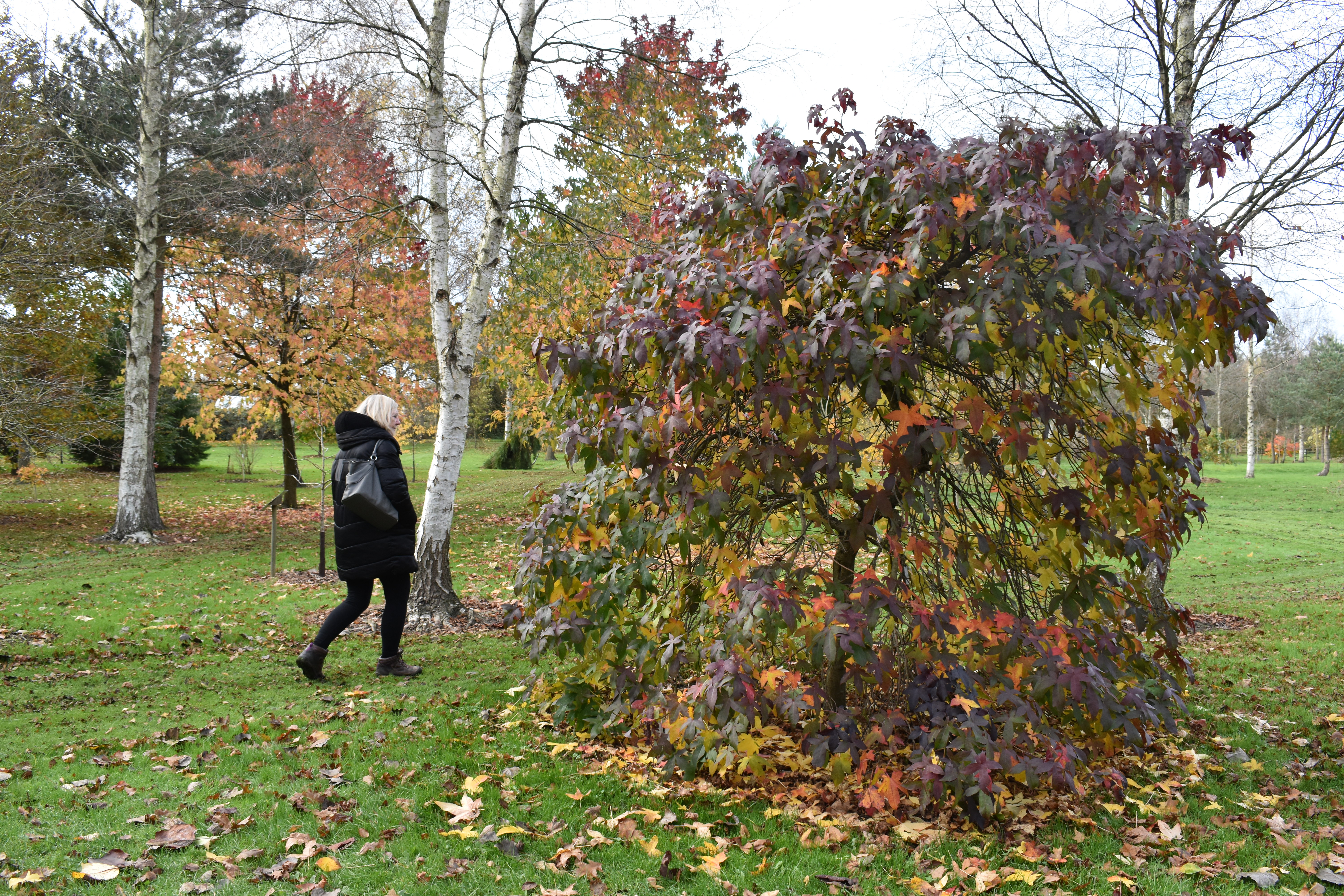
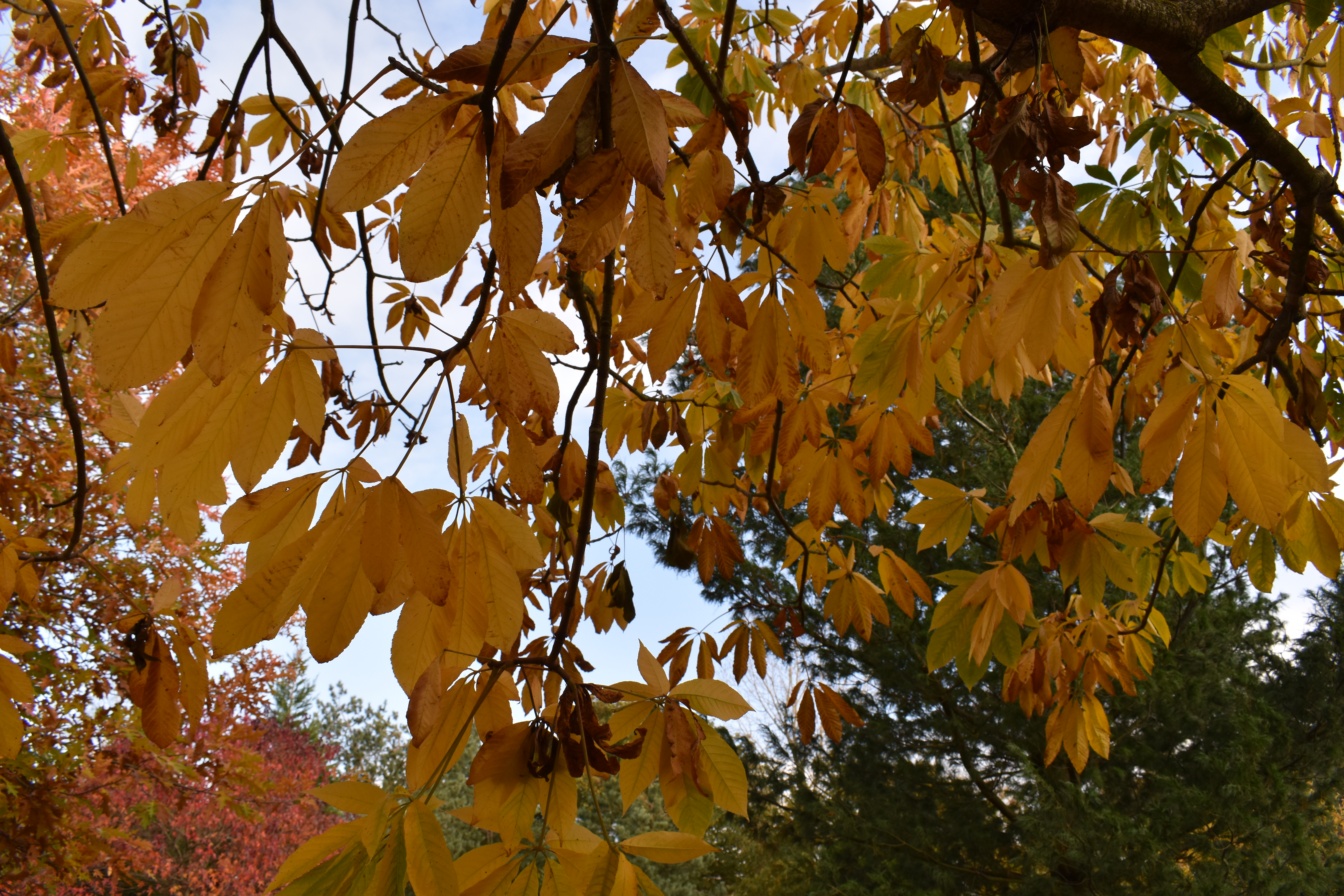
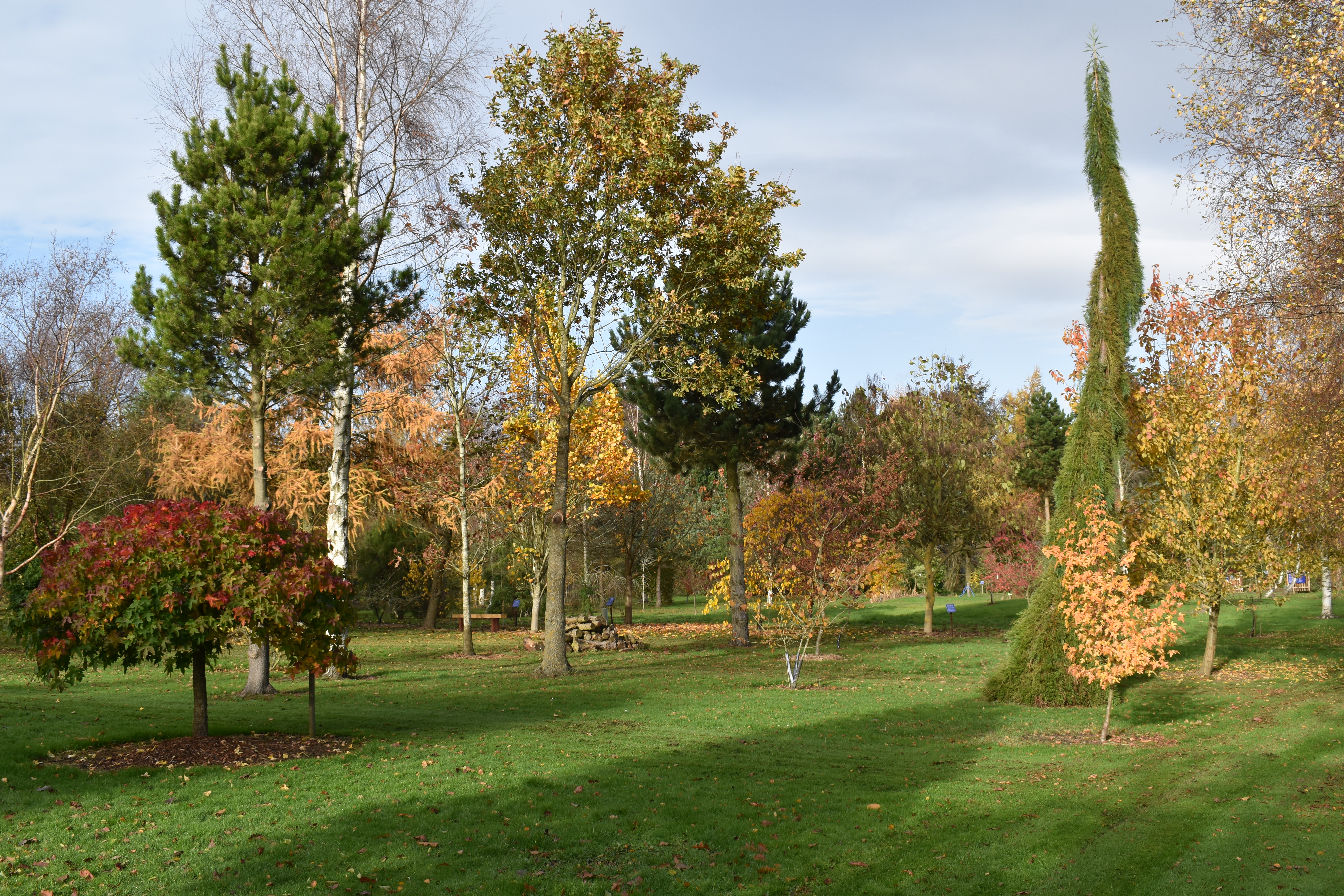
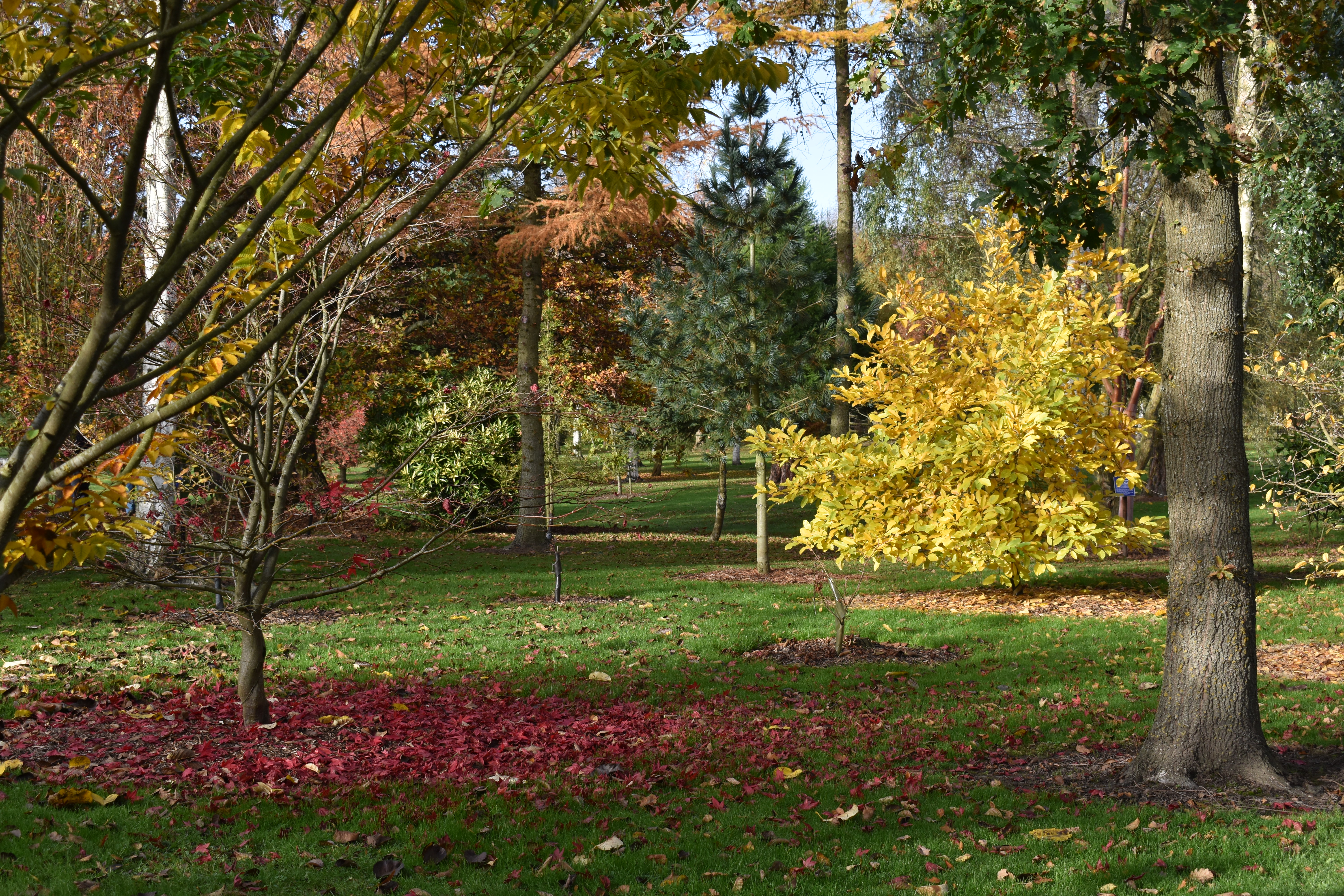
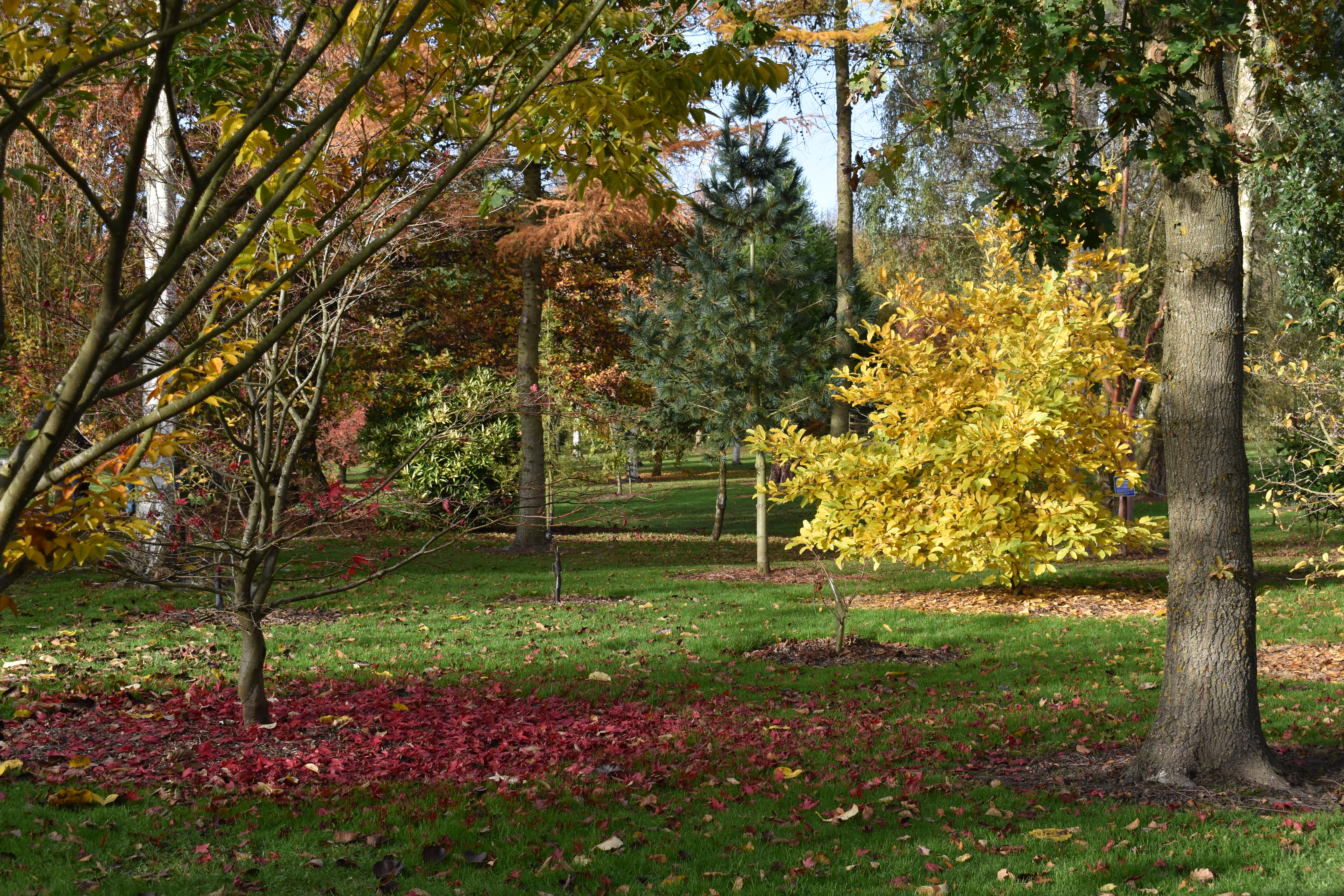
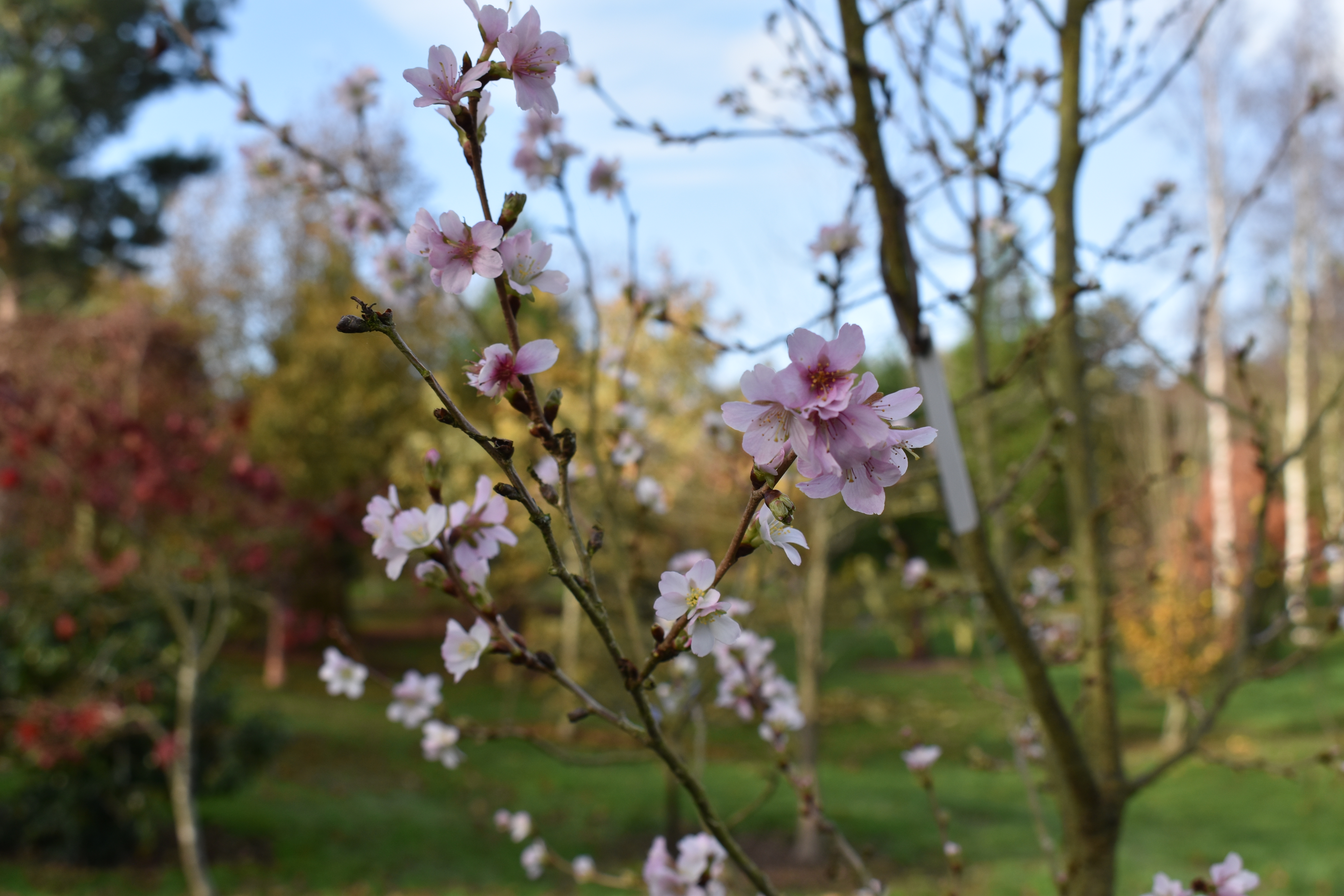
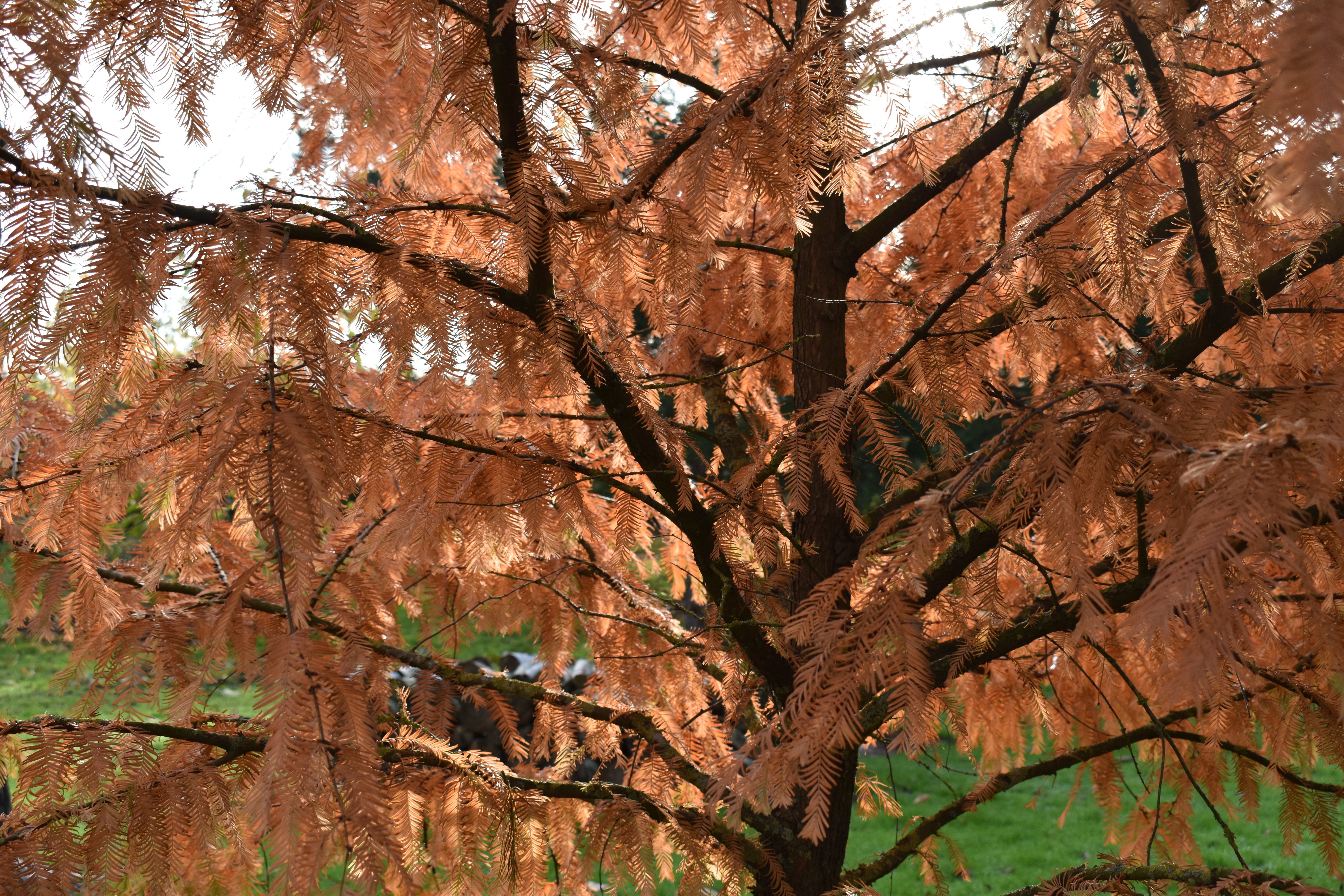
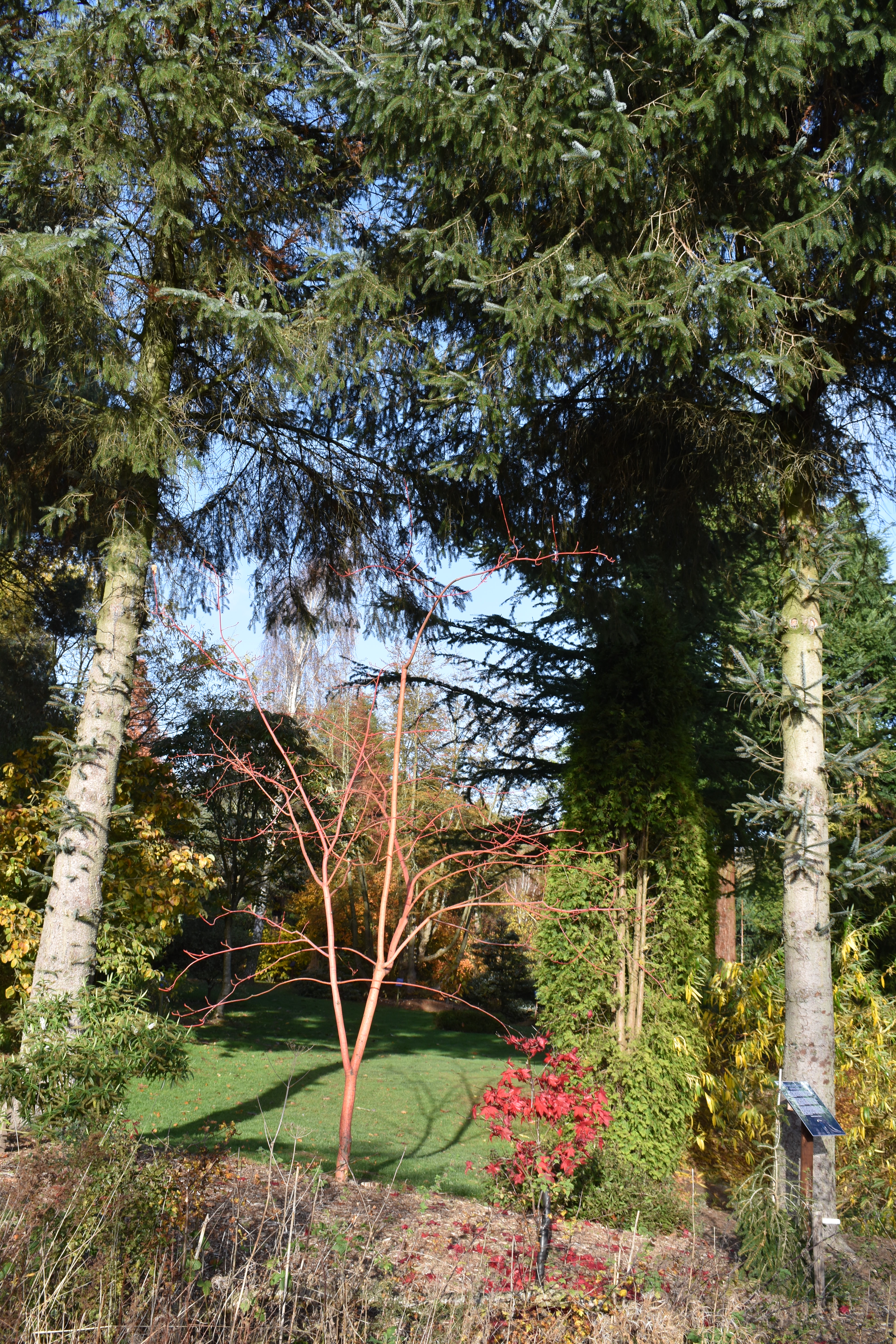
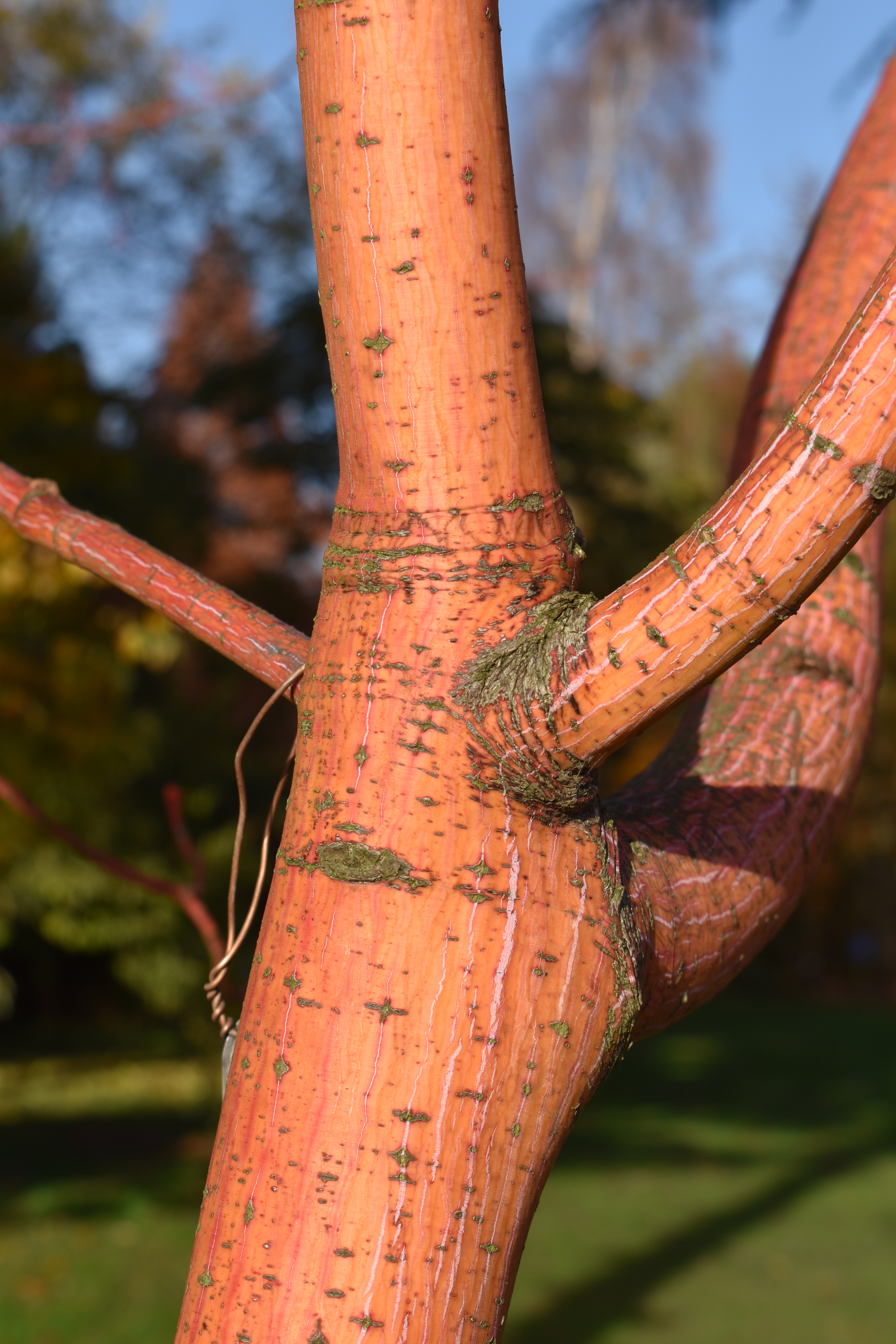
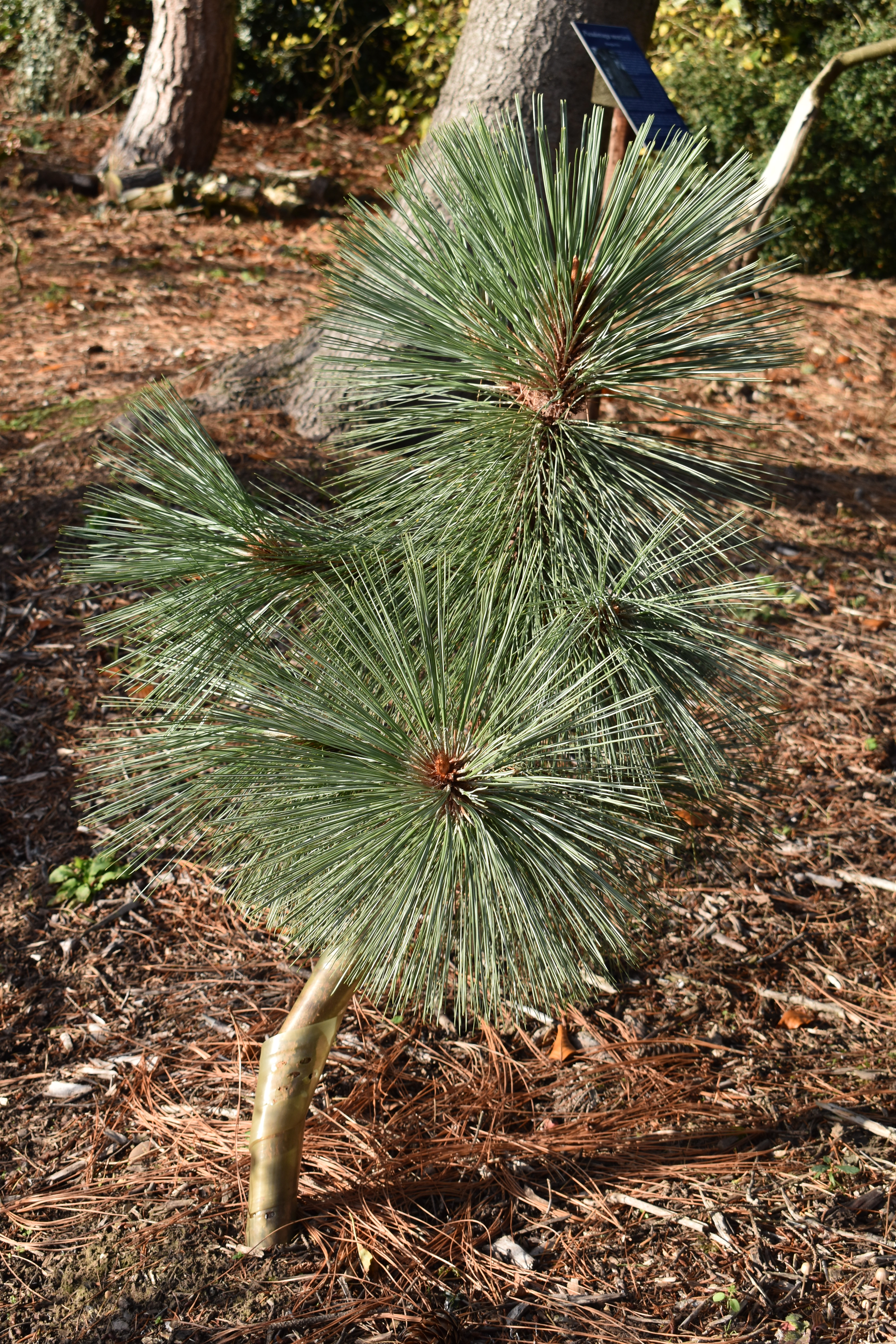
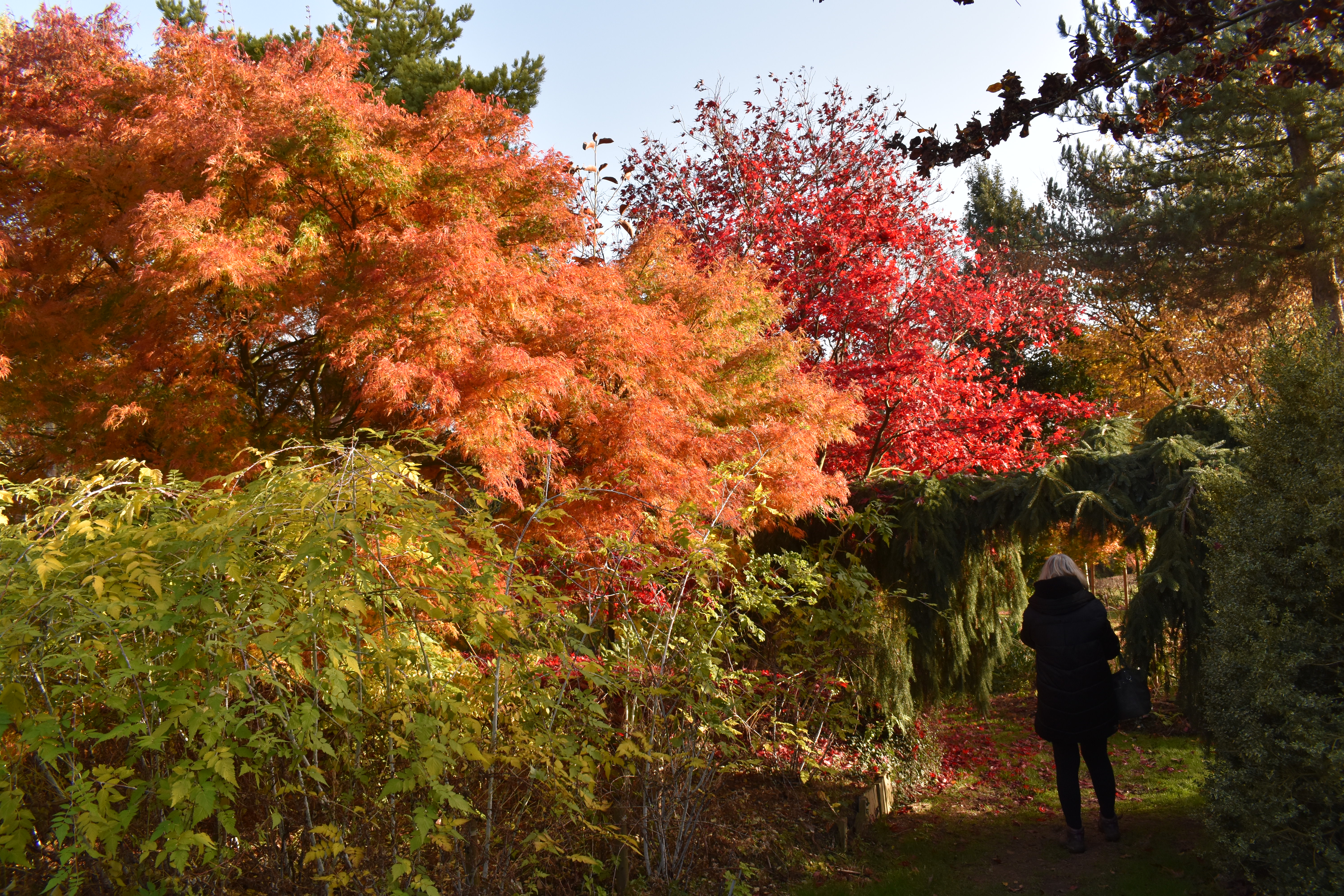
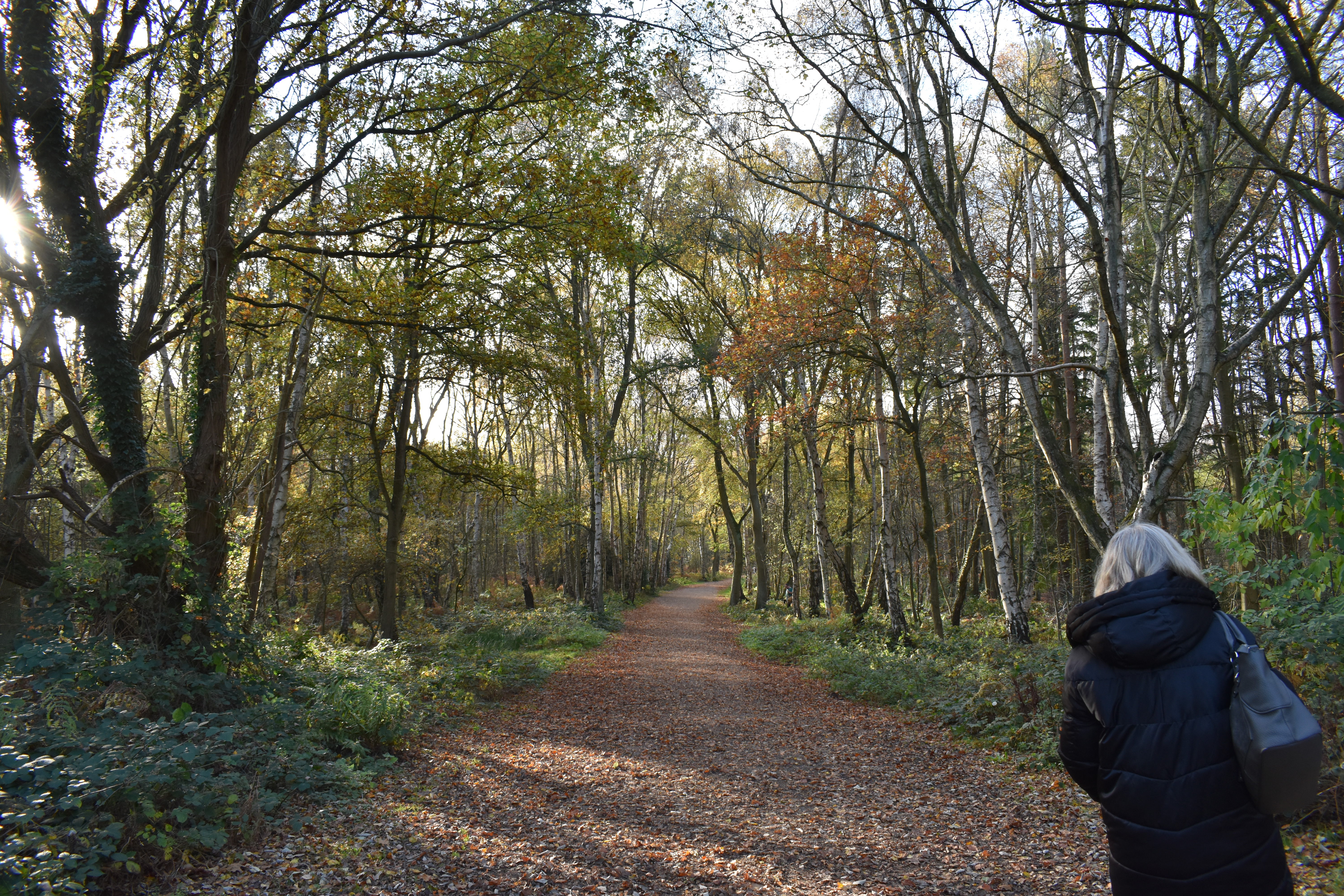
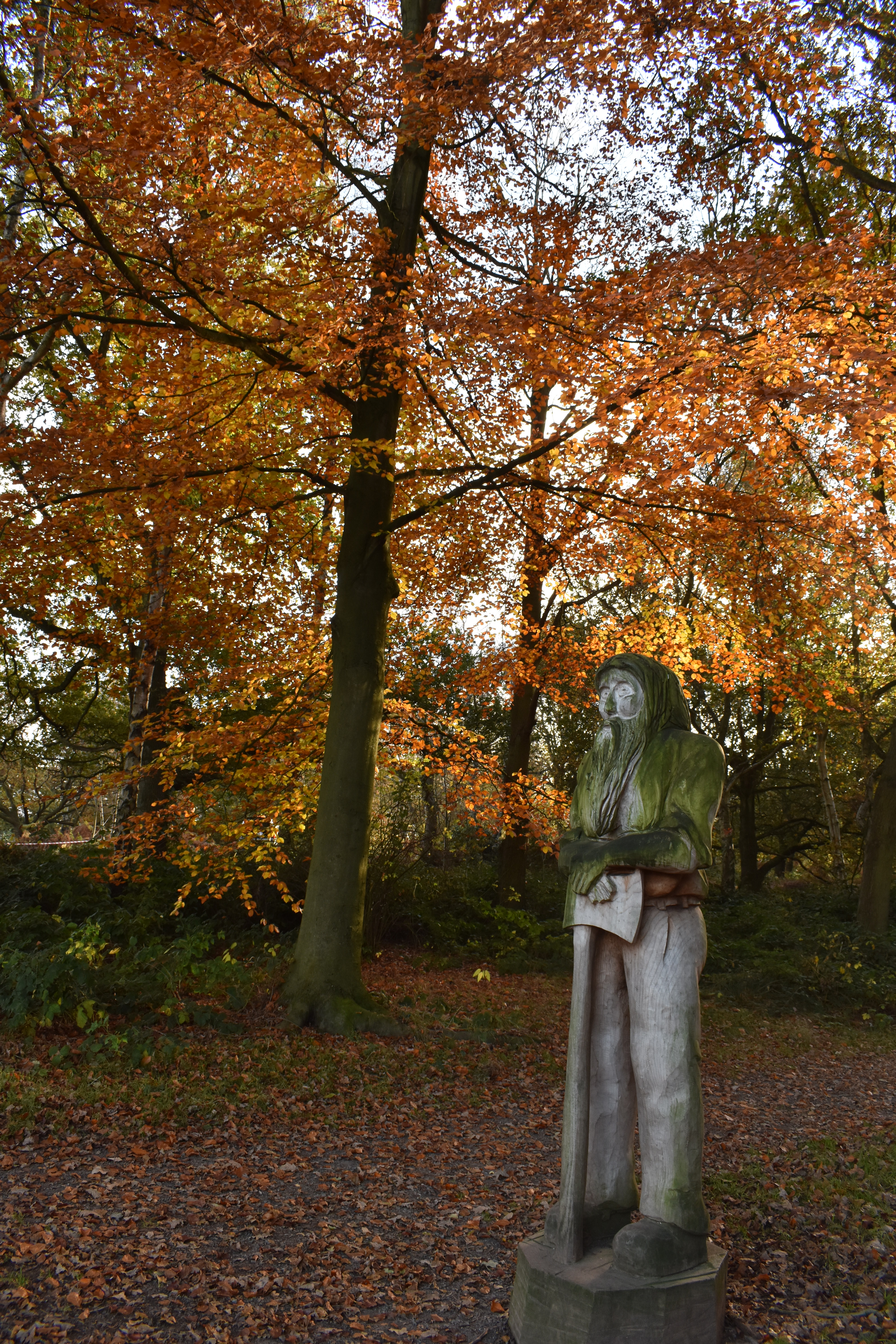
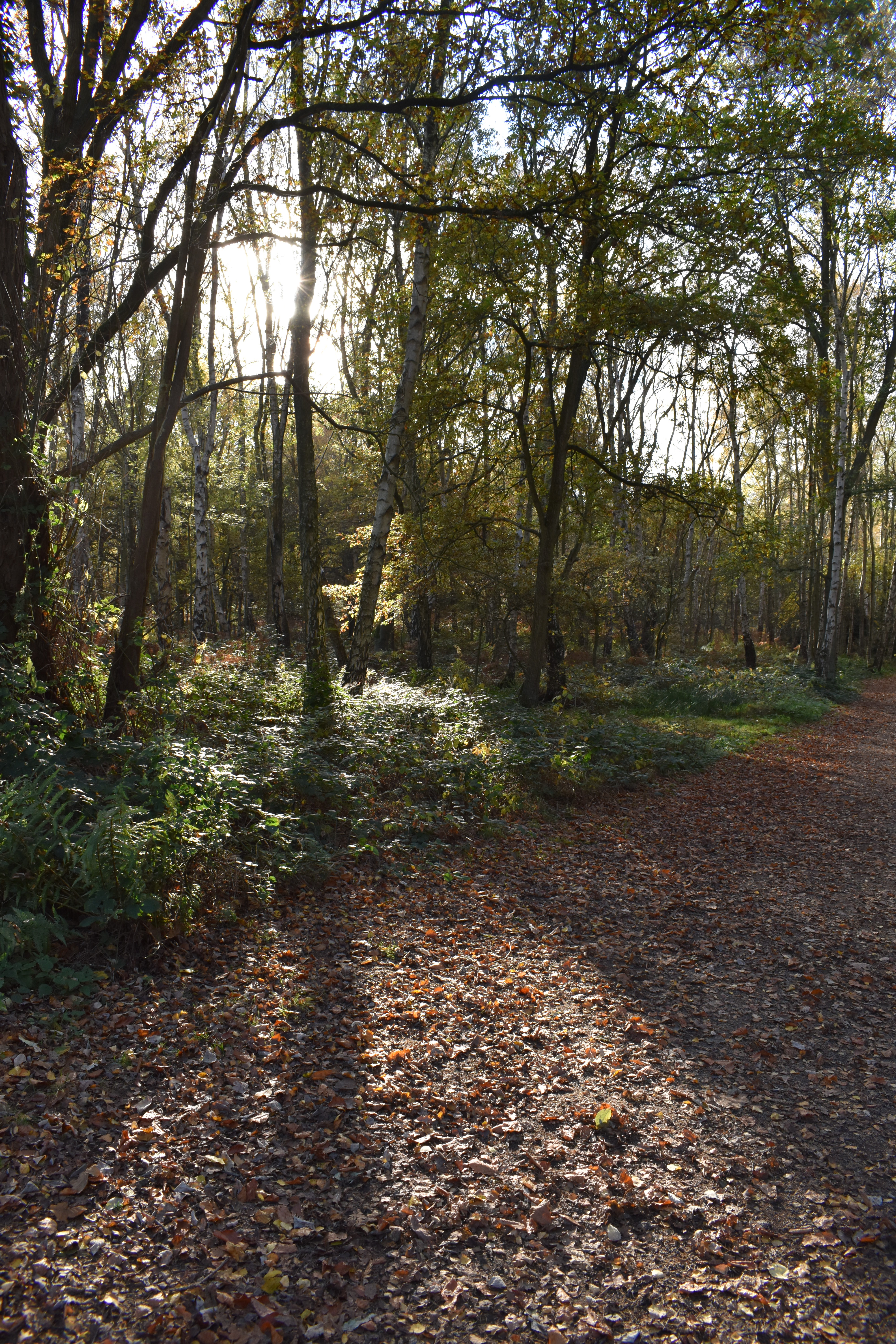
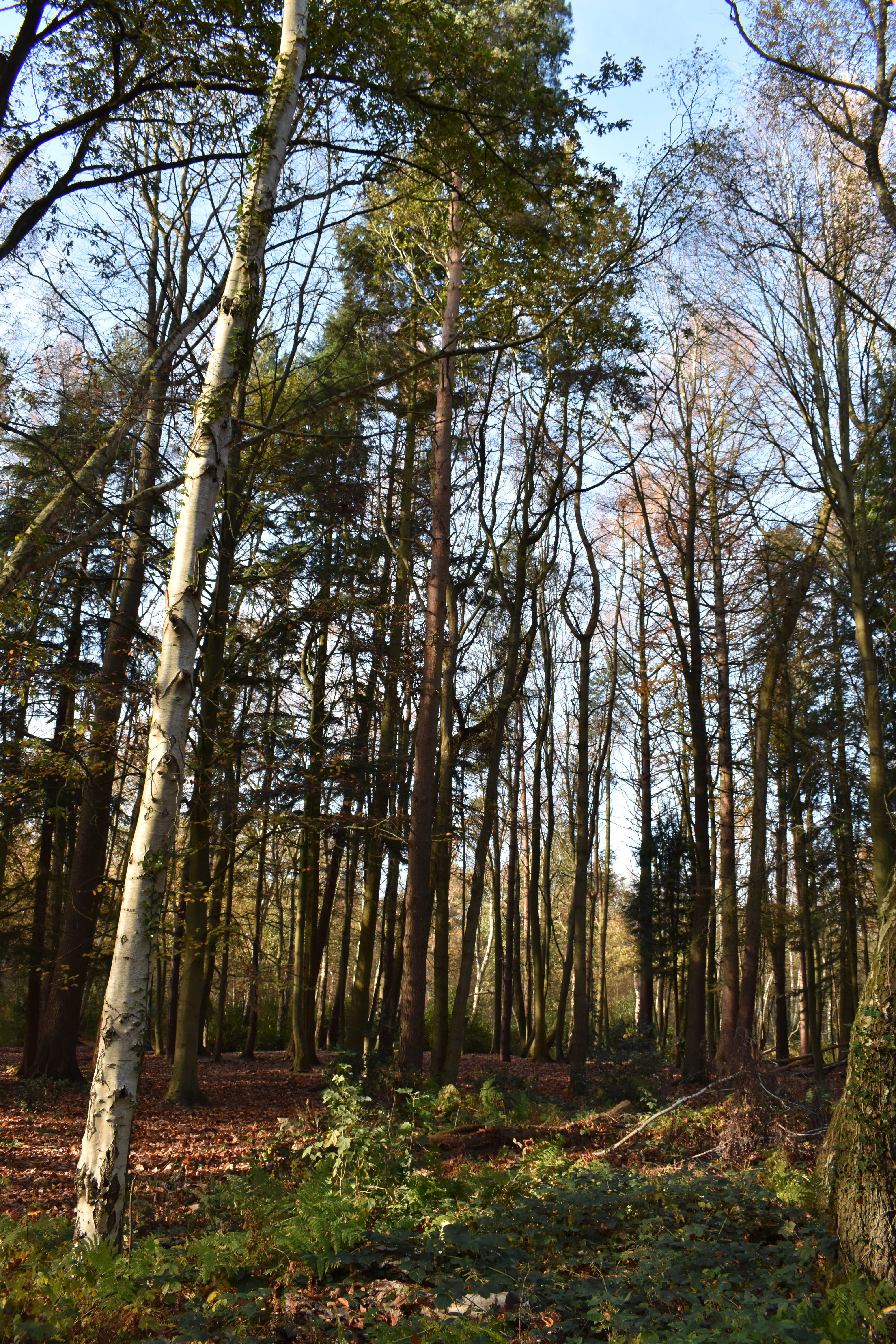
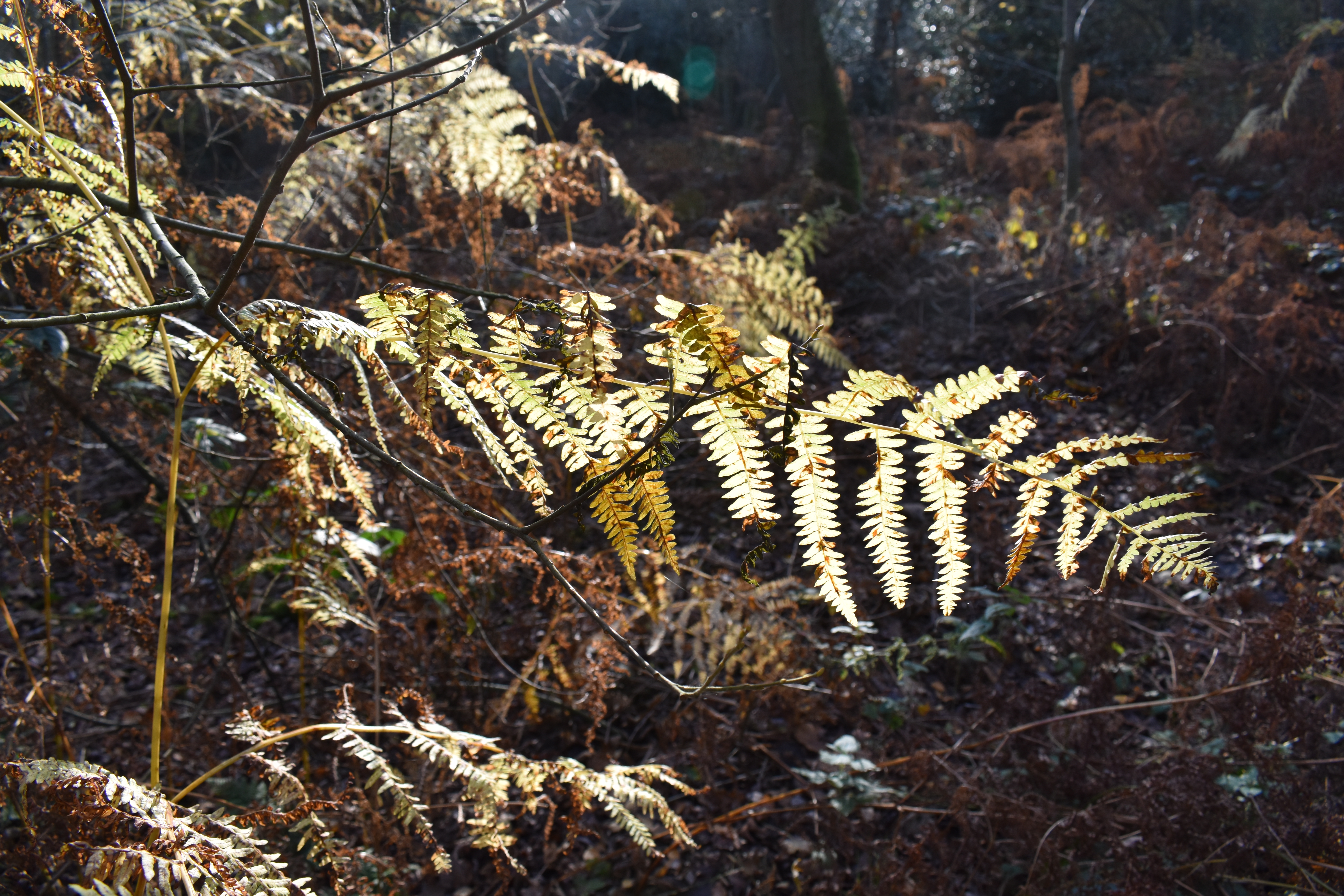
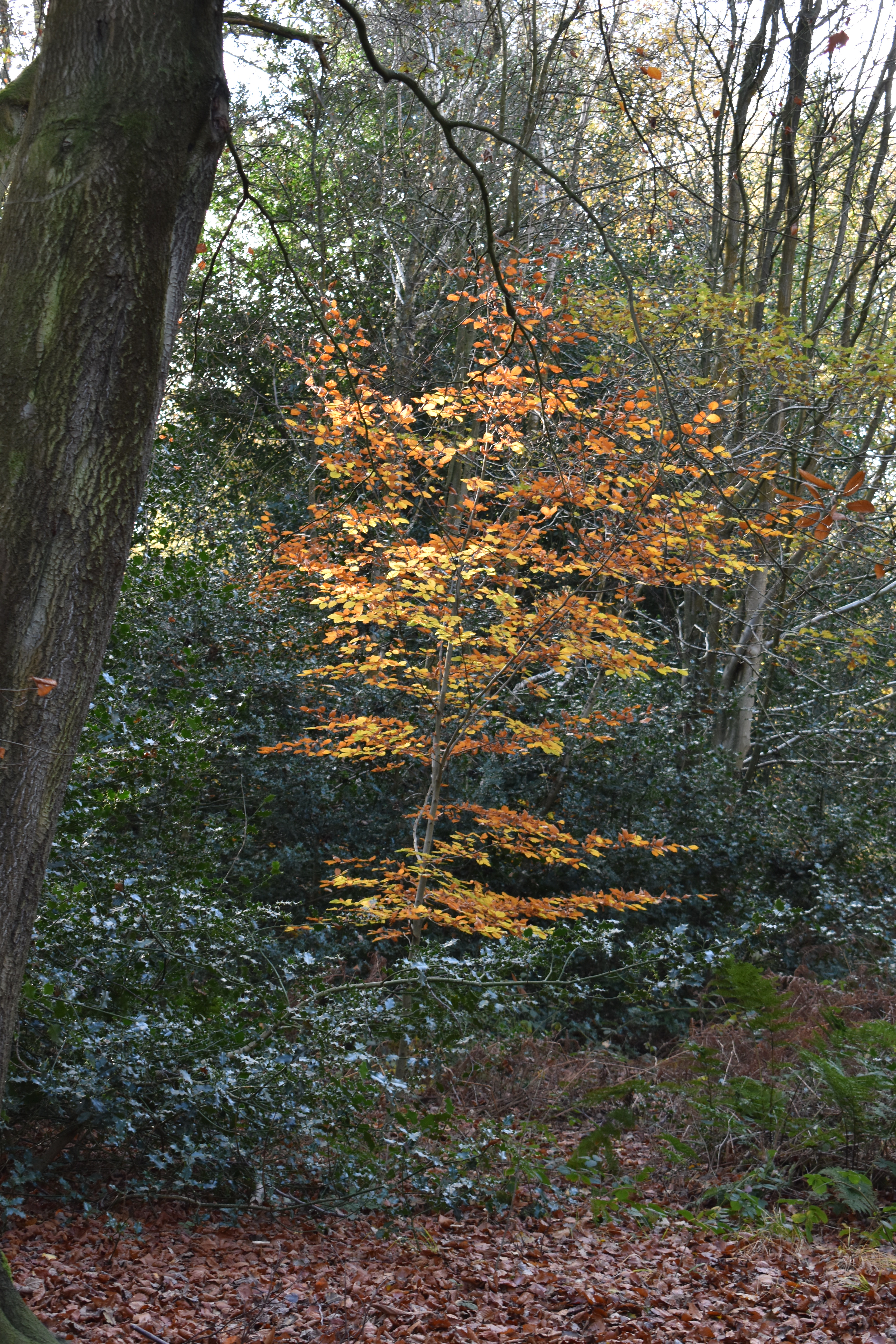
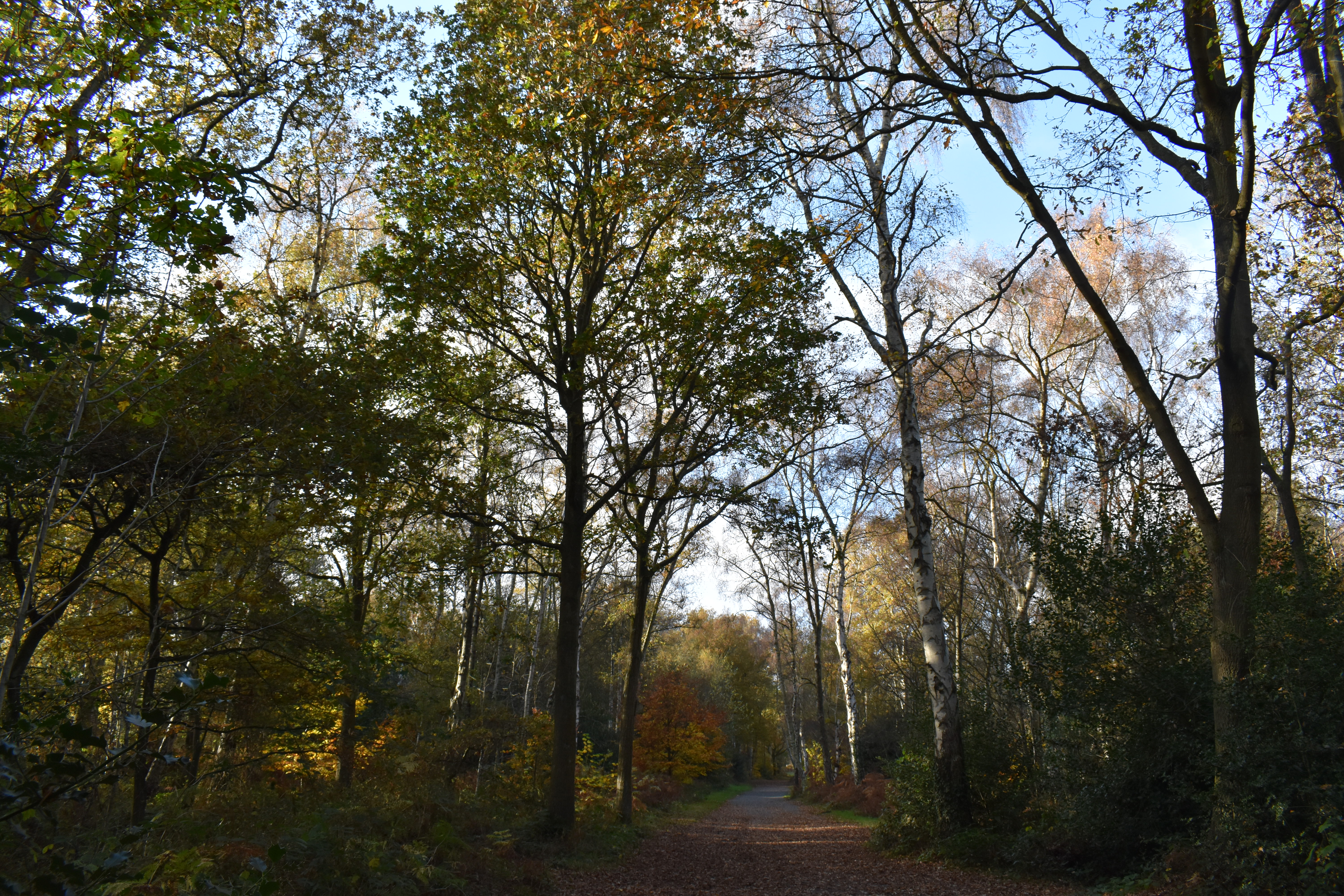
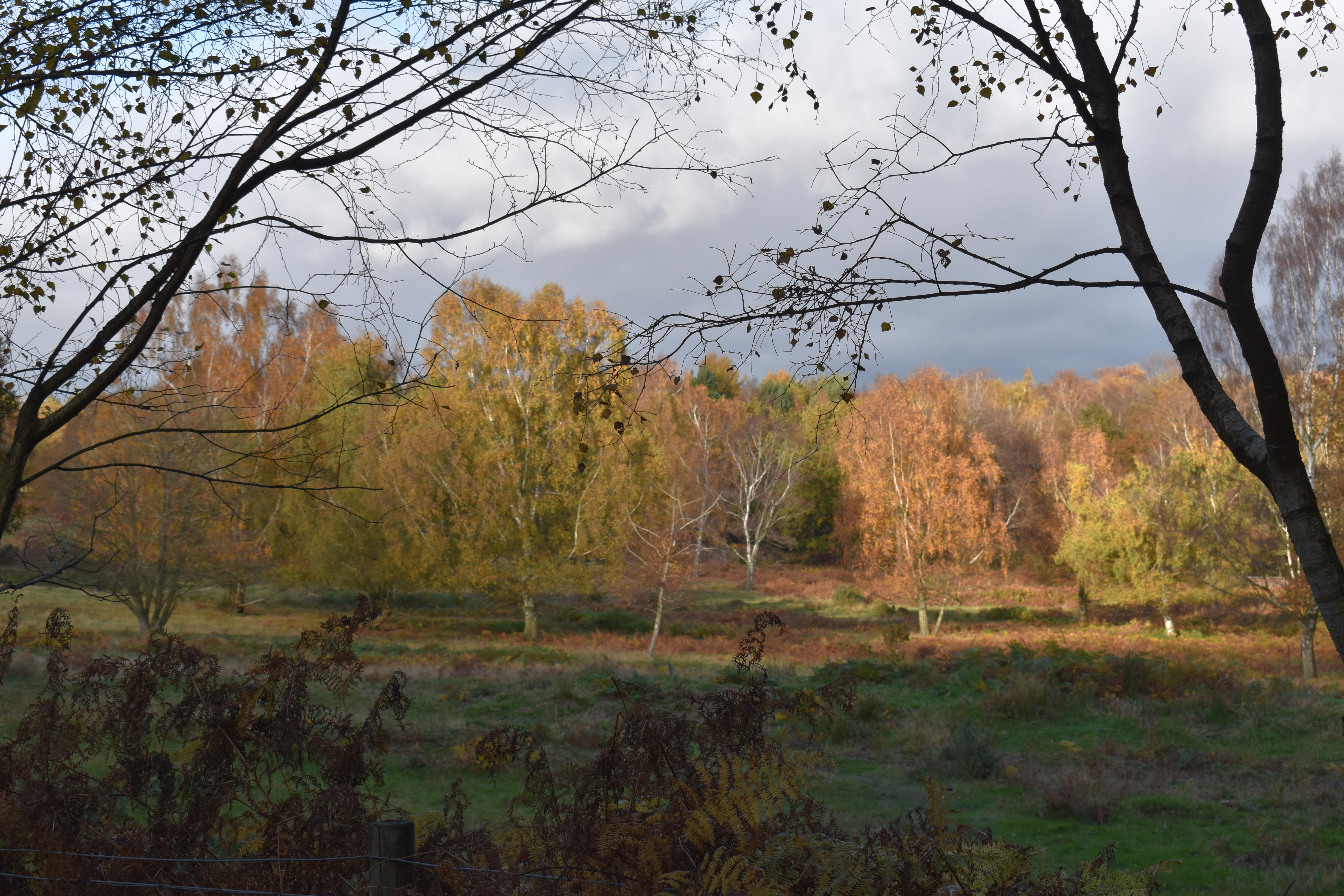
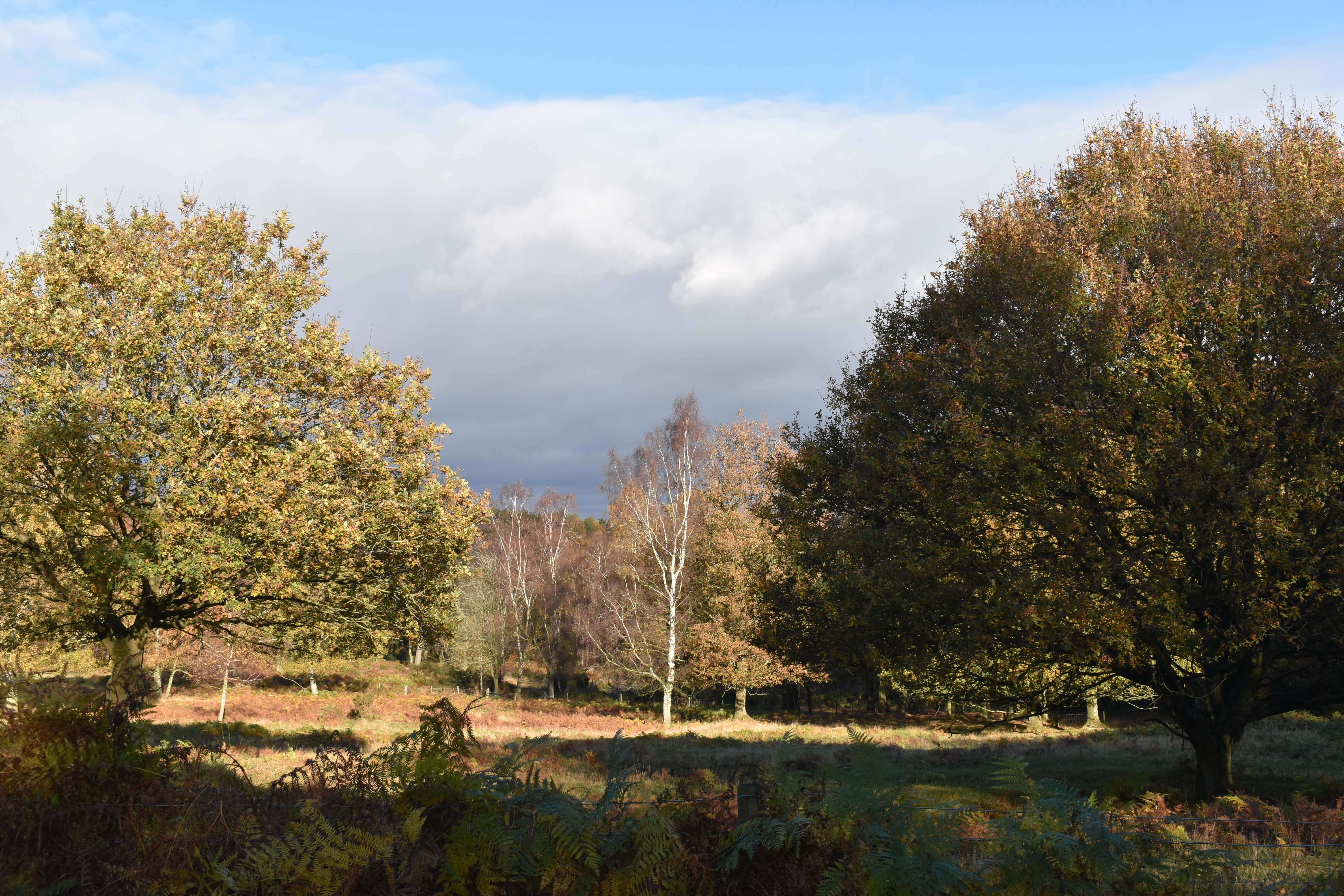
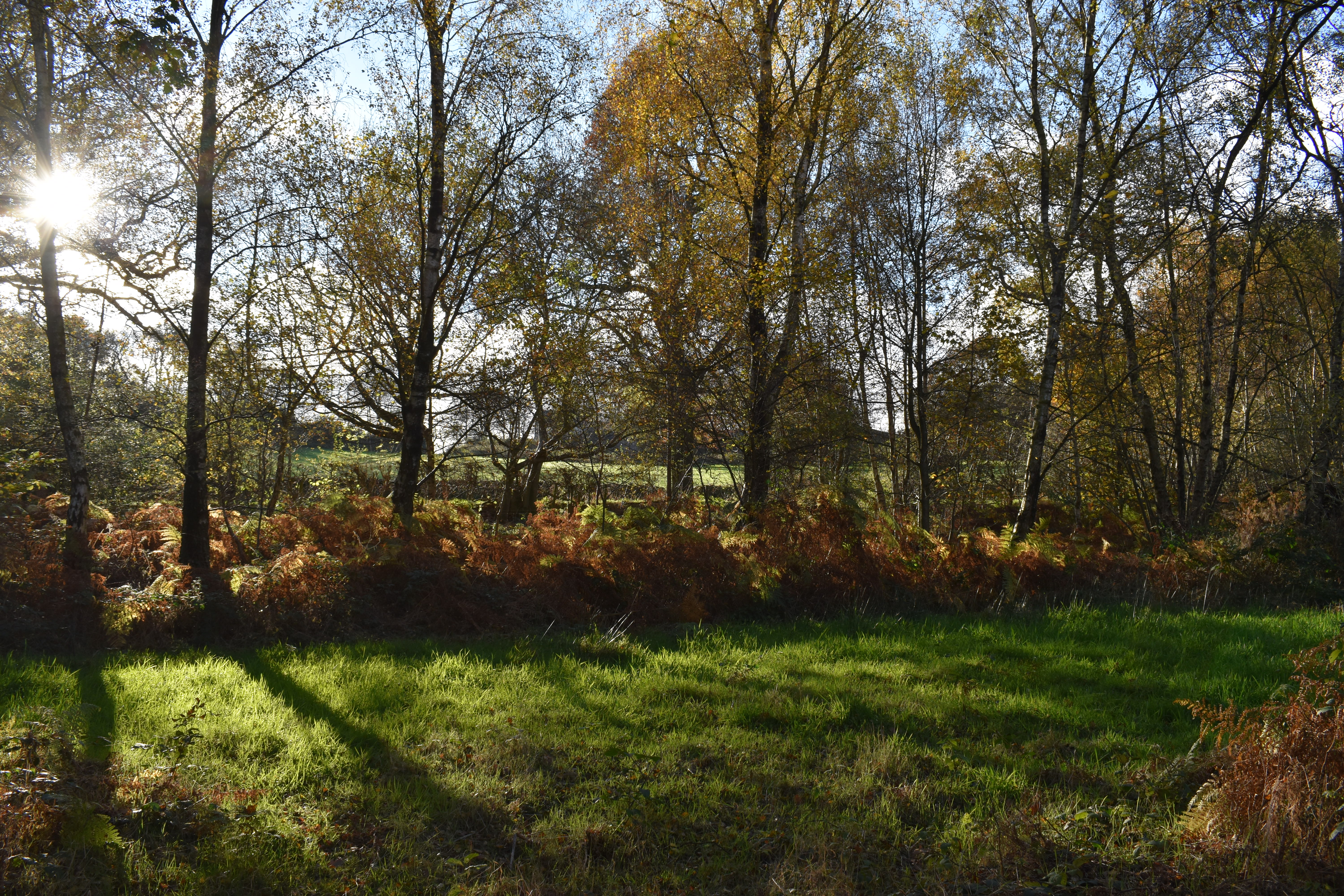
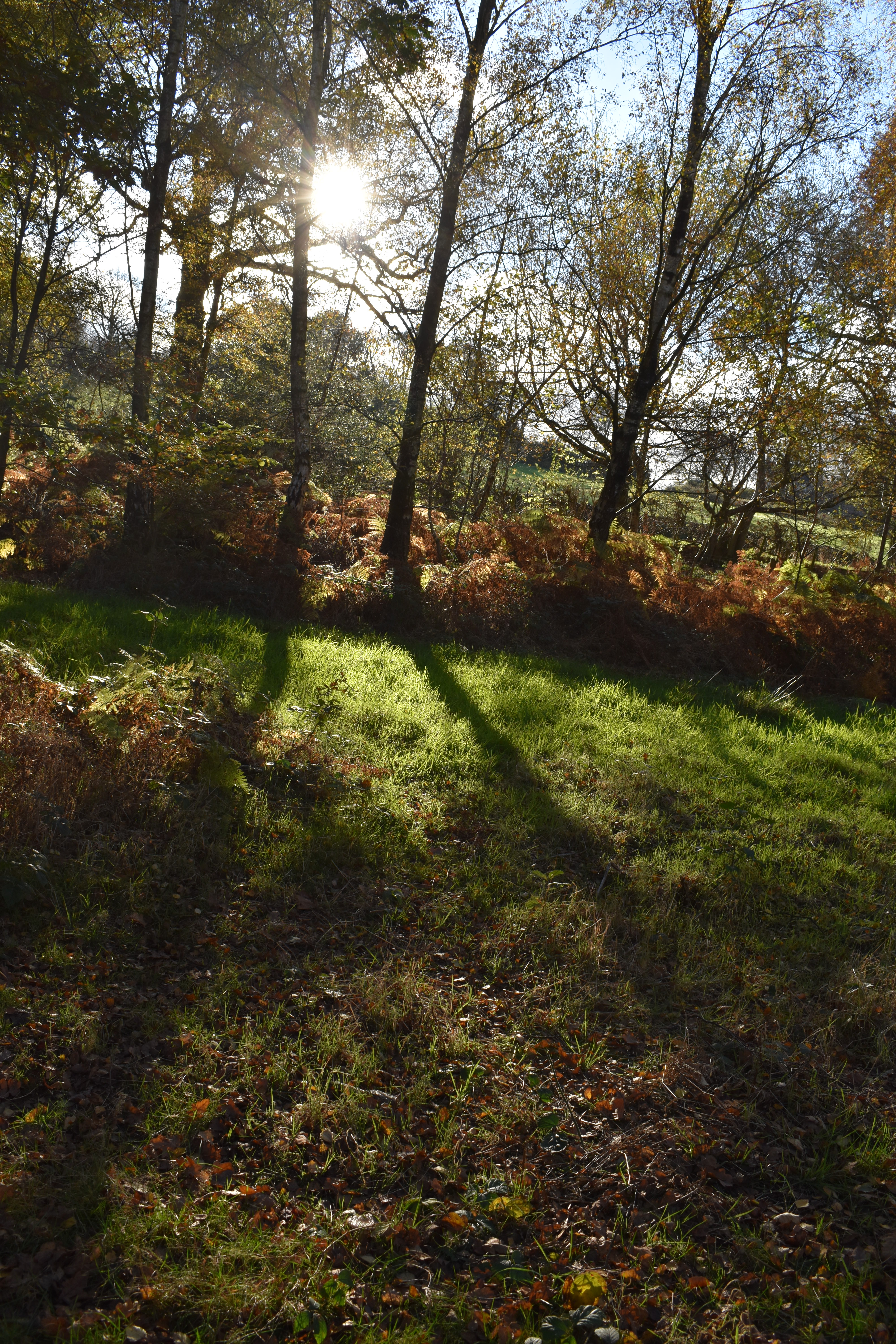
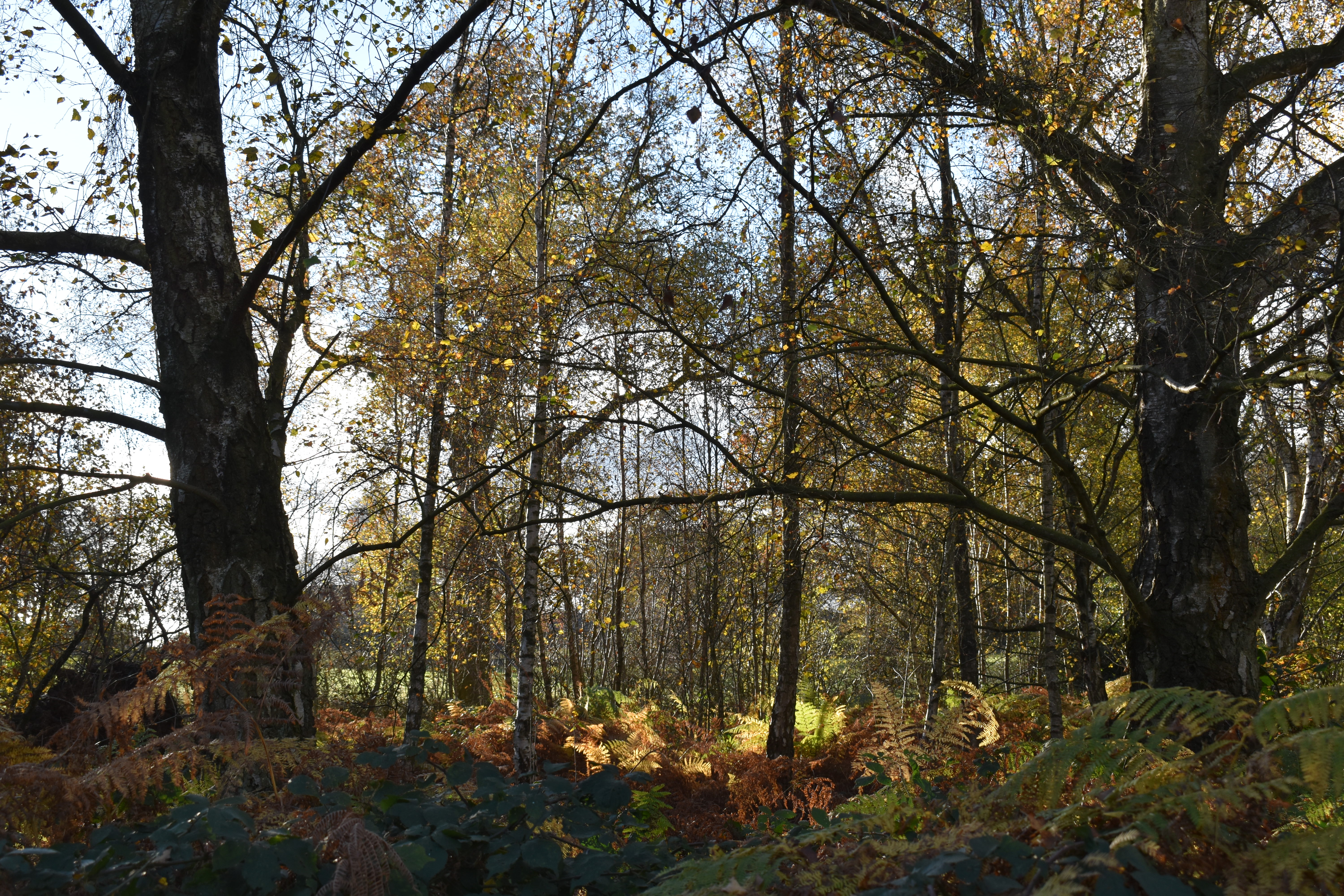
We visit the Bluebell Nursery and Arboretum near Ashby de la Zouch most years and look forward to enjoying the autumn colour in November. There are so many interesting trees and shrubs in the gardens and arboretum some rarely seen elsewhere which makes a visit a real treat.
I am going to publish three posts over three days to illustrate how rich a selection of interesting plants live there, especially trees.
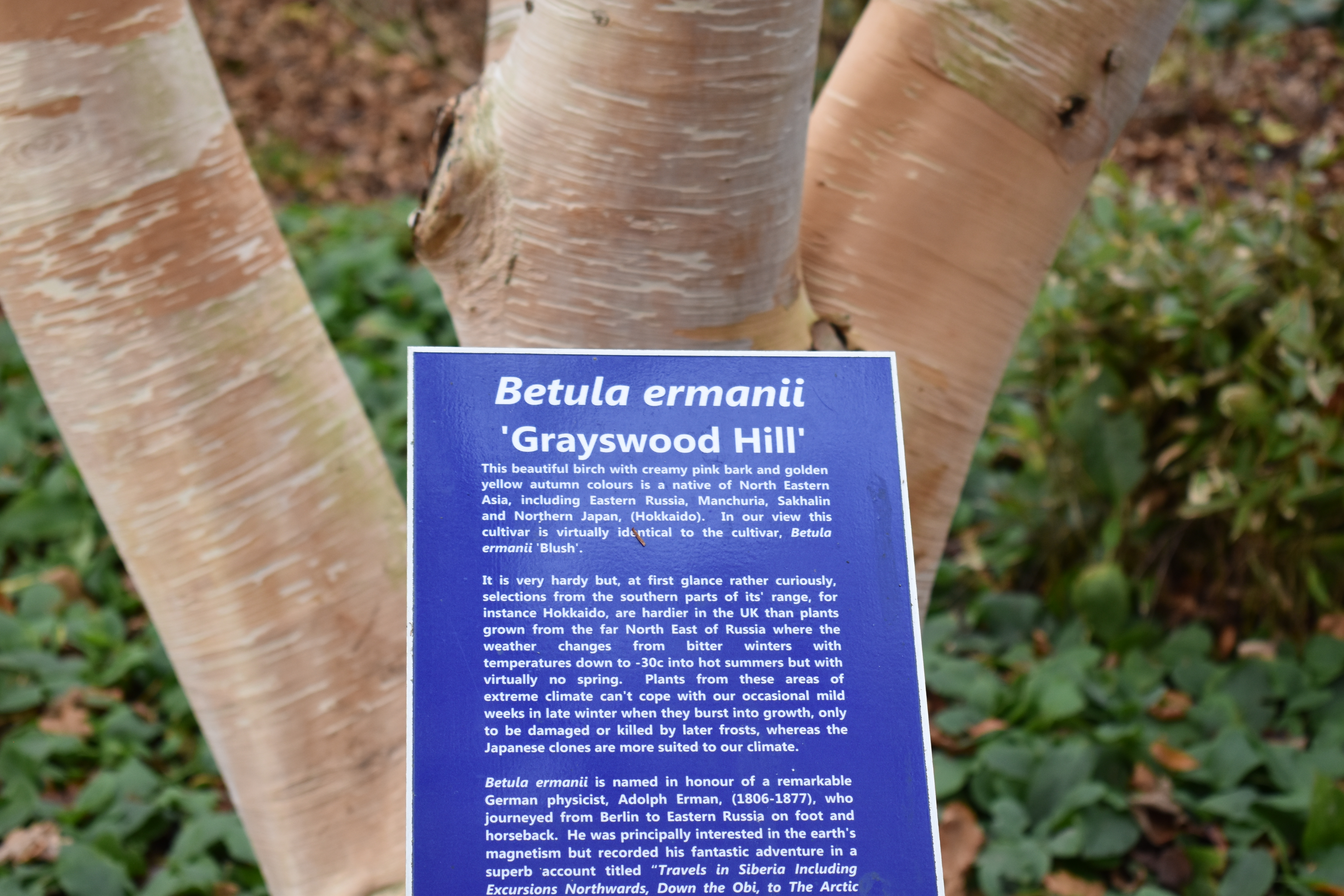
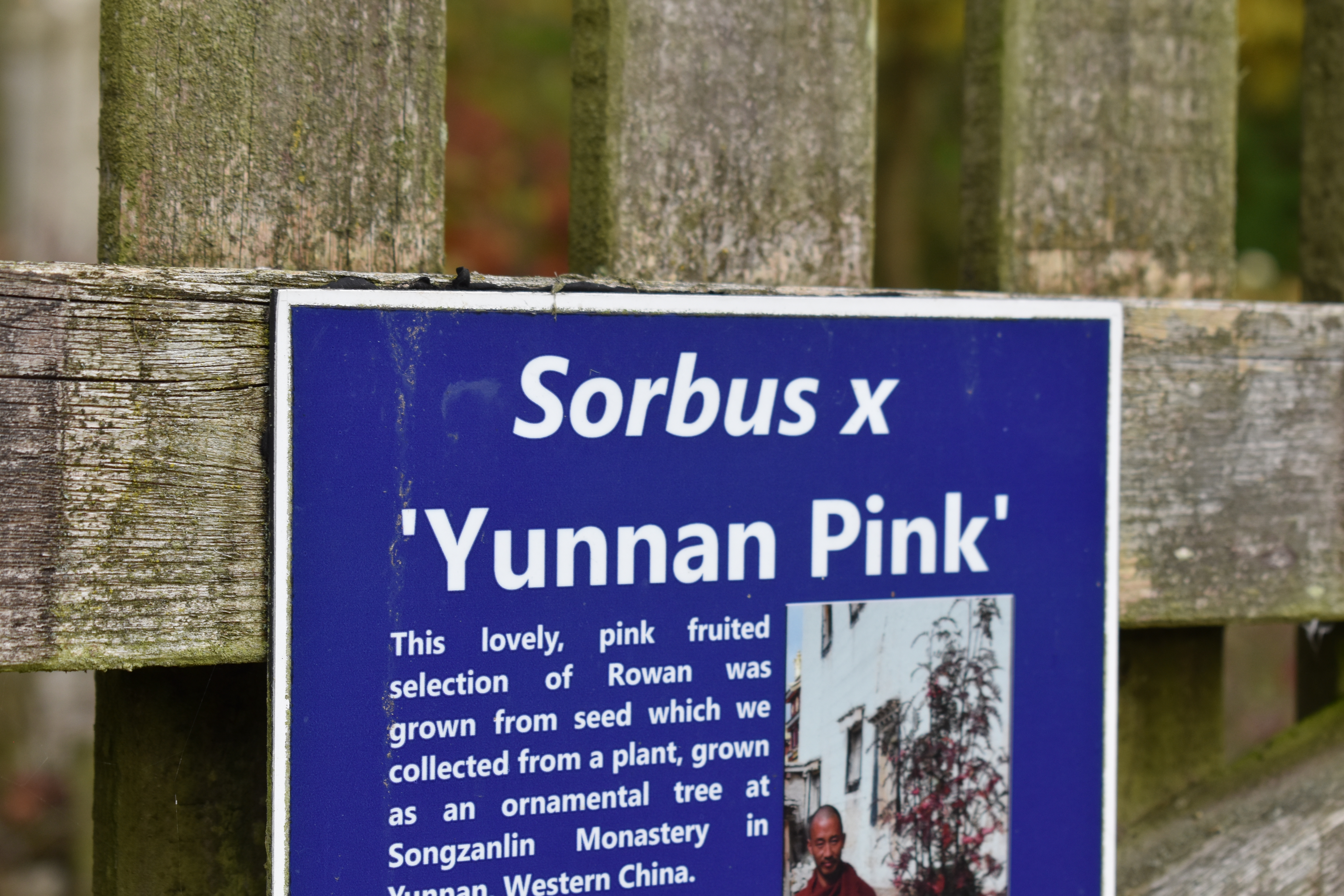
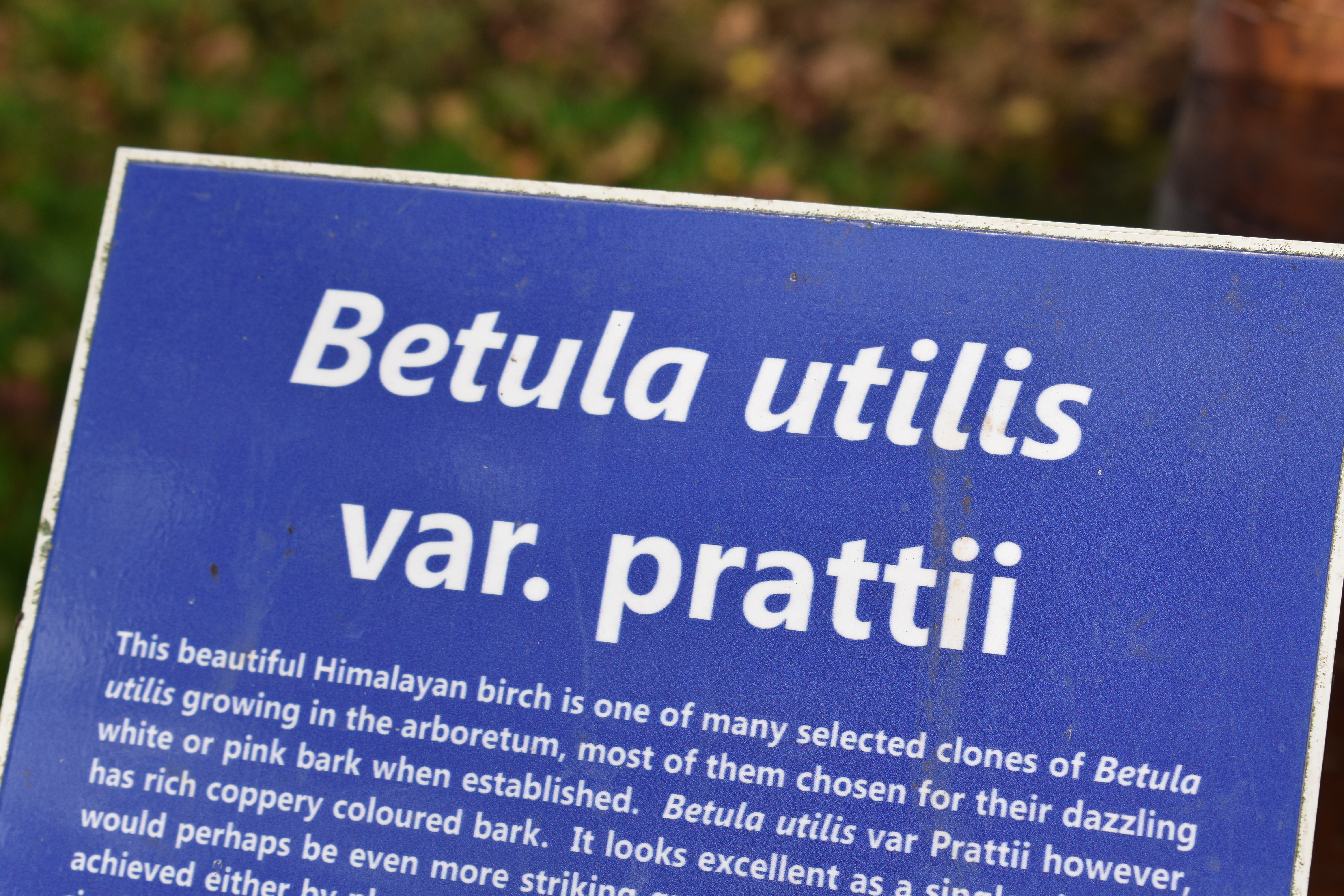
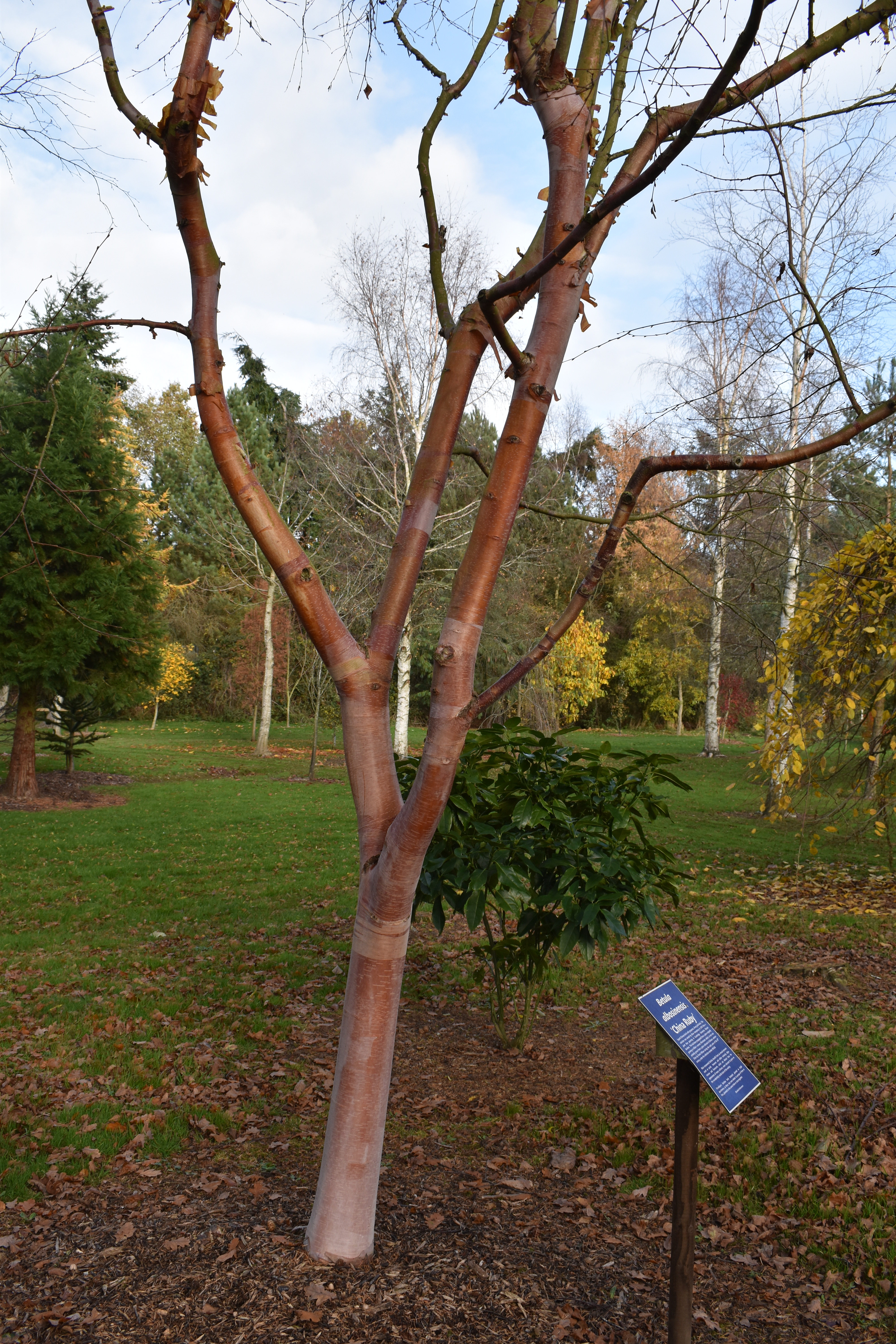
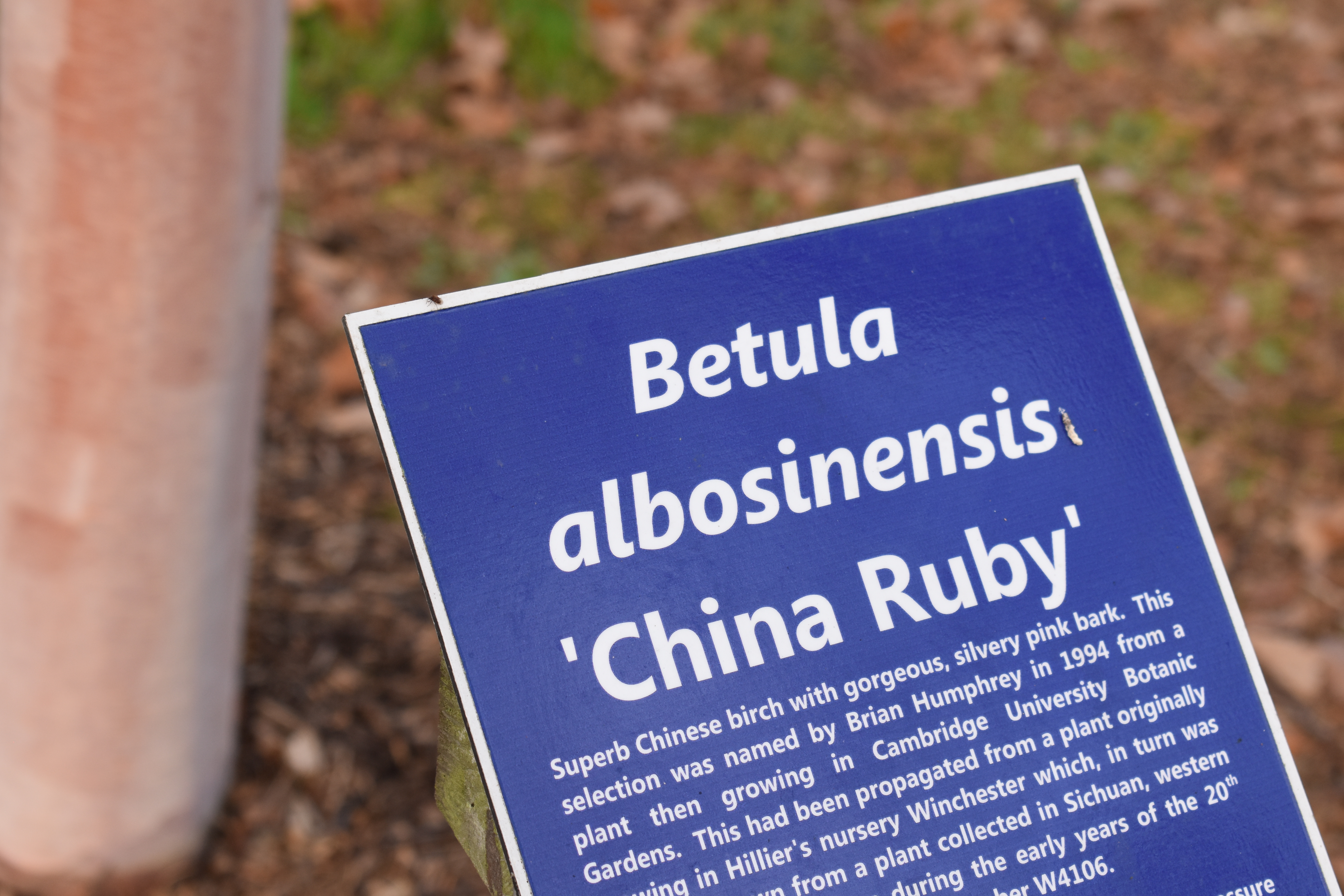
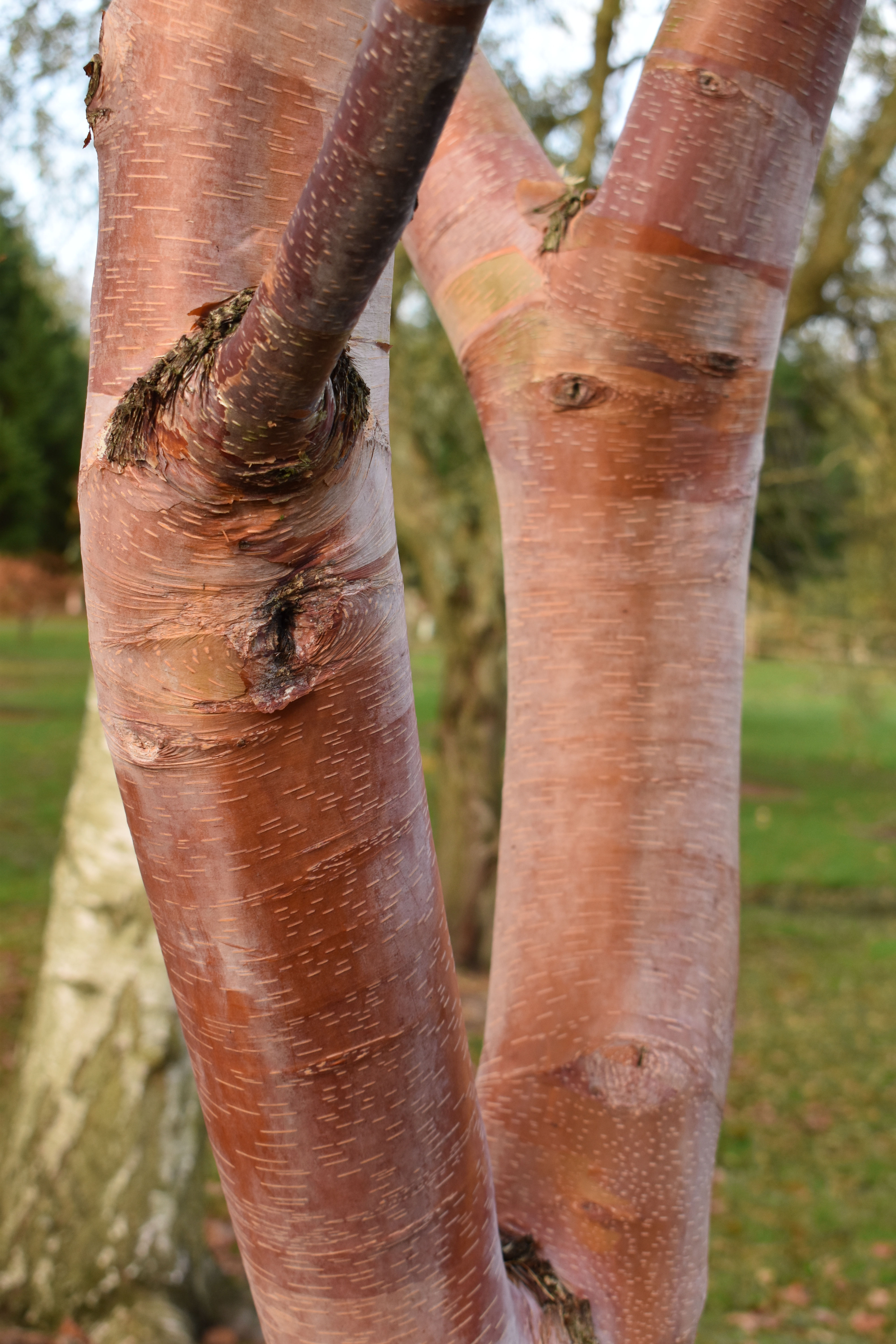
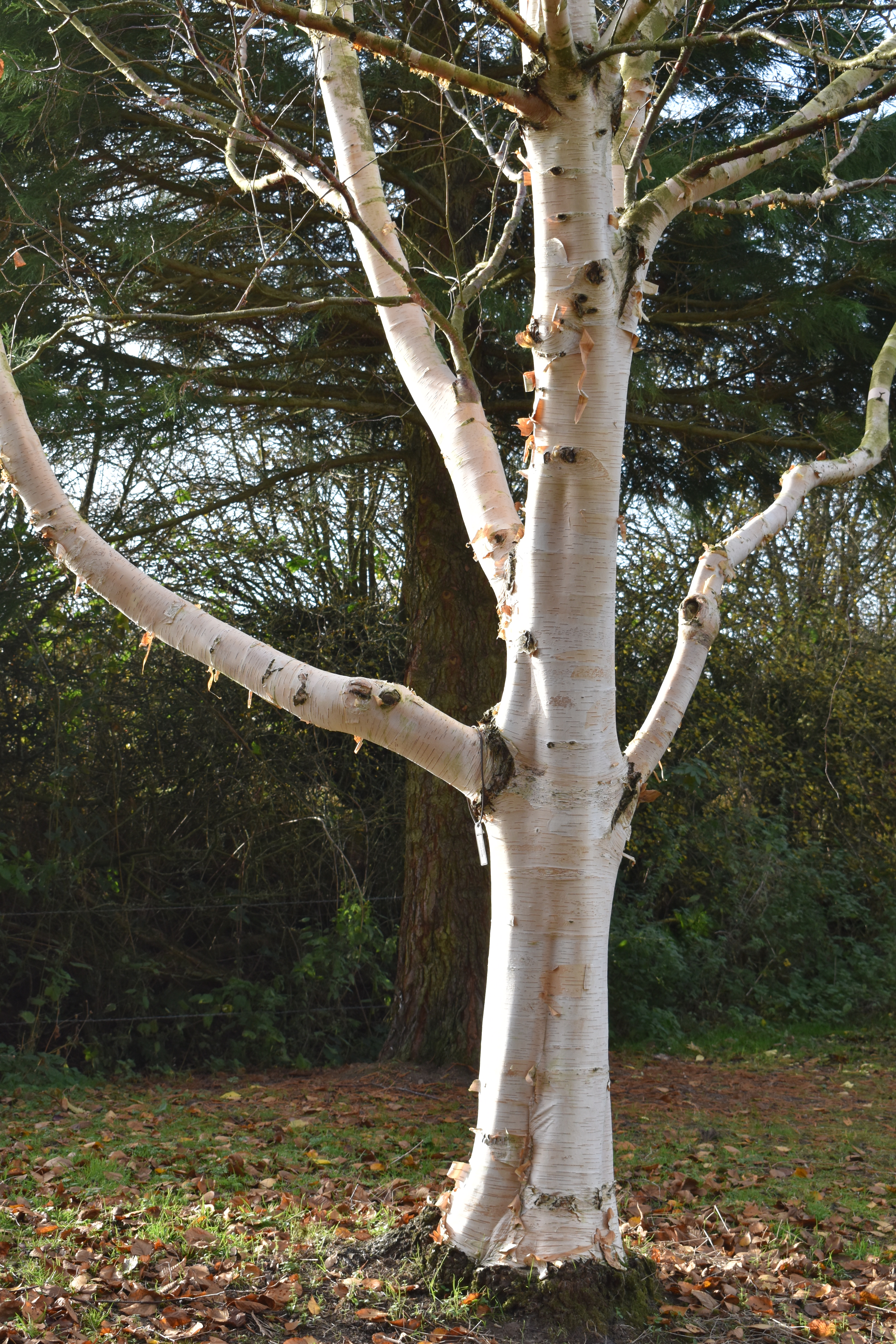
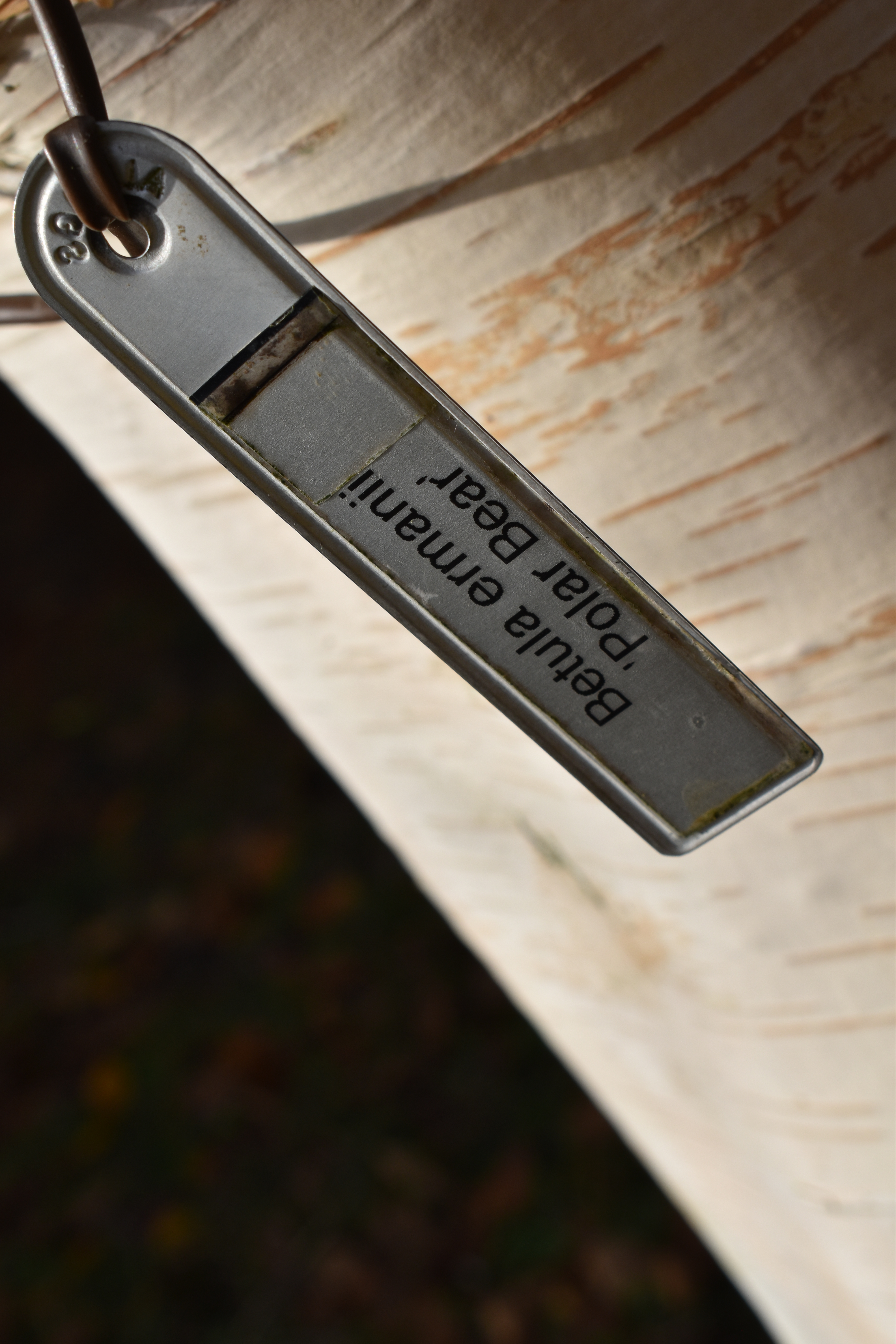
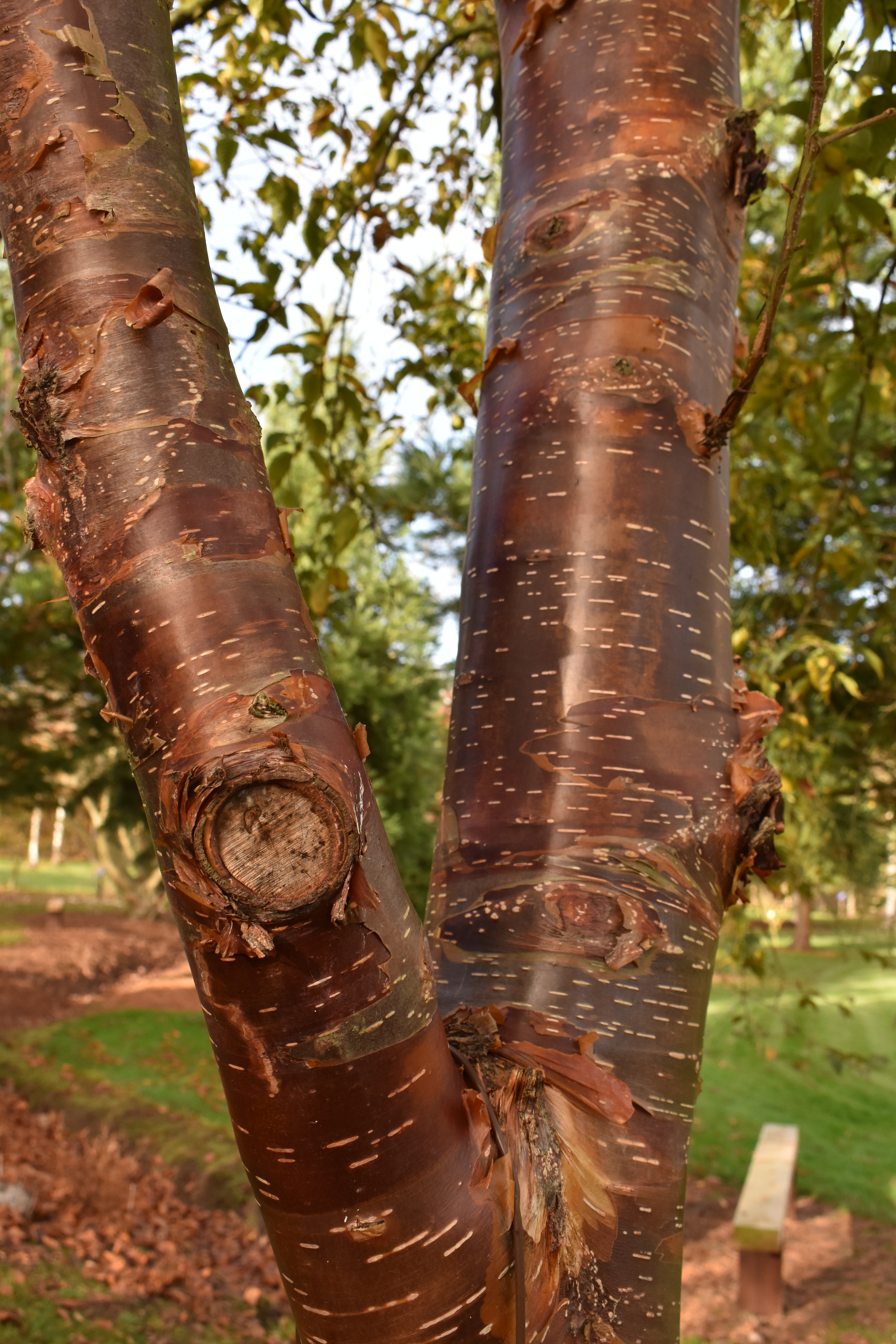
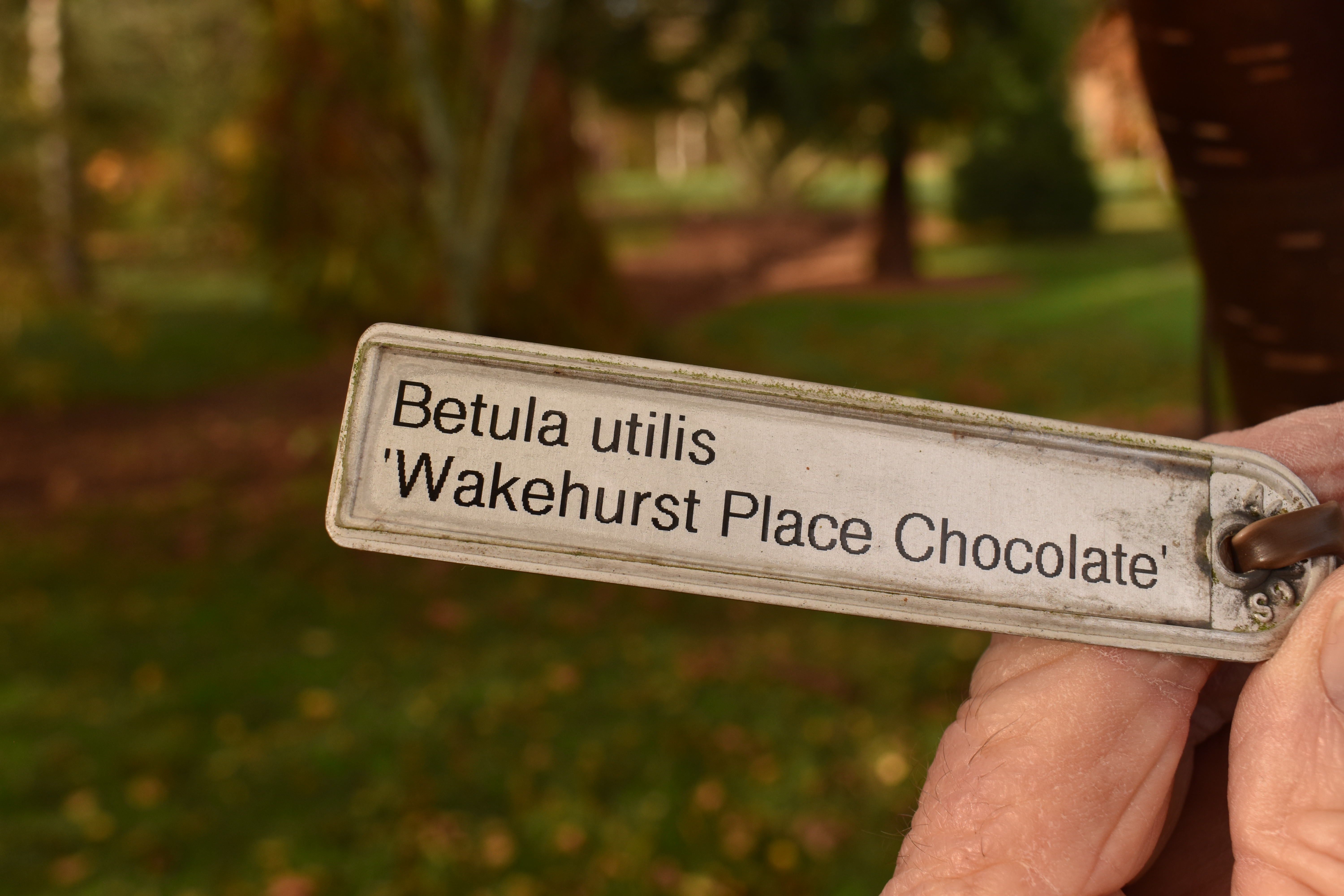
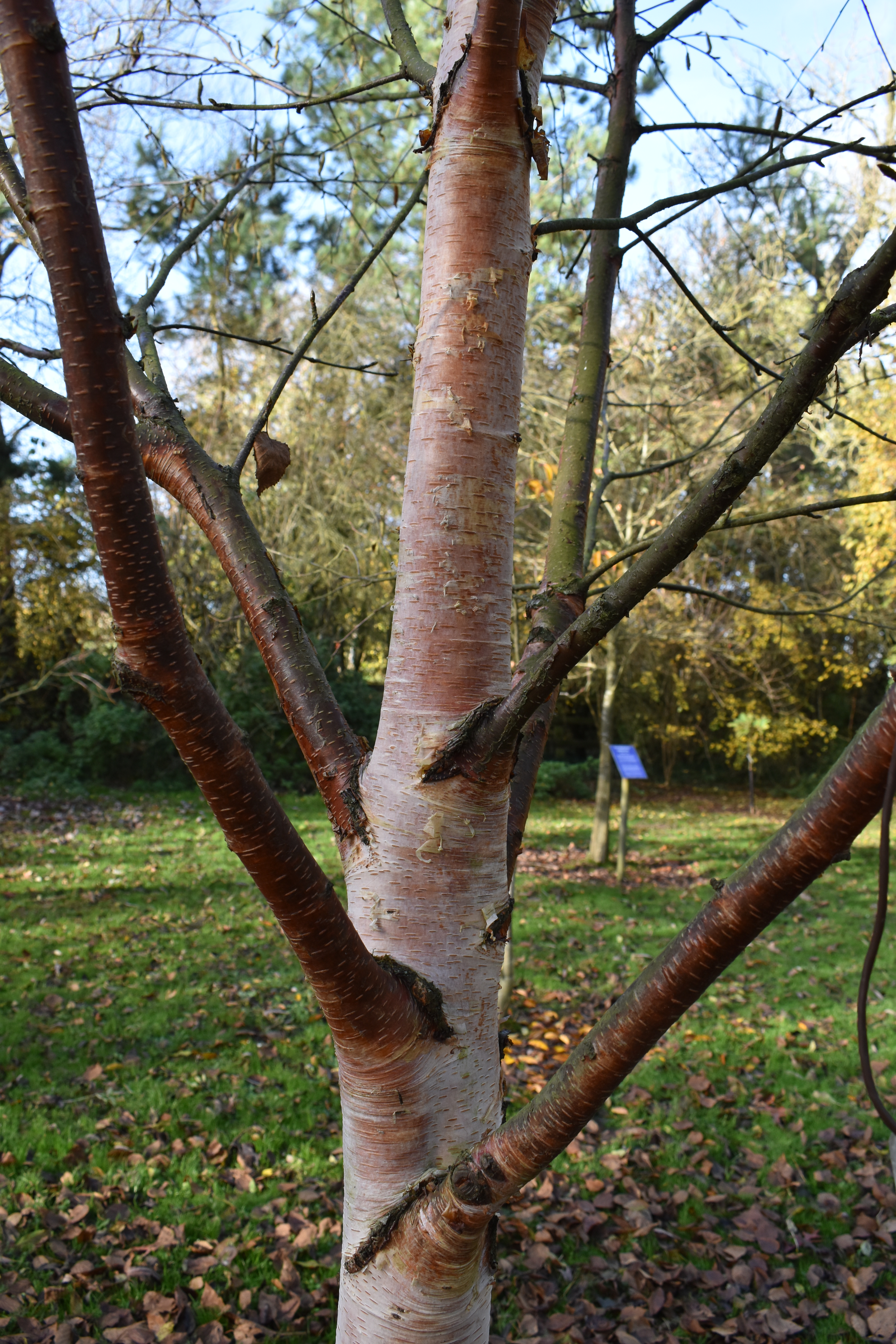
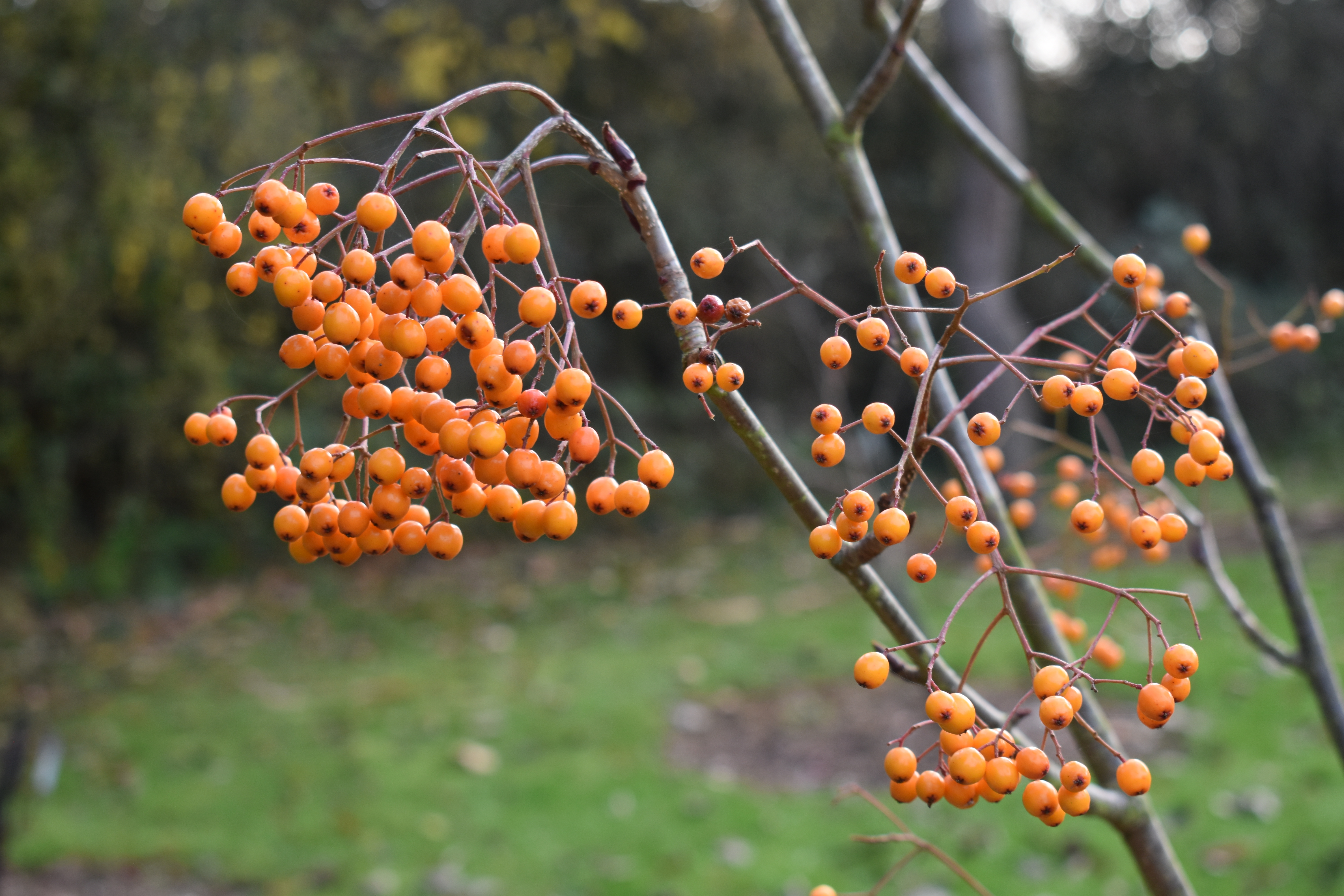
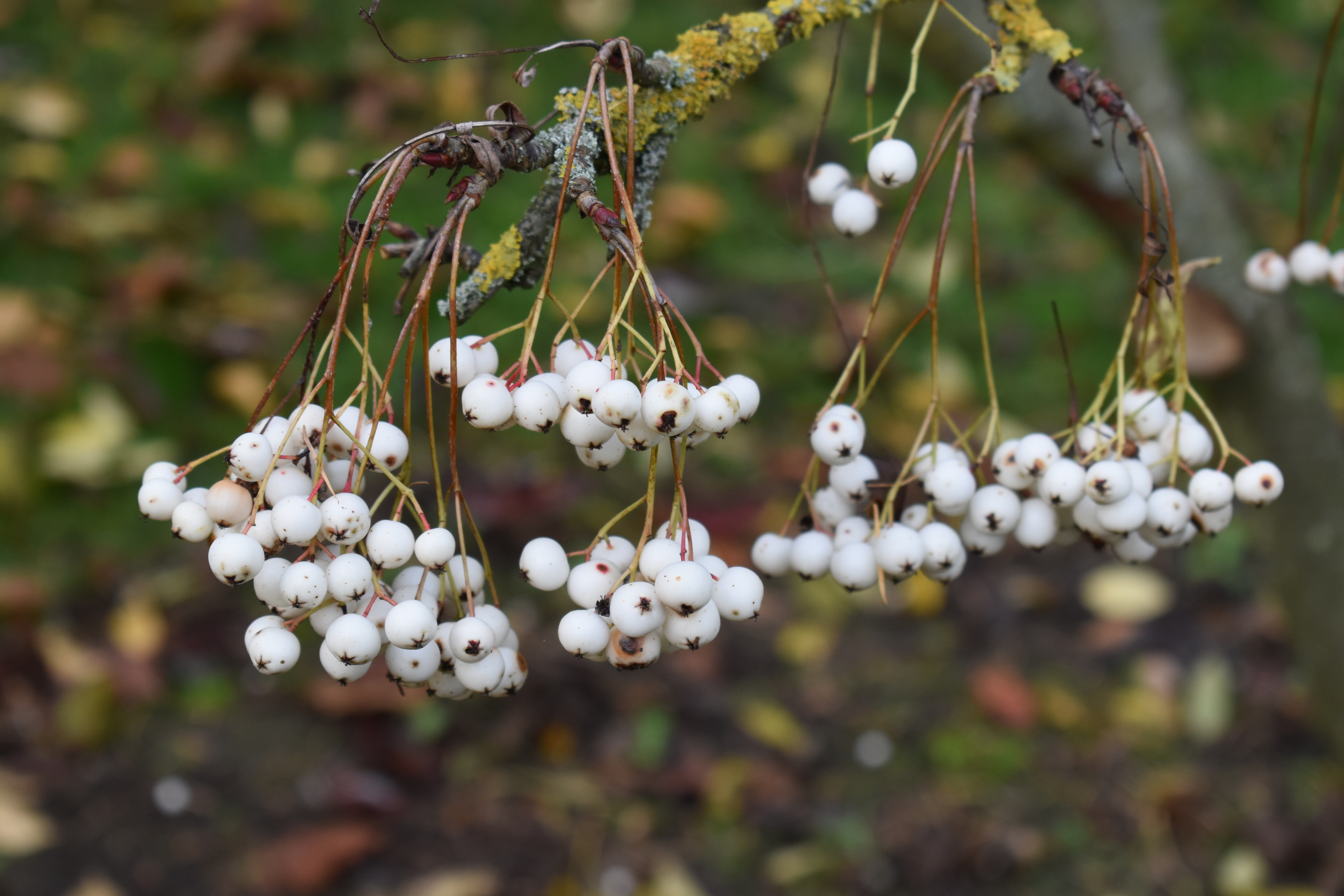
Here are my general photos of our visit, but I will post a more specialist blog later on ‘Betulas and Sorbus’ and another on some of our favourite specimens at Bluebell.
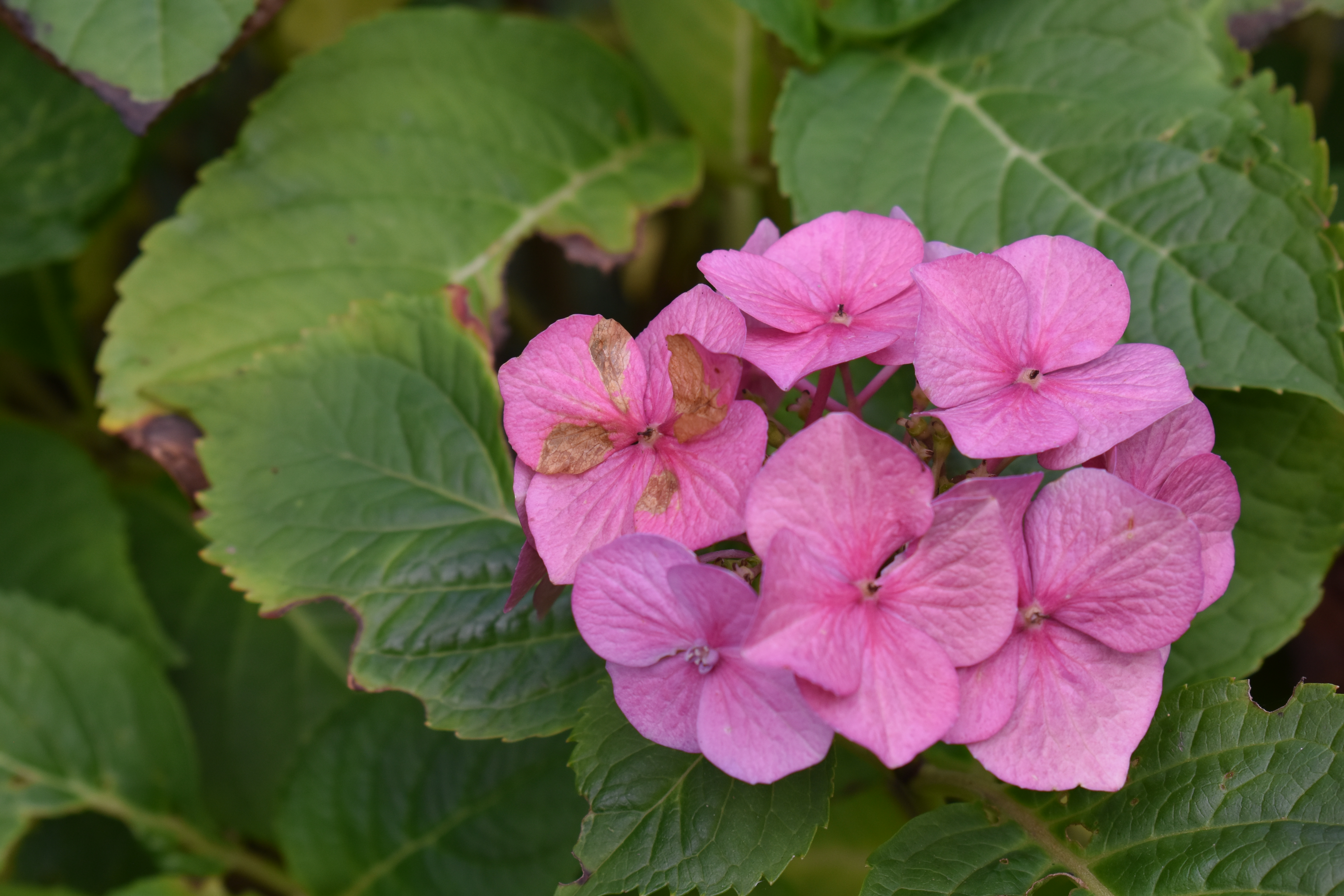
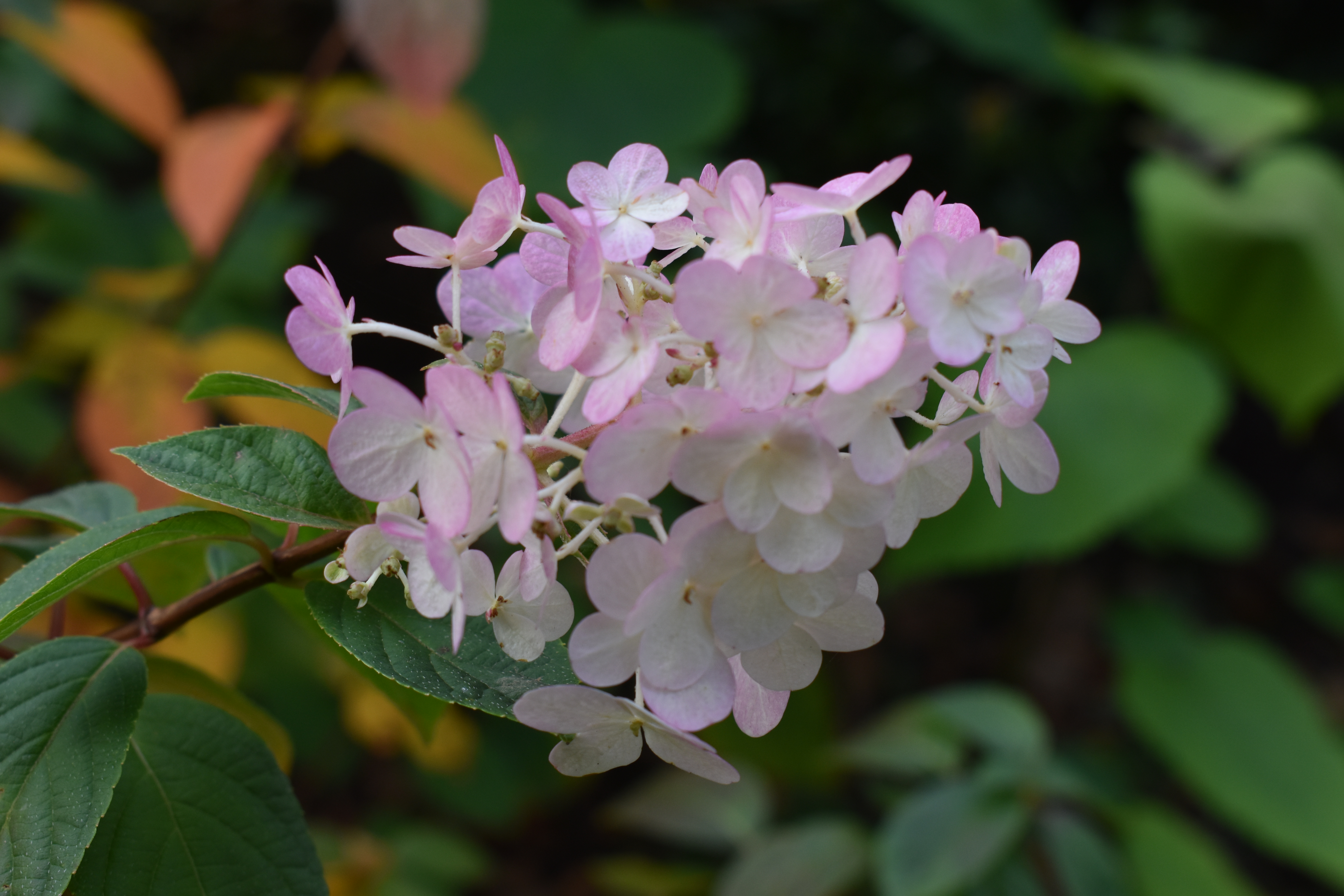
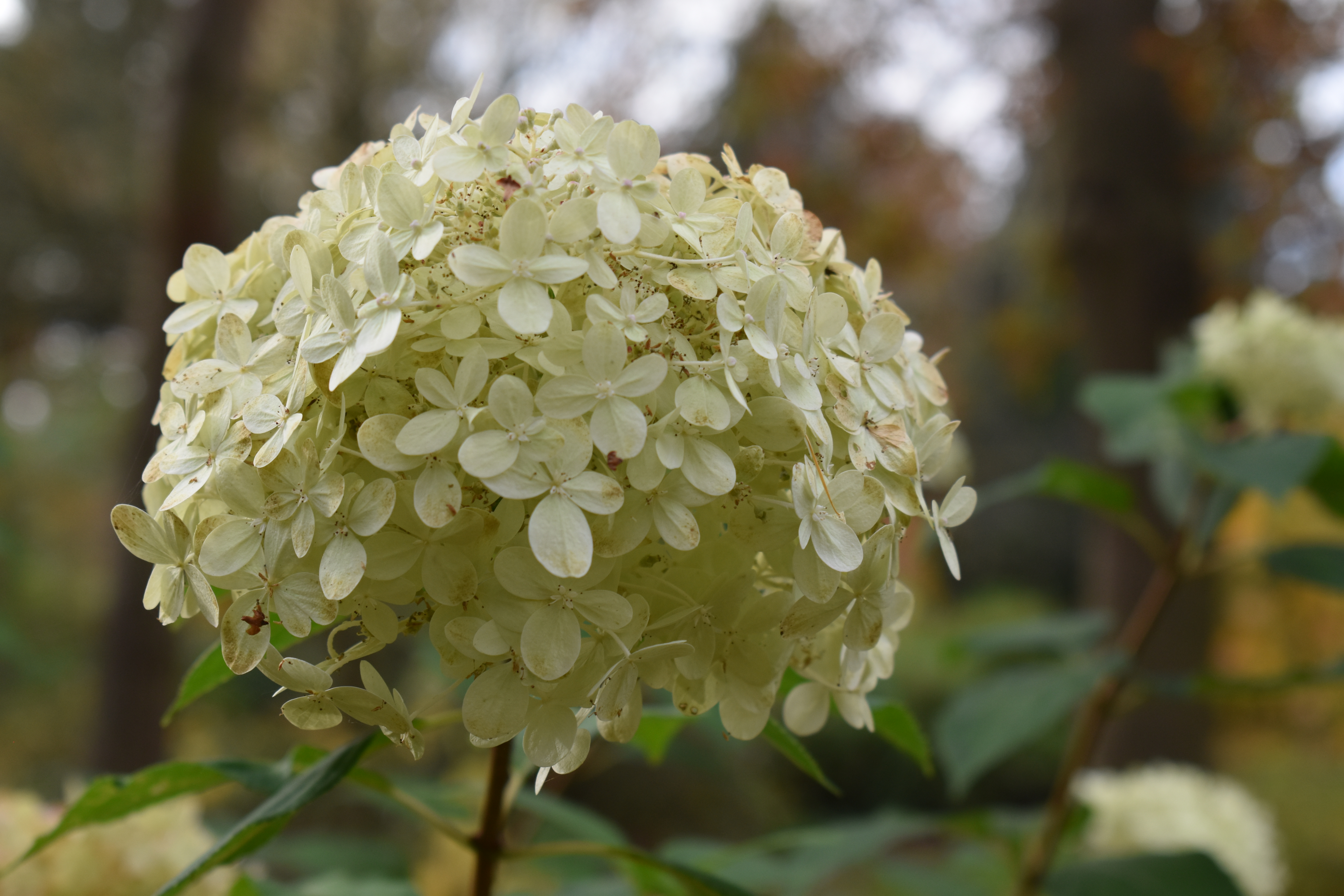
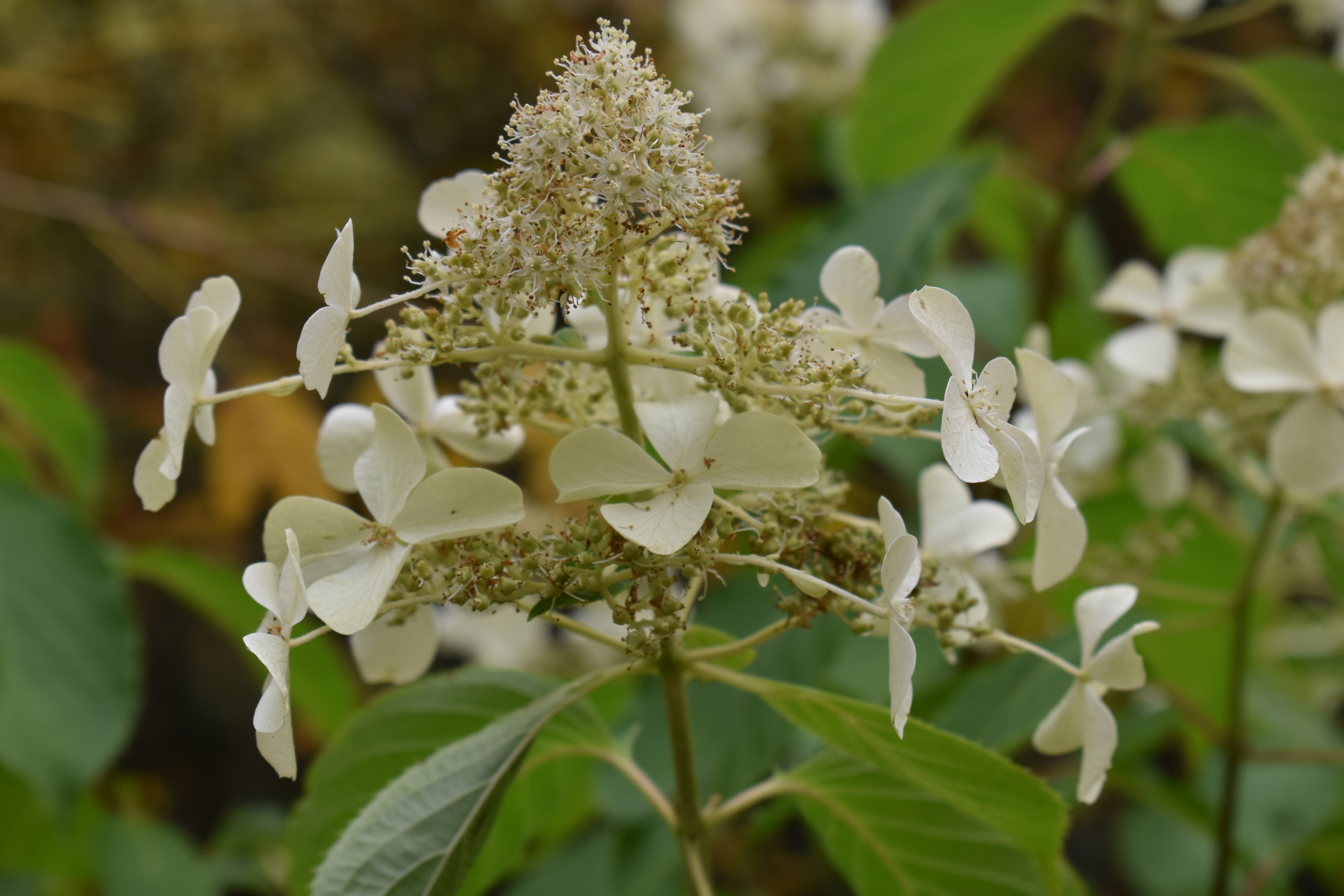
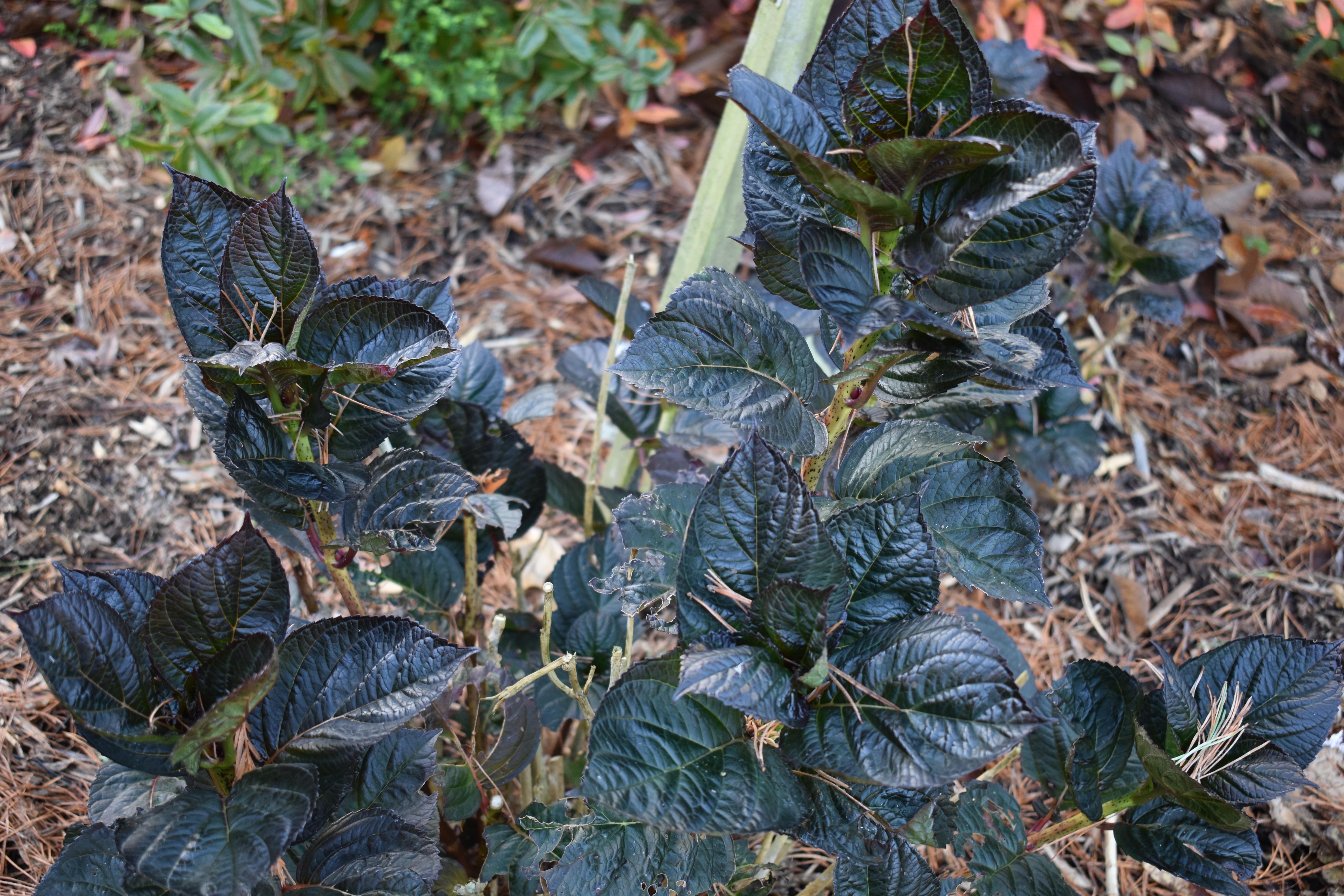
Gentle colours from the late flowers of hydrangeas greeted us as we entered the arboretum and garden, soft blues, pinks and whites with hints of green.
The first part of our wander took us towards the bridge over the drainage ditch. Bluebell is such a wet place sitting as it does on a heavy clay soil. Each time we visit there seems to be new drainage projects.
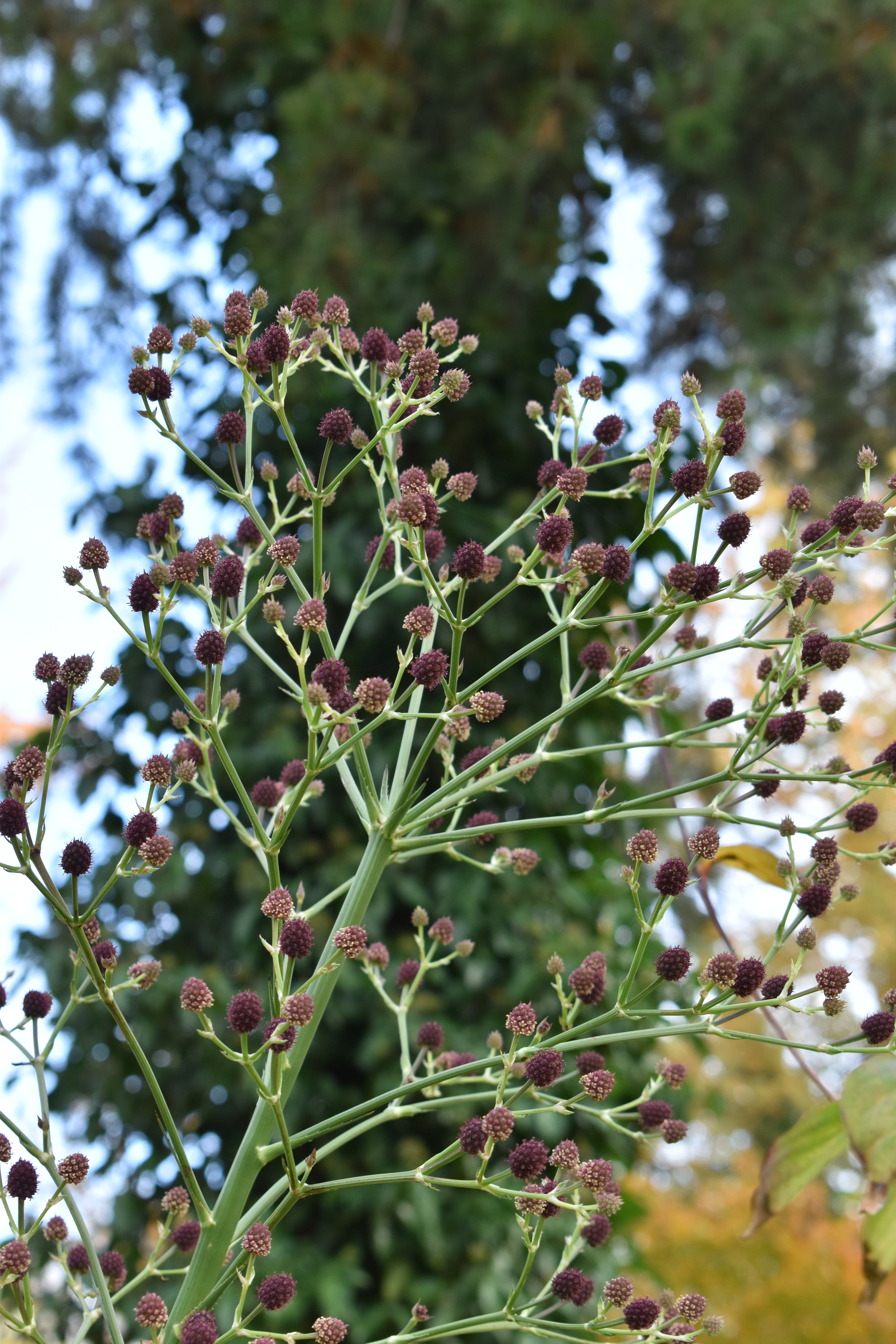
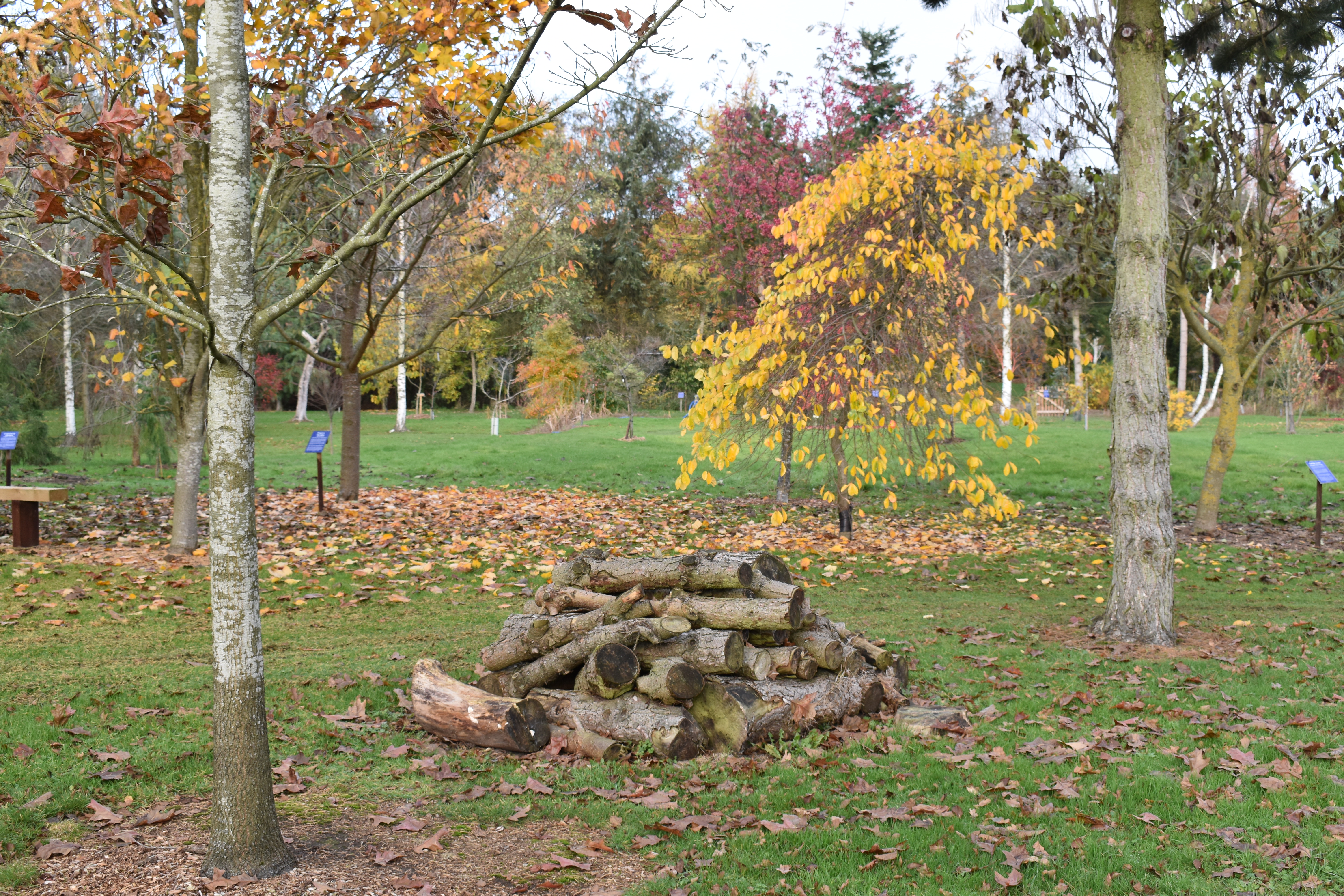
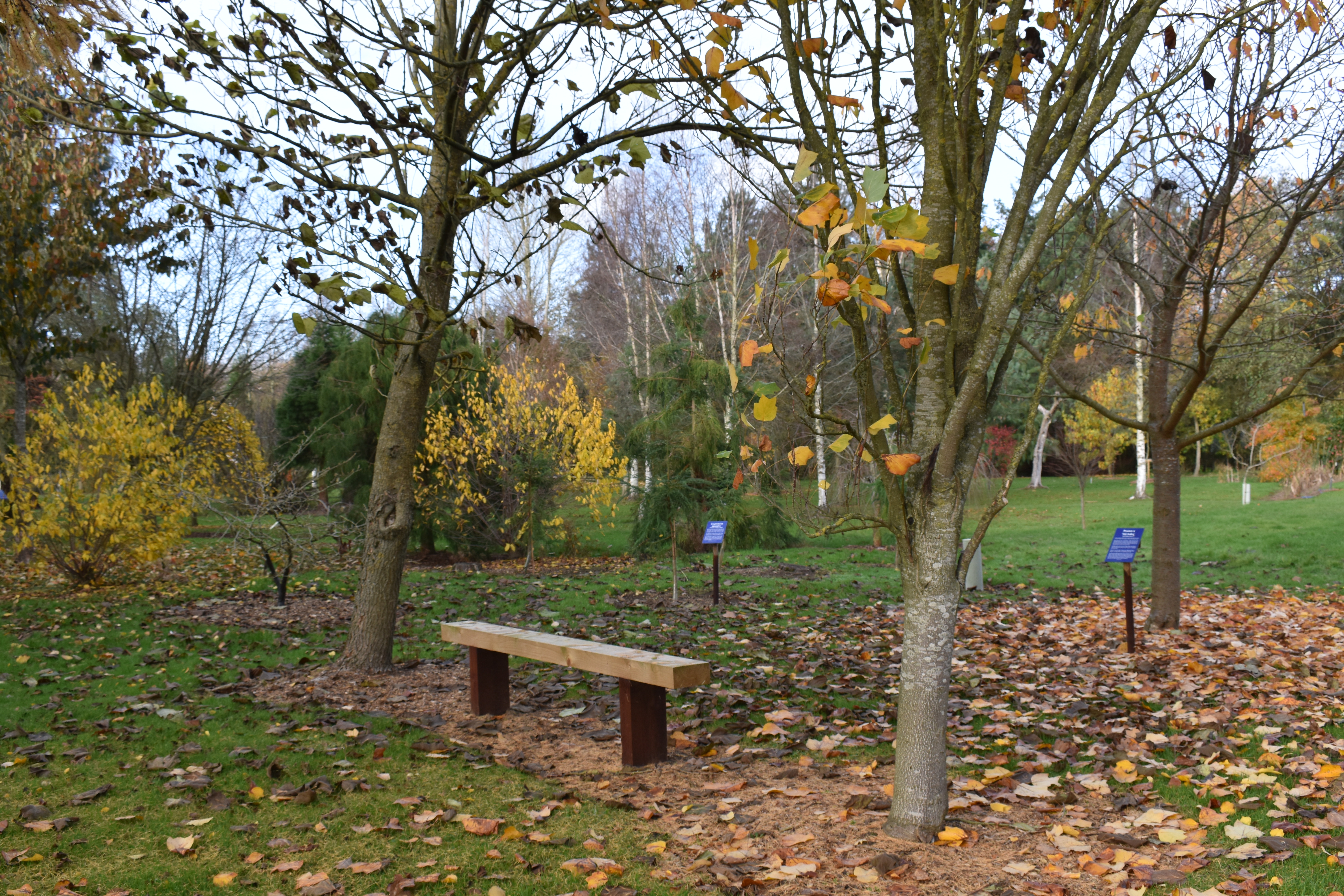
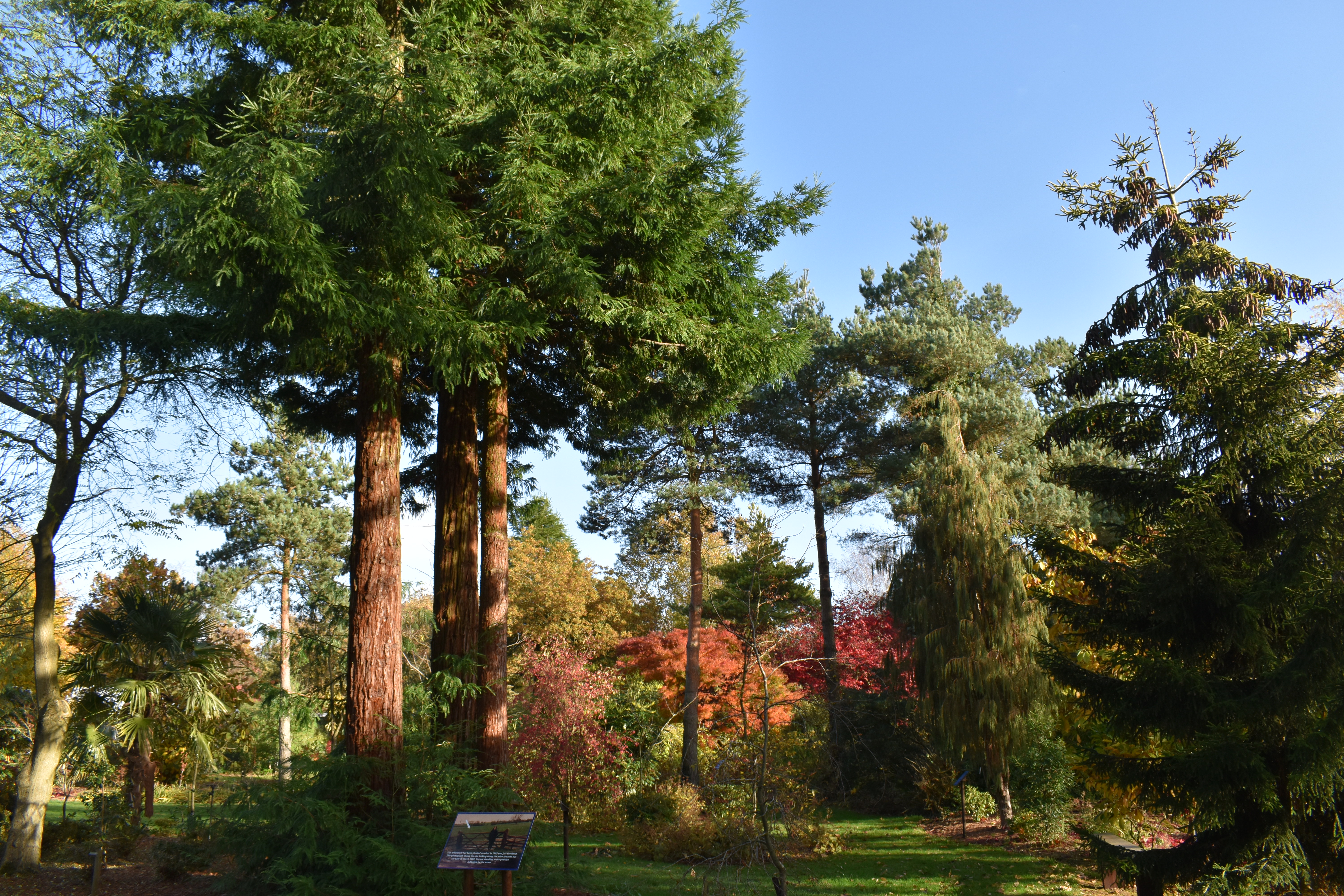
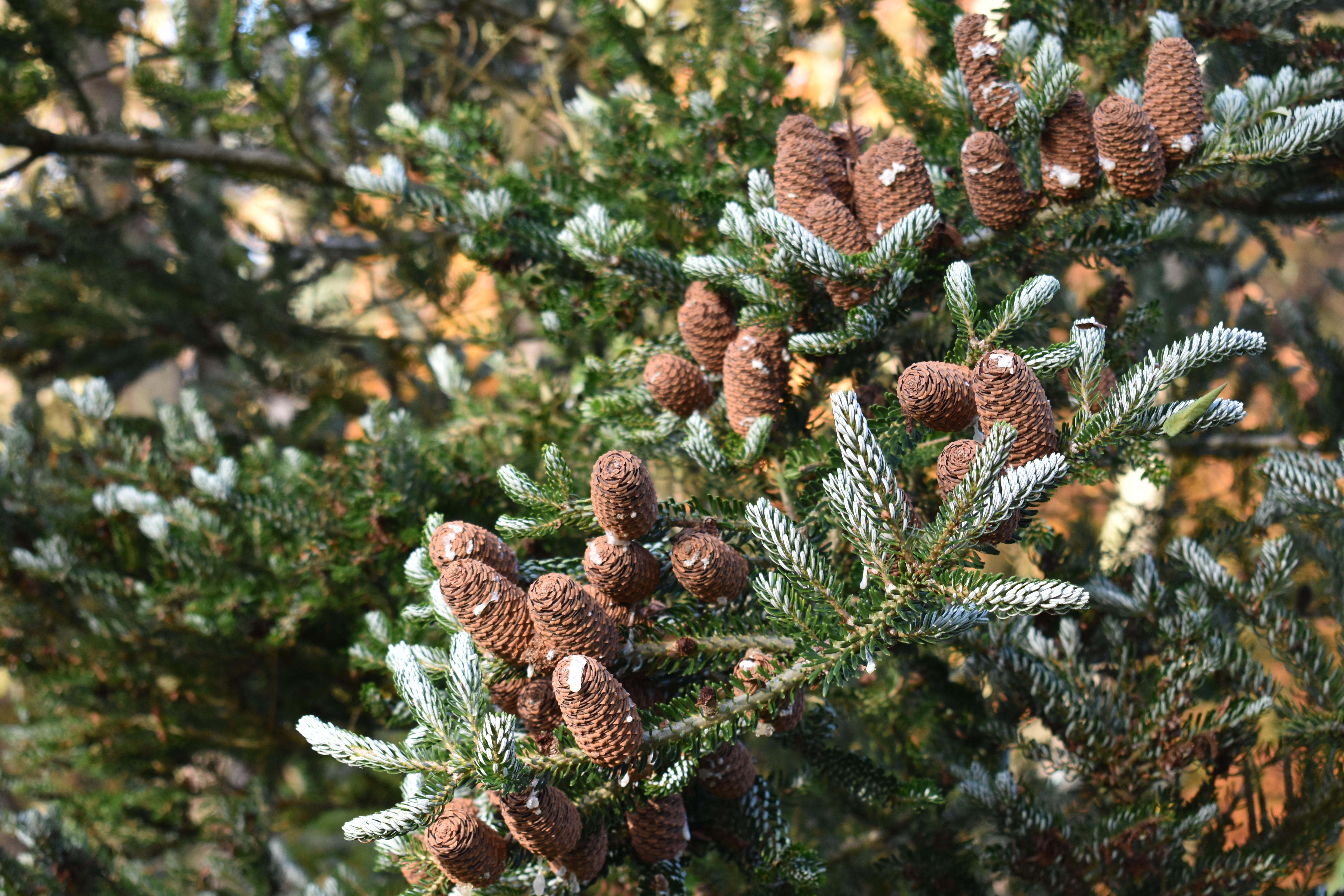
We crossed the bridge constructed from railway sleepers and moved into the main arboretum field, where we were in for a delightful time enjoying a varied selection of trees and shrubs, deciduous and evergreens both conifers and broadleaves. Most were well signed with names both botanic and common with plenty of useful information to add to our enjoyment.
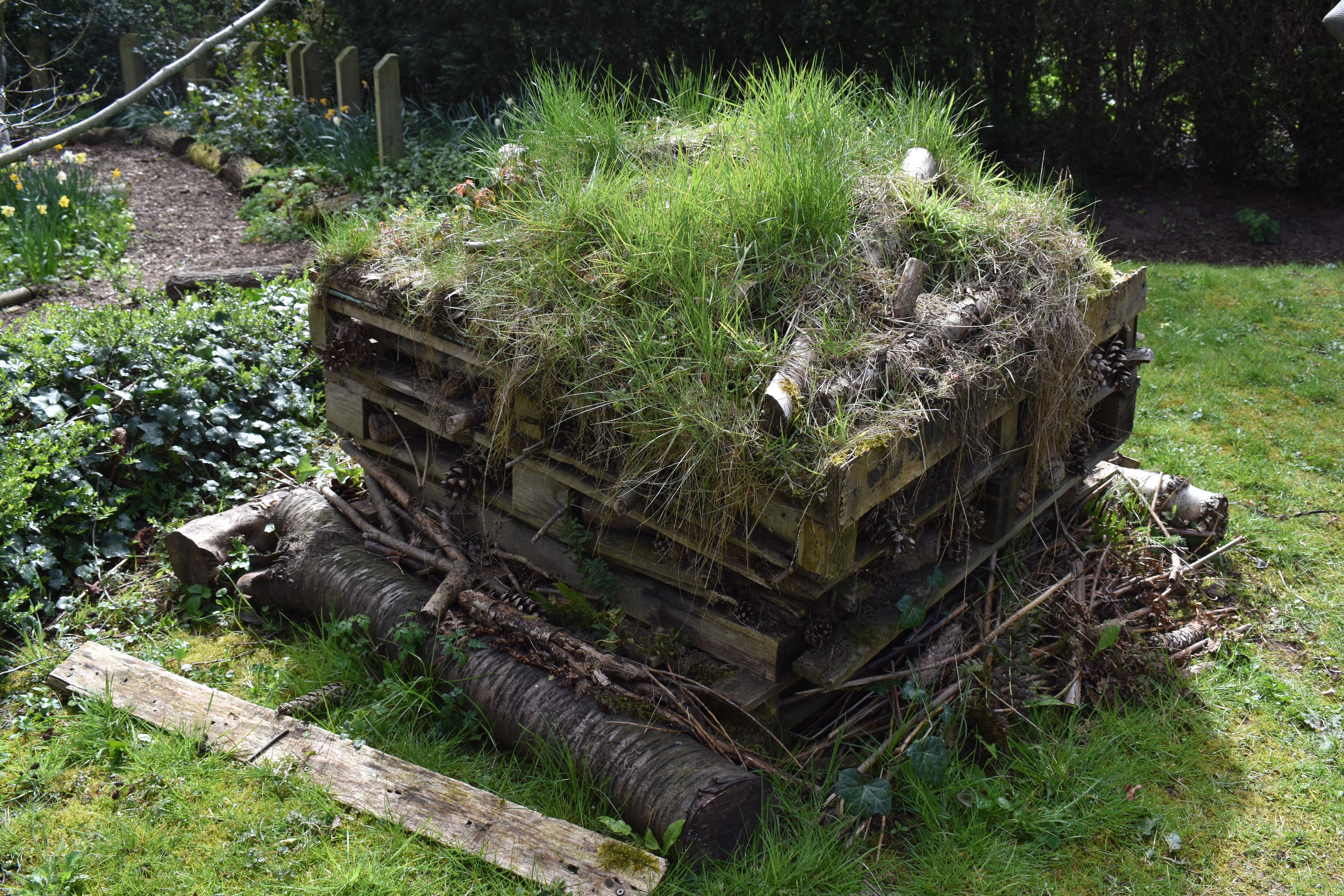
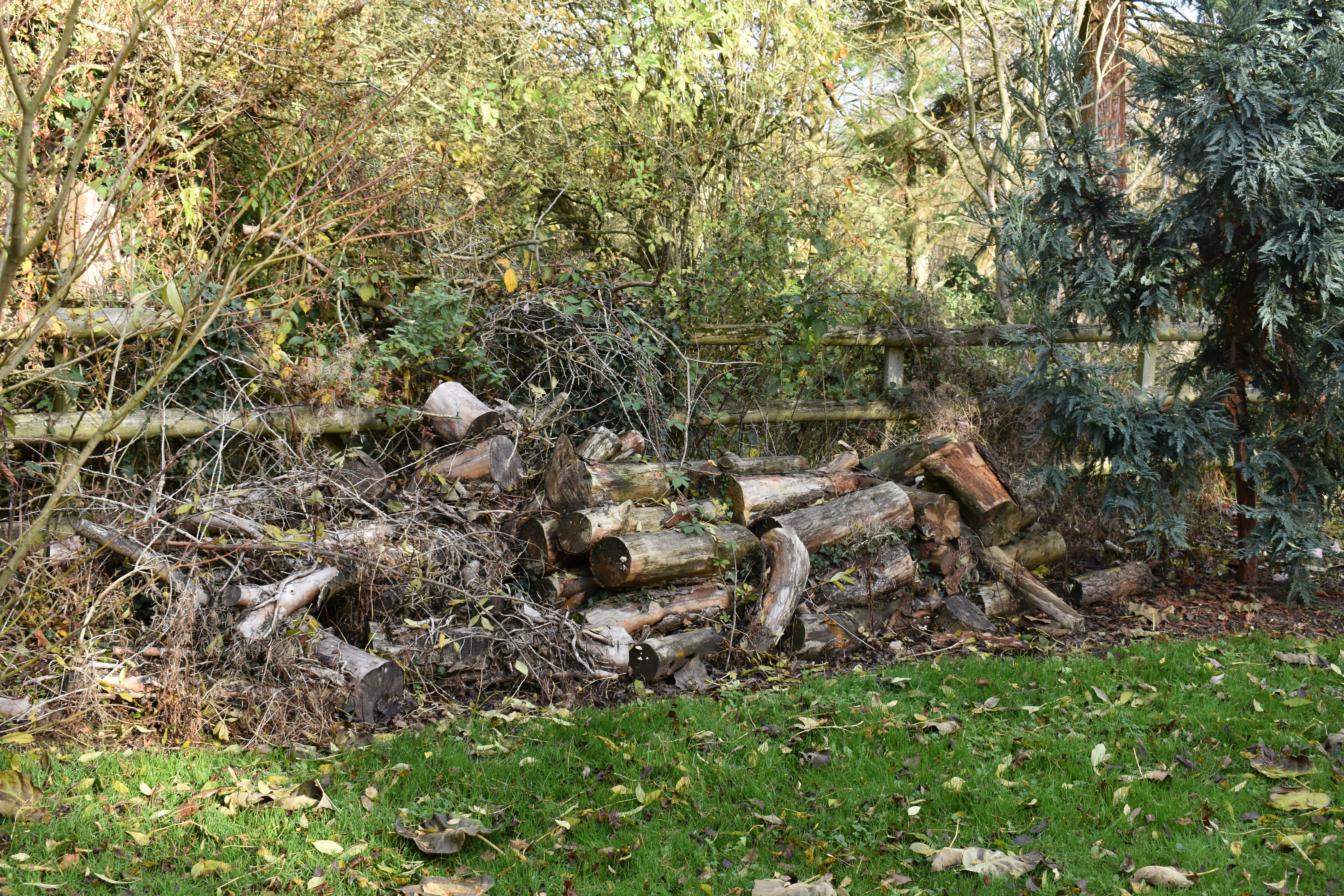
It felt good to see how felled trees became log piles for wildlife especially beetles. Two birches close to each other were felled and the resulting logs were stacked between the stumps.
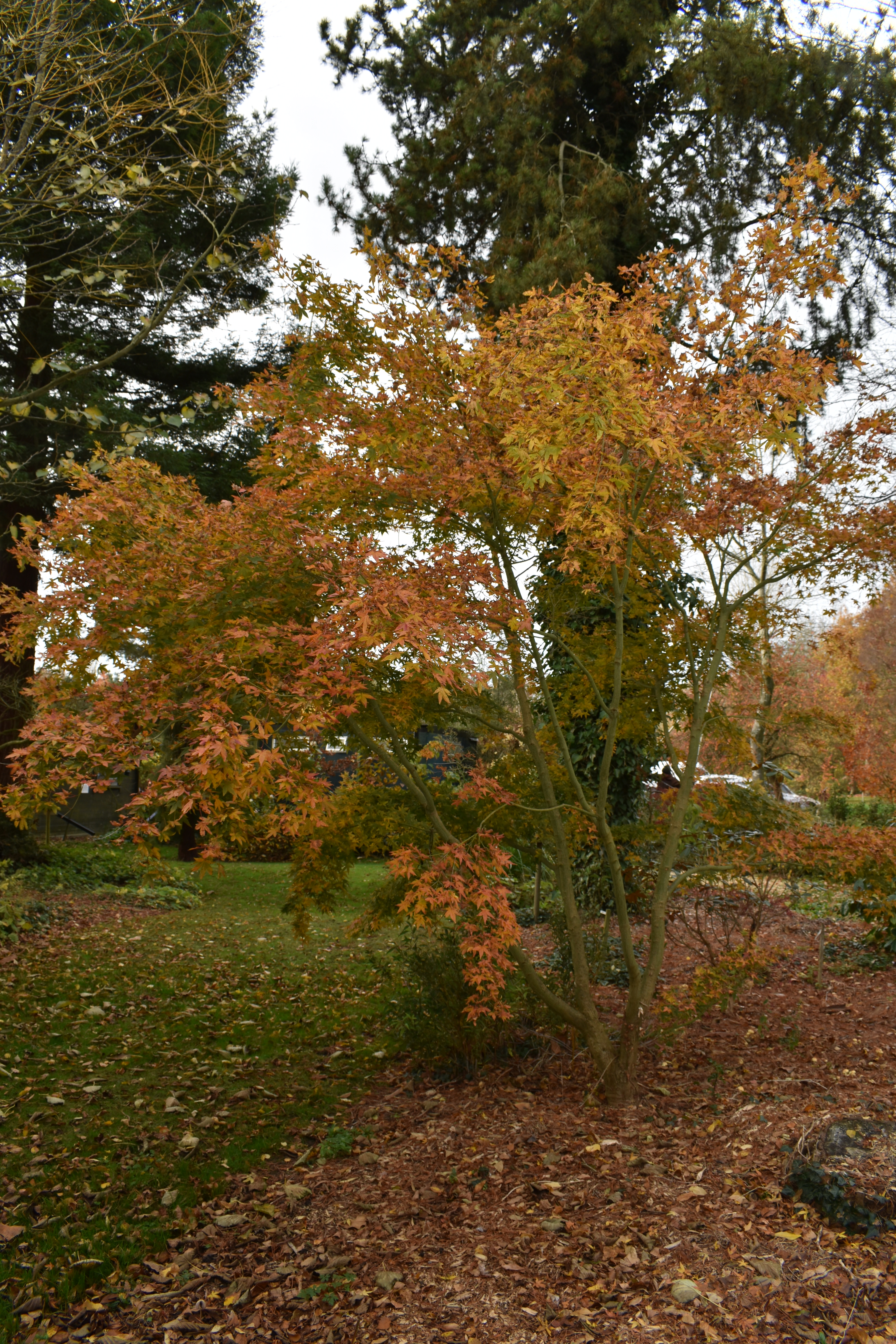
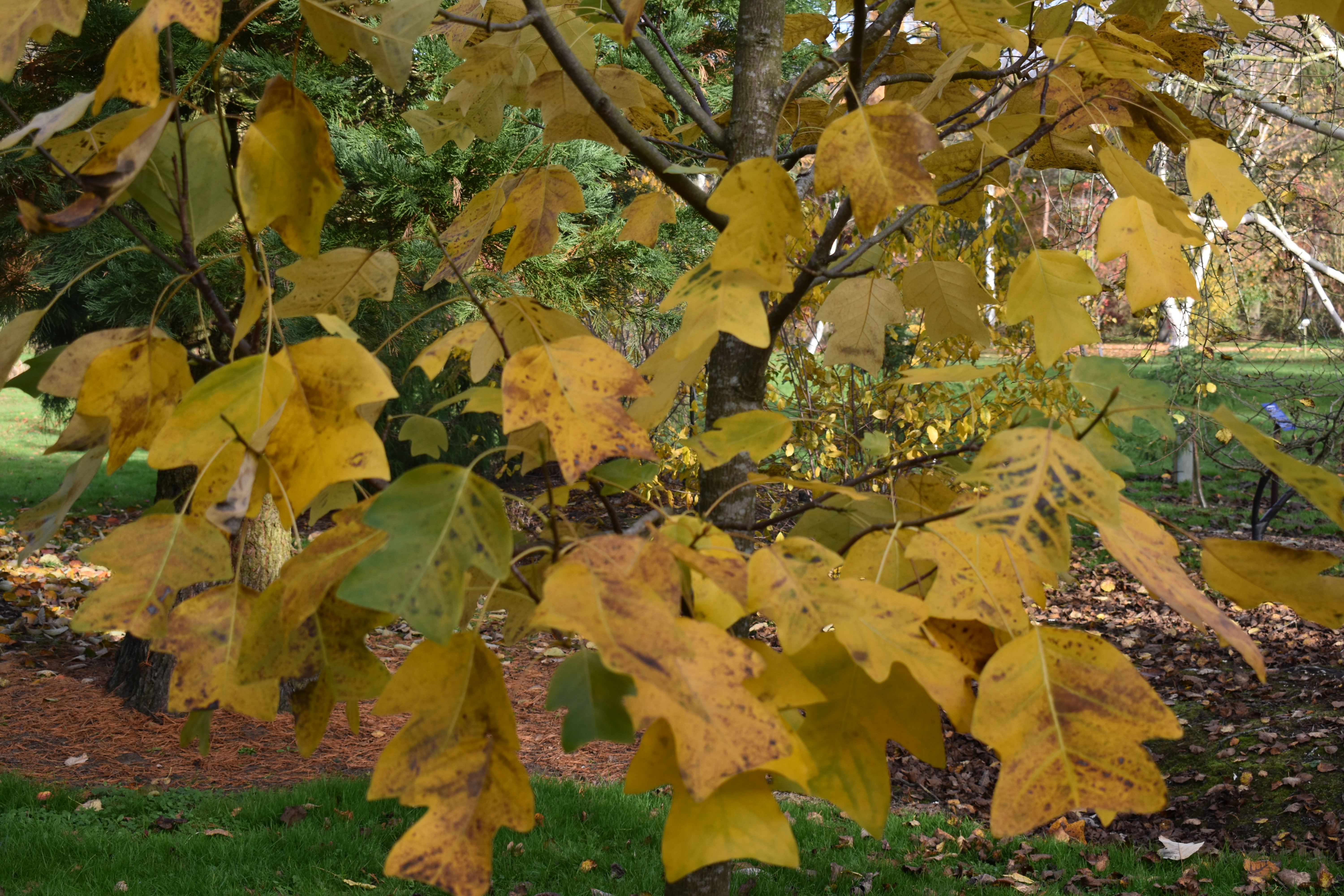
We enjoyed a good few hours walking the main arboretum, finding so many unusual, special varieties of betulas, sorbus, liquidamber and acers. We returned to the garden area where these sights entranced us.
What an amazing collection of trees to enjoy! The next few posts will feature our favourite trees mentioned earlier.
You may have noticed that I inadvertently posted part two of my pair of posts about climbing up and down Beacon Hill first. I should of course have posted part one first so here it is!
Spending an autumn break in the village of Belton in the midst of the Leicestershire countryside, made us aware of what a beautiful county it is and how much wonderful woodland it has.
Our son Jamie recommended a visit to Beacon Hill where we could enjoy a gentle uphill walk, encircling the rocky outcrops at the summit returning down a steeper track. An extra benefit of this walk is the wooden cabin containing a friendly cafe.
As we reached about half way up the incline we left the wooded patch and walked alongside an area of heathland with beautifully shaped oaks and tall slender birches.
And then we reached the summit which we will look at along with the slow descent in part 2 0f this report of our Beacon Hill visit.
We will carry on with our visit to Beacon Hill day out as we skirt the summit with its rocky outcrops and then make our way back down. We loved the carved wooden sculptures created by the onsite sculptor whose hut we found later on the walk. This child’s poster shows more understanding than many adults possess!
We continued on the path below the summit before dropping slowly downhill. The distant views from the summit were far wider than we expected.
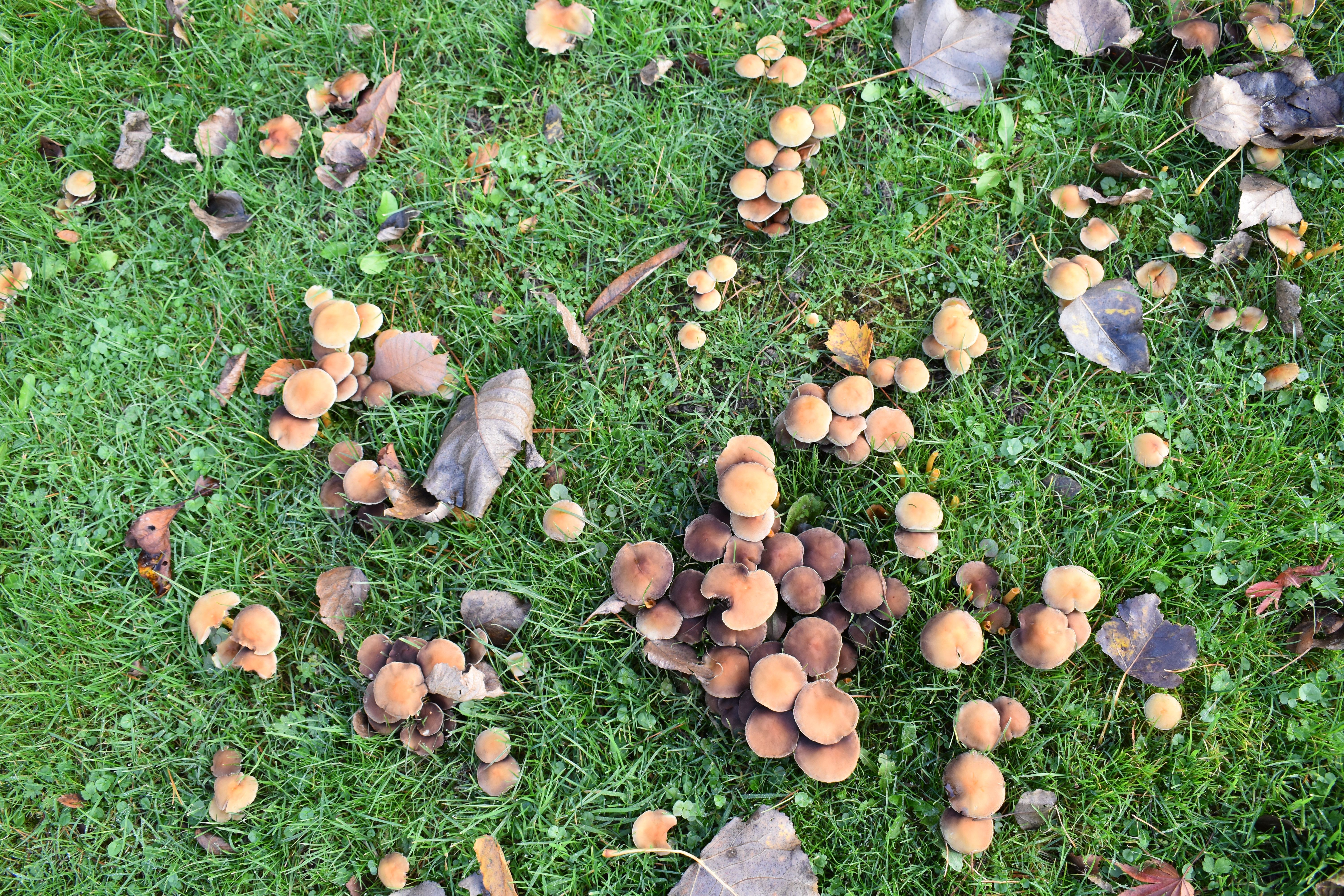
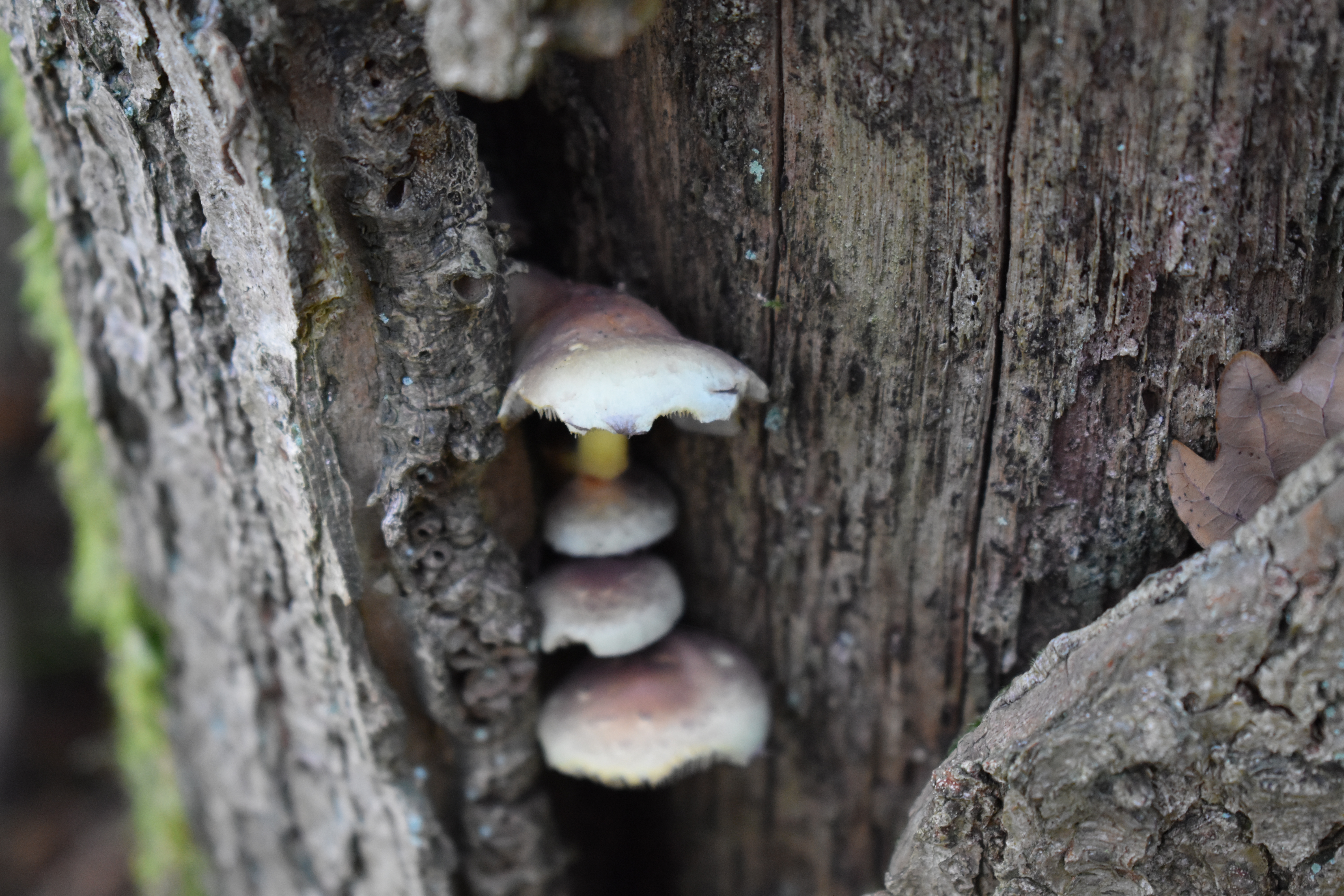
Fungi seem to be appearing so late in the last few years as our climate changes, so we found these examples in a patch of birch trees.
We slowly wandered downhill through woodlands with so many species of our wonderful native tree species. Each different patch of trees seemed to have a different atmosphere depending how bright or shady it was.
Half way down the long slope we came across a wood carver’s workshop with unfinished sculptural pieces among felled trunks. Nearby we found some of his work looking wonderful, some seats some upright pieces.
A refreshing coffee and slice of cake each gave us enough energy to follow another short wander around the Native Tree Trail. Here we found well-labeled specimens of all our native trees around a circular route.
As a finishing treat we looked at other examples of wooden carvings of native mammals created by the onsite wood-carver.
We really enjoyed this stimulating walk enjoying a healthy bout of ‘forest bathing’. We look forward to a future summer visit.
During our autumn stay in Belton in Leicestershire we spent a cold but bright and breezy day with our Leicestershire family. It was so busy probably the busiest country park or walk we have ever wandered around. So many visitors but so quiet.
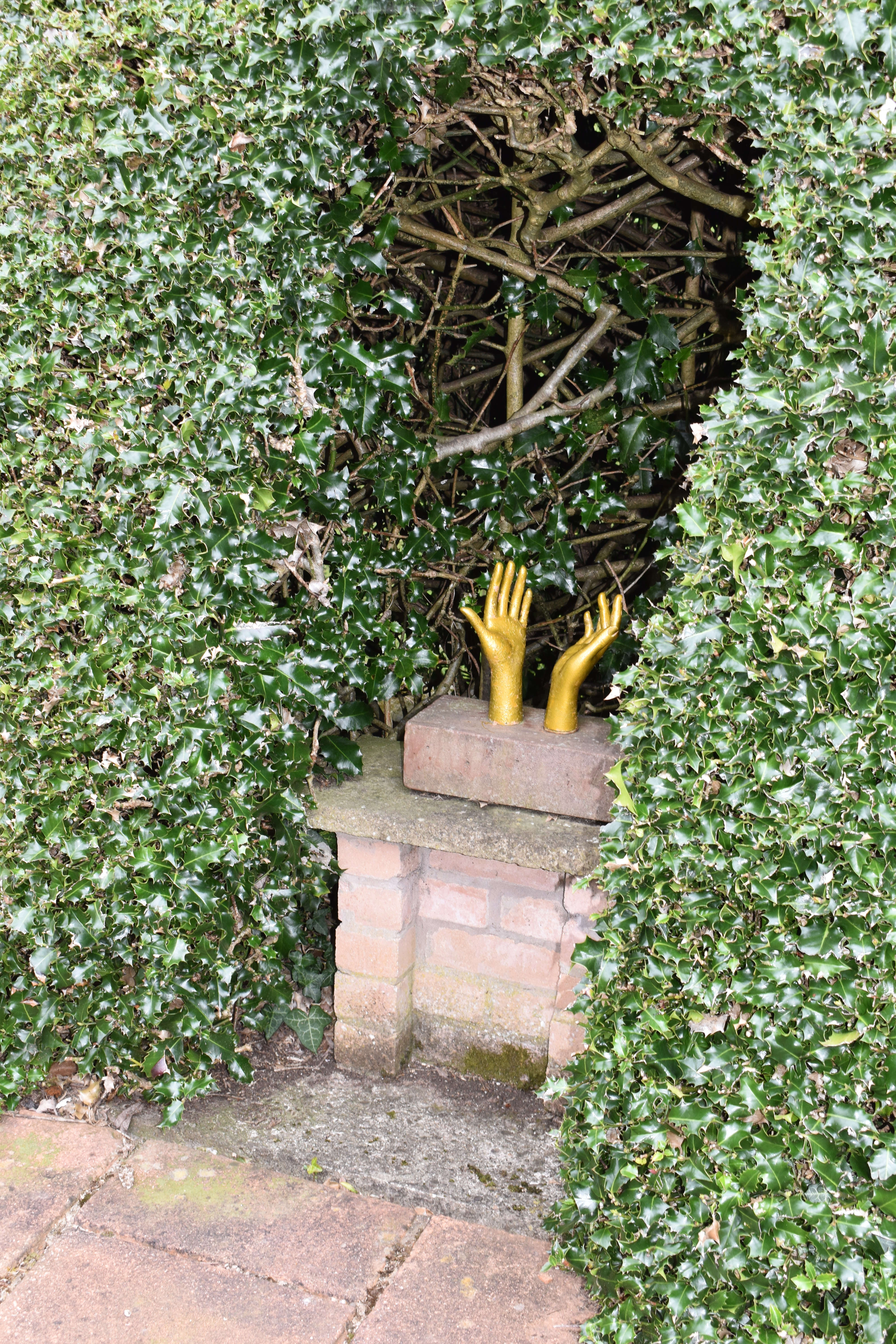
There were some impressive specimen Oaks scattered around the parkland, some showing autumnal leaf colours others old and barely alive.
Our granddaughter Arabella showed us her rock climbing skills which impressed us very much. She seemed to understand about balance, hand holds and foot holds, but also knew when a little help would not come amiss.
The impressive ruins were very typical Tudor in style similar in style and scale as more famous buildings of that era such as Sissinghurst in Kent. There were fine examples of ancient brickwork with handmade and it must be said rather randomly sized red brick.
As we turned back and followed our footsteps we stopped to look at a paddock of wonderful deer with young.
During a short break in autumn in Leicestershire, where we stayed with our son, daughter-in-law and two granddaughters, we made a second visit to the NT site, Calke Abbey, a wonderful place for walks. On our second visit within a fortnight we took a short woodland walk around a reservoir, just a few miles in areas of the woodland.
I shall share my photos in a gallery, which follows below. Enjoy! I hope the gallery manages to convey some of the atmosphere of peace and calm that we felt there.
We traveled down to Gloucestershire to present a garden talk to a gardening club in mid-March. They were a lovely group and the talk entitled “The Power of Gardening” was well received followed by some interesting questions. We stayed overnight at the bottom of Bredon Hill with my sister and brother-in-law. The following day we took advantage of a glorious, sunny day to walk partway up the hill.
As we walked up the lane with its gentle but persistent gradient we wandered through the last of the cottages and marvelled at the beauty of the drystone limestone walls some with vertical capping stones.
We soon left the village behind and continued to climb steadily as the hedgerows become wild and the landscape changed every few hundred yards. Several trees were decorated with mistletoe the beautiful semi-parasitic plant which boasts yellowy-green berries. The seeds inside the berries are distributed by two birds, the mistle thrush and the blackcap. Moss, algae and lichen adorned every fence, tree, gatepost and gate, turning them so many shades of green, yellow and grey.
The hedgerows and verges were hosts to many early spring wildflowers and a few garden escapees. The blossom coming out on the hawthorn was so out of season as their common name Mayflowers give a clear indication of when they normally decorate our hedgerows.
The lane we were following became a track and took us through open countryside and through a hamlet of limestone houses hiddenbehind tall walls, hedges and gates. Here we found interesting little surprises.
Beyond this cluster of buildings we walked further uphill until we felt we had had enough so sat for a rest before descending following the same route. But the walk had one more surprise in store for us, a decorated red telephone box.
What made this walk so special was the fact that Bredon Hill was the favourite place to walk to for my family as I grew up nearby. It was here with its richness of wildlife from plants, to butterflies and from insects to deer that I developed my deep love of the natural world. Also when Jude and I were training to be teachers we chose this hill as the subjects of our dissertations. But within a few years of beginning my teaching career I had a serious road accident which meant for decades I could not walk far and certainly would never have climbed Bredon Hill. This walk was the first time for about 50 years that I made the climb up the hill.
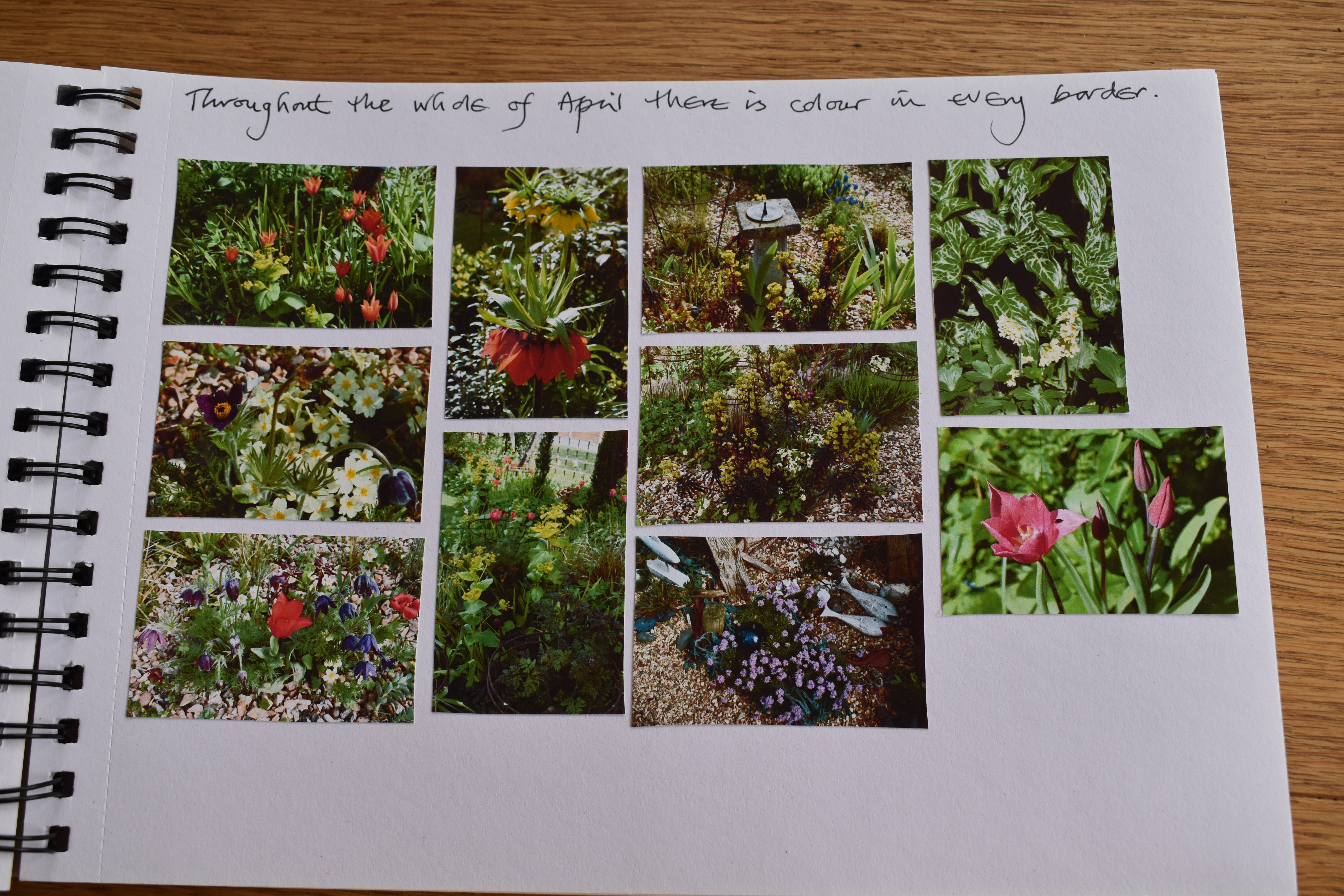
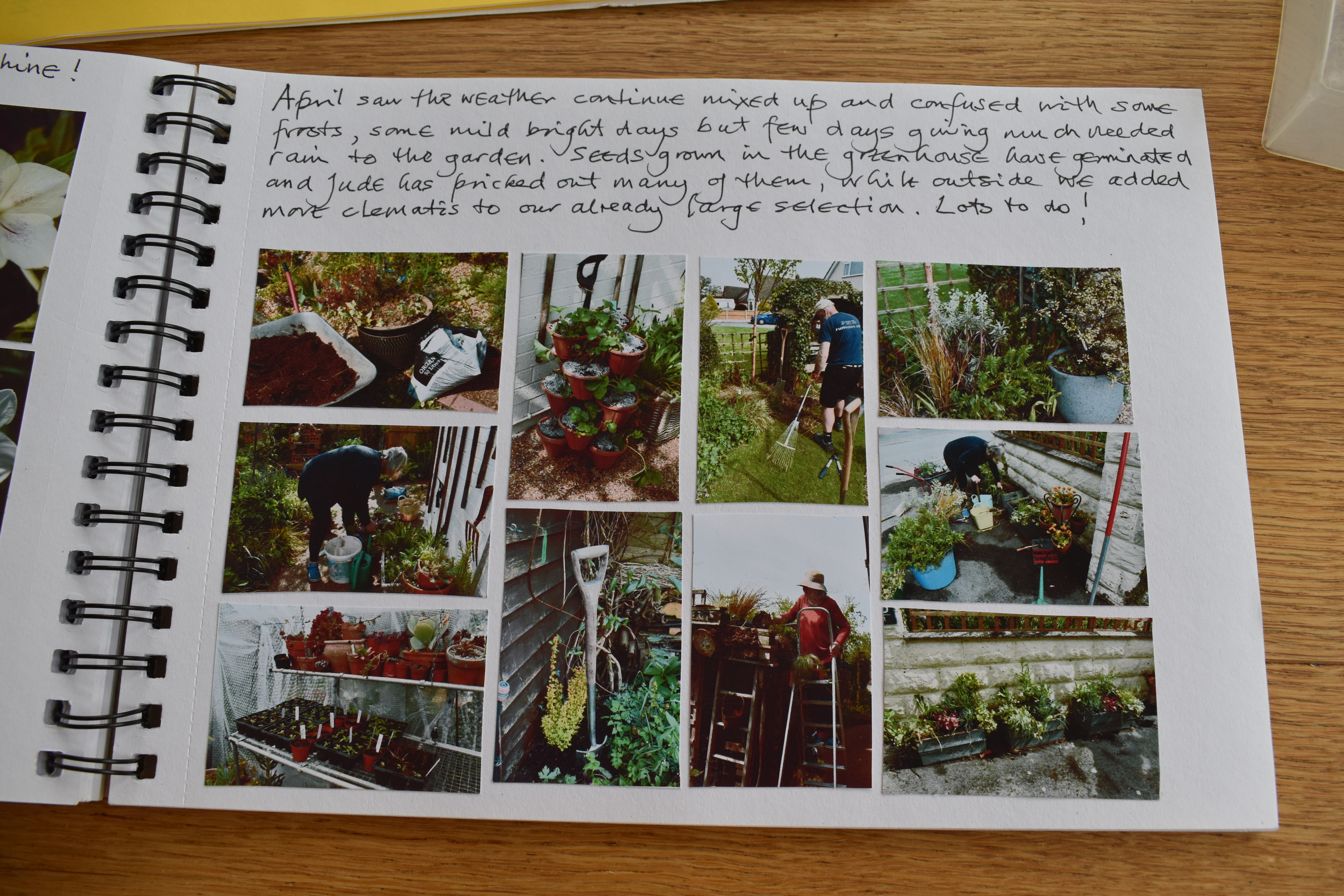
Back with another look at entries in my garden journal, this time for March 2022, when perhaps we may spot some signs of spring?
On the first page I welcomed in the new month by considering our flowering shrubs that gave us colour at the beginning of March, and wrote,“March certainly “came in like a lion” with storm after storm attacking the garden with gales and heavy rain, sleet, hail and snow. Nevertheless our winter-flowering shrubs shone through.”
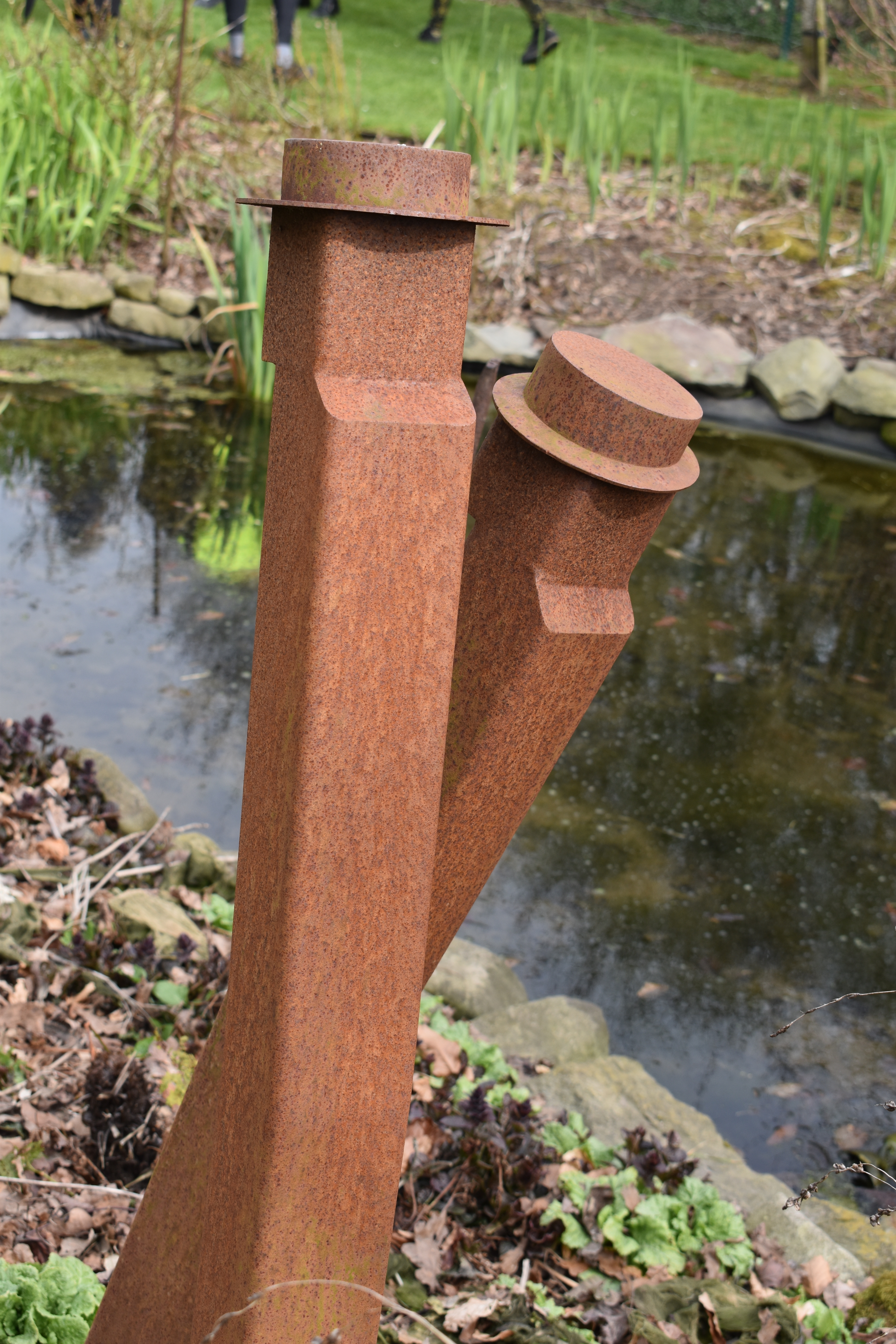
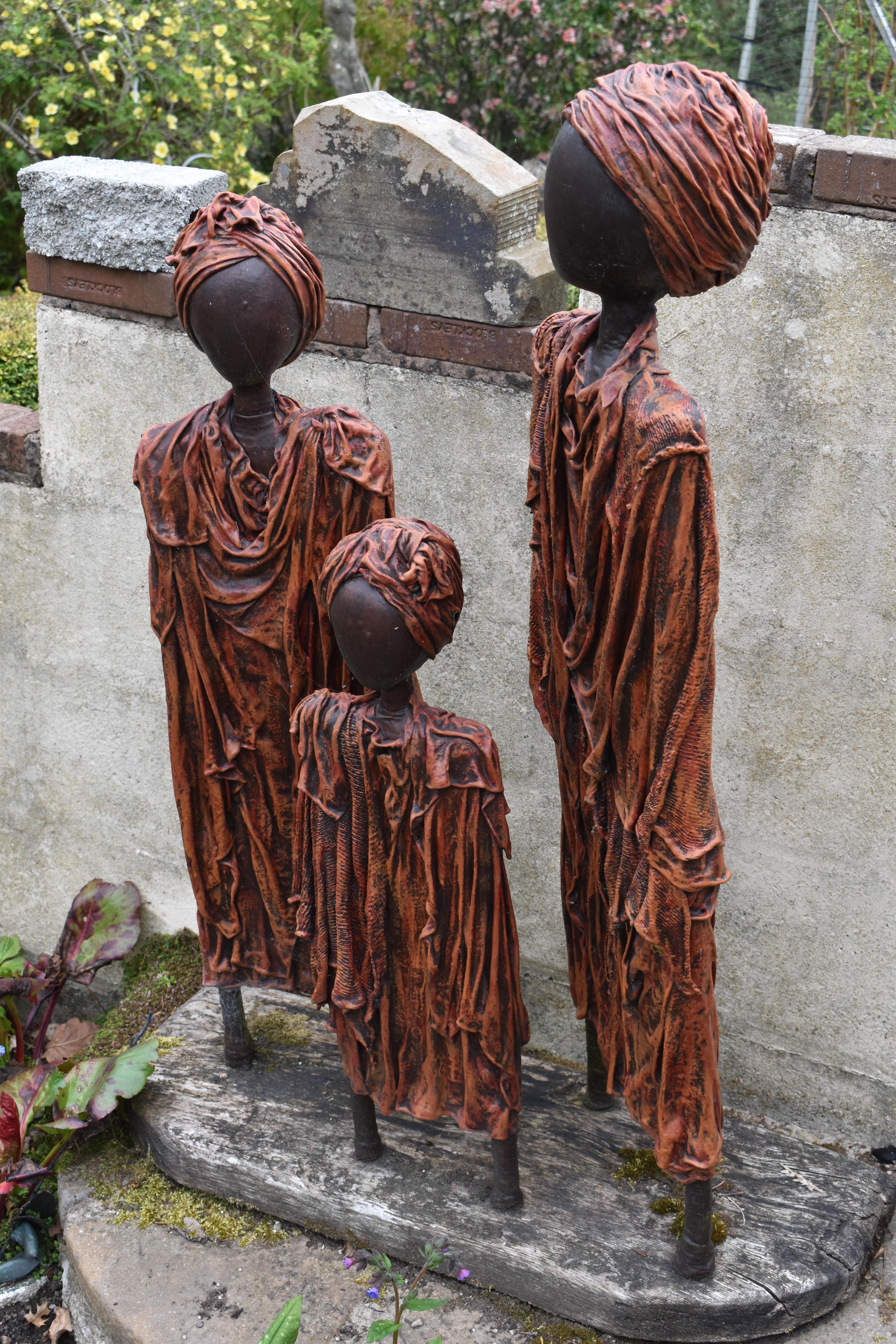
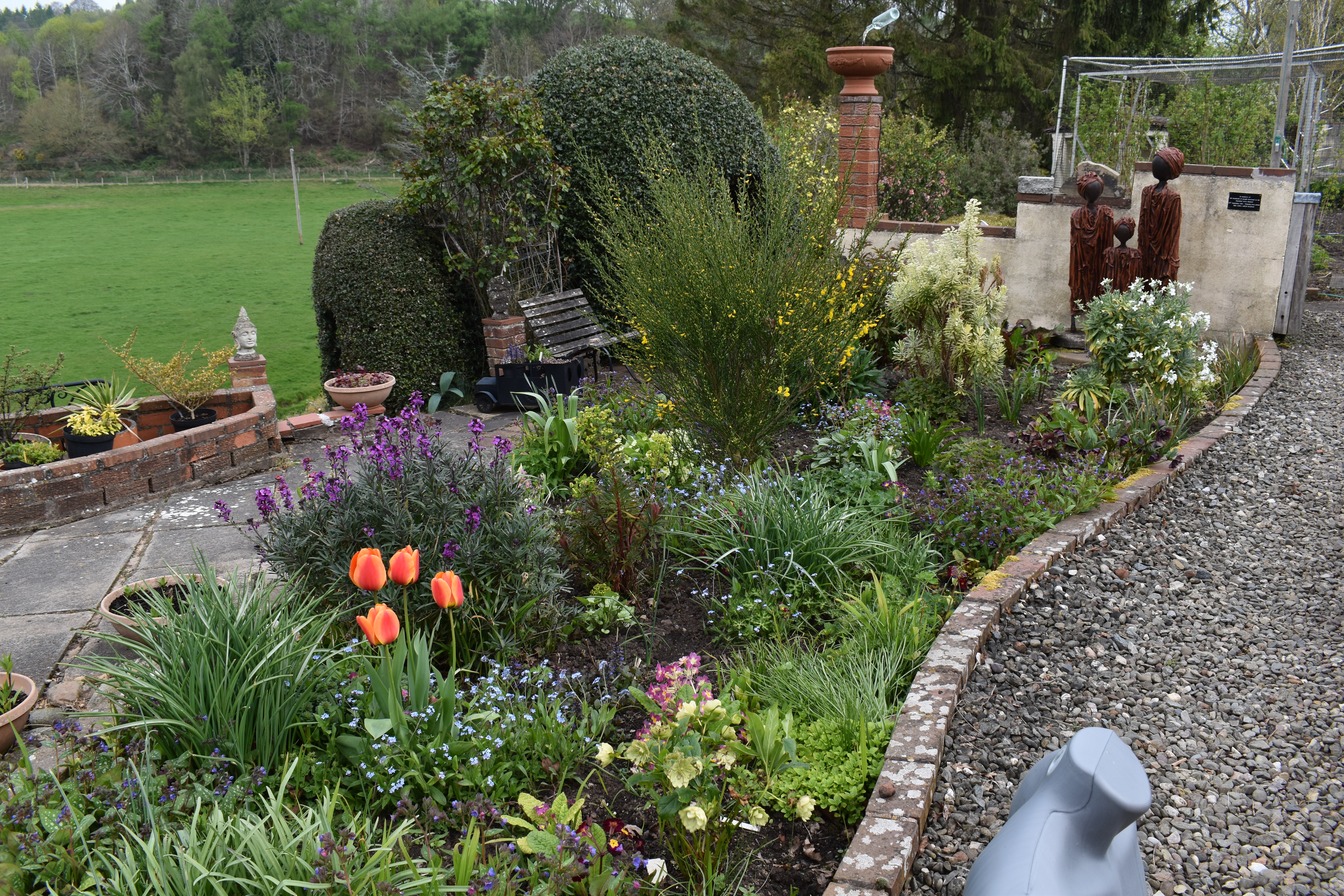
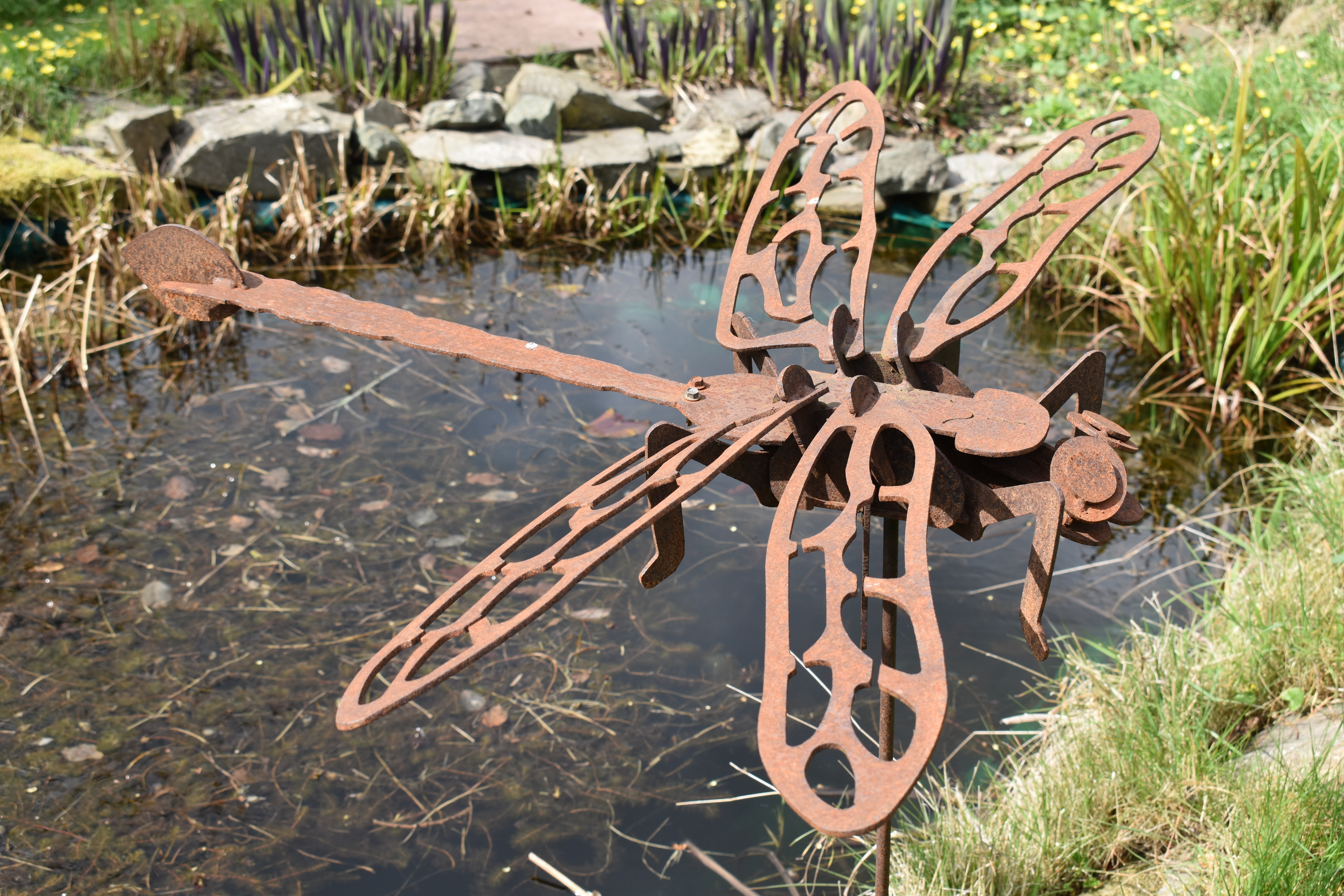
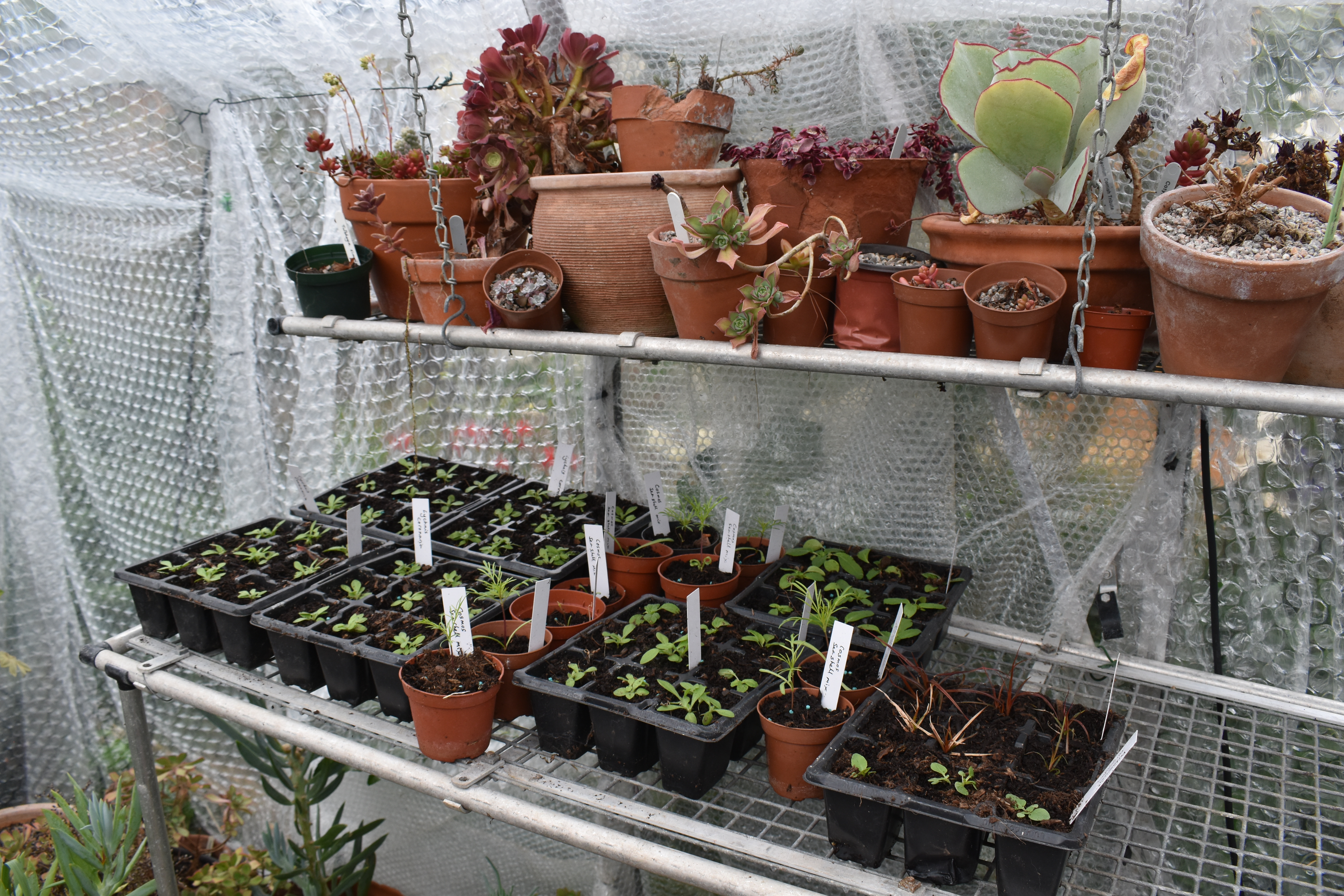
On the opposite page I looked at the garden tasks were worked on early in March. I noted, “As the winds and rains abated we had a few days of bright, mild weather, so we enjoyed long days in the garden. We finished the ‘Shade Border’ revamp and added sculptures I had made from rusted whisky barrel hoops. We also finished gravel seat base and planted bulbs of small summer flowers in ‘Arabella’s Garden’. Jude sorted out the nursery shelves, sowed seeds of herbaceous perennials in the greenhouse and cleared the rill of dead leaves.”
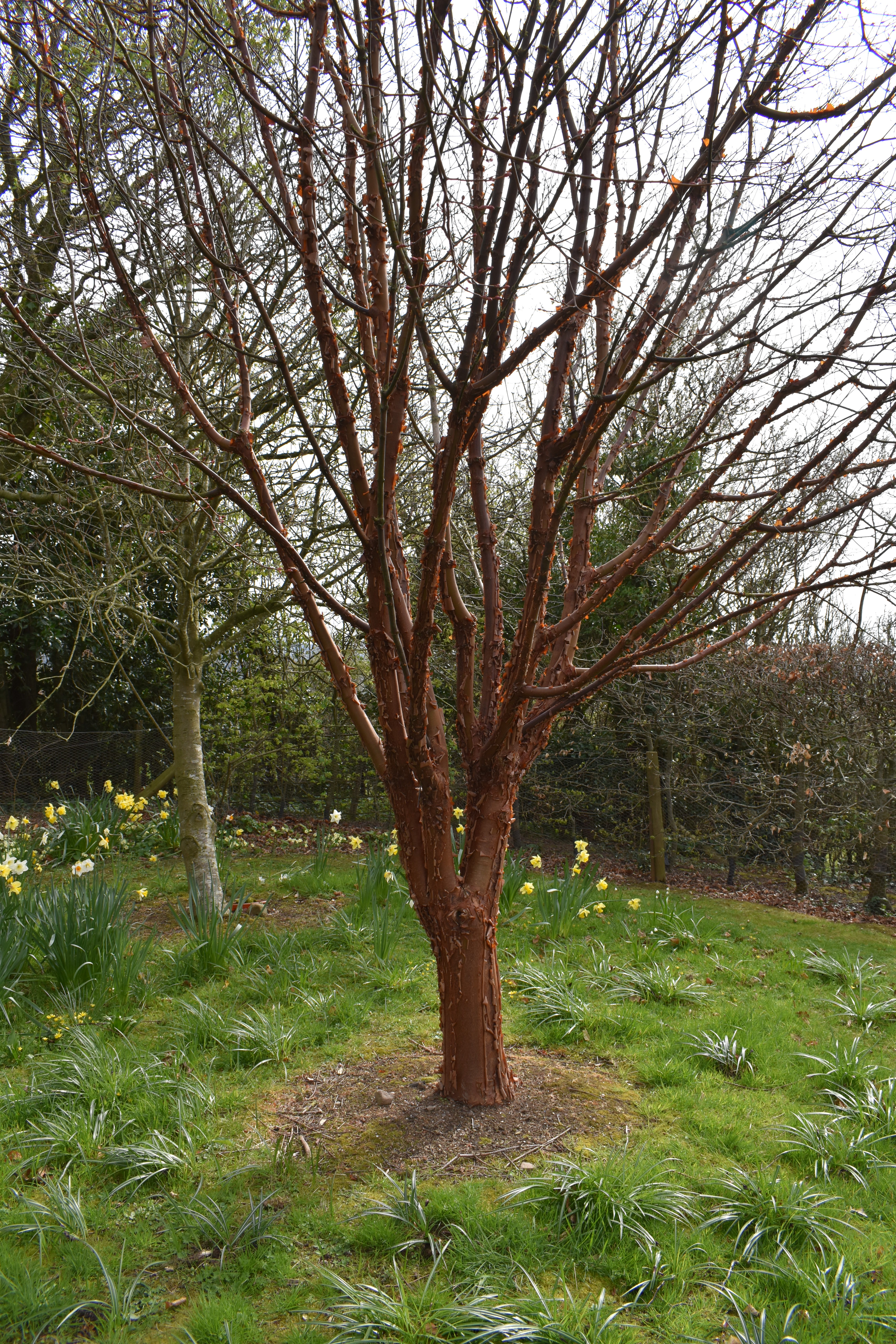
Over onto the next double page I looked firstly at freshly emerged foliage and then at hellebore hybrids.
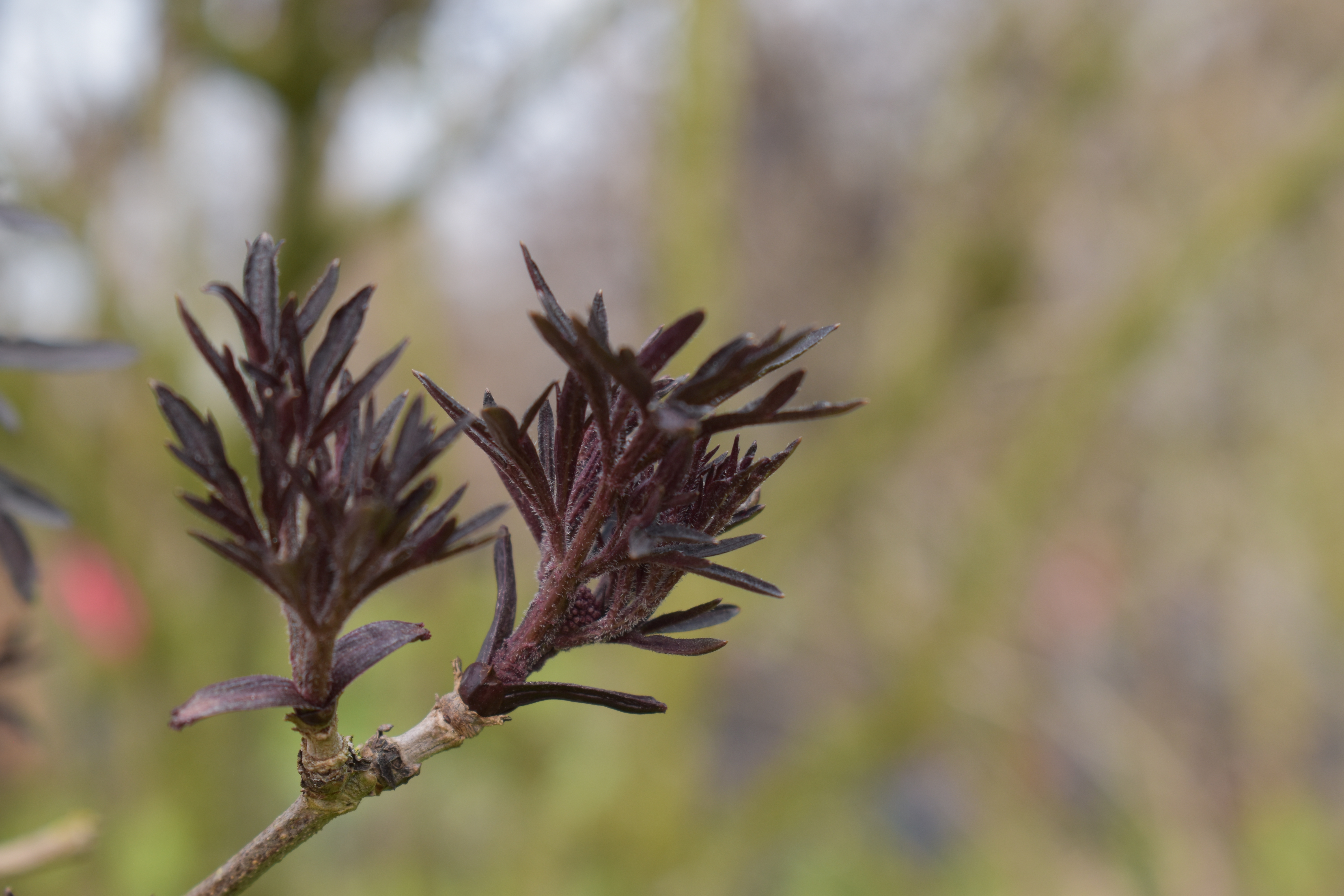
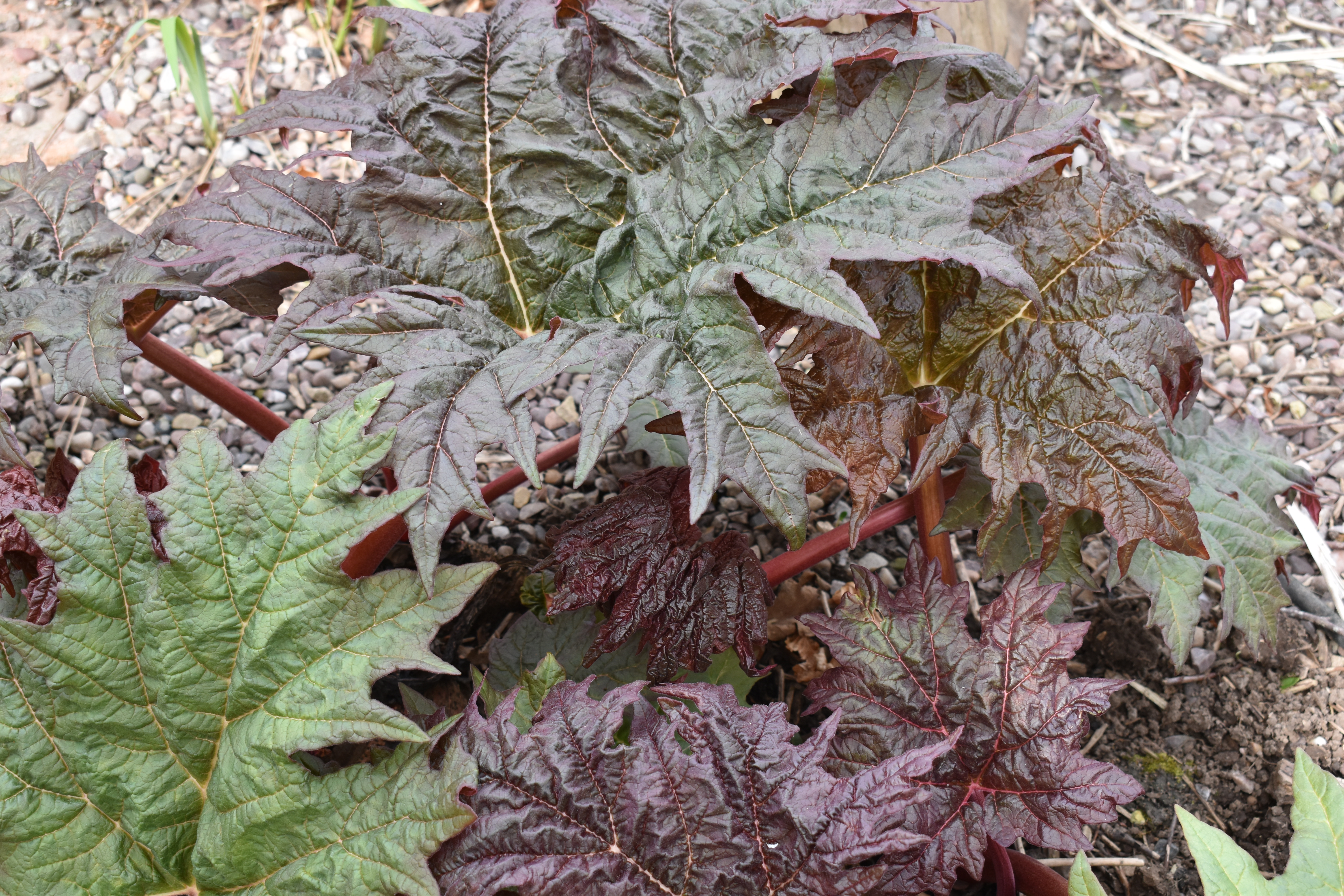
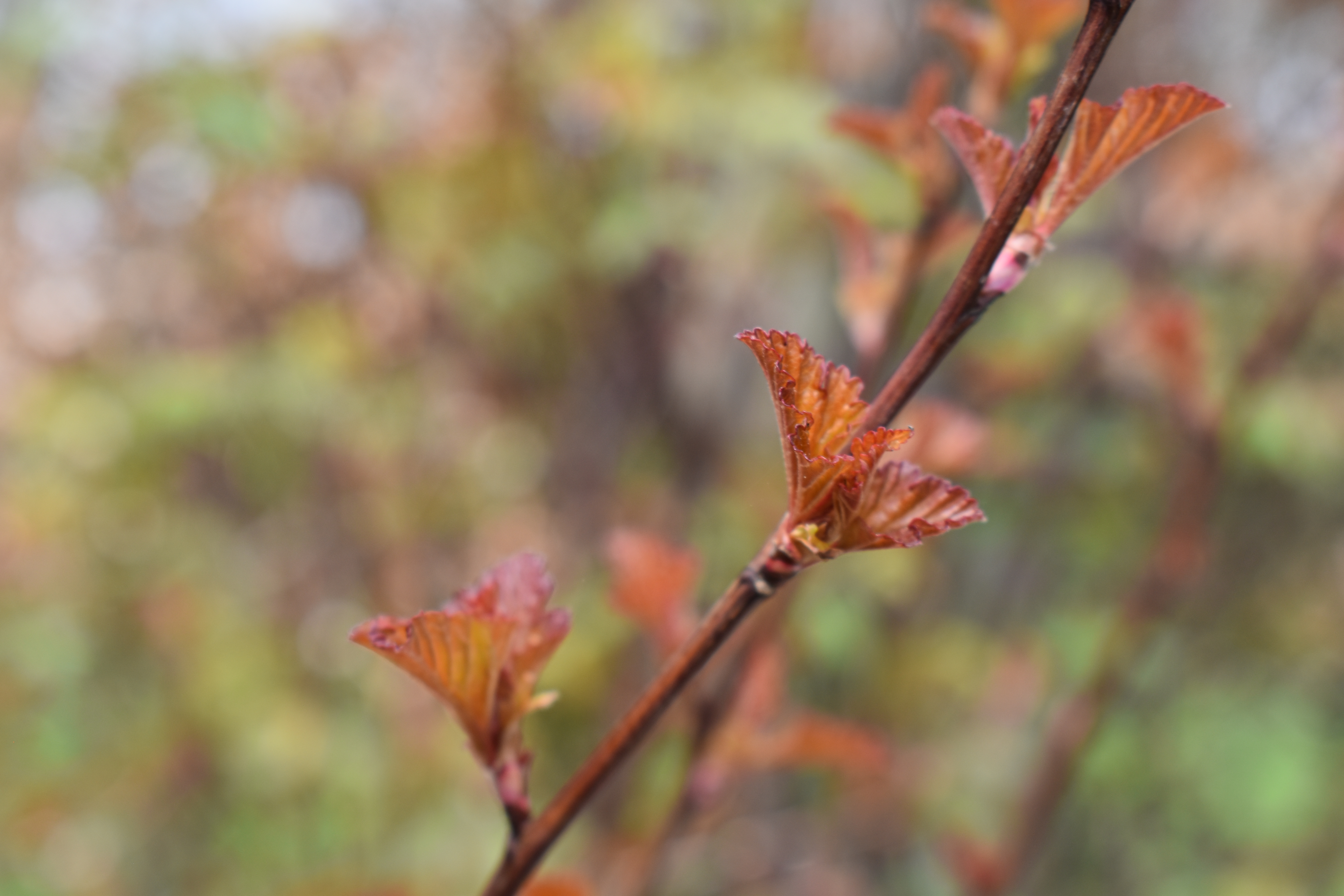
Concerning foliage I noted, “March is the month when buds of deciduous shrubs, climbers and perennials burst into life with fresh foliage.”
I then shared a set of ten fresh foliage photos.
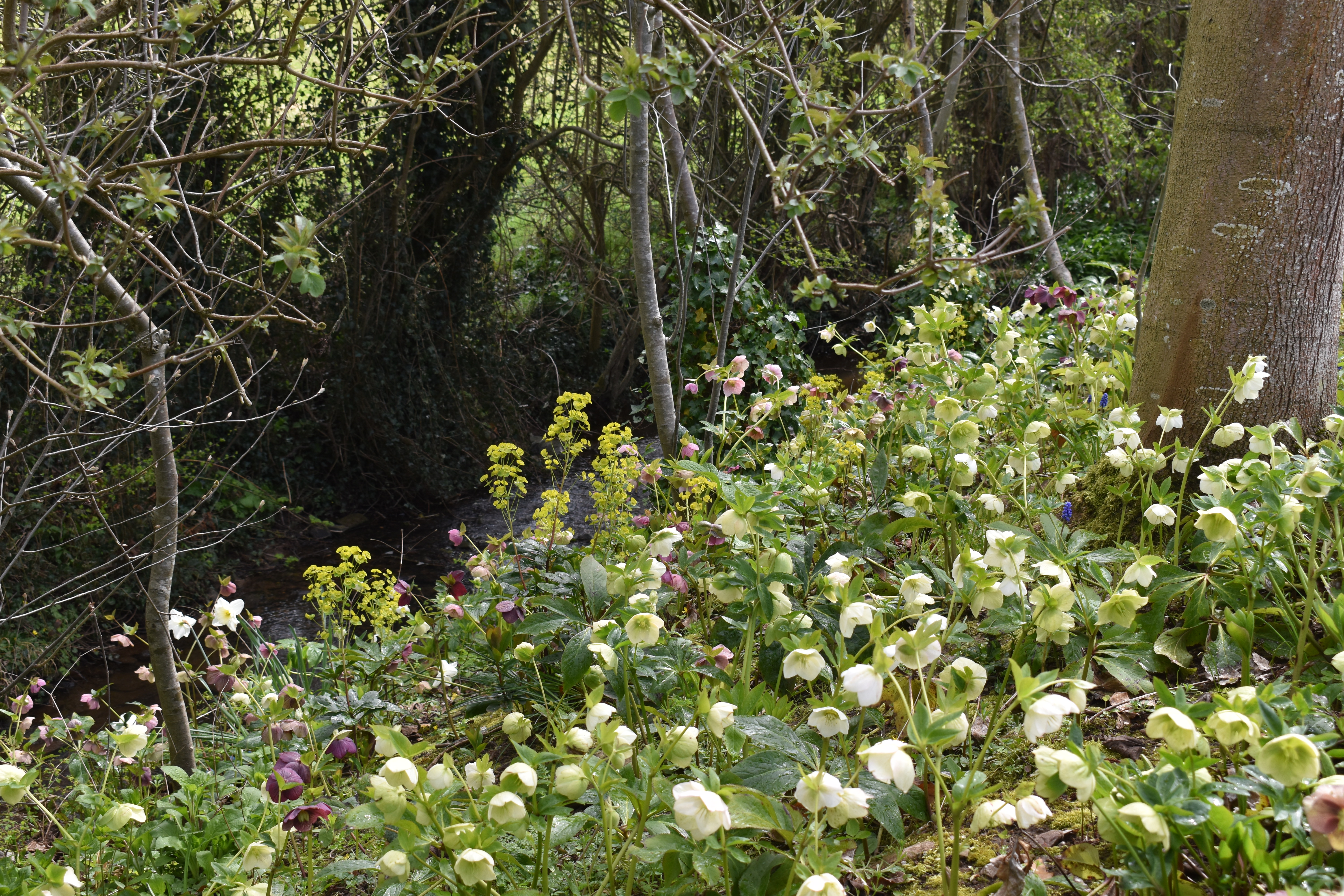
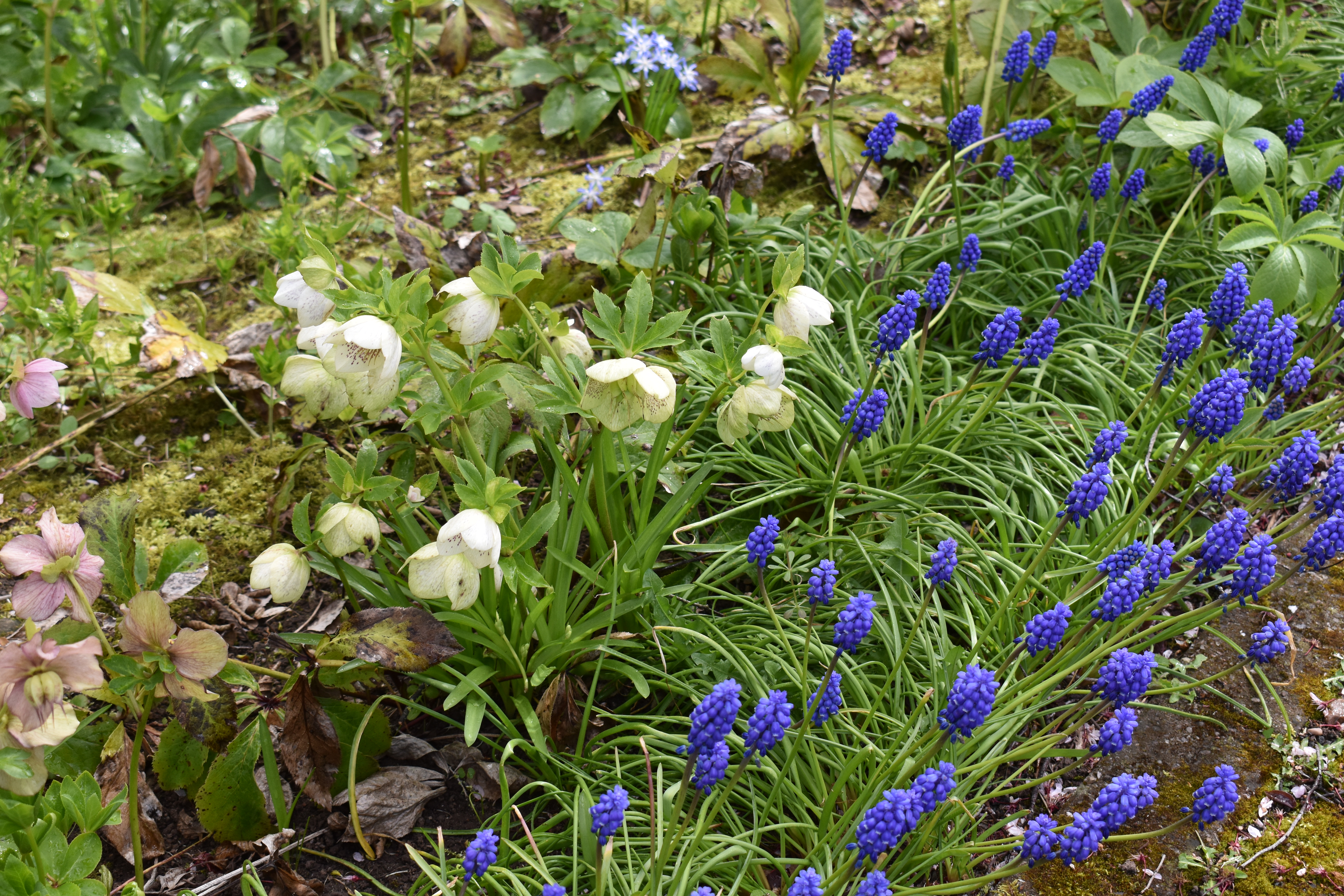
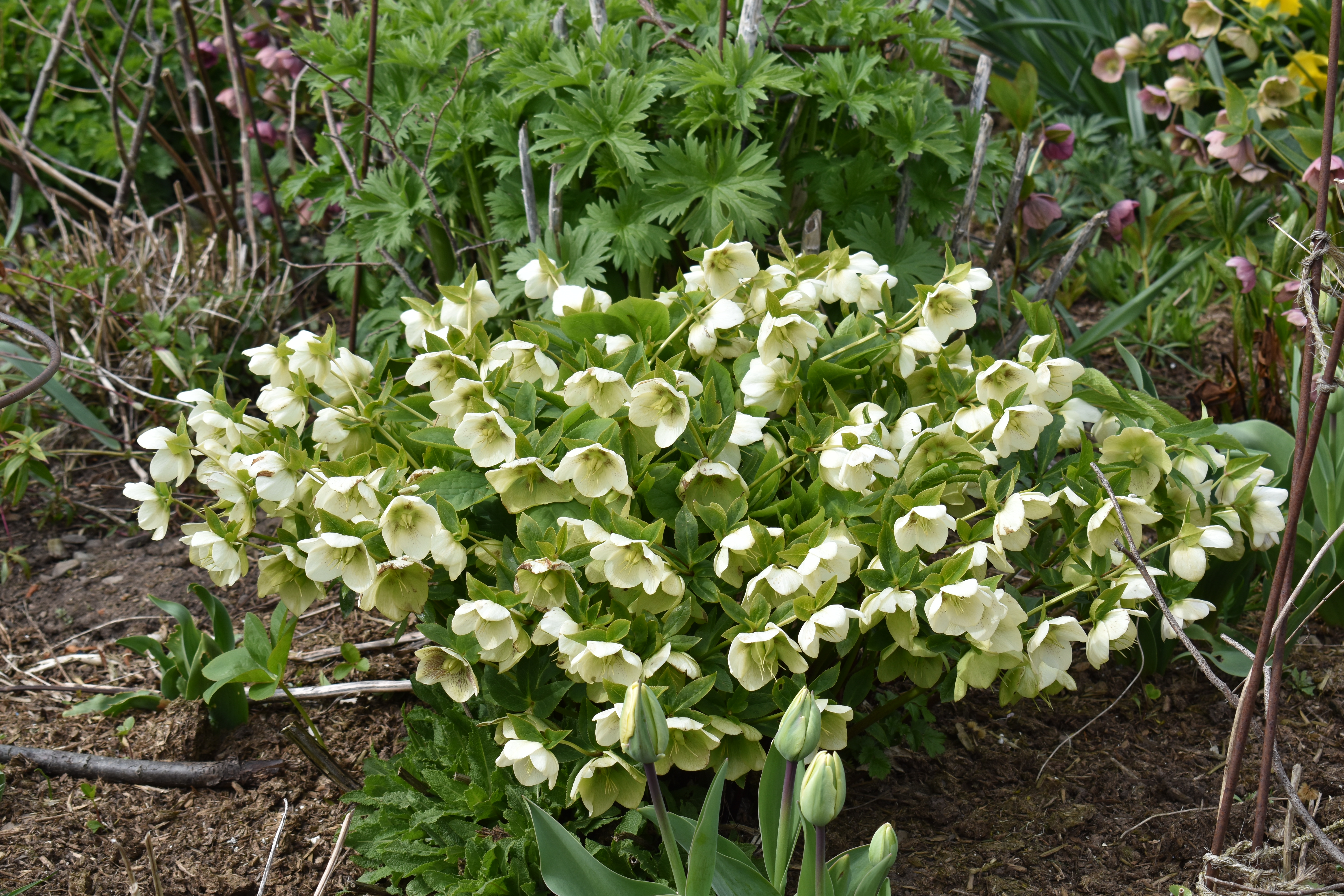
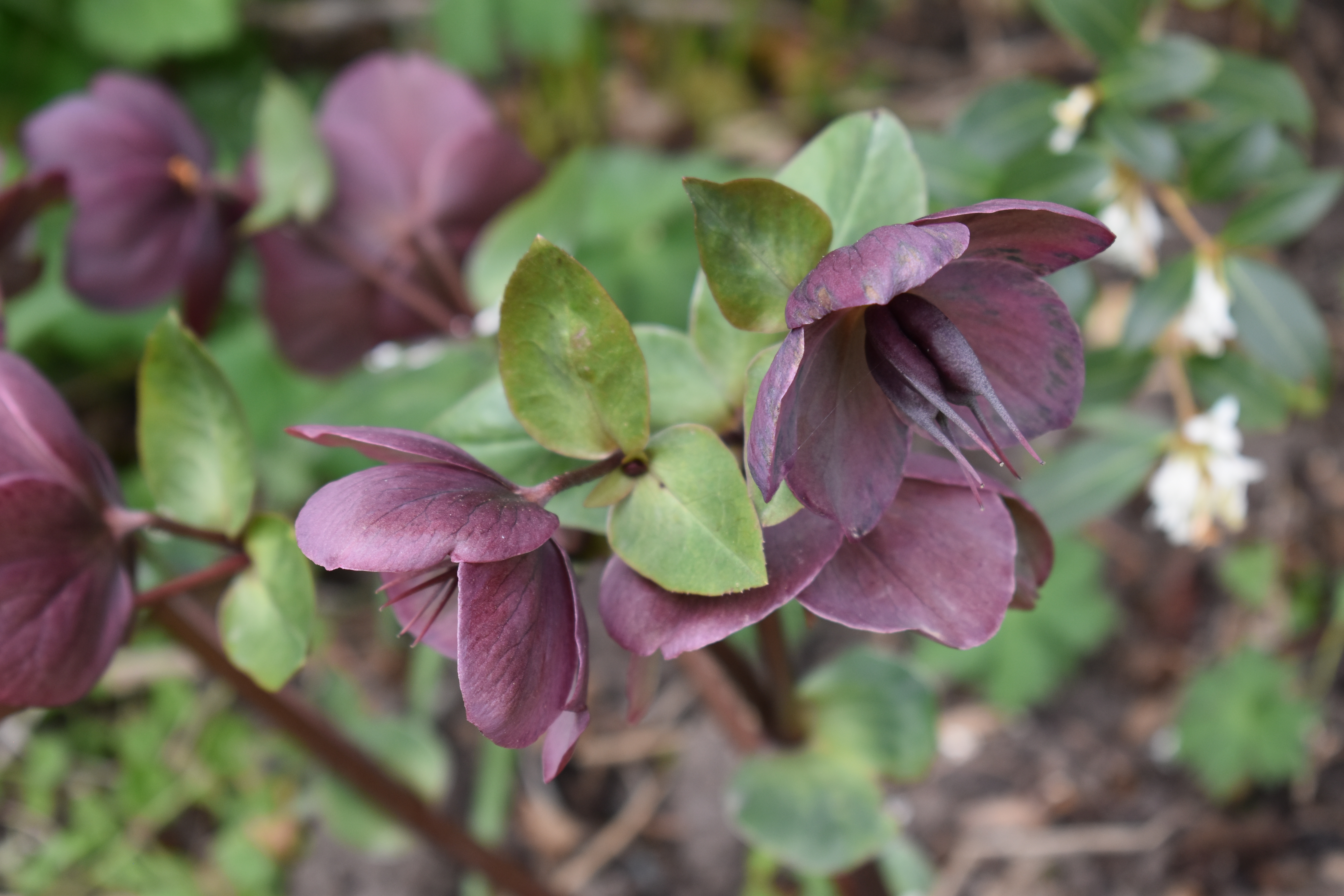
We grow so many hellebores that it was hard to select just a handful to fill a page with their photos.
Over onto the next double page spread I shared gardening tasks and the bright colours of the March favourites, daffodils.
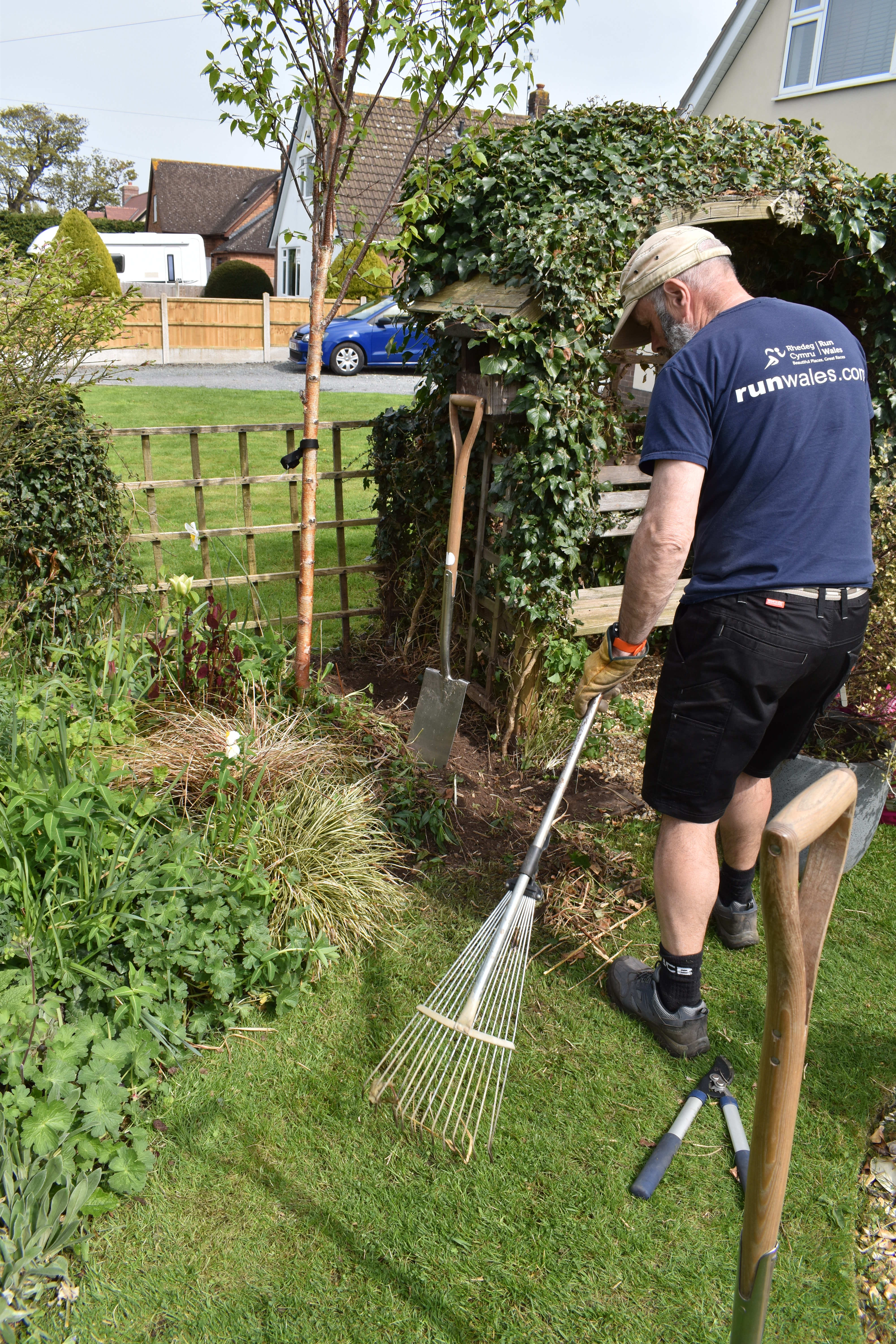
Concerning our tasks I wrote,“March weather settled down to give us bright sunny days and we gardened under clear blue skies, which Jude described as ‘wall to wall blue’. We replaced the trellis at the entrance to the garden, cut down grasses and perennials in the ‘Chatto Garden’ while Ian replaced our lavender hedge on the road edge as the plants had been destroyed by tractors that are far too big for our lane.”
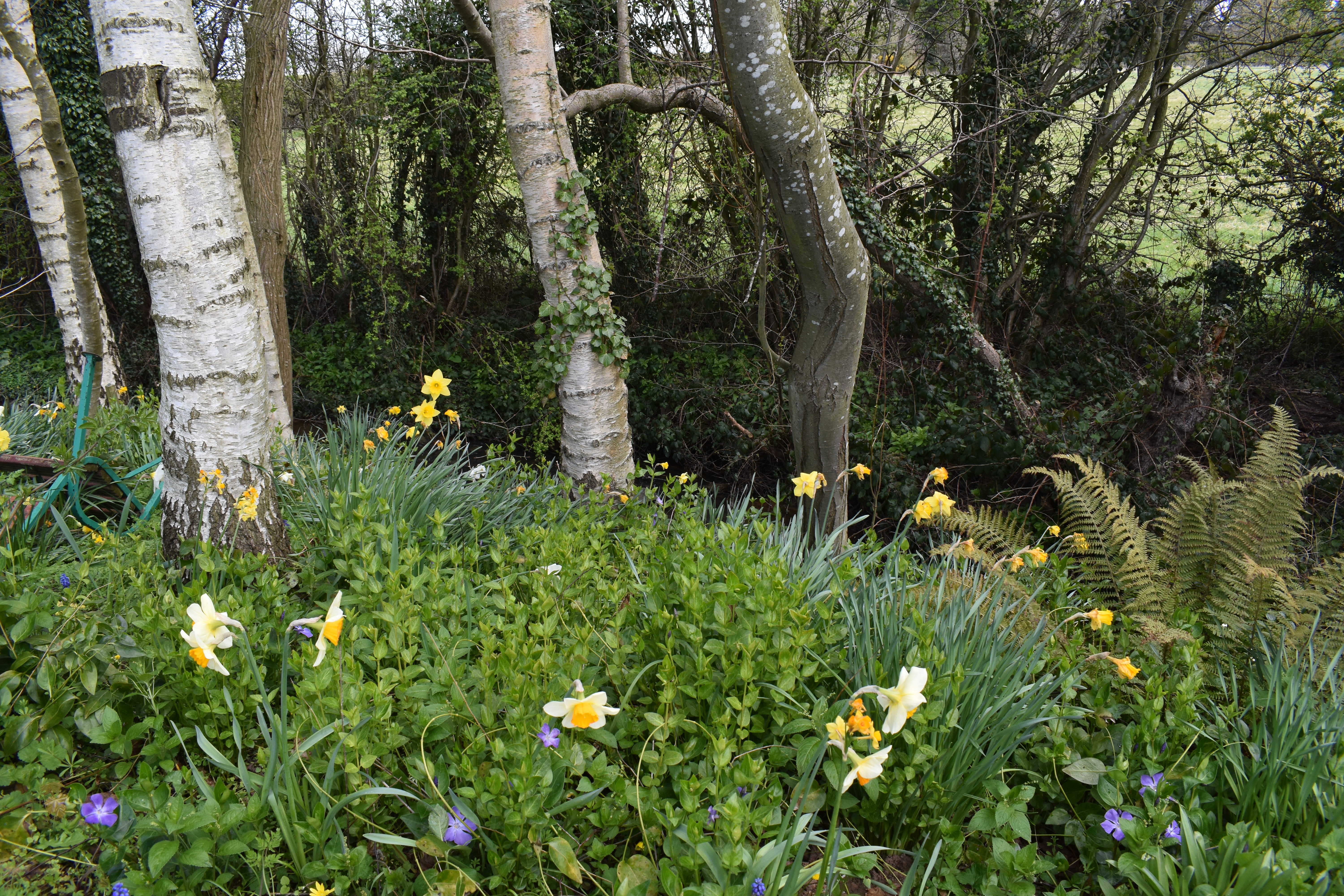
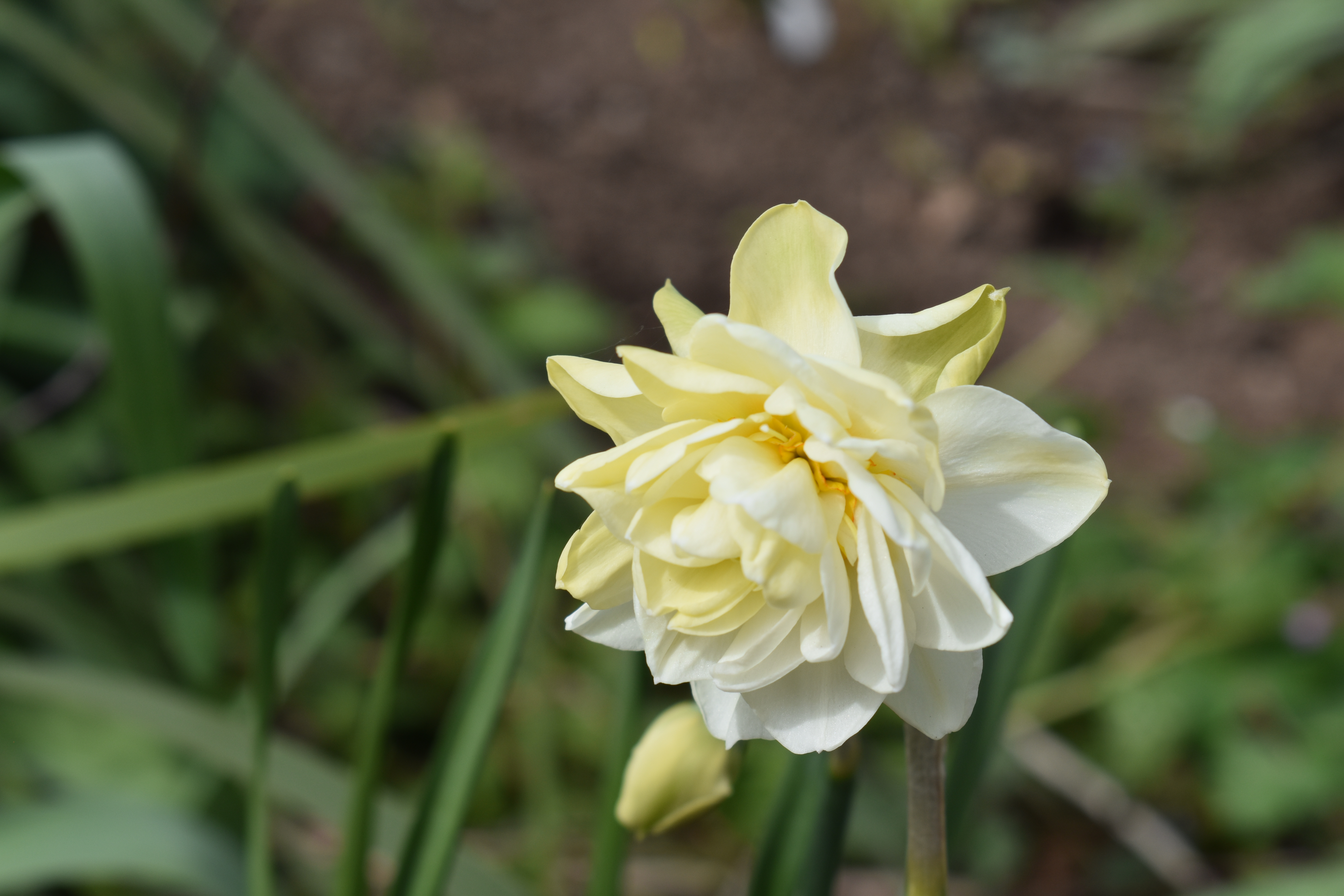
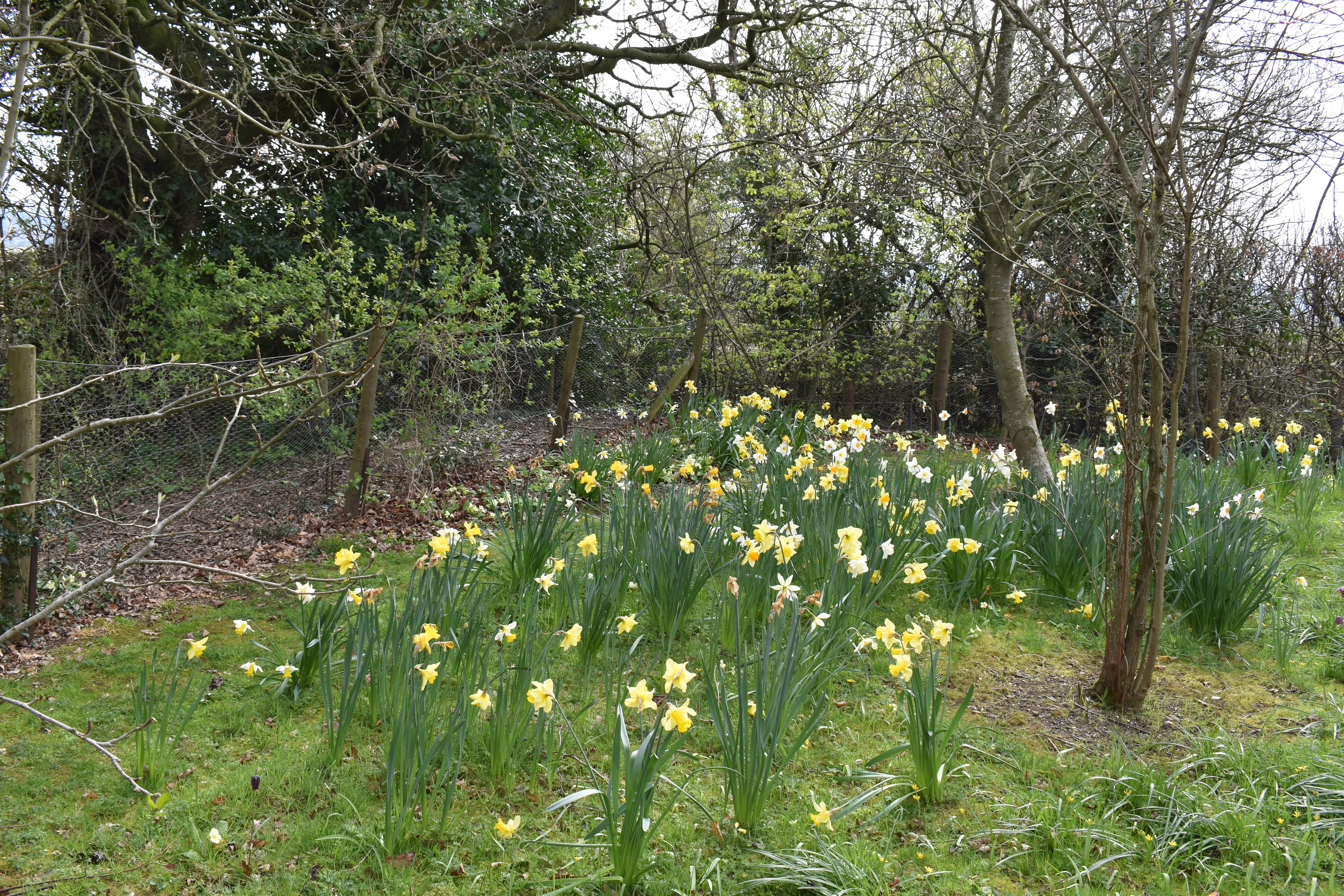
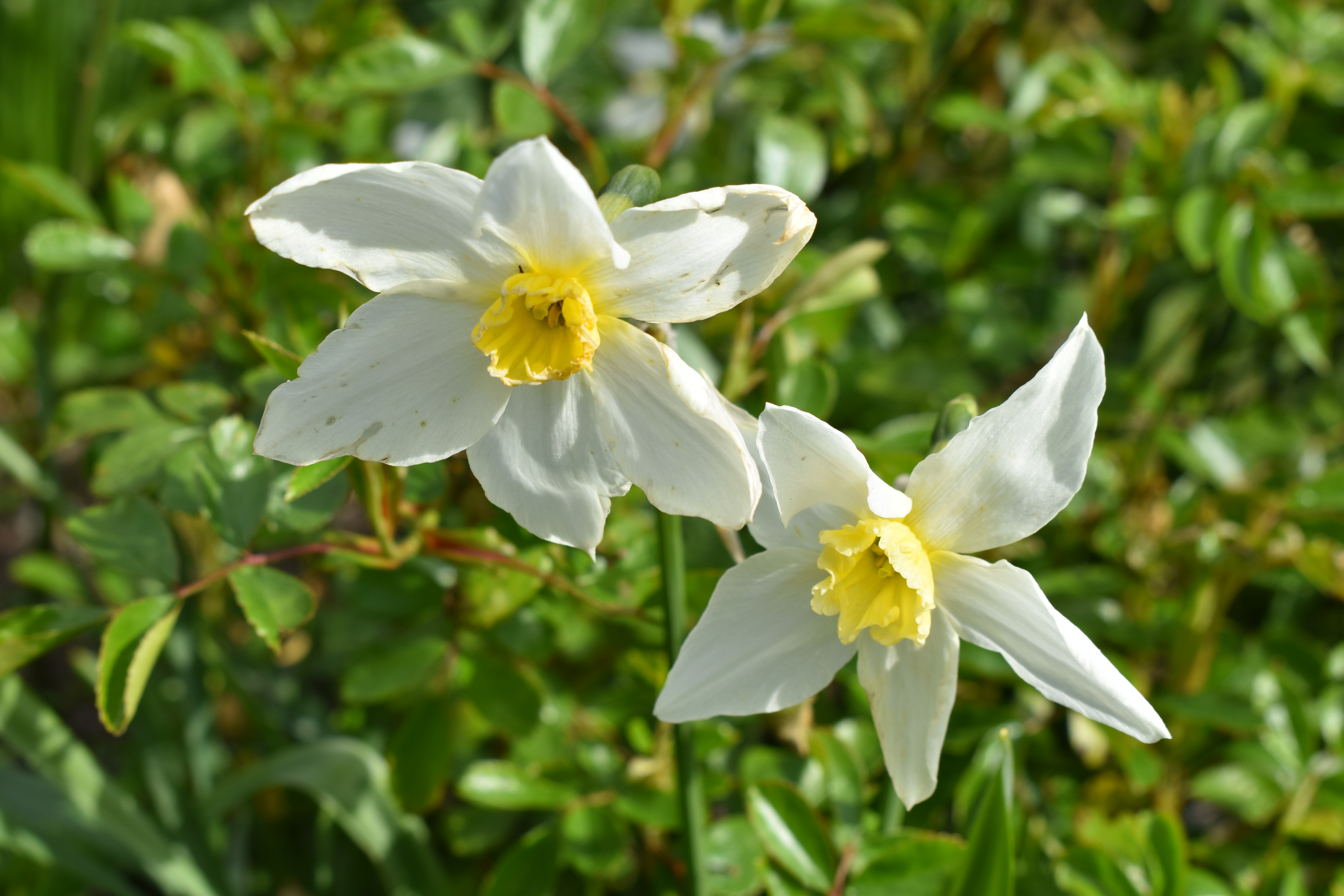
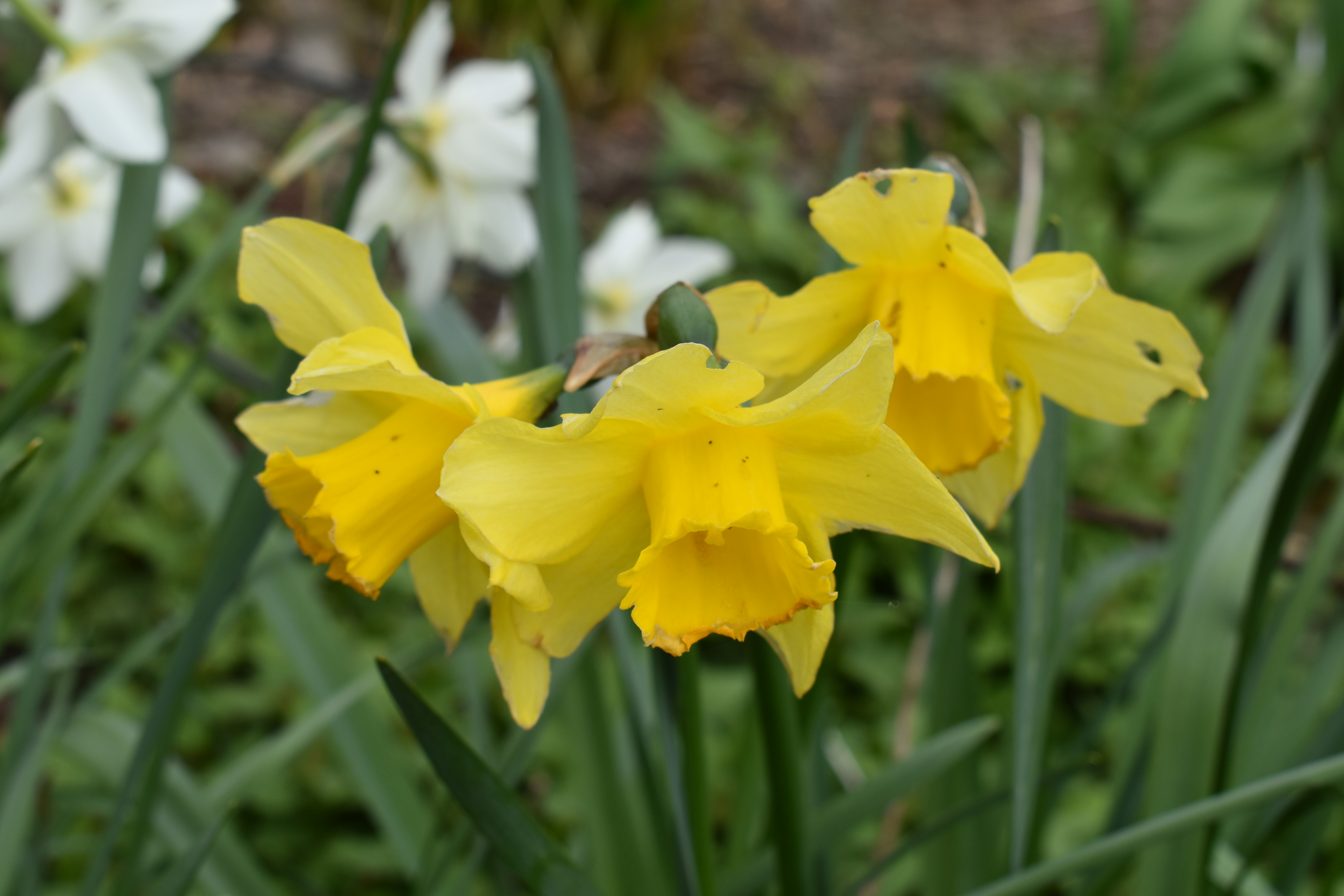
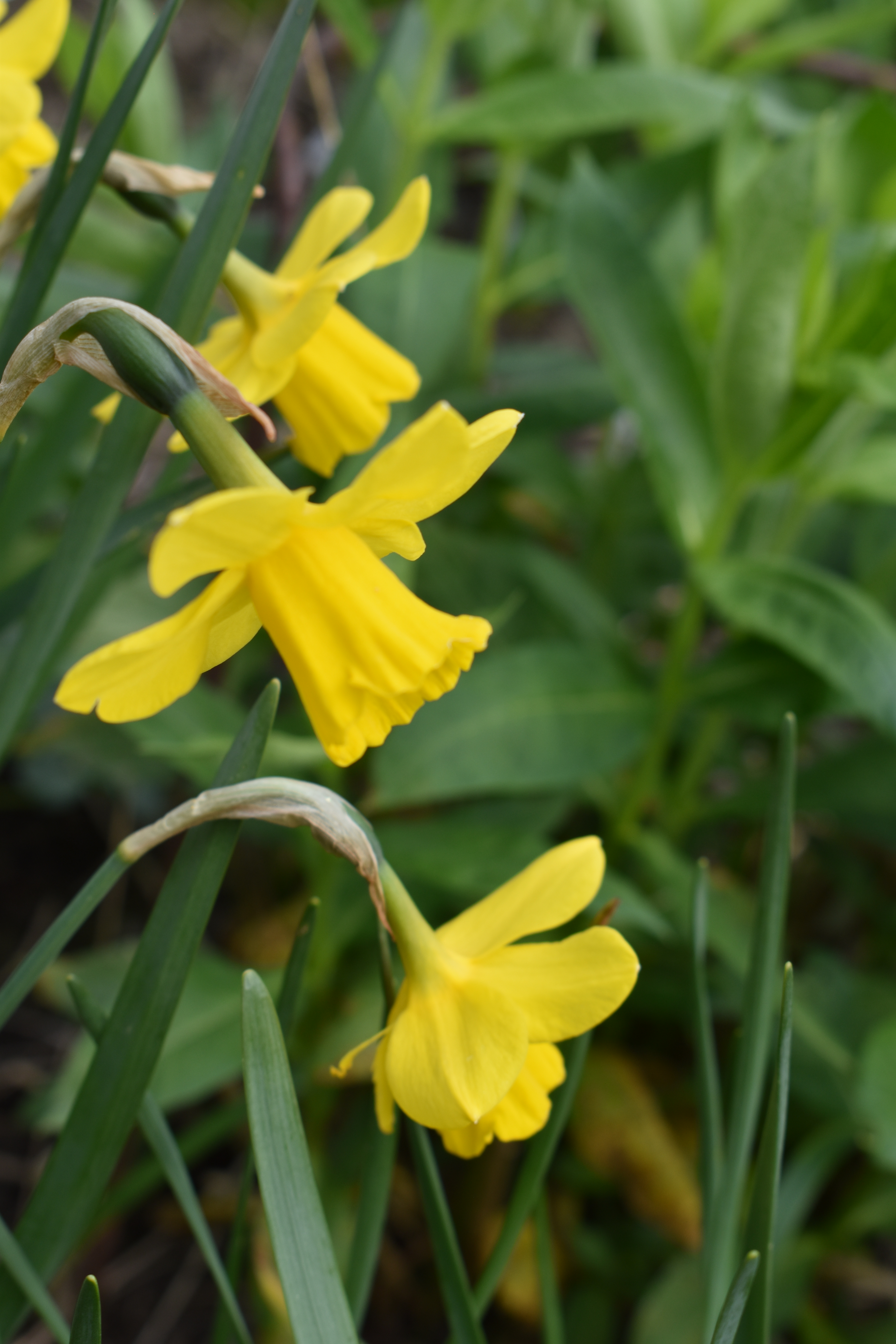
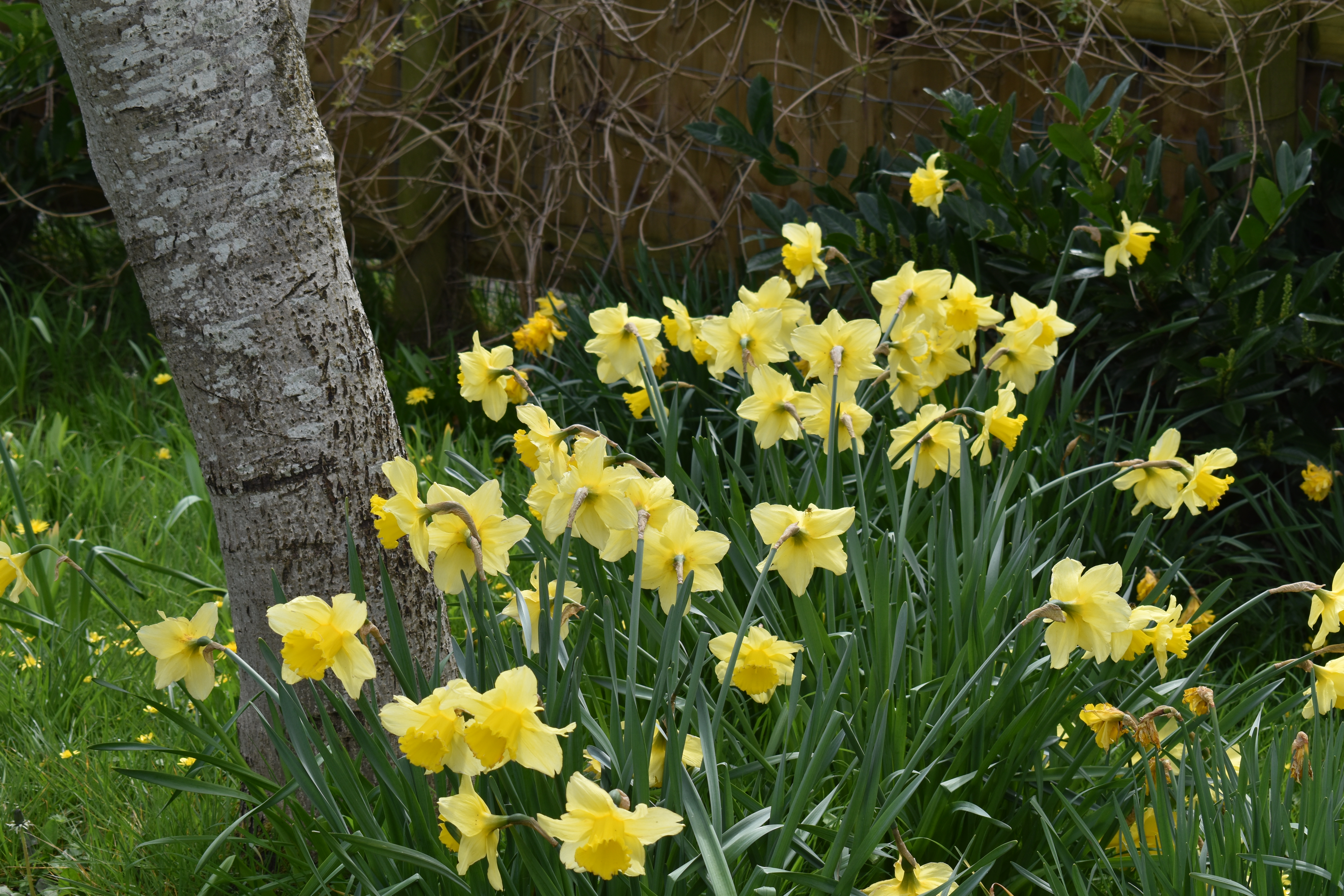
Next I looked at daffodils and selected just nine to photograph and share just for a taster.
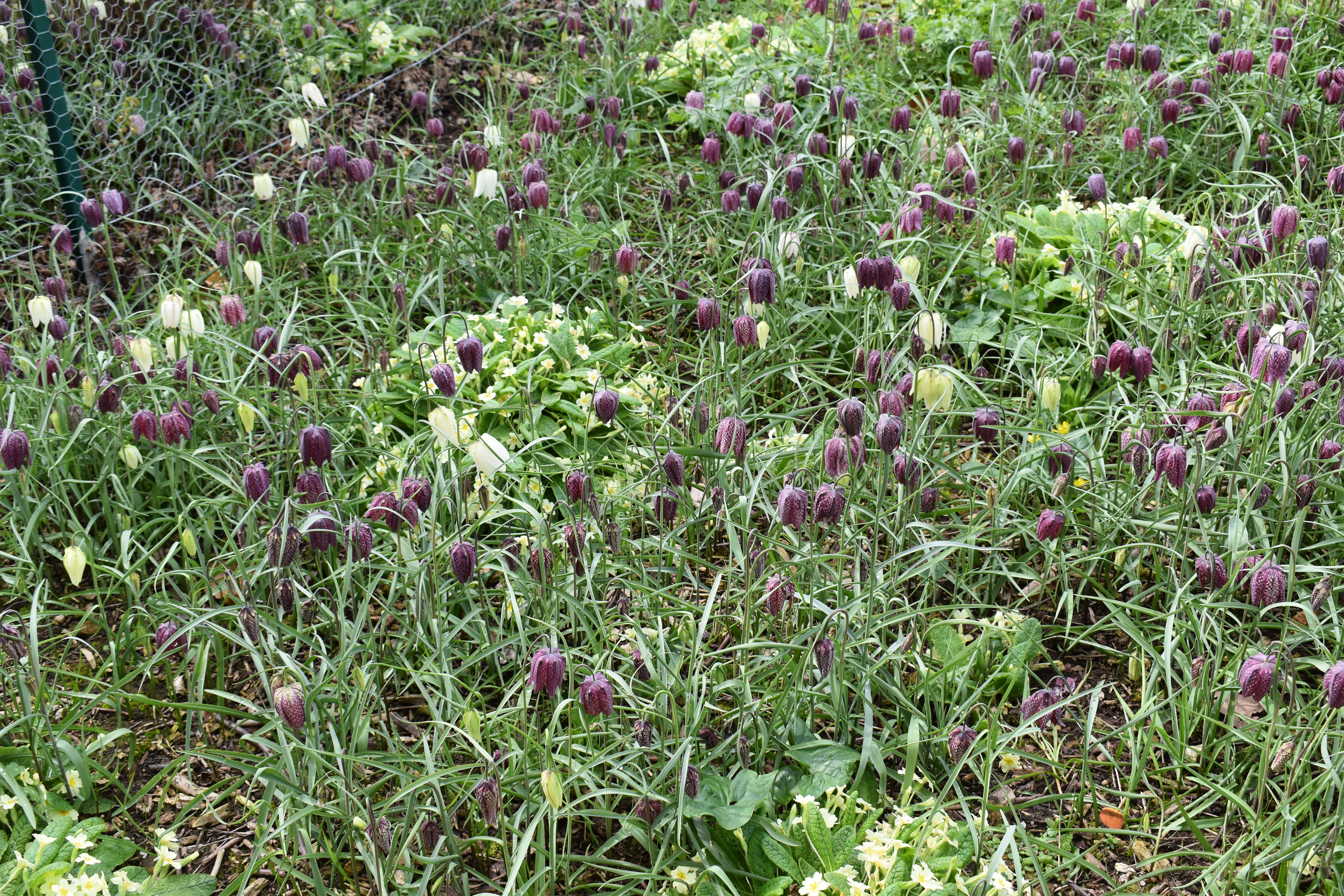
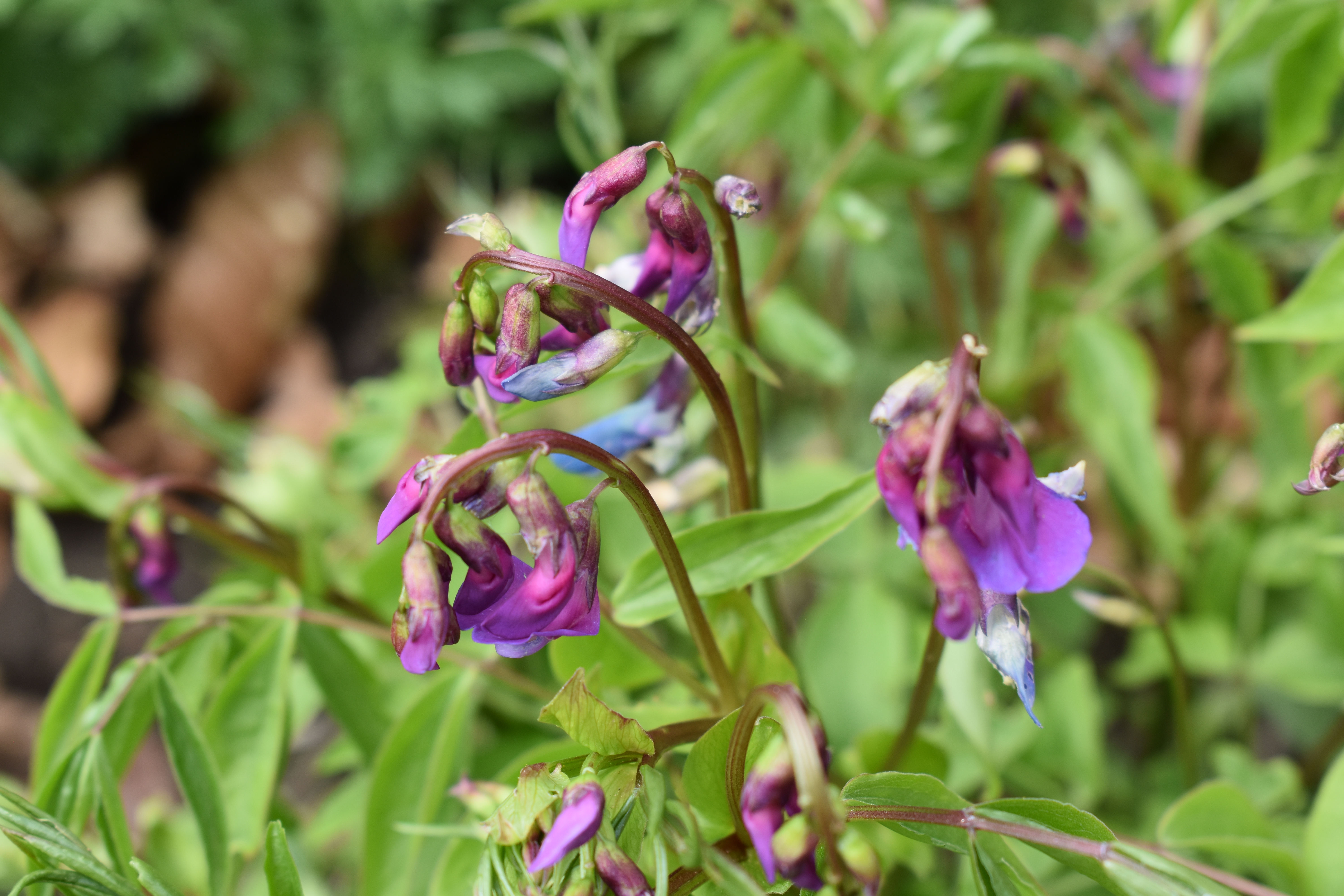
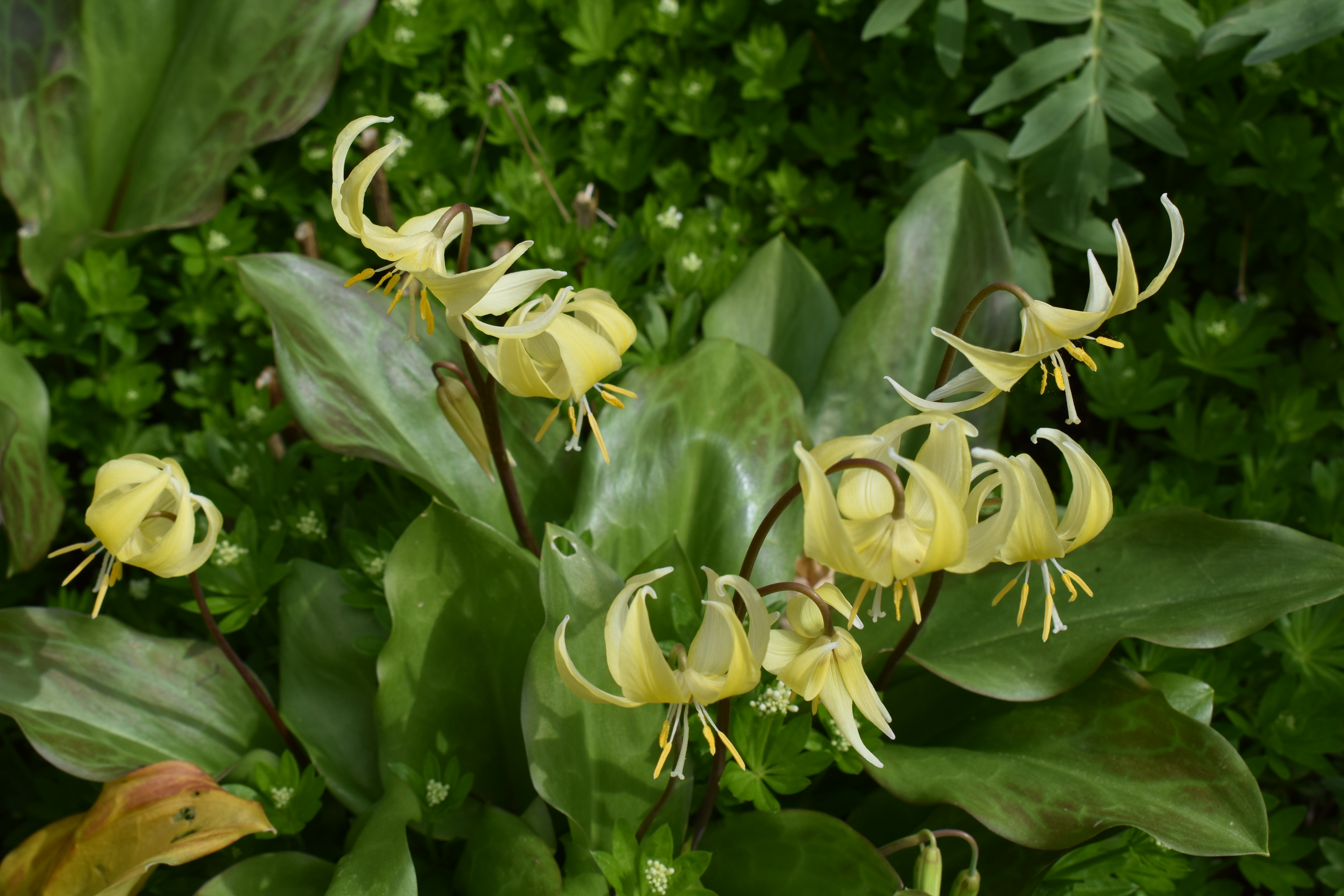
The final page for March was once again about yellow flowers where I chose a small selection of those found in our patch.
So there we have my garden journal entries for the month of March. We shall re-visit in April.
We enjoy visiting Oakgate Nursery because of its wide choice of quality plants for sale which changes quite frequently meaning that there is always something new to see and be tempted by. Another advantage this nursery as over many others is its interesting enjoyable display gardens, which are in fact the garden of the owners’ own house which they encourage visitors to wander around.
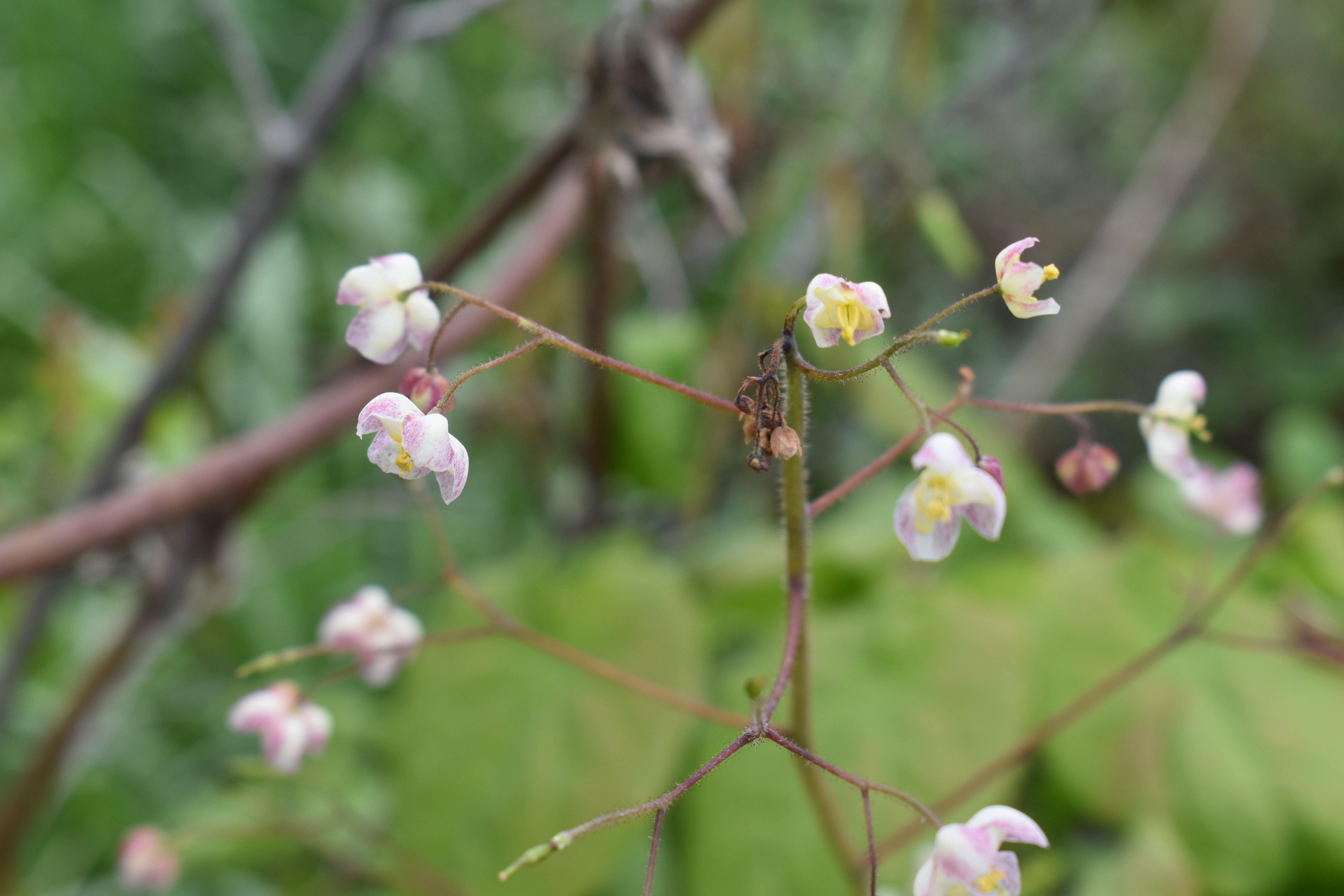
I have already published a post about wander around the garden earlier in the year but thought I would share a second wander with you.
This latest visit to Oakgate was in early September, so it is good to look back at a season of more cheerful weather. We enter the garden by walking over a bridge over a pond which always has good plants to look at like this white waterlily.
I shall continue with a selection of clematis flowering in the garden.
No doubt we will be back one of these days for another visit to Oakgate Nursery, its cafe and its welcoming garden.
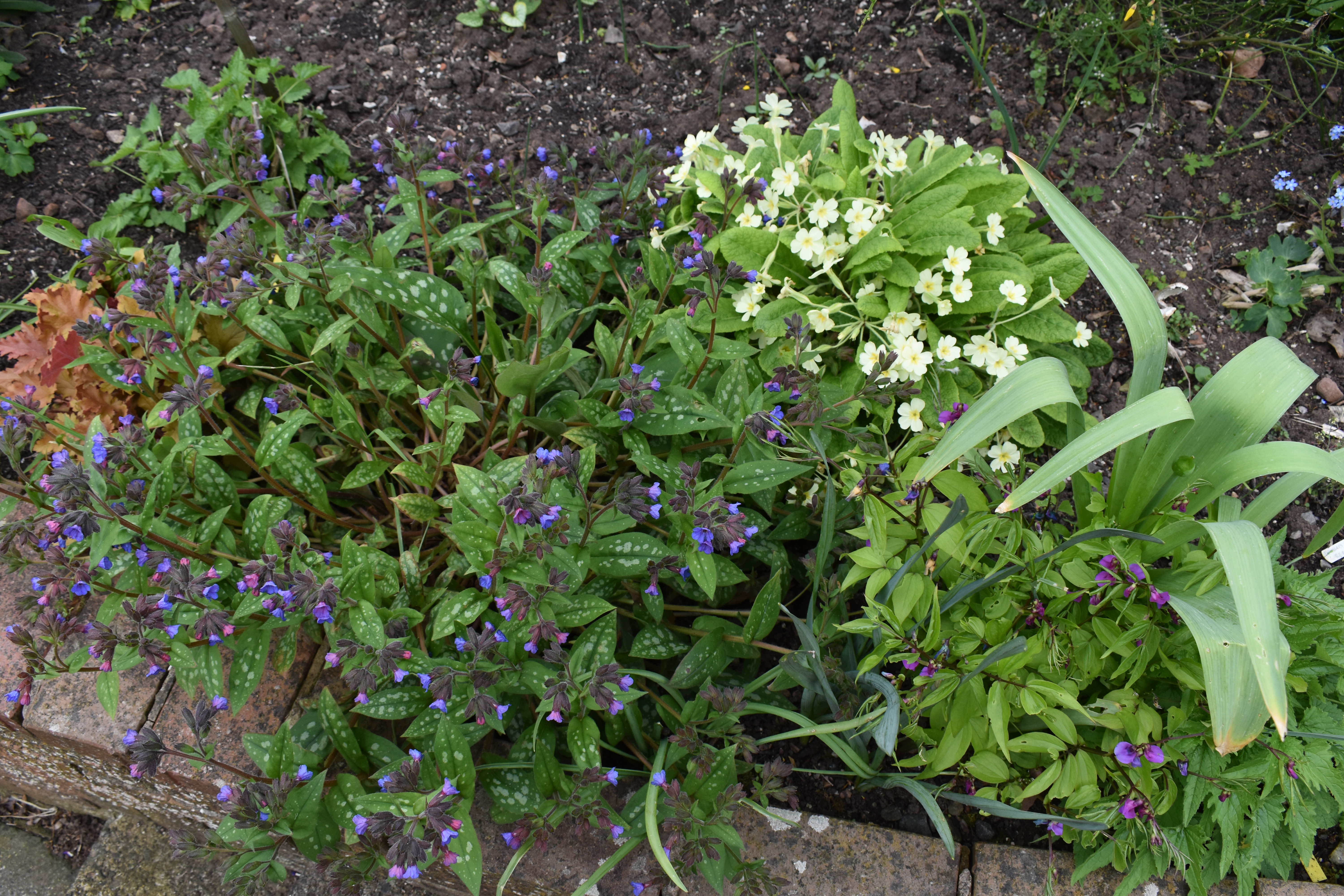
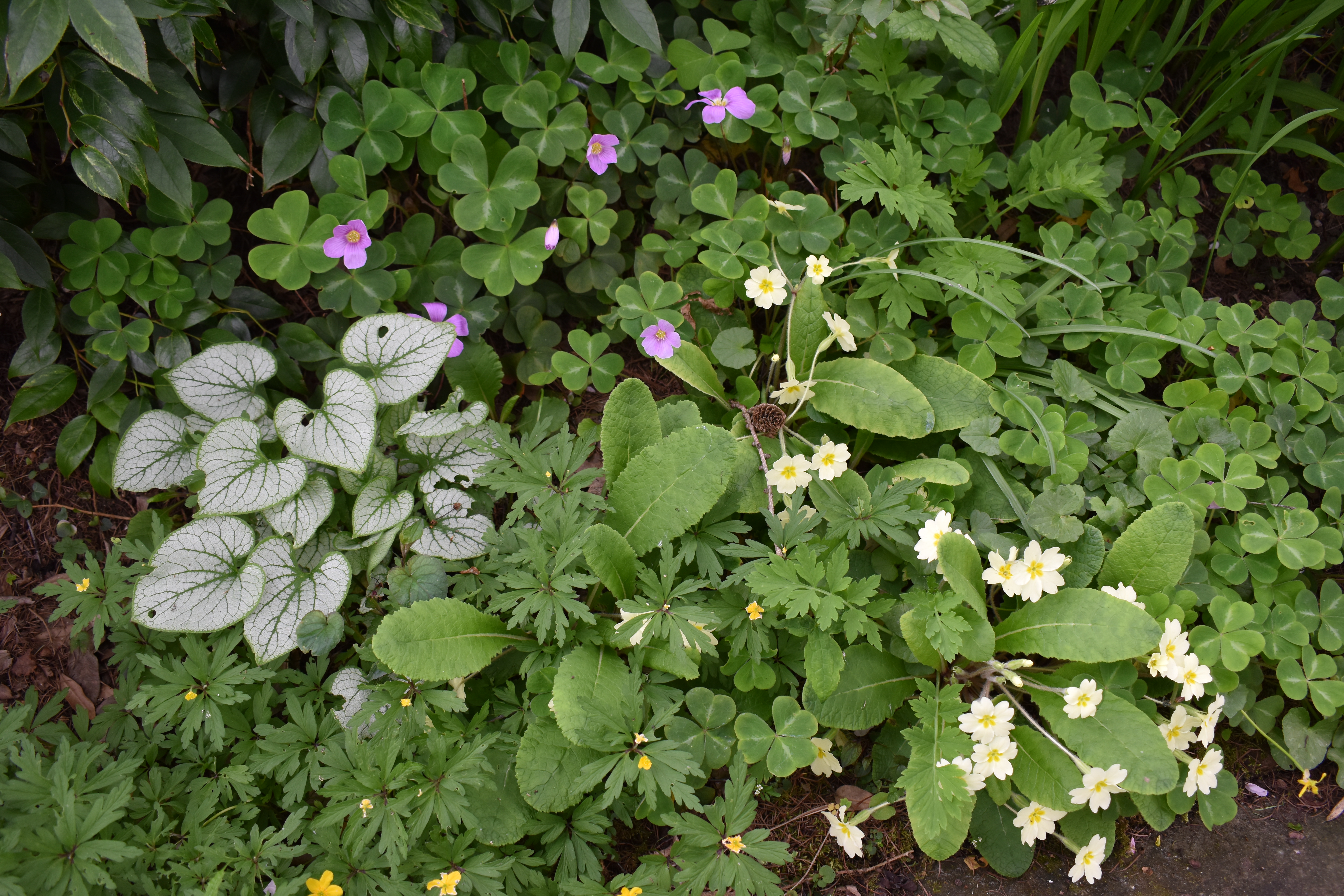
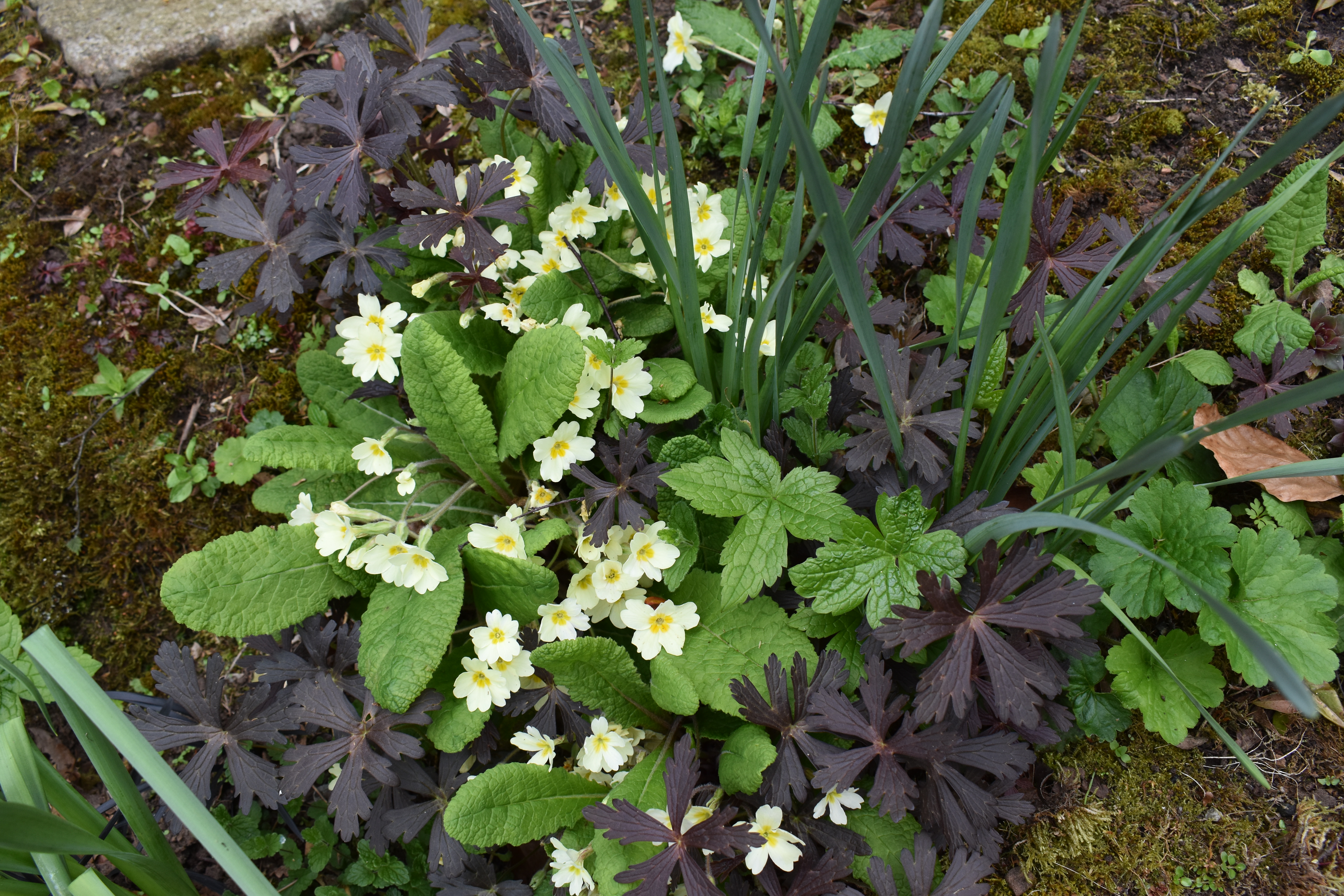
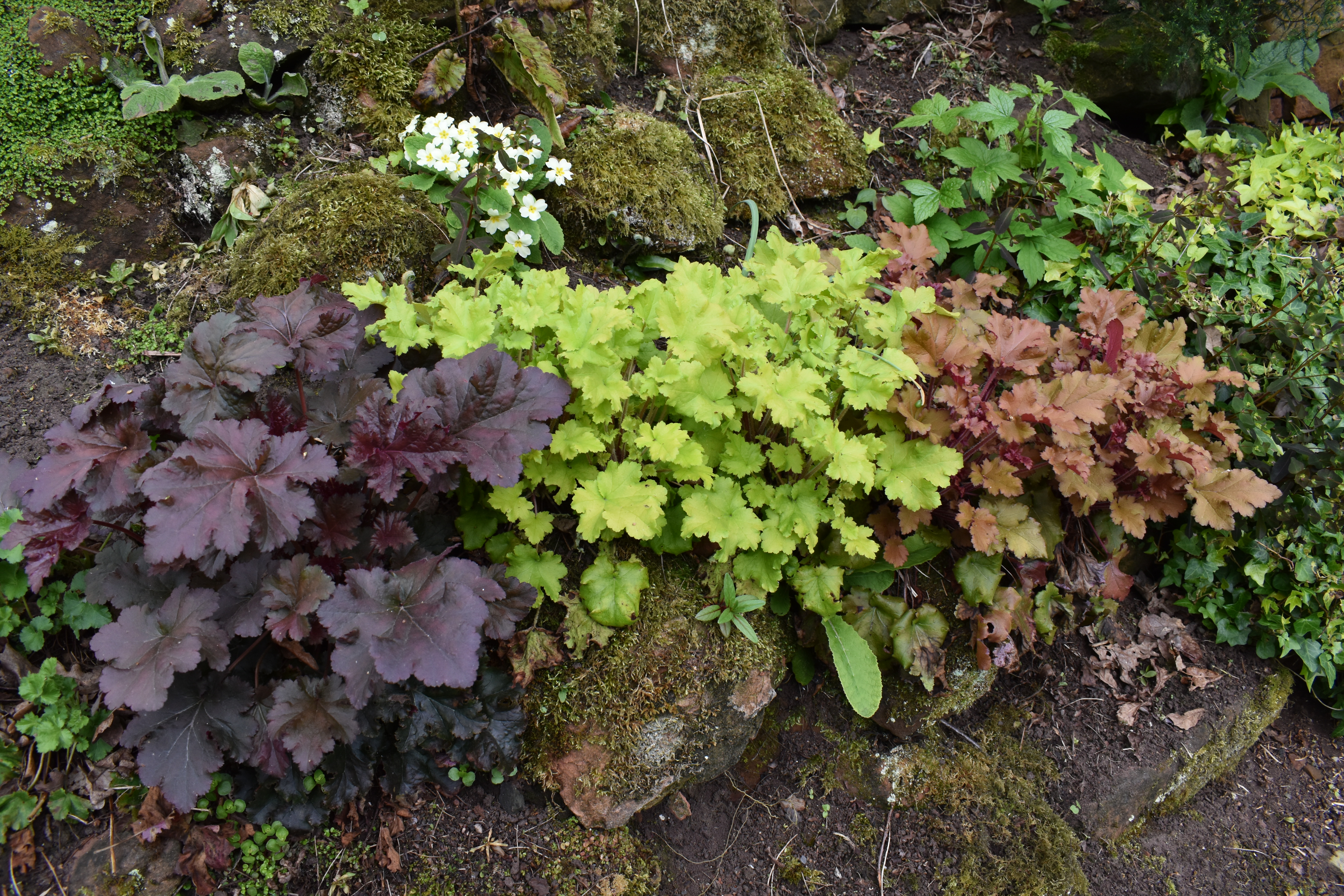
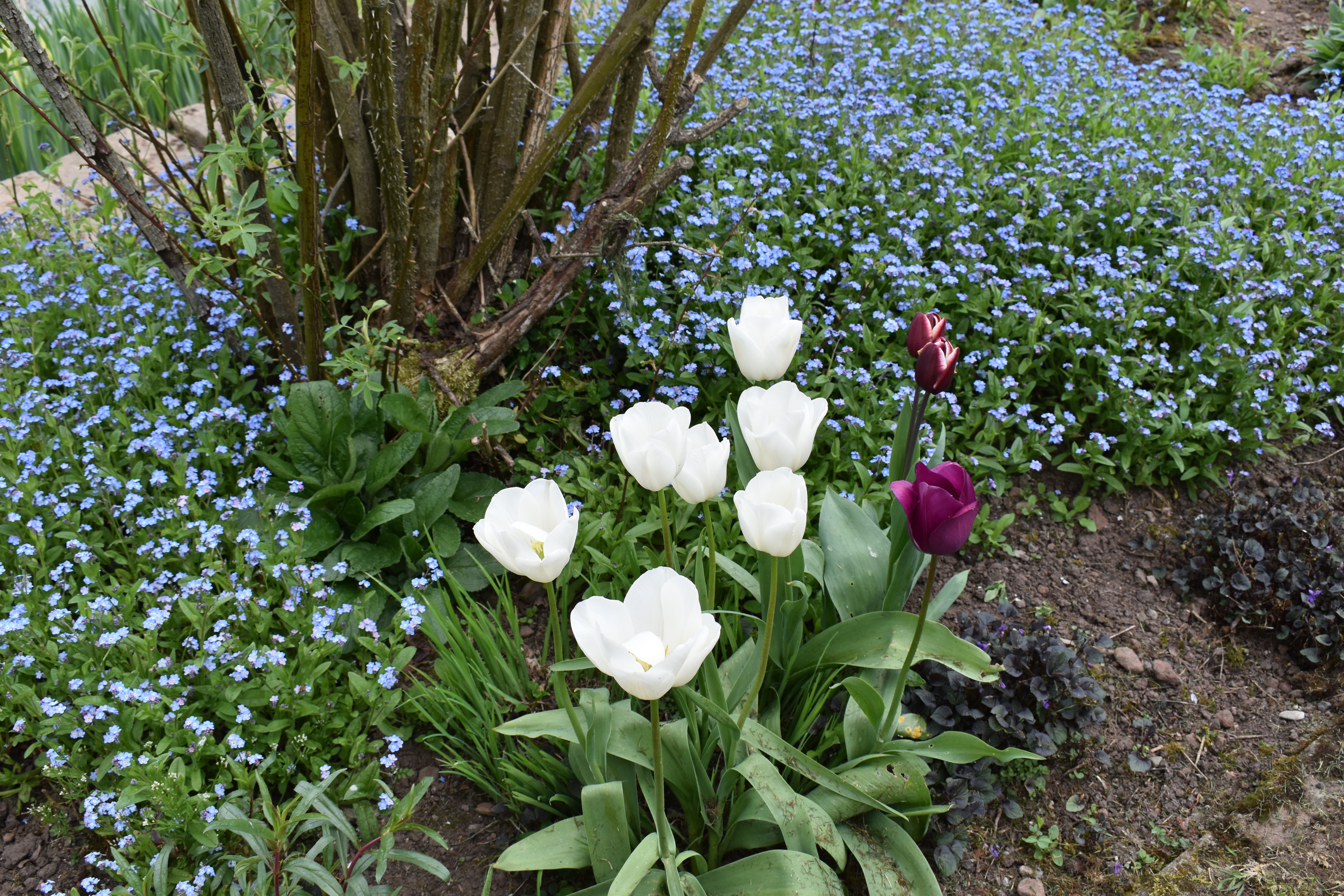
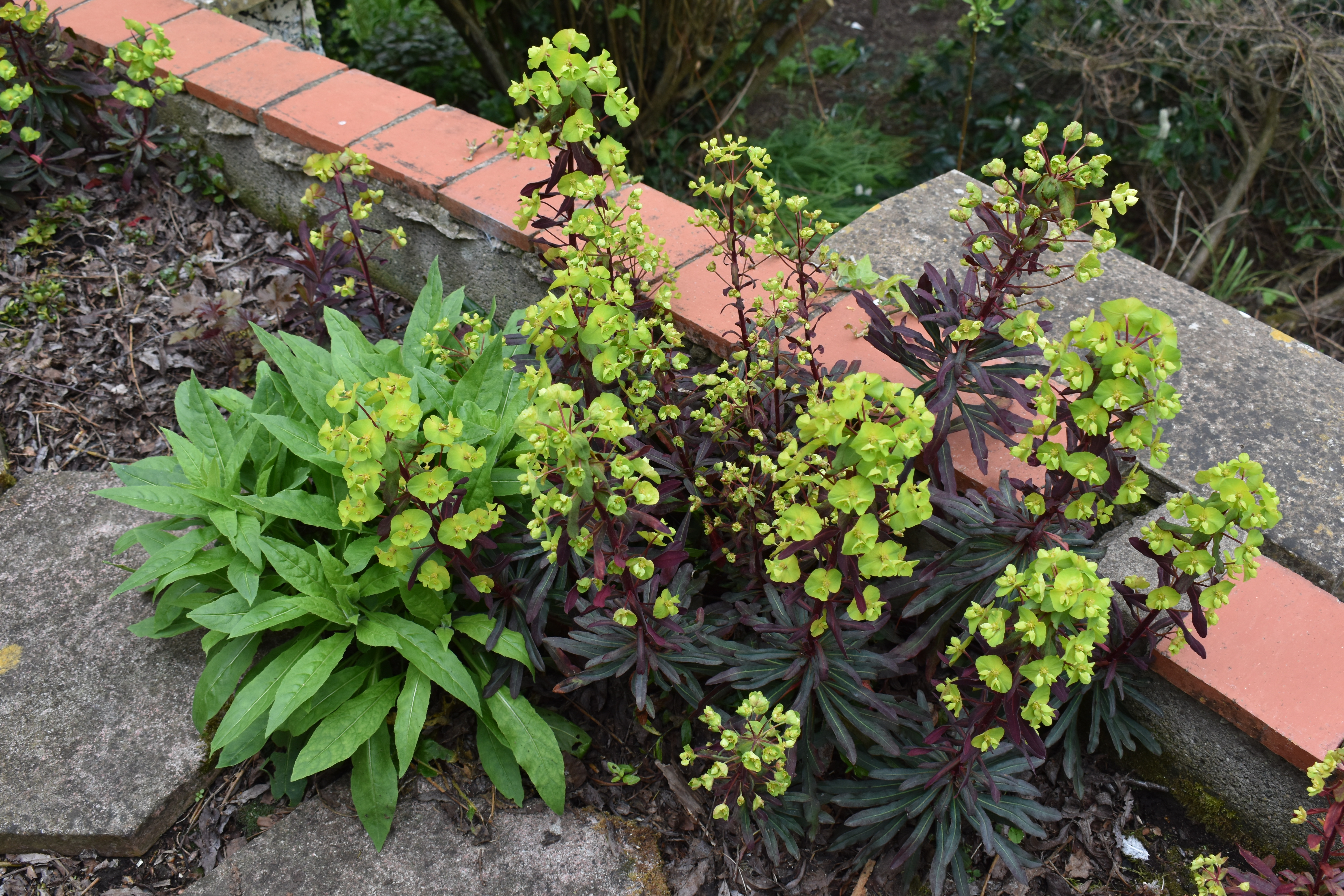
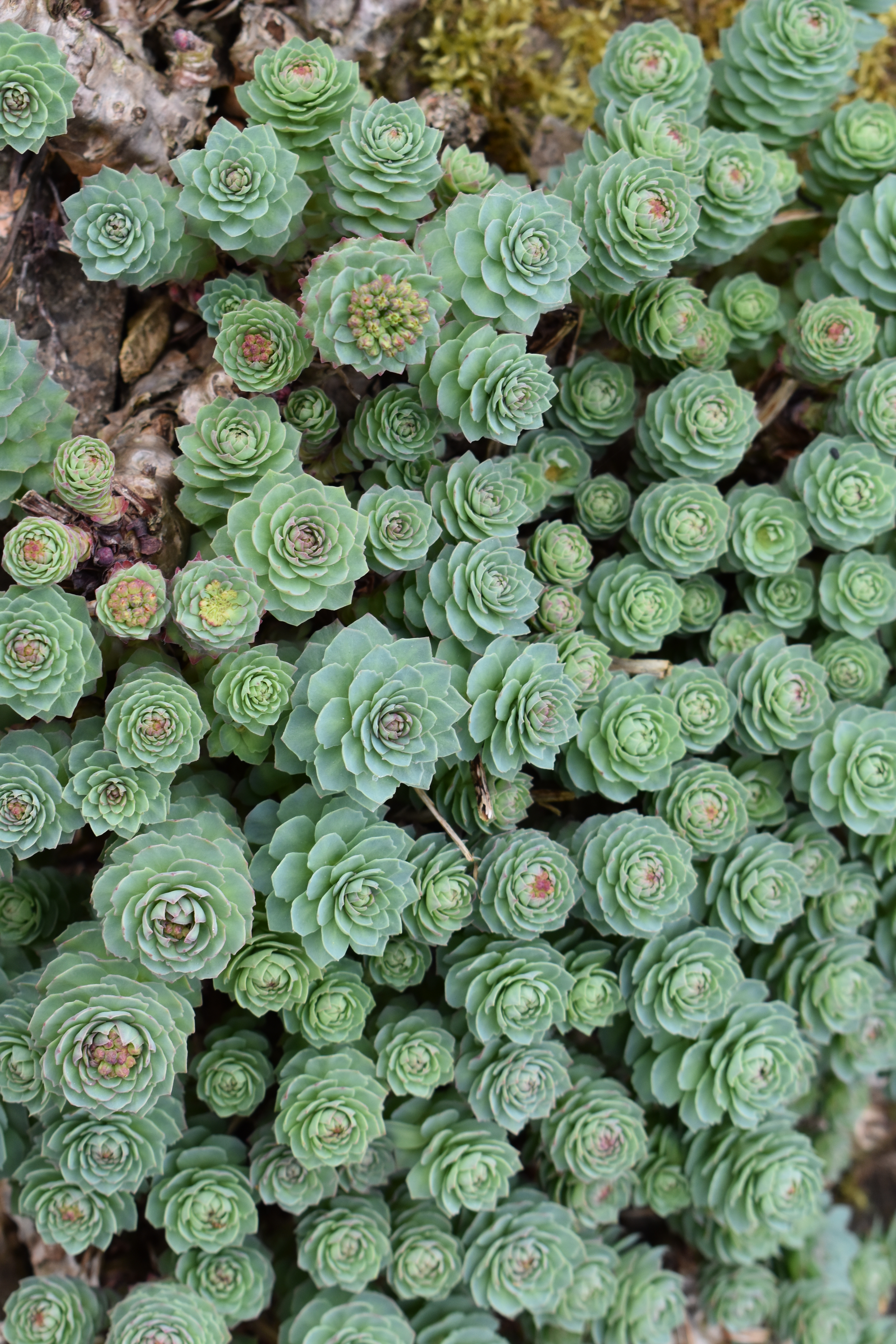
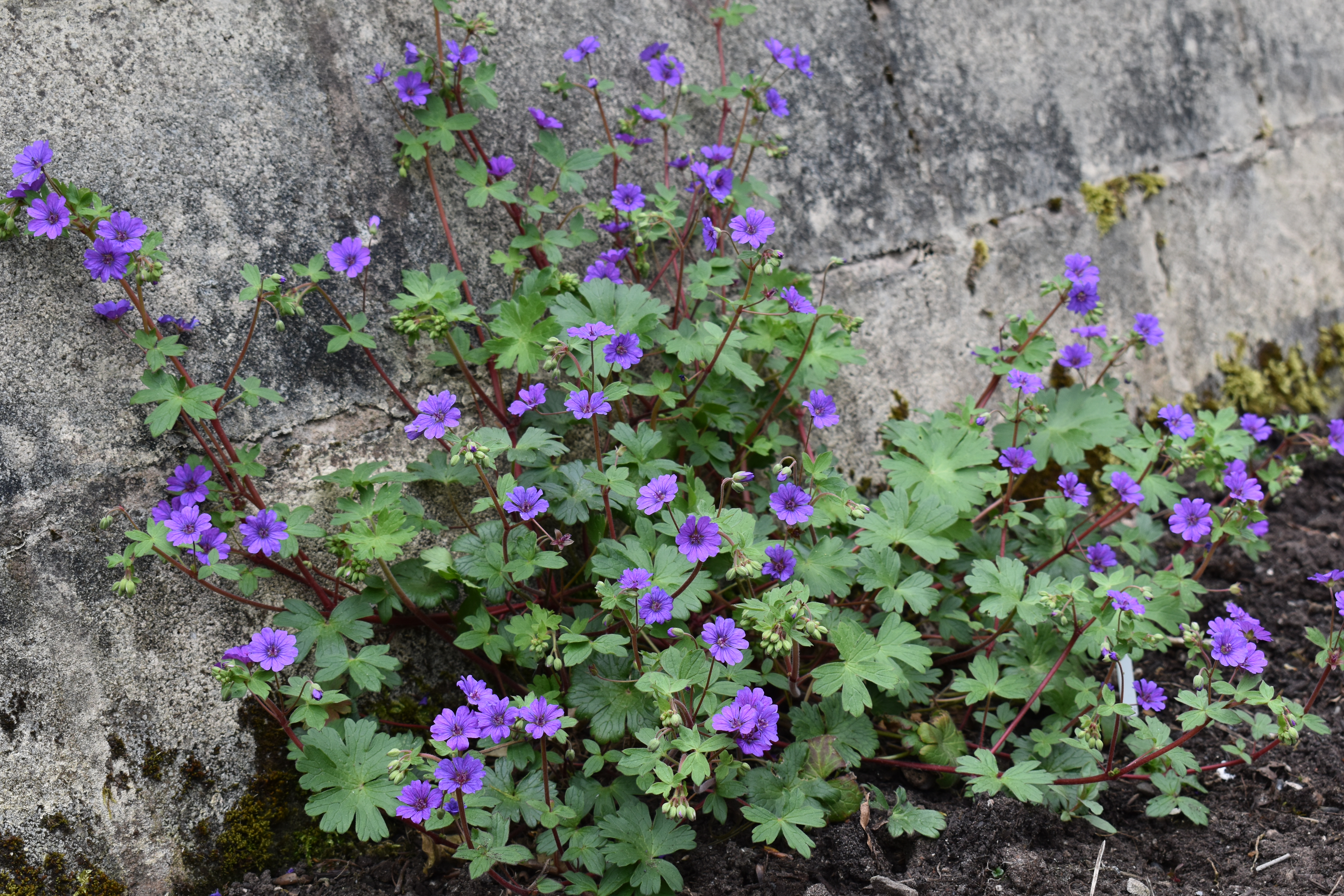
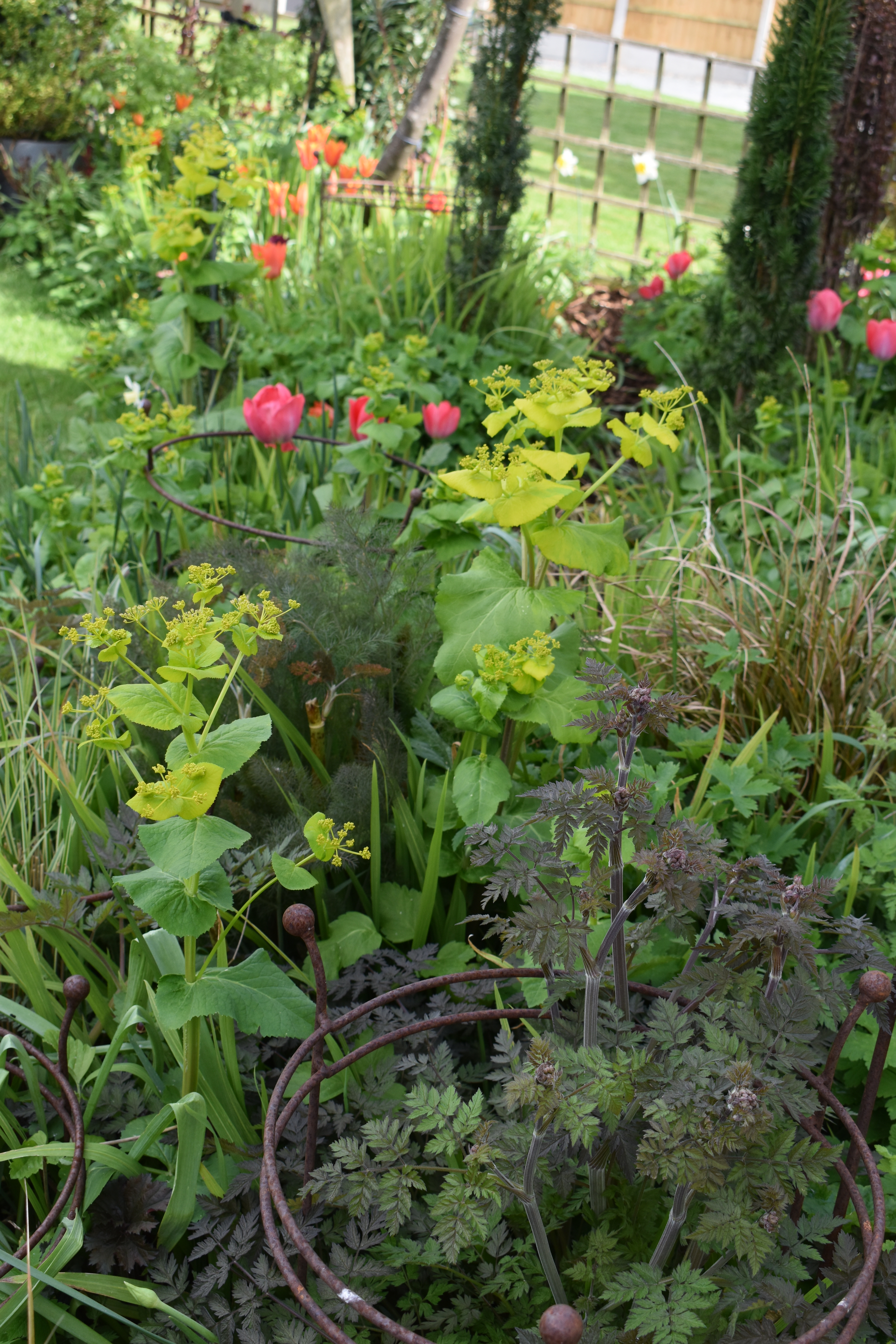
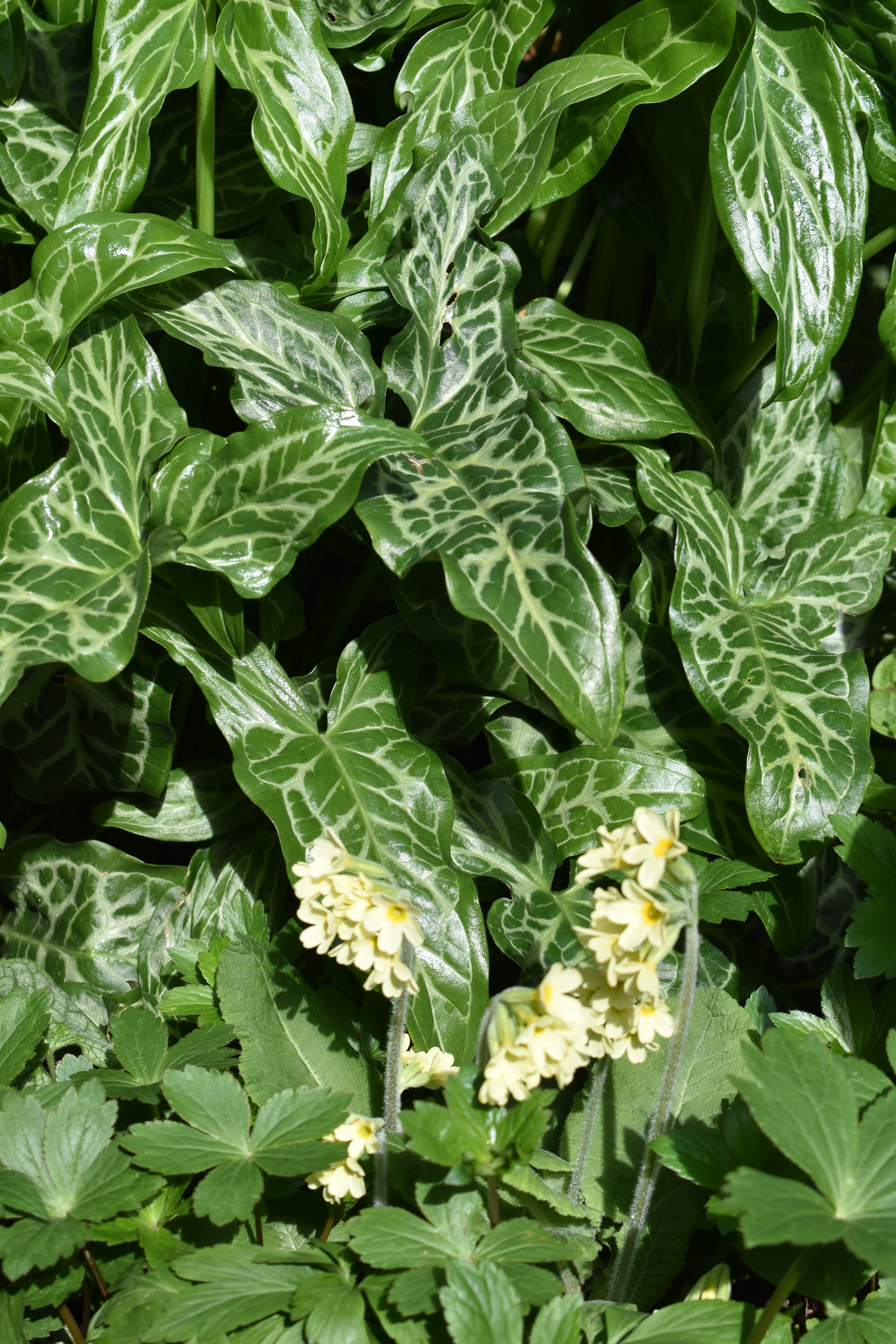
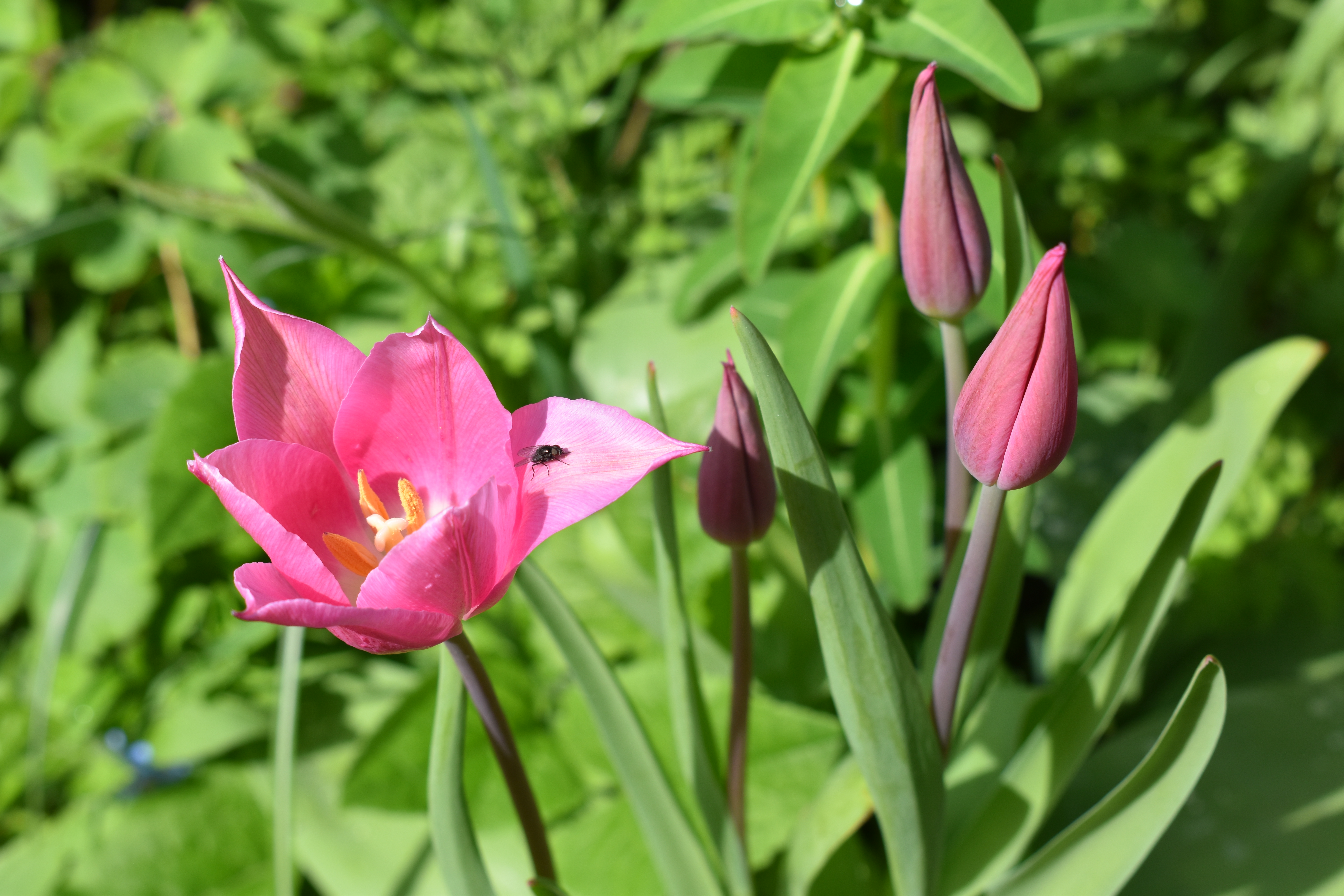
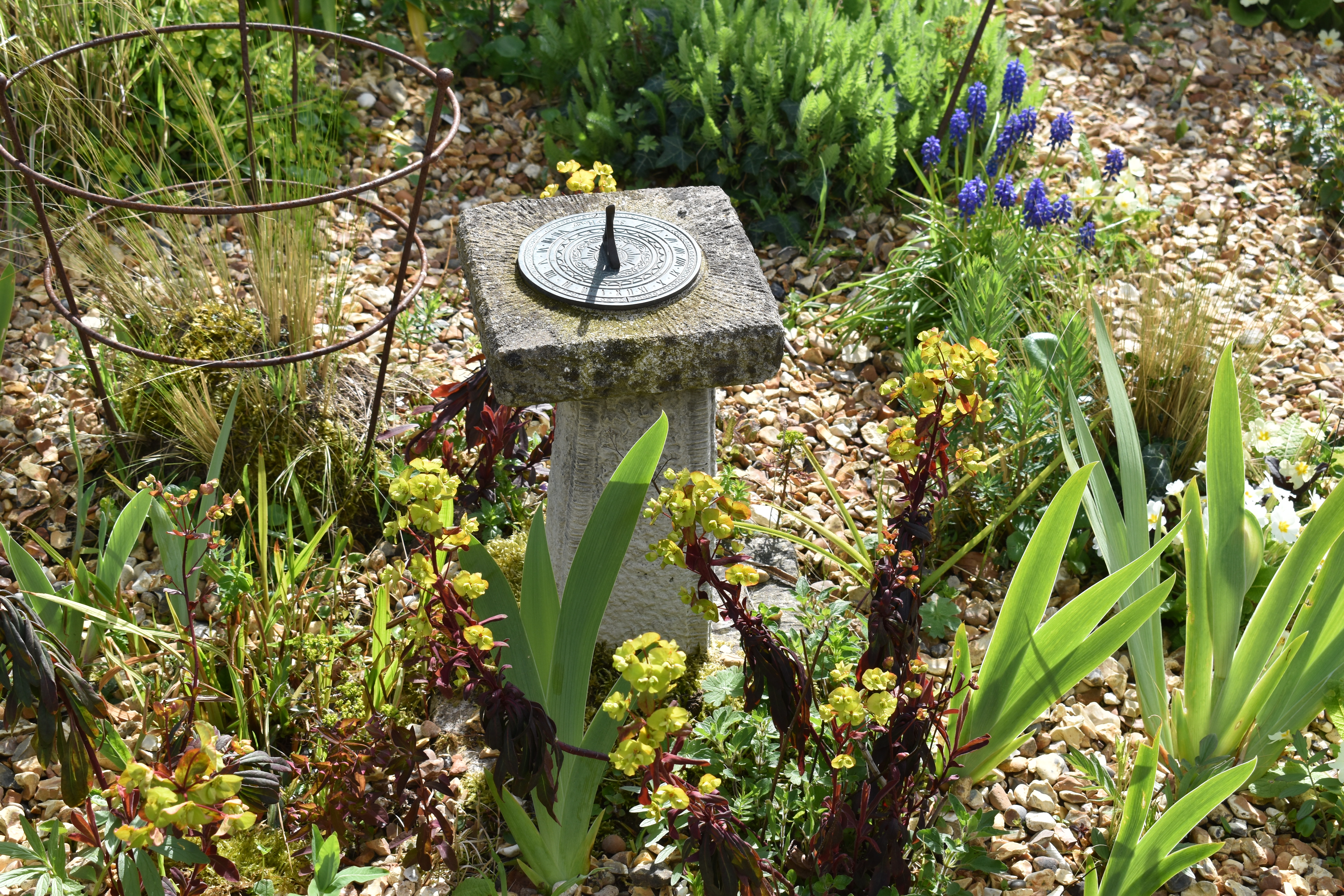
March is a great month for freshness in the garden, fresh bird song, fresh spring bulb flowers and fresh foliage, which is what i want to feature in a gallery of my photos of freshly emerged foliage of herbaceous perennials in triangular border beneath our bedroom window. I hope you enjoy my selection of photos.
Can you tell which plants they are?
I hope you enjoyed this little photo journey through a border.
'The most important and informative publication on wildlife of our times' - The Independent. This blog is a member of The UK & Ireland Natural History Bloggers group: www.uknhb.blogspot.com