Categories
Uncategorized

Another Winter Woodland Walk – needles and scales

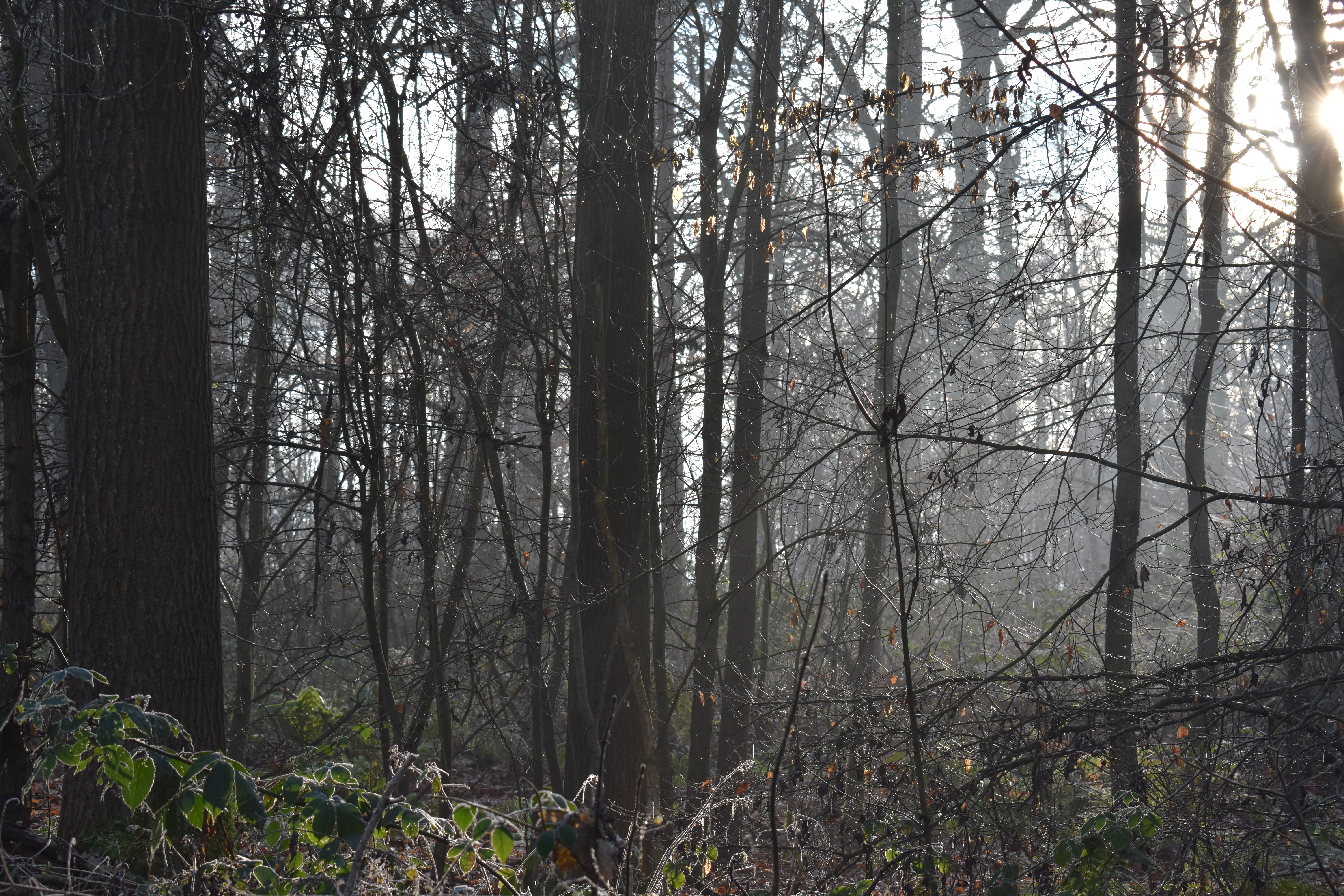
Once again during lockdown we took our exercise at our nearby National Trust property, Attingham Park. A bright start to the day gave us a good start to our walk. We decided to follow the walk called the Woodland Walk and then take a detour to add a few extra miles on by following the World War Two Walk.

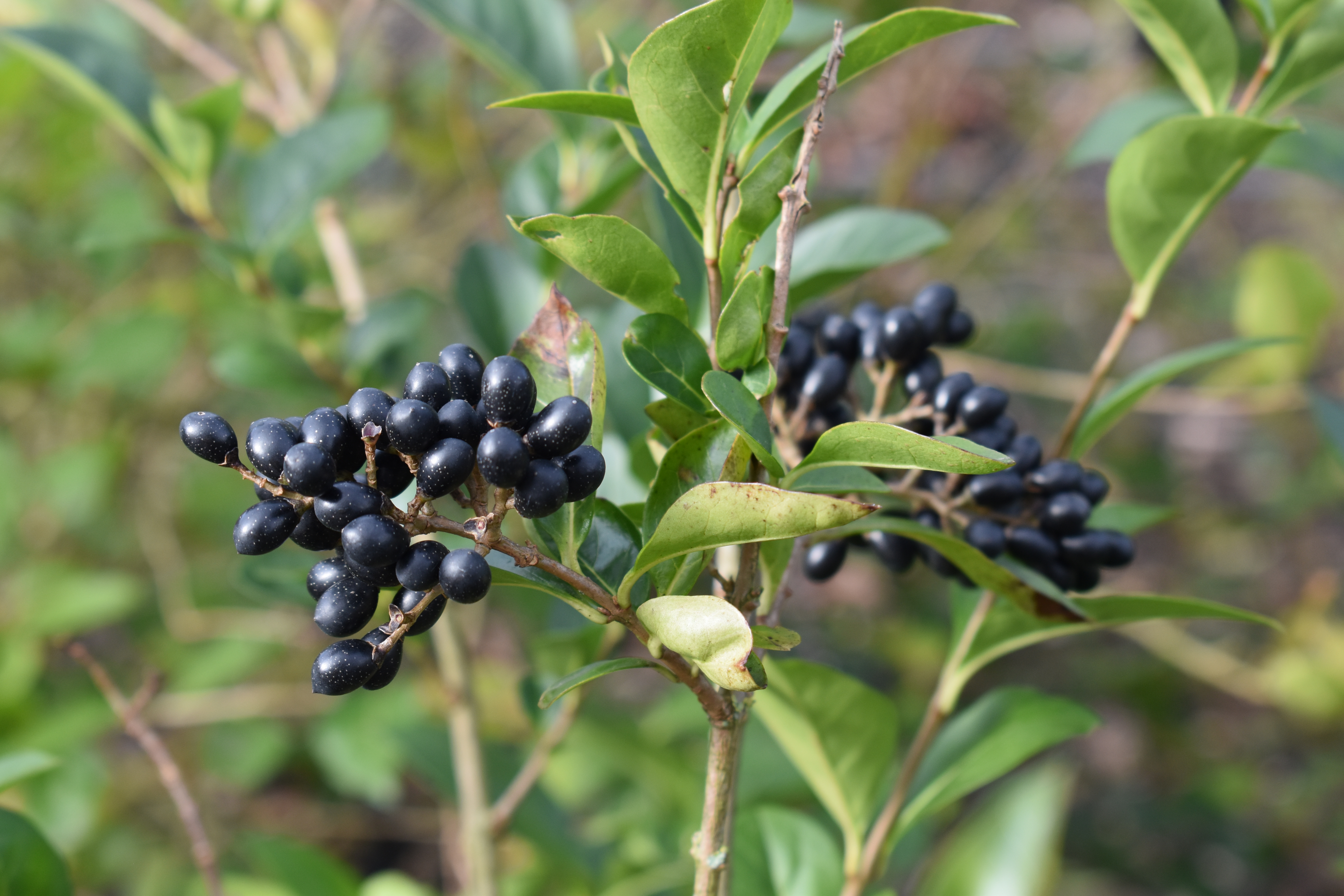
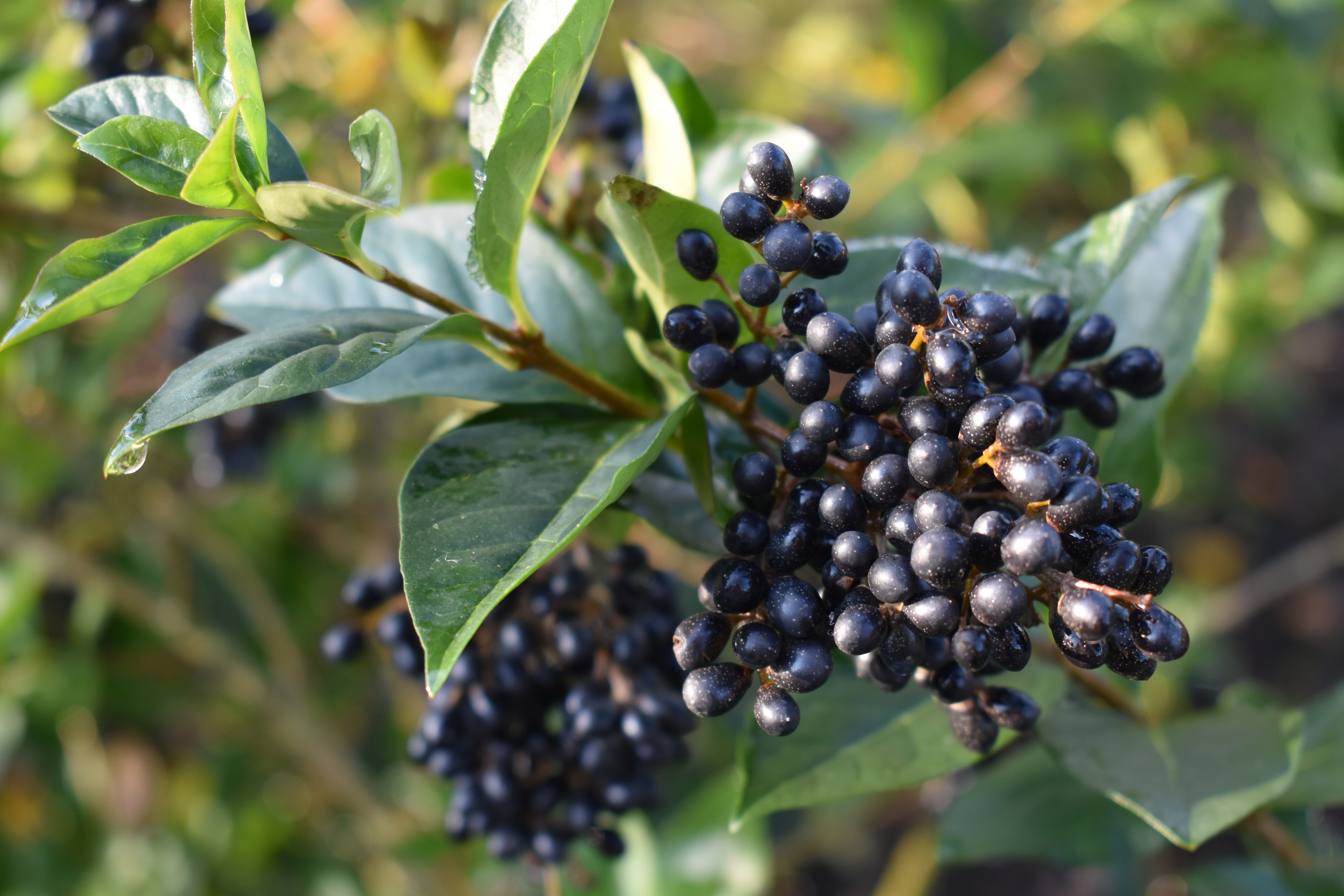
On the way to collect a coffee and cookie in the stable yard cafe we passed a few bright cameos, hazel catkins and berries on shrubs.
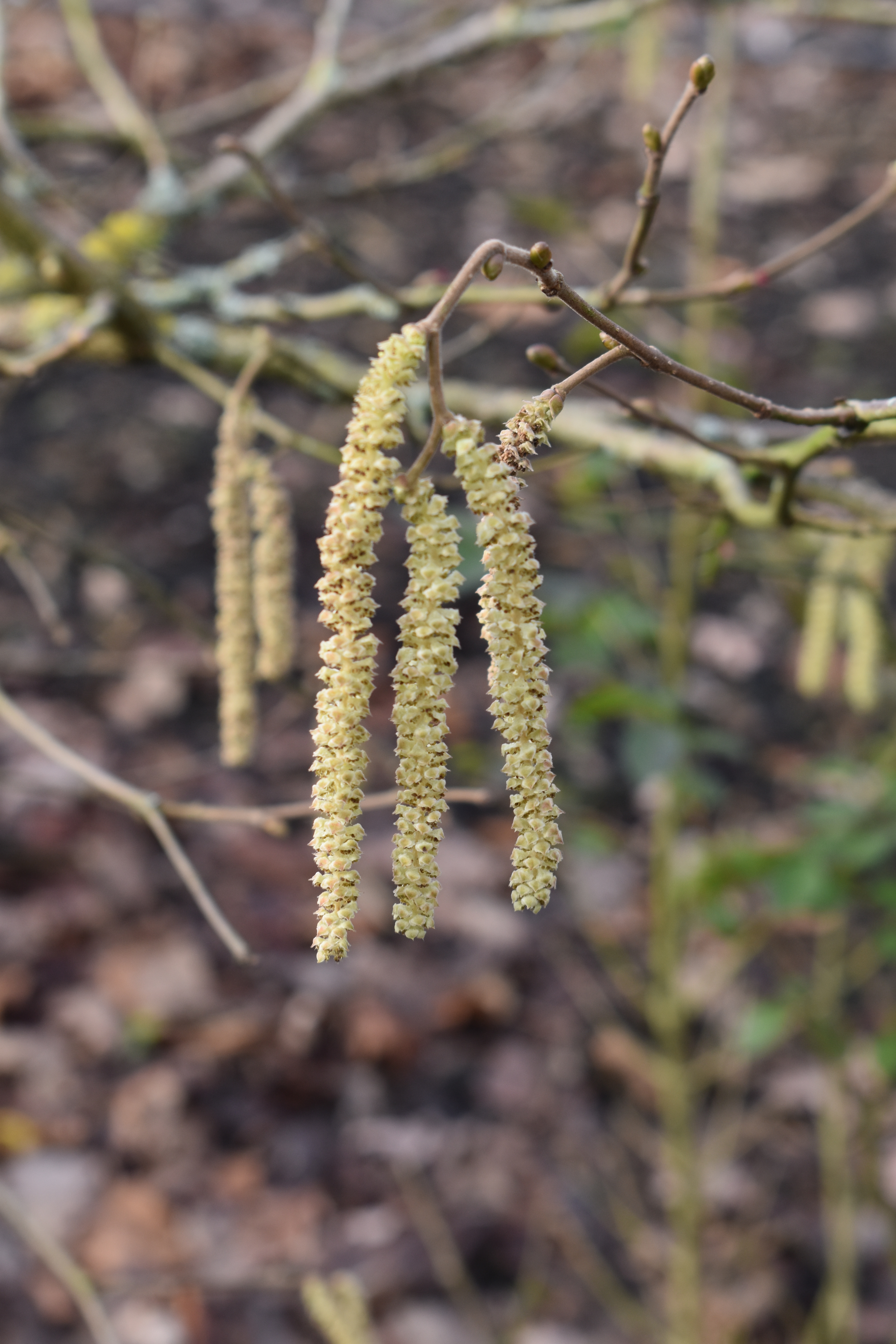
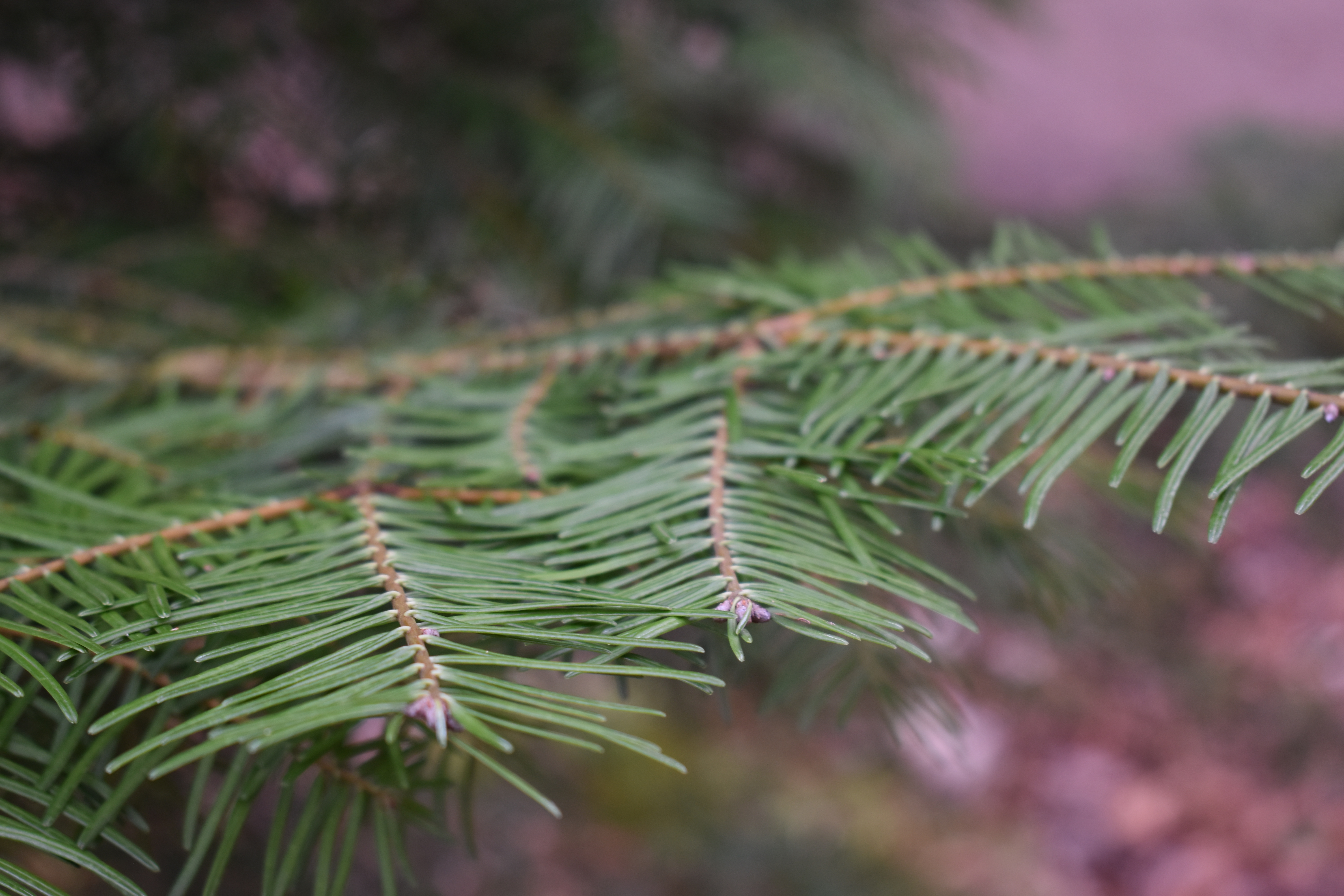
We decided we would concentrate on looking at conifers, evergreens which have needles or scales instead of leaves. Most remain on the trees all year round with the exception of Larch which has needles but these turn golden yellow in autumn and drop for winter.

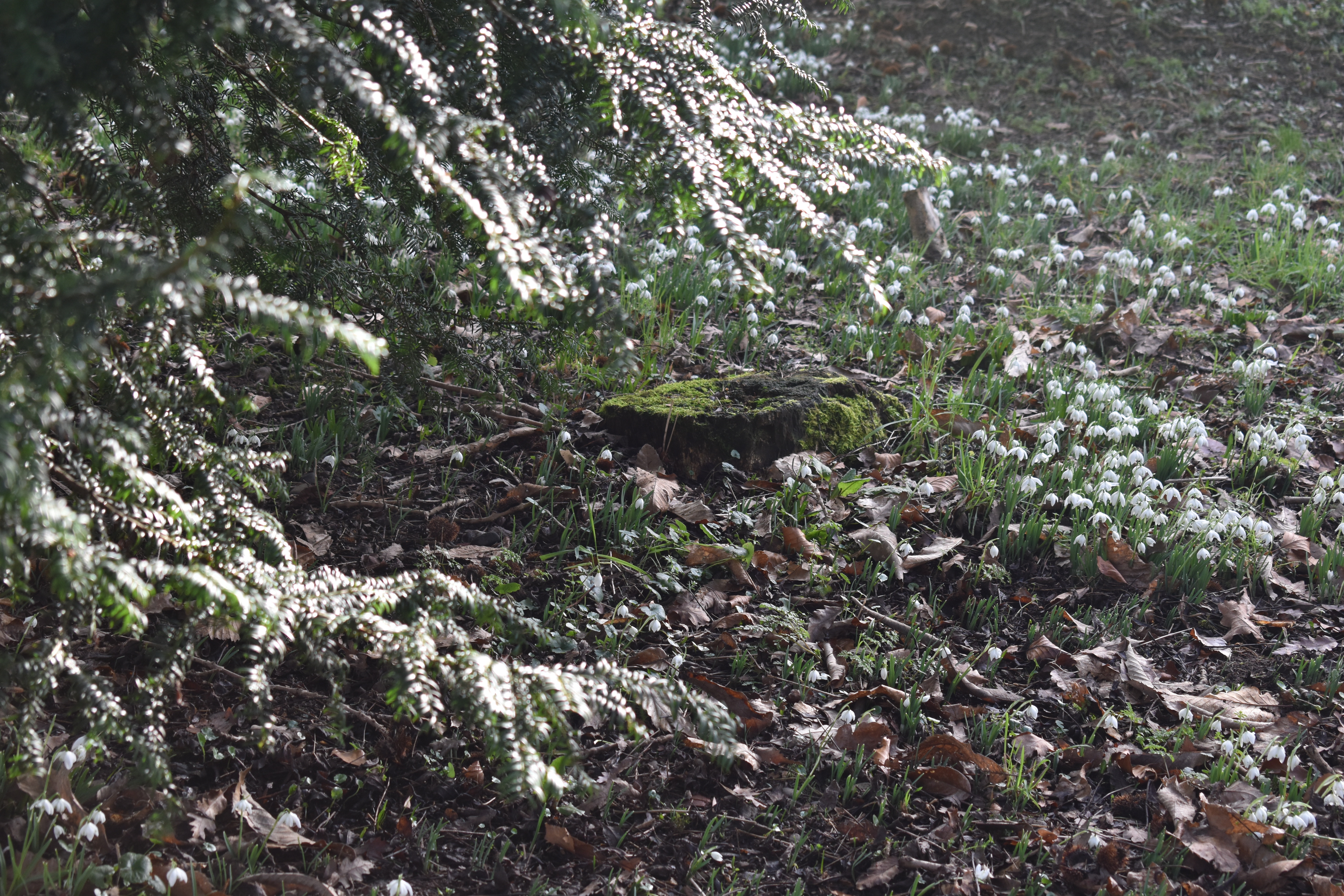
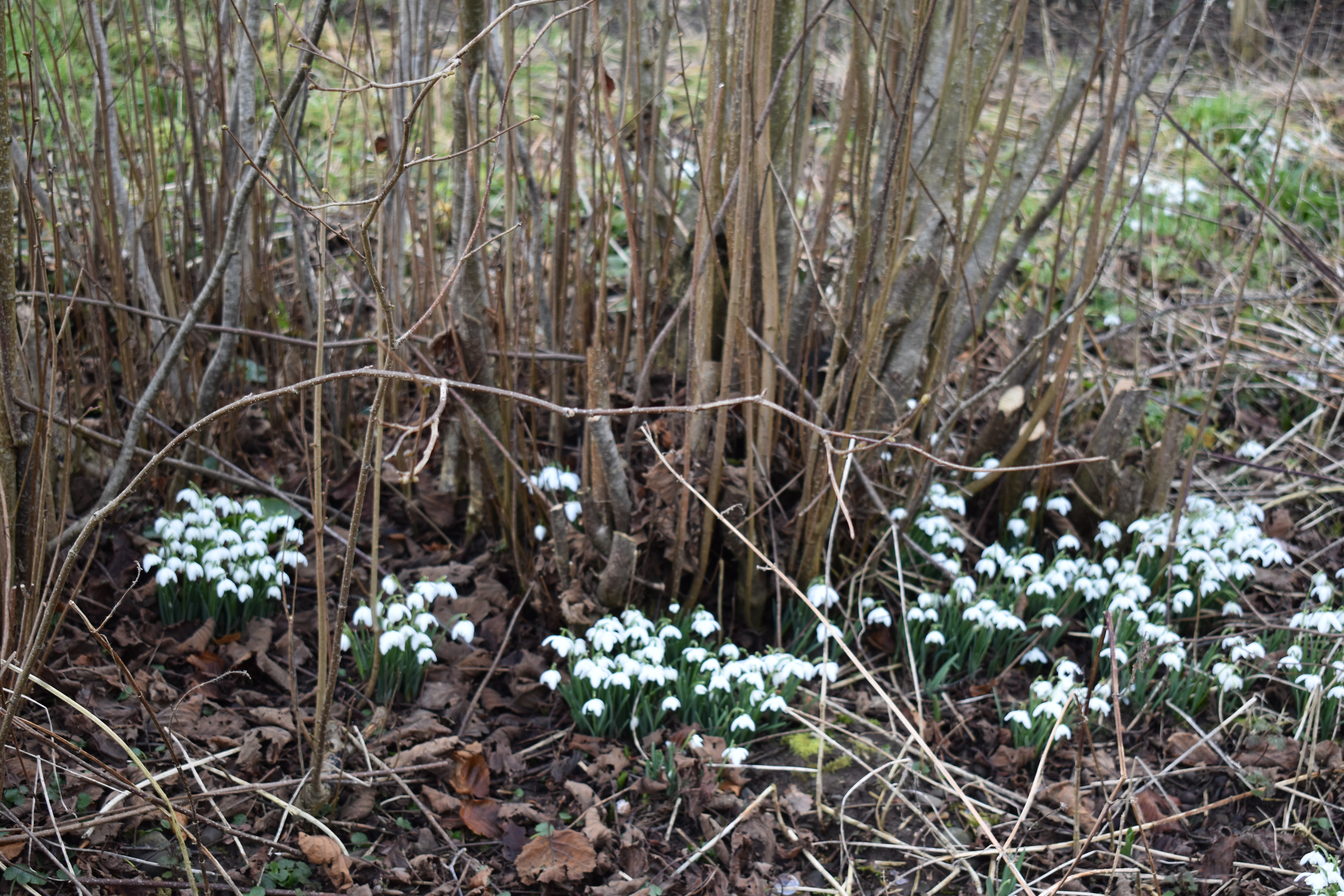
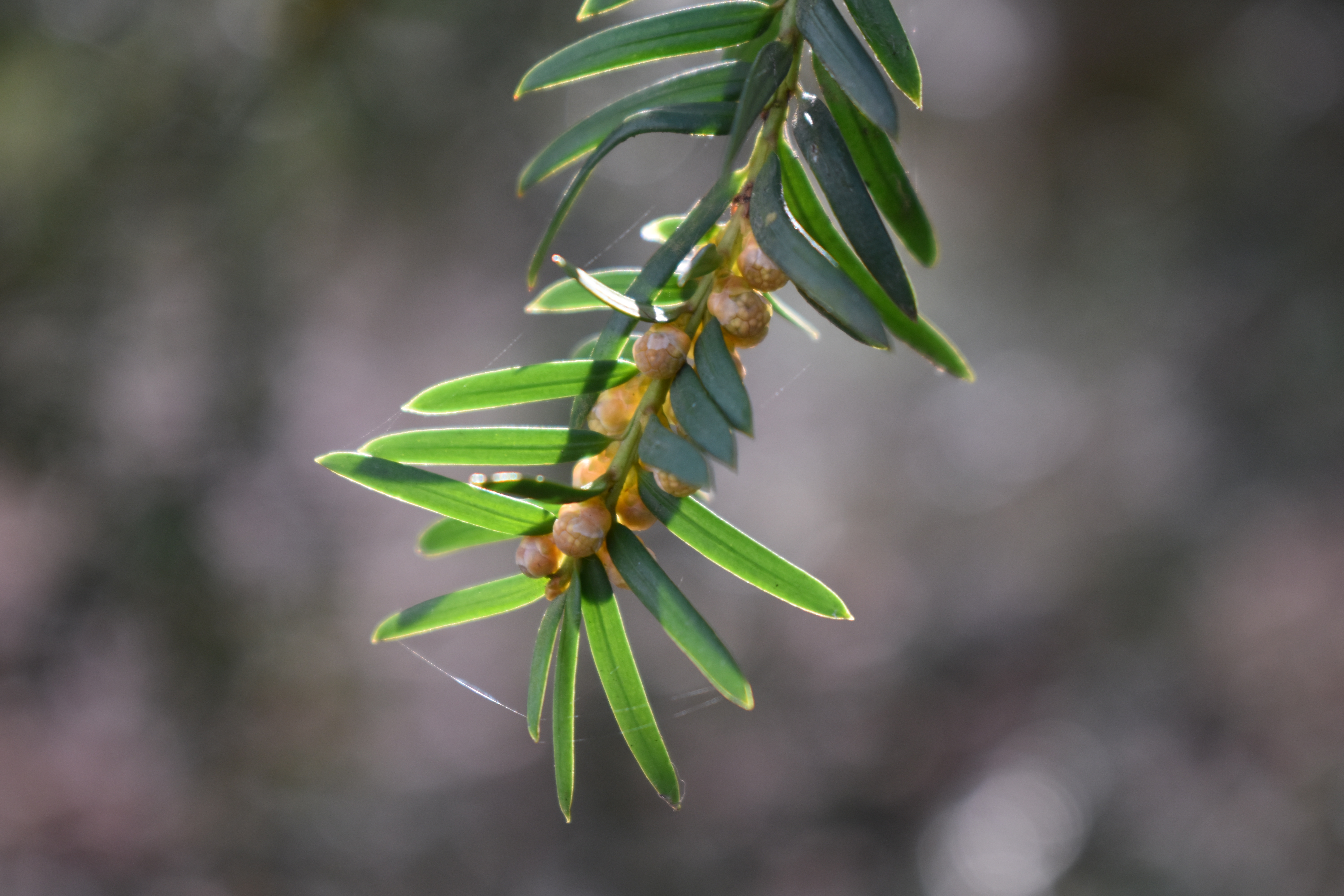
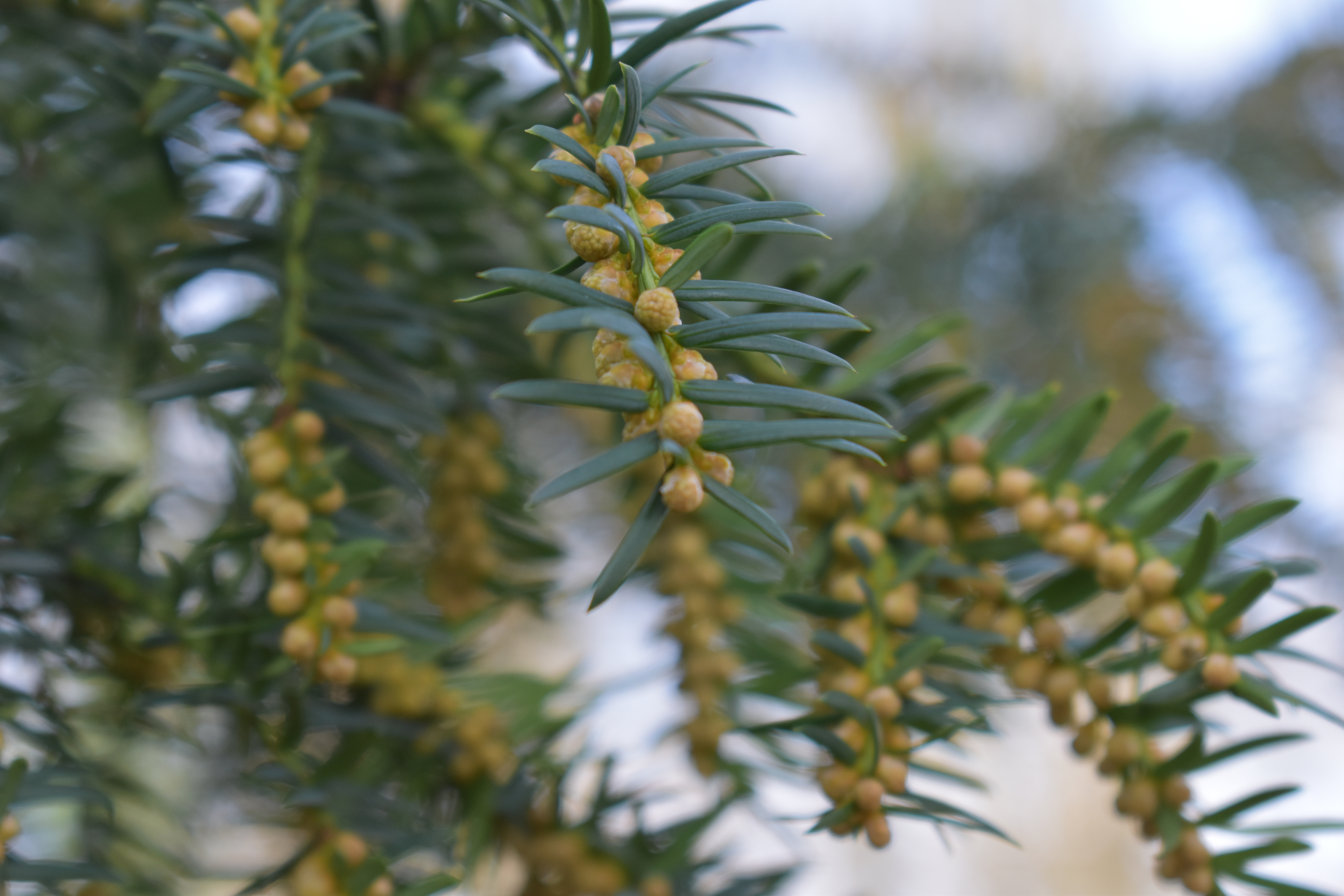
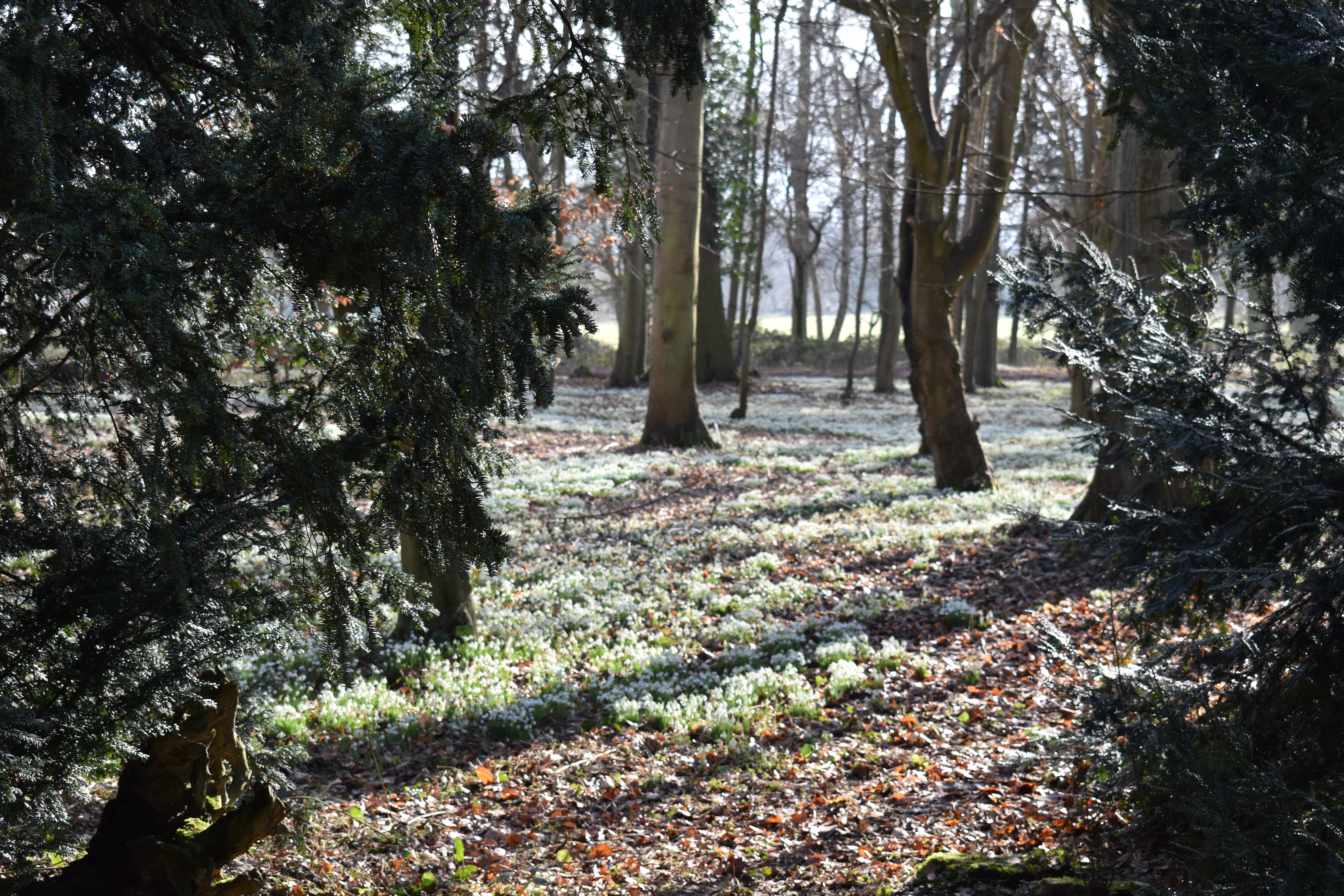
We hadn’t walked far when we wandered through a grove of young yews, Taxus baccata. The low winter sunshine lit up new needles on the ends of many branches, giving bright green against deeper tones. On lower branches the sunlight gave a sheen to the upper branches and beneath and between patches of pure white from snowdrops (Galanthus nivalis) glowed boldly.
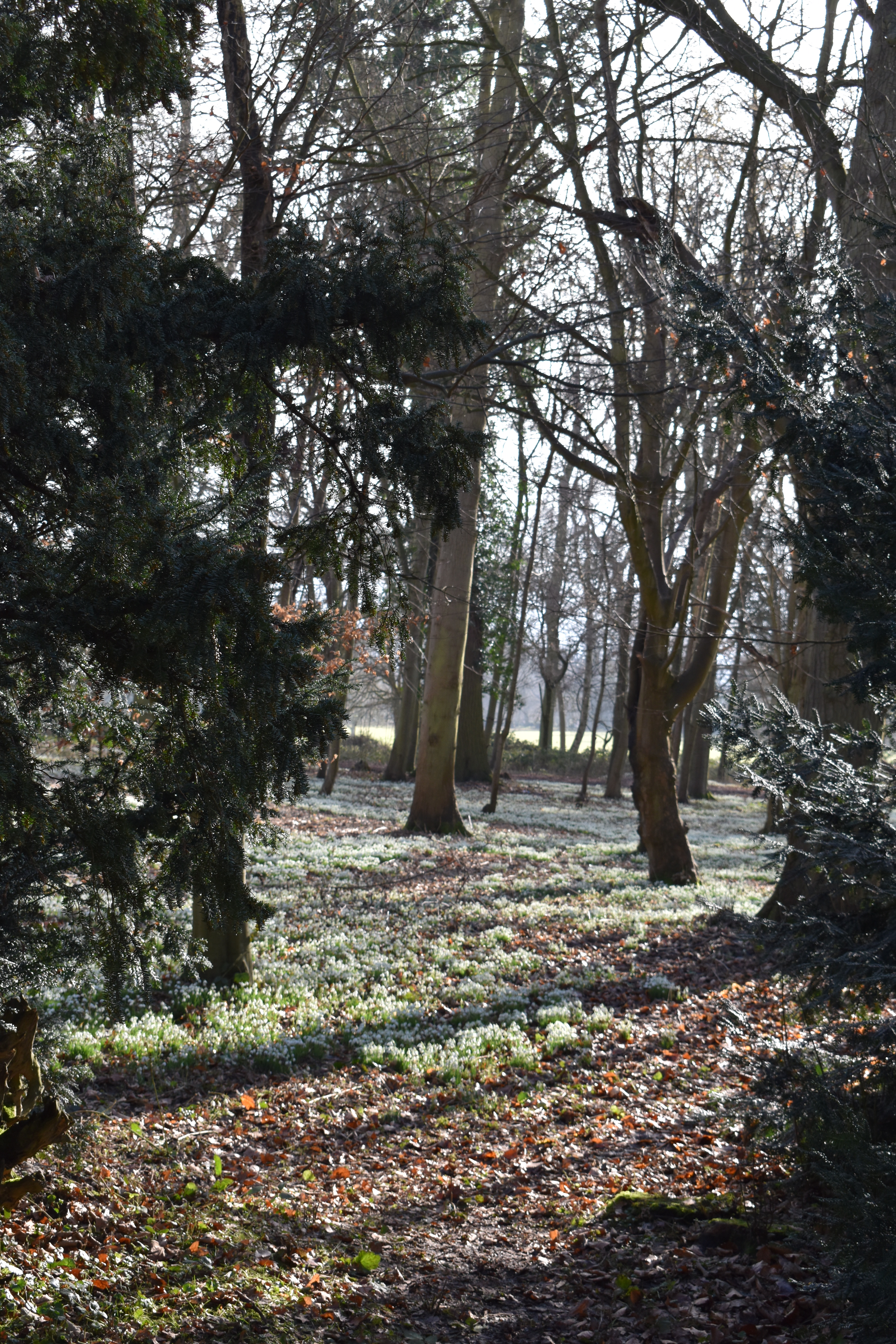
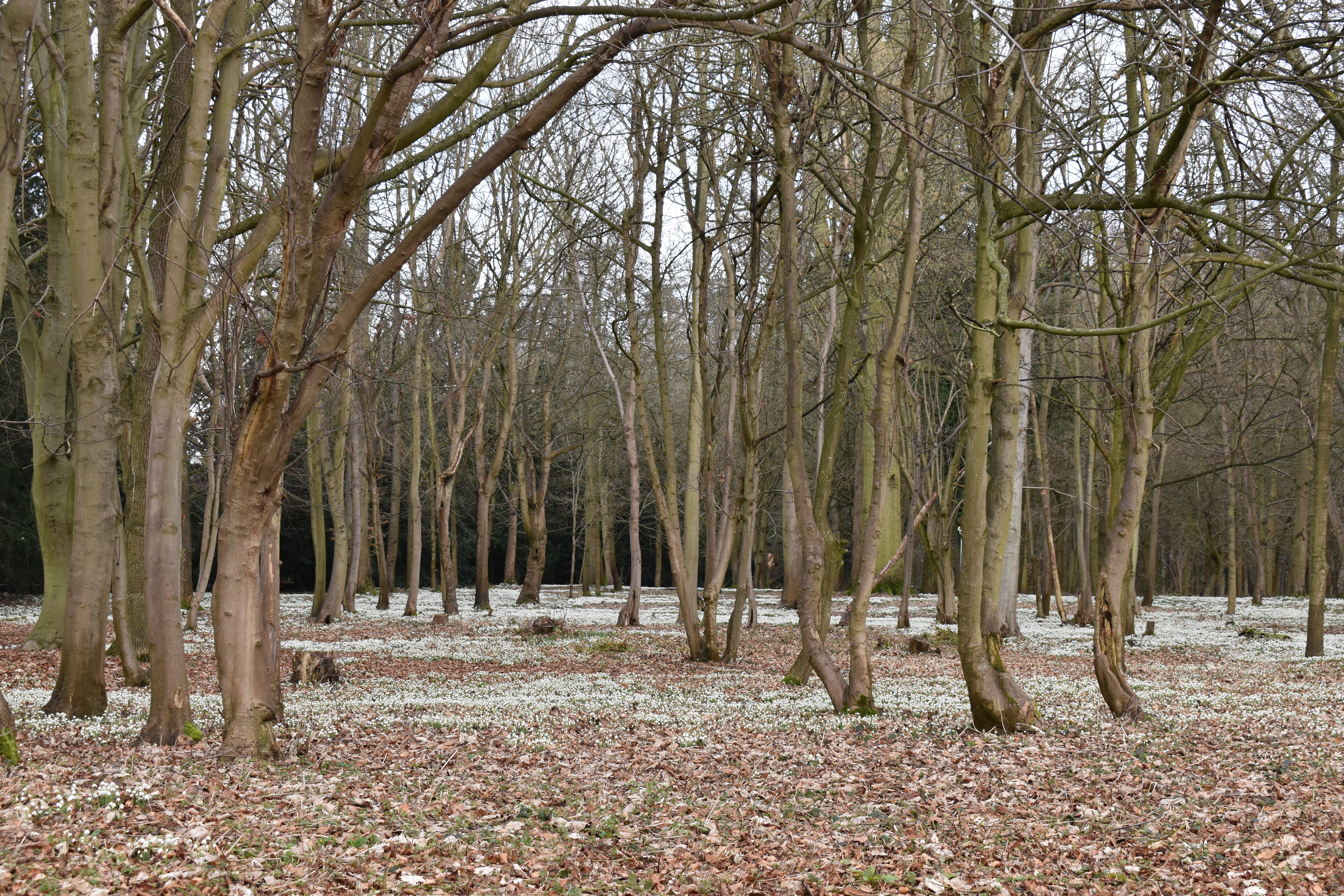
These patches of snowdrops prepared us for the SnowdropWalk that we were soon to come across. A woodchip pathway took us beneath beech and oak trees which towered over thousands of snowdrops which carpeted the floor. Galanthus nivalis, G. nivalis ‘Flore Pleno’ and G. elwesii with their broader more glaucous leaves all merged into on pure sheet of white.
Conifers acted as effective frames for taking shots of more snowdrops.
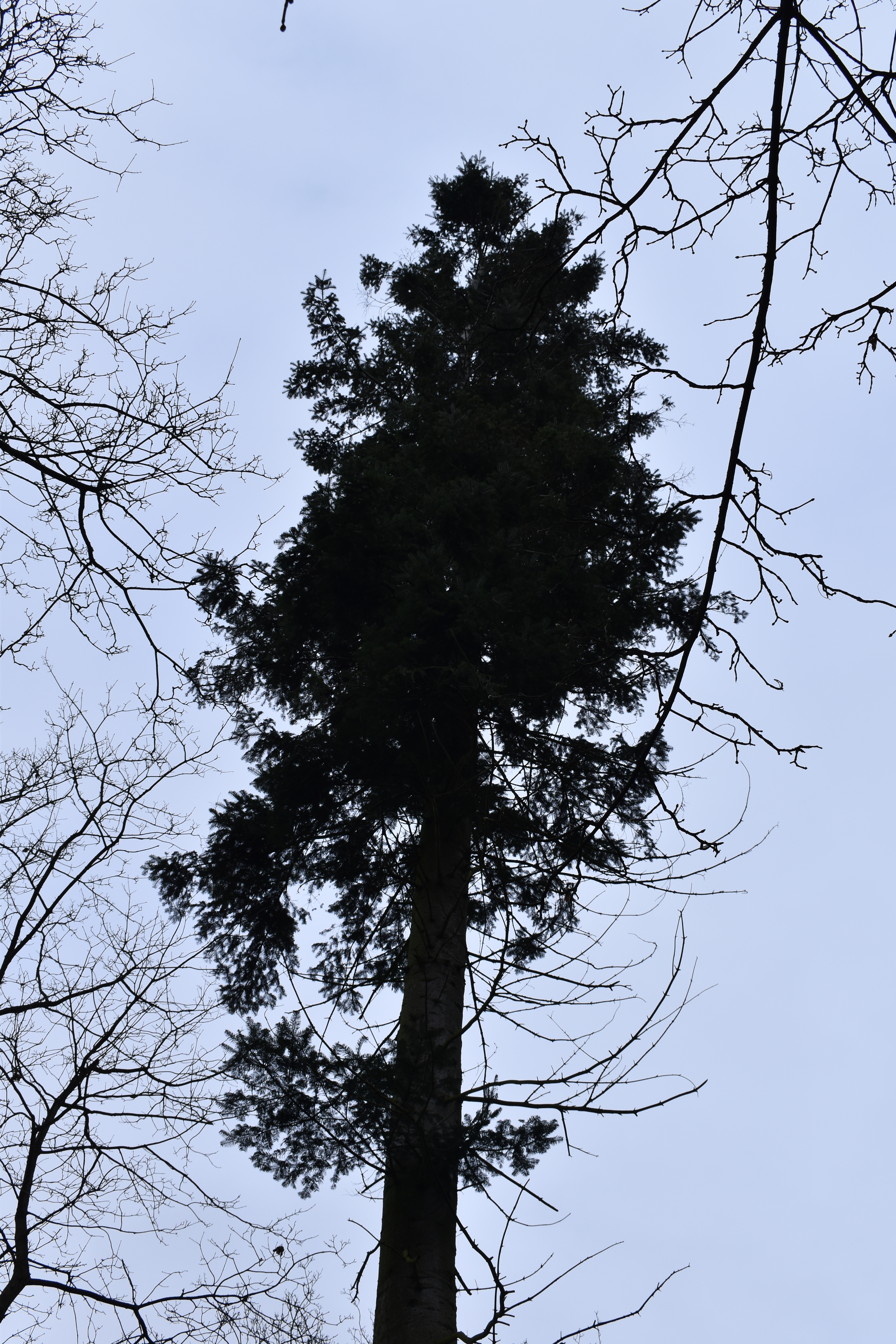
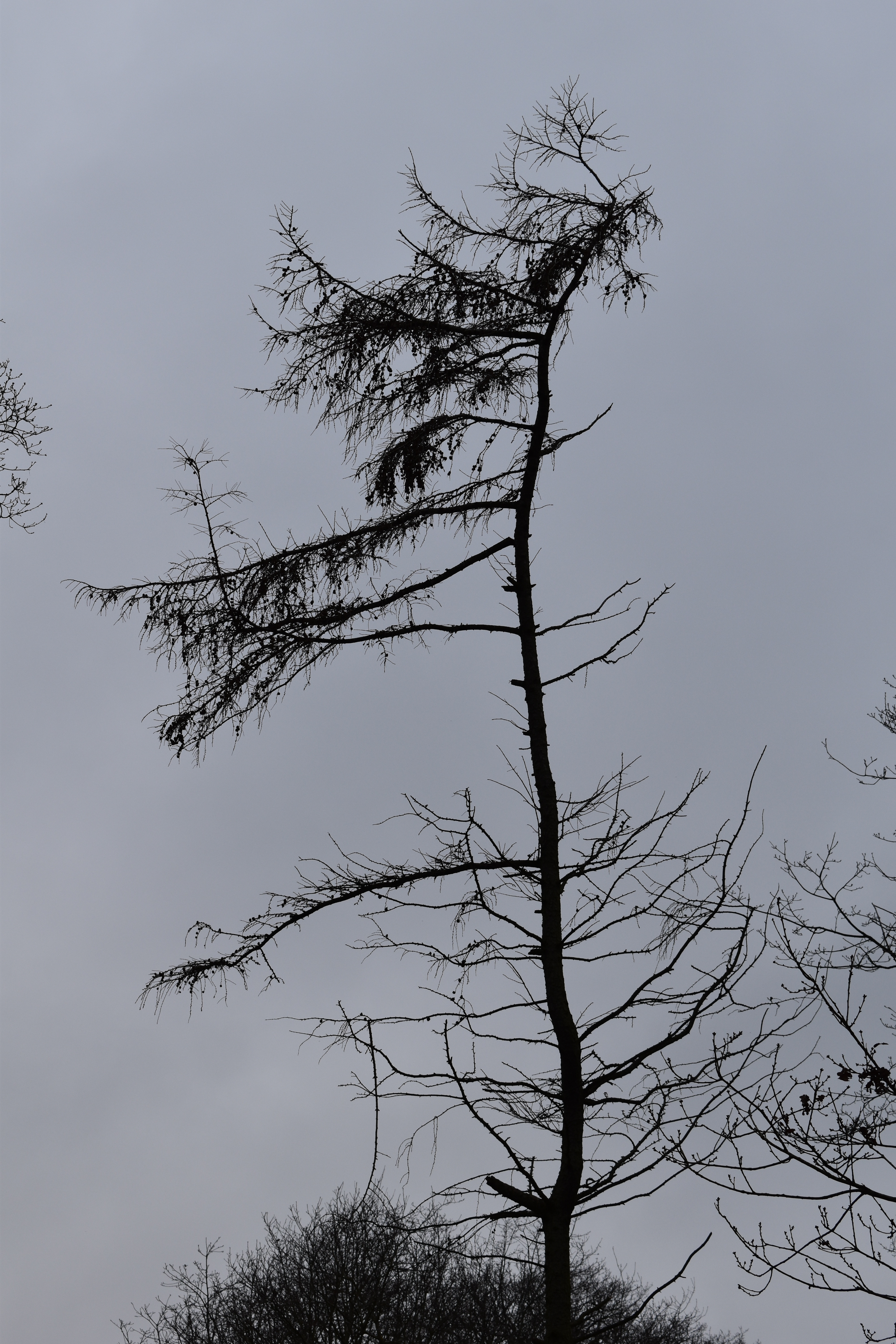
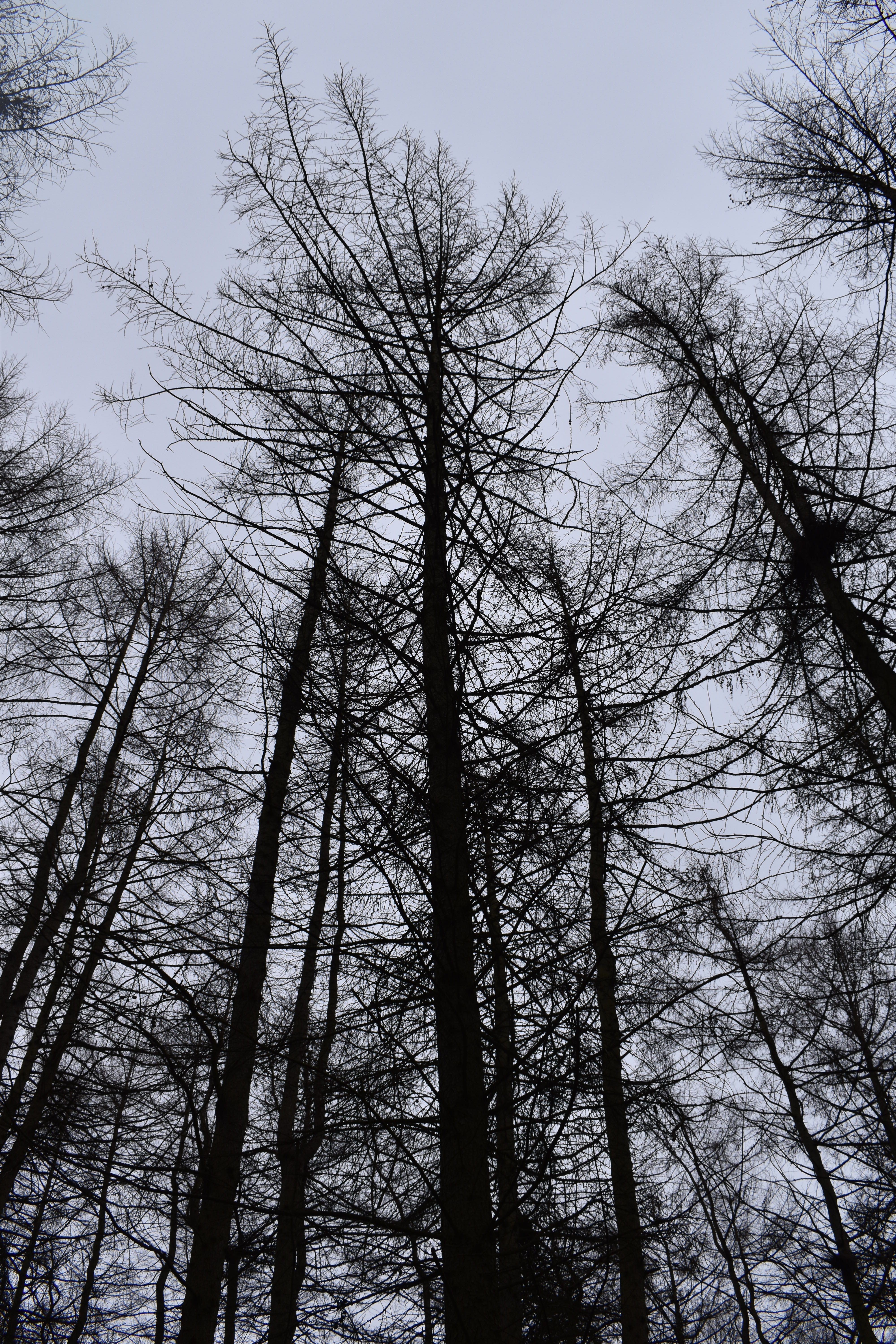
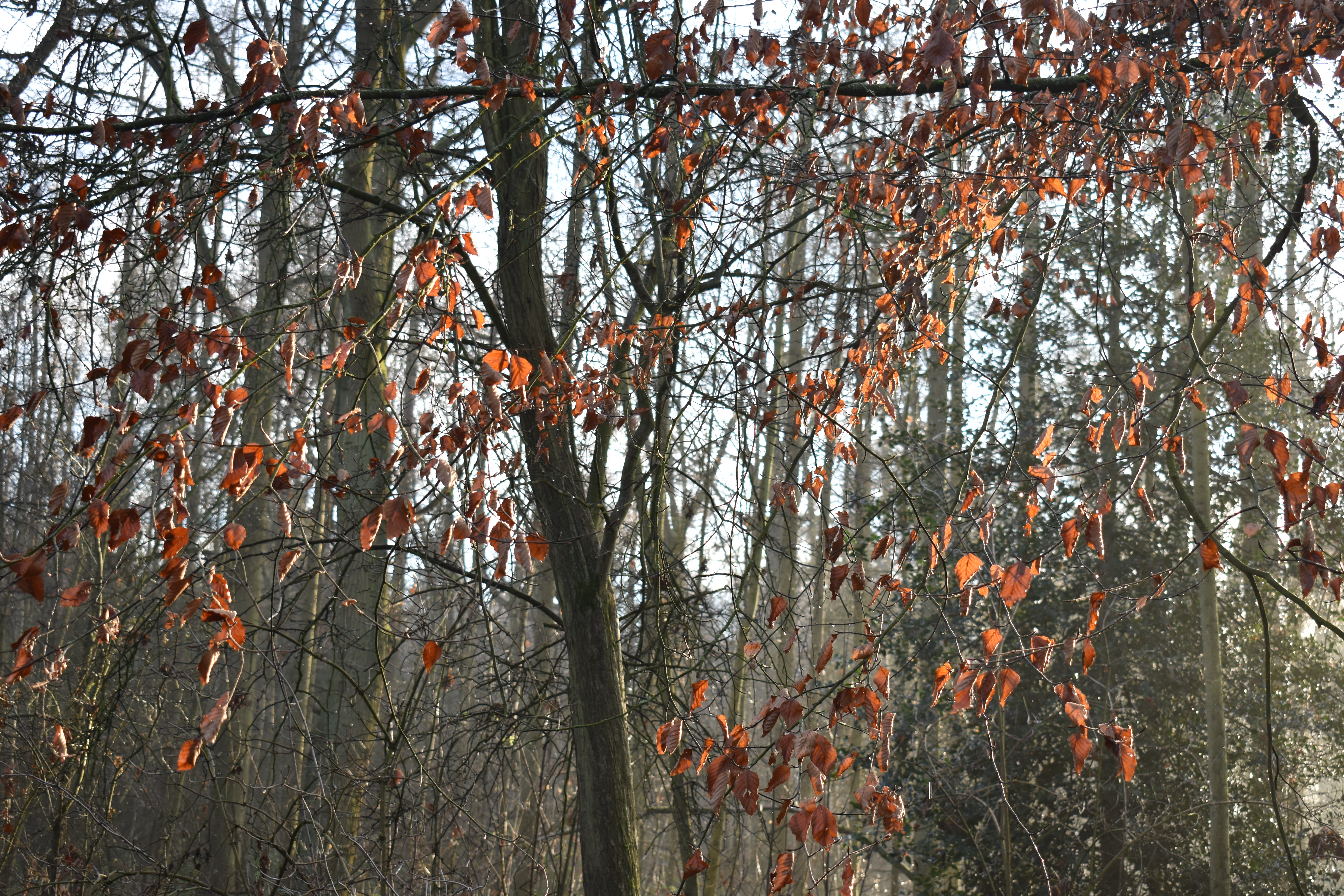
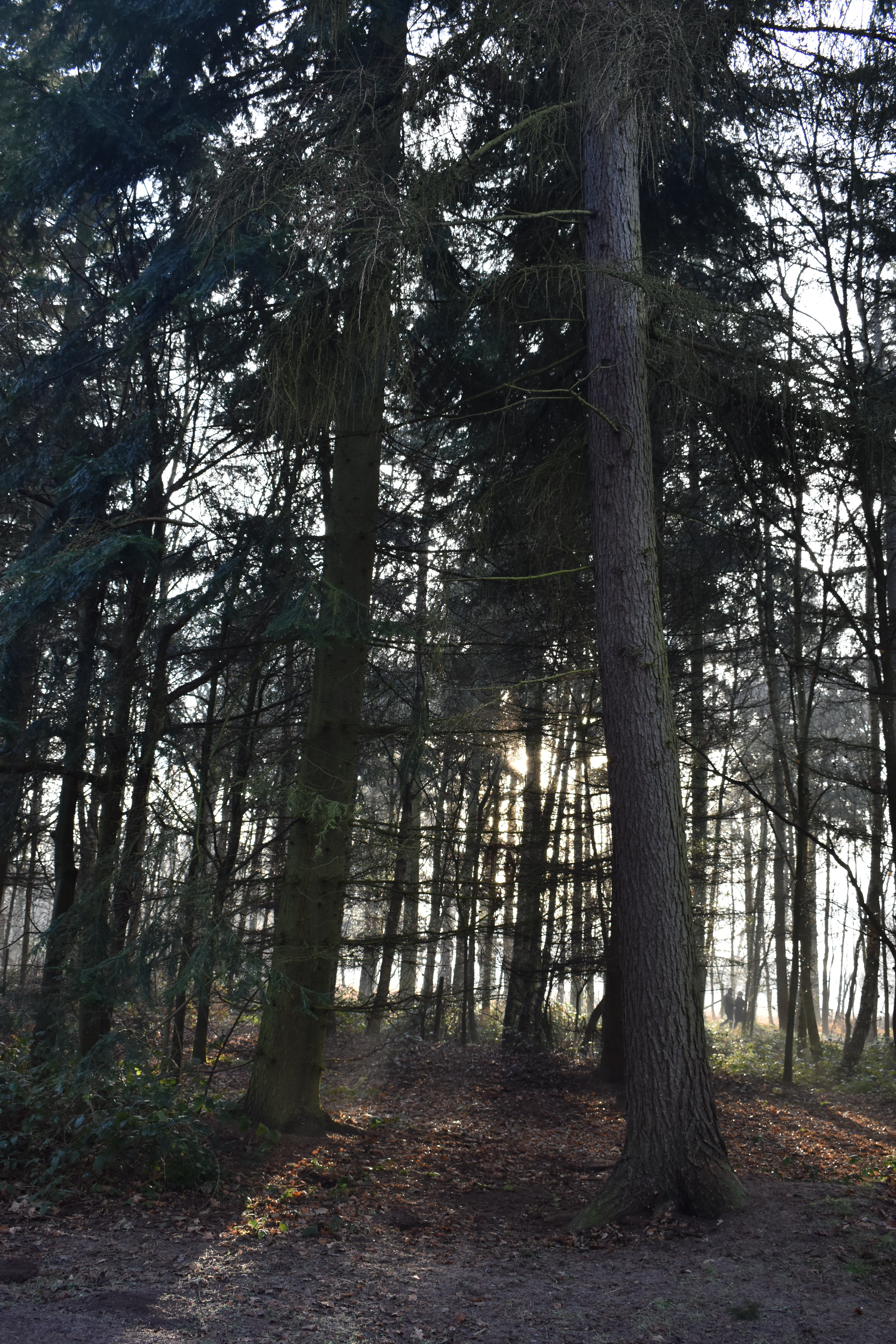
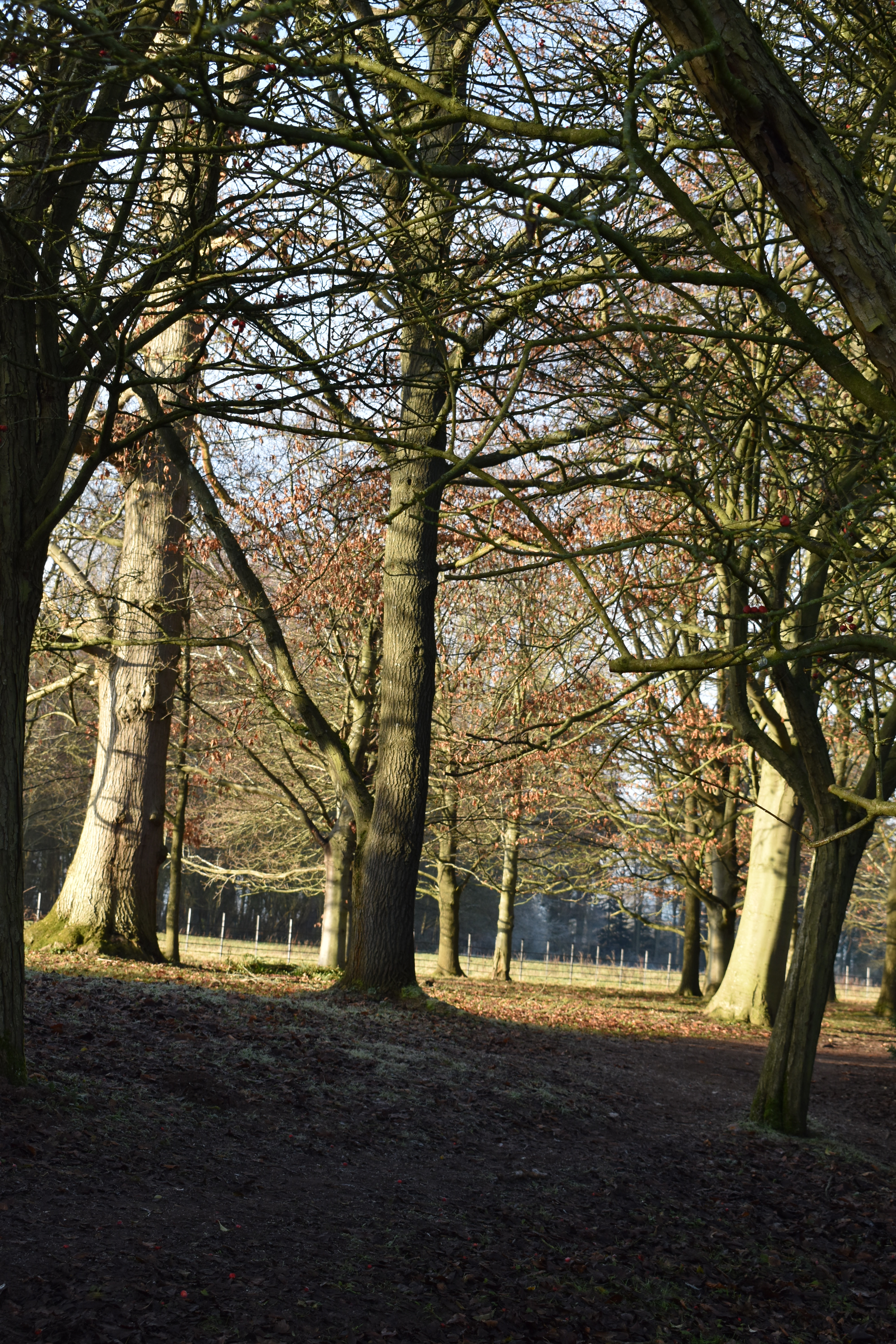
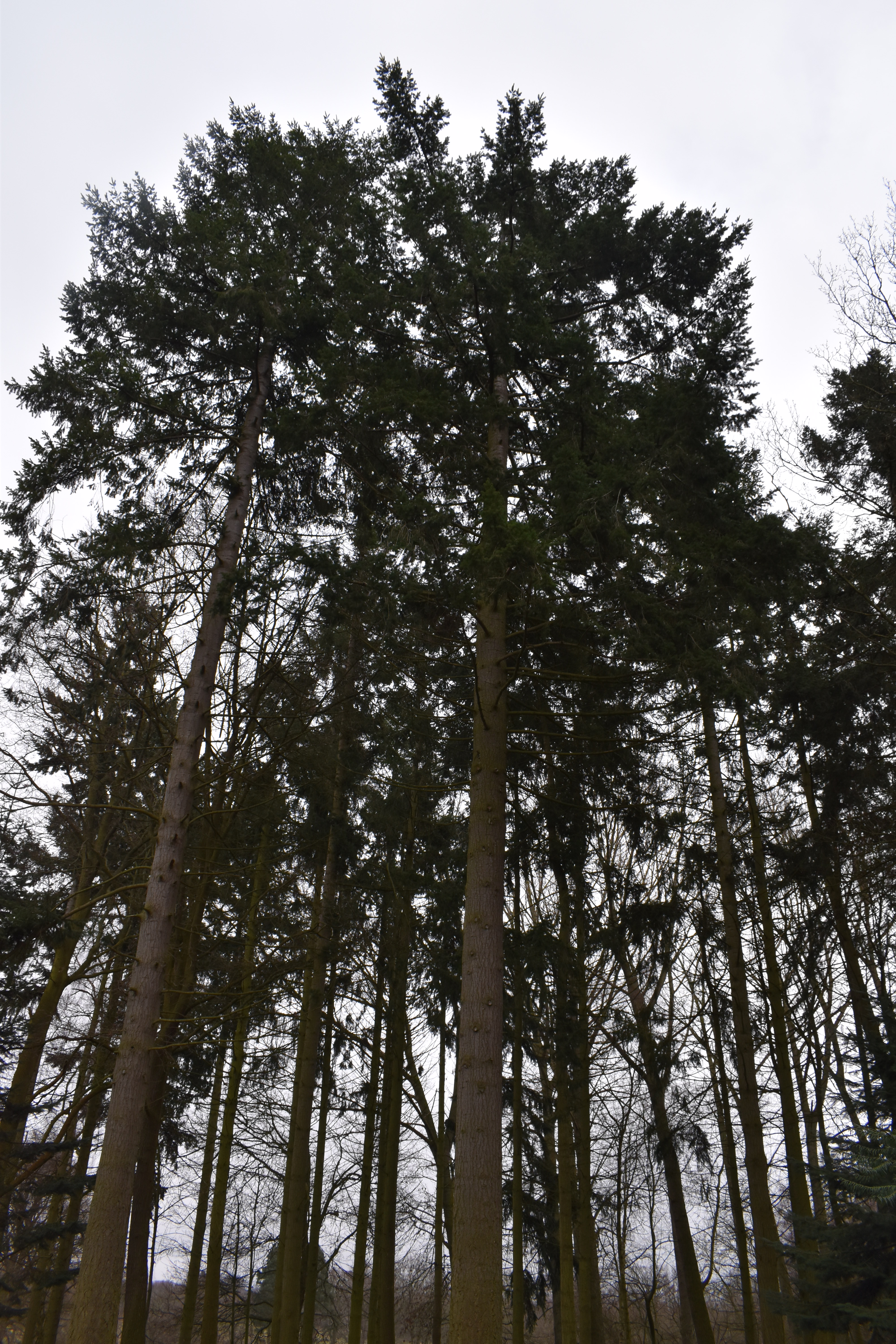
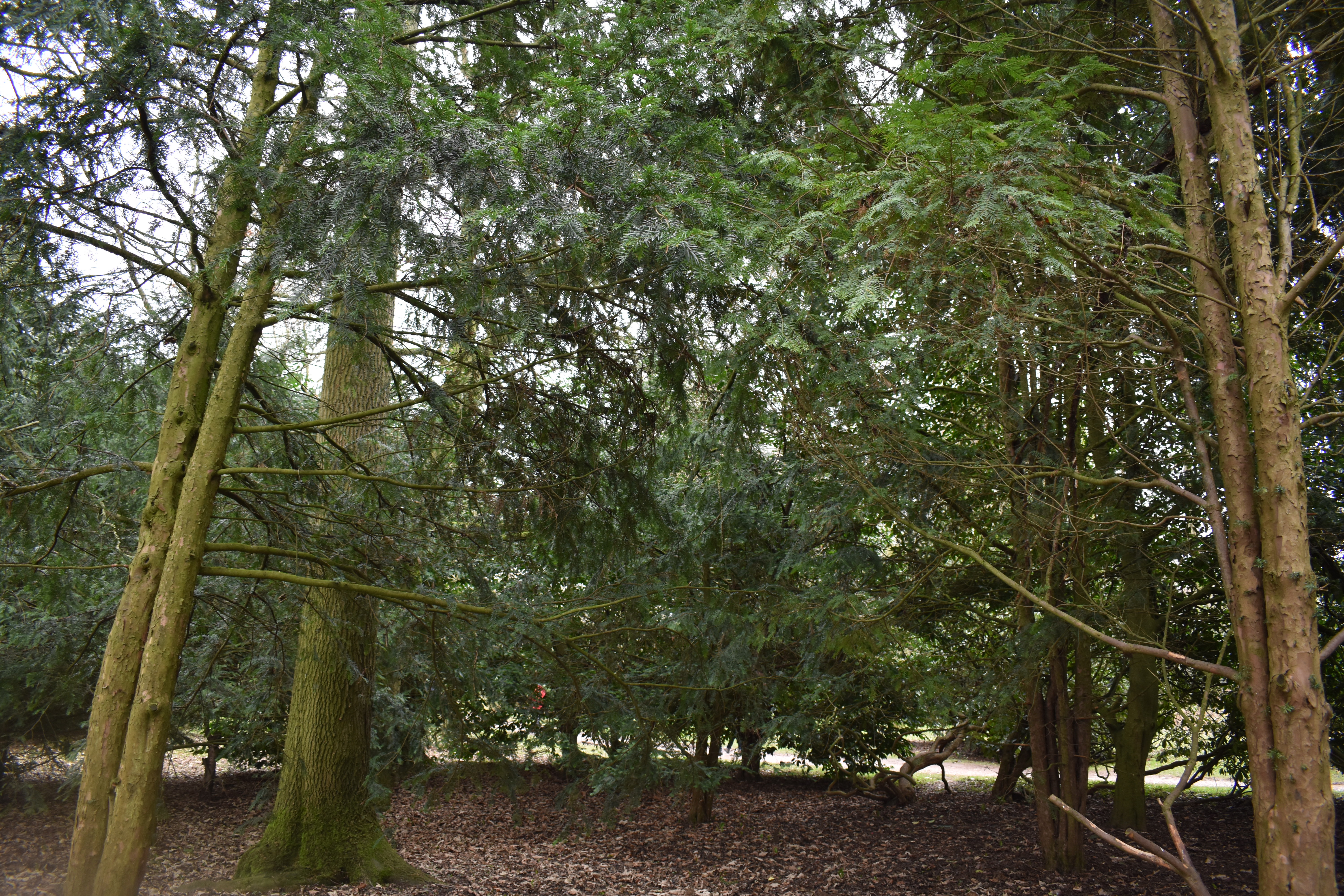
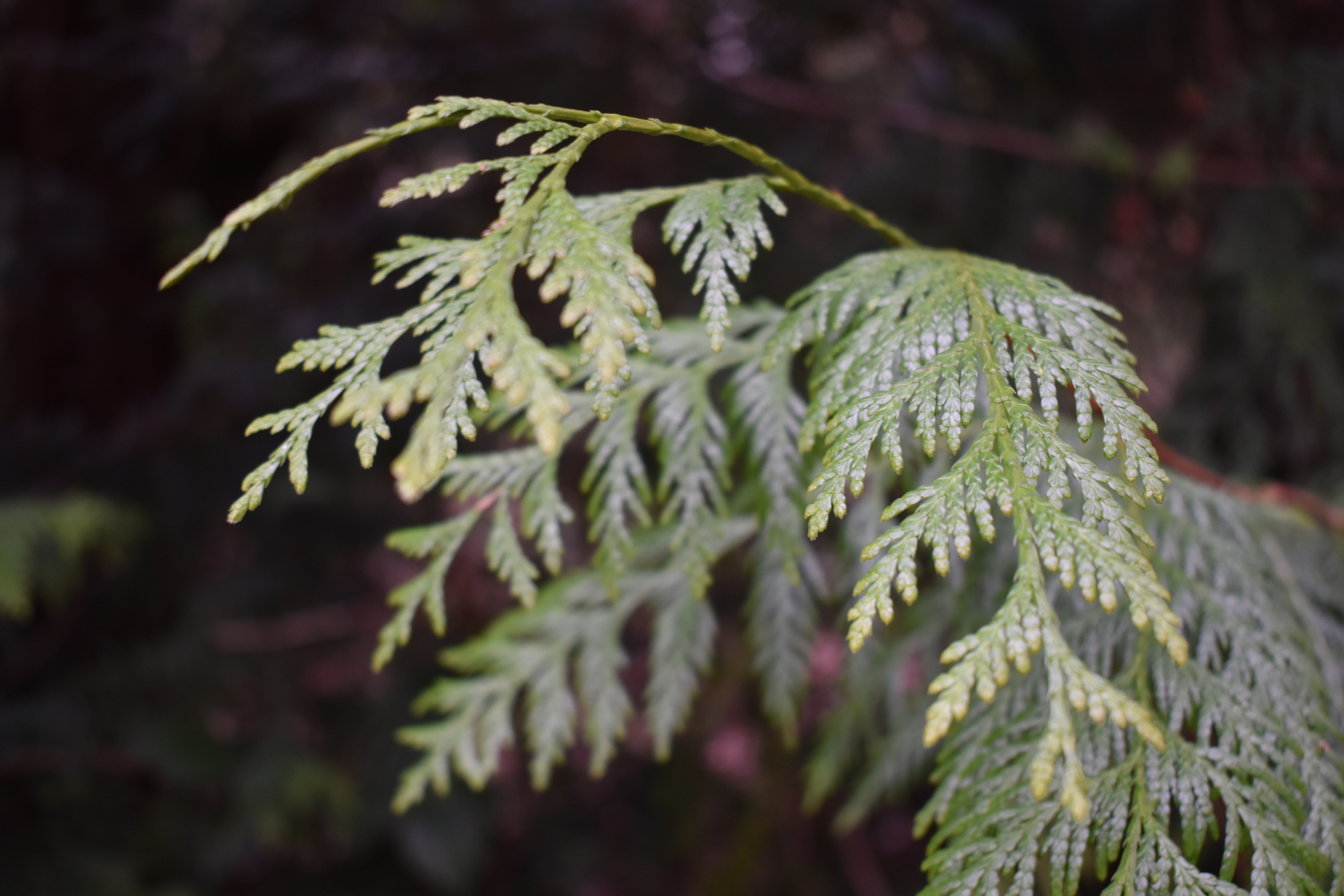
Leaving the snowdrops behind we discovered more different coniferous trees alongside our pathway, now muddy underfoot after recent wet weather. Looking skyward at mature coniferous trees they are such a strong contrast to the light open outlines of their deciduous cousins. Sometimes conifer foliage appears quite glaucous but others appear black and heavy. As we found each one we tried to photograph their needles or scales.
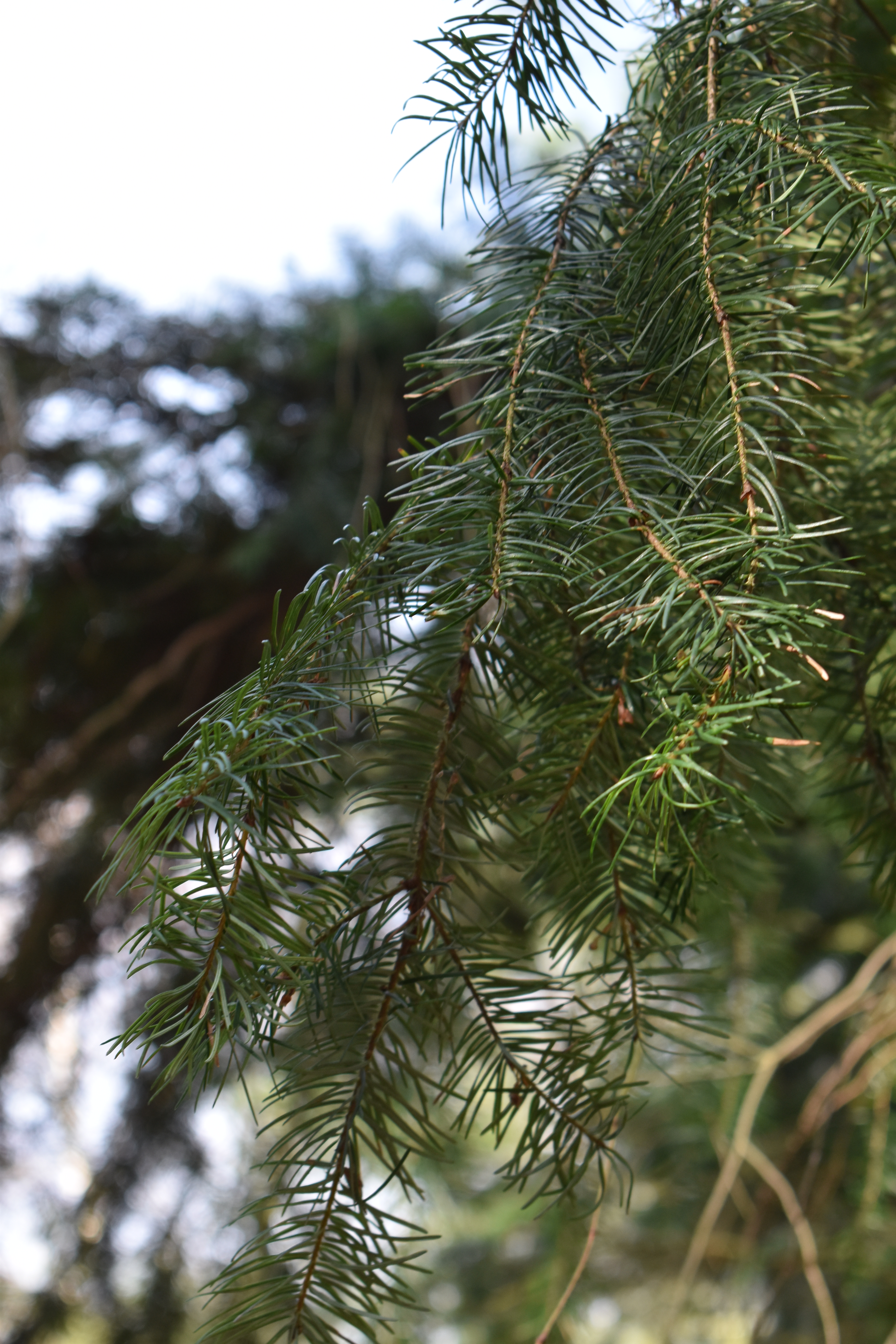
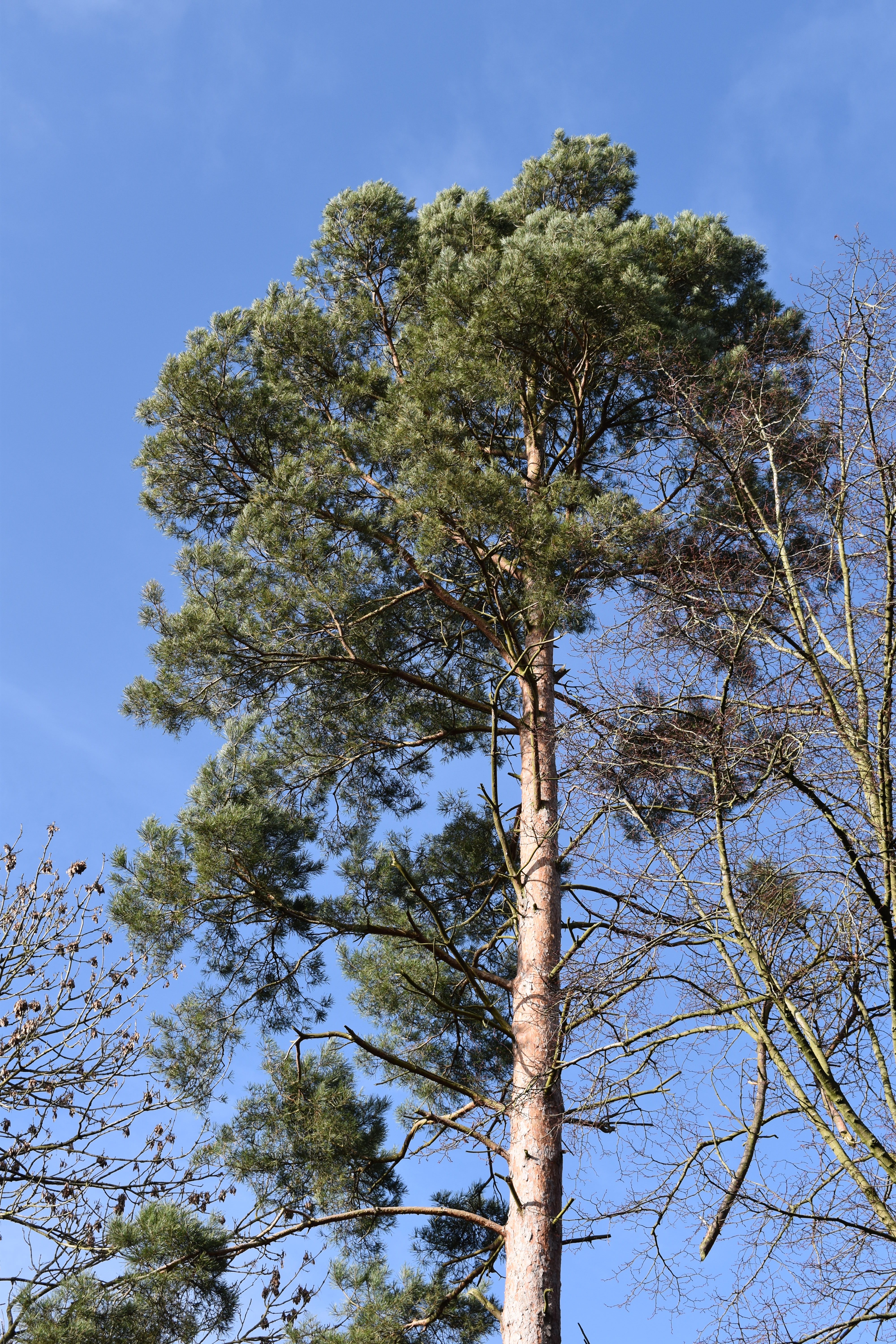
Carrying further into the woodland we looked upwards to see the canopies above us.
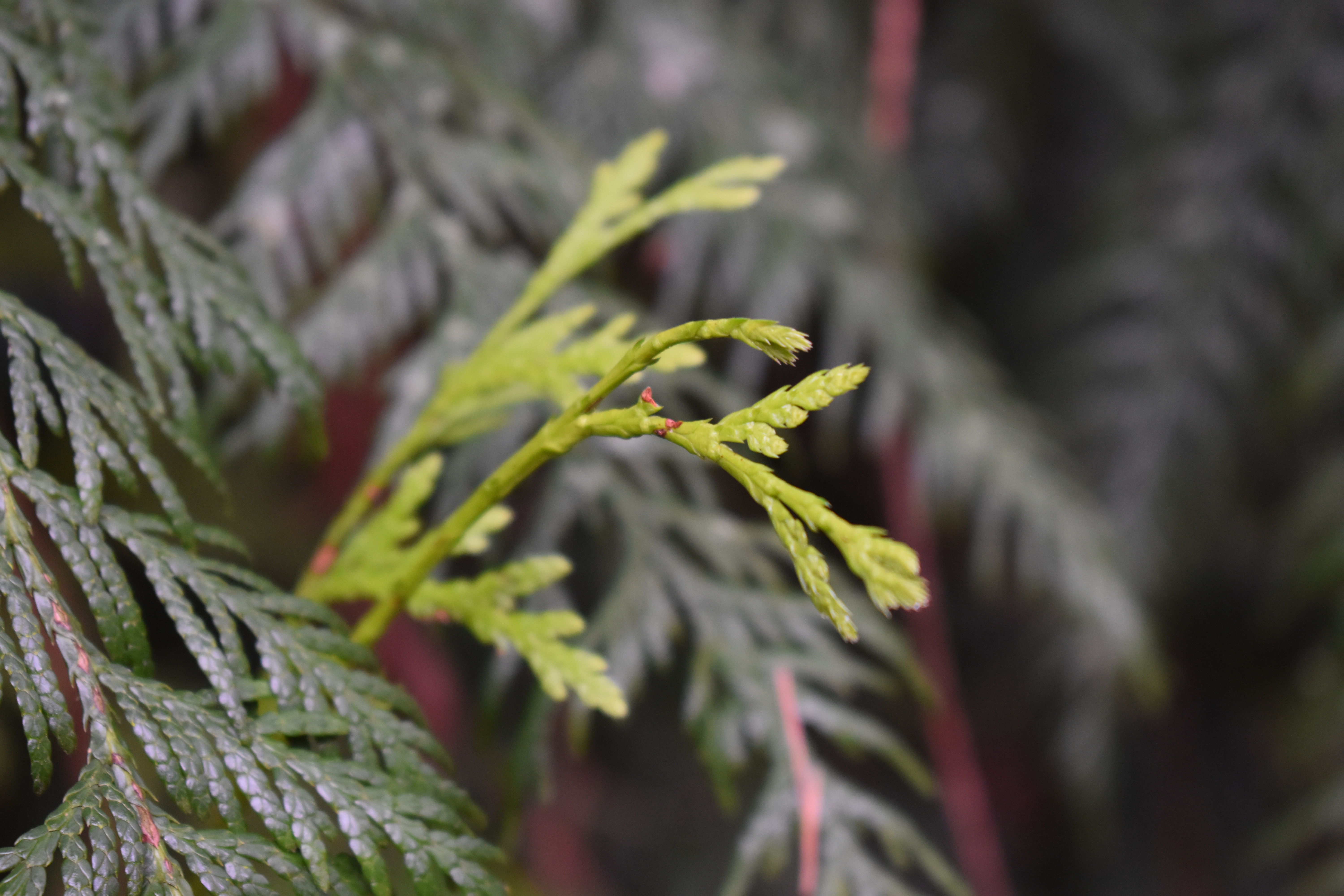
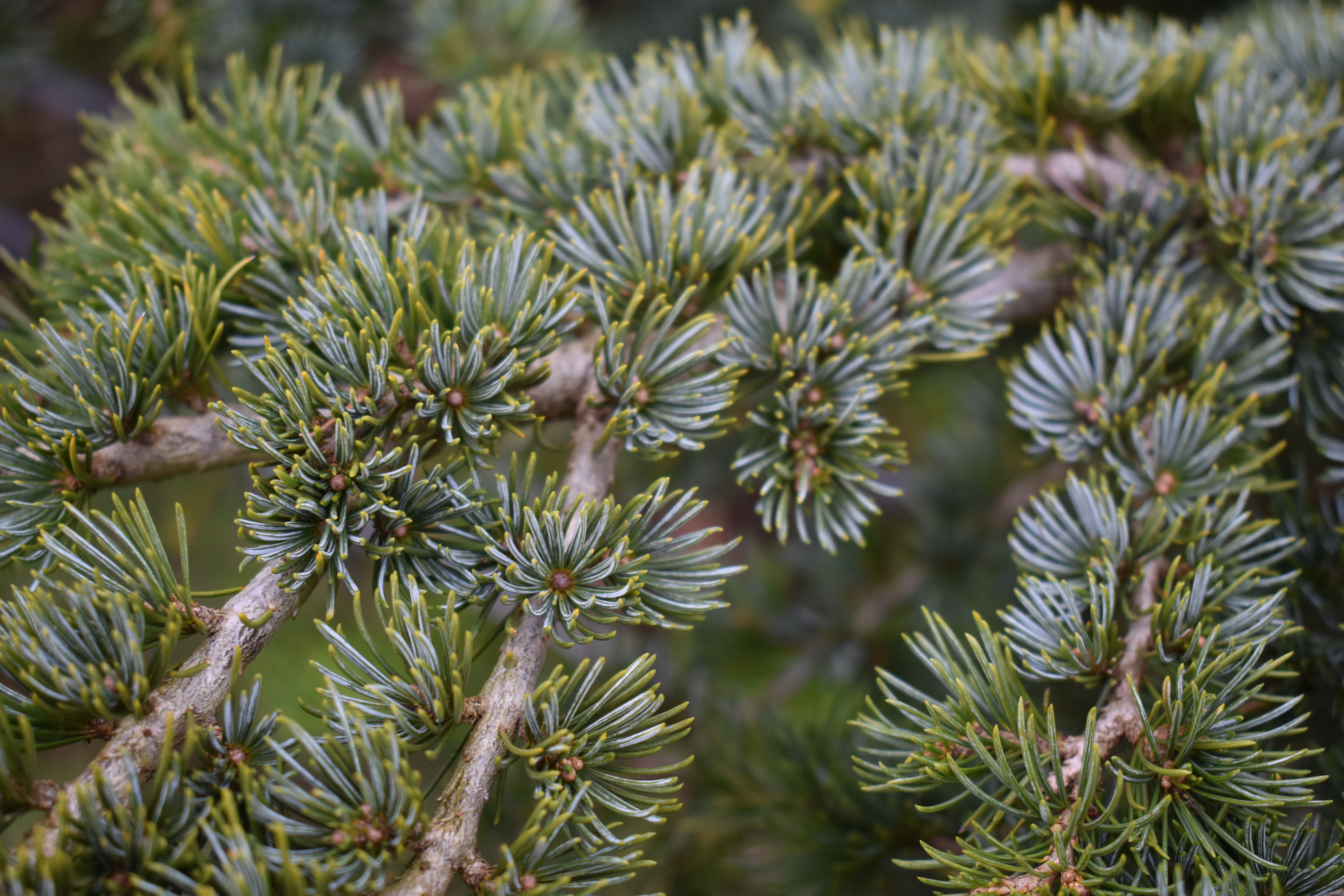
As we took a turn off the main track we came across the first of our conifers to have scales rather than needles. New growth was a bright grass green against the more glaucous tints of last years foliage.

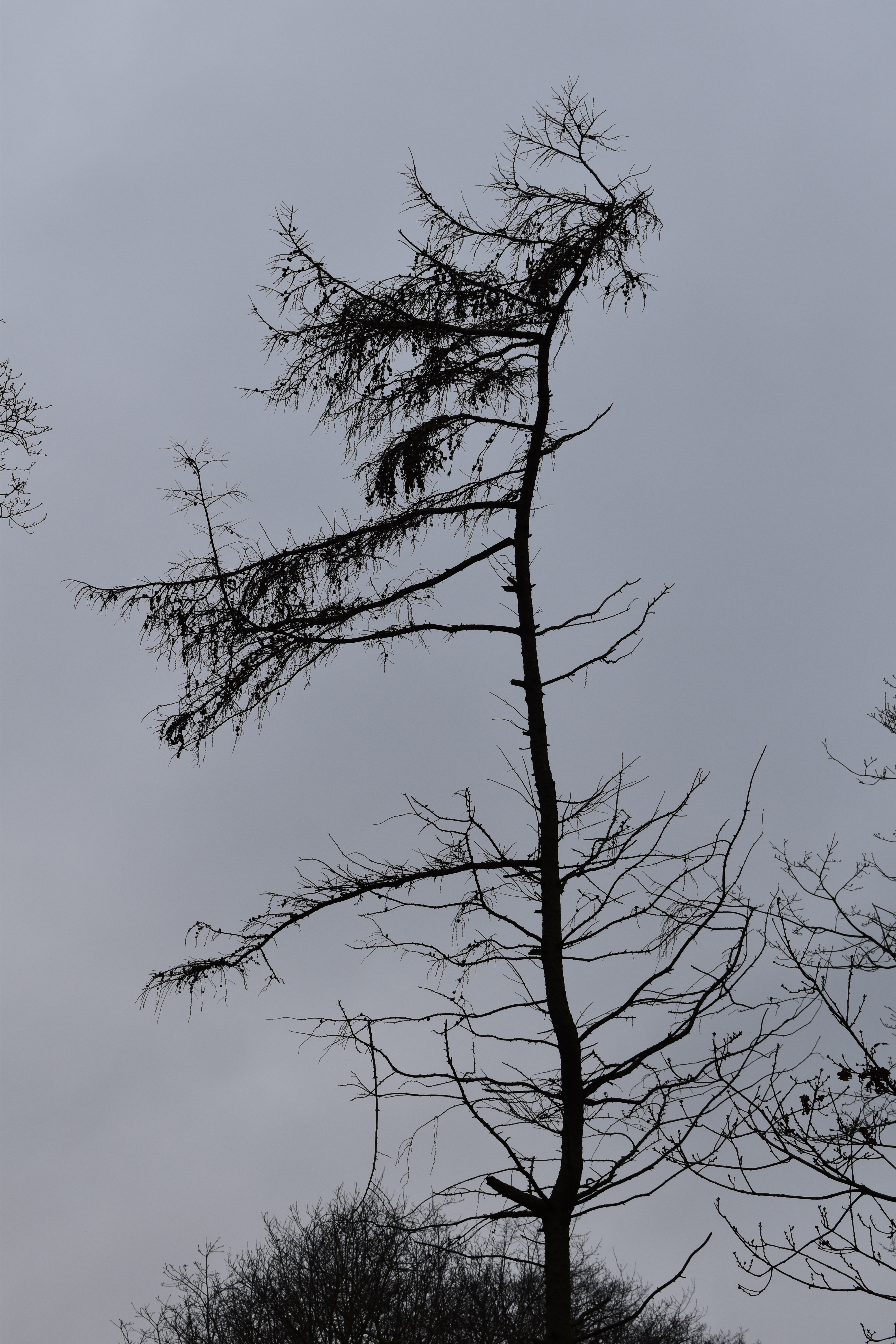
A little further on we were pleased to find a group of our only conifer that is deciduous, the European Larch, Larix europaeus, which presented as a very different outline. Its needles carpeted the earth beneath.
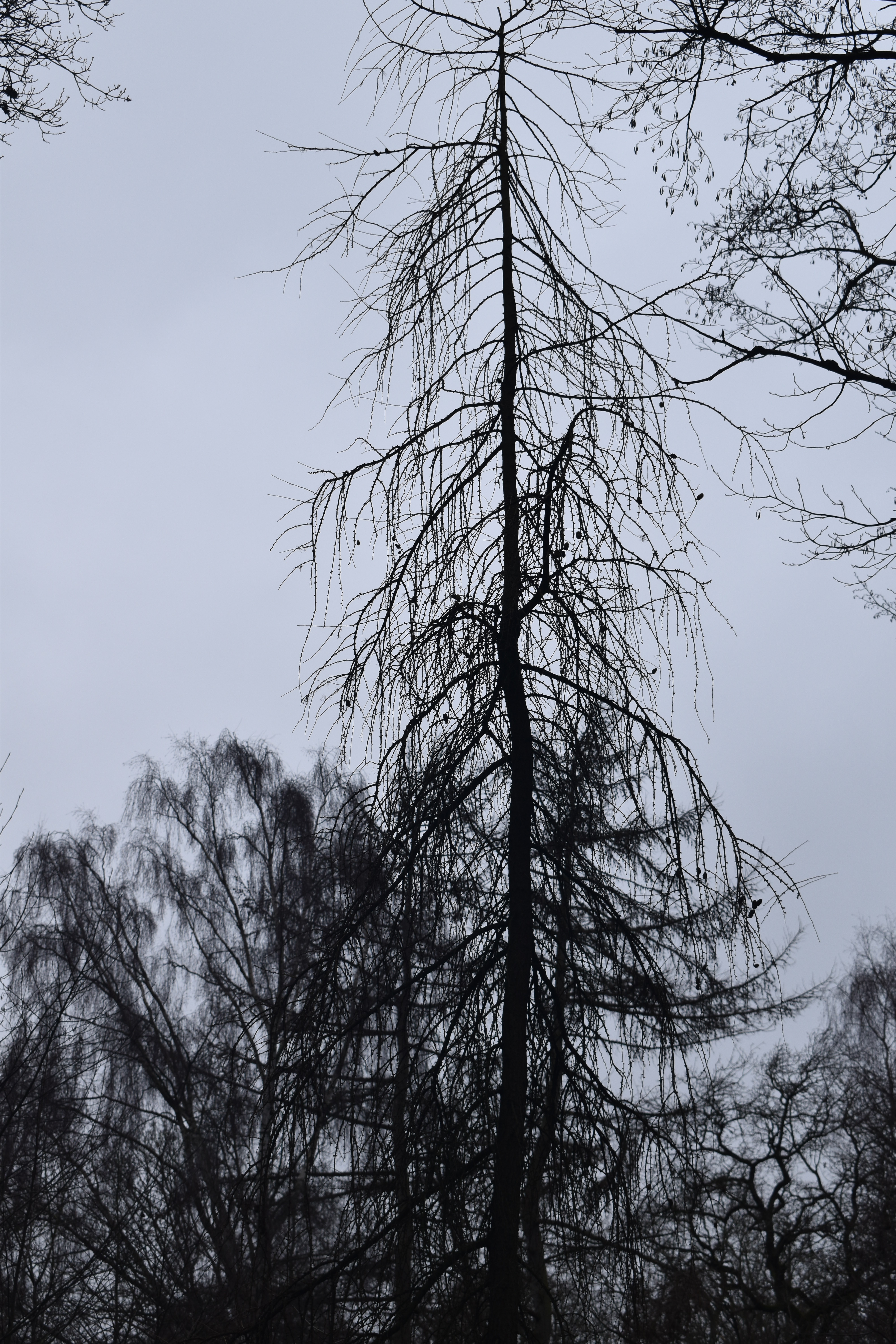
A few yards further along our wanderings we came across a tree we had never seen before but guessed it was some sort of larch but it was small and weeping in habit. I have since discovered it to be Weeping Japanese Larch. A lovely silhouette!
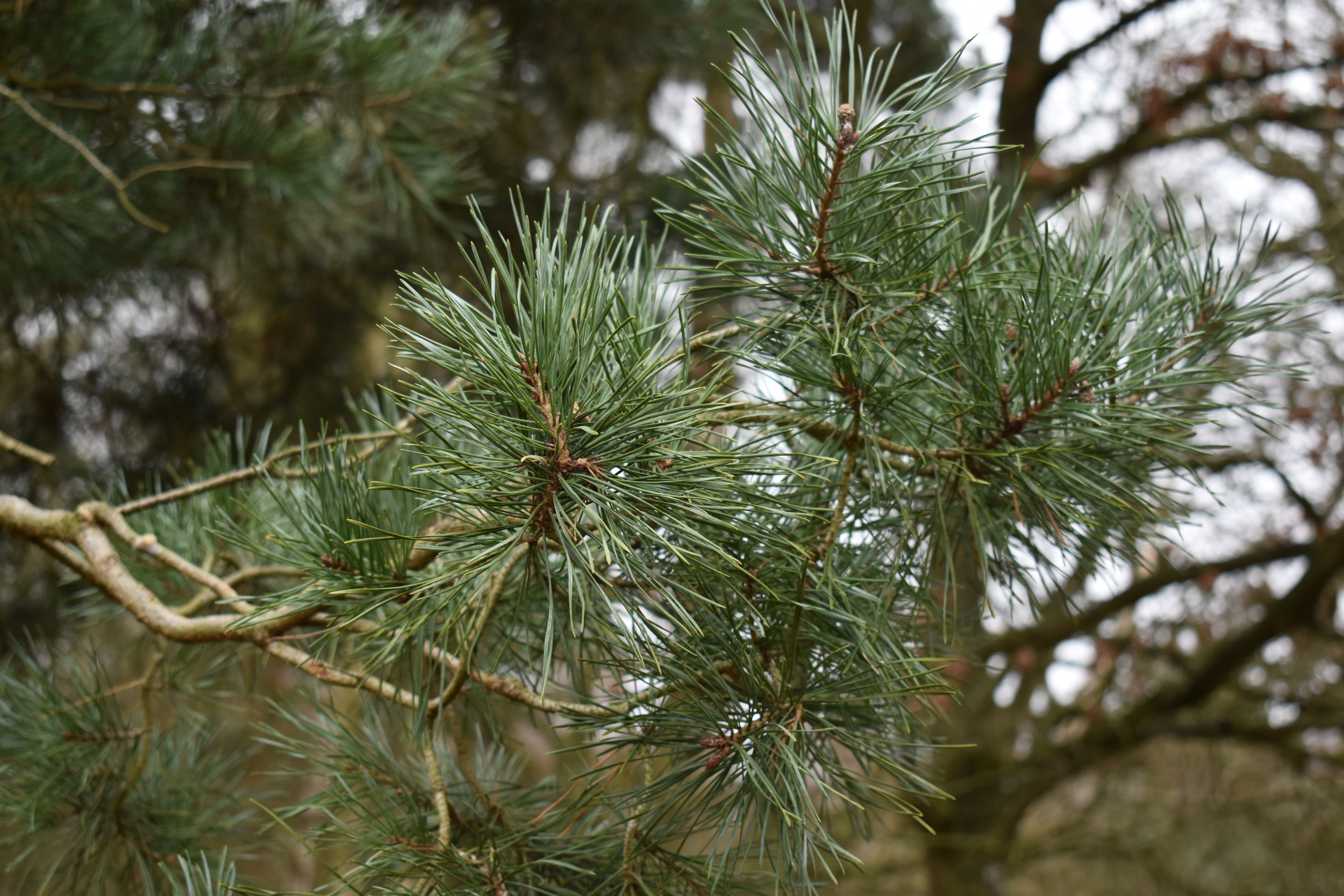
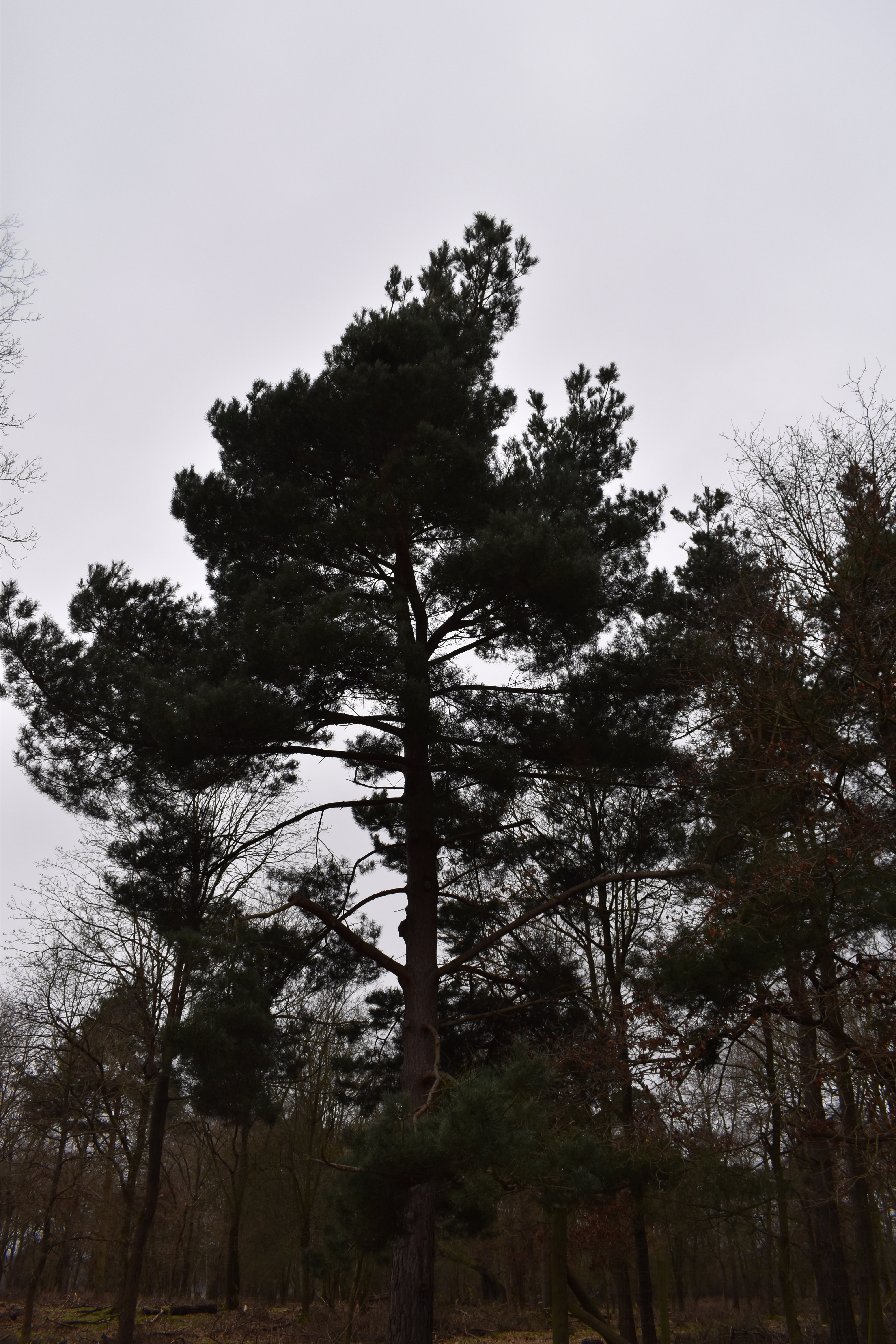
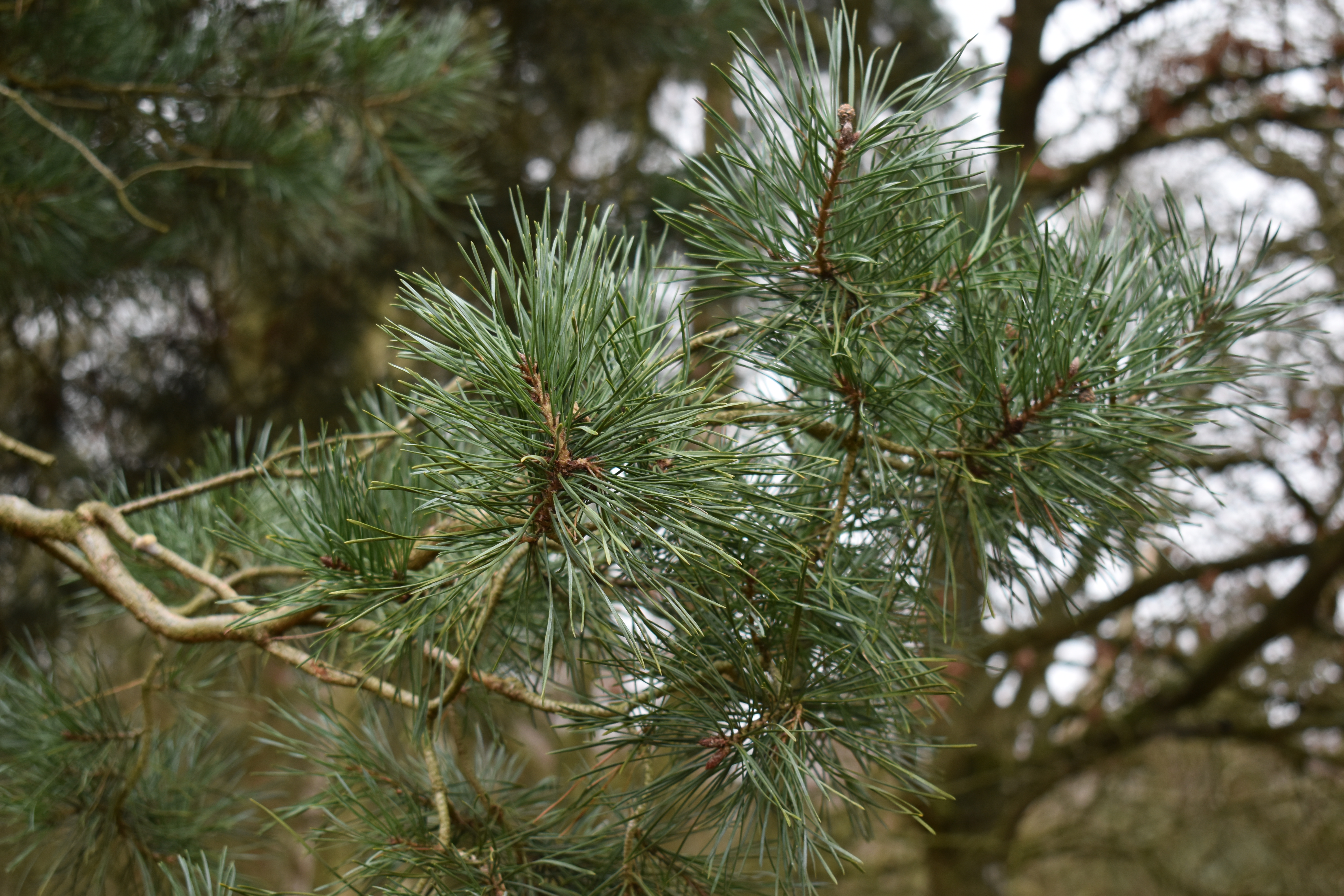
The final piece of woodland our wanderings took us through featured pine trees such as Scot’s Pine with long glaucous needles in batches. several had been felled by winter storms and these were being enjoyed by the resident herd of deer who have been gnawing away at their bark. Odd ones were dead but still standing providing shelter for insects and invertebrates which will in turn predators such as tits, woodpeckers, tree creepers and nuthatches.
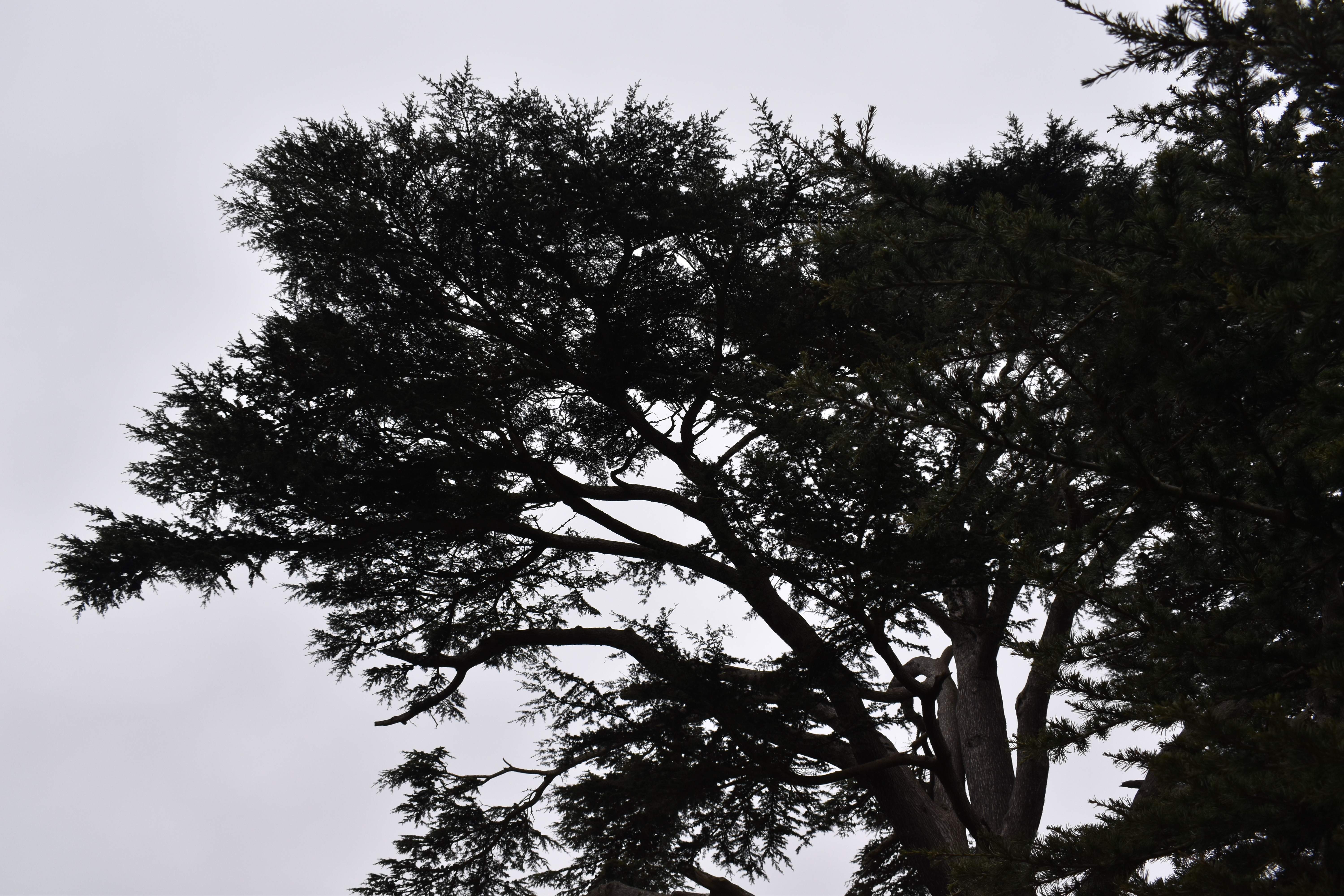
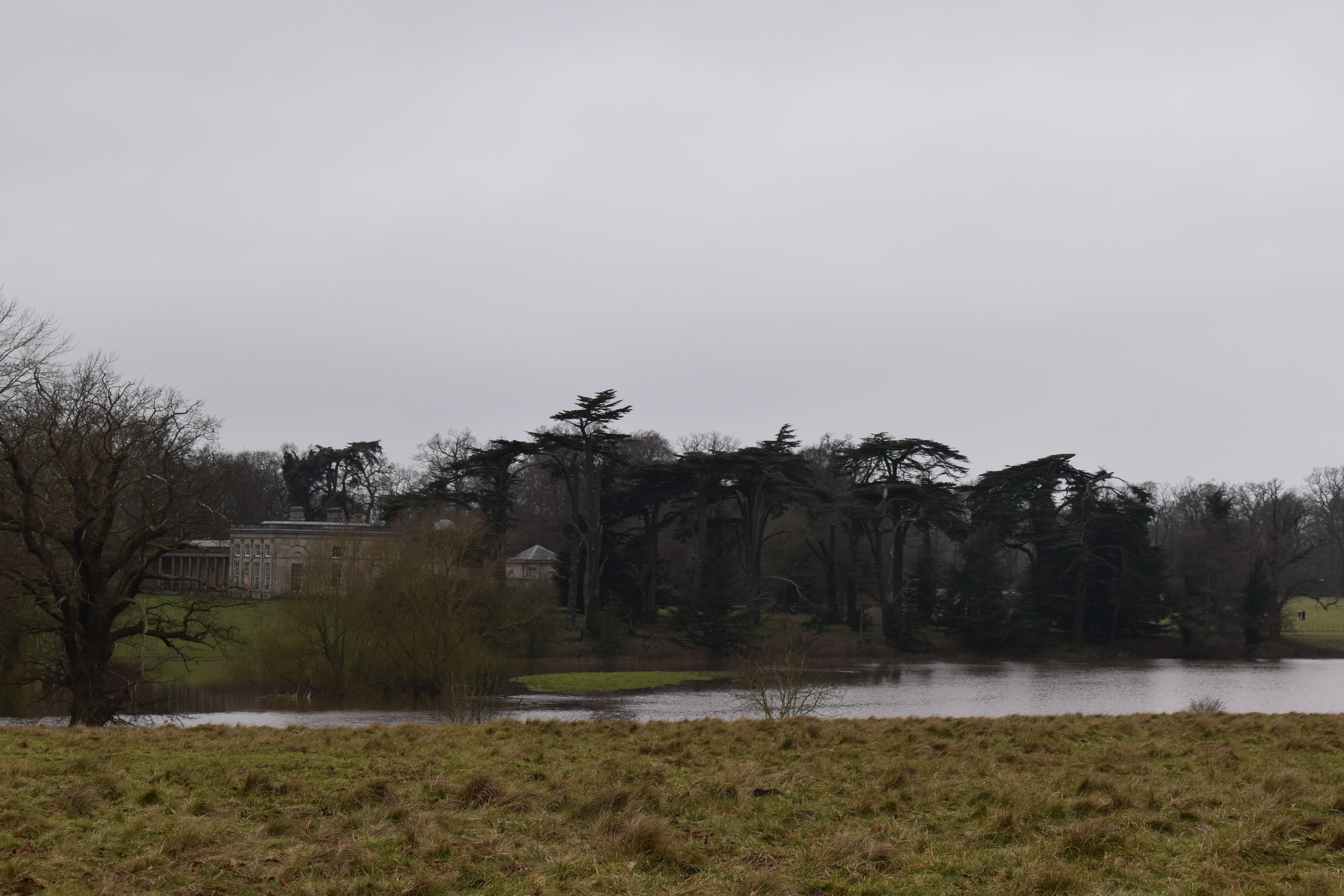
We had one final clump of very special coniferous trees to enjoy. We could see them as we left the woodland path filling the area between the river and the buildings. These are the ubiquitous cedars seen at most stately homes and they are need of constant attention from tree surgeons as they are dropping huge branches as they wither slowly away.
We found a few small conifers as we crossed over the huge lawn area to have a close look at them.

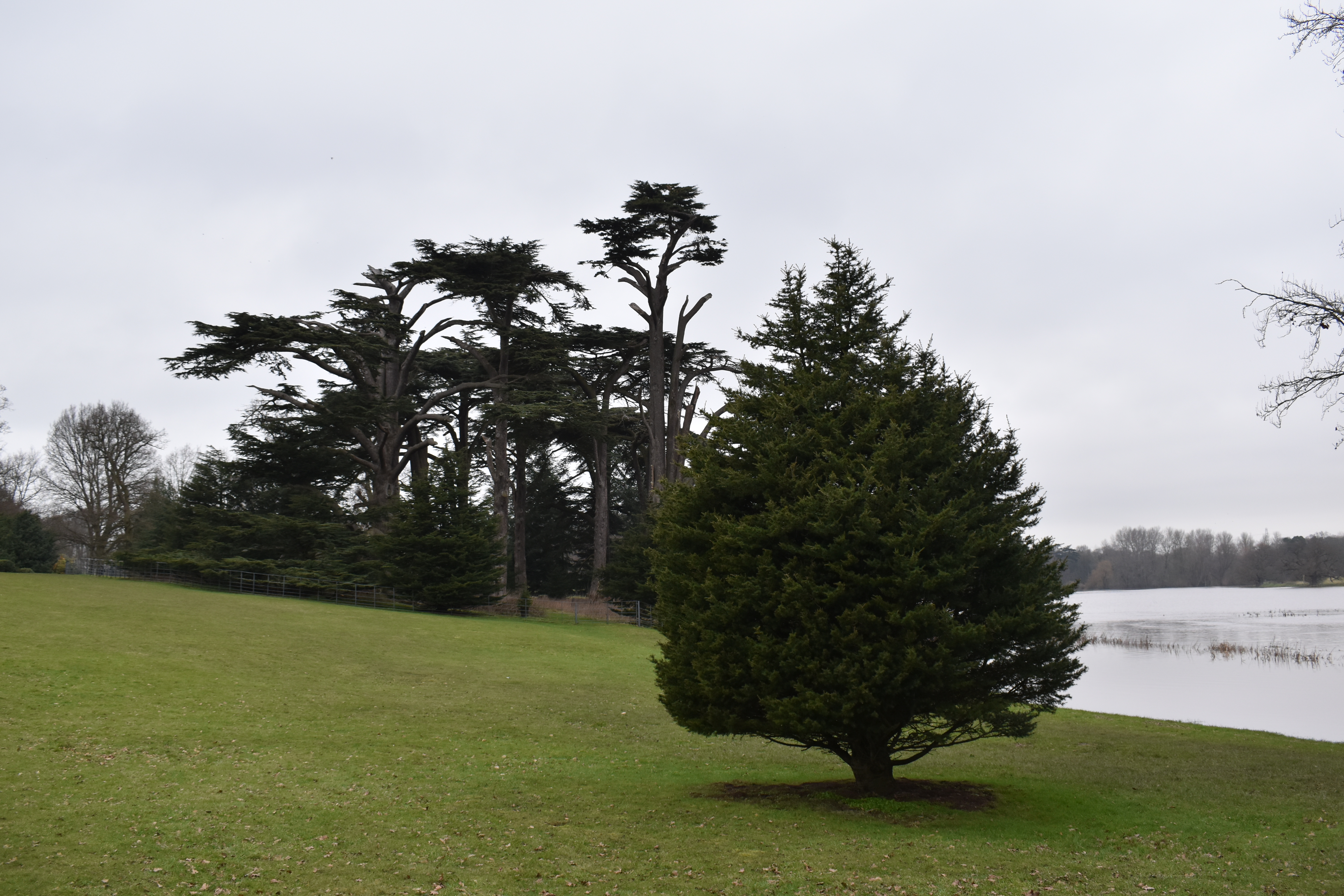
Upon reaching the cypresses we were impressed with the amont of work done on them and also the number of young trees planted over the years as replacements. These graceful but huge trees are Jude the Undergardener’s favourite trees!
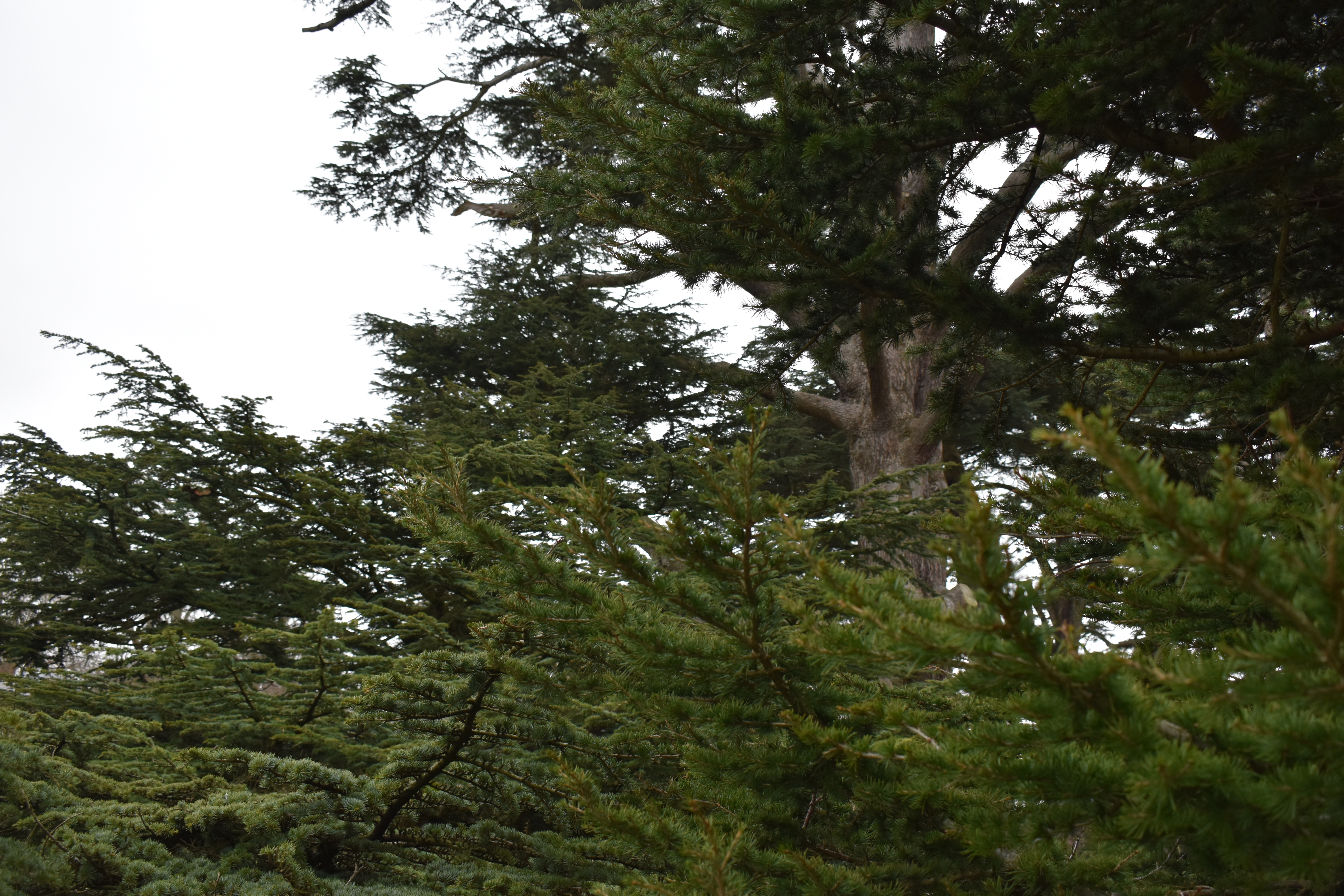
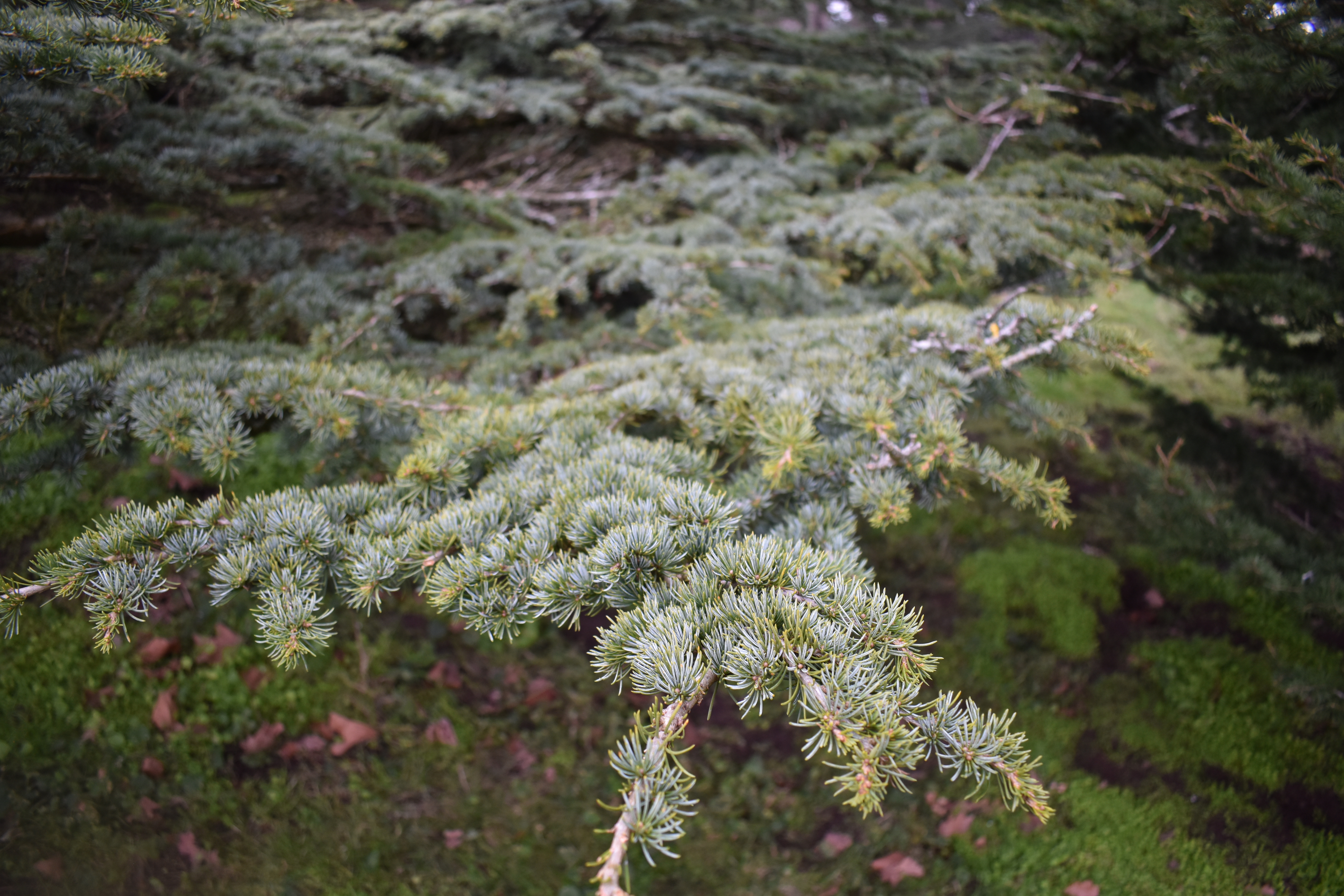
After we had studied these statuesque specimens we were close to the coffee so we decided to sit for a while and enjoy another!
Categories
Uncategorized

Winter Flowering Shrubs

We have been slowly building up winter interest in our garden here at Avocet for some time now. We are approaching mid-February enjoying the colours provided by flowering shrubs and trees. I decided I would take a wander with my camera to see what there was to impress us and to attract any insects out and about in search of nectar.

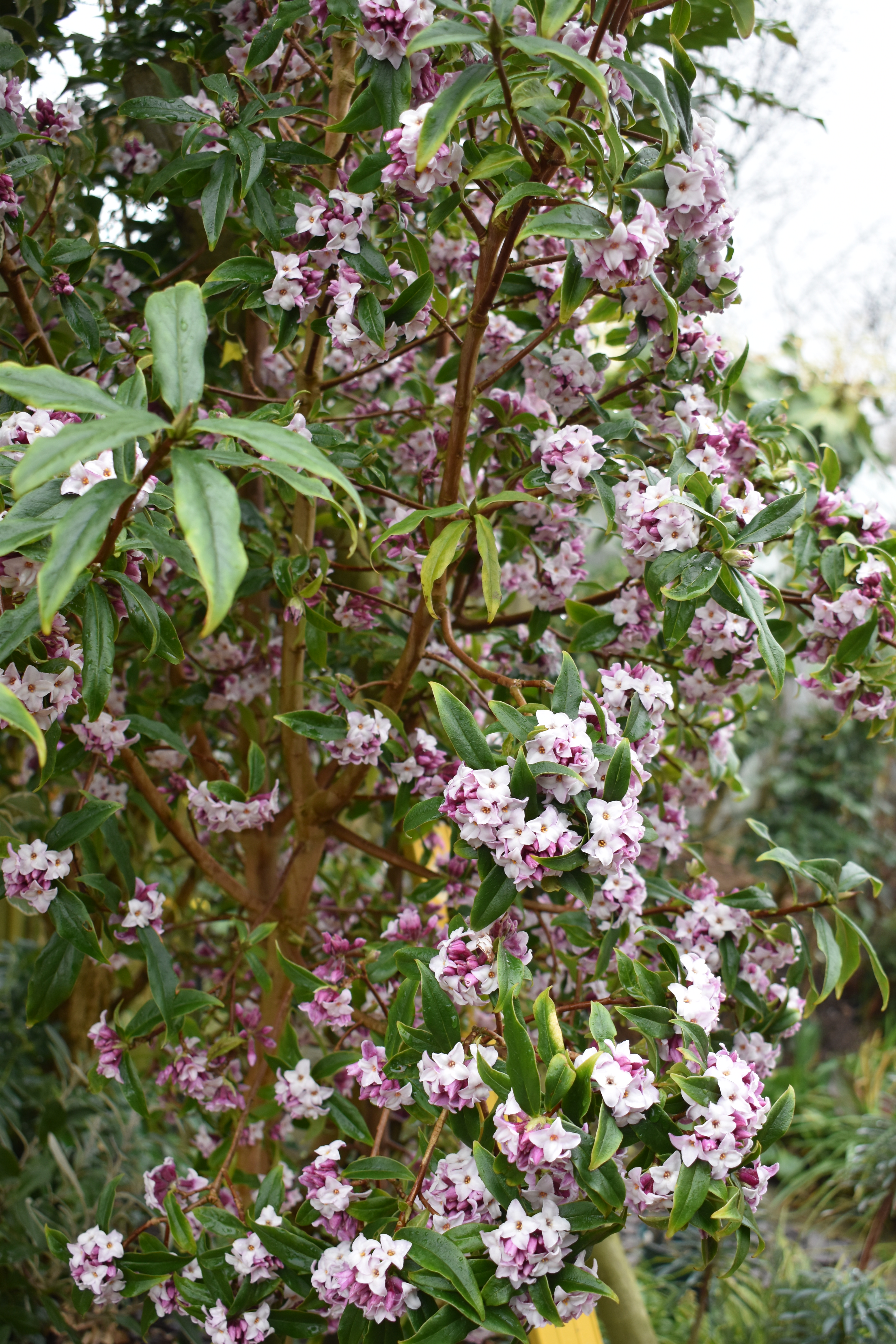
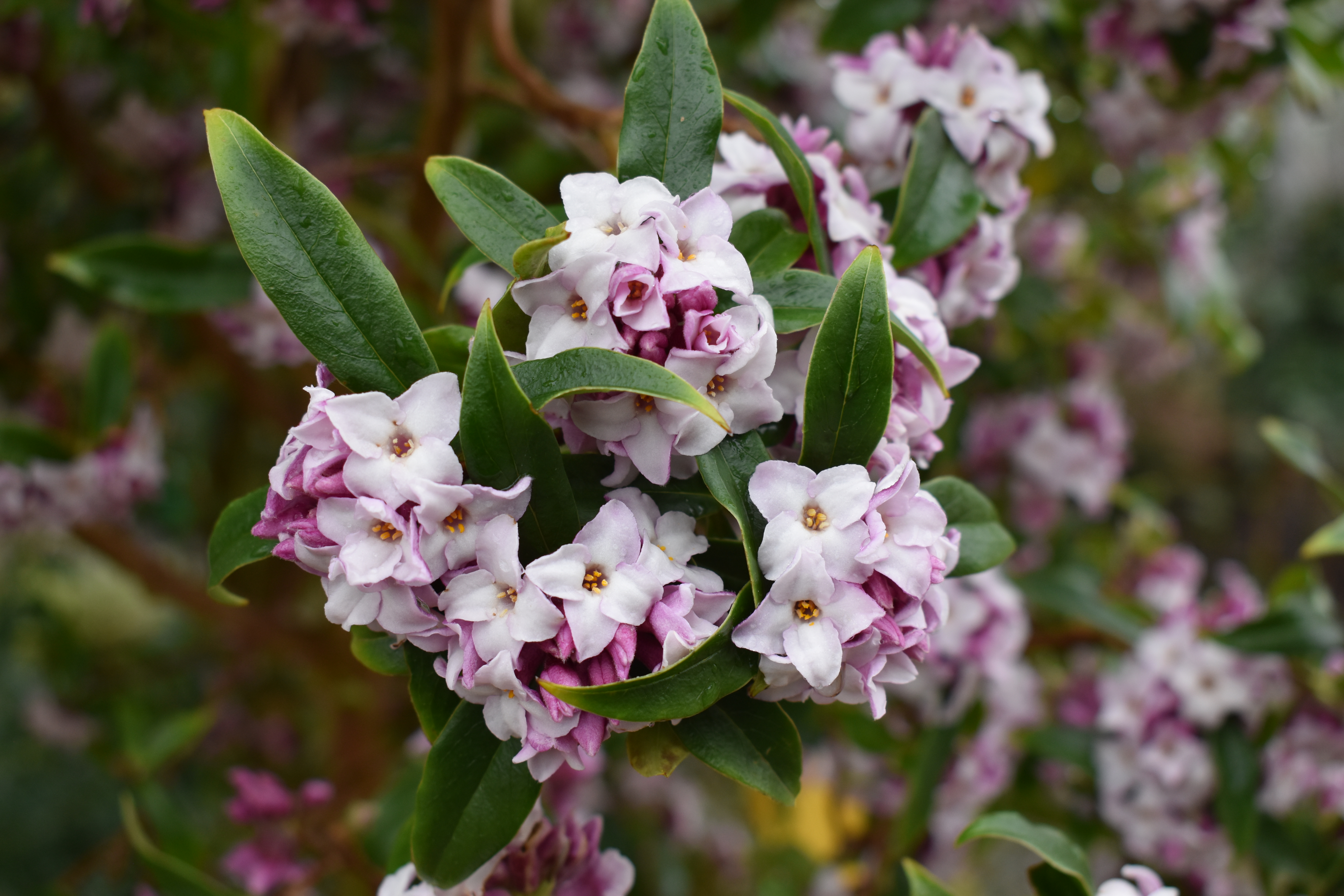
The first set of photos illustrates our Daphnes, D. bhuloa ‘Jacqueline Postill’, which I think emits the best aroma of all winter flowering shrubs. This year it is flowering better than ever with bigger clusters of flowers and far more of them. we grow it in the Winter Garden close to the conservatory and alongside a path to get best value!

Below this trio of pictures are of our three Witch Hazels, Hamamelis ‘Jelena’, H. ‘Harry’ and H. ‘Diane’ which are lightly and sweetly scented.

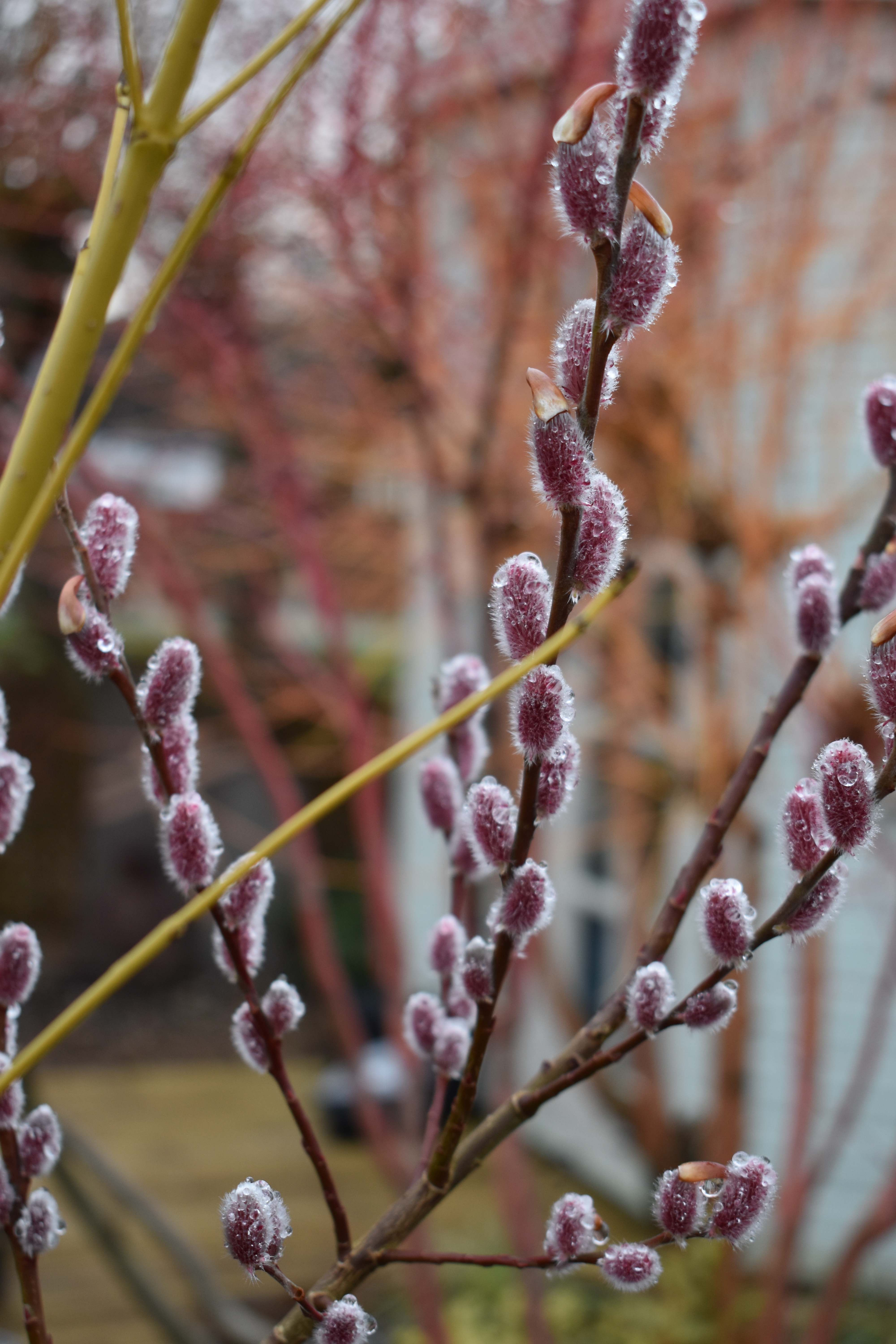
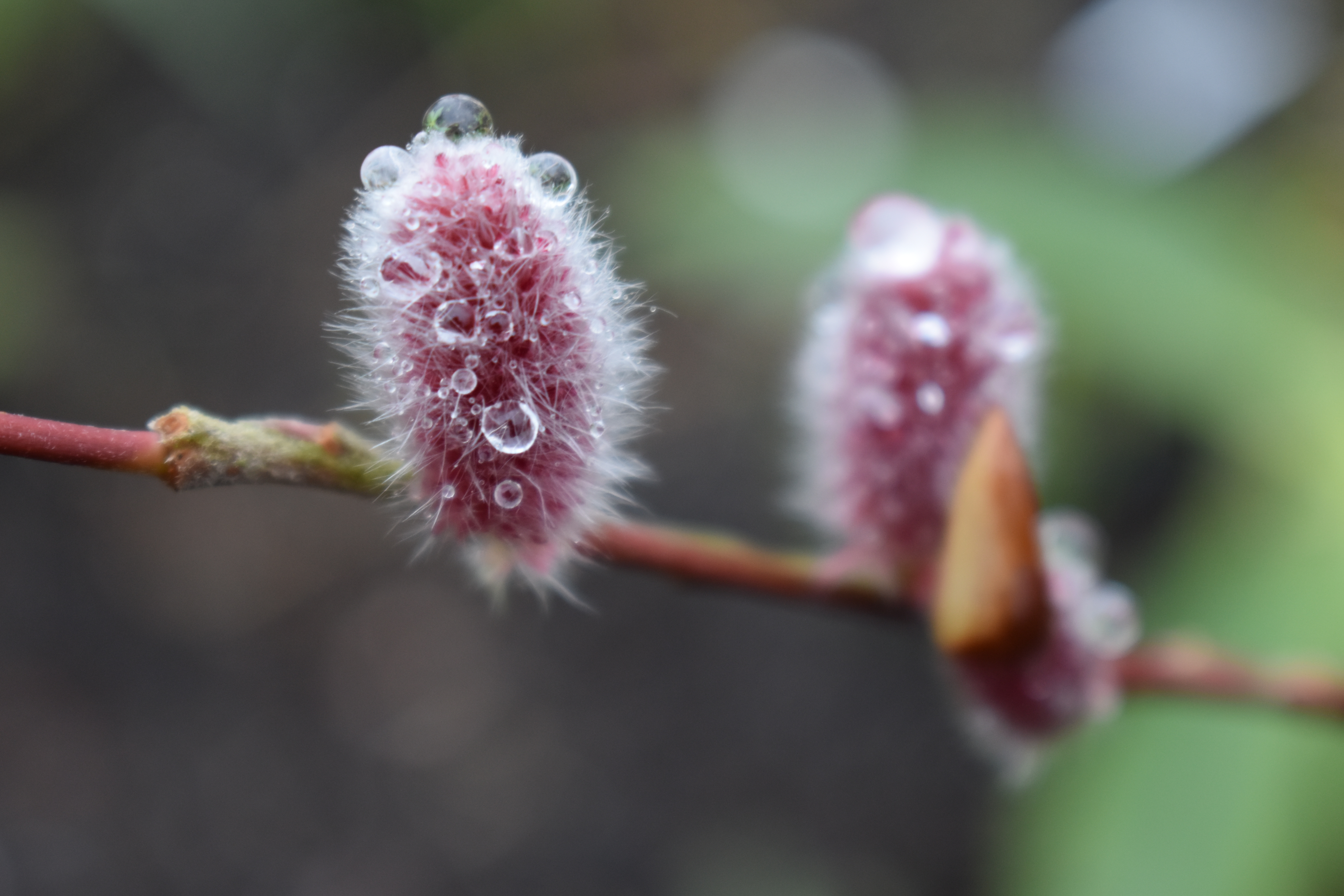
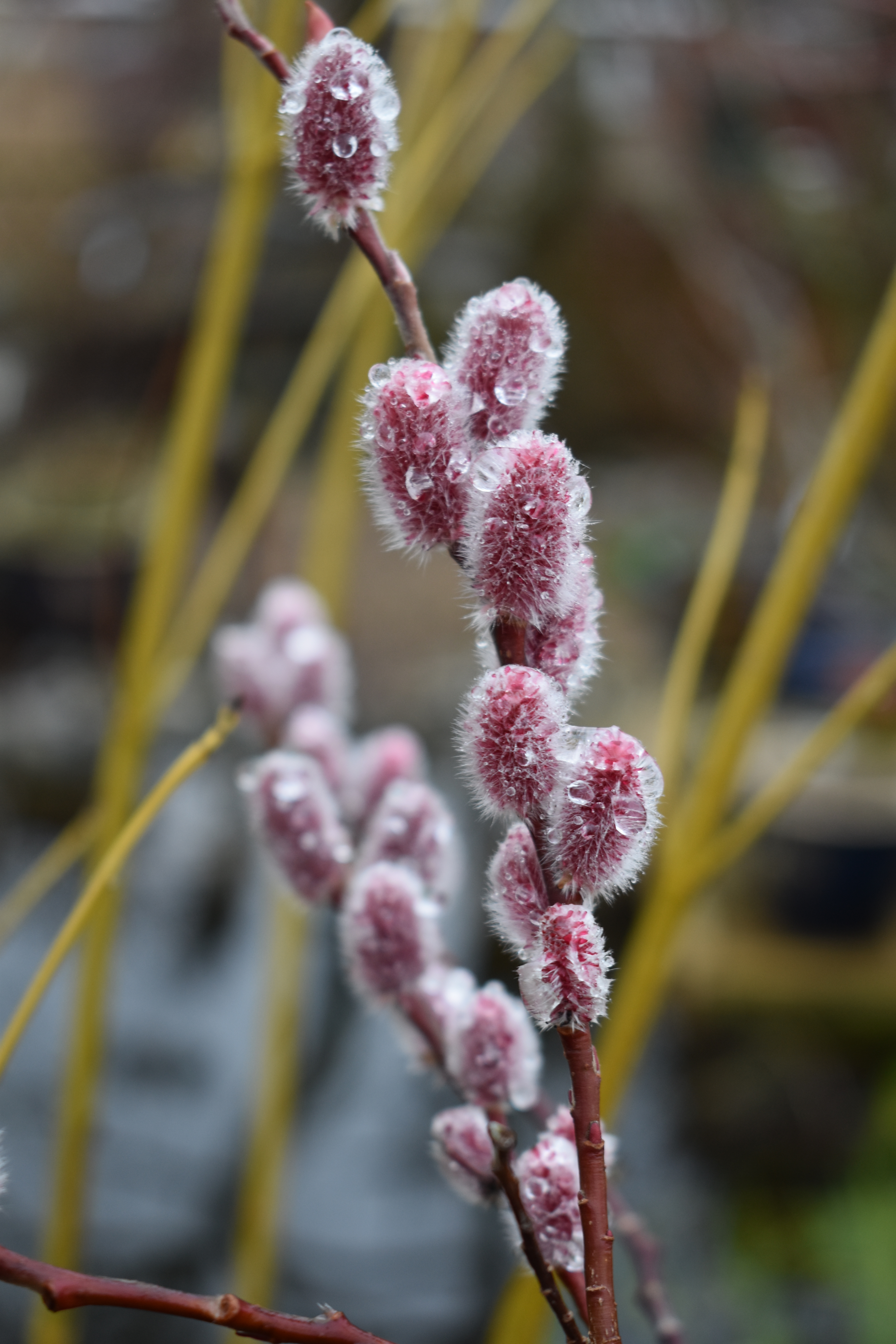
We grow lots of different willows in our garden which look good in the garden in winter, either for their coloured stems or for their beautiful catkins. My favourite is Salix gracilistyla ‘Mount Aso’ with catkins of dusky pink and grey as featured in the first 3 photos below. I took these photo just as a shower stopped and the catkins caught droplets on their hairs adding an extra dimension to this willow’s beauty

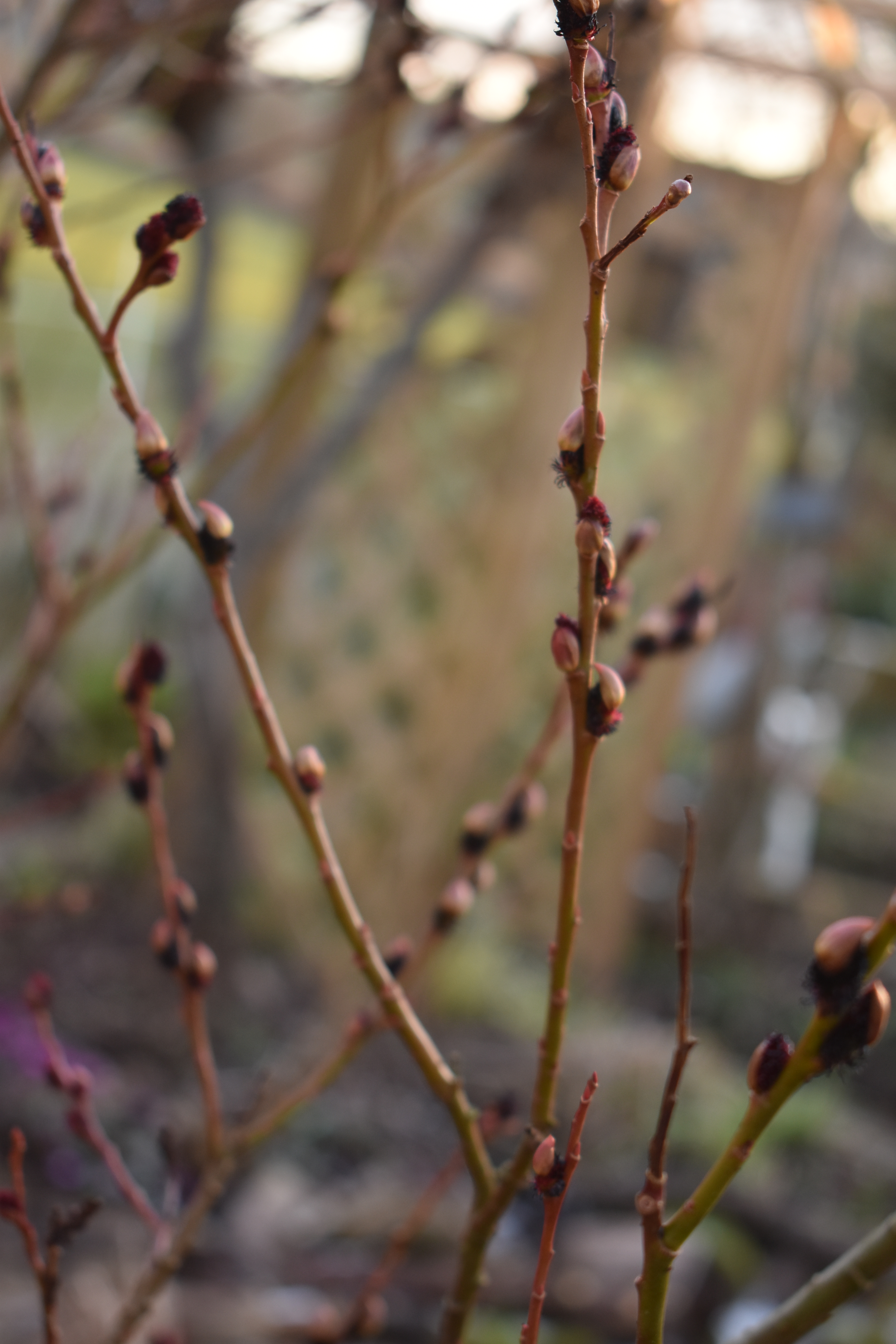
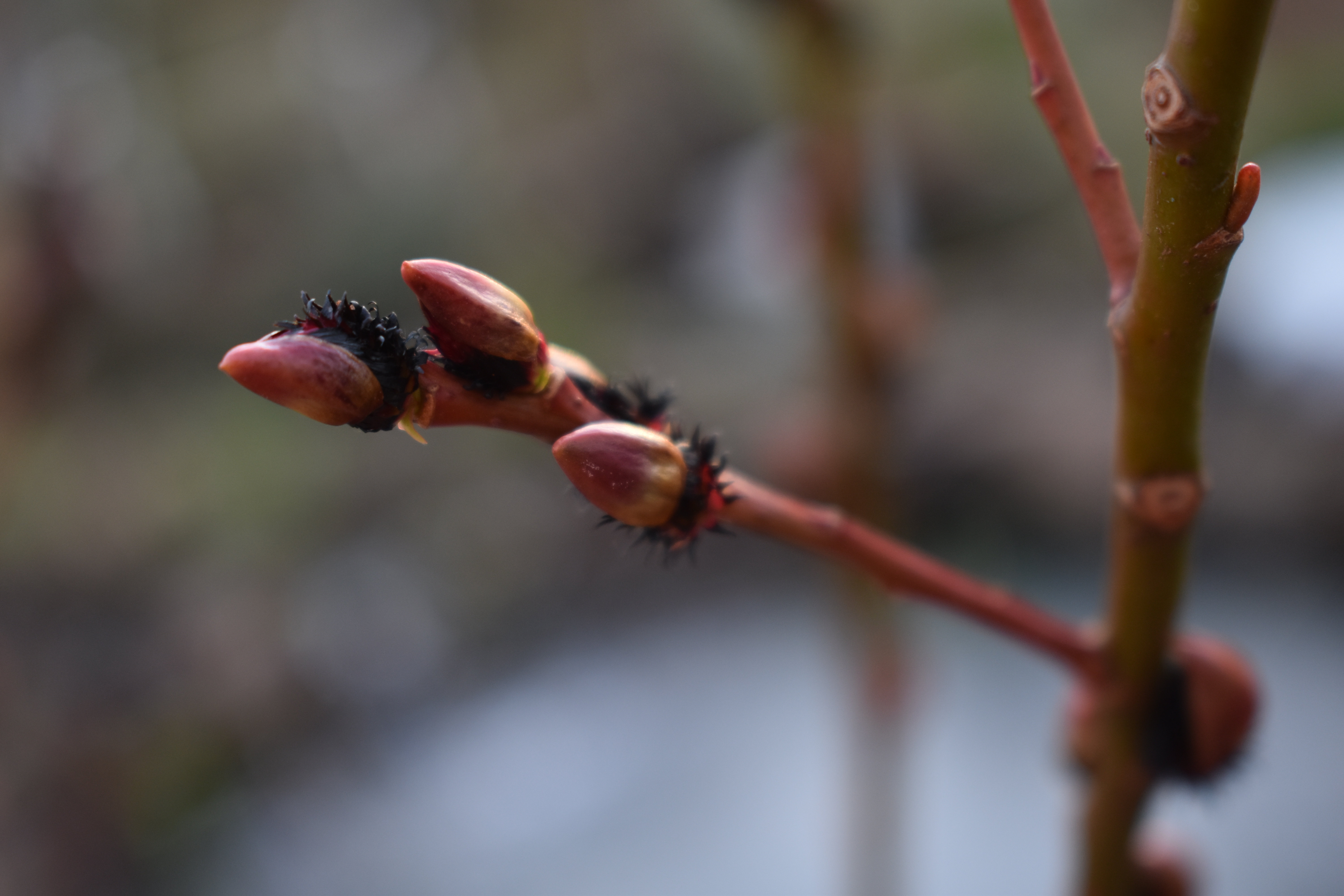
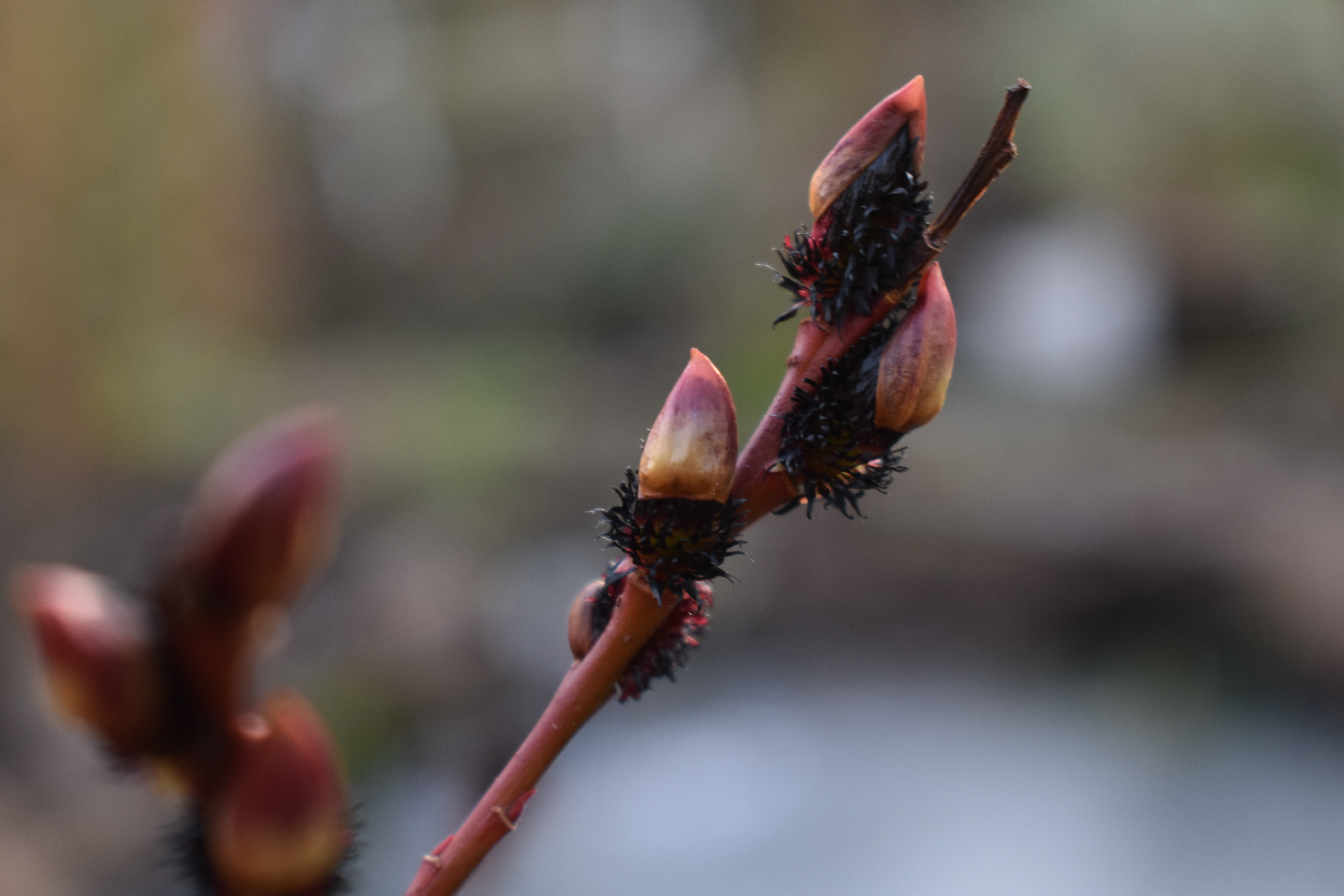
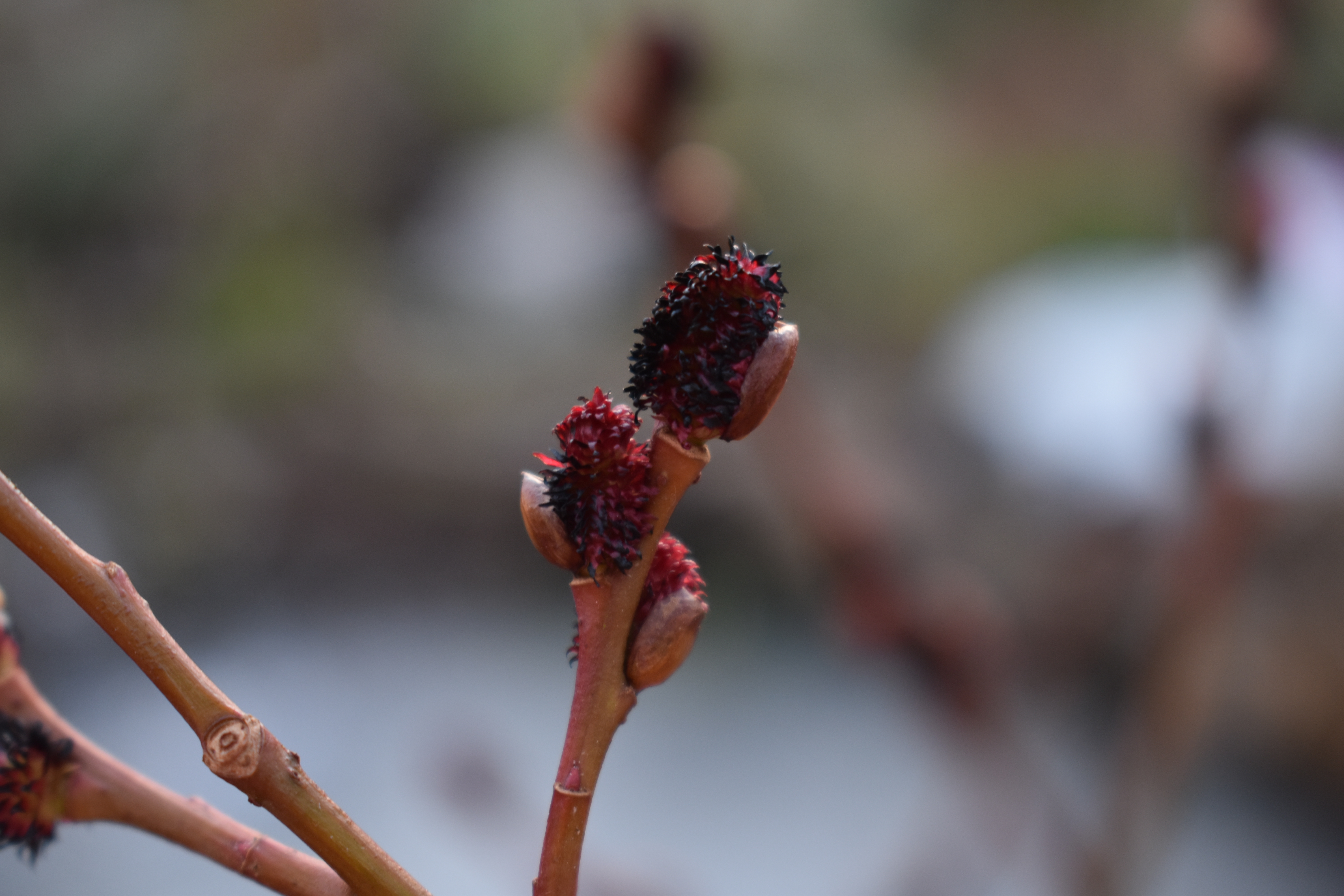
Another Salix gracilistyla variety that we grow around our wildlife pond is S. g. ‘Melanostachys’ which has stumpy catkins like Mount Aso but these are red and black. So dramatic when caught in the winter sunlight! My photos of it below show the catkins half formed but already looking good.
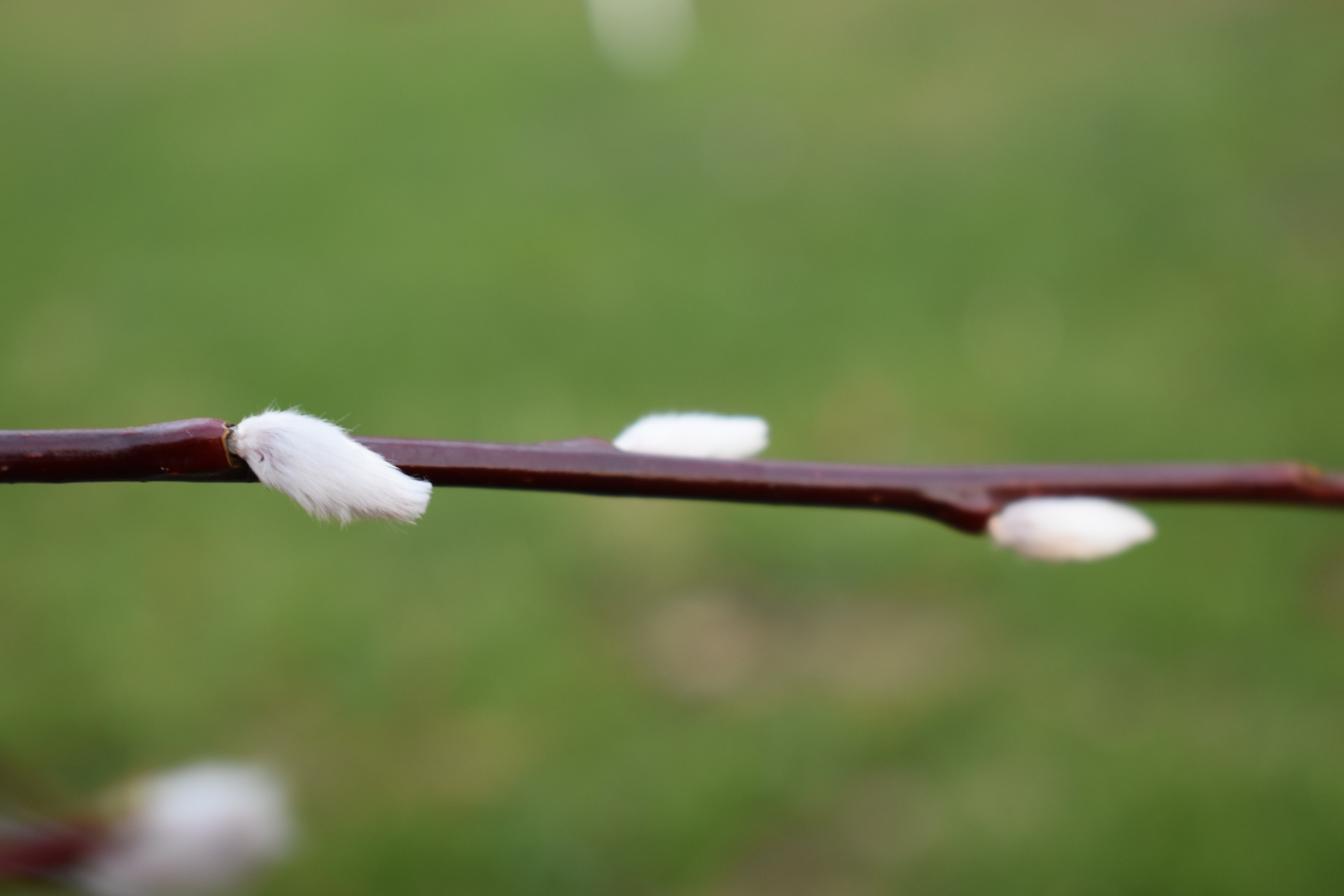
A willow of very different stature and differently shaped is our ‘Violet Willow’, Salix acutifolia ‘Blue Streak, although several other salix share this common name. Its catkins are the purist white and much more pointed than the two willows featured above. Later on the catkins will become more rounded and the stems dark purple-black covered in white meal. We grow ours as a pollard with a main trunk about six feet tall and from here long whippy stems emerge each spring. We pollard this willow in March each year and its stems grow a good ten feet long.

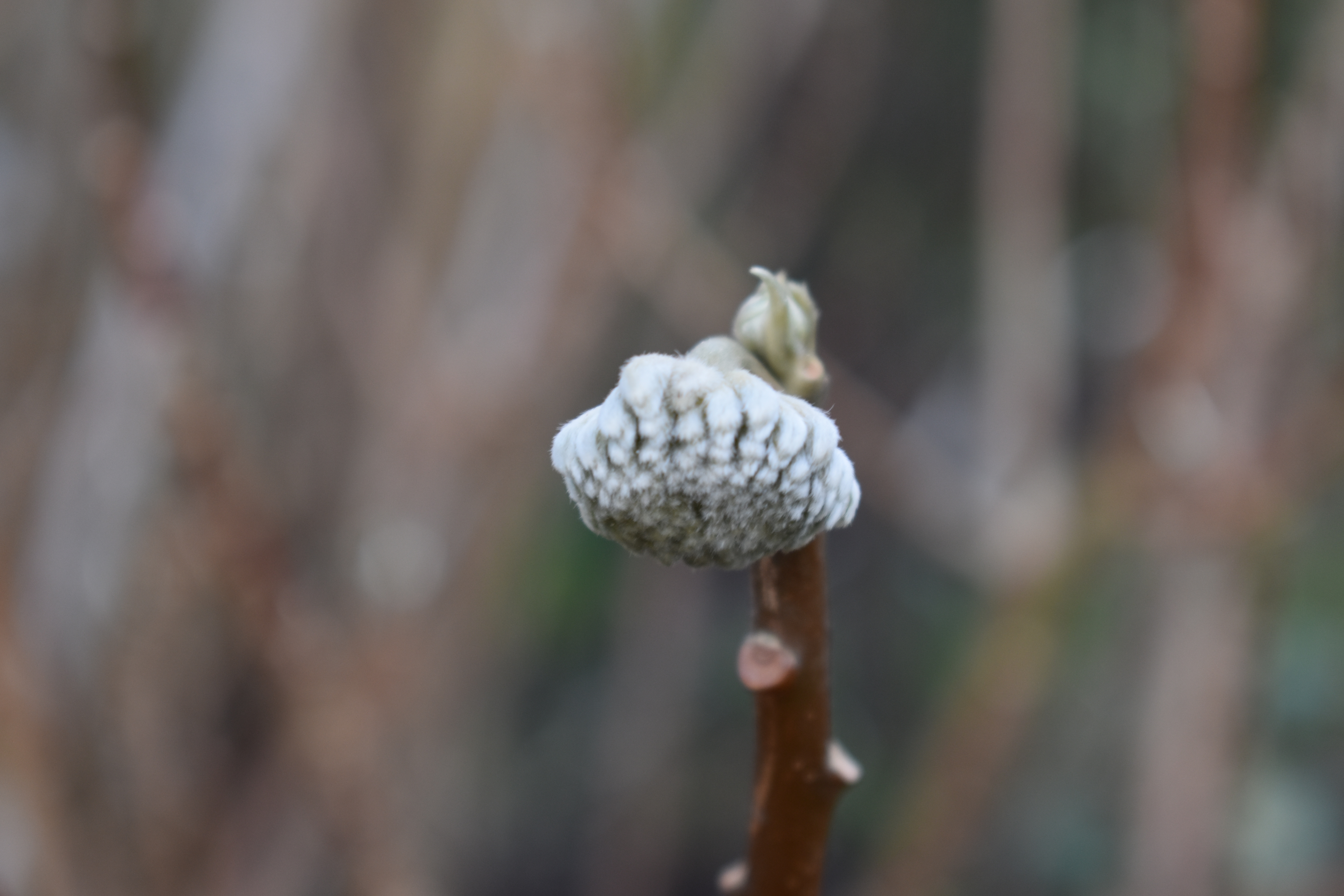
A winter flowering shrub not very often seen is Edgeworthia chrysantha which has buds showing and looking fit to open soon, when we can appreciate its yellow scented clusters of blooms on the very end of each and every stem. But for now a photo showing it in mid-February to ‘whet your appetite’.

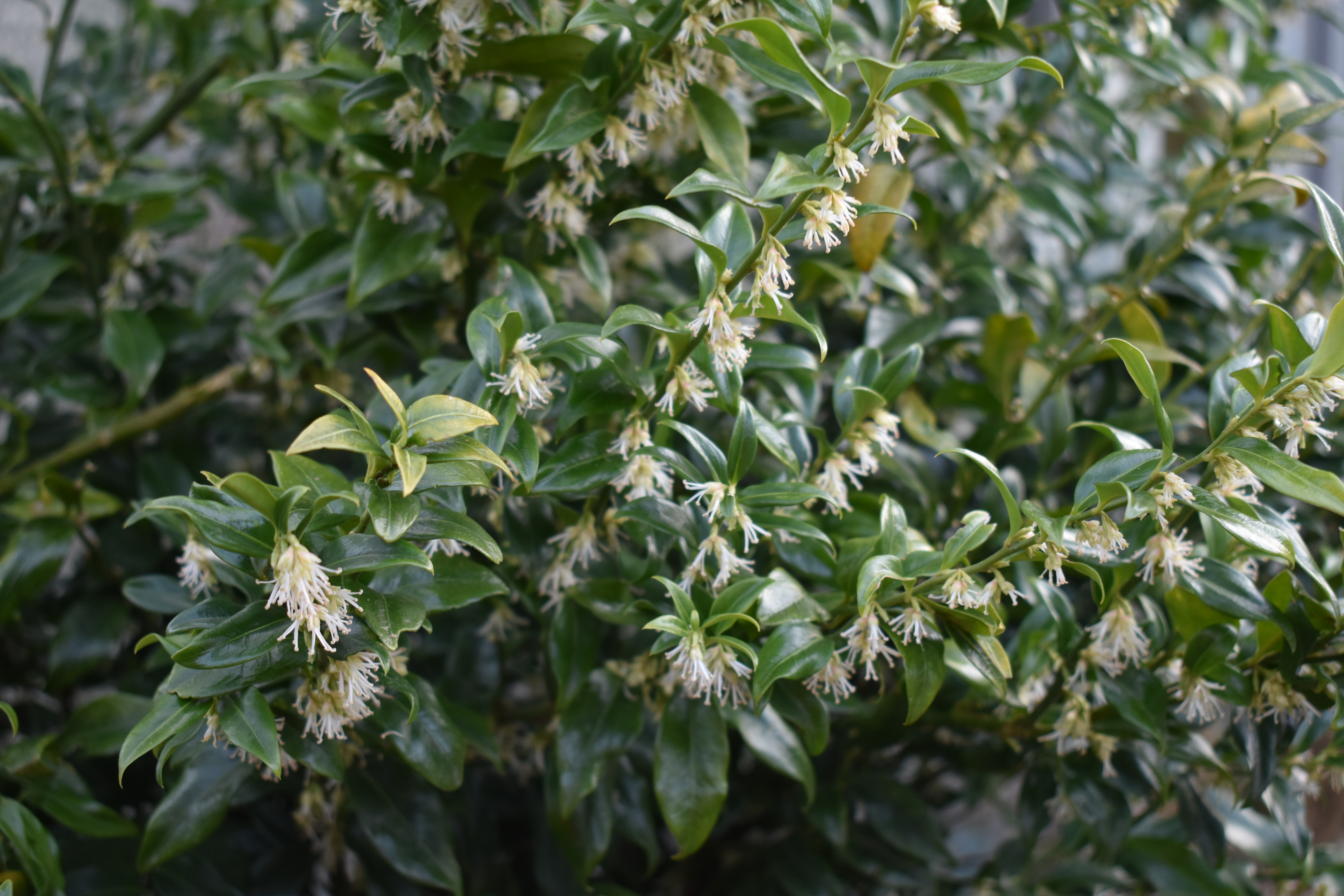
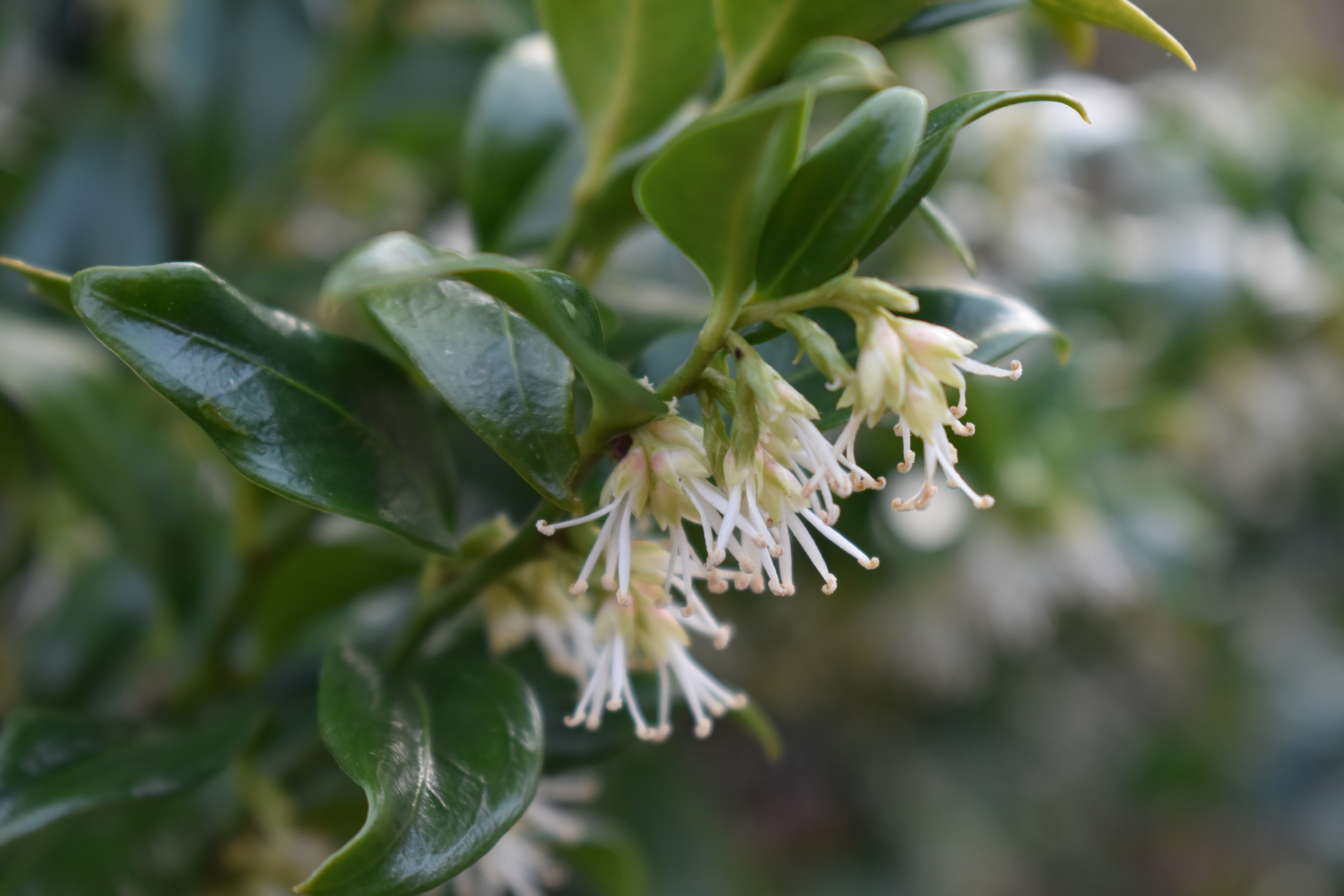
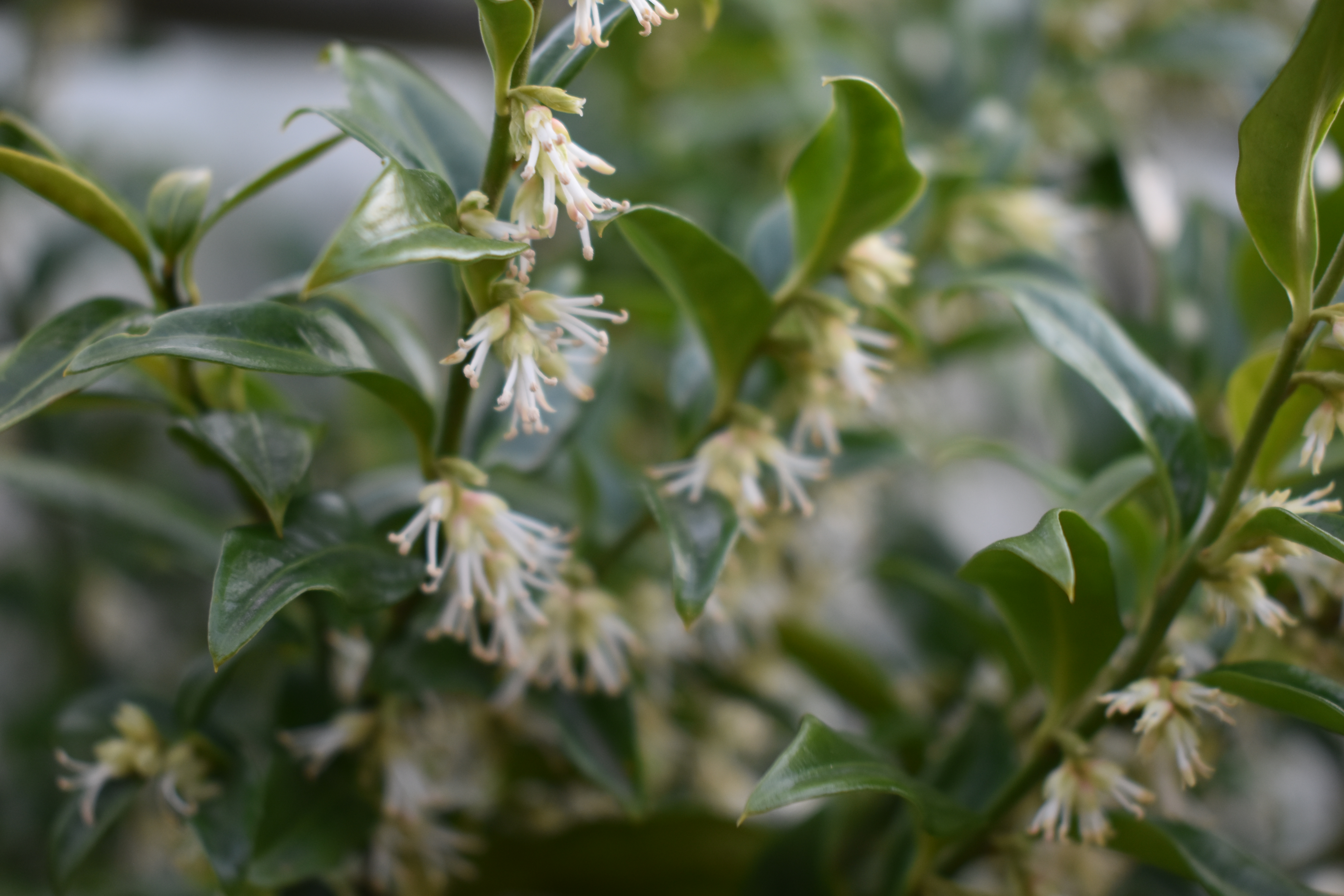
Probably the heaviest scent of all shrubs in winter in our garden is the Sarcococca confusa. I planted one opposite the Winter Garden and right by the greenhouse door much to Jude, the Undergardener’s disgust as she hates the smell. It is a scent that is a bit of a marmite aroma – love it or hate it. Those who love it say it smells of honey while those who dislike it claim it smells of cat pee! It does however have beautiful white blooms, almost like miniature Witch Hazels, and they are followed by black and very glossy berries the size of Blackcurrants.

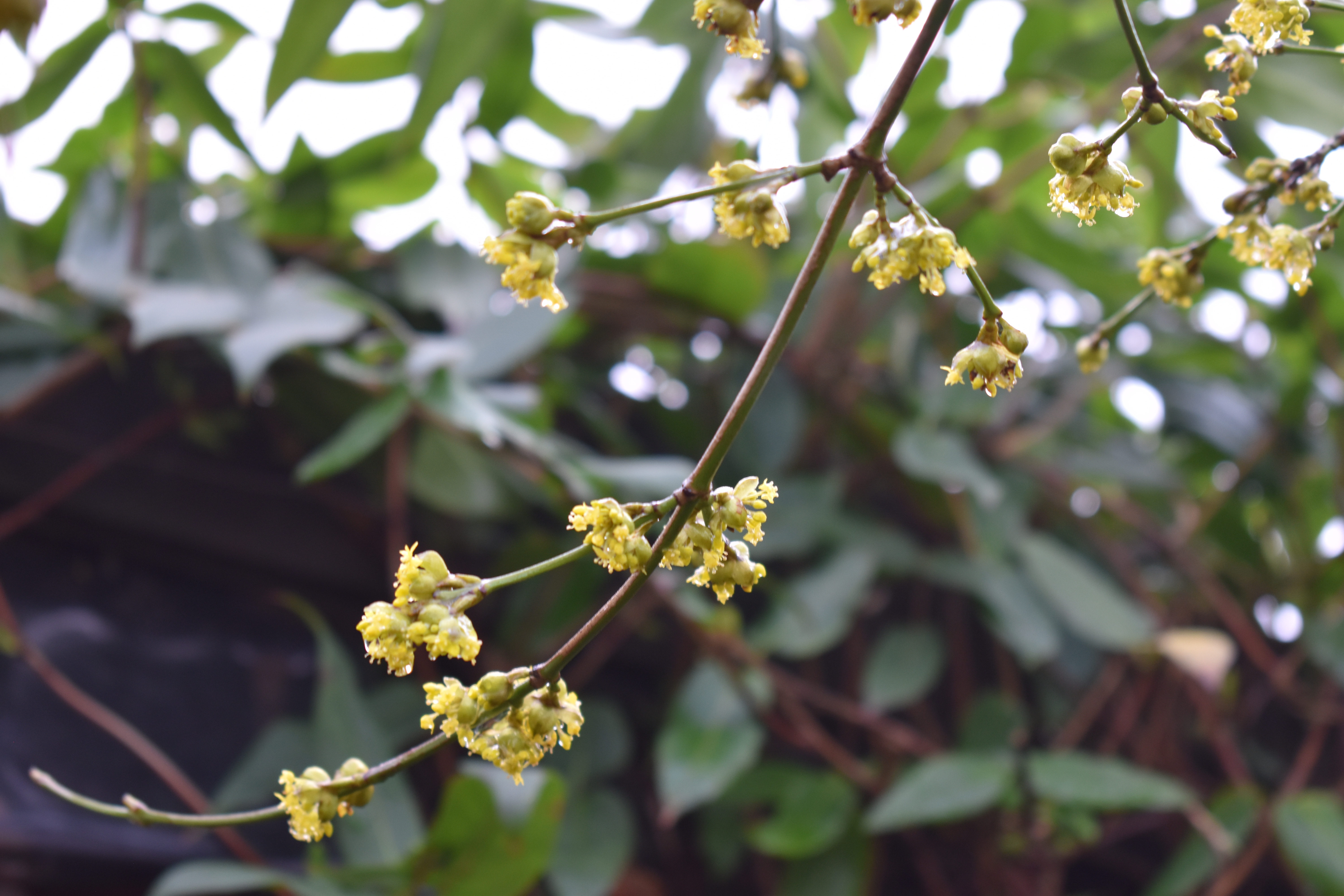
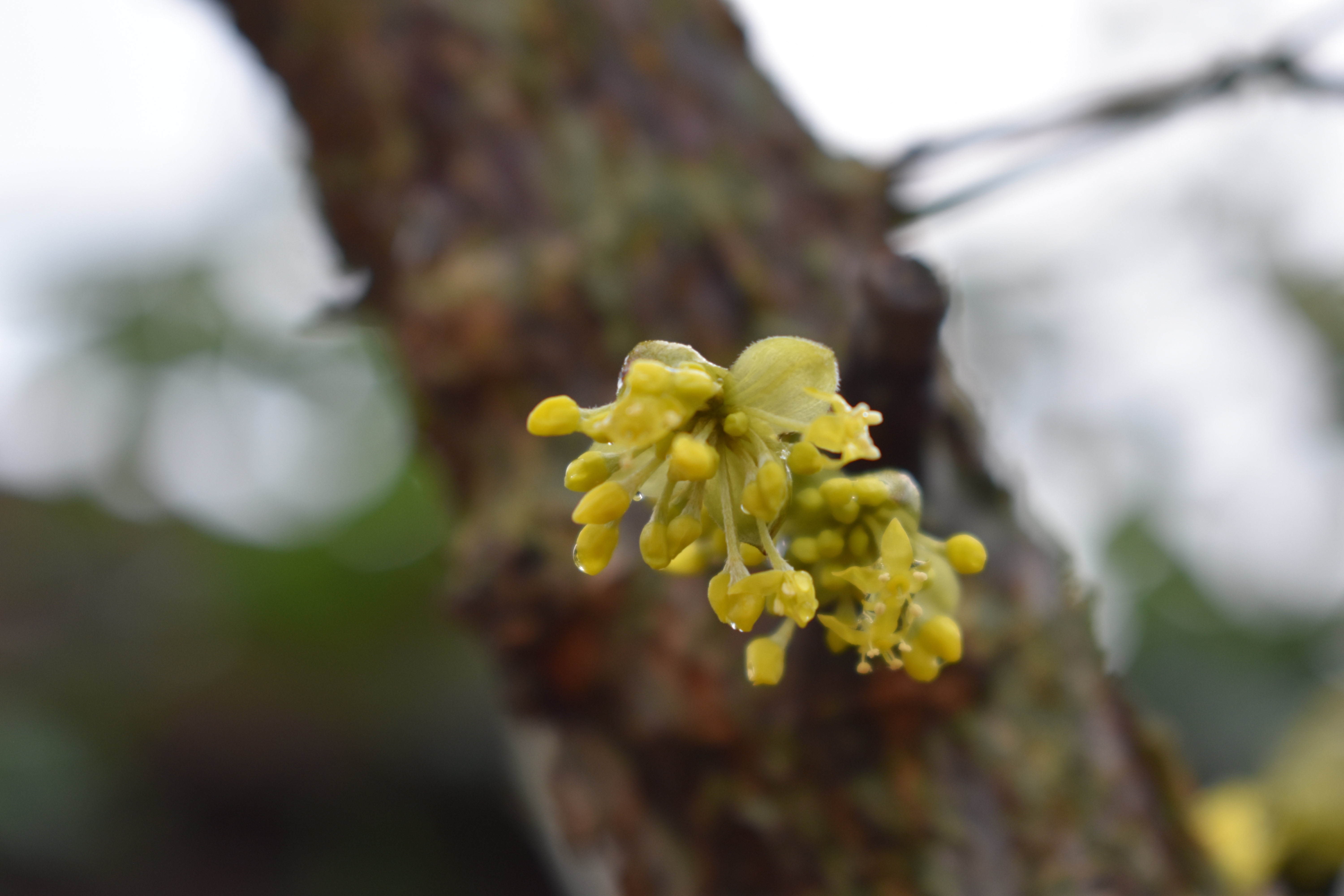
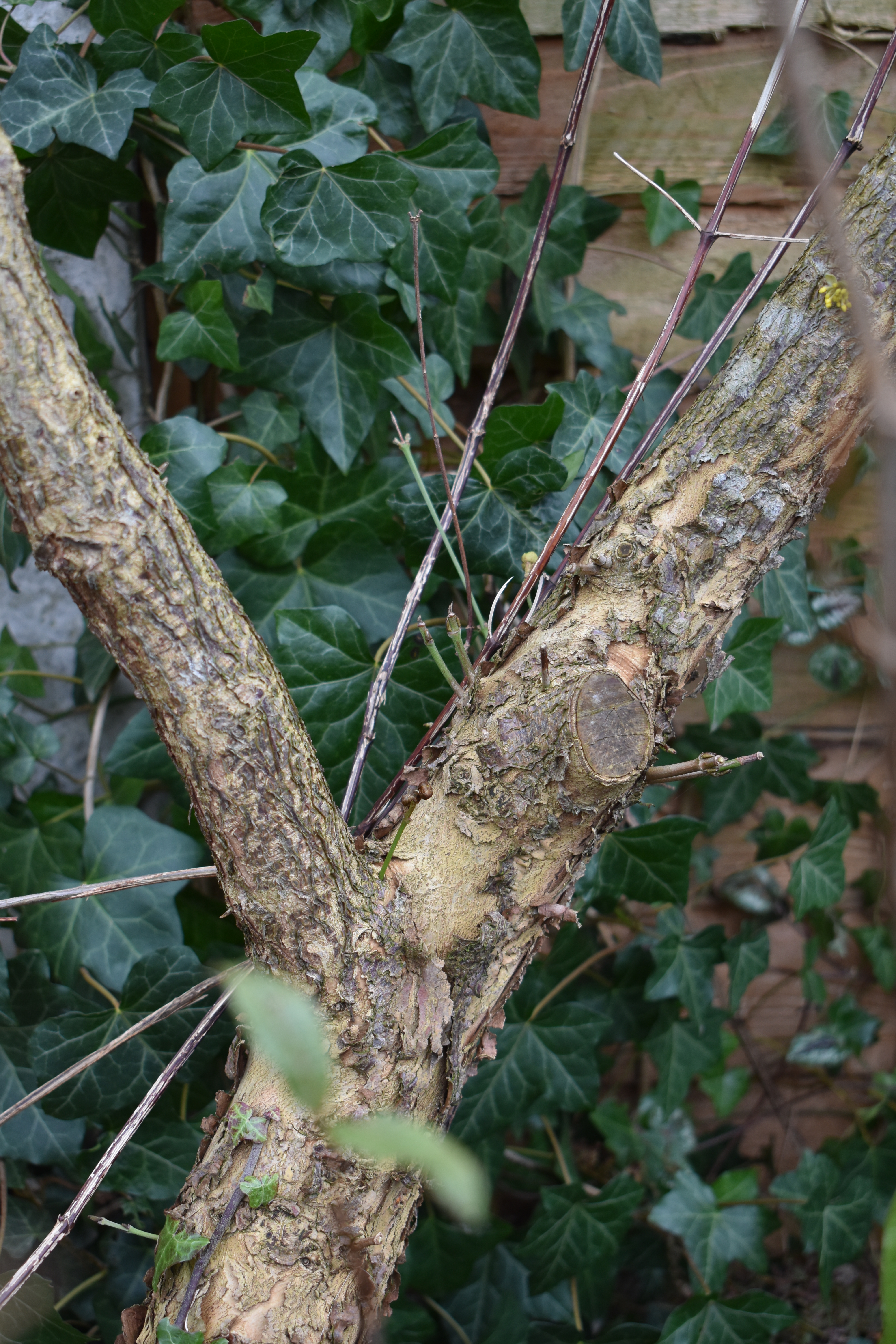
When we are washing up we can look out of the kitchen window and see the wonderful Cornus mas, commonly known as the Cornelian Cherry. It is such a cheerful flowering shrub with its bright yellow-green scented flowers which open on bare stems and give us weeks of interest. Later in the year these flowers are followed by red coloured grape-like berries, which once fallen to the ground re loved by blackbirds. It has the extra bonus of beautifully textured bark too.

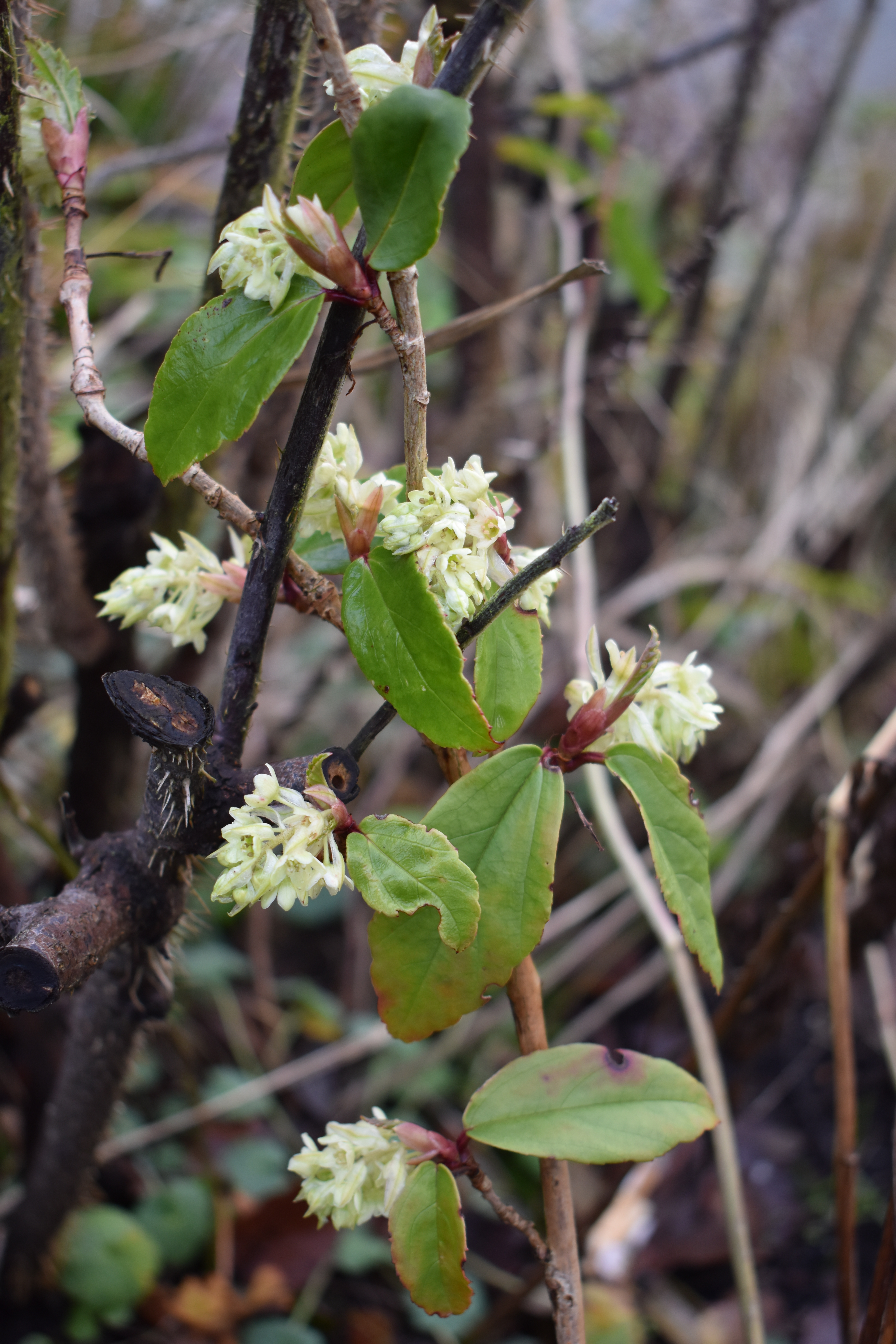
I will finish this look at our winter-flowering shrubs in our garden with an unusual Ribes or flowering currant. Ribes laurifolium is an evergreen with deep green leathery foliage and in winter is graced with racemes of white flowers. On closer inspection you can see that the flowers are a greenish-cream rather than pure white. It is commonly known as the laurel leaved currant. We find it very slow growing in our garden so it is still a small specimen.

In my next post I shall take a wander with my camera to hand to see what winter interest climbers are putting on a performance.

Categories
Uncategorized

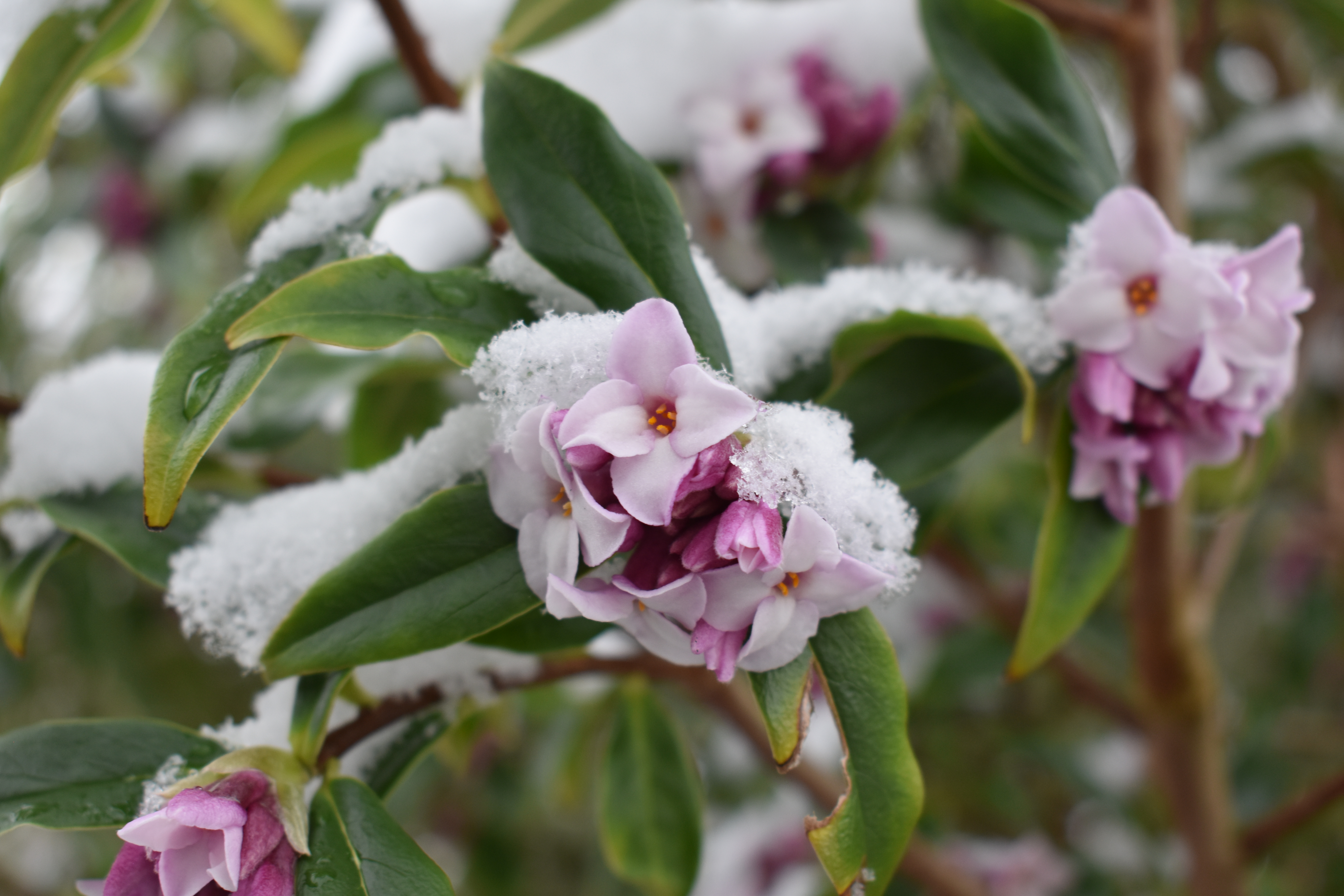
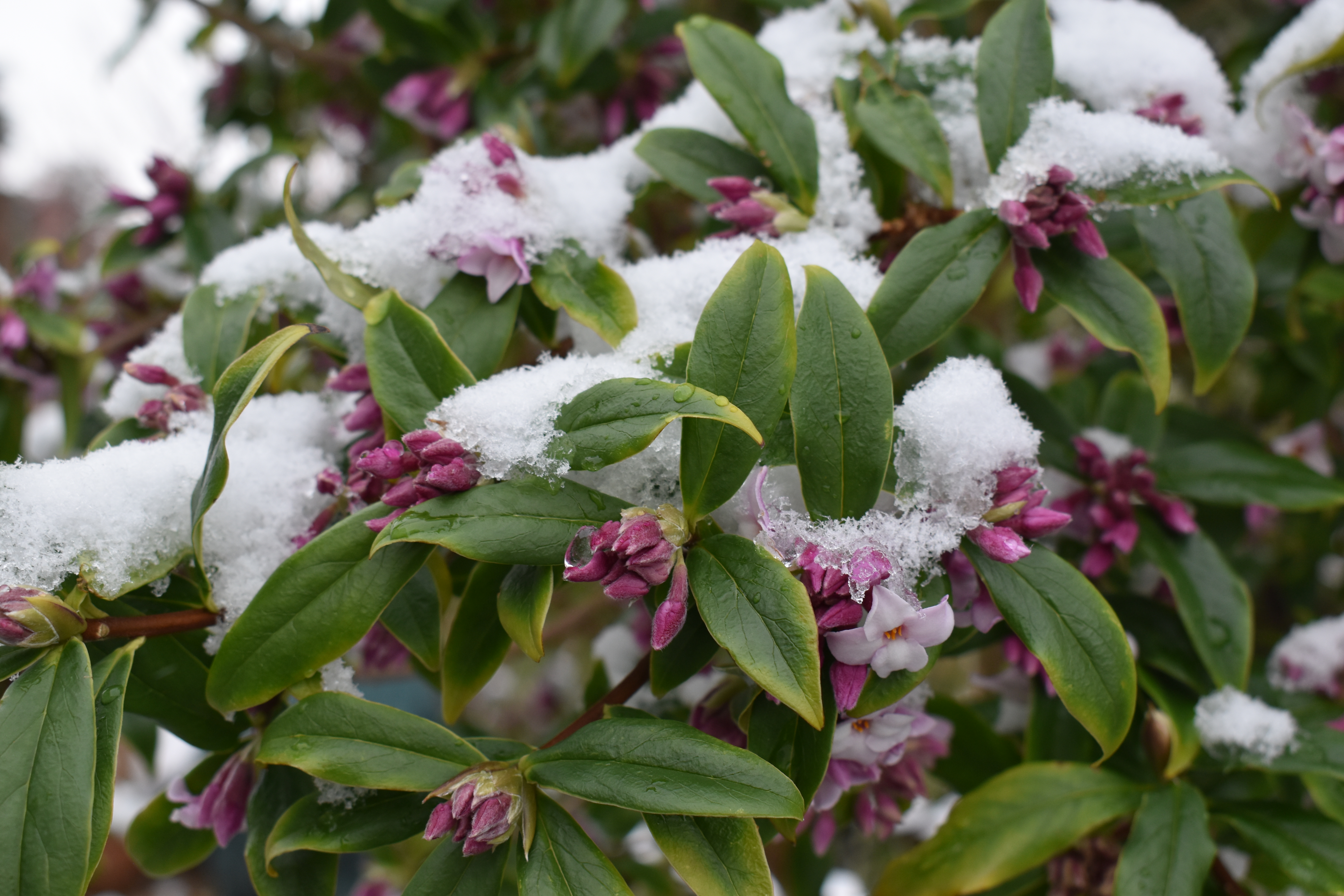
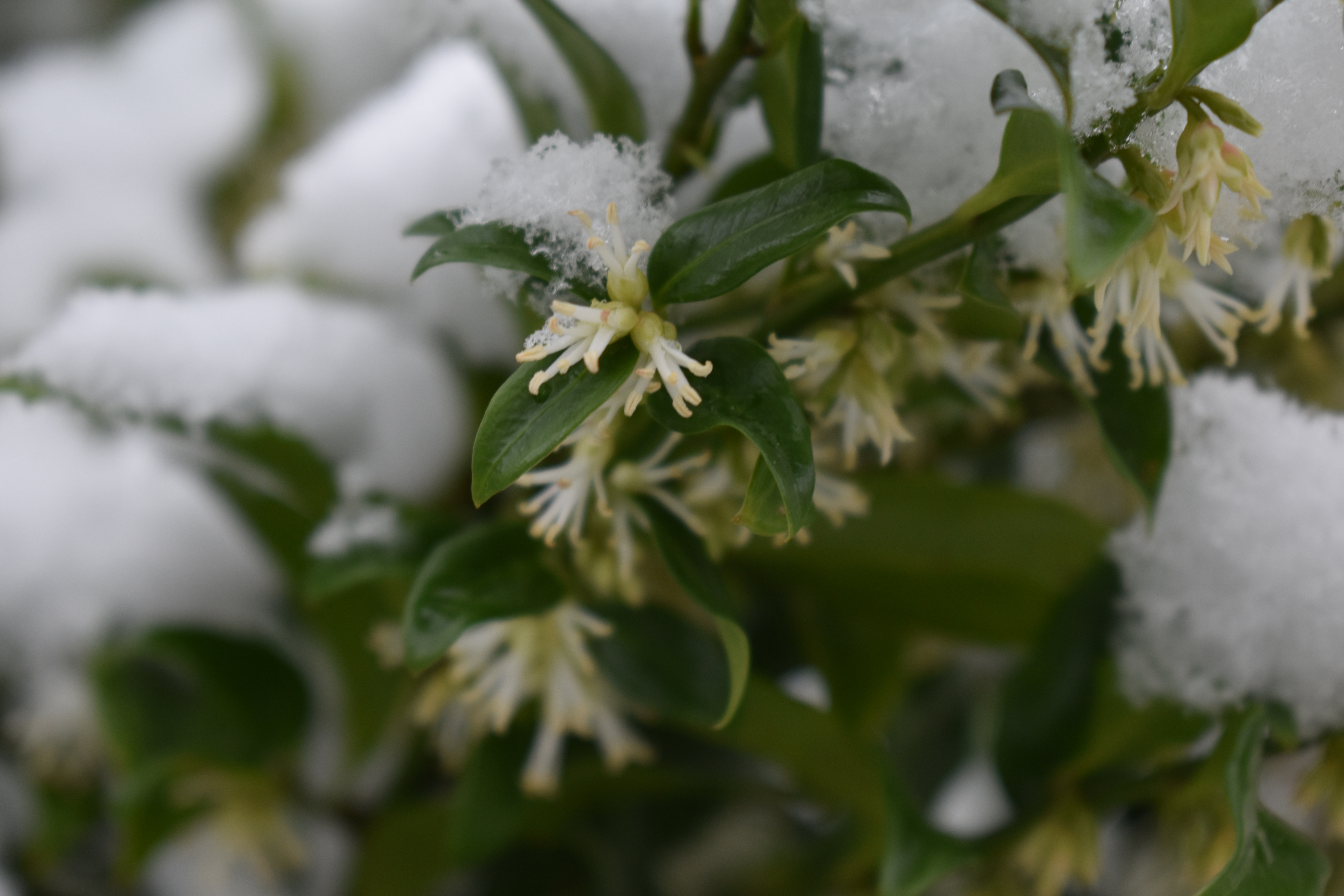
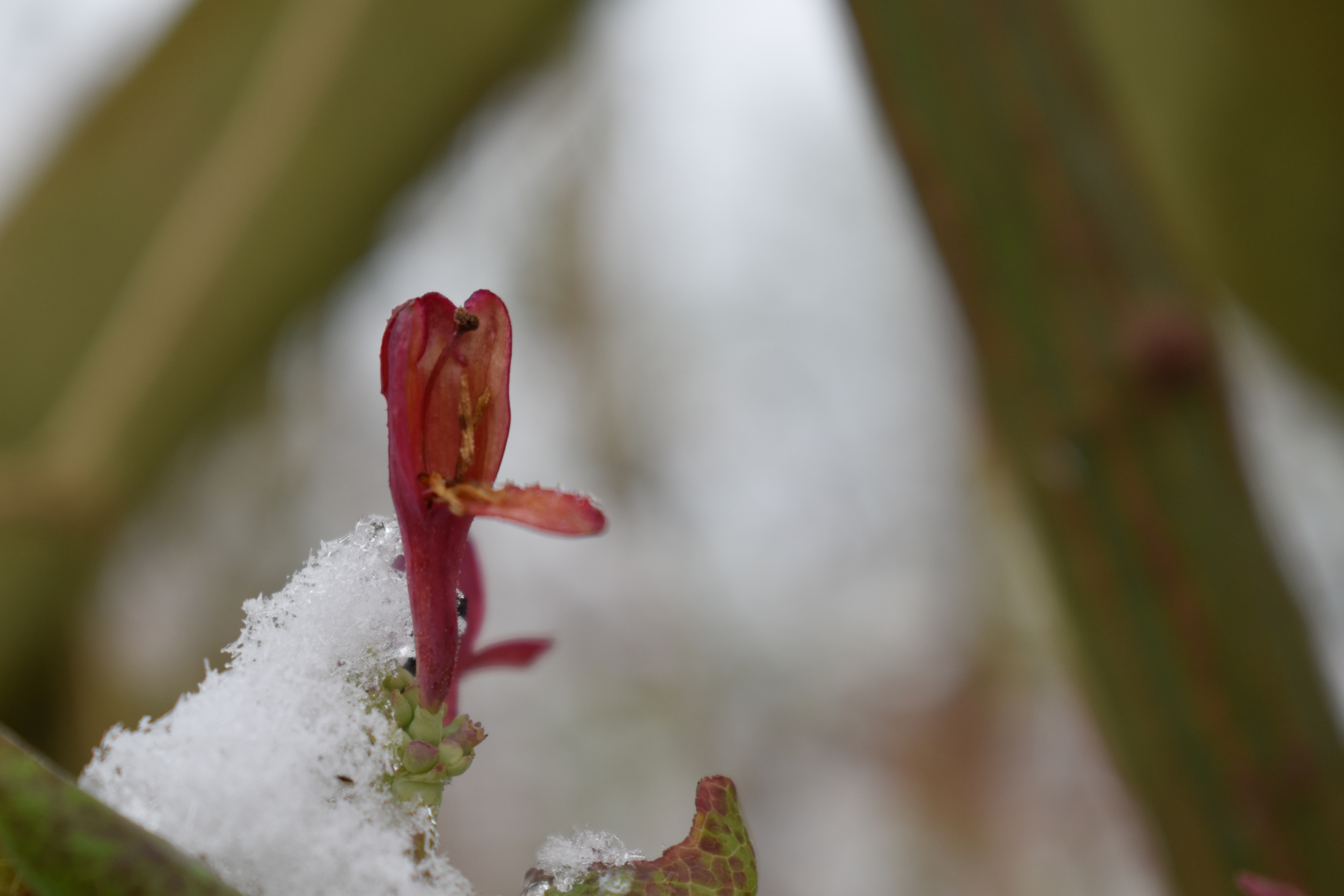
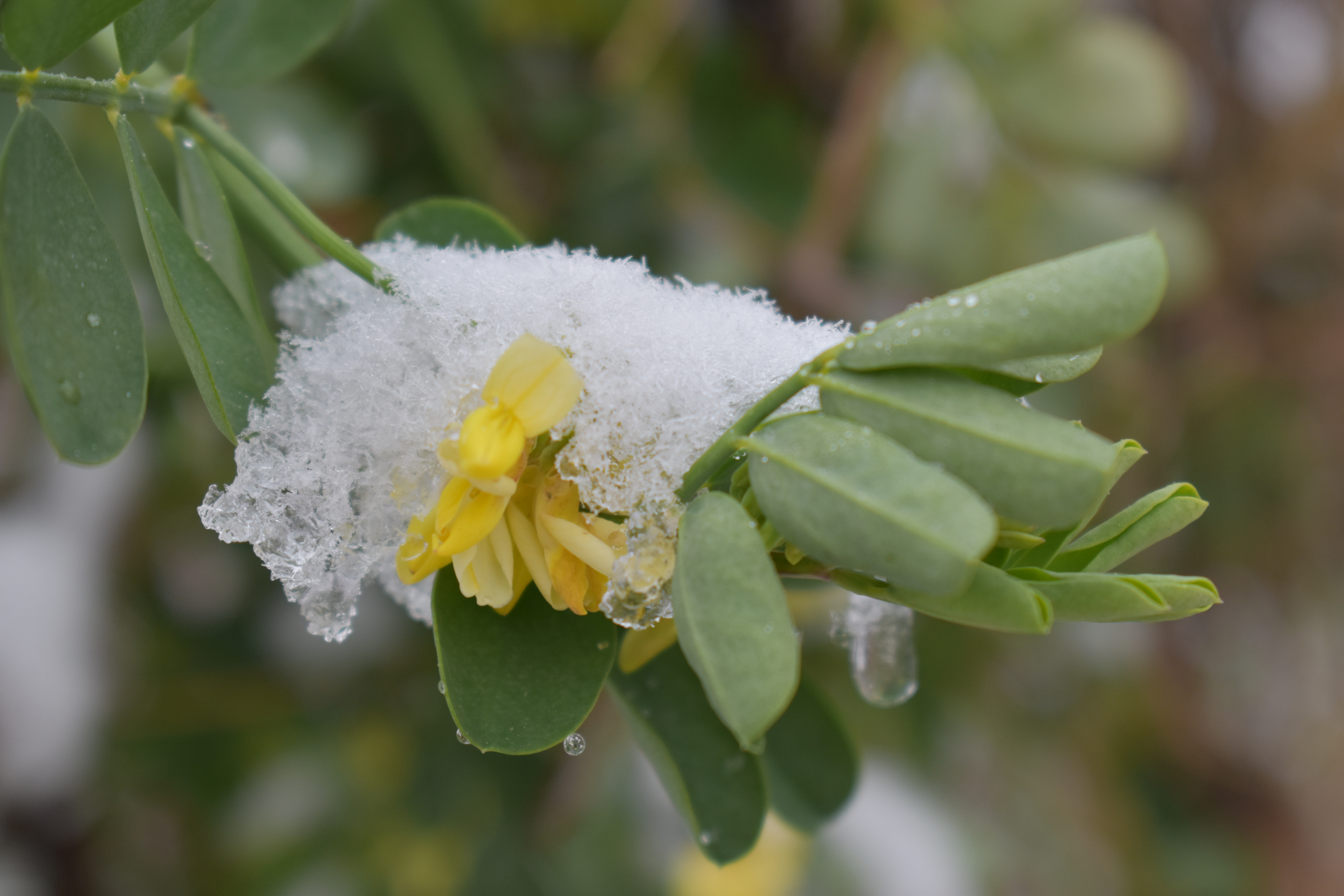
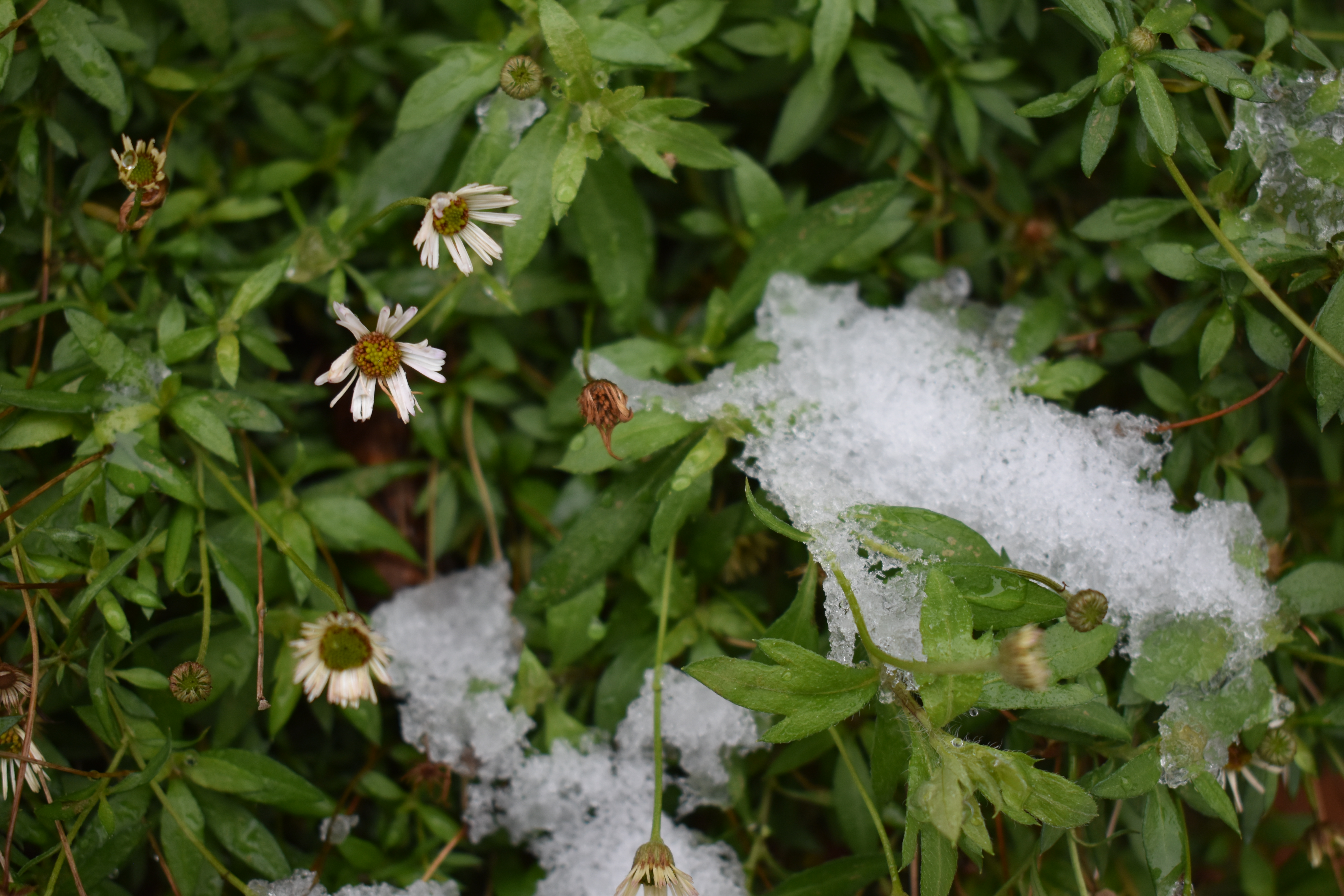
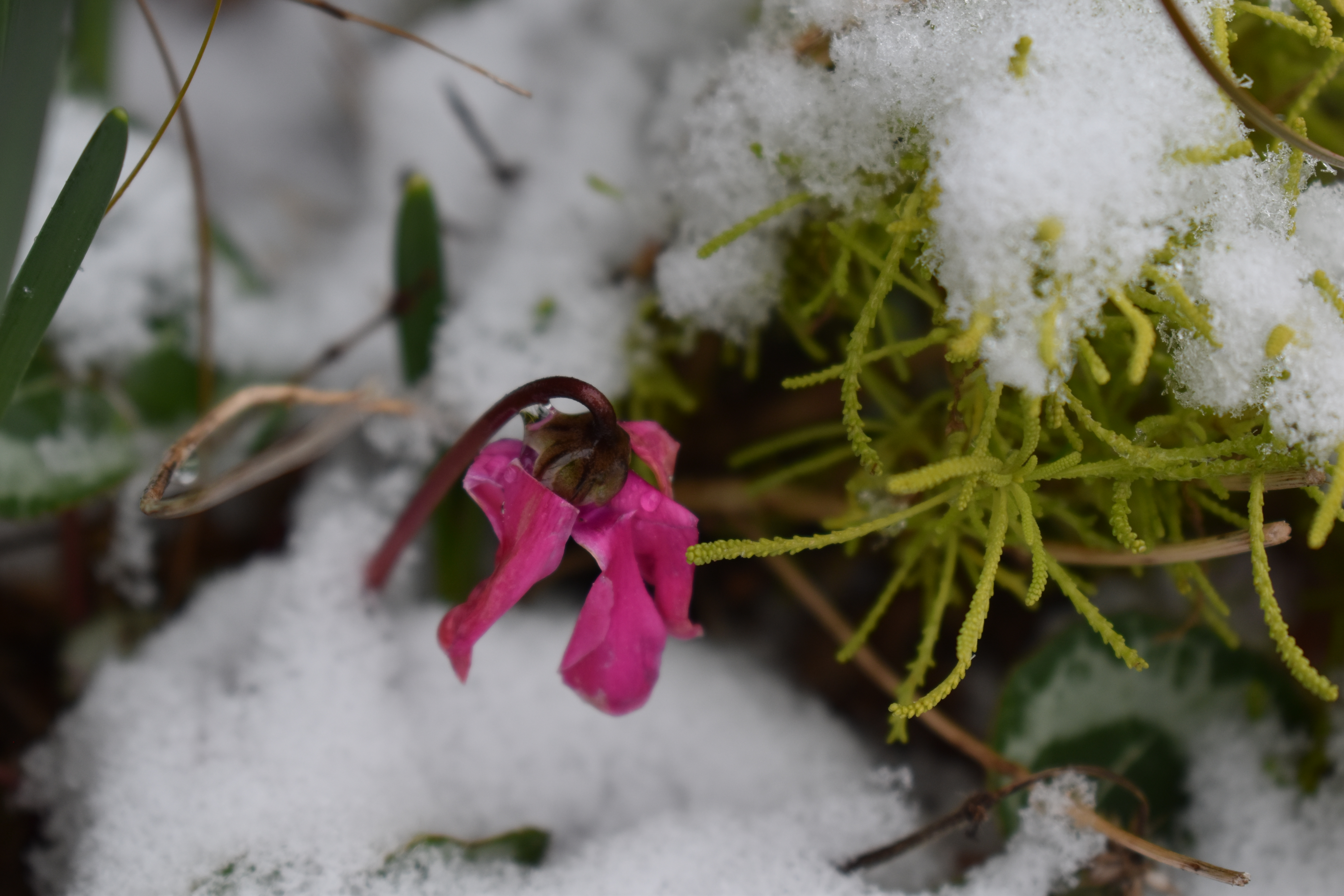
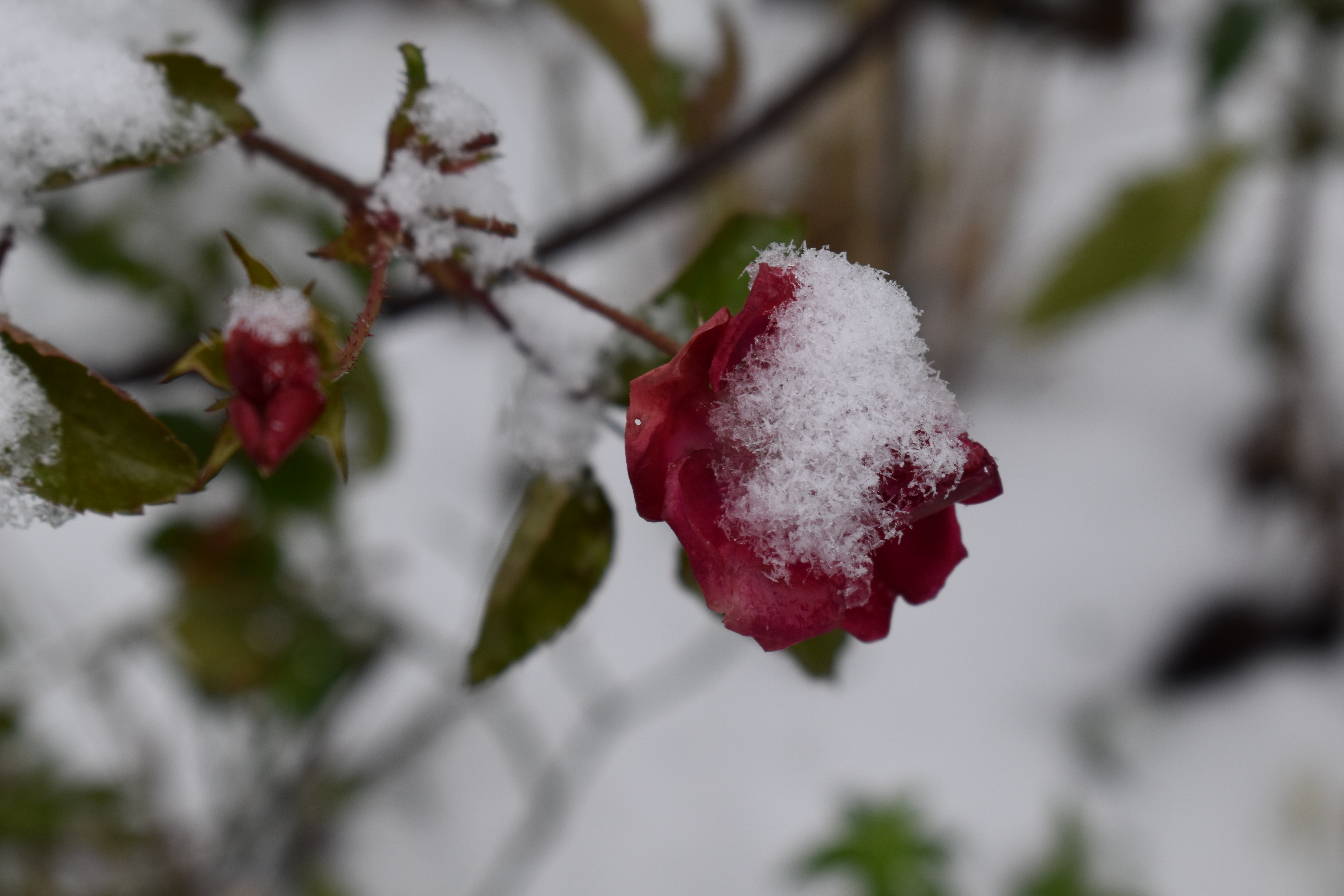
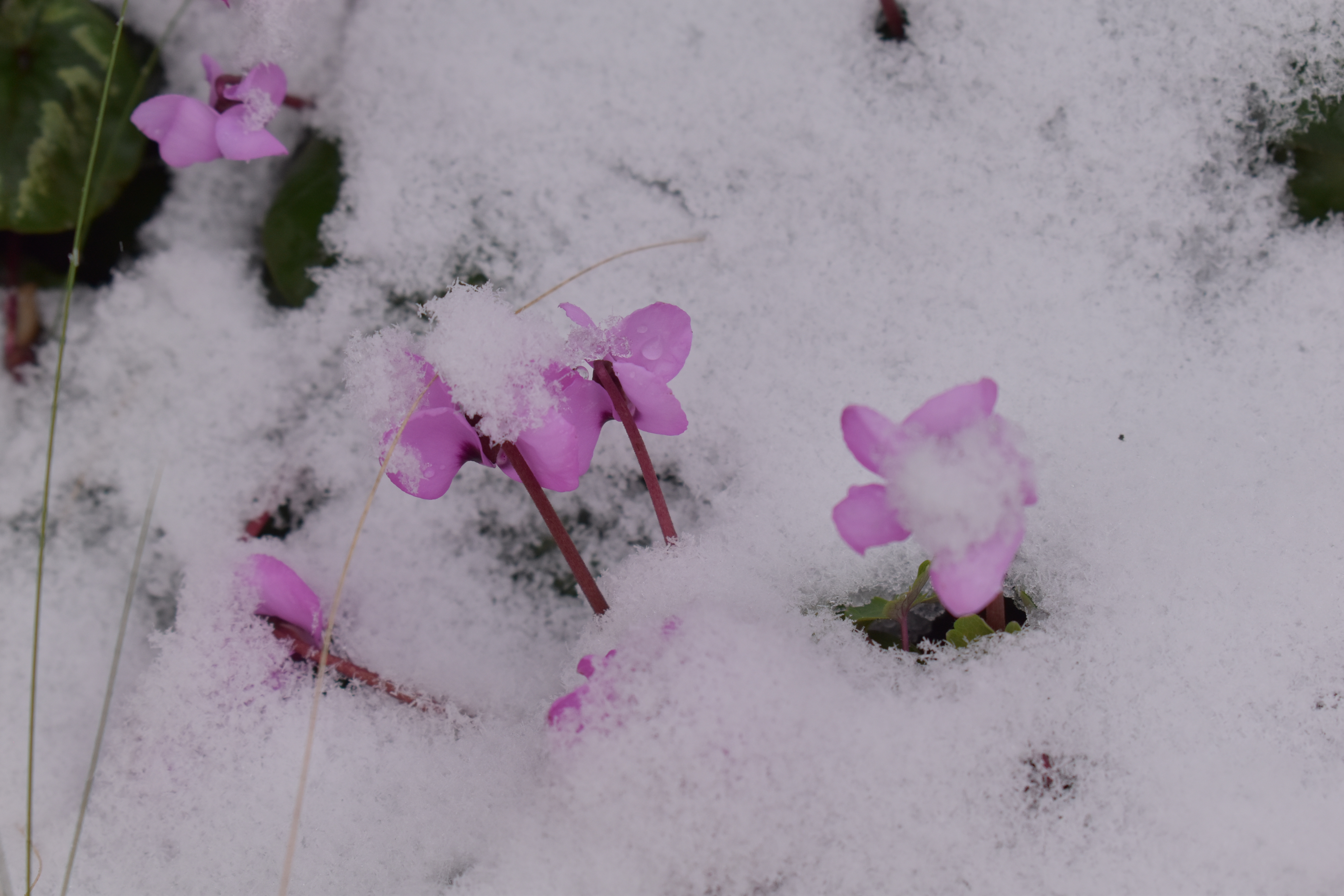
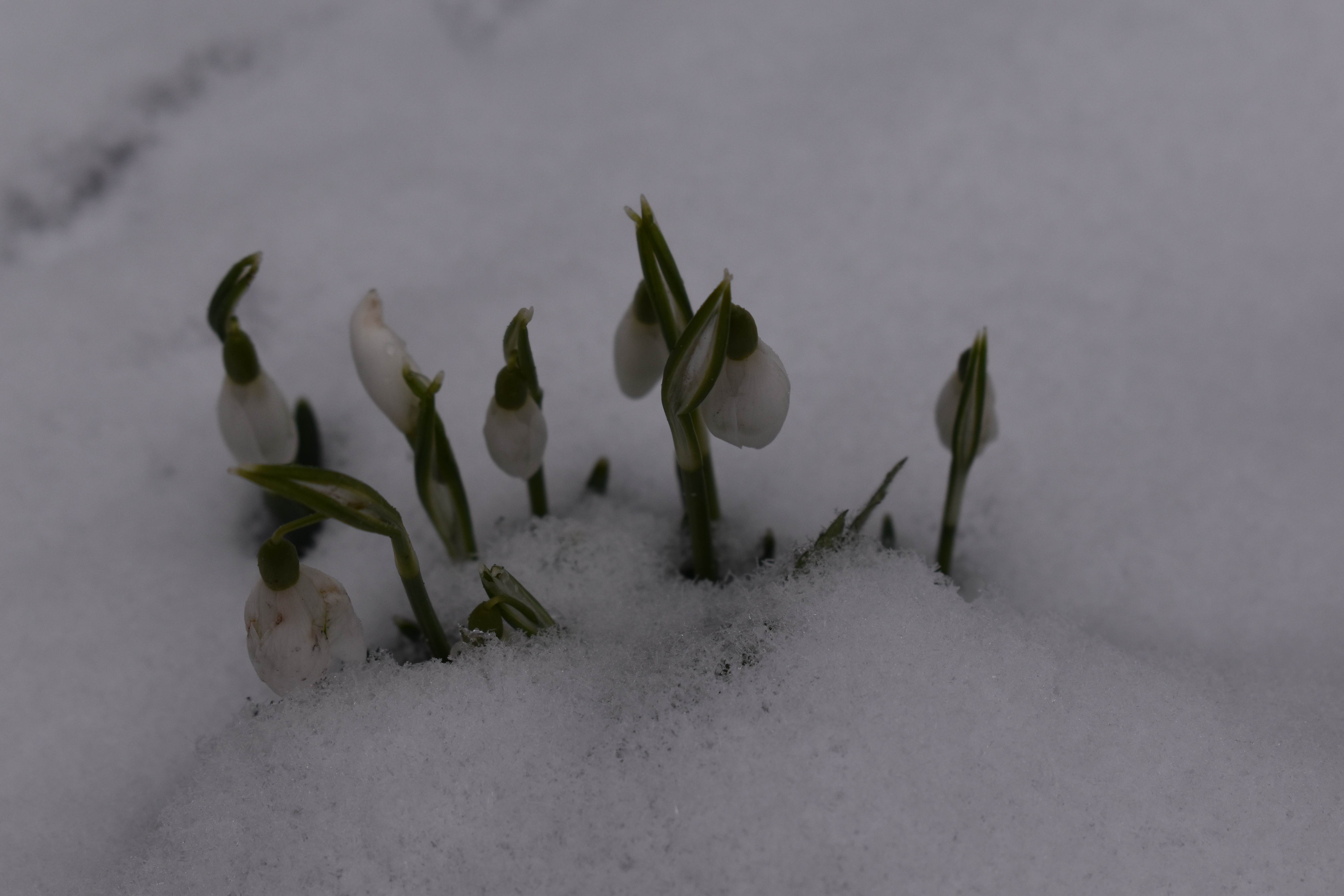
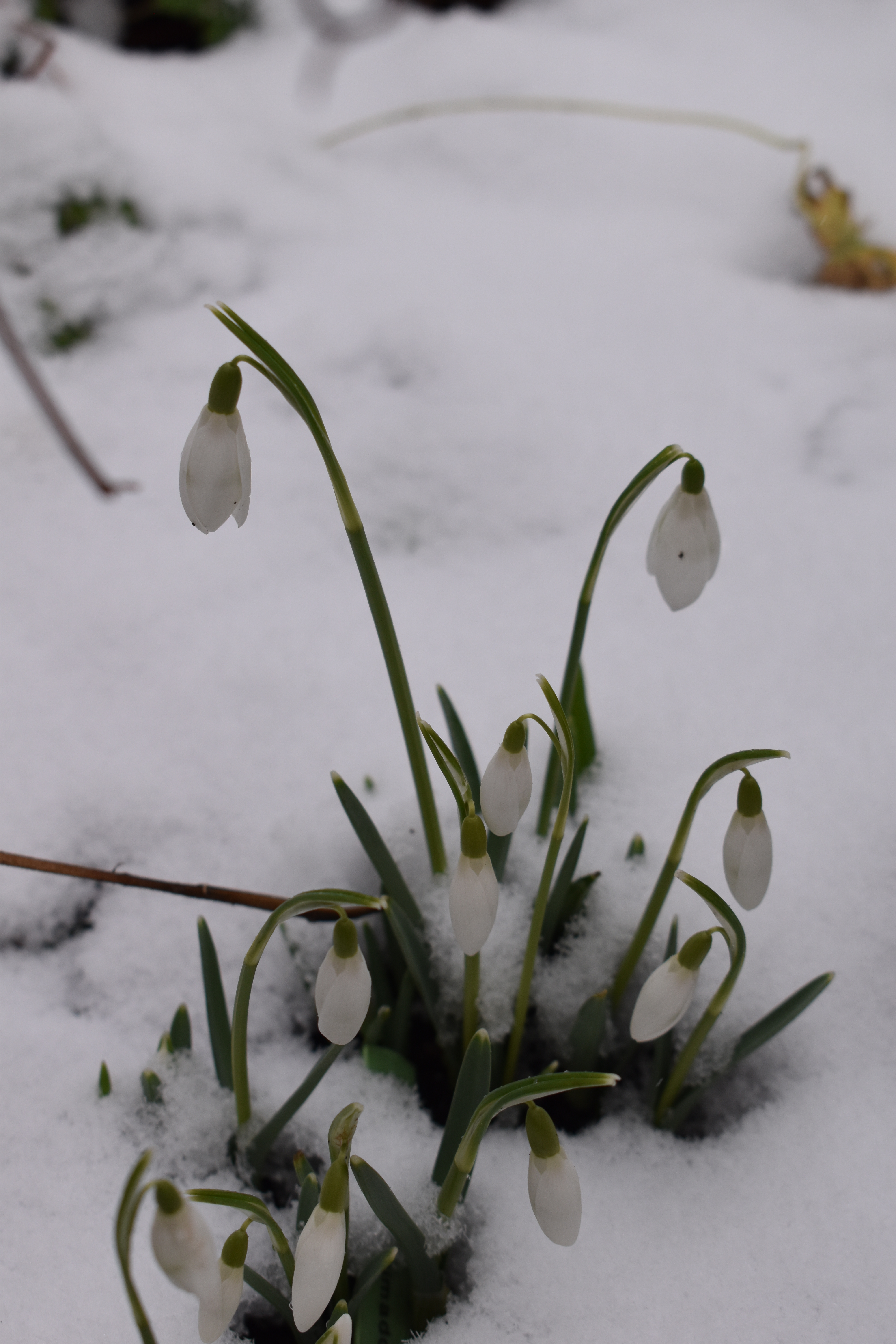
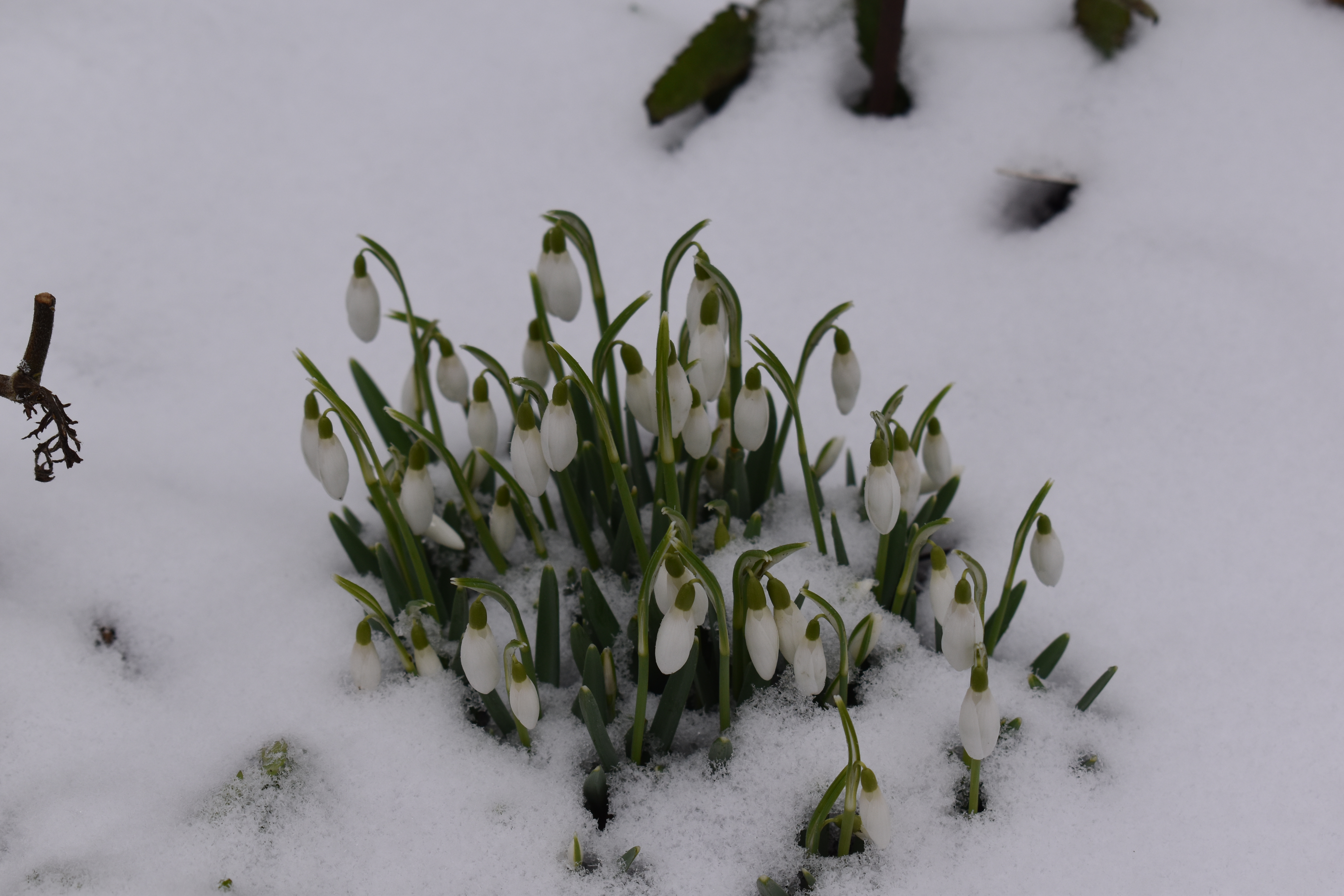
Flowers in Snow

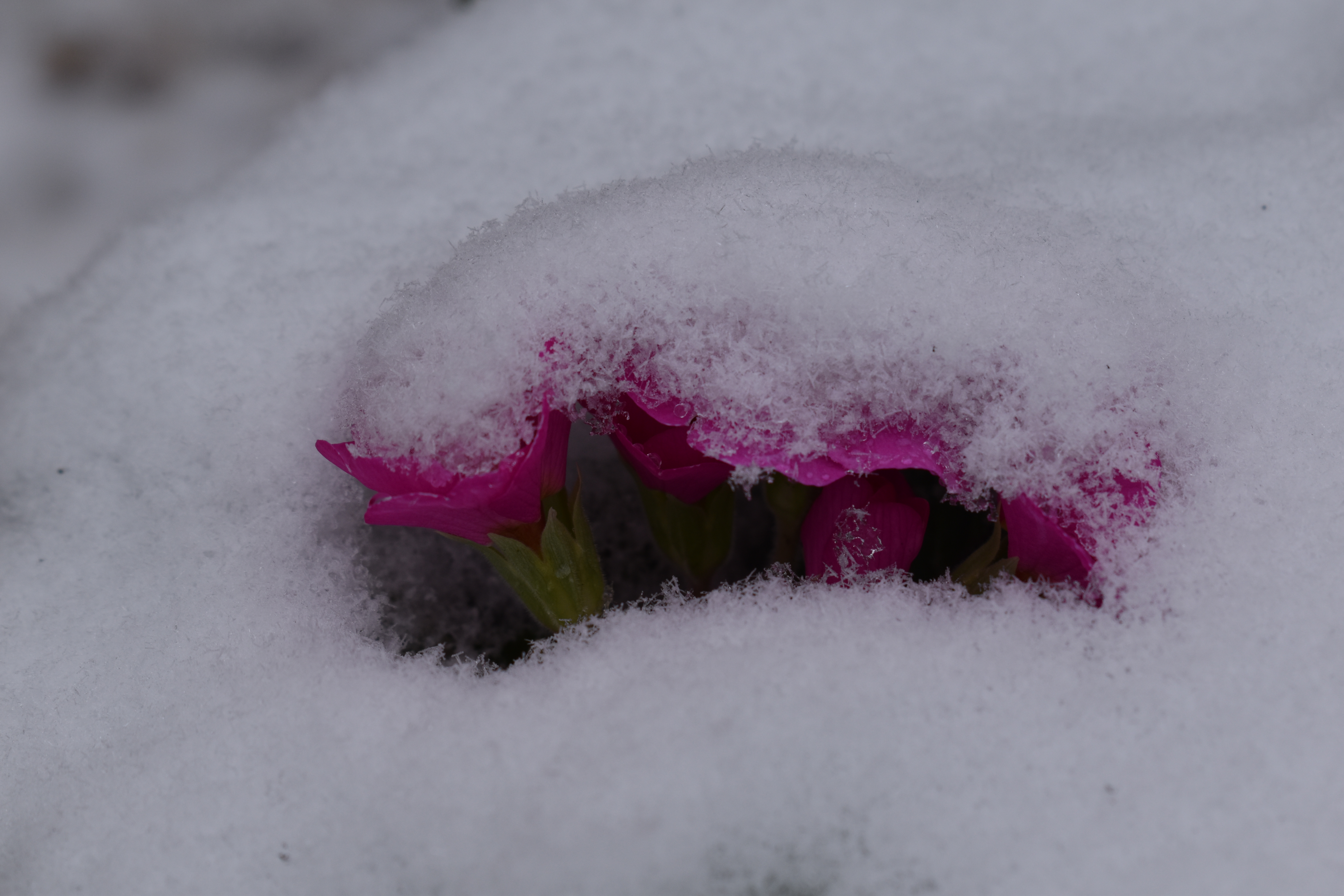
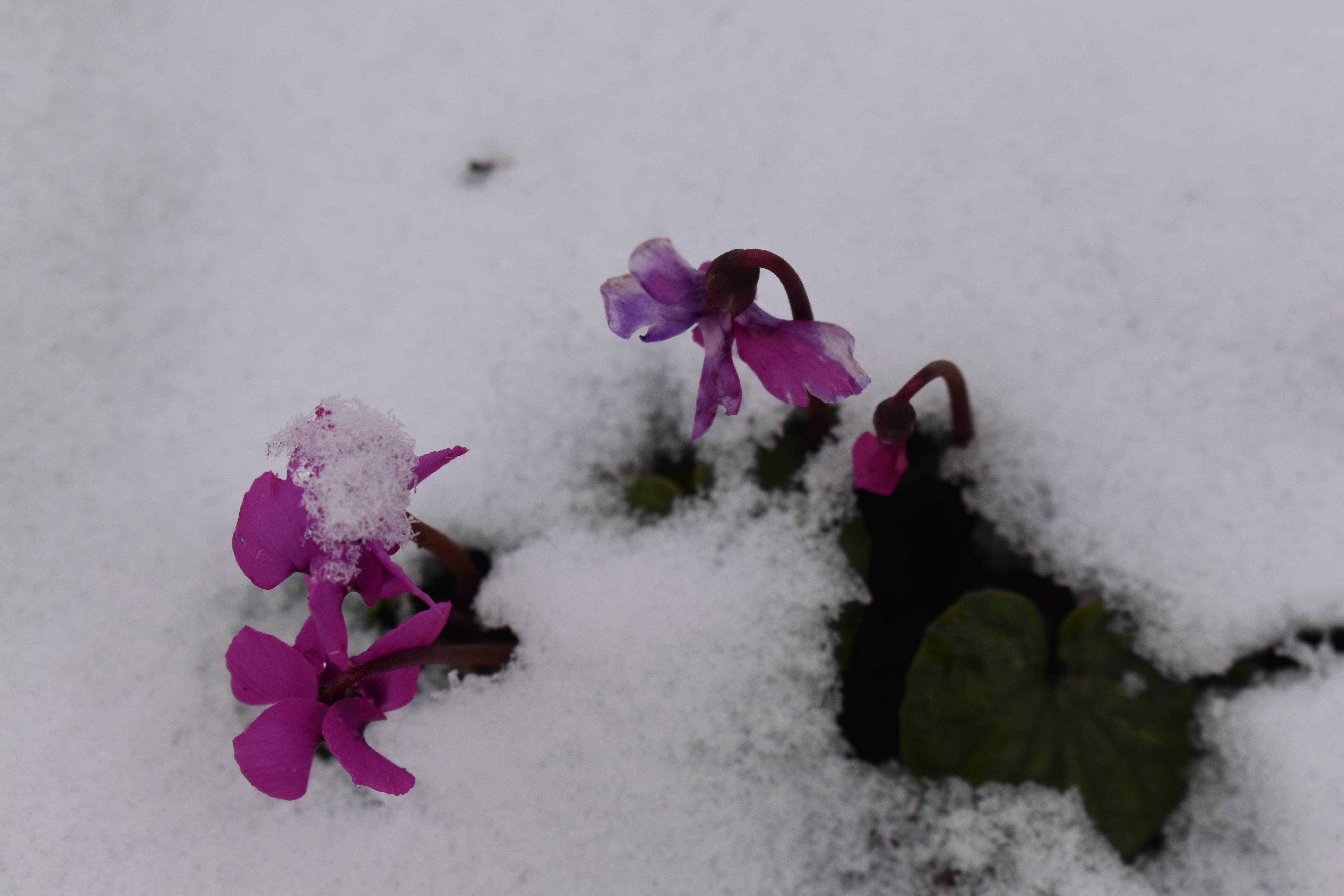
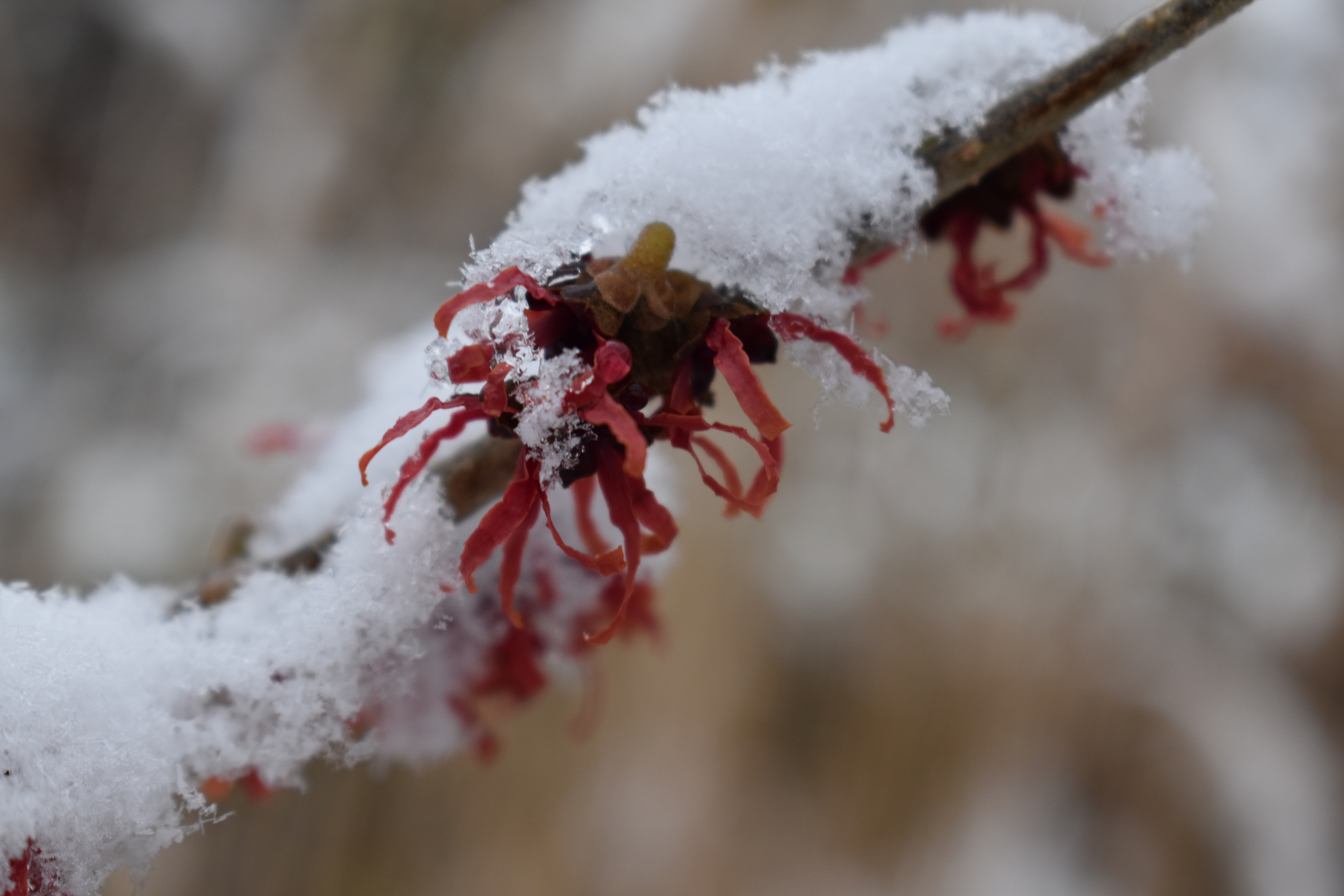
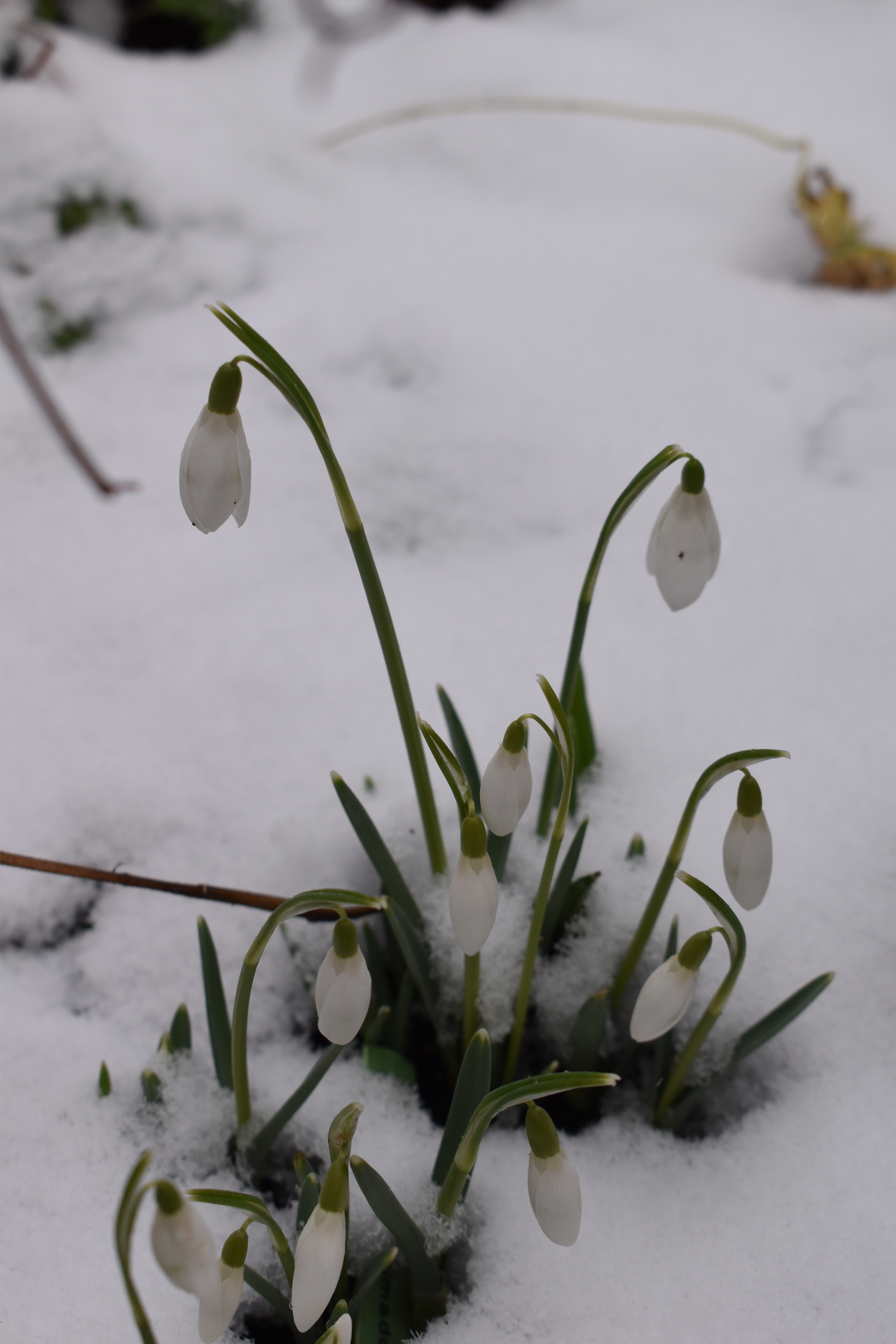
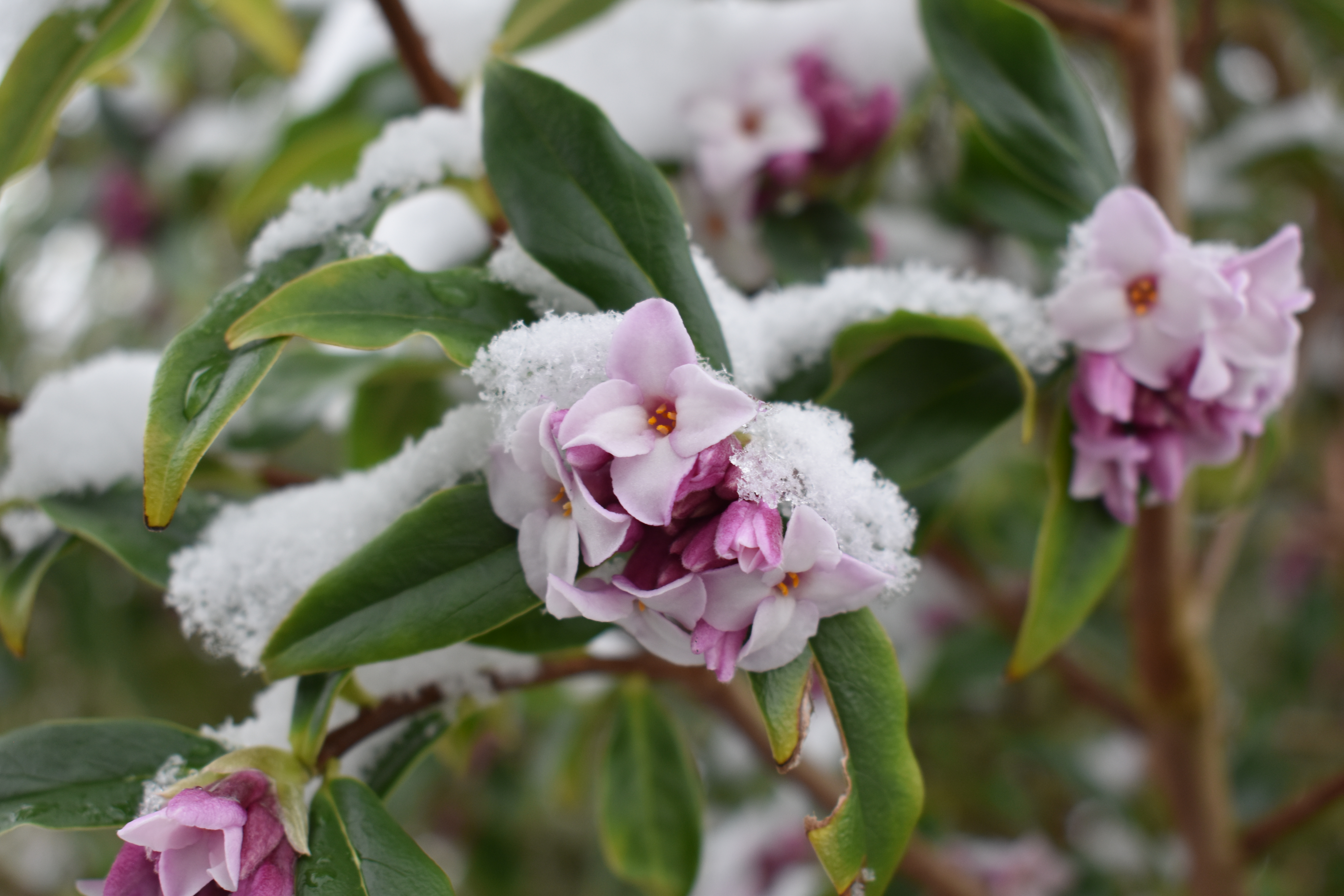
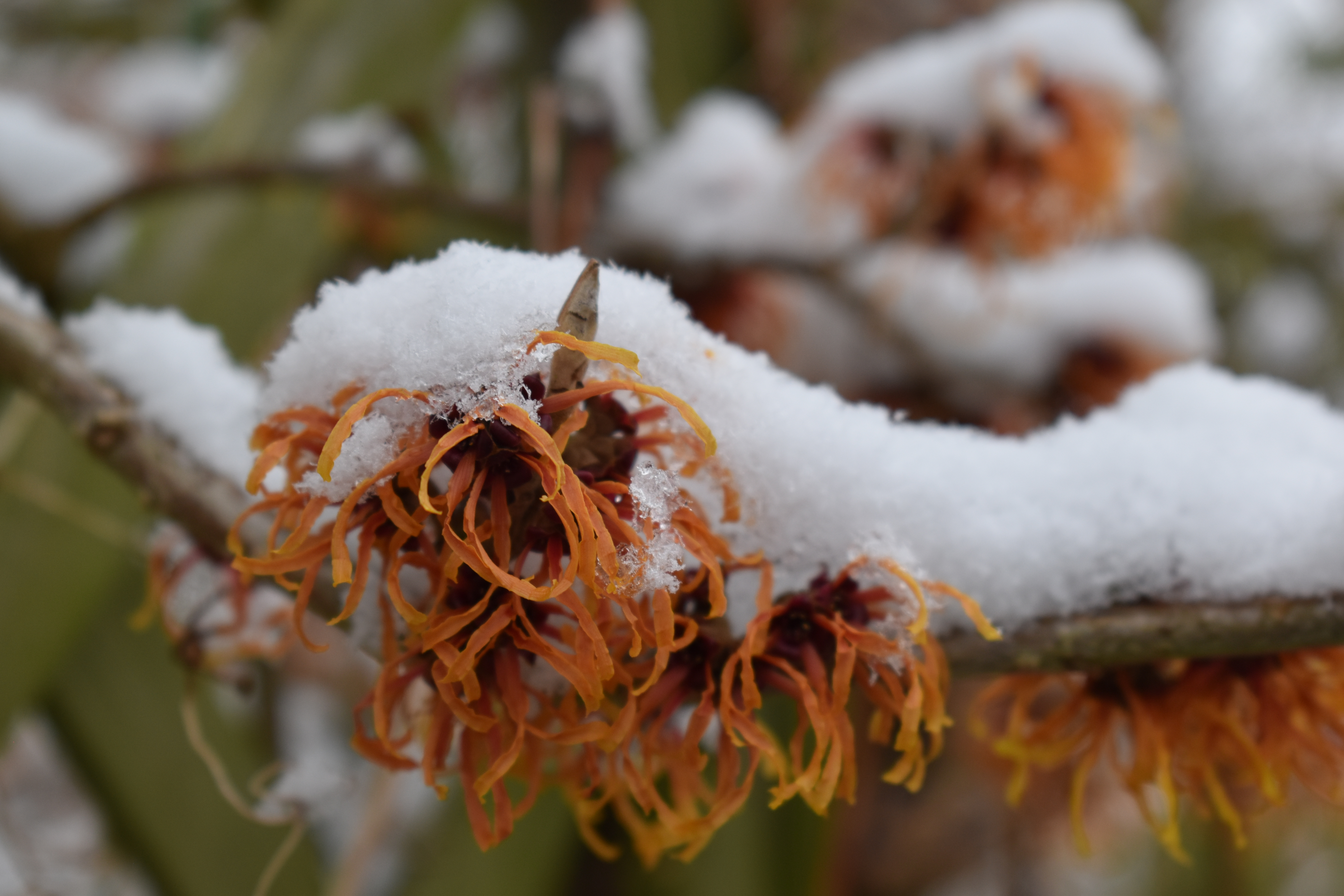
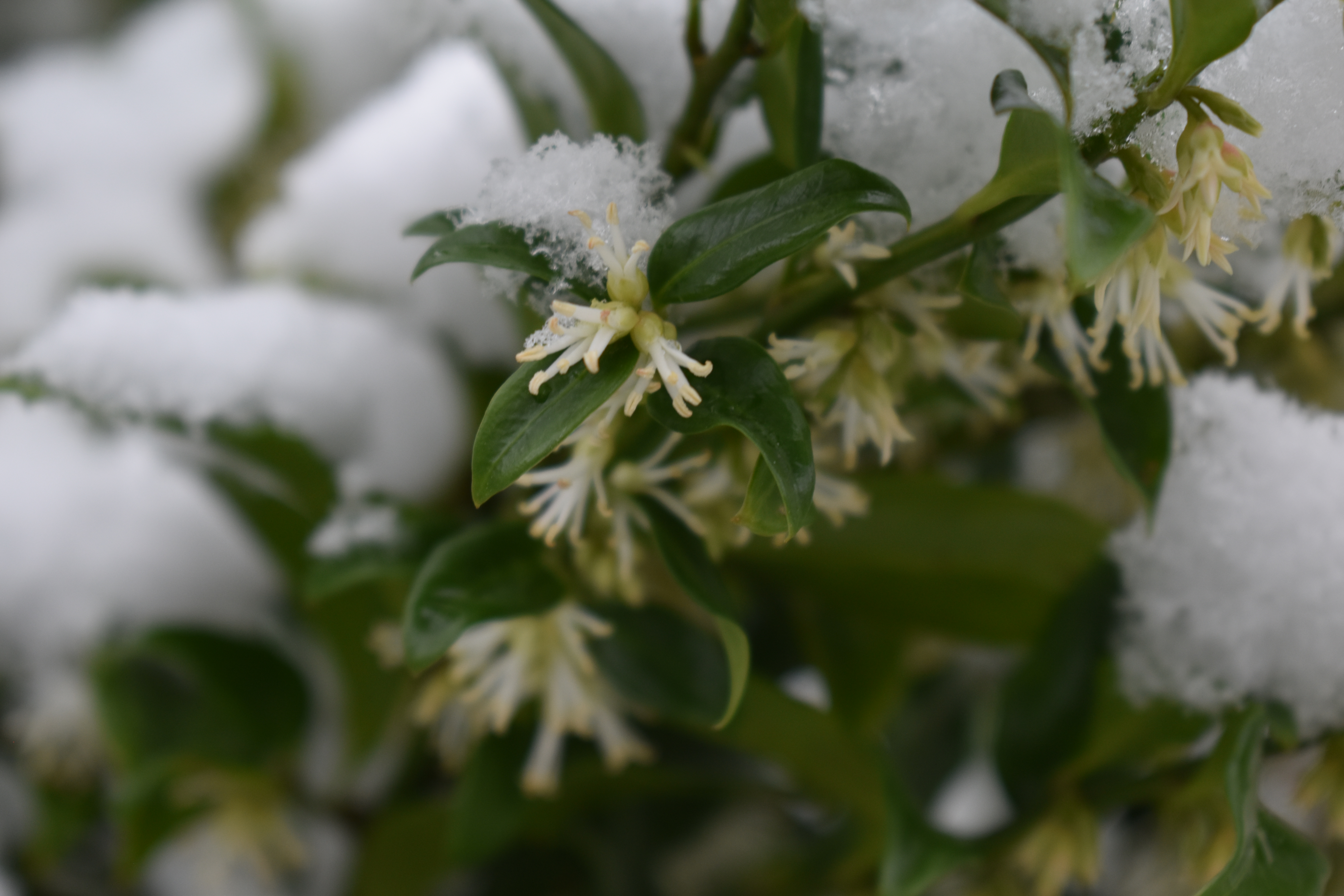
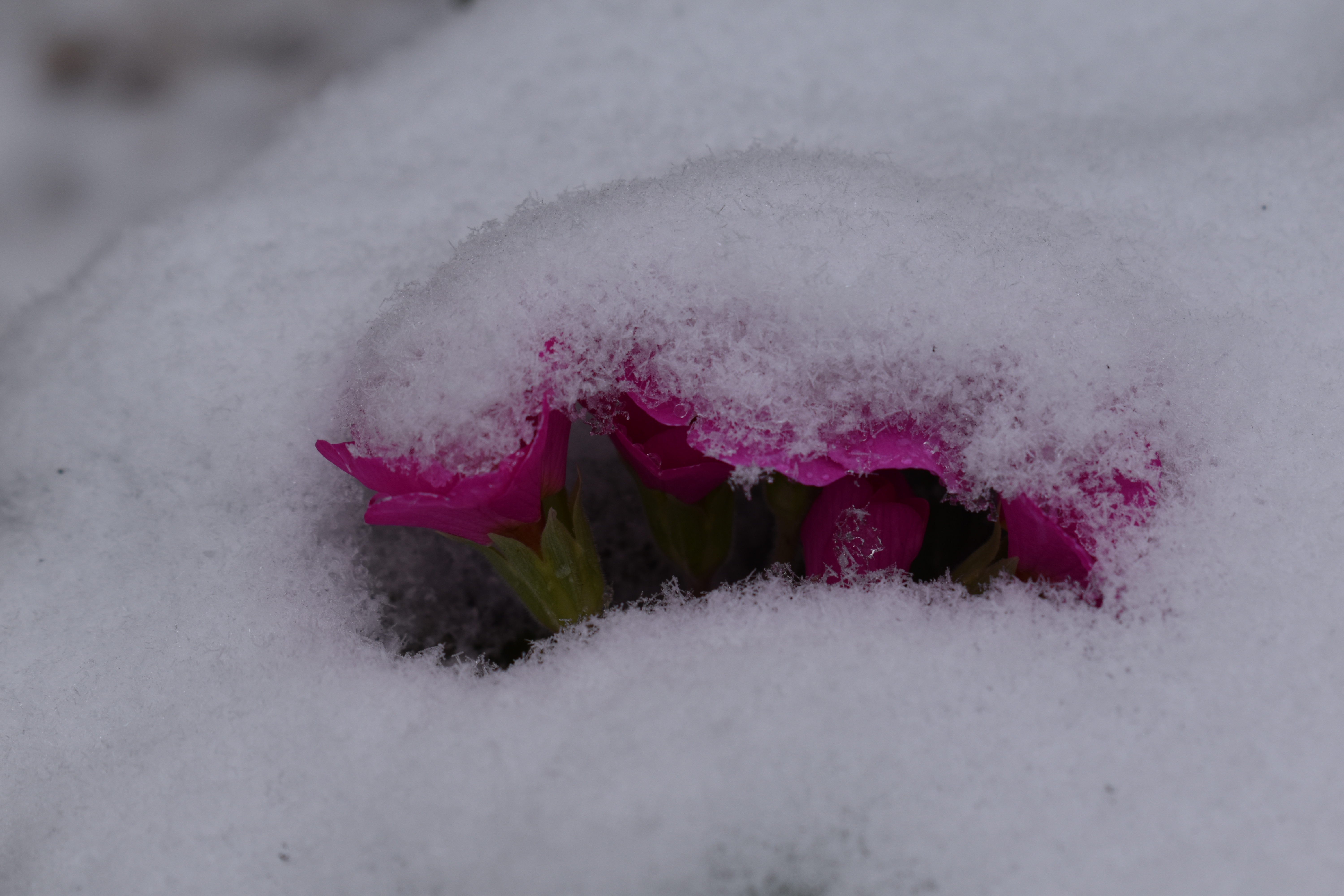
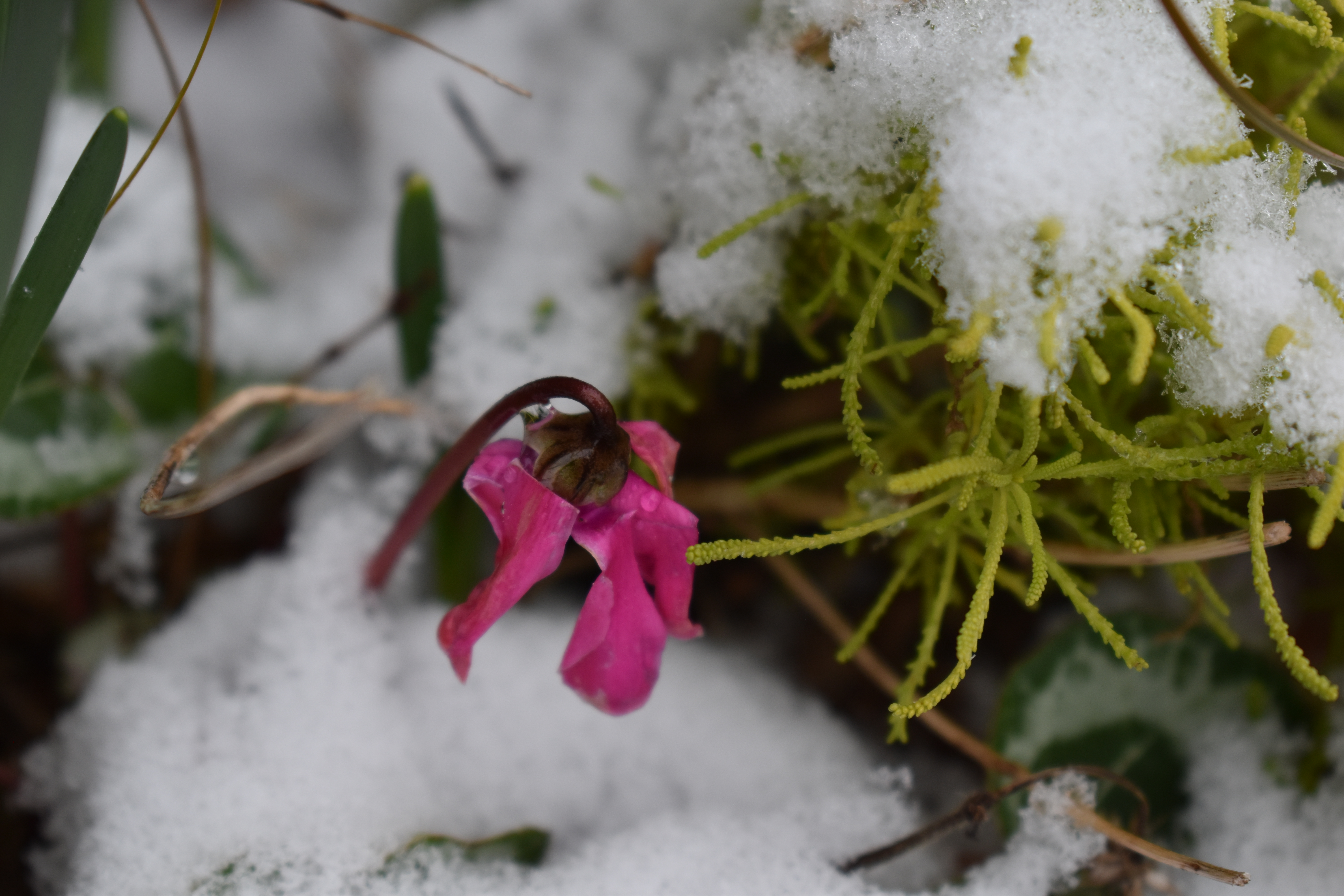
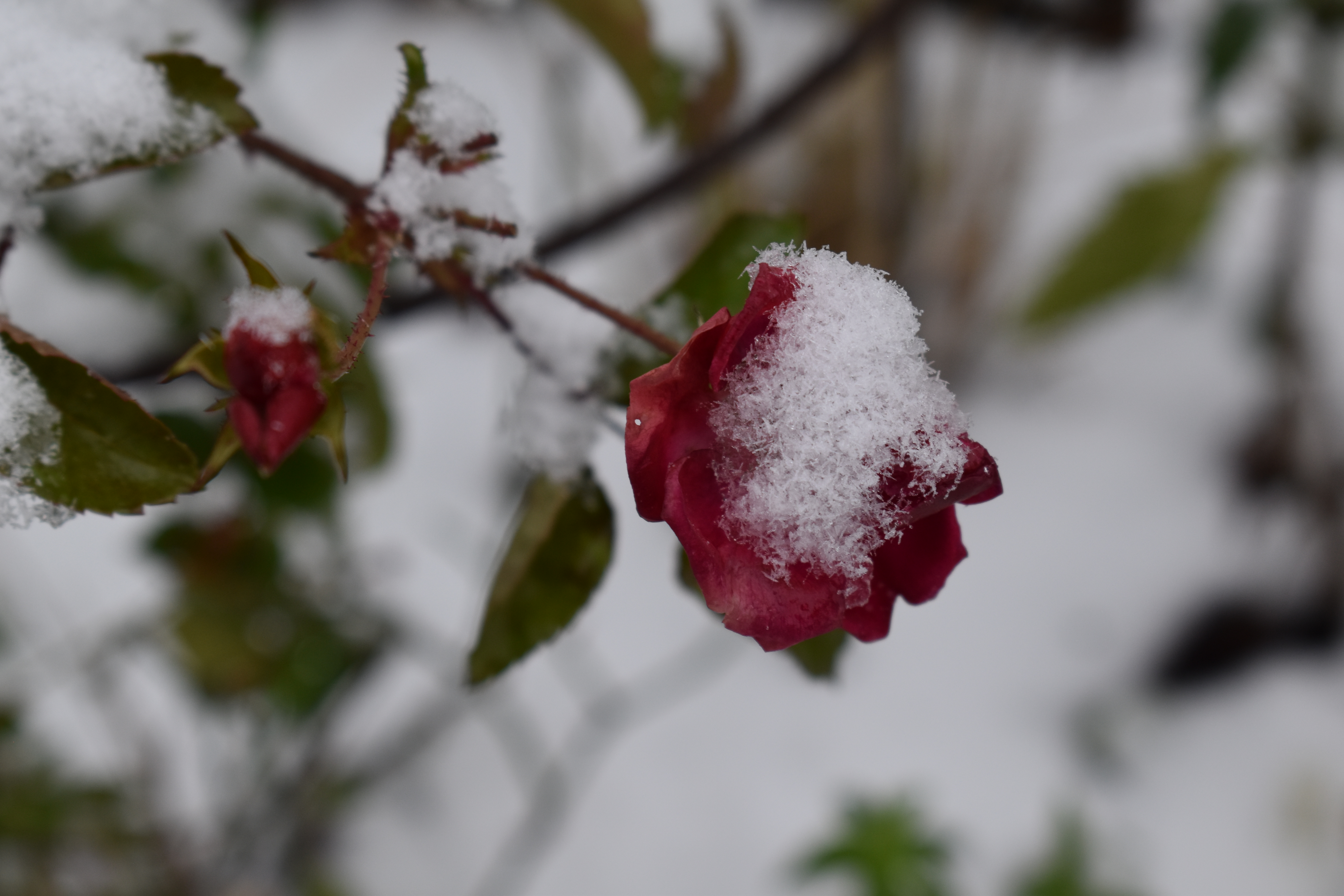
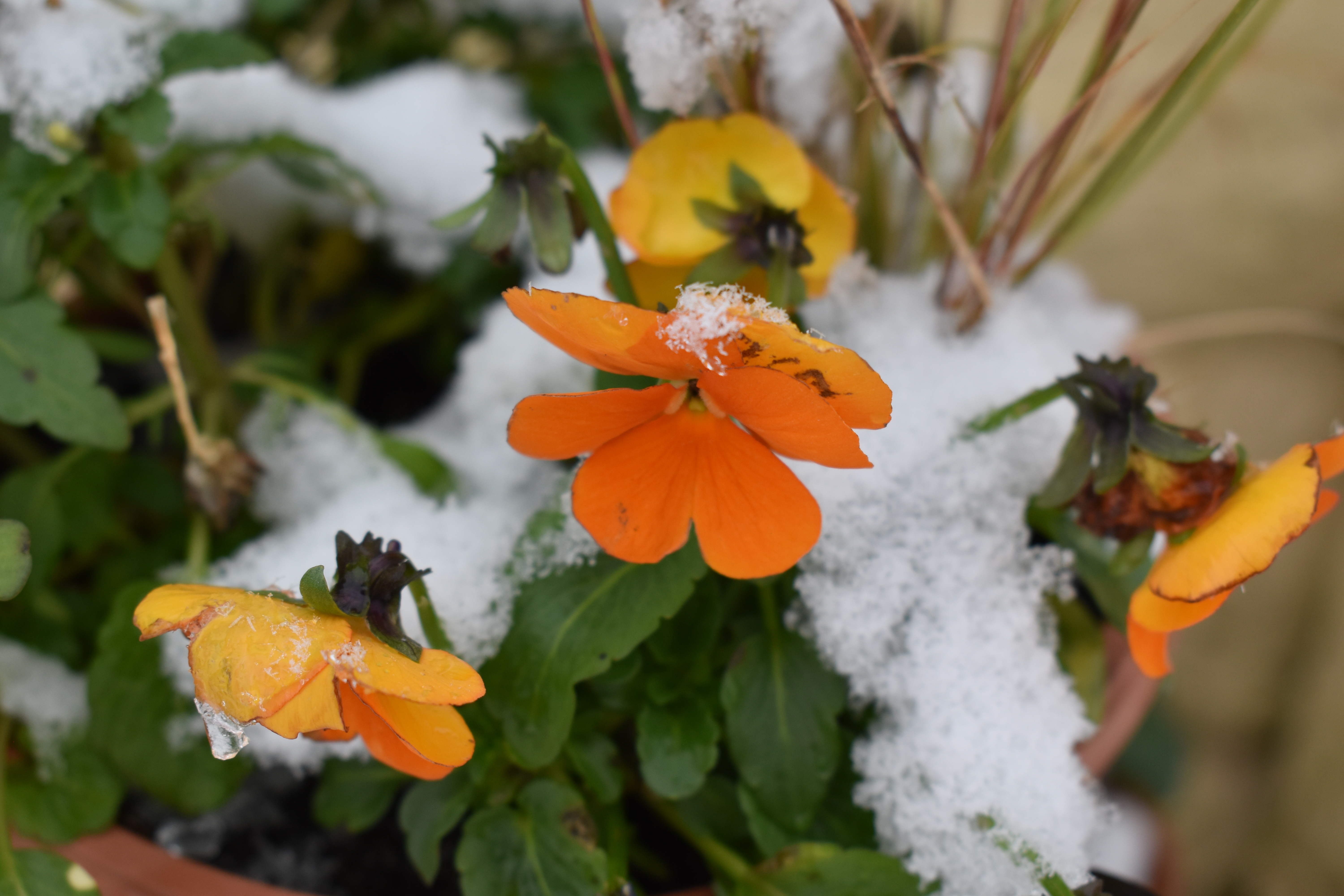
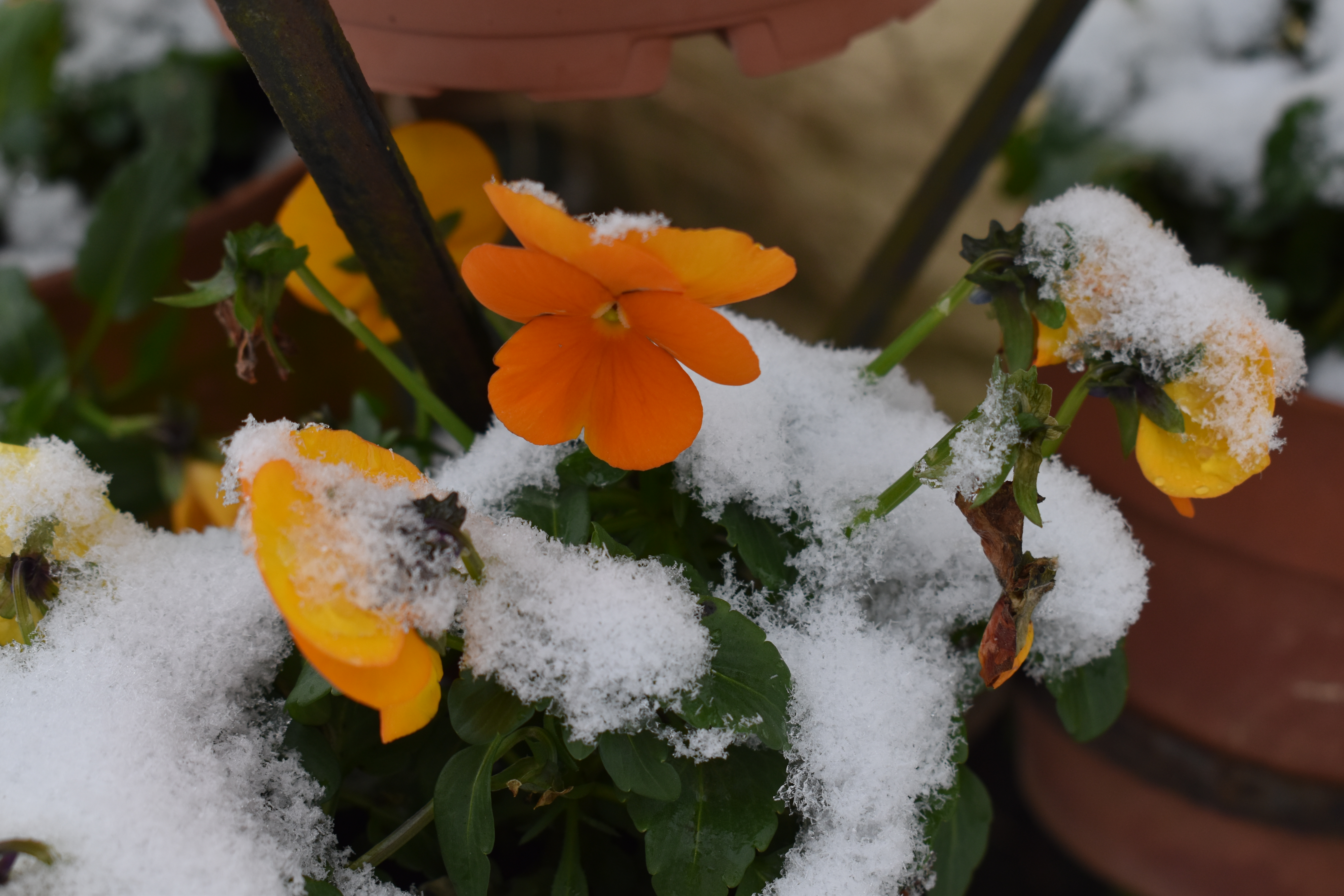
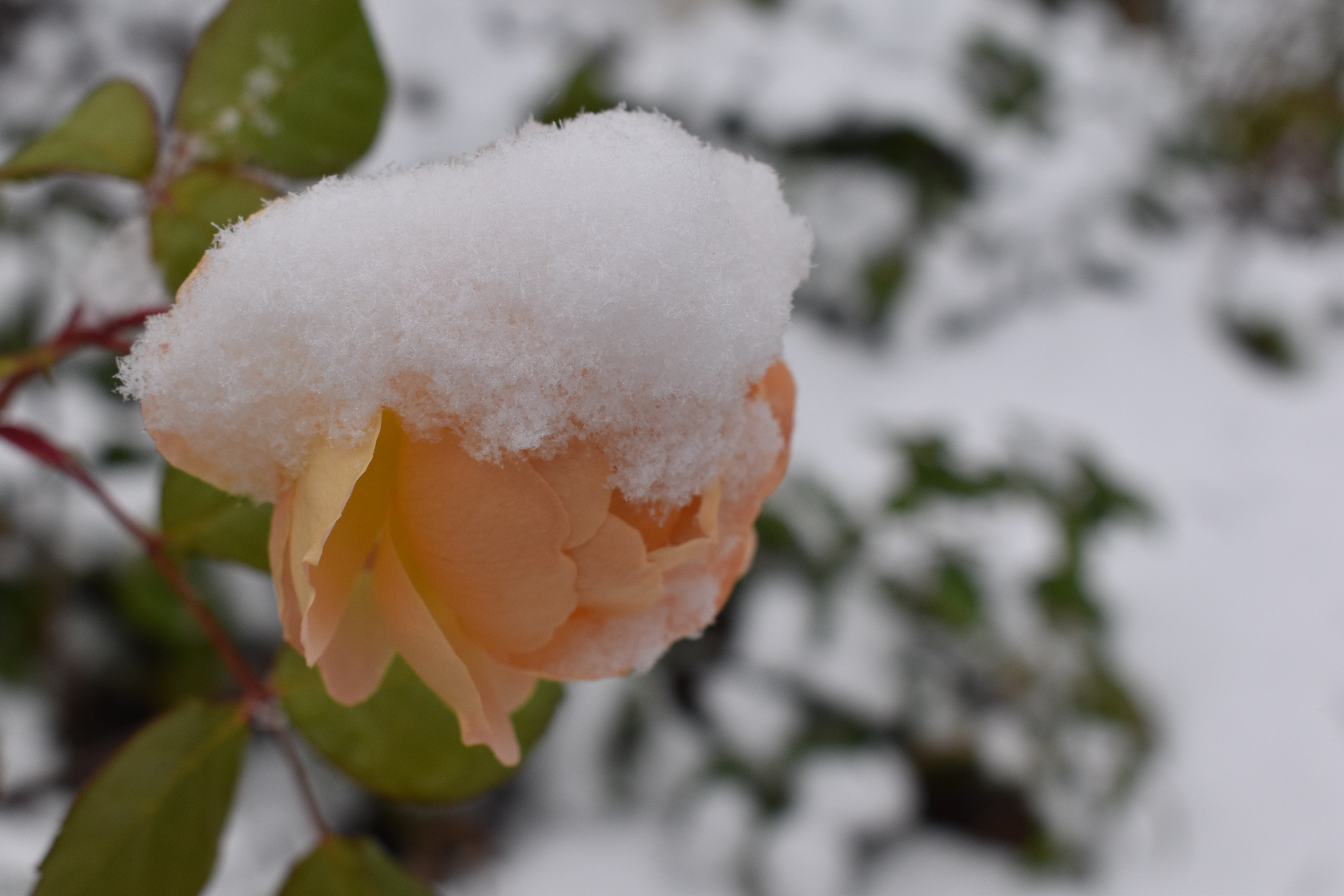
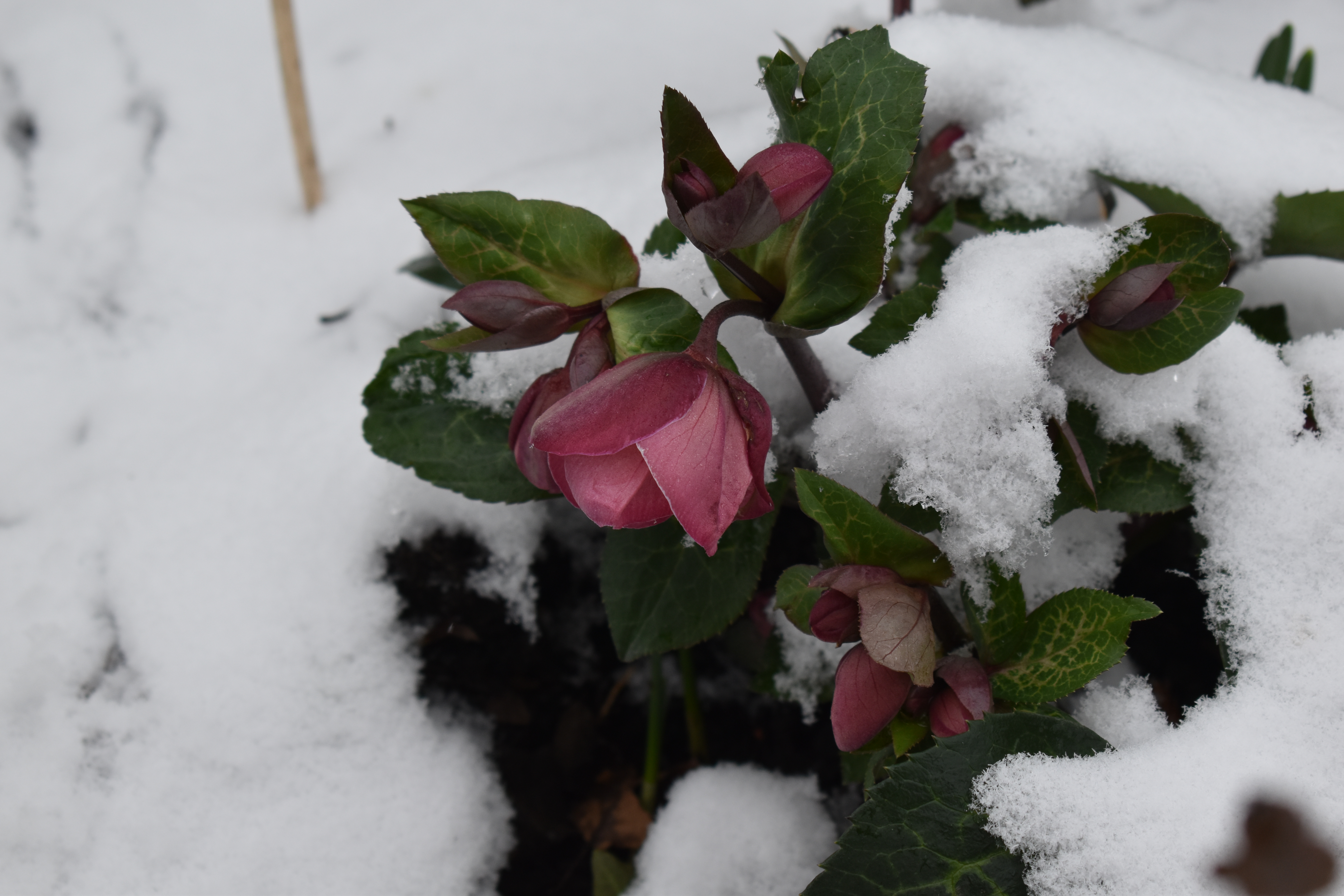
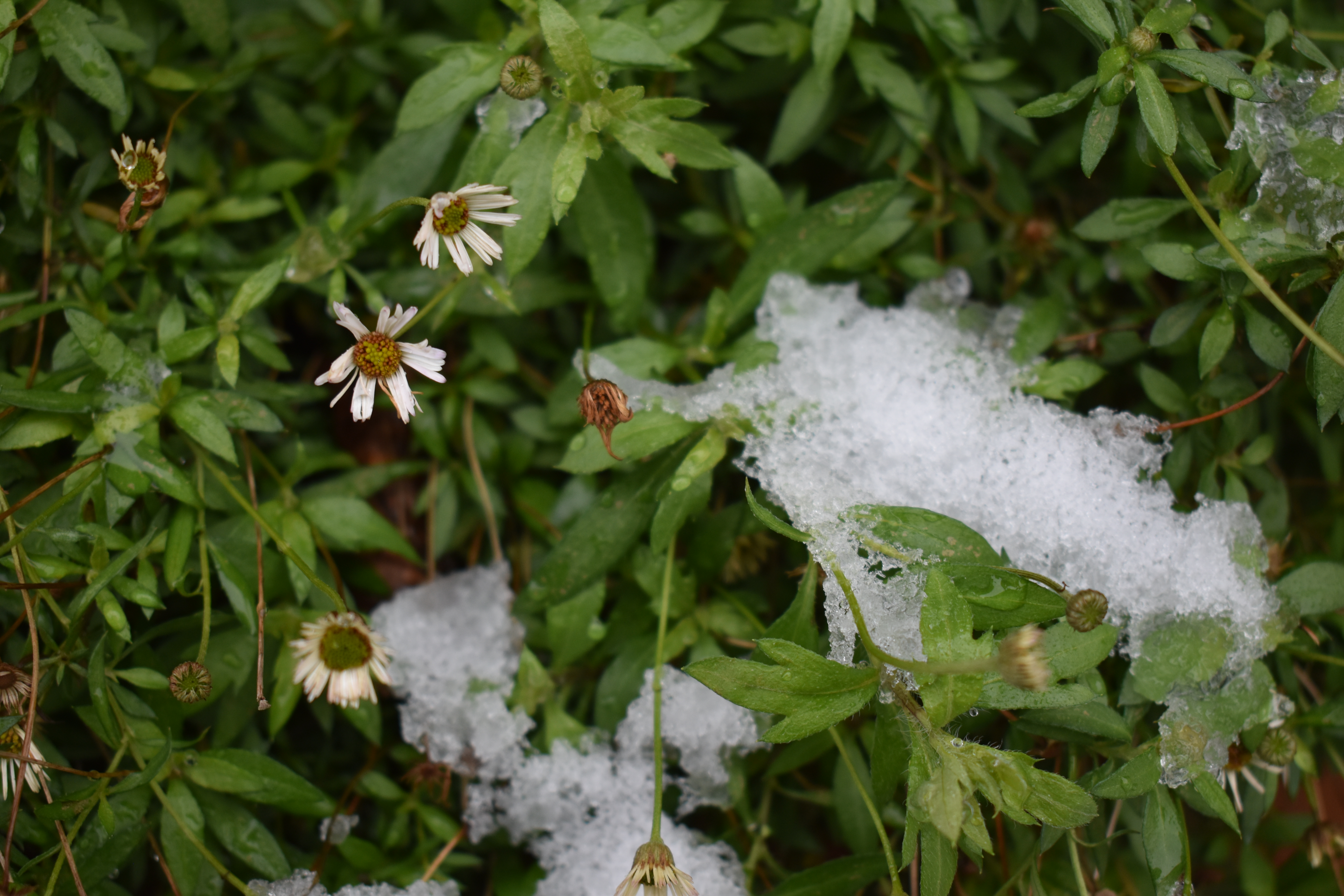
I had planned one day in late January to take a wander around our garden taking photos of flowers blossoming in our garden wether in season or not. But we awoke to an all-white garden! Mother Nature had sent us overnight snow showers to blanket our patch.

So, come with me and my camera to see what I found.

Categories
Uncategorized

Another Winter Woodland Walk – Searching for Lichen and Mosses

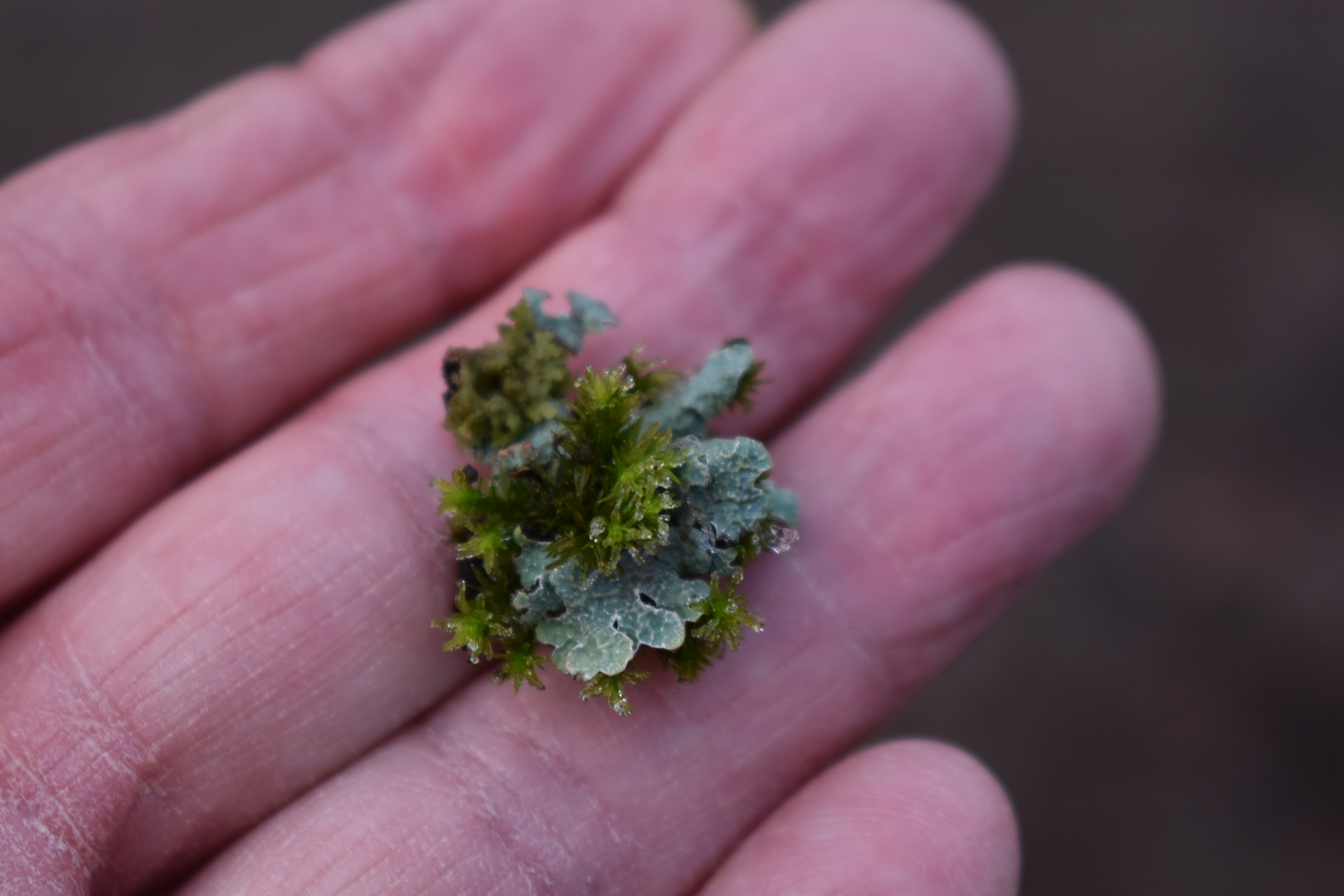
One of the reasons we visited Attingham Park for a wander in the woodland was to search for lichen and mosses as I had recently read books on the subjects which made me want to experience them for myself.

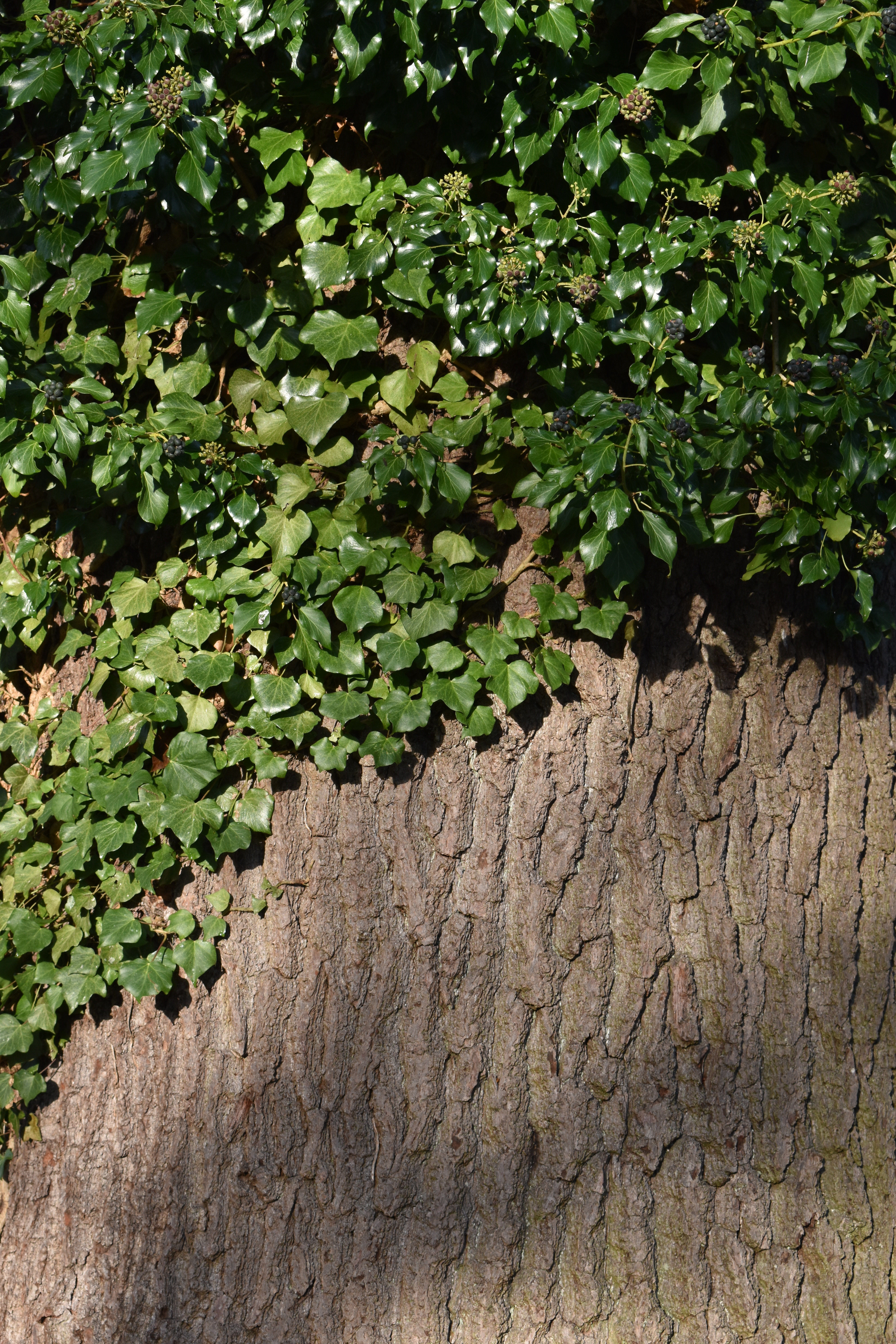
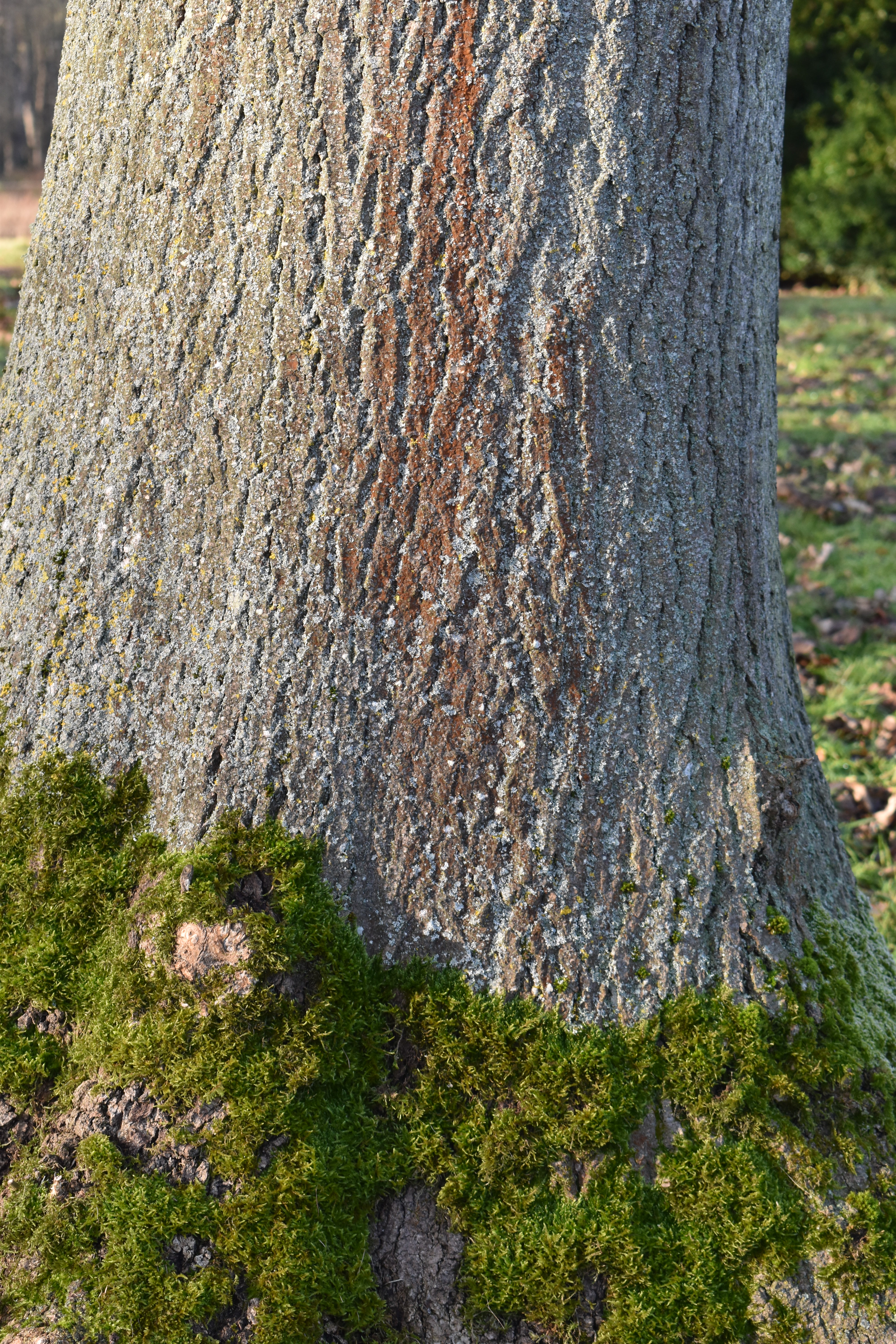
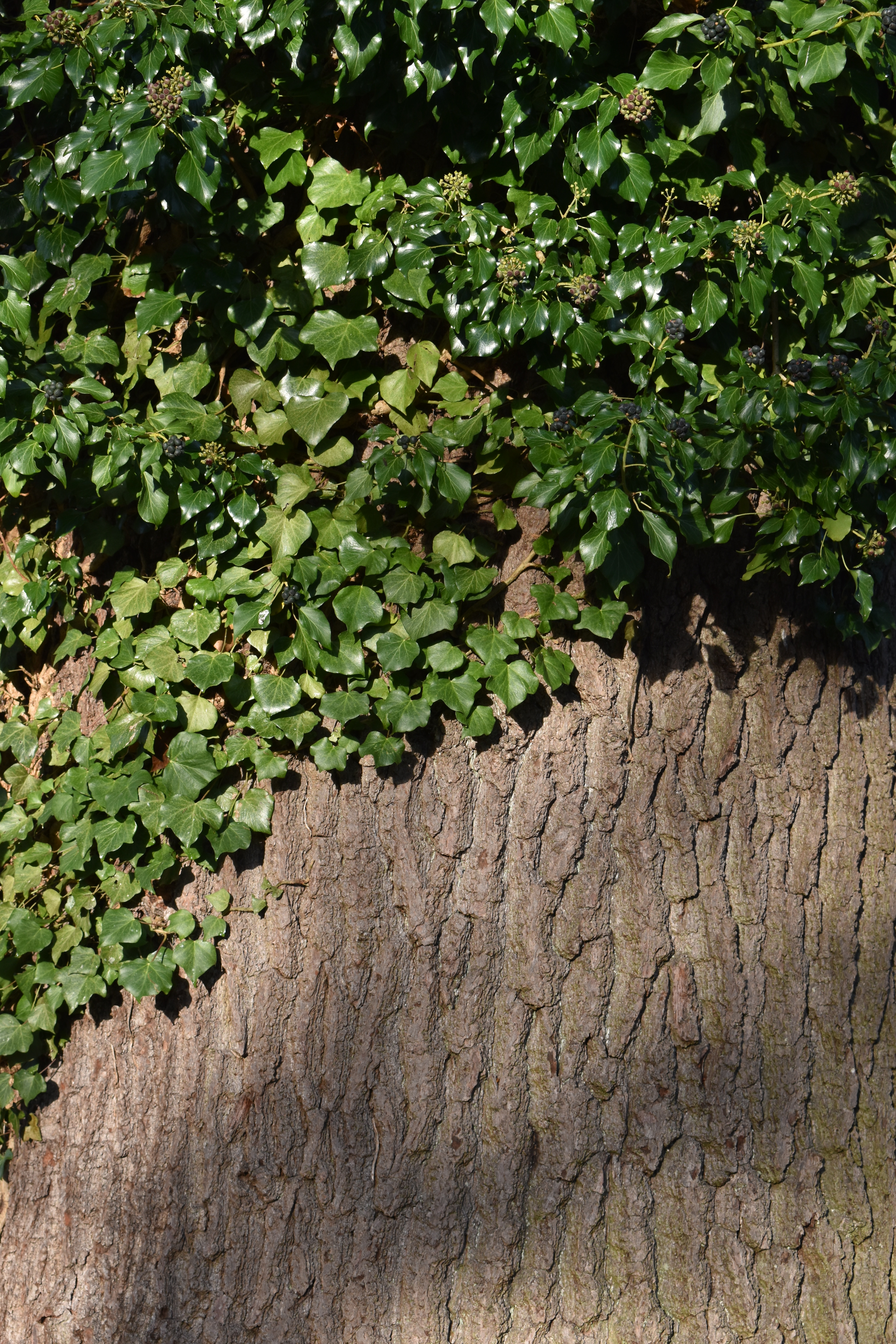
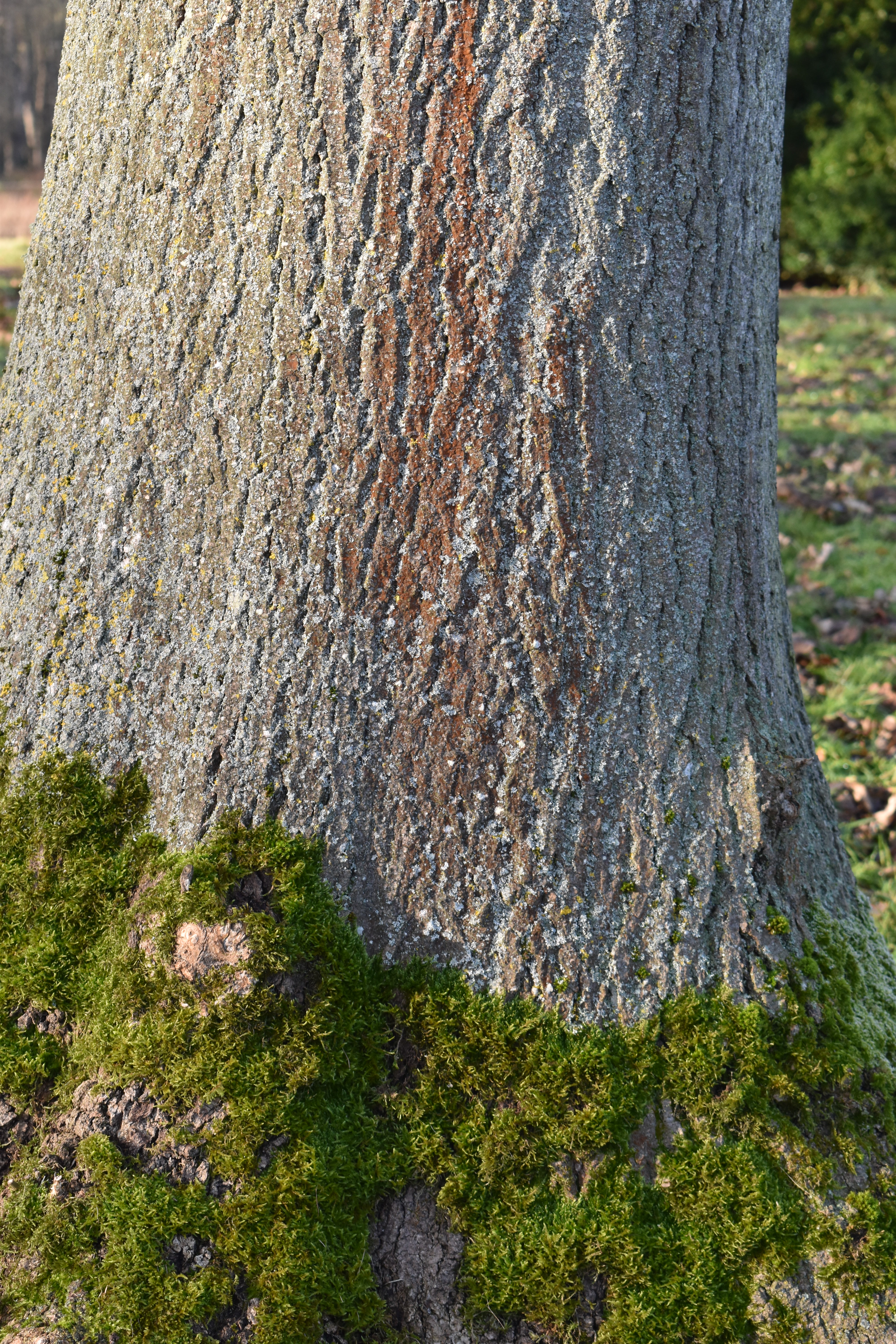
This walk proved an excellent place to do just that. Early on into our walk we came across a huge specimen tree covered not in mosses or lichen but in our native Ivy, Hedera helix, a brilliant shelter, food source and breeding place for all sorts of wildlife. Not long after we found a tree coated near its base in moss. But it also displayed covering by an orange-brown lichen above the moss.

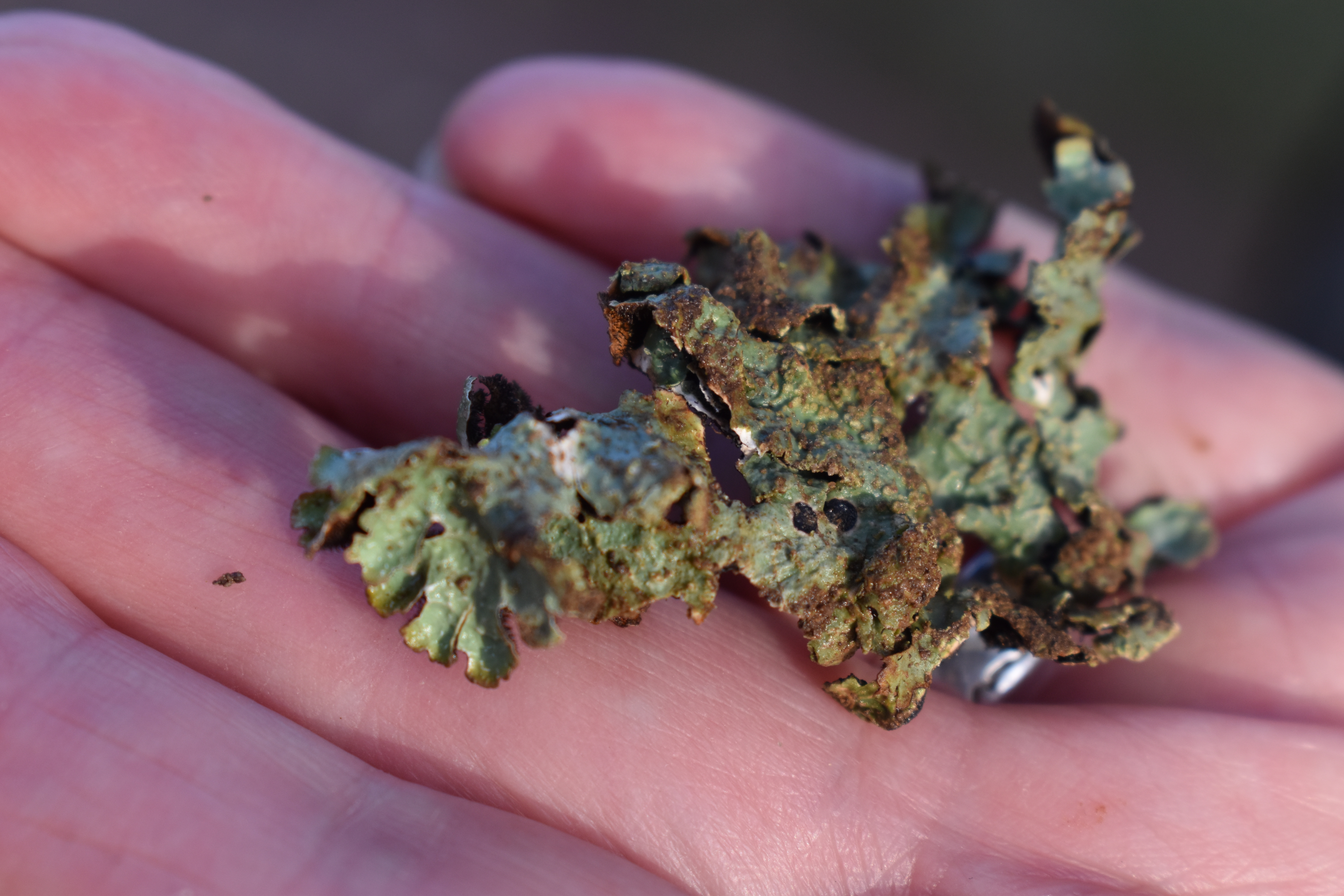
Birds sometimes hunt underneath lichen to feed on the insects and invertebrates found there. The pieces they have broken off in the process gave us a chance to have a closer look. The left hand photo shows a verdigris coloured species whereas the second photo is of a beautiful bluish coloured specimen accompanied by an even tinier green lichen or perhaps moss.

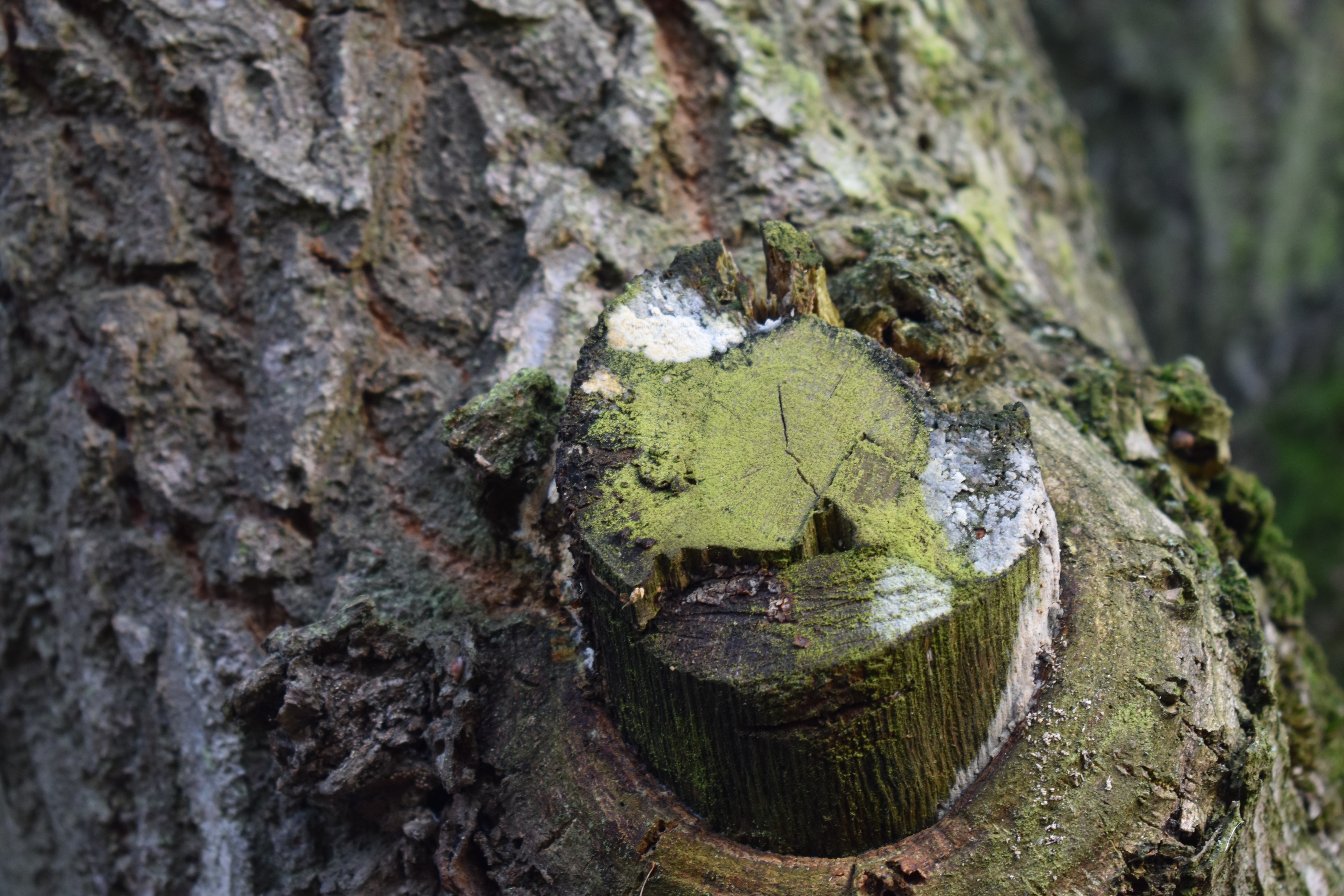
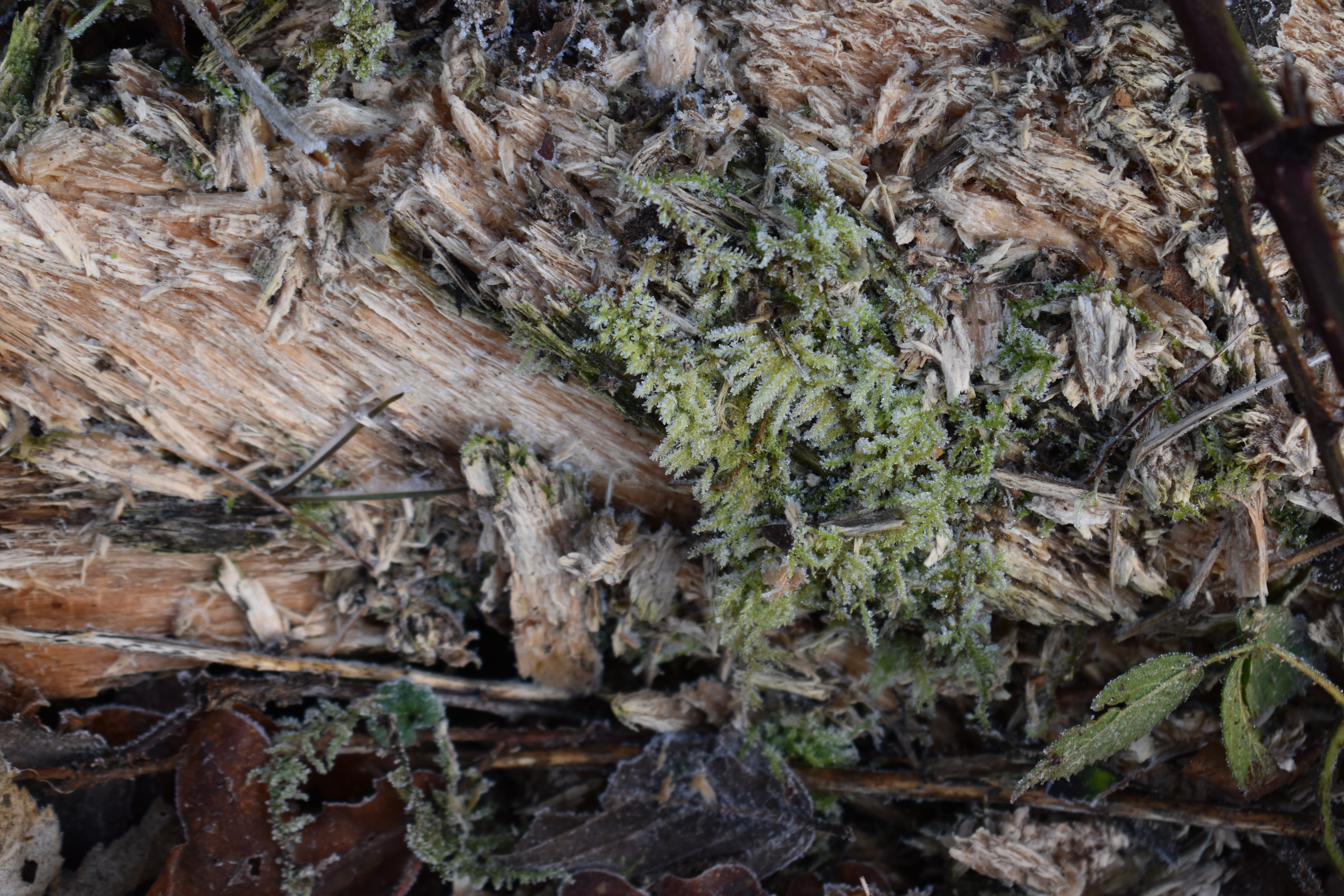
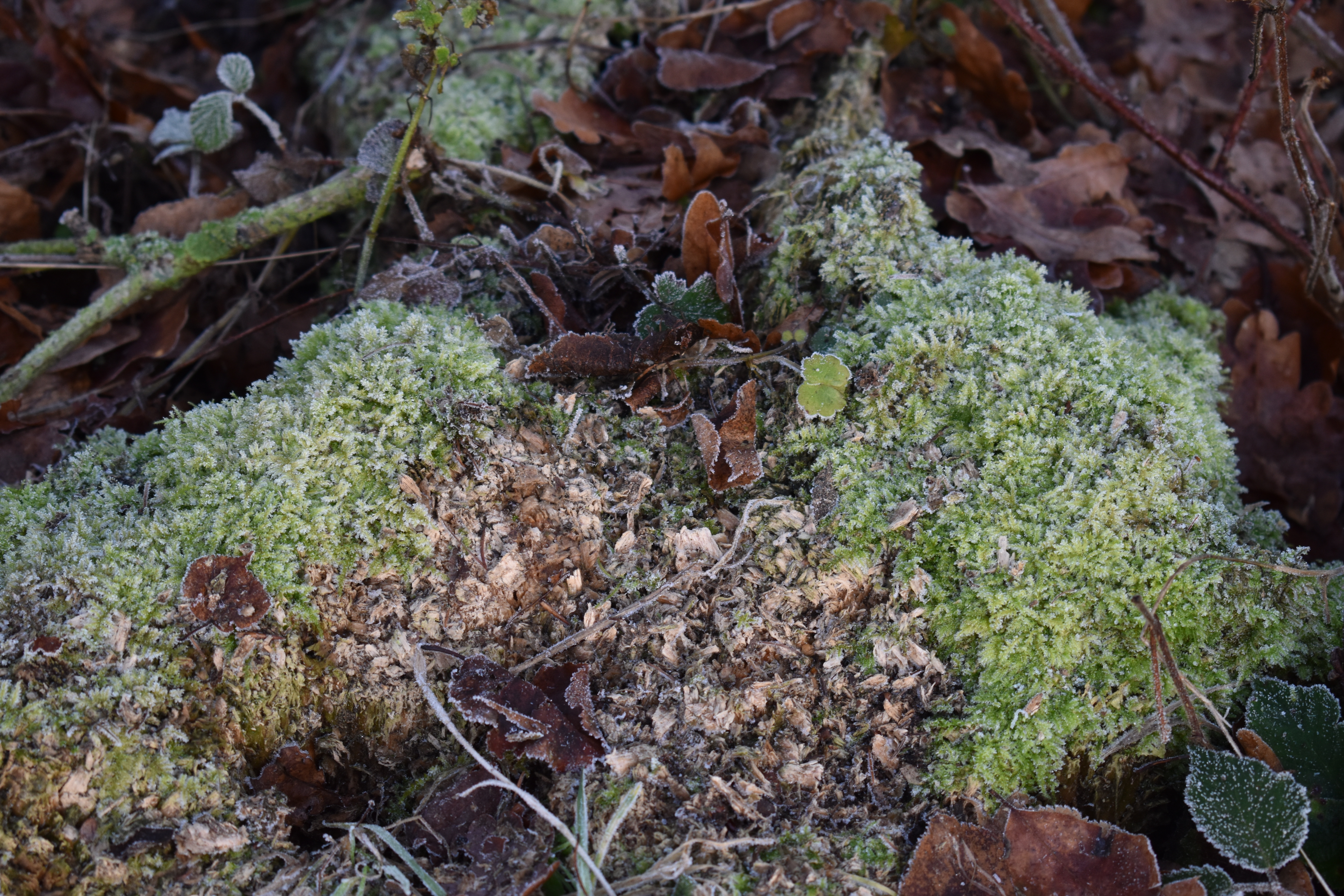
The photo below shows mosses and lichen growing on the rotting stump of a felled tree.

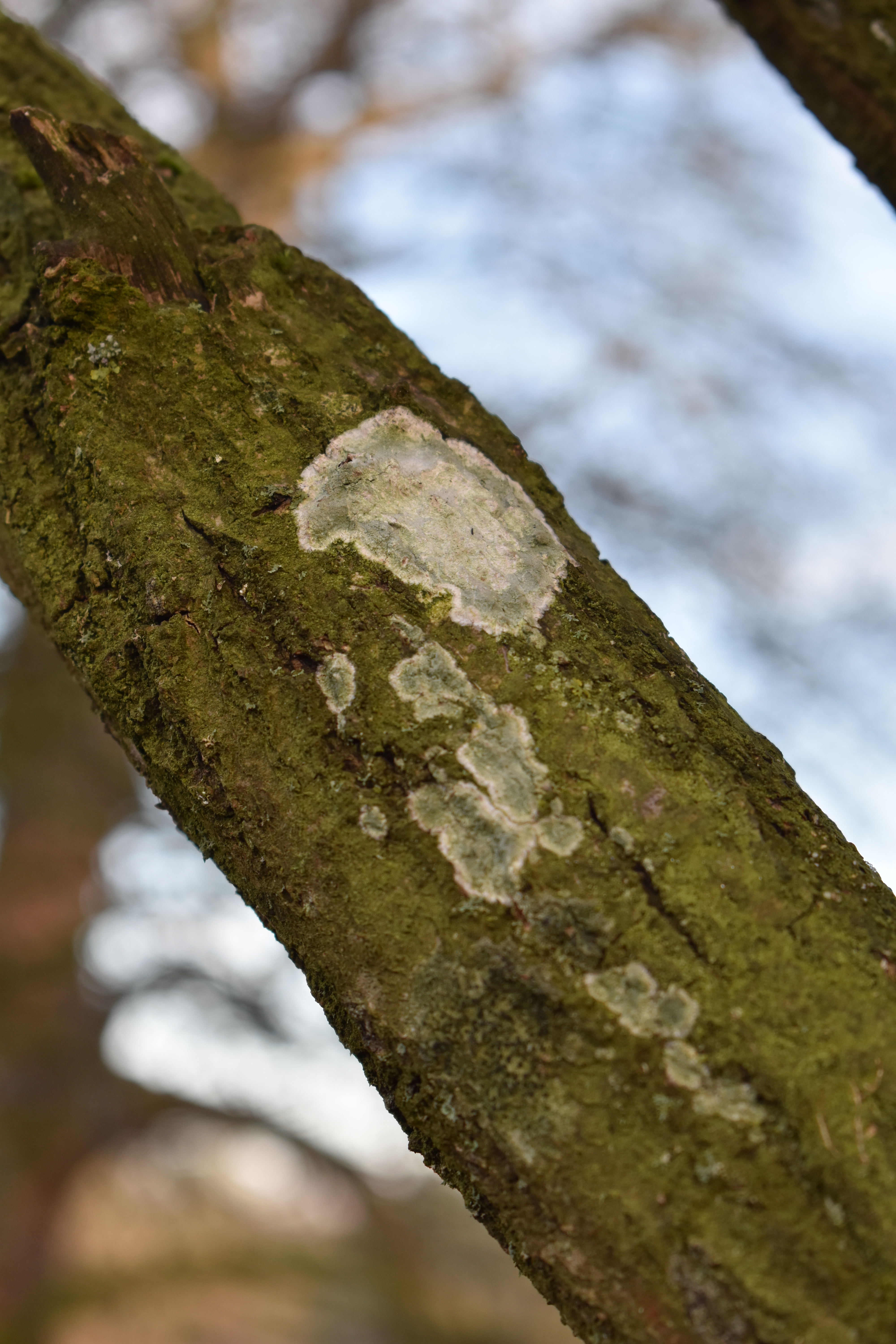
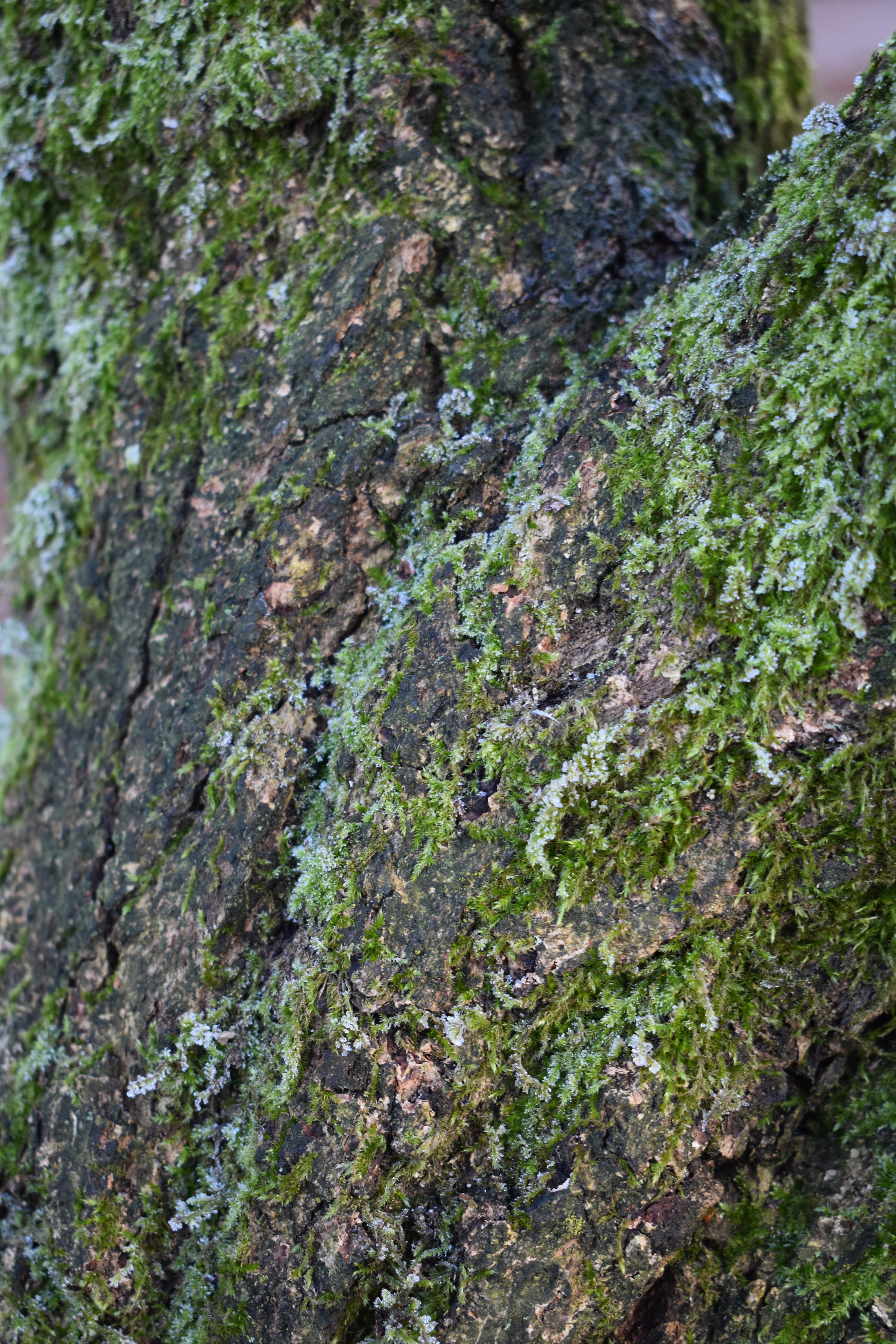
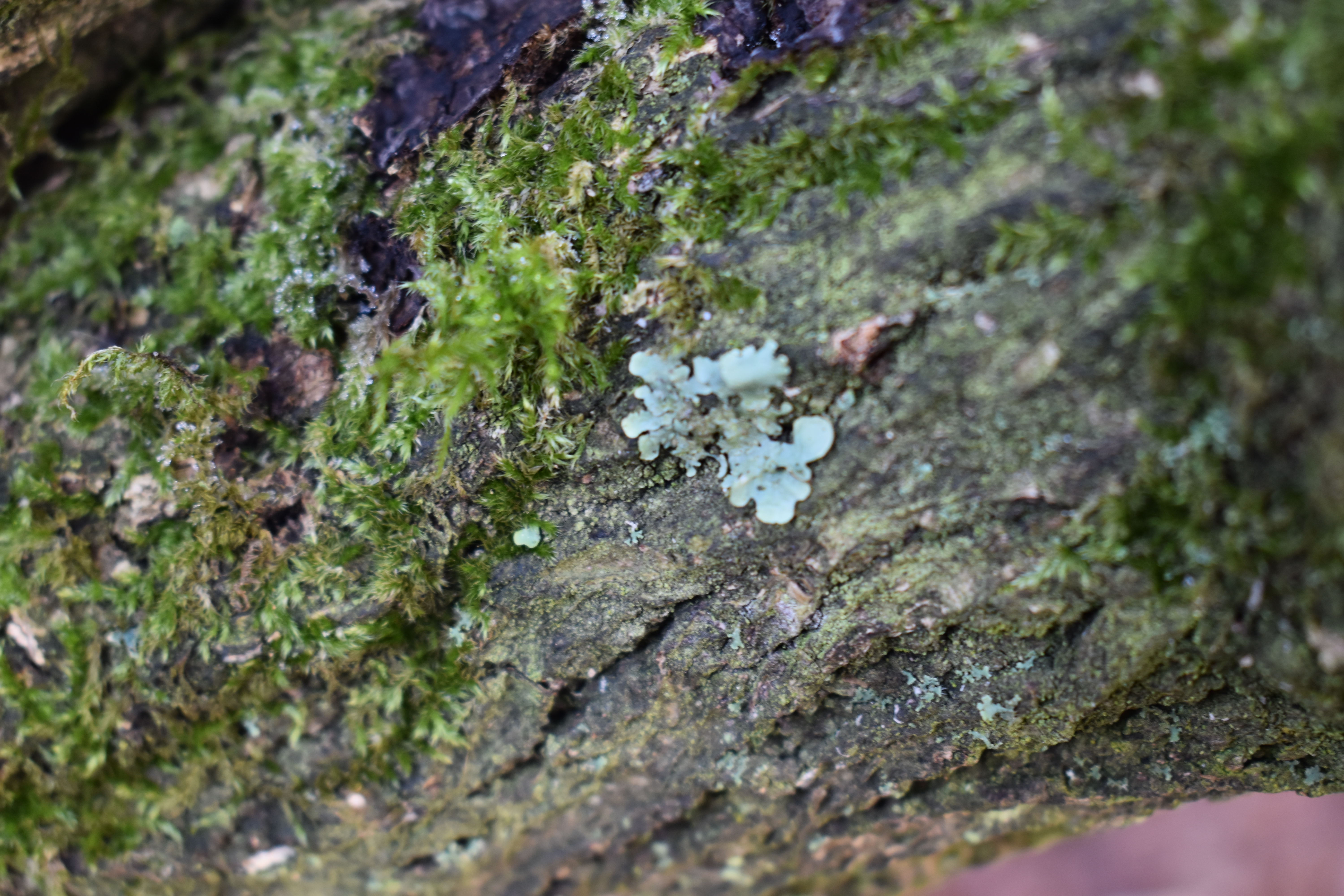
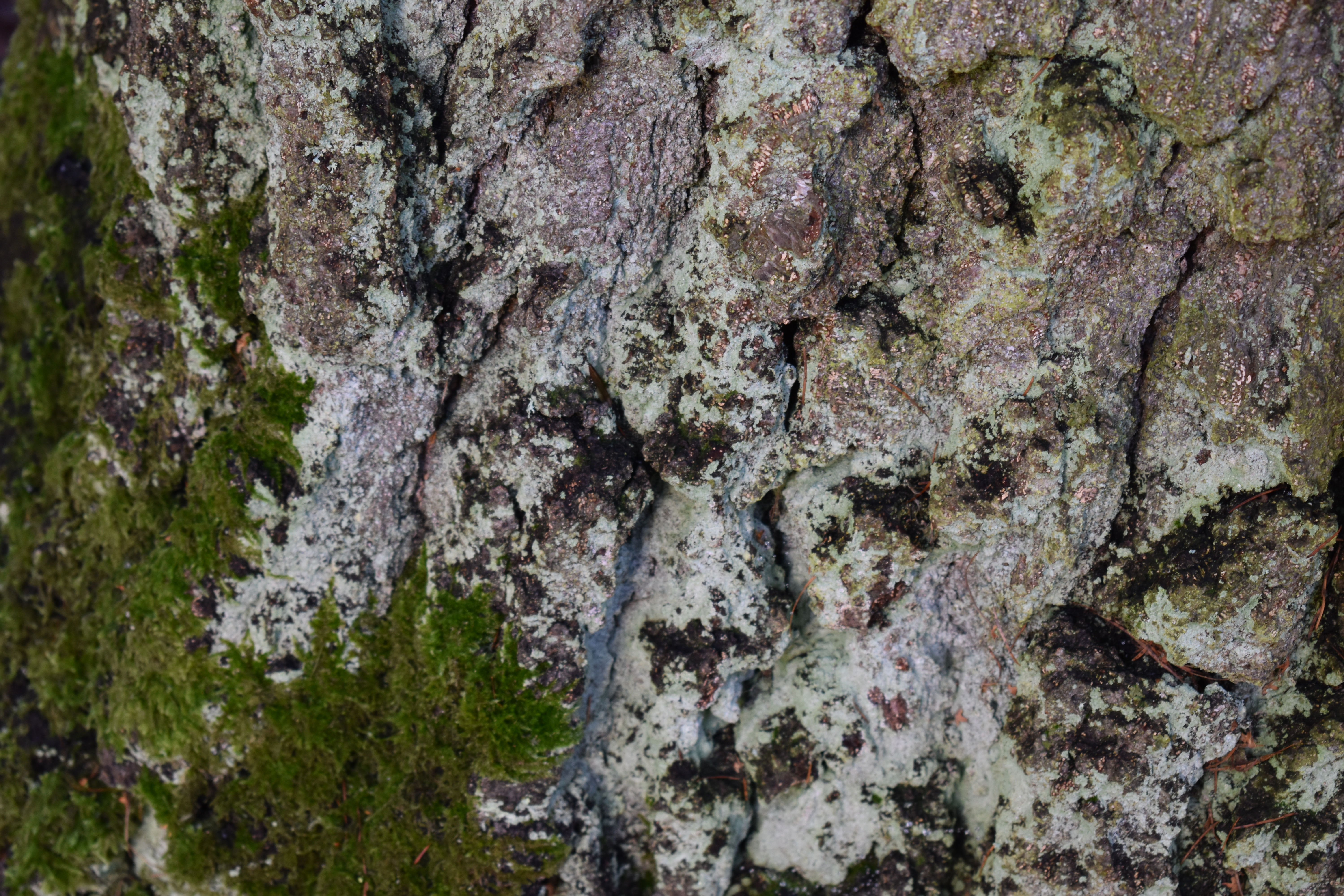
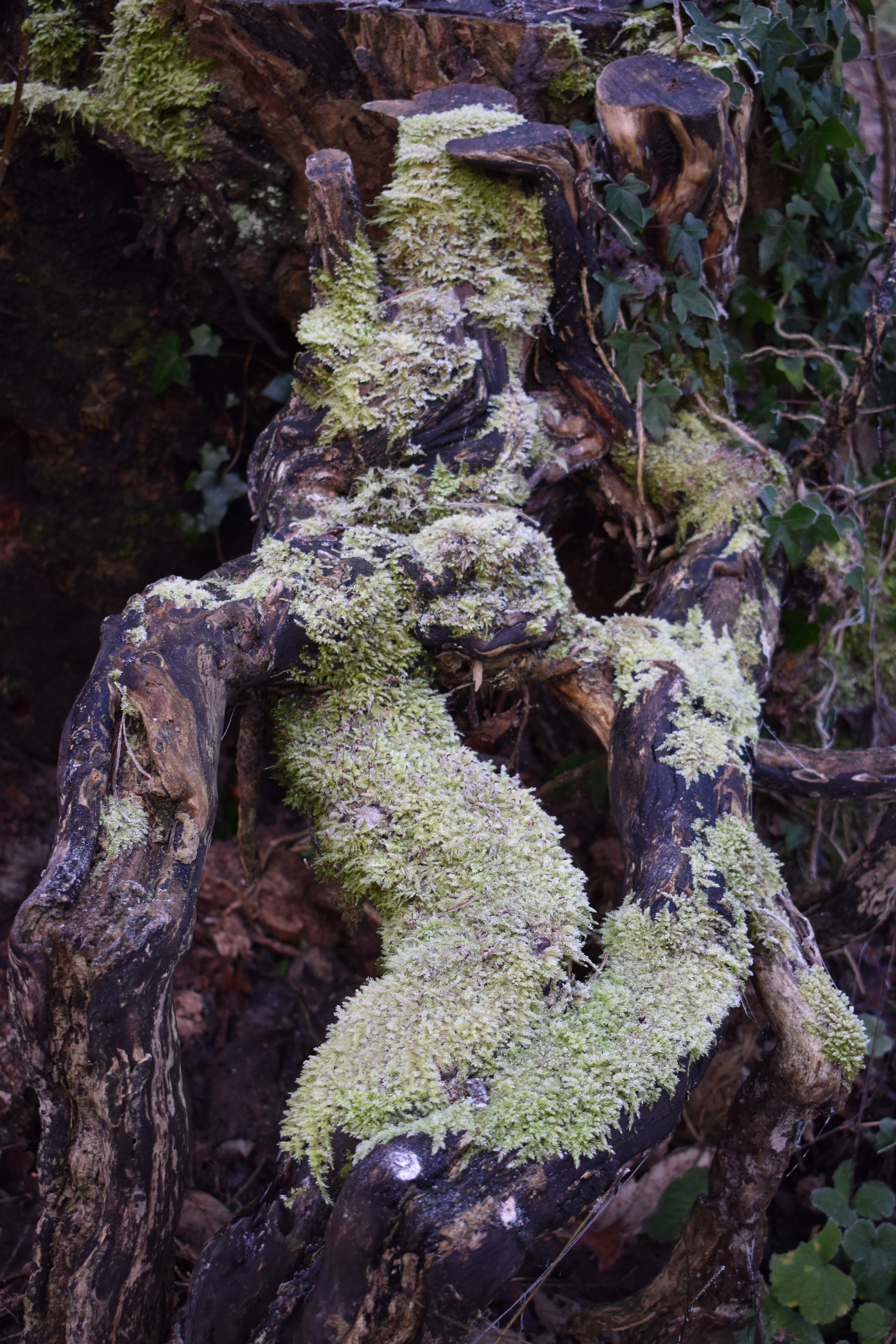
Early on in our walk we came across two neighbouring trees which between them were home to all these lichen and mosses below. It showed the huge variety of their colours, textures and shapes. Looking close up at a tree trunk can give so many surprises.

Looking down by our feet there were just as many lichen and mosses to be seen and enjoying growing on fallen boughs and rotting tree stumps.

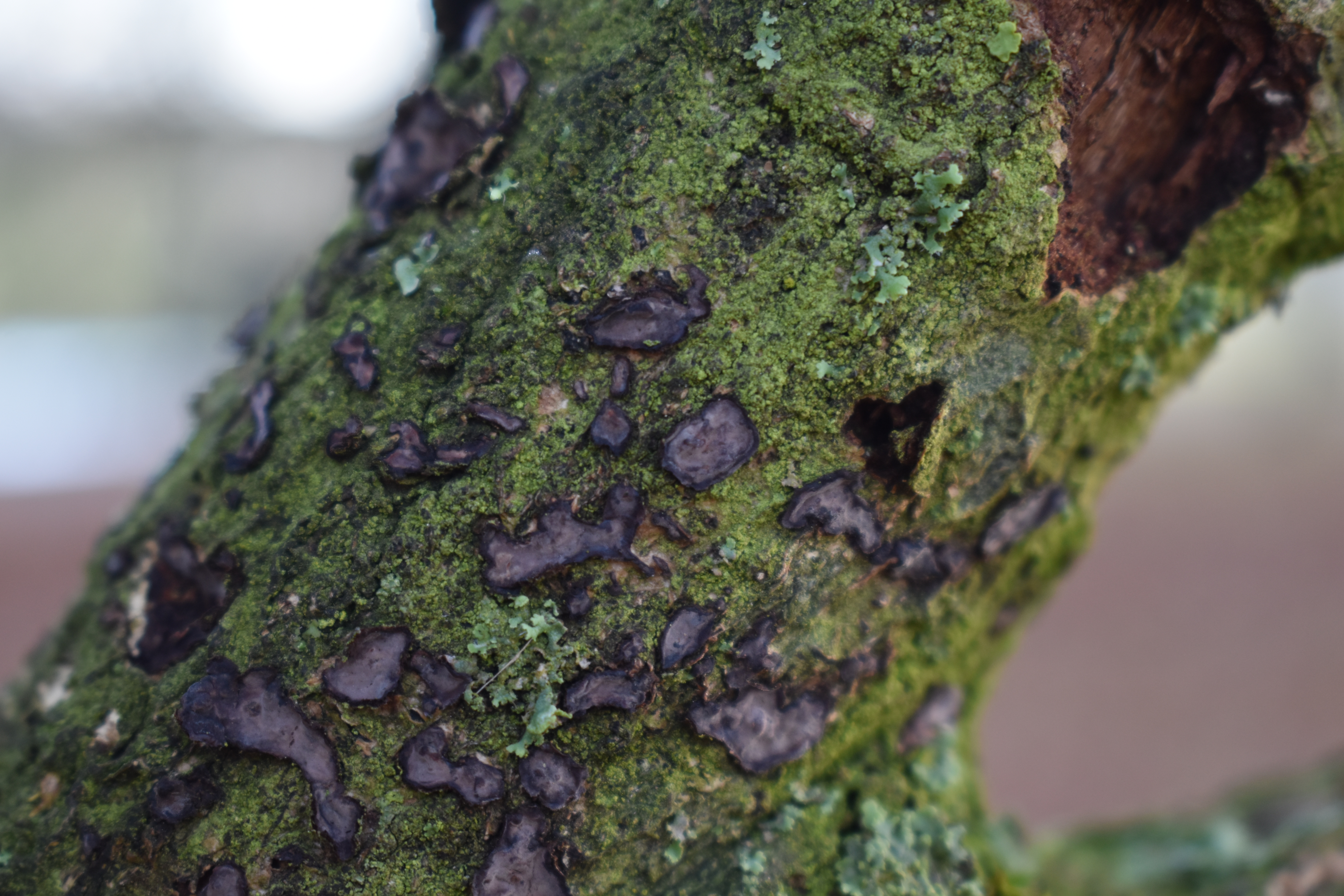
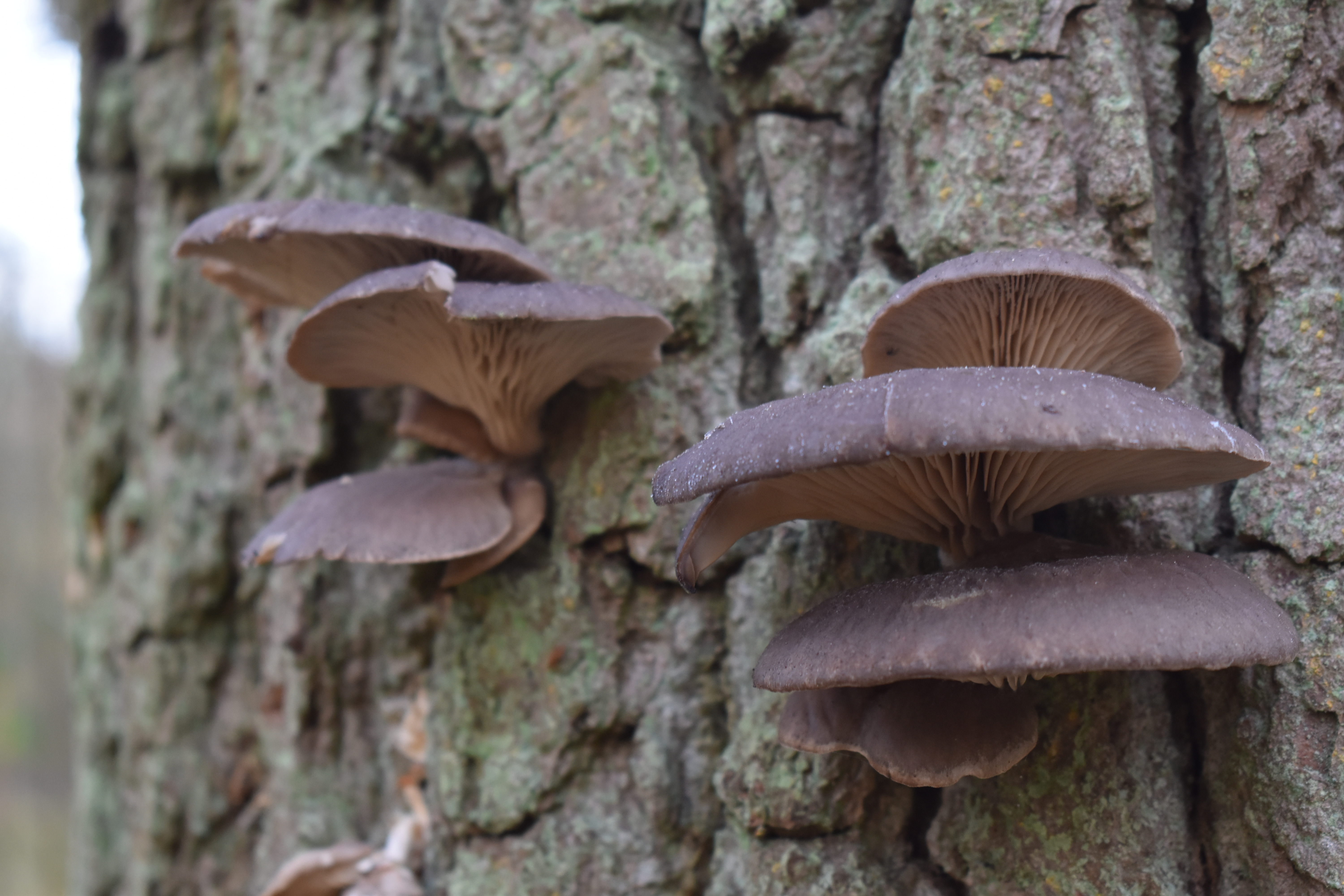
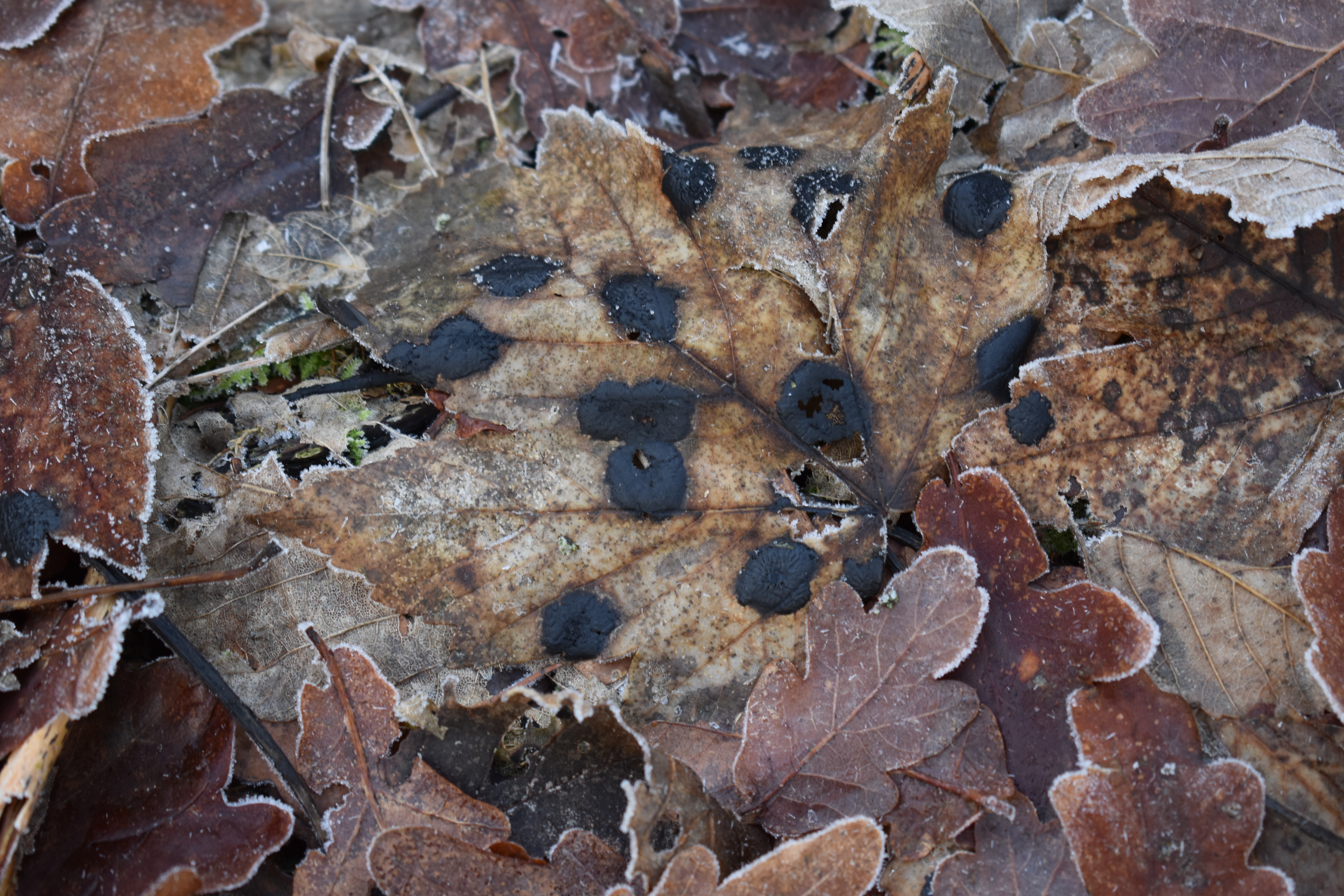
While scrutinising tree trunks for lichen and moss growing on them it was inevitable that we would also spot some winter fungi too. The black fungi were growing on Sycamore leaves and we believe they relate to a fungal disease seen on most Sycamore trees by the end of the growing season.

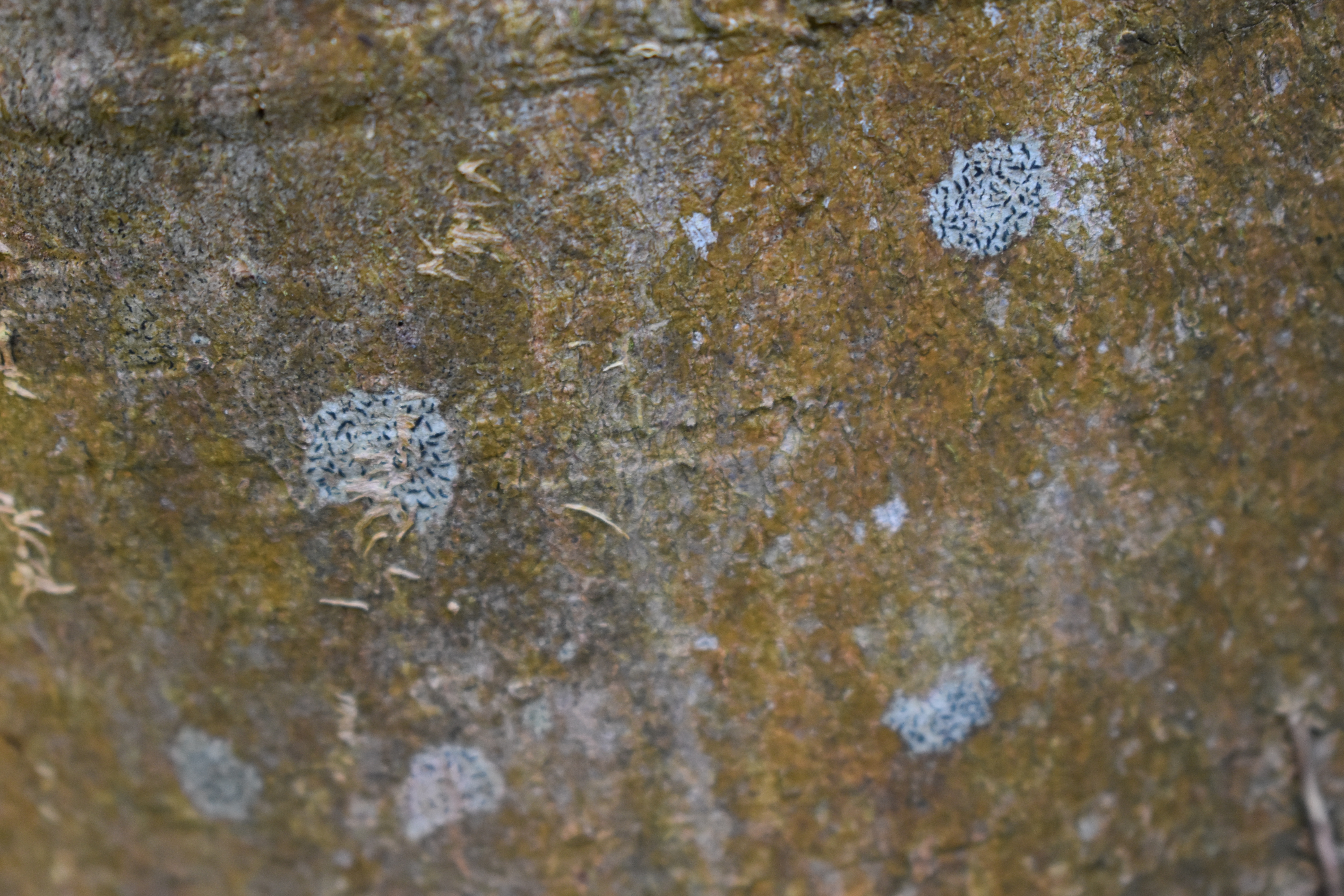
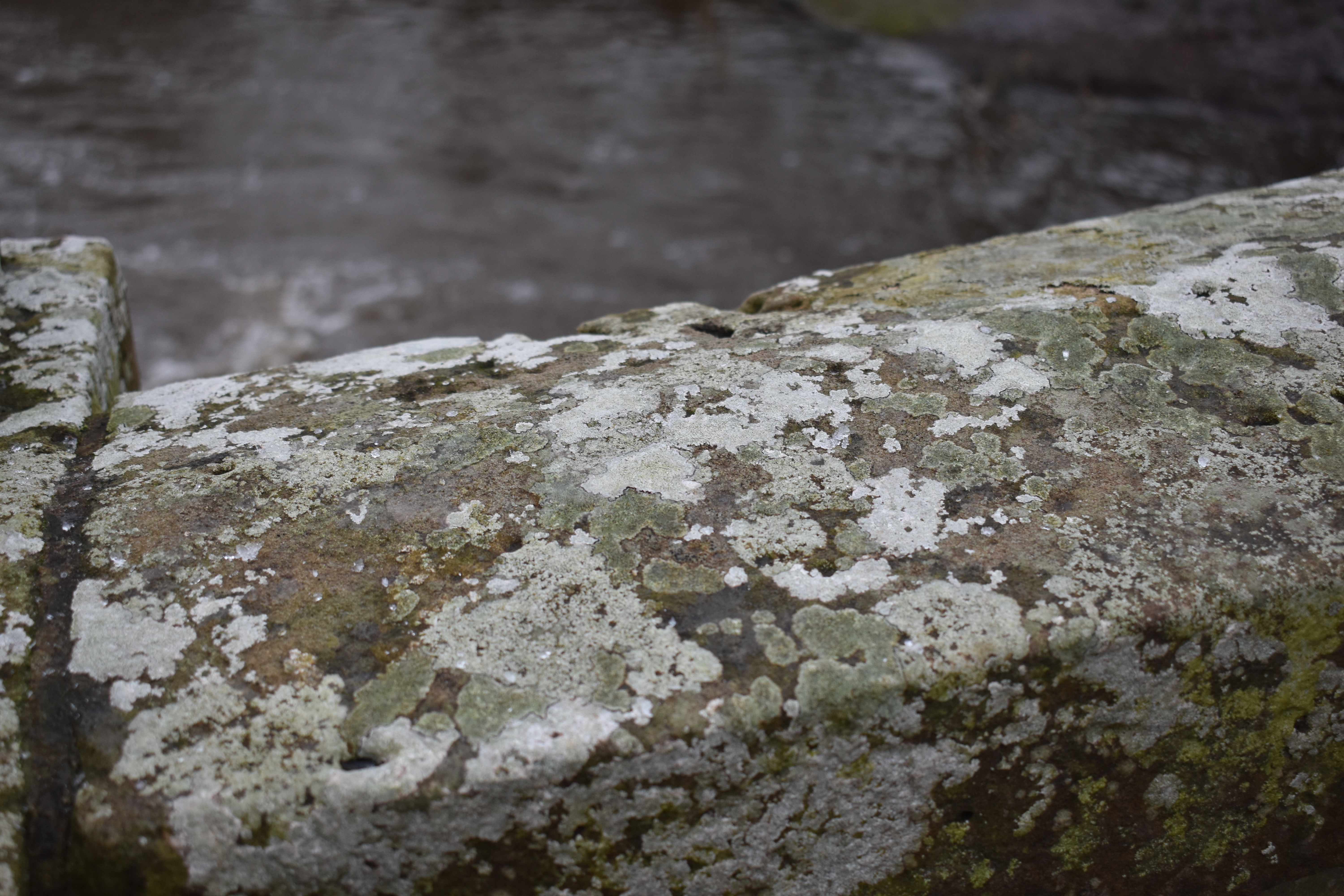
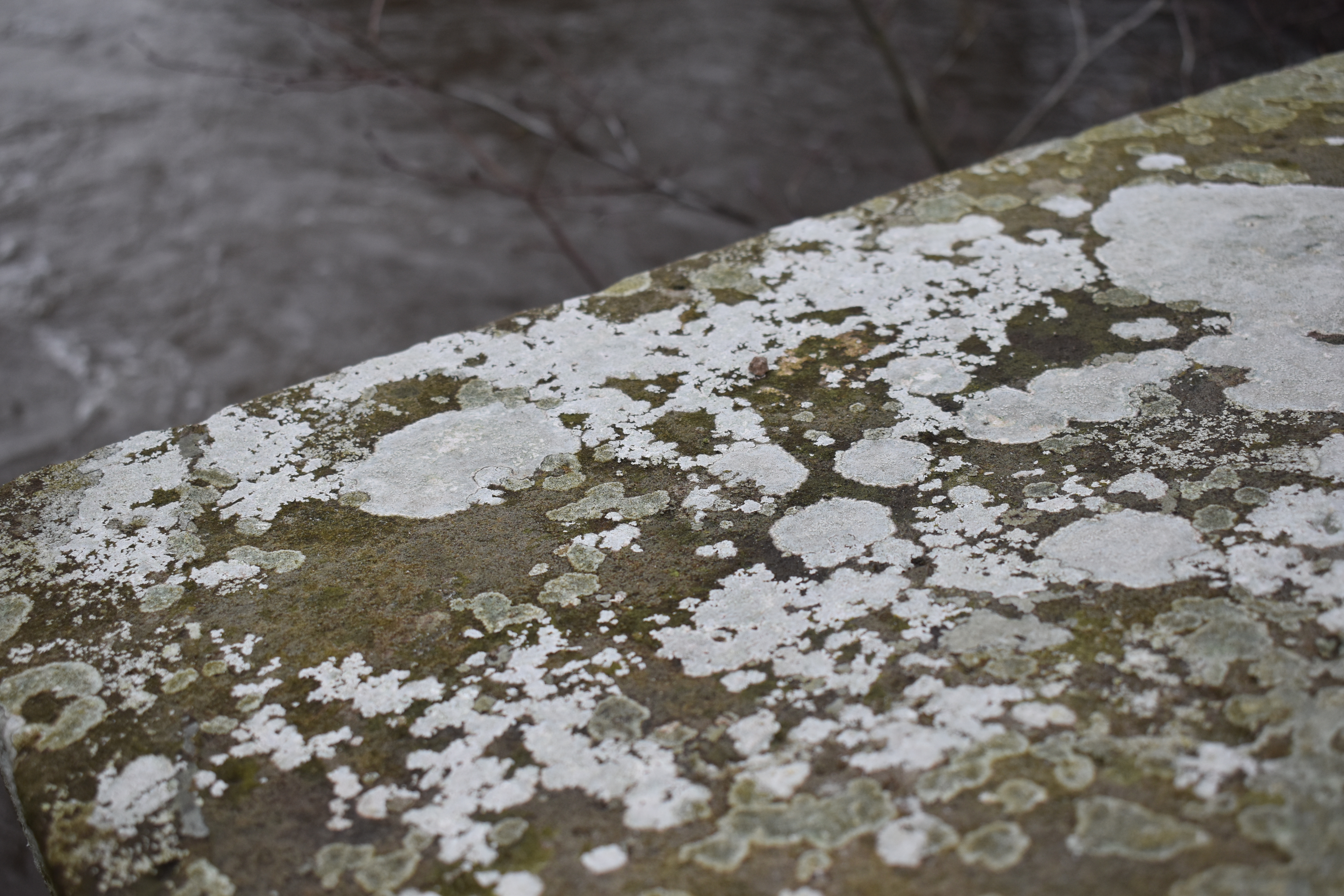
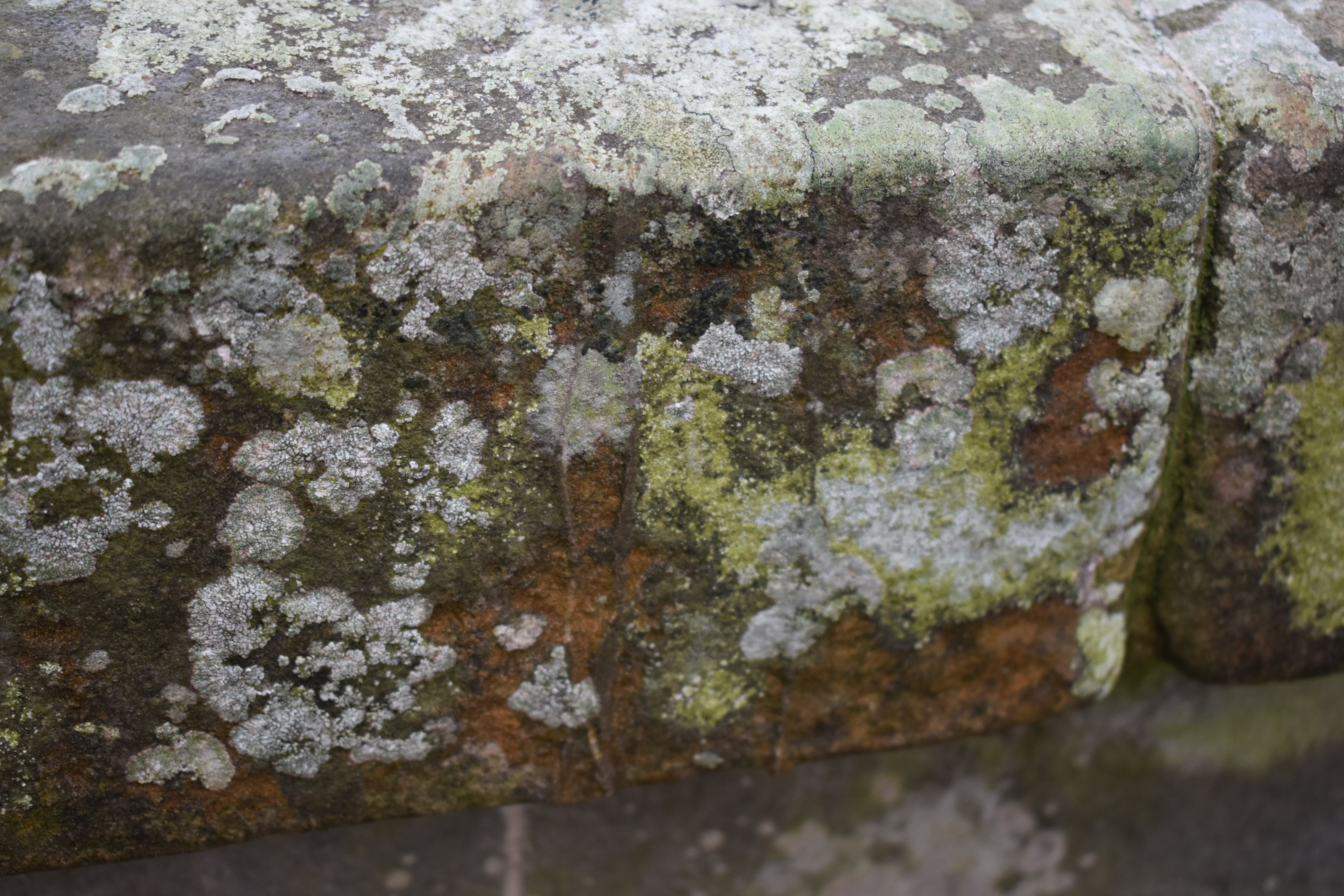
As we left the Deer Park section of our walk we crossed over the River Tern via a stone built bridge and noticed the hand of Mother Nature had used lichen to create beautiful patterns over its complete surface.

Categories
Uncategorized

My Garden Journal 2021 January

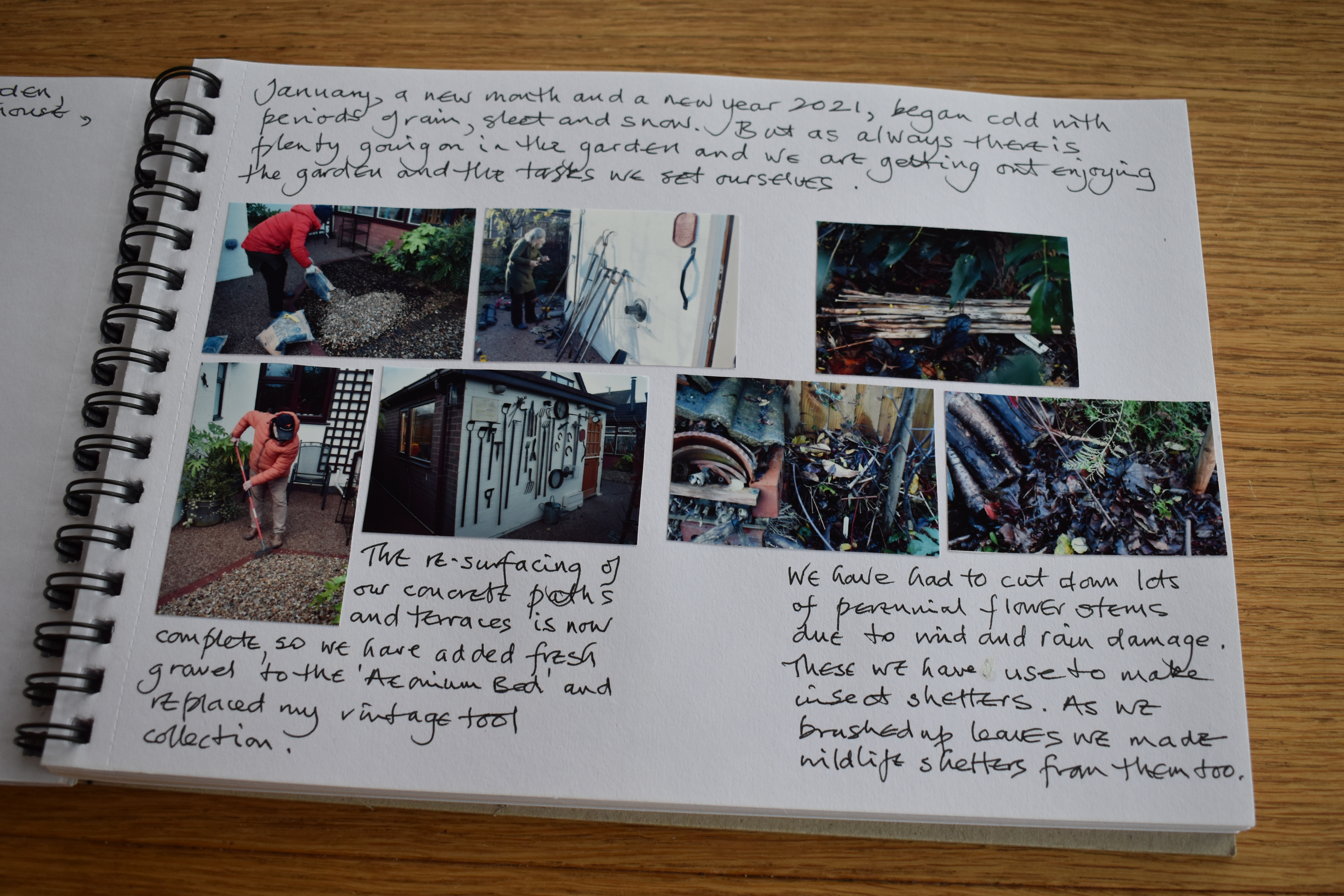
My first posting from my garden journal 2021 covers the month of January. I began by writing, “January, a new month and a new year, 2021, began cold with periods of rain, sleet and snow. But as always there is plenty going on in the garden and we are getting out enjoying the garden and the tasks we set ourselves.”

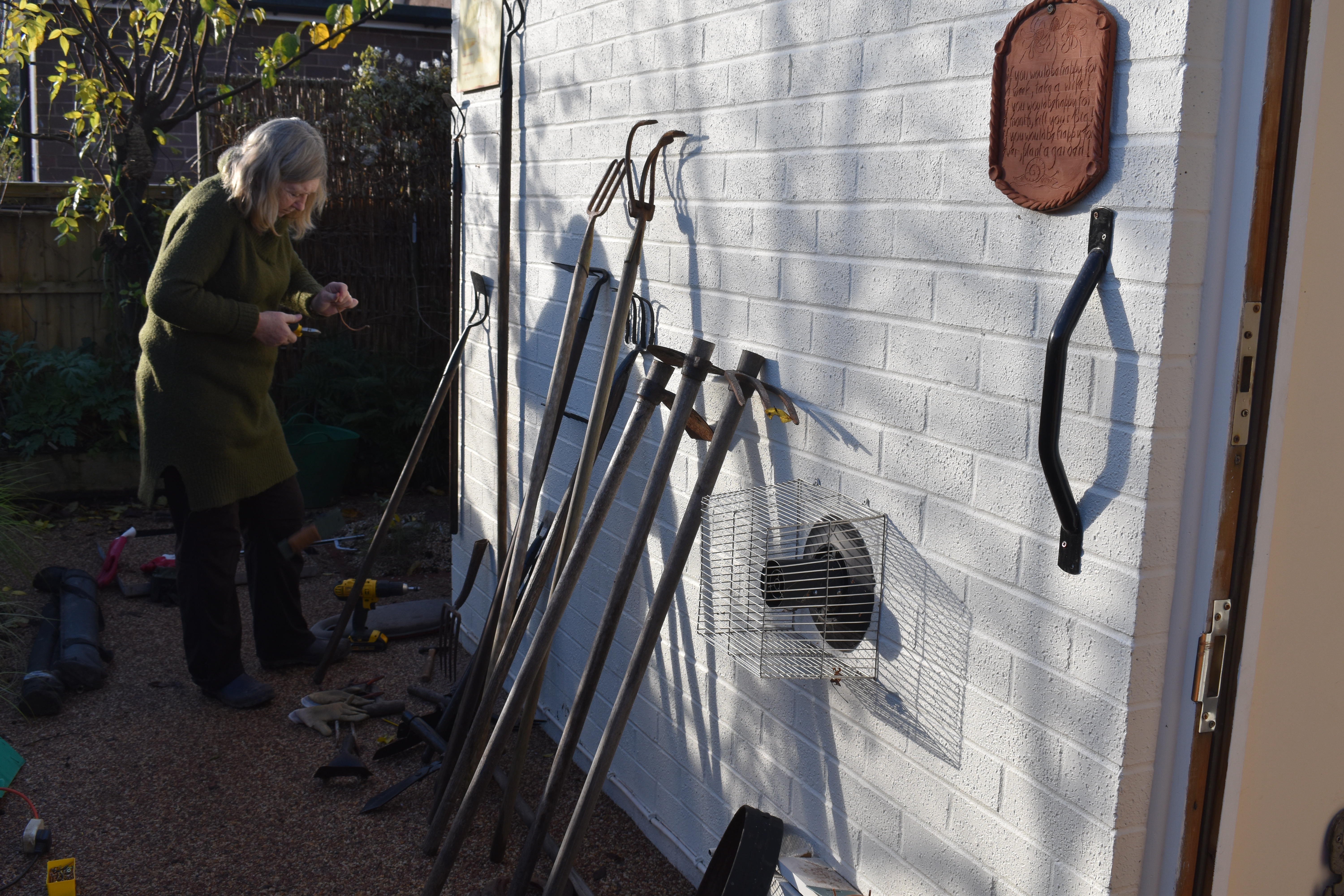
The first set of photo this month show some of these tasks, “The re-surfacing of our old concrete paths and terraces is now complete, so we have added fresh gravel to the ‘Aeonium Bed’ and re-fixed my vintage tool collection to the garage wall.”

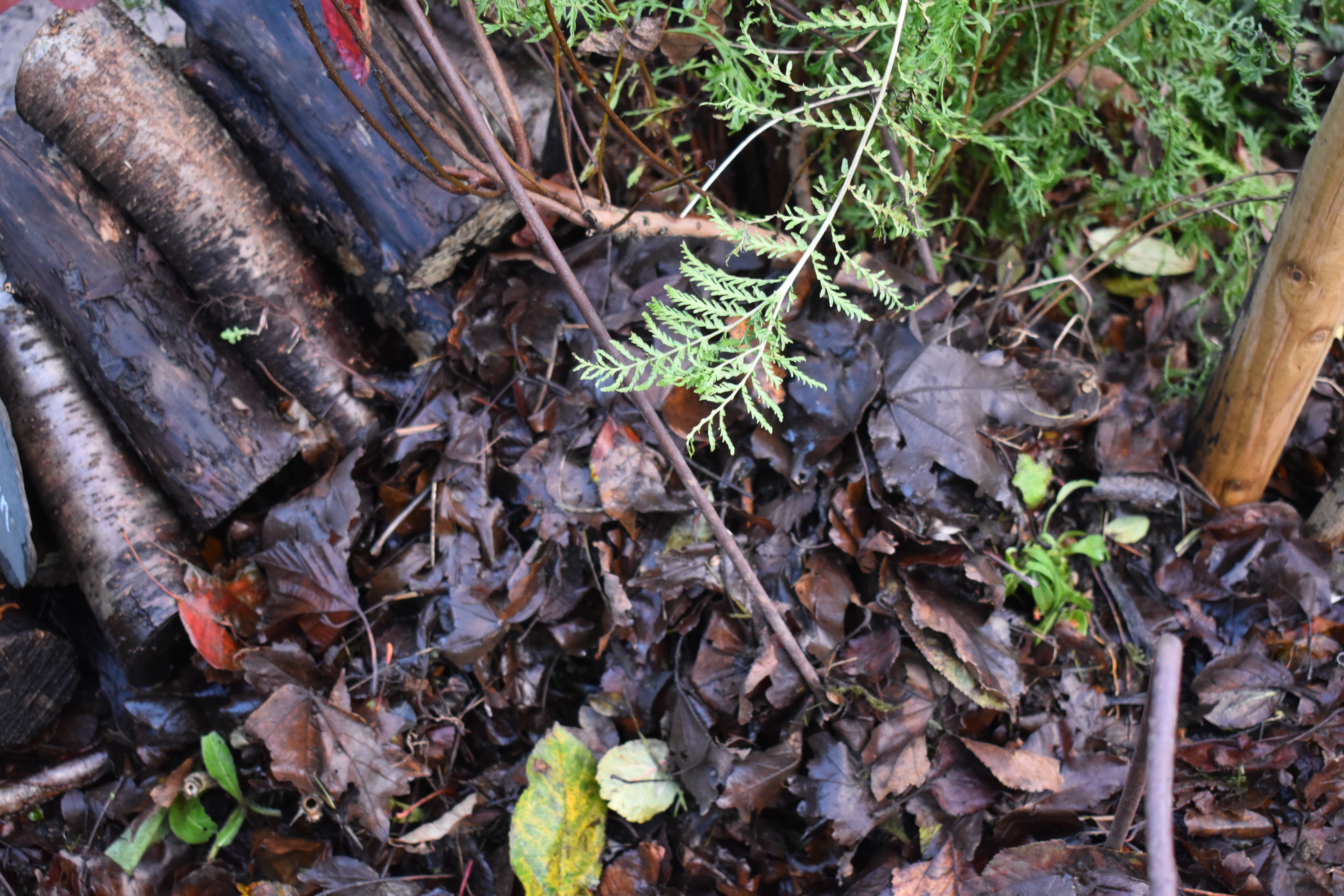
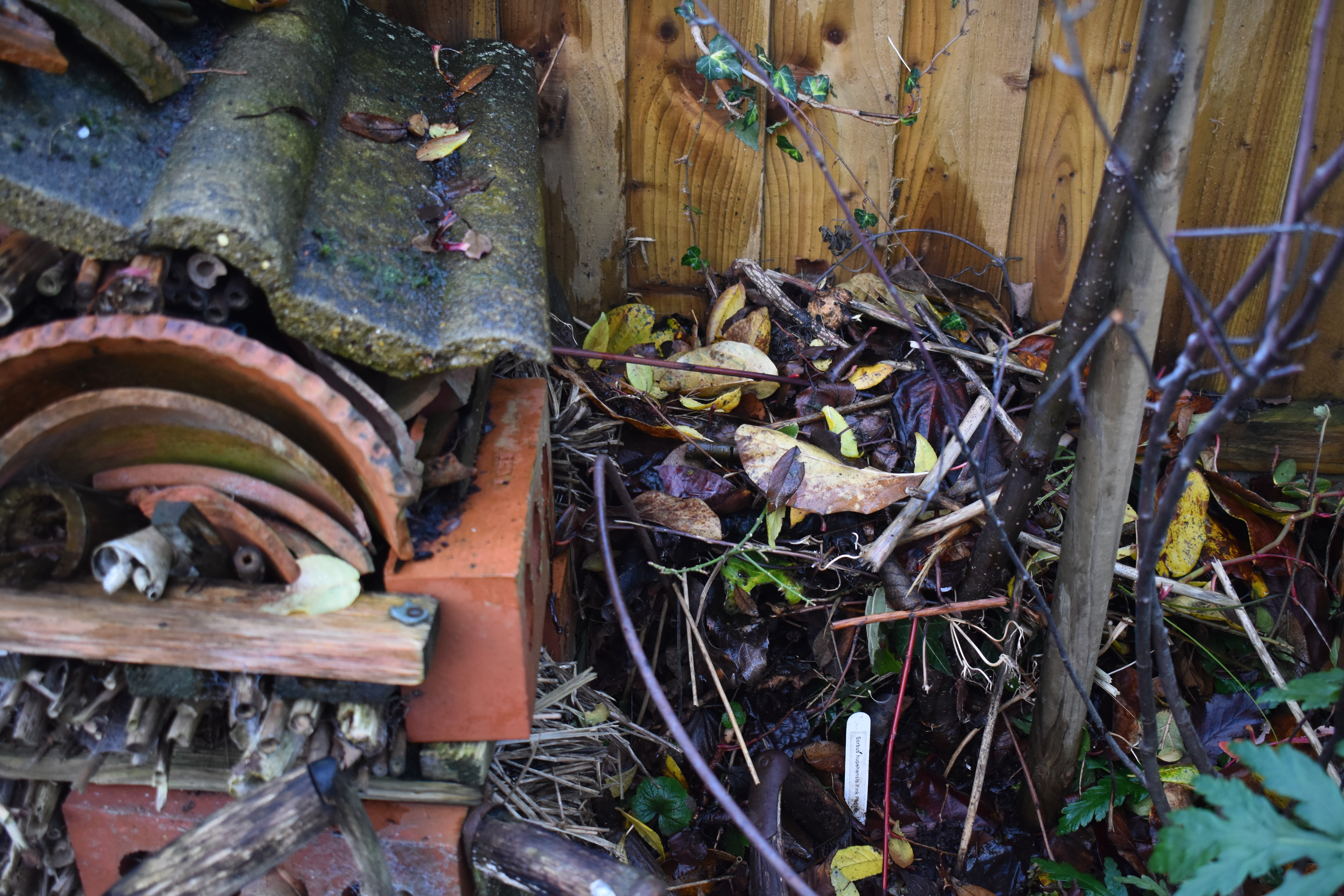
“We have had to cut down lots of perennial flower stems due to rain and wind damage, a job we usually leave until late February or early March. These prunings we have used to make insect shelters. As we brushed up leaves we made wildlife shelters from them too.”

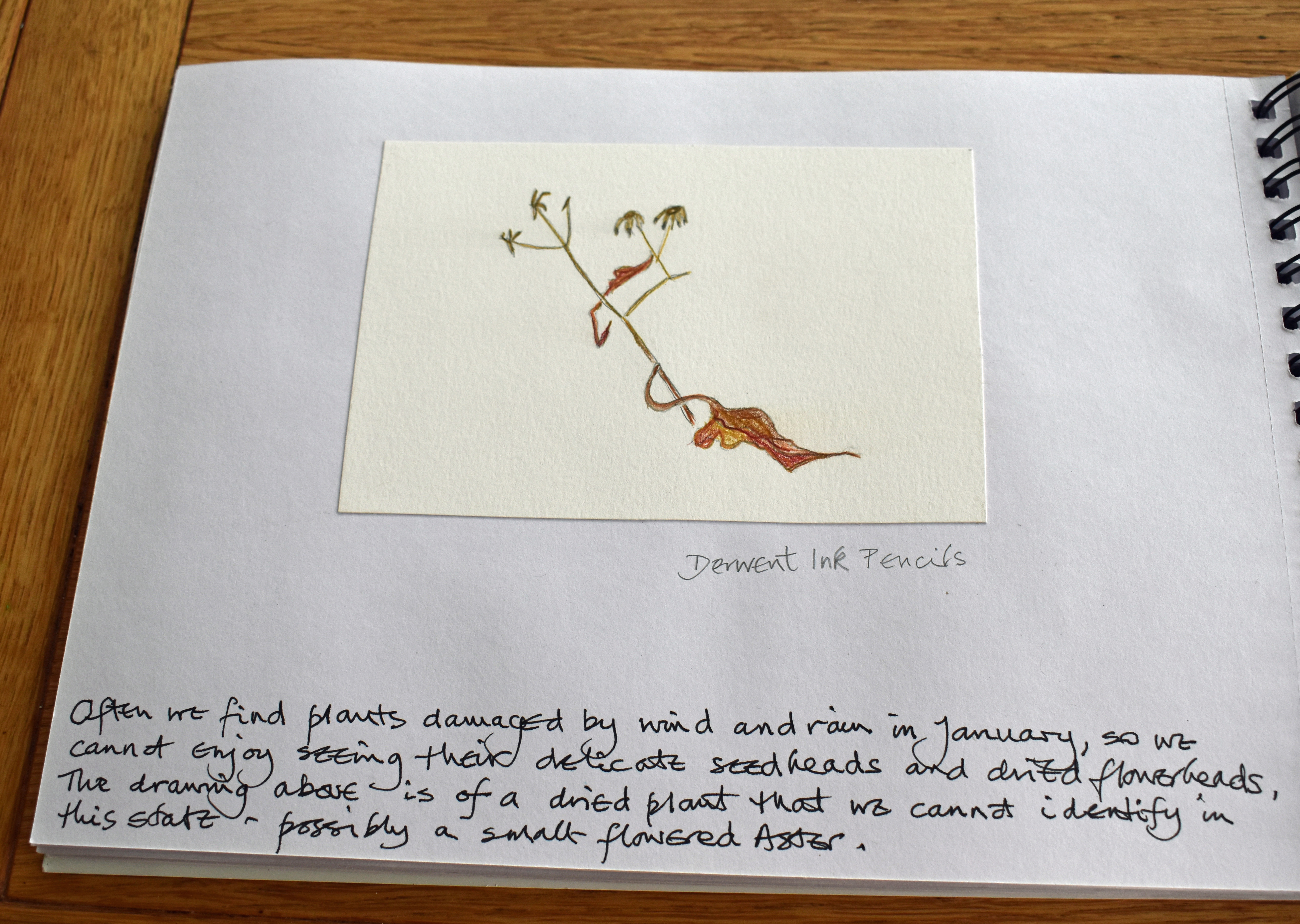
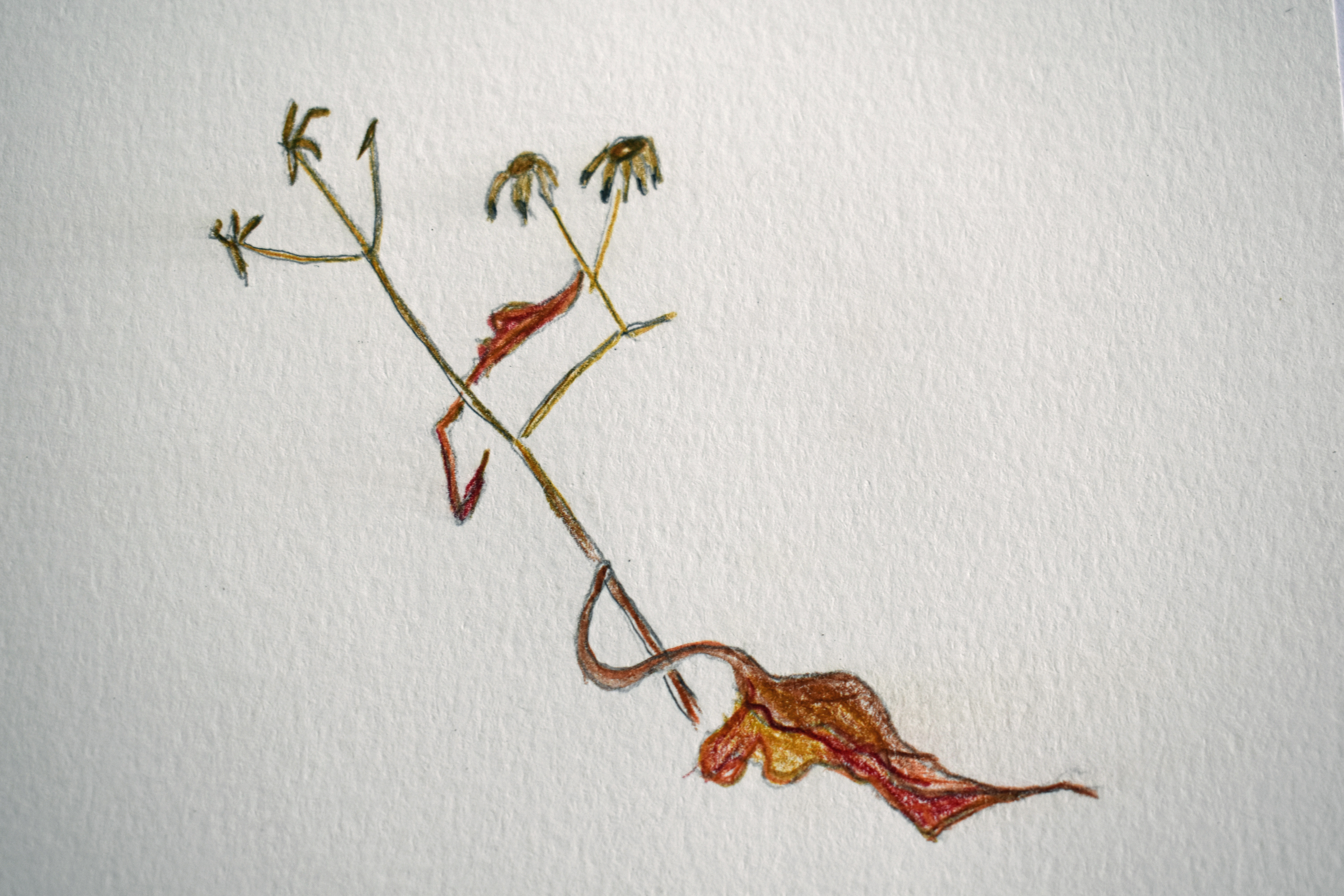
I feature a Derwent ink pencil drawing over the page where I wrote, “Often we find plants damaged by wind and rain in January, so we cannot enjoy seeing their delicate seedheads and dried flowerheads. This drawing above is of a dried plant that we cannot identify in its current state – possibly a small flowered aster?”

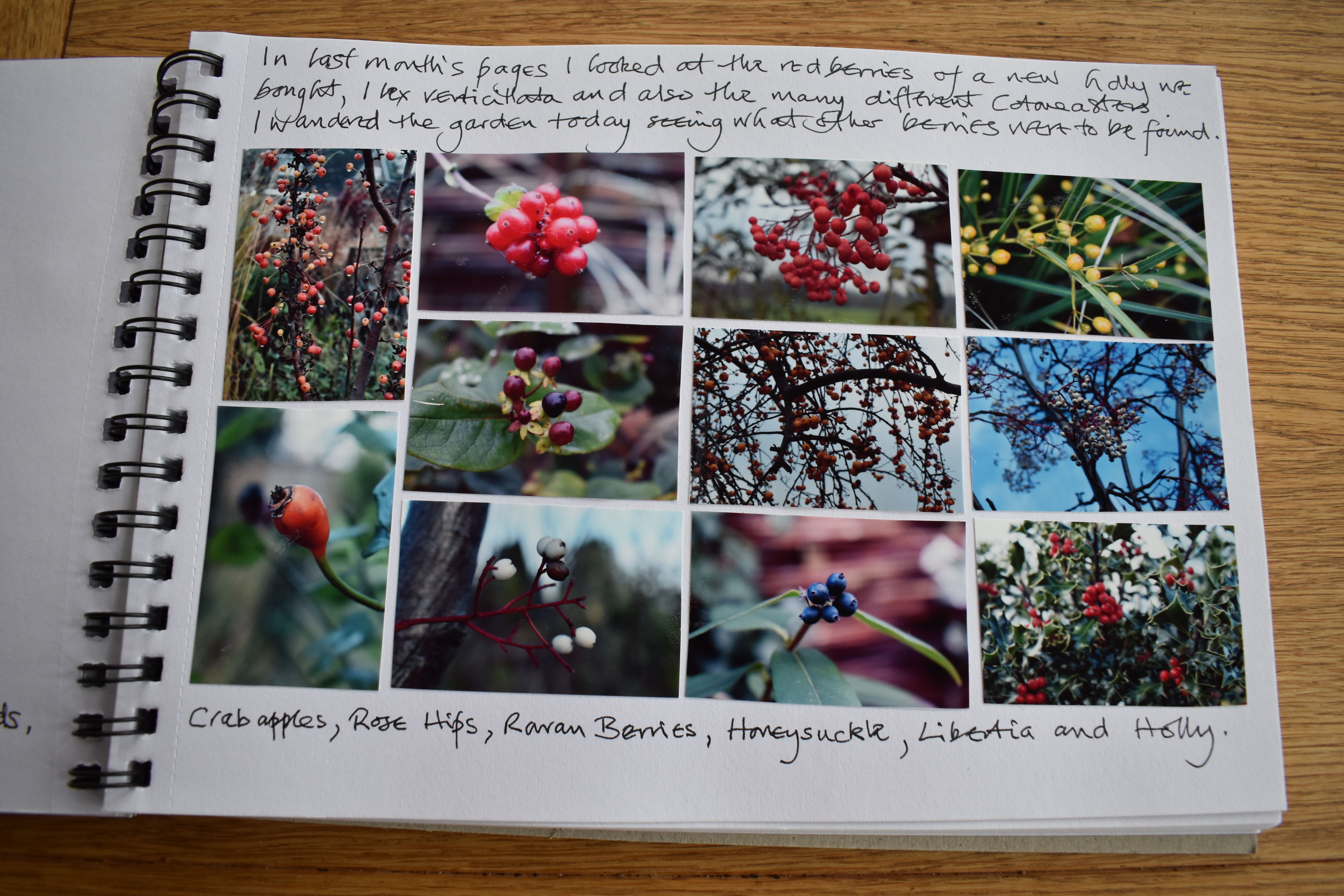
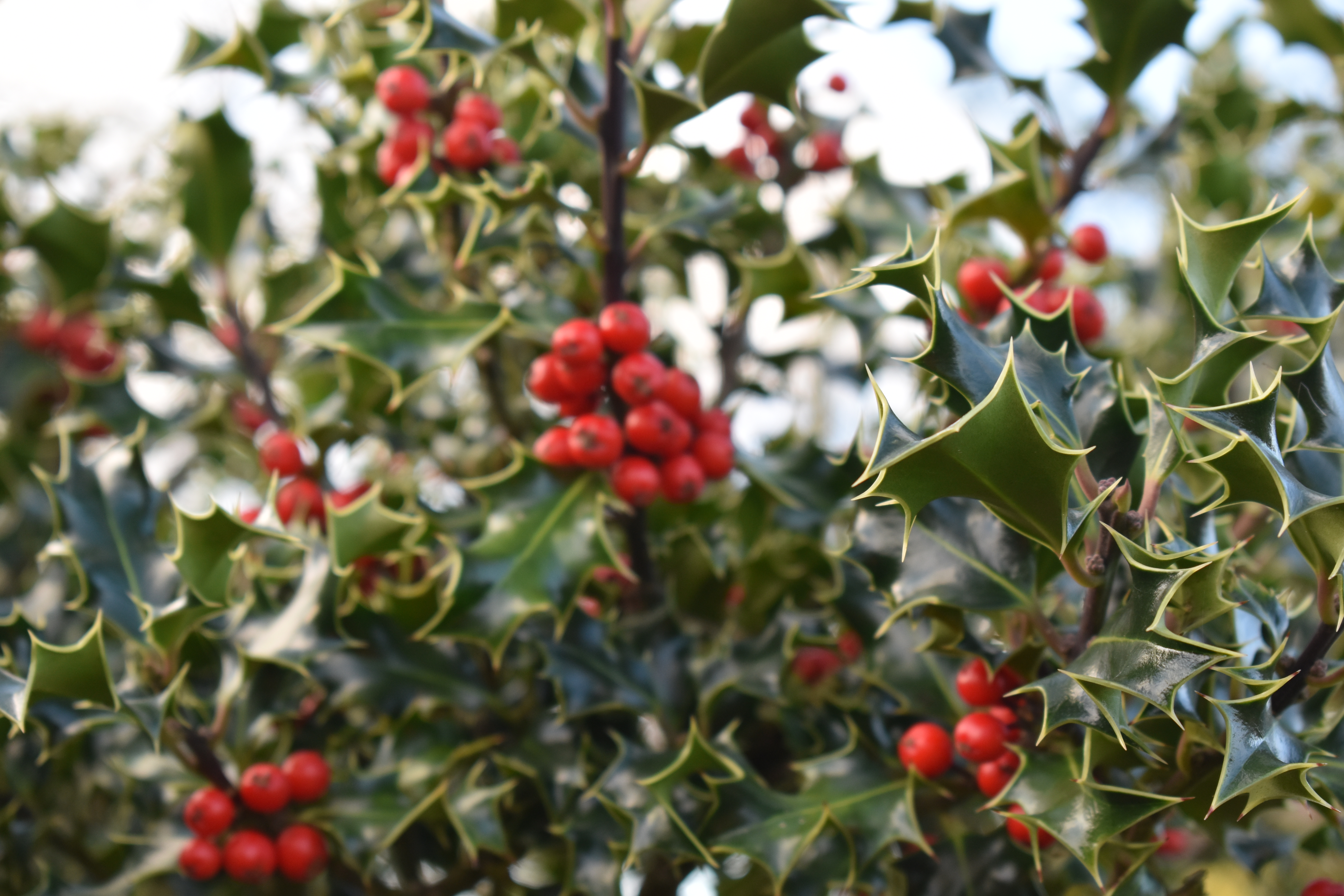
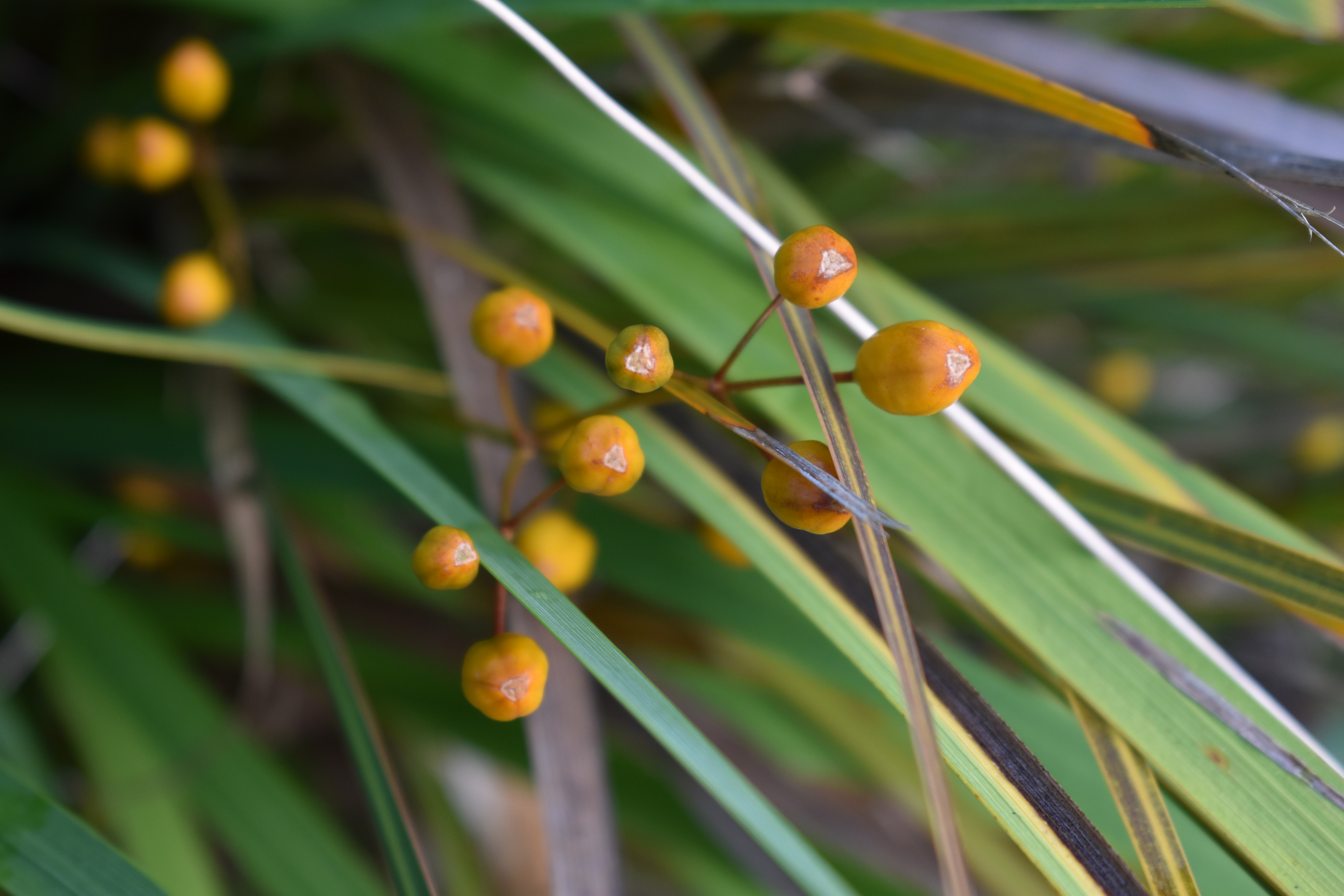
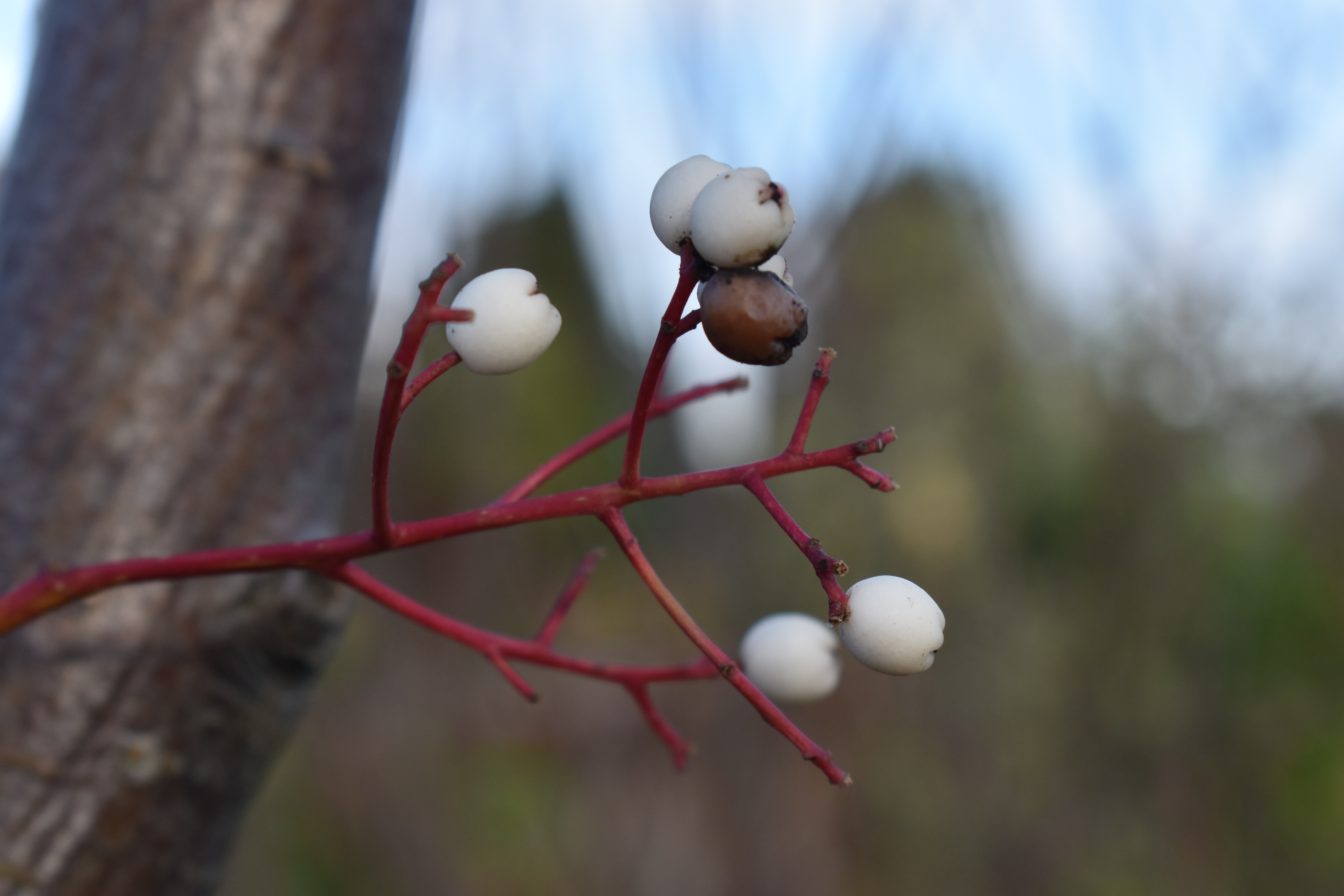
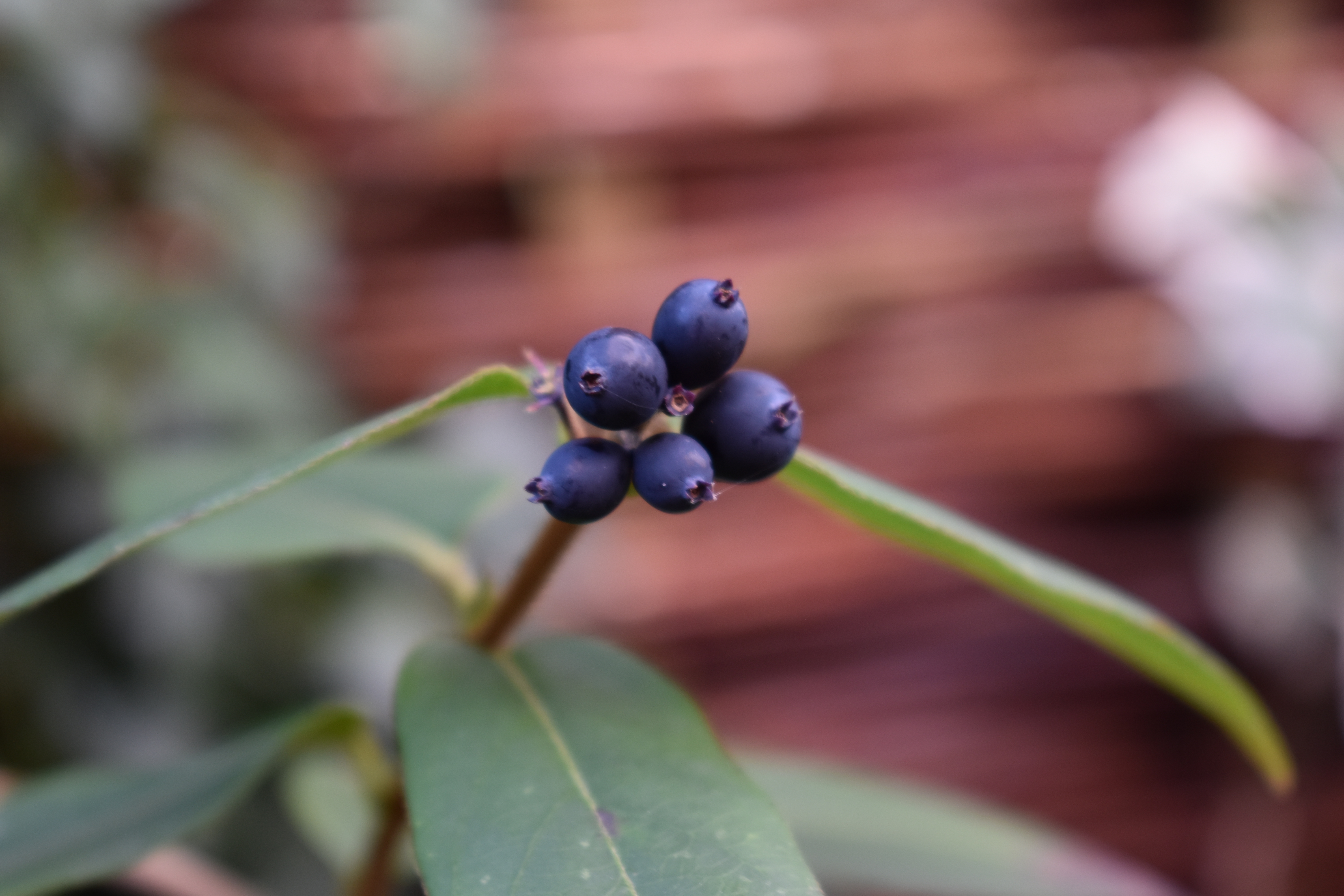
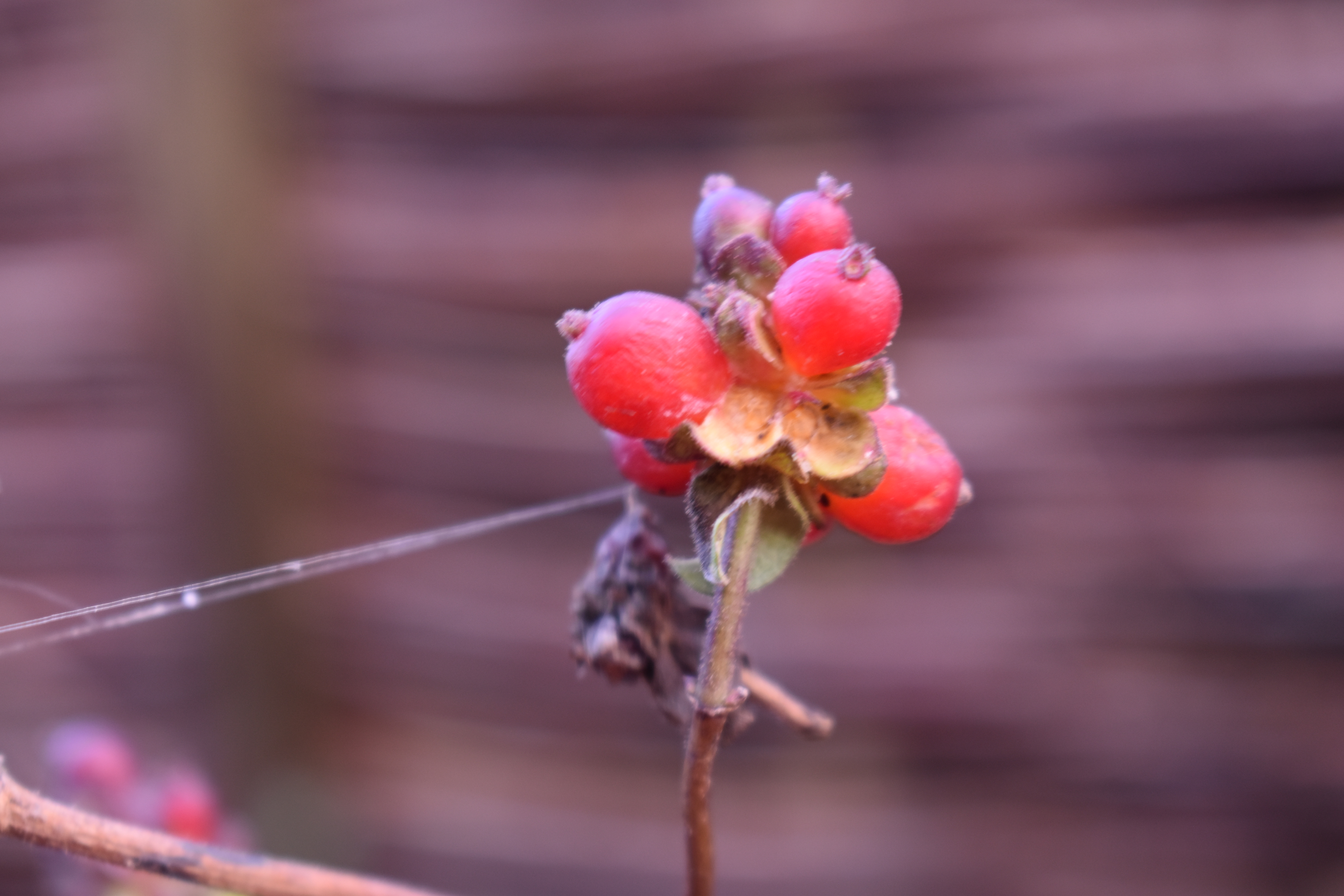
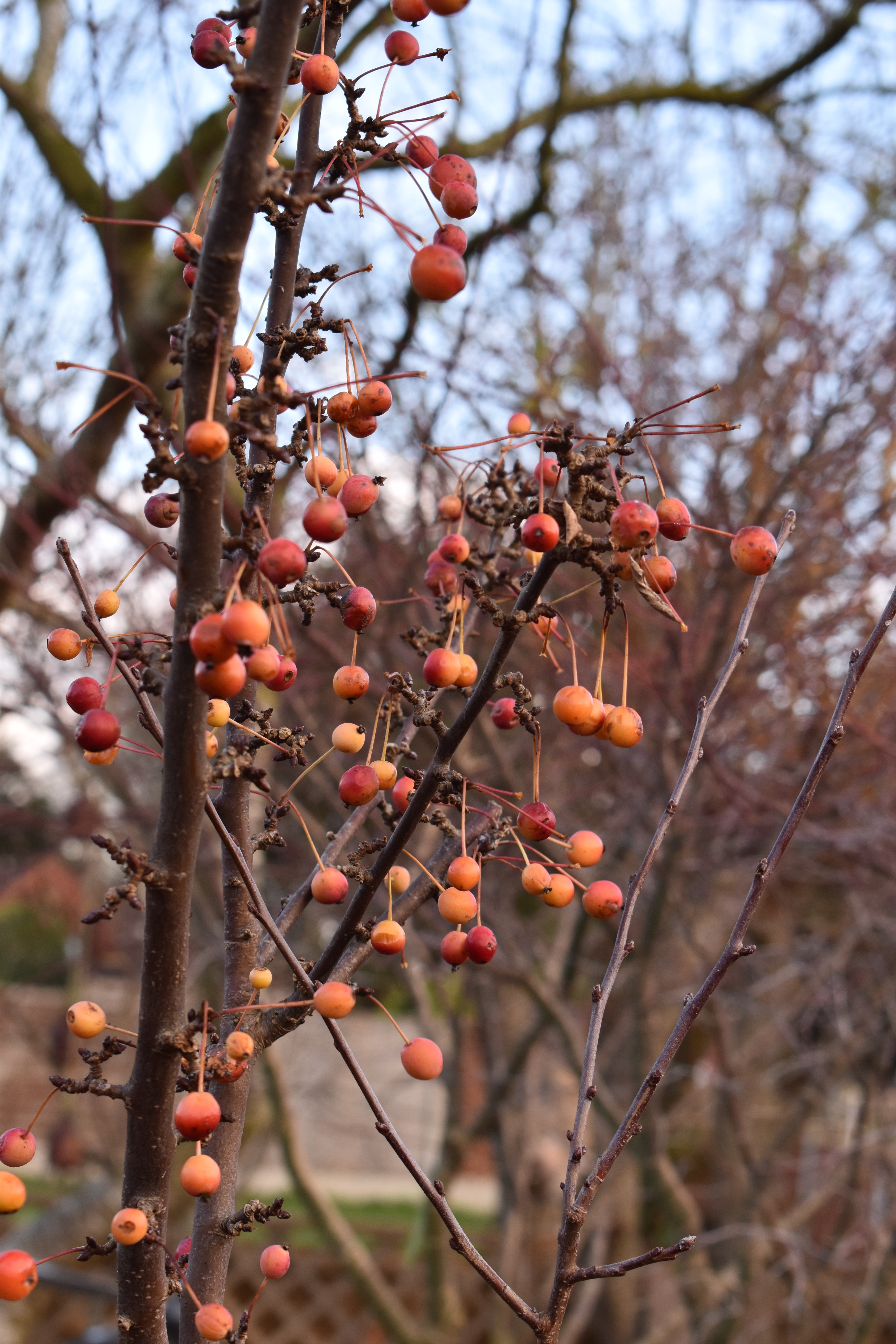
On the opposite more berries appear carrying on from my December journal pages. “In last month’s pages I looked at the red berries of a new holly we had bought, Ilex verticillata and also the many different red cotoneaster berries. I wandered the garden today seeing what other berries were to be found. Crab apples, rose hips, rowan berries, honeysuckles, libertia and holly.”


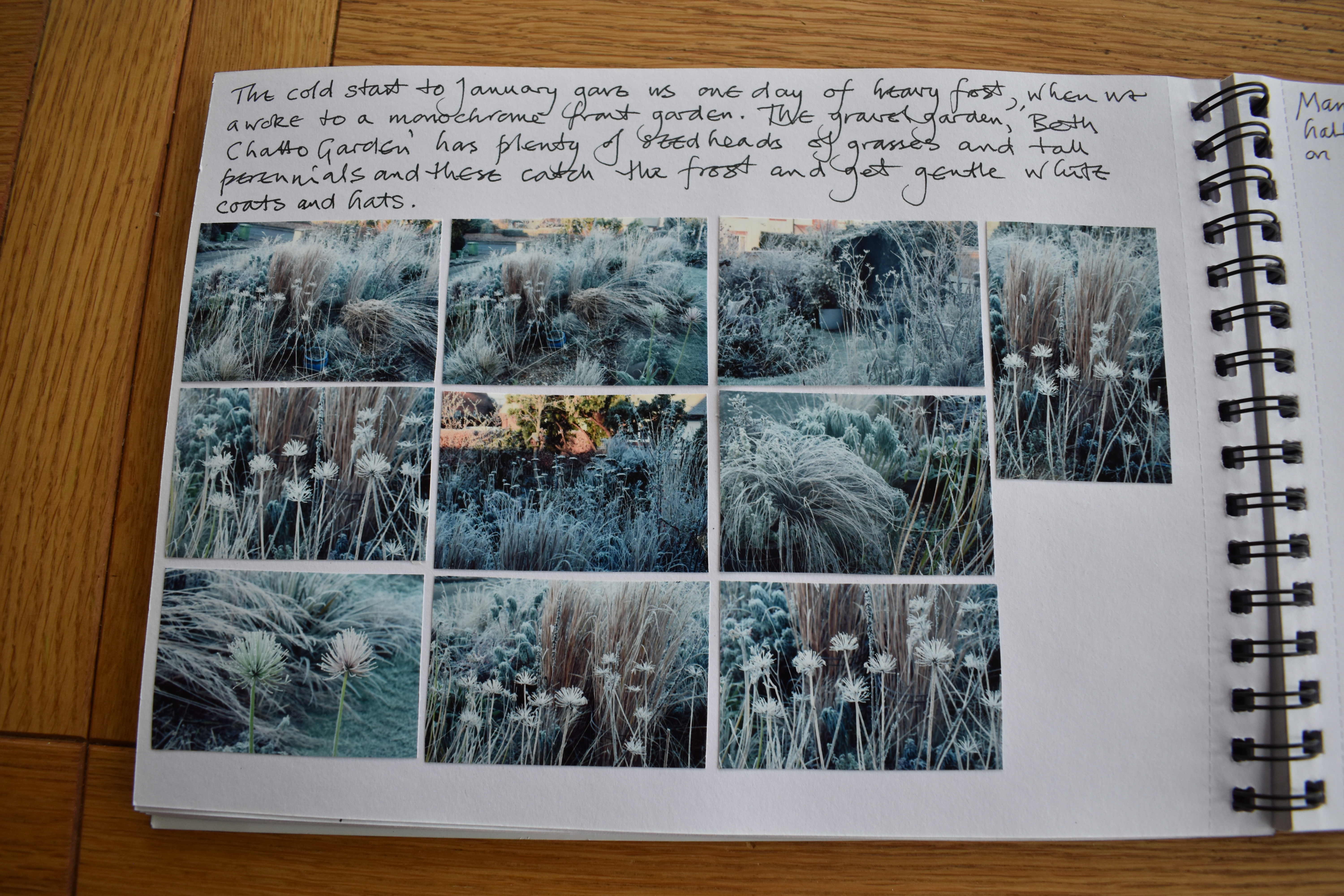
Turning over to the next double page spread I share photos of a frosted garden on the left hand side and opposite them my painting of rose hips.

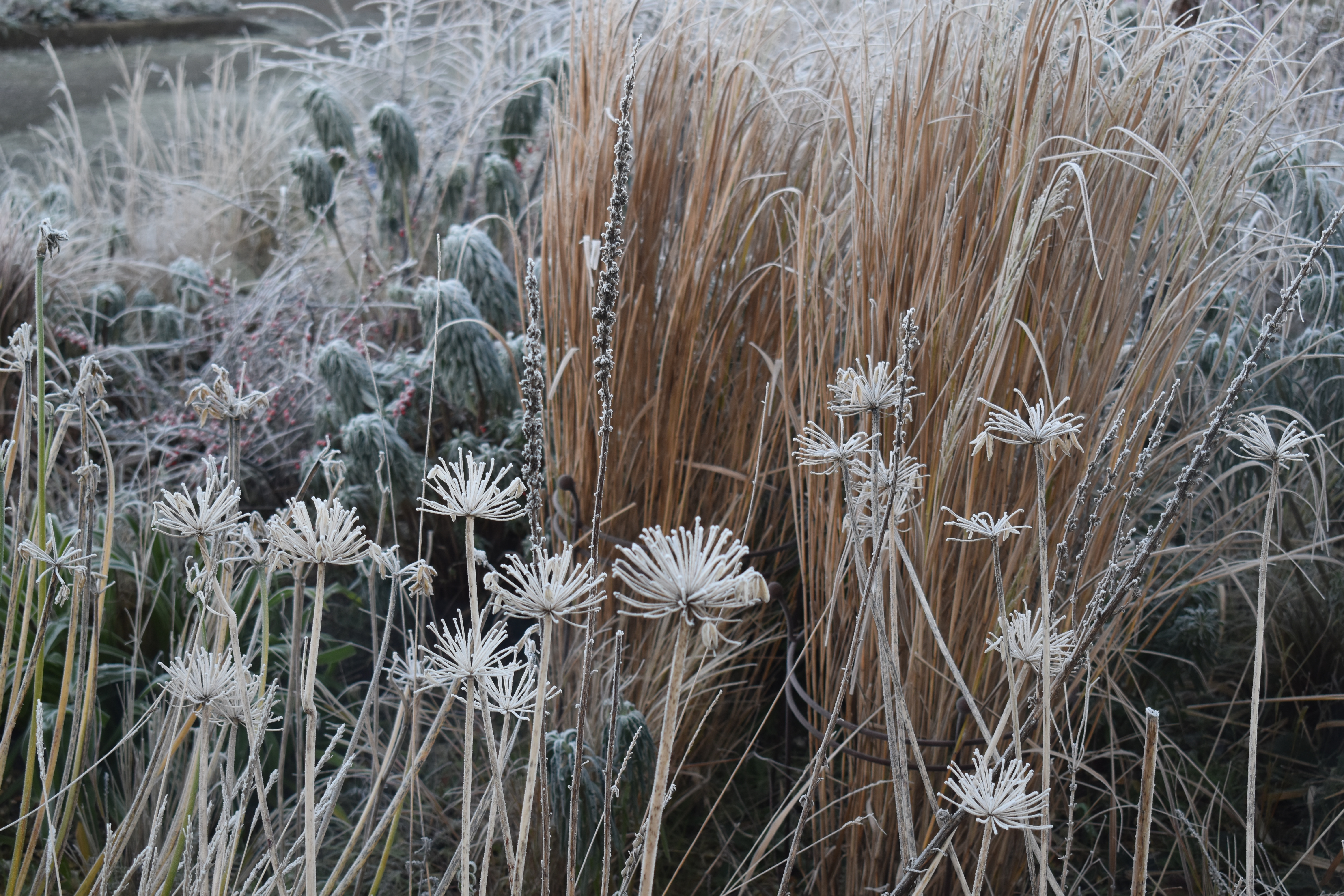
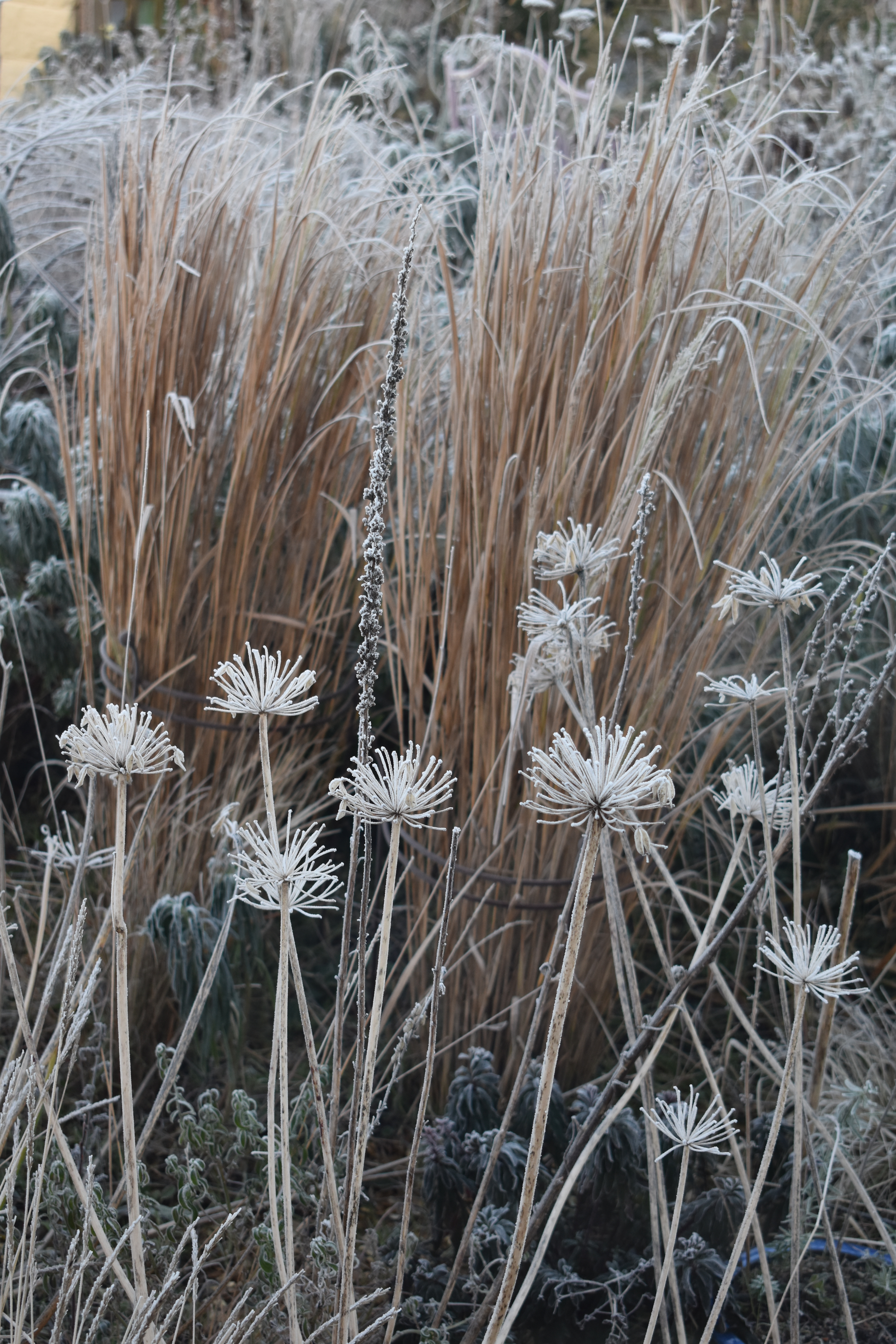
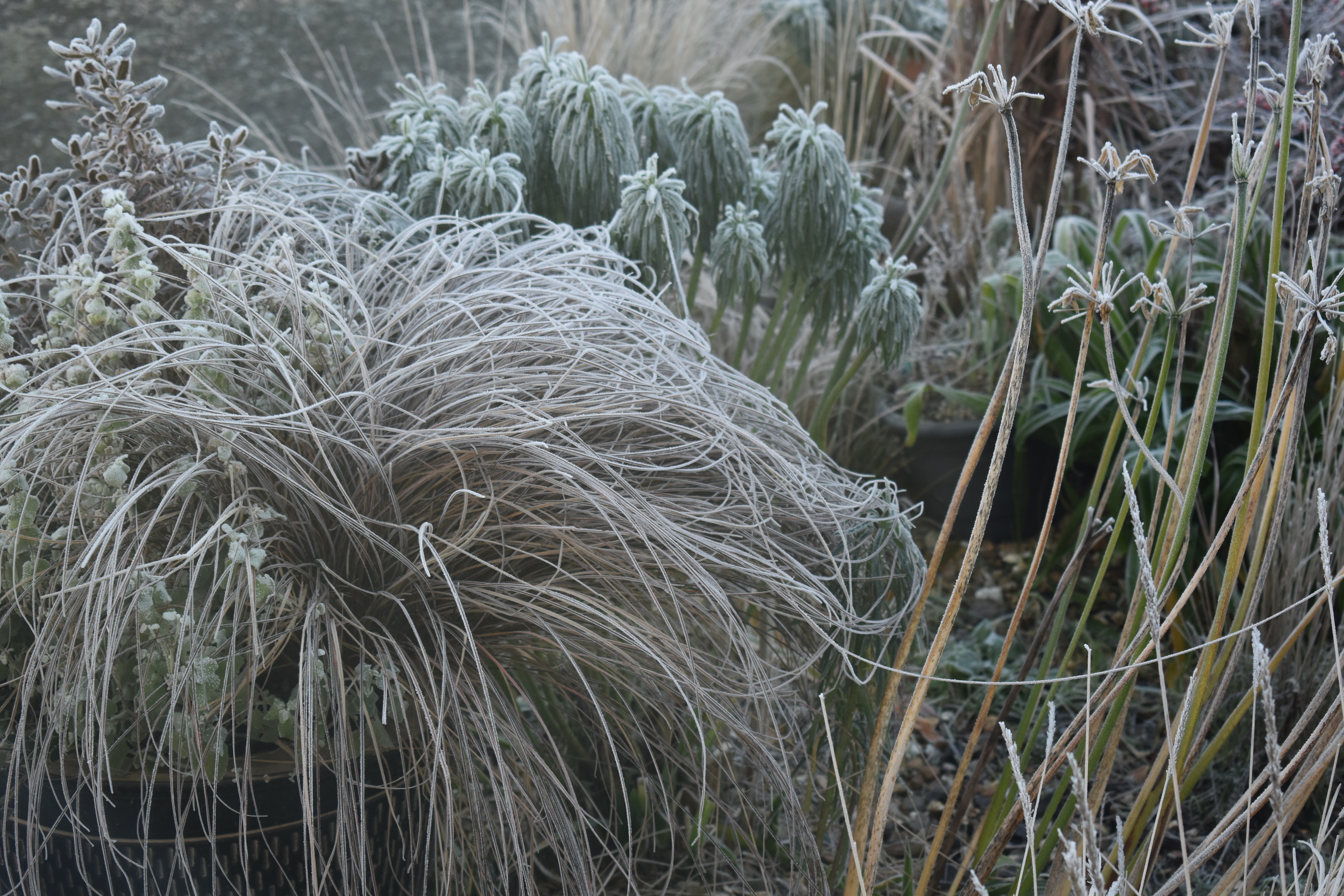
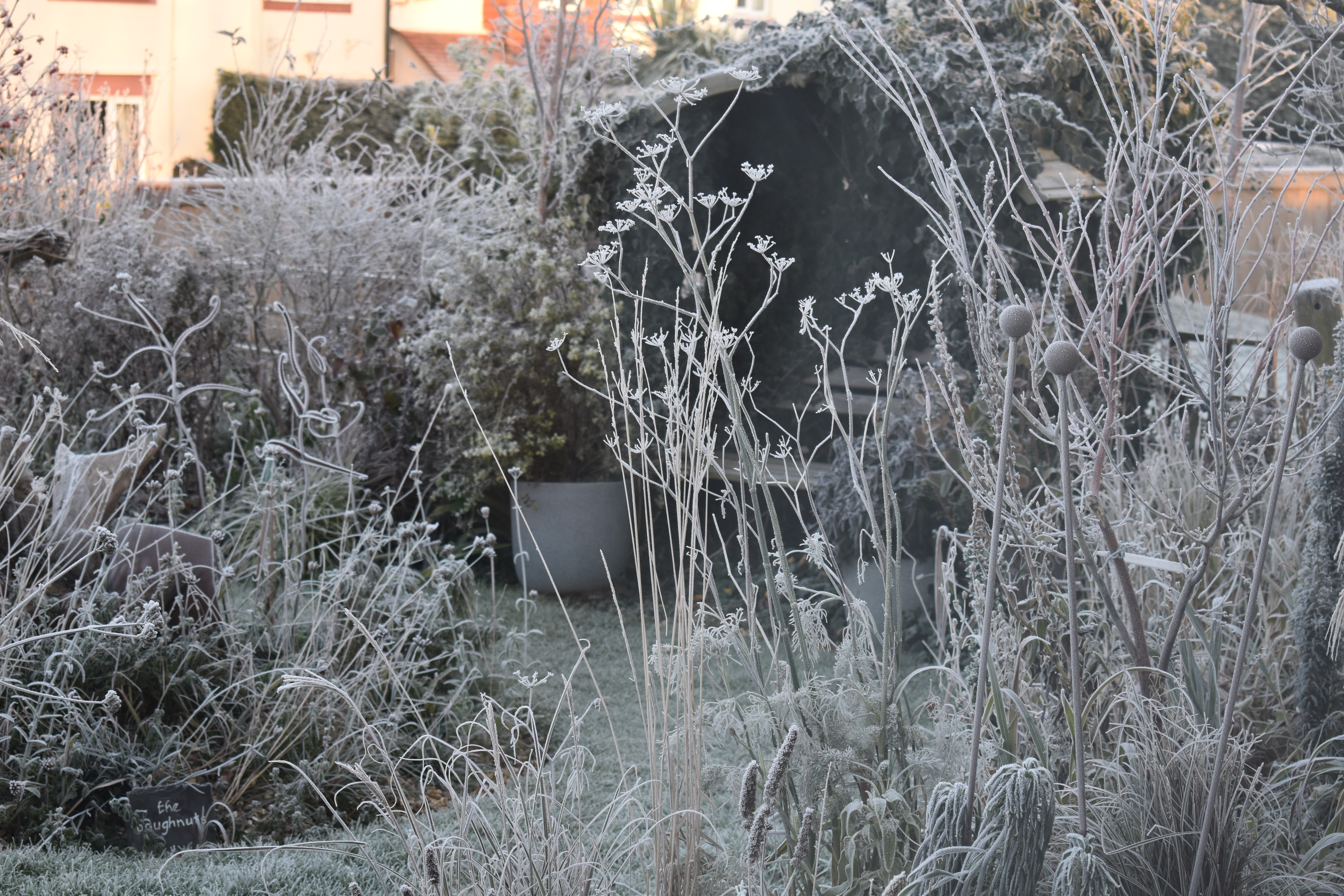
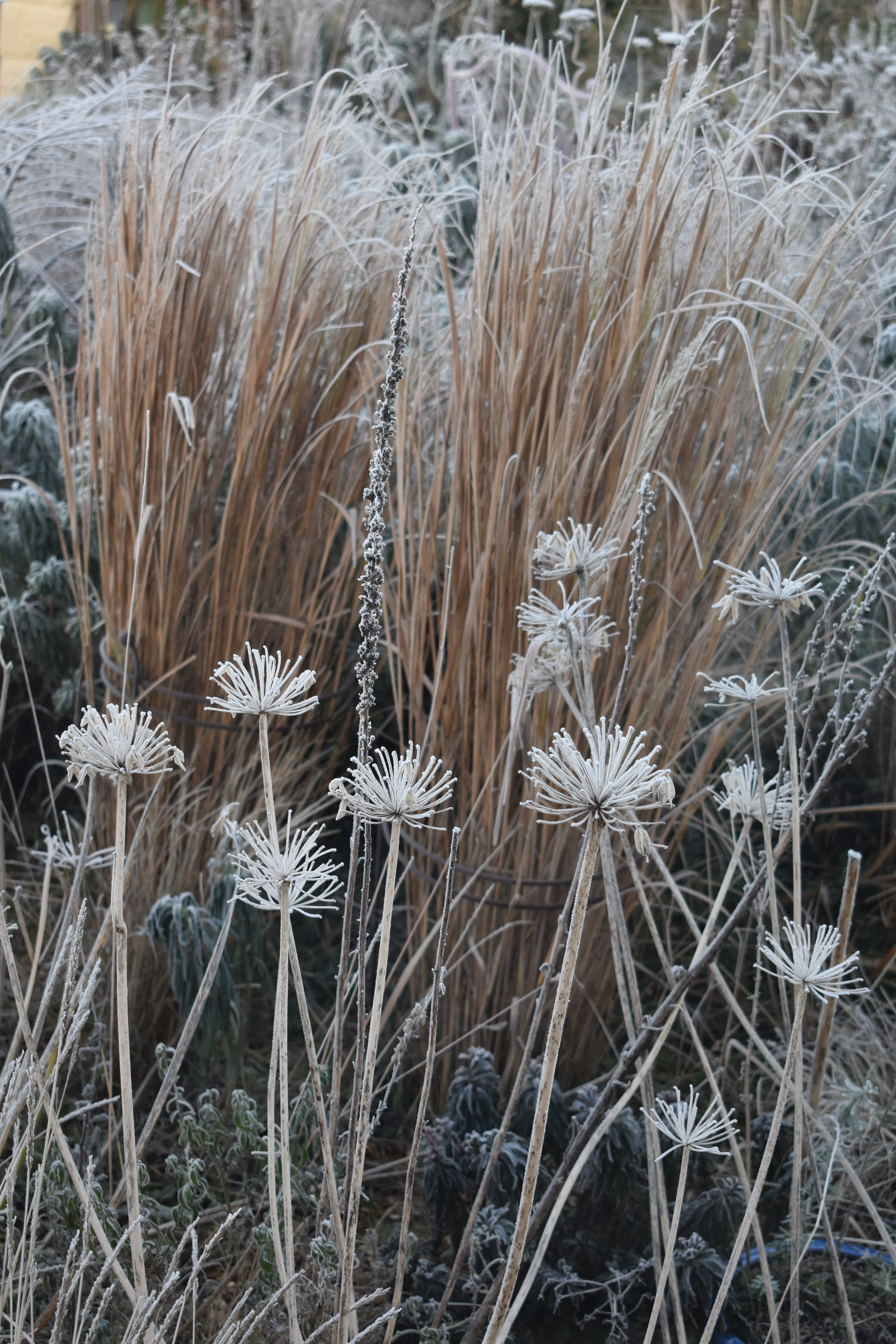
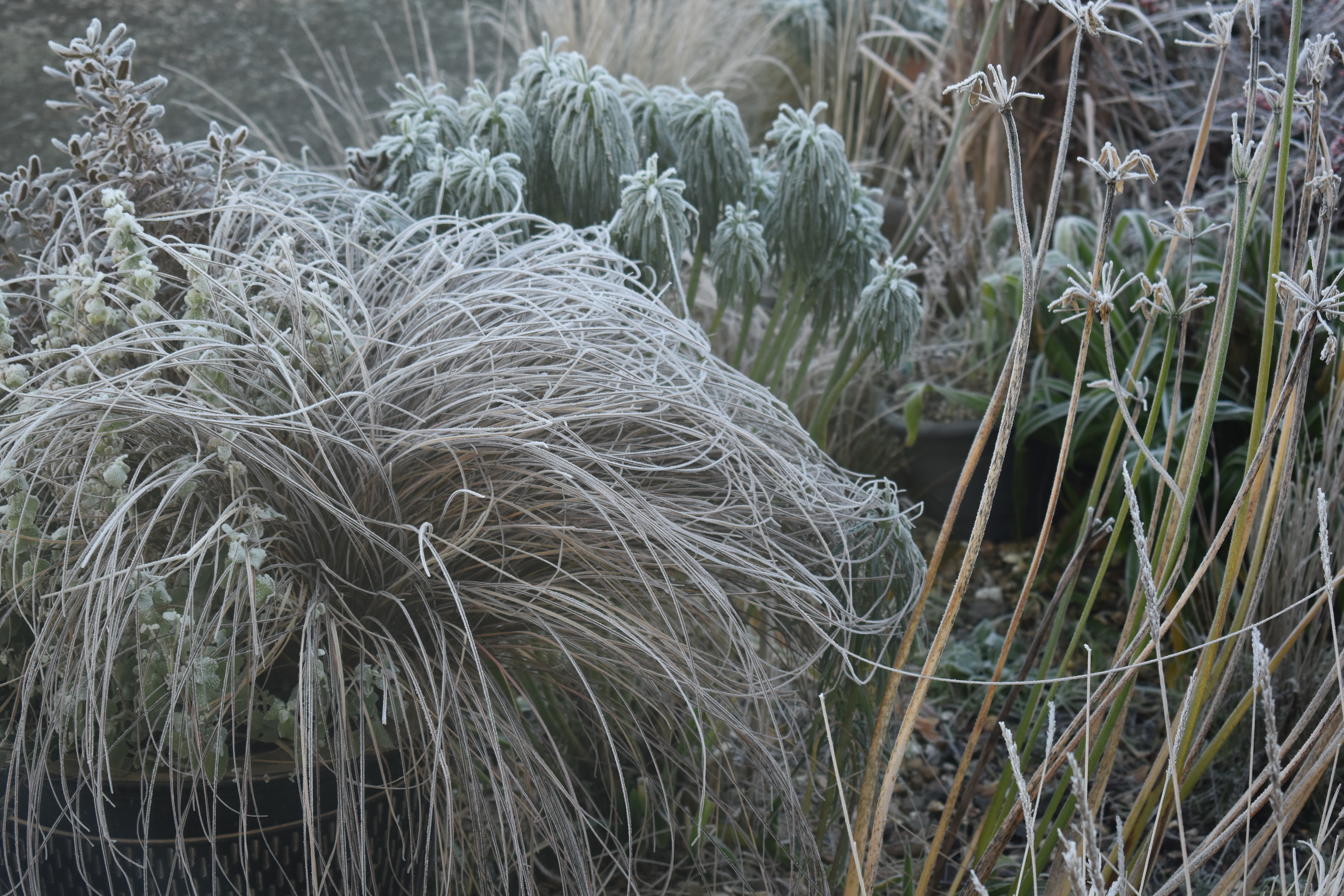
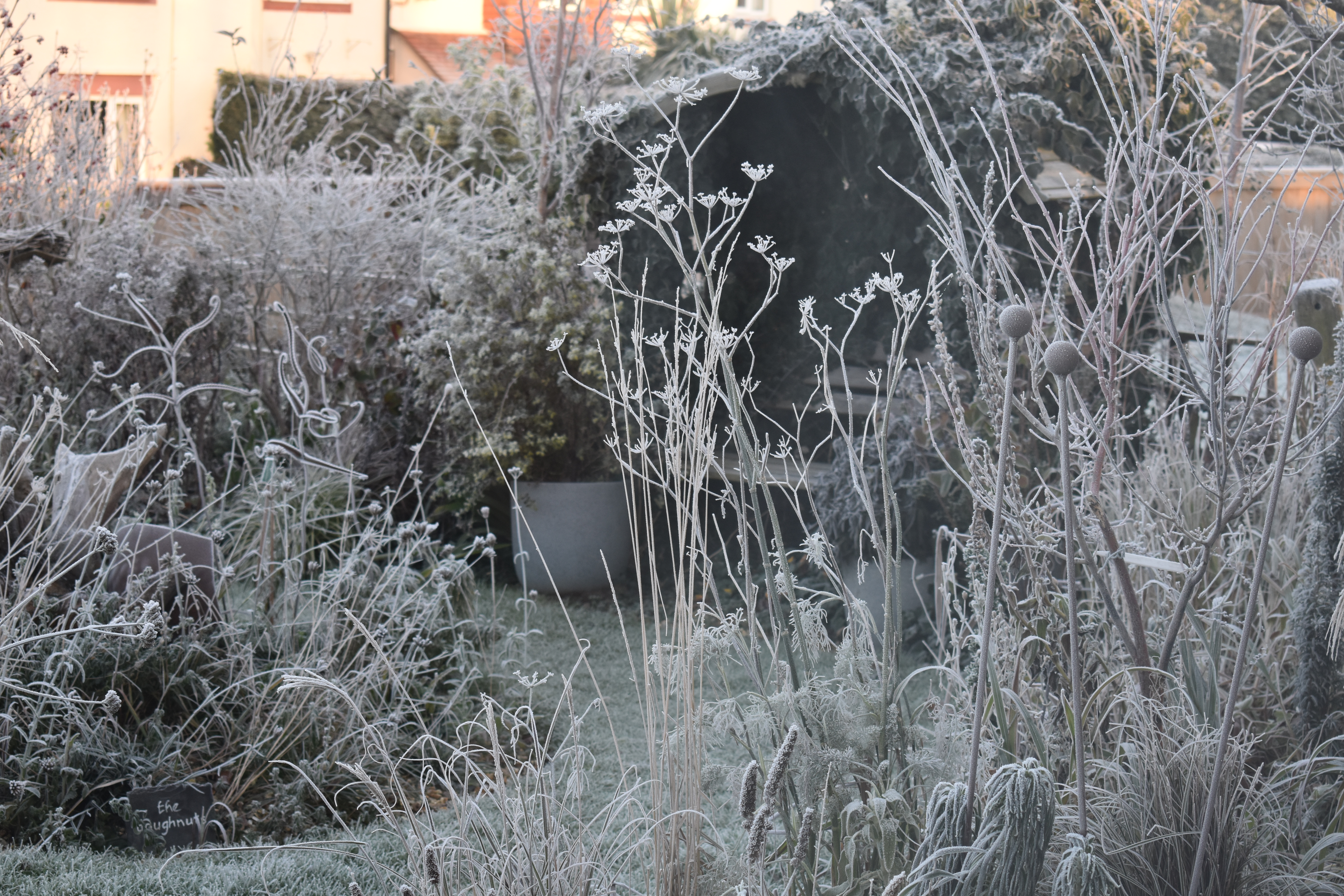
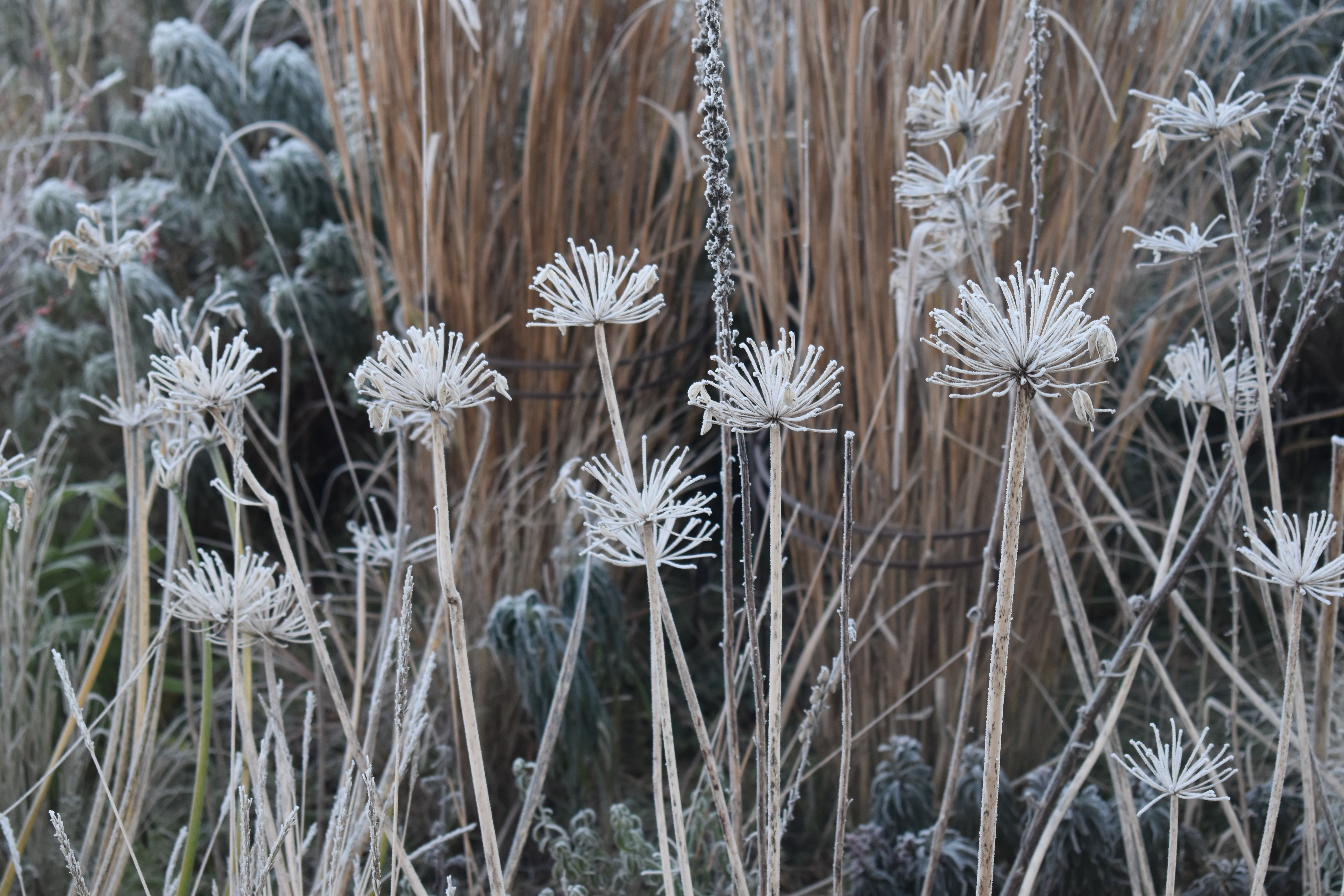
Concerning the frosty photos I noted, “The cold start to January gave us one day of heavy frost, when we awoke to a monochrome front garden. The gravel garden, our ‘Beth Chatto Garden’, has plenty of seedheads of grasses and tall perennials and these catch the frost and get gentle white coats and hats.”

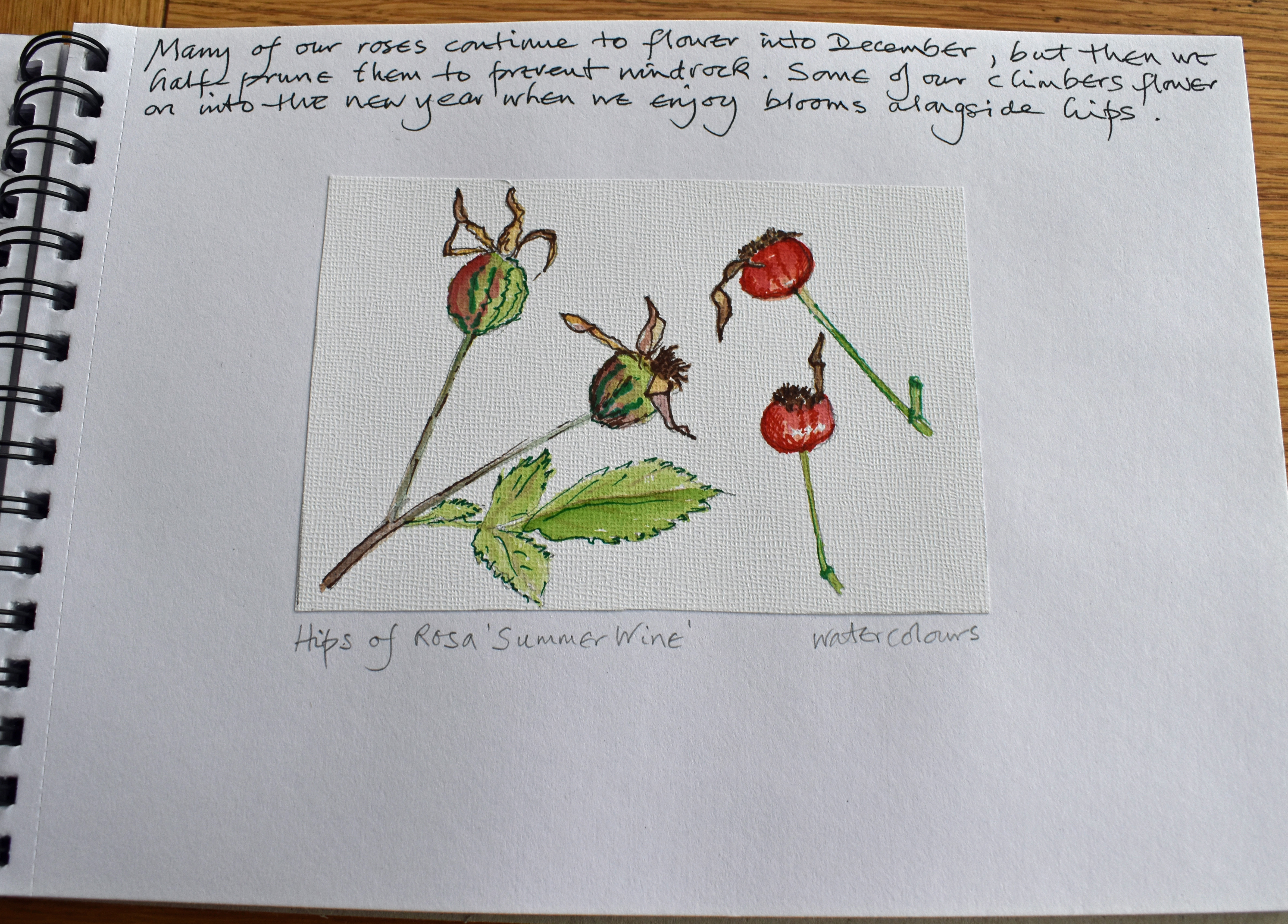
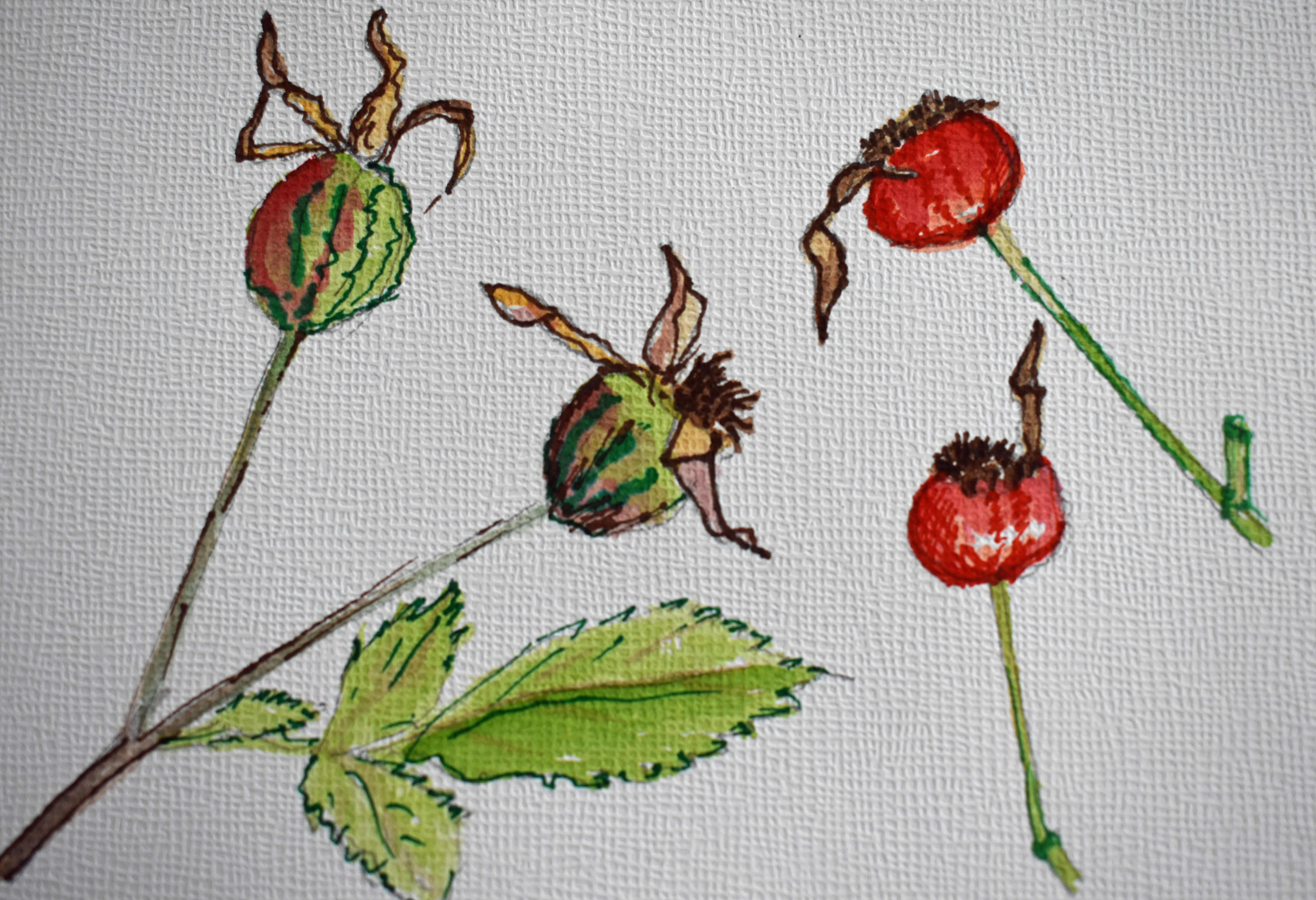
On the opposite page I wrote, “Many of our roses continue to flower into December, but then we half-prune them to prevent windrock. Some of our climbers and ramblers flower on into January when we enjoy blooms alongside hips.”

Below is my water colour of hips of Rosa ‘Summer Wine’.

,

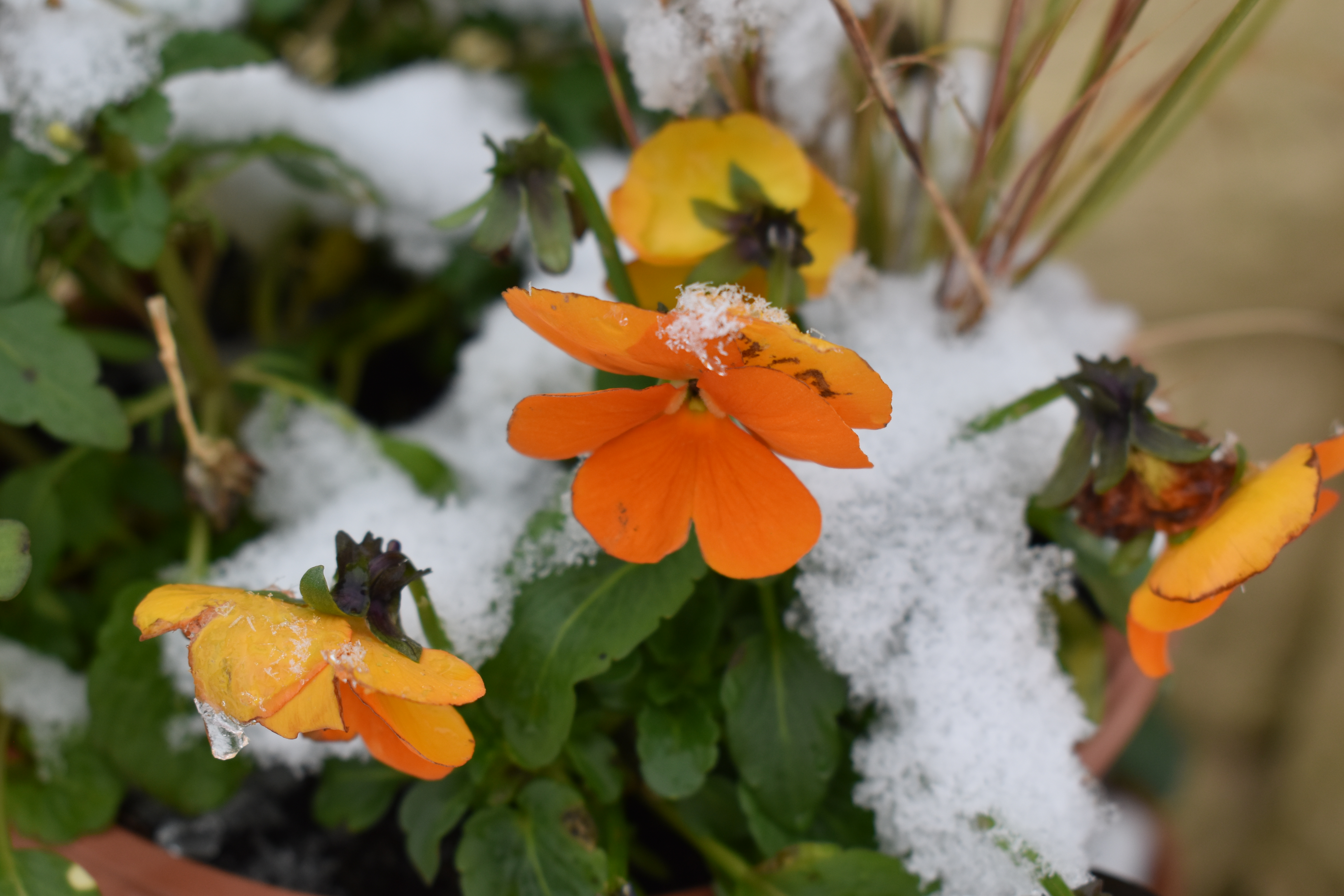
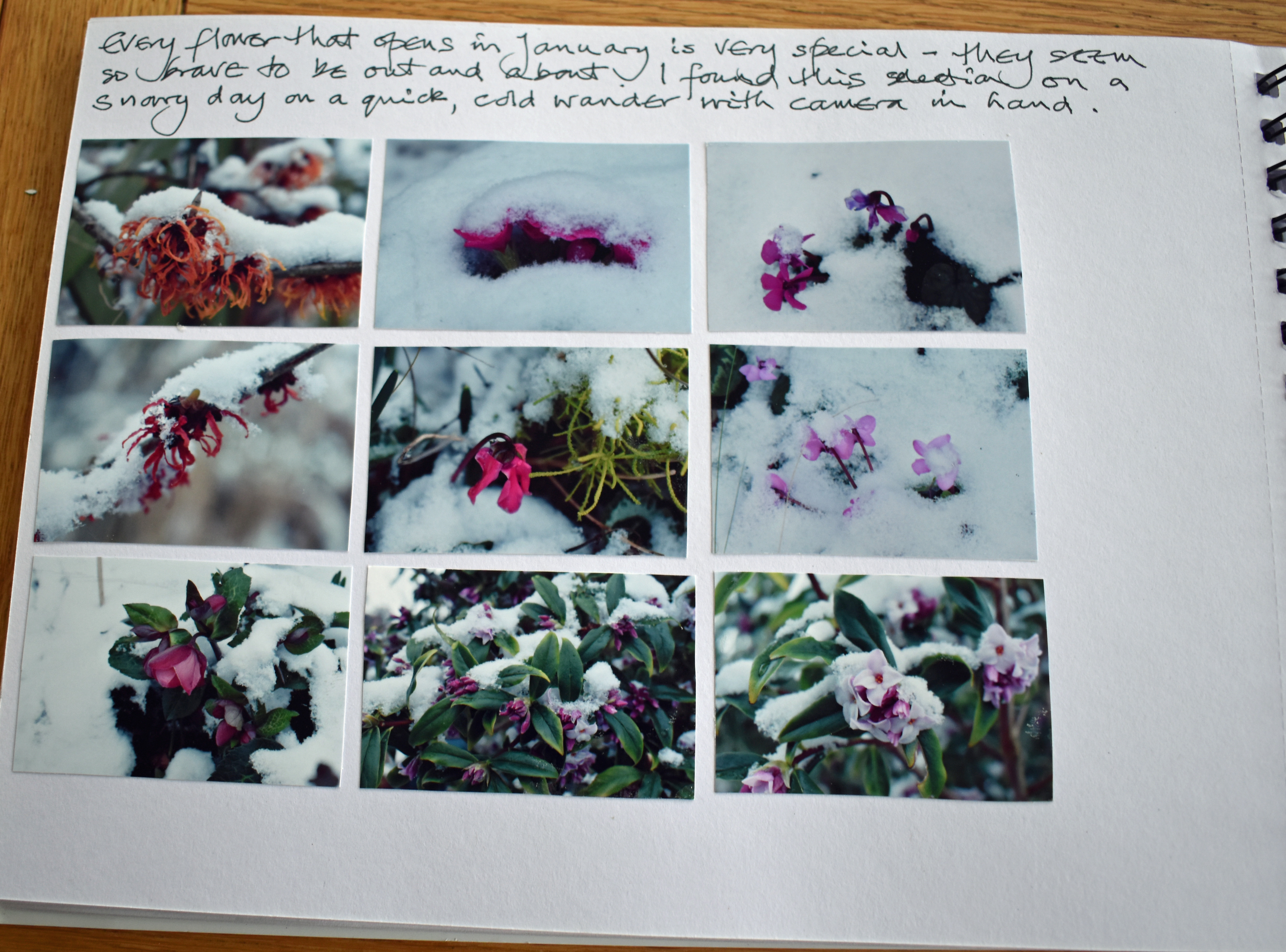
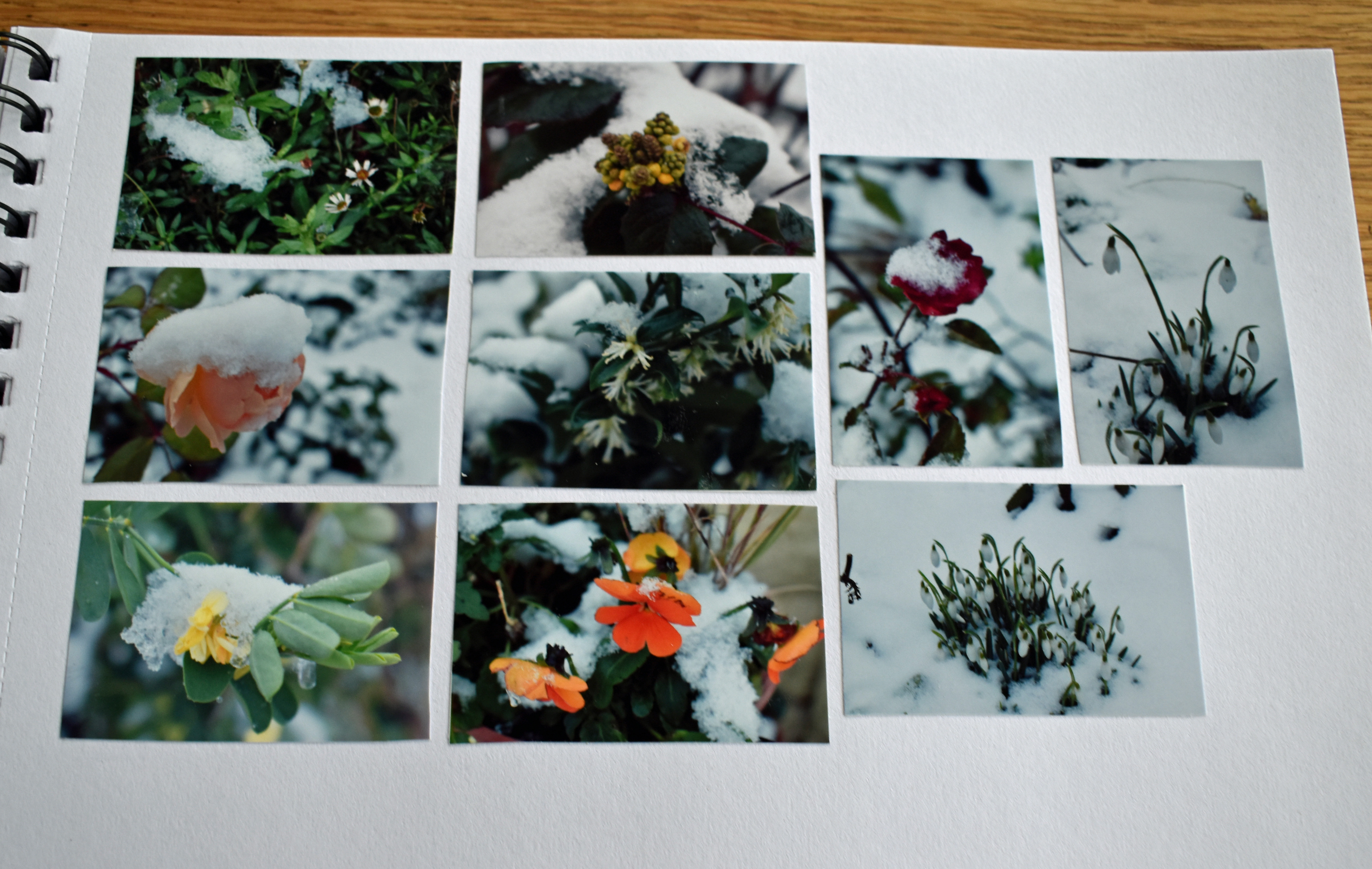
A double page spread follows on, featuring photos of our flowers showing colour this month clothed in snow, “Every flower that opens in January is very special – they seem so brave to be out and about now. I found this selection on a snowy day on a quick, cold wander with camera in hand.”

My sketch of terminal buds on tree stems which I created in water-based pencil crayons finishes off my journal entries for January 2021. I wrote, “Having lost their leaves in the autumn, our garden trees are now attracting our attraction for different reasons. Their silhouettes show beautifully against the sky , their bark texture displays well on bright days and their twigs are in need of close study.”

So there we have my entries for the start of 2021. I shall share again soon at the end of February.

Categories
Uncategorized

Another Winter Woodland Walk – part two

Here we are back at Attingham Park where we left off looking over an old wooden gate.

As we left the view over the gate we crossed the River Tern by a suspension bridge from where we watched the eddies produced by the extra flood water moving down the river. It was as we stepped off the bridge that we decided that we were entering a section of the woodland where peace reigned as fewer people walked this far. It was a good time to utilise the ideas of Shinrin Yoku.

The trees were extremely tall with brambles and bracken as undergrowth at this time of year with the addition of a blanket of dried leaves. As we wandered along the path we were aware of movement along side us. There was not even enough breeze to move leaves so the movement was not the wind. We watched and discovered that a small flock of Goldcrests was feeding, searching beneath bramble leaves picking off insects using their long fine bills. They seemed to be in such a hurry.

The silence in the trees was almost complete, just broken by the high pitch calls of the Goldcrests and the occasional watery winter song of robins. The delicate scents of woodland, dried leaves, bracken and pone needles intermingled to create its own perfume. Concentrating on the experience of being in a woodland added so much more to our walk. We understand now the reason why the Japanese medical system include Shinrin Yoku in their multi faceted health system. The phrase Shinrin Yoku translates as ‘Forest Bathing’, a good definition for it.

Categories
Uncategorized

Another Winter Woodland Wander

Early in January we went to our favourite woodland for a wander – Attingham Park. It was extremely cold so we wrapped up well and started our walk with a takeaway coffee in hands. I have been reading a book about about Shinrin Yoku so it seemed a good time to put it into practice. It is the art of walking in woodland or forests and immersing yourself in its character using all your senses.

As we walked the pathway taking us to the entrance buildings and courtyard we passed shrubs displaying berries and frosted twigs.

As we began our walk there were quite a few other walkers many taking dogs for a walk, but as we got a little further from the entrance it quietened right down. This allowed us to get much more from the walk.

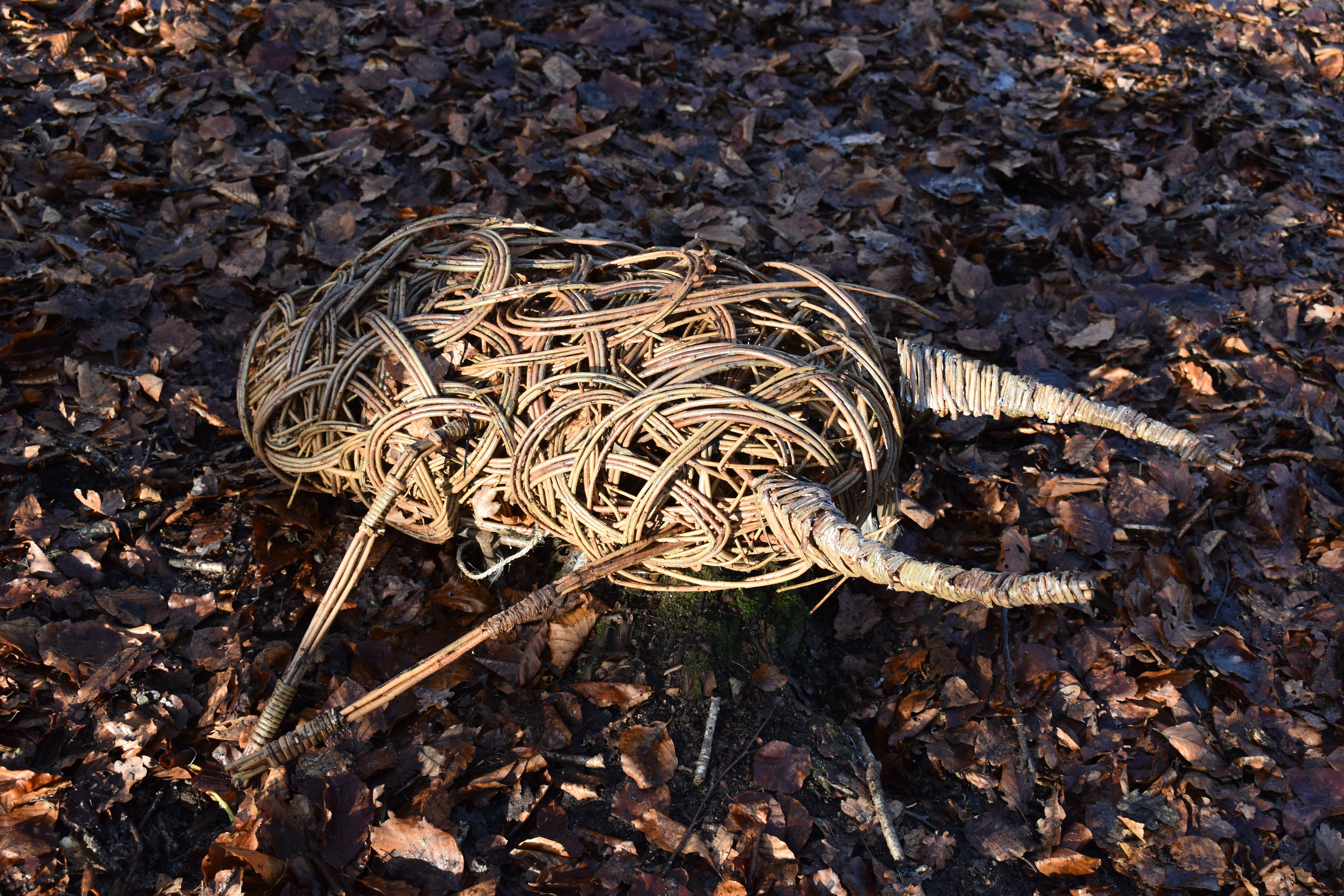
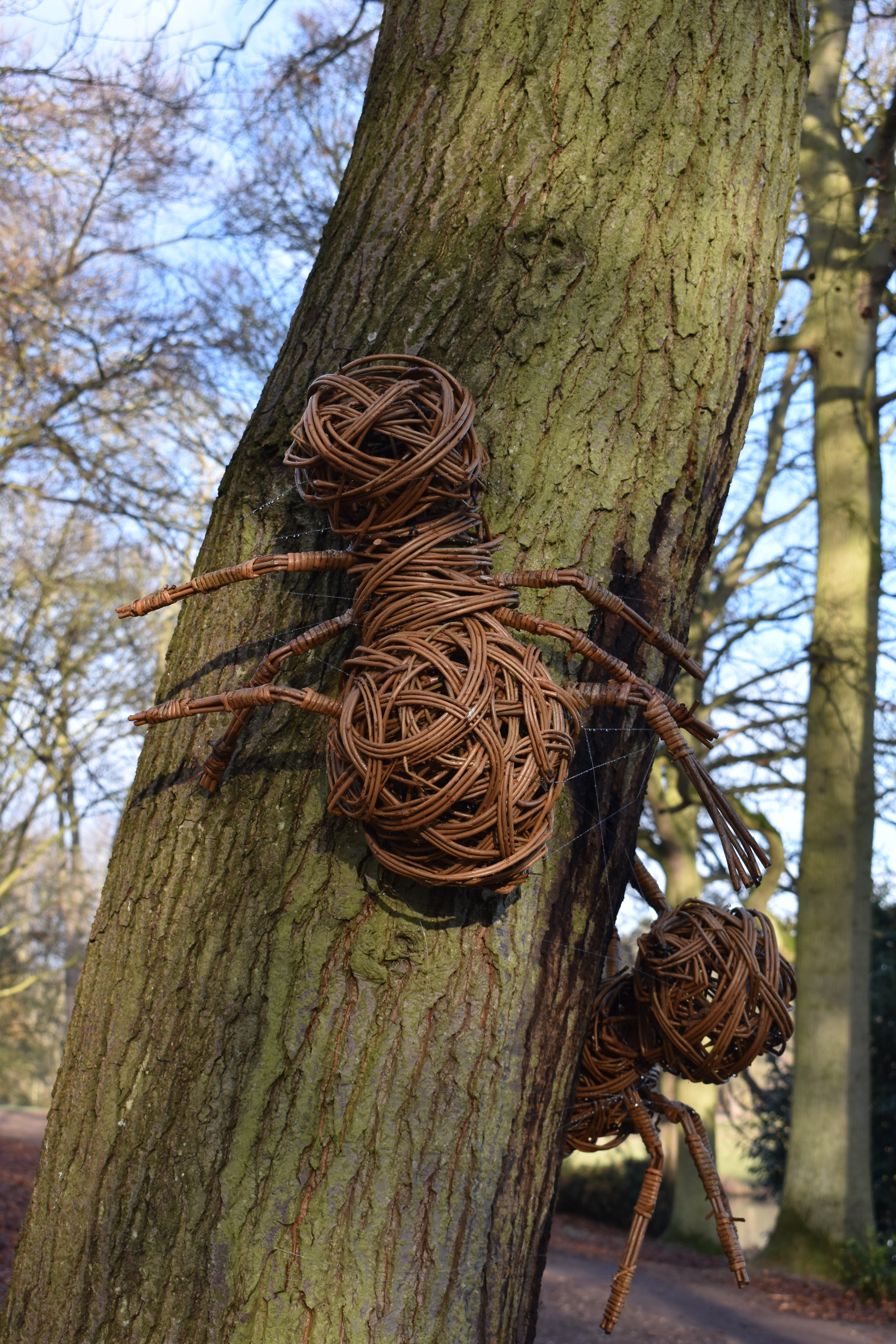
We were surprised to see willow sculptures decorating an area beneath beech, sweet chestnut and oak trees, depicting insects commonly found here. The floor was deep in leaves from these trees, the carpet of leaves home to many insects and invertebrates. Hence it was a lively area scattered with blackbirds and song thrushes busily tossing leaves about in search of food. They were joined by a few robins, redwings and mistle thrush. While watching them at work a sparrow hawk shot through the boughs and landed above the boundary fence, rested awhile and then quietly flew off over the meadows.

The management policy here is to leave dead trees standing for the benefit of wildlife but as they fall they are left down for the same reason, creating great habitats for a mixture of wildlife.

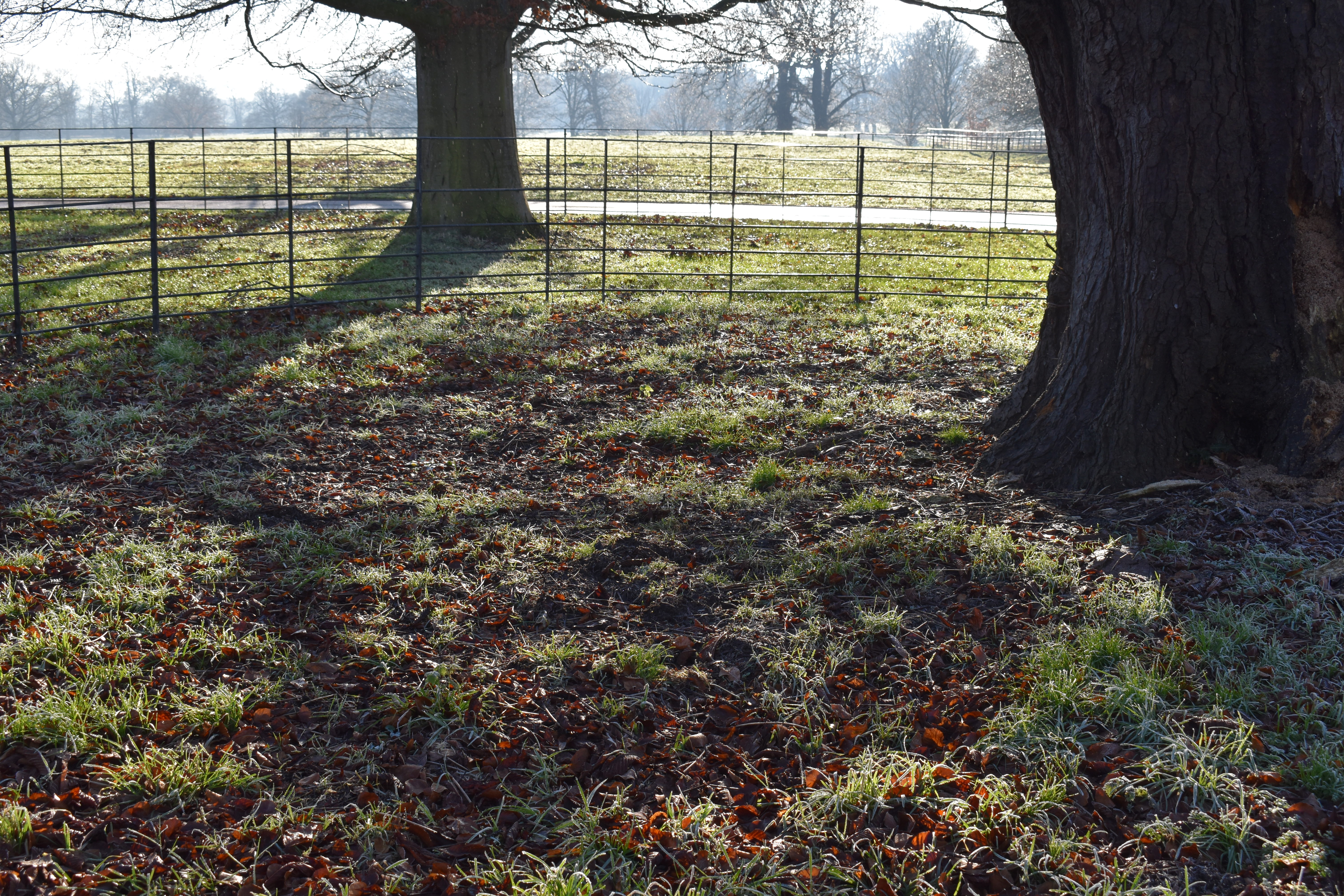
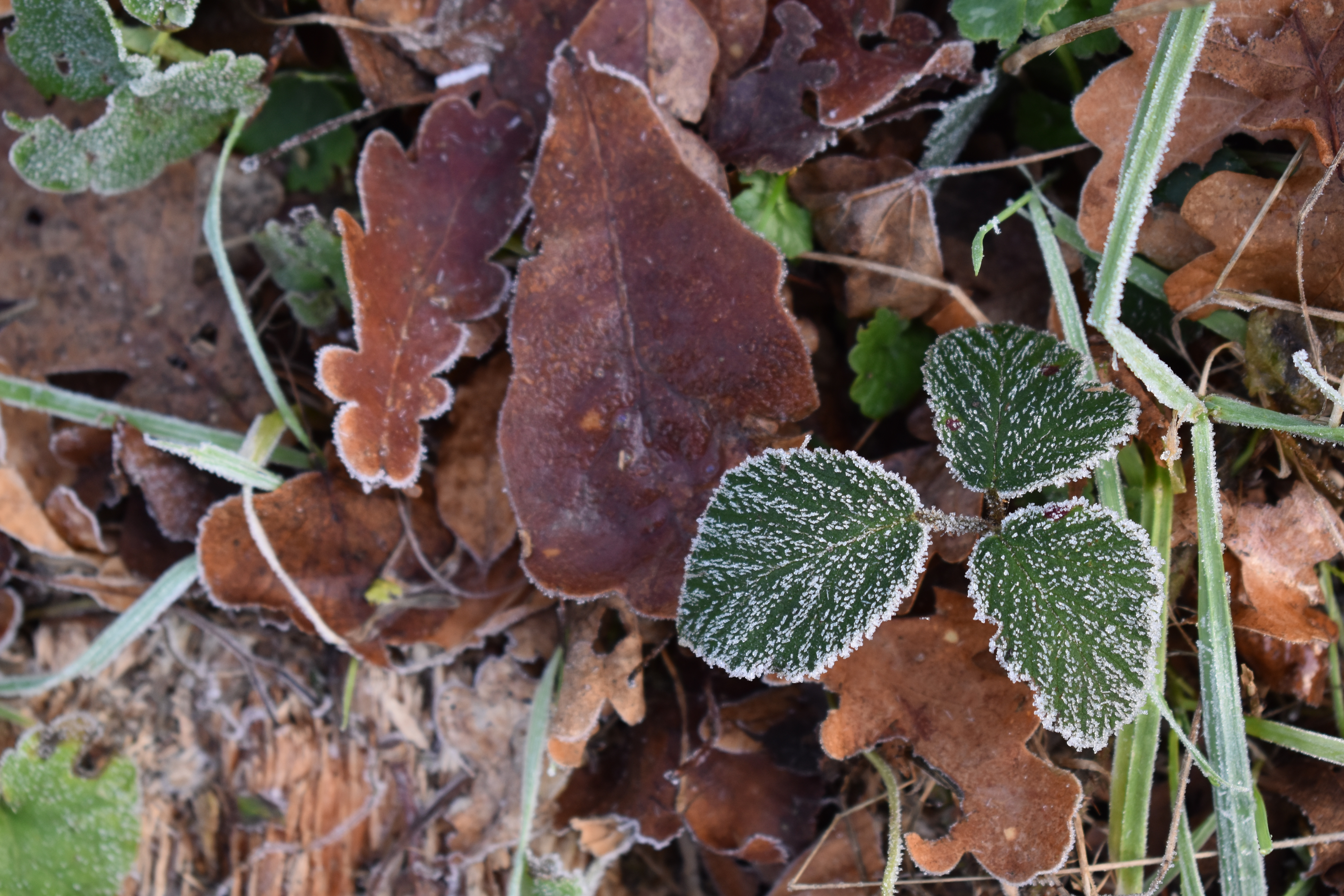
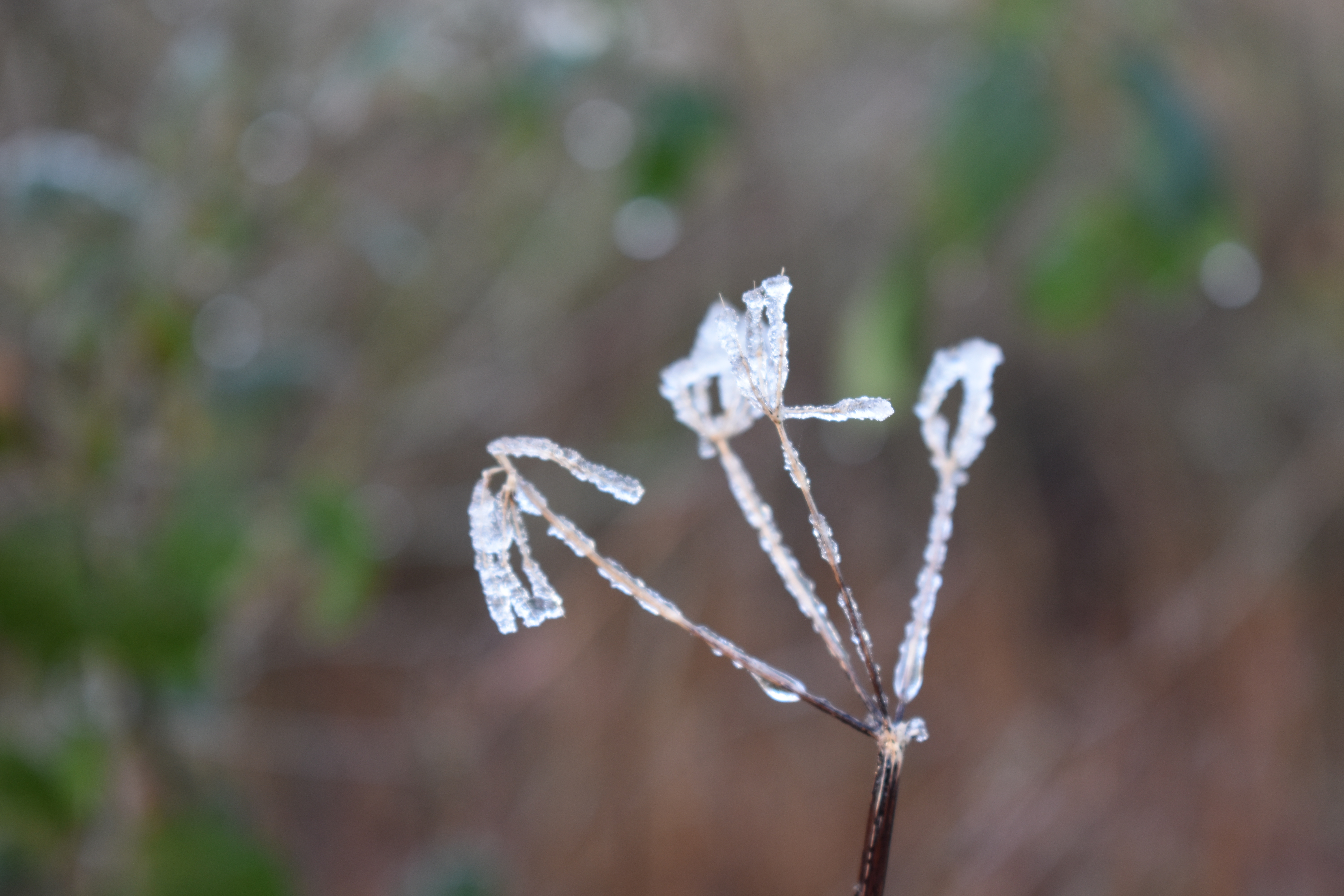
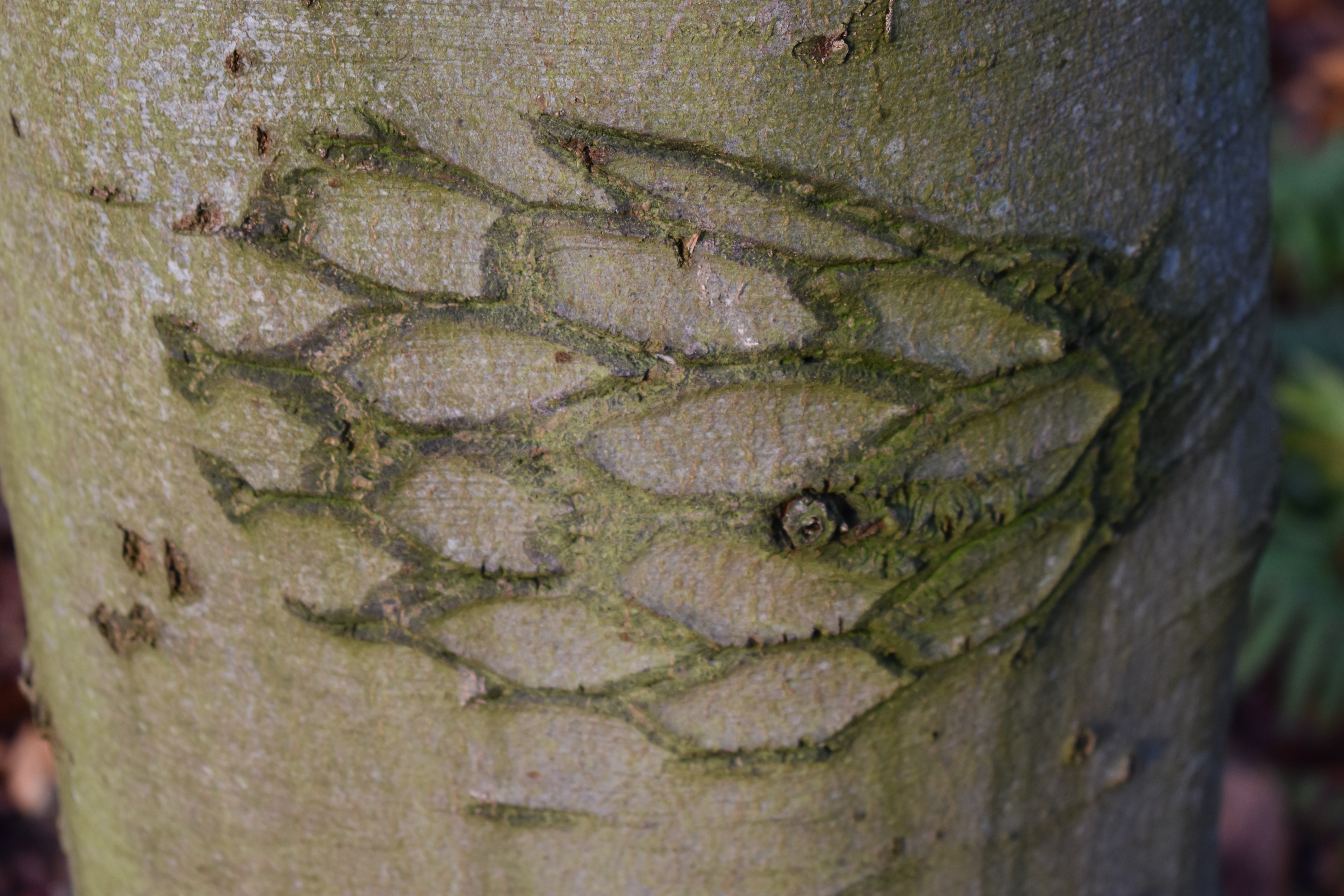
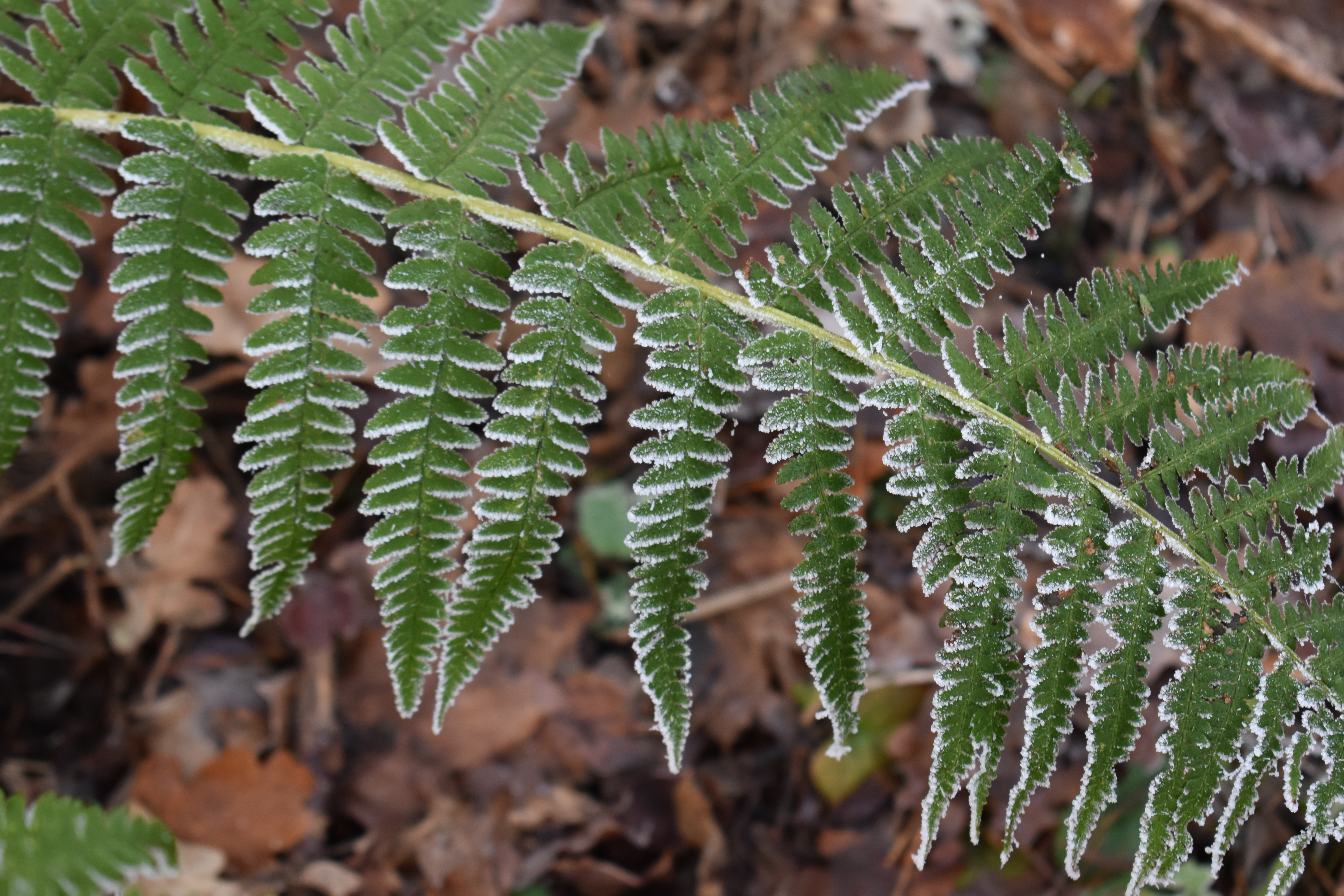
Droplets of melted frost hung delicately from fine twigs but at ground level frost still covered fallen leaves. The strange pattern on the tree trunk in the last photo in this block was a real mystery to us. We could think of no explanation for it.

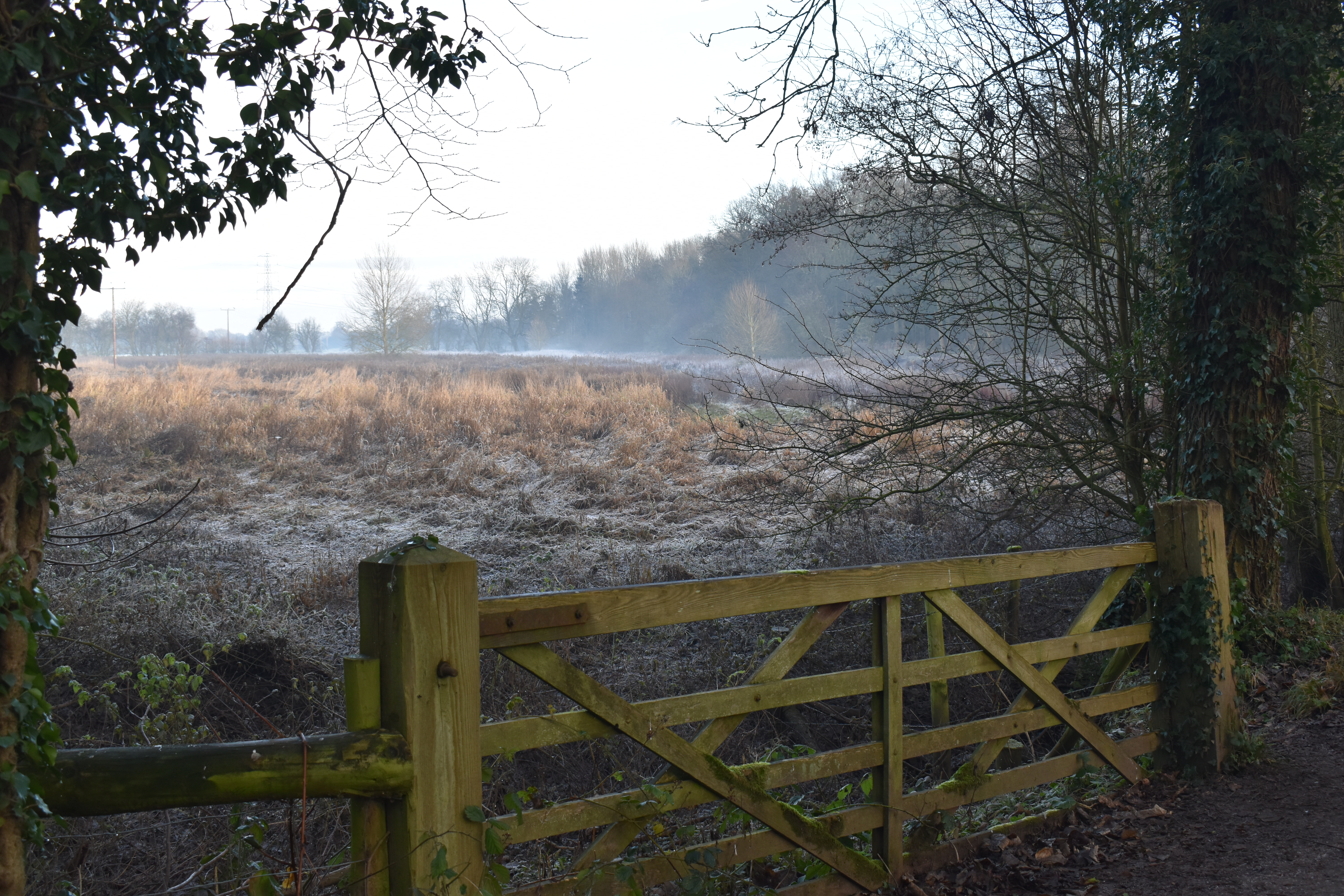
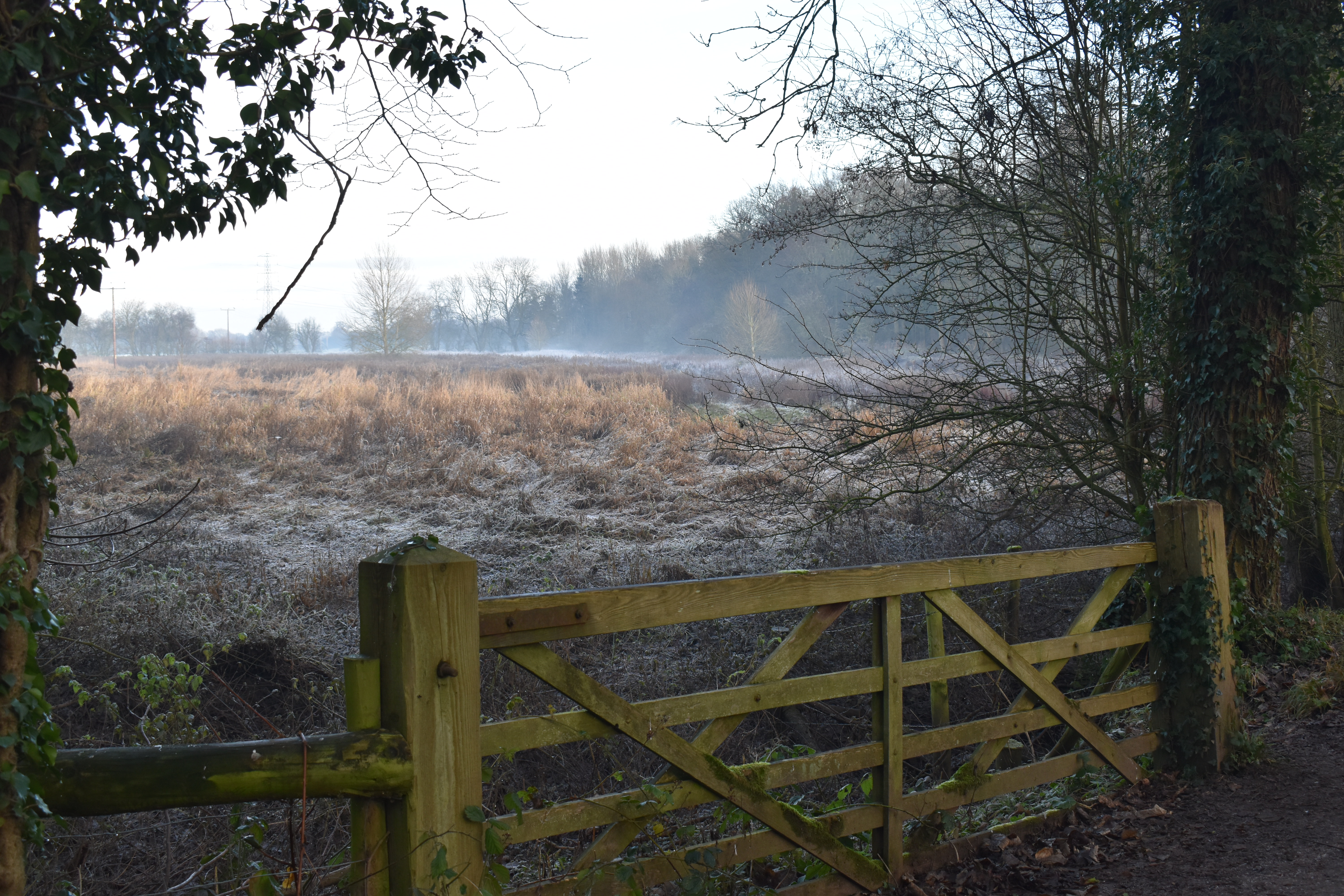
We will leave the first part of my post about our cold woodland walk at Attingham Park, as we reached this beautiful 5-bar wooden gate which gave atmospheric views over the River Tern and the neighbouring wet grassland. In the next part we will move on from the gate and onto the woodland walk proper.

Categories
Uncategorized

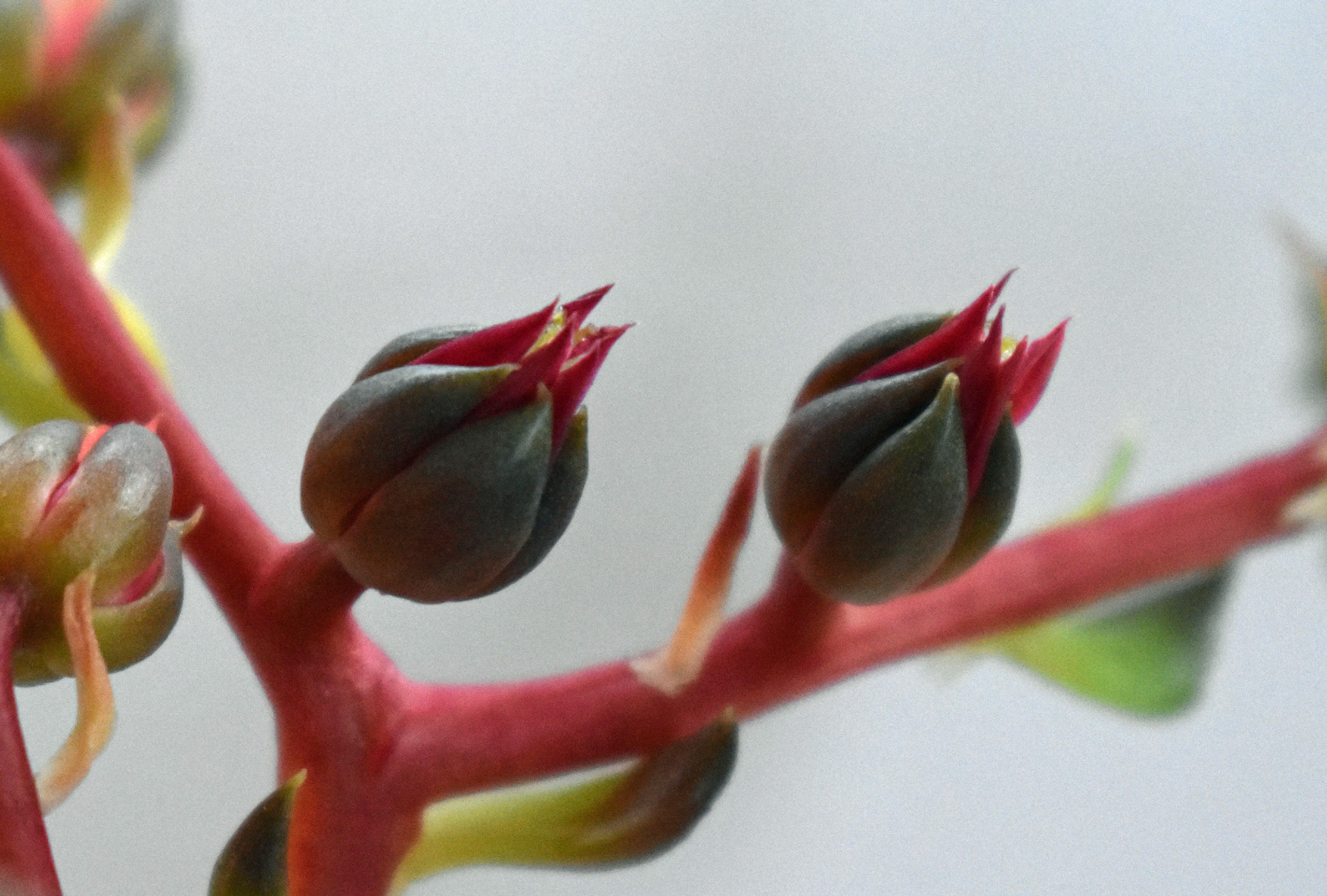
Black Prince, an exceptional echeveria

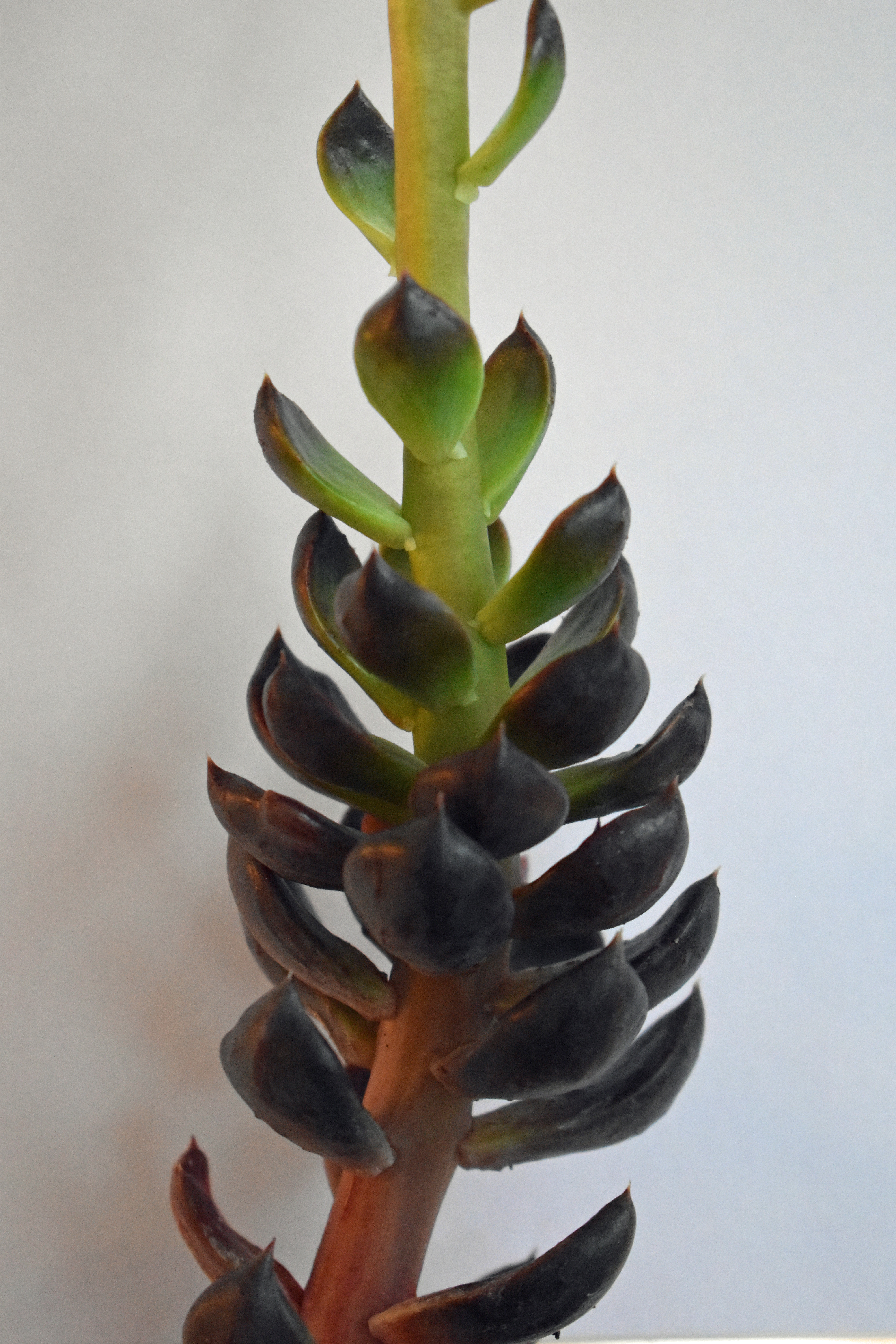
I am obsessed with succulents and this obsession has been going on now for a decade os so now so my collection is getting really large. I love most succulents but my craze started off with mostly echeverias.

In this post I will share with you some photos of one of the best and certainly my favourite and just now it is flowering too! Echeveria ‘Black Prince’ has foliage to match its name and its flowering stalk rises up to nine or so inches and displays bright green buds which break open to show off its beautiful salmon orange flowers.

Categories
Uncategorized

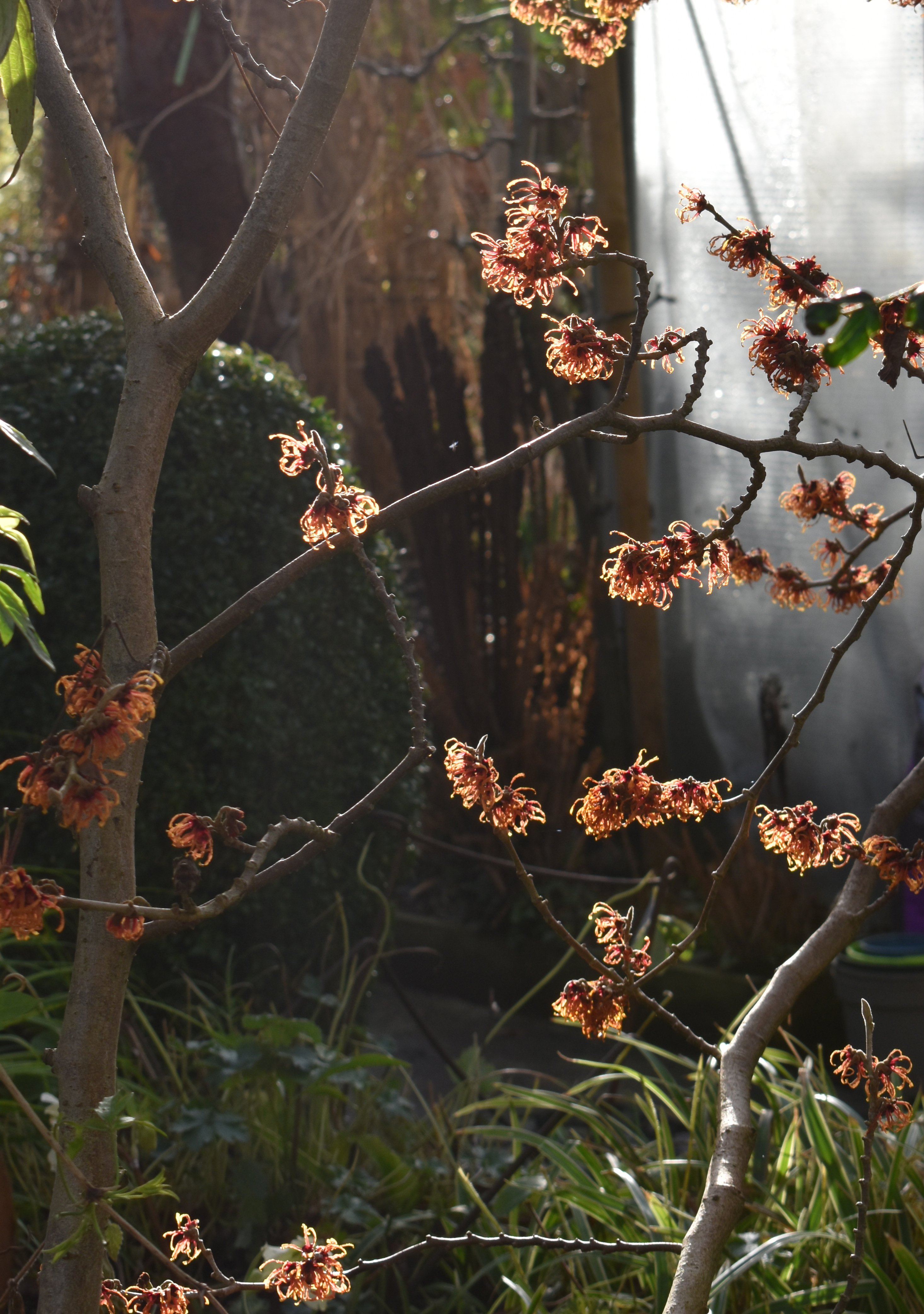
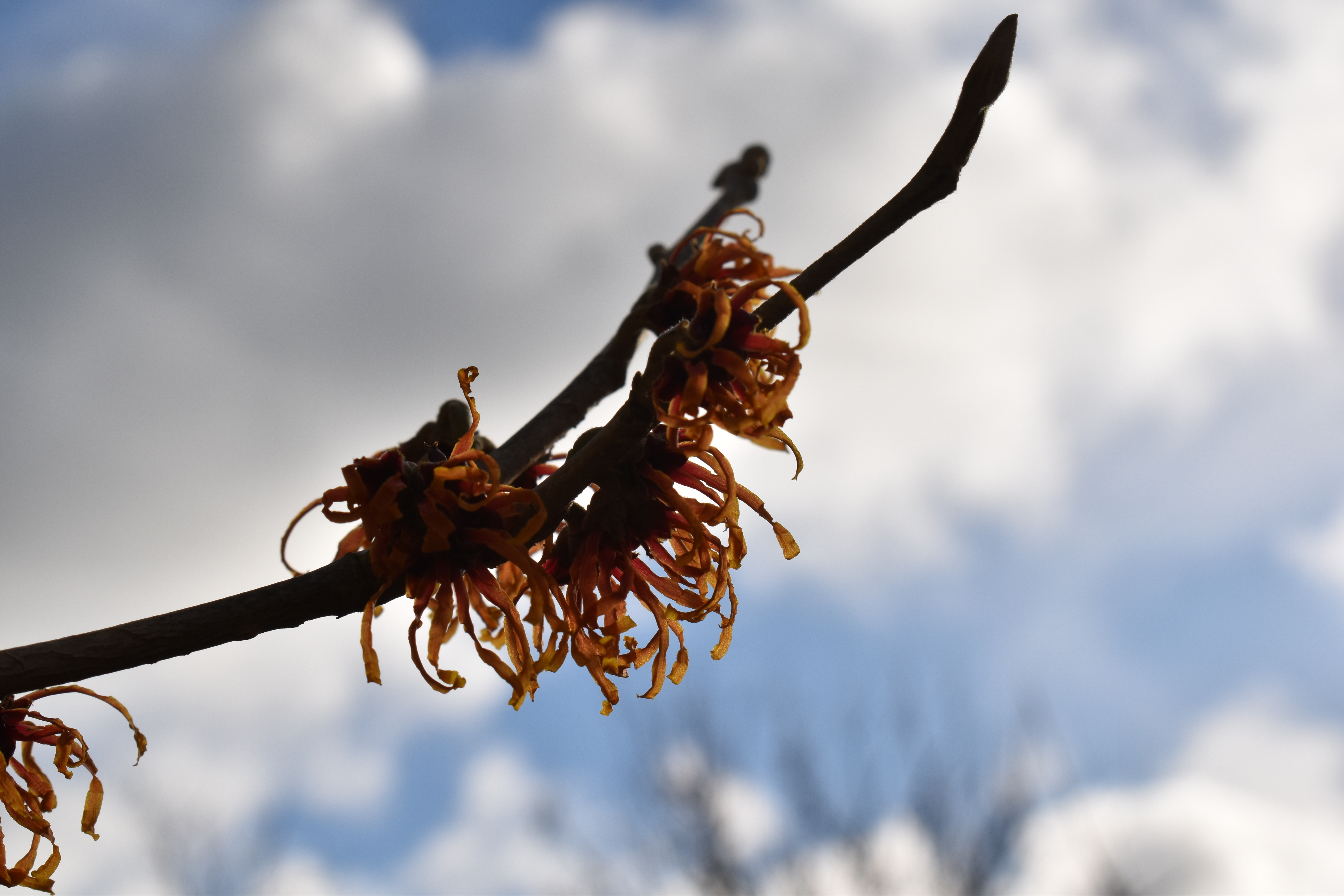
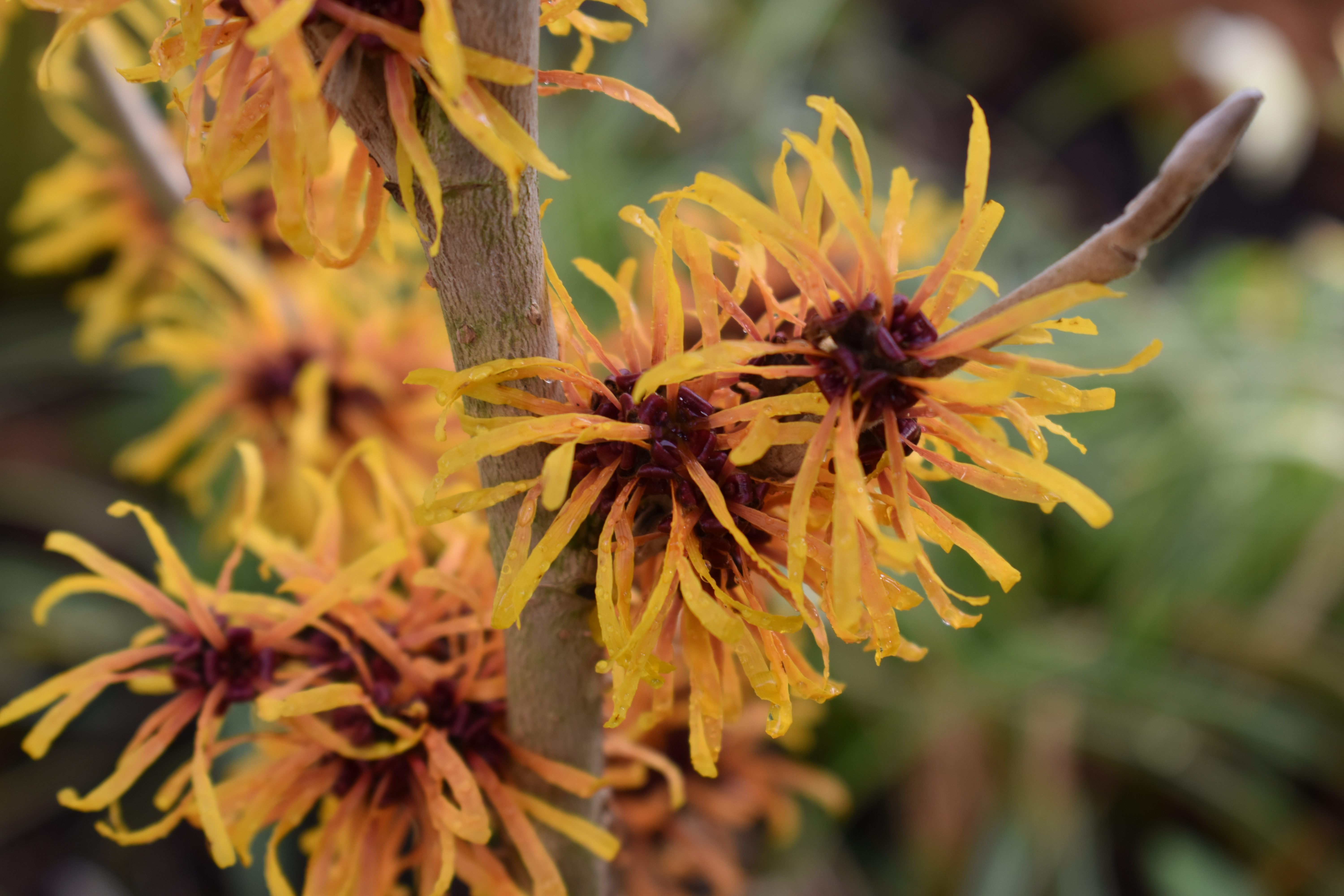
Hamamelis to brighten dull January days

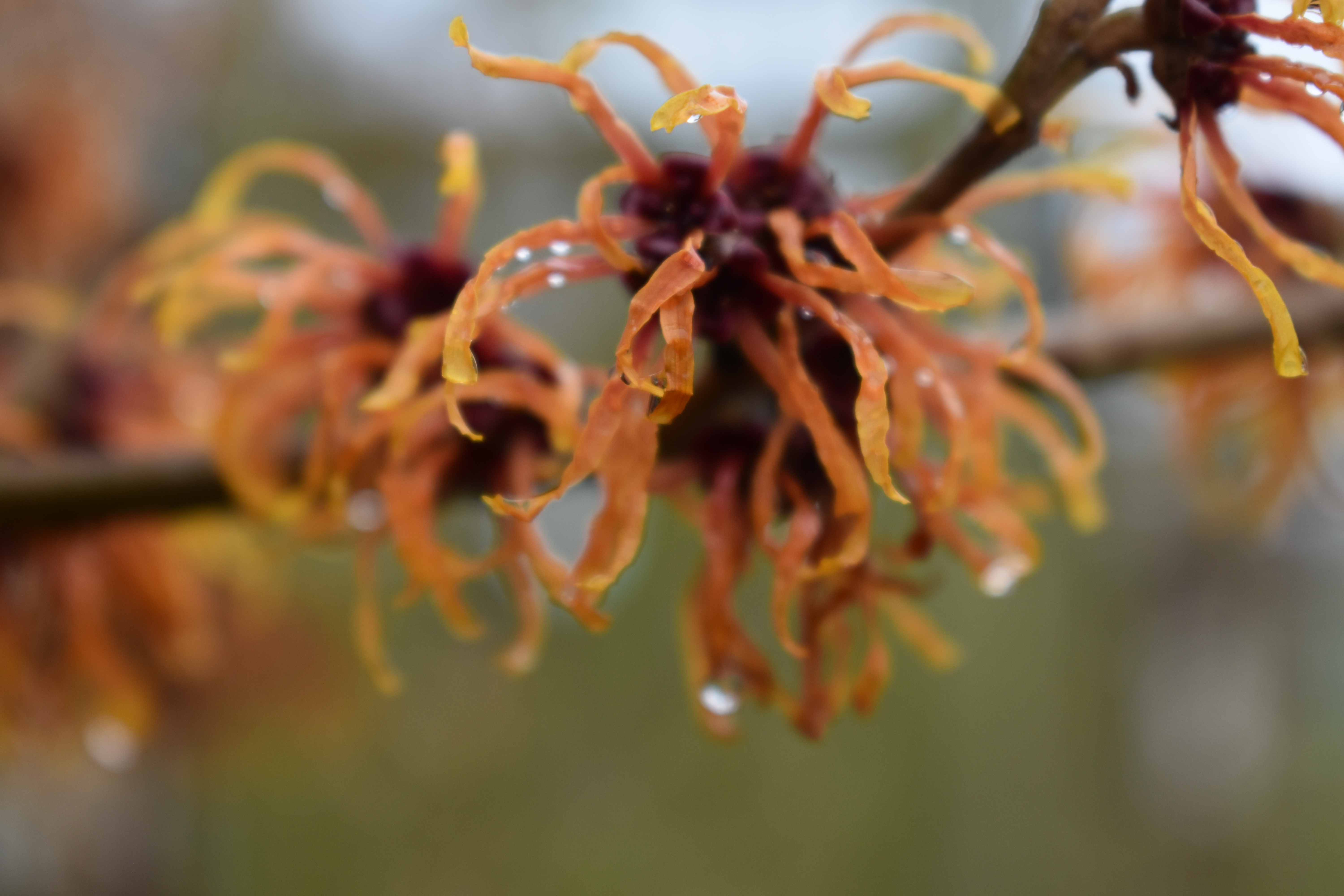
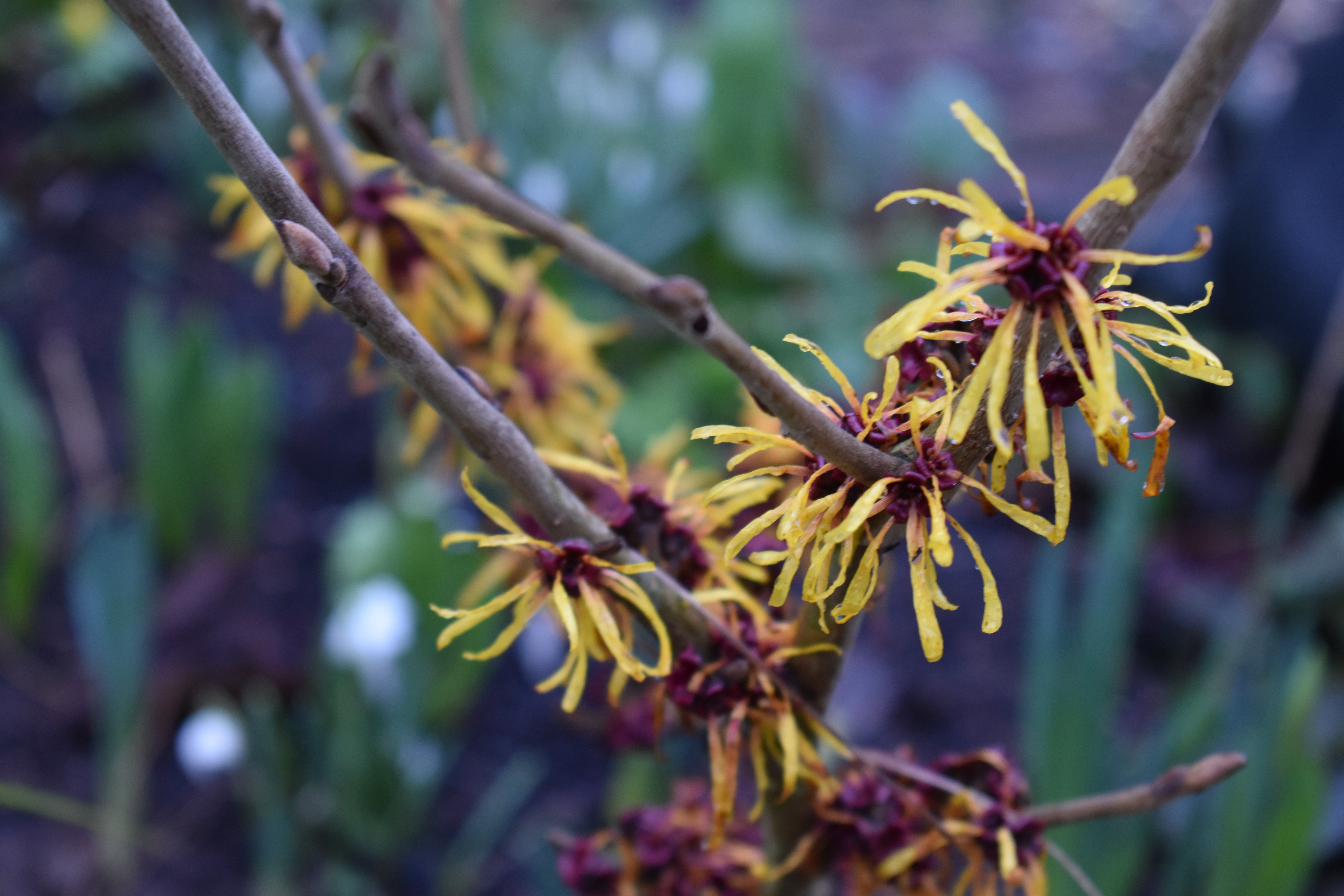
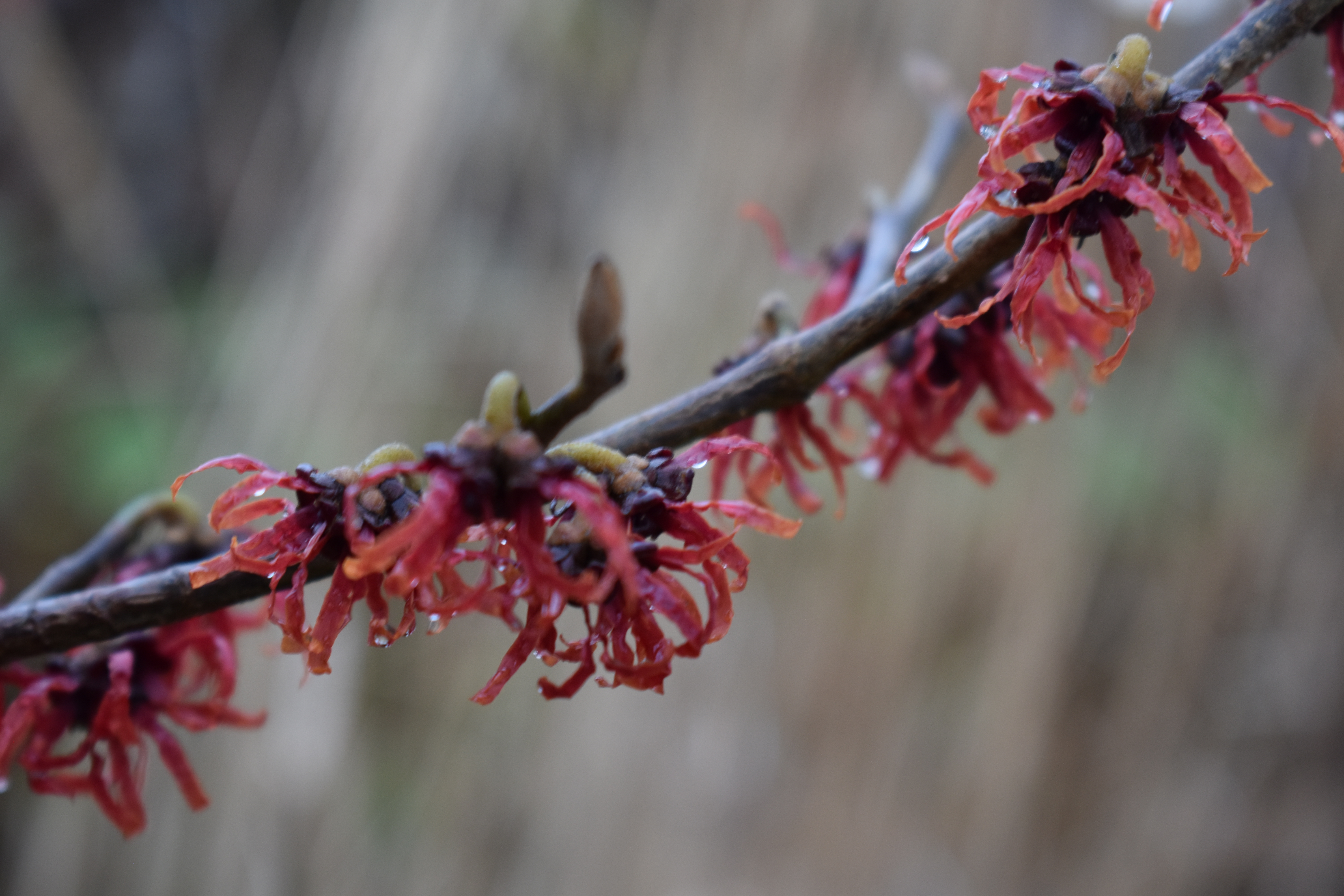
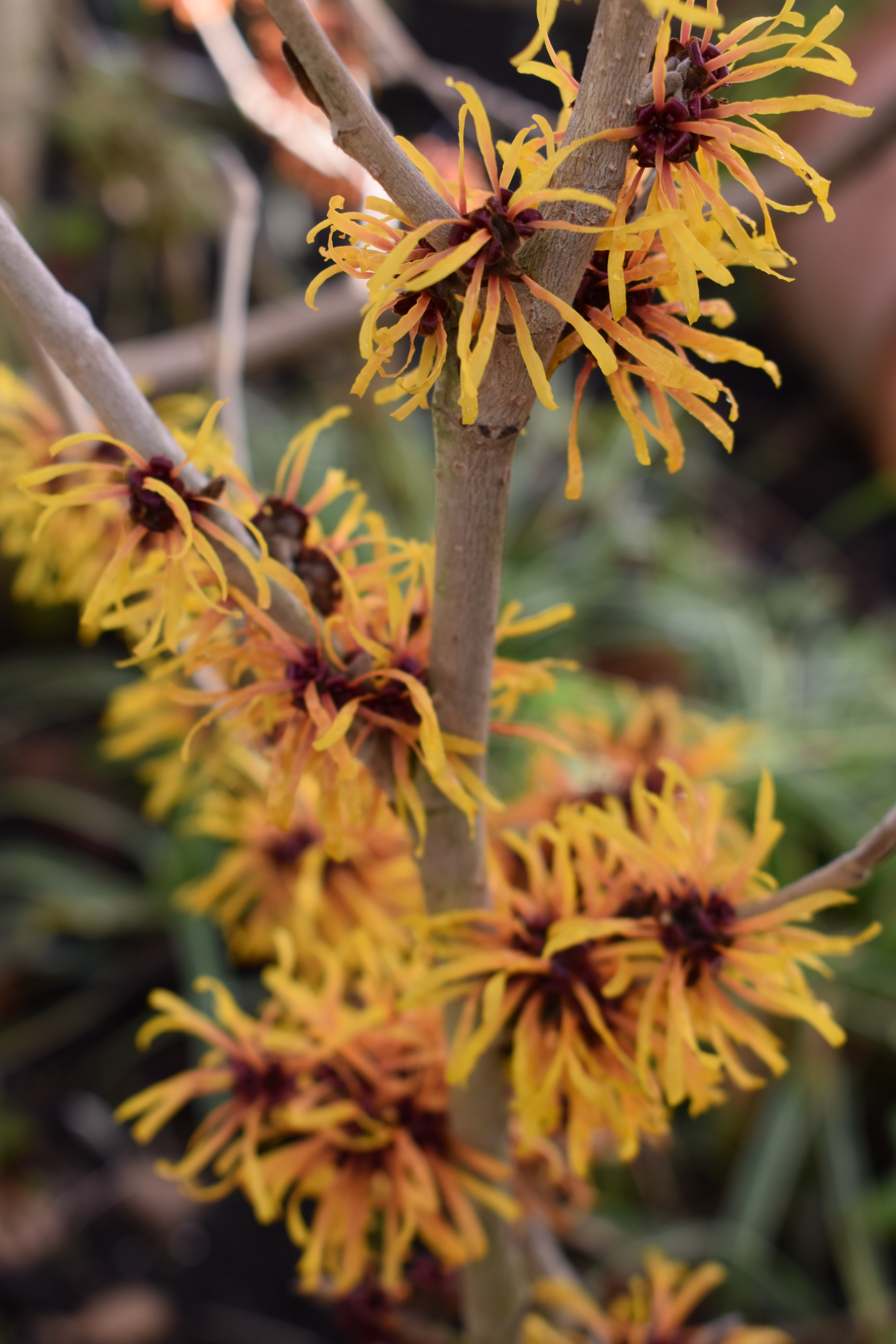
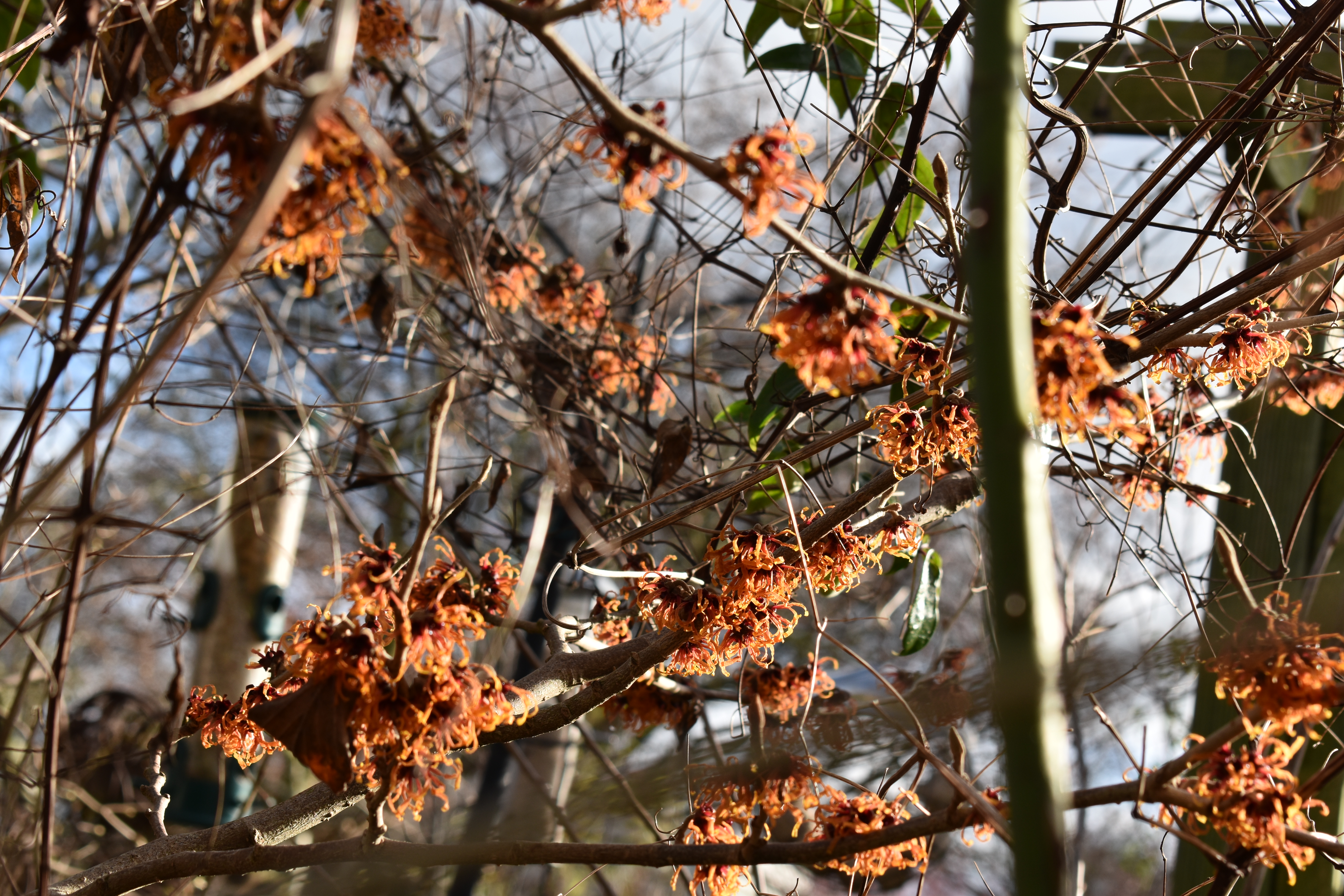
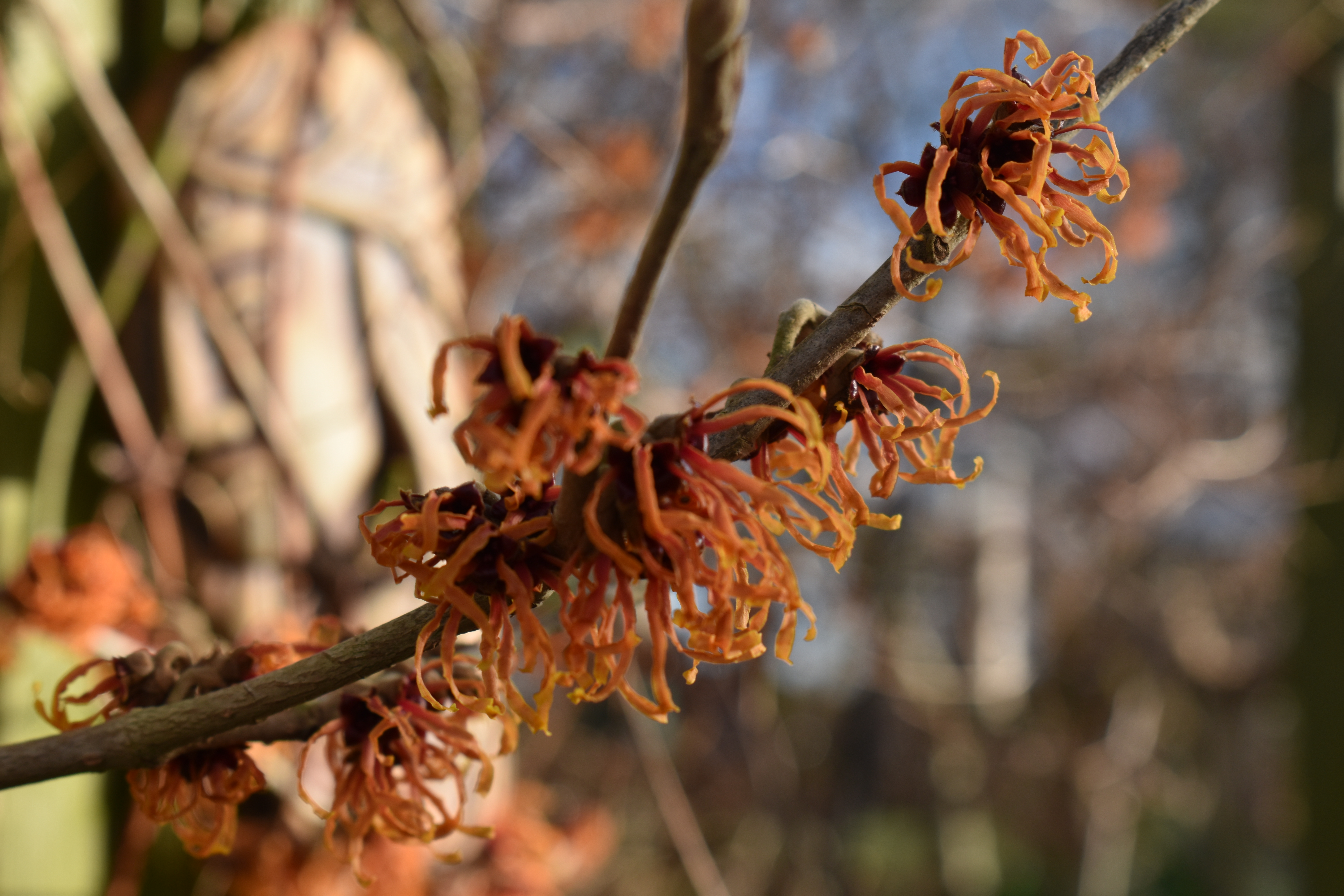
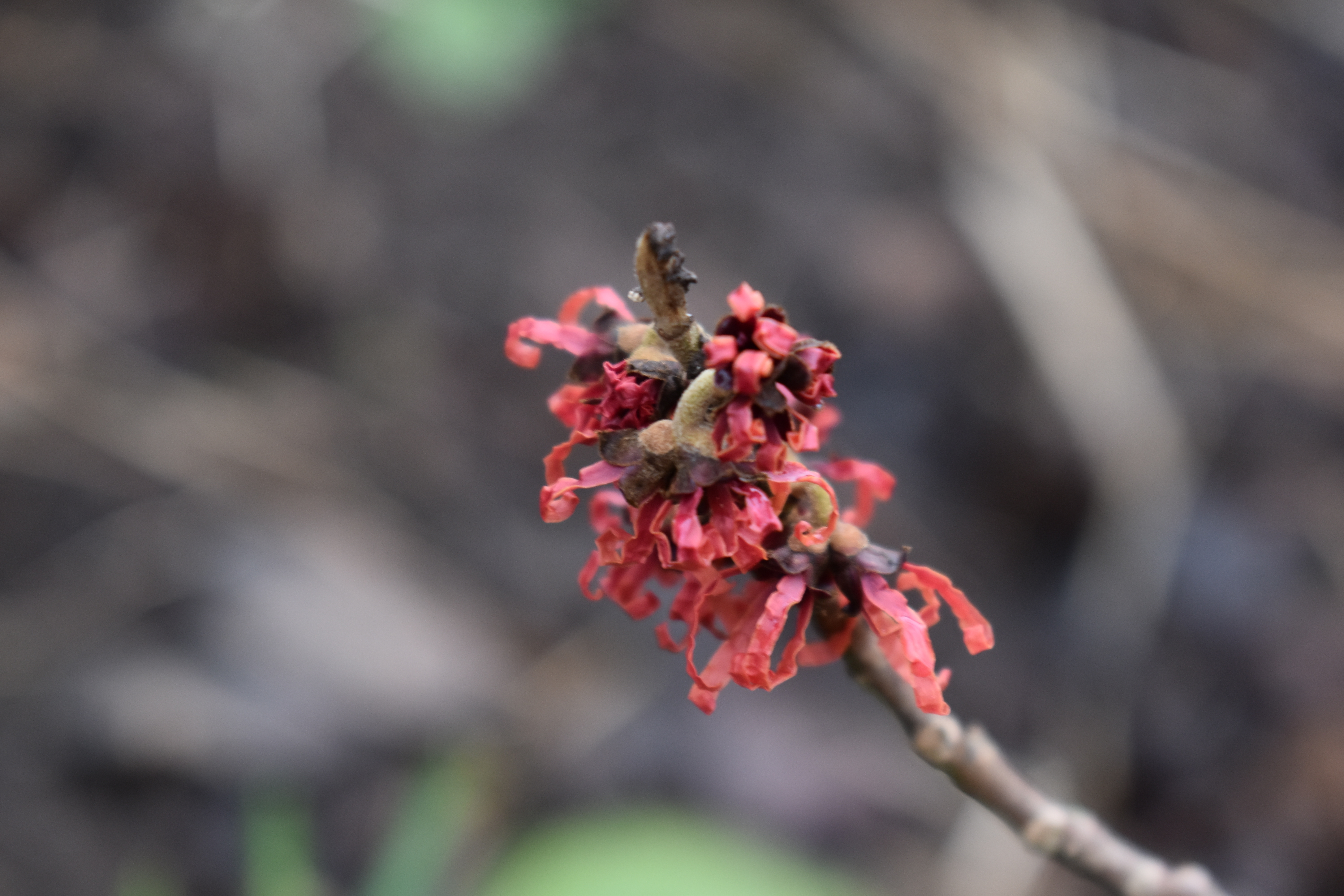
Hamamelis are one of the earliest shrubs to flower each year and this year was no exception. We grow three -‘Jelena’, ‘Diane’ and a new one this year ‘Harry’, which are red, orange and yellow/orange respectively.

Here is a little gallery of them in bloom to cheer up the dullest day!

In previous gardens we have grown yellow varieties such as H. mollis, H. pallida or H. Arnold Promise, but in our current patch we have gone for richer shades.

Categories
Uncategorized

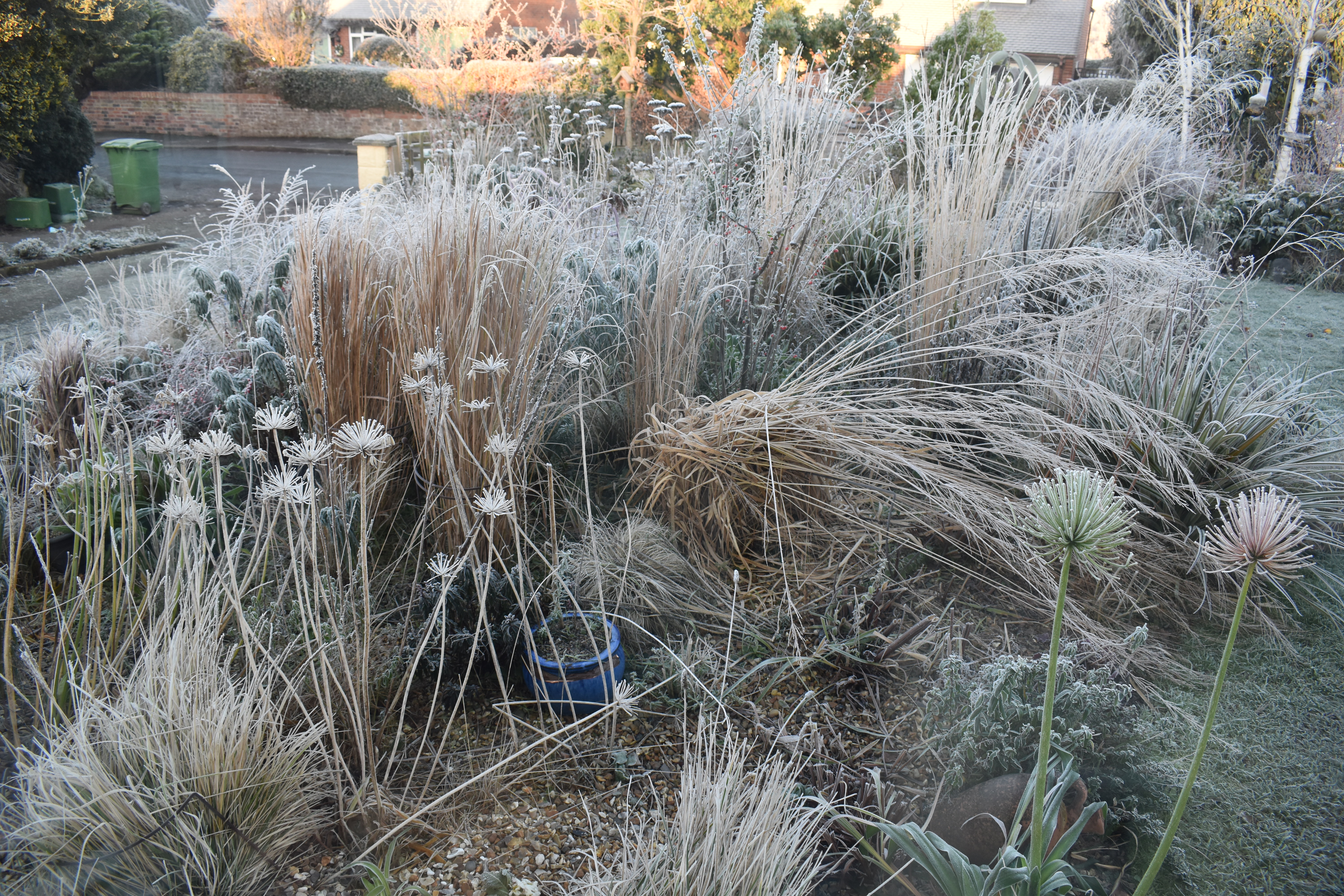
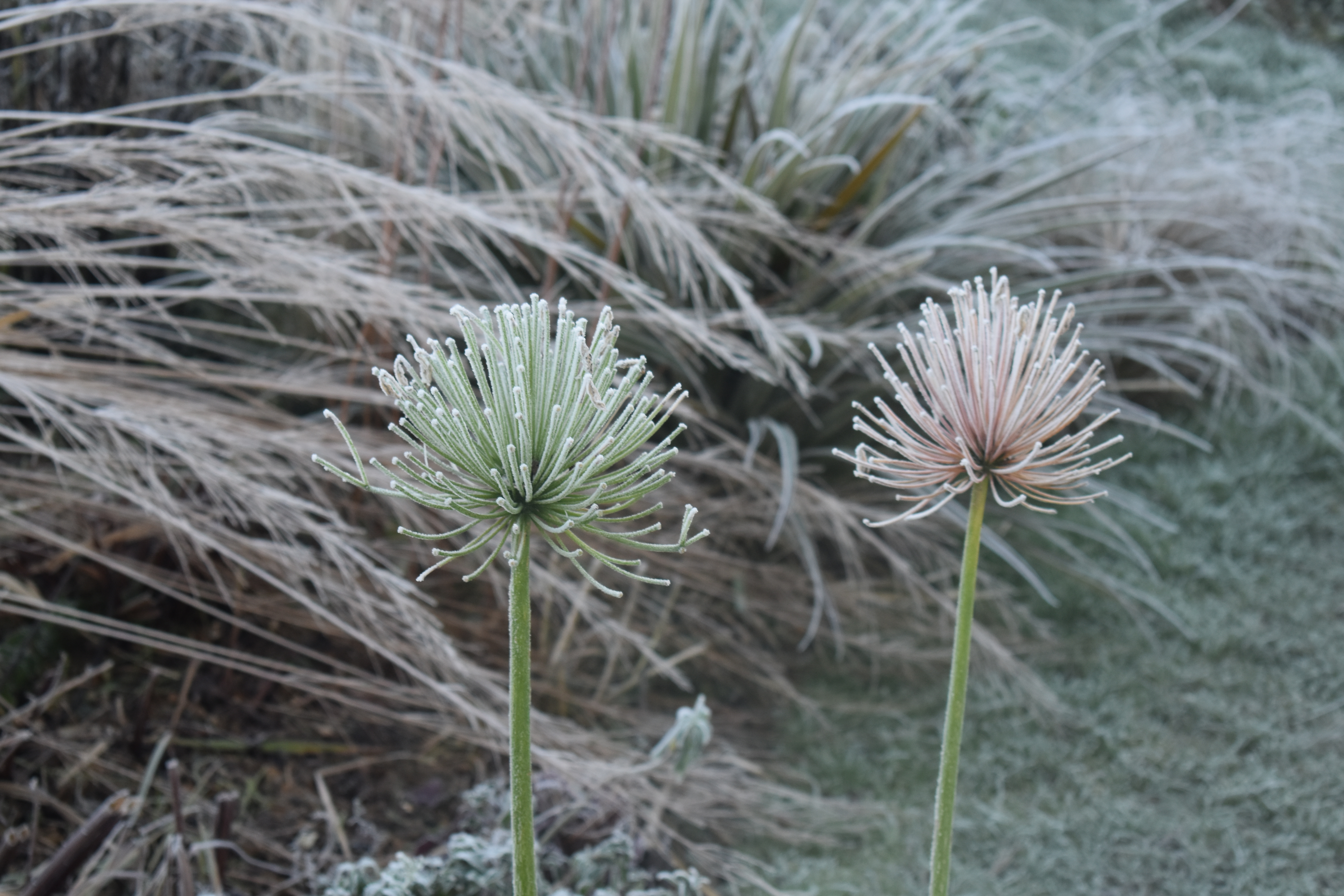
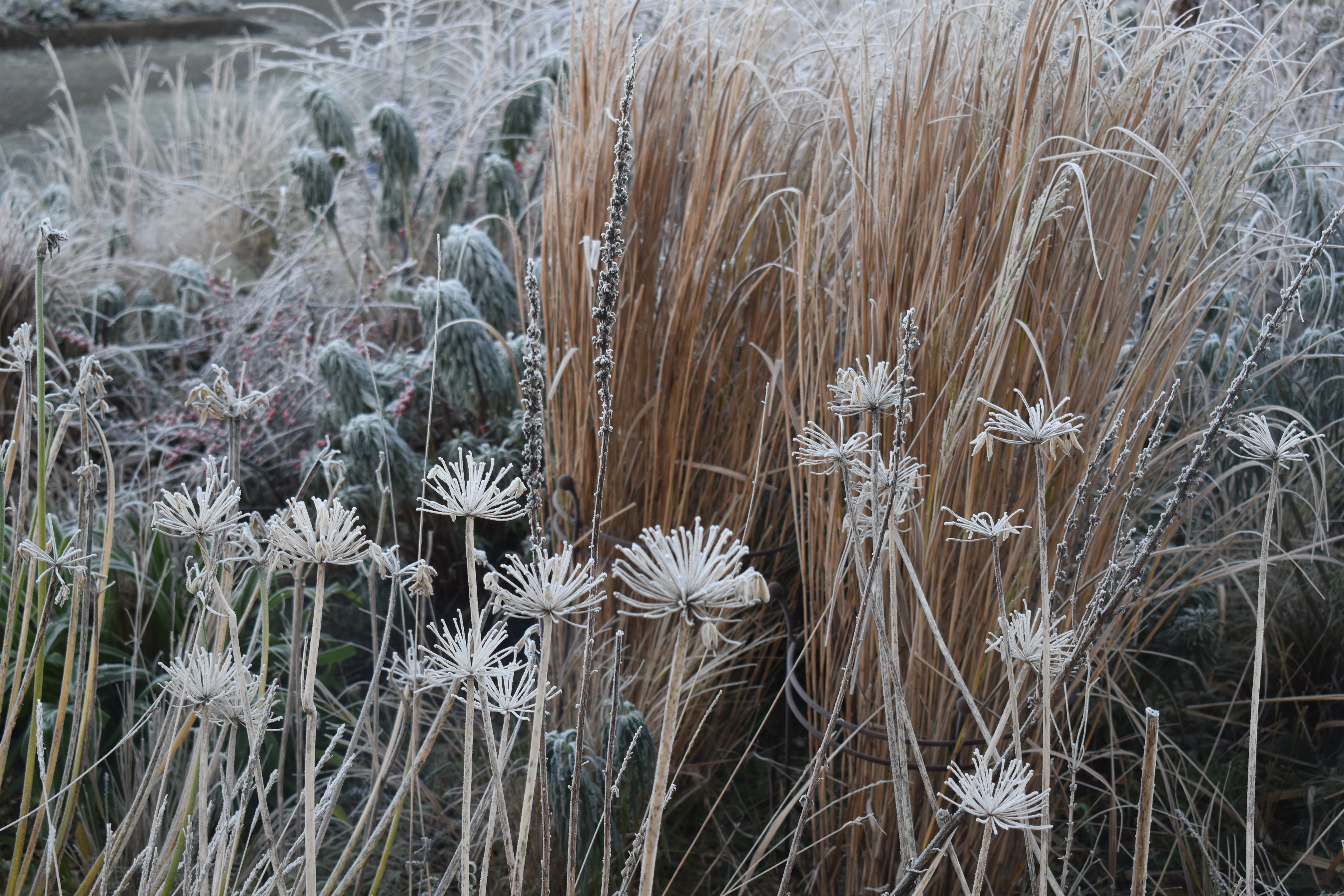
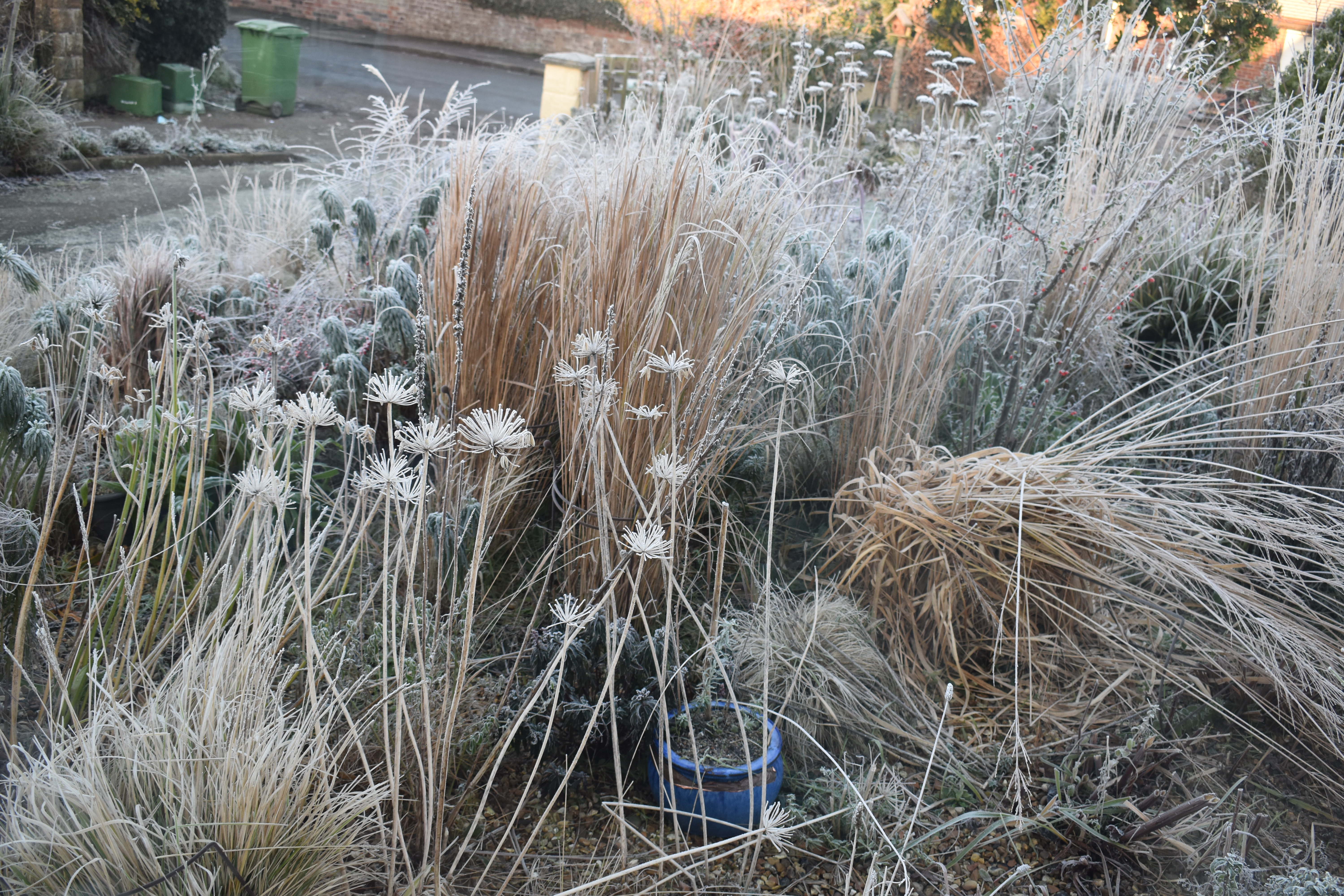
Frosted Front Garden

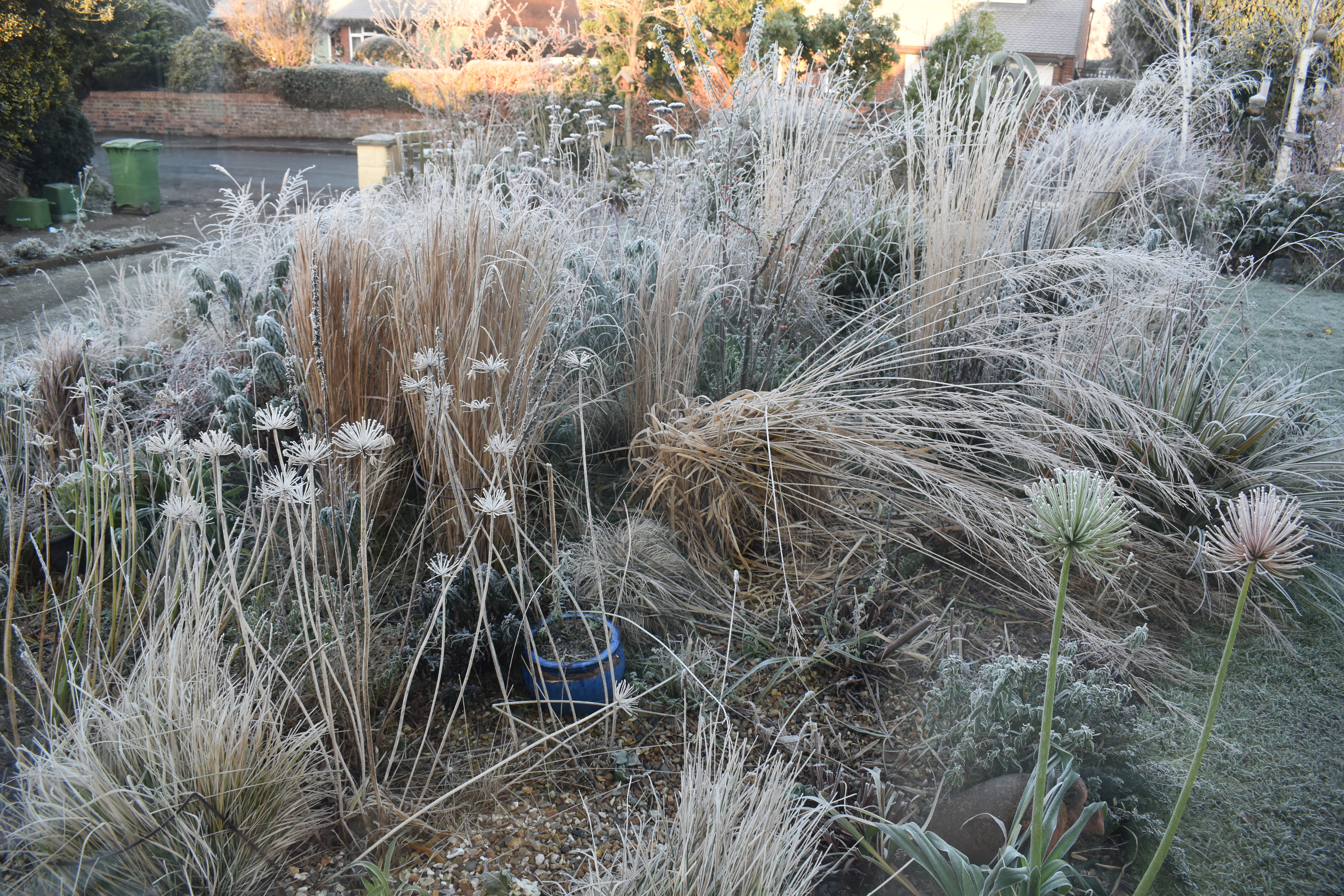
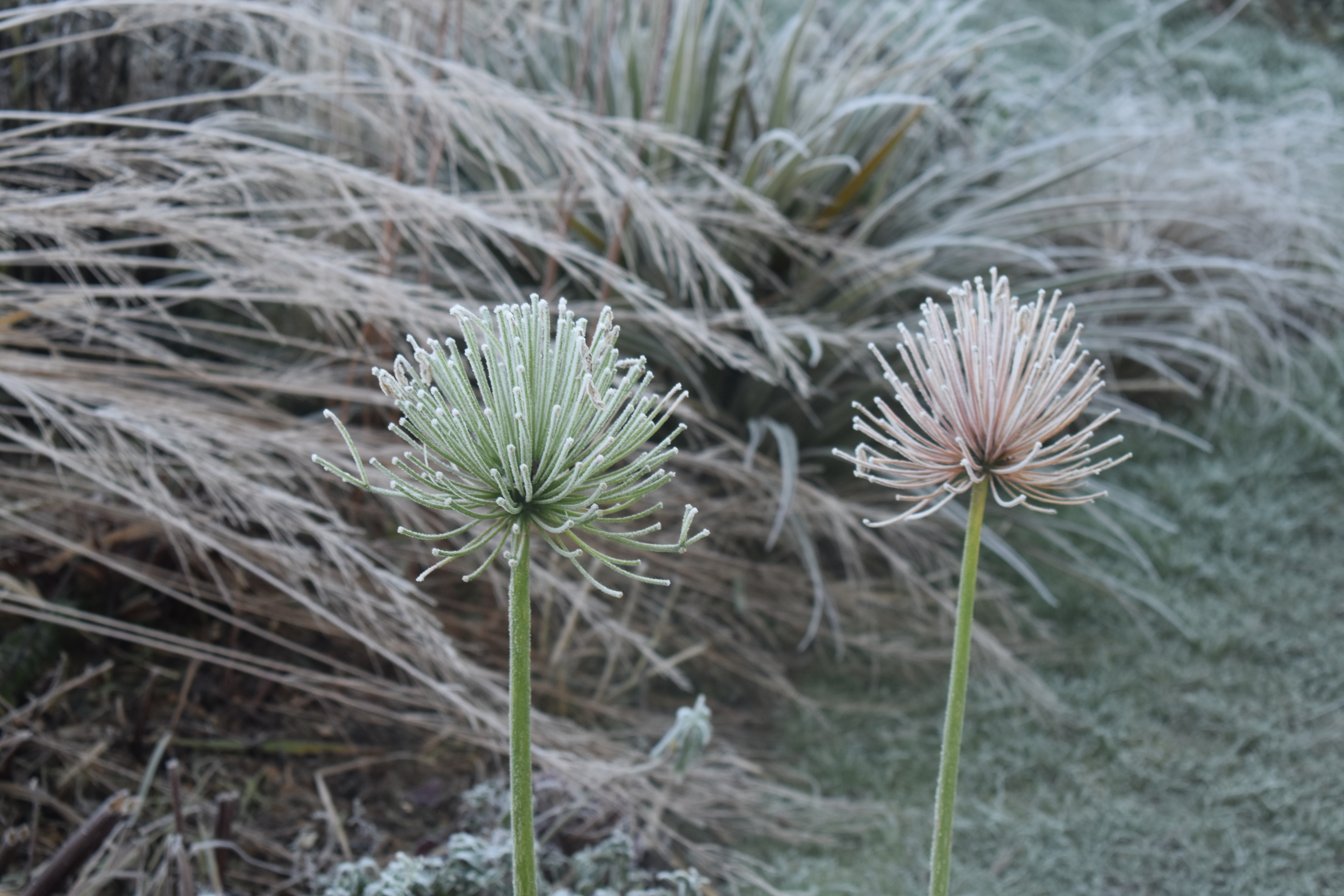
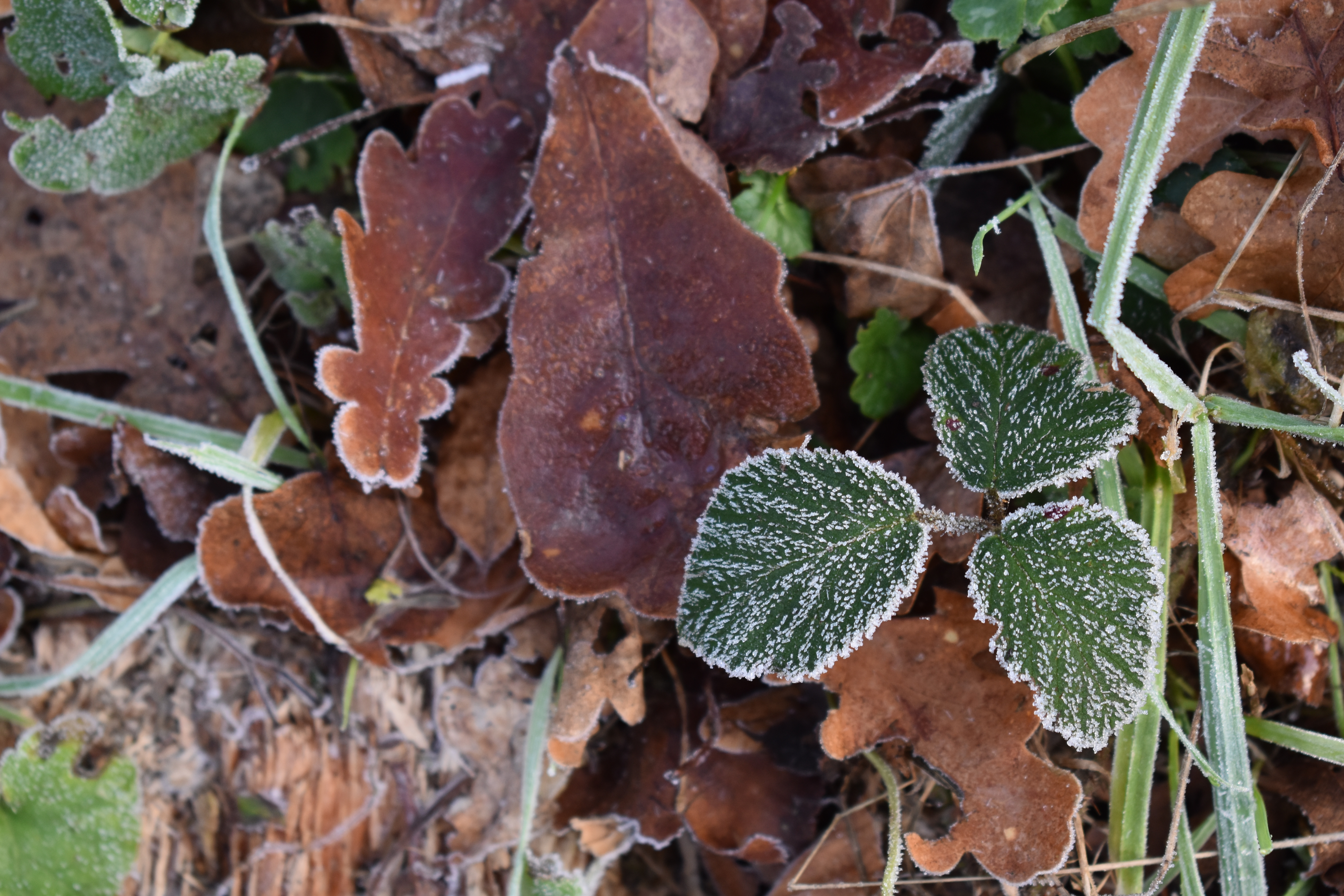
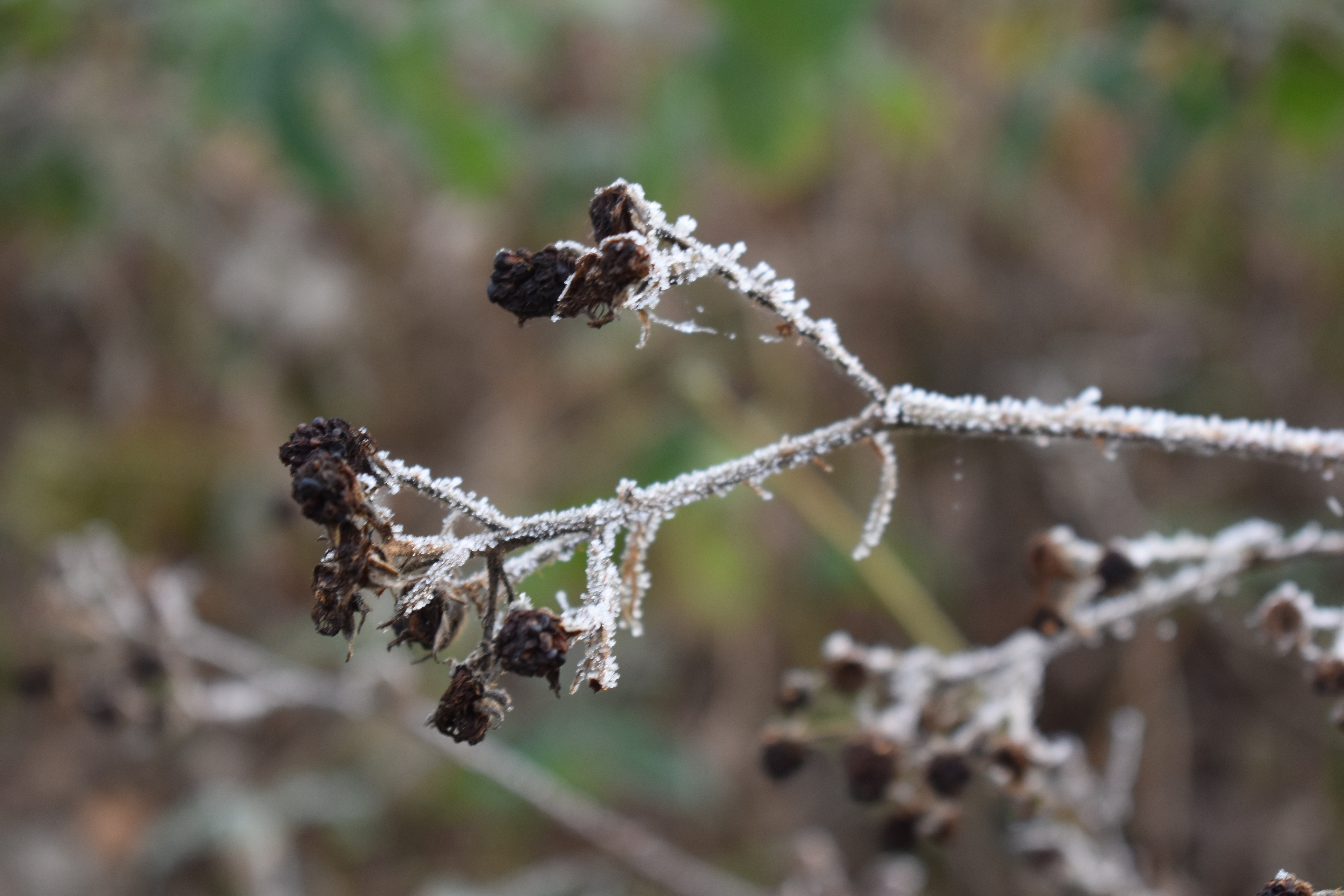
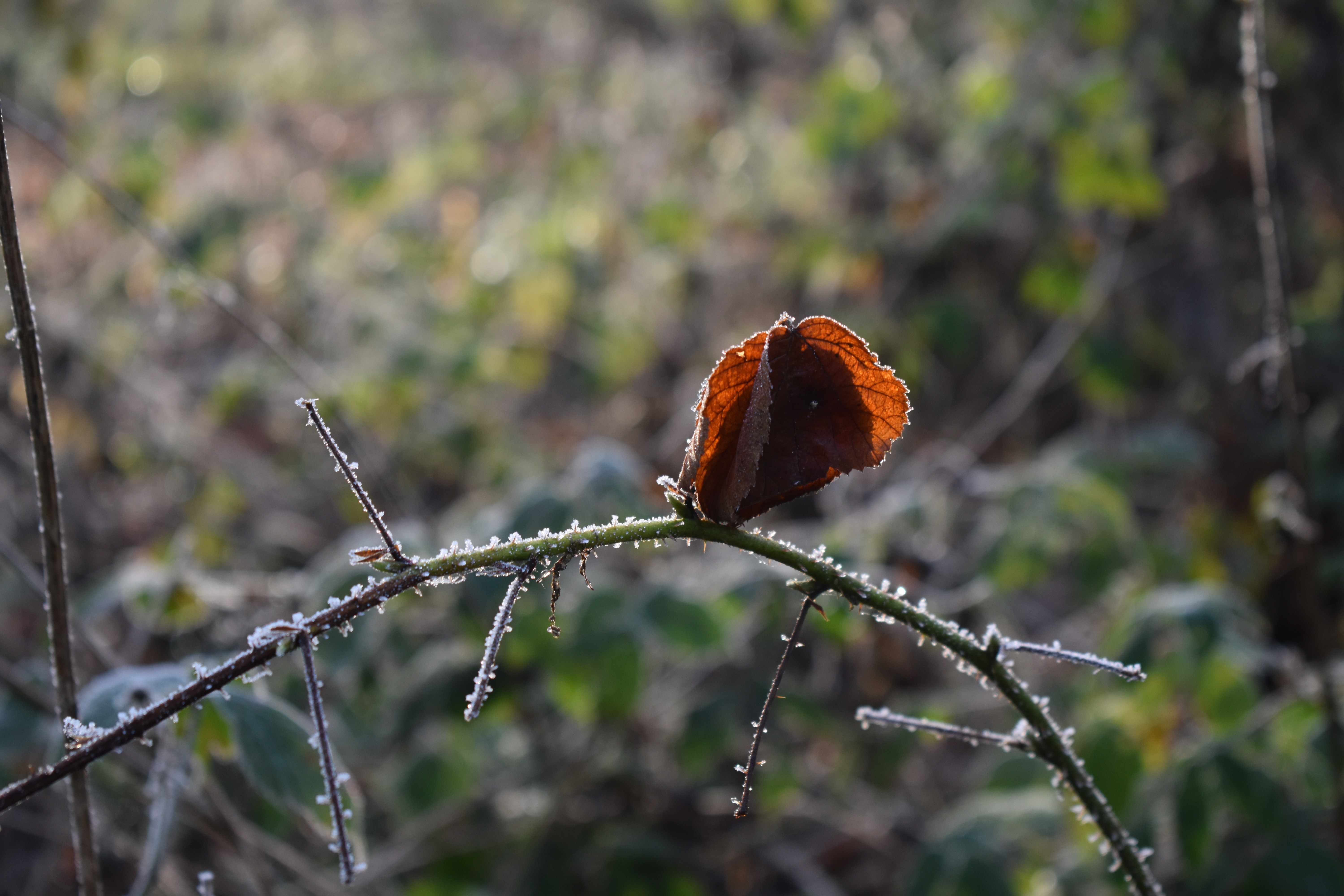
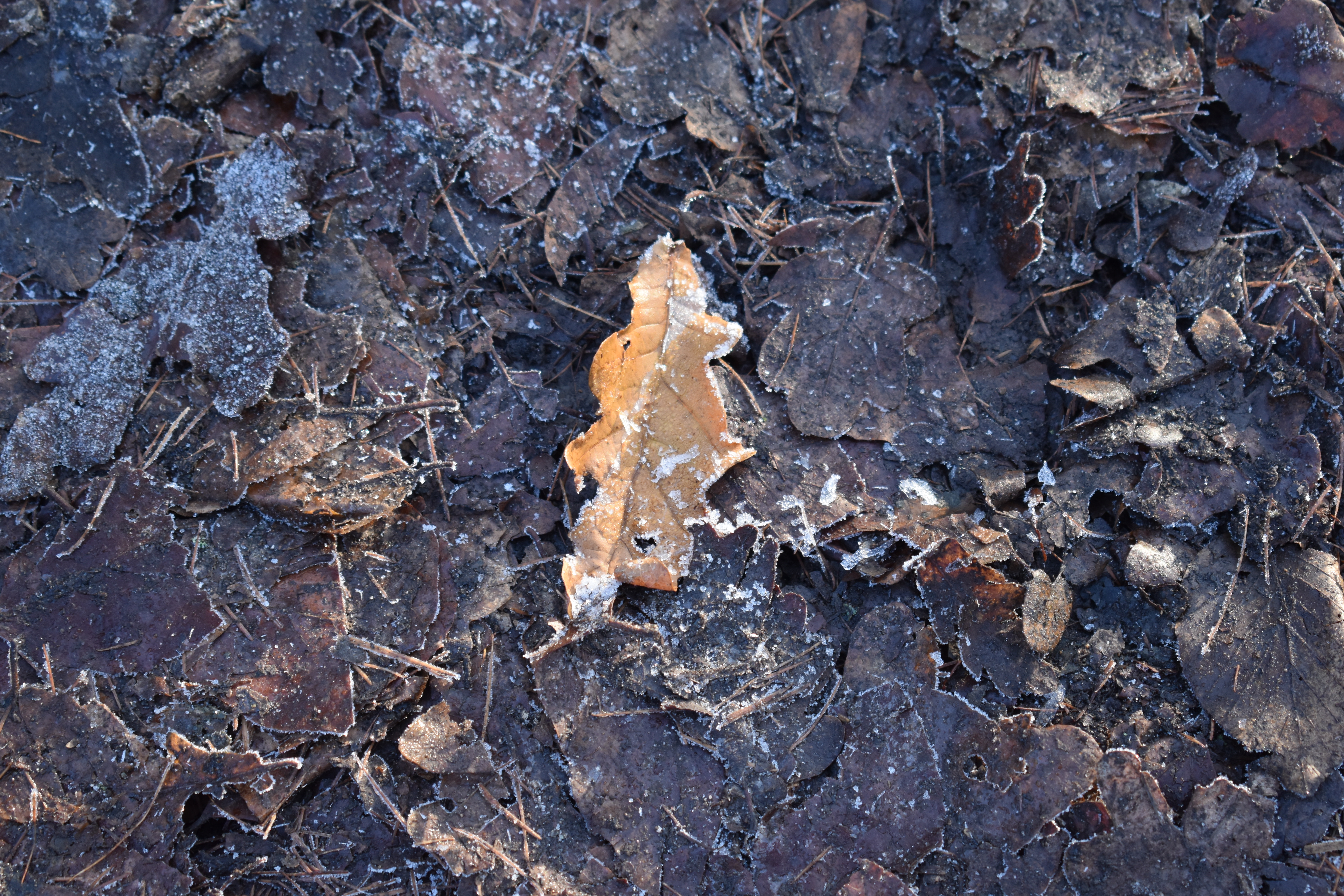
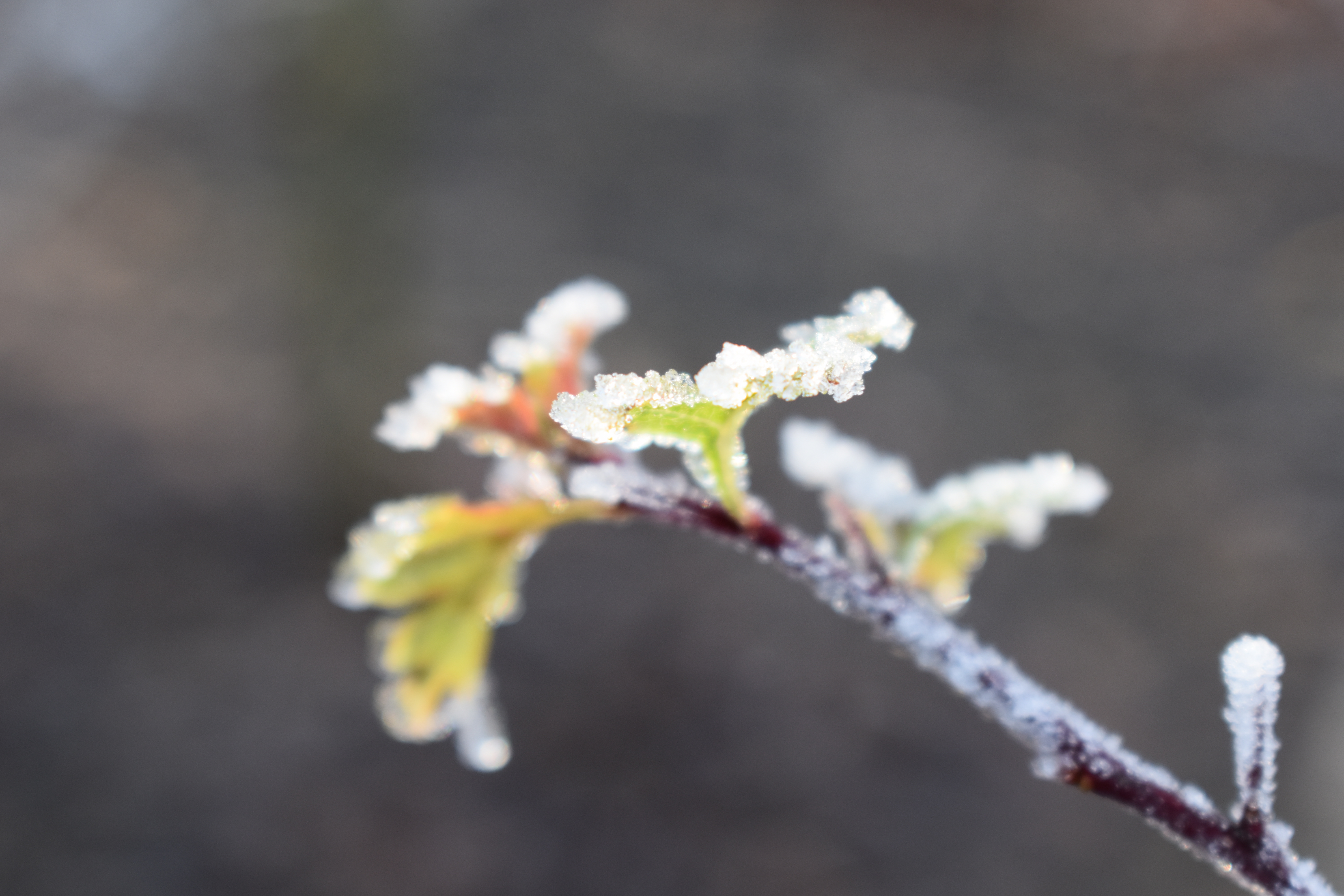
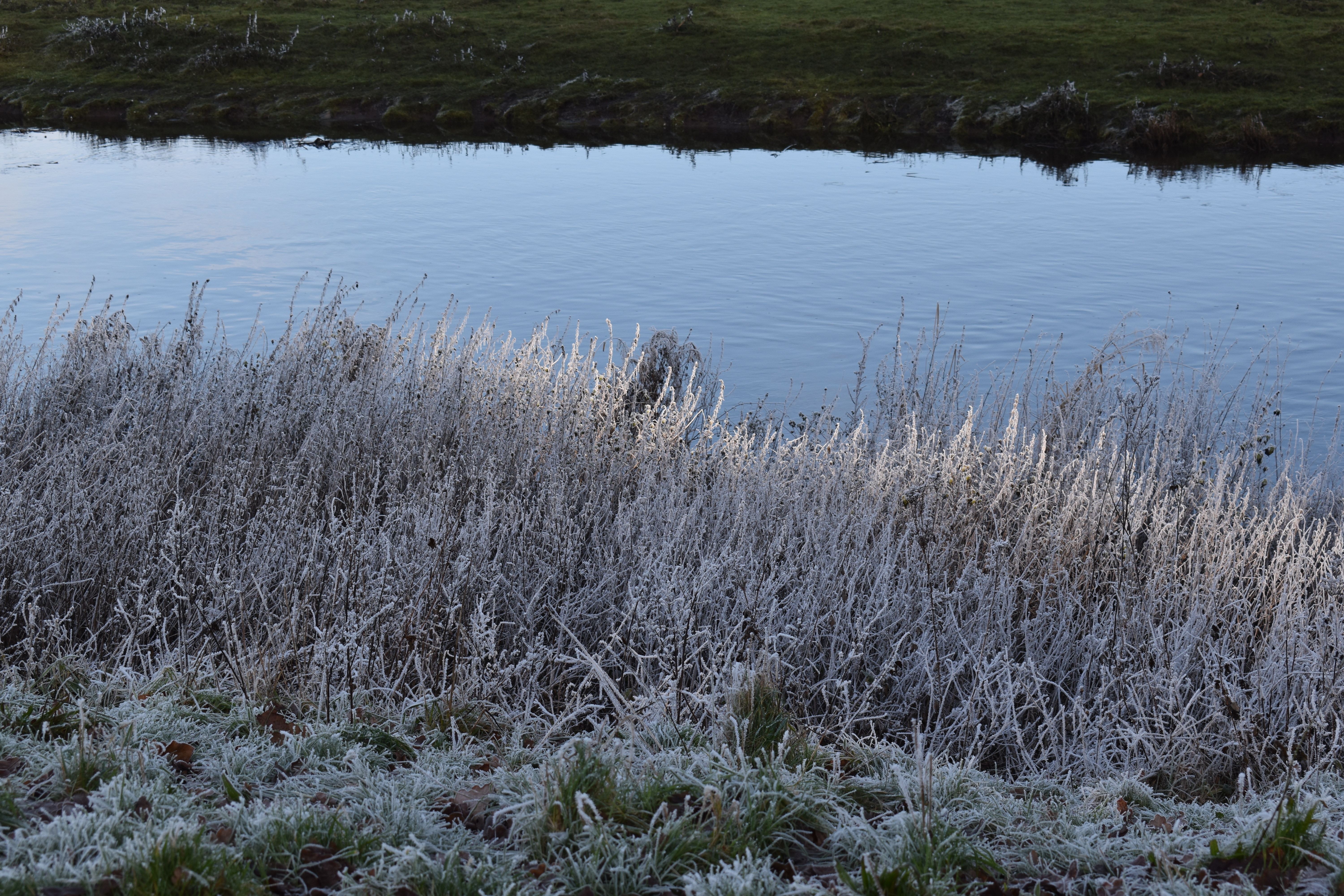
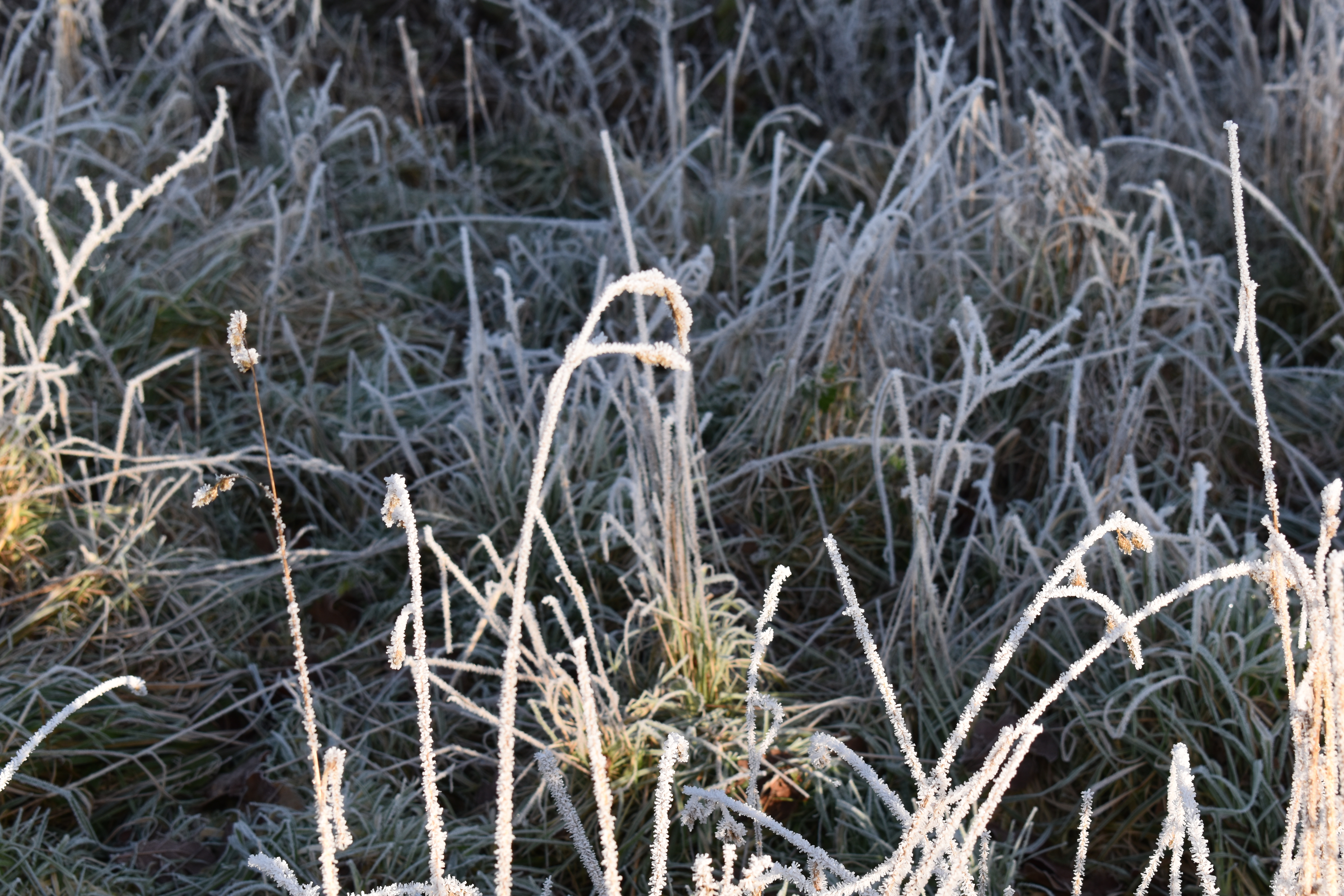
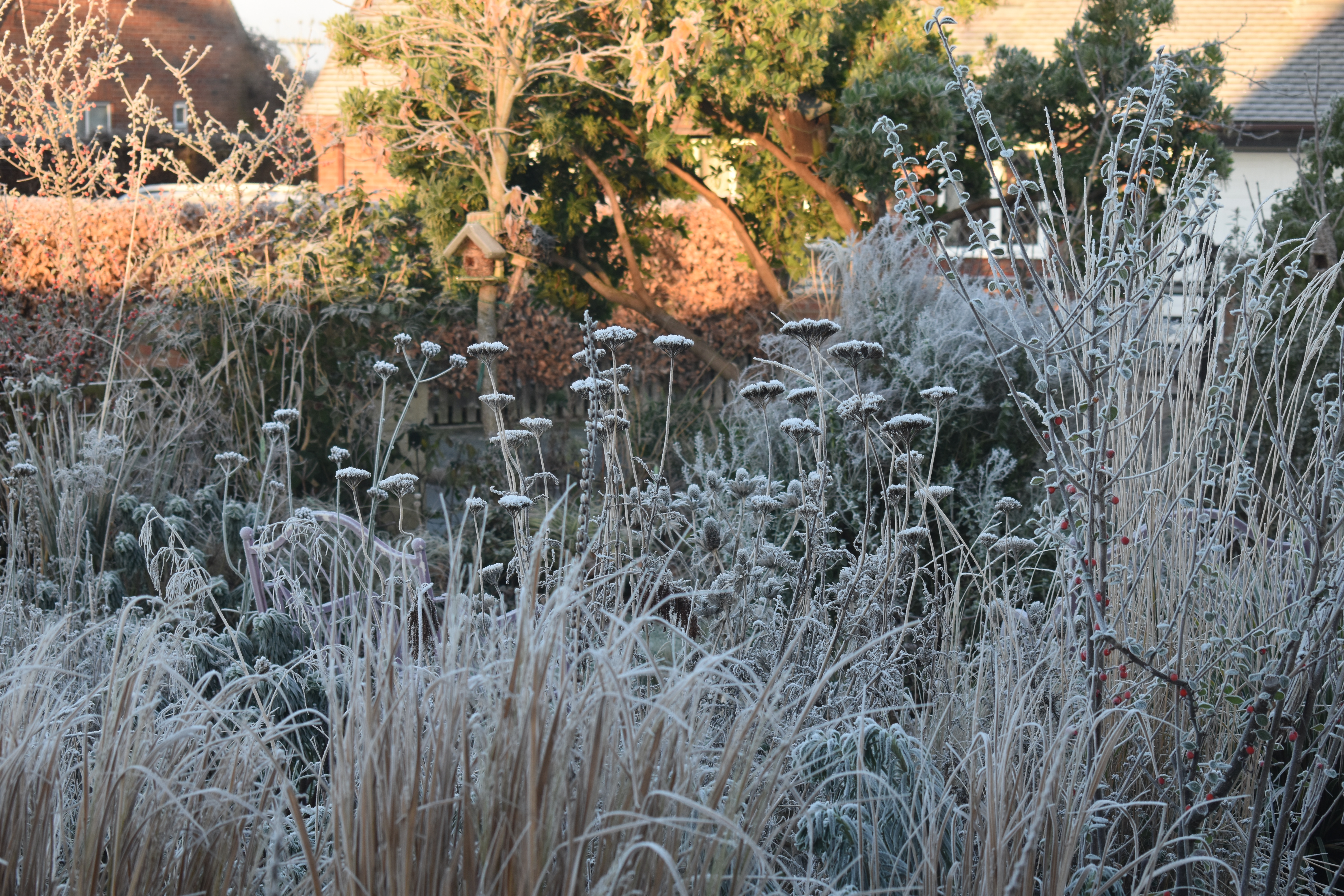
We have rarely experience clear frosty days in recent years as climate change is showing its hand. So when one does come along it makes our garden look very special. In the second week of January we woke to an extremely cold morning and Jack Frost has decorated the front garden with whiteness. In the gravel garden, The Beth Chatto Garden, we have many tall grasses and perennials which we leave overwinter for wildlife and for days when frost or snow appear.

Here is a selection of photos I took that morning before the sun came around and melted the frost away.

This Veggie Life

A Vegetarian | Nature Lifestyle Blog

Rambling in the Garden

.....and nurturing my soul

The Arch City Gardener

Journeys In St. Louis Gardening and Beyond

Garden Dreaming at Châtillon

Consult the genius of the place

Storyshucker

A blog full of humorous and poignant observations.

gardeninacity

Notes from a wildlife-friendly cottage garden

PlayGroundology

...an emerging social science

The Official Blog of British Wildlife

'The most important and informative publication on wildlife of our times' - The Independent. This blog is a member of The UK & Ireland Natural History Bloggers group: www.uknhb.blogspot.com

iGrowHort

Inspire - Cultivate - Grow Native Plants - Restore Landscapes

Bishops Meadow Trust

To create and protect a semi-natural wild space for the people of Farnham to enjoy and experience an array of British wildlife in our town

Gardening with Children

The www.gardeningwithchildren.co.uk Blog

UKbirdingtimeline

birding through the seasons, why birds matter and how to conserve them

NATURE WALKER

with a camera in hand

Jardin

Transform your outdoor space

Eva's space

My allotment, cooking and other interests

Old School Garden

my gardening life through the year

LEANNE COLE

Trying to live a creative life

fromacountrycottage

trying to live as lightly as possible on our beautiful planet

Good Life Gardening

Nature lovers from Leicester living the good life.

mybeautfulthings

Finding the beautiful in the everyday

mawsonmichelle

Michelle's Allotment

In and Out of My Garden

thoughts from and about my garden

Greenhousing

Big plans for a small garden

The Scottish Country Garden

A Walled Country Garden in South East Scotland

The Fruity Chicken

Life at the fruity chicken

willowarchway

Off grid living. Self sufficient. "PERMAGANICS RULE".

St Anns Allotments

Nottingham's Grade 2* Listed Allotments and Community Orchard

Manifest Joy Harvests

a journey in suburban vegetable gardening

Allotmental

The madness of growing your own

Penny's Garden: a harvest beyond my front door

A novel approach to vegetable gardening

arignagardener

Sustainable living in the Irish countryside.

NewEnglandGardenAndThread

Master Gardener, amateur photographer, quilter, NH native, and sometimes SC snowbird

dianajhale

Recent work and work in progress and anything else that interests me

planthoarder

a chaotic cottage gardener

Lens and Pens by Sally

a weekly blog that creates a personal philosophy through photographs and words

Dewdrops and Sunshine

Stories from a sassy and classy Southern farmbelle.

The Pyjama Gardener

Simple Organic Gardening & Seasonal Living

gettin' fresh!

turning dirt into dinner

JOY...

today the world is created anew

Garden Birds

Notes from a Devon garden

ShootAbout

Life Through The Lens

Adapting Pixels

A photography blog showcasing the best photography pictures and videos on the internet

Wildlifegardening's Blog

Just another WordPress.com site

naturestimeline

personal observations from the natural world as the search continues for a new approach to conservation.

LATEBLOOMERBUDS

The Wonders of Life through my Eyes, my Heart, my Soul