Categories
architecture buildings Church architecture Herefordshire

Some Little Churches of Herefordshire – Part 3

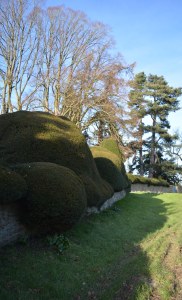
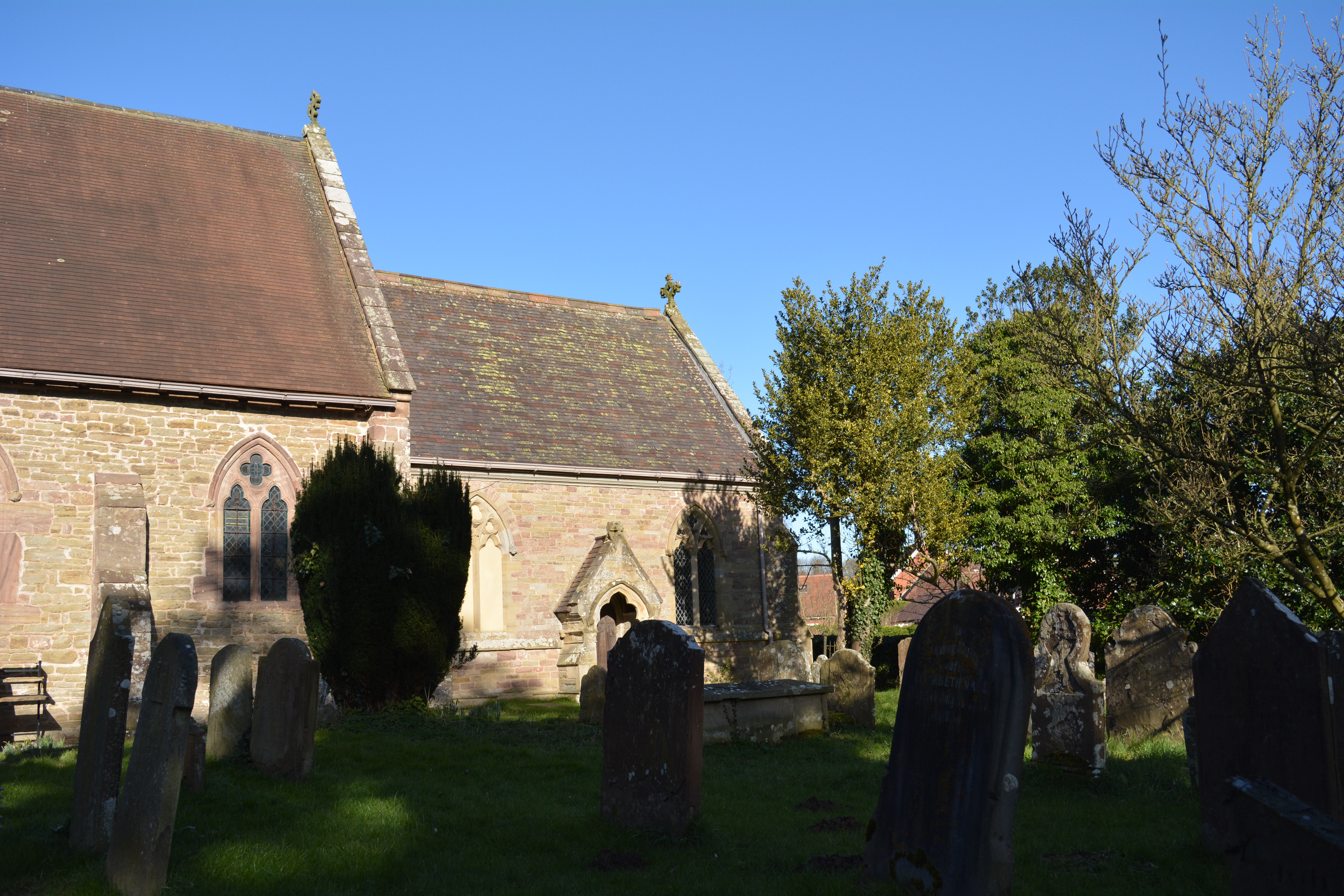
The third church in our series exploring the small churches of Herefordshire was one we knew not for its architecture but rather unusually for its unique hedge! We knew of this church because the village, Brampton Bryan, because it is home to a huge used book shop situated in an old barn. It has thousands upon thousands of titles filling so many shelves that cover the walls of many rambling rooms and passage ways. The book barn goes under the name of Aardvark Books and it houses a coffee shop which serves very tasty coffee and cakes. Coffee, cakes and lots of books! How good is that!

2016 02 15_8790_edited-1

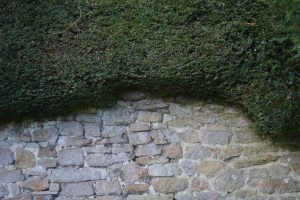
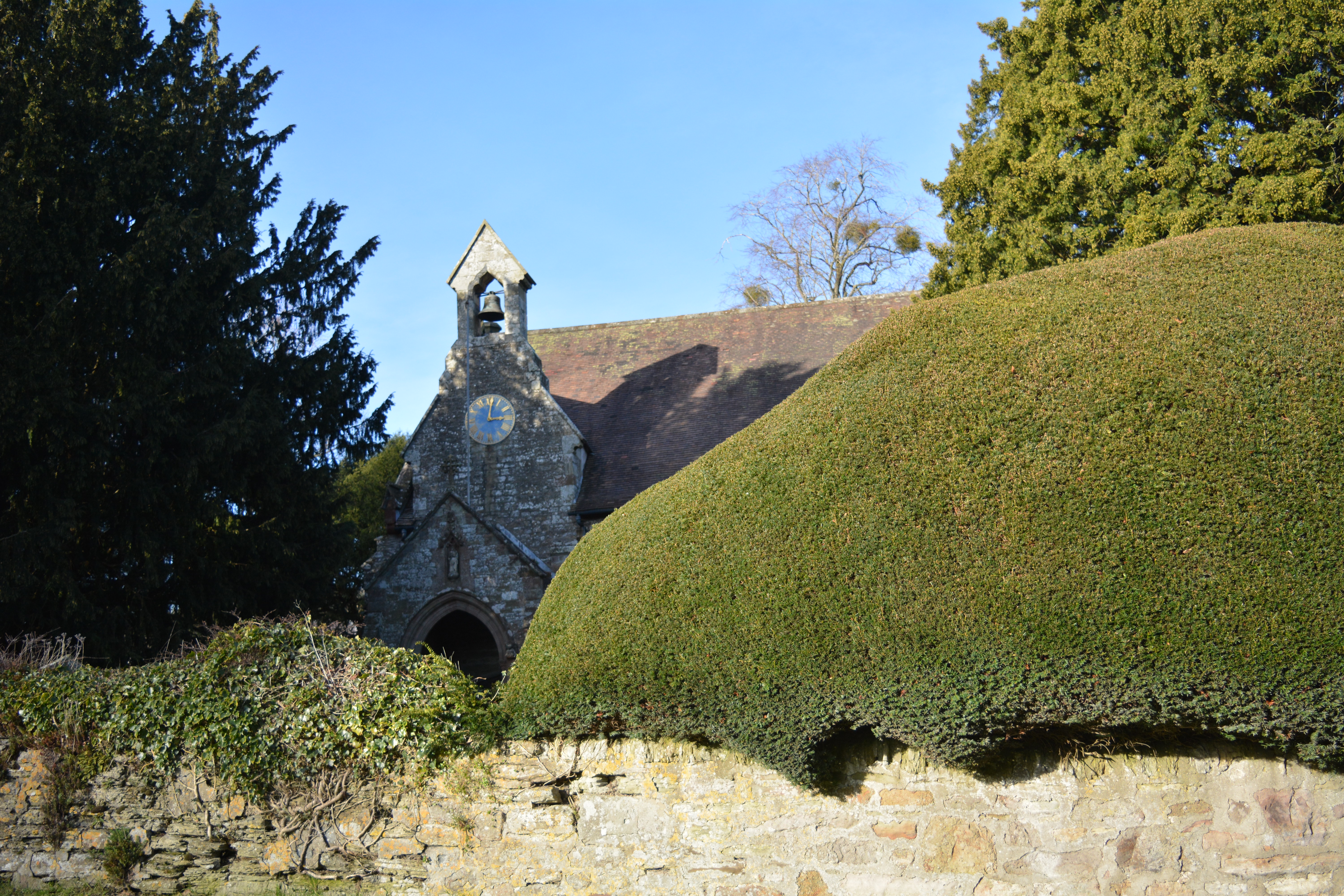
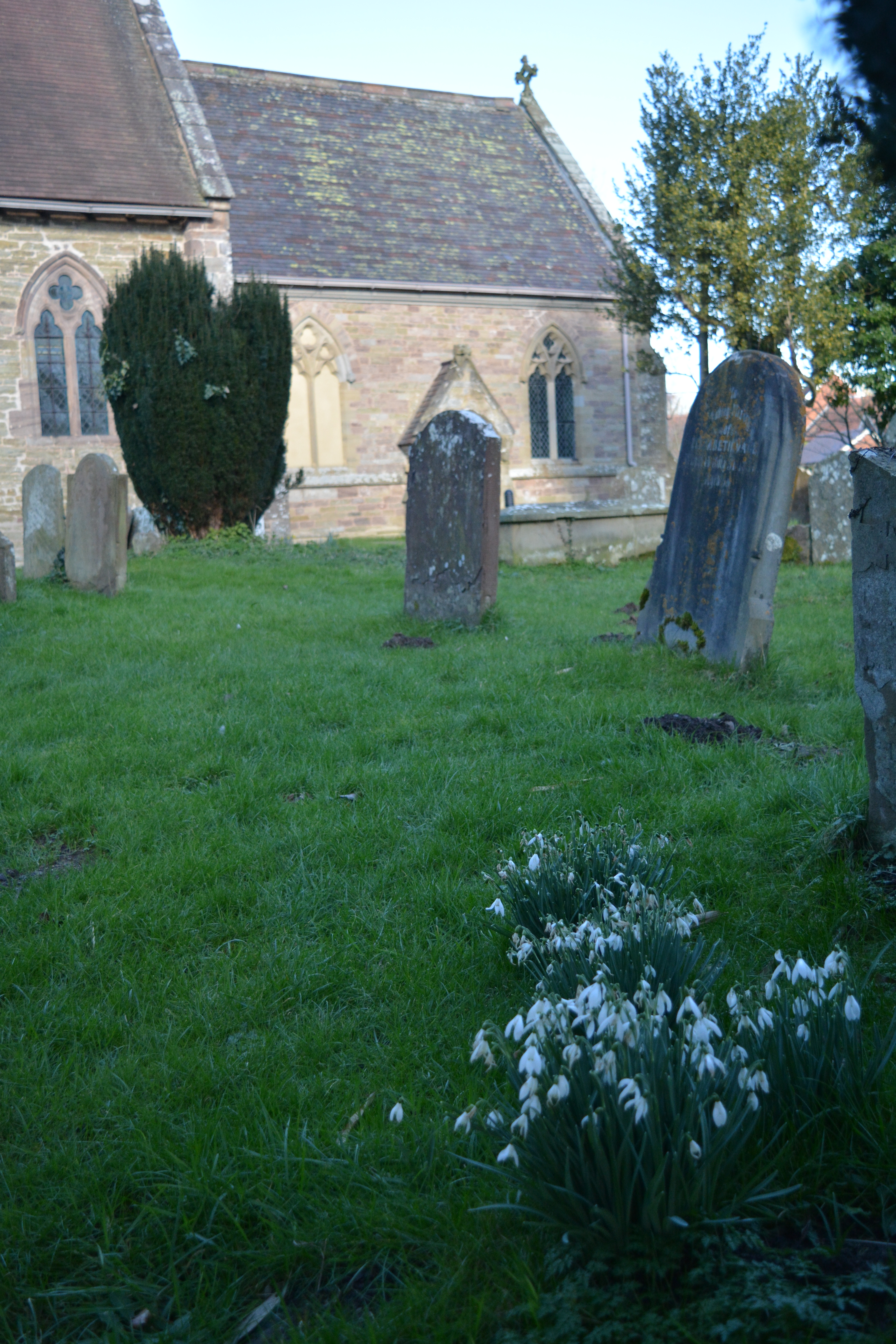
St Barnabus was well hidden among tall Yew trees and secreted away behind a stone wall topped with a wonderfully eccentric wobbly hedge. It curved sinuously around the churchyard and it seemed to us that the volunteer gardener who cut it must have loved this task and the freedom of imagination he put into his work. It was simply stunning! Some of the best “cloud pruning” we have ever seen!

2016 02 15_8789_edited-12016 02 15_8843_edited-1 2016 02 15_8835-1 2016 02 15_8833-1 2016 02 15_8834-1

When we opened the door we were aware of how dark, cold, damp and unwelcoming it felt compared to the other churches we had visited earlier on. There was no sign of community involvement here at all.

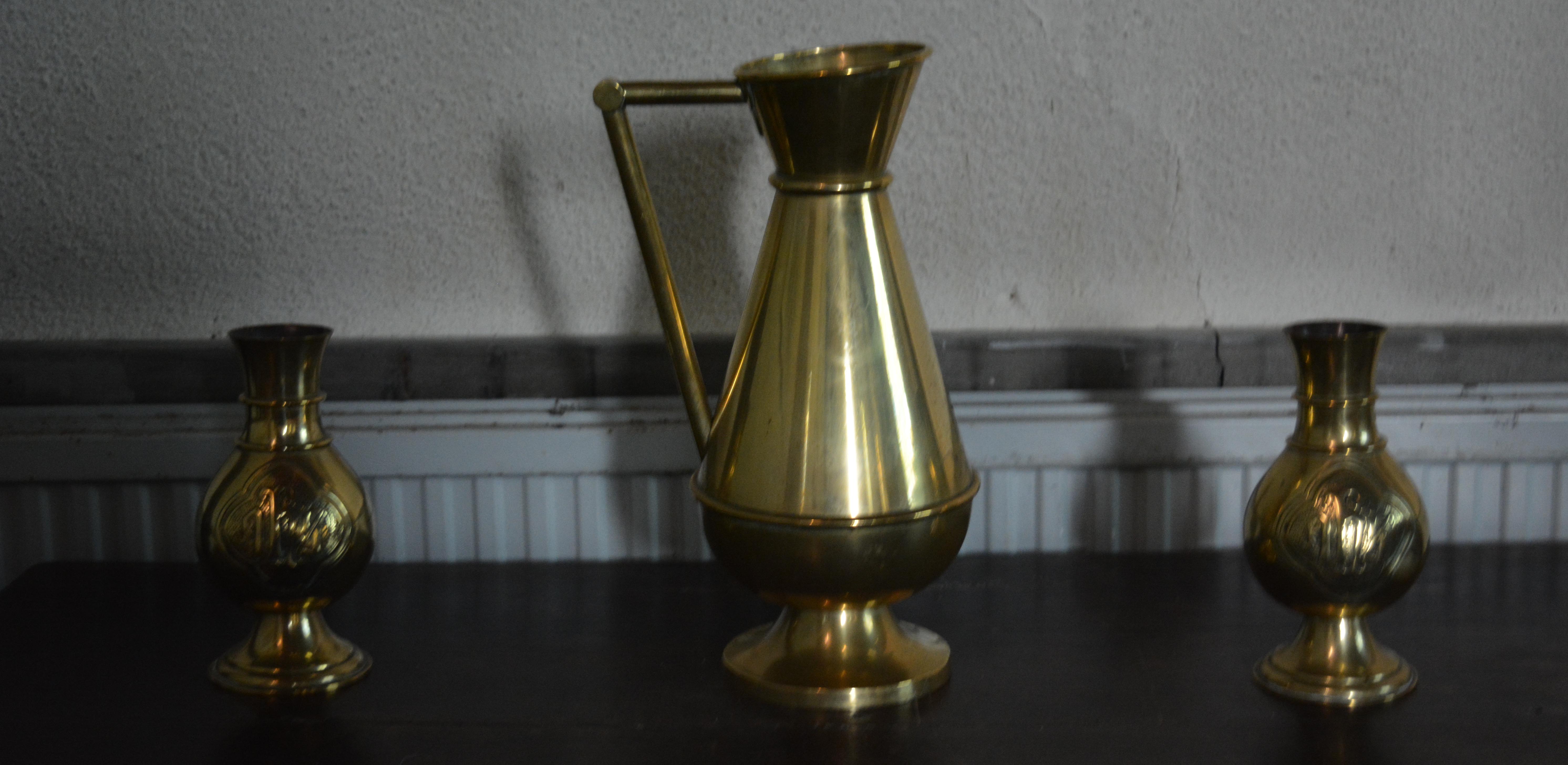
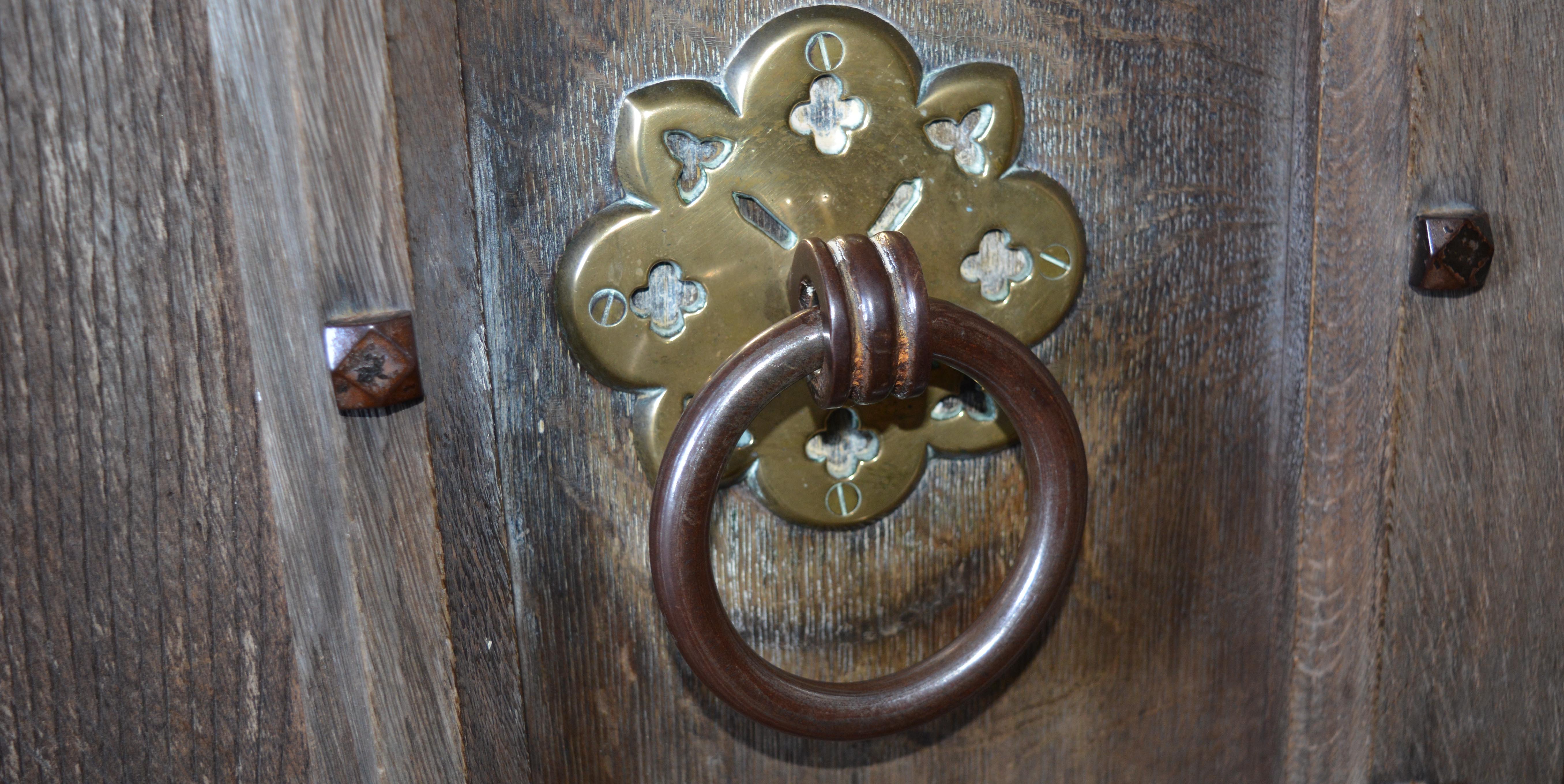
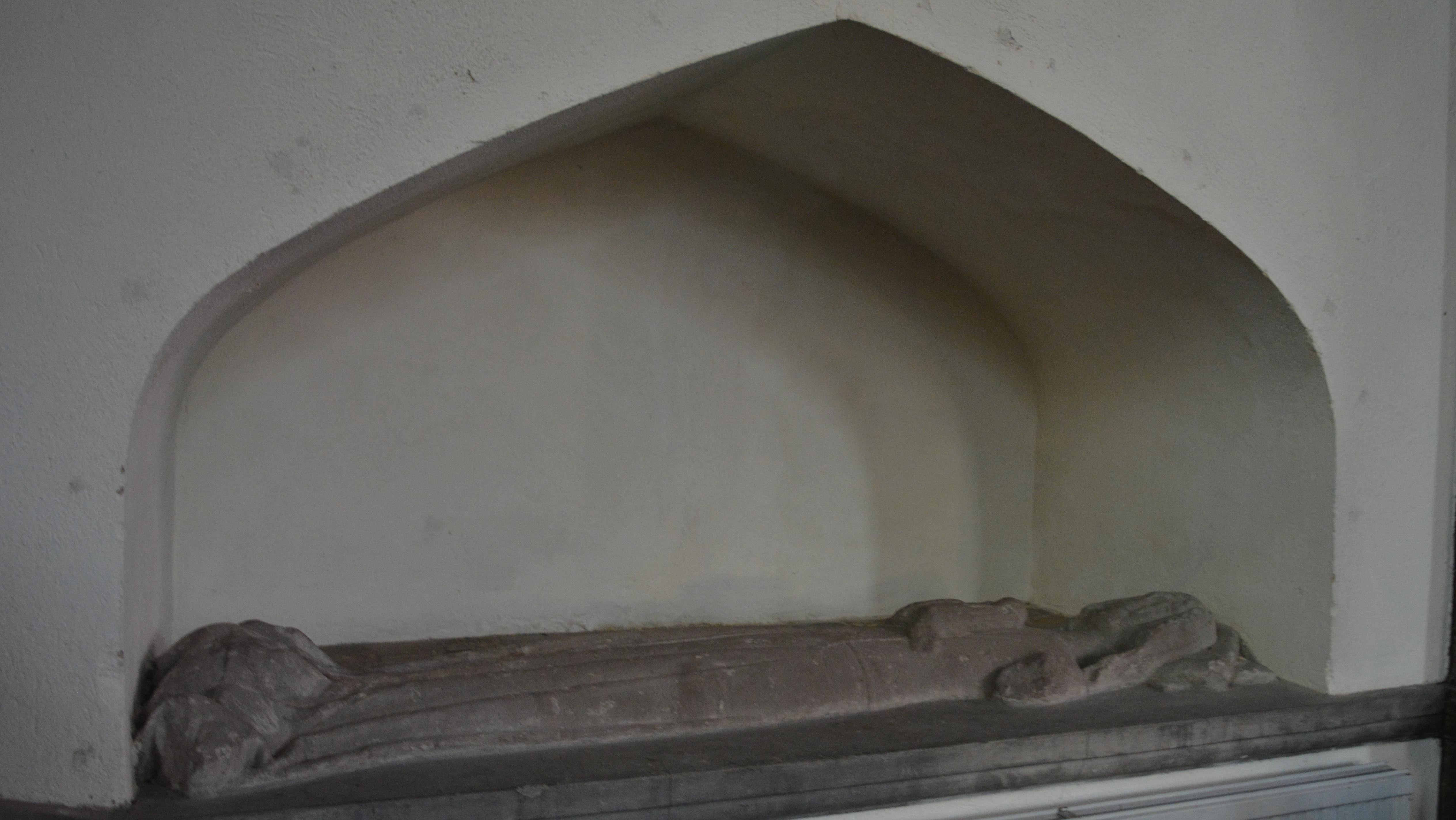
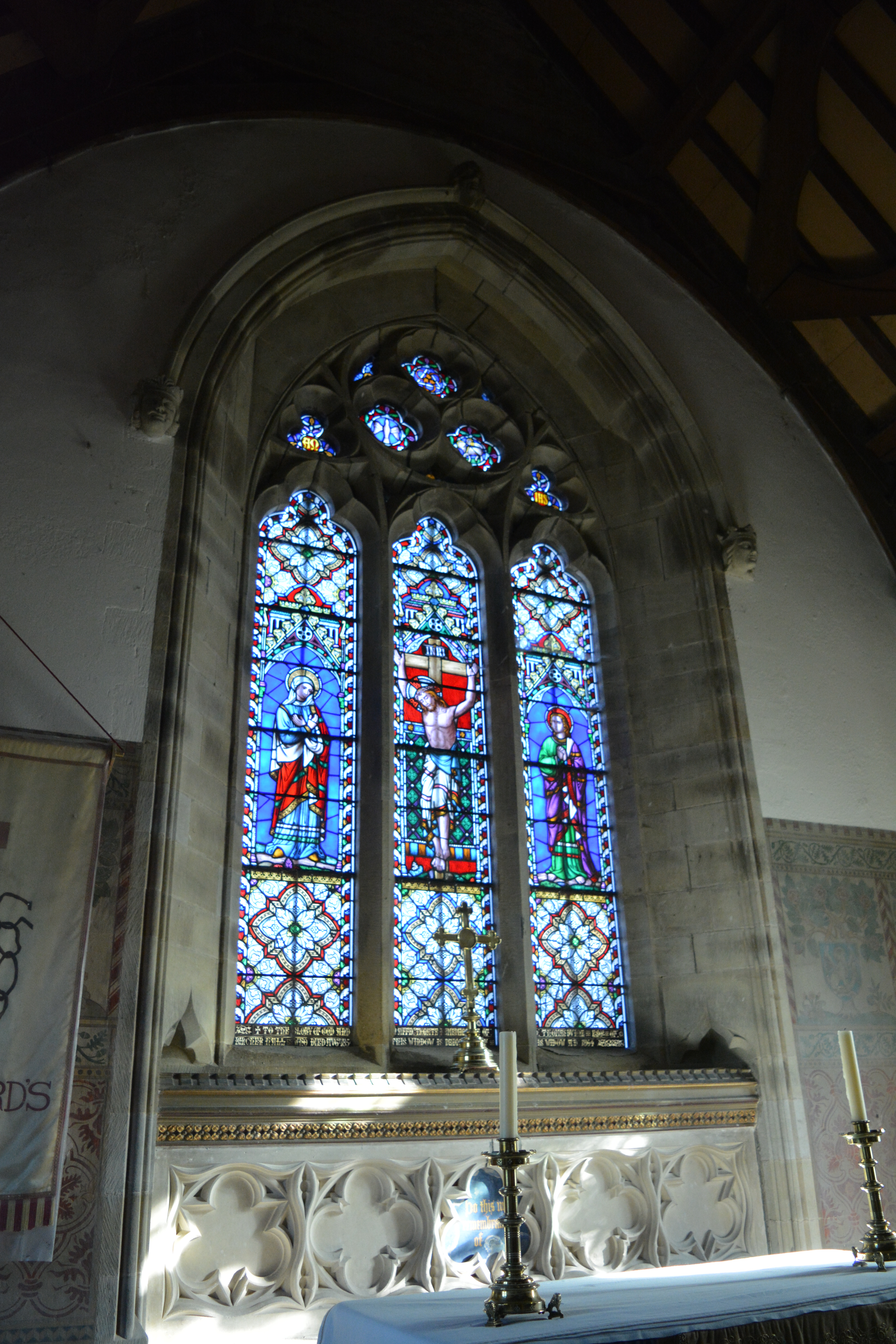
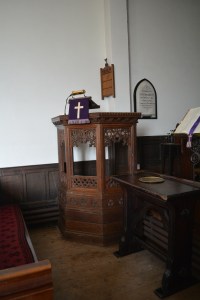
But we did find some artifacts to interest us and above our heads we noticed its dark wood “Hammer Beam” structured ceiling.

2016 02 15_8808-1 2016 02 15_8831_edited-1 2016 02 15_8830_edited-1 2016 02 15_8811_edited-1 2016 02 15_8805_edited-1 2016 02 15_8802_edited-1 2016 02 15_8799_edited-1  2016 02 15_8819_edited-1 2016 02 15_8820_edited-1 2016 02 15_8830_edited-1 2016 02 15_8831_edited-1

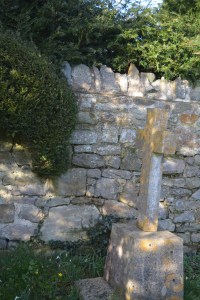
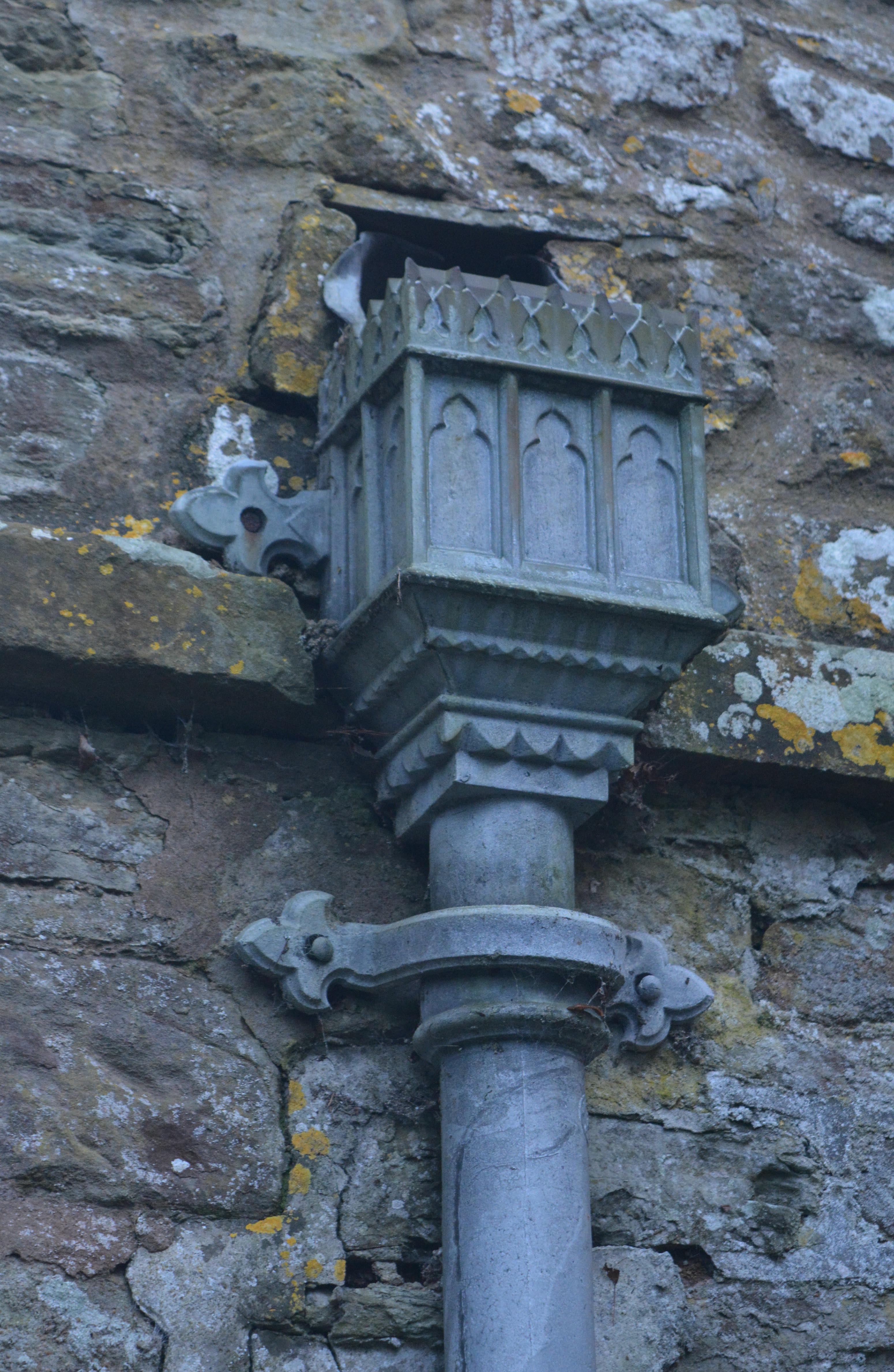
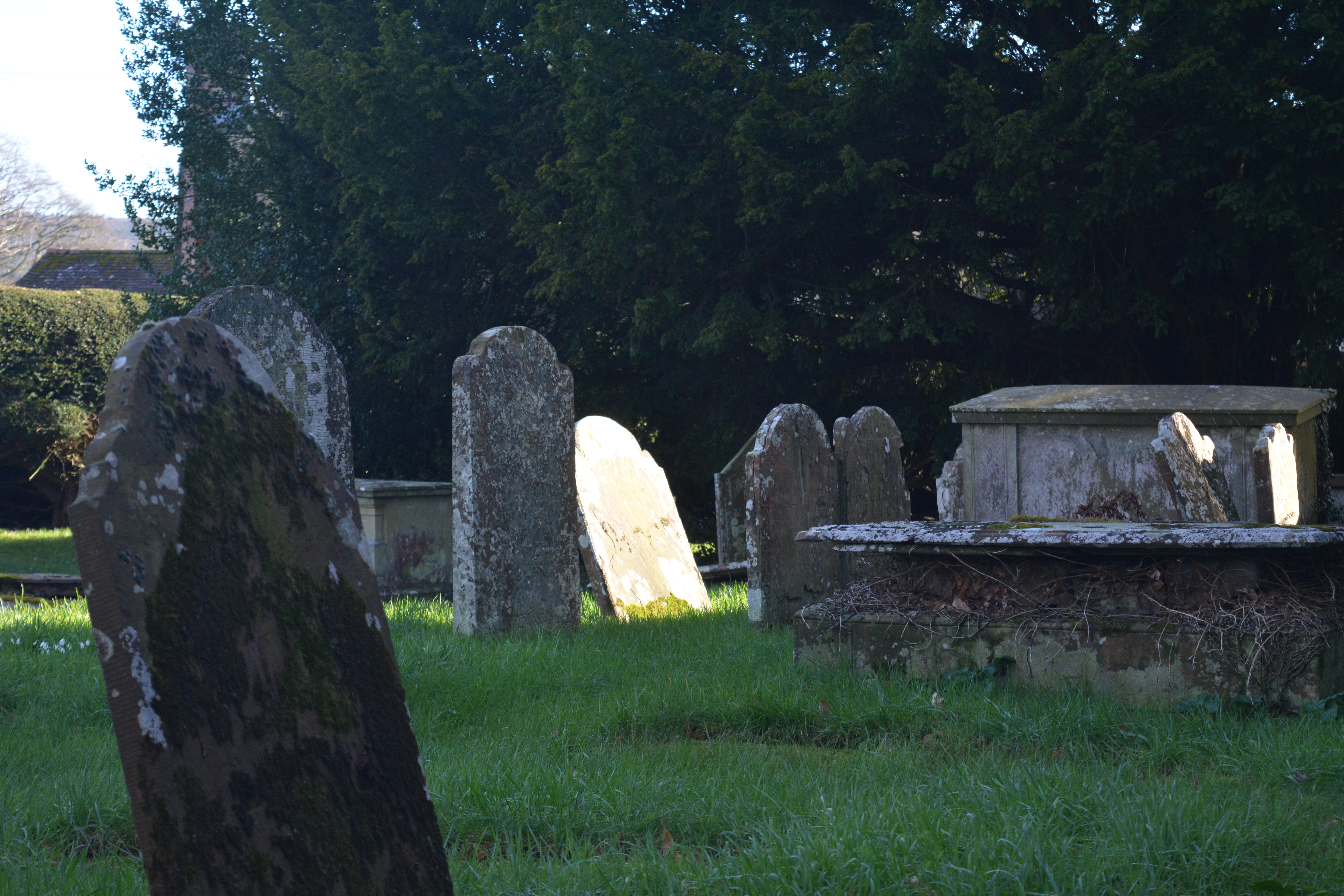
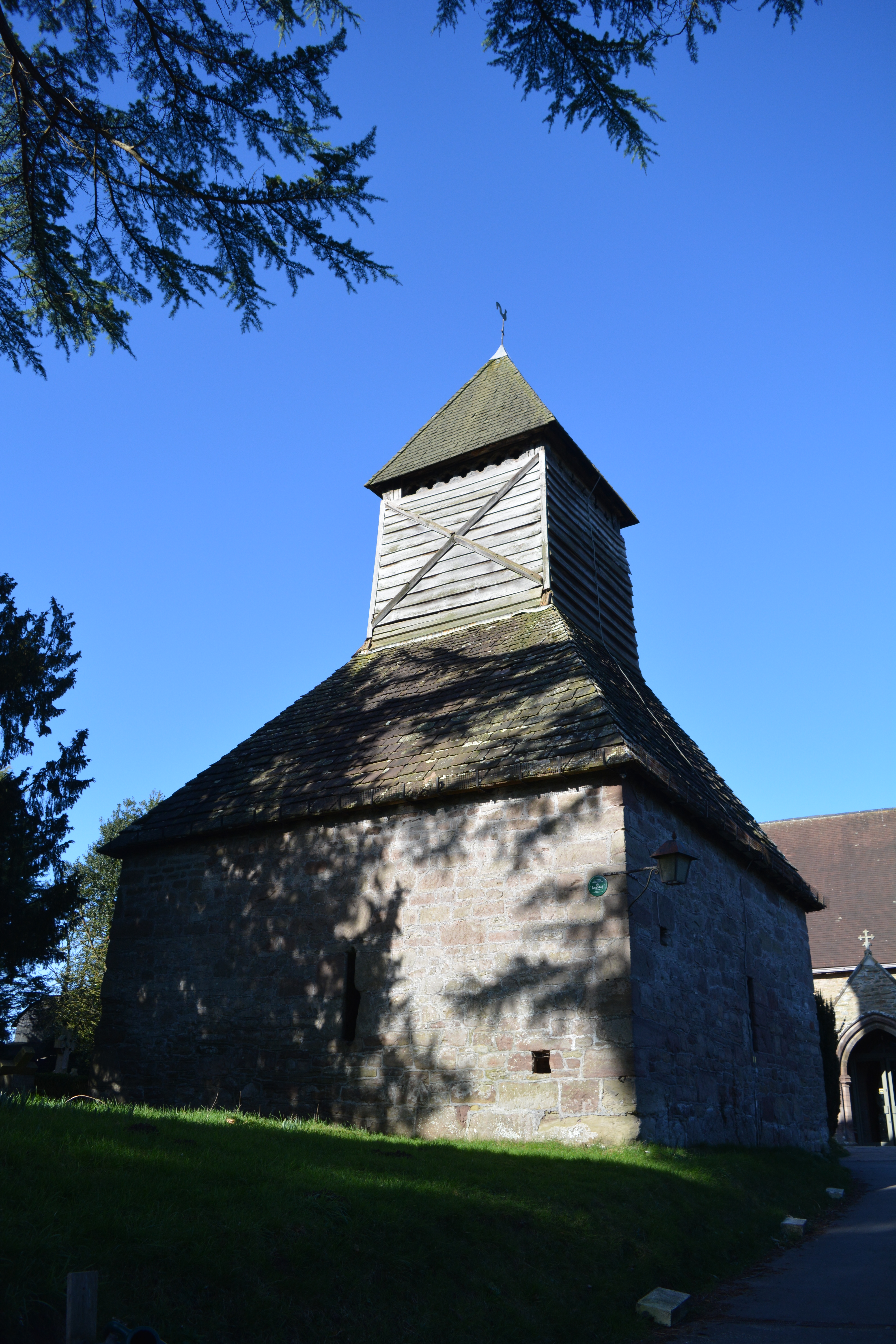
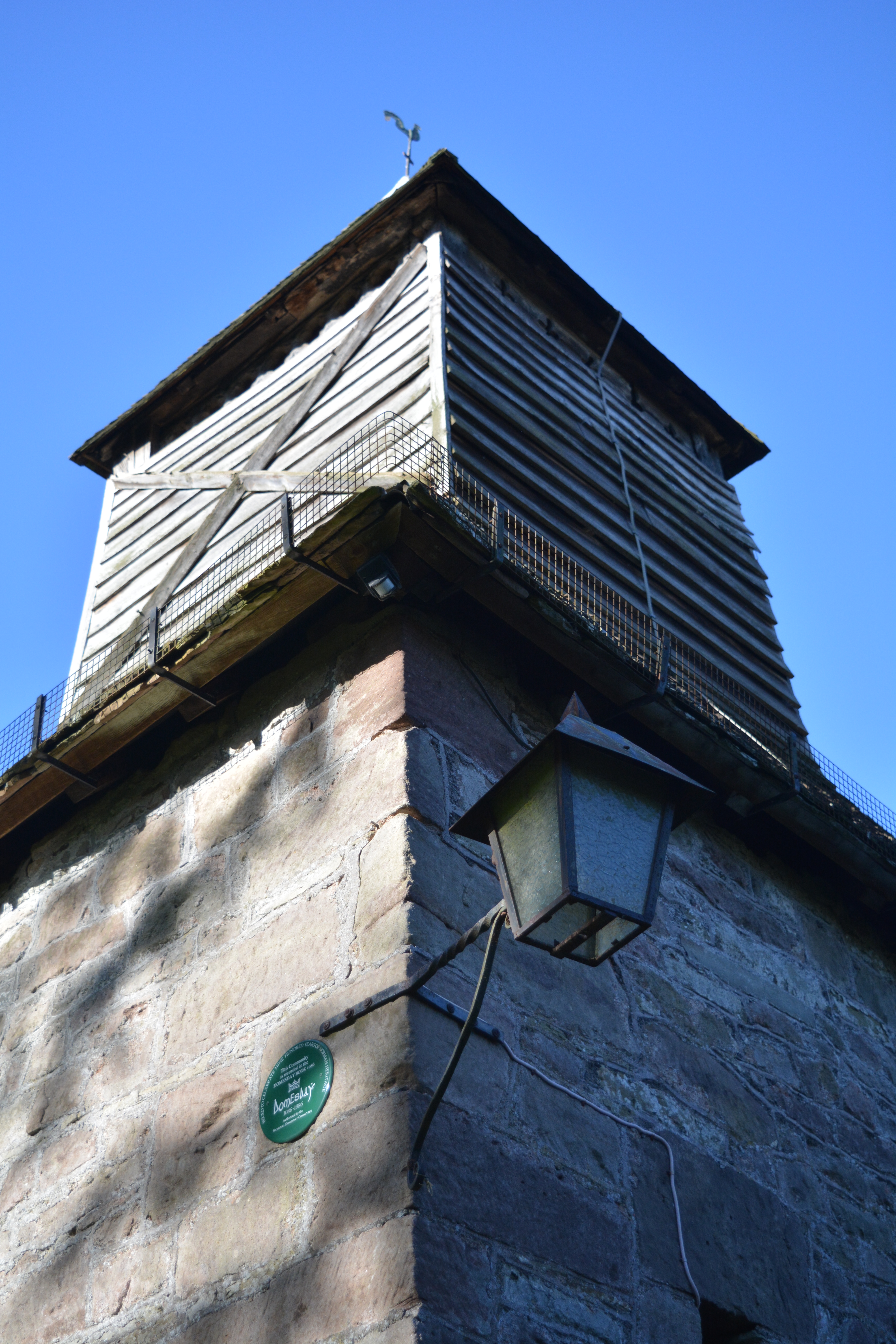
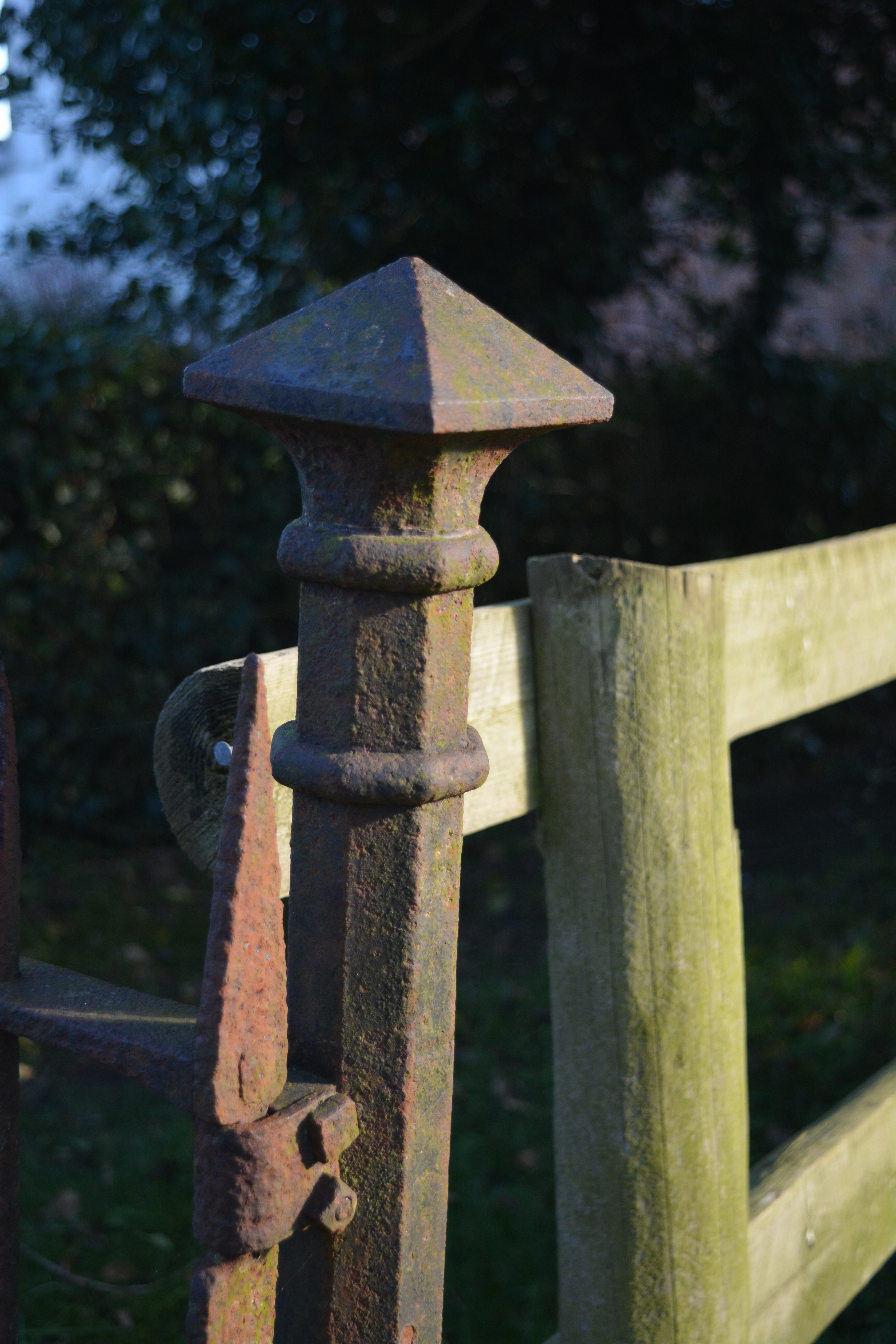
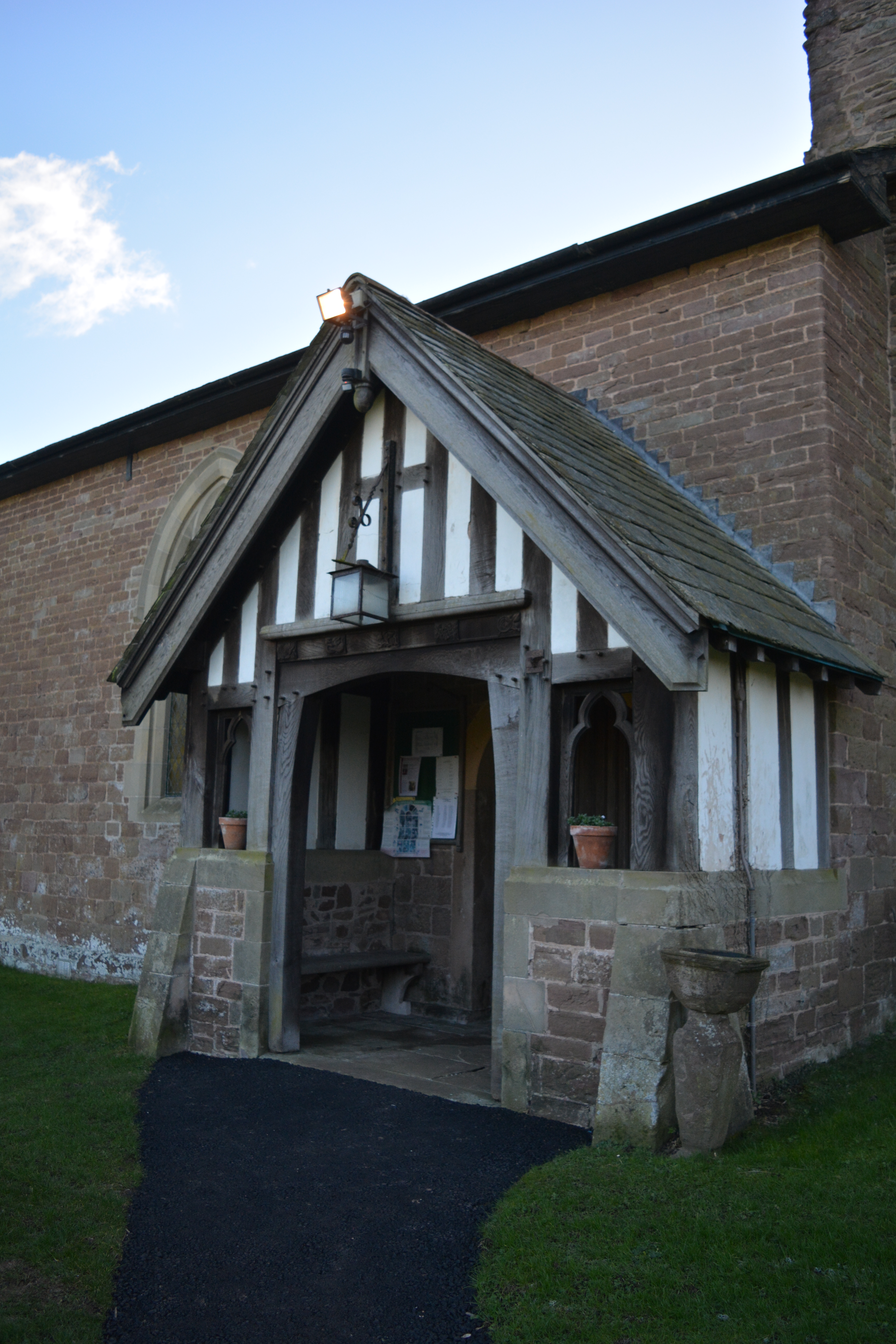
We wandered around the outside of the church building to search for points of interest and found a mixed bag of things to interest my camera.

2016 02 15_8824 2016 02 15_8832 2016 02 15_8827 2016 02 15_8822 2016 02 15_8825 2016 02 15_8830_edited-1 2016 02 15_8829

Before saying our goodbyes to St Barnabus we could not leave without another look at its most interesting feature, the crinkly hedge.

2016 02 15_8841-1  2016 02 15_8844-1 2016 02 15_8832-1    2016 02 15_8839-1 2016 02 15_8841  2016 02 15_8844

Categories
architecture buildings Church architecture community gardening Herefordshire

Some Little Churches of Herefordshire – Part 2

Following on from studying St Michael’s at Brimfield we drove along narrow lanes towards another small village called Yarpole. The direction sign at a junction directed us along an even narrower lane to Yarpole itself and on the opposite side of the road we spotted a brown Tourist Sign directing us to Yarpole Belfry. Thus we were expecting to find a belfry but no church. Separate belfries are a feature of several Herefordshire’s churches.

But when we drove into the village following signs for the Belfry we found both the belfry and an accompanying church only a few metres apart. We certainly were not expecting to find such an exciting place! The church here in Yarpole was a true community affair. We were in for many delightful and heart-warming surprises.

As we closed the car doors alongside the churchyard we got our first view of St Leonard’s over a low wall. We could only see the bell tower at that time but the big blue sign made us think there must be a church to be found there somewhere as well.

2016 02 15_8707 2016 02 15_8780-1 2016 02 15_8708

The next sign was more confusing as it welcomed us to Yarpole Village Shop and Post Office which were both to be found inside the church. We then realised this was a special place, the centre of village life around which the community revolved.

2016 02 15_8709 2016 02 15_8787-1

Signs outside the main porch provided further clues to the character of this community church.

2016 02 15_8716 2016 02 15_8768

On the path that wound its way towards the church porch we took a diversion to get a close look at the belfry which was separate from the main church building. Once inside it took a while for our eyes to get used to the dark before we could appreciate the ancient woodworking skills of its builders.

2016 02 15_8710 2016 02 15_8711 2016 02 15_87122016 02 15_8721 2016 02 15_8720 2016 02 15_8722 2016 02 15_8727  2016 02 15_8734 2016 02 15_8724 2016 02 15_8732

We were surprised by a little sign explaining what made the churchyard special and different from most others. The graveyard is managed by volunteers to optimise the wildlife potential. Areas of grass are left uncut for wildlife, and lichen is left to grow on gravestones and stonework. Rough areas are left for nest sites, hibernating sites and groundcover for insects and invertebrates. The area is full of wild flowers to attract bees and butterflies. Another sign nearby announced a Spring Concert

2016 02 15_8735 2016 02 15_8715  2016 02 15_8717 2016 02 15_8777-1

On either side of the porch carved stone faces welcomed us in, and inside the porch modern colourful stained glass windows added warmth to that welcome.

2016 02 15_8737 2016 02 15_8738 2016 02 15_8739 2016 02 15_8740 2016 02 15_8741

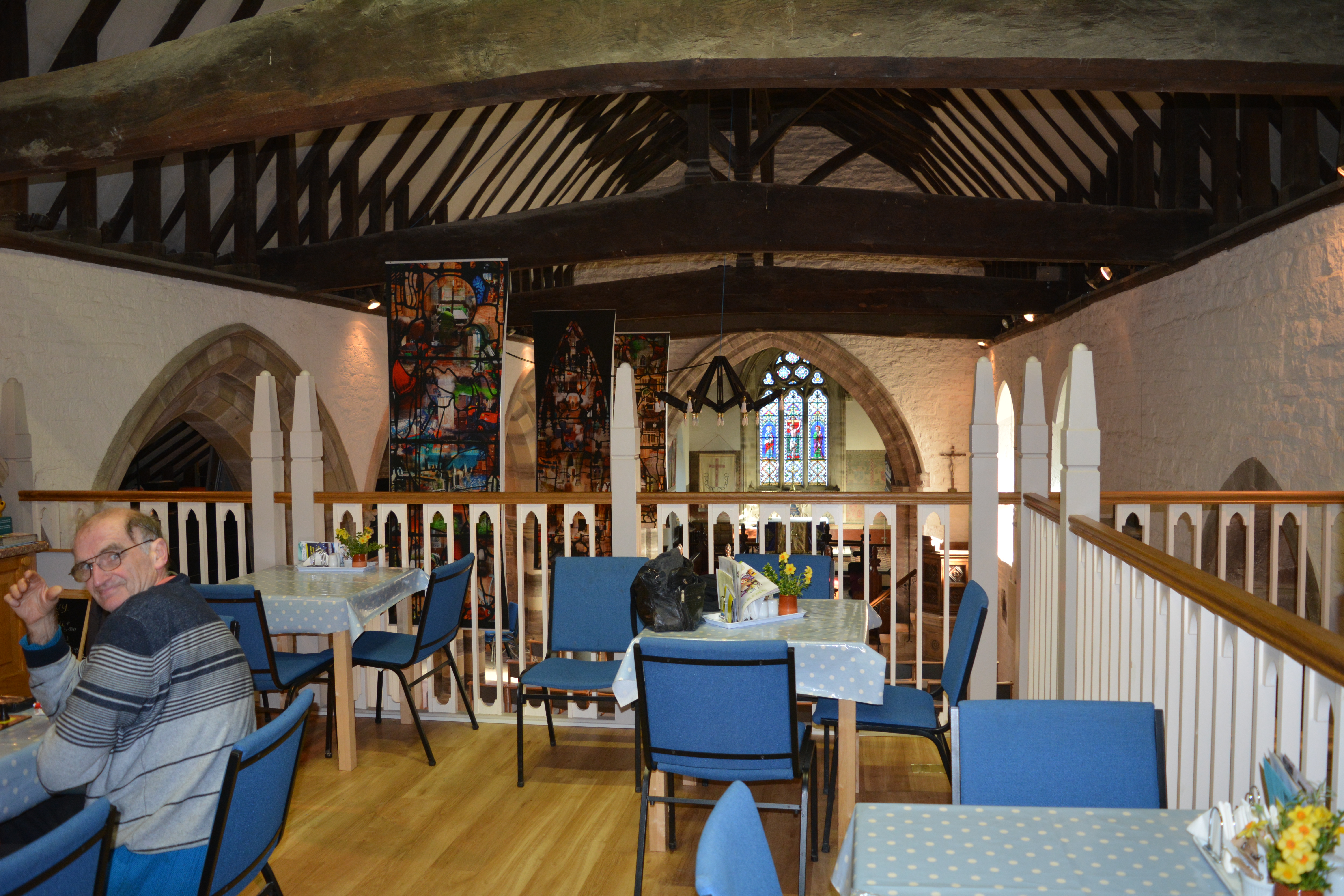
We found the door open and the sounds of voices came to meet us. This was a lively community centre with a cafe, village shop and Post Office. From the roof hung beautiful photographic hangings. The stone pillars were built from two types of stone giving it a striped effect.

2016 02 15_8691_edited-1-1 2016 02 15_8747 2016 02 15_8766_edited-1 2016 02 15_8744 2016 02 15_8743

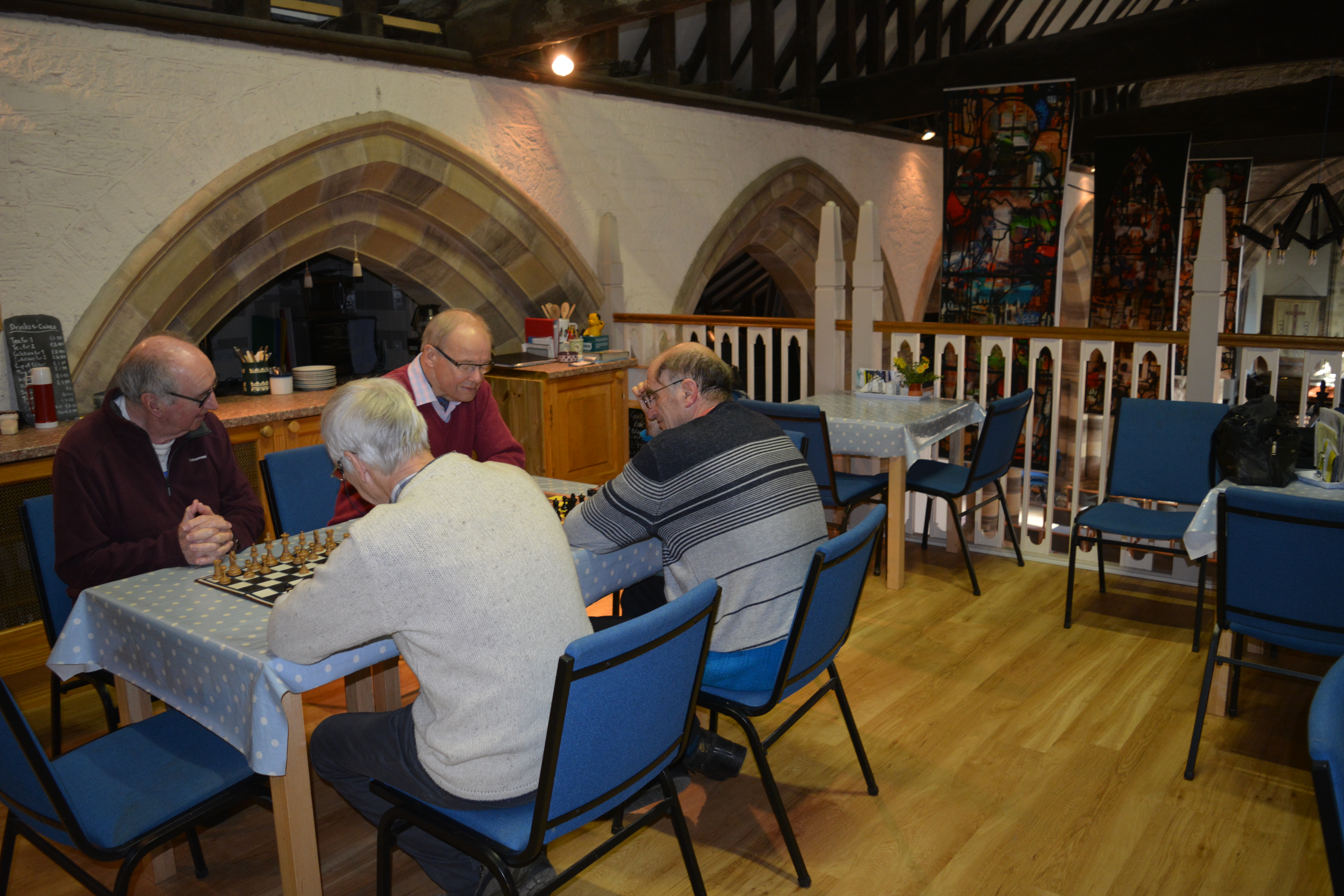
In the gallery where the cafe opened each morning a chess group was silently enjoying their games.

2016 02 15_8745 2016 02 15_8746

Exploring the interior we found the usual furniture and features of any village church and the worship side of the church’s functions sat so comfortably alongside the community functions.This is what village churches should be like, keeping themselves open and used beyond occasional Sunday services and serving the community as they were originally meant to do. Other features however were exactly what we would expect to find in any church.

2016 02 15_8750 2016 02 15_8751 2016 02 15_8755 2016 02 15_8763 2016 02 15_8765

We liked the idea of the pebble pool. Each pebble dropped in the water represented a prayer.

2016 02 15_8767

We then had a wander around the out side of the church looking for interesting little details.

2016 02 15_8769 2016 02 15_8770 2016 02 15_8771 2016 02 15_8772 2016 02 15_8774 2016 02 15_8775 2016 02 15_8773_edited-1

So the first two churches we had discovered on our initial exploration of the villages of Herefordshire in search of little churches serving small communities were totally different. St Michael’s at Brimfield was quite traditional and typical in the way it was used and in how the interior looked and felt. But St Leonard’s at Yarpole was a totally different kettle of fish – it was a community centre and felt full of life. It had a relaxed atmosphere with a warmth missing from so many of the churches in England.

On our first day we found one more little church in this area and we will share this with you in Part 3.


Categories
architecture buildings Church architecture Herefordshire

Some Little Churches of Herefordshire – Part 1

We often drive through Herefordshire, our neighbouring county to the south of our home county of Shropshire when we visit gardens. Herefordshire has many beautiful private gardens open under the auspices of the National Garden Scheme and a few larger ones open more often so we have driven along miles of the county’s tiny winding lanes. These lanes take us through so many tiny villages many with equally tiny churches.

2016 02 15_8664

We decided to explore some of these diminutive churches and find out more about them. We are not interested in those large churches built from the wool money, as these lack the character of their smaller cousins. They sit on high ground and dominate the local area. The little churches we are looking at are much more central to the village and appear to be grounded in their community rather than dominating it.

This is the first in a series about these miniature churches when we will be looking at the Church of St Michael at Brimfield.

2016 02 15_8662_edited-1

We drove south from home down the A49 knowing we had to find a left turn not far after bypassing the market town of Ludlow. We found the sign and turned into a narrow lane where we looked out for signs to the village church. After spotting the sign we discovered that the church was down a gravel road. We soon spotted the church through the trees and it certainly looked very interesting. So we parked up on a grass patch by the churchyard walls and searched for the gateway.

2016 02 15_8706 2016 02 15_87042016 02 15_8663 2016 02 15_8665

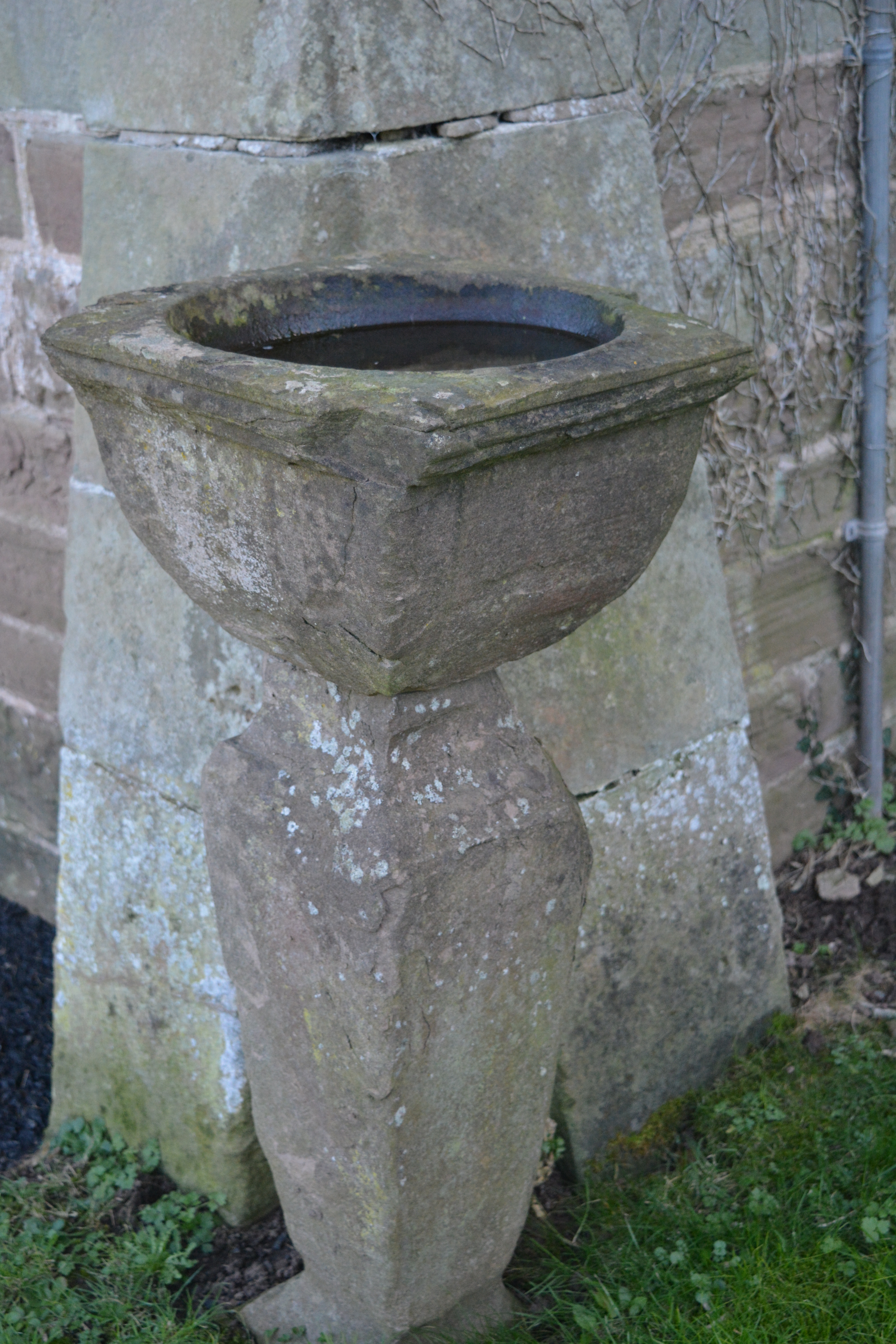
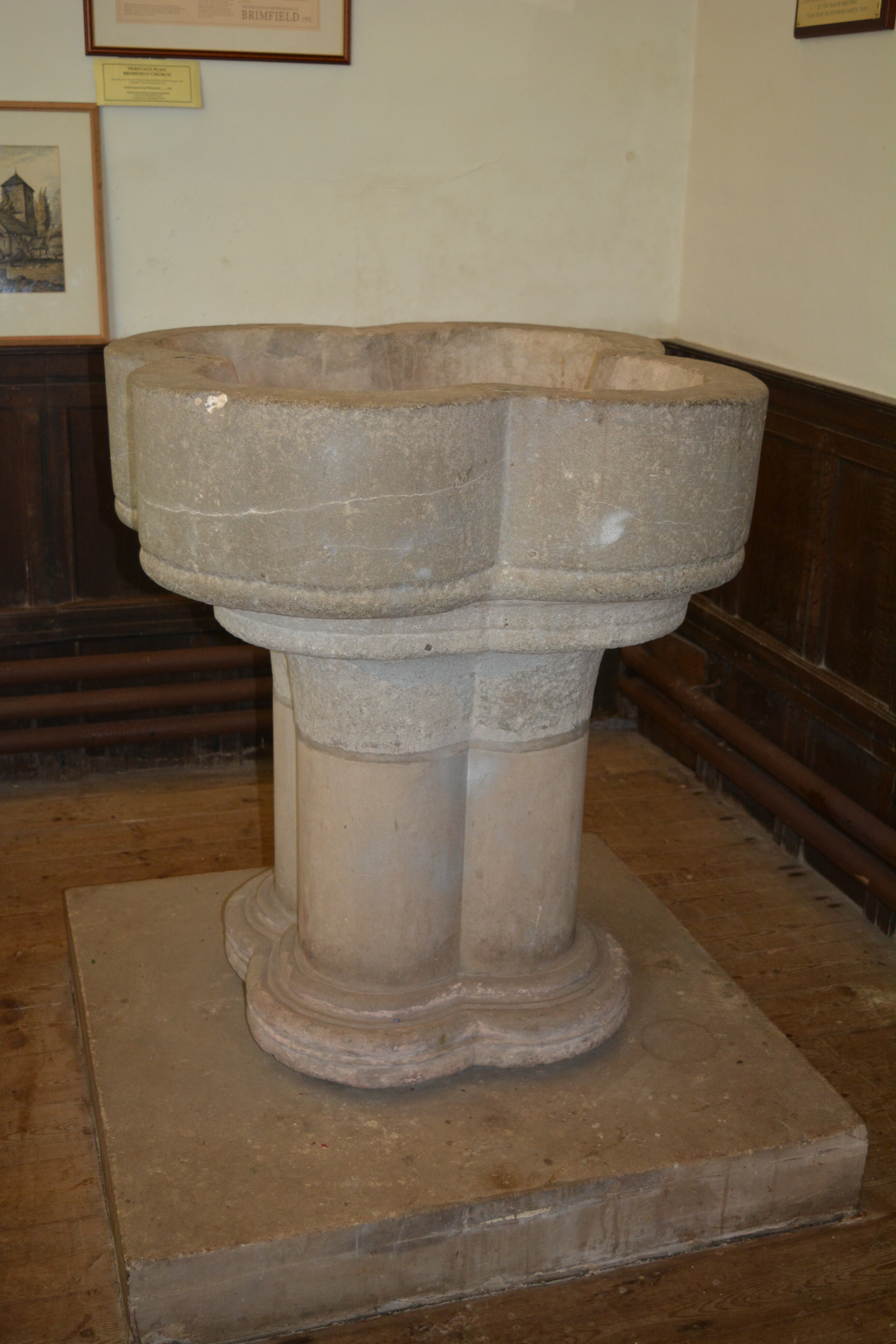
St Michael’s is constructed in sandstone from local quarries but for added interest it has a wood-framed porch and top tower section. When we reached the porch we noticed a stone font on the grass on one corner. Today it probably acts as a very effective birdbath!

2016 02 15_8666 2016 02 15_8668 2016 02 15_86692016 02 15_8670 2016 02 15_8666 2016 02 15_8667

St Michael’s was founded in the C12 but its tower was added later. The lower two stages were built in the C13 with the top section, built in timber added in the C17. The tower houses 3 bells, one Medieval, one early C16 and the third added in 1659.

2016 02 15_8670 2016 02 15_8667 2016 02 15_8697

We were surprised how bright and airy the inside of the church felt. Freshly painted white walls bounced the light around the nave and sent alternating bands of light and shade across the aisle.

2016 02 15_8674 2016 02 15_86792016 02 15_8684 2016 02 15_8687

We wandered around the interior in search of interesting features.

2016 02 15_8671 2016 02 15_8673 2016 02 15_8680

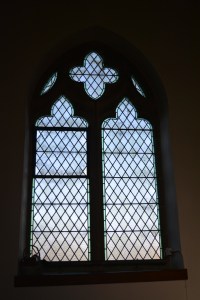
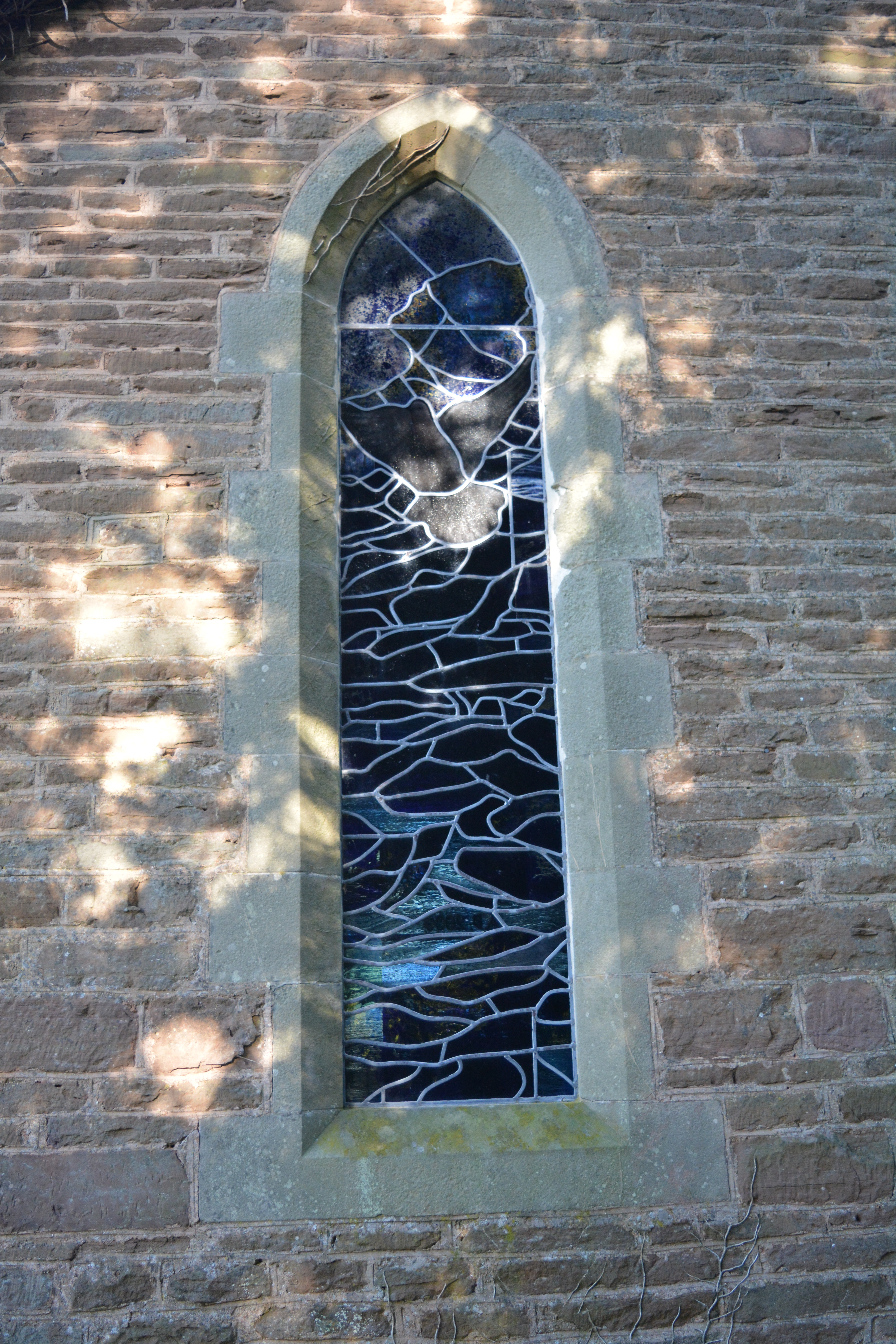
We always look out for interesting windows when we visit churches and St Michael’s boasted a stunning modern stained glass window in shades of blue depicting the dove of peace. Older windows were plain but beautifully proportioned. The light fitting hanging down from the ceiling had once been home for oil lamps and then gas lamps before the current electric bulbs.

2016 02 15_8681 2016 02 15_8690 2016 02 15_8689_edited-1-1

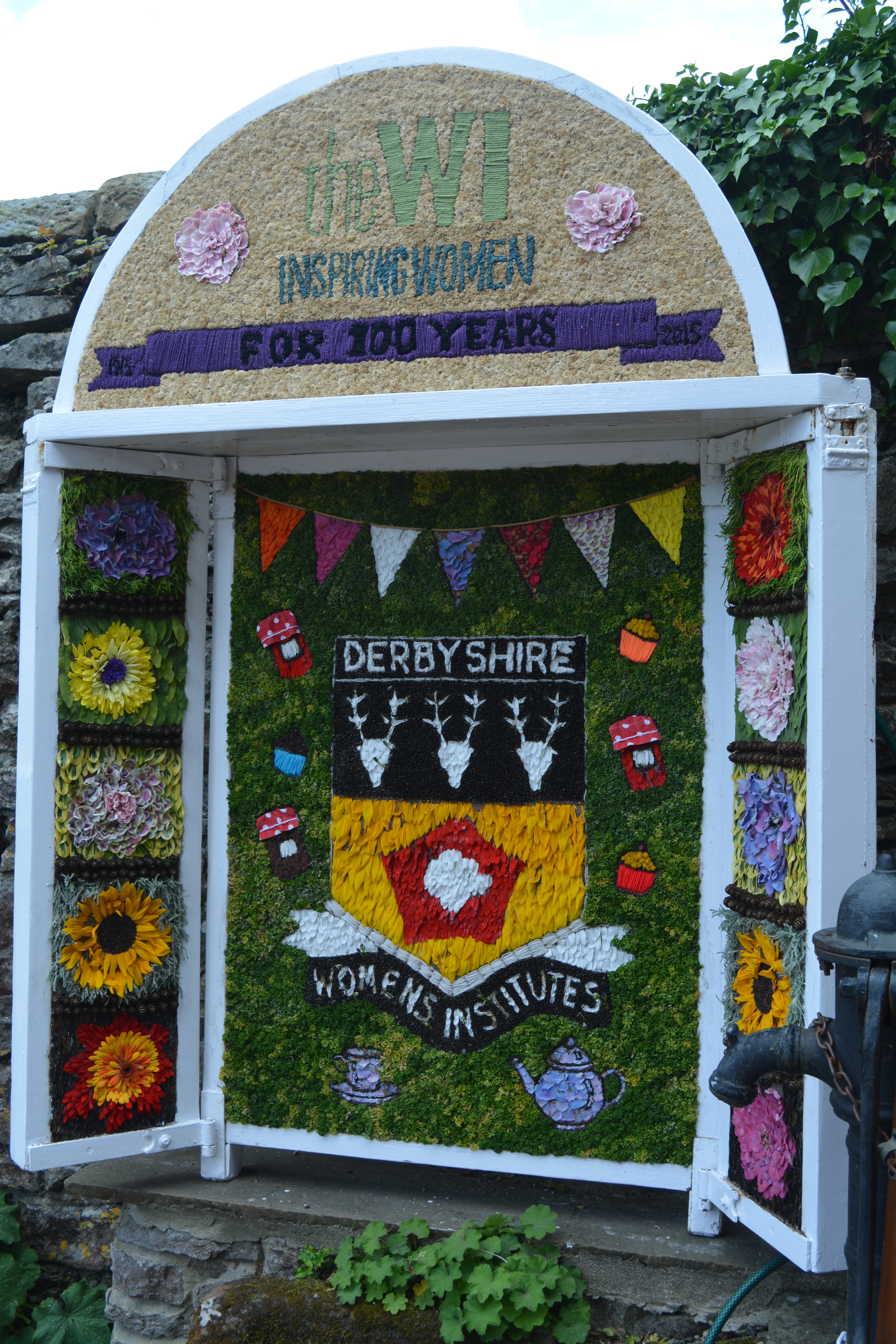
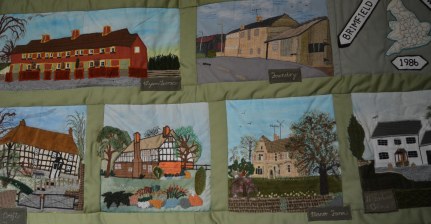
We were pleased to notice links to the local community, original art pieces by the local Women’s Institute and children from the local school. It feels good to see newer pieces of art alongside and on equal terms with ancient carvings in wood and stone.

2016 02 15_8676_edited-1-1 2016 02 15_8678-1 2016 02 15_8677_edited-1-1 2016 02 15_86882016 02 15_8685

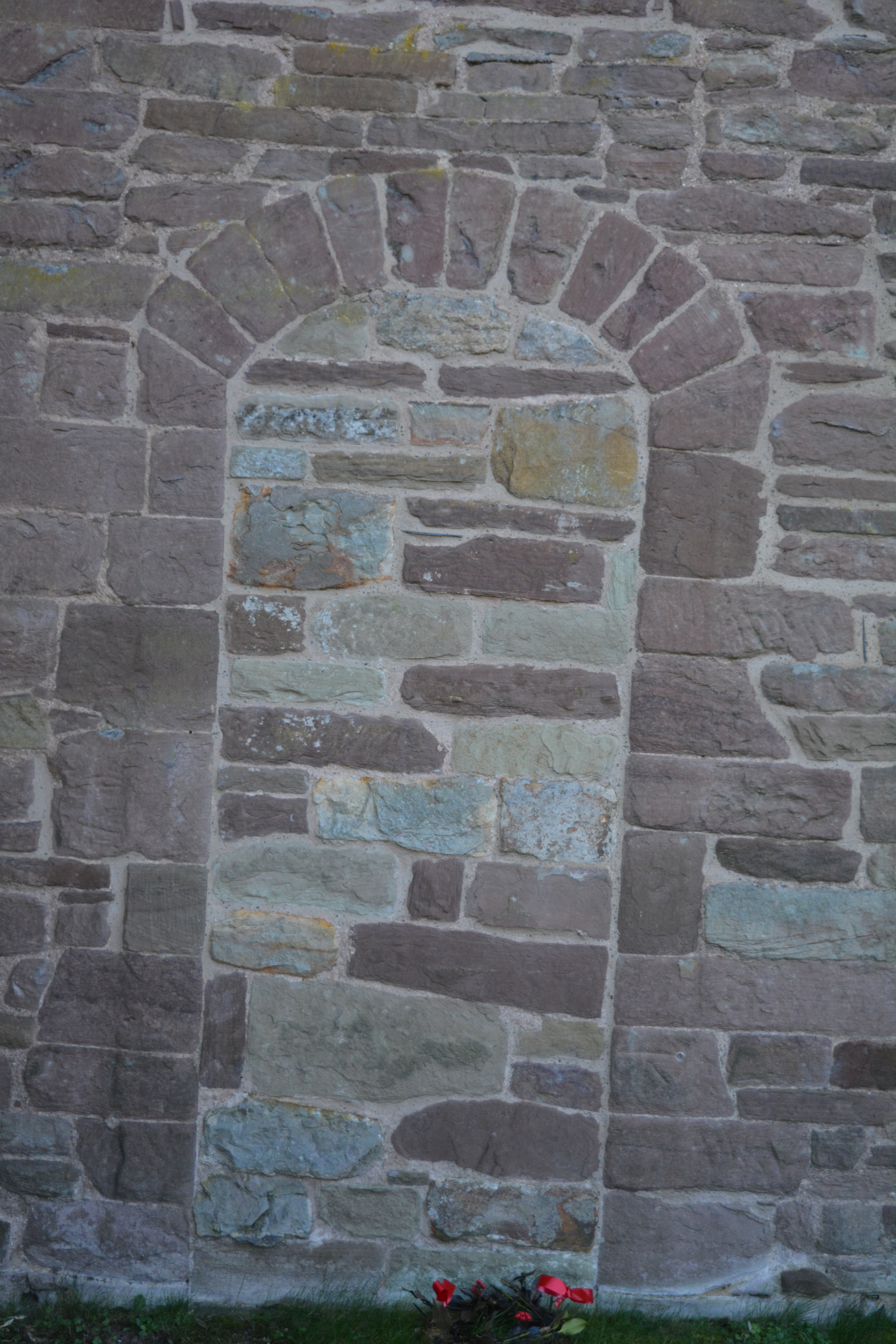
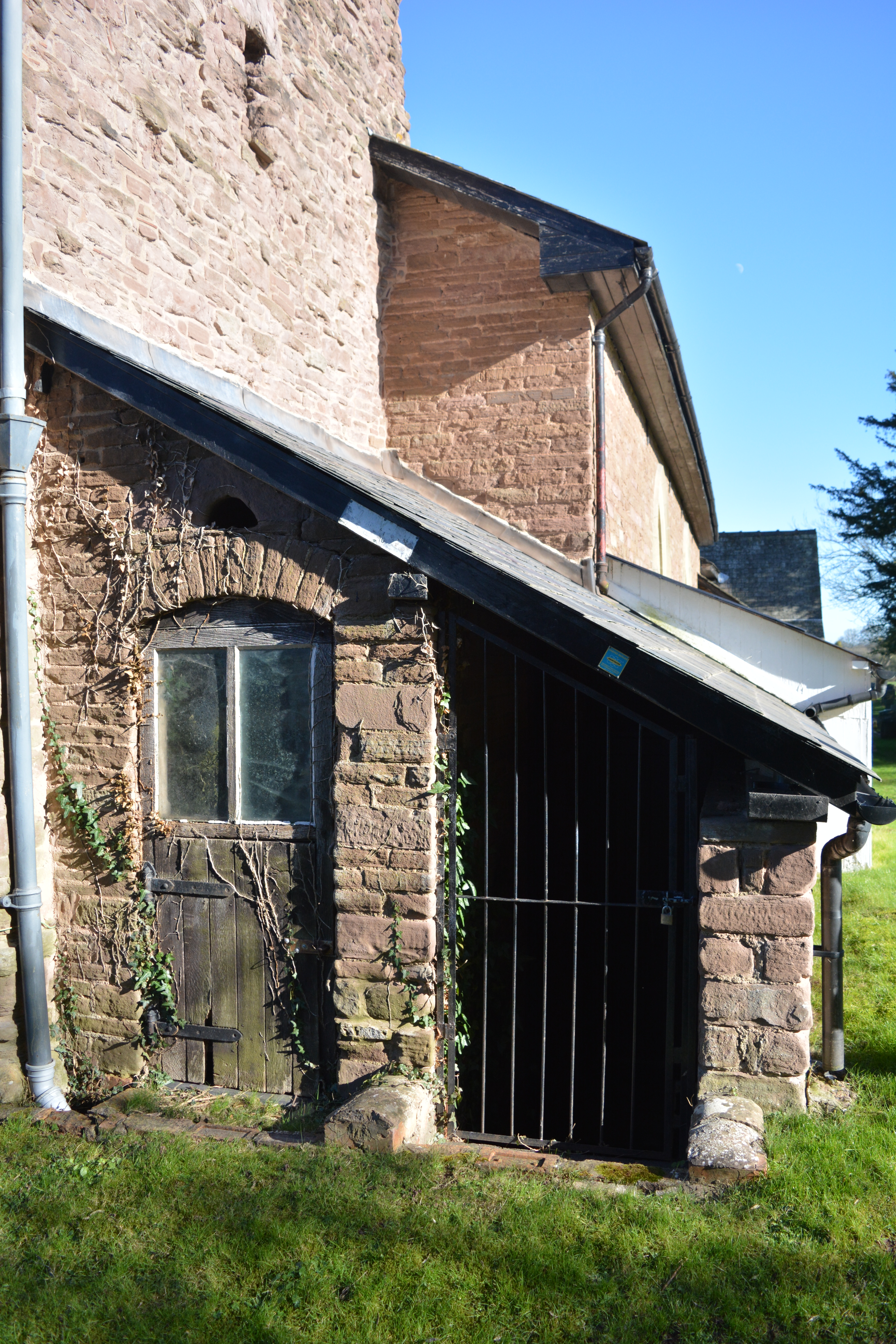
Returning outside, coats were rapidly buttoned up and we donned hats and scarves against the February chill. We wandered around the outside of the building, where we discovered our blue window, a blocked up door and battered sheds and add-ons.

2016 02 15_8692 2016 02 15_8693 2016 02 15_8694 2016 02 15_8695 2016 02 15_8696

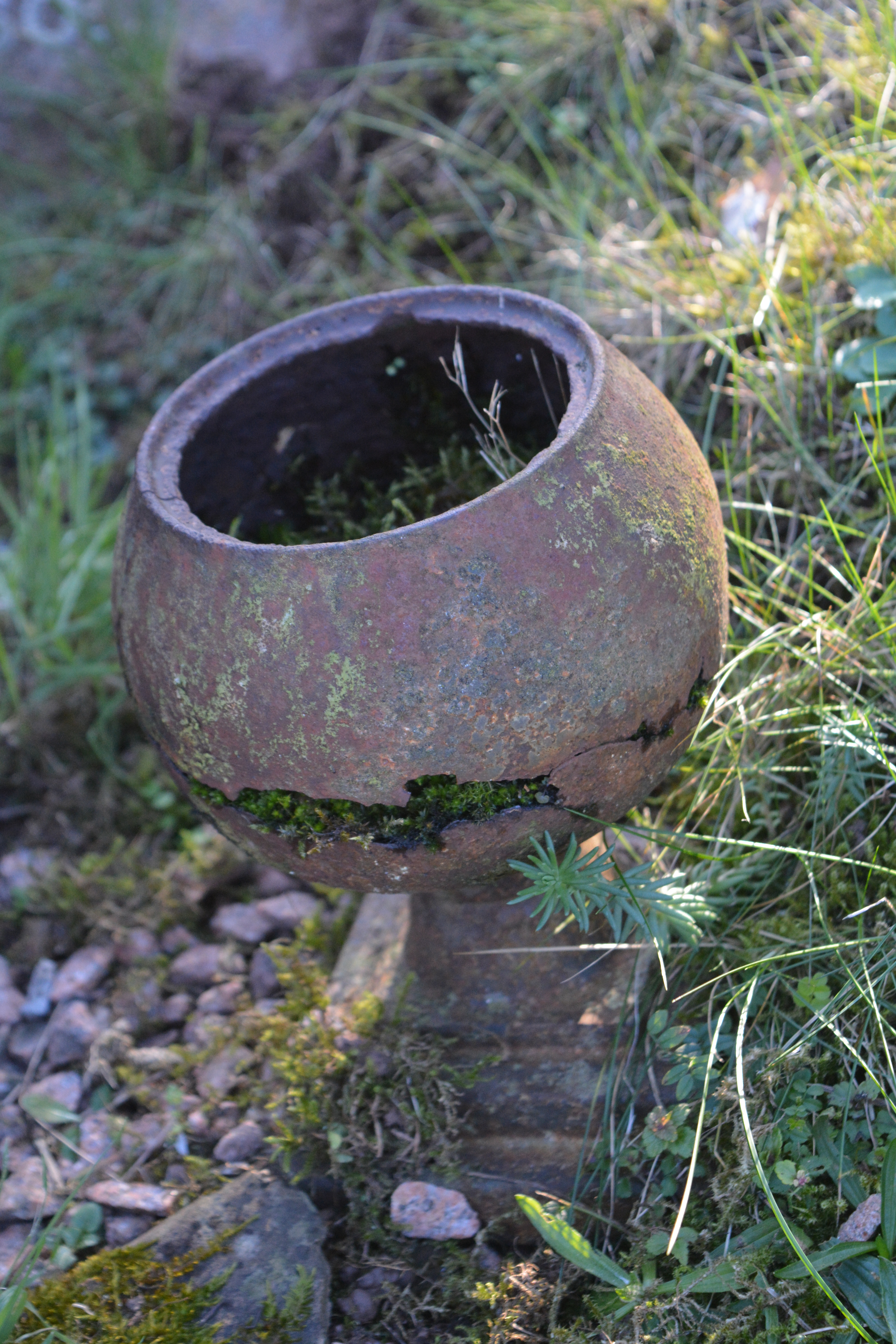
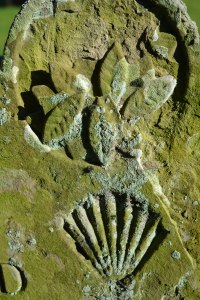
Returning to the car we looked for textures in the grave stones and their sundries.

2016 02 15_8698 2016 02 15_8699 2016 02 15_87022016 02 15_8700  2016 02 15_8703

St Michaels’ in Brimfield gave us a good start in our search for interesting little churches of Herefordshire. In part 2 we study another diminutive village church a short distance away.


Categories
buildings photography sculpture

Ferrers Craft Centre

We spent a few days away in Leicestershire recently as our son and daughter -in-law live in the Leicestershire village of Belton. Whenever we visit the county we always spend an hour or two at a wonderful craft centre called Ferrers. It has a great coffee shop and some interesting craft shops and workshops as well as a garden centre.

I hope you enjoy this series of photographs taken there.

2016 02 25_9082_edited-12016 02 25_9090 2016 02 25_9089 2016 02 25_9088 2016 02 25_9087 2016 02 25_9086 2016 02 25_9085 2016 02 25_9096 2016 02 25_9095 2016 02 25_9094 2016 02 25_9093 2016 02 25_9092  2016 02 25_9107 2016 02 25_9106 2016 02 25_9105 2016 02 25_9104 2016 02 25_9102 2016 02 25_9097 2016 02 25_9114 2016 02 25_9113 2016 02 25_9111 2016 02 25_9110 2016 02 25_9109 2016 02 25_91082016 02 25_9116 2016 02 25_9115 2016 02 25_9117 2016 02 25_9118 2016 02 25_9119 2016 02 25_9120 2016 02 25_9121_edited-1 2016 02 25_9122 2016 02 25_9091

Categories
flowering bulbs garden design garden photography gardening gardens gardens open to the public hardy perennials ornamental trees and shrubs outdoor sculpture sculpture shrubs spring bulbs Staffordshire trees Winter Gardening winter gardens woodland

The Dorothy Clive Garden in February

We returned to the Dorothy Clive Garden for our second visit of the year. In January we walked around the gardens with snow on the ground and we had to wrap up warm against the cold winds. For our February visit we left home with dark grey skies overhead and a slight drizzle in the air but the closer we got to the garden the better the weather became. Patches of blue sky appeared and the clouds turned ever paler. The temperature had reached 15 degrees Centigrade as we parked the car and made our way to the cafe for the obligatory coffee and cake essential for a successsful garden visit. Our visit was going to have an added dimension as there was an activity day for children all to do with wildlife and the natural world. The Royal Society for the Protection of Birds and the Wildlife Trust were there as well as a bird of prey group. Children were given the chance to make bird boxes, bird food cakes and to handle skulls of native mammals. There was also a quiz sheet and a trail for them to enjoy.

2016 02 21_8928 2016 02 21_8930

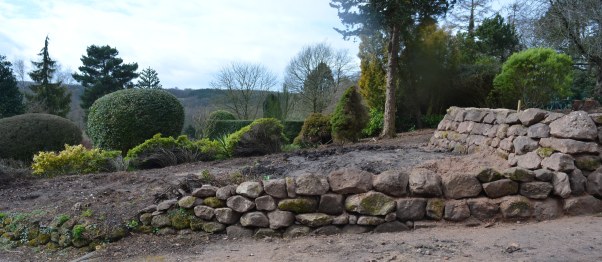
As we walked from the car park to the cafe the first photo I took was of a view that in January was simply snow with a few evergreen shrubs rising up. Around the next curve of the path we noticed that a new project was in hand (see right hand picture below). The area had been cleared of old untidy evergreens which were well past their best. The area has already been leveled and large blocks of local sandstone await close by. We look forward to watching this develop over the coming months. The plant sales table looked much better without its covering of snow.

2016 02 21_8931 2016 02 21_8932 2016 02 21_8933 2016 02 21_8934

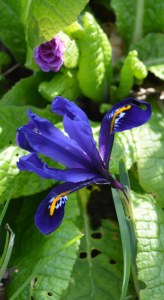
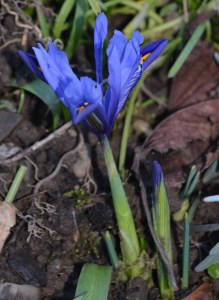
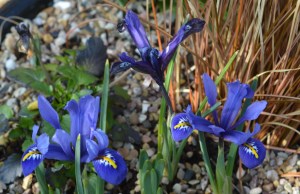
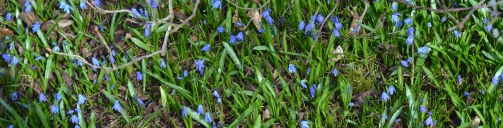
On the lawn outside the restaurant we were enthralled by getting up close to some beautiful owls and falcons. After enjoying our coffee and cakes we took off to walk towards the Quarry Garden, passing a border dotted with tiny pale blue flowering bulbs. As we entered the Quarry we noticed a family making nest boxes.

2016 02 21_8939_edited-1 2016 02 21_8935_edited-1 2016 02 21_8940_edited-12016 02 21_8941 2016 02 21_8942

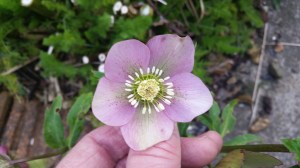
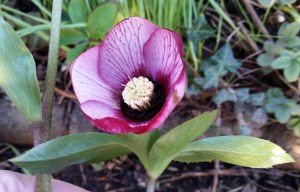
The Quarry garden was much greener without its snow blanket and early flowering bulbs  were adding colour allied with Hellebores in full flower and a few blooms on Rhododendrons and Azaleas.

2016 02 21_8943 2016 02 21_8944 2016 02 21_8945 2016 02 21_89482016 02 21_8962 2016 02 21_8971 2016 02 21_8952_edited-1

The textures and architectural shapes of trees come to the fore in winter before the leaves return in the spring. Unusual foliage such as the Rhodendron with orange-ginger undersides to its leaves provide brightness under the shade of taller trees. The upper side of the leaves are glossy but the underside have a matt, powdery feel to them. Close up it gives them the look of a windswept desert landscape.

2016 02 21_8946 2016 02 21_8964 2016 02 21_8965

Leaf shapes and their patterns and textures provided added interest under the tree canopy.

2016 02 21_8949 2016 02 21_89502016 02 21_8967 2016 02 21_8968

We wandered around a bit trying to find the stag sculpture we found in January and kept getting the wrong path. When we did find him he looked much more majestic without his white coat of snow. We then moved off towards the new Winter Woodland Garden, which is a juvenile garden having been created in early 2015. It already looks and feels a really good seasonal garden, with many shrubs and trees with coloured stems and bark, evergreen groundcover such as Bergenia, several different Carex and Luzula many with striped or golden leaves. Flowering bulbs were putting on an excellent show for us.Ggiven a few years and this will be a beautiful woodland winter garden and will be one of the best close to us so will become a place we visit often.

2016 02 21_8969  2016 02 21_89722016 02 21_8966  2016 02 21_8976 2016 02 21_8977 2016 02 21_8978 2016 02 21_8979 2016 02 21_8982 2016 02 21_8983 2016 02 21_8985 2016 02 21_8986 2016 02 21_8987 2016 02 21_89882016 02 21_9001_edited-1 2016 02 21_8981_edited-1          2016 02 21_8984_edited-1 2016 02 21_8980_edited-1 2016 02 21_8973_edited-12016 02 21_8975_edited-1

We left the Winter Garden by walking under the Laburnum arch still devoid of any growth and enjoyed a wander through the Upper Garden where trees and shrubs reigned supreme. A shy sculpture maiden welcomed us.

2016 02 21_9005_edited-12016 02 21_8954_edited-1 2016 02 21_8957_edited-1 2016 02 21_8953_edited-1  2016 02 21_9011_edited-1 2016 02 21_9013_edited-1 2016 02 21_9025_edited-1 2016 02 21_9026_edited-12016 02 21_9033_edited-1

Having indulged in the powerful scent of this delicately coloured pink Daphne we followed a path that led us around the front of the coffee shop and then down the sloping gardens  to the pool.

2016 02 21_9027_edited-1  2016 02 21_9035_edited-1

Species tulips demanded a close look to appreciate their beauty and delicacy.

2016 02 21_9036_edited-1 2016 02 21_9051_edited-12016 02 21_9038_edited-1 2016 02 21_9039 2016 02 21_9042_edited-1 2016 02 21_9045_edited-1

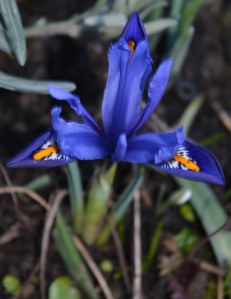
Can you spot the bee at work collecting pollen from the blue crocus? Great to see this.

2016 02 21_9046_edited-1 2016 02 21_9048_edited-1 2016 02 21_9049_edited-1 2016 02 21_9050_edited-1  2016 02 21_9055_edited-1 2016 02 21_9061_edited-1

So that was our February visit to the wonderful Dorothy Clive Garden. We can’t wait to be back with camera in hand to see what March will bring, perhaps a few touches of spring!


Categories
flowering bulbs garden photography garden ponds garden pools garden wildlife gardening grasses hardy perennials light light quality ornamental grasses ornamental trees and shrubs Shropshire shrubs spring bulbs water in the garden Winter Gardening winter gardens

My Garden Journal 2016 – February

Back with the second post sharing my 2016 Garden Journal, we will look at what it holds for February.

2016 02 13_8659_edited-1

On the first page for the month I mention the changing light values that occurs during February.

2016 02 24_9066_edited-1

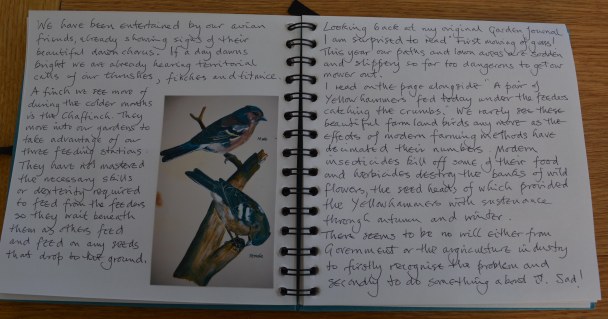
“This is the month when light values really start to improve. We also get longer days when the weather allows. This change in light coupled with slowly rising temperatures encourages birds to change their songs and calls. The Great Tit is the master of calls with its huge repertoire. Luckily they are very frequent visitors to our garden. They are great entertainers! Their song in February is a “see-sawing ditty with mechanical overtones.” (Collins Bird Guide)

I added my gouache painting of a pair of Great Tits.

2014 12 21_8971_edited-1

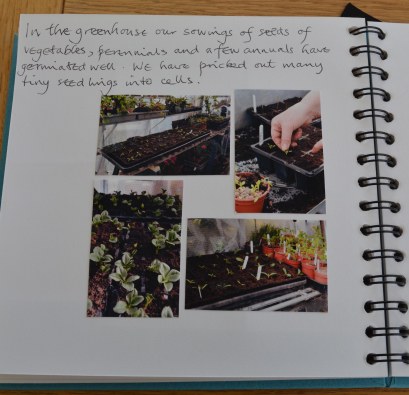
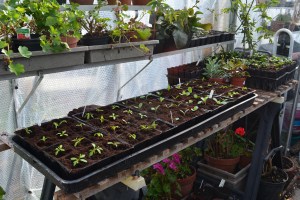
On the opposite page I carried on talking about our continued development of our greenhouse.

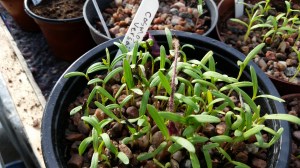
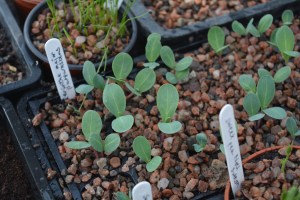
Having completed the construction of our new heated propagation bench last month we then sorted out our pots, trays, pans and cells ready for the new sowing and growing season. We ensured we have plenty of labels as well as sowing compost and horticultural grit. Jude finished putting up insulation bubble wrap.”

2016 02 02_8119-1 2016 02 02_8120-12016 02 02_8121-1 2016 02 02_8131-1 2016 02 02_8122-1

From greenhouse gardening to pond gardening, my next page features two photos of Jude the Undergardener in her waders playing in our wildlife pond.

2016 02 24_9069_edited-1

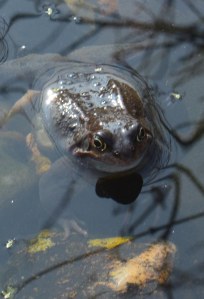
“Mid to late February is the time each year when our Common Frogs come to sing, mate and then leave balls of spawn in our wildlife pond. Thus early this month Jude donned her chest waders and cleaned up the pond. She removed Duckweed, Blanket Weed and fallen leaves, then thinned out the water plants.

2016 01 26_8057-1 2016 01 26_8056-1

We tidied up the narrow border that edges the pond, pulling a few hardy weeds and taking up seedlings of our Cornus “Midwinter Fire”. It was heartening to discover how workable our soil was, this being the result of a decade of improving it with the addition of our own garden compost and the regular mulching deeply with organic matter.”

I continued onto the next page discussing the welcome appearance of sunshine in the February.

“Sunshine is not often in evidence this February but when it does make an appearance its effects are magical. It highlights the peeling bark of our trees and directs a spotlight on blossom and glossy foliage.”

2016 01 22_8035_edited-1 2016 01 22_8034_edited-12016 02 02_81162016 01 22_8024 2016 01 22_8008 2016 01 22_8009-1 2016 01 22_8018

As I turn the page I see that I have written about cold temperatures and on the opposite page and on the following double page spread I share the amazing number of plants in flower on one day in February.

2016 02 24_9070_edited-12016 02 24_9073_edited-1

“A sudden overnight plunge in temperature can have drastic looking effects on our early flowering plants. The flowering stem of this Bergenia can be standing to attention during the day but cold at night can make it droop, with the flowers almost touching the cold soil”.

2016 01 17_7930-1 2016 01 08_7763

“The following day when the sun has driven away any frost and added a degree or two to the temperature, the Bergenia flower slowly rises again and returns to its former pink glory.”

February flowers are celebrated over the next three pages. I hope you enjoy sharing this selection of plants that keep us cheerful and the garden colourful.

2016 02 18_8904_edited-1 2016 02 18_8901_edited-12016 02 18_8891_edited-1 2016 02 18_8878_edited-12016 02 18_8872_edited-1 2016 02 18_8879_edited-12016 02 18_8867_edited-1 2016 02 18_8847_edited-1 2016 02 18_8869_edited-1 2016 02 18_8863_edited-12016 02 18_8913_edited-1 2016 02 18_8871_edited-12016 02 18_8912_edited-1 2016 02 18_8866_edited-1 2016 02 18_8854_edited-1 2016 02 18_8853    2016 02 18_8887_edited-1 2016 02 18_8873_edited-1  2016 02 18_8902_edited-1 2016 02 18_8855_edited-1

These pictures certainly illustrate how colourful and interesting the garden can still be in the depths of winter. From flowers I moved on to foliage, as on my next double page spread I celebrate Phormiums and how important they are to the winter garden.

2016 02 24_9074_edited-1

“Form, texture and foliage colours are so important in the garden in winter, so we are lucky to have discovered and planted Phormiums as they give us all three. They move beautifully too, swaying in the slightest breeze.”

2016 02 13_8632 2016 02 13_8640 2016 02 13_8651


For some of our Phormium I took a shot of the whole plant and then one of the top surface of their leaves and finally the final surface. Their two surfaces are usually very different.

“I love plants that hide some facet of their beauty from us”.

2016 02 13_8633 2016 02 13_8634 2016 02 13_86352016 02 13_8630 2016 02 13_8639 2016 02 13_8638

2016 02 13_8655 2016 02 13_86532016 02 13_8654

2016 02 13_8631 2016 02 13_8637 2016 02 13_8636

In the final pages of my February entries in my Garden Journal I wrote about coloured stems and look back at my first garden journal to see what I had put for my February entry.  I discovered that I was writing about grass and grasses.

2016 02 24_9077_edited-1

“It is in the dull times of February that we appreciate the brightly coloured stems of our Cornus, Salix and Acers. Once their leaves drop the colours, yellows, oranges and reds begin to intensify. I then shared a watercolour painting of a selection of these stems from our garden alongside a trio of photos.”

2016 02 24_9078_edited-1 2016 02 18_88972016 02 18_8874 2016 02 18_8898

Looking back at my original Garden Journal, I notice that I had commented “14th February and the grass gets its first cut. As the North wind died out the strength of the winter sun meant a good day could be had doing general maintenance work.” This year our grassed areas are wet and slimy and definitely too slippery to get a mower on. But the grass has continued to grow slowly so it is in need of its first cut. Meanwhile our ornamental grasses continue to delight.”

2016 01 22_8033 2016 01 22_8032     2016 01 22_7998-1 2016 01 22_7999-1

So that is it for another month. Next time we make a visit to my Garden Journal we will be in March and maybe we shall be seeing signs of spring.


Categories
allotments community gardening flowering bulbs garden photography gardening gardens meadows

Spring Bulbs at Bowbrook Allotment Society.

We spent a day on our plot at our allotments, Bowbrook Allotment Society, on the first day of March. It was cold and the wind strong and added extra coldness. But the sight of cheerful bulbs growing close to our plot helped cheer us up.

I hope you enjoy the photos I took with my smartphone. They are growing in the meadows under the trees in one of our orchards.

2016 03 02_9611 2016 03 02_9612 2016 03 02_9613 2016 03 02_9614 2016 03 02_9615 2016 03 02_9616


Categories
flowering bulbs garden design garden photography gardening gardens gardens open to the public ornamental trees and shrubs spring bulbs trees Winter Gardening winter gardens woodland woodlands

A Garden in Winter – RHS Rosemoor – Part 2

We continued our tour of the RHS Rosemoor Garden as we passed under the underpass which led us to the original gardens now called Lady Anne’s Garden. As we left the tunnel and regained daylight, albeit rather dull, we heard the sound of water falling. A narrow ribbon of white water was falling down a huge rock face created from large stones. A white stemmed birch close to it matched it perfectly. Bamboos enjoyed the damp atmosphere here and appeared very much at home.

2016 02 04_8537 2016 02 04_85352016 02 04_8586

The damp atmosphere also meant that any trees growing here were home to algae and mosses giving their trunks and stems unusual textures and colours.

2016 02 04_8538 2016 02 04_8541 2016 02 04_85852016 02 04_8584

As we followed gravel paths towards Lady Anne’s house we were interested to see many areas of new planting, with young plants growing in much improved soil.

2016 02 04_8542 2016 02 04_8543

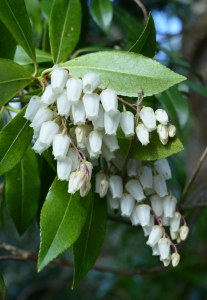
Within these new areas of planting we were attracted to a small shrub with tiny delicate flowers. We didn’t recognise it but we were lucky as it had a label to help us. It was a Correa “Ivory Bells”. We grow a Correa at our garden in Shropshire but we never get them to flower. After seeing these little beauties we certainly wished we could!
2016 02 04_8548 2016 02 04_85472016 02 04_8546

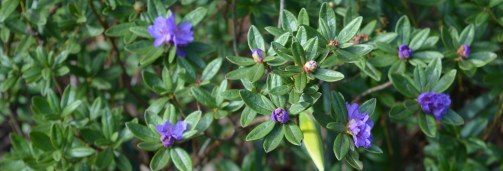
The path we were following took us slowly uphill where we followed a path half way up the slope on the edge of a the garden within the woodland. The damp atmosphere here with its dappled shade gave a home to some special plants. This rich blue flowered Primula was so delicate that its stems looked too fragile to hold up the flowers. We didn’t recognise it but once again there was a label to come to our rescue – it informed us that its name was Primula “John Fielding”.

2016 02 04_8559

The habitat here encouraged mosses and ferns to grow profusely. Some plants even manage to get a foothold on a flight of stone steps.

2016 02 04_8557 2016 02 04_8554

Perewinkles or Vincas are very common plants and often too invasive for smaller gardens, but this one attracted us and encouraged us to take a closer look at its delicate white flowers.
2016 02 04_8564 2016 02 04_8563

Small flowering bulbs brughtened up the dull semi-shade along the woodland edge.

2016 02 04_8566 2016 02 04_8571

2016 02 04_8589 2016 02 04_8588 2016 02 04_8567

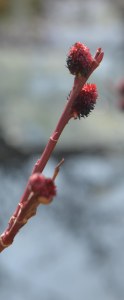
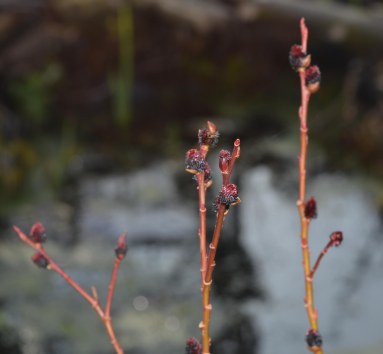
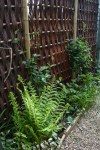
We found another plant that presented another mystery. We recognised the beautiful mahogany coloured buds of this Salix so looked close up and studied its label when we discovered it to be Salix fargessii. A few steps further another young shrub looked very similar but close up we noticed subtle differences. This we discovered, once again by reading the label, was Salix moupinensis, a willow we had never heard of. We must now do some research to see which is most worthwhile to add to our garden. A good gardener never stops learning!
2016 02 04_8579 2016 02 04_8581

I shall finish with a lovely winter shrub, Sarcoccoca which displays its black berries and its white flowers at the same time and in addition it has a rich deep scent.

2016 02 04_8590 2016 02 04_8591

So RHS Rosemoor Garden in winter proved itself to be as good as at any other season, the sign of a very good garden. We discovered new plants and enjoyed the scents and sights of so many good plantings. The Winter Garden and the Foliage Garden were the stars of the show just as we expected. As I often say after visiting a garden, we will be back!


Categories
flowering bulbs garden design garden photography garden ponds garden pools gardening gardens gardens open to the public hardy perennials ornamental trees and shrubs RHS spring bulbs trees water garden water in the garden Winter Gardening winter gardens woodland

A Garden in Winter – RHS Rosemoor – Part 1

We love to break up the winter months with mid-week breaks away around the UK. In February this year we took off down to Devon for a short holiday where we planned to visit a garden which holds two National Collections, Betulas (Birches) and Alnus (Alders) and the Royal Horticultural Society’s Rosemoor Garden.

My previous couple of posts shared with you our wanderings around Stone Lane Garden and Nursery with its wonderful national collection of Betulas and Alnus. In this post we will share with you the two days we spent exploring the Royal Horticultural Society’ Rosemoor Garden.

We had visited many times before but never in winter before, so we were keen to see if the RHS’s claim that Rosemoor provides “Great days out for every season” and  “Rosemoor continues to enchant visitors when the Winter and Foliage Gardens are filled with a surprisingly intoxicating combination of colour, fragrance and texture.”

After a quick coffee in the restaurant we braved the rain and began our walk around.

2016 02 04_8397 2016 02 04_8507 2016 02 04_8430

We made our way towards the Winter Garden which we knew had been redeveloped since we last visited so we longed to see what it looked and felt like now.

2016 02 04_8404 2016 02 04_8401

As expected foliage took a leading role.

2016 02 04_8406 2016 02 04_84082016 02 04_8418 2016 02 04_84282016 02 04_8429

Coloured stems and bark of shrubs and trees add strong structure to a good winter garden.

2016 02 04_8412 2016 02 04_84132016 02 04_8422 2016 02 04_84142016 02 04_8424 2016 02 04_8425 2016 02 04_84262016 02 04_8453 2016 02 04_8474

After enjoying and being highly impressed with the renovated Winter Garden, we took a gravel path which led us to the Foliage Garden. We were looking forward to seeing the role that foliage could play in the February garden. We were not to be disappointed with what we saw. Perennials and grasses played key roles with the richness of texture and the delicacy of colour. Richly coloured foliage on many shrubs joined the party.

2016 02 04_8454 2016 02 04_84552016 02 04_8456 2016 02 04_8457 2016 02 04_84662016 02 04_8459 2016 02 04_84602016 02 04_8461 2016 02 04_8478

Wherever we went we noticed evidence of the RHS gardeners and the volunteers who worked alongside them. In the Rose Garden these roses had been pruned so precisely just like illustrations in a gardening book . The soil between them had been neatly forked over to give a very professional look to the gardeners’ work.

2016 02 04_8438

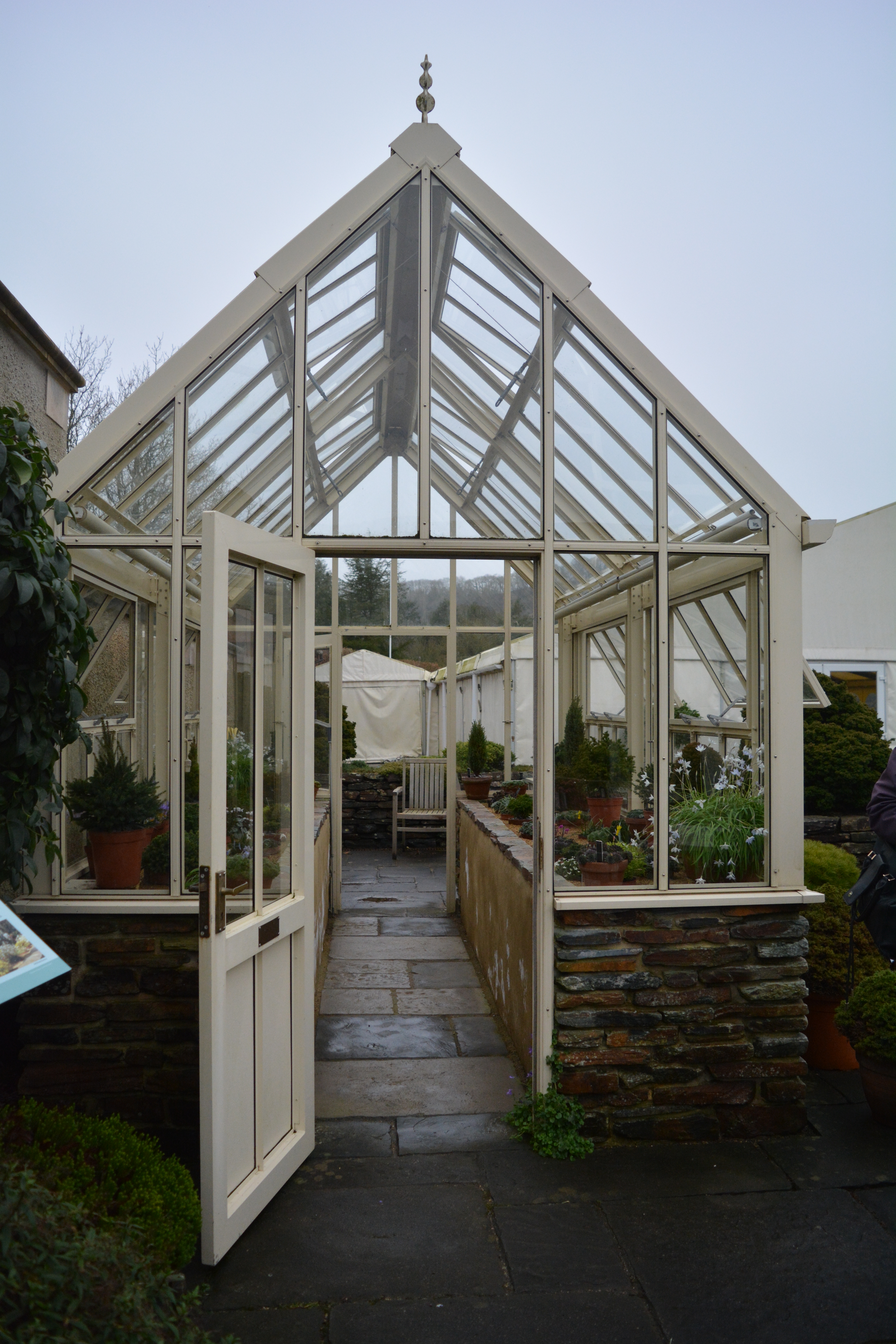
When we returned to the restaurant for a warming coffee we noticed in the terrace outside a little wooden framed alpine greenhouse. Here we found an impressive array of flowering bulbs.

2016 02 04_8393 2016 02 04_8395  2016 02 04_8394

Leaving the alpine house we took meandering paths through the gardens where we noticed many early blooms that added cheer to a day of dull damp weather.

2016 02 04_8403 2016 02 04_84192016 02 04_8420 2016 02 04_8417 2016 02 04_8434 2016 02 04_84642016 02 04_8410 2016 02 04_8488

These paths took us down a gentle slope towards the lake and along the way we passed through open grassed areas where Daffodils and Narcissi had been naturalised. In neighbouring borders swathes of Snowdrops looked like frozen rivers running through shrubs and trees.

2016 02 04_8490 2016 02 04_84922016 02 04_8497 2016 02 04_8498

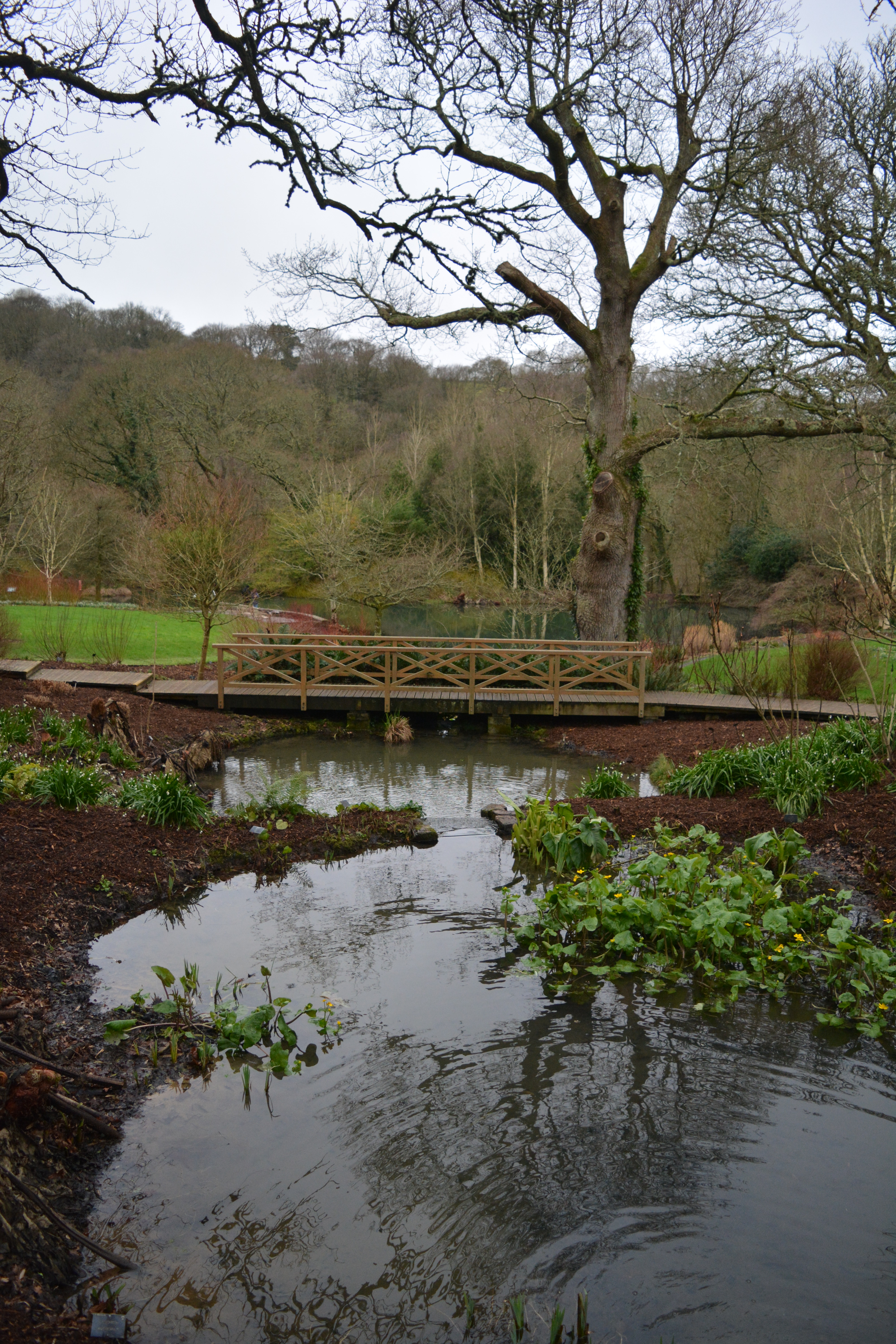
We reached the lake which looked very cold and uninviting but on its banks Cornus and Salix varieties known for their coloured stems added ribbons of very welcome brightness.

A stream fed the lake and we left the lakeside by following a path rising gently through the stream’s valley.

2016 02 04_8496 2016 02 04_8493

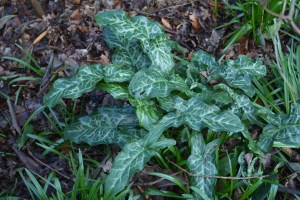
This valley with its clear stream ran rapidly through areas of planting. We followed the stream along a gravel path which took us to an underpass through which we wandered to find the original garden at Rosemoor, Lady Anne’s Garden. The little valley dropped down towards the underpass and we saw King Cups flowering profusely providing splashes of golden yellow and clumps of Arum italicum marmoratum gave us splashes of silver in their variegated foliage.

2016 02 04_8528 2016 02 04_85052016 02 04_8405 2016 02 04_8433

Seed heads and fruit from the autumn were still very much in evidence extending the season of interest.

2016 02 04_8469 2016 02 04_84702016 02 04_8510 2016 02 04_8511

As the valley sides rose higher the atmosphere became damper and we felt the temperature drop slightly as we got closer to the underpass. Lichen grew on trees and on fences. The white bark of Birches and the snow white blooms of Snowdrops shone through in the duller light.

2016 02 04_8512 2016 02 04_8524 2016 02 04_8526 2016 02 04_8527 2016 02 04_8523

We were drawn to a Betula with unusually coloured bark and were very pleased to find that it was called Betula albosinsensis “K Ashburner”, named after the owner of Stone Lane Gardens and Nursery.

2016 02 04_8517 2016 02 04_8518 2016 02 04_8522

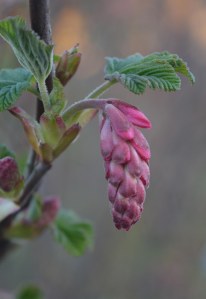
Scent was held in the valley so we were constantly experiencing the rich aromas of Lonicera, Sarcoccoca and Ribes. Sweetness in the air!

2016 02 04_8531 2016 02 04_8533

We entered the underpass which would take us under the road we drove along hours before and gained access to the original garden here at Rosemoor, Lady Anne’s Garden. We will be in that part of the garden in Part 2.


Categories
garden design garden furniture garden photography garden seating gardening gardens gardens open to the public outdoor sculpture RHS sculpture

Sculpture at RHS Rosemoor Garden

We love seeing sculpture outdoors whether in wild landscapes such as the “Sheep Enclosures” by Andy Goldsworthy, on the shore such as Anthony Gormley’s “Another Place” or in gardens. When we visited the RHS gardens at Rosemoor in Devon we spent two days exploring the gardens as there was the added interest of an exhibition of sculpture. This first of three posts from Rosemoor will concern those sculptural pieces.

I hope you enjoy my photos of a selection of those I particularly liked.

Birds of all sorts always make good subjects for sculptures both meant for indoors or out but I think they look best in the garden setting.

2016 02 04_8399 2016 02 04_83982016 02 04_8416 2016 02 04_84212016 02 04_8432 2016 02 04_8443


Naturally plants work well as subjects for garden works of art too, in fact maybe the most natural subject of all.

2016 02 04_8400 2016 02 04_84152016 02 04_8427 2016 02 04_8451 2016 02 04_84732016 02 04_8452 2016 02 04_84722016 02 04_8499 2016 02 04_8501

The beauty of simple pot shapes appear enhanced by the beauty of the garden.

2016 02 04_8409 2016 02 04_85502016 02 04_8480

Sometimes the simplest of forms in sculptural form can bring the structure of plants and parts of plants to mind. Mother Nature herself often creates her own simple sculptural forms.

2016 02 04_8458 2016 02 04_85402016 02 04_8470 2016 02 04_8478

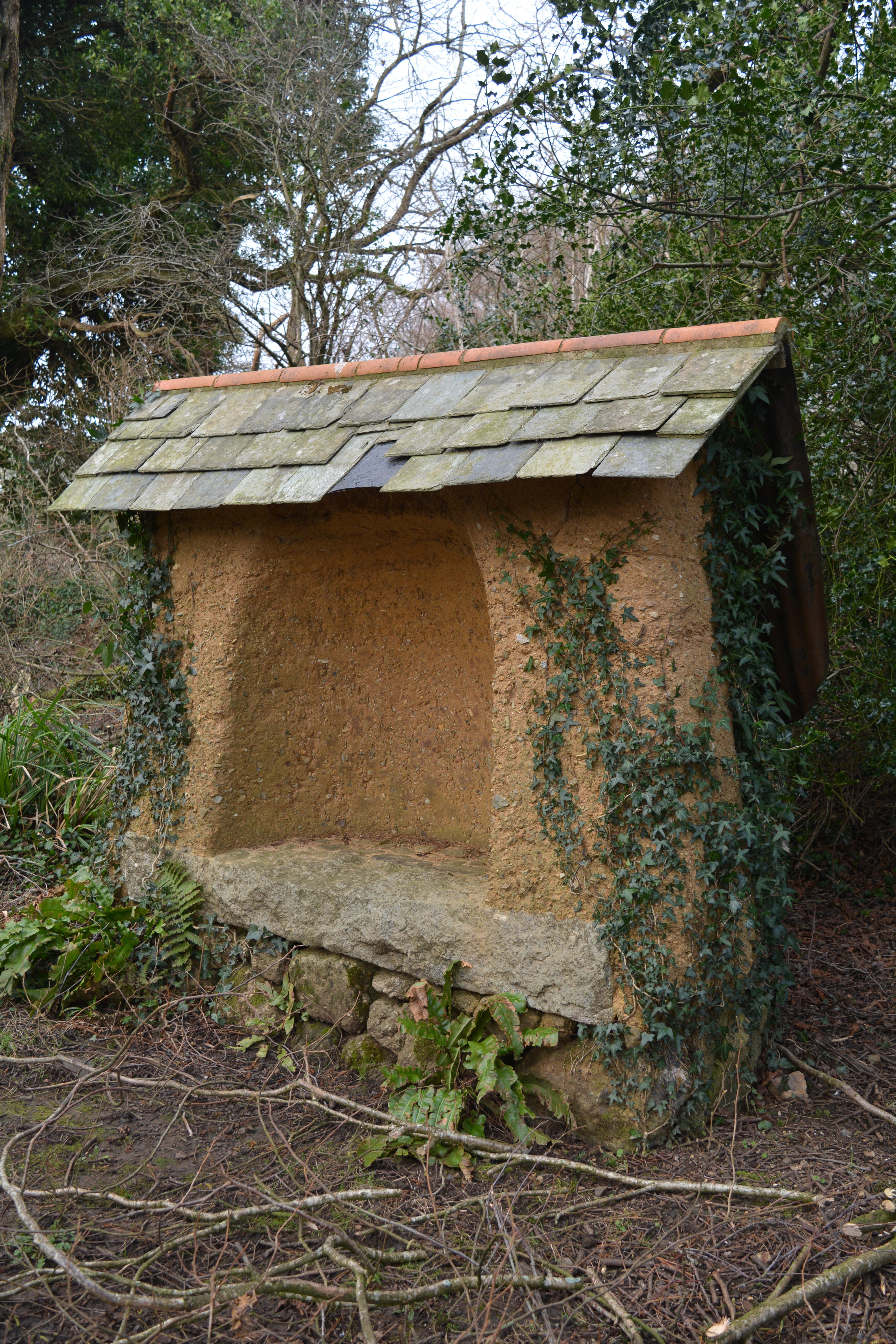
An element of fun in any garden is sculptural seating. Those that work as somewhere to rest your weary legs are even more welcome in a garden of several acres.

2016 02 04_8431 2016 02 04_8435

2016 02 04_8440

This most appealing of benches attracted everyone who spotted it – it demanded a closer look. When we looked at it close up we found that its two ends were both owls, one seated and one coming in to land.

2016 02 04_8441 2016 02 04_8442

The human form has throughout history provided inspiration to sculpture.

2016 02 04_8423 2016 02 04_8485 2016 02 04_8500

This beautiful trio of figures created from metal, entitled “The Three Graces”, stood within a circle of box hedging surrounding box spheres.

2016 02 04_8448 2016 02 04_8447

2016 02 04_8446 2016 02 04_8445

To complete my selection of sculptural pieces here are three pieces displaying simplicity and beauty. This wonderful collection made our wanderings around the gardens at Rosemoor even more worthwhile.

2016 02 04_8444 2016 02 04_8467 2016 02 04_8449


thinkinGardens

for people who want more than gardening from gardens

This Veggie Life

A Vegetarian | Nature Lifestyle Blog

Rambling in the Garden

.....and nurturing my soul

The Arch City Gardener

Journeys In St. Louis Gardening and Beyond

Garden Dreaming at Châtillon

Consult the genius of the place

Storyshucker

A blog full of humorous and poignant observations.

gardeninacity

Notes from a wildlife-friendly cottage garden

PlayGroundology

...an emerging social science

The Official Blog of British Wildlife

'The most important and informative publication on wildlife of our times' - The Independent. This blog is a member of The UK & Ireland Natural History Bloggers group: www.uknhb.blogspot.com

iGrowHort

Inspire - Cultivate - Grow Native Plants - Restore Landscapes

Bishops Meadow Trust

To create and protect a semi-natural wild space for the people of Farnham to enjoy and experience an array of British wildlife in our town

Gardening with Children

The www.gardeningwithchildren.co.uk Blog

UKbirdingtimeline

birding through the seasons, why birds matter and how to conserve them

NATURE WALKER

with a camera in hand

Jardin

Transform your outdoor space

Eva's space

My allotment, cooking and other interests

Old School Garden

my gardening life through the year

LEANNE COLE

Trying to live a creative life

fromacountrycottage

trying to live as lightly as possible on our beautiful planet

Good Life Gardening

Nature lovers from Leicester living the good life.

mybeautfulthings

Finding the beautiful in the everyday

mawsonmichelle

Michelle's Allotment

In and Out of My Garden

thoughts from and about my garden

Greenhousing

Big plans for a small garden

The Scottish Country Garden

A Walled Country Garden in South East Scotland

The Fruity Chicken

Life at the fruity chicken

willowarchway

Off grid living. Self sufficient. "PERMAGANICS RULE".

St Anns Allotments

Nottingham's Grade 2* Listed Allotments and Community Orchard

Manifest Joy Harvests

a journey in suburban vegetable gardening

Allotmental

The madness of growing your own

Penny's Garden: a harvest beyond my front door

A novel approach to vegetable gardening

arignagardener

Sustainable living in the Irish countryside.

NewEnglandGardenAndThread

Master Gardener, amateur photographer, quilter, NH native, and sometimes SC snowbird

dianajhale

Recent work and work in progress and anything else that interests me

planthoarder

a chaotic cottage gardener

Lens and Pens by Sally

a weekly blog that creates a personal philosophy through photographs and words

Dewdrops and Sunshine

Stories from a sassy and classy Southern farmbelle.

The Pyjama Gardener

Simple Organic Gardening & Seasonal Living

gettin' fresh!

turning dirt into dinner

JOY...

today the world is created anew

Garden Birds

Notes from a Devon garden

ShootAbout

Life Through The Lens

Adapting Pixels

A photography blog showcasing the best photography pictures and videos on the internet

Wildlifegardening's Blog

Just another WordPress.com site

naturestimeline

personal observations from the natural world as the search continues for a new approach to conservation.