Categories
colours flowering bulbs fruit and veg gardening gardens gardens open to the public grow your own kitchen gardens ornamental trees and shrubs Shrewsbury Shropshire spring bulbs spring gardening The National Trust walled gardens walled kitchen gardens

A Walk in the Park – Attingham Park March – The Walled Garden

I shall post two reports for our March visit to Attingham Park, the first about the Walled Garden followed by one about the walk we followed, the Woodland Walk.

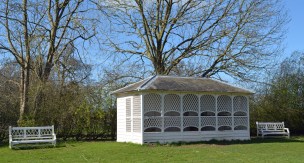
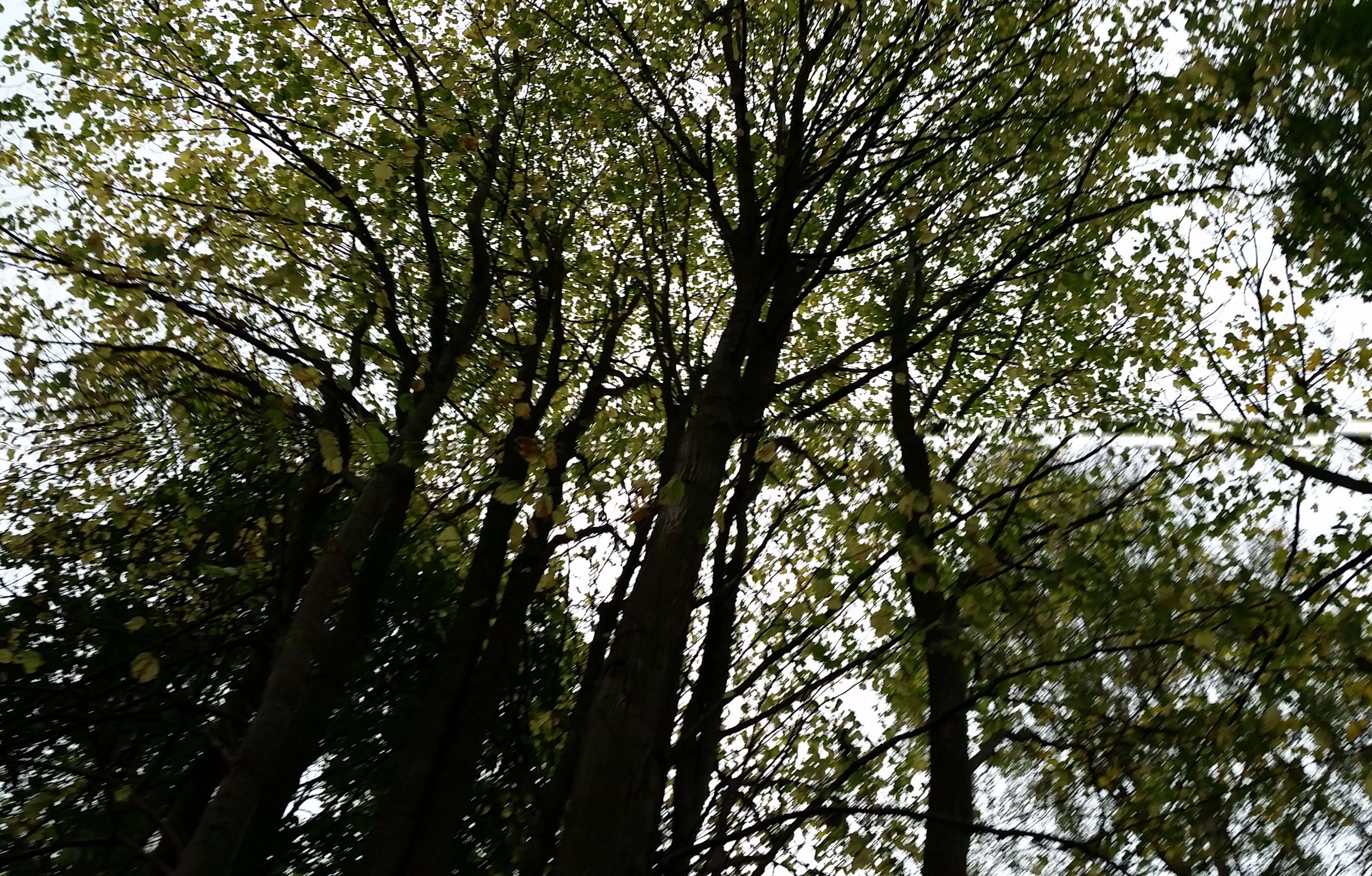
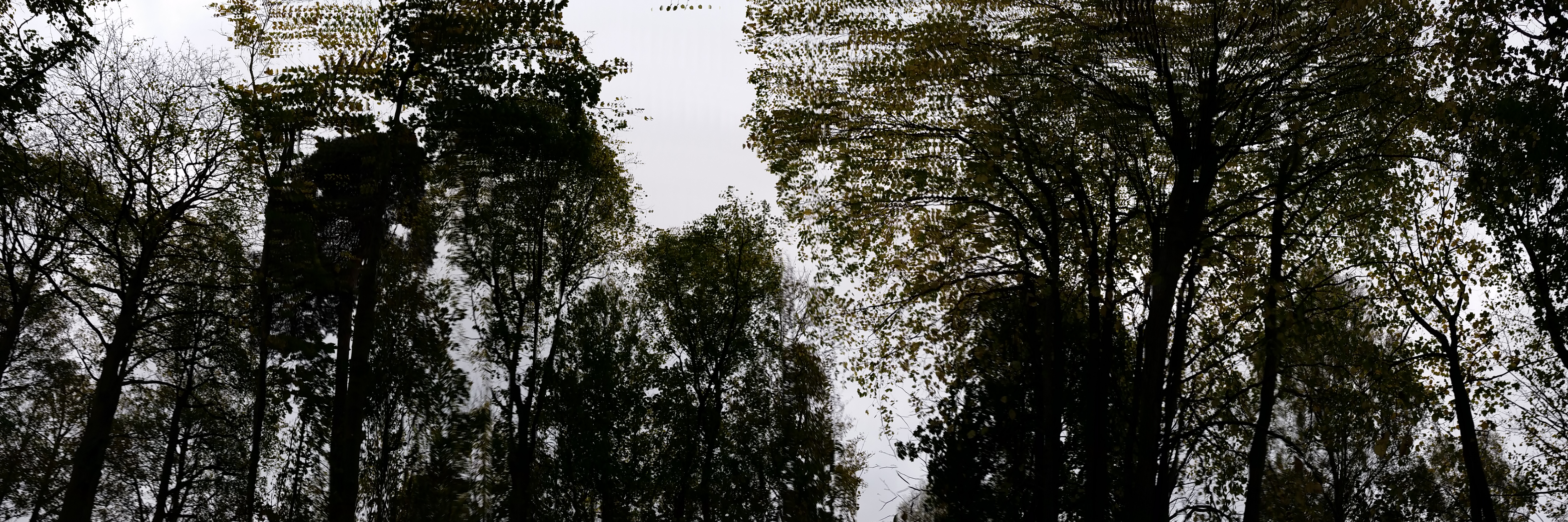
We walked our usual track beneath tall mature deciduous trees to take us to the walled garden. We had a detour to look at the nut walk, lined with coppiced Hazel trees and to have a look at Attingham Park’s famous old bee “building”, the Georgian Bee House. It is a very decorative wooden construction painted white and featuring fancy trellis-work.
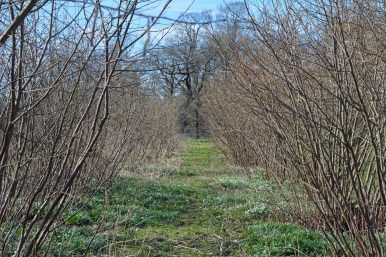
    

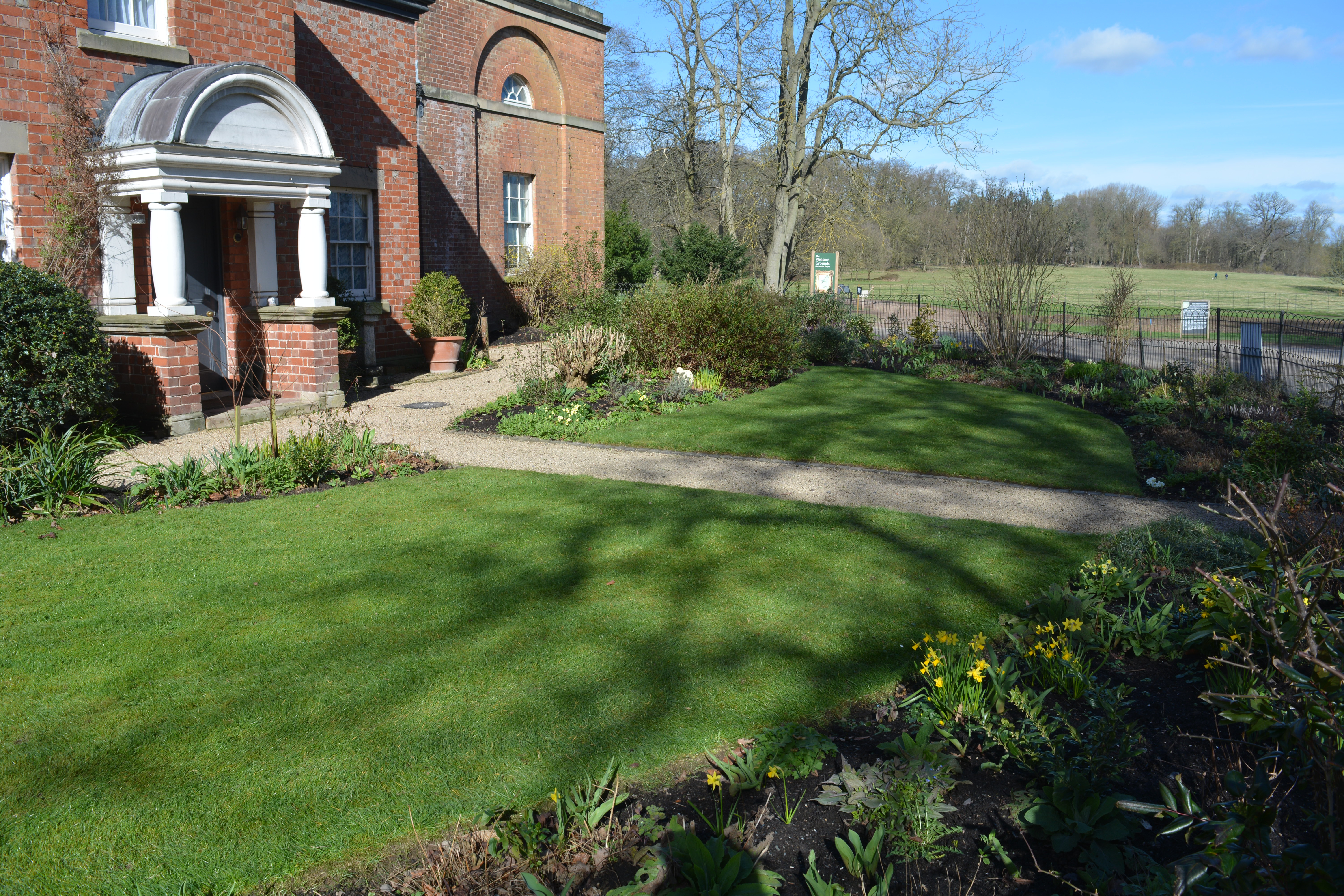
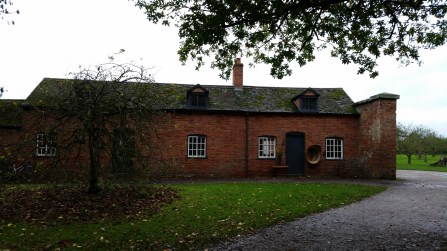
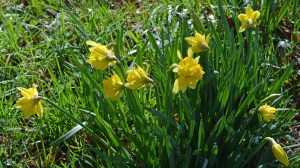
On route we discovered naturalised Daffodils and native Celandines glowing bright golden-yellow beneath magnificent mature trees. The lawns and borders of the gardener’s cottage looked neatly prepared to celebrate Spring. A Clematis alpina displayed deep purple buds fit to burst. Species Tulips were already in flower among emerging growth of herbaceous perennials.

    

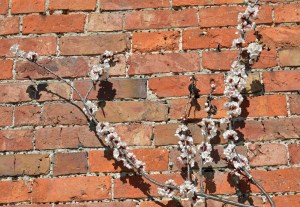
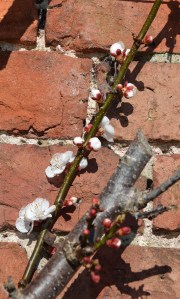
Approaching the gateway into the walled garden we noticed colour on the trained fruit trees, the white and pinks of blossom.

  

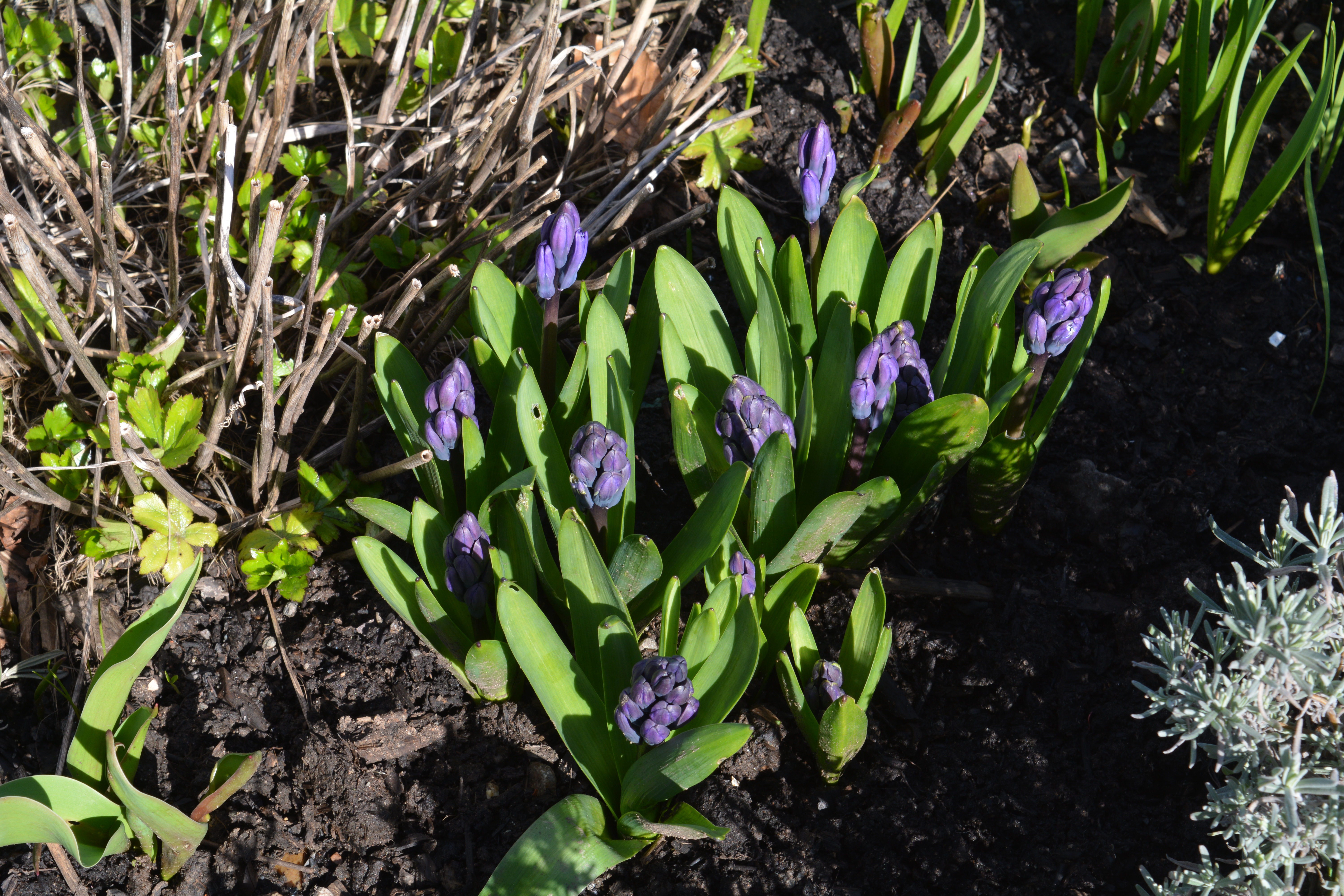
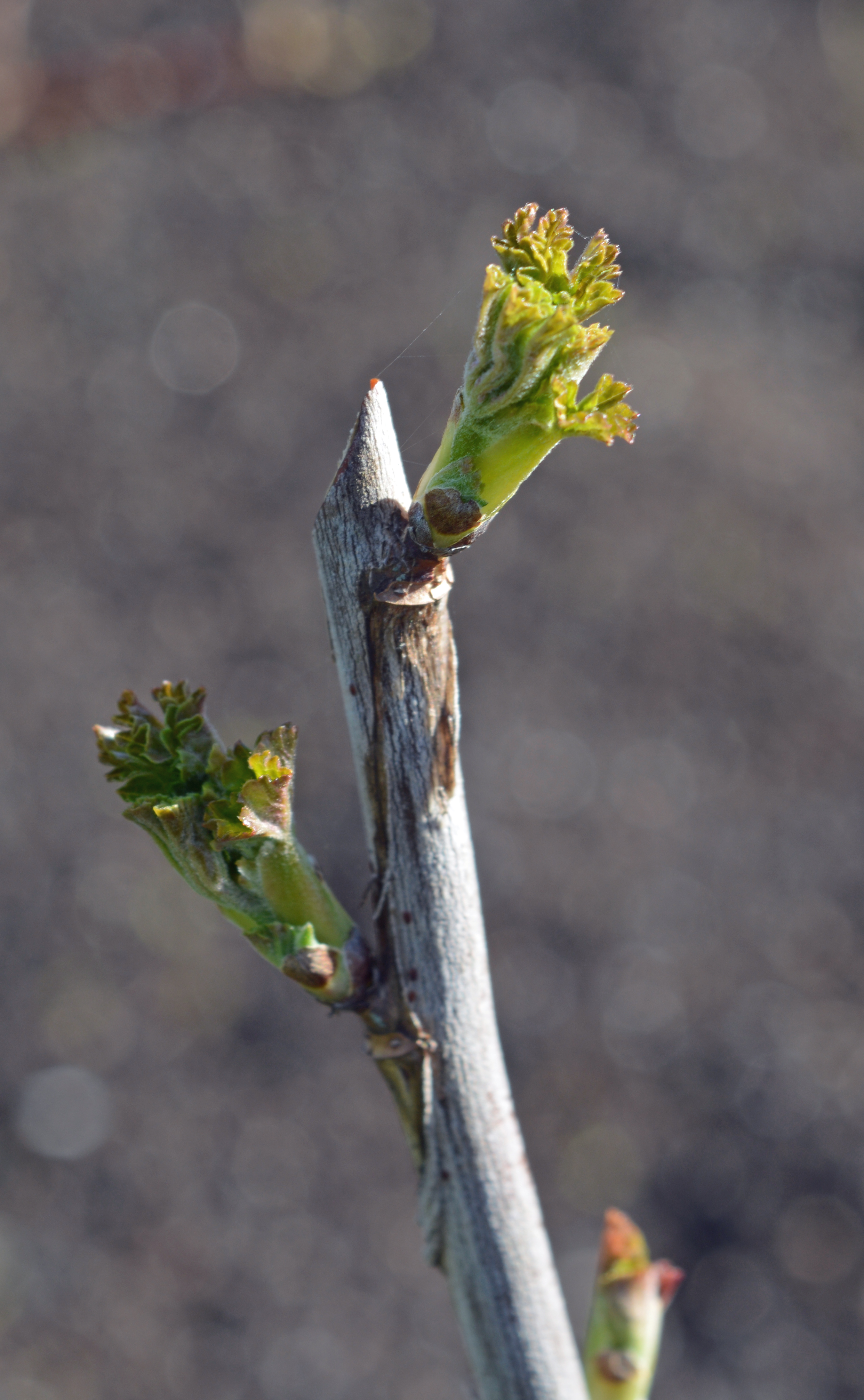
Once we were within the walls we could appreciate the extra warmth and protection afforded by the tall red-bricked walls. Leaf buds were opening on fruit bushes and canes and perennial plants were emerging strongly now the soil had some warmth to it. Bulbs were already flowering and sharing perfume.
   

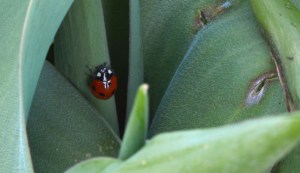
We were sure that the gardeners, who like to garden organically, were delighted at the sight of emerging Ladybirds.
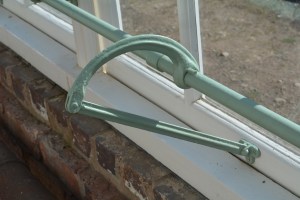
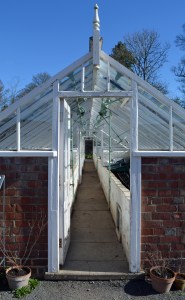
We were so pleased to find the glasshouse doors open to allow us to wander inside to study their structure and mechanisms as well as allowing us to check what the gardeners were up to.
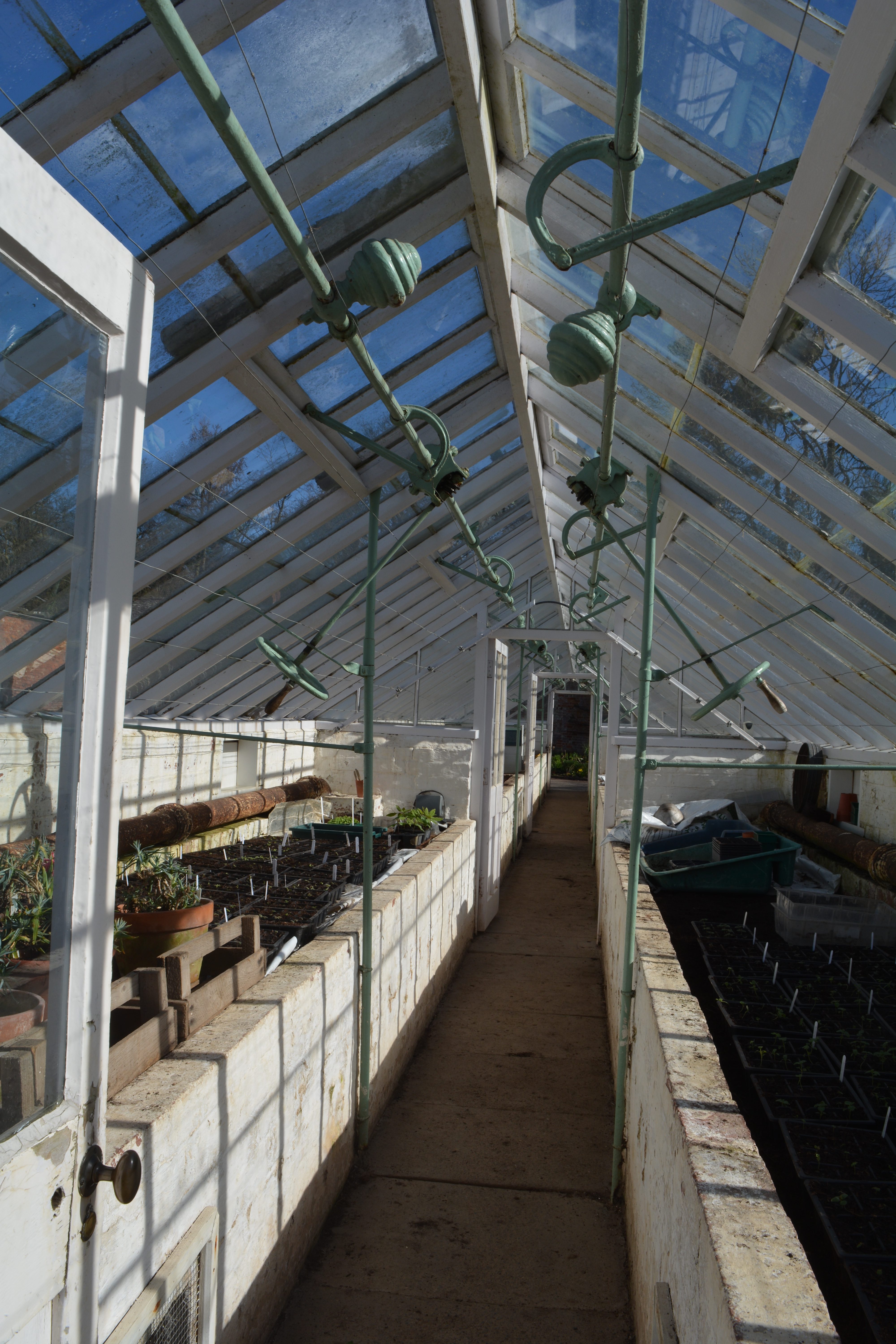
             

The informal decorative and cut flower borders surrounding the glasshouses were most colourful, with Primulas and bulbs taking full advantage of the extra degree or two of warmth afforded by the walls.


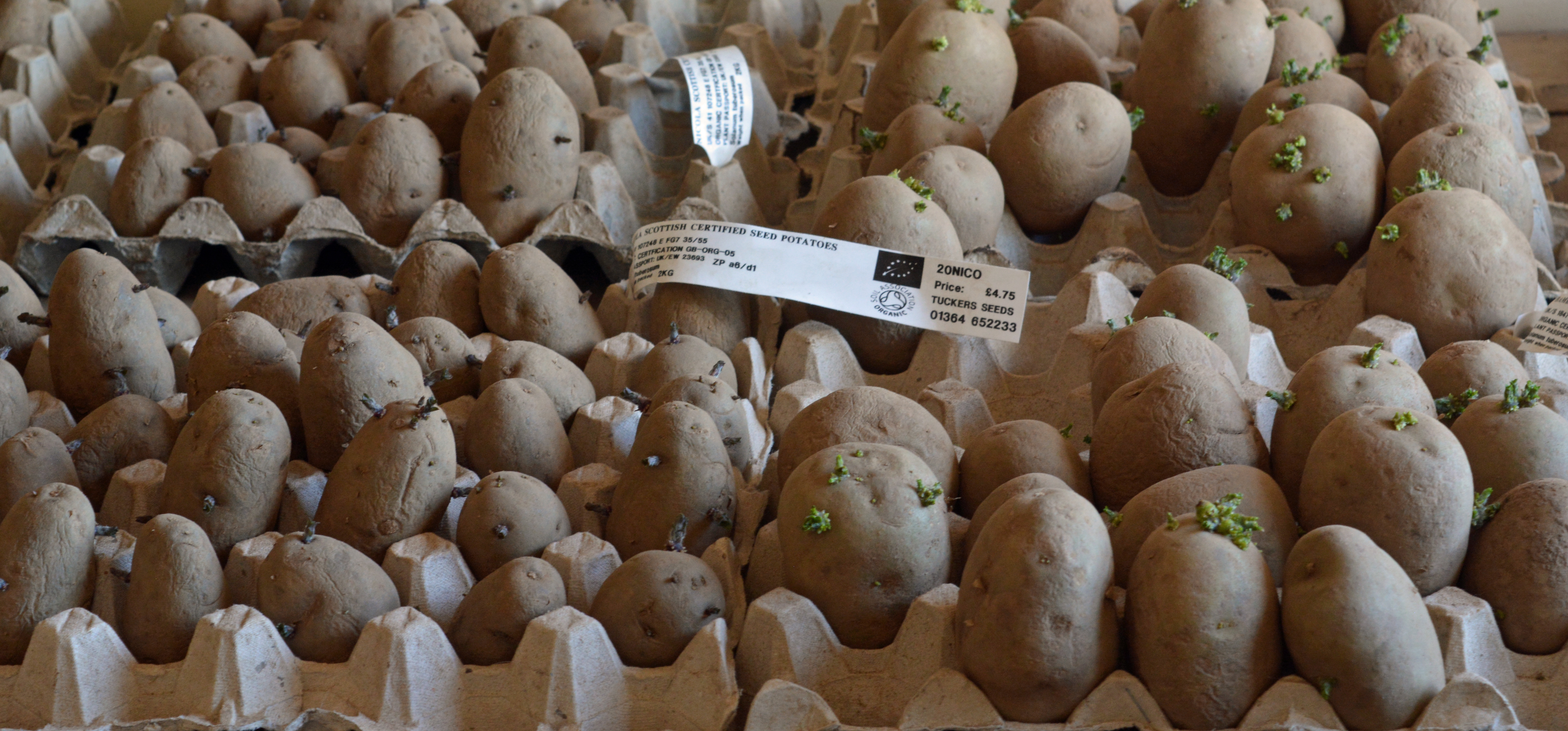
A quick look into the gardeners’ bothy showed us that lots of seed potatoes were chitting nicely and we noticed that the volunteer gardeners had plenty of jobs to challenge them.
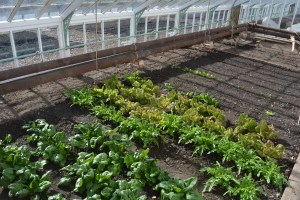
When we return next month we look forward to seeing big changes in the productive borders.

When we left the bothy we continued to walk beneath tall trees along the way marked track taking us towards the start of the Woodland Walk. This walk will be the subject of the next March Attingham Park post.



Categories
log piles logs National Trust outdoor sculpture The National Trust trees woodland woodlands

Tree Trunks at Attingham

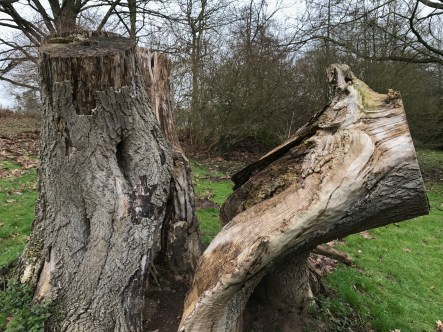
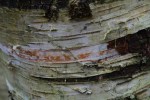
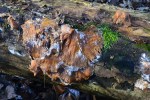
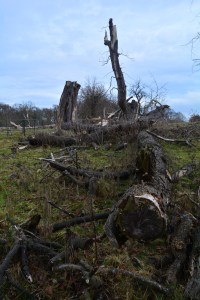
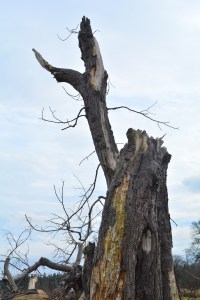
On our monthly wanders through the parkland at Attingham Park, the closest National Trust property to us here in Plealey, we spot many dead trees left standing to benefit wildlife, insects and birds in particular. But we simply enj0y their shapes as they decay and the textures created as fungi and small creatures eat them and erode them away.

a13-05 a13-03a13-04

We came across a pair of old diseased beech trees both of which had been worked on by tree surgeons. One looked as if it had been made safe to be left for the wildlife of the woods but the other treated in a manner that would save it for years to come.

a13-06 a13-07

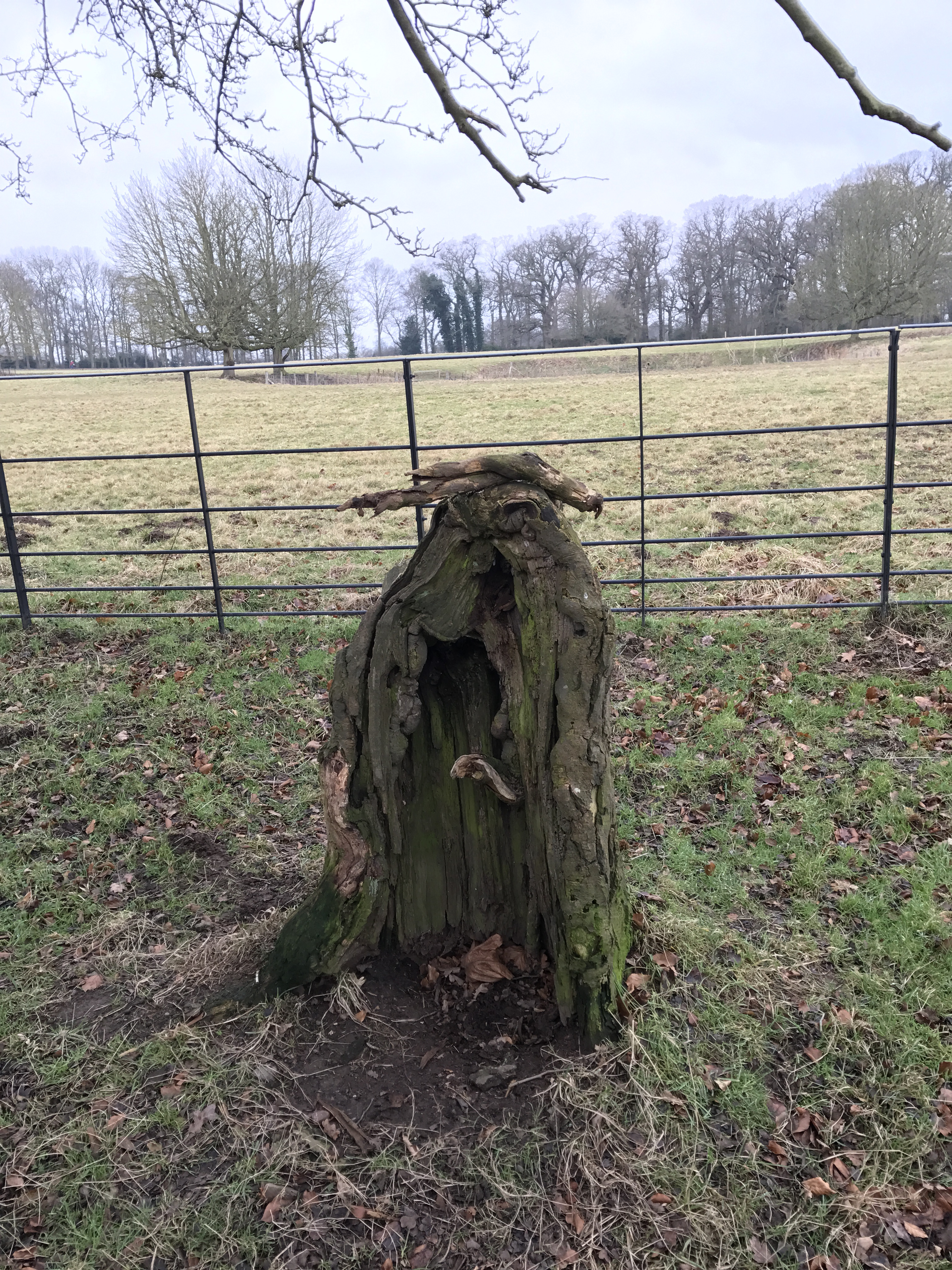
When we went closer to look at this stump of an old rotting tree we noticed that someone who has passed before us had added a few pieces of wood creating a piece of outdoor sculpture. A surprise for us and other visitors lucky enough to spot it. And a little humour!

a13-09 a13-10

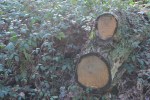
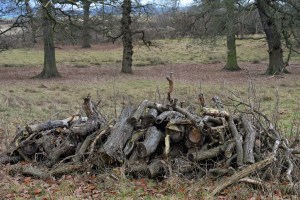
Trees that have to be felled when they are in a dangerous place are felled, cut into logs which are stacked to create log piles for wildilfe.

a13-01 a13-02

The slow decay and death of trees keeps the woodland changing for ever. They support many forms of wildlife before rotting away beneath the power of fungi to return to the woodland floor adding nutrients and humus to the soil.

Categories
colours garden photography gardening gardens gardens open to the public National Trust ornamental trees and shrubs Shrewsbury Shropshire shrubs The National Trust trees Winter Gardening winter gardens woodland woodlands

A Walk in the Park – February at Attingham Park – Part 2

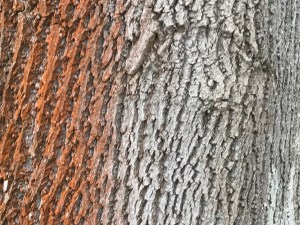
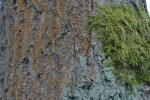
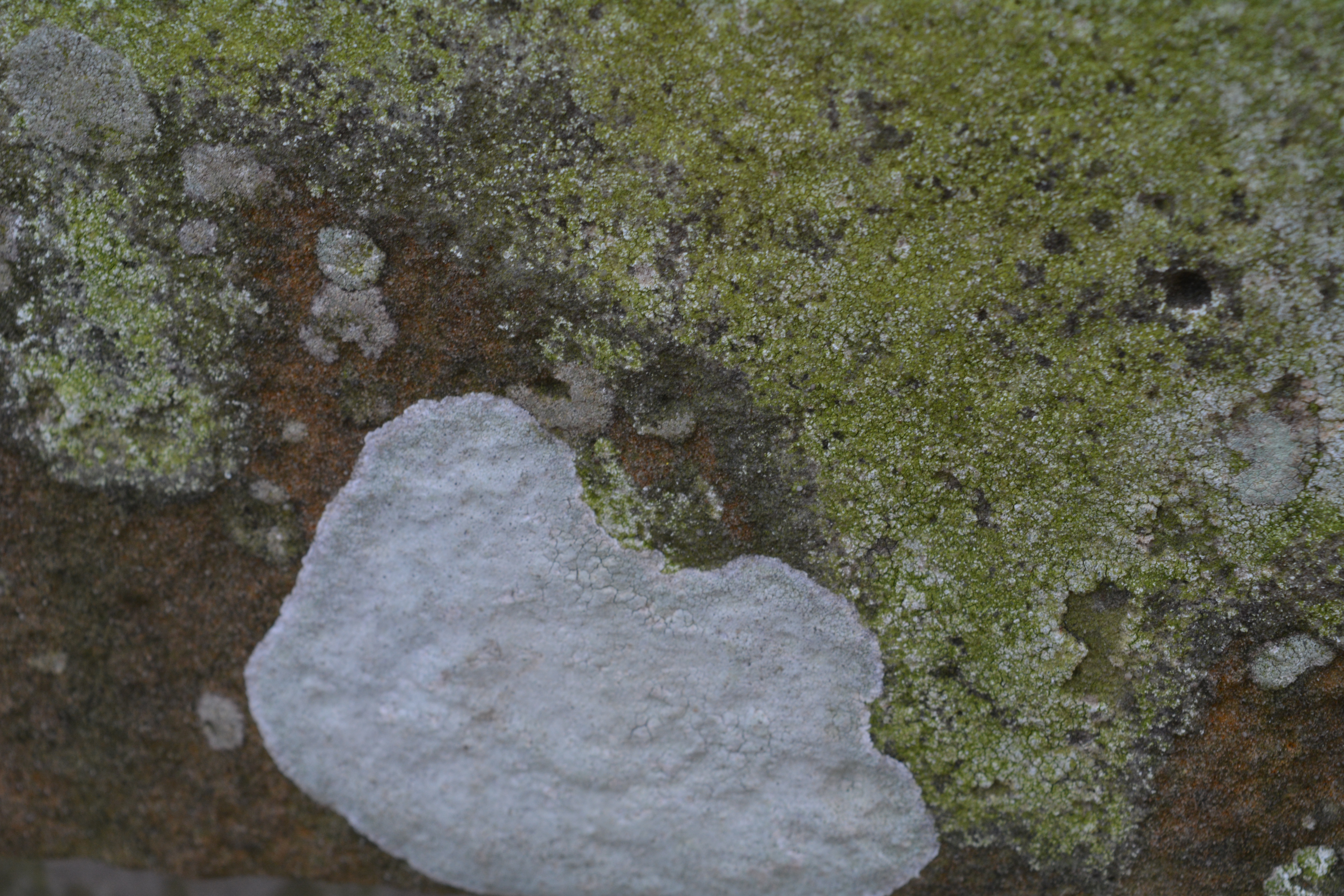
After enjoying time exploring the walled garden and its outbuildings we continued our wanderings towards the beginning of “The Mile Walk”, passing along the way this tree half covered by orange lichen, which looked so colourful on this dull day.

a9-16 a10-5

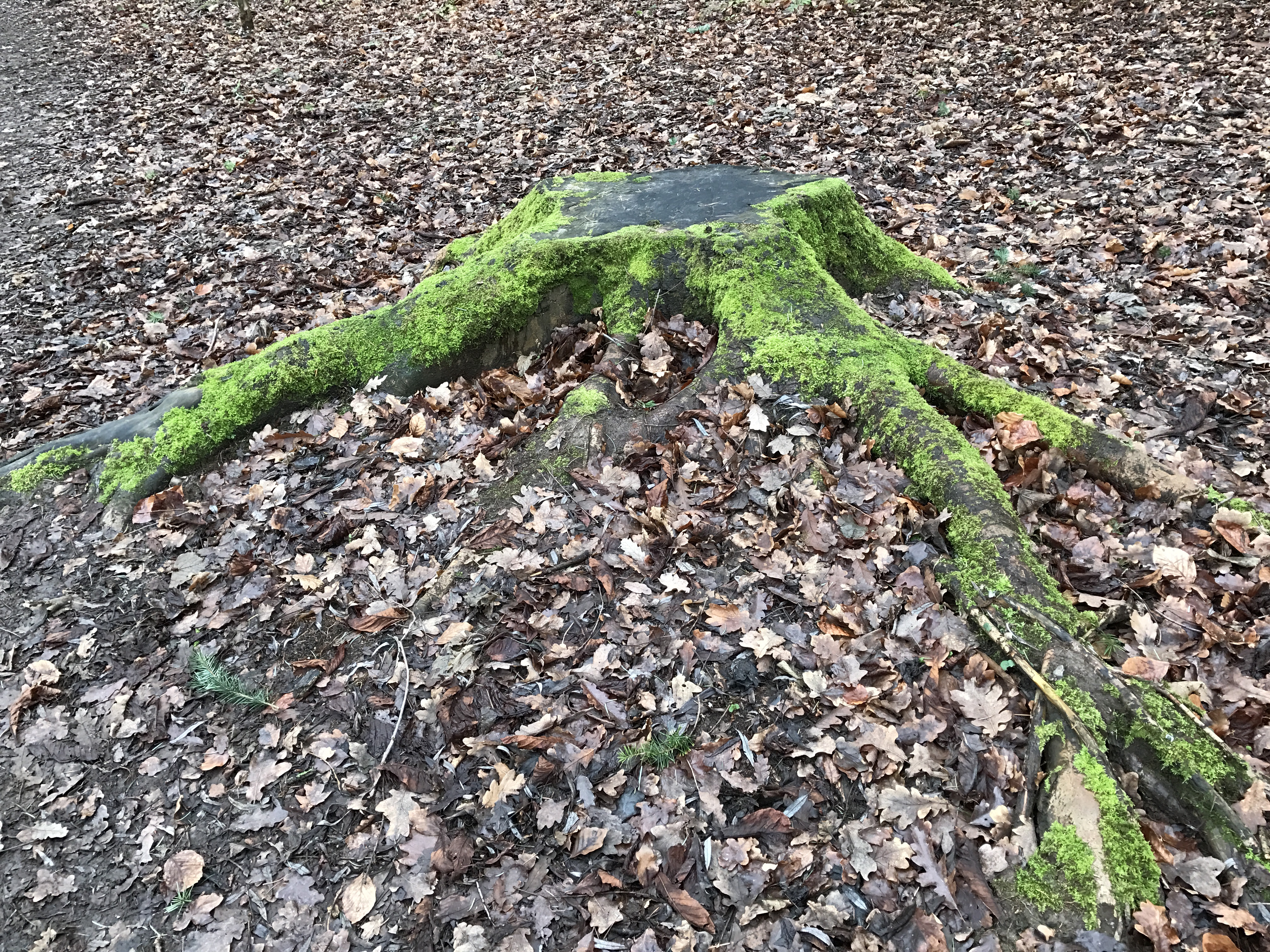
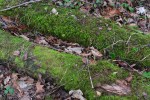
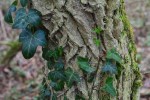
On the way we noticed how much moss was growing at the bases of the mature trees and how bright their green colours were. Of course we enjoyed the white sparkles of snowdrops on the way.

a9-01 a9-04a9-06 a9-14a9-11 a9-03a9-05 a9-02

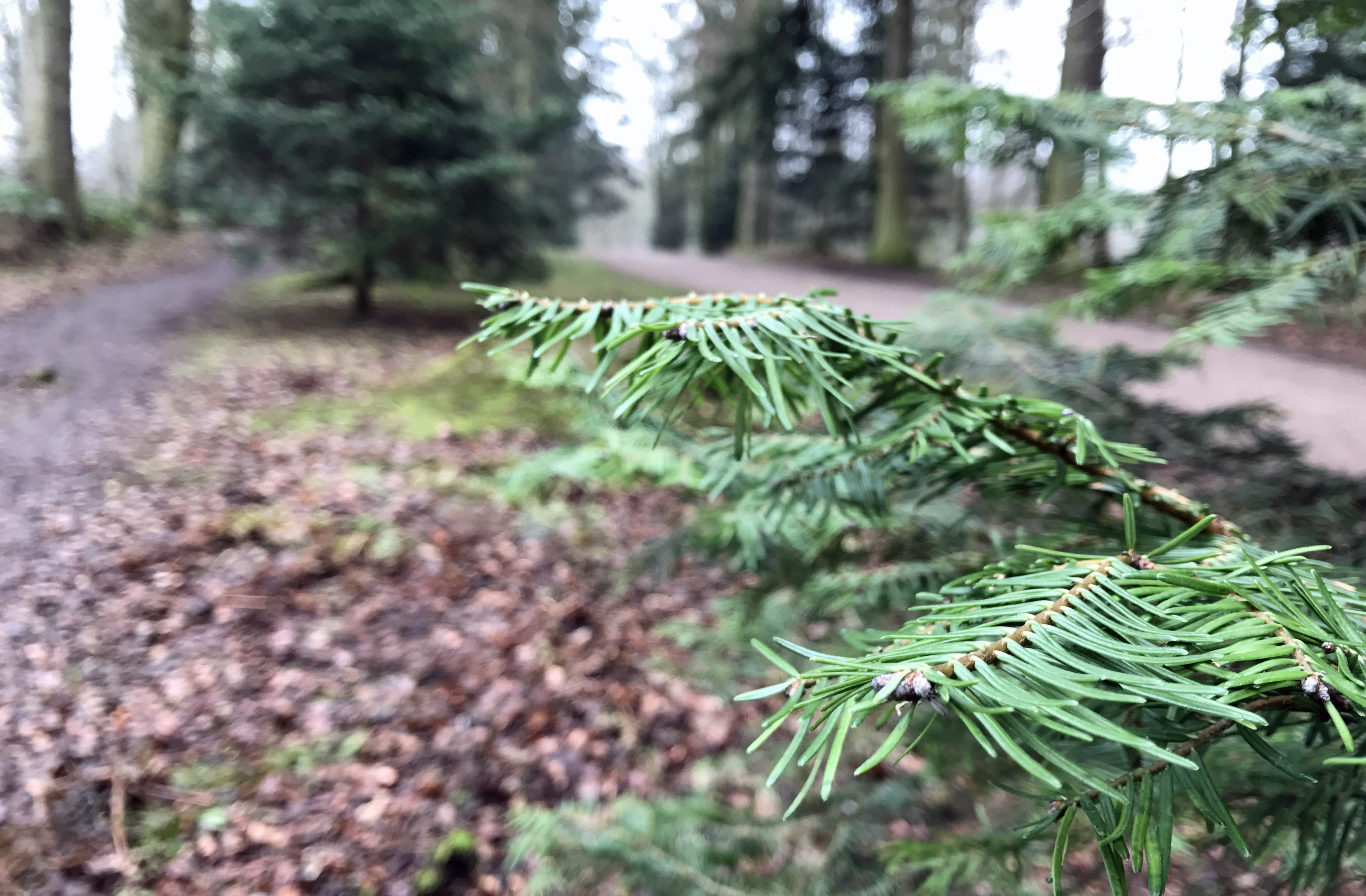
There is a wide variety of coniferous evergreens growing close to the path, collected centuries ago under the guidance of Lord Berwick, a keen tree and shrub collector. We looked closely at the freshest of branches to compare colours and shapes.

a9-07 a9-10a9-18 a9-17

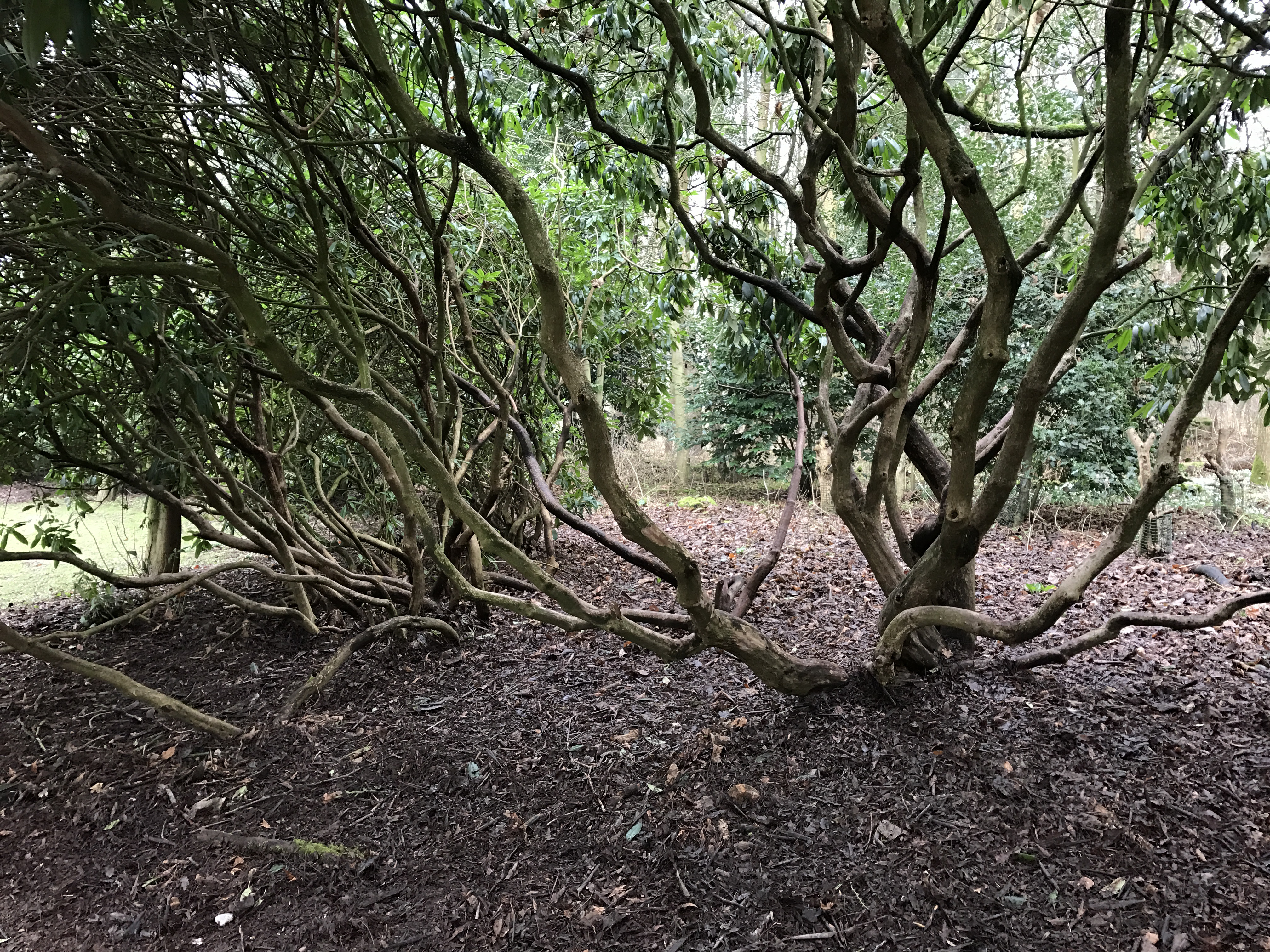
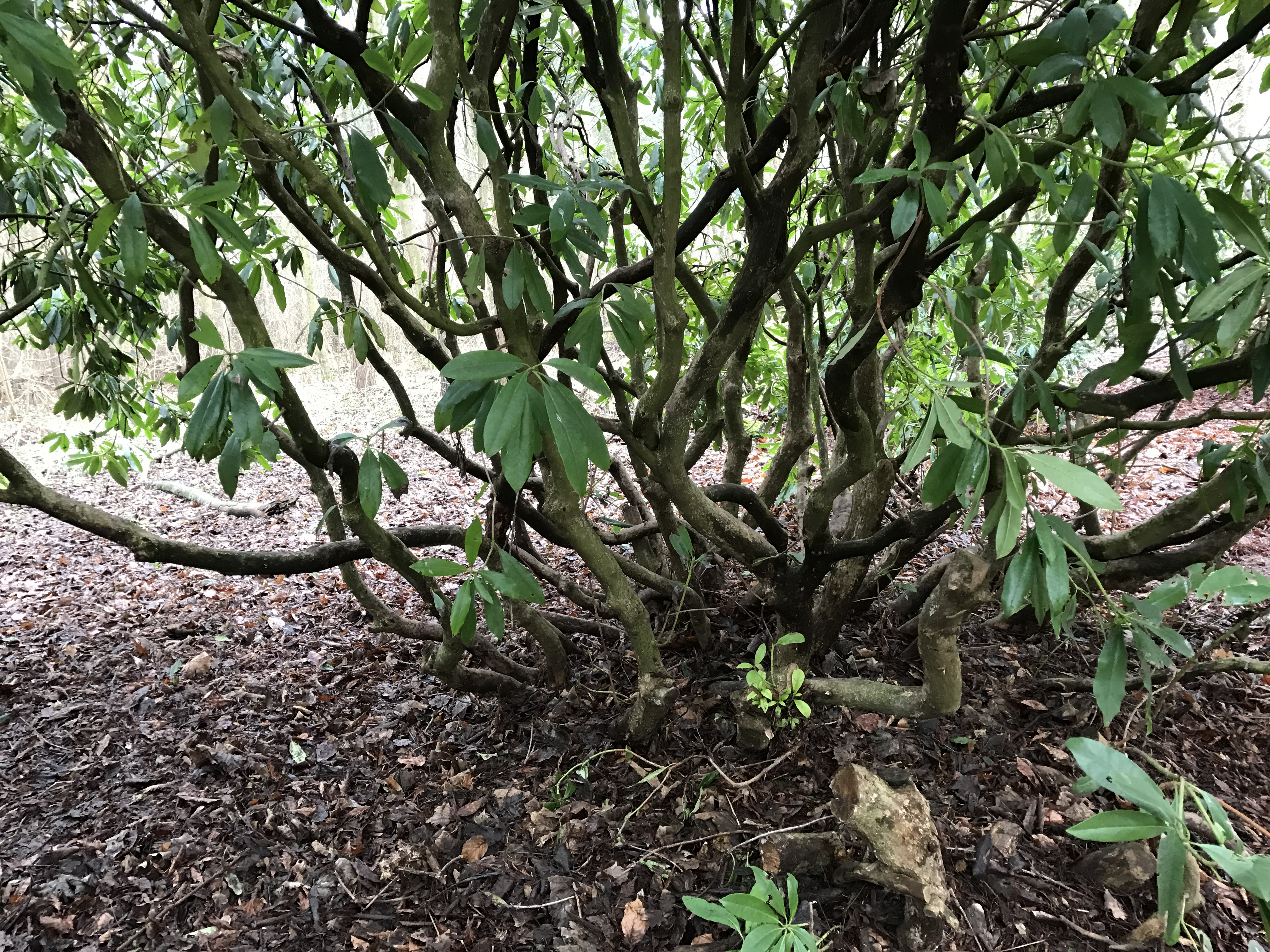
It is only in the depth of winter that we can really appreciate the beautifully gnarled lower stem structure of rhododendron bushes.

a9-12 a9-13

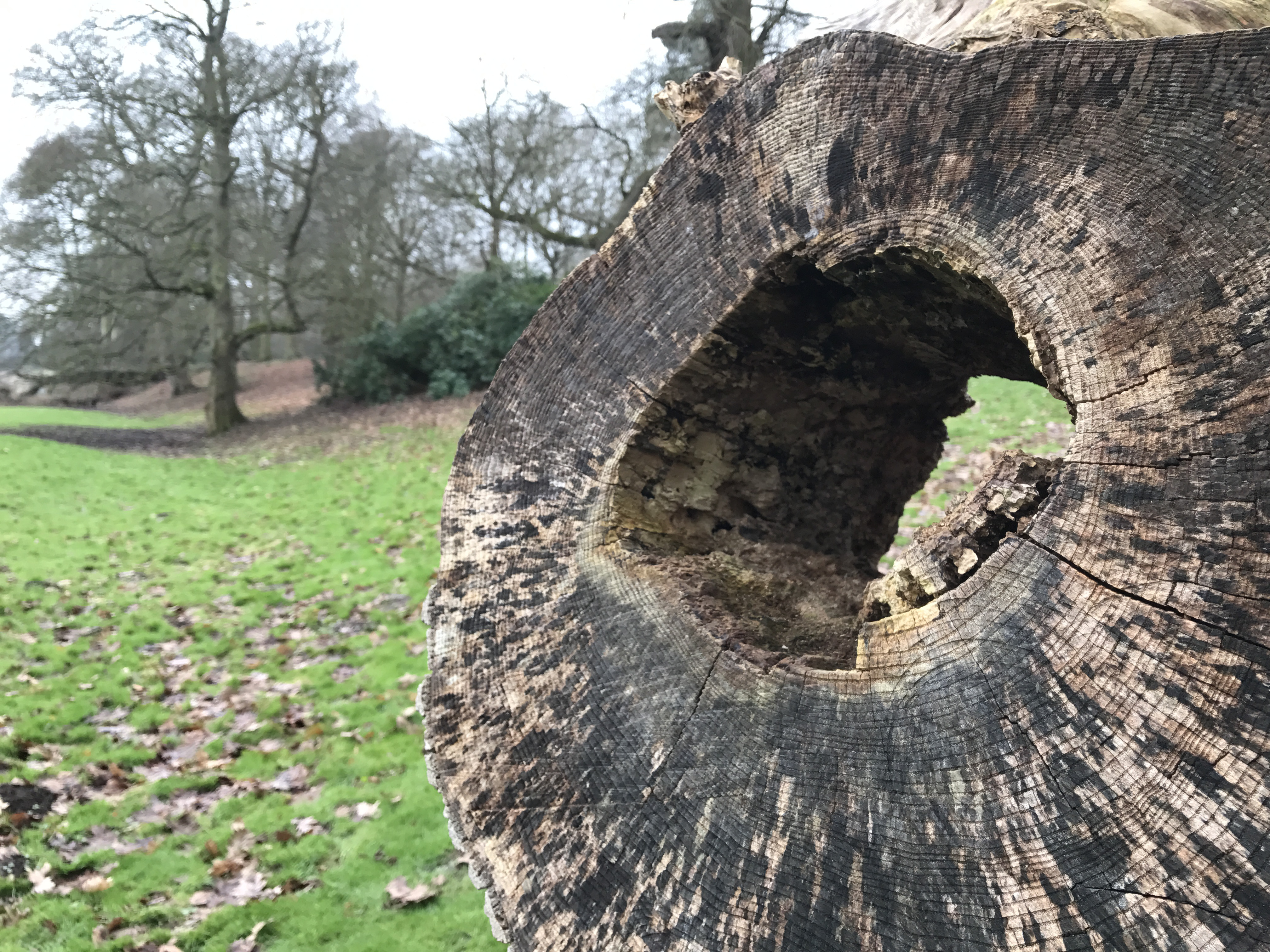
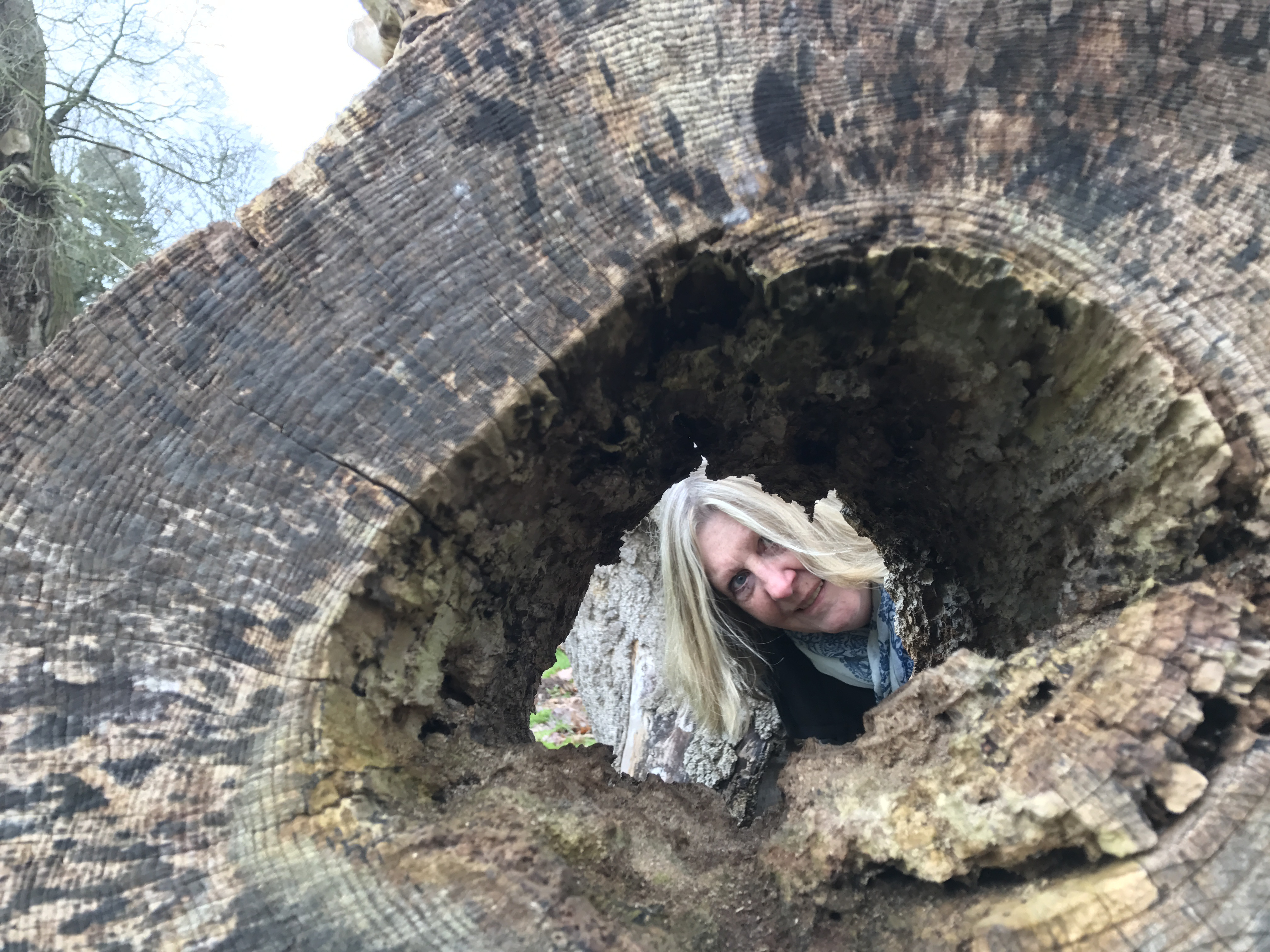
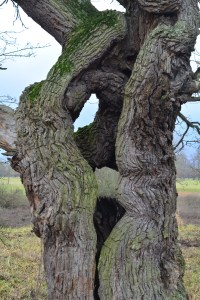
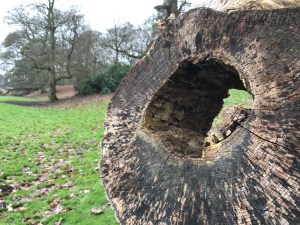
Old tree trunks hollowed out over centuries always bring the child out in us. We were drawn to it as soon as we spotted it along the riverbank.

a10-4 a9-21 a9-22 a9-23 a9-24

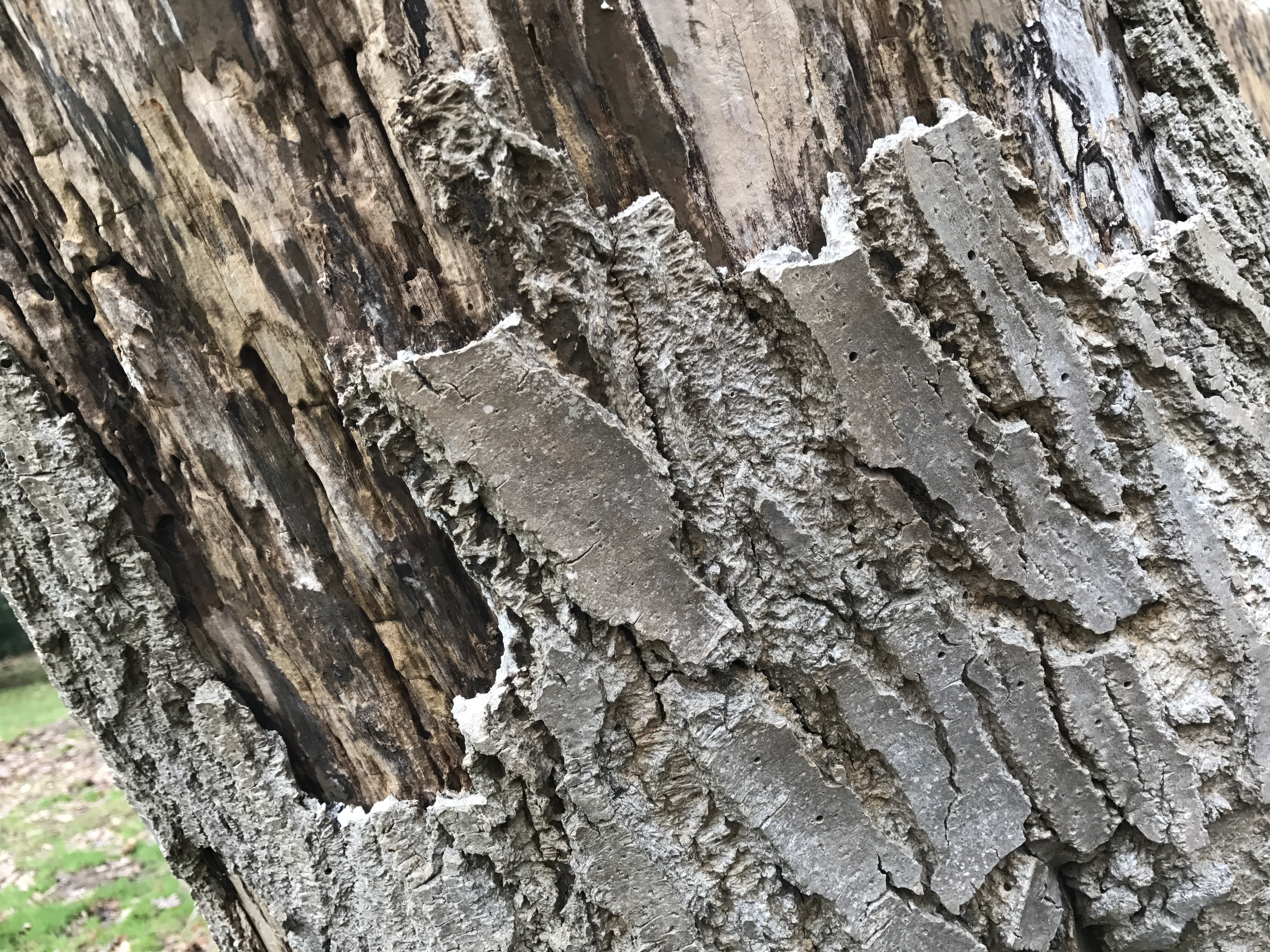
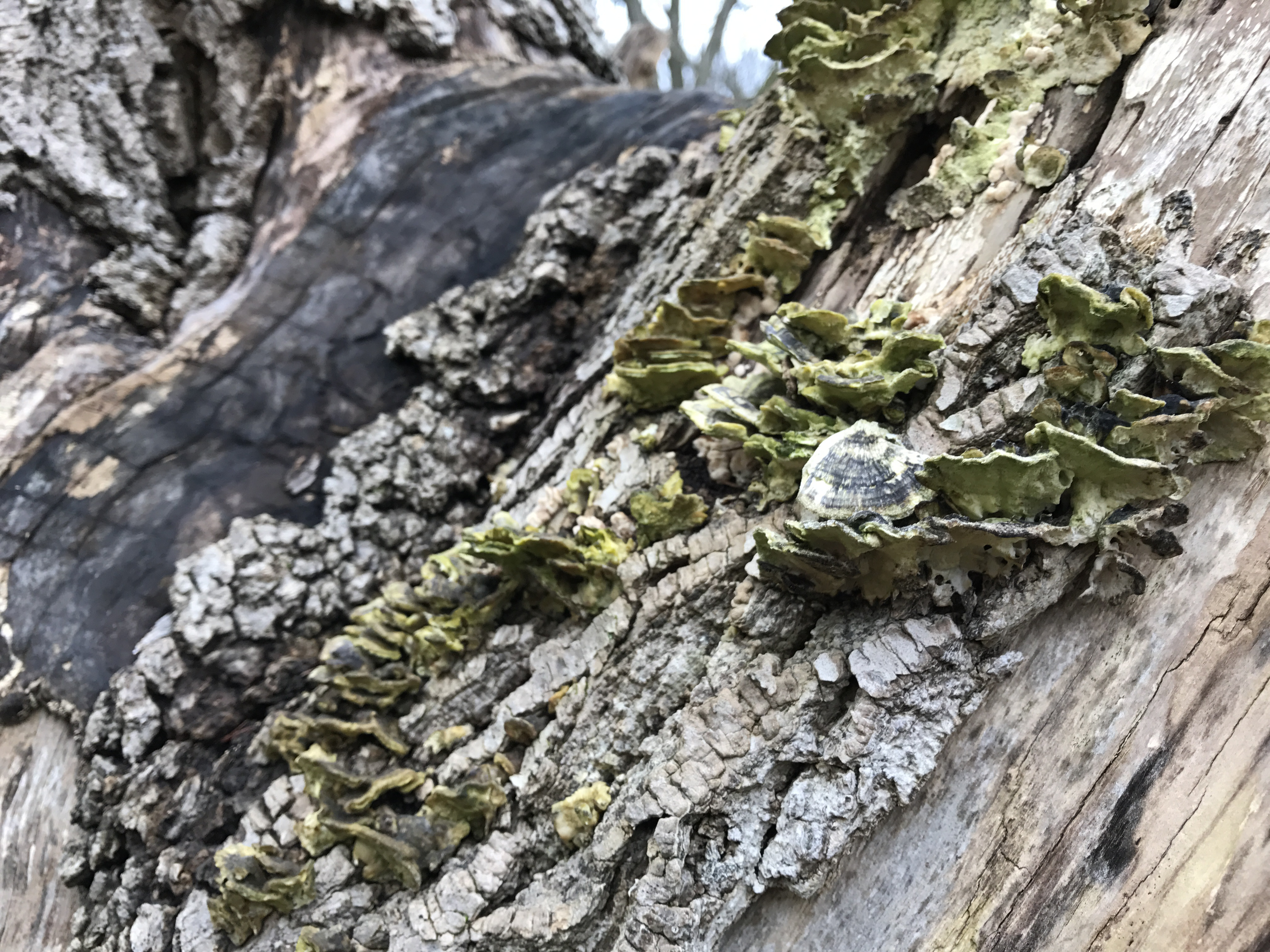
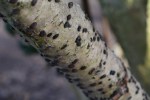
Closer study revealed wide varieties of texture and pattern.

a9-25 a9-26 a9-27 a9-28 a9-29 a9-30

It is always good to find a little humour in gardens and parks. This worm was enjoying nibbling away at the big apple. What a great way to take advantage of an old uprooted tree stump. The final photo shows a seat which we imagines was rarely used particularly as it was just a few feet from the river!

a2-51 a2-50   a9-19

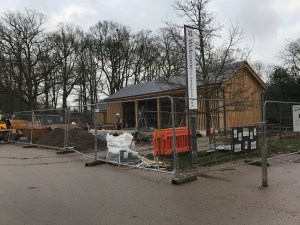
Our next visit to Attingham Park will be in March so we are already looking forward to searching for changes. Of course we will be full of anticipation knowing that the new coffee shop is getting close to its opening date!

a10-6 a10-7


Categories
light light quality National Trust Shrewsbury Shropshire The National Trust wildlife

Simply Beautiful – 7 – Fallow Deer

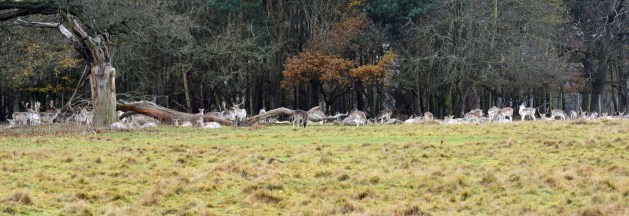
While walking around our local National Trust parklands, Attingham Park, we usually finish our regular wanderings by walking along the wide paths mown and nibbled short and neat by the teeth of the parkland sheep. This is the deer park and we do indeed regularly enjoy watching the large herd of Fallow Deer who wander confidently close to the many visitors walking their territory.

sb7-6

The low December sunbeams give them coats of gold. Their mottled, spotted and dashed patterning is beautiful but developed to be functional, as camouflage against their habitat background.

sb7-7 sb7-4 sb7-5 sb7-2 sb7-3

Categories
fruit and veg garden buildings garden design garden photography garden wildlife gardening gardens gardens open to the public kitchen gardens National Trust ornamental trees and shrubs outdoor sculpture The National Trust walled gardens walled kitchen gardens Winter Gardening winter gardens woodland woodlands

A Walk in the Park – Attingham in January – Part Two – Woodland Walk

Back with the second part of our report of our January visit to Attingham Park we find ourselves taking the path into the woodland at this Shropshire National Trust property.

aj2-08 aj2-09

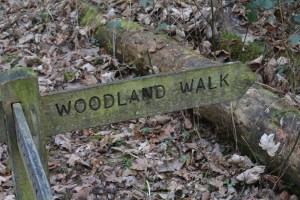
When leaving the walled garden the visitor has the choice of two walks and we decided to follow the 3 mile “Woodland Walk” as the weather seemed set dry for the day. Next month when we make our February visit we will follow the “Mile Walk”.

aj2-01 

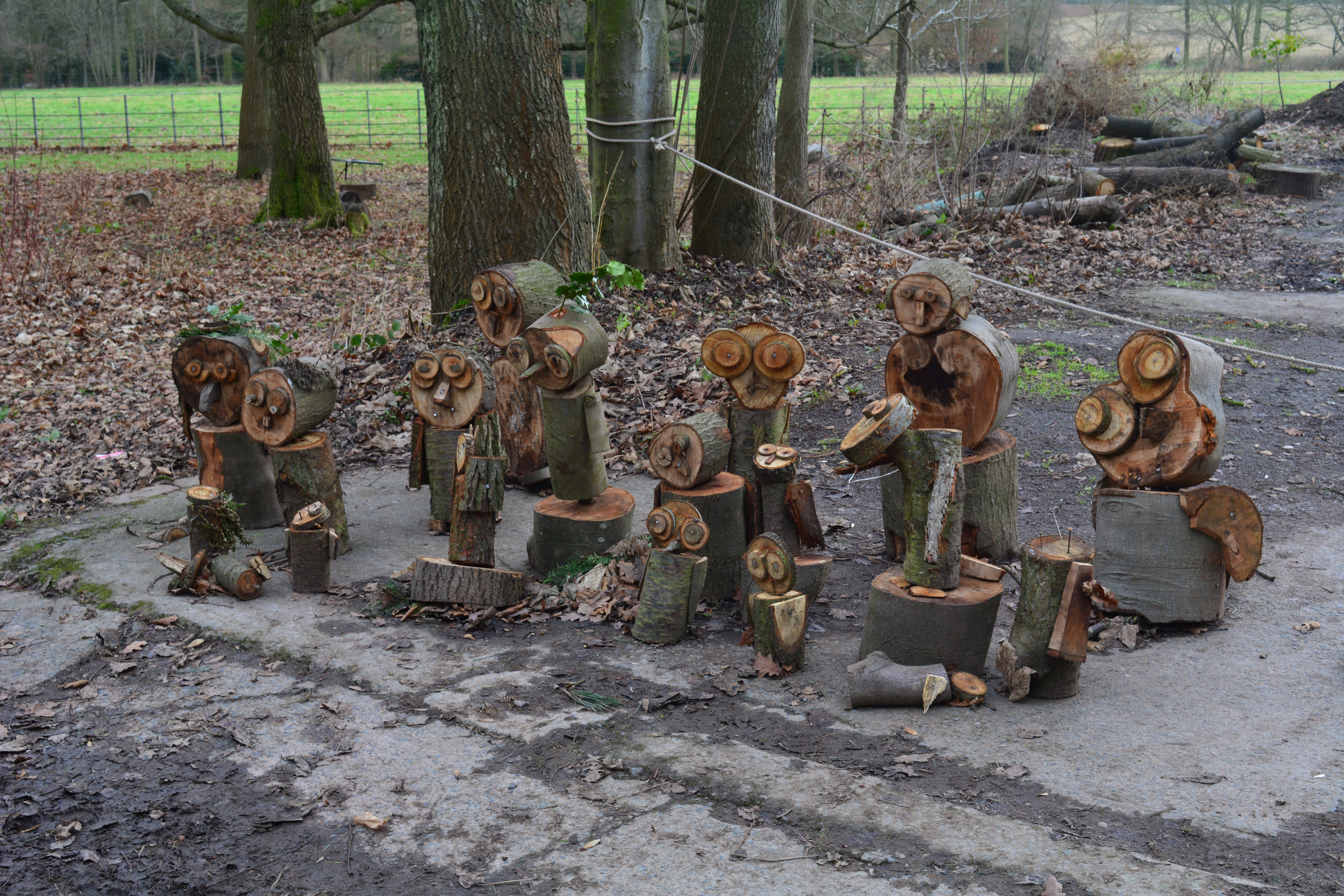
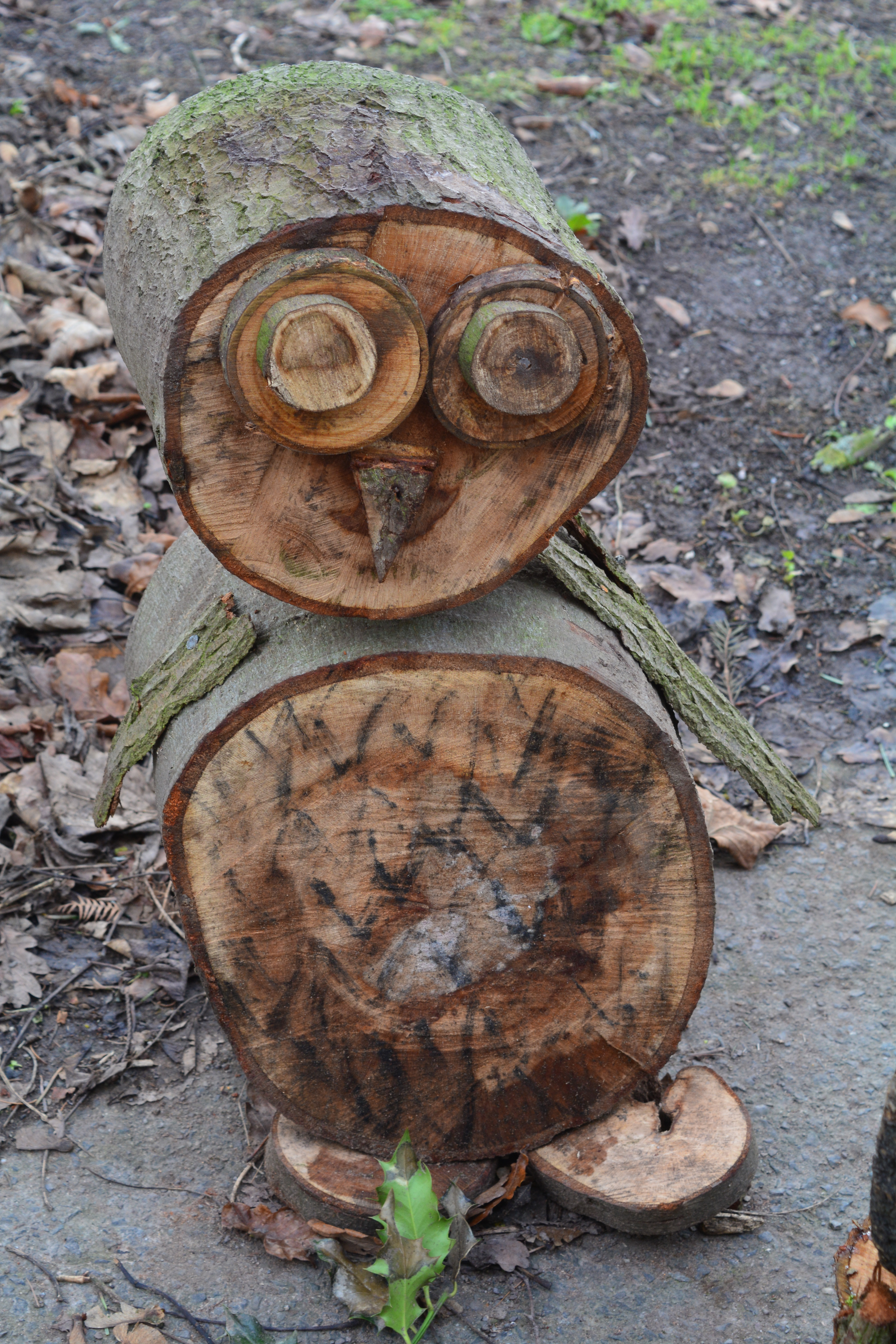
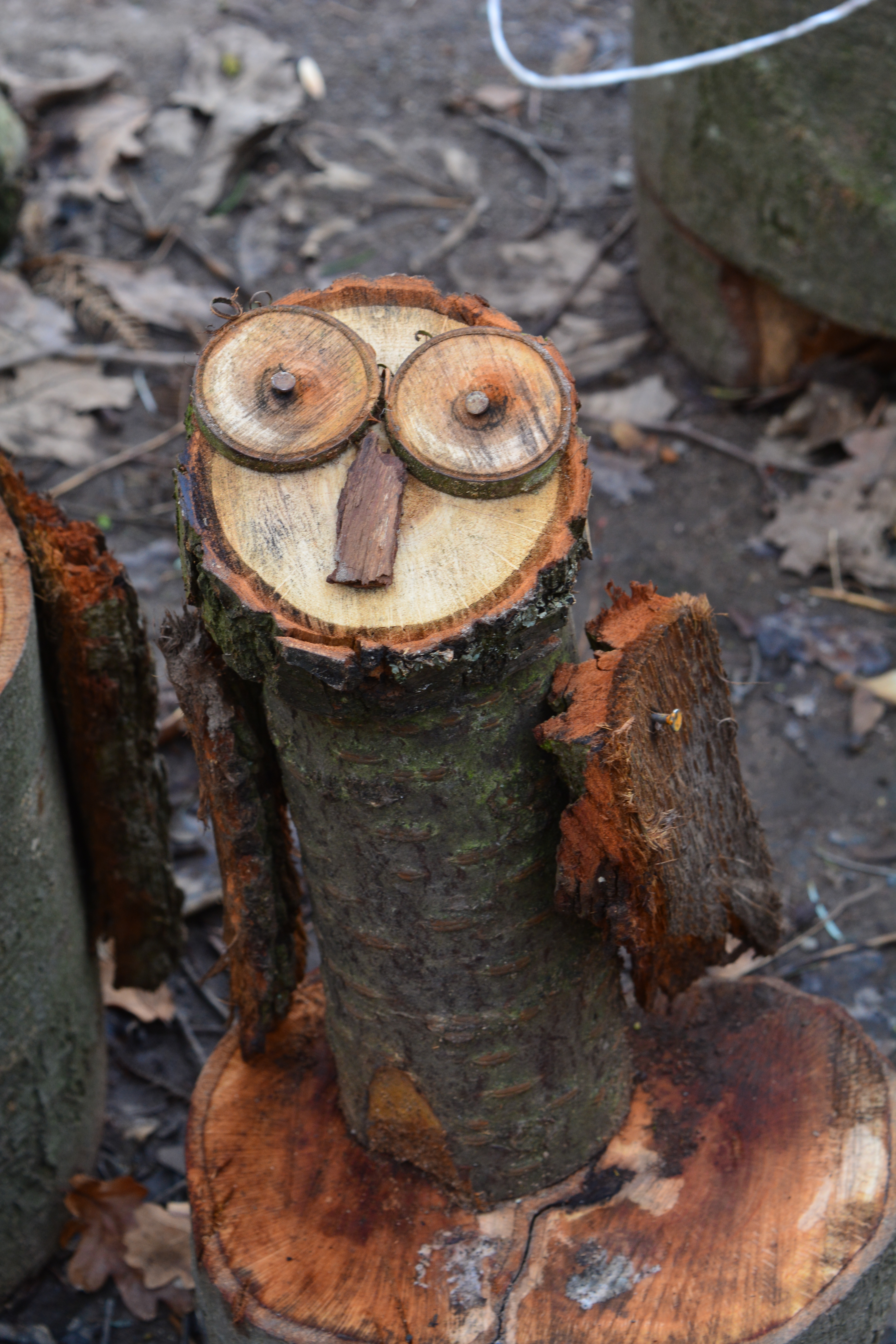
Just a short way into our walk we came across the “Burning Site” marked by a wooden deer complete with impressive antlers. We like gardens with a touch of humour so we were delighted to discover this family of owls created from wood offcuts left after trees surgery work. They were created by the gardeners as a competition. We loved them all!

aj2-07 aj2-02 aj2-03 aj2-04

aj2-05 aj2-06

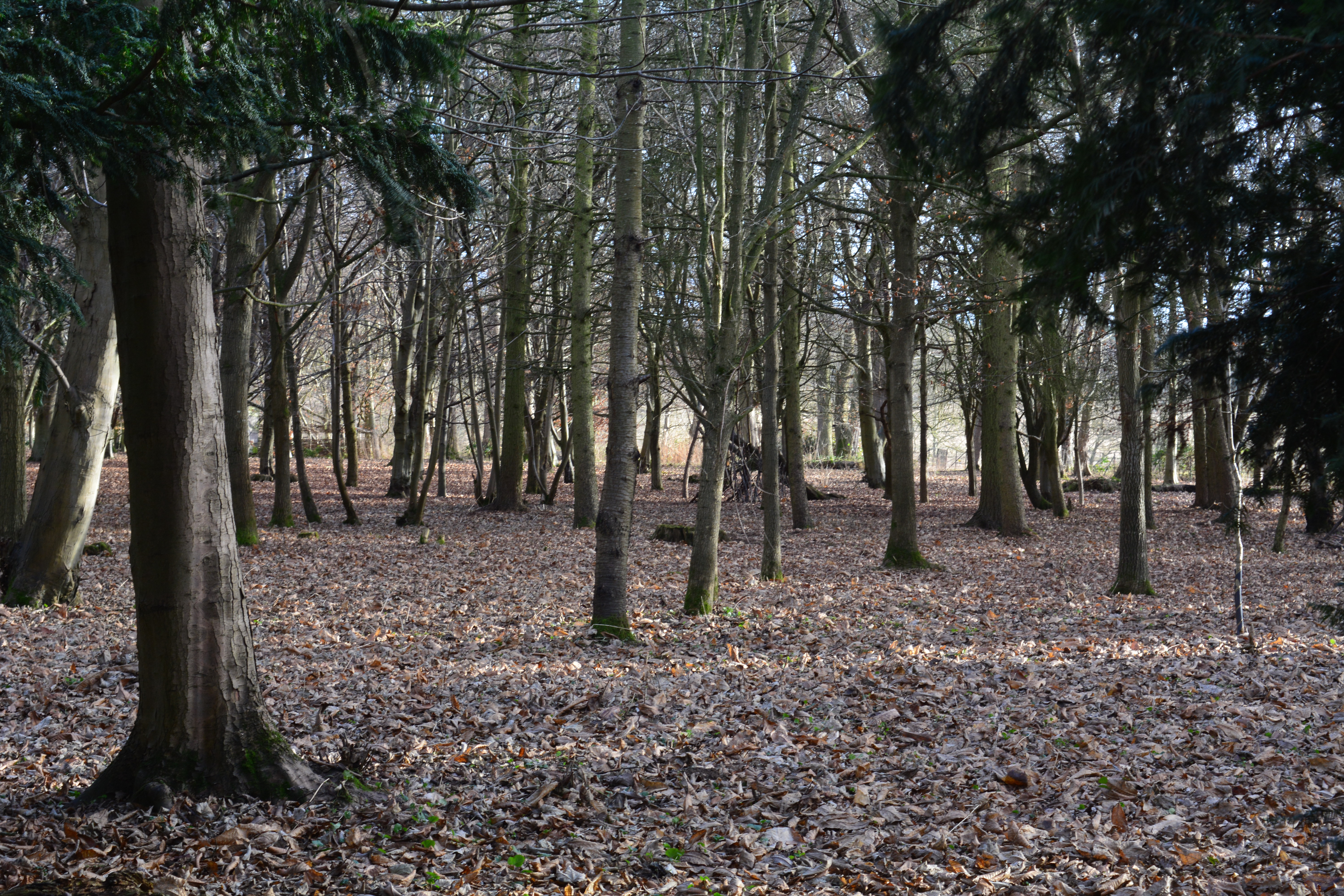
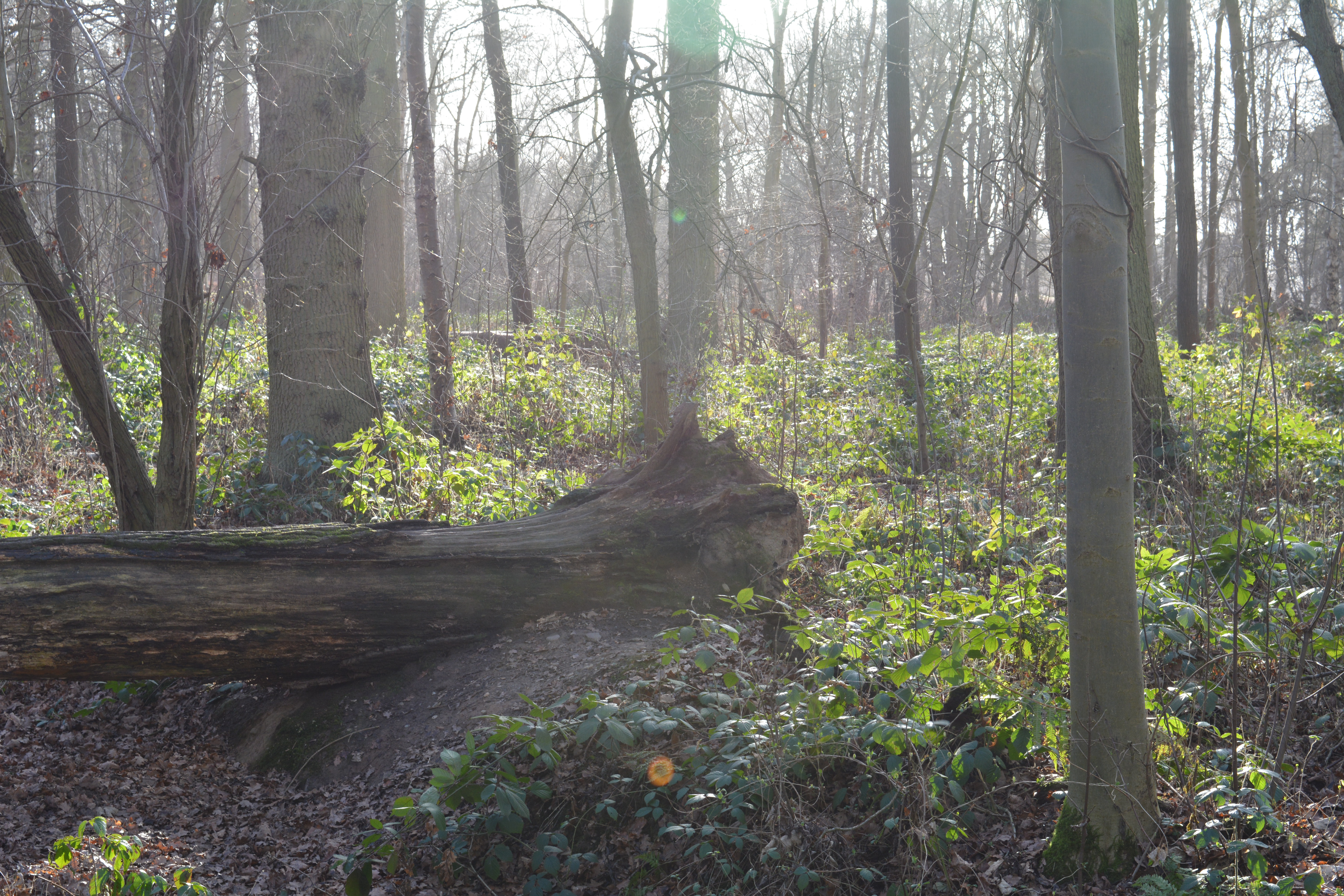
Walking in woodlands in the winter helps highlight textures and patterns not easily spotted when the trees and shrubs are in full leaf. The gentle colours of lichens and mosses are more easily appreciated too as they carpet tree trunks. Please follow the gallery below featuring bark textures and the colours of lichen and mosses. The texture of fallen trees is changed over the years by the huge array of hard-working fungi present in the woodlands. Without these fungi the fallen wood would pile up so the fungi’s function of breaking down the dead trees is essential to the well-being of the woodland ecosystem. Click on the first photo and navigate using the right hand arrow.

Woodland walks are made more interesting by the manner in which rays of light penetrate the canopy, creating patterns and patches of strong contrasting light.
ajt-49 ajt-43 ajt-38 ajt-37 ajt-35 ajt-26  ajt-23 ajt-25 ajt-22 ajt-27 ajt-28 ajt-20 ajt-01

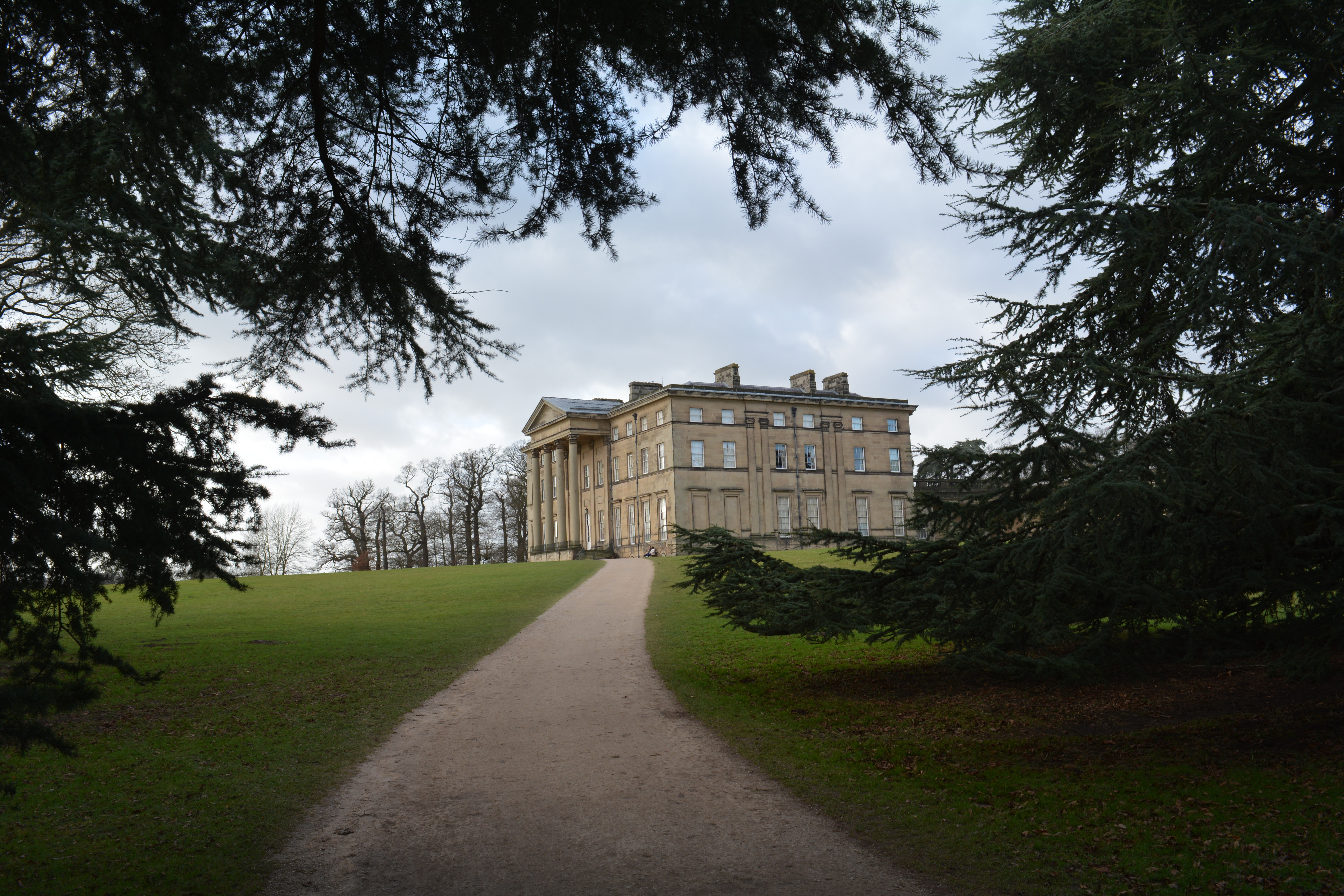
After enjoying exploring the woodland following the Woodland Walk way-marked path we cut back across the parkland to the house itself. First glimpse of the house is through a framework of Cupressus trees. To find this view we crossed over two stone bridges which took the path over water and the stonework attracted as much lichen as the tree trunks did.

ajt1-1 ajt1-2 ajt1-4 ajt1-5

Our return to Attingham Park will be in February when we will look at the Walled Garden again and then follow the much shorter walk, the Mile Walk.

aj2-11


Categories
architecture buildings gardens open to the public landscapes log piles logs National Trust Shrewsbury Shropshire The National Trust

A Walk in the Park – 3 -The WW2 Walk

In readiness for my new monthly visit blog postings for 2017 we have visited Attingham Park our subject for next year a few times during the late autumn and early winter to walk the paths and introduce them to you.

Today it is the turn of the World War II Walk, a walk we had never tried before, so we set off not knowing what to expect.

ww3-1 ww1-4 ww-07-1 ww-03-1

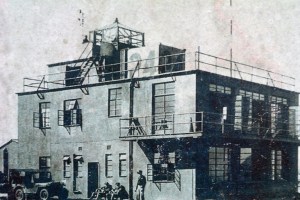
During World War Two Attingham Park was the site of an RAF airfield, which was built over existing smallholdings. It began life as an RAF fighter station but during 1942 it was handed over to the USAAF  when it was used as a training station for American fighter pilots. It closed in the Autumn of 1946. We were not really sure what to expect  so set off full of anticipation.

ww-28-1 ww-30-1  ww-31-1 ww-32-1 ww-44-1

We set off on an overcast chilly day for our walk and the weather was to remain dull for the whole walk.

ww-50

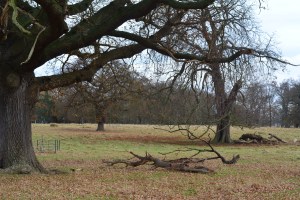
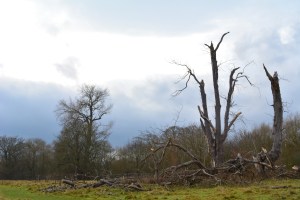
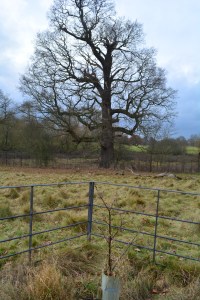
We first crossed the corner of the Deer Park and made our way alongside ancient dying or dead trees. We were pleased to see that plenty of new young trees have been planted to replace them. The old trees were left after they had died to become valuable wildlife haunts from woodpeckers to beetles to myriads of micro-organisms. This is a healthy way to manage woodland and parkland. Fallen wood has been left where it dropped or piled up to create wildlife shelter and food. A local beekeeper has established a good colony of bees with several sorts of colourful hives set alongside the woodland fenceline.

ww-04-1 ww-05-1ww-22-1 ww-21-1ww-08-1 ww-11-1ww-12-1 ww-17-1 ww-14-1ww-10-1 ww-09-1 ww-06-1

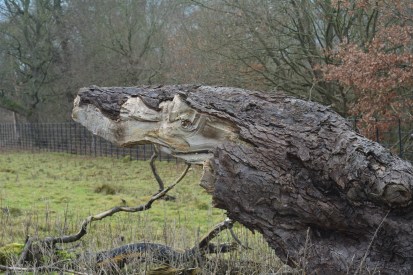
Jude the Undergardener and I are both very imaginative and love looking for shapes in clouds, flames and here within the shapes of fallen rotting wood. The tree trunk in the photo below reminded us of a Komodo Dragon!

ww-16-1

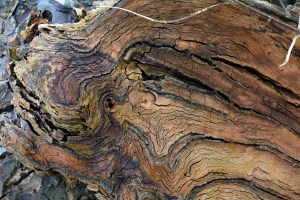
We love the textures in rotting tree wood – the patterns, lines and colours creating works of art.

ww-20-1 ww-19-1

We wandered along a woodland path beneath dark tall conifers, the path soft beneath our feet made from chipped bark and topped with a layer of pine needles.

ww-29-1 ww-23-1ww-27-1 ww-25-1 ww-26-1

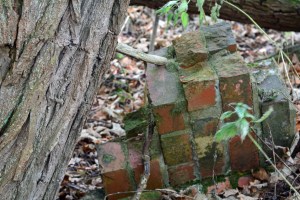
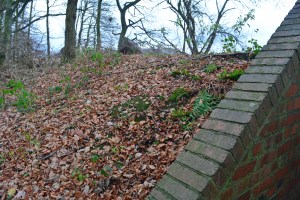
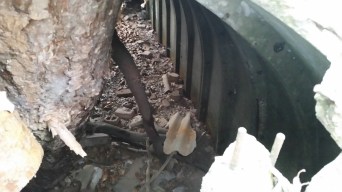
Site Number 10 is where we found the evidence of the Atcham Airfield, ruins of barrack huts, officers’ quarters and latrines. To begin with an odd brick or two then signs of an old wall and then even the ruins of a building.

ww-33-1 ww-34-1ww-48 ww-45-1ww-35-1 ww-36-1ww-43-1 ww-39-1ww-47-1ww-40-1 ww-38-1ww-37-1 ww-41-1 ww-46-1 ww-57ww-49 ww12-1

After experiencing the discovery of the ruins of the airfield complex, we left the artifacts behind us and made our way back through the deer park towards the hall.

ww-56 ww-24-1ww-53 ww-51

We will no doubt re-visit this walk and its WW2 ruins during our monthly visits in 2017.


Categories
autumn autumn colours colours garden photography gardening gardens gardens open to the public light light quality National Trust ornamental trees and shrubs Shrewsbury Shropshire The National Trust woodland woodlands

A Walk in the Park – Part Two – The One Mile Walk

Returning to a second post about Attingham Park, we would like to introduce you to another part of this Shropshire National Trust property. The One Mile Walk was our chosen walk on a November afternoon visit to Attingham Park. We only had a short amount of time available as the light disappears far too early for us outdoor types at this time of year. Attingham will be our featured monthly visit during 2017 when we will chose one walk from the several available, clearly marked throughout the parkland and woodlands.

ap1-33

We decided that our chosen walk would give us the chance to relish in the beauty of autumn, trees and autumnal sunlight all working together especially for us. Come with us and see!

ap1-49 ap1-37 ap1-11

The Mile Long Walk begins close to the stableyards and is a circular walk which has distinctive characteristics for the clockwise or anti-clockwise directions. So far on our many ambles around this path we have always followed it in a clockwise direction, really simply because given a choice we always go clockwise. So for this visit we broke our habit and took off in the anti-clockwise direction, and we were amazed how different it not only looked but also felt.

ap1-03 ap1-06

For a while we ambled riverside, getting glimpses of the shining blueness of the surface of the little river.

ap1-15 ap1-16

Some trees look special in so many ways. Sweet Chestnuts grow as tall as giants reaching for the passing clouds so have a magnificent presence. They have deeply textured striated bark of delicate grey. On the floor below them they carpet the floor in golden long-fingers of leaves and the spiky cases of the nuts, mixed up like a tasty granola.

ap1-22 ap1-21ap1-20

Lime trees decorate the tips of their branches with delicate seeds partnered with seedleaf wings which have the translucence of clear local heather honey.

ap1-14

The surprise trees for us though were the Tulip Trees which dropped their leaves at all stages from the palest green to the darkest brown. Combined with the unique leaf shape it all added up to a great carpet.

ap1-25 ap1-24

We had to look all about us as there was so much going on to catch our attention, lovely tree silhouettes against the blue sky right down to dried multi-coloured fallen leaves which became kaleidoscopic like pictures as the beams of the sun kissed them.

ap-04 ap-03

We would love you to come with us and explore the wonderful “One Mile Walk” at our favourite parkland, Attingham Park. As usual start the gallery by clicking on the first photo then navigate by clicking on the arrows.


Categories
autumn autumn colours colours flowering bulbs fruit and veg garden buildings garden photography gardening gardens gardens open to the public grow your own kitchen gardens memorials National Trust remembrance renovation Shrewsbury Shropshire The National Trust walled gardens walled kitchen gardens

A Walk in the Park – Part One – The Walled Garden

Near to us, a mere half hour drive away is situated the parkland of  a National Trust Property called Attingham Park, which is a place we often visit for an afternoon walk. The parkland affords us the opportunity of following different lengths of walk depending on the time we have and how fit we feel and of course on what the weather chooses to present us with. The parkland contains huge collections of trees and shrubs but few actual gardens, formal or naturalistic. It does however have the added element of a productive walled kitchen garden which the NT has lovingly and meticulously restored. So there is plenty to love about Attingham Park. We hope you will enjoy meeting the parkland and getting to understand its sense of place, or put more simply getting to know it like a new friend.

In 2017, rather than make monthly visits to a garden and reporting these visits in blog posts on a monthly basis we will visit Attingham Park each month of the year looking at both the Walled Garden and one of the walks. So there will be 2 posts featuring Attingham each month.

To help introduce you to Attingham Park we enjoyed a sunny day visit in November to take in an autumnal woodland walk and a quick exploration of the walled garden. Just a taster really for what we hope to share with you in 2017.

The Walled Garden

ap-07

After a half mile simple level walk along a woodchip track we found the Walled Garden. To reach it we walked beneath giant hardwoods and softwoods, deciduous trees and evergreens from many parts of the world discovered and brought here by some of the great plant hunters.

A first glance through the mature gnarled tree giants highlighted the gardeners’  bothy  framed in low boughs almost parallel to the leaf littered ground. What a setting!

ap-01 ap-02ap-05 ap-06ap-08 ap-09

The walled garden features restored glasshouses, bothy, gardeners’ stores and outbuildings as well as an orchard and the main productive vegetable borders.

The glasshouses looked magnificent wrapped up in their thick coats of fresh white paint. The yards around them were clear but we will see great changes throughout next year’s visits. Sugar mouse pink Nerine blooms provided neon strip of colour along the bases of the glasshouses.

ap-10 ap-34 ap-32  ap-33

The orchard hosts rows of ancient fruit trees gnarled and their boughs leaning low to the ground. On this visit it was home to a “Remembrance Tree” and a collection of photographs of the staff “then and now”.

ap-13 ap-11 ap-18 ap-17

ap-19 ap-16ap-14 ap-15

Displays in the bothy showed the plants of the season, the pumpkins in all their orange glory and they also were used as parchment for messages written in them all about the garden in wartime.

ap-27 ap-30ap-25 ap-26ap-28 ap-29

The garden staff and volunteers had grown cordon tomato plants up against the inner brick wall of the productive garden, Tomato Andine Cornue. They were “forcing” chickory and endive to sweeten them and here we discovered even more pumpkins.

ap-22 ap-23         ap-35 ap-31

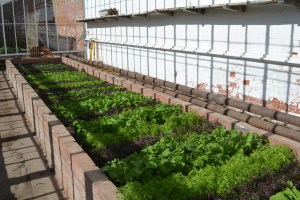
As we begin our Attingham monthly forays early in 2017 we will have a look at the main body of the productive walled garden.

Categories
fruit and veg gardens open to the public kitchen gardens memorials National Trust remembrance Shrewsbury Shropshire The National Trust walled gardens walled kitchen gardens

Tree of Remembrance

In the words of the children’s song, “If you go down to the woods today are in for a big surprise!” proved to be true this week when we went for a walk around the National Trust property, Attingham Park.

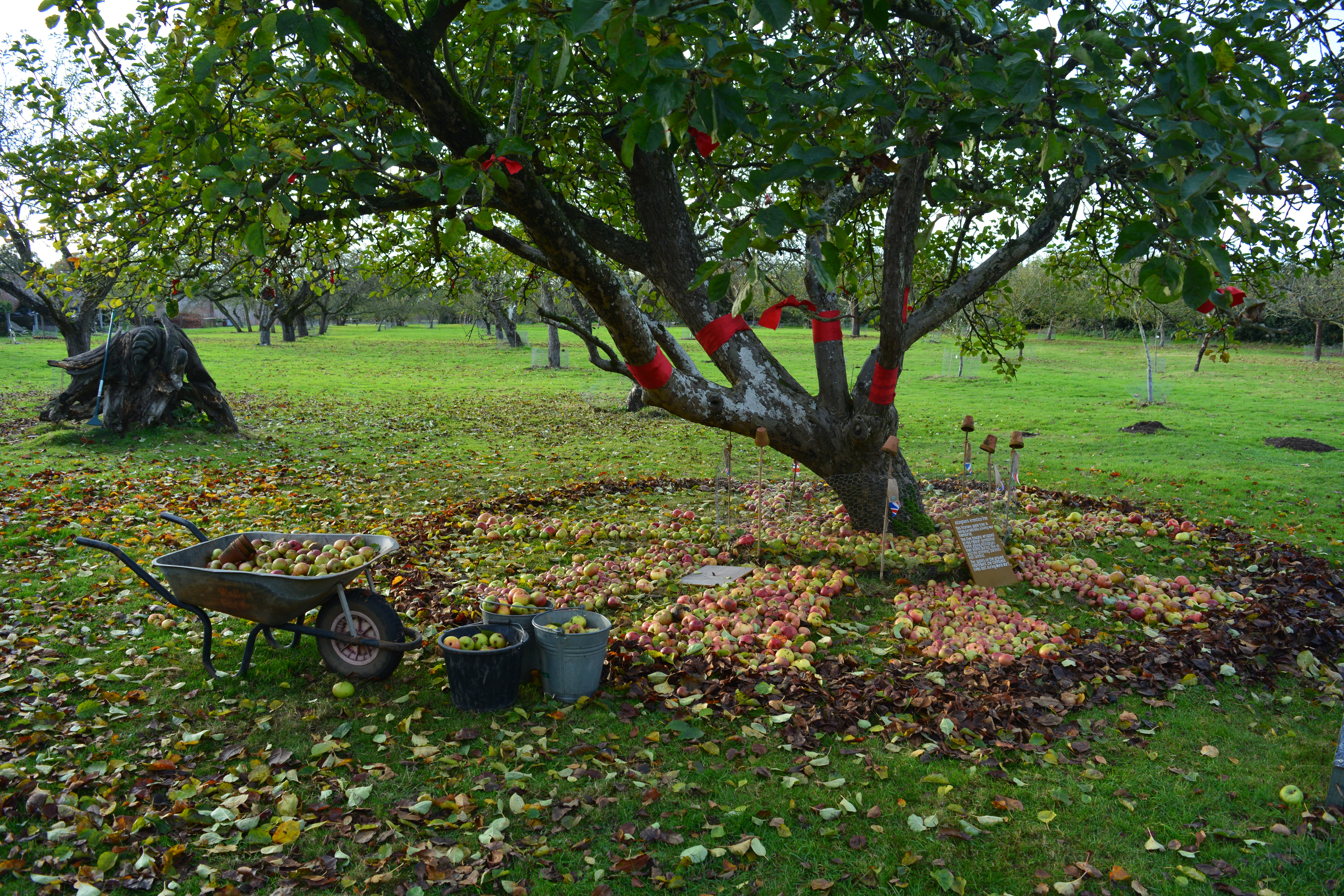
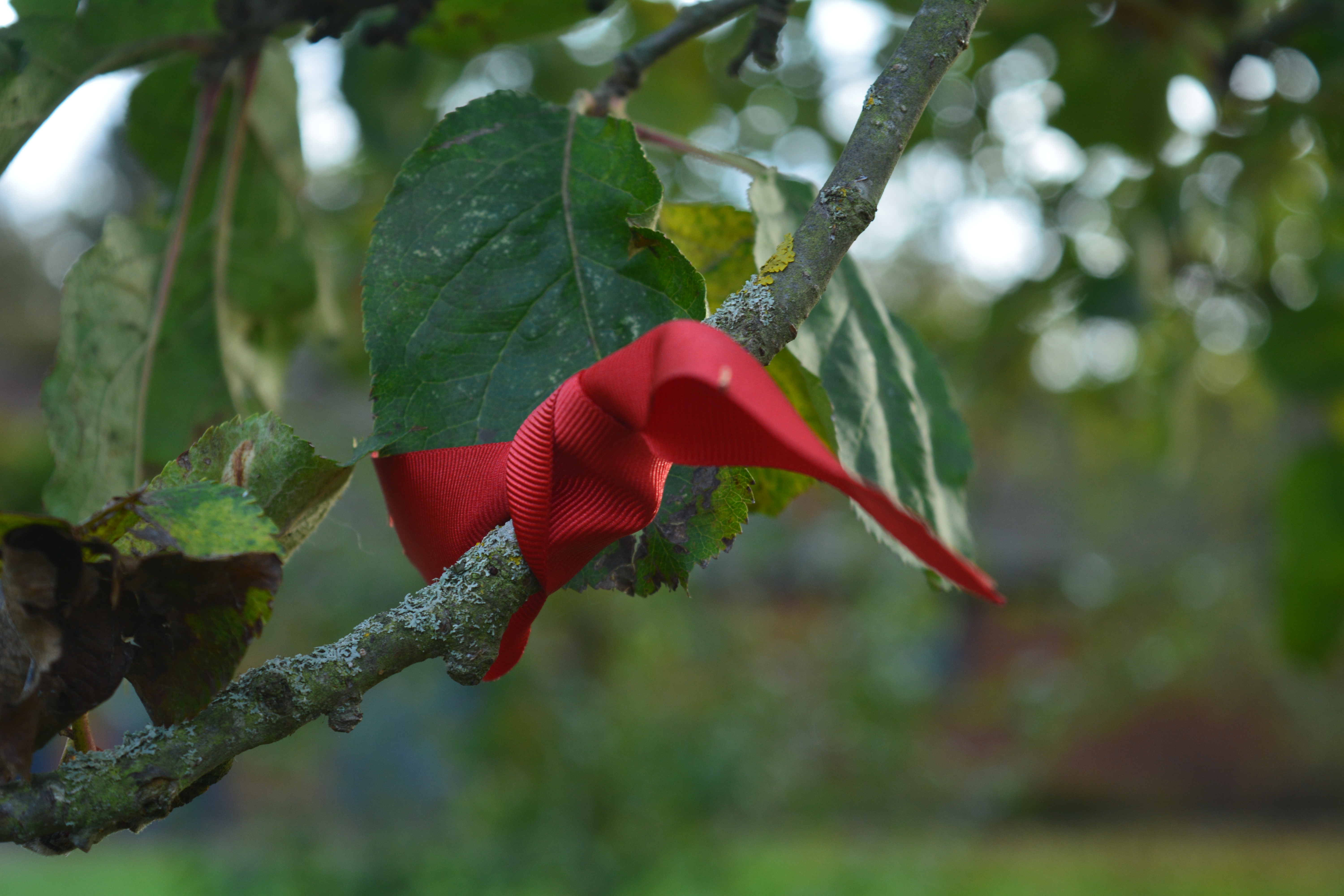
And we were! I shall share these few moments with you when we felt very emotional by this surprise awaiting us. The gardening staff had created a “remembrance tree” by decorating, very tastefully, an old gnarled apple tree in the orchard abutting the old walled garden. It was a very special, personal way for the current team of gardeners and volunteers to remember the gardeners who worked at Attingham Park walled garden when war broke out and sadly never returned.

red1-1 red1-2 red1-3 red1-4 red1-5 red1-6

Categories
gardens open to the public log piles logs National Trust outdoor sculpture sculpture Shropshire The National Trust trees woodland woodlands

Getting Creative in the Woodlands

In my last post we looked at what we discovered was going on in the old Walled Garden at Attinham Park and I finished just as we left the walled garden behind and began wandering around the woodlands.

2015 11 08_7199

So here is the second part of our Attingham Park  autumn adventure.

2015 11 08_7203

When taking a wander along the woodland trails at our local National Trust property, Attingham Park, we were amazed to come across this little art installation close to the soft surfaced woodchip path. Woodlands are like the seashore as they often seem to bring out creativity in people, perhaps even a return to making things which was last enjoyed in childhood. At the sea people often pile up pebbles to make simple sculptures, collect together mixed objects from the surf line and carefully put them together. This simple little piece sits beautifully in its surroundings and stopped many people walking by to have a closer look. No-one touched it, but simply looked, smiled, made a comment to their companions and walked on. It is a beautiful piece of sculpture, made anonymously and left for others to enjoy.

 2015 11 08_7242 2015 11 08_7154

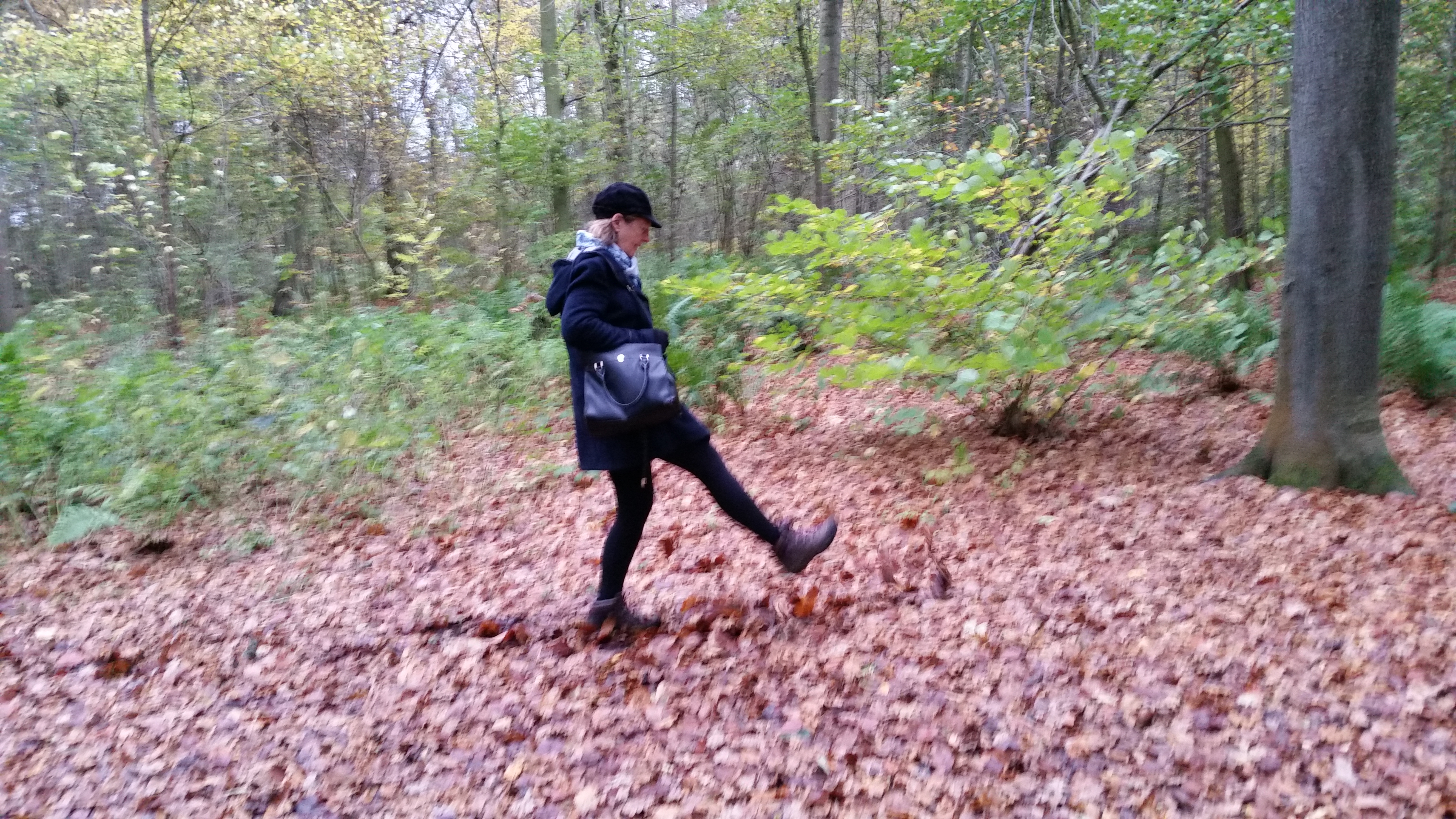
We wandered on into the woods along winding paths beneath towering trees above while at our feet the orange, yellows and reds of fallen leaves. Fallen leaves always bring the children out in Jude and I and we kicked our feet through them, enjoying the sounds and woody aromas.

2015 11 08_7200 2015 11 08_7202  2015 11 08_7204

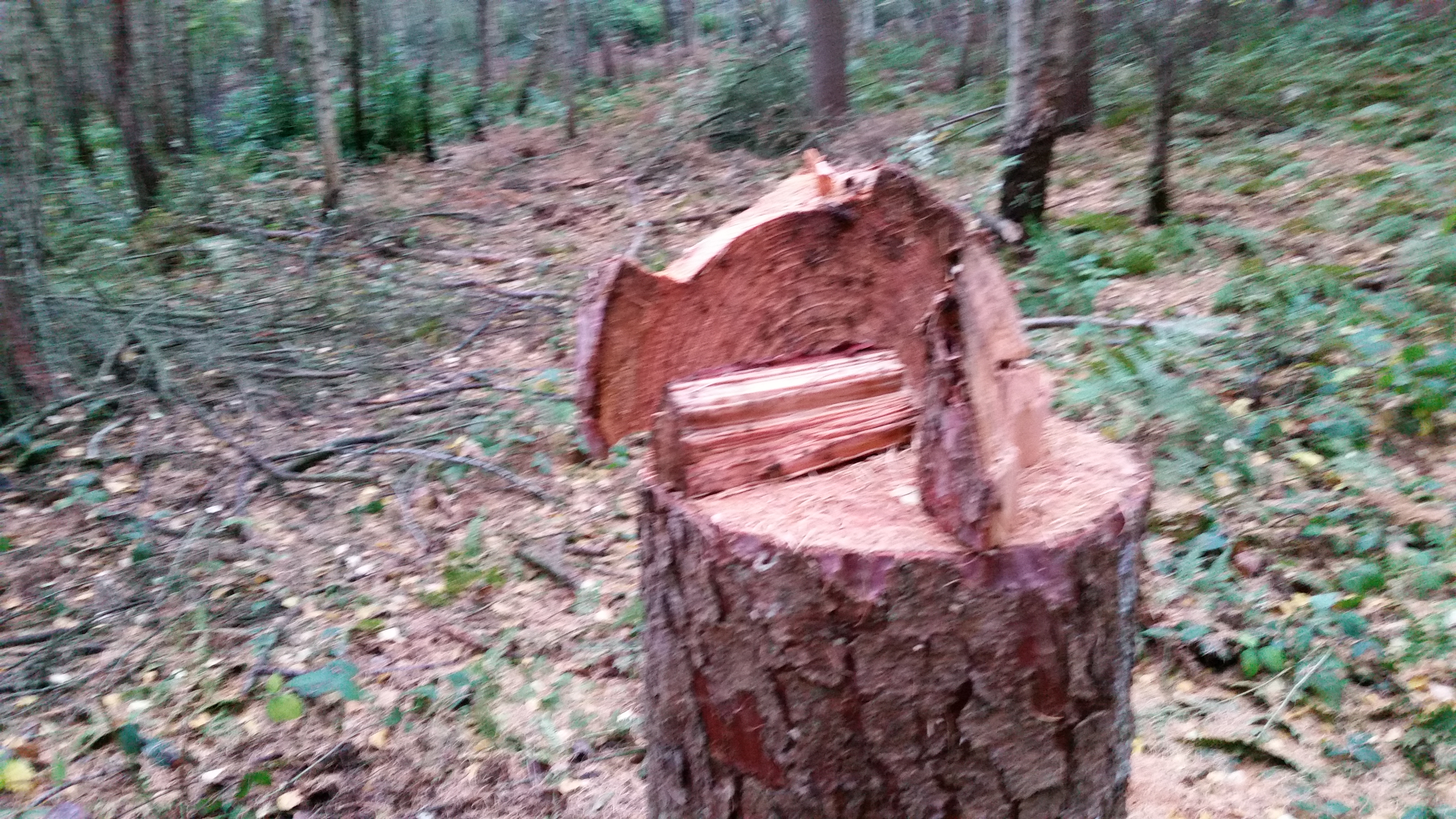
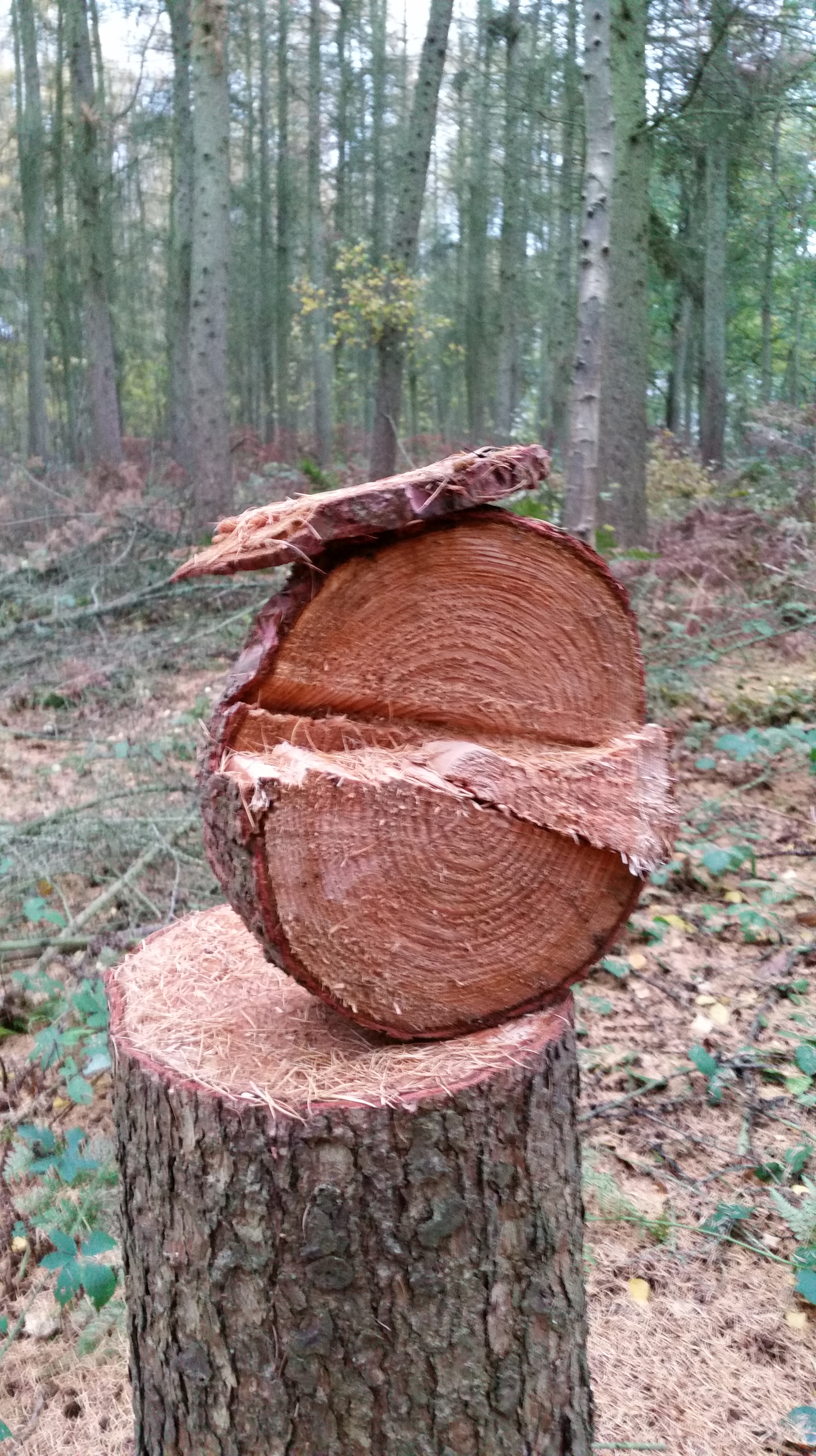
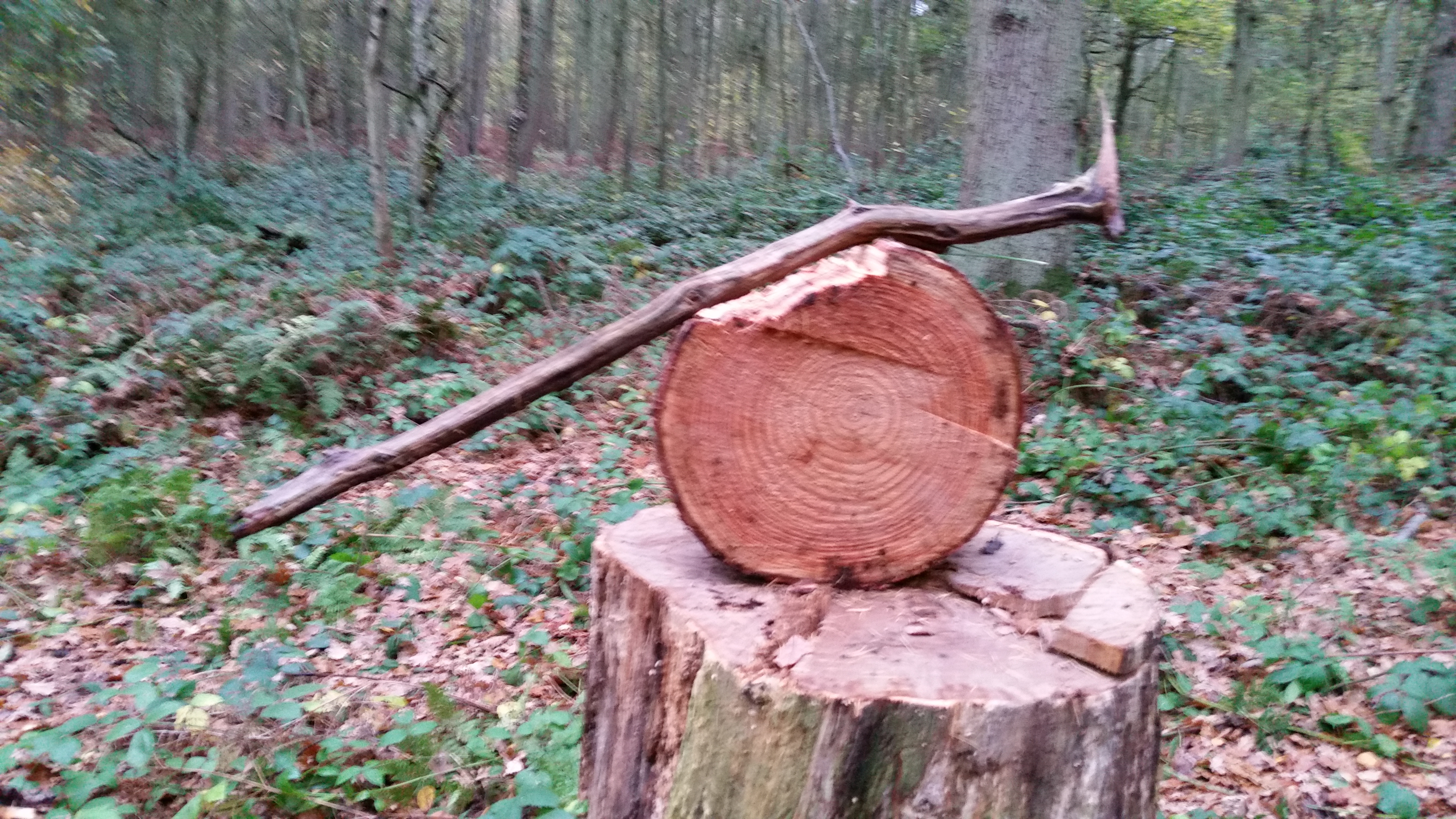
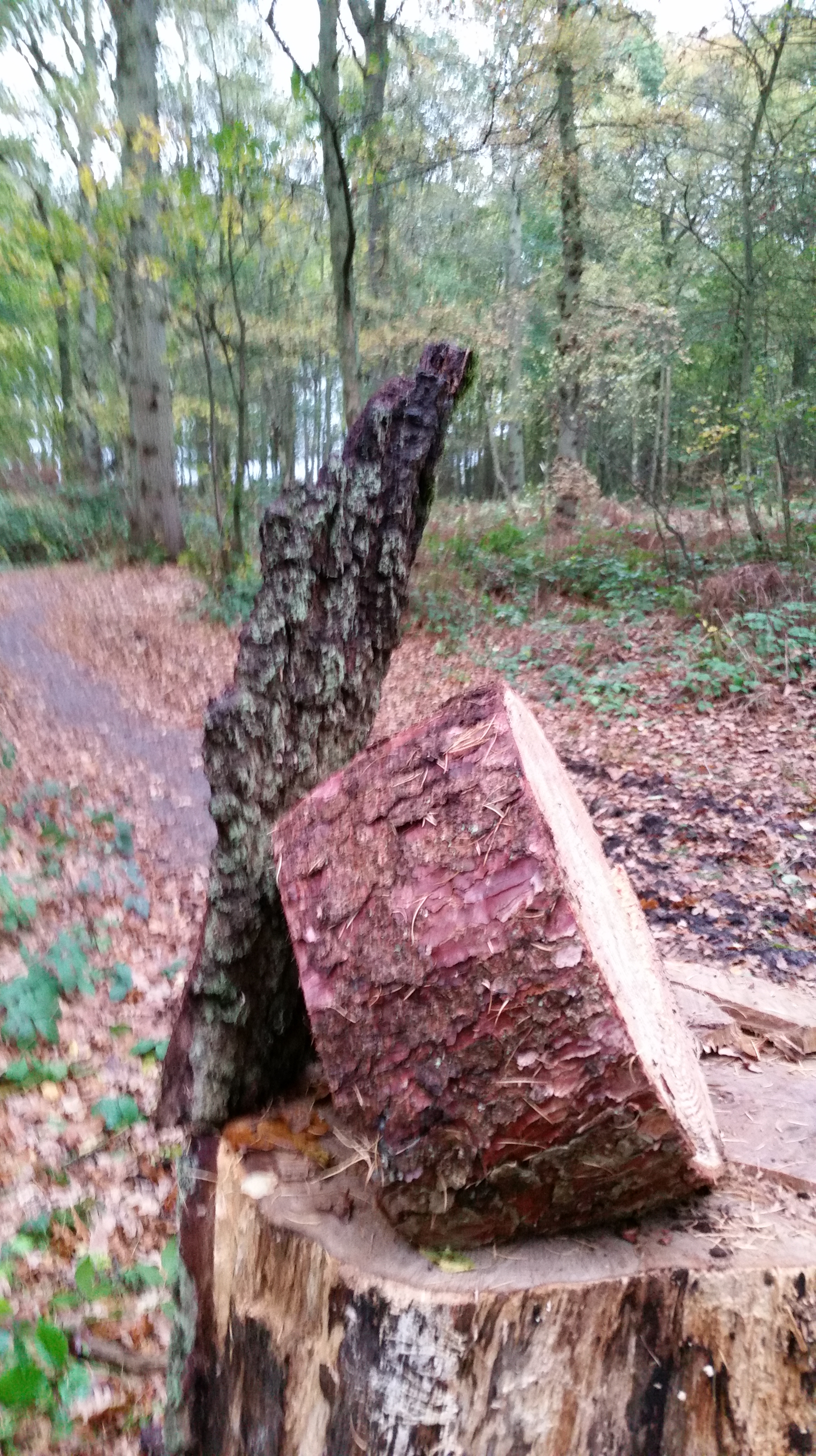
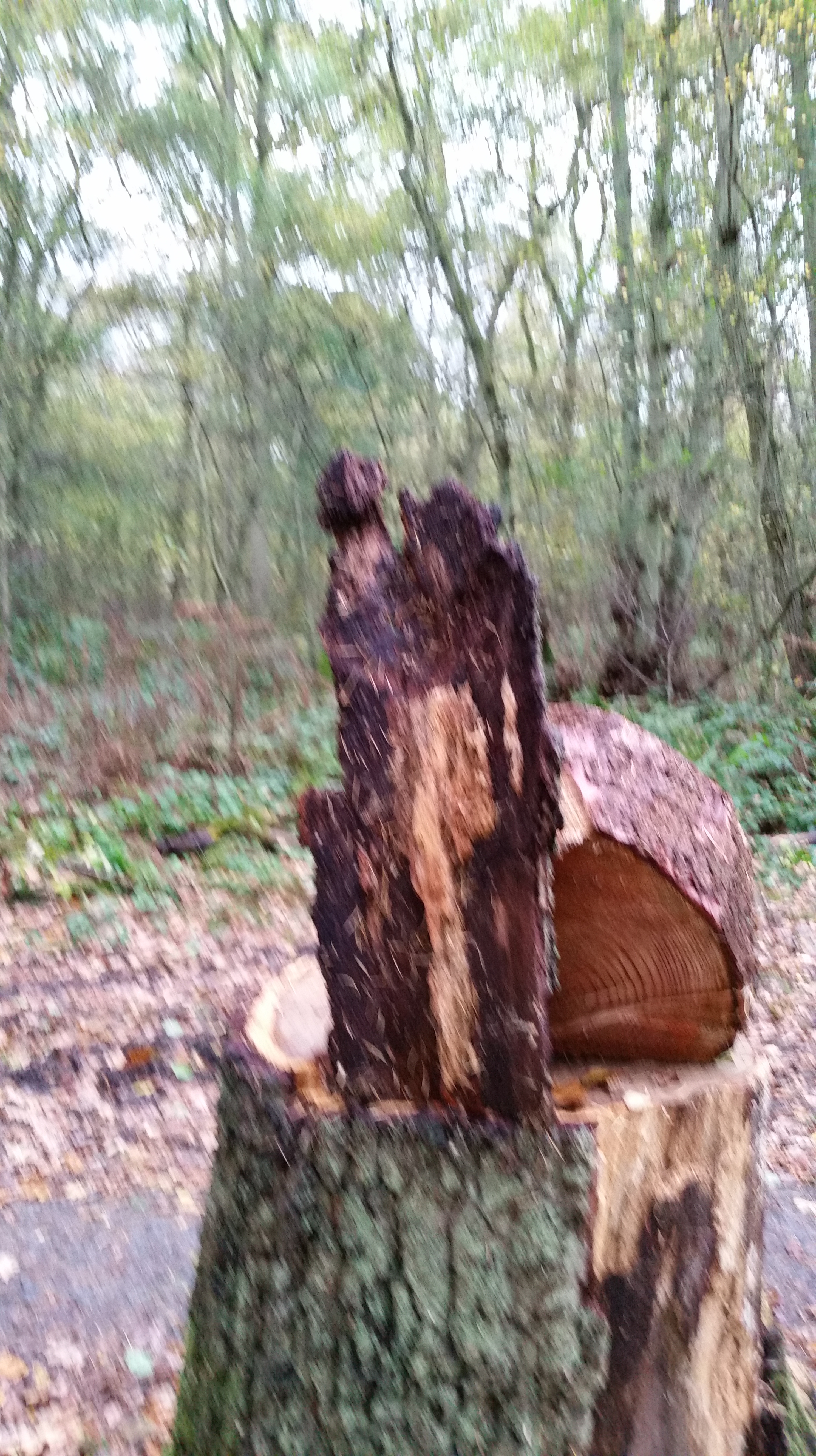
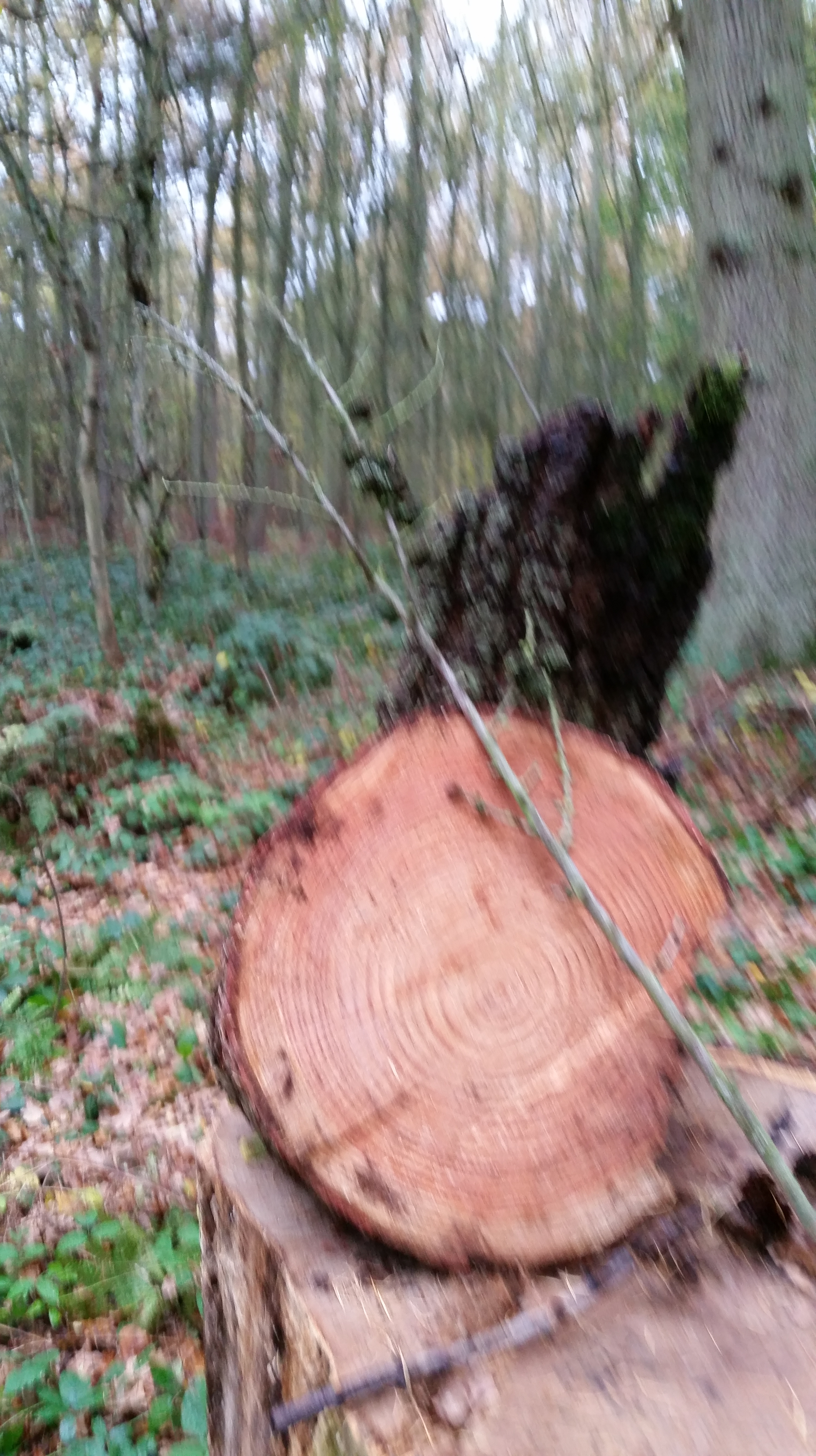
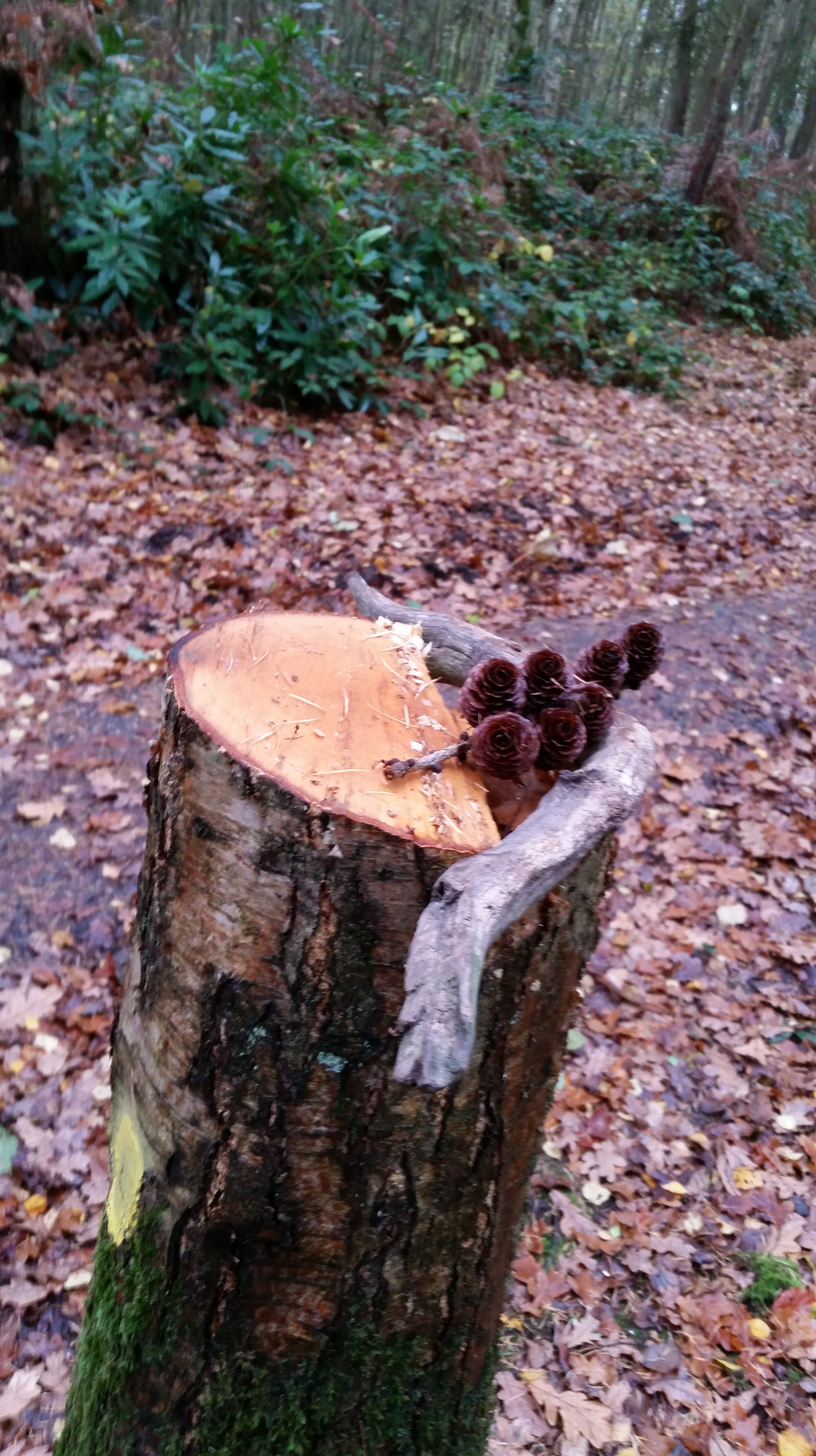
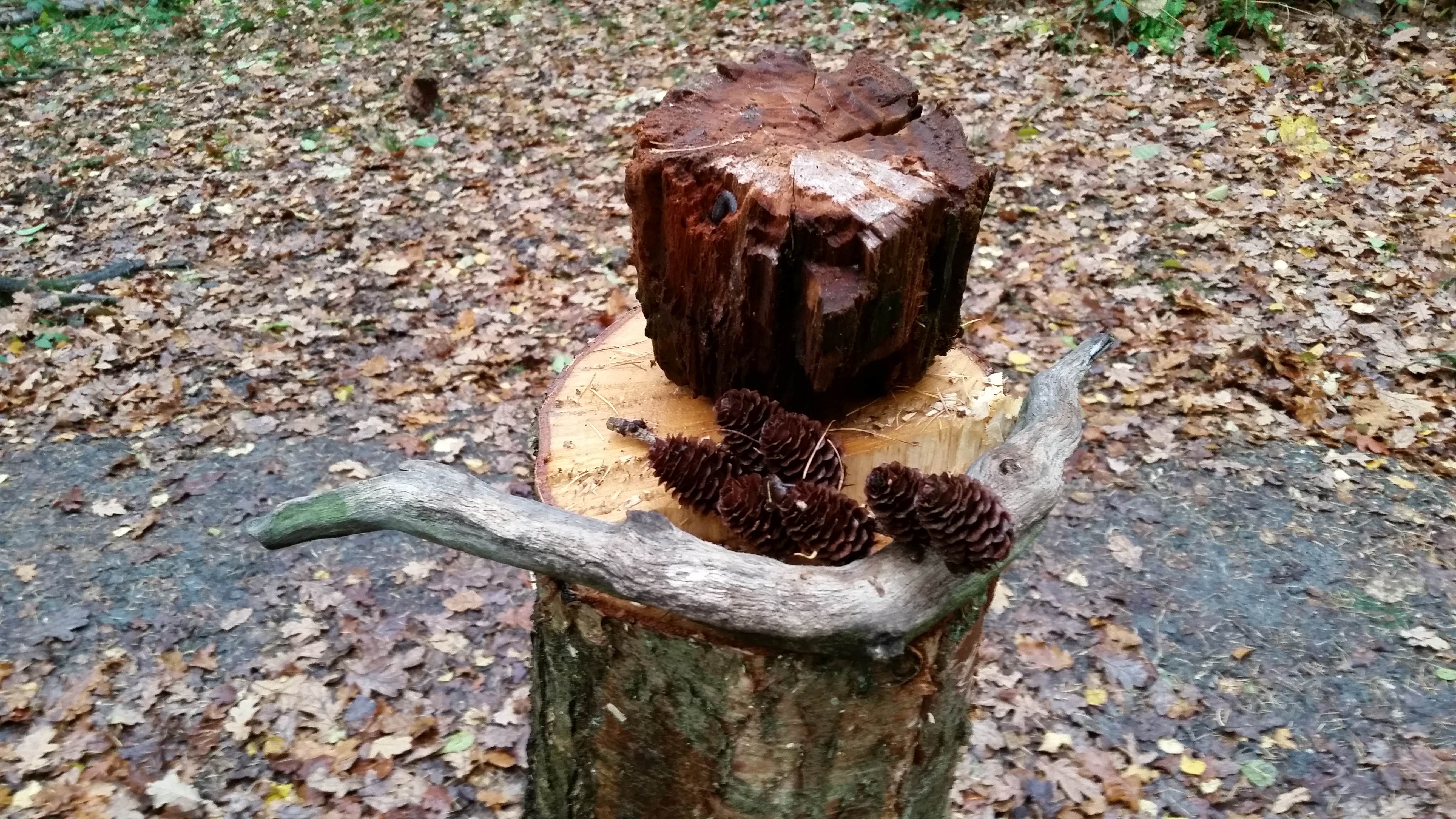
The woodsmen who had been working on autumnal maintenance work left behind them little blocks and wedges of wood. Following on from the piece of found object sculpture we discovered and enjoyed earlier we both started to follow their initiative and got creative. The stumps left behind gave us ready-made plinths to work on.

2015 11 08_7209 2015 11 08_7227

We collected bits and pieces of wood left by the woodsman or by Mother Nature and made various compositions on top of our wooden stump plinths. We couldn’t stop smiling as we played with the wood and loved the wonderful sweet aroma of fresh cut wood and leafmould. An outdoor studio! What a treat!

2015 11 08_7205 2015 11 08_7206 2015 11 08_7208  2015 11 08_7210 2015 11 08_7211 2015 11 08_7212

2015 11 08_7213 2015 11 08_7214 2015 11 08_7215

2015 11 08_7216 2015 11 08_7217 2015 11 08_7218

2015 11 08_7219 2015 11 08_7220 2015 11 08_7221 2015 11 08_7222

As we completed each set we wandered on. Looking back through the trees we spotted other walkers stopping and taking photos of what we had left for them to enjoy, just as we had when we found that piece close to the walled garden.

2015 11 08_7223 2015 11 08_7224 2015 11 08_7225 2015 11 08_7226

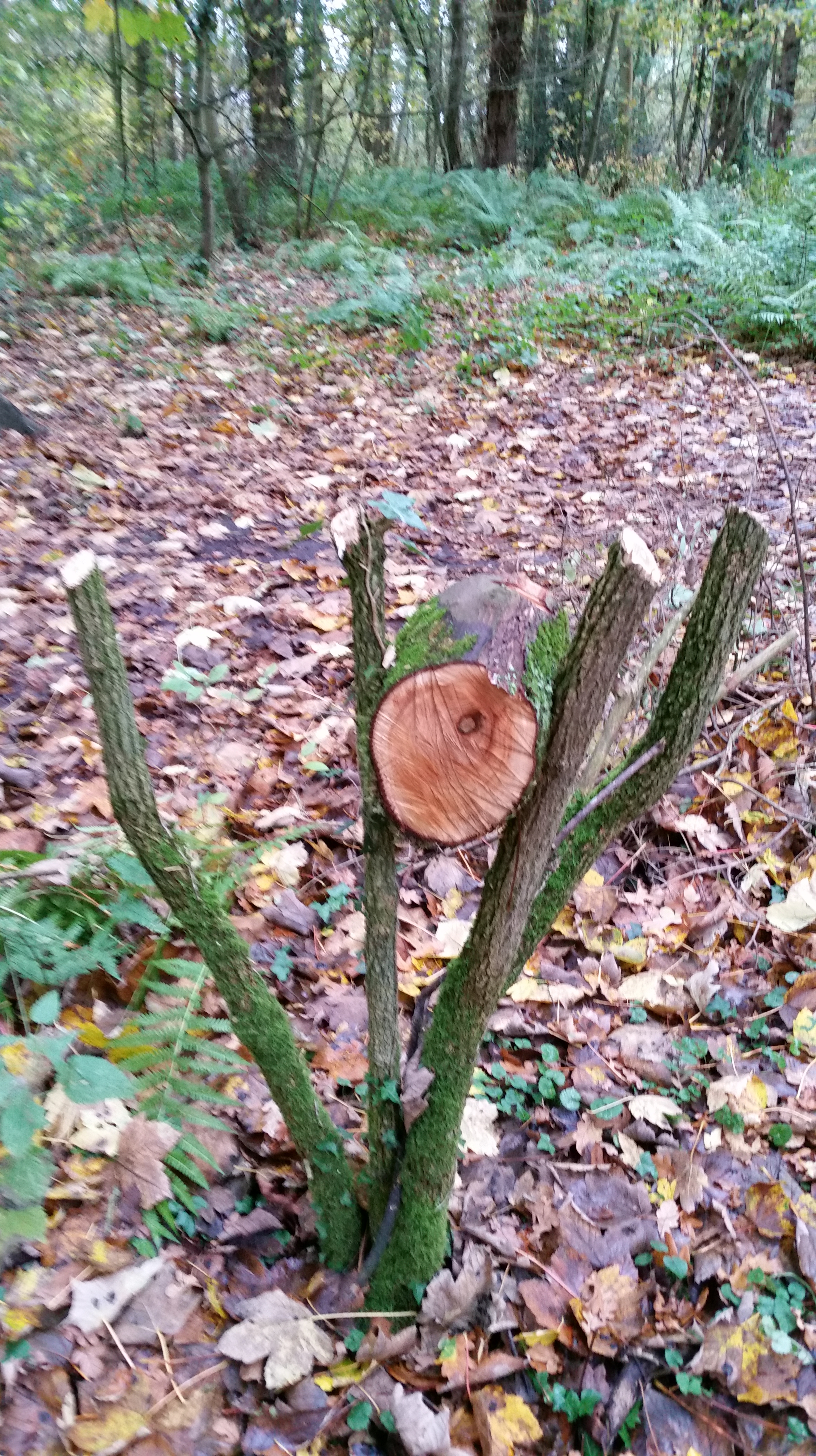
Moving further into the woodland the woodsmen had left areas cleared for coppicing, leaving multi-stemmed trees cut low to encourage regrowth. They reminded me of sculpture by Barbara Hepworth which are exhibited among trees at the Yorkshire Sculpture Park.

2015 11 08_7228 2015 11 08_7229

I found slithers, slices and wedges of freshly cut wood and placed them among the stumps.

2015 11 08_7230 2015 11 08_7231 2015 11 08_7232

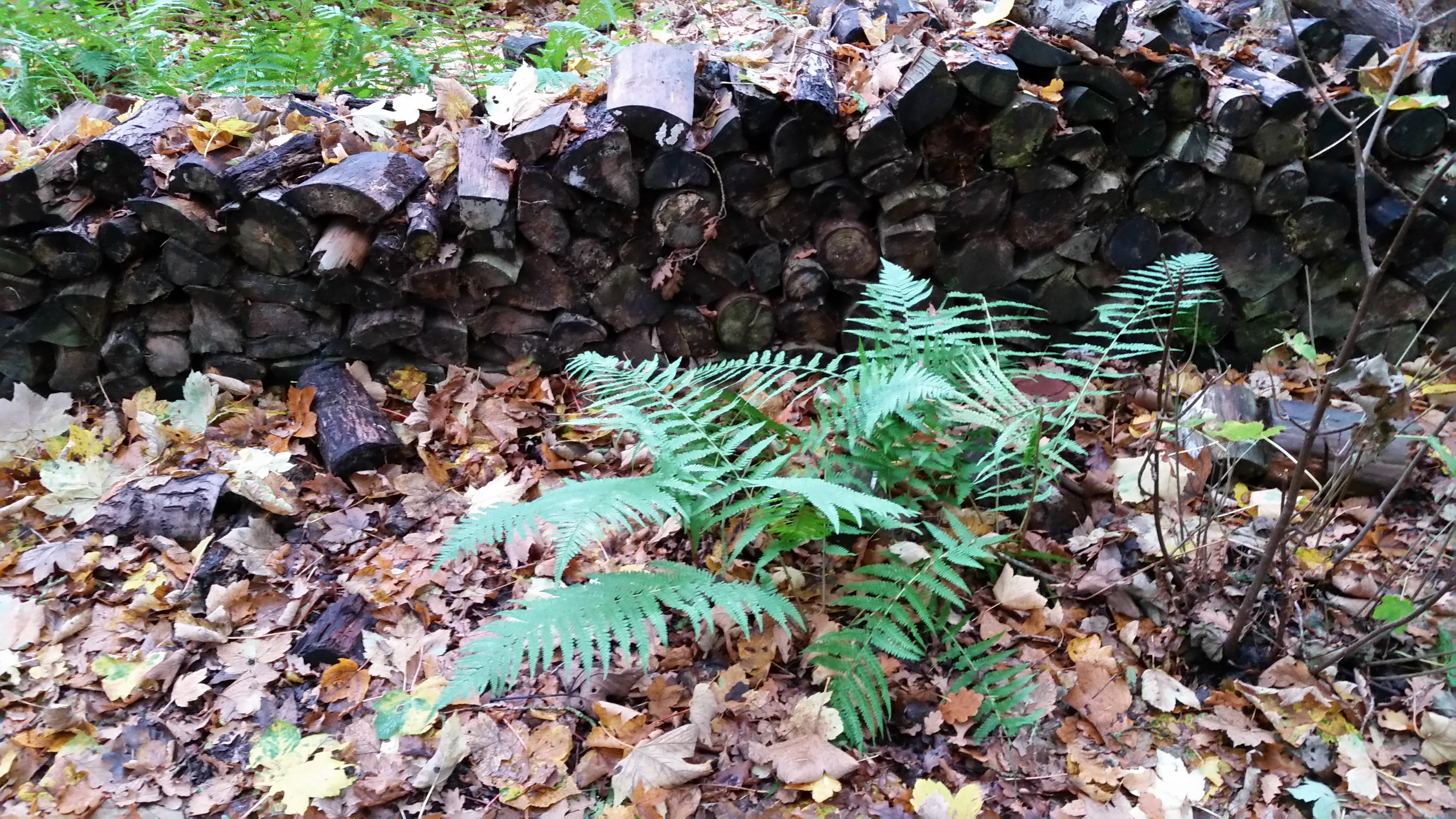
Logs had been piled up to create habitats for wildlife winding wooden walls through the trees. The aroma here was of rotting wood, dampness and fungi.

2015 11 08_7234 2015 11 08_7235 2015 11 08_7233

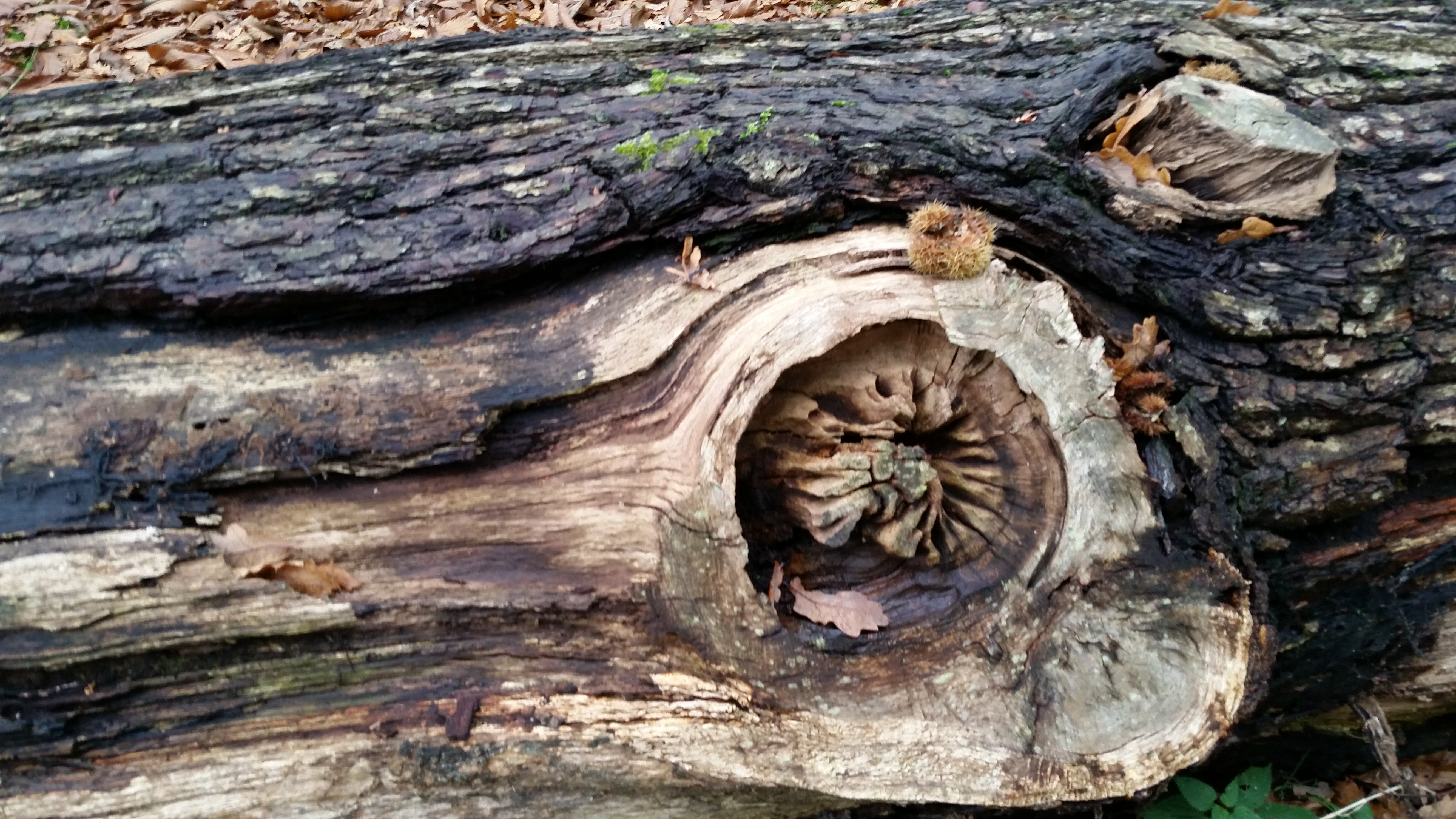
A huge old tree trunk felled years ago and left to rot providing shelter, food and homes for wildlife, had been sculpted by the weather, rain, wind, ice and snow, worked upon by insects, invertebrates and fungi to present us with a beautiful softly carved piece of Mother Nature’s sculpture.

2015 11 08_7238 2015 11 08_7239 2015 11 08_7240 2015 11 08_7241

We loved finding this nest box beautifully and thoughtfully positioned on top of a rotting tree stump. We shall watch this in the spring to see if any birds like it as much as we did.

2015 11 08_7236

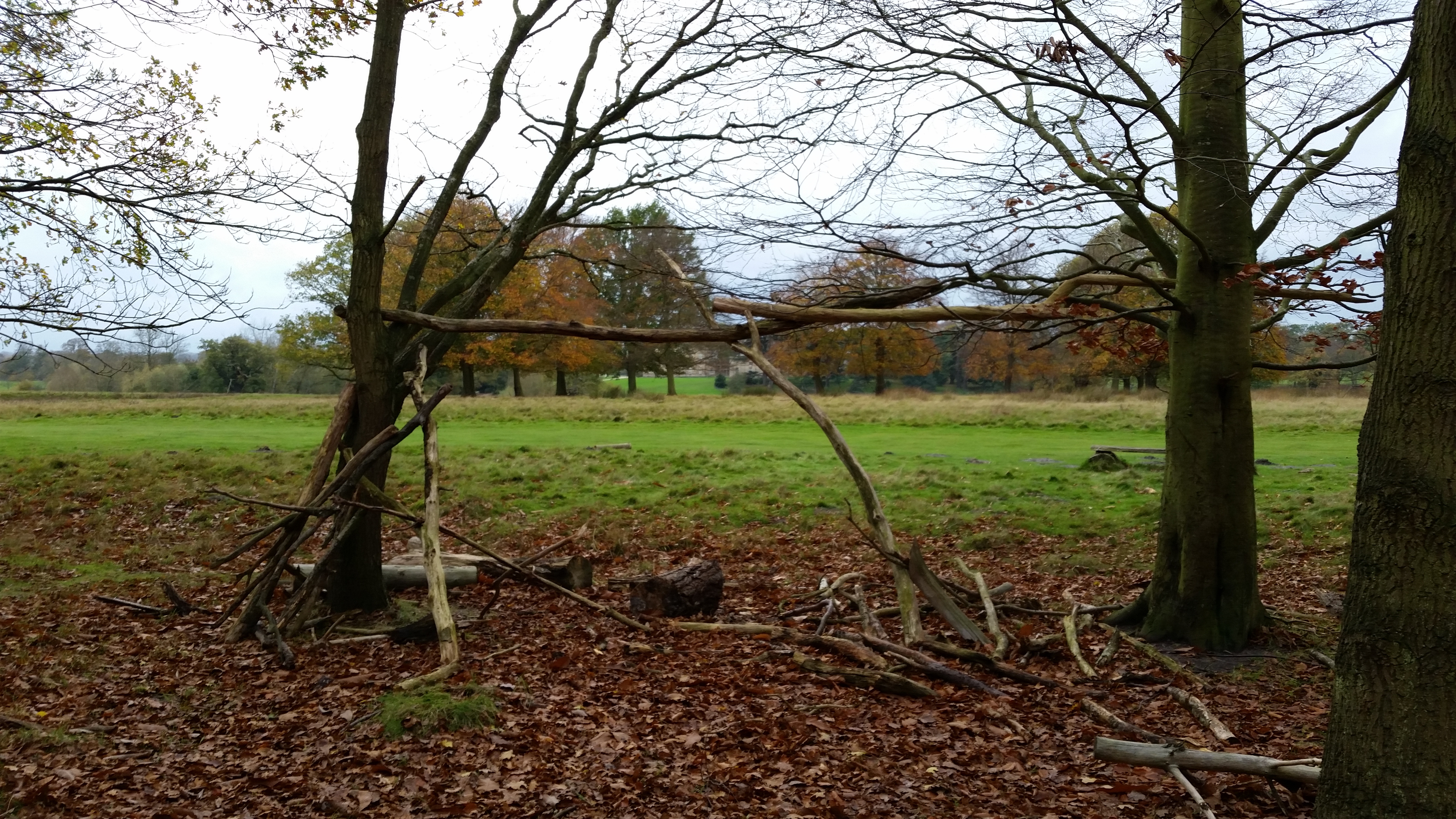
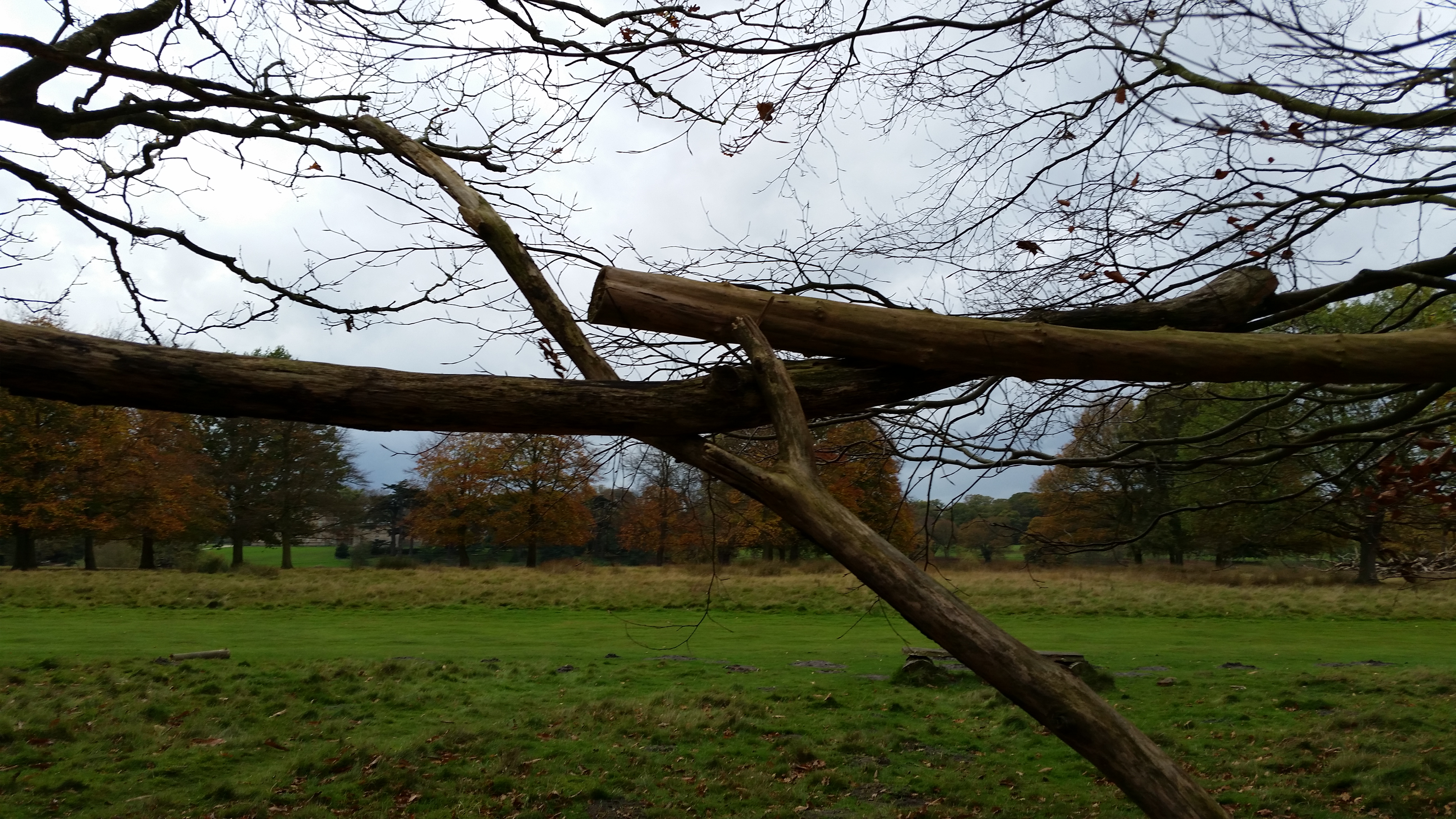
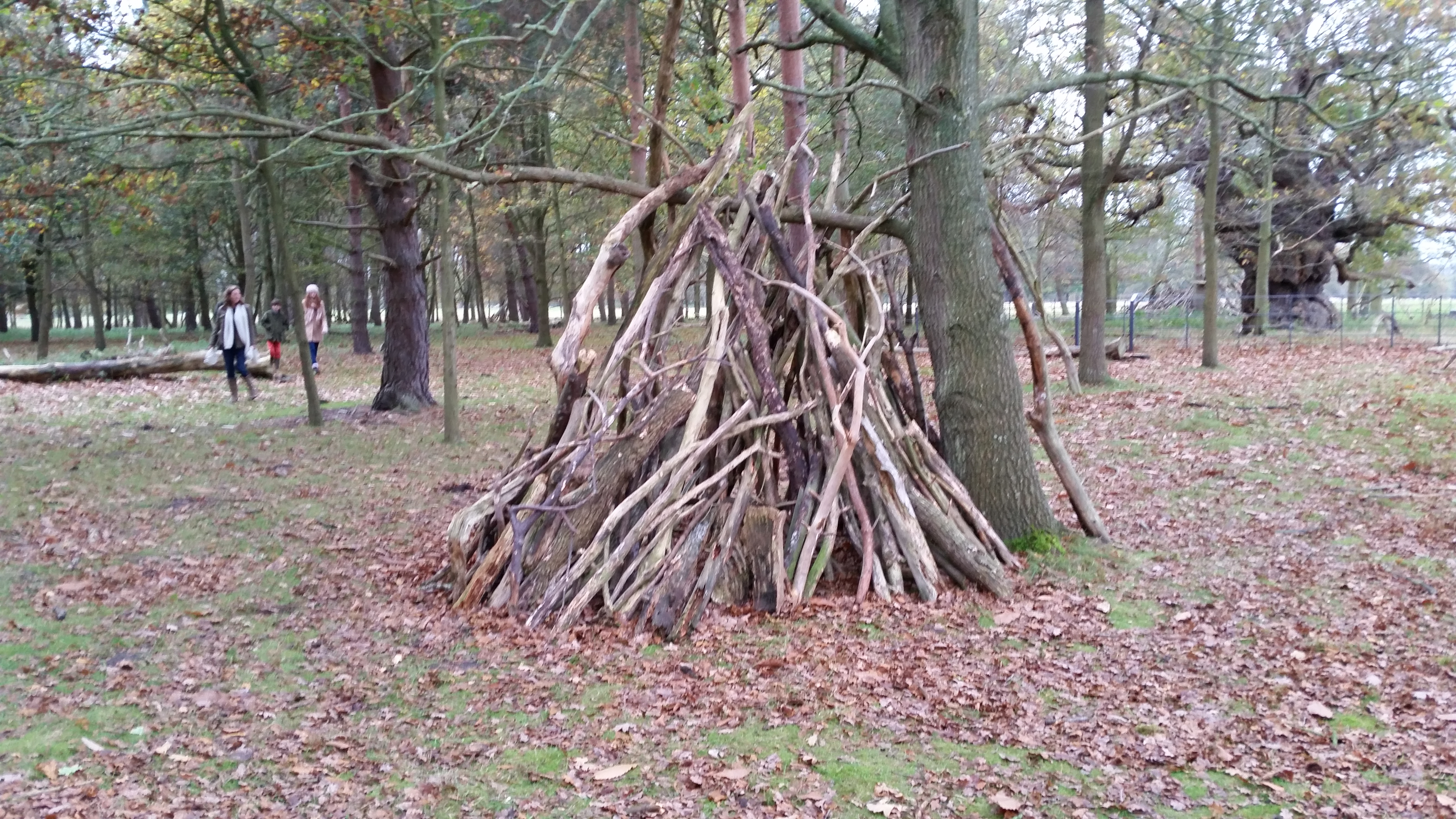
As we left the woodland we moved into the deer park where trees were much further apart separated by tracts of bright green grass. Here fallen branches, trunks and brash had been left for children to make dens from. Another form of sculpture created by youngsters using wood from the surrounding trees. The dens had their own beauty and naivety. Each time we visit Attingham these dens change, new ones appear, the oldest begin to fall apart and some just seem to get bigger and bigger. Well done to the National Trust for encouraging such creativity for the visiting youngsters and for affording them the opportunity to get in touch with nature.


2015 11 08_7243 2015 11 08_7244 2015 11 08_7245 2015 11 08_7247 2015 11 08_7250


2015 11 08_7246 2015 11 08_72492015 11 08_7251 2015 11 08_7252 2015 11 08_7271  2015 11 08_7273

I hope you have enjoyed sharing our spell of creativity in the woodlands at Attingham Park. When we next visit it will be interesting to see if any of our pieces remain intact after the winter storms and to discover how the children’s dens have been transformed by nature or by other children.

2015 11 08_7276 2015 11 08_7272 2015 11 08_7275

This Veggie Life

A Vegetarian | Nature Lifestyle Blog

Rambling in the Garden

.....and nurturing my soul

The Arch City Gardener

Journeys In St. Louis Gardening and Beyond

Garden Dreaming at Châtillon

Consult the genius of the place

Storyshucker

A blog full of humorous and poignant observations.

gardeninacity

Notes from a wildlife-friendly cottage garden

PlayGroundology

...an emerging social science

The Official Blog of British Wildlife

'The most important and informative publication on wildlife of our times' - The Independent. This blog is a member of The UK & Ireland Natural History Bloggers group: www.uknhb.blogspot.com

iGrowHort

Inspire - Cultivate - Grow Native Plants - Restore Landscapes

Bishops Meadow Trust

To create and protect a semi-natural wild space for the people of Farnham to enjoy and experience an array of British wildlife in our town

Gardening with Children

The www.gardeningwithchildren.co.uk Blog

UKbirdingtimeline

birding through the seasons, why birds matter and how to conserve them

NATURE WALKER

with a camera in hand

Jardin

Transform your outdoor space

Eva's space

My allotment, cooking and other interests

Old School Garden

my gardening life through the year

LEANNE COLE

Trying to live a creative life

fromacountrycottage

trying to live as lightly as possible on our beautiful planet

Good Life Gardening

Nature lovers from Leicester living the good life.

mybeautfulthings

Finding the beautiful in the everyday

mawsonmichelle

Michelle's Allotment

In and Out of My Garden

thoughts from and about my garden

Greenhousing

Big plans for a small garden

The Scottish Country Garden

A Walled Country Garden in South East Scotland

The Fruity Chicken

Life at the fruity chicken

willowarchway

Off grid living. Self sufficient. "PERMAGANICS RULE".

St Anns Allotments

Nottingham's Grade 2* Listed Allotments and Community Orchard

Manifest Joy Harvests

a journey in suburban vegetable gardening

Allotmental

The madness of growing your own

Penny's Garden: a harvest beyond my front door

A novel approach to vegetable gardening

arignagardener

Sustainable living in the Irish countryside.

NewEnglandGardenAndThread

Master Gardener, amateur photographer, quilter, NH native, and sometimes SC snowbird

dianajhale

Recent work and work in progress and anything else that interests me

planthoarder

a chaotic cottage gardener

Lens and Pens by Sally

a weekly blog that creates a personal philosophy through photographs and words

Dewdrops and Sunshine

Stories from a sassy and classy Southern farmbelle.

The Pyjama Gardener

Simple Organic Gardening & Seasonal Living

gettin' fresh!

turning dirt into dinner

JOY...

today the world is created anew

Garden Birds

Notes from a Devon garden

ShootAbout

Life Through The Lens

Adapting Pixels

A photography blog showcasing the best photography pictures and videos on the internet

Wildlifegardening's Blog

Just another WordPress.com site

naturestimeline

personal observations from the natural world as the search continues for a new approach to conservation.

LATEBLOOMERBUDS

The Wonders of Life through my Eyes, my Heart, my Soul