The weather forecast promised us sunshine, clear skies and mild temperatures in the mid-teens, so we decided to drive two miles up the road to park at the bottom of Earls Hill and walk slowly along the trail around the hill’s perimeter. The car park is in the woodland edge and stepping out of the car we look up into the canopy of tall deciduous trees to see Blue Tits flitting rapidly from branch to branch right up in the tree tops. Their calls sounded all around us.
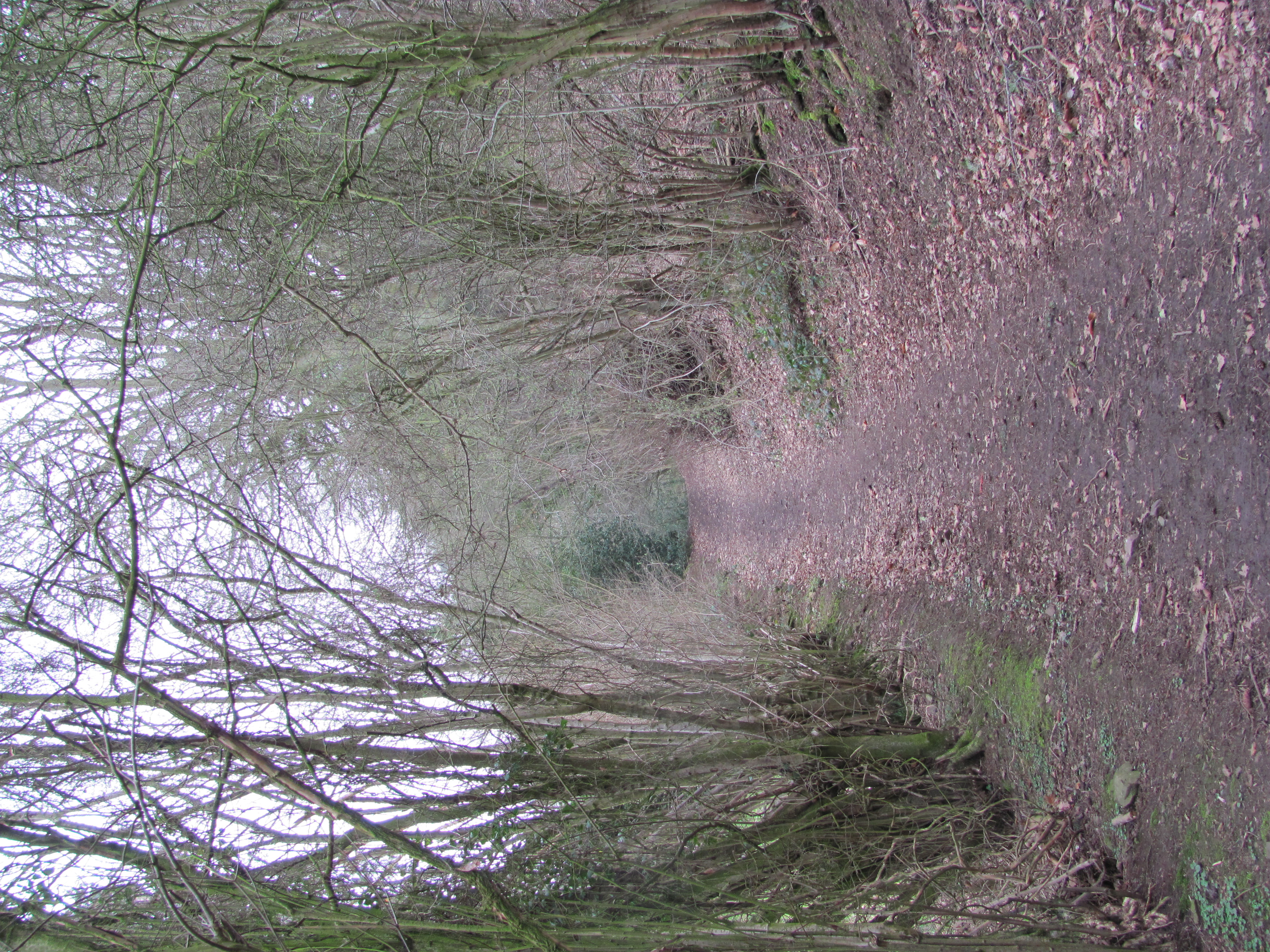
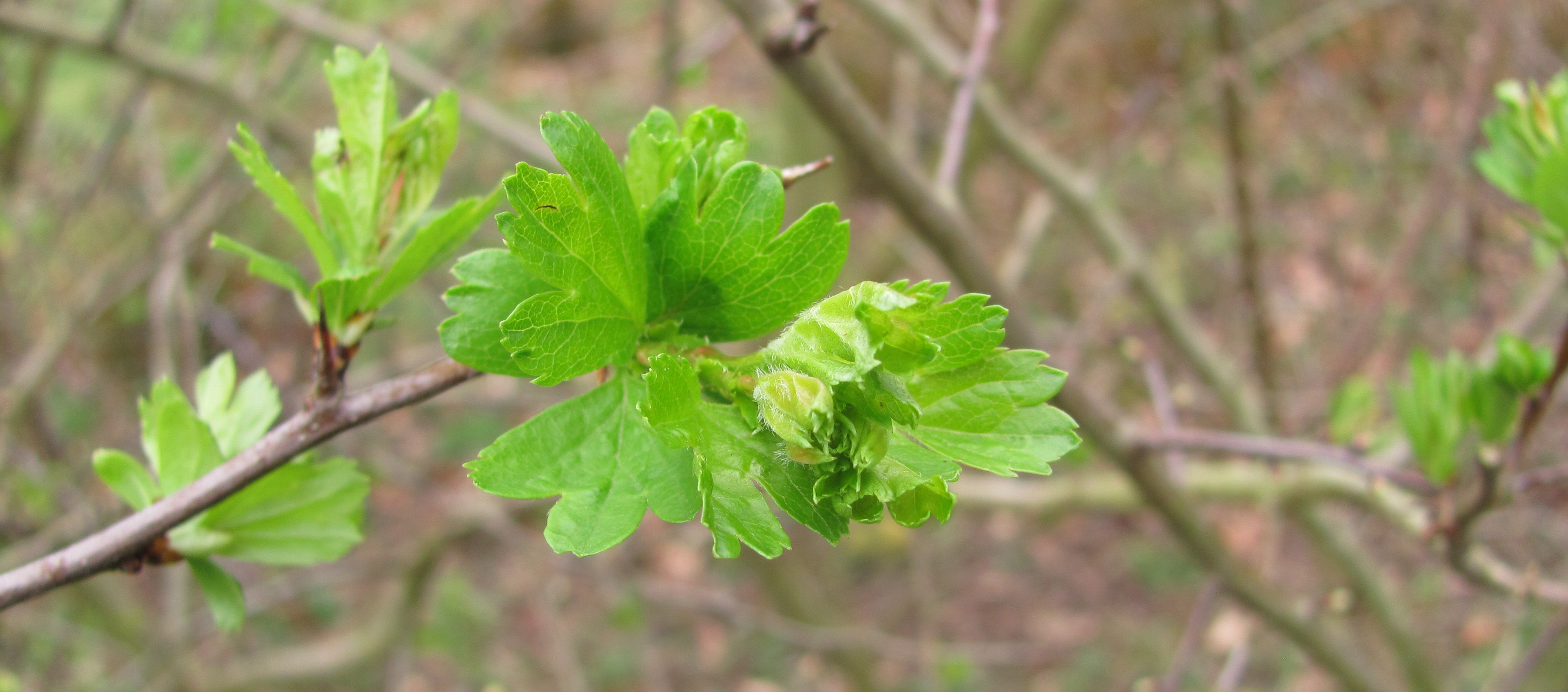
An inviting pathway led us into the wood. It was comfortable and soft underfoot being strewn with fallen leaves and softened by recent rain. To our left we could see fishing pools through the old hedge of once-coppiced Hawthorn. The pools were almost as inviting as the woodland walk. The fisherman in me called. The Hawthorn was displaying first signs of Spring with buds bursting into the brightest green leaves. Here we were delighted to hear the call of the Chiffchaff, always the first of the Summer migrants to return to Shropshire. We always start hearing and seeing them around mid-March. They identify themselves for us as their call reflects their name.

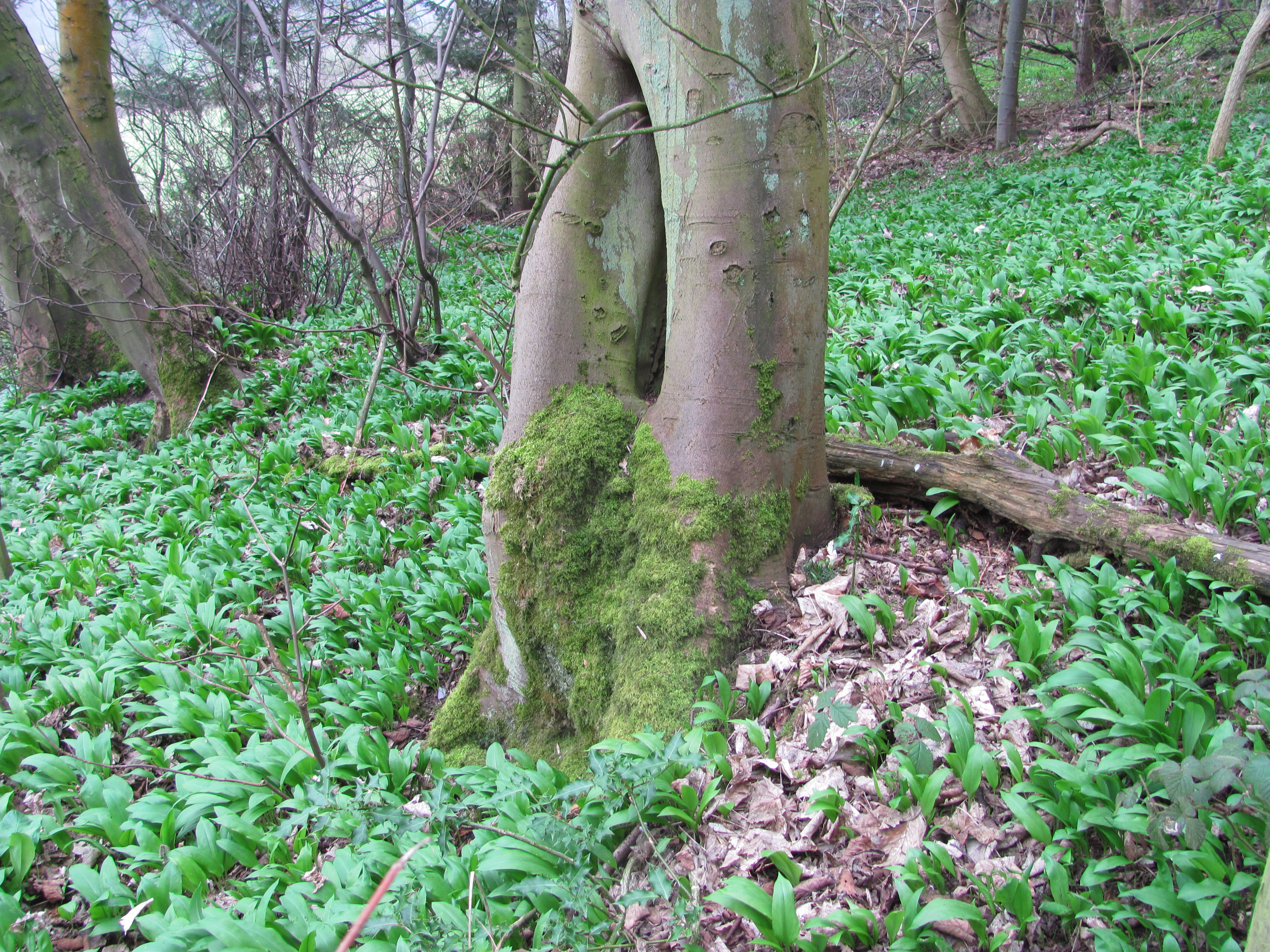
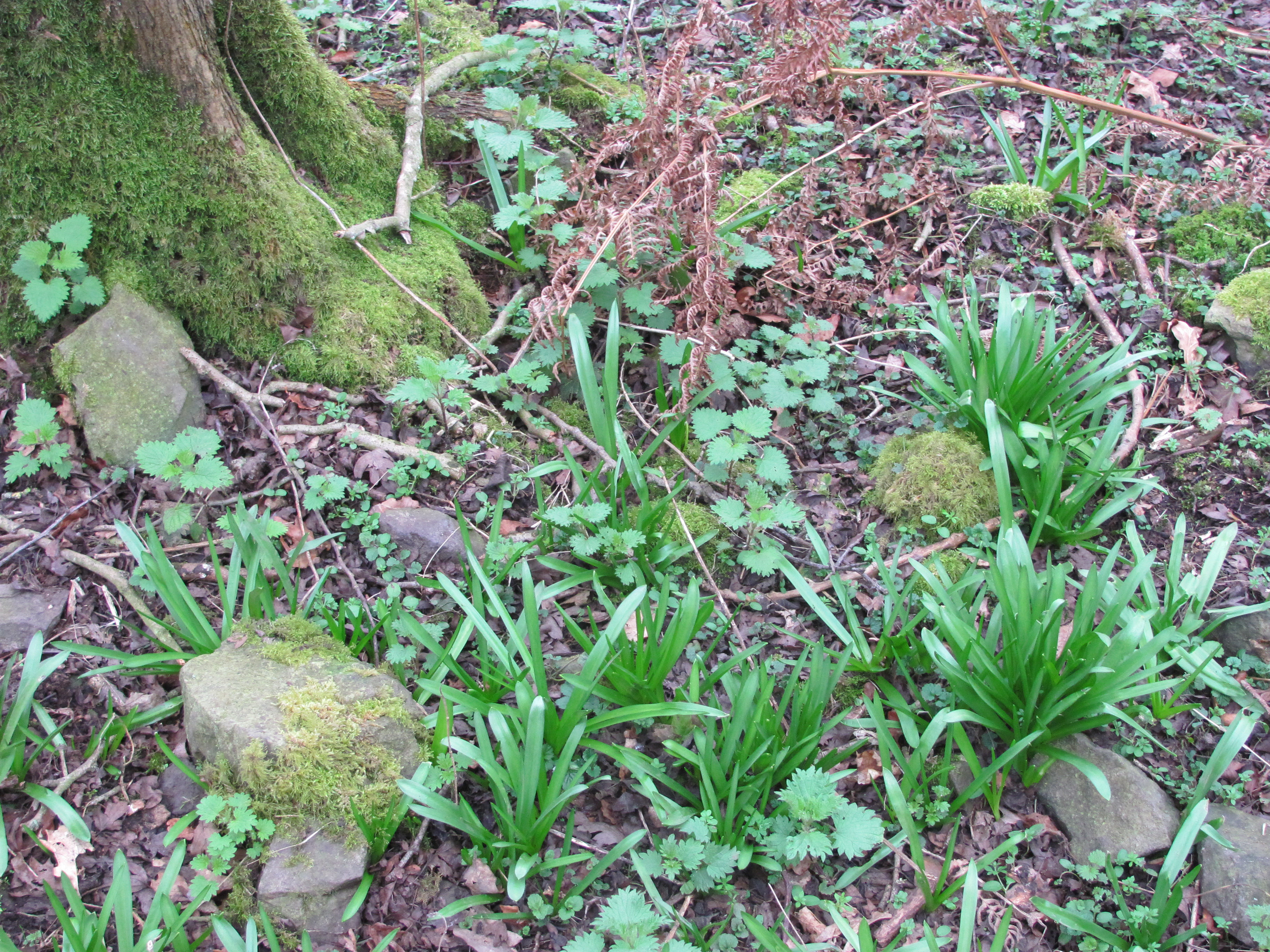
On the first section of track we were showered as we passed beneath willow trees by tiny pieces of the flowers as Blue Tits pecked at them. All around us the wood echoed to the sound of woodpeckers, the yaffling laughter calls of the Green Woodpecker and the territorial tapping of the Great Spotted. Further into the wood and our senses were bombarded by Wild Garlic, their bright green new leaves carpeted the woodland floor and their powerful onion-like smell permeated the trees. We could smell these Ramsoms a long while before we saw them and could still smell them a long while after passing them by.
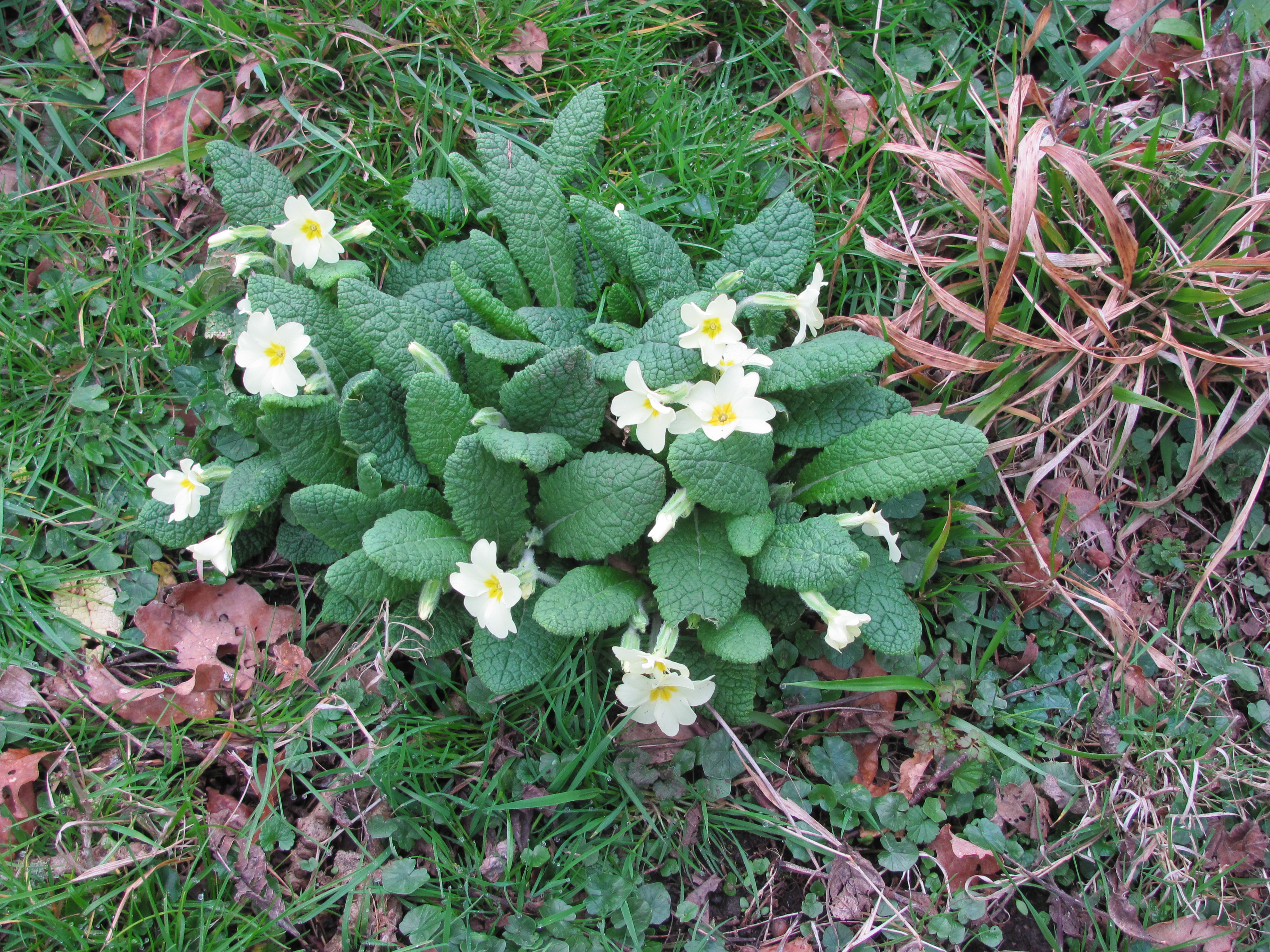
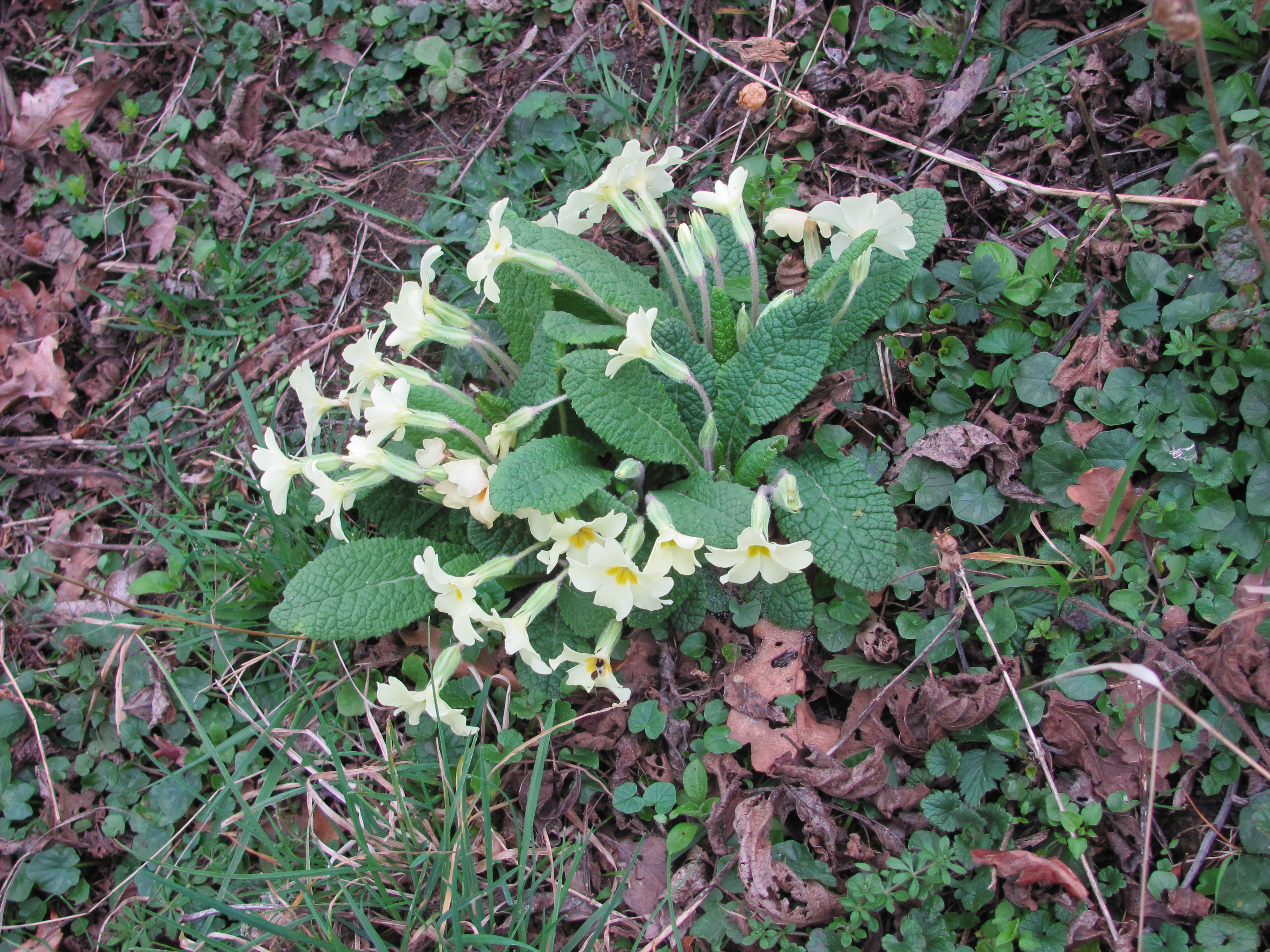
This early section of the walk was close to the edge of the woodland so wildflowers were stirring with the speckled light filtering through, Primroses and Pennywort were found alongside the path.

A patch of Primroses consisted of three solid flower-covered clumps. Those closest to the light were fully open while those just feet away but in slightly more shade were still in bud and leaning towards the extra light of the woodland edge.
Bluebell foliage is already a few inches high so we eagerly anticipate the blue haze of their scented flowers which should grace the wood in April.
Beyond this first patch of woodland the trail took us over an open area of rough land dotted with flowering Gorse and stunted Hawthorns. Long Tailed tits and Great Tits fed in these scrubby bushes and called continuously, the Long Tails churring and the Greats calling “Teacher Teacher”. The hills of Yellow Hill Ants were scattered over the whole of this area like a rash of nasty spots on a teenager’s skin. This ant is a speciality of this reserve.

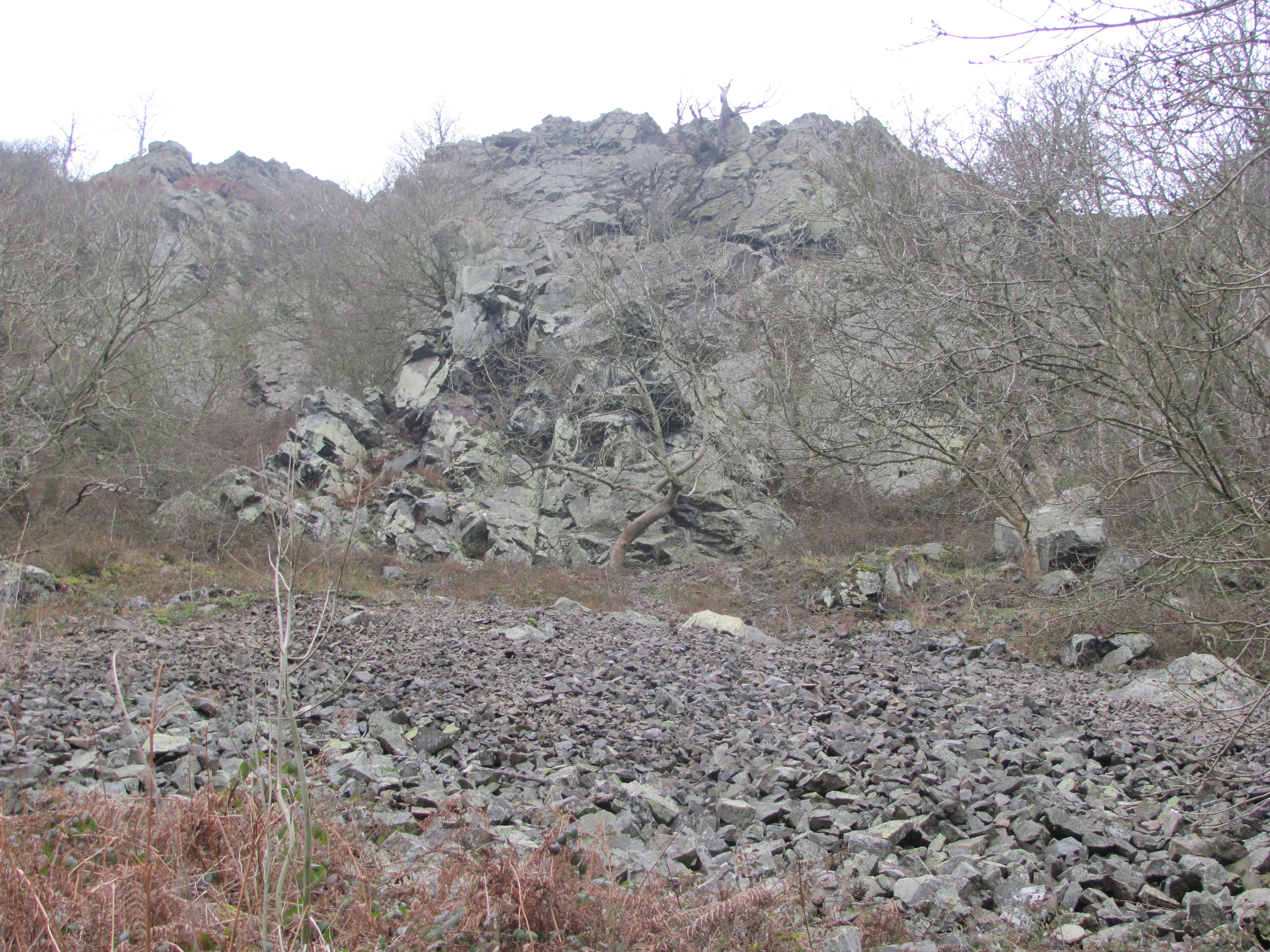
Beyond this stretch of open land, we entered another area of woodland but here trees were thinner and spaced further apart. Here stones are strewn on the slopes and some slopes are cloaked in scree from the craggy steep cliffs of Earls Hill itself. On these crags Peregrines have nested for years, a clever choice as they are away from predators and the adult birds can look down over the scree and trees and spot passing pigeons, their favourite prey. From our garden we watch these magnificent falcons climbing and spiralling upwards so high that they disappear from view and occasionally we see their high-speed stoop from that great height. They reach speeds in excess of 200 miles per hour! But on our walk we saw them passing over the tree tops.

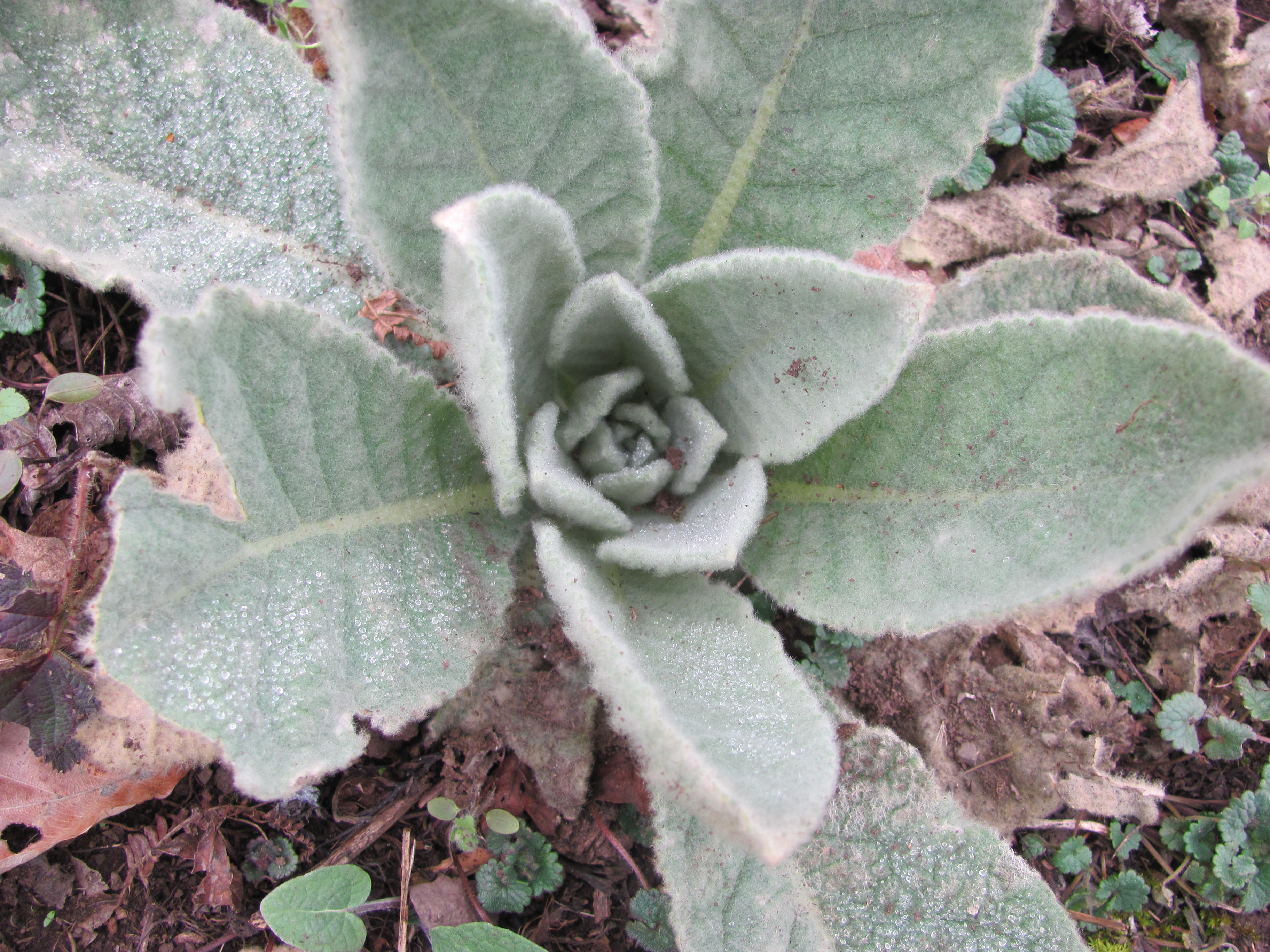
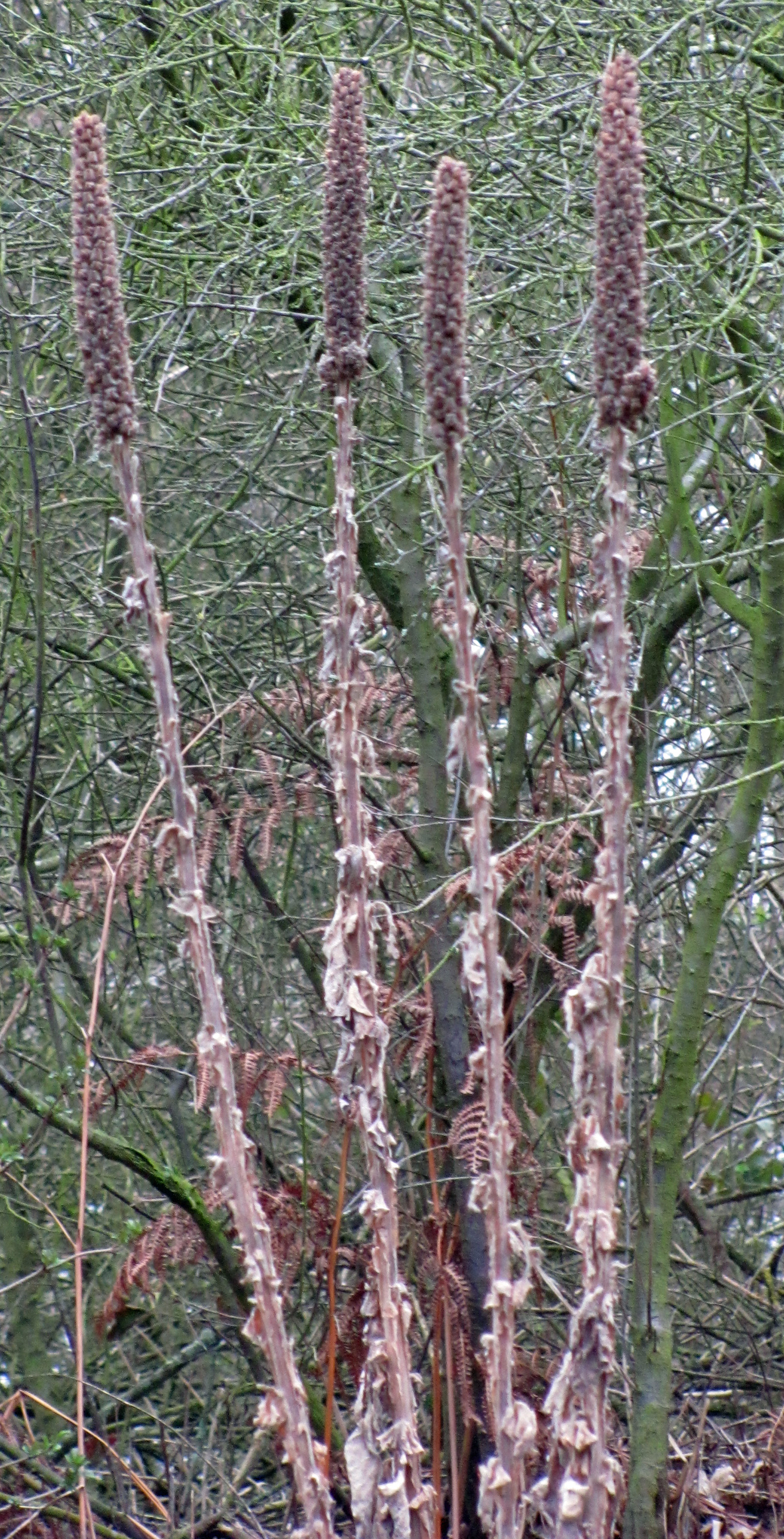
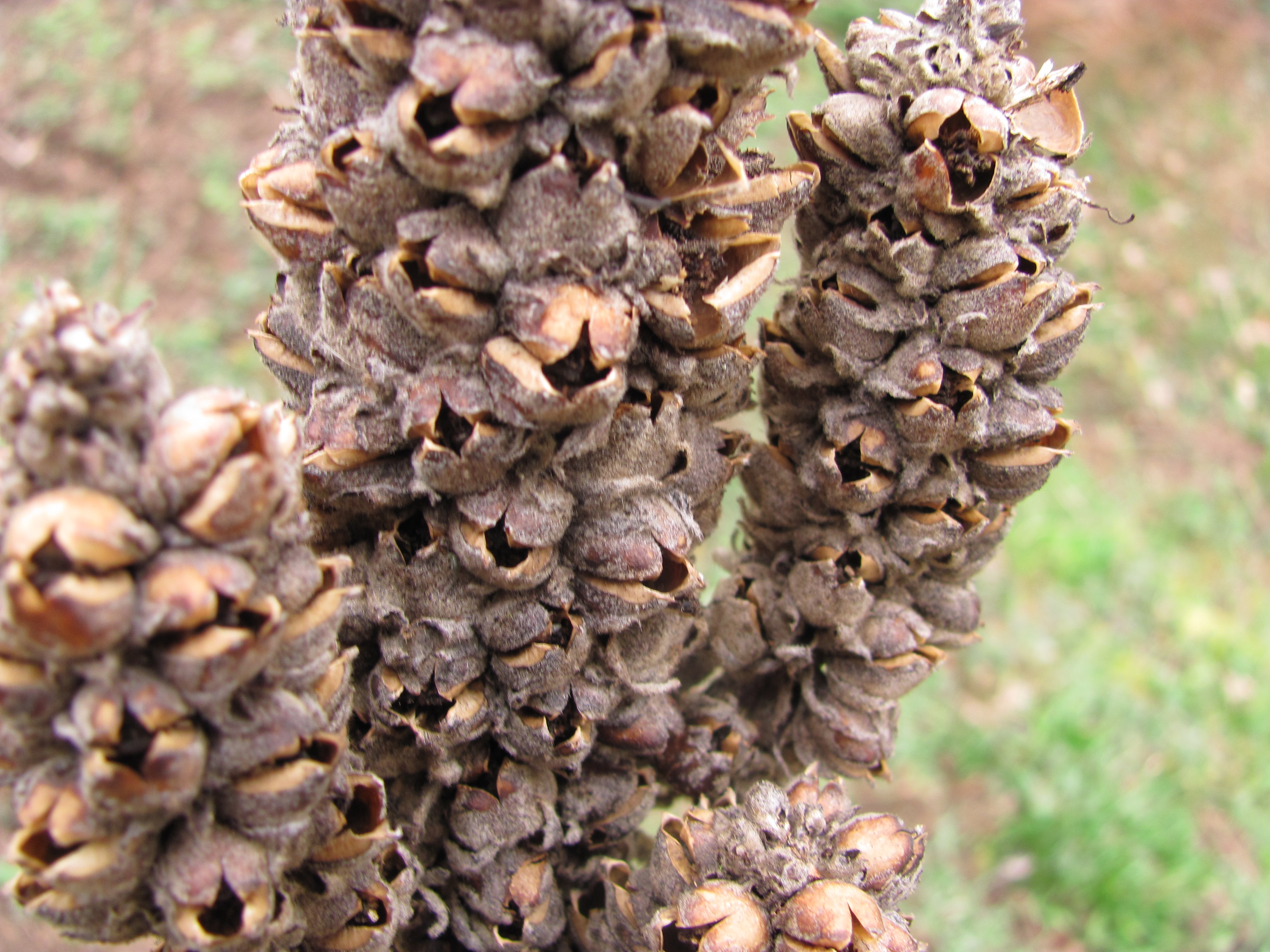
In one area the scree was being recolonised by plants. We were amazed to see Verbascum, commonly called Mullein, growing here in good numbers. Being biennial the Mulleins were present as last years seed heads still standing tall and stiffly upright and amongst them the rosettes of silvery and heavily-furred leaves from which the centres of which this year’s flower stems will rise.
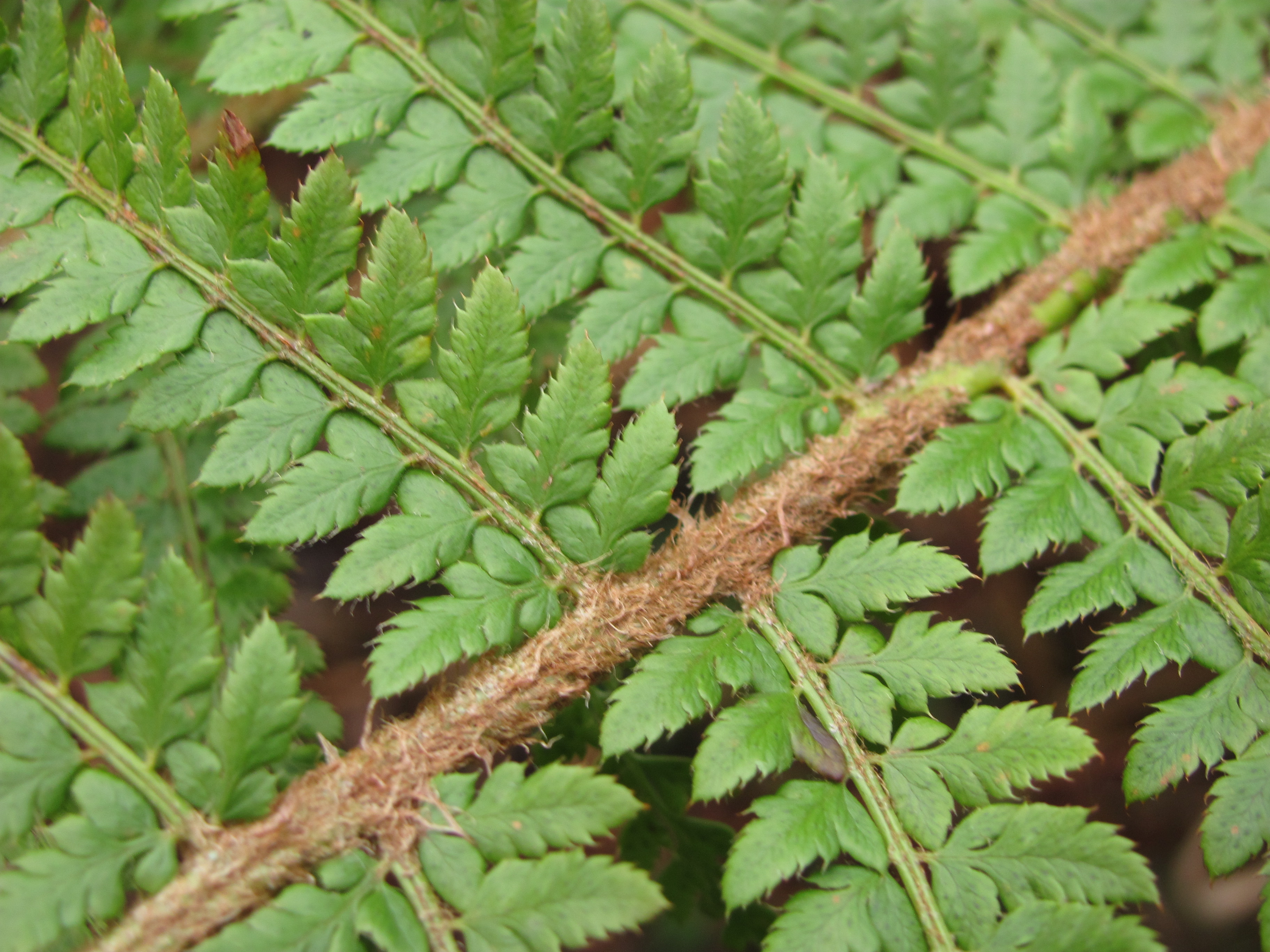
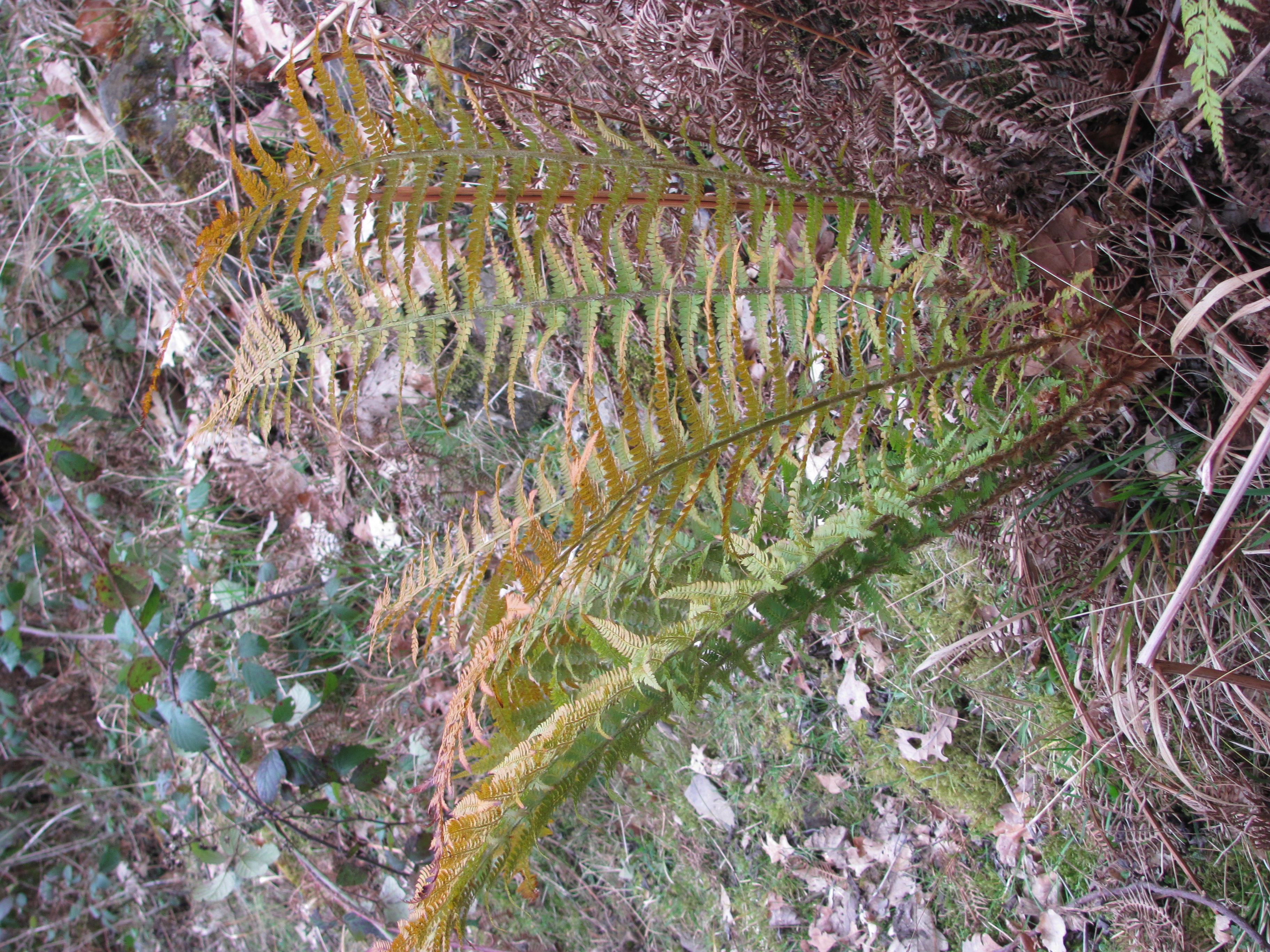
Not much further along the track we came across a patch of ferns and amongst them discovered a bronze-leaved specimen. A true beauty, similar to one we grow in our garden. It reminded us of how Victorian gardeners became obsessed with ferns, collecting any with interestingly shaped or unusually coloured leaves.


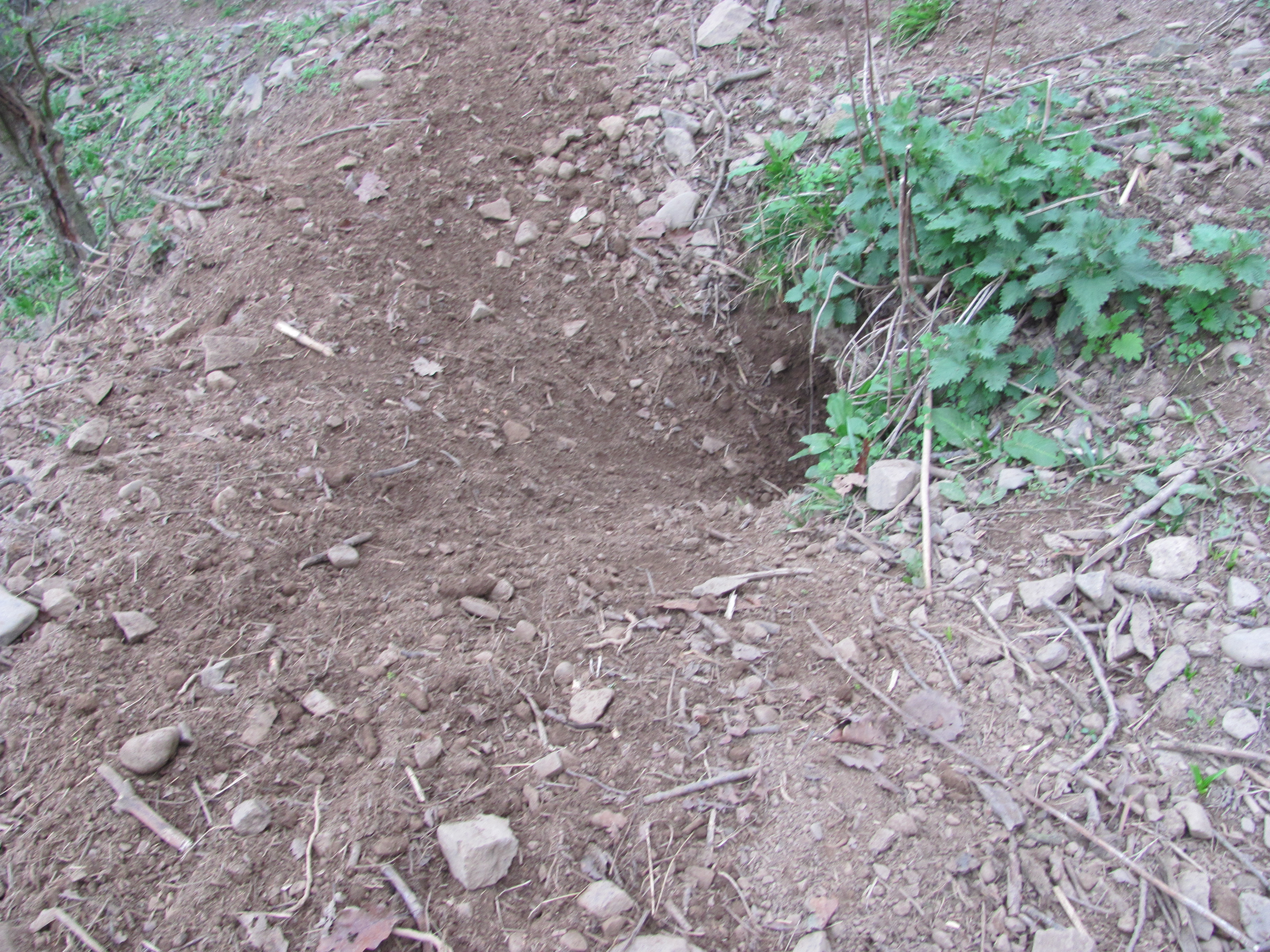
As we moved back into denser woodland our paths were frequently crossed by the unpleasant musky odours of Fox and Badger. Foxes left trackways through the undergrowth but the signs of the Badgers were much easier to spot as we found their sett. One tunnel had been recently excavated and huge piles of soil and stones deep from underground piled around its entrance.

The commonest mammal on the reserve must be the Rabbit – we saw them throughout our wanderings their white tails bobbing as they disappeared at our approach. They must provide a useful food bank for the Foxes and Buzzards. We could frequently hear Buzzards calling overhead but we only managed to see two. One we spotted as it flew rapidly through the trees, keeping low to the ground as it tried to catch a Rabbit. The prey escaped this time! The other we spotted sat on the topmost branch of a Hawthorn bush in a field nearby, looking as if he was waiting impatiently for thermals to help him get airborne.
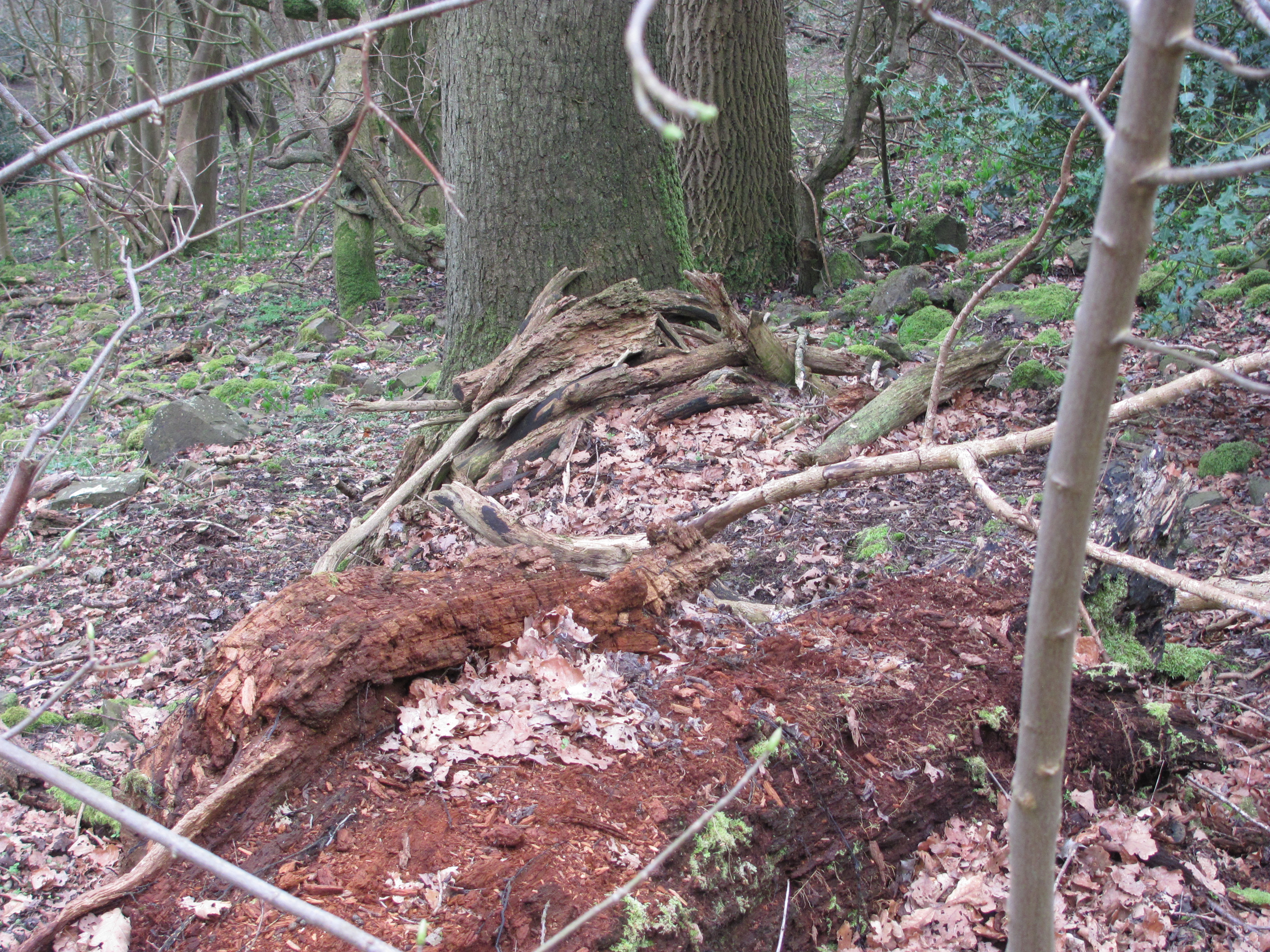
Throughout the wood there were excellent habitats for insect and invertebrates, some created by Mother Nature where trees have fallen and are now rotting and others made by Shropshire Wildlife Trust volunteers who create wood piles and brash stacks when they perform their management activities around the reserve. Rotting wood is particularly popular with beetles.
Throughout our circular walk around the base of Earls Hill we enjoyed listening to the song of our native thrushes, the repetitive phrases of the Song Thrush, the gentle ditty of its bigger cousin the Mistle Thrush and the flute like tuneful song of the Blackbird. All were males calling out to proclaim ownership of their territory and letting females know how good they would be as partners. It was noticeable that the thrushes we heard were our resident thrushes and there was no sign of the winter visiting thrushes, the Redwings and Fieldfares. They must now have left our shores to make their journey home.
Occasionally through gaps in the trees we enjoyed glimpses of views of the countryside. When walking in woodland you become so absorbed in its atmosphere that you forget what the outside world is like. These glimpses of the countryside reminded us of the thin mist overlying and obscuring the nearby hills and farmland.

One sign of the approach of Spring was the nest-building activity of birds large and small. We watched Bluetits delicately collecting lichen from branches of Hawthorns. Rooks clumsily gathered twigs too large to easily carry through the close growing trees. They were nesting in their rookery in a clump of tall trees across the fields bordering the reserve. We heard the snapping of the brittle twigs as they broke when lifted and carried by the Rooks.
While wandering we enjoyed the textures, patterns and colours on tree trunks and the shapes of fallen trunks and branches. It made us think of Mother Nature as artist and sculptress. (Look out for future blogs on the artistry and sculptural skills of Mother Nature)
We returned to the car park as the temperature began to drop, vowing to return when the woods were full of summer migrants. We have the songs of warblers to look forward.
 greenbenchramblings