Categories
colours garden design garden paths garden photography gardening gardens gardens open to the public lakes light light quality ornamental trees and shrubs Powis Powys shrubs trees Wales water in the garden woodland woodlands

The Dingle Garden in December

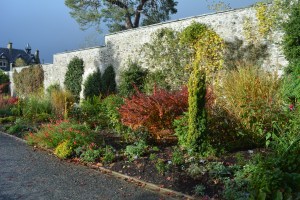
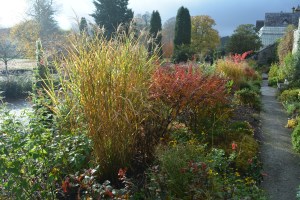
Here we are with the final report of our monthly visit to the Dingle Gardens near Welshpool. As we drove down to Welshpool the weather just could not make its mind up what it was going to do, sunny with blue skies one minute, showers of cold rain the next. But once we were actually wandering around the gravel paths of the garden, it settled and we had a dry period for most of our walk. A few minutes of rain arrived just as we finished.

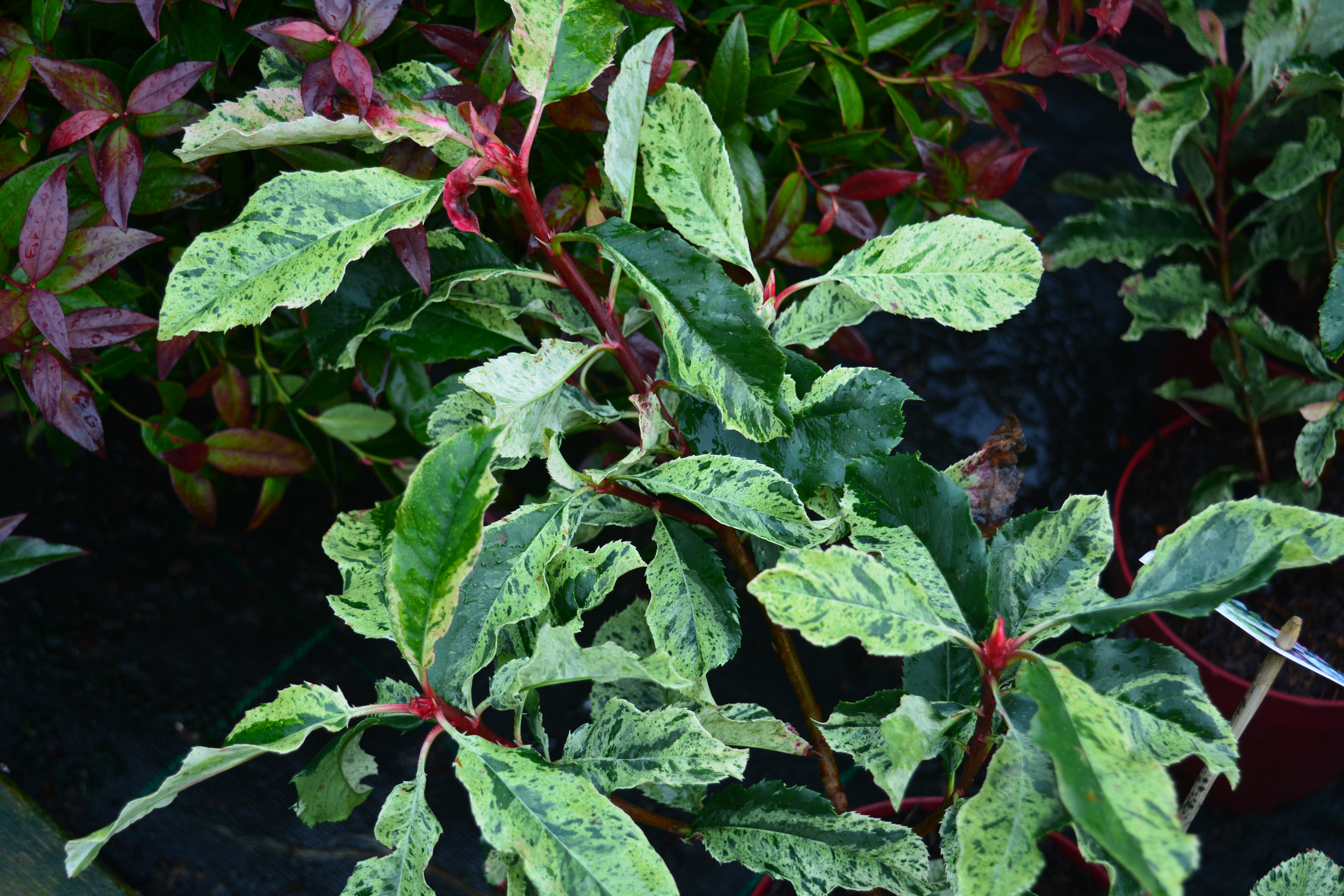
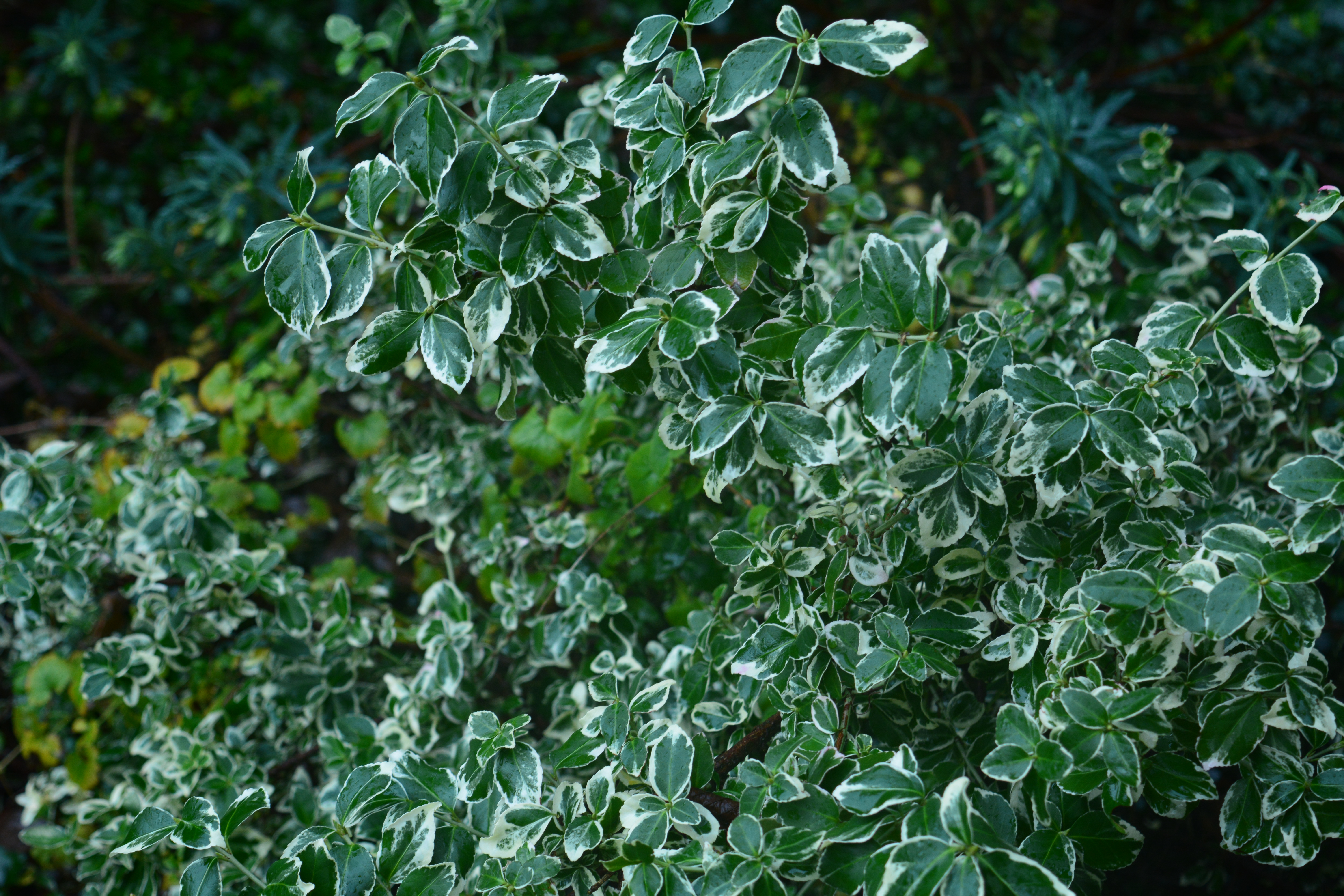
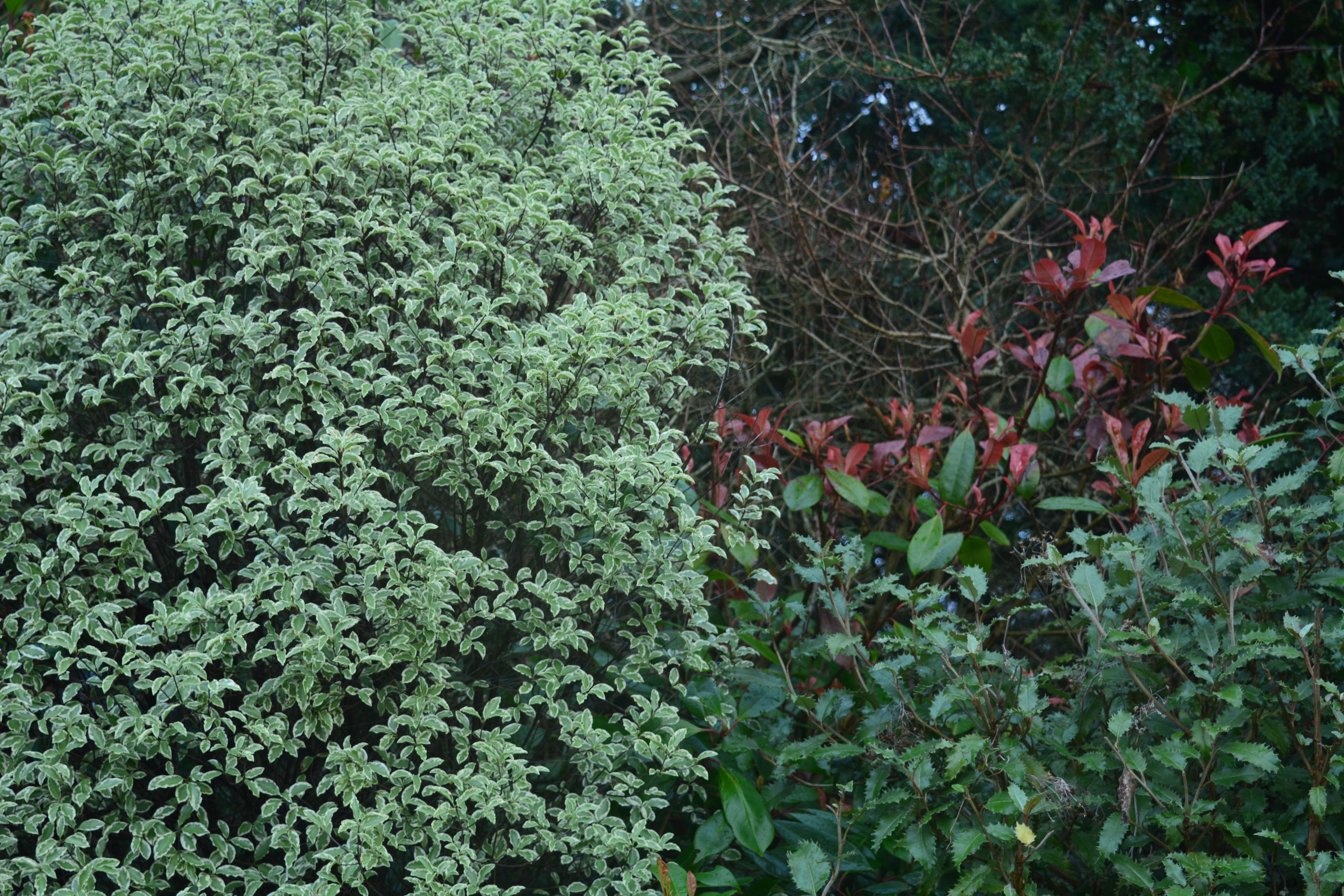
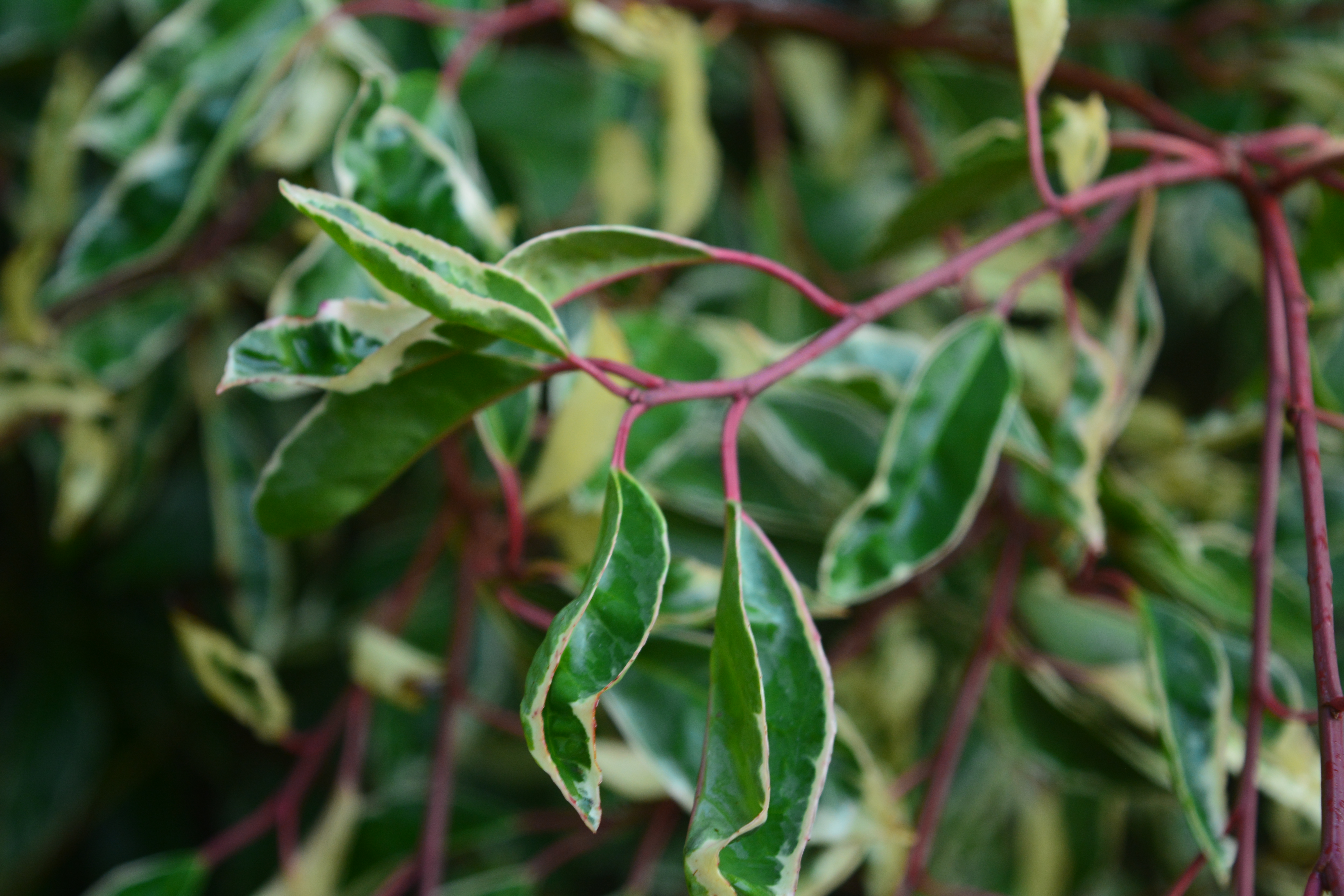
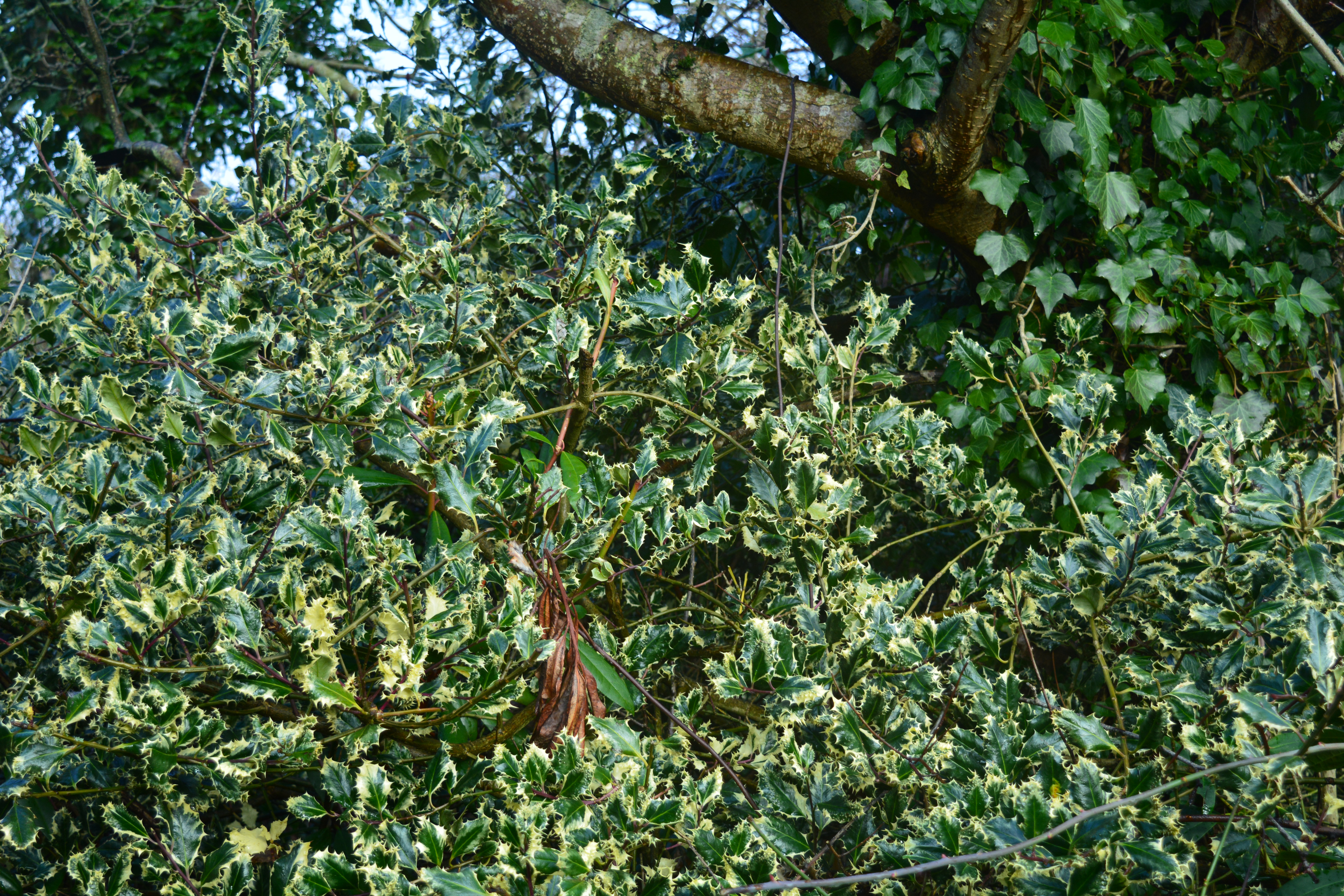
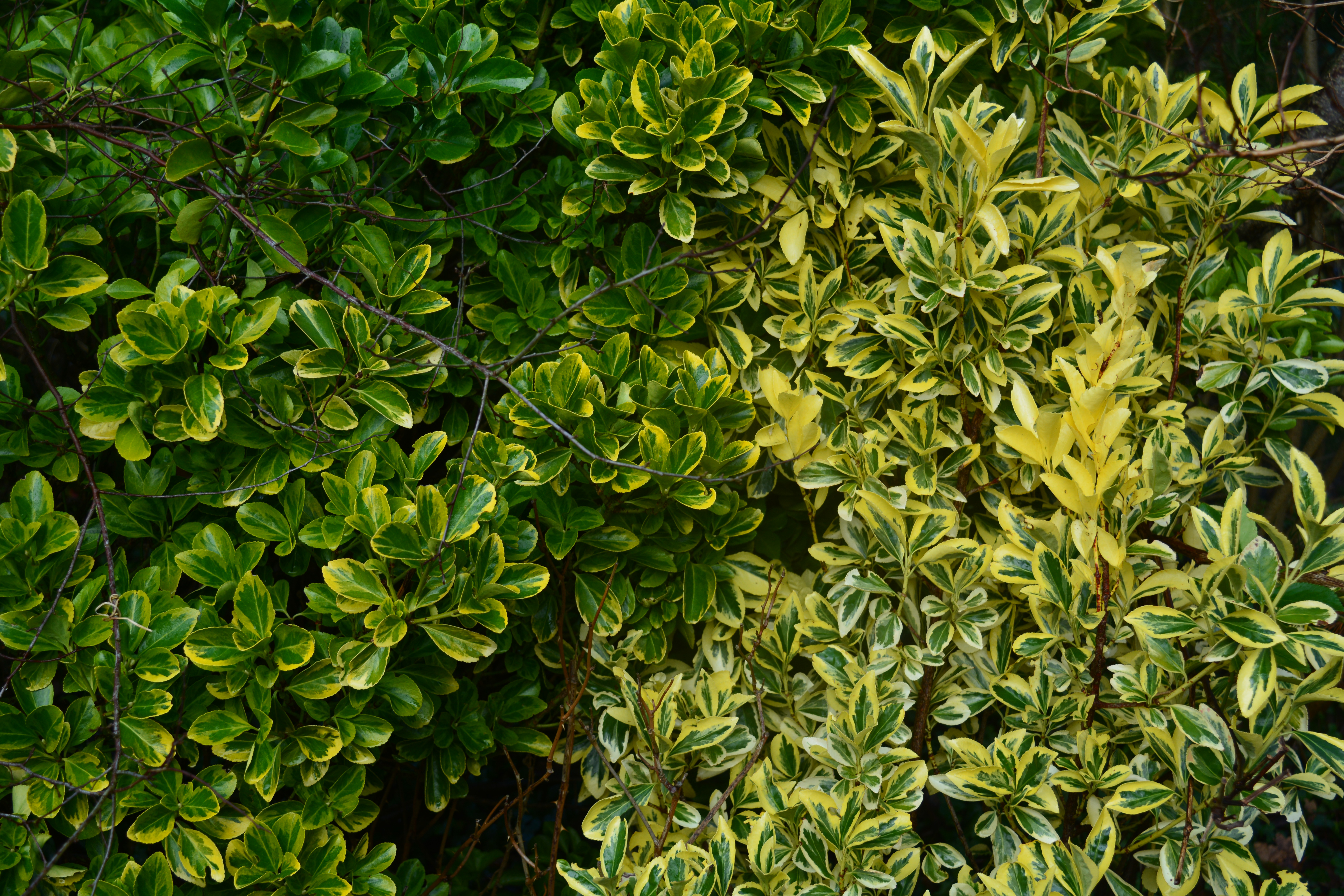
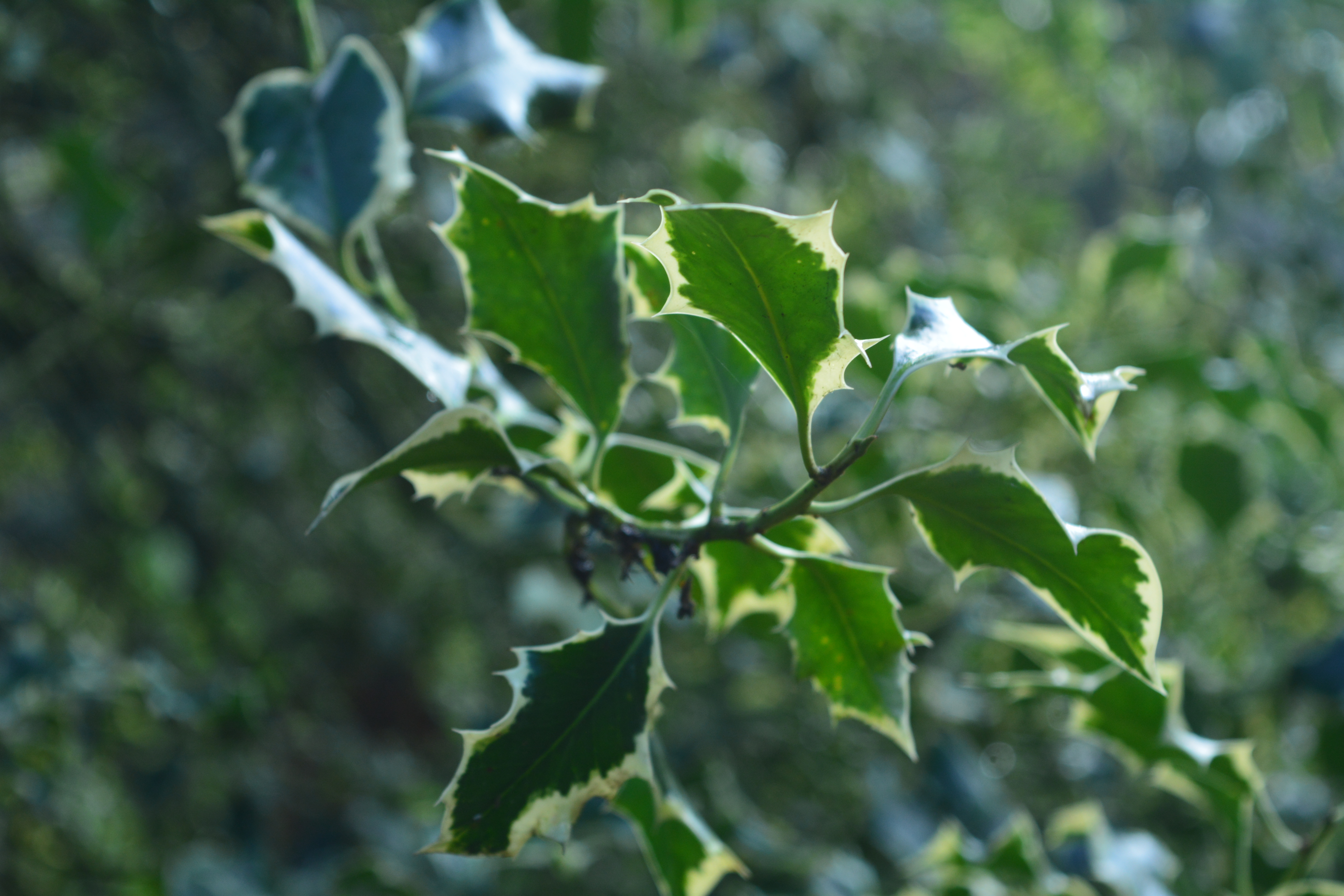
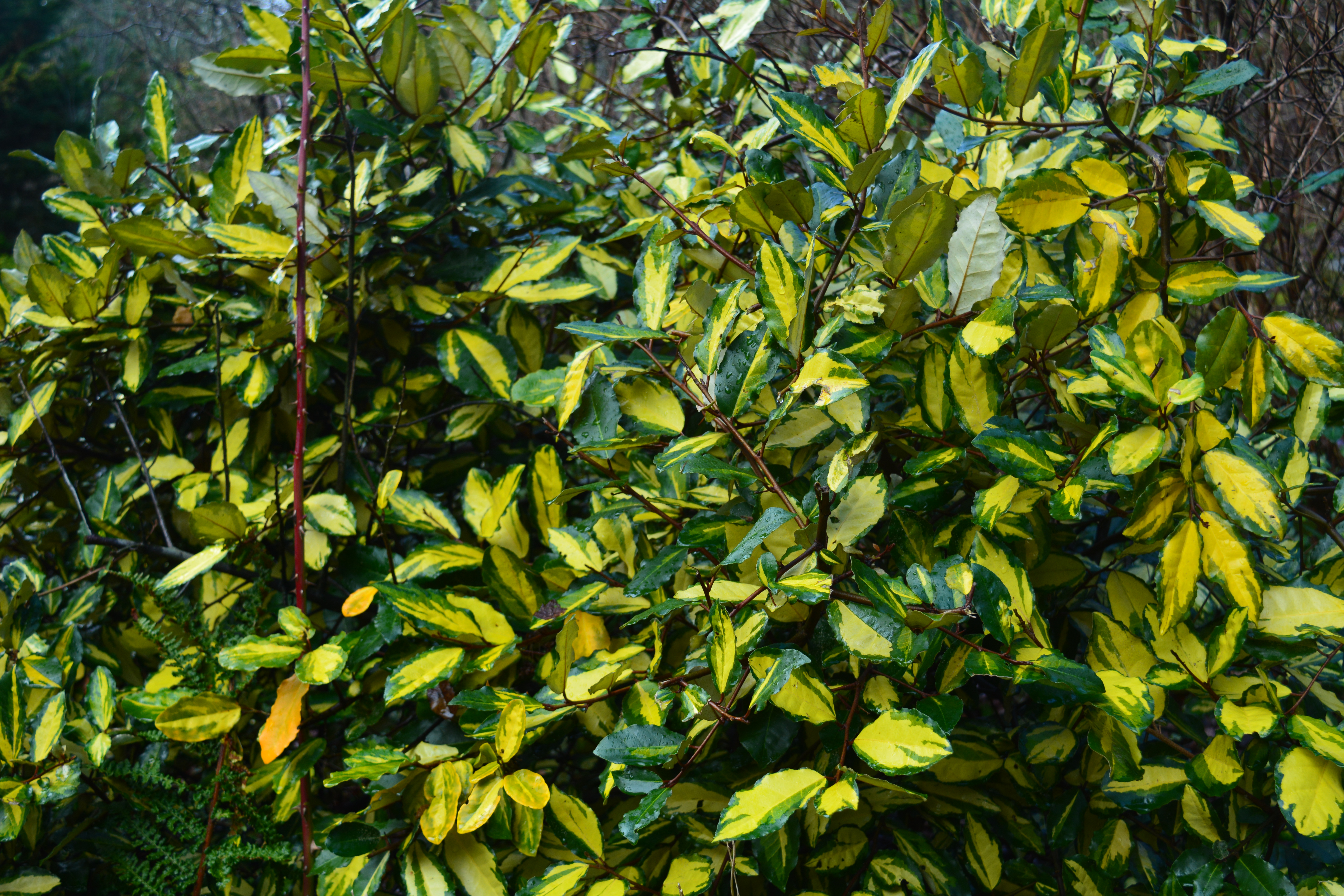
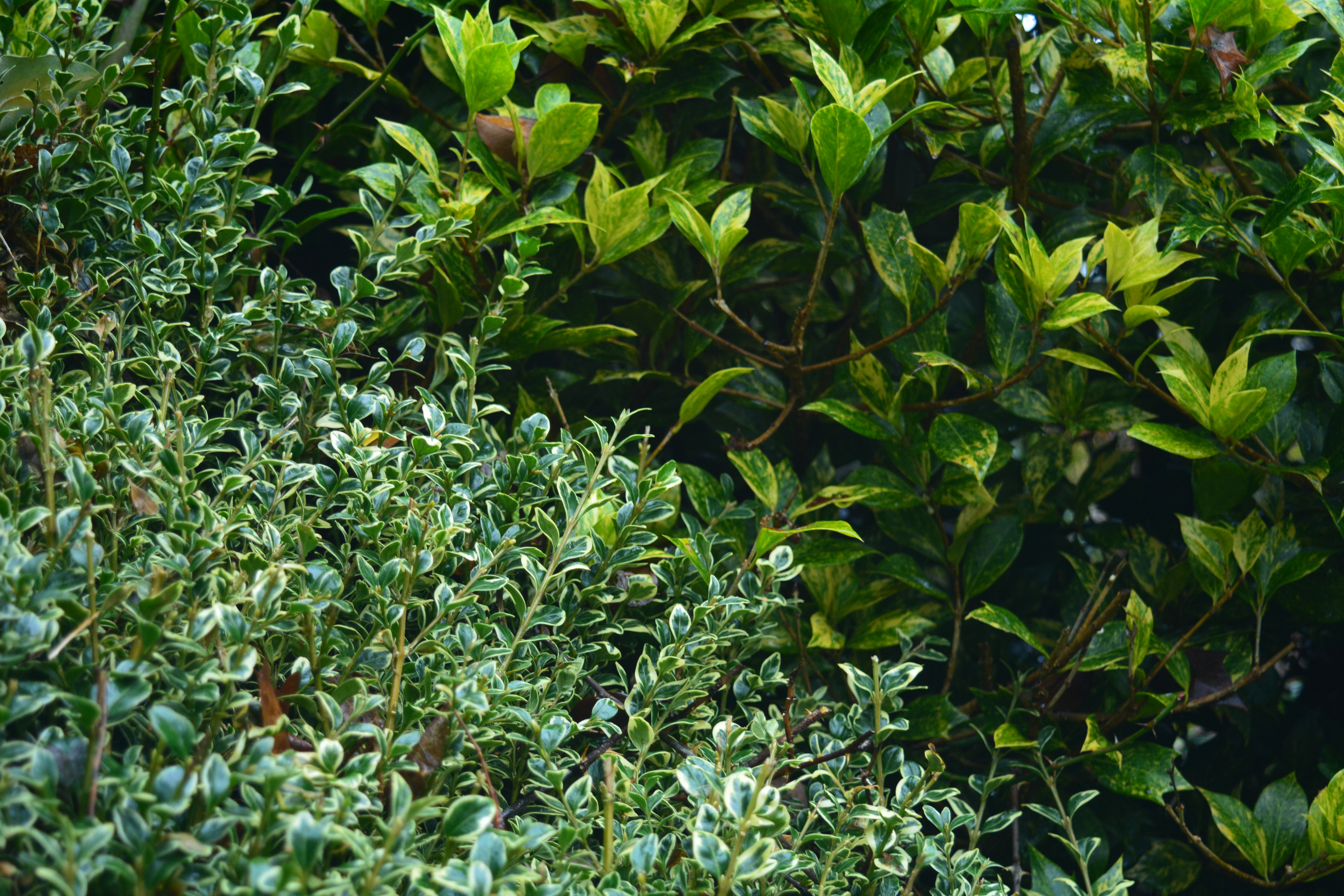
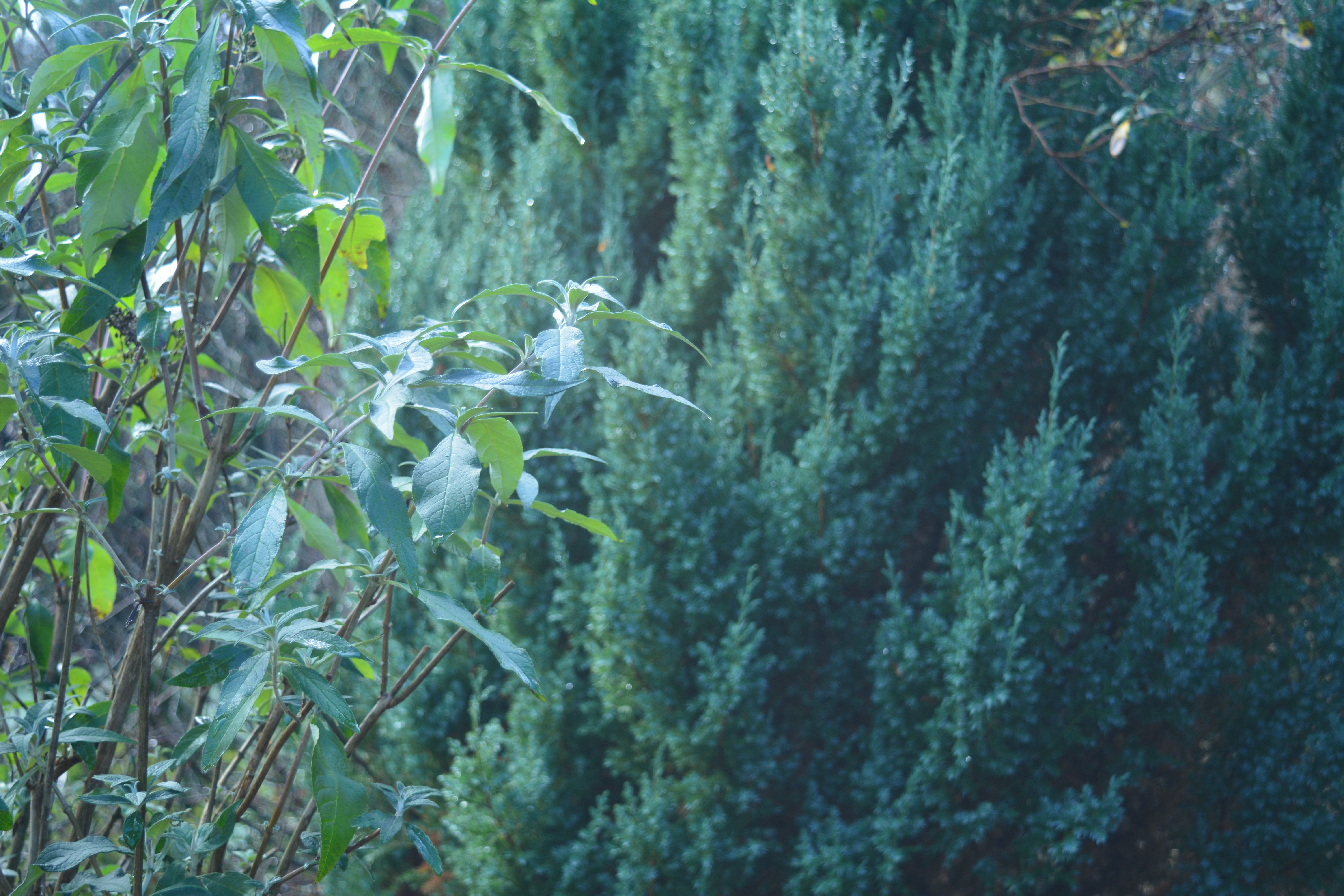
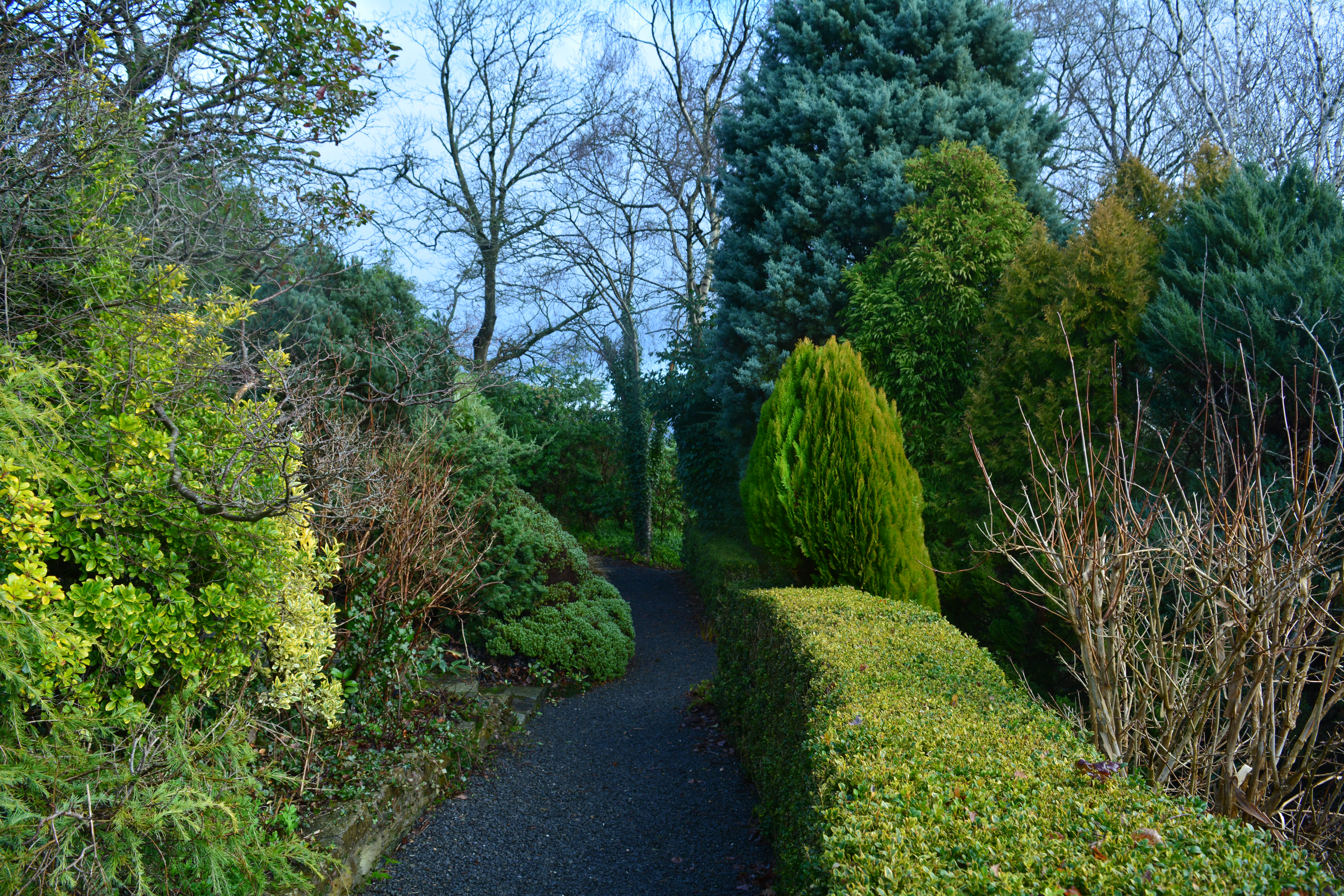
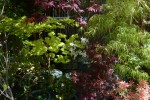
The light was dull and we noticed how variegated plants really came into their own. Gold and green, silver and green, grey and green in every possible combination and patterns. Just see in the first photo how the variegated shrub across the lawn shines out against darker foliaged trees and shrubs.


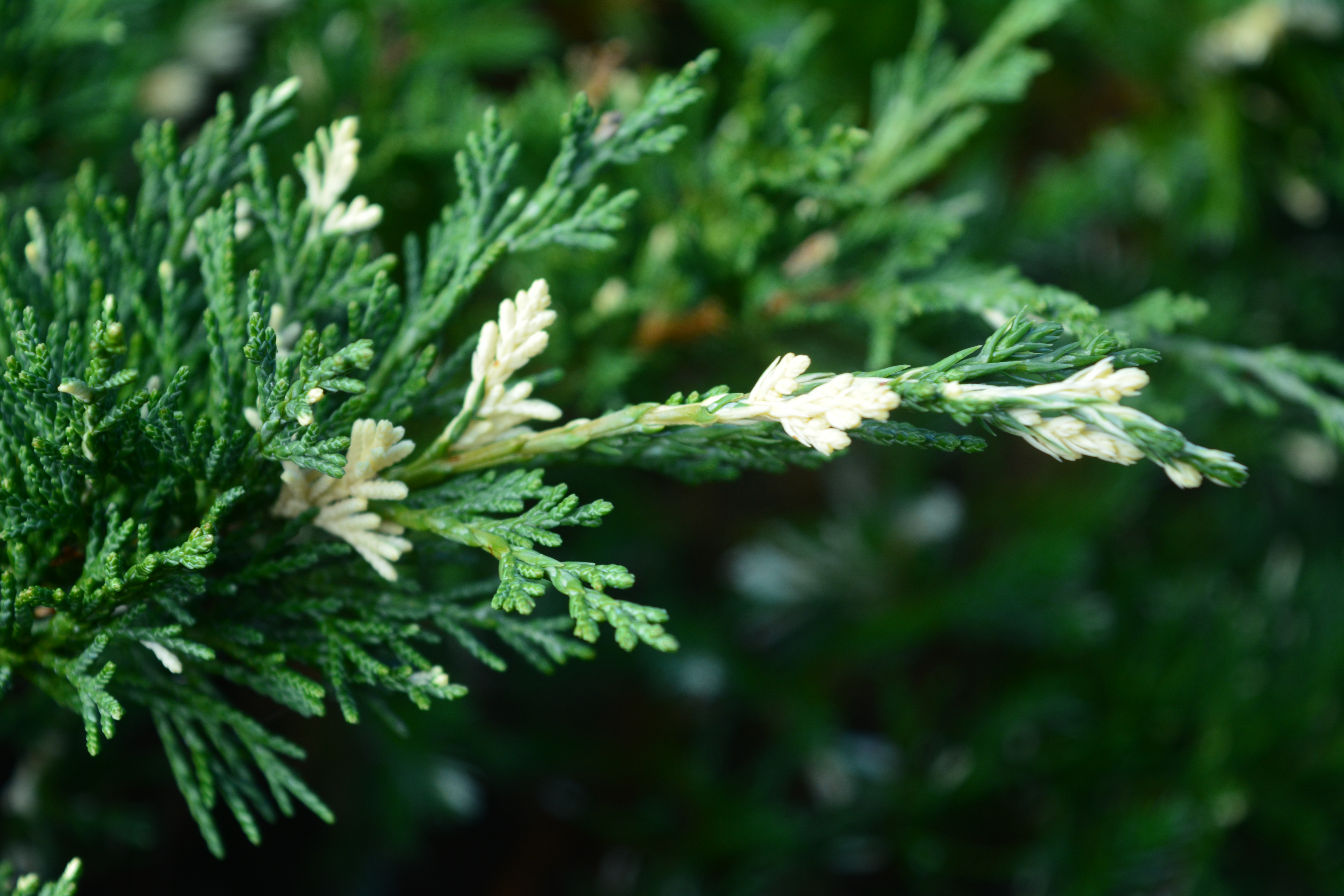
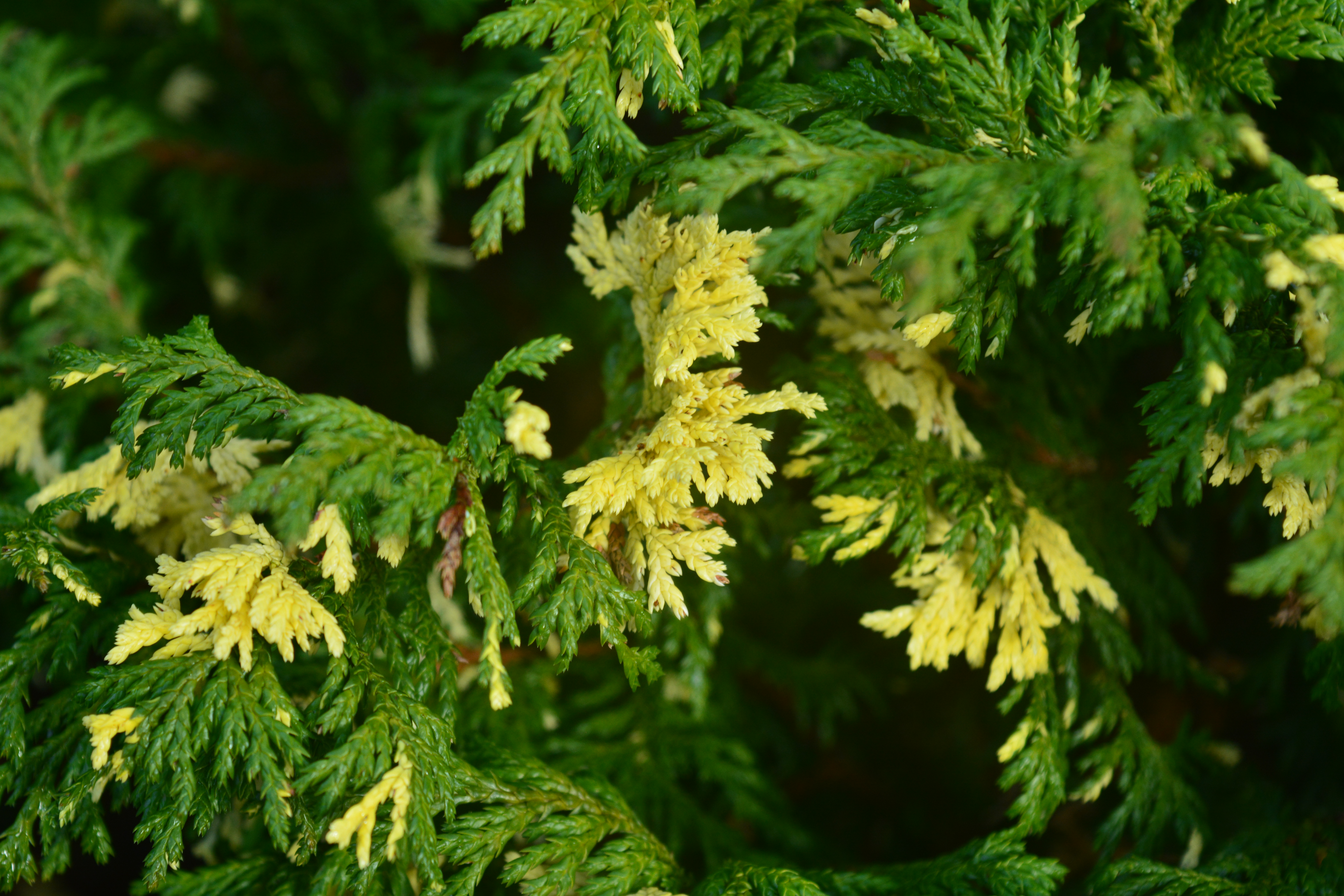
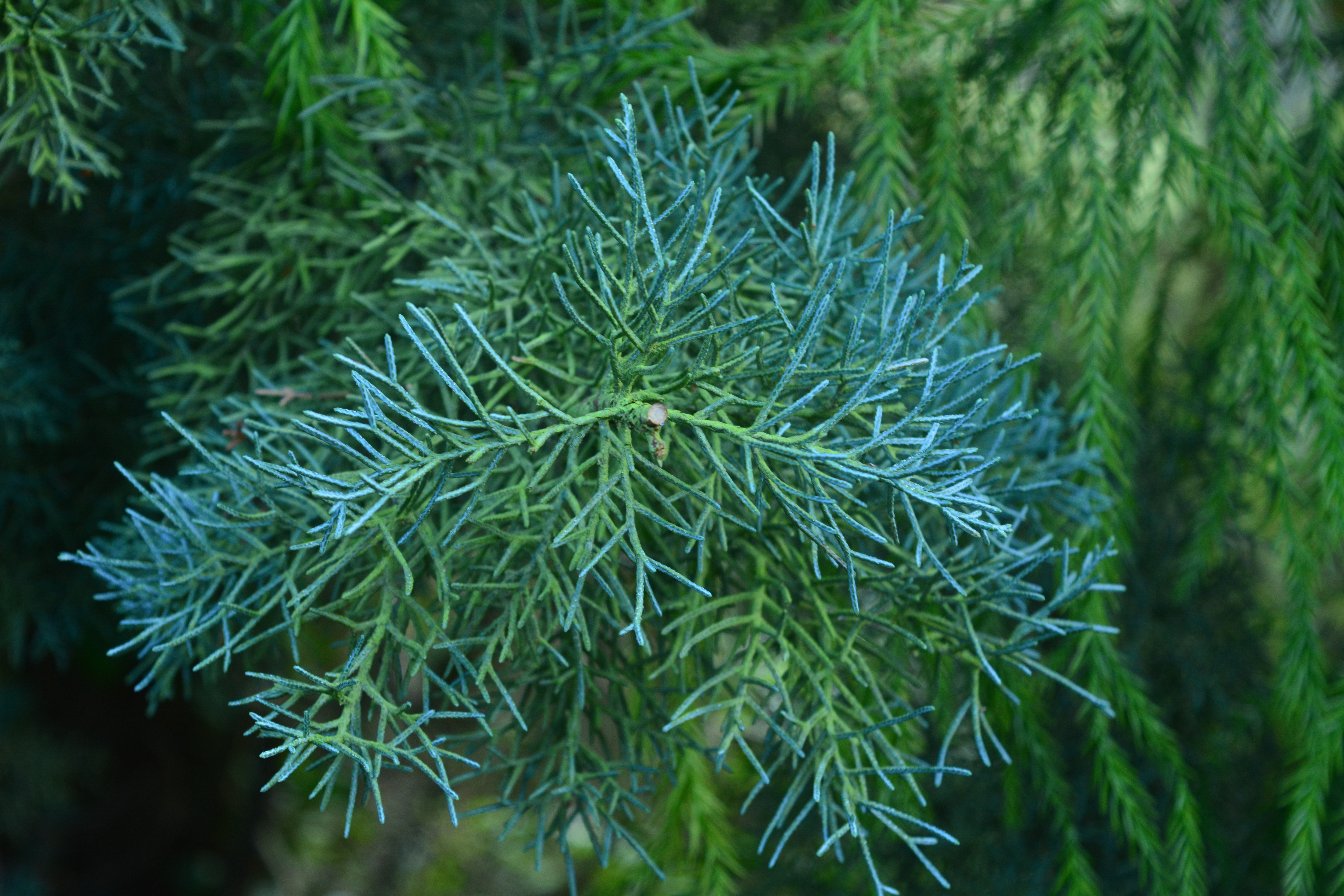
Variegation in conifers fails to impress me, as sadly it just looks like a bird has been perched above the foliage for a while! See what you think!


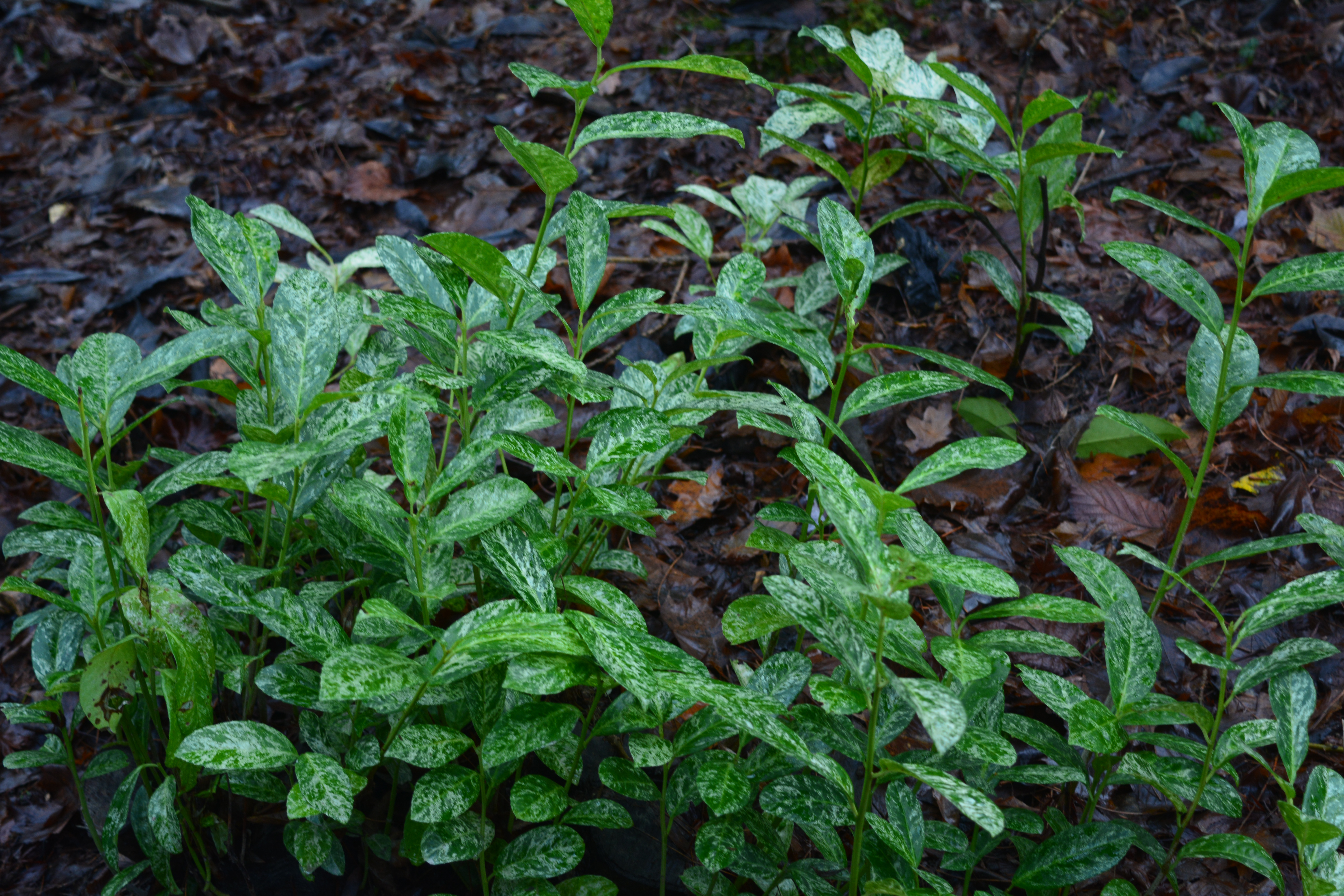
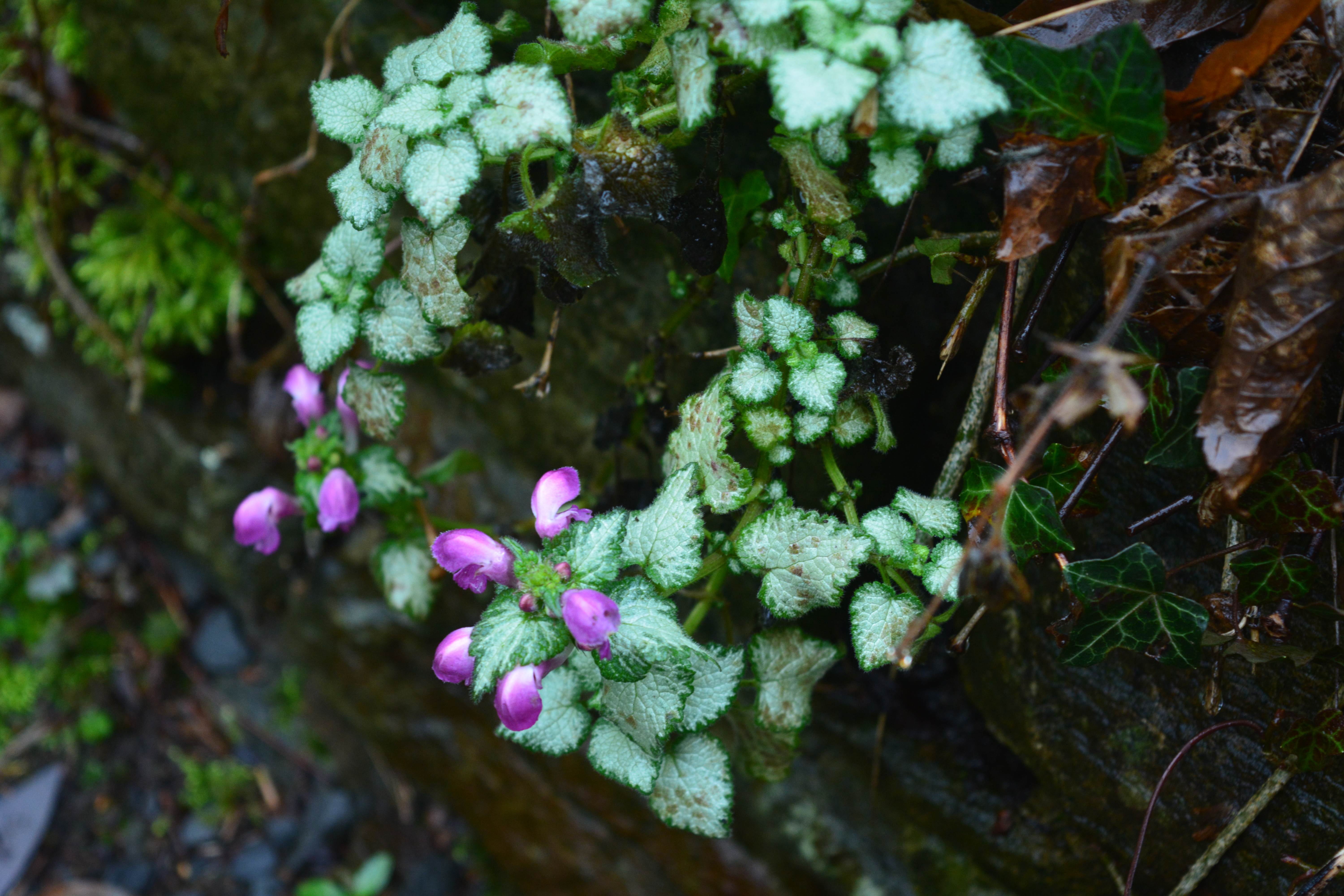
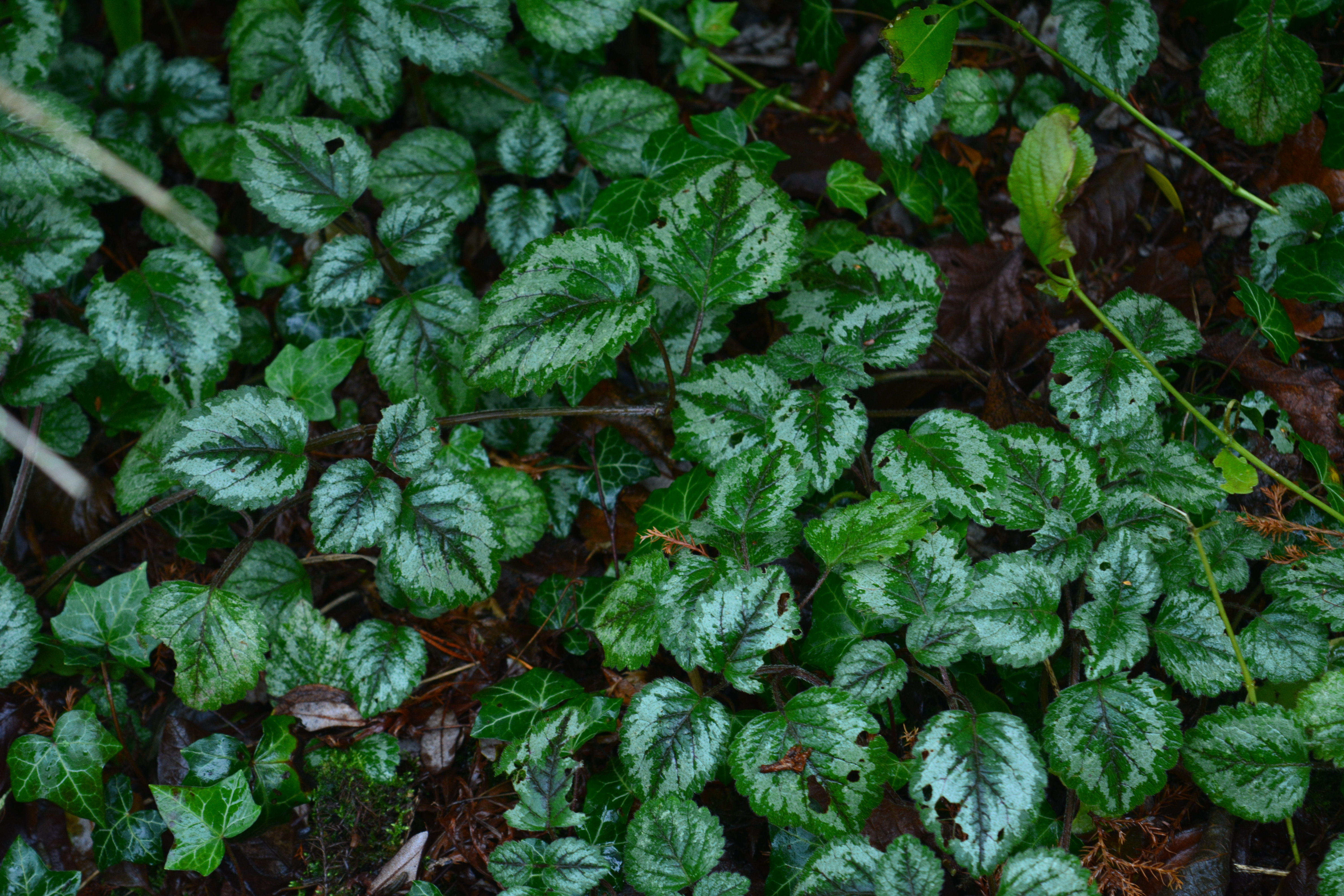
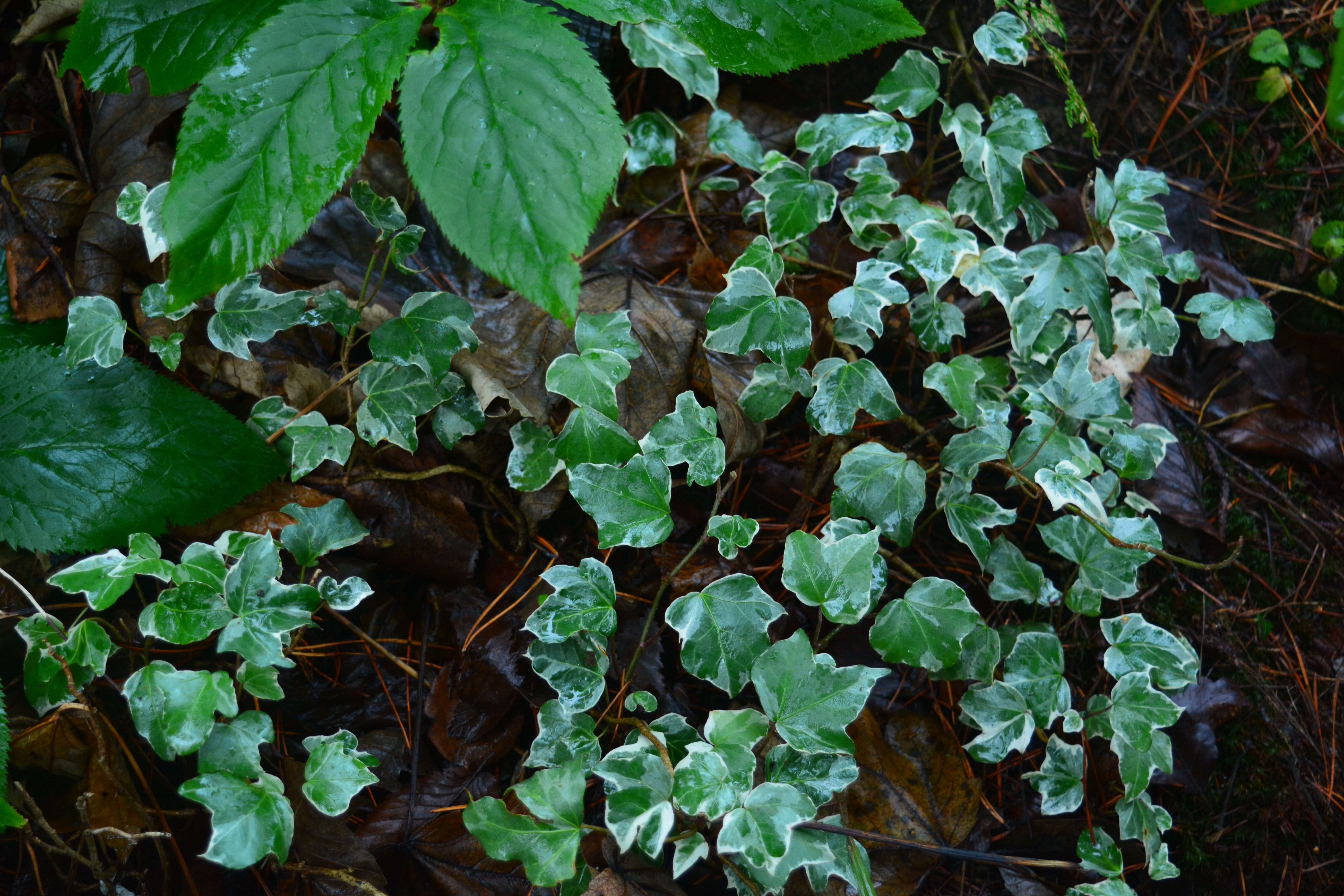
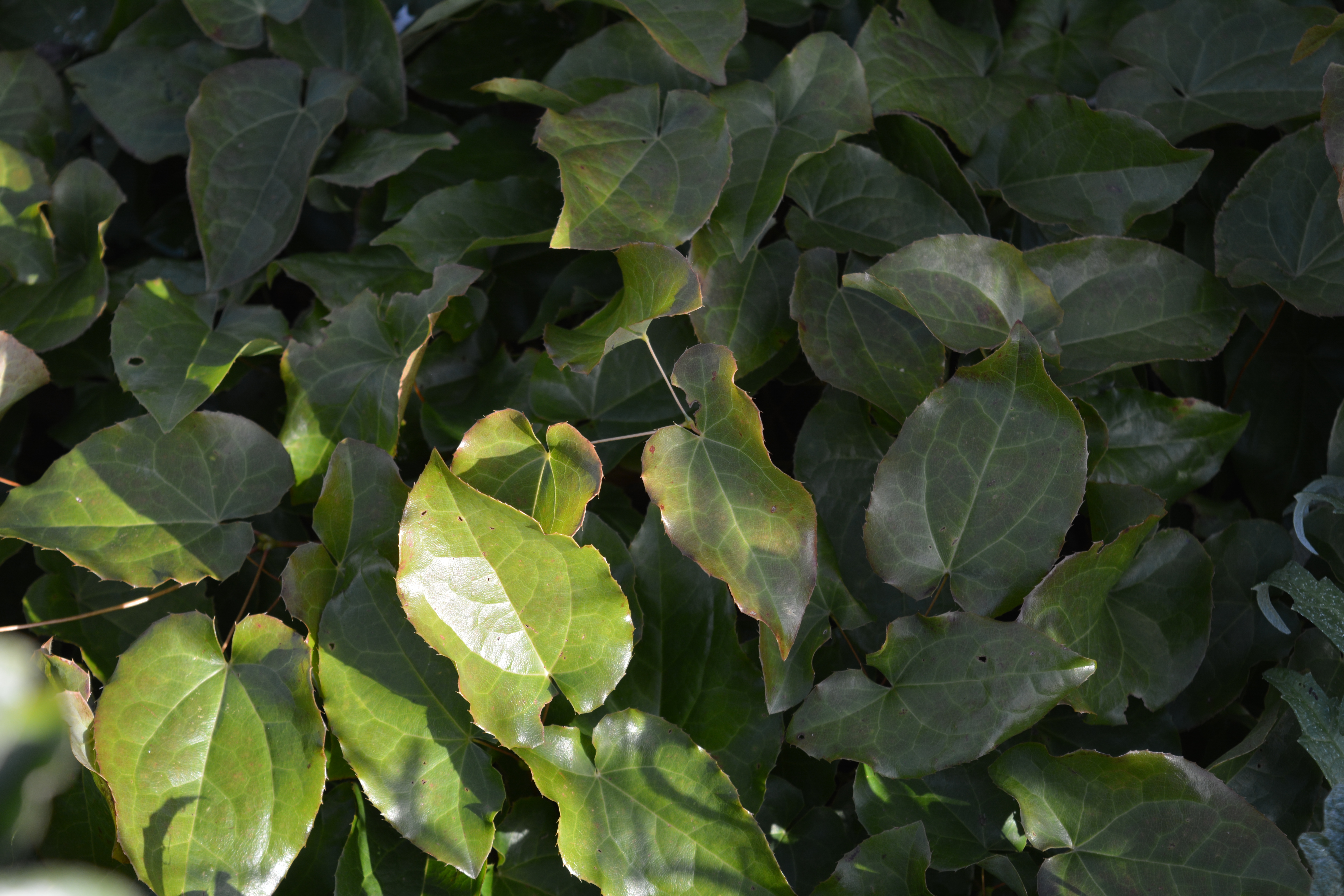
Variegated groundcover plants are very effective in the woodland garden as they brighten up dull areas. Silver variegation create mirror effects reflecting any light that gets through the tree canopy.


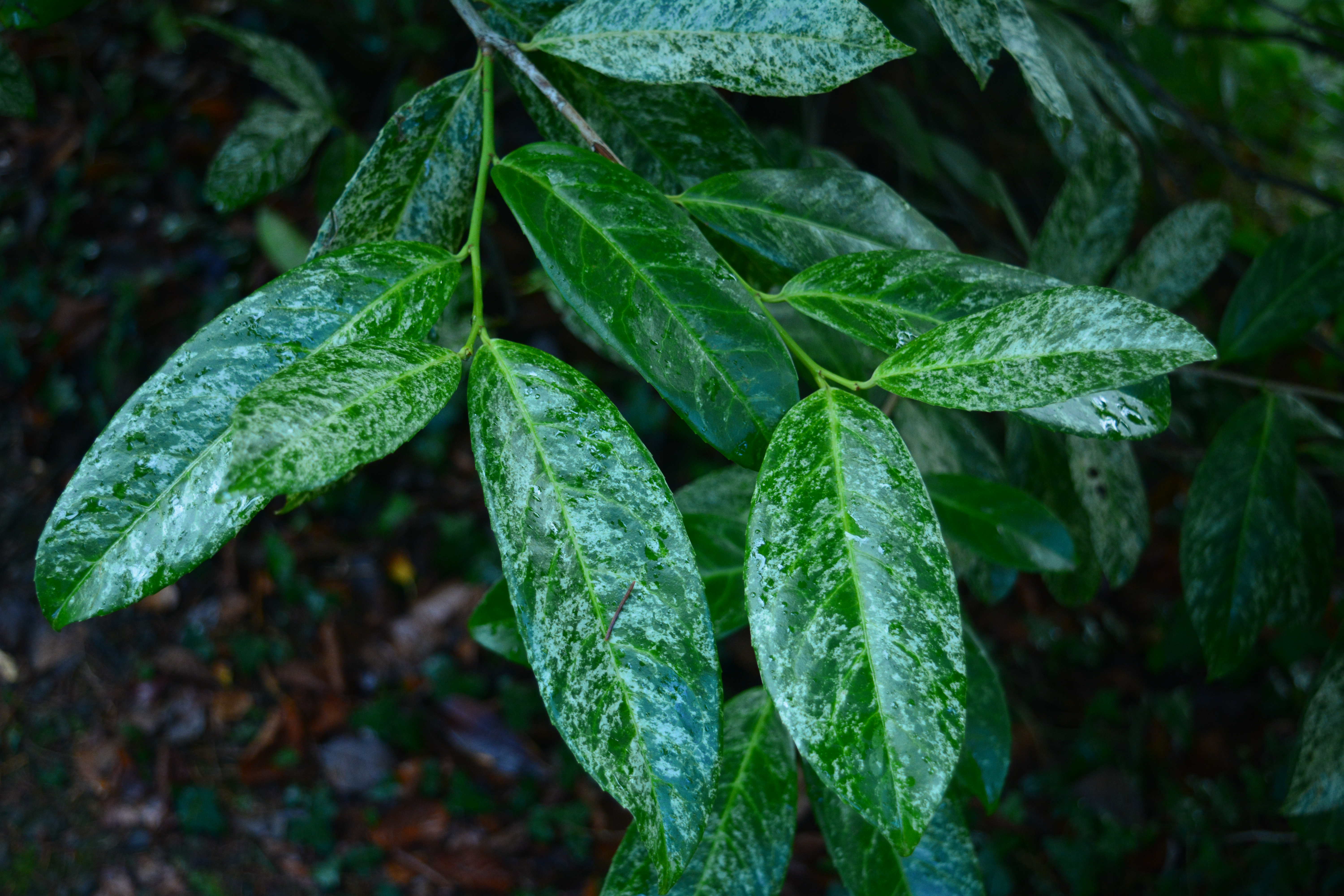
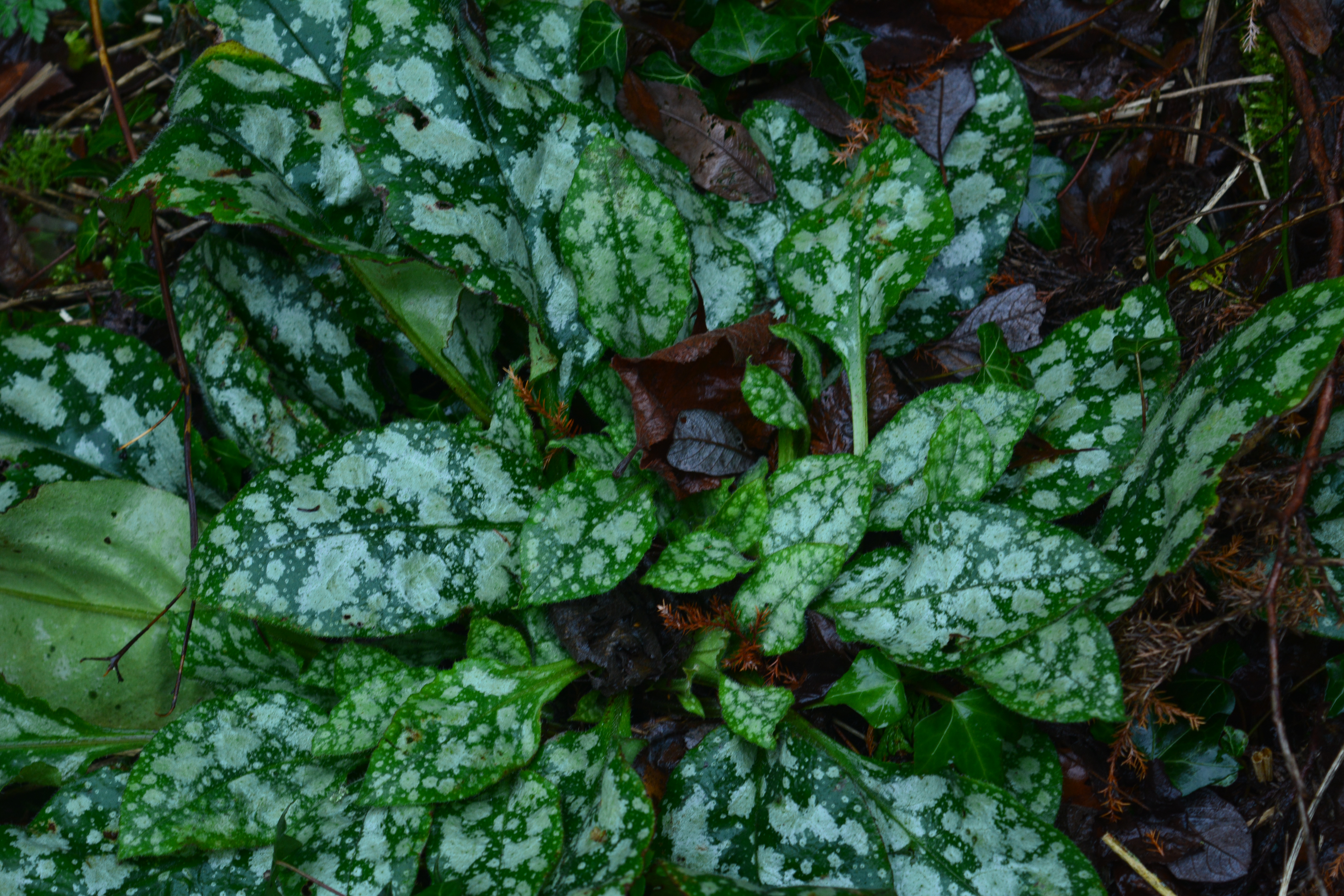
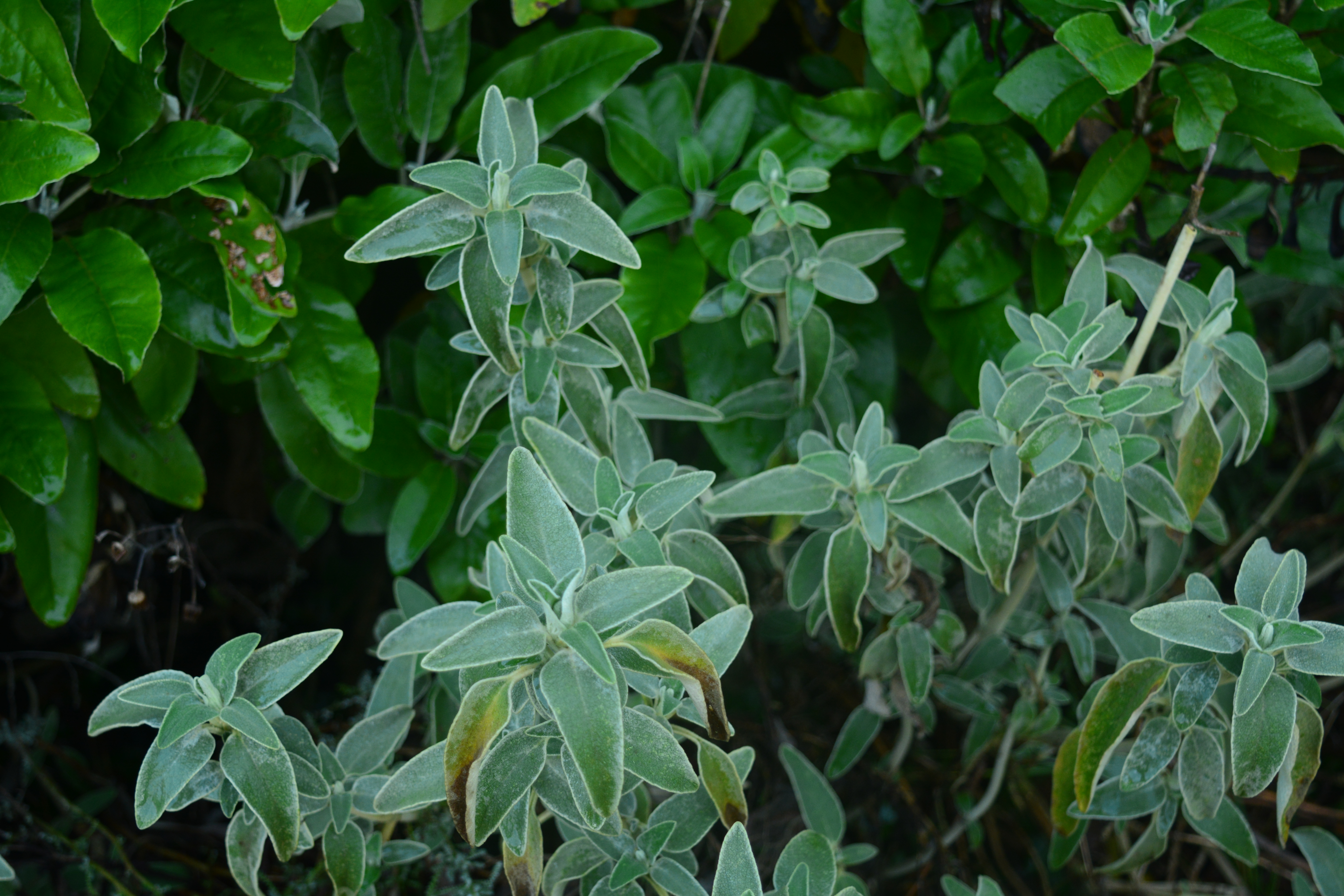
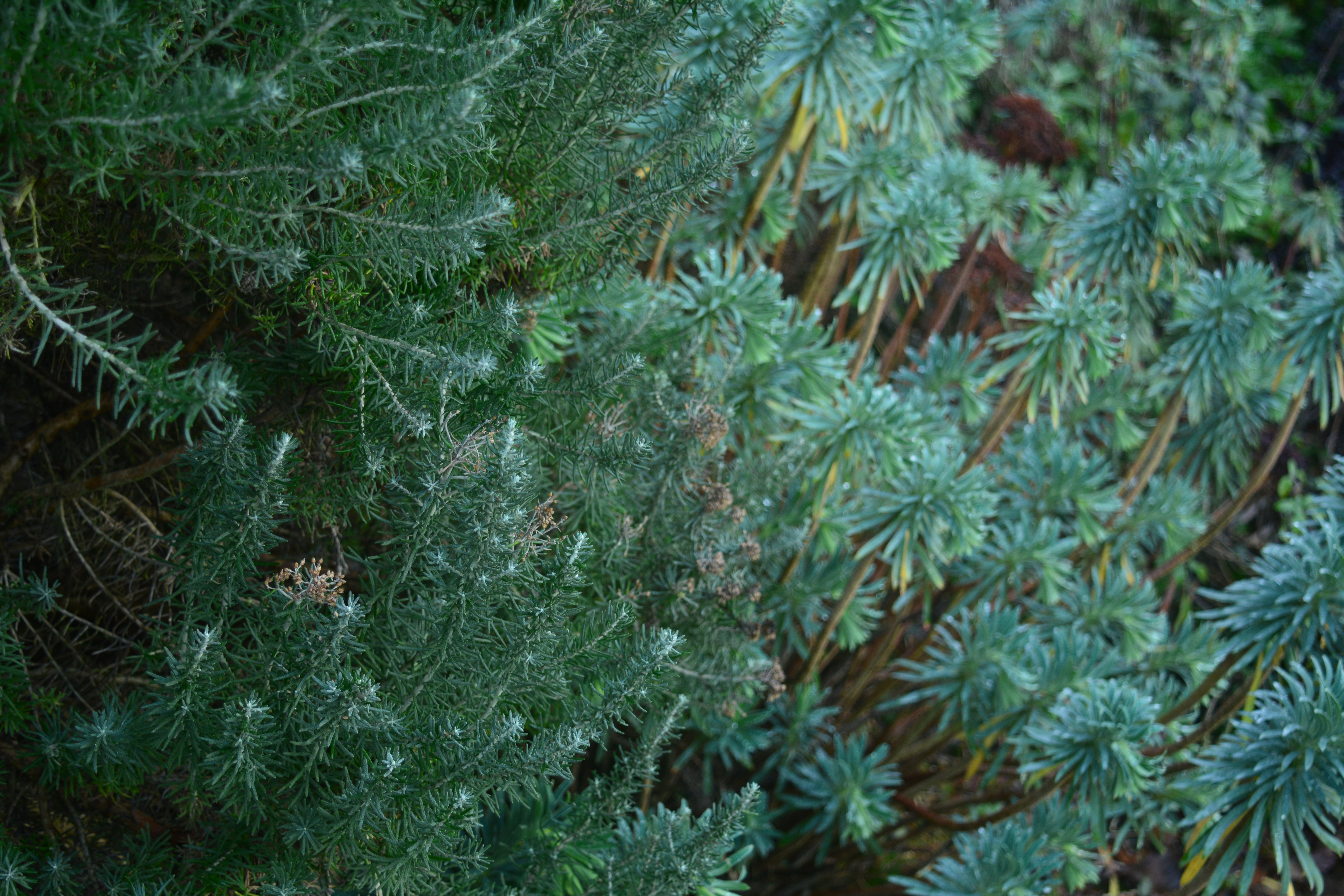
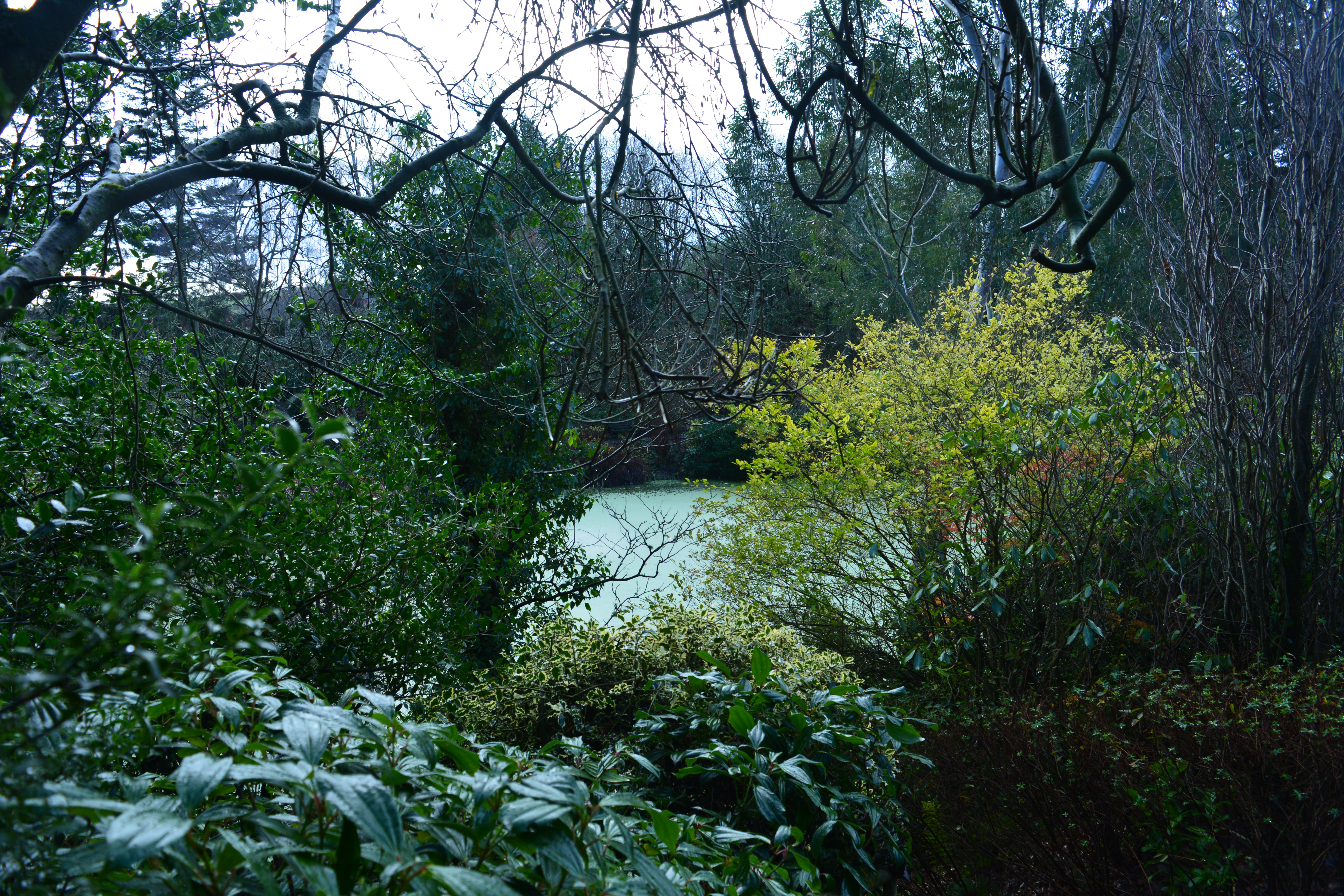
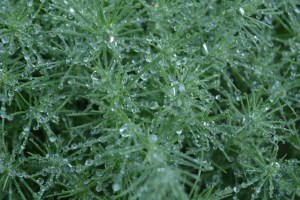
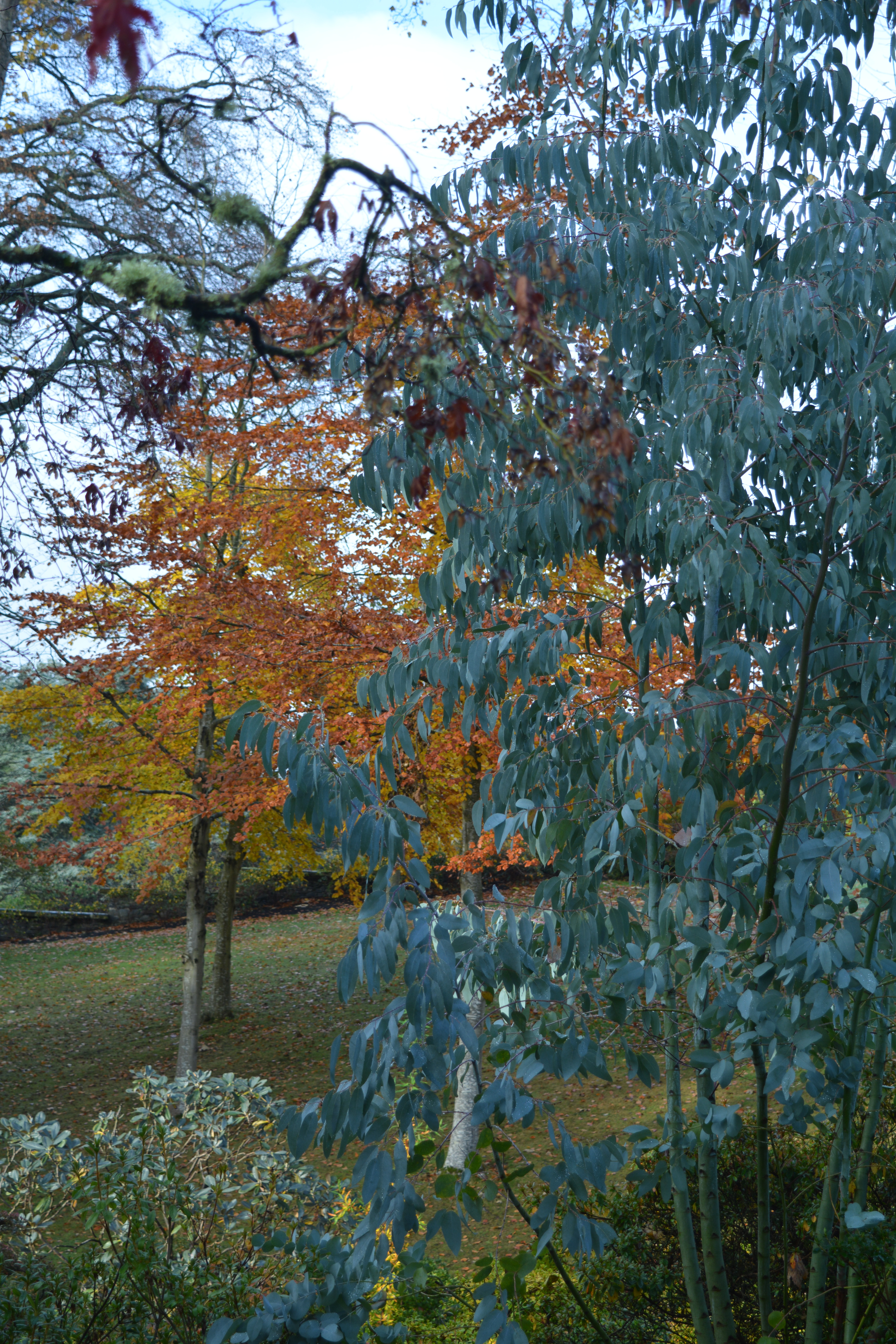
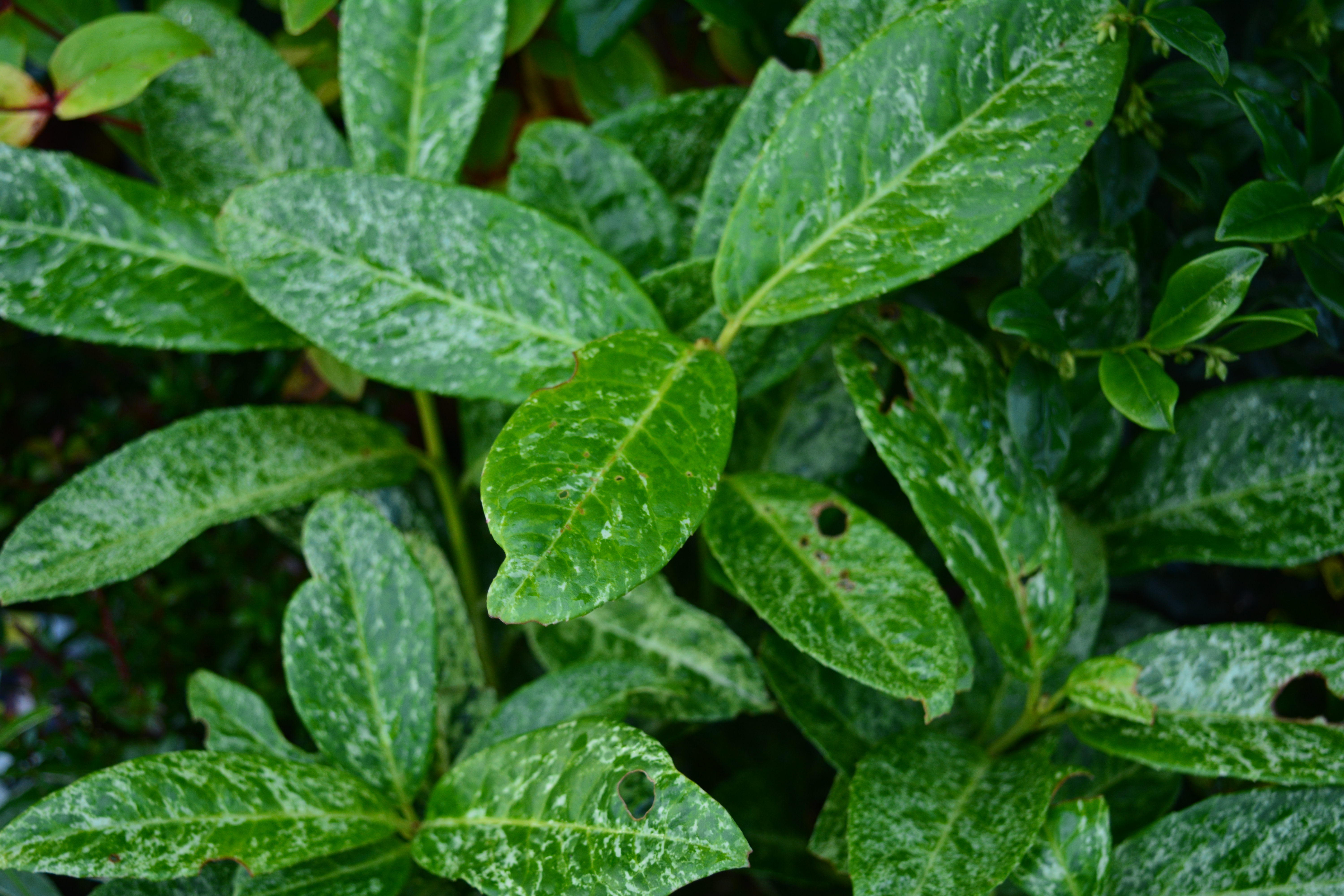
The raindrops hung around on glaucous foliage and we were surprised just how many plants in this woodland garden displayed glaucous leaves. Variegated foliage adds extra bright spots to woodland patches but glaucous foliage creates gentle subdued spots.


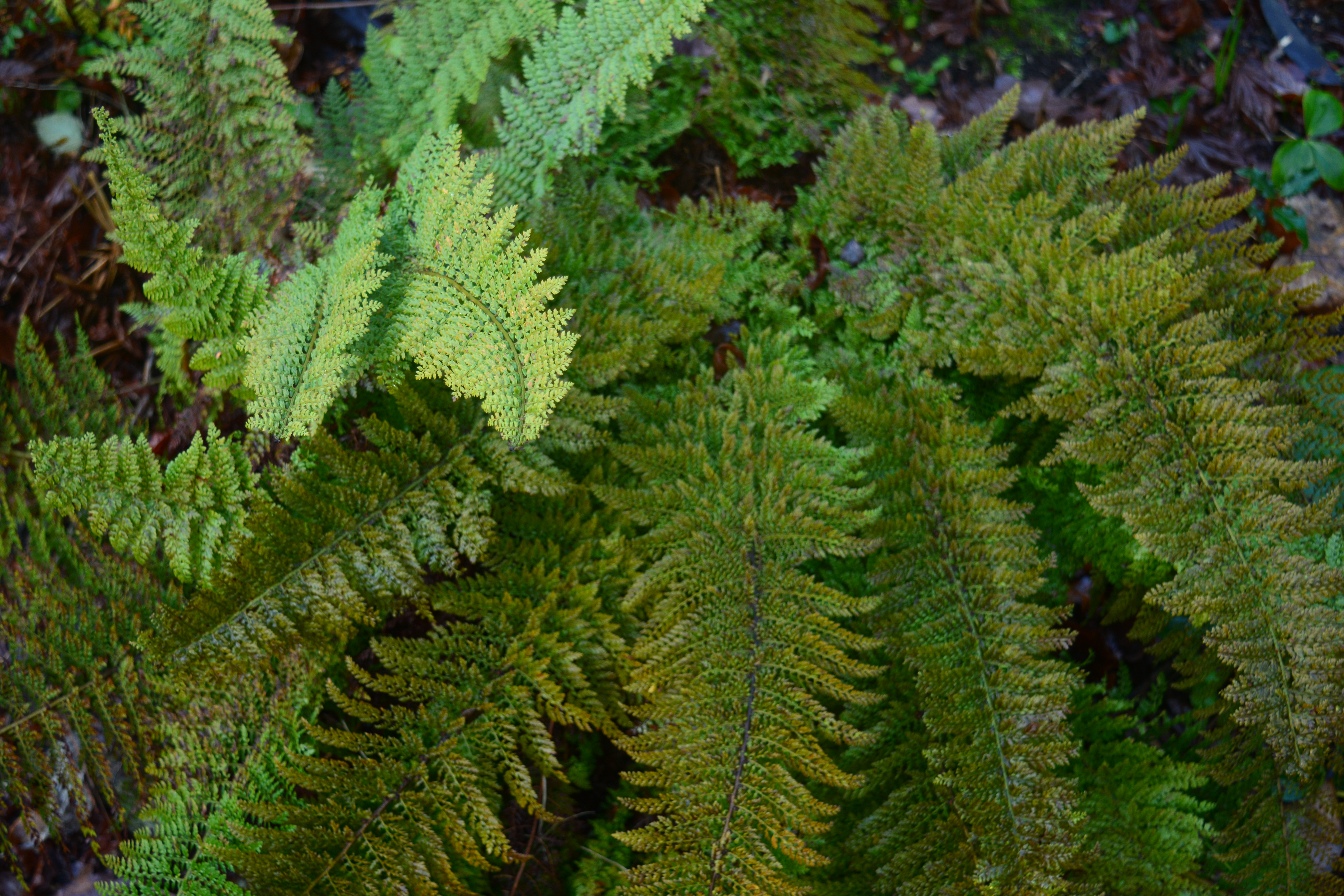
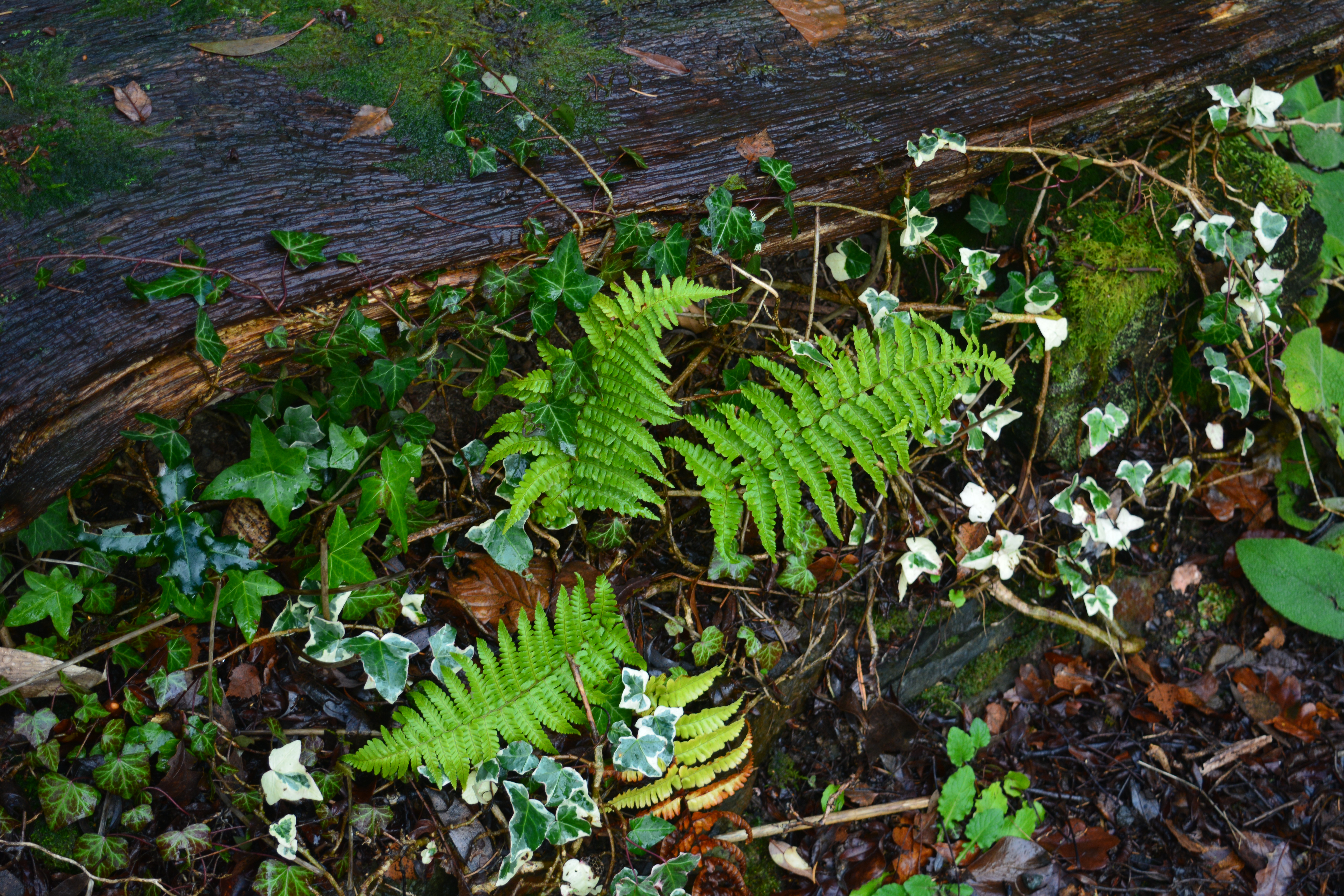
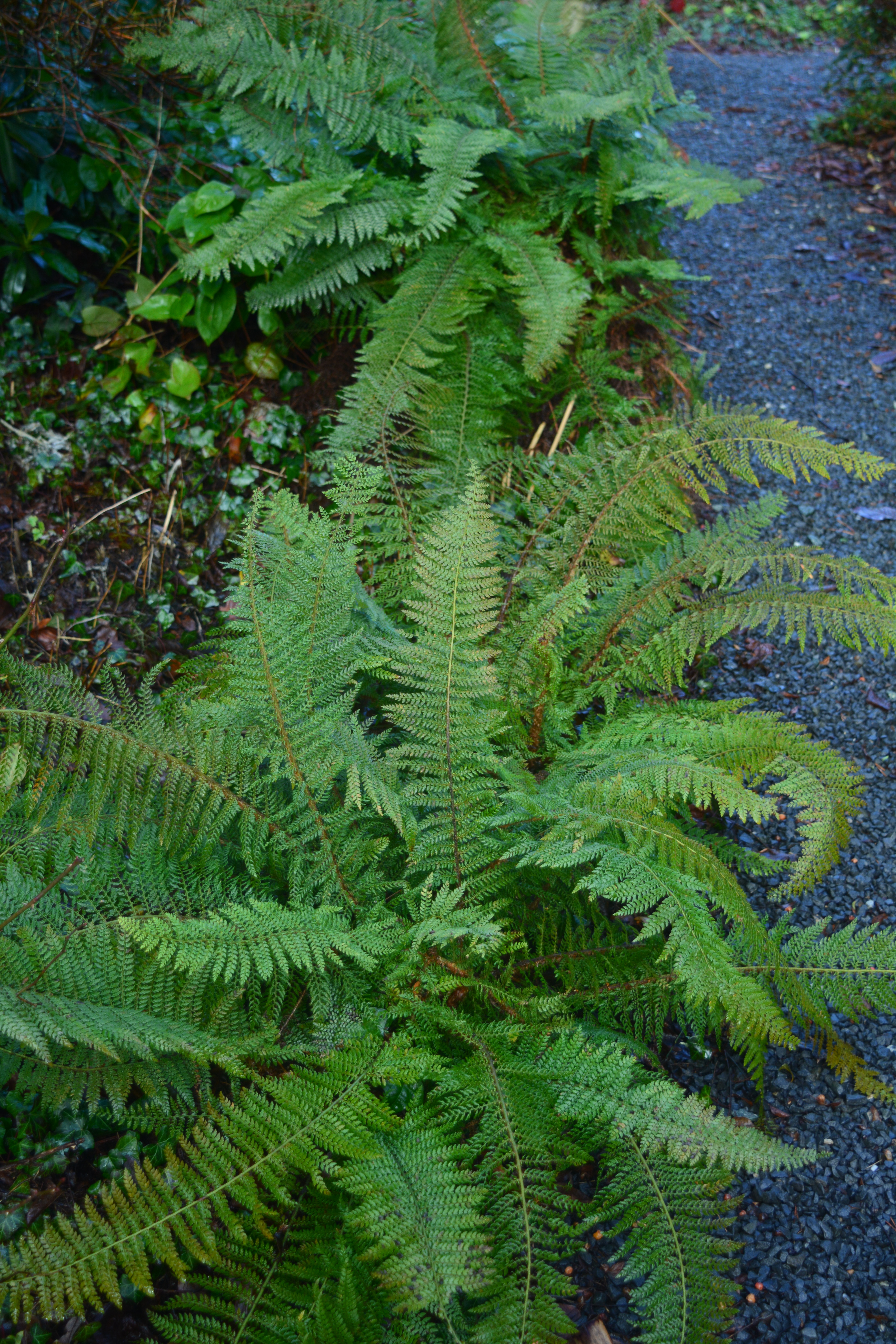
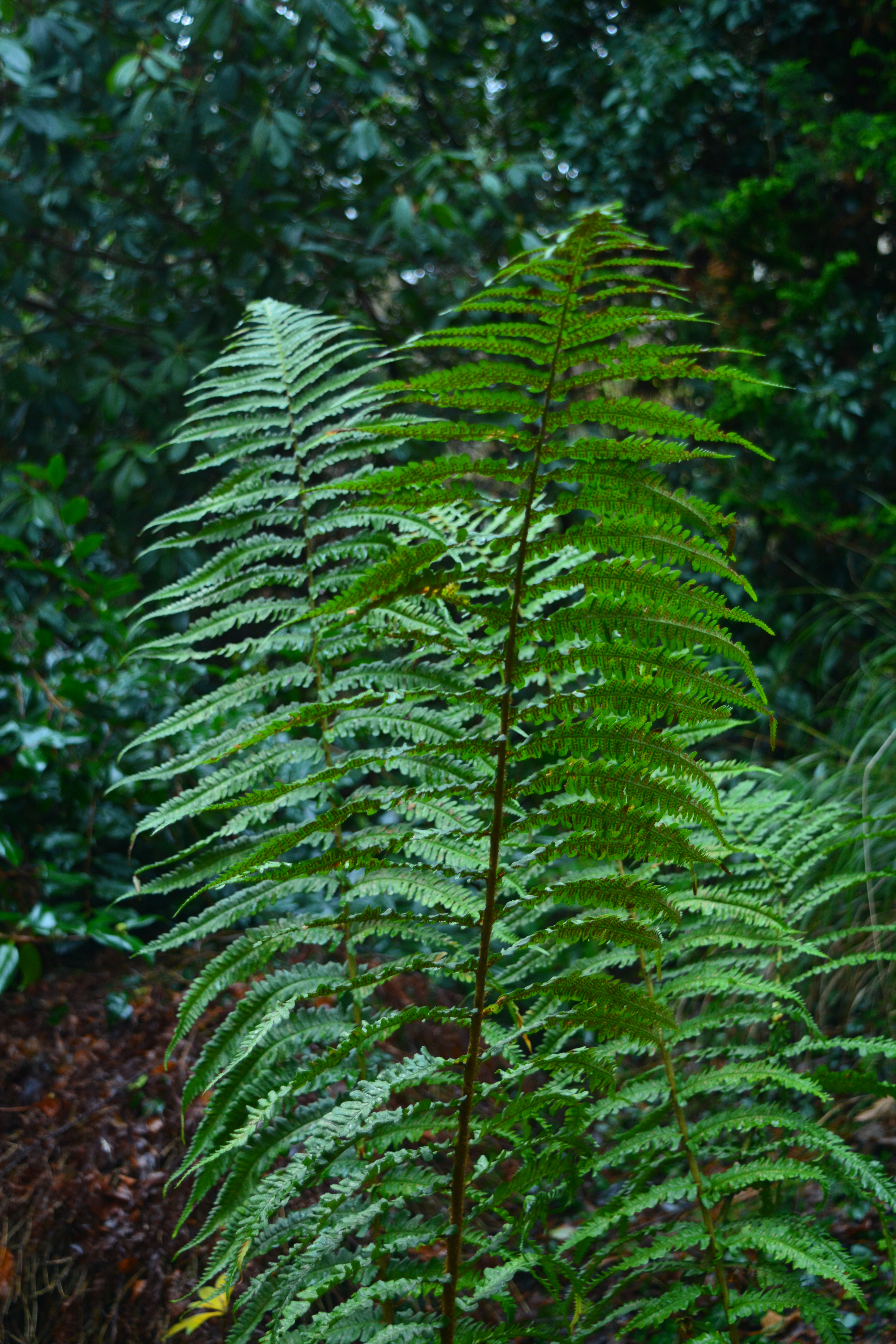
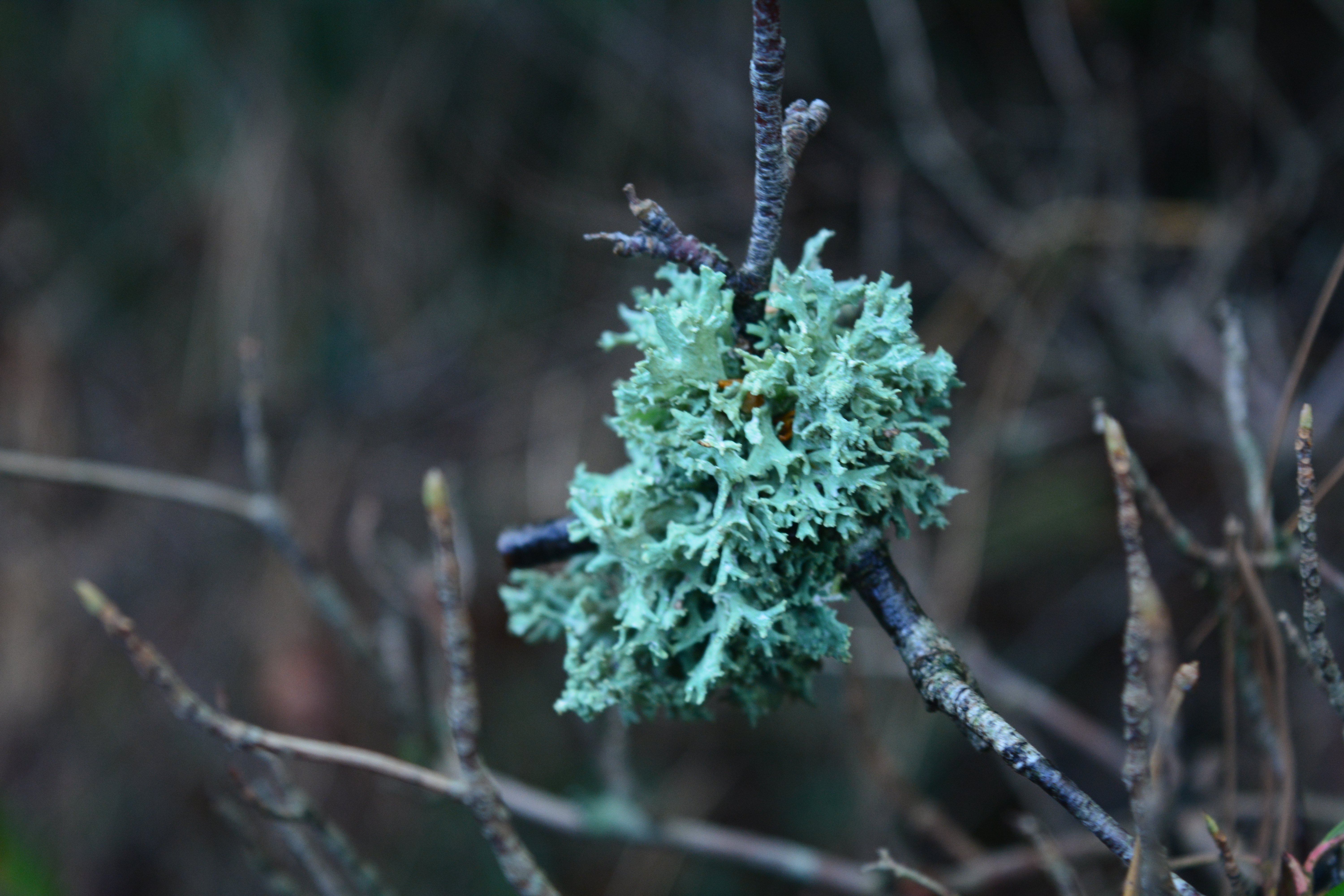
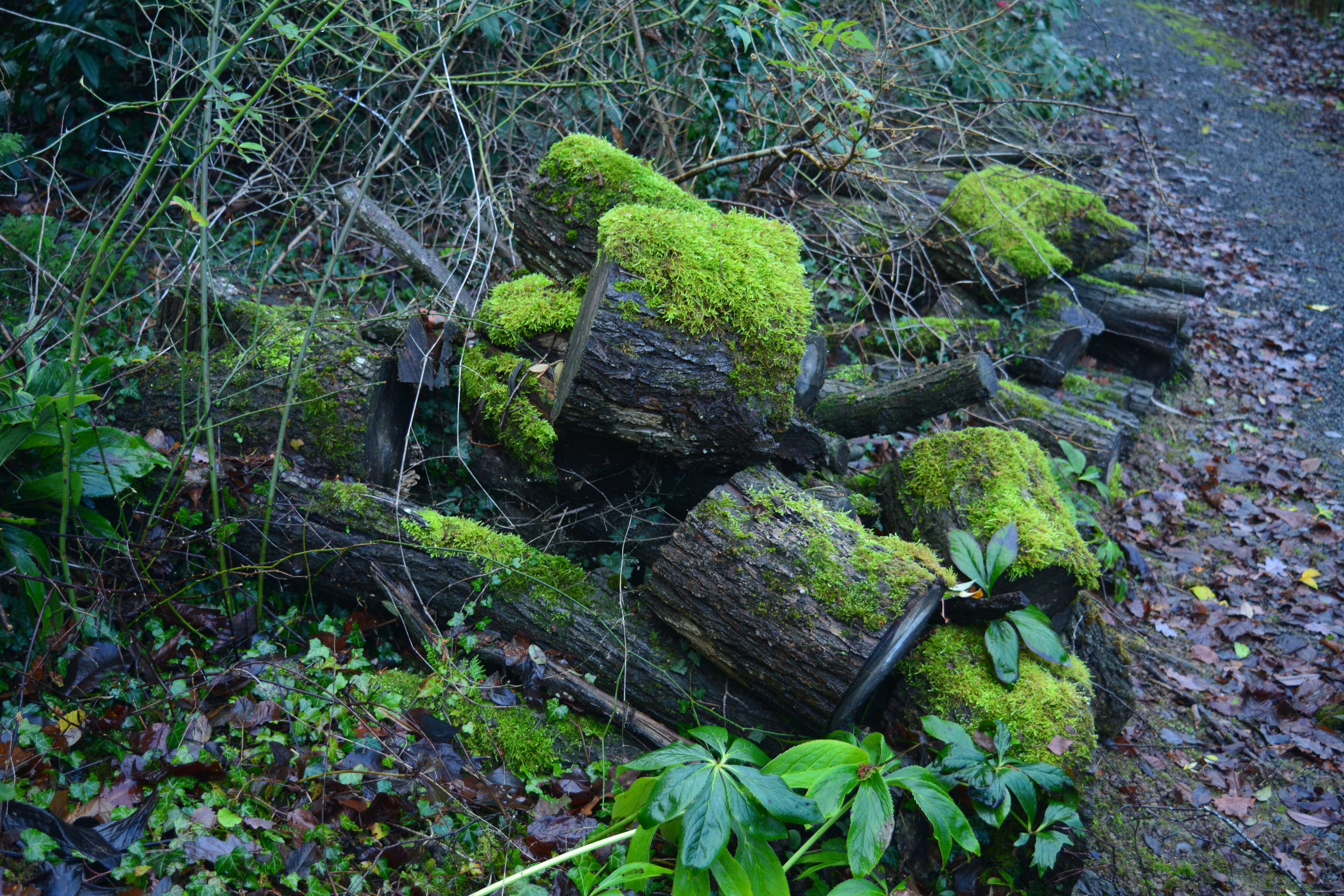
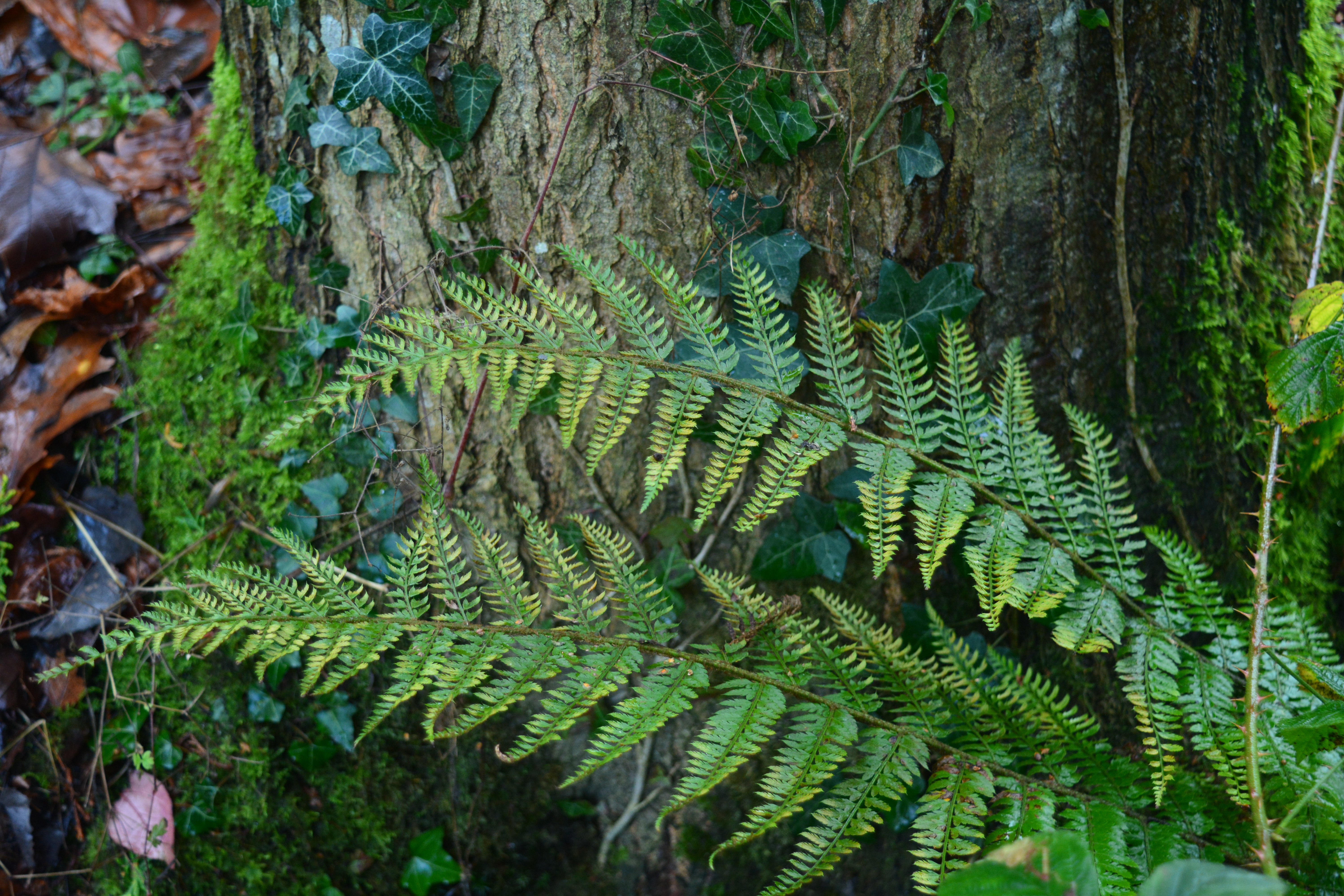
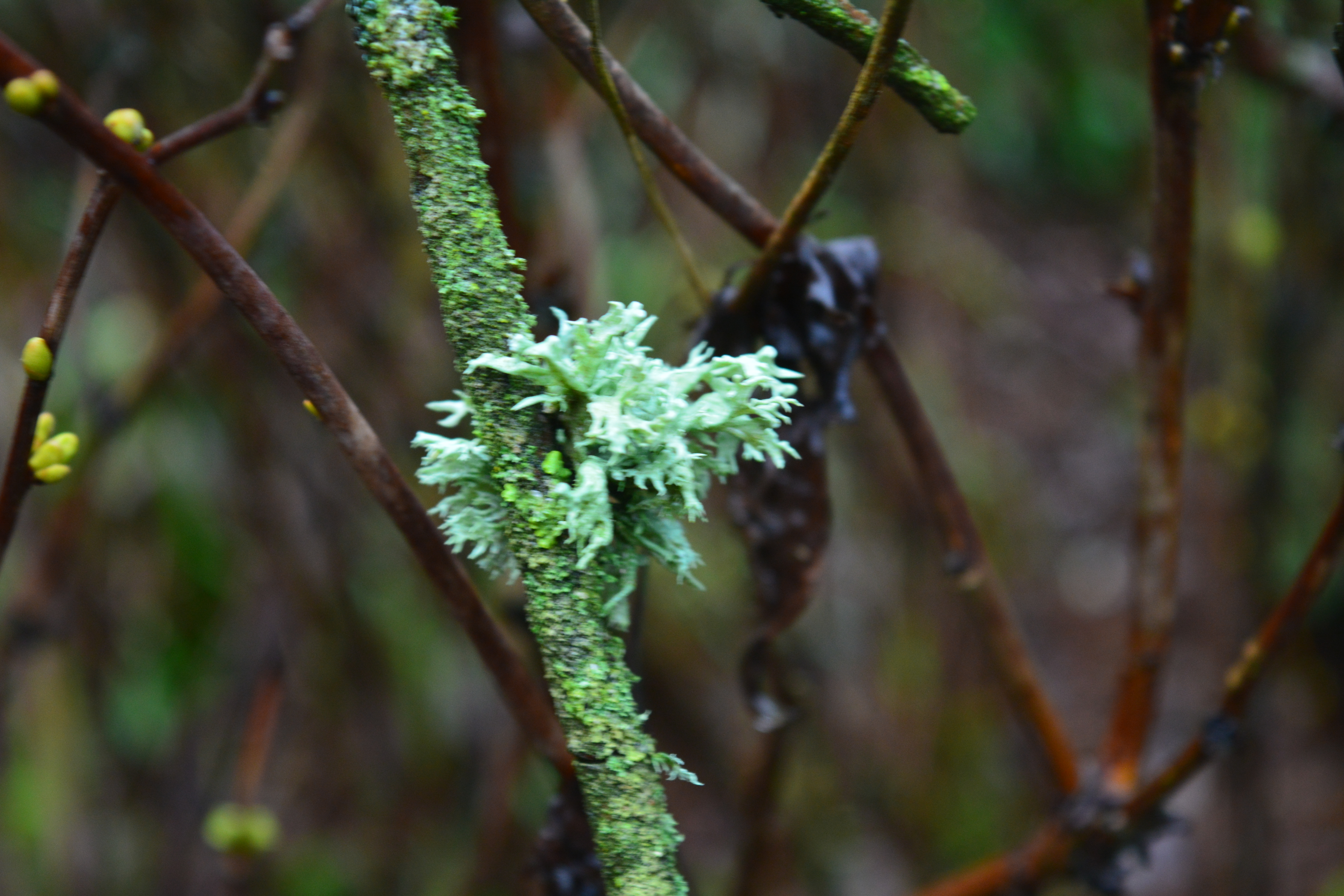
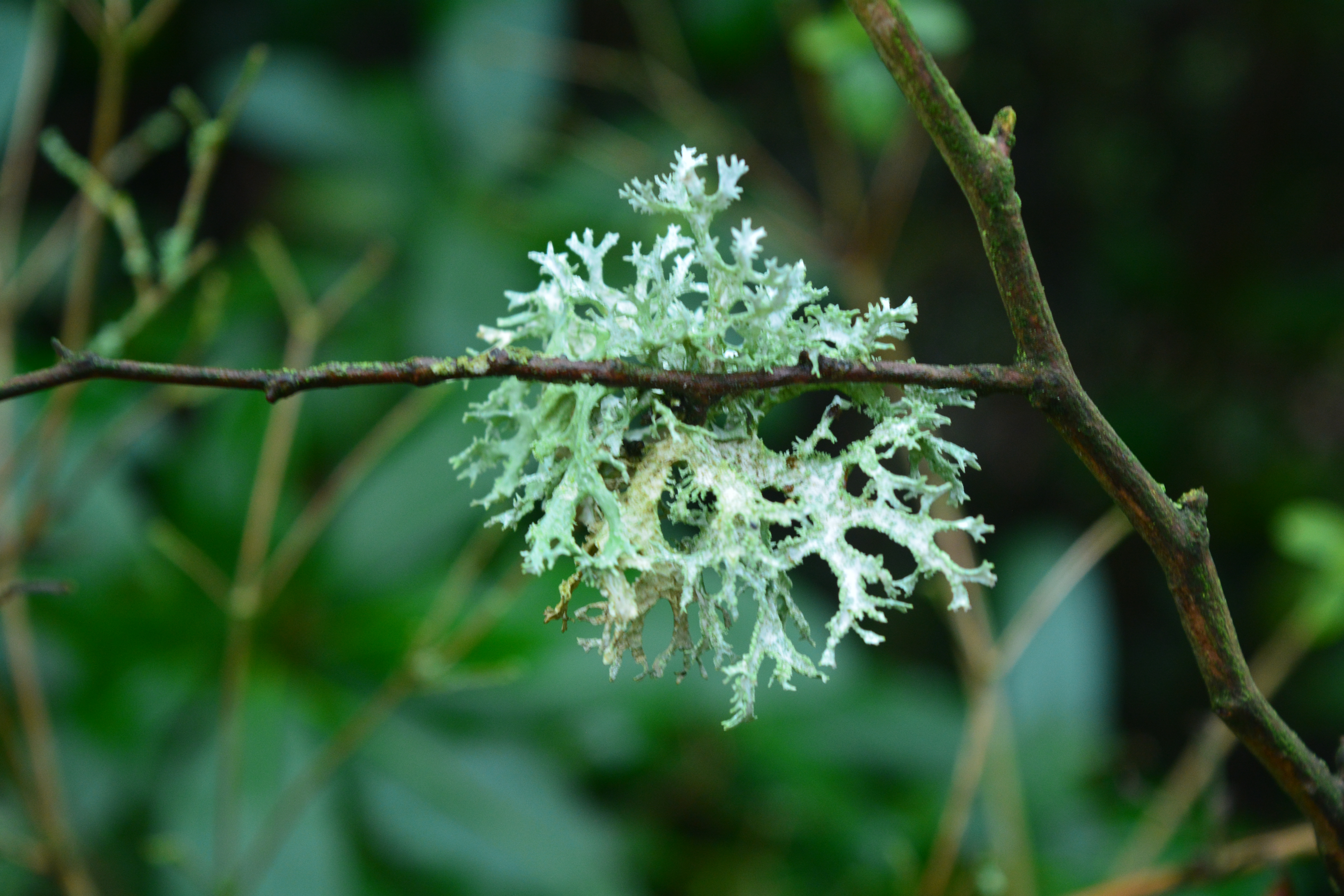
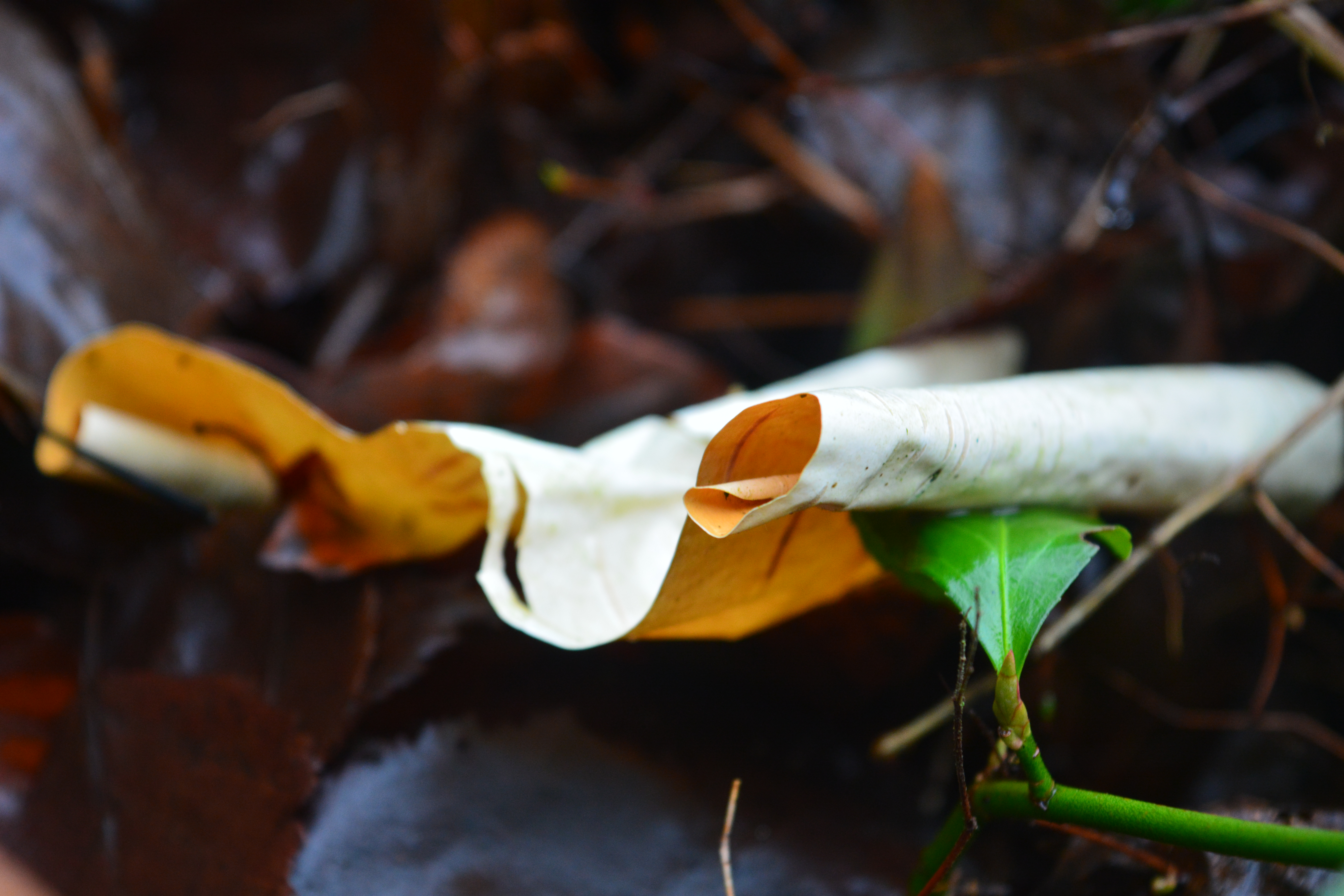
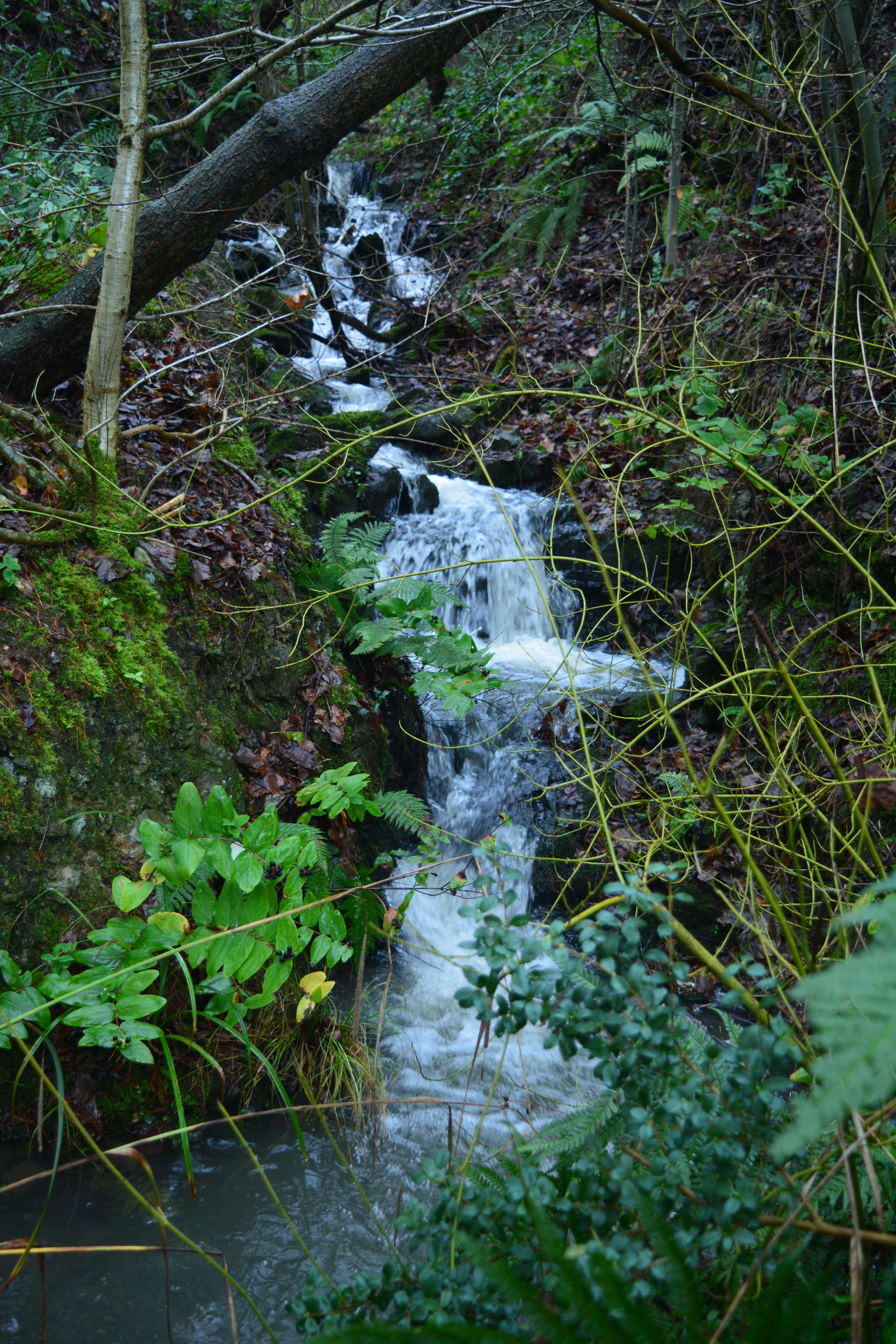
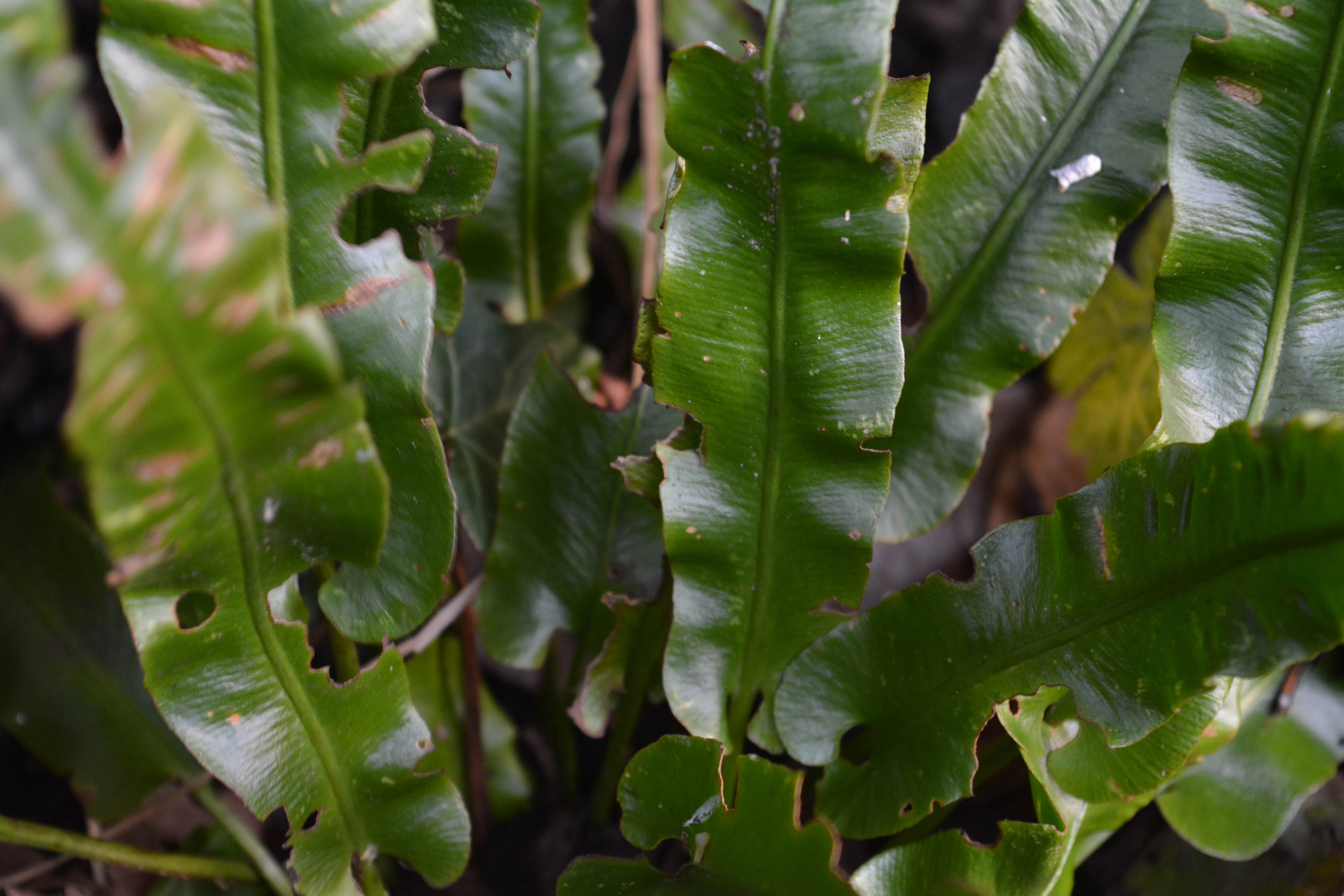
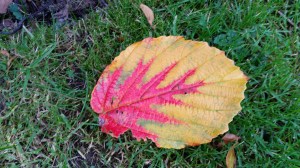
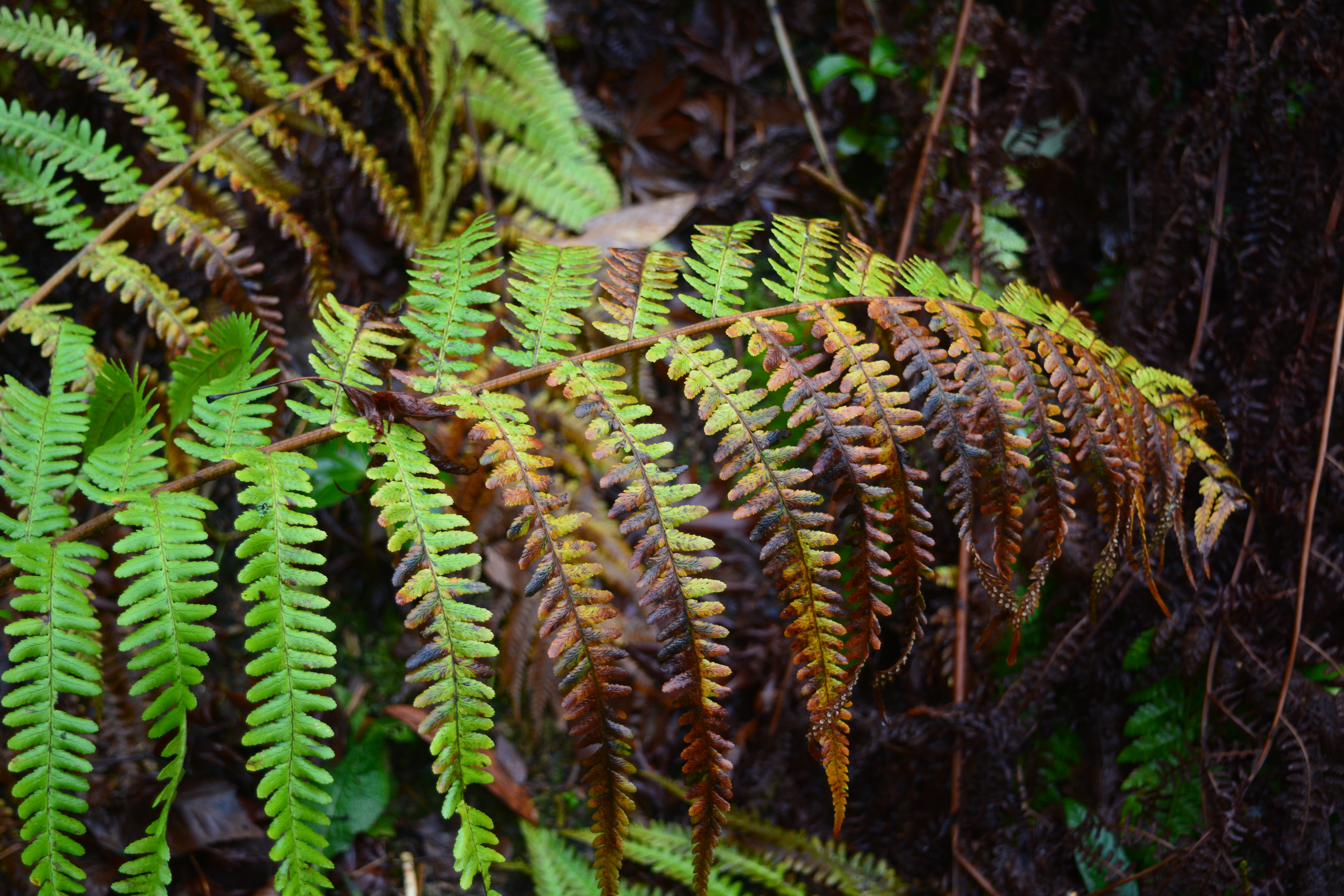
The oldest surviving plants in the UK are the ferns, lichens and mosses and they love the damp atmosphere of the sloping woodland garden here at The Dingle. They add such beautiful shades of bright green and bluish tints, but a few go golden and ginger as winter takes a deeper grasp on the garden.


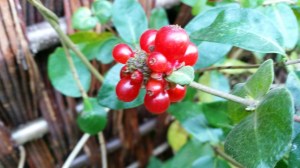
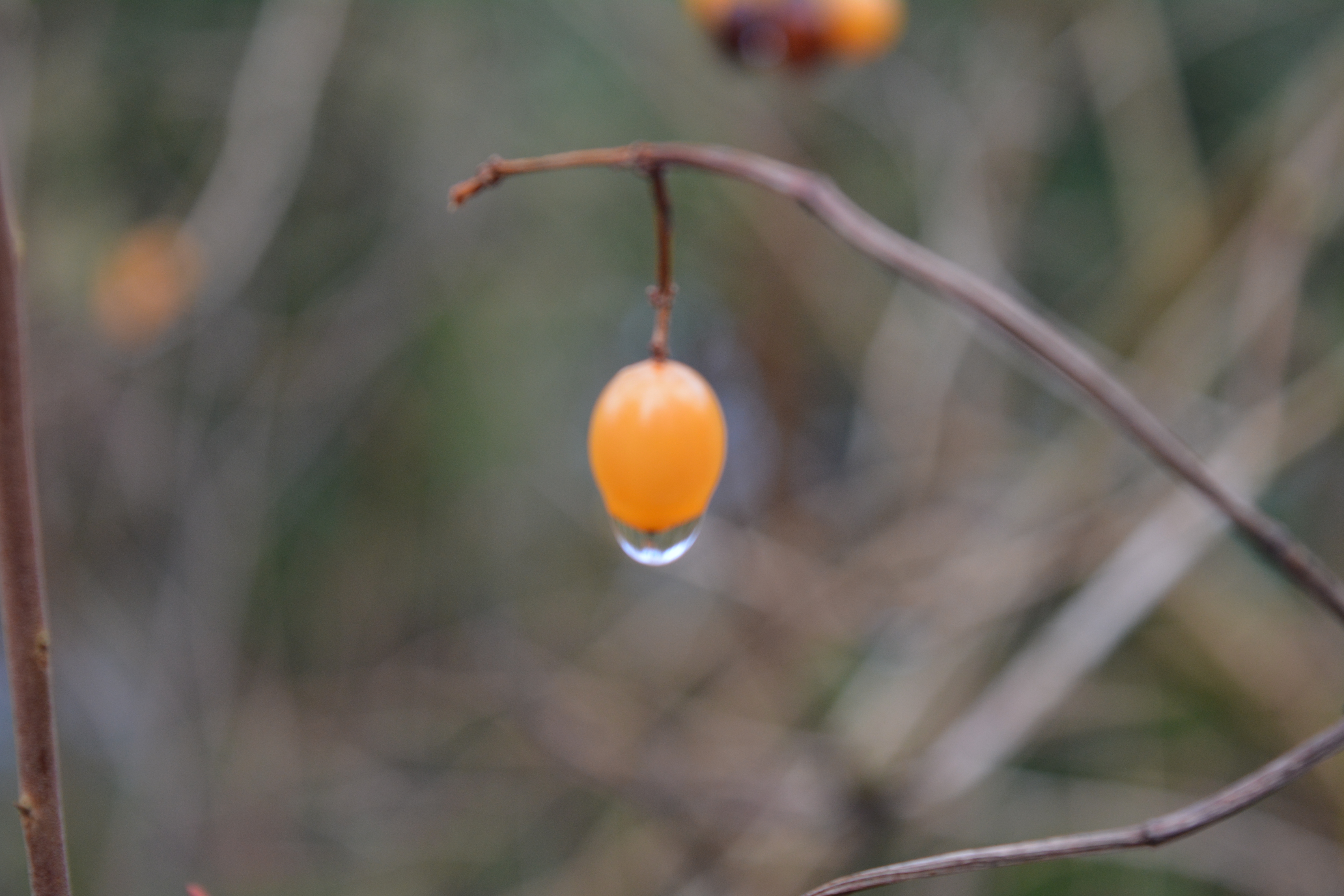
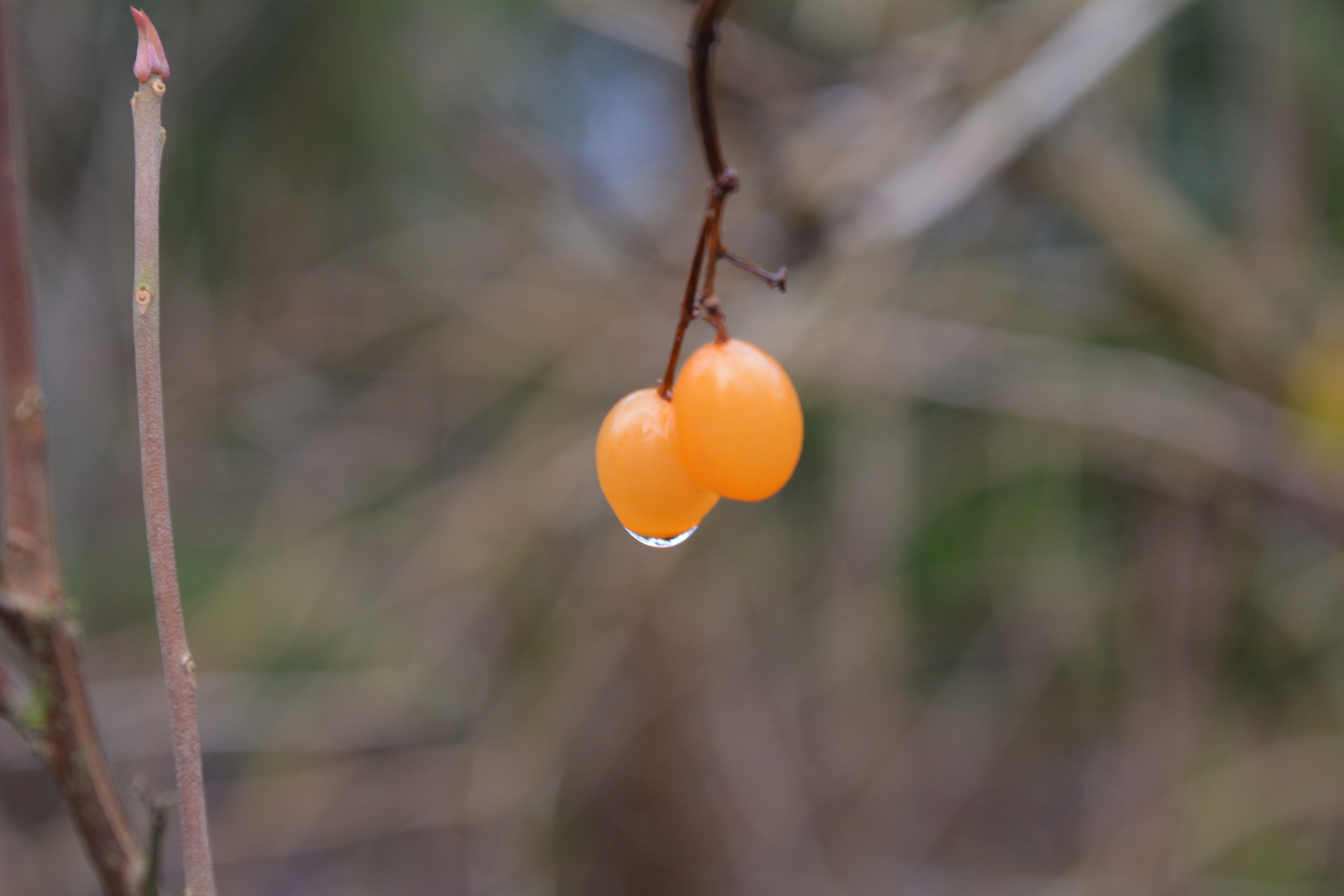
Berries that were at their most prolific during the autumn months remain in evidence but only just hanging on in ones or twos.


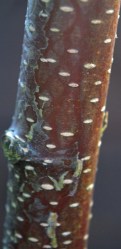
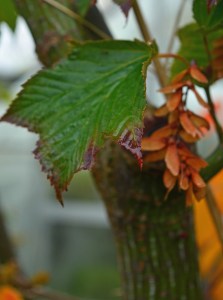
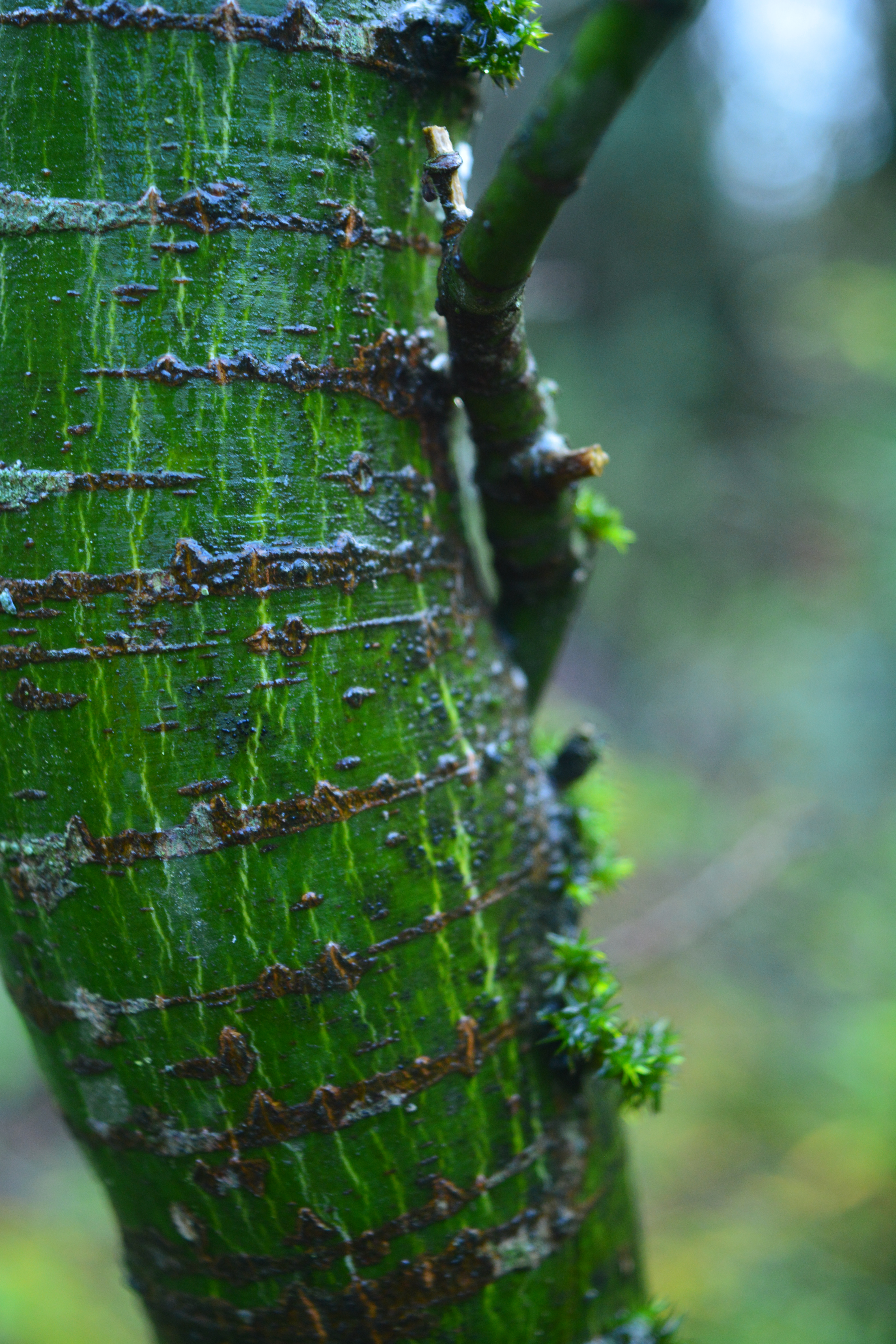
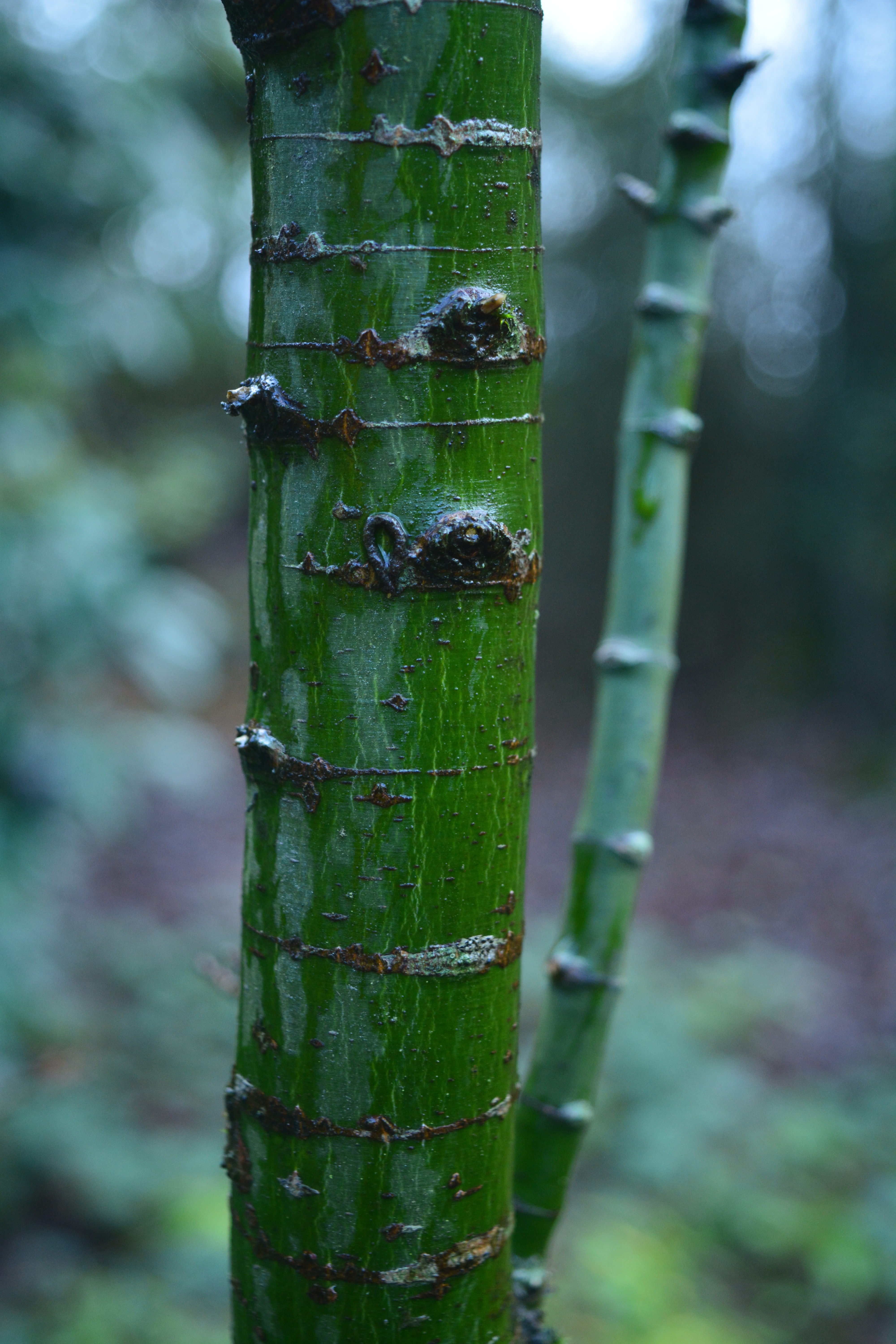
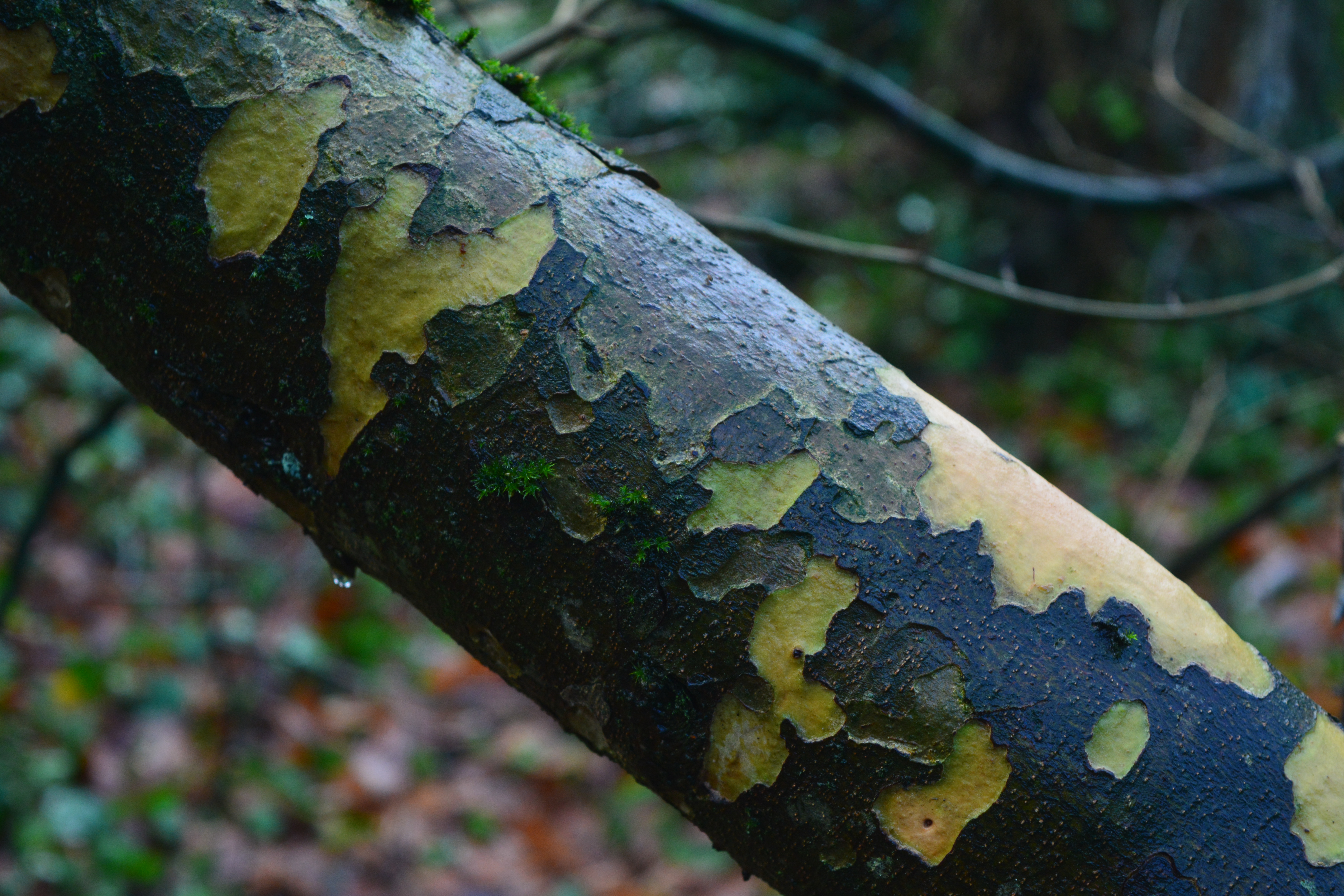
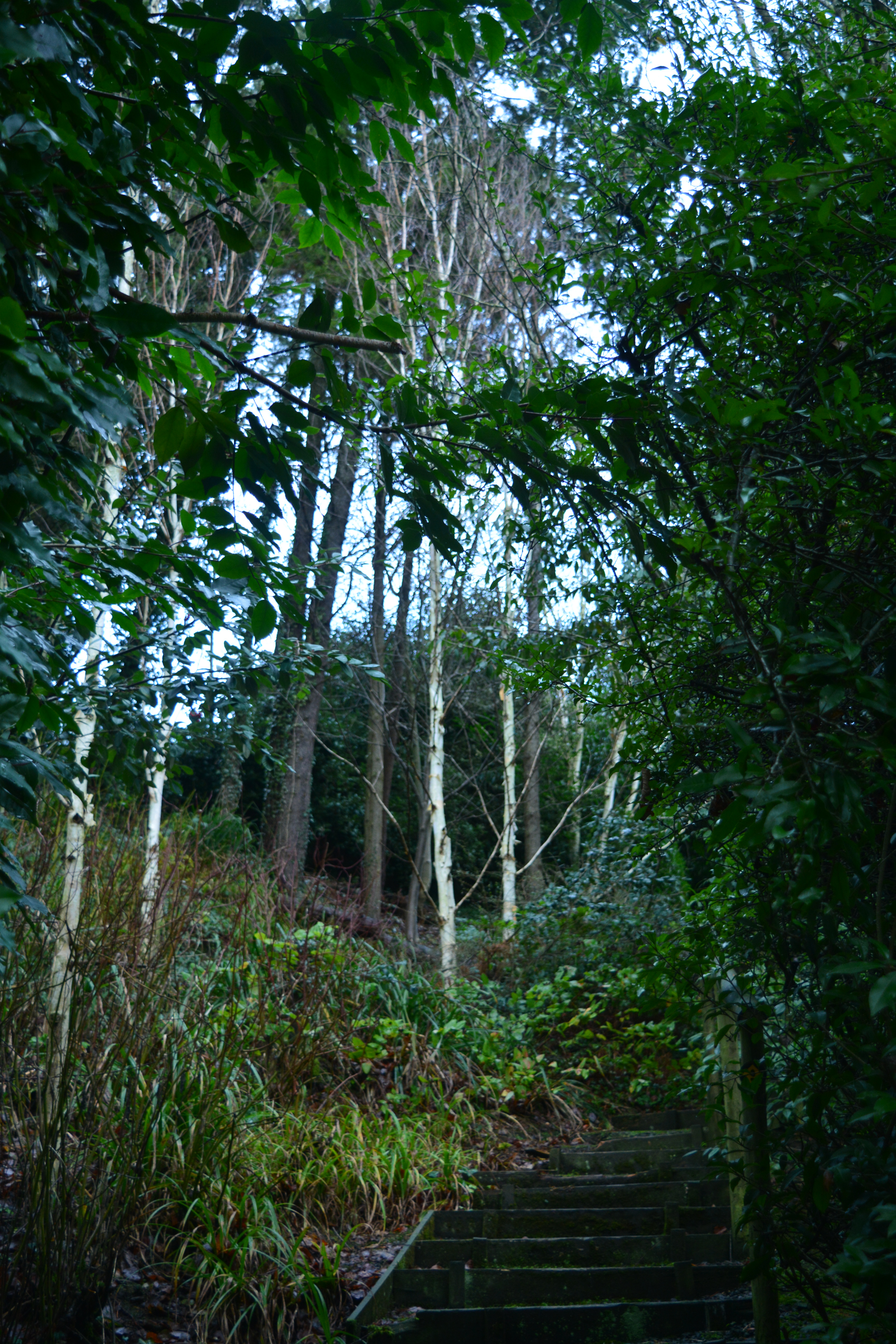
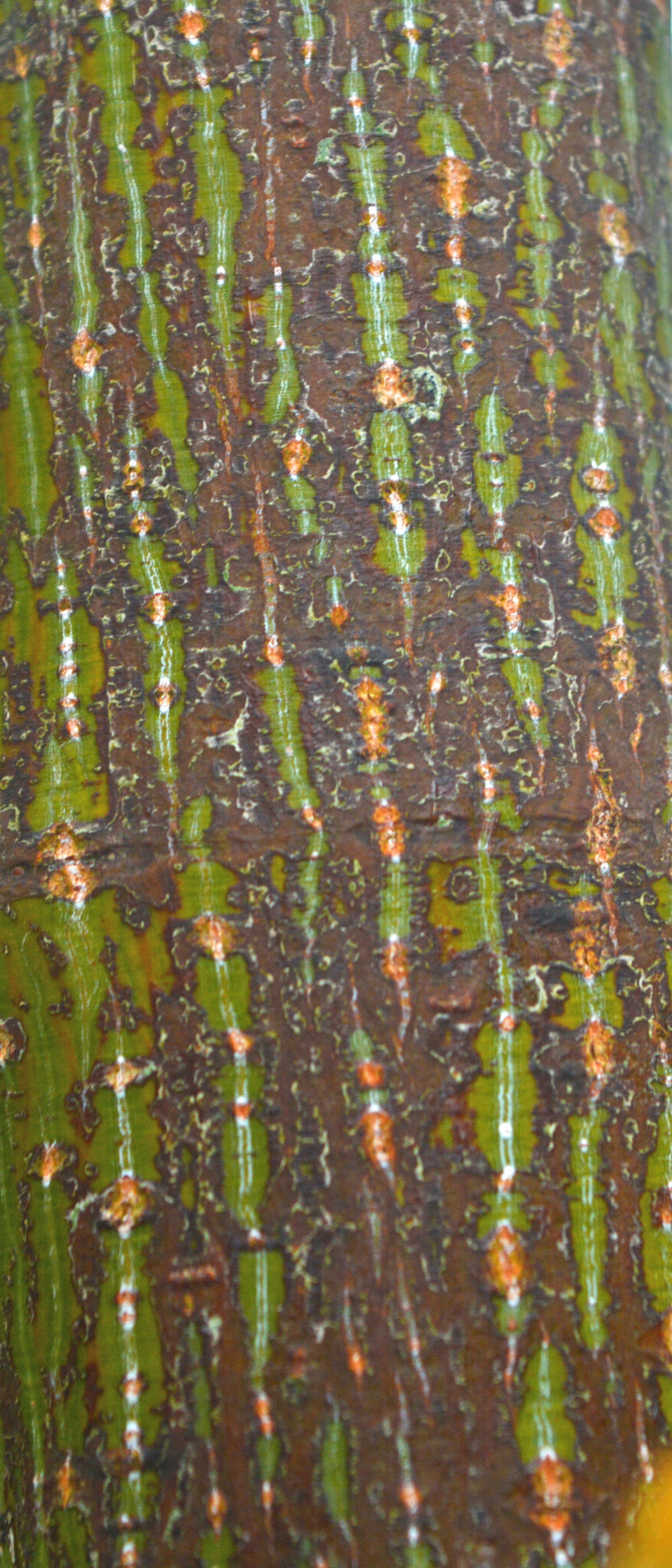
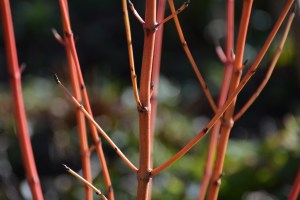
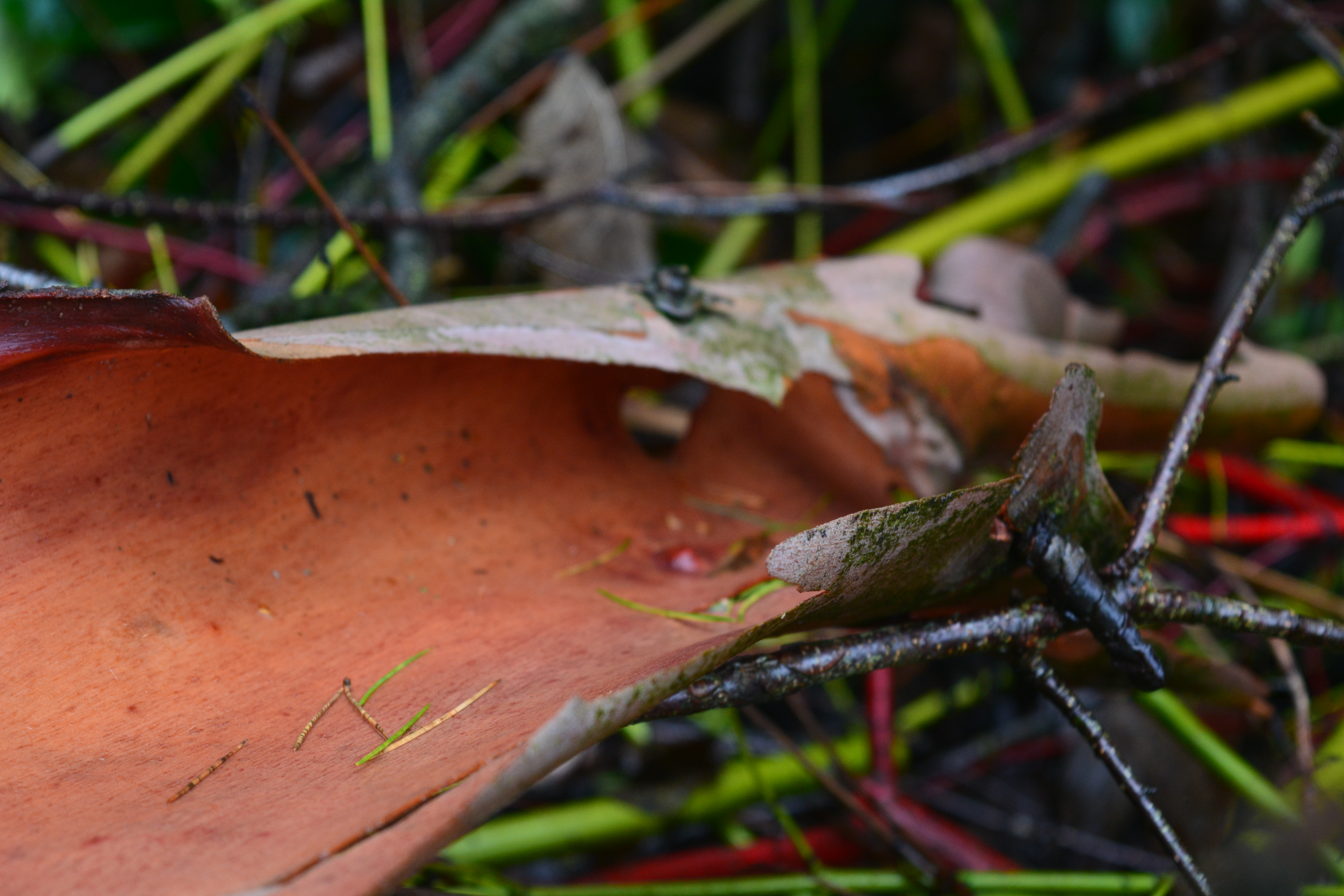
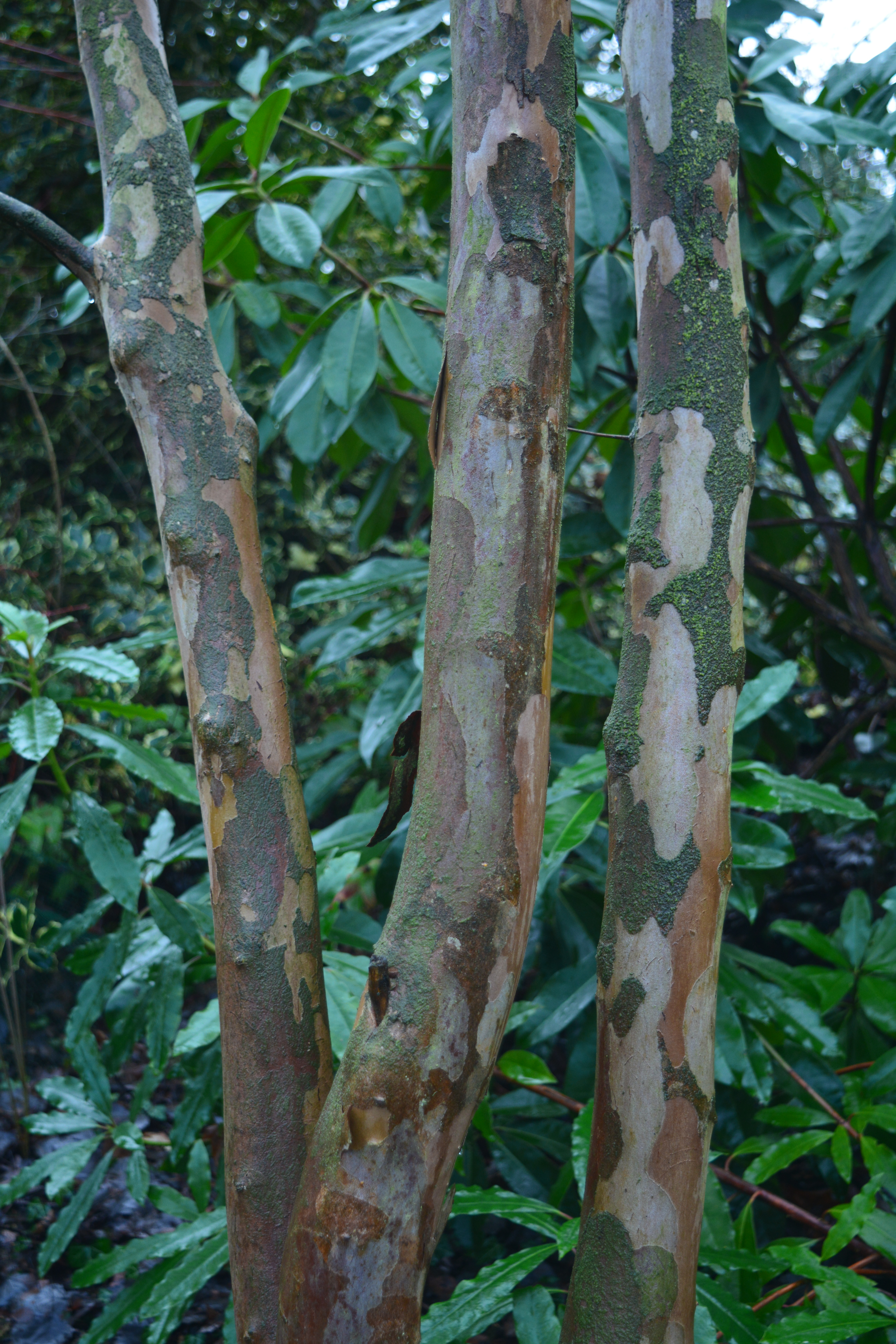
Coloured bark adds interest to decorative trees in the winter and those that peel and drop sheets of their bark are even more interesting.


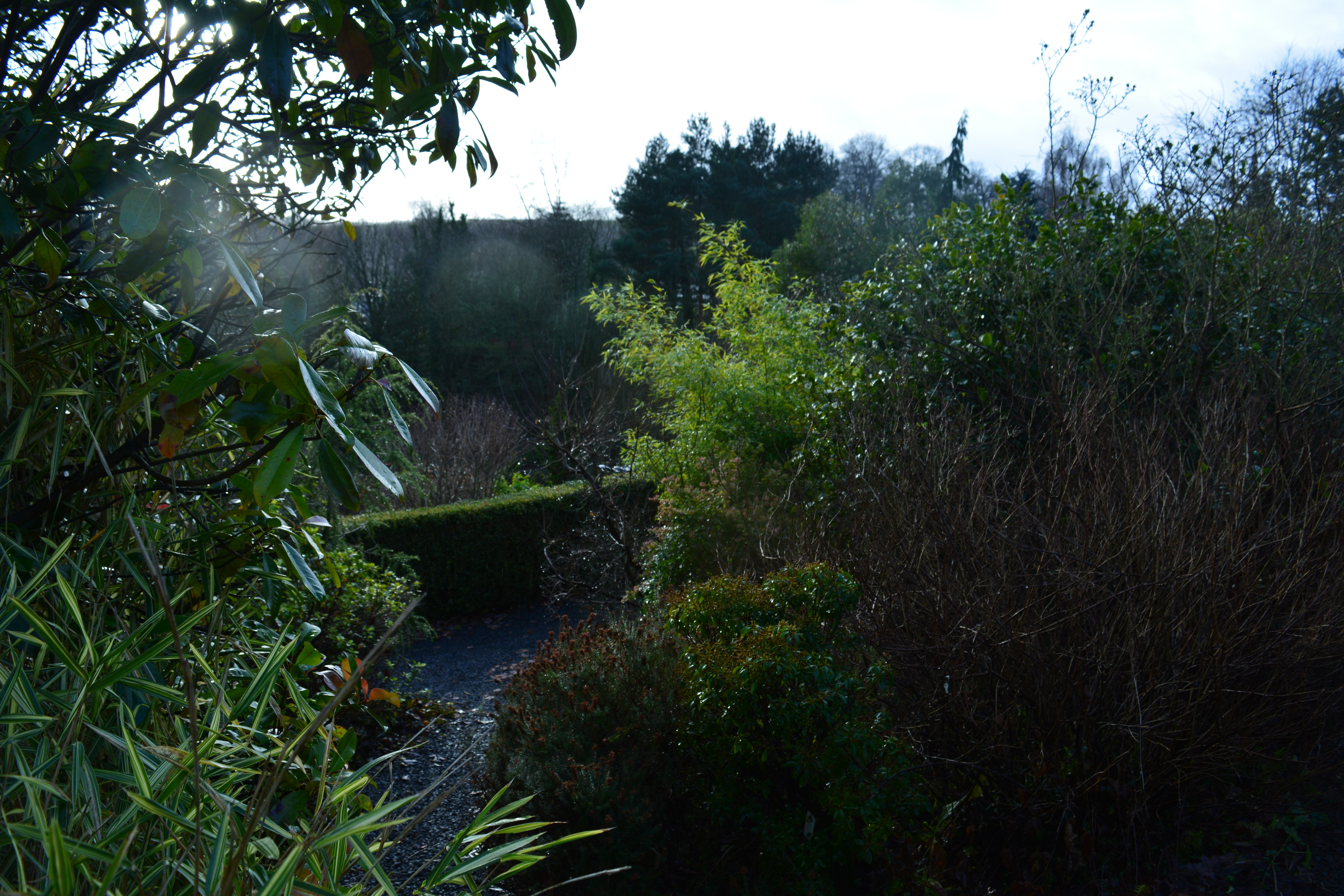
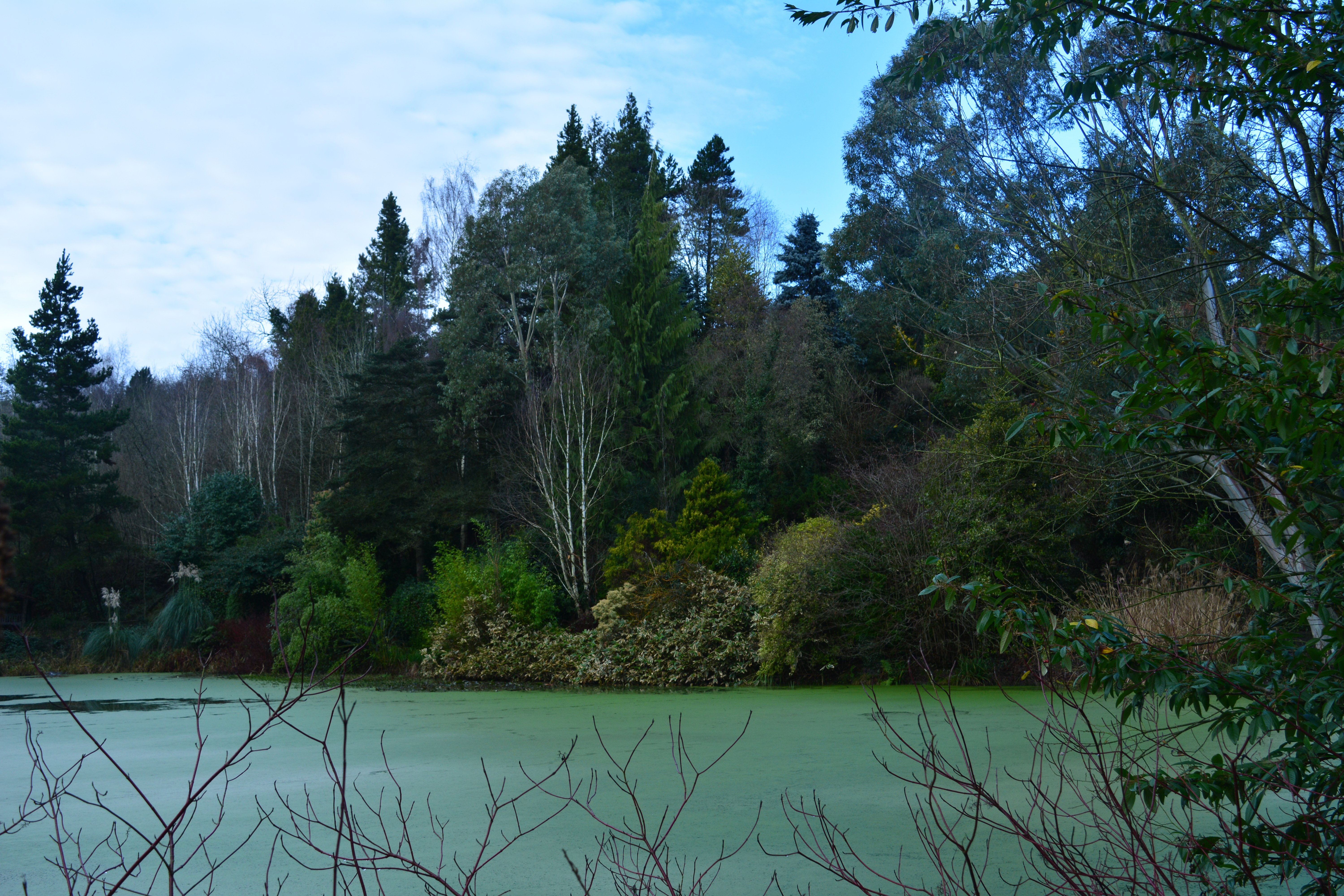
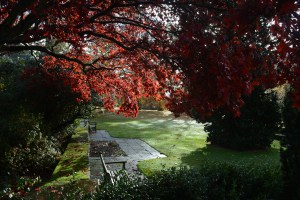
So, after twelve visits to the woodland garden at The Dingle near Welshpool, we come to the end of this year of visits. Next year we will begin a new series of garden visits. But for now I shall finish this series with a few general views of different parts of the woodland gardens.


Categories
colours garden design garden paths garden photography garden ponds garden pools gardening gardens gardens open to the public lakes ornamental trees and shrubs pathways shrubs trees Wales woodland Yellow Book Gardens

The Dingle Garden in May

We planned our fifth visit to the Dingle Gardens near Welshpool for the 23rd May and intended to go whatever the weather. Our April visit was on a day more typical of November than April so the photos I took were rather unusual for a garden in spring.

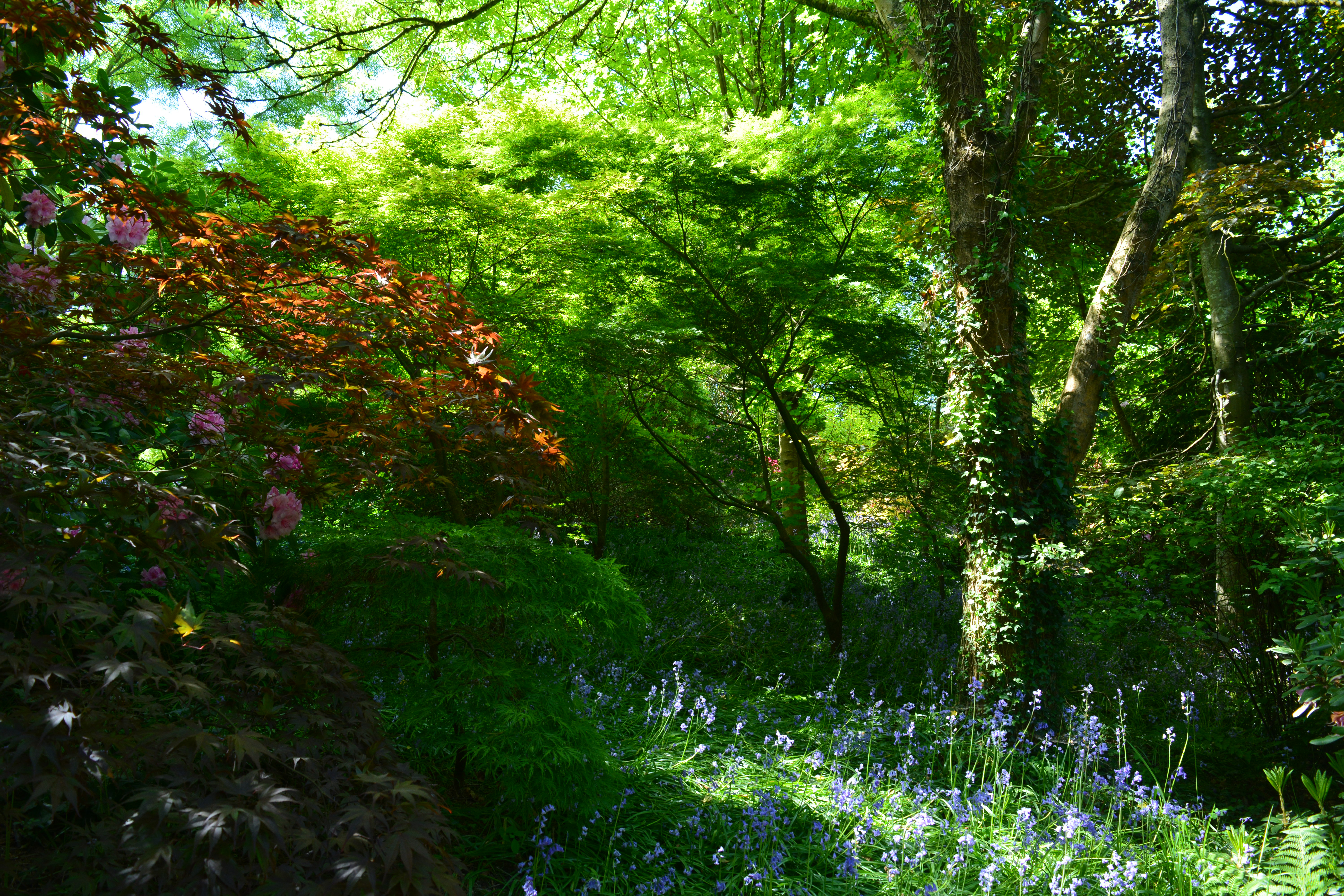
However for our May visit the sun shone, the sky was clear blue and the warmth allowed us to have a very leisurely stroll around the garden. We had so far this year seen little change from month to month as spring was on hold but this May visit was a strong contrast. We found the garden rich in flowering shrubs and strong fresh growth everywhere.

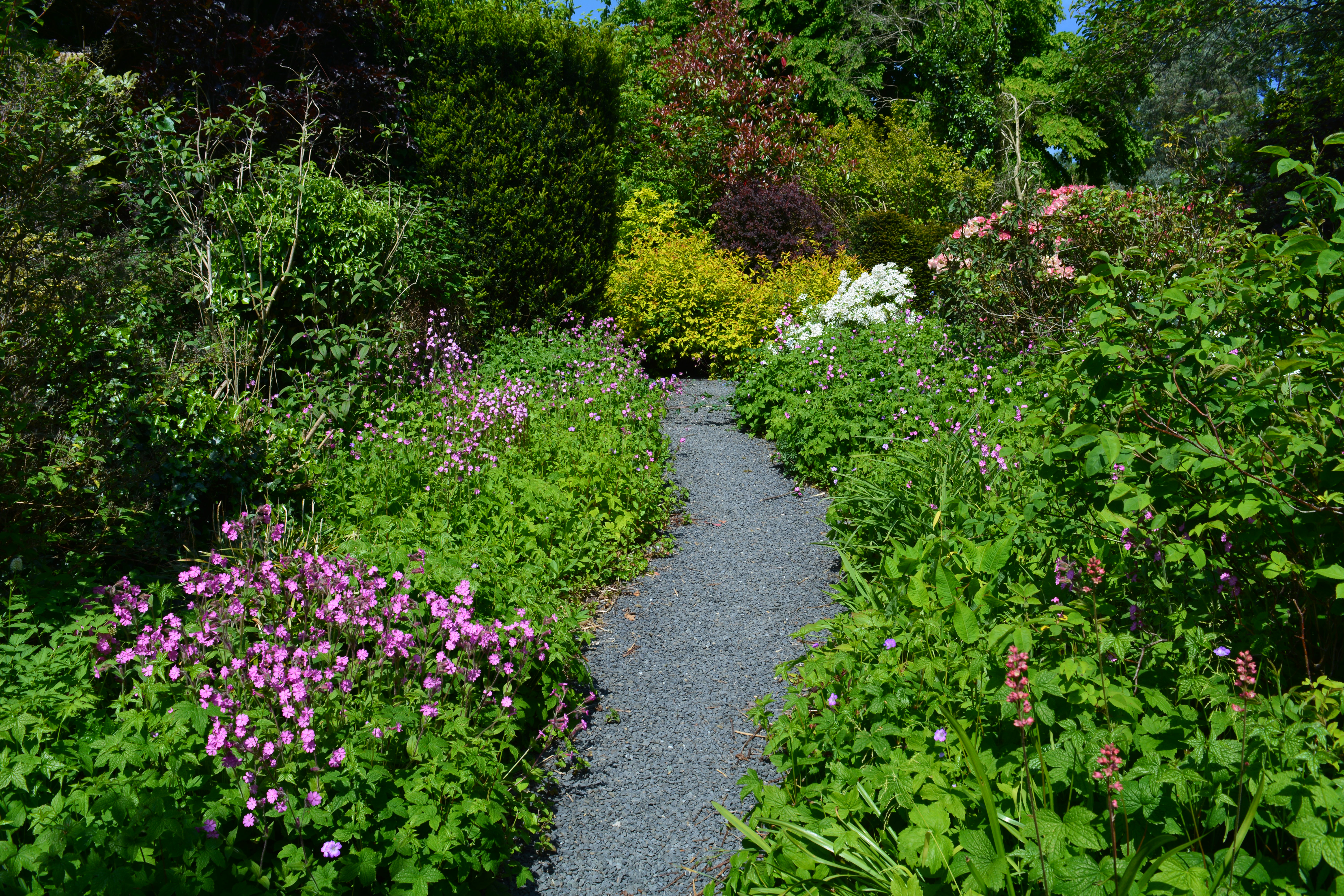
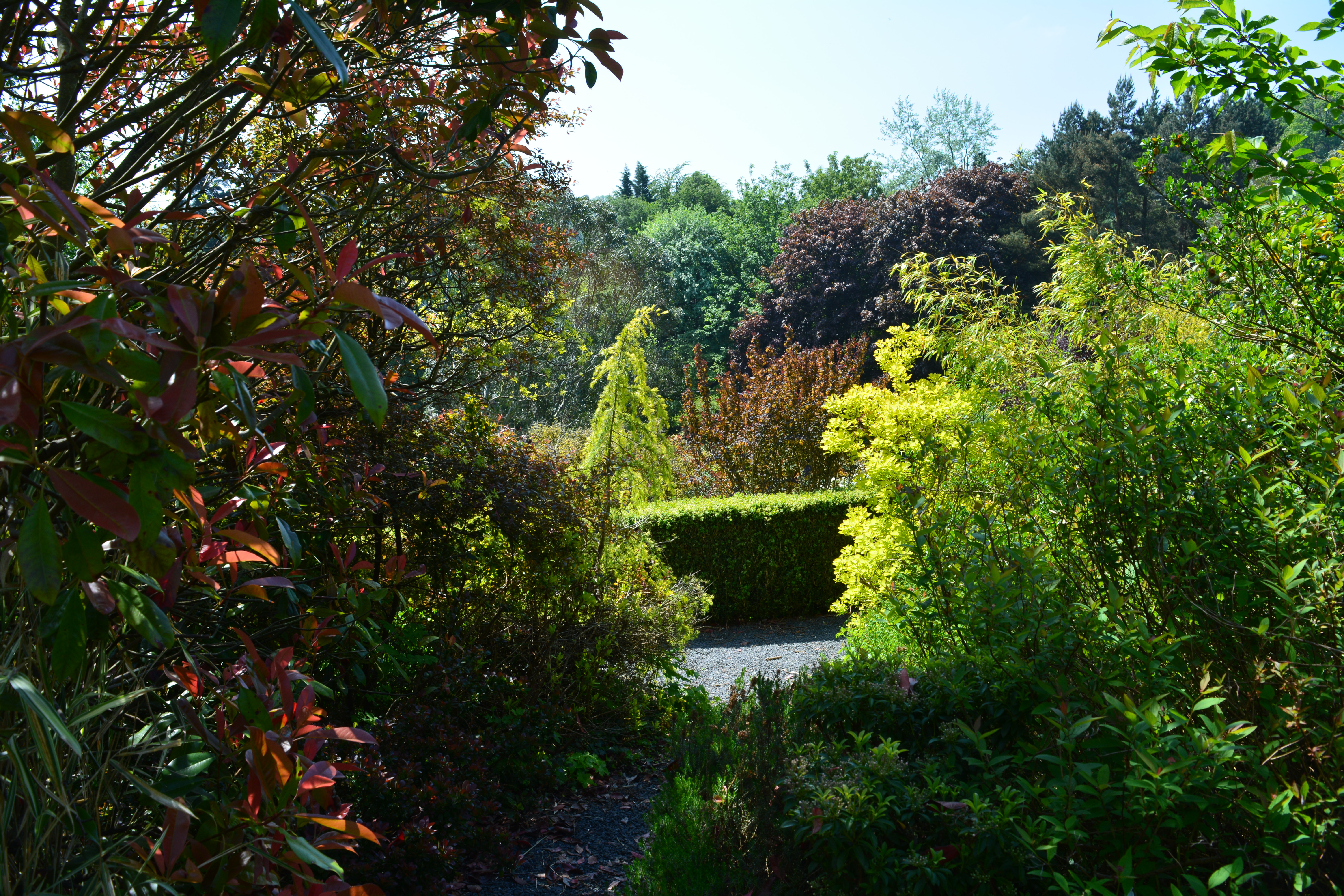
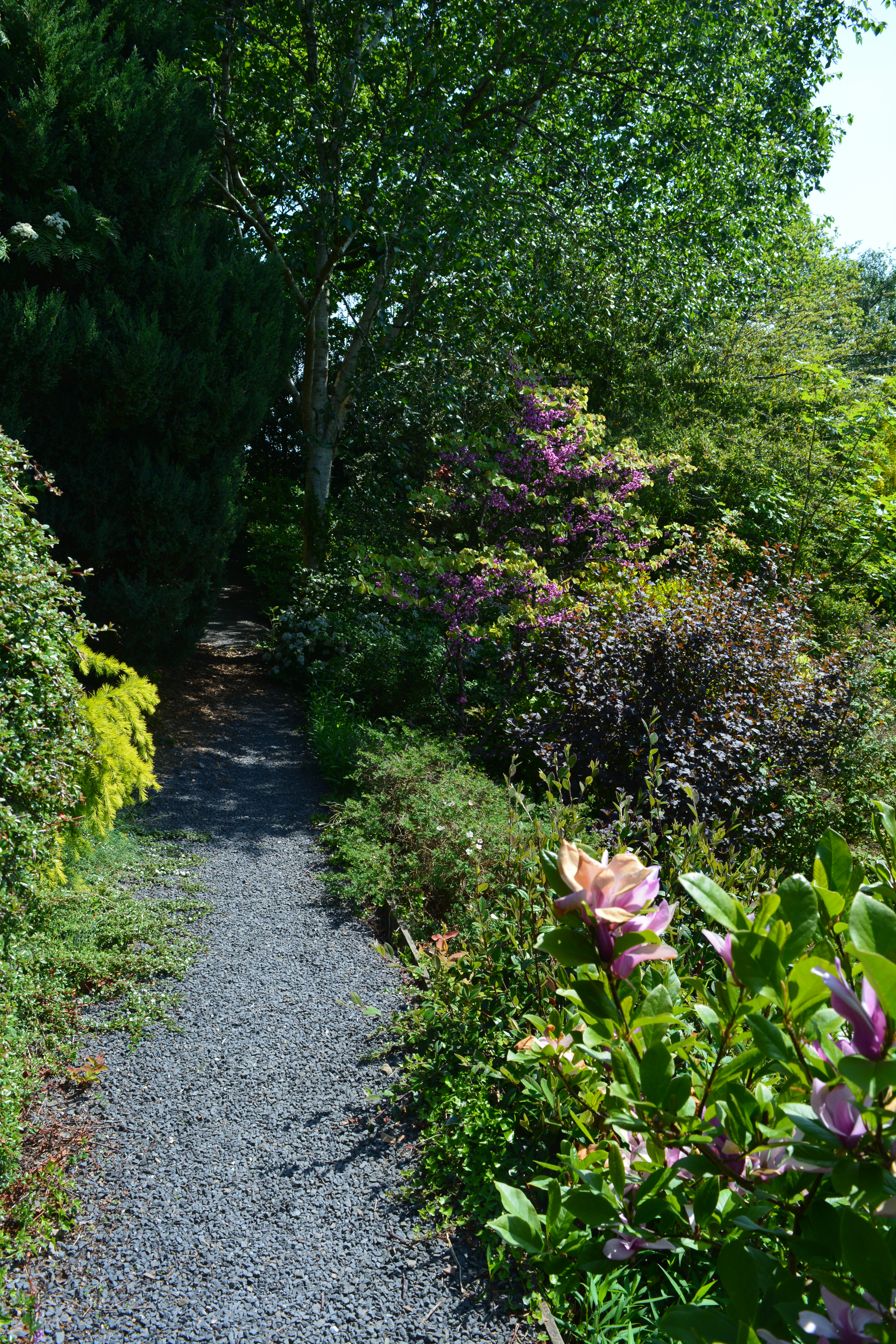
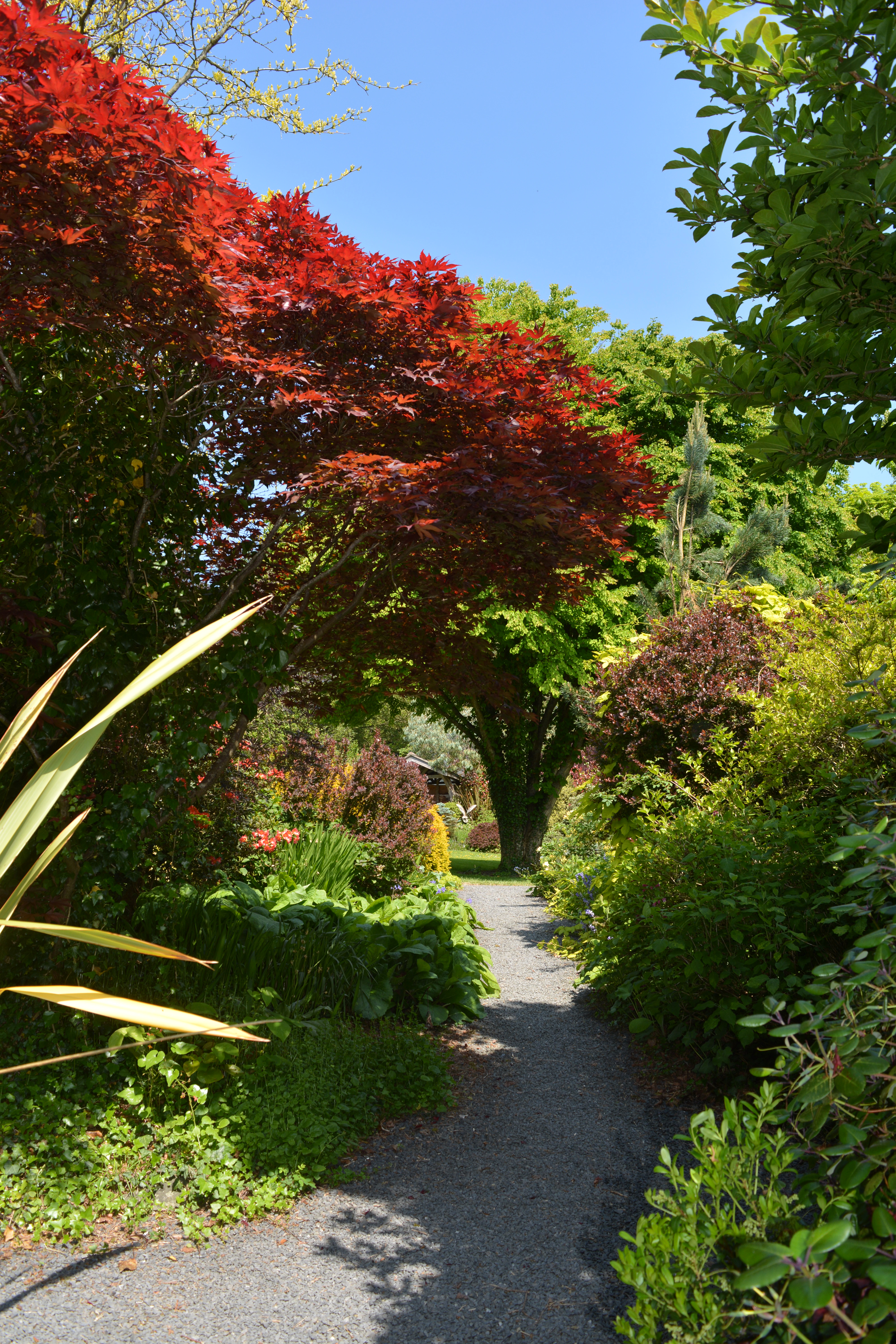
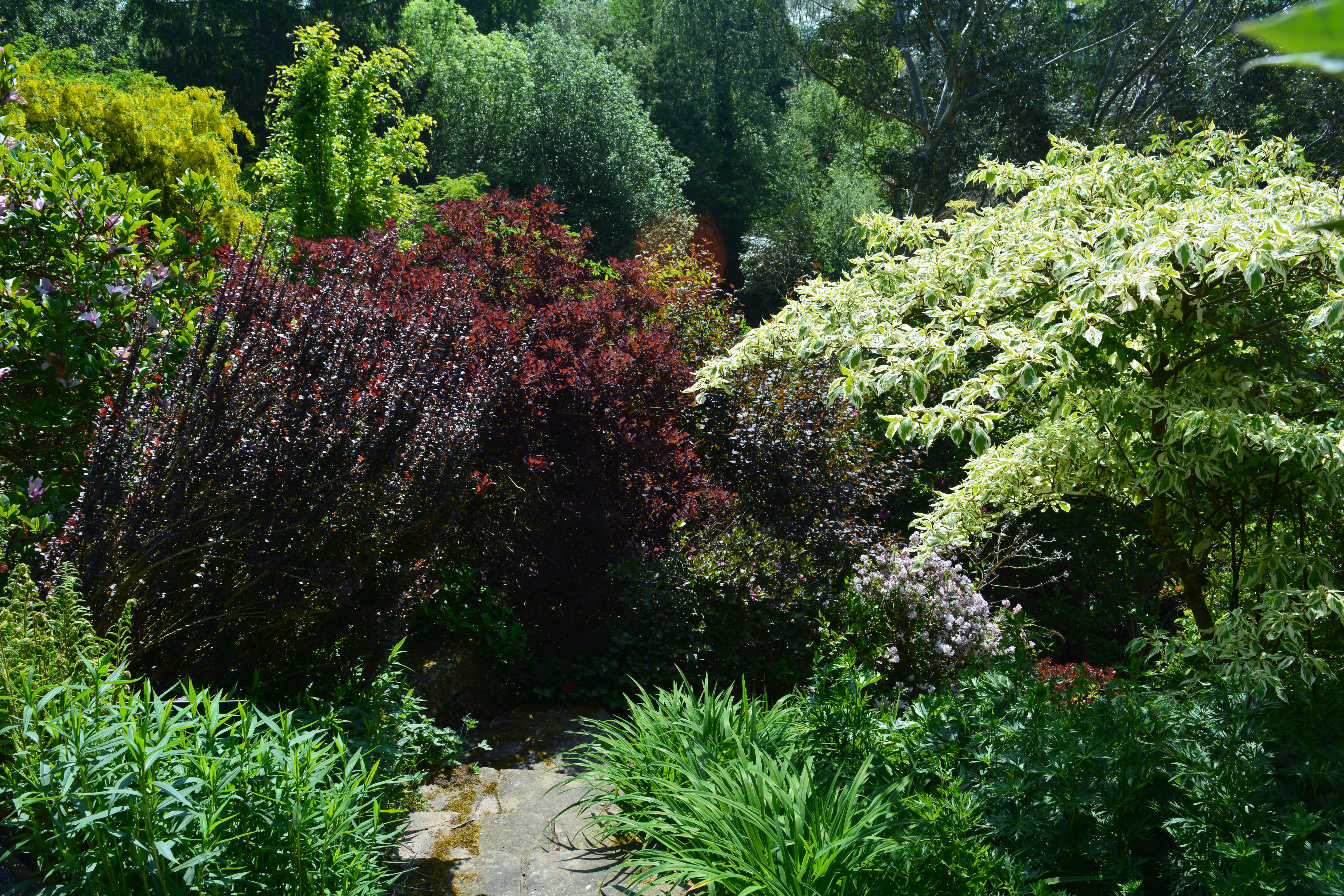
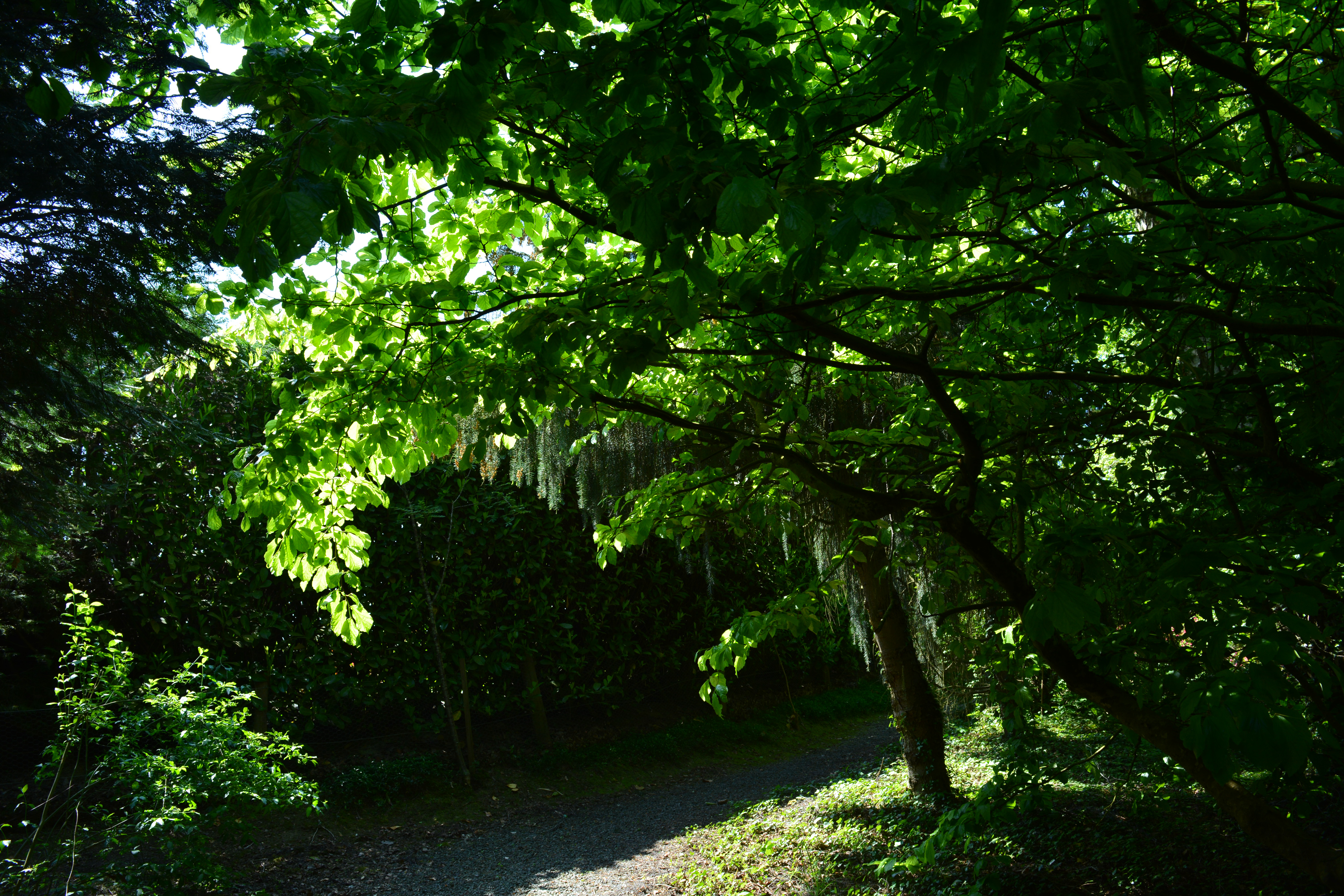
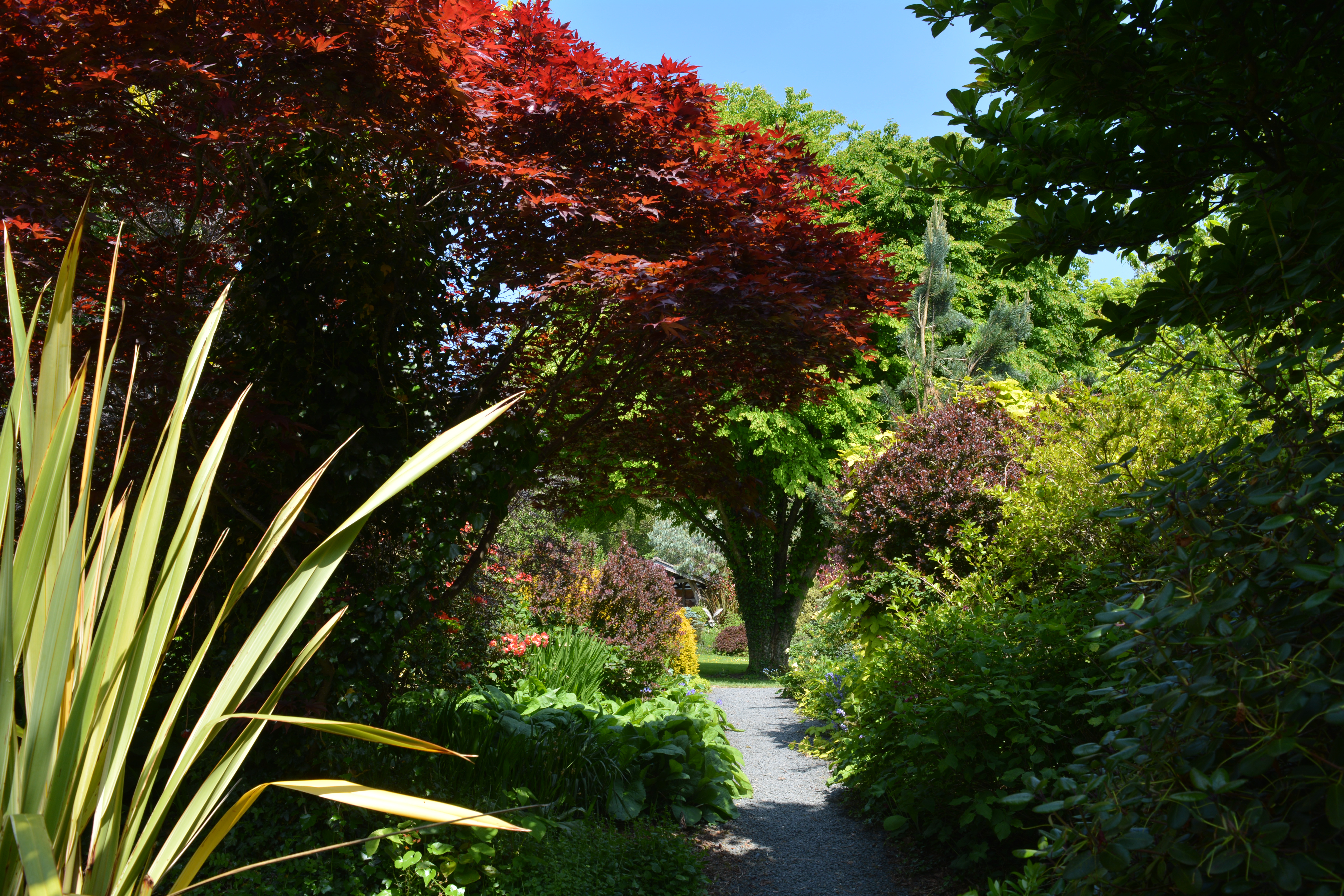
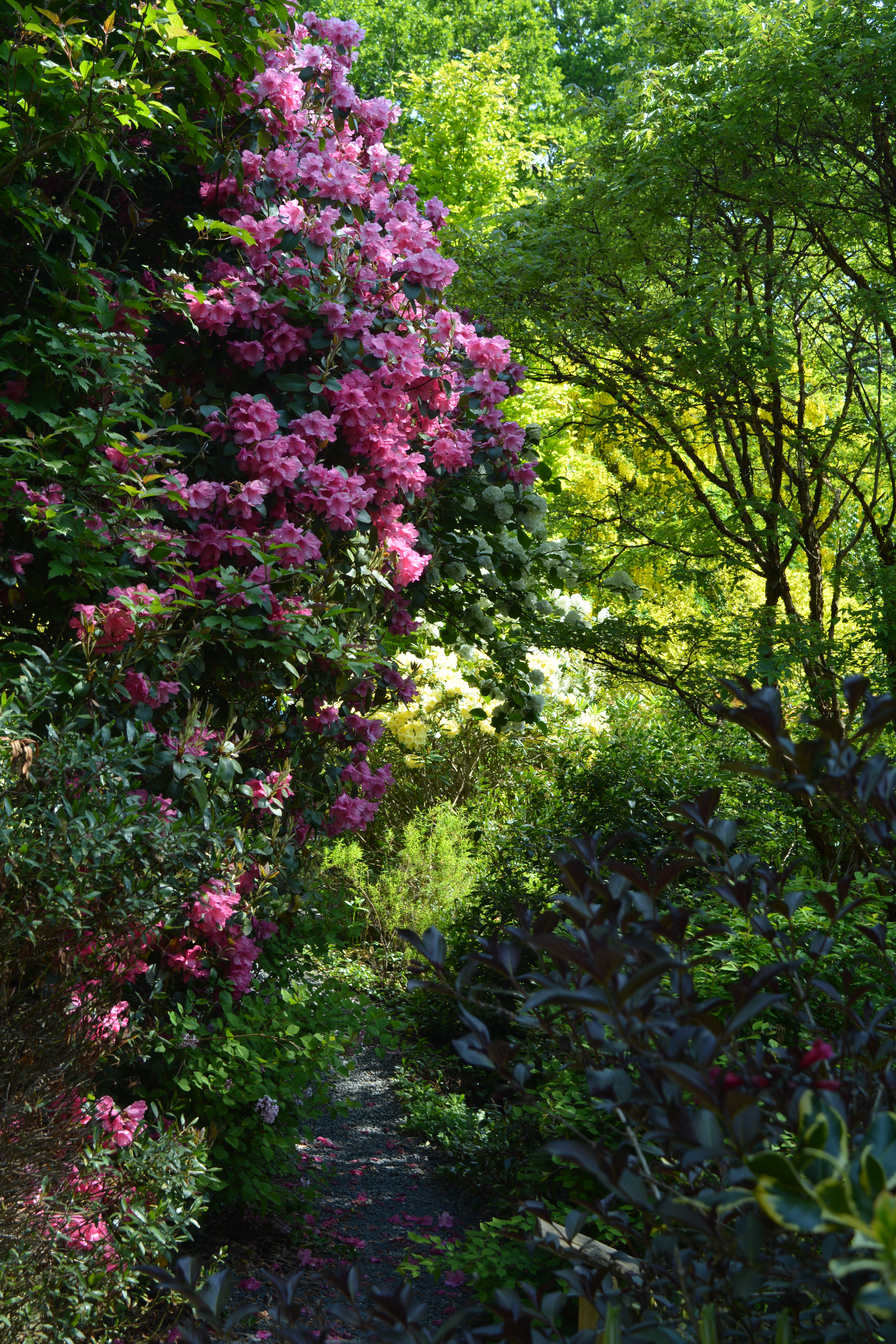
My first set of pics show paths we followed and the views from them.


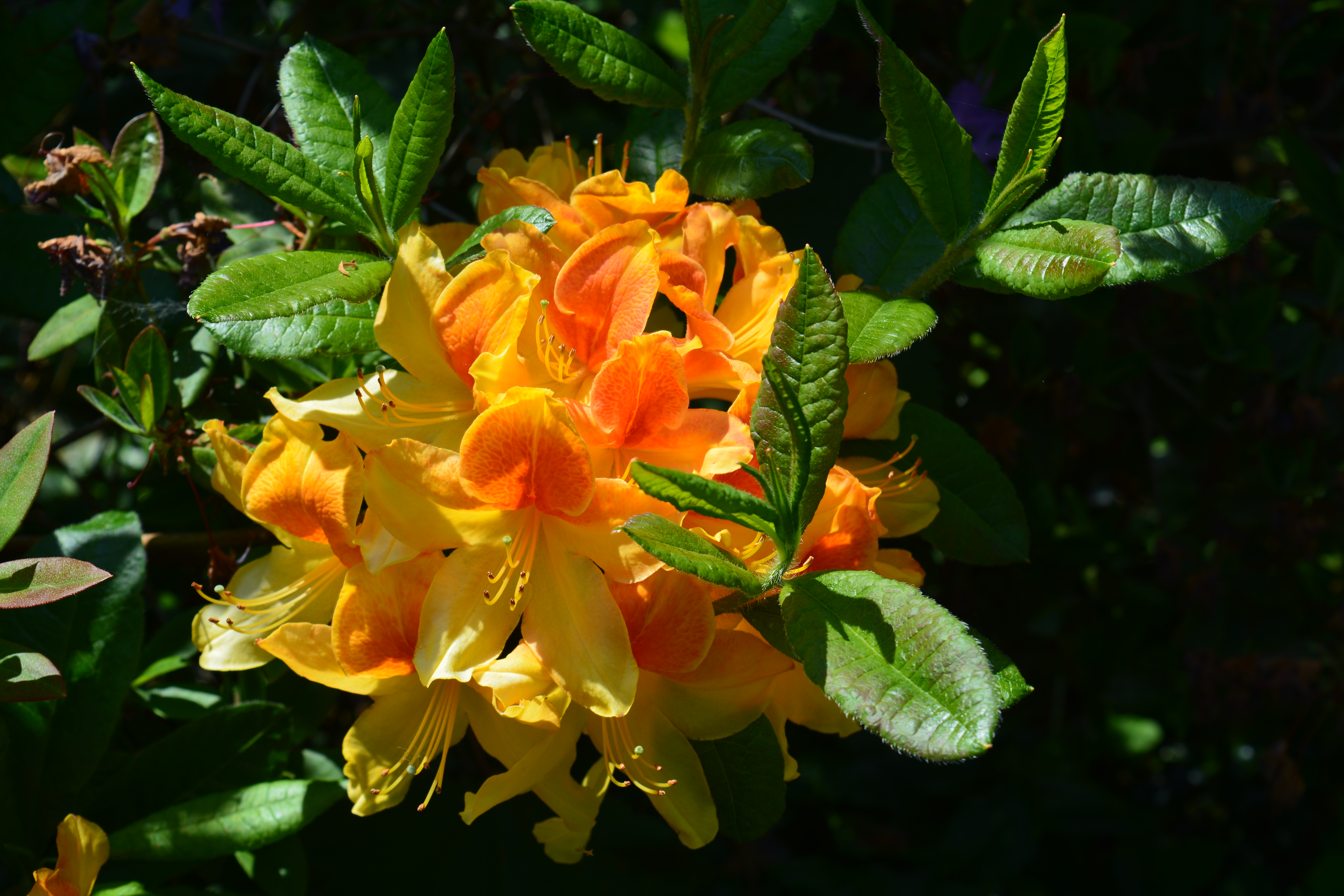
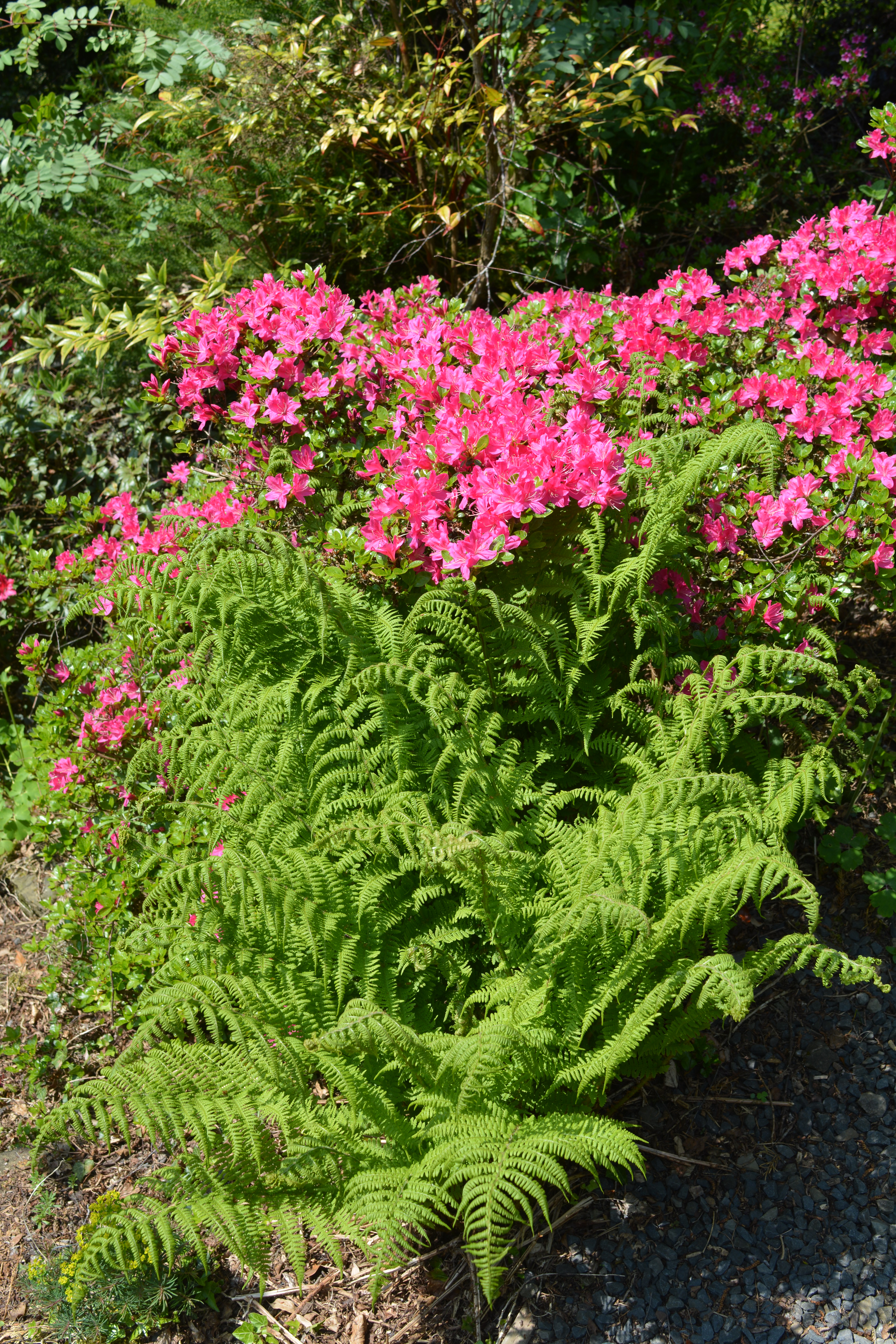
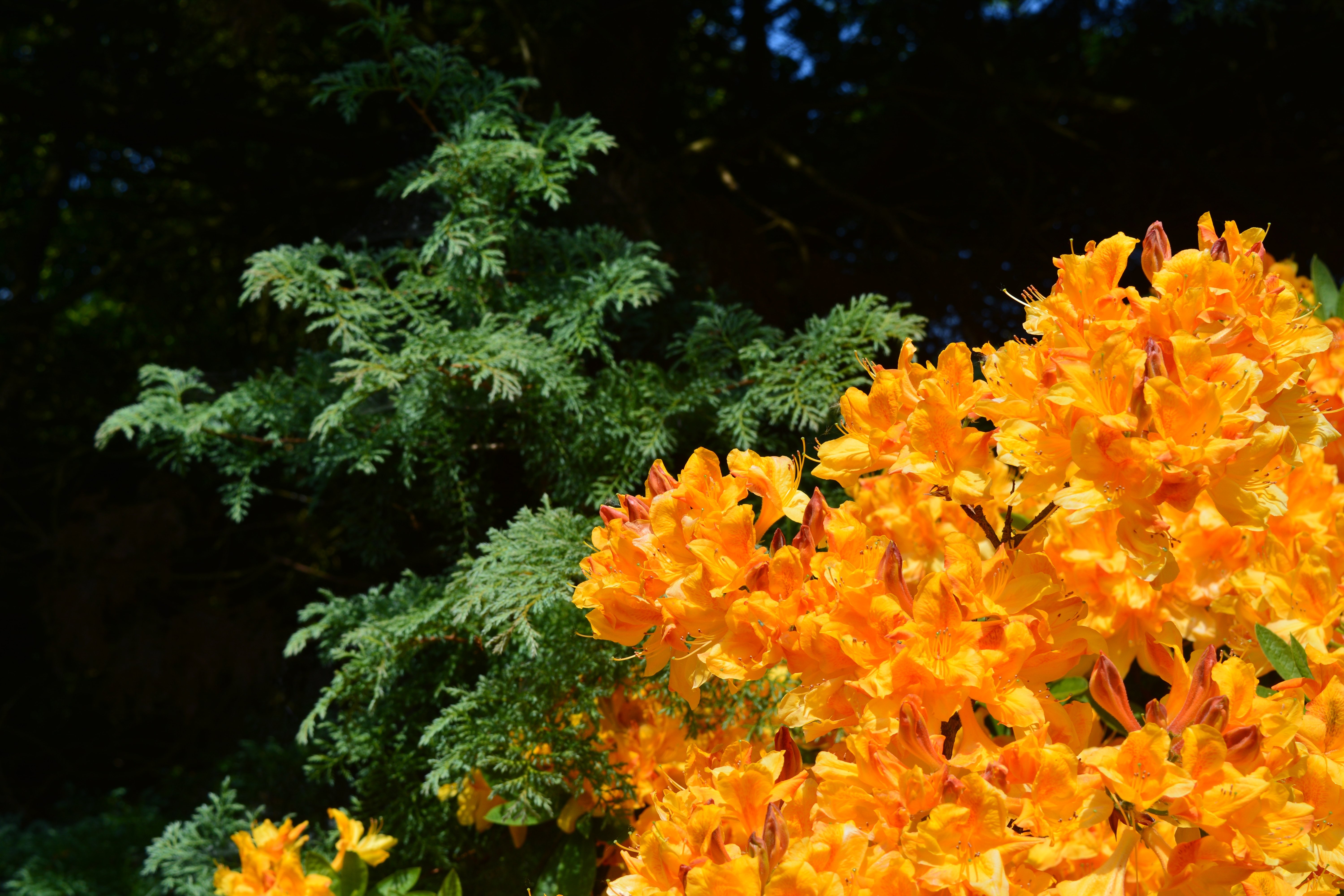
A real surprise was the explosion of colour provided by the Rhododendrons whose buds we have featured over the first few months of the year. The brightest of reds, oranges, pinks plus cerise hues and shades of white sat together sometimes in harmony but often clashing!

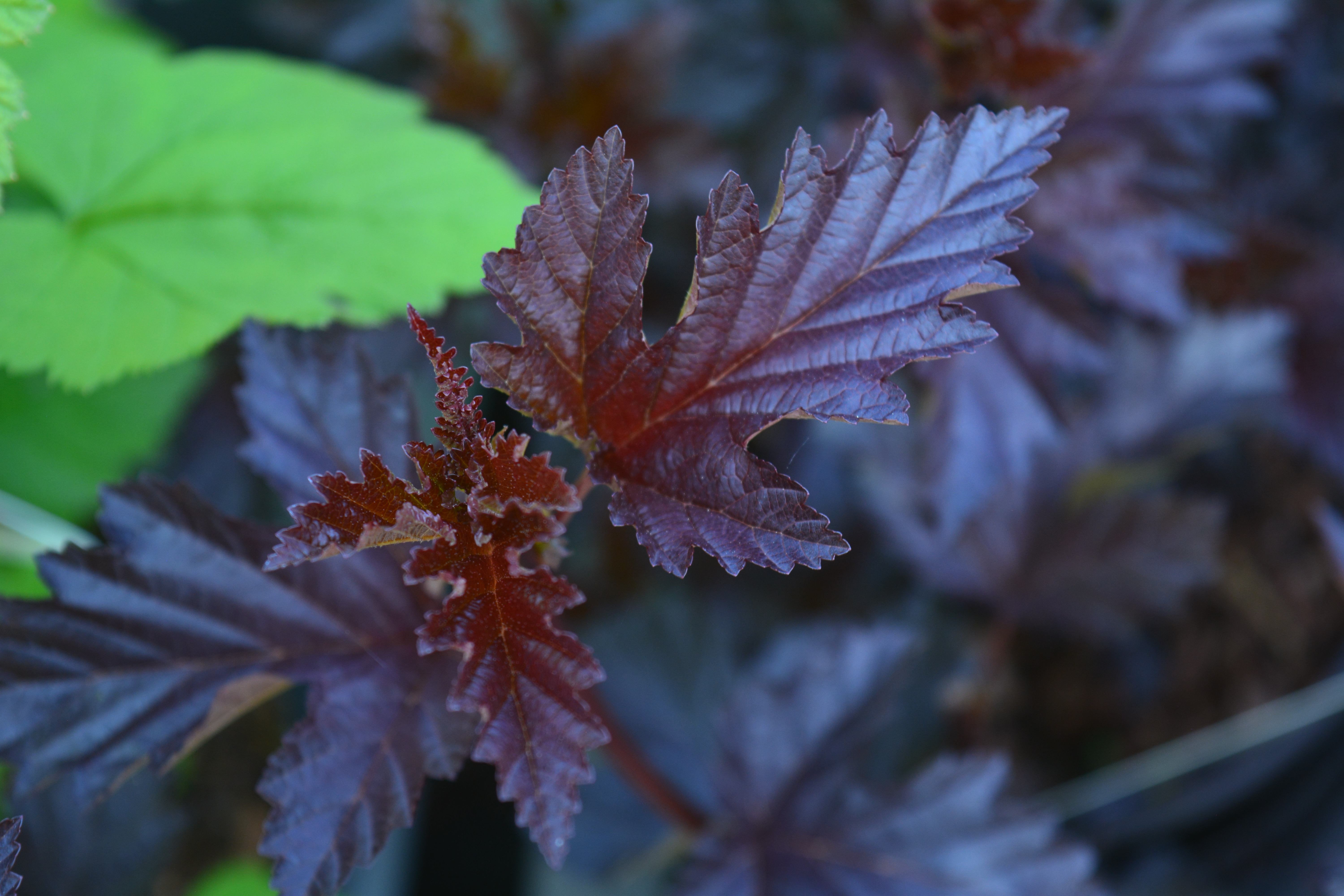
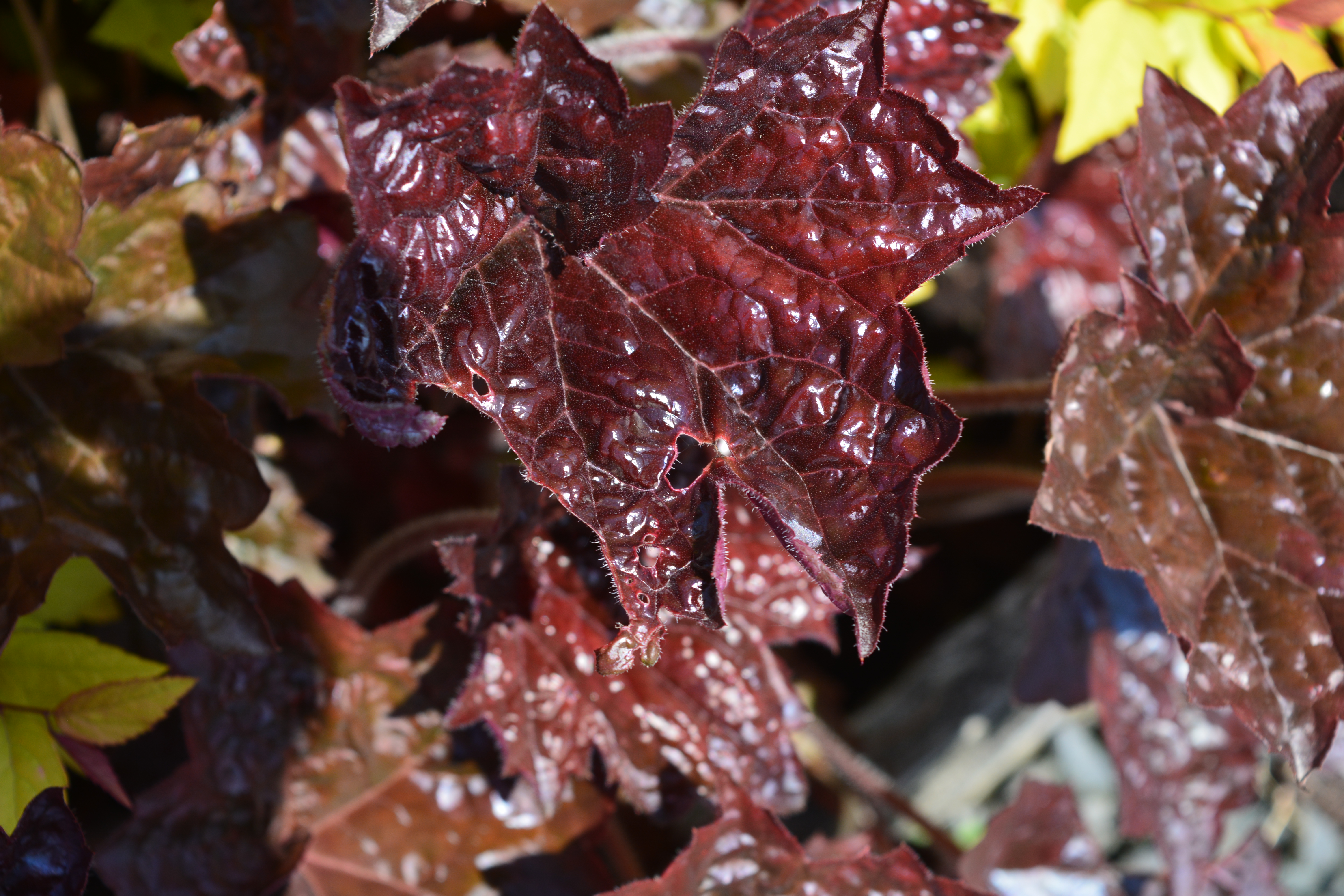
Contrasting and strong coloured foliage provides as much interest as flowers at this time of year as all deciduous foliage is fresh and lively.


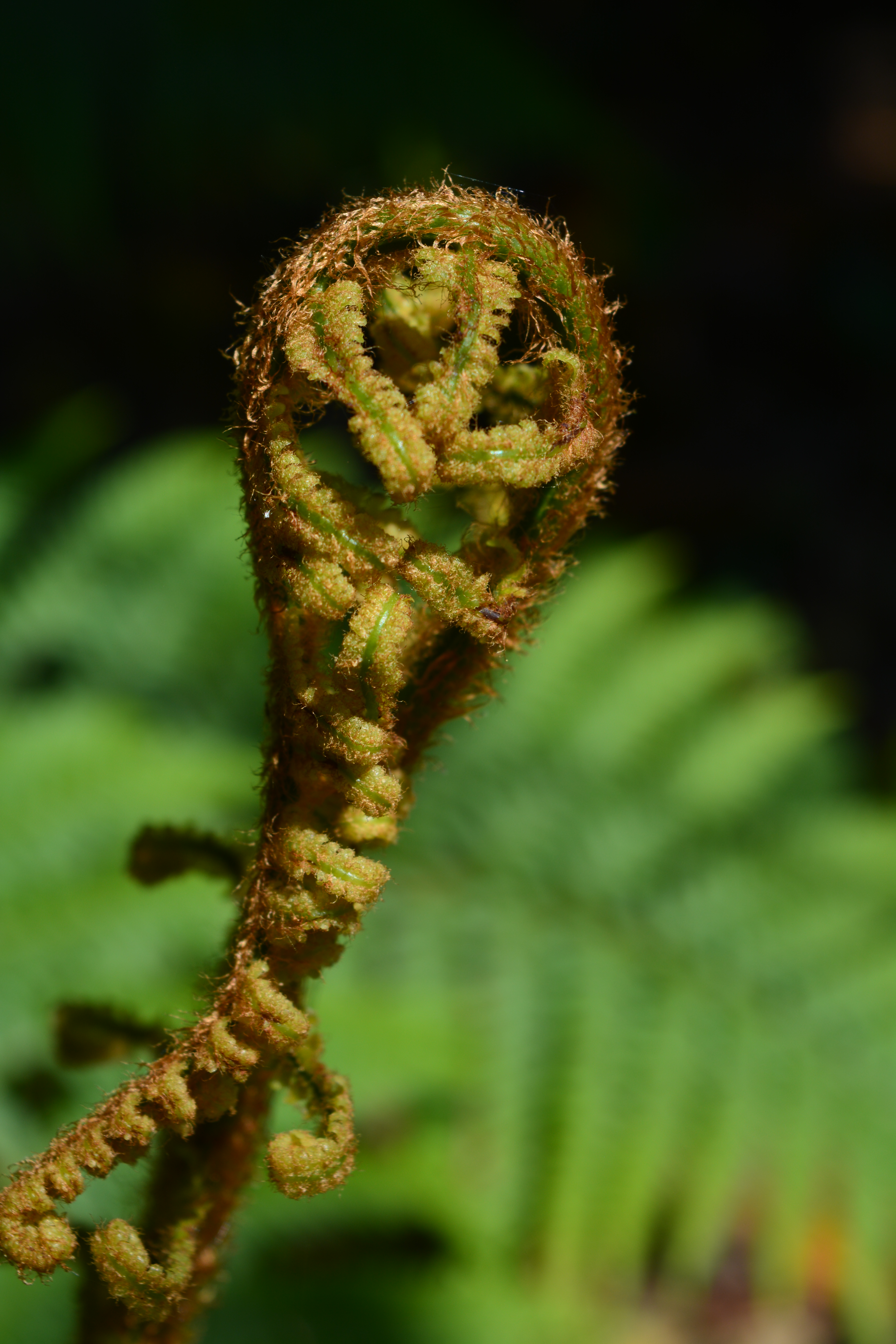
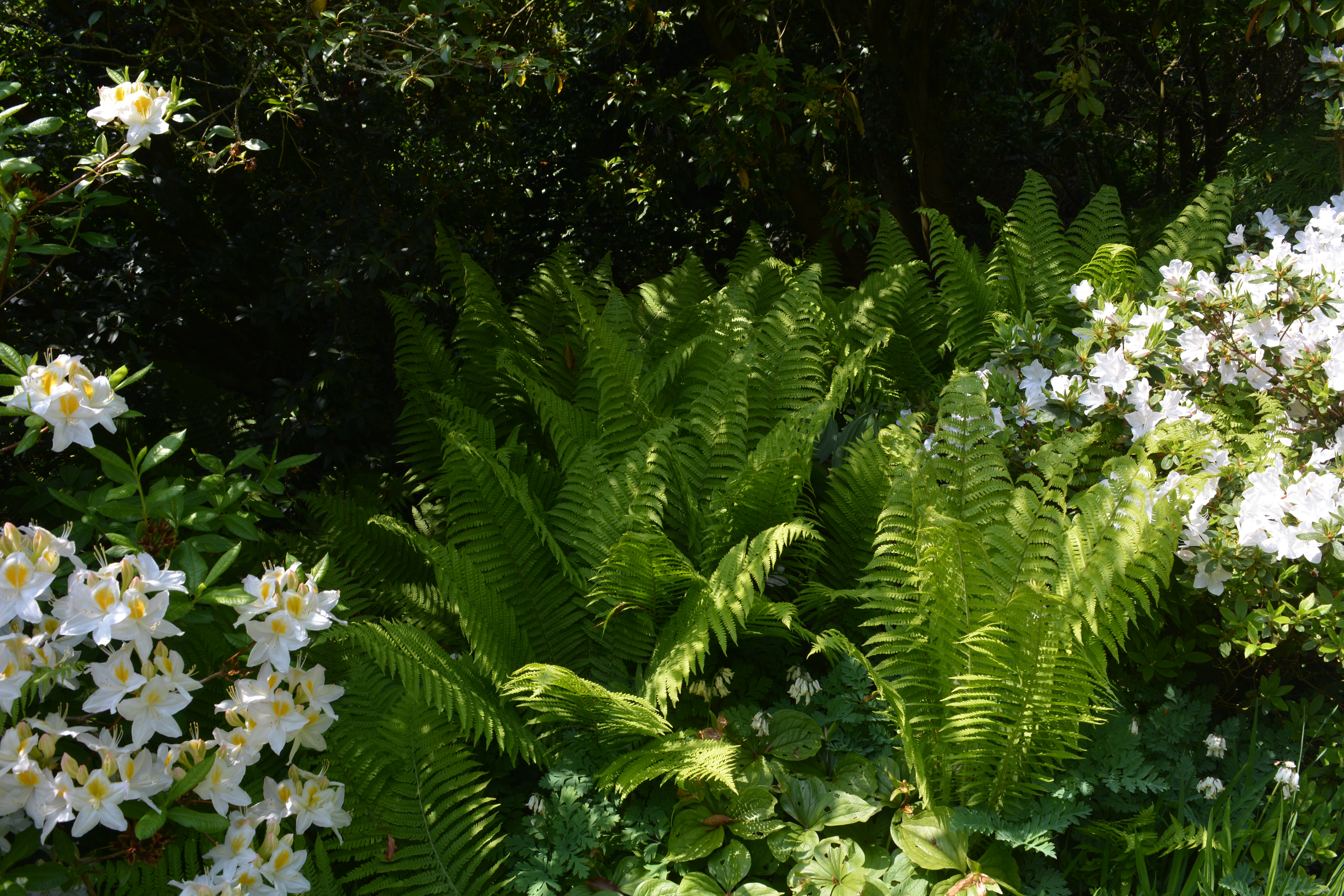
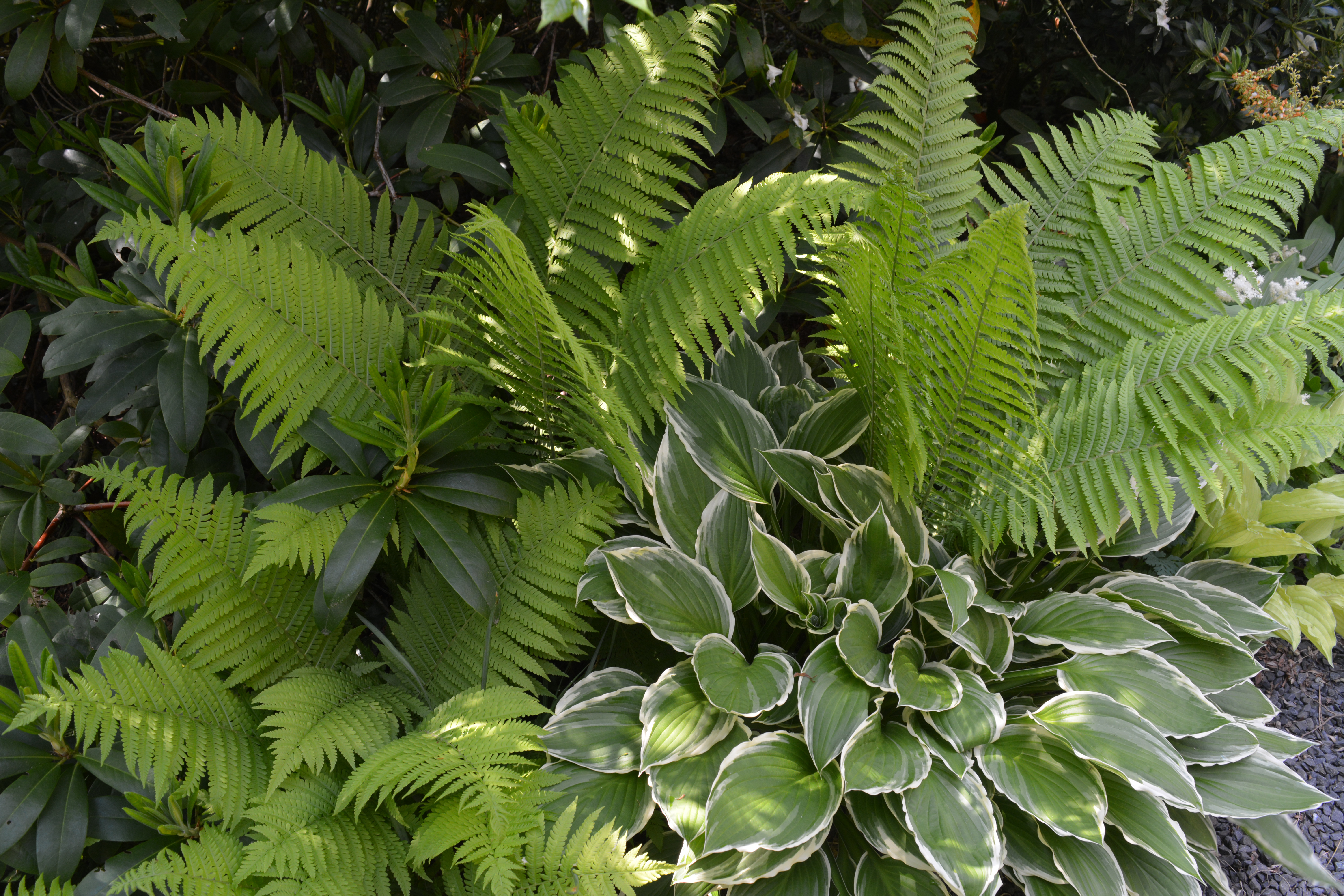
Ferns are an exciting element in the woodland or shade garden in May as fresh fronds unfurl and open to reveal strongly textured and patterned foliage.


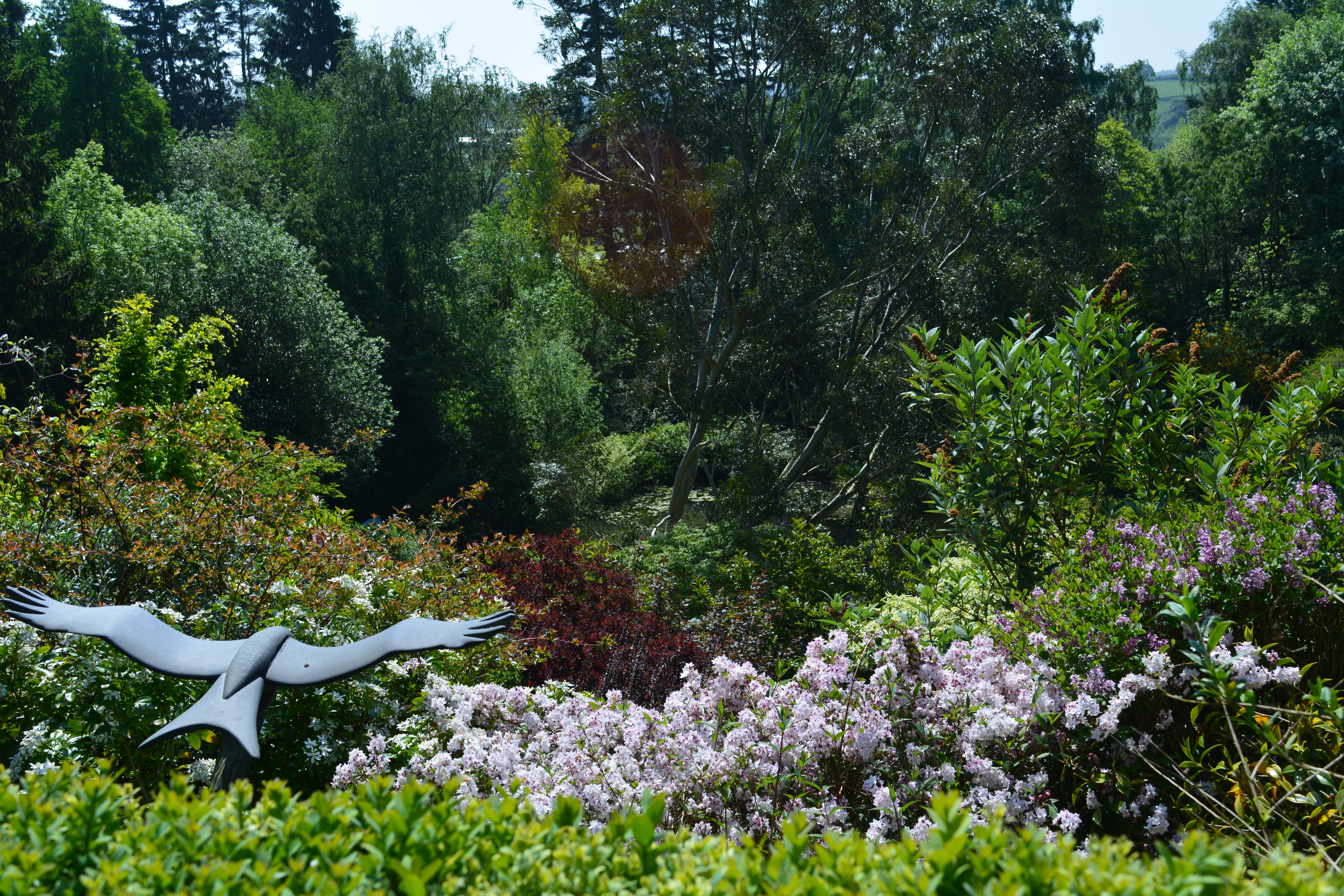
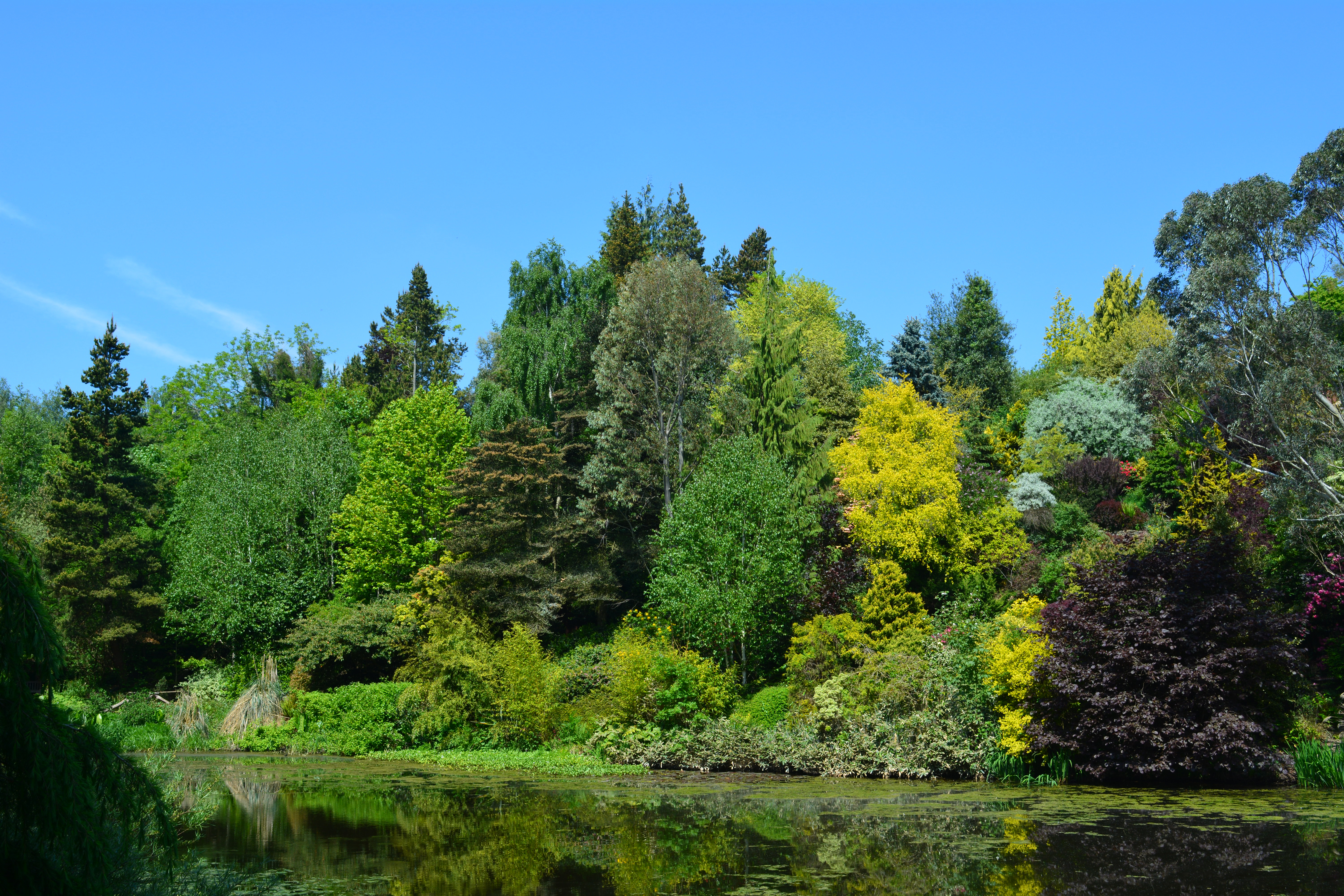
I shall finish this visit report for our May wanderings around the Dingle Garden with a few general shots taken near the lake at the bottom of the sloping garden, showing the variation in foliage apparent in the trees and shrubs. We can now look forward to what June at the Dingle will have to offer.


Categories
garden buildings garden design garden photography gardening gardens hardy perennials National Garden Scheme NGS ornamental trees and shrubs outdoor sculpture Shropshire town gardens Yellow Book Gardens

Westgate Villa, a Japanese garden in Shropshire

Jude and I have a soft spot for gardens with a Japanese feel to them, and we are lucky to have an excellent example in our home county of Shropshire and just a short drive away. We had heard of the garden at Westgate in Bridgnorth and always intended to pay a visit but circumstances had not allowed us to. But eventually we managed to make their National Garden Scheme open day in April.

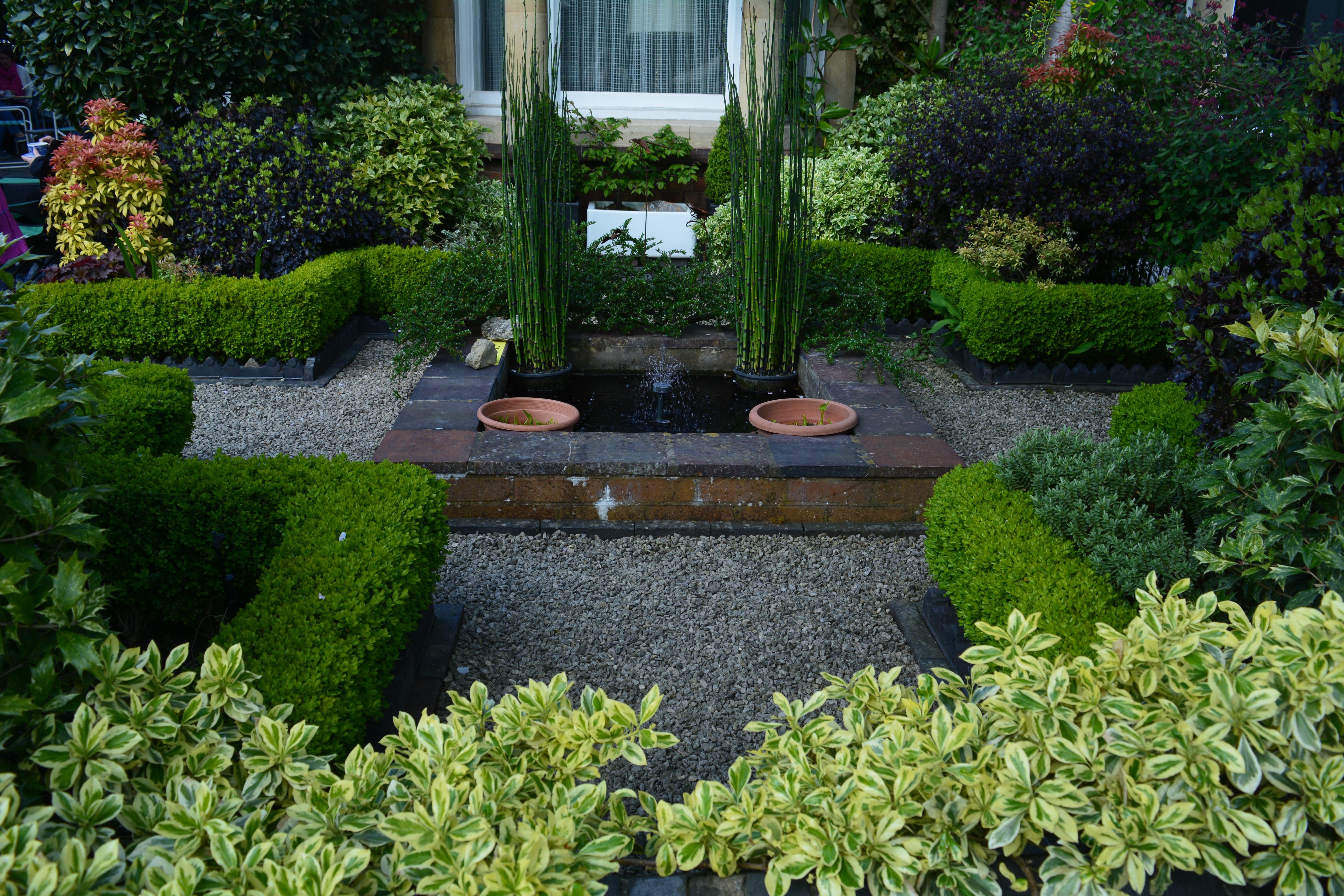
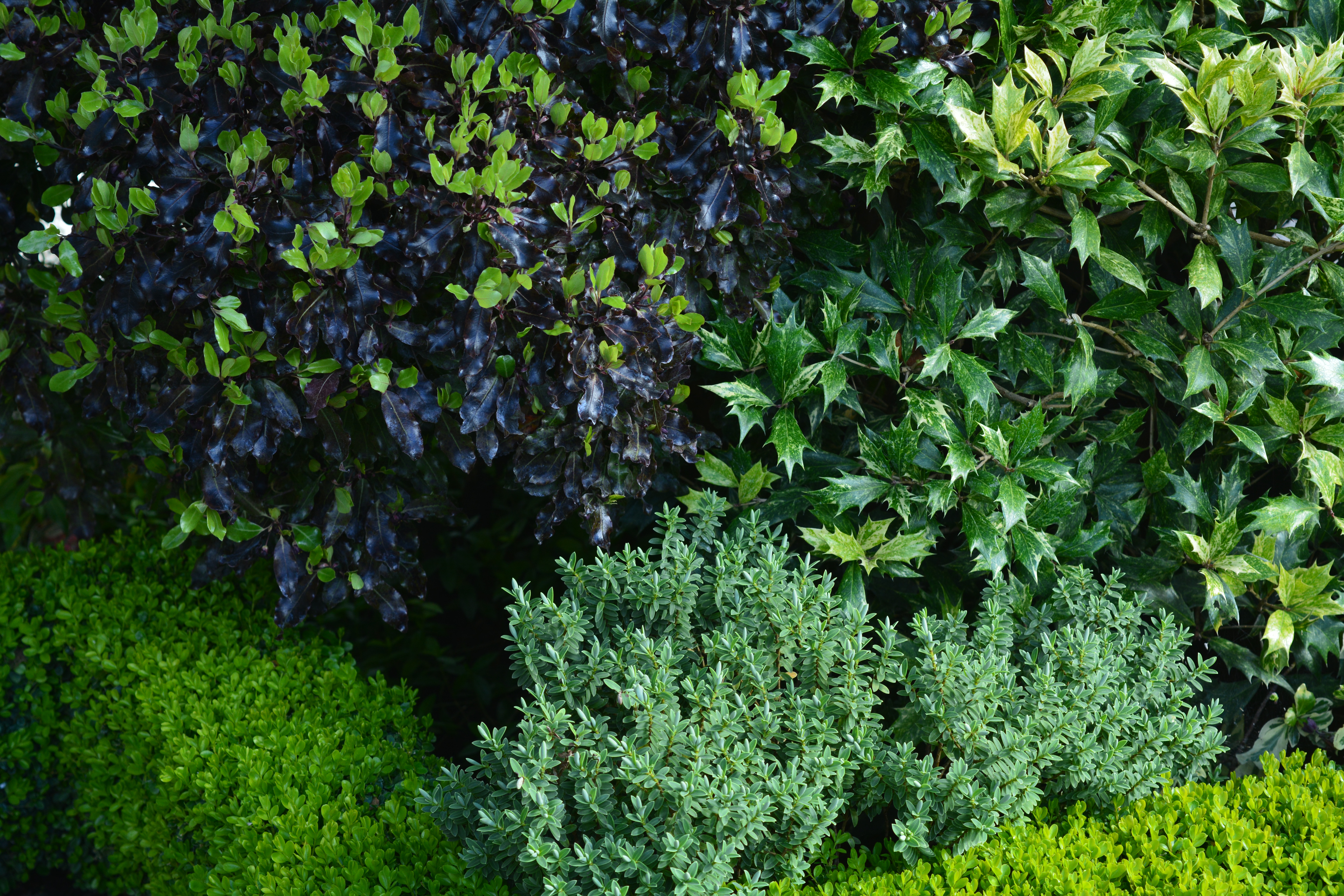
It was well worth the wait! We loved it, the planting, the structure and its special atmosphere. The front garden however was of a very different feel altogether being a formal garden designed to match the age and style of the house. Foliage was the star there!

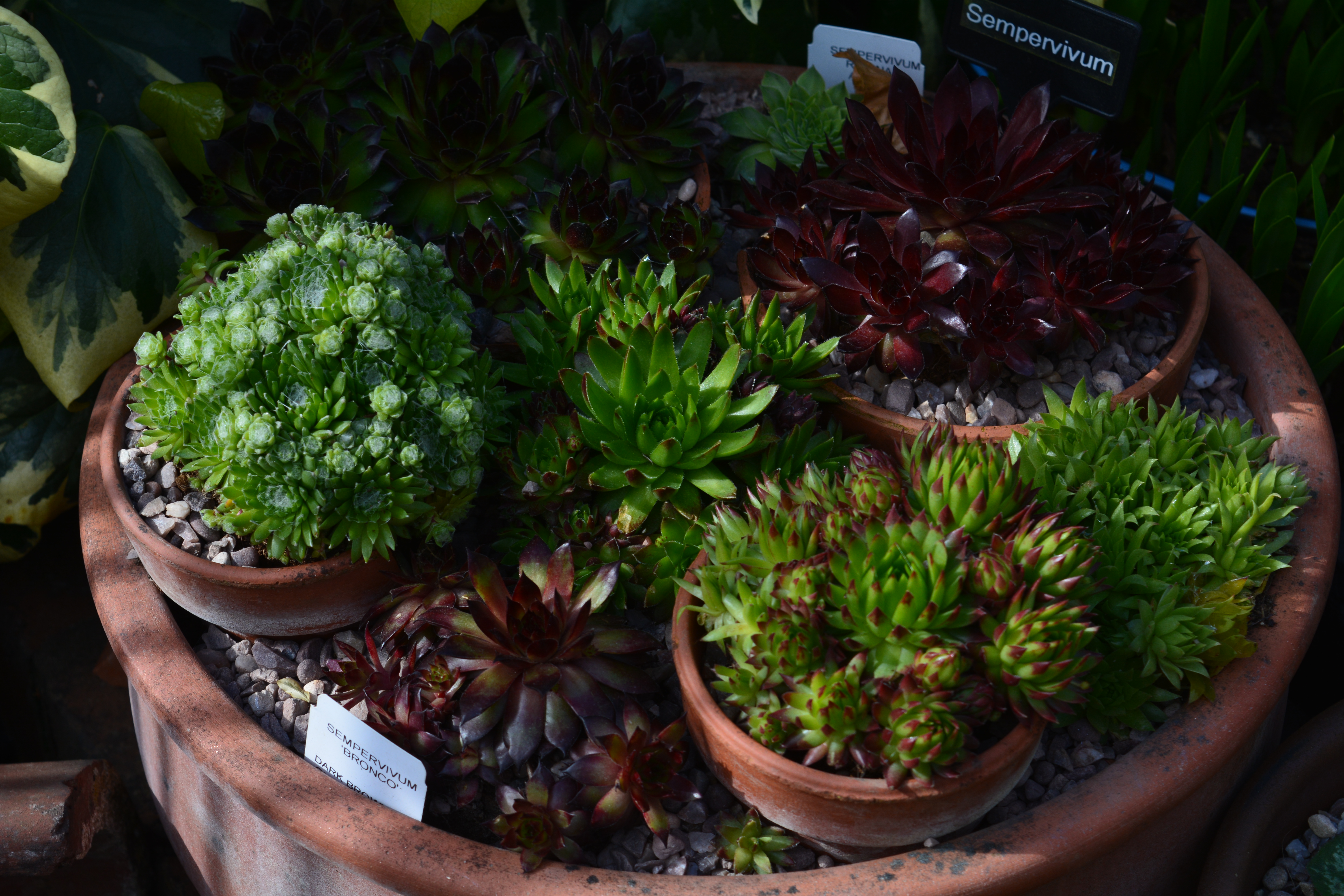
On the flight of steps nearby foliage again featured but this time succulents were the stars.


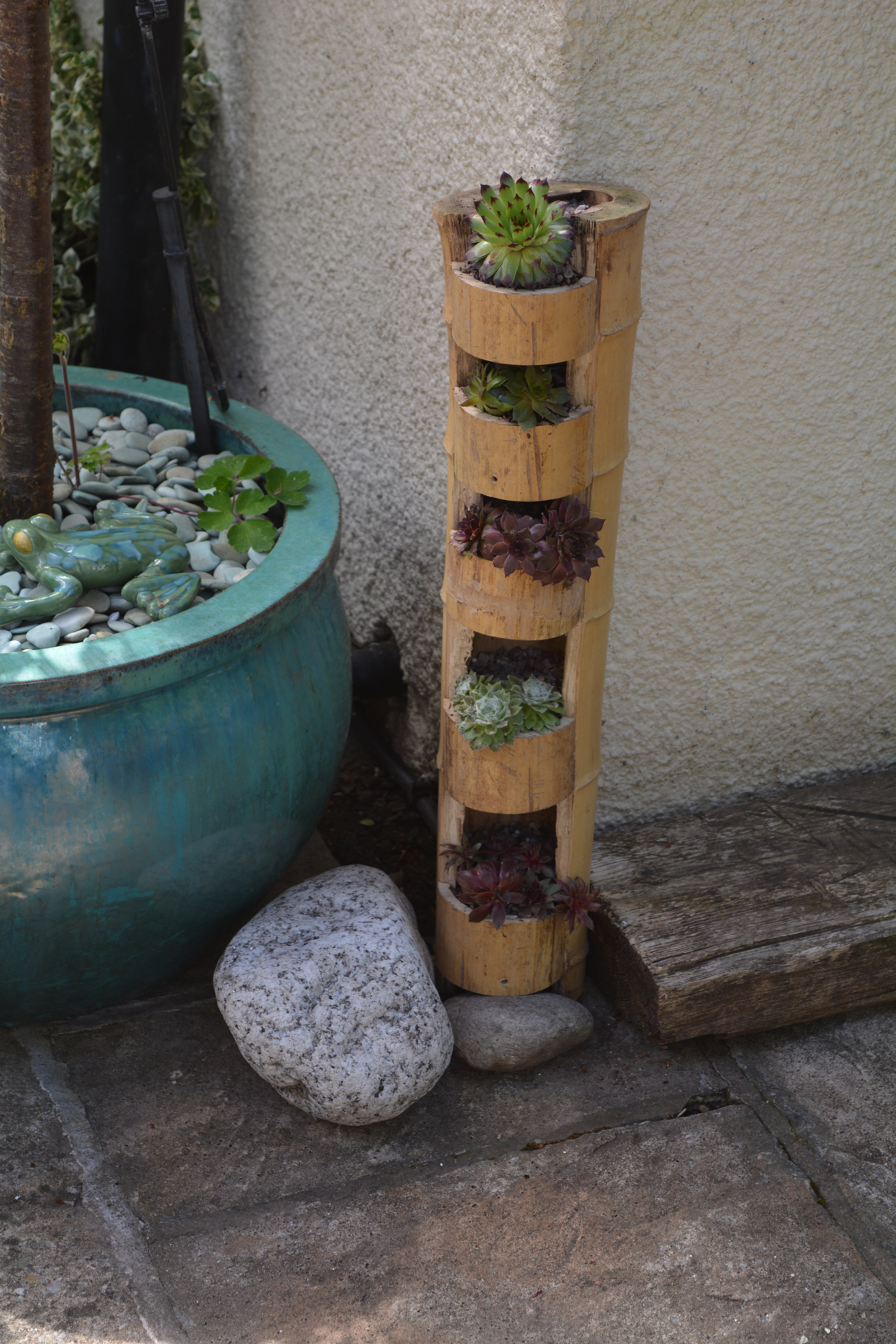
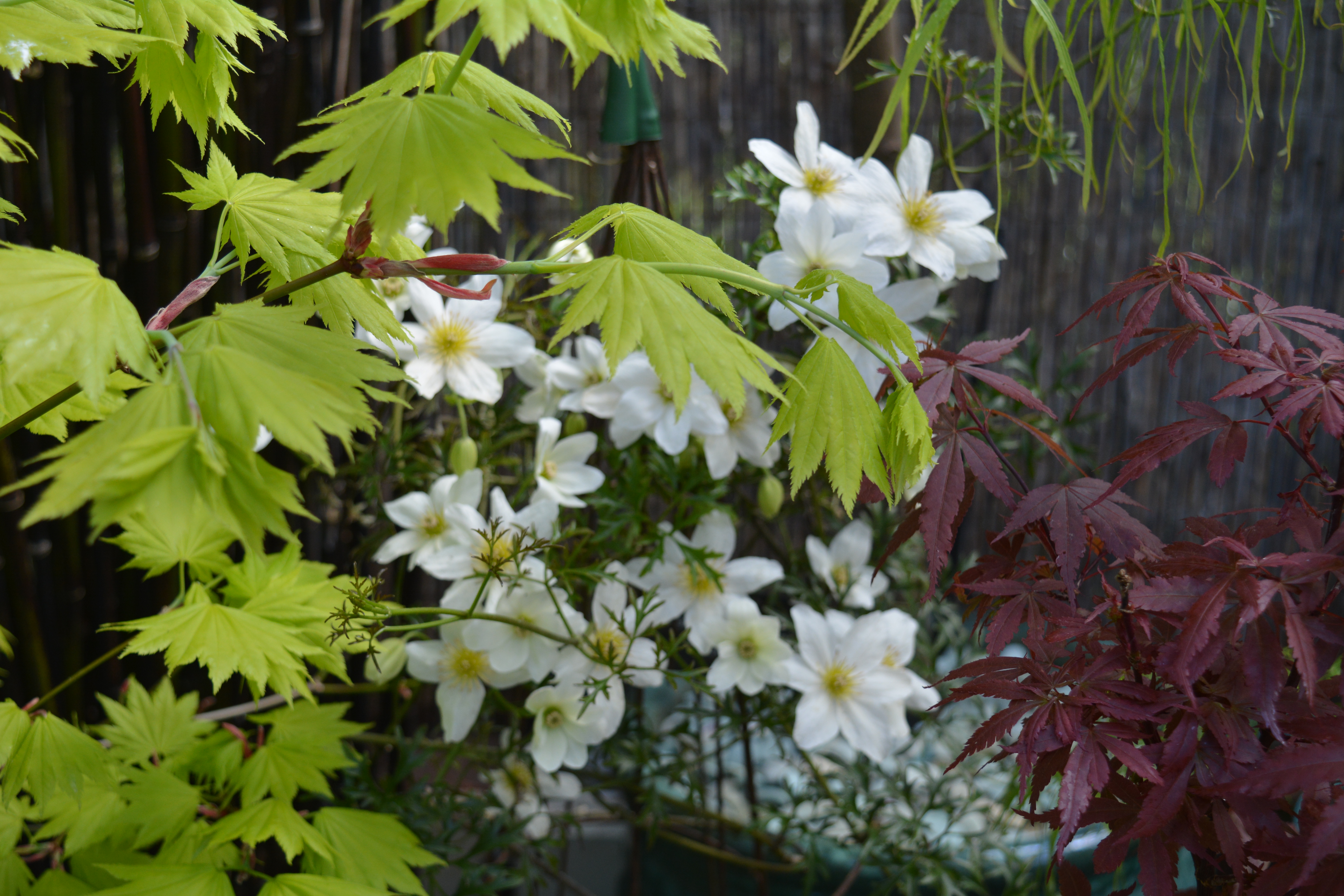
Moving around the house looking in small borders and corners we found interesting plants and objects that gave clues to the beauty of the Japanese section we were making our way towards. This area prepared us so well for the treat that lay ahead of us.


We stepped through an archway into a different world with an atmosphere of such peace that it made us feel so calm. The Japanese garden at Westgate was one of the best examples we have ever seen in an English garden. Come with us on a journey through such a special place. To view the gallery click on the first photo and navigate using the arrows.


Categories
colours garden photography gardening light light quality ornamental trees and shrubs spring gardening trees

Simply Beautiful – 11 – Orange Leaves

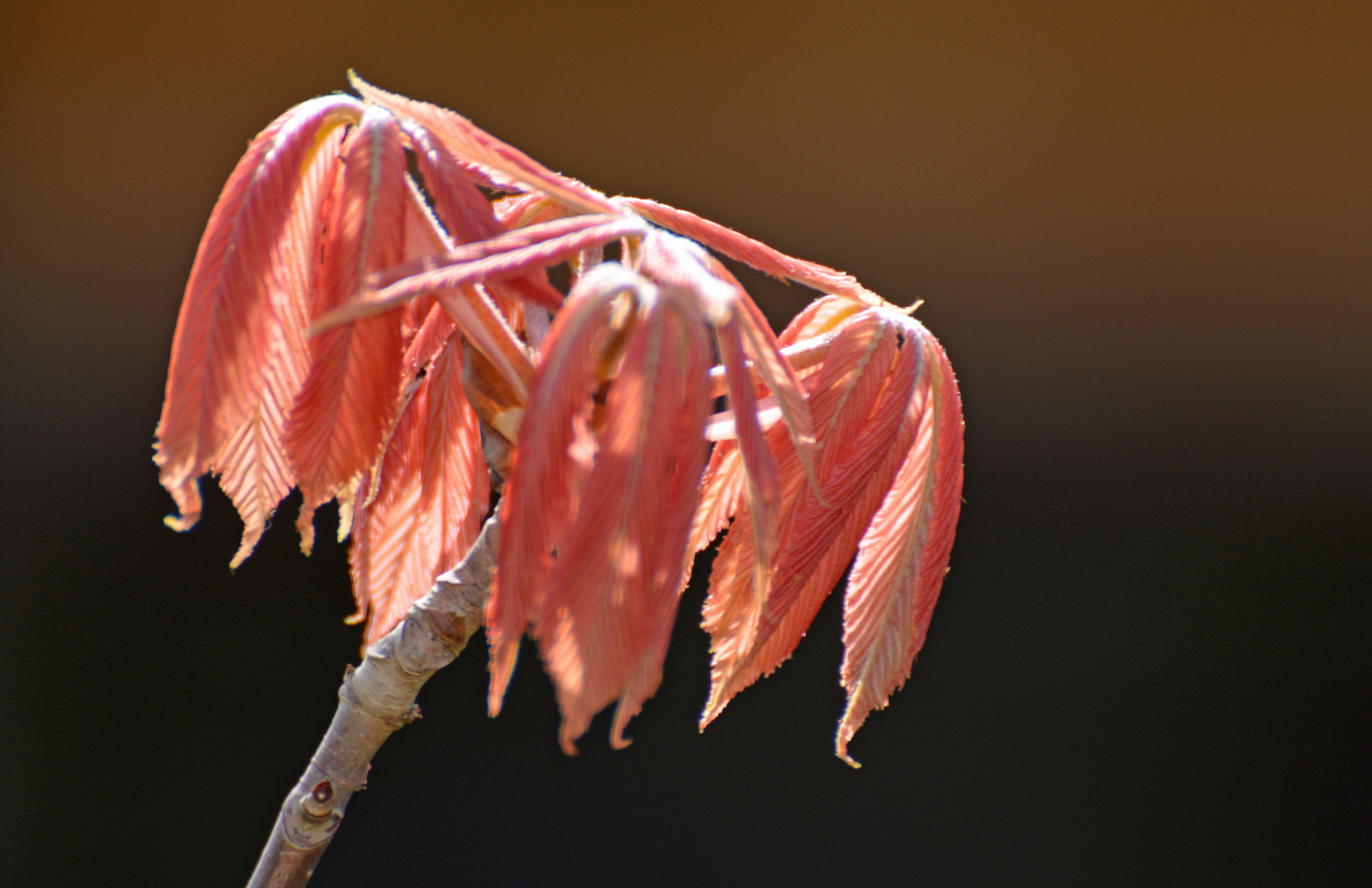
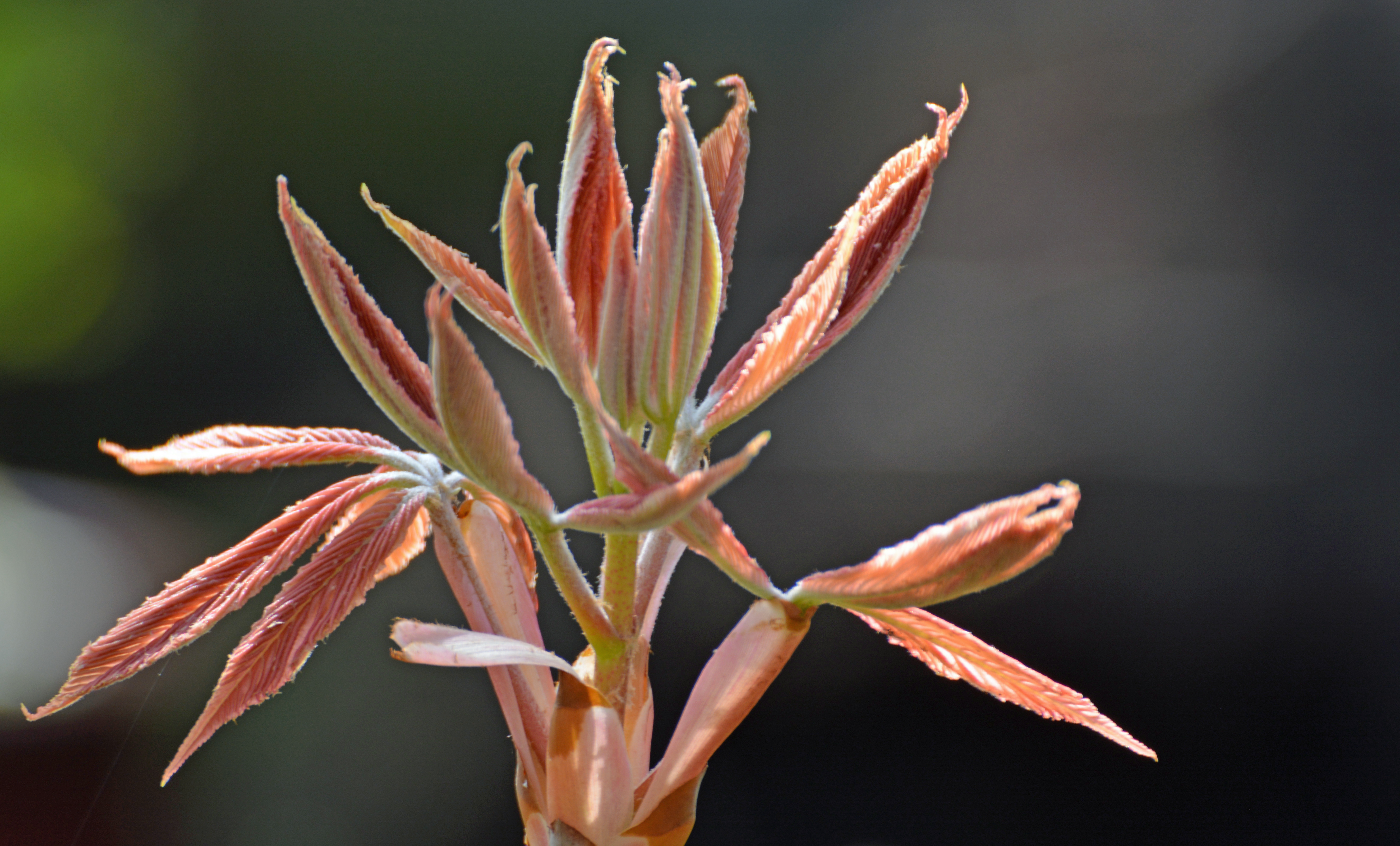
Spring is the time for brightly coloured unfurling leaves on trees and shrubs. Most are green – sparkling fresh green – but occasionally the colours of new leaves makes the gardener stop in his tracks and take a second look to see if the leaves really are the colour he thinks h has just seen.

Take these leaves unfurling from little sticky buds of an unusual Aesculus. Simply beautiful!

This little tree is called Aesculus x neglecta “Erythroblastos”, a big ugly name for a little attractive tree.

Categories
autumn autumn colours colours garden design garden photography gardening gardens gardens open to the public grasses light light quality ornamental grasses ornamental trees and shrubs photography shrubs The National Trust trees Wales Winter Gardening winter gardens

Bodnant Garden – a magical place in North Wales

For my last post of 2016 I thought I would share a visit we made to one of our favourite gardens, Bodnant Gardens in North Wales. A great way to celebrate our garden visiting exploits in 2016 and to look forward to visiting many more wonderful UK gardens in 2017.

Bodnant Gardens, a National Trust Property in North Wales, is described as a “glorious garden nestling in the Snowdonia foothills of North Wales and one of the world’s most magical gardens. With its dramatic scenery, historic plant collections, Champion Trees and myriad horticultural styles, it will capture your heart and live in your memory.”

It is just possible for us to get there, enjoy a day wandering and then return on the same day. So this is a day trip we have made many times over the years in different months but never before in November. We were not sure exactly what to expect but our expectations were definitely high. We were not to be in for the slightest disappointment!

After a two hour drive we arrived as mist and drizzle did its best to hide the garden but after our usual half hour sit for a coffee and cake we were  pleased to see the beauty of the garden revealed as the autumn sunlight brought the garden to life before our eyes setting the scene for an afternoon of pure magic, which we will share with you in a couple of posts.

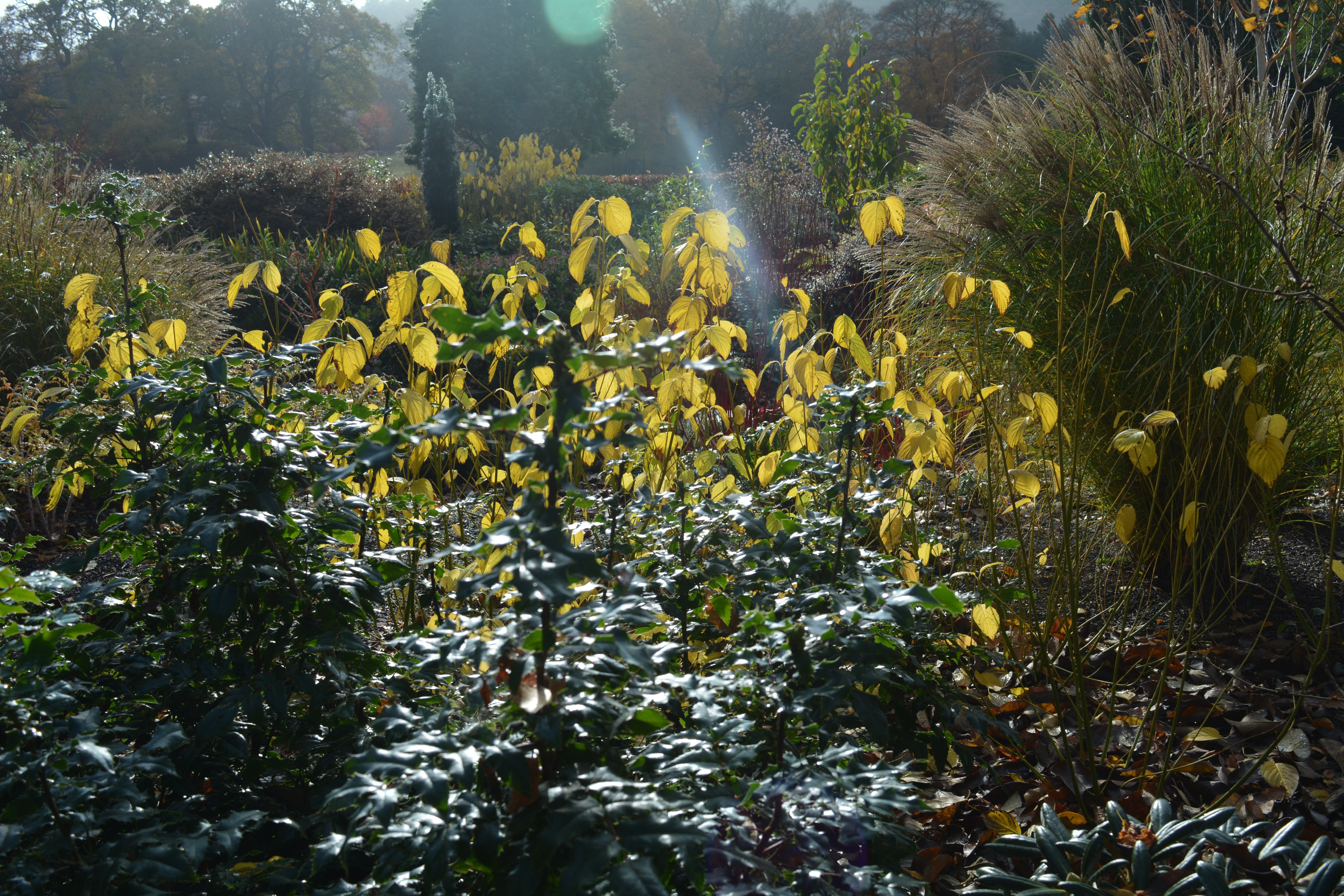
Firstly this post will be all about the special nature of the light and how it added extra magic to the scenes unfolding before us.

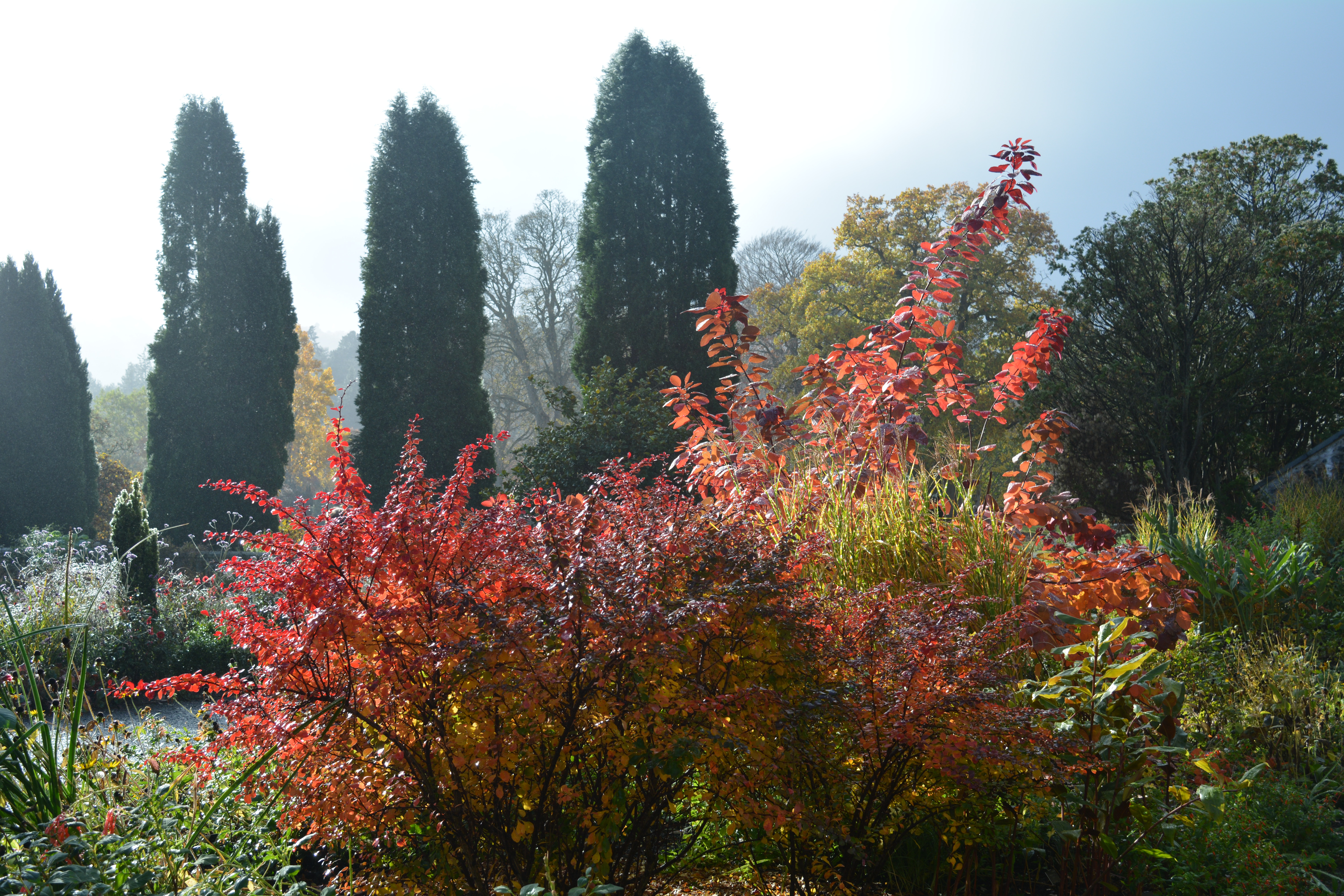
After showing our membership cards we left the reception and upon entering the garden itself we only managed a few steps before the special light stopped us in our tracks. A long border running alongside a tall stone wall was on fire with the rich colours of late perennial flowers and the red and orange leaves of shrubs. The overnight dew was still hanging on the grass and every droplet became a jewel.

bod2-08 bod2-03 bod2-02 bod2-12bod2-13 bod2-14bod2-15 bod2-05

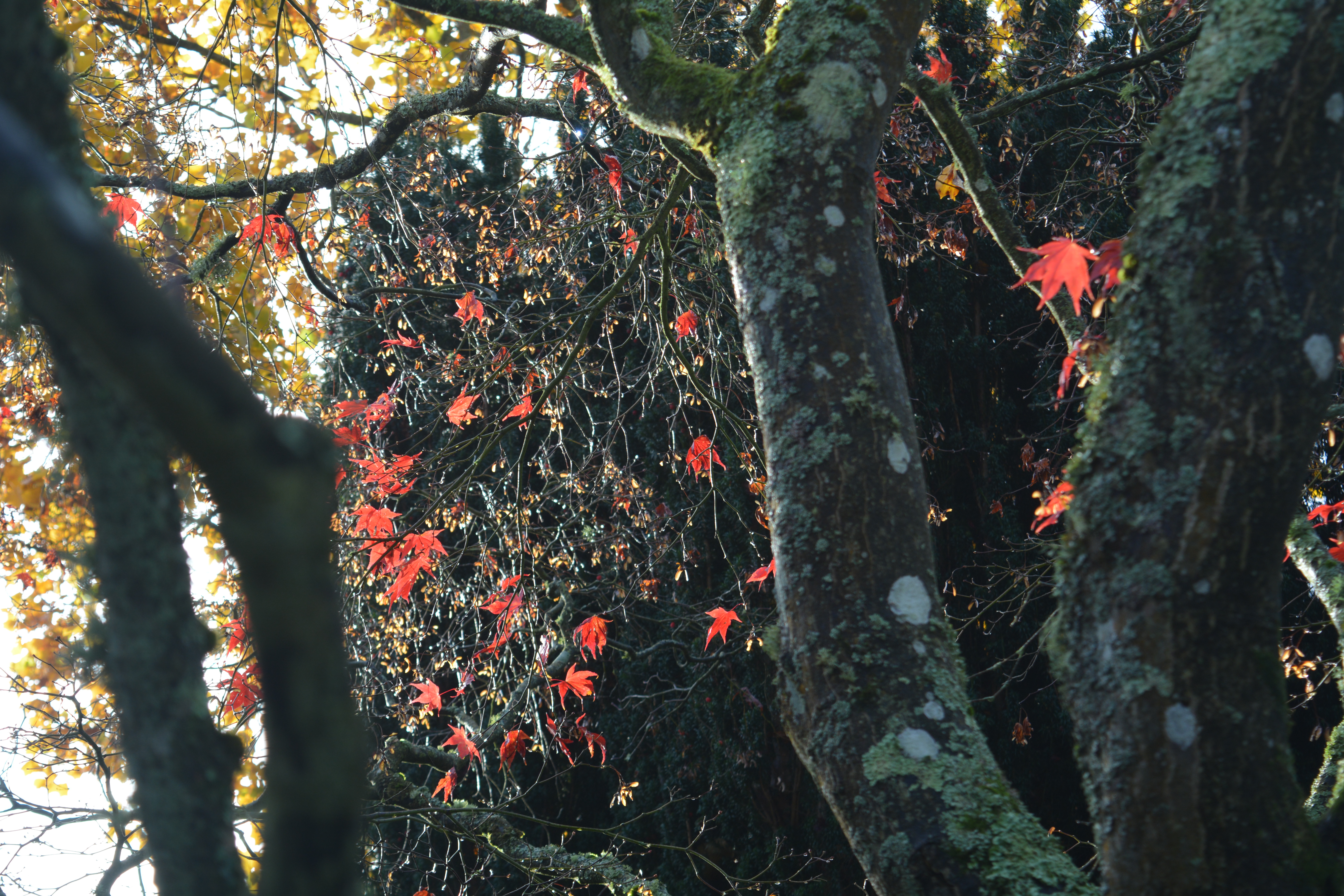
From the path running along the centre of the hot fiery bed we could look across towards the main garden where the light caught Acer foliage and wispy perennials.

bod2-07 bod2-11bod2-10 bod2-01

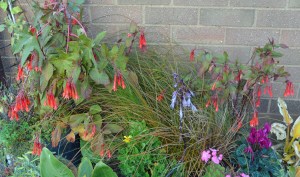
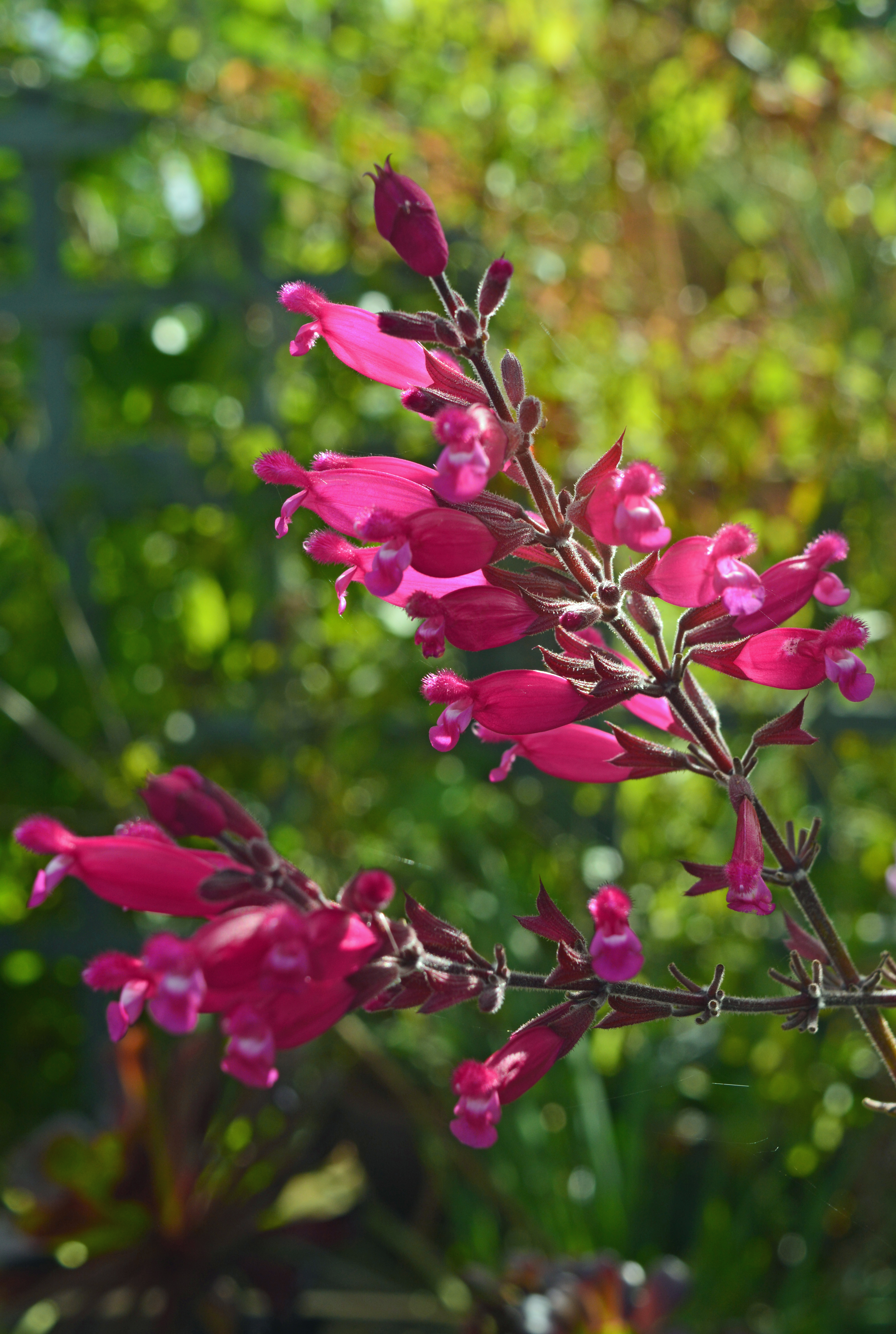
Individual flowers among this beauty, shone like jewels in a jeweller’s shop window display. Water droplets sat on the red blooms of this Fuschia and Salvia.

bod2-09 bod2-04

We had plenty of choices of pathways to follow but the choice was an easy one – go where the colours shone the brightest – off in to the newly created Winter Garden beneath a halo or red glowing foliage.

bod2-06 bod2-16  bod2-18 bod2-19 bod2-20 bod2-17 bod2-23bod2-22 bod2-25

With so much colour and texture surrounding us it was hard to home in to see the special beauty only to be found by looking closely and deeply searching for the detail.

bod2-24 bod2-26 bod2-27 bod2-28 bod2-29 bod2-30

Bodnant proved itself a most worthy contender for garden visiting late in the year and could well join the little group of special places we visit annually. In part two of my Bodnant posts we will share other parts of the garden with you, the places further afield than the Winter Garden.

Categories
autumn colours colours garden photography gardening gardens gardens open to the public

Simply Beautiful 8 – Tetrapanax leaves

Tetrapanax papyfera Rex is a wonderful albeit rather tender foliage plant with large exotic looking leaves. In winter the leaves darken before falling and look simply beautiful.

tpr-1 tpr-2 tpr-3 tpr-4 tpr-5 tpr-6

Categories
autumn autumn colours colours garden design garden photography gardening grasses half-hardy perennials hardy perennials light light quality ornamental grasses ornamental trees and shrubs Shropshire shrubs South Shropshire succulents trees Uncategorized village gardens

The one that nearly got away! – My Garden Journal in November

Imagine my surprise when checking back through my list of posts to find my Garden Journal for November still waiting to be posted. It nearly got away but here it is. Better late than never! Imagine we are back in the autumn!

This will be the penultimate visit to my 2016 Garden Journal as we look at what November has in store for our Avocet patch.

Colour launches my November pages with a double page spread of rich colours with the words, “Autumn has crept in further as November arrives and the garden is starting a new chapter where foliage colours dominate and individual plants become the focus of our attention rather than whole borders of blooms.”

nj9-01nj-3 nj-2nj-5 nj-4 nj-1nj1-4 nj1-5 nj1-3nj1-6 nj1-2nj2-1 nj2-2 nj1-1

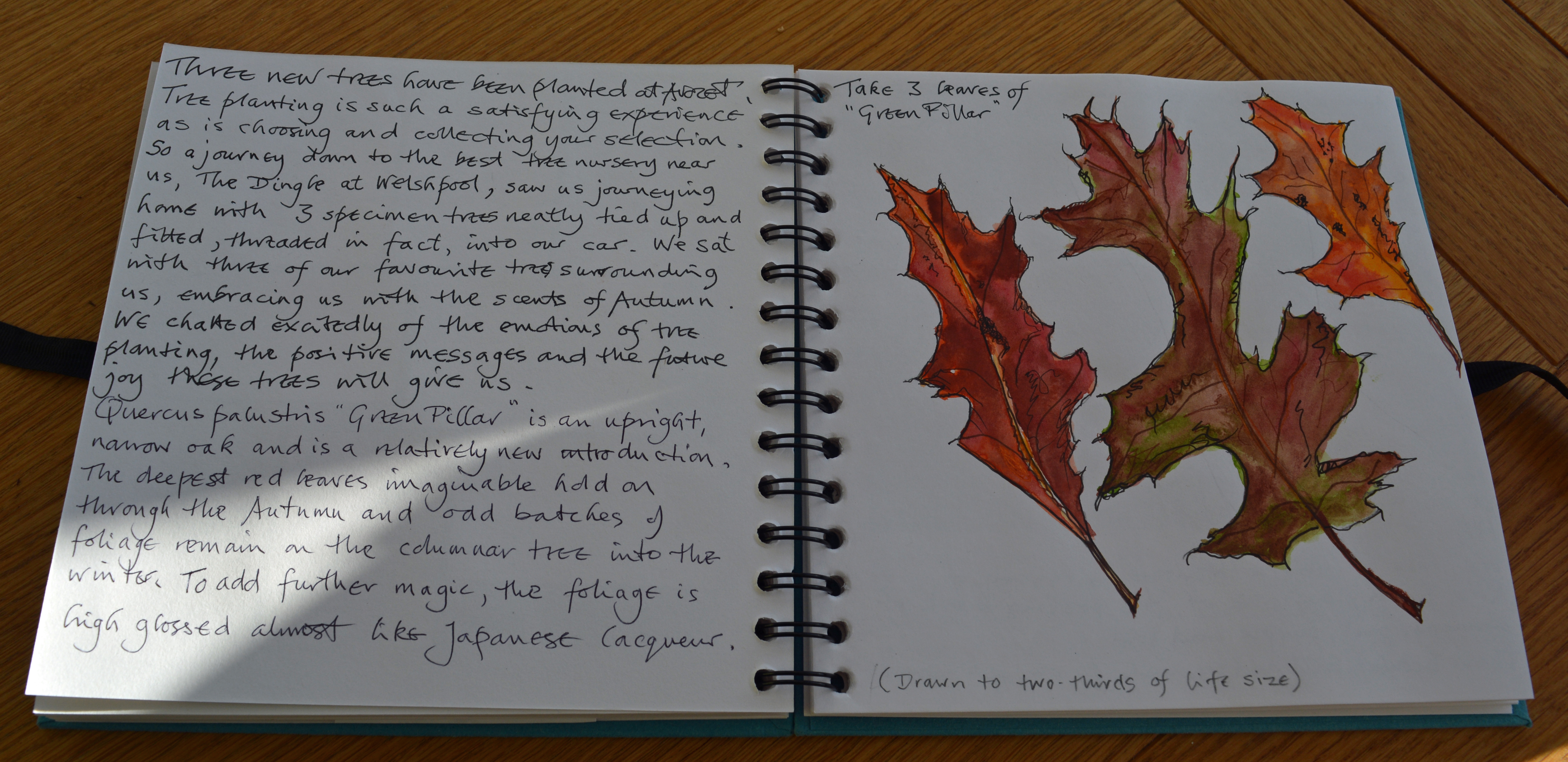
I move on to share our purchase of three new trees for our patch, an oak and two birches, all trees that we have been seeking out for several years. The oak is good for a small garden like ours because it has a columnar habit of growth growing tall but very slim. It is Quercus palustris “Green Pillar” which hides the fact that its main reason for growing it is for its bright red autumn leaves. I wrote, “Three new trees have been planted at Avocet. Tree planting is such a satisfying experience as is choosing and collecting your selection. So a journey down to the best tree nursery near us, The Dingle at Welshpool, saw us returning home with 3 specimen trees neatly tied up and fitted, threaded in fact, into our car. We sat with three of our favourite trees surrounding us, embracing us with the scents of Autumn. We chatted excitedly of the emotions of tree planting, the positive messages and the future joy these trees will give us. 

nj9-02

Quercus palustris “Green Pillar”is an upright growing, narrow oak and is a relatively new introduction. The deepest red leaves imaginable hold on through the Autumn and odd batches of foliage remain on the columnar tree into the Winter. To add further magic, the foliage is highly glossed almost like Japanese lacquer.”

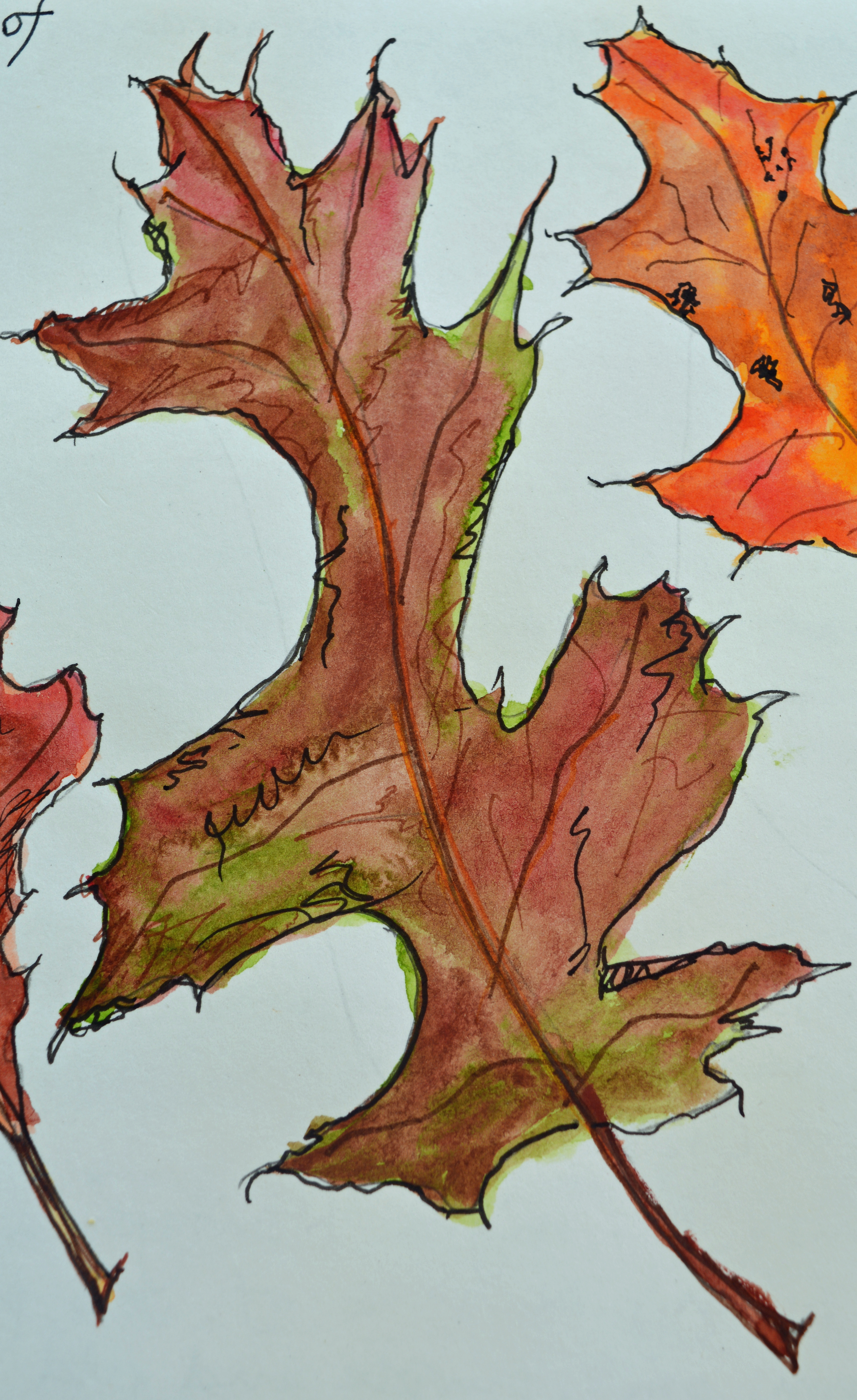
I chose three leaves to paint in watercolours and fibre tipped pens trying to capture the texture and colour variations.

nj9-03 nj9-04 nj9-05 nj9-06

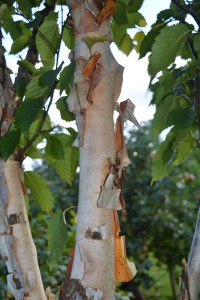
My next double page spread featured our other 2 new trees and I started by writing, “Anyone who knows us as gardeners will have guessed that the other two new trees are our favourite Betulas, B. nigra “Heritage” and B. “Hergest”. Both of these Birches should be the same dimensions reaching 16 feet tall by 6 feet wide after 10 years. We have planted them either side of a covered bench in the front garden. “Hergest” is a Birch we have been longing to plant in our patch because of its wonderful bark texture and colour. It is in the “albosinensis” family of Betulas described by tree

specialist Frank Matthews a rare and beautiful tree possibly a cross between B. albosinensis and B.ermanii. We look forward to the bark turning light copper-brown and glossy. Another reason we love it is because it orginates from a local, favourite garden, Hergest Croft. We chose B. nigra “Heritage”, a variety of River Birch, because of its peeling bark of cinnamon, pink, purple and gold. These Betulas will add so much to our garden.”

nj9-07nj2-8 nj2-5 nj2-2-1   nj2-1-1 nj2-3 nj2-6 nj2-4

“Betula albosinensis “Septentronalis” (first 3 pics top row) and Betula utilis jacquemontii “Snow Queen” (bottom row) with the odd photo of our immature B. albosinsensis “Chinese Ruby” awaiting a colourful future.”

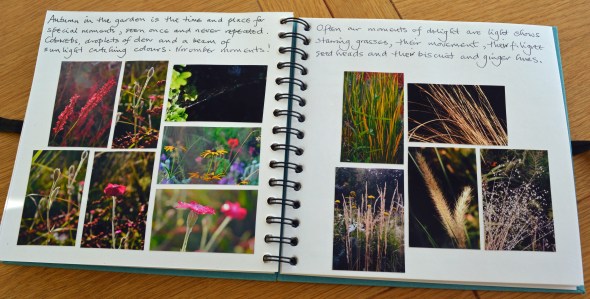
Moments of delight come next in my journal for November, “Autumn in the garden is he time and place for special moments, seen once and never repeated. Cobwebs, droplets of dew and a beam of sunlight catching colours. November moments!” I would like to share seven photos of some of our special moments in our garden.
nj9-08nj4-01 nj4-04 nj4-03nj4-02 nj4-05 nj4-06 nj4-07

“Often our moments of delight are light shows starring grasses, their movement, their filigree seed heads and their biscuit and ginger hues.”

nj4-10 nj4-08 nj4-09 nj6-4 nj6-5

Turning over the page we encounter a page looking back at early tree planting and I checked out how one favourite is doing now 13 years on.

nj9-09

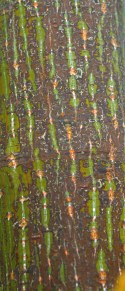
I reported, “Looking back into the early November pages of my first Avocet Garden Journal, I notice that back then we were celebrating Autumn by planting trees. “Tree hunting at Harley Nursery, saw us ordering 16 trees. Should give us structure, a top plant storey and the colours of leaves, flowers and berries.” Later in the month I continued, “Three Betula utilis jacquemontii “Snow Queen” and a single Liquidamber styracifolia “Worplesdon” were planted along the road side border to begin the required woodland feel. In the Winter Garden we planted a snake barked maple, Acer rupestris.” We had intended to choose between the more usual snakebark maples, Acer greggii and A. davidii, but our friend Duncan who owned the nursery promised to find us a much better one, A. rupestris. This he did and it has proved to be the right choice. It is a true 12 month tree and a visitors’ favourite.”

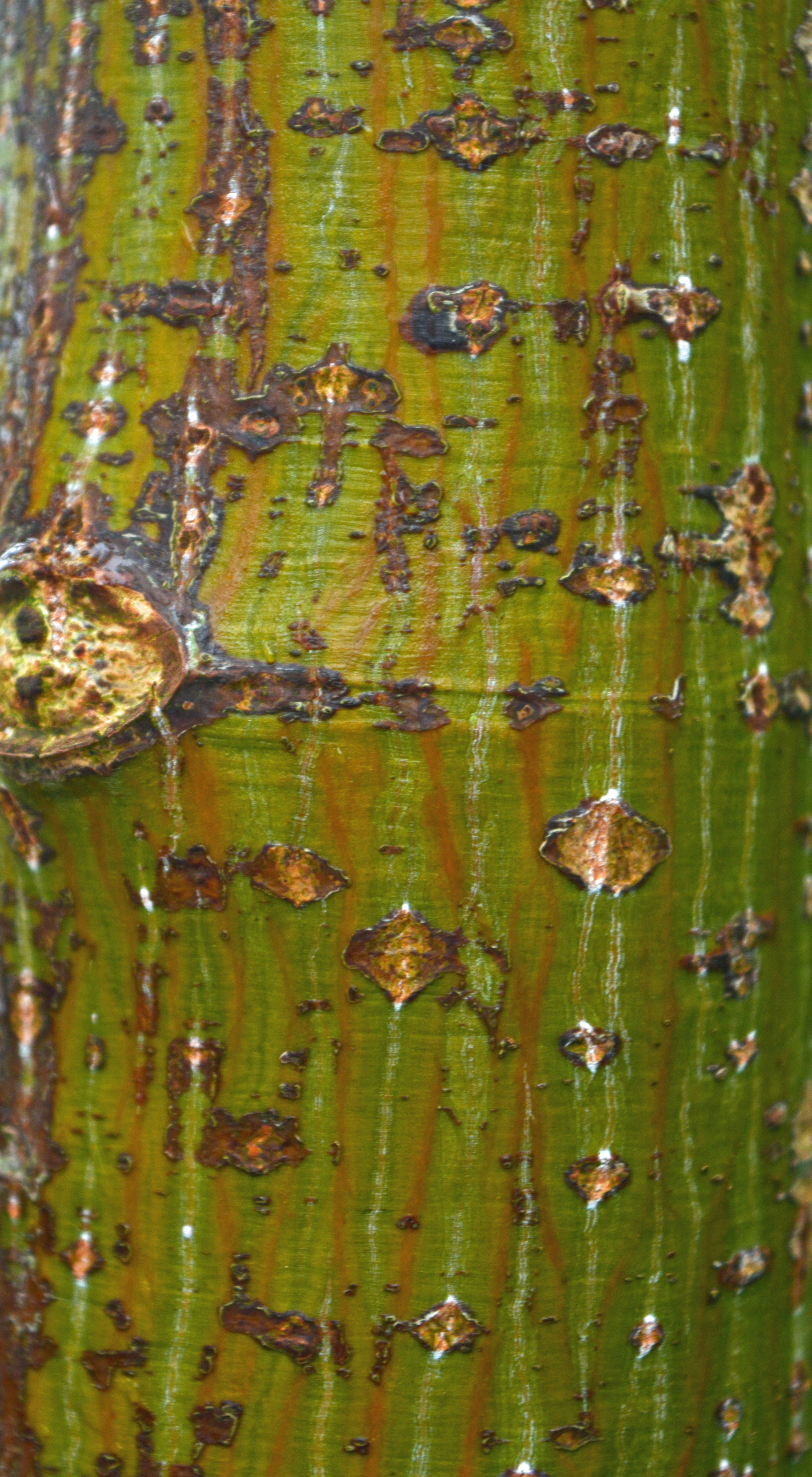
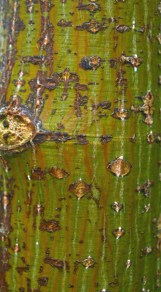
My photos show some of its attributes including the bark which varies in colour and texture up the trunk.
nj5-04 nj5-02 nj5-09 nj5-03nj5-01 nj5-07 nj5-10nj5-05 nj5-08

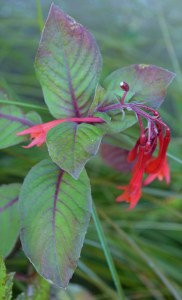
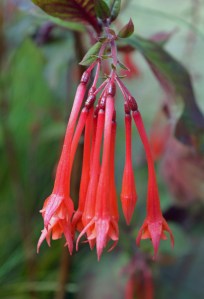
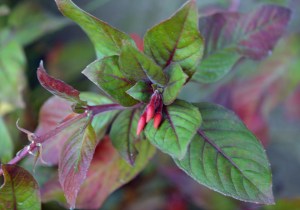
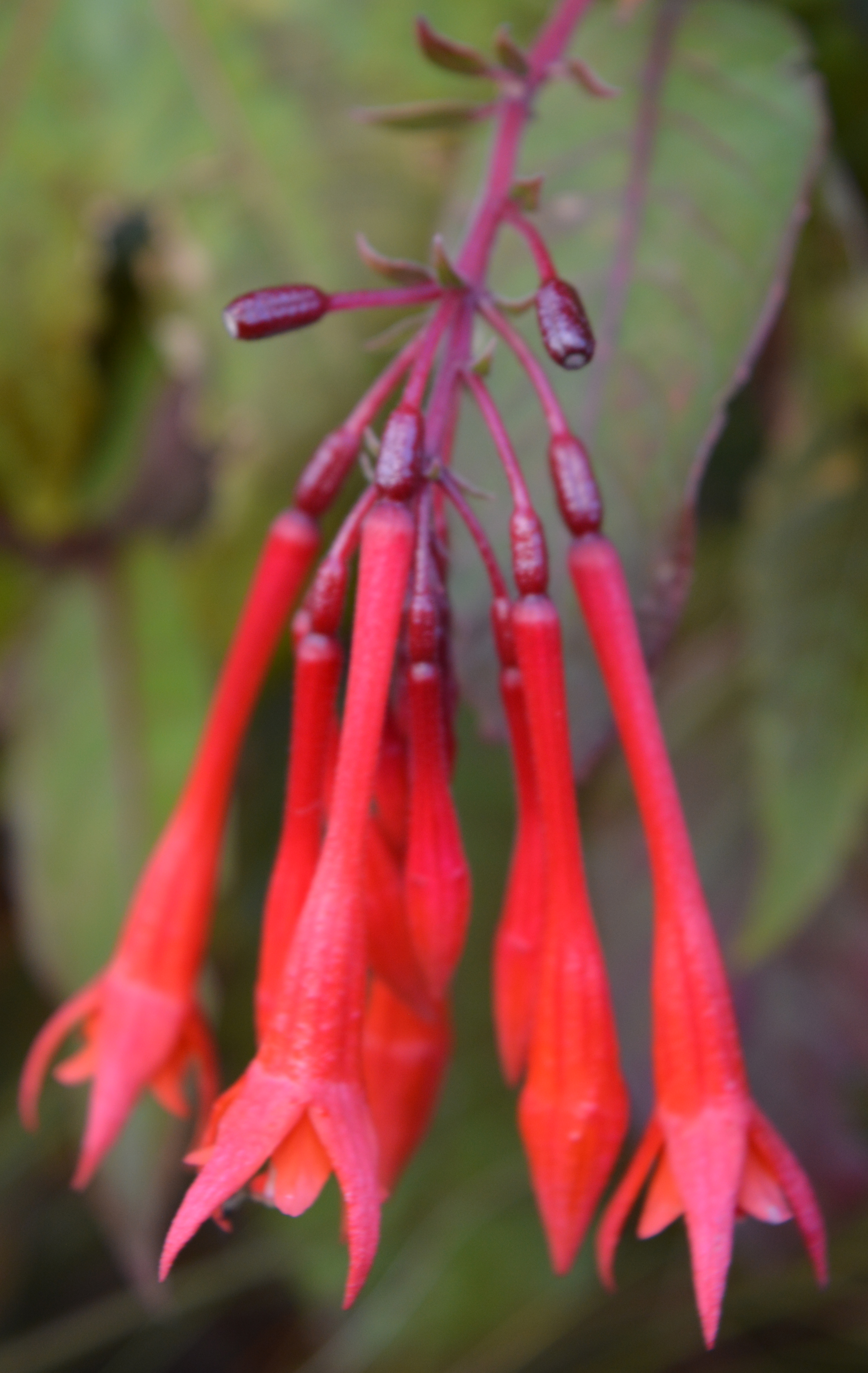
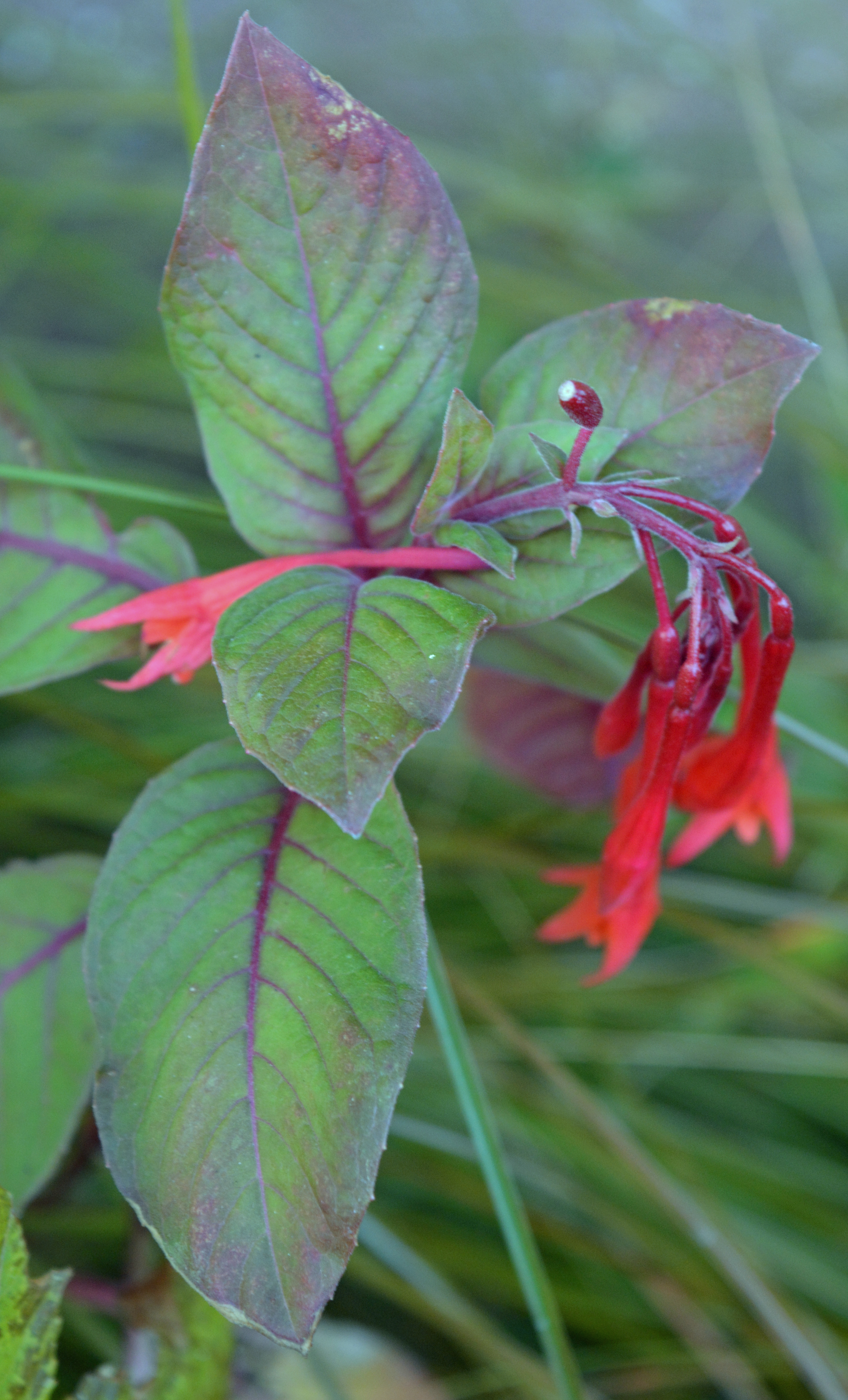
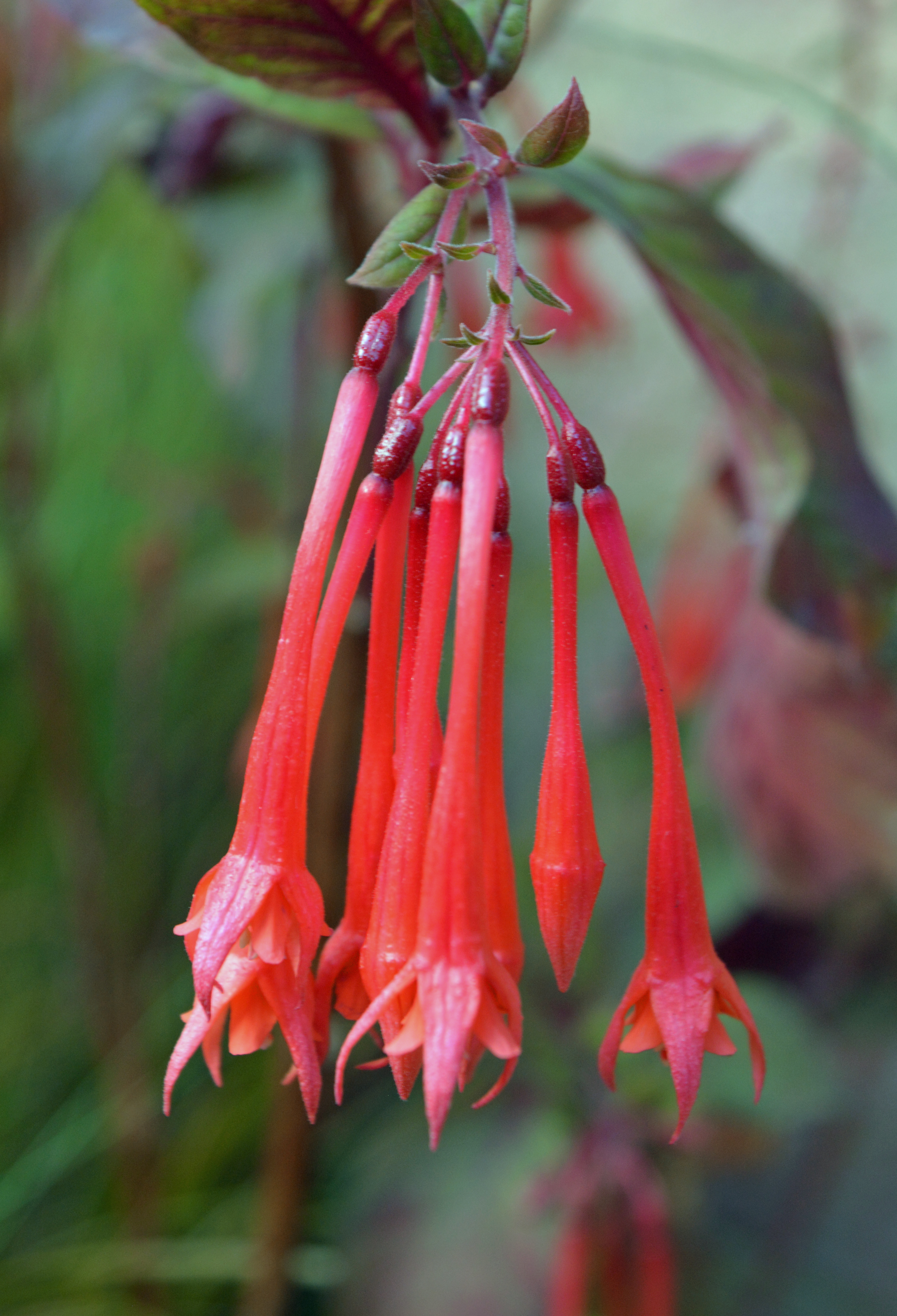
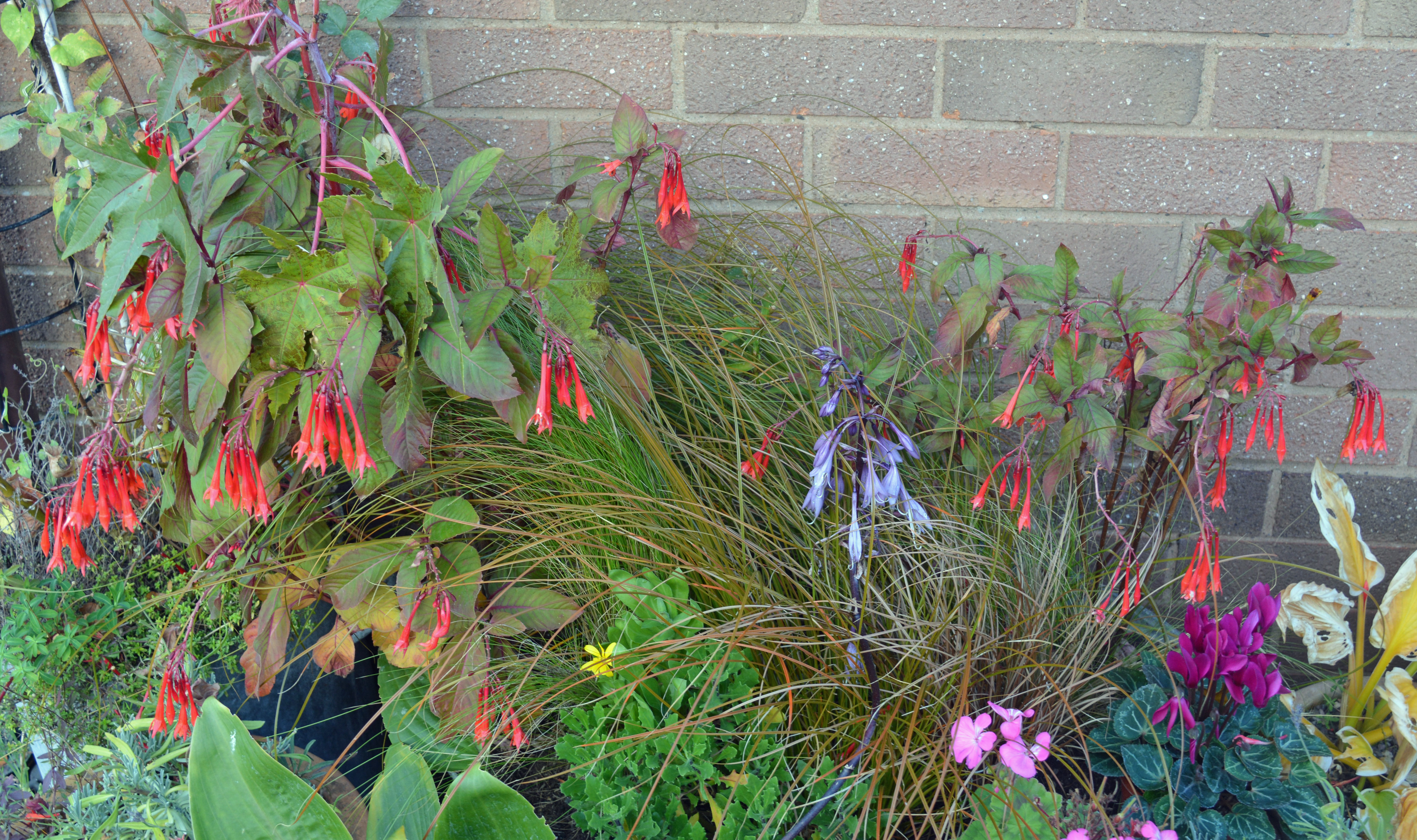
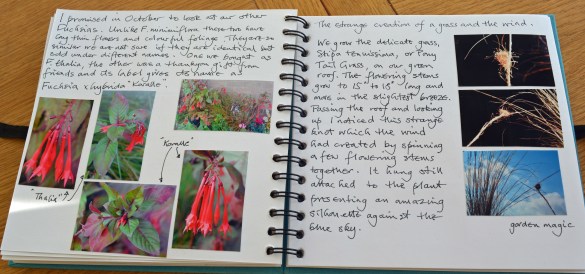
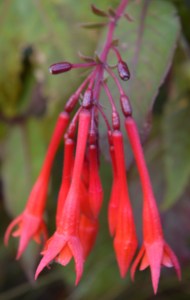
In my October journal I featured the tiny flowered Fuchsia minimiflora and promised to look at two other Fuchsias this month, so I began by stating, “Unlike F.minimiflora these two have long thin flowers and colourful foliage. They are so similar that we are not sure if they are identical but sold under different names. One we bought as F. thalia, the other was a thank you gift from friends and its label gives its name as Fuschia x hybrida “Koralle”.
nj9-10nj7-1 nj7-2 nj7-3 nj7-4 nj7-5

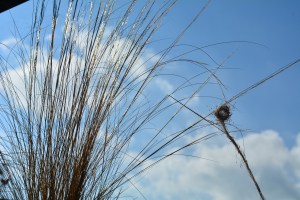
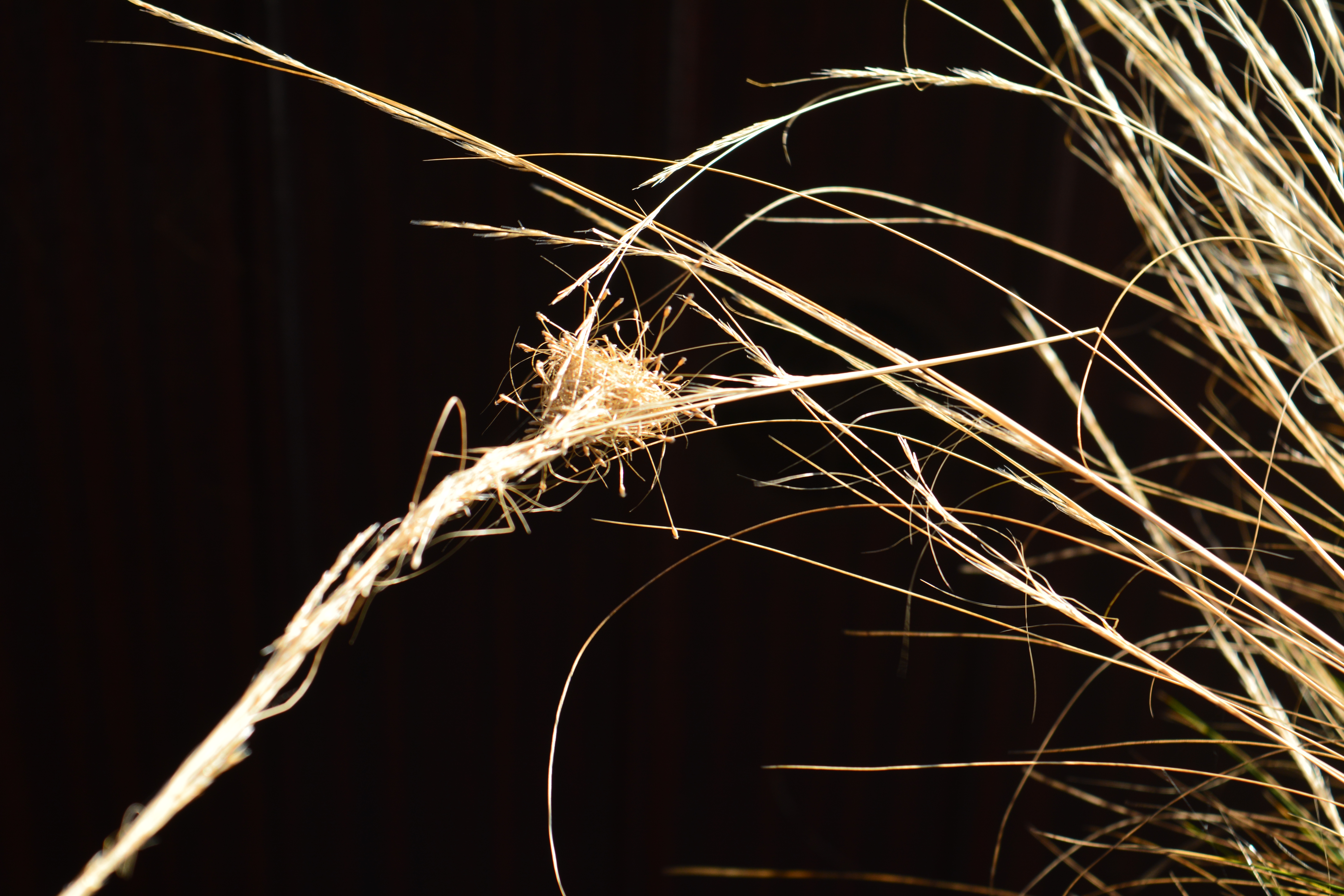
A strange creation makes an appearance next, a phenomena we have never seen before anywhere. A sculpture created in grass by the wind! “We grow the delicate grass, Stipa tenuissima , or Pony Tail Grass, on our green roof. The flowering stems grow to 15 to 18 inches long and move in the slightest breeze. Passing the roof and looking up I noticed this strange knot which the wind had created by spinning a few flowering stems together. It hung still attached to the plant presenting an amazing silhouette against the blue sky.” I captioned my photos of it “garden magic”.

nj6-2 nj6-3 nj6-1

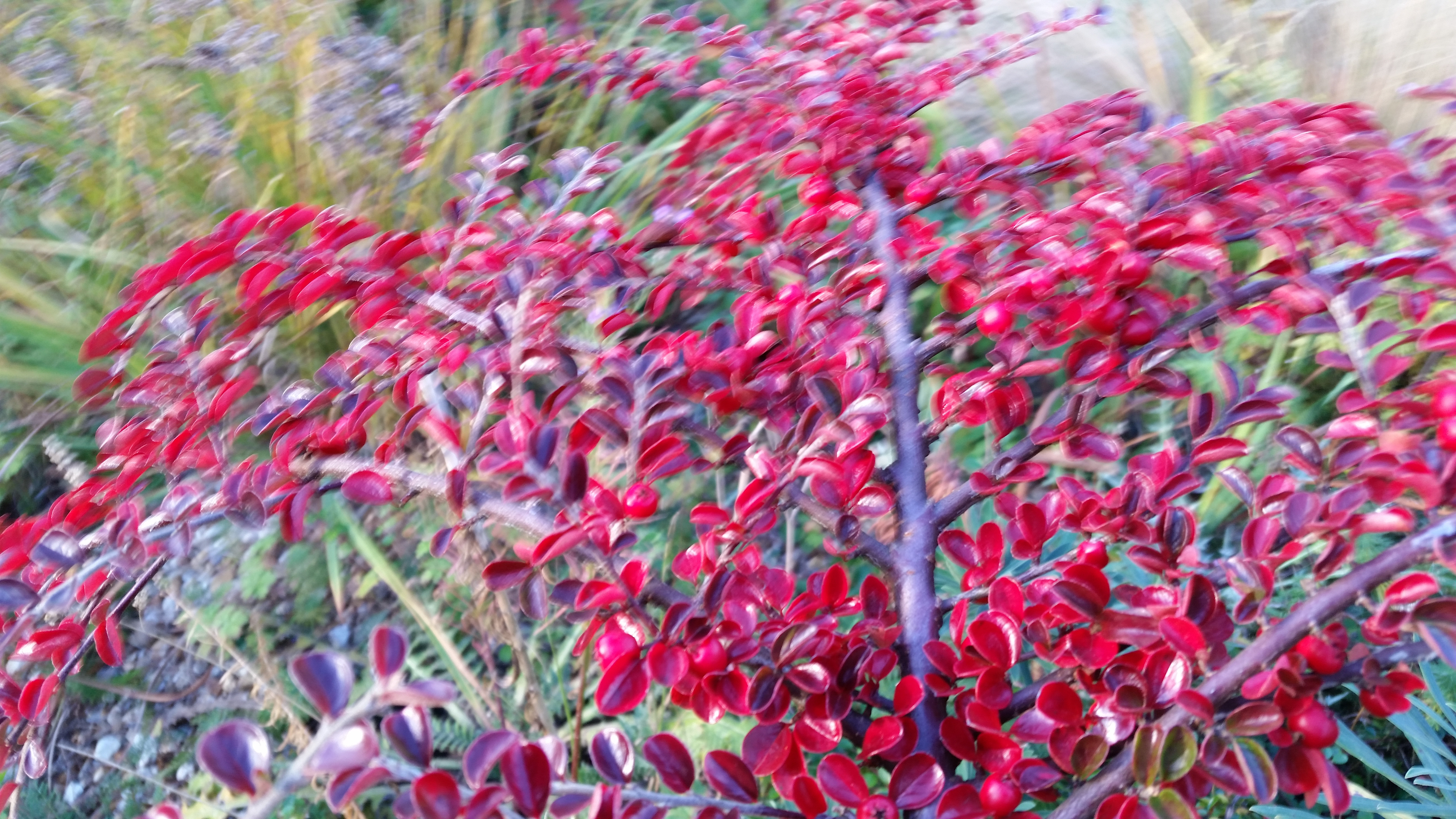
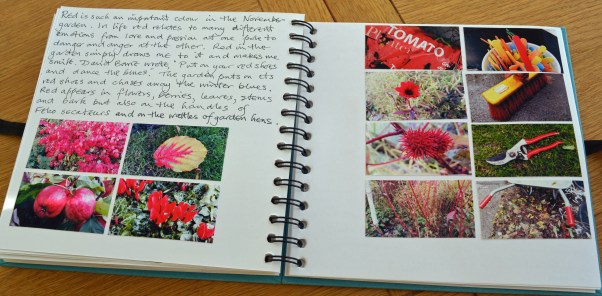
The colour red is the theme of the next section in my November journal. I noticed how powerful this colour looked in the garden at this time of year so took my trusty Nikon out for a walk.
nj9-11

Red is such an important colour in the November garden. In life red relates to many different emotions from love and passion at the one pole to danger and anger at the other. Red in the garden simply draws me to it and makes me smile. David Bowie wrote, “Put on your red shoes and dance the blues”. The garden puts on its red shoes and chases away the winter blues. Red appears in flowers, berries, leaves, stems and bark, but also on the handles of Felco secateurs and the wattles of garden hens.”

nj8-02 nj8-11nj8-10 nj8-07nj8-12 nj8-18nj8-01 nj8-15nj8-03 nj8-16 nj9-1 nj8-04 nj8-13nj8-06 nj8-08 nj8-09 nj8-05

And there we have, the garden in November. My next look at my garden journal will be the final one of 2016. Where did the time go, simply flying as we enjoyed being in our special patch.

Categories
autumn autumn colours climbing plants colours garden photography gardening gardens hardy perennials light light quality ornamental trees and shrubs Shropshire shrubs

My Garden Journal in September

Back to my garden journal and we will look at my entries for September and see what our patch here at Avocet is up to.  According to the weather reporters and meteorologists we should now be in Autumn but the garden is showing few signs of the expected seasonal changes.

sepj-05

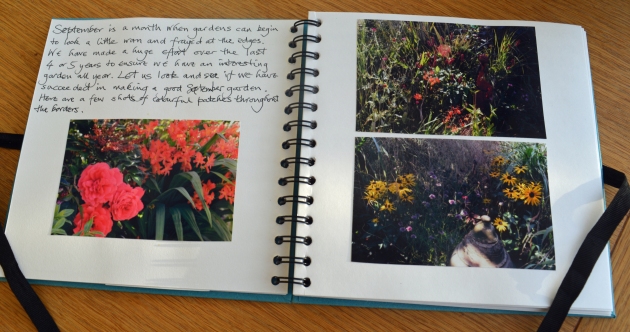
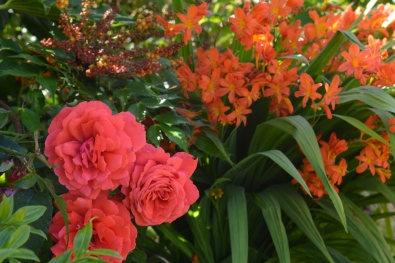
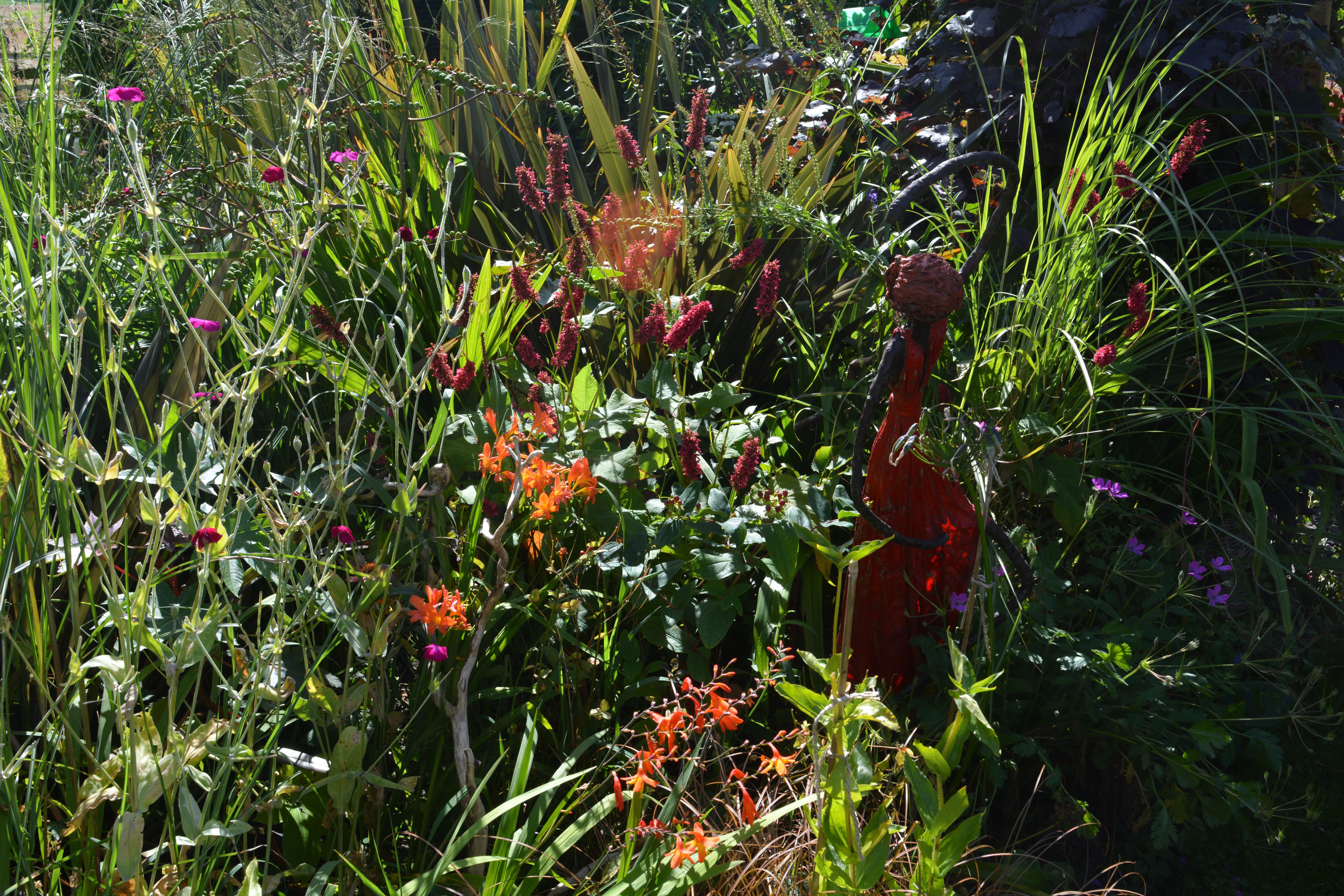
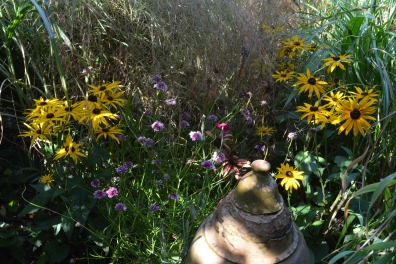
I started by finding patches of colourful plantings and wrote, “September is a month when gardens can begin to look a little worn and frayed at the edges. We have made a huge effort over the last 4 or 5 years to ensure we have an interesting garden all year. Let us look and see if we have succeeded in making a good September garden. Here are a few shots of colourful patches throughout the borders.”

Jude, Mrs Greenbench or The Undergardener, and I have created a talk entitled “The Year Round Garden” which we give to garden societies and other clubs such as WI groups and U3A groups. It is all about how we ensured our garden was good for every month of the year. Some of these groups also visit our garden at various times of year to have a look around. Giving these talks helps us focus on ensuring we continue to develop this ever evolving element of gardening and helps us appreciate every day and what our garden gives us on every individual day.

The three photos on these first September pages show very different patches of our garden.

sepj3-1sepj3-2sepj3-3

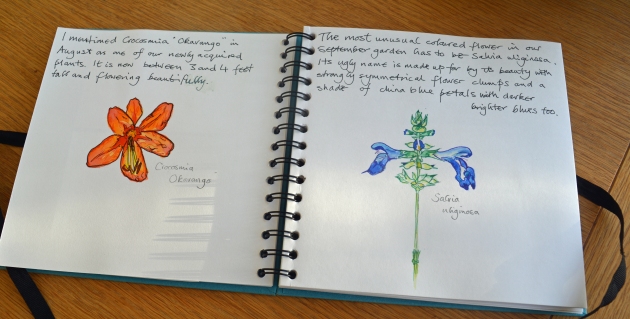
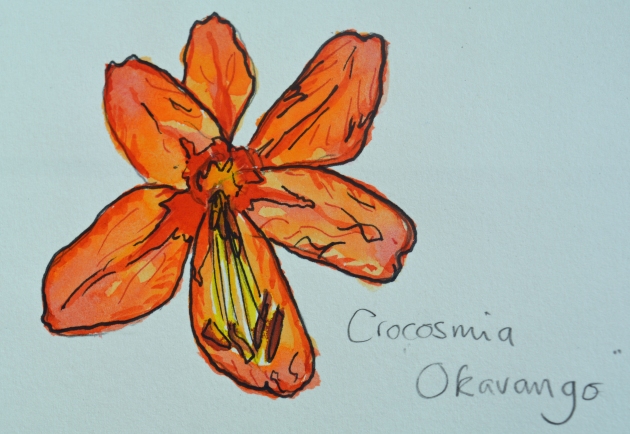
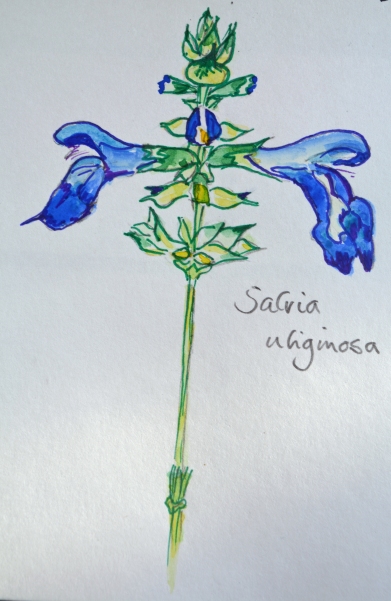
Turning over the page we find a couple of my watercolour paintings of two very differently coloured and differently structured flowers blooming in our September garden, a Crocosmia and a Salvia.

sepj-06

I wrote “I mentioned Crocosmia “Okavango” in my August journal entries as one of our newly acquired plants. It is now between 3 and 4 feet tall and flowering beautifully.”

sepj-07

The most unusual coloured flower in our September garden has to be Salvia uliginosa. Its ugly name is made up for by its beauty with strongly symmetrical flower clumps and a shade of china blue petals with darker brighter blues too.”

sepj-08 sepj1-30sepj1-31 sepj1-29

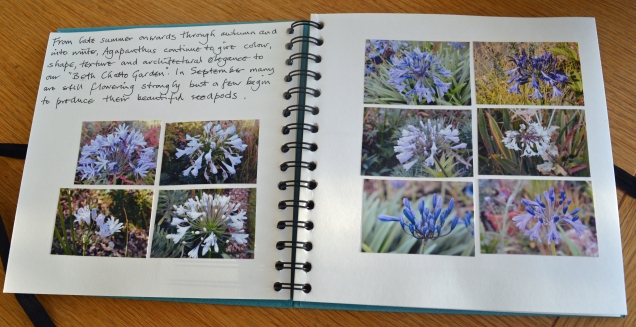
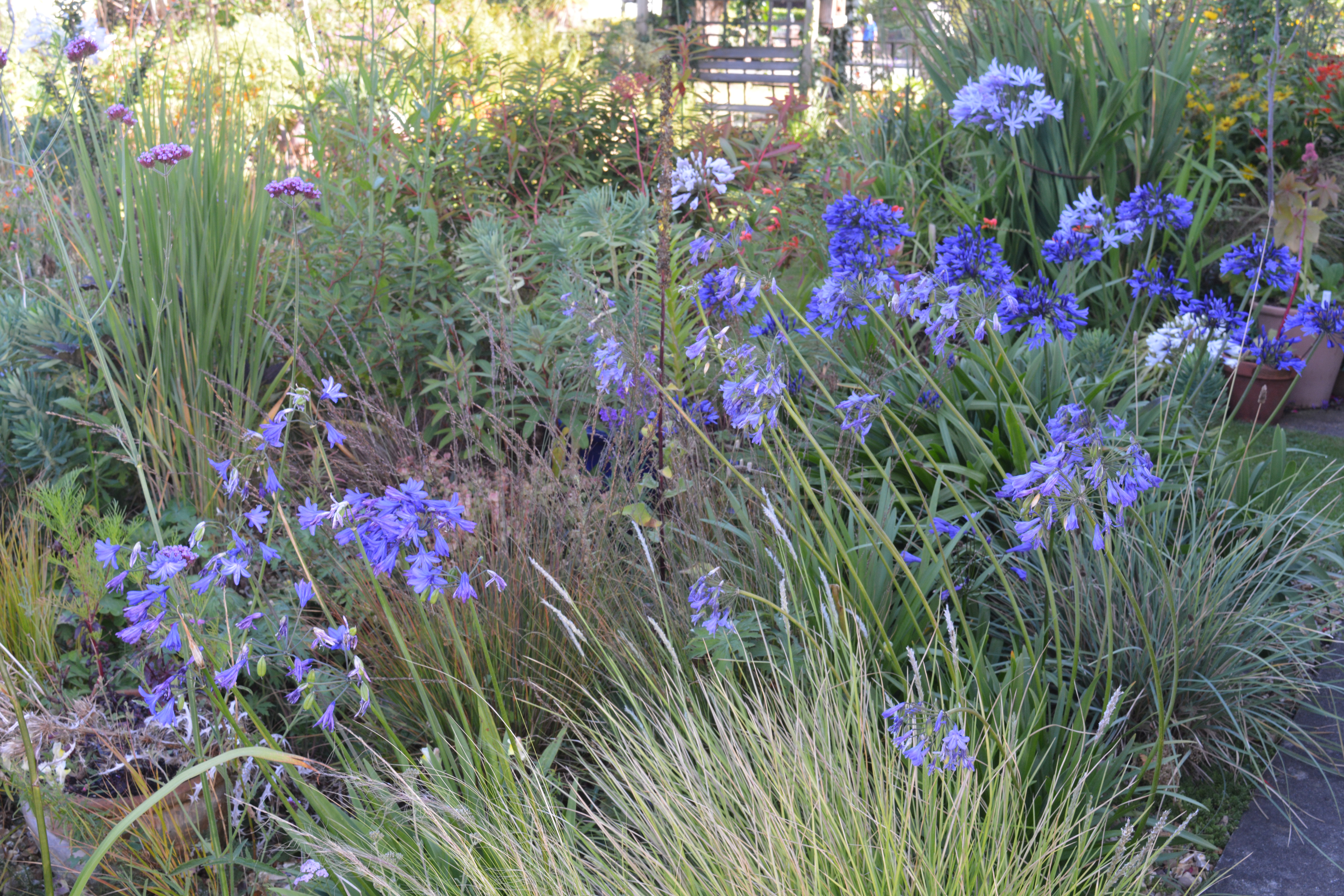
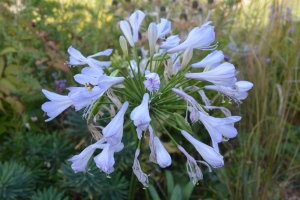
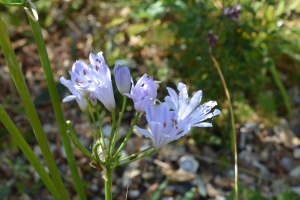
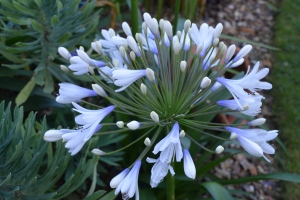
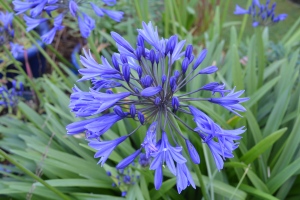
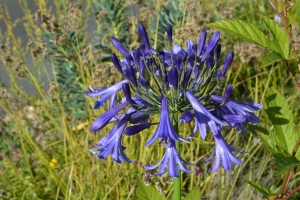
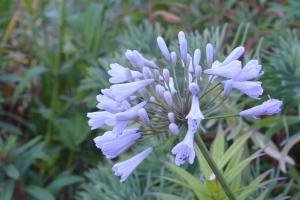
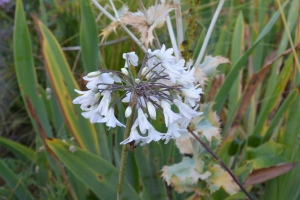
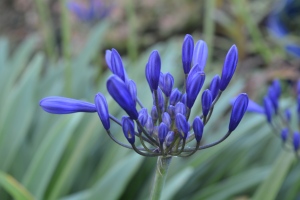
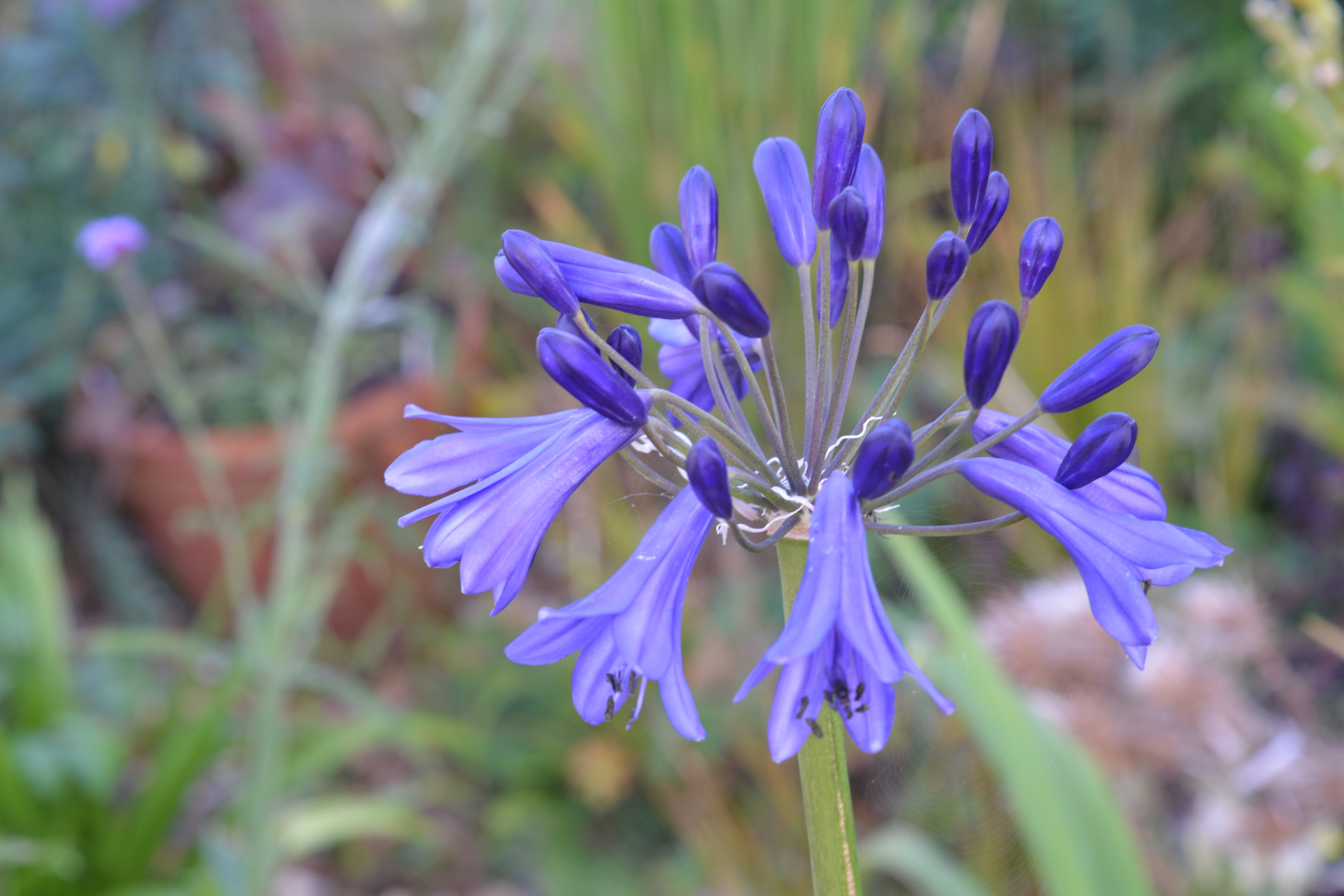
My next double page spread features those wonderful South African summer flowering bulbs, the Agapanthus. We have a large collection of these big blue or white spherical beauties.

sepj-09

“From late summer onwards through autumn and into winter,  Agapanthus continue to give colour, shape, texture and architectural elegance to our “Beth Chatto Garden”. In September many are still flowering strongly but a few begin to produce their beautiful seedpods.”

sepj4-01sepj4-06 sepj4-09sepj4-13 sepj4-07sepj4-04 sepj4-11sepj4-03 sepj4-10

sepj4-08 sepj4-02

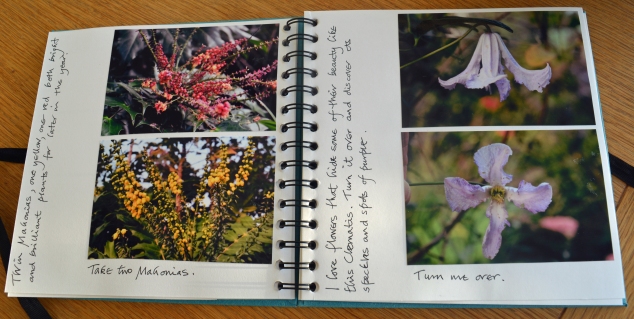
Turning over to the next double page I feature two very differently coloured Mahonias and a beautiful delicate Clematis.

sepj-10

I wrote, “Twin Mahonias, one yellow, one red both bright and brilliant plants for later in the year.”

“Take two Mahonias” 

sepj1-19 sepj1-20

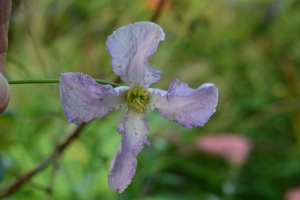
Concerning the Clematis I wrote “I love flowers that hide some of their beauty like this Clematis. Turn it over and discover its speckles and spots of purple.”

“Turn me over!”

sepj1-25 sepj1-26

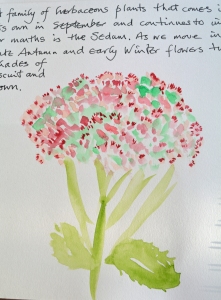
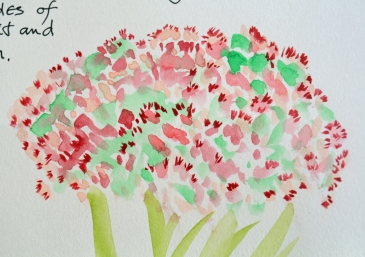
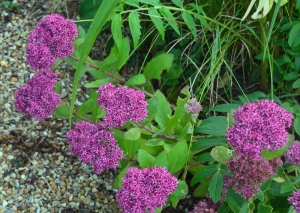
The next double page spread features one of my favourite hardy plant families, the Sedums. I included photos of some flowering in our garden now and a watercolour impression of our plants in flower.

sepj-11

sepj-12 sepj-13

“There are so many variations in foliage colour and flower size and colour We have several. Here are a few from our patch.”

sepj2-1 sepj1-13sepj1-27 sepj1-24    sepj2-2 sepj1-22

Over the page we discover the first signs of the changing foliage colours – the early signs of Autumn.

sepj-14

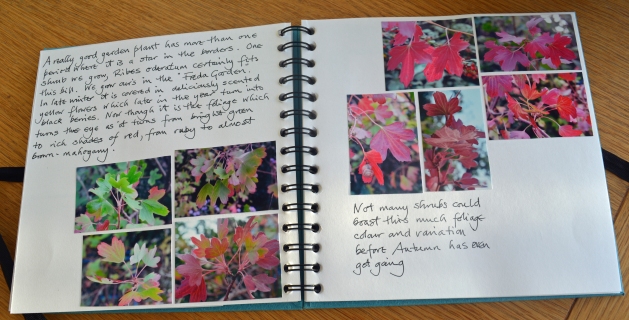
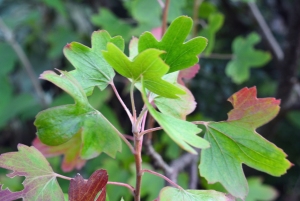
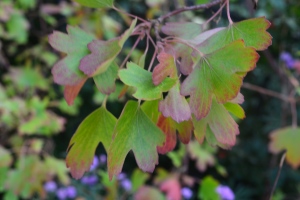
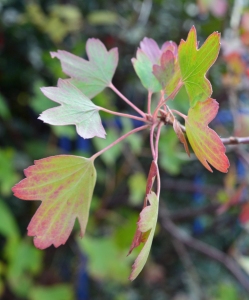
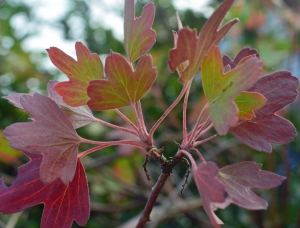
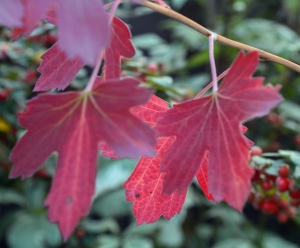
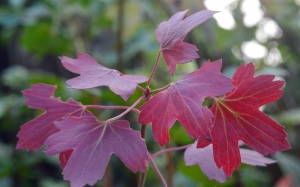
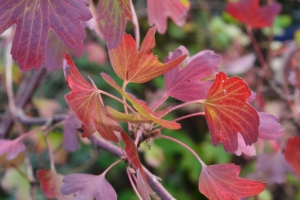
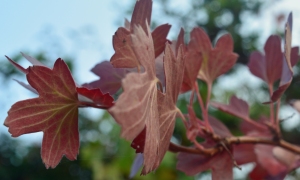
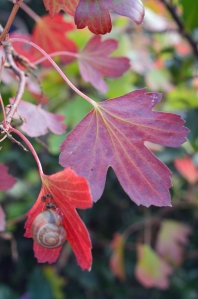
“A really good garden plant has more than one period where it is a star in the borders. One shrub we grow, Ribes oderatum certainly fits this bill. We grow ours in the “Freda Garden”. In late winter it is covered in deliciously scented yellow flowers which later in the year turn into black berries. Now though it is the foliage which turns the eye as it turns from bright green to rich shades of red, from ruby to almost brown-mahogany.

Not many shrubs could boast this much foliage colour and variation before Autumn has even got going.”

sepj1-12 sepj1-11sepj1-06 sepj1-10sepj1-05 sepj1-04sepj1-08 sepj1-09sepj1-07 Can you spot the colour co-ordinated banded snail on a leaf in the last picture of the Ribes leaf sequence?

sepj-15

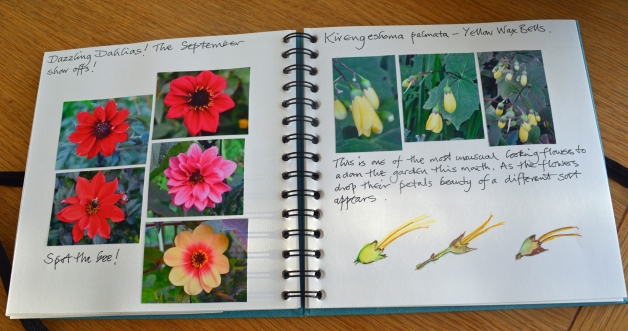
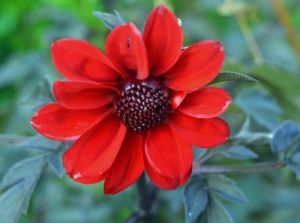
“Dazzling Dahlias! The September show offs!”

sepj1-14 sepj1-18sepj1-16 sepj1-15

“Spot the bee!”

sepj1-17

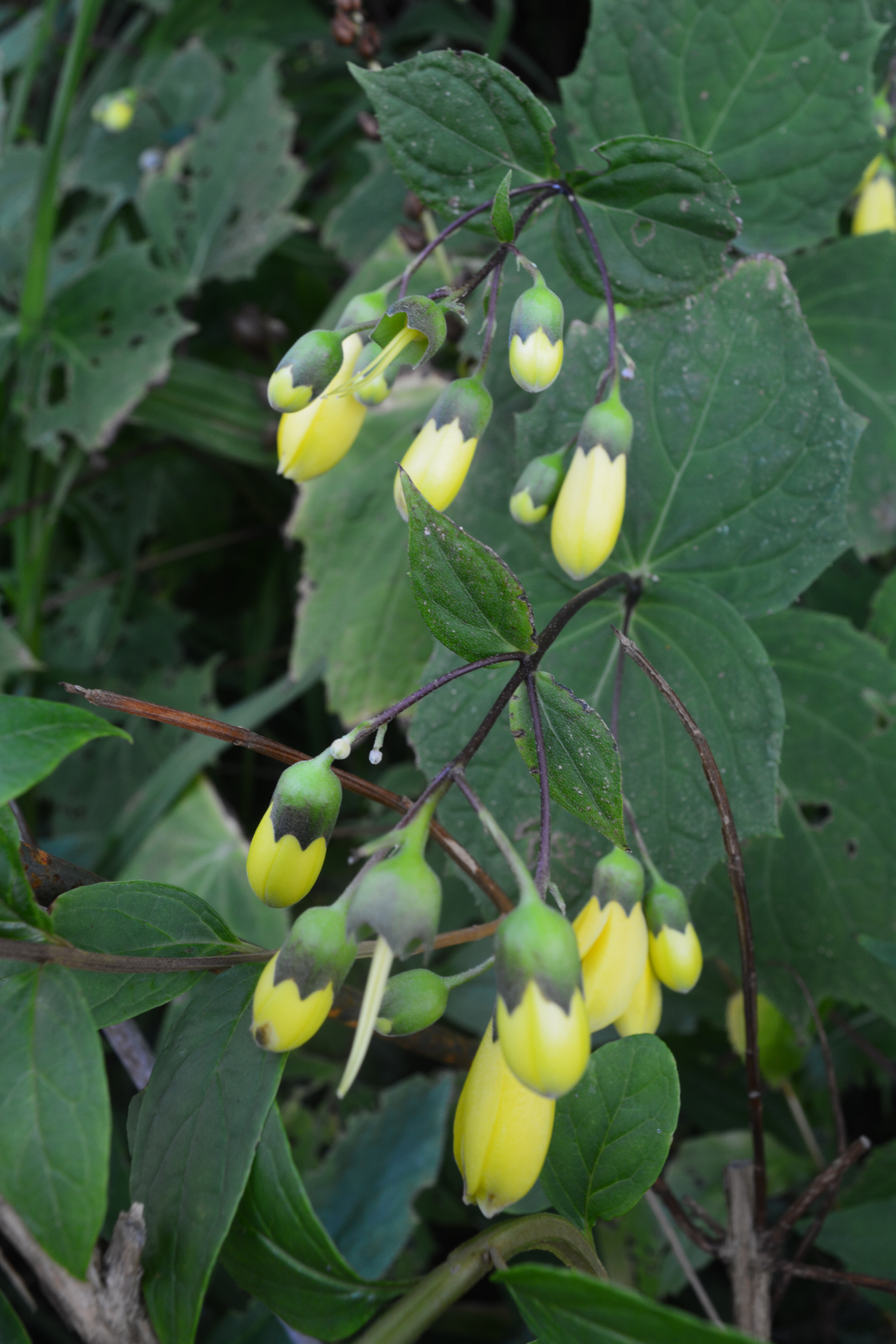
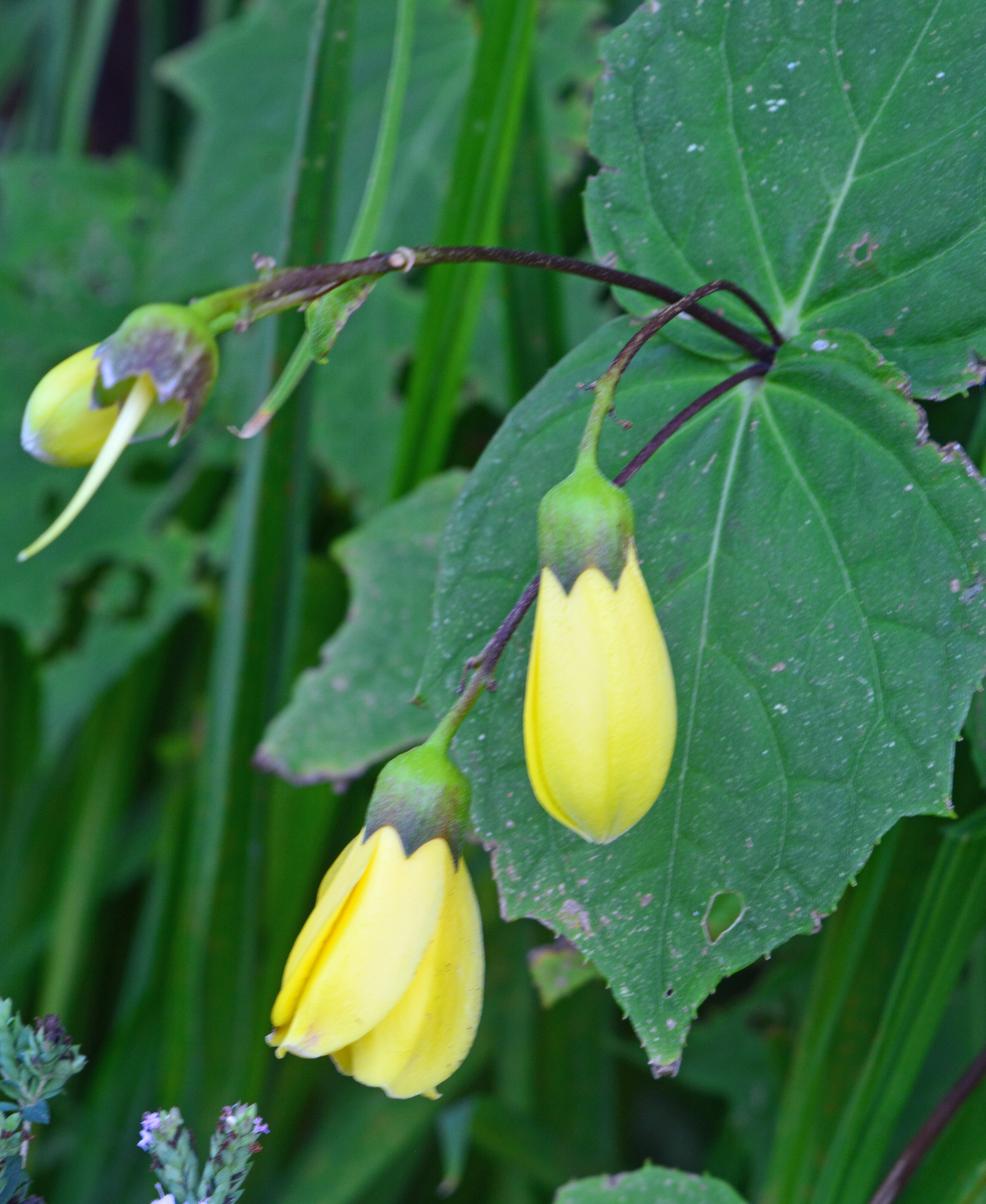
Opposite the Dahlias I look at a much more delicate flower, that of Kirengeshoma palmata, otherwise known as Yellow Wax Bells.

sepj1-01 sepj1-02 sepj1-03

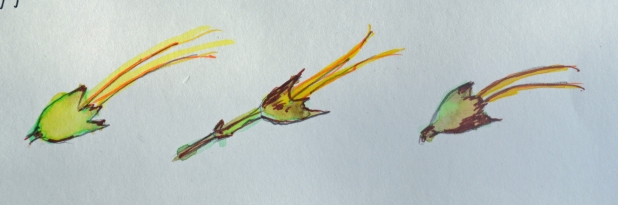
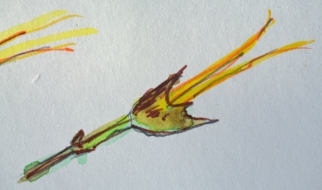
“This is one of the most unusual looking flowers to adorn the garden this month. As the flowers drop their petals, beauty of a different sort appears.”

sepj-16 sepj-17sepj-18 sepj-19

And that sees the end of my journal entries for September. Next visit to my garden journal will see us moving into Autumn and the changes in weather and light it brings with it. Will I be reporting on the special light and colours, the colours of fire and Autumn?

Categories
colours garden design garden photography garden wildlife gardening gardens hardy perennials ornamental trees and shrubs village gardens wildlife

My Garden Journal in June

Half way through the year and we are also at the half way point of my garden journal. Here is my journal for June – I hope you enjoy it!

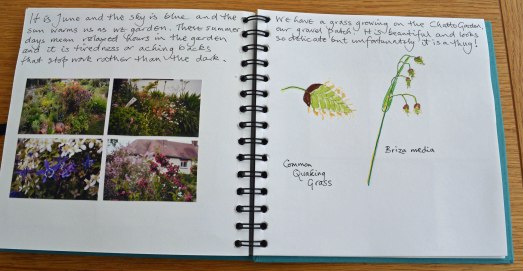
It is June and the sky is blue and the sun warms us as we garden. These summer days mean relaxed hours in the garden and it is tiredness or aching backs that stop work rather than the dark.”

junejournal-01

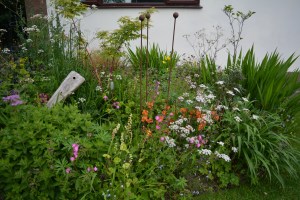
I added four photos of general garden views below the first paragraph.

junejournal-1-1 2-42-1 2-3

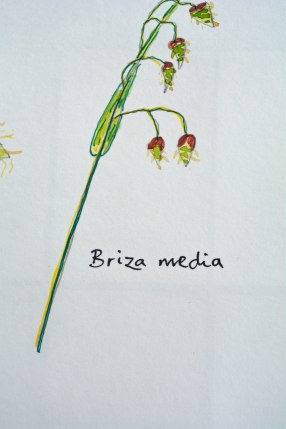
On the opposite page I featured a tiny simple grass, a favourite but also a bit of a nuisance. It is the Common Quaking Grass. It moves in the slightest breeze.

“We have a grass growing on the Chatto Garden, our gravel patch. It is beautiful and looks so delicate but unfortunately it is a thug!”
junejournal-02junejournal-03junejournal-04

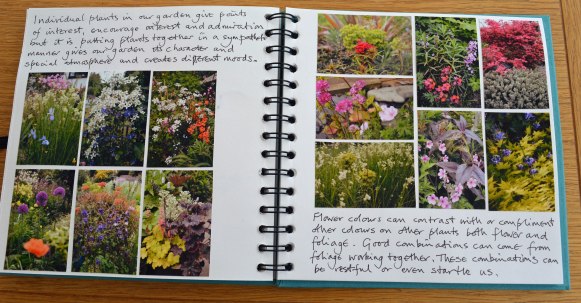
Turn over the page and we find two pages mostly of photographers.

junejournal-05

“Individual plants in our garden give points of interest, encourage interest and admiration but it is putting plants together in a sympathetic manner gives our garden its character and special atmosphere and creates different moods.”

jj-3 jj-5 jj-6 jj-2 junejournal-3-1 jj-1

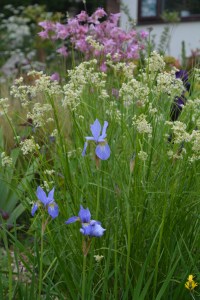
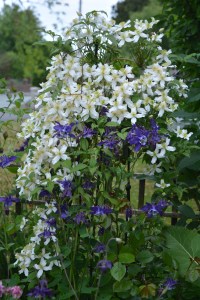
“Flower colours can contrast with or compliment other colours on other plants both flower and foliage. Good combinations can come from different plants’  foliage working together. These combinations can be restful or even startle us!”

junejournal-3-2 junejournal-2-2junejournal-2-3 junejournal-1-4 j-1 j-2 junejournal-1-3

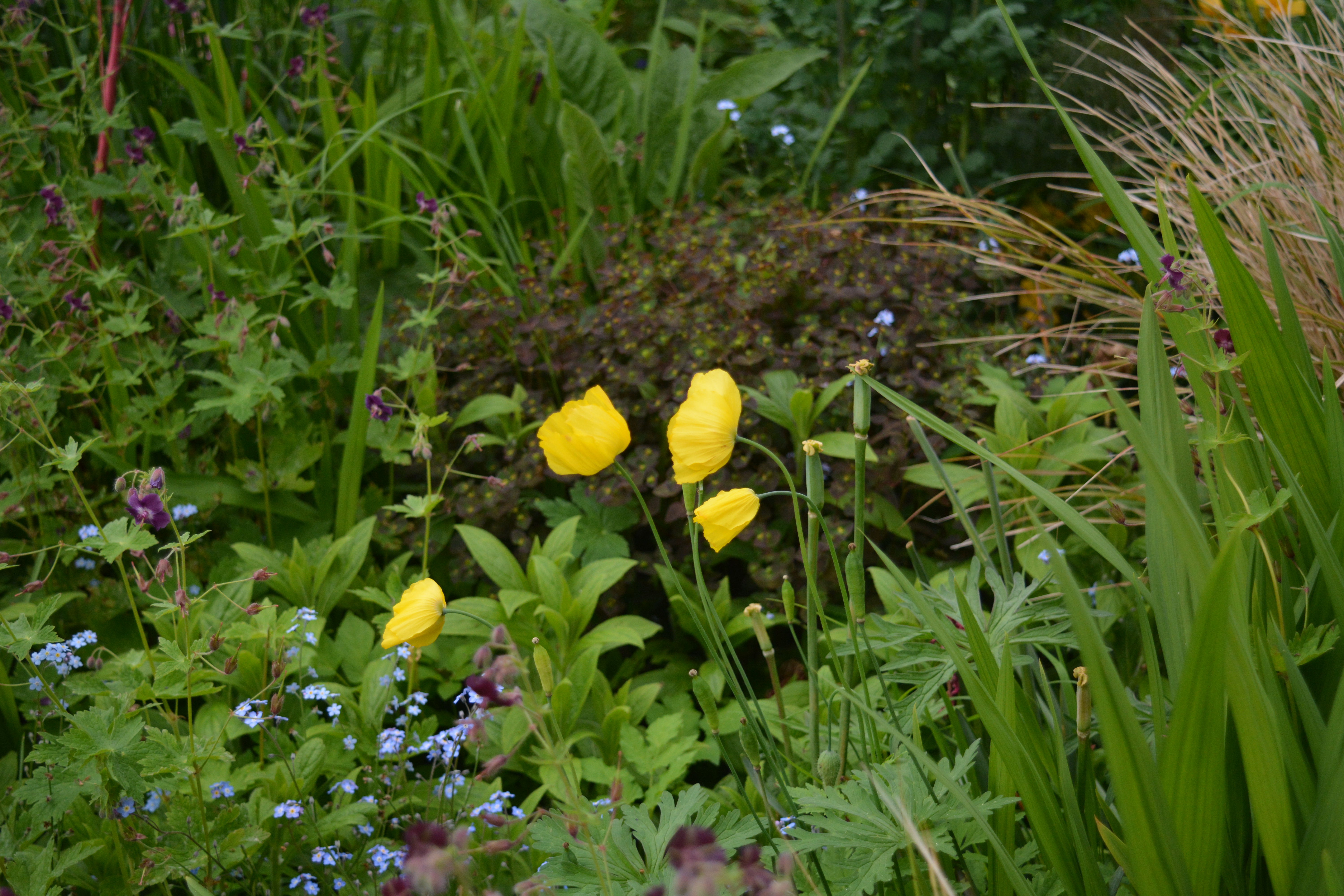
Over the next page I talk about two yellow flowering plants, the Welsh Wanderer, the Welsh Poppy and an aquilegia.

junejournal-06

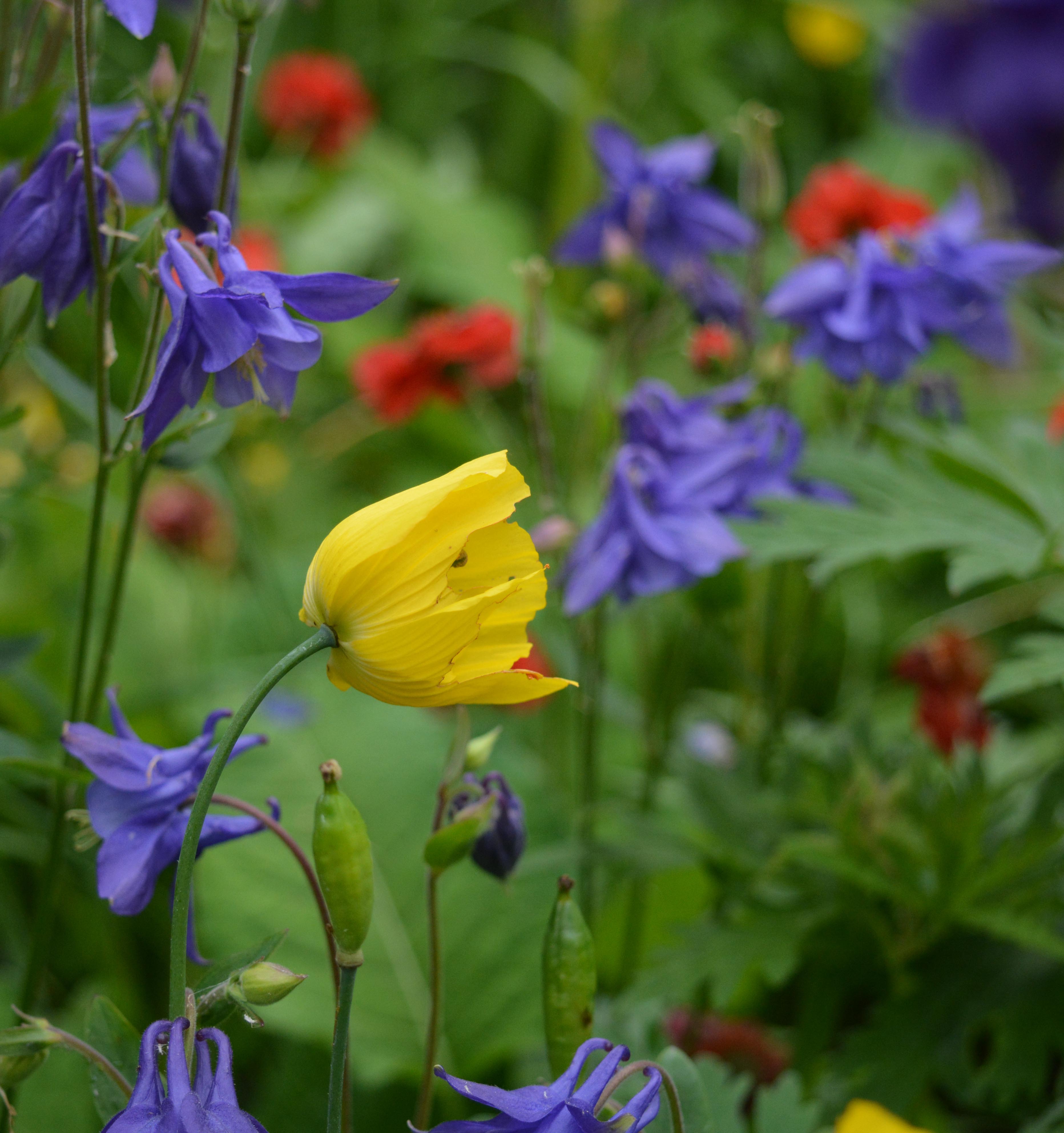
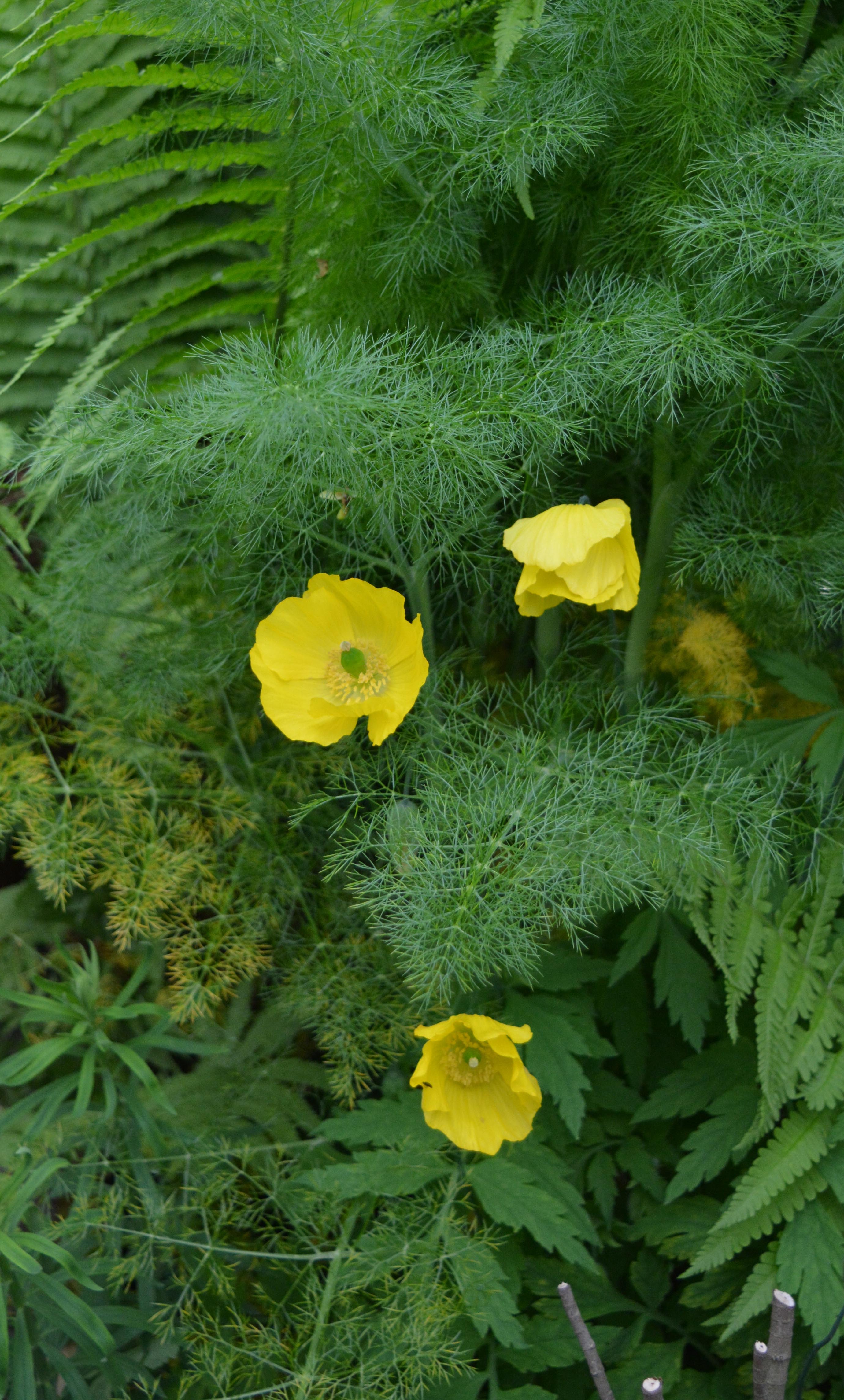
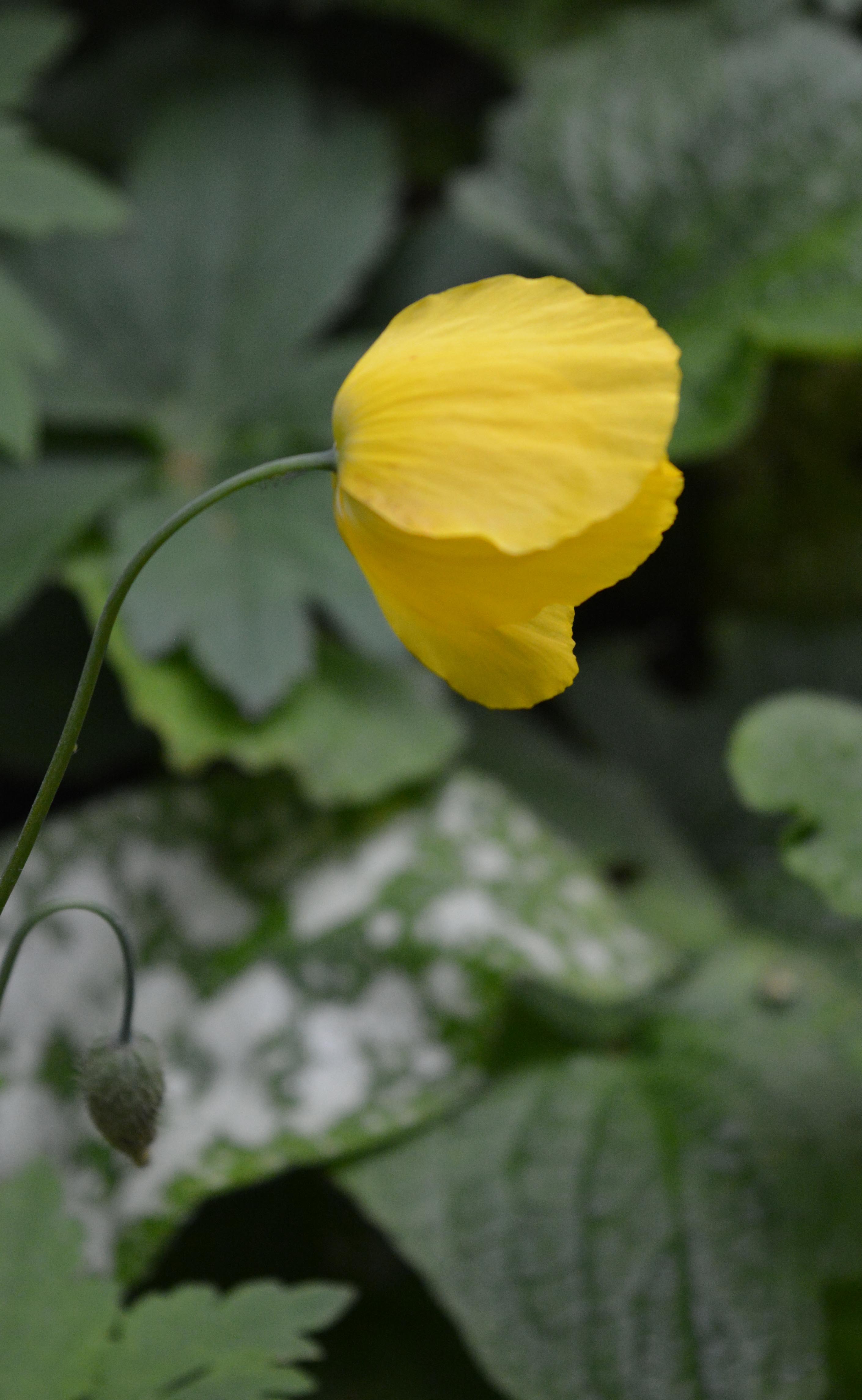
“Welsh Wanderer – Meconopsis cambrica, decides each year where it will set up home. It is a champion self-seeder!”

junejournal-5-1 junejournal-3-3junejournal-2-4 junejournal-1-5 jun-1 jun-2 jun1-1

“Aquilegia chrysantha is a beautiful tall aquilegia with flowers of various yellow tints.”

junejournal-07

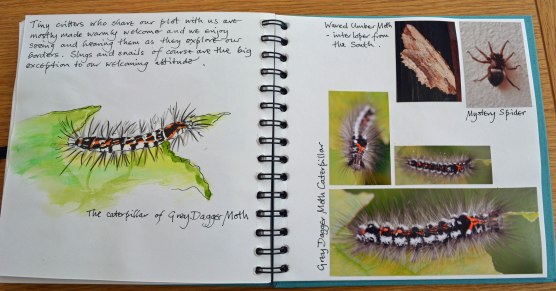
I finish off my June entries in my Garden Journal with a look at some of the tiny creatures who live in our garden with us.

junejournal-08

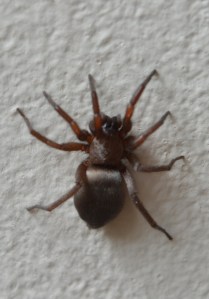
“Tiny critters who share our plot with us are mostly made warmly welcome and we enjoy seeing and hearing them as they explore our borders. Slugs and snails of course are the big exception to our welcoming attitude!”

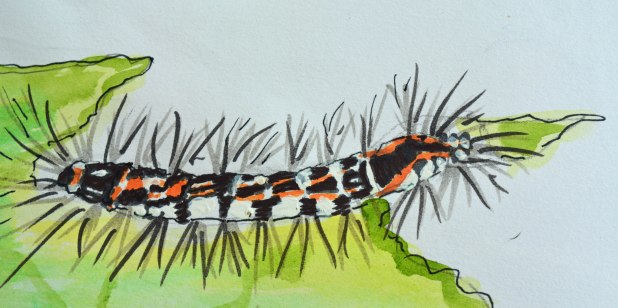
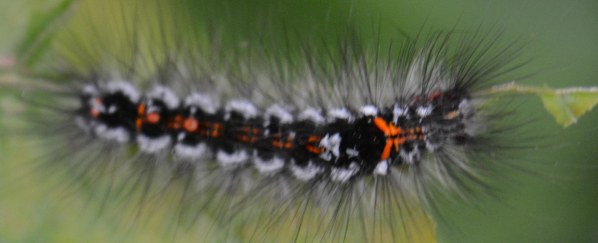
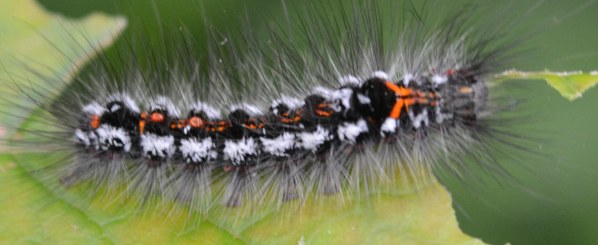
I painted the caterpillar of the Grey Dagger Moth in watercolours and artist colour pens. It was a big challenge to show how hairy and brightly coloured it was.

junejournal-09junejournal-6-1 junejournal-1-6junejournal-5-2junejournal-2-5junejournal-3-4

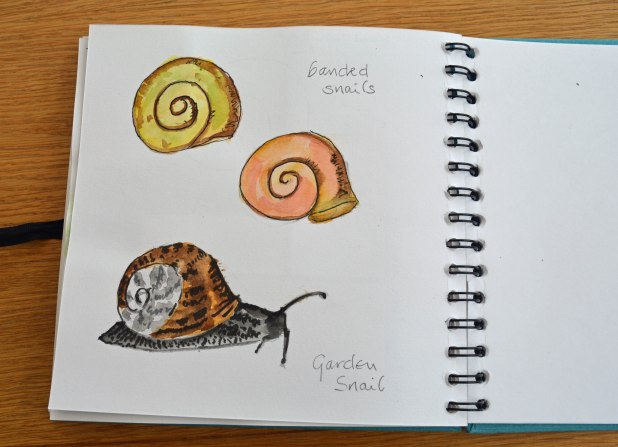
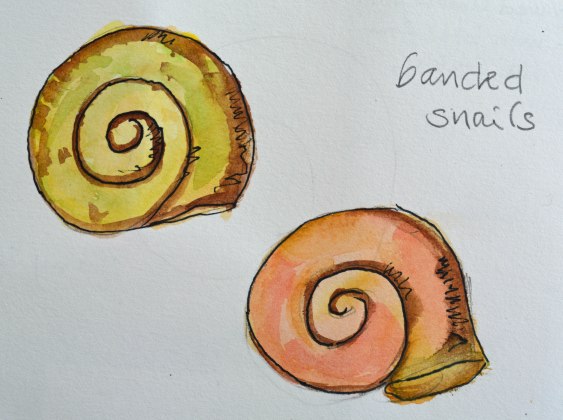
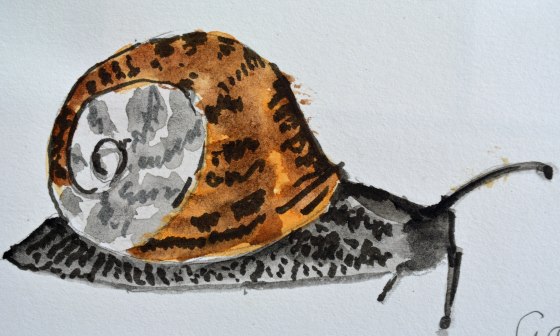
For the final page in June I painted some of our common snails, the Banded Snails that come in a mixture of colours and the Garden Snail. Again I used a mixture of watercolours and artists pens.

junejournal-10junejournal-12junejournal-11

For my next visit to my Garden Journal we will move into the second half of the year and into mid-summer.

Categories
flowering bulbs garden photography garden ponds garden pools garden wildlife gardening grasses hardy perennials light light quality ornamental grasses ornamental trees and shrubs Shropshire shrubs spring bulbs water in the garden Winter Gardening winter gardens

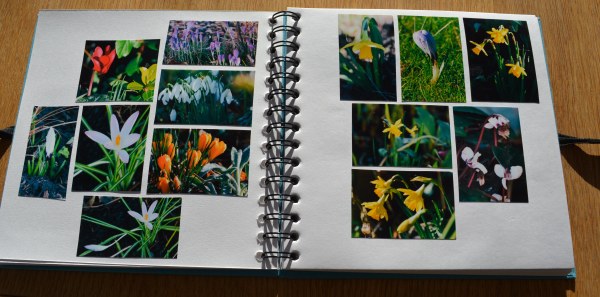
My Garden Journal 2016 – February

Back with the second post sharing my 2016 Garden Journal, we will look at what it holds for February.

2016 02 13_8659_edited-1

On the first page for the month I mention the changing light values that occurs during February.

2016 02 24_9066_edited-1

“This is the month when light values really start to improve. We also get longer days when the weather allows. This change in light coupled with slowly rising temperatures encourages birds to change their songs and calls. The Great Tit is the master of calls with its huge repertoire. Luckily they are very frequent visitors to our garden. They are great entertainers! Their song in February is a “see-sawing ditty with mechanical overtones.” (Collins Bird Guide)

I added my gouache painting of a pair of Great Tits.

2014 12 21_8971_edited-1

On the opposite page I carried on talking about our continued development of our greenhouse.

Having completed the construction of our new heated propagation bench last month we then sorted out our pots, trays, pans and cells ready for the new sowing and growing season. We ensured we have plenty of labels as well as sowing compost and horticultural grit. Jude finished putting up insulation bubble wrap.”

2016 02 02_8119-1 2016 02 02_8120-12016 02 02_8121-1 2016 02 02_8131-1 2016 02 02_8122-1

From greenhouse gardening to pond gardening, my next page features two photos of Jude the Undergardener in her waders playing in our wildlife pond.

2016 02 24_9069_edited-1

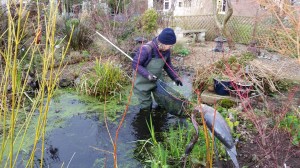
“Mid to late February is the time each year when our Common Frogs come to sing, mate and then leave balls of spawn in our wildlife pond. Thus early this month Jude donned her chest waders and cleaned up the pond. She removed Duckweed, Blanket Weed and fallen leaves, then thinned out the water plants.

2016 01 26_8057-1 2016 01 26_8056-1

We tidied up the narrow border that edges the pond, pulling a few hardy weeds and taking up seedlings of our Cornus “Midwinter Fire”. It was heartening to discover how workable our soil was, this being the result of a decade of improving it with the addition of our own garden compost and the regular mulching deeply with organic matter.”

I continued onto the next page discussing the welcome appearance of sunshine in the February.

“Sunshine is not often in evidence this February but when it does make an appearance its effects are magical. It highlights the peeling bark of our trees and directs a spotlight on blossom and glossy foliage.”

2016 01 22_8035_edited-1 2016 01 22_8034_edited-12016 02 02_81162016 01 22_8024 2016 01 22_8008 2016 01 22_8009-1 2016 01 22_8018

As I turn the page I see that I have written about cold temperatures and on the opposite page and on the following double page spread I share the amazing number of plants in flower on one day in February.

2016 02 24_9070_edited-12016 02 24_9073_edited-1

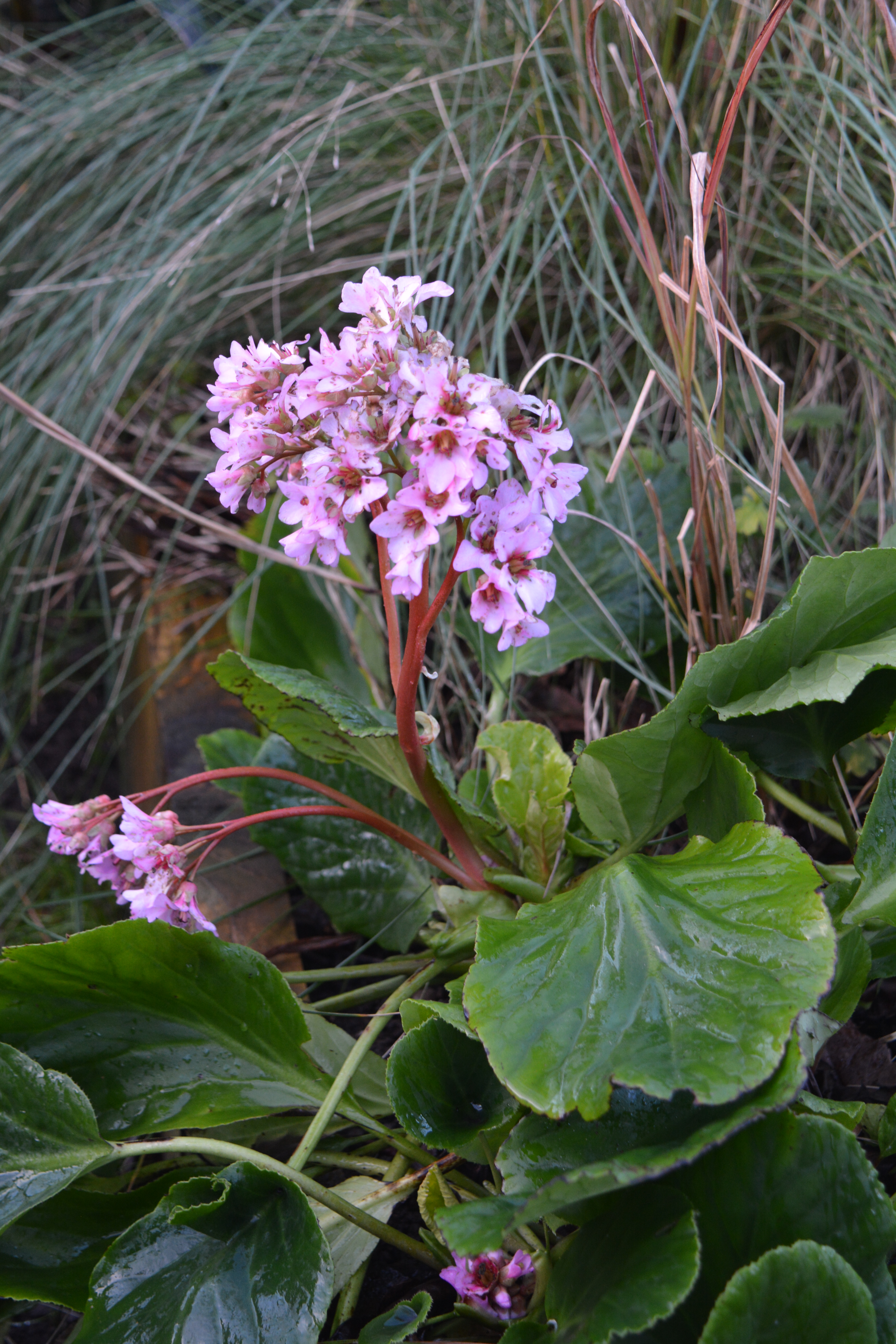
“A sudden overnight plunge in temperature can have drastic looking effects on our early flowering plants. The flowering stem of this Bergenia can be standing to attention during the day but cold at night can make it droop, with the flowers almost touching the cold soil”.

2016 01 17_7930-1 2016 01 08_7763

“The following day when the sun has driven away any frost and added a degree or two to the temperature, the Bergenia flower slowly rises again and returns to its former pink glory.”

February flowers are celebrated over the next three pages. I hope you enjoy sharing this selection of plants that keep us cheerful and the garden colourful.

2016 02 18_8904_edited-1 2016 02 18_8901_edited-12016 02 18_8891_edited-1 2016 02 18_8878_edited-12016 02 18_8872_edited-1 2016 02 18_8879_edited-12016 02 18_8867_edited-1 2016 02 18_8847_edited-1 2016 02 18_8869_edited-1 2016 02 18_8863_edited-12016 02 18_8913_edited-1 2016 02 18_8871_edited-12016 02 18_8912_edited-1 2016 02 18_8866_edited-1 2016 02 18_8854_edited-1 2016 02 18_8853    2016 02 18_8887_edited-1 2016 02 18_8873_edited-1  2016 02 18_8902_edited-1 2016 02 18_8855_edited-1

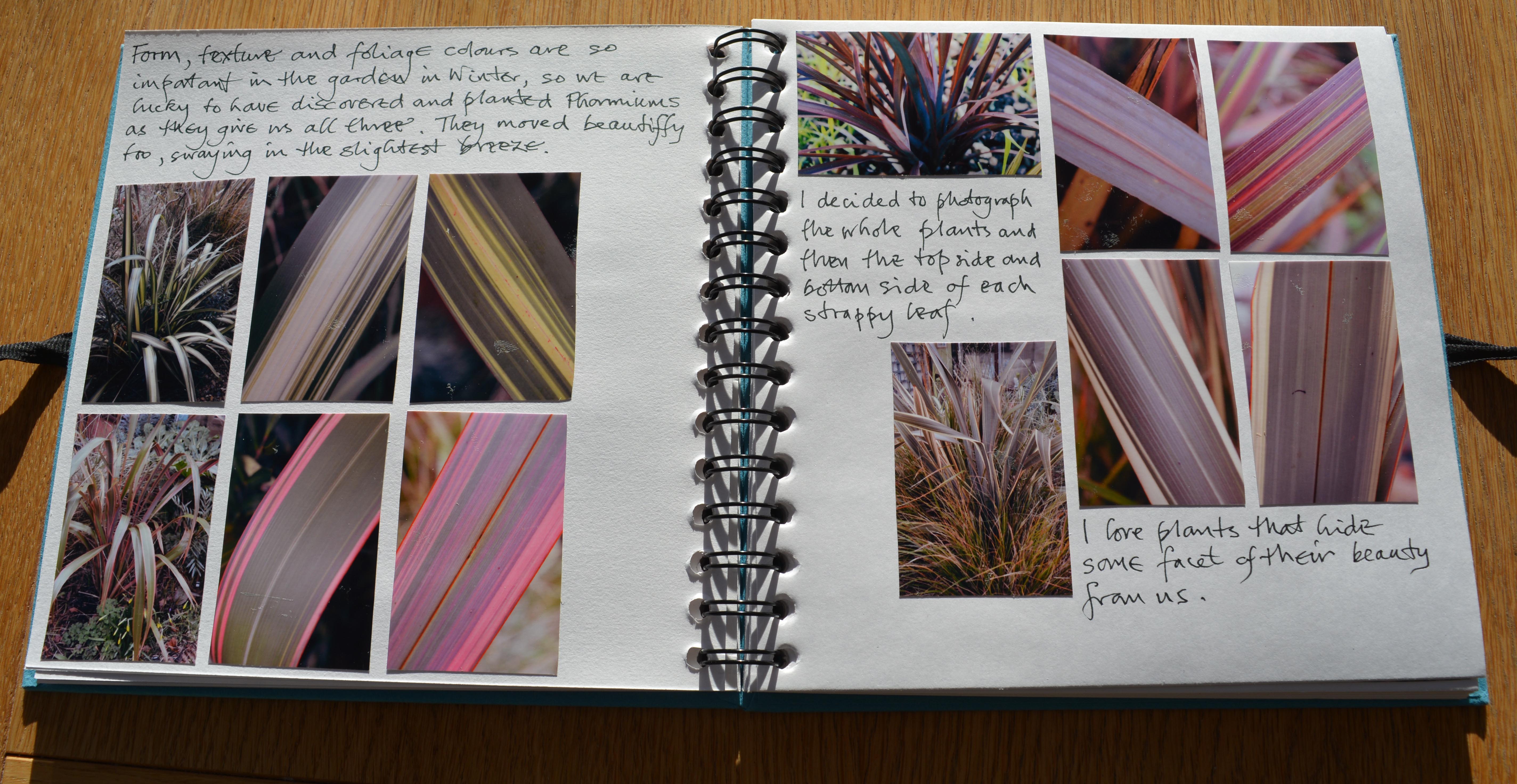
These pictures certainly illustrate how colourful and interesting the garden can still be in the depths of winter. From flowers I moved on to foliage, as on my next double page spread I celebrate Phormiums and how important they are to the winter garden.

2016 02 24_9074_edited-1

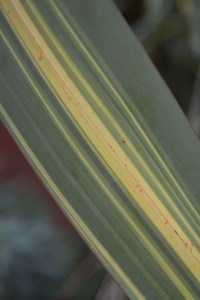
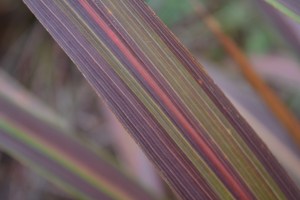
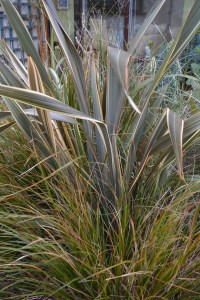
“Form, texture and foliage colours are so important in the garden in winter, so we are lucky to have discovered and planted Phormiums as they give us all three. They move beautifully too, swaying in the slightest breeze.”

2016 02 13_8632 2016 02 13_8640 2016 02 13_8651


For some of our Phormium I took a shot of the whole plant and then one of the top surface of their leaves and finally the final surface. Their two surfaces are usually very different.

“I love plants that hide some facet of their beauty from us”.

2016 02 13_8633 2016 02 13_8634 2016 02 13_86352016 02 13_8630 2016 02 13_8639 2016 02 13_8638

2016 02 13_8655 2016 02 13_86532016 02 13_8654

2016 02 13_8631 2016 02 13_8637 2016 02 13_8636

In the final pages of my February entries in my Garden Journal I wrote about coloured stems and look back at my first garden journal to see what I had put for my February entry.  I discovered that I was writing about grass and grasses.

2016 02 24_9077_edited-1

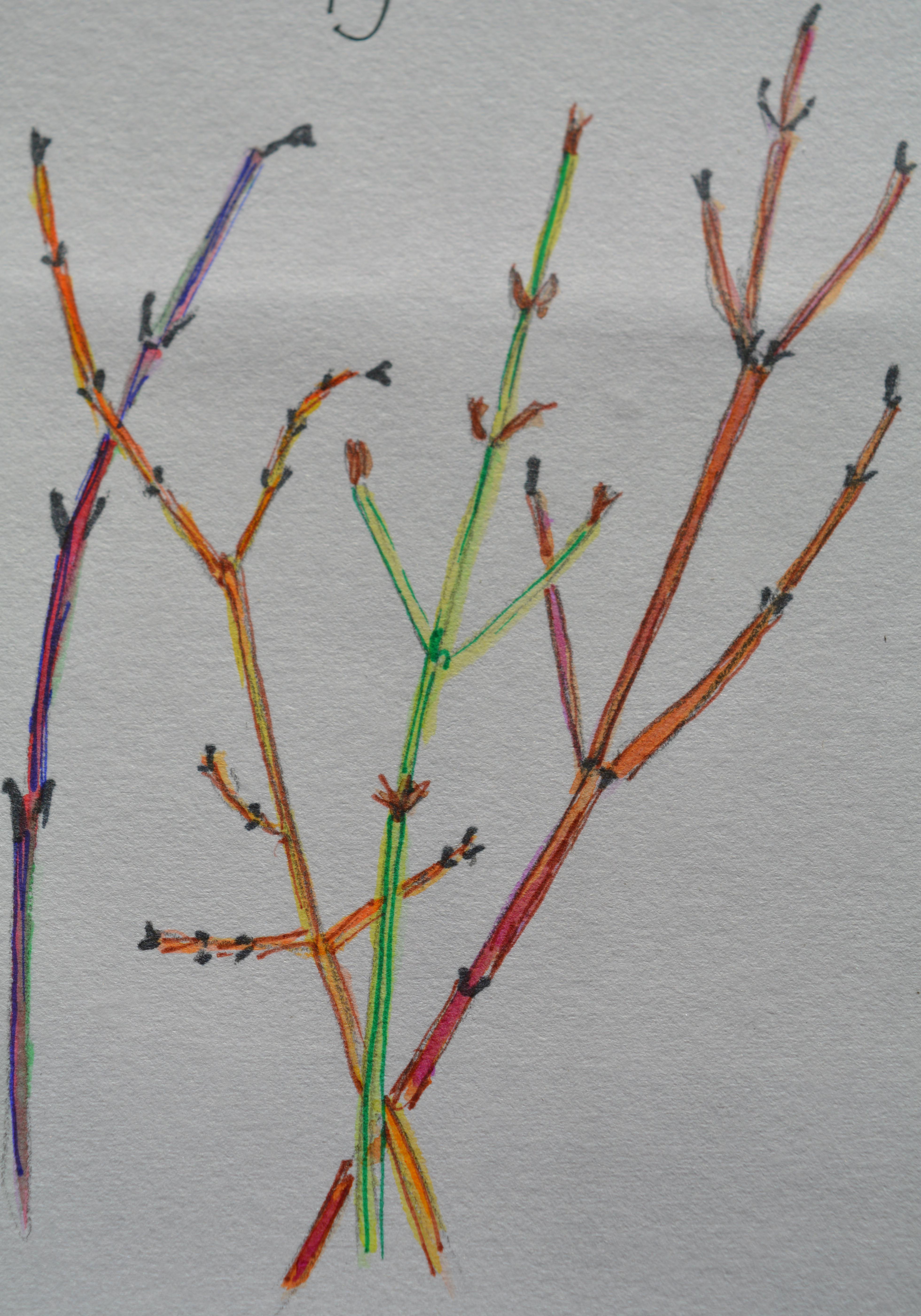
“It is in the dull times of February that we appreciate the brightly coloured stems of our Cornus, Salix and Acers. Once their leaves drop the colours, yellows, oranges and reds begin to intensify. I then shared a watercolour painting of a selection of these stems from our garden alongside a trio of photos.”

2016 02 24_9078_edited-1 2016 02 18_88972016 02 18_8874 2016 02 18_8898

Looking back at my original Garden Journal, I notice that I had commented “14th February and the grass gets its first cut. As the North wind died out the strength of the winter sun meant a good day could be had doing general maintenance work.” This year our grassed areas are wet and slimy and definitely too slippery to get a mower on. But the grass has continued to grow slowly so it is in need of its first cut. Meanwhile our ornamental grasses continue to delight.”

2016 01 22_8033 2016 01 22_8032     2016 01 22_7998-1 2016 01 22_7999-1

So that is it for another month. Next time we make a visit to my Garden Journal we will be in March and maybe we shall be seeing signs of spring.
 

This Veggie Life

A Vegetarian | Nature Lifestyle Blog

Rambling in the Garden

.....and nurturing my soul

The Arch City Gardener

Journeys In St. Louis Gardening and Beyond

Garden Dreaming at Châtillon

Consult the genius of the place

Storyshucker

A blog full of humorous and poignant observations.

gardeninacity

Notes from a wildlife-friendly cottage garden

PlayGroundology

...an emerging social science

The Official Blog of British Wildlife

'The most important and informative publication on wildlife of our times' - The Independent. This blog is a member of The UK & Ireland Natural History Bloggers group: www.uknhb.blogspot.com

iGrowHort

Inspire - Cultivate - Grow Native Plants - Restore Landscapes

Bishops Meadow Trust

To create and protect a semi-natural wild space for the people of Farnham to enjoy and experience an array of British wildlife in our town

Gardening with Children

The www.gardeningwithchildren.co.uk Blog

UKbirdingtimeline

birding through the seasons, why birds matter and how to conserve them

NATURE WALKER

with a camera in hand

Jardin

Transform your outdoor space

Eva's space

My allotment, cooking and other interests

Old School Garden

my gardening life through the year

LEANNE COLE

Trying to live a creative life

fromacountrycottage

trying to live as lightly as possible on our beautiful planet

Good Life Gardening

Nature lovers from Leicester living the good life.

mybeautfulthings

Finding the beautiful in the everyday

mawsonmichelle

Michelle's Allotment

In and Out of My Garden

thoughts from and about my garden

Greenhousing

Big plans for a small garden

The Scottish Country Garden

A Walled Country Garden in South East Scotland

The Fruity Chicken

Life at the fruity chicken

willowarchway

Off grid living. Self sufficient. "PERMAGANICS RULE".

St Anns Allotments

Nottingham's Grade 2* Listed Allotments and Community Orchard

Manifest Joy Harvests

a journey in suburban vegetable gardening

Allotmental

The madness of growing your own

Penny's Garden: a harvest beyond my front door

A novel approach to vegetable gardening

arignagardener

Sustainable living in the Irish countryside.

NewEnglandGardenAndThread

Master Gardener, amateur photographer, quilter, NH native, and sometimes SC snowbird

dianajhale

Recent work and work in progress and anything else that interests me

planthoarder

a chaotic cottage gardener

Lens and Pens by Sally

a weekly blog that creates a personal philosophy through photographs and words

Dewdrops and Sunshine

Stories from a sassy and classy Southern farmbelle.

The Pyjama Gardener

Simple Organic Gardening & Seasonal Living

gettin' fresh!

turning dirt into dinner

JOY...

today the world is created anew

Garden Birds

Notes from a Devon garden

ShootAbout

Life Through The Lens

Adapting Pixels

A photography blog showcasing the best photography pictures and videos on the internet

Wildlifegardening's Blog

Just another WordPress.com site

naturestimeline

personal observations from the natural world as the search continues for a new approach to conservation.

LATEBLOOMERBUDS

The Wonders of Life through my Eyes, my Heart, my Soul