Buddleja can be seen as a common and very ordinary shrub especially when we observe how readily it seeds into gutters, between tiles, along railway embankments, river banks and canal sides. These commonest of buddlejas are quite stunning with their long conical panicles of pale mauve flowers which attract bees, hoverflies and are a firm favourite of butterflies and moths. Move in close and enjoy their delicate scent.
I usually spell it “Buddleja” but I am not sure where that spelling came from. I turned to my garden plant bible, the Royal Horticultural Society’s “A-Z Encyclopedia of Garden Plants”, and they refer to it as Buddleja but add syn Buddleia.
I continued to research and have now discovered that it was Linnaeus who named it Buddleja with a “j” and he named it to commemorate Adam Buddle. So I still cannot find out where the “j” comes from. Adam Buddle was an English vicar who worked in Essex and like many of his contemporaries turned to botany to fill his time. He compiled an English flora which was never published but little else seems to be known about him.
In our gardens we can grow buddlejas with flowers from the purest of white to the deepest purple, from pale to deep pinks and even shades of orange. I decided a few days ago to have a wander around our garden to see which ones we had in flower. Most are varieties of Buddleia davidii. Many have rich yellow or orange centres to each of the tiny individual flowers.
This first set of photographs are of the Buddlejas in flower in our garden this August.
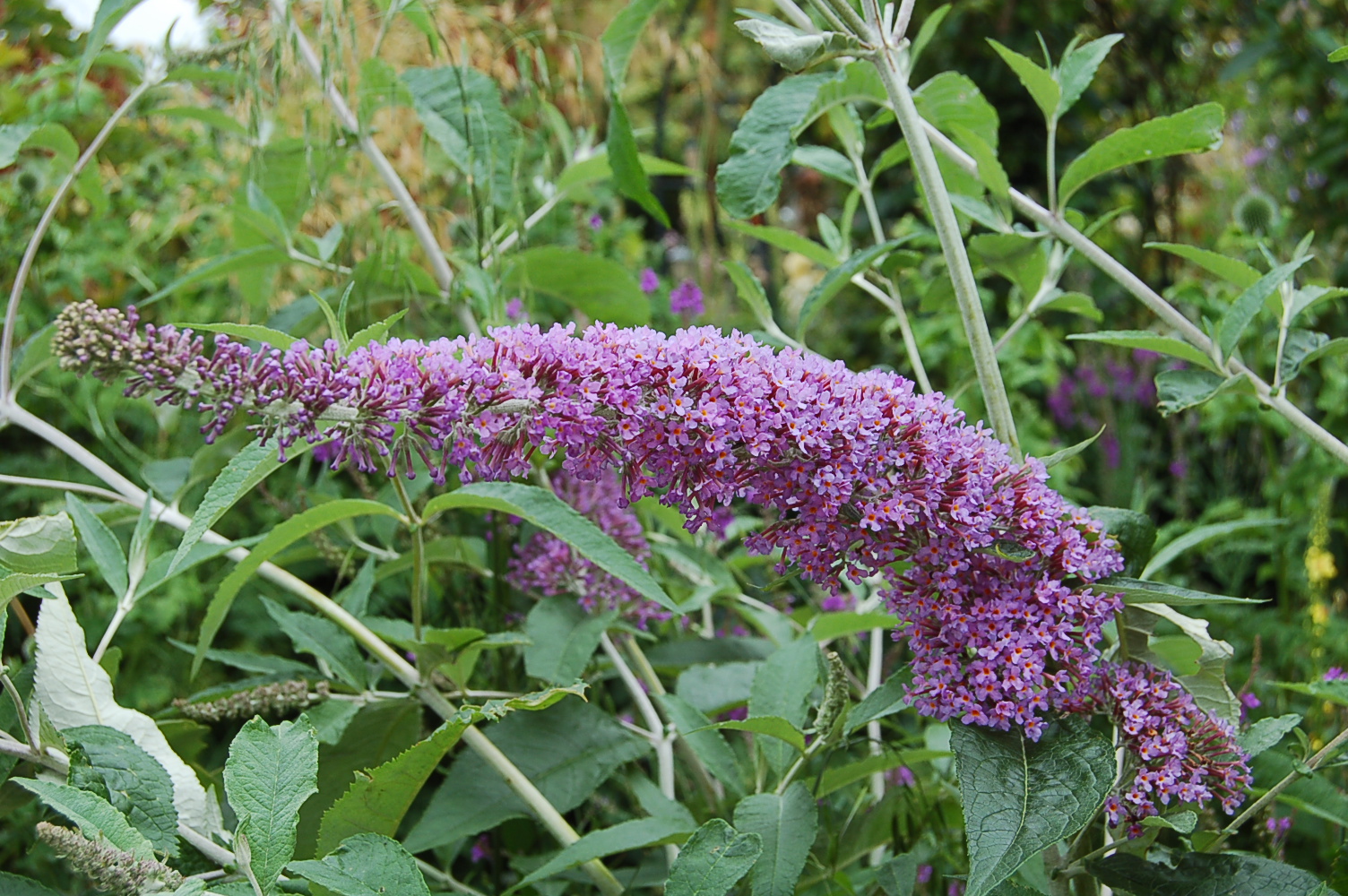

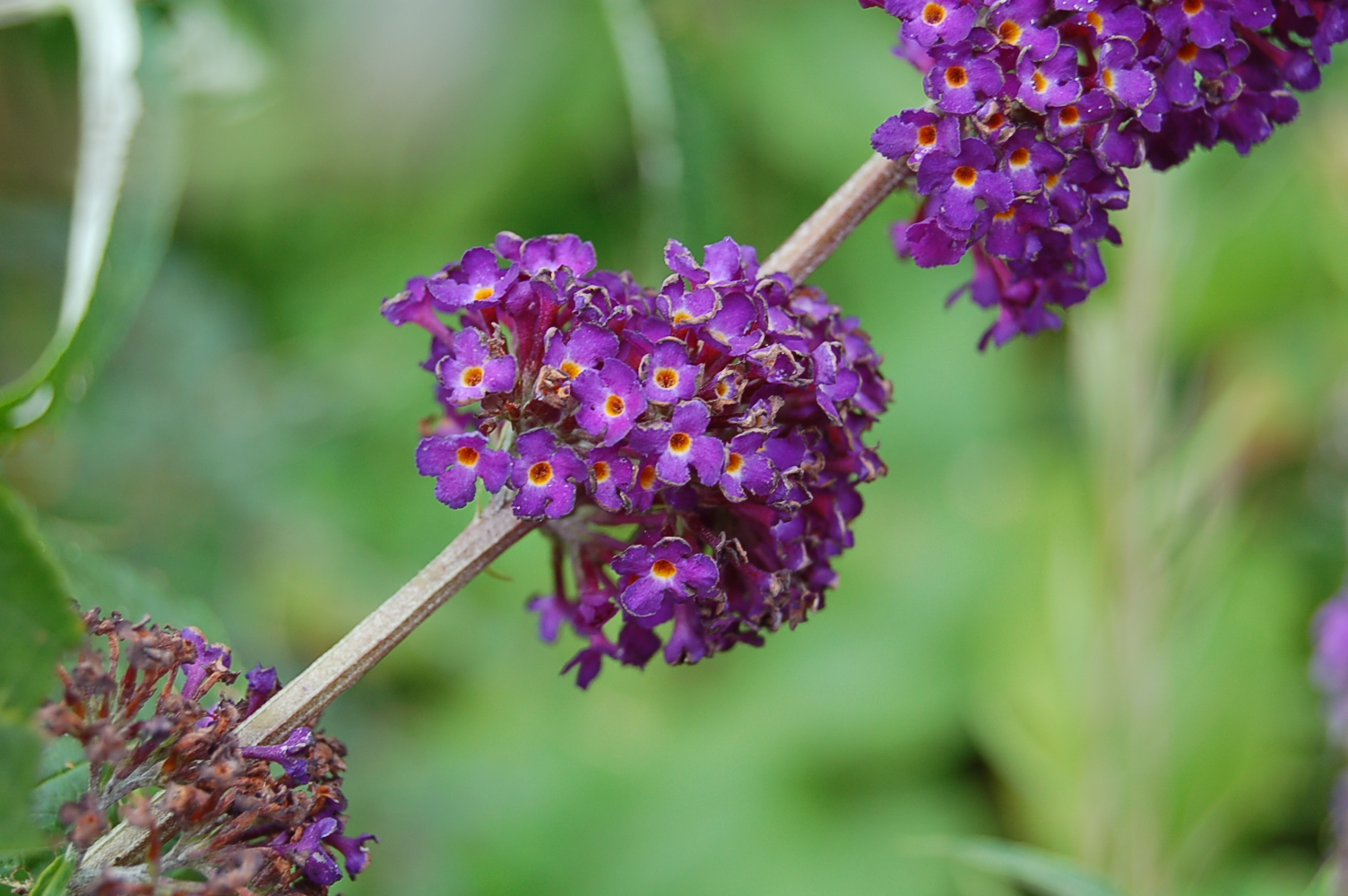


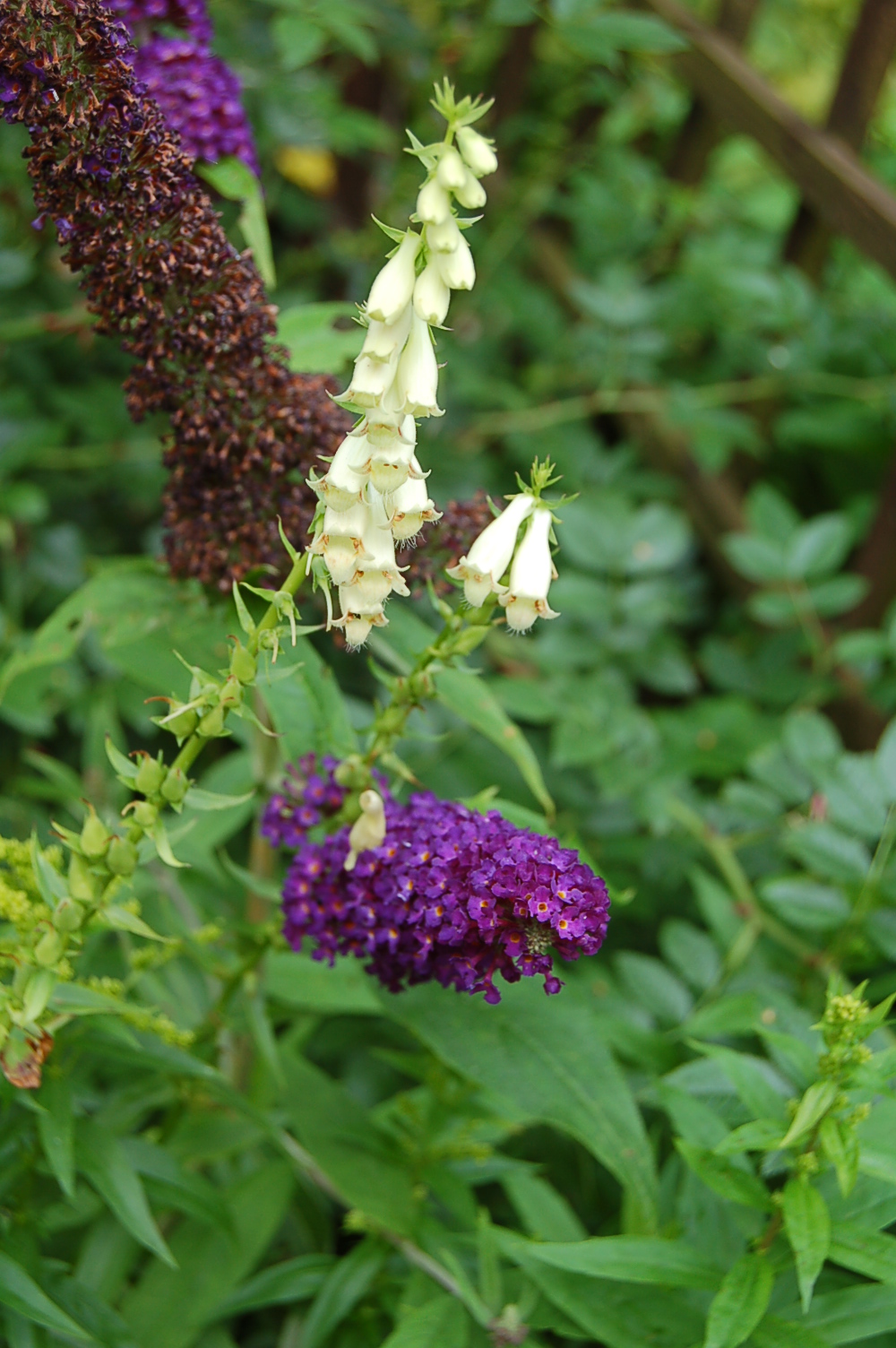

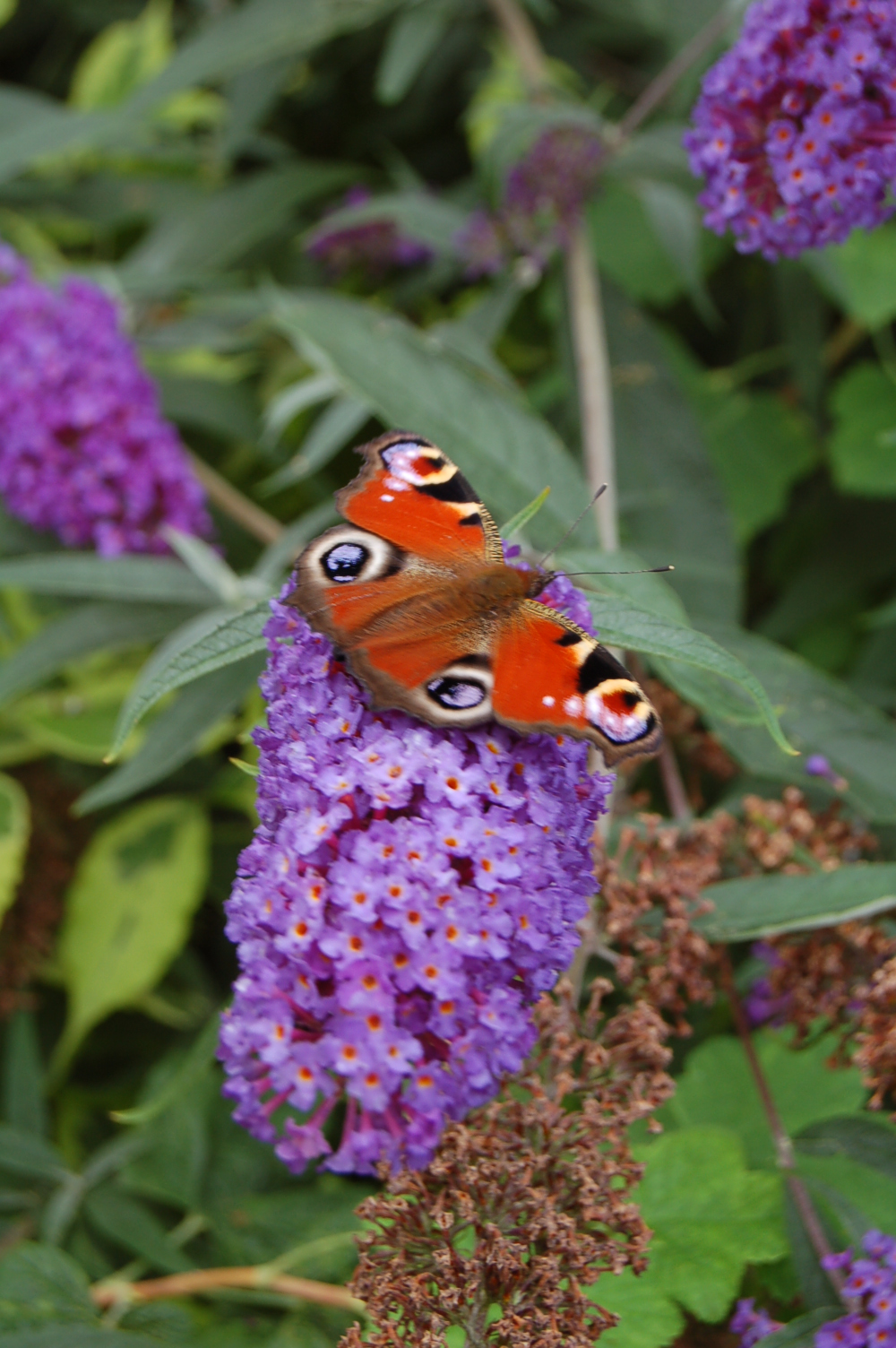
On a day in mid-August our Buddleja davidii were attracting butterflies, as we had experienced a few warm, bright, calm days after weeks of cold, wet and wind.

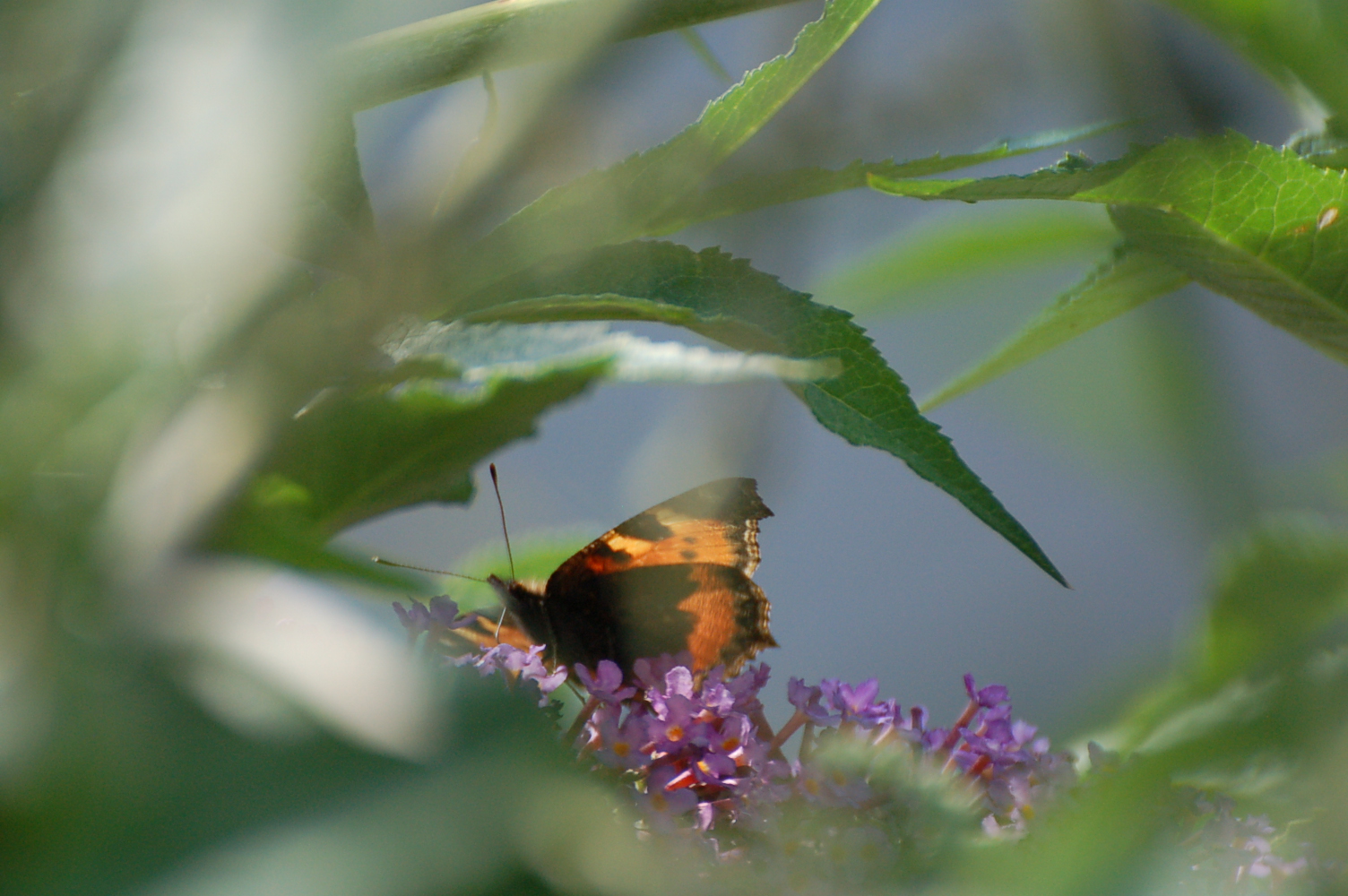
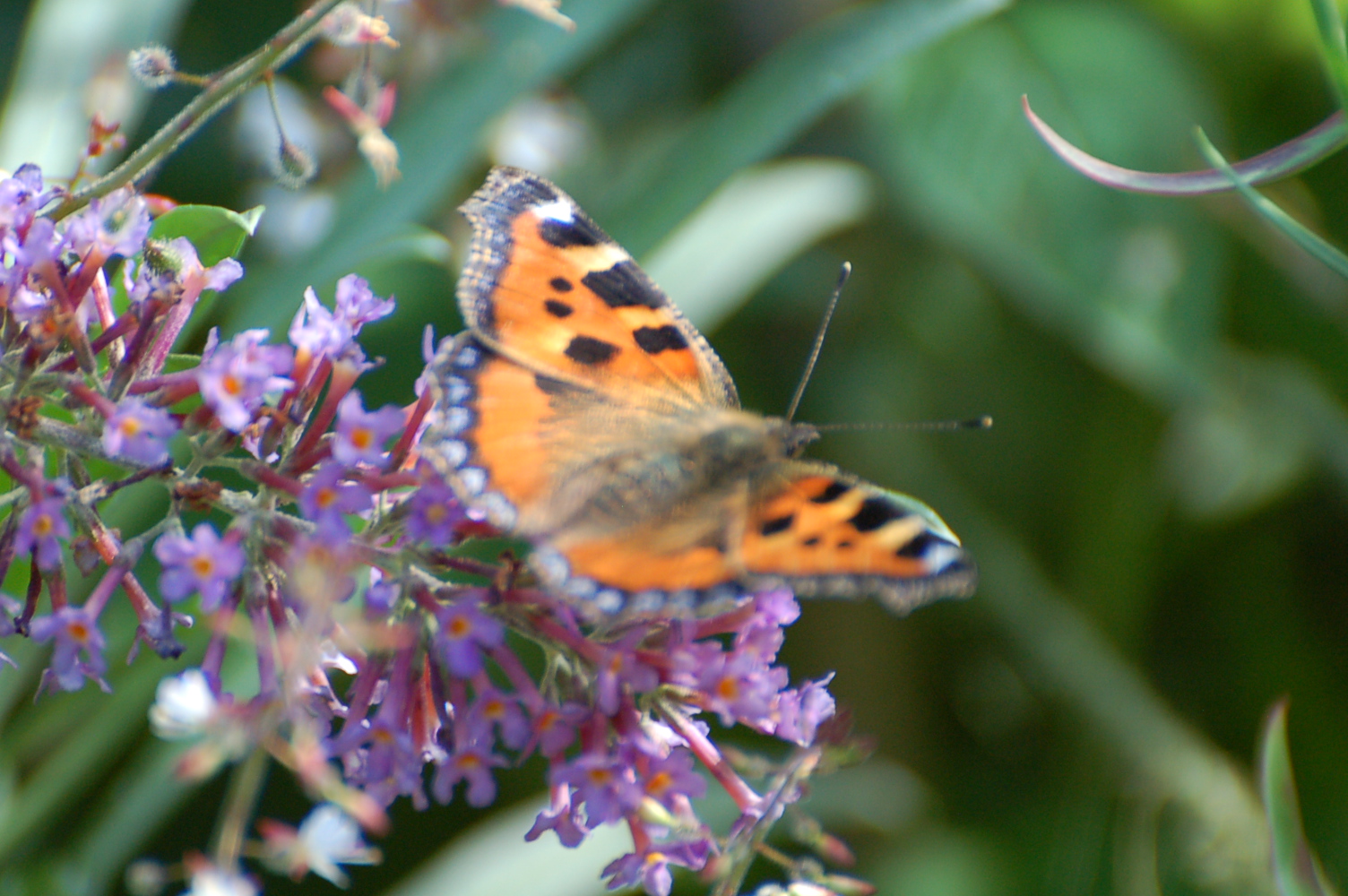

In the communal borders on our allotment site we grow many Buddleja davidiis in their full colour range, but we also grow the orange-flowered Buddleja weyeriana.
On a recent visit to a garden with the Shropshire branch of the Hardy Plant Society we came across this beautiful Buddleja davidii with soft grey leaves and blue flowers.
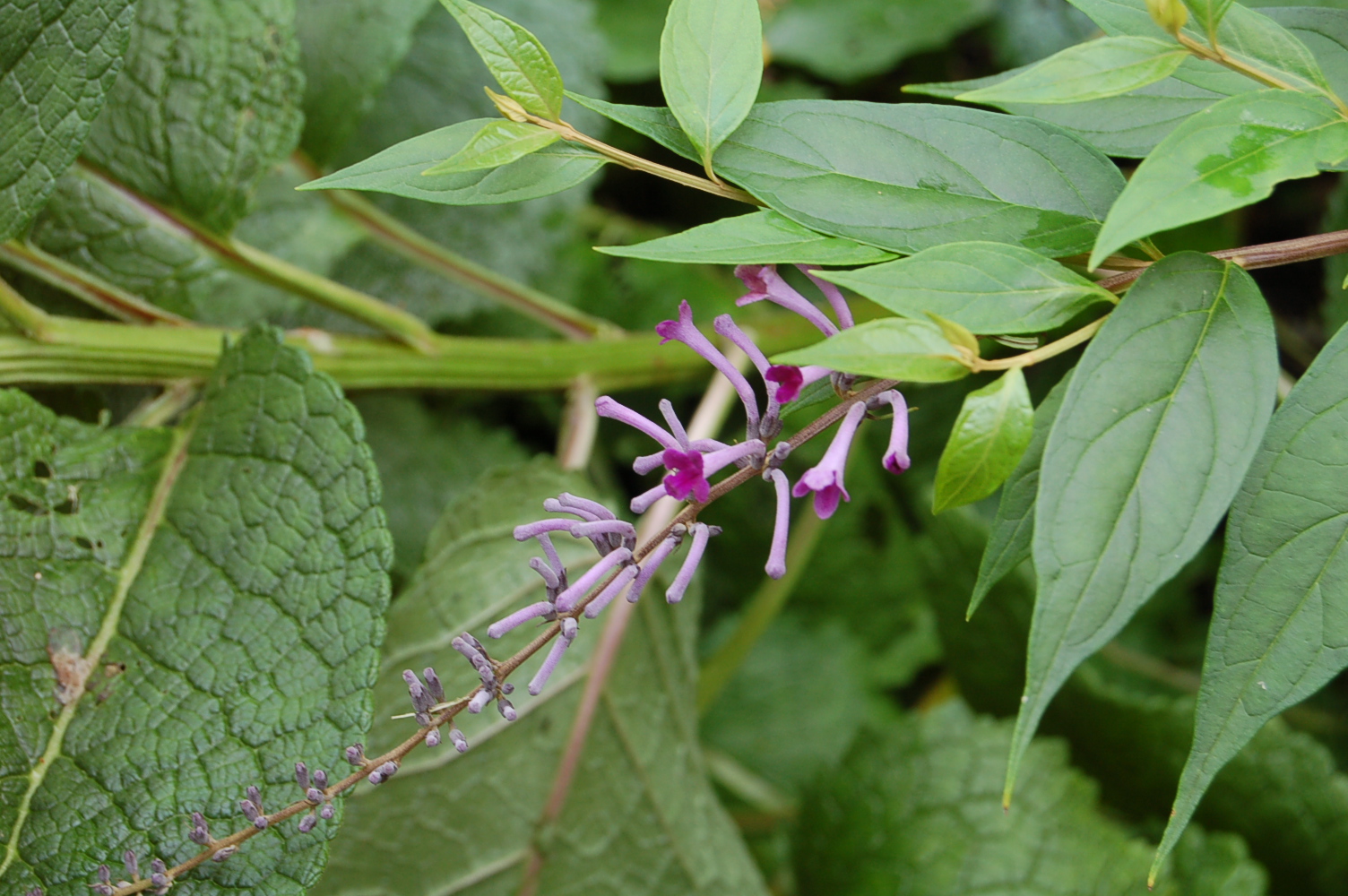
In another border we discovered a much more unusual variety called Buddleja lindleyana. It’s leaves were much brighter green than the davidiis and the individual florets were further apart from each other. The inside of each floret was a rich bright violet while the outsides were a greyish violet.