Categories
flowering bulbs garden pools gardening gardens gardens open to the public hardy perennials lakes light light quality ornamental trees and shrubs shrubs spring bulbs spring gardening trees Wales water in the garden winter gardens woodland woodlands

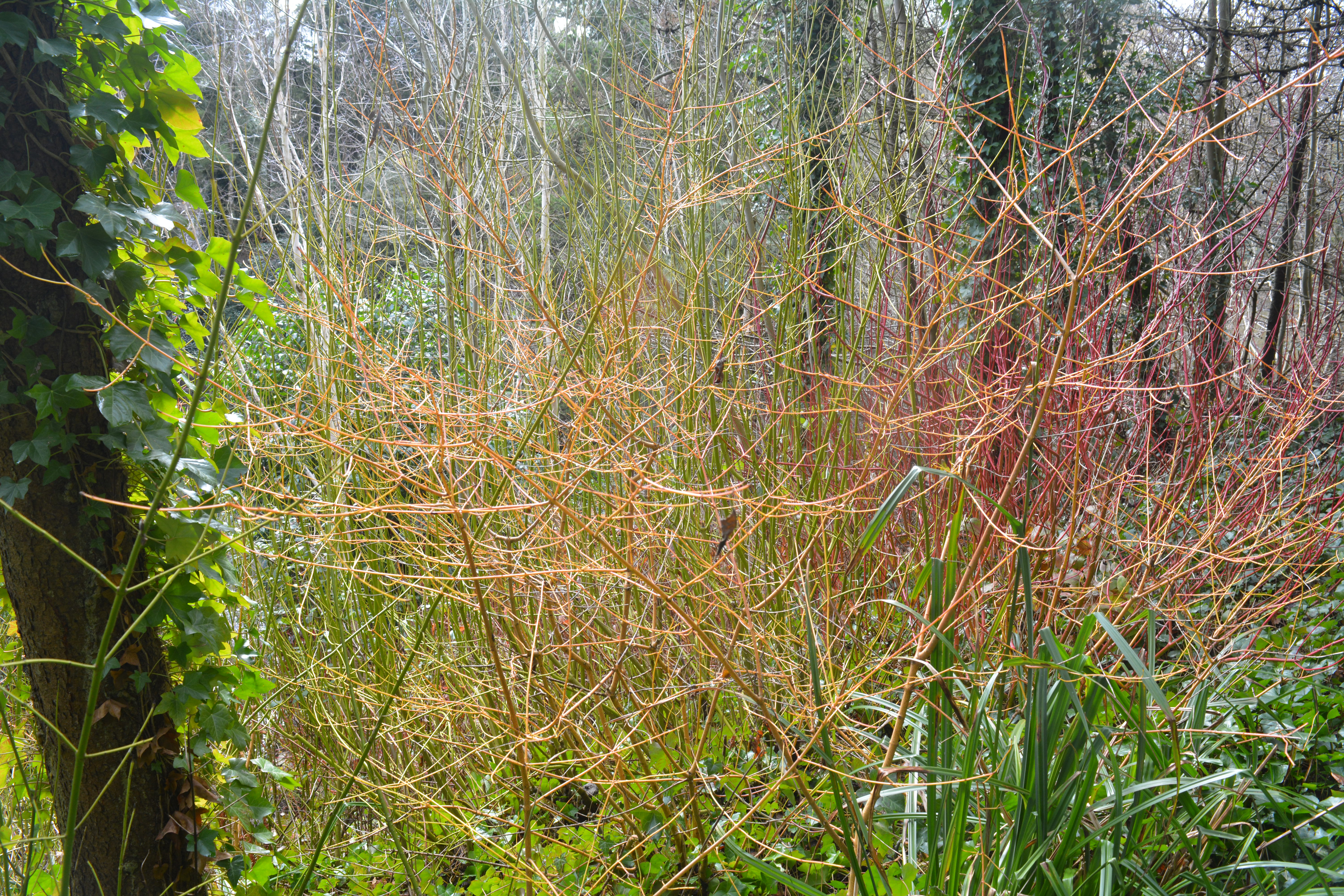
The Dingle Garden in April

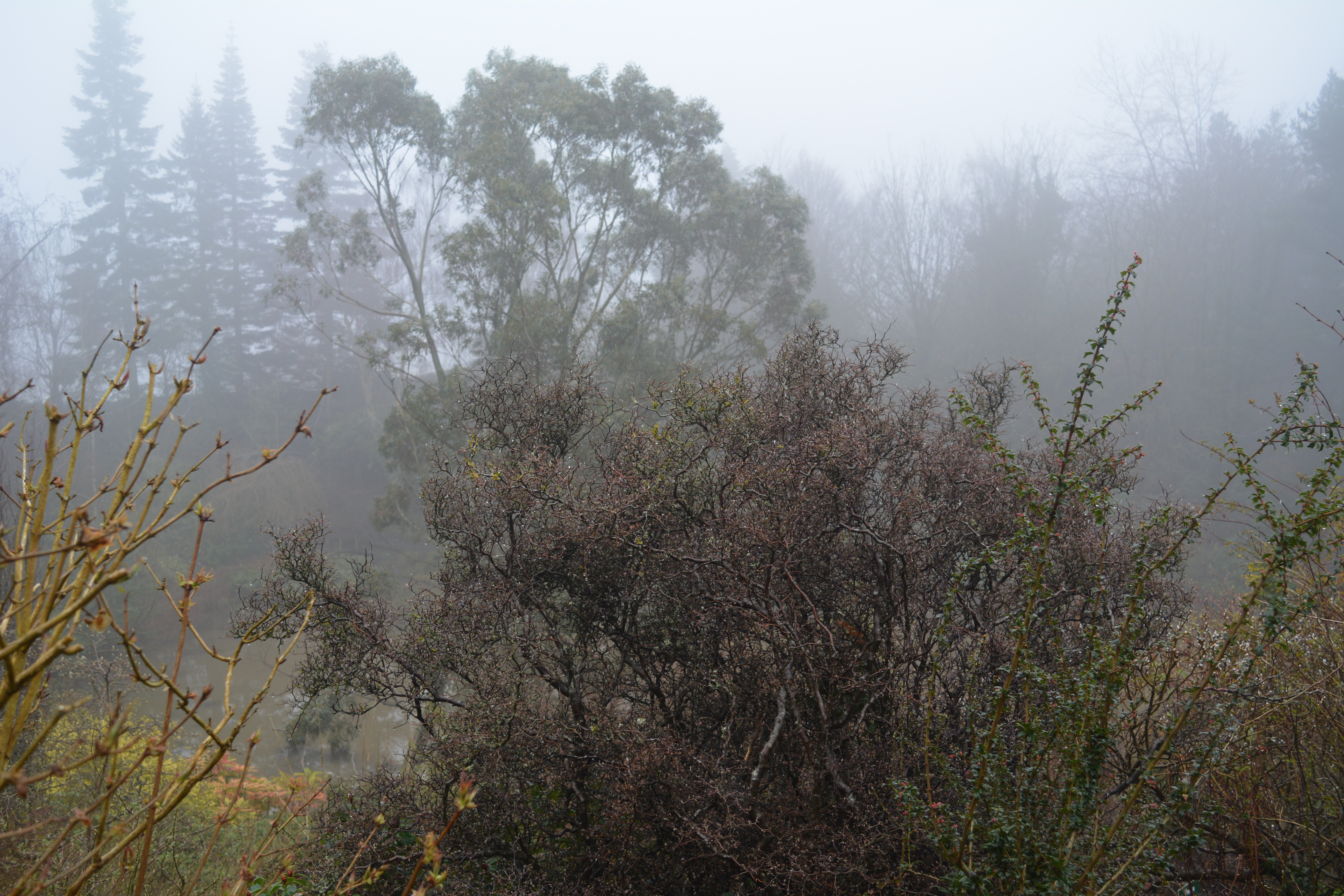
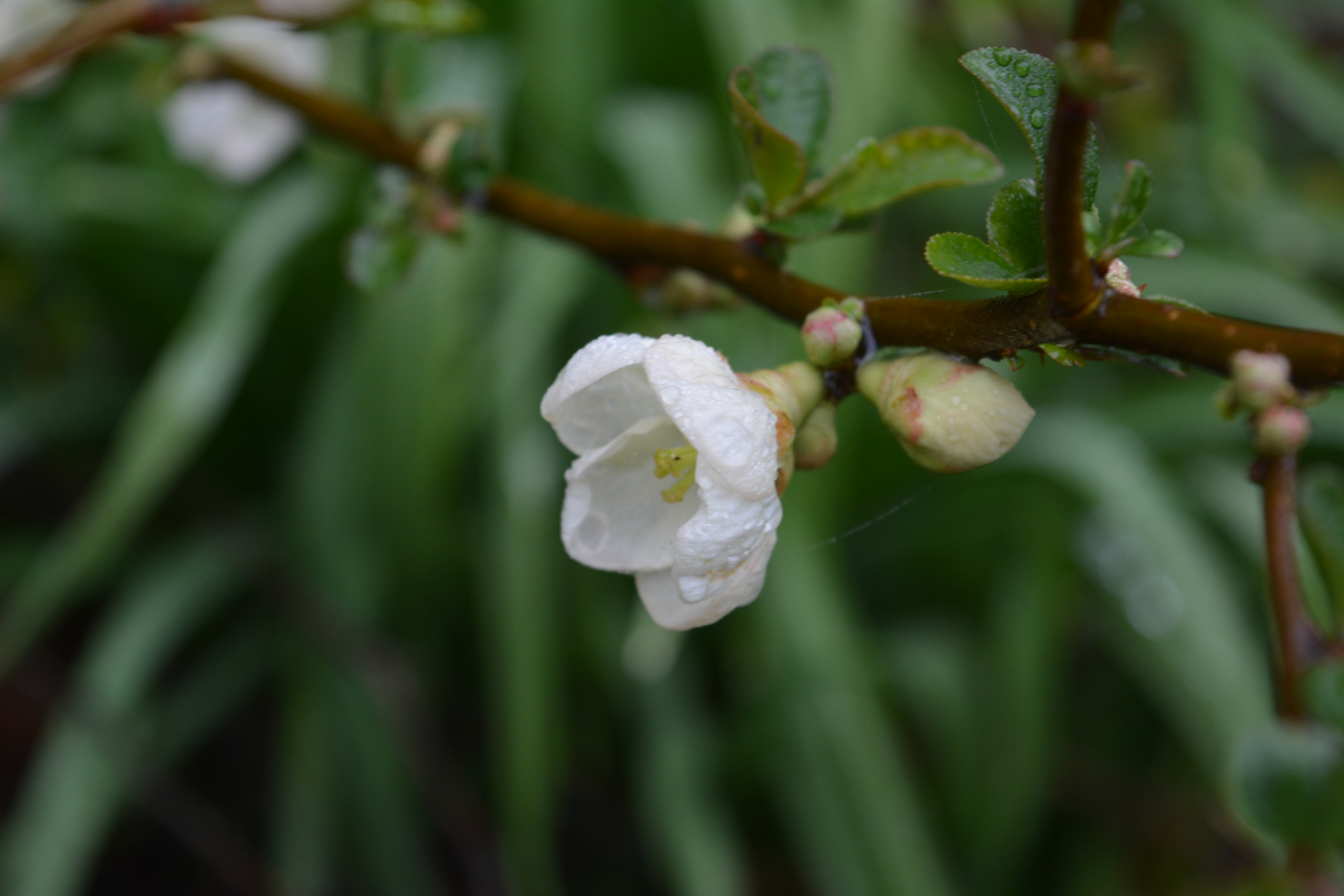
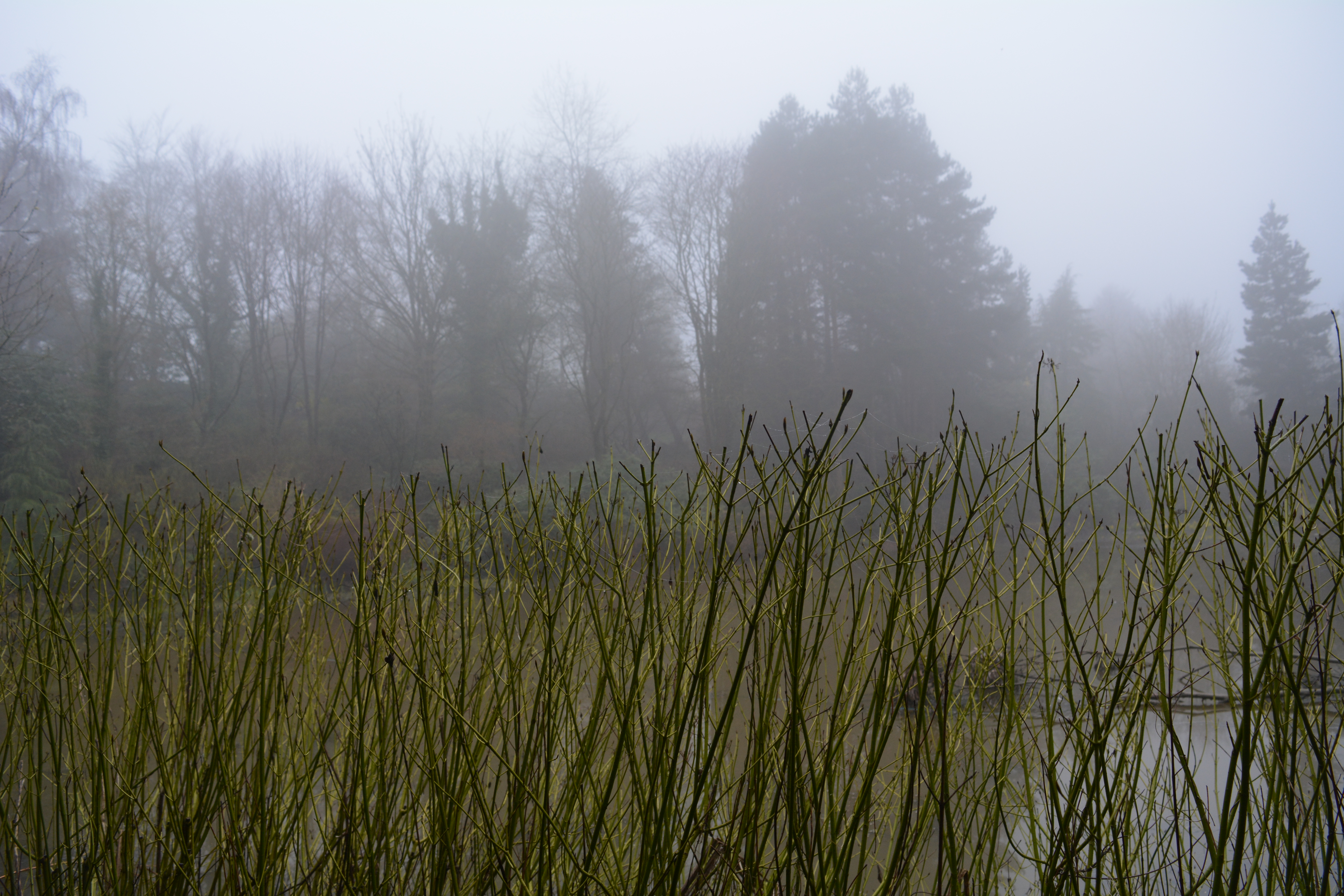
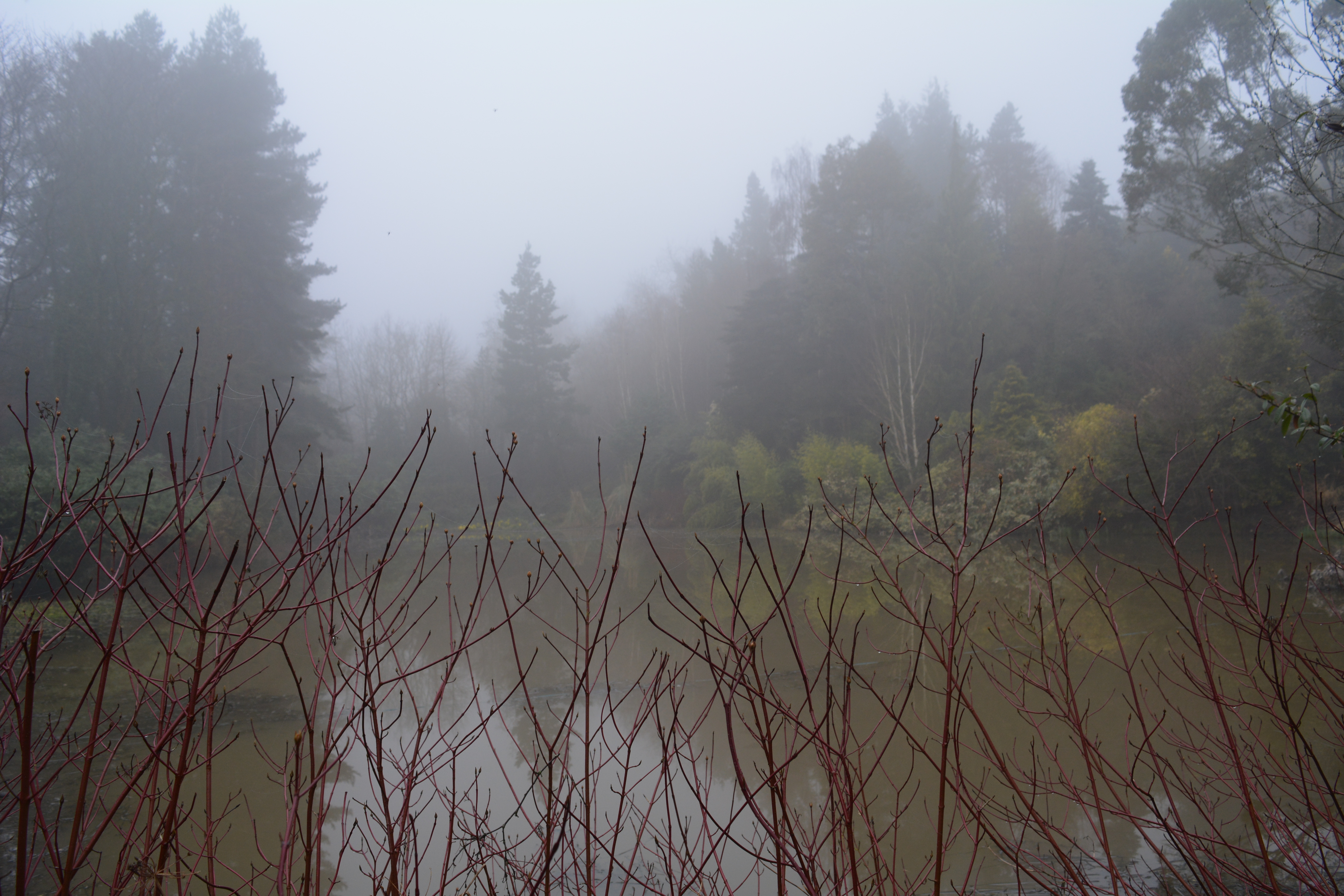
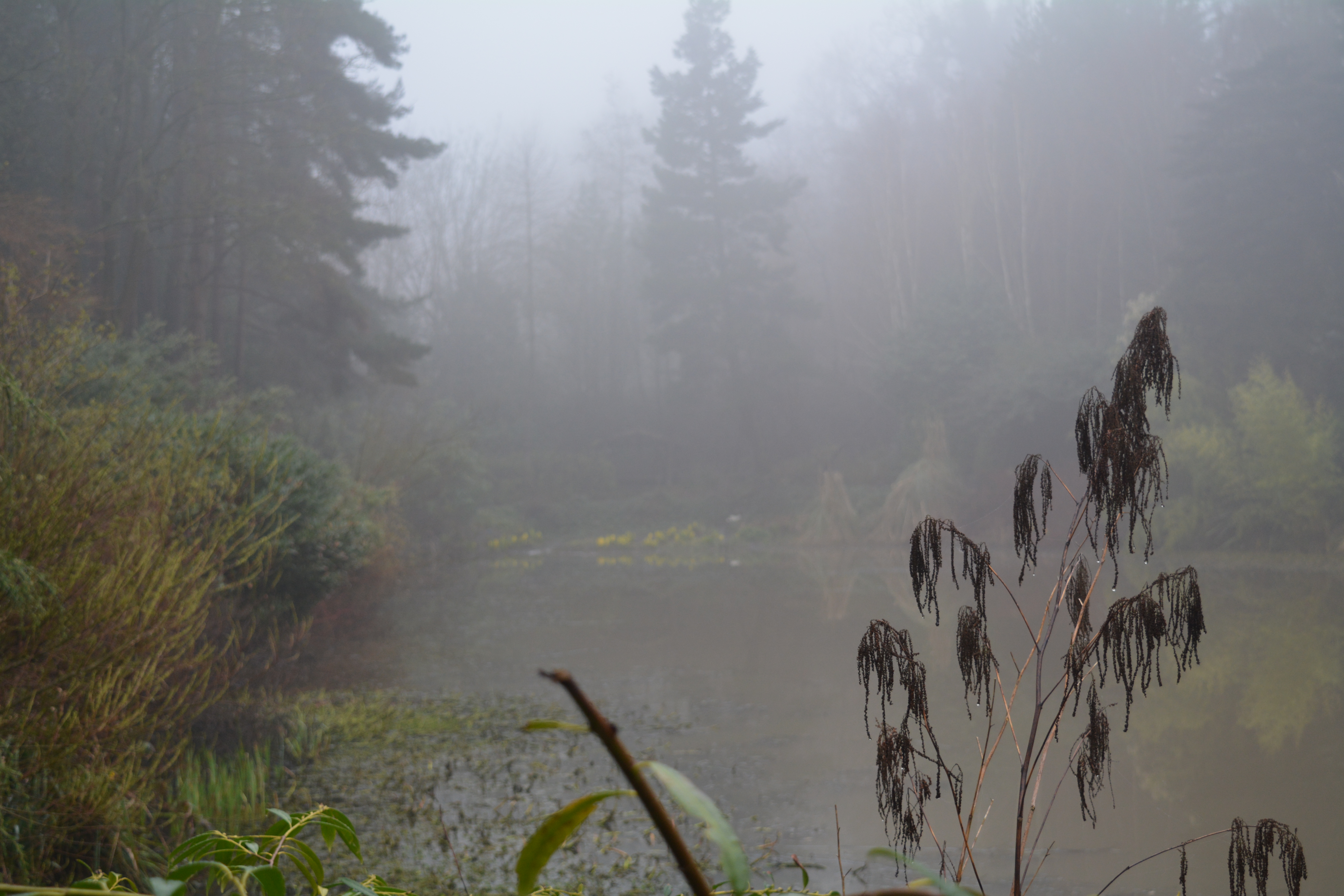
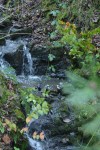
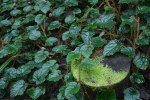
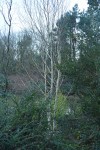
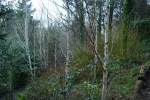
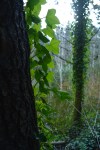
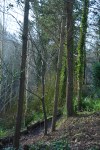
We made our April visit to this year’s chosen garden for monthly visits expecting to enjoy all the freshness of early spring. How wrong could we be! The day dawned cold and misty and as we walked around the gravel paths we got more damp with each step as we were walking in a gentle mist. We felt as if we were wandering around the garden on a typical November day definitely not an April day.

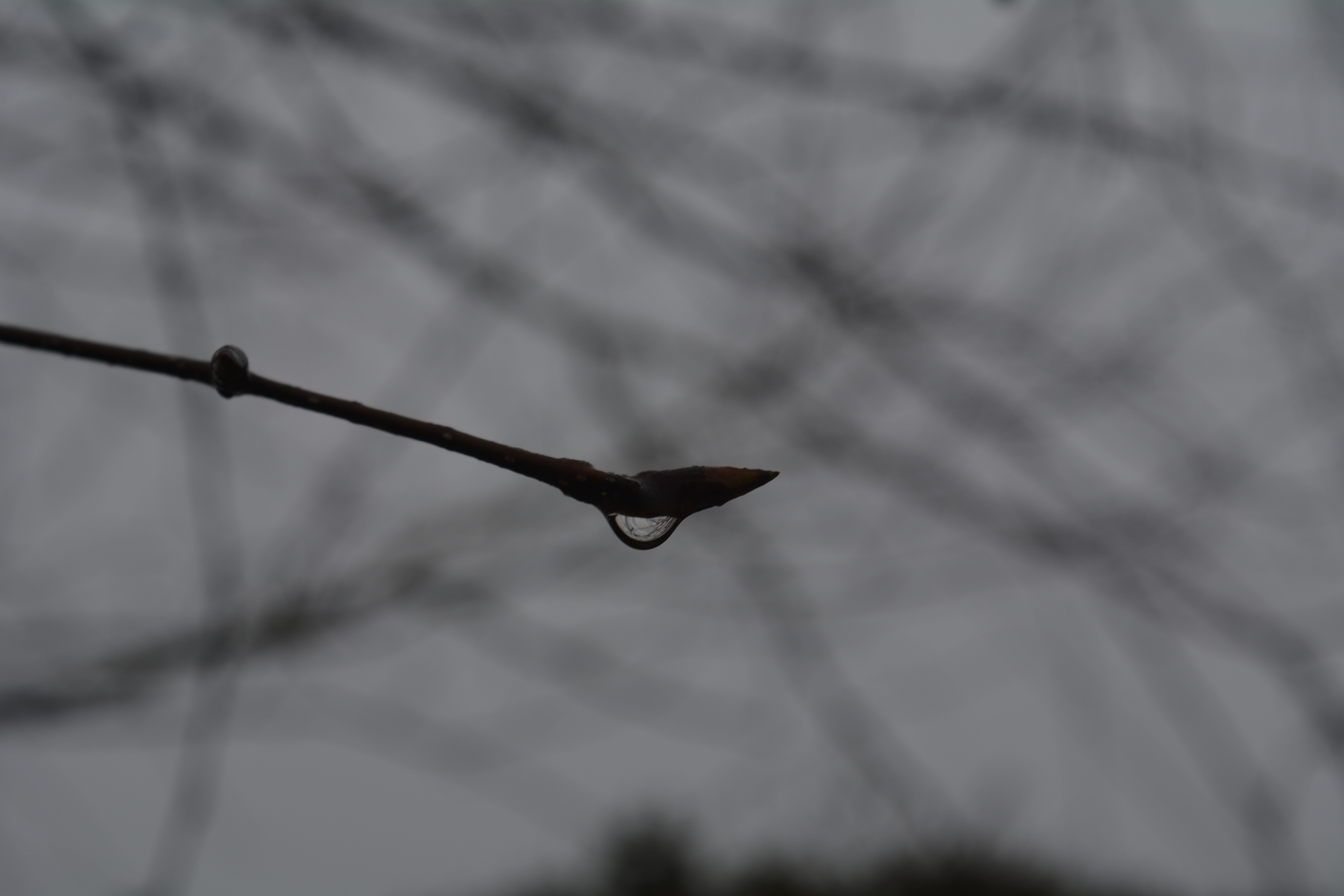
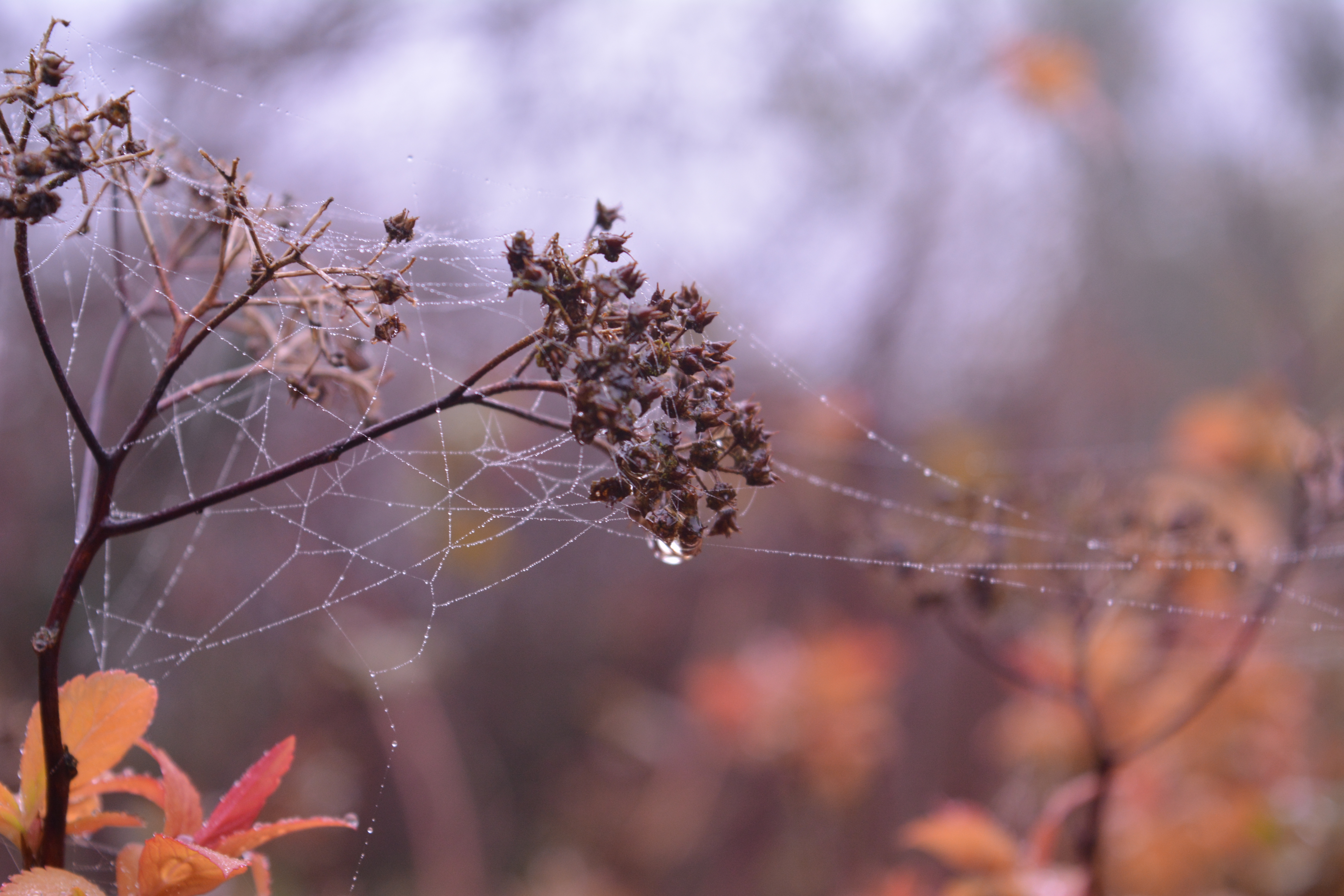
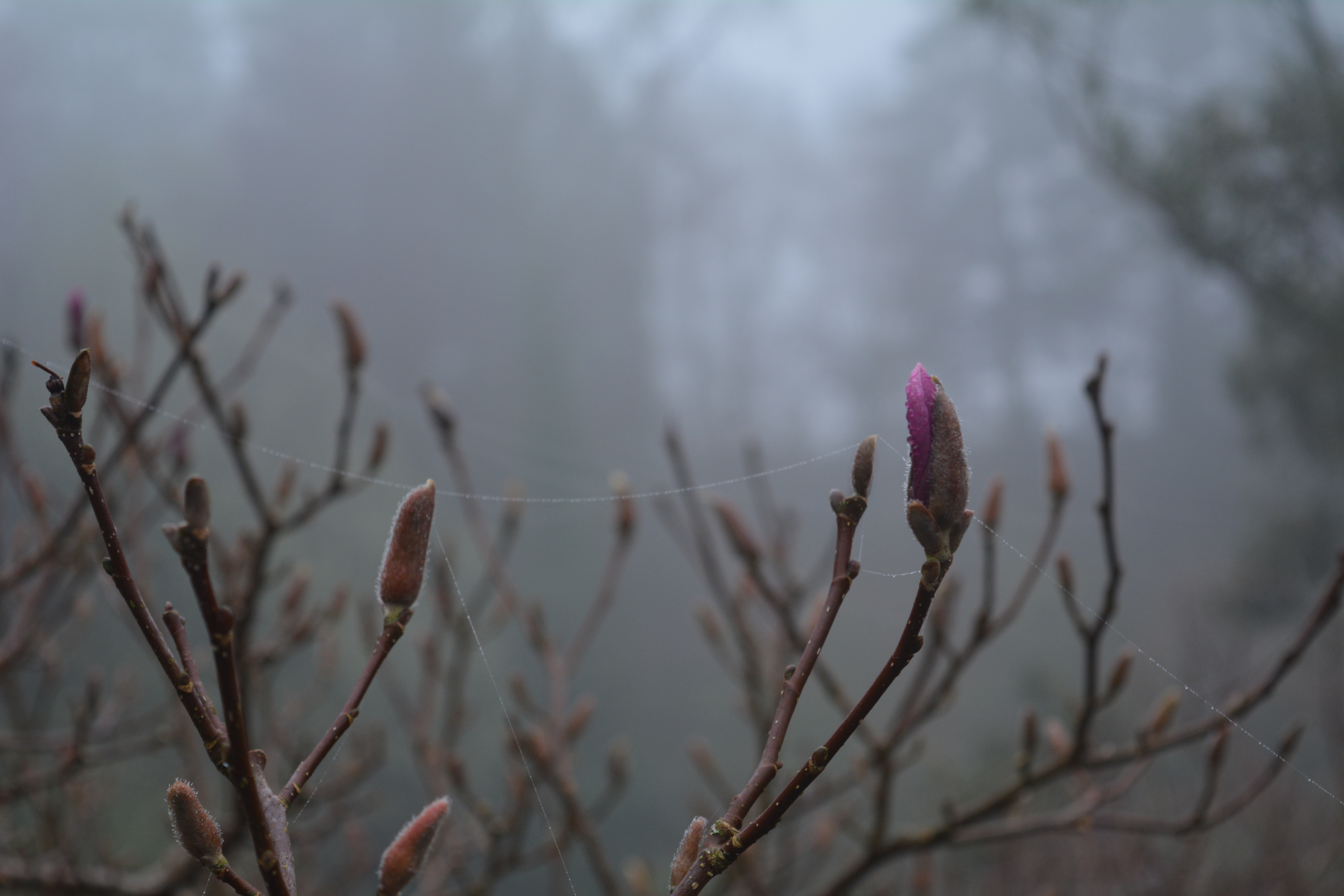
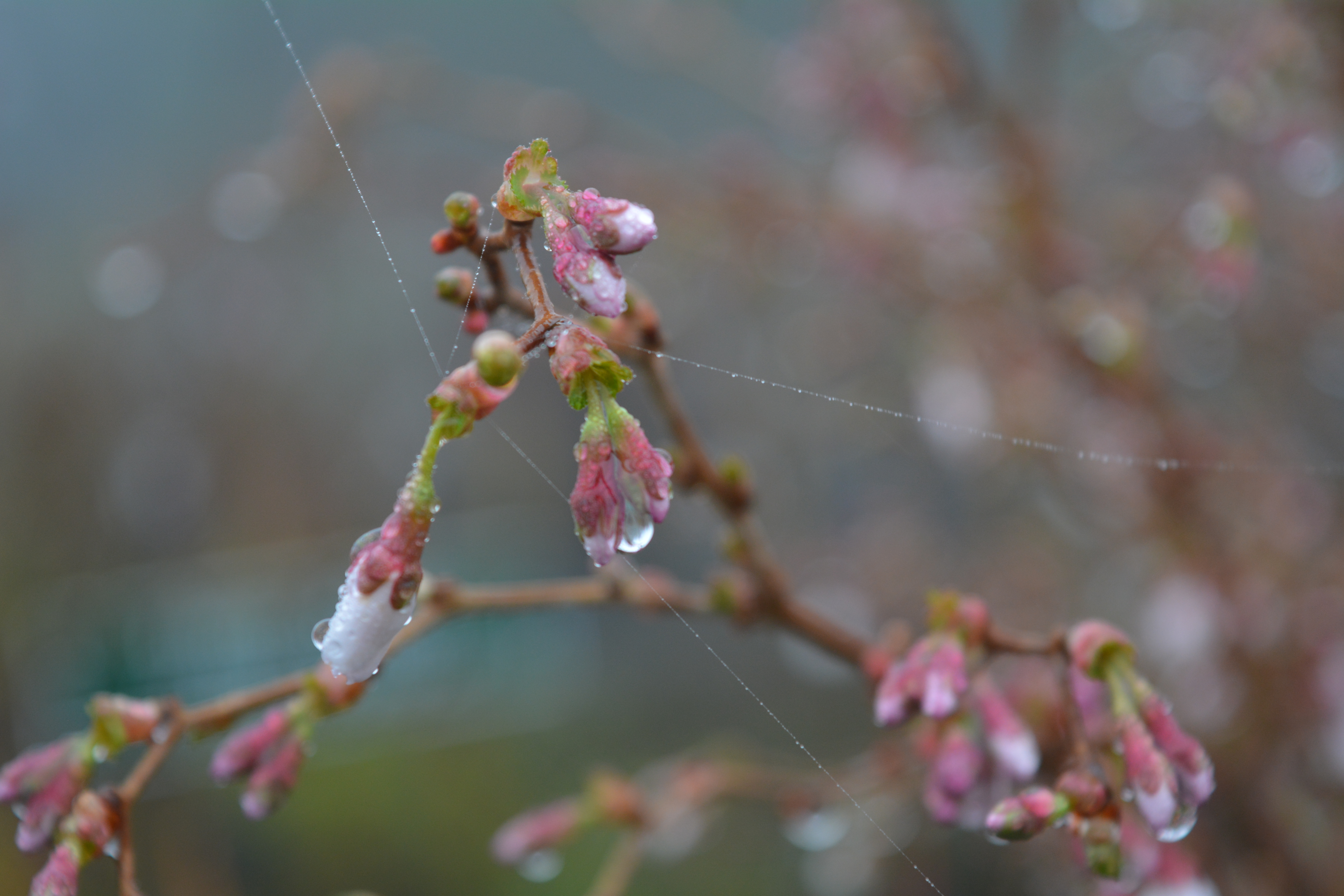
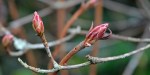
Mist hung among the trees and rain droplets hung from buds and branches.

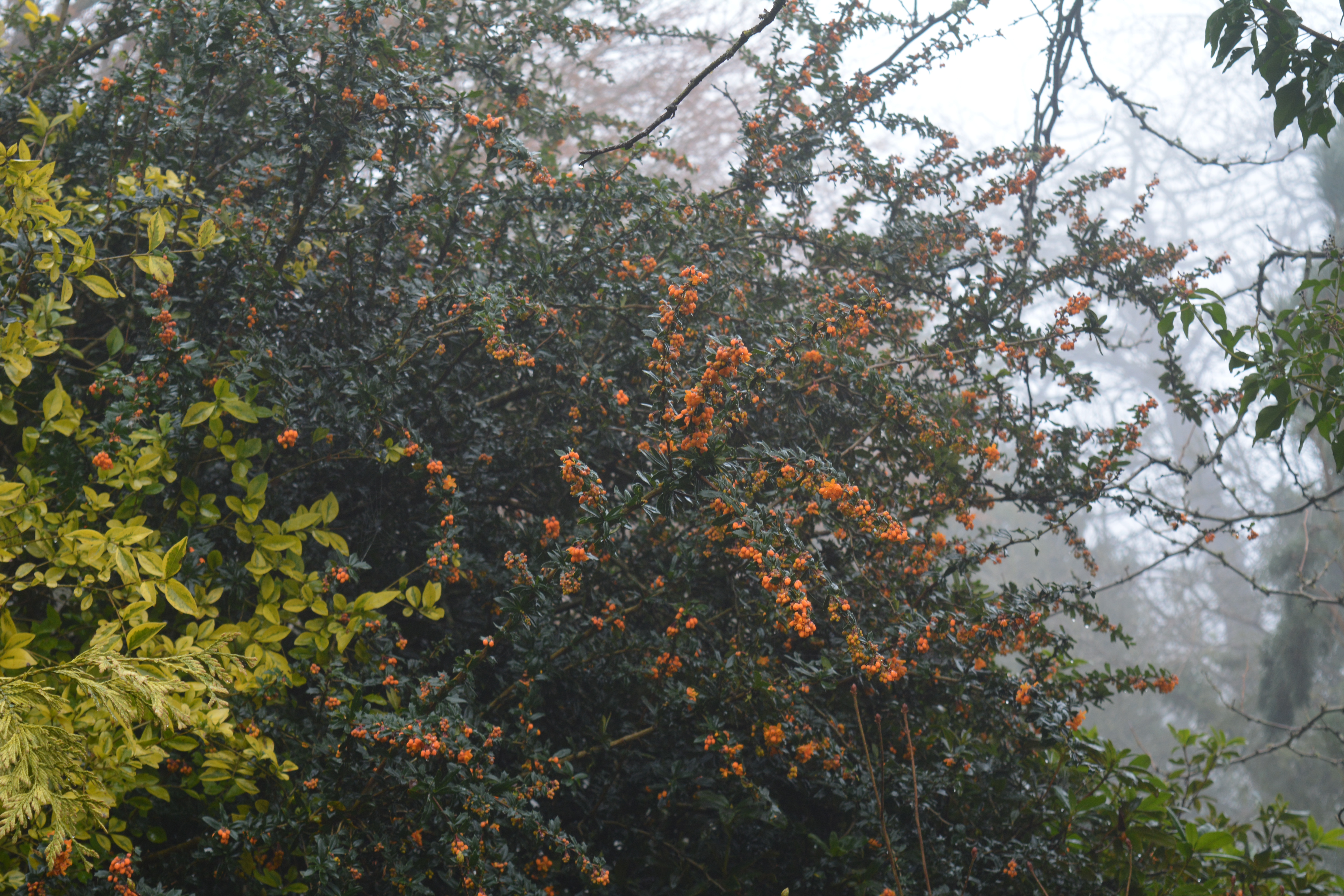
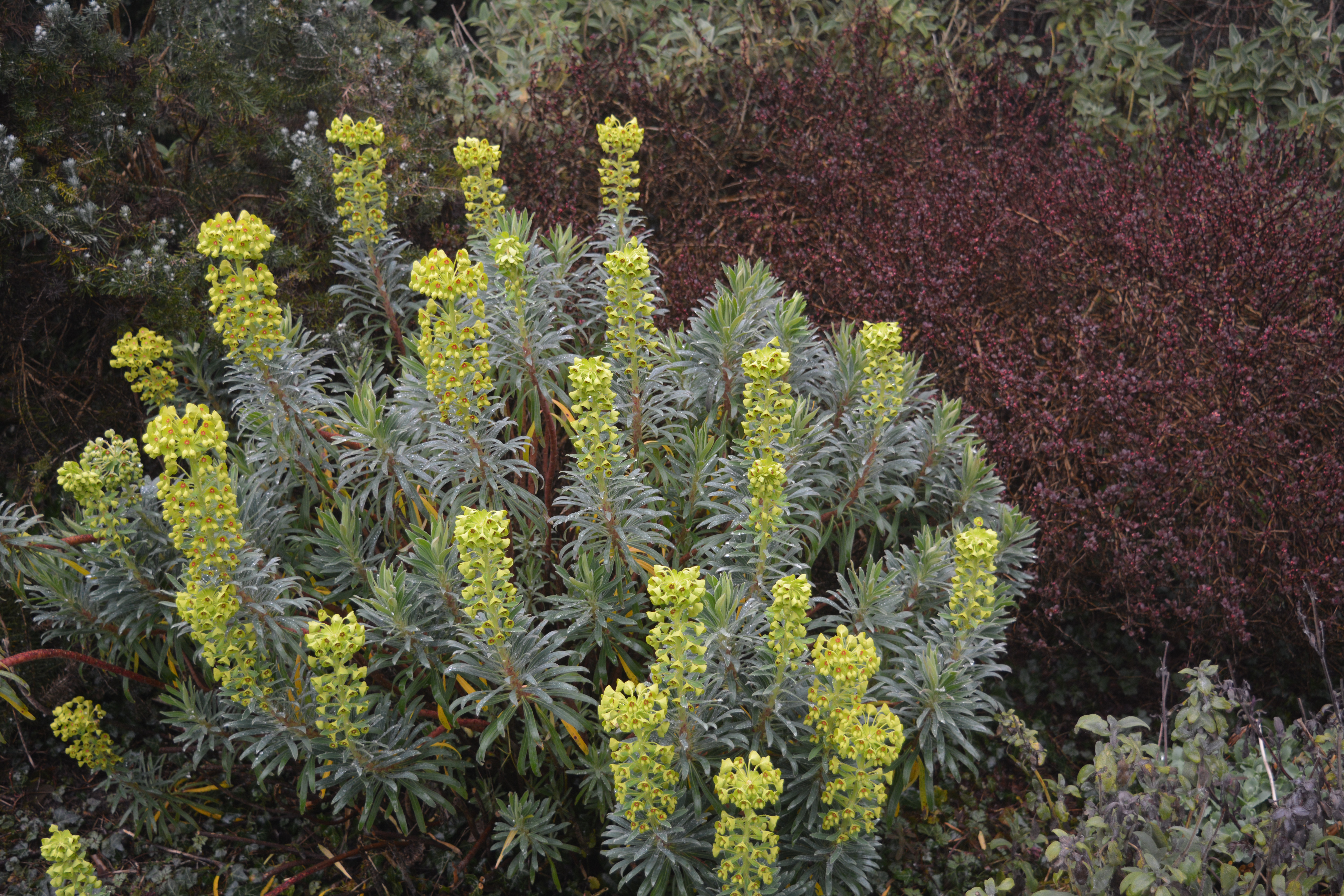
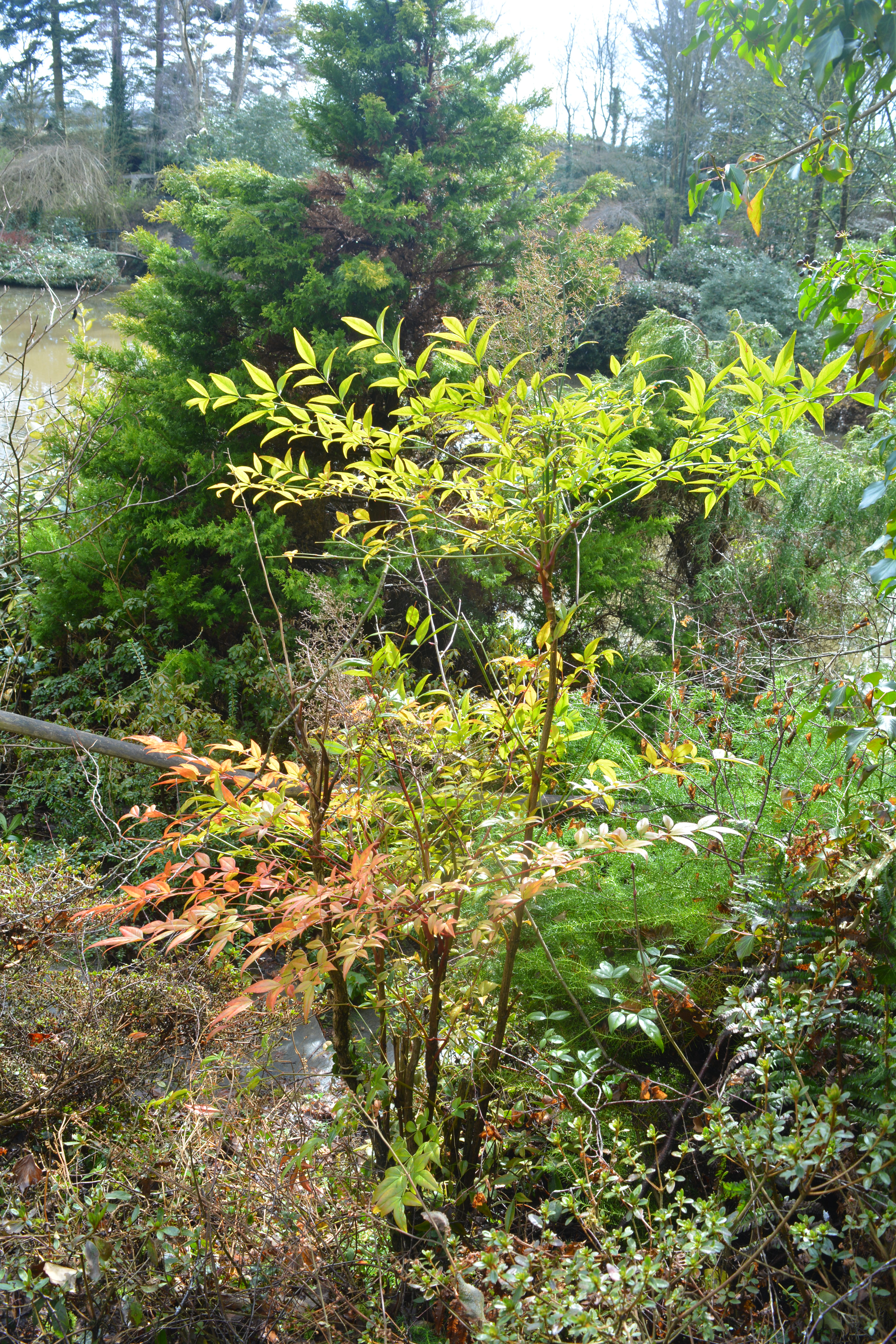
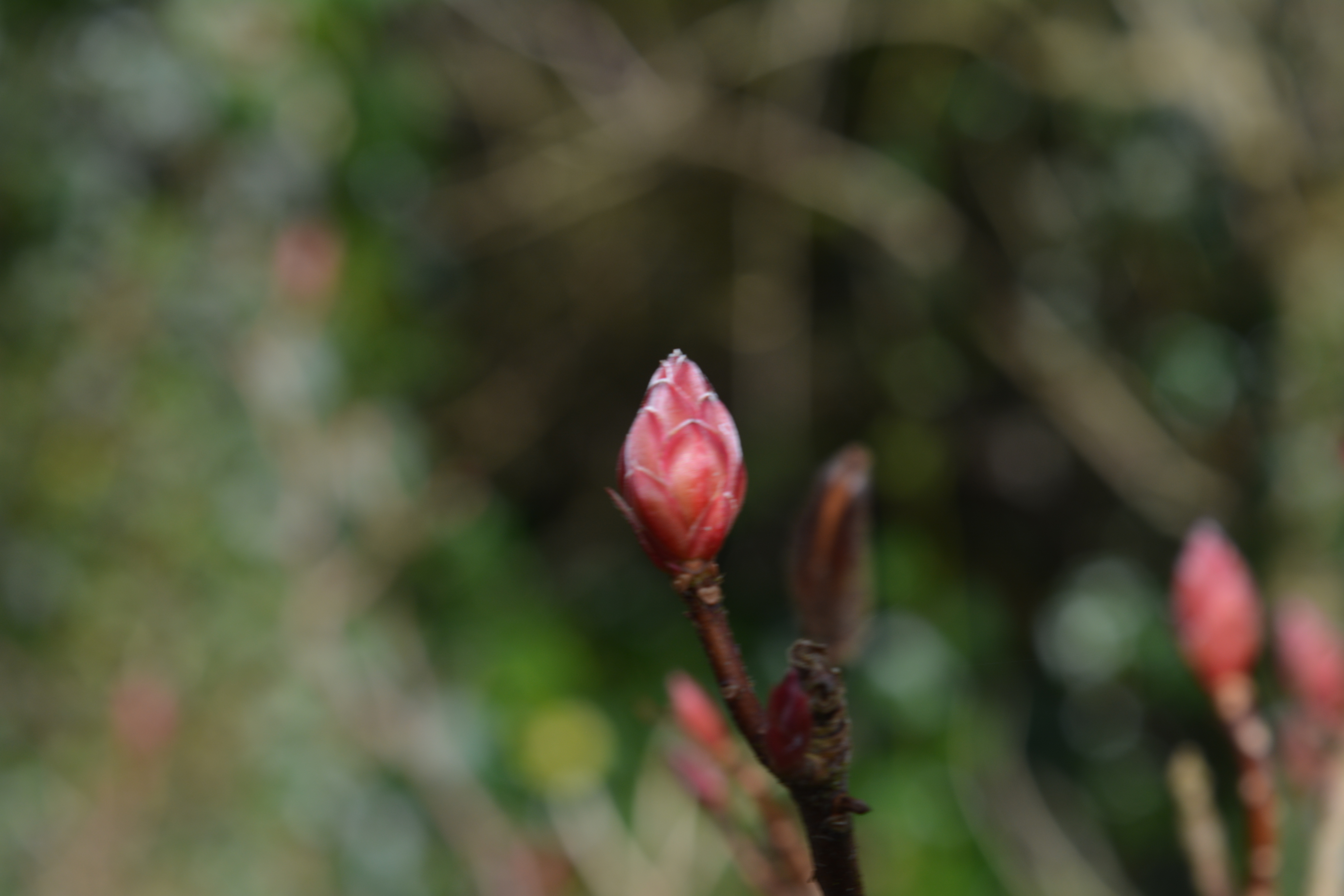
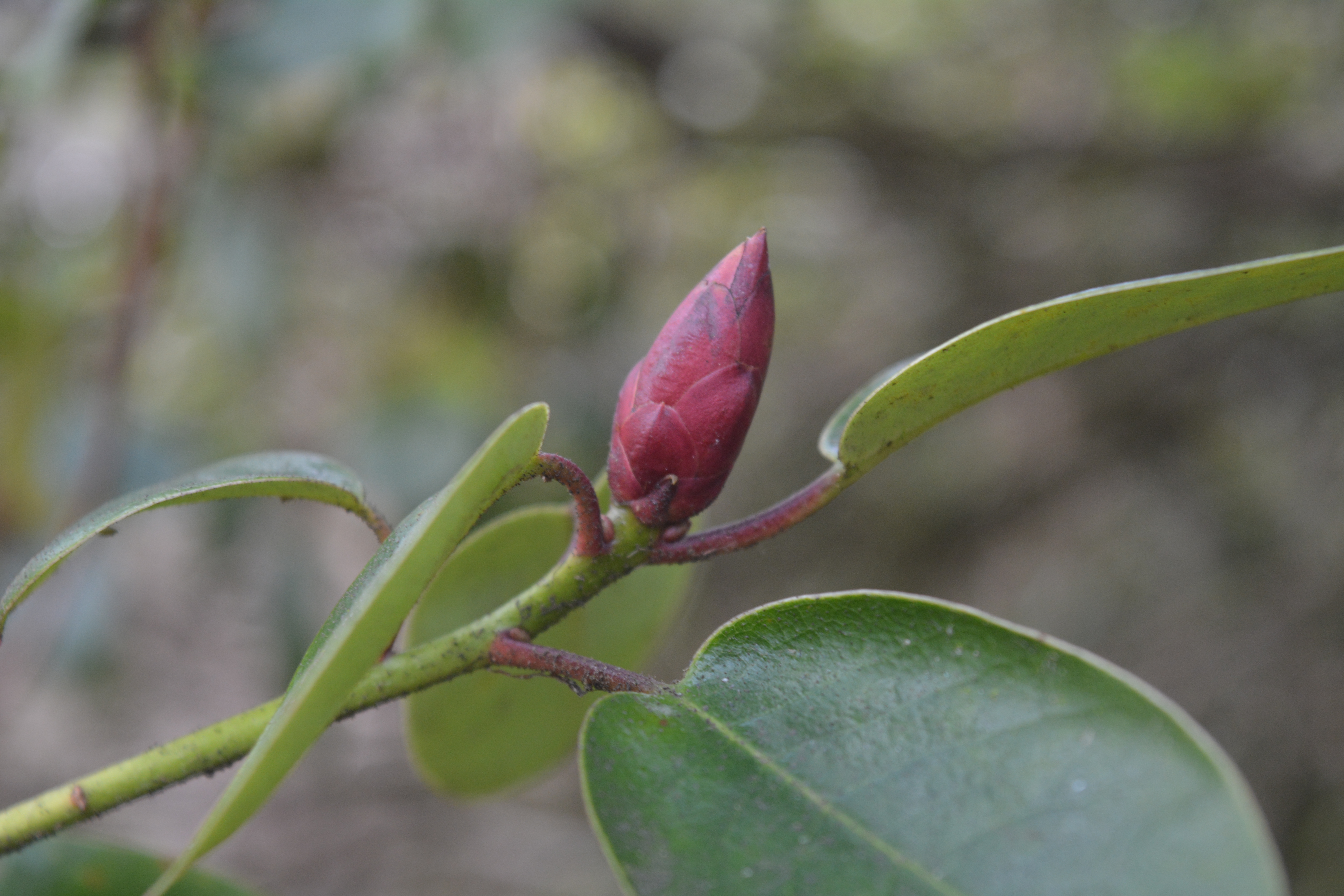
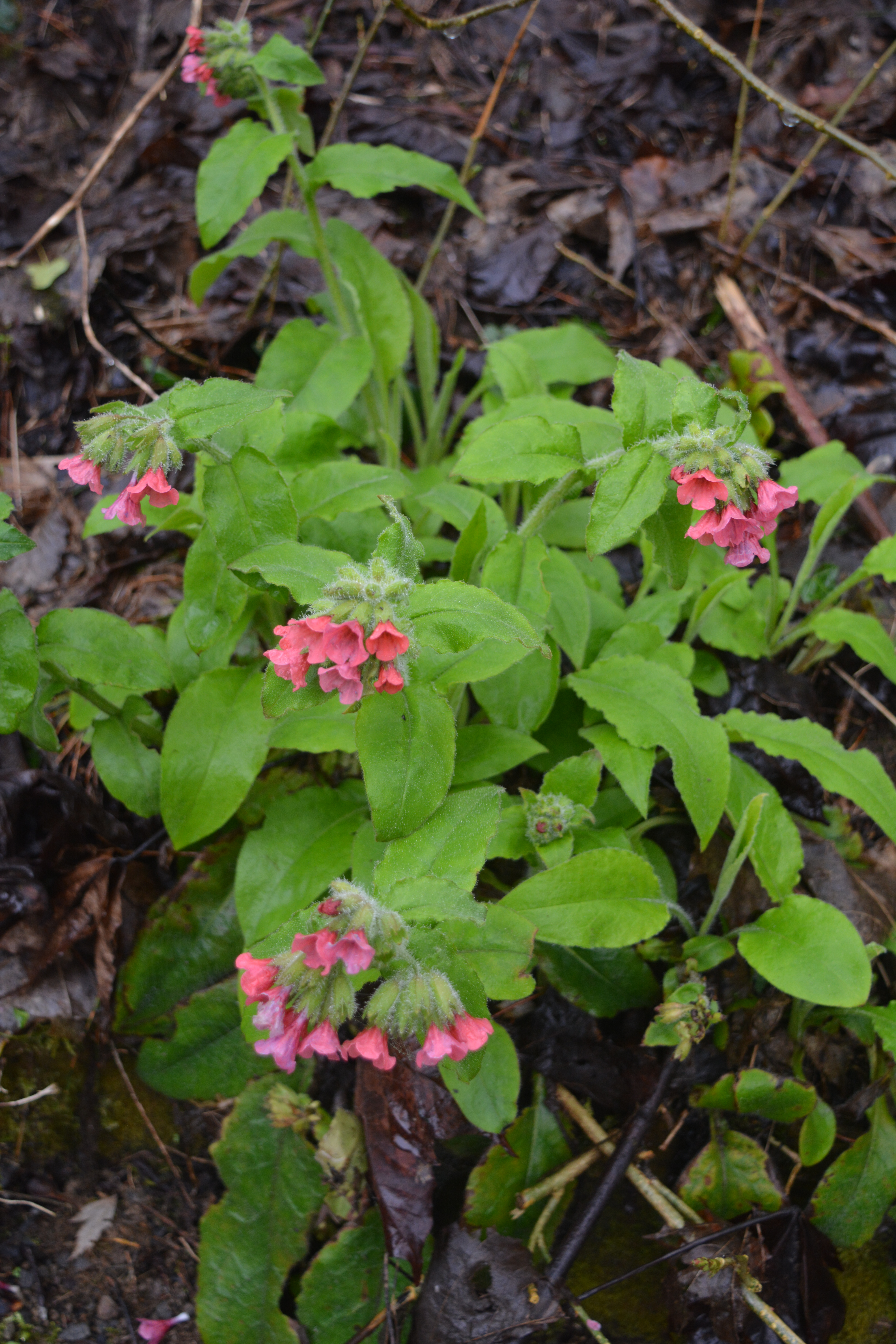
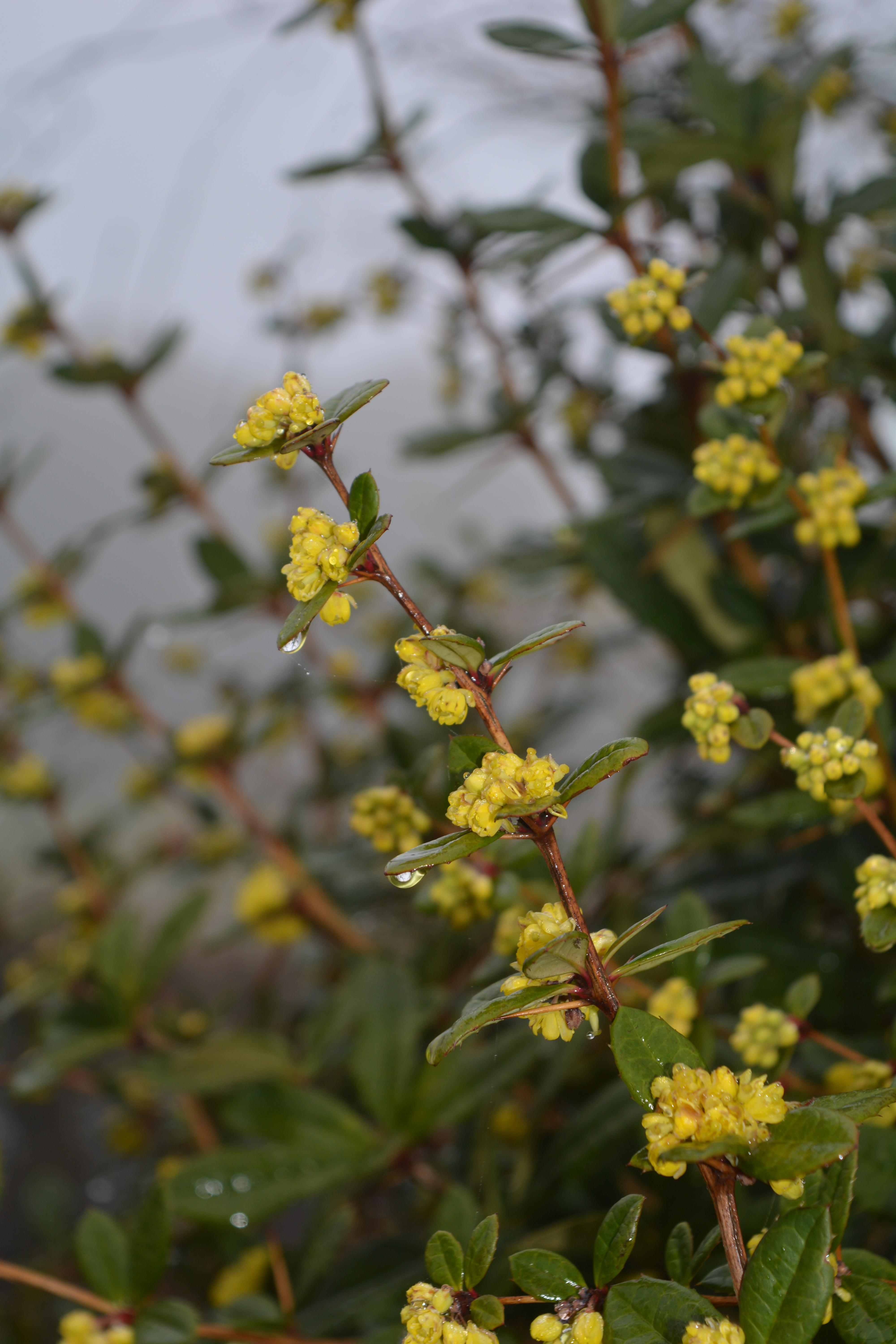
We expected to be able to enjoy early flowering shrubs like rhododendrons and azaleas, but there were just a few as the seasons are still lagging behind. A beautiful bright yellow flowered Berberis really brightened the gloom and an orange flowered variety glowed through the shrubs like beacons. Both of these Berberis added a little welcome scent to the walk.
 

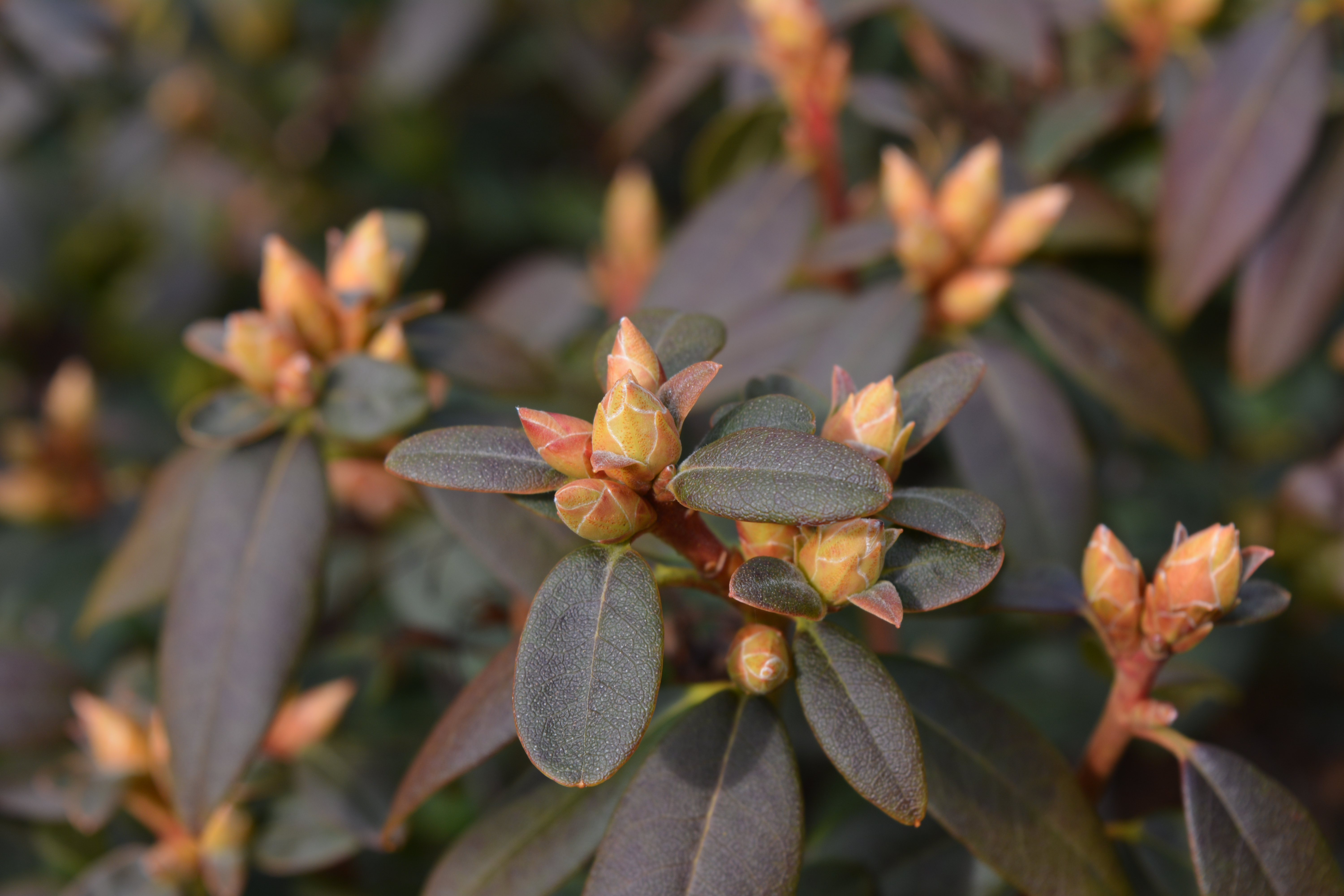
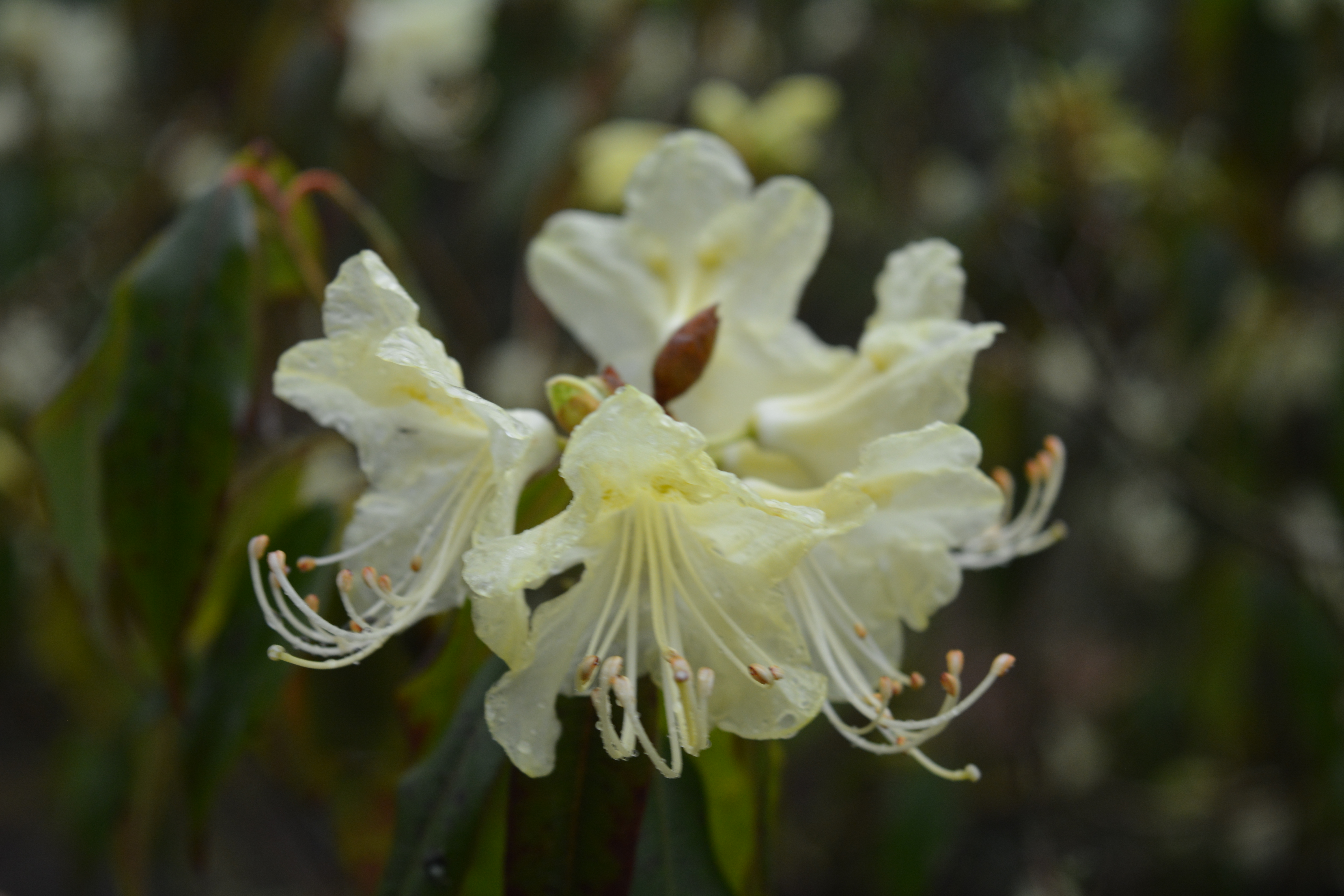
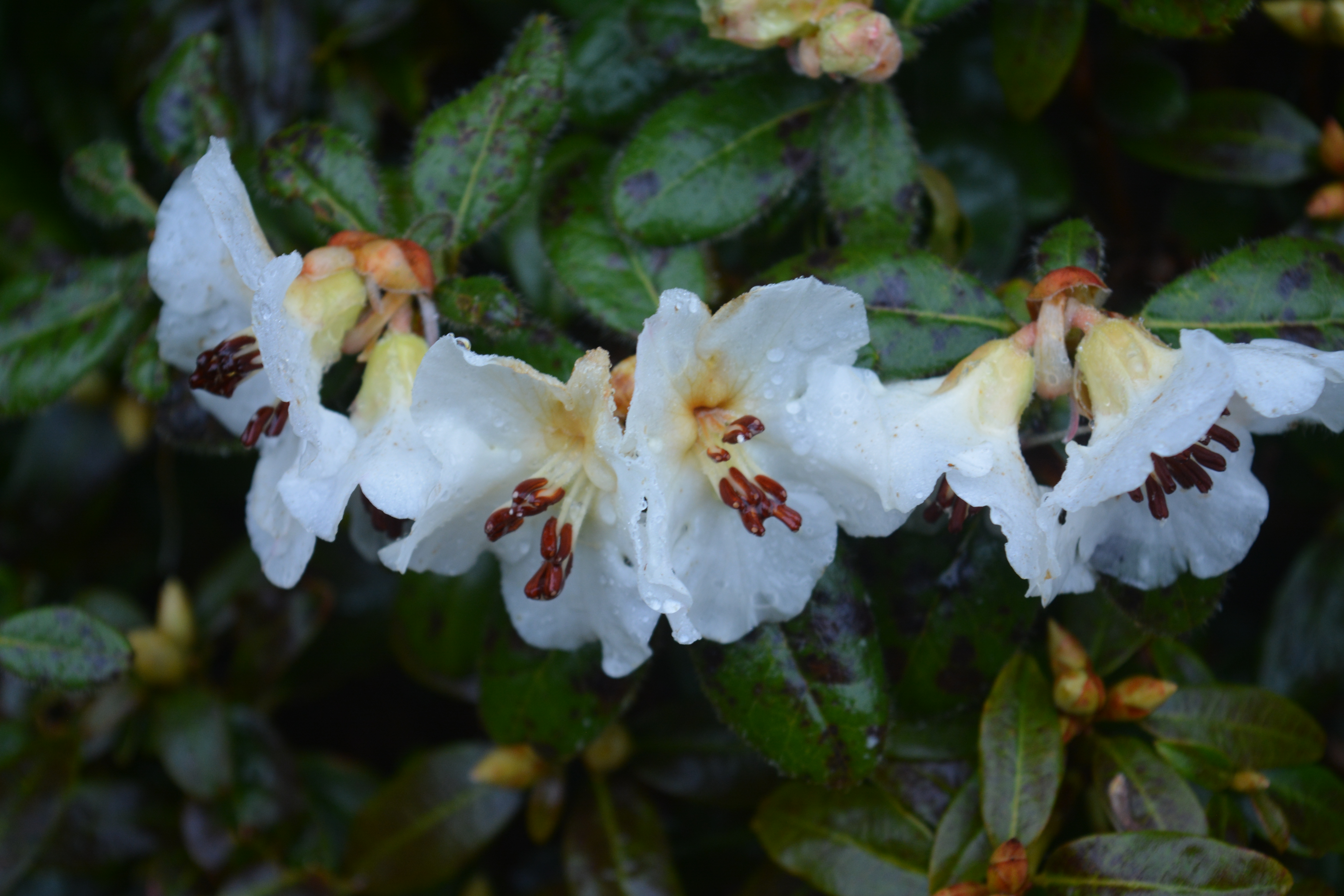
Some Rhododendrons were flowering well while others still showed tight buds. At this time of year every little flower on the shrubs is so powerful.
       

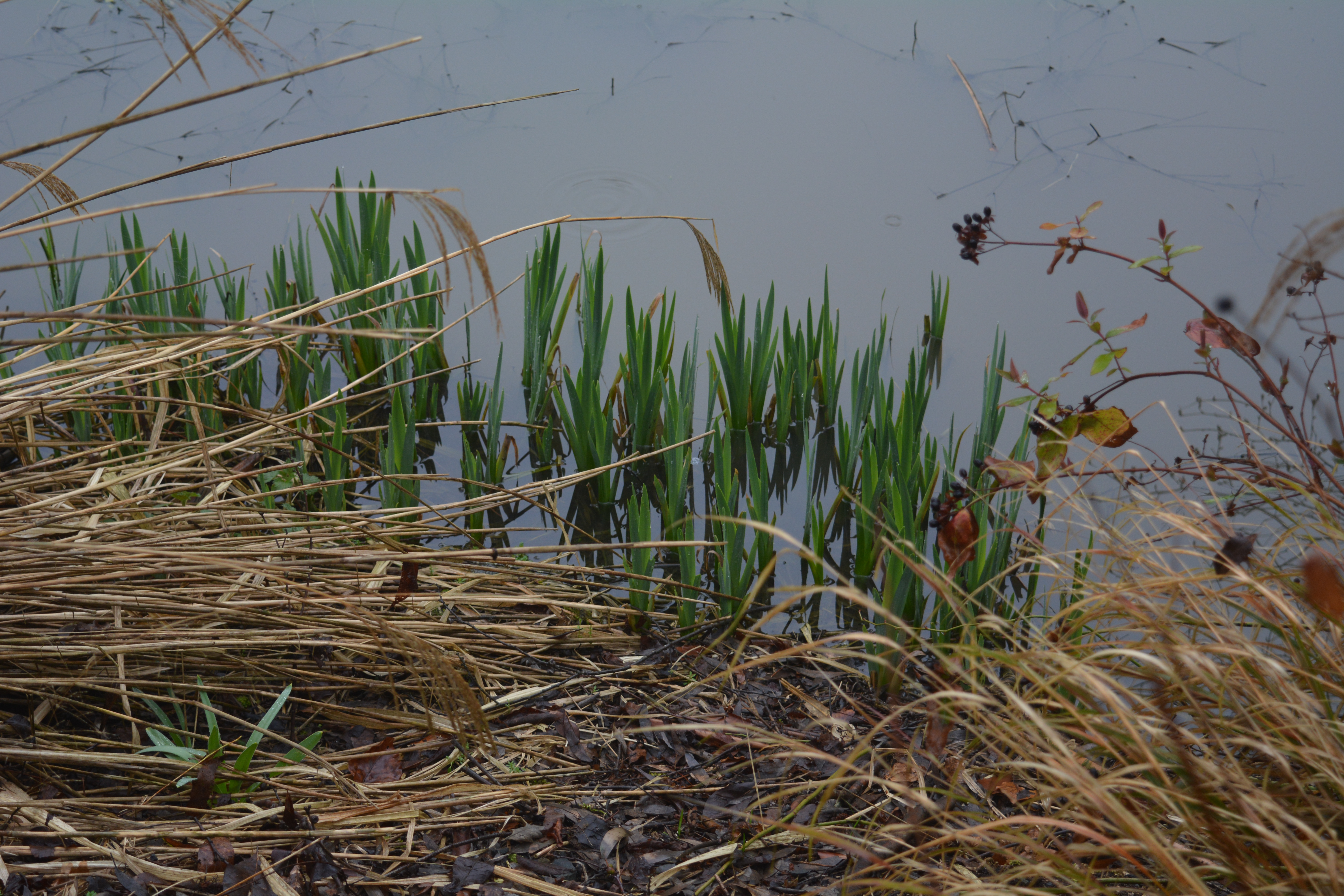
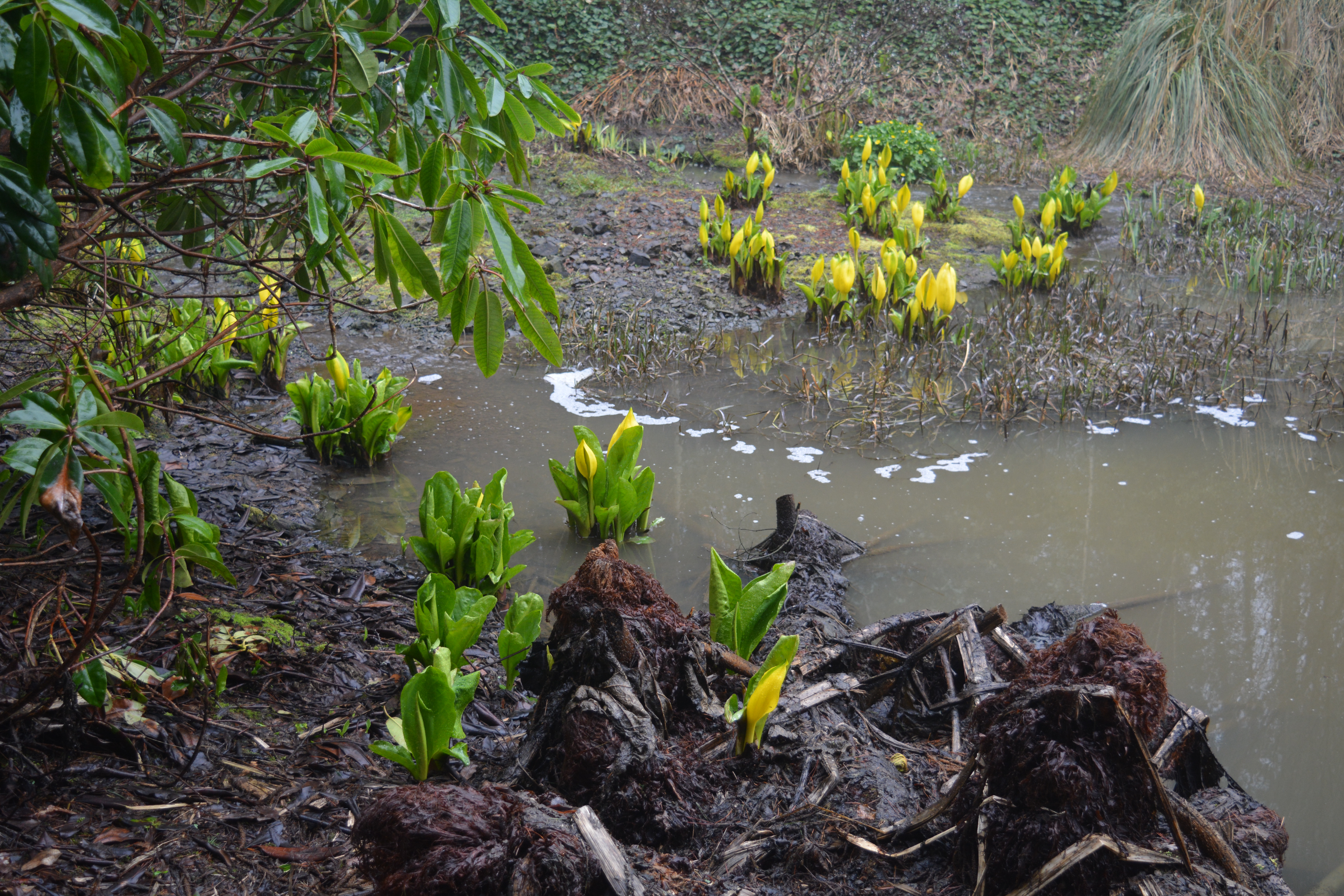
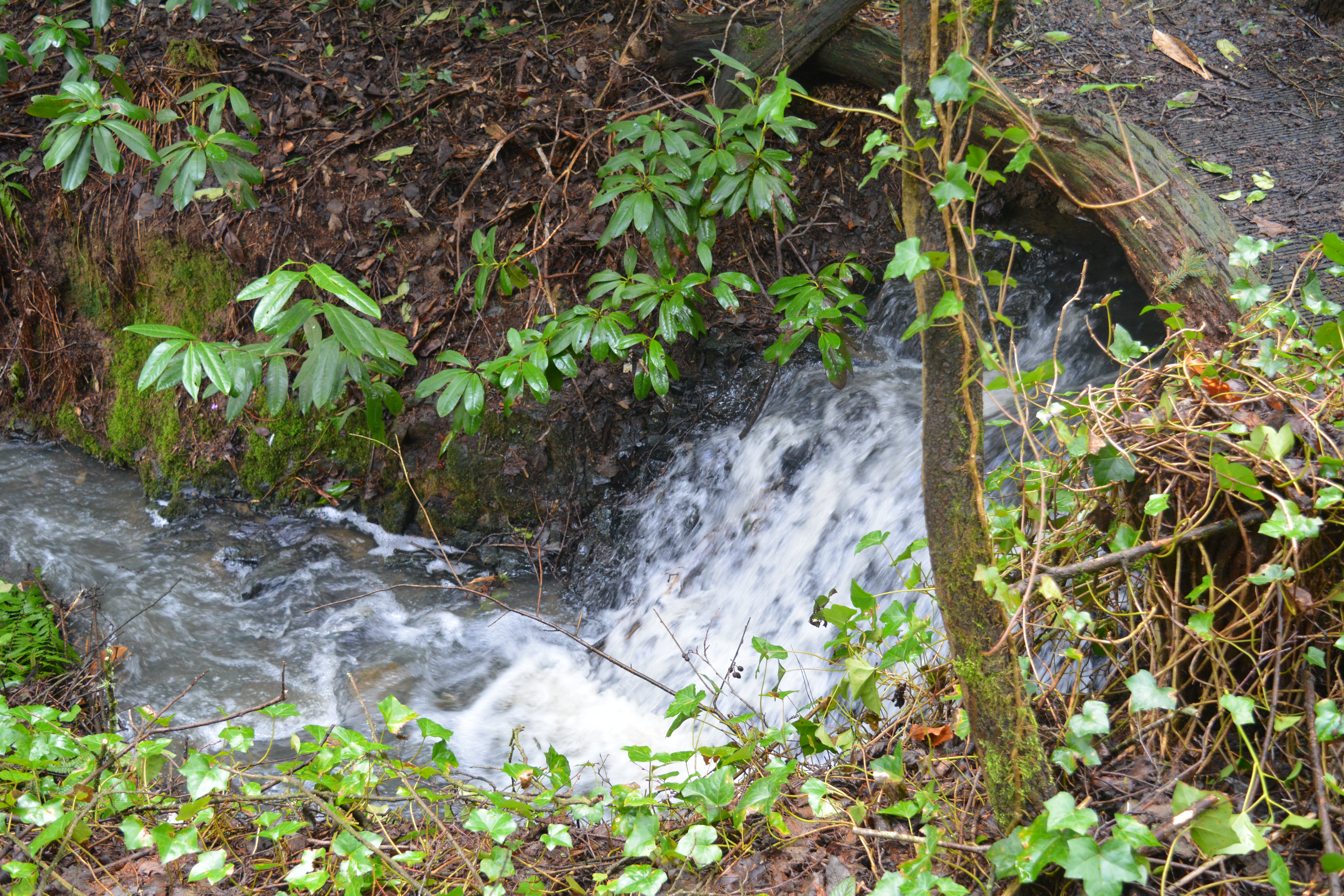
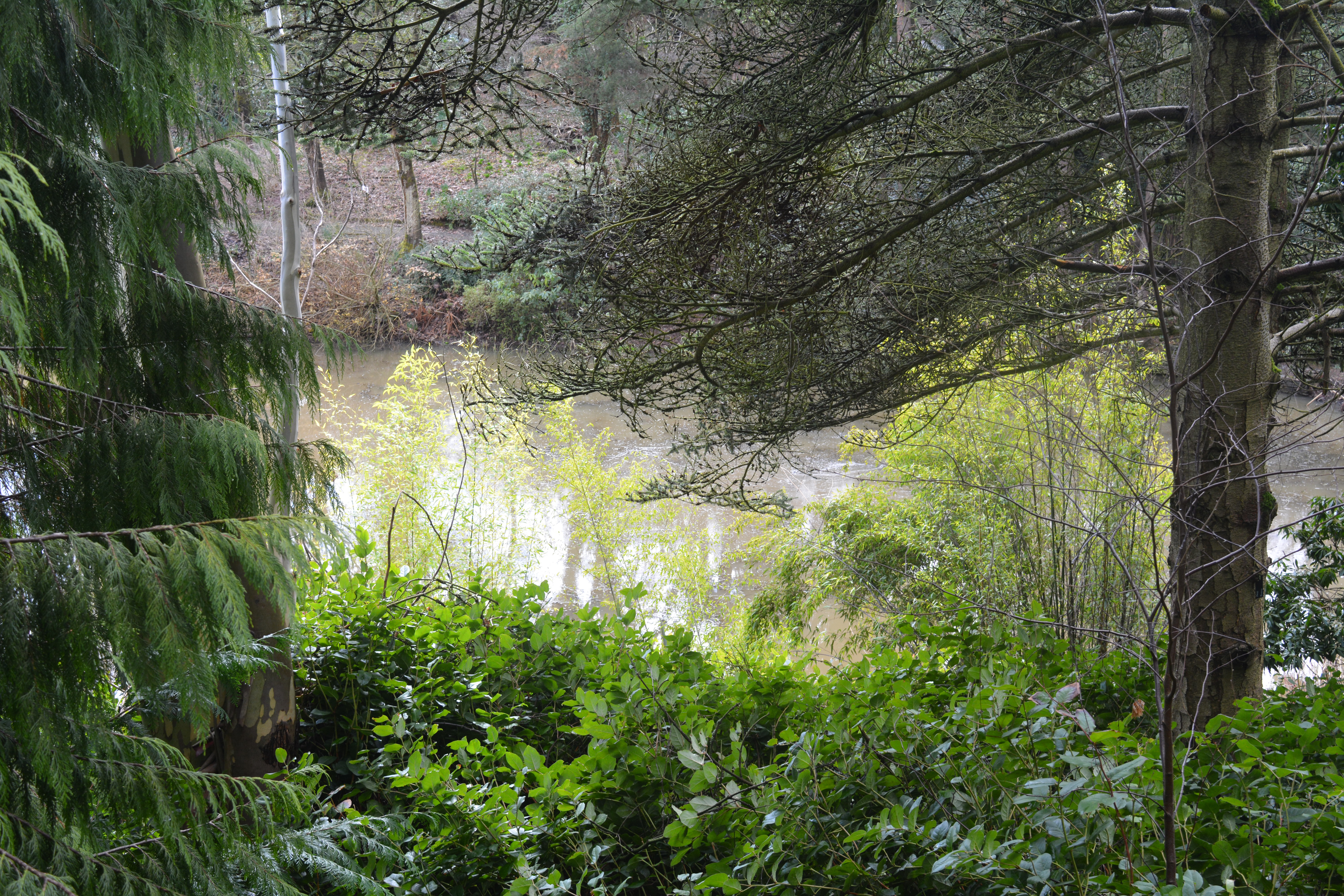
We made our way down towards the lake enjoying the misty views out across the water. When we arrived at the bankside we walked the perimeter and all the way we could see the glow of the yellow-flowered Skunk Cabbage growing on the water’s edge.

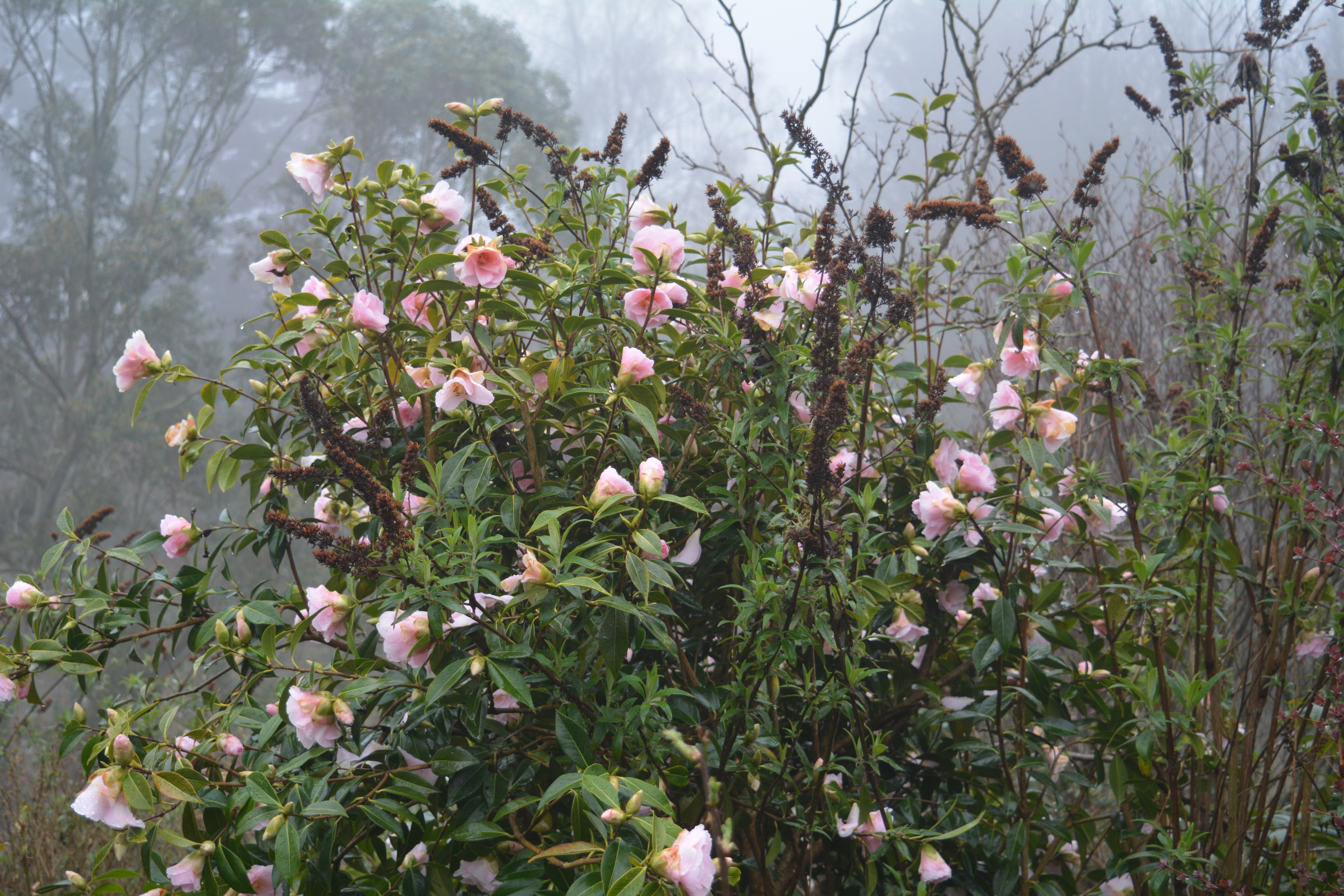
 

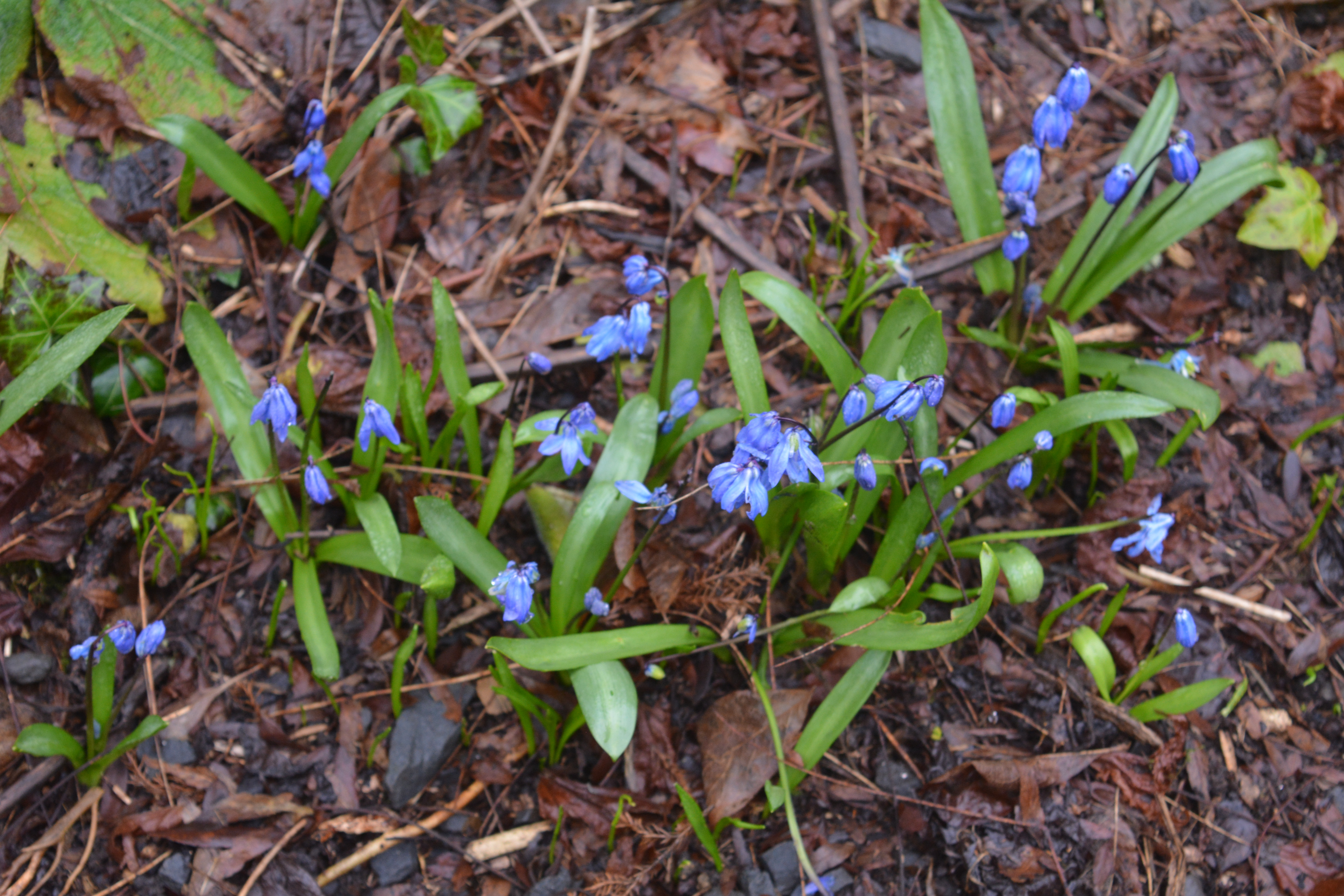
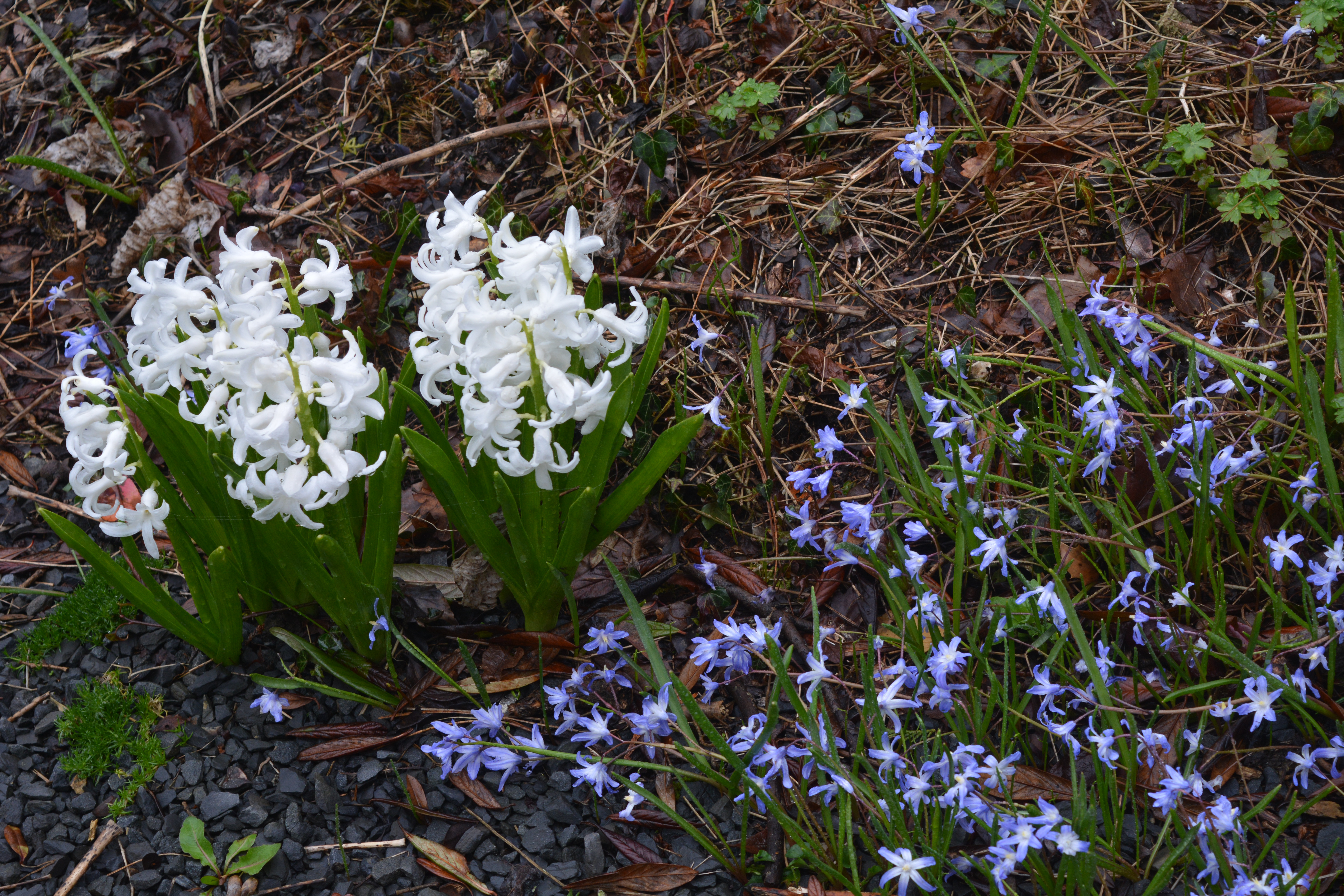
As we wandered back along the gravel paths we spotted odd flowering perennials and bulbs giving patches of colour in the shade of the shrubs.


We were once again surprised by the lack of changes on this month’s visit, but as with anything to do with Mother Nature there was plenty for us to look at and consider. Perhaps on our next visit, which will be in May, we will experience the presence of spring.
Categories
garden photography gardening gardens gardens open to the public landscapes light light quality National Garden Scheme NGS ornamental trees and shrubs trees water in the garden Winter Gardening winter gardens woodland woodlands Yellow Book Gardens

Early Spring Light in a Woodland Garden

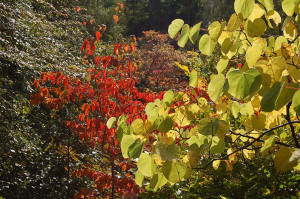
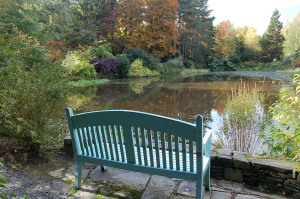
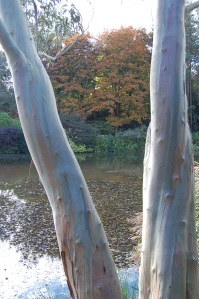
March at the Dingle woodland garden at The Dingle and Nursery near Welshpool proved to be a time with special light when the sun appeared for odd periods. I am sharing some of my photos taken of the landscape and the light playing with it. I hope you enjoy them!


Categories
flowering bulbs garden paths garden photography gardening gardens gardens open to the public National Garden Scheme nurseries ornamental trees and shrubs pathways Powis Powys trees Wales Winter Gardening winter gardens woodland woodlands Yellow Book Gardens

The Dingle Garden in Welshpool – March

We returned to the Dingle Garden and Nurseries for the third time this year, hoping for signs of spring but having experienced such bad weather recently we were expecting few changes at all. We always enjoy a wander around the nursery anyway so that would make up for any disappointments. In particular we enjoy their collections of trees and shrubs.

We soon spotted shrubs we had looked at in detail on our last visit when buds were fattening but not displaying signs of opening. On this our March visit things had not developed at all. However some shrubs further down the slope towards the lake where there was more shelter were in fact in the first stages of bursting into leaf.

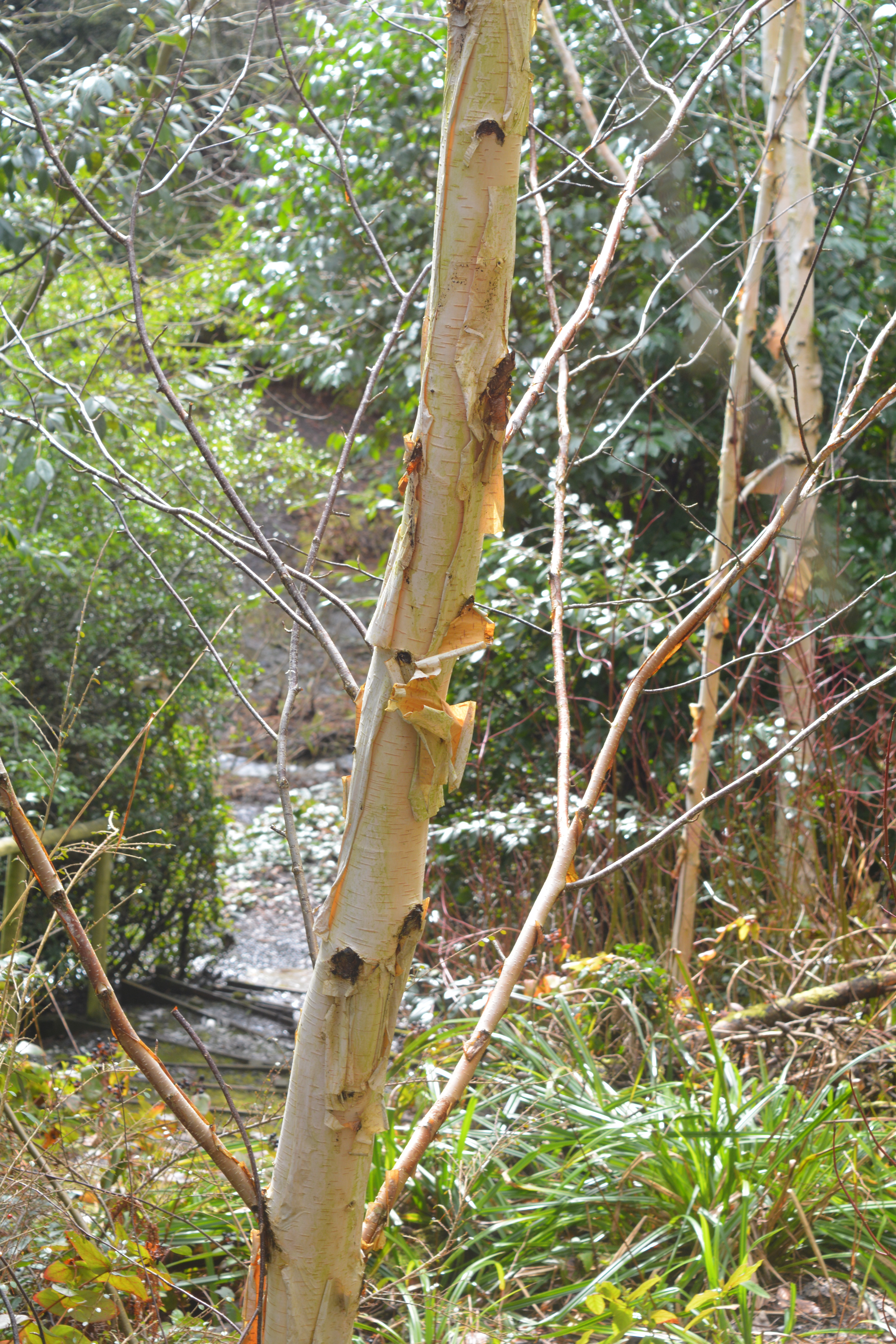
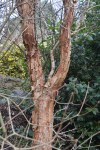
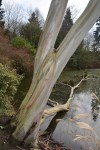
The light on this visit allowed the colour and texture of the bark on trees show up far better than in February.

    ,

Deciduous Euonymus such as our native Euonymus europaeus, display their heavily textured bark when they are bare of foliage, and Euonymus alatus is a particular star with its winged stems.

 

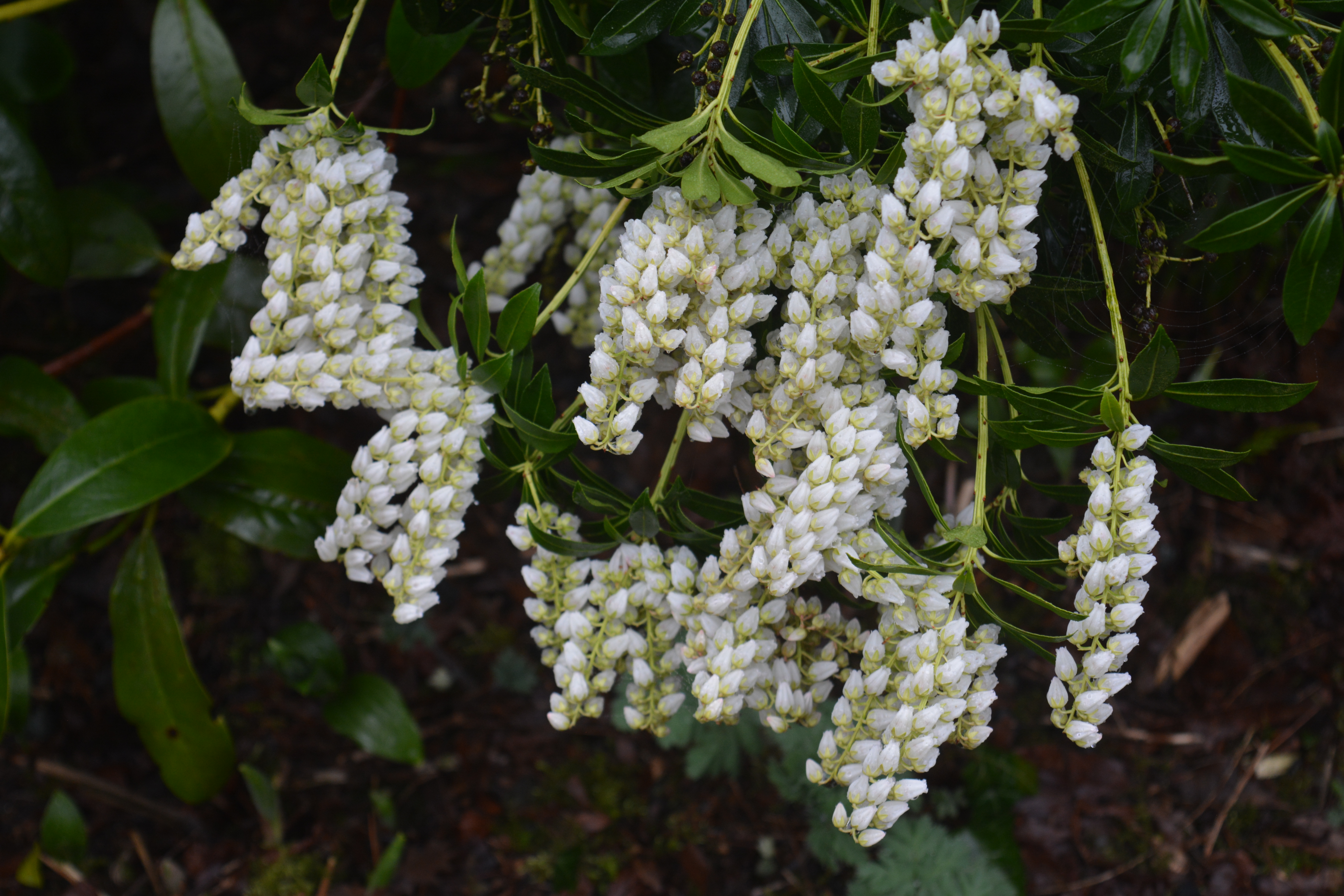
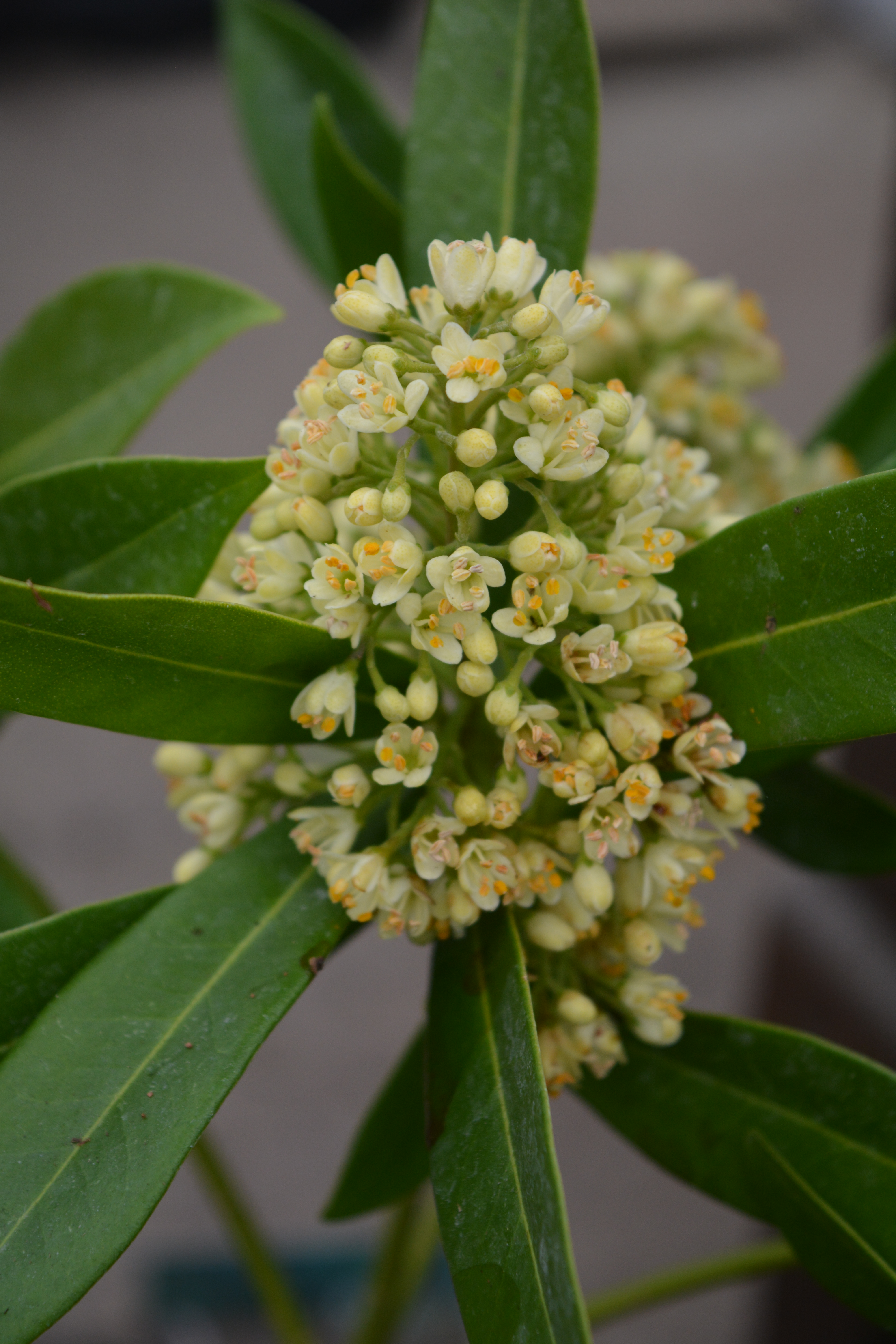
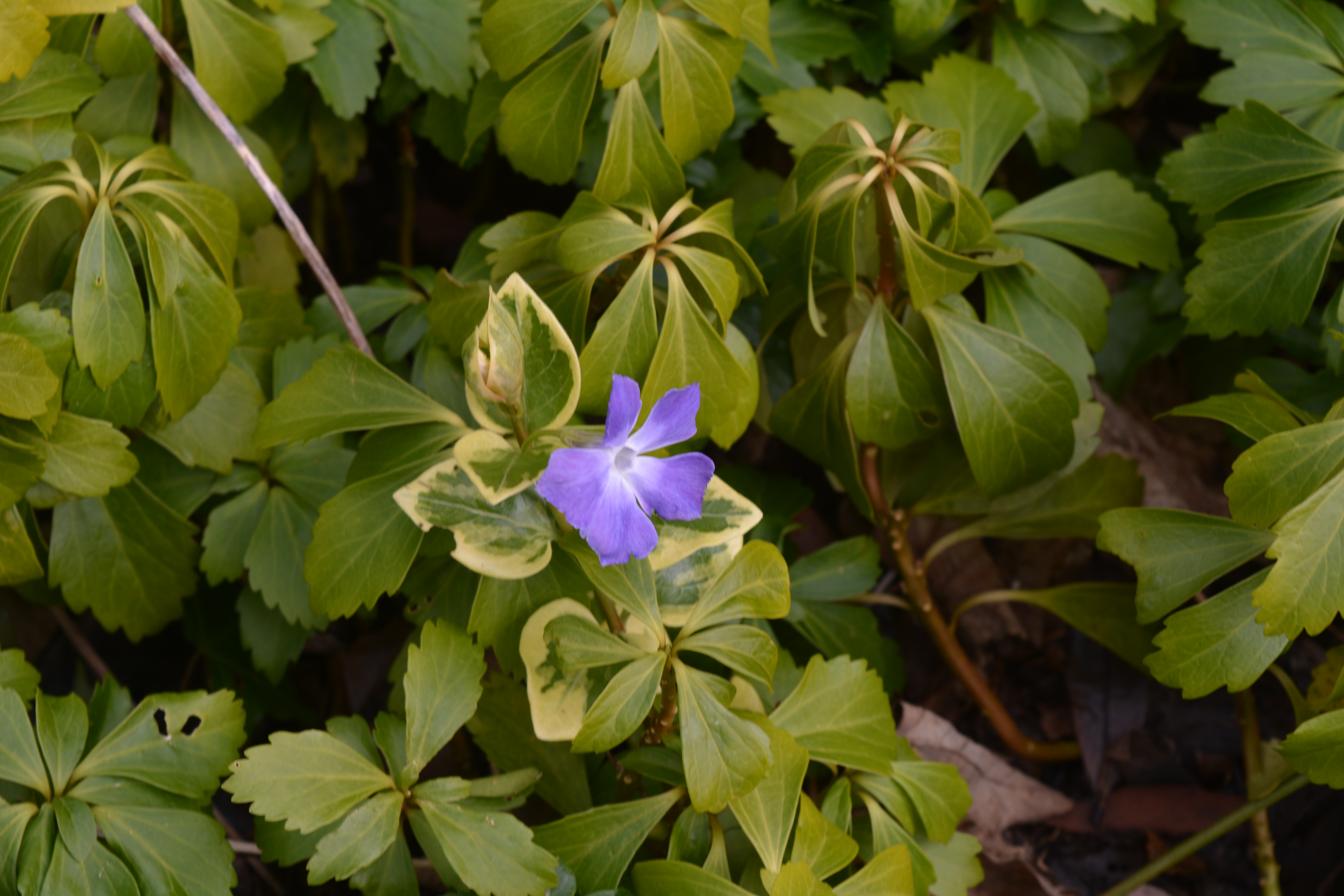
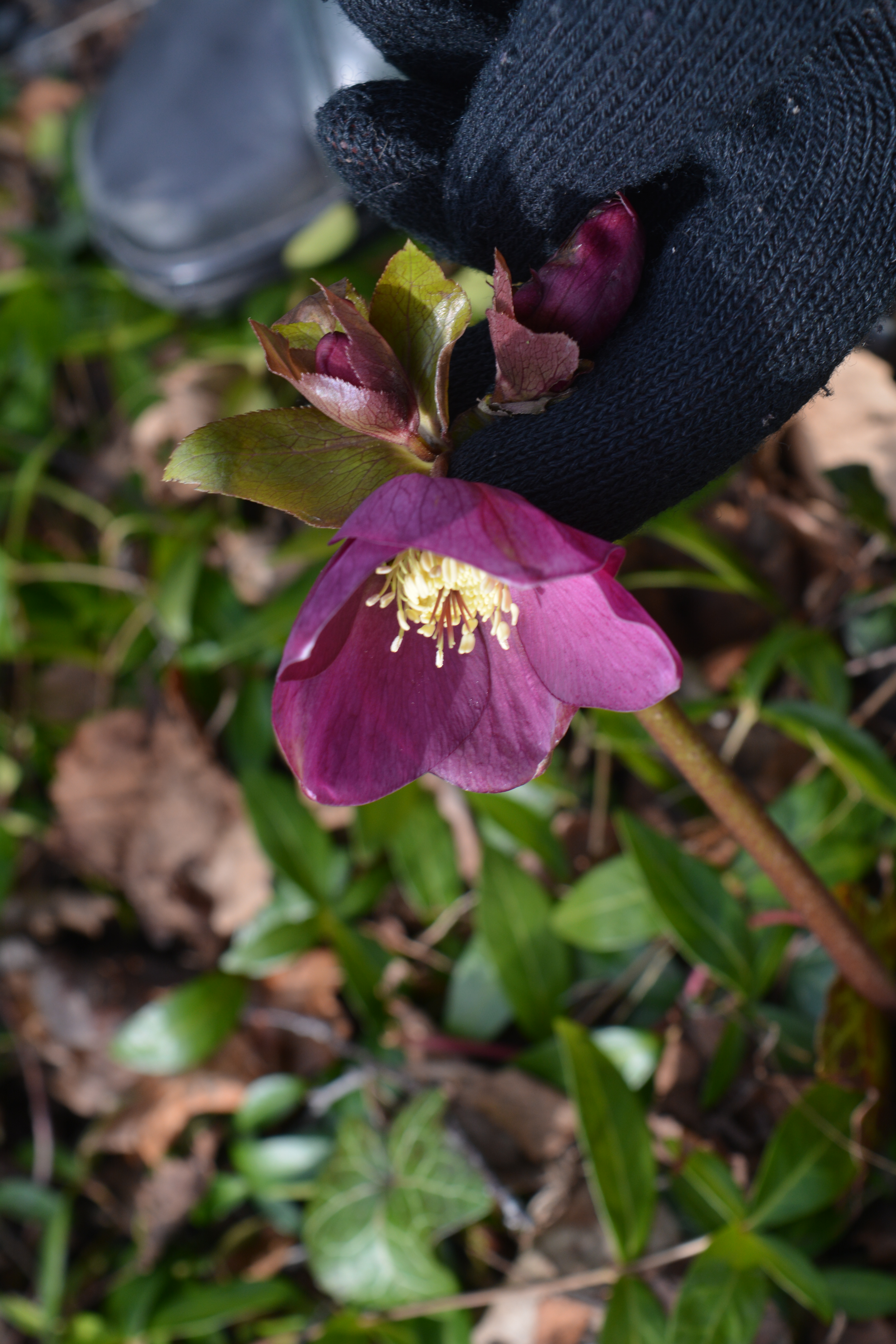
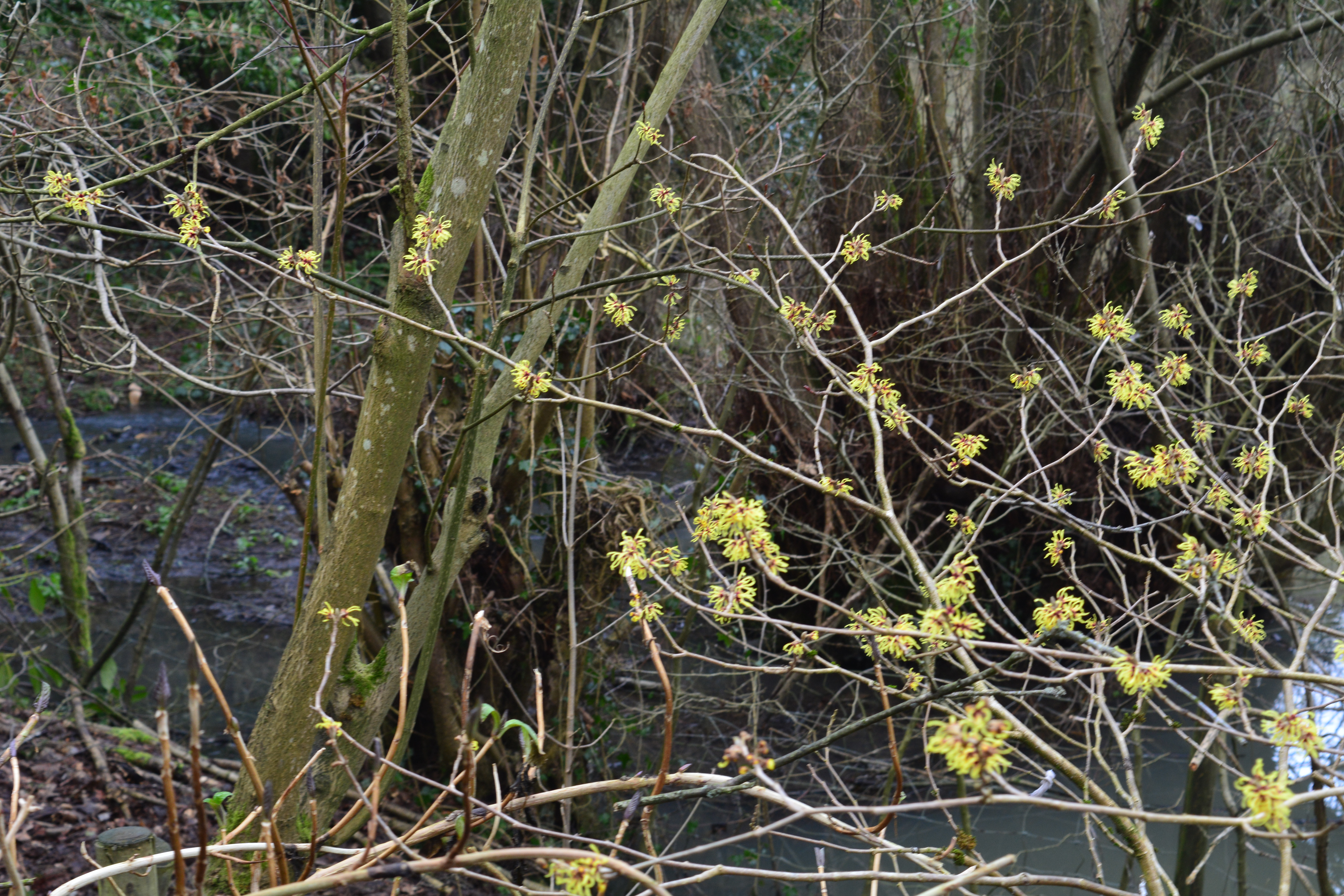
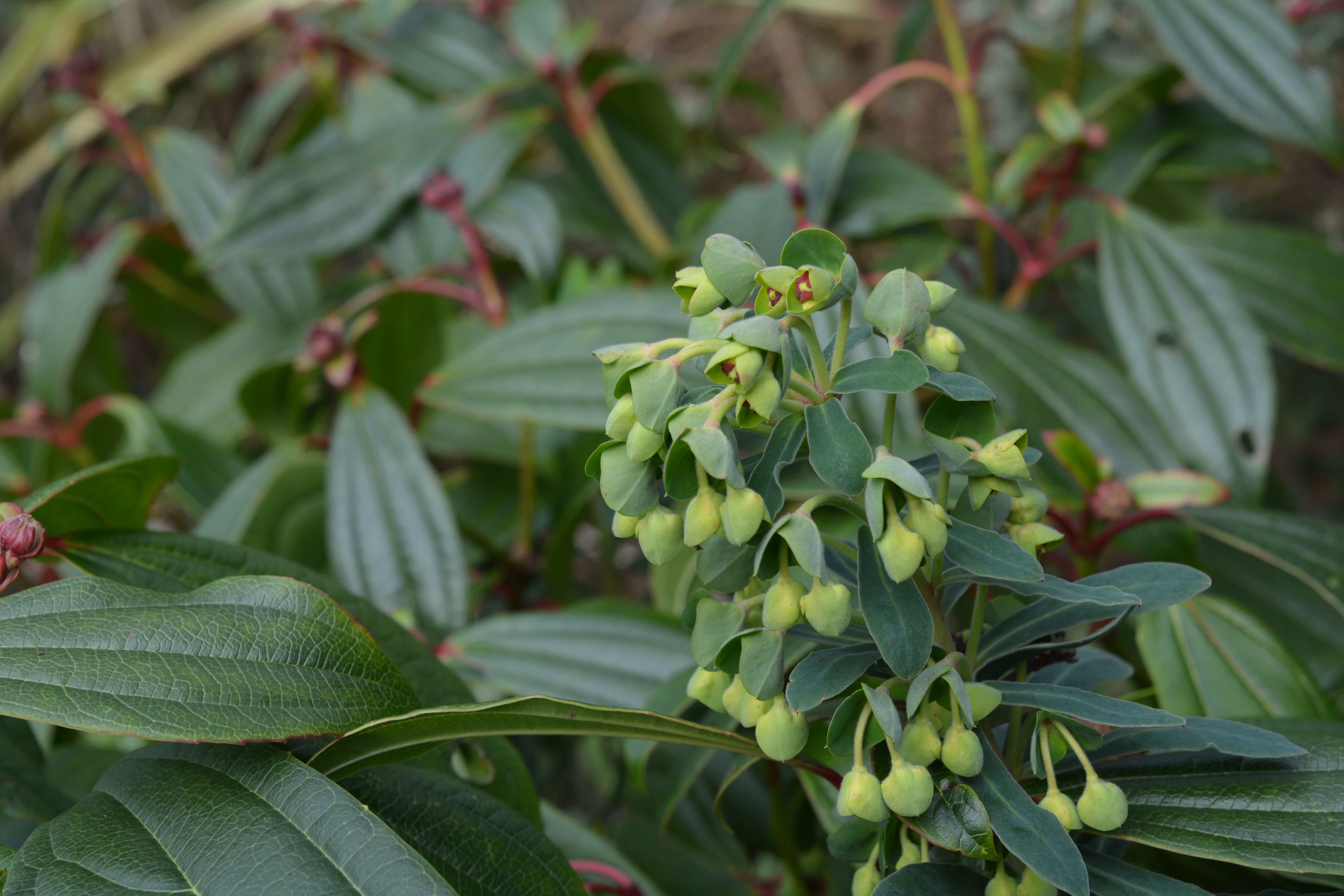
A few shrubs had open flowers and looked very special, like gems, among so much deep green of the many evergreens growing on the slopes. Hellebores and flowering bulbs added splashes of colour amongst the undergrowth. The tiny insignificant flowers of Euphorbias sat snuggled into the bright green bracts.


The common native Hazel, Corylus avellena, is far from ordinary. It is an exceptional plant as it gives so much to our gardens. If you plant a contorted variety then you get the strangest of winter skeletons, but with others you get sturdy upright growth and this growth provides us with our bean poles for the allotment. In the first months of each year they delight us with their catkins which look like little lime-green lambs’ tales. These are the male flowers producing mists of pollen on breezy warm days but if you look very closely you may be lucky enough to find a female flower which is a minute deep red flower like a miniature sea anemone.


Buds were just beginning to show the early signs of fattening up when we made our visit in February so we were so pleased to find some fresh brightly coloured leaves beginning to burst forth from them this month.


Fresh growth had appeared from clumps of perennials, with Hemerocallis way ahead of others with the brightest and most advanced growth of all.


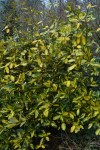
Evergreen shrubs have produced new foliage which looks so young with glossy surfaces and extra bright colours.


As we wandered the pathways enjoying the freshness of new growth and bursting buds, we were distracted by surprises and unexpected features, such as this old tumbled-down summer house and a deep fissure in the path where rushing floodwater had flowed beneath the path removing materials.


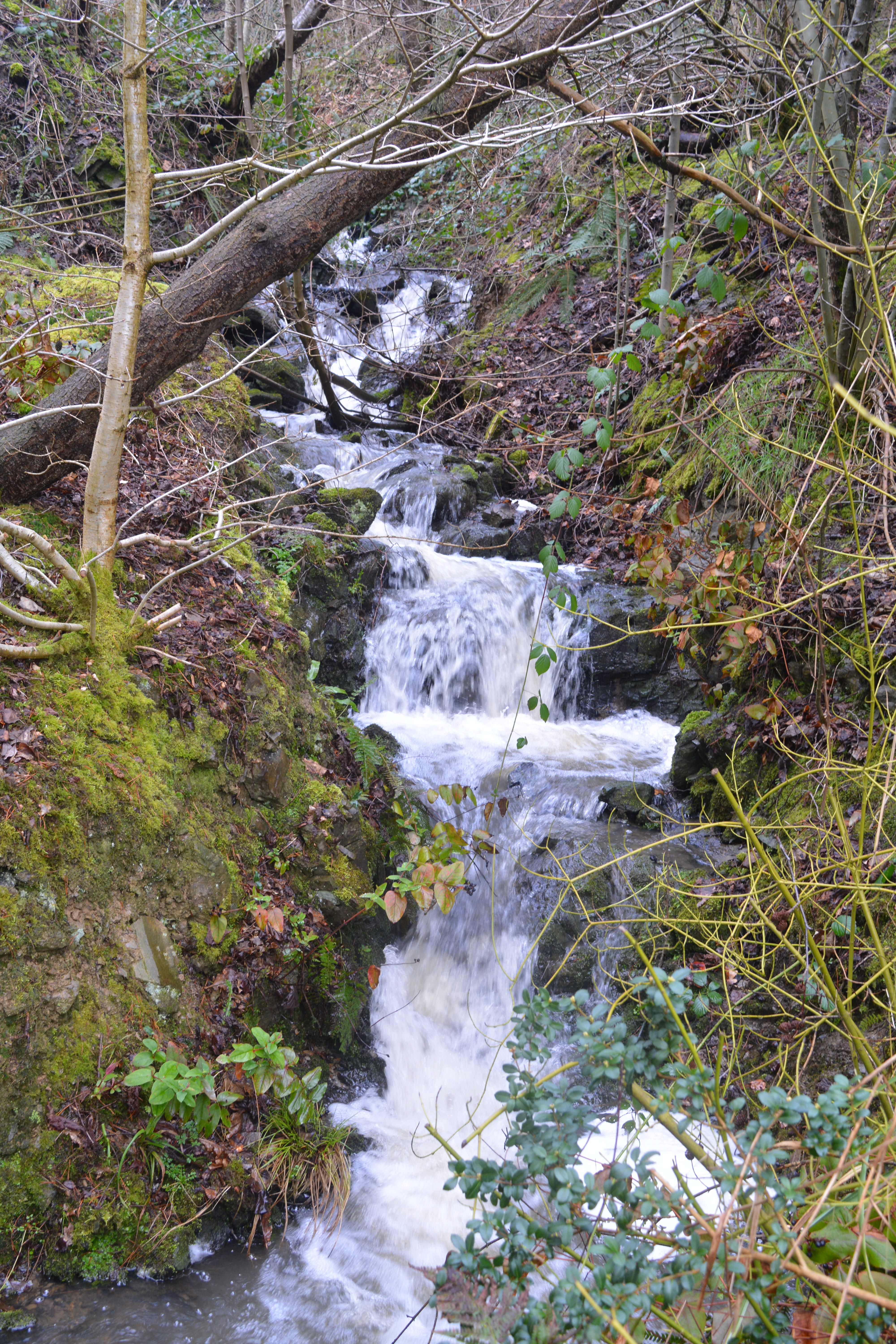
The stream which we enjoyed watching last month tumbling beneath the wooden footbridge had turned into an angry torrent of water, so noisy that we could hear it from far off. Wherever we were inside the woodland garden we could hear running water rushing down slopes, along tiny streams and over pathways.

Let us hope that by the time of our next visit the garden will be much dryer and the water passing down the site will be back within its banks.


Categories
garden photography gardening gardens ornamental trees and shrubs outdoor sculpture spring bulbs trees Wales Winter Gardening winter gardens woodland woodlands

The Dingle Garden in Welshpool – February

Back to Welshpool to explore The Dingle Gardens for February, we expected little change since our January visit as the weather had remained very similar.

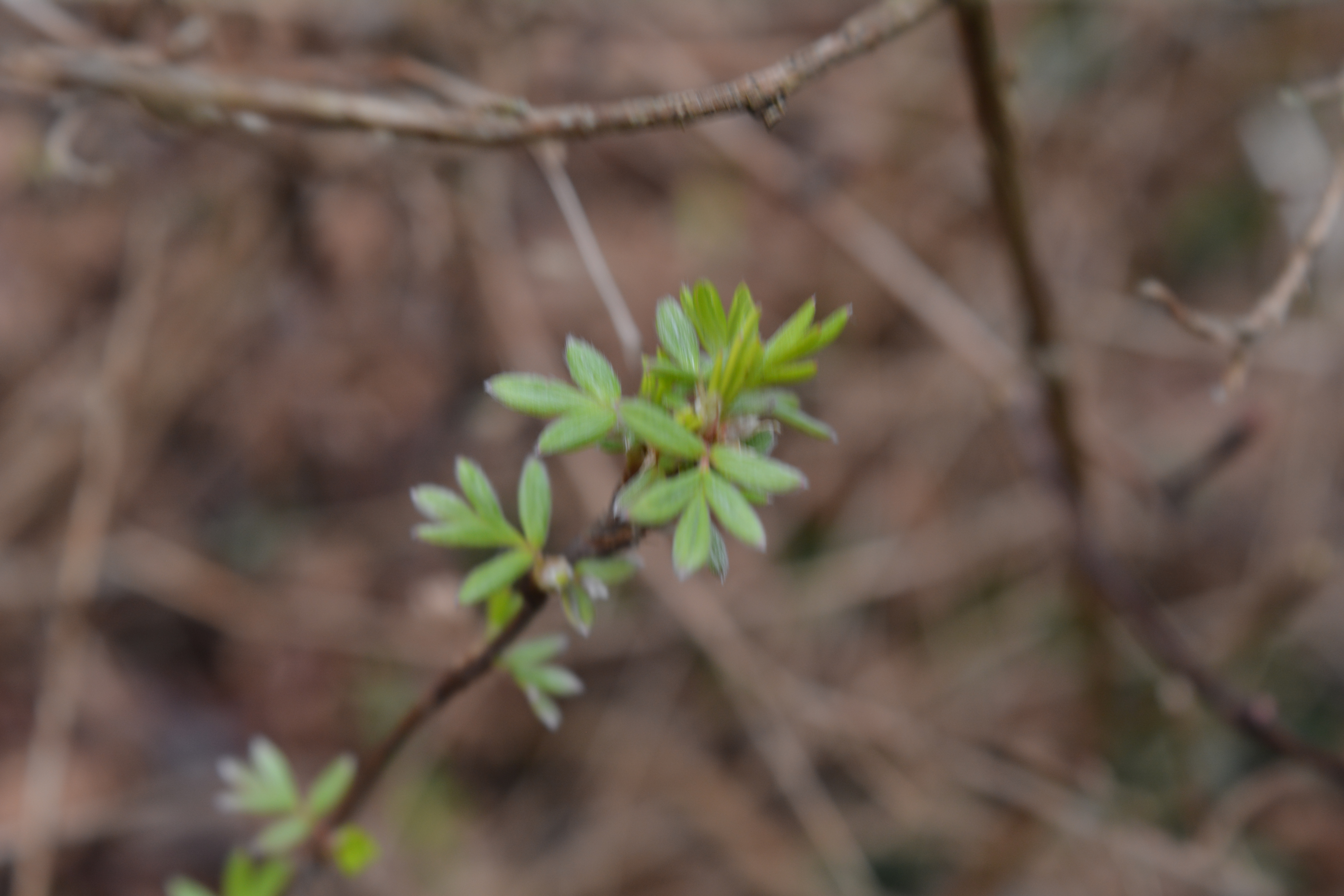
We were greeted by a stunning wooden owl sculpture! Soon we noticed there were lots of signs of new growth, buds forming on trees and shrubs and a few beginning to burst into leaf.


Rhodendrons and Azaleas have strong looking buds both leaves and flowers showing well.


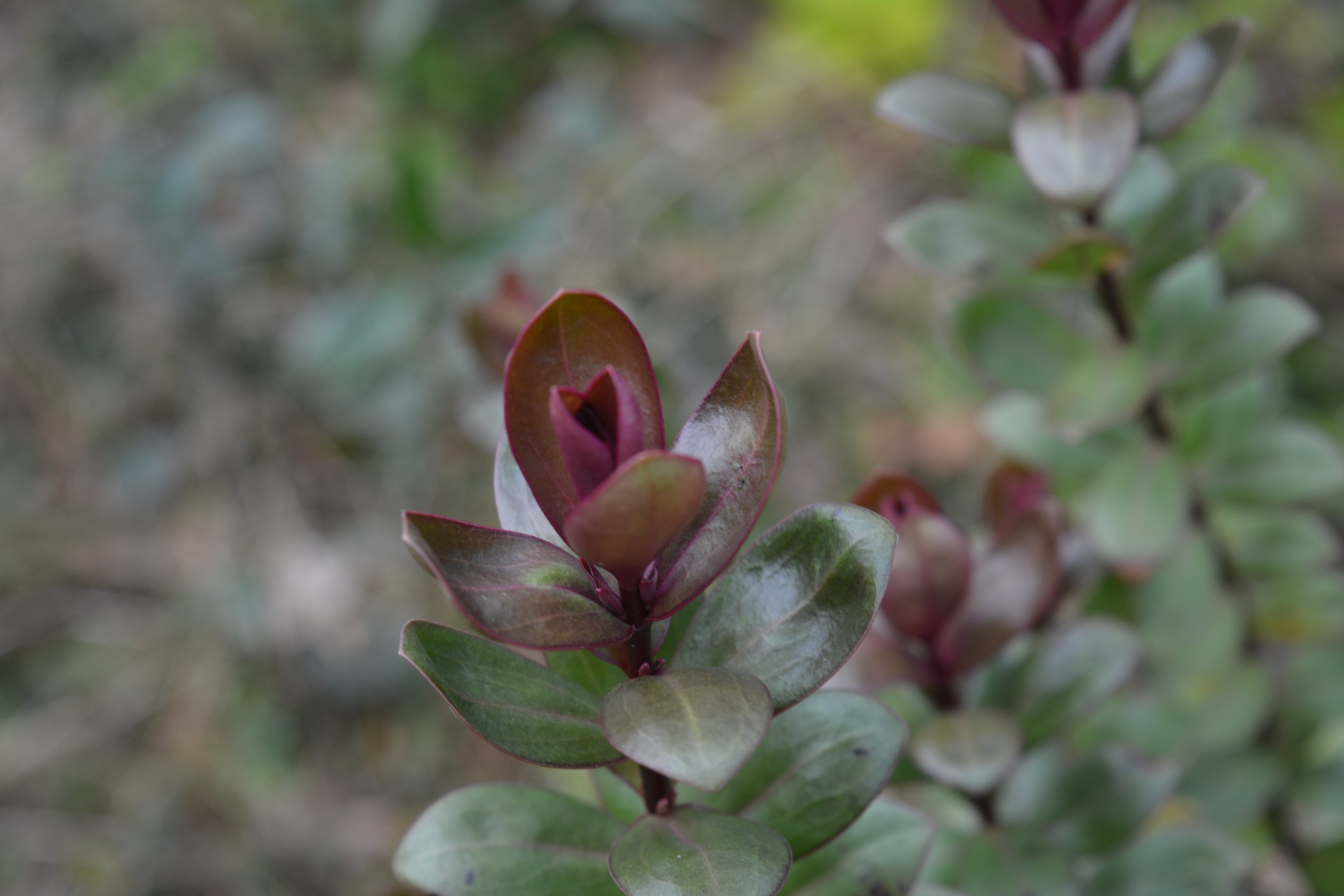
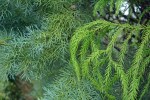
Some of the many small evergreen shrubs are showing off new fresh growth with Hebes sporting new coloured foliage along with some conifers who show off new coloured needles.

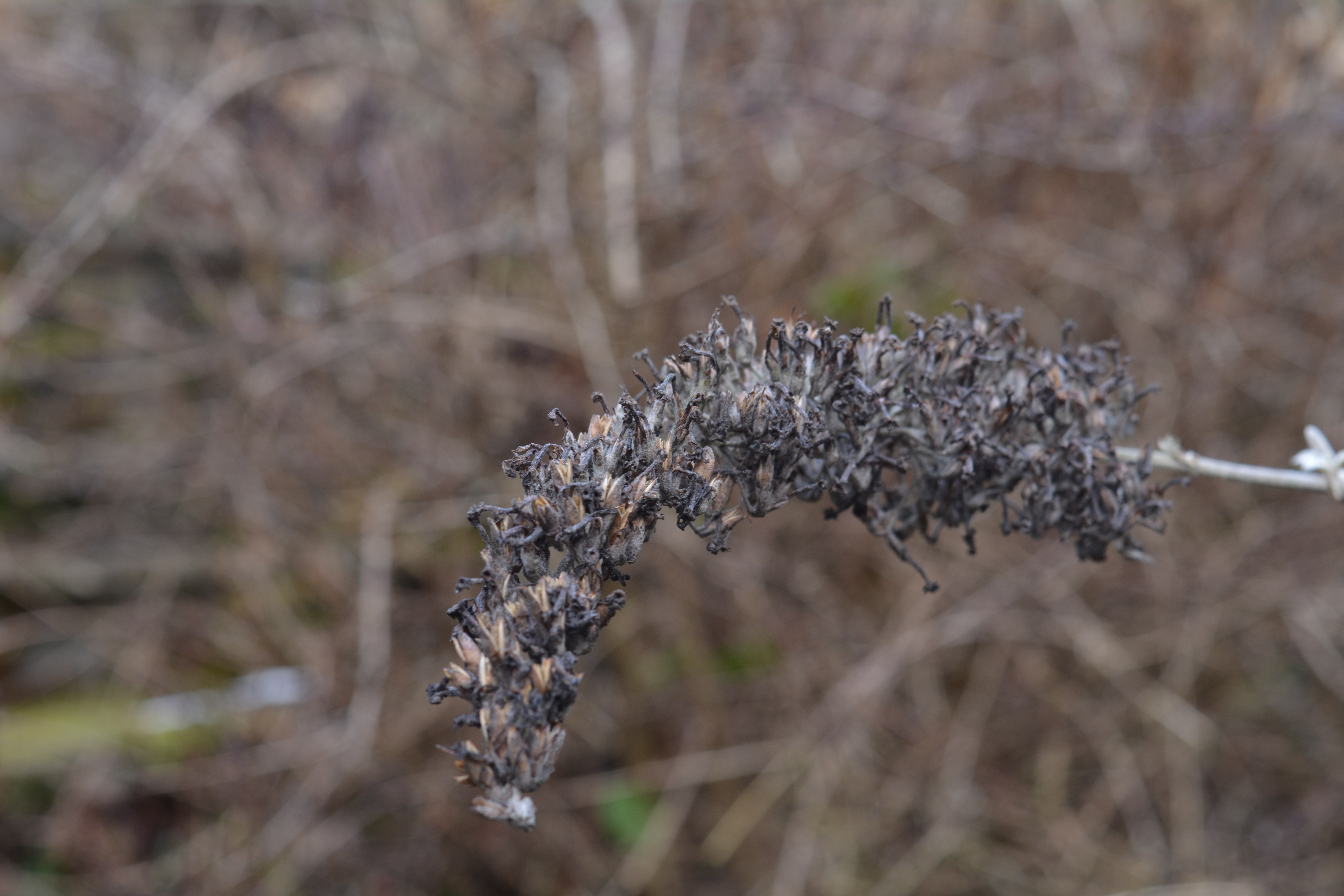
We spotted one Buddleja which was holding onto seed heads from last autumn alongside fairly advanced fresh silver foliage. We wondered what would happen to this growth if a frost suddenly covered it.

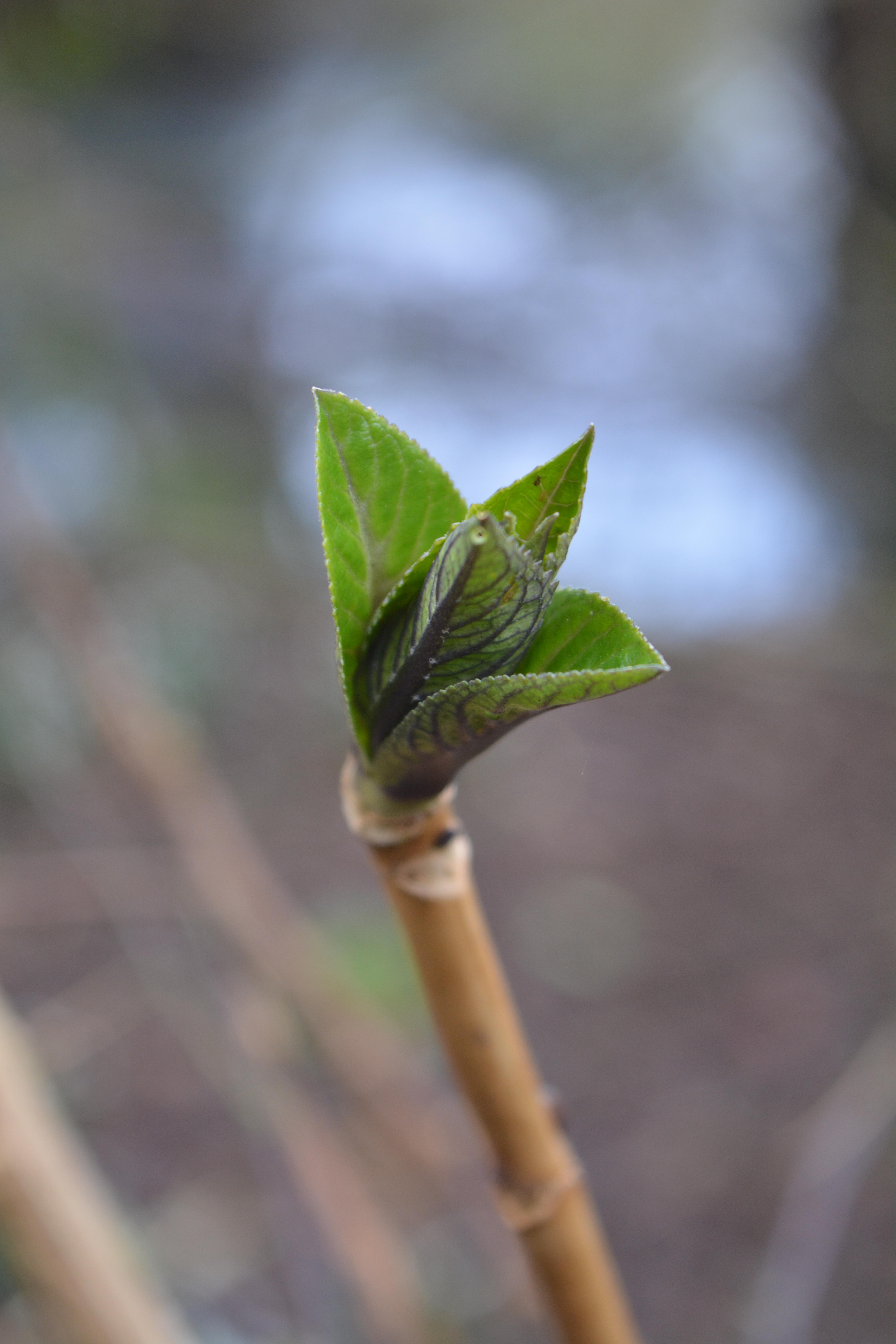
A few plants had splashes of green showing where leaf buds were beginning to burst, especially Hydrangeas


We didn’t expect to come across many flowers but there were a few to delight the eye and sometimes the nose too.


The bracts and tiny flowers of Euphorbias were brightening up showing glaucous and lime green colours.


So February proved to be more interesting than we had predicted. We hope to see the first signs of spring on our next visit in March.


Categories
colours garden design garden photography garden ponds gardening gardens gardens open to the public light log piles National Garden Scheme NGS nurseries ornamental trees and shrubs outdoor sculpture Powis Powys shrubs trees Wales Winter Gardening winter gardens Yellow Book Gardens

The Dingle Gardens Welshpool – January

Here we are back visiting our chosen garden each month, with our garden for 2018 being the attached garden at The Dingle Nurseries near Welshpool. This garden is of a totally different scale, atmosphere and style to Attingham Park, our garden for 2017. The garden is open every day of the year bar Christmas Day and on odd days the fees go to the National Garden Scheme.

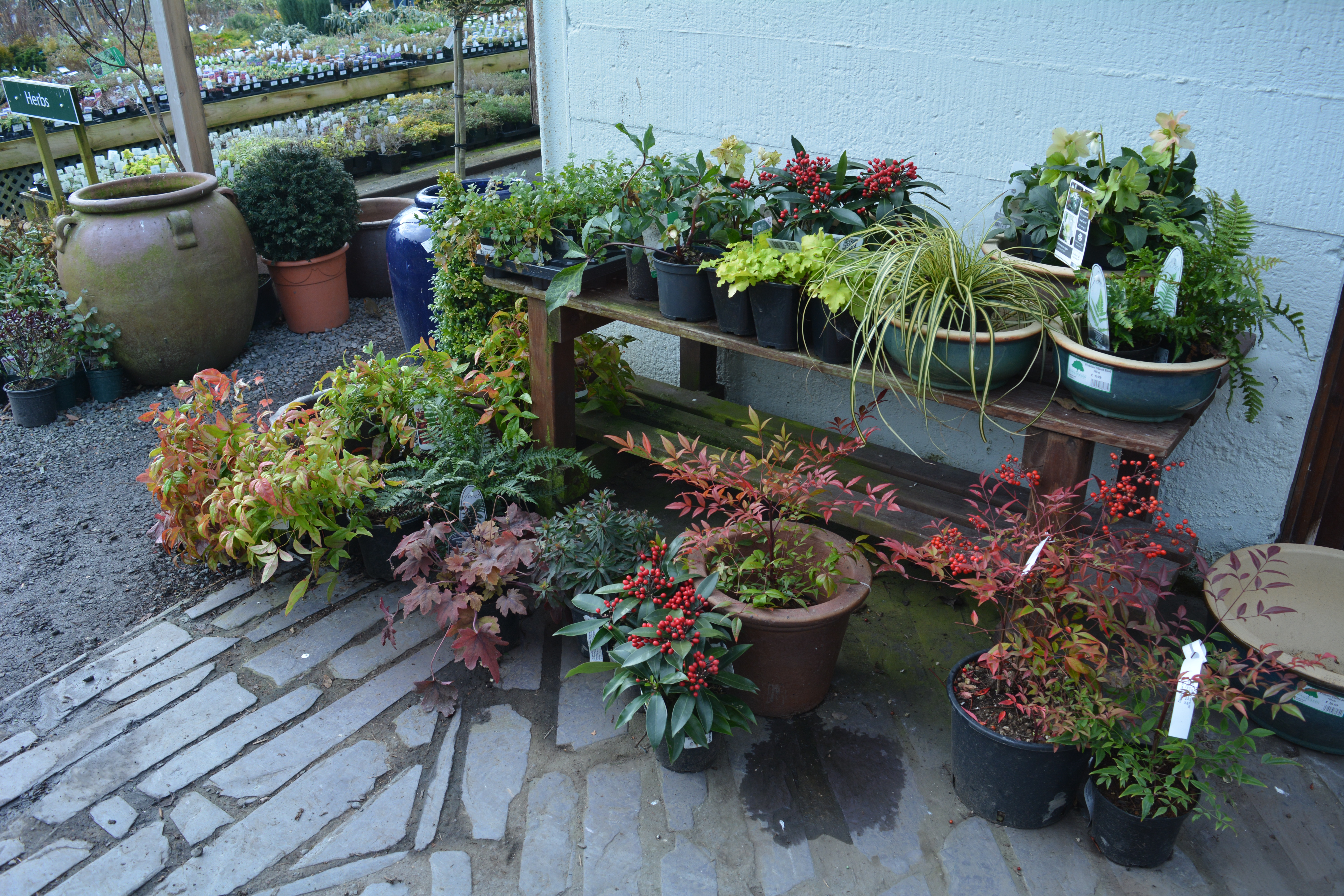
The nursery is stocked with perennials, shrubs and trees but specialises mostly in the last two, and it is from here that we tend to buy our trees and shrubs. This is a nursery we are delighted to have on our dooorstep. As we move through the entrance we always enjoy the displays of plants with current interest and similarly plants for winter interest and displayed in the first few rows of plants.


So, here we are on the 14th January with our first visit to our new garden, arriving on a dull lightly overcast day. Having never visited before this deep into winter, we entered through the wooden gate green with algae and followed the gravel paths into the garden, not quite knowing what to expect. We enjoy surprises in the gardens we visit!

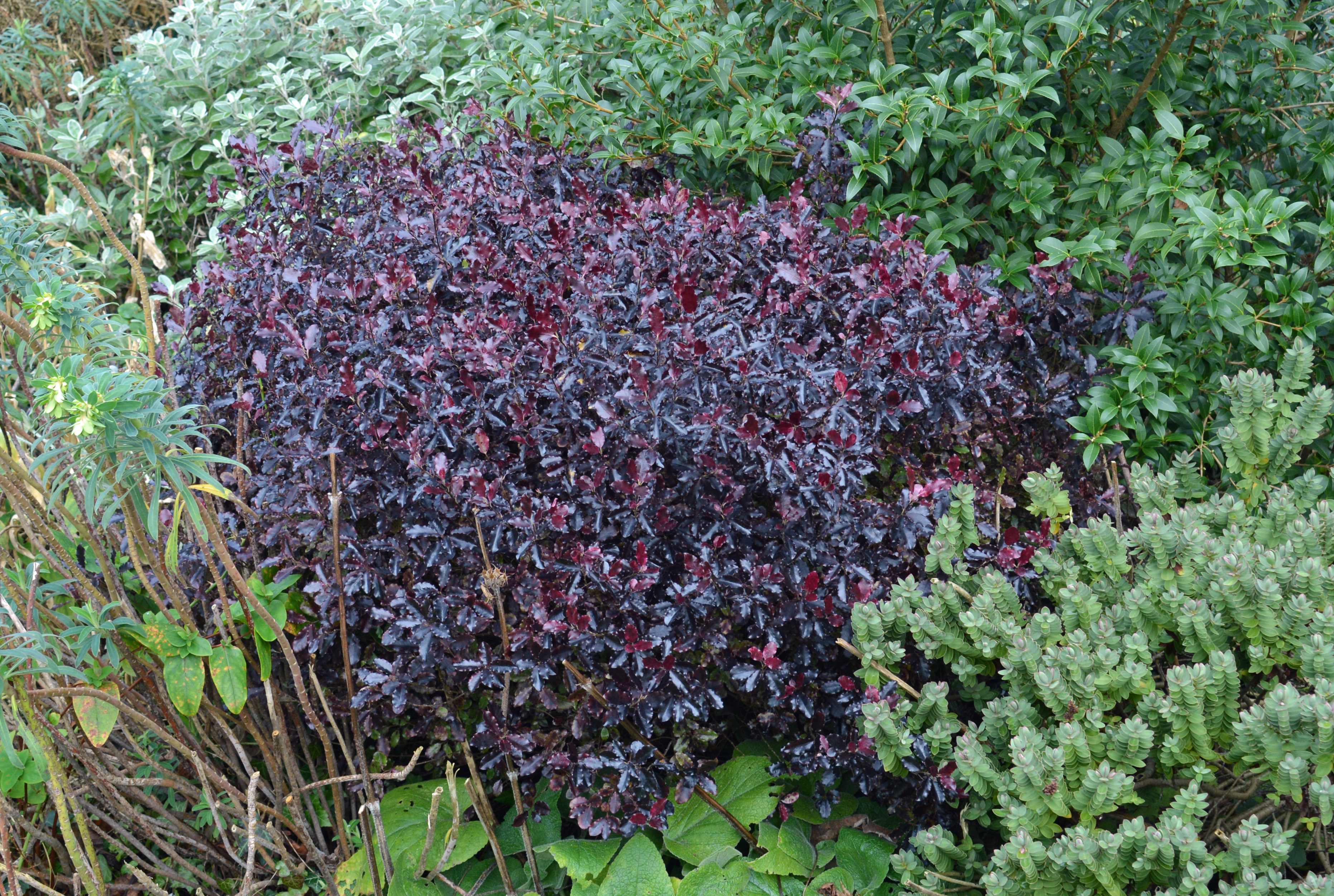
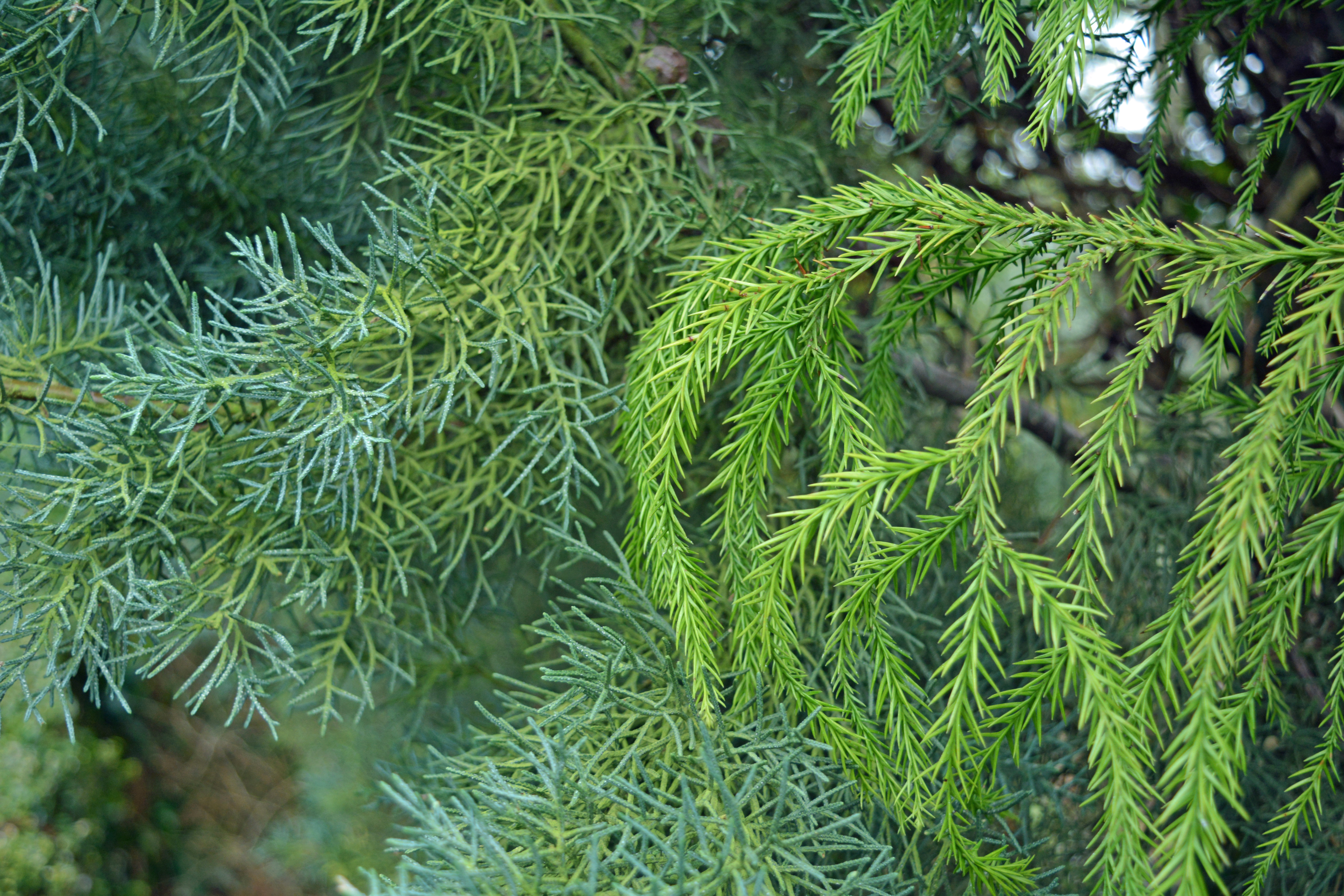
Evergreens both coniferous and broadleaves lined the paths and are planted in thoughtful groupings. In the first photo a dark, glossy leaved Pittosporum “Tom Thumb” sits comfortably with a Euphorbia, a Brachyglottis and a Hebe. In the second picture two conifers illustrate how different they can be in texture, colour and form.


Early in our wanderings we found this lovely rustic seat which is slowly being eroded away by the weather. Close by the seat glowed the pale green flowers of a Helleborus foetidus.


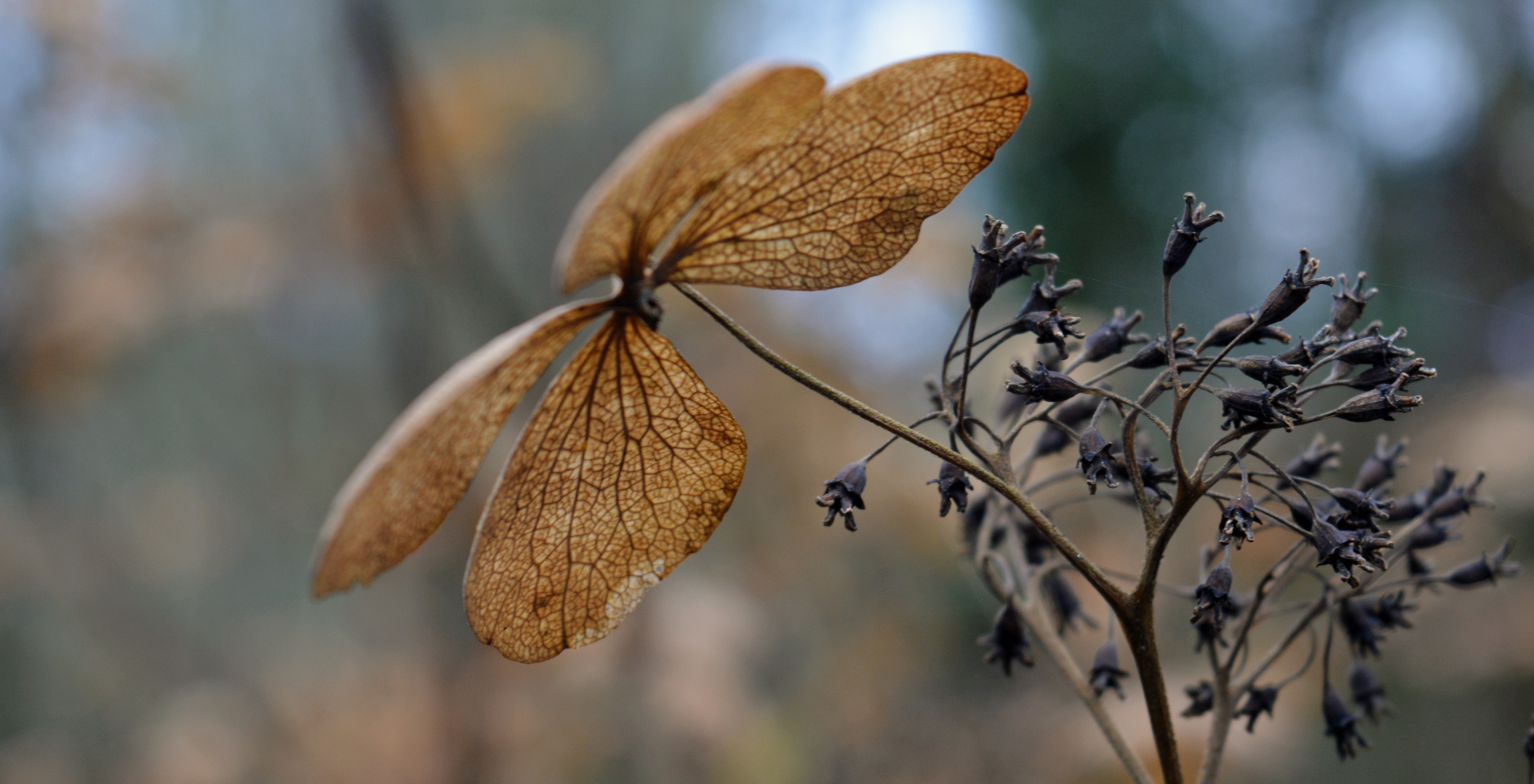
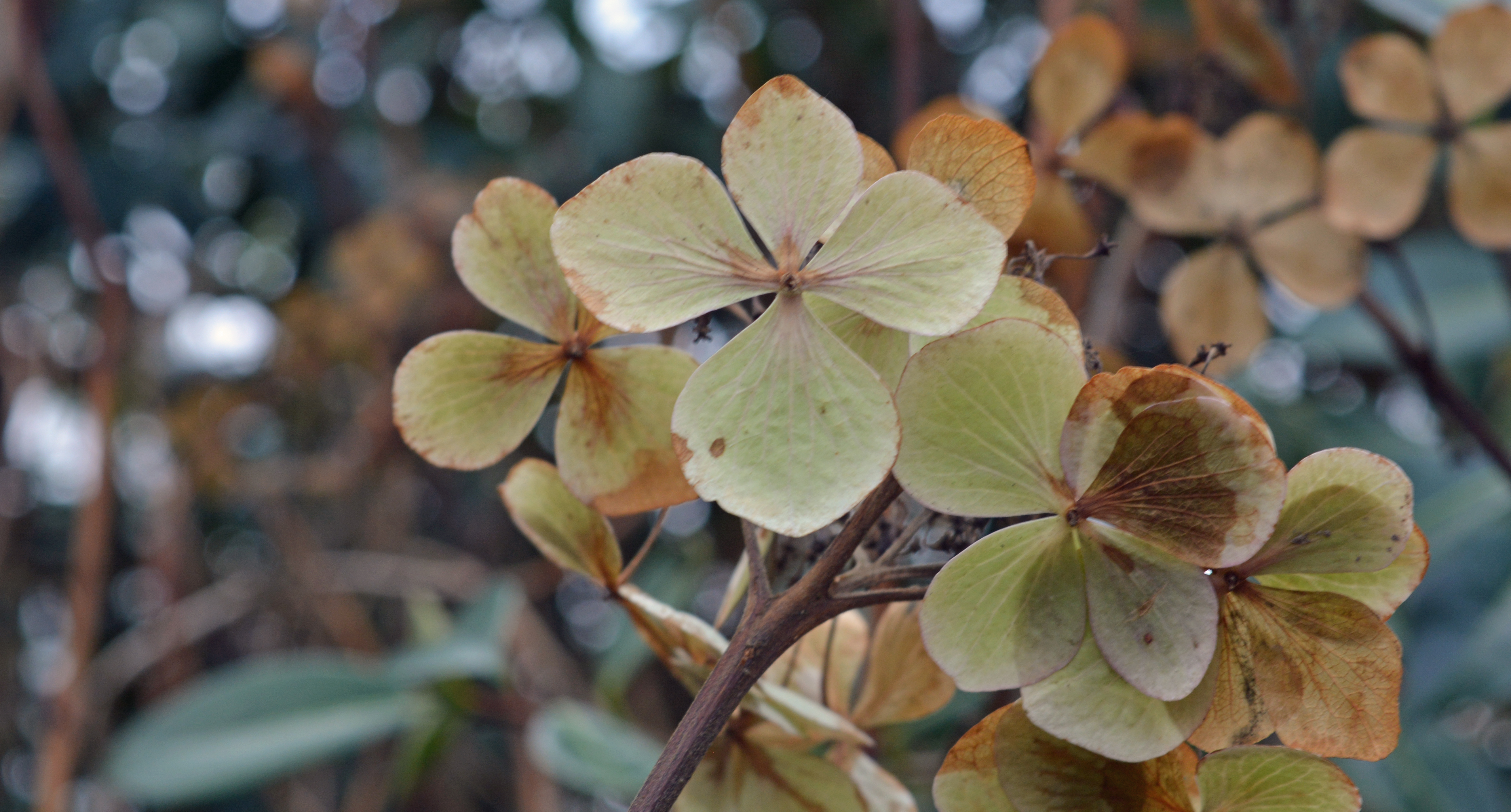
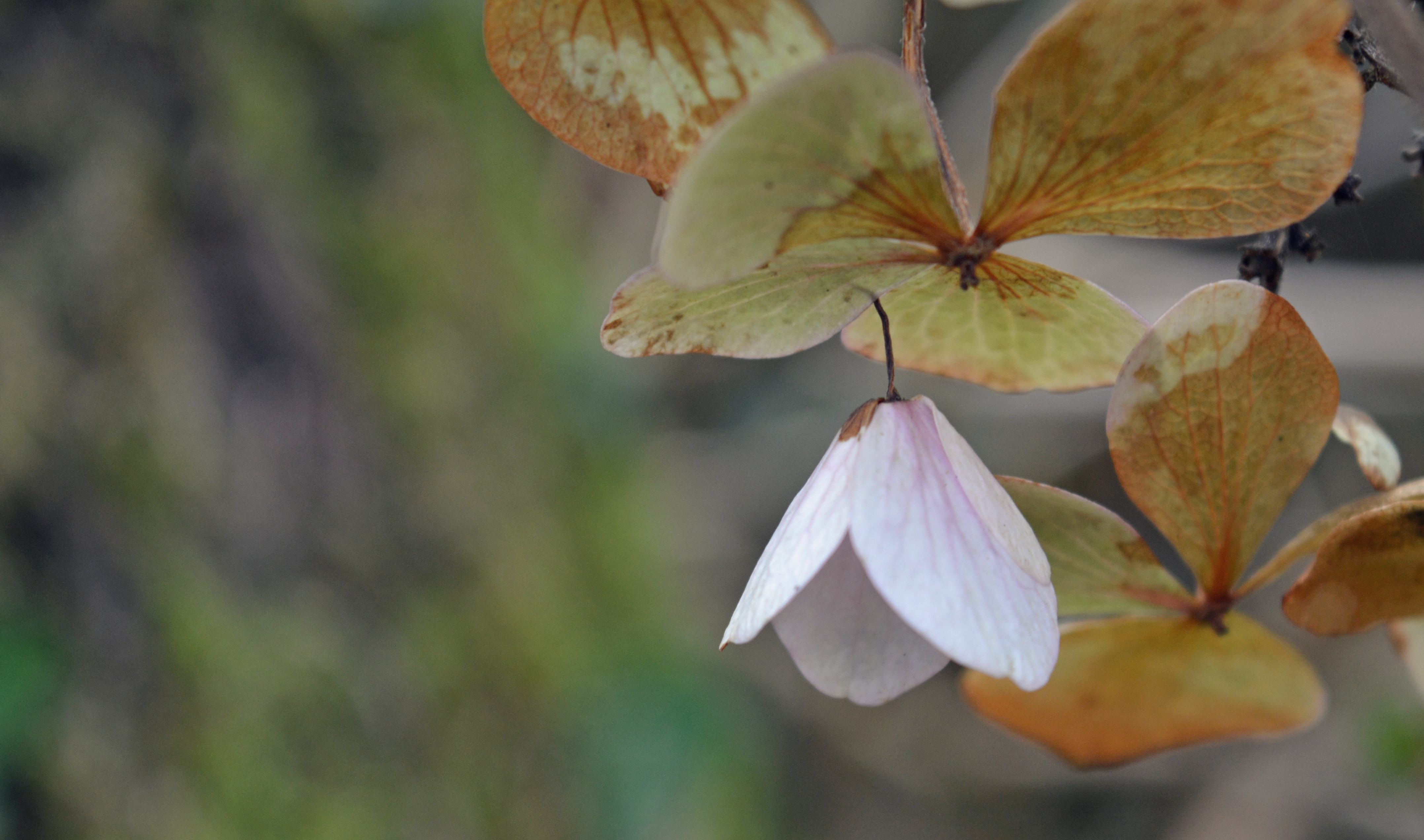
Hydrangeas appear throughout the garden in the autumn showing their colourful inflorescences in pinks, white and blues, while throughout the winter these colours fade to biscuits, gingers and ivory. In some flowers hints of blues and pinks remain.


Out of season flowers appear here and there on odd shrubs, on others leaf buds promise fresh growth in the spring while berries hang as remnants of their winter harvest.

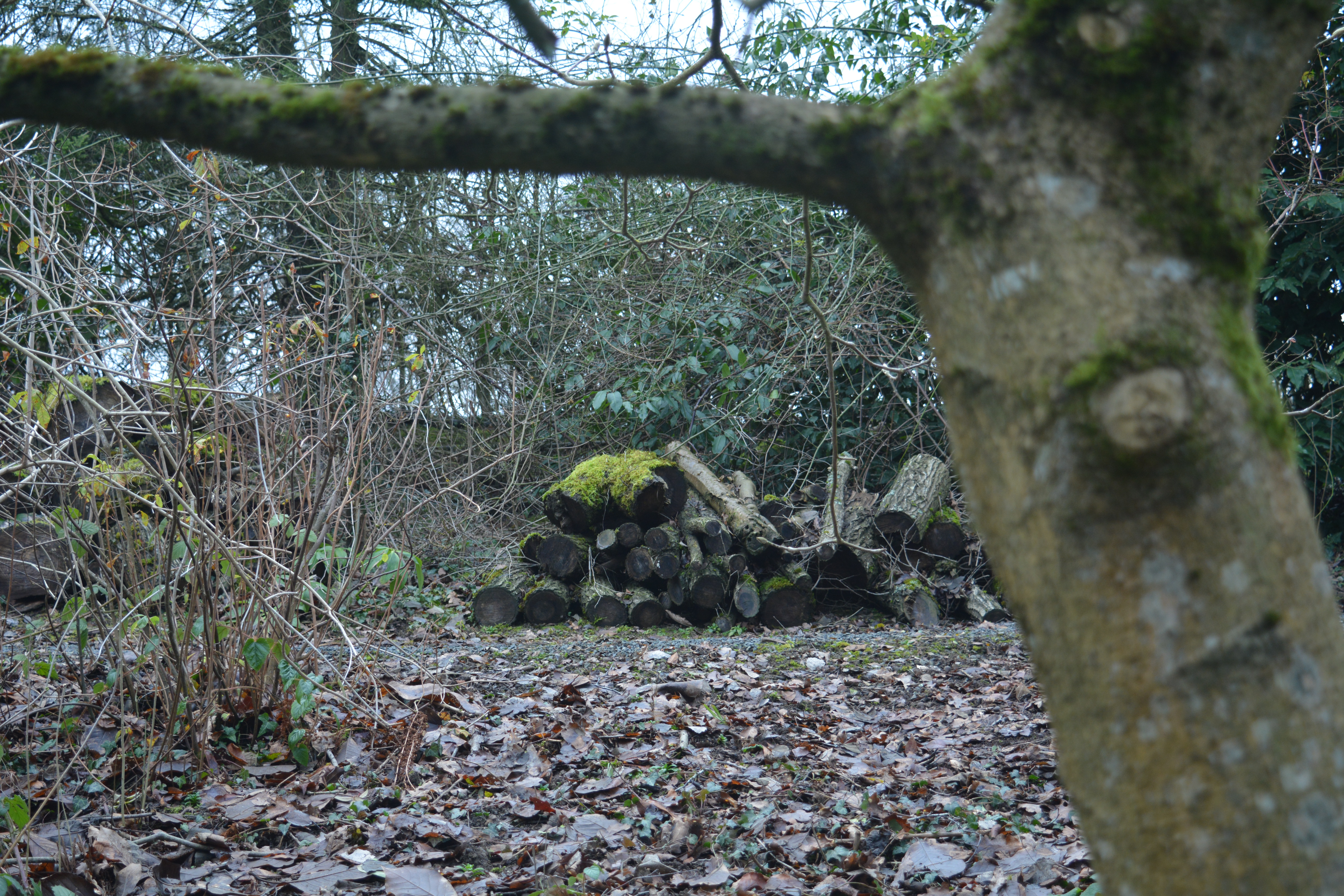
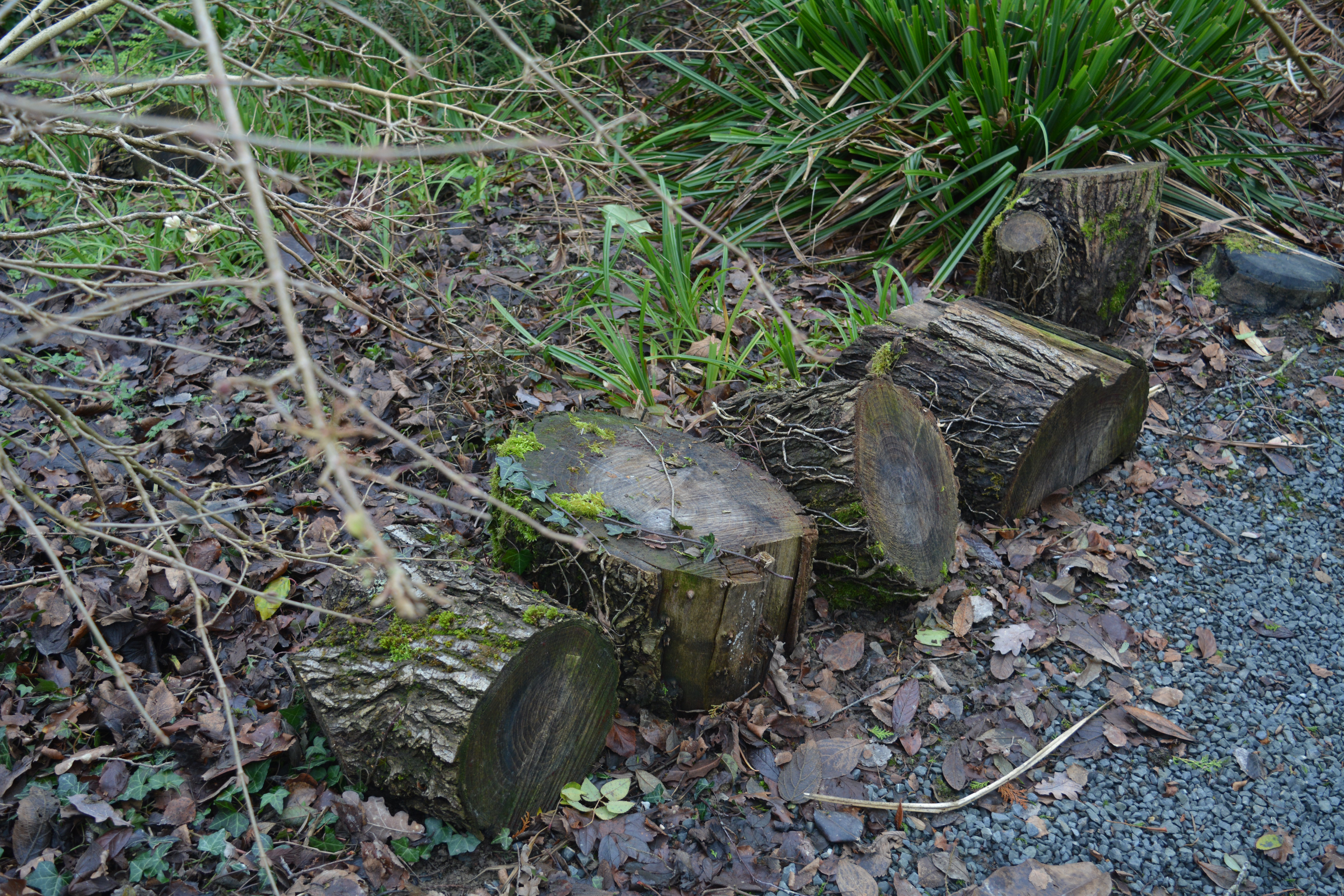
When tree surgery work is carried out in the Dingle Garden logs are left as habitats for the many forms of wildlife that maintain a healthy ecosystem in the garden.


At the lowest point of the gardens a calm lake affords us a place to stop awhile to look around its banks. A bog garden at one end looks dull and dark at this time of year, with just the deep brown of dead leaves of Gunnera and Lysichiton americanus rising above the mud.

Recent heavy snowfall has caused damage to trees and shrubs, breaking branches of all sizes and crushing foliage. Strong winter winds have added to the damage.


To share more of my photos taken during our wandering and enjoyment of the gardens at the Dingle I have created the following gallery. Enjoy the pictures. The next visit to this garden will be in February.


Categories
autumn autumn colours garden design garden photography gardening gardens gardens open to the public lakes National Garden Scheme NGS nurseries ornamental trees and shrubs Powis Powys shrubs trees Wales water in the garden Yellow Book Gardens

The Dingle Gardens Month by Month 2018

My chosen garden f0r my monthly visits in  2018 is so much smaller than Attingham Park which we enjoyed throughout 2017. The Dingle is a Nursery just over the border into Wales situated on the edge of the market town of Welshpool. The garden is accessed through a little wooden gate in the bottom left corner of the nursery where a large selection of Acer shrubs are displayed for sale. It is a garden centred around a huge collection of shrubs and trees, many unusual, growing on a gentle slope down to a lake.

The garden like ours opens at times under the auspices of the National Garden Scheme, but opens every other day of the year bar Christmas Day. I have already featured the gardens four times in my past posts. Here are a few photos to give you a taste of what we might discover during the year.


I hope these few photos will give you an appetite for the 12 posts to come about The Dingle in 2018.

Categories
architecture garden design garden photography gardens gardens open to the public The National Trust

Garden Walls and Steps – part 4 of a very occasional series

Back again with another selection of photos sharing with you interesting walls and steps we have discovered during our garden visiting adventures.

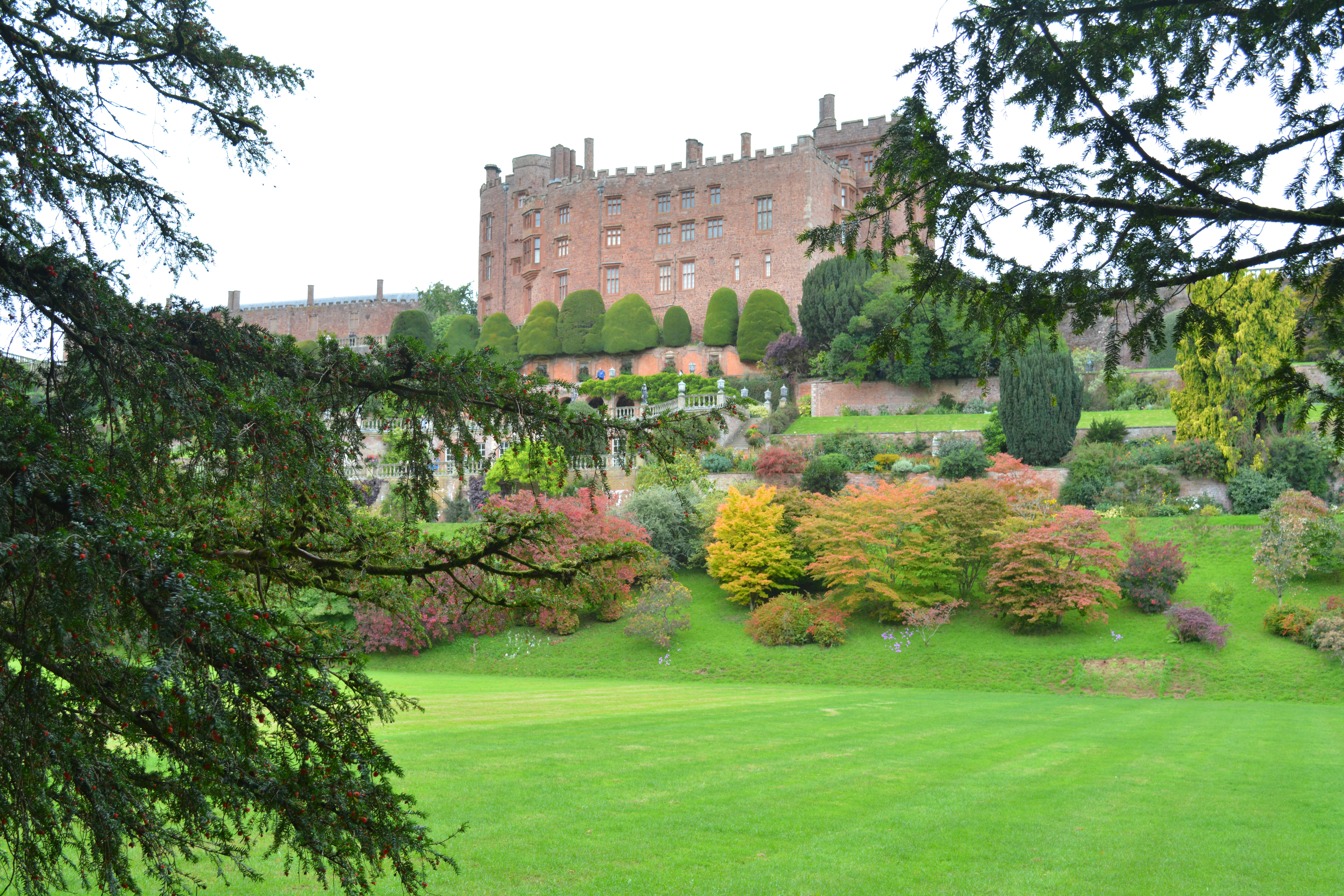
Let us start at Powys Castle near Welshpool in the Welsh county of Powys, which is built on such a steeply sloping site that there is the need for many steps to get from one terrace to another or simply to move to the lower gardens.

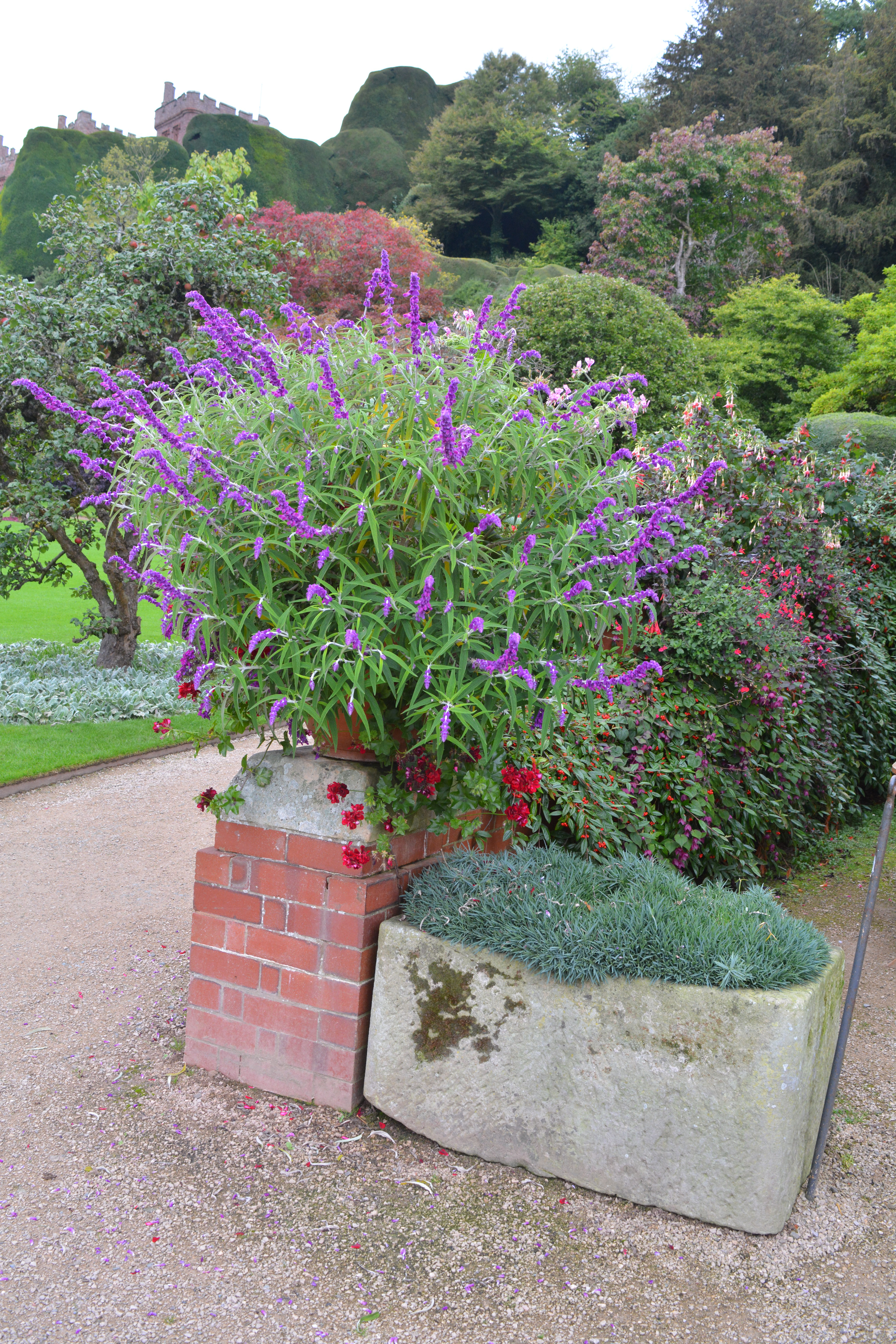
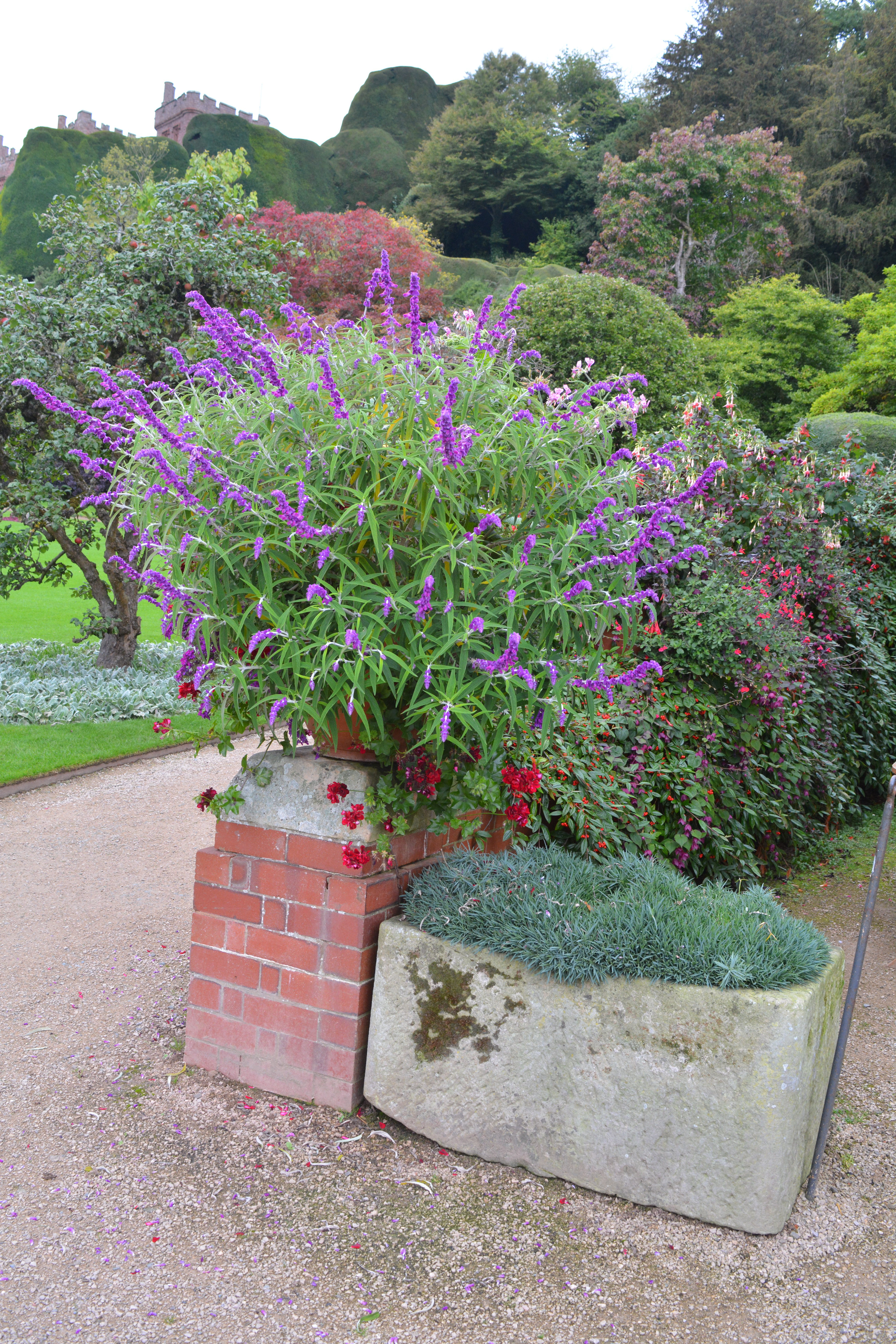
The first photo shows a flight of curved stone steps below the castle itself, while the second shows plants growing against the sandstone walls at the base of the castle. The next shot shows salvias growing in pots in recesses in the lower redbrick walls below the castle.


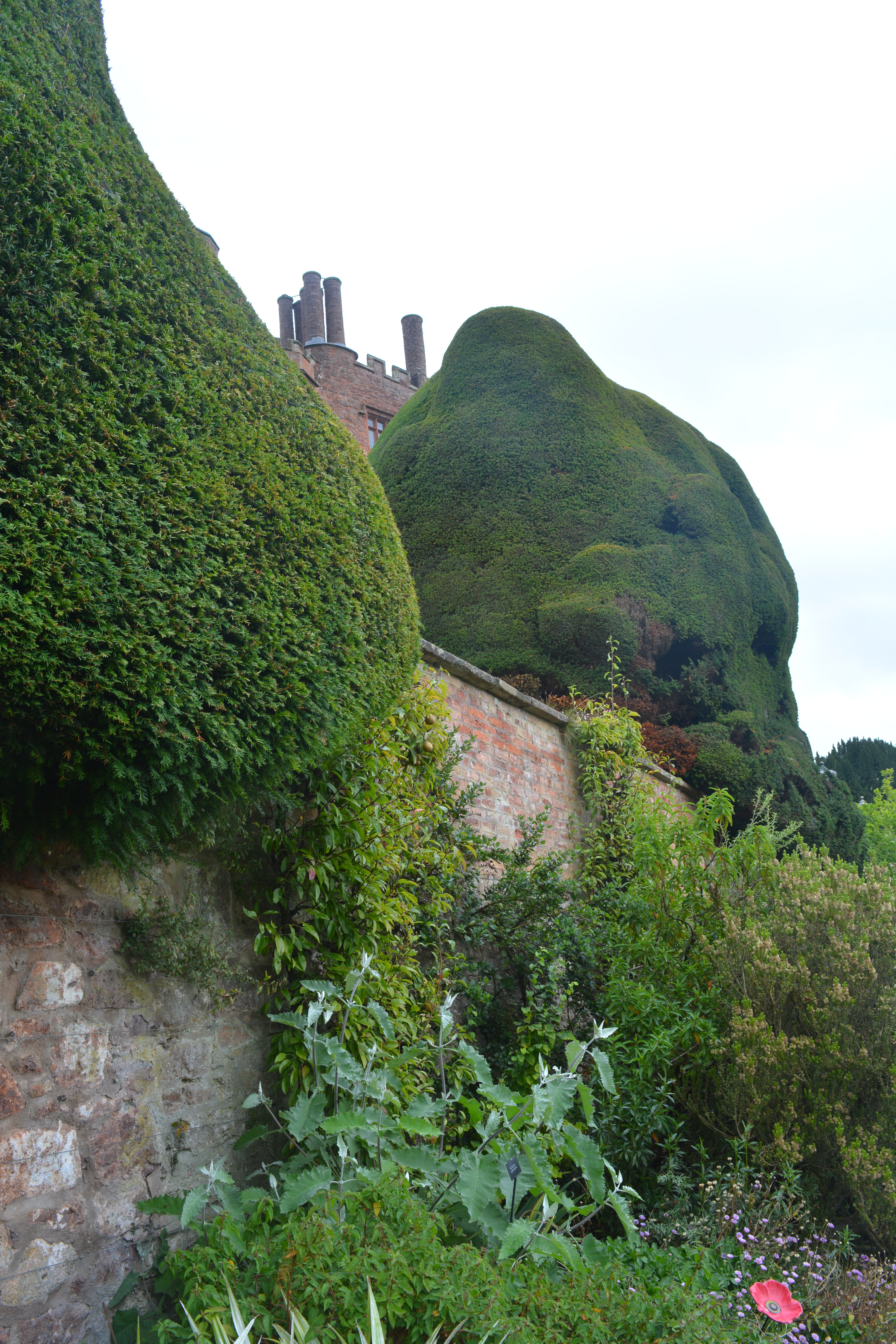
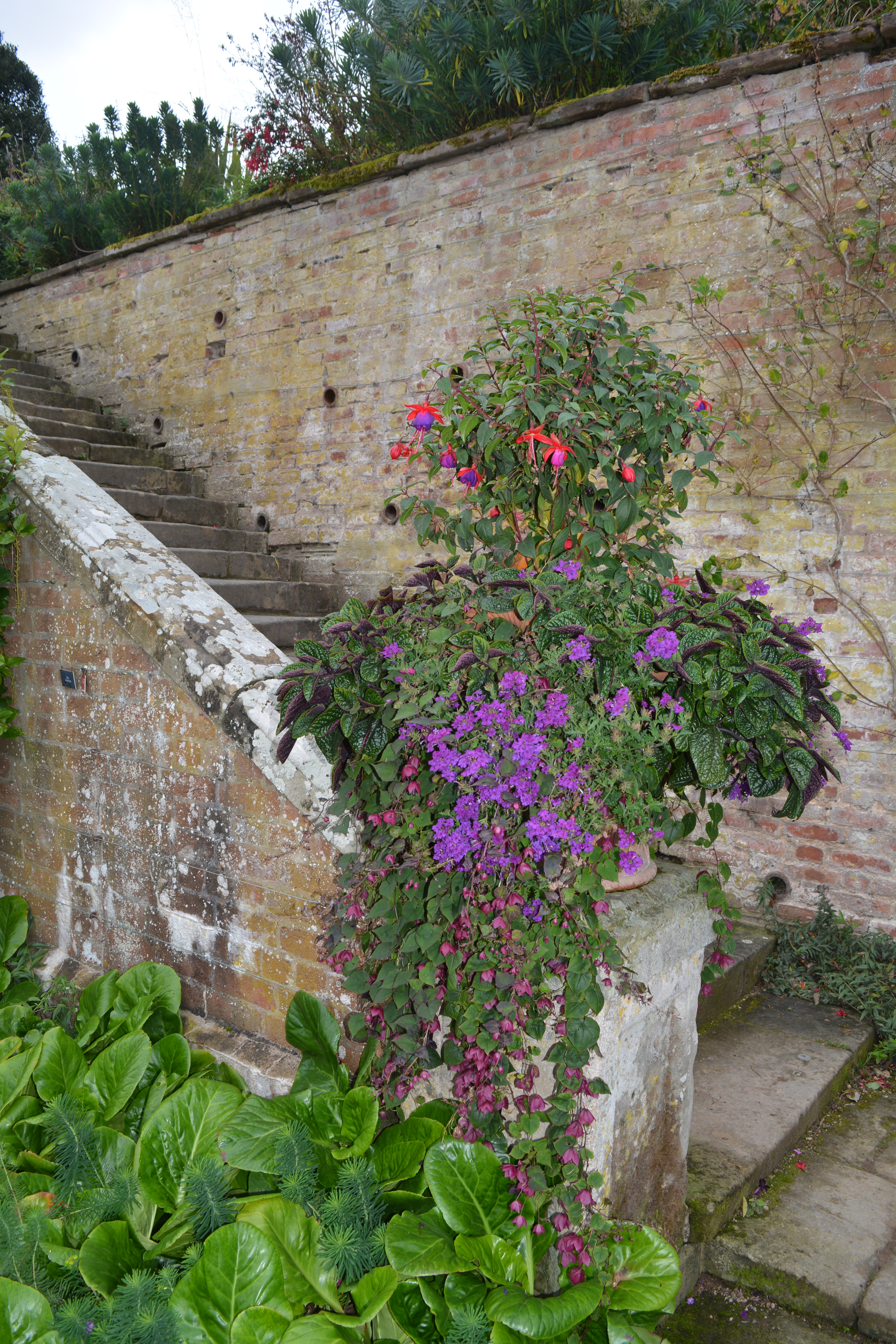
Theses beautiful and huge sculpted yew hedges hug the walls. Flights of stone steps drop down from terrace to terrace. Piers finish off the ends of walls and steps and these are richly planted, adding great interest and colour as you leave and enter stairways. Sometimes the walls at the base of the castle are simply are simply sculpted natural stone outcrops, which provide fine backdrops for flowers of any colour.


Balustrades top the stone walls of each terrace and beautiful planters provide perfect finishing touches to the tops and bottoms of each flight of stone steps.


The steps down to the lower garden can be steep and narrow.


Three very differently built steps at Powys in parts of the garden with equally differing characters.


The gardens at Cholmondeley Castle in Cheshire are on much gentler sloping ground s the steps are gentle and softer on the eye. The walls are generally sympathetically planted to give them a much softer look. The steps here are much gentler to walk up as they are so shallow and often sinuously curved.


Categories
autumn autumn colours colours garden design garden paths garden photography gardening gardens gardens open to the public National Trust ornamental trees and shrubs Powis Powys The National Trust trees Wales woodland

A Visit to the Wonderful Gardens of Powys Castle – Part3

Back over the border just half an hour away in Wales we return for part 3 of our visit to the gardens of Powys Castle. We have looked at its upper terraces and the beautiful late summer, early autumn flowering plants, so now we will wander down to the lower garden and have a look at its famous ancient yew hedges as we descend and finally we will wander along the lower terrace and search for autumn colours in the trees and shrubs there.

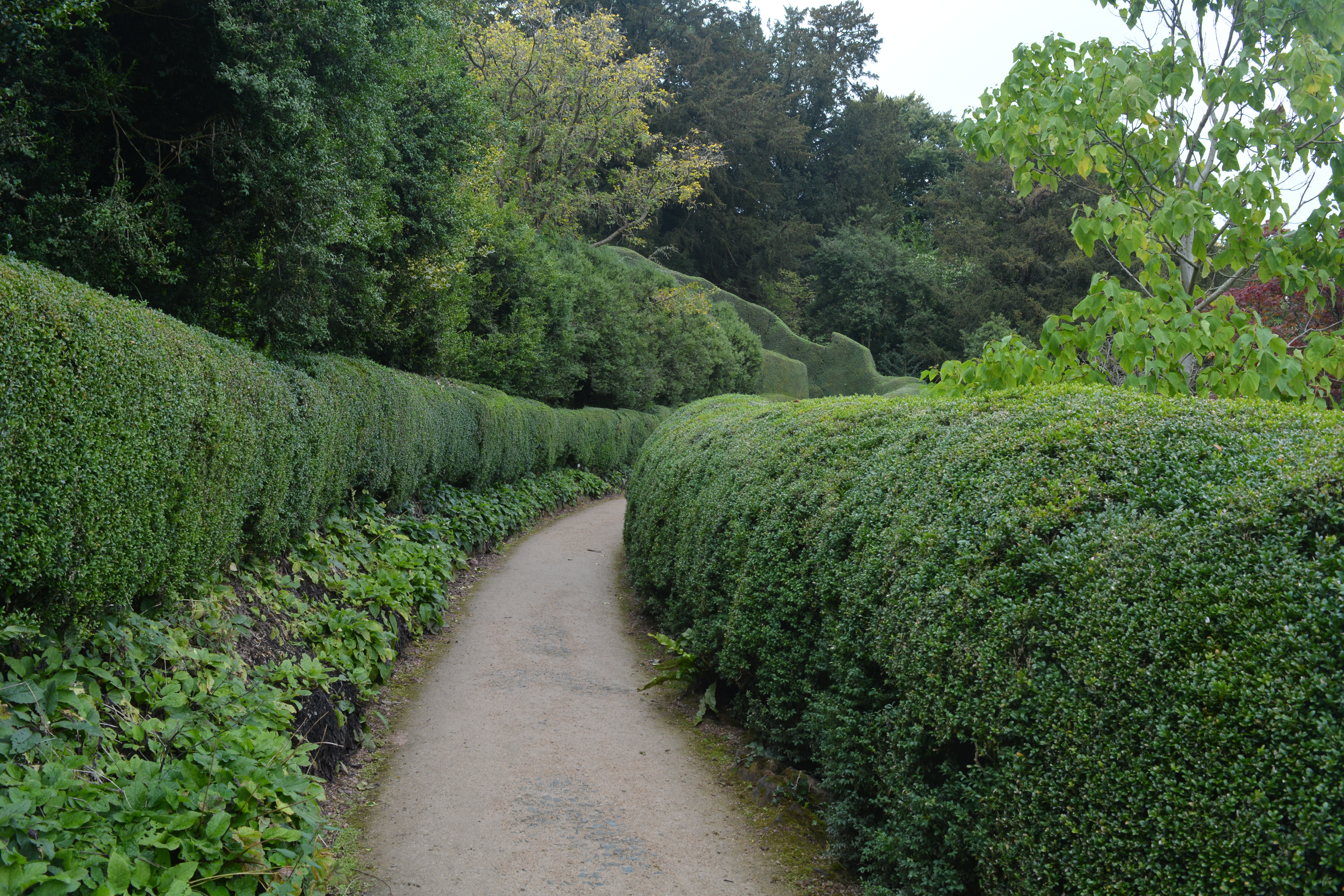
The ancient yew hedge is cloud pruned and runs either side of the path down to the lower garden. It towers above us and makes us feel so small. At times we have to go through it in cutaway arches.


Once in the lower garden, paths move off in different directions and the yew hedge is much more formally presented and at times much smaller.


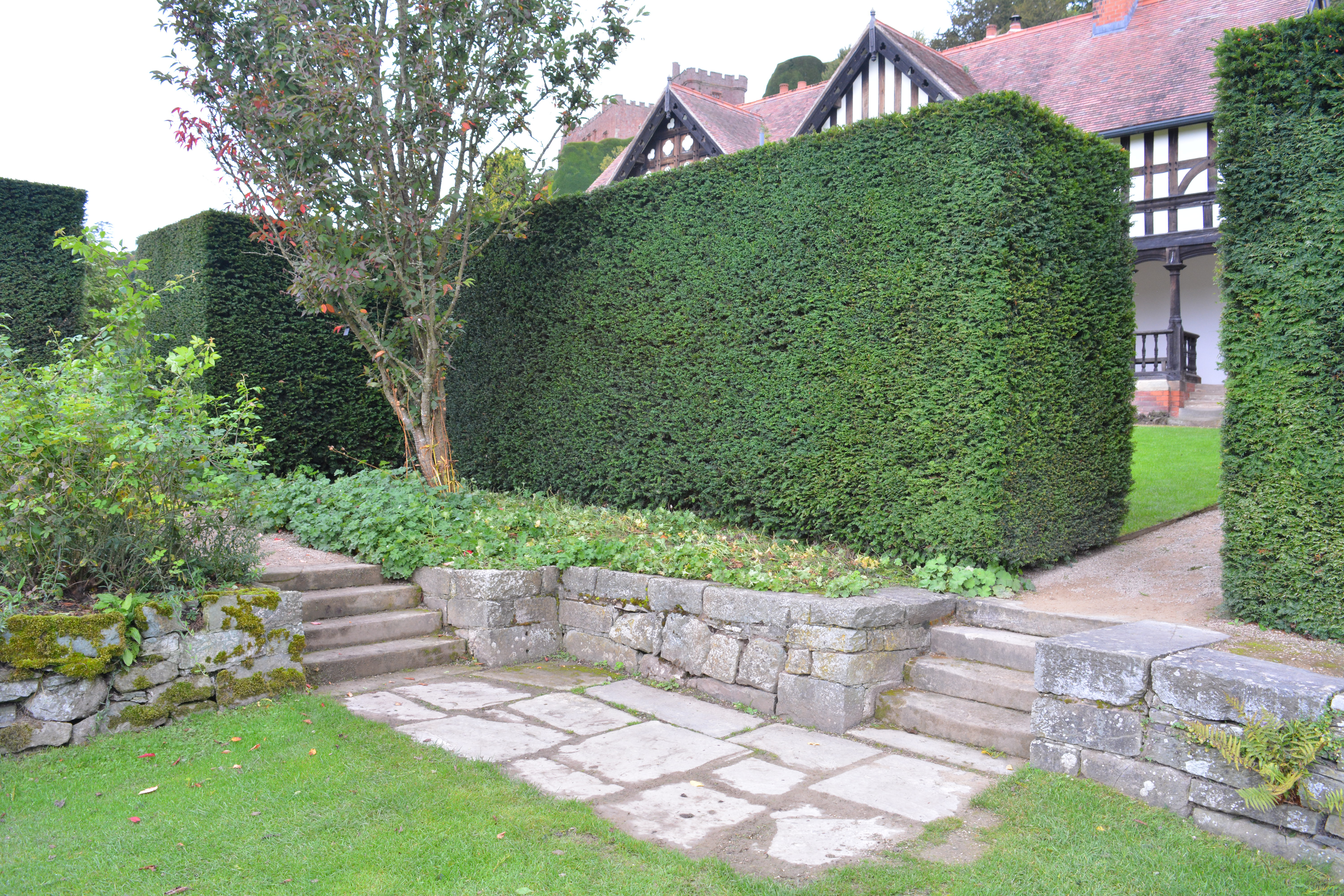
Archways and windows are cut through the hedge to give views of other parts of the garden or to provide ways into other areas.


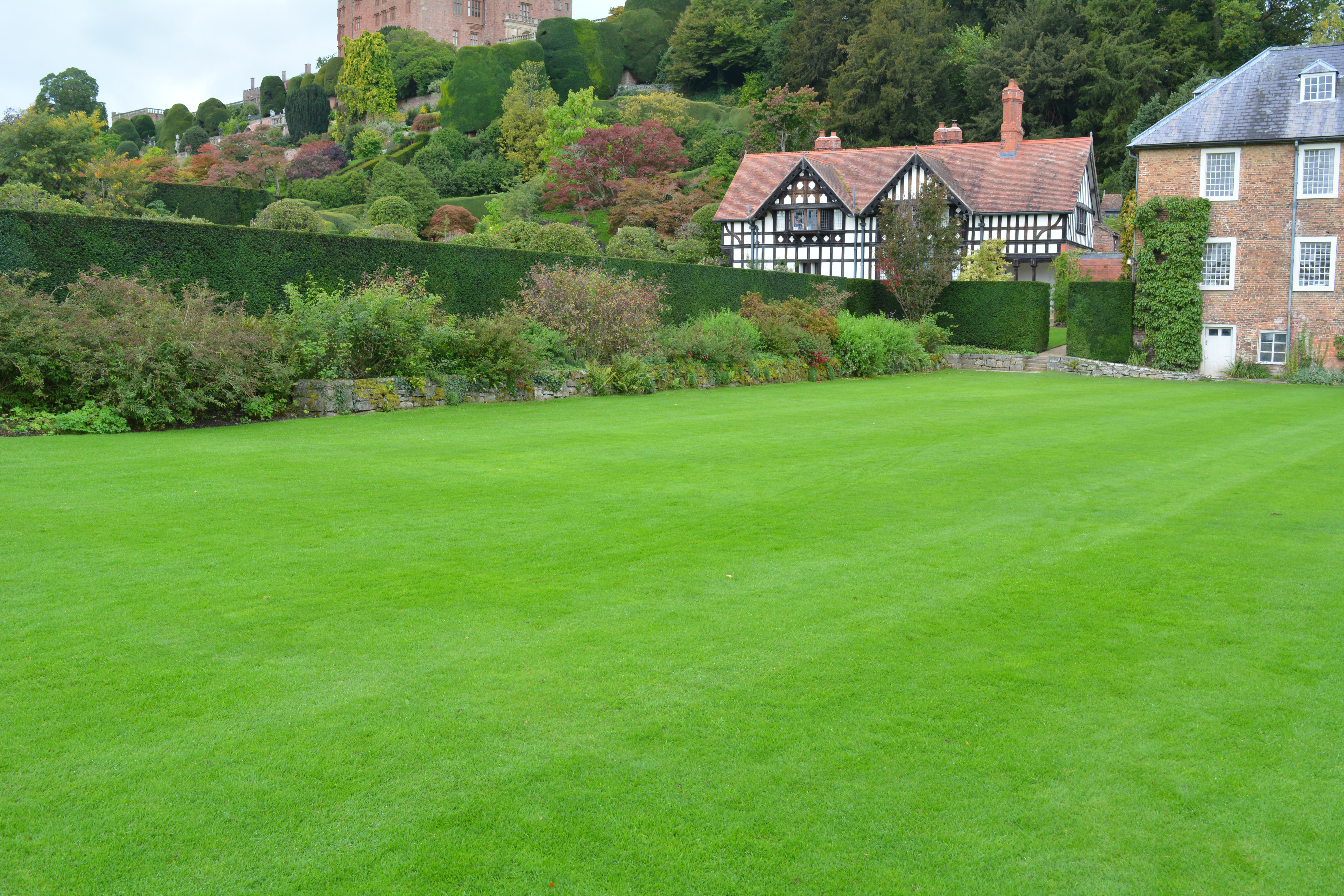
The lower gardens are flat and consist of formal lawns and borders and orchards.


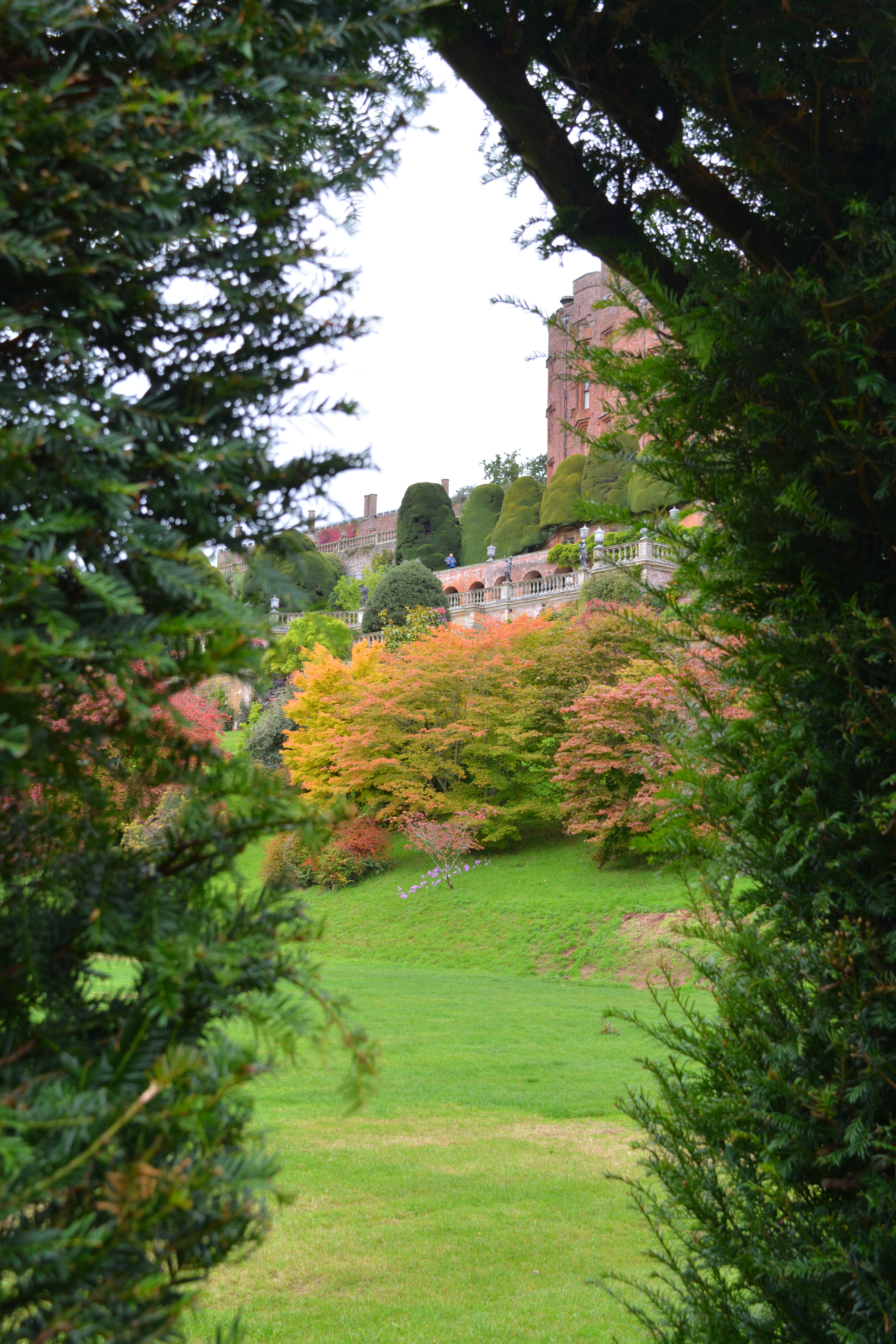
From the lower garden we found a woodland edge path to follow to make our way back to the lower terrace. The view back to the castle and terraces was a beautiful sight.


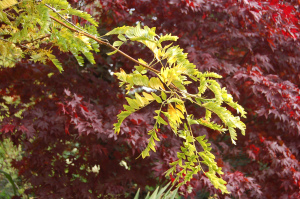
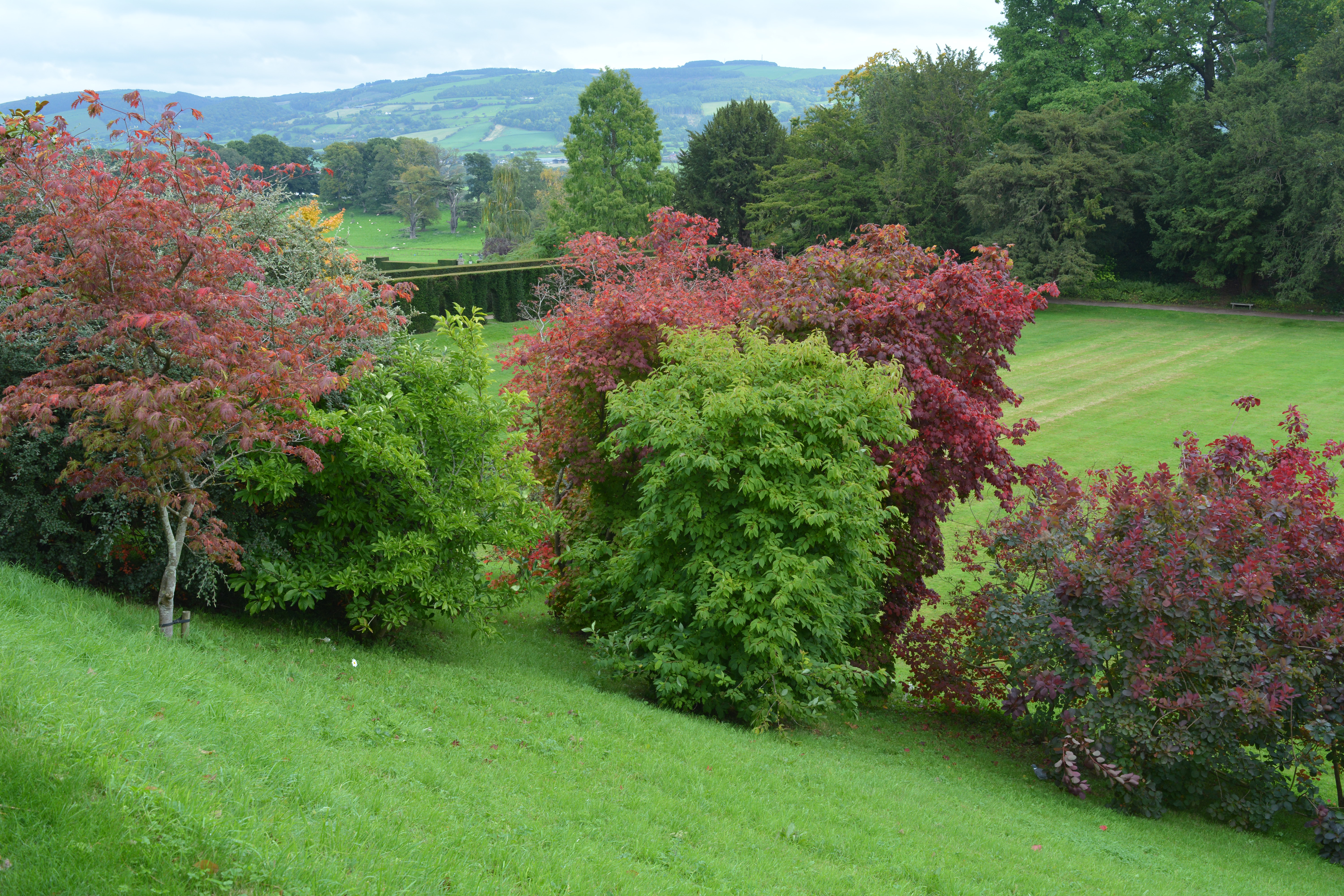
Alongside the path we were treated to a few woodland specialities as we made our way below the castle itself and soon met up with the lower terrace as the path did a sharp turn. Autumn leaf colours gave the impression of an impressionist painting in yellows, oranges and reds. The gardeners had pruned the trees and shrubs to expose the beauty of the trunks, their shapes, colours and textures.


Perhaps next time we visit these great gardens we will do so in the spring when the daffodil meadow is in full flow.


Categories
autumn autumn colours colours garden design garden photography gardening gardens gardens open to the public half-hardy perennials hardy perennials National Trust photography Powis Powys The National Trust

A Visit to the Wonderful Gardens of Powys Castle – Part 2

Welcome back to Powys Castle gardens. In part 2 I will take you on a journey along the upper terraces, and in part 3 I will look at the lower gardens.

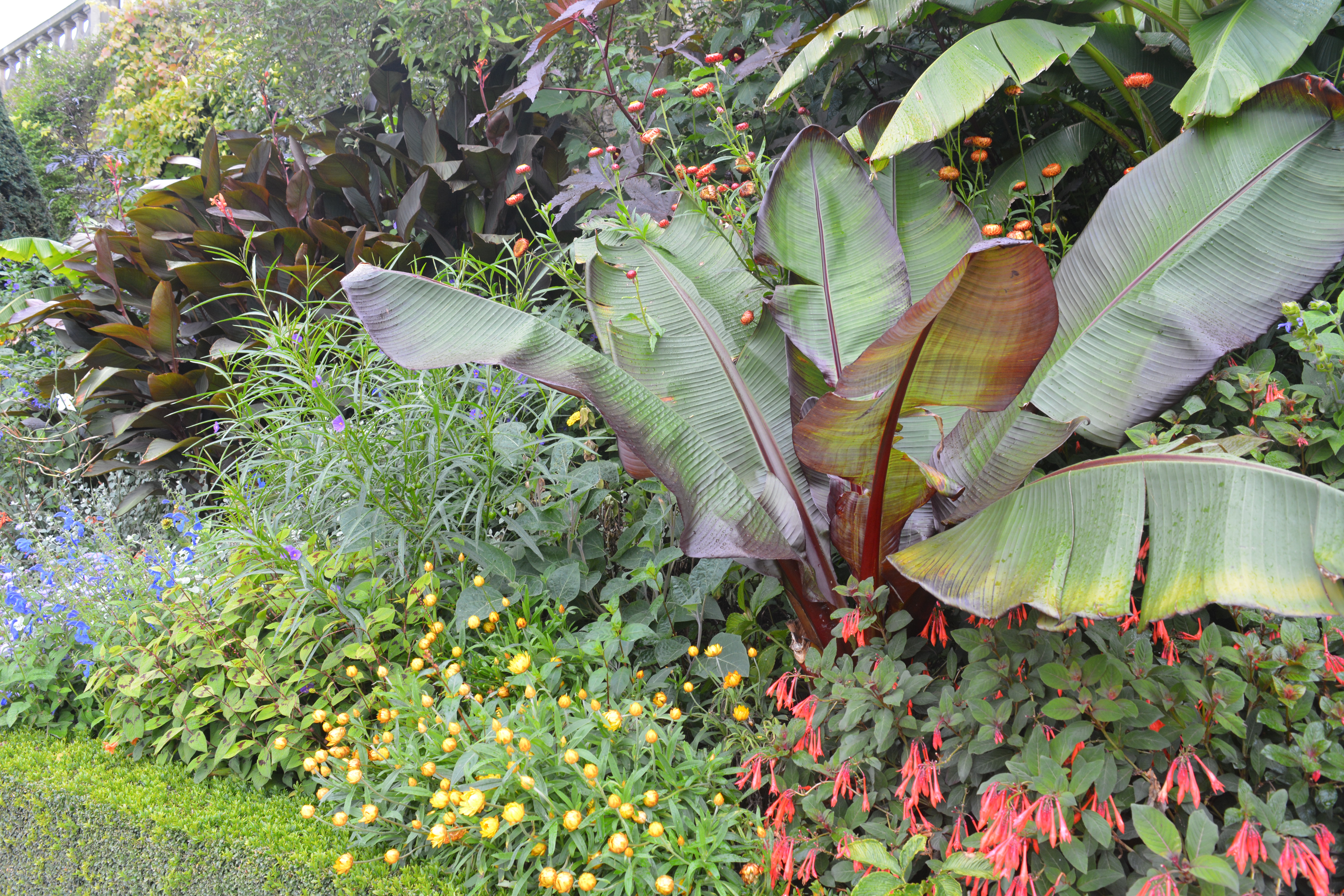
The top terrace features perennials and shrubs that give of their best in late summer into early autumn. Some are difficult to grow and several are half-hardy but the special conditions here allow then to flourish. To see them growing so well and looking so happy certainly encouraged us to try more such plants at home. We have lots of succulents and Salvias already but we are always up for a challenge!

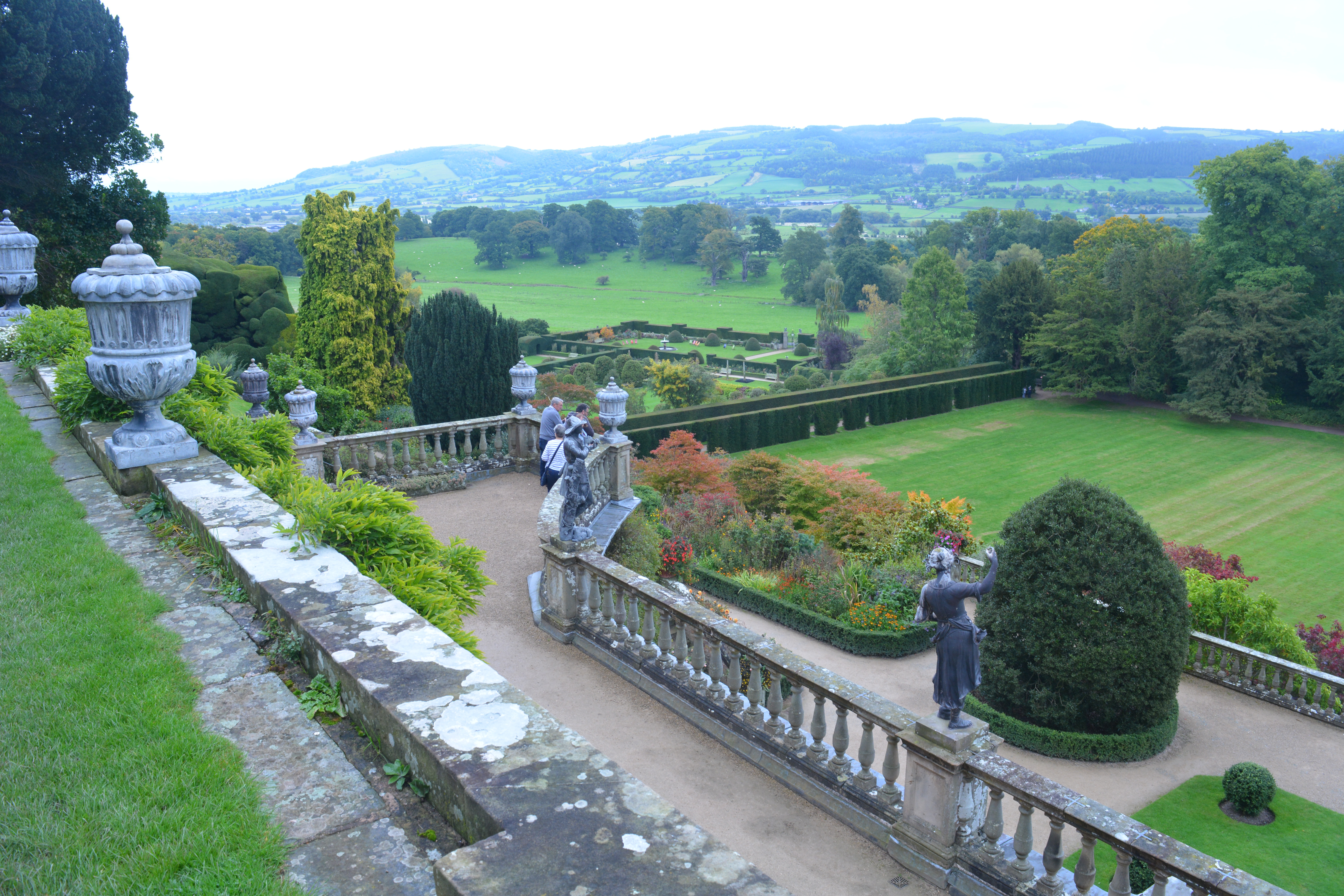
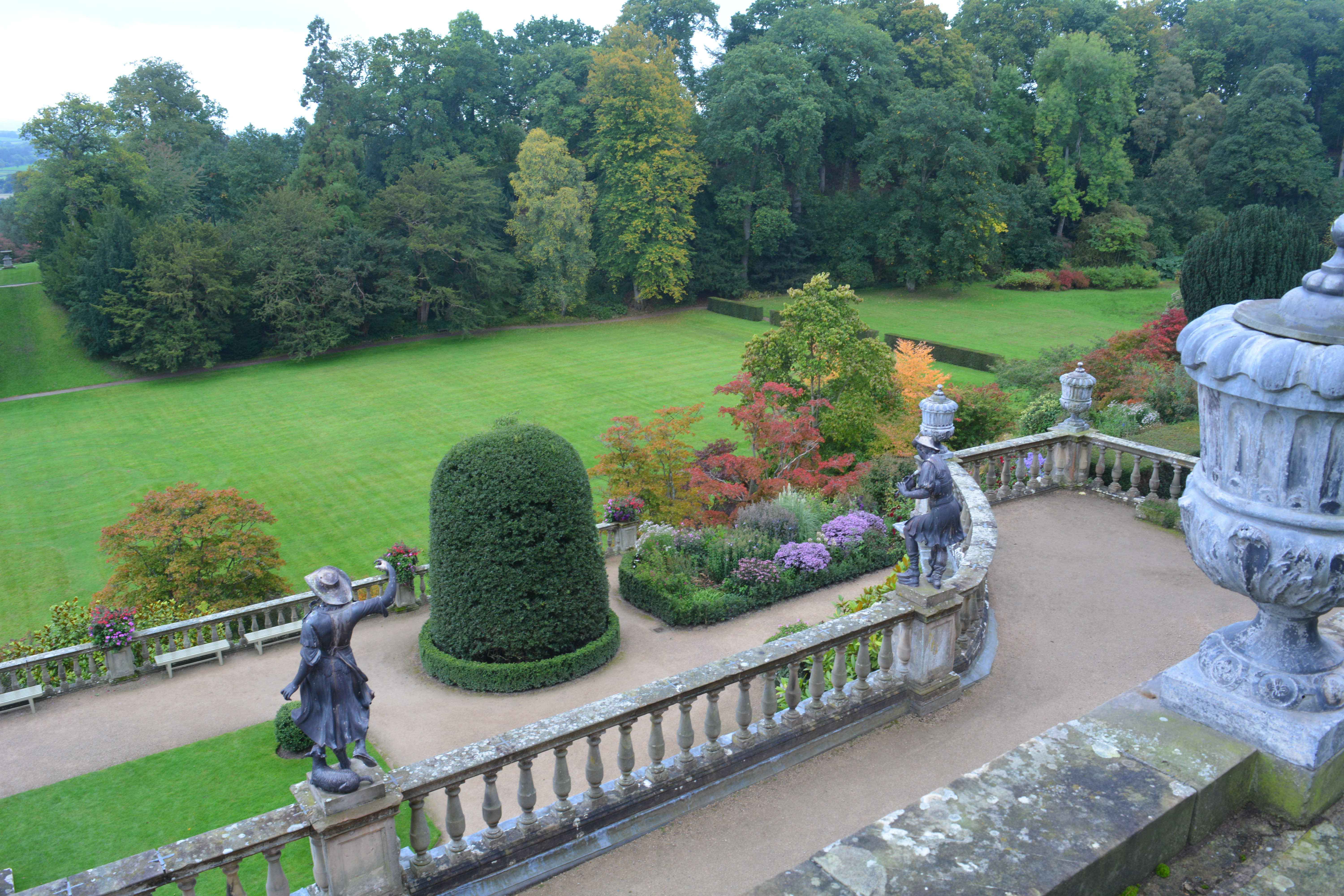
First we shall have a look at views along the borders and looking out over the terraces. Powys is renown for its ancient sculpted yew hedging which appears now and again as we walked the terraces. Sculpted figures stand atop the stone balustrades in places overlooking the views.


As well as the beauty of the long views of the terrace borders there were many individual that shone out as special. Enjoy my gallery of plant portraits. As usual click on the first pic and navigate with the arrows.

In part 3 of these posts about Powys Castle we will have a look at the yew hedges and the Lower Garden.

Categories
autumn autumn colours colours garden design garden photography gardening gardens gardens open to the public half-hardy perennials hardy perennials National Trust ornamental trees and shrubs photography Powis Powys shrubs The National Trust trees Wales

A Visit to the Wonderful Gardens of Powys Castle – 1

We are so lucky to be able to get to Welshpool within half an hour or so because here we find our favourite plant nurseries. Very close by is the National Trust property, Powys Castle with a most wonderful garden. We like to wander around late summer and early autumn when the flowering plants area at their best and trees and shrubs are colouring up adding an extra layer of interest.

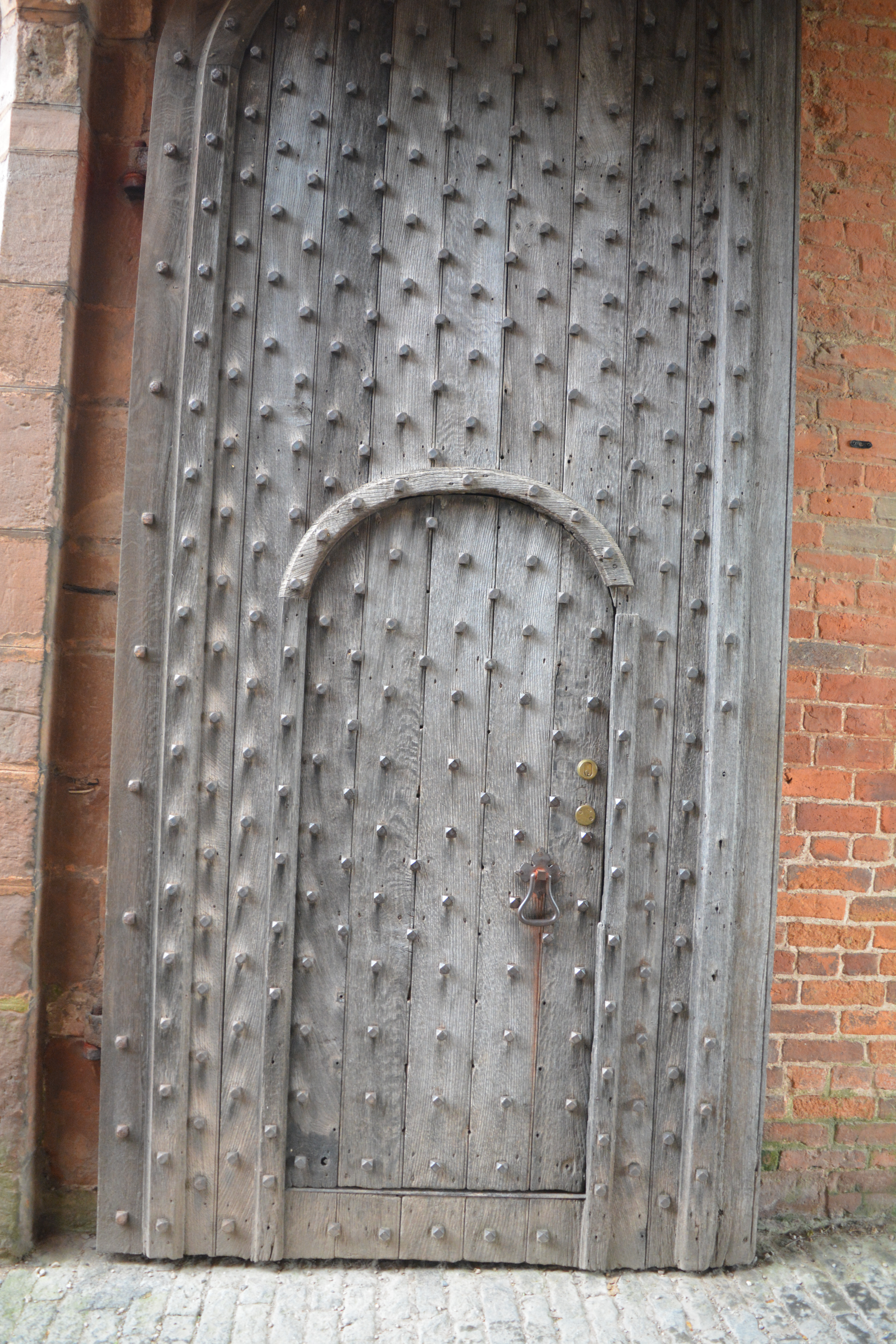
The gateway into the castle courtyard, where the coffee shop is to be found, was most impressive with its stone archway towering above our heads. Passing through the gateway we noticed this little mysterious door, but the answer to its purpose was written on the wall.


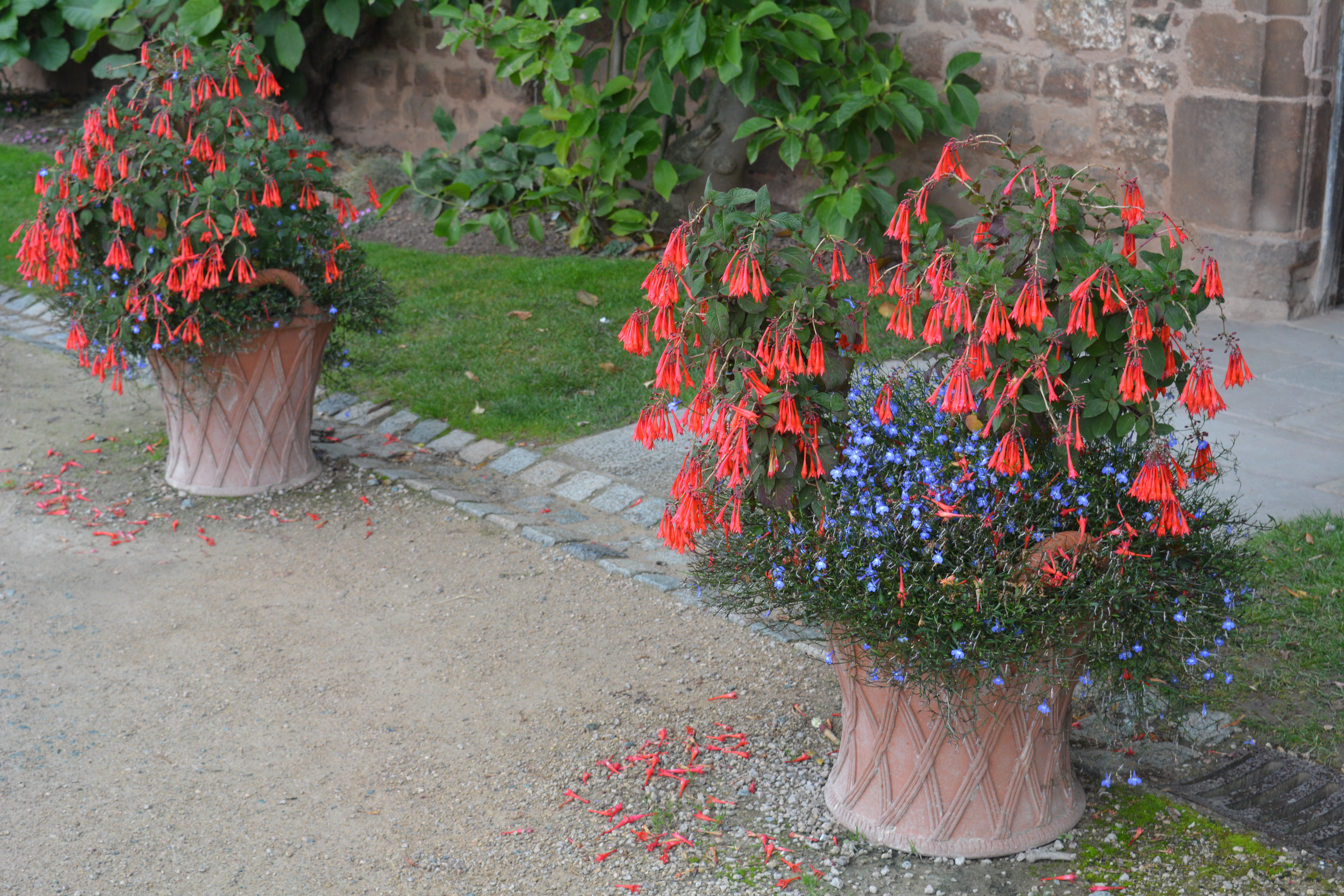
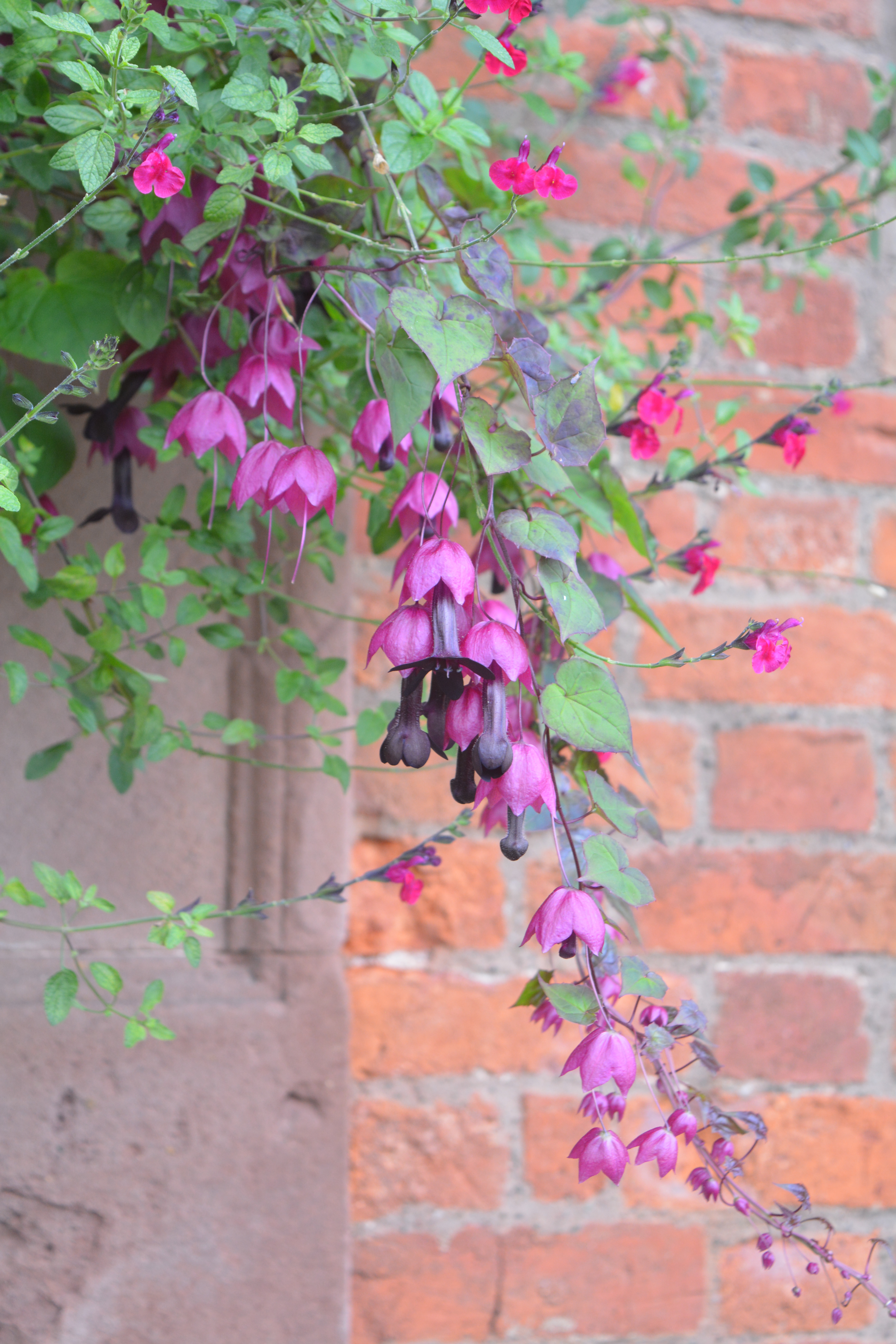
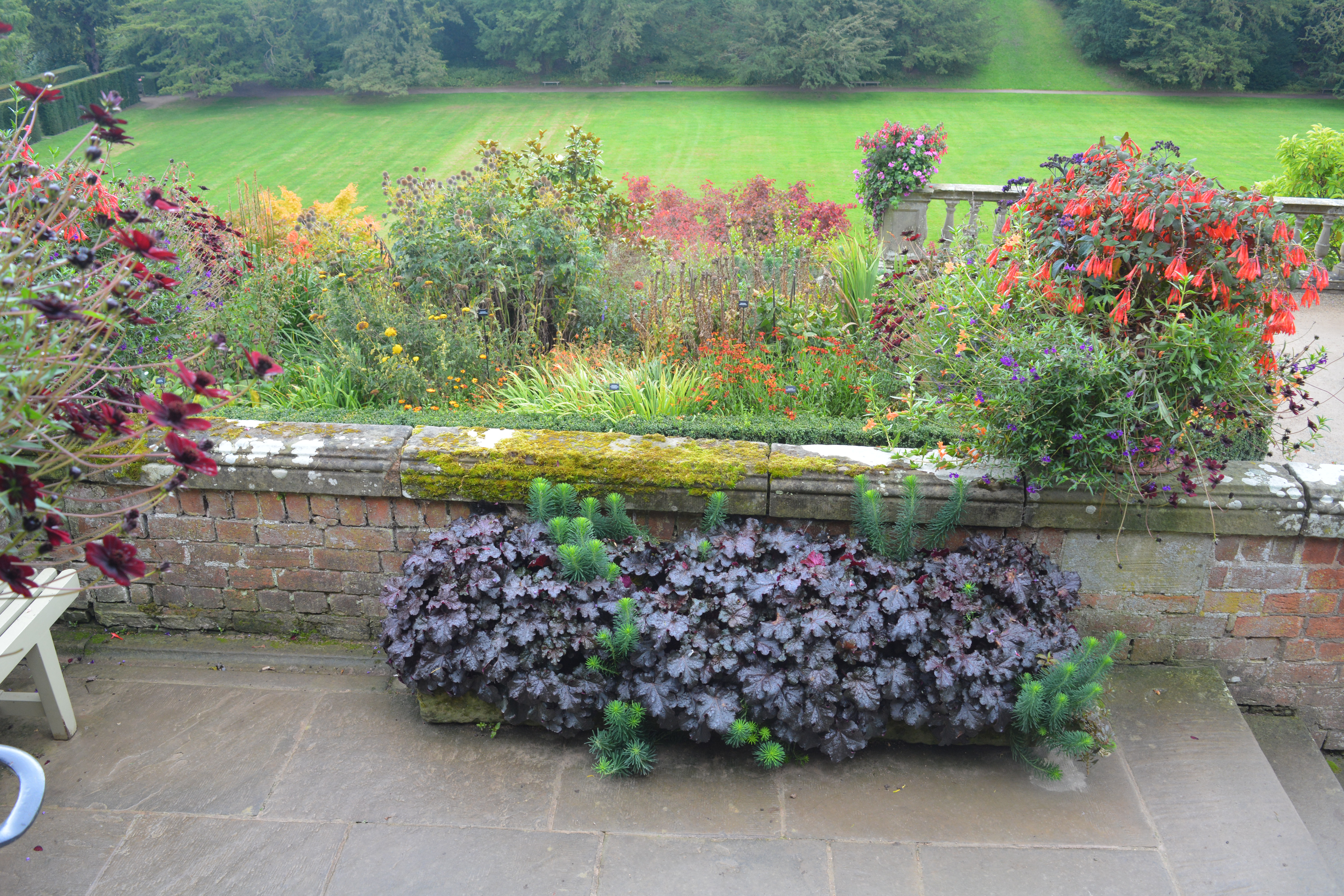
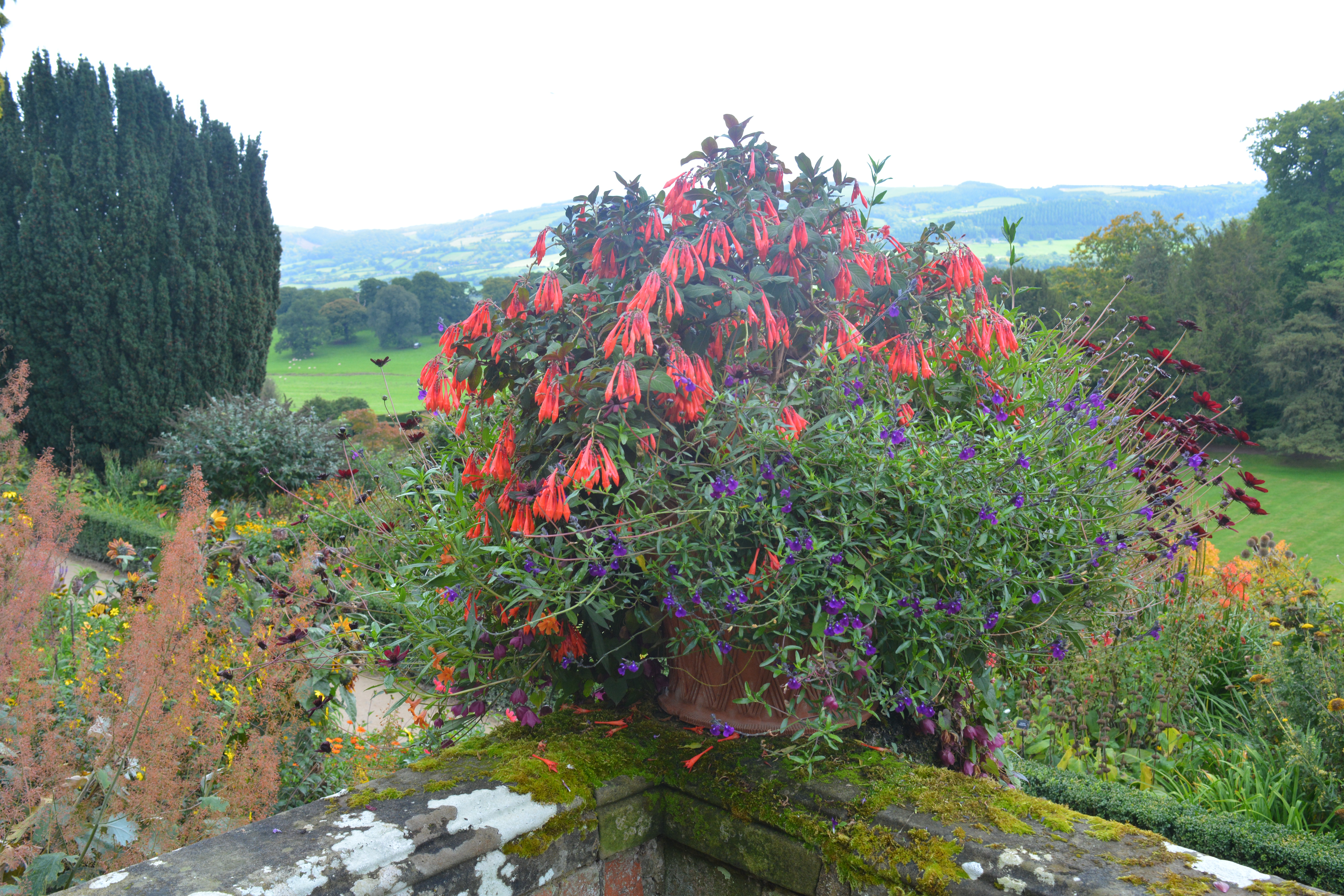
The gardens are well-known for the colourful imaginatively planted containers and pots.


Recesses built into the massive sandstone walls were probably designed to hold statuary but now display most impressively planted containers.

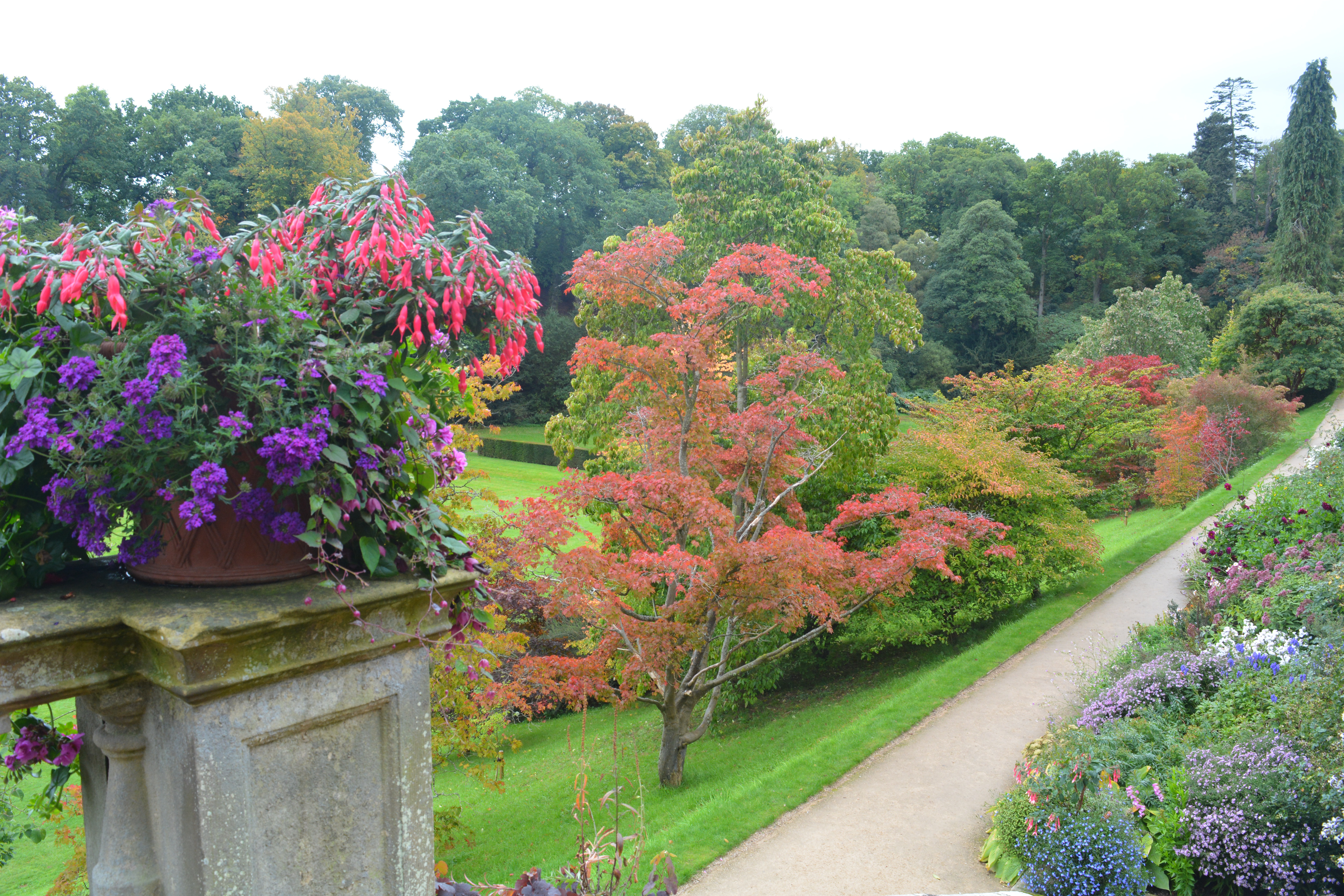
The upper garden is based on three parallel terraces, each accessed by wide stone walls whose pillars supported more planted containers. From the terraces we were delighted with the views presented to us.


Even at the lowest part of the gardens we were delighted by the quality of planting in containers.

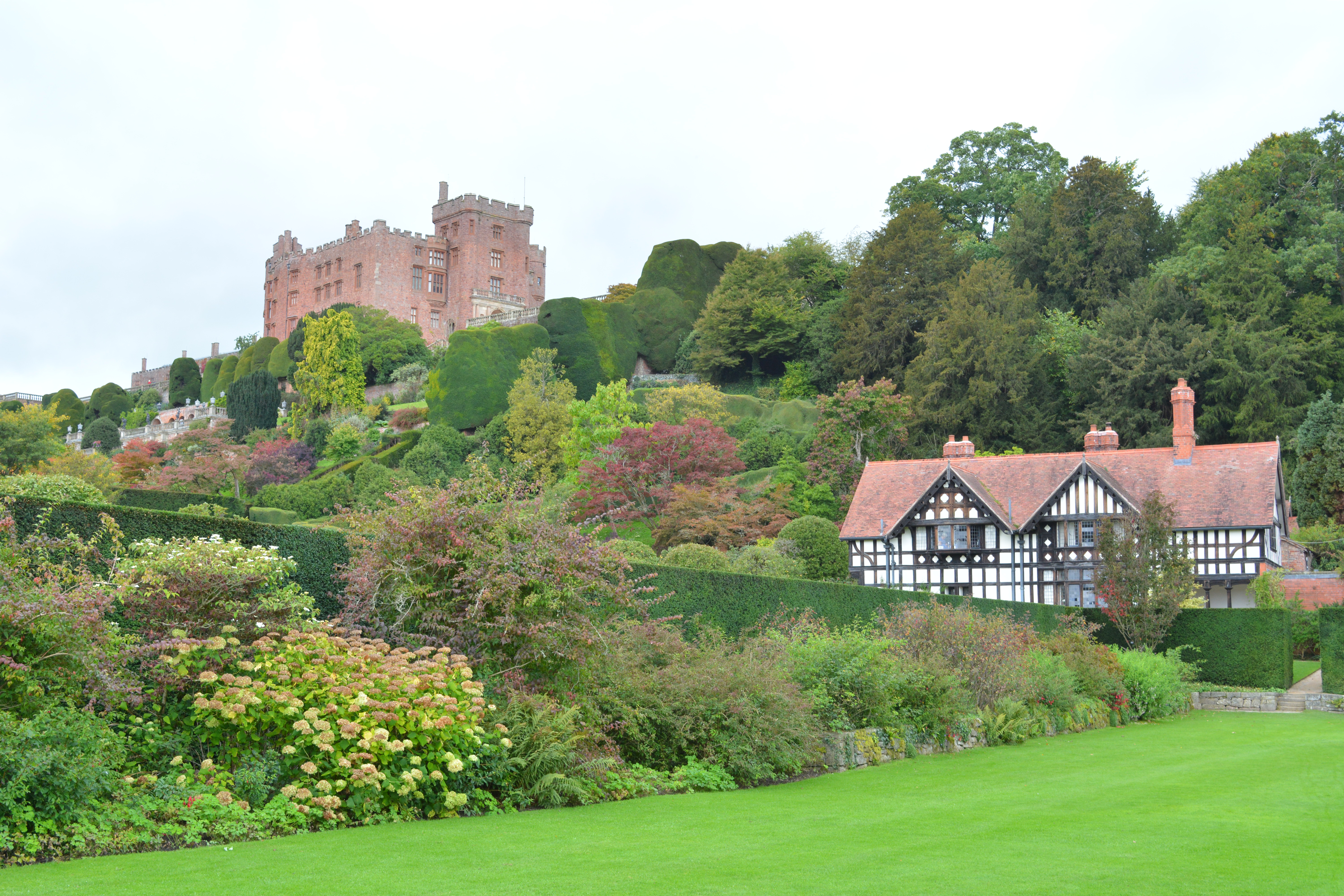
From the lower garden we enjoyed expansive views of the castle sat on its sandstone outcrop, giving it a look of power and dominance. The photo illustrates the need for terracing well and although functional the terracing gives the garden strong design.


In part 2 of this report on our visit to the gardens of Powys Castle I share share with you the different planting combinations and highlight some of the more unusual plants growing on the warm slopes.


This Veggie Life

A Vegetarian | Nature Lifestyle Blog

Rambling in the Garden

.....and nurturing my soul

The Arch City Gardener

Journeys In St. Louis Gardening and Beyond

Garden Dreaming at Châtillon

Consult the genius of the place

Storyshucker

A blog full of humorous and poignant observations.

gardeninacity

Notes from a wildlife-friendly cottage garden

PlayGroundology

...an emerging social science

The Official Blog of British Wildlife

'The most important and informative publication on wildlife of our times' - The Independent. This blog is a member of The UK & Ireland Natural History Bloggers group: www.uknhb.blogspot.com

iGrowHort

Inspire - Cultivate - Grow Native Plants - Restore Landscapes

Bishops Meadow Trust

To create and protect a semi-natural wild space for the people of Farnham to enjoy and experience an array of British wildlife in our town

Gardening with Children

The www.gardeningwithchildren.co.uk Blog

UKbirdingtimeline

birding through the seasons, why birds matter and how to conserve them

NATURE WALKER

with a camera in hand

Jardin

Transform your outdoor space

Eva's space

My allotment, cooking and other interests

Old School Garden

my gardening life through the year

LEANNE COLE

Trying to live a creative life

fromacountrycottage

trying to live as lightly as possible on our beautiful planet

Good Life Gardening

Nature lovers from Leicester living the good life.

mybeautfulthings

Finding the beautiful in the everyday

mawsonmichelle

Michelle's Allotment

In and Out of My Garden

thoughts from and about my garden

Greenhousing

Big plans for a small garden

The Scottish Country Garden

A Walled Country Garden in South East Scotland

The Fruity Chicken

Life at the fruity chicken

willowarchway

Off grid living. Self sufficient. "PERMAGANICS RULE".

St Anns Allotments

Nottingham's Grade 2* Listed Allotments and Community Orchard

Manifest Joy Harvests

a journey in suburban vegetable gardening

Allotmental

The madness of growing your own

Penny's Garden: a harvest beyond my front door

A novel approach to vegetable gardening

arignagardener

Sustainable living in the Irish countryside.

NewEnglandGardenAndThread

Master Gardener, amateur photographer, quilter, NH native, and sometimes SC snowbird

dianajhale

Recent work and work in progress and anything else that interests me

planthoarder

a chaotic cottage gardener

Lens and Pens by Sally

a weekly blog that creates a personal philosophy through photographs and words

Dewdrops and Sunshine

Stories from a sassy and classy Southern farmbelle.

The Pyjama Gardener

Simple Organic Gardening & Seasonal Living

gettin' fresh!

turning dirt into dinner

JOY...

today the world is created anew

Garden Birds

Notes from a Devon garden

ShootAbout

Life Through The Lens

Adapting Pixels

A photography blog showcasing the best photography pictures and videos on the internet

Wildlifegardening's Blog

Just another WordPress.com site

naturestimeline

personal observations from the natural world as the search continues for a new approach to conservation.

LATEBLOOMERBUDS

The Wonders of Life through my Eyes, my Heart, my Soul