Categories
autumn autumn colours climbing plants colours garden design garden photography gardening gardens grasses hardy perennials light light quality ornamental grasses ornamental trees and shrubs pelargoniums Shropshire shrubs South Shropshire

My Garden Journal 2018 – October

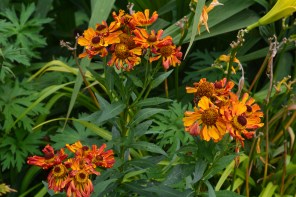
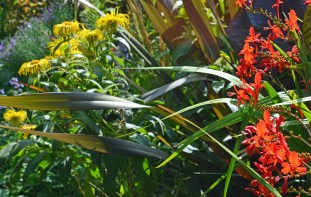
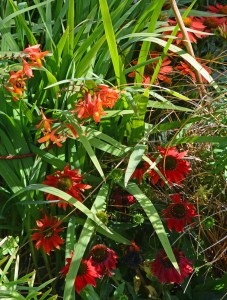
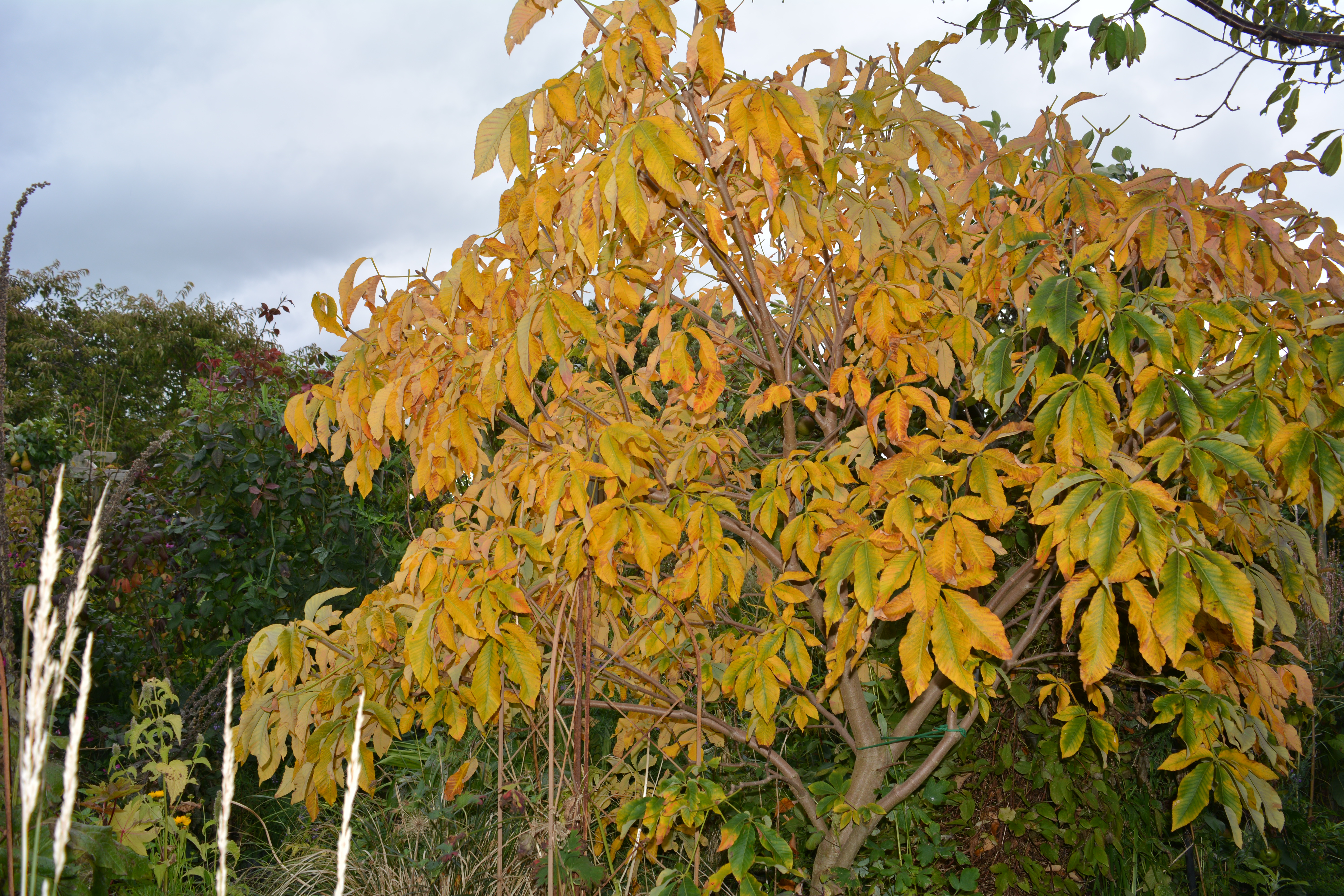
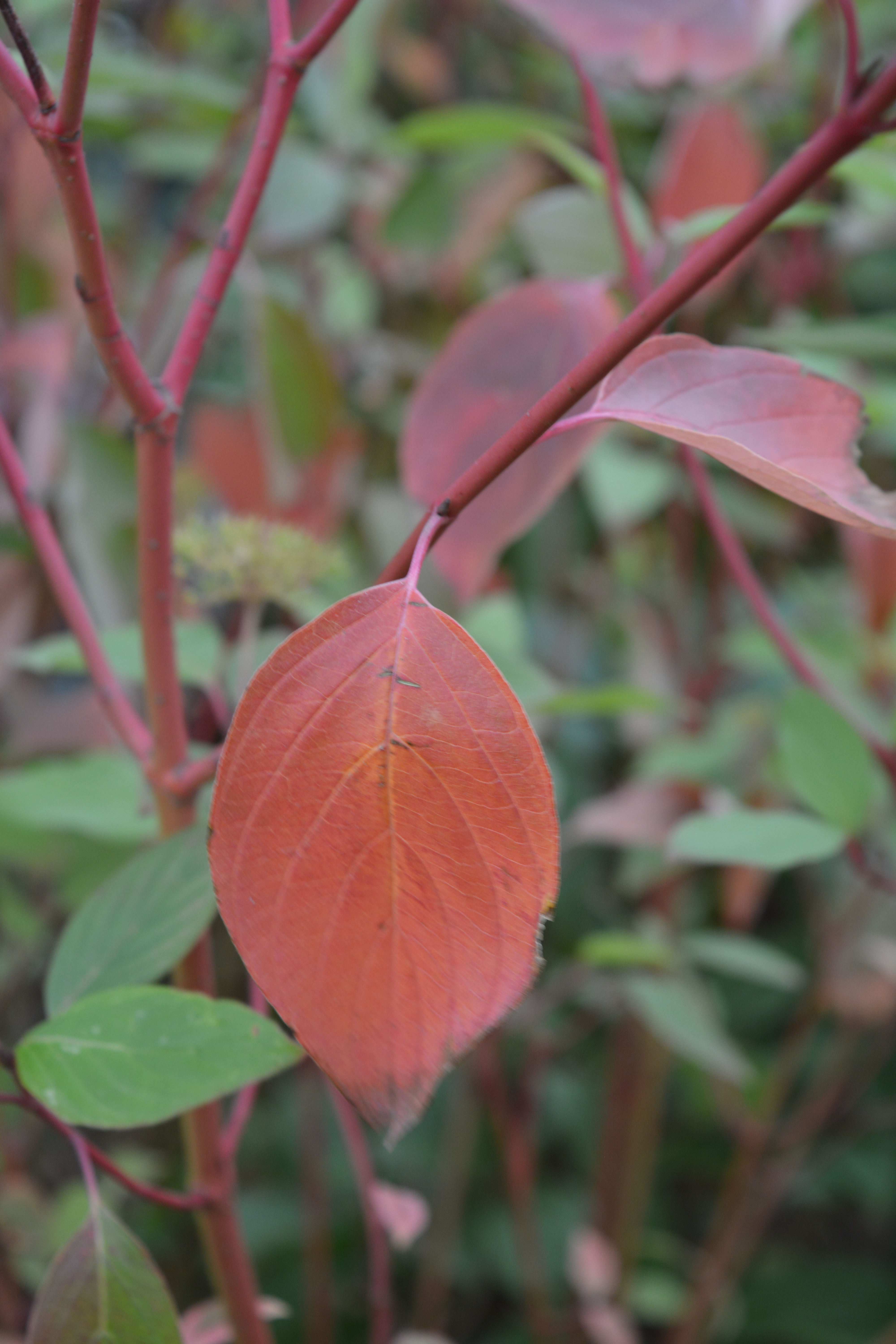
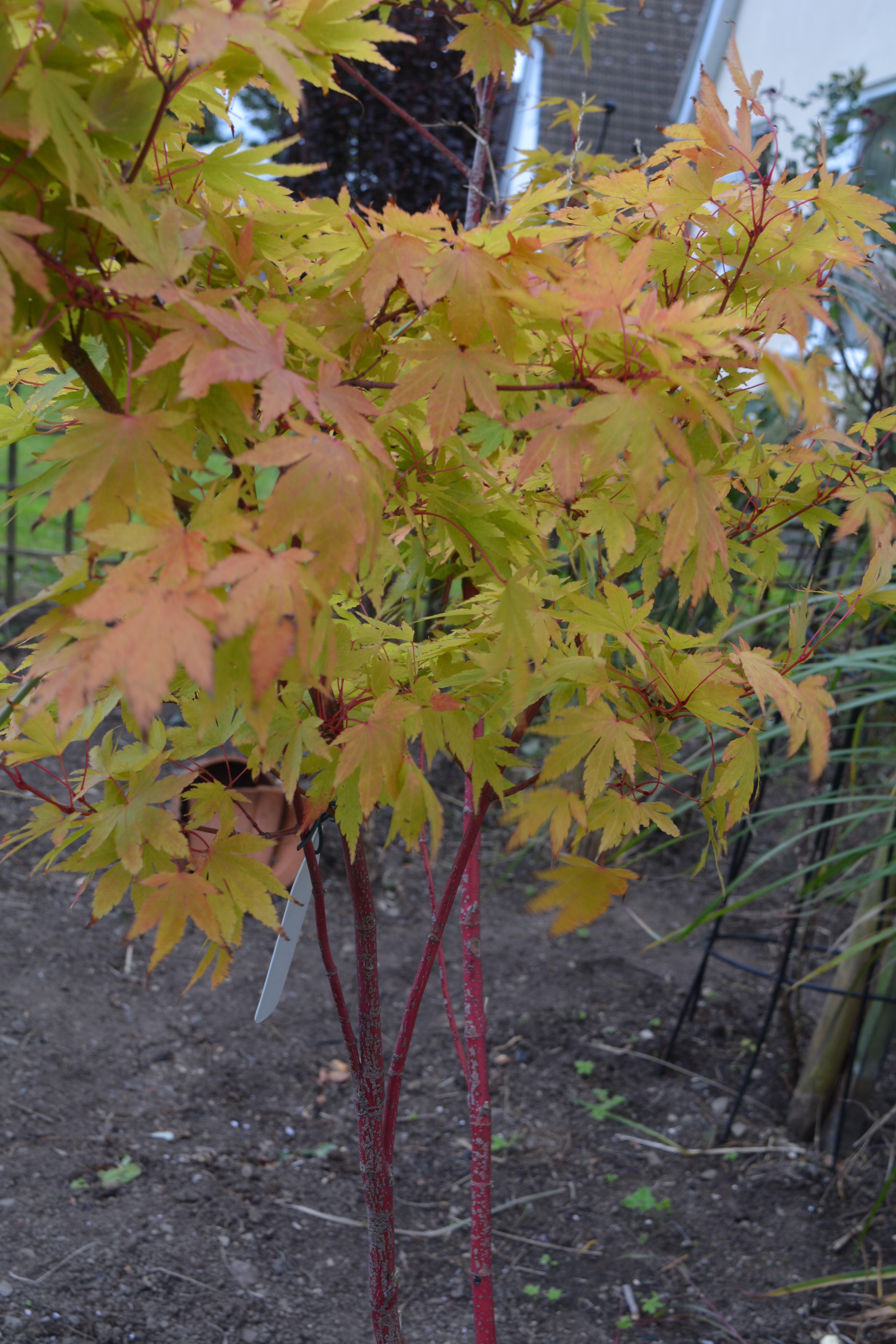
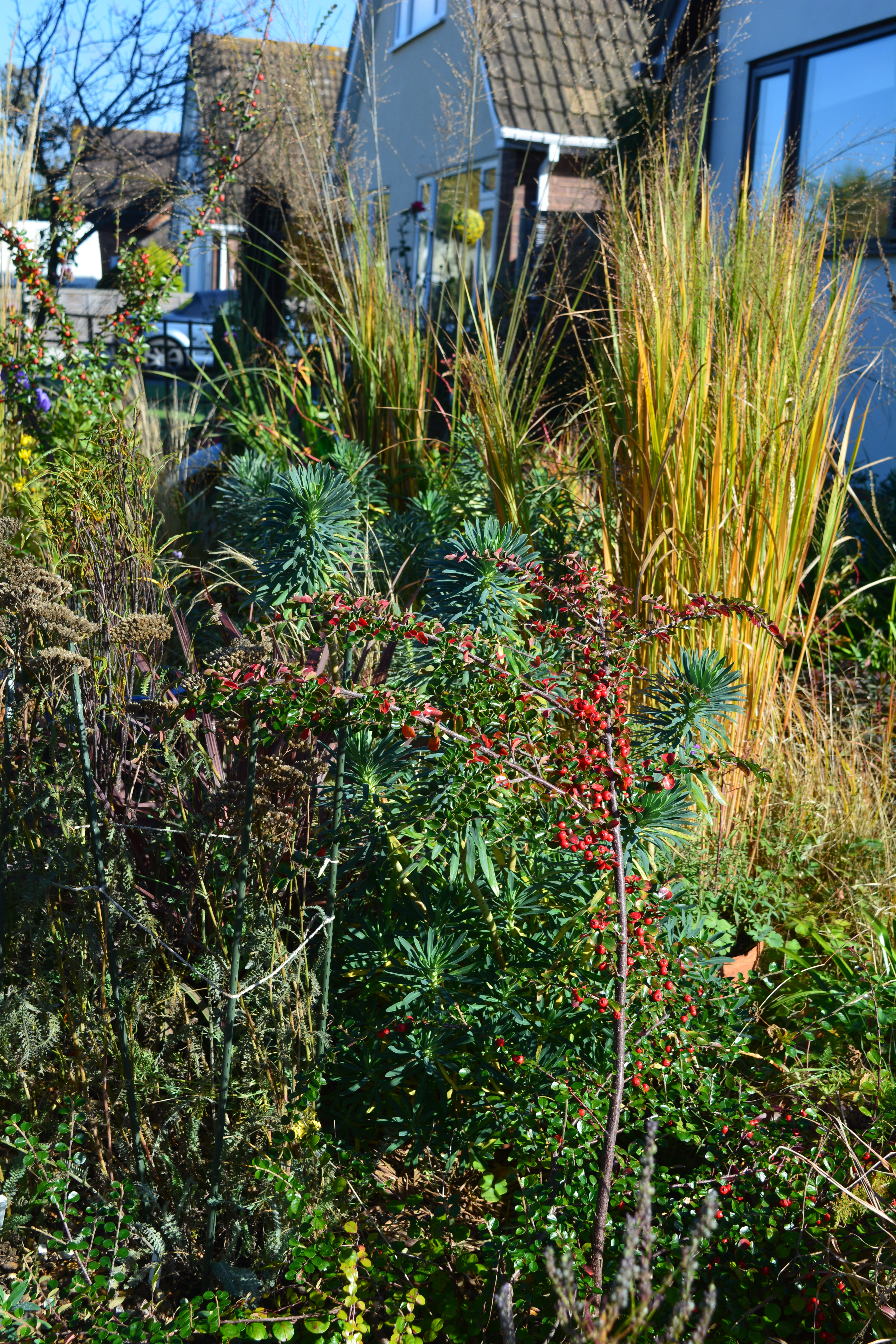
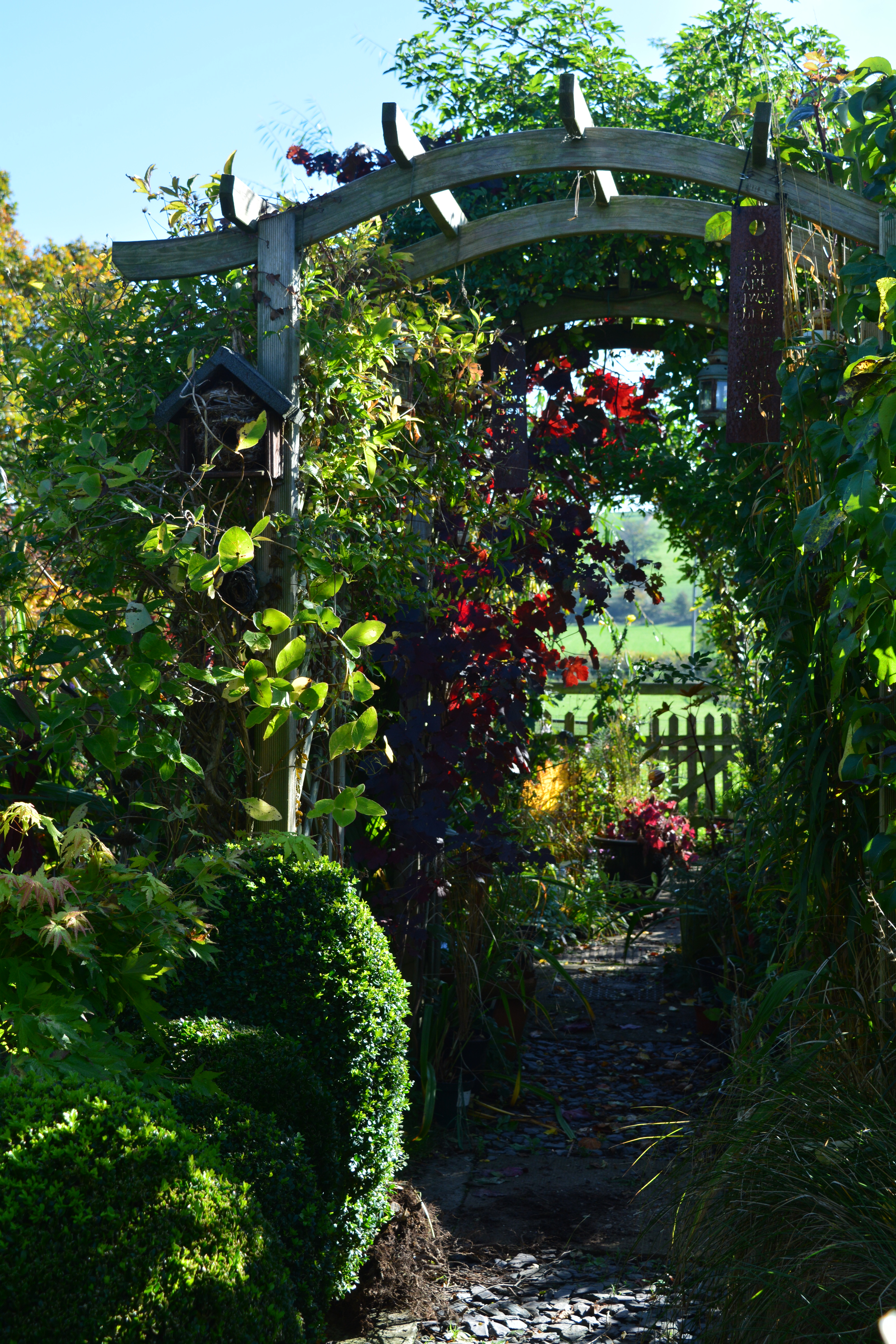
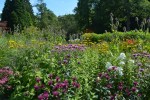
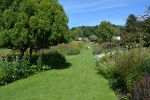
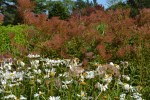
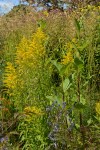
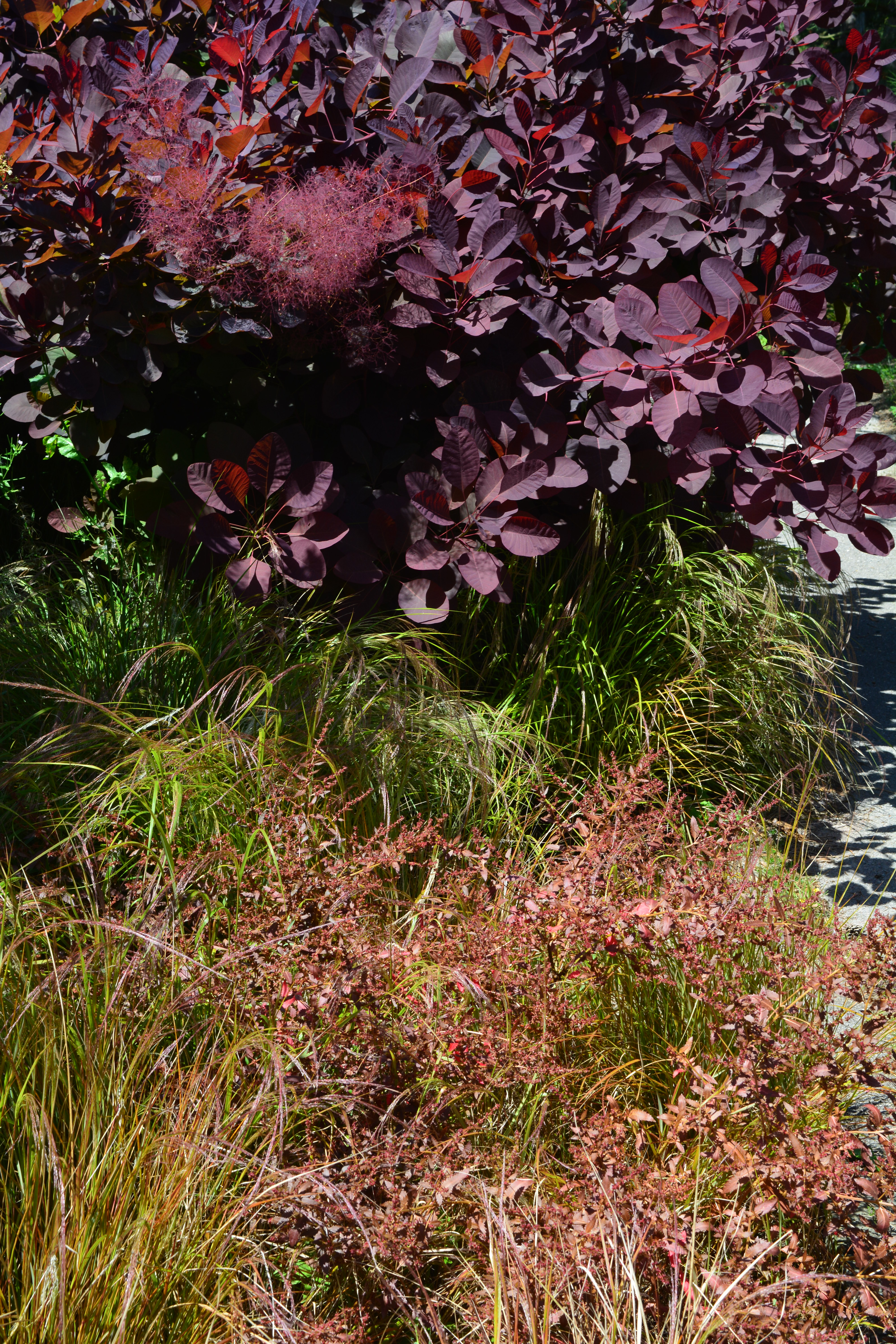
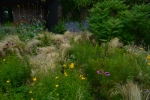
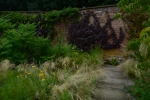
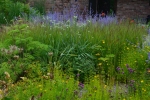
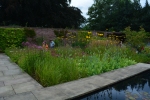
Here we are in October, my 10th visit to my garden journal this year. I love October, with its special rich light and the fire and flame colours of foliage on trees, shrubs and perennial plants alike.

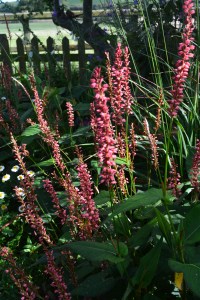
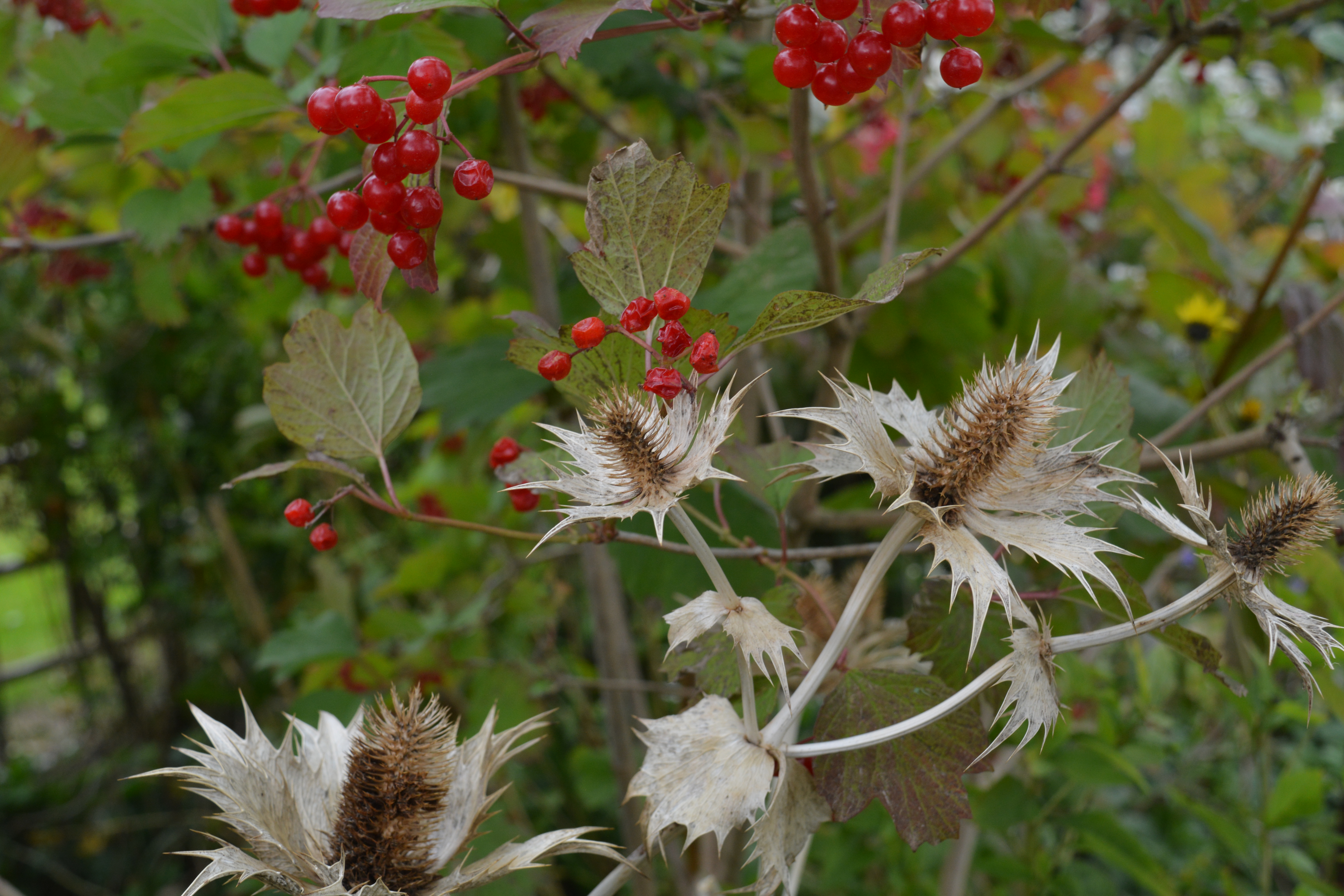
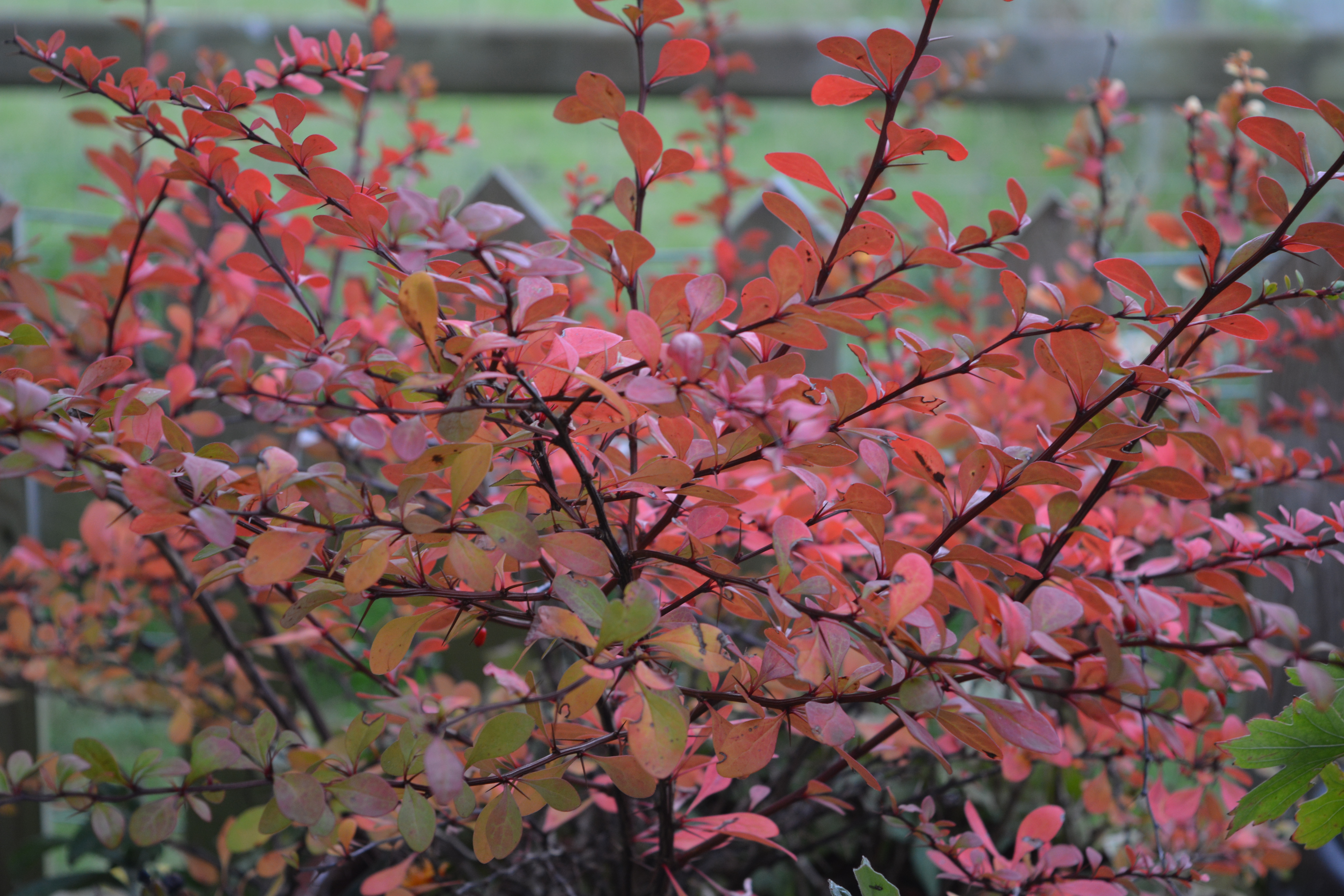
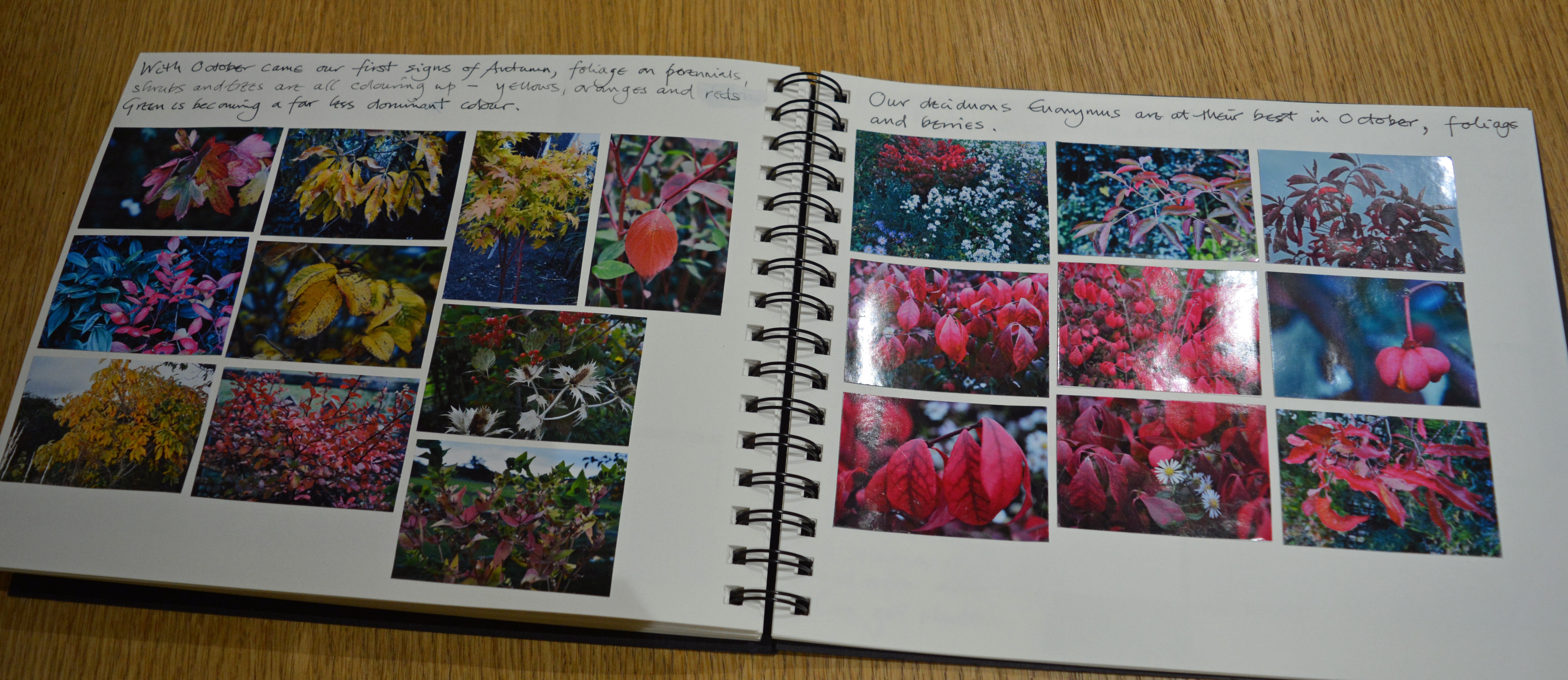
The first words in my October journal were, “With October came our first signs of Autumn, foliage on perennials, shrubs and trees are all colouring up – yellows, oranges and reds. Green is becoming a far less dominant colour.” I have taken lots of colourful photos to share what we can see each time we wander out into our garden.


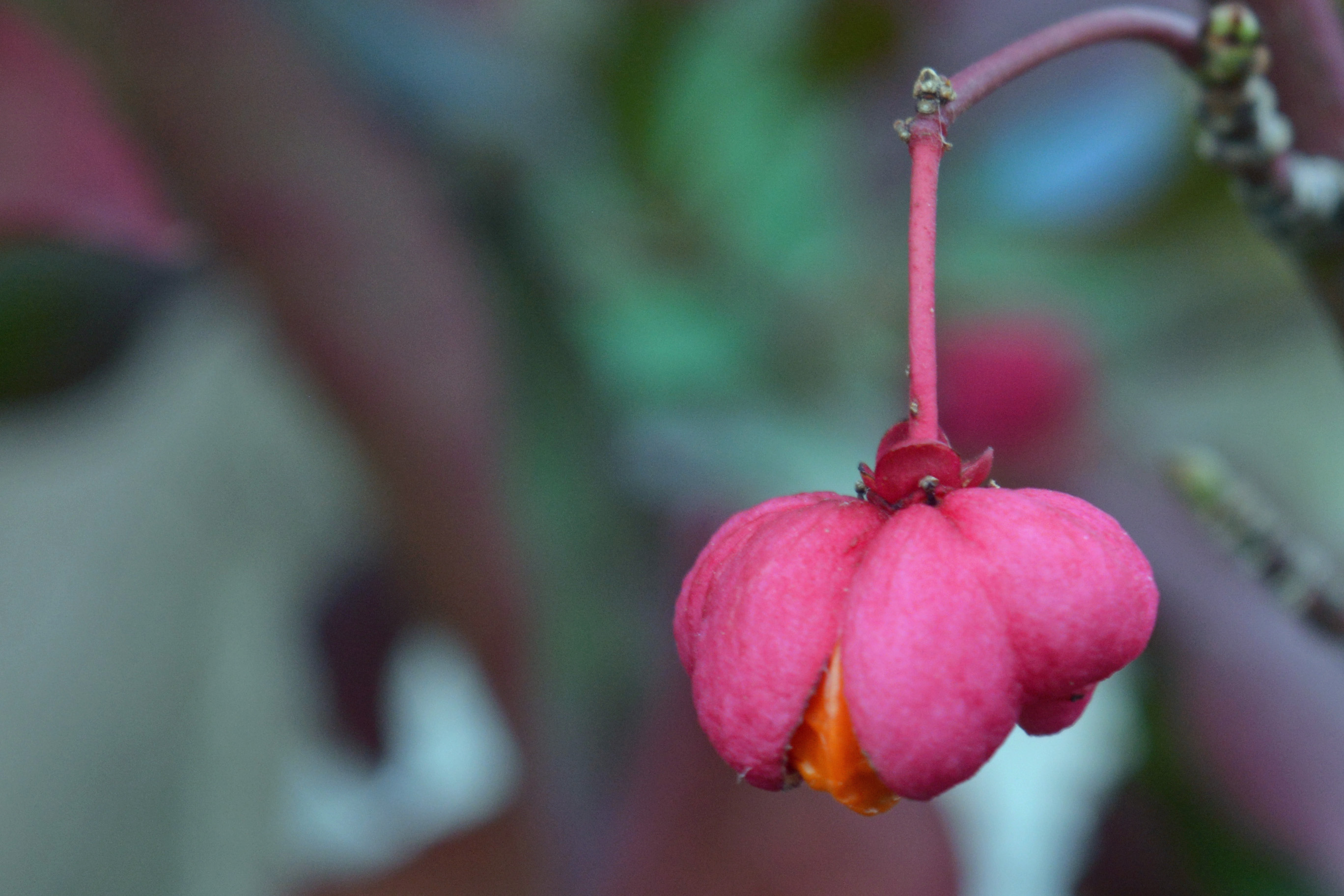
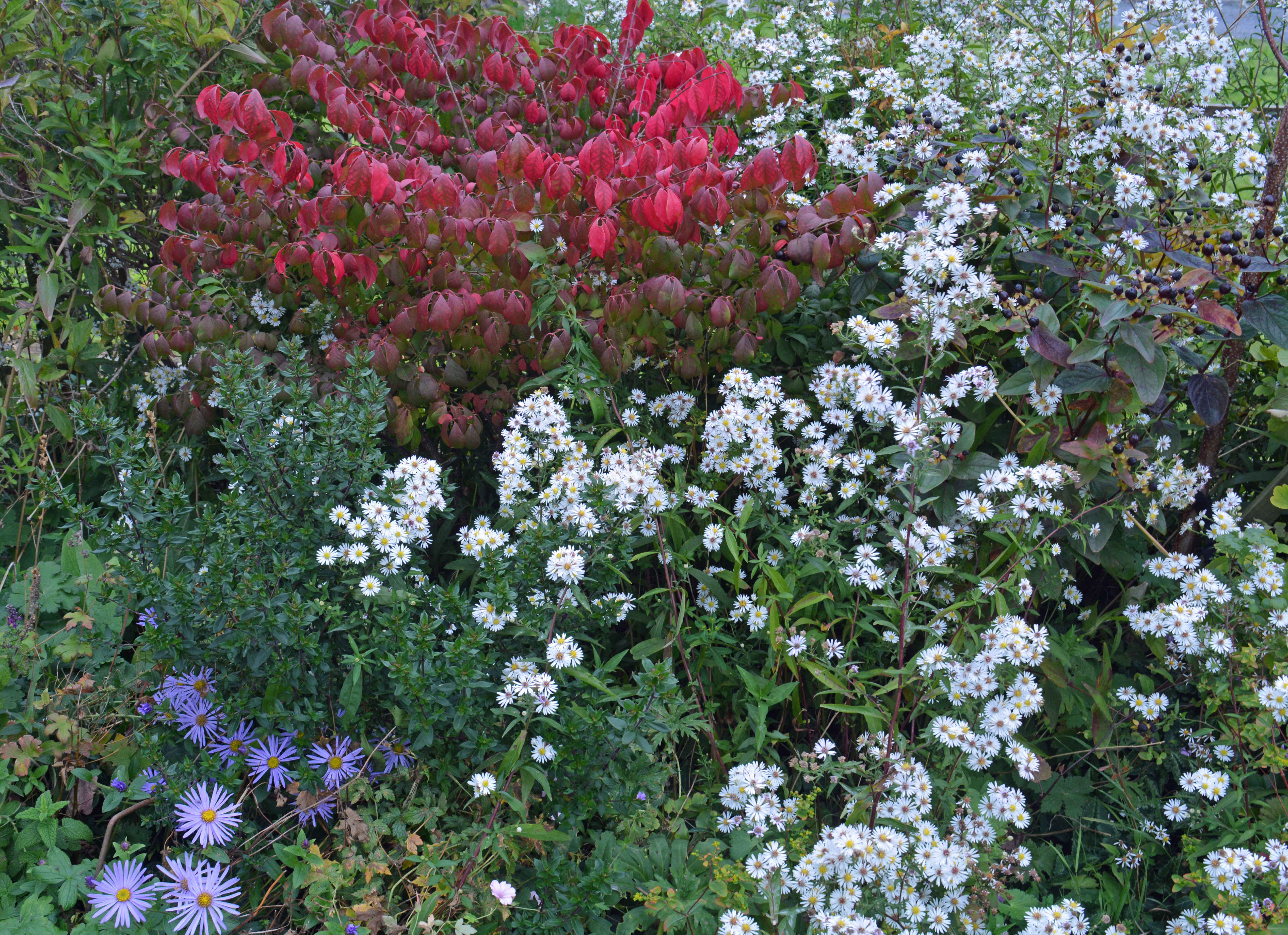
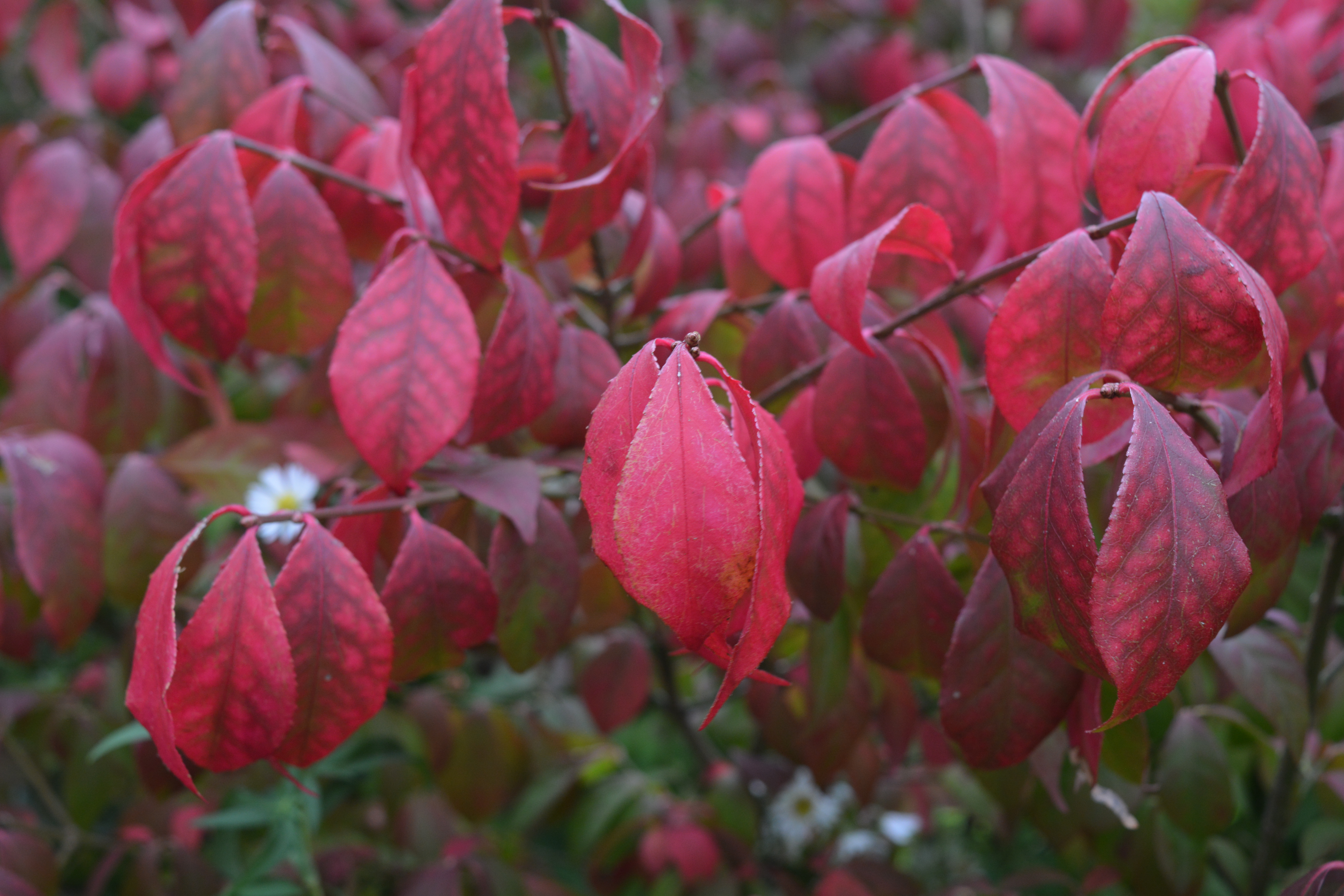
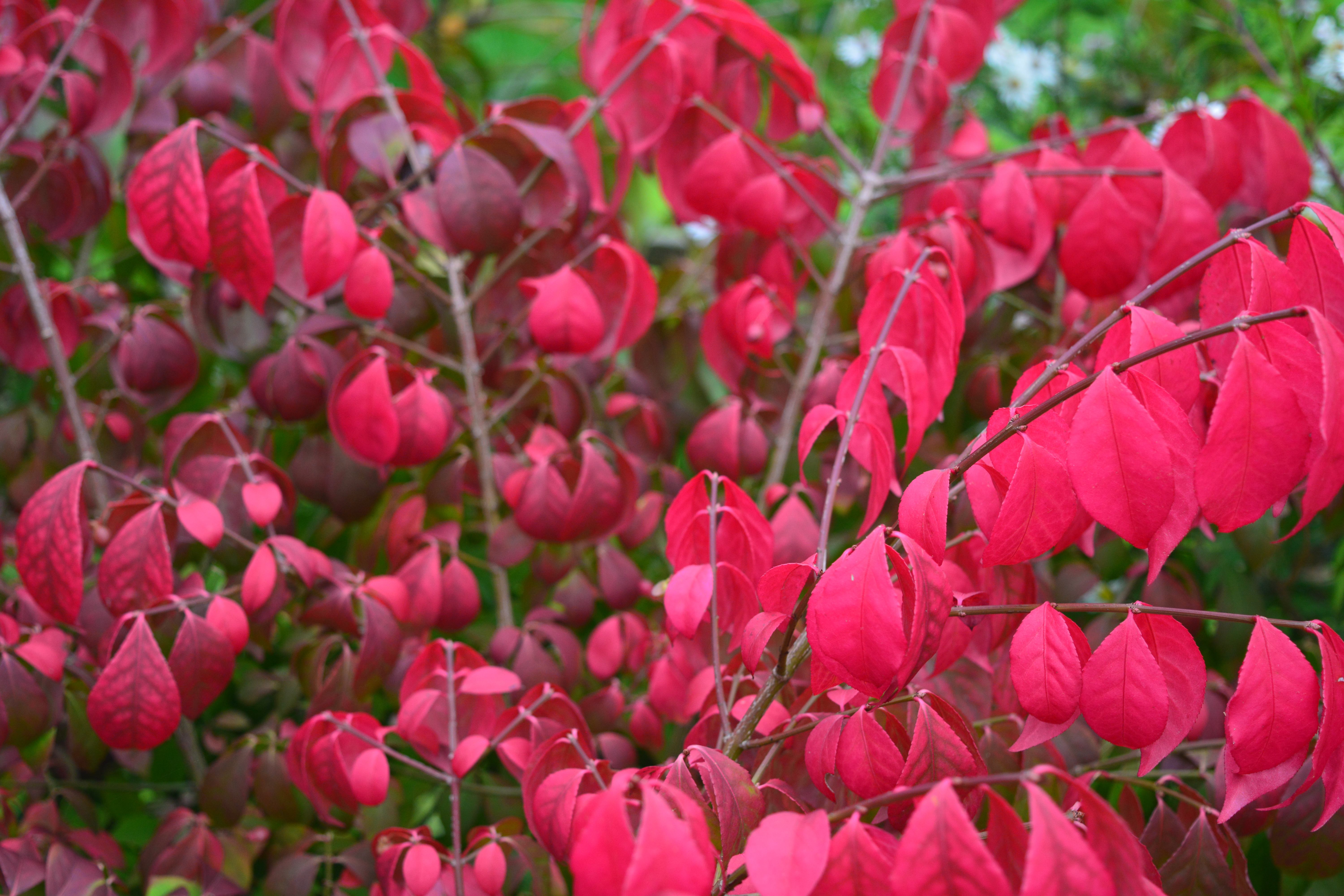
On the next page my photos one of the most colourful of all autumnal shrubs, the deciduous Euonymus, and I wrote, Our deciduous Euonymus are at their best in October, foliage and berries.”


Over on the next double page spread and on the following page too, I continued to look at our current projects.

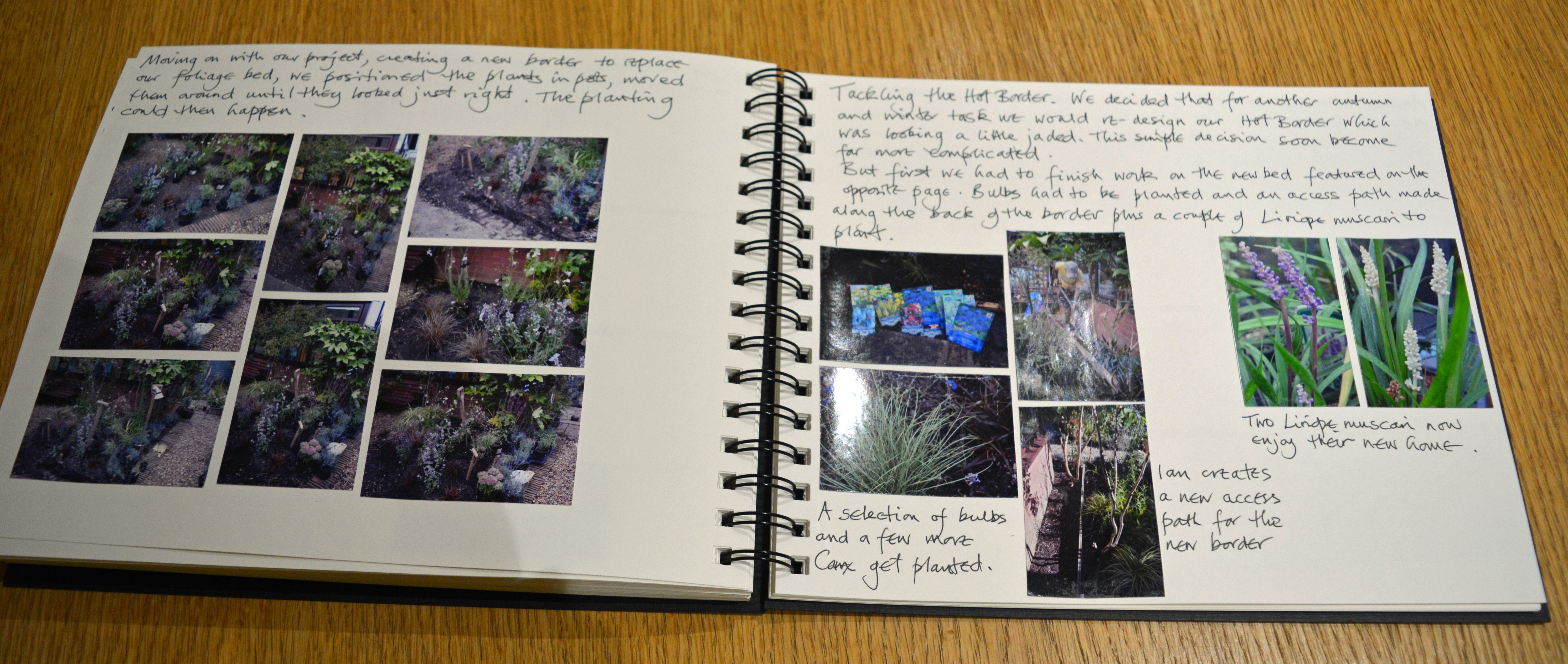
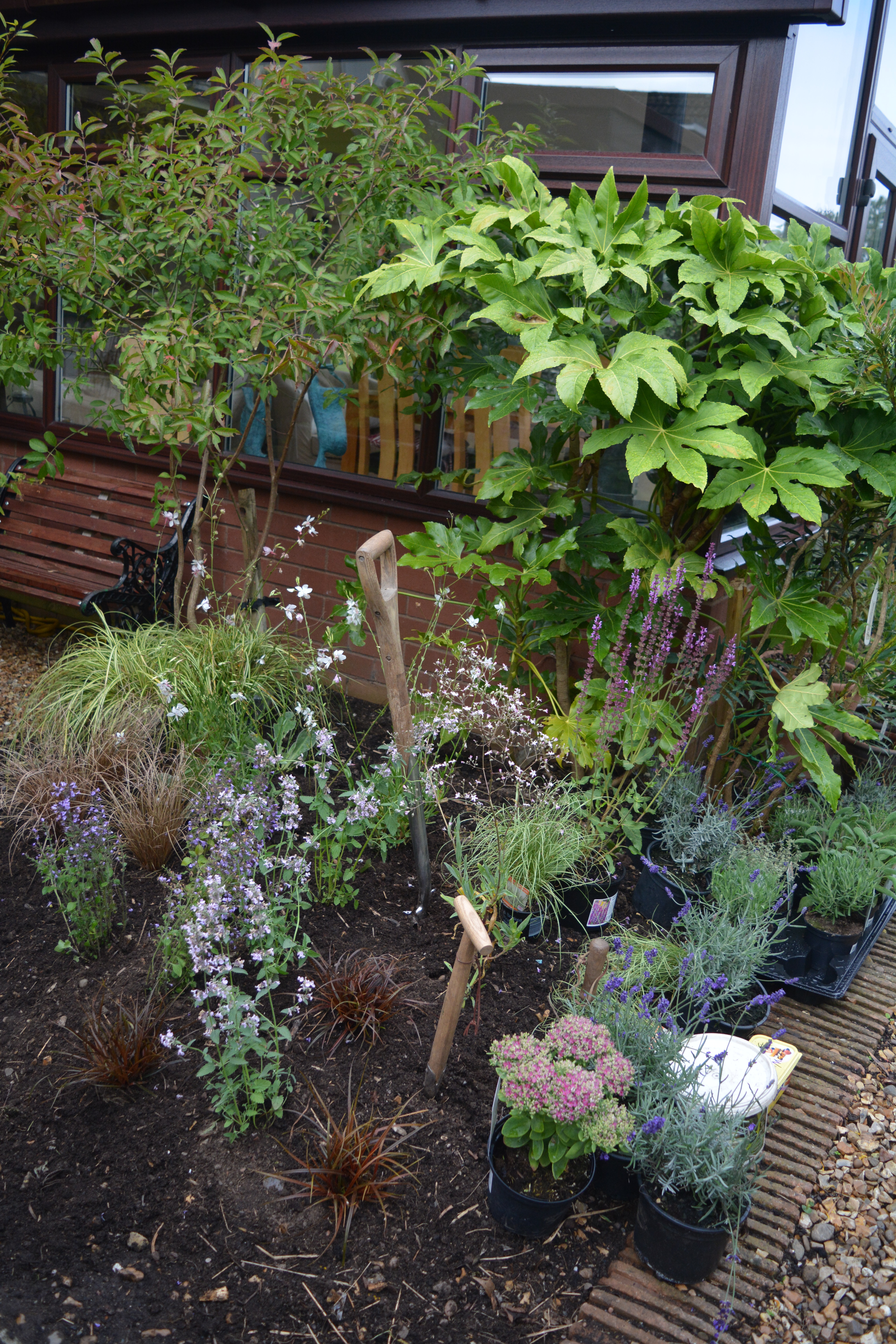
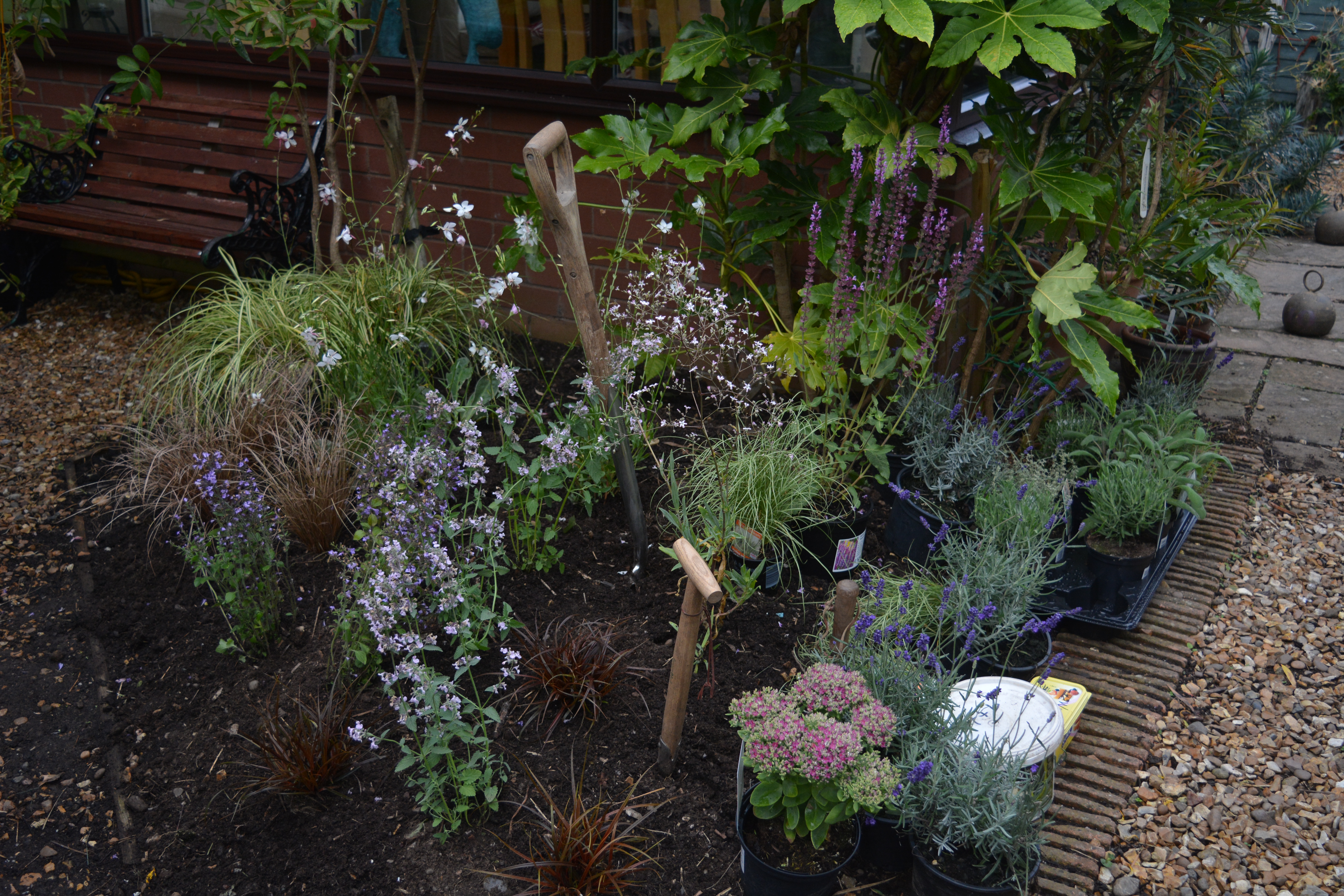
I wrote, Moving on with our project, creating a new border to replace our rather jaded foliage bed, we positioned the plants in pots, moved them around until they looked just right. The planting could then get underway.”

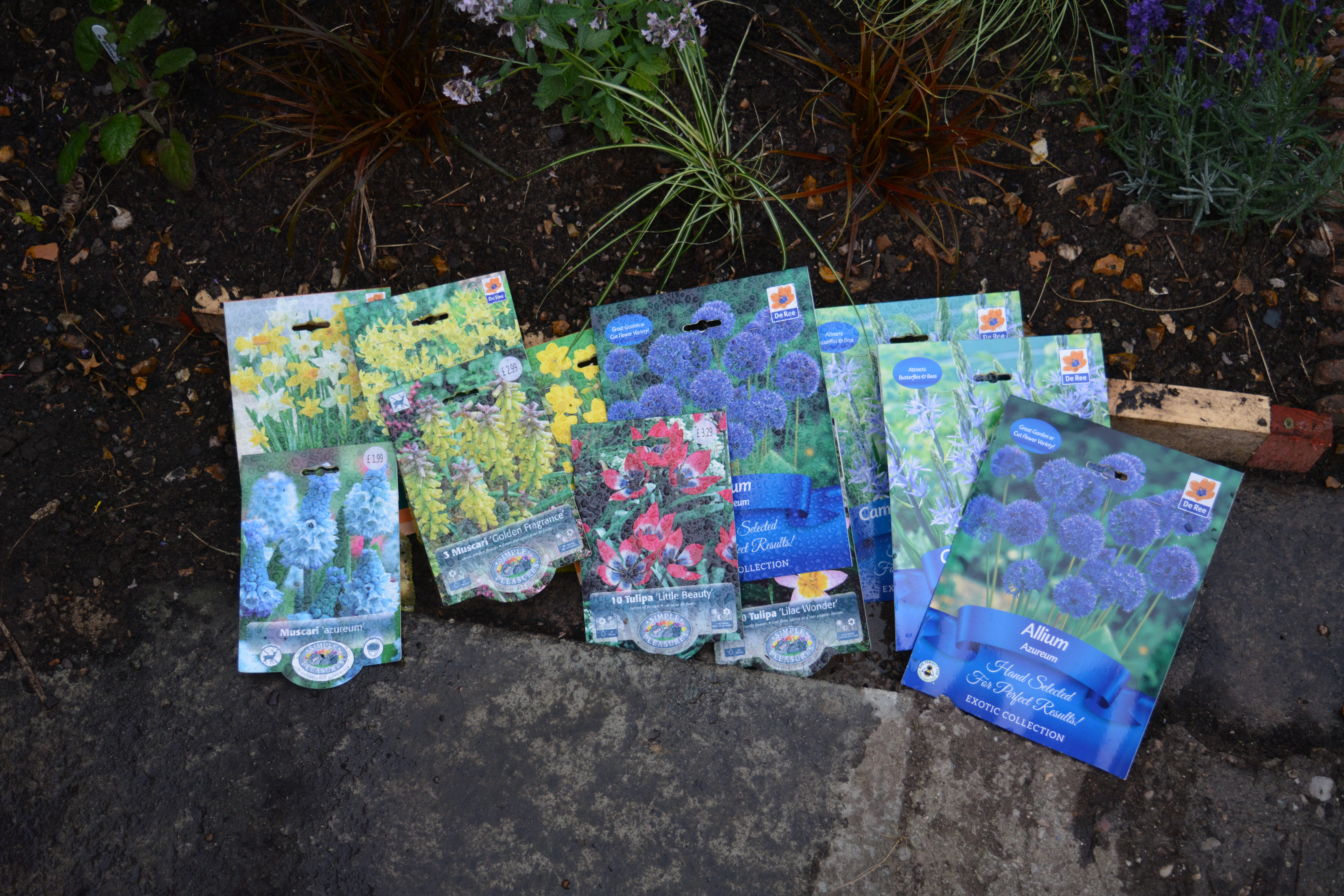
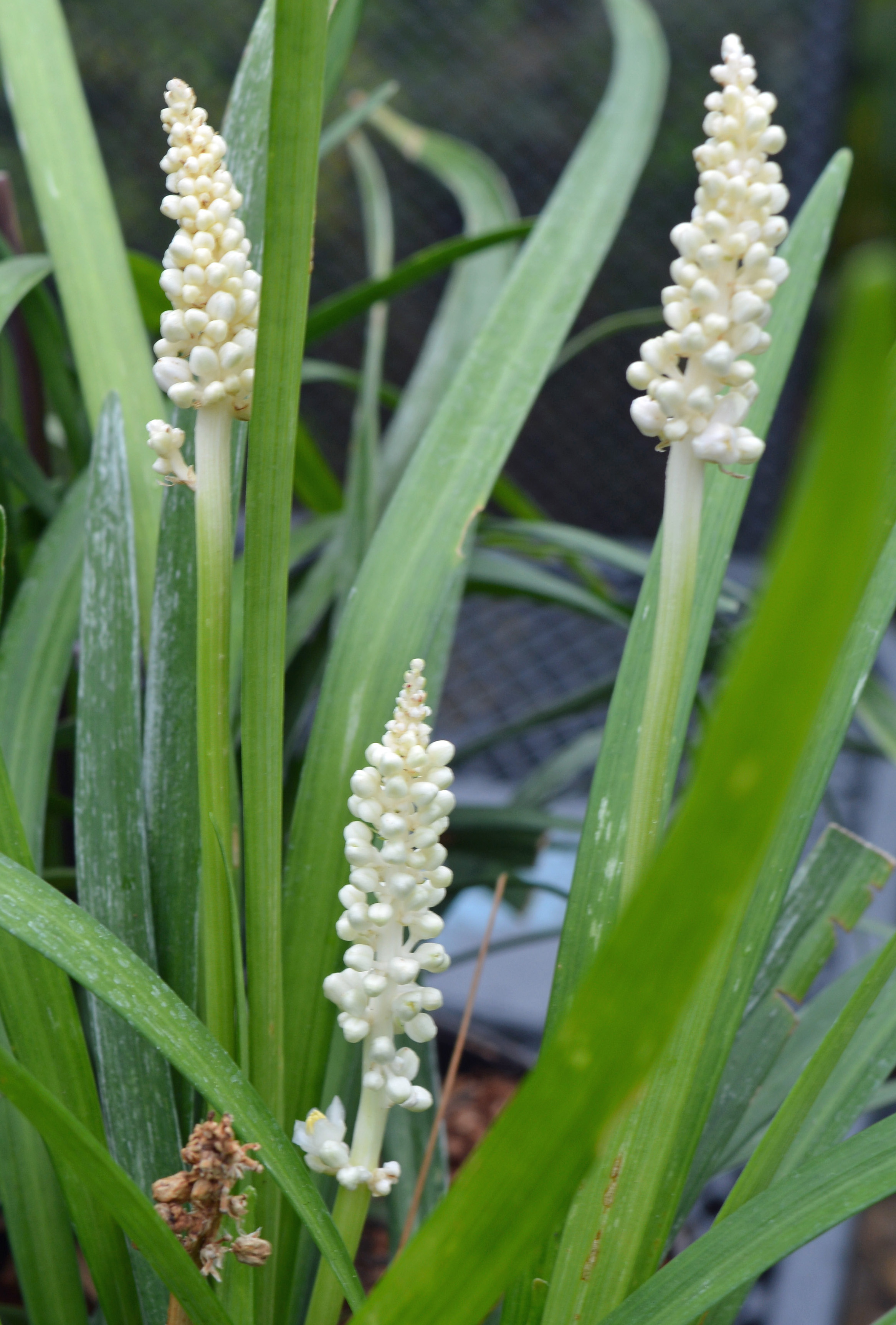
“We decided that for another autumn and winter task we would re-design our Hot Border which was looking a little jaded. This simple decision soon became far more complicated.  We ended up making the bold decision to move the new Hot Garden to a completely different part of our patch. But first we had to finish work on the new bed featured on the opposite page. Bulbs had to be planted and an access path made along the backof the border plus a couple of Liriope muscari needed planting.”

“A selection of bulbs and a few more Carex get planted.”


“Ian, our gardener, creates a new acess path for the back of the new border.”


“Two Liriope muscari now enjoy their new home.”

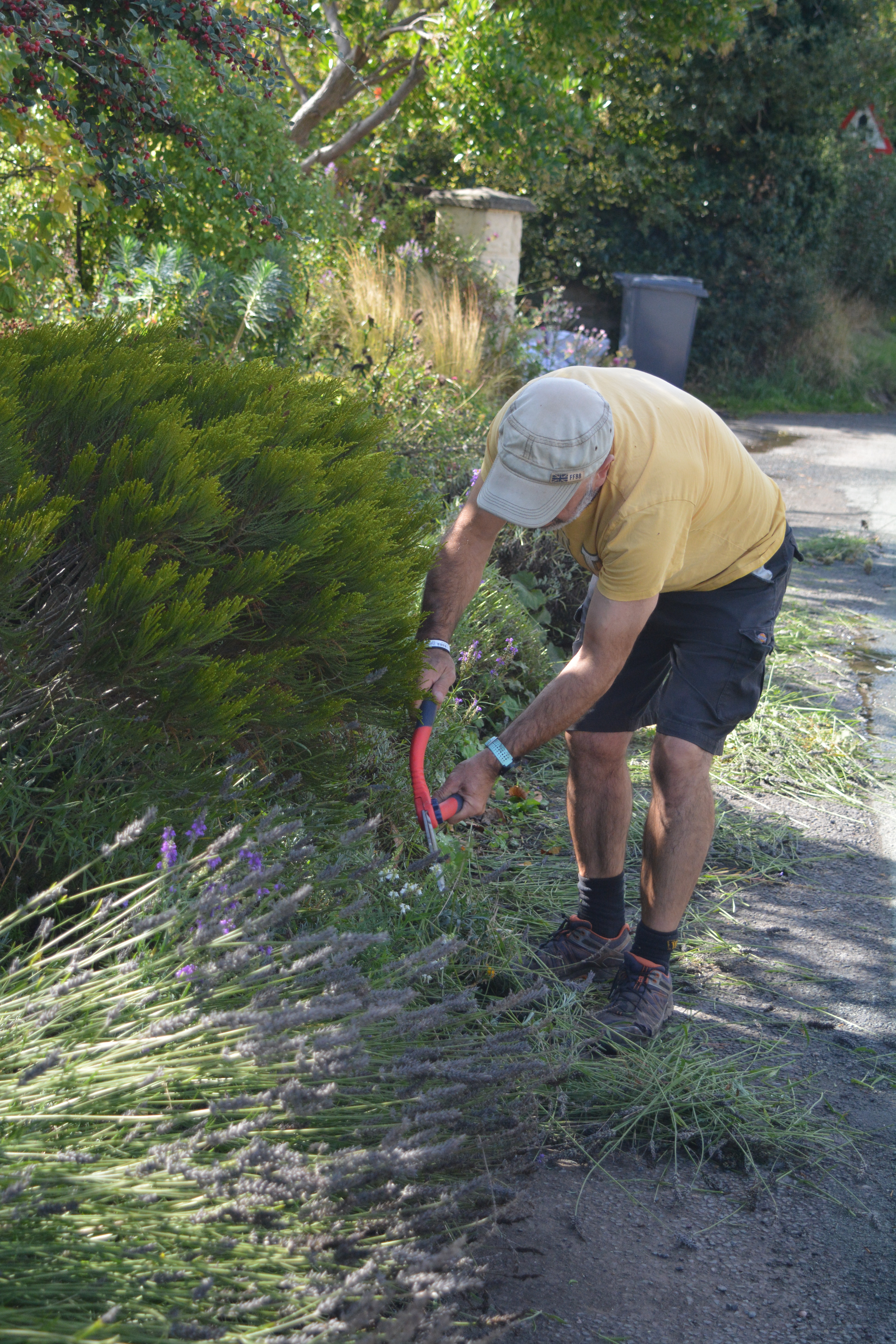
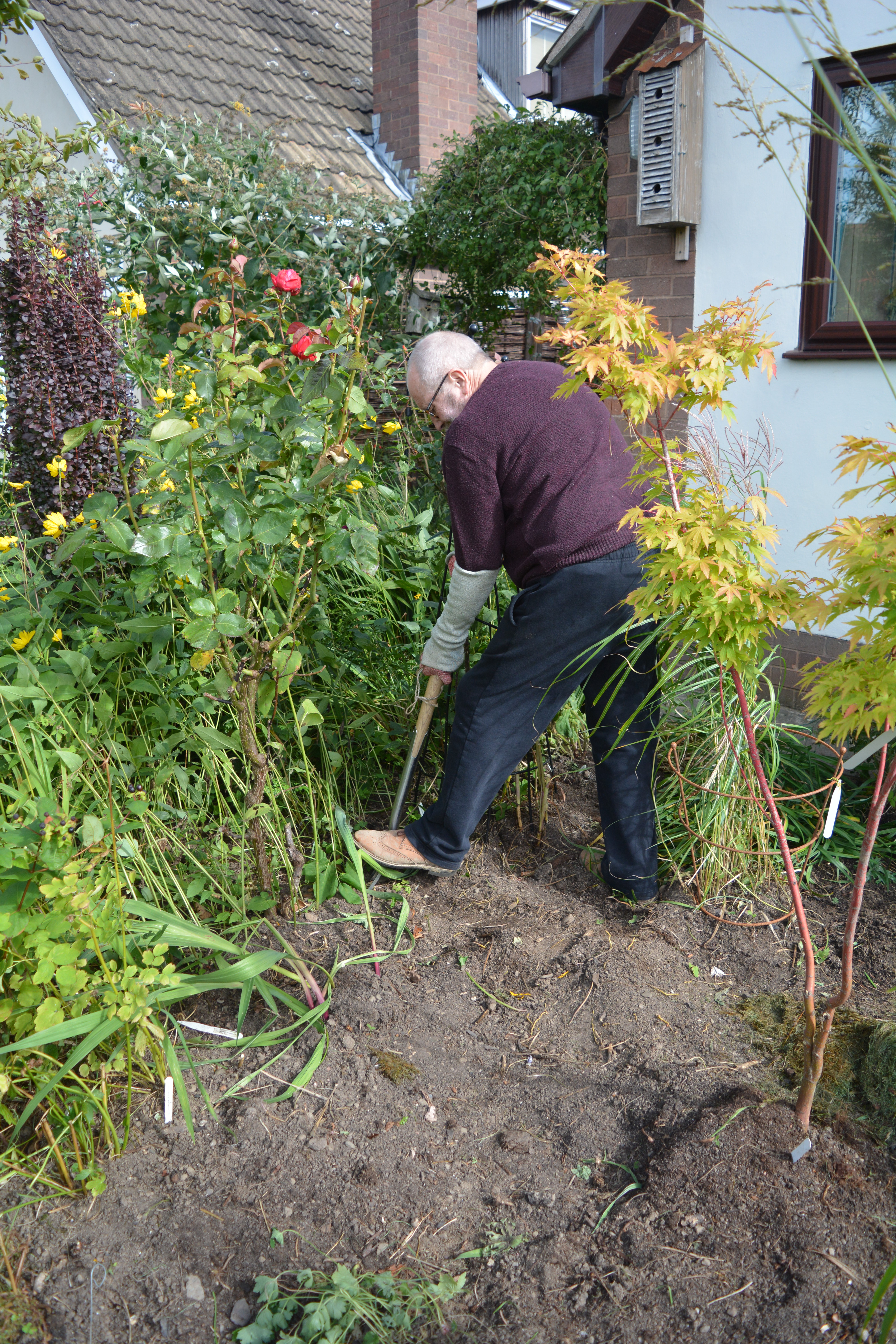
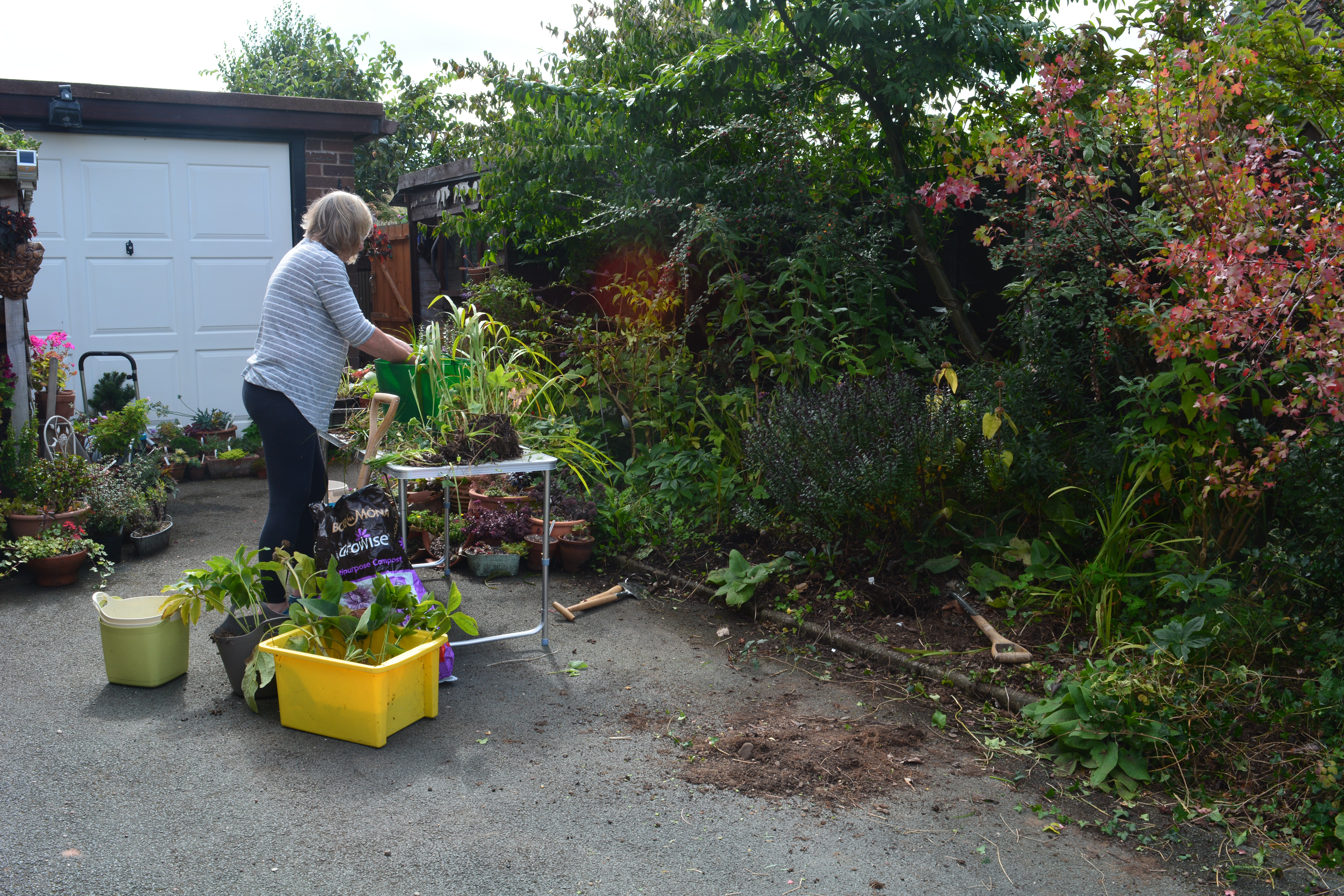
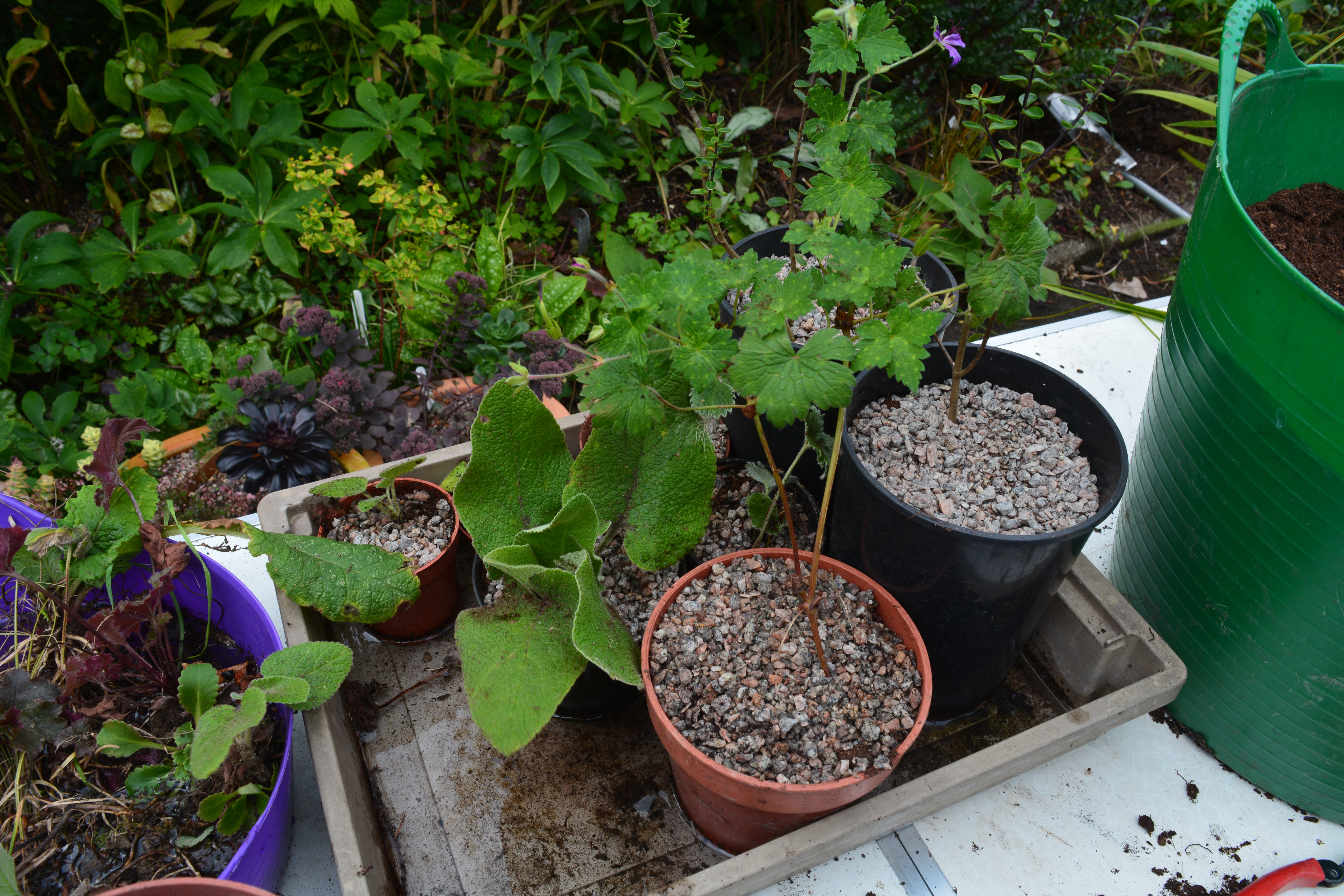
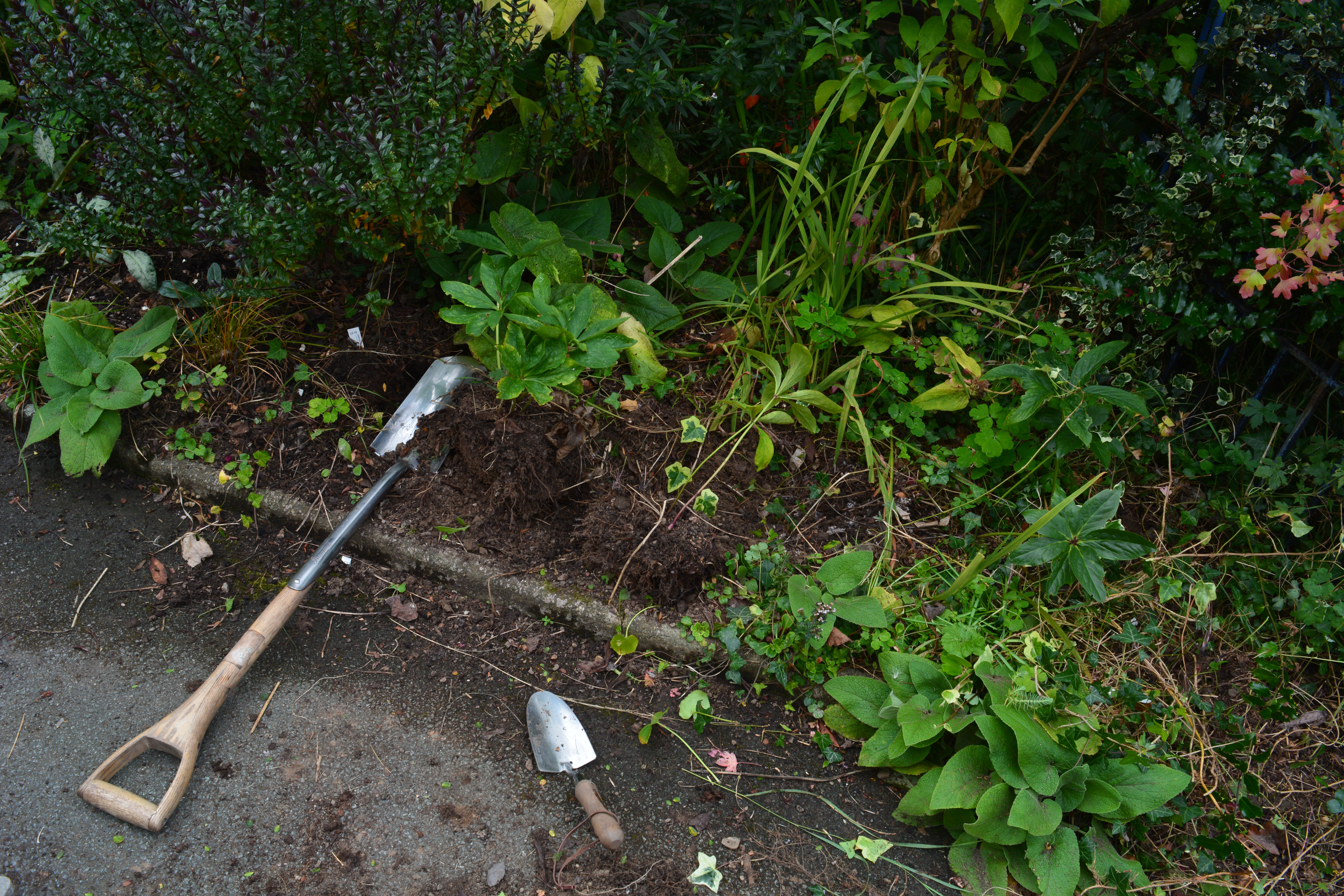
Moving on to the next double page spread I share the beginnings of developing the new front border to replace the original Hot Garden. I wrote,“As Ian trimmed our Lavender Hedge, I began stripping out the original Hot Border. As I dug plants up, Jude repotted any we wished to keep, if necessary splitting them up too.”


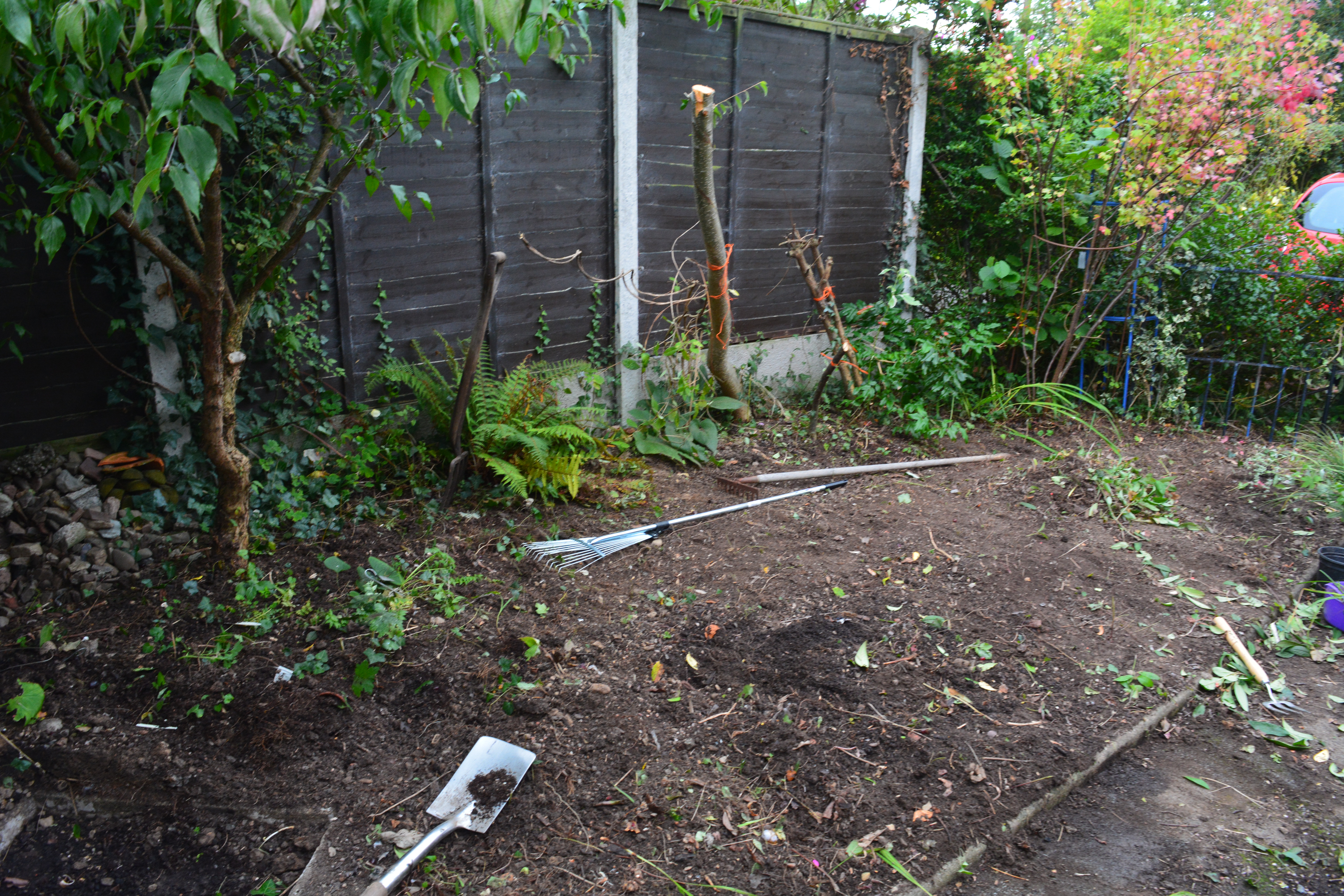
The front border soon looked empty and Ian improved the soil by double digging and and incorporating organic compost and forking it all through. It is now easily workable and feels a perfect texture.

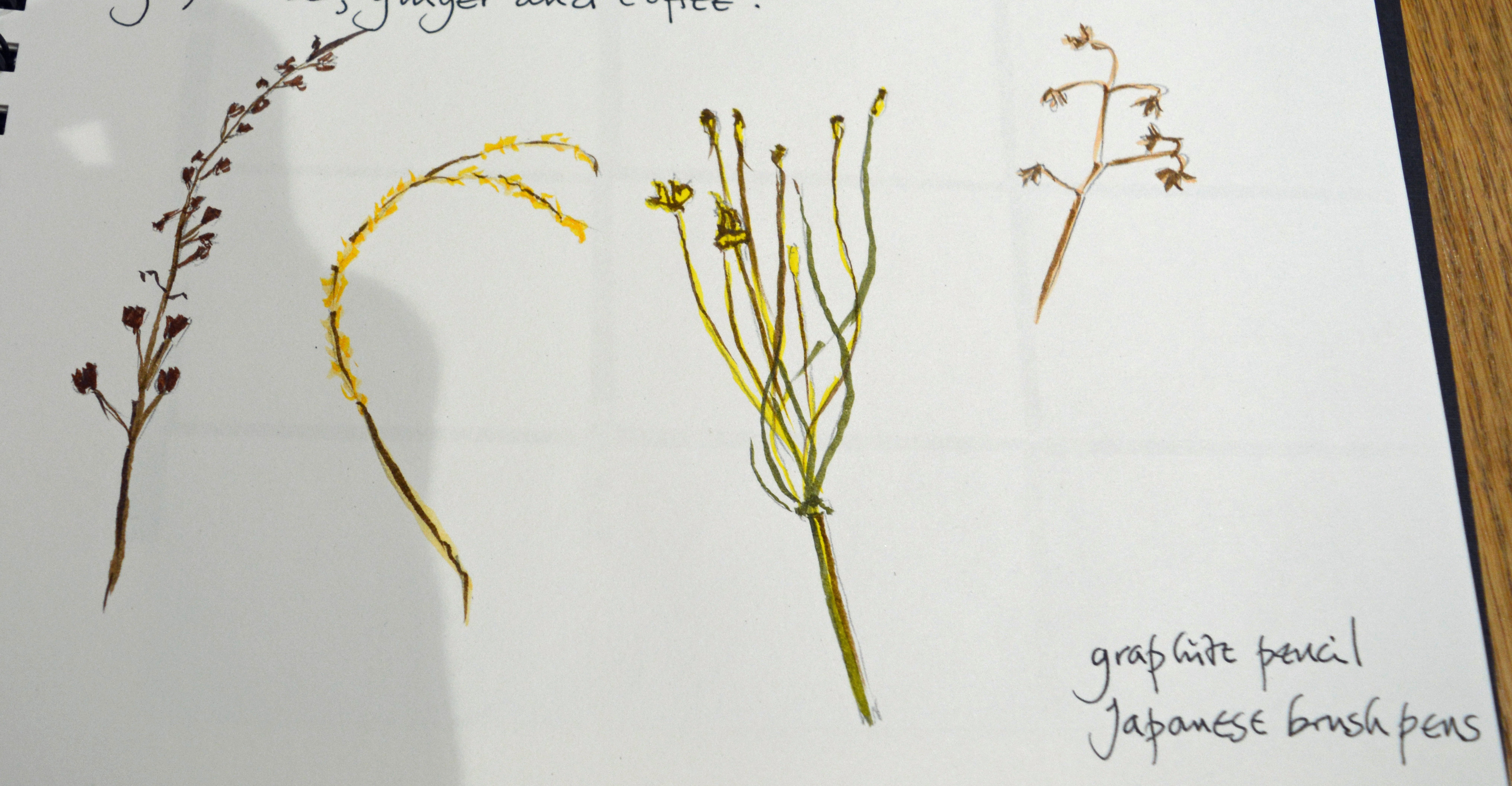
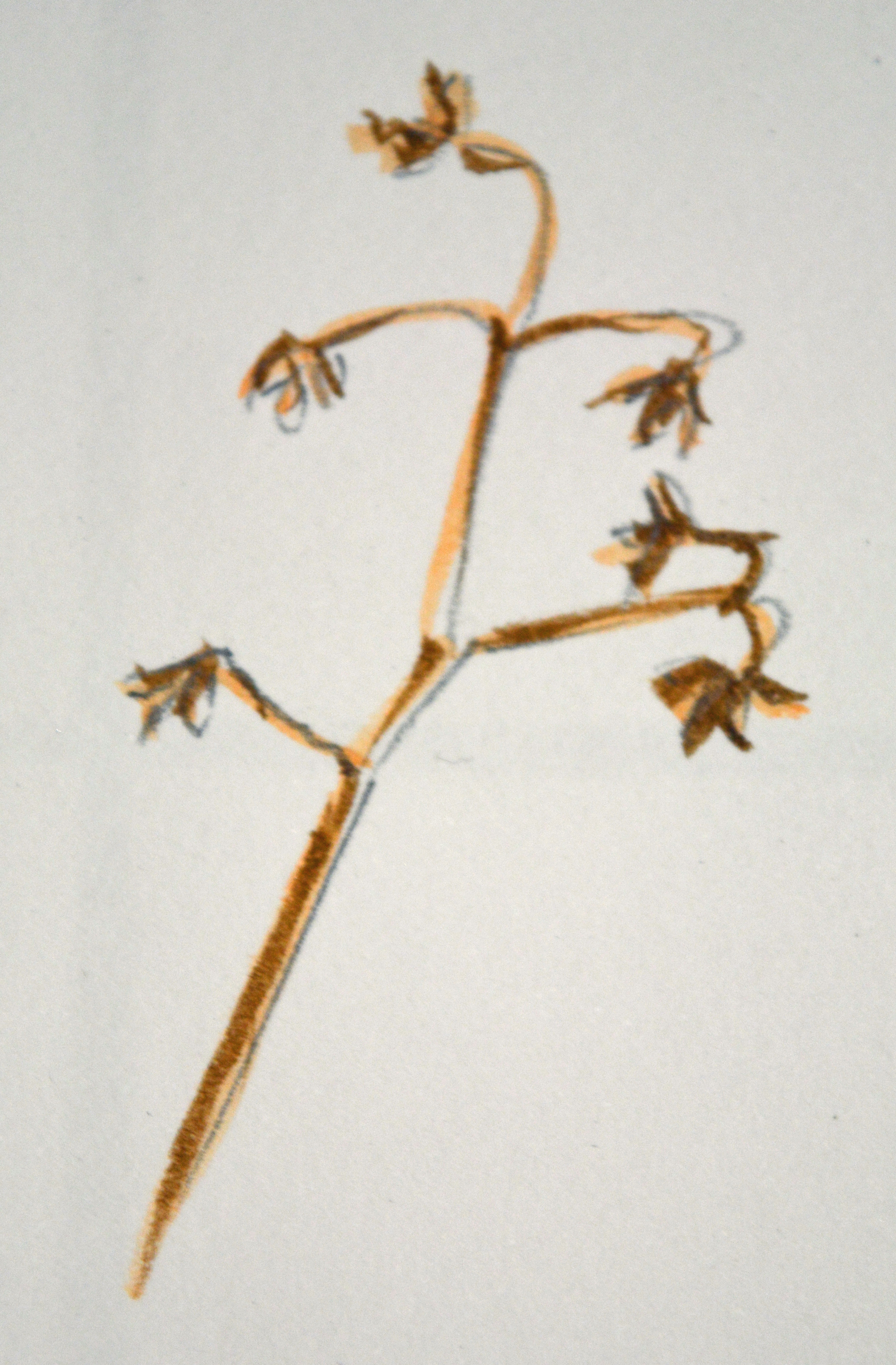
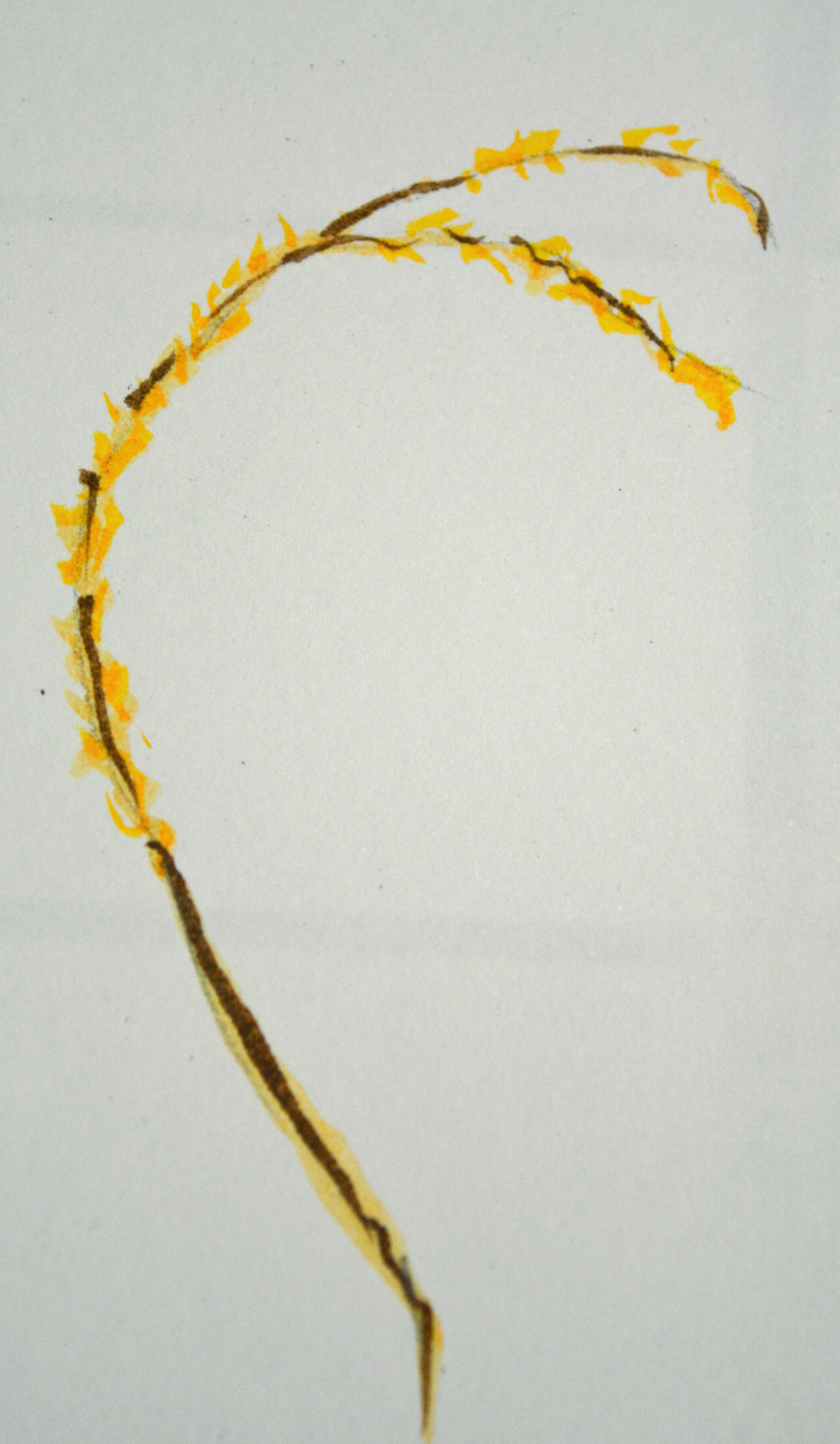
On the opposite page to our front border adventures I shared some of my paintings of October seedheads, created using graphite pencil and Japanese water colour brush pens.

I wrote, “When the sun shines bright on a dry October day, its rays catch each delicate seedhead atop the fine stems of perennials. The slightest breeze invite these lightweight beige, bronze, ginger and coffee seedheads to dance.”

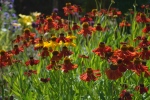
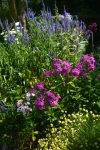
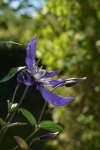
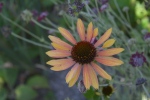
The final double page spread brings colour back as we look at what is in flower during the last few days of the month. I wrote, “In contrast to the subtle colours of dried grasses and seed heads our late flowering climbers, shrubs and perennials are so bright!”


“Sharp contrasts give the garden added depth as the autumn sum dips lower in the sky.”


So we see the end of October with reasonable temperatures holding up and plenty of dry days to get out into the garden and get busy.


Categories
climbing plants colours garden arches garden design garden photography gardening gardens gardens open to the public half-hardy perennials hardy perennials light quality poppies town gardens

An oasis in a city – the Emma Bridgwater Courtyard Garden

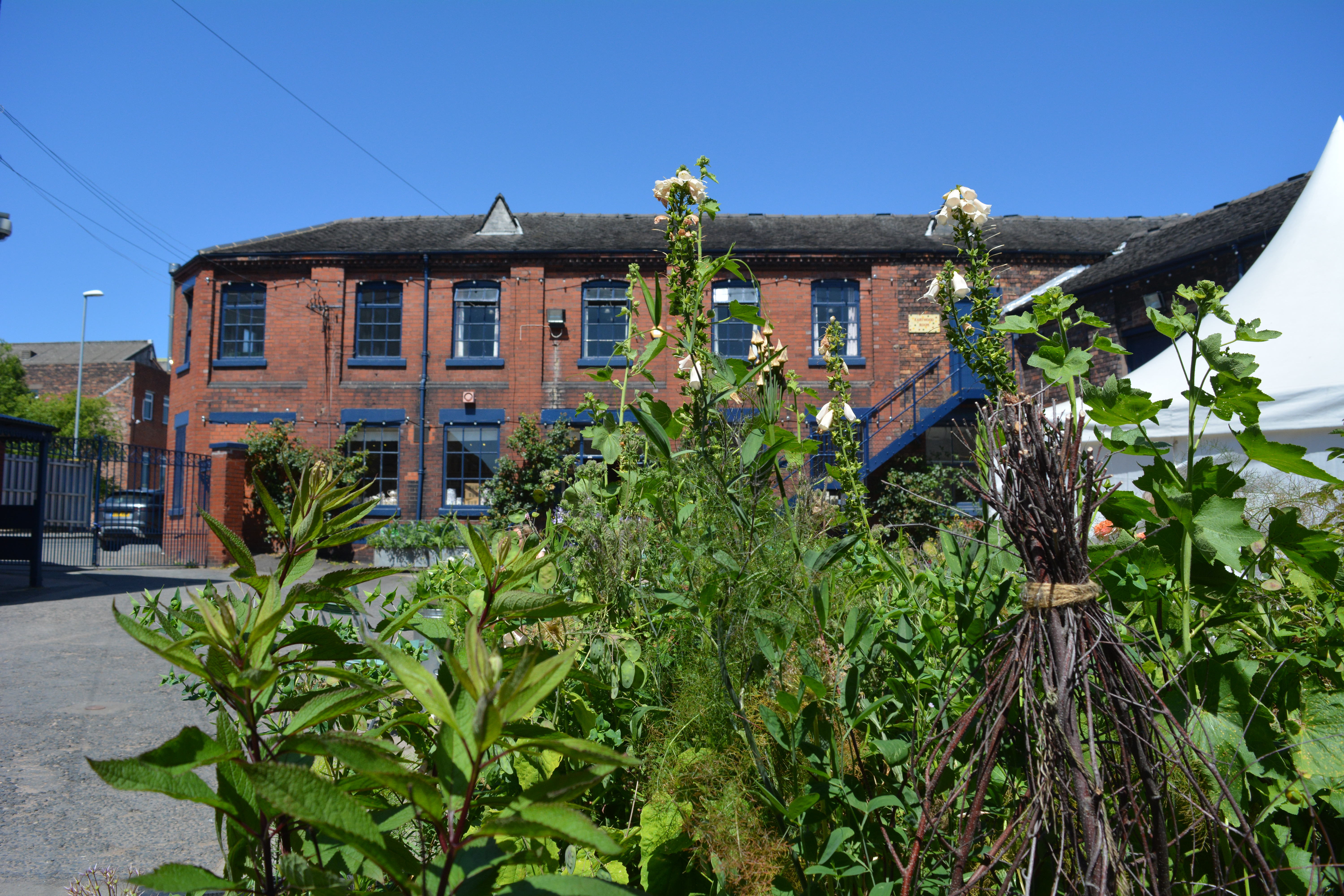
On a sunny day in late June we set off to the city, Stoke-on-Trent, to visit two gardens. Emma Bridgwater Pottery shop has its own courtyard garden with its own gardener caring for it and nurturing every plant. I had read the book he had recently written and emjoyed his words and the accompanying photos so wished to see it in real life. The second garden was Trentham, one of our favourite gardens and one we visit often. This visit was to see for the first time the new meadow plantings by Nigel Dunnett. These will be the subject of a following post. First we visit the courtyard garden.

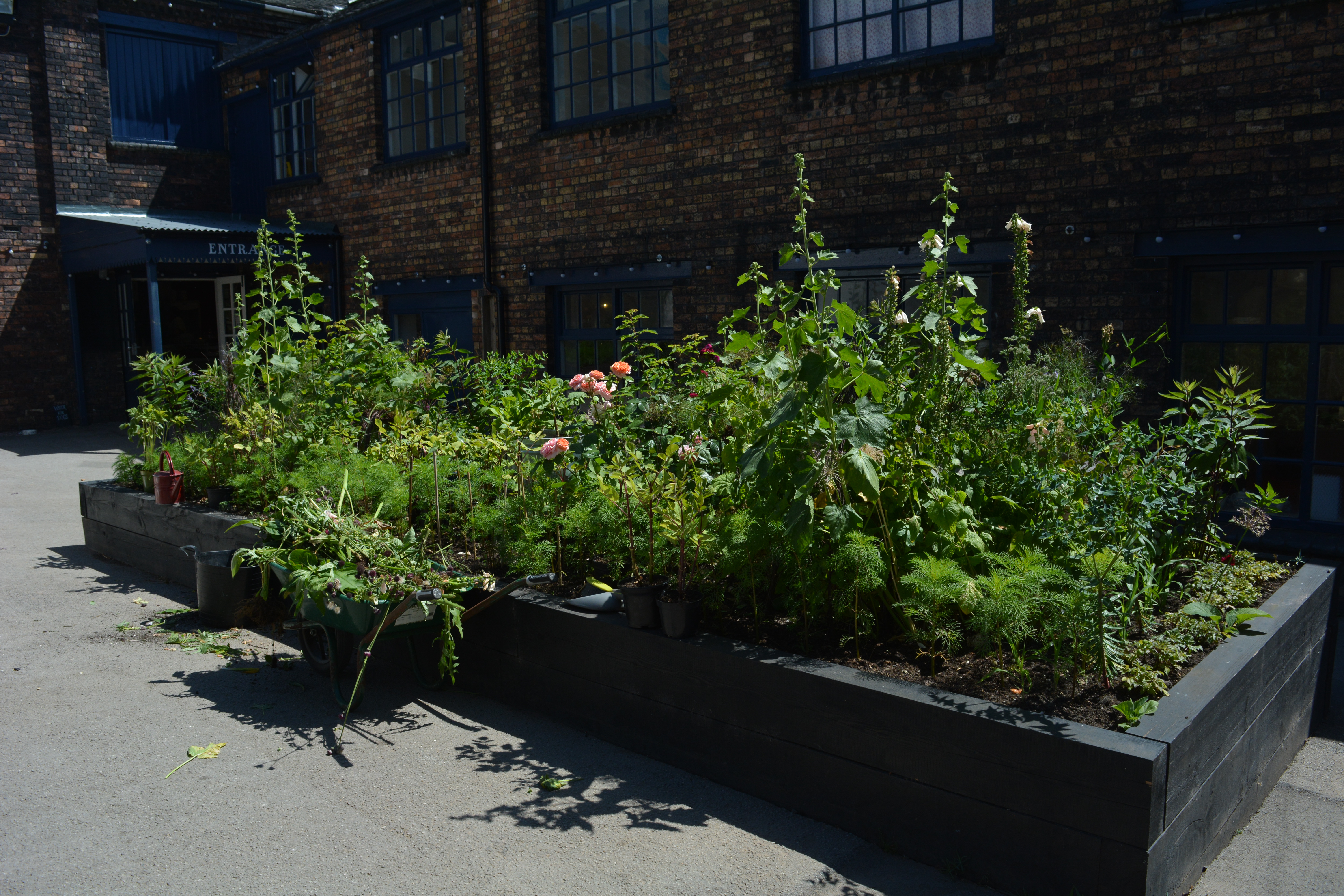
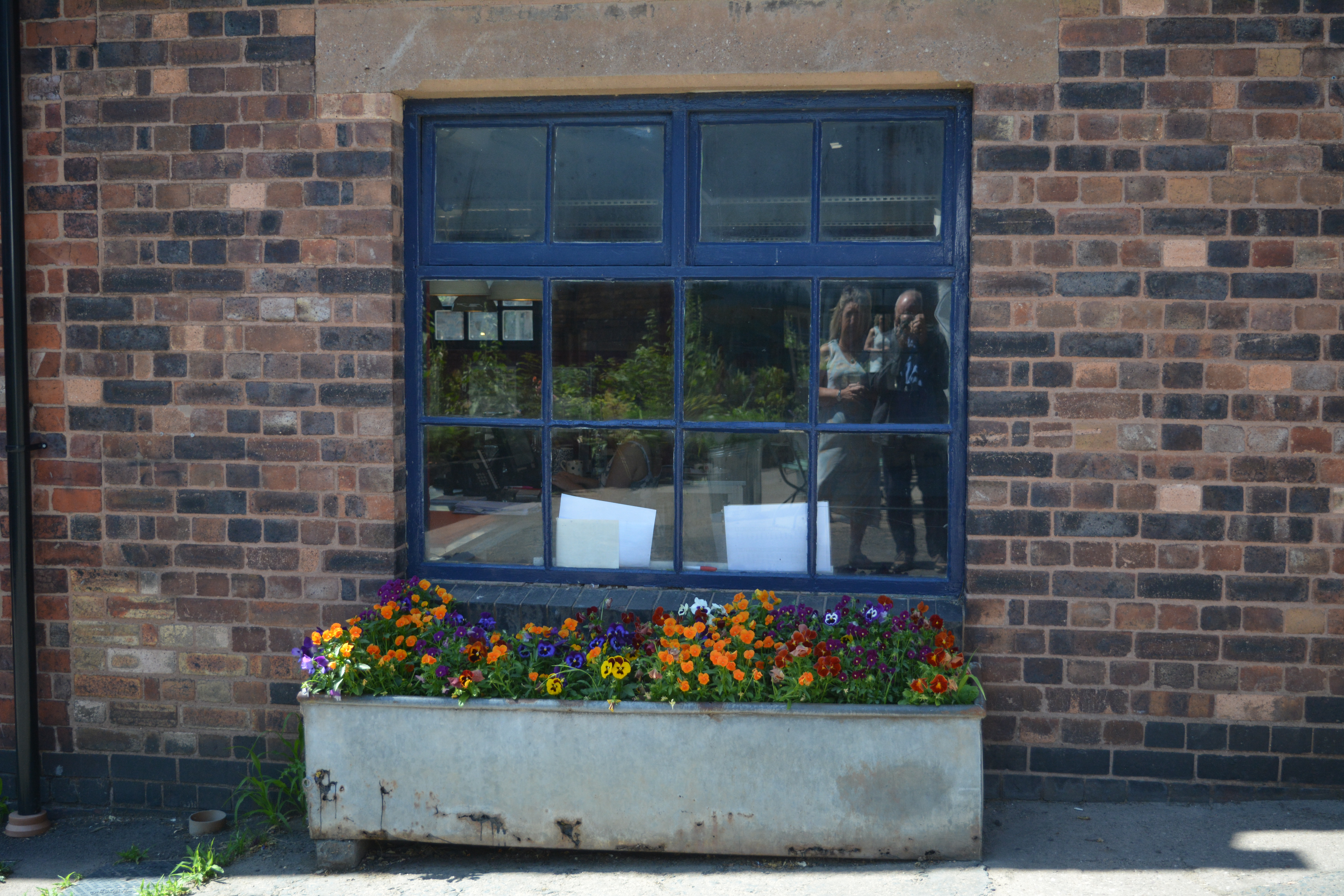
The raised beds in the entrance courtyard are an antedote to the city, to the factory behind.

We arrived in temperatures nearing 30C and started off with drinks in the cafe there before wandering through the pottery shop exiting a doorway at its far end that was the entrance to this secret garden. It felt a special place, an atmosphere of colour, calmness and peace in a city. the blue of the window frames, the step banisters and various railings are enhanced by the greens and other colours of the flowers in the beds. The entrance is softened and made more welcoming.


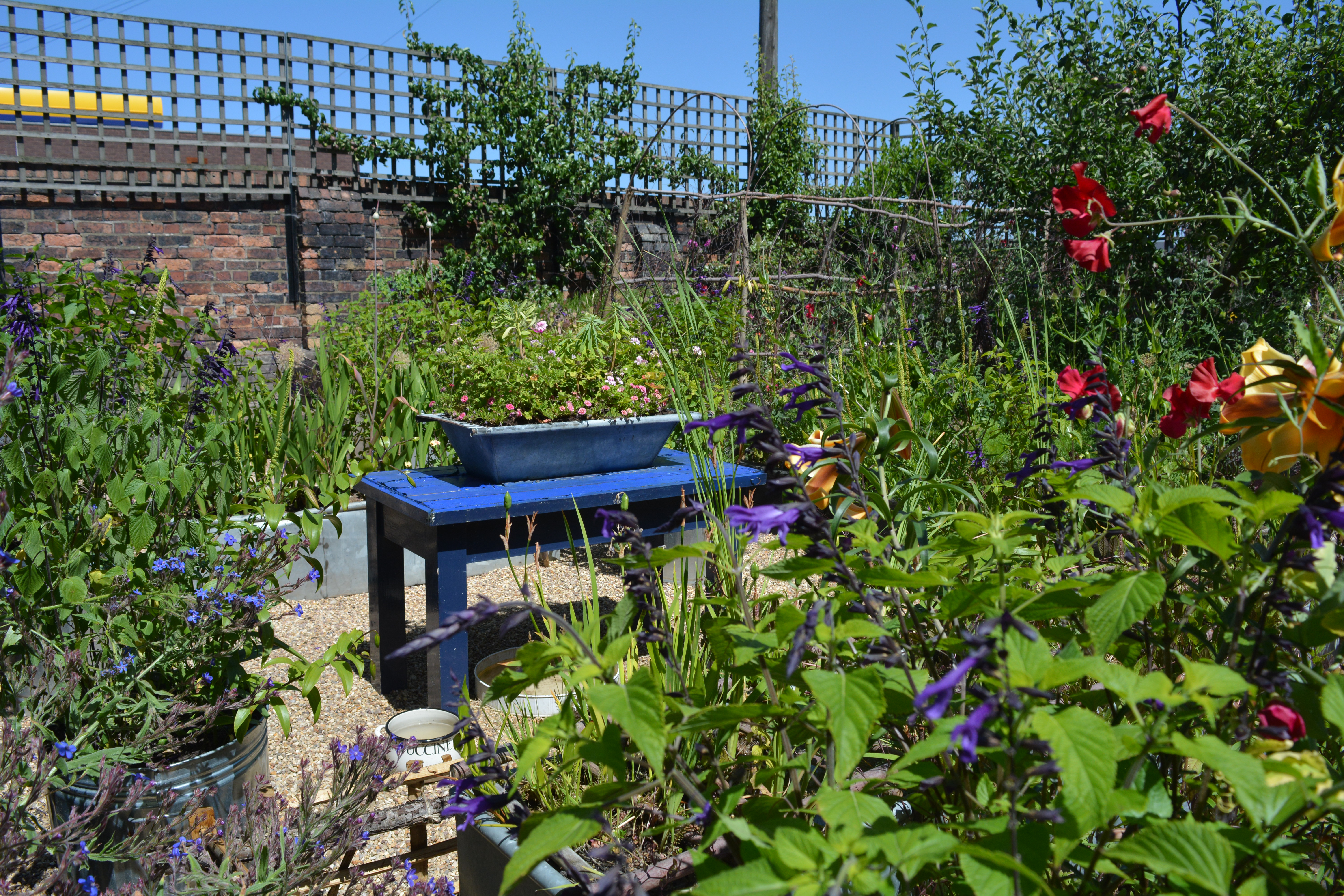
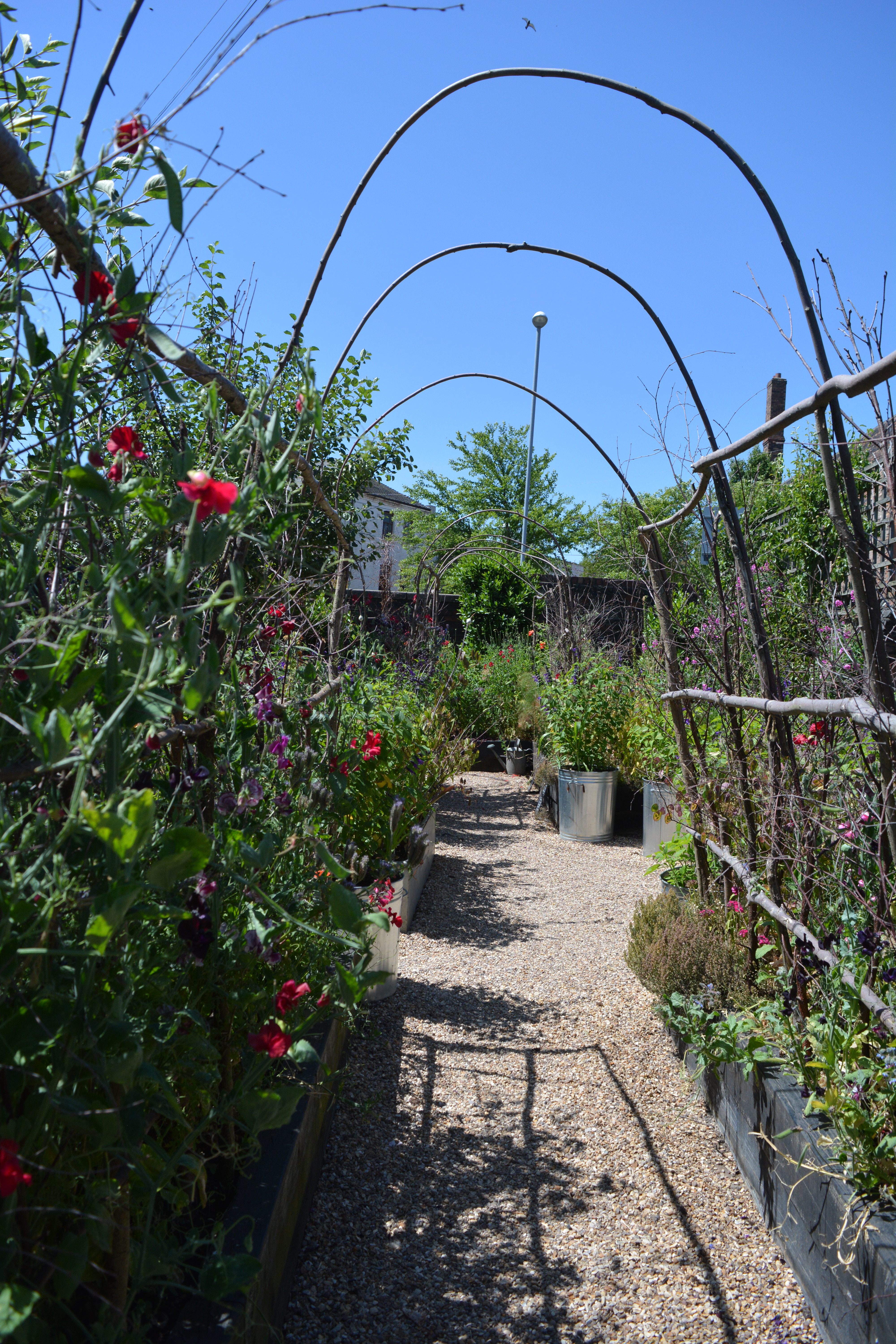
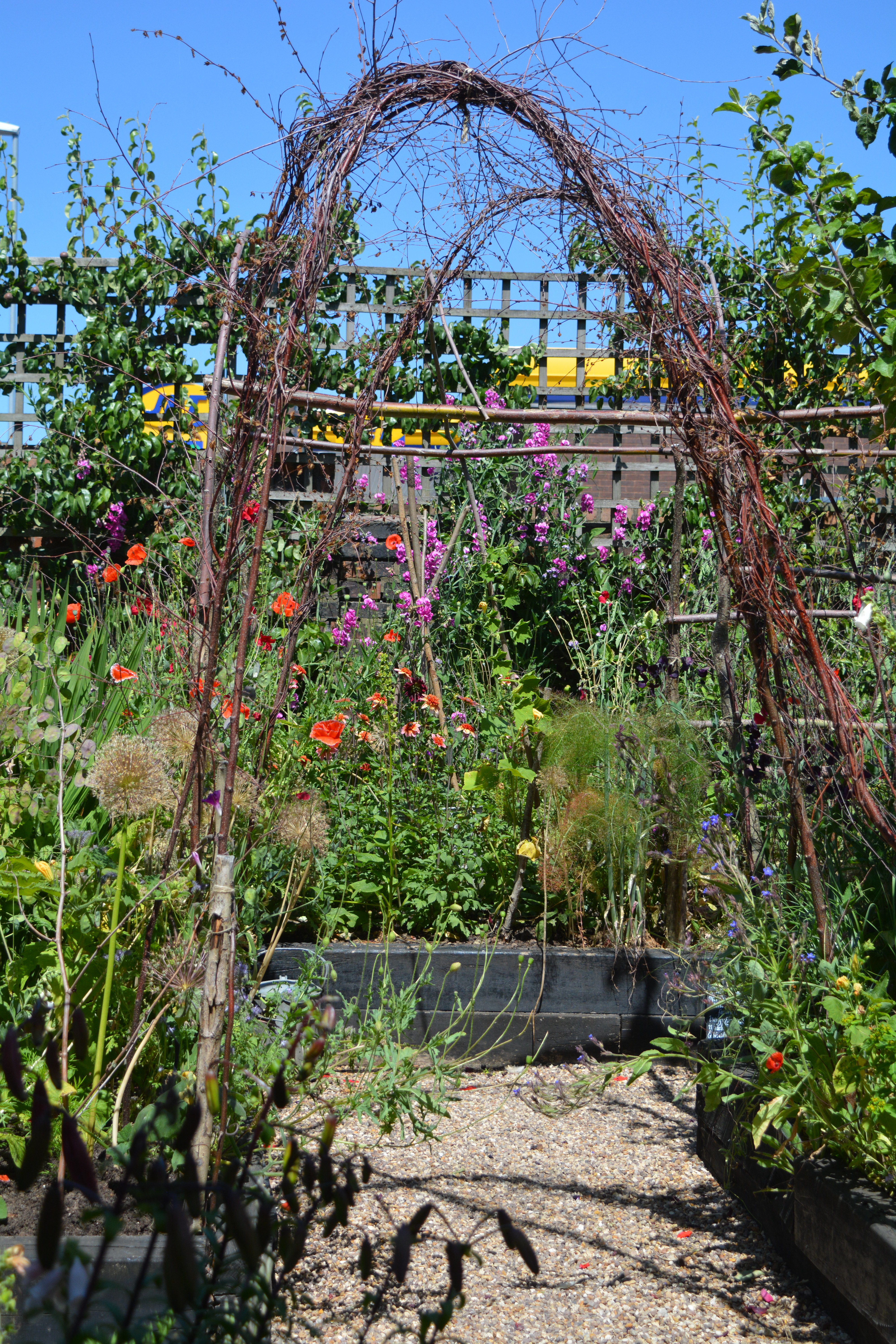
We wonder if this is going to be the garden in its entirity but are heartened when Jude spots a sign to the “Courtyard Garden”. Peering through the door as we step over is threshhold we are amazed by what is before us inviting us to explore. The garden is no bigger than a back yard of a terraced house, but it packed a punch in the gentlest way possible.


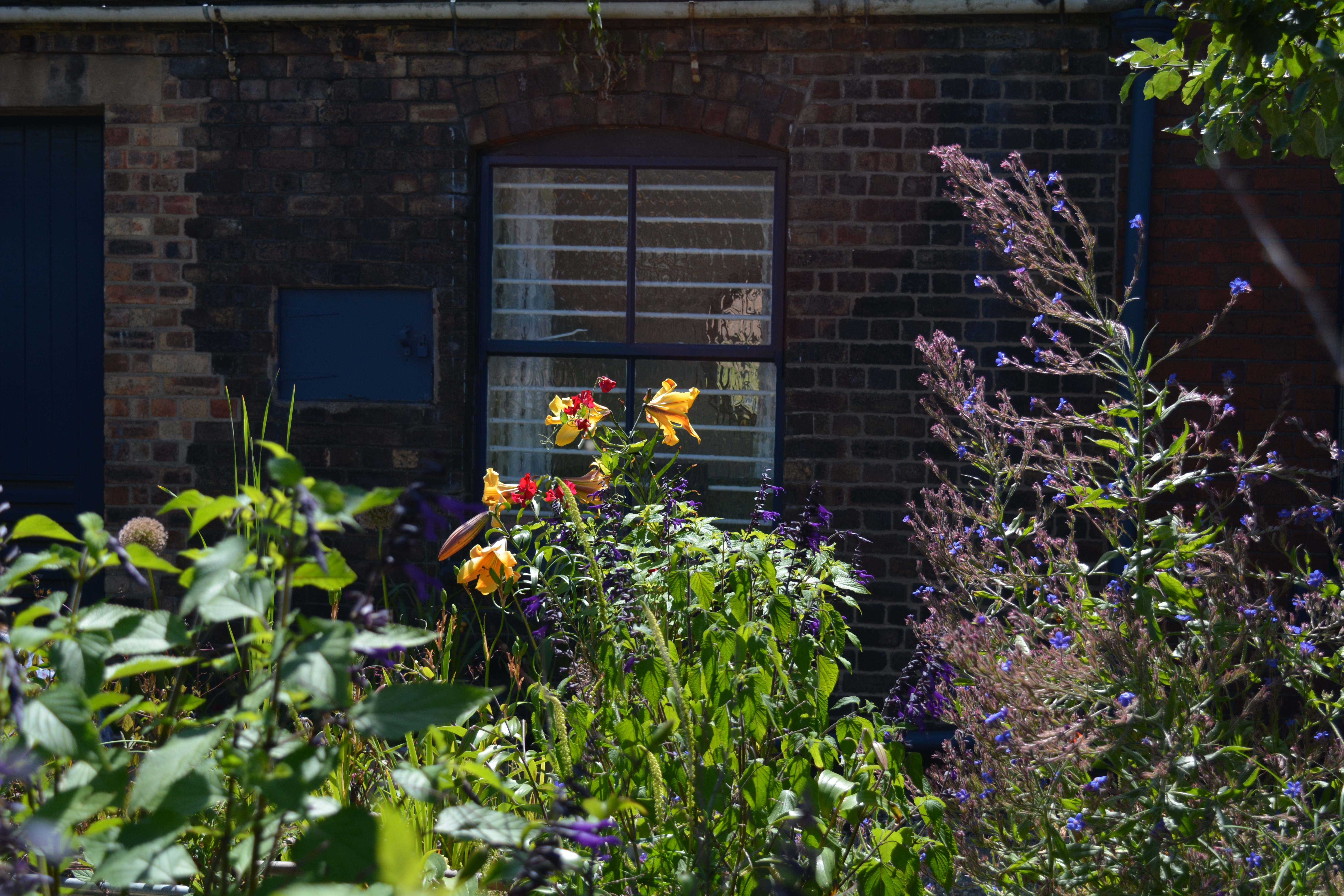
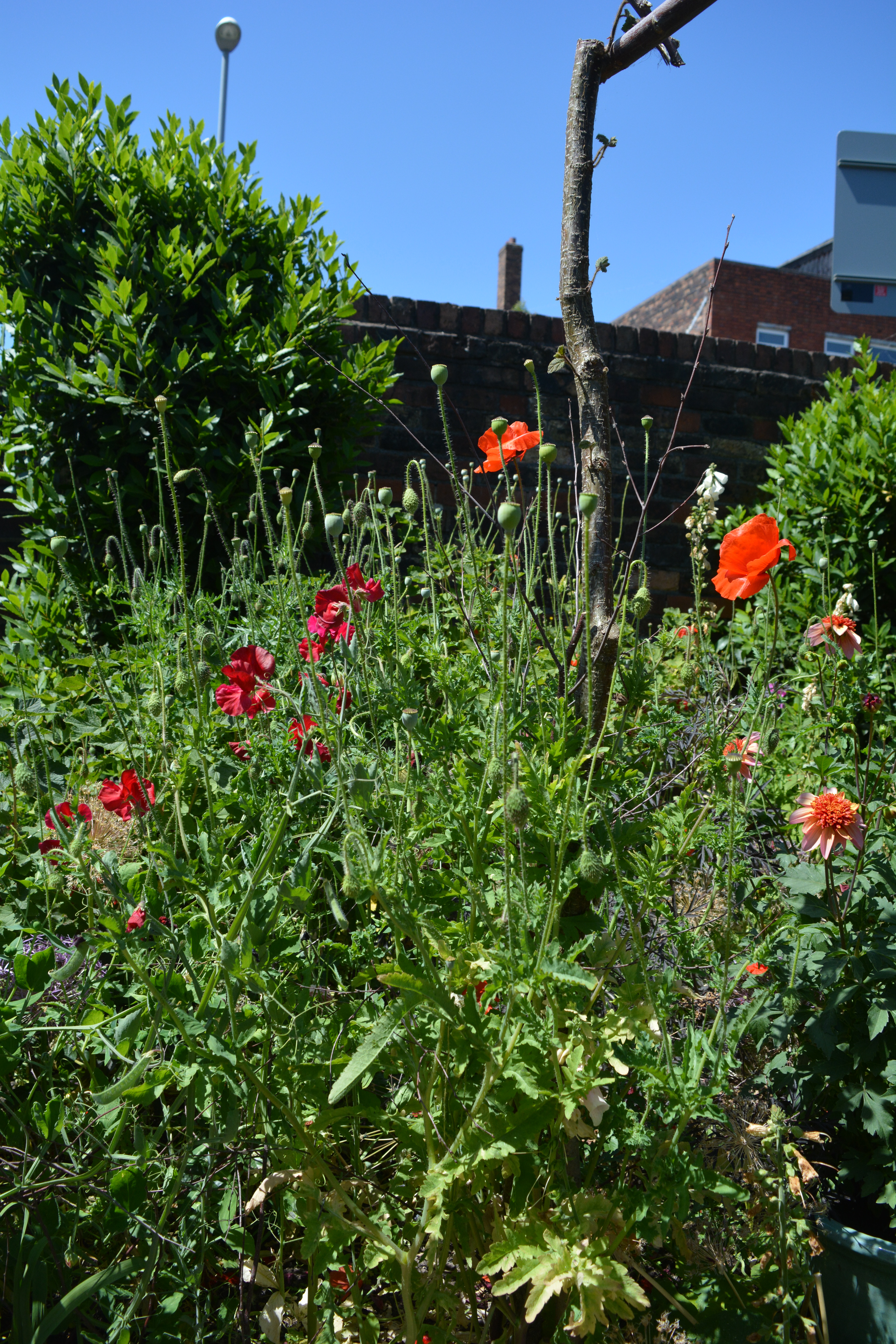
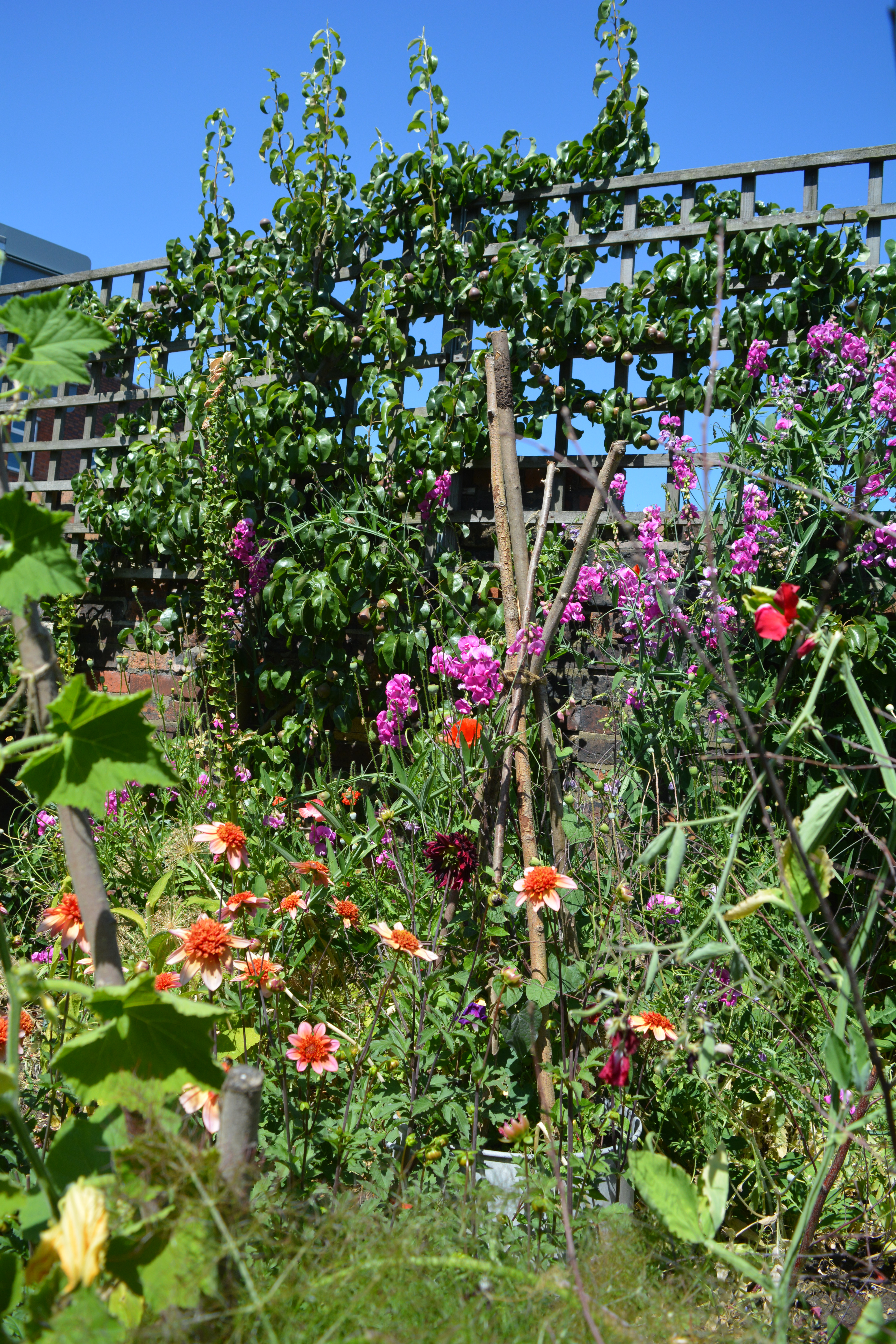
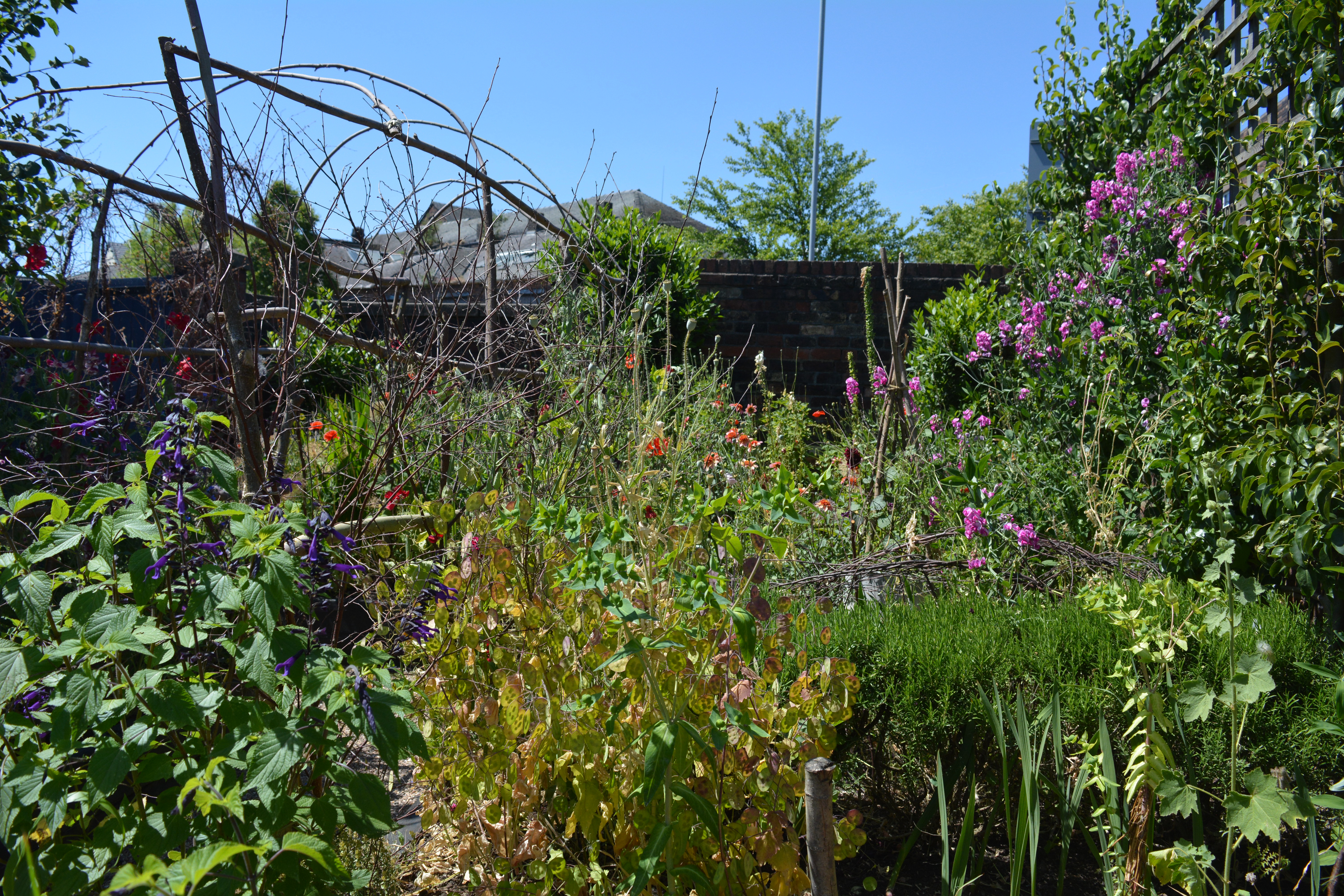
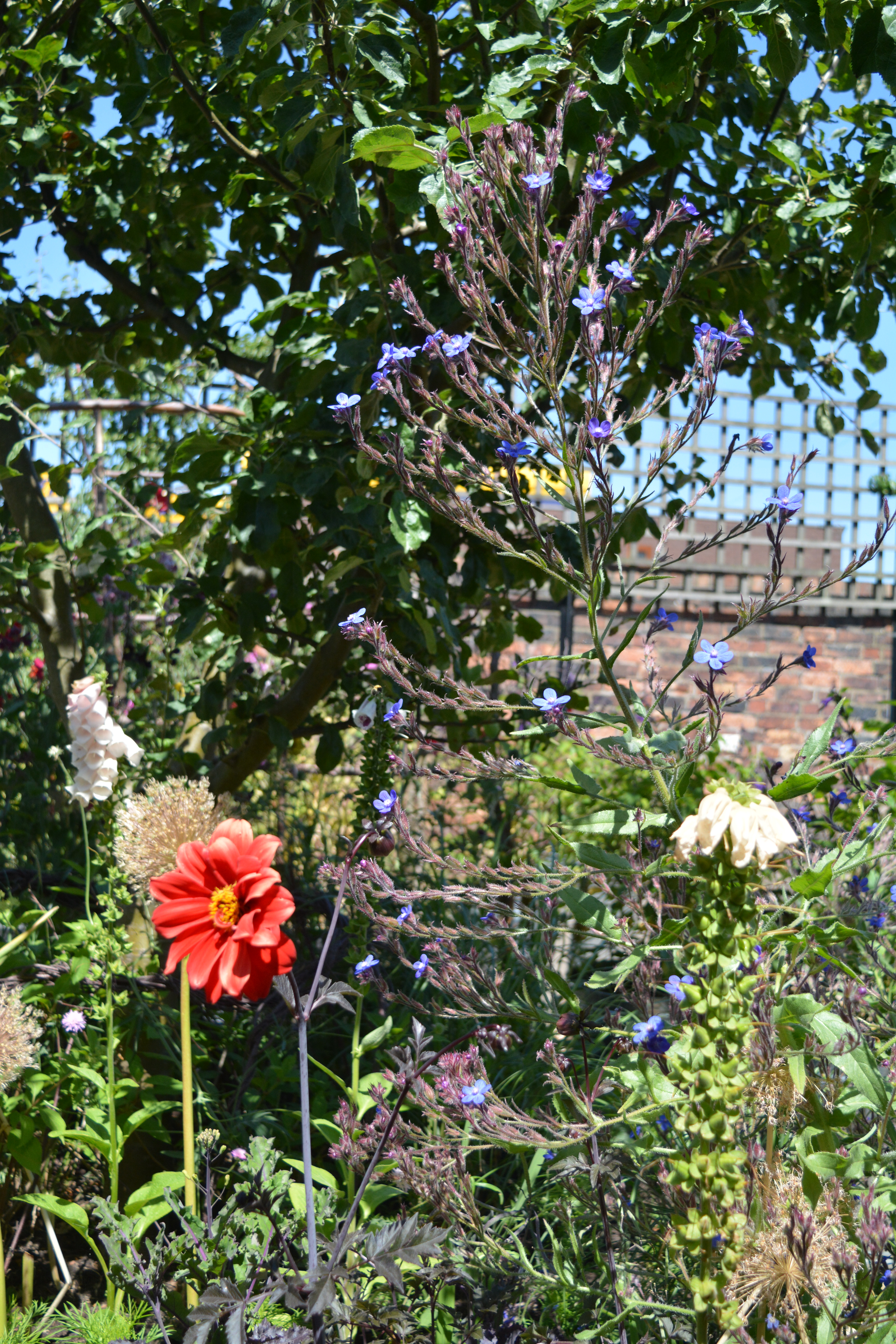
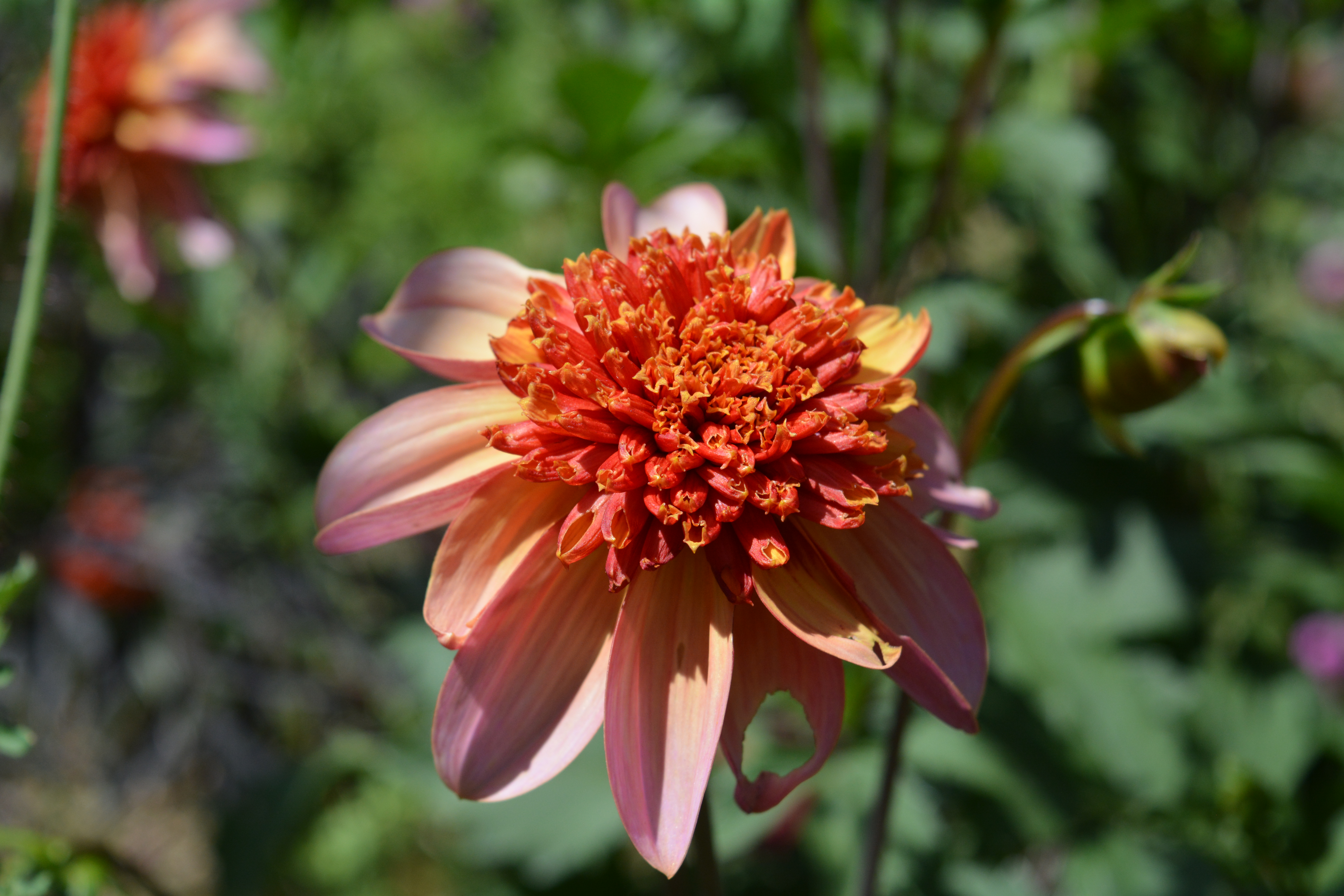
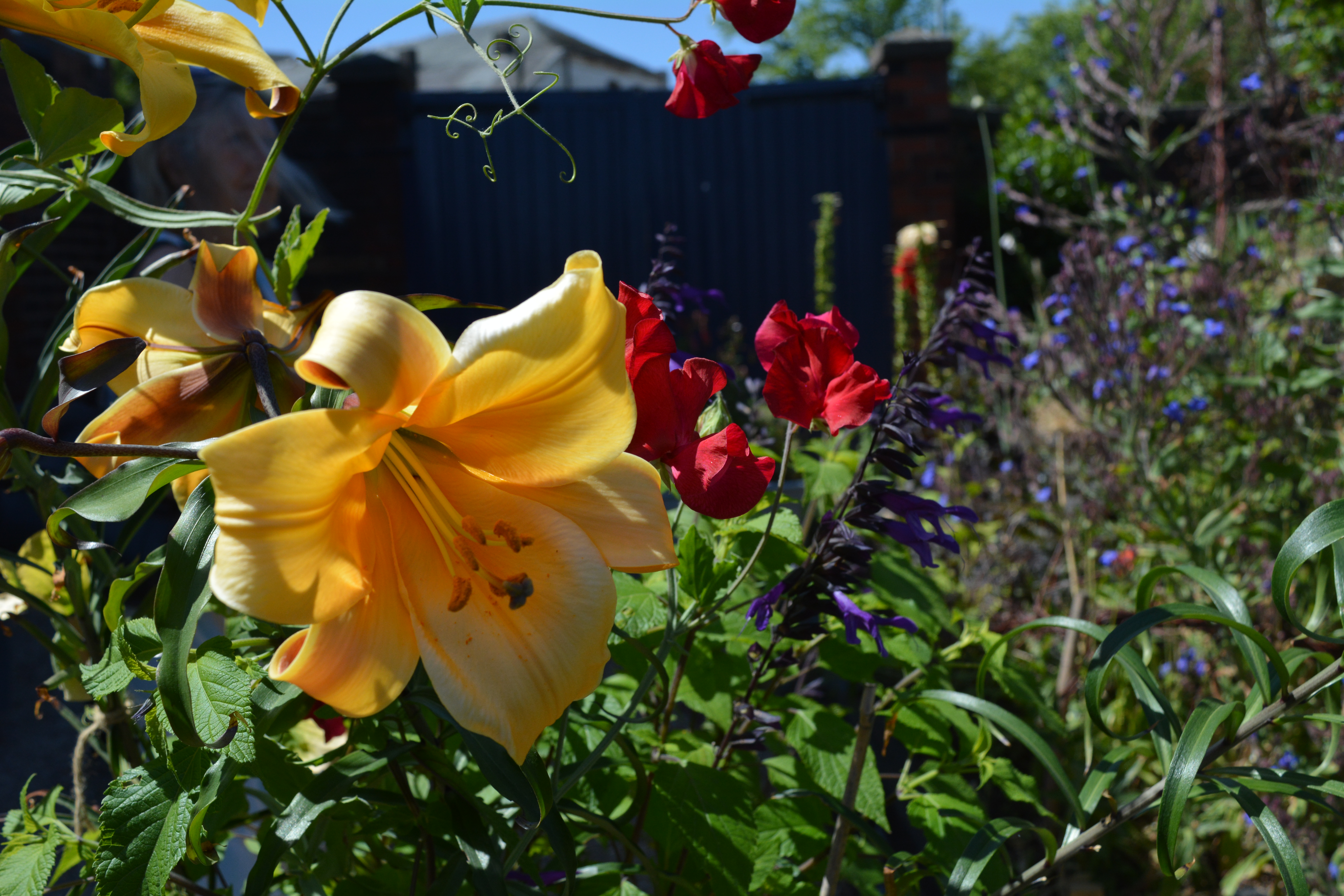
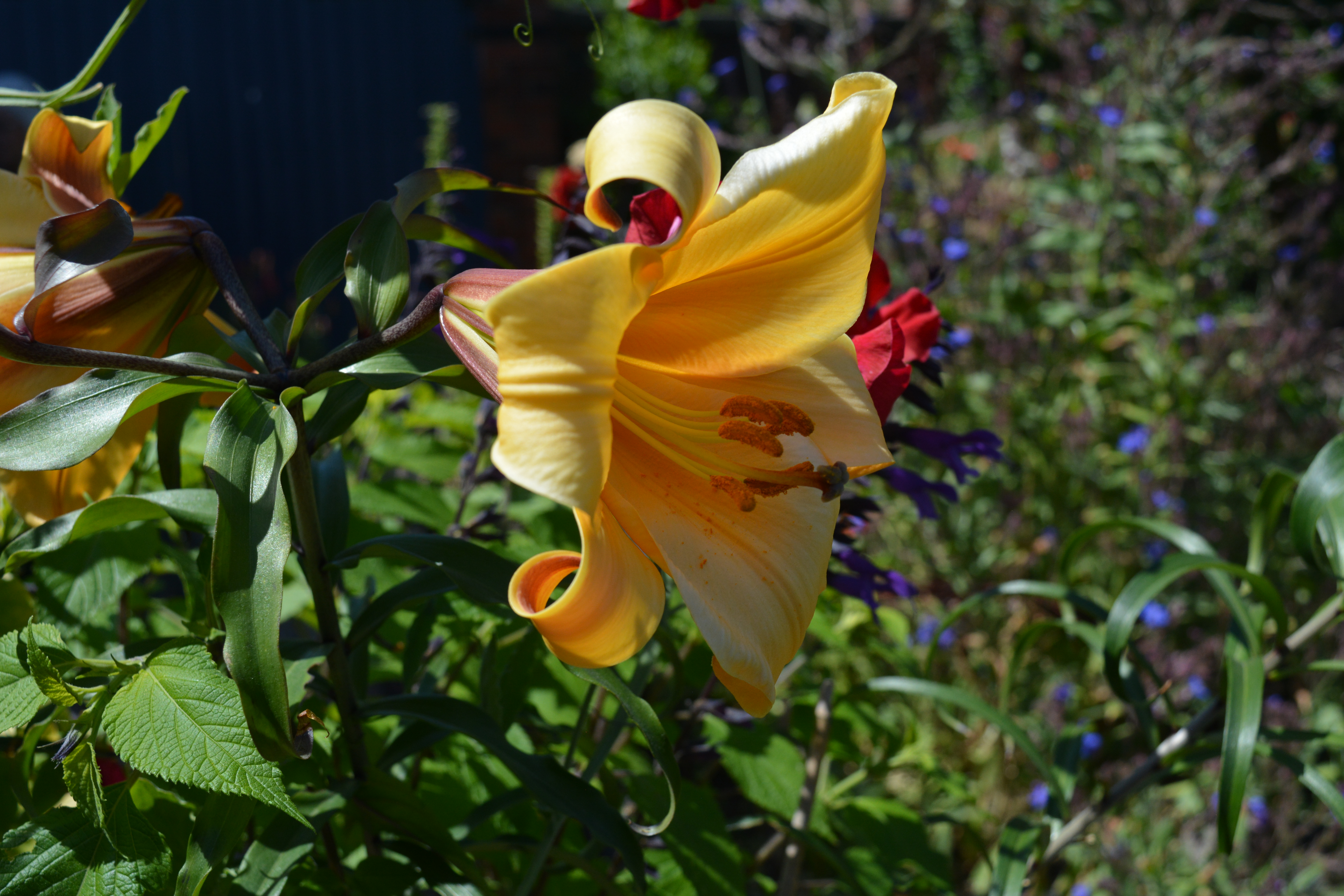
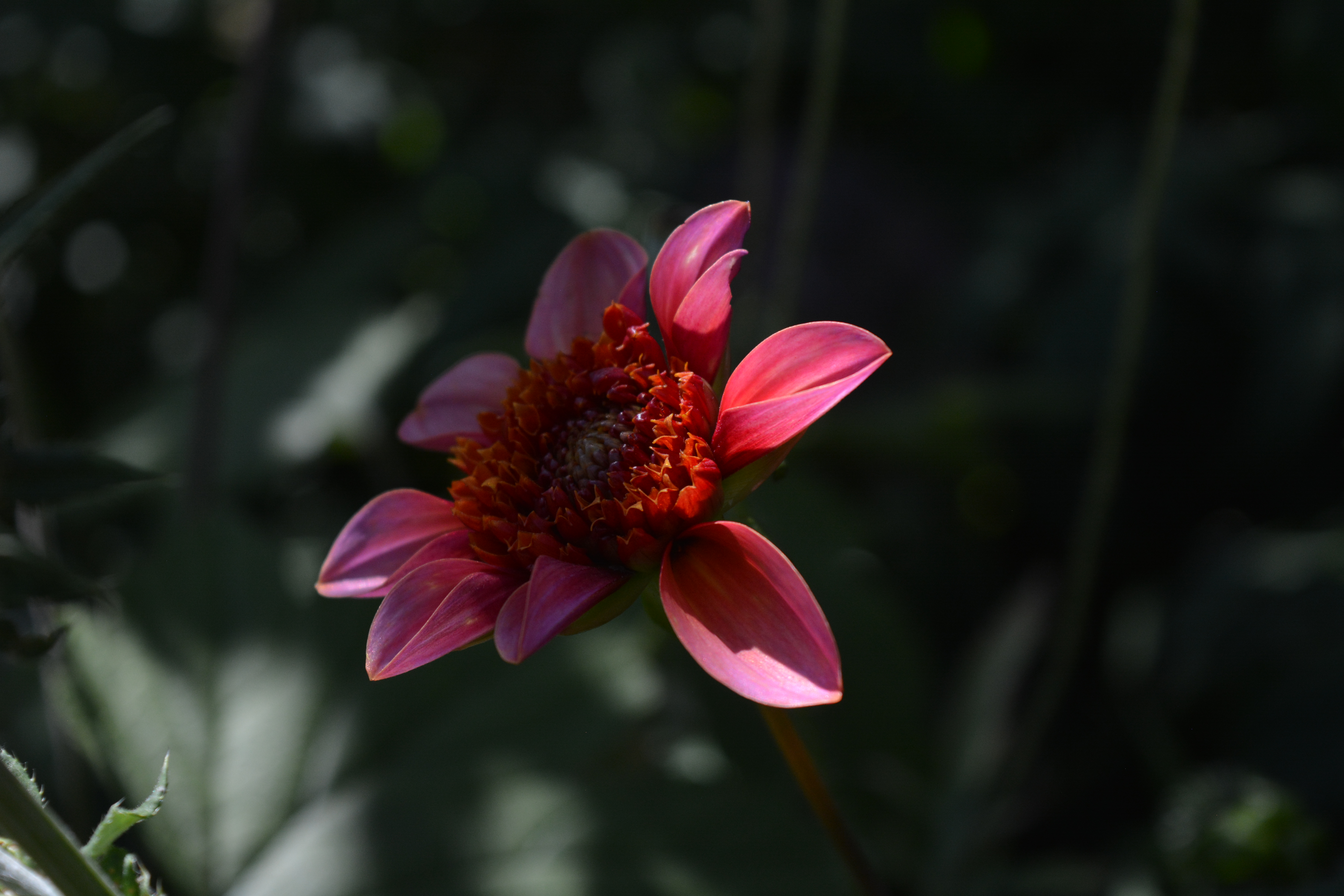
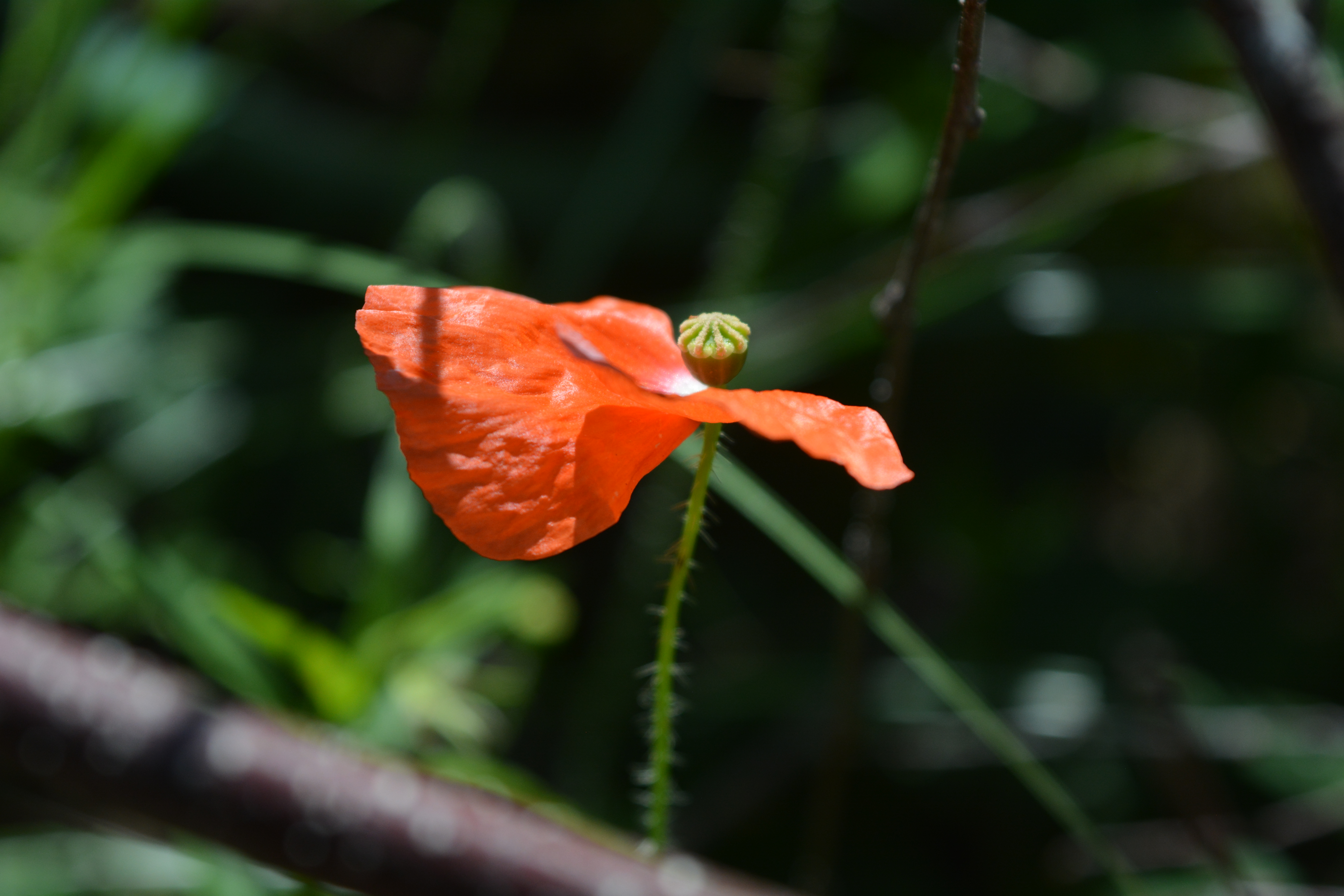
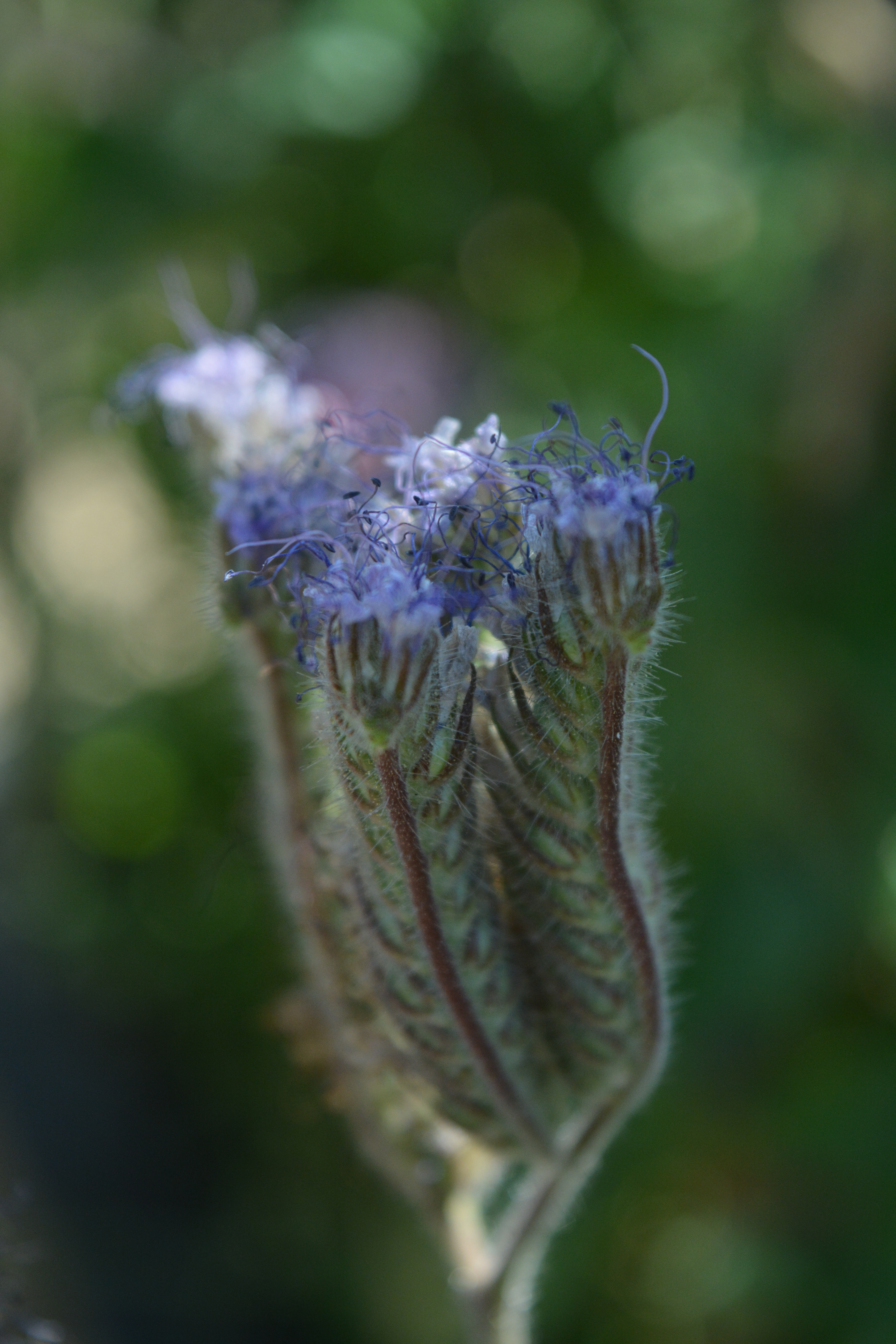
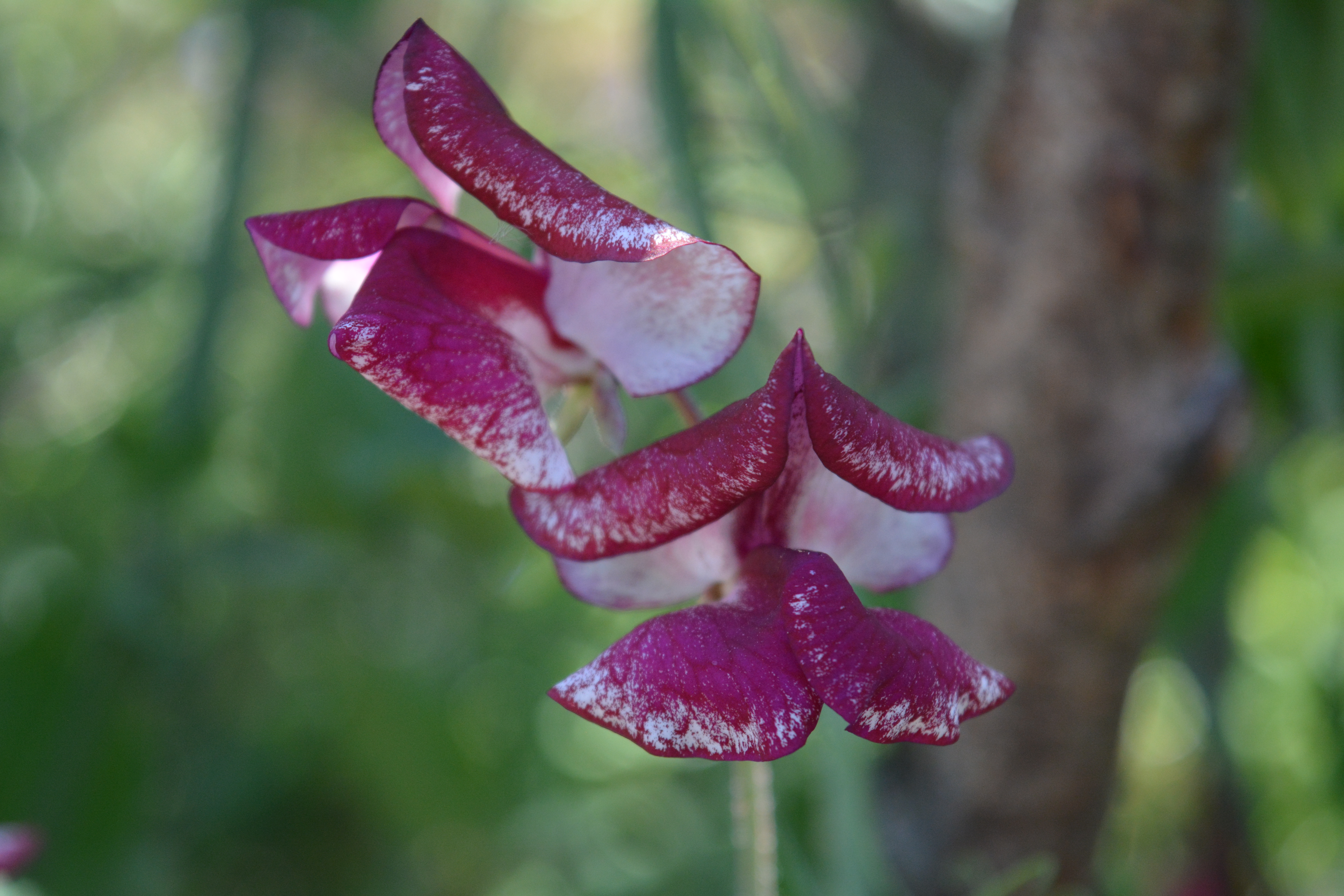
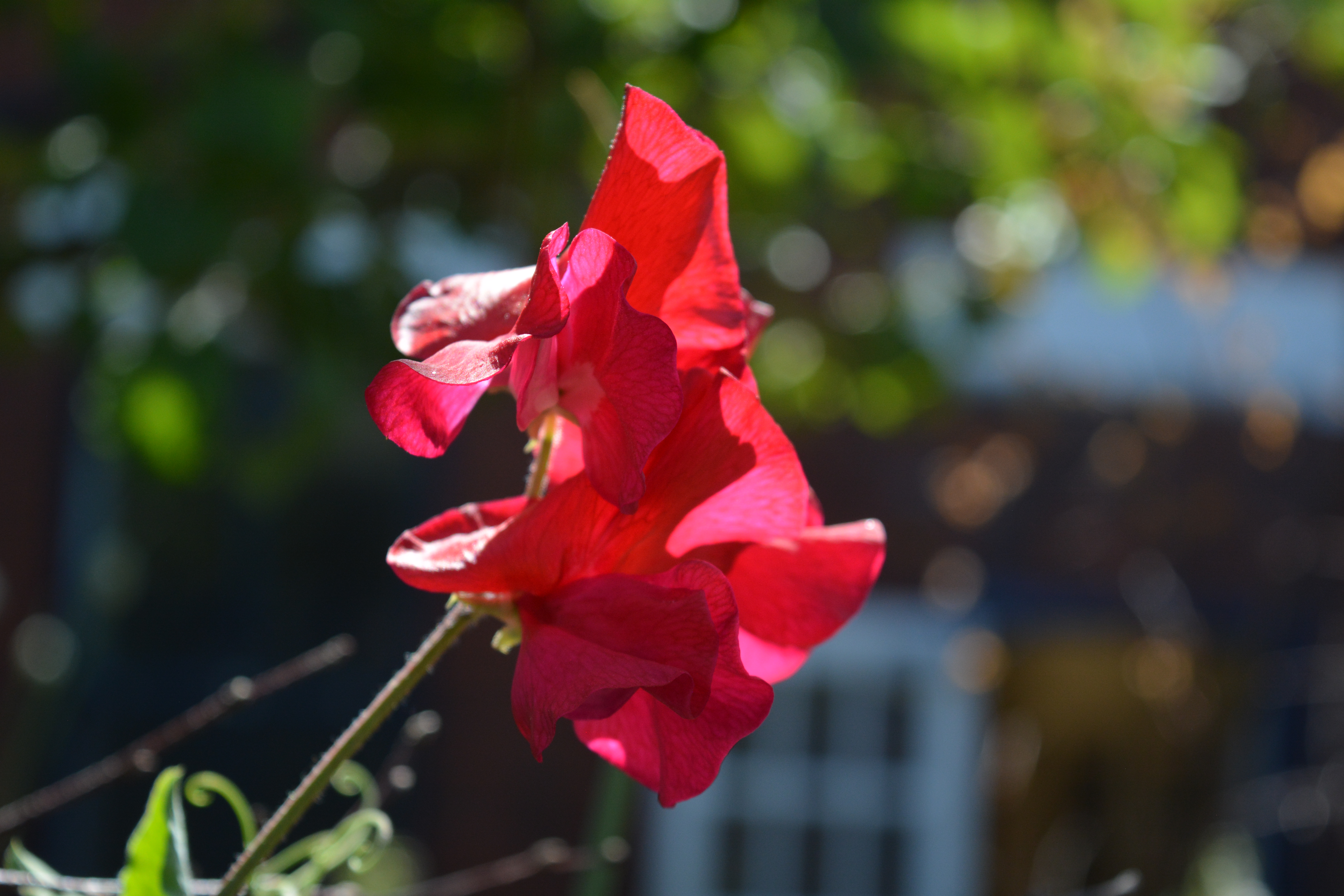
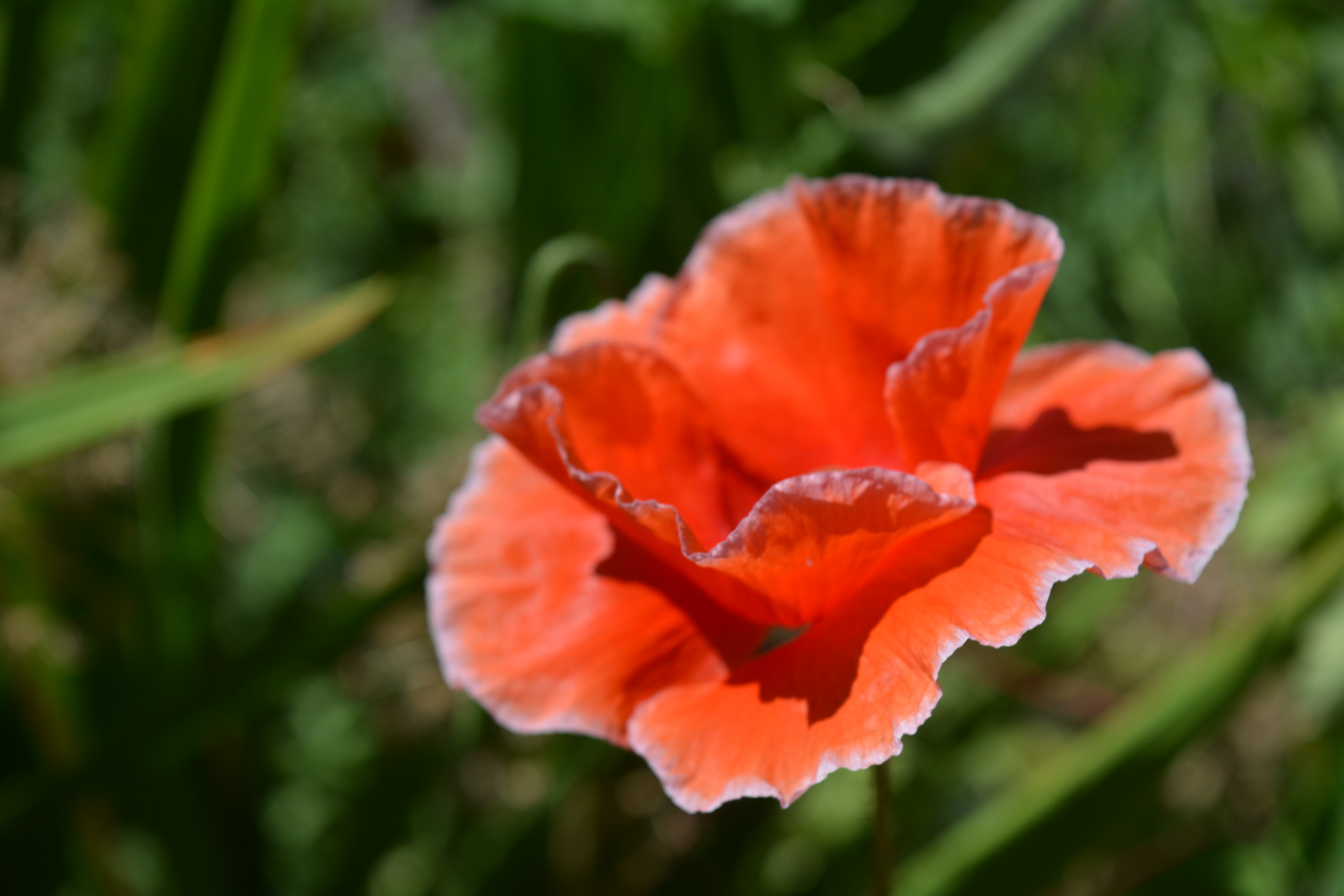
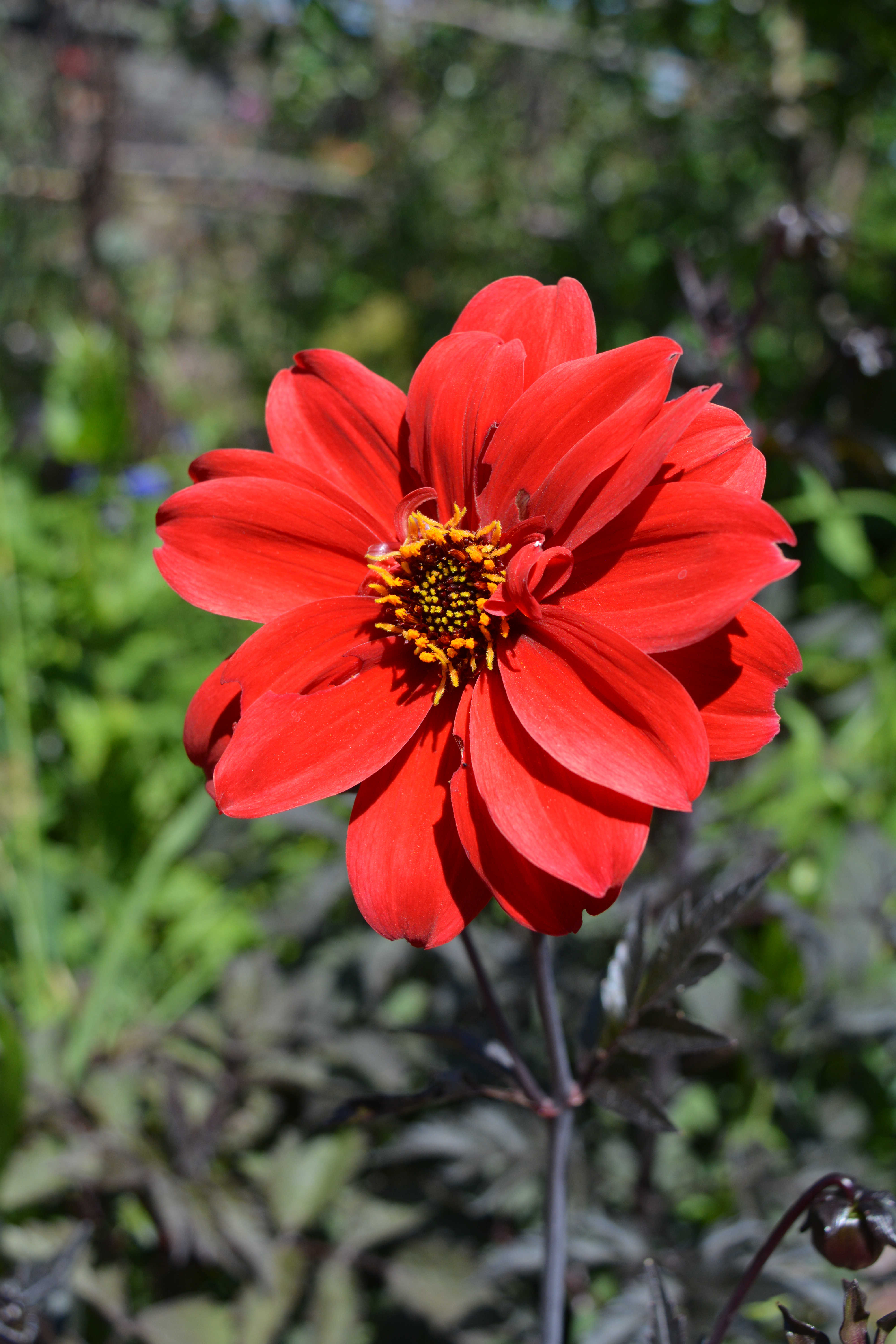
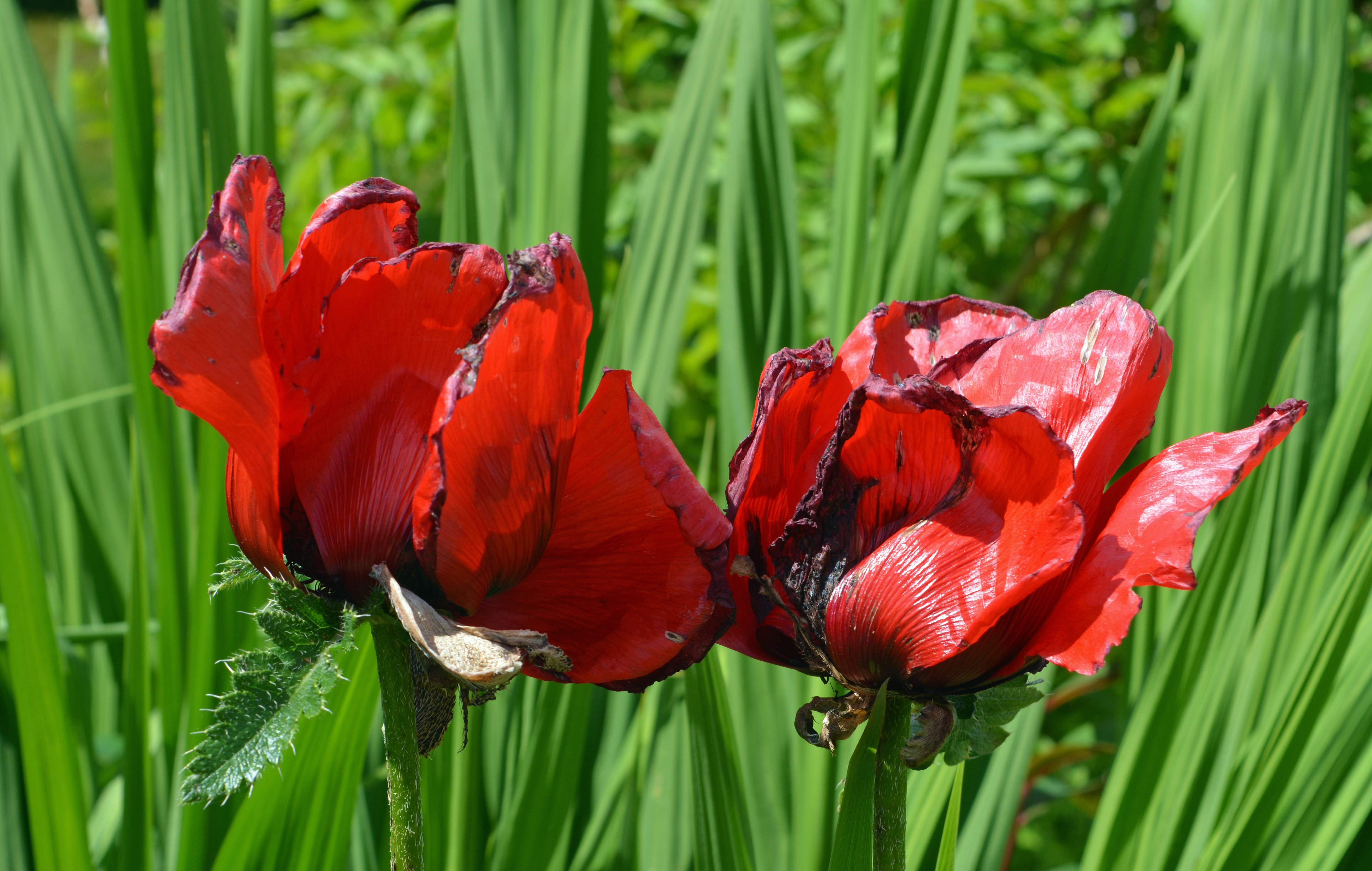
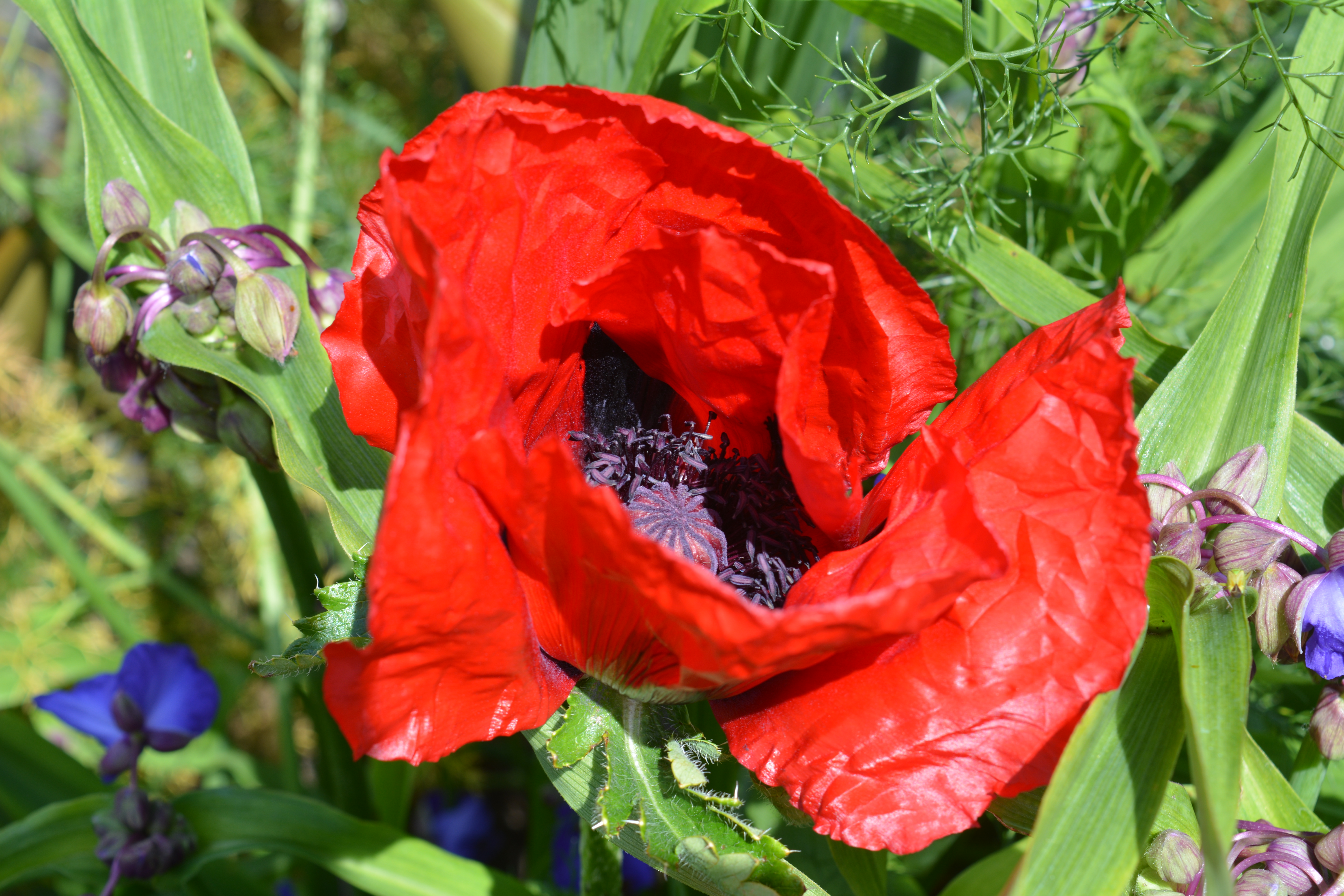
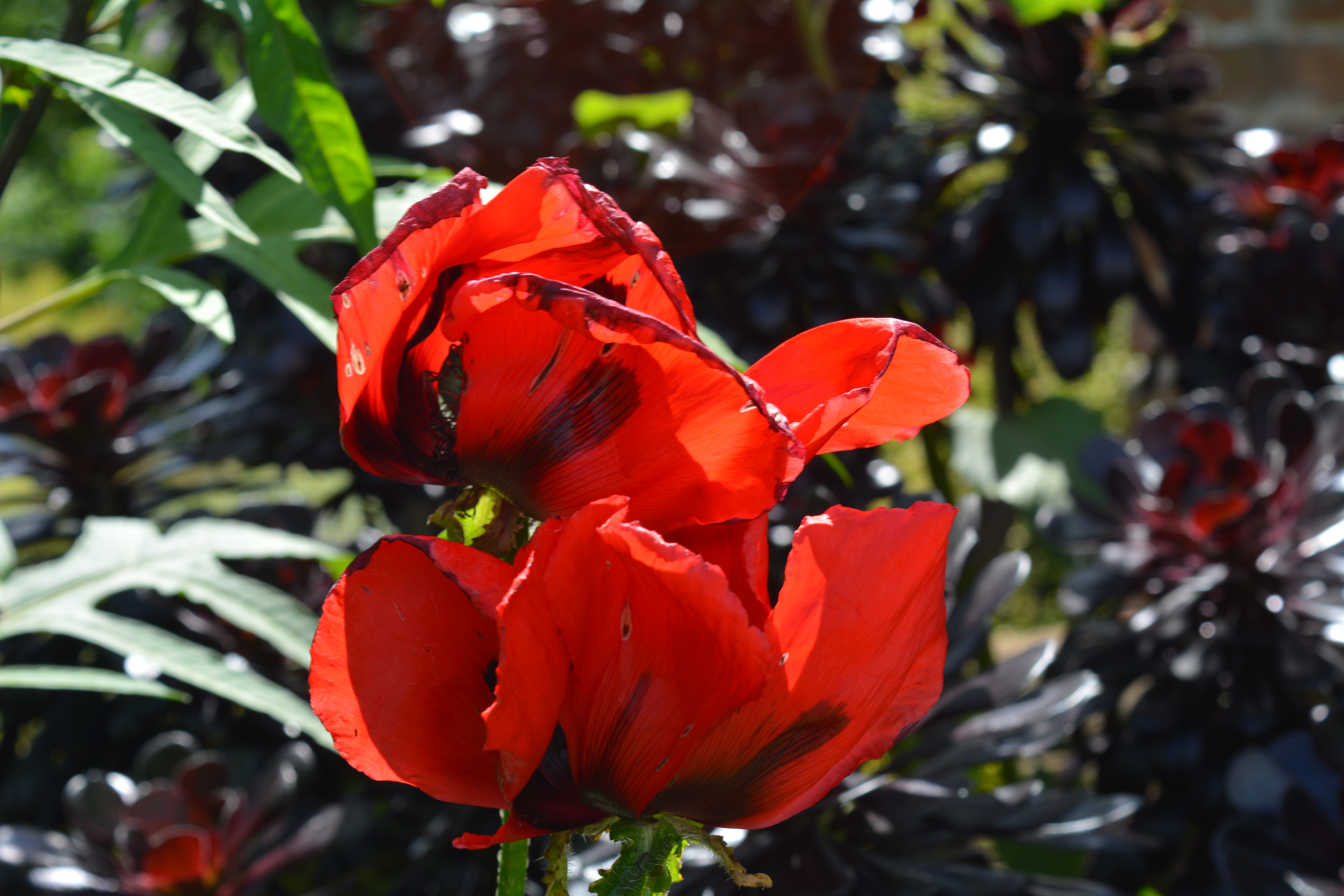
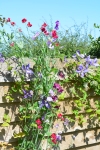
The brightest colour came from sweet peas, dahlias, lilies and other more subtle colour was provided by hardy herbaceous plants. The sun brought out their colours and the accompanying shadows emphasised their textures. Annuals were dotted through the borders, poppies and phacelia.


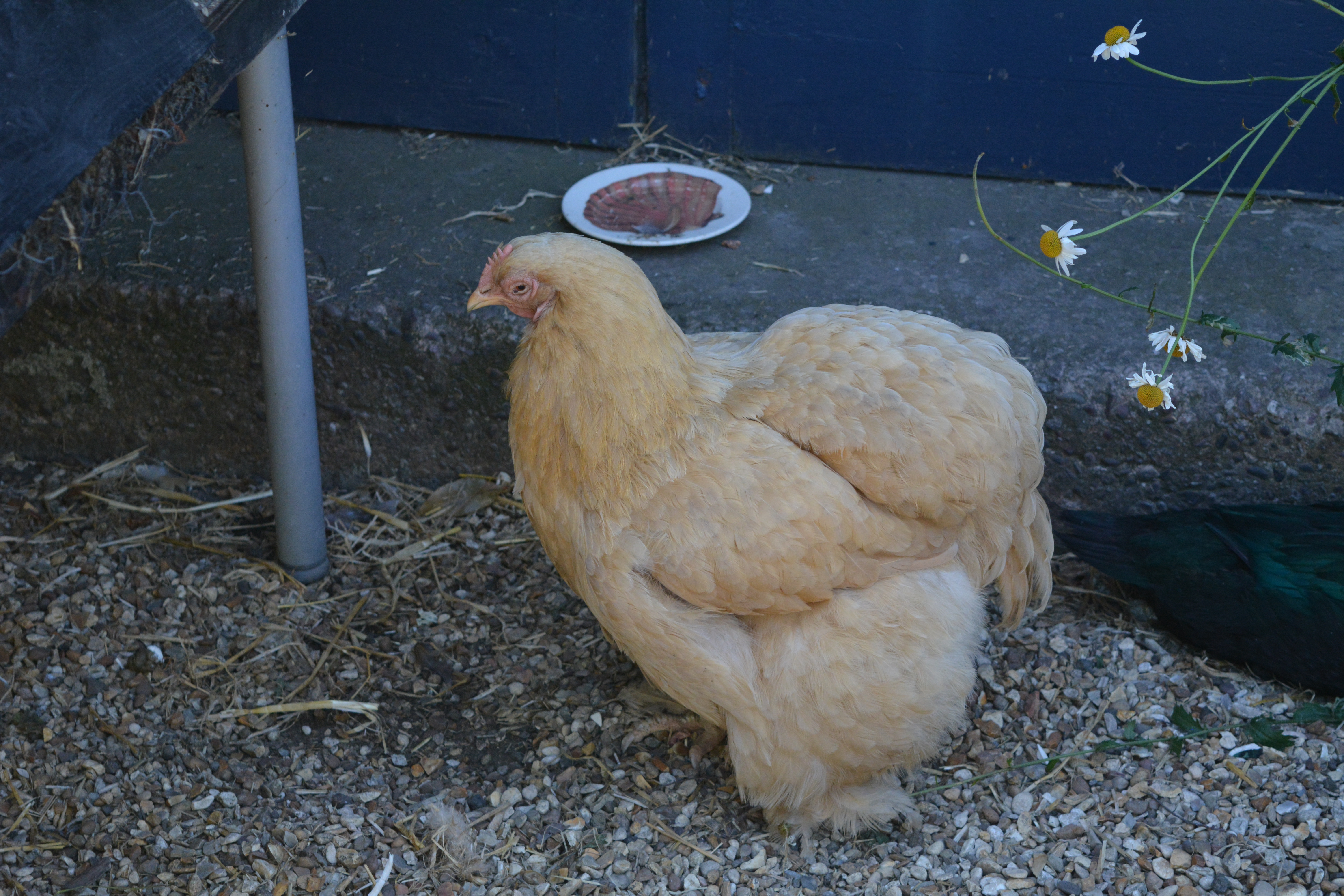
The gentle clucking and chatter of Pekin hens and the chirp of their chicks provided a calming backdrop and cut out the traffic sounds from nearby roads.


As we left the courtyard we noticed a display of succulent Echeverias in terracotta pots alongside the door close to a beautiful self-seeded native Euphorbia. This little patch of garden inside the city was so gentle and succeeded in hiding the sights and sounds of the busyness outside its walls.

Categories
birds fruit and veg garden design garden photography garden wildlife gardening gardens grow your own hardy perennials ornamental grasses ornamental trees and shrubs roses Shrewsbury Shropshire shrubs trees village gardens

My Garden Journal 2018 – May

Here we are with the fifth visit to my garden journal for 2018, where I report on what is happening in our Avocet garden in Shropshire. Does it show that spring may eventually have arrived?

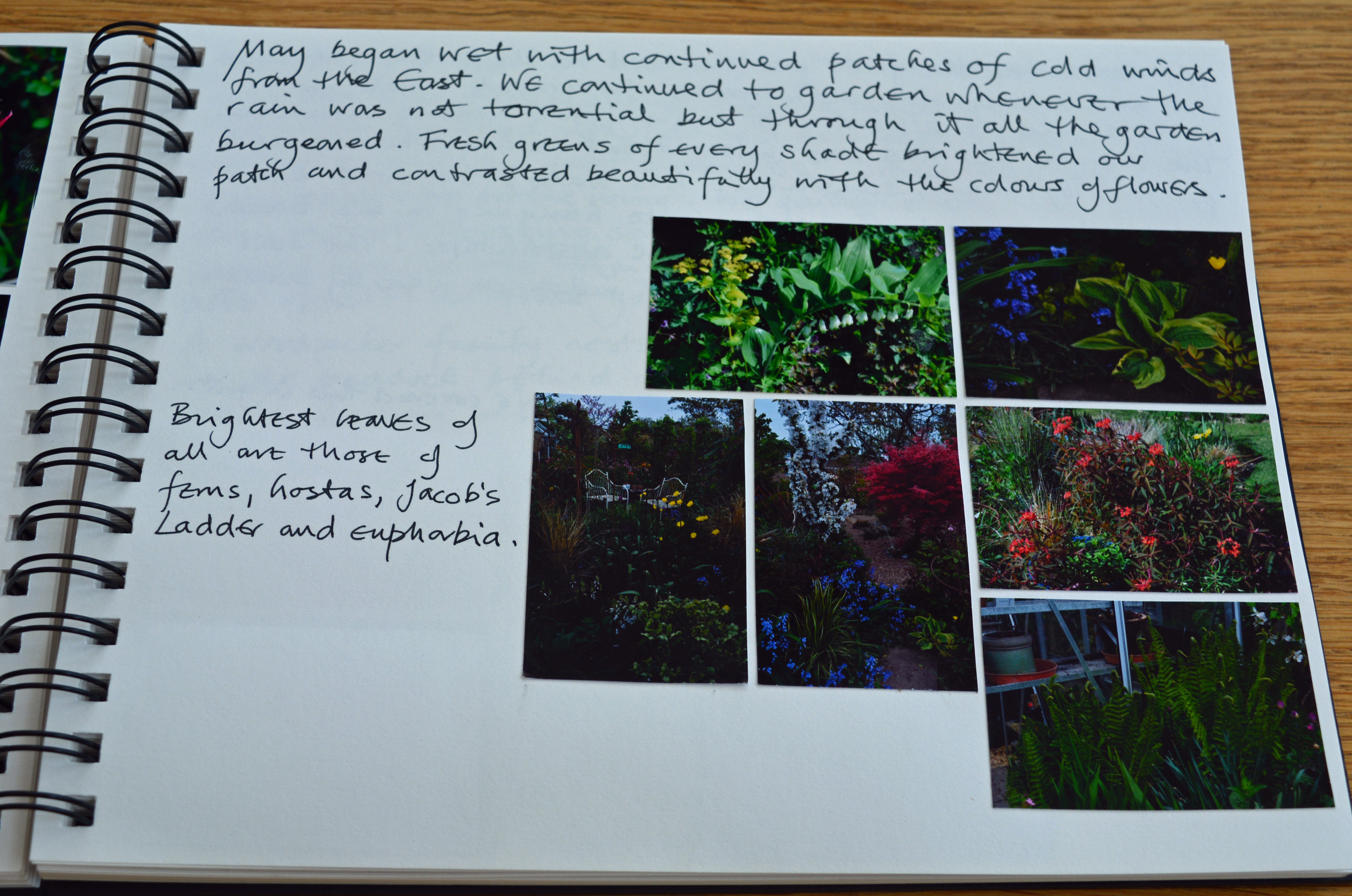
On my first page for May I wrote, “May began wet with continued patches of cold winds from the East. We continued to garden whenever the rain was not torrential but through it all the garden burgeoned. Fresh greens of every shade brightened our patch and contrasted beautifully with the colours of flowers.”

“The brightest leaves of all are those of ferns, hostas, Jacob’s Ladder and Euphorbia.”


Turning over the page I looked at a job that Ian our gardener completed in May, plus a look at our wildlife in the garden.

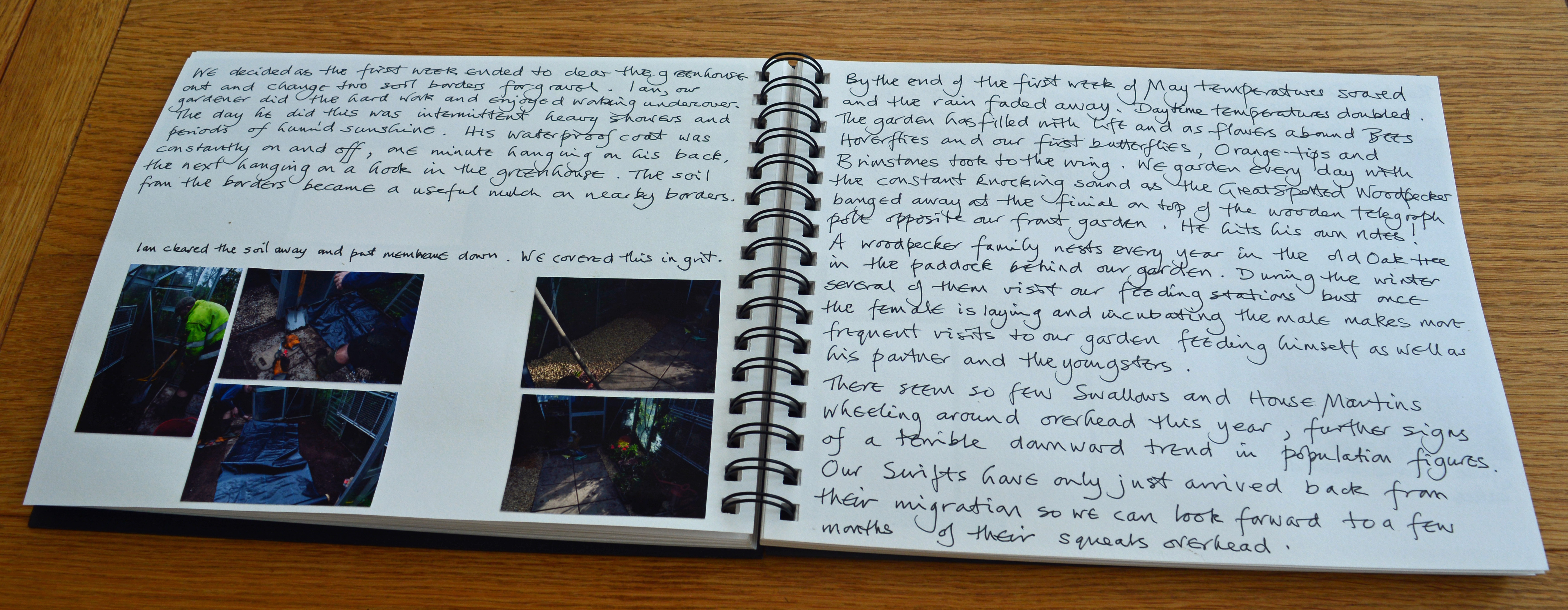
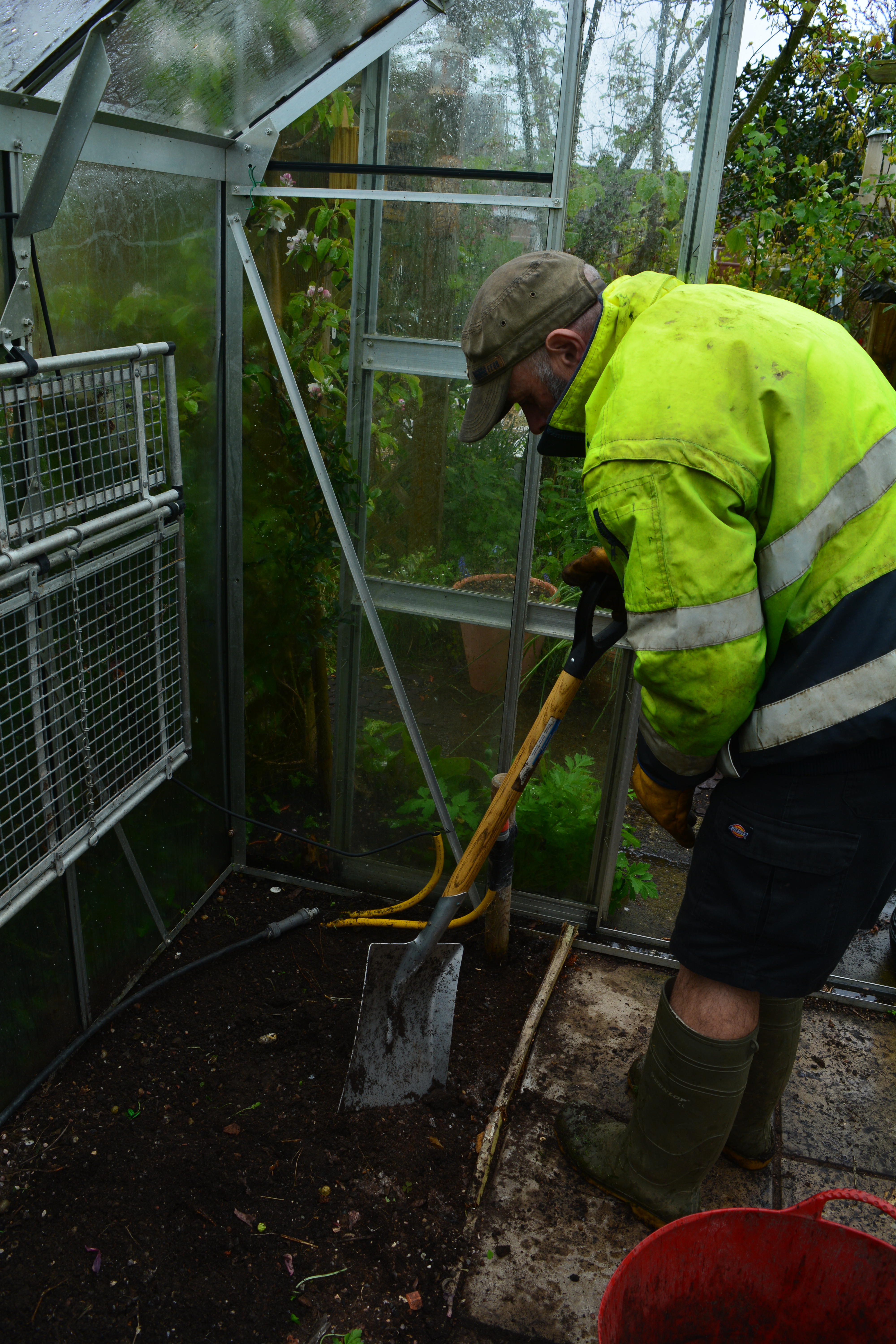
“We decided as the first week ended, to clear the greenhouse out and change two soil borders for gravel. Ian, our gardener did the hard work and enjoyed working under cover. The day he did there were intermittent heavy showers and periods of humid sunshine. His waterproof coat was constantly on and off, one minute hanging on his back, the next hanging on a hook in the greenhouse. The soil from the borders became a useful mulch material for nearby borders.”


“Ian cleared the soil away and put membrane down. We covered this in grit.”

“By the end of the first week of May temperatures soared and the rain faded away. Daytime temperatures doubled. The garden has filled with life and as flowers abound, bees, hoverflies and our first butterflies, Orange Tips and Brimstones take to the wing. We garden every day with the constant knocking sound as a Great Spotted Woodpecker bangs away at the finial on top of the wooden telegraph pole opposite our front garden. He hits his own notes!

A woodpecker family nests every year in the old Oak tree in the paddock behind our garden. During the winter several of them visit the feeding stations but once the female is laying and incubating the male makes more frequent visits to our garden feeding himself as well as his partner and the youngsters. 

There seem so few Swallows and House Martins wheeling around overhead this year, further signs of a terrible downward trend in population figures. Our Swifts have only just arrived back from their migration so we can look forward to a few months of their squeals overhead.”

Over the page I moved on to look at Dan Pearson’s thoughts on the sudden growth seen in May.


I wrote, “Reading Dan Pearson’s “Natural Selections”, I enjoyed his reference to the noticeably rapid growth in gardens in May.

“The growth is a remarkable thing during these weeks between spring and summer. If you could hear it there would be a tangible hum, made from a million buds breaking and stems flexing. The tide of green sweeps up and over bare earth, cloaking it as fast as the leaves fill out above us.”

For us May is also the month when the first of our visiting garden groups come to share our patch with us. They enjoy wandering around our many paths, taking photographs, asking questions and finishing with tea, coffee and Jude’s home baked cakes.”

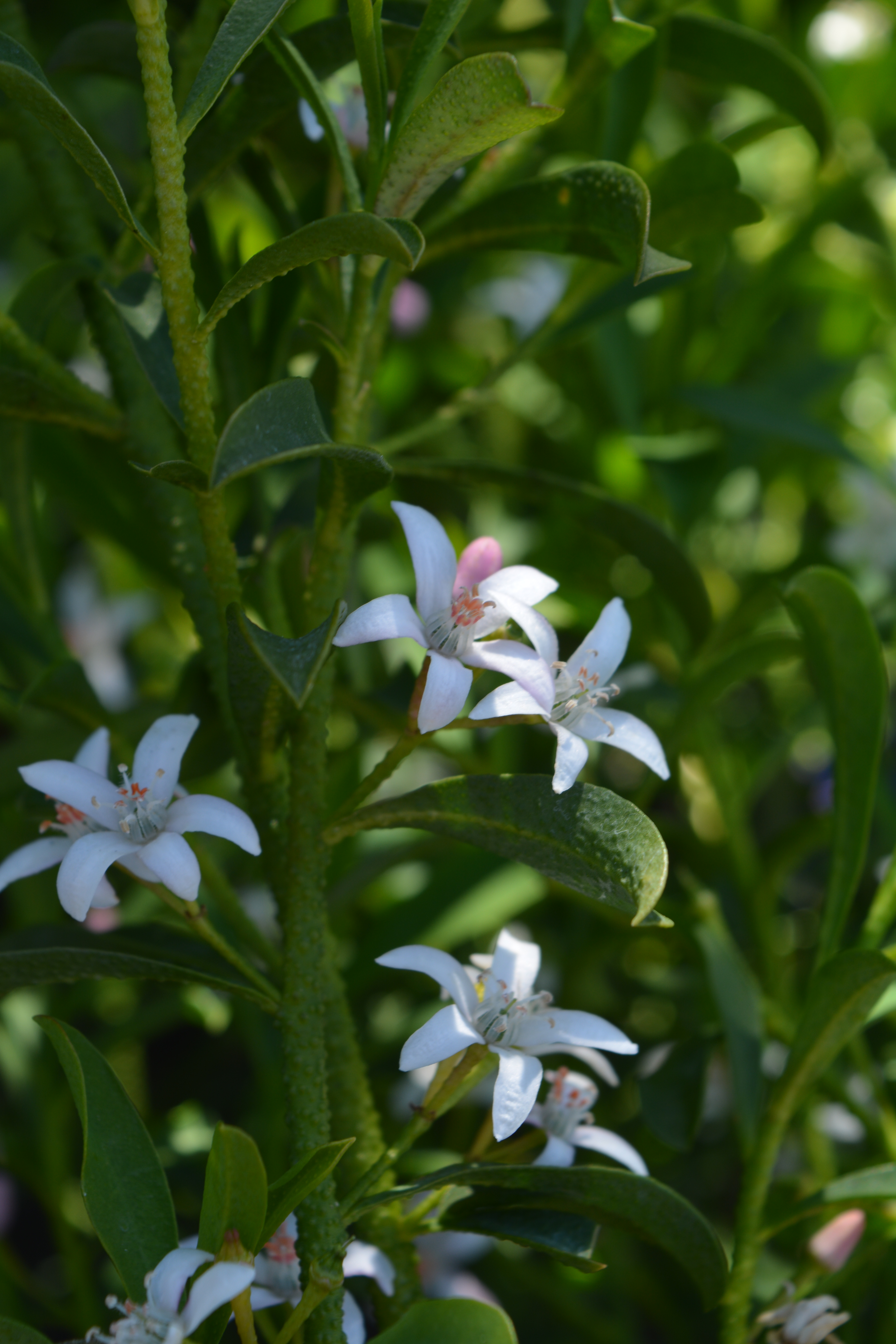
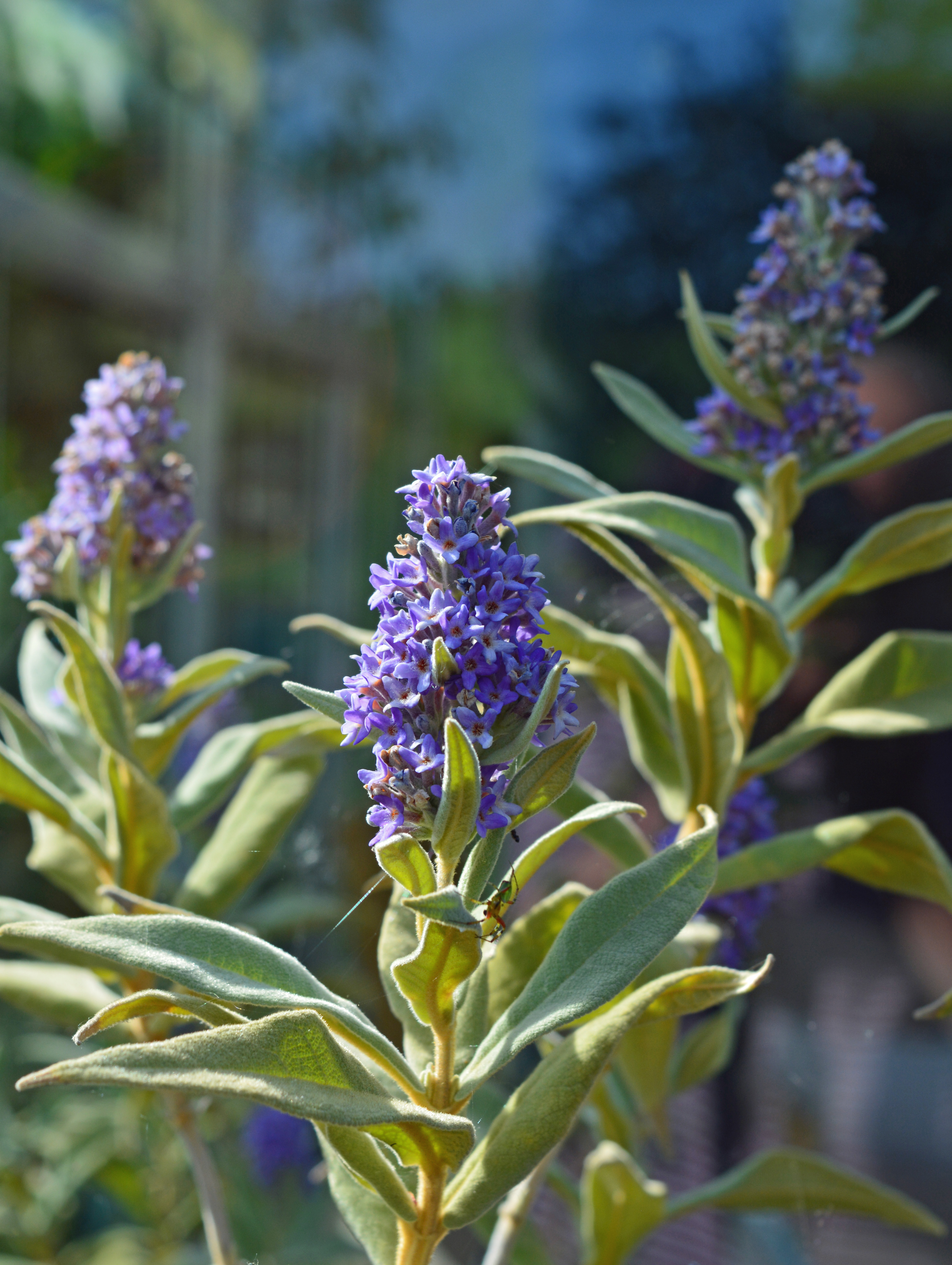
I then move on to look at some of our flowering trees and shrubs that are features of our May garden, about which I wrote, “Flowering trees and shrubs add colour and often scent at a higher level than the spring bulbs and early perennials.”

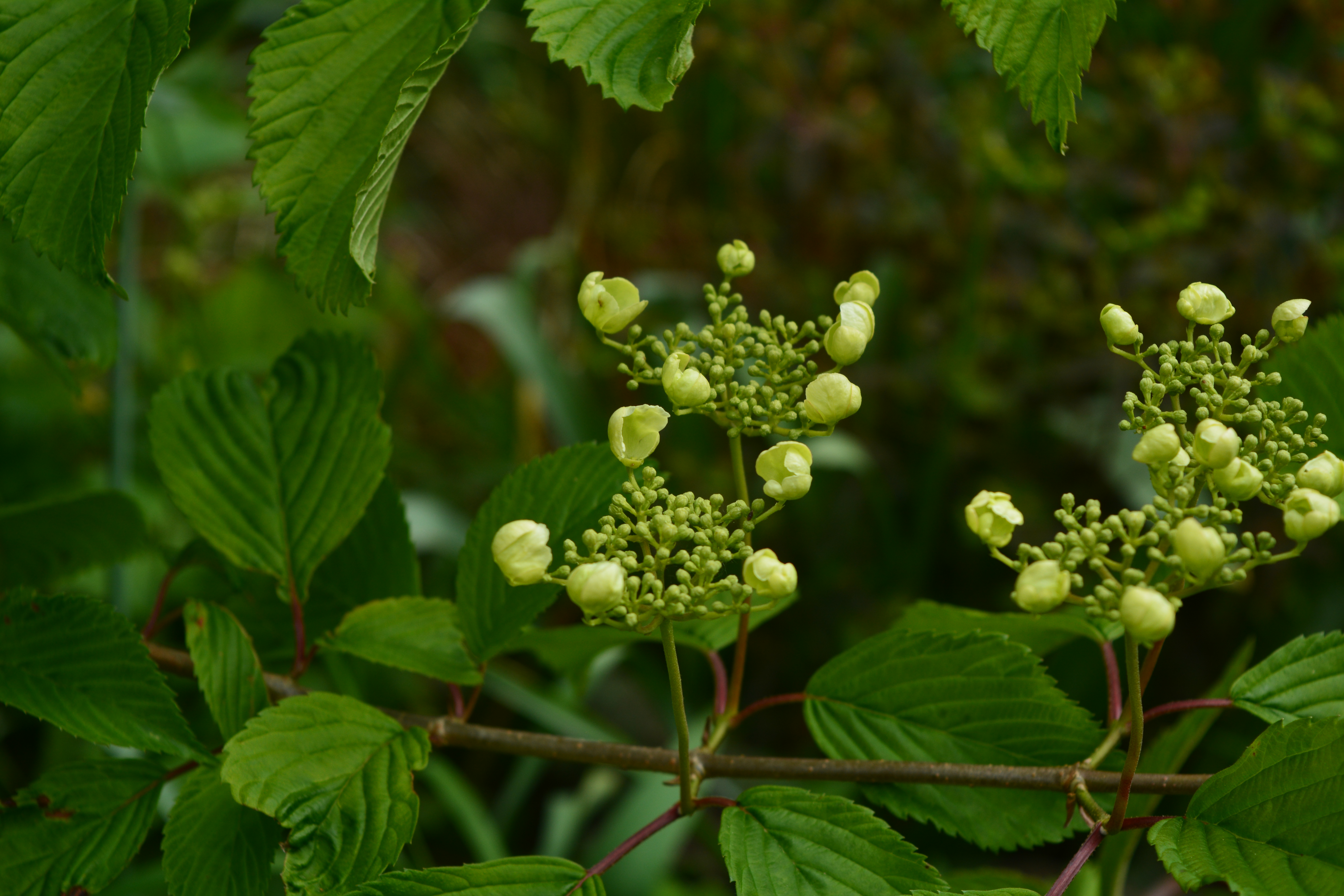
Viburnum farreri

Weigela middendorfiana

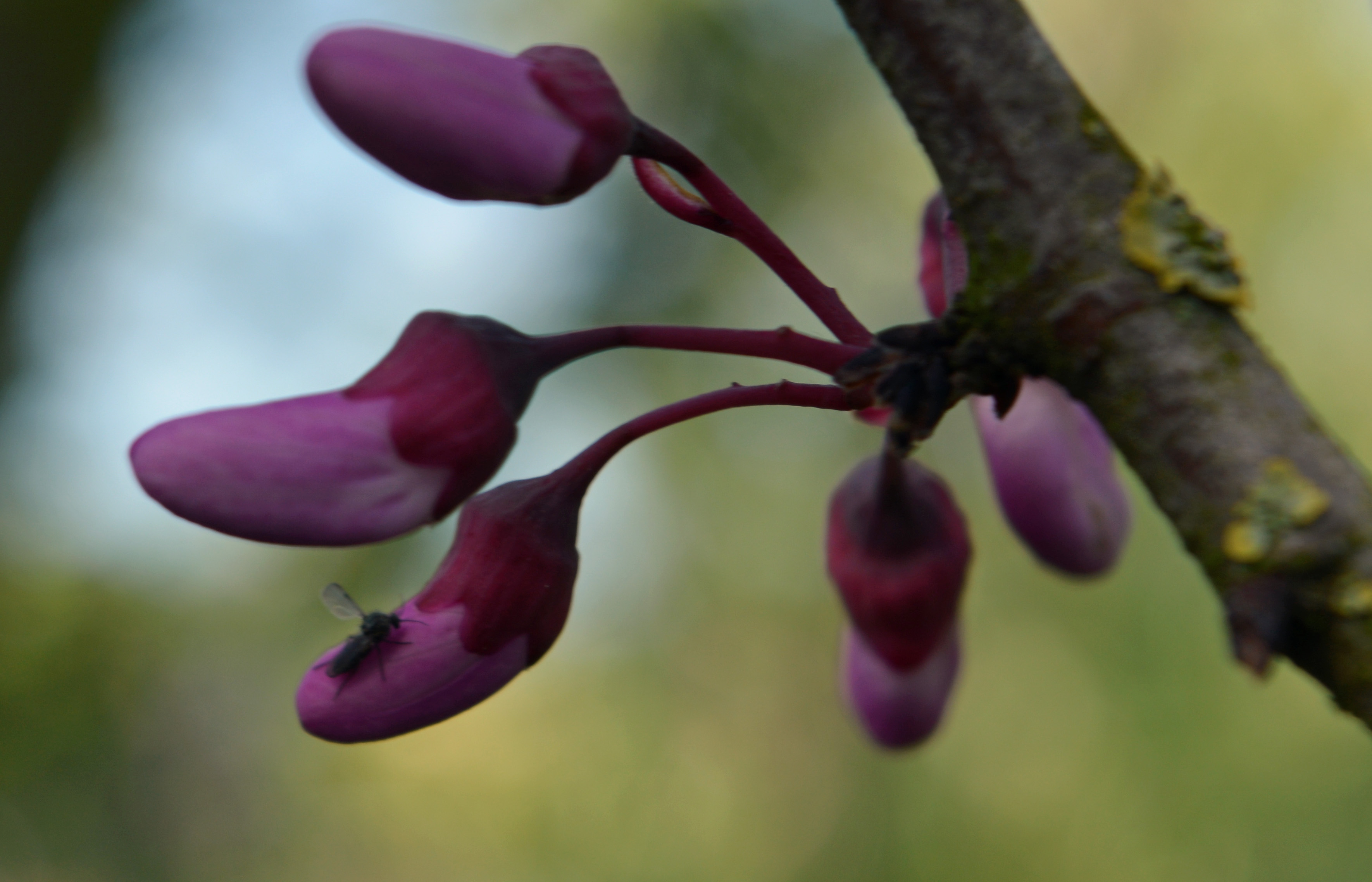
  Cercis siliquastrum 

Eriostemon Flower Girl White

  Calycanthus floridus        Buddleia salvifolia

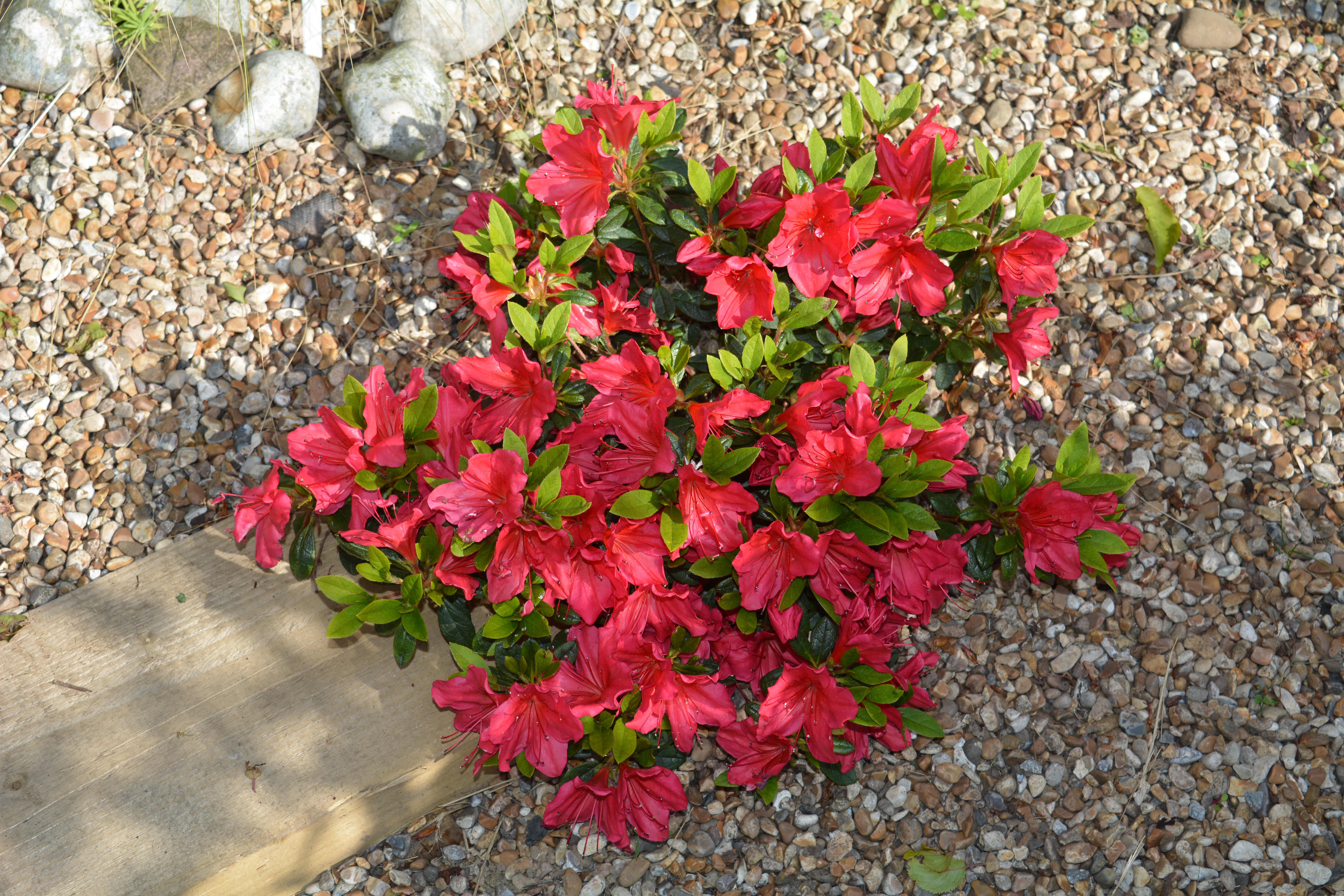
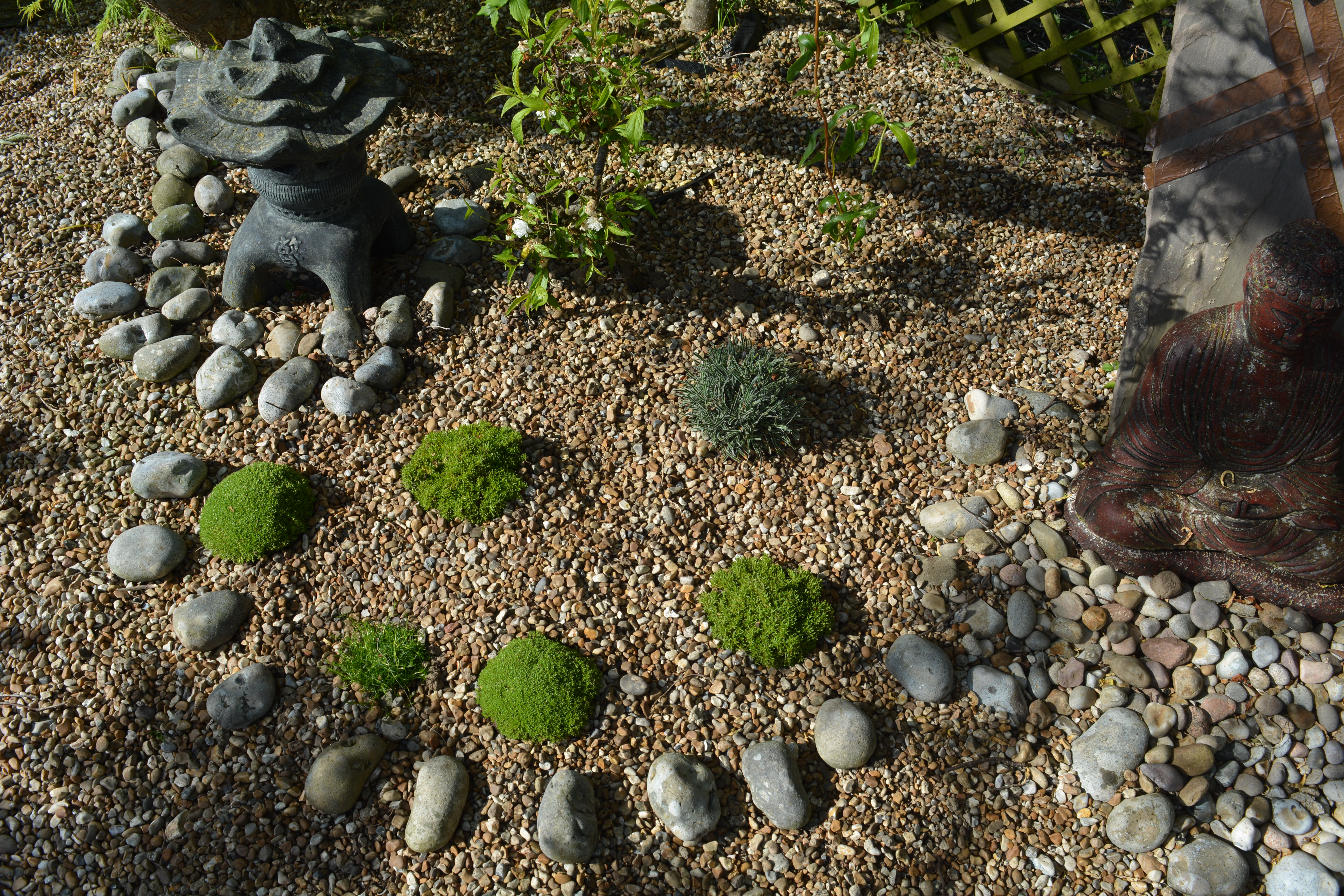
Over the page we look at our Japanese Garden and alpine plants. “We spent more time in mid-May working in the Japanese Garden, where a month ago we added a new step into the lower slope. We planted a miniature Rhododendron at each end of the step. These are now in full flower. Beneath our Prunus subhirtella autumnalis which we have pruned in a Japanese style, we have planted a group of “moss plants”. 


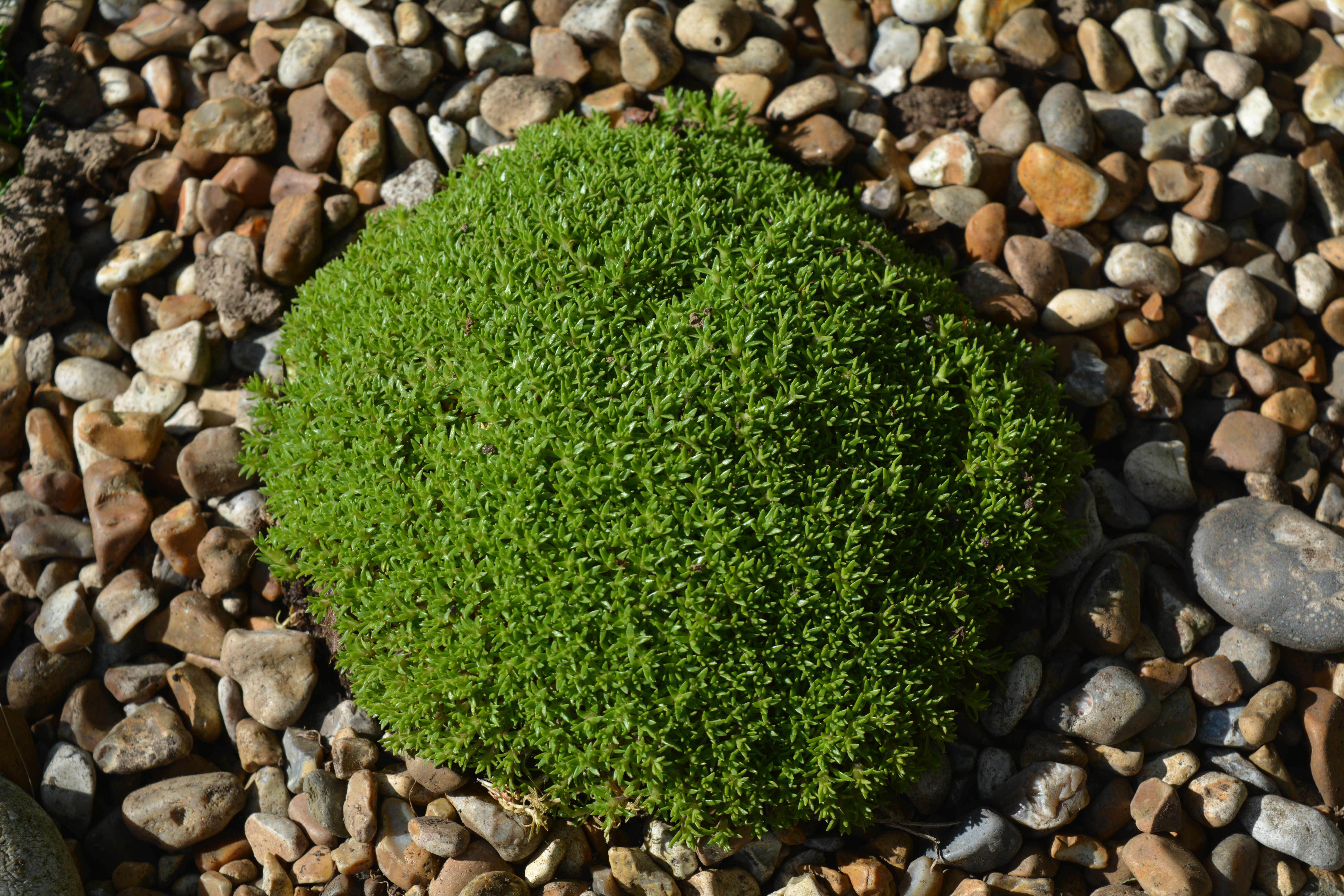
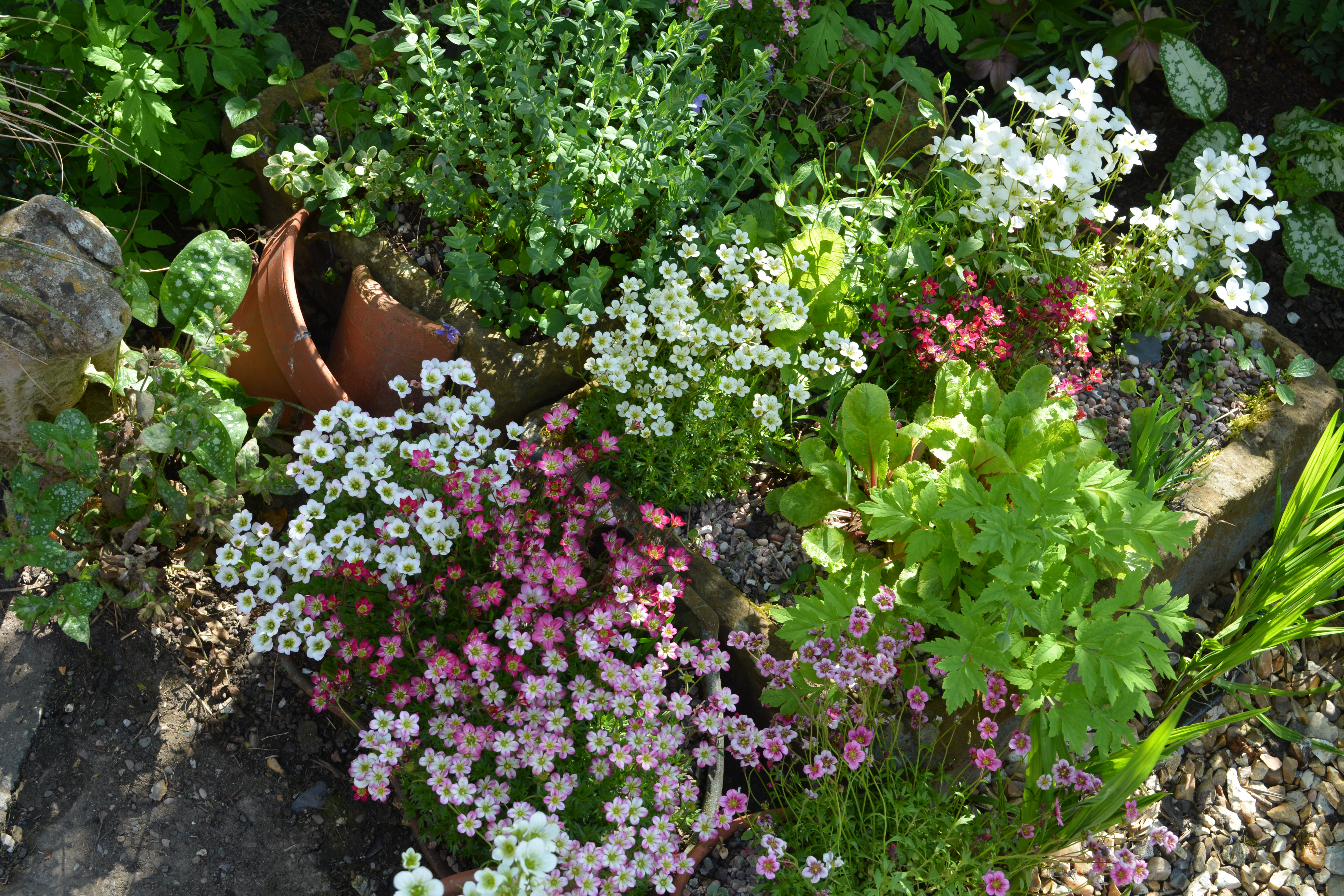
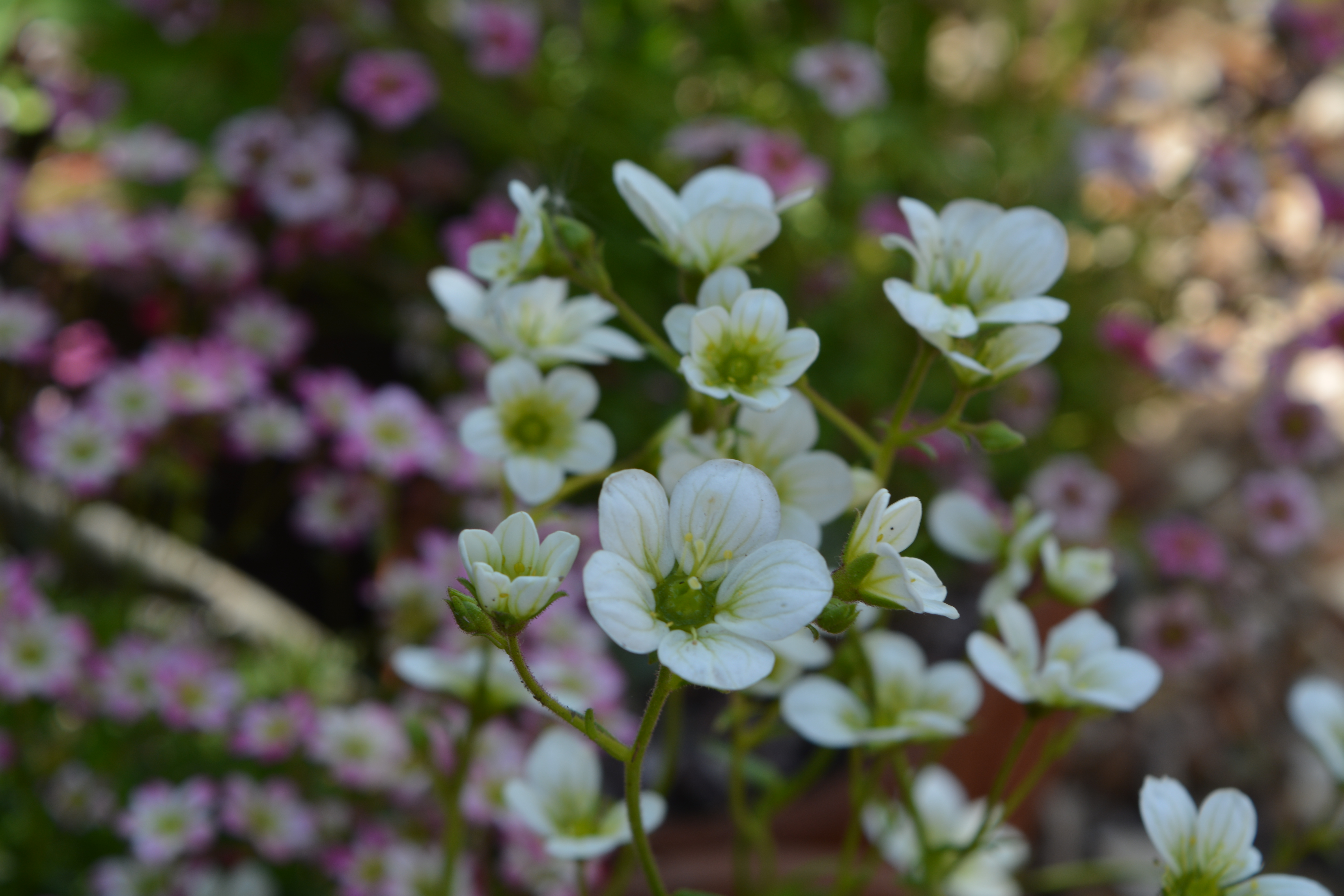
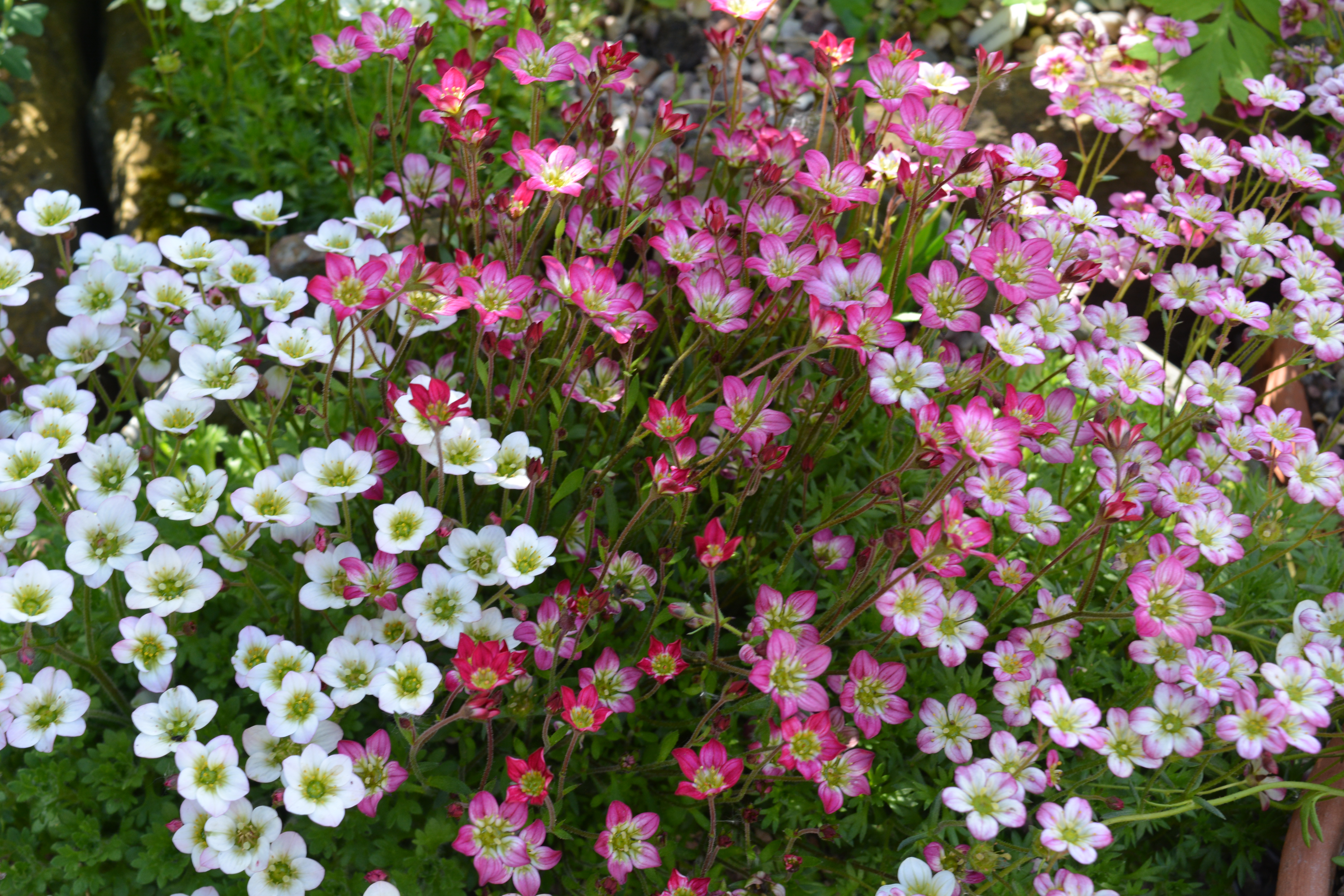
On the page opposite are photos of some of our alpines and I wrote, “May is the month when alpine Saxifrages peak.”


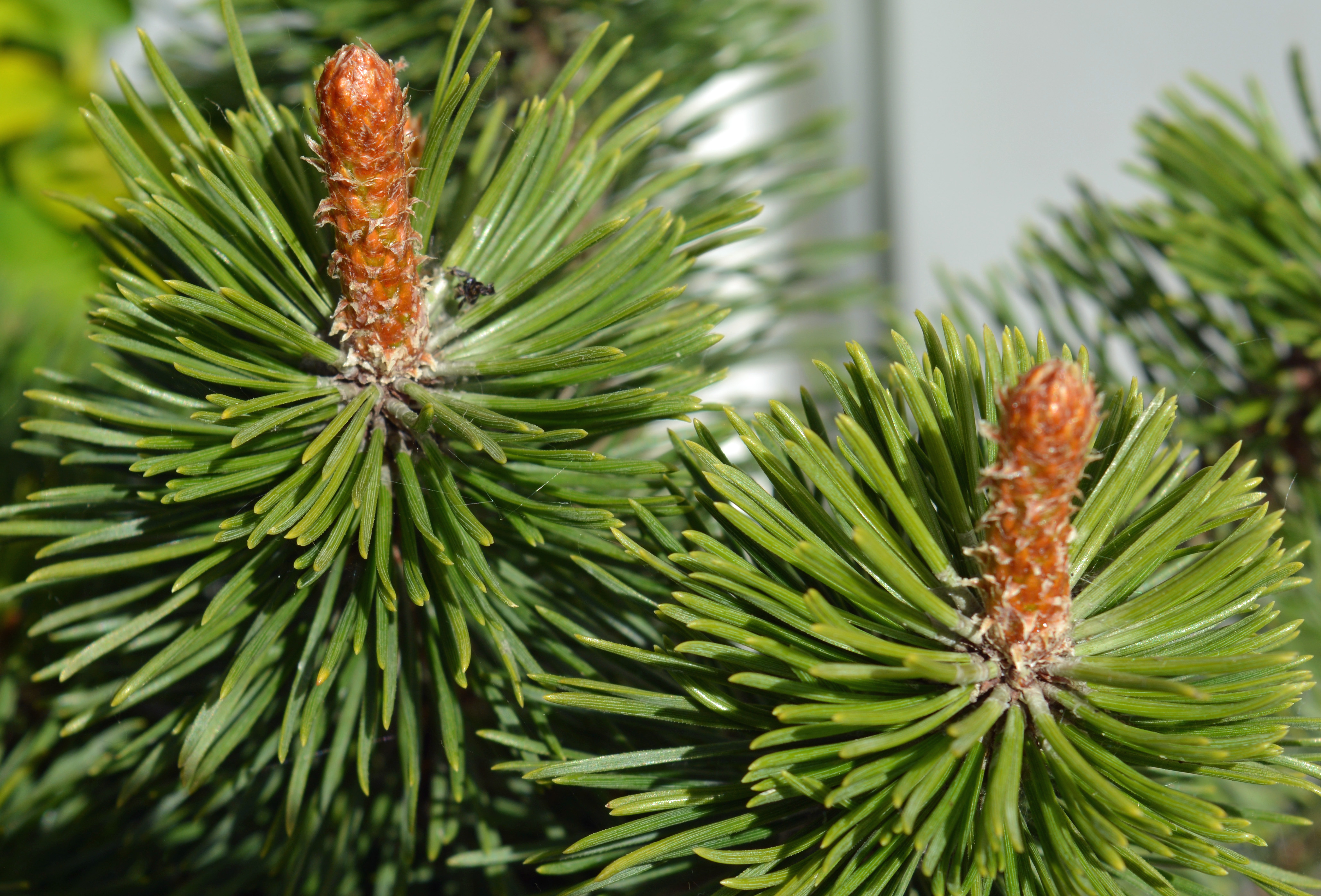
“Miniature alpine shrubs, Pinus mugo “Mumpitz” and an alpine Daphne.”

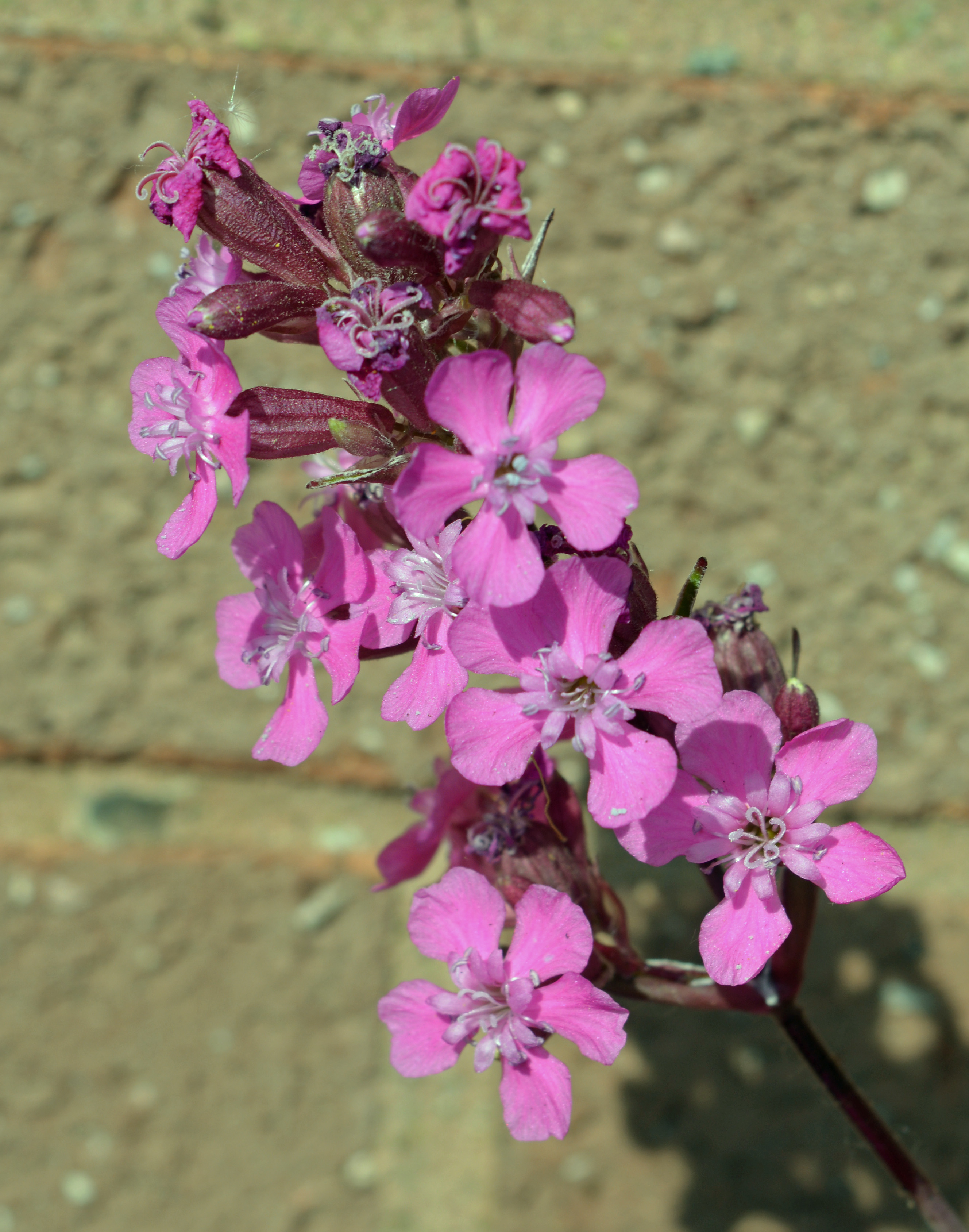
 “Alpine Silene”

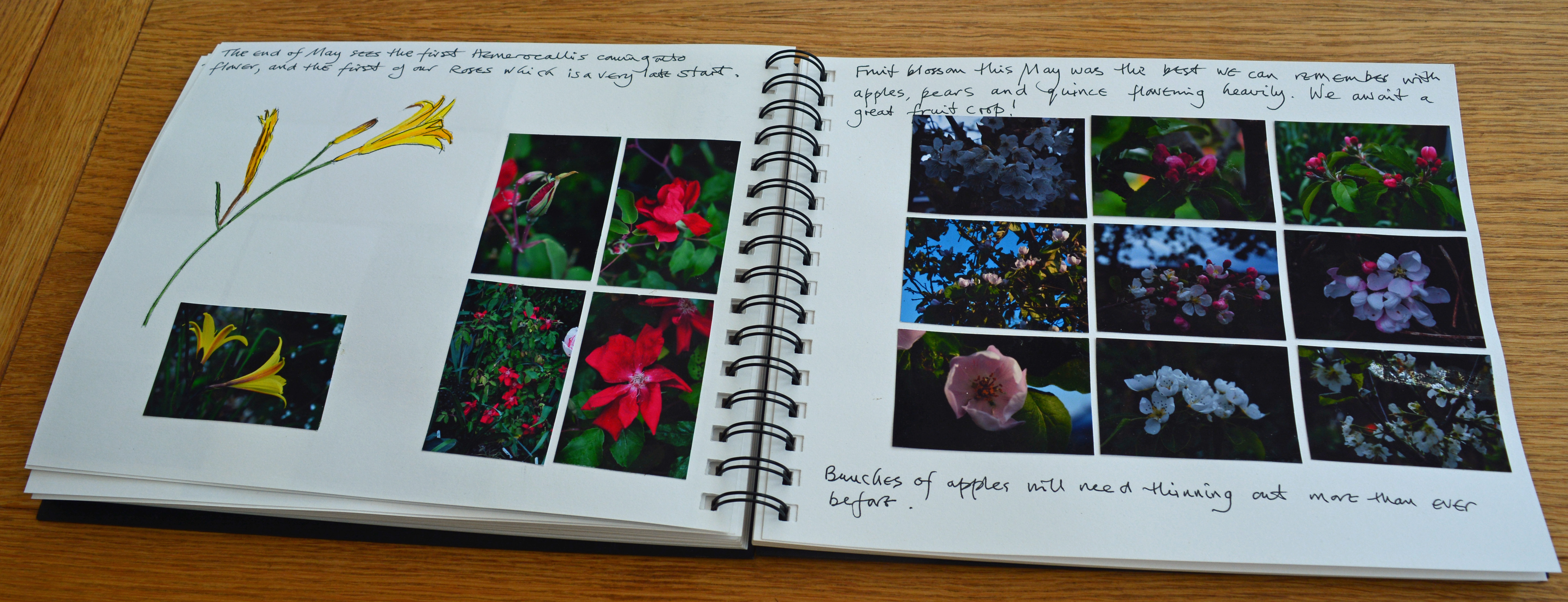
Turning over the page we find the final double page spread, which featured the first Hemerocallis and the first of our roses to flower. On the opposite page blossom was the star.

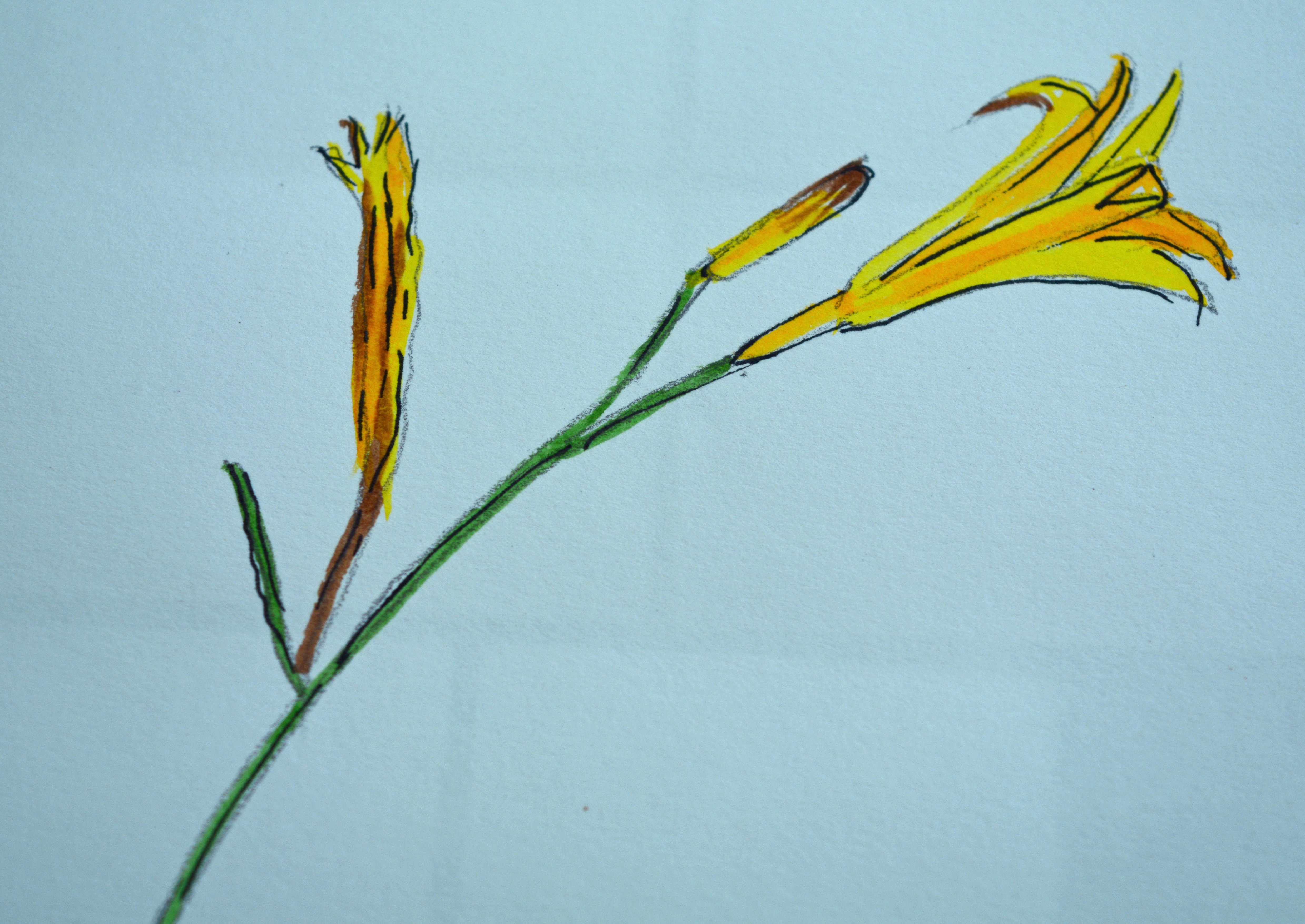
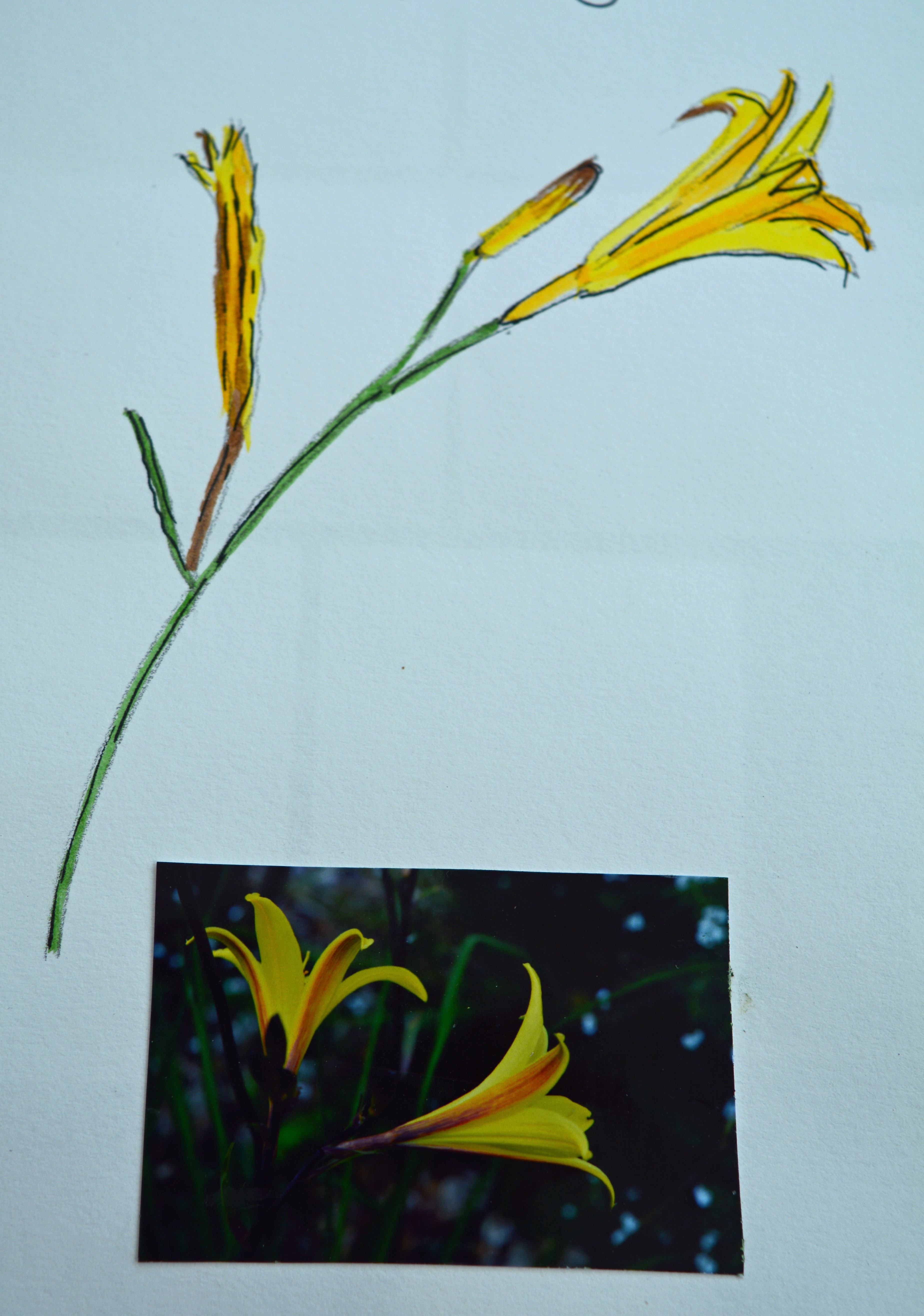
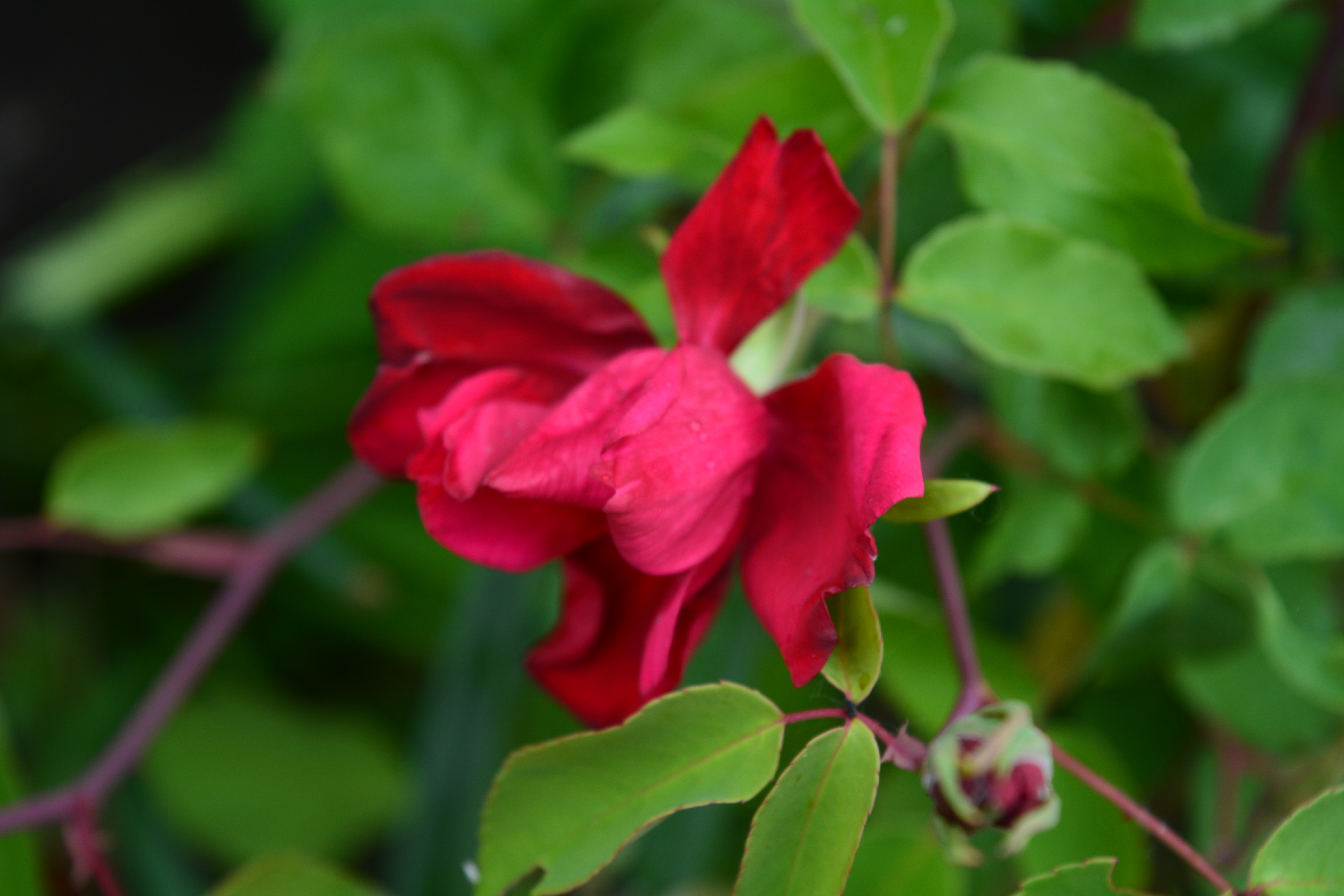
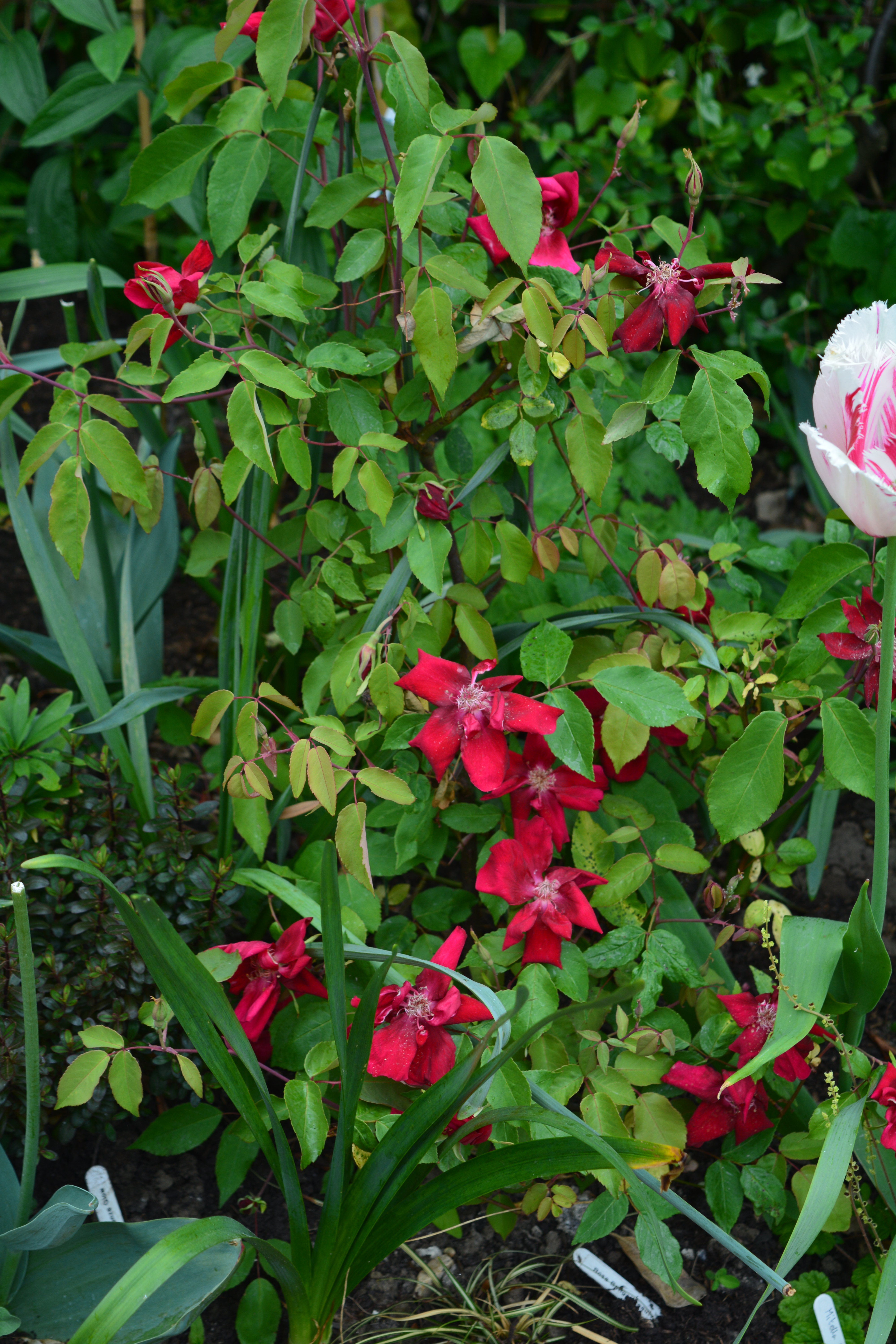
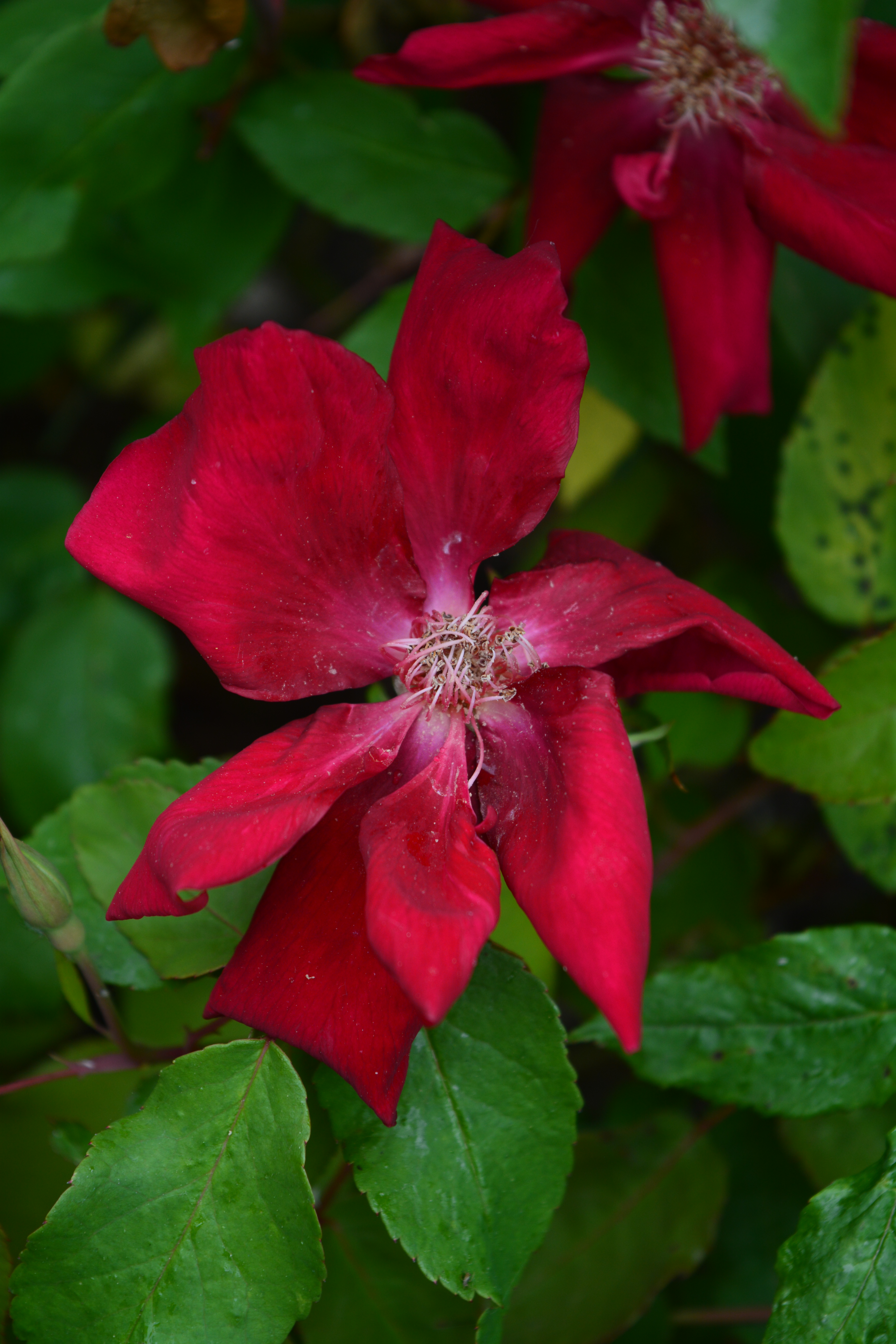
“The end of May sees the first Hemerocallis coming into flower, and the first of our roses which is a very late start.”


On the final page of my journal for May I featured photos of the fruit blossom which was looking so good and promising a healthy harvest later in the year.

“Fruit blossom this May was the best we can ever remember with apples, pears and quince flowering heavily. We await a great fruit crop!

“Bunches of apples will need thinning out more than ever before!”

So that is the end of my May journal, finishing off on a positive note as the garden feels so full of life.


Categories
garden design garden photography gardening gardens gardens open to the public grasses hardy perennials meadows ornamental grasses ornamental trees and shrubs RHS Yorkshire

Two RHS Gardens – Part 2 Harlow Carr

To visit the second of the RHS gardens we visited during 2017 we had to travel north up to Yorkshire and we stayed near Harrogate, a beautiful spa town. This is the RHS garden we probably visit the most as it is our favourite and we love the area it is situated in. We chose to go up in late summer. We particularly enjoy the Winter Garden and the new perennial gardens and as we had already visited to see the Winter Garden so we needed to see the perennials borders too.

The RHS are excellent at giving a warm welcome to its visitors and we certainly felt that at their most northerly garden, beautiful planters, great breakfast at the famous “Betty’s Tearooms” and cheerful plants as we entered the main gardens, including bright, cheerful meadow planting.

A recent children’s competition involving creating miniature gardens in old boots provided some entertainment at the bottom of the main steps into the garden.

Next we will share moments we enjoyed as we made our way towards the educational centre with its new buildings, glasshouse and plantings.

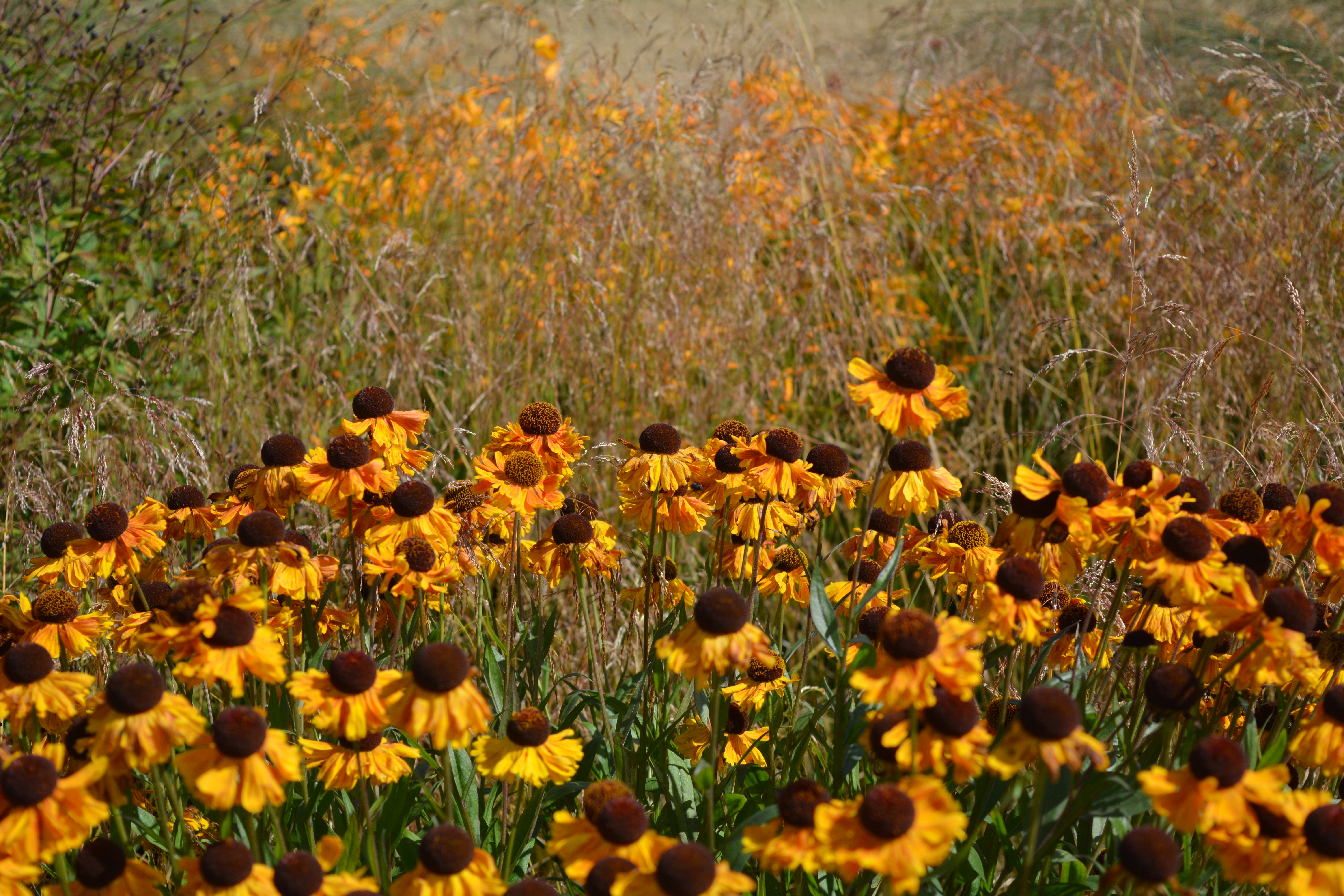
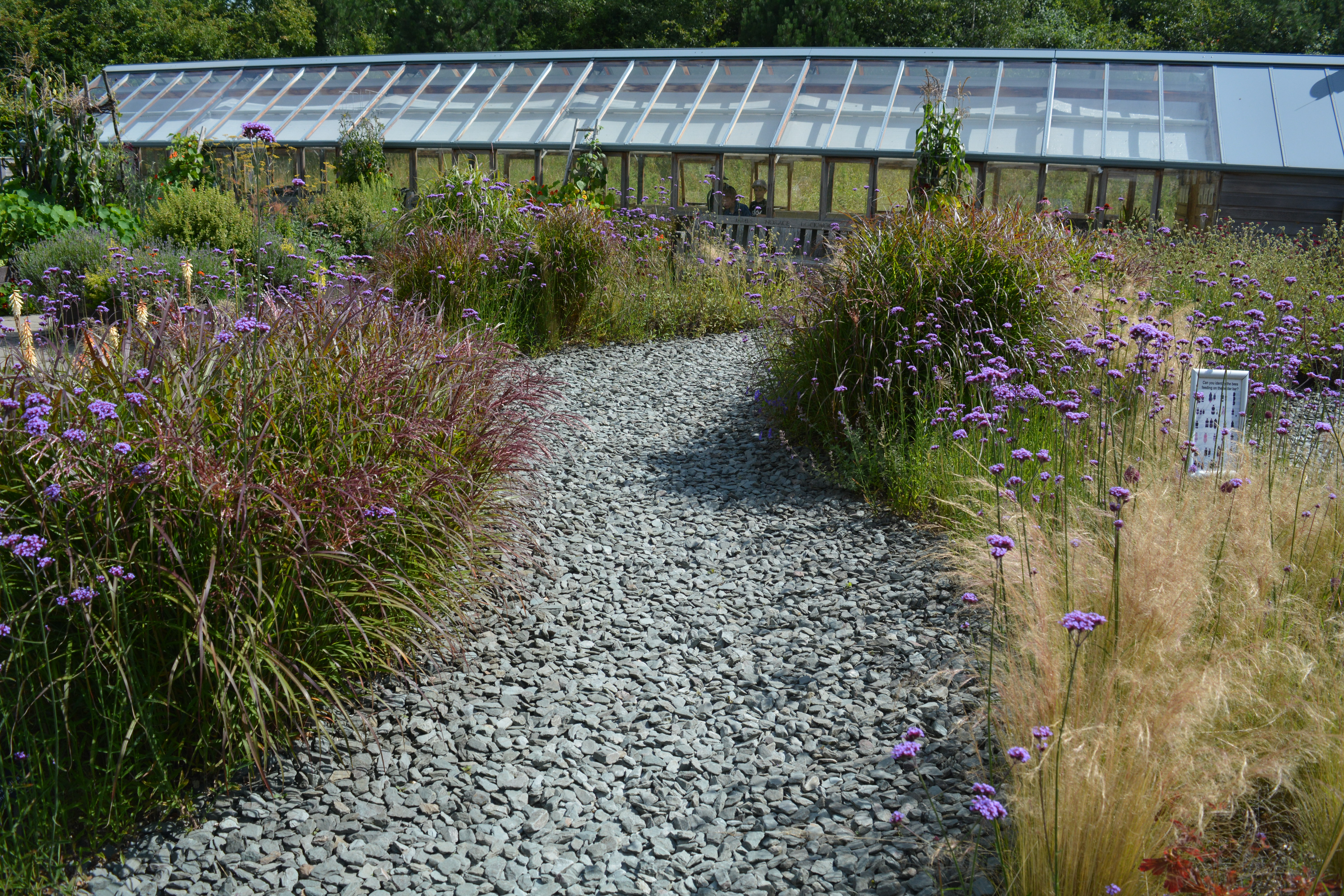
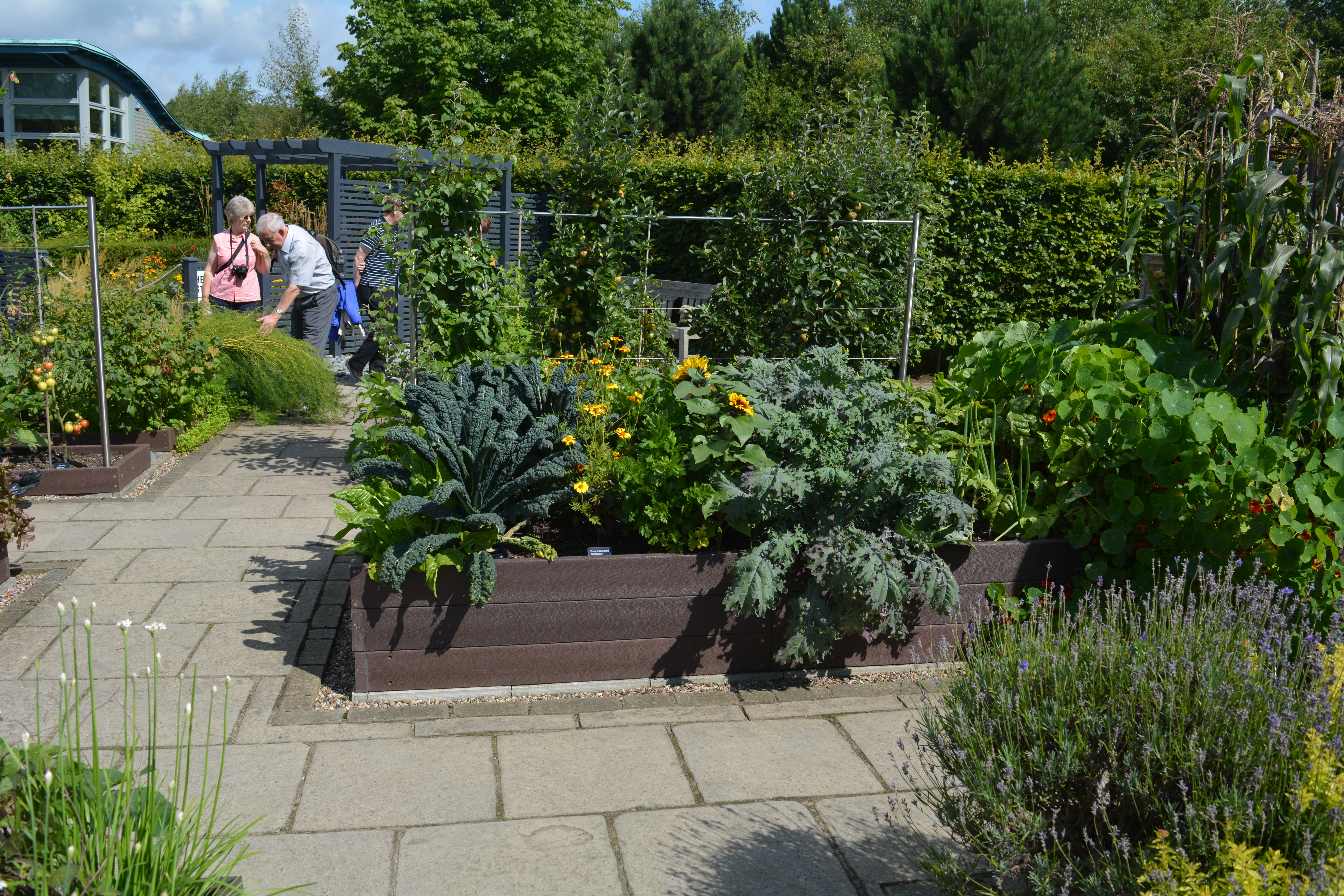
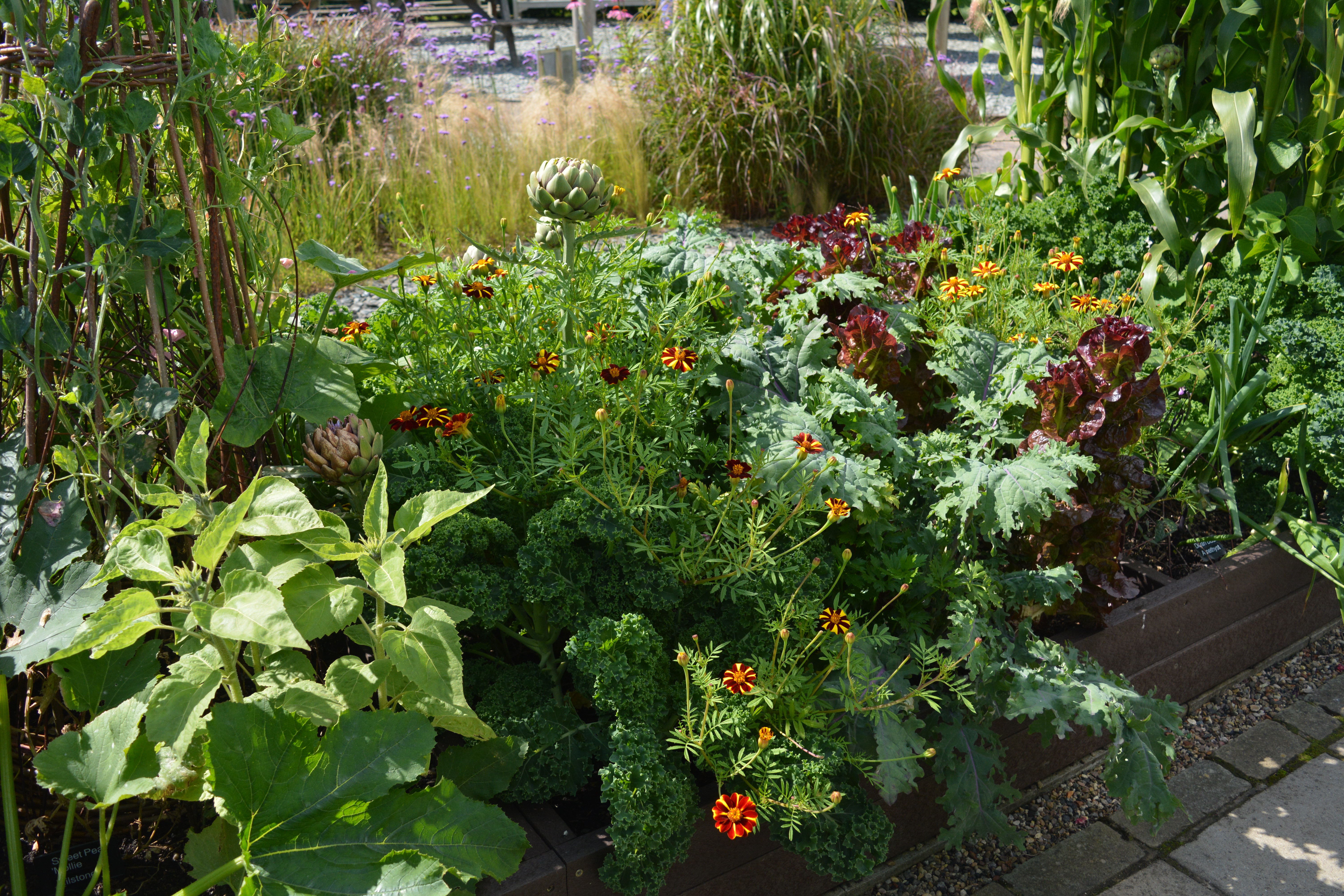
The gardens around the education centre provide a fine example of contemporary plant choice and plant combinations, starring grasses and tall airy perennials, growing beautifully among gravel, a wildlife pond and a contemporary styled vegetable garden alongside. Even the seating has been carefully chosen to look just right. Nothing has been left to chance!


As mentioned at the beginning of this post we were looking forward in particular to wandering around the borders of “new perennial planting” especially as we were visiting when it should be its prime time. So please enjoy this wander with us by following the gallery. Click on the first picture then navigate with the arrows.


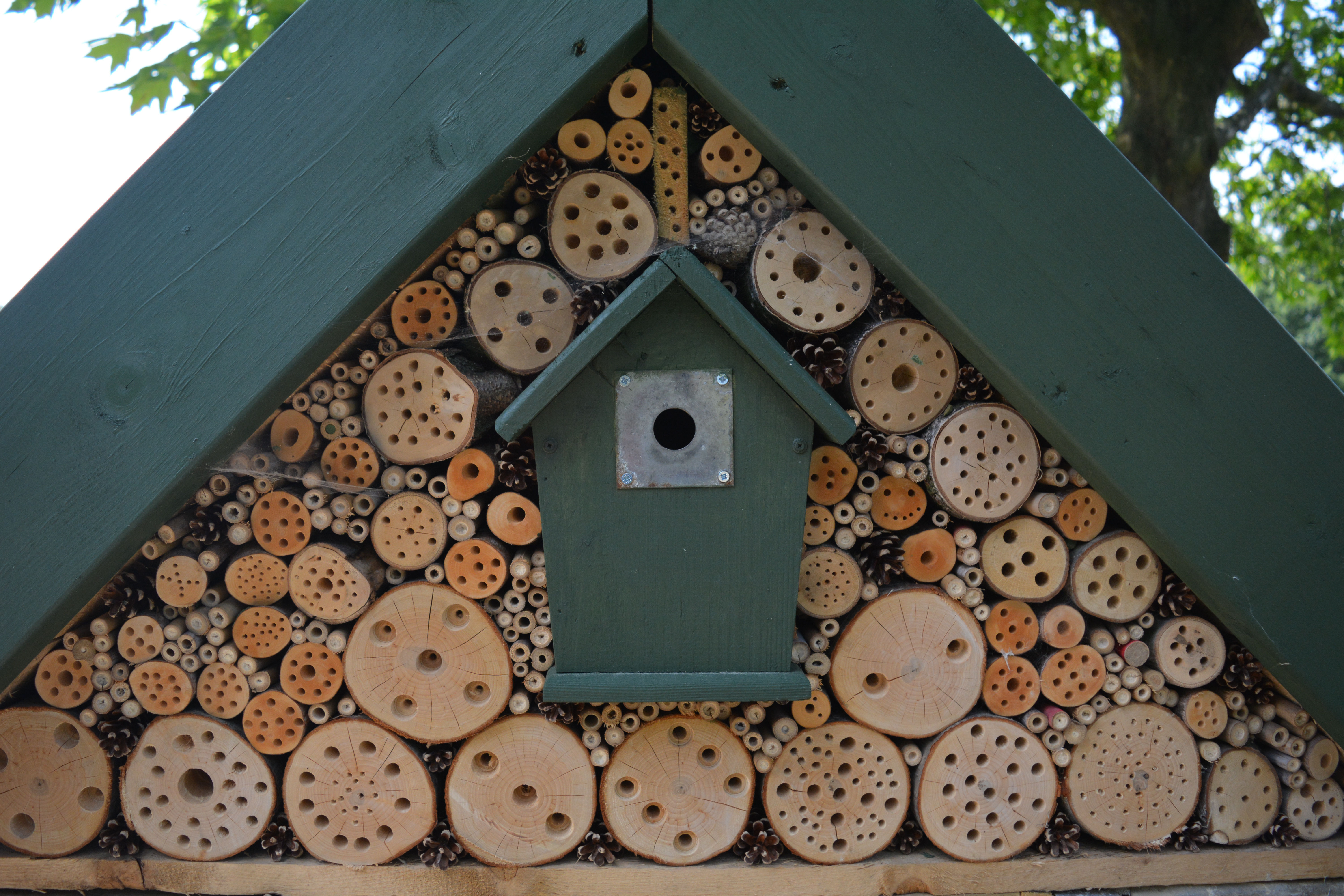
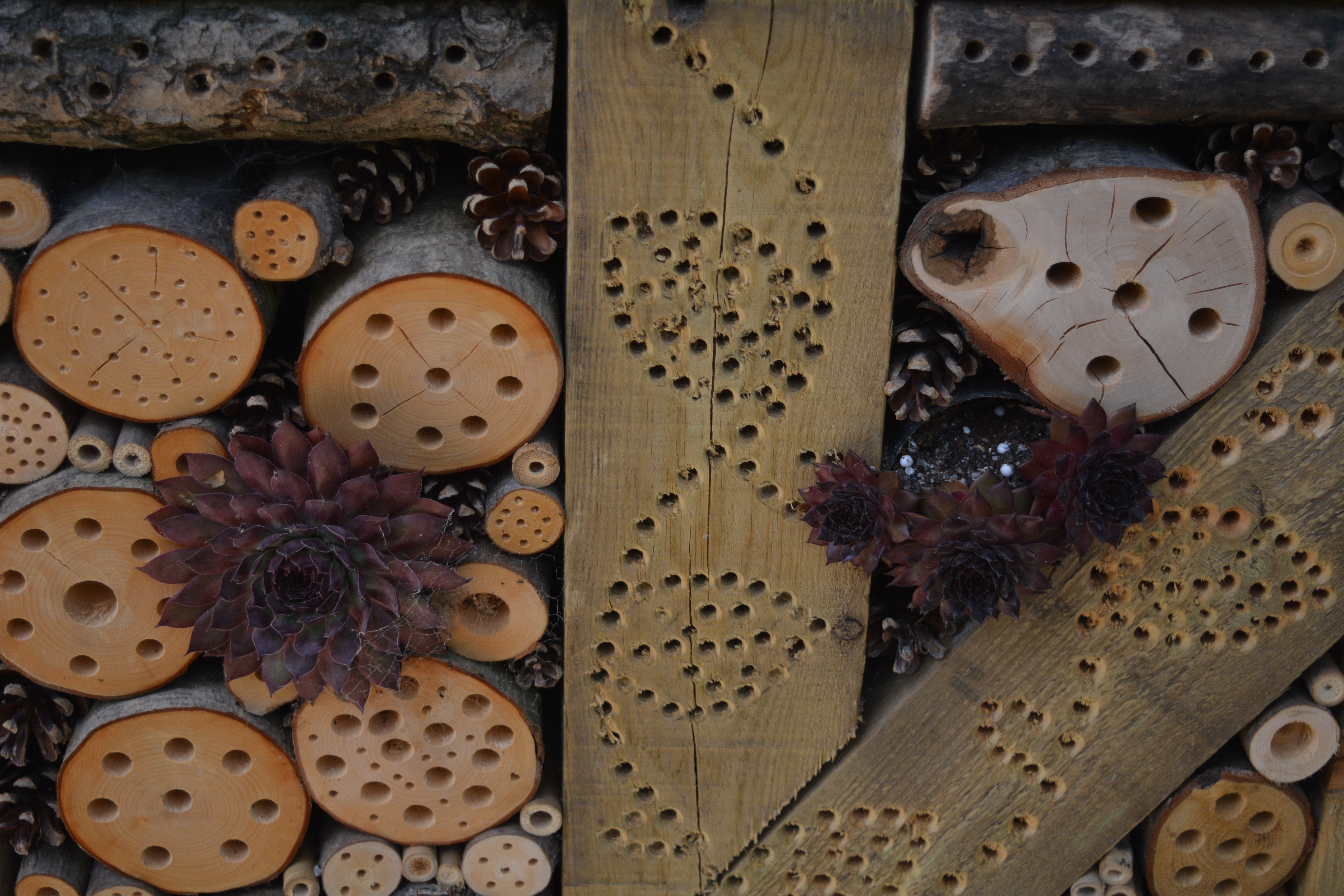
When we were finishing our visit to this wonderful RHS garden we made our way back for a final coffee before finding our car and returning to our hotel, and noticed a large and very beautiful insect hotel alongside the path. It was an heartening end to our exploration.

Categories
colours garden design garden photography gardening gardens gardens open to the public grasses hardy perennials light light quality ornamental grasses ornamental trees and shrubs RHS

Two RHS Gardens – Part 1 – Hyde Hall

As members of the RHS we often visit their gardens and their partner gardens. Sadly it is a long journey to get to any of their main gardens so we do not visit as often as we would like. We make an effort to visit at least two each year.

In 2017 the two we selected were Hyde Hall in Essex and Harlow Carr in Yorkshire, two very different gardens, one in the south and one in the north. The first we visited was Hyde Hall which is the furthest away of all their gardens so we have only ever explored it once before. We made this journey in the middle of the summer and were looking forward in particular to seeing how the Dry Garden had developed as this was a new venture when we originally visited this garden. When we journey down to Essex we usually pay a visit to the garden of the great lady of British gardening, Beth Chatto, but this time we did not have time. But we will go to her garden soon when I will post about her incredible garden when we do. For now though we will concentrate on the gardens of Hyde Hall.

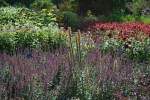
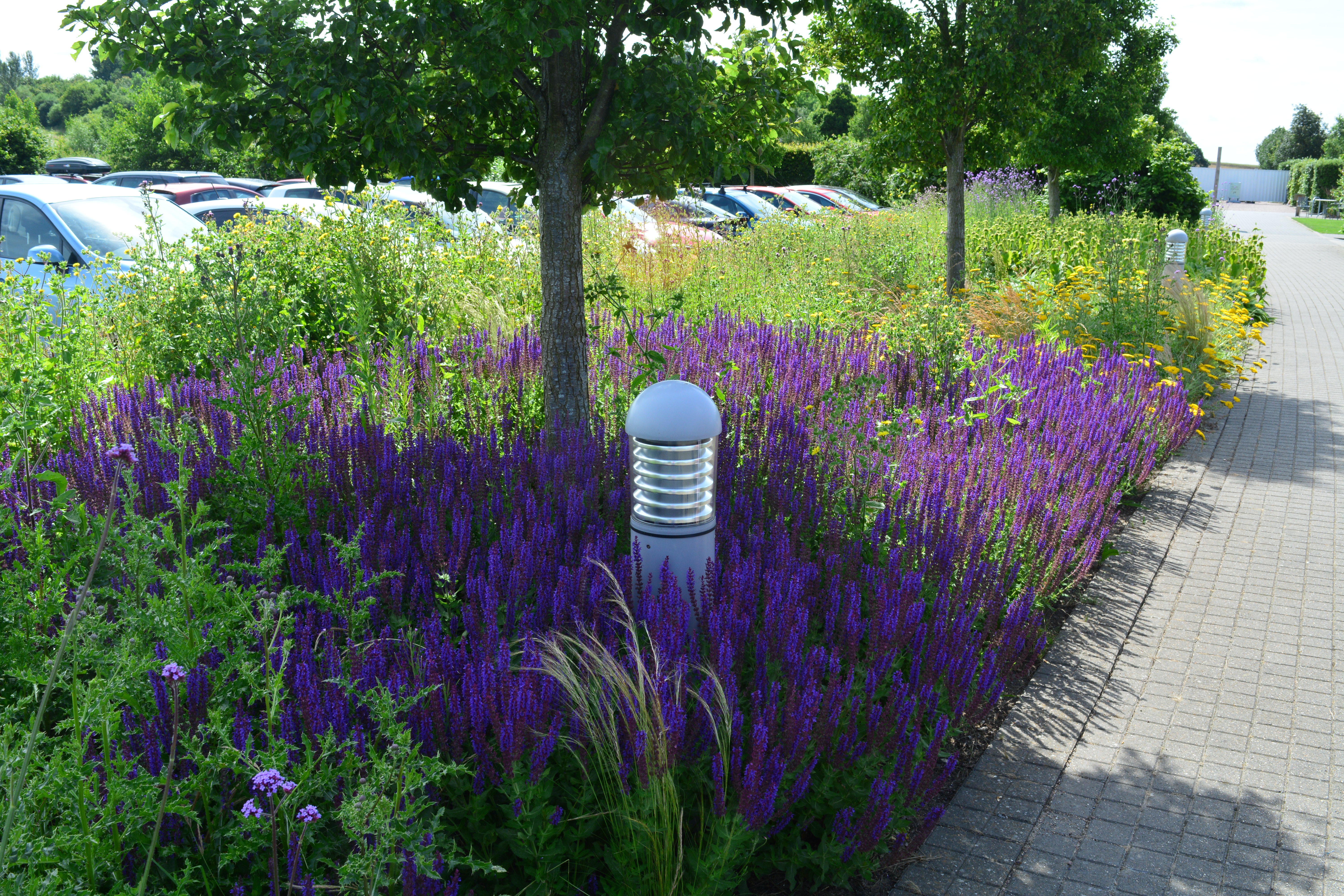
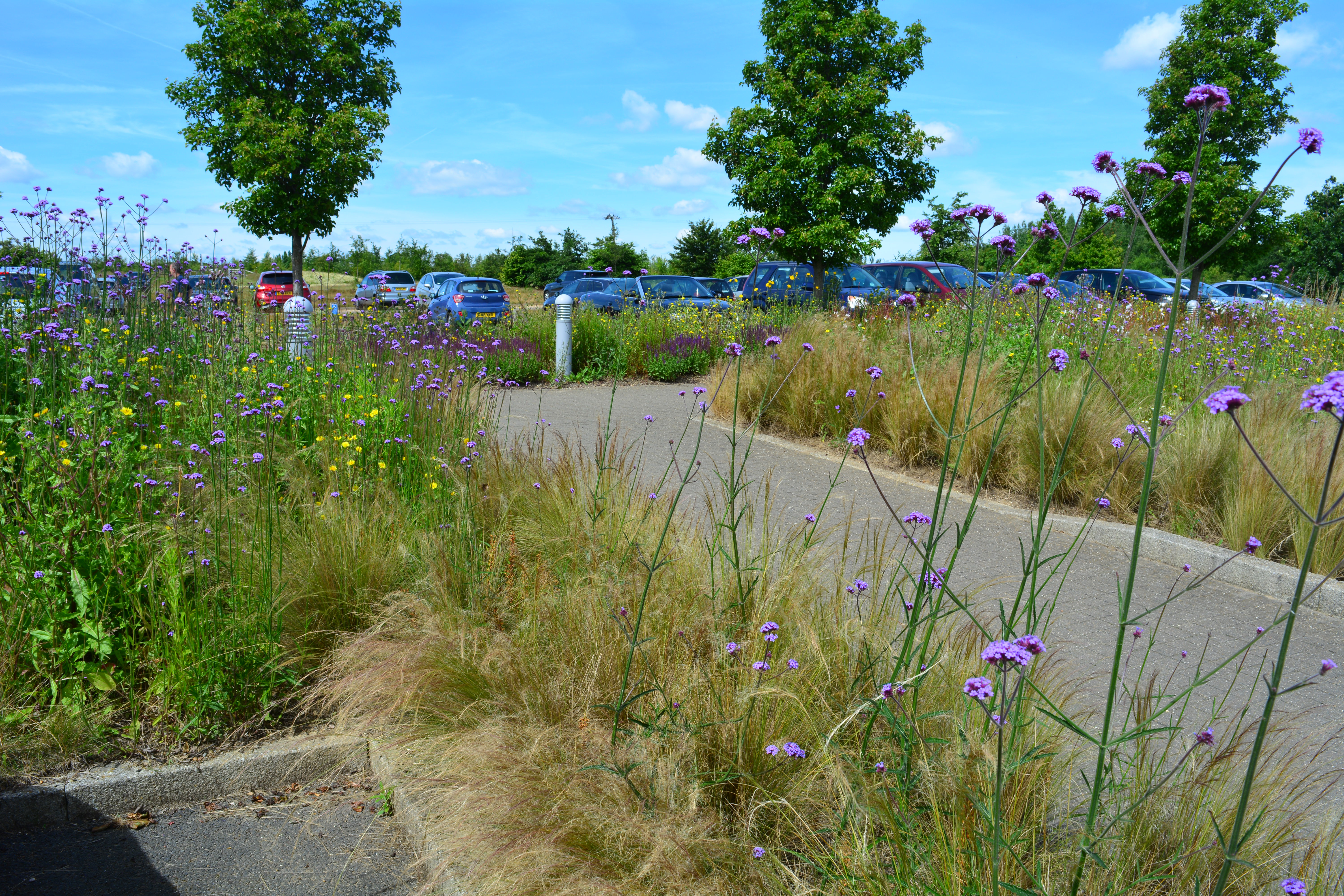
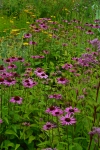
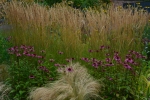
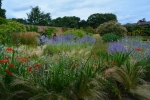
It is rarely possible to admire the planting within a car park, but at Hyde Hall the planting was worth looking at and photographing. It was based on new style perennial planting which had such a gentle calming effect on us as we walked from the car to the garden. Grasses and airy perennials were the mainstay of the plantings.


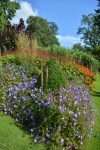
Once inside the gardens themselves, the quality of planting and the brilliant way in which plant partners were grouped were of the highest quality.


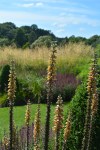
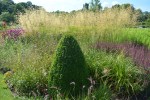
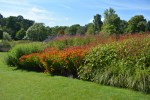
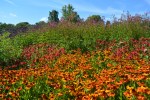
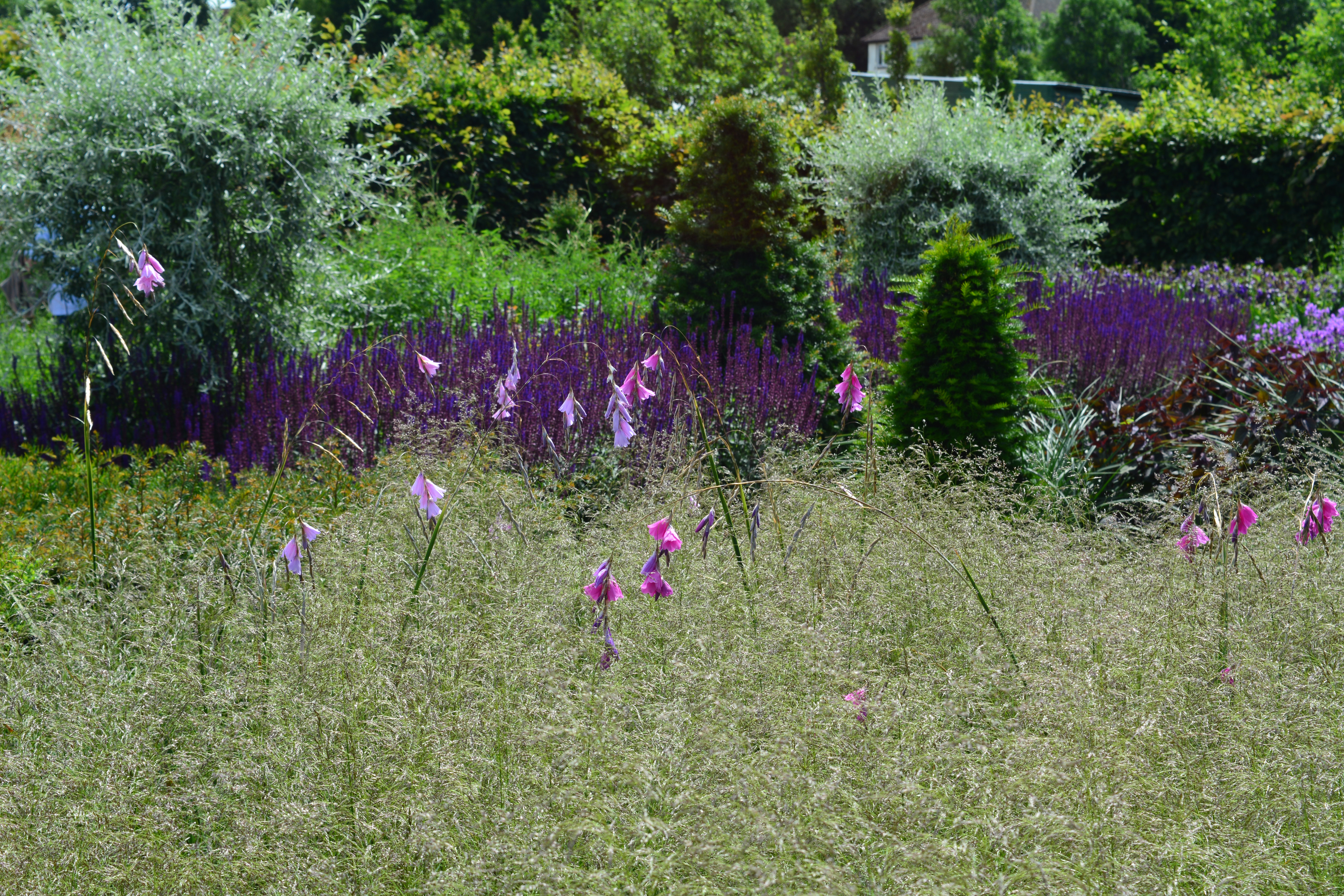
Grasses feature strongly at Hyde Hall adding texture to the landscape where grass is cut selectively, but different ornamental cultivars are used for structure and their architectural presence, and in mixed plantings for contrast, movement and for visitors to touch and stroke.


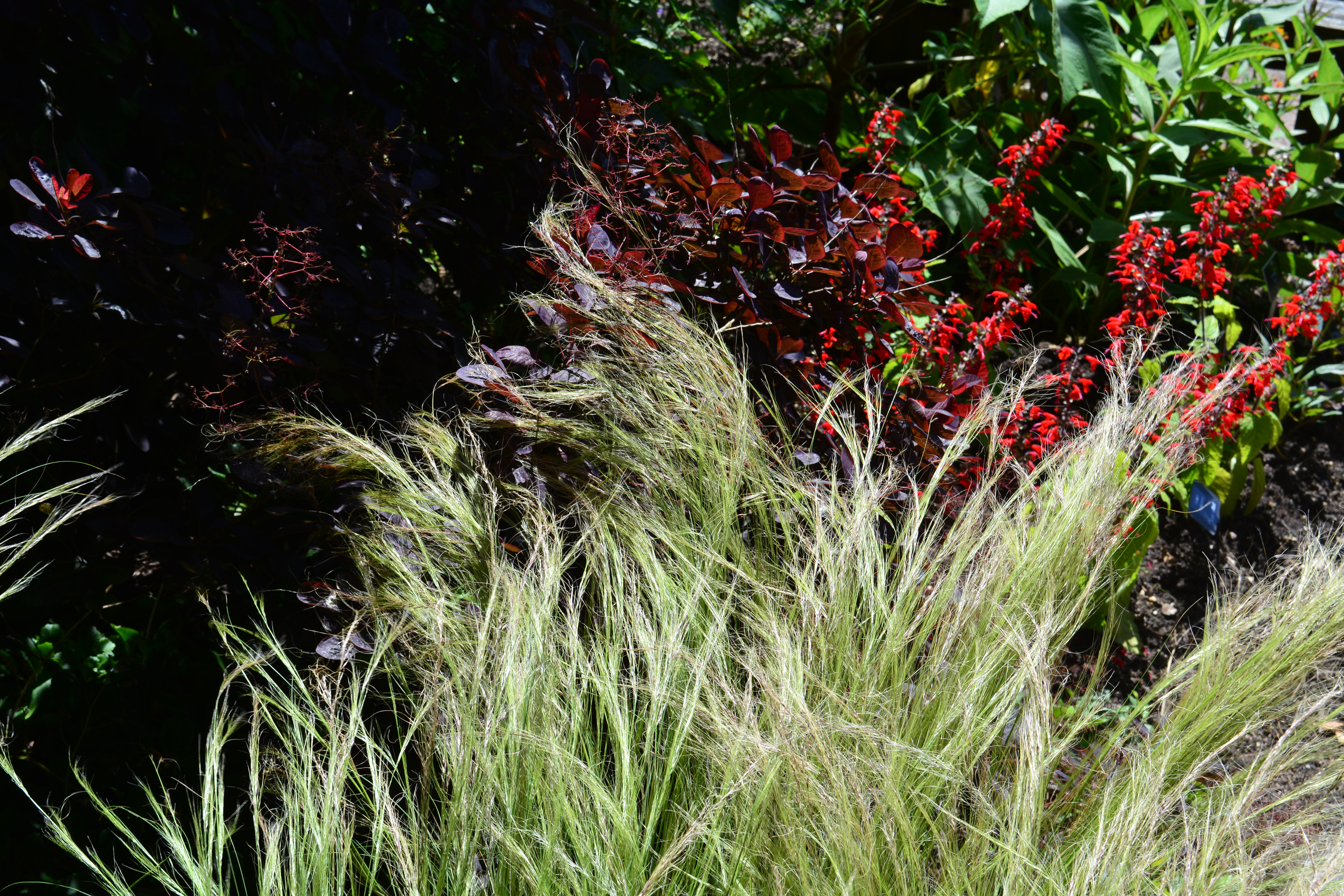
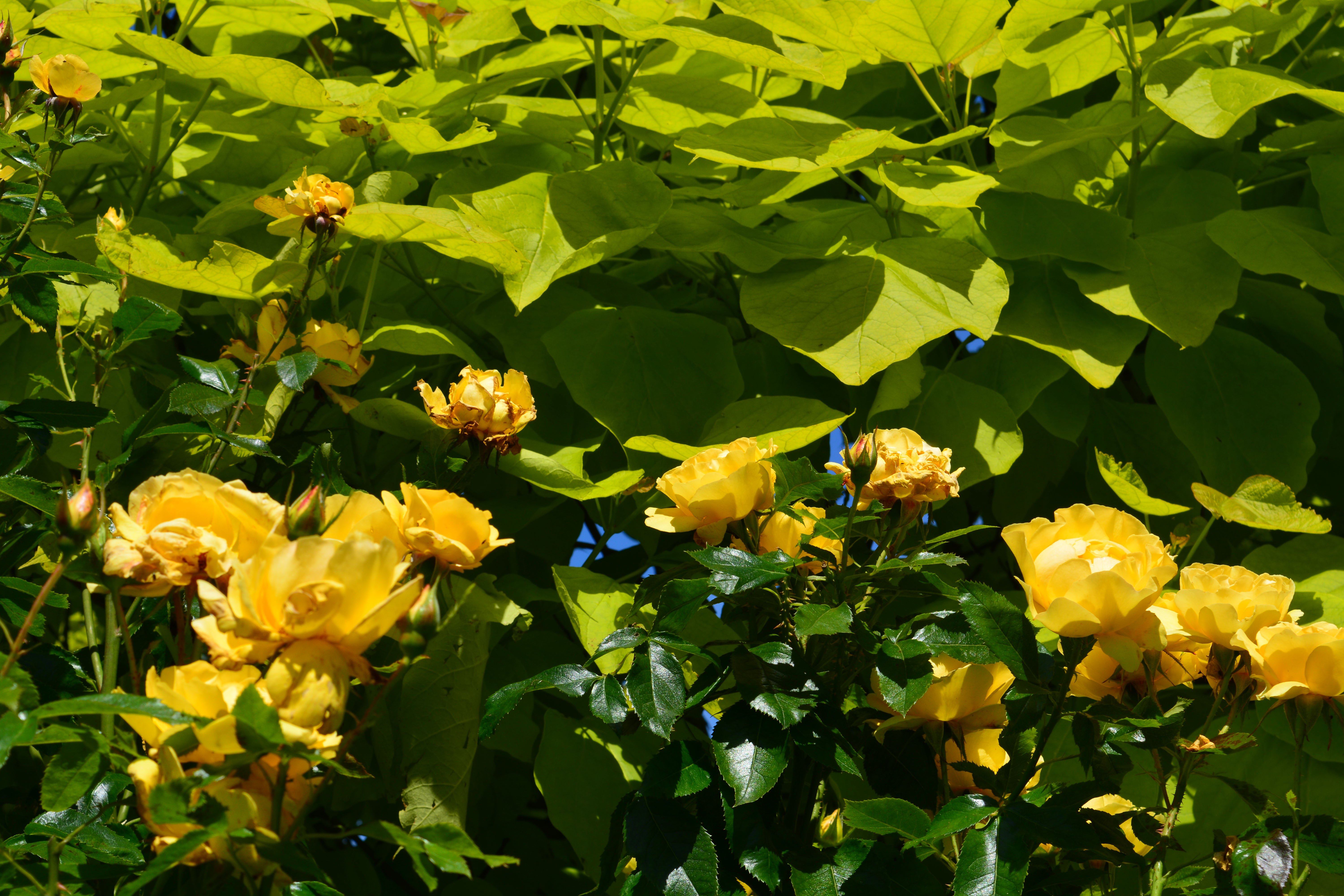
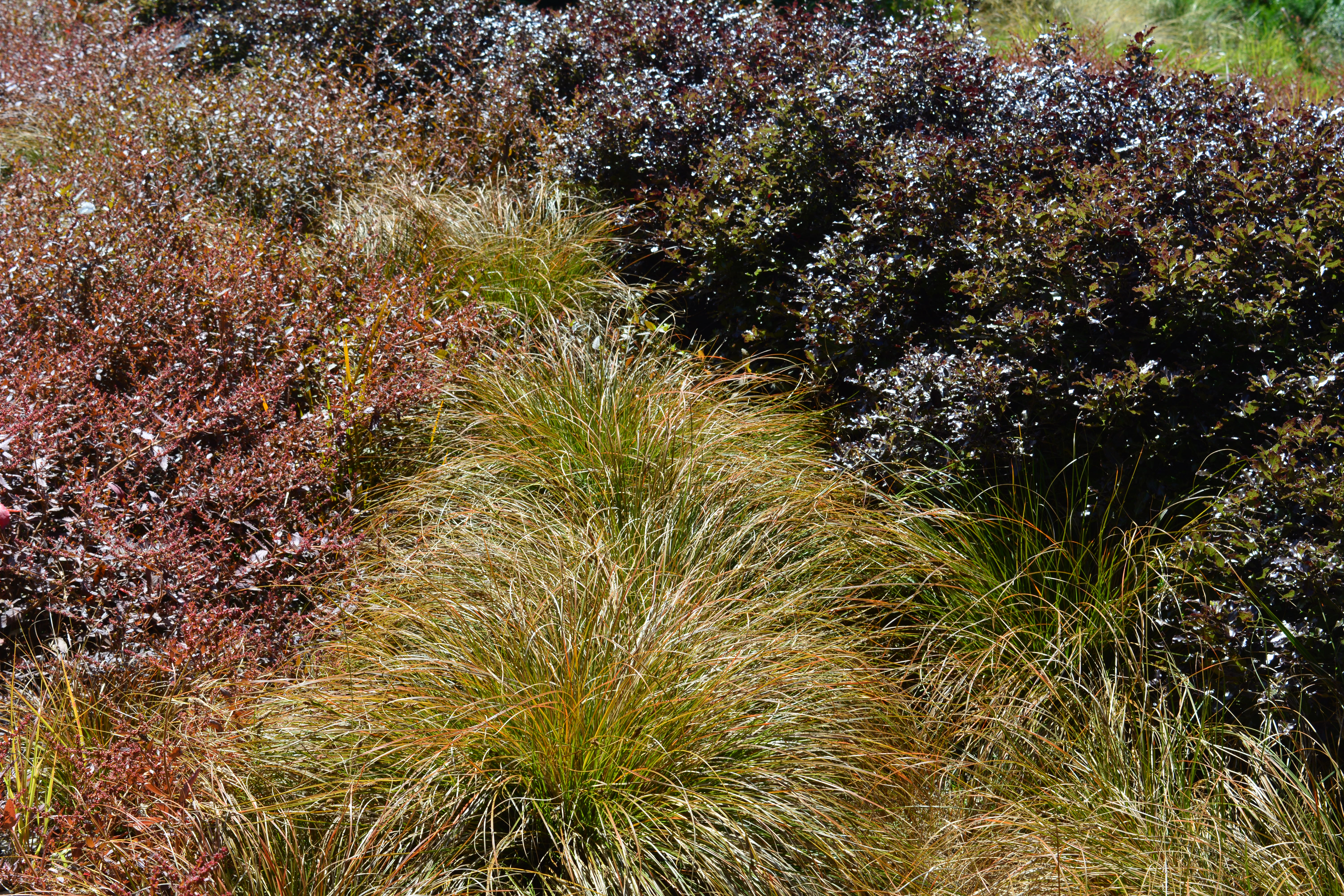
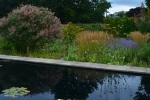
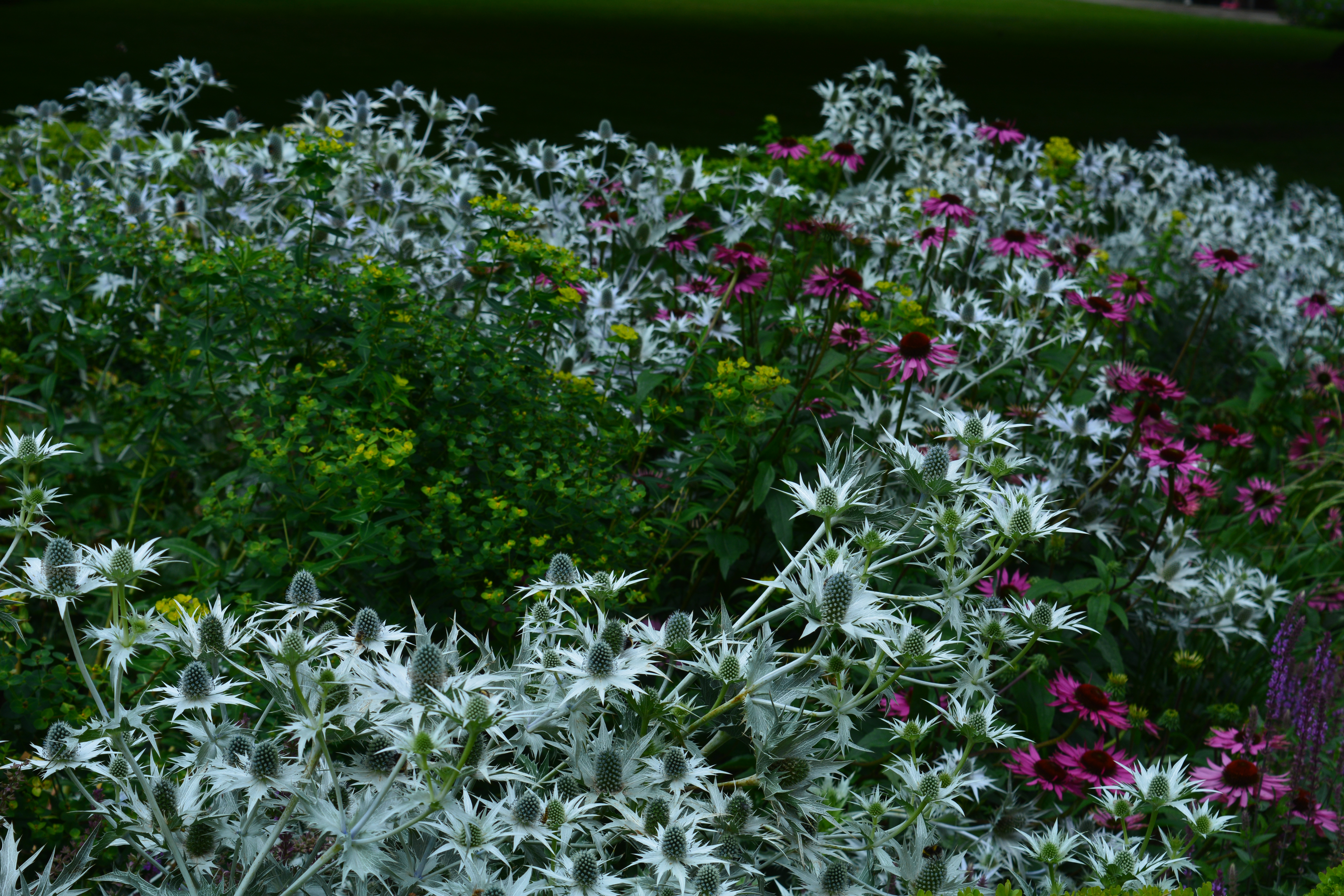
In places we could identify where plants had been chosen to take advantage of the light from the sun, using its brightness to encourage us to see reflection, shimmering light, glossy textures and contrasting patterns. Essex is dry and sunny particularly compared to our Shropshire climate. Using the brightness of the sun and the dryness of the climate to enhance gardens is so clever and not often done well. Hyde Hall is the star in this department.

In my second post about this wonderful RHS garden I shall focus on their famous Dry Garden, but for now I want to explore the way light is used so effectively in some areas. Light can emphasise glossiness of foliage, it can emphasise the interplay of light and shade and it can emphasise texture.


Categories
climbing plants colours garden design garden photography gardening gardens gardens open to the public half-hardy perennials hardy perennials meadows National Trust ornamental grasses ornamental trees and shrubs poppies roses The National Trust

Packwood – one of the stars of the National Trust.

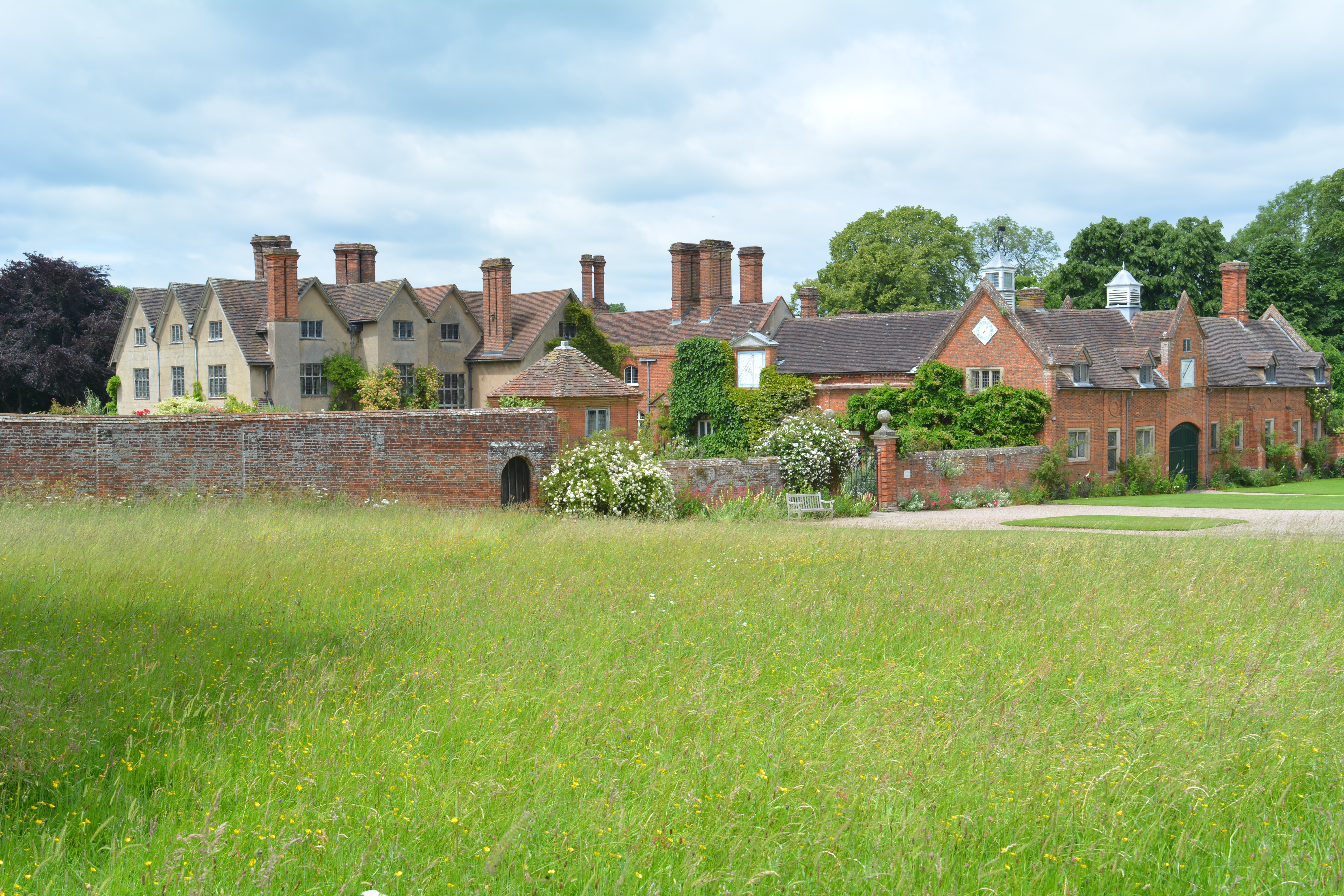
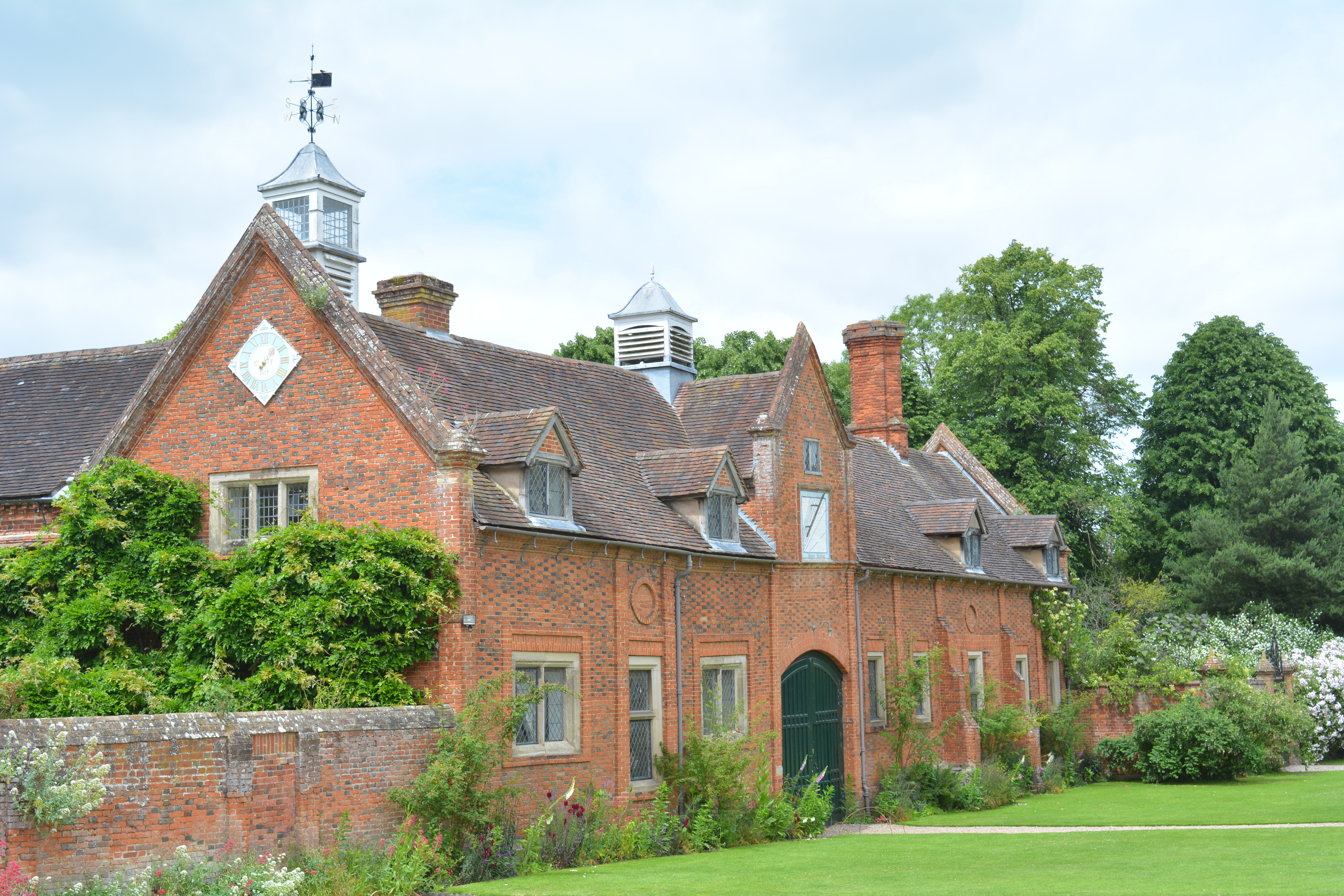
We have held memberships of the National Trust for over 40 years and one of the first we took our two children to was Packwood Hall. Packwood is now a firm favourite and we made a visit again this year. The welcome sign describes Packwood as “a house to dream of, a garden to dream in”. We were only intending to look at the house from the outside and mainly intended to explore the garden in greater detail. Packwood is well known for its unusual collection of sundials.


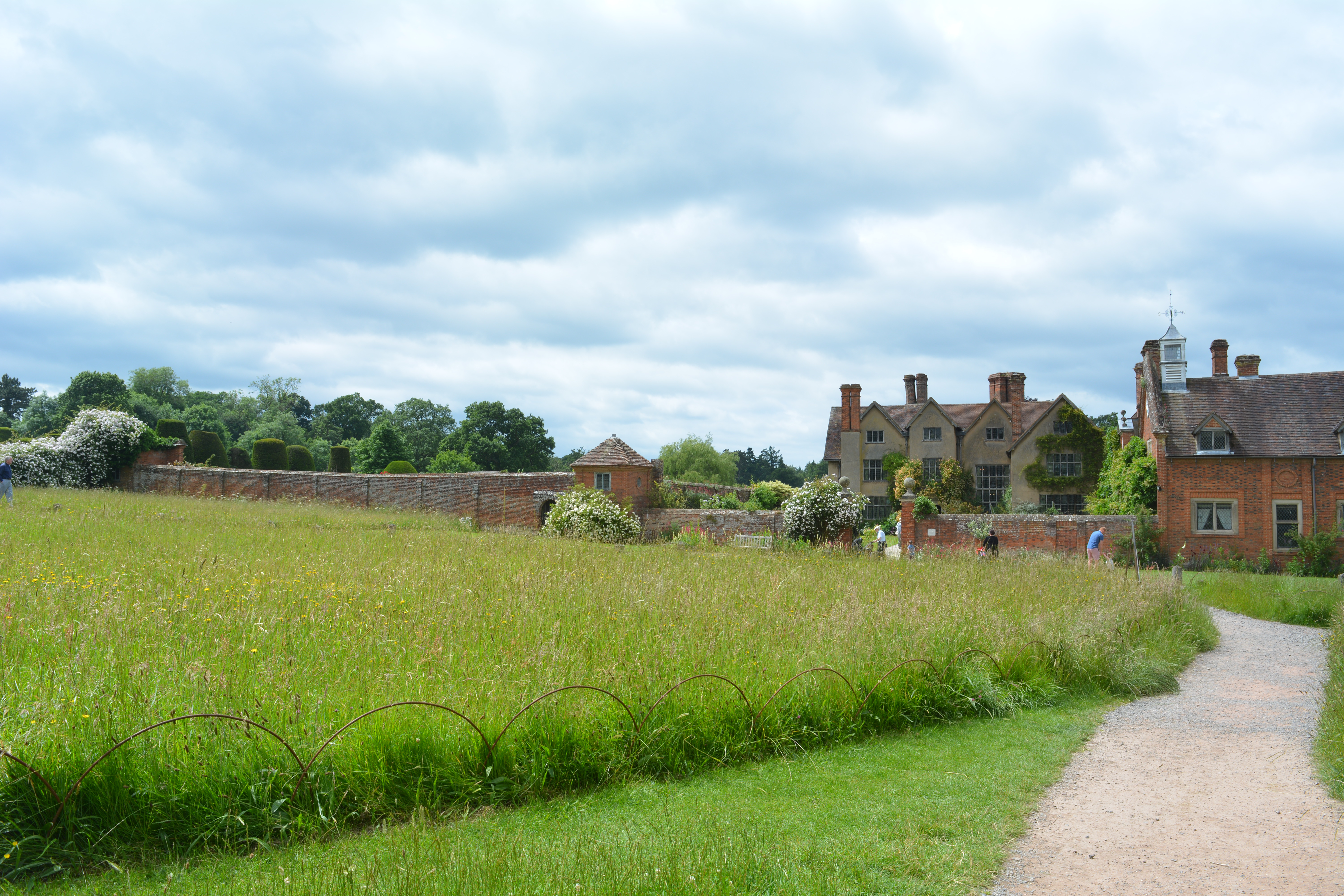
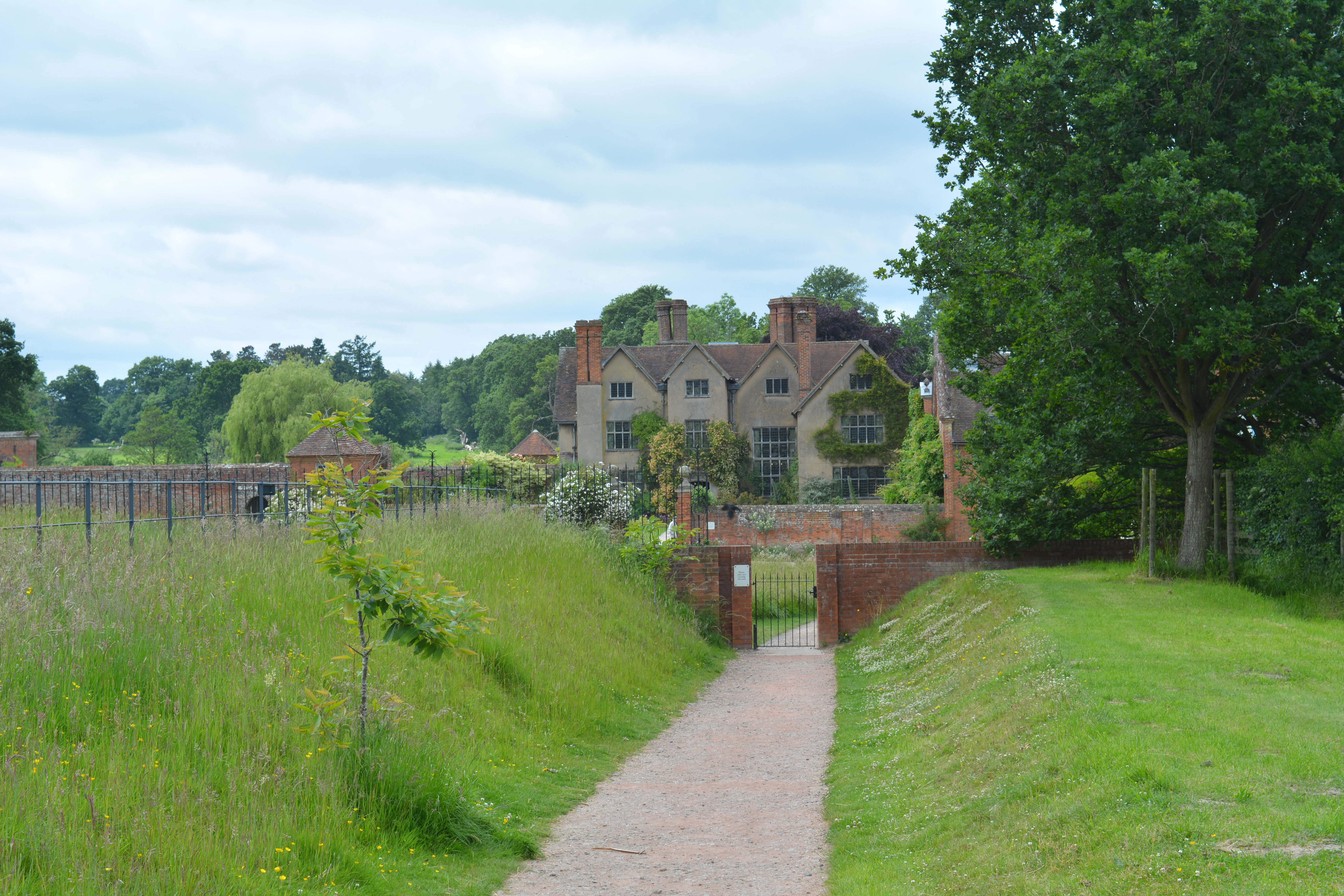
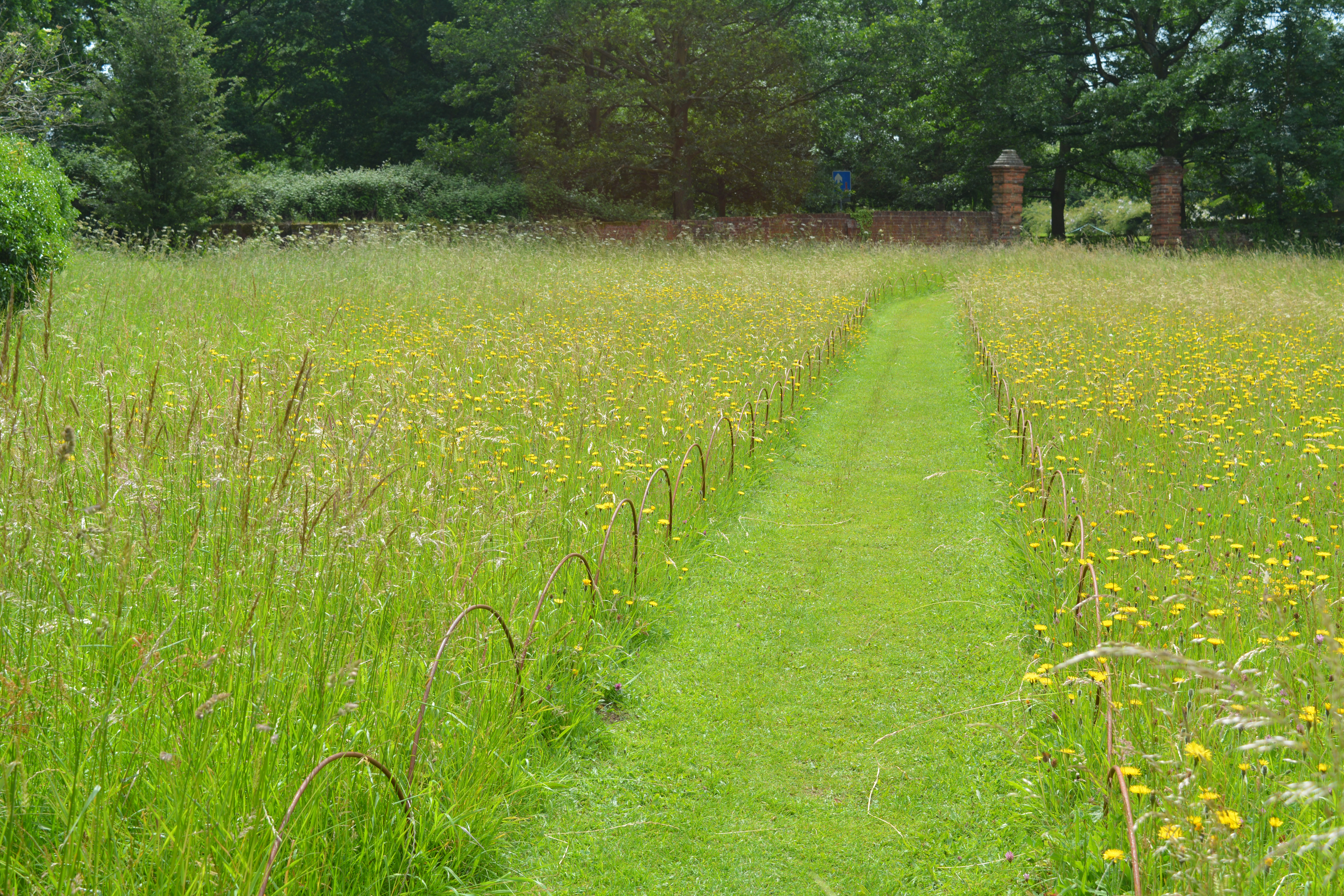
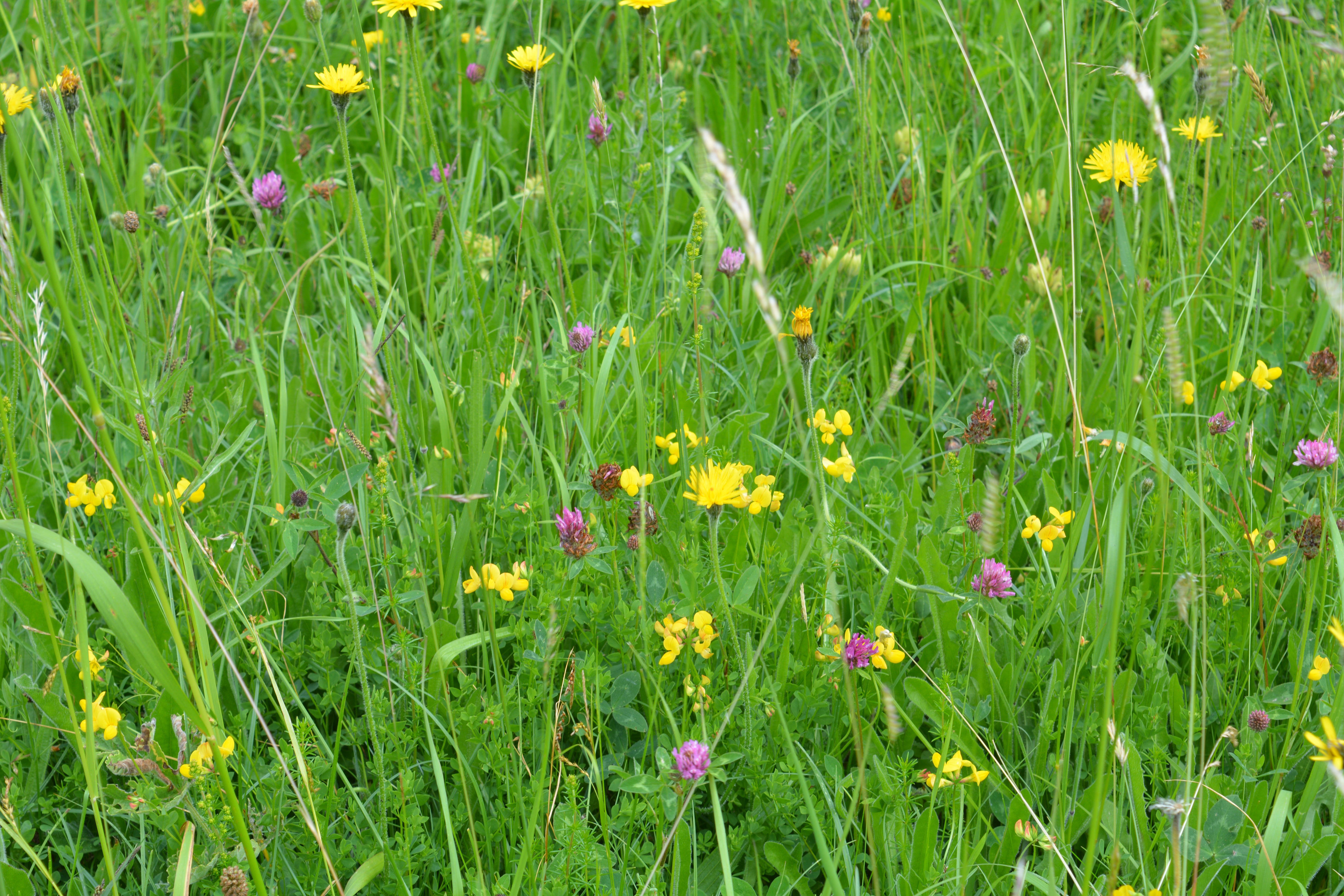
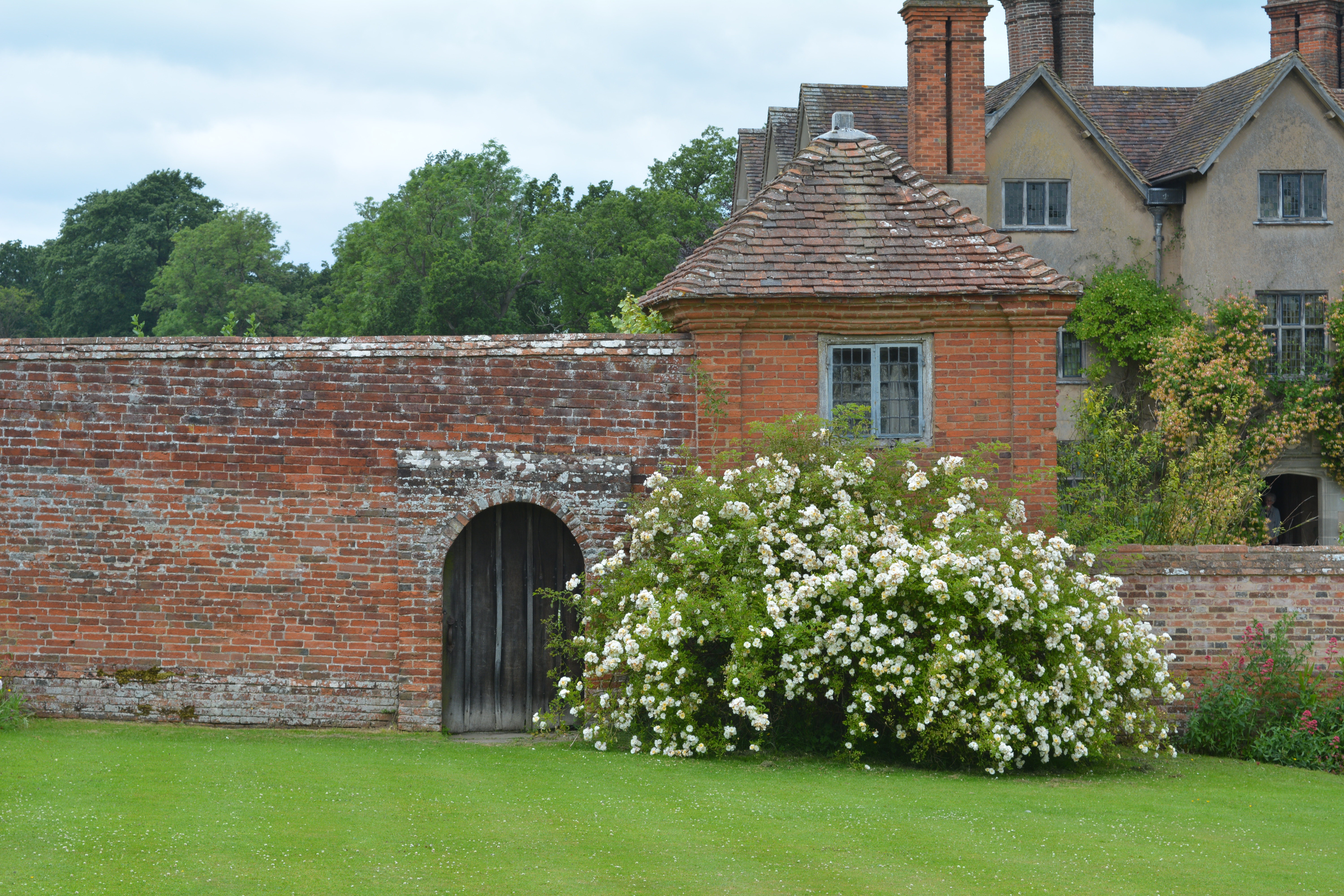
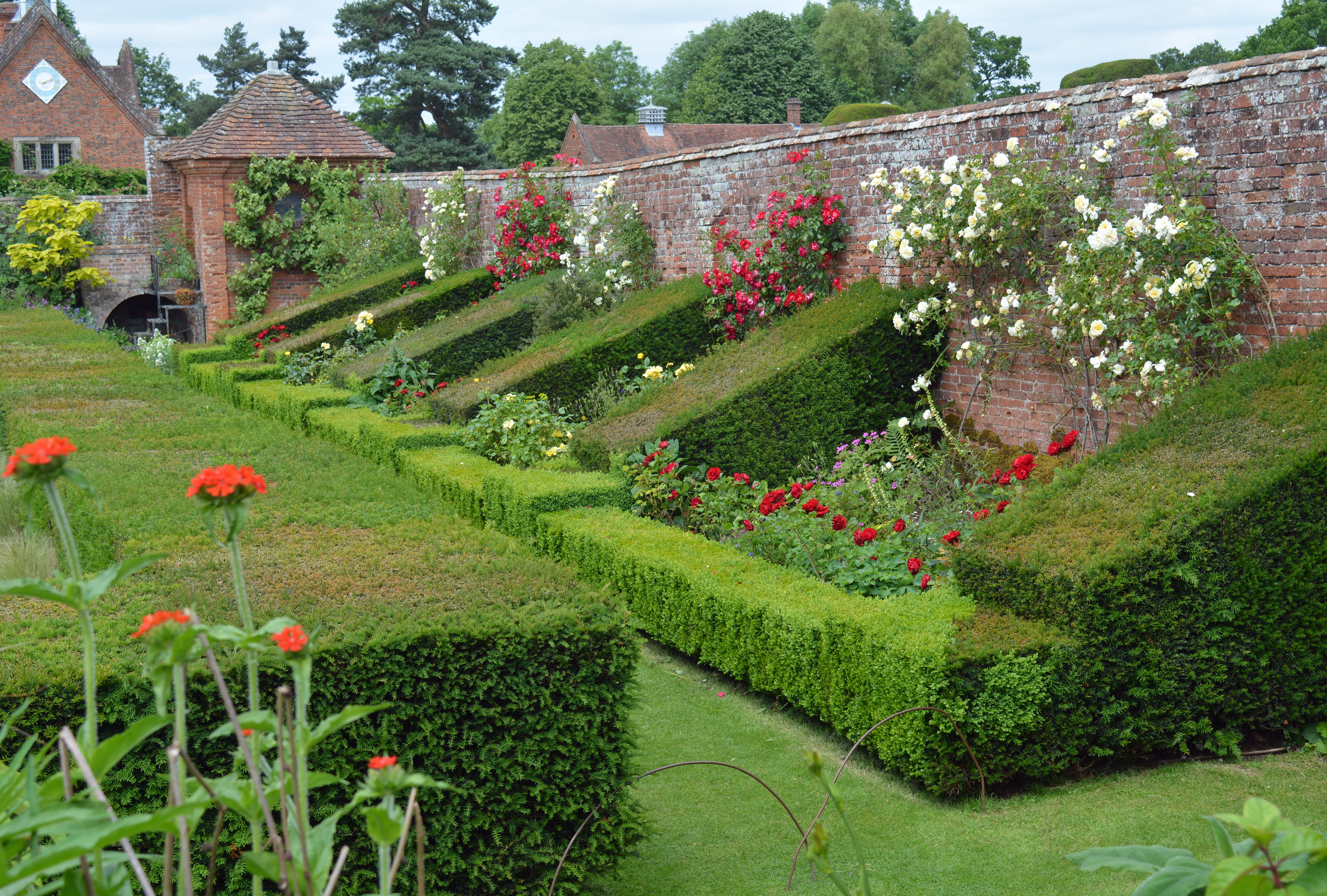
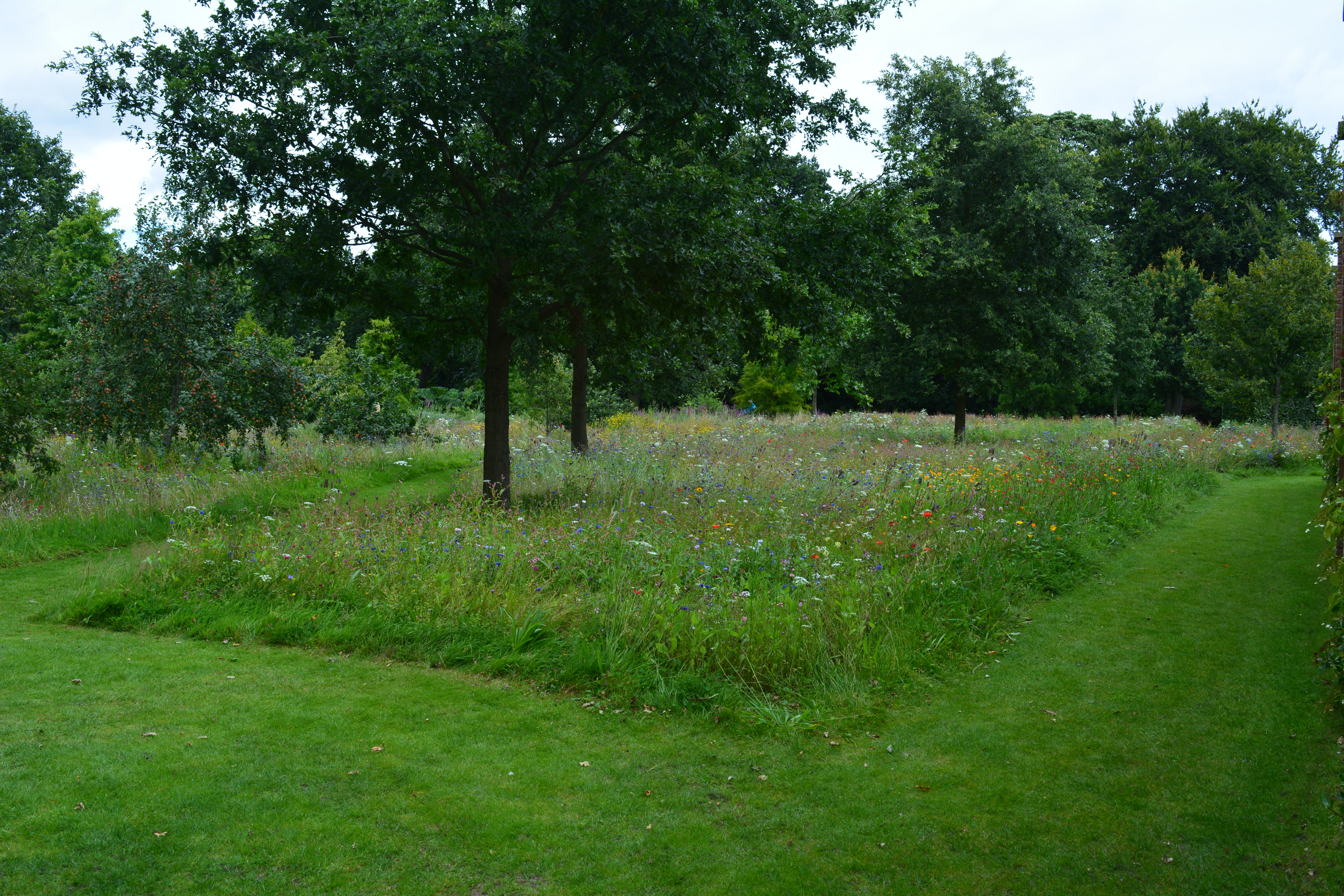
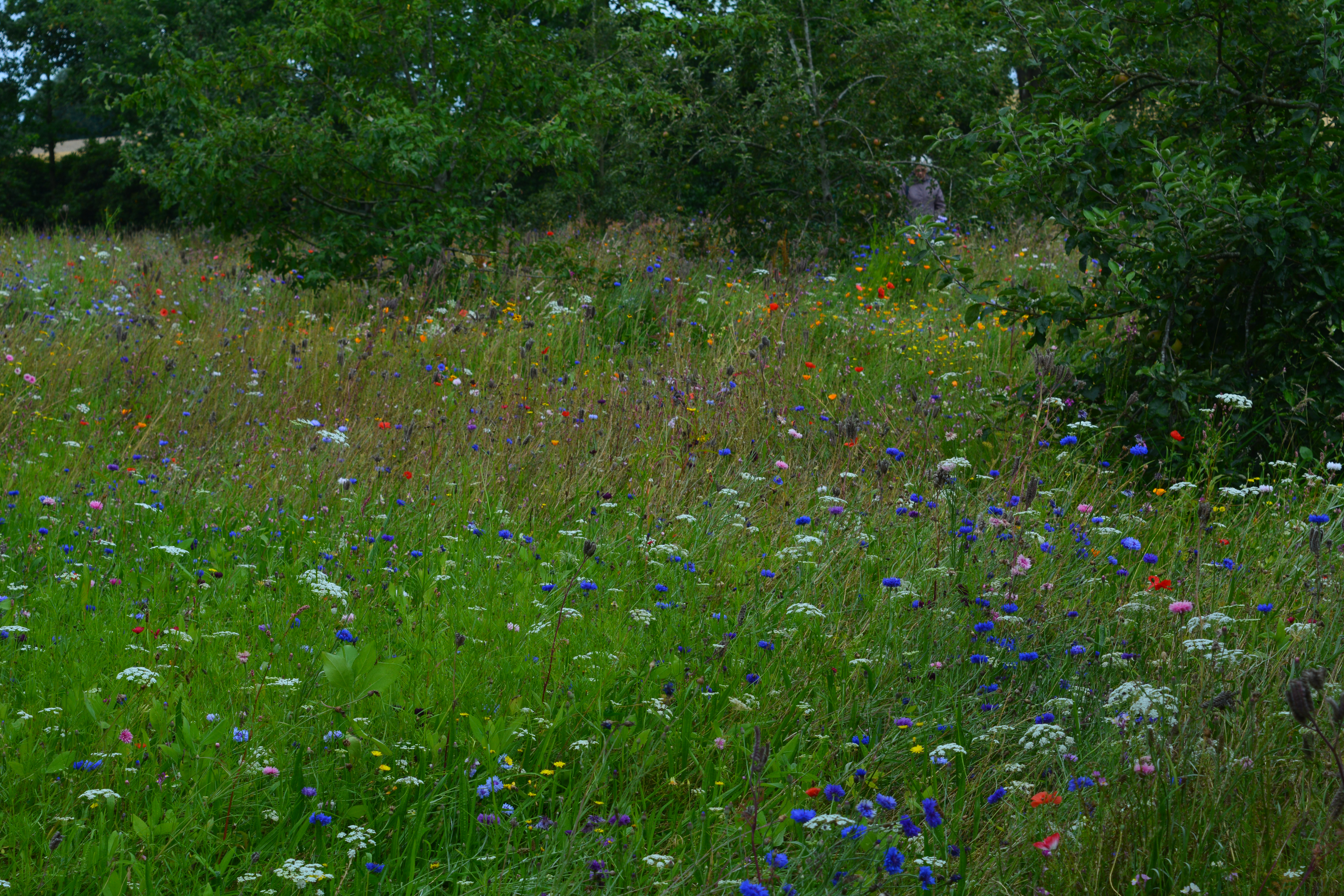
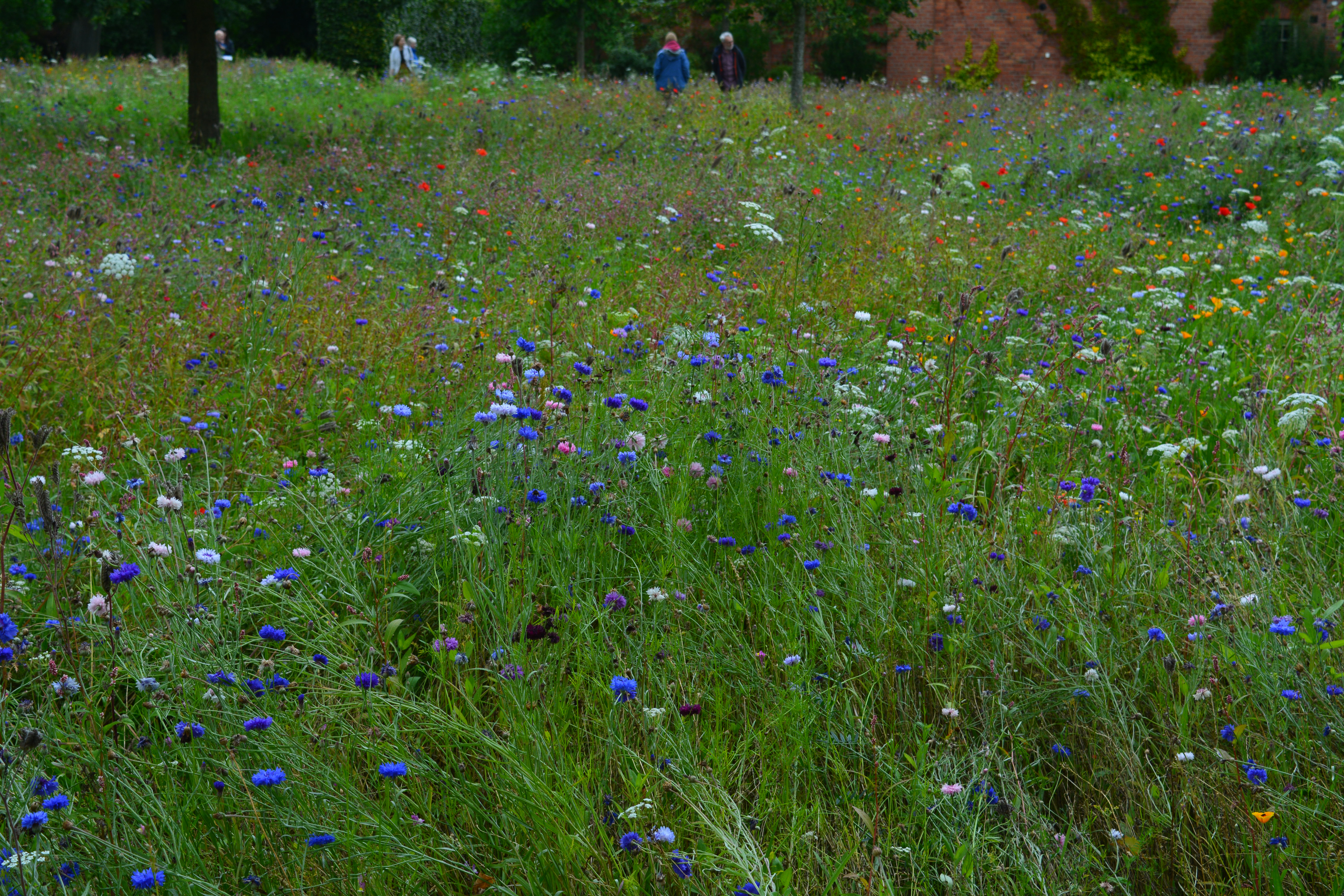
The approach to Packwood is one of the most welcoming we have ever come across, passing through wildflower meadows and impressive gateways.


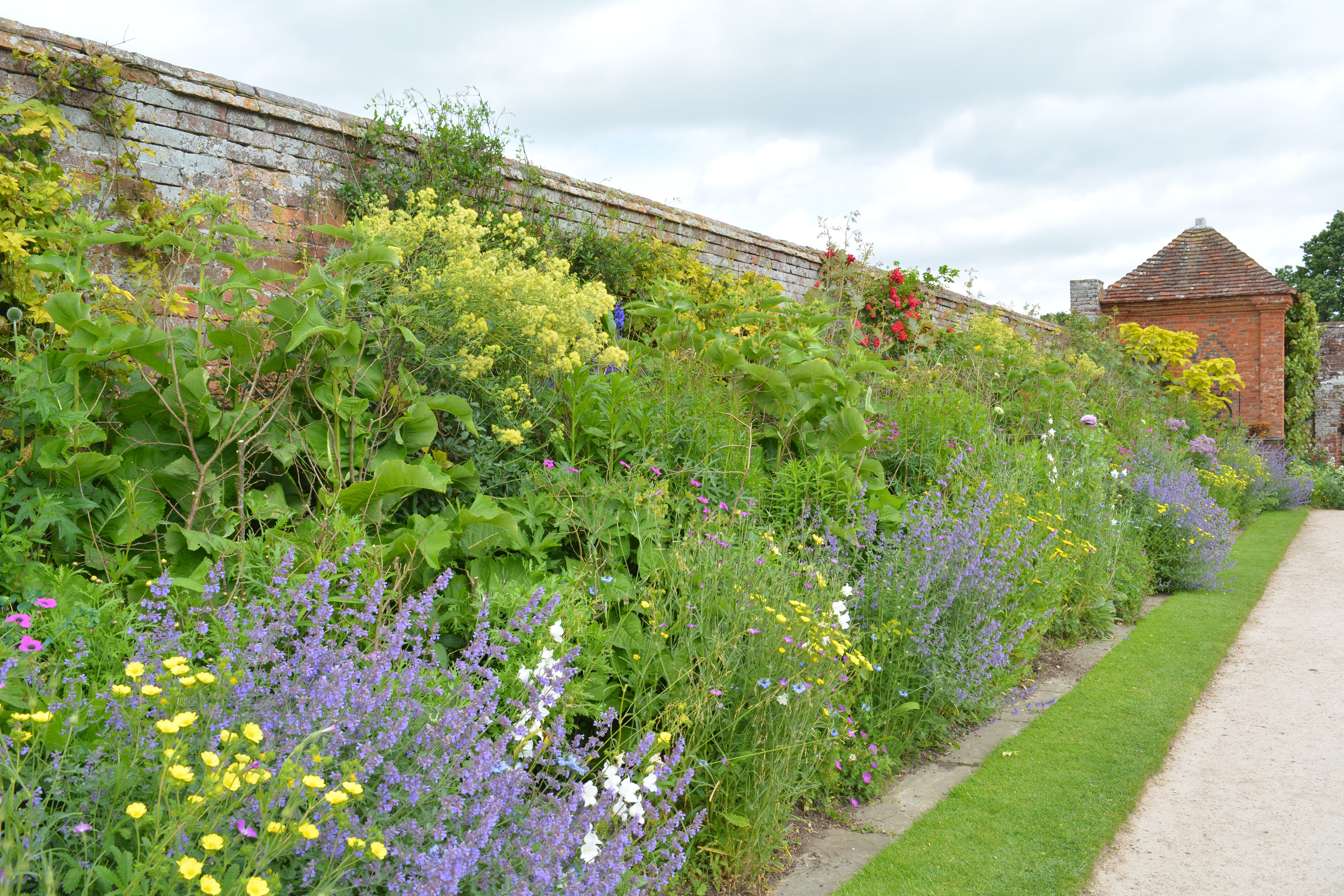
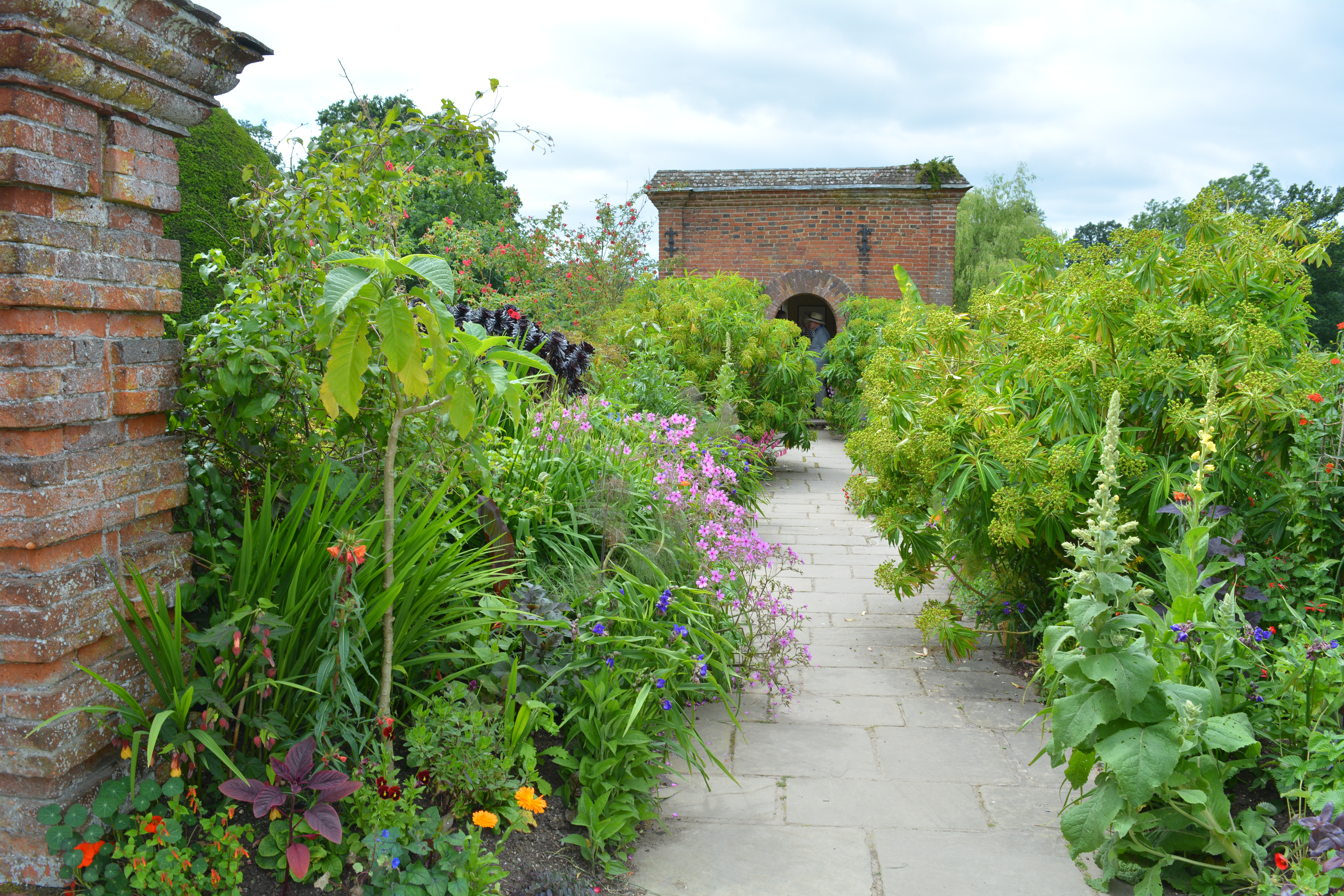
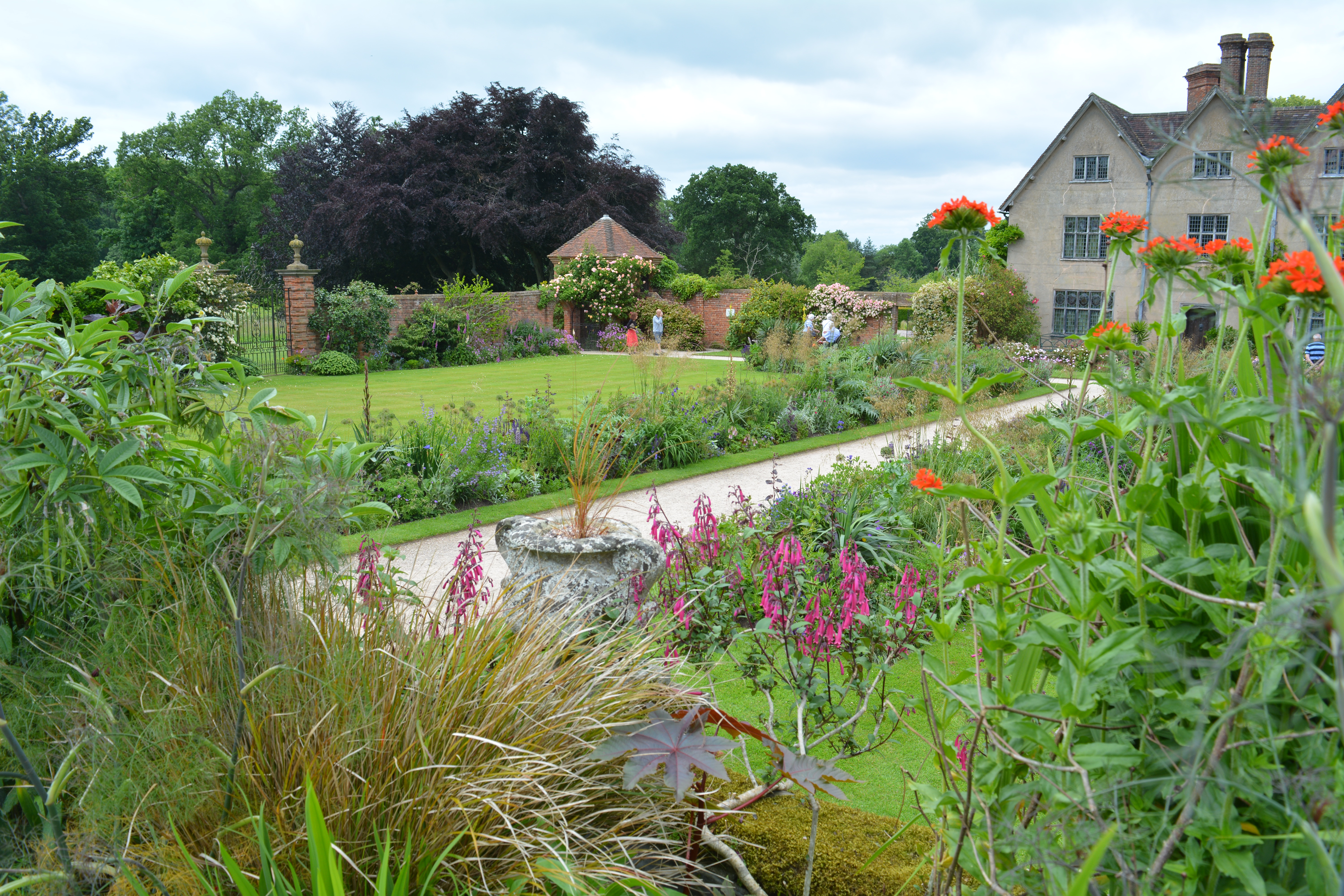
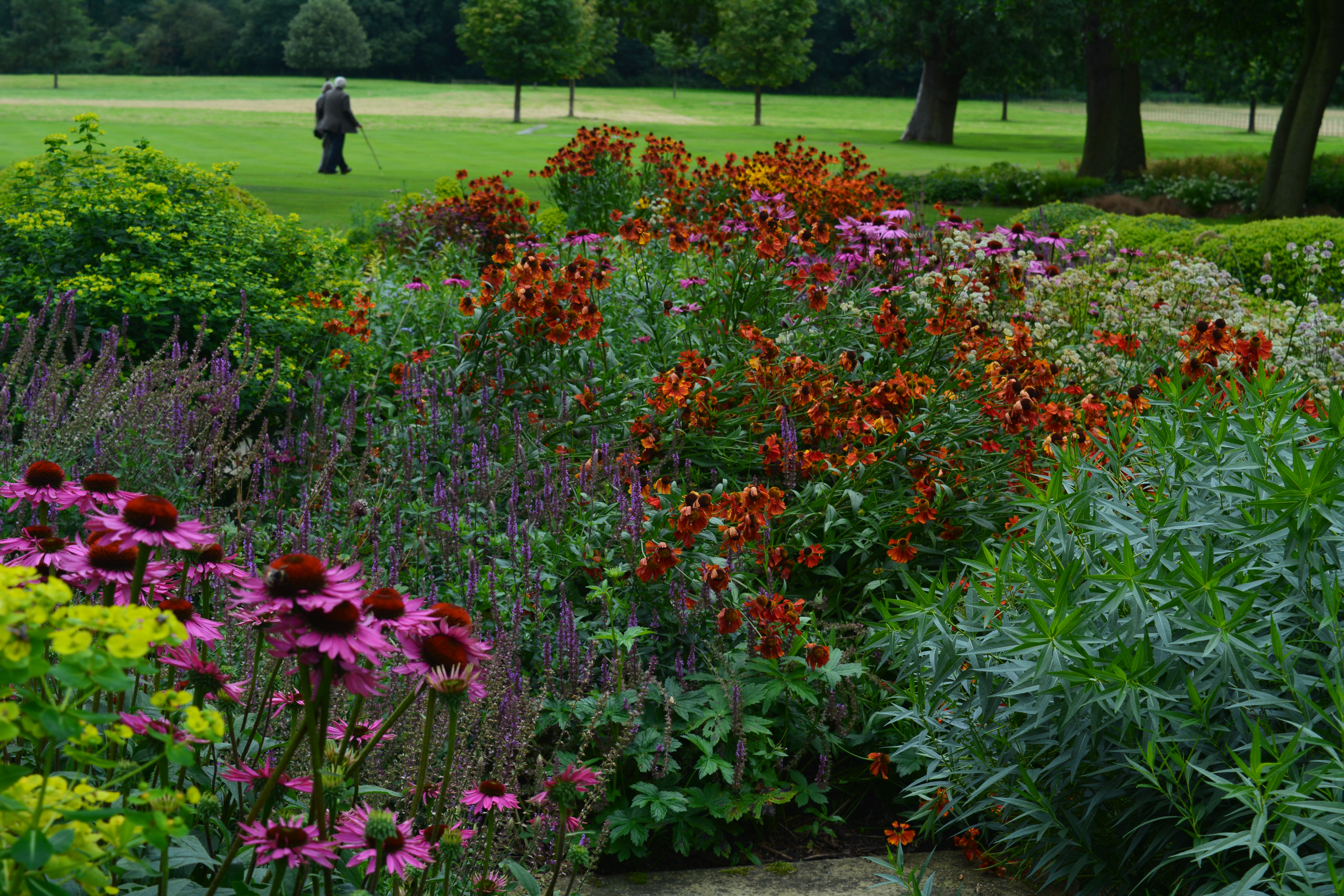
Once we had passed through a few of these gateways and archways we discovered colourful well-designed borders full of herbaceous perennials and roses. Much of the planting had been chosen to attract wildlife, predators and pollinators.


The gardens were well structured, divided into garden rooms with different characters and atmospheres in each. In one formal lawn area we came across a rectangular sunk garden built from limestone and its borders were planted with plants that enjoyed the dry well drained soil. These plants provided a strong contrast to the lush look of the rest of the gardens.


Lush planting was prevalent elsewhere throughout the garden making for an atmosphere of excitement. There were wonderful individual plants to be found as well as well designed borders.


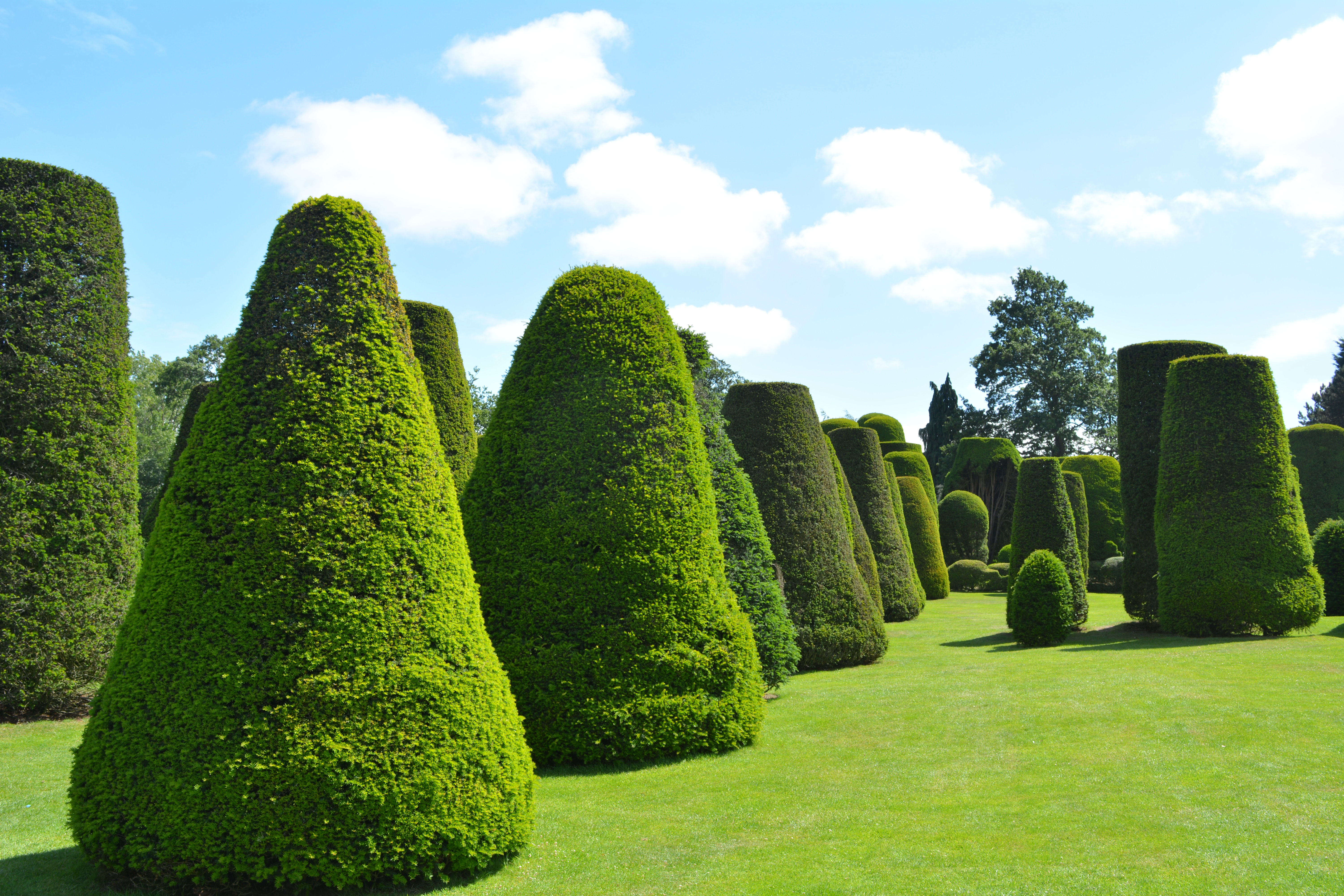
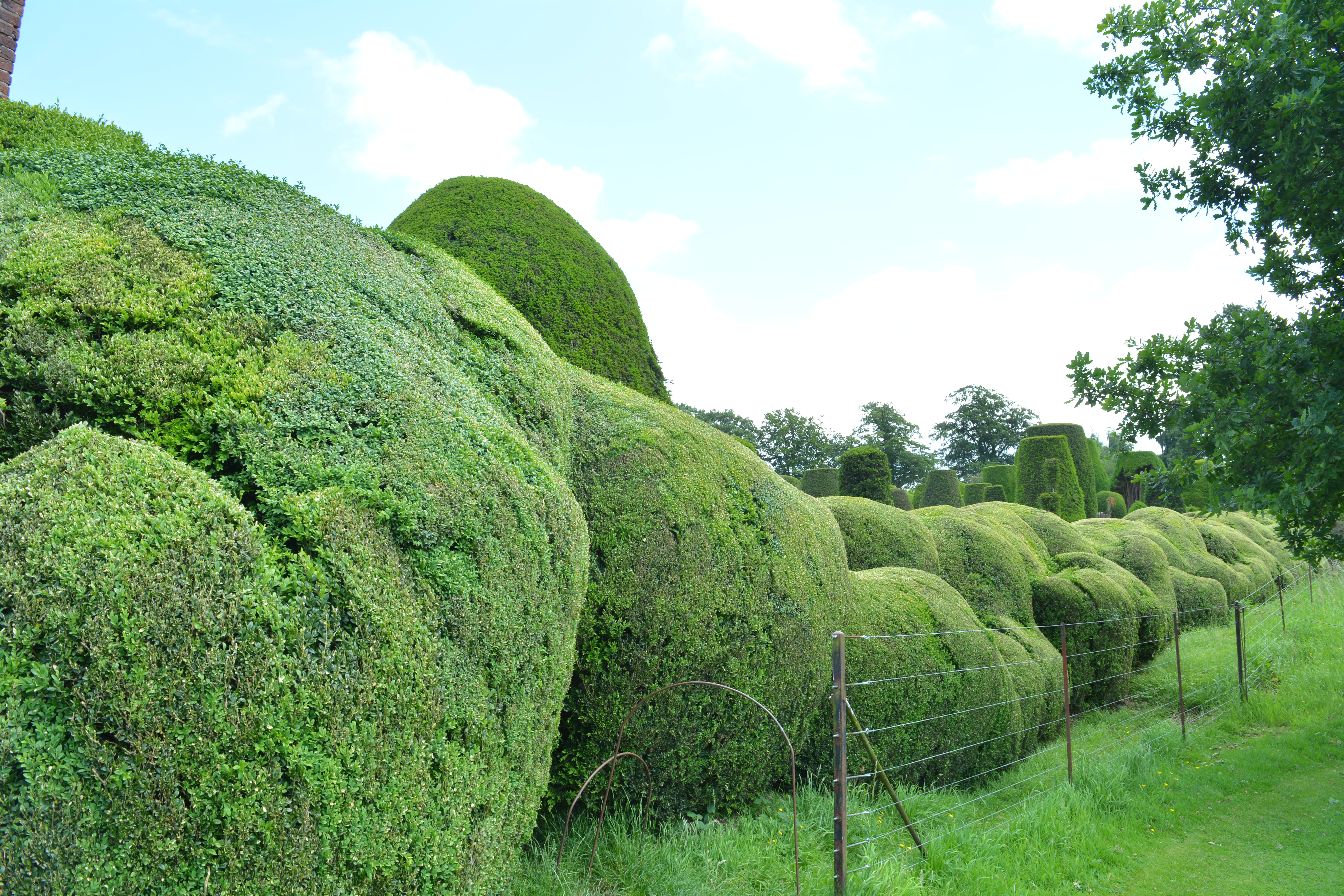
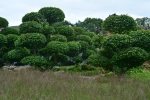
A well-known aspect of the gardens at Packwood is its topiary, especially a group called the twelve apostles. Personally I found this part of Packwood rather dull but here are the photos I took to illustrate it. However I do have a soft spot for cloud pruning of hedges.


Categories
architecture garden design garden designers garden photography garden ponds garden pools gardening gardens grasses hardy perennials meadows National Garden Scheme NGS ornamental grasses ornamental trees and shrubs outdoor sculpture reflections sculpture Tom Stuart-Smith trees Uncategorized walled gardens water garden water in the garden Yellow Book Gardens

Cogshall Grange – a Cheshire garden designed by Tom Stuart-Smith

Sometimes when you find a garden in the National Garden Scheme’s Yellow Book, you just know it is going to be a special place. Such was the case with the gardens at Cogshall Grange in Cheshire. The description in the book was so inviting and the reality matched it perfectly. It had been designed by Tom Stuart-Smith, one of our favourite garden designers and featured both formal and informal elements, woodland borders, a walled garden, modern herbaceous planting, wildflower meadows and an orchard, all set in the grounds of a Georgian country house.

Jude and I traveled up to Cheshire with friends Pete and Sherlie who also love the work of Tom S-S, so we all arrived full of anticipation.

As we moved from room to room in the garden discovering each feature the atmosphere and mood changed and we were constantly presented with fresh perspectives. This garden was a true garden experience.

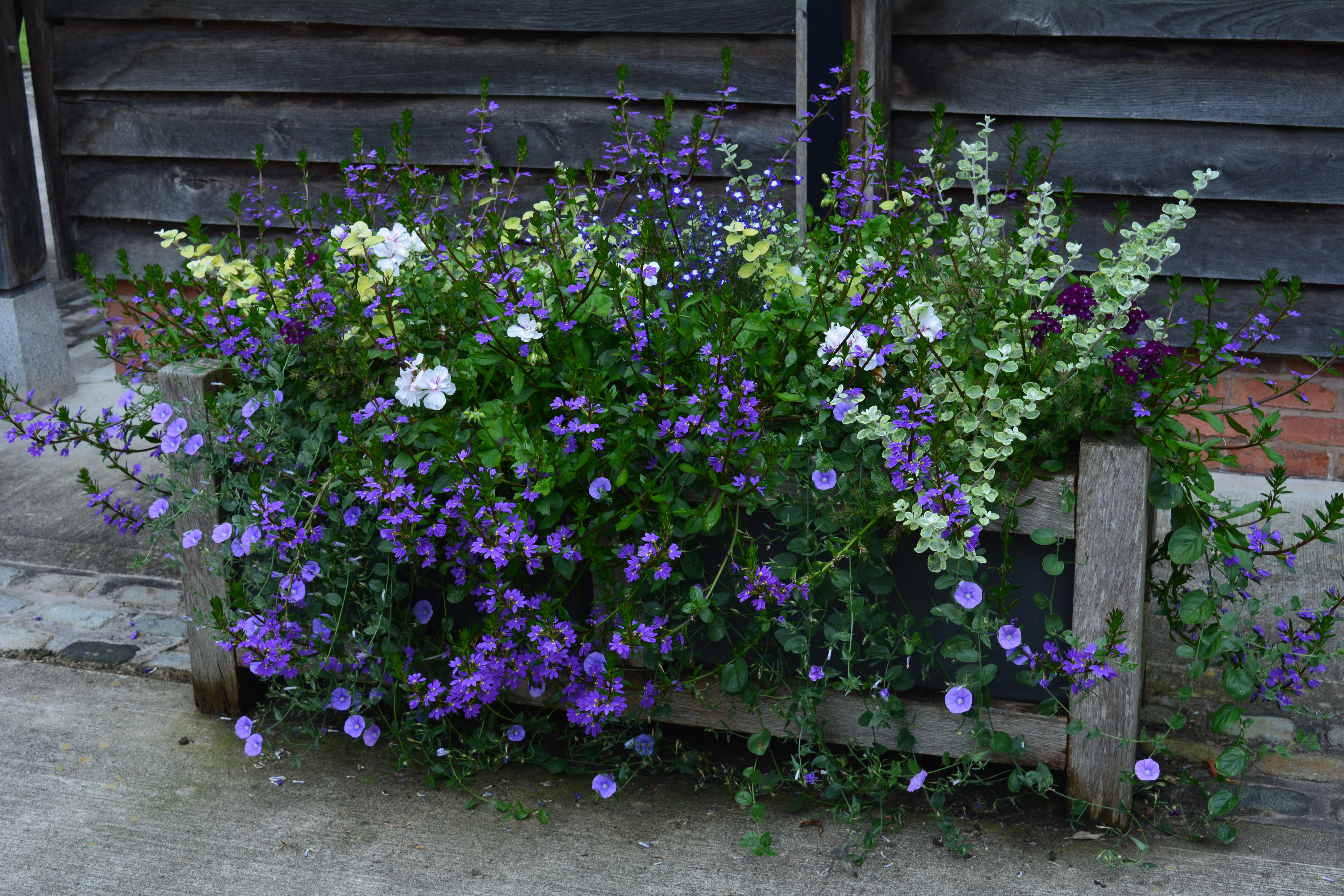
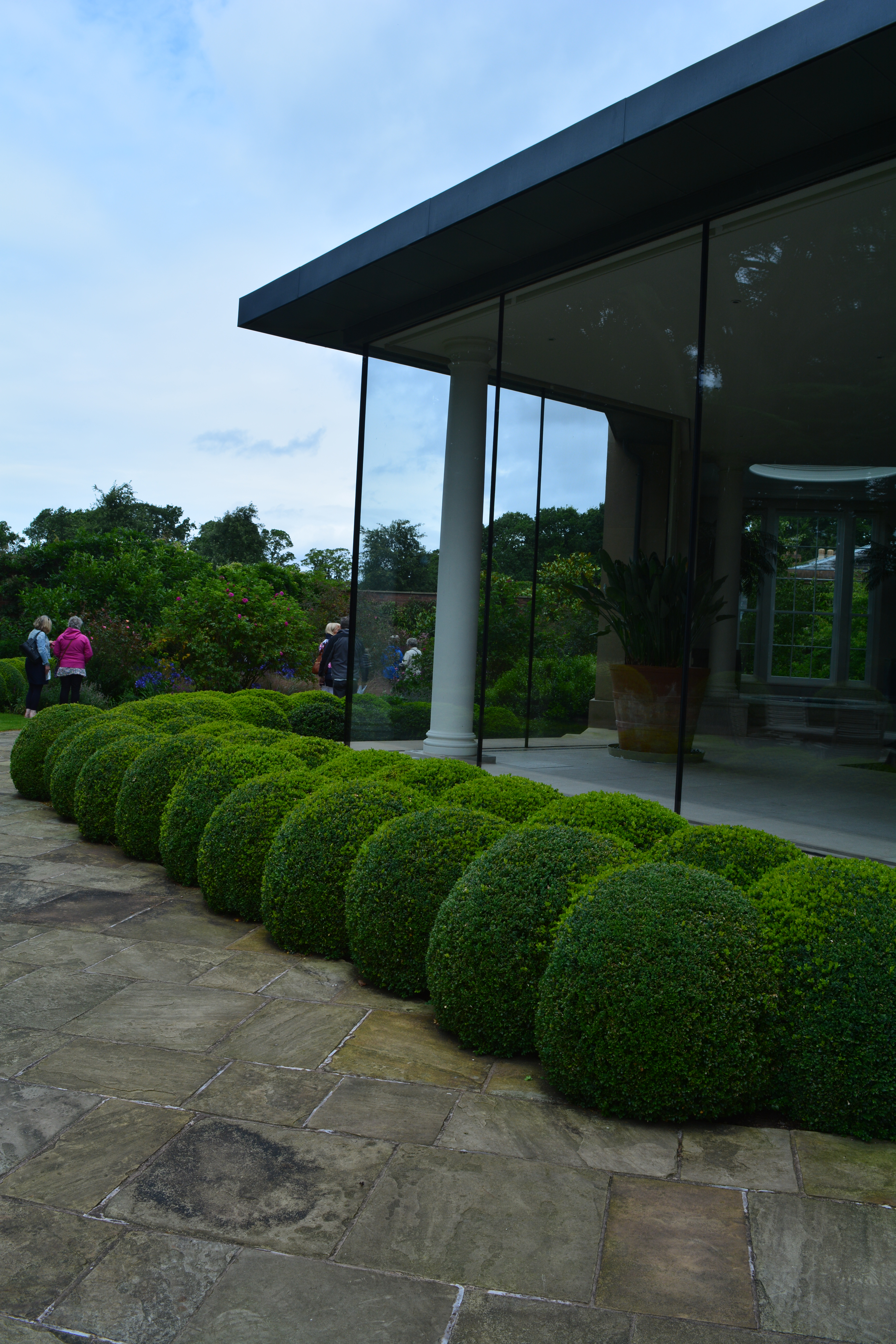
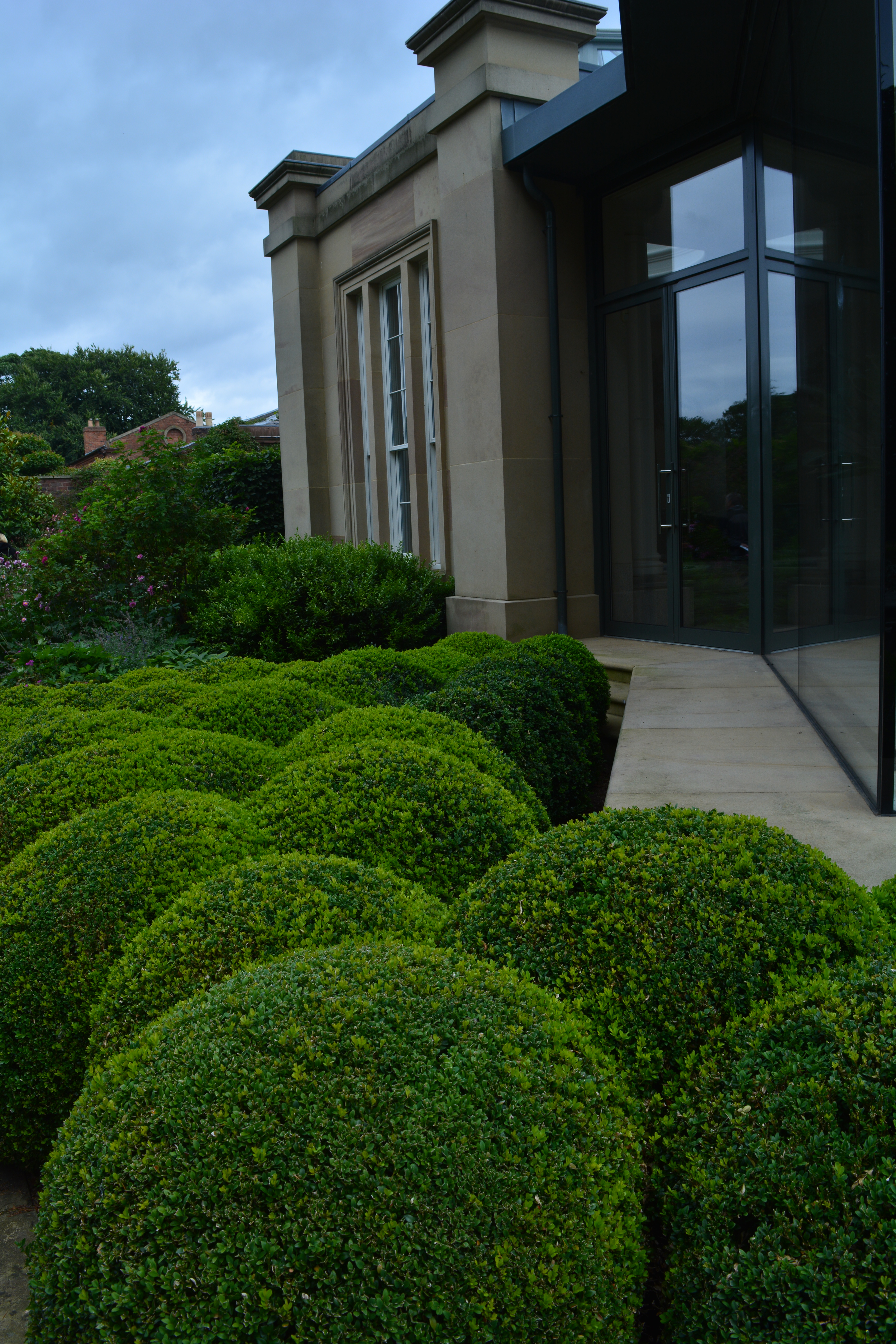
We were really looking forward to seeing inside the walled garden which was where the influence of Tom Stuart-Smith was clearly to be seen, but of course we started with coffee and cake to get us in the mood. We discovered and enjoyed interesting small areas of planting as we made our way towards the walled garden, a delicately planted container, some beautifully pruned box and some varied, well chosen plant combinations.

Just as the garden was a careful amalgam of traditional parkland and modern perennial planting so the country house was a combination of old and modern architecture.


The walled garden was where the influence of Tom S-S could be seen and felt most strongly, with his very personal planting style and choice of plants mostly hardy perennials. The atmosphere was so gentle and calming. There was so much to photograph within its walls that the only way to do it any justice at all is through a gallery for you to peruse at your own pace. Please as usual click on the first shot and navigate using the arrows. I hope you can identify the very special feeling of this space.

We left the walled garden via a gateway which led us into gentle meadows of wildflower planting.

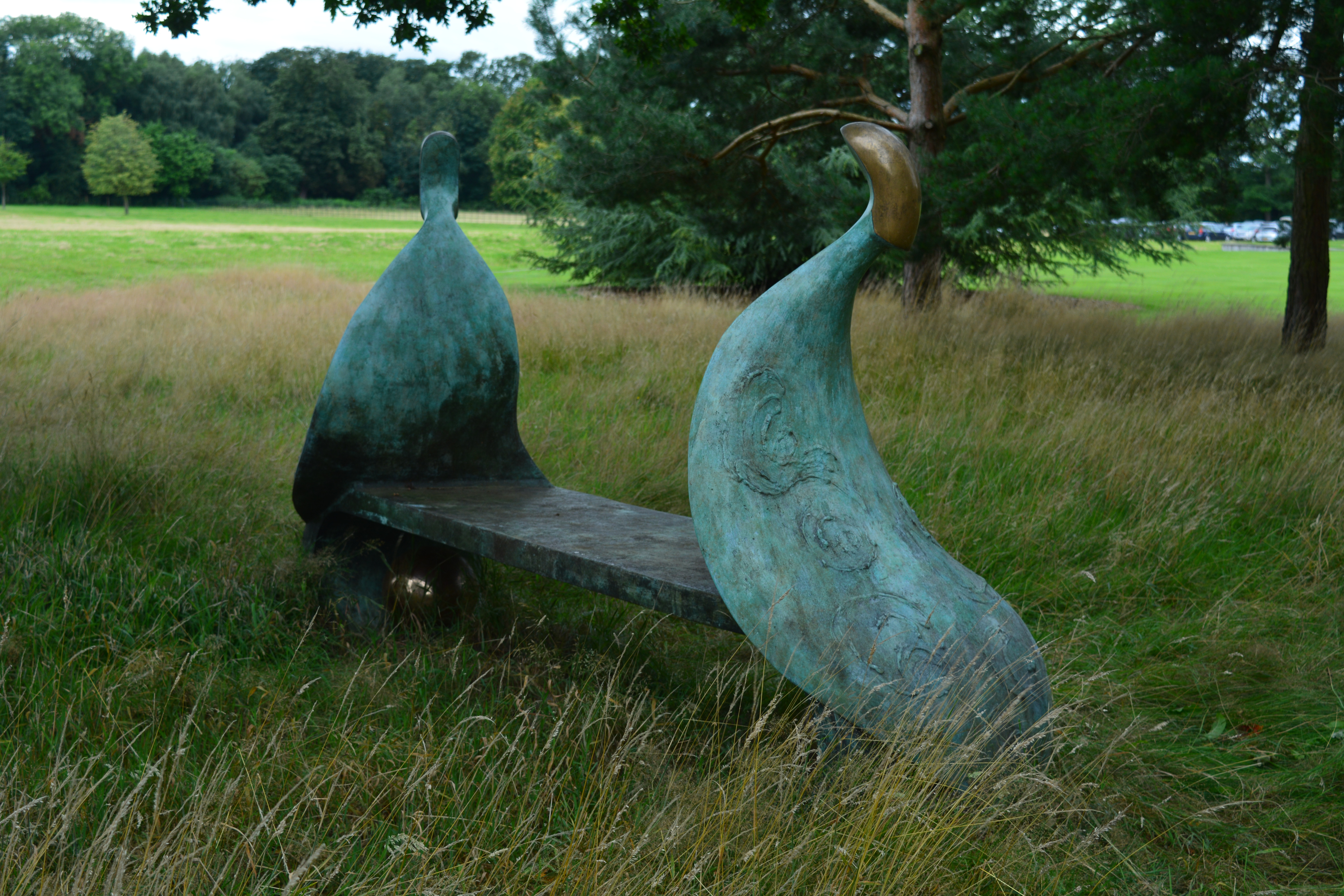
Walking back to the car to begin our homeward journey, we continued to make discoveries, some grassland had been cut to contrast with the longer uncut areas which were dotted with sculpture such as this beautiful stone seat.

   This beautiful garden excelled!

Categories
autumn autumn colours colours flowering bulbs garden design garden photography gardening gardens hardy perennials light light quality Shrewsbury Shropshire shrubs

My Garden Journal – September

So, here we are back taking a look into my Garden Journal 2017 at the entries I made during September. Within the first double page spread I looked at a few hot coloured perennials and shared a favourite quotation from designer, Dan Pearson.

I started off by writing, “September is a favourite month of mine in our garden because it is the time when our grasses peak and hot colours of late perennials get blazing and burning against pale clear blue skies”.
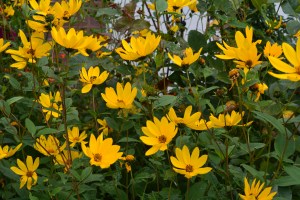
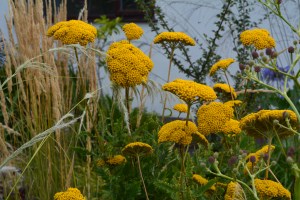
   

Dan Pearson, probably the world’s leading garden designer, wrote in his book “Natural Selection, a Year in the Garden”, “The light is never more beautiful than it is now, sliding into the garden at an ever-increasing angle to tease out the detail………. Rosy-faced apples weigh down branches and lazy wasps have the remains of the plum harvest. Sunflowers will never be taller, berries are hanging heavy on the once-blooming roses, and the butterflies which have had a hard time of it this summer, are making the most of the asters and the last heat of the sun.”

As long as the weather remains mild and calm then our predatory insects and pollinators remain busy taking advantage of every possibility  as they sense the onset of autumn.

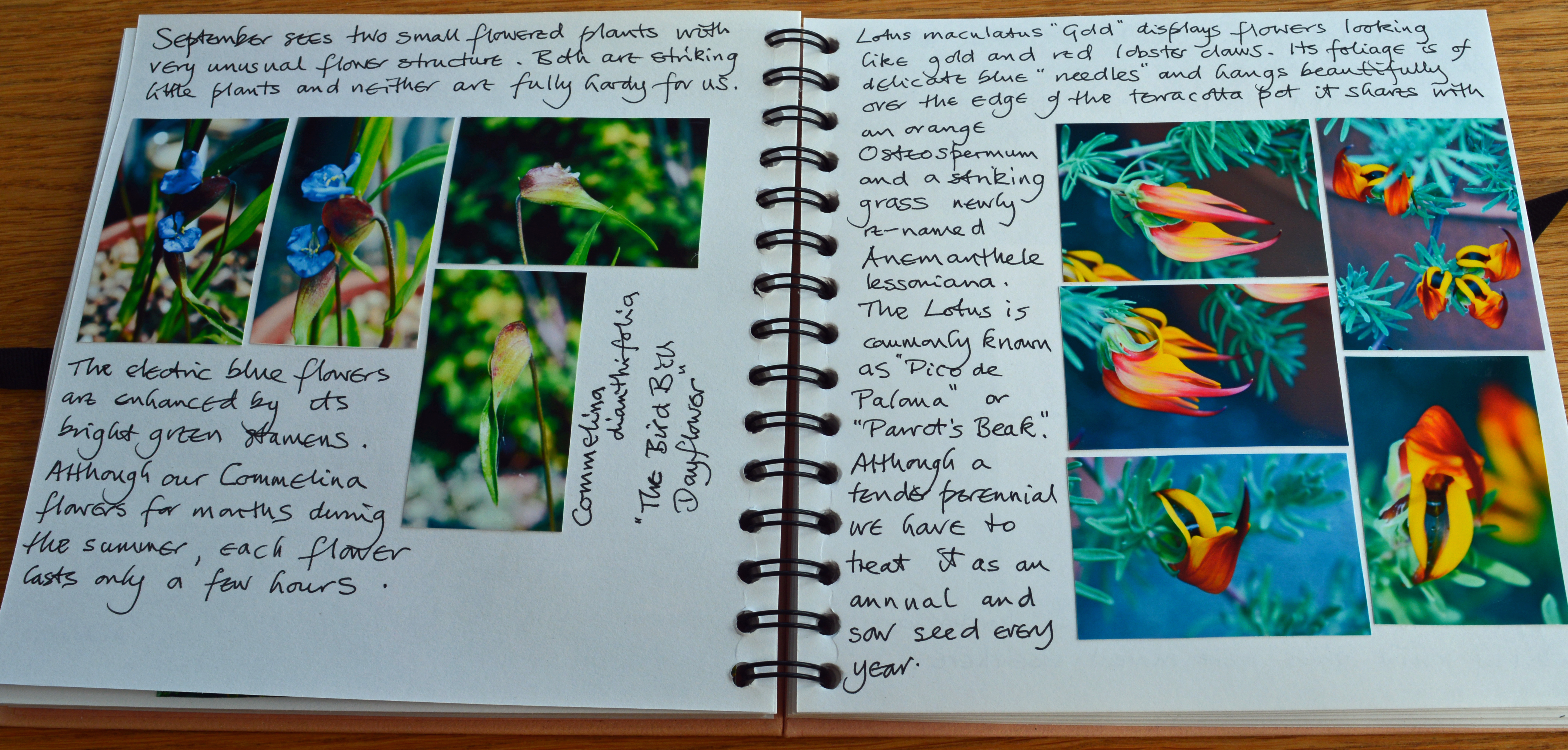
Over the page I continued by considering two very special small-flowered plants. I wrote,

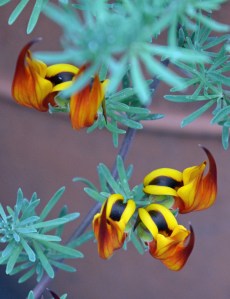
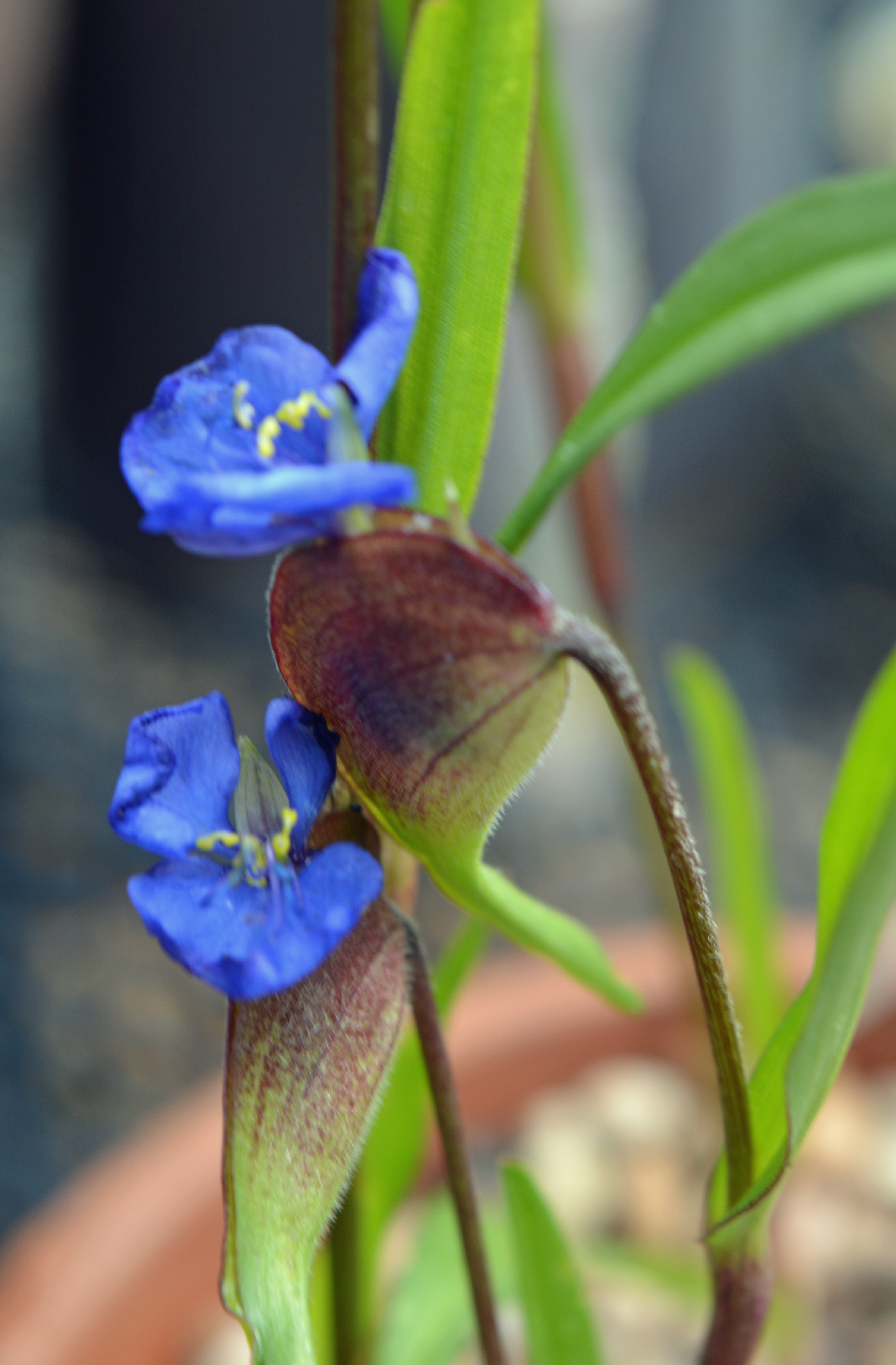
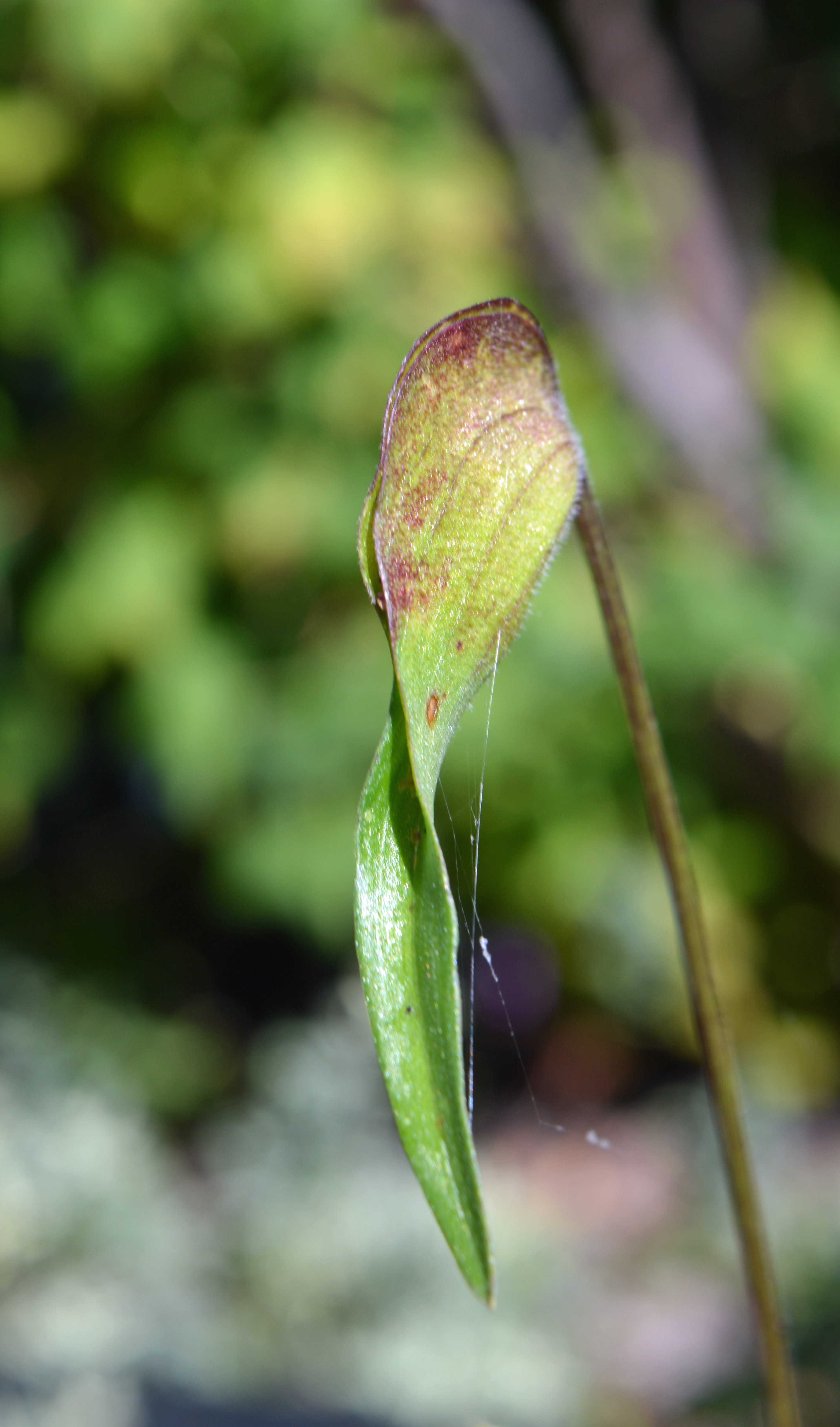
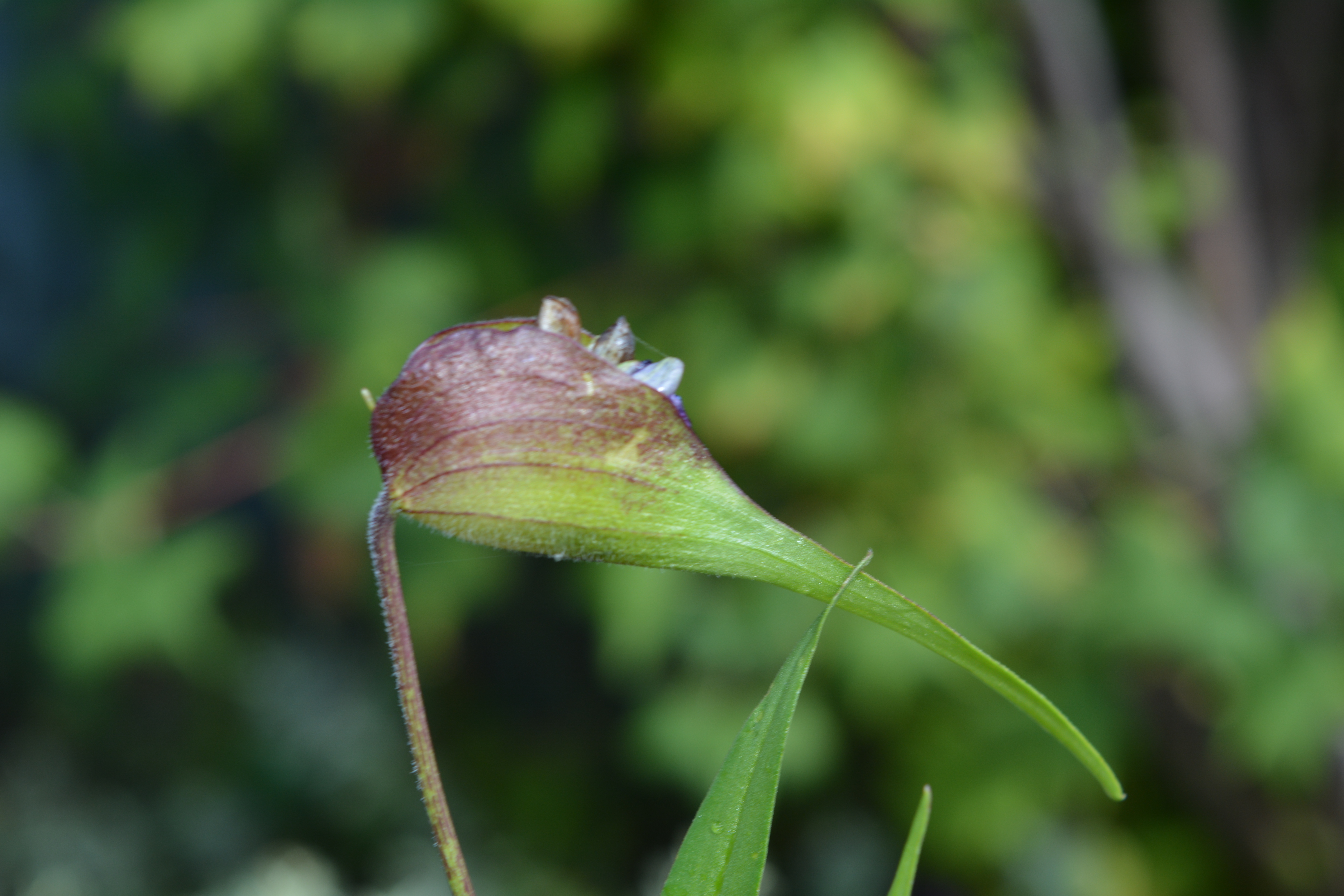
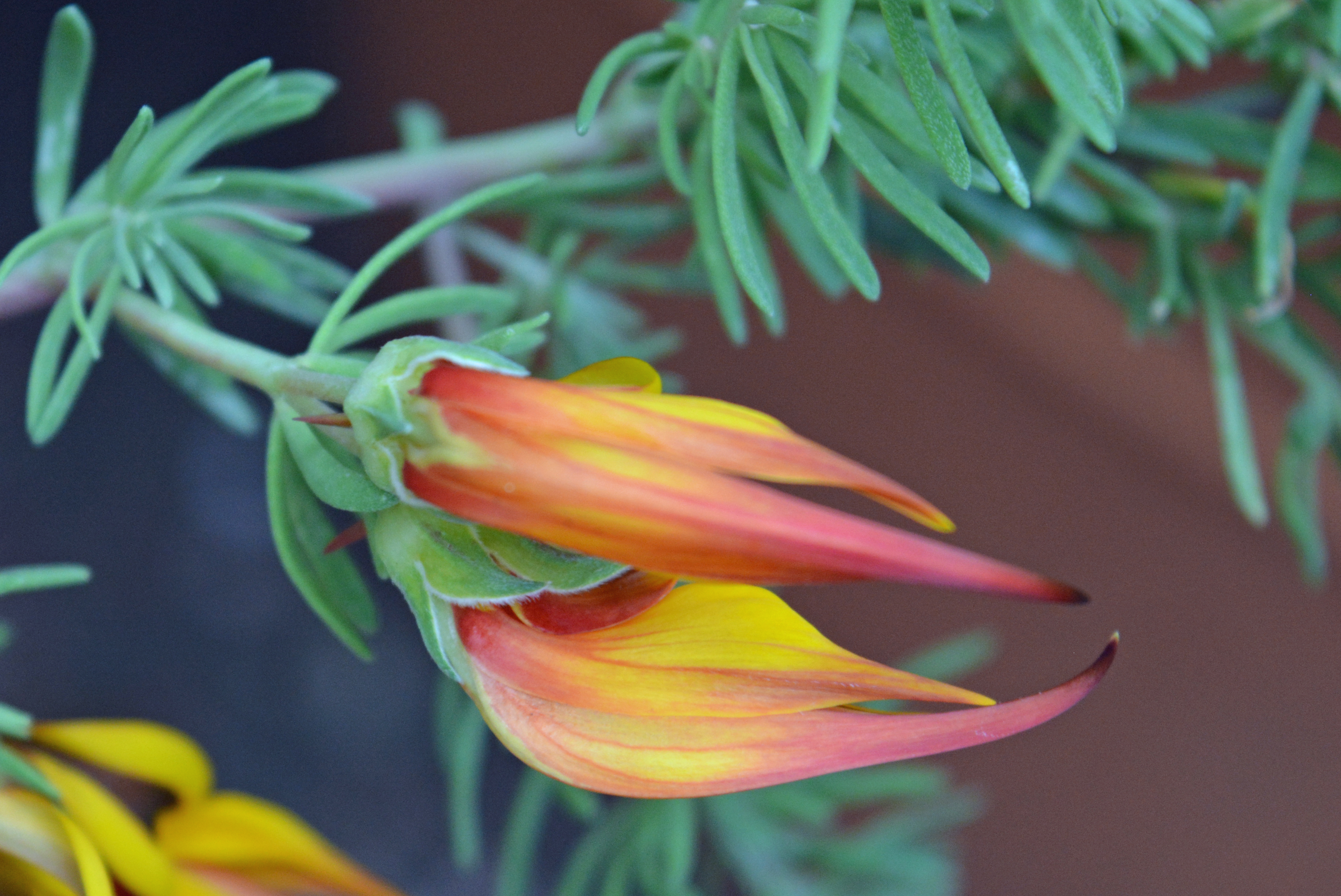
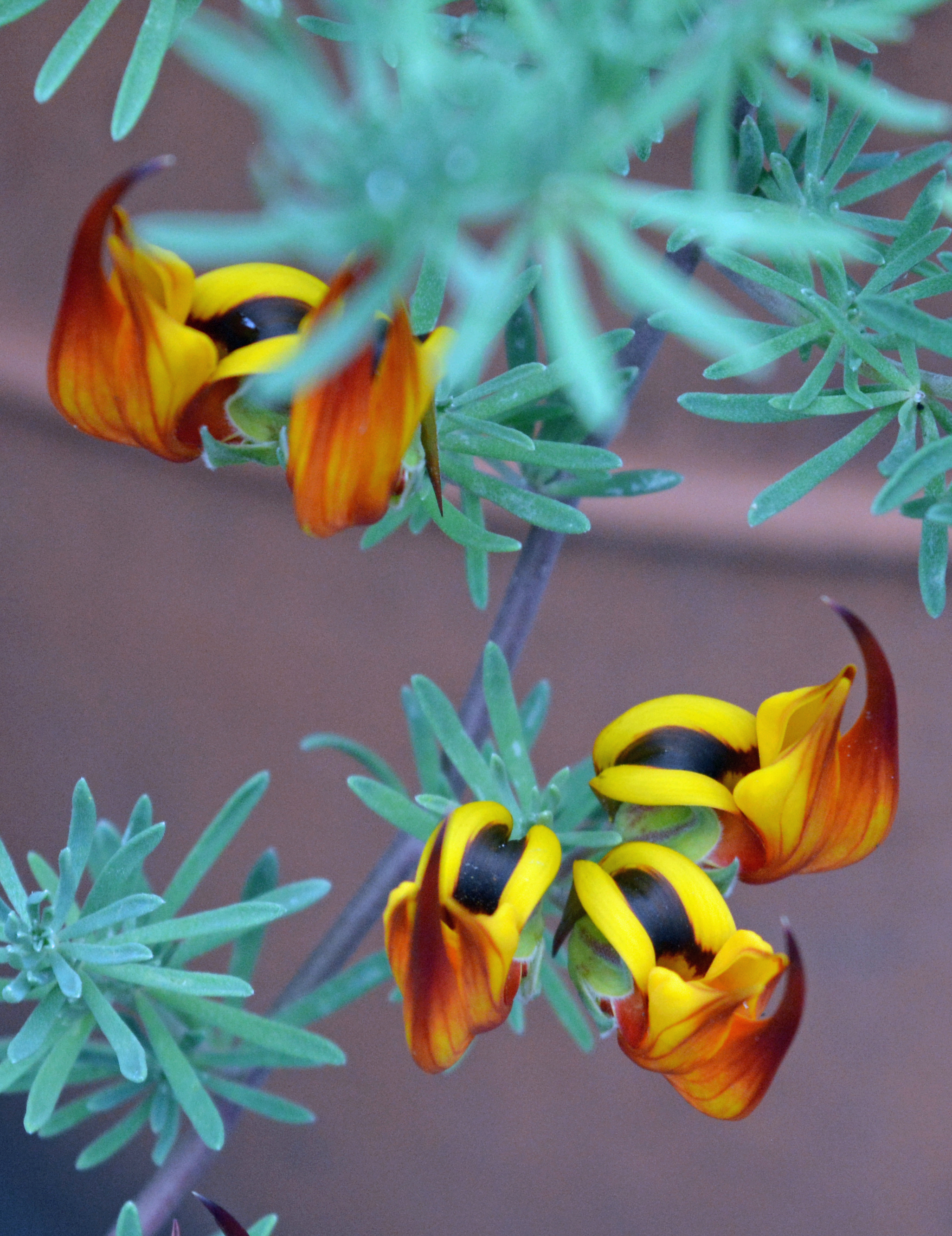
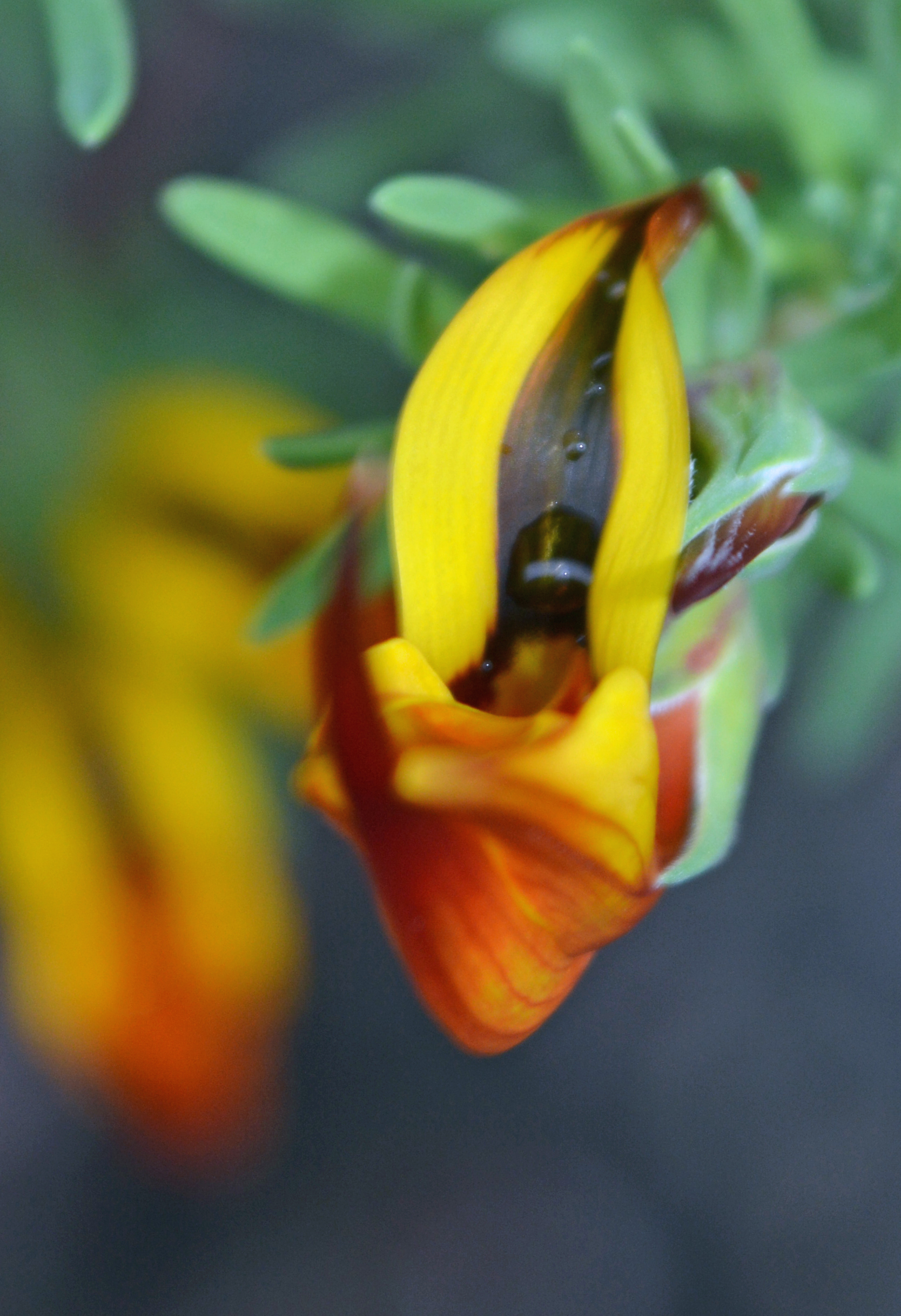
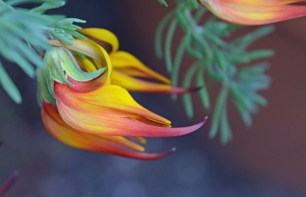
“September sees two small-flowered plants with very unusual flower structures. Both are striking little plants and neither are fully hardy for us.” I was referring to “Commelina dianthifolia” and “Lotus maculatus “Gold”.

“Commelina dianthifolia is commonly known as “The Bird Bill Dayflower”. The electric blue flowers are enhanced byits bright green stamens. Although our Commelina flowers for months during the summer, each flower lasts only a few hours.”


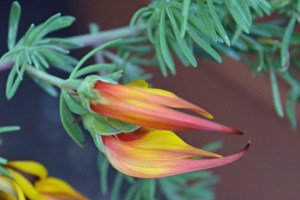
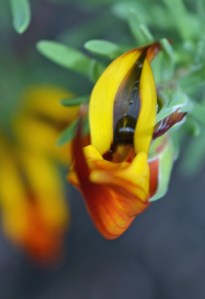
“Lotus maculatus “Gold” displays flowers looking like gold and red lobster claws. Its foliage is of delicate blue”needles” and hangs beautifully over the edge of the terra-cotta pot it shares with an orange Osteospermum and a striking grass, newly renamed Anemanthele lessioniana. The Lotus is commonly known as “Pico de Paloma” or “Parrot’s Beak”. Although a tender perennial we have to treat it as an annual and sow it every year.”

   

Over the next page I began to show how we are re-building a garden, not by choice but out of necessity.

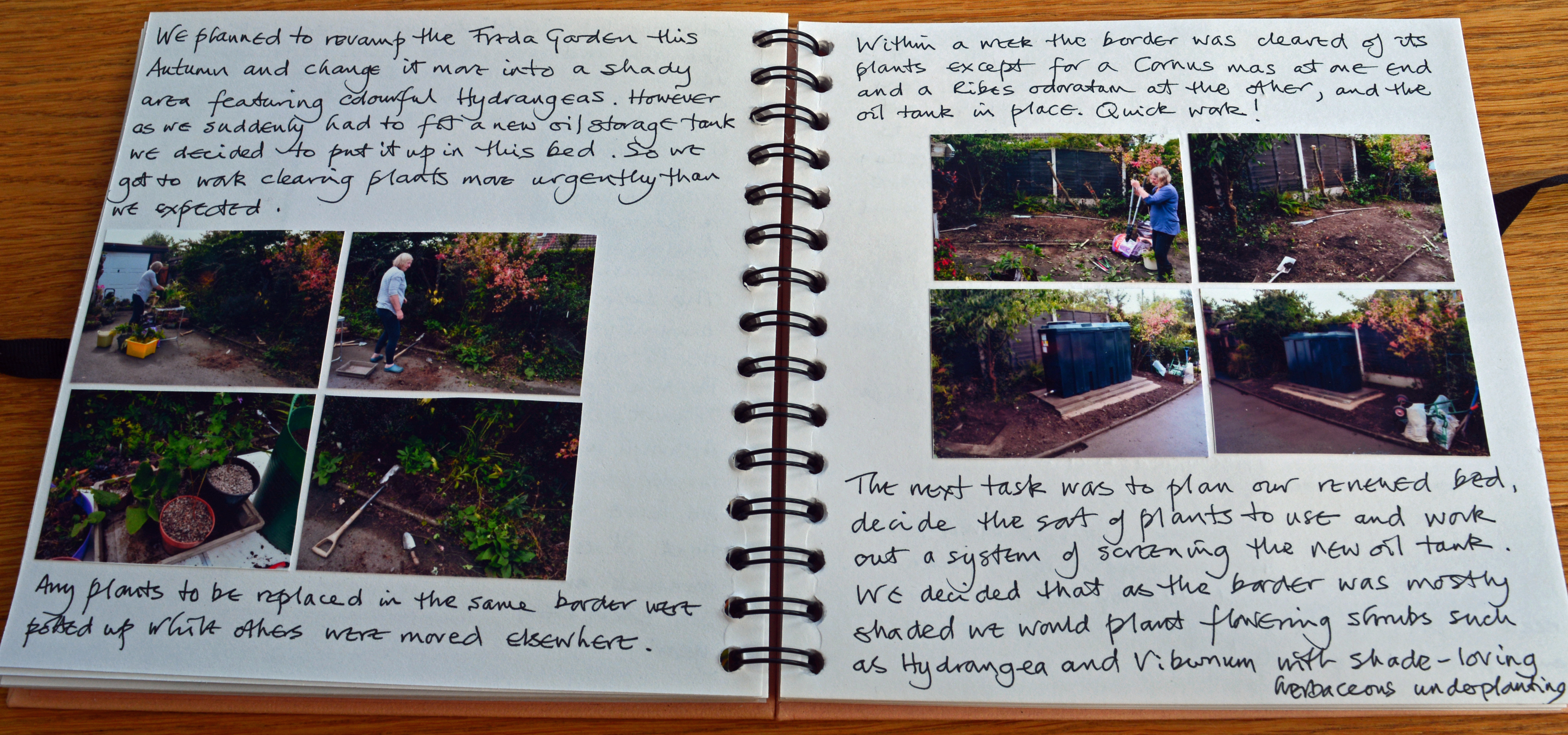
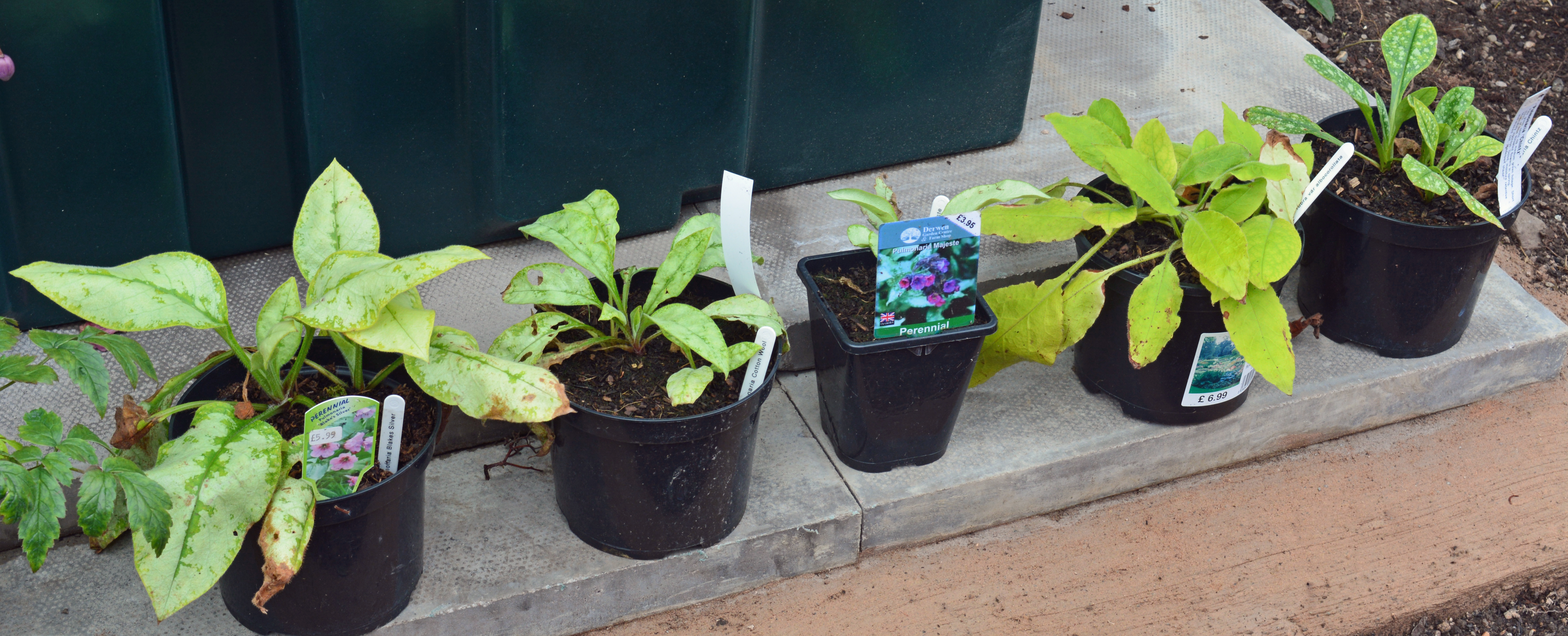
“We planned to revamp the Freda Garden this Autumn and change it more into a shady area featuring colourful Hydrangeas. However as we suddenly had to fit a new oil storage tank we decided to put it up in this bed. So we got to work clearing plants more urgently than we had expected.” 

“Any plants to be replaced in the same border were potted up while others were moved elsewhere.”
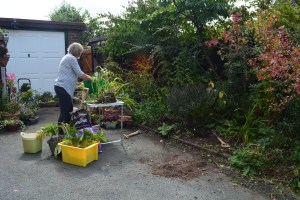
  

“Within a week the border was cleared of its plants except for a Cornus mas at one end and a Ribes odoratum at the other, and the oil storage tank in place. Quick work!
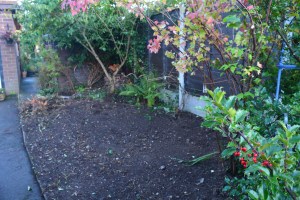
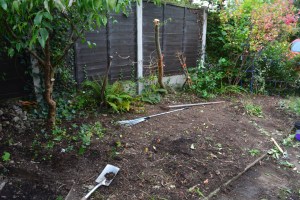
 

“The next task was to plan our renewed bed, decide the sort of plants to use and work out a system of screening the new oil tank. We decided that as the border was mostly shaded or semi-shaded we would plant flowering shrubs such as Hydrangea and Viburnum with shade-loving herbaceous underplanting.”

As we move to the next double page, I will begin to share the plants we discovered as we searched for suitable candidates
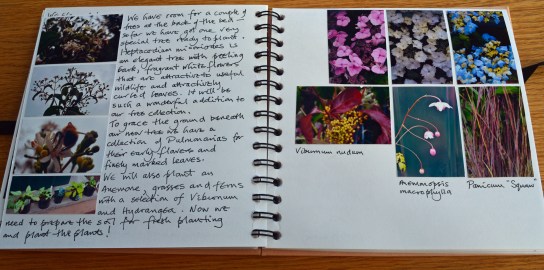
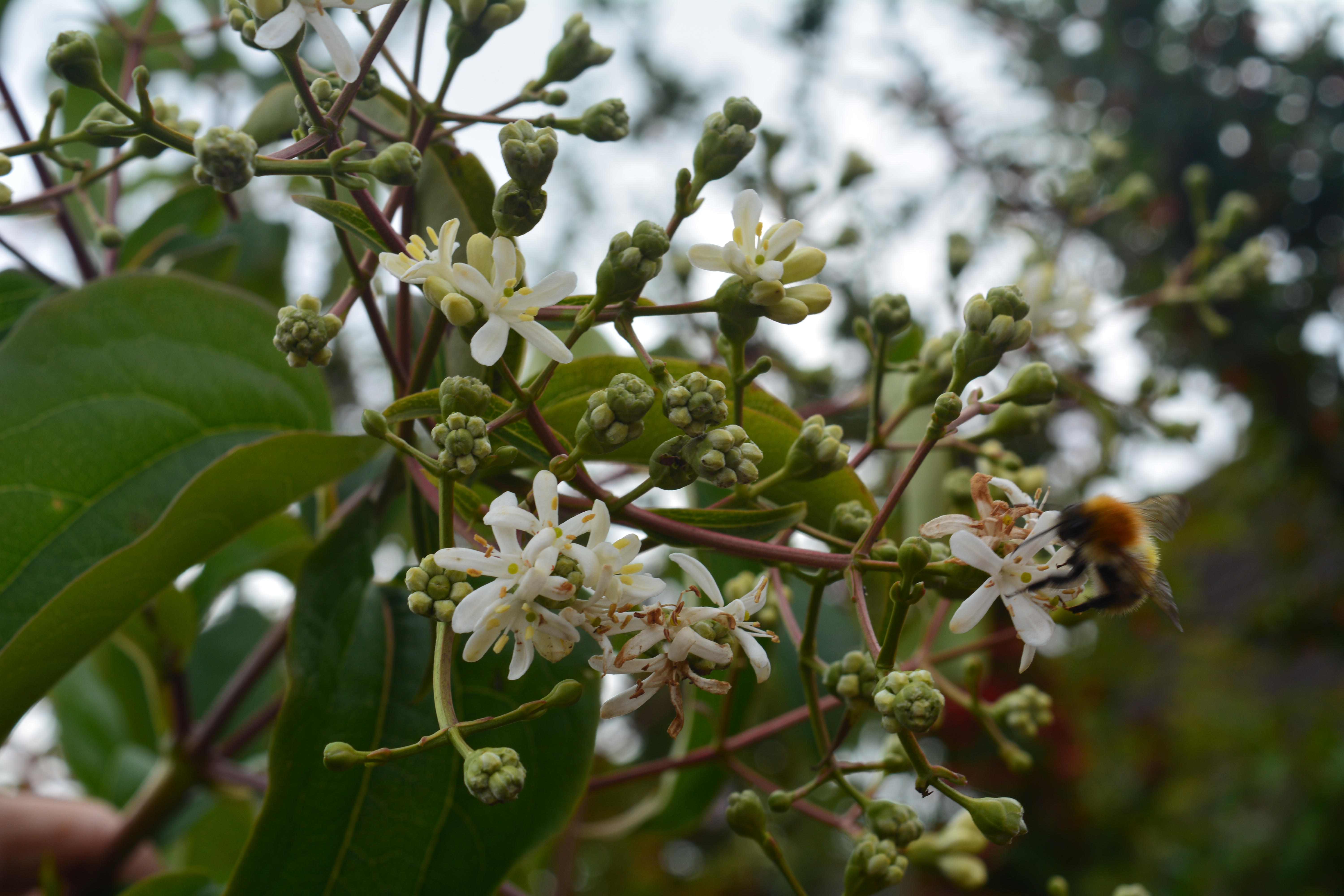
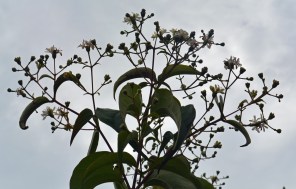
“We have room for a couple of trees at the back of the border – so far we have got one very special tree ready to plant. Heptacodium miconiodes is an elegant tree with peeling bark, fragrant white flowers that are attractive to useful wildlife and attractively curled leaves. It will be such a wonderful addition to our tree collection.

To grace the ground beneath our new tree we have a collection of Pulmonarias chosen for their early flowering and finely coloured and marked leaves. We will also plant an Anemone, grasses and ferns with a selection of Viburnum and Hydrangea. Now we need to prepare the soil for fresh planting and plant the plants.”
   

Three Hydrangeas, pink, white and blue.


Viburnum nudum, Anemonopsis macrophylla and Panicum  virgatum “Squaw”.


Next I shall look at some wildlife visitors who share our Plealey garden, and get out my watercolours, brushes and fine felt pens.
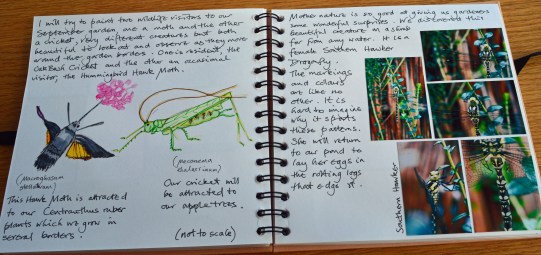
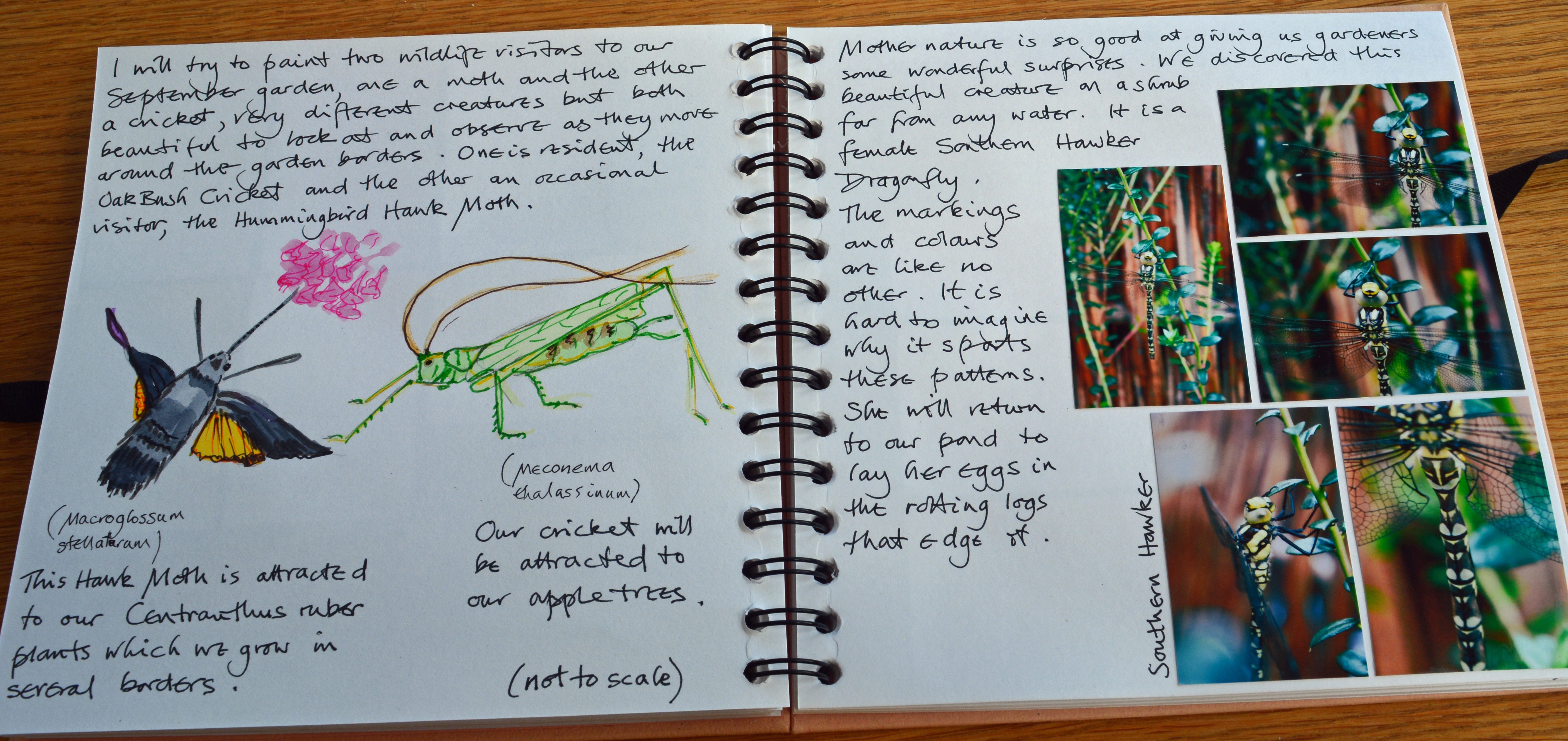
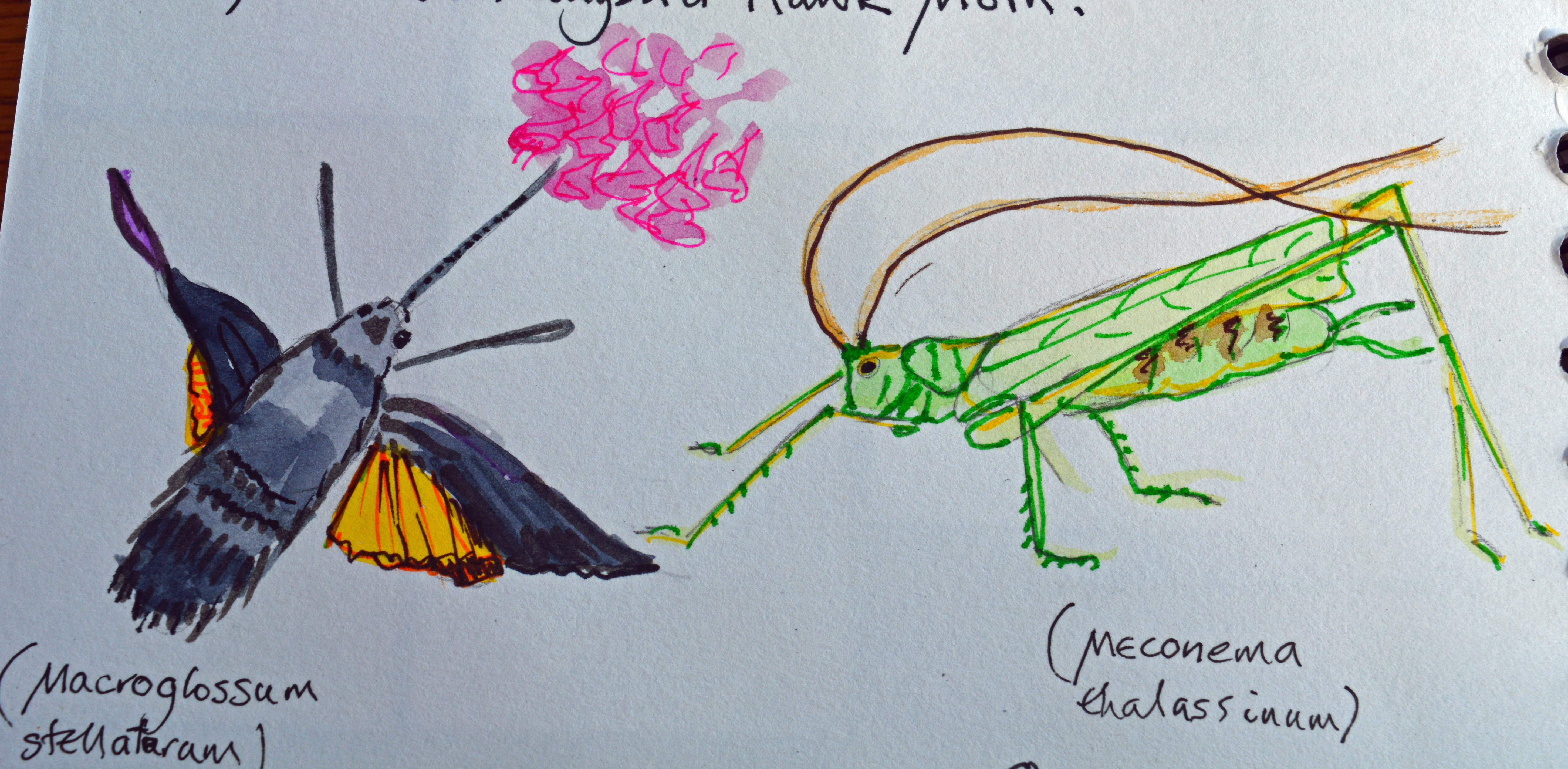
“I will try to paint two wildlife visitors to our September garden, one a moth and the other a cricket, very different creatures but both beautiful to look at and observe as they move around the garden borders. One is resident, the Oak Bush Cricket and the other an occasional visitor, the Hummingbird Hawk Moth.”

“The Hawk Moth is attracted to our Centranthus ruber plants which we grow in several borders, but our cricket will be attracted to our apple trees.”

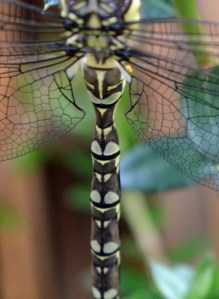
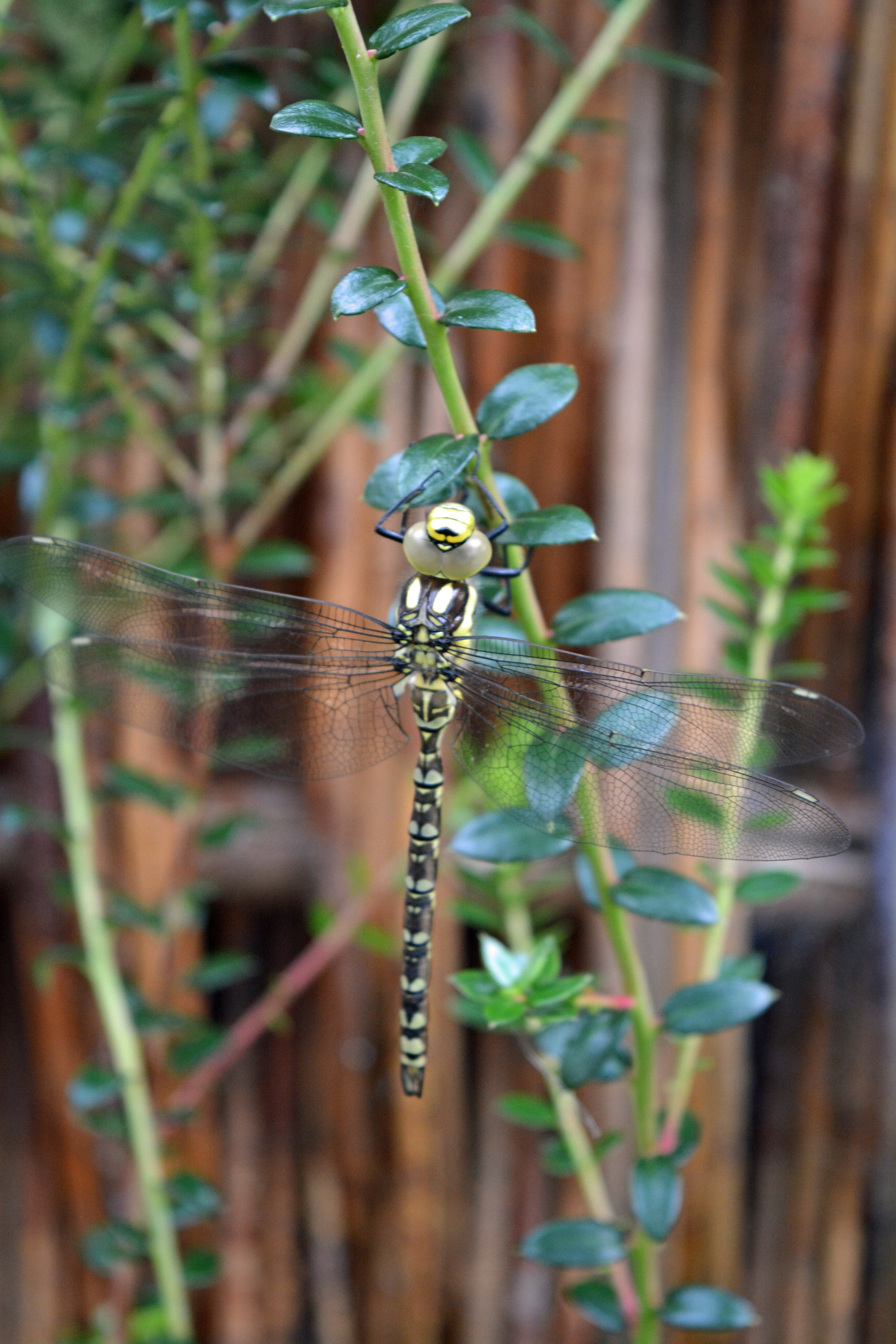
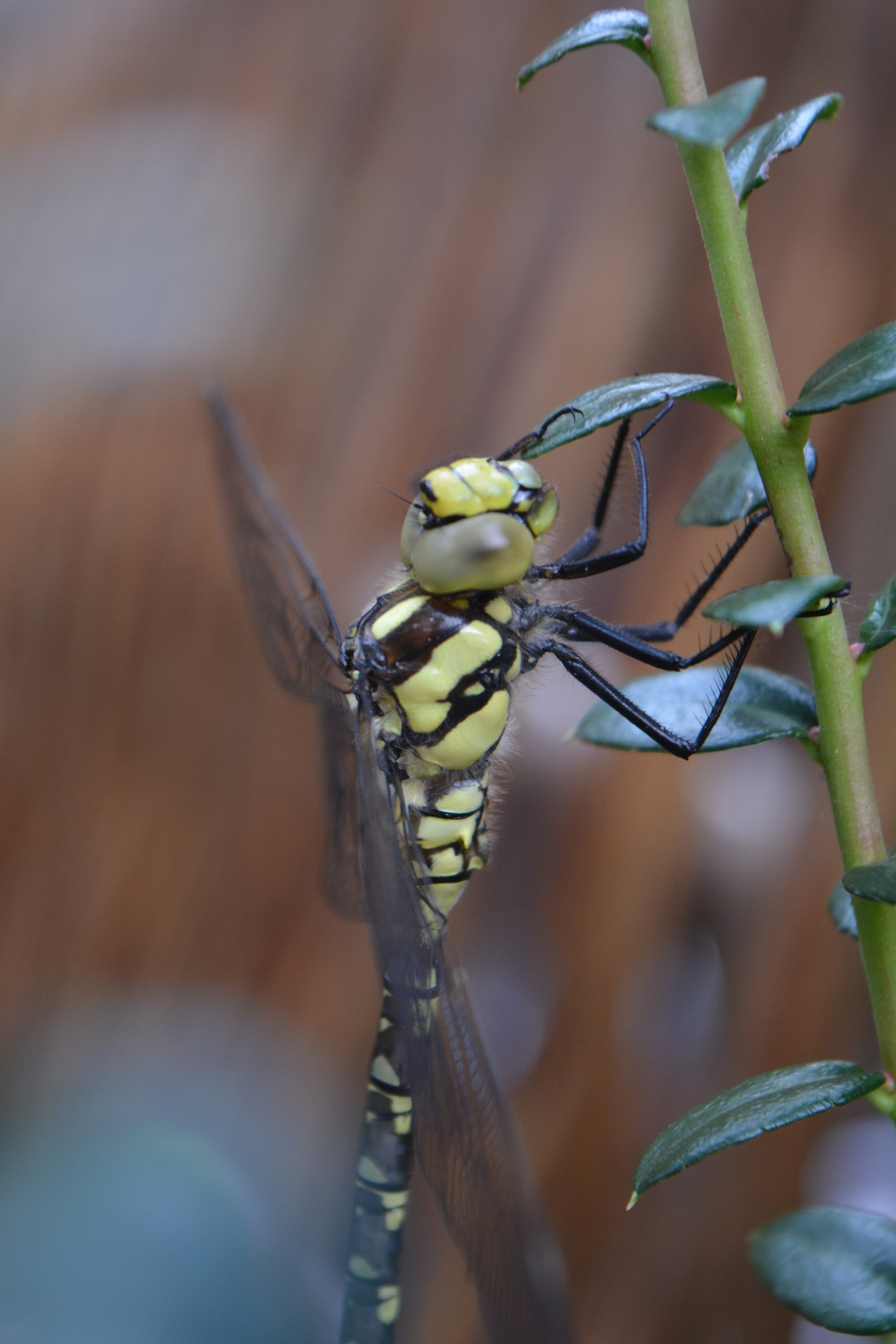
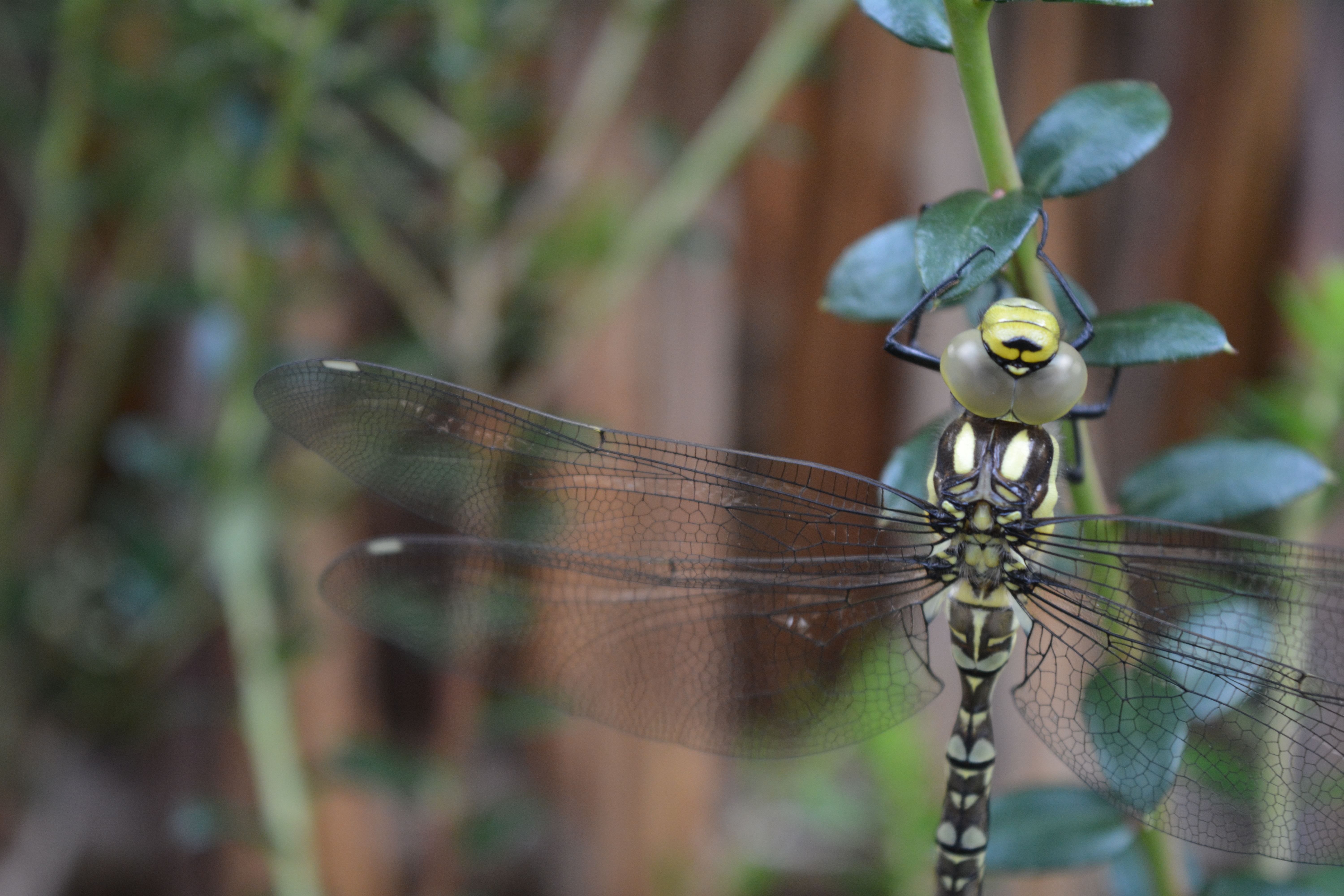
On the opposite page I record the visit of a beautiful dragonfly to our garden. Over the summer months on any sunny warm day there is a good chance of us spotting a dragonfly or damselfly hatching from our wildlife pond or resting almost anywhere in the garden. This particular dragonfly had alighted on a shrub close to the house itself and was enjoying a spot of sunbathing, absorbing the rays. “Mother Nature is so god at giving us gardeners some wonderful surprises. We discovered this beautiful creature on a shrub far from any water. It is a female Southern Hawker. The markings and colours are like no other. It is hard to imagine why it sports these patterns. She will return to our pond to lay her eggs in the rotting logs that edge it.”
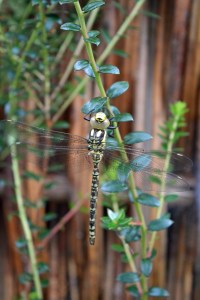
   

We can now turn over to another double page spread where dew highlights some natural creativity and three small flowered Clematis flower brightly.

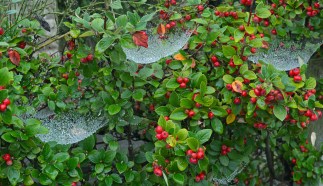
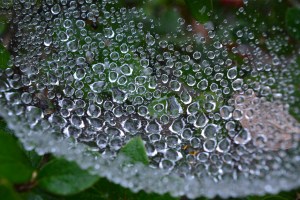
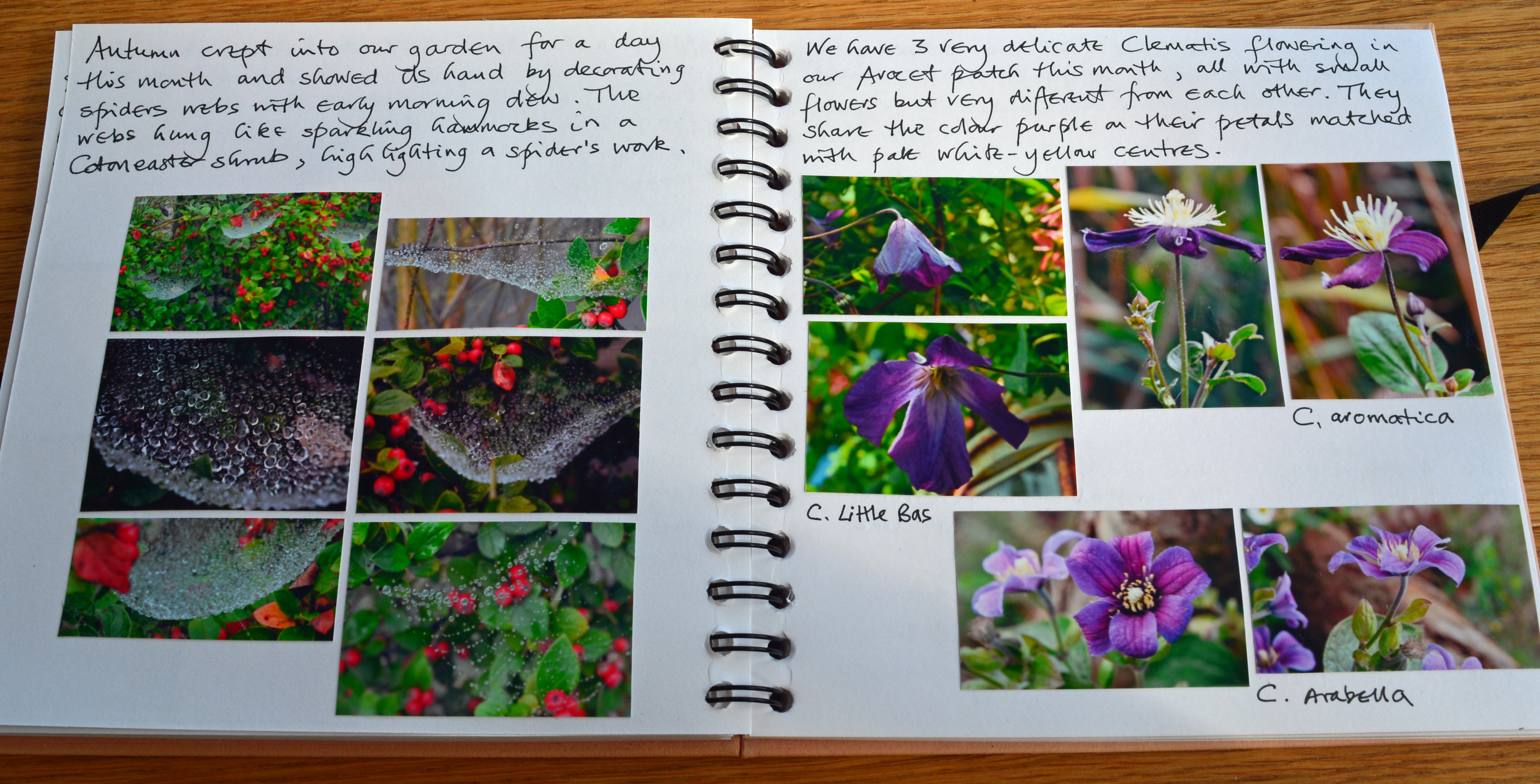
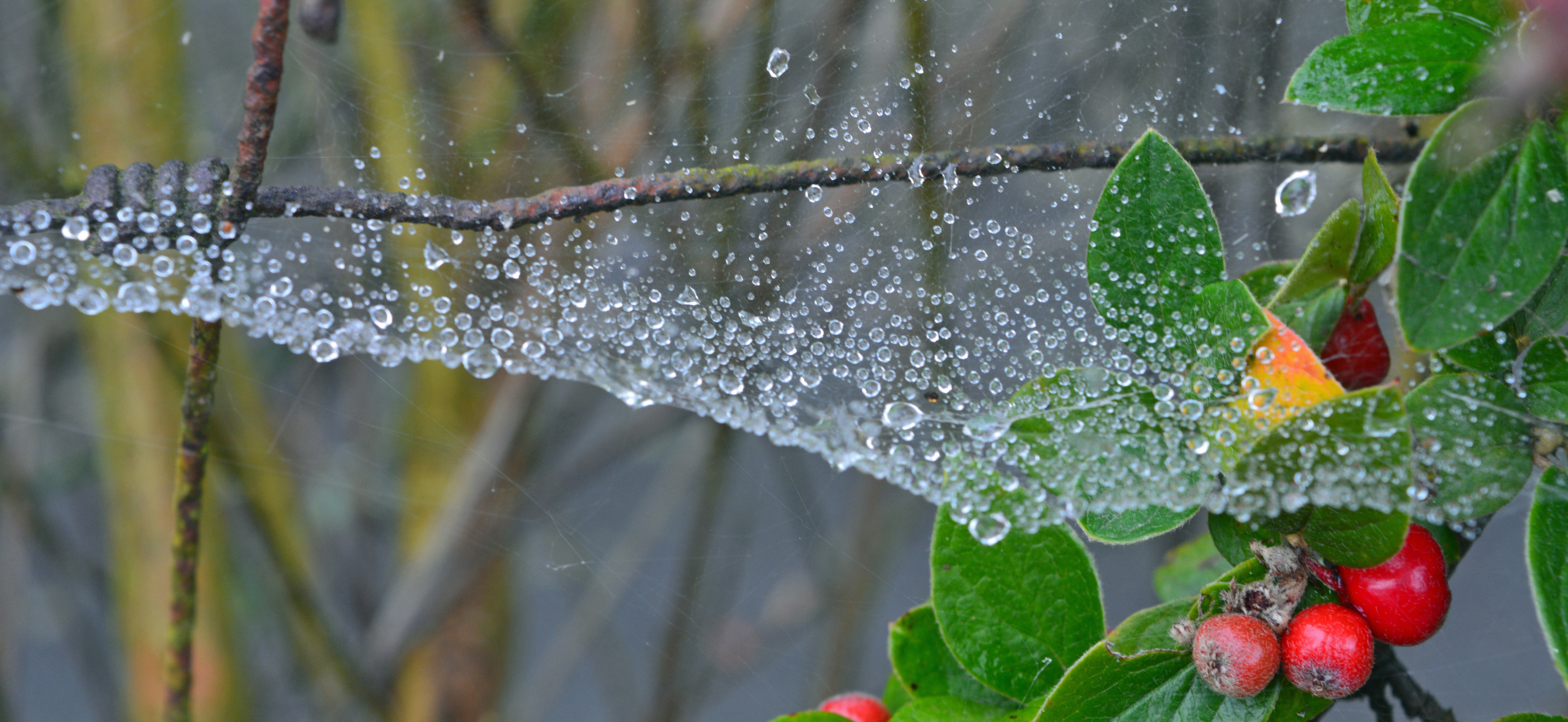
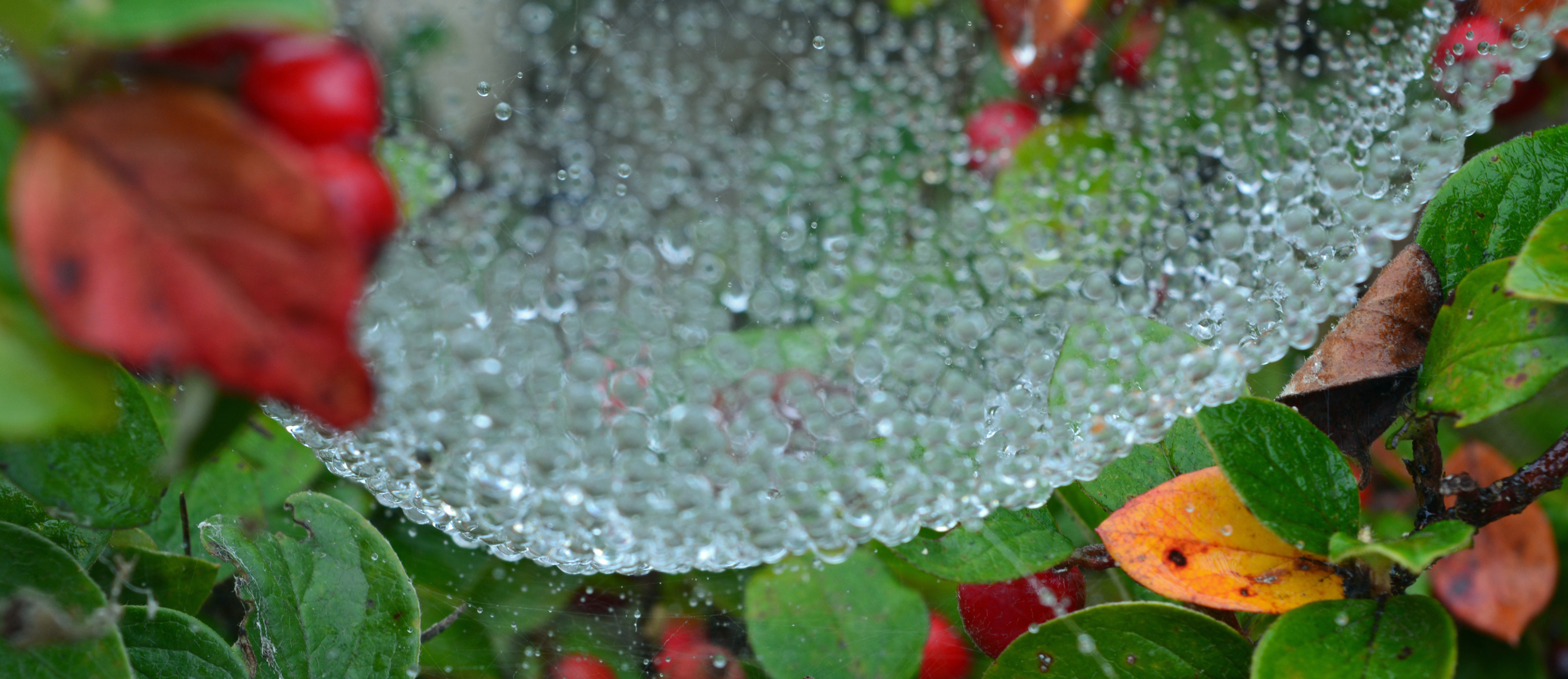
As September moved on we began to notice dew on the grass and plants in the borders several mornings each week. One special effect this has is the way it highlights the handiwork of our garden spiders. It is good to see so many webs as we like to have spiders working as predators in the garden for us. On one particular morning the dew was so heavy that it was weighing down the webs heavily.


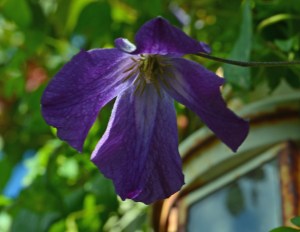
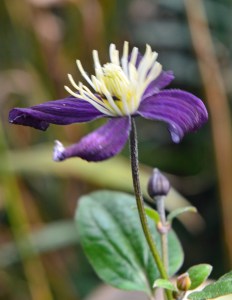
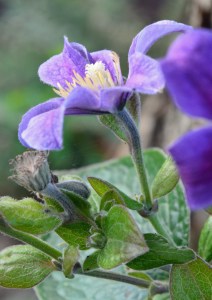
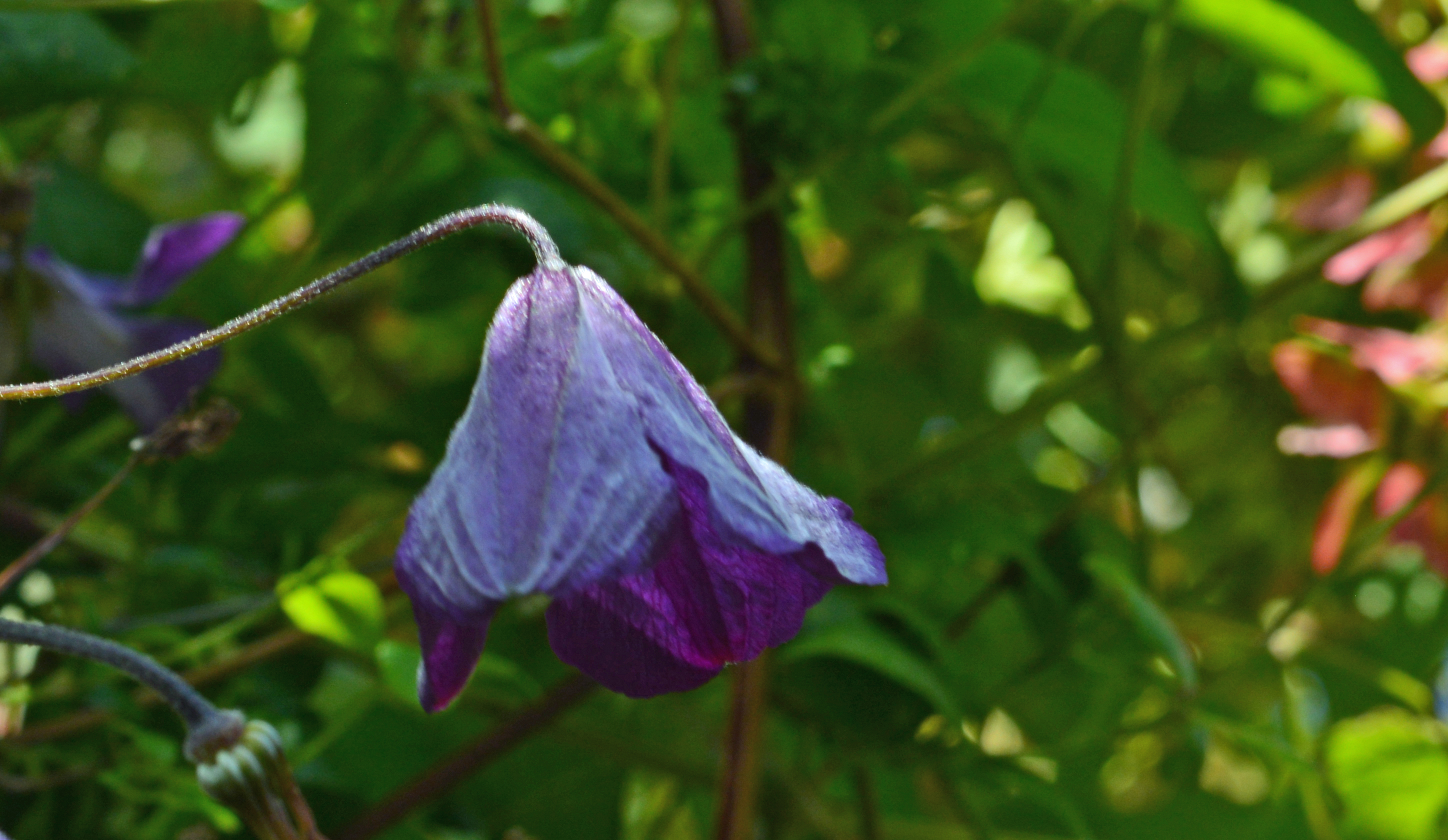
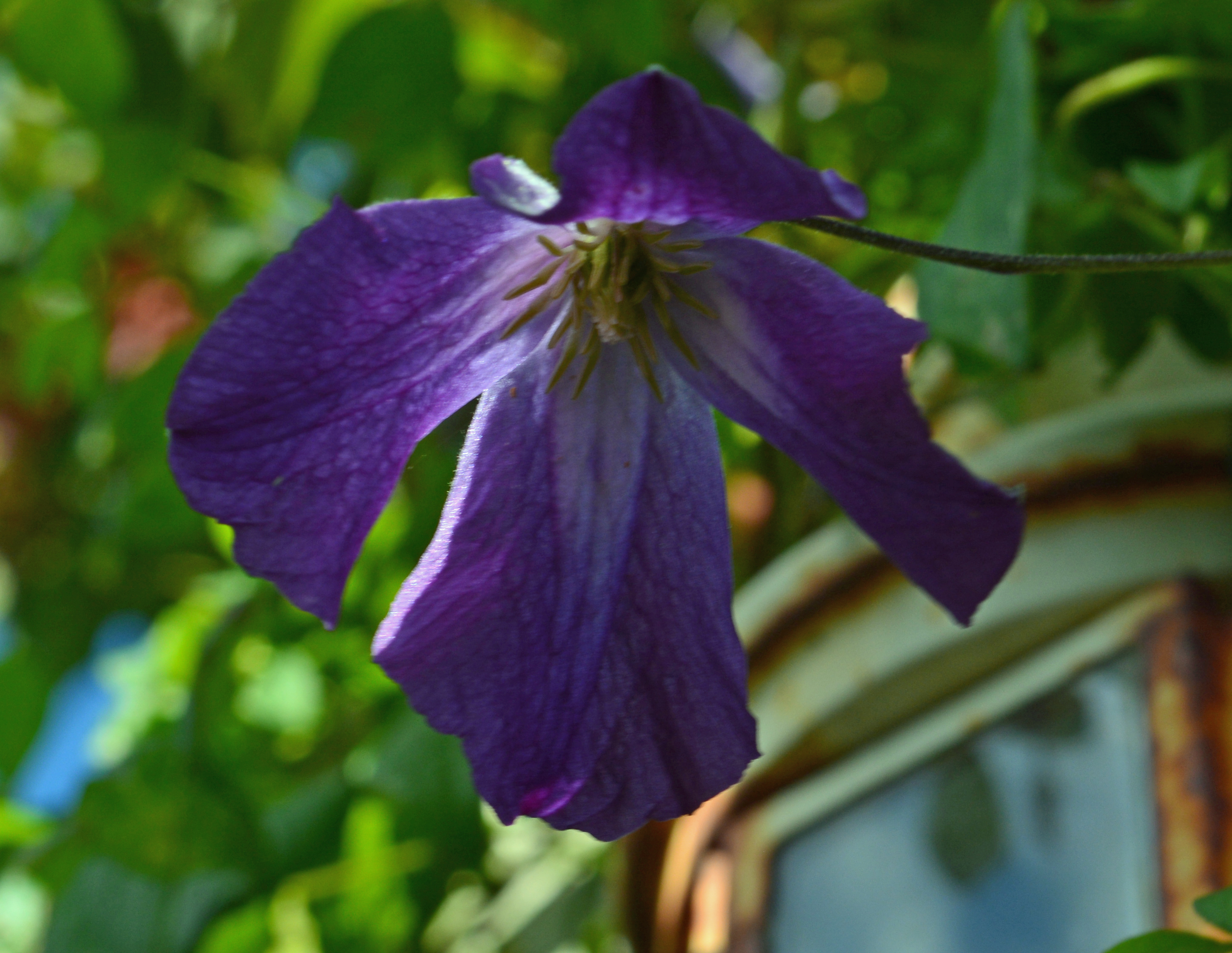
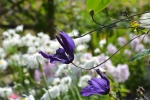
“We have three very delicate Clematis flowering in our Avocet patch this month, all with small  flowers but very different from each other. They share the same colour purple on their petals with white-yellow centres.”

“Clematis Little Bas”


“Clematis aromatica”


“Clematis Arabella”


Another Clematis features overleaf, this time a yellow flowered one matched with some pencil crayon sketches of some seed heads.

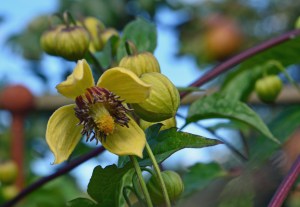
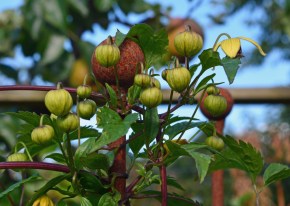
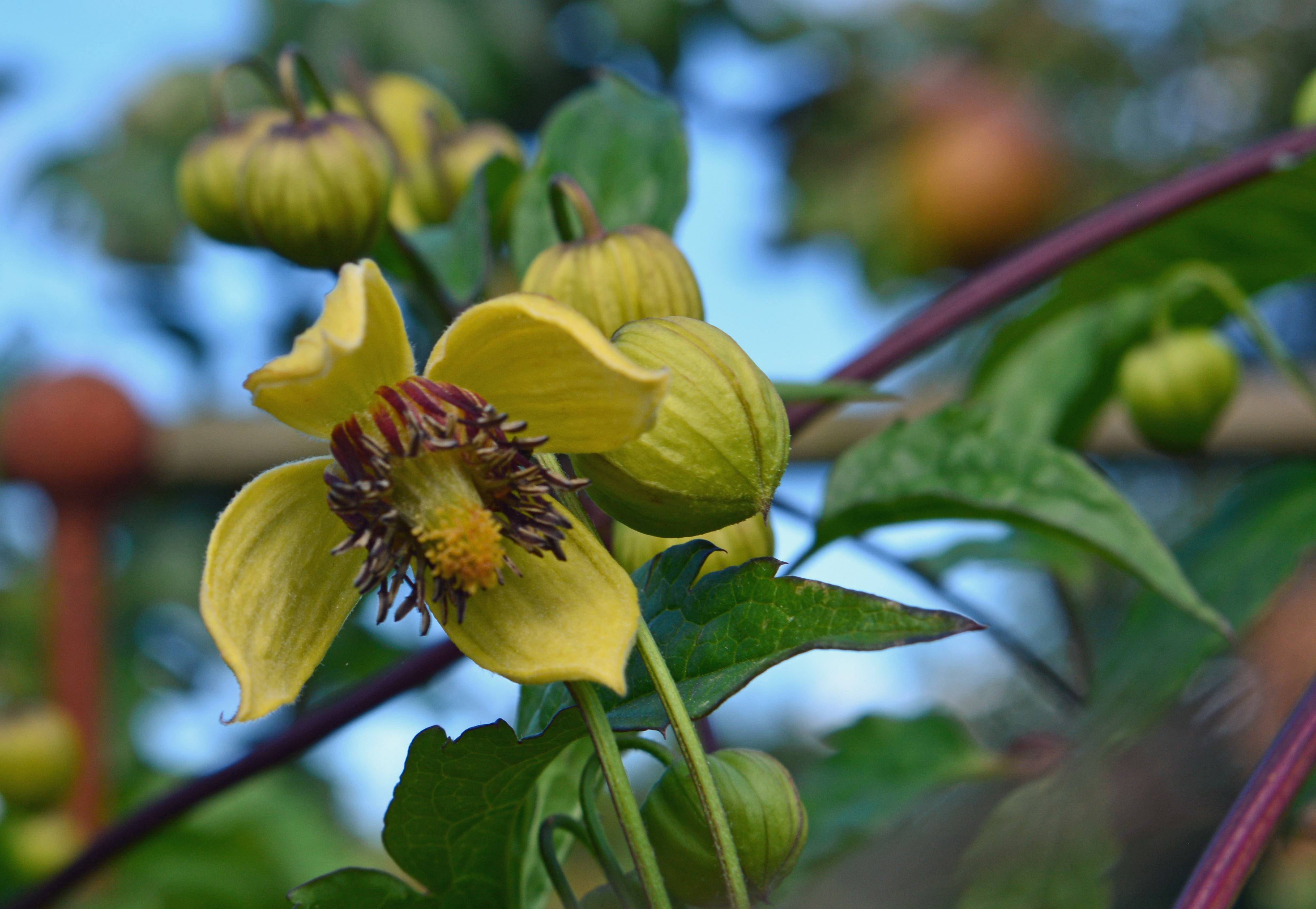
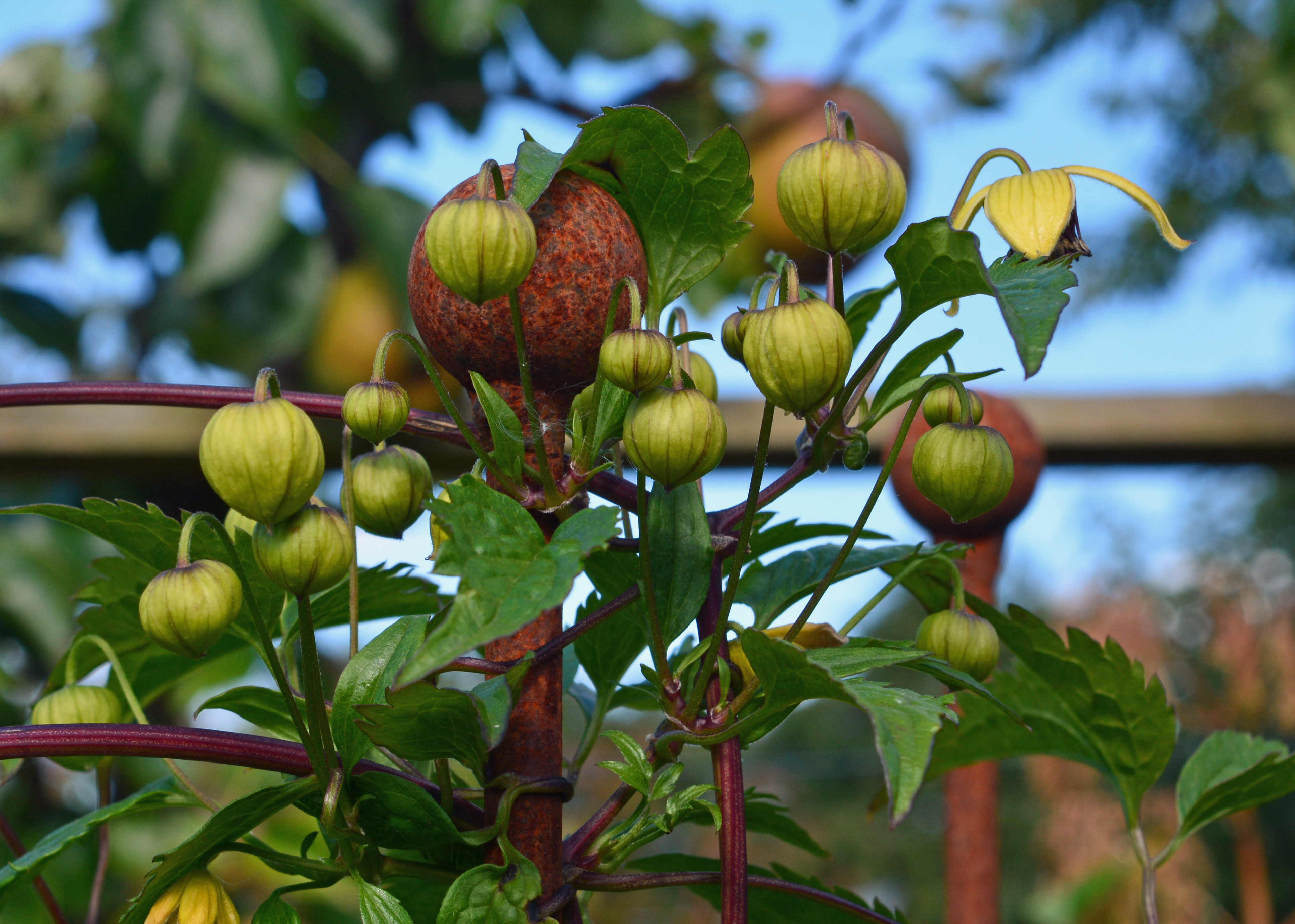
“Staying with Clematis I will now look at a very delicate and unusual yellow-flowered cultivar, Clematis serratifolia “Golden Harvest”. The centre of each flower contrasts strongly with the golden petals. The central area features deep yellow, a touch of orange but mostly a deep purple-maroon colour. “Golden Harvest” is often sold as a Golden Wedding Anniversary gift. That surely would be a gift to give years of pleasure to any gardeners.”

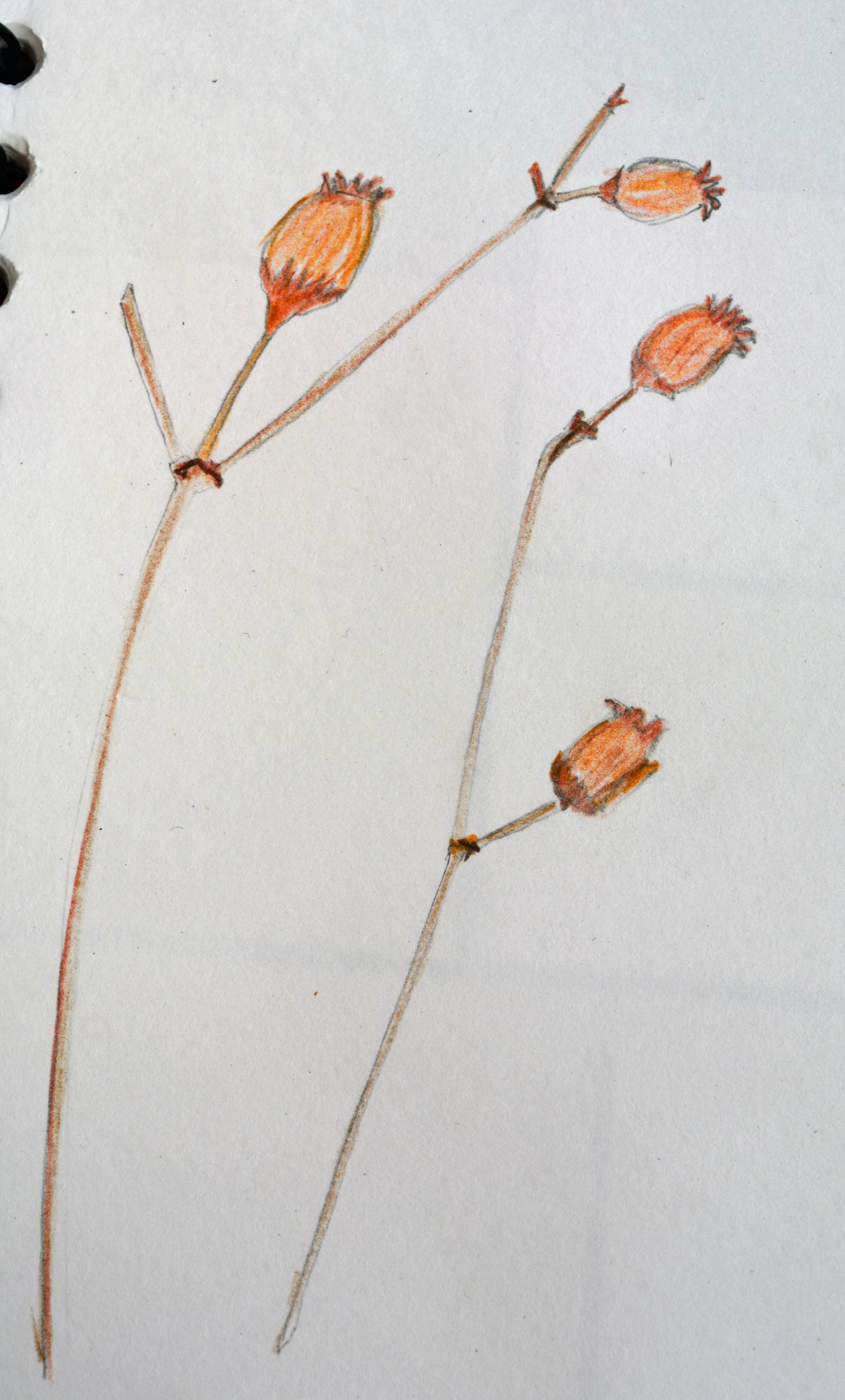
Now we move on to look at a couple of my coloured pencil sketches of seed heads found in our September garden. “Two more seed heads discovered in our borders, with slender stems and bell-shaped seed capsules coloured biscuit and rust.”

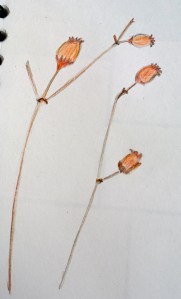
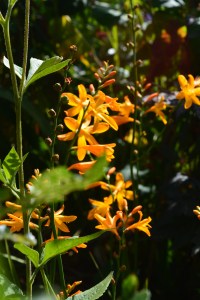
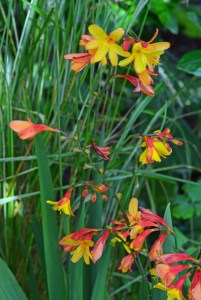
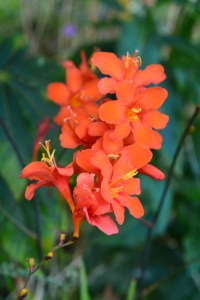
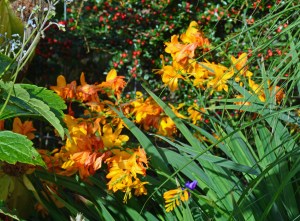
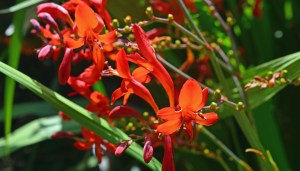
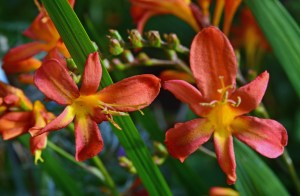
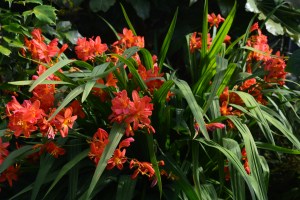
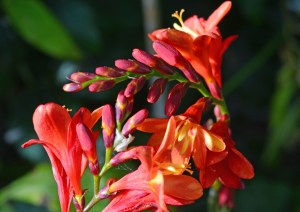
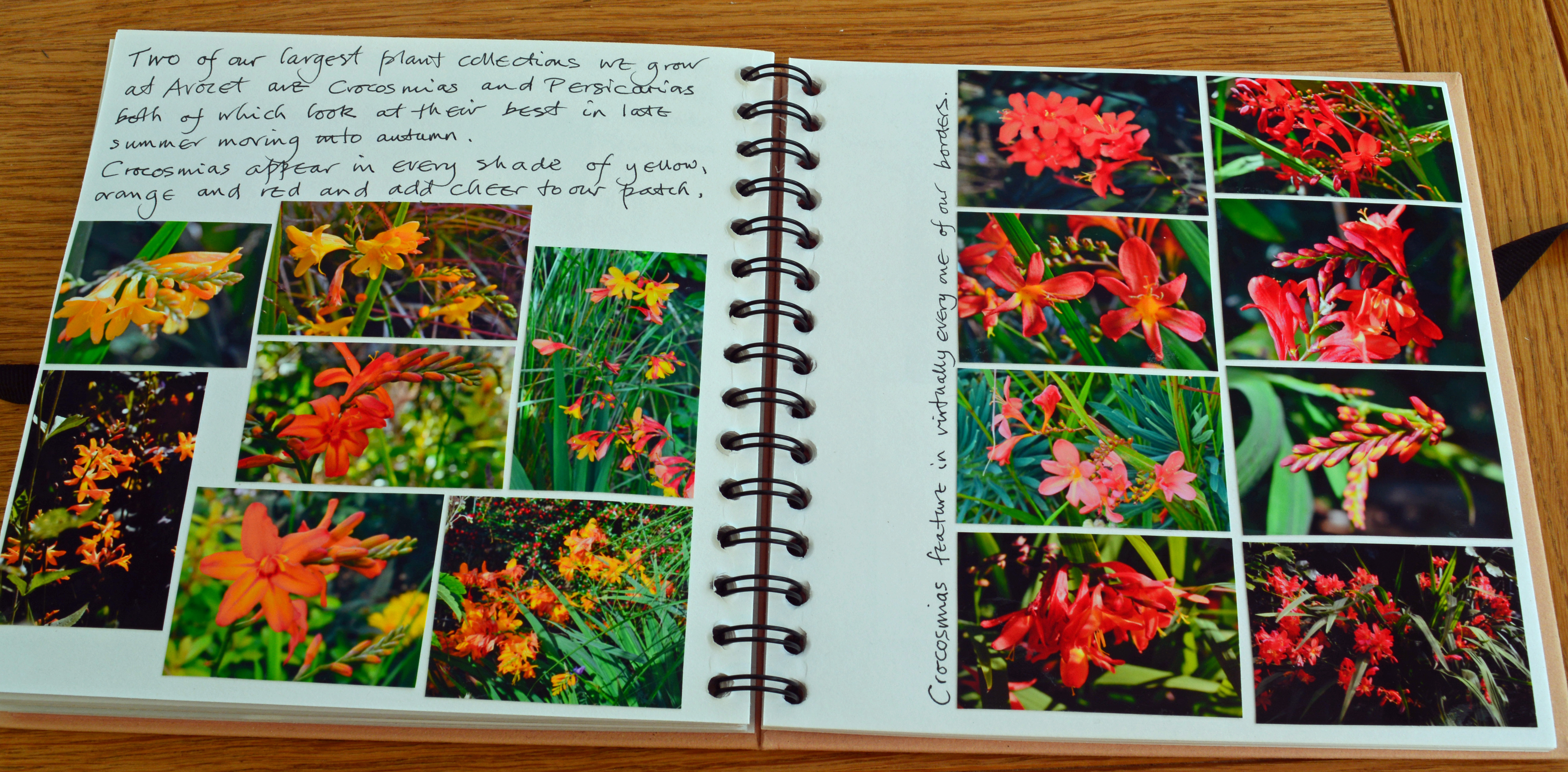
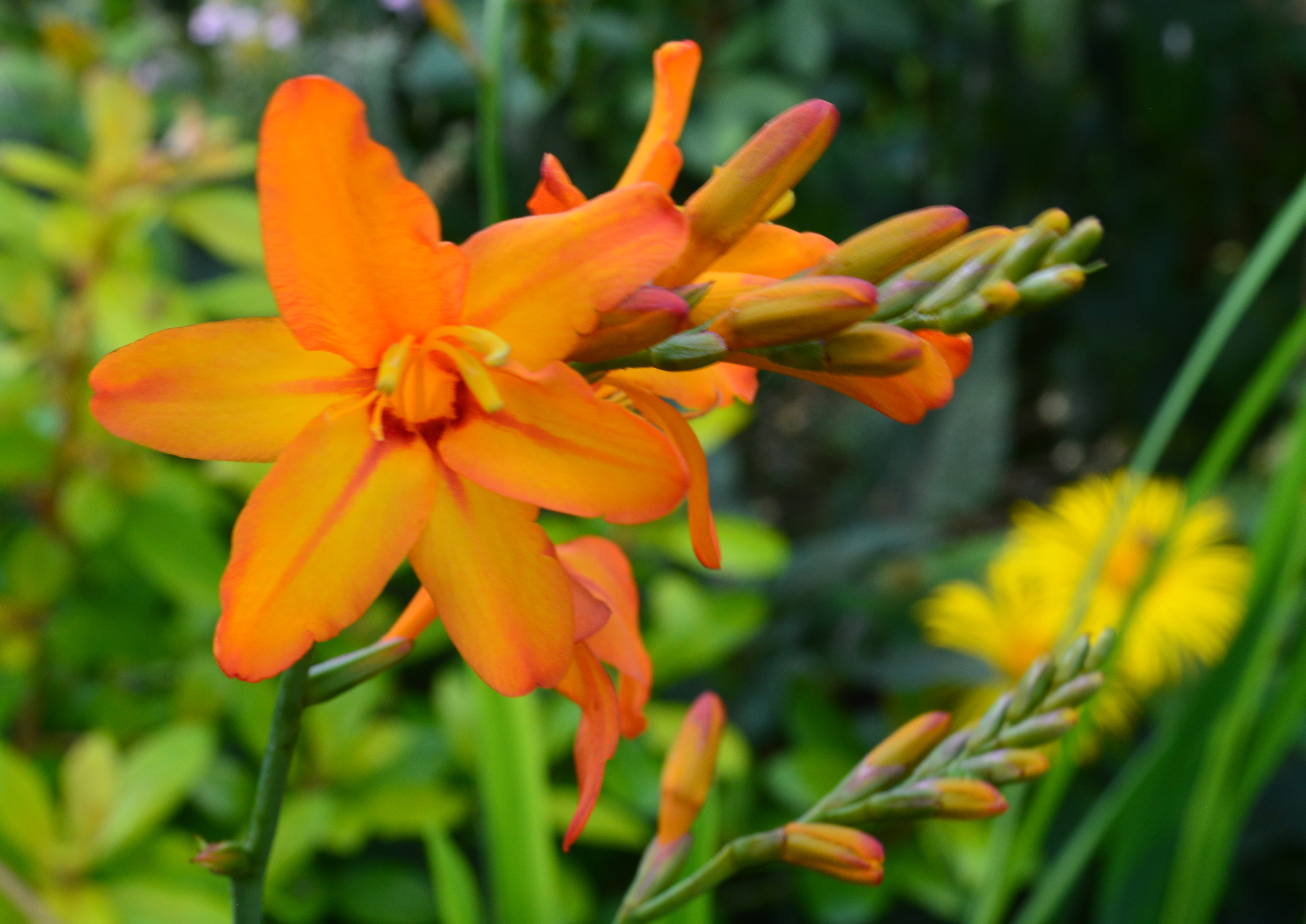
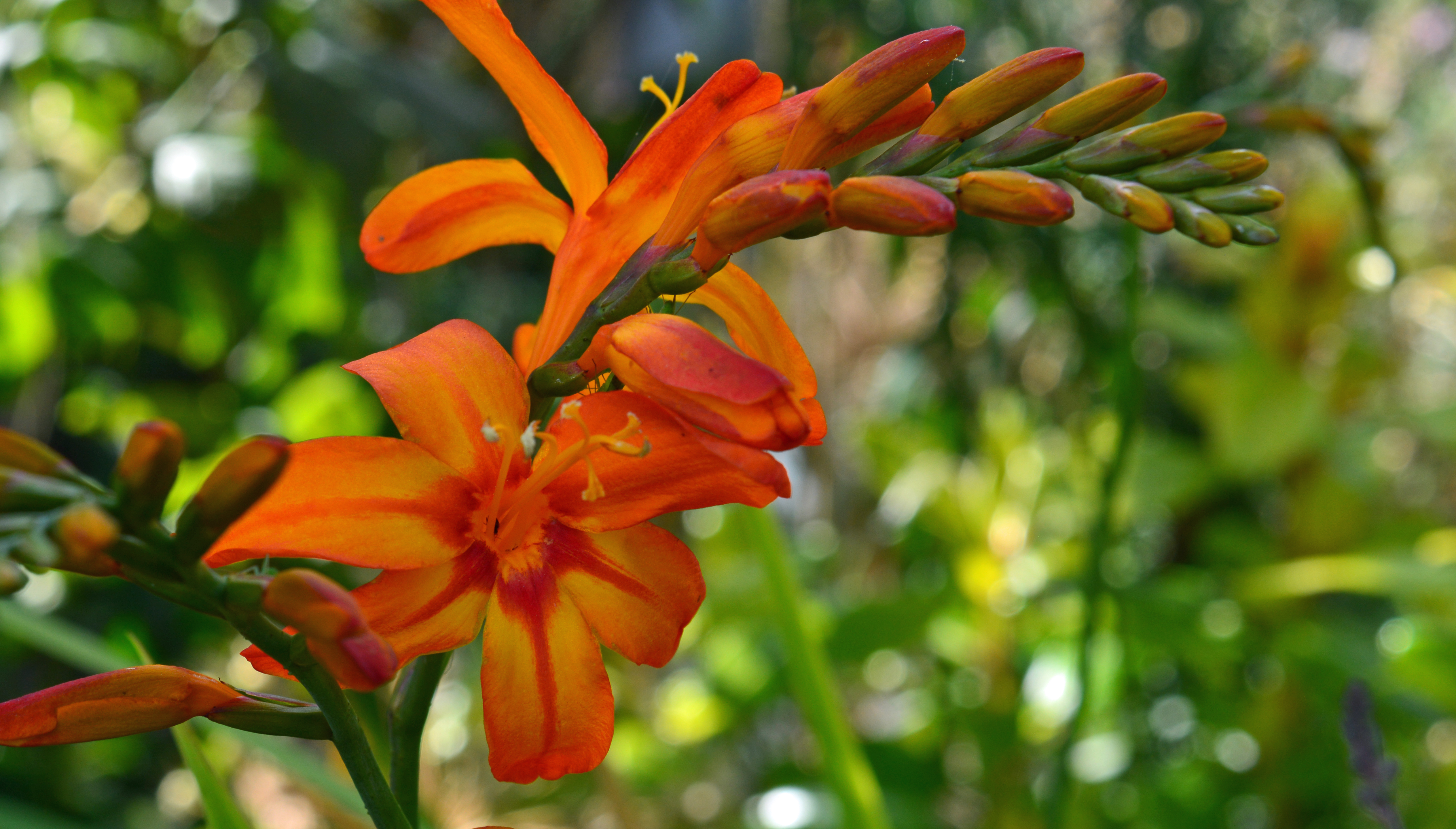
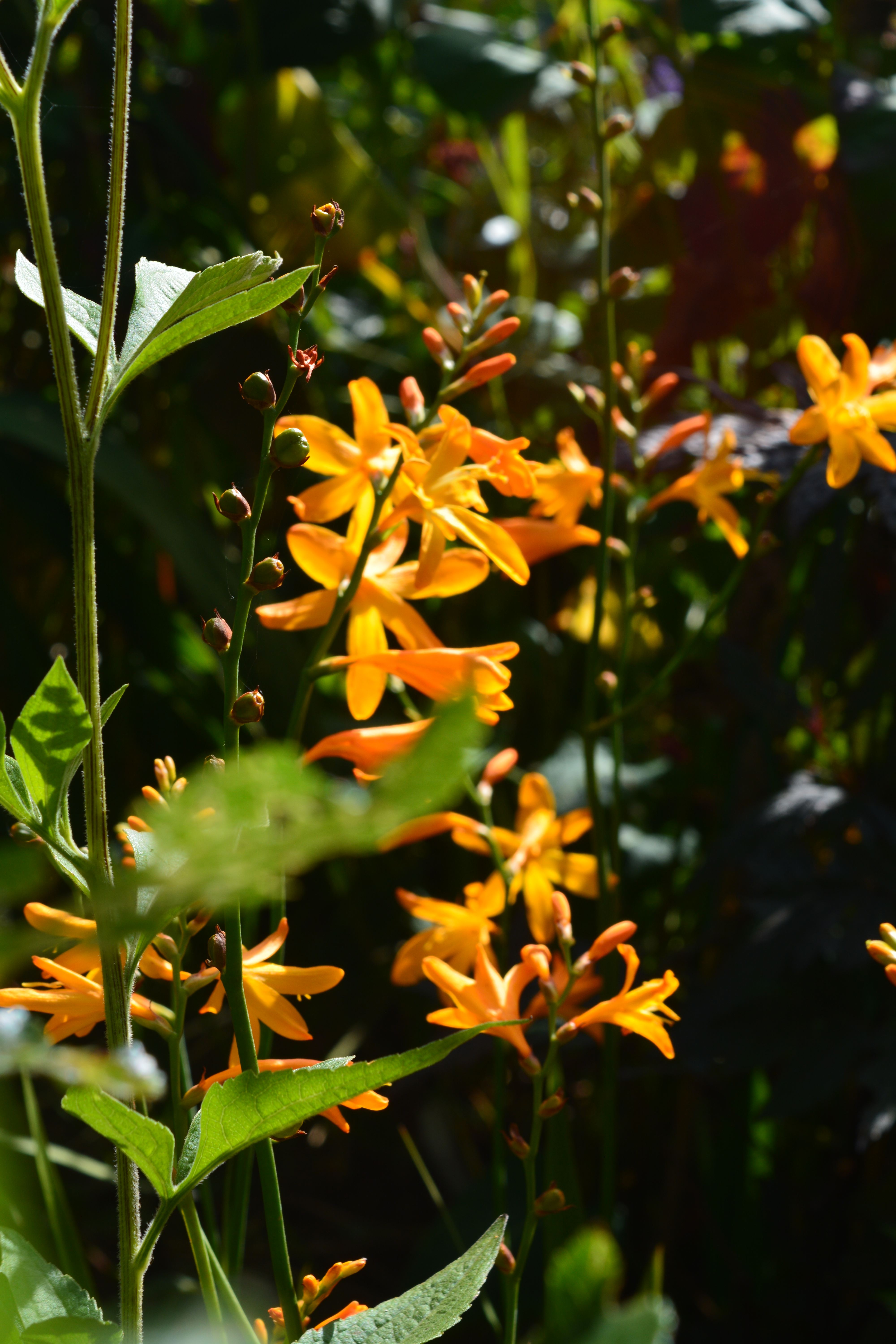
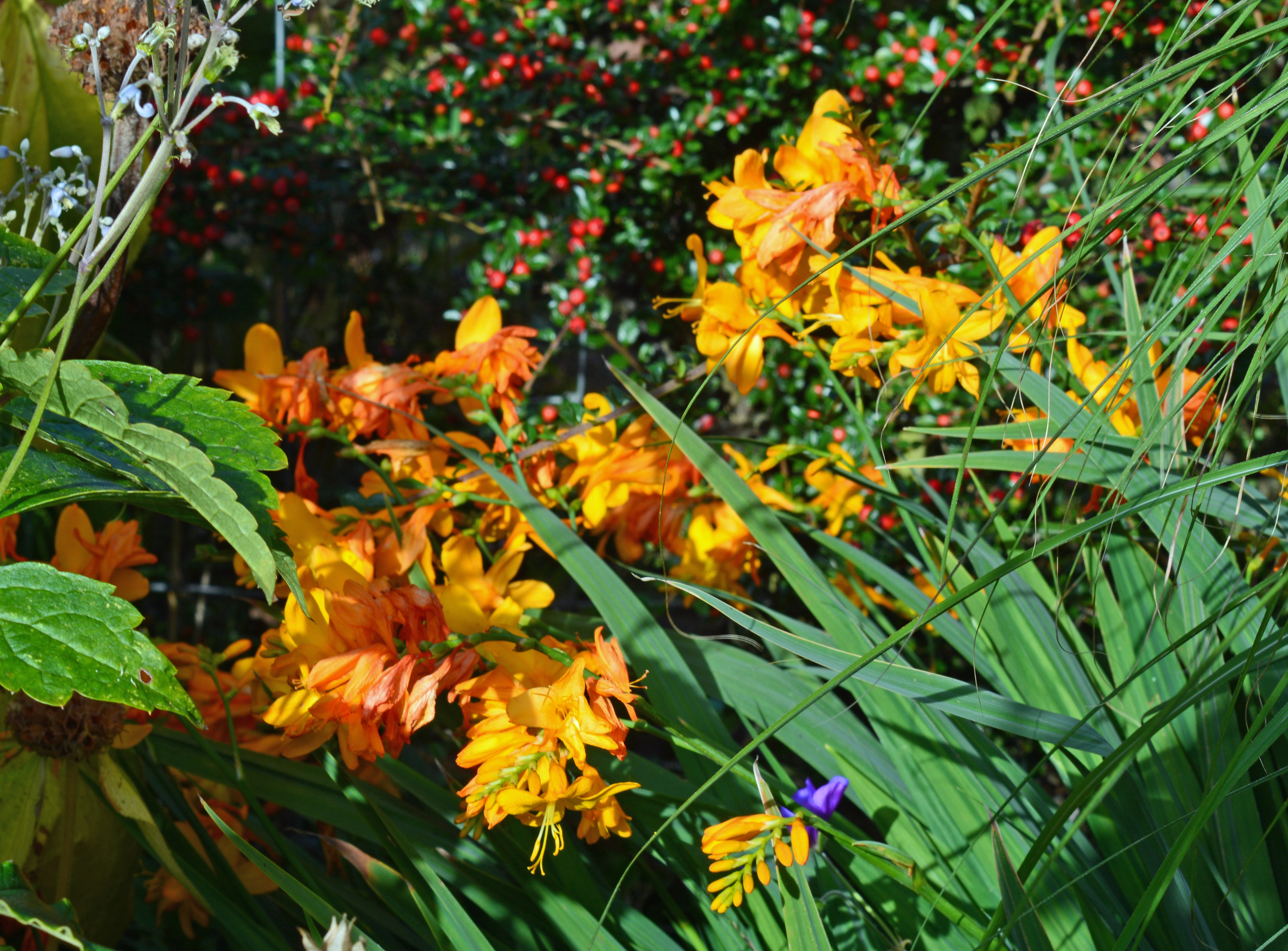
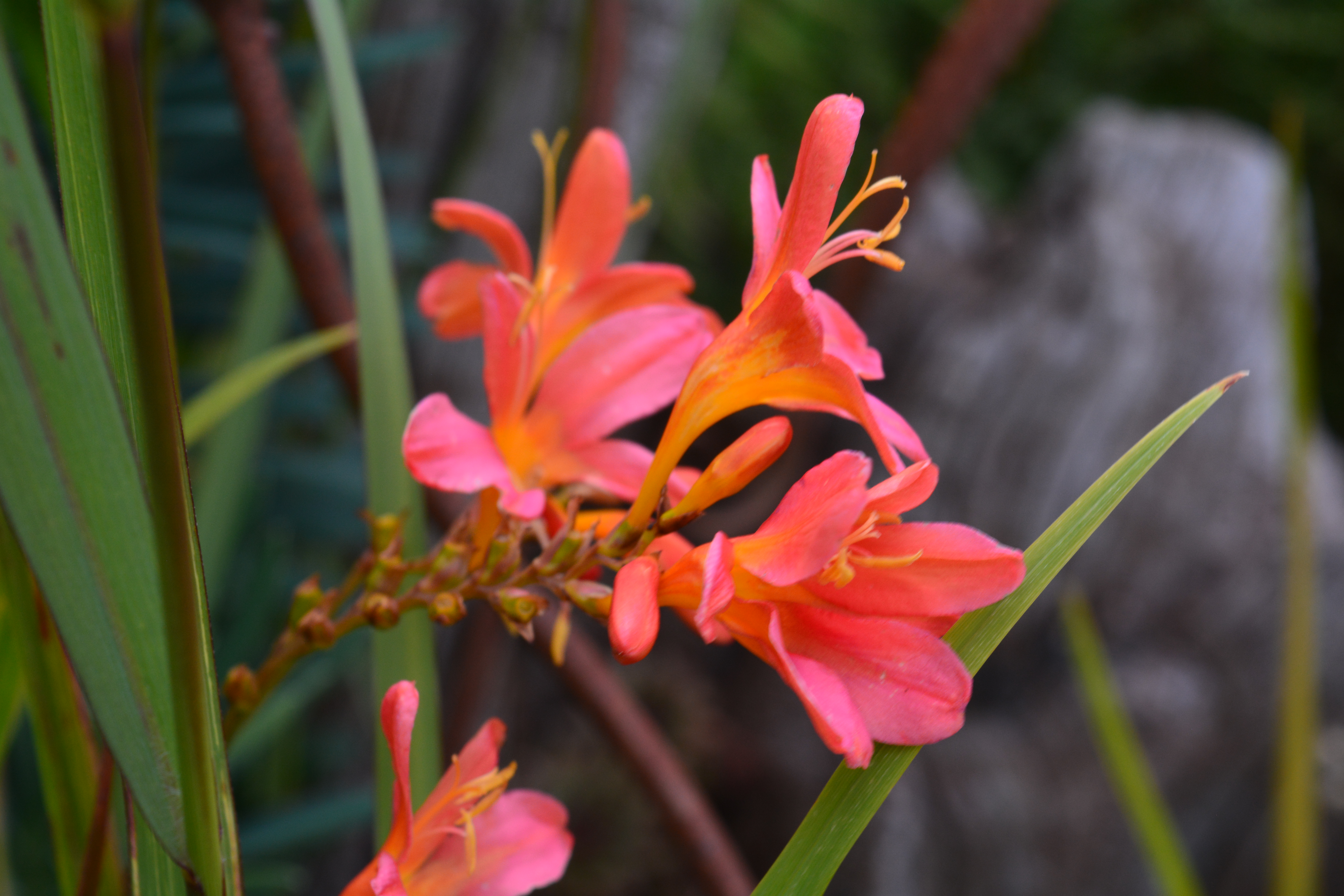
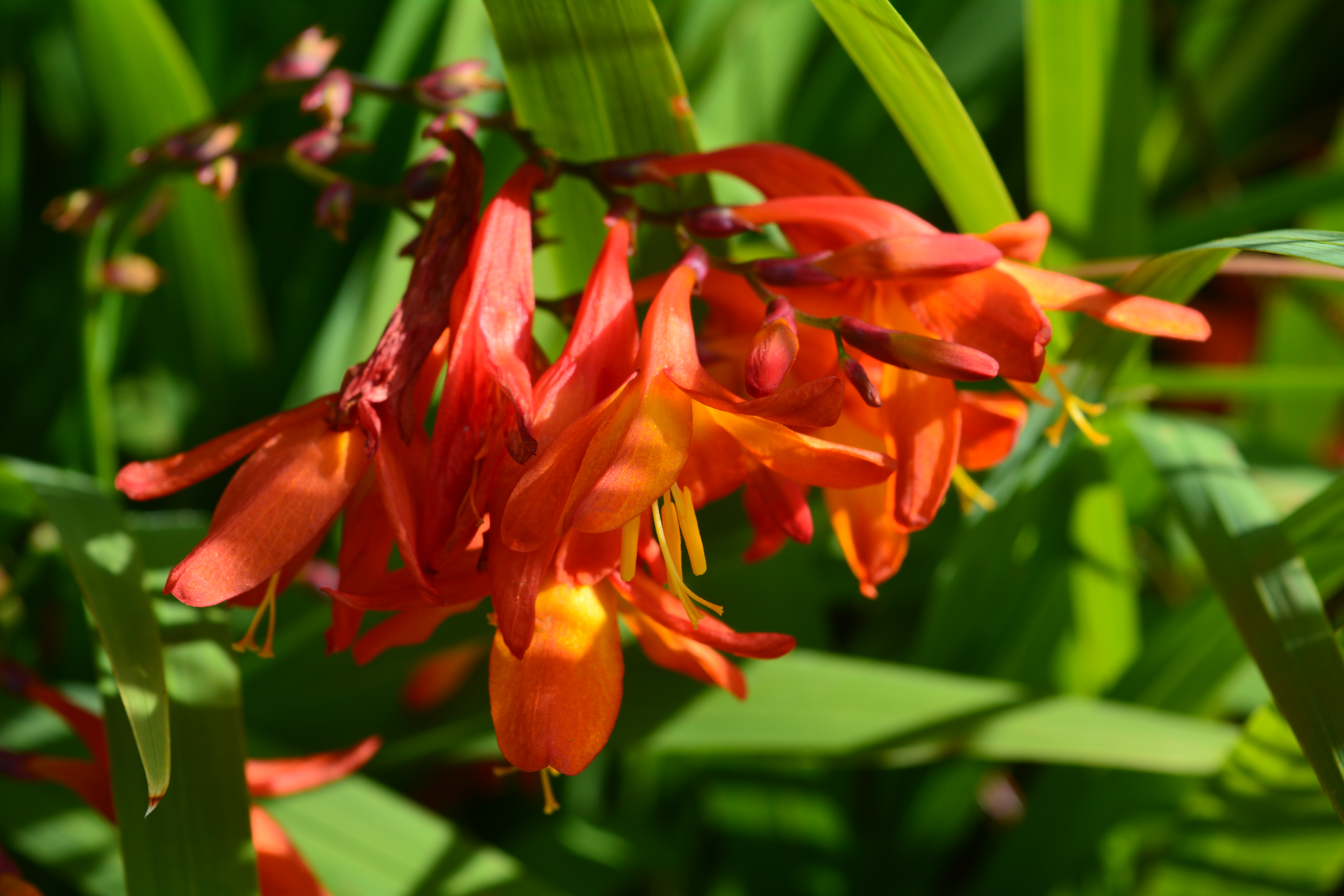
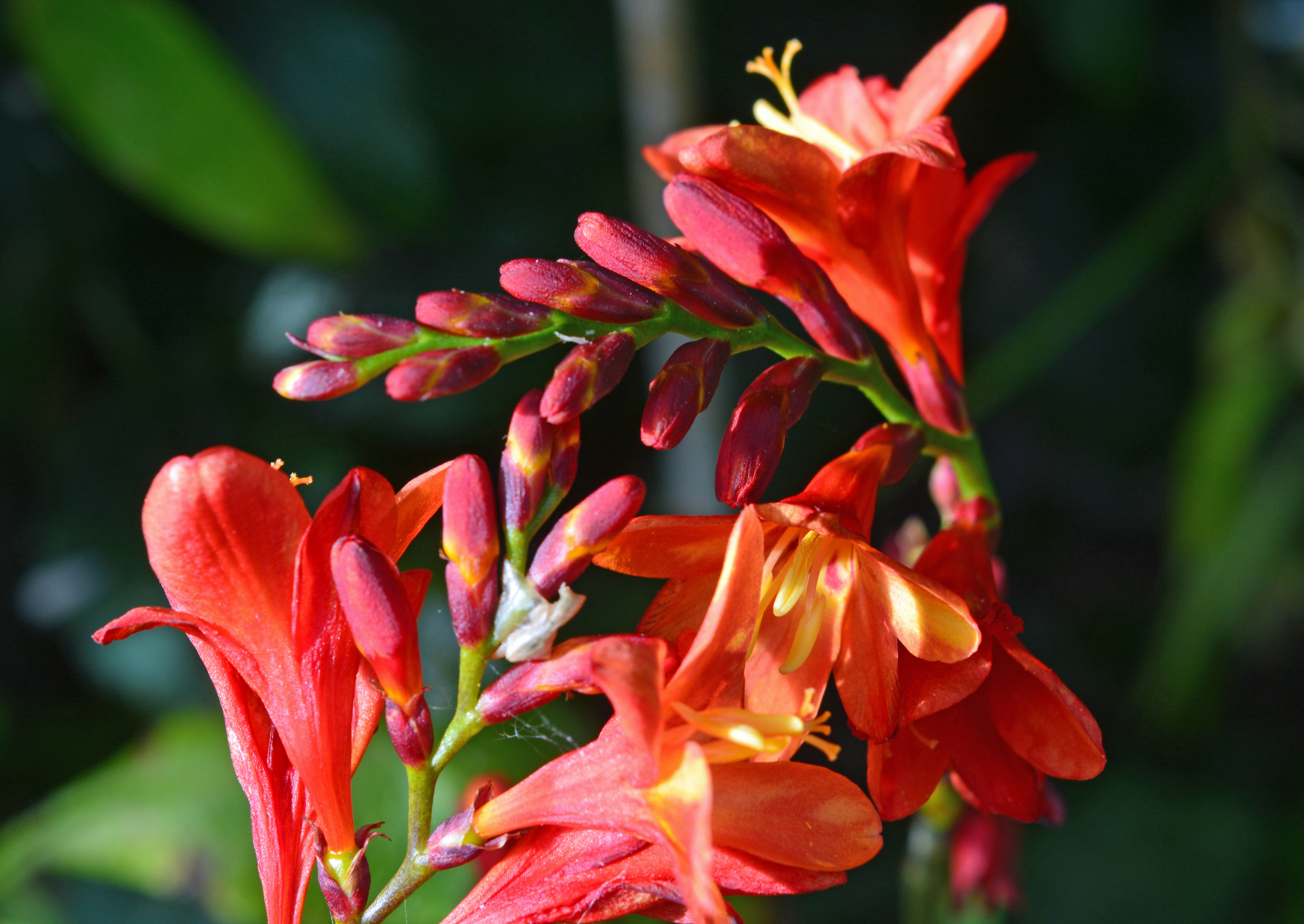
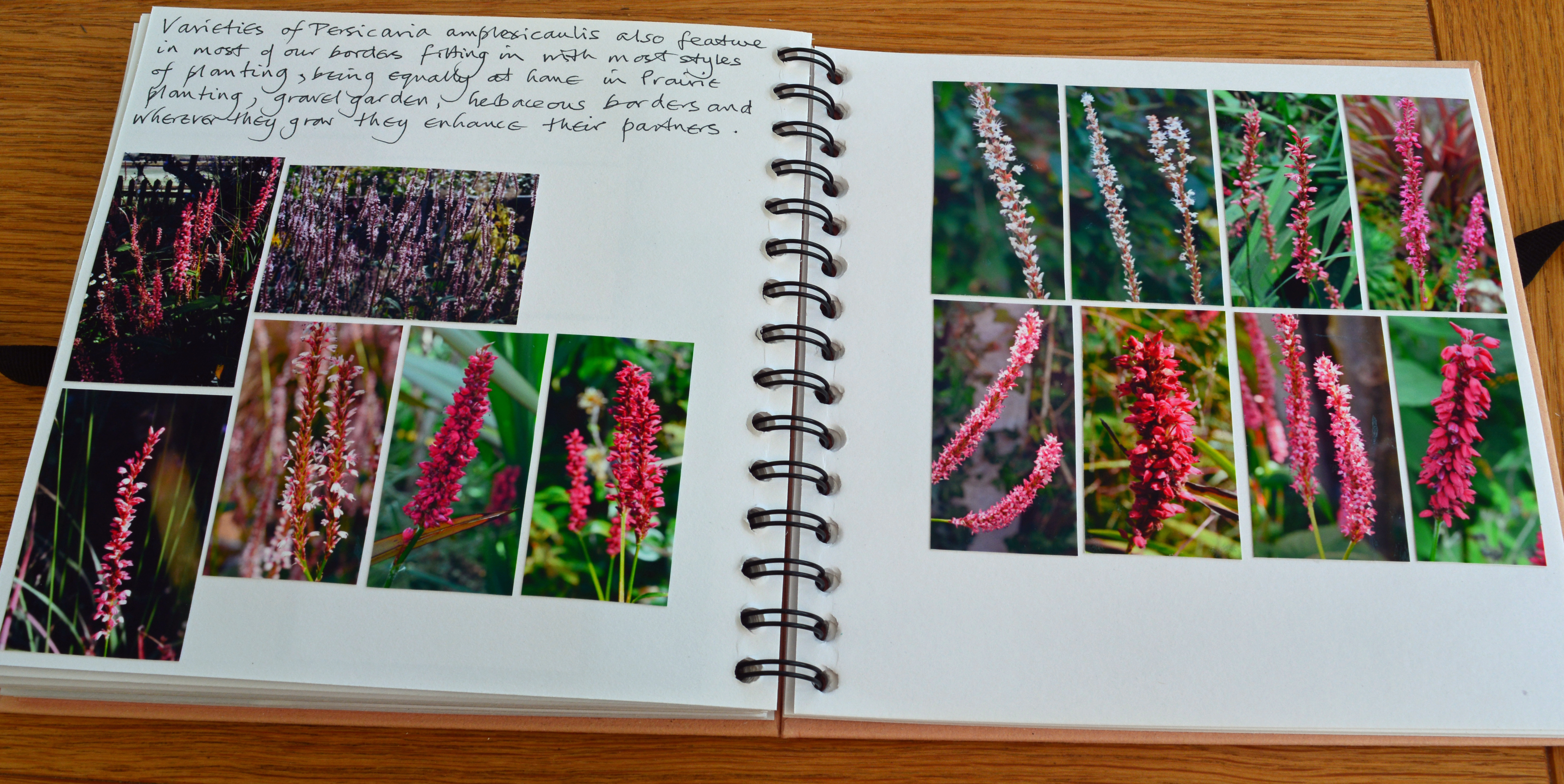
I moved on next to look at two of our larger plant collections which feature strongly in our September garden. “Two of our largest plant collections we grow at Avocet are Crocosmias and Persicarias, both of which look at their best in late summer moving into autumn. 

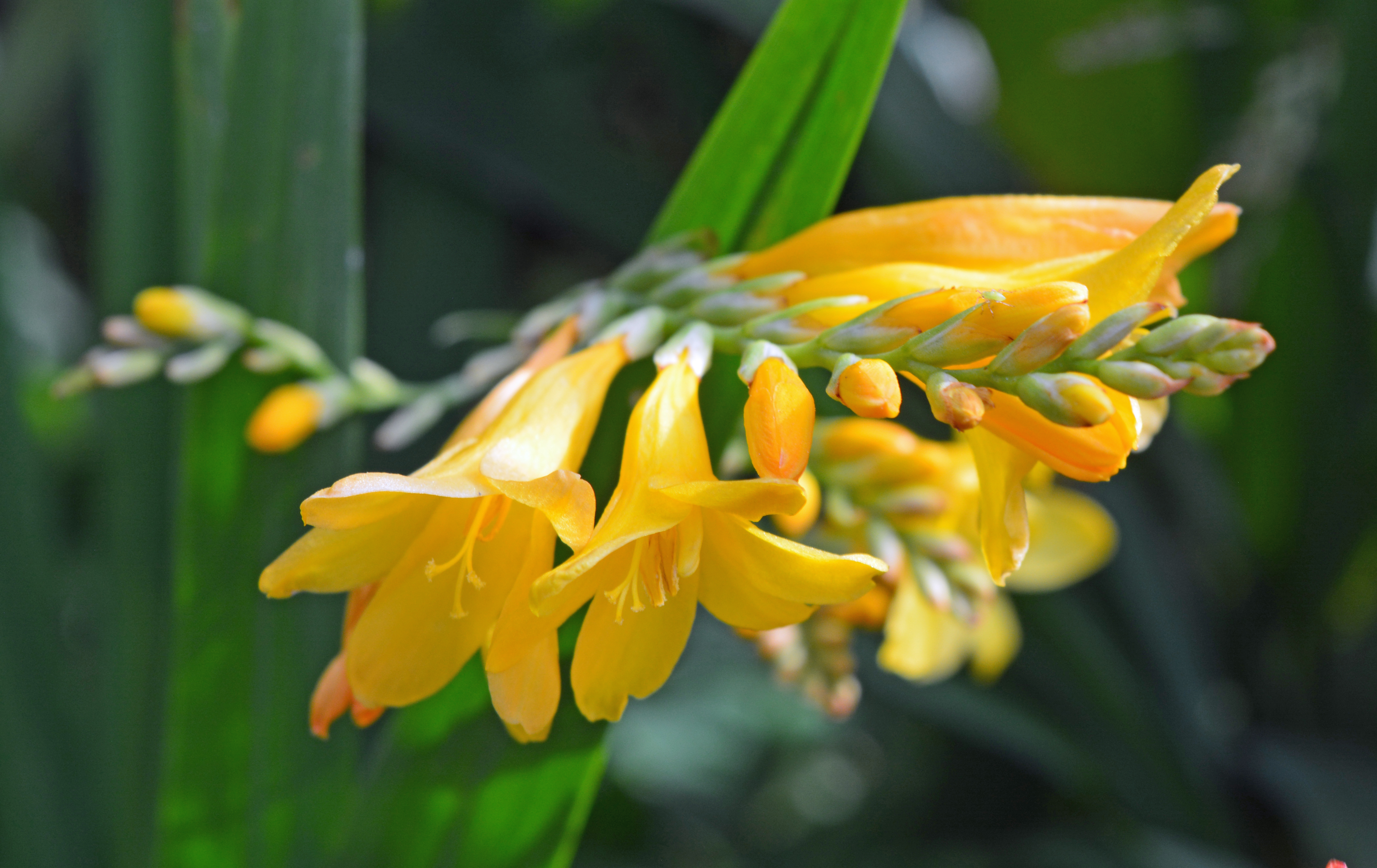
Crocosmias appear in every shade of yellow, orange and red and thus add cheer to our patch.”

“Crocosmias feature in virtually every one of our borders.”


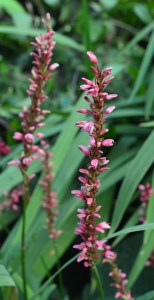
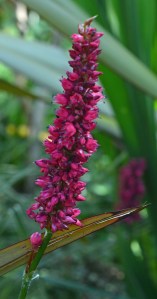
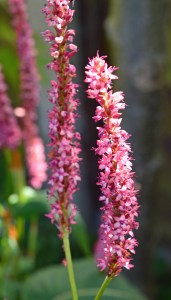
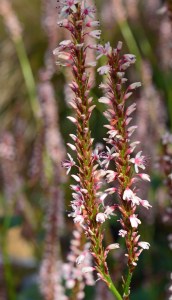
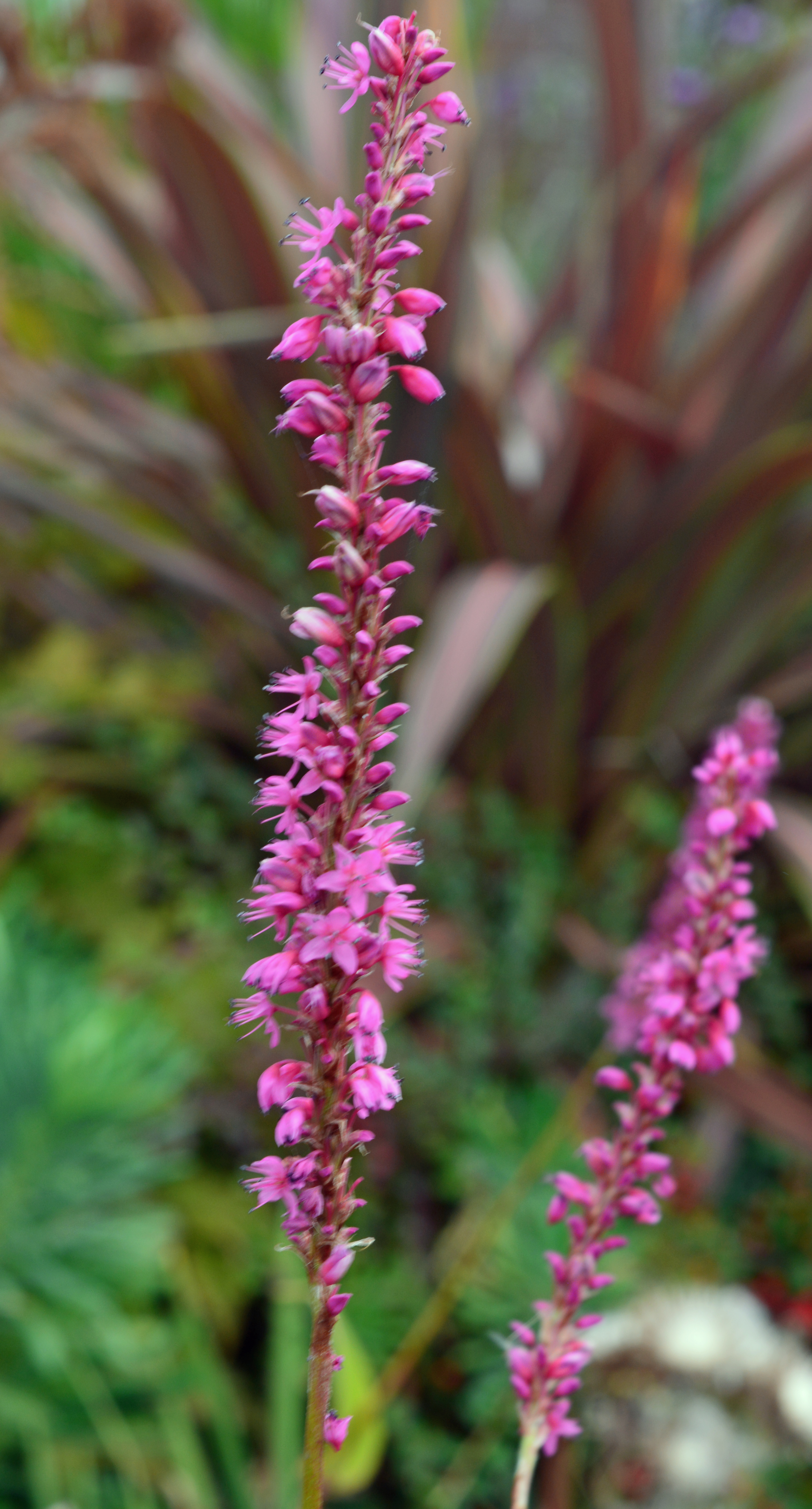
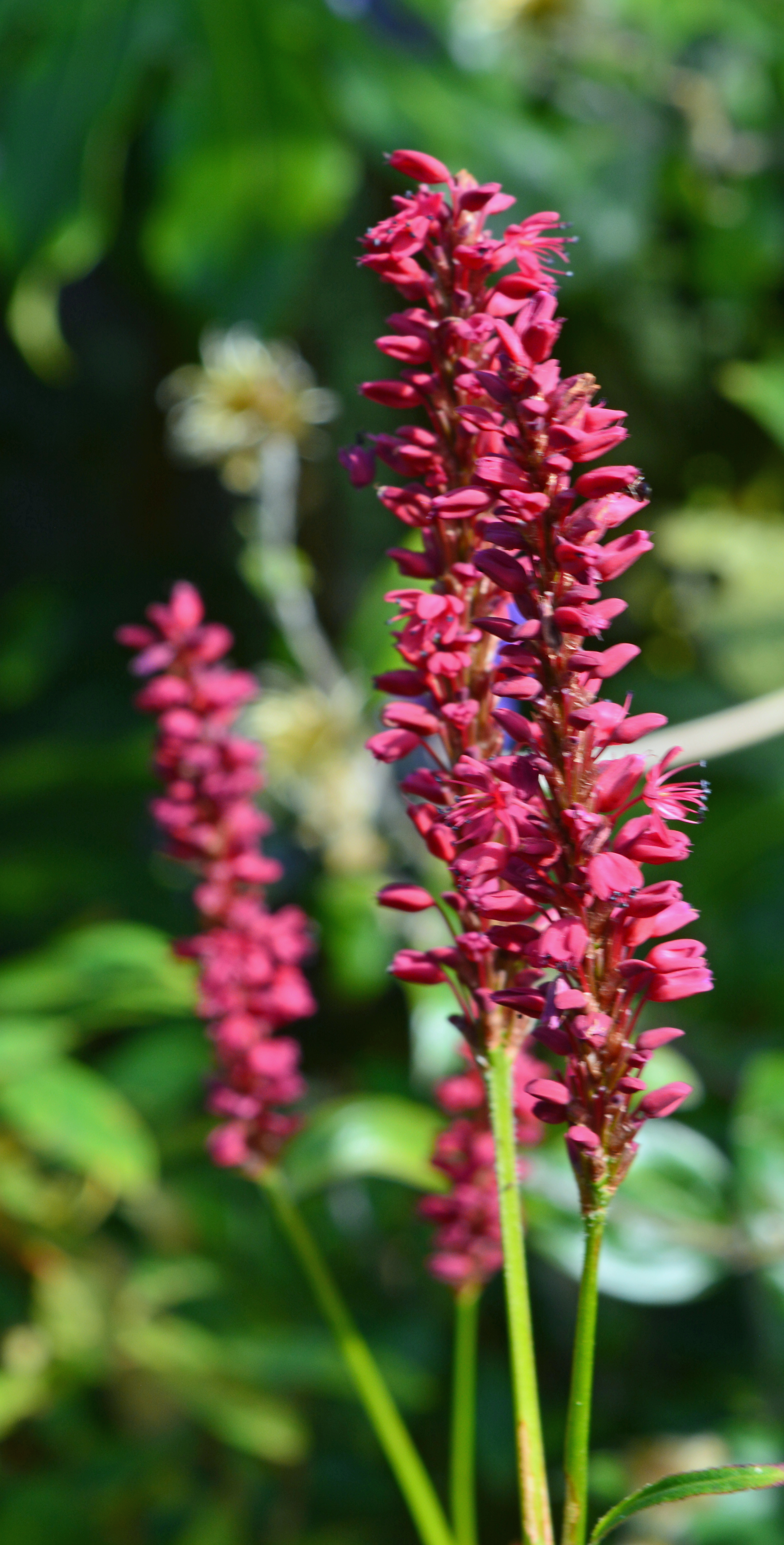
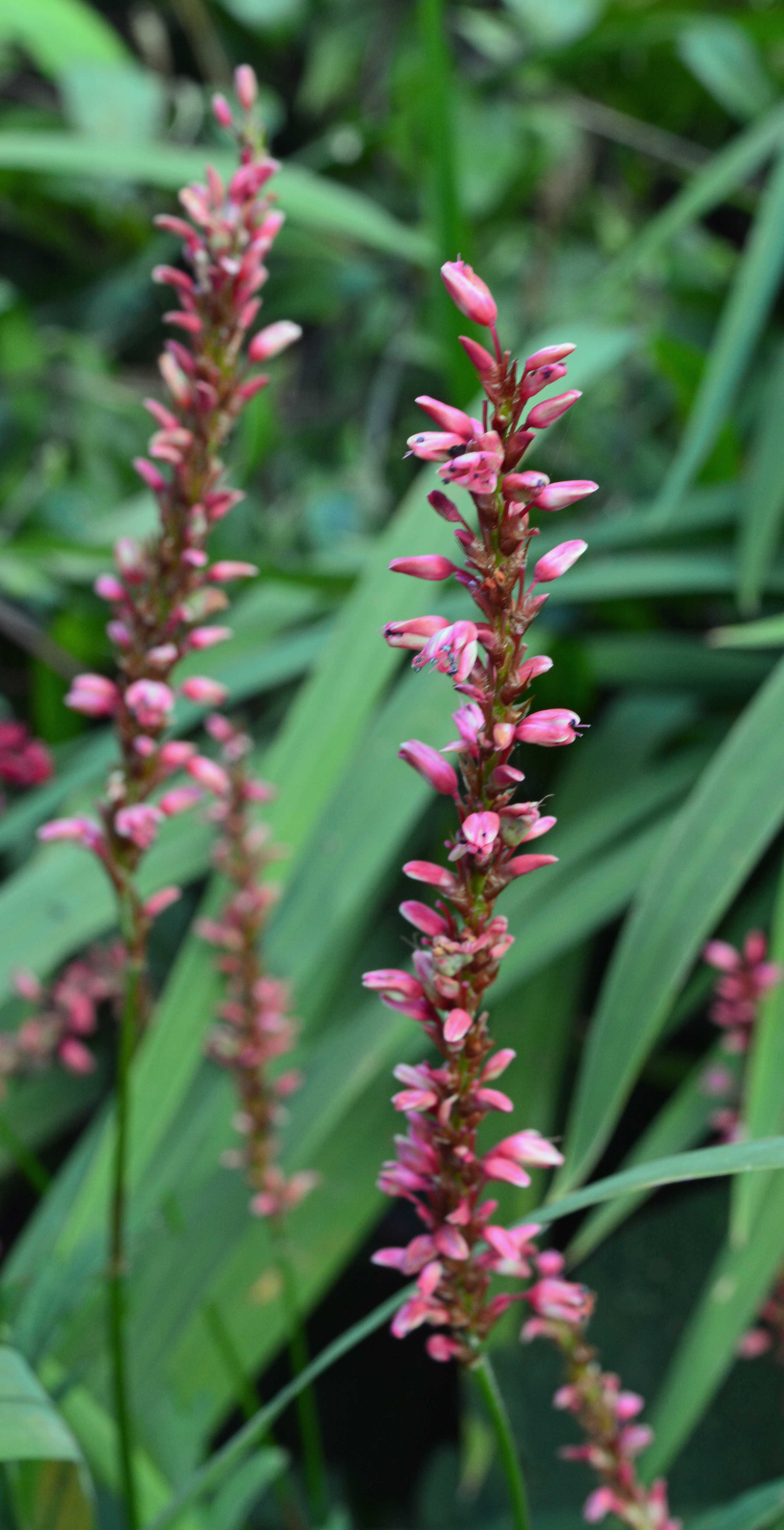
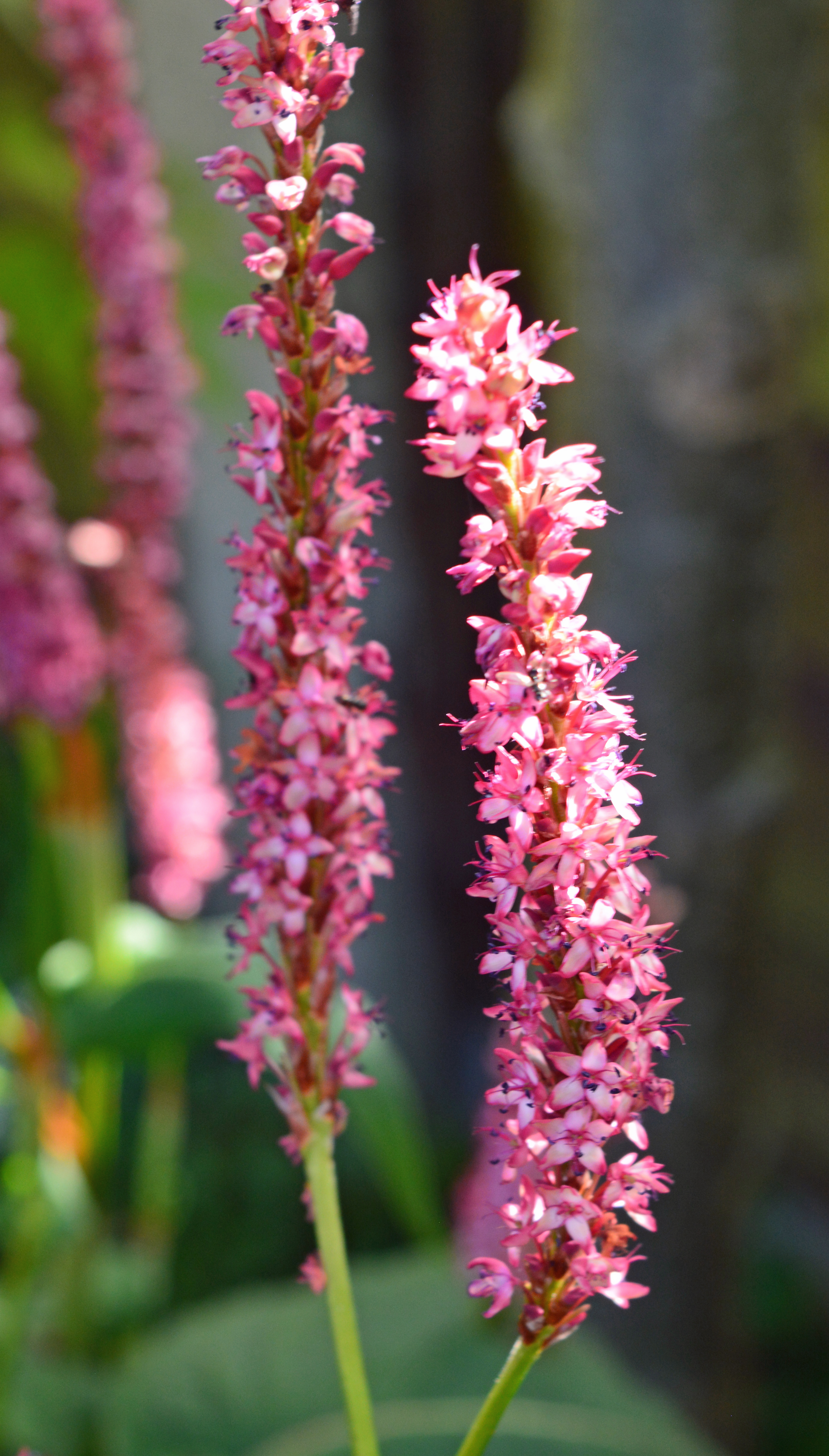
“Varieties of Persicaria amplexicaulis also feature on most of our borders fitting in with most styles of planting, being equally at home in Prairie planting, gravel garden, herbaceous borders and wherever they grow they enhance their border partners.”
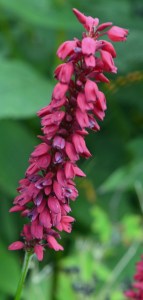
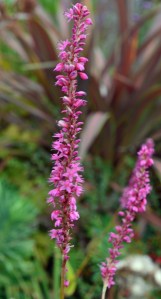
          

These two collections of hardy herbaceous perennials brings the month of September to an end. The next visit to my garden journal will be in October
Categories
colours garden design garden photography gardening gardens half-hardy perennials hardy perennials July Shropshire shrubs South Shropshire village gardens

My Garden Journal – July

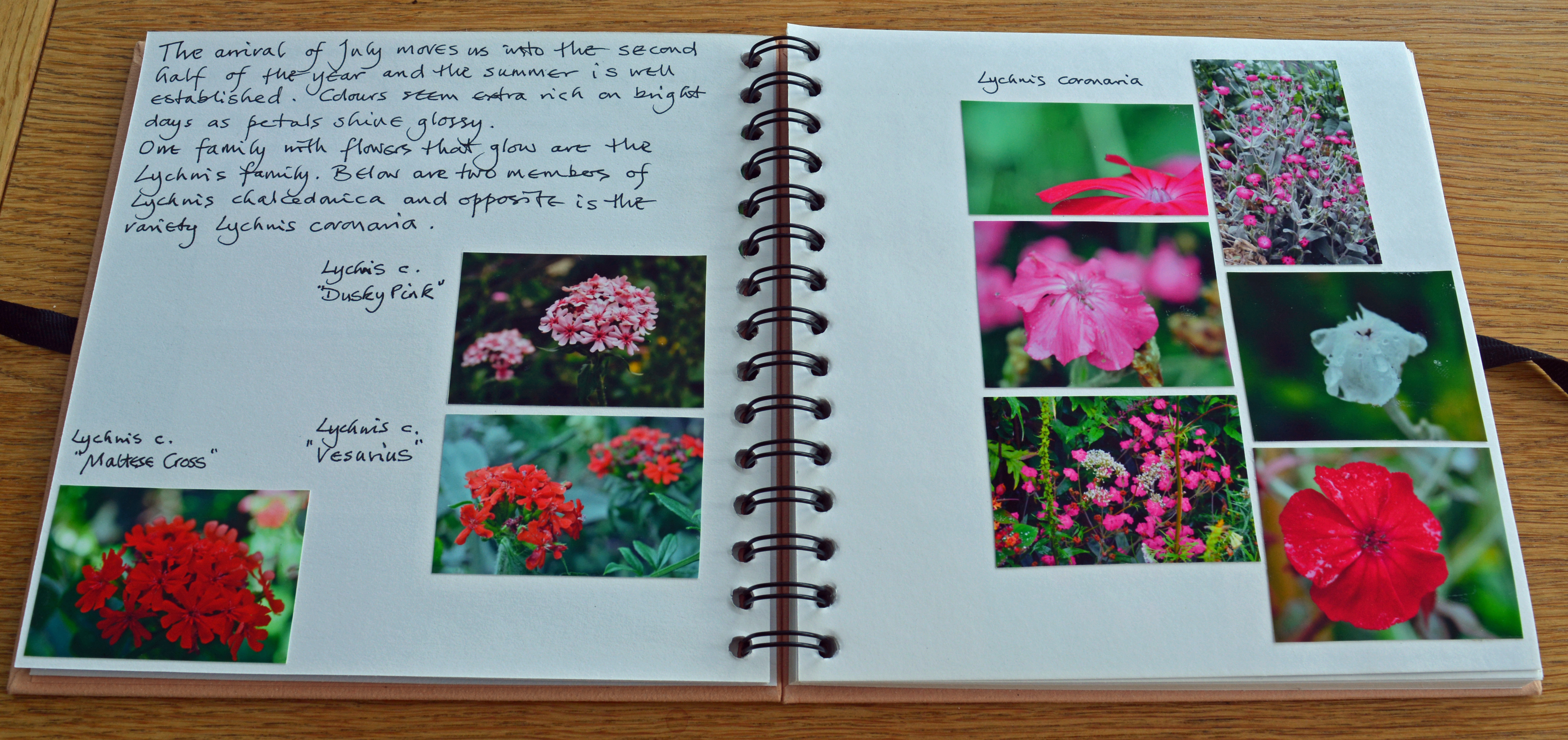
So it is already time to share my July entries in my garden journal. This year in the garden seems to be moving on so quickly. I began my July report by writing, “The arrival of July moves us into the second half of the year and the summer is well established. Colours seem extra rich on bright days as petals shine glossily.”

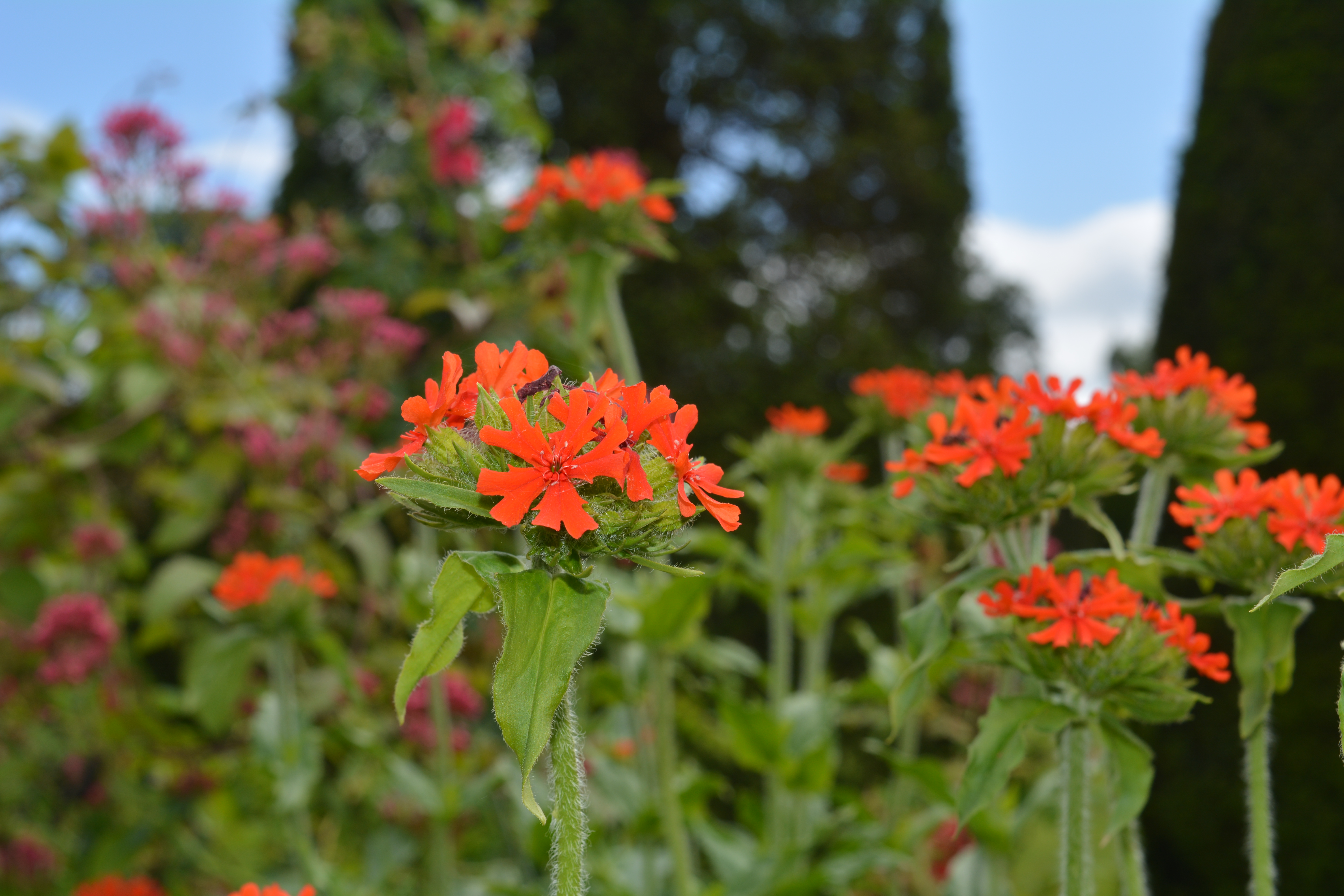
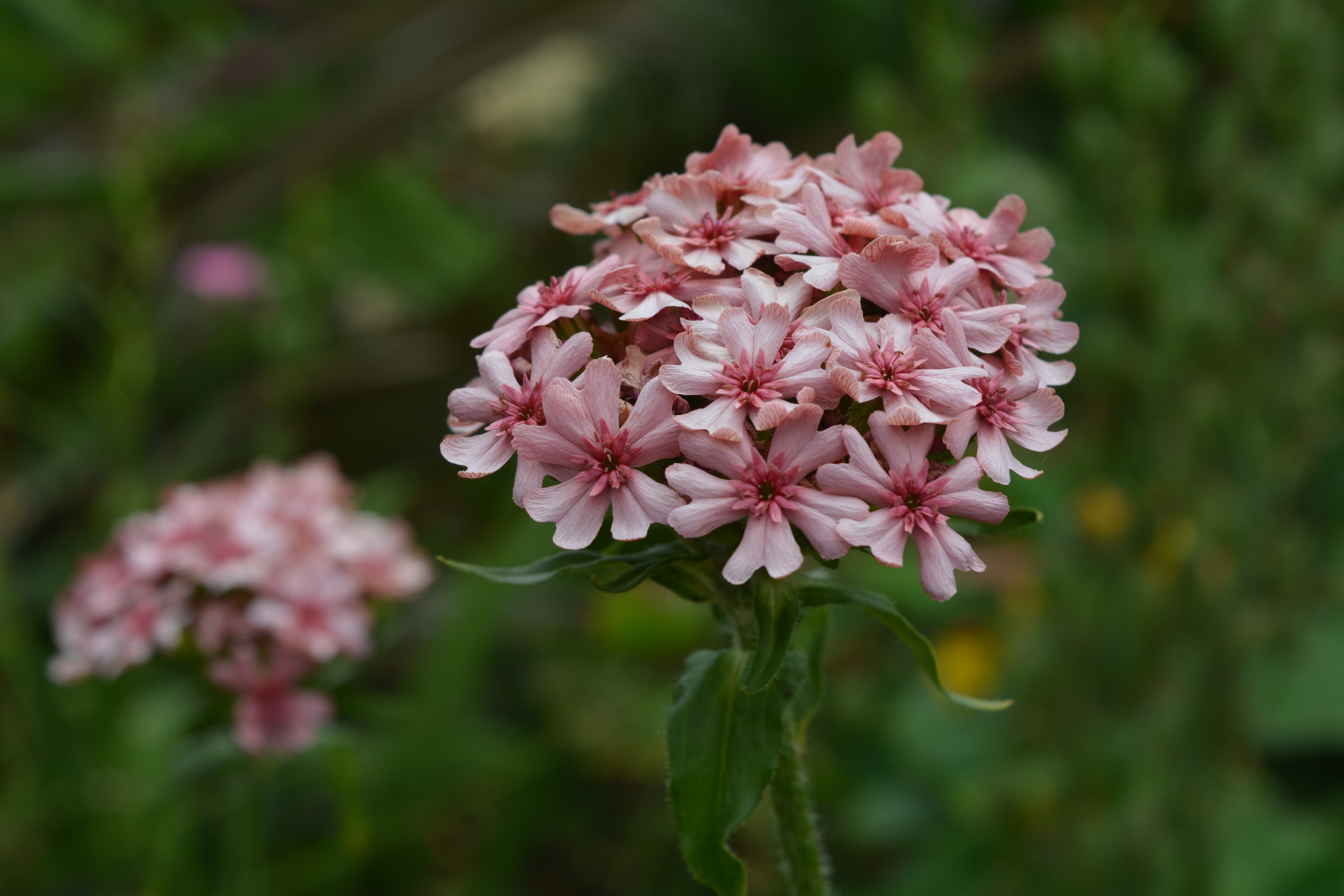
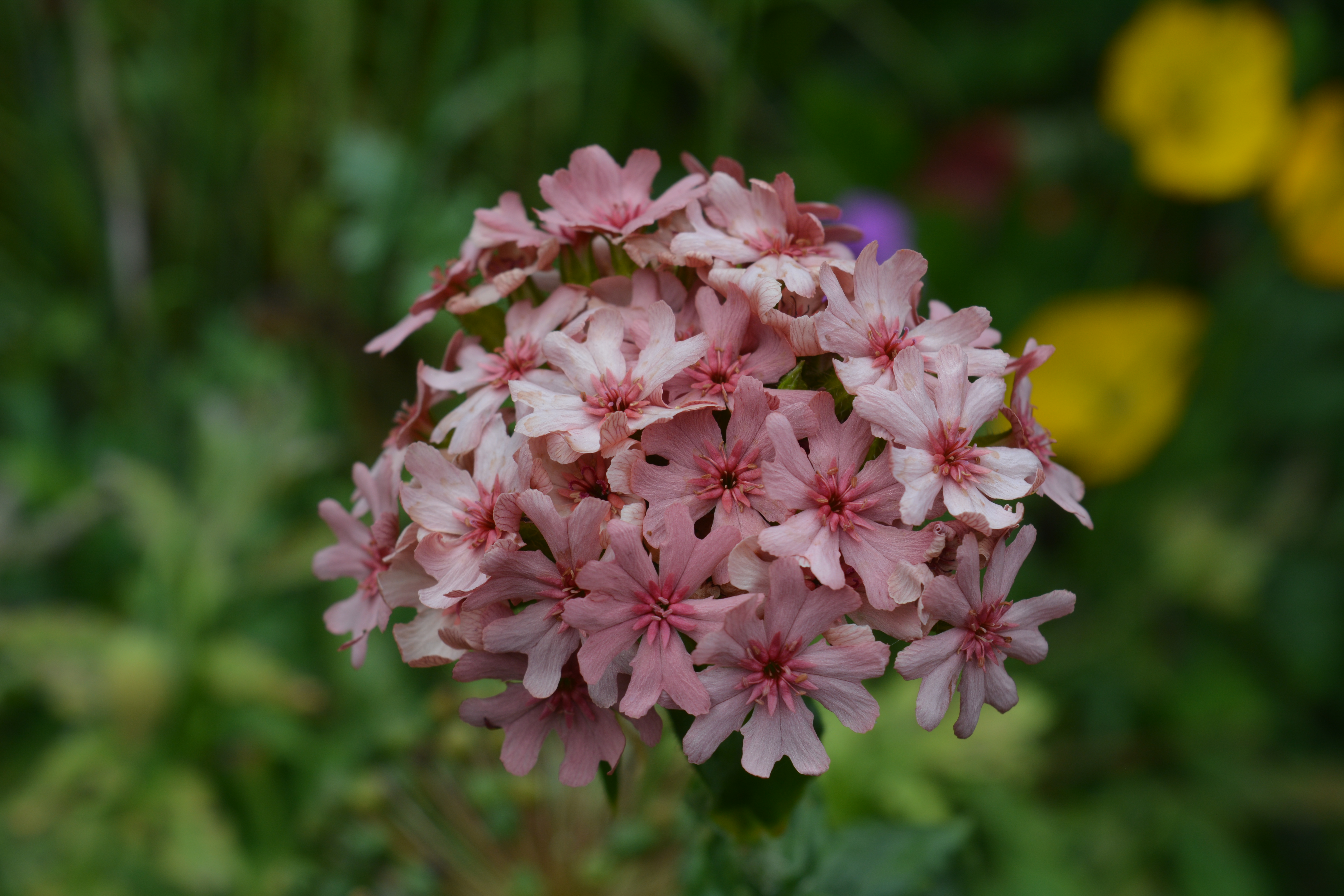
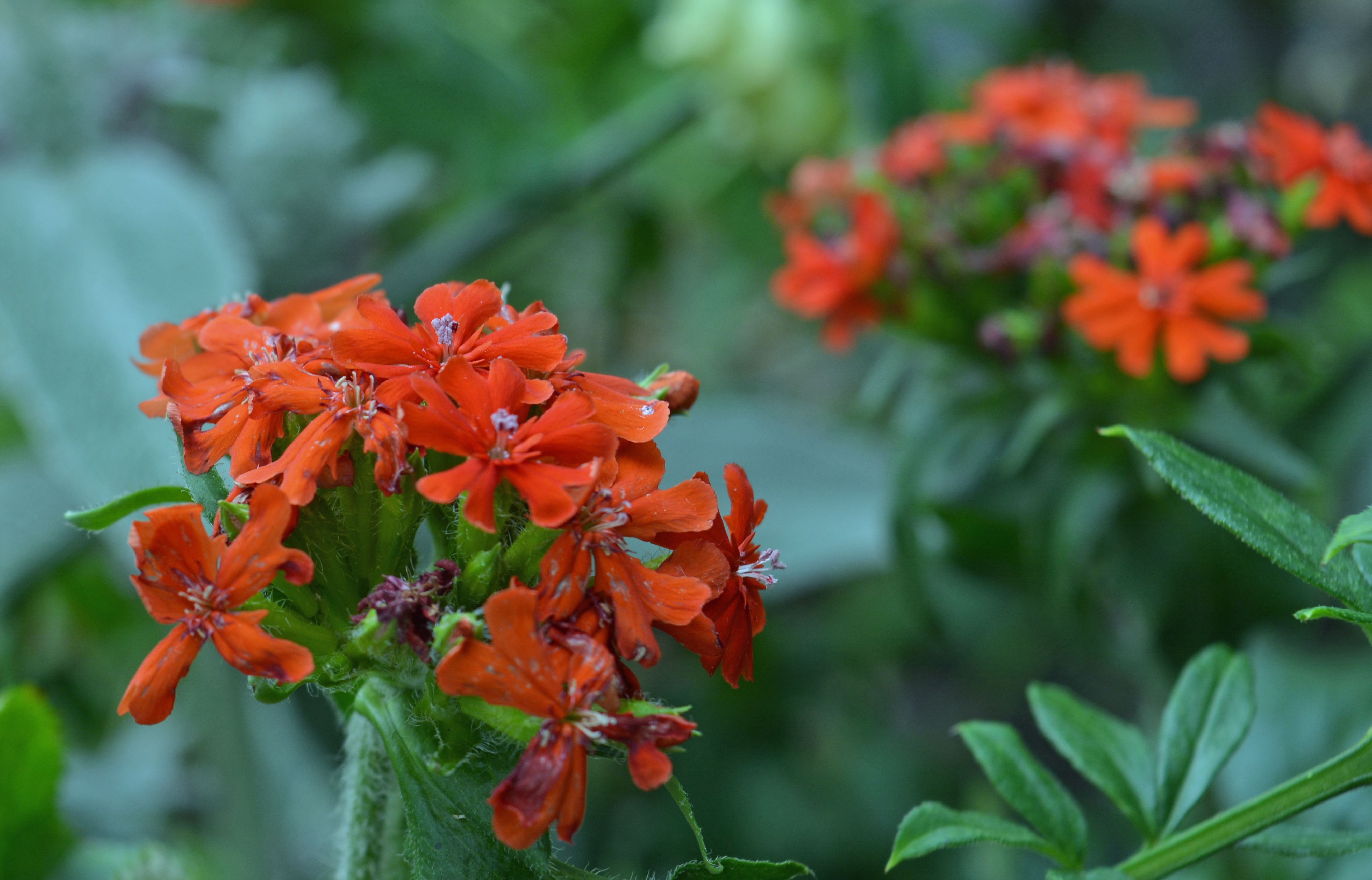
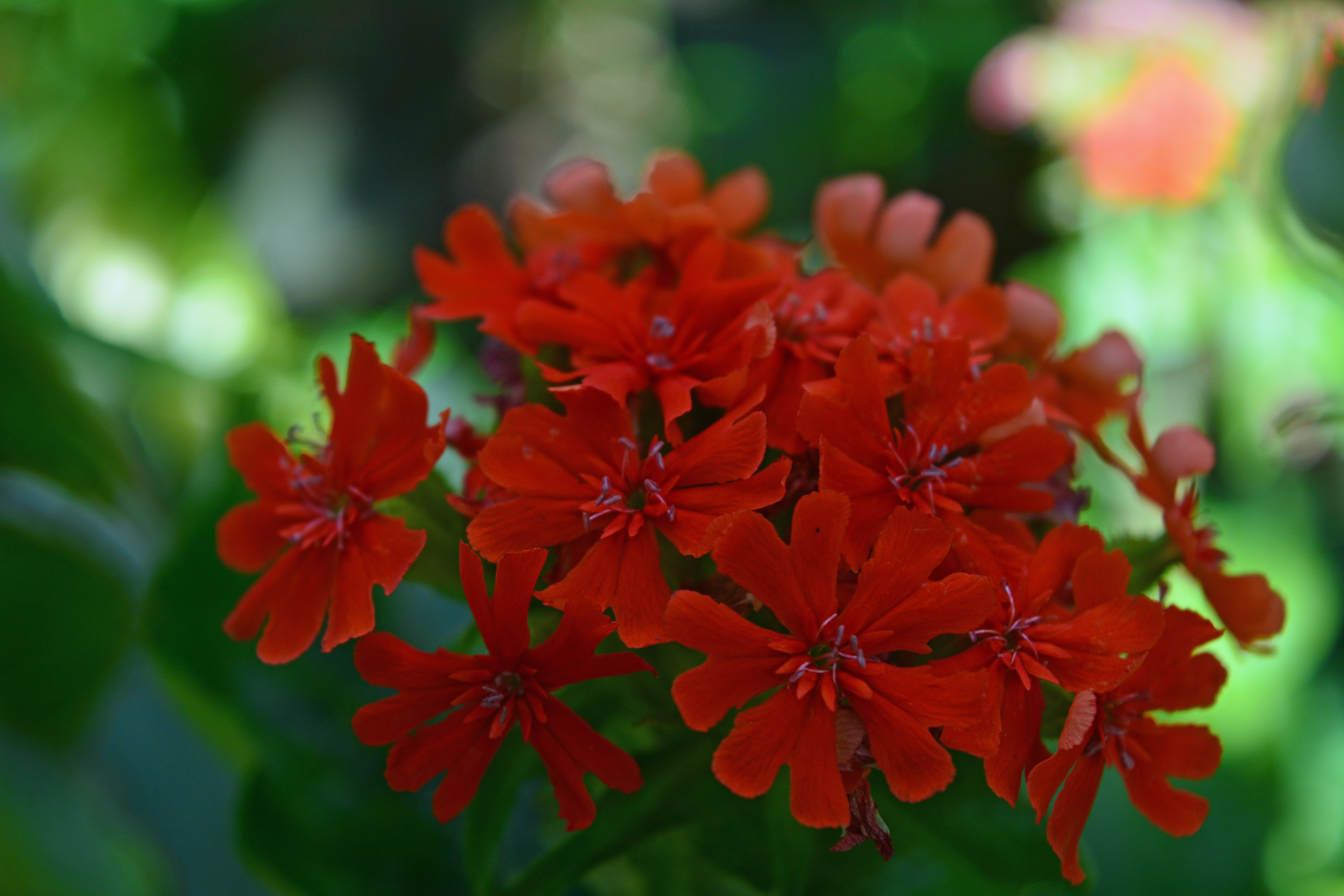
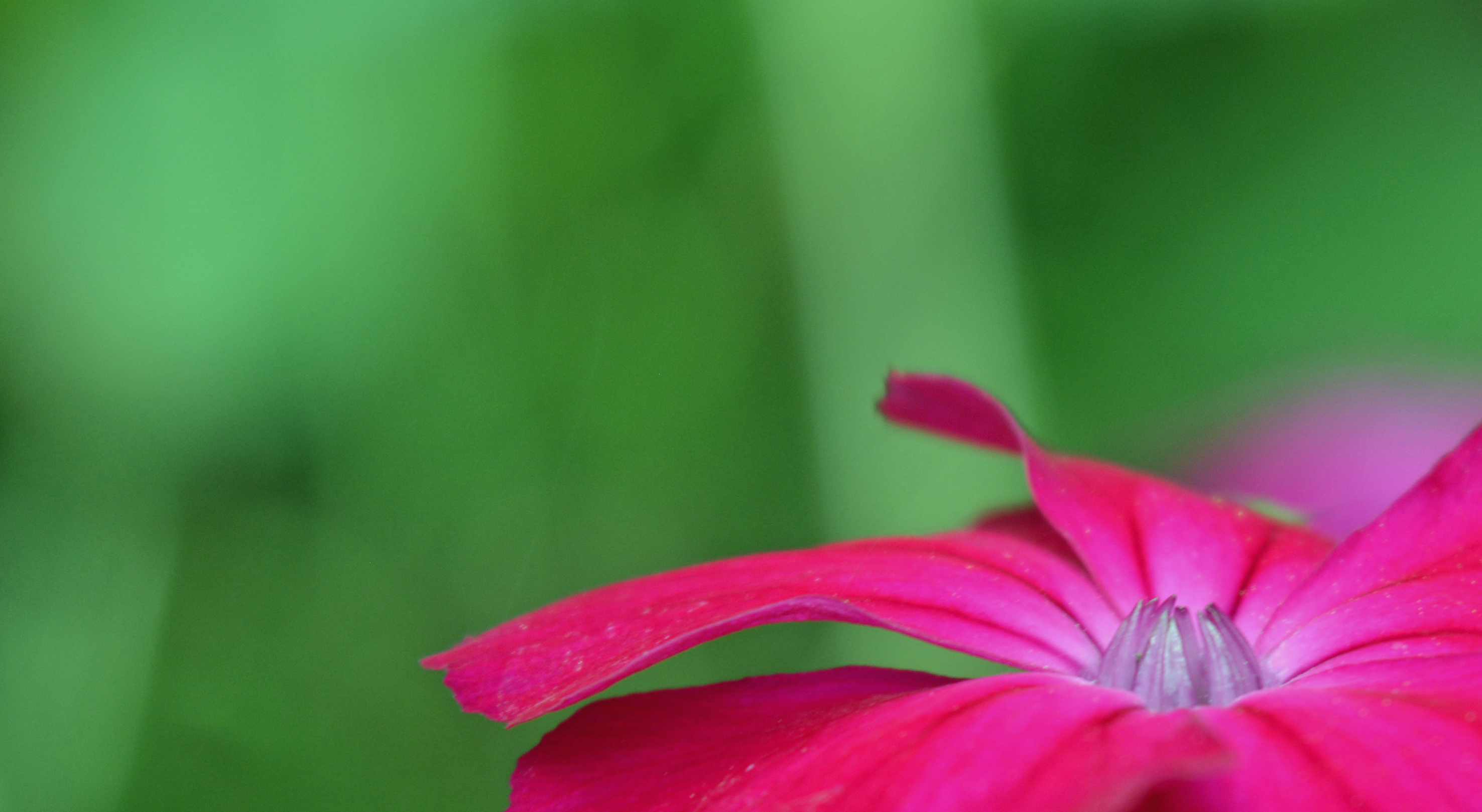
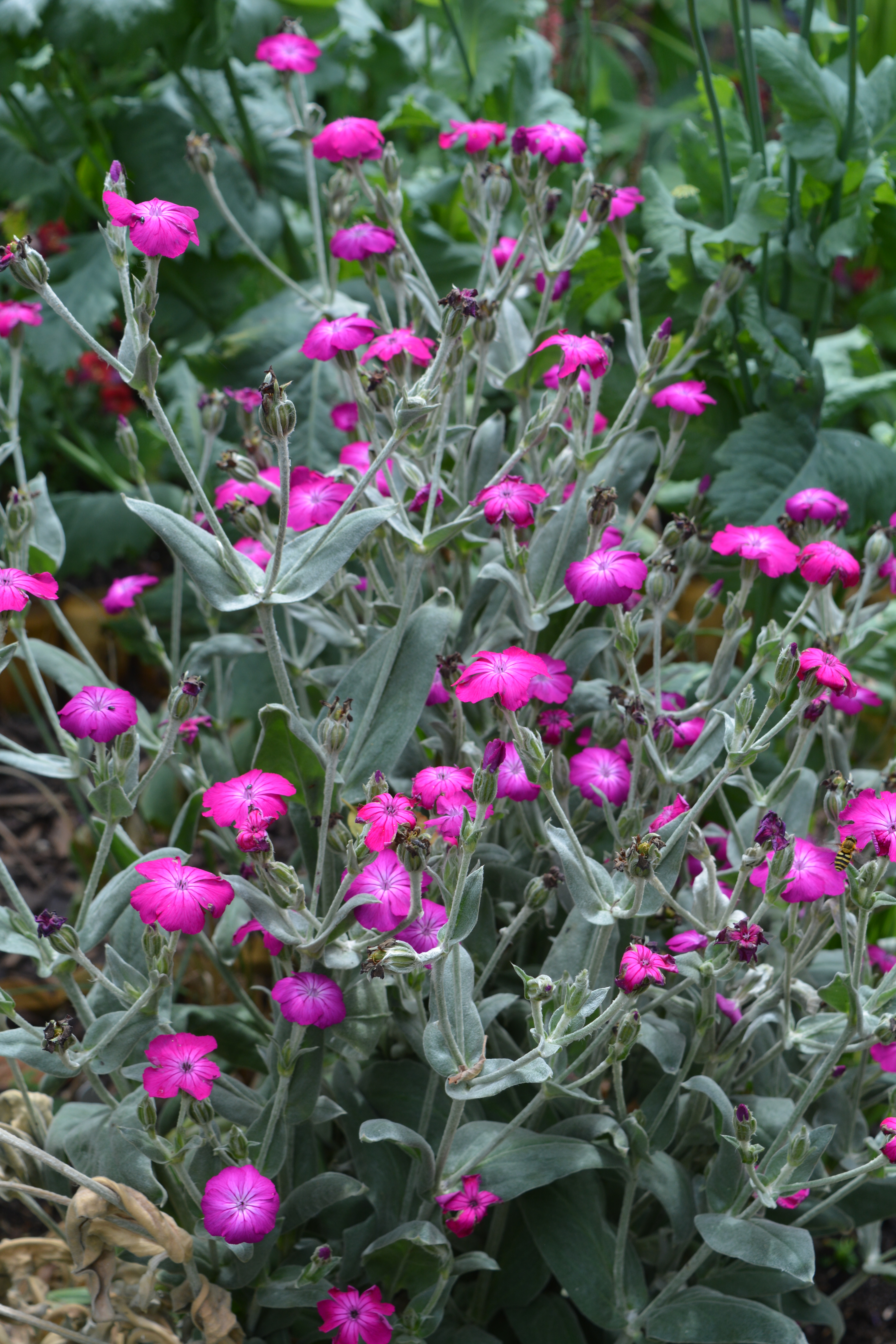
“One family with flowers that glow are the Lychnis family. Below are two members of Lychnis, the variety L. chalcedonica and another variety L. coronaria.”

“Lychnis chalcedonica “Dusky Pink”


“Lychnis chalcedonica “Vesuvius” and Lychnis chalcedonica “Maltese Cross”


“Lychnis coronaria”


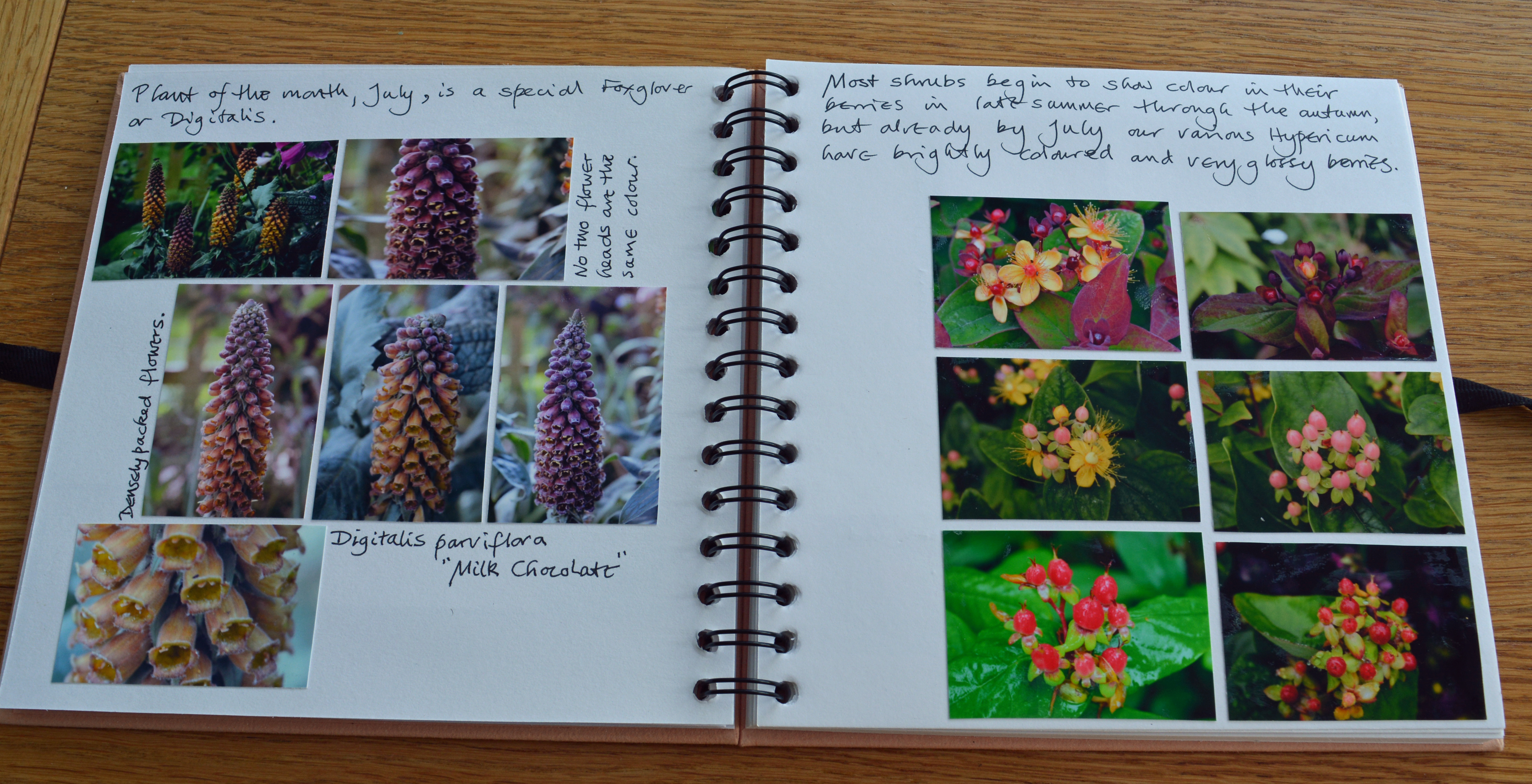
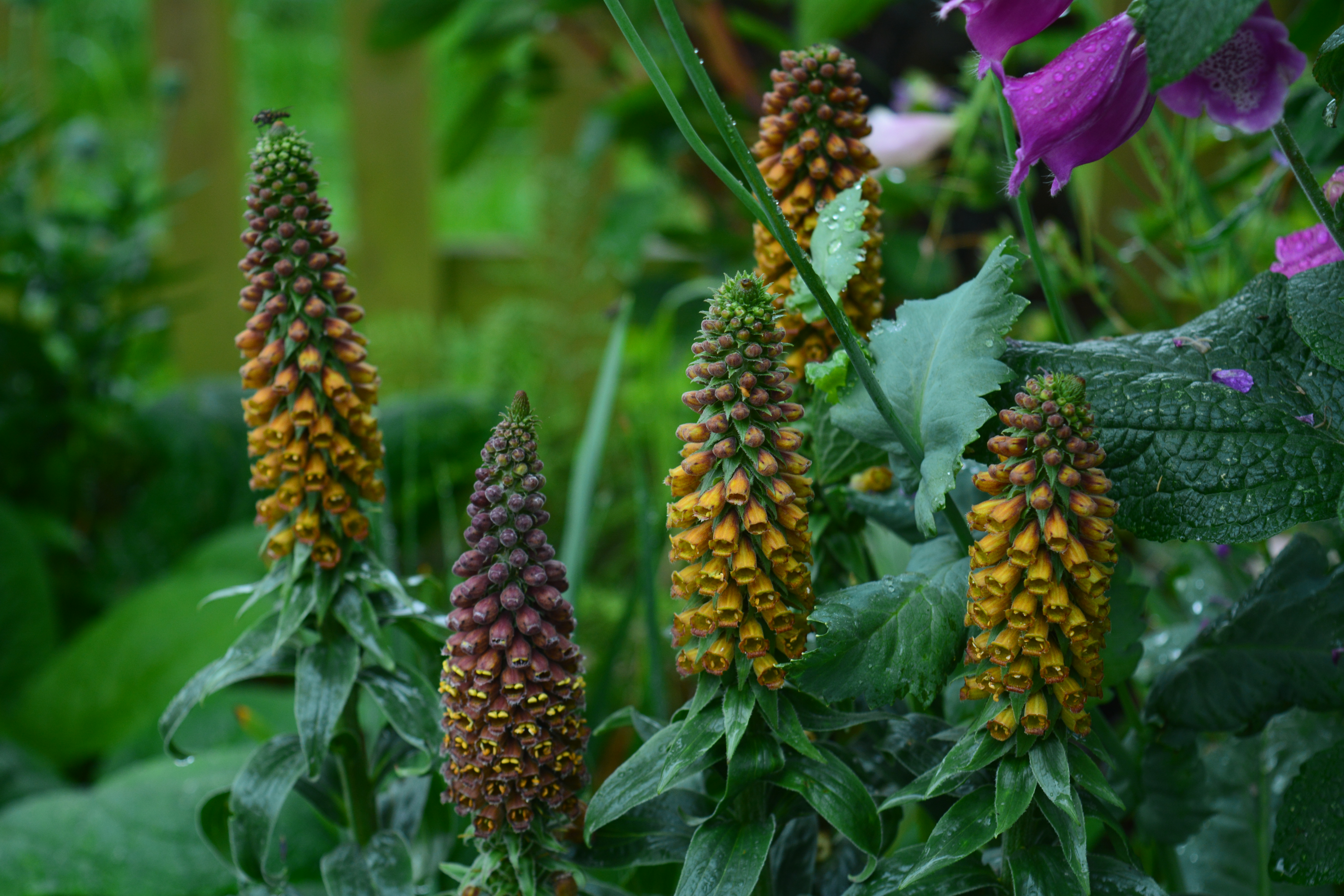
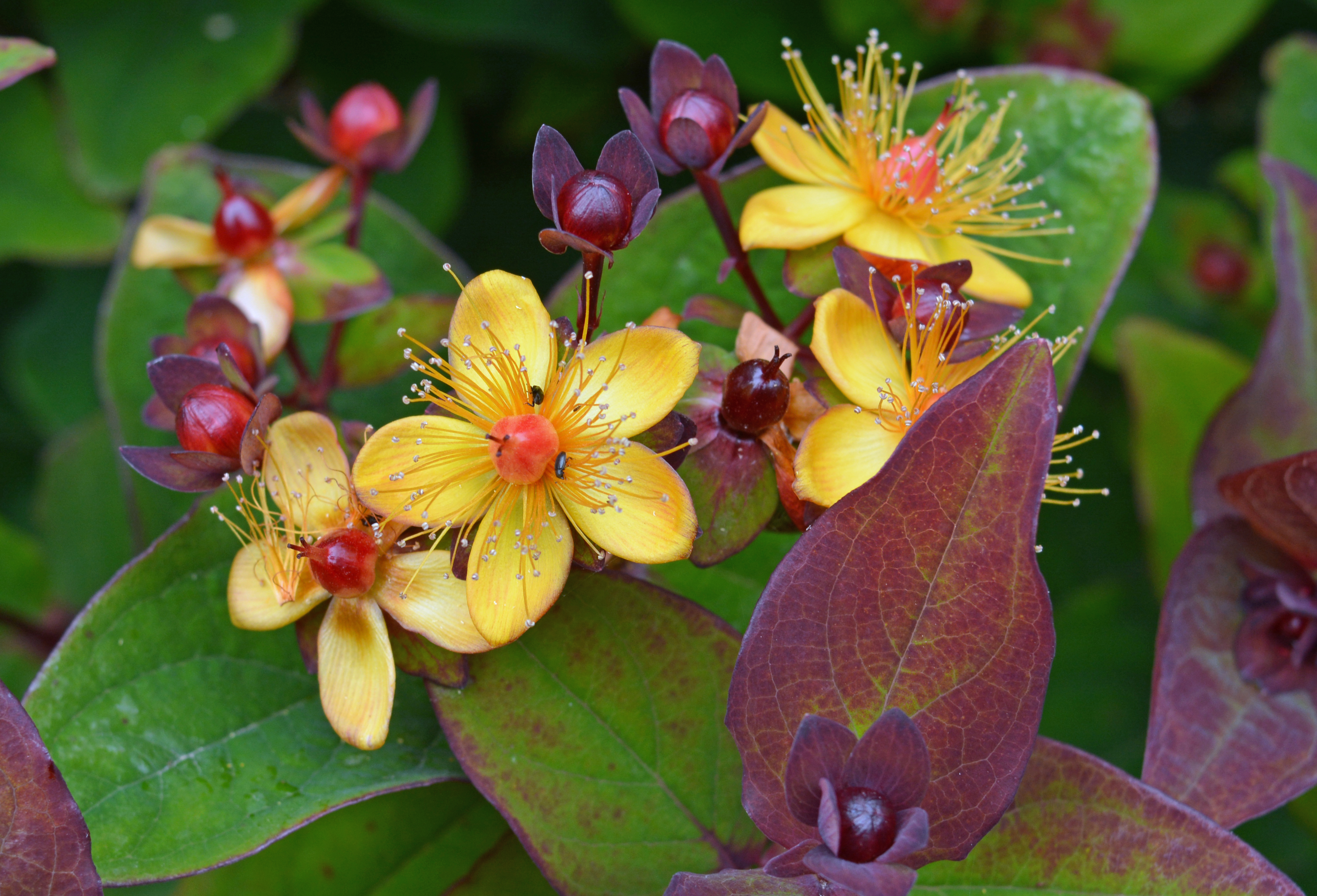
Over the page I move on to look at an unusual Foxglove, Digitalis parviflora “Milk Chocolate” and a berried shrub, Hypericum x inodorum.

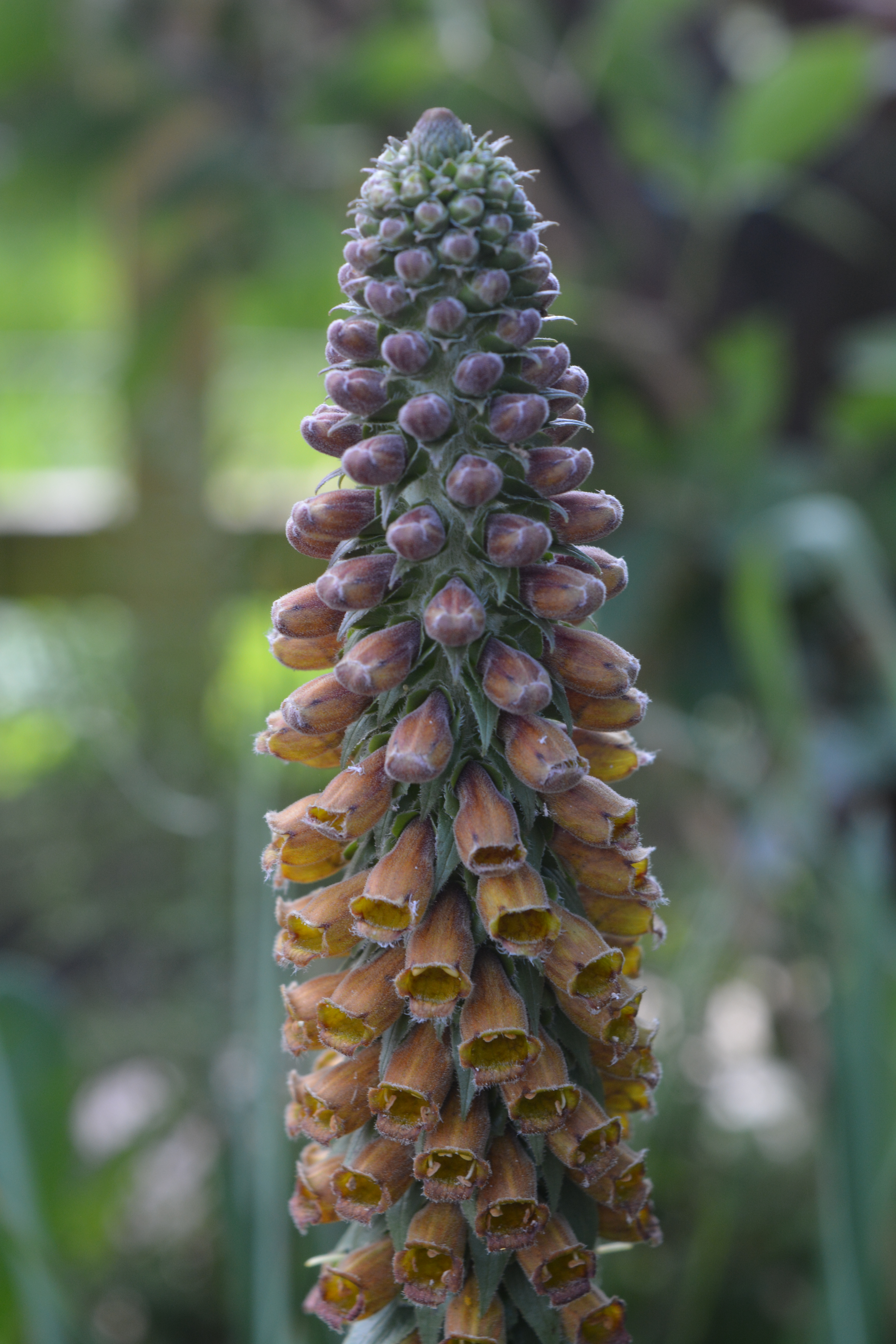
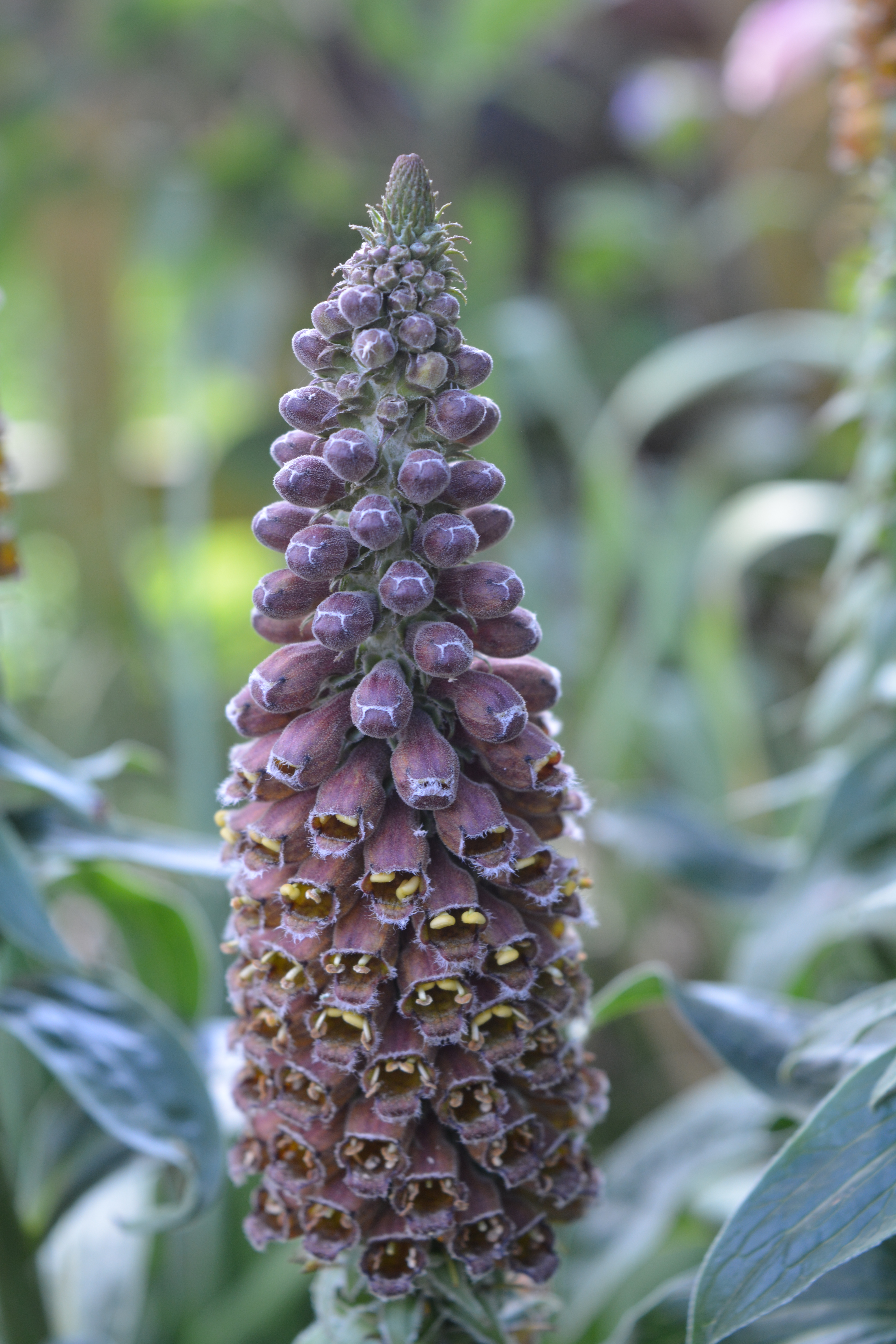
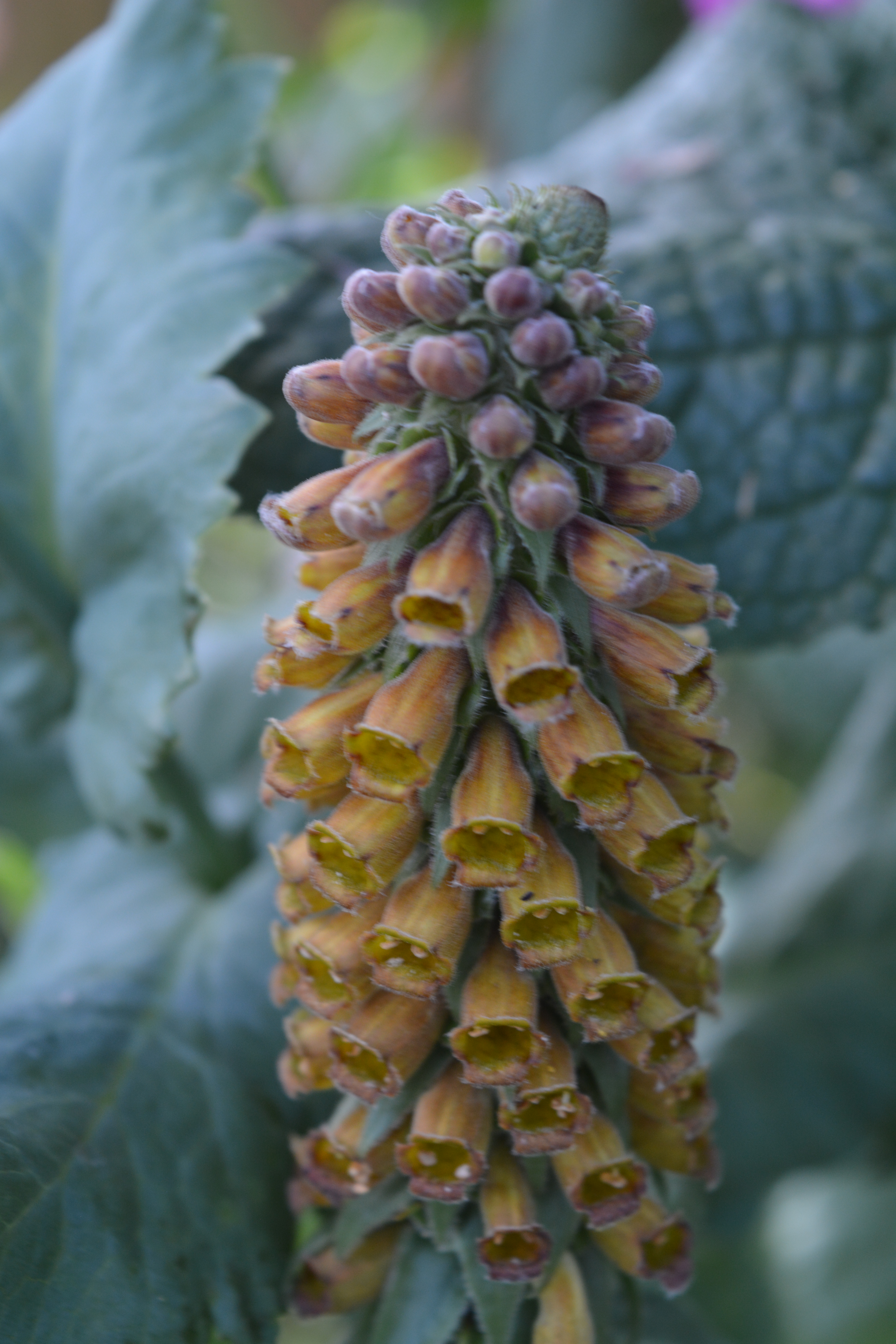
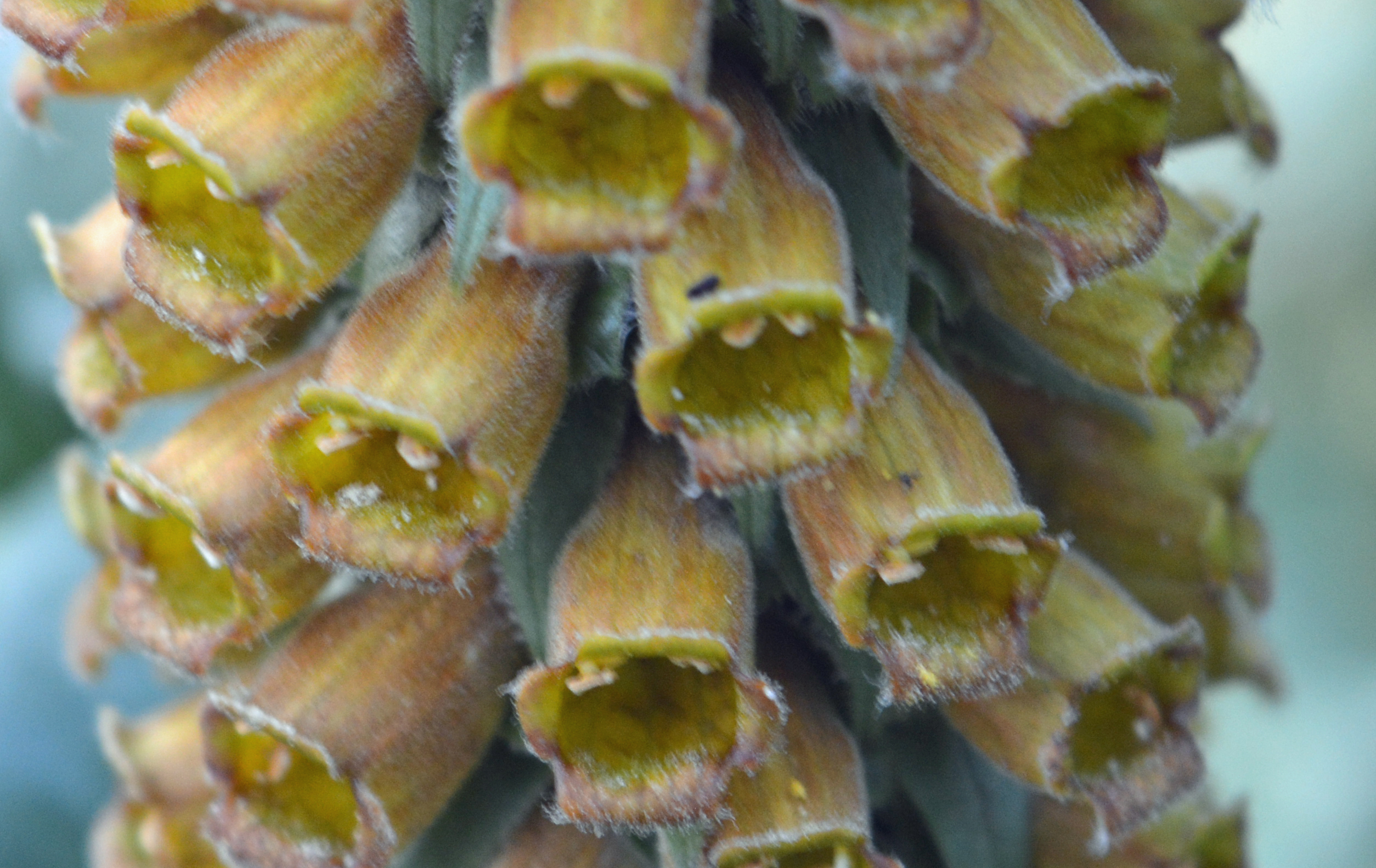
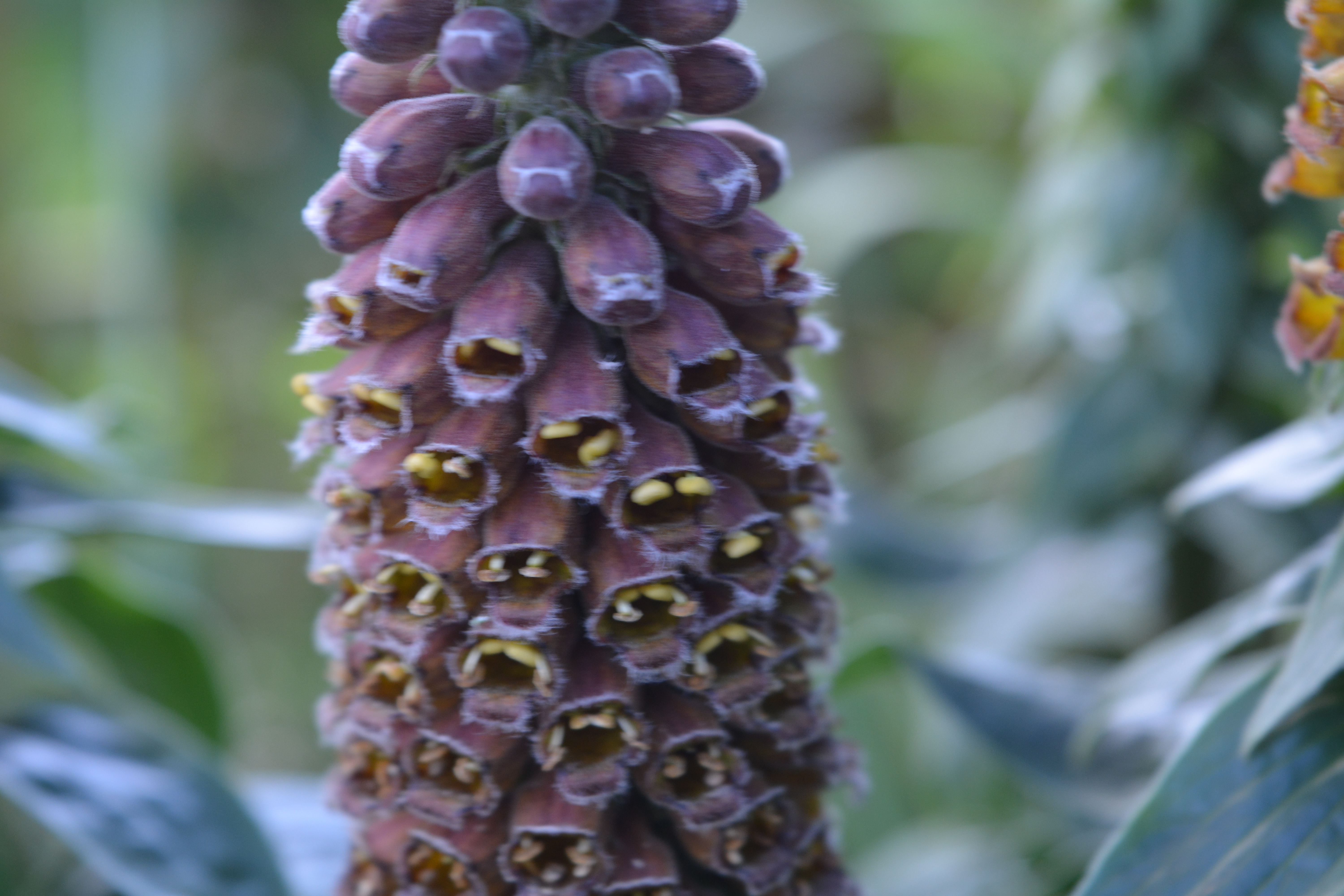
“Plant of the month, July, is a special Foxglove or Digitalis, Digitalis parviflora Milk Chocolate.”

“No two flower heads are the same.”


“Densely packed flowers.”

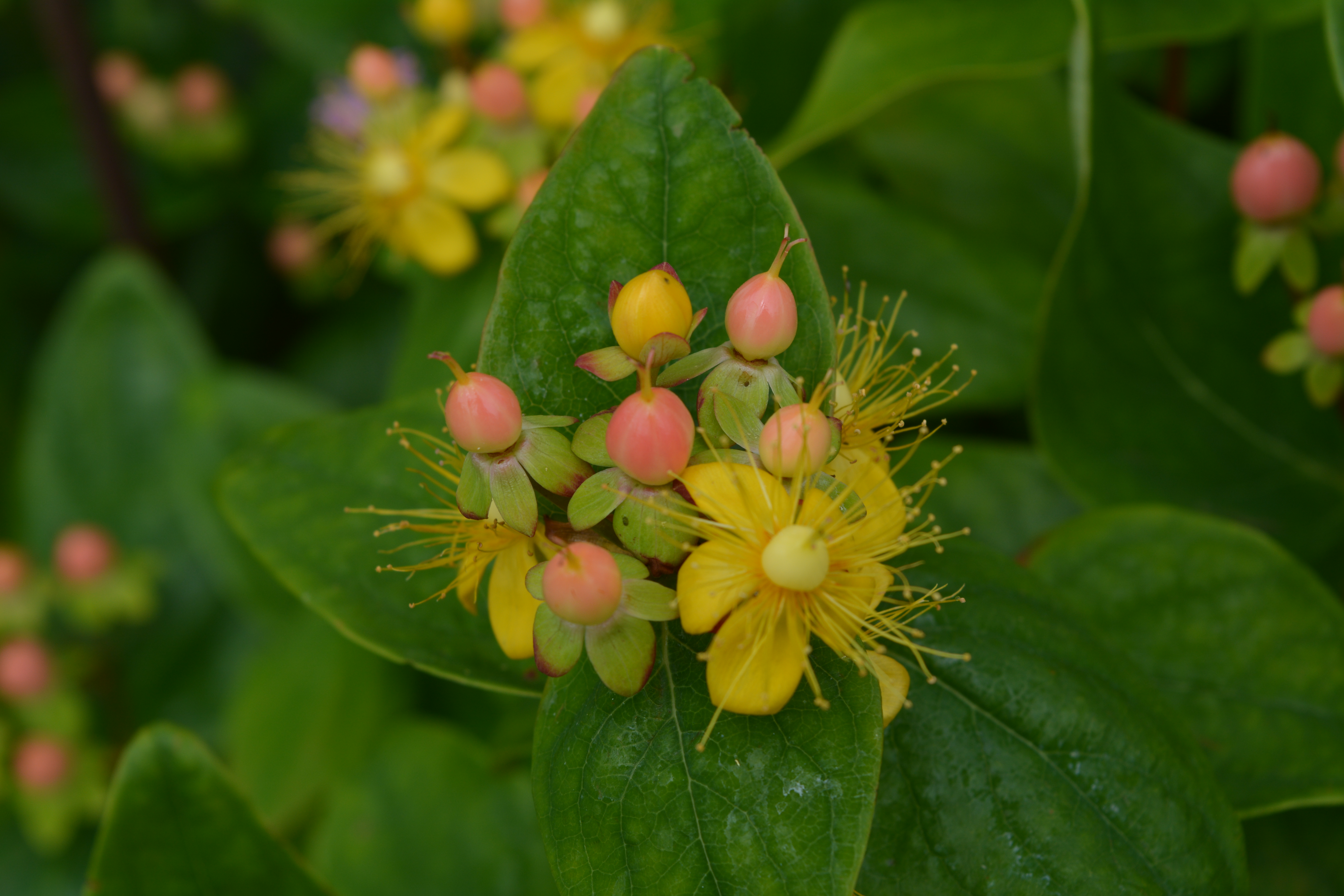
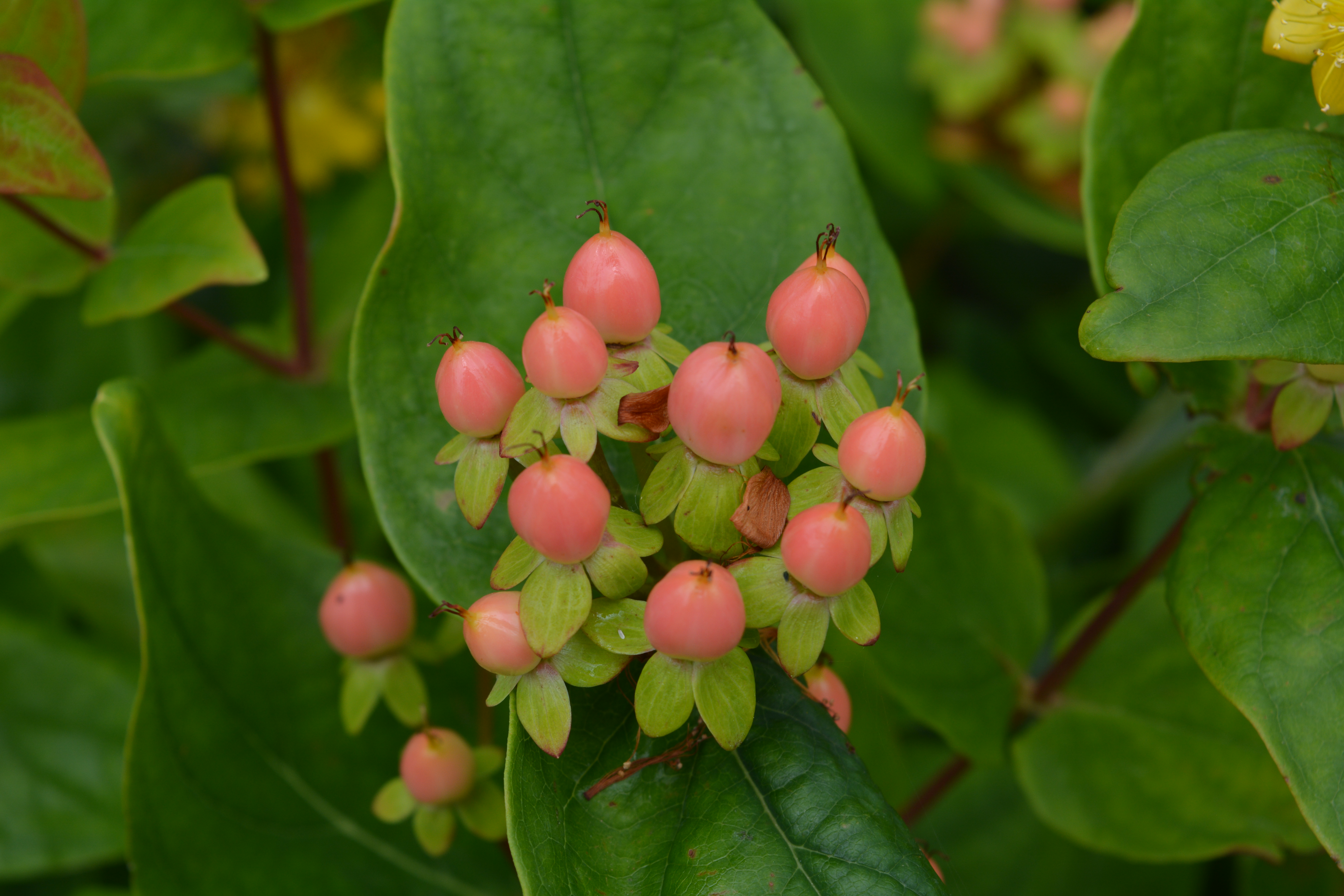
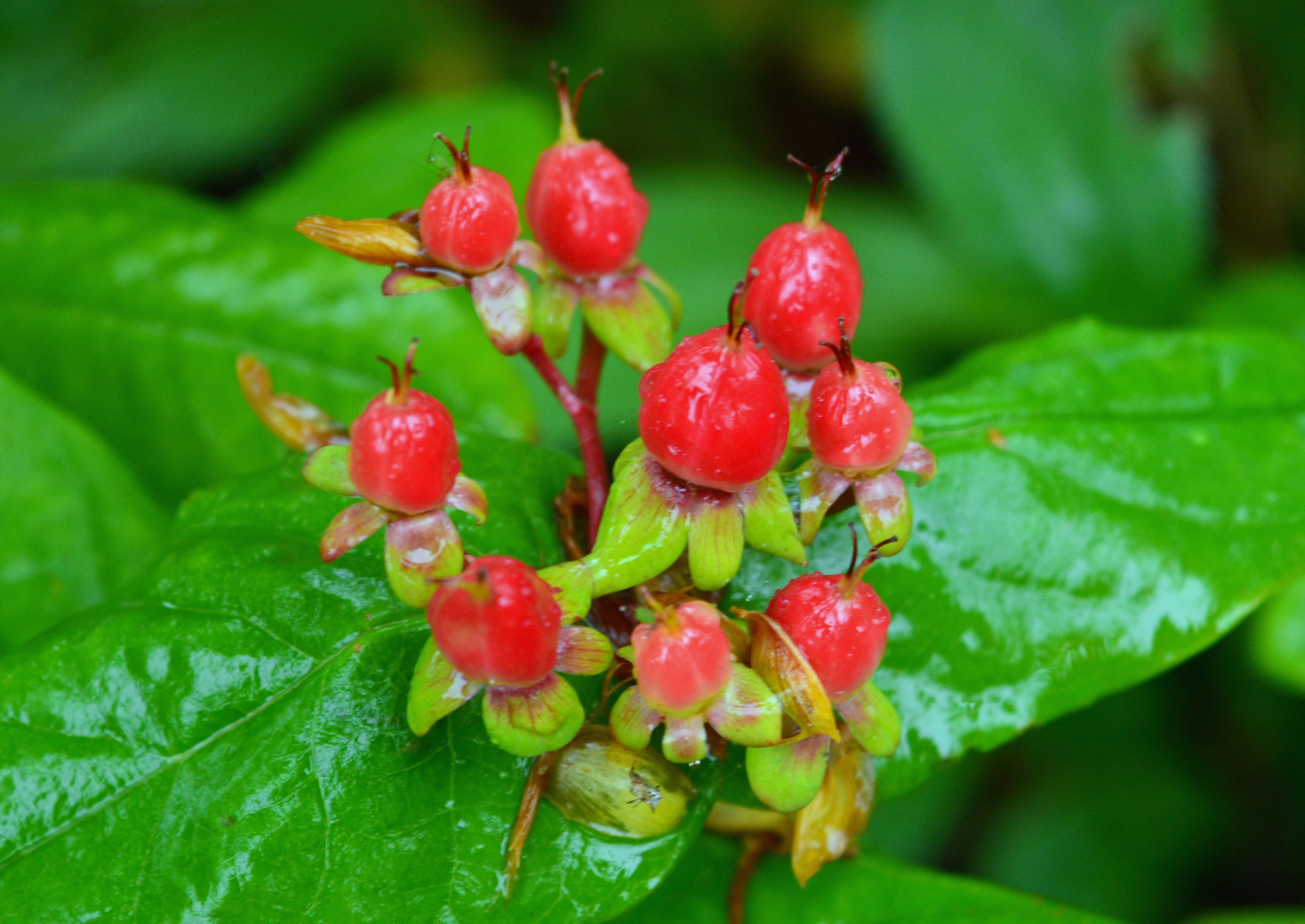
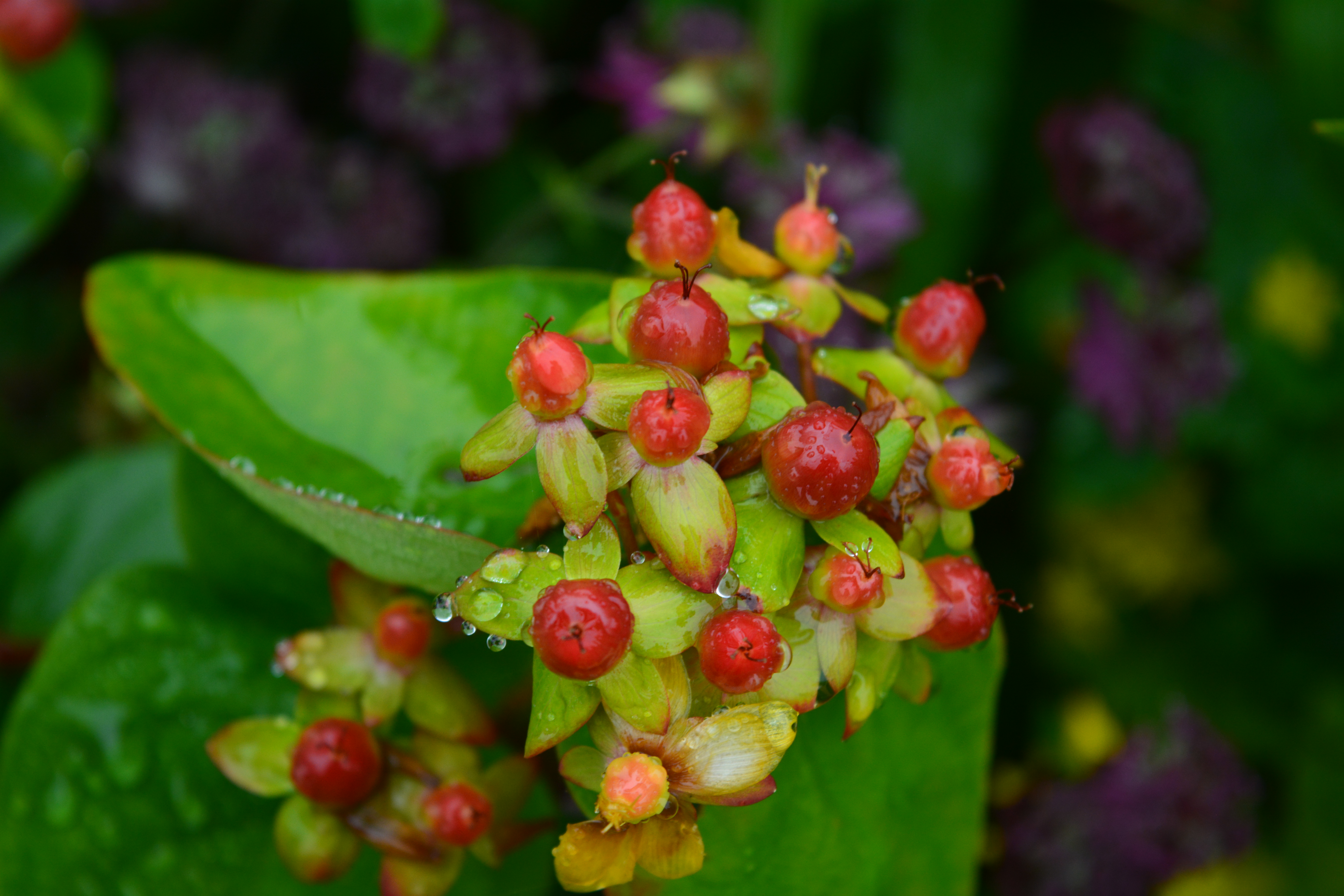
“Most berrying shrubs begin to show colour in their berries in late summer through the autumn, but already by July our various cultivars of Hypericum x inodorum have brightly coloured and very glossy berries.”


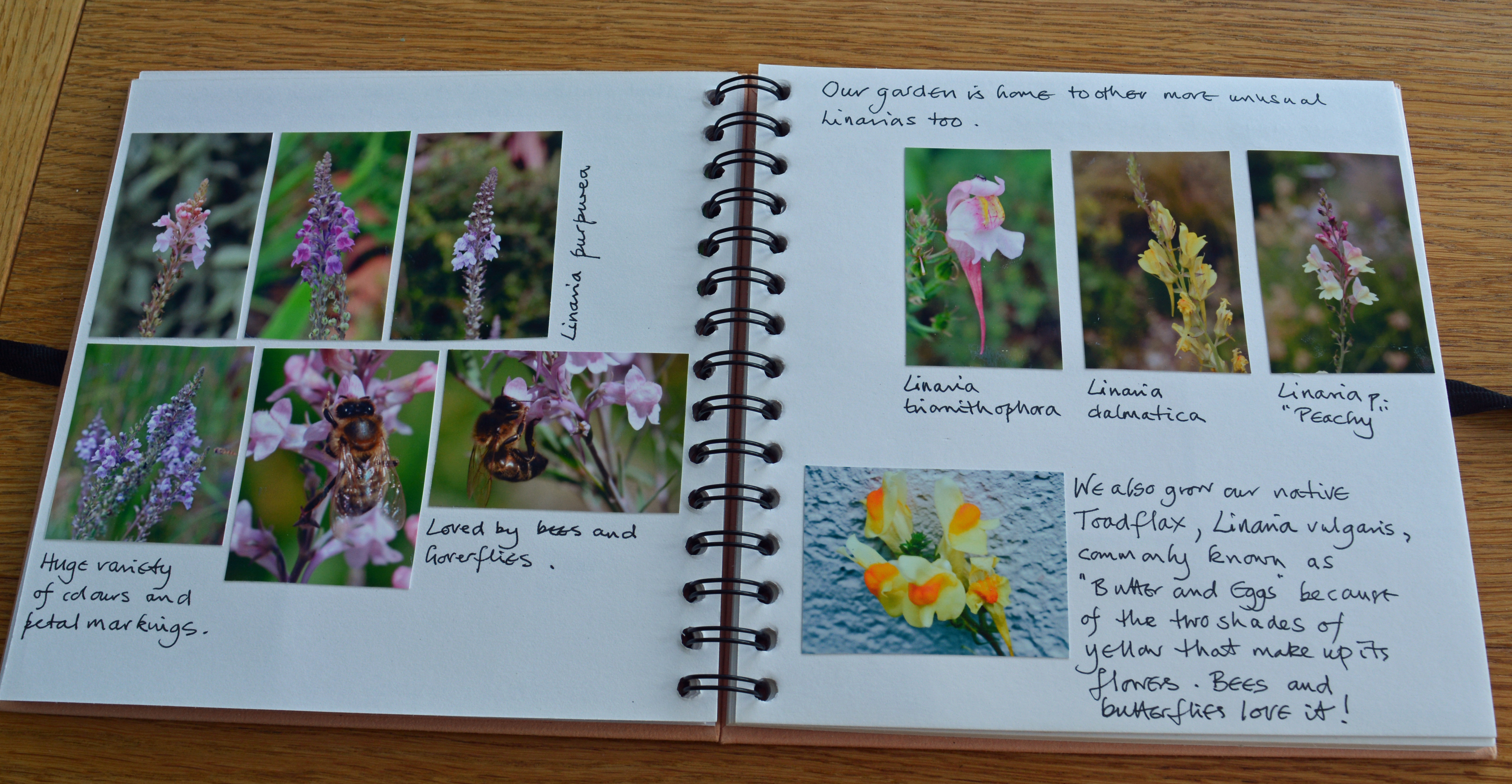
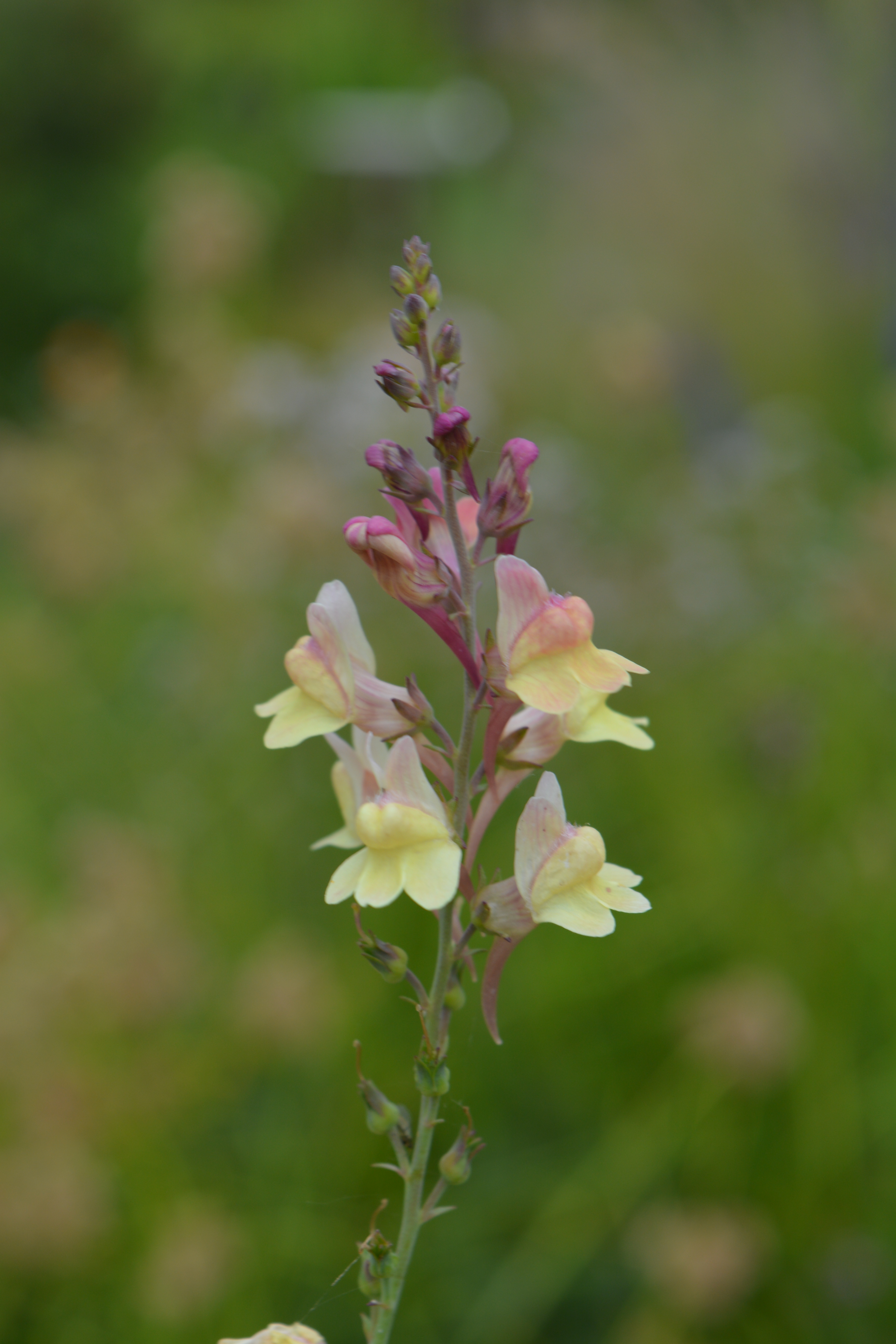
The next plant family I feature in July is Linaria, of which we grow many varied cultivars.

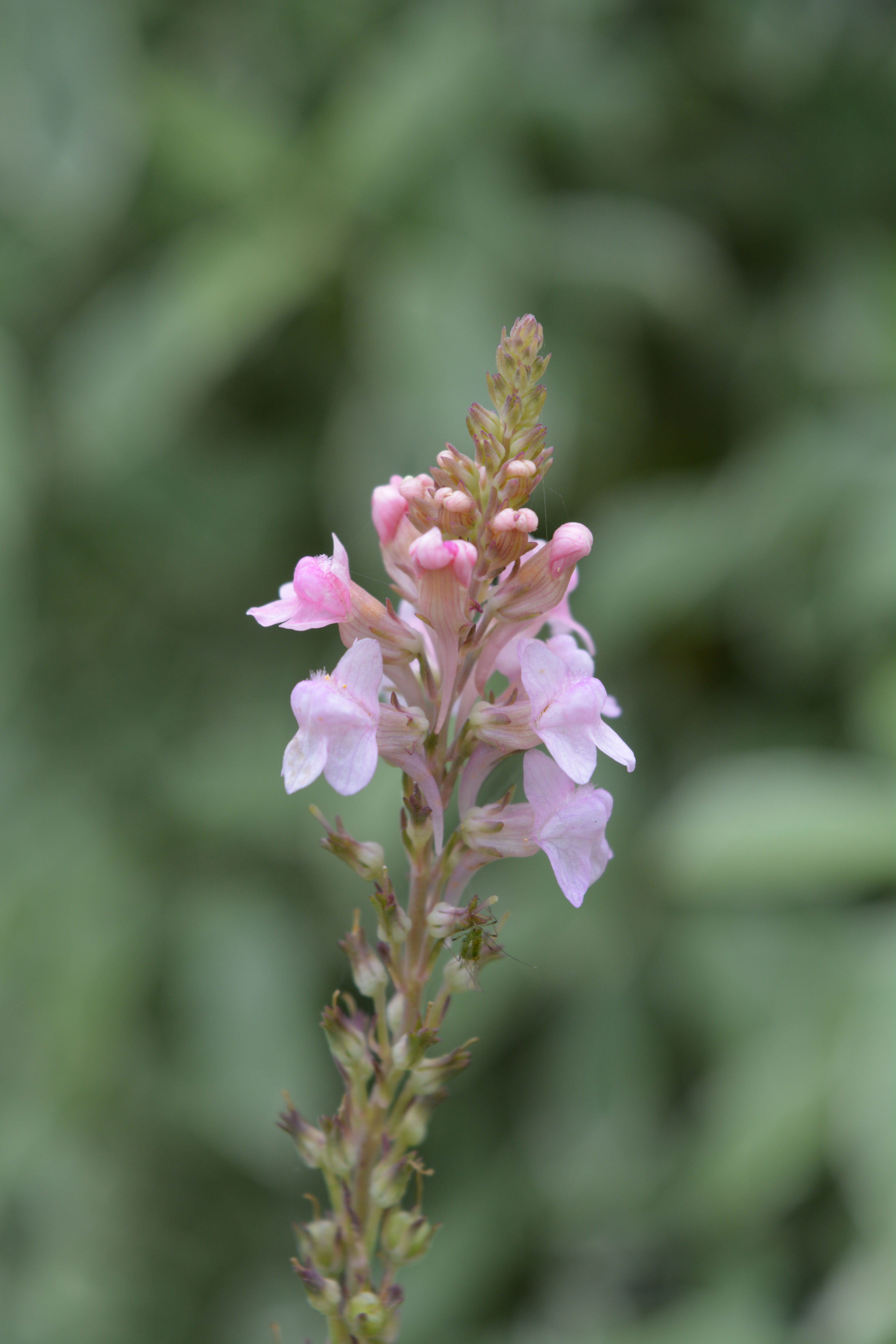
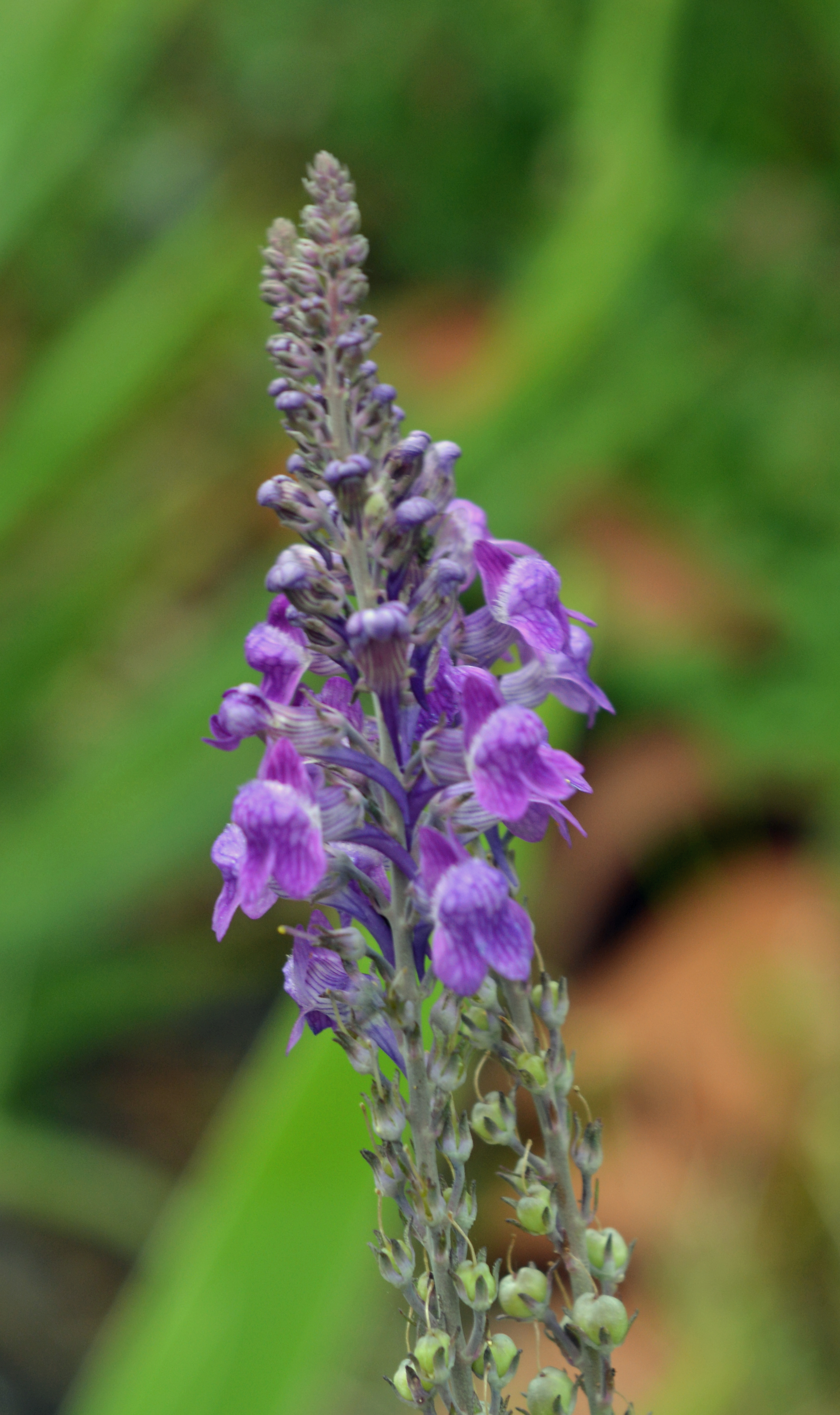
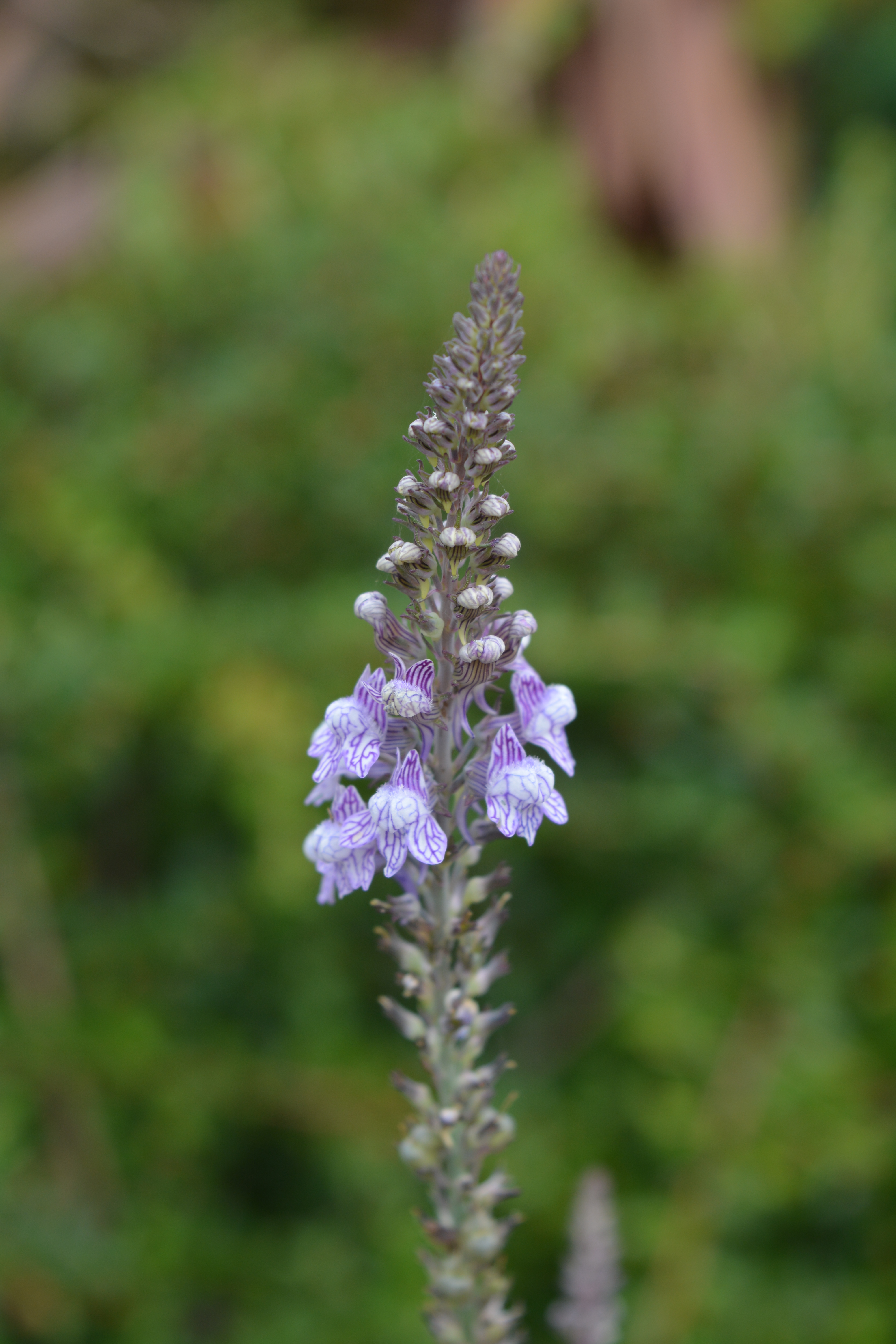
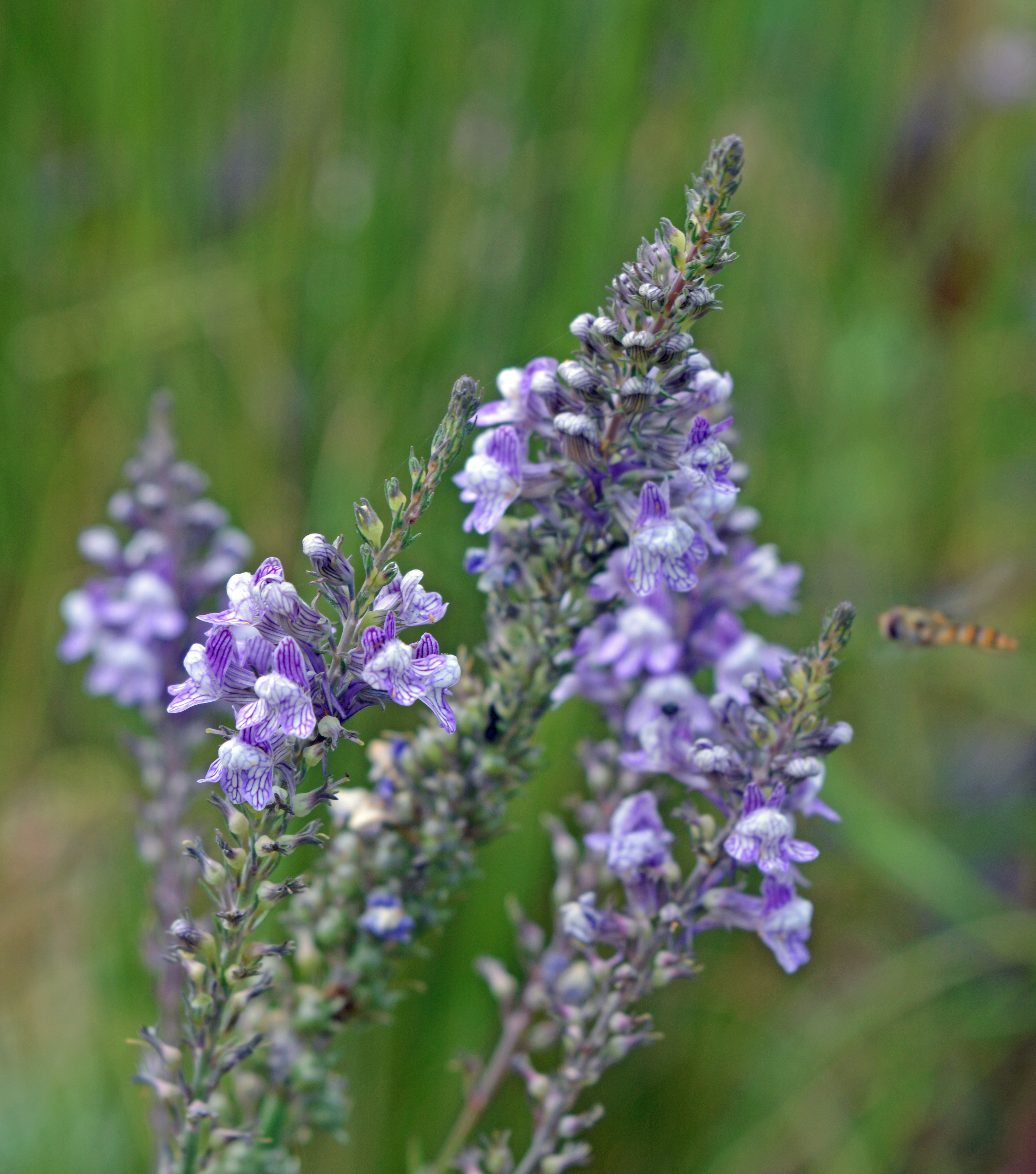
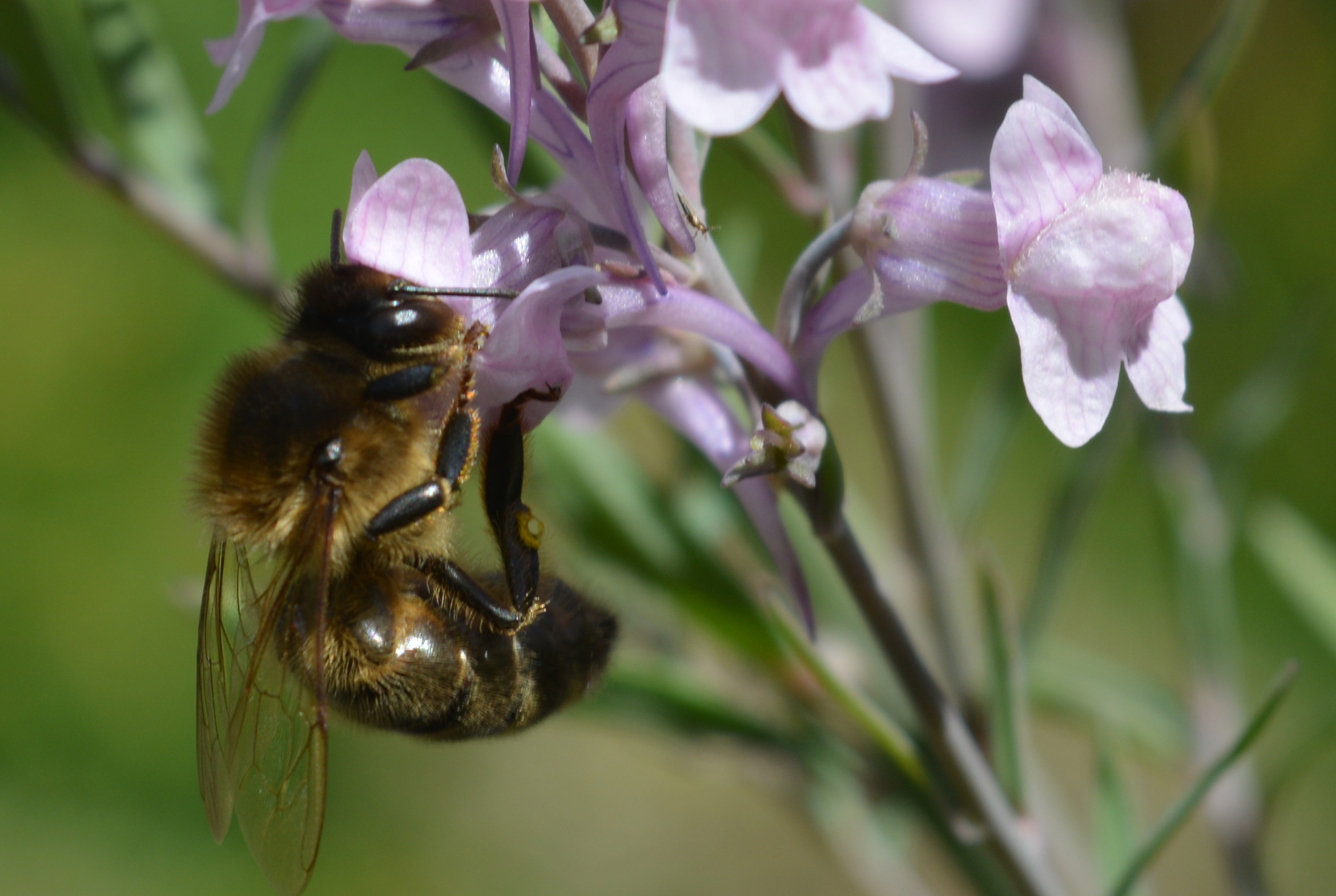
“Members of the Linaria family are always welcome in our garden. We love the way they self seed and hybridise. They display a huge range of colours and petal markings. Linaria purpurea is much loved by bees and hoverflies.”


“Our garden is home to other more unusual Linarias too, all with their recognisable flower structure.”


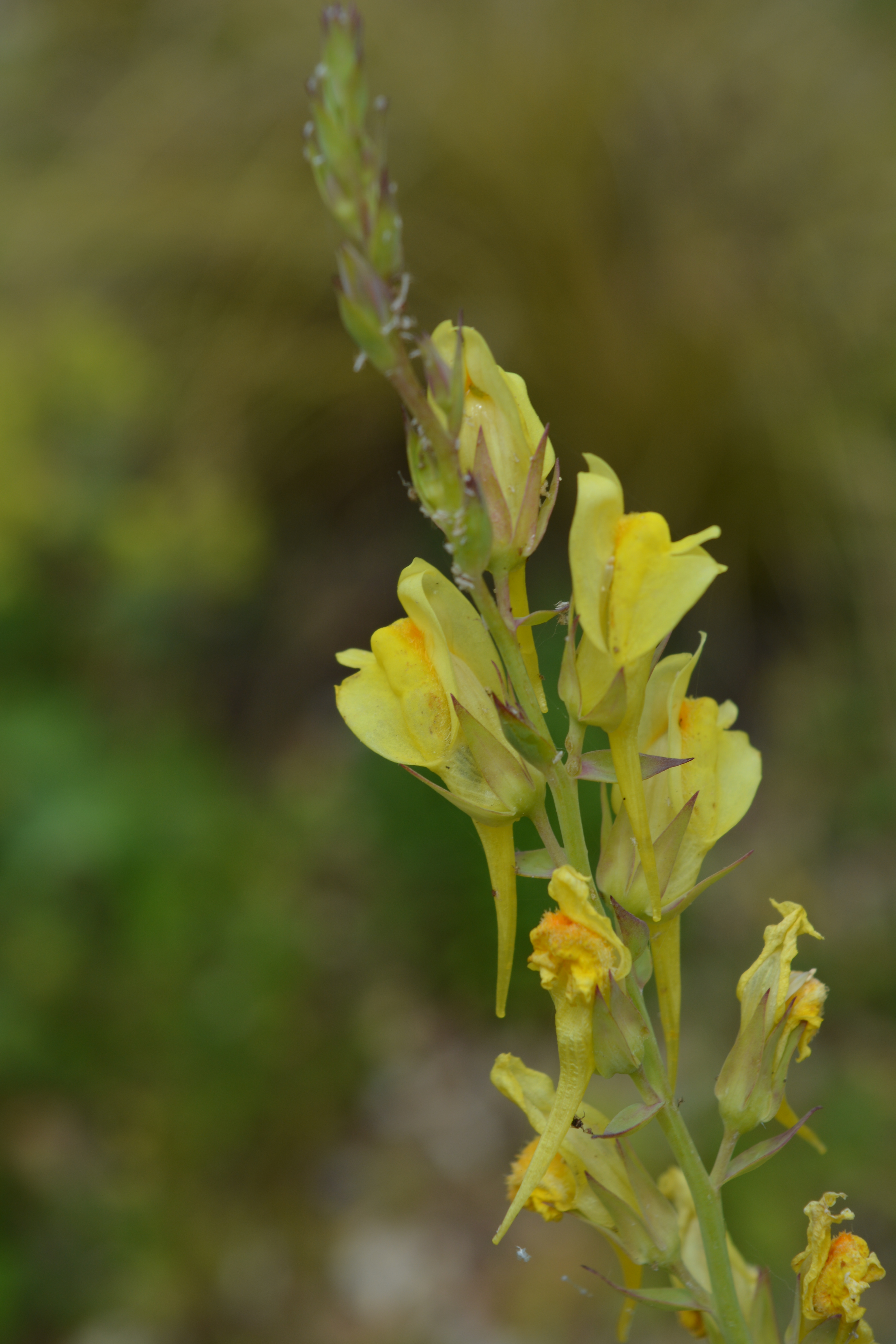
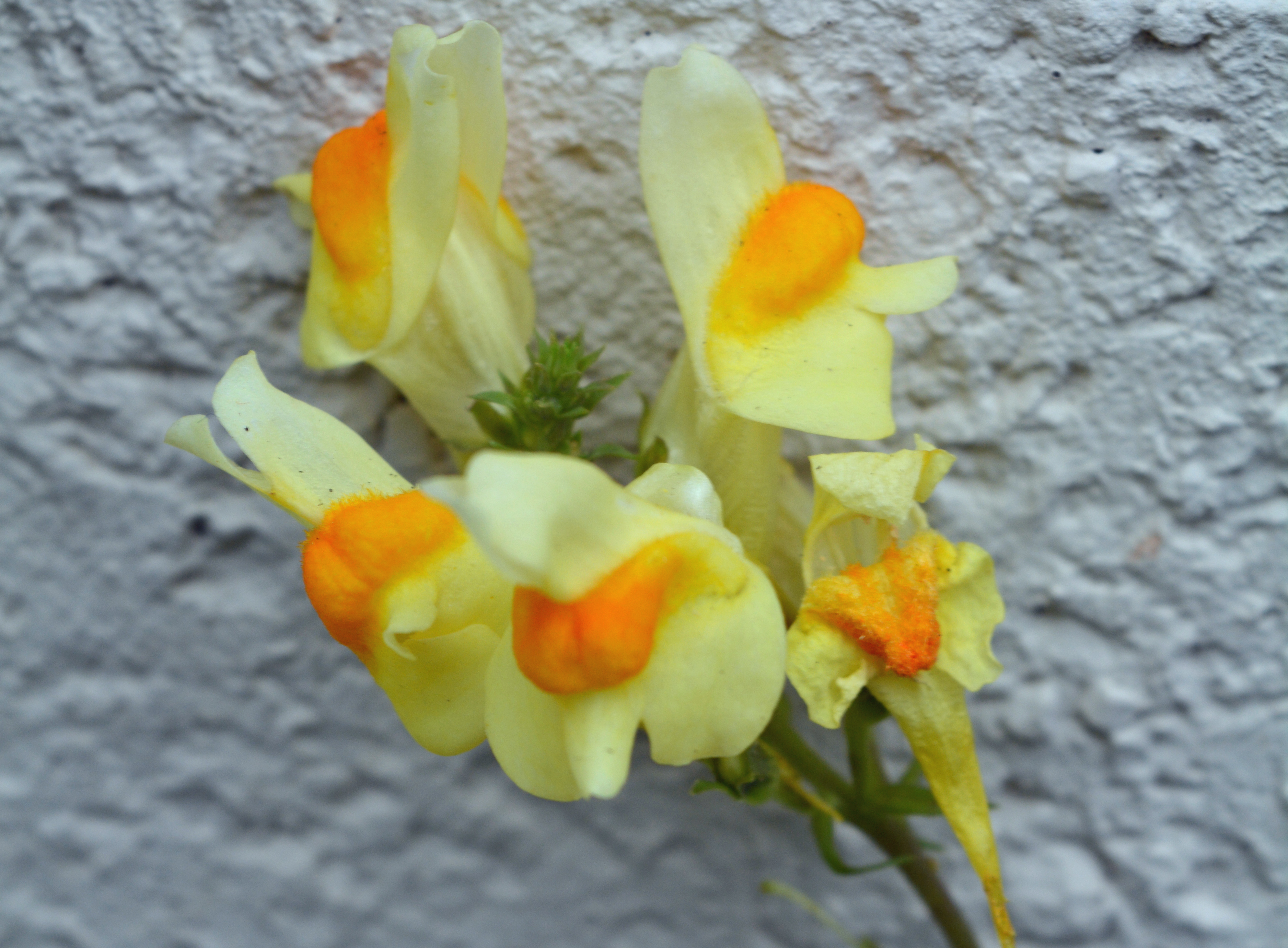
“We also grow our native Toadflax, Linaria vulgaris, commonly known as “Butter and Eggs” because of the two shades of yellow that make up its flowers. Bees and butterflies love it!”

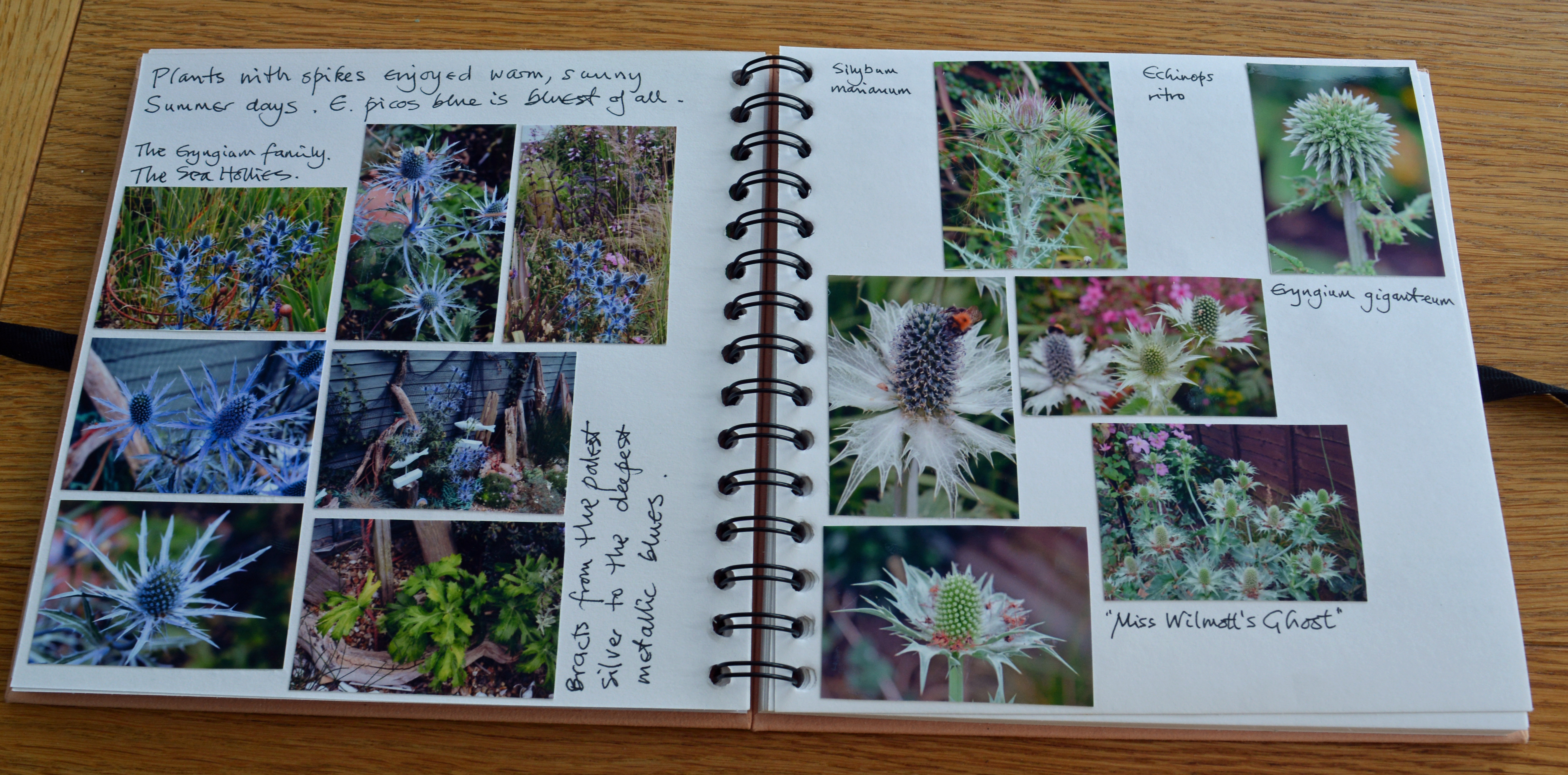
Next I looked at plants that are spiky in texture, of which we grow many in our patch as they seem to like our sunny aspect.

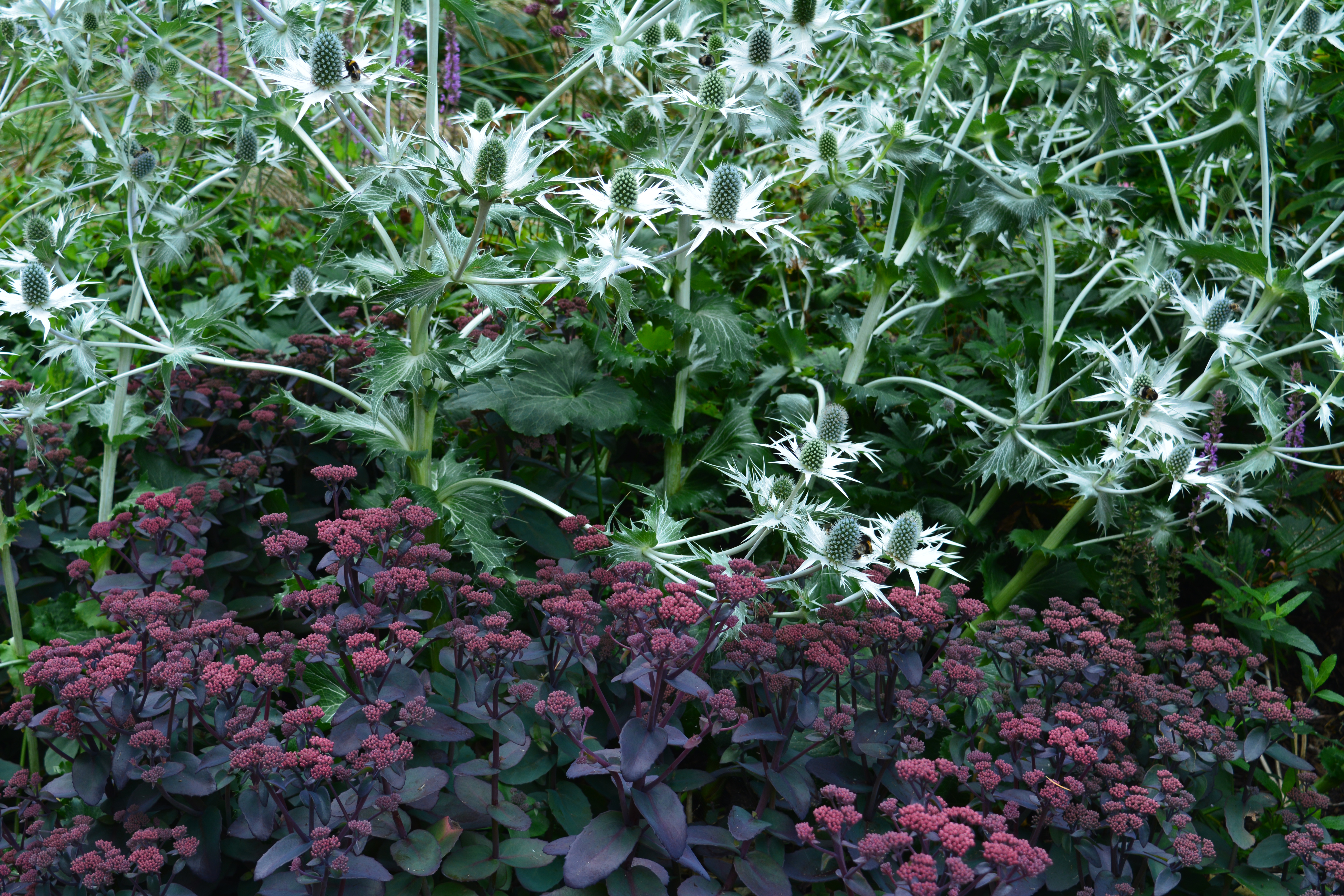
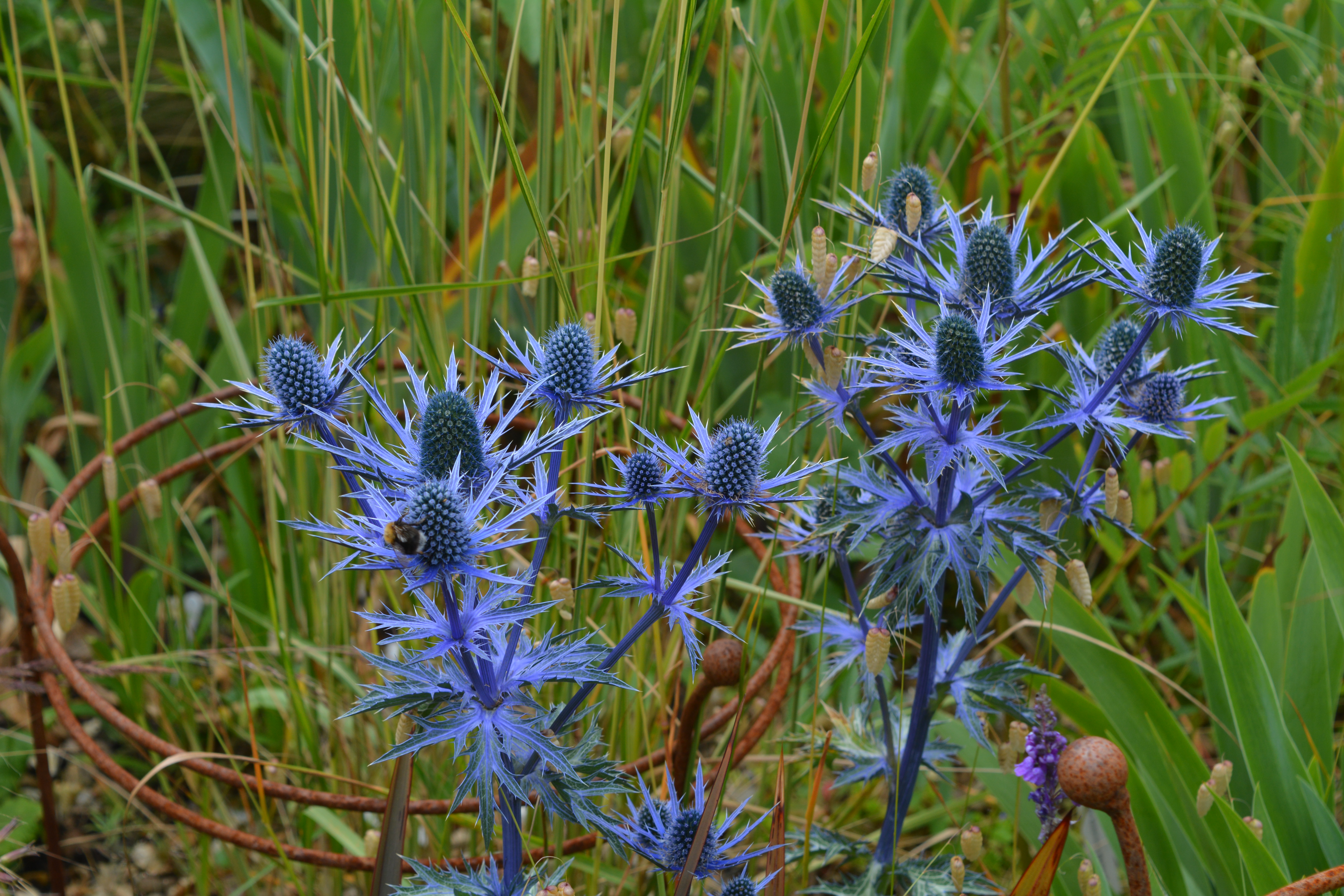
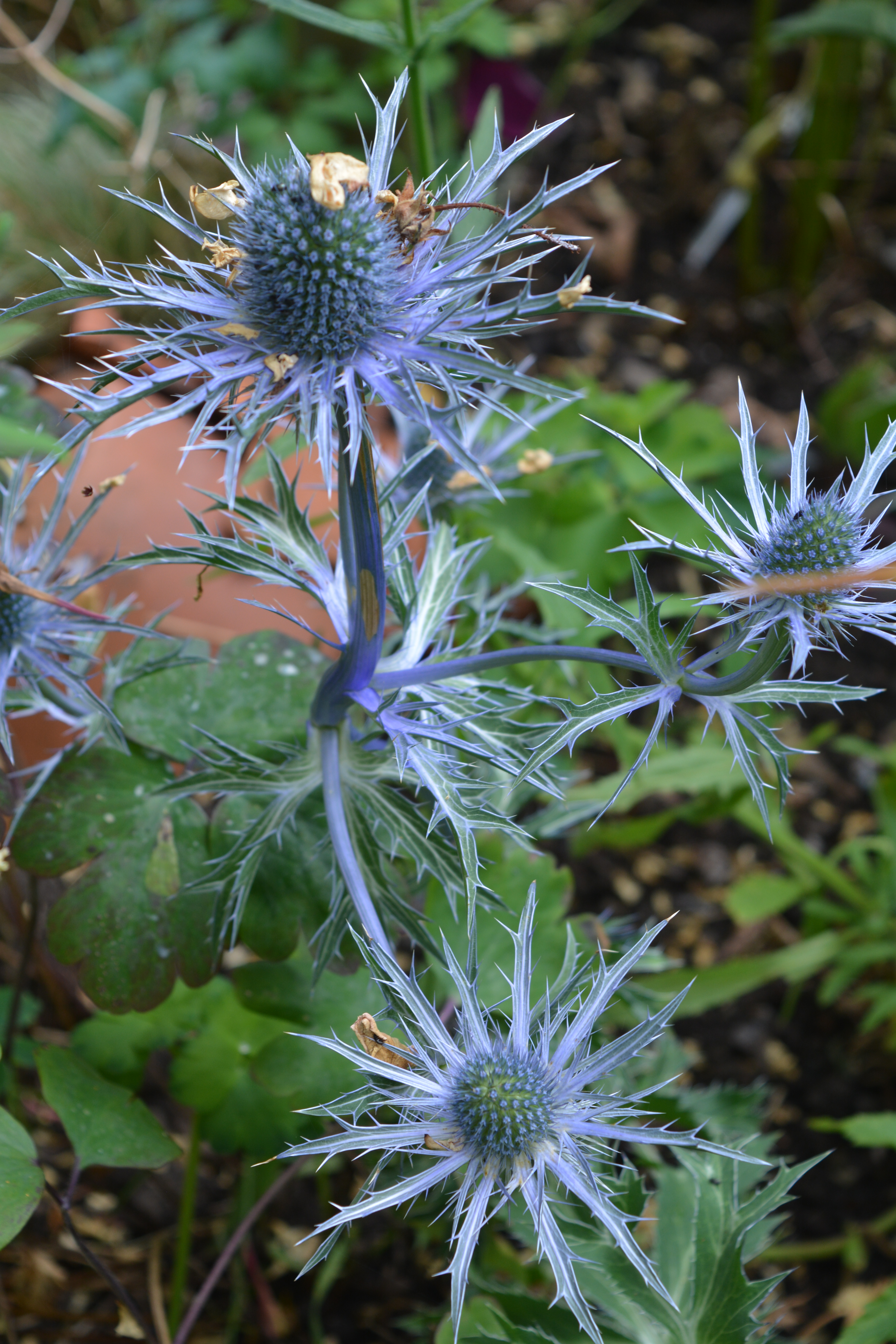
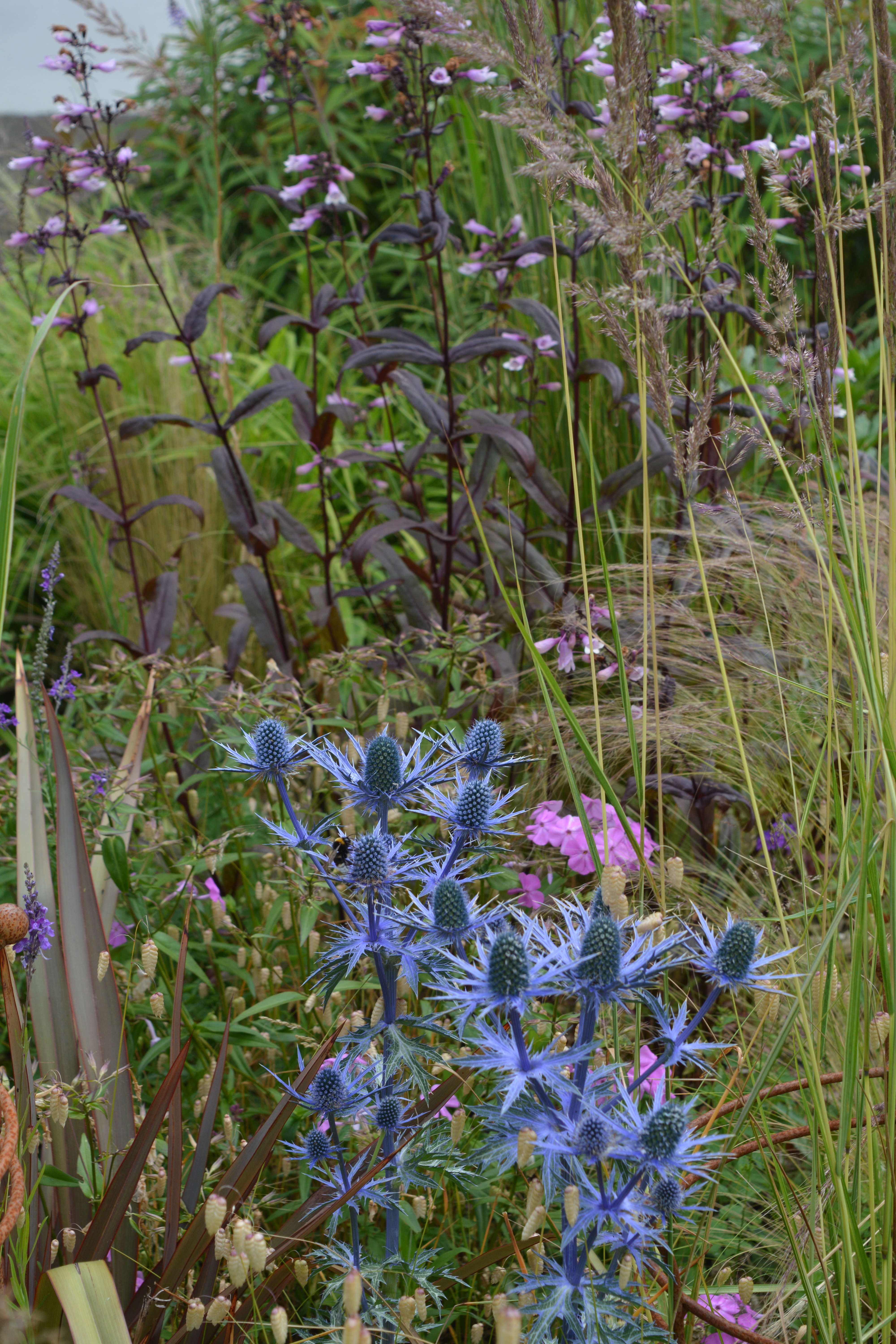
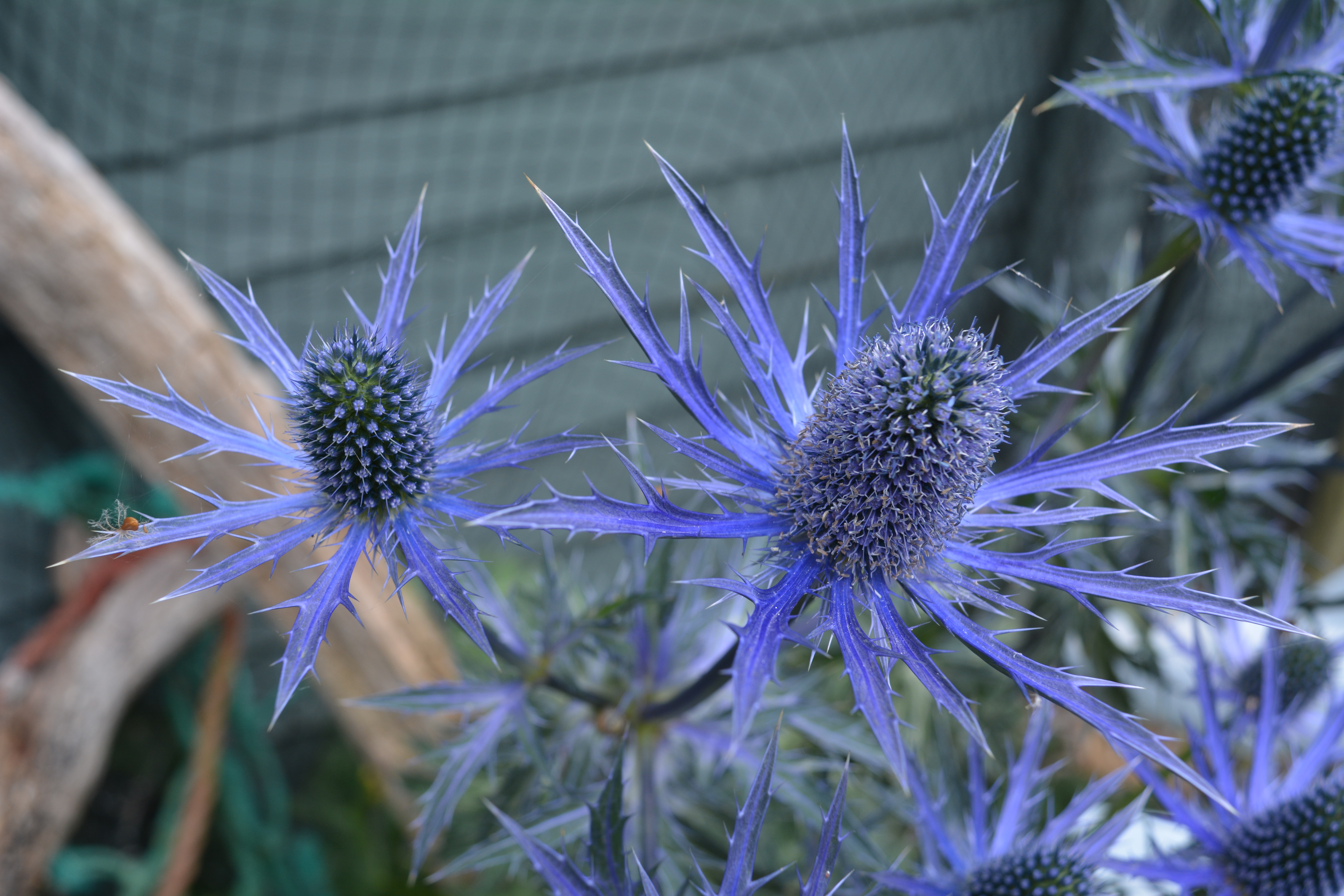
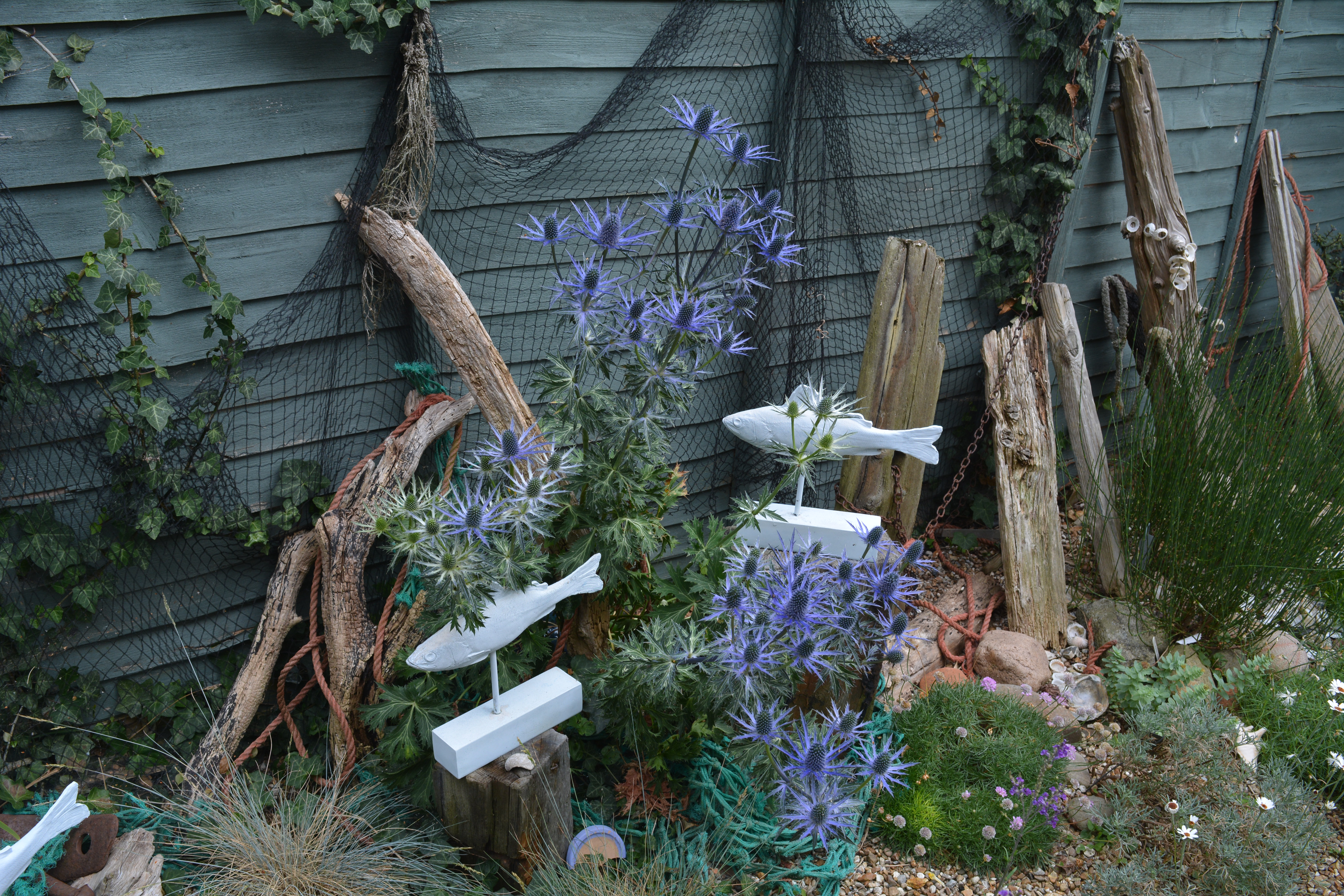
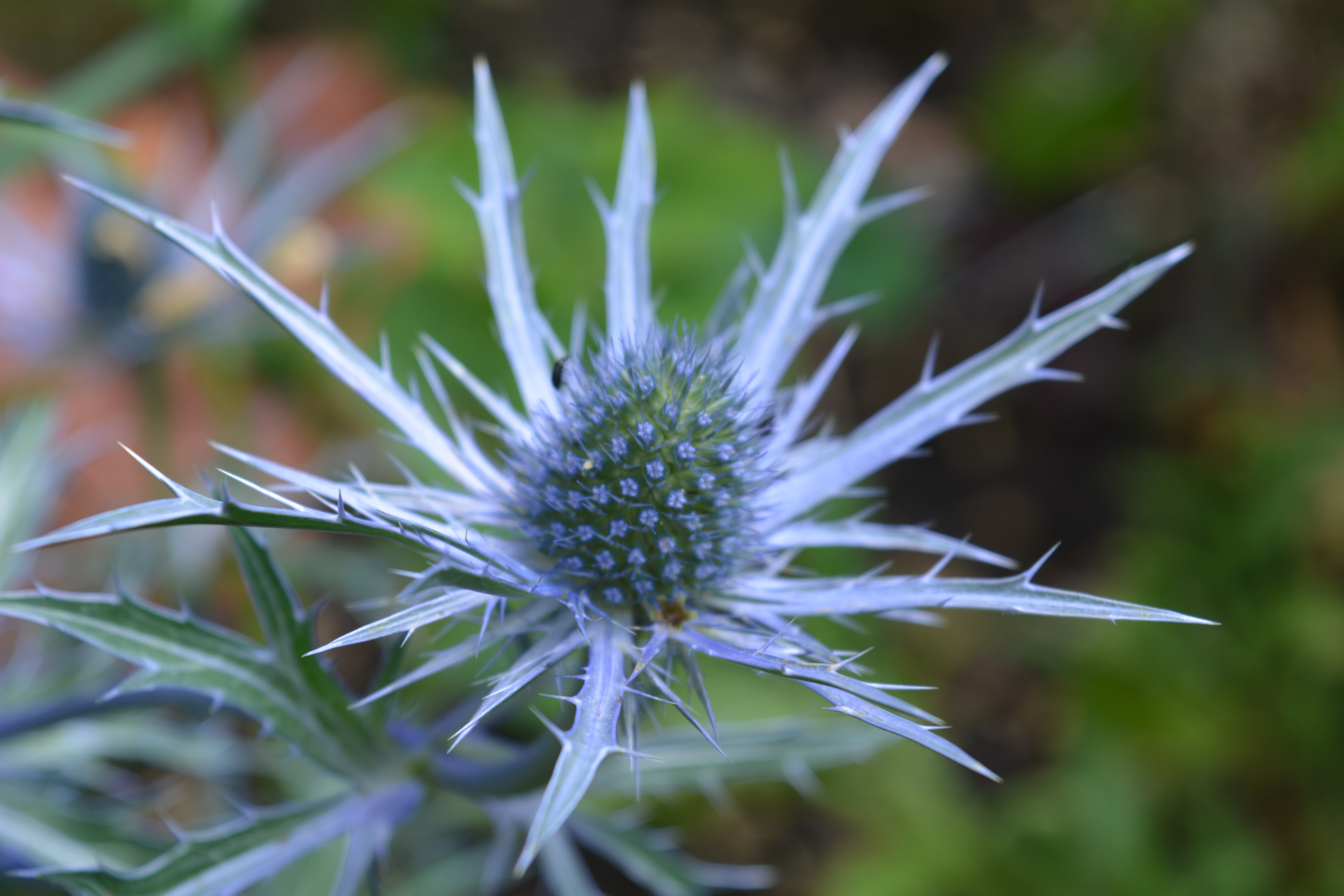
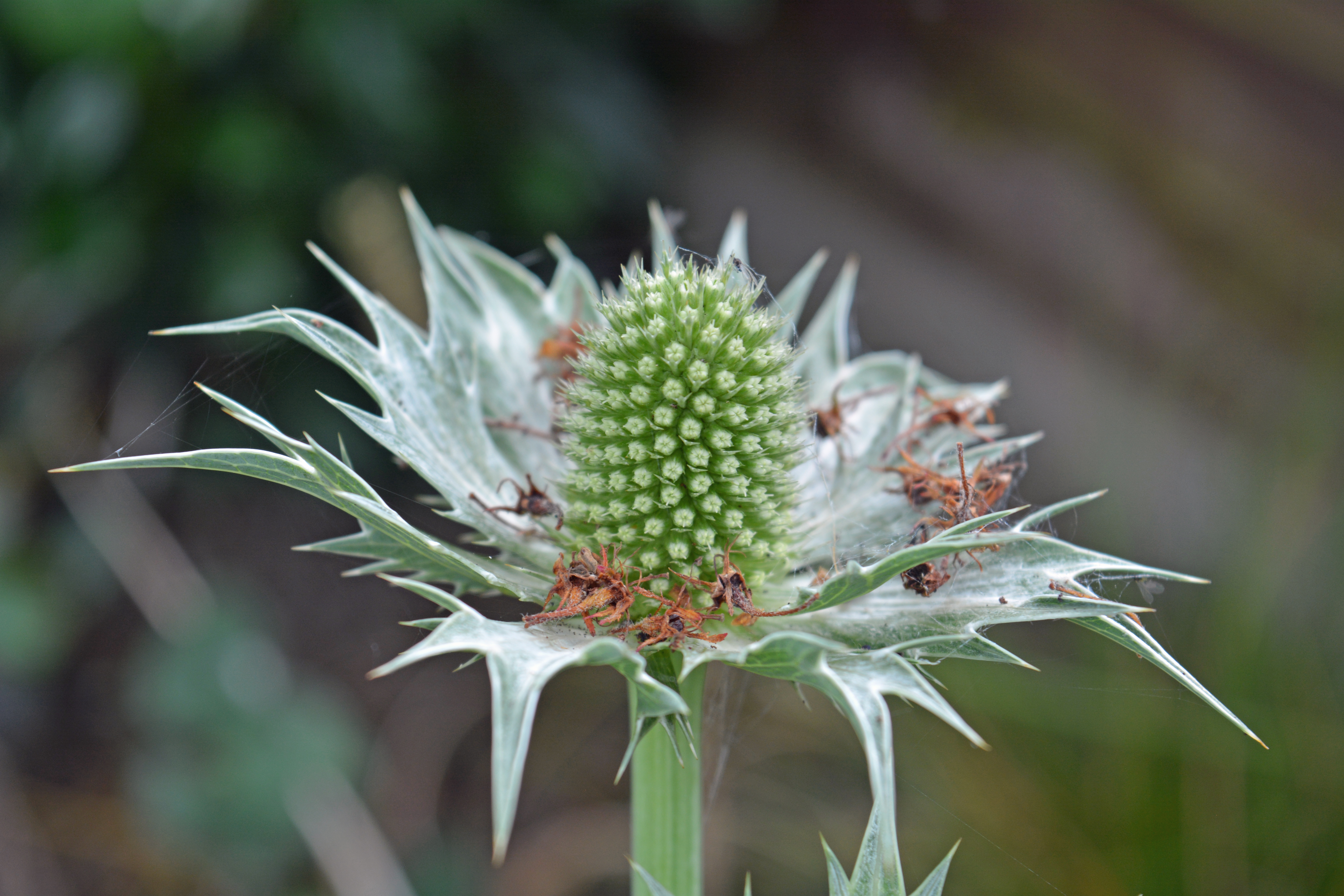
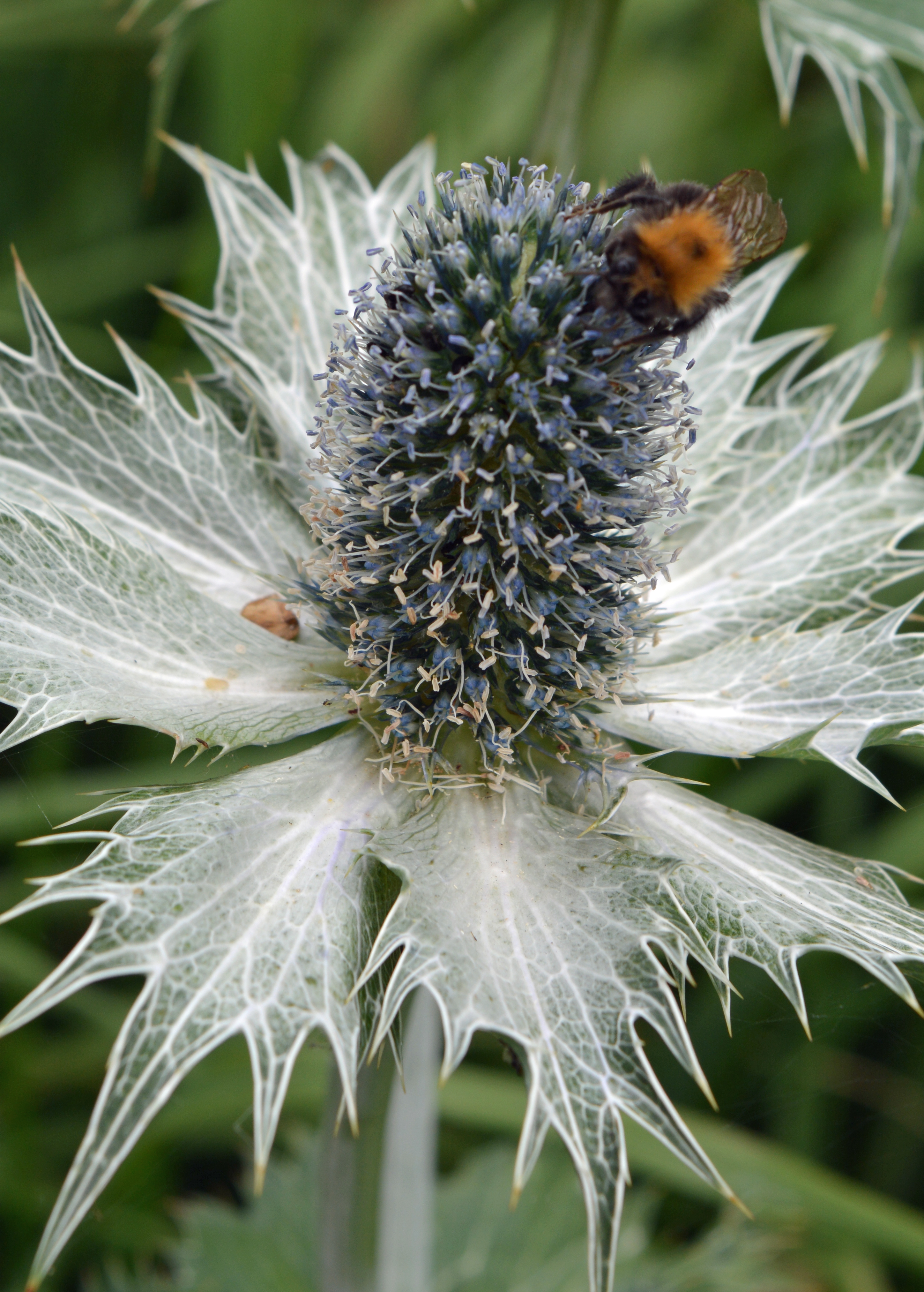
“Plants with spikes enjoyed warm, sunny summer days. We grow many eryngium family, the Sea Hollies, with bracts from the palest silver to the deepest metallic blues, of which E. Picos Blue is the bluest of all.”


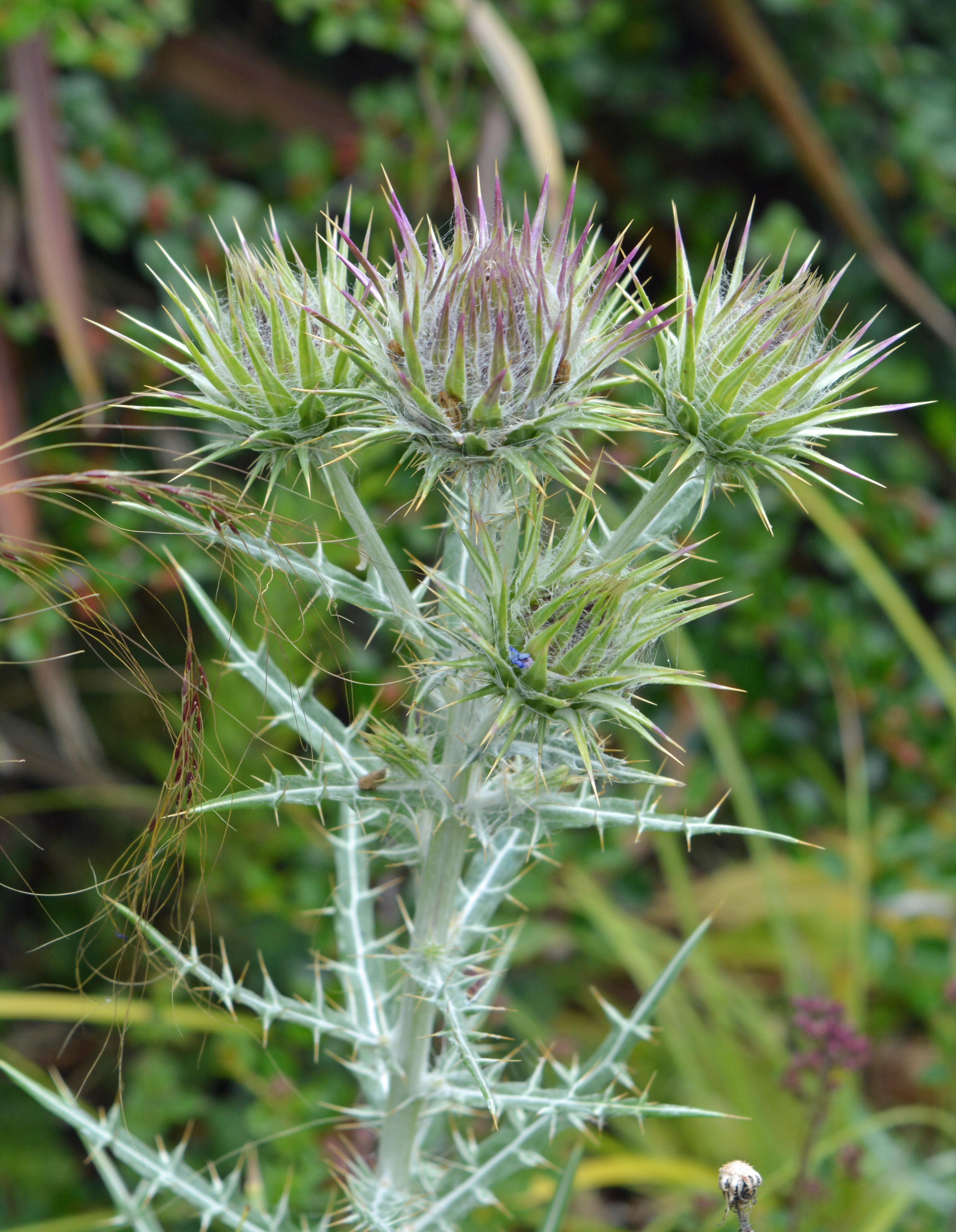
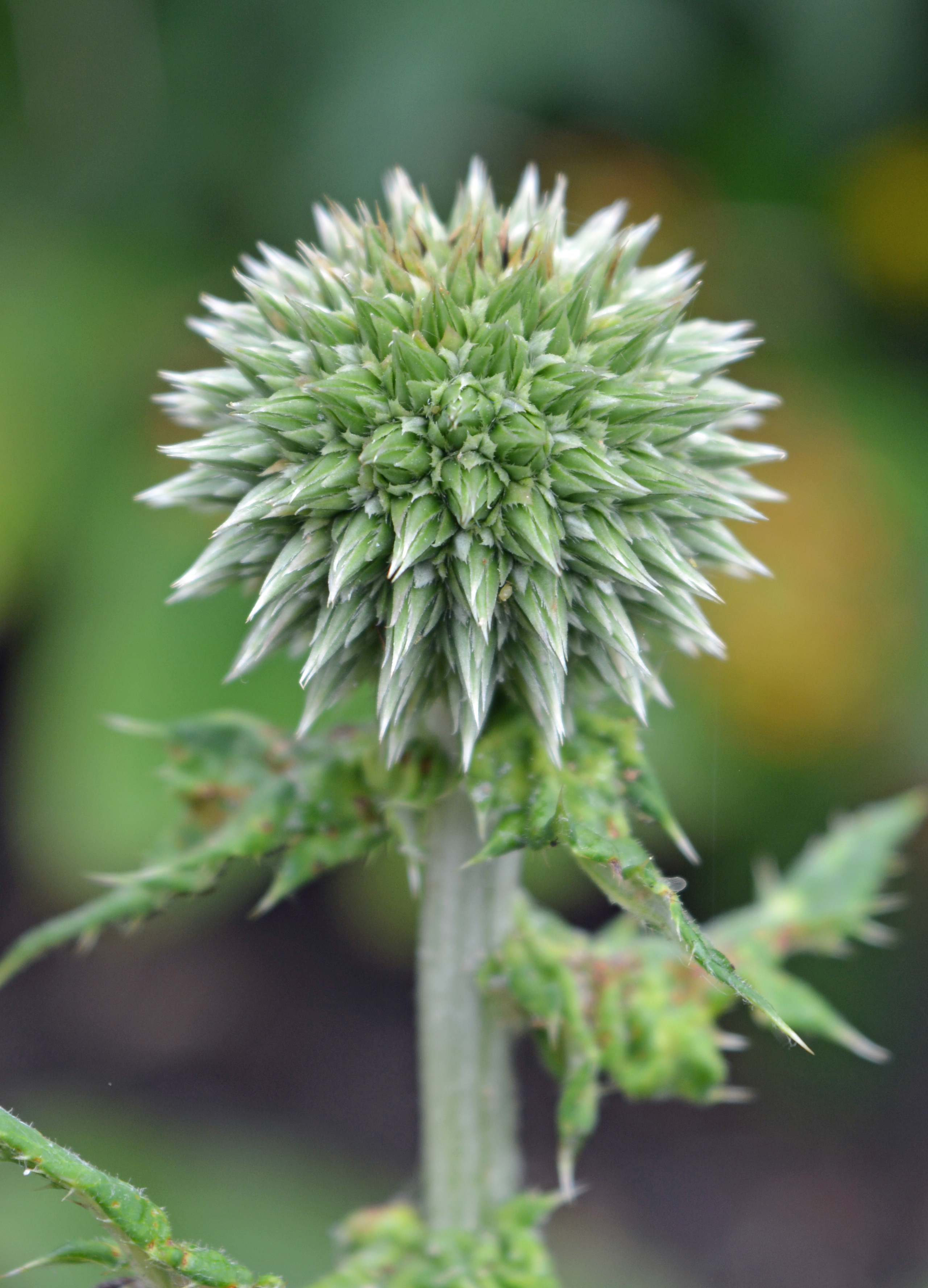
Not all of our spiky plants are Eryngiums however. We also grow Silybum marianum and Echinops ritro.


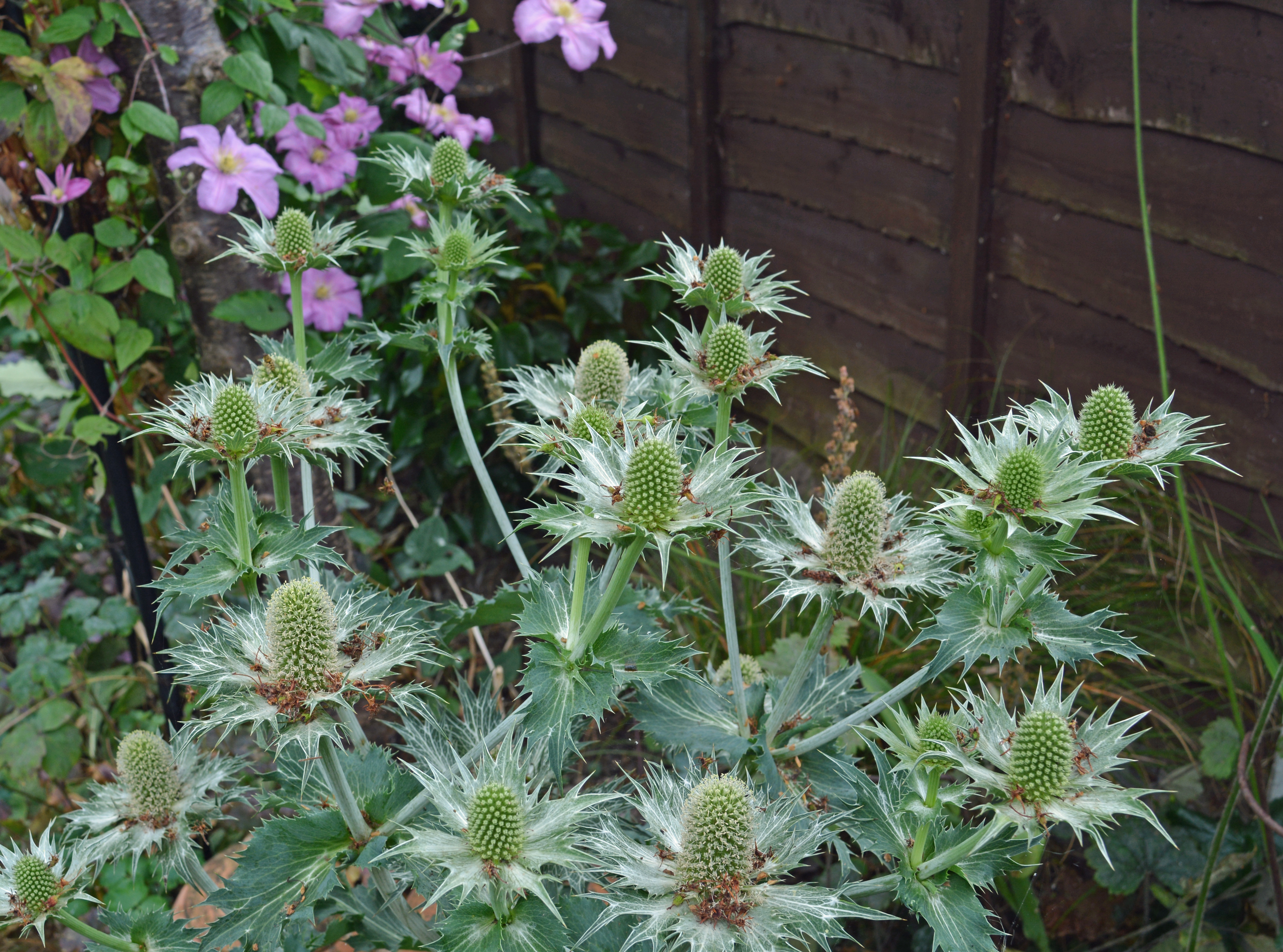
One of the Eryngium family is a biennial and luckily a strong self seeder, E. giganteum Miss Wilmott’s Ghost.

Turning over the page we move on from spiky plants to two much softer more delicate looking plants.


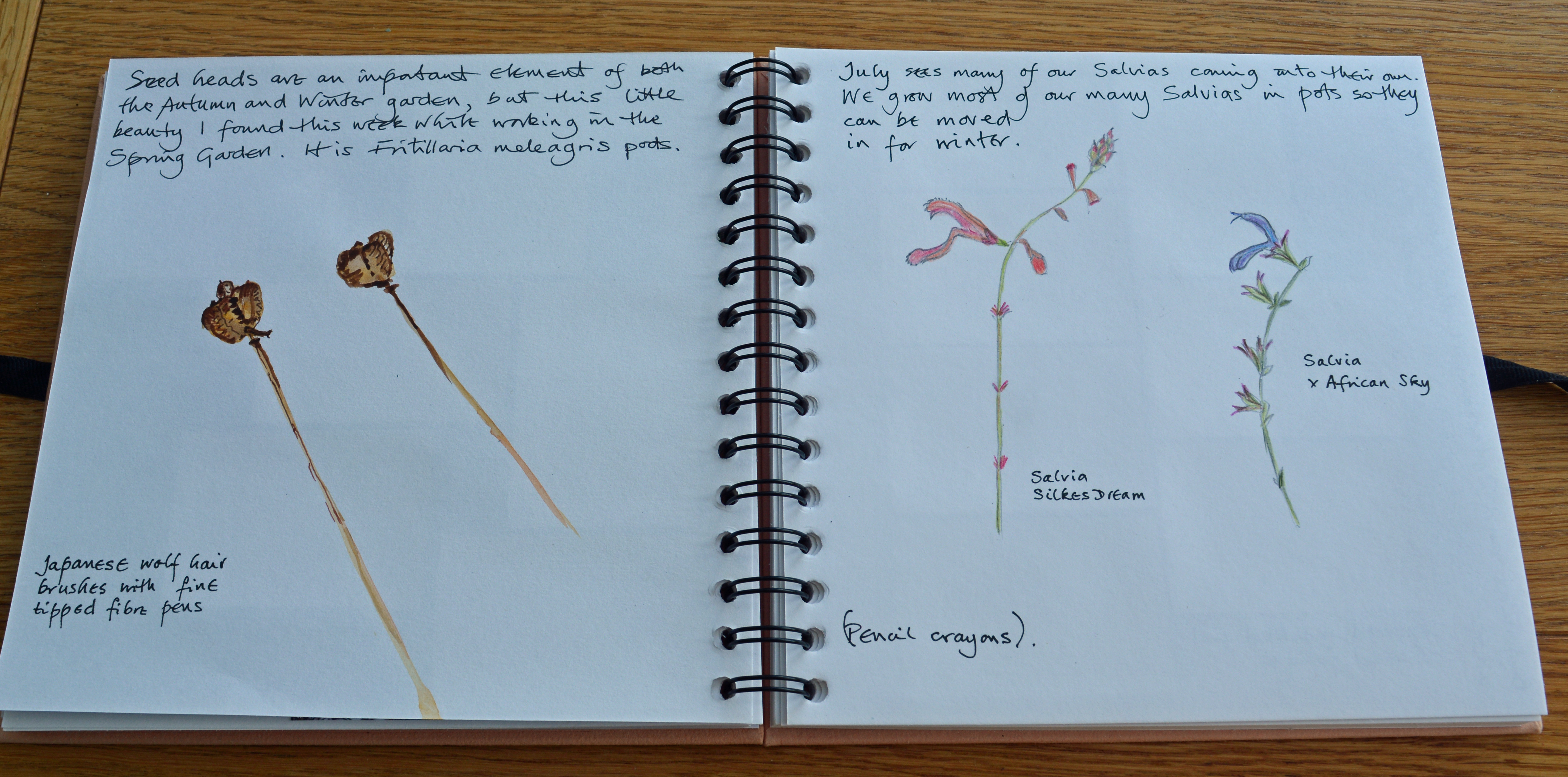
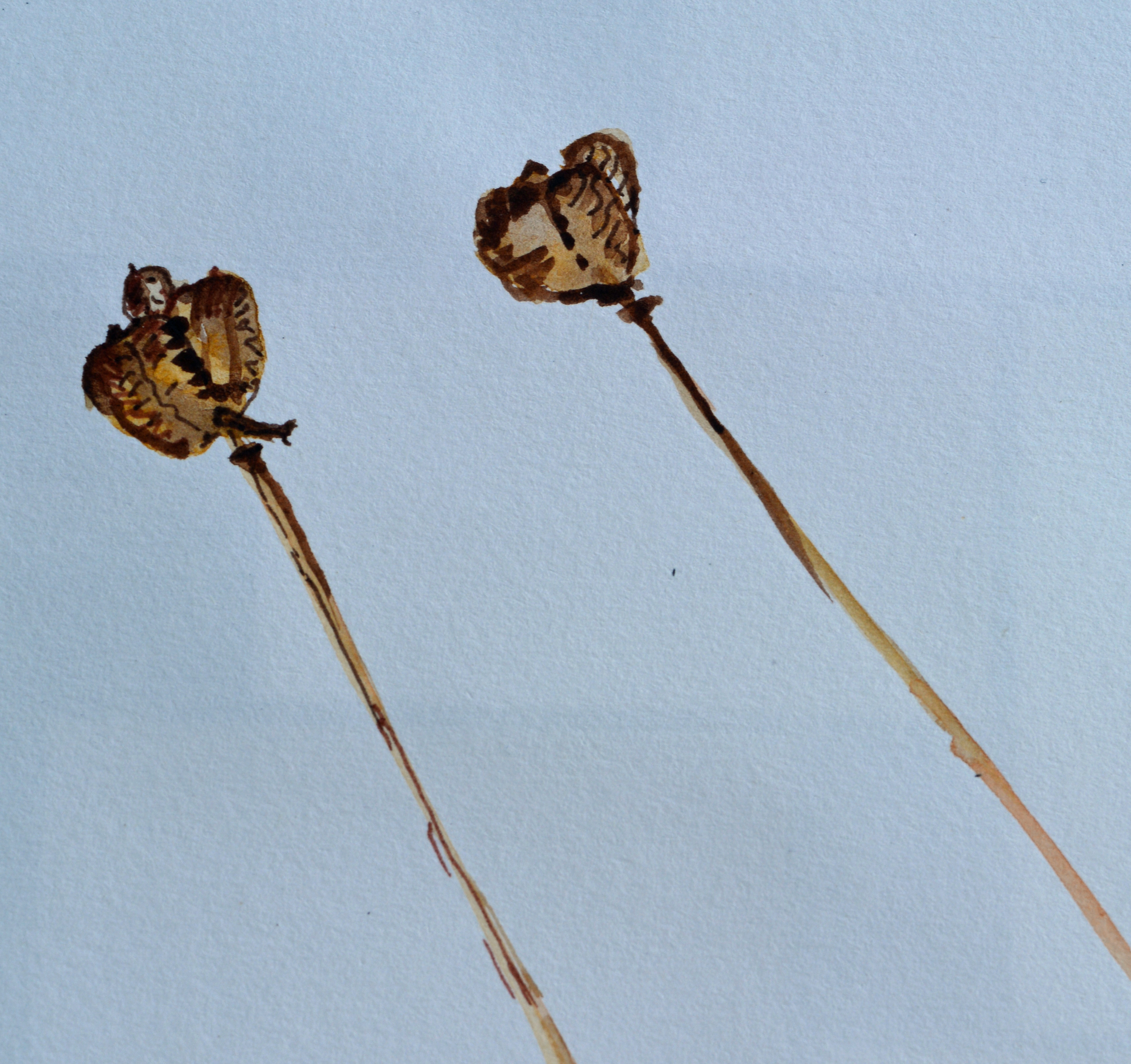
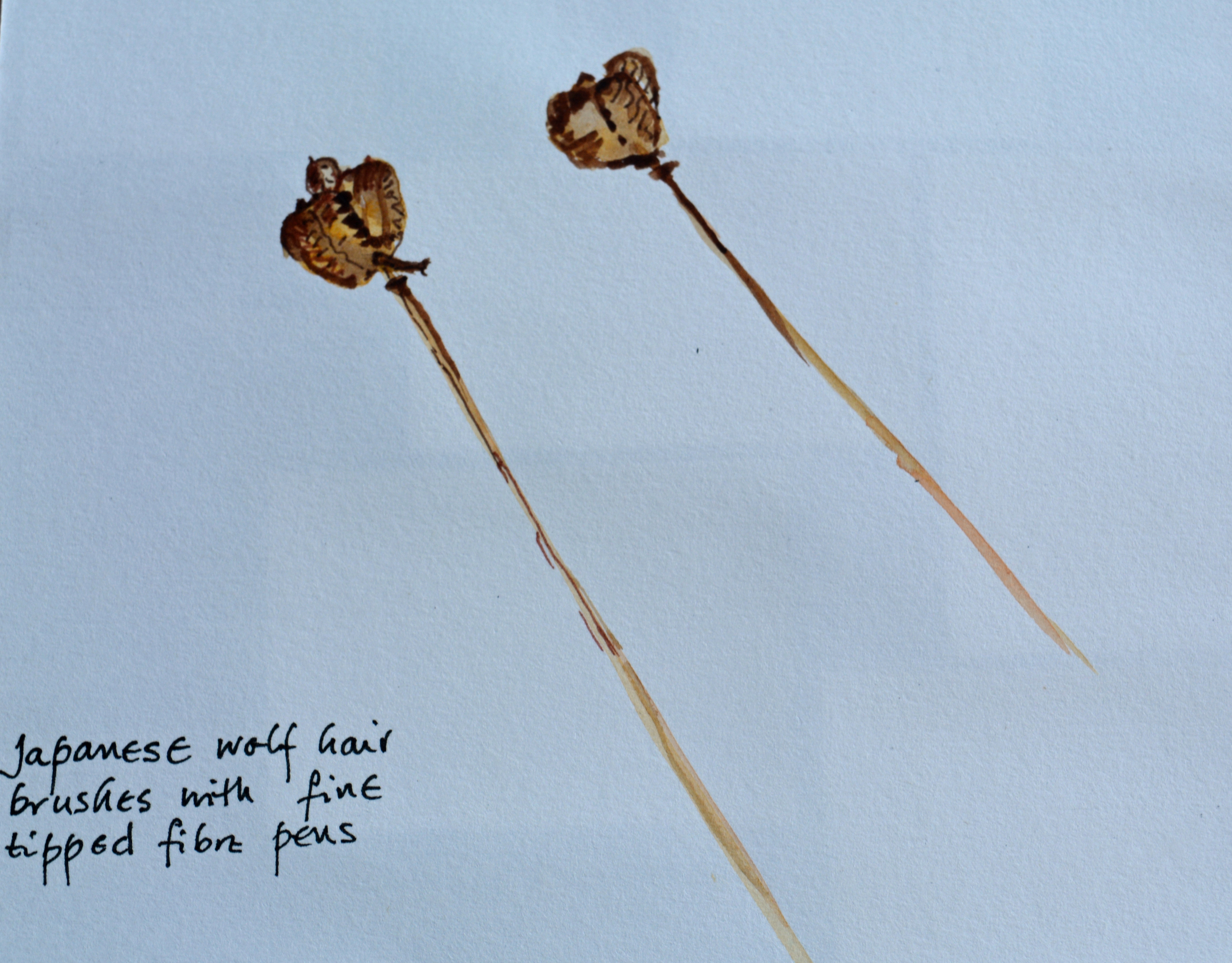
“Seed heads are an important element of the Autumn and Winter garden, but this little beauty I found this week while working in the Spring Garden. They are Fritillaria meleagris seed pods. I painted them in watercolours using Japanese wolf hair brushes and fine tipped fibre tips.”

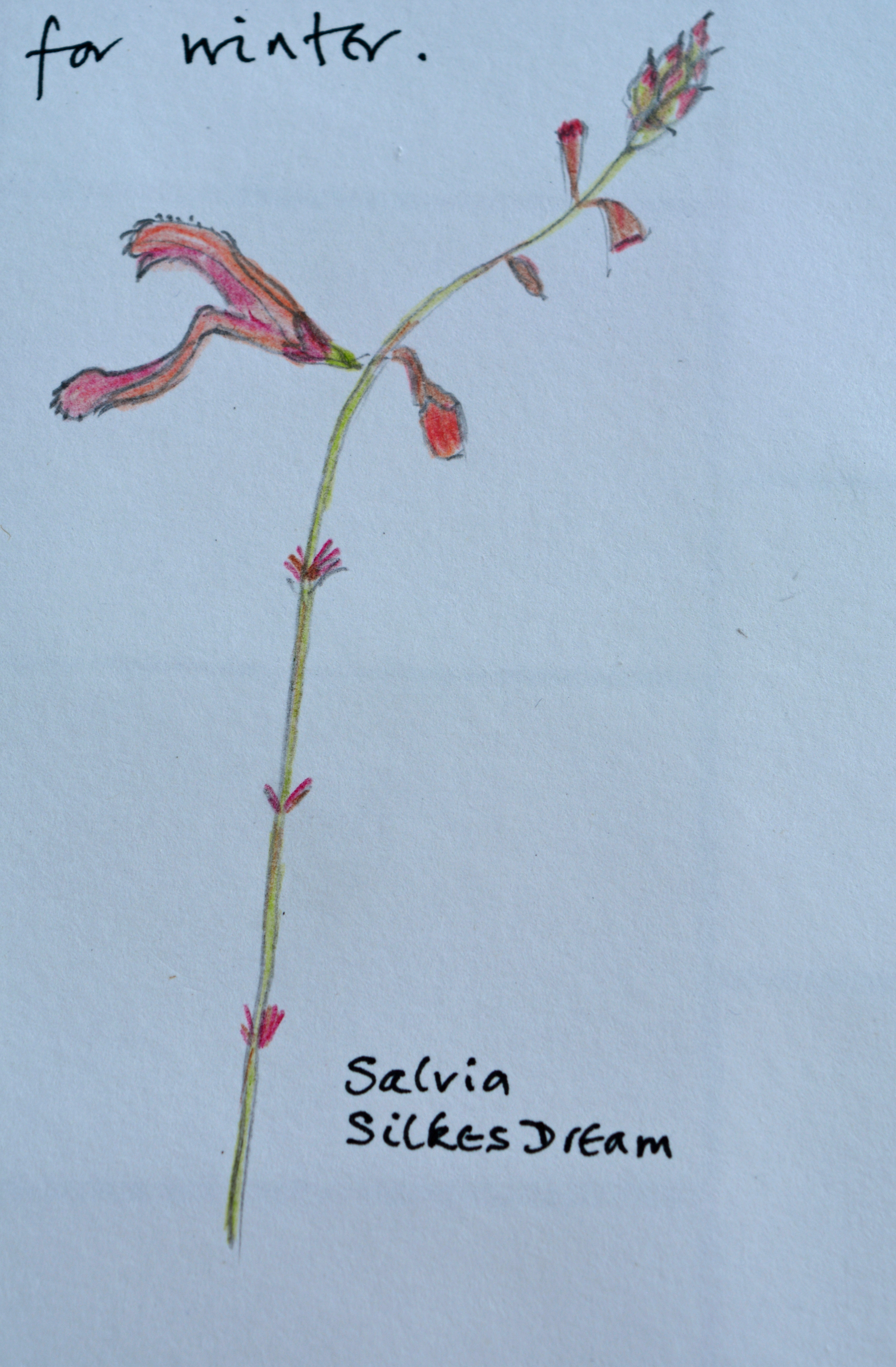
“July sees many of our Salvias coming into their own. We grow most in pots so they can be moved inside for the winter.” I used pencil crayons to draw Salvia Silkes Dream and Salvia x African Sky.

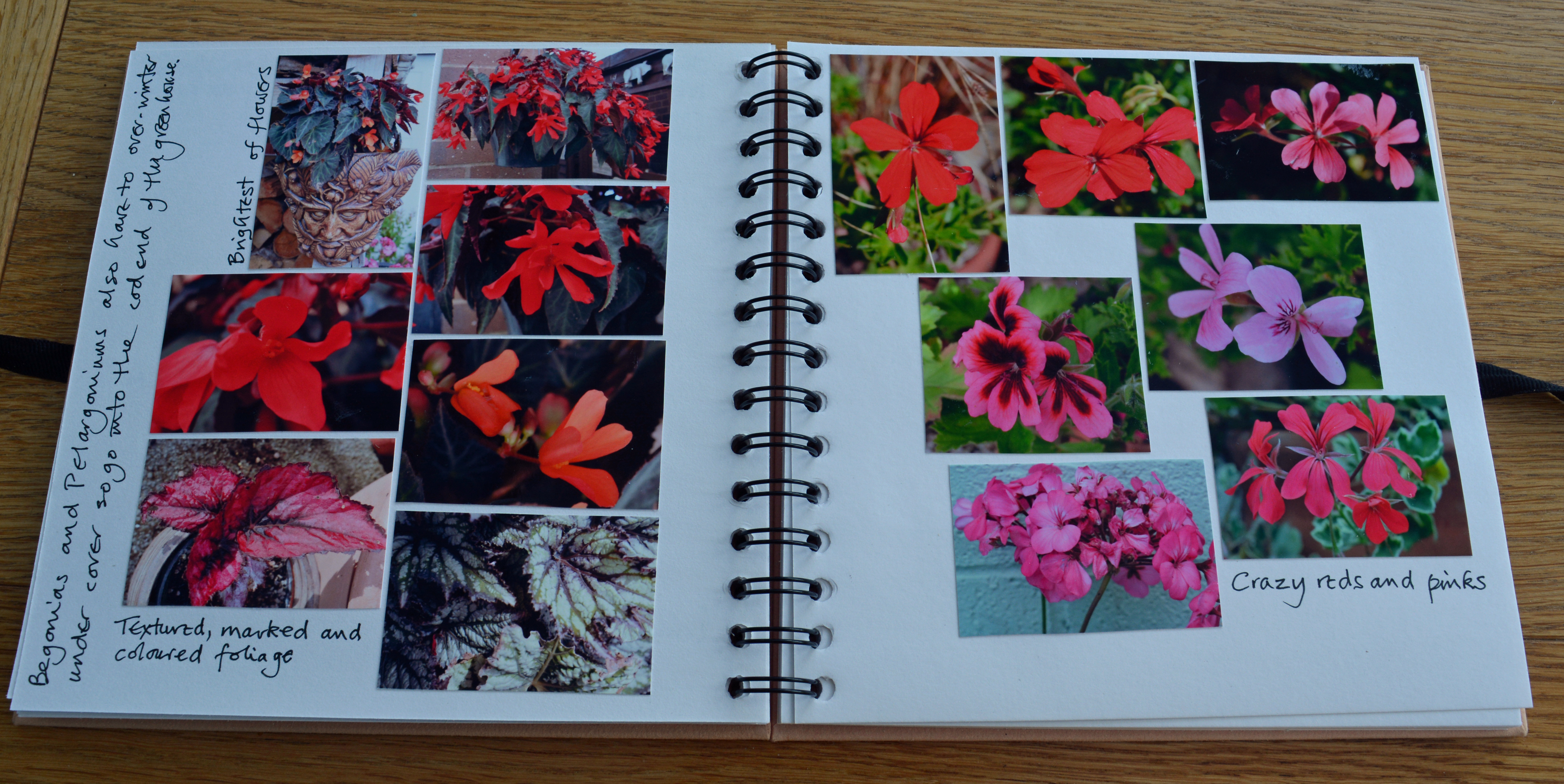
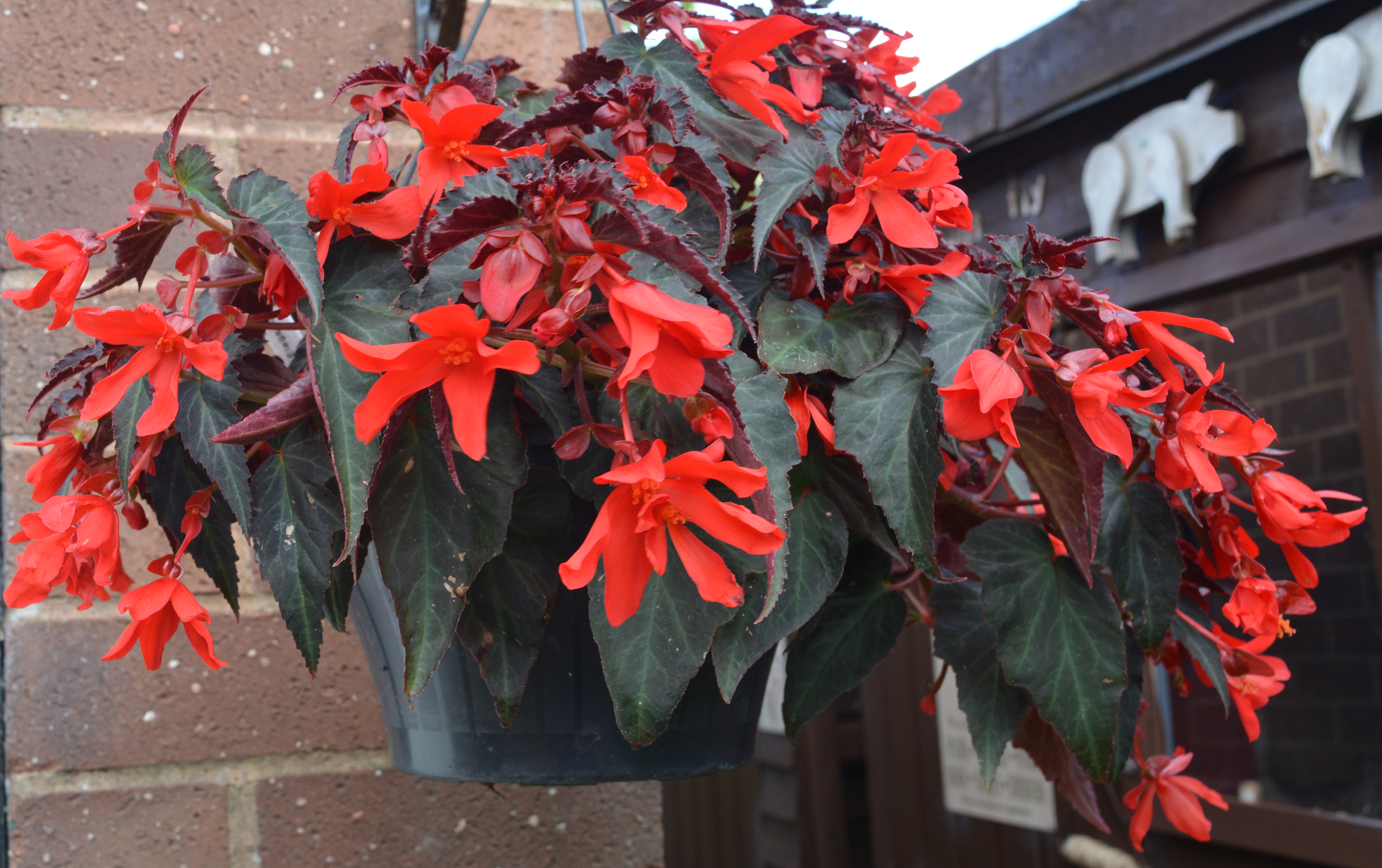
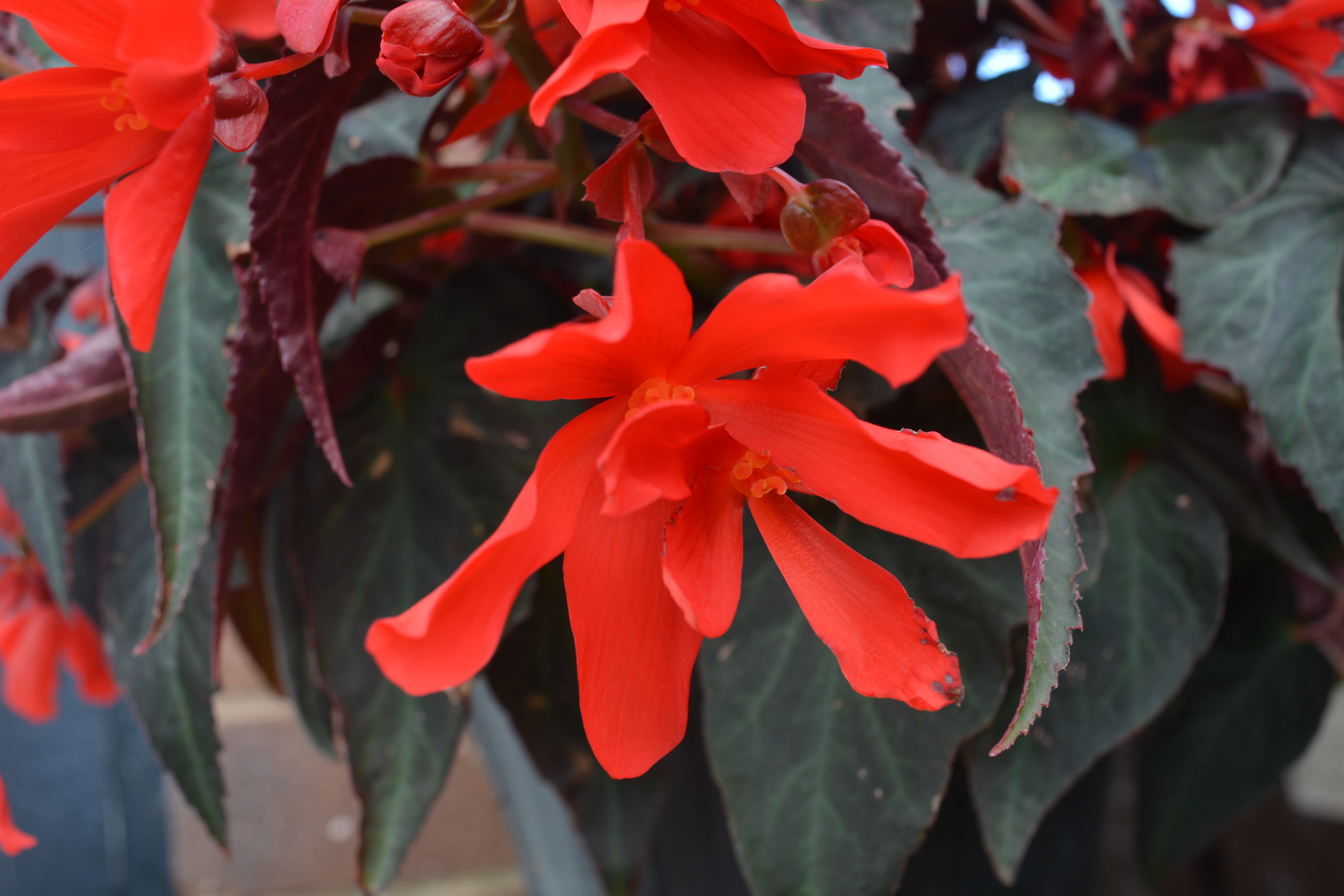
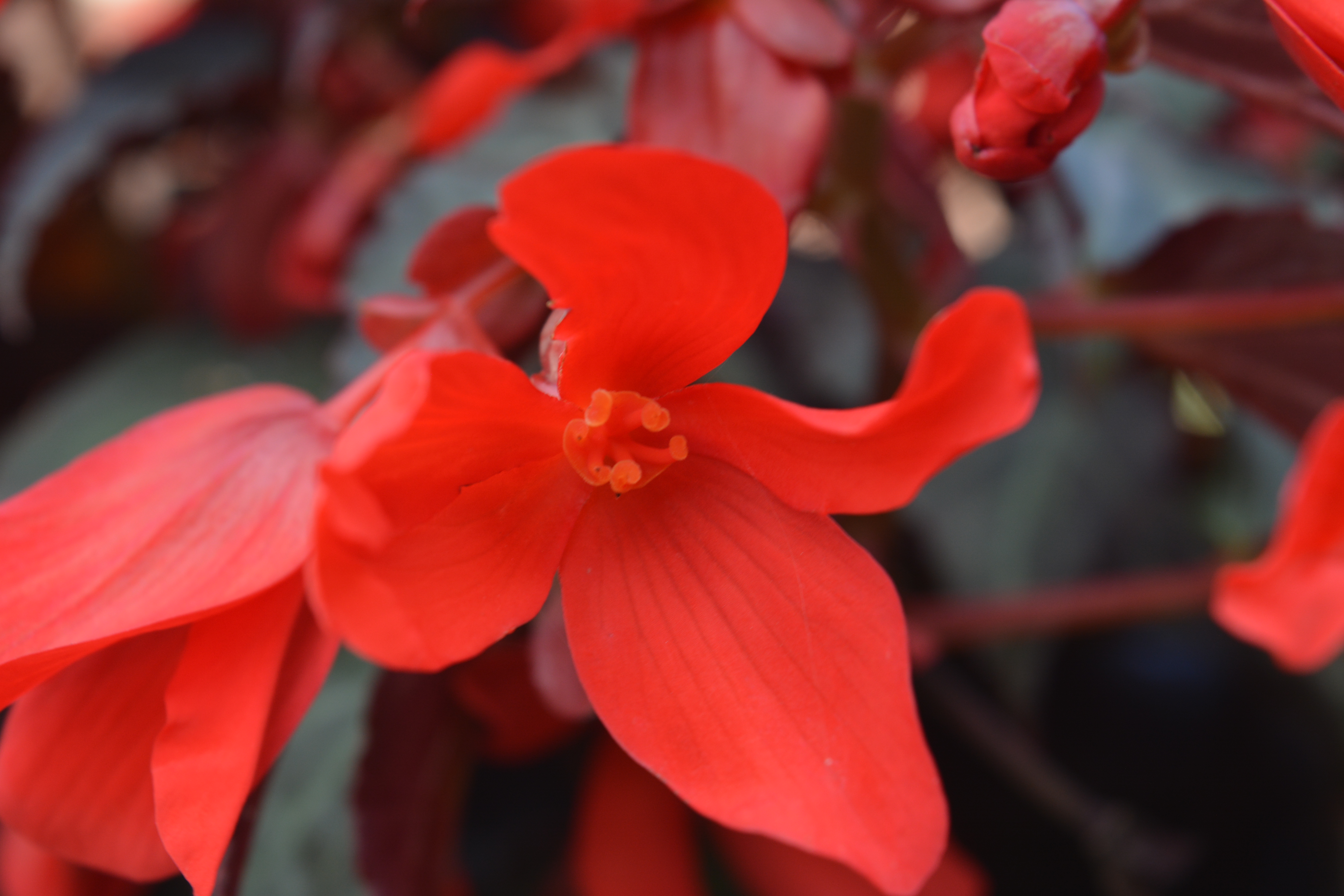
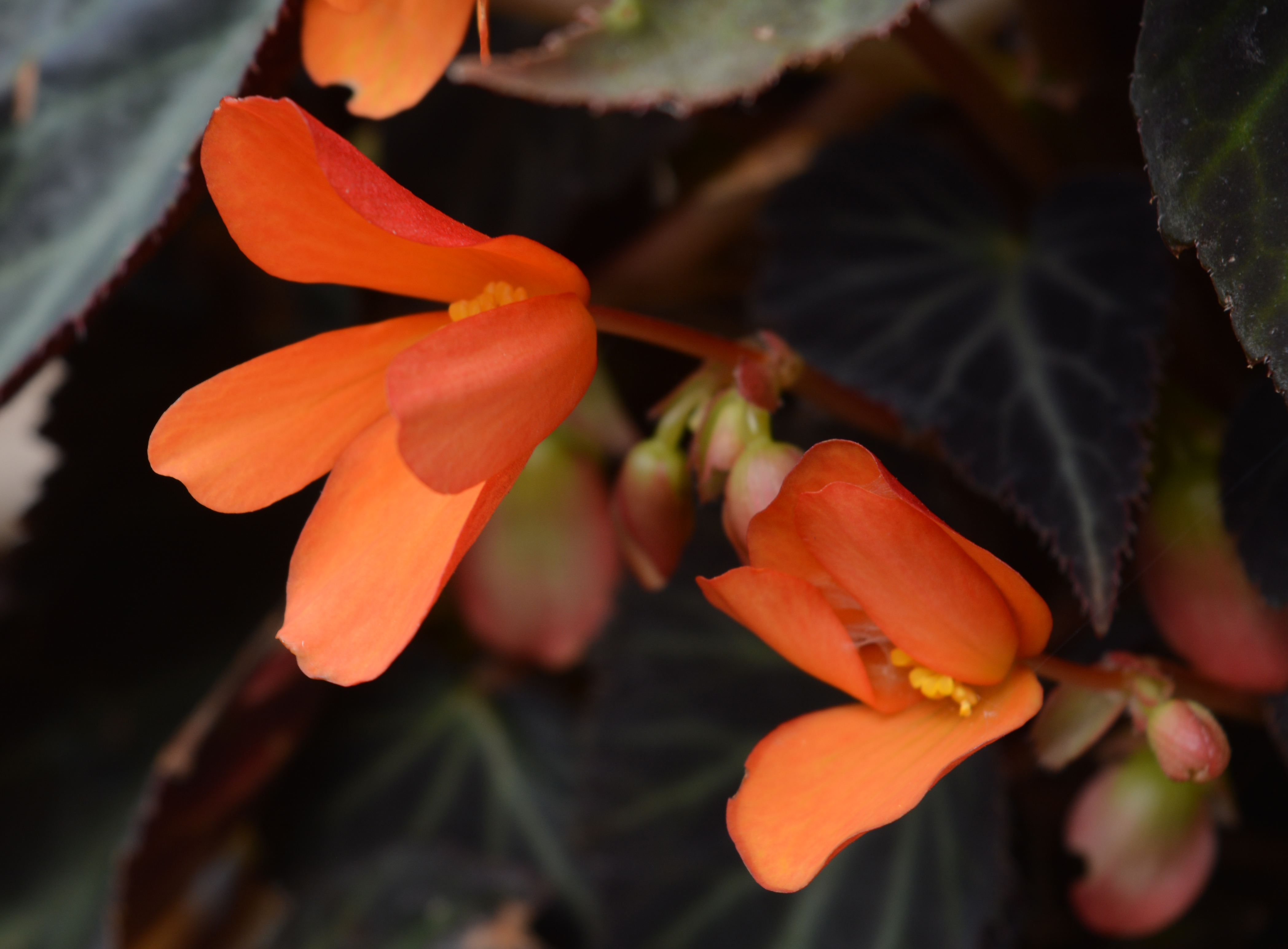
Bright pinks and reds dominate over the page where I featured Begonias and Pelargoniums. Enjoy the colours!

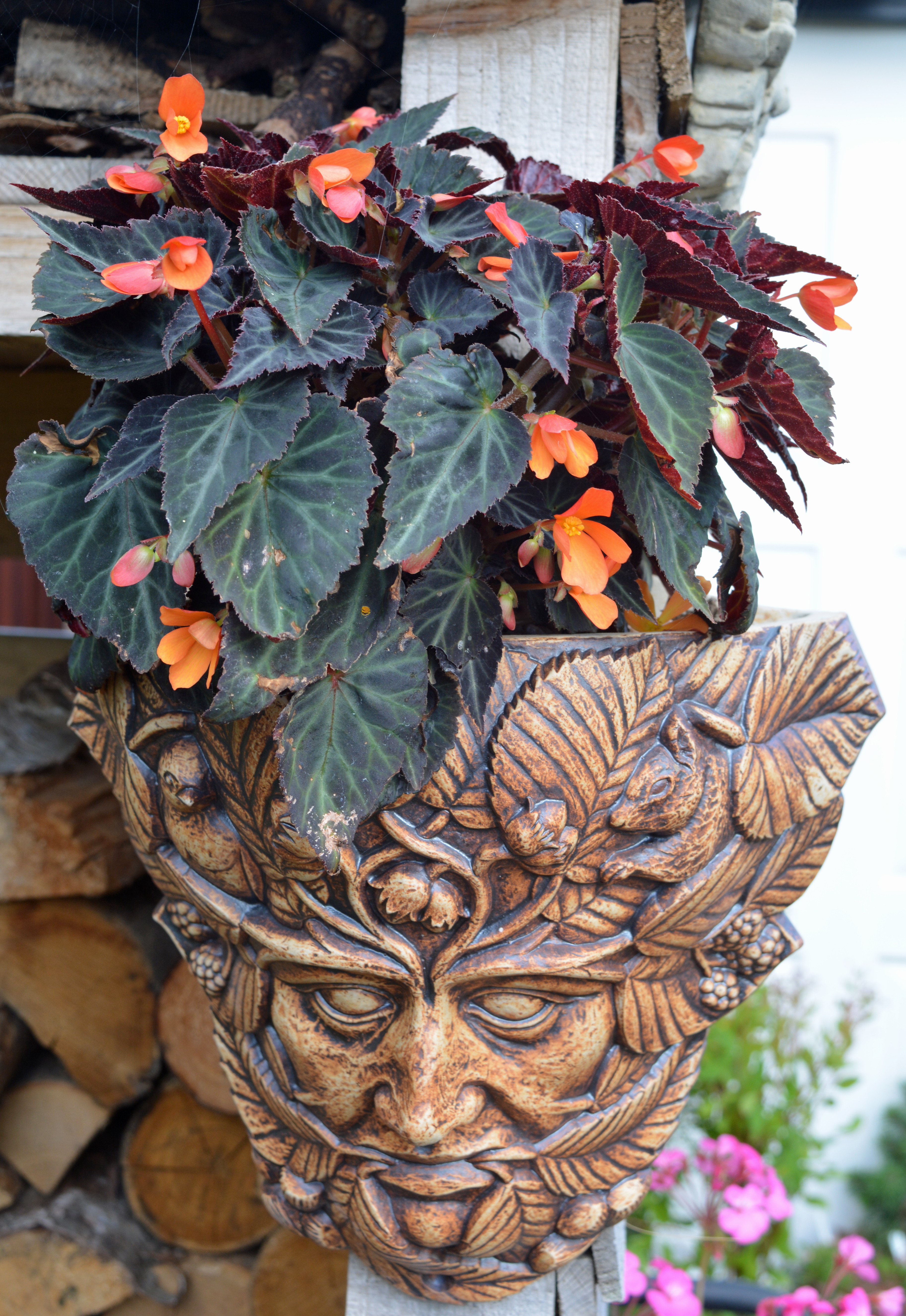
“Begonias and Pelargoniums also have to over-winter under cover so go into the cool end of the greenhouse.”

“Brightest of flowers.”


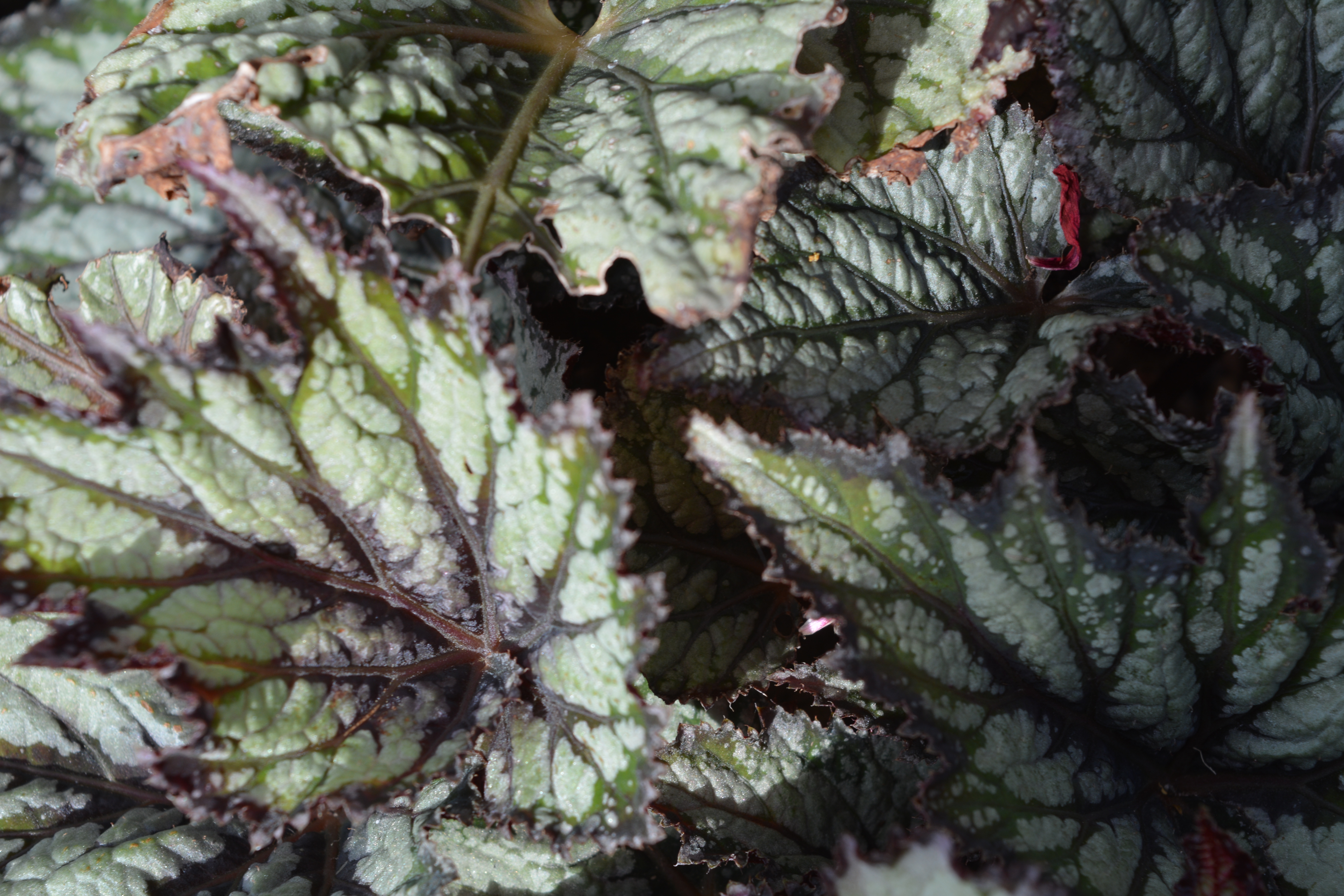
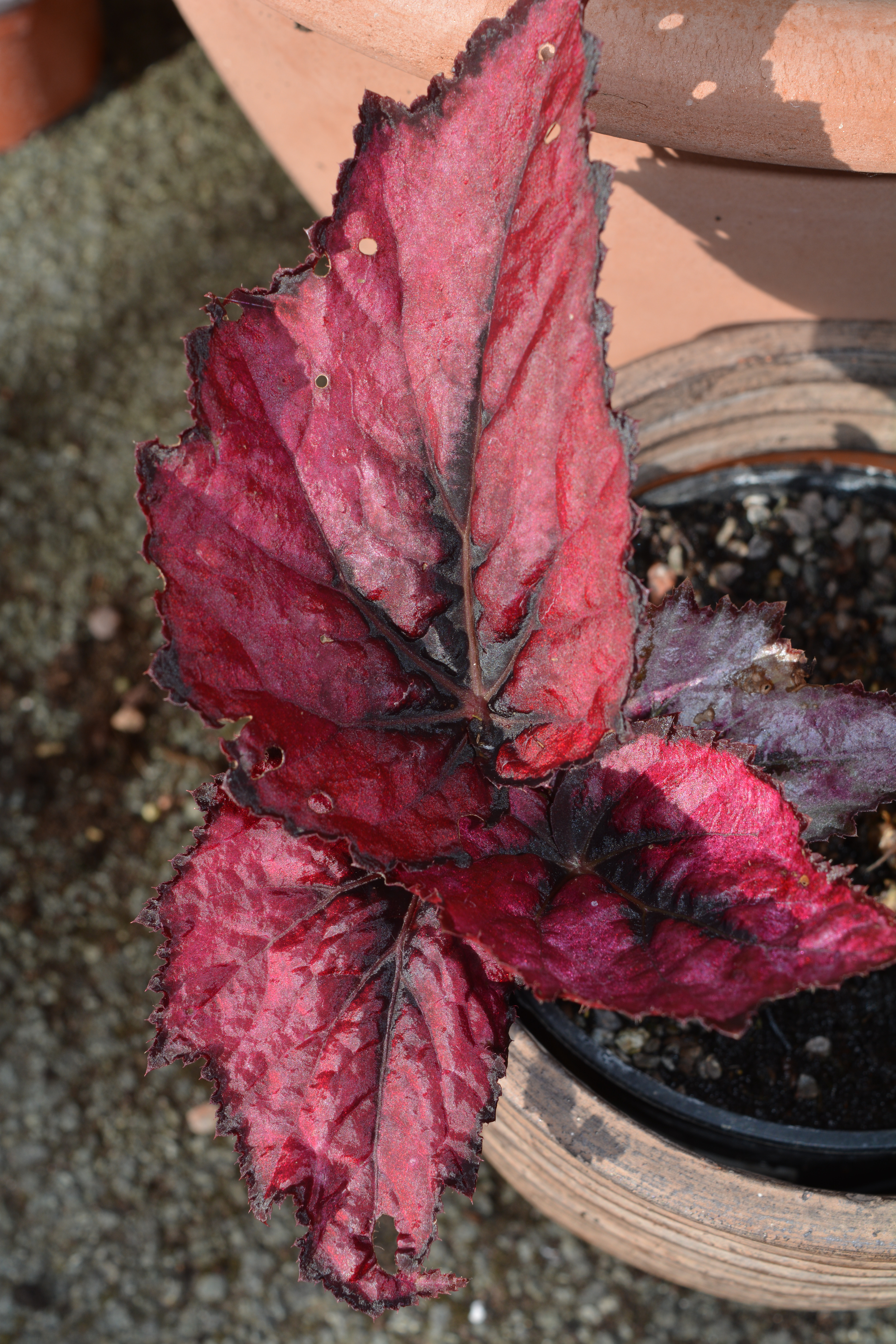
“Textured, marked and coloured foliage.”

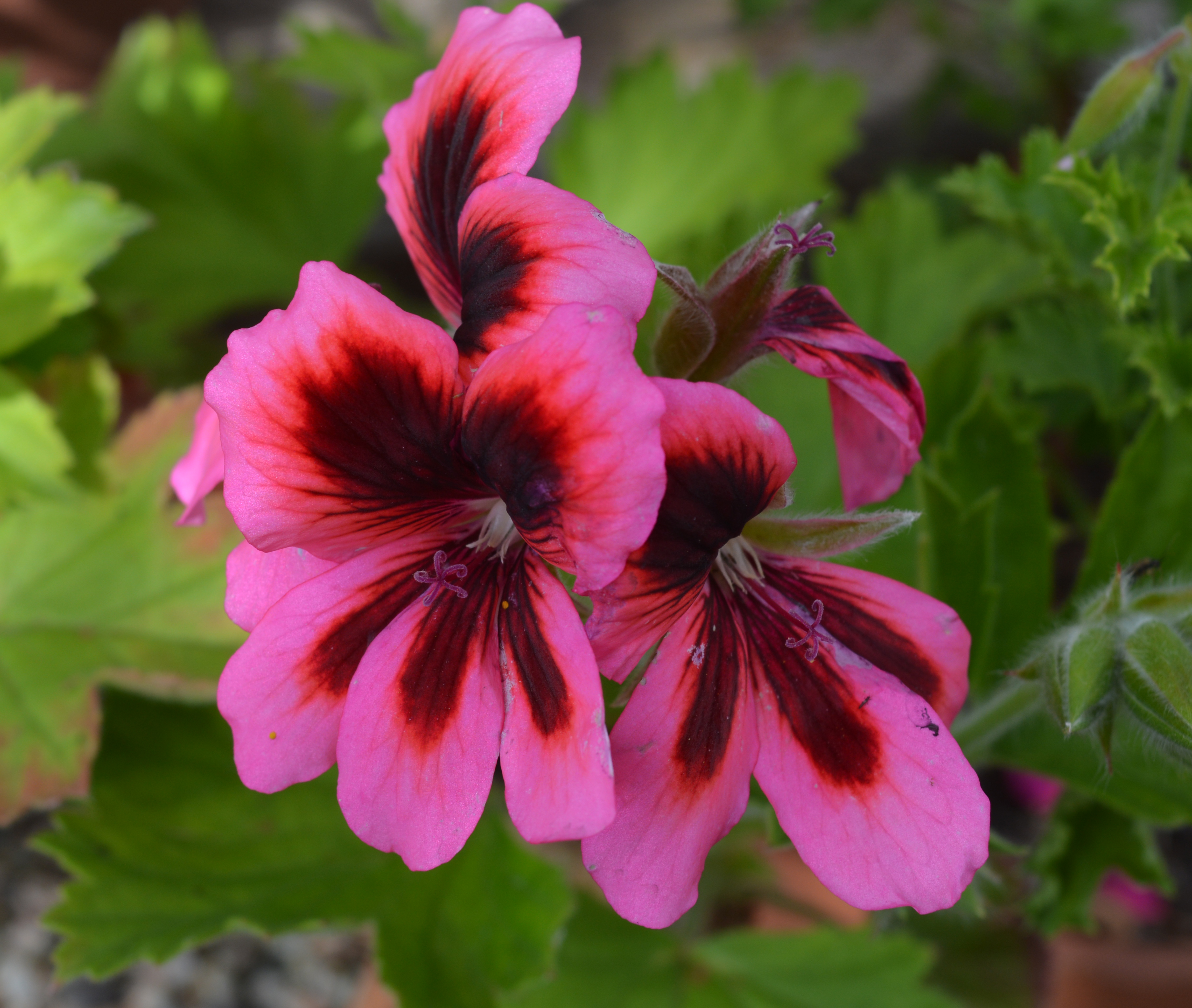
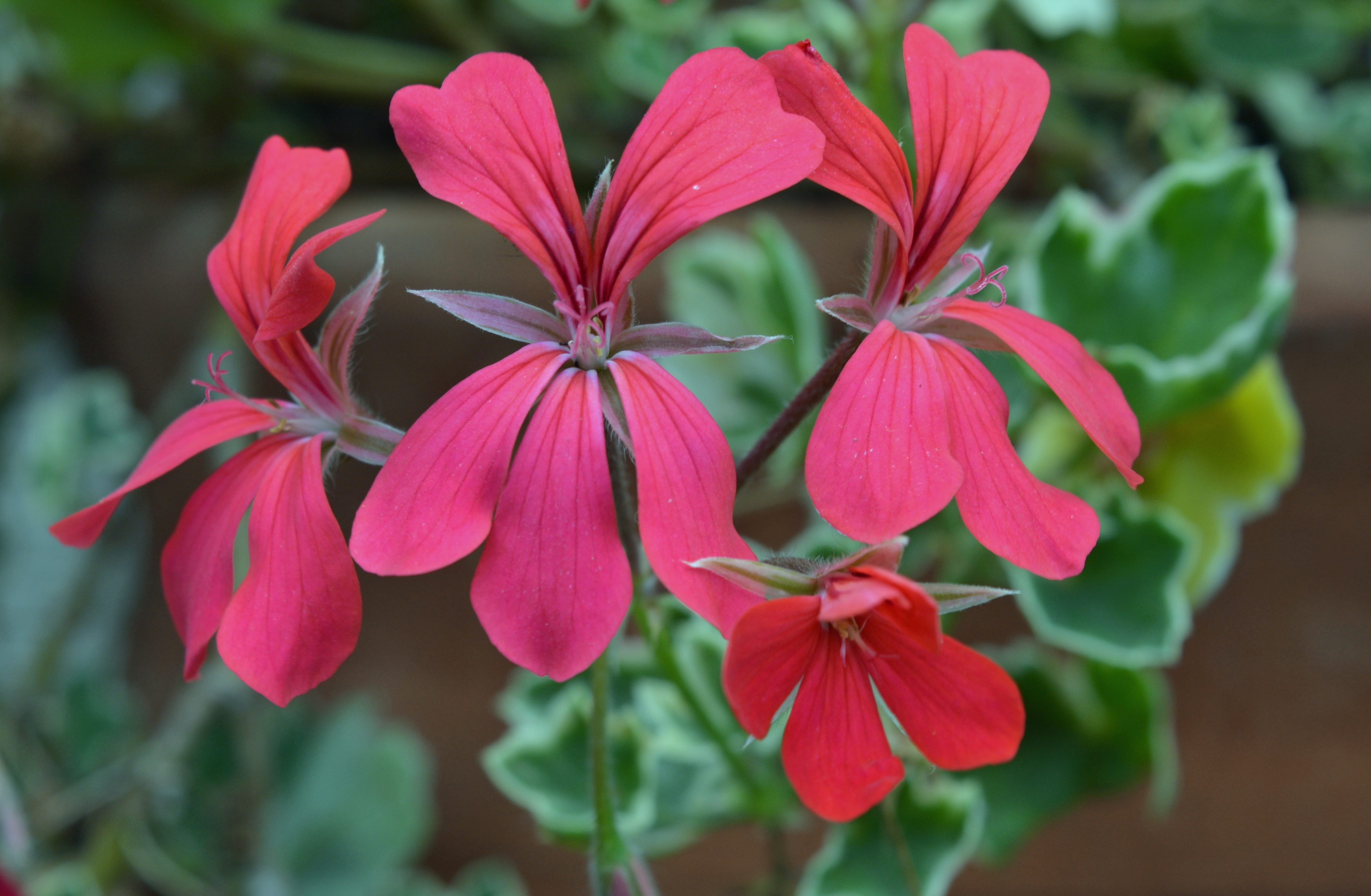
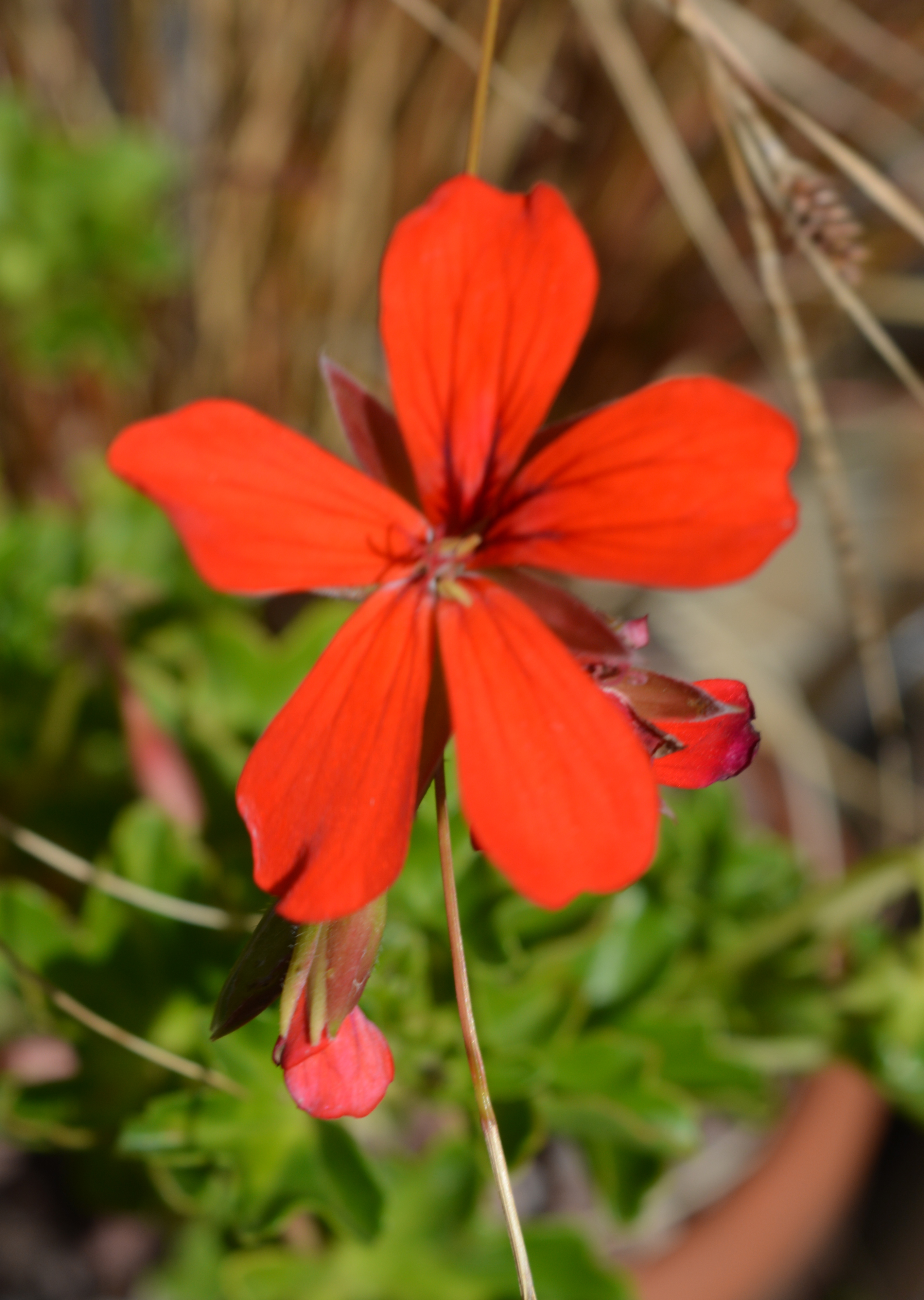
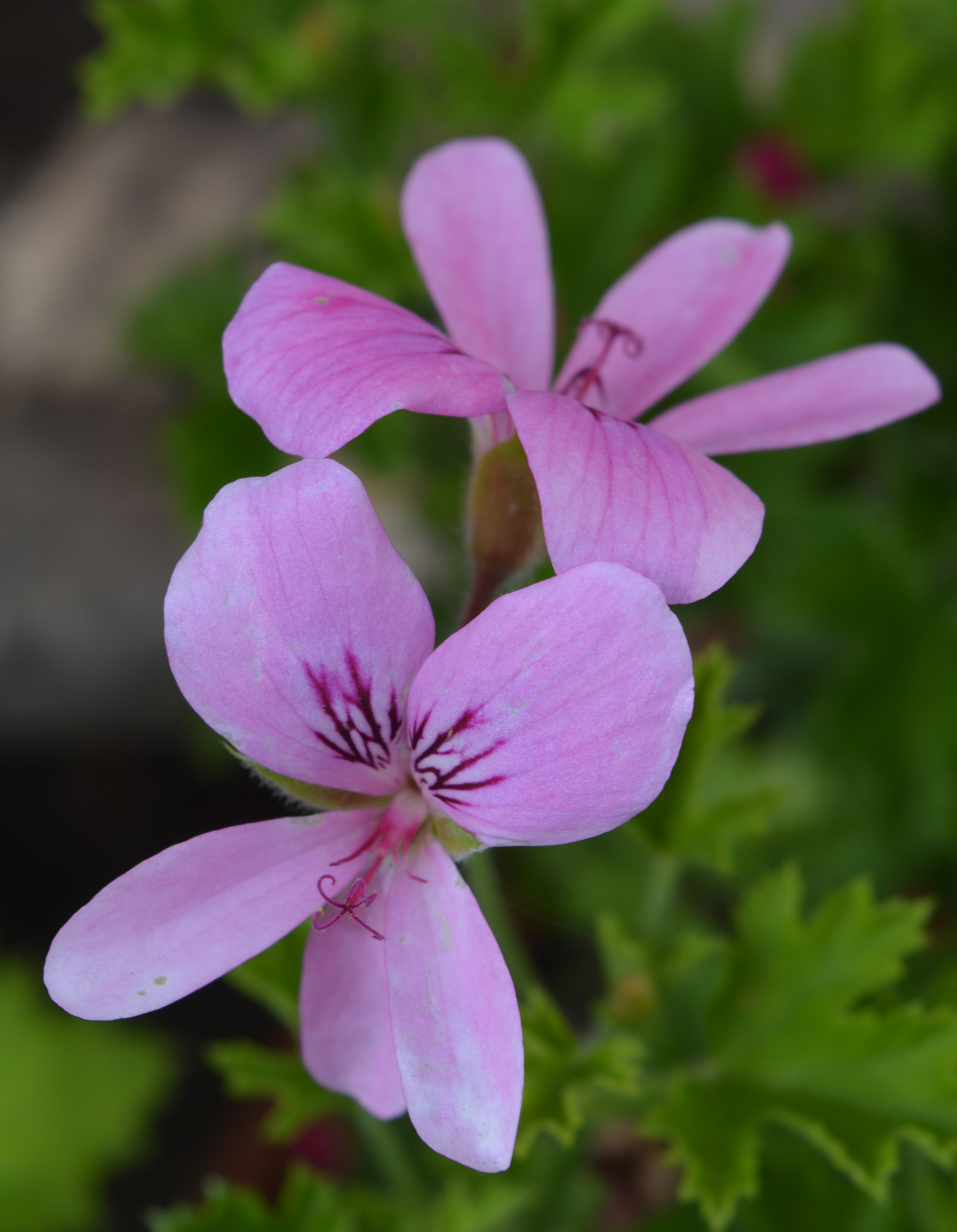
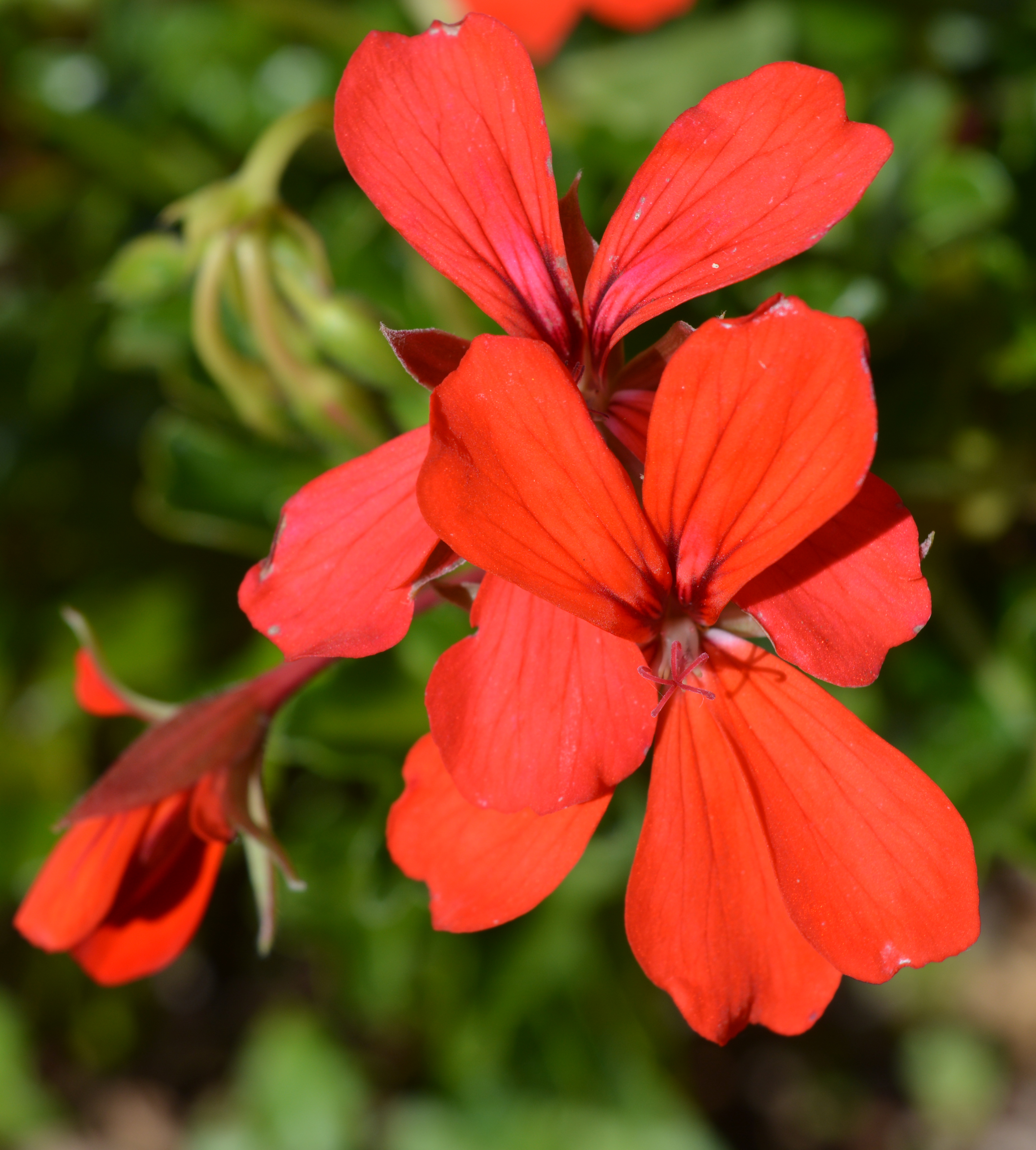
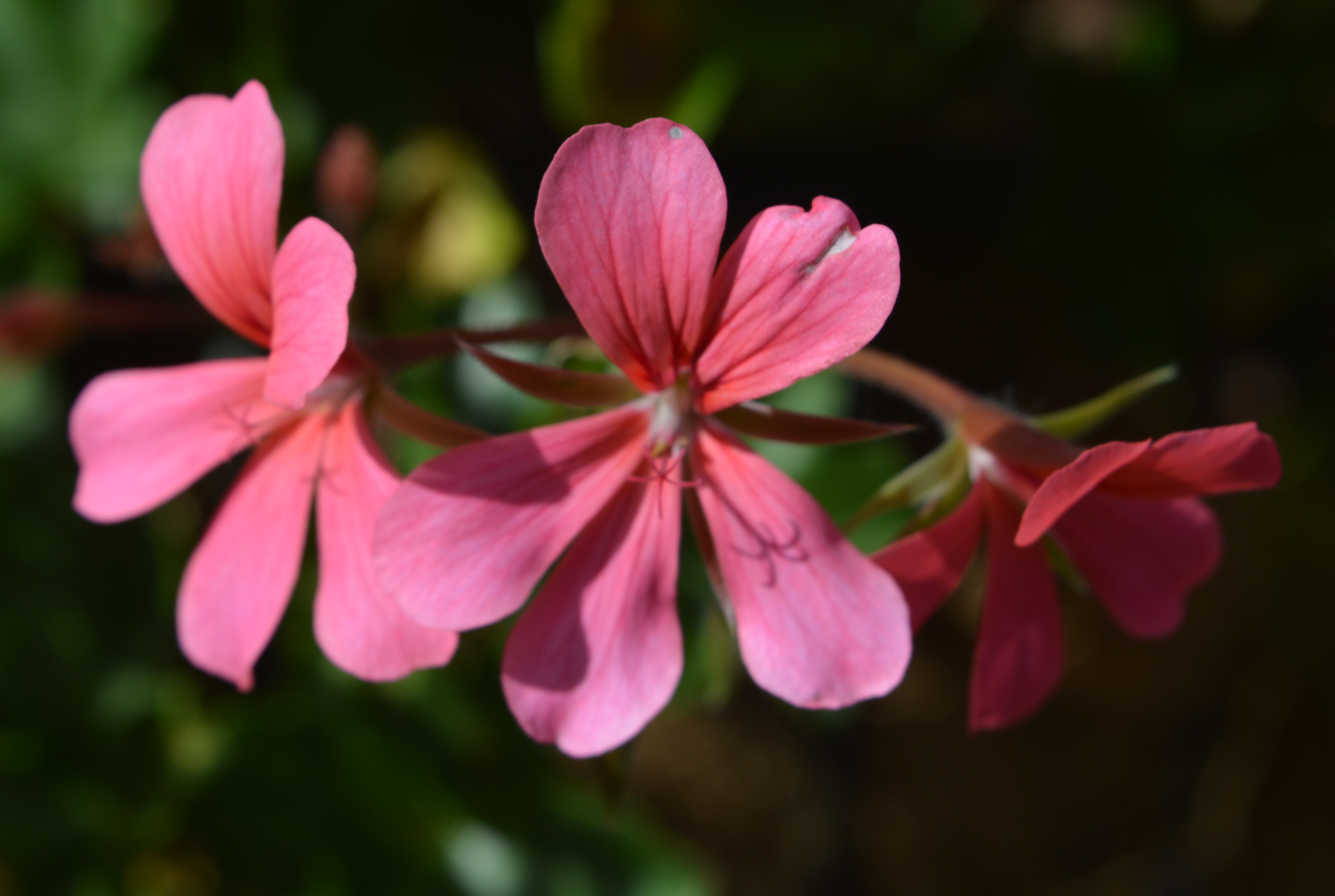
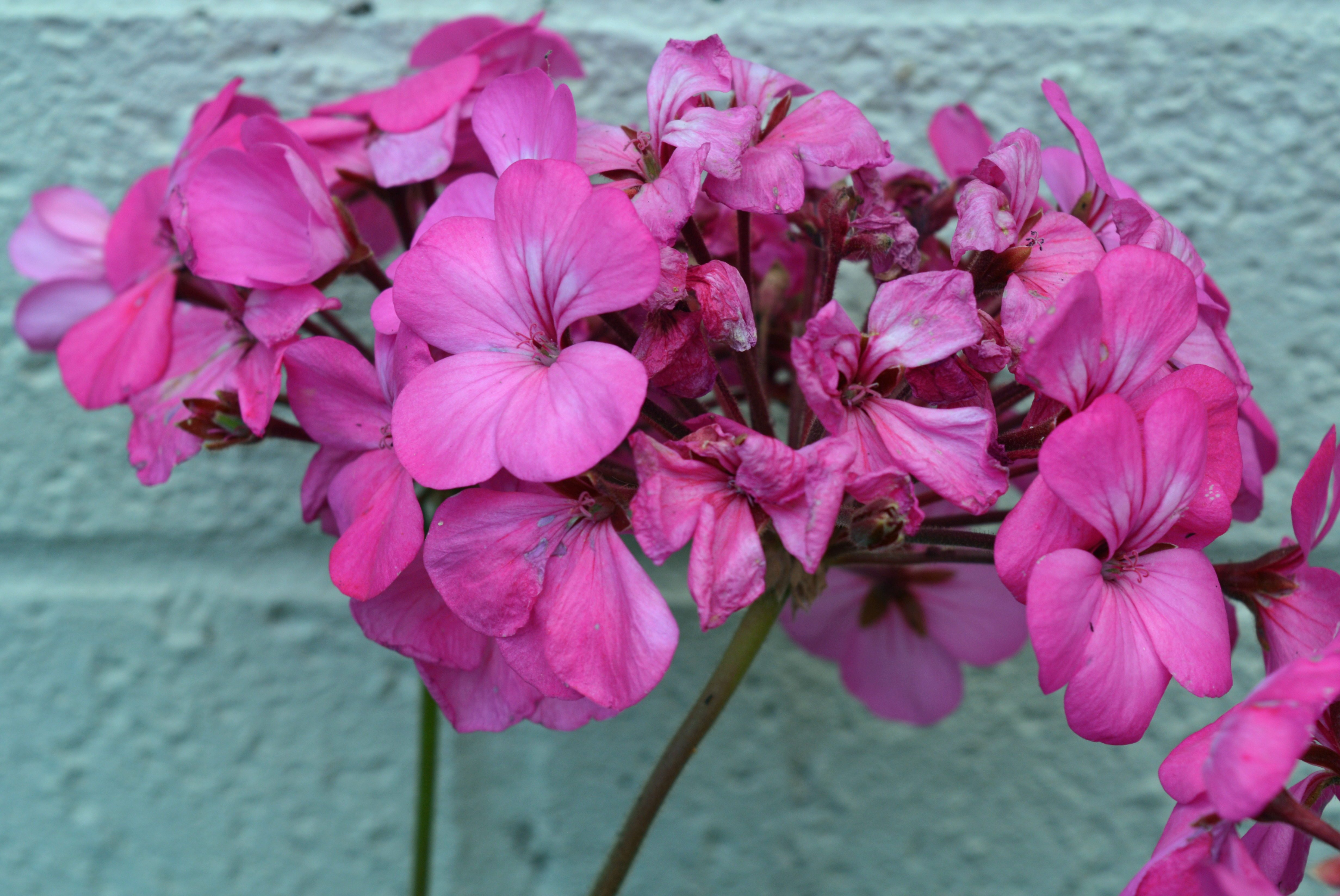
Pelargoniums – “Crazy reds and pinks!”


And that is it for my garden journal for July. My next visit to my journal will be at the end of August, a month when keeping you garden looking good is pretty difficult so we shall see how we get on in our Avocet garden.


Categories
climbing plants colours flowering bulbs garden design garden photography gardening gardens hardy perennials Herefordshire irises July light light quality National Garden Scheme NGS ornamental trees and shrubs renovation village gardens water garden water in the garden Yellow Book Gardens

Another Yellow Book Garden: Windsor Cottage

Looking back to a sunny summer’s day!

Off down the A49 trunk road into Herefordshire for another visit to enjoy a fellow NGS, Yellow book garden. Windsor Cottage is near the village of Dilwyn and described as a wildlife friendly half-acre garden which has just completed a 5 year redesign.

wc-5 wc-4

This proved to be garden full of very special plants beautifully grown by a couple of keen, energetic gardeners who were so keen to share their garden with us. They are both artists and their use of colour and planting companions displayed their creative flair.

wc-7 wc-6wc-1 wc-3

In order to share our enjoyment of Windsor Cottage with you I have created this gallery. Please click on the first picture and navigate using the arrows.

So this was a garden of great plants, two great plantspeople and an atmosphere of peacefulness and relaxation.

wc-2     wc-8

This Veggie Life

A Vegetarian | Nature Lifestyle Blog

Rambling in the Garden

.....and nurturing my soul

The Arch City Gardener

Journeys In St. Louis Gardening and Beyond

Garden Dreaming at Châtillon

Consult the genius of the place

Storyshucker

A blog full of humorous and poignant observations.

gardeninacity

Notes from a wildlife-friendly cottage garden

PlayGroundology

...an emerging social science

The Official Blog of British Wildlife

'The most important and informative publication on wildlife of our times' - The Independent. This blog is a member of The UK & Ireland Natural History Bloggers group: www.uknhb.blogspot.com

iGrowHort

Inspire - Cultivate - Grow Native Plants - Restore Landscapes

Bishops Meadow Trust

To create and protect a semi-natural wild space for the people of Farnham to enjoy and experience an array of British wildlife in our town

Gardening with Children

The www.gardeningwithchildren.co.uk Blog

UKbirdingtimeline

birding through the seasons, why birds matter and how to conserve them

NATURE WALKER

with a camera in hand

Jardin

Transform your outdoor space

Eva's space

My allotment, cooking and other interests

Old School Garden

my gardening life through the year
LEANNE COLE

Trying to live a creative life

fromacountrycottage

trying to live as lightly as possible on our beautiful planet

Good Life Gardening

Nature lovers from Leicester living the good life.

mybeautfulthings

Finding the beautiful in the everyday

mawsonmichelle

Michelle's Allotment

In and Out of My Garden

thoughts from and about my garden

Greenhousing

Big plans for a small garden

The Scottish Country Garden

A Walled Country Garden in South East Scotland

The Fruity Chicken

Life at the fruity chicken

willowarchway

Off grid living. Self sufficient. "PERMAGANICS RULE".

St Anns Allotments

Nottingham's Grade 2* Listed Allotments and Community Orchard

Manifest Joy Harvests

a journey in suburban vegetable gardening

Allotmental

The madness of growing your own

Penny's Garden: a harvest beyond my front door

A novel approach to vegetable gardening

arignagardener

Sustainable living in the Irish countryside.

NewEnglandGardenAndThread

Master Gardener, amateur photographer, quilter, NH native, and sometimes SC snowbird

dianajhale

Recent work and work in progress and anything else that interests me

planthoarder

a chaotic cottage gardener

Lens and Pens by Sally

a weekly blog that creates a personal philosophy through photographs and words

Dewdrops and Sunshine

Stories from a sassy and classy Southern farmbelle.

The Pyjama Gardener

Simple Organic Gardening & Seasonal Living

gettin' fresh!

turning dirt into dinner

JOY...

today the world is created anew

Garden Birds

Notes from a Devon garden

ShootAbout

Life Through The Lens

Adapting Pixels

A photography blog showcasing the best photography pictures and videos on the internet

Wildlifegardening's Blog

Just another WordPress.com site

naturestimeline

personal observations from the natural world as the search continues for a new approach to conservation.

LATEBLOOMERBUDS

The Wonders of Life through my Eyes, my Heart, my Soul