Categories
climbing plants colours garden design garden photography gardening gardens gardens open to the public half-hardy perennials hardy perennials meadows National Trust ornamental grasses ornamental trees and shrubs poppies roses The National Trust

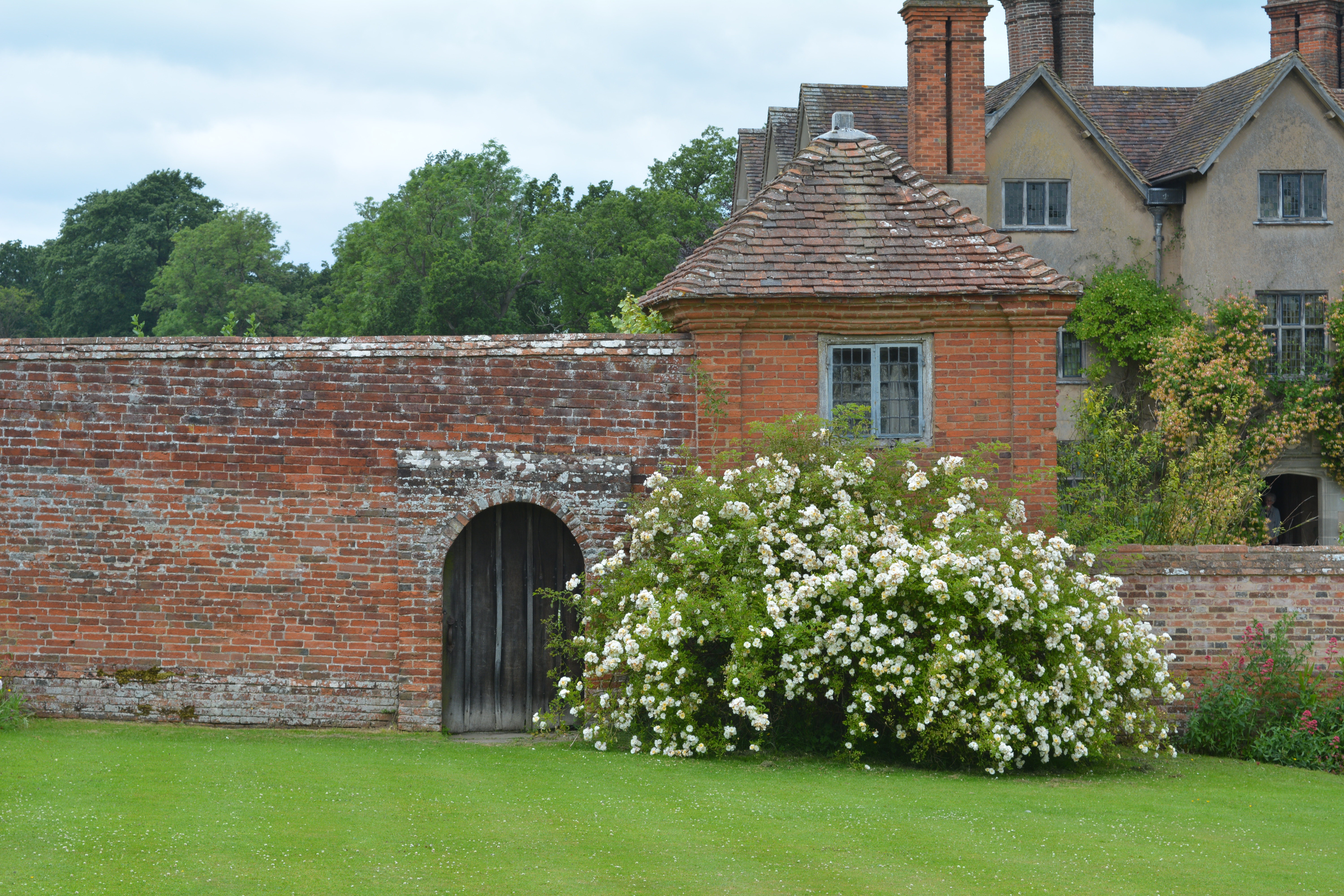
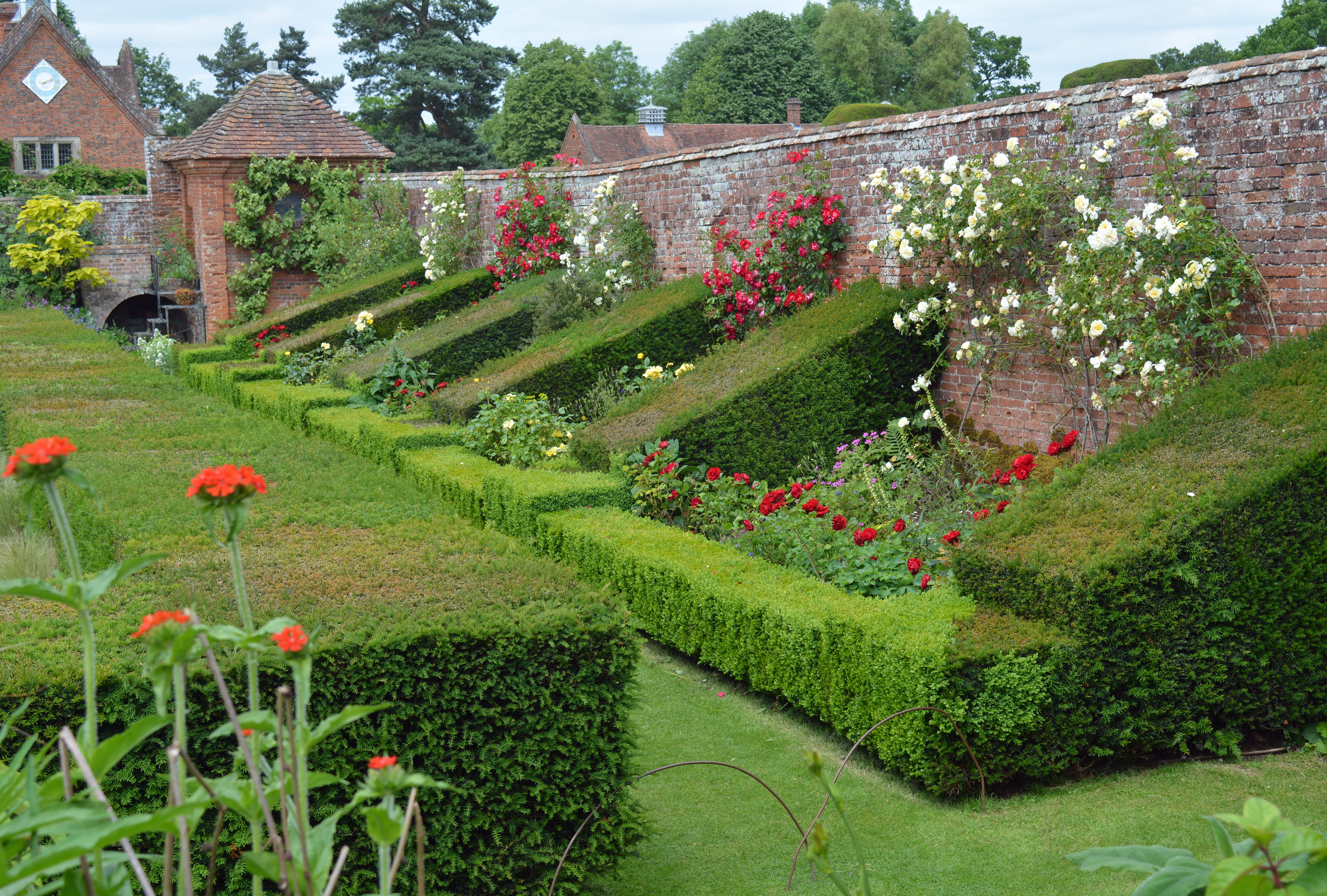
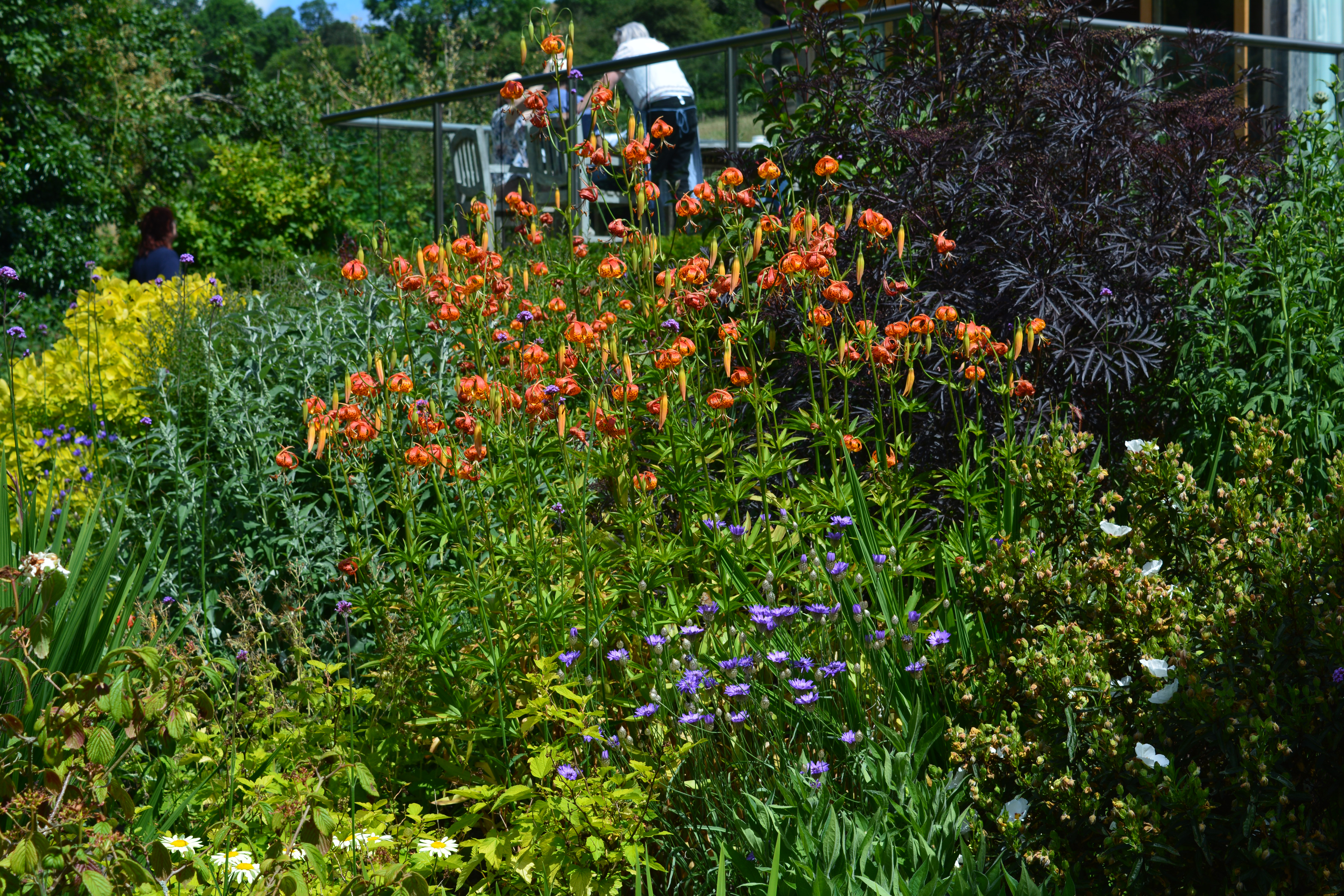
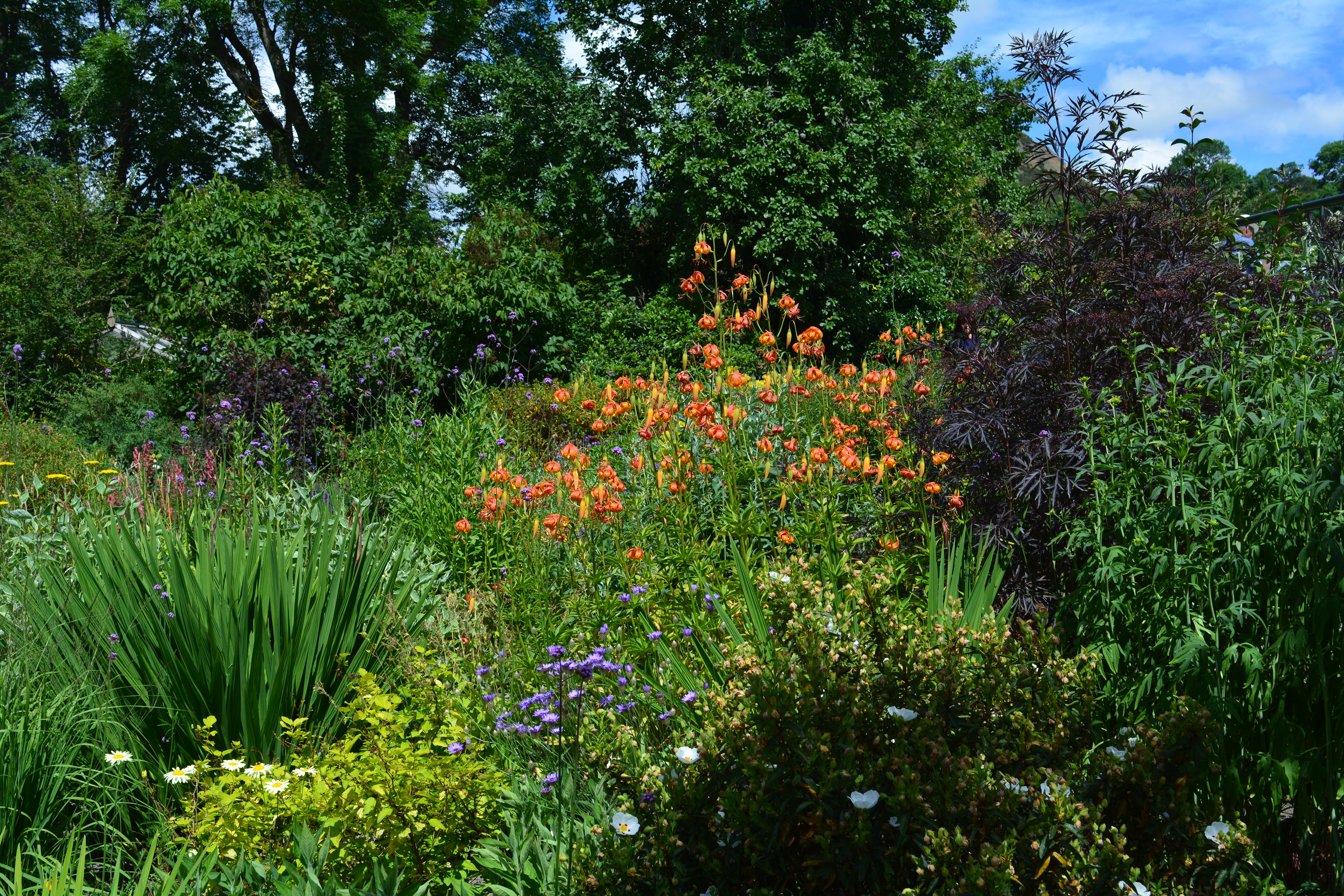
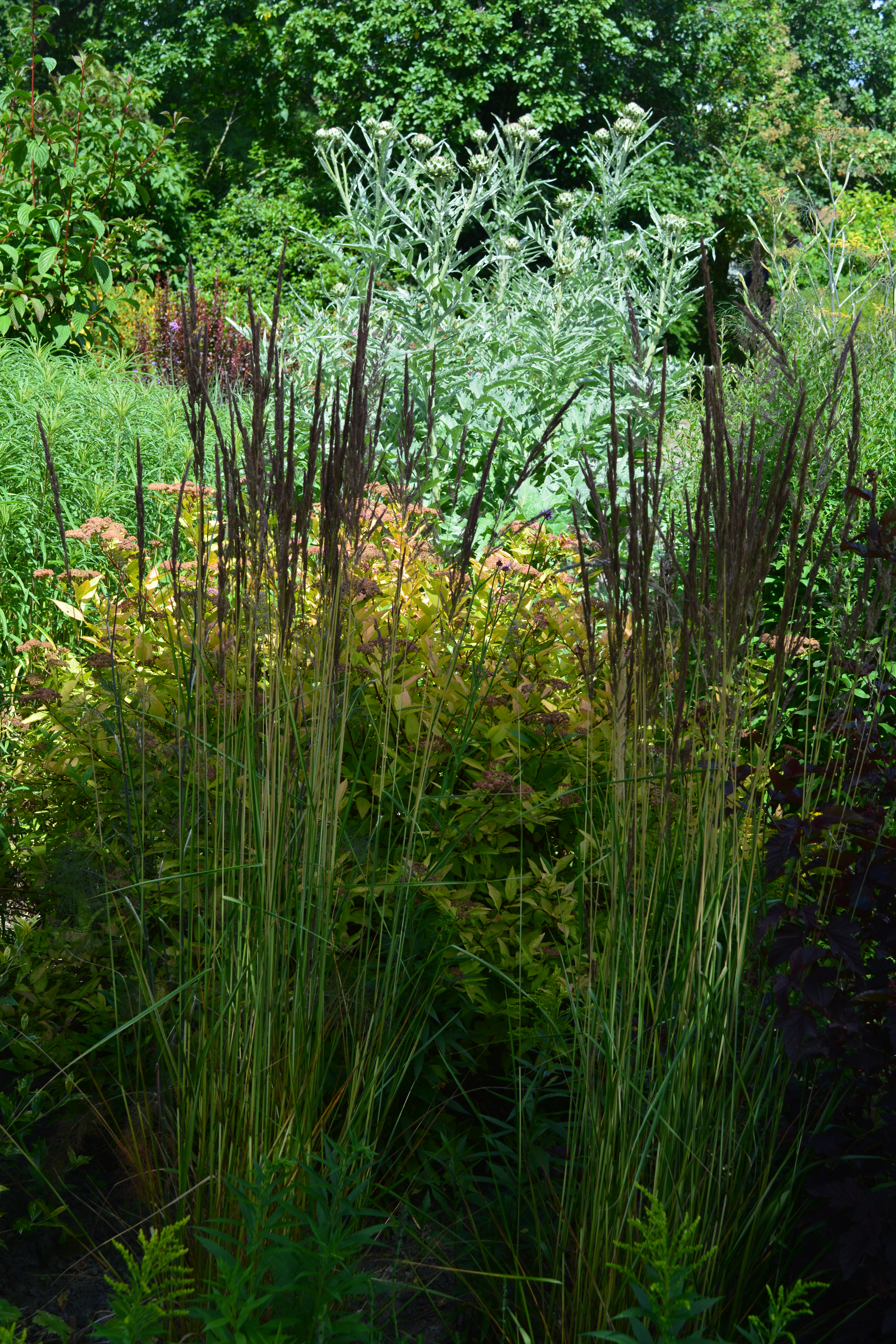
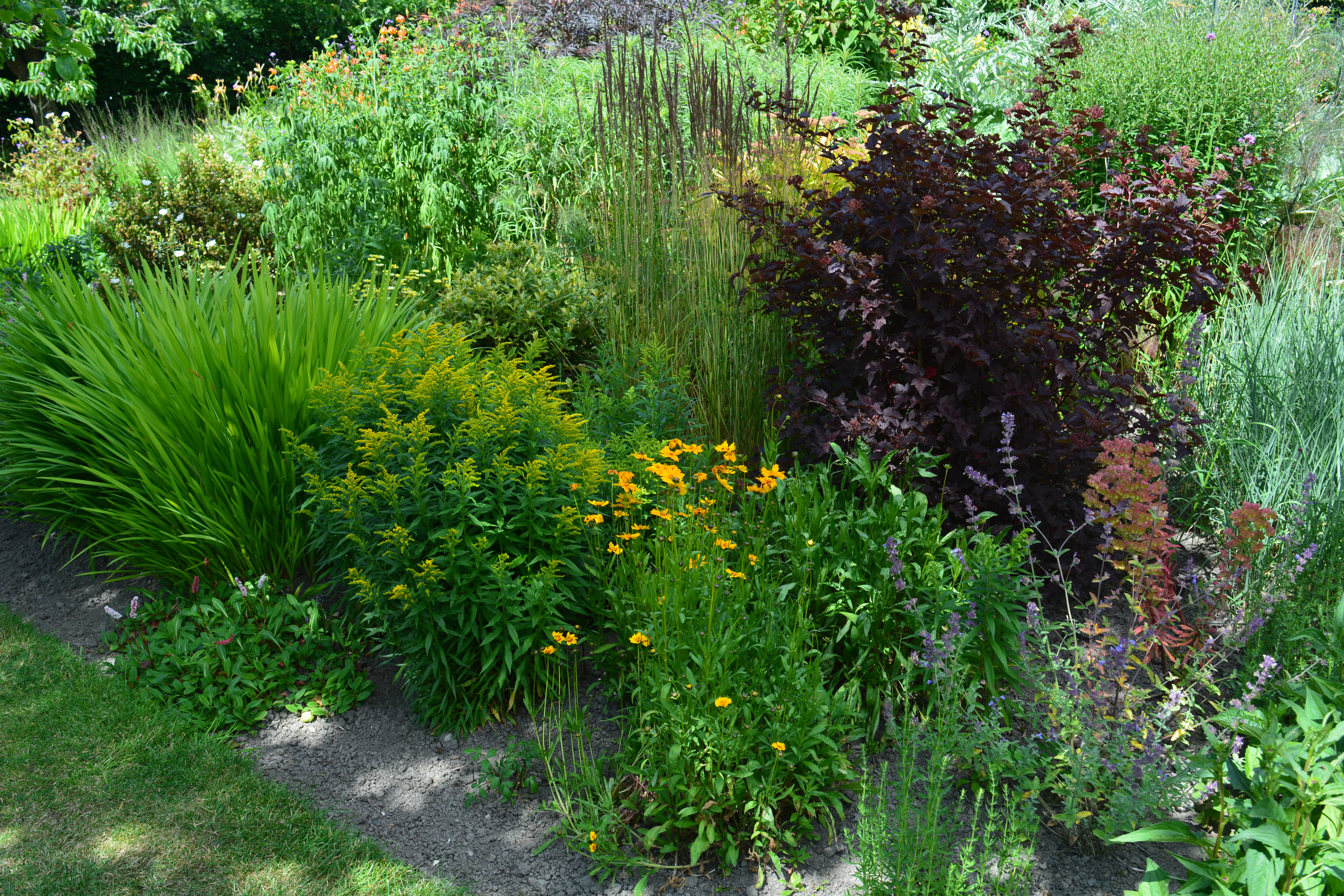
Packwood – one of the stars of the National Trust.

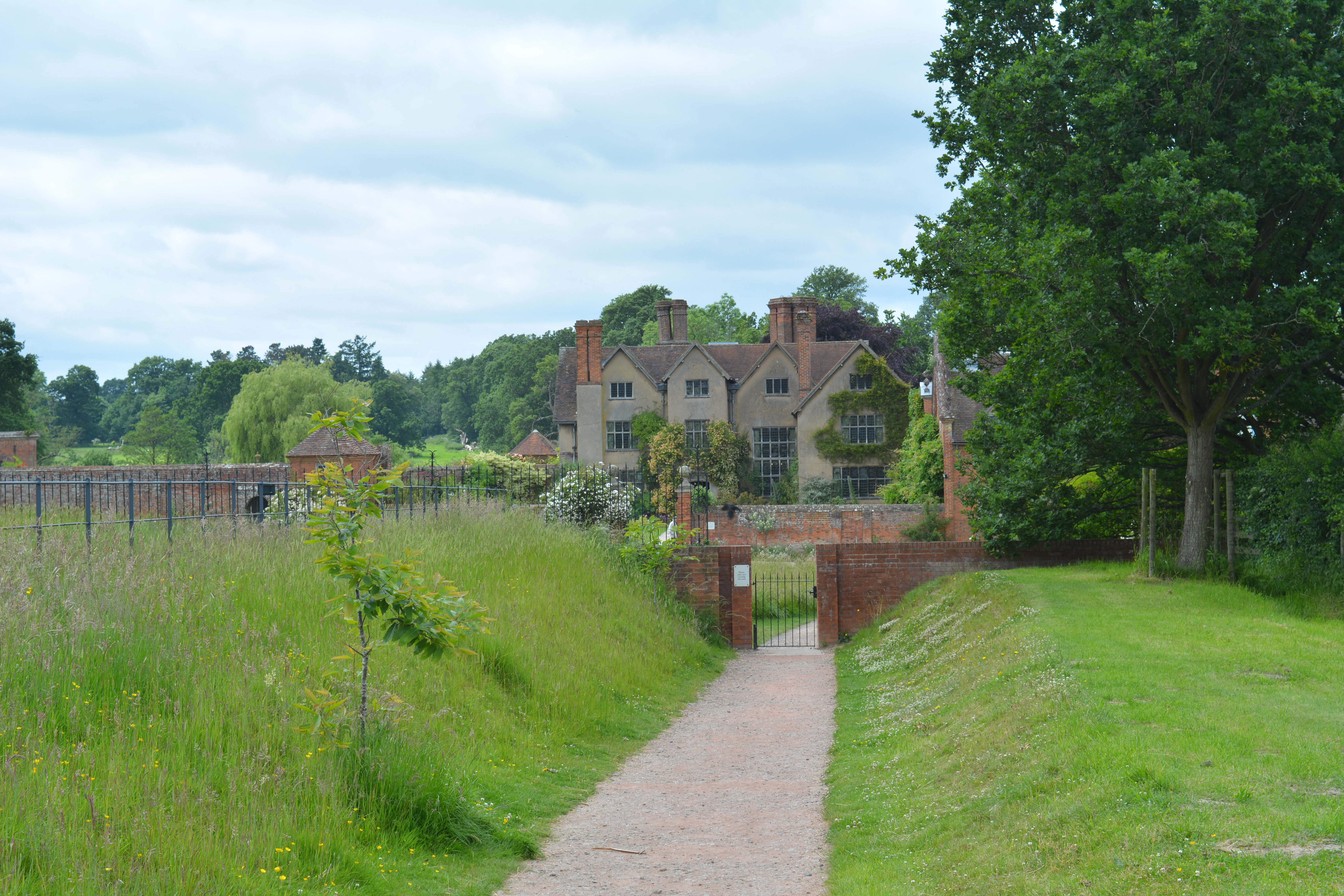
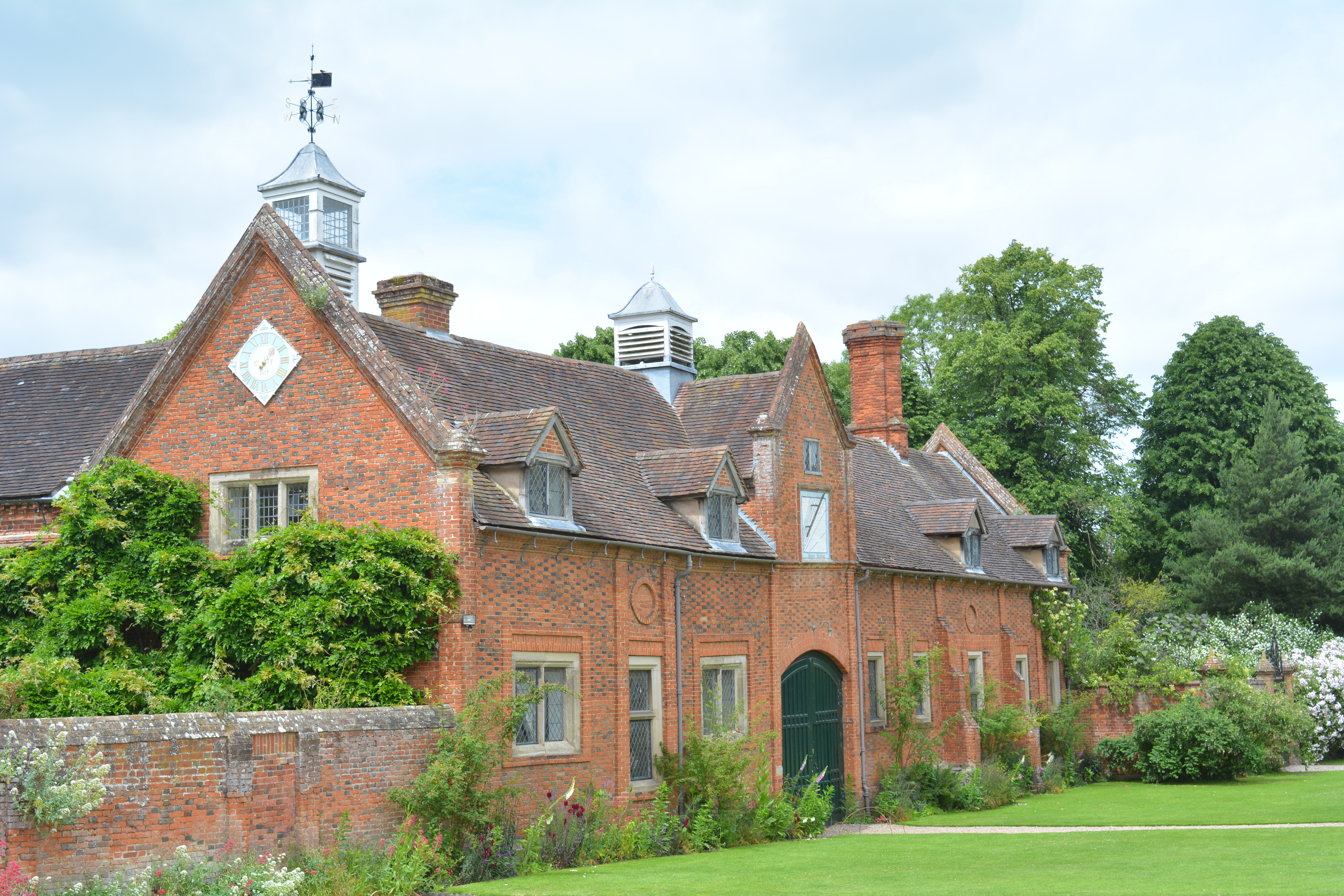
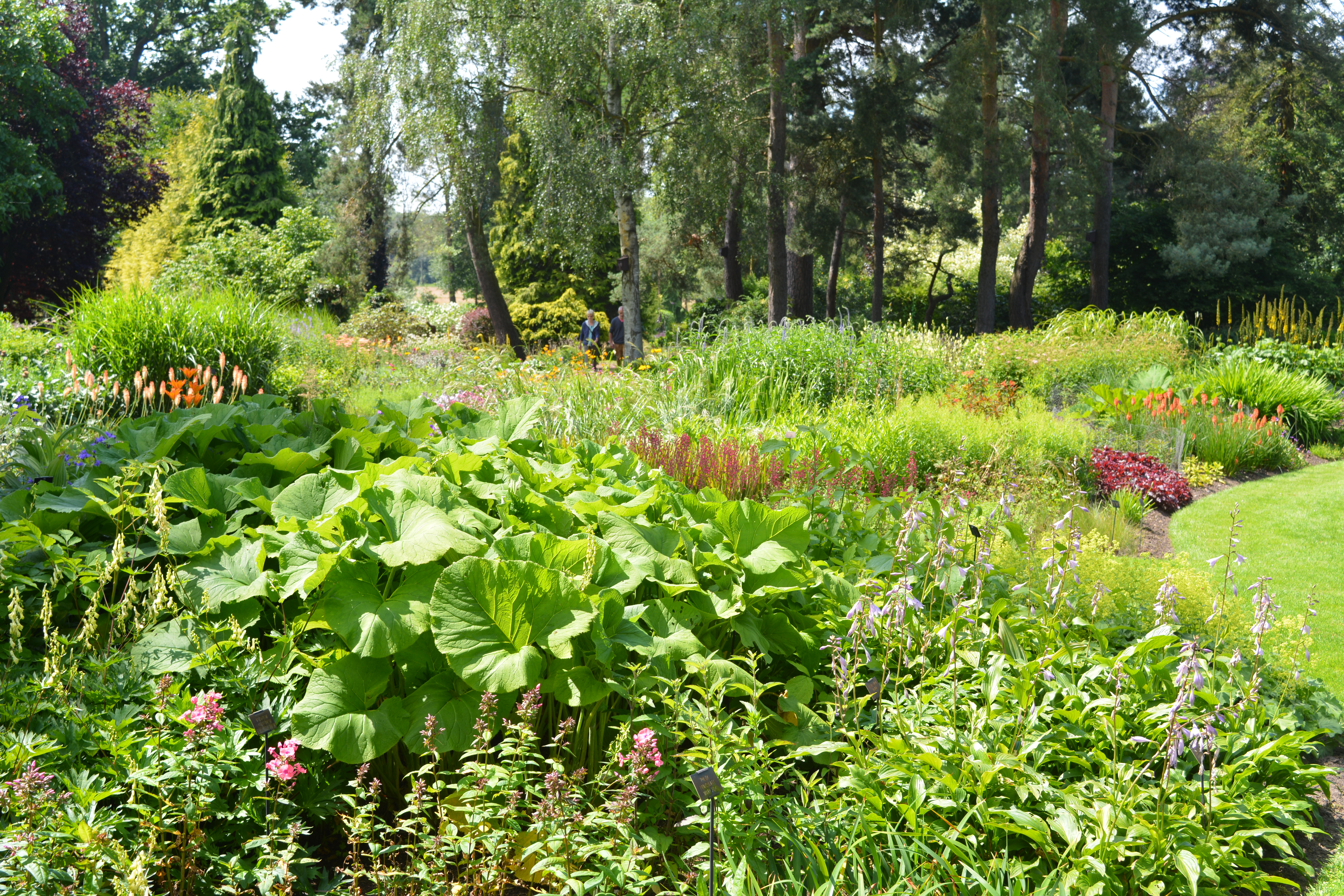
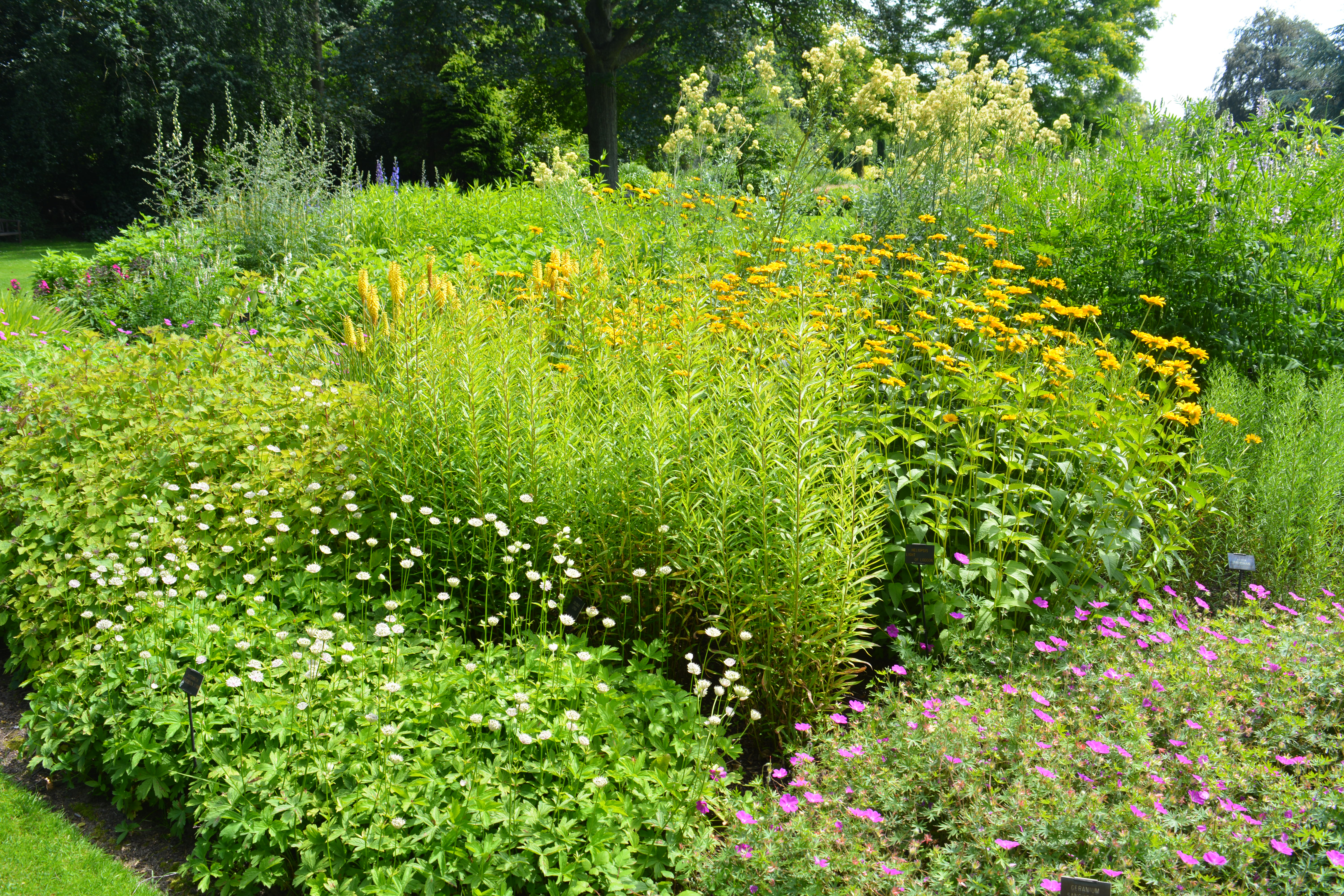
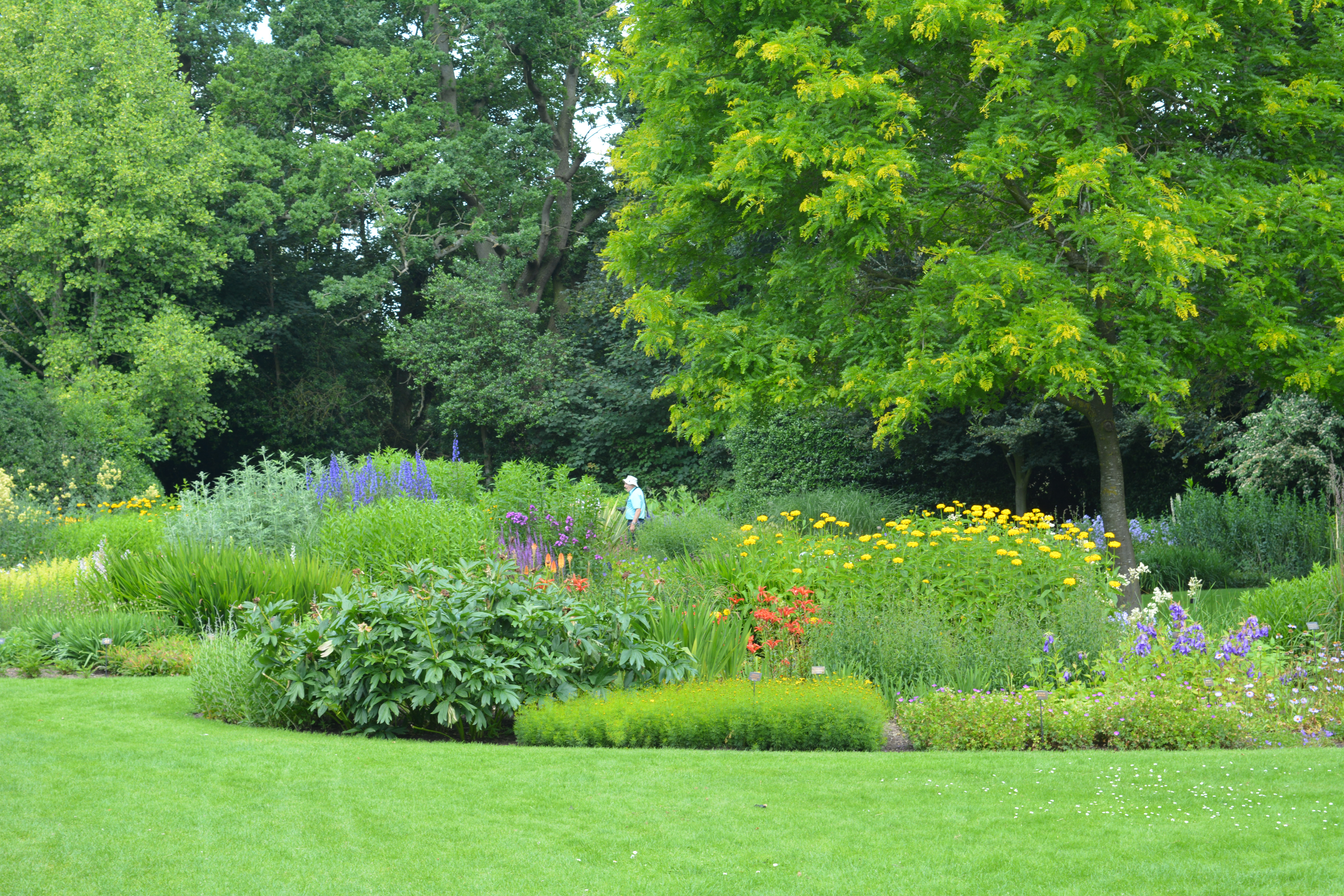
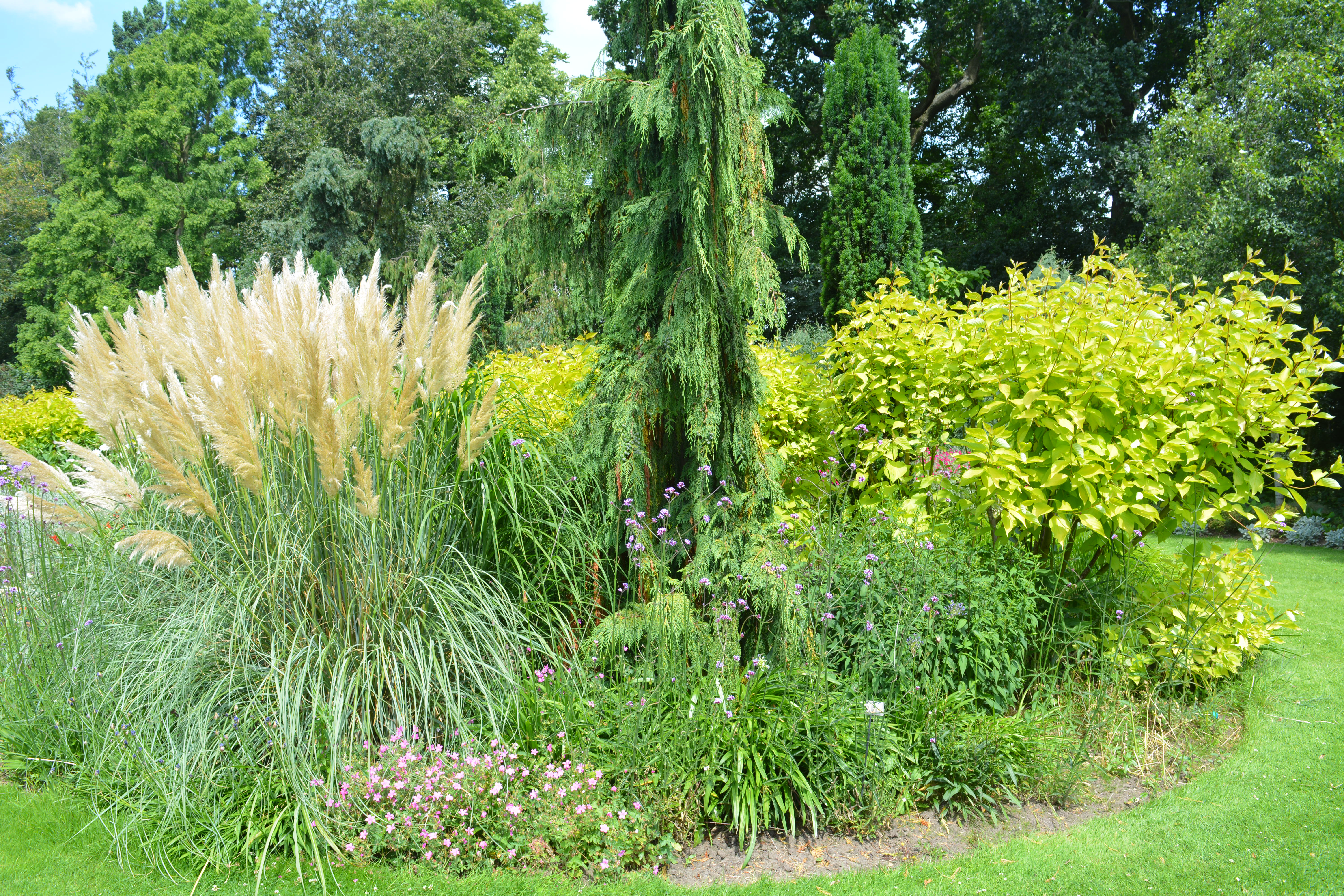
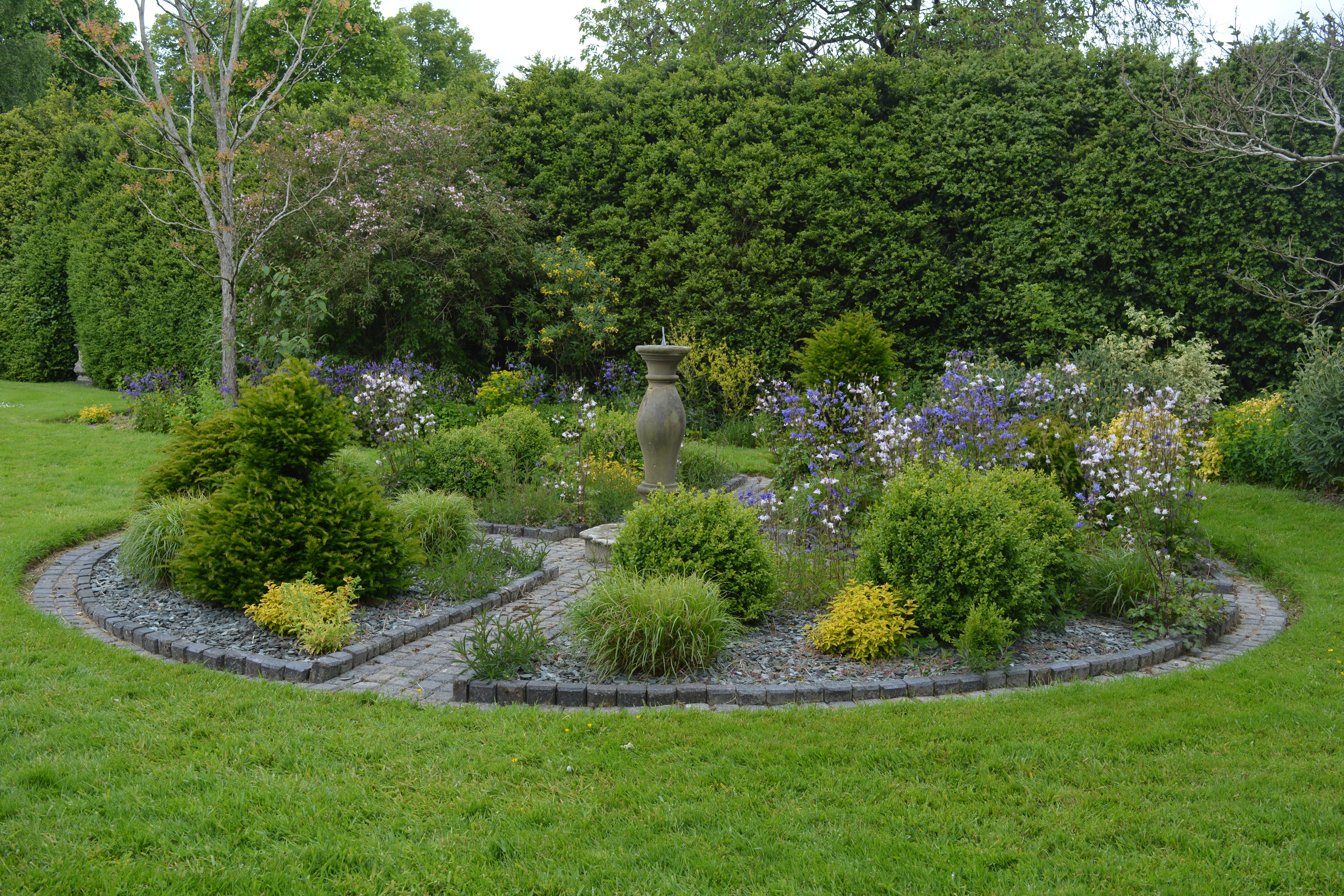
We have held memberships of the National Trust for over 40 years and one of the first we took our two children to was Packwood Hall. Packwood is now a firm favourite and we made a visit again this year. The welcome sign describes Packwood as “a house to dream of, a garden to dream in”. We were only intending to look at the house from the outside and mainly intended to explore the garden in greater detail. Packwood is well known for its unusual collection of sundials.


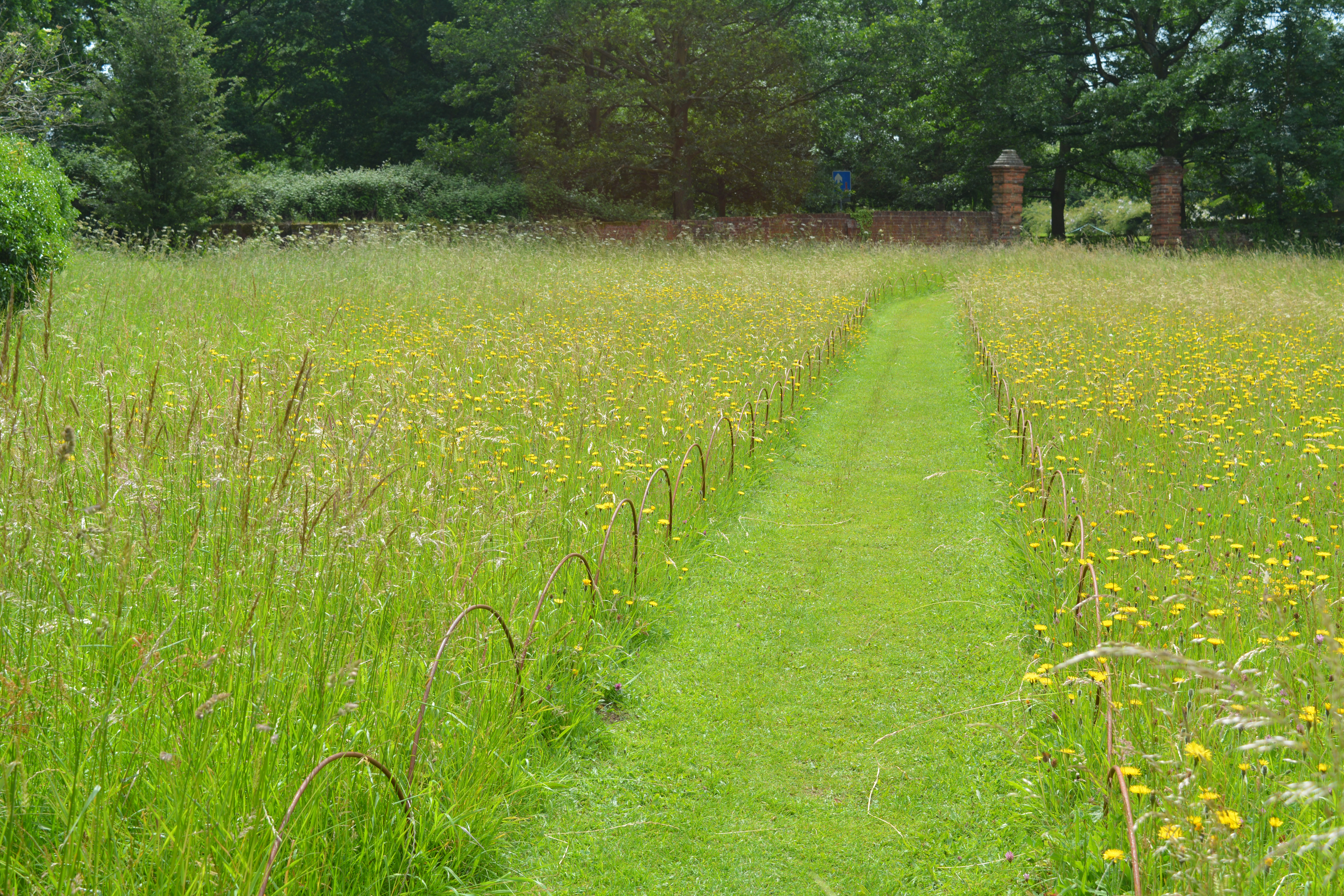
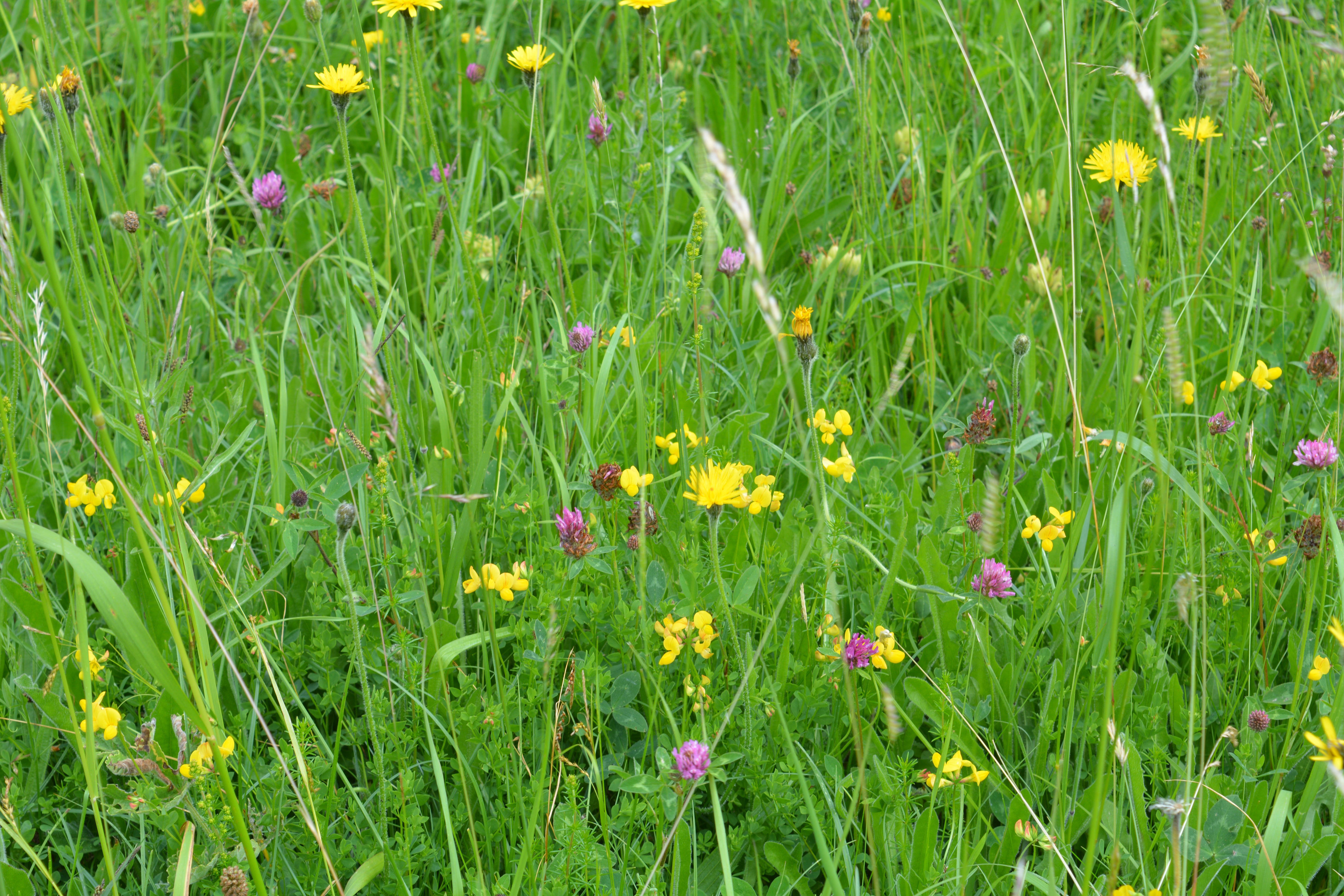
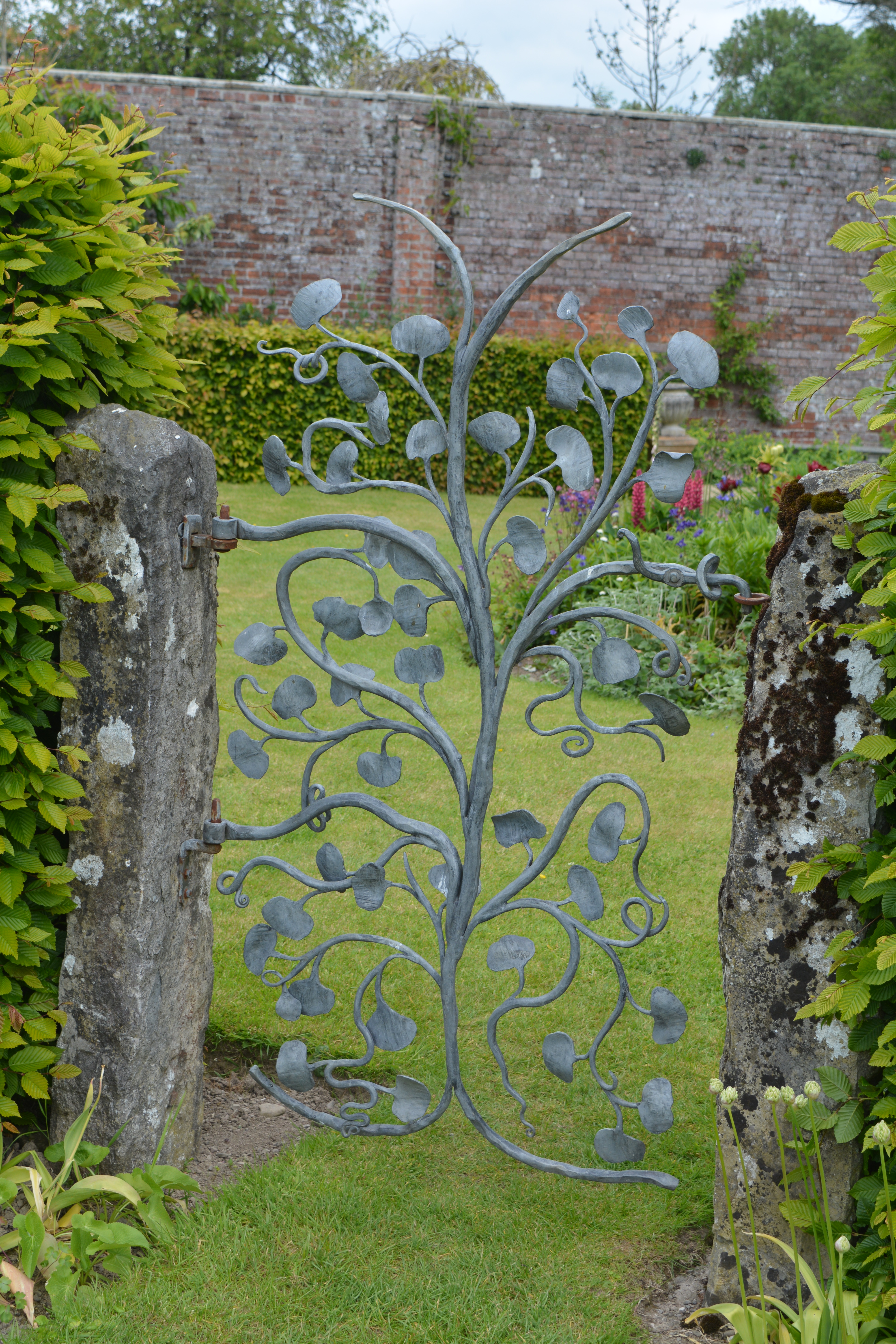
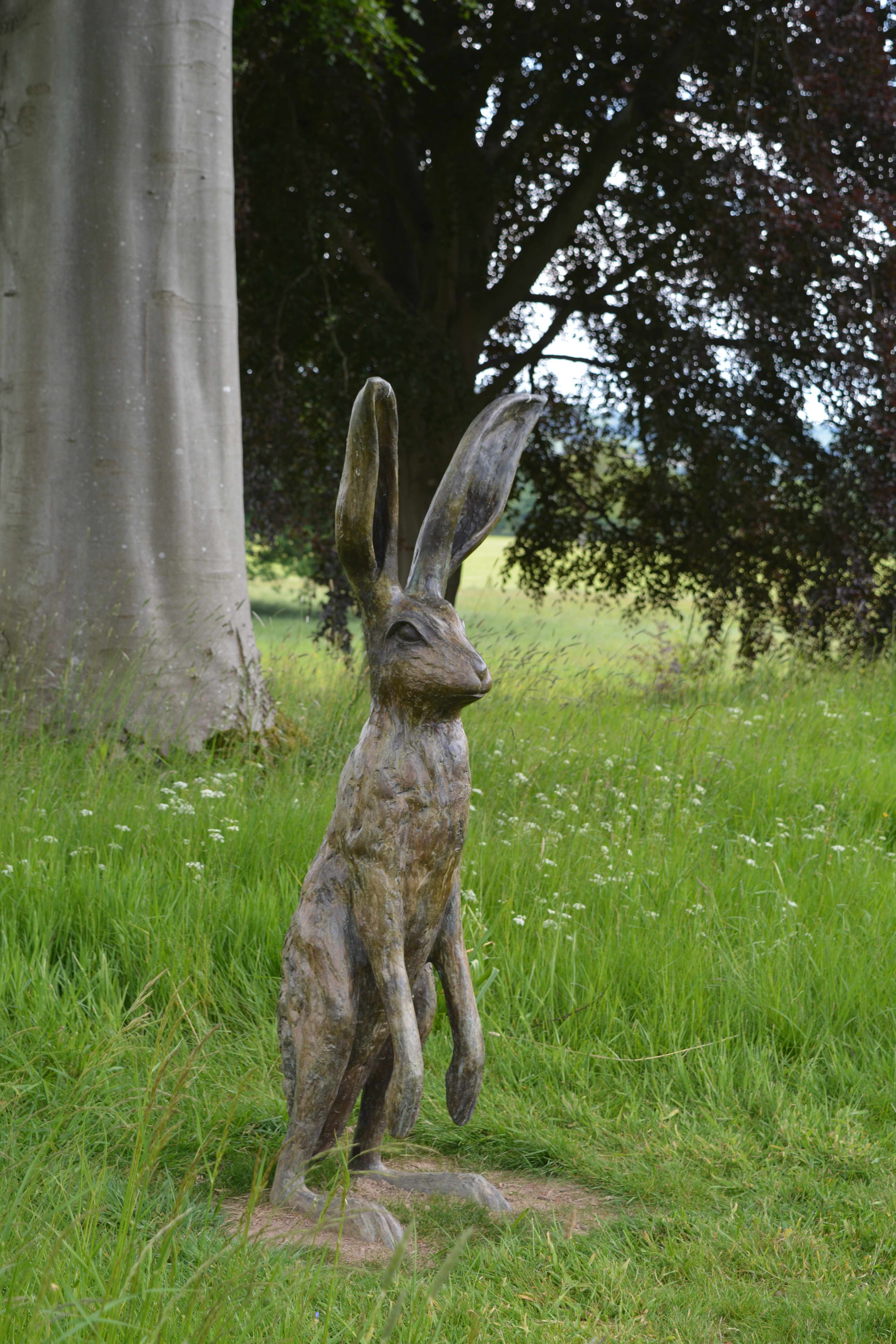
The approach to Packwood is one of the most welcoming we have ever come across, passing through wildflower meadows and impressive gateways.
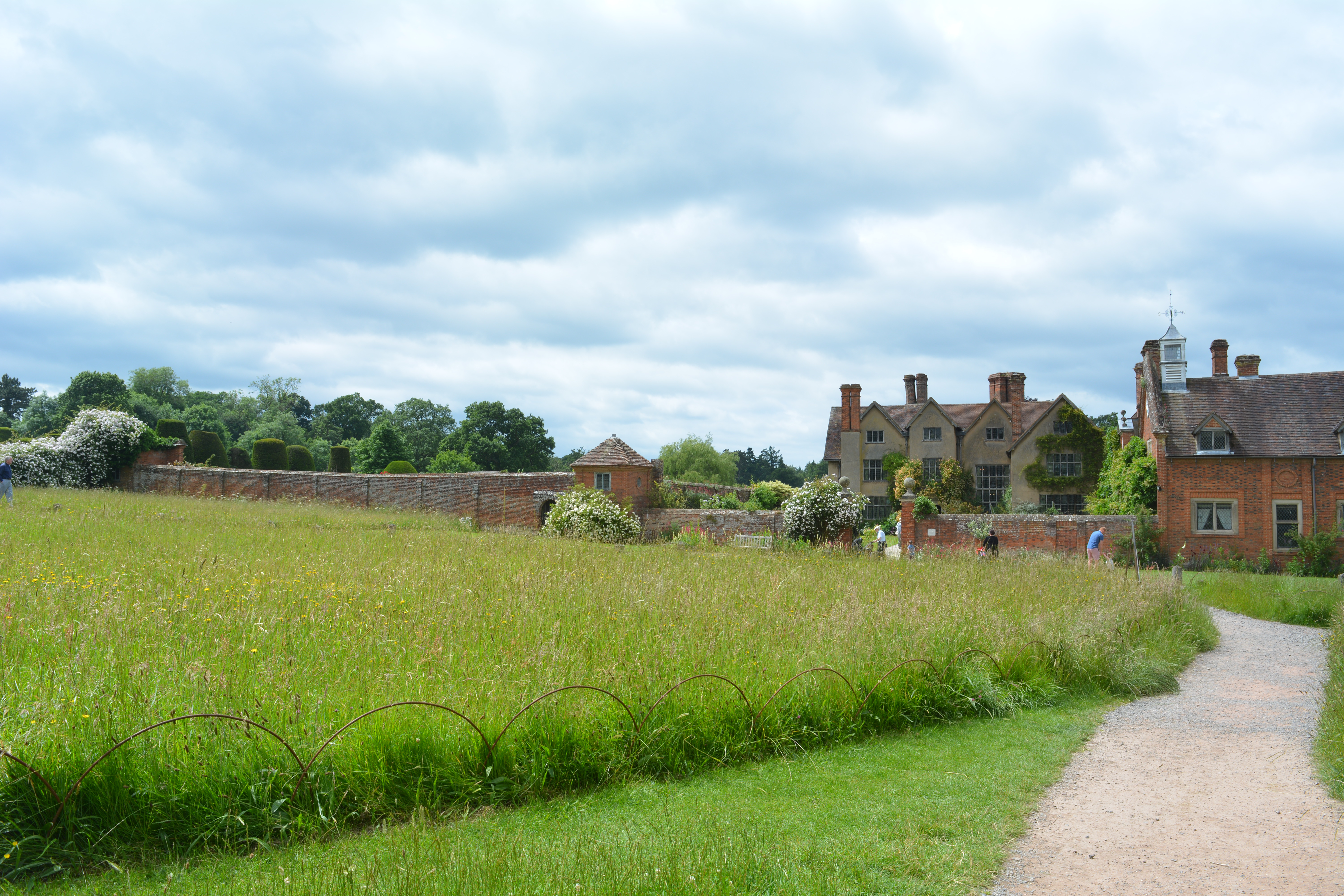
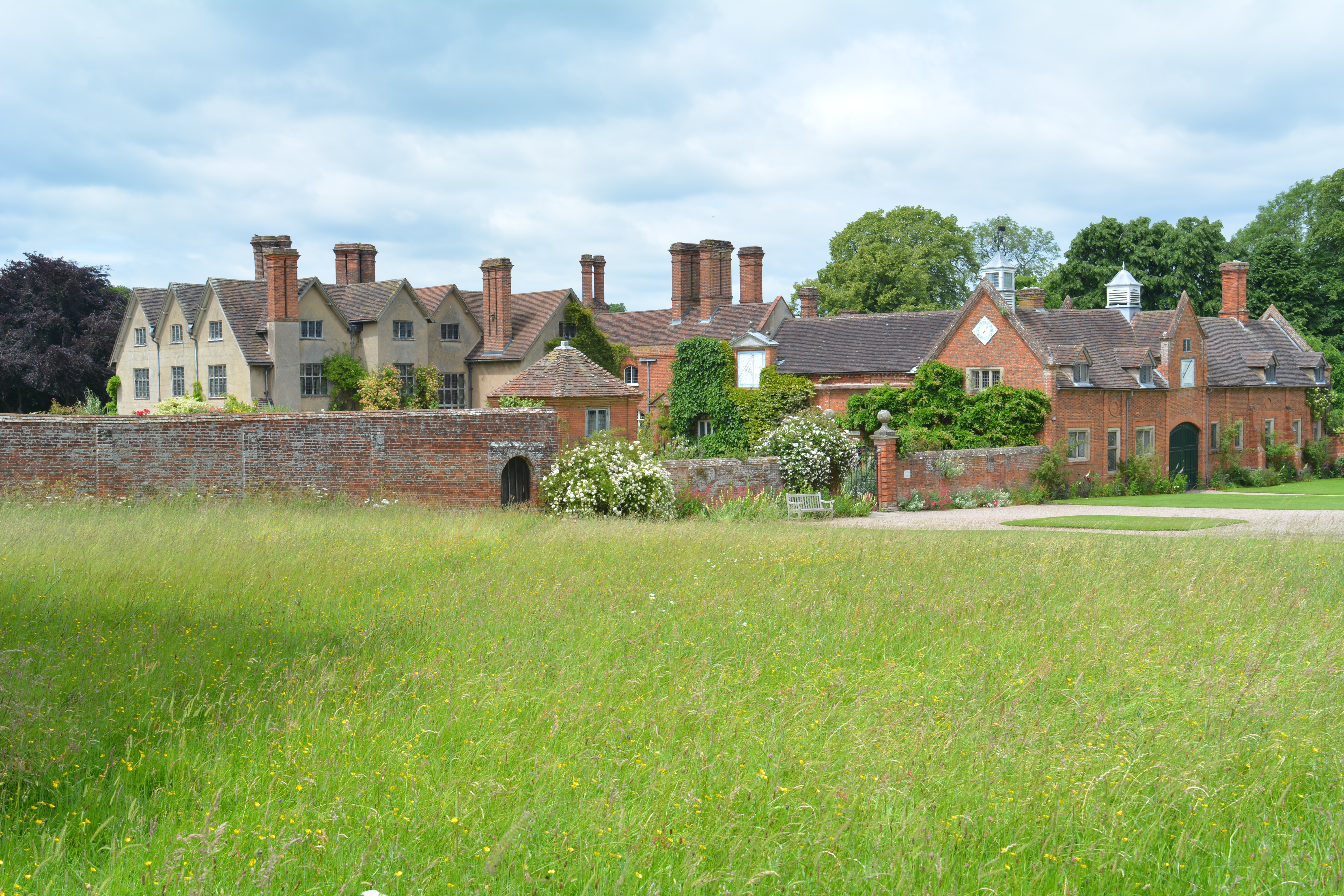
    

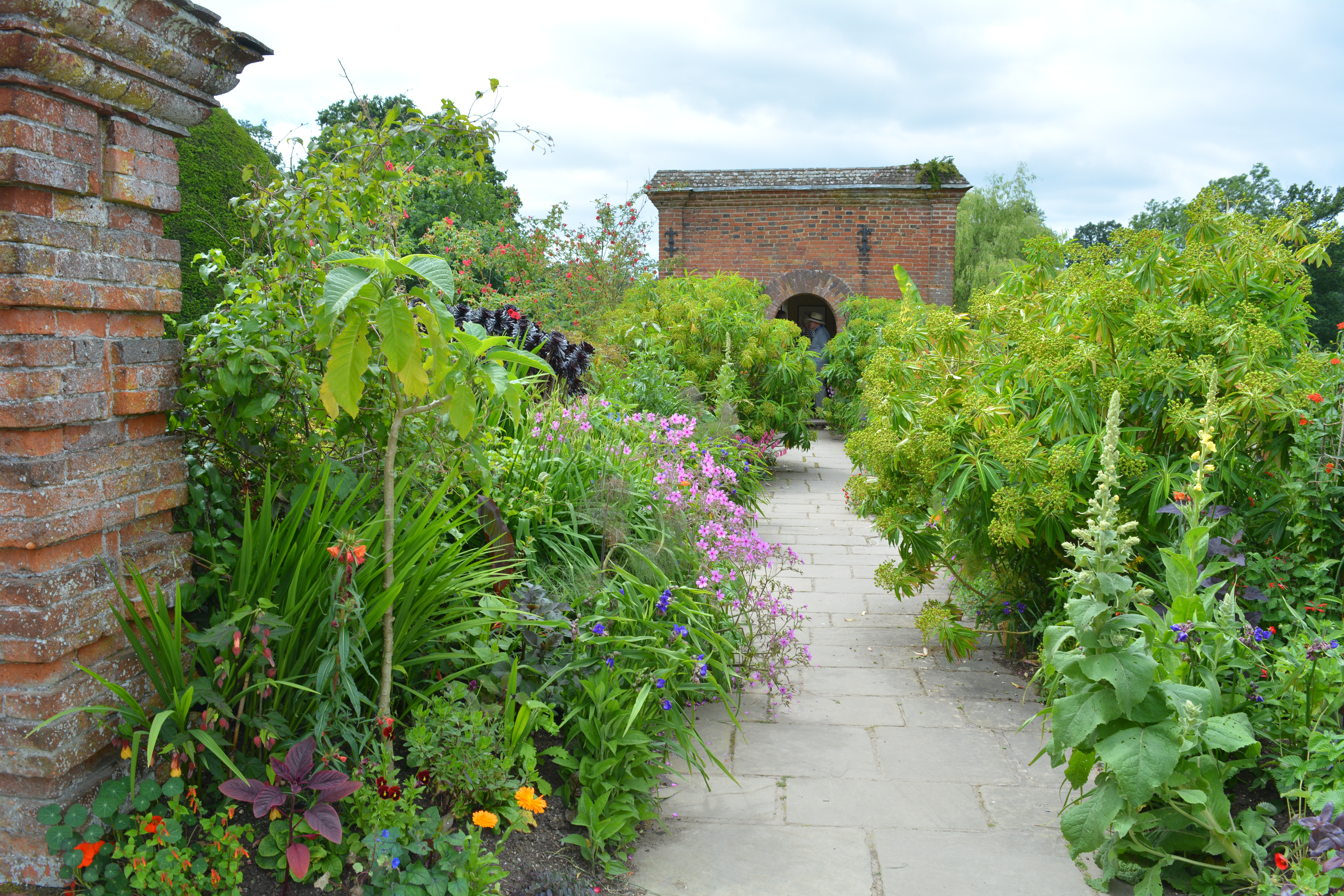
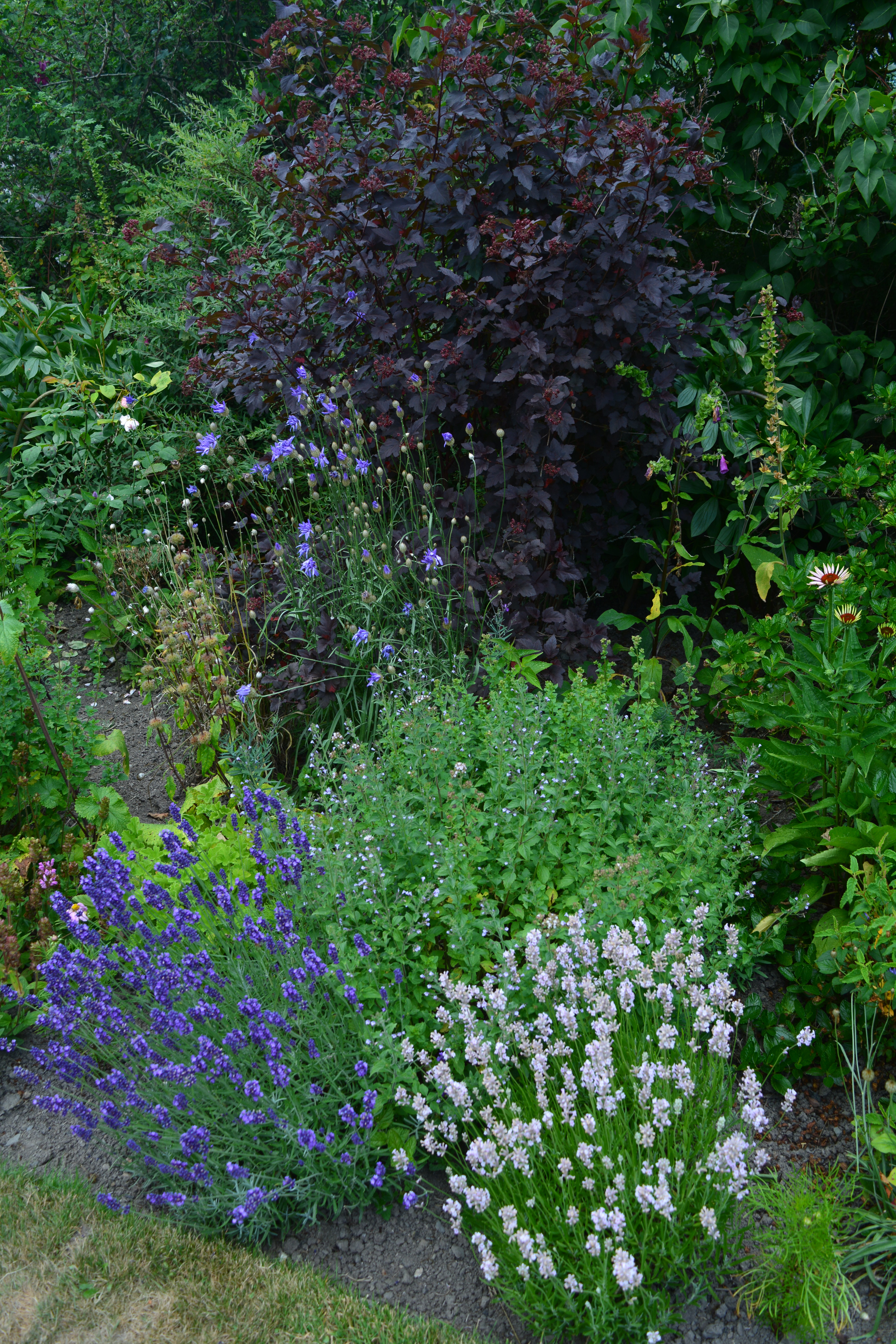
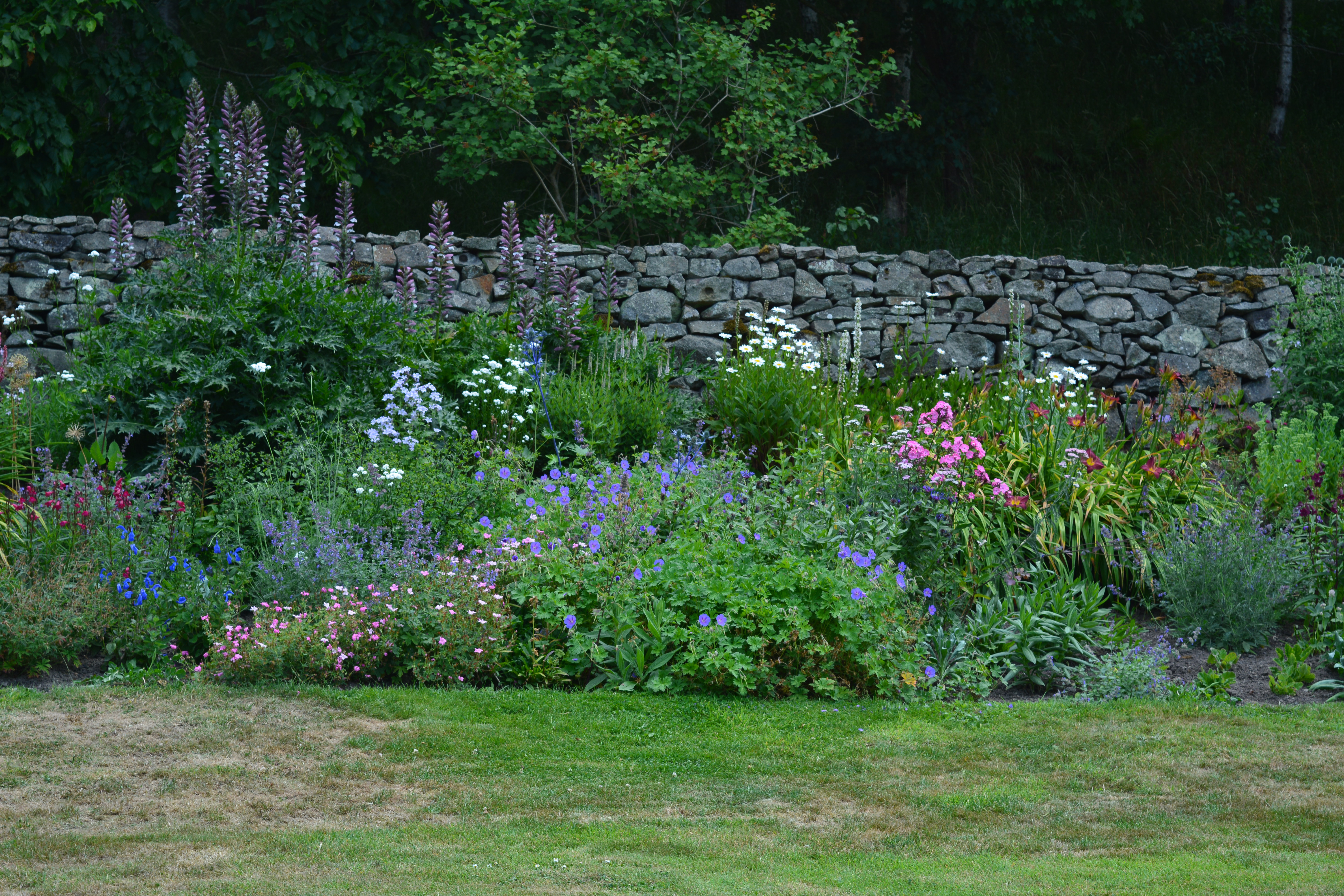
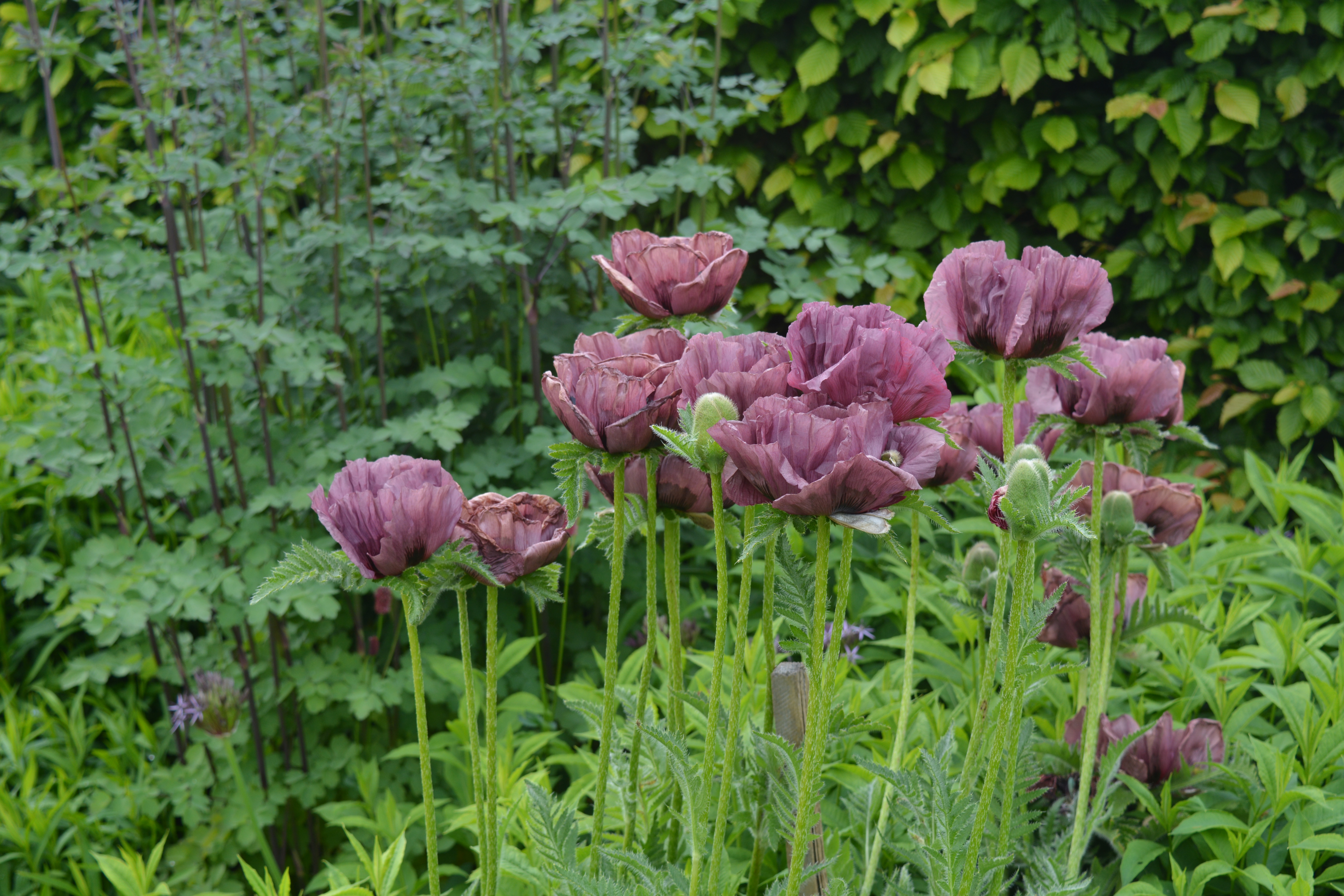
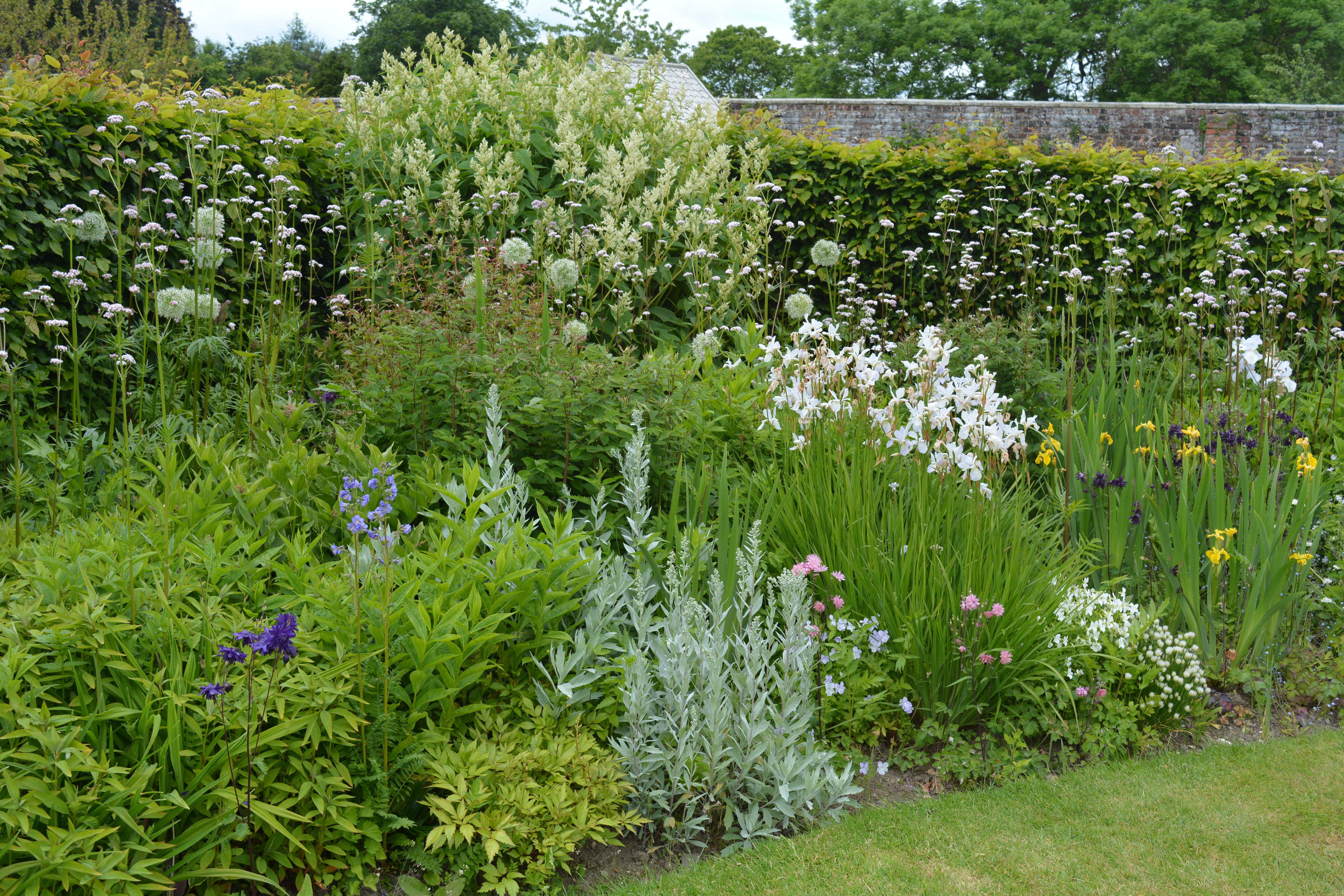
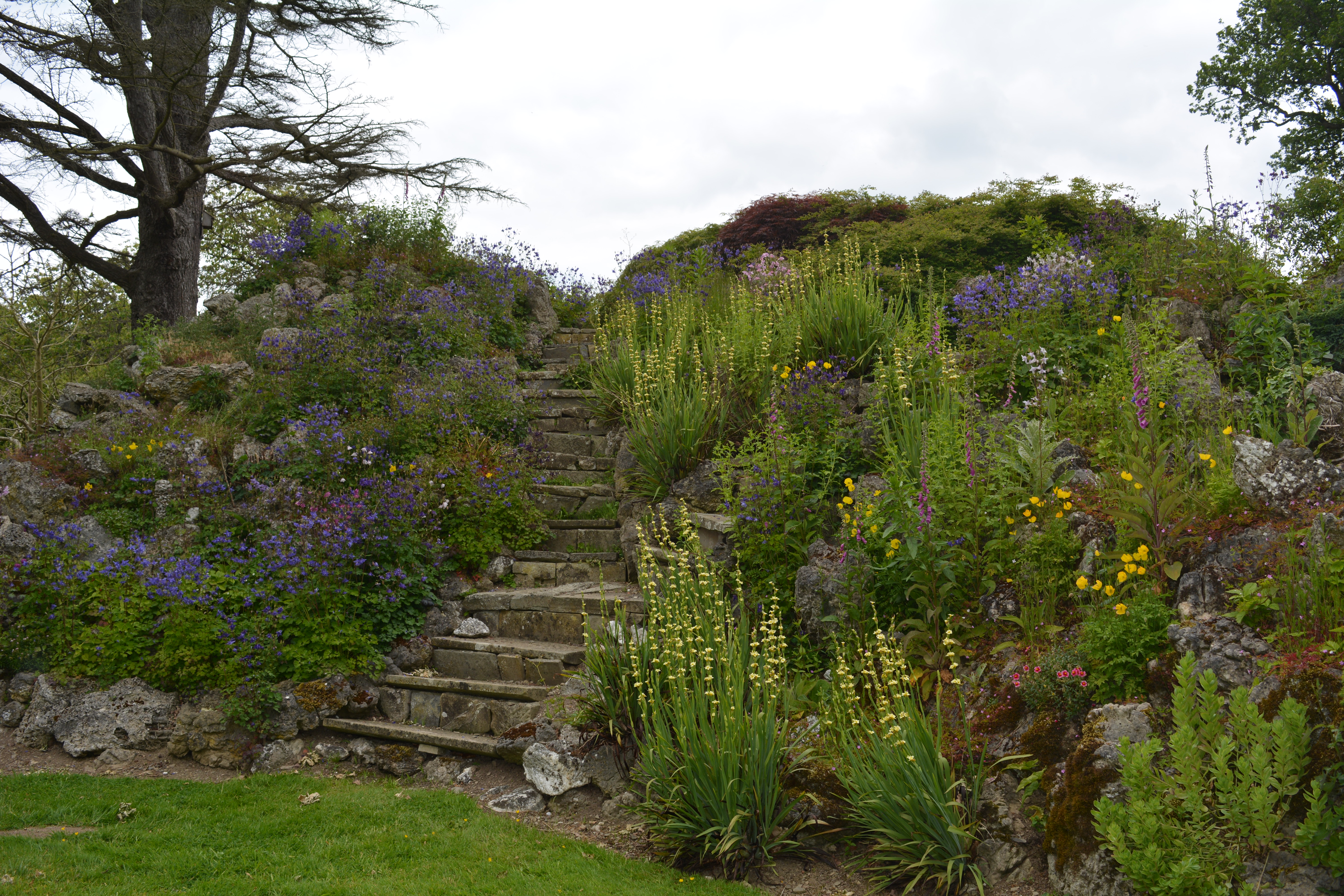
Once we had passed through a few of these gateways and archways we discovered colourful well-designed borders full of herbaceous perennials and roses. Much of the planting had been chosen to attract wildlife, predators and pollinators.

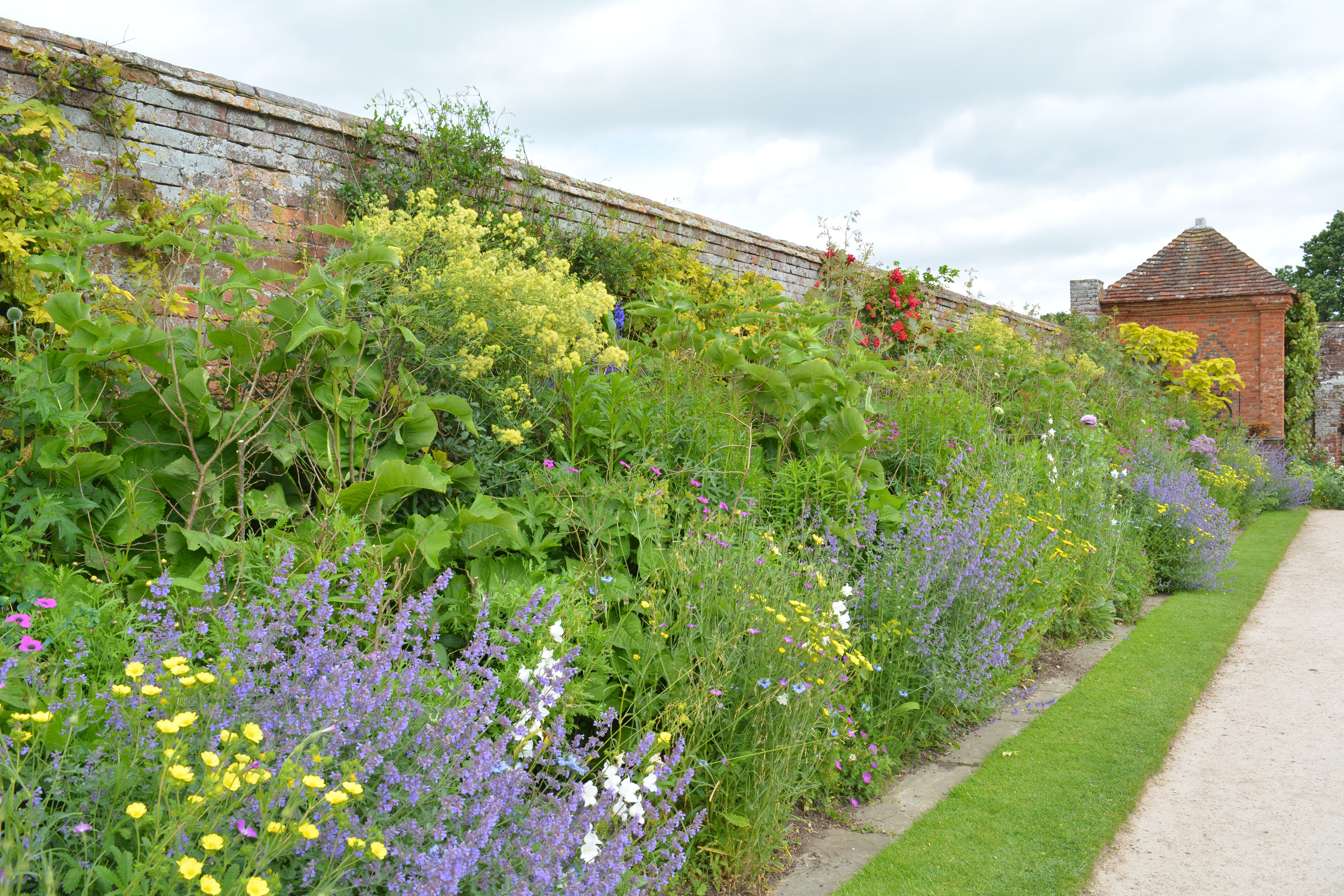
    

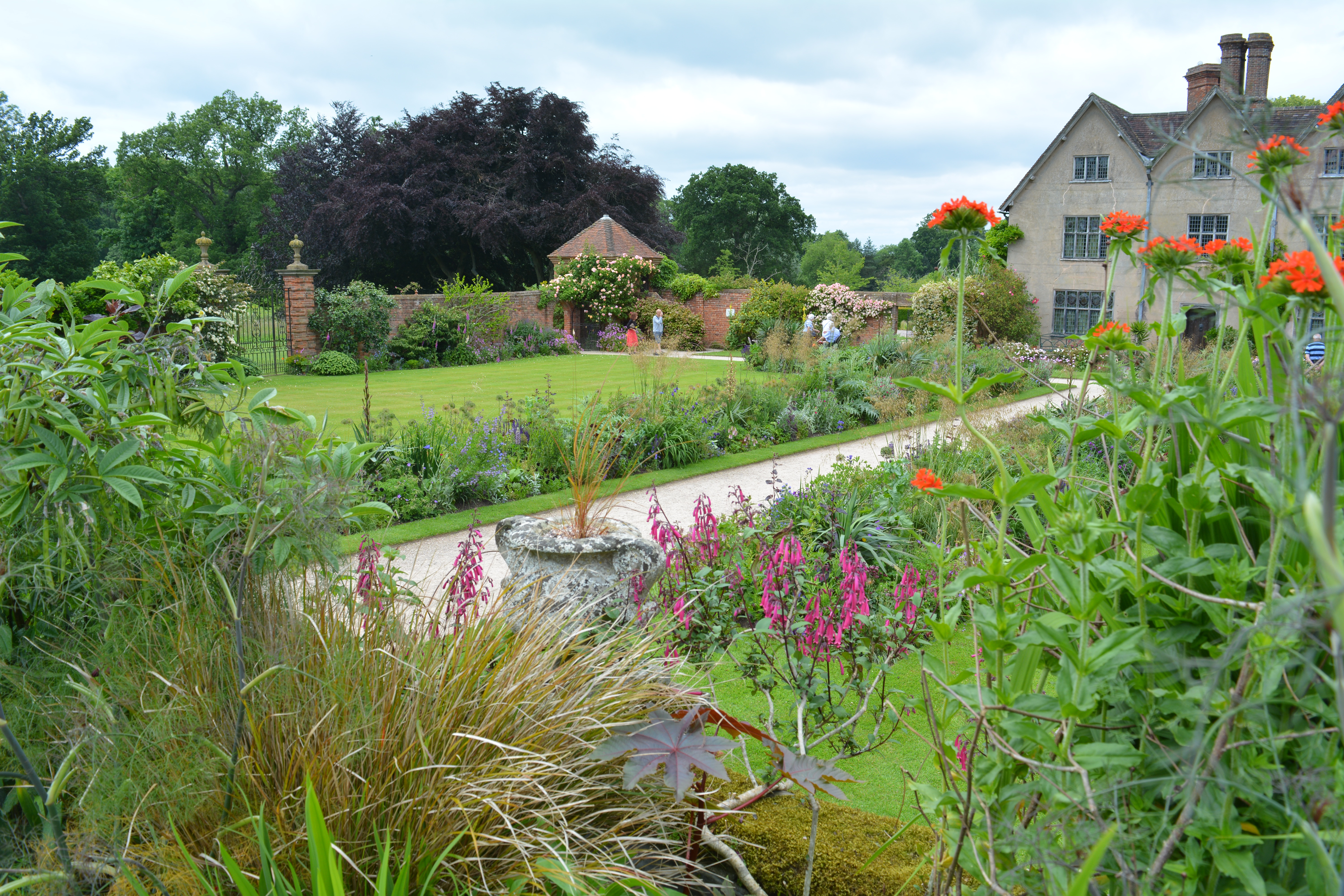
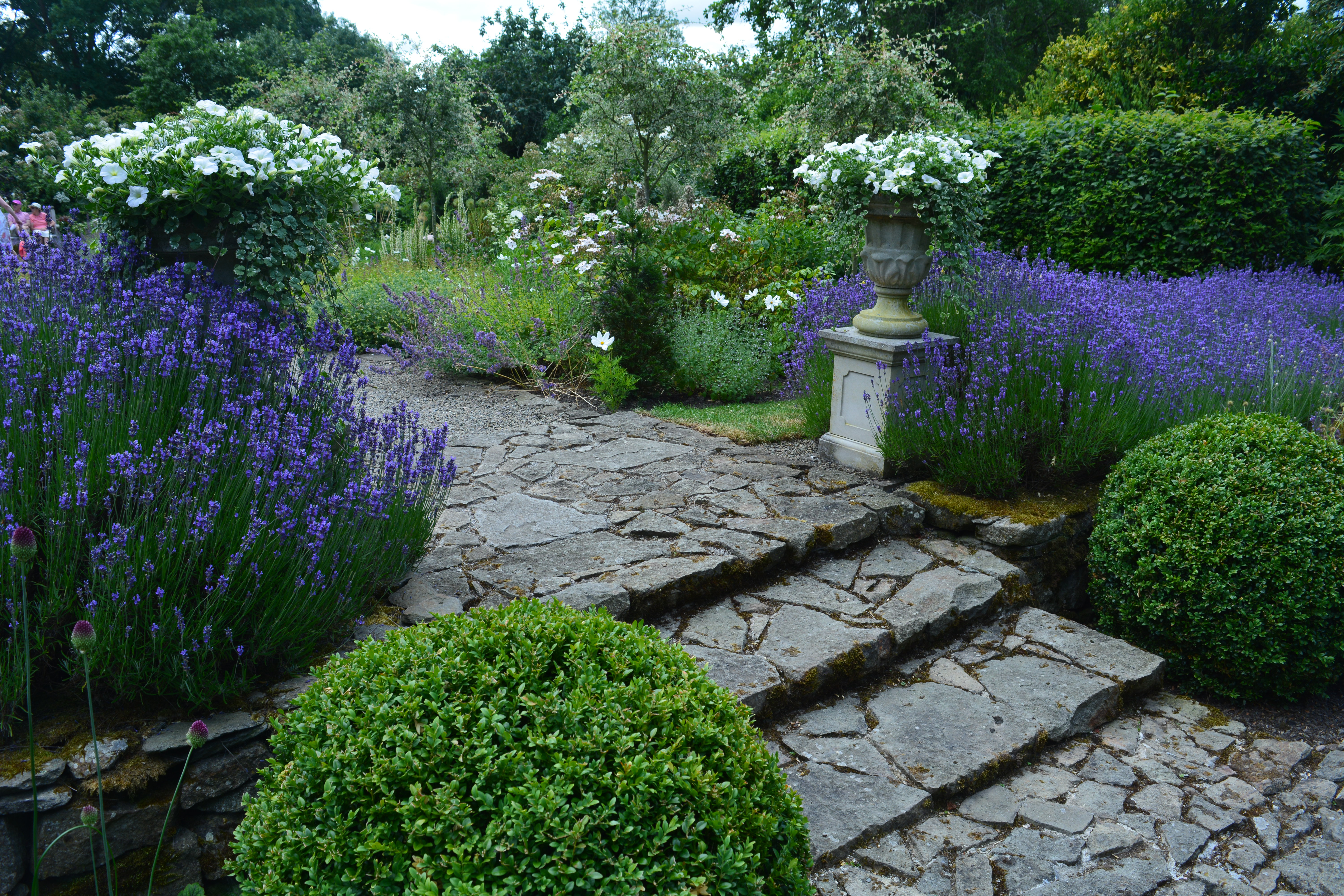
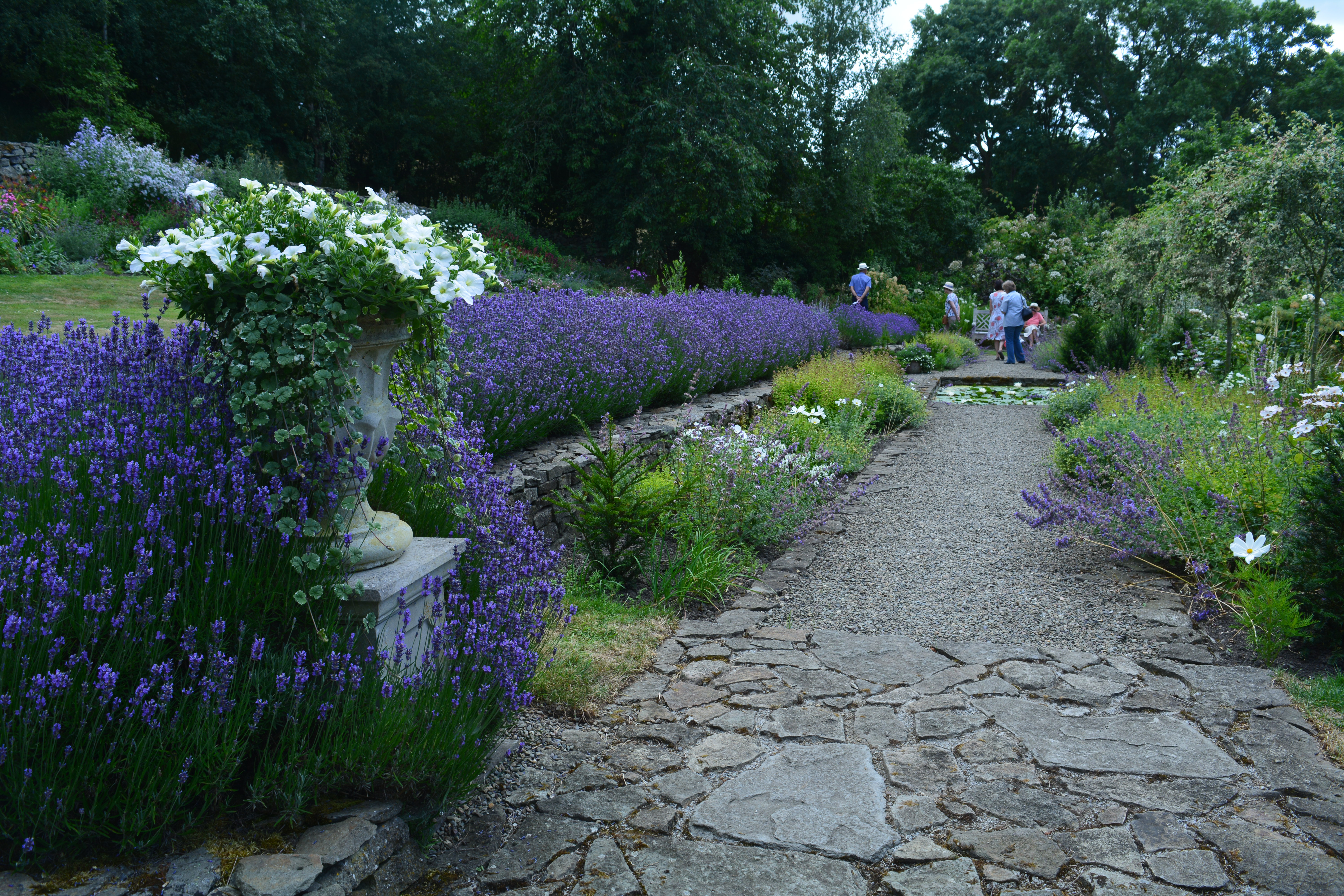
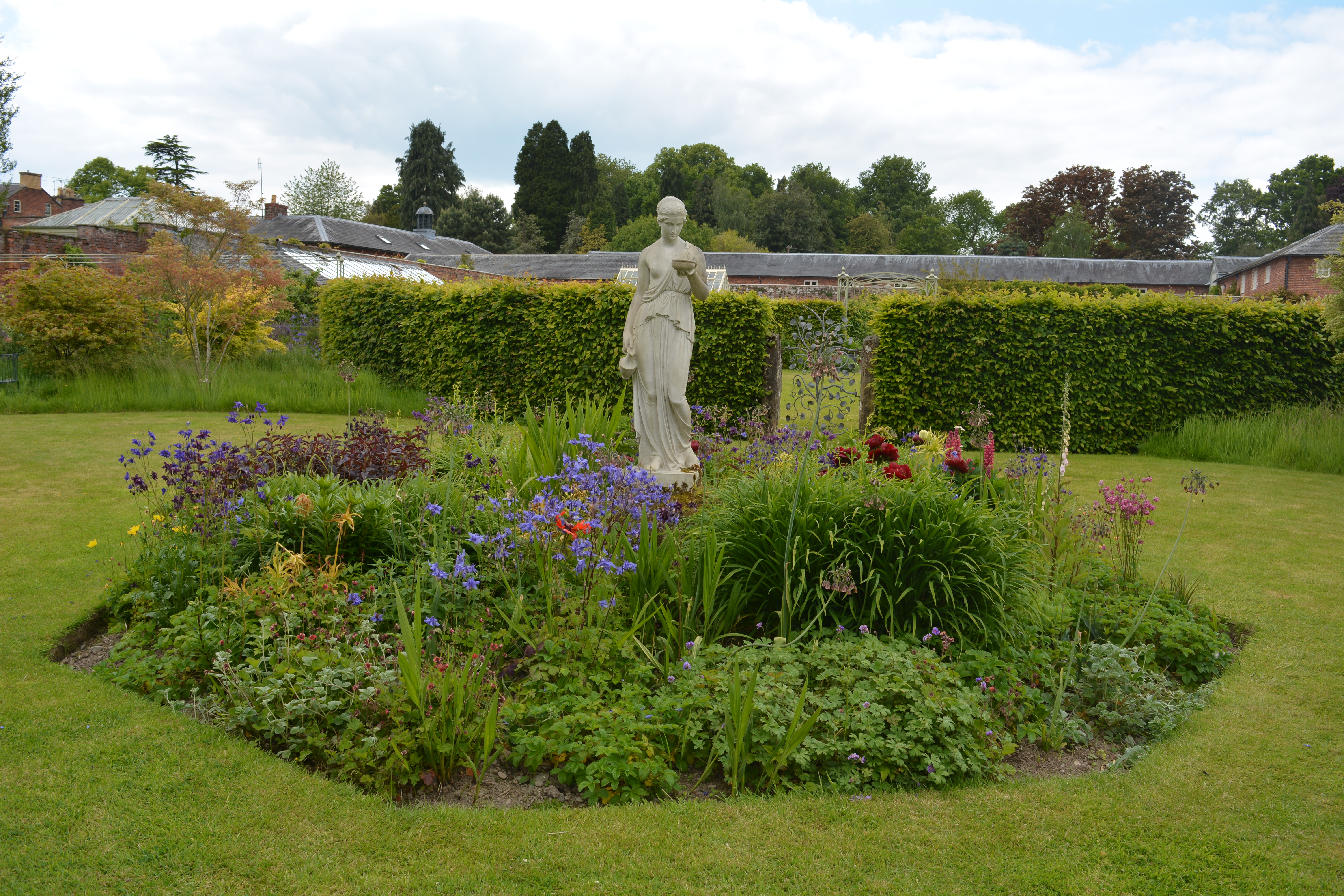
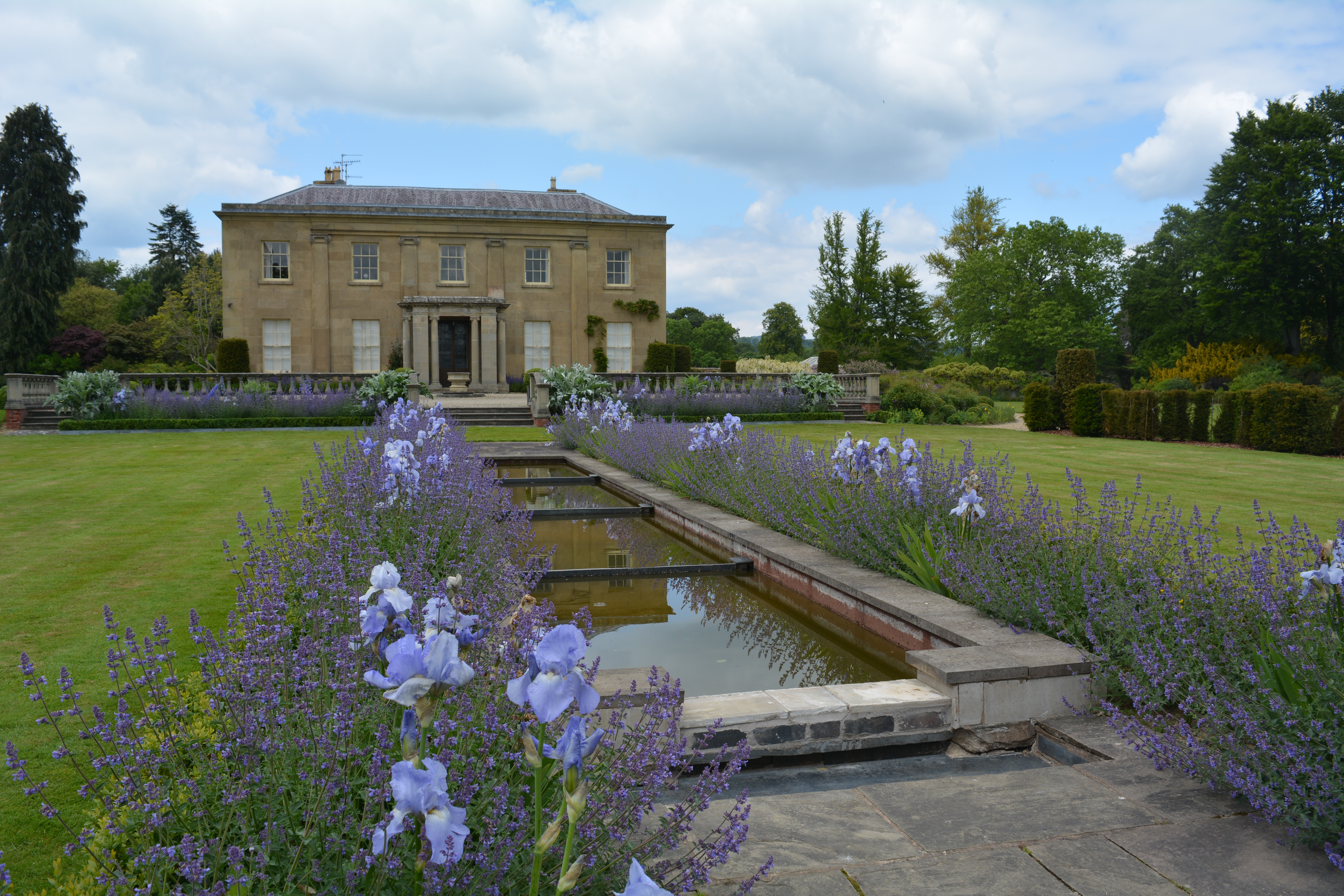
The gardens were well structured, divided into garden rooms with different characters and atmospheres in each. In one formal lawn area we came across a rectangular sunk garden built from limestone and its borders were planted with plants that enjoyed the dry well drained soil. These plants provided a strong contrast to the lush look of the rest of the gardens.


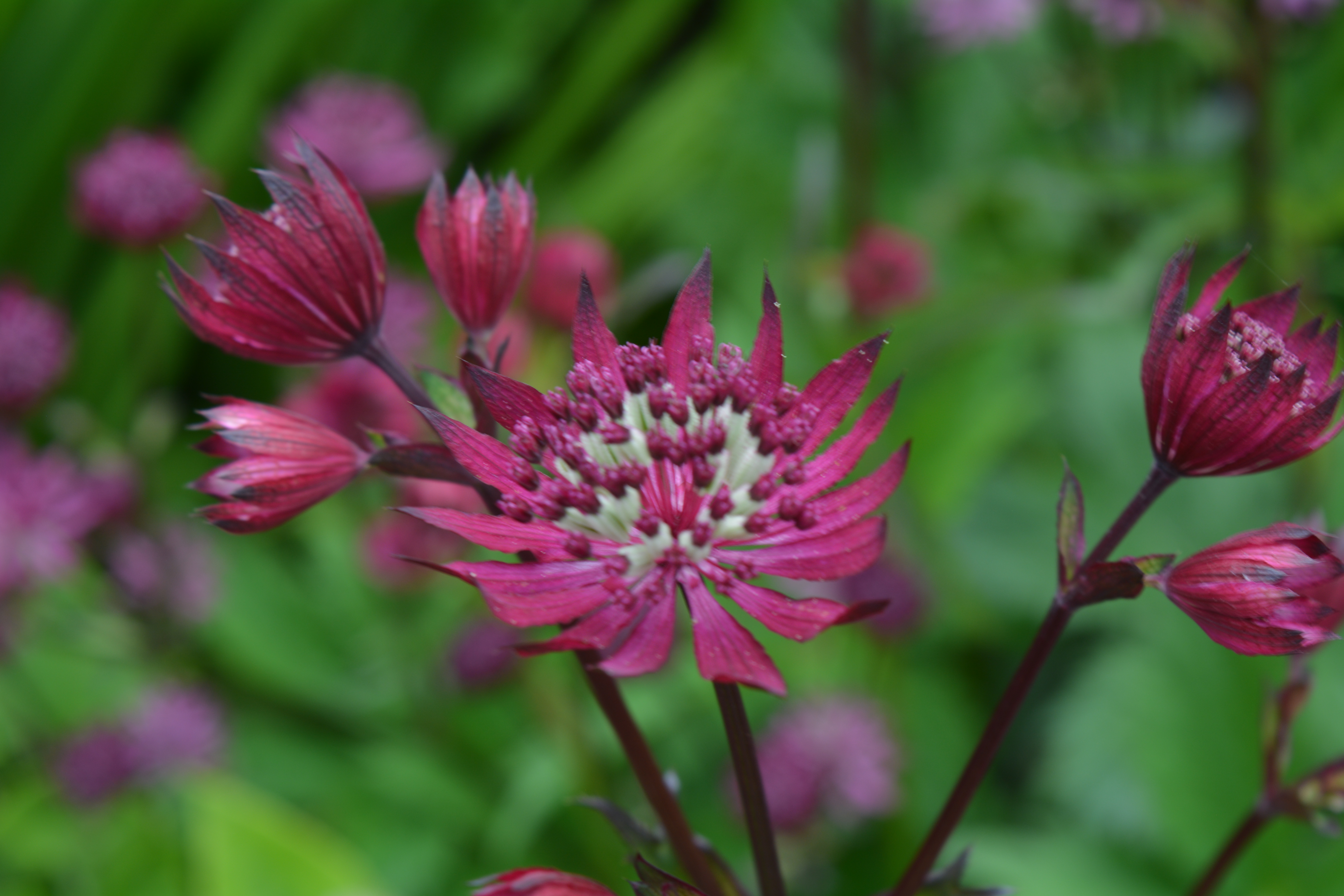
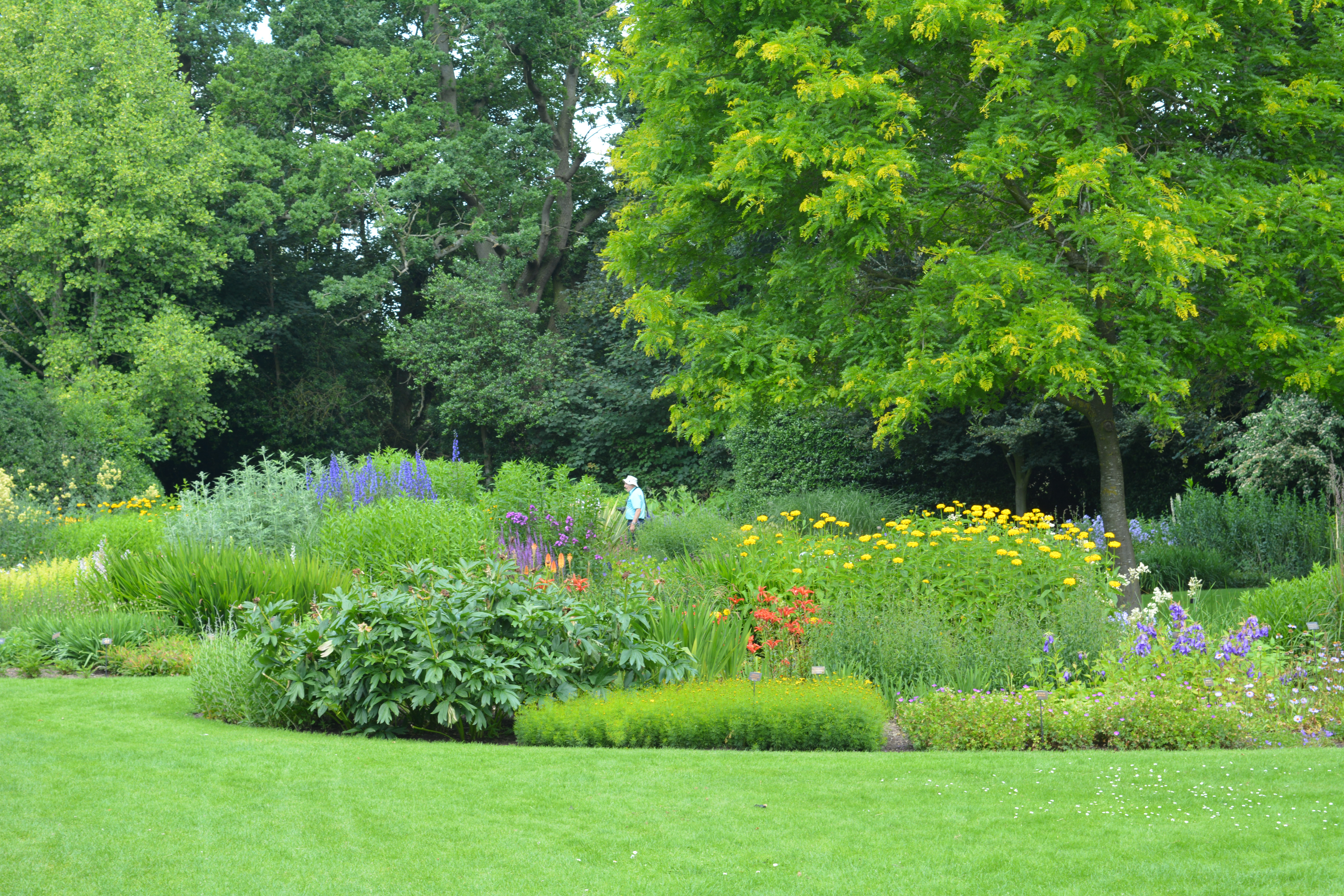
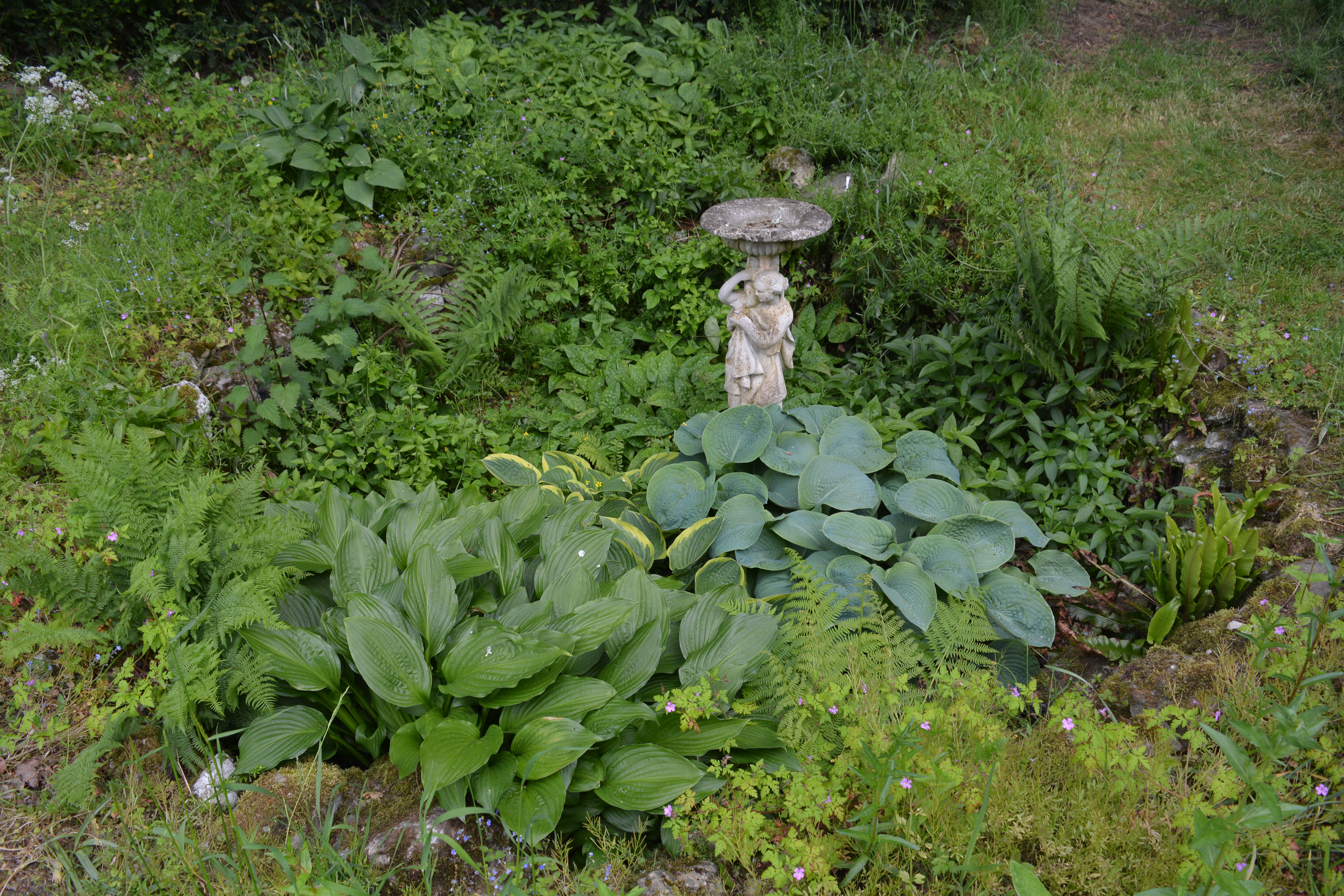
Lush planting was prevalent elsewhere throughout the garden making for an atmosphere of excitement. There were wonderful individual plants to be found as well as well designed borders.
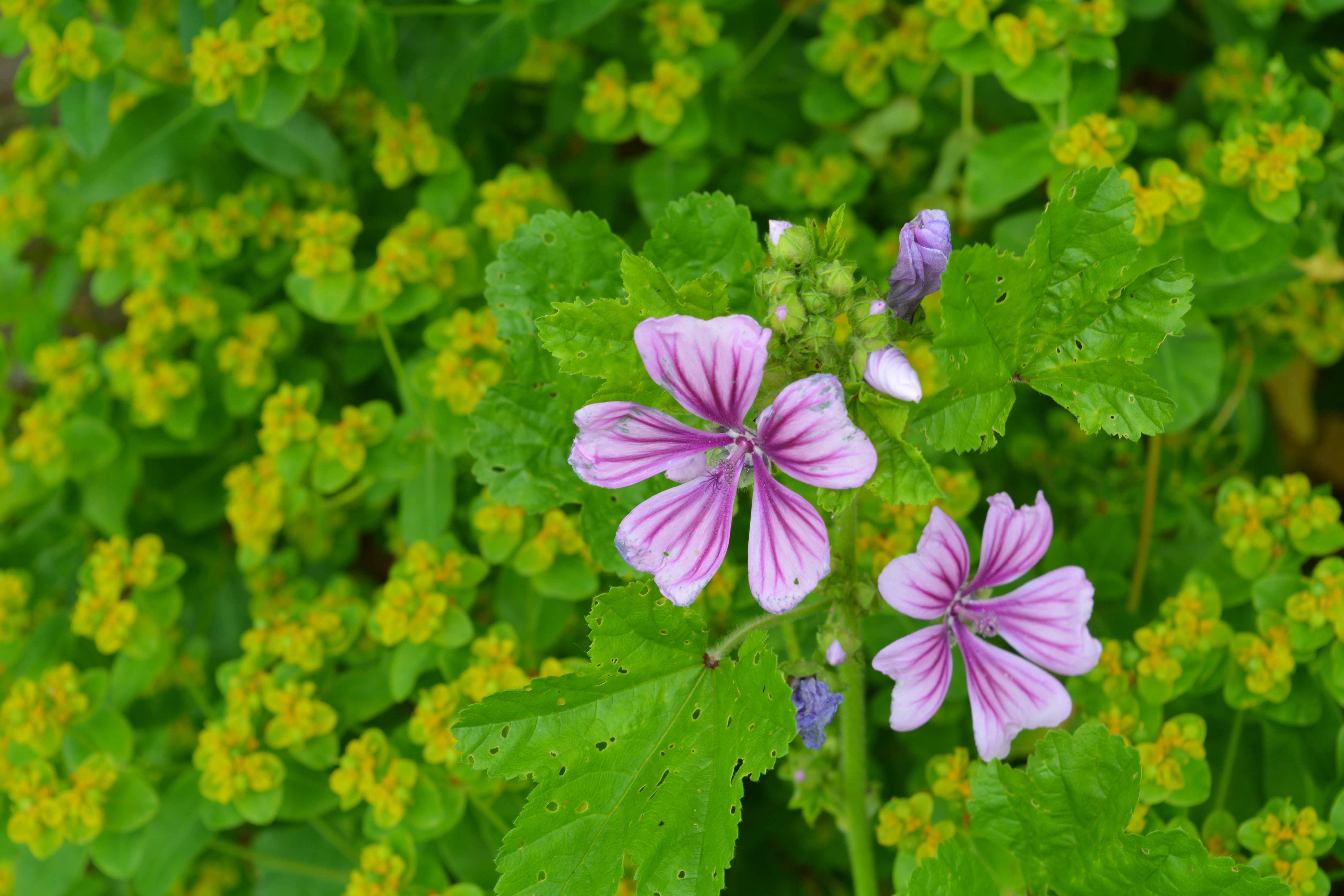
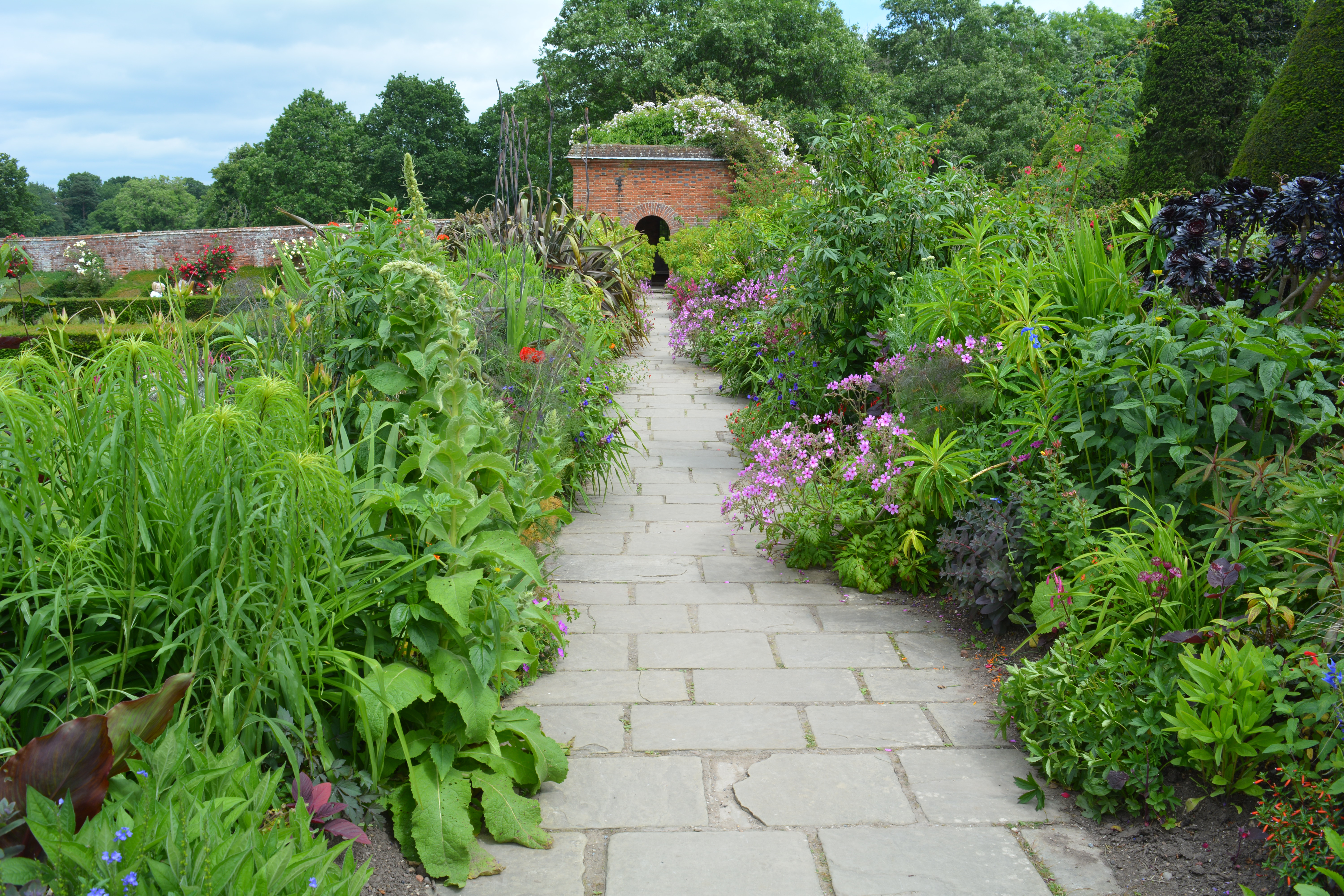
         

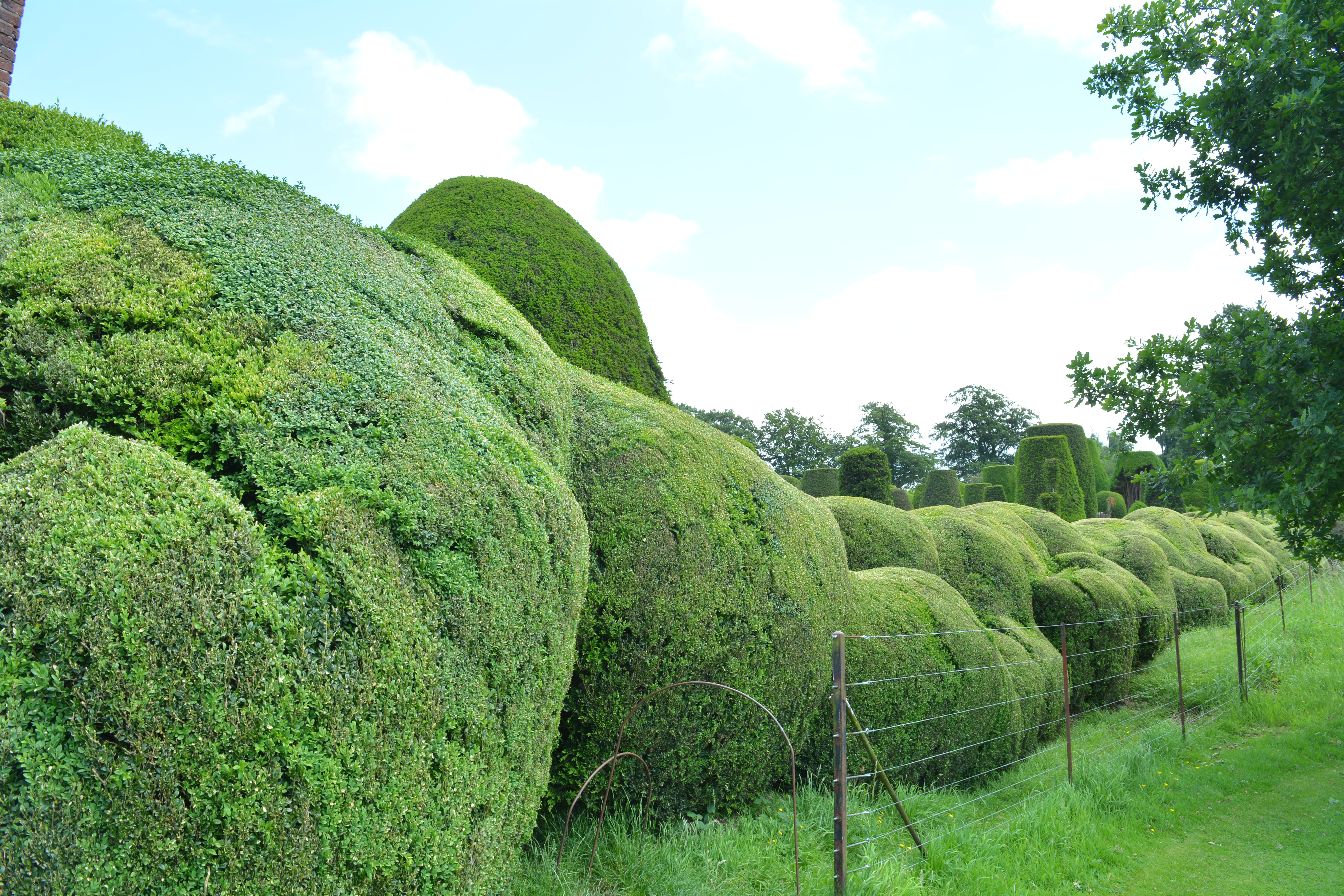
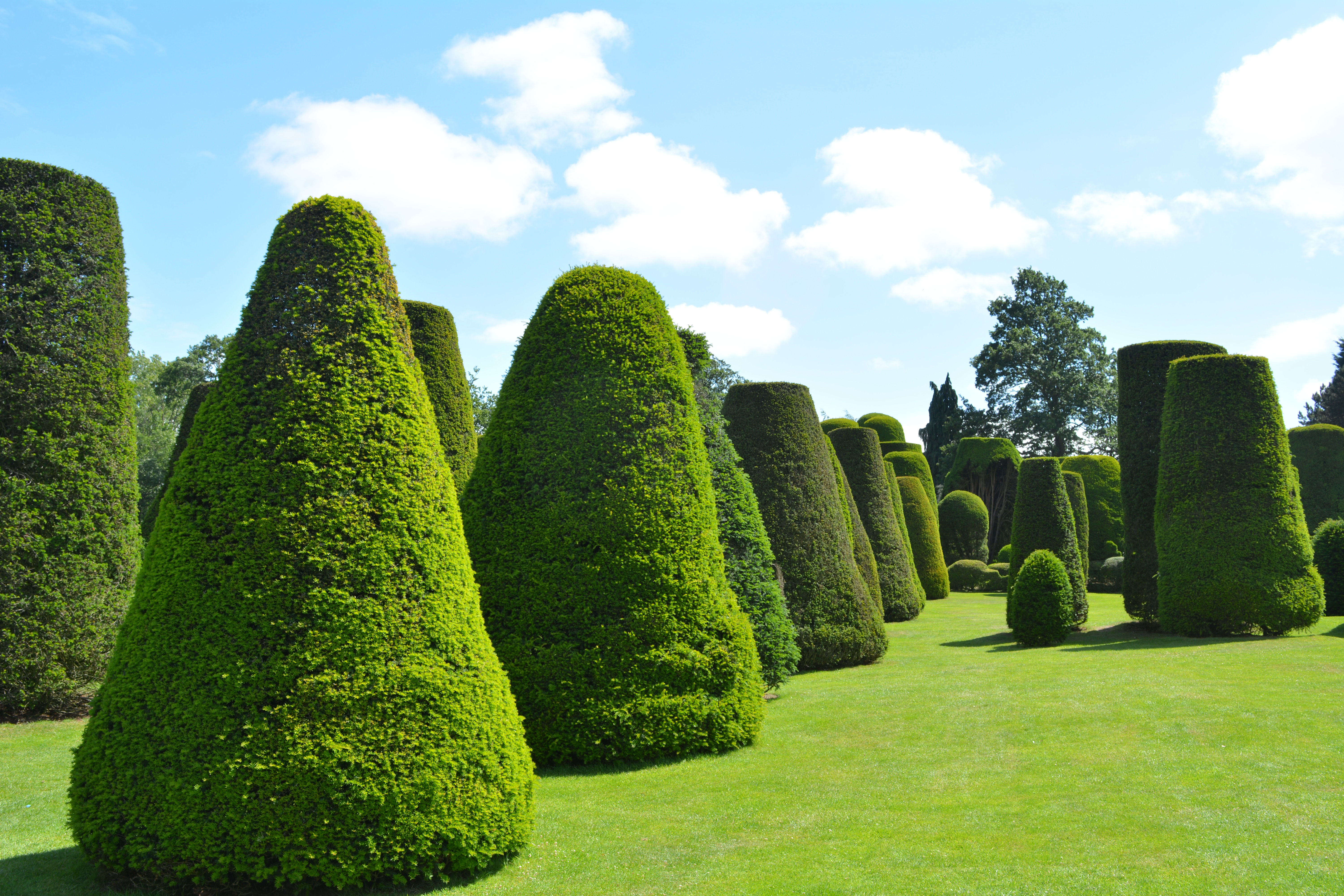
A well-known aspect of the gardens at Packwood is its topiary, especially a group called the twelve apostles. Personally I found this part of Packwood rather dull but here are the photos I took to illustrate it. However I do have a soft spot for cloud pruning of hedges.


Categories
architecture countryside fruit and veg garden design garden photography garden ponds gardening gardens grow your own hardy perennials July kitchen gardens landscapes meadows National Garden Scheme NGS ornamental trees and shrubs Wales woodland woodlands Yellow Book Gardens

The Gardens at Hurdley Hall

We are so lucky to live where we do in so many ways, not least of which is the number of excellent gardens we can visit within a day. Recently on a Sunday we found a garden open under the auspices of the National Garden Scheme, the same scheme that our garden is a part of, and this one at Hurdley Hall was just over a half hour drive away.

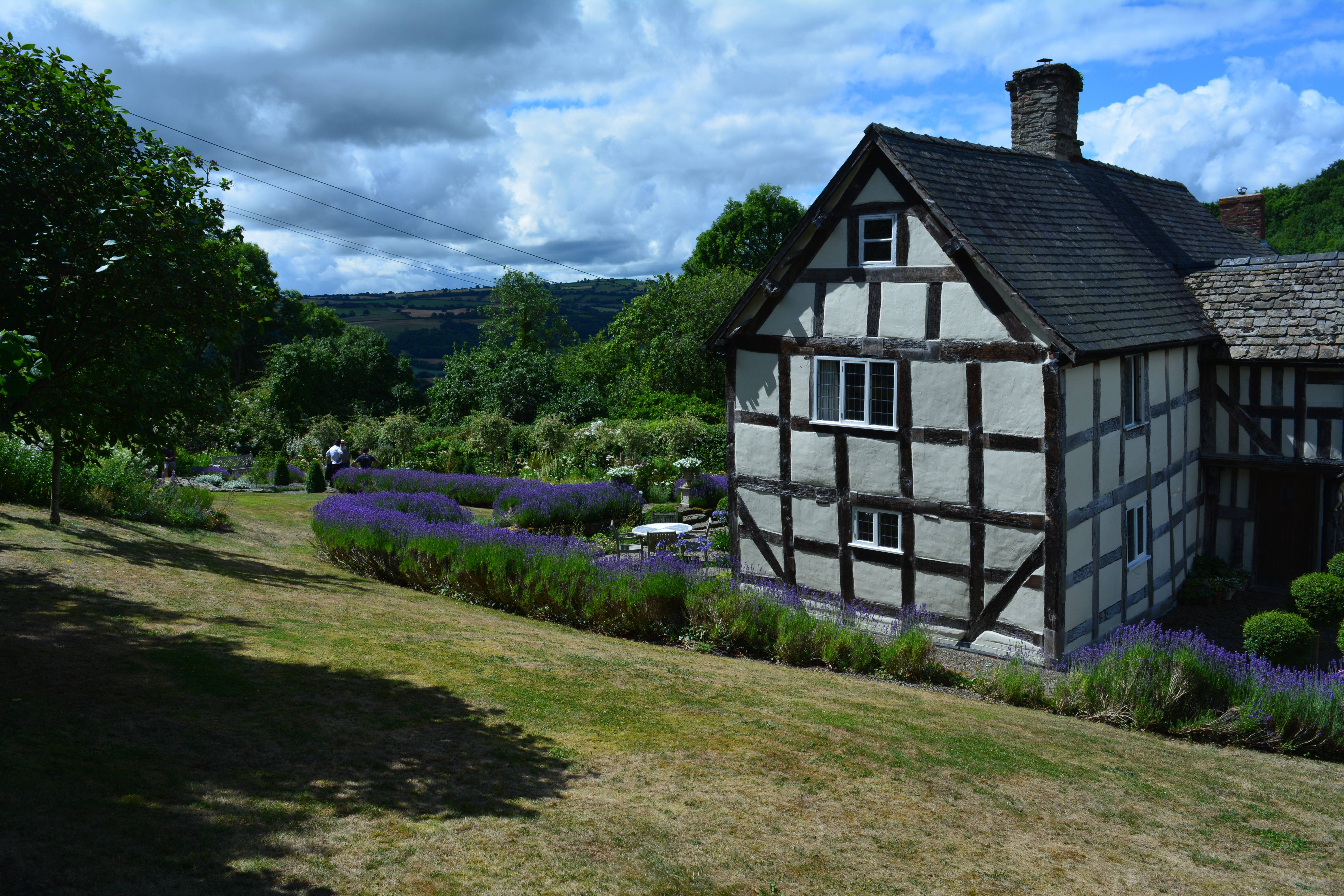
We parked up in a rough pasture field alongside a farm and trudged uphill to the garden itself entrance. We obtained our tickets and walked down the drive which fell steeply to the garden itself, but this did afford us excellent glimpses of what we could expect so our expectations were heightened. Apart from the garden encompassing the house there were meadows, a new orchard and woodland to explore so we were in for a busy afternoon.

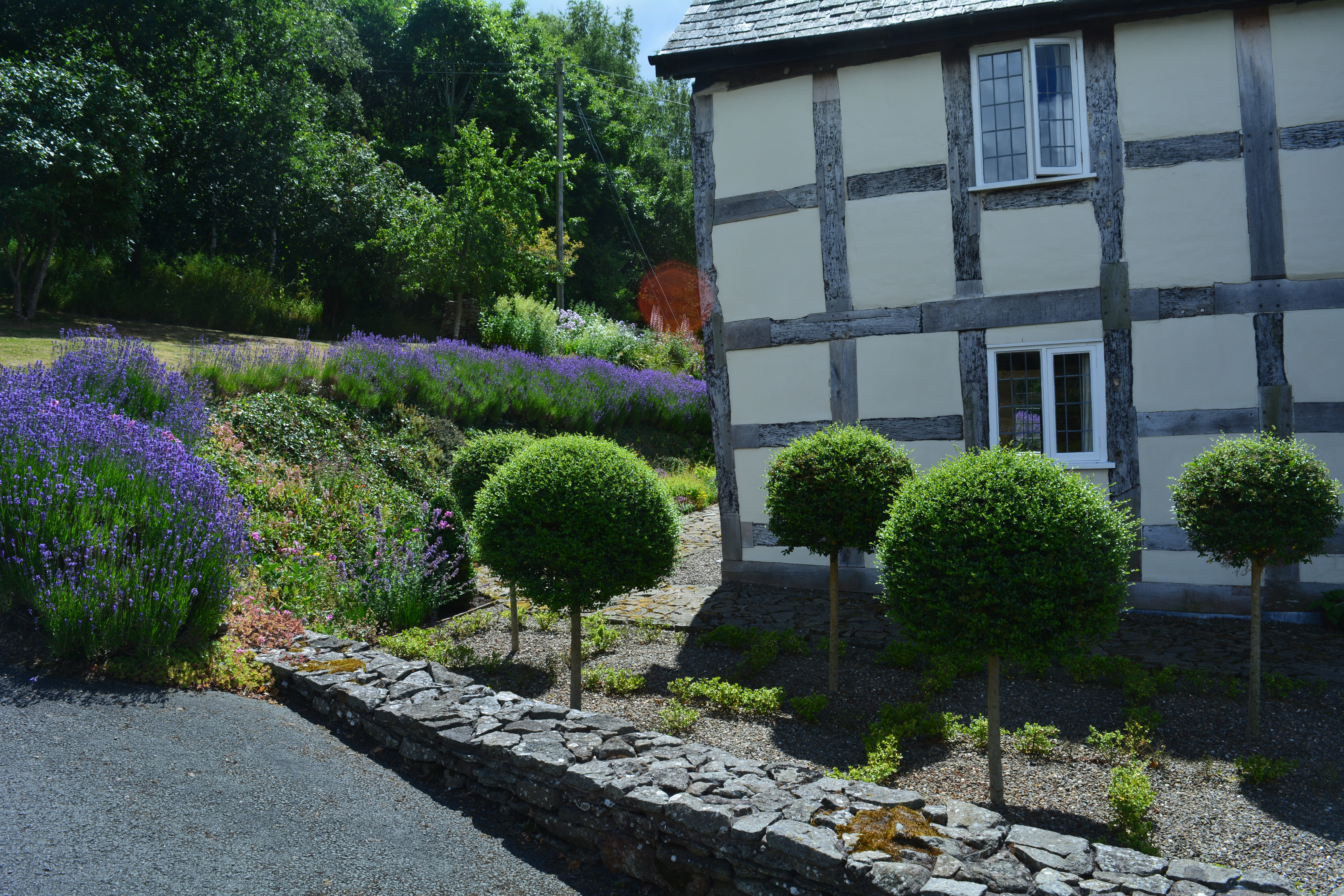
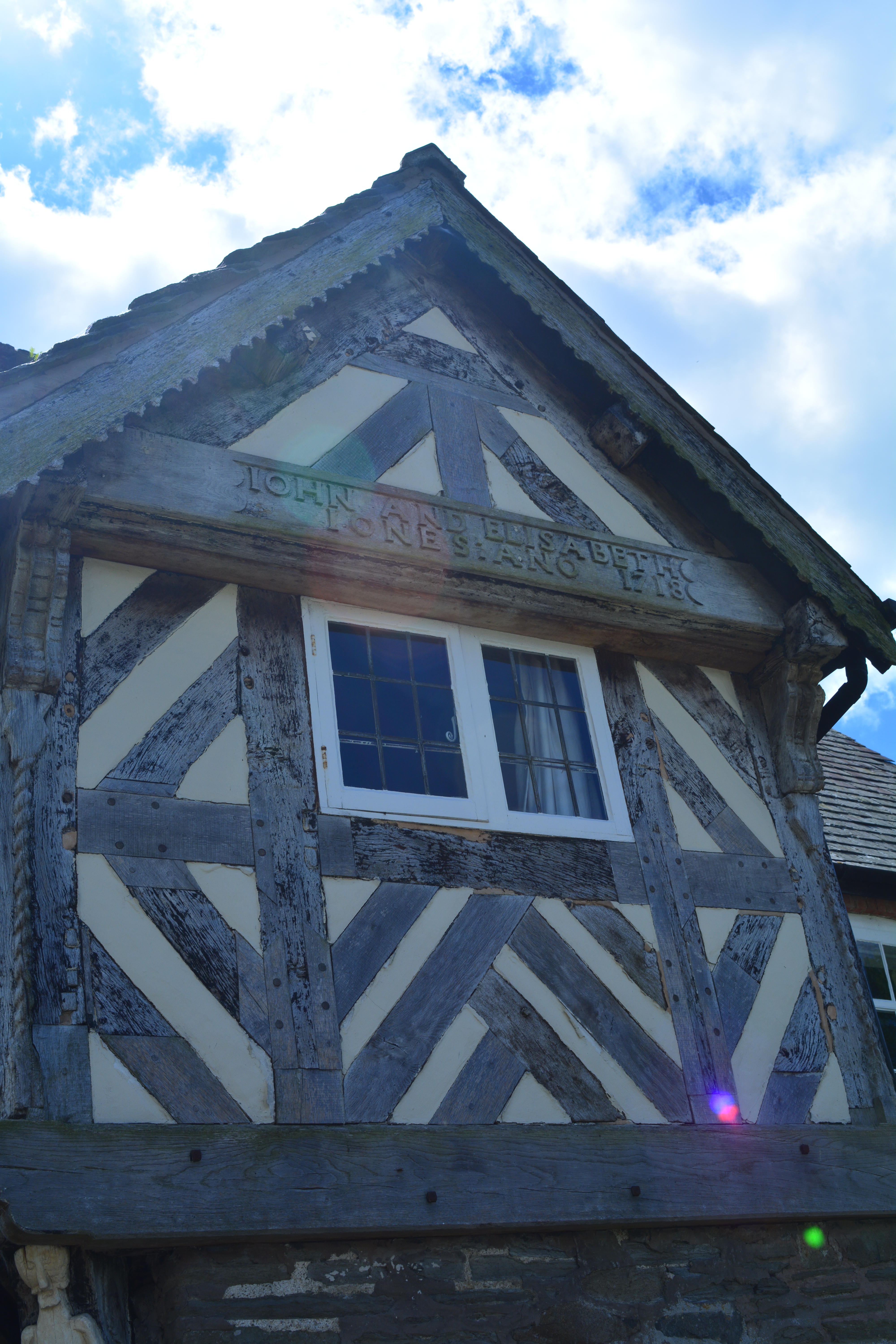
The house itself was first built in 1630 with additions made in 1718, 1820 and 2010. The garden was just 15 years old. The view from the house and garden was of a wooded valley and a steep hill which is a nature reserve.


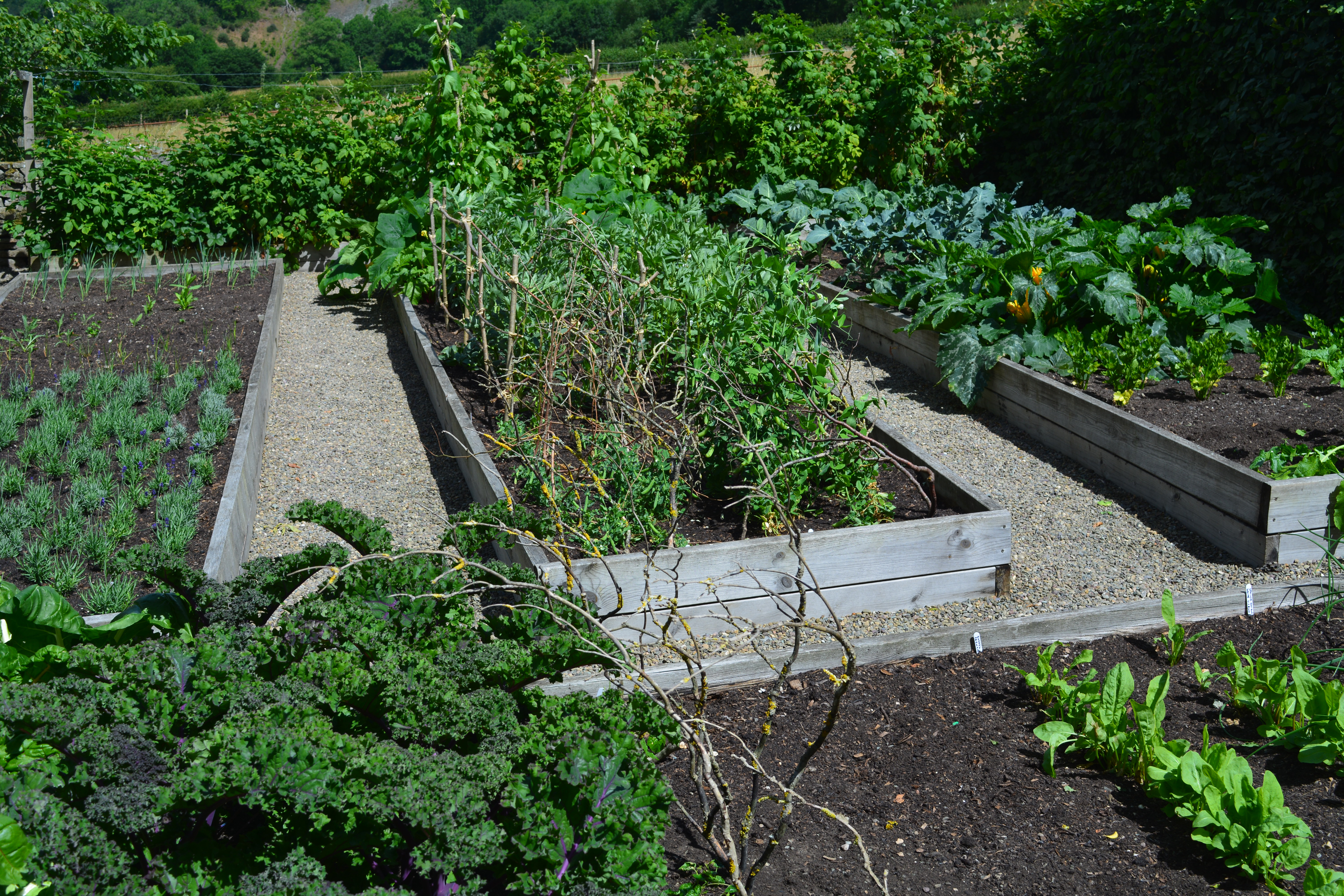
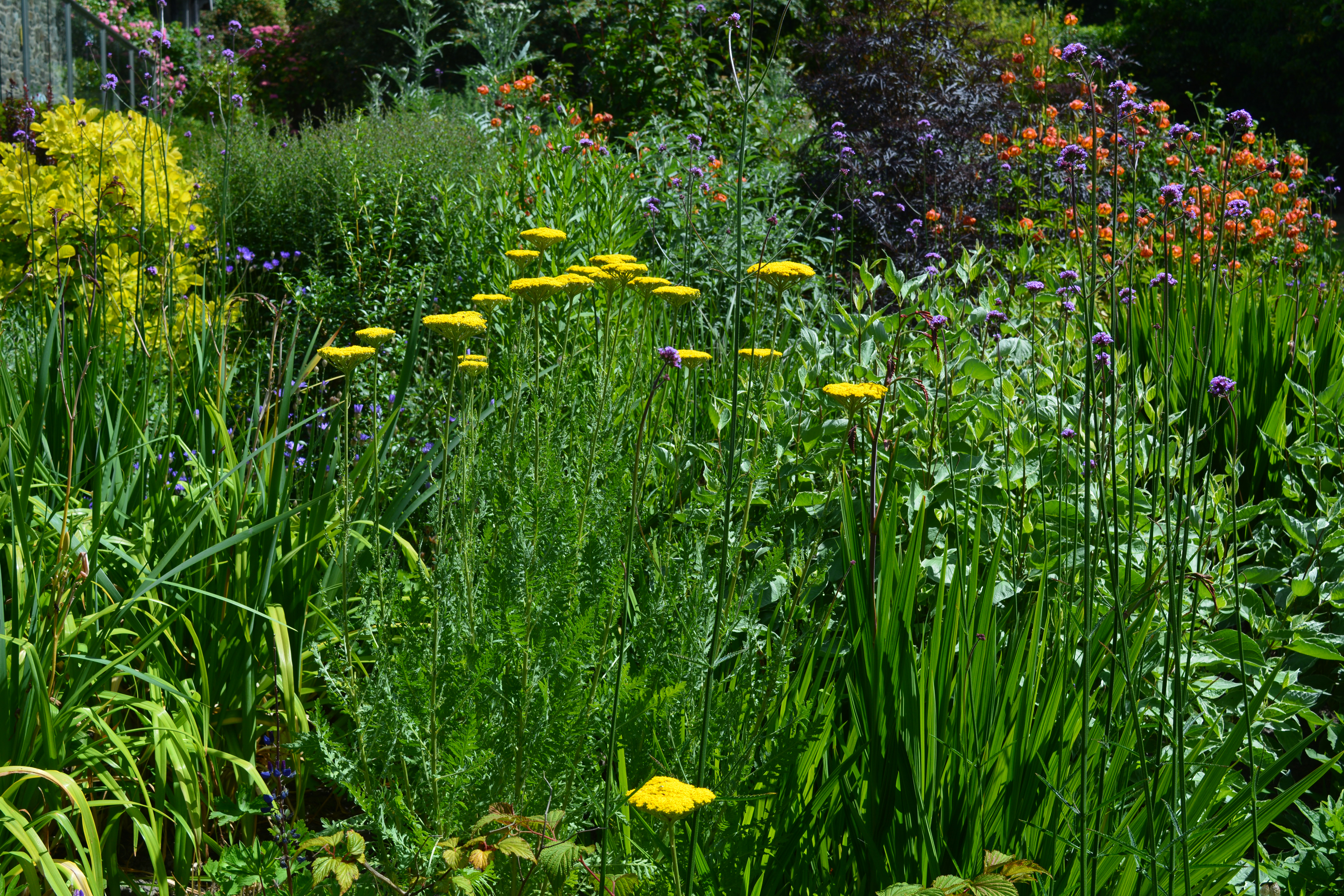
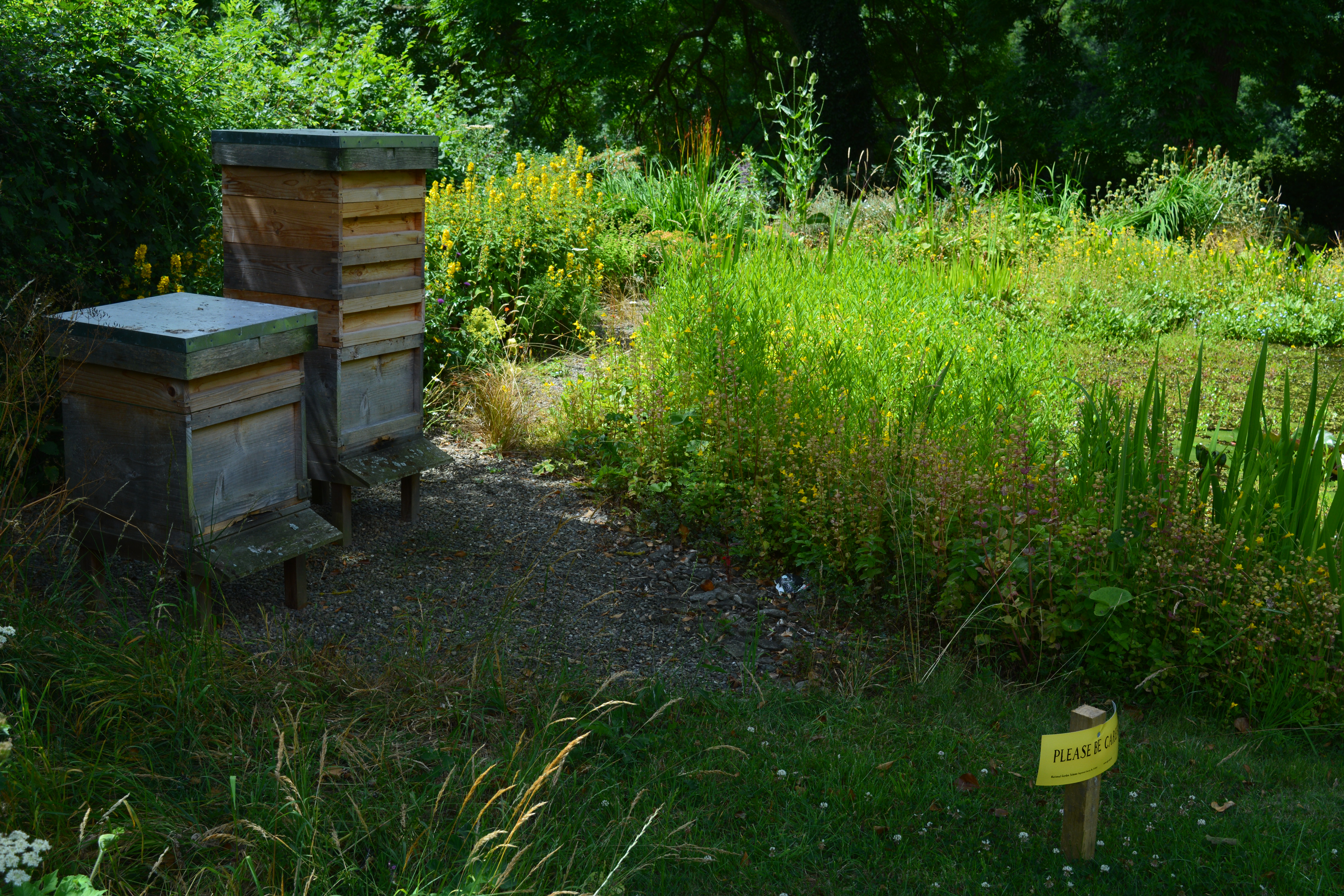
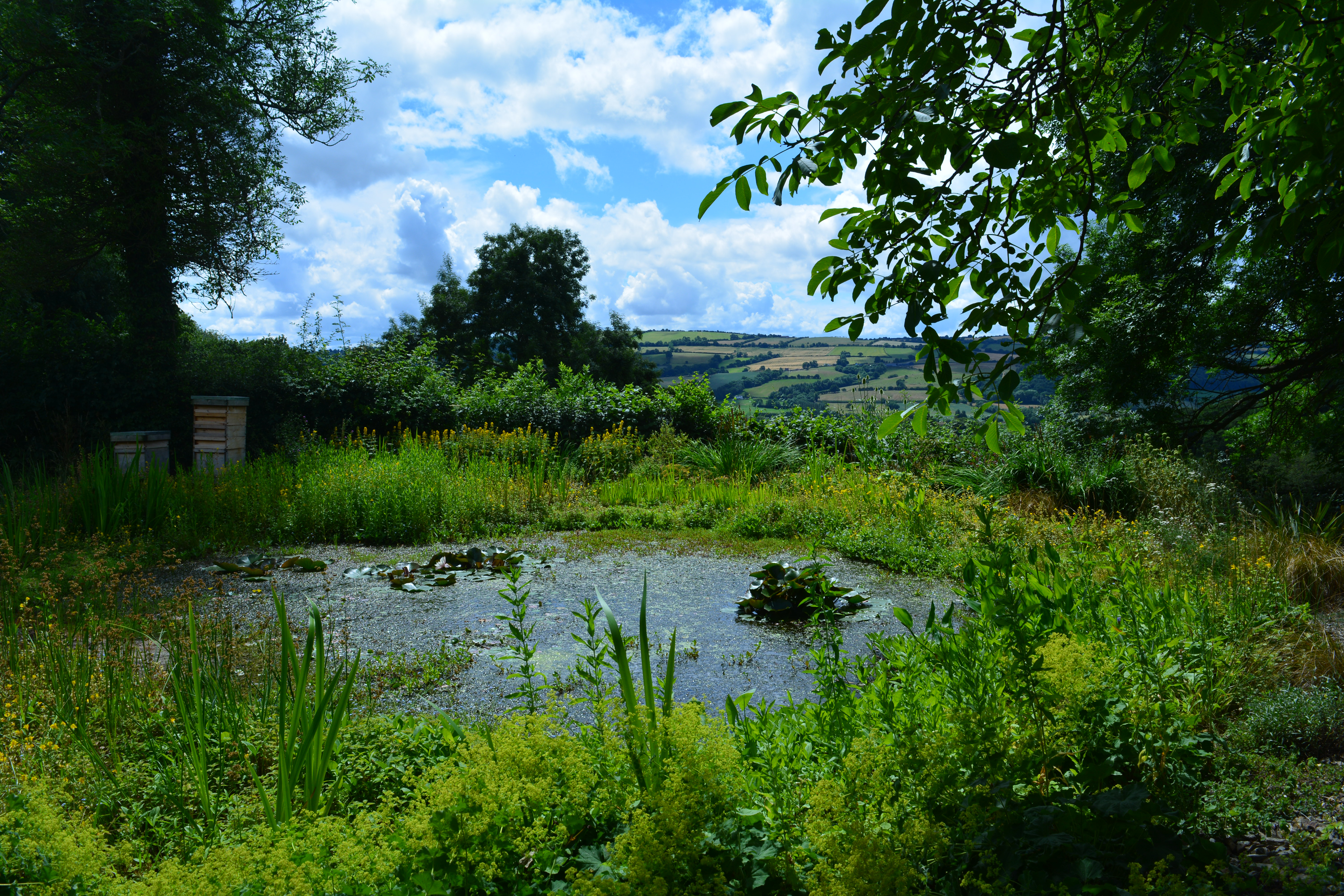
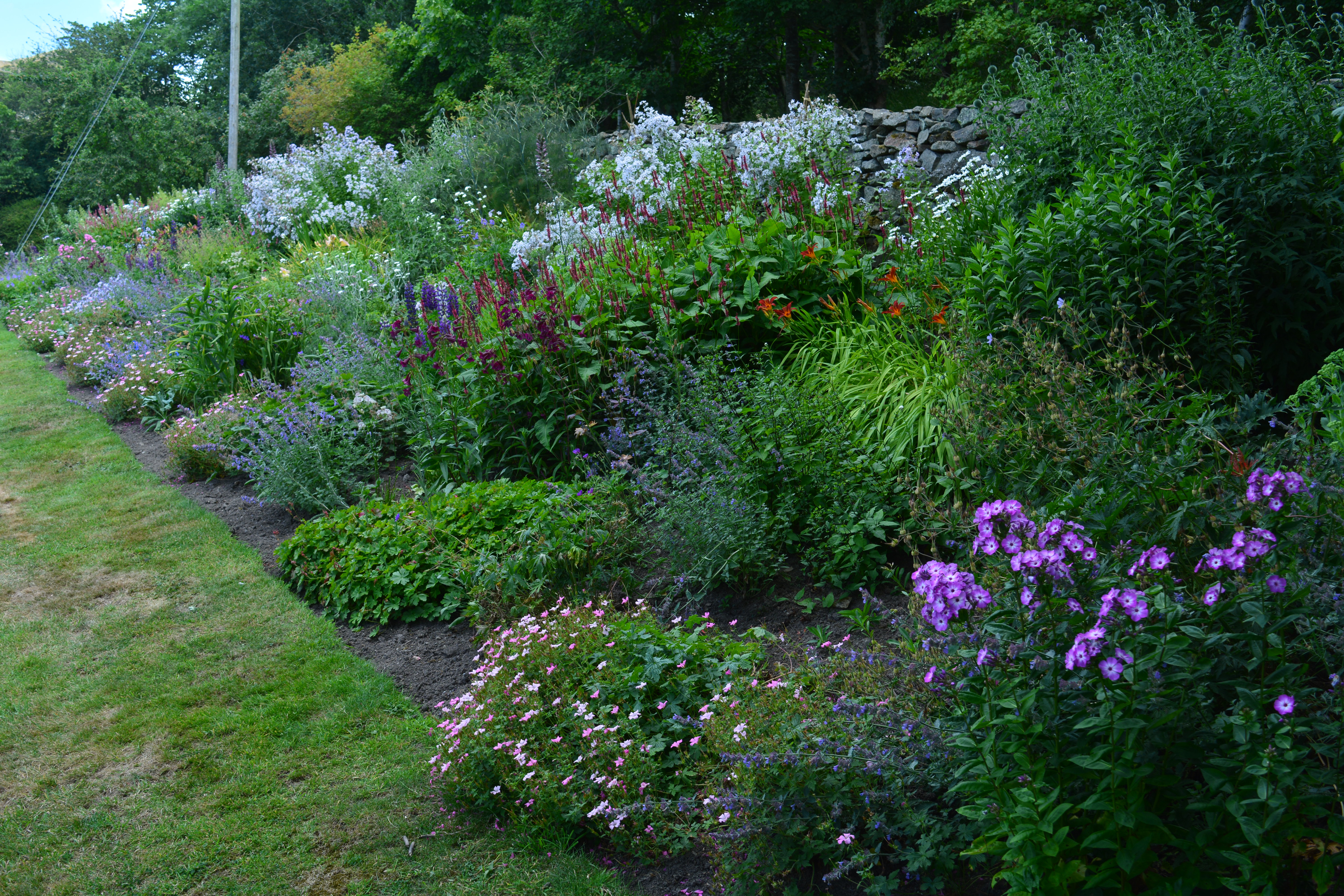
Where we sat to enjoy the views with tea and cake we were close to a very colourful herbaceous border, displaying interesting colour combinations. The garden also boasted a small kitchen garden with raised beds and a shaded area with pond.


To one side of the house a more formal area contrasted well with the softer plantings we had seen so far. Lots of pale stonework and blue flowers gave this area its own character, almost Mediterranean.


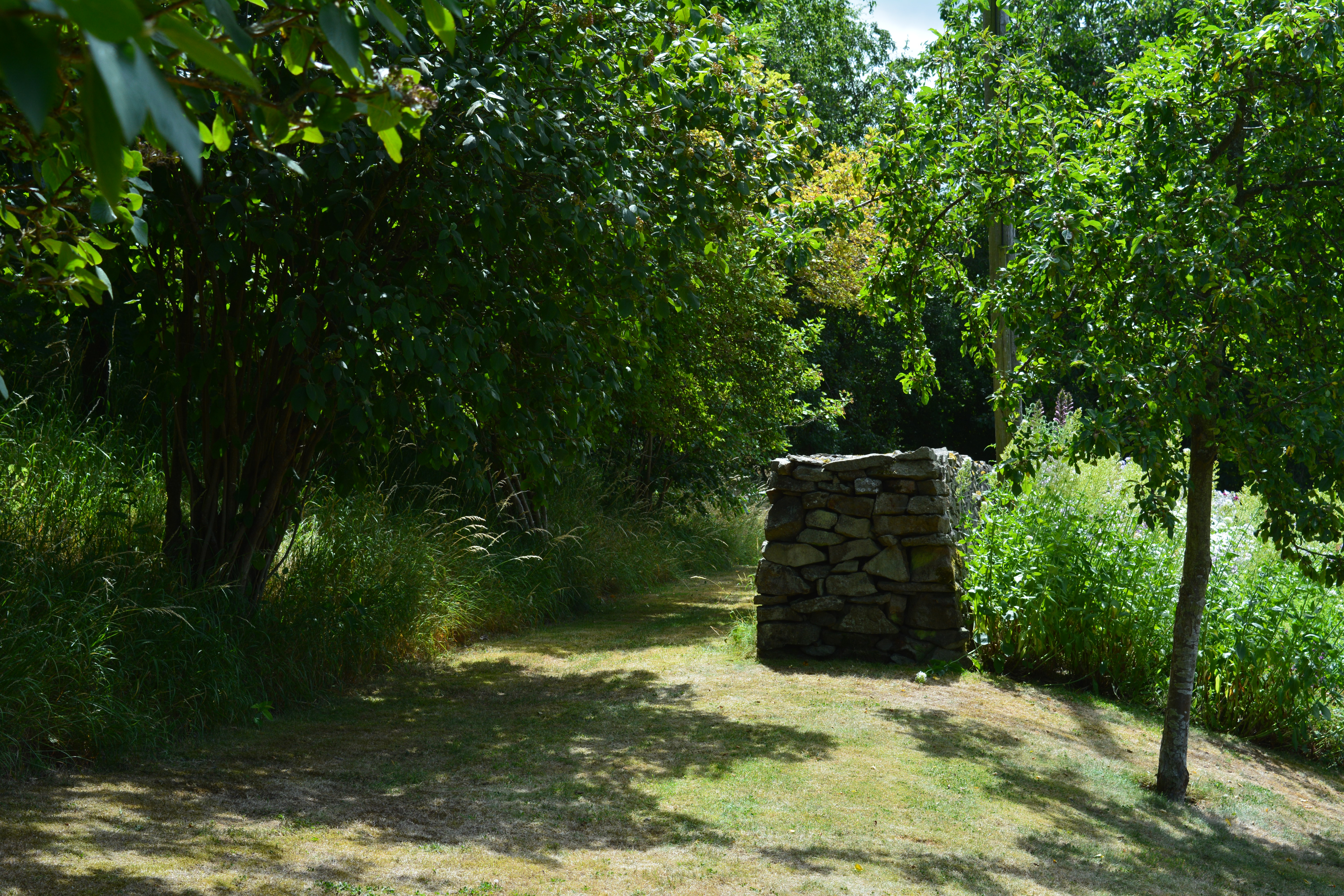
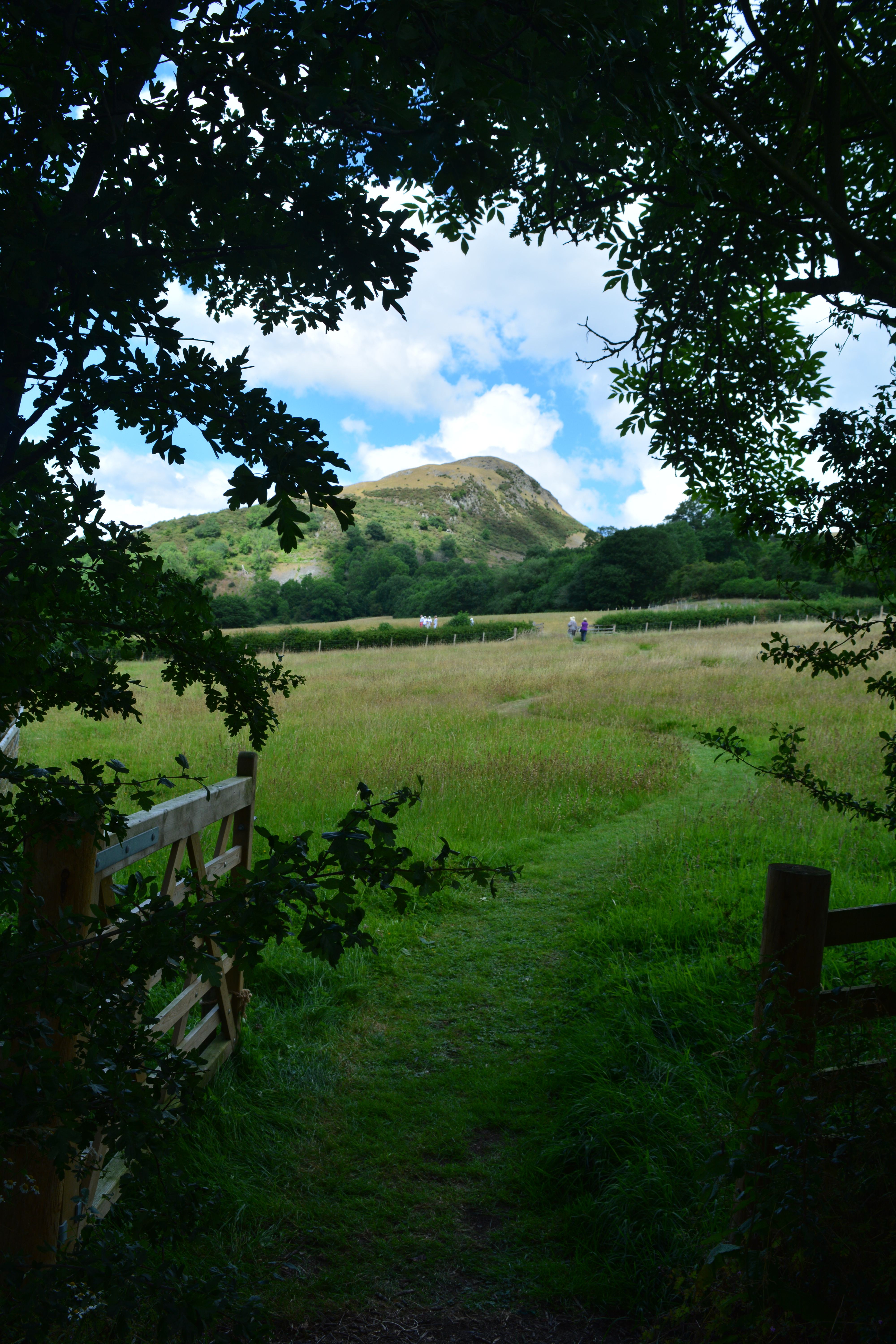
After enjoying a slow wander around the garden under a baking sun we followed a sign for the meadows. We passed through a gateway and followed close cut grass paths through the meadow which gave us views of a newly planted orchard and woodlands. Come with us through the six-bar wooden field gate and explore the meadows and woods by following my gallery, which finishes off this visit to this wonderfully atmospheric garden and the land beyond.

To follow the gallery click on the first photo then navigate with the arrows.


Categories
colours garden design garden designers garden photography gardening gardens gardens open to the public grasses hardy perennials Norfolk ornamental grasses ornamental trees and shrubs

Bressingham Gardens – 2 – Using Grasses.


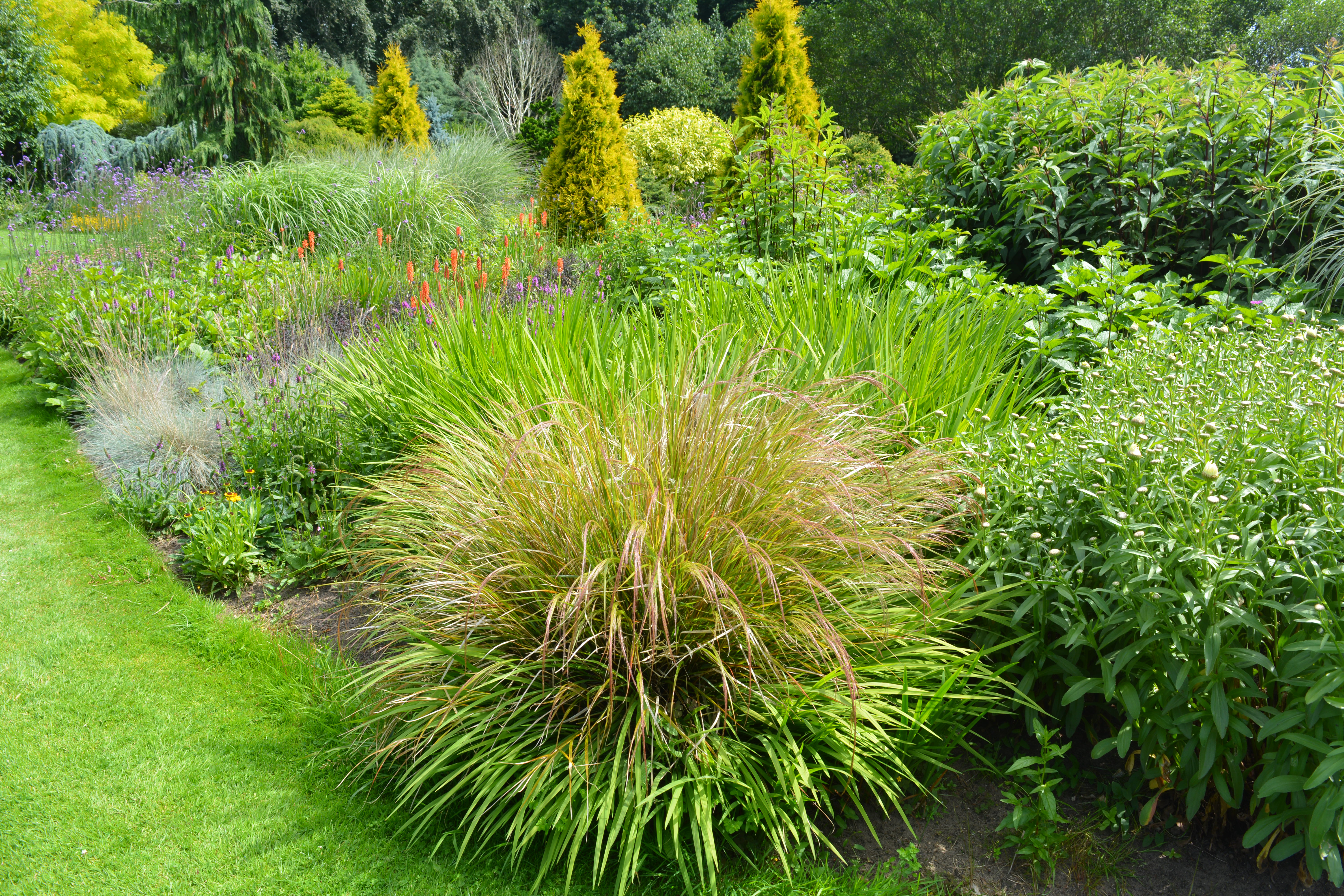
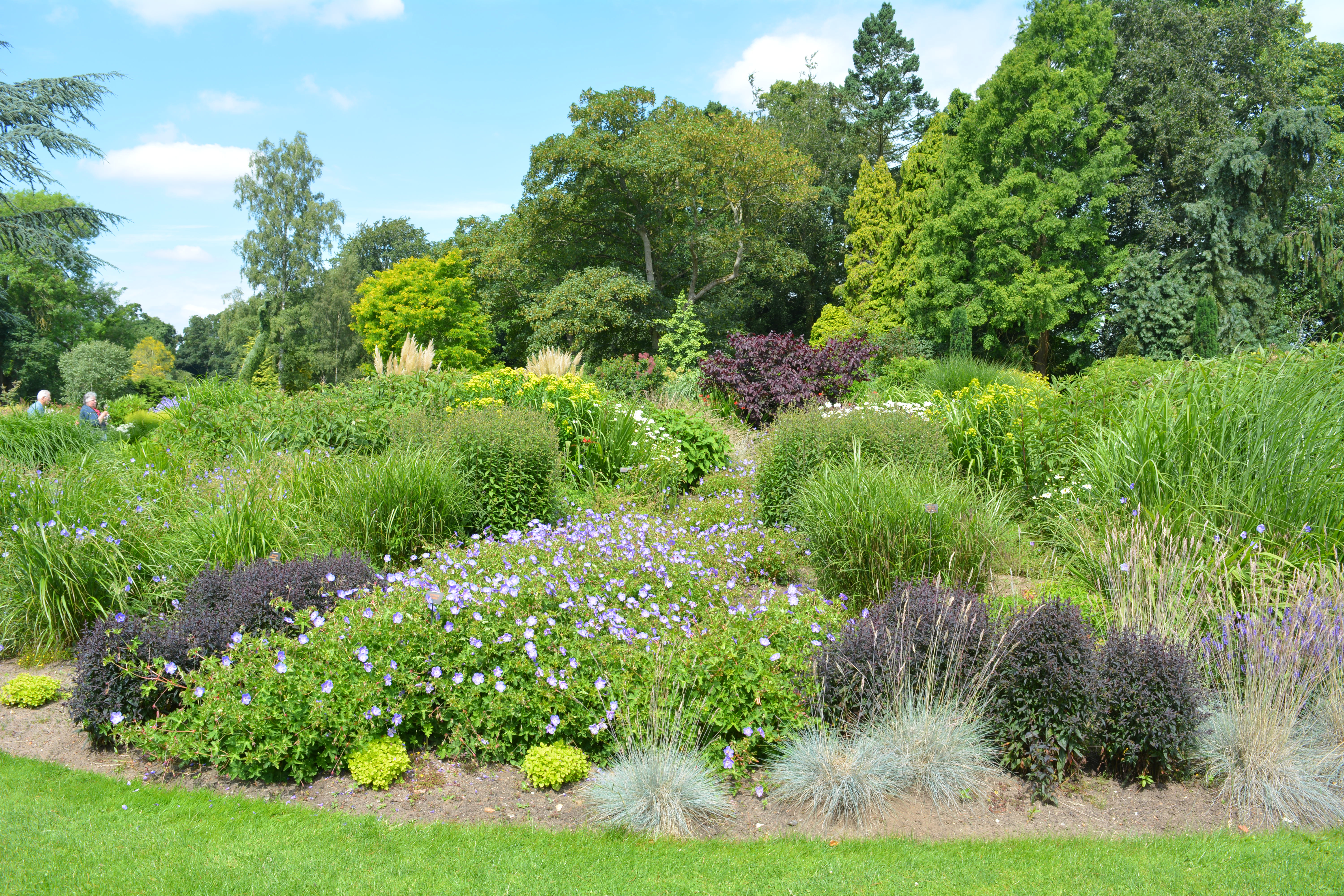
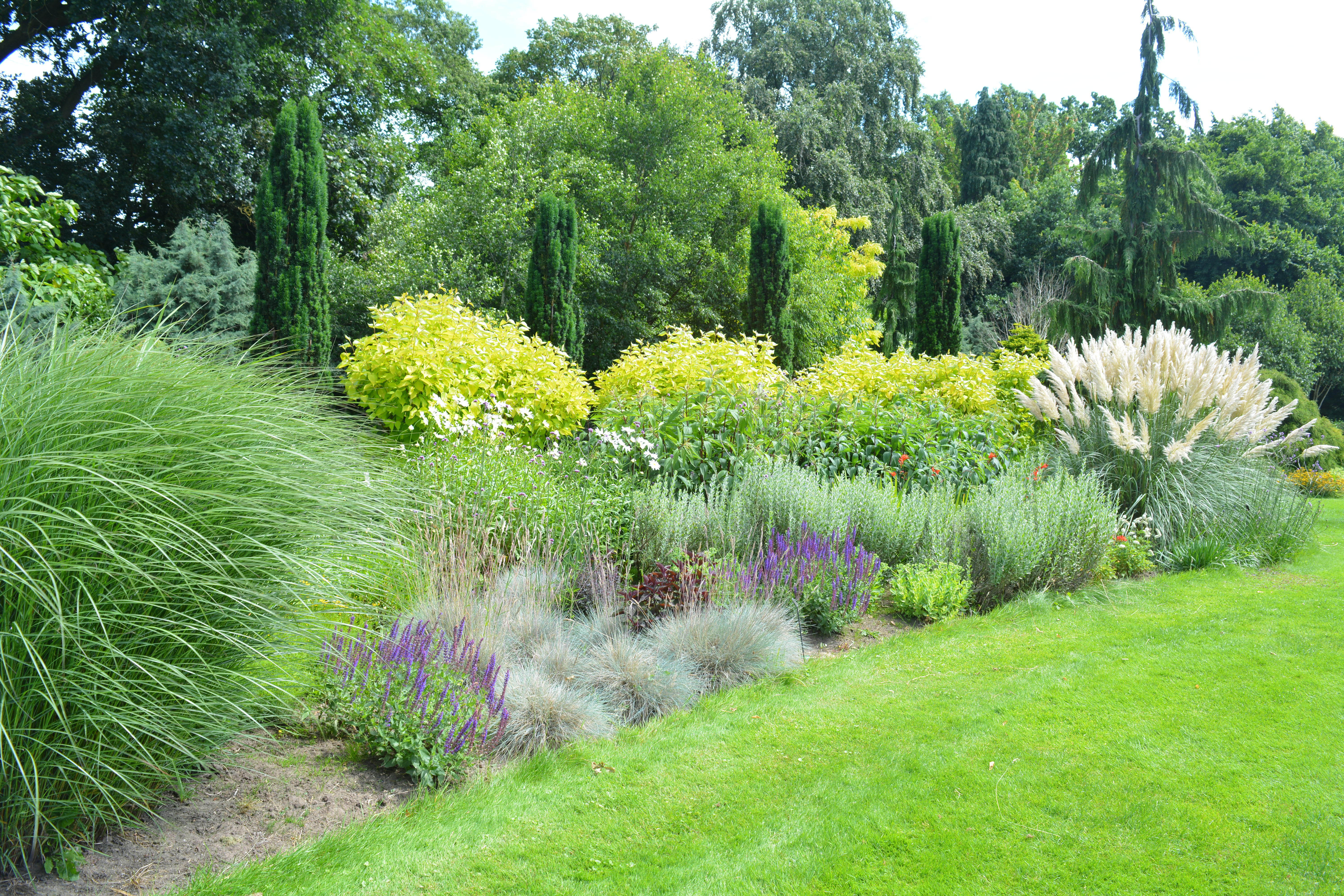
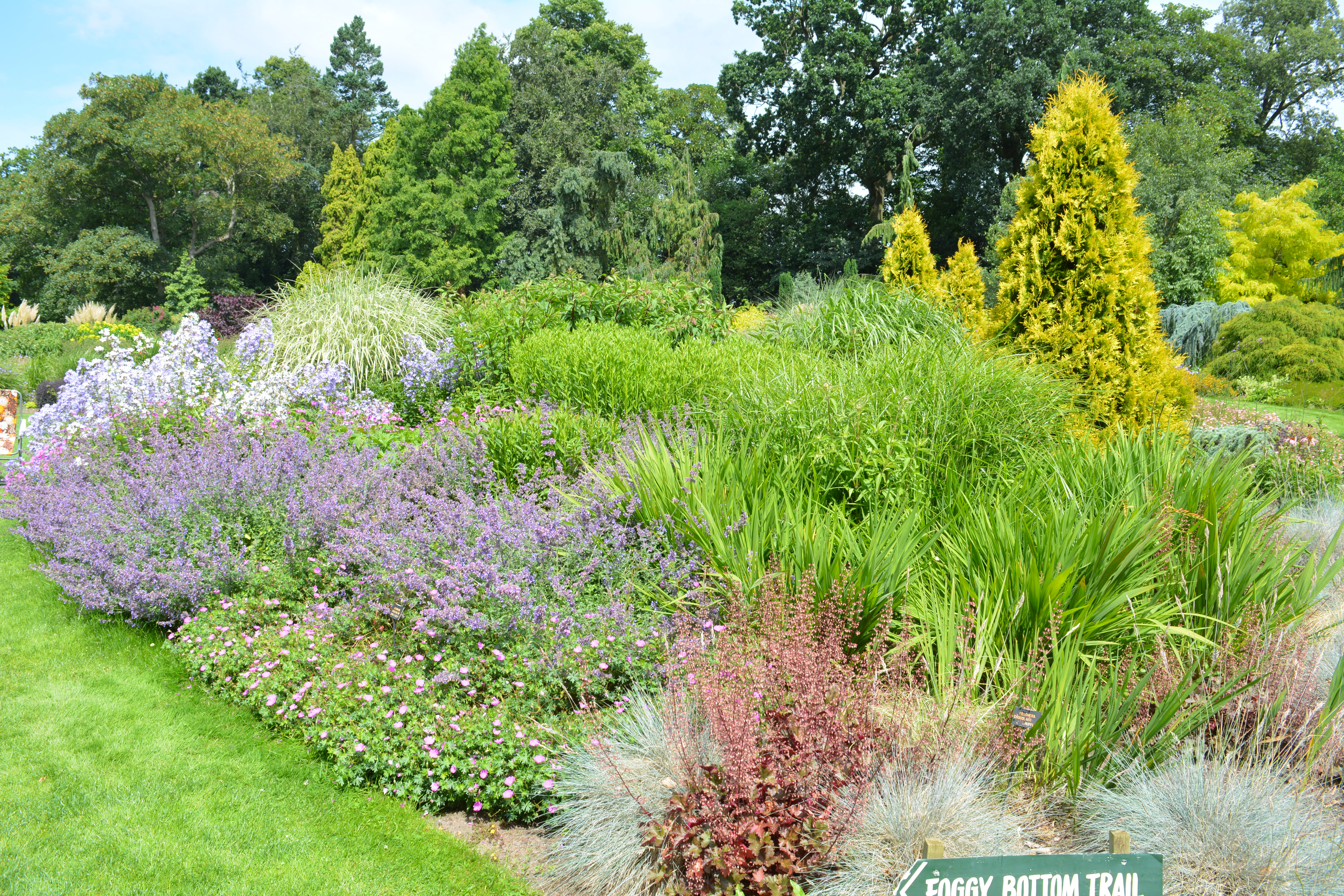
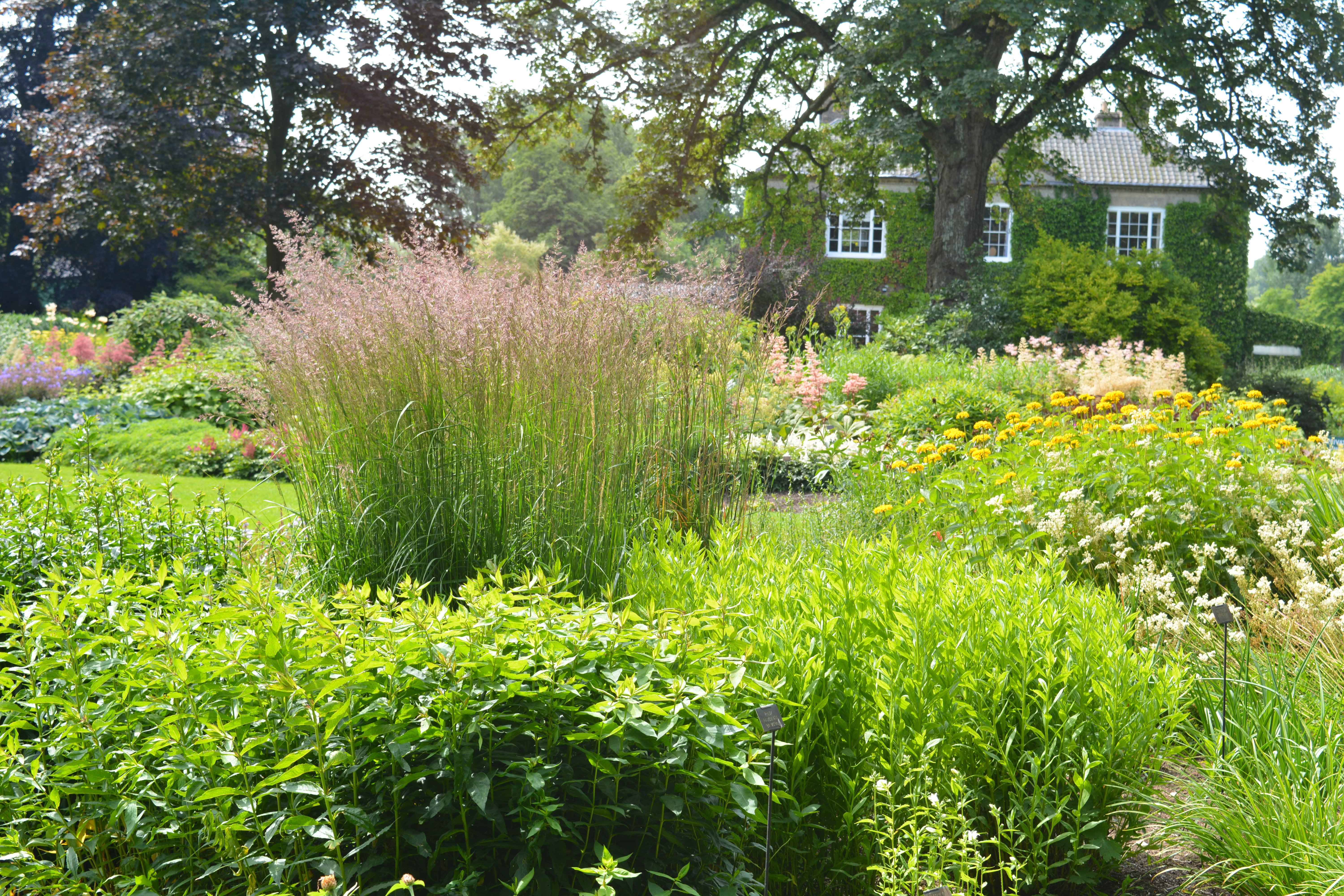
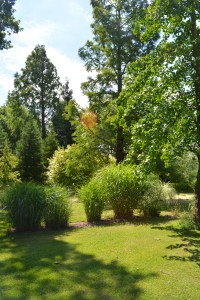
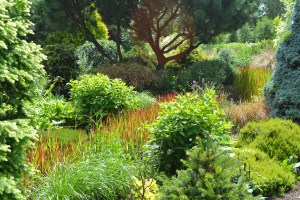
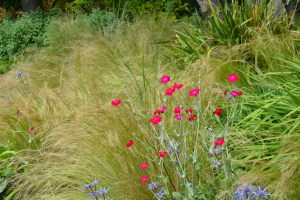
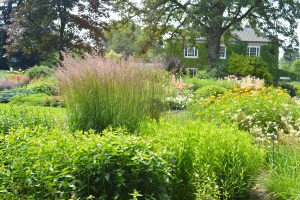
In this second report of our visit to the gardens at Bressingham I am going to look at the use of grasses throughout the gardens. As the batch of shots below illustrate, grasses here are beautifully integrated into the mixed borders and enhance their partners’ attributes. The grasses add movement, sound and an element of delicacy to the whole garden.

bg-01 bg-02 bg-03 bg-04 bg-05 bg-06 bg-07 bg-08 bg-09 bg-10

The Bloms family created the gardens here at Bressingham not only to show the use of perennials and grasses but also coniferous evergreens. It is here they display all the many new cultivars of grasses and perennial herbaceous plants that they have bred over the decades. They also pioneered the use of island beds in garden design where for the first time herbaceous borders were designed to be seen from all around and the island beds of plantings were designed to be islands within seas of lawn.
gb-01 gb-02 gb-03 gb-04   gb-07  gb1-02  gb1-08

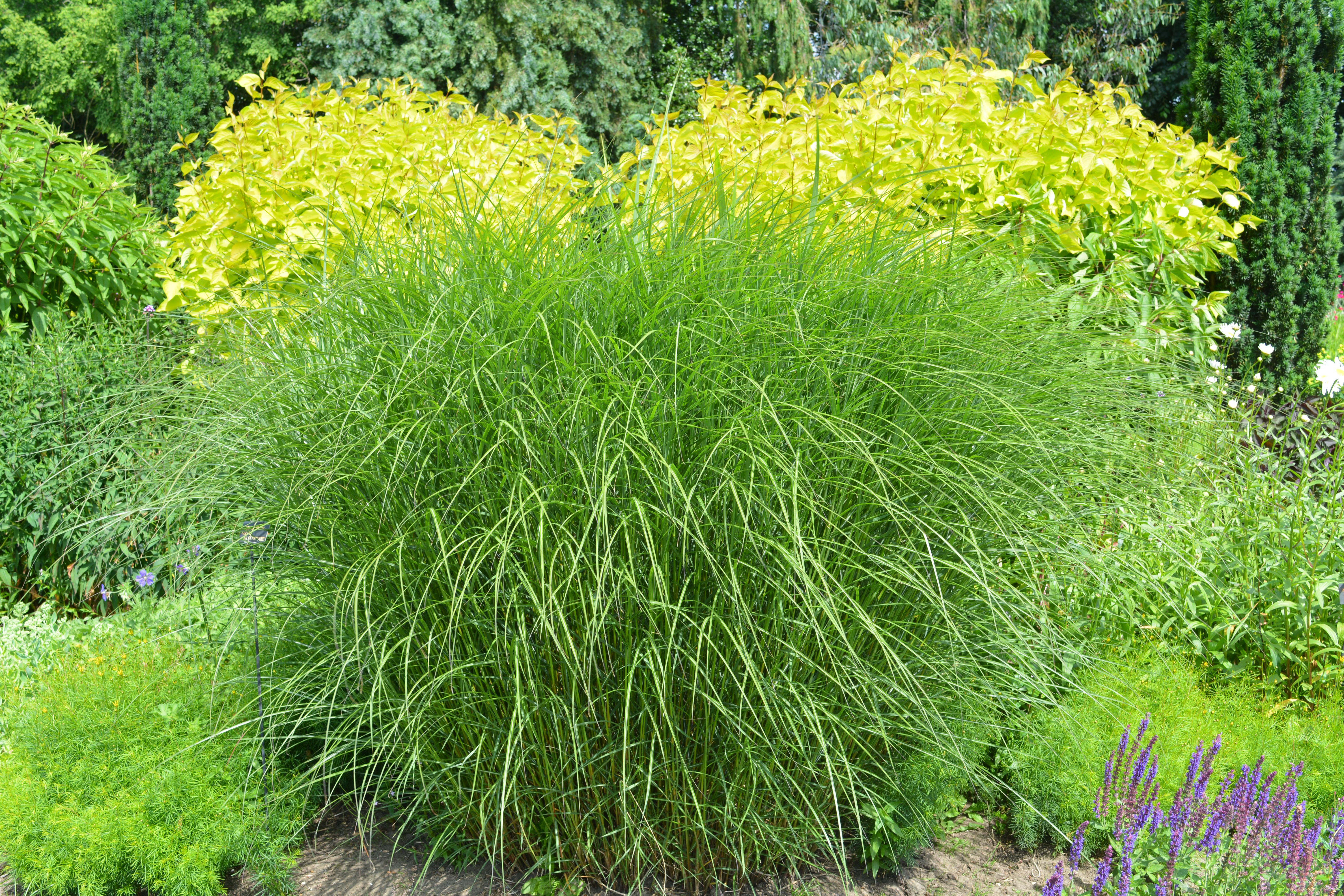
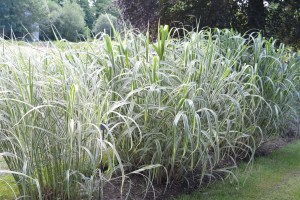
Grasses especially varieties and cultivars of Miscanthus are an integral part of the gardens here including the island beds. There is a large collection of Miscanthus which impressed and delighted me as it is a grass family that I love to see and love to use in our garden. It is a great multi-season group of plants.
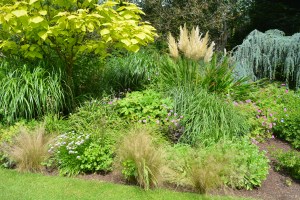
Here are a few shots of the Miscanthus collection, but it was hard to do justice with the camera to illustrate the subtle variations in colour, height texture and growth habits of these grasses, the colours in all the different flowers and the leaf stripes and variegations.

gb-13 gb-11gb-15 gb-14 gb-12gb-09 gb-10

Using grasses in clumps, blocks, rivers and ribbons adds drama to the garden, but equally a single specimen partnered with a shrub, tree or herbaceous plant can increase the aesthetic value of both the grass and its partner.

Here are a couple of ideas seen at Bressingham using grasses in ribbons and rivers.

gb1-05 gb1-06gb1-09 gb1-01gb1-04 gb1-03 gb1-07

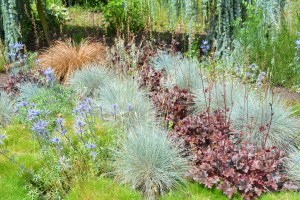
We enjoyed finding effective planting partnerships involving grasses with other classes of plant.

gb1-10 gb1-11 gb-05 gb-06

We came away full of new ideas and a list of Miscanthus we look forward to adding to our Avocet patch.


Categories
colours garden design garden photography gardening gardens gardens open to the public grasses hardy perennials light light quality ornamental grasses ornamental trees and shrubs trees

Bressingham Gardens – 1 – Colour Combinations and Conifers

Jude and I have a book in which we write and keep our bucket list, or really bucket lists. We keep lists of places to visit, gardens to visit and activities to try out. We add to them throughout each year and revamp and edit them at the beginning of each new year.

bc-01 bc-15

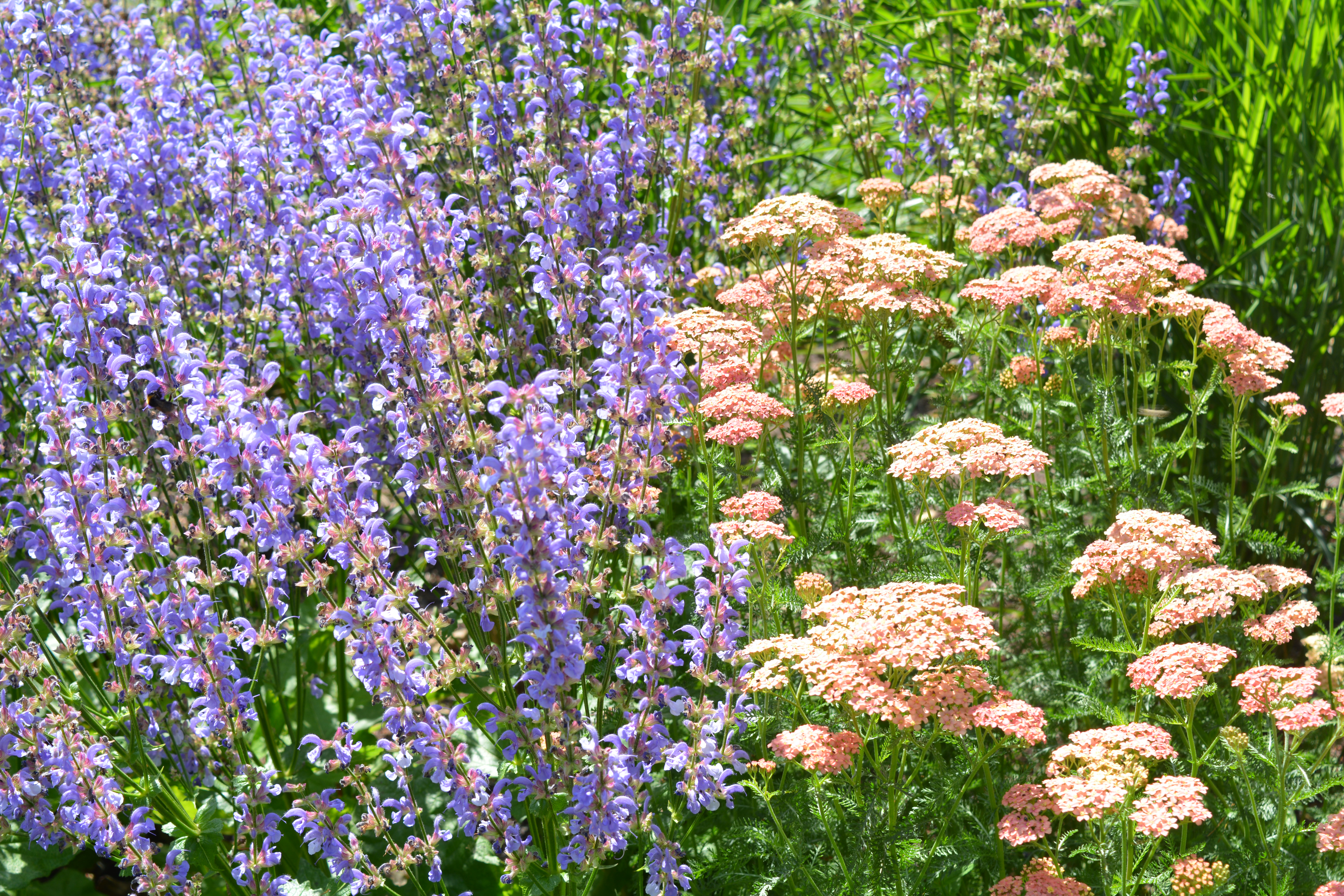
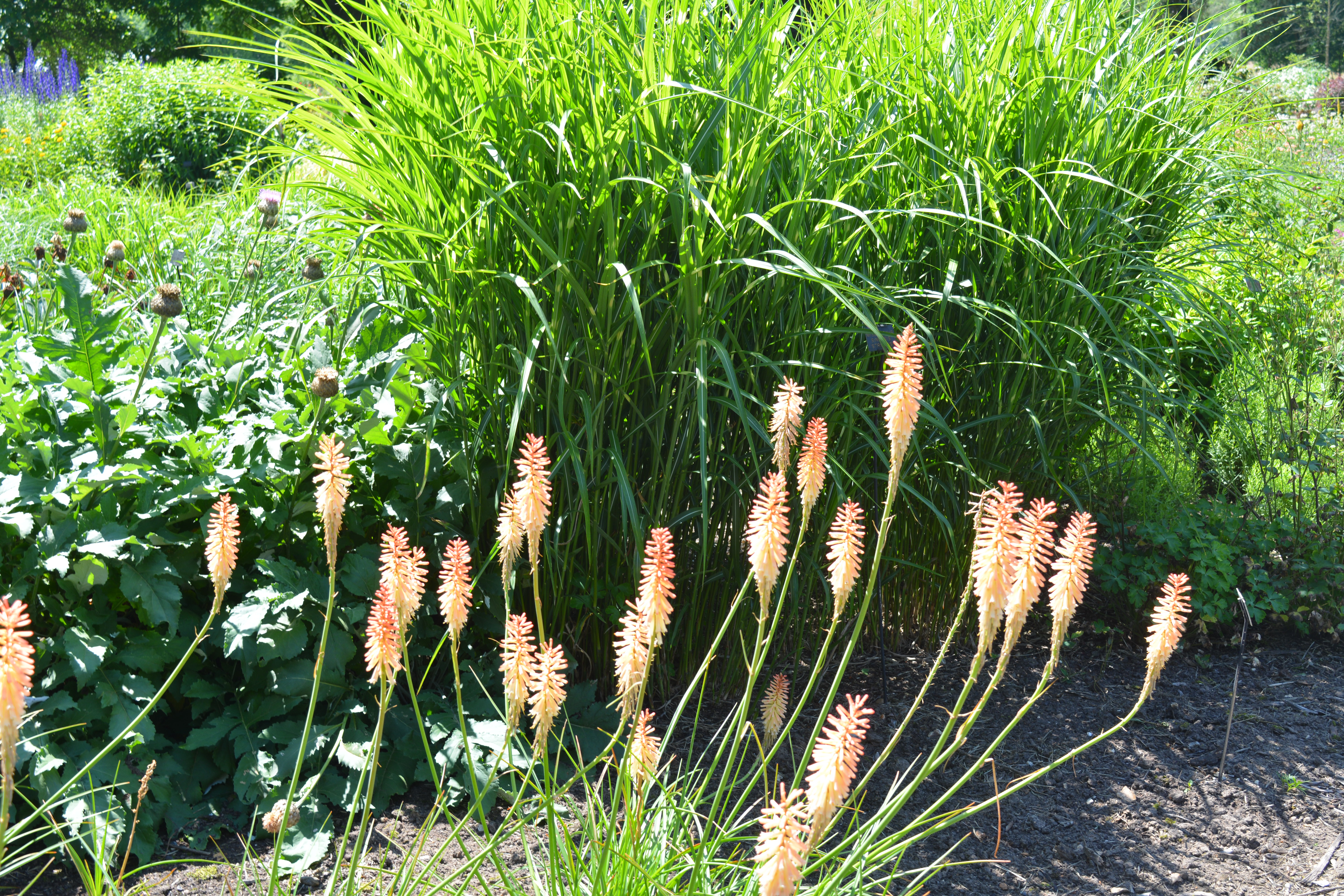
Our gardens to visit list has contained one particular garden we wished to visit for 3 or 4 years and it was in the summer of 2016 that we finally successfully got there, The Bressingham Gardens. We looked forward to seeing how they used grasses throughout the gardens and to experiencing enjoying so many beautiful herbaceous perennials. We also hoped that the on-site nursery would give us access to some unusual perennials bred at Bressingham and difficult to get elsewhere, and we particularly hoped to buy some Sea Hollies. Blooms are particularly well-known for their Achillea, Crocosmia and Kniphofia developments, such as C. Lucifer and K. Toffee Nose.

bc-10 bc-09bc-22 bc-21

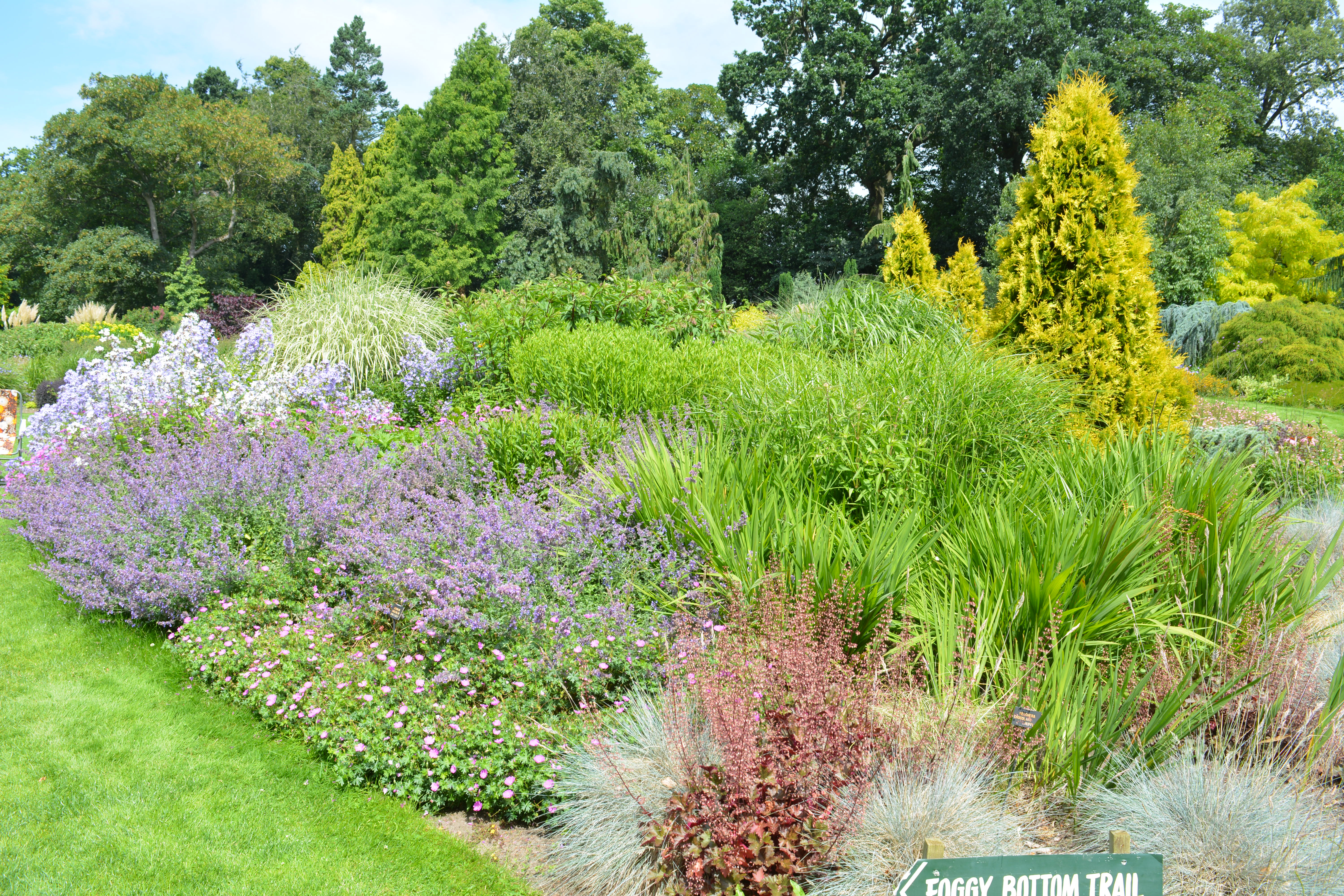
These expansive gardens are like a calm green sea of short cut grass broken up by island beds exploding with colourful mixed plantings.

bc-13 bc-02bc-35 bc-24 bc-31 bc-25bc-38 bc-32

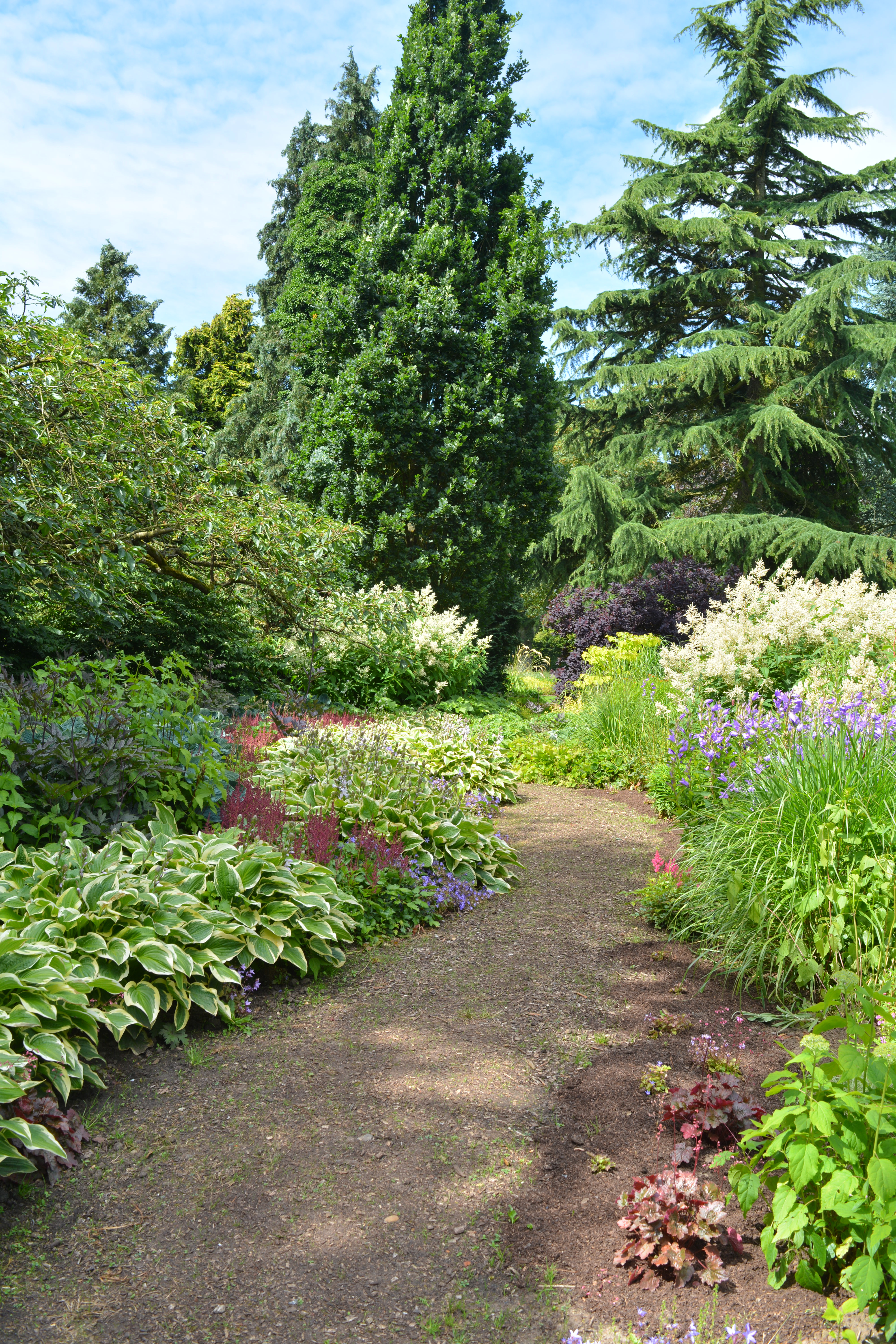
Areas of shade are essential in any open aspect garden, and here small deciduous trees are used throughout to add small patches of shade along pathways, and most of these trees have interesting coloured foliage to add another layer of interest.

bc-27 bc-26bc-29

We enjoyed the richness of warm colours working together beautifully when caught by the sunshine, and contrasting colours shining out in the borders.

bc-34 bc-36bc-39 bc-42bc-41 bc-20 bc-19 bc-18 bc-17  bc-14 bc-12 bc-11

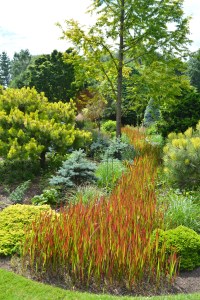
Coniferous evergreens are a special feature of the gardens as they are a particular love of Adrian Bloom one of the family who designed, maintain and own the gardens at Bressingham. Here they appear in every shade of yellow, green and blue with shapes of all sorts some extreme shape, from narrow, upright sentinels to drooping waterfalls. They also feature within the tall windbreaks planted all around the site to protect the wide ranging plantings within the gardens.

bc-06 bc-05 bc-04 bc-37bc-33 bc-03 bc-30 bc-07

In my next blog we will return to the gardens at Bressingham and take a look at how grasses are used to good effects. A big disappointmetn at Bressingham is that the nursery there has been sold to a massive national chain of garden centres, so the plants were the same old same old! So sad!


Categories
climbing plants colours flowering bulbs garden design garden photography garden pools gardens gardens open to the public lakes meadows ornamental trees and shrubs outdoor sculpture Powis Powys trees water garden water in the garden

A garden reborn – Glansevern Hall

In this post we will be looking back to a garden visit we made in mid-May when we visited a garden near Welshpool just over the border into Wales but still only a half hour drive away. The last time we had visited the gardens at Glansevern Hall was about ten years ago when the current owners had just started to rejuvenate the run down gardens.

We arrived to find everything improved so much so that some areas were hard to recognise. It is now a garden of real atmosphere, a truly romantic garden. After parking up in a car park which was a clearing among beautiful mature trees, we entered the garden through a courtyard which would have originally have been the stable block of the hall. Planting in narrow borders at the base of the wall included some interesting plants and some great ironwork.

2015 06 10_2776 2015 06 10_27772015 06 10_2816_edited-1

Once outside the courtyard several garden rooms contained exciting plant combinations and swathes of colour and texture.

2015 06 10_2779 2015 06 10_2785 2015 06 10_27812015 06 10_2780 2015 06 10_2782 2015 06 10_2783 2015 06 10_2784  2015 06 10_2786 2015 06 10_2787

We discovered more wonderful ironwork too!

2015 06 10_2789 2015 06 10_2792

In contrast to the irregularly shaped beds we came across circular beds planted in very different styles.

2015 06 10_2791  2015 06 10_2794

A pergola covered in Laburnum with its bright yellow racemes was a real surprise to find as we began finding our way to the informal meadow areas and their collection of interesting trees and shrubs.

2015 06 10_27962015 06 10_2797 2015 06 10_2798 2015 06 10_28052015 06 10_2799 2015 06 10_2800 2015 06 10_2804

This weeping specimen tree took some identifying. We had never seen one before but eventually came to the conclusion that it was a Weeping Mulberry, Morus alba pendula. A real beauty. The sculpture and the Viburnums were much easier to identify.

2015 06 10_2795 2015 06 10_2807 2015 06 10_2808

The gardens close to the hall itself were much more formal and had an “arts and crafts” feel to them. The colours of the planting were most unusual in different pale shades of  blue around the front and shades of yellow along the side borders.

2015 06 10_2809 2015 06 10_28102015 06 10_2812 2015 06 10_2820

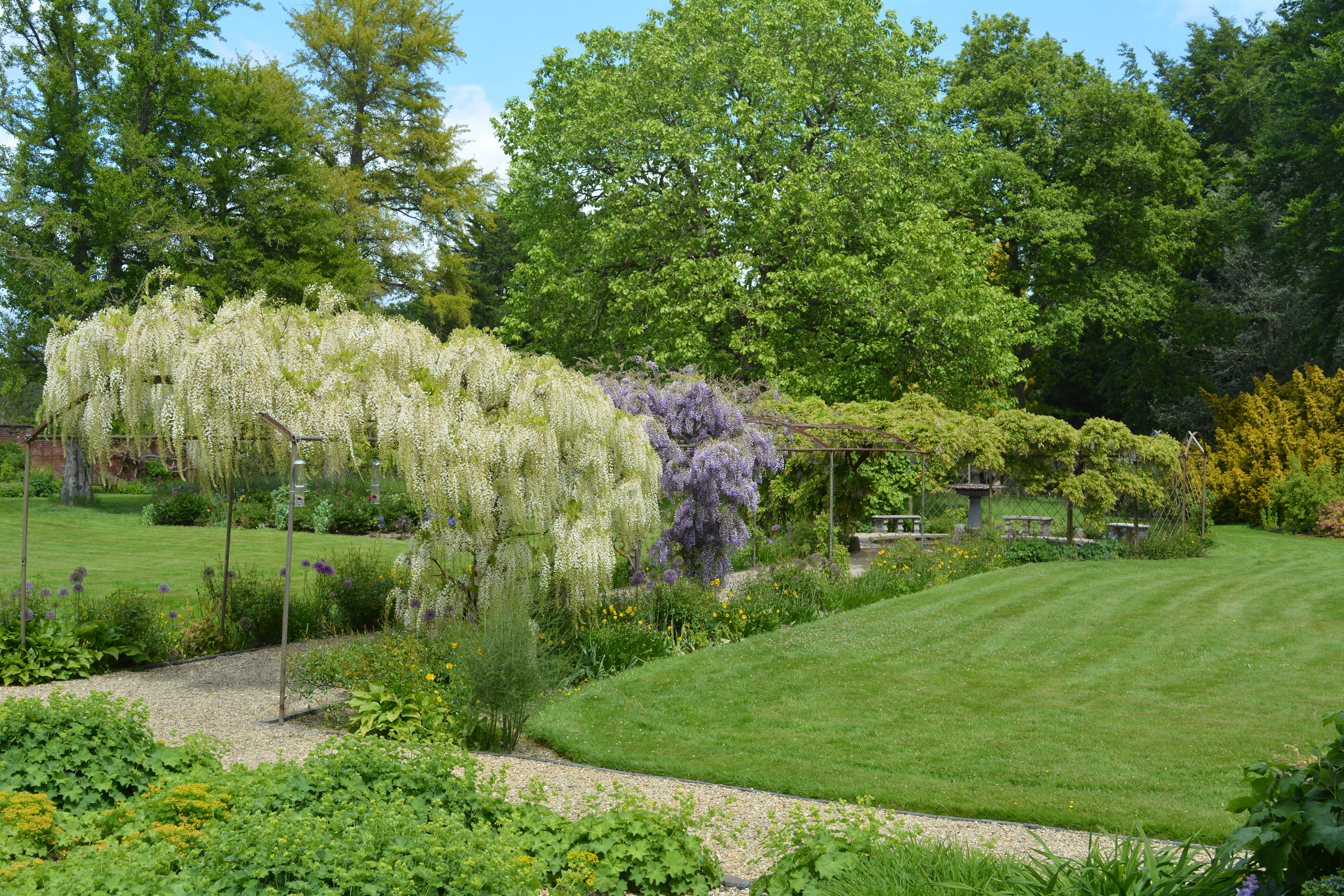
Moving away from the hall we walked beneath a wonderfully colourful and highly scented pergola swathed in Wisteria with its long white and blue racemes of flowers. Beneath the narrow borders were full of purple headed Alliums.

2015 06 10_2811  2015 06 10_2813 2015 06 10_2814 2015 06 10_2815

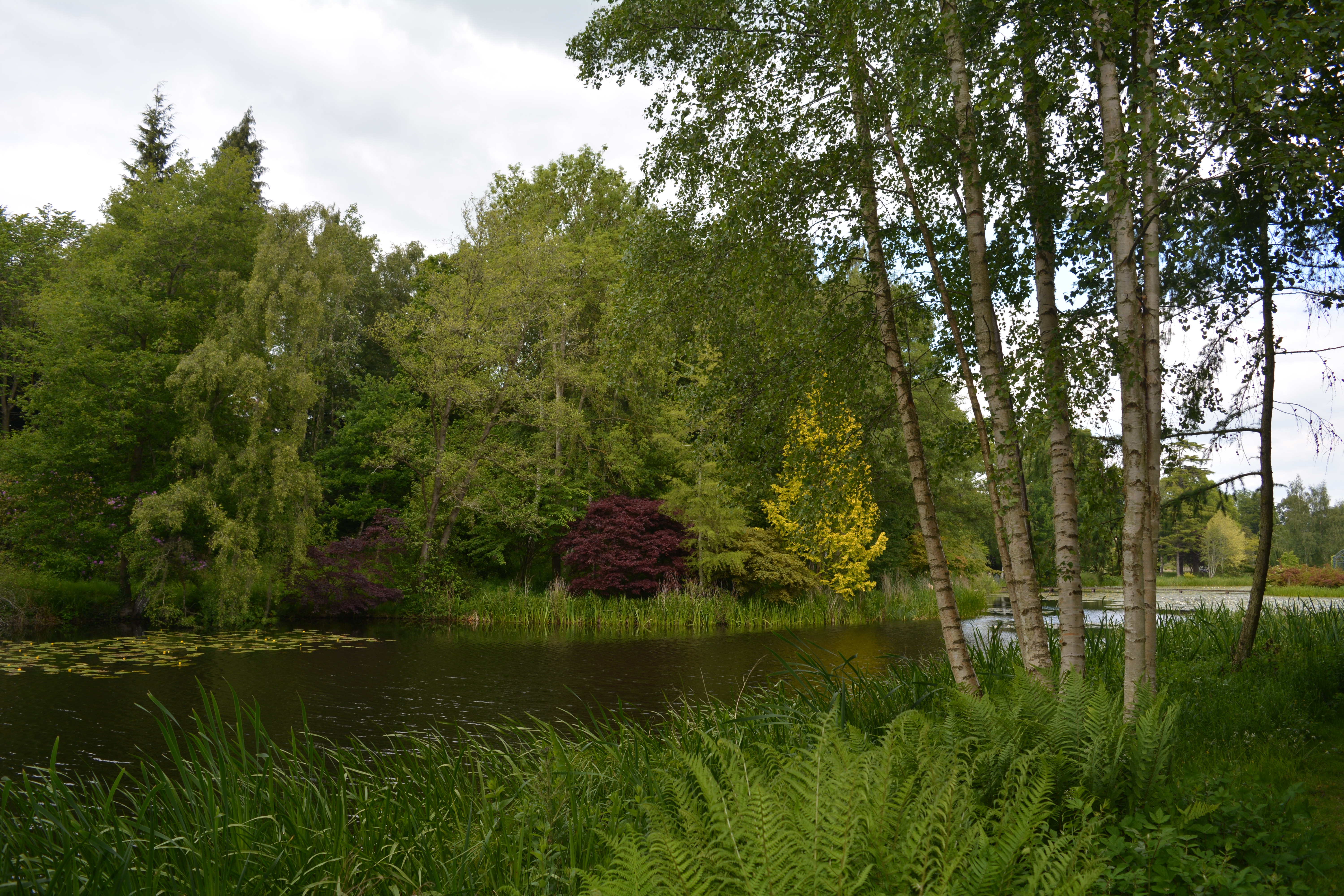
After a quick break for coffee and cakes we traced the path around the lake which was surrounded by specimen trees many rare or unusual, some we had never seen before and a couple we had never even heard of!

2015 06 10_2823 2015 06 10_2824 2015 06 10_2825 2015 06 10_2826 2015 06 10_2827 2015 06 10_2828 2015 06 10_2829 2015 06 10_2831

We had a great day at Glansevern and came away amazed at how much work had been done developing the gardens into such a romantic place.

Categories
fruit and veg garden design garden photography garden wildlife gardening gardens gardens open to the public grasses hardy perennials natural pest control ornamental trees and shrubs

Dorothy’s Delights – The Dorothy Clive Garden

Whenever we have friends and family staying with us we take them to our favourite places, usually gardens, arboreta or special patches of countryside and of course to our favourite coffee shop with the biggest most luscious cakes. If it is late summer or early autumn then we often share with them the delights of the Dorothy Clive Garden. So in September we took my brother, Graham and sister-in-law Vicky to share in the box of delights.

The garden began as a woodland garden set in a deep dell, but as the years went on it spread outwards so now much of the garden is on a gentle slope down from the dell. The dell features huge mature trees and below them plants typical of shaded places rhododendrons, azaleas and ferns.

2013 09 25_3606 2013 09 25_3605

2013 09 25_3583 2013 09 25_3582

2013 09 25_3610 2013 09 25_3612

2013 09 25_3613 2013 09 25_3614

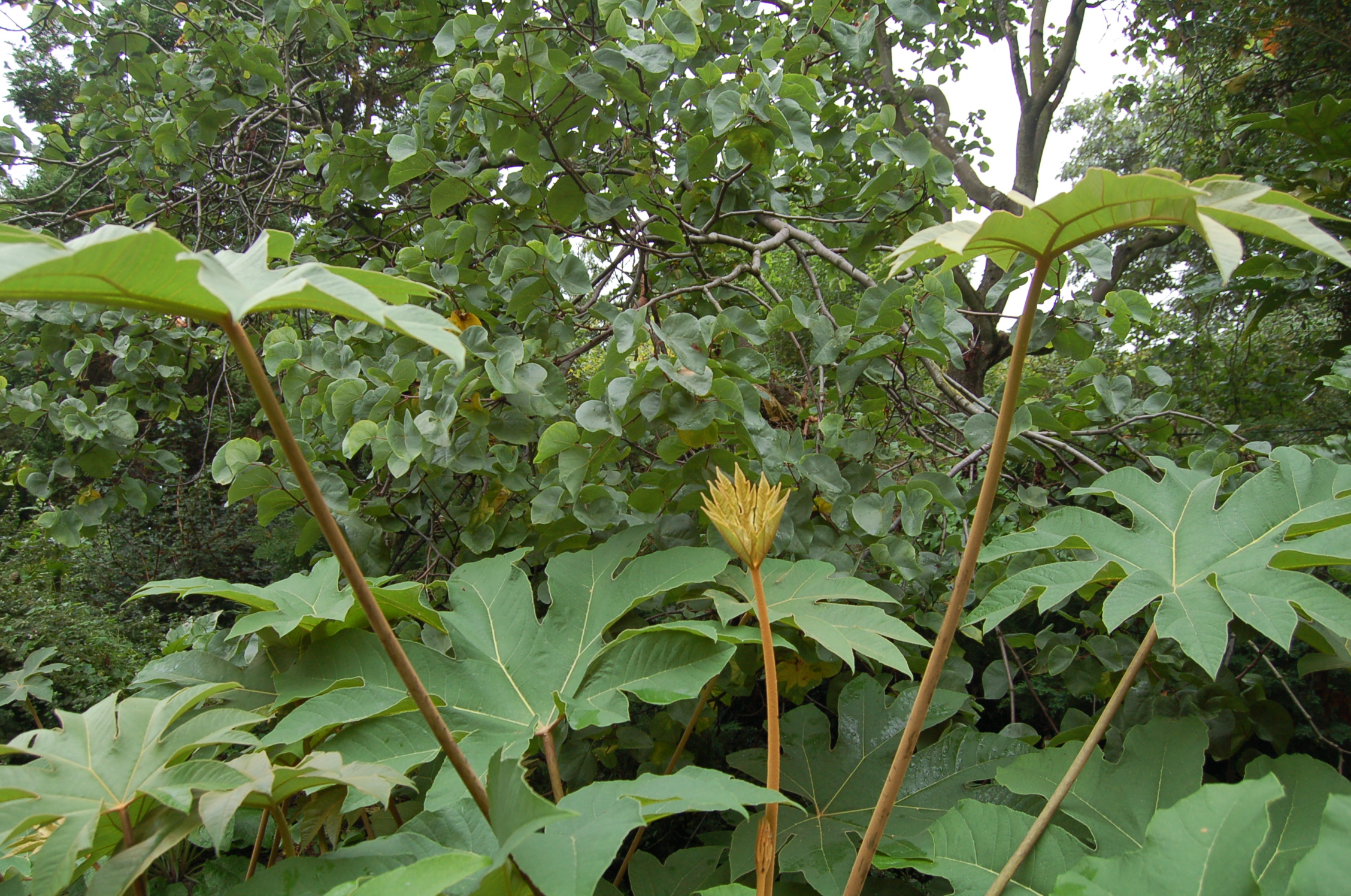
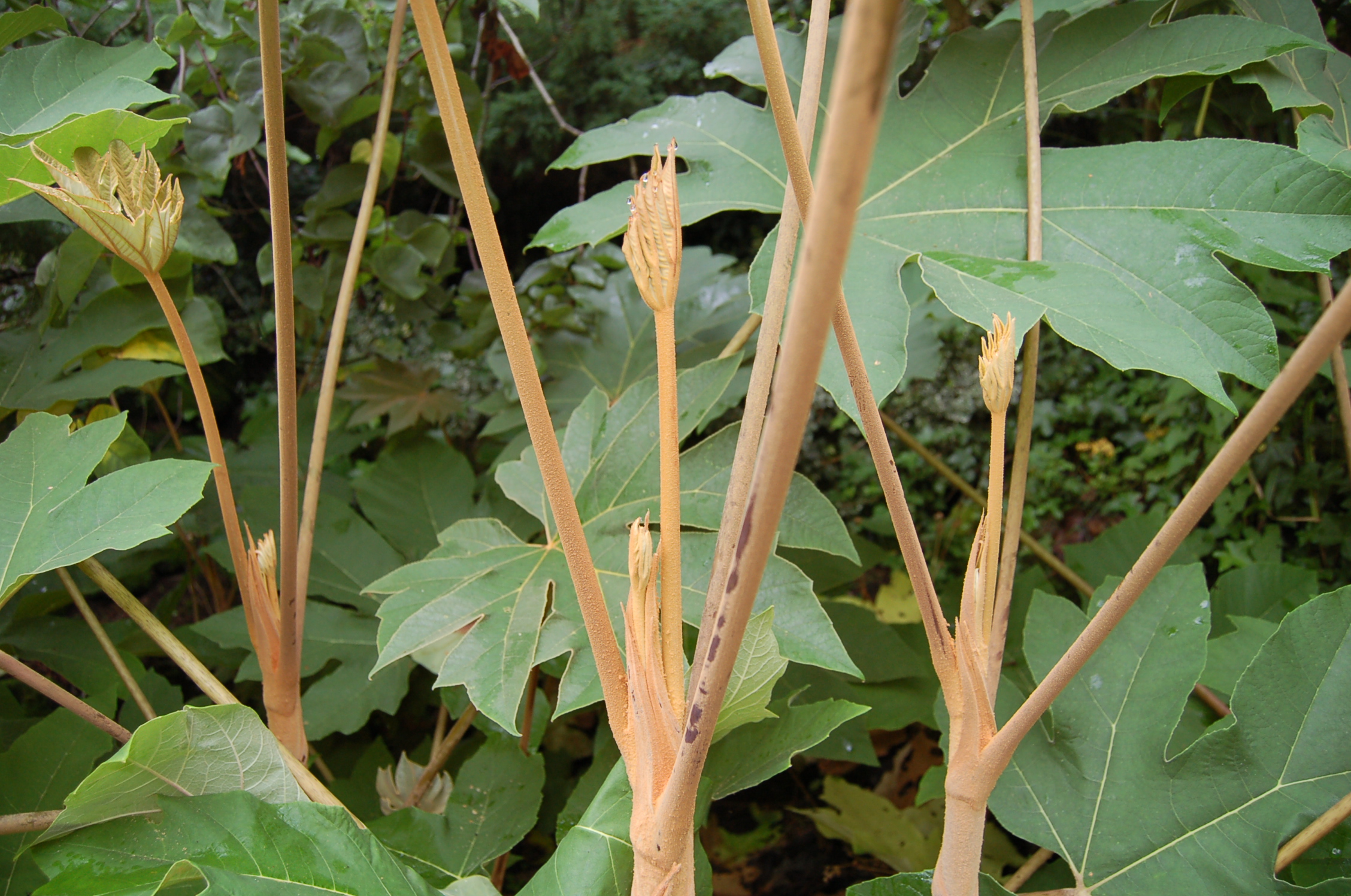
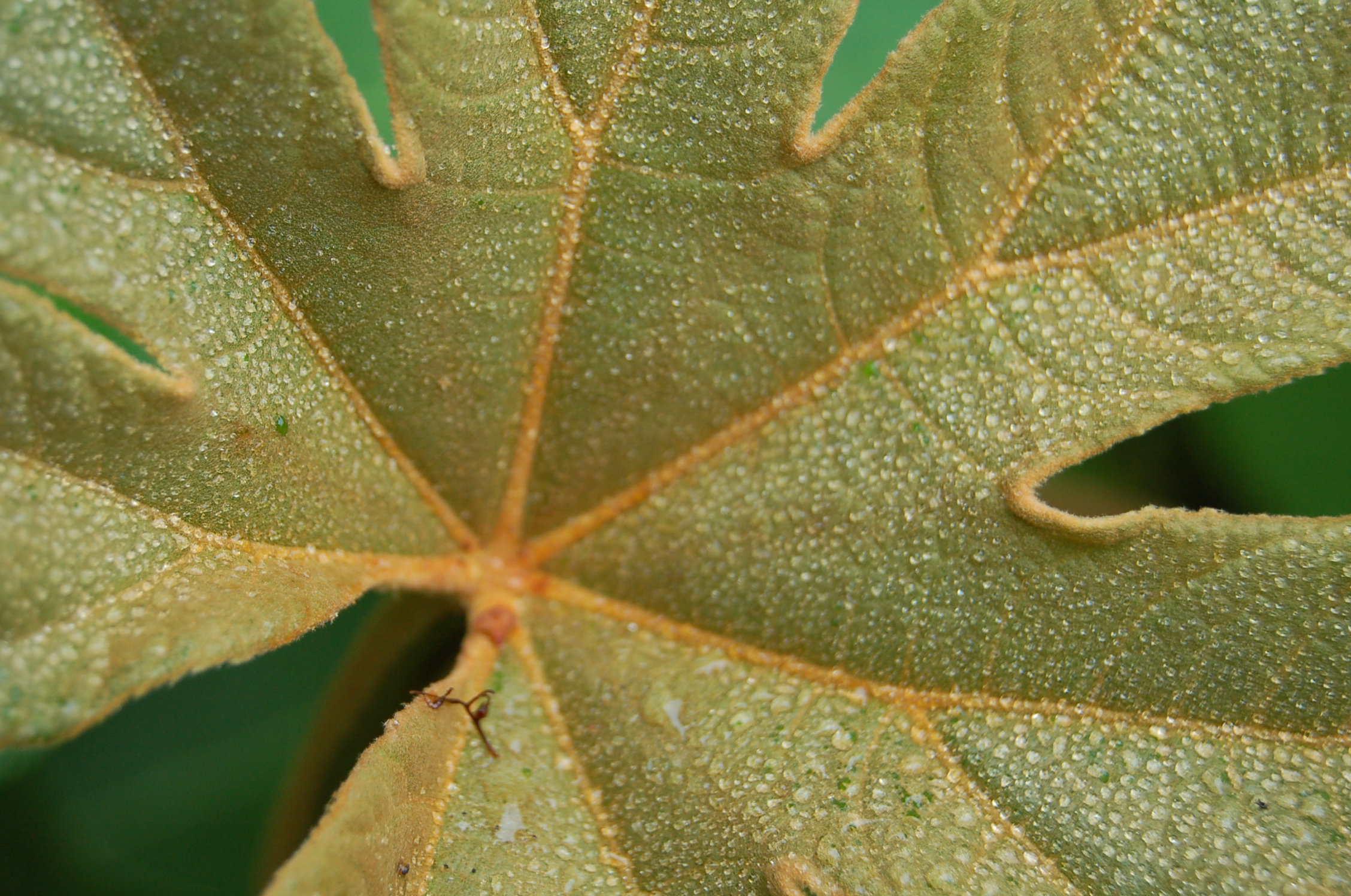
After half an hour in the tea shop our first port of call was the sheltered area close by, sheltered enough to allow the gardeners to take brave decisions and grow Tetrapanax, amongst other plants grown for their interesting foliage. The gardeners at this garden are masters at the art of “right plant right place”. The enclosed space here was so sheltered that tender plants thrived, including one of my favourite plants Tetrapanax. We can’t risk it in our garden with its cold wet winters. I love the texture and colour of the stems – softly furry and gingery orange – and the shape and texture of the huge palmate rough leaves.

2013 09 25_3584 2013 09 25_3585 2013 09 25_3586 2013 09 25_3587 2013 09 25_3588 2013 09 25_3589

2013 09 25_3594 2013 09 25_3595

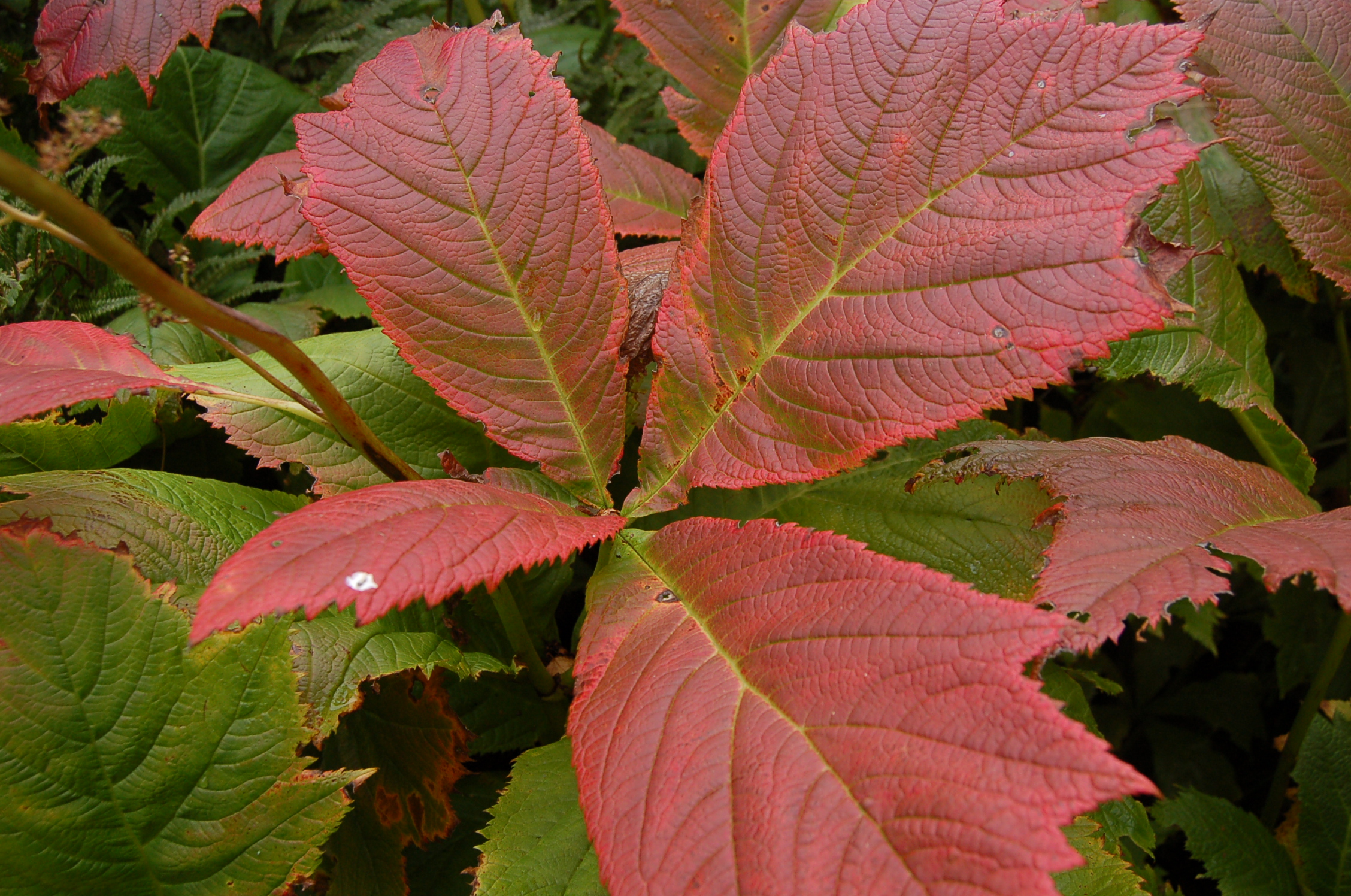
Another of the big leaved plants growing here in the damper areas are the Rogersias, with several different varieties thriving in the shade.

2013 09 25_3590 2013 09 25_3591 2013 09 25_3592 2013 09 25_3593

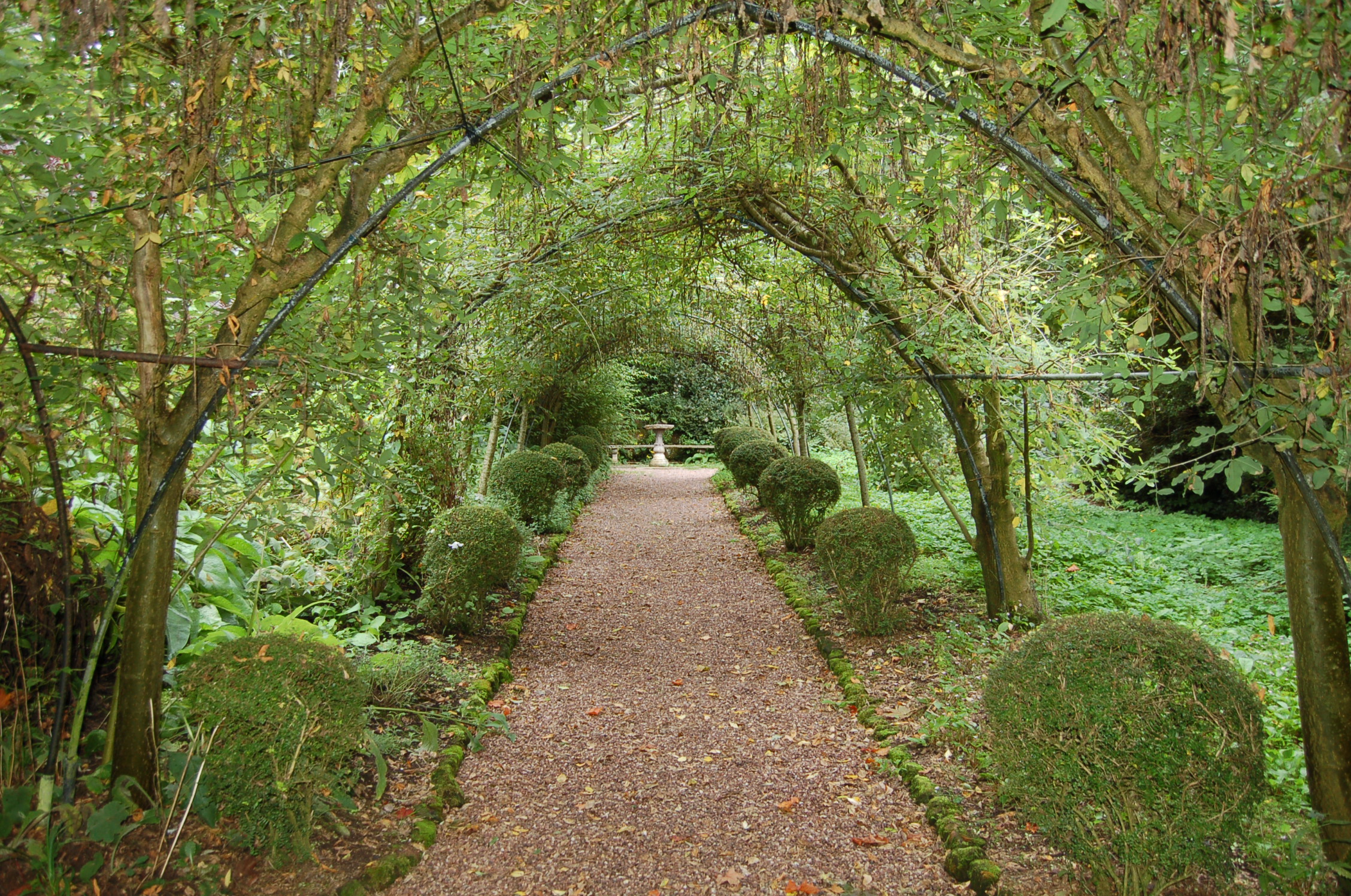
We left the sheltered garden taking a path beneath a tunnel featuring some delicate sculpture and neatly trimmed box balls.

2013 09 25_3596 2013 09 25_3597

2013 09 25_3598

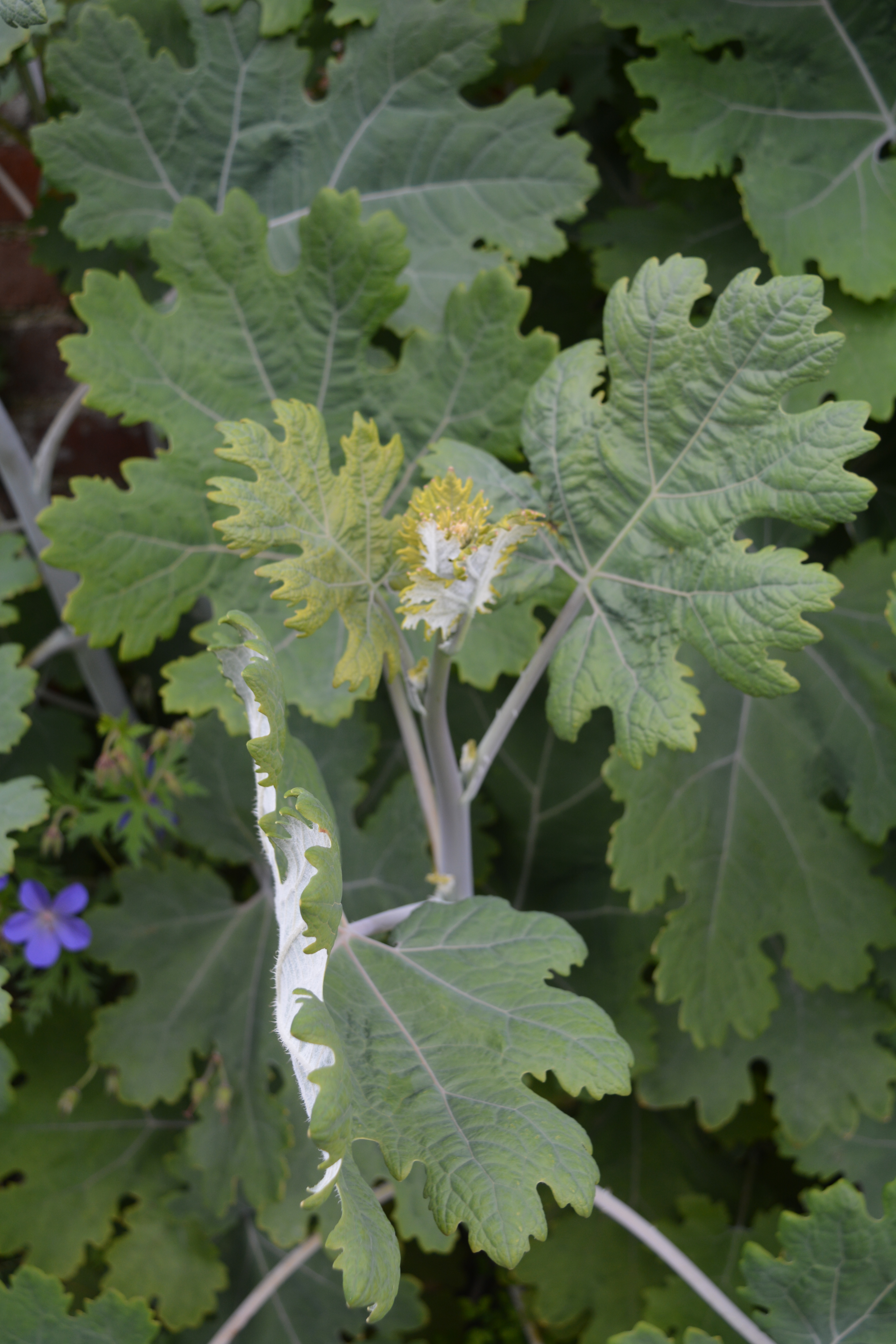
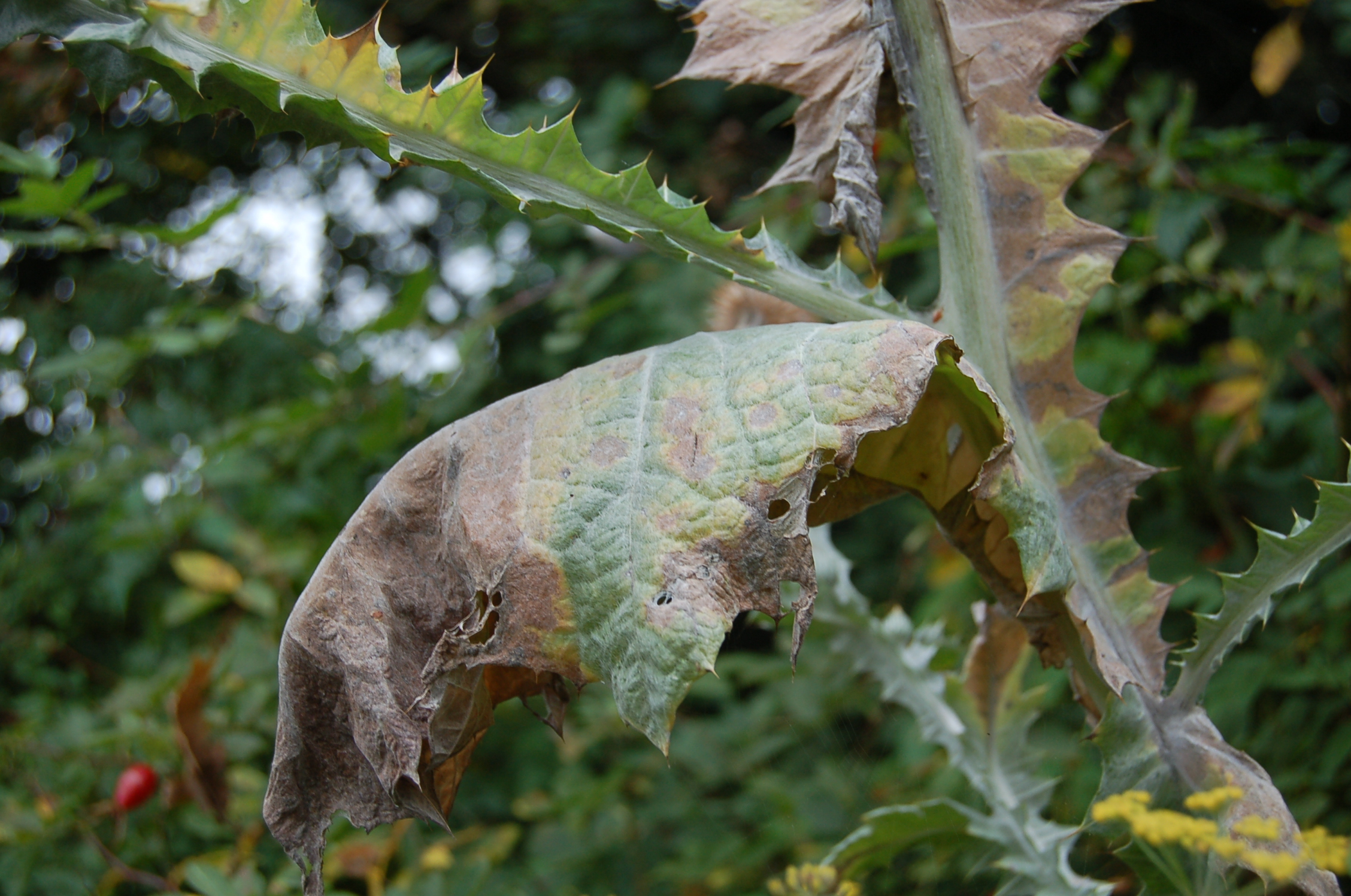
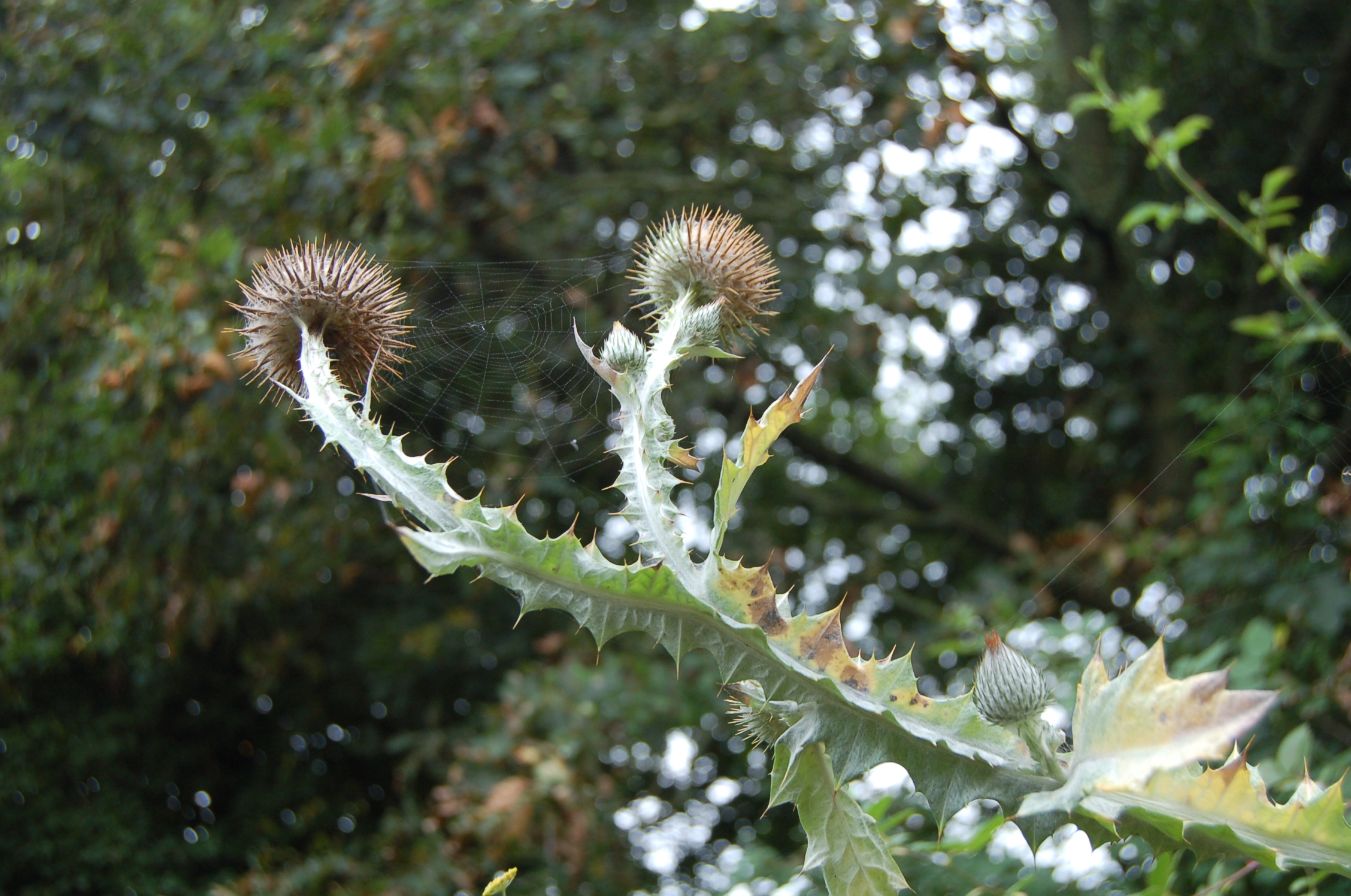
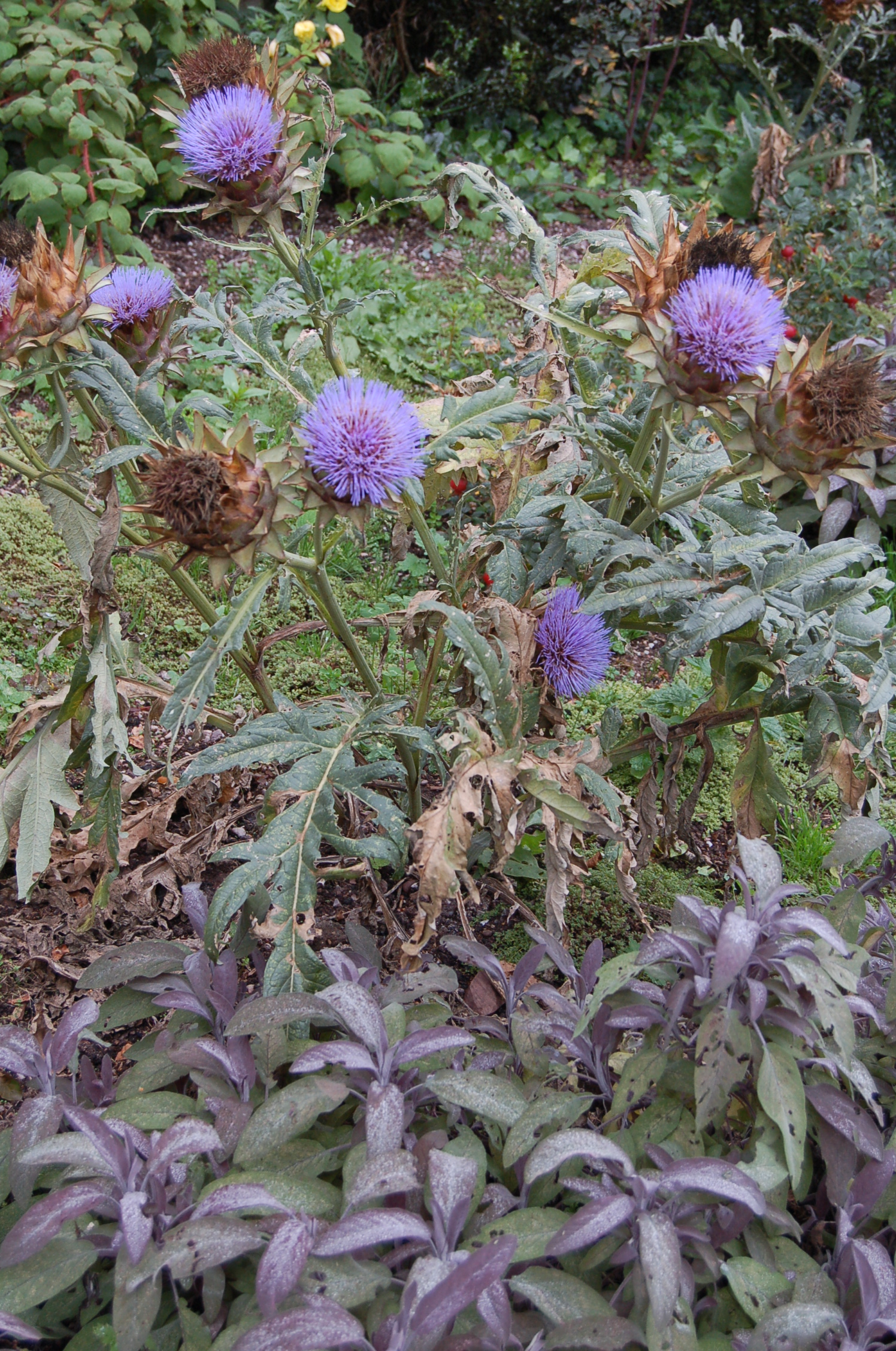
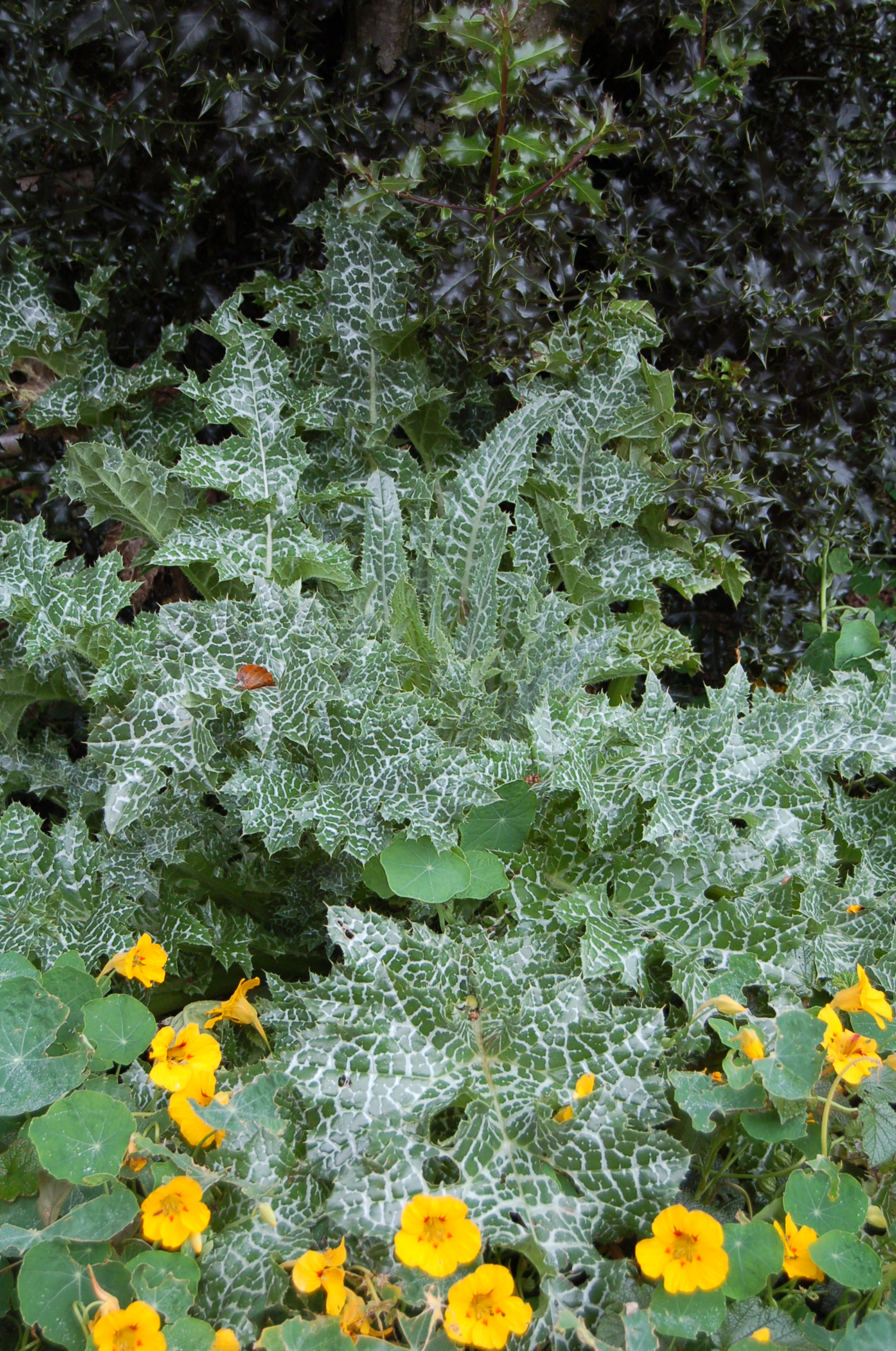
As we left the covered walkway we discovered another large-leaved architectural plant, the Onopordum, with silvery jagged leaves and stems with spikes all along their edges adorned atop by similarly spiky flowers. The Goldfinches will love them when they burst!

2013 09 25_3599 2013 09 25_3600

A new feature in this old favourite garden was an edible woodland garden. We were excited about seeing it and our anticipation was rewarded. This little shaded area under mature trees was full of atmosphere and interesting features.

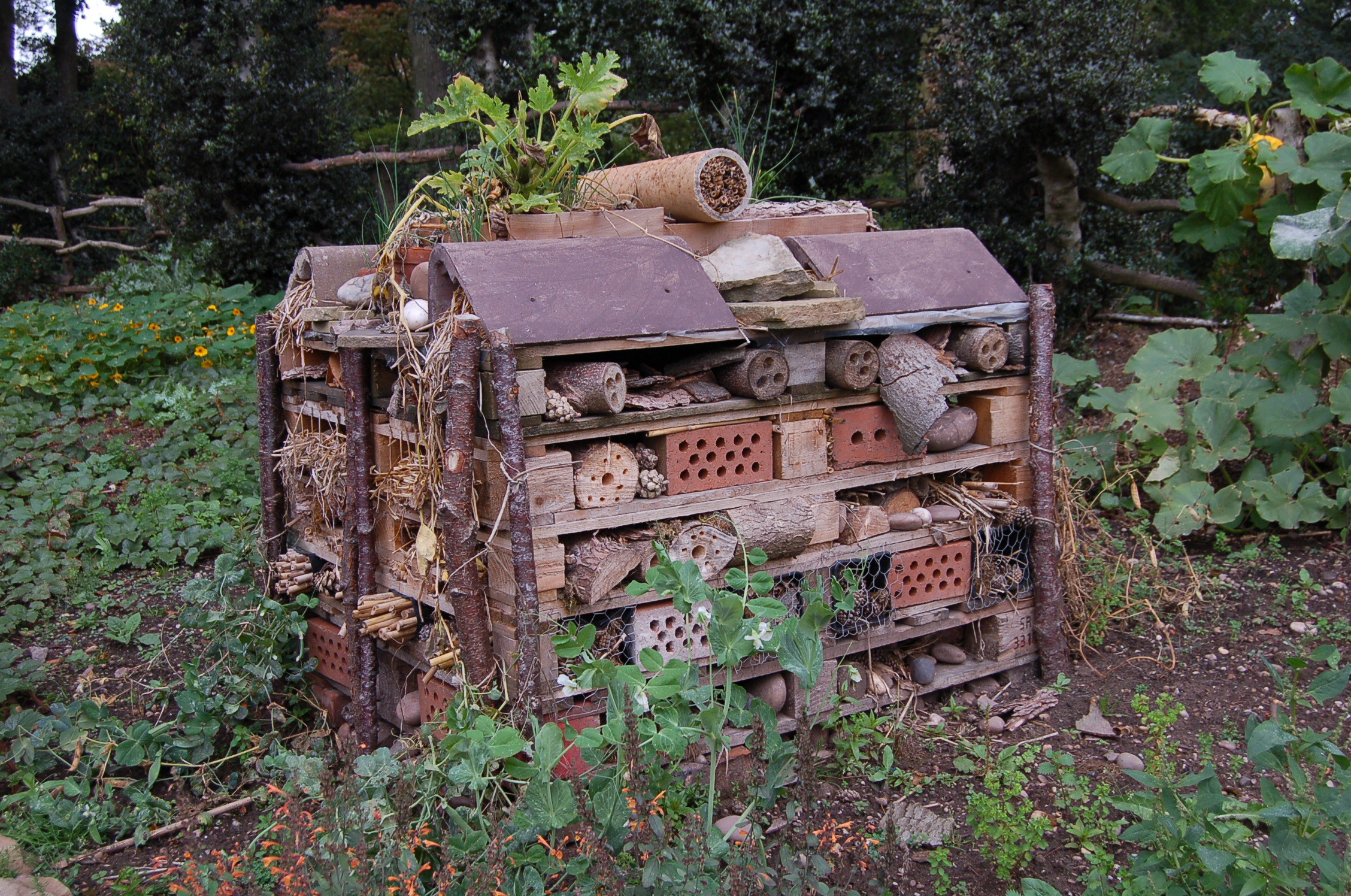
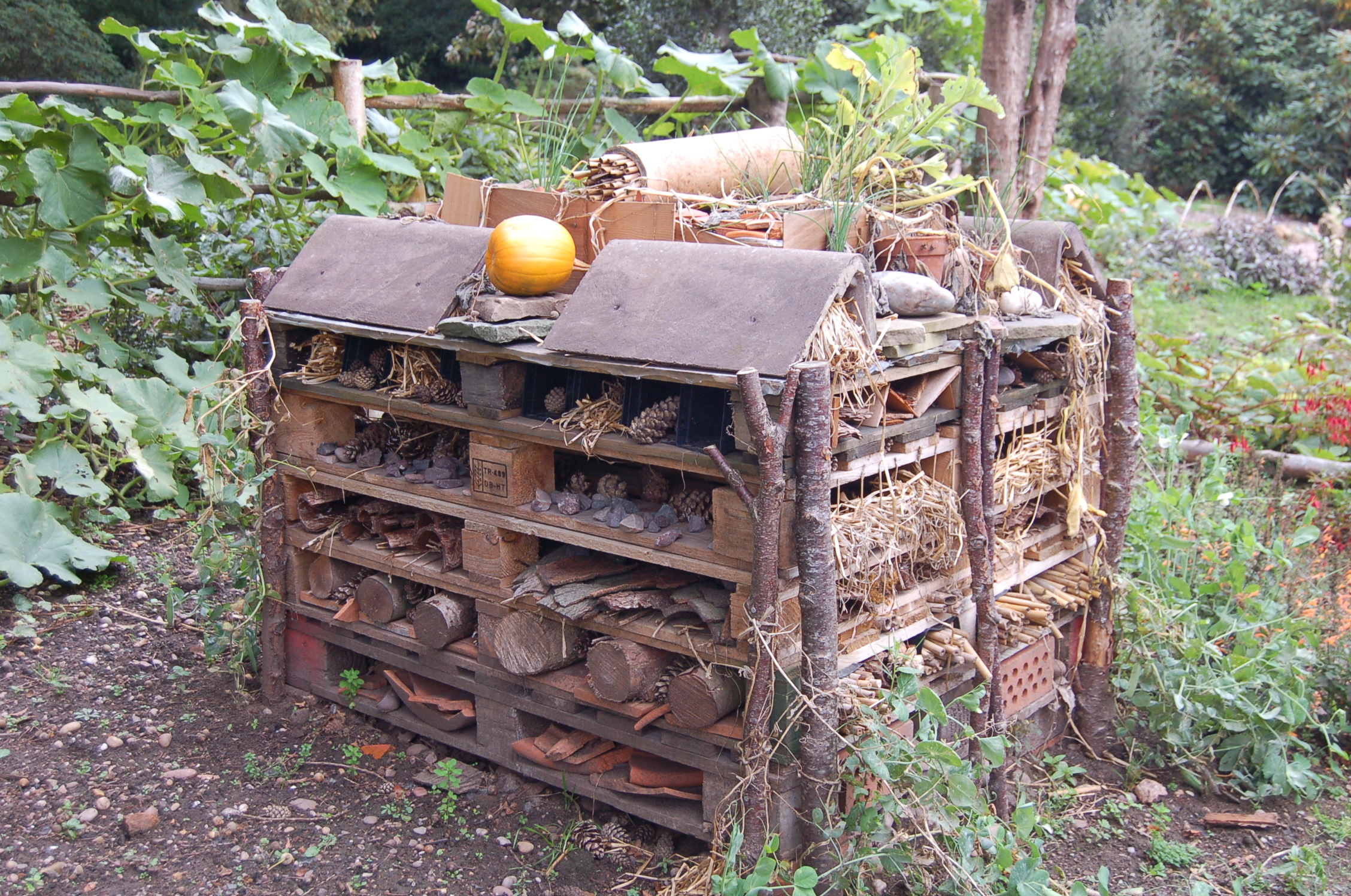
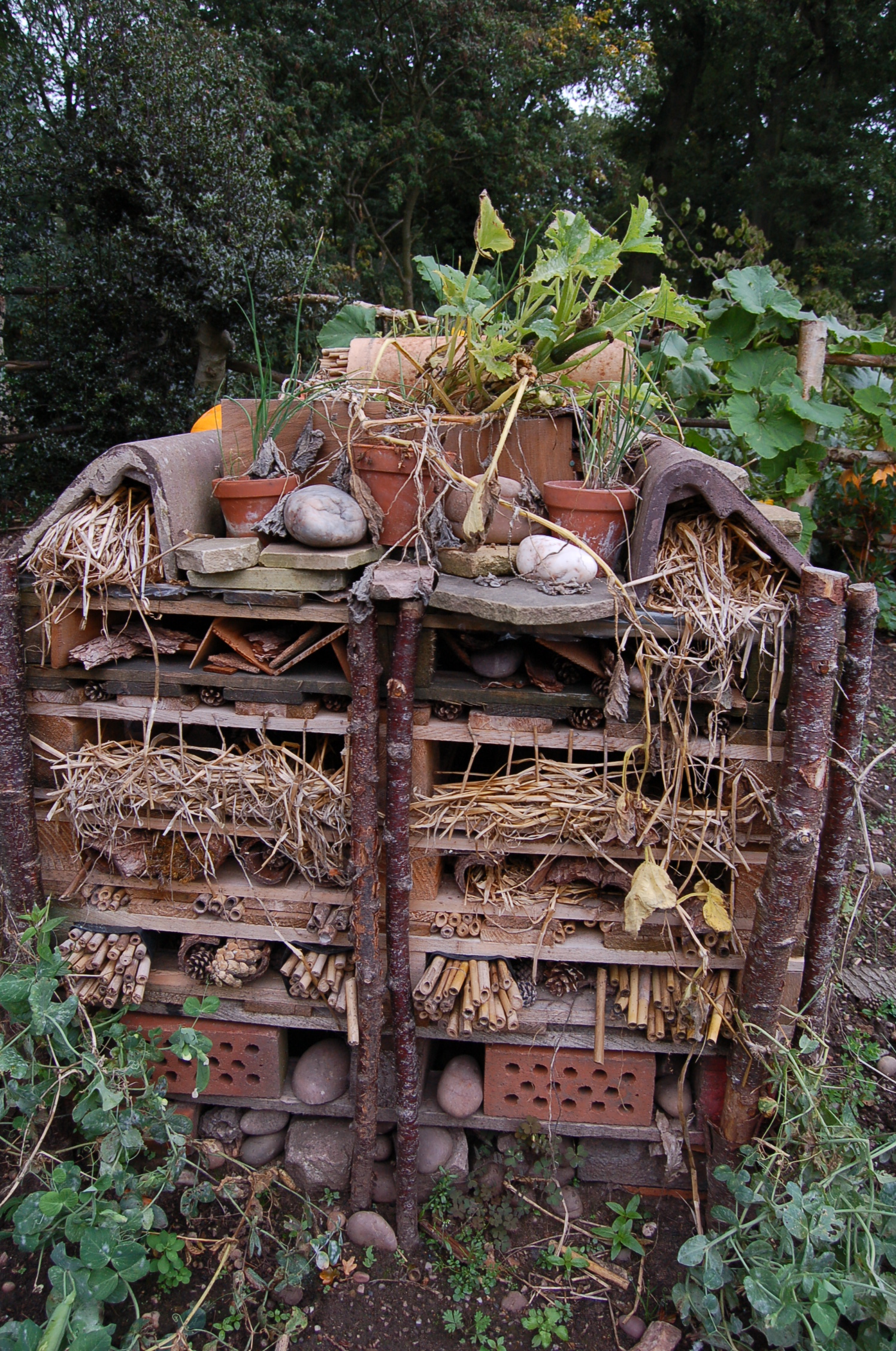
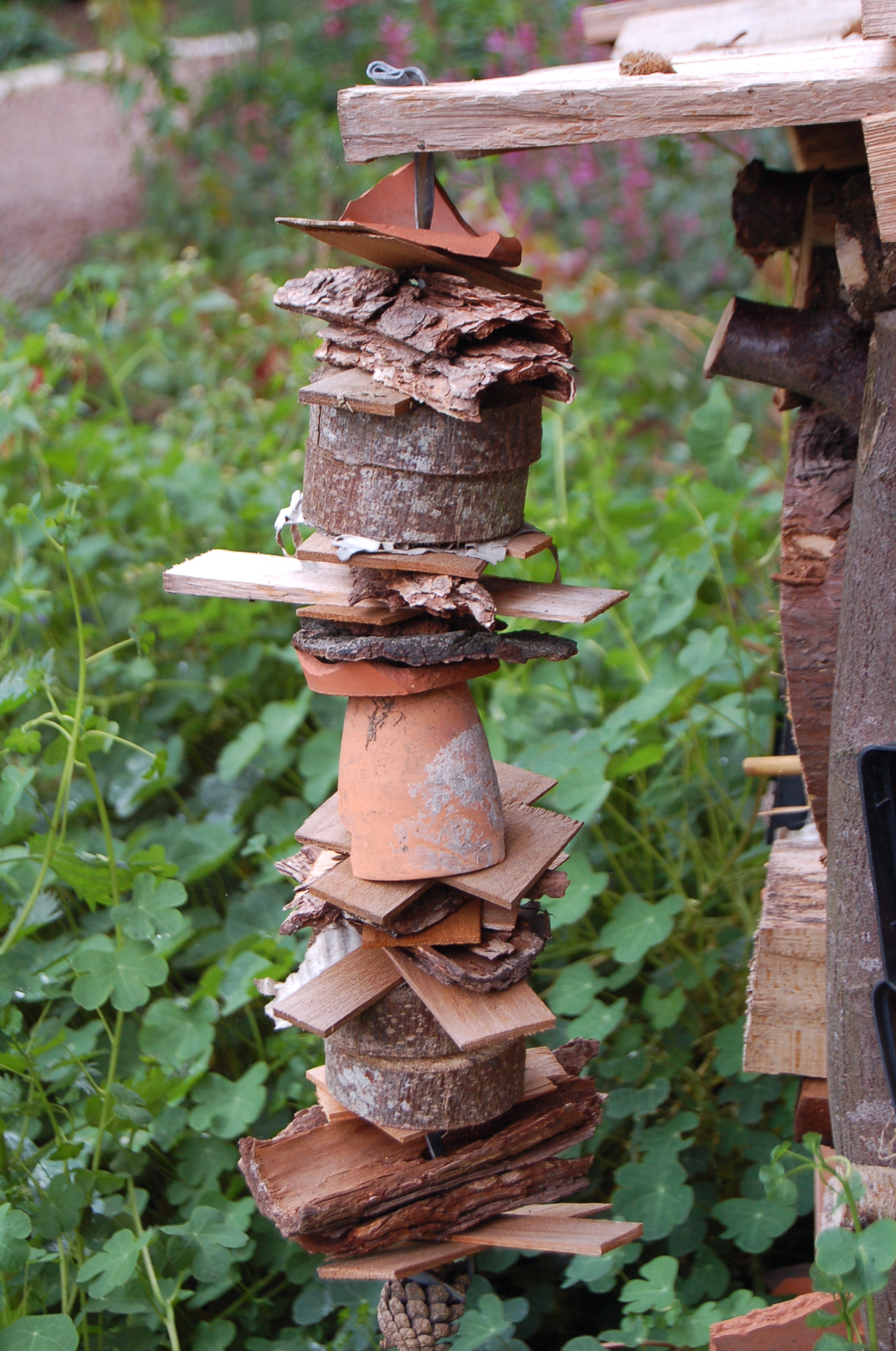
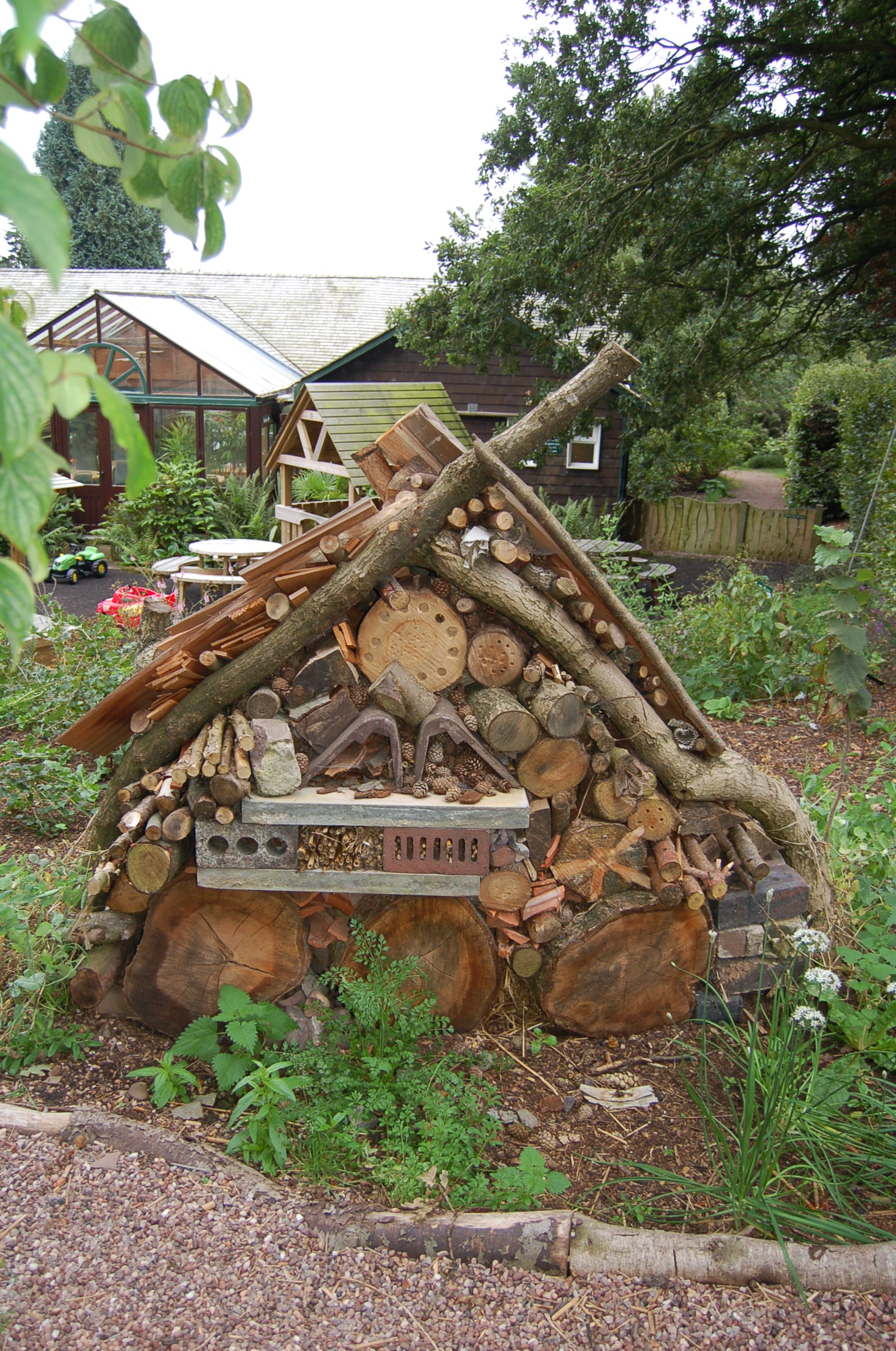
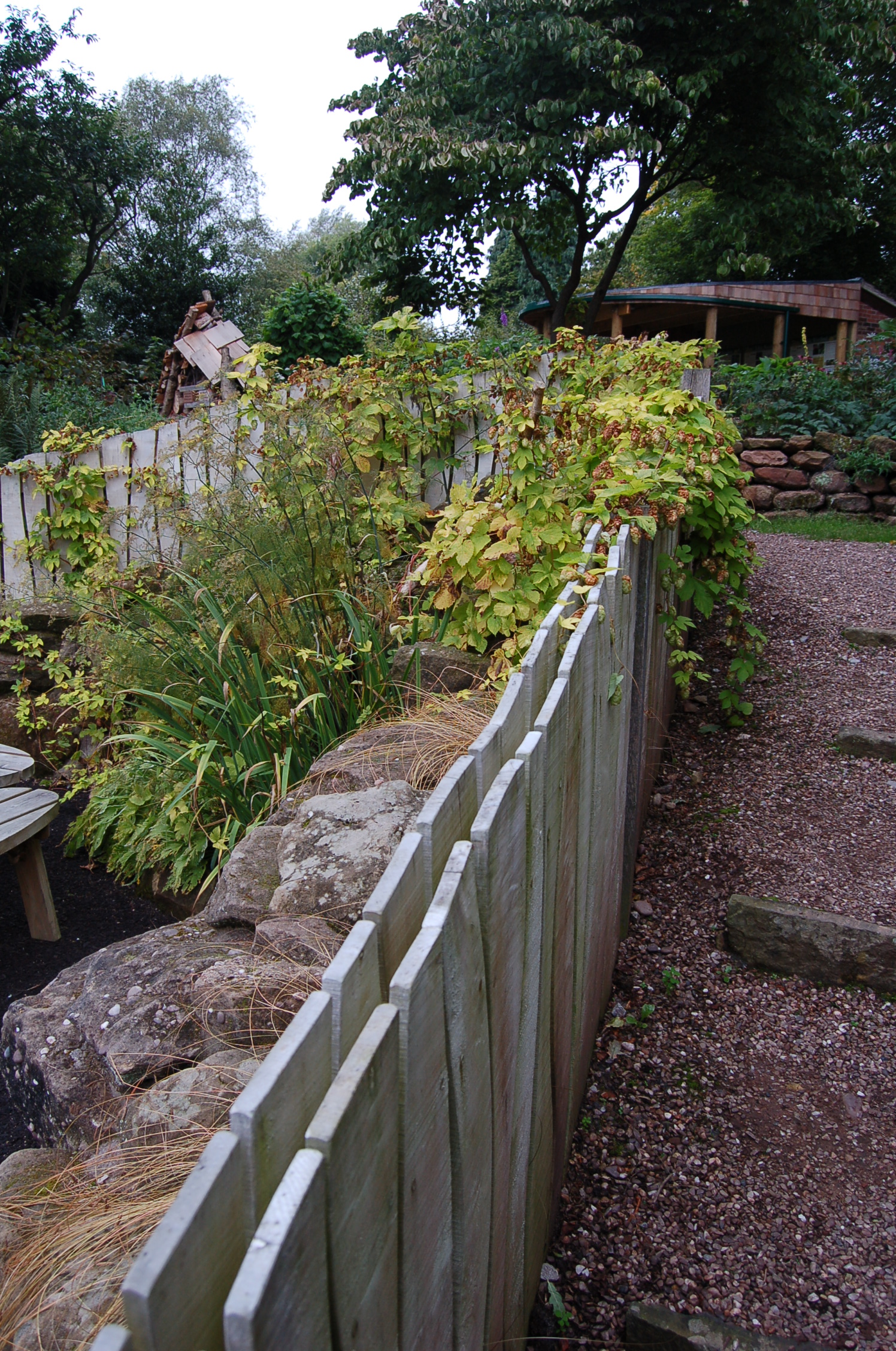
We were impressed by the great insect hotels and the amazing wooden fencing found within the plants of the edible garden.

2013 09 25_3579

2013 09 25_3567 2013 09 25_3573

2013 09 25_3575 2013 09 25_3576

2013 09 25_3574 2013 09 25_3577 2013 09 25_3580

2013 09 25_3568 2013 09 25_3569 2013 09 25_3570 2013 09 25_3571 2013 09 25_3572      2013 09 25_3578  2013 09 25_3581

2013 09 25_3608 2013 09 25_3609

After this we wandered off along the meandering soft grass paths around the mixed borders. Enjoy them with us.

2013 09 25_3615 2013 09 25_3616 2013 09 25_3617 2013 09 25_3618 2013 09 25_3619 2013 09 25_3620 2013 09 25_3622 2013 09 25_3623 2013 09 25_3624 2013 09 25_3625 2013 09 25_3627 2013 09 25_3628 2013 09 25_3629

2013 09 25_3630 2013 09 25_3631 2013 09 25_3632 2013 09 25_3633 2013 09 25_3634 2013 09 25_3635 2013 09 25_3636 2013 09 25_3637 2013 09 25_3639

Part of the way round our border wanderings I spotted these lovely old chestnut gates and fences at the entrance to the kitchen garden.

2013 09 25_3640 2013 09 25_3641 2013 09 25_3642 2013 09 25_3643 2013 09 25_3644

2013 09 25_3646 2013 09 25_3647 2013 09 25_3648 2013 09 25_3650 2013 09 25_3651 2013 09 25_3652 2013 09 25_3653

Categories
garden design garden photography gardening gardens open to the public grasses hardy perennials National Trust ornamental trees and shrubs The National Trust the South trees

Go South 7 – Nymans

This is the last of my “Go South” posts and as promised it features a garden. Well after all those coastal posts in this series it was only a matter of time before we visited a garden. And boy what a garden it was!

Nymans was created by one of the great supporters of the English plant collectors and it shows in the variety of plants and in the difficulty in identifying some of them.

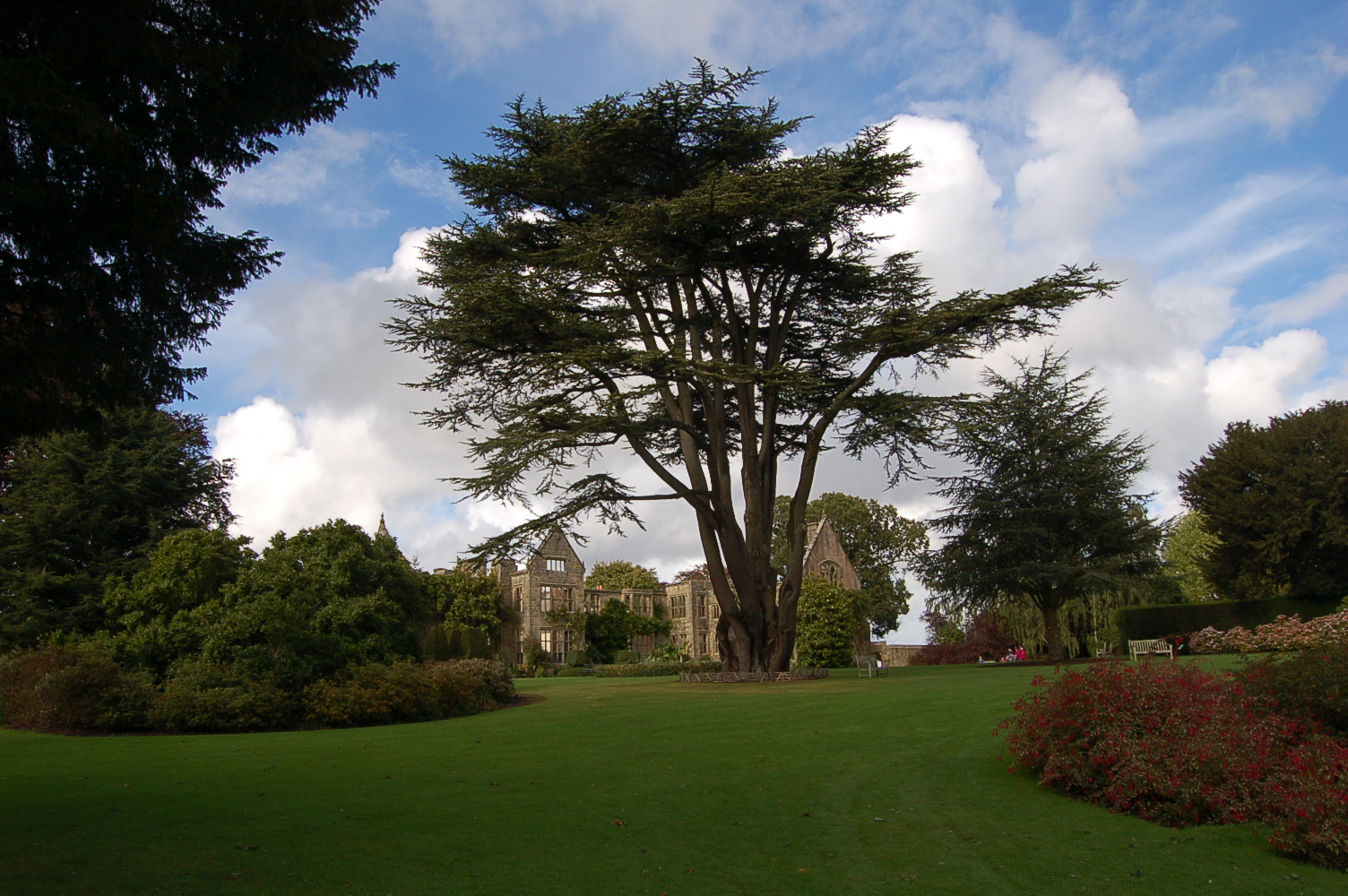
Nymans is a garden to delight any plantsman who will leave with a list of must-haves. It will also make any good gardener desire his very own areboretum just to plant the rare and special trees spotted at Nymans.

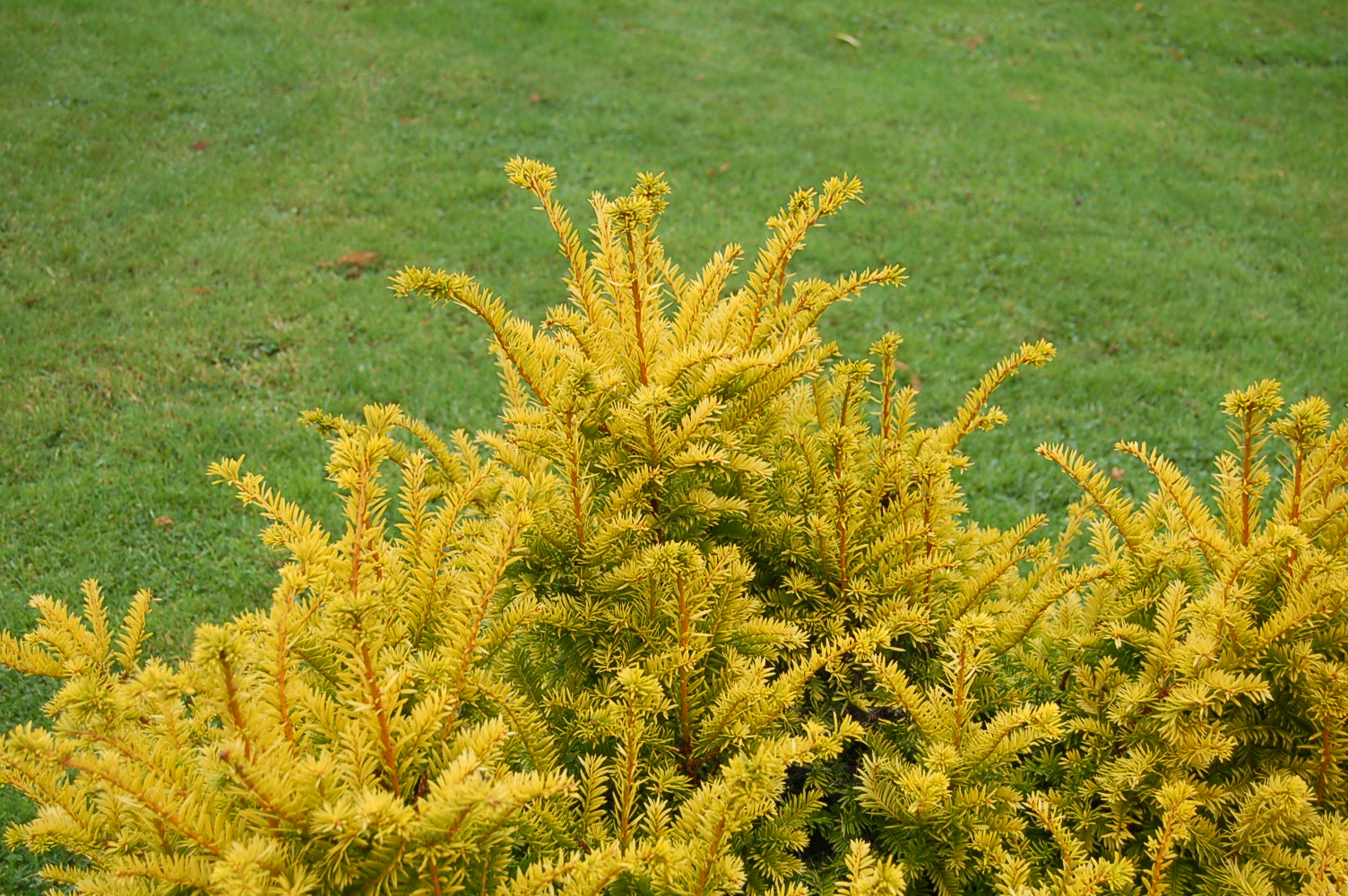
I am not a great fan of coniferous evergreens but these three display diversity in their foliage colour and in their structure and shape.

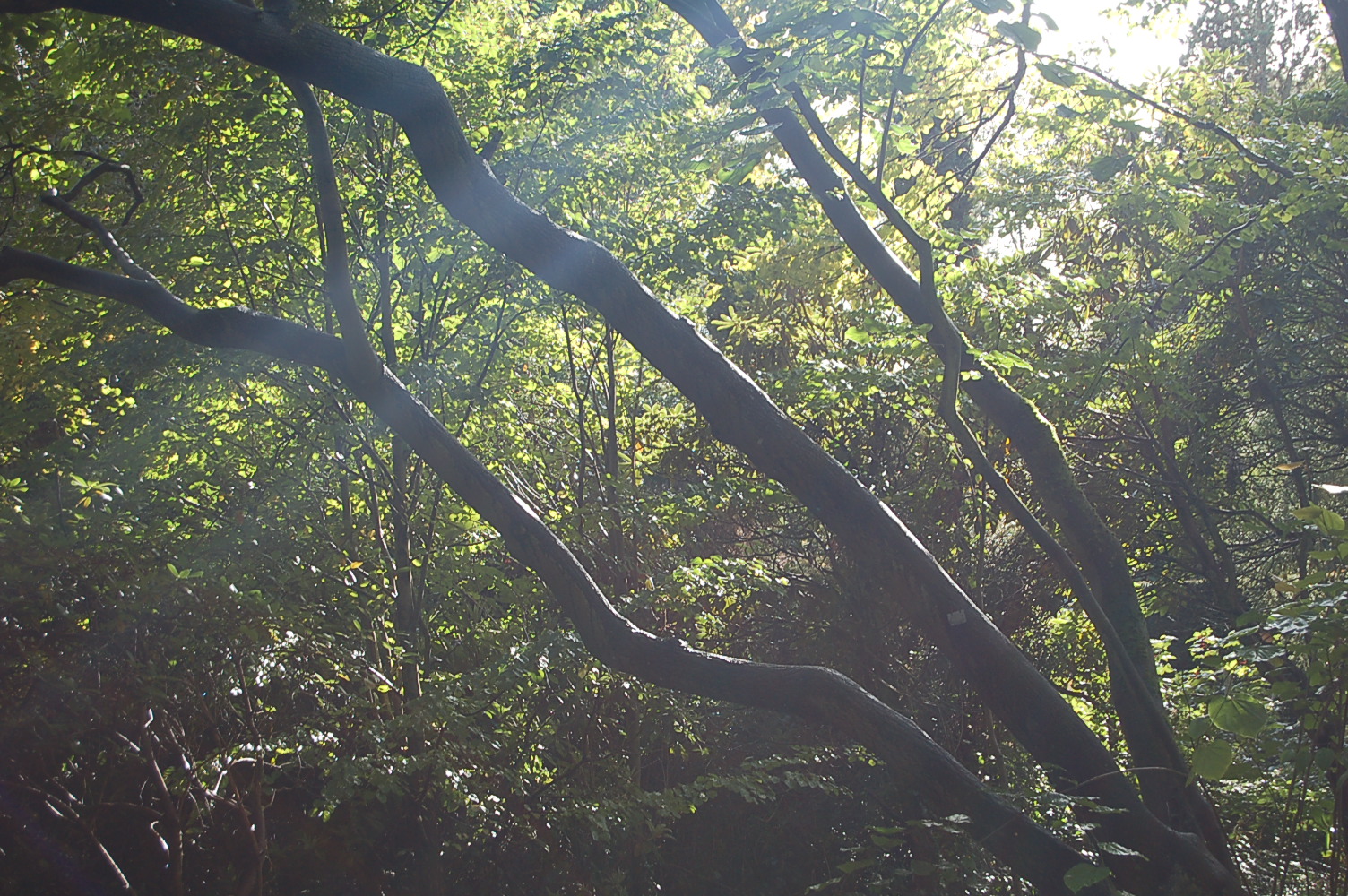
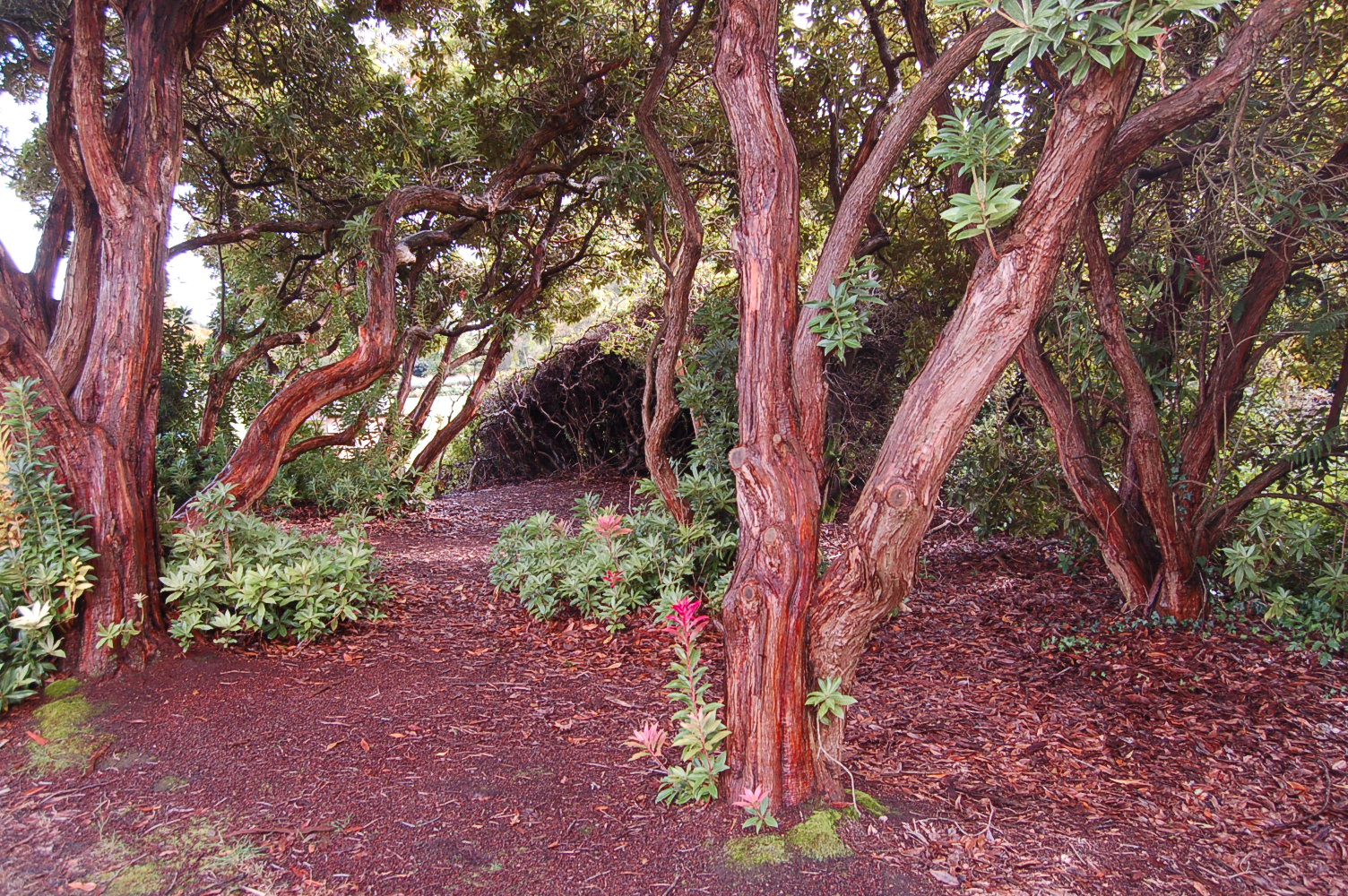
In the shade of deciduous trees the shapes of their trunks are revealed.

Walking around this varied and surprising garden is like walking through the pages of a good book on garden design. Here you can find every principle of design shown in all its glory. Any gardener, whatever the size of their garden could adapt ideas to be found on a walk about at Nymans.

Framing a view …..

Using a structure to invite you onwards ….

Planting in trios ………………..

Drawing the eye …………

Using structures as an invitation and to support plants to provide shade from the sun ……………

Much of the house belonging to the gardens at Nymans is now in ruins, but they somehow suit the garden. They provide a good foil for planting.

The ruins provided some oportunities to photograph little details and patterns.

But the gardens of Nymans aren’t all about big views and big trees. Richly coloured traditionally proportioned double herbaceous borders excite the eye of the visitor.

There was so much to see at Nymans that another post will appear soon.

This Veggie Life

A Vegetarian | Nature Lifestyle Blog

Rambling in the Garden

.....and nurturing my soul

The Arch City Gardener

Journeys In St. Louis Gardening and Beyond

Garden Dreaming at Châtillon

Consult the genius of the place

Storyshucker

A blog full of humorous and poignant observations.

gardeninacity

Notes from a wildlife-friendly cottage garden

PlayGroundology

...an emerging social science

The Official Blog of British Wildlife

'The most important and informative publication on wildlife of our times' - The Independent. This blog is a member of The UK & Ireland Natural History Bloggers group: www.uknhb.blogspot.com

iGrowHort

Inspire - Cultivate - Grow Native Plants - Restore Landscapes

Bishops Meadow Trust

To create and protect a semi-natural wild space for the people of Farnham to enjoy and experience an array of British wildlife in our town

Gardening with Children

The www.gardeningwithchildren.co.uk Blog

UKbirdingtimeline

birding through the seasons, why birds matter and how to conserve them

NATURE WALKER

with a camera in hand

Jardin

Transform your outdoor space

Eva's space

My allotment, cooking and other interests

Old School Garden

my gardening life through the year

LEANNE COLE

Trying to live a creative life

fromacountrycottage

trying to live as lightly as possible on our beautiful planet

Good Life Gardening

Nature lovers from Leicester living the good life.

mybeautfulthings

Finding the beautiful in the everyday

mawsonmichelle

Michelle's Allotment

In and Out of My Garden

thoughts from and about my garden

Greenhousing

Big plans for a small garden

The Scottish Country Garden

A Walled Country Garden in South East Scotland

The Fruity Chicken

Life at the fruity chicken

willowarchway

Off grid living. Self sufficient. "PERMAGANICS RULE".

St Anns Allotments

Nottingham's Grade 2* Listed Allotments and Community Orchard

Manifest Joy Harvests

a journey in suburban vegetable gardening

Allotmental

The madness of growing your own

Penny's Garden: a harvest beyond my front door

A novel approach to vegetable gardening

arignagardener

Sustainable living in the Irish countryside.

NewEnglandGardenAndThread

Master Gardener, amateur photographer, quilter, NH native, and sometimes SC snowbird

dianajhale

Recent work and work in progress and anything else that interests me

planthoarder

a chaotic cottage gardener

Lens and Pens by Sally

a weekly blog that creates a personal philosophy through photographs and words

Dewdrops and Sunshine

Stories from a sassy and classy Southern farmbelle.

The Pyjama Gardener

Simple Organic Gardening & Seasonal Living

gettin' fresh!

turning dirt into dinner

JOY...

today the world is created anew

Garden Birds

Notes from a Devon garden

ShootAbout

Life Through The Lens

Adapting Pixels

A photography blog showcasing the best photography pictures and videos on the internet

Wildlifegardening's Blog

Just another WordPress.com site

naturestimeline

personal observations from the natural world as the search continues for a new approach to conservation.

LATEBLOOMERBUDS

The Wonders of Life through my Eyes, my Heart, my Soul