Categories
garden arches garden design garden paths garden photography gardens gardens open to the public hardy perennials National Trust ornamental trees and shrubs outdoor sculpture roses sculpture The National Trust

Our Short Break in Stratford-on-Avon – Part 4 – Coughton Court

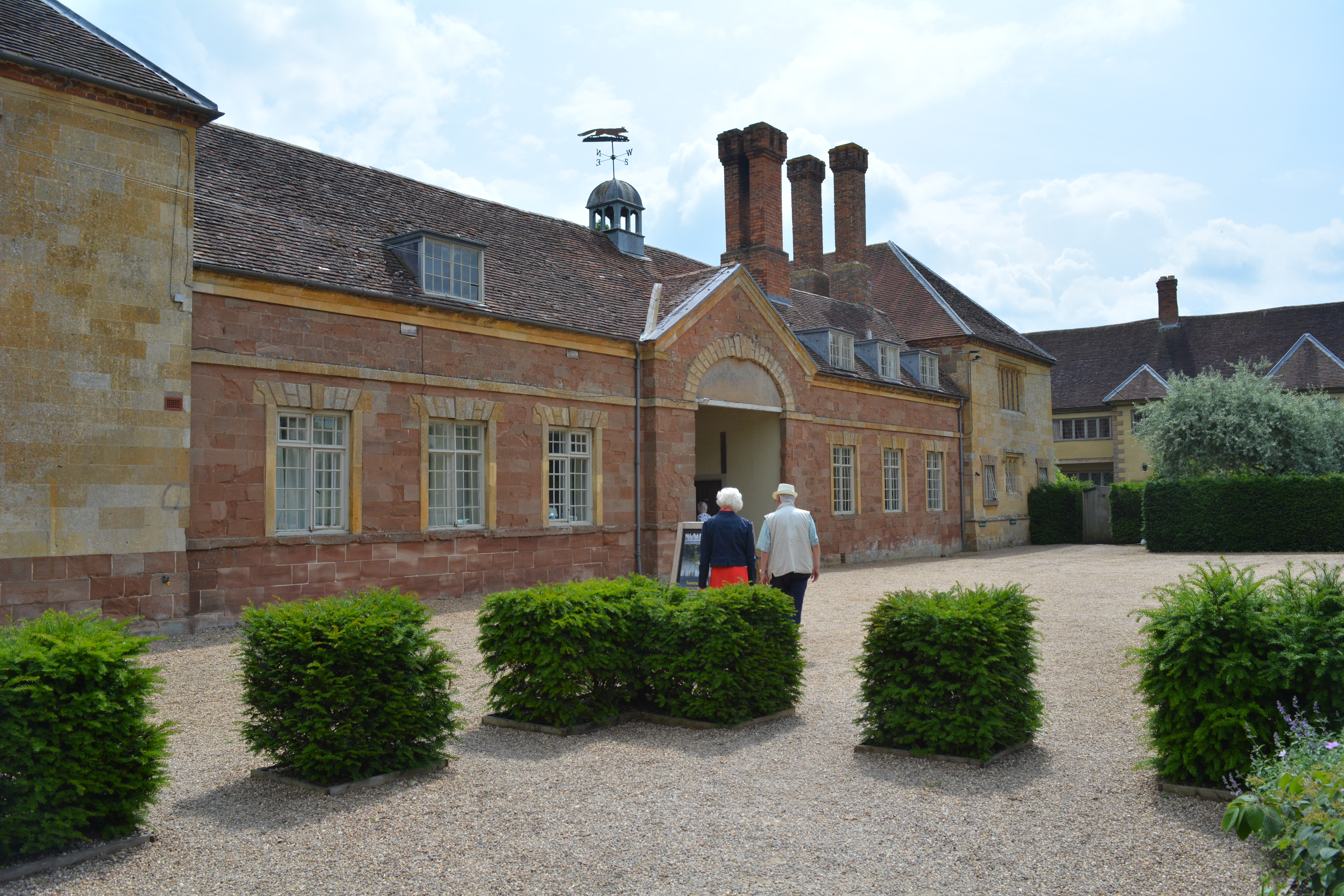
On our return journey from Stratford afforded us the opportunity to return to explore the gardens of the National Tust property, Coughton Court, a garden we had not visited for many years, so we looked forward to seeing how our memories of the place matched up with the reality.

Coughton Court is the family home of the Throckmorton family, who continue to maintain and develop the garden and grounds as well as the house itself.

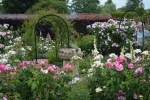
In particular, we remember the walled rose garden which is often quoted as being one of the most romantic gardens in the UK which is of course the land of romantic gardens. We could both remember this area which was full of scented roses, many old-fashioned varieties, and its beautiful statue of a female figure. I can even remember the beautifully soft subtle planting around its base of Sedum sectabile and Stip tenuissima. I hoped that planting still remained.

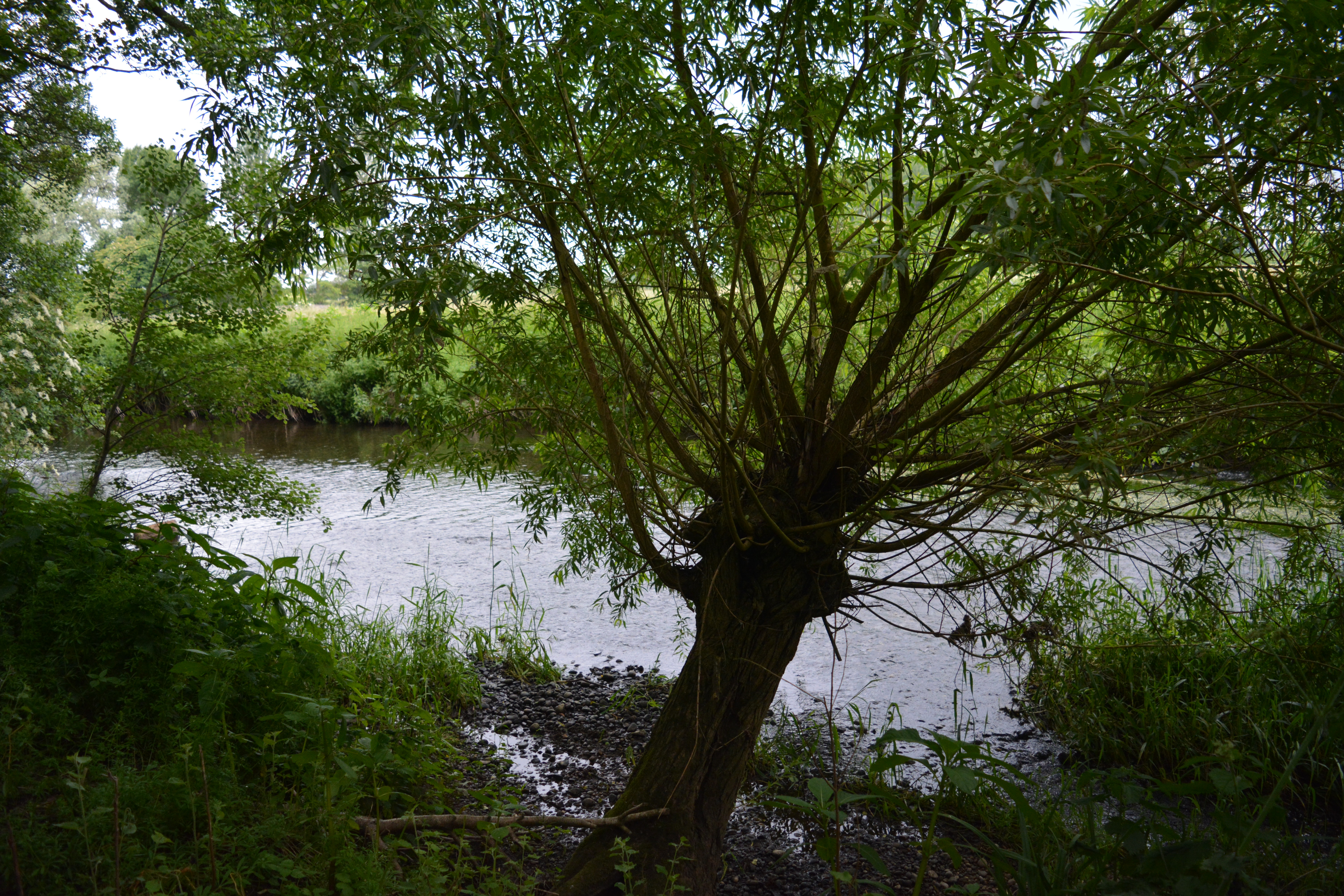
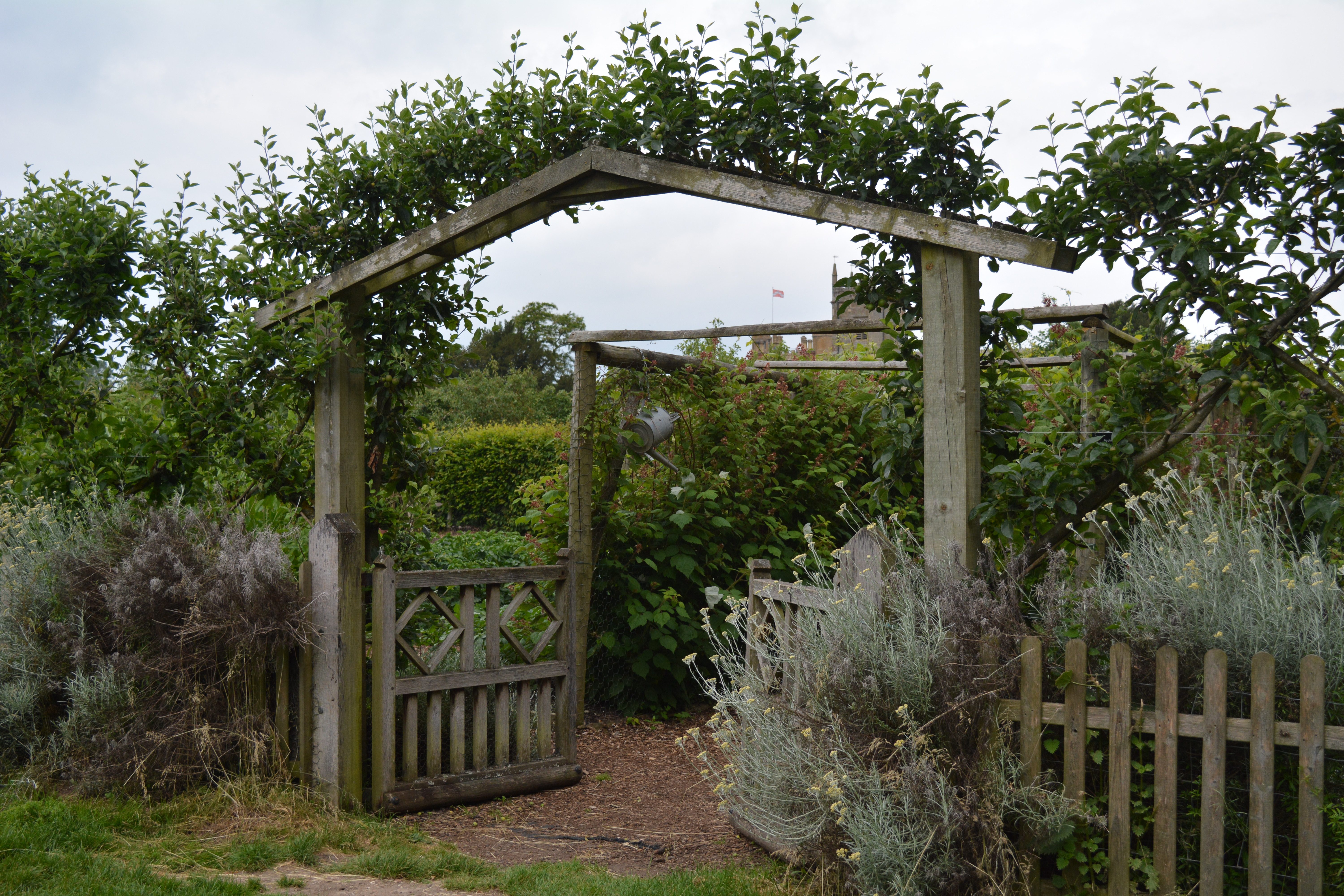
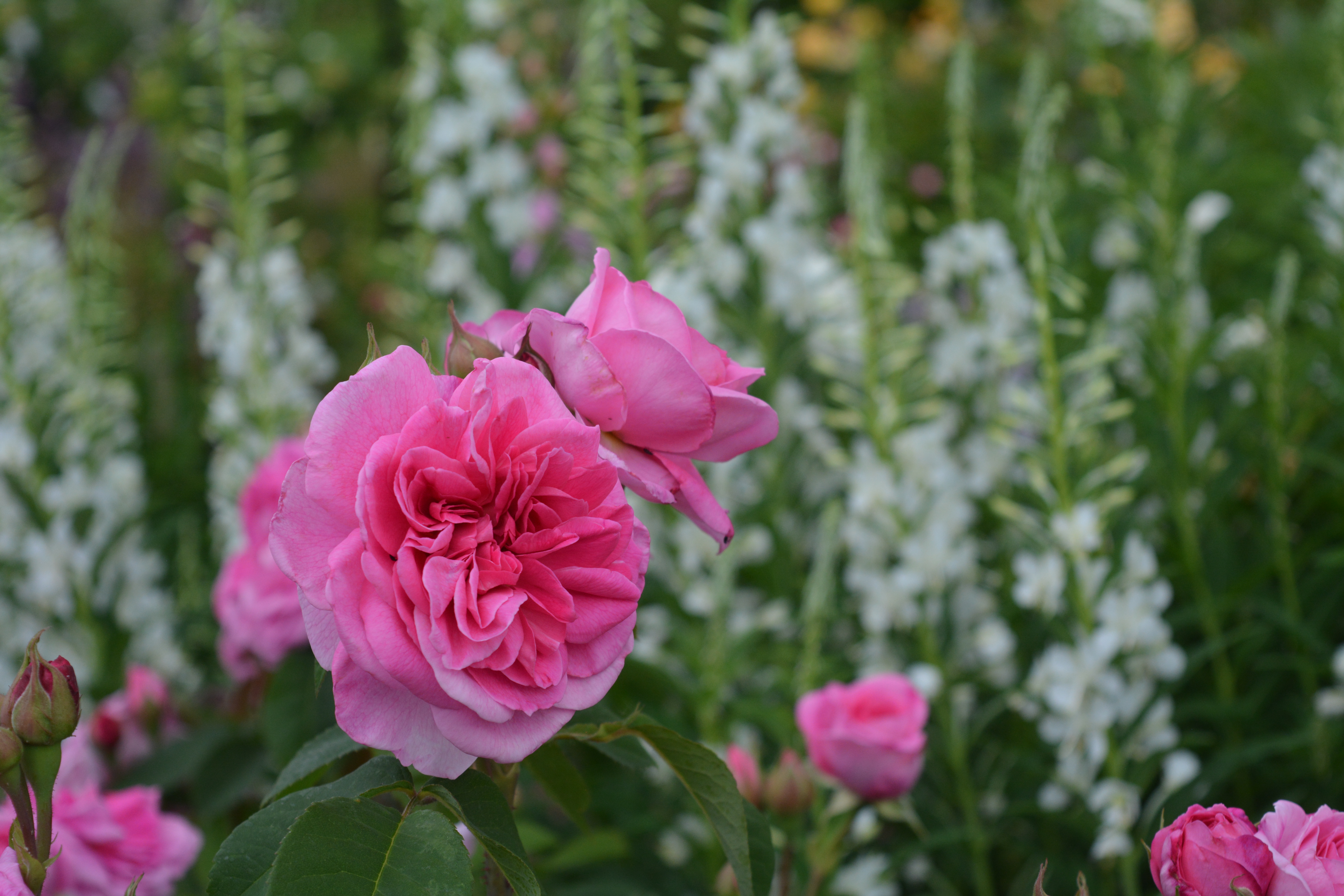
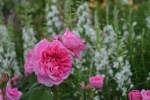
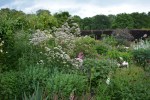
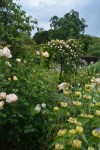
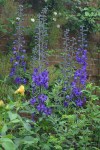
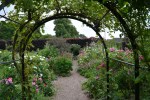
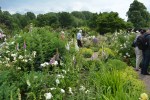
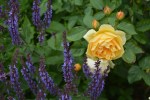
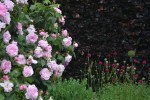
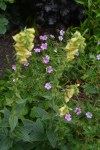
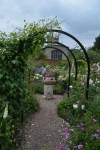
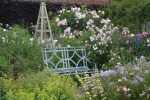
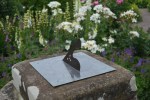
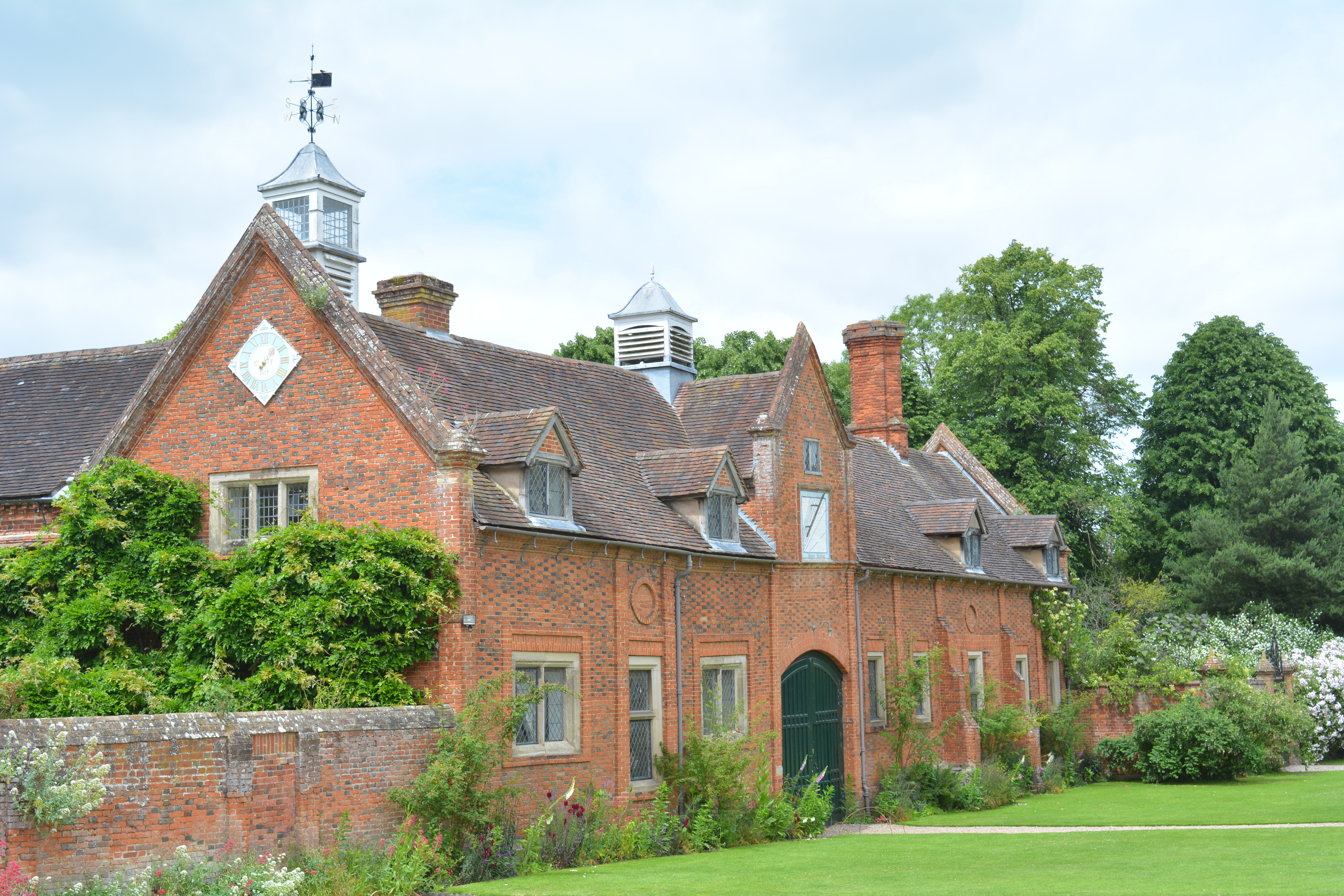
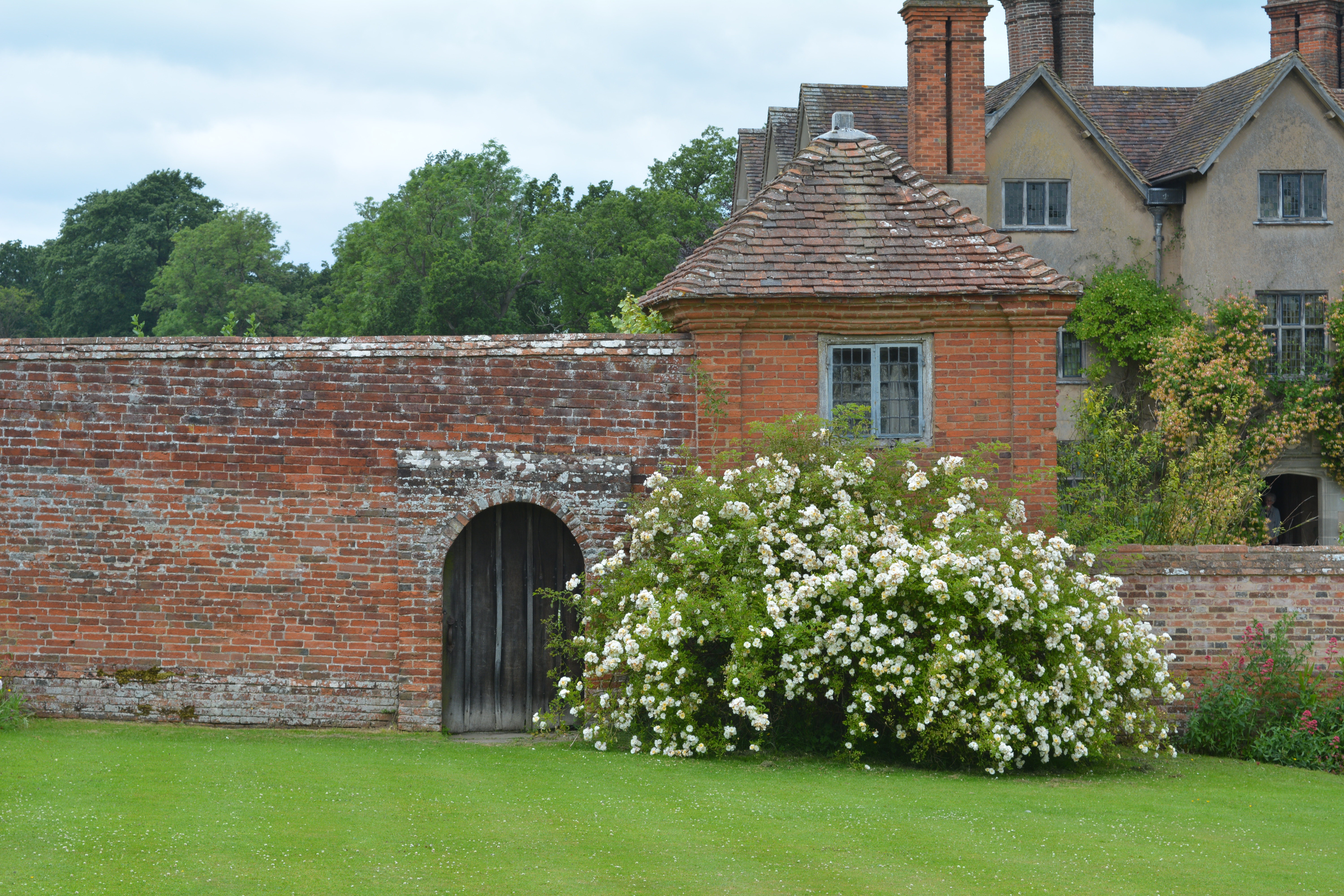
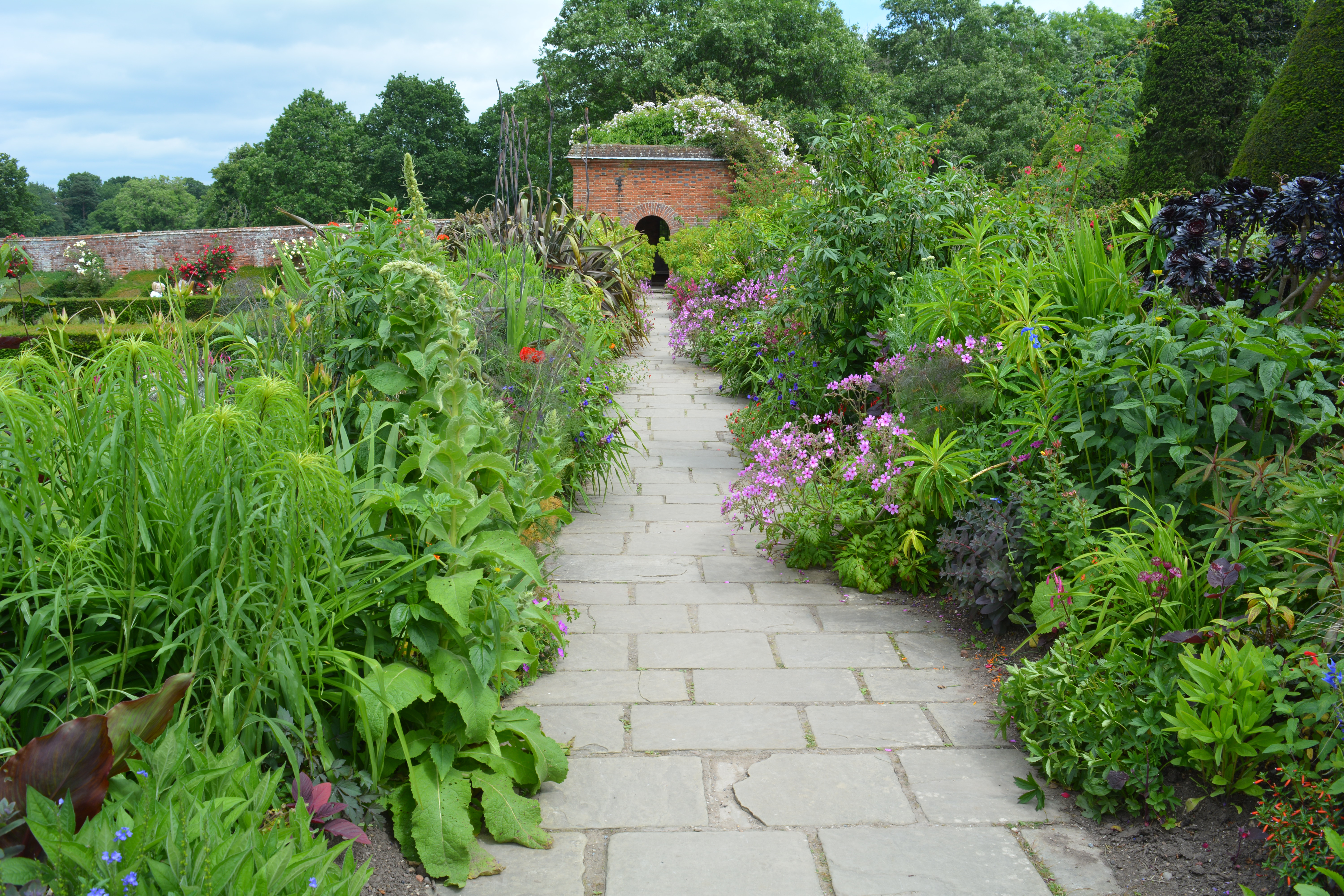
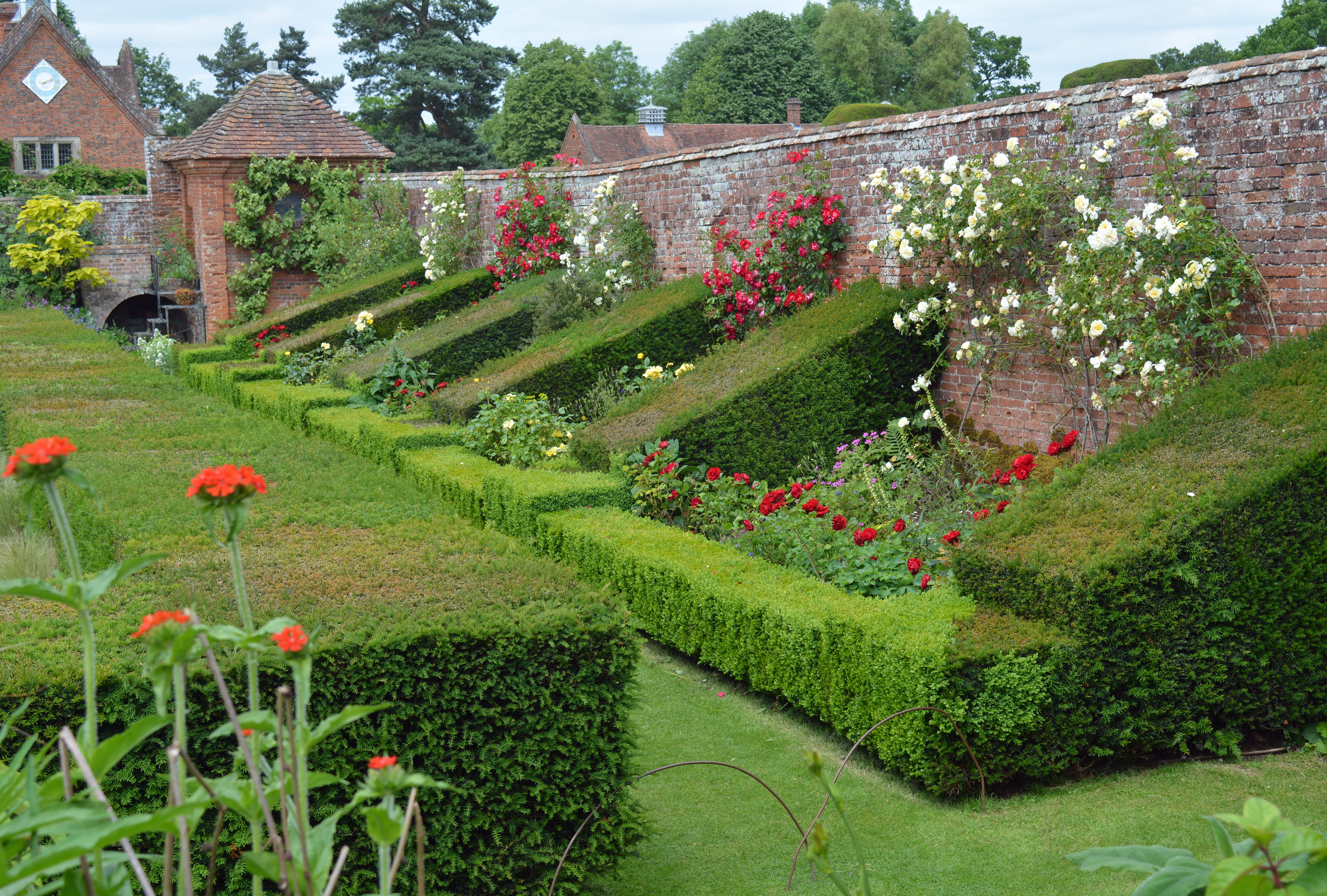
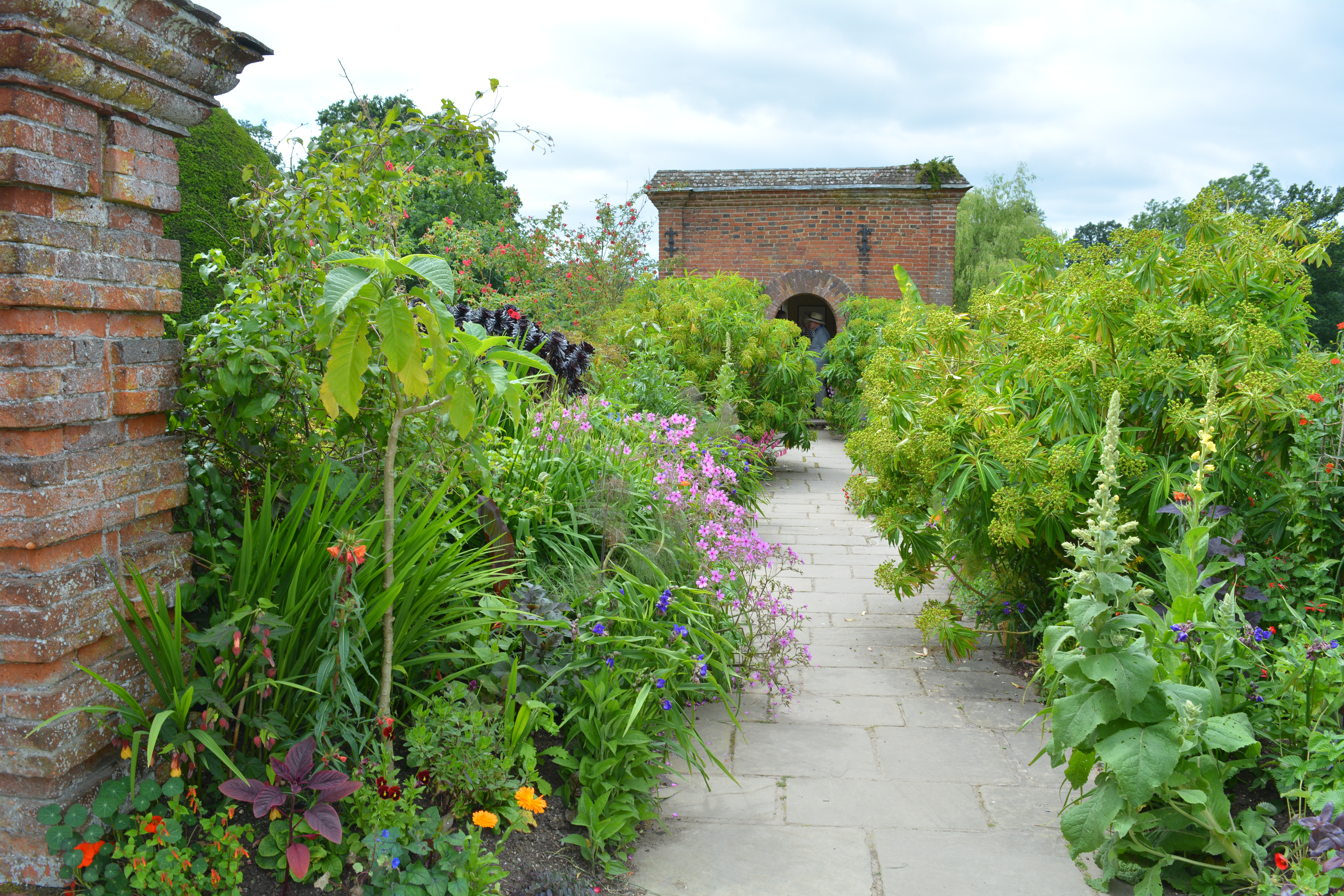
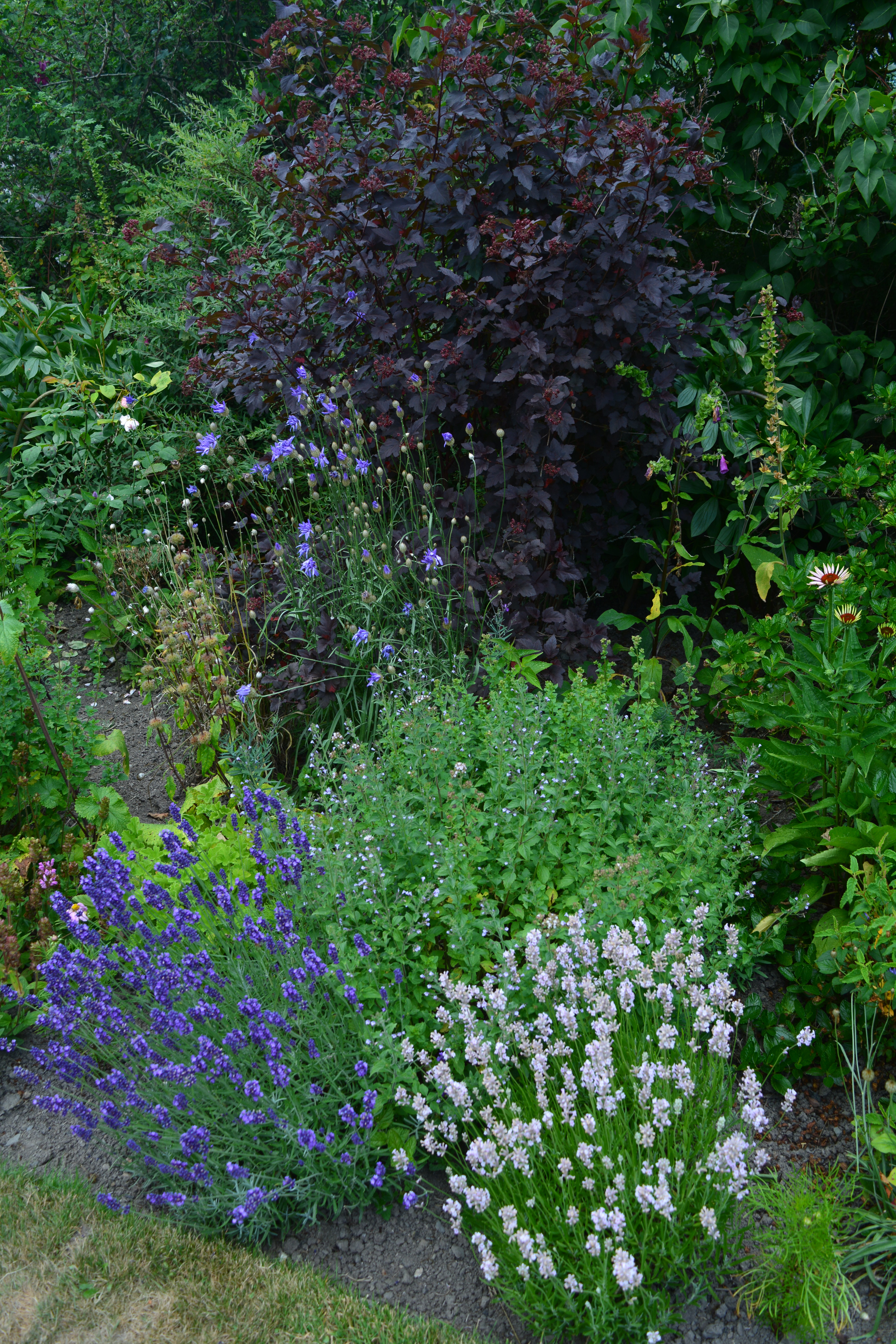
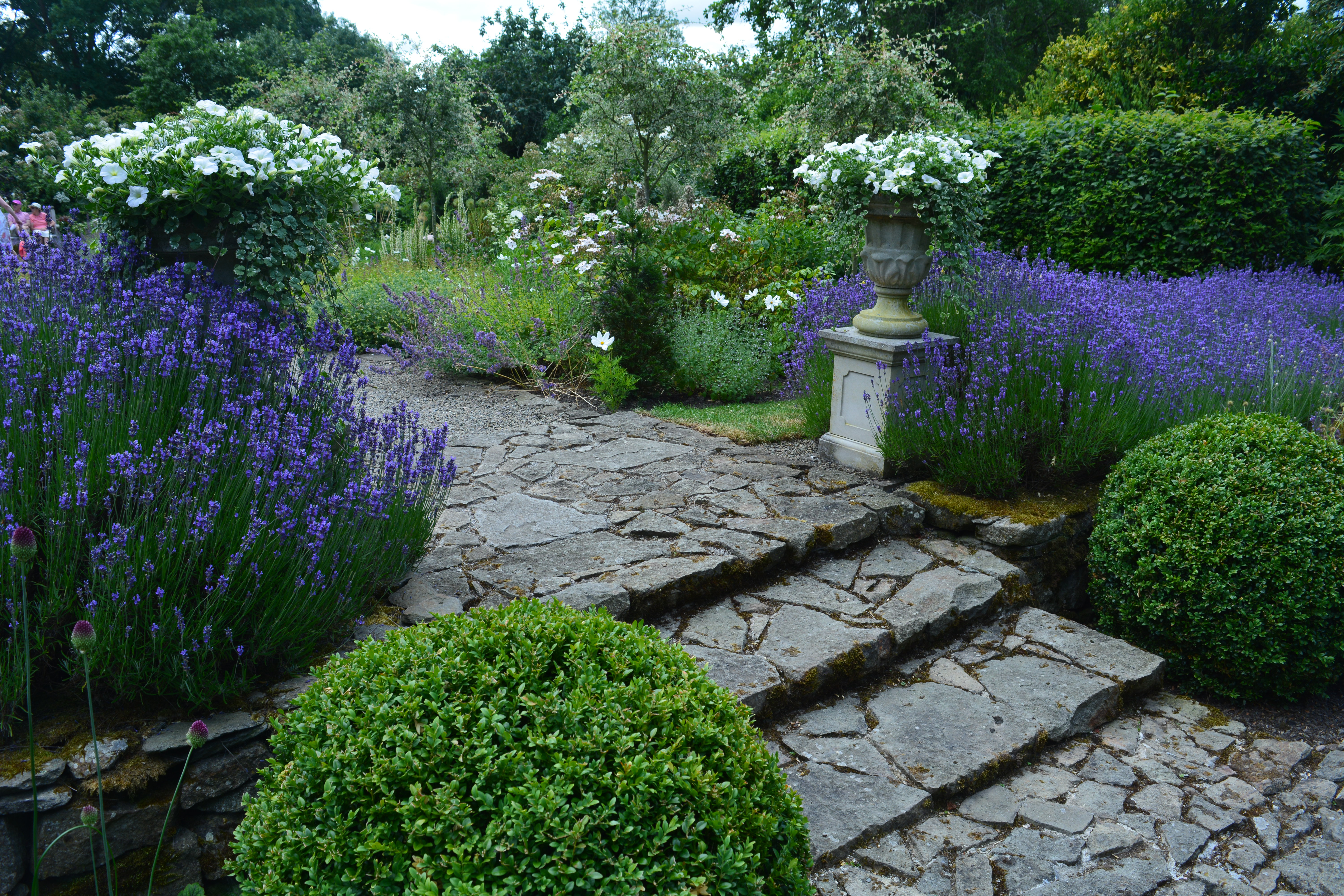
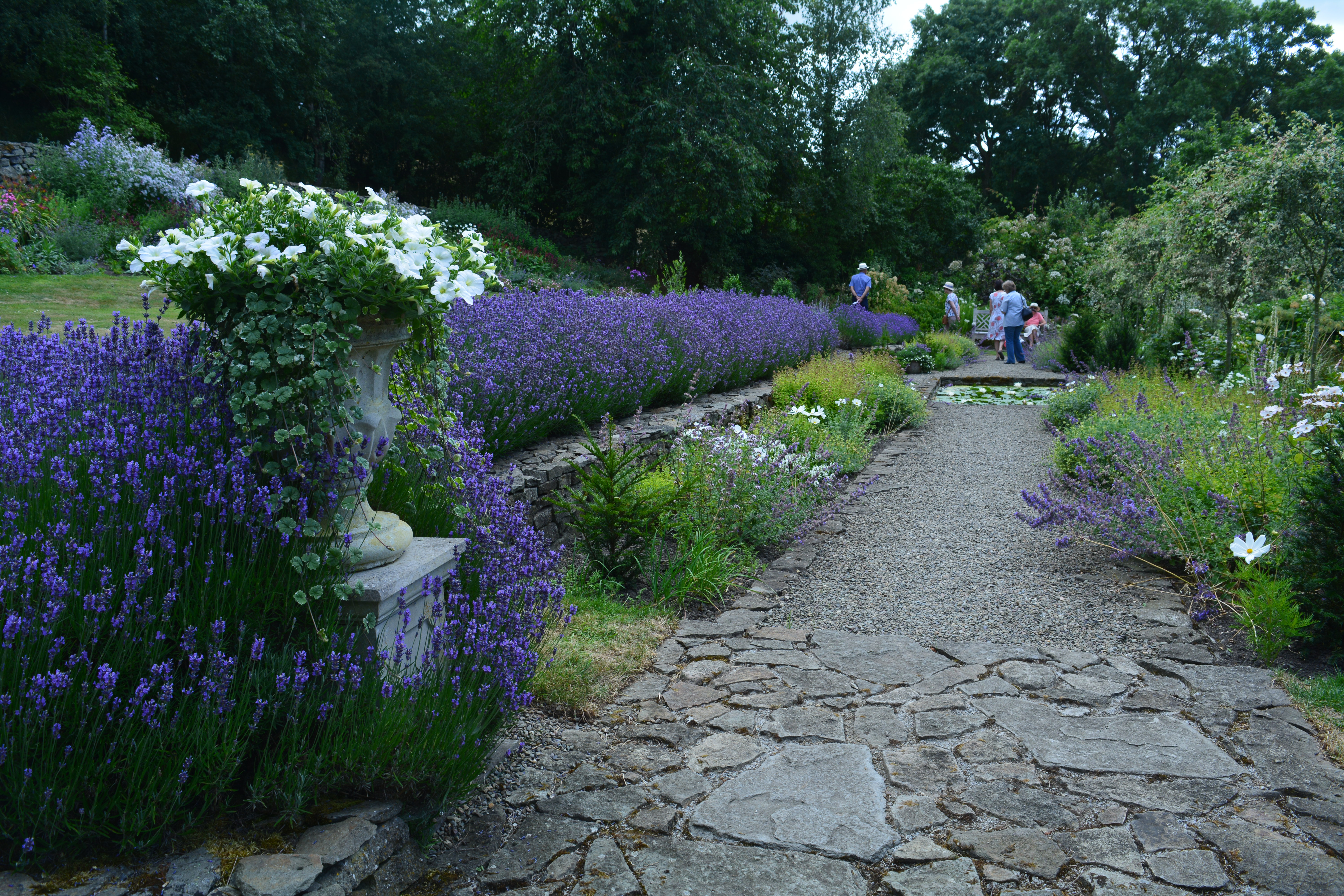
The introductory set of eight photos below illustrate the variety of points of interest at Coughton. They show the beauty of the buildings themselves, the rose garden, bog garden, orchards, woodland, riverside walk etc
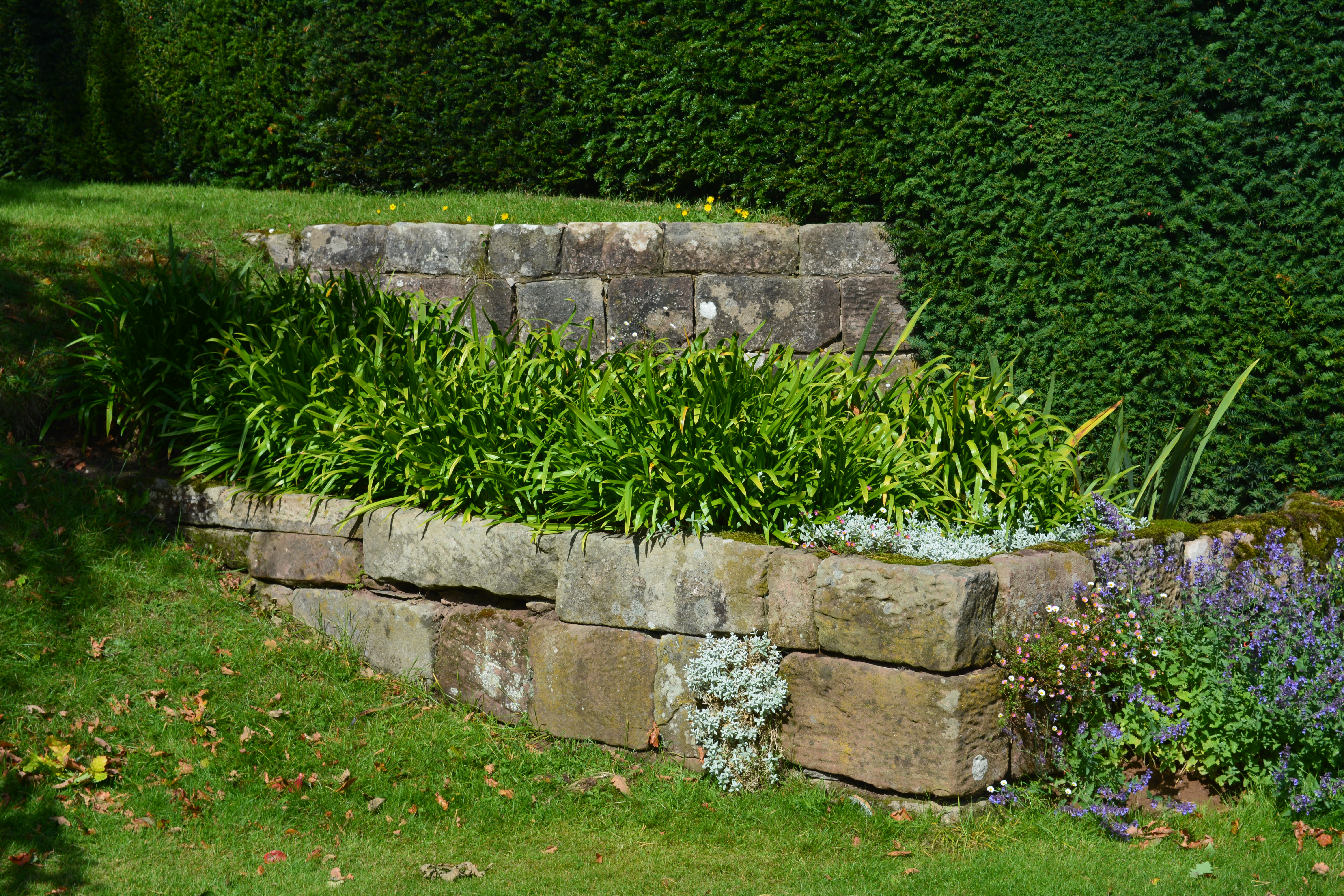
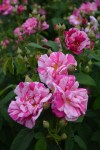
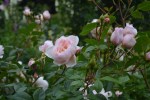
The Throckmorton family rose garden was developed in 1966 and was designed by a Chelsea RHS Show award-winning garden designer, Christina Williams. What makes ir si special and different to traditional rose gardens is the way the roses are heavily underplanted with herbaceous perennials. The statue is of Fair Rosamund, a beauty of the 12th century and reputedly the mistress of King Henry II. The popular ancient rose, Rosa mundi was named after her and specimens are planted around the statue. The gentle planting of my memories has sadly been superseded.

There was so much to enjoy in this rose garden that it is best to look at following a gallery of photos that I took within its bounds. Click on the first photo and then navigate with the arrows.
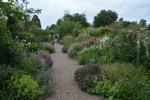
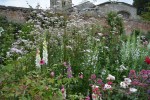
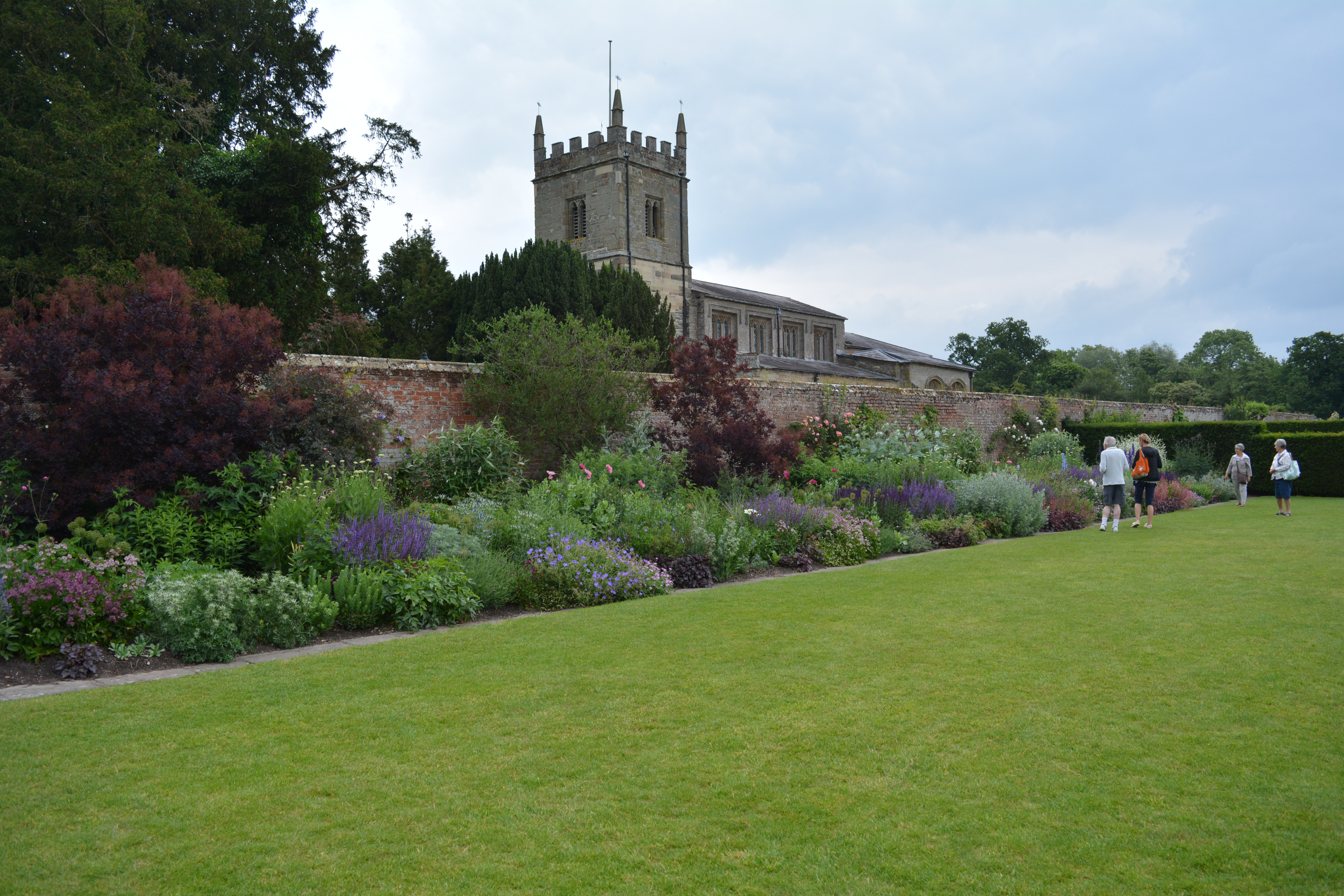
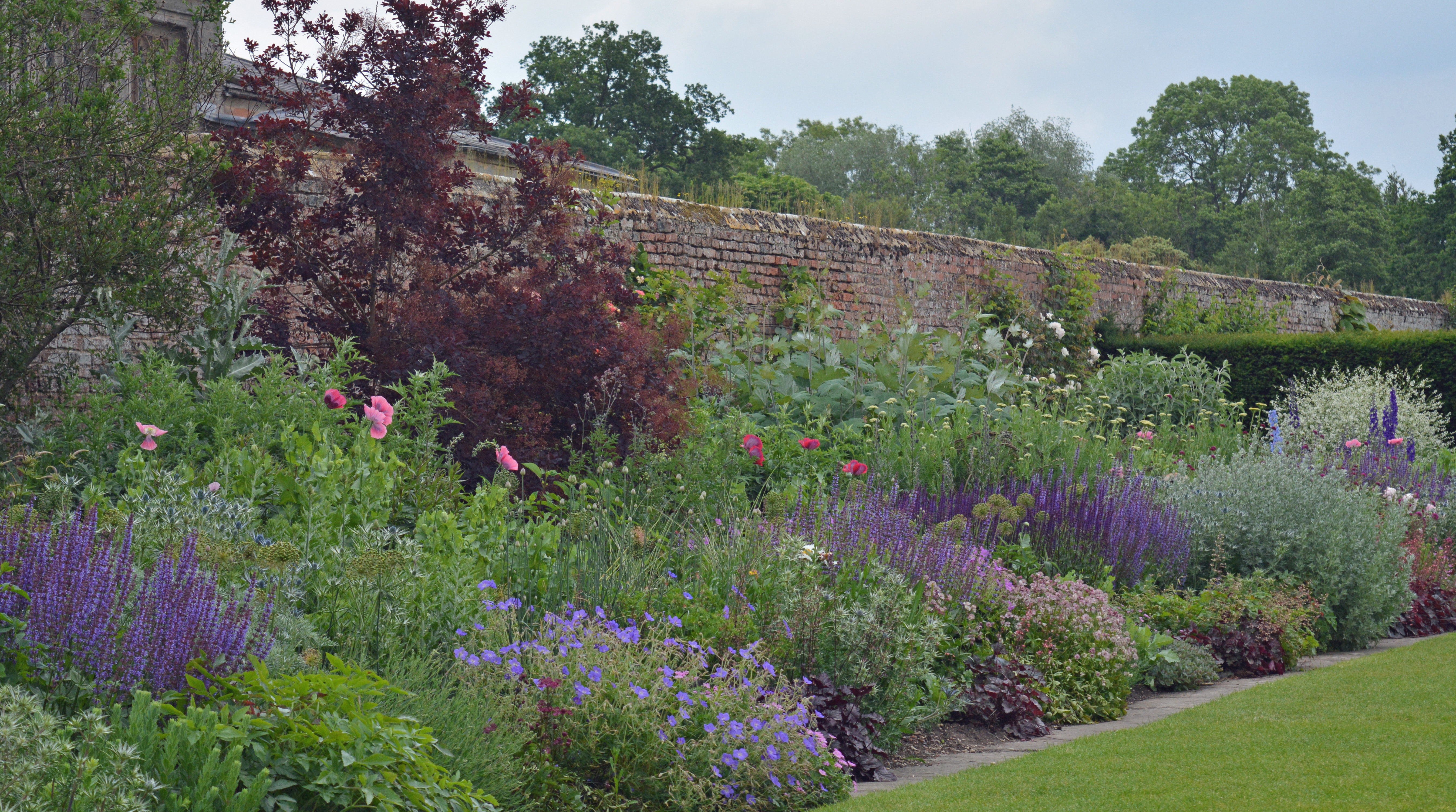
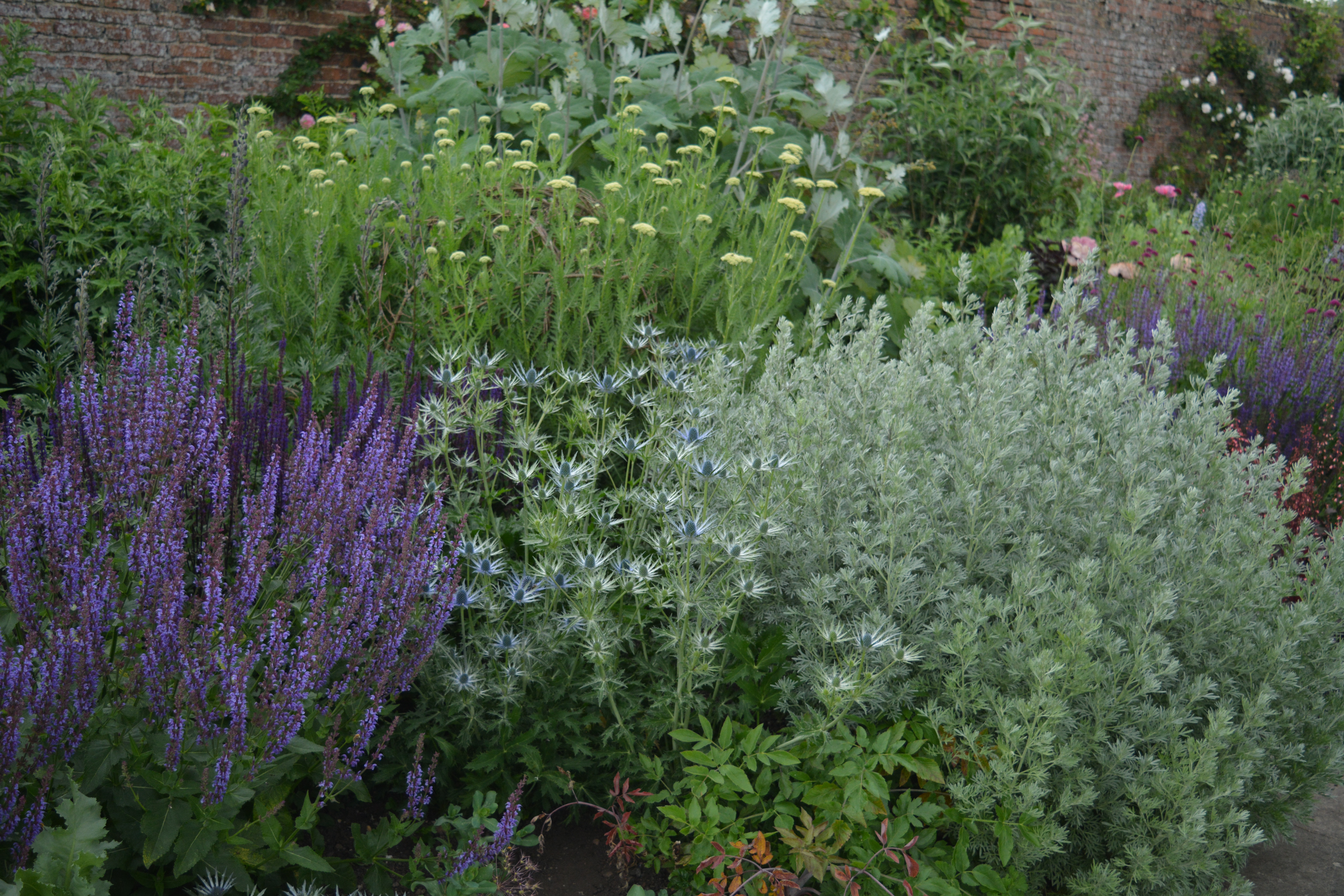
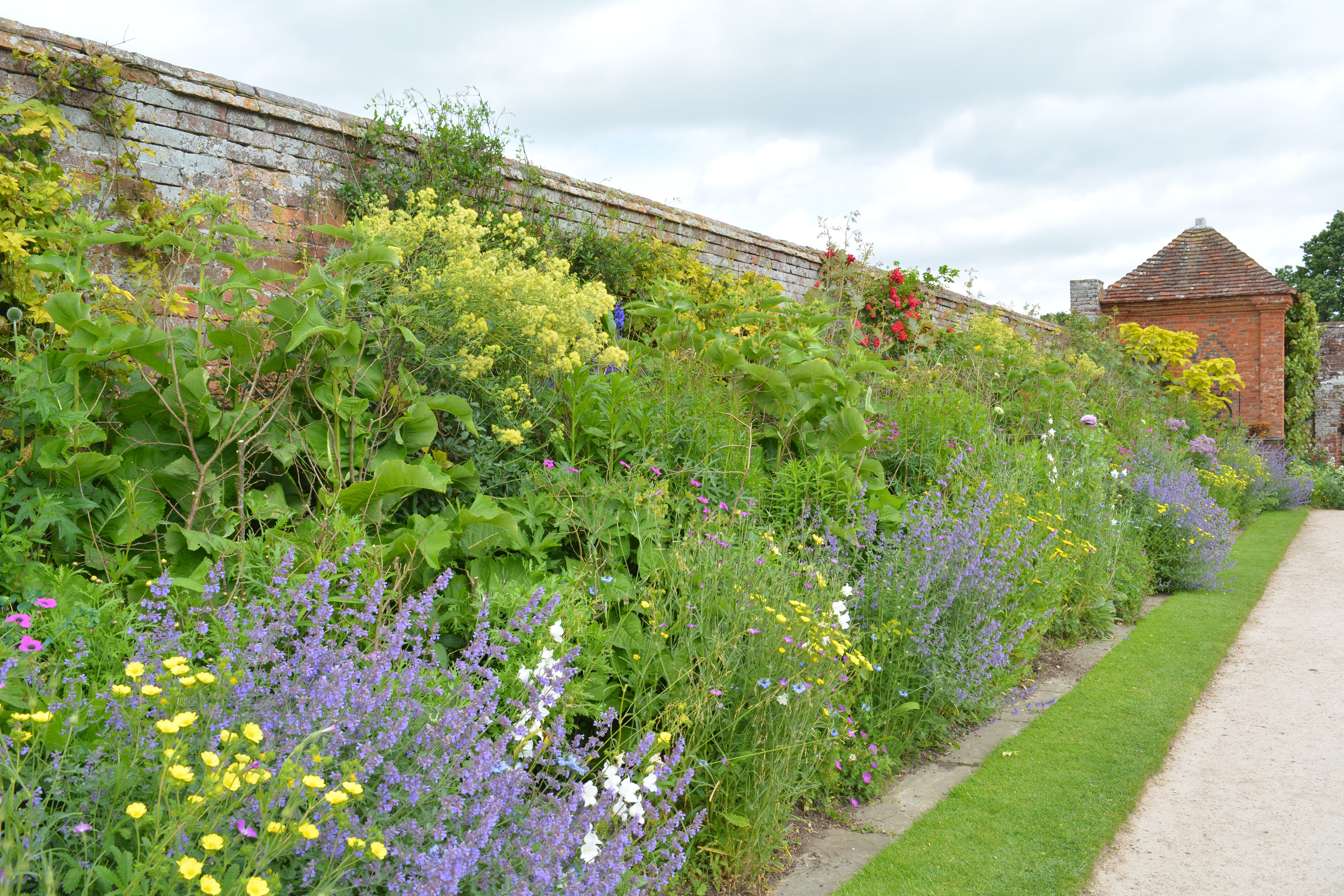
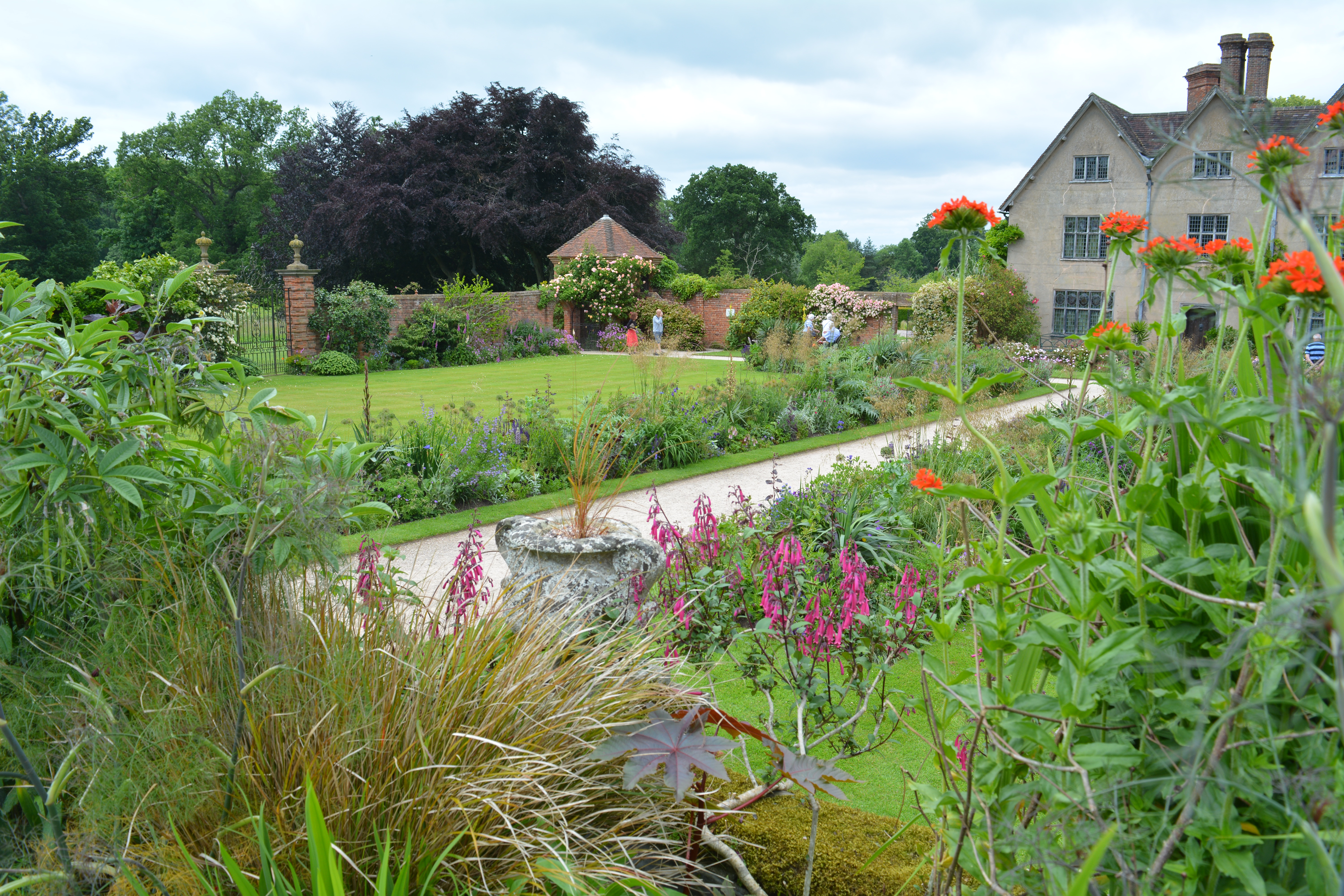
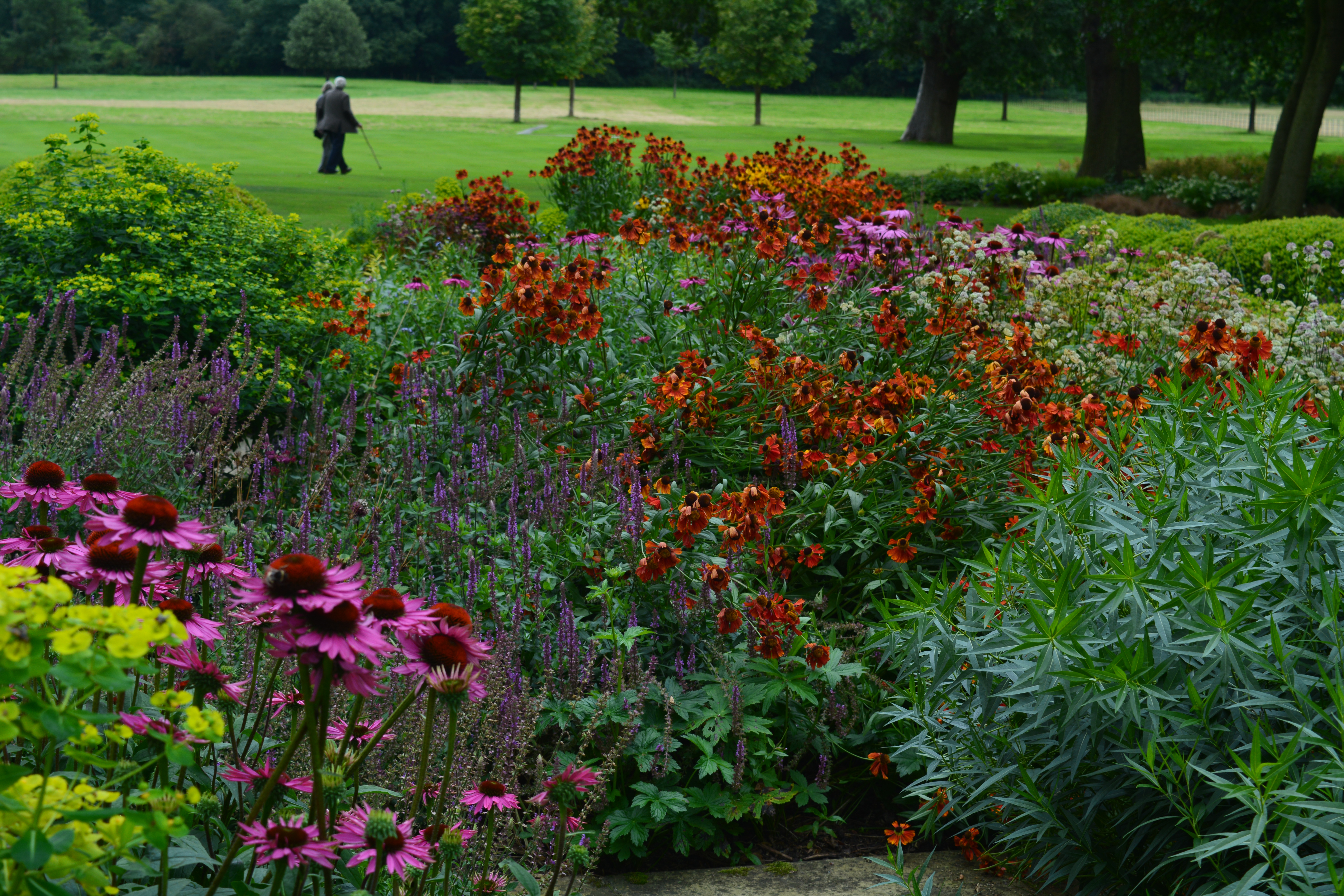
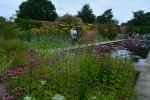
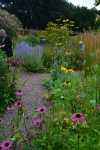
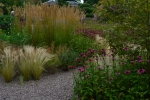
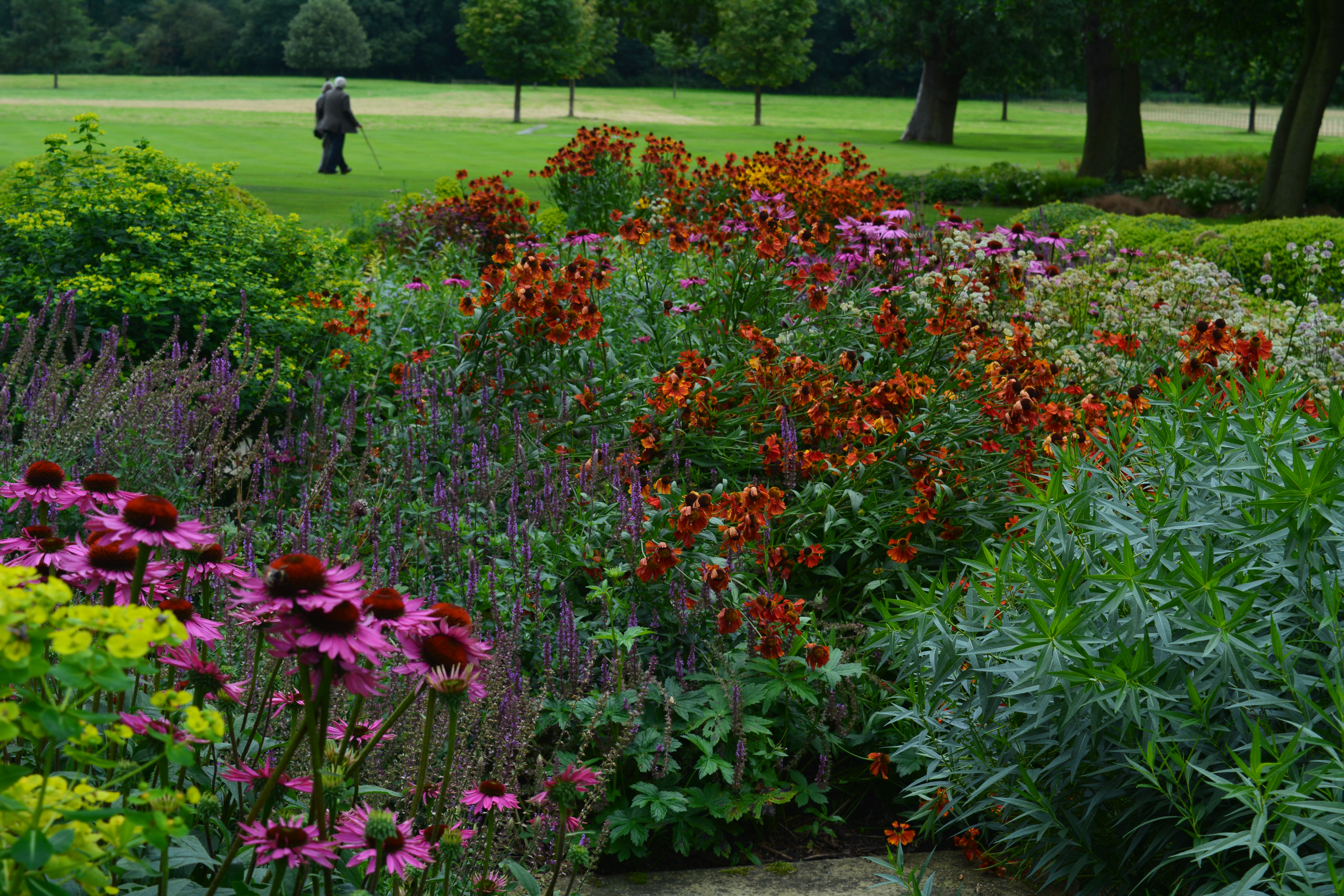
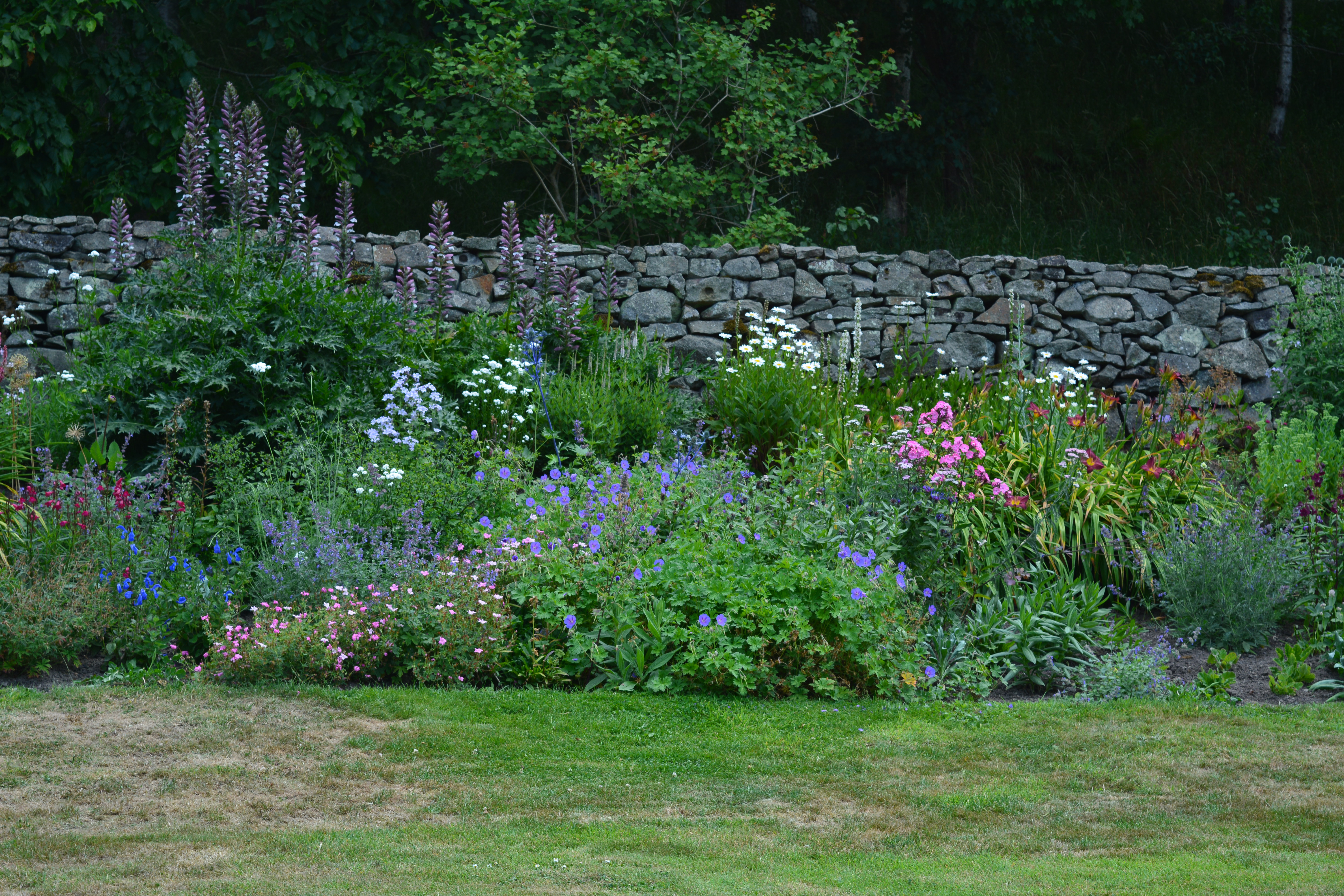
Moving on from the rose garden and its rich sites and aromas, we found our way into a much more open space which presented a pleasant contrast to the business of the rose garden. Here a rectangular lawn was edged with herbaceous borders, planted with Gertrude Jekyl style gentle end of the spectrum plant choices. We enjoyed a slow amble among each side, appreciating the individual plants, plant combinations and the bigger picture of looking right along the length of each border.


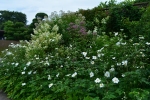
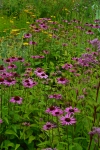
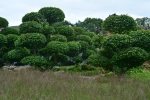
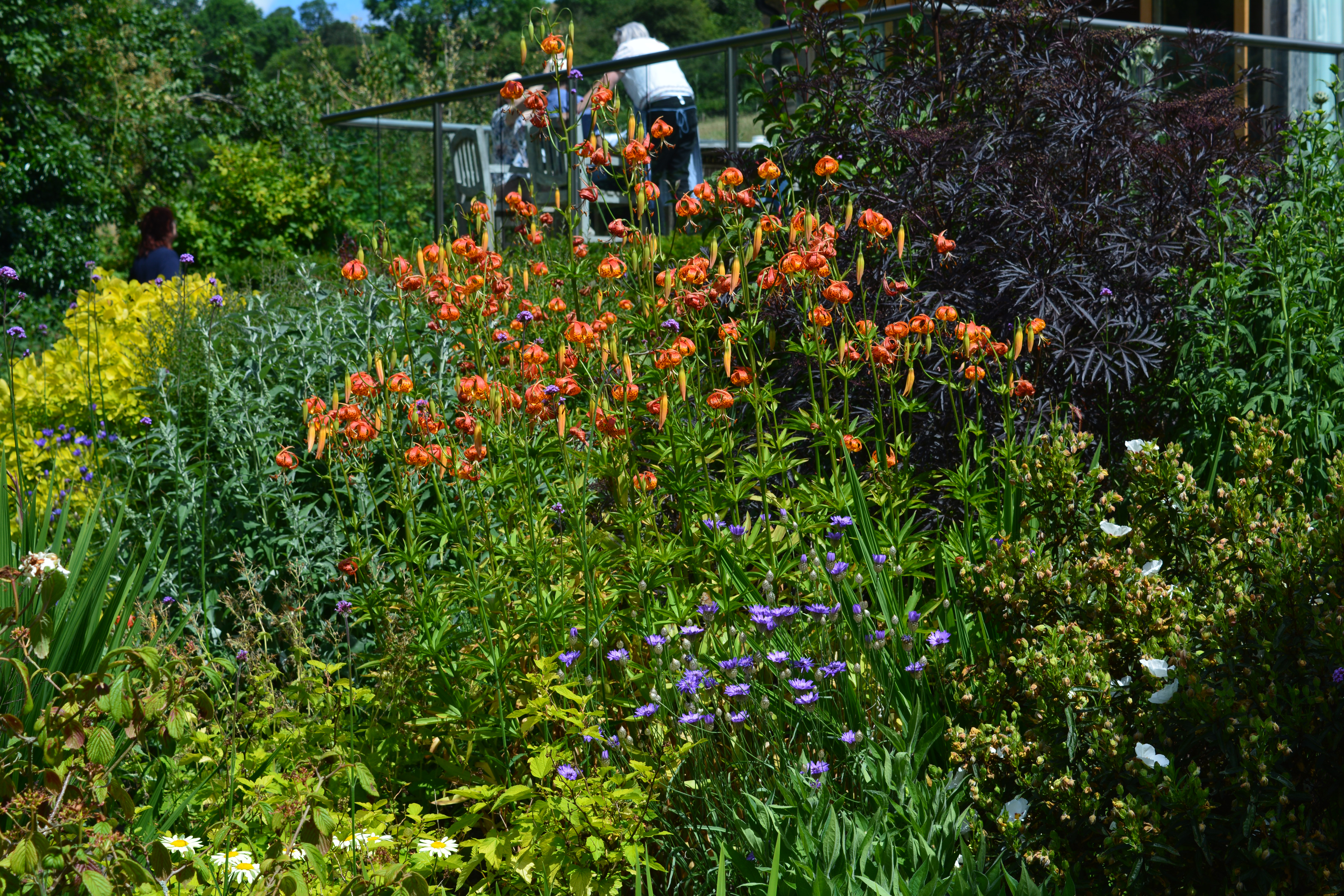
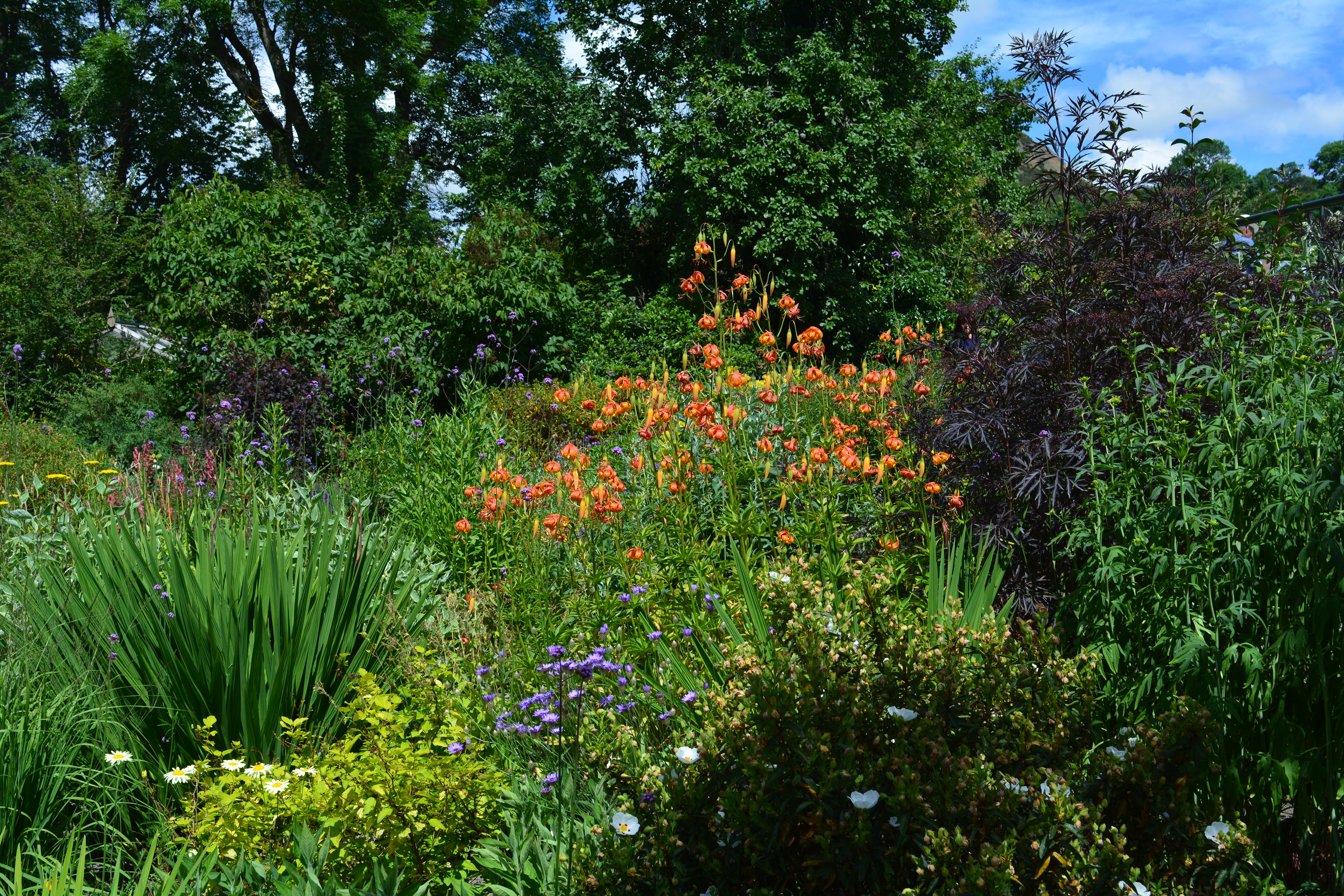
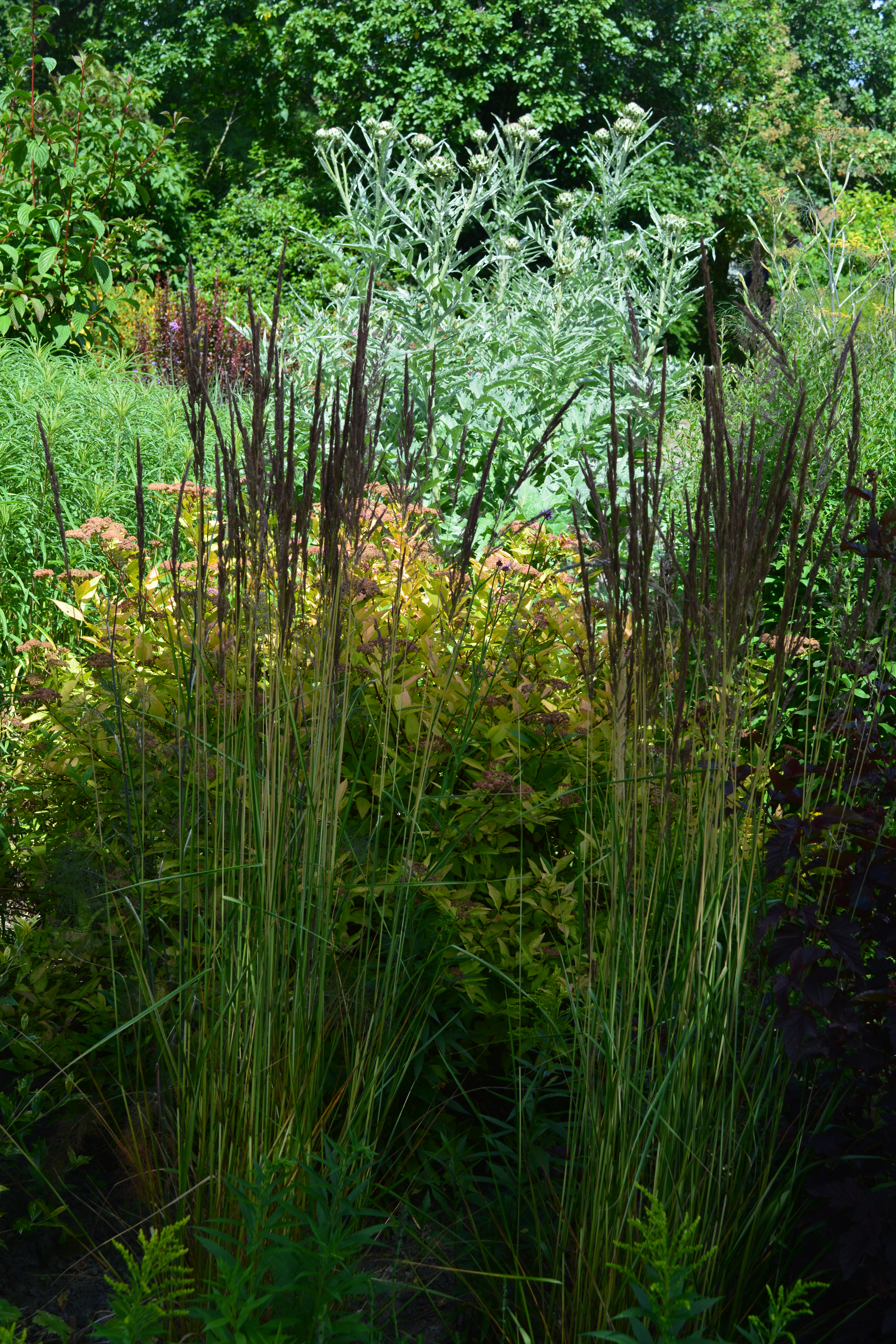
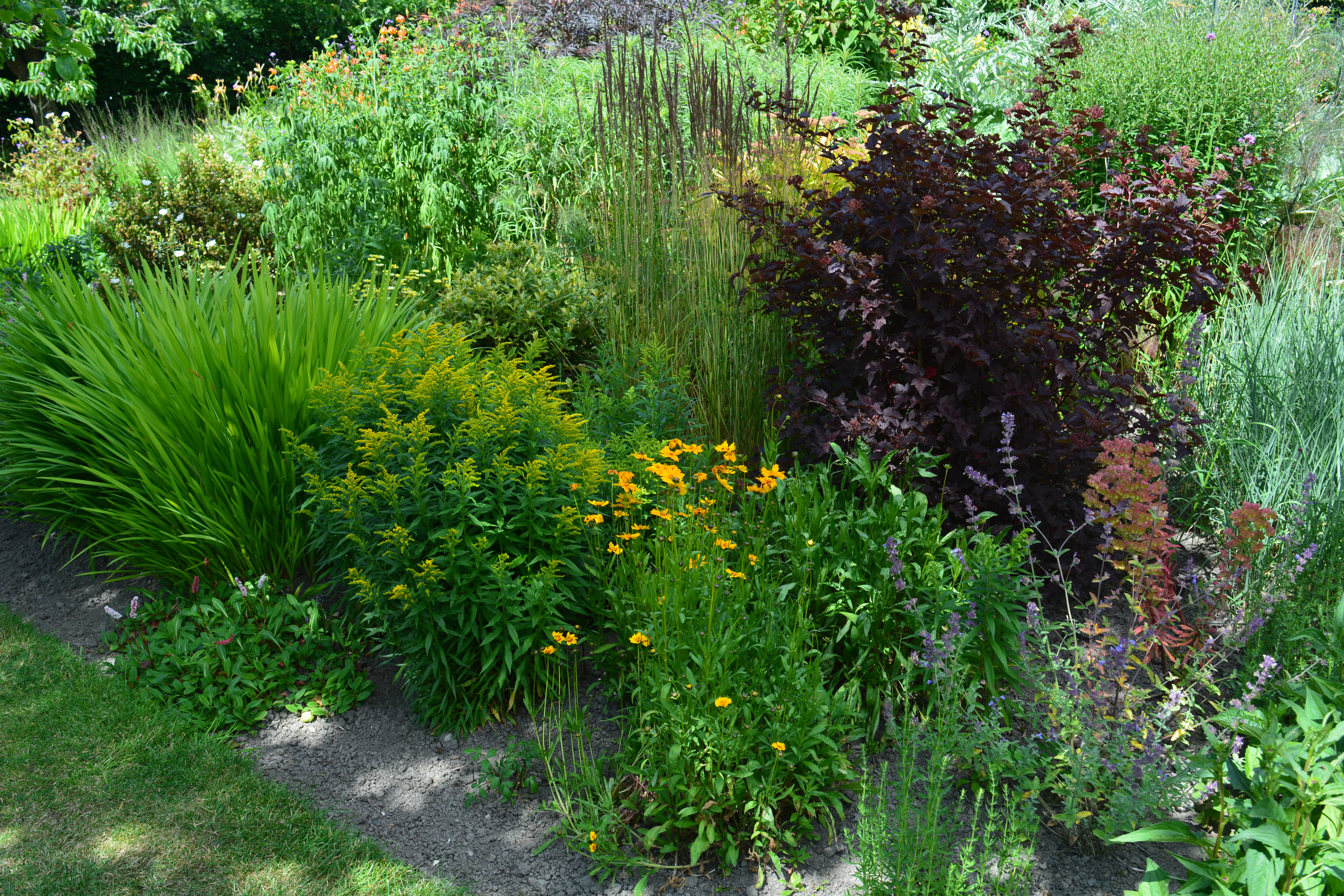
It is always good to visit a garden with many different aspects and the gardens at Coughton Court manages to certainly provide lots of different styles of garden to enjoy. Here are few shots showing different aspects I haven’t the space to share. Enjoy!


Categories
arboreta garden paths garden photography gardening gardens gardens open to the public hardy perennials light light quality ornamental trees and shrubs shrubs trees woodland woodlands

A family holiday in Scotland – Part 4 – Dawyck Botanic Gardens

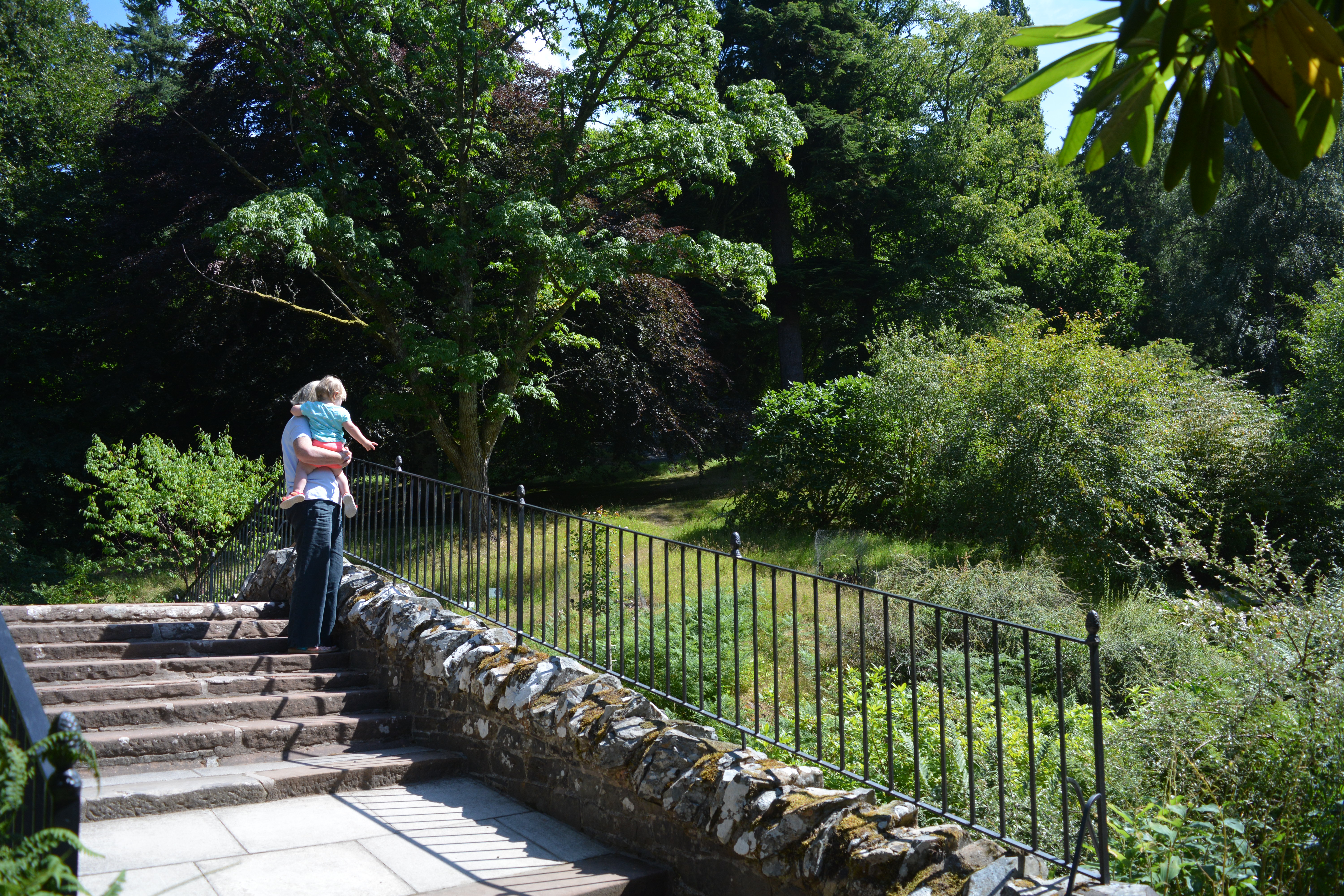
Jude and I had the opportunity to spend a day at Dawyck Botanic Garden, a garden which is part of the Royal Botanic Garden Edinburgh. What made our visit extra special was that we took our little granddaughter Arabella with us. At just 20 months old she is a great lover of gardens and especially trees.

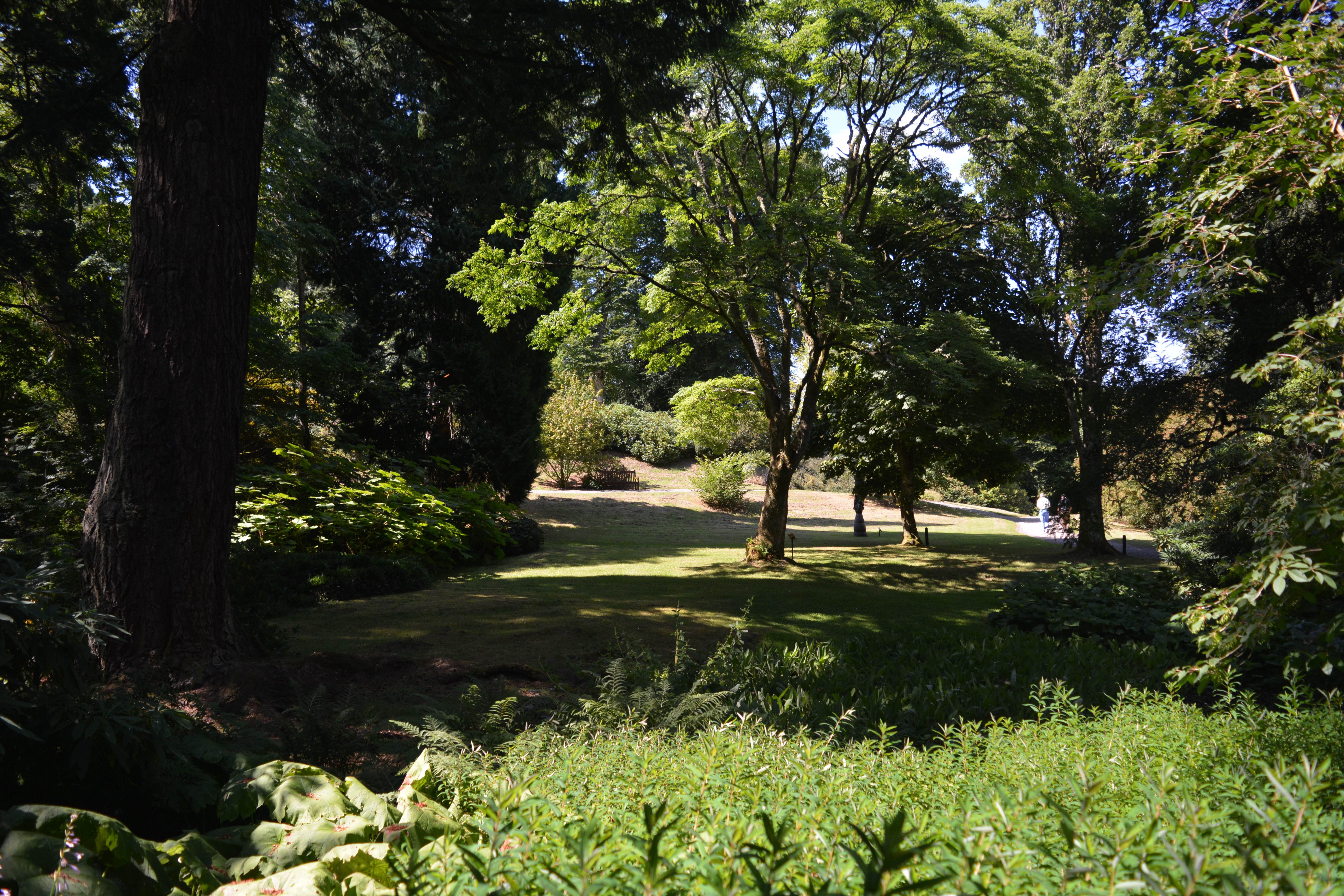
Dawyck is a woodland garden rich with trees, shrubs and herbaceous perennials to back them up. We have visited so many woodland gardens and arboreta over the years but we were amazed by how large Dawyck’s specimen trees were, the largest in girth and height we have ever seen.


Arabella was fascinated by the disinfectant pads which visitors had to walk through to help prevent the spread of tree desease to help protect our trees. Good to see the garden setting a good example. Too many of our trees seem to be under threat. Once Arabella realised we were off exploring the woodland she wanted her explorers back pack on. Then she was off!


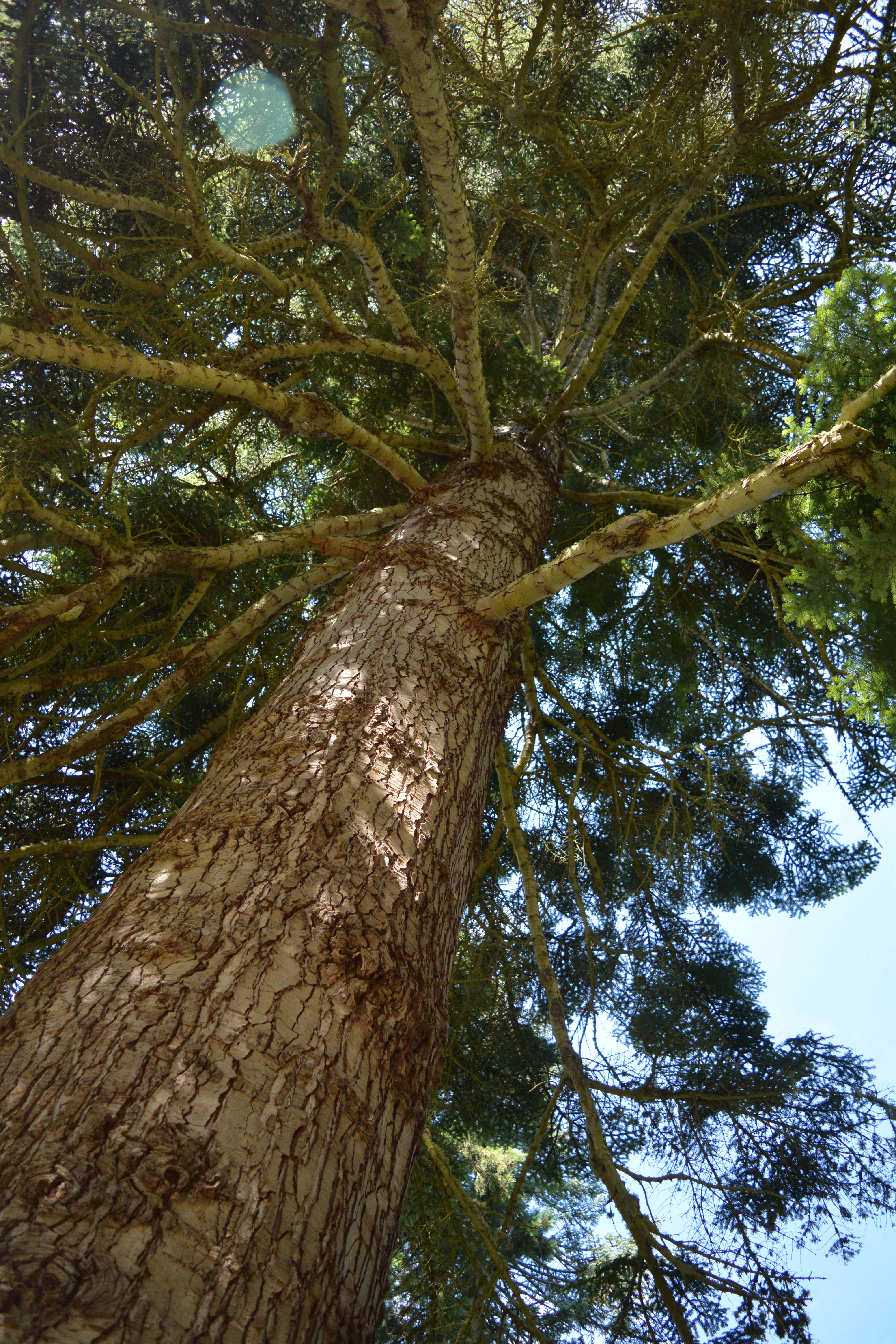
We wandered off trying but failing to follow the yellow way-marked trail, stopping regularly to look up at the tallest trees and touch their bark and study their leaves.

A new word appeared for Arabella when she saw these trees – ENORMOUS! This was always followed a big “WOW”.


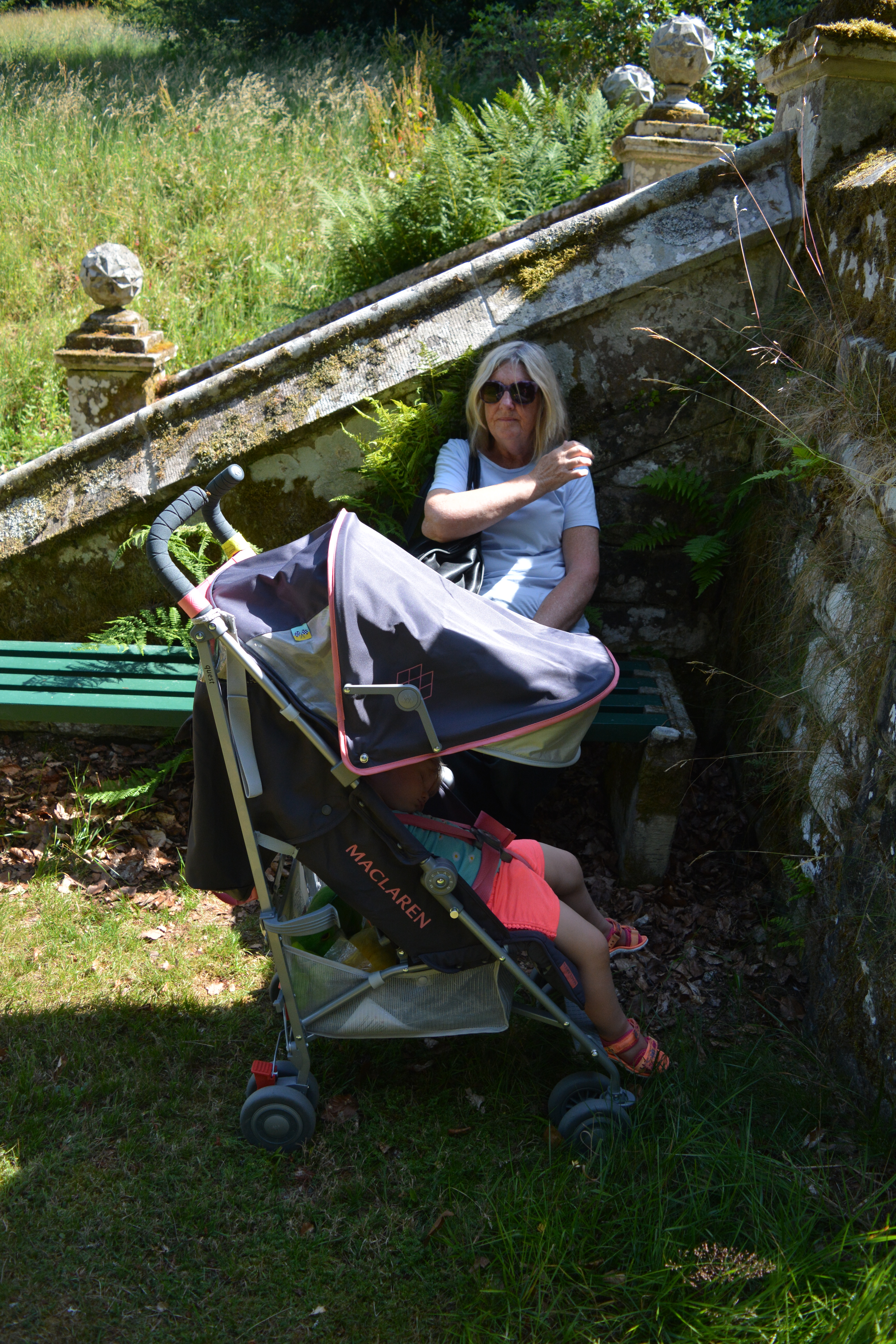
Arabella did however wear herself out so succumbed to a sleep time so Jude and I enjoyed a good rest too.

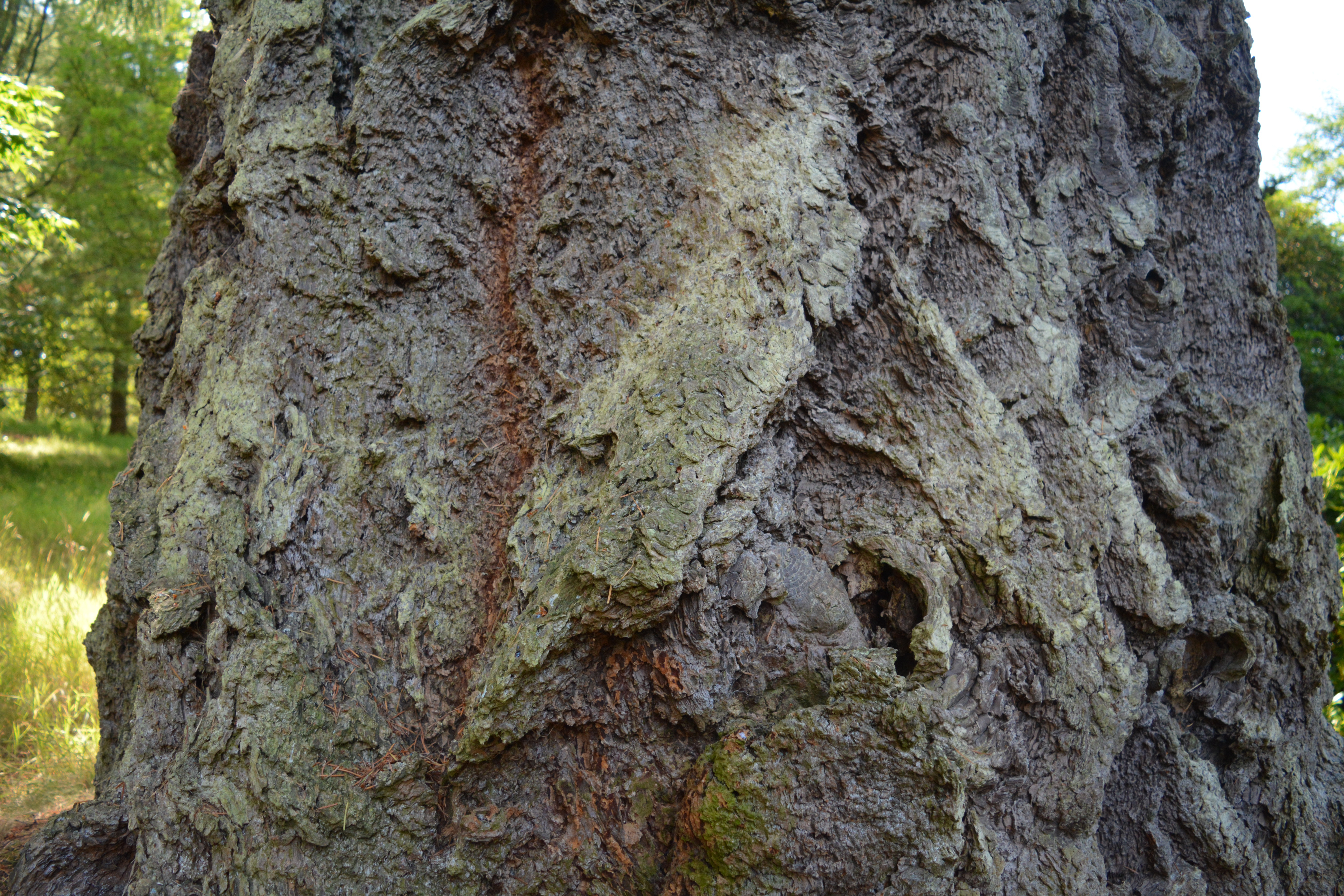
We were so fortunate to visit Dawyck on a day with brilliant light quality that emphasised texture and patterens in foliage and bark.


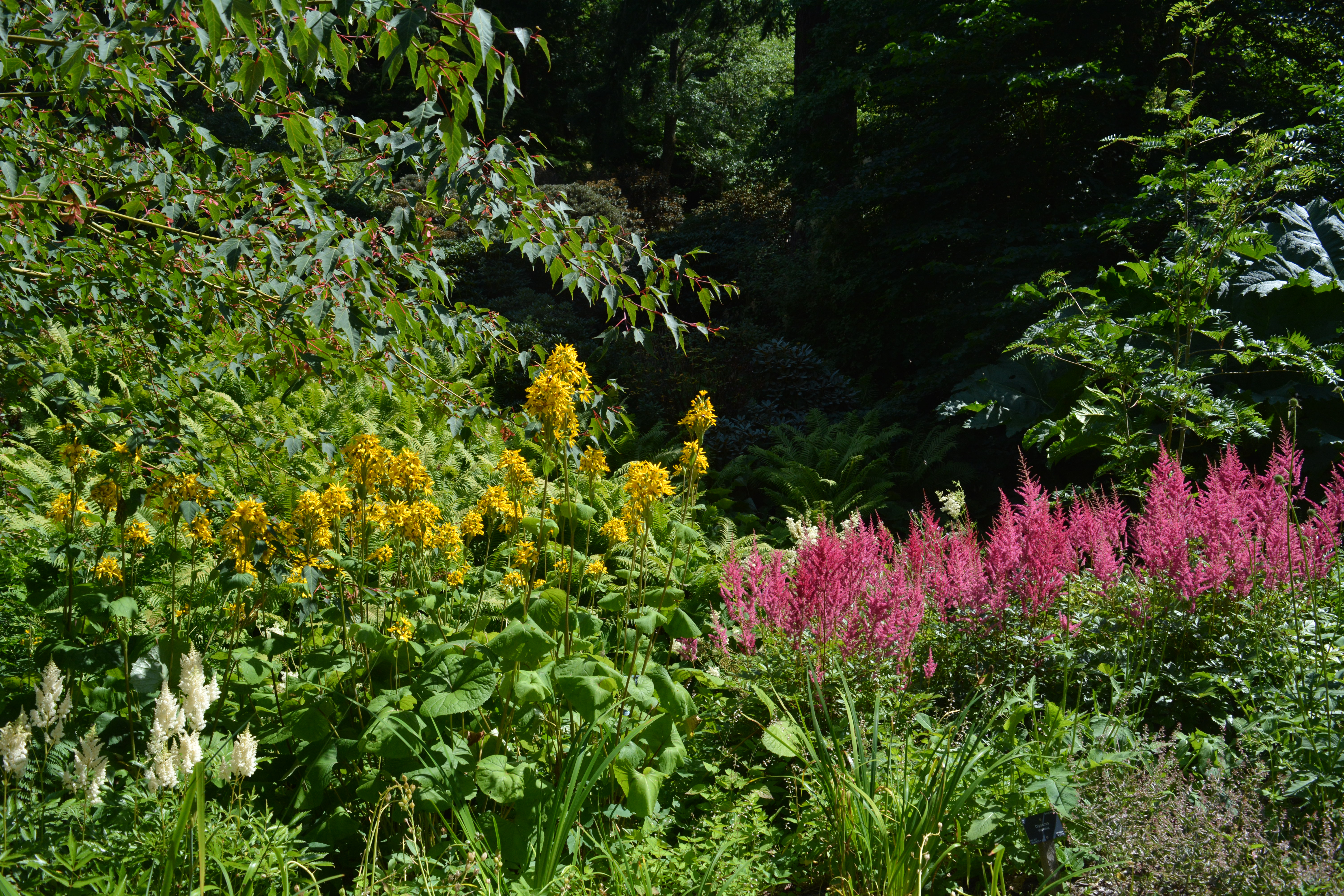
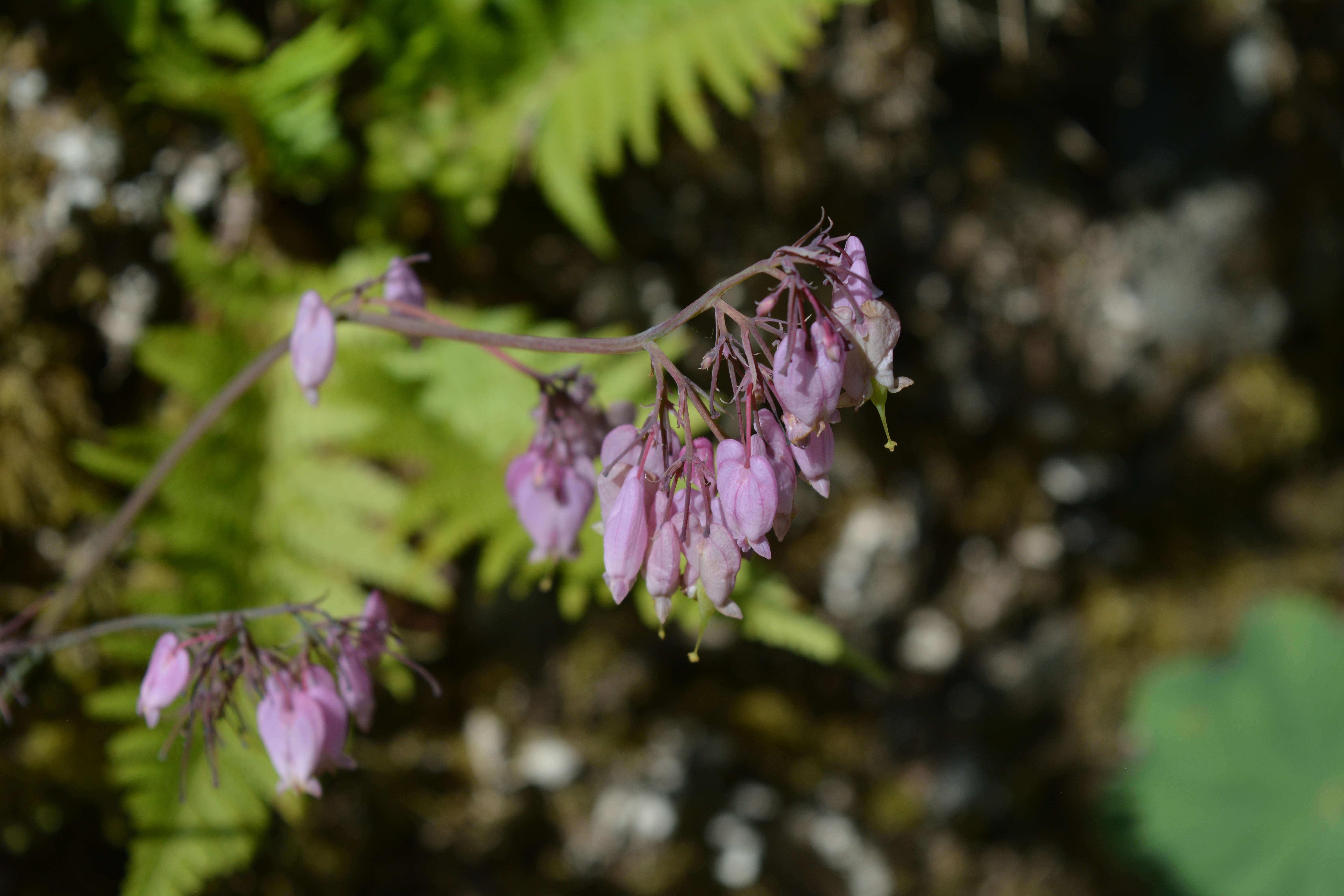
But trees cannot take all the praise as herbaceous perennials and ferns were of equal interest and beautifuly displayed and cared for.


I have saved this tree until last as it took our breath away and sent our granddaughter speechless for a while until she blurted out excitedly, “More enormous!”


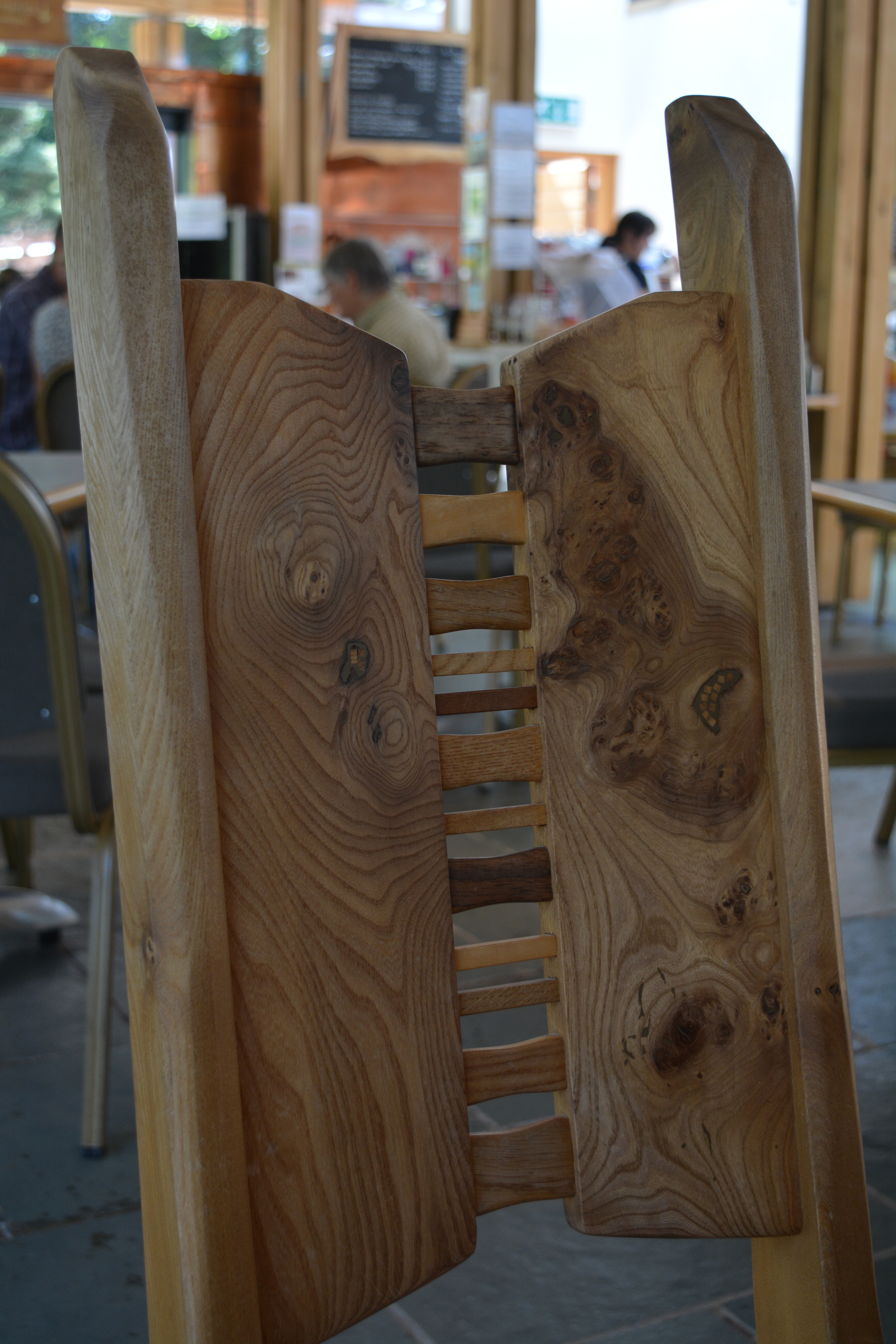
It is rare that you can say that the seats in the cafe were worth a mention but these at Dawyck were beautifully carved from wood and each was original. They were comfortable too! A good end to an exceptional day with trees and a young tree appreciator.


Categories
autumn autumn colours colours garden design gardening gardens gardens open to the public hardy perennials Herefordshire trees village gardens woodland woodlands

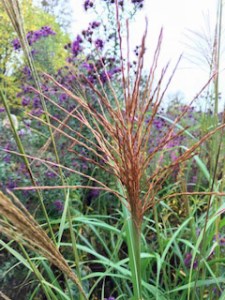
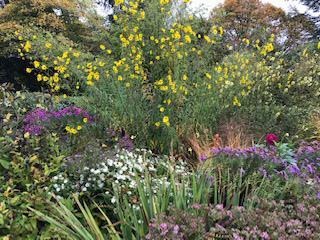
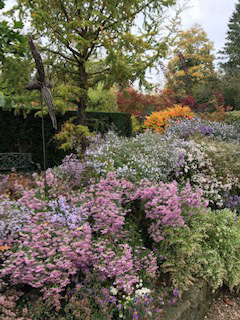
The Picton Garden in October

The Picton Garden is situated below the Malvern Hills in Herefordshire. The garden is famous for its aster collections and its beautiful small garden. In fact it holds the National Plant Collection of Michaelmas Daisies, so a visit in September and October is a real treat.

We have already visited the garden twice before, once in autmn and once in spring and it is wonderful every time we visit. This visit was in mid-October but the seasons this year had been so strange that everything in the garden is way ahead of time for a normal season, at least three weeks out of sinc. So this visit would prove to be very different to our previous autumn wander.

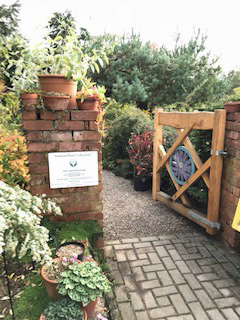
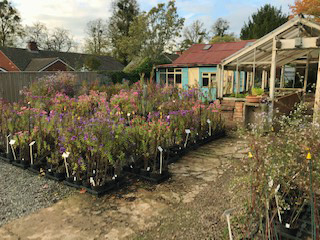
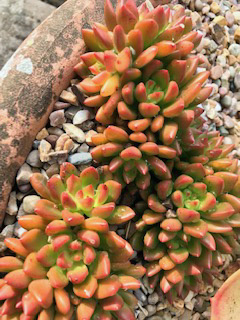
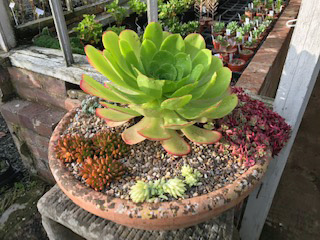
The reception, with its rustic wooden hut and beautiful gate are matched by the friendly welcome we received from the garden owners and managers, members of the Picton family. Immediately you realise this is not gong to be a sterile collection of Asters, but a well-designed beautifuly planted garden with winding paths among mixed borders, each with its own character. There are even a few pots of succulents near the entrance.

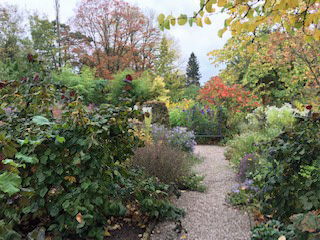
The first views of the borders along the paths set the quality and sensitive style of planting that we were to enjoy throughout.


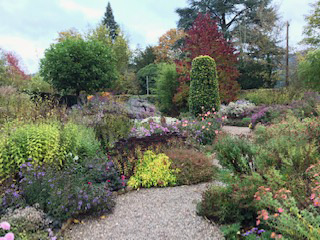
We enjoyed some interesting cntrasting shrub and tree foliage combinations.


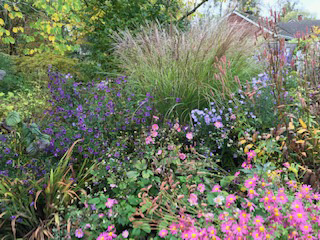
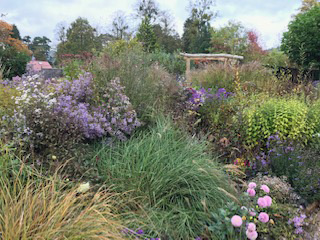
But we had to admire the way asters were used mixed with other perbaceous plants and the clever use of all the many perennials, huddled together in the borders.


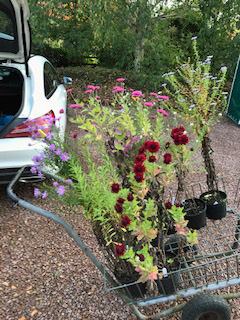
As we neared the end of our wanderings around these beautiful autumnal garden scenes, we discovered display beds showing how different asters fitted into the different families. The nursery was our last port of call before we returned to our car for the journey home. Of course we had quite a boot full of Asters with a couple of hardy Chrysanthemums for good measure.


Categories
colours garden design garden paths garden photography gardening gardens gardens open to the public hardy perennials light light quality ornamental trees and shrubs Powis Powys shrubs trees Wales woodland woodlands

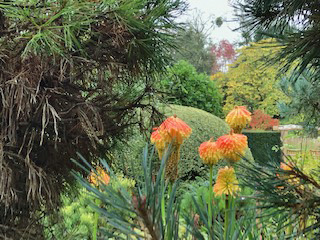
The Dingle Garden in July

Moving into the second half of the year, we wandered around the gravel paths of the Dingle Garden in late July. The day was dry with mixed clear skies with occasional cloud, but no rain came from them.

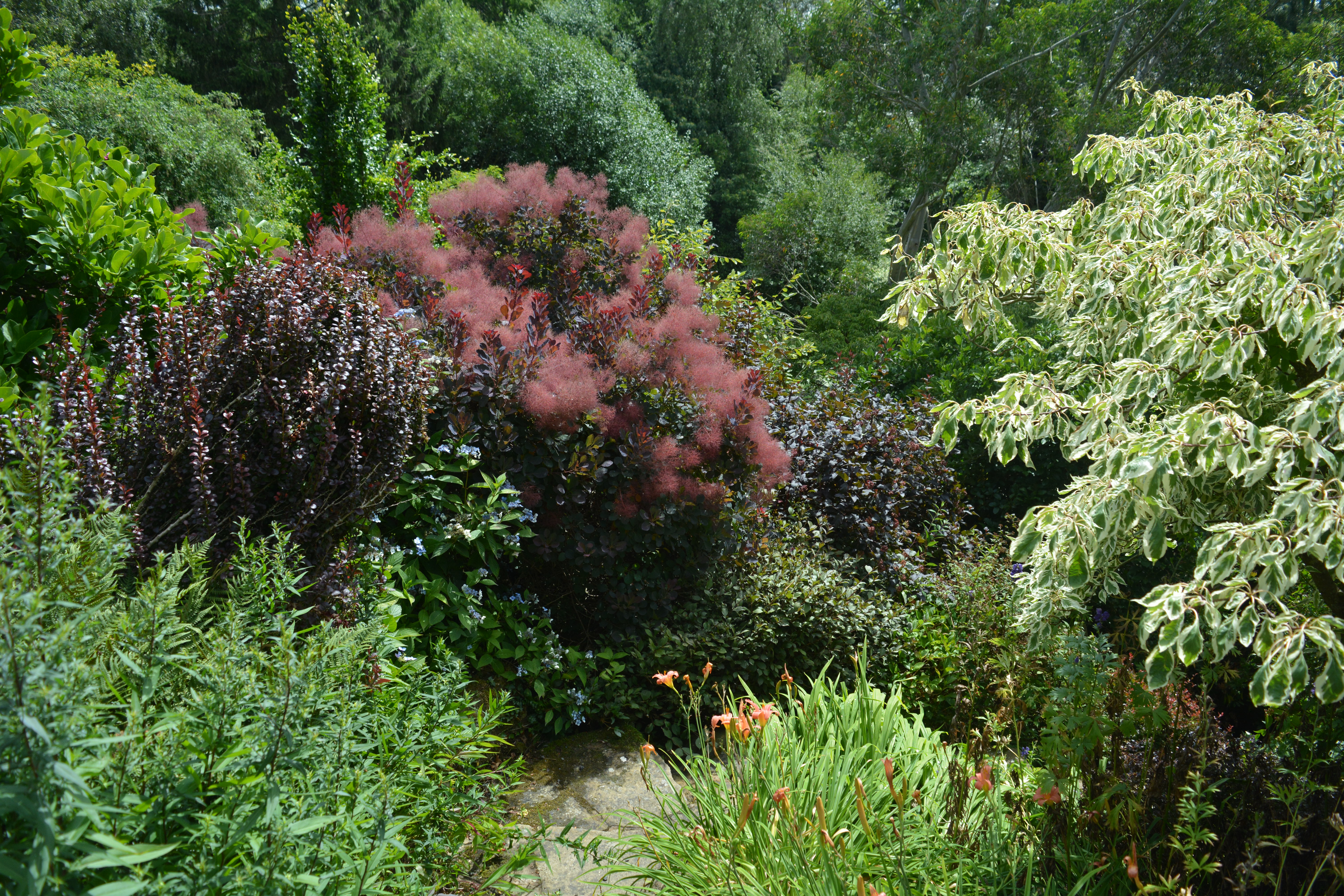
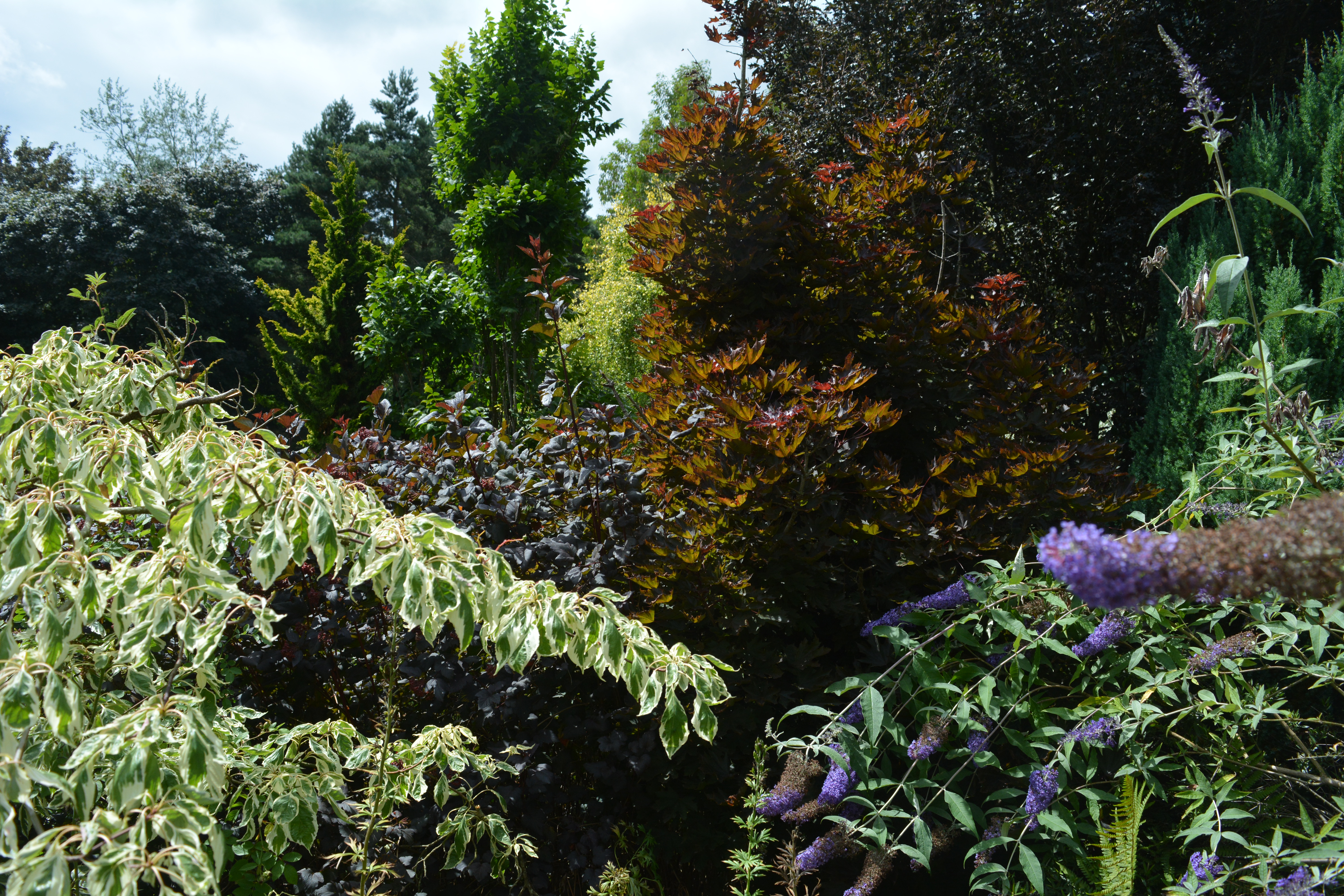
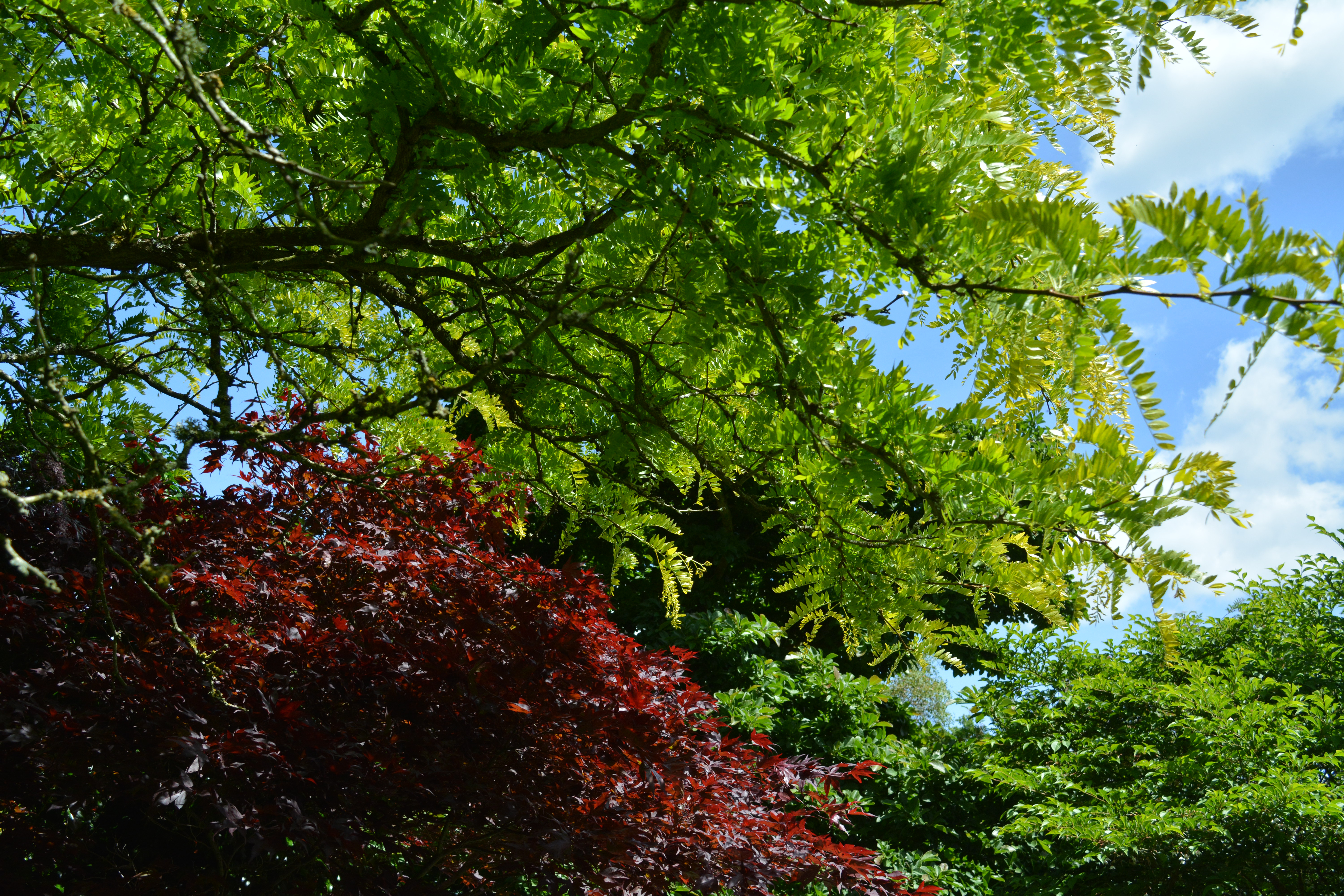
We immediately discovered the severe effects of this summer’s dry and hot temperatures. A mature conifer was turning shades of purple and brown as it was suffering from lack of water. Although colourful this was devastating for the tree. Elsewhere on the sloping parts of the garden the shrubs looked perfectly healthy and we enjoyed some great foliage contrasts and combinations.


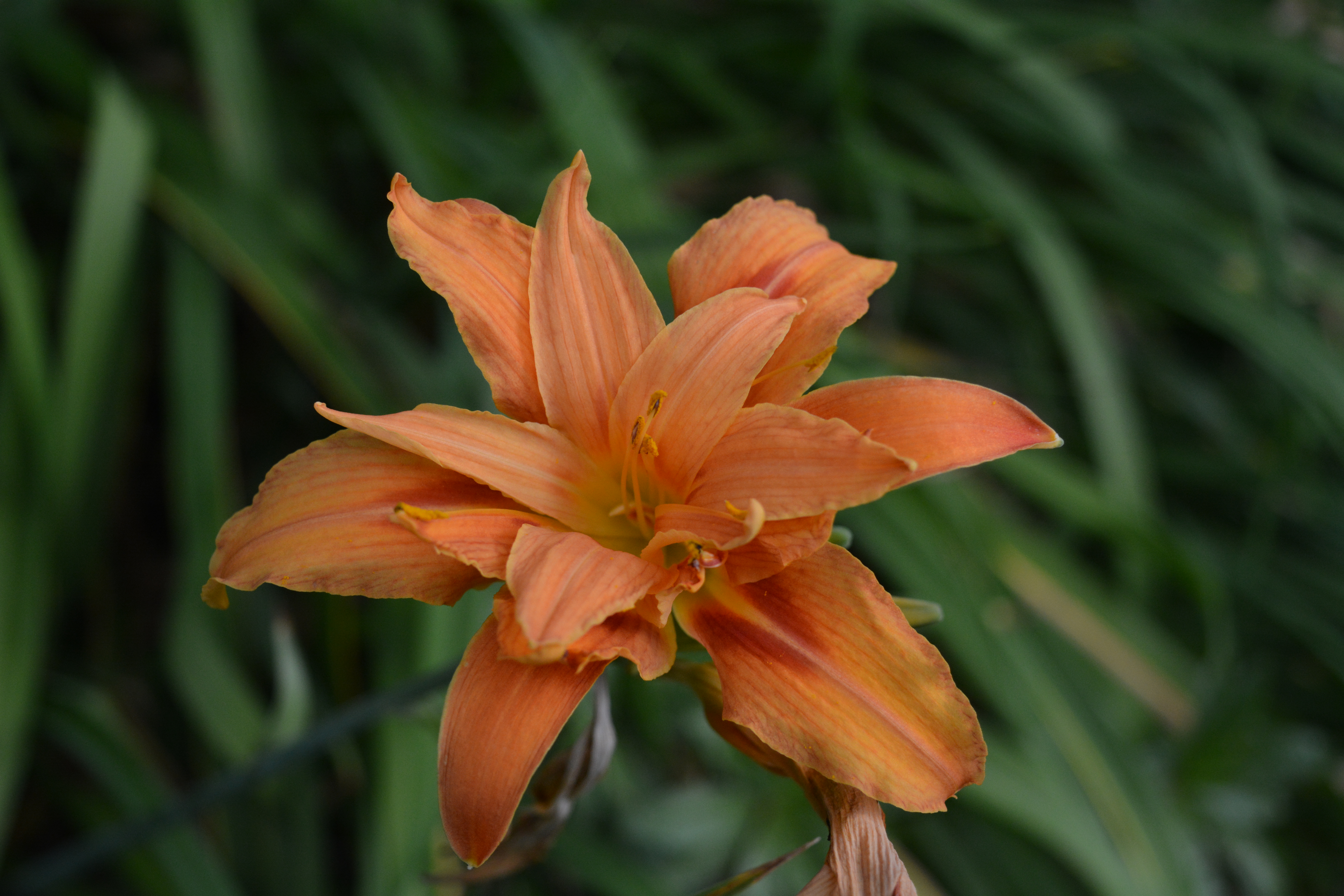
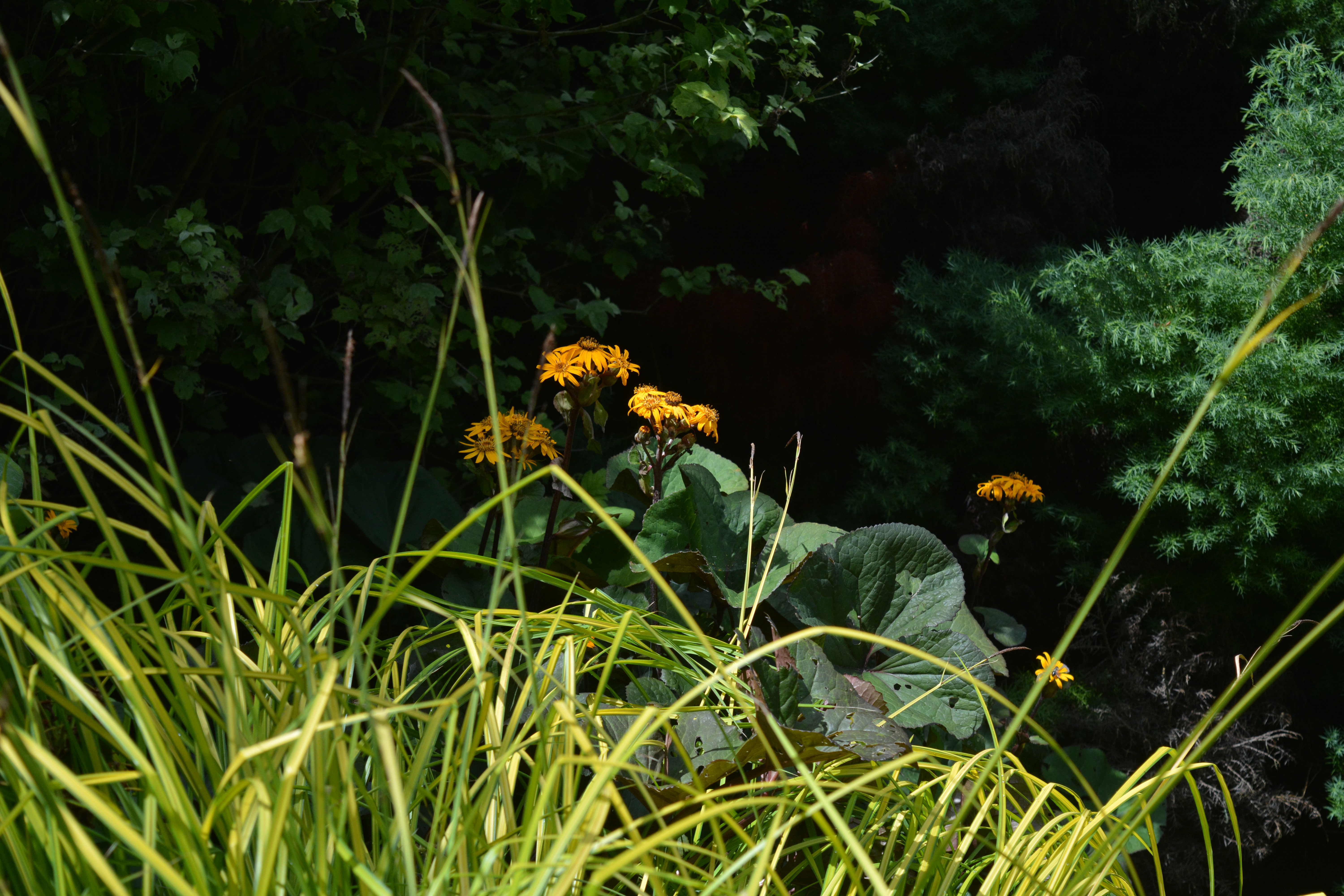
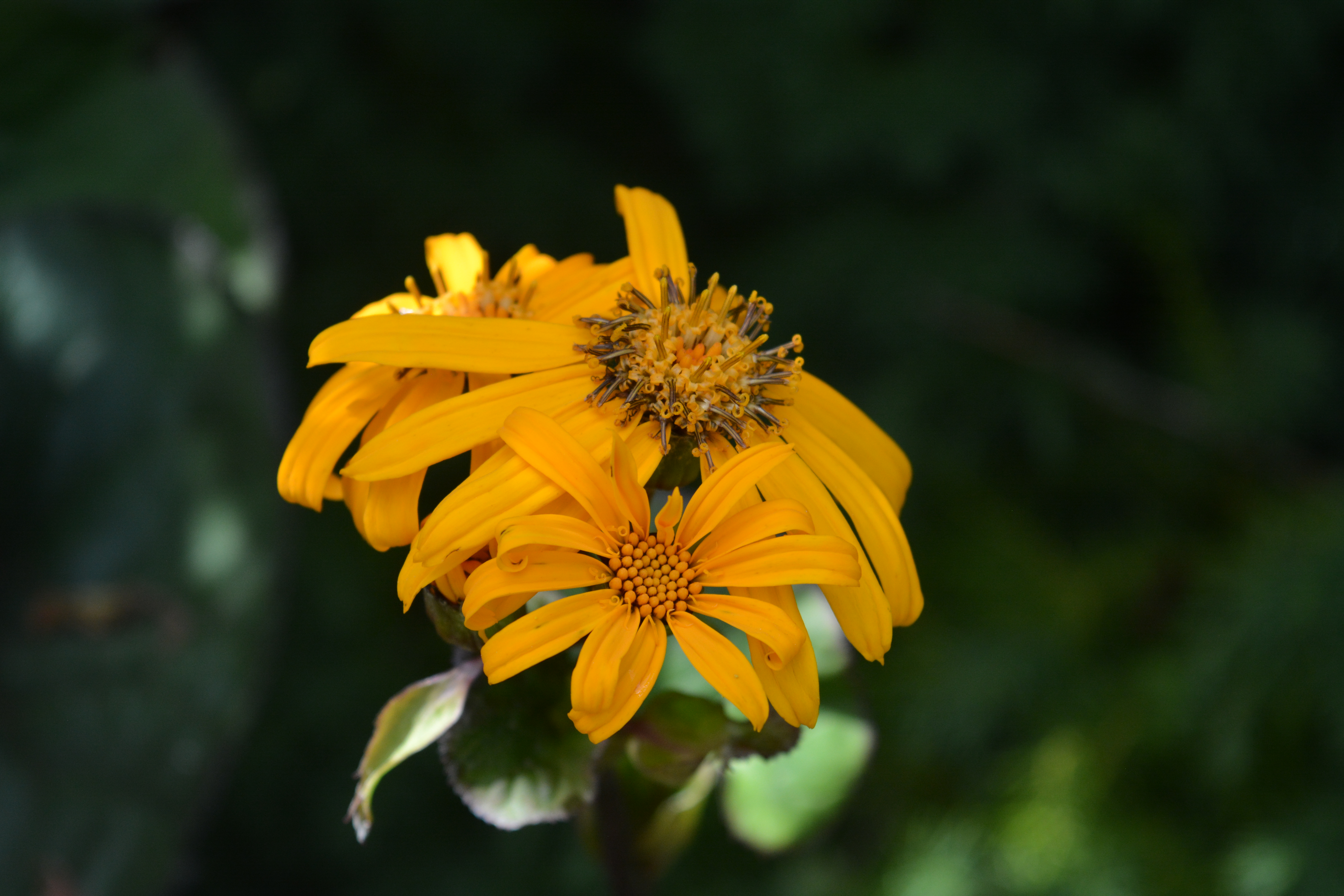
Orange is a wonderfully effective colour for woodland planting, as flowers in this colour glow in the deepest shade and are caught by the sun. Yellow comes a close second!


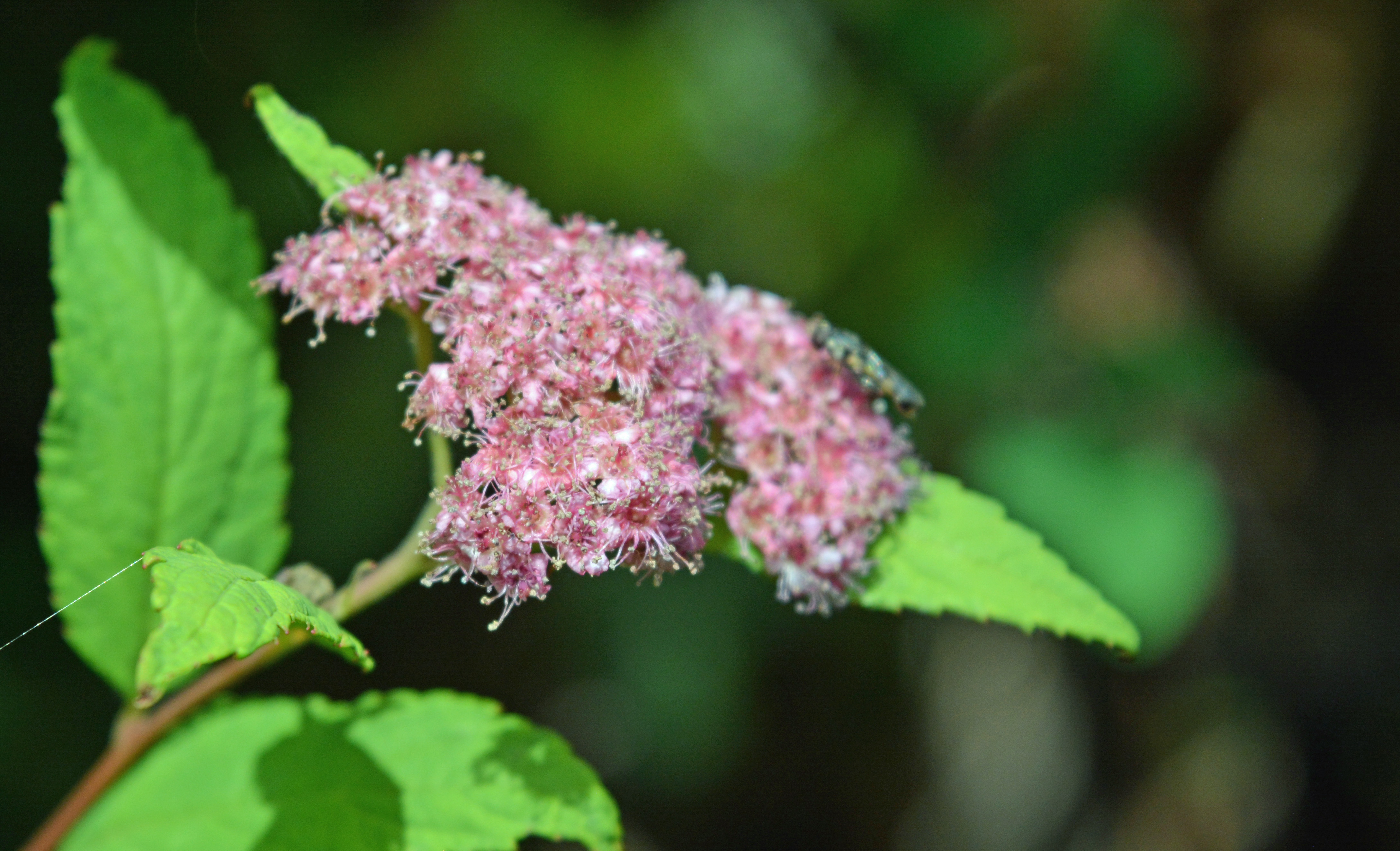
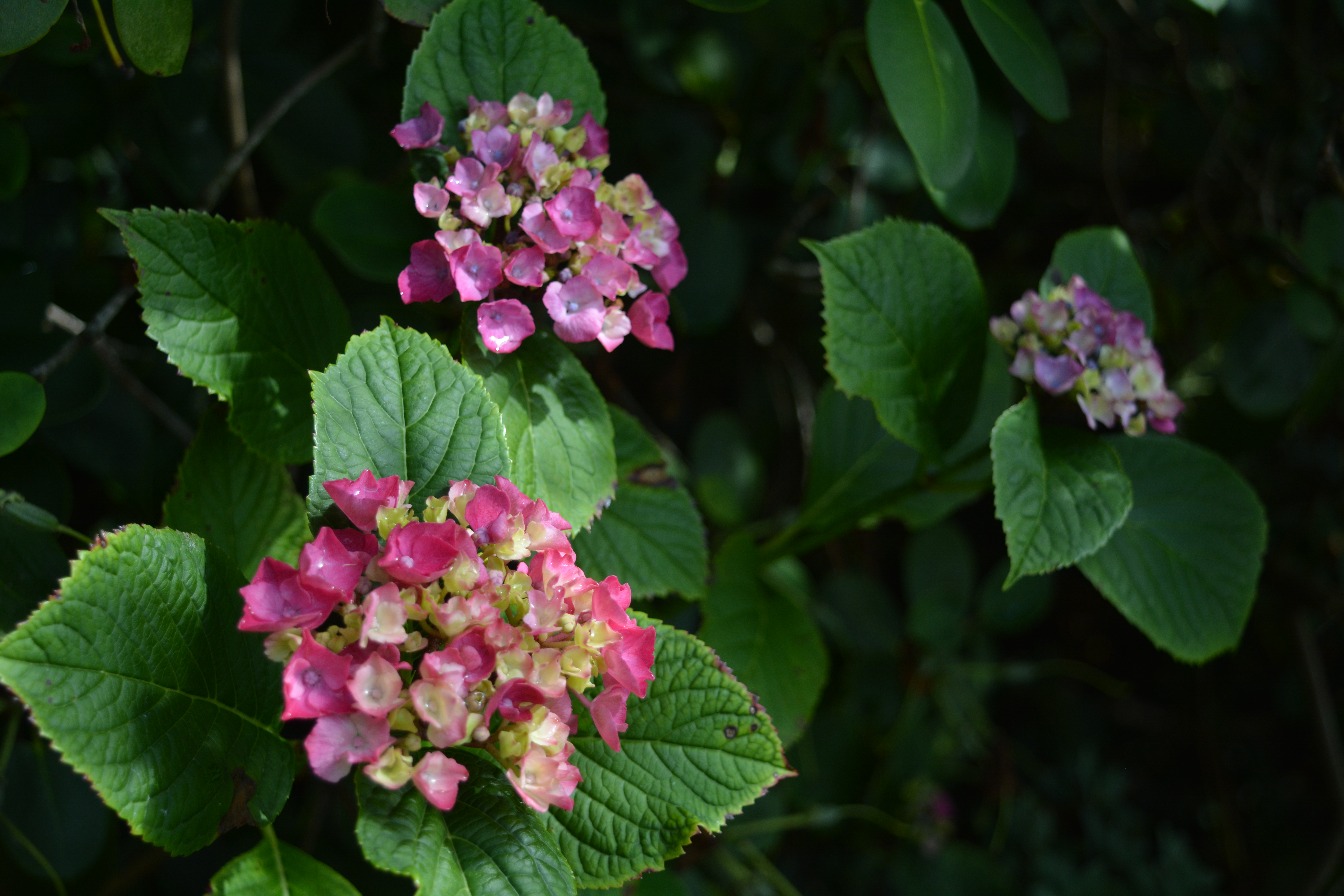
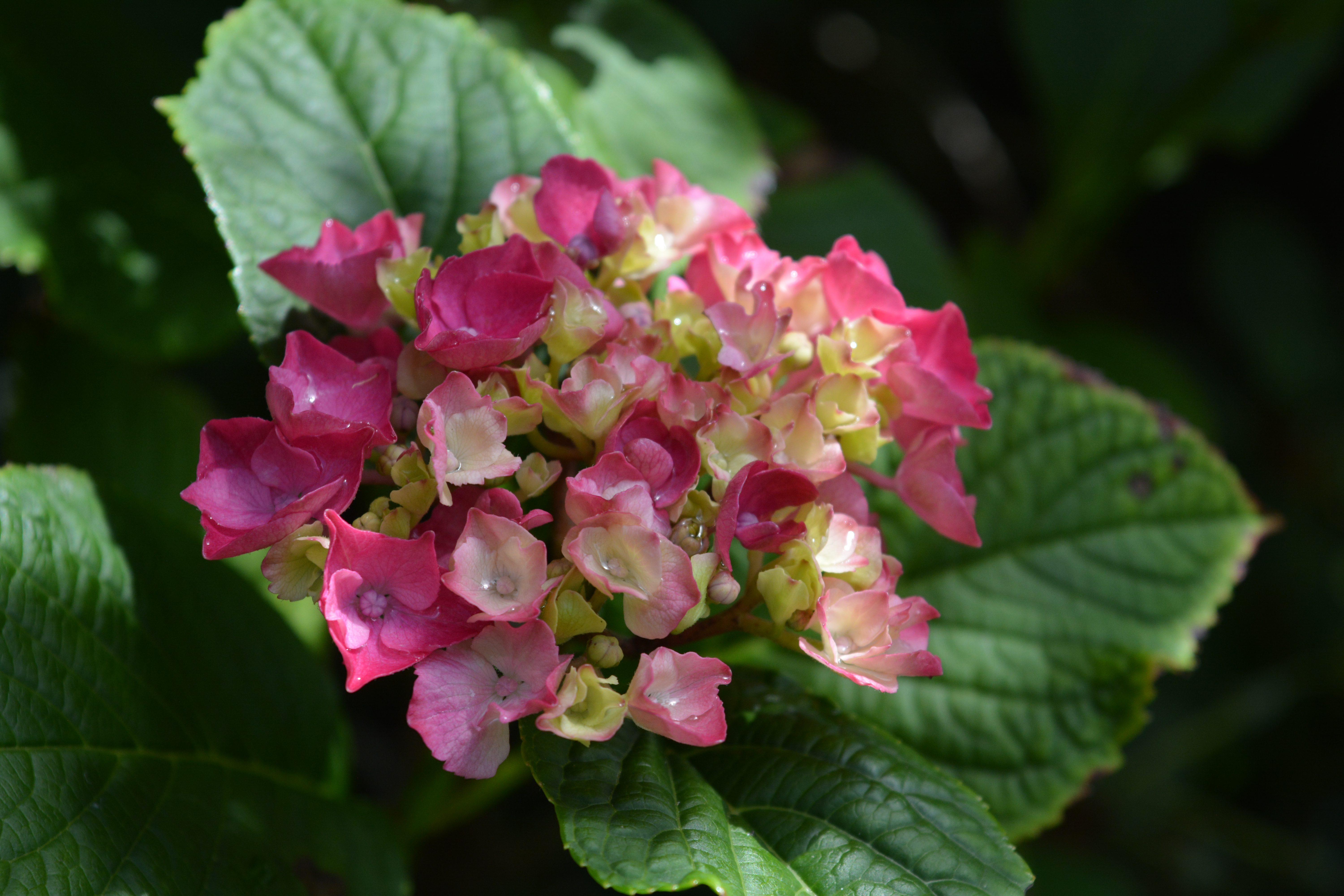
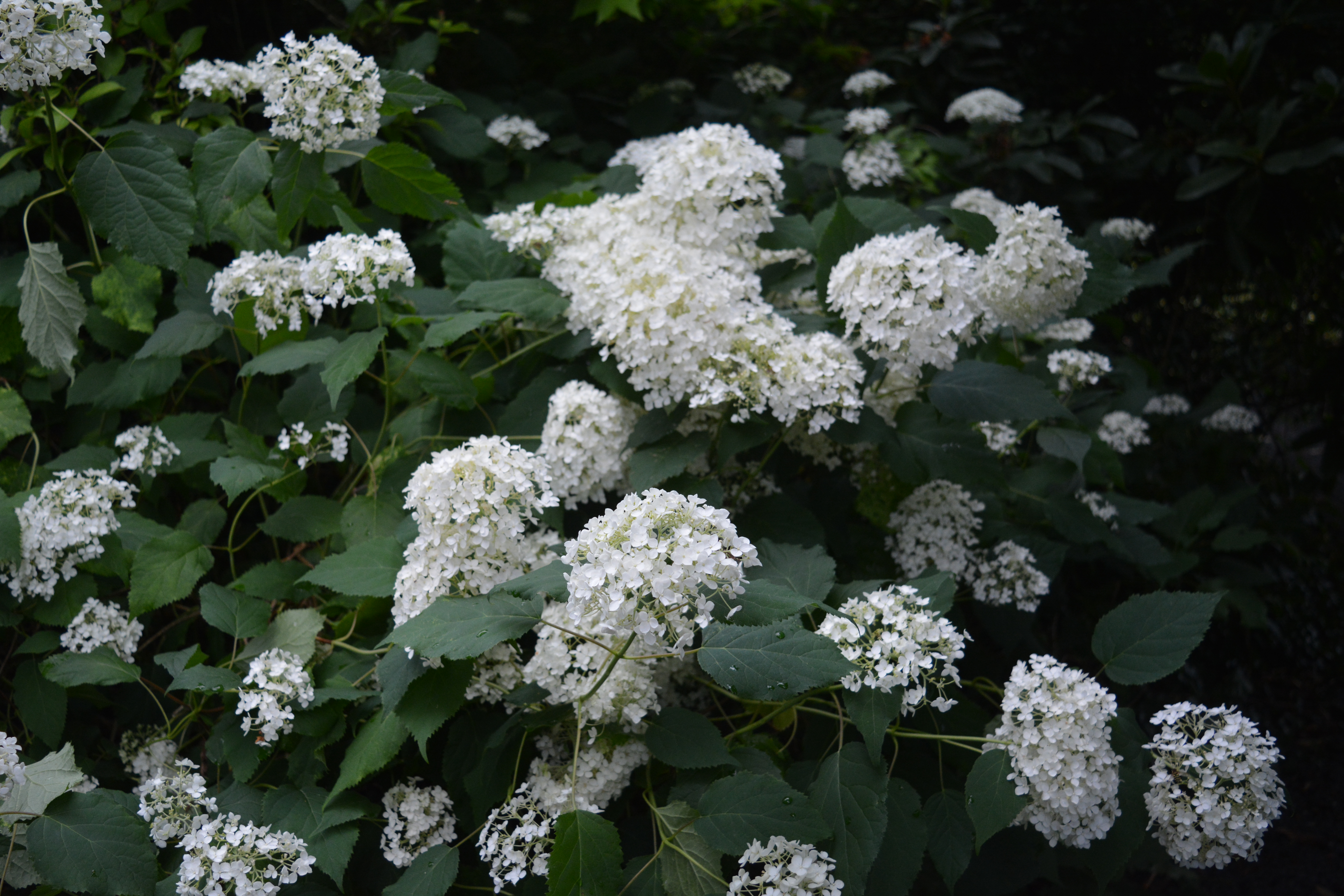
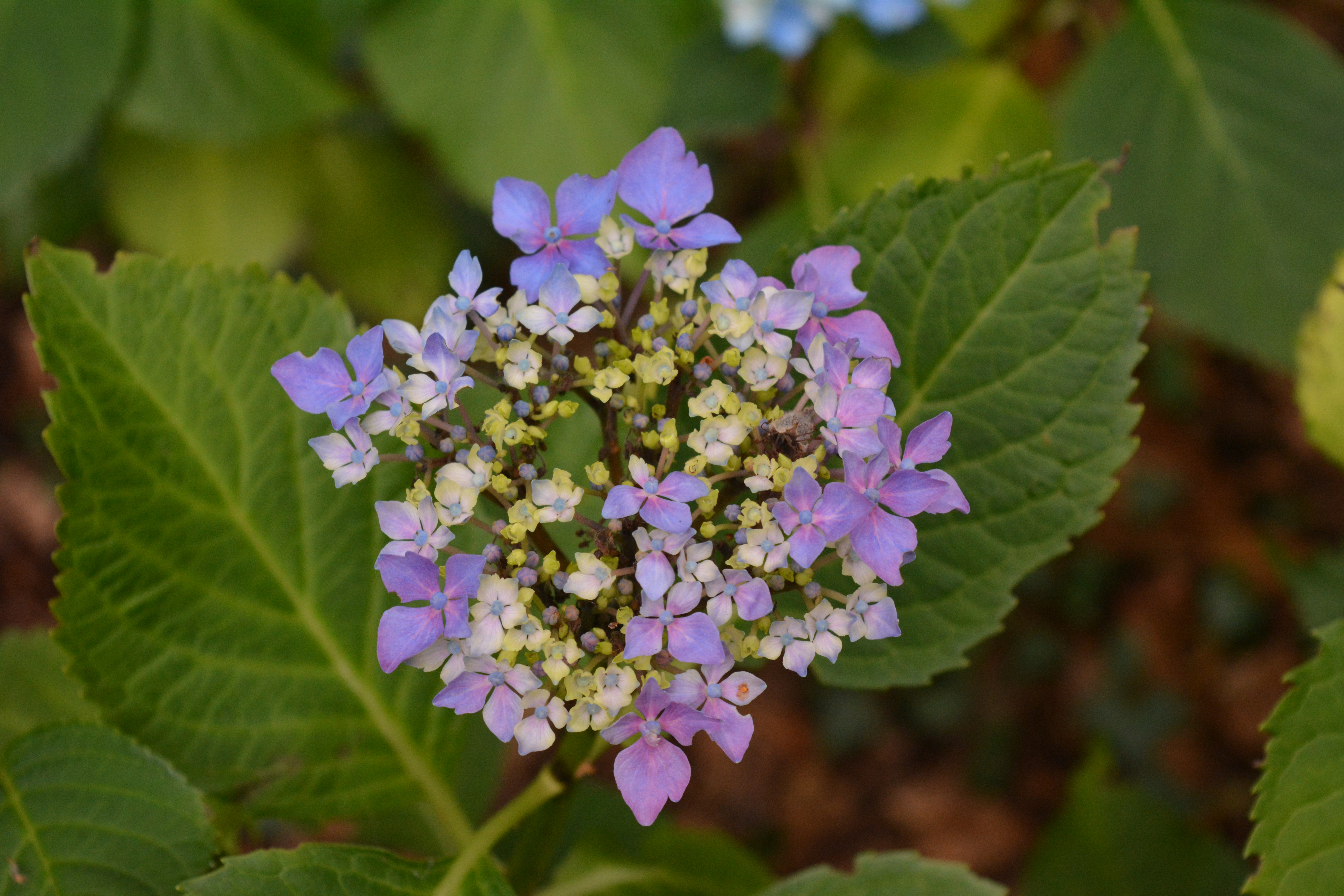
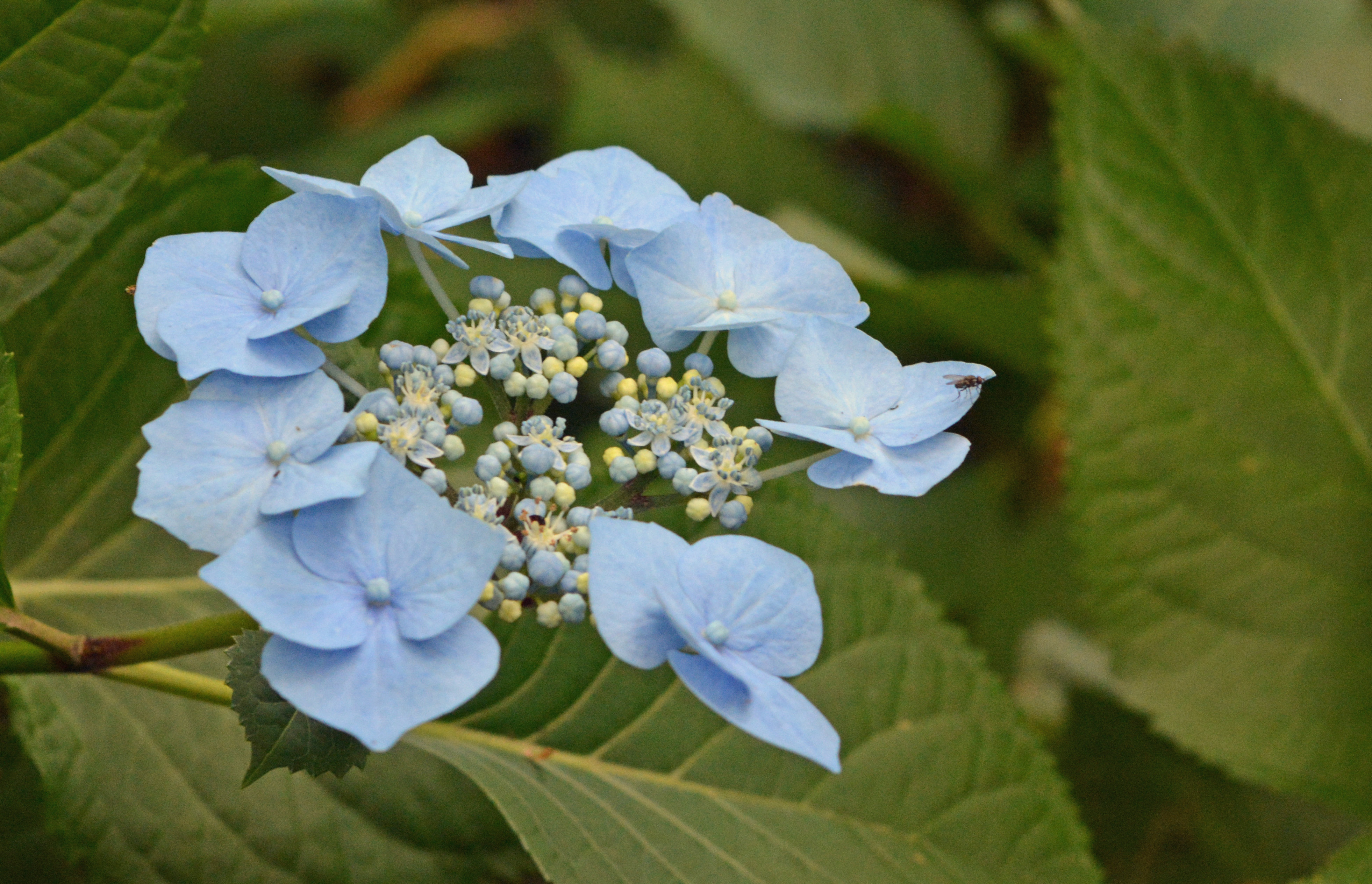
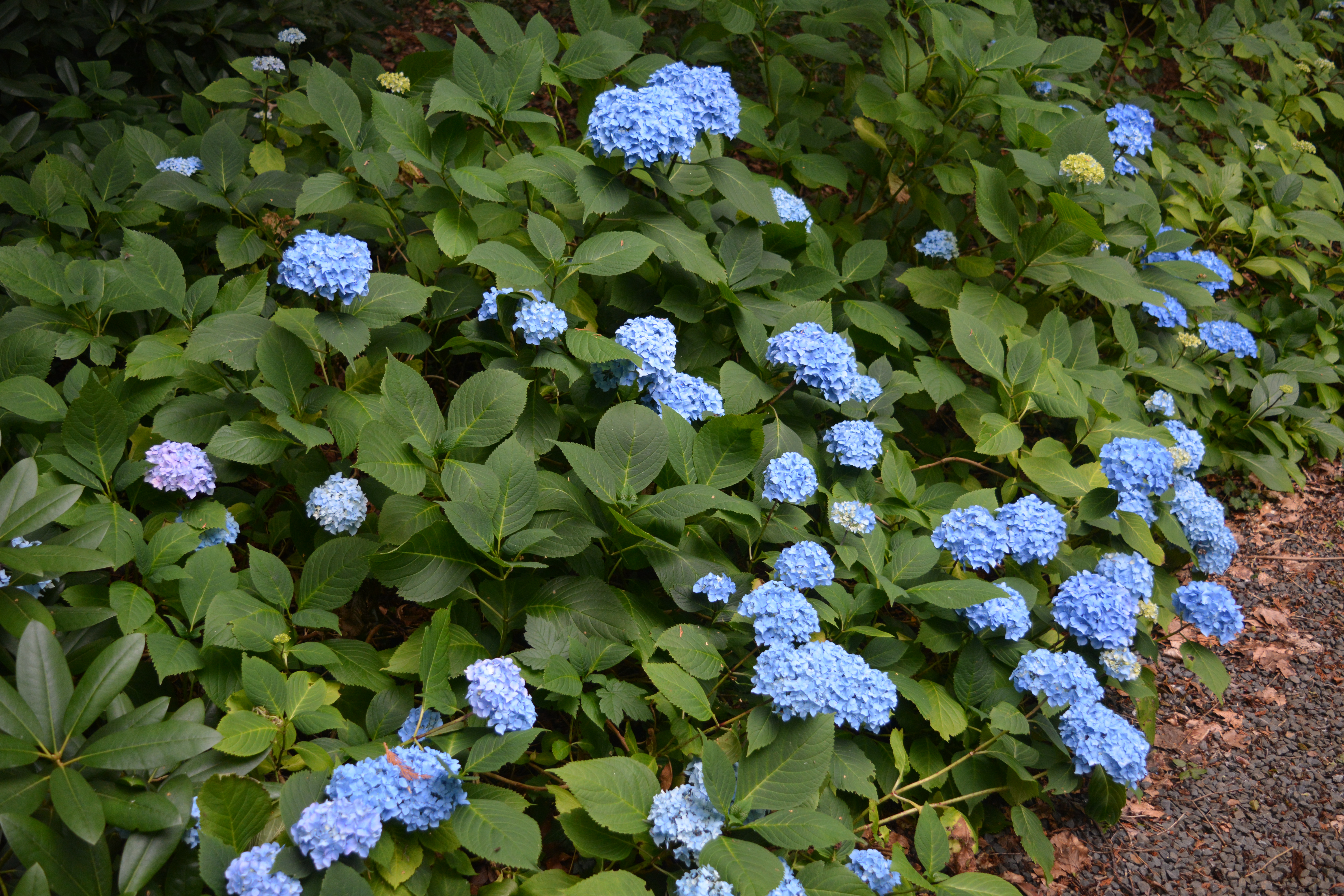
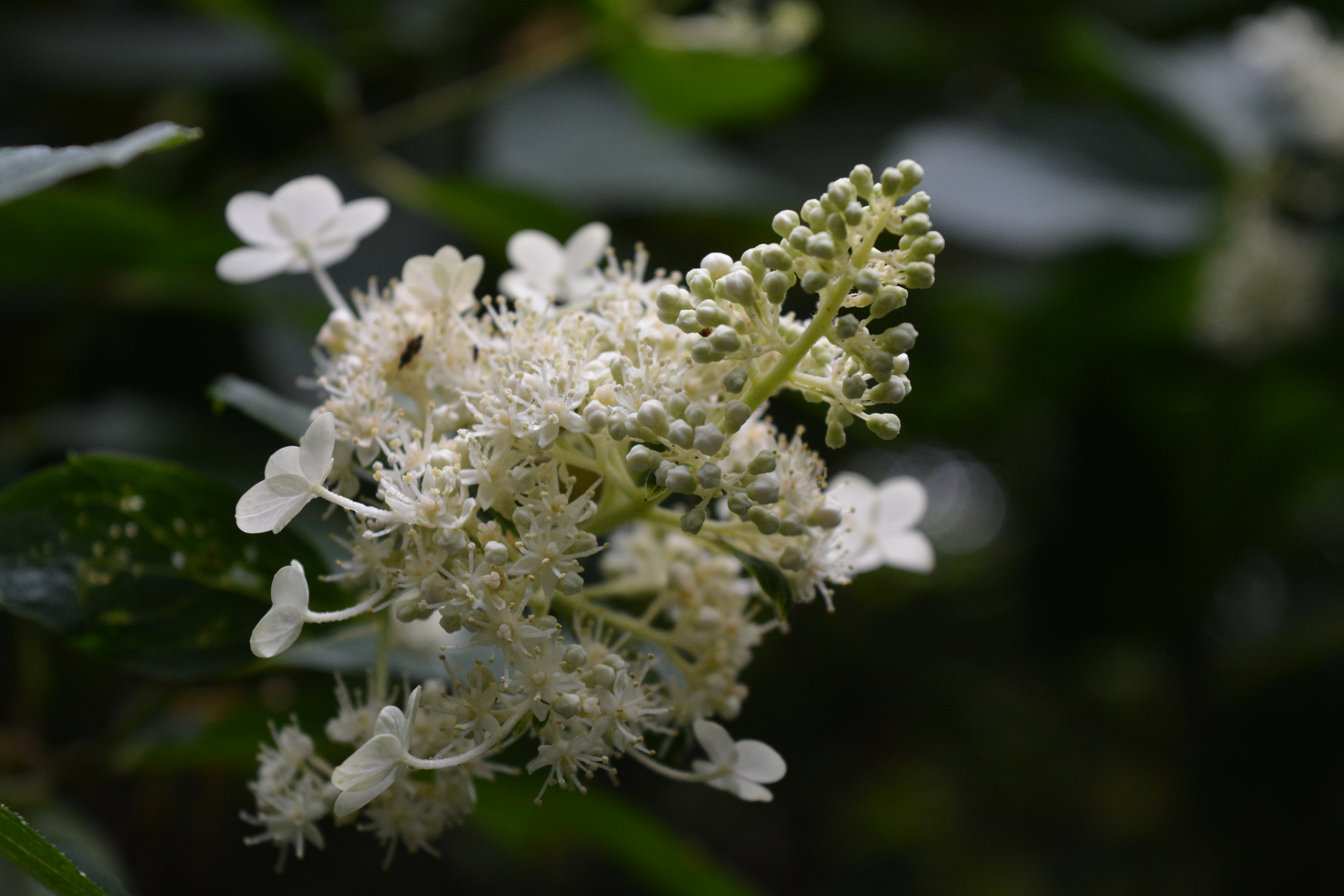
Flowering shrubs are now coming into their own in the Dingle Garden, with Hydrangeas taking centre stage.


This is just a selection of the Hydrangeas putting on their show of blues, whites and pinks beneath the trees. We loved the variations in colour on individual flower heads.


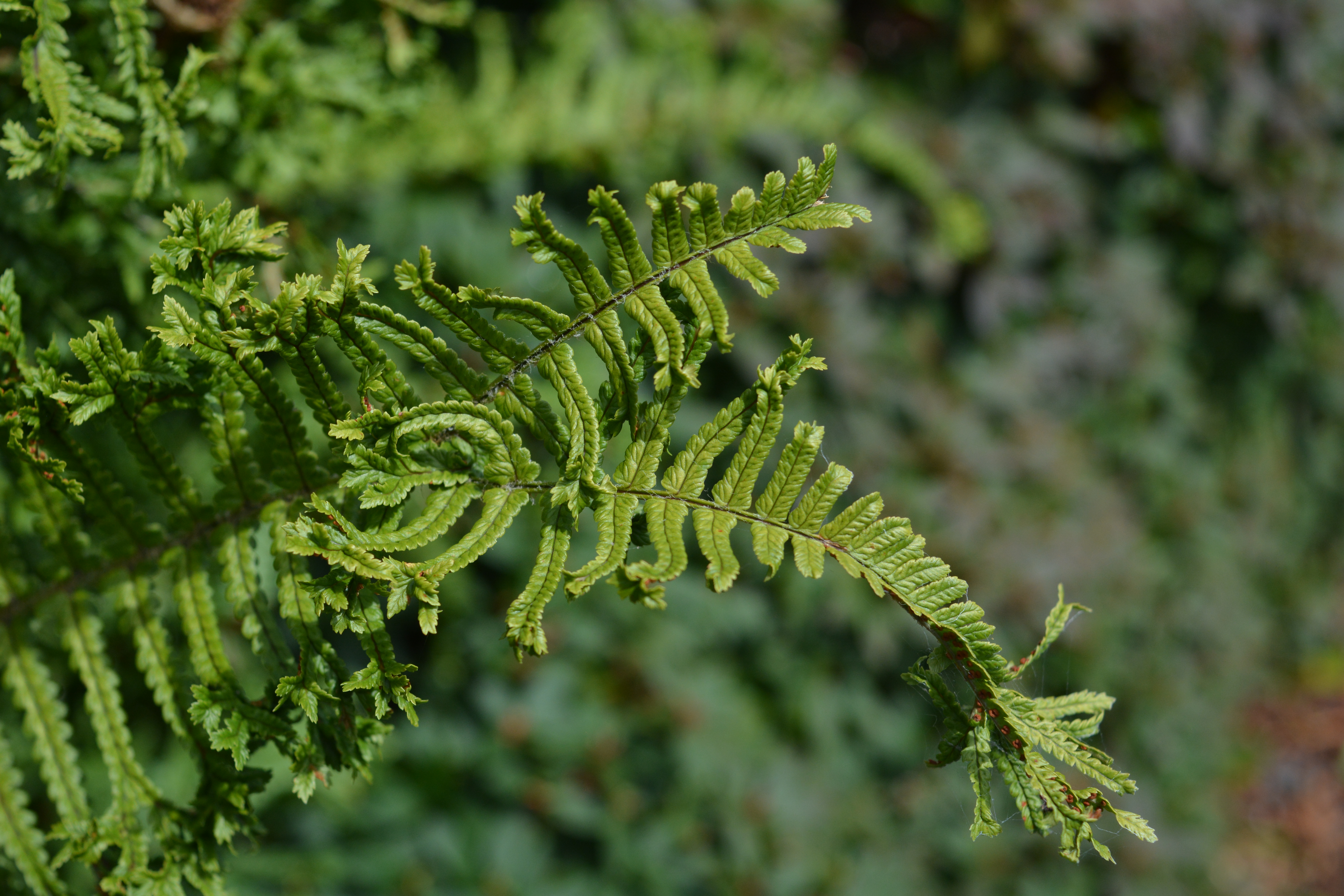
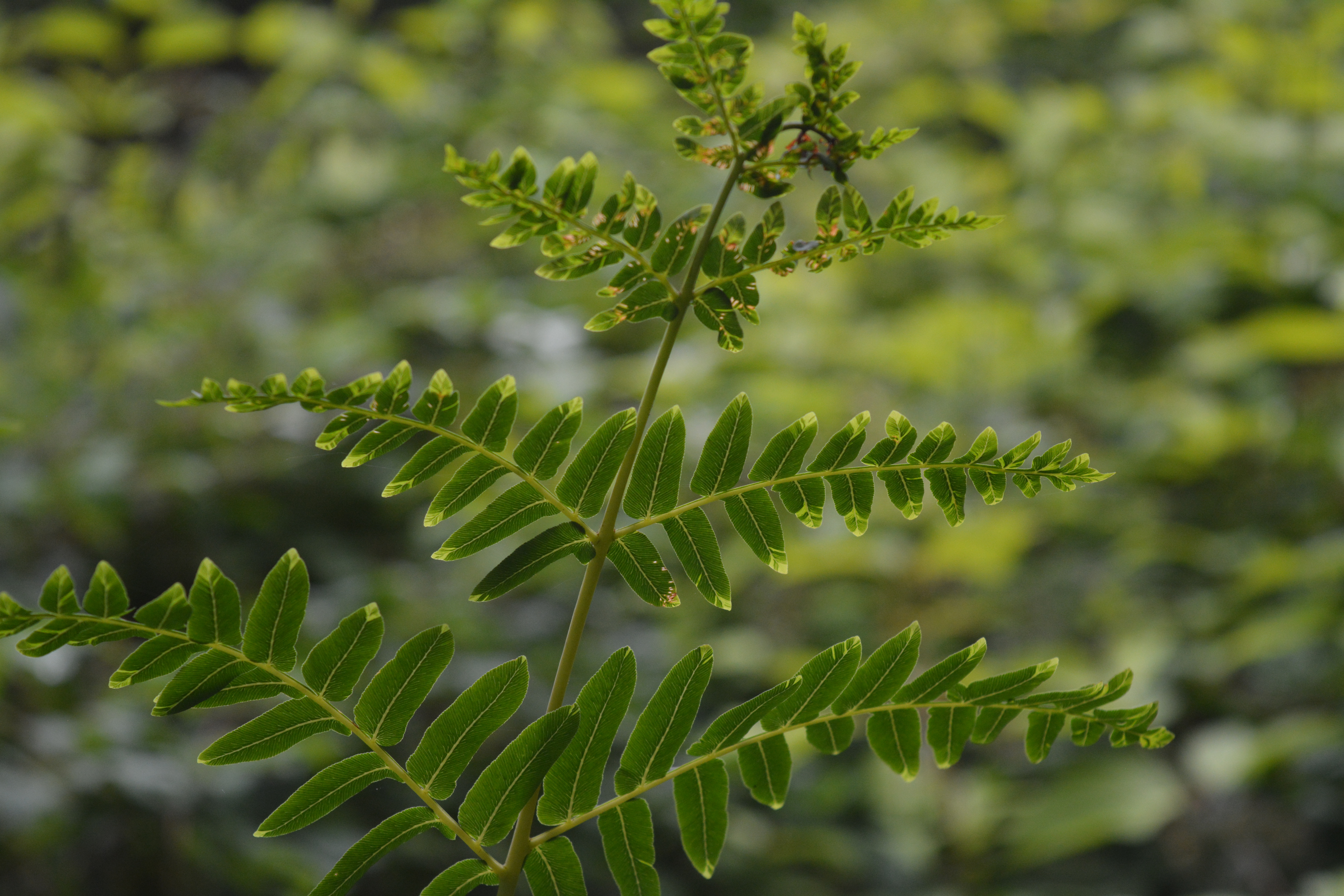
Ferns look good almost the year through, but in the damp woodland atmosphere here at the Dingle they shone with health.


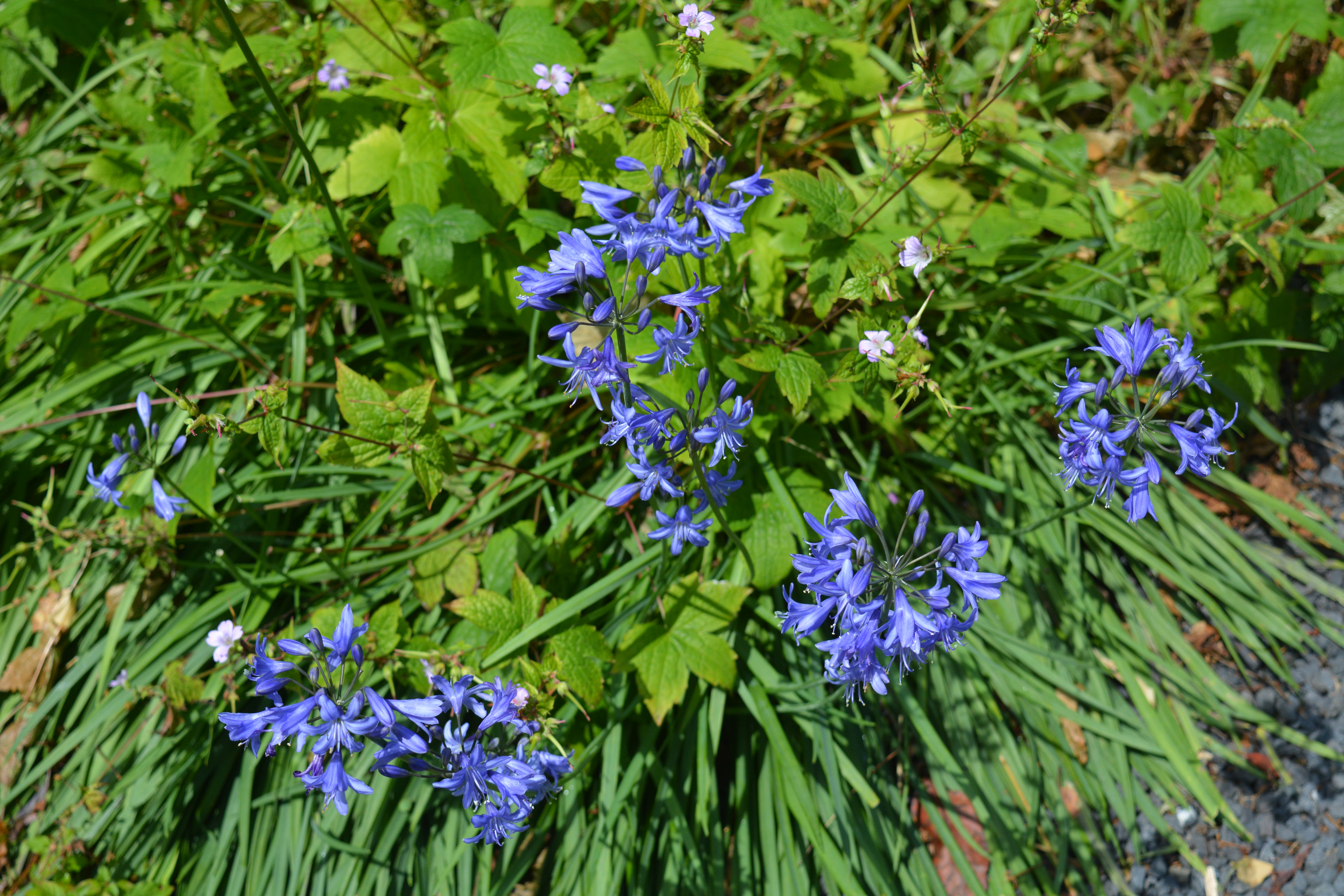
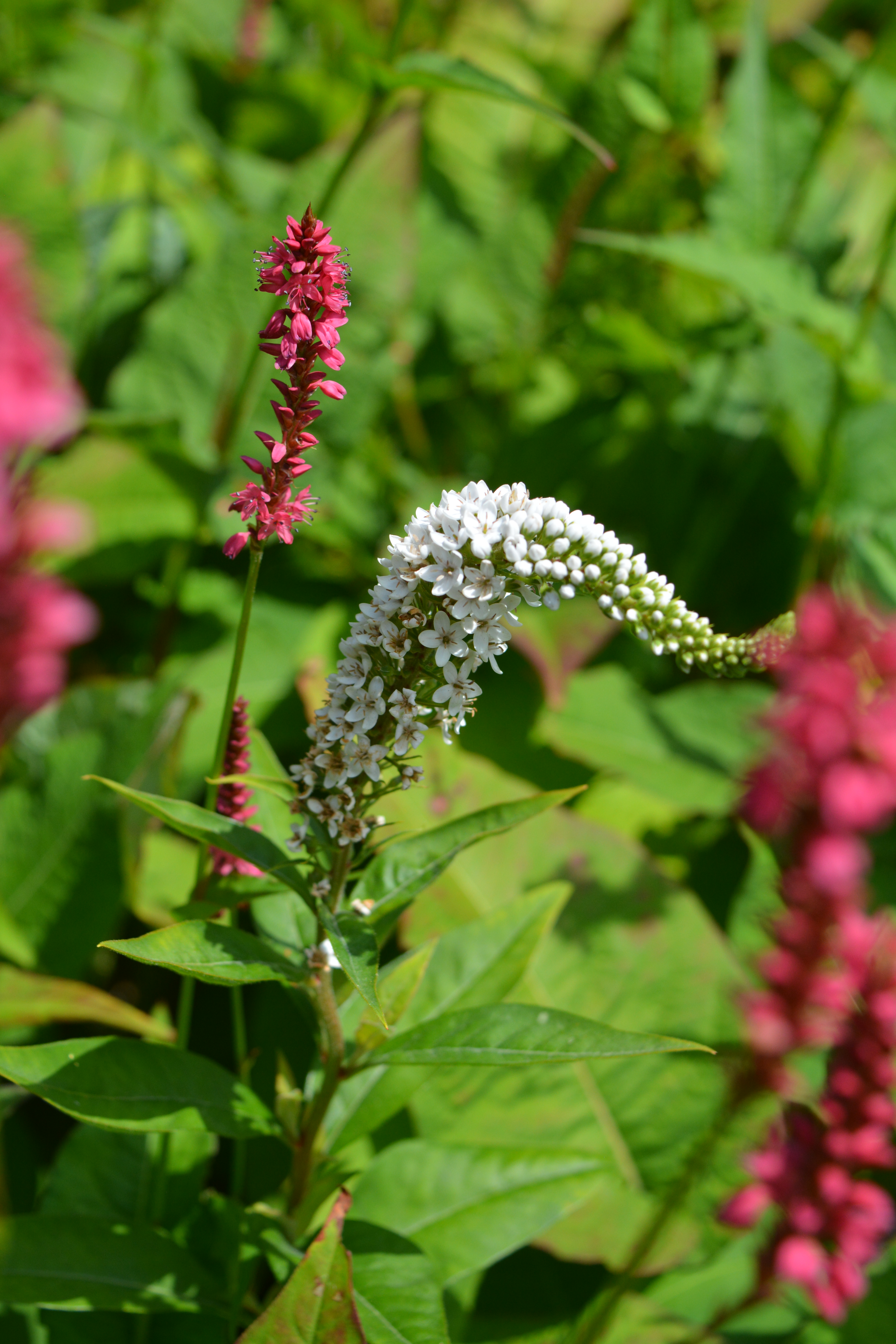
Herbaceous perennials appear in a few places beneath the trees and shrubs with Geraniums, Hemerocallis, Persicarias and Lysimachias showing well in the July garden.


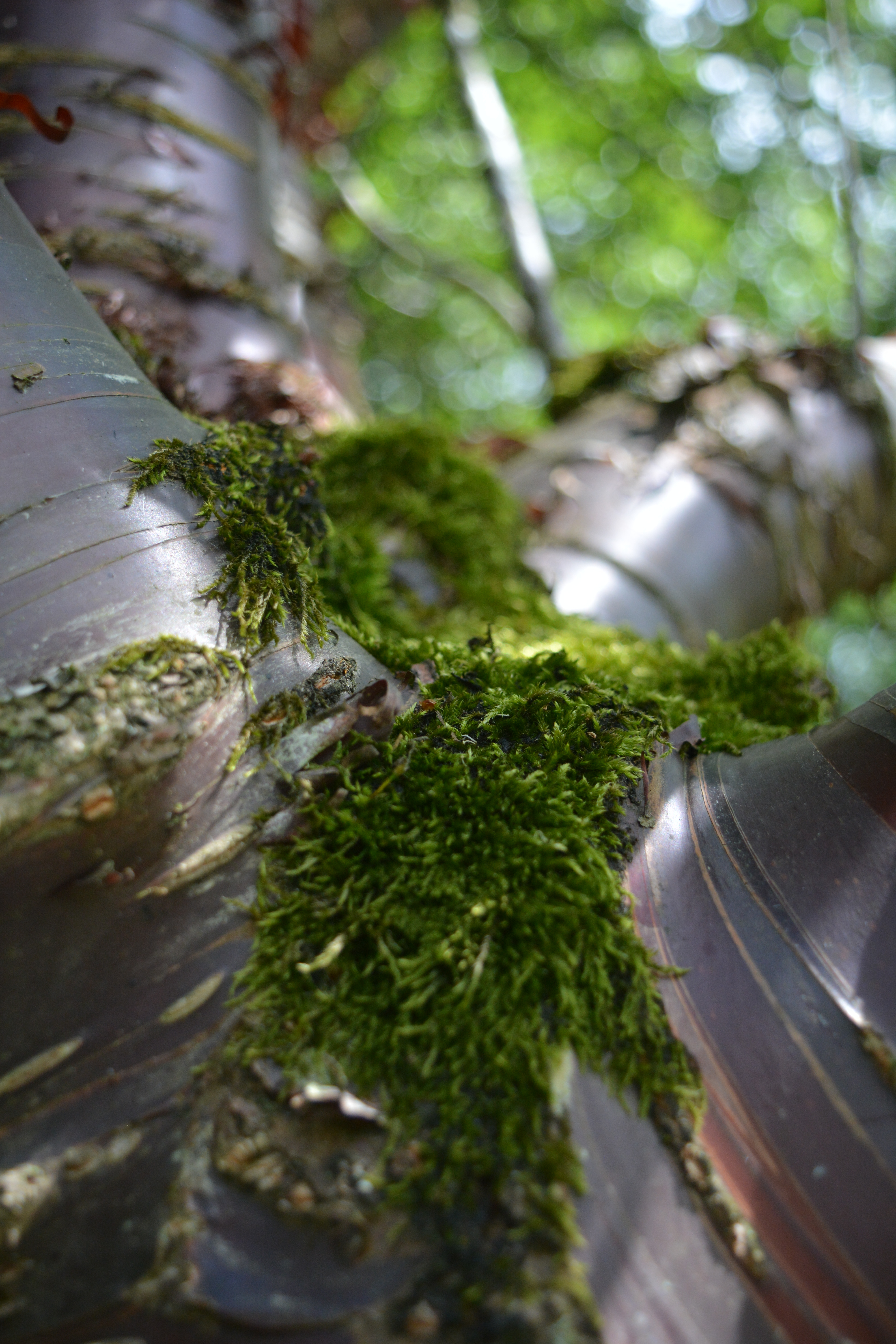
Sometimes it is the little details that catch the eye when we explore gardens. On this visit to the Dingle Garden Jude was attracted to the moss hitching a lift in the fork of a Prunus. The purple spires of the Acanthus looked just right next to the sculpture of the Red Kite.


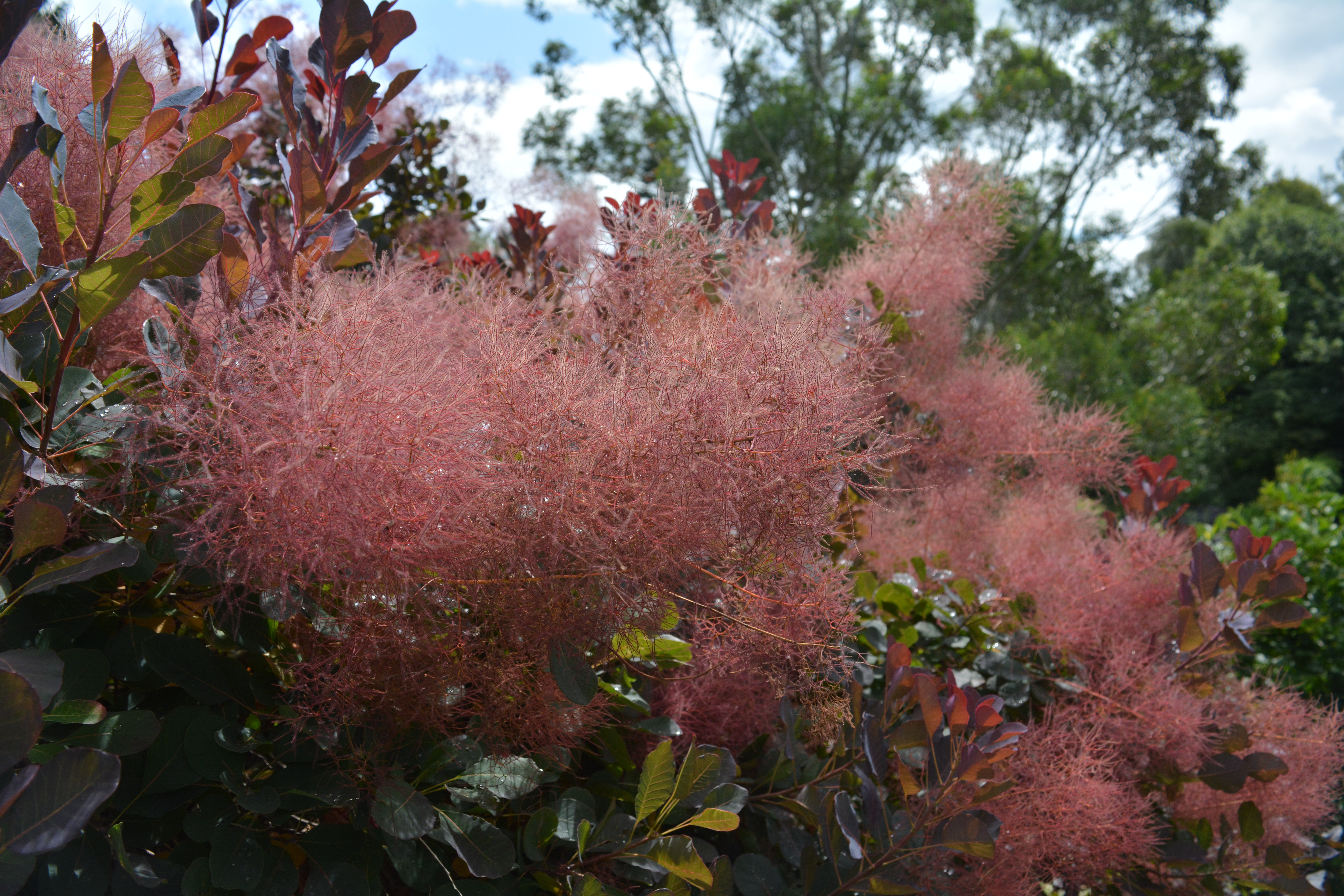
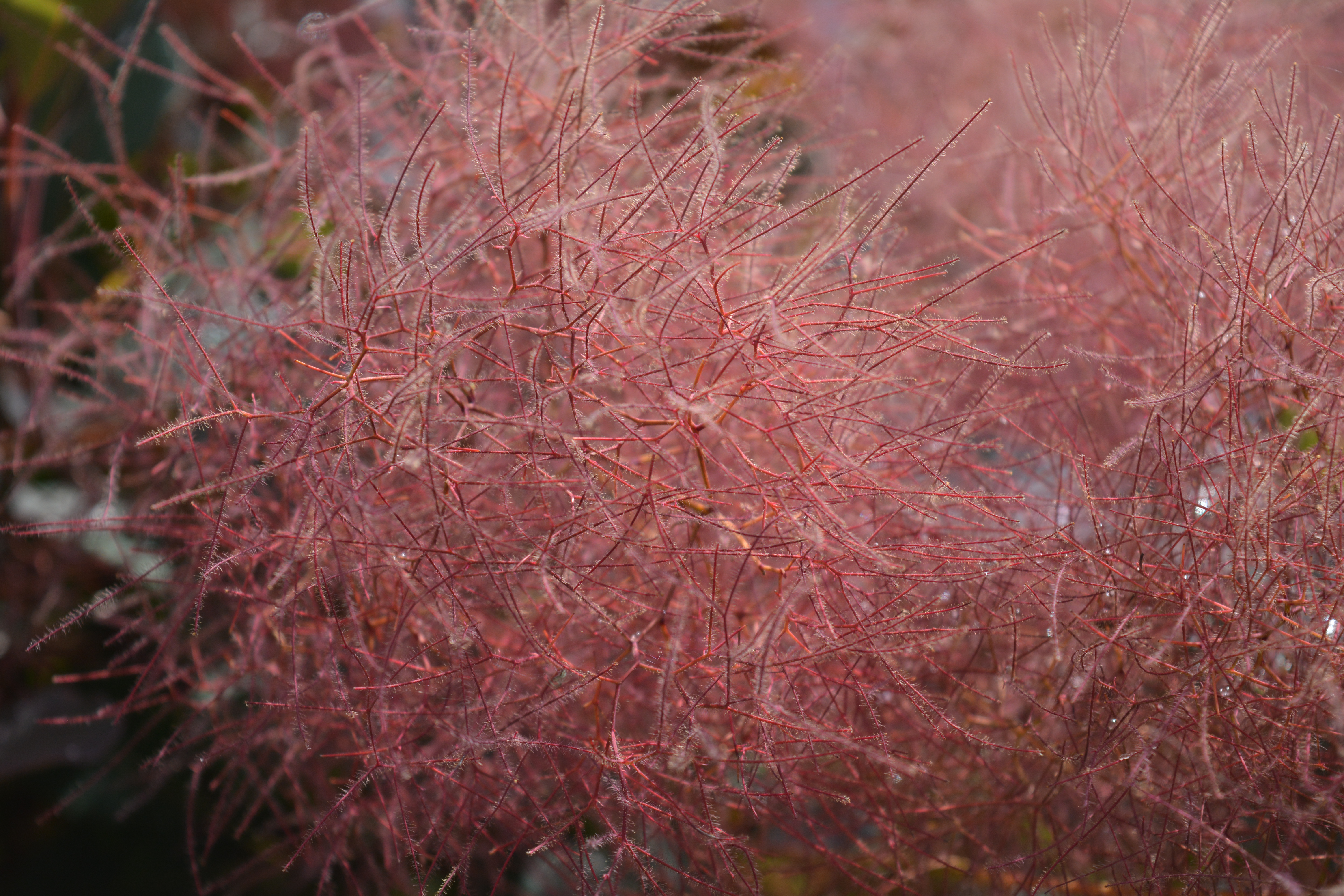
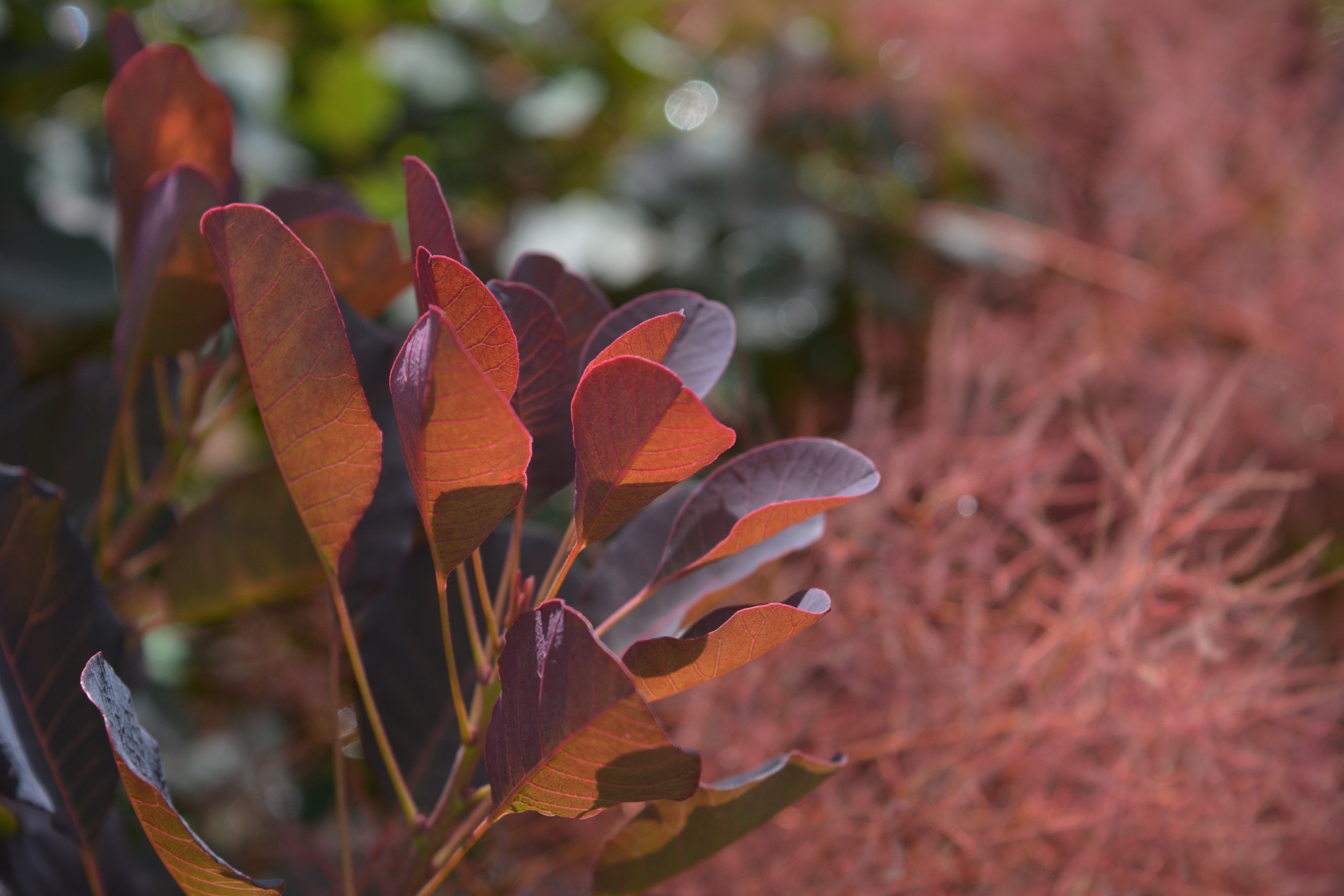
The real star of the July show was Cotinus coggygria with its deep red foliage with hints of glaucous blue and the smokey flower clouds.

So we will return next in August and see what late summer brings to the Dingle.

Categories
colours garden design garden photography gardening gardens gardens open to the public hardy perennials light light quality ornamental trees and shrubs Powis Powys roses shrubs trees Uncategorized Wales woodland woodlands

The Dingle Garden in June

As we reach the middle of the year we made our monthly visit to the Dingle Gardens, and for once the weather looked set fair. This meant that we had strong contrast between light and shade and any colour was brightly lit when the sun hit it, leaf colour or flower colour.

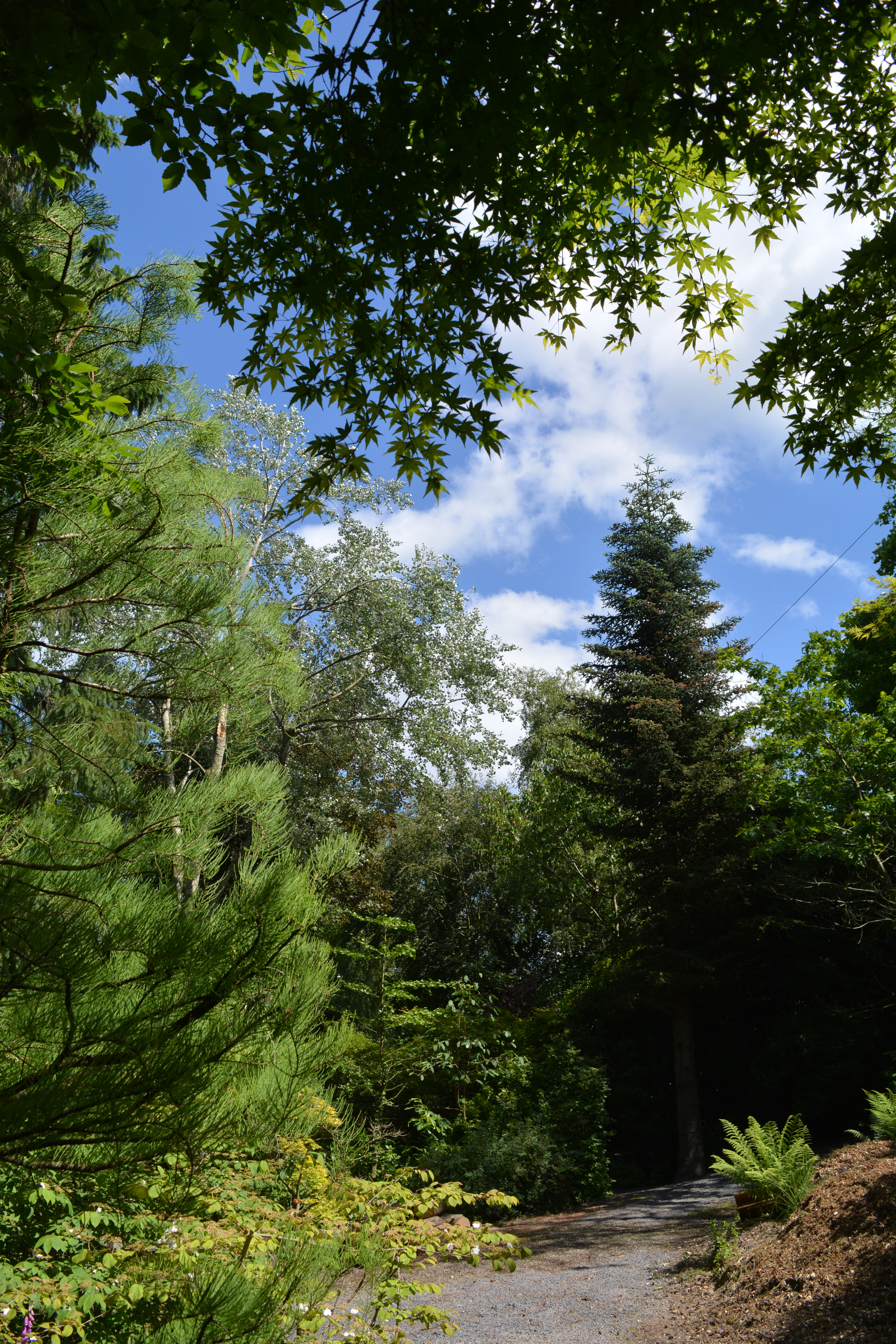
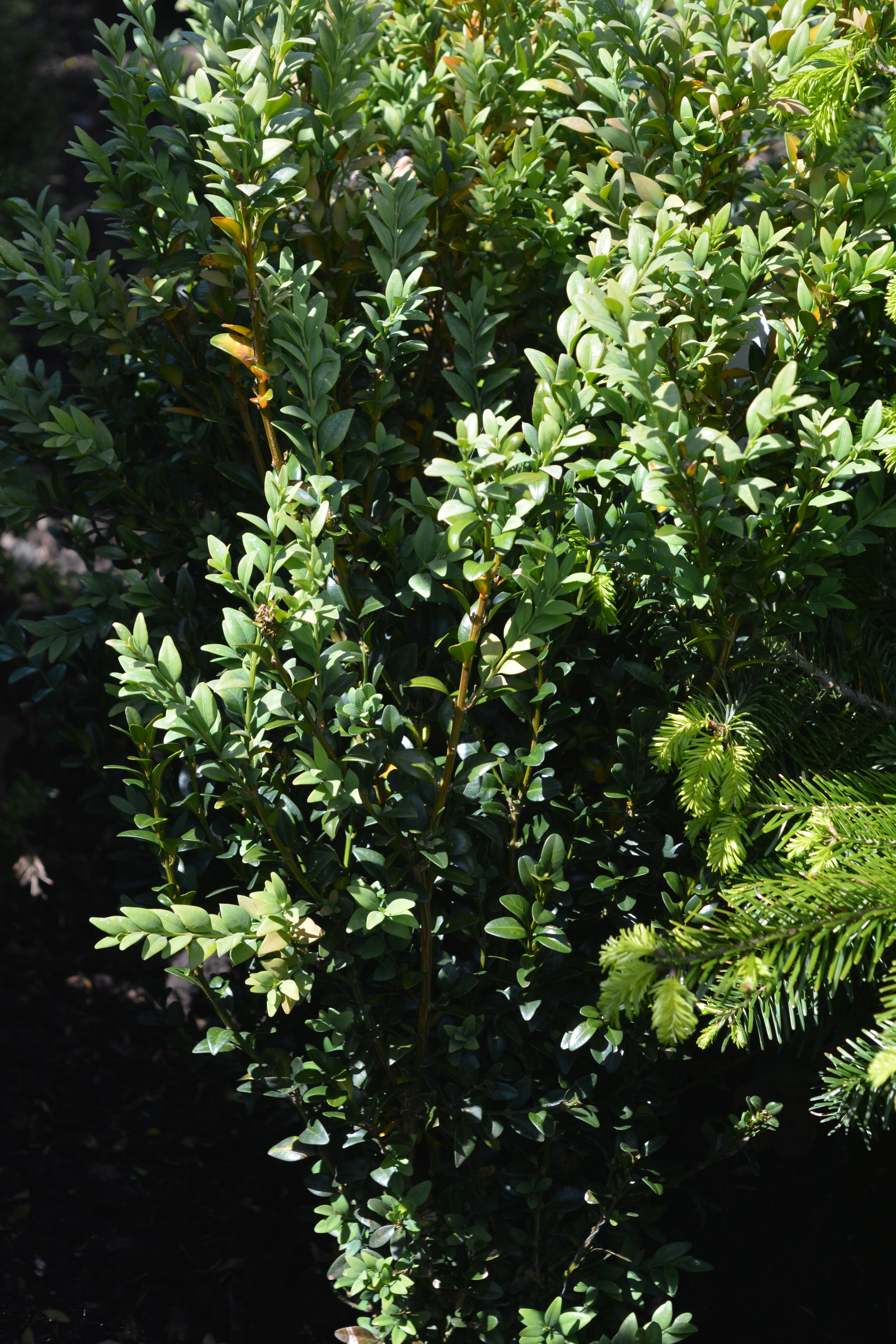
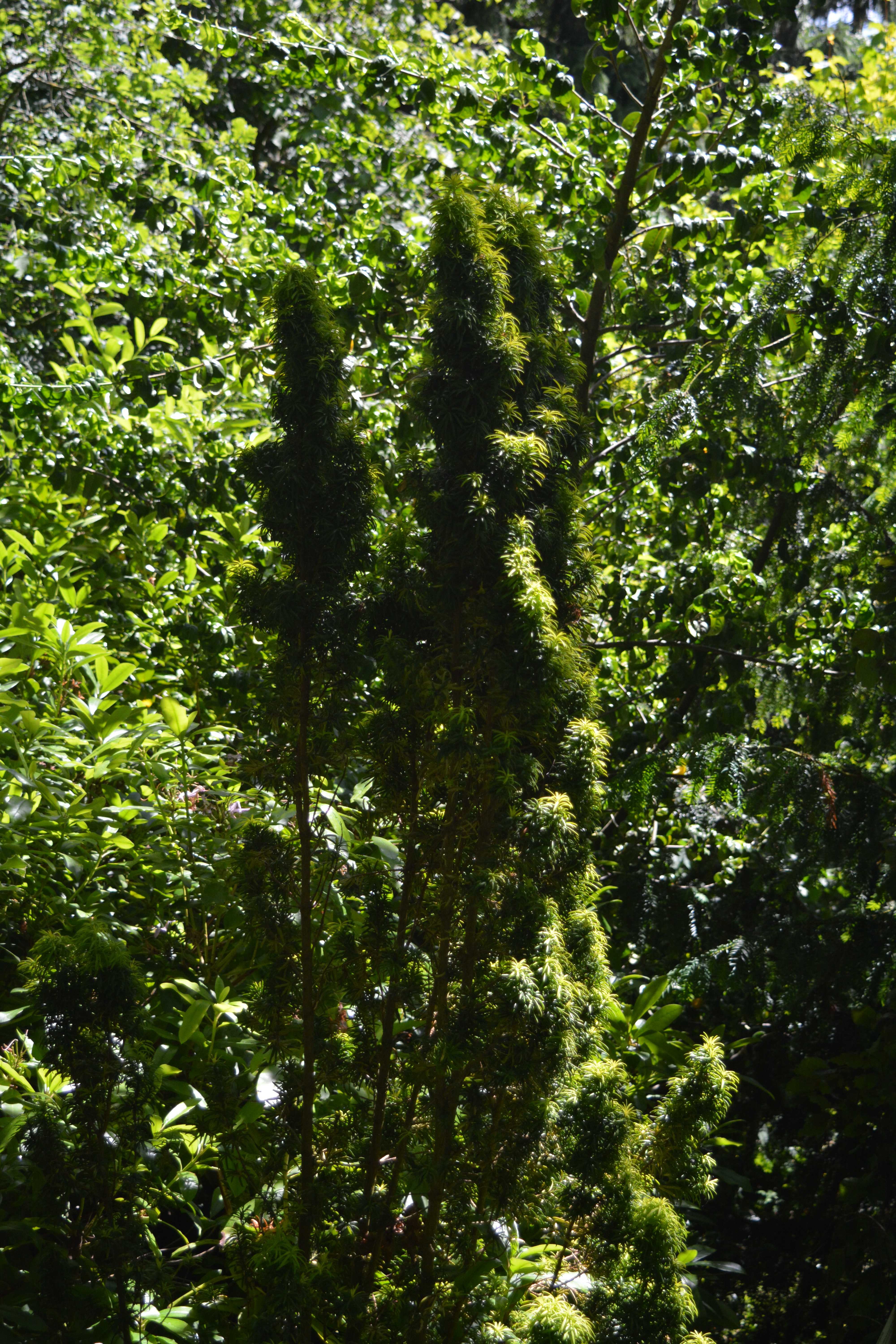
A Cornus kousa on the lawned area loked at its best, with creamy white bracts covering it from head to toe. The light emphasised the shapes and textures of quite ordinary trees ans shrubs lifting them above their normal character, including this tall conifer and the little Box shrub.


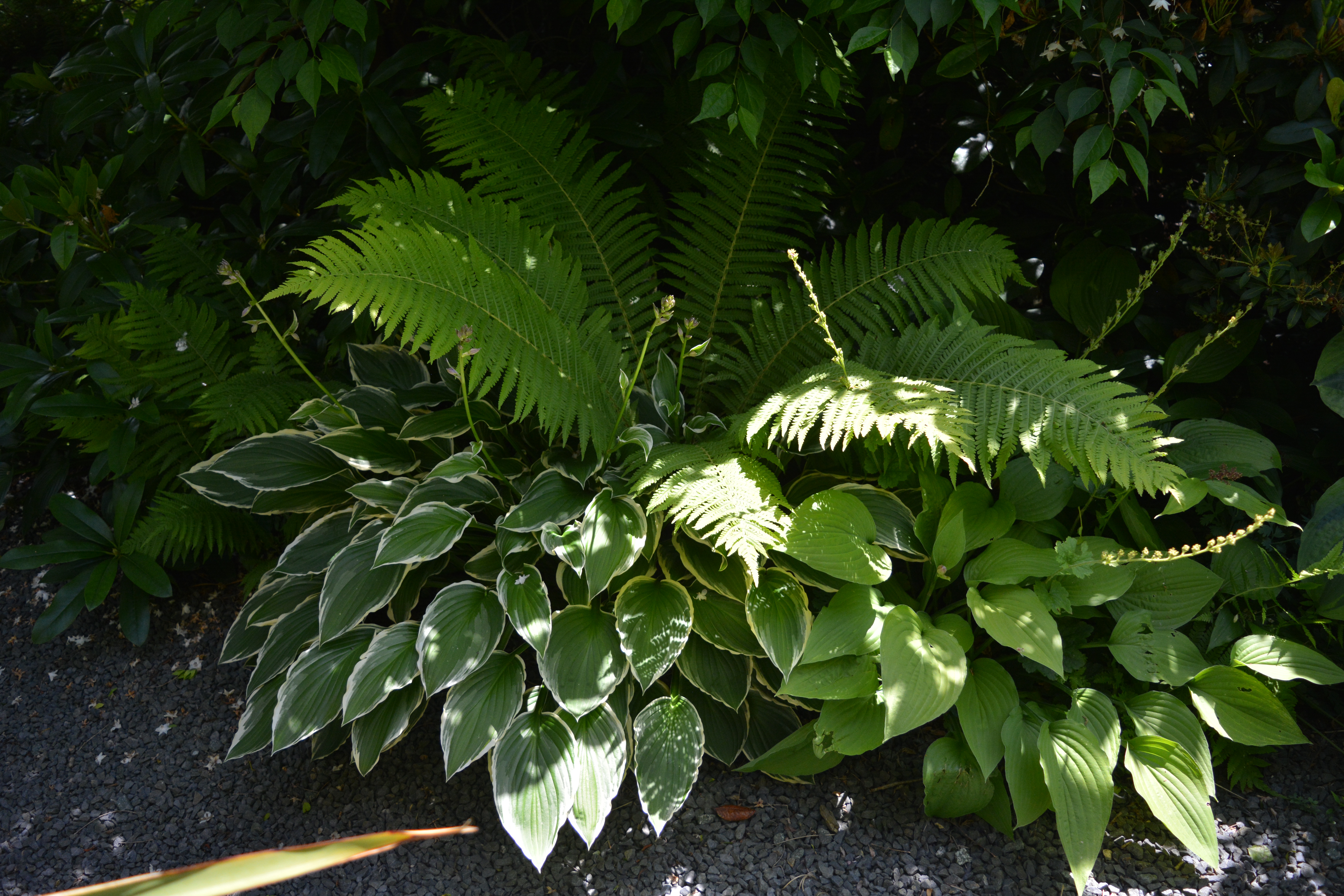
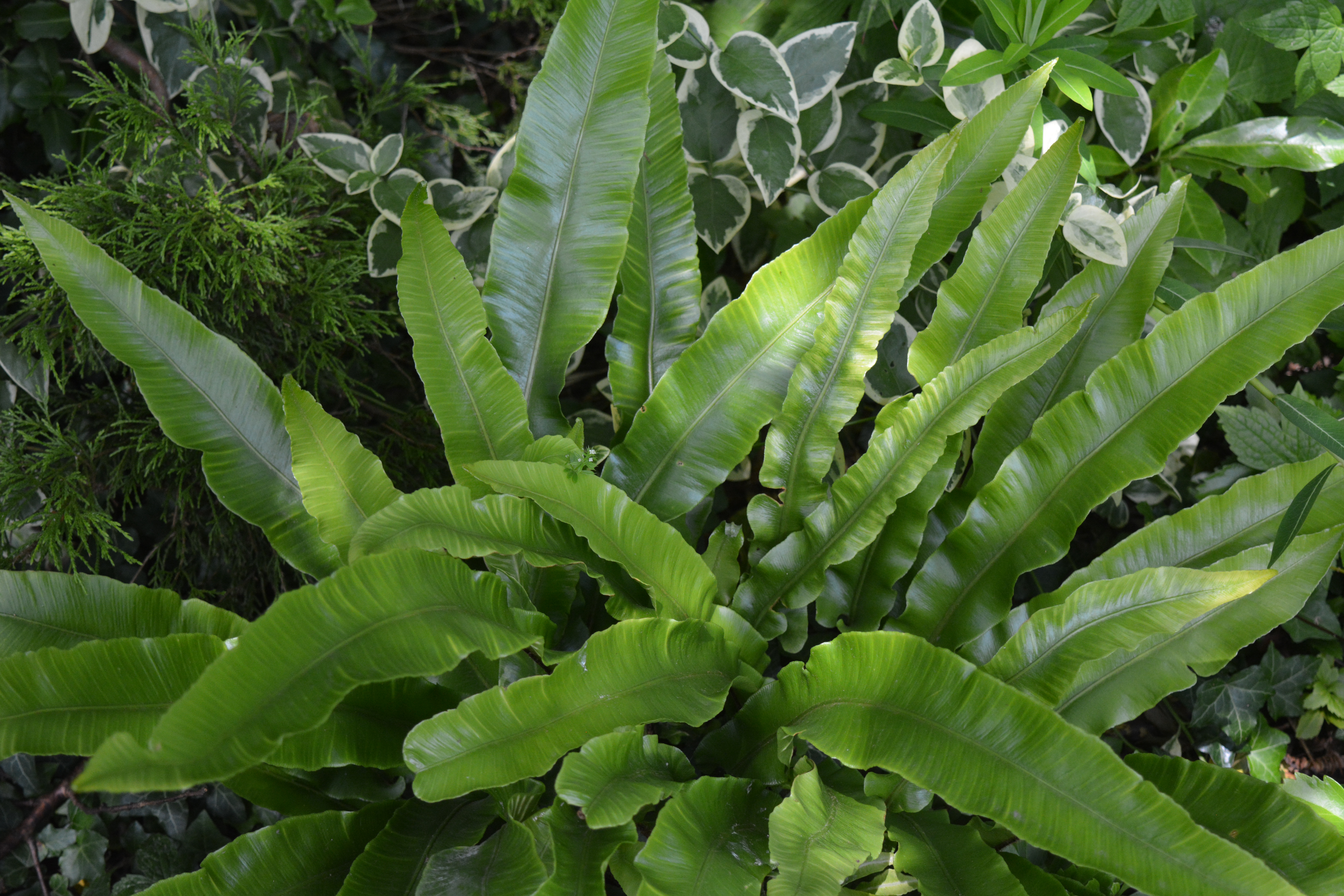
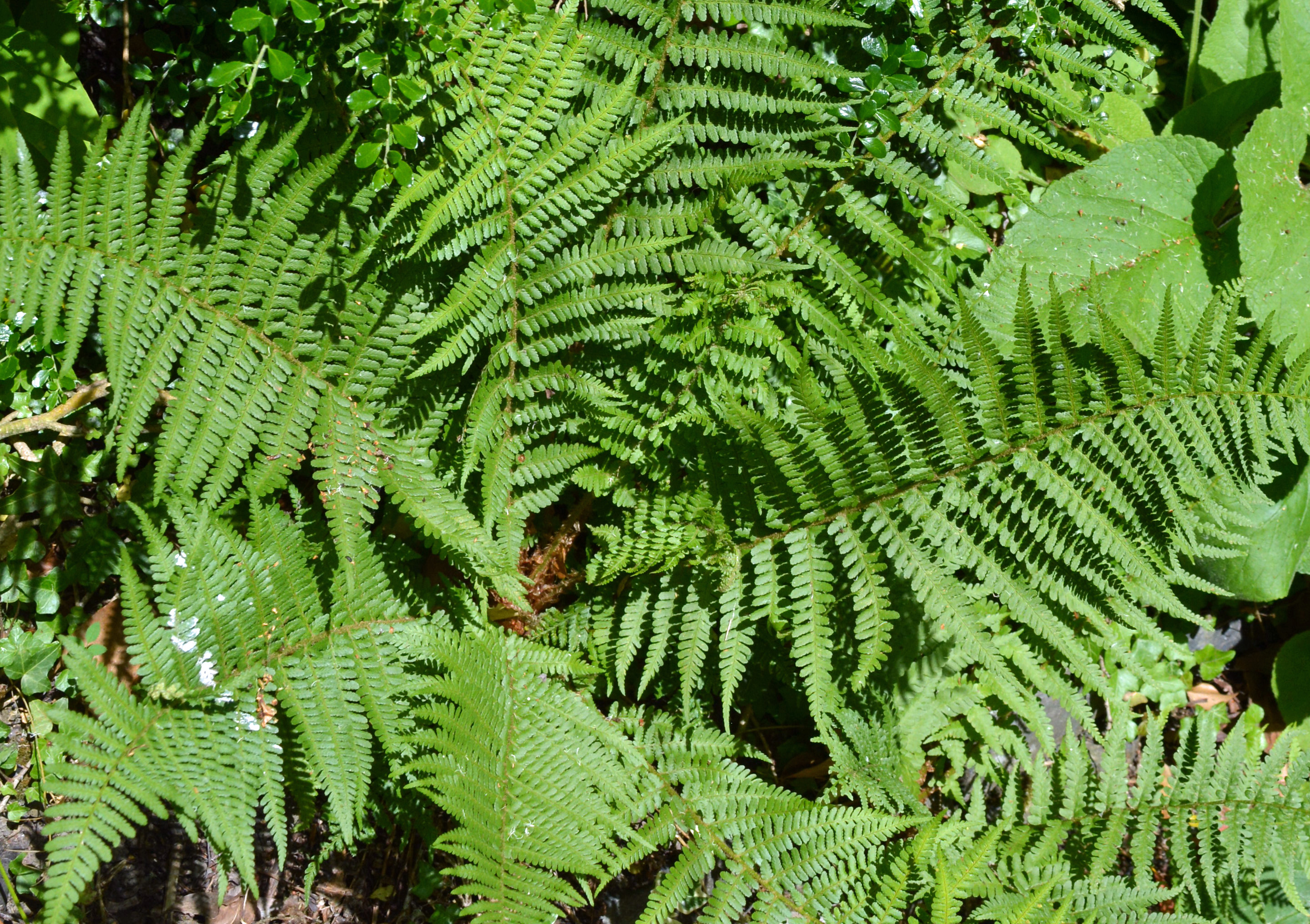
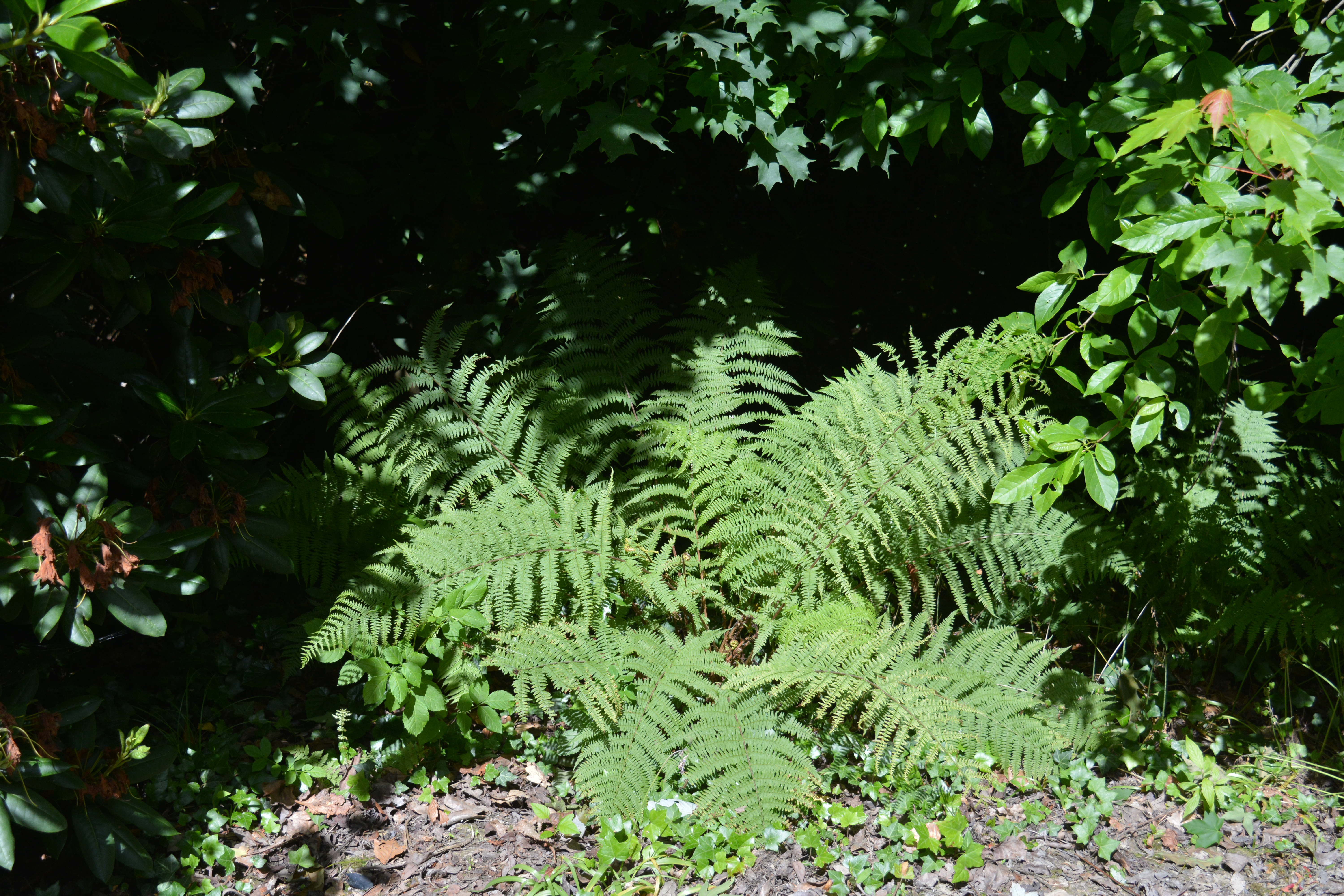
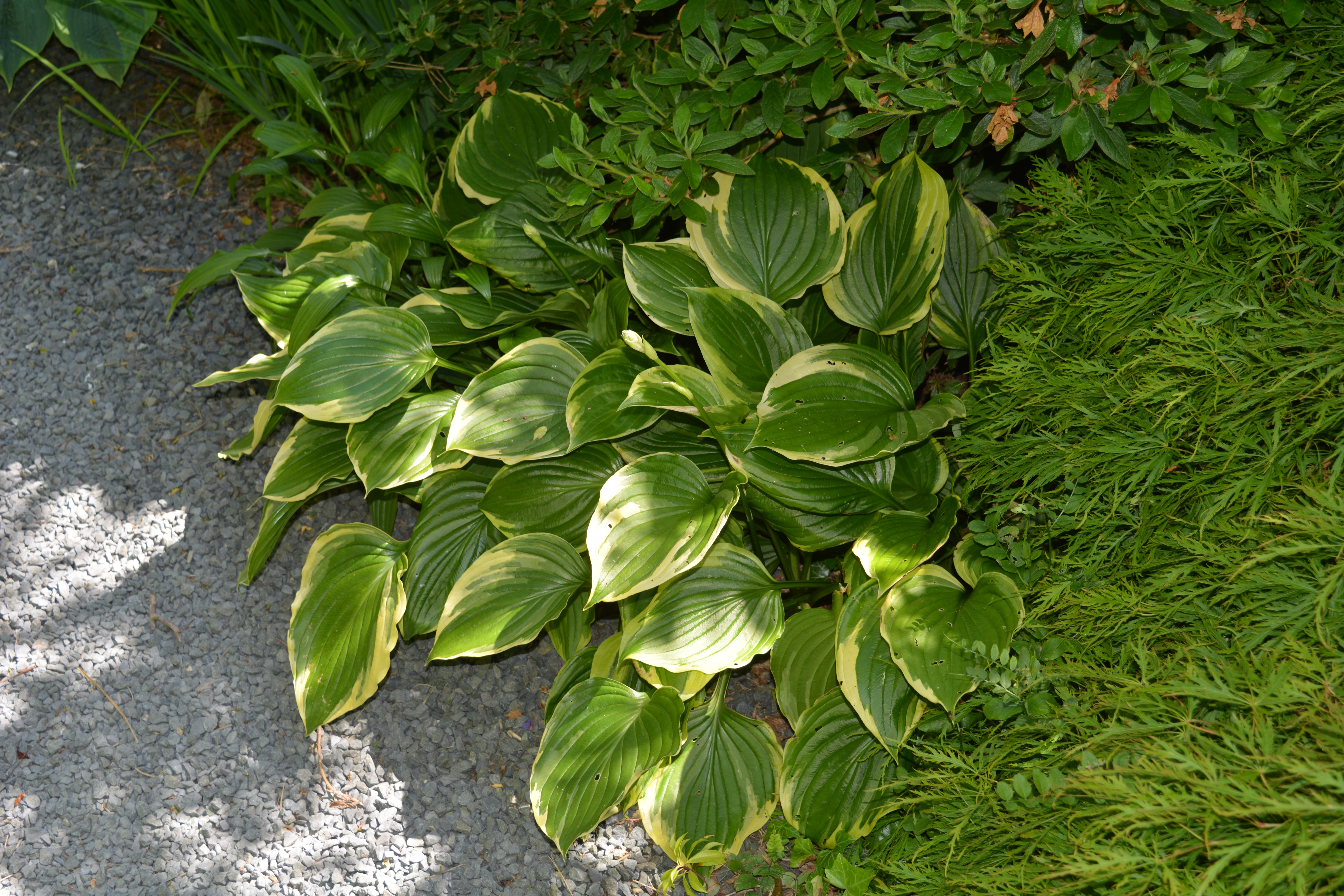
Hosta leaves and fern fronds looked lush and fresh and appeared in every shade of green, some glaucous and some almost yellow. Their textures were emphasised also by the light, every curl and ripple of leaf and each curl and twist of fern fronds.


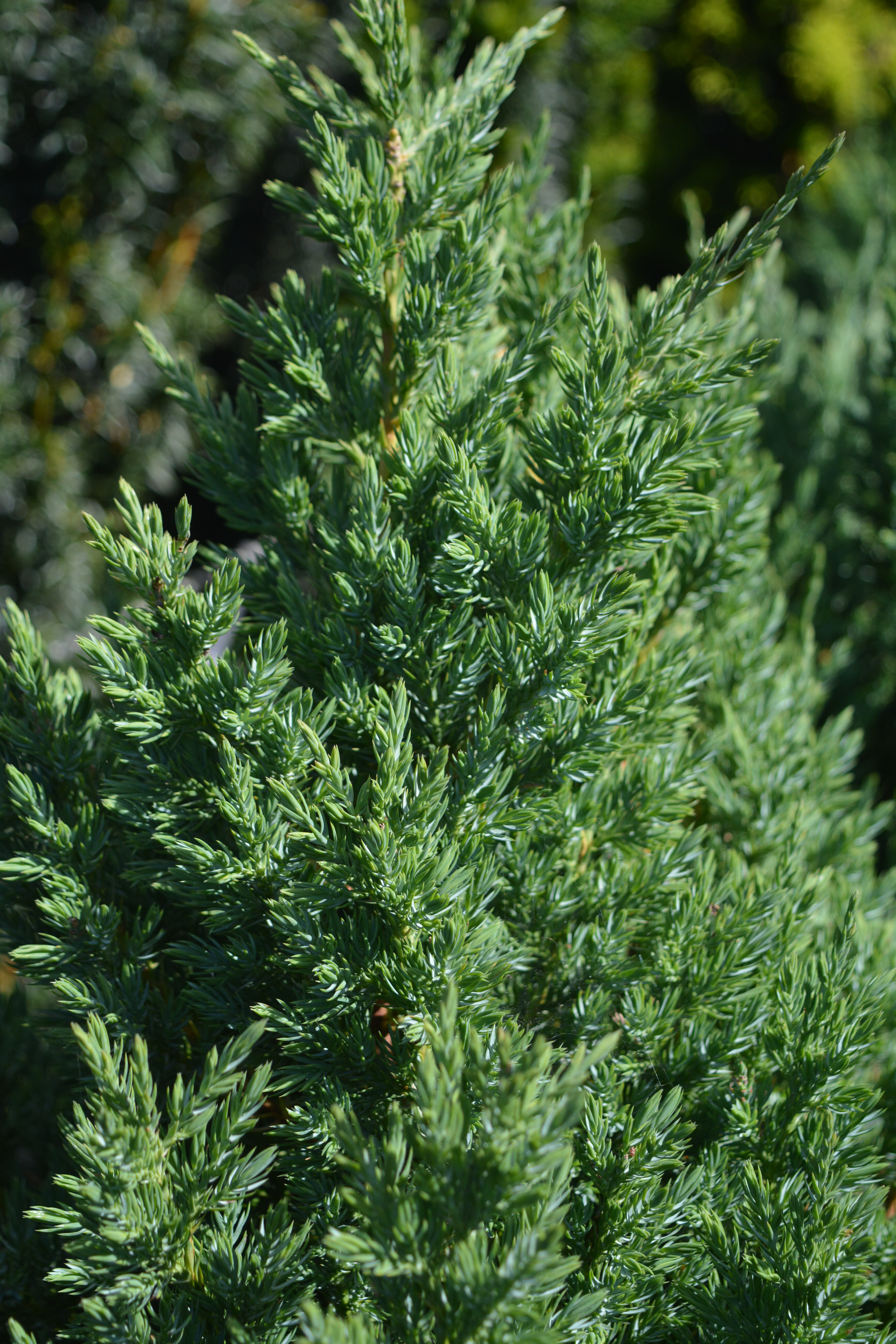
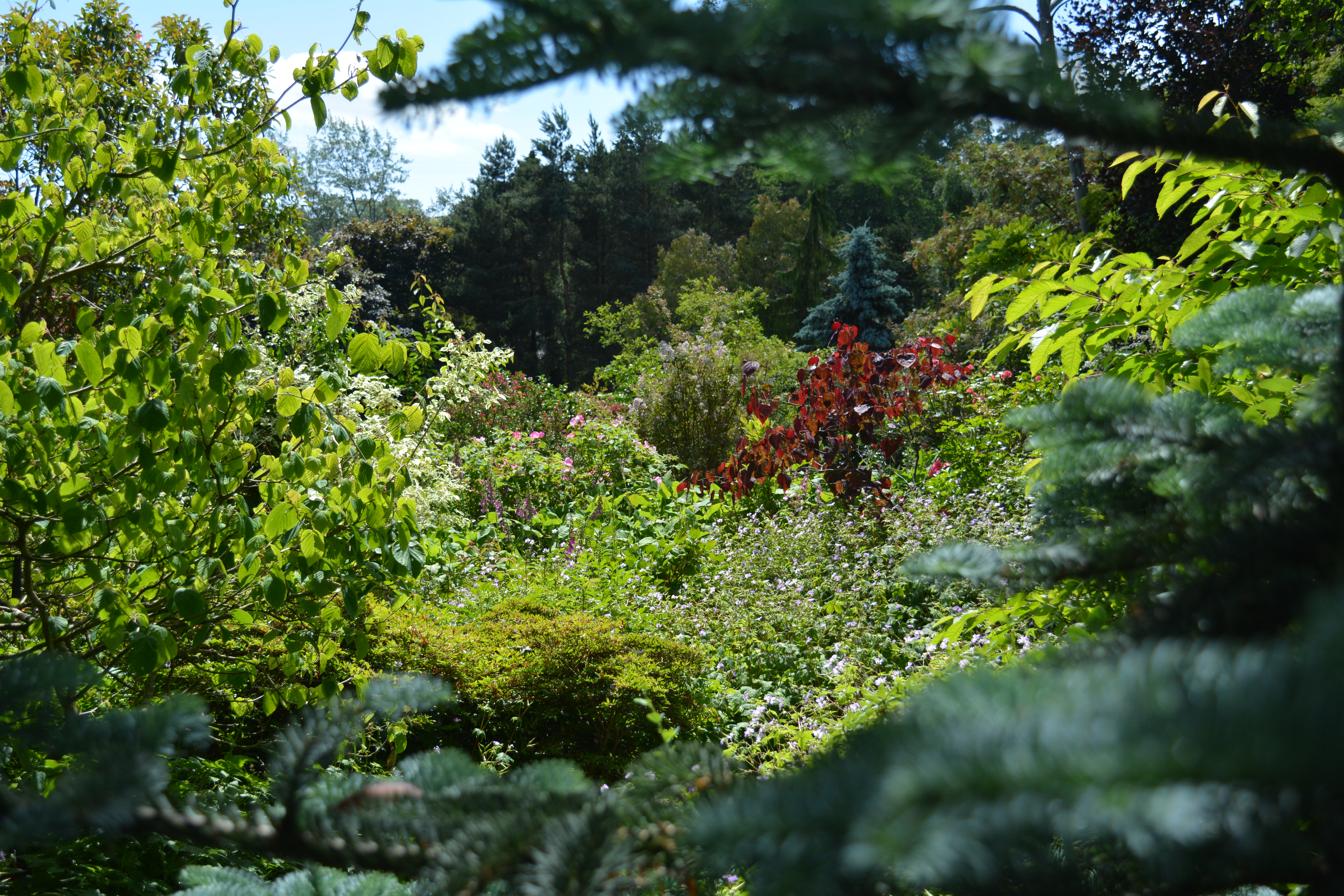
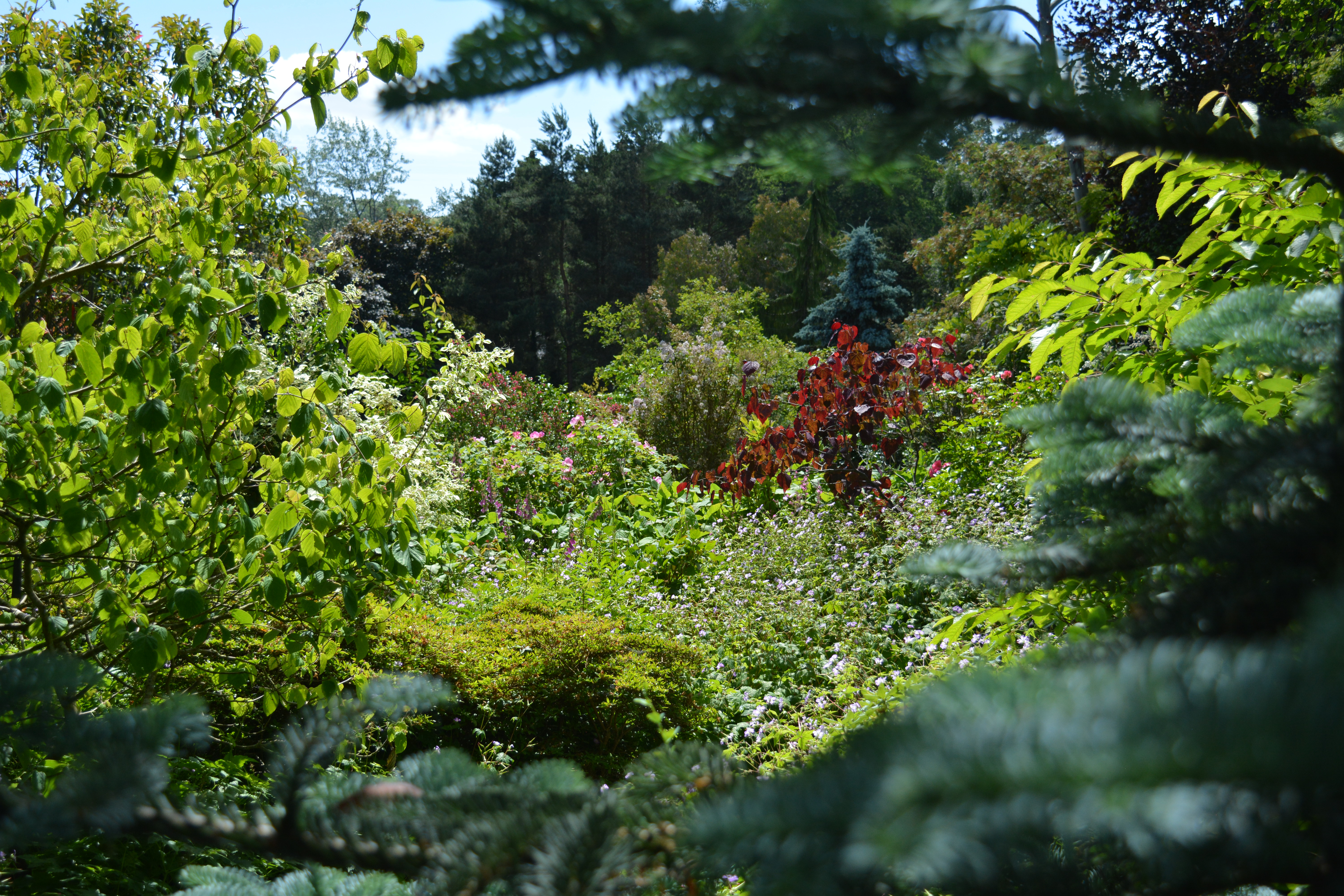
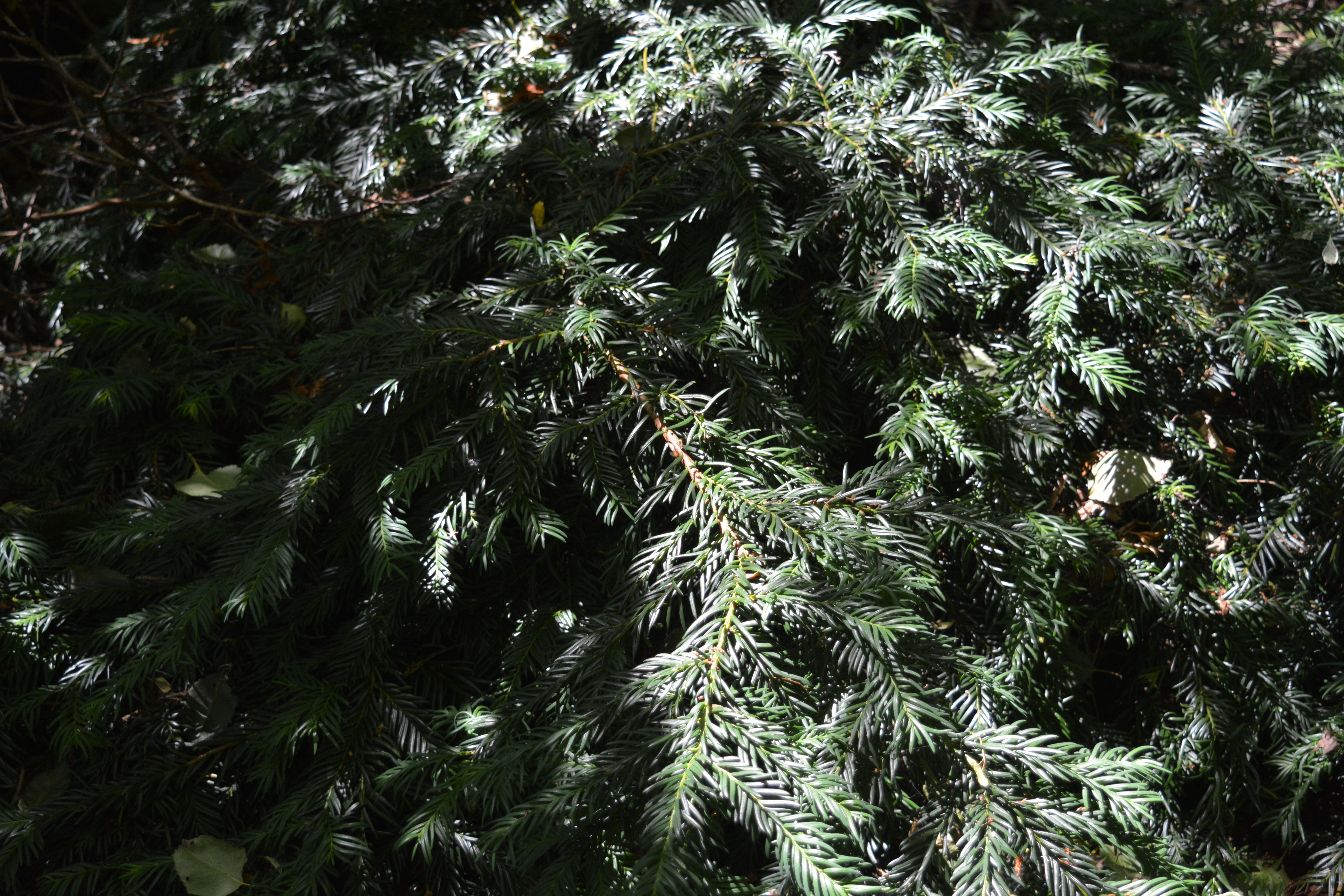
Conifers are difficult to appreciate in such a heavily planted hillside garden but on this day they seemed extra interesting with extra interest in their needle shapes and colours.


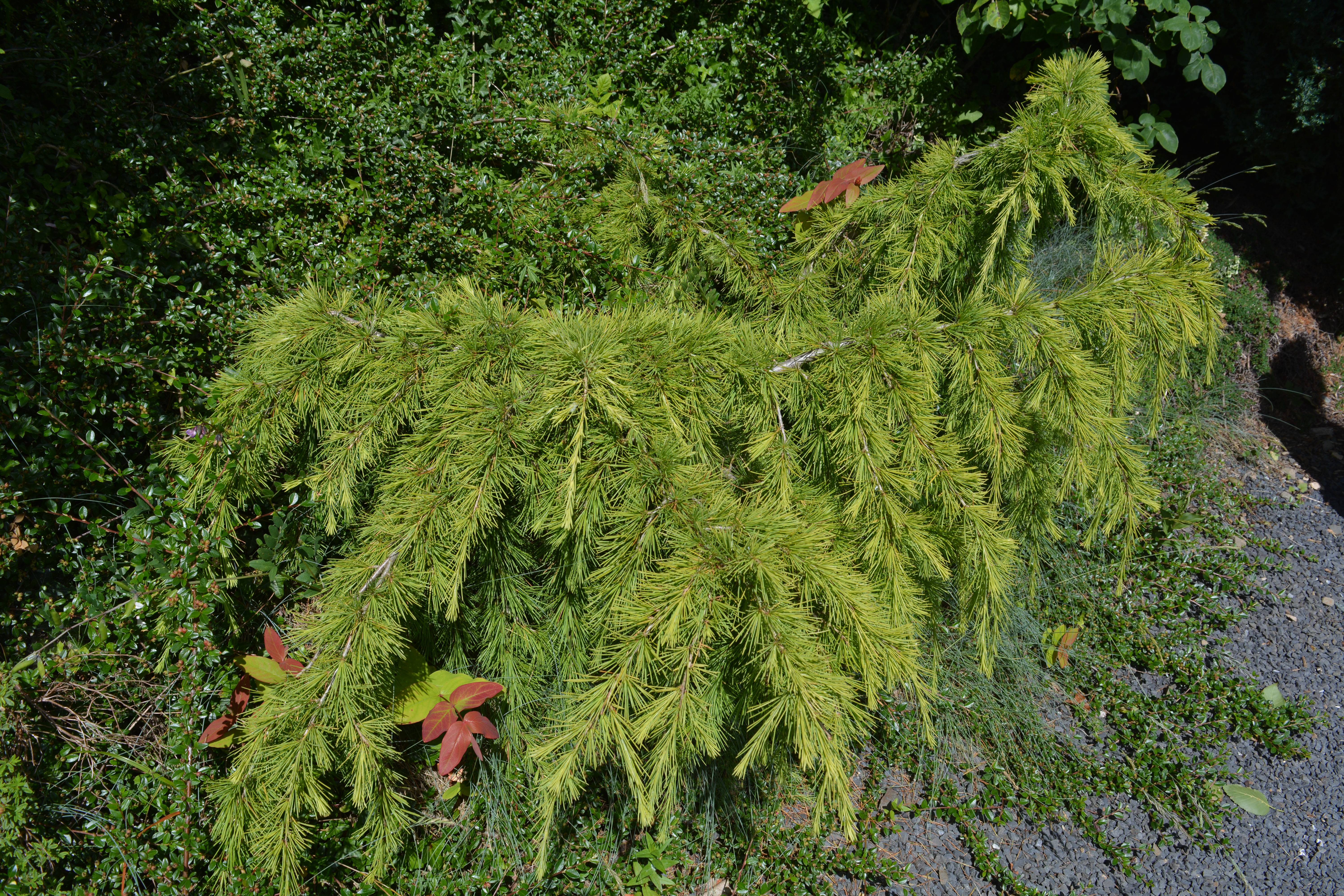
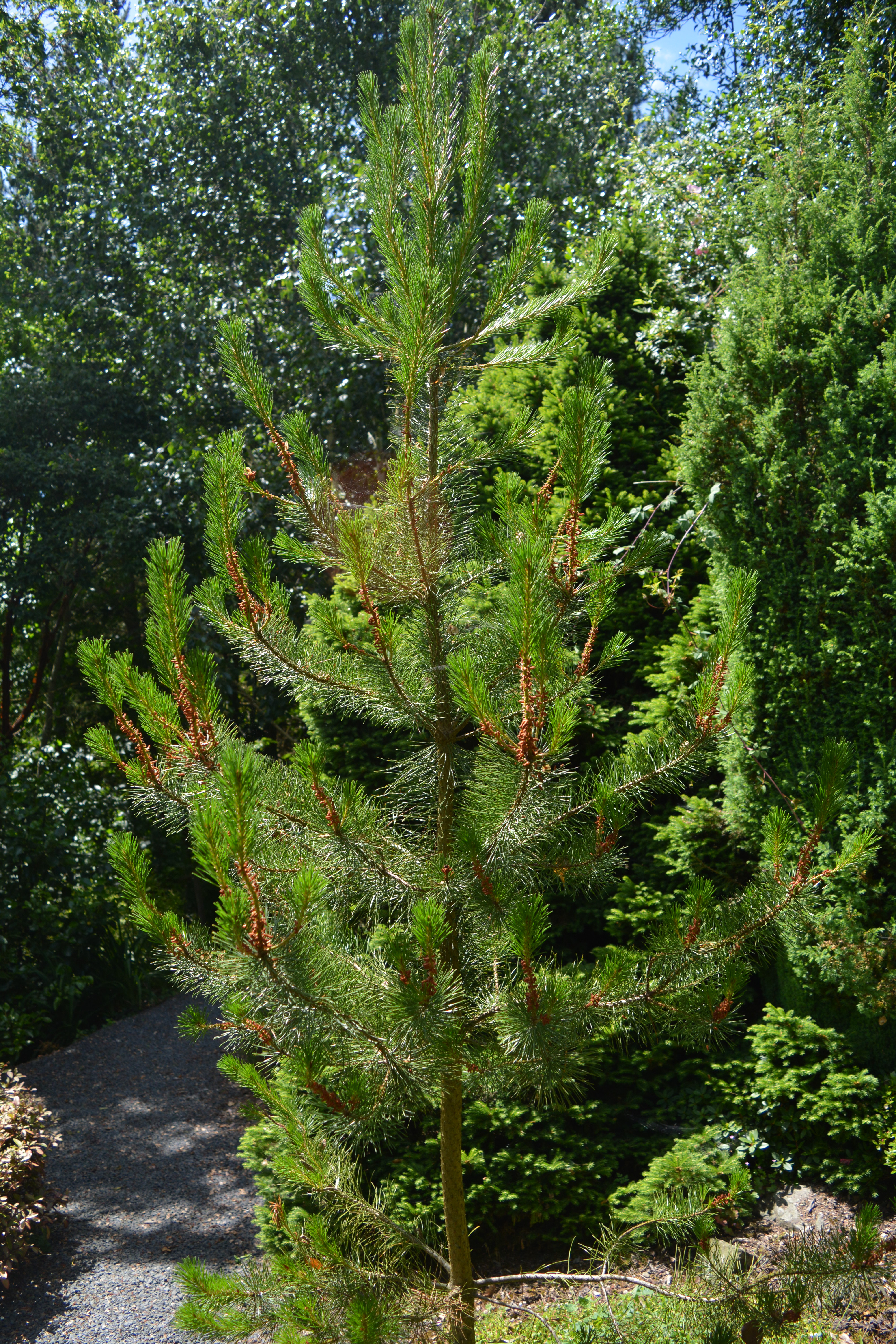
Conifer foliage appeared far more textured and more varied in colour than on the dull days of our earlier visits as the bright sunlight emphasised both the colours and textures.


The shubs were flowering well on this visit and some petals became almost translucent and a few perennial plants had cme into bloom too. These flower colours had an extra element of richness to them as they presented strong contrast to the multitude of greens and greys of foliage.

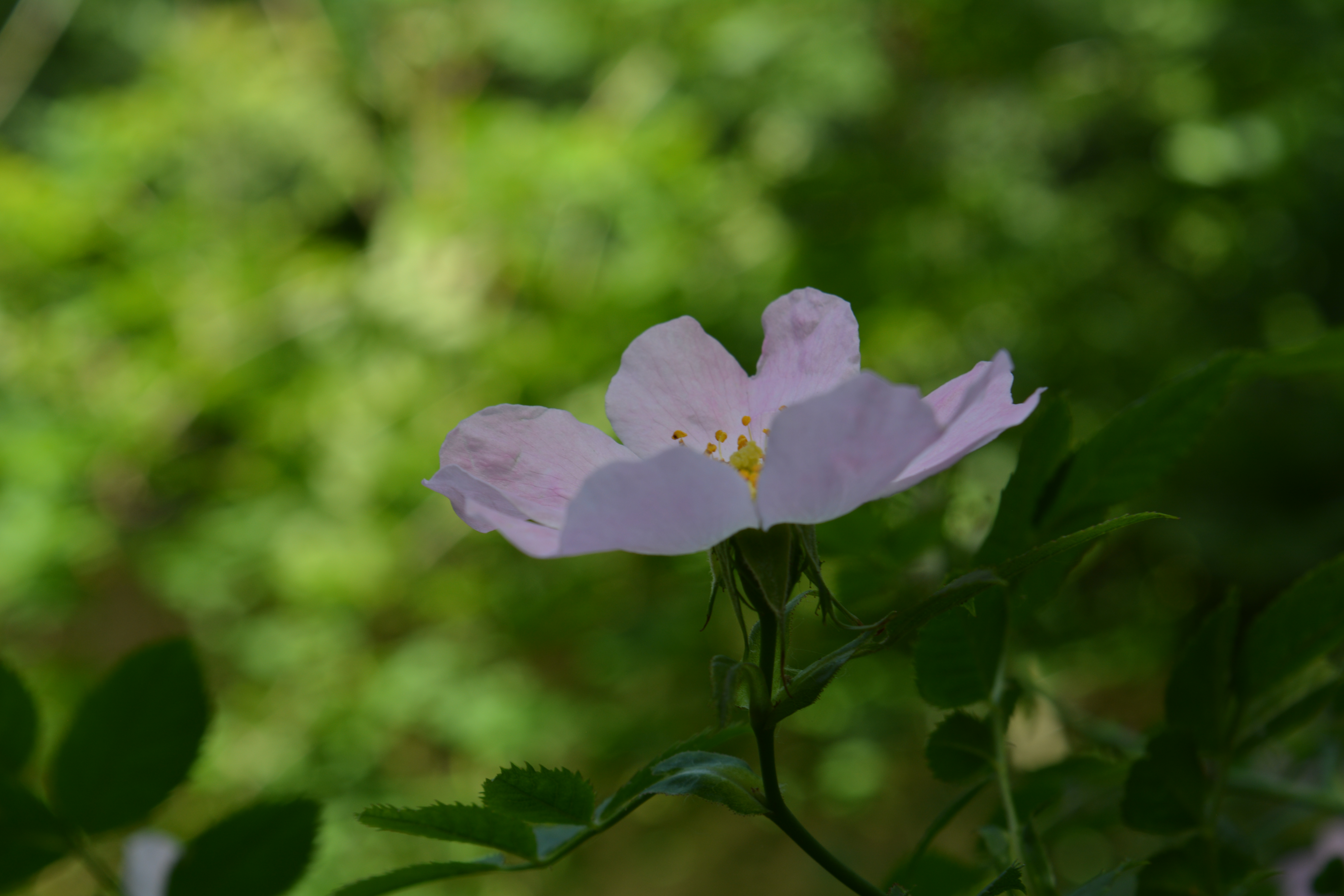
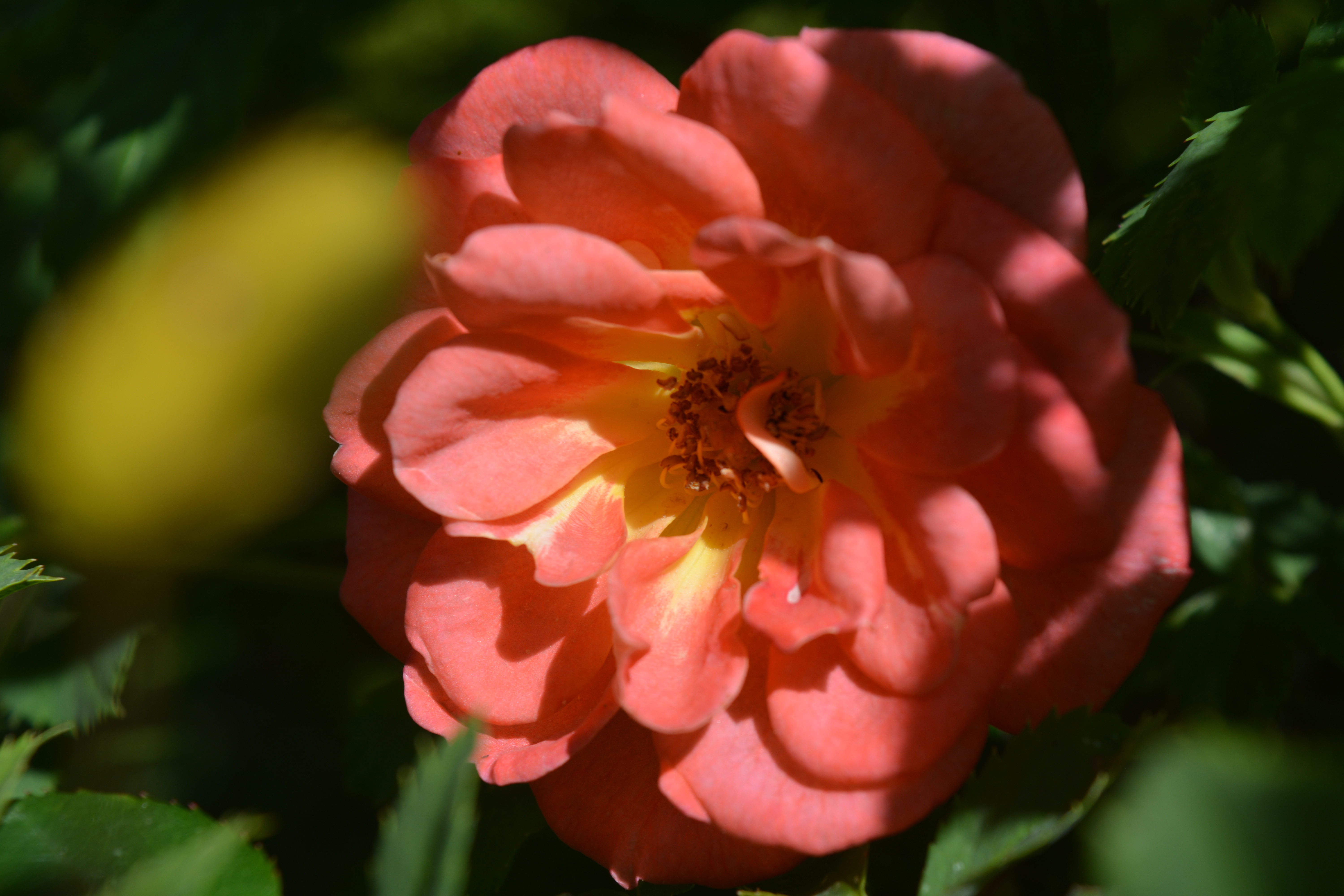
Roses seemed to have appeared from nowhere. In a garden full od trees and shrubs with interesting foliage, bark and stems rose bushes out of flower really do disappear. But in June suddenly the subshine finds heir beautiful scented flowers. Most here are simple blooms including our native roses.

To finish off my post on our June visit to the Dingle Garden I shall sign off with a gallery of flowering shrub photos, which I hope you enjoy. We will be back in July for our next monthly visit to see what is going on.


Categories
garden design garden photography gardening gardens gardens open to the public hardy perennials National Trust ornamental trees and shrubs outdoor sculpture sculpture The National Trust trees

Anglesey Abbey in mid-Summer

Anglesey Abbey gardens are best known for their brilliant Winter Gardens, which were the first well-known gardens designed to be at their best and visited at this season. But there is far more to these premises than this seasonal garden, such as beautiful gentle herbaceous borders and lots of plants that attract wildlife.


The famous Winter Garden is still worth wandering through though!


We set off beyond the Winter Garden to see what we could discover of interest in the rest of the garden. We felt sure we were in for a few surprises! Turning a corner and rounding  a hedge of glossy leaved Laurel we found a mystery. A piece of sculpture? A clock? We explored it for a while before we realised its true identity.

The oak structures are designed to support visitors as they lean back to enjoy the wide Fenland skyscapes.

To return to the entrance we followed a tow path alongside a very overgrown canal, its surface carpeted with our native yellow waterlily.

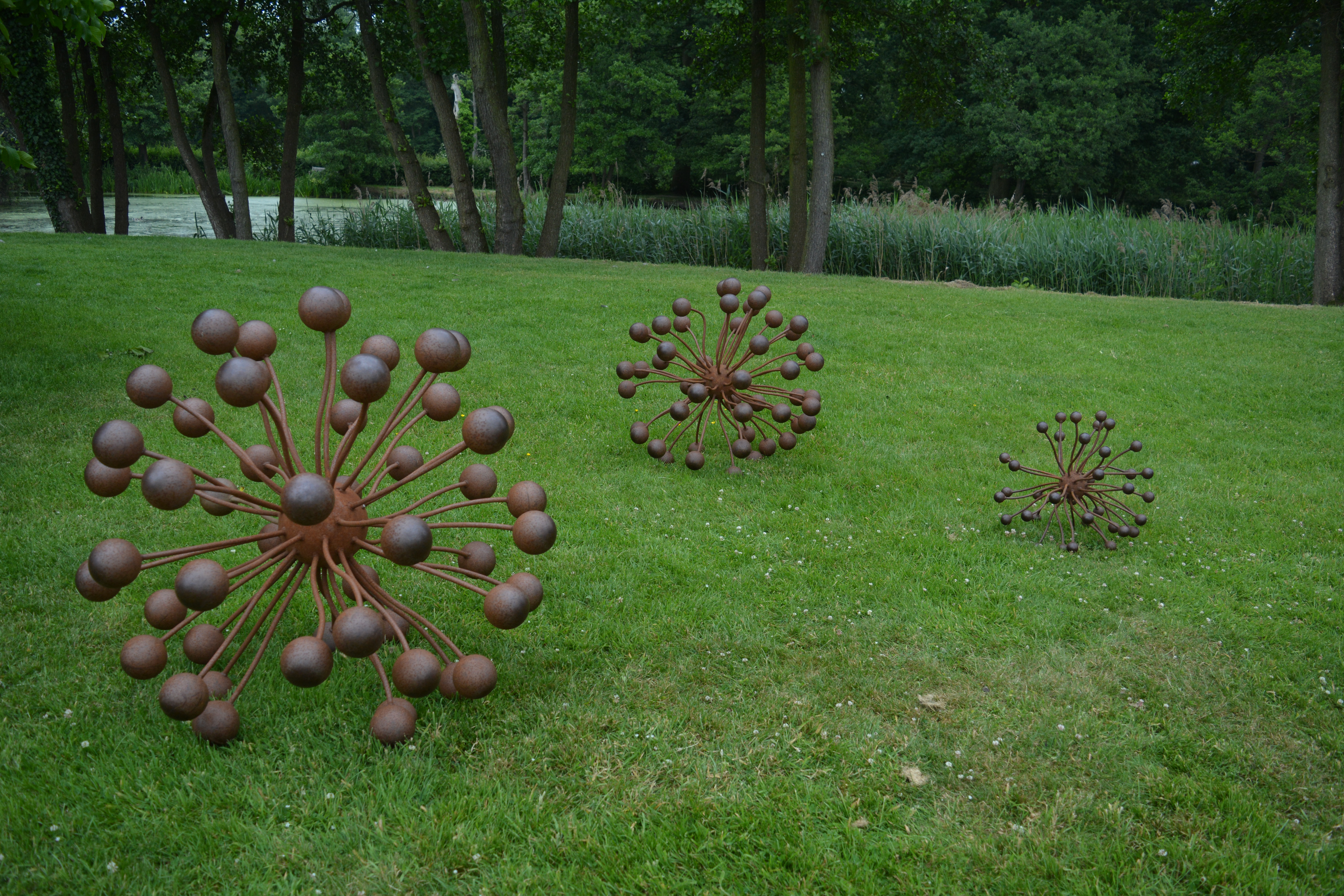
Looking upwards we noticed an open structured sculptural piece hanging from a bough of a mature tree. It presented a strong contrast to the stone griffin close by.


In the end though what makes a good garden great is the quality of its plants and how they are put together. The photos below prove just how great the gardens at Anglesey Abbey truly are whatever time of year you visit.

Categories
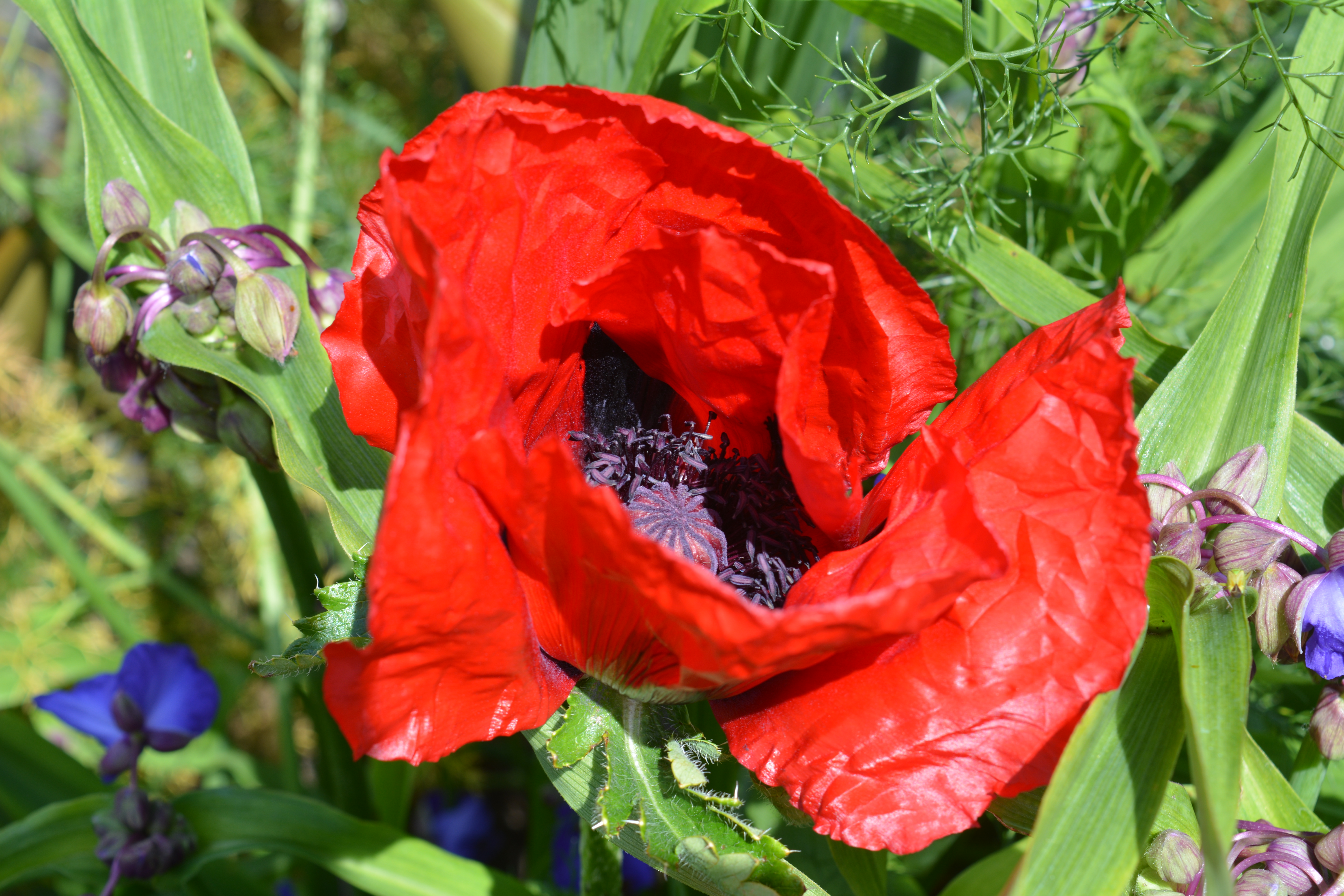
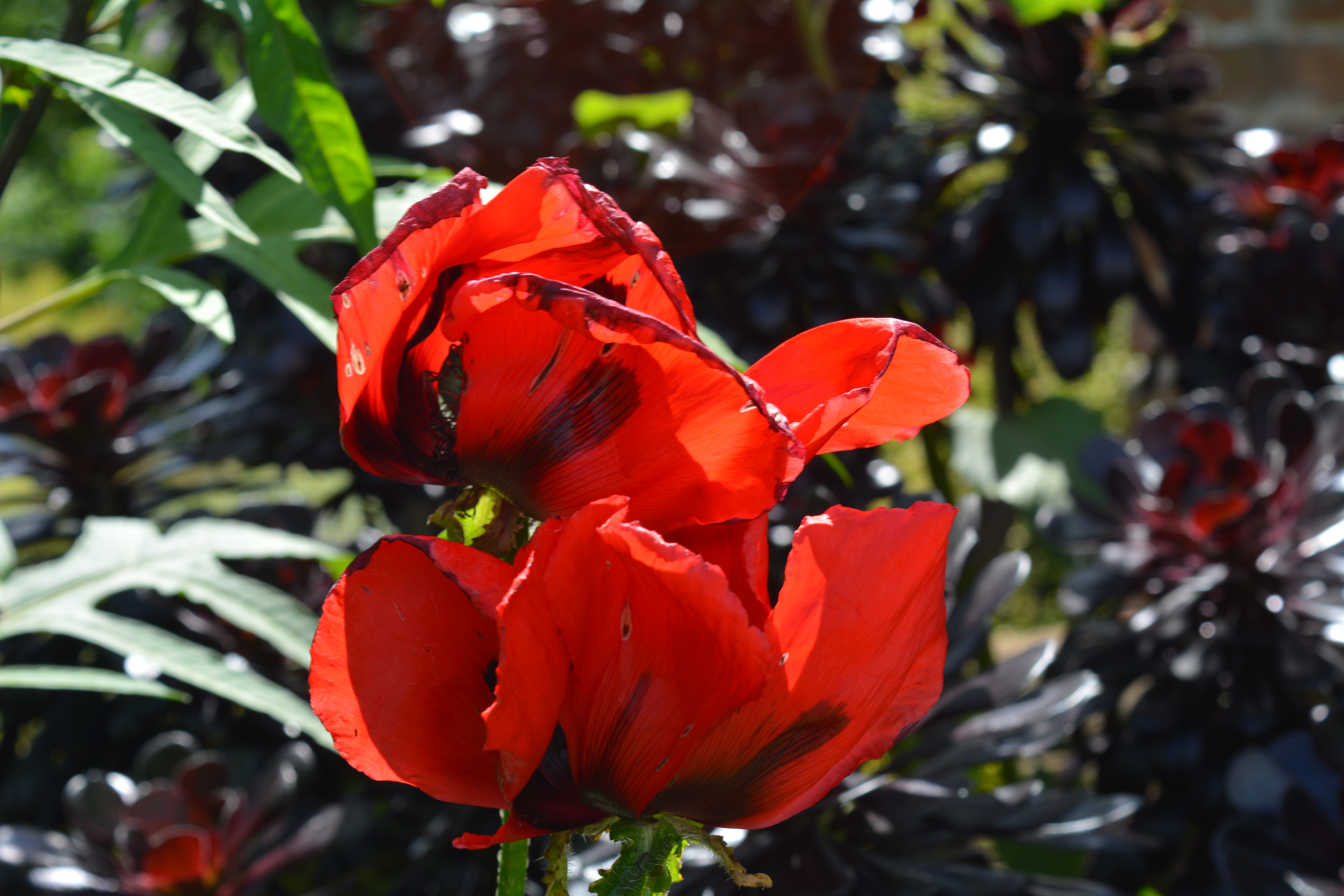
climbing plants colours garden design garden photography gardening gardens gardens open to the public half-hardy perennials hardy perennials meadows National Trust ornamental grasses ornamental trees and shrubs poppies roses The National Trust

Packwood – one of the stars of the National Trust.

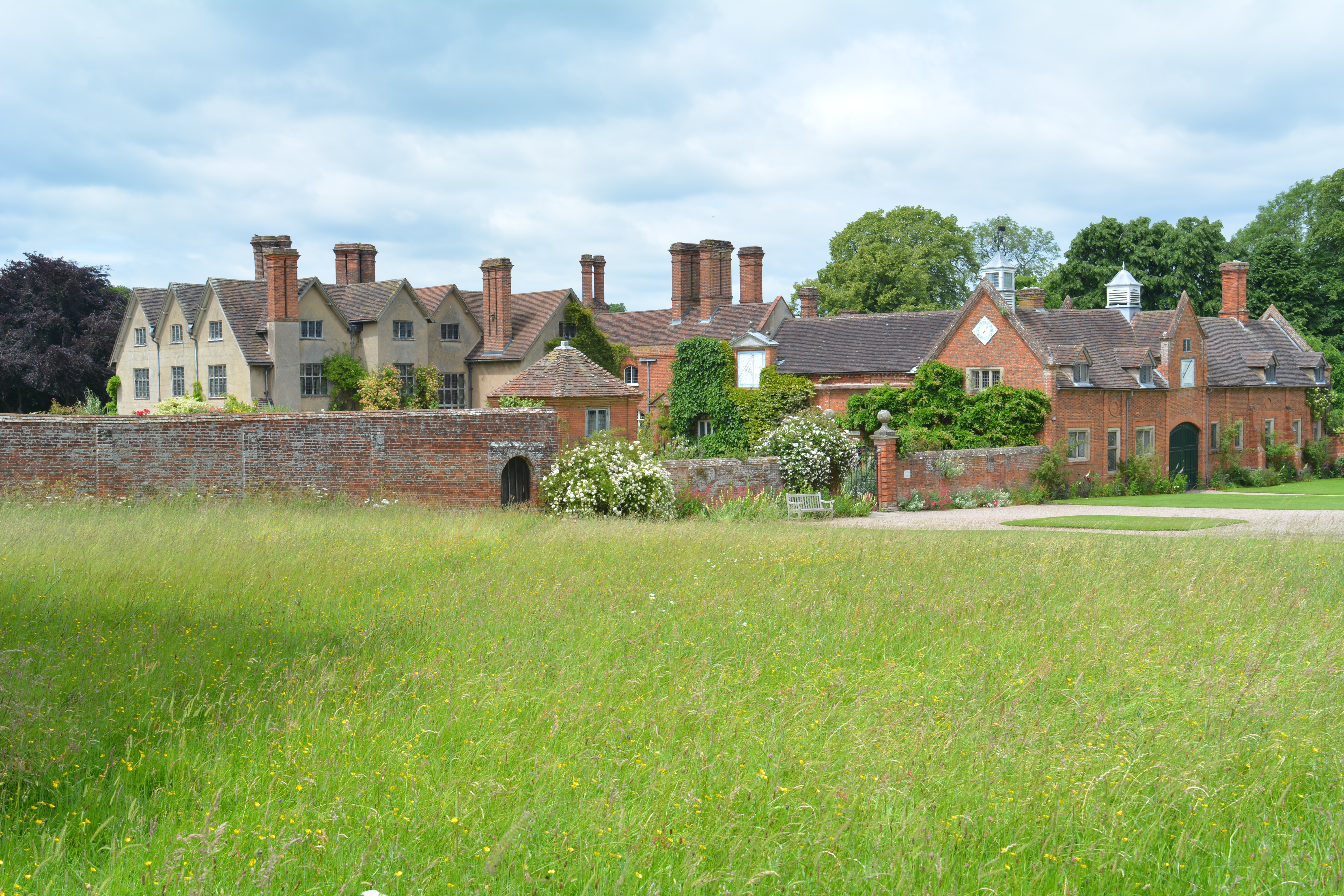
We have held memberships of the National Trust for over 40 years and one of the first we took our two children to was Packwood Hall. Packwood is now a firm favourite and we made a visit again this year. The welcome sign describes Packwood as “a house to dream of, a garden to dream in”. We were only intending to look at the house from the outside and mainly intended to explore the garden in greater detail. Packwood is well known for its unusual collection of sundials.


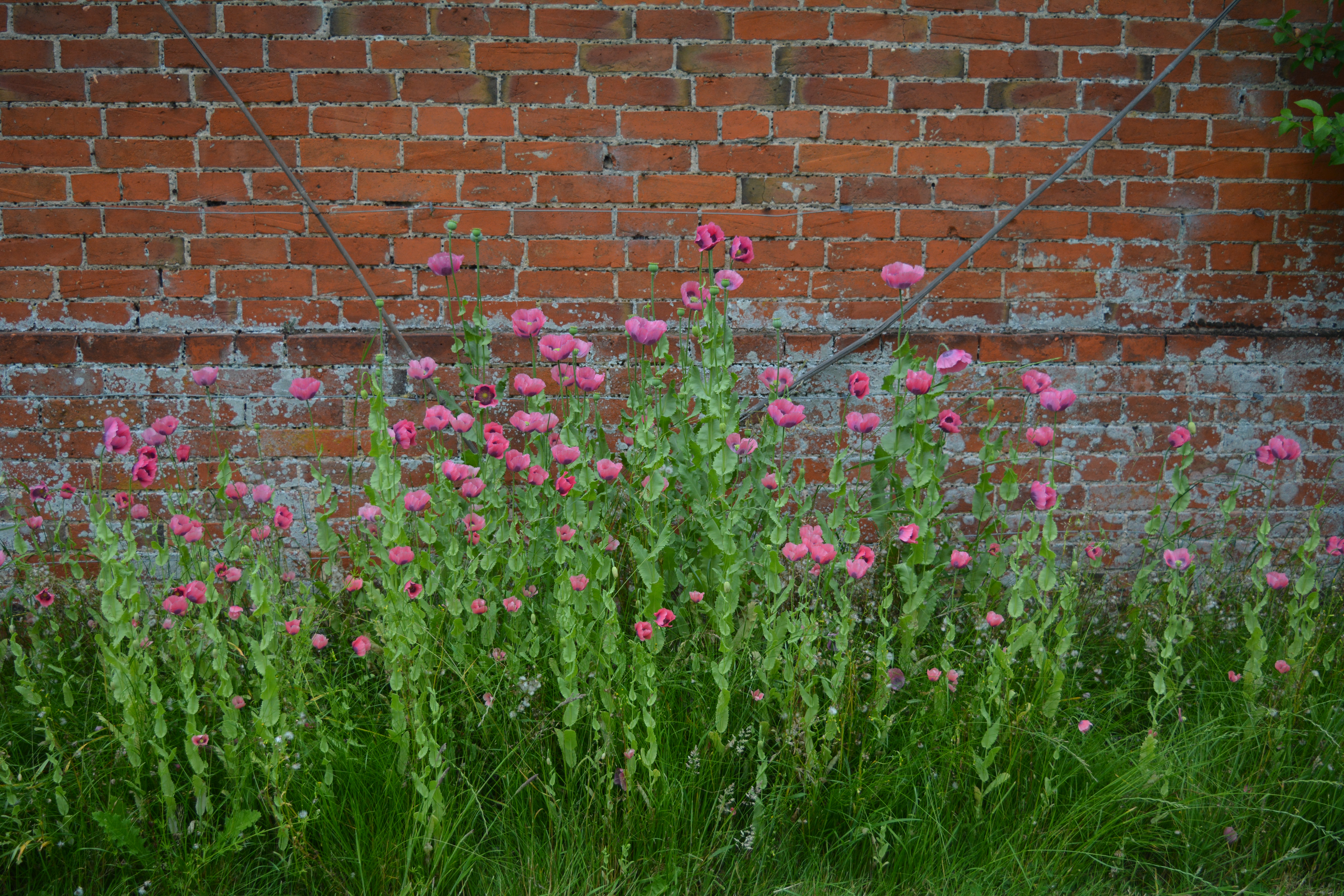
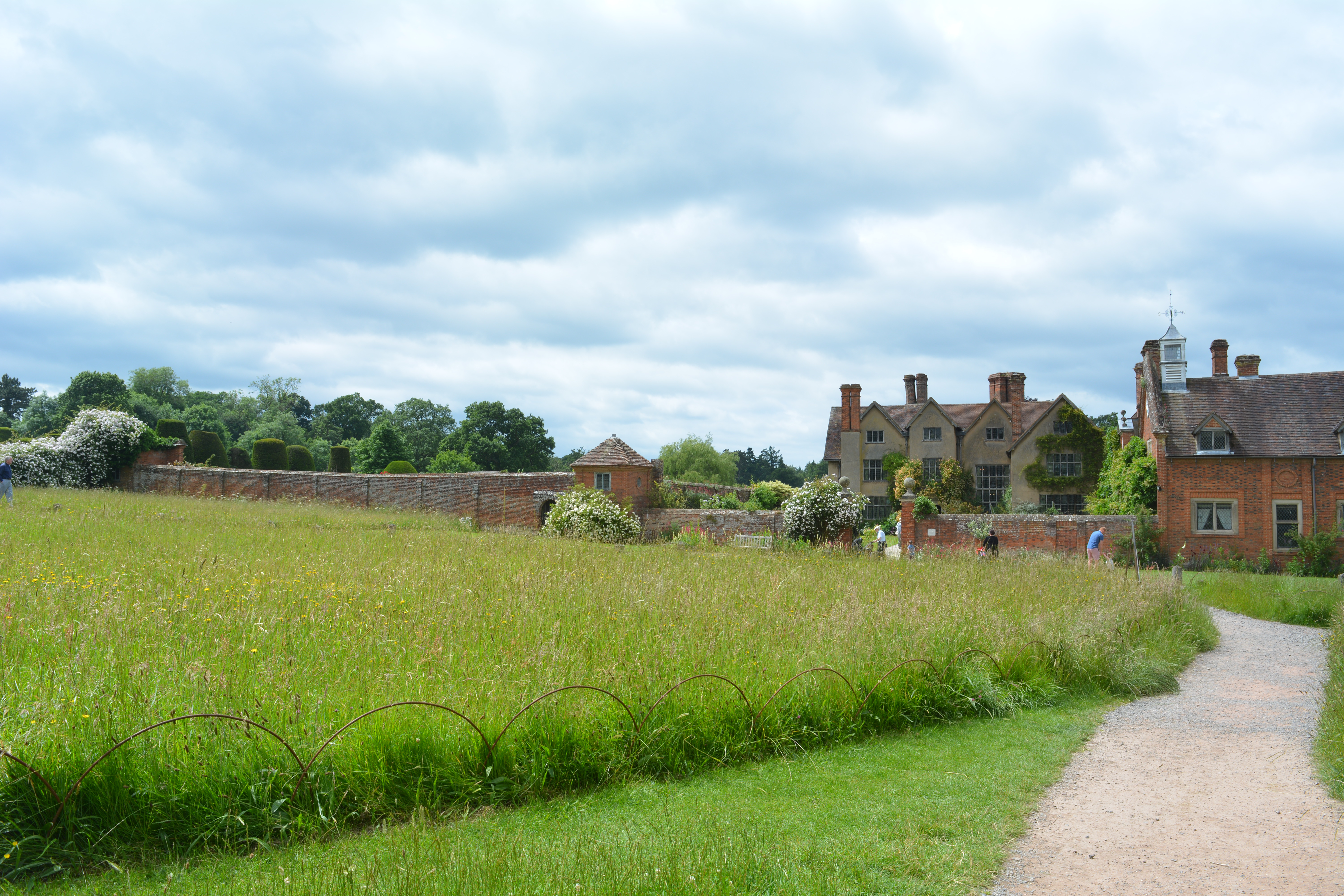
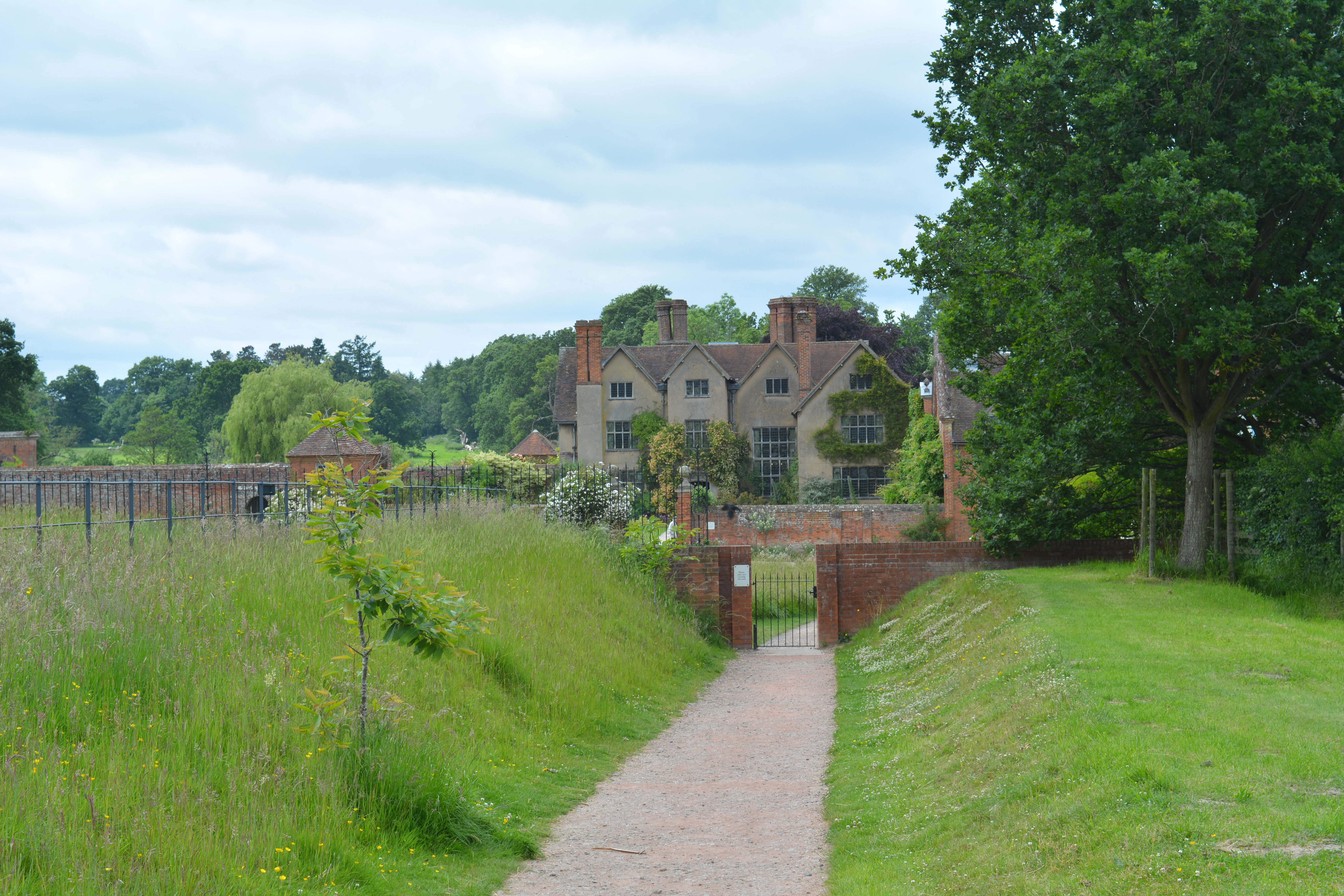
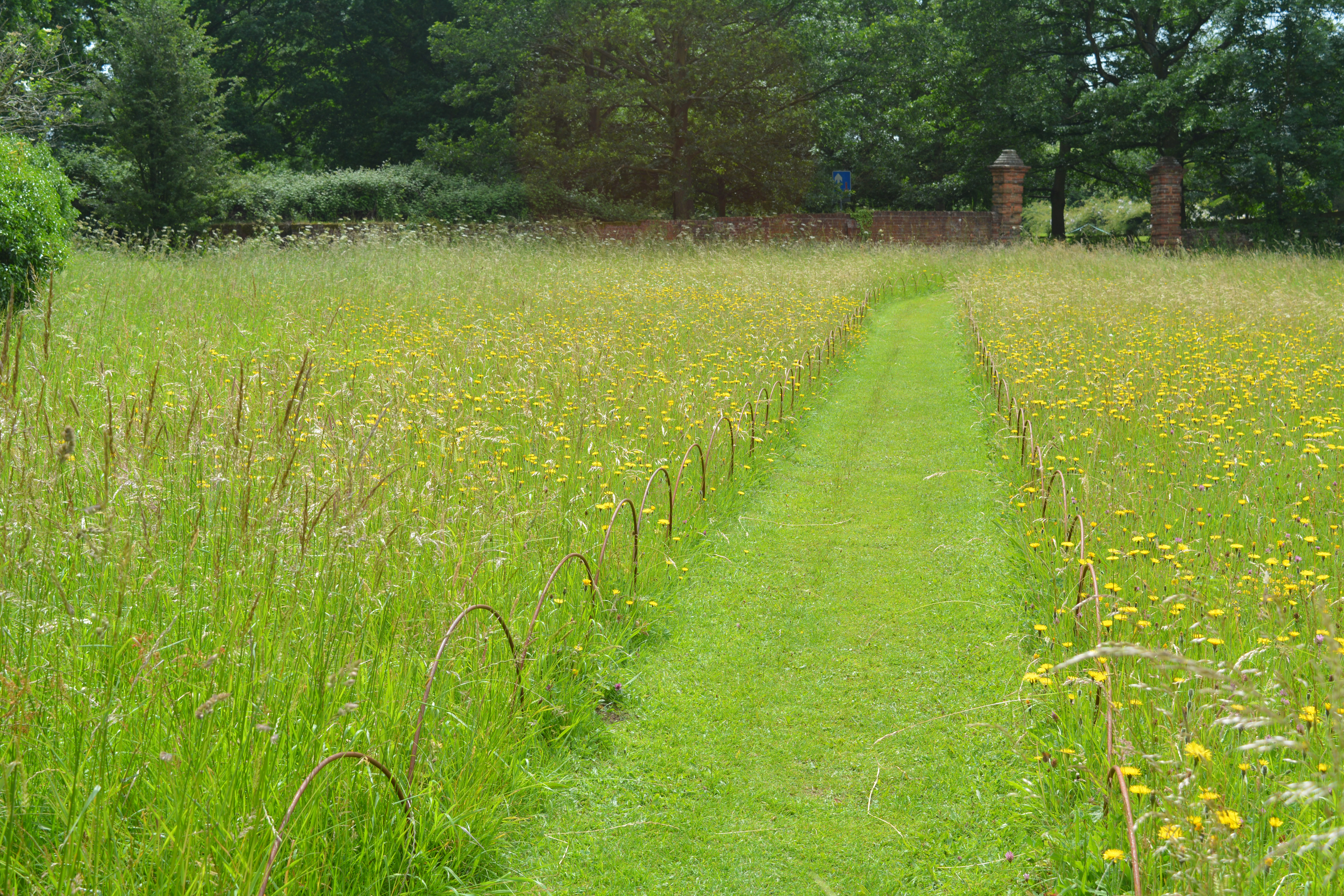
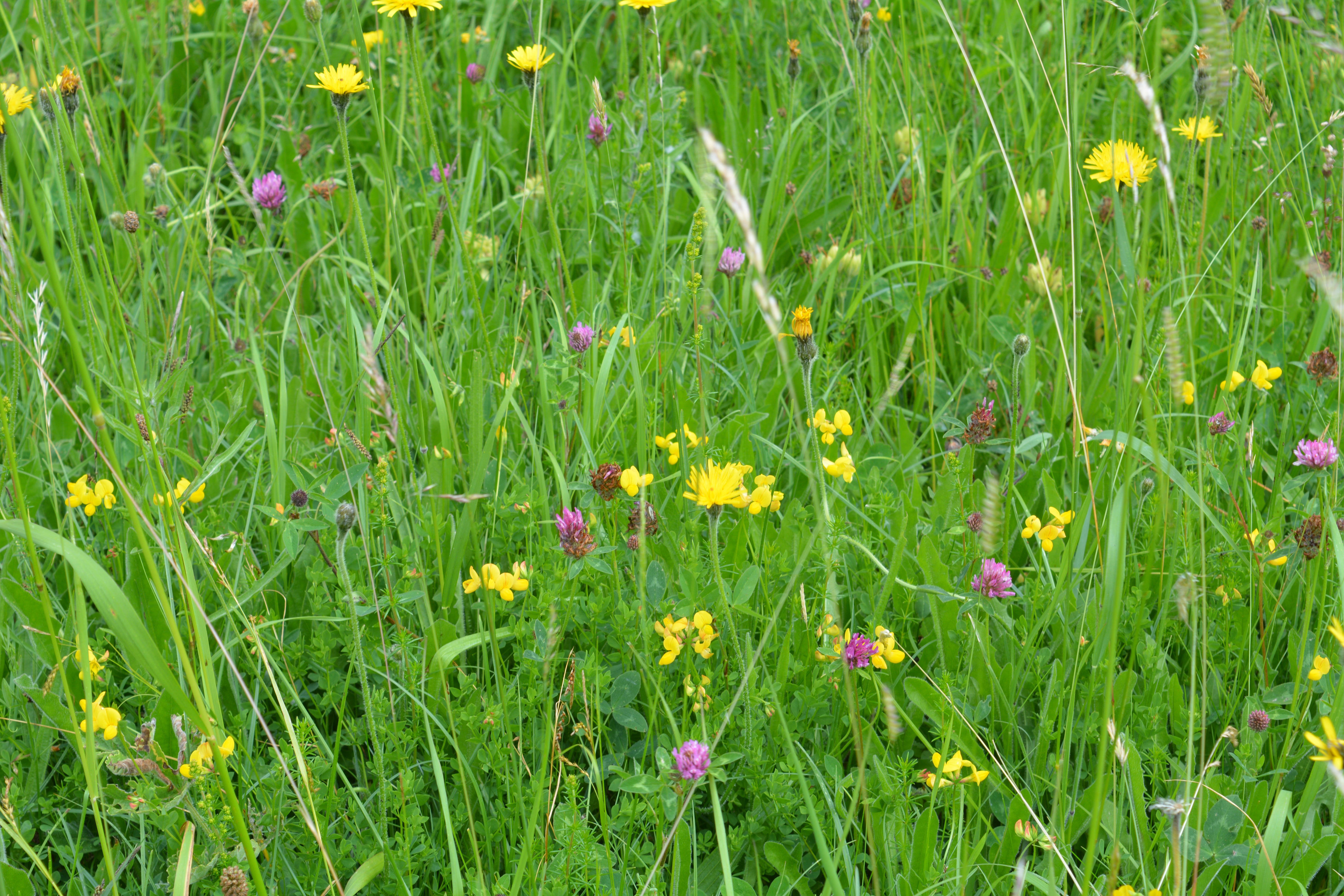
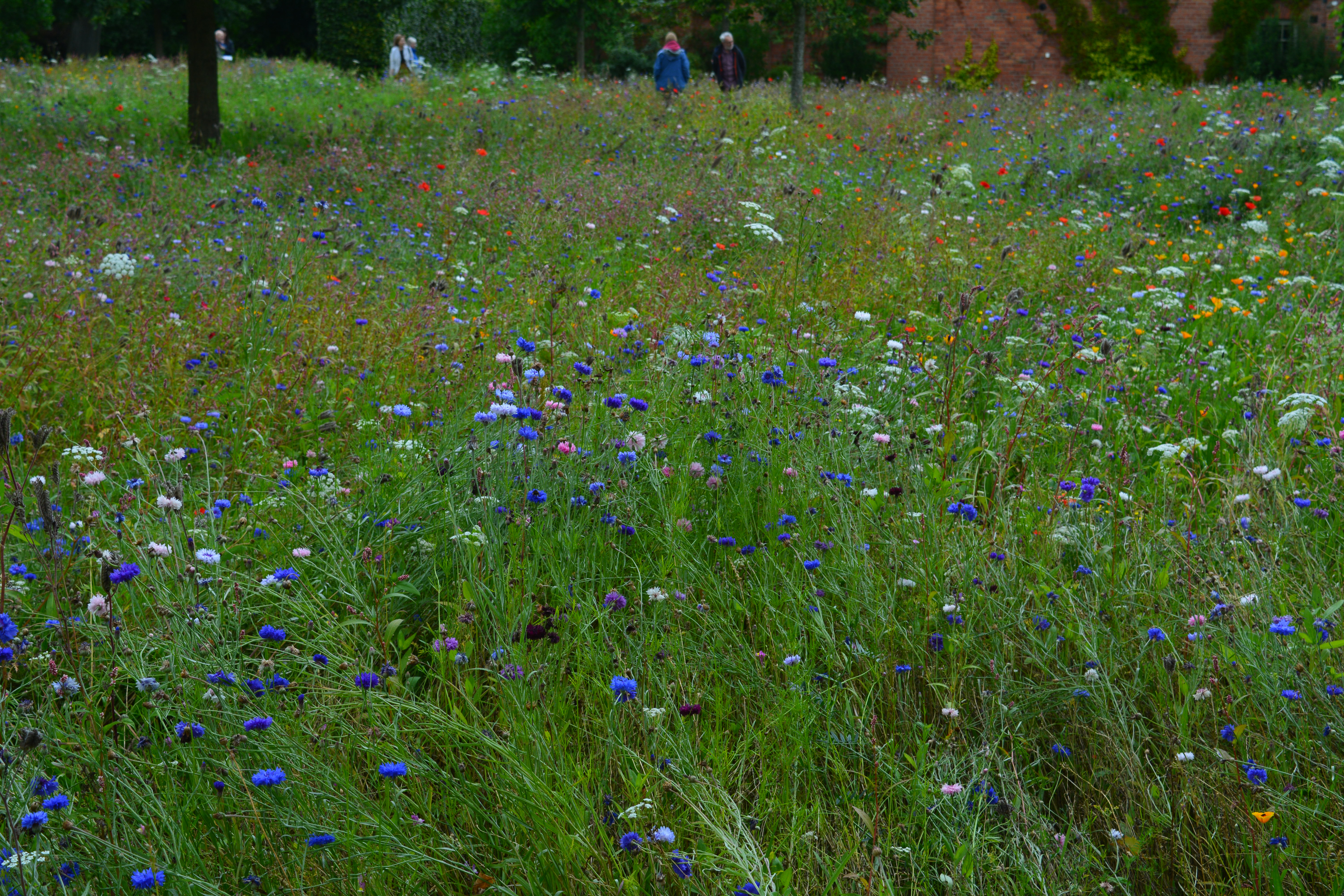
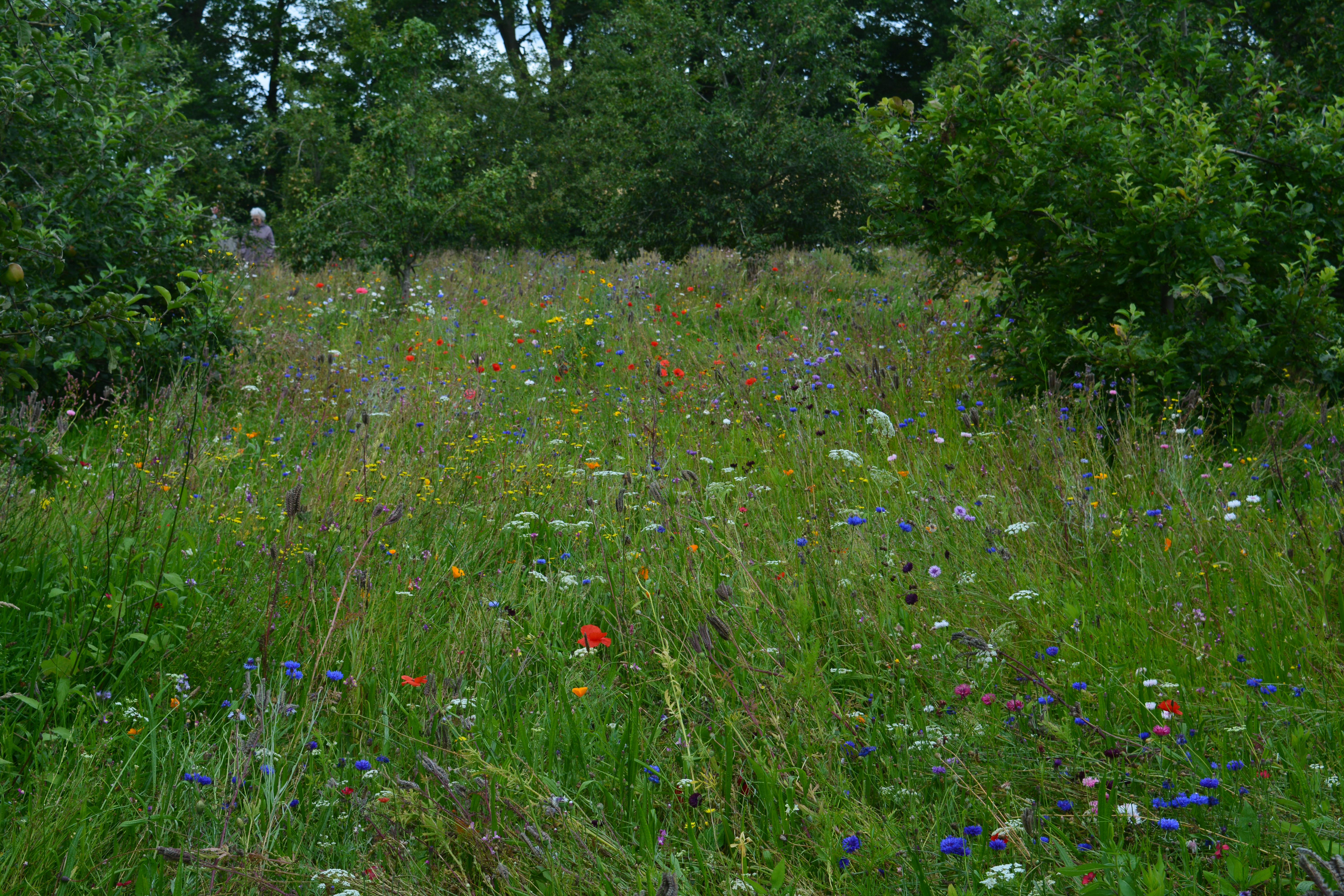
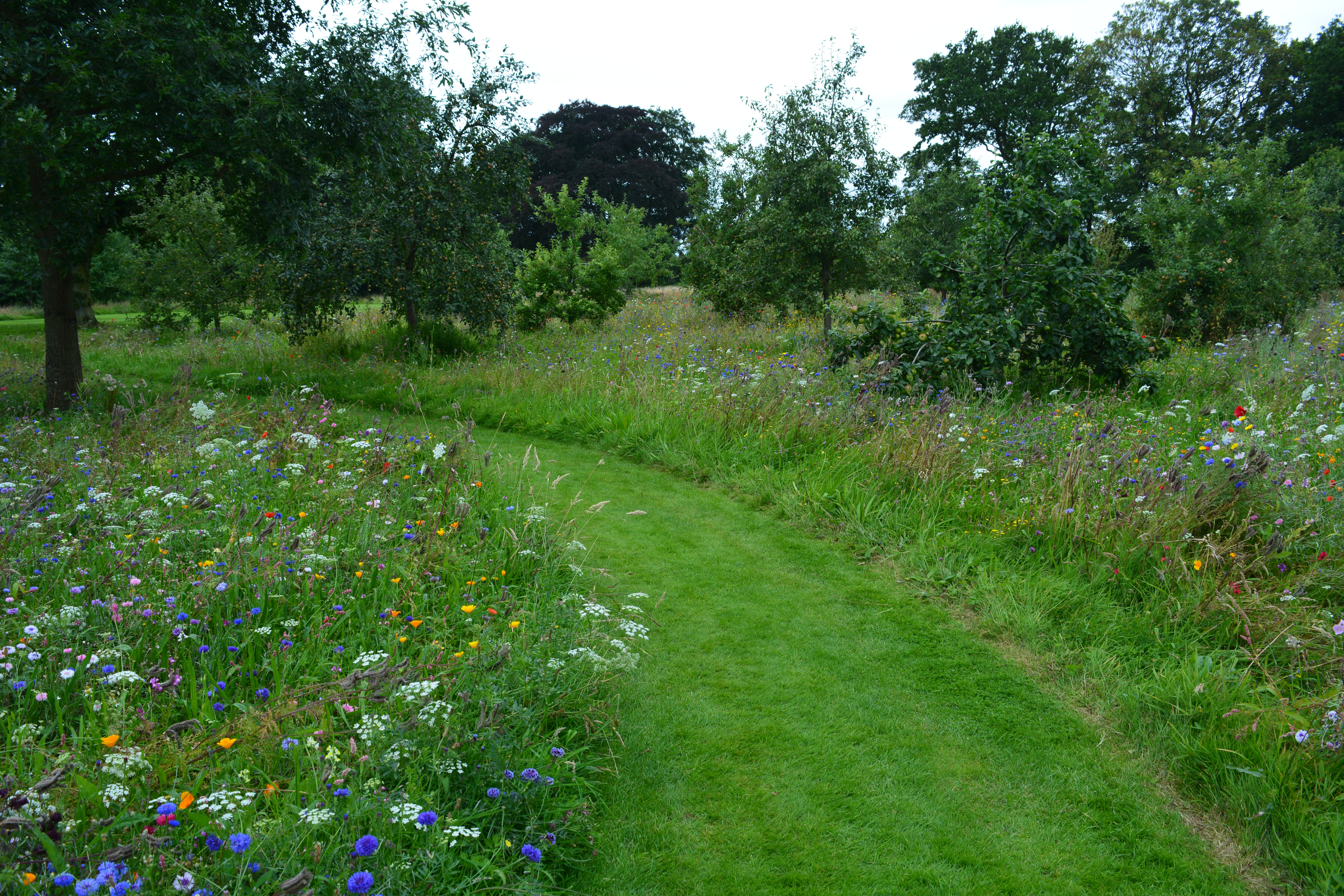
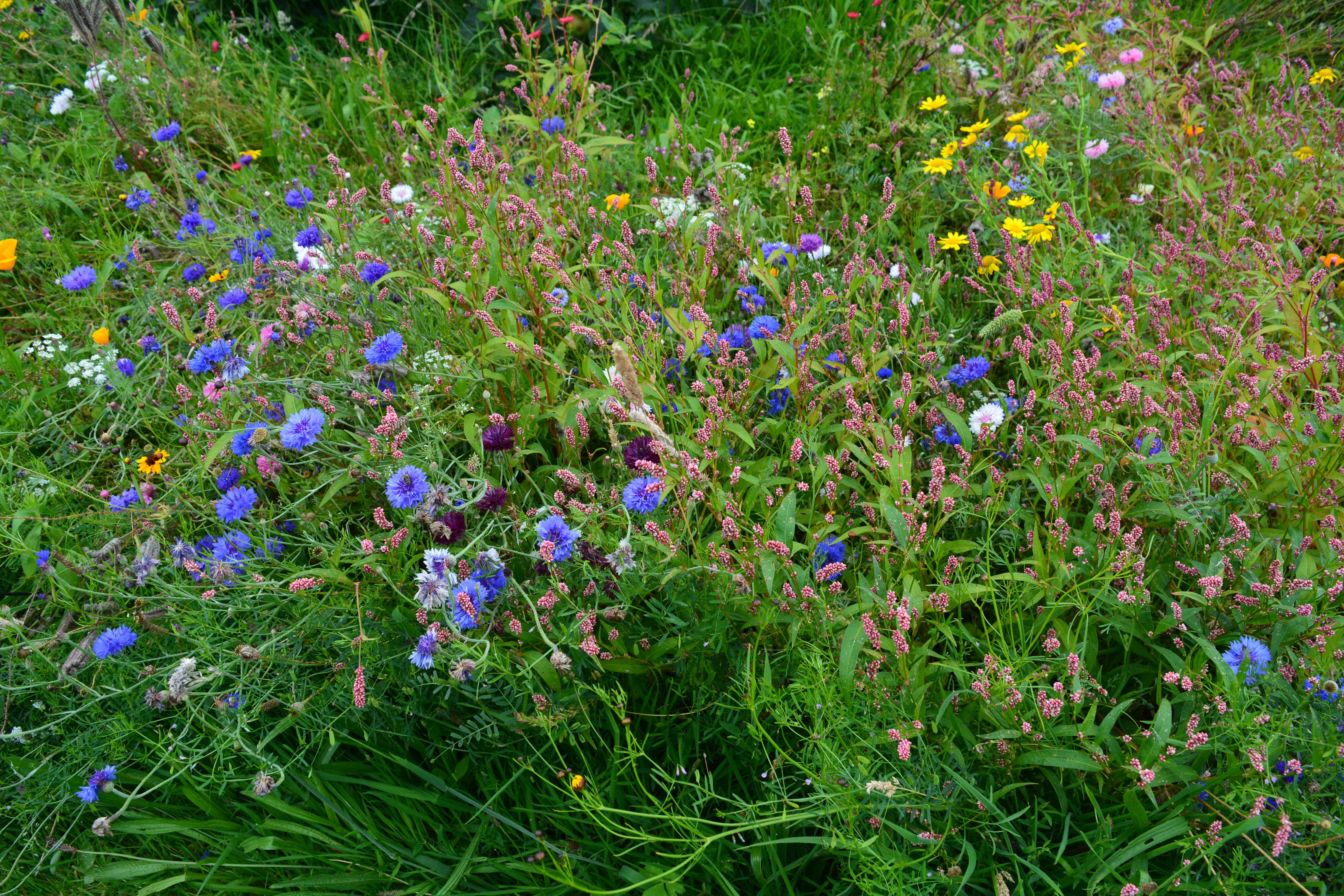
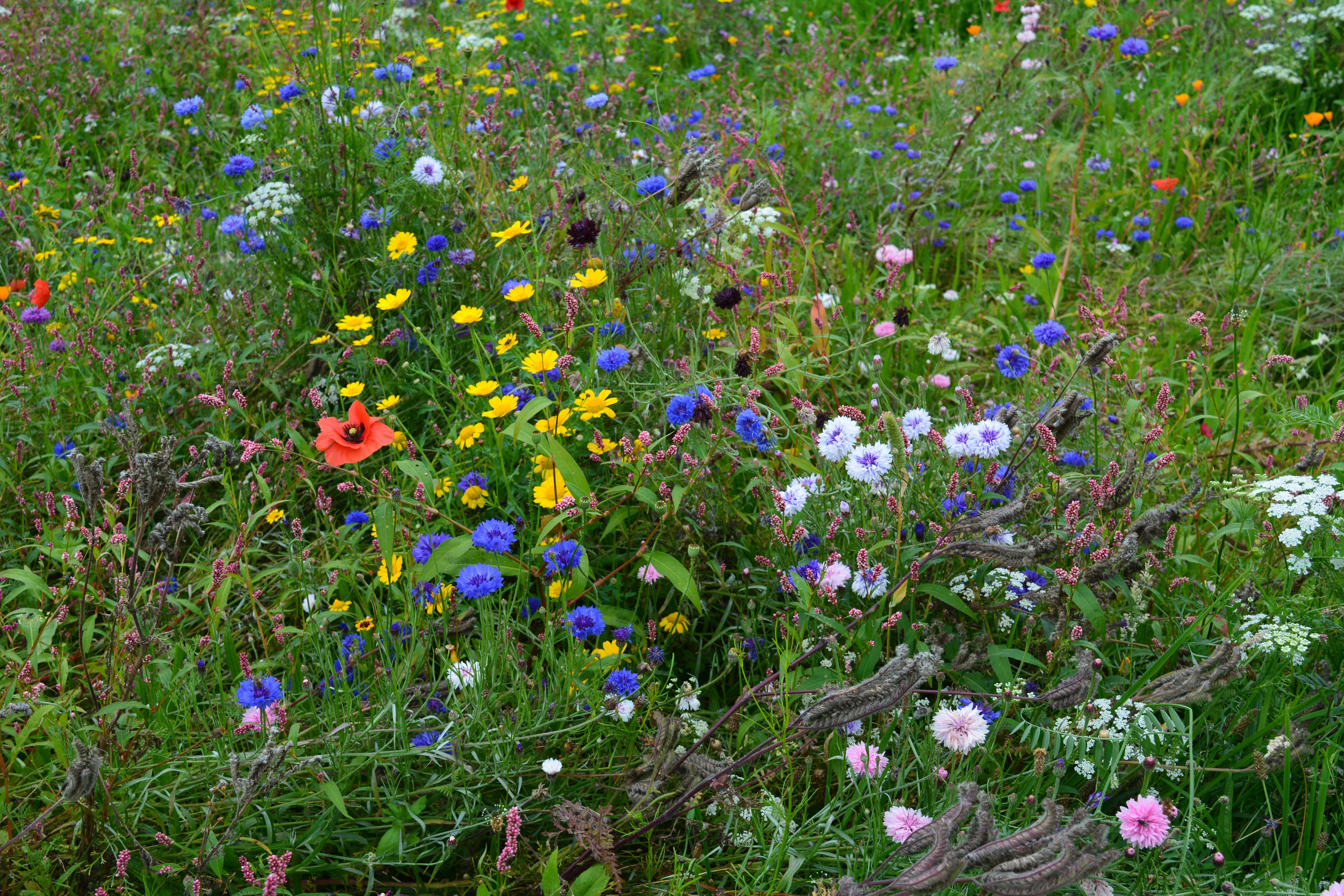
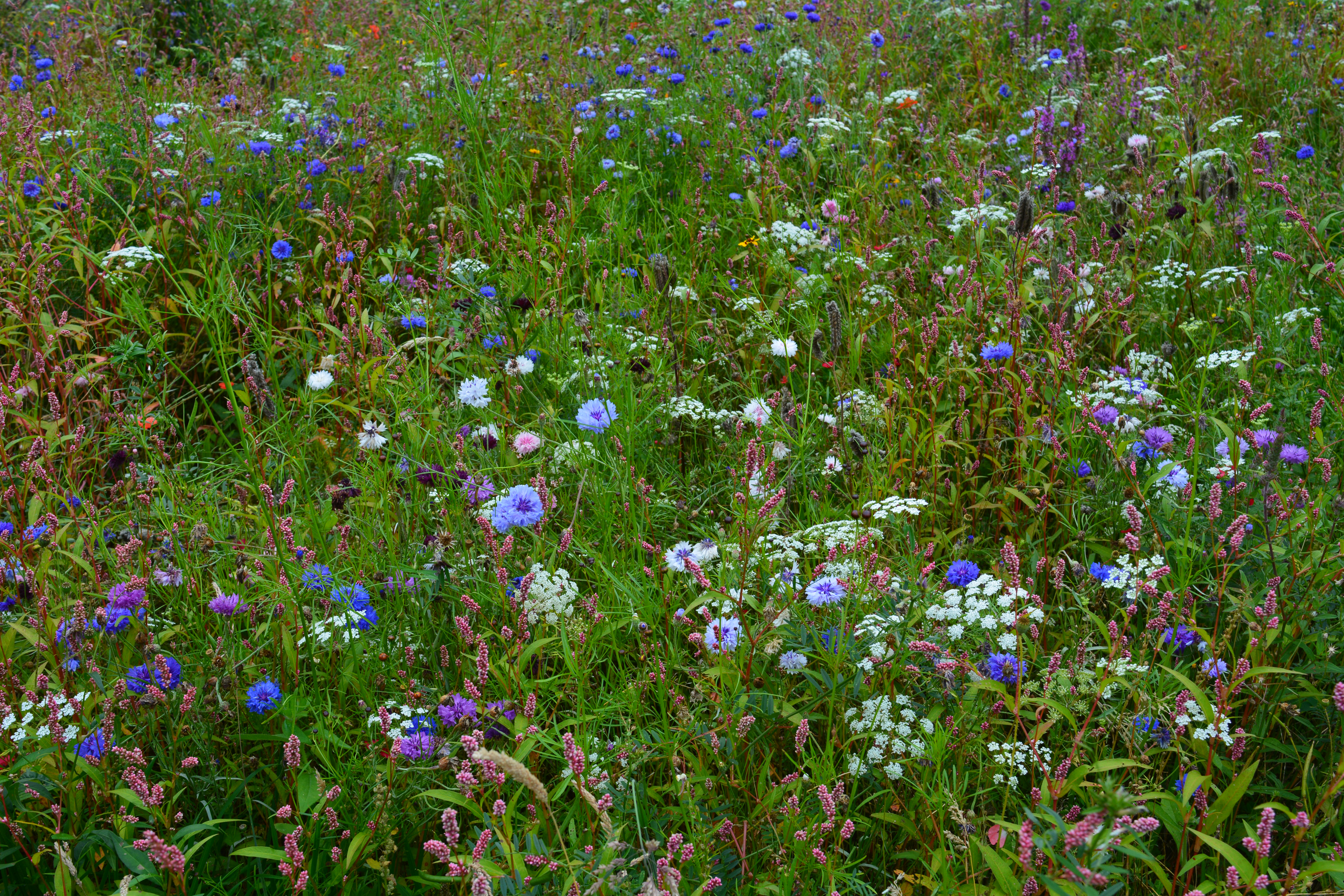
The approach to Packwood is one of the most welcoming we have ever come across, passing through wildflower meadows and impressive gateways.


Once we had passed through a few of these gateways and archways we discovered colourful well-designed borders full of herbaceous perennials and roses. Much of the planting had been chosen to attract wildlife, predators and pollinators.


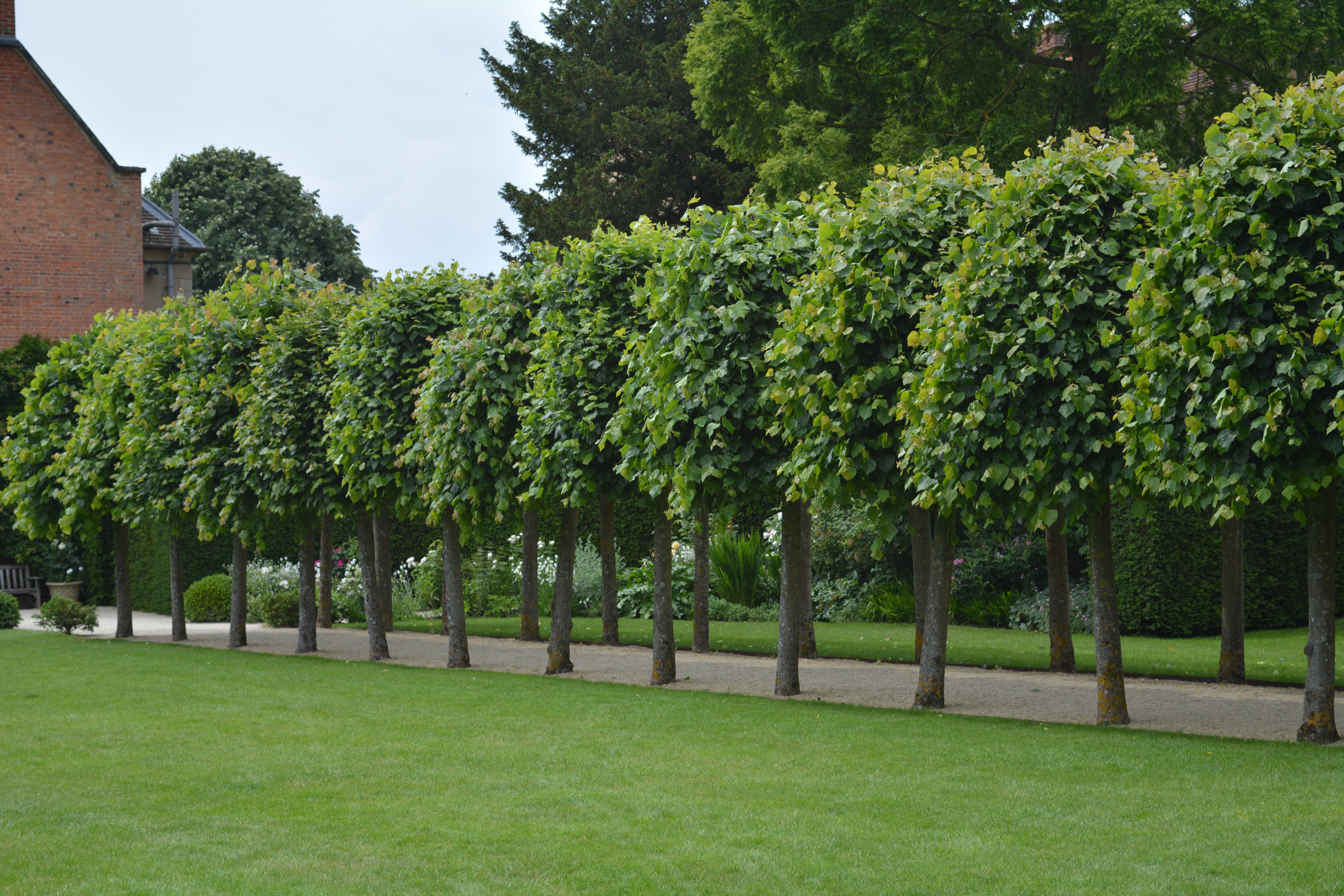
The gardens were well structured, divided into garden rooms with different characters and atmospheres in each. In one formal lawn area we came across a rectangular sunk garden built from limestone and its borders were planted with plants that enjoyed the dry well drained soil. These plants provided a strong contrast to the lush look of the rest of the gardens.


Lush planting was prevalent elsewhere throughout the garden making for an atmosphere of excitement. There were wonderful individual plants to be found as well as well designed borders.


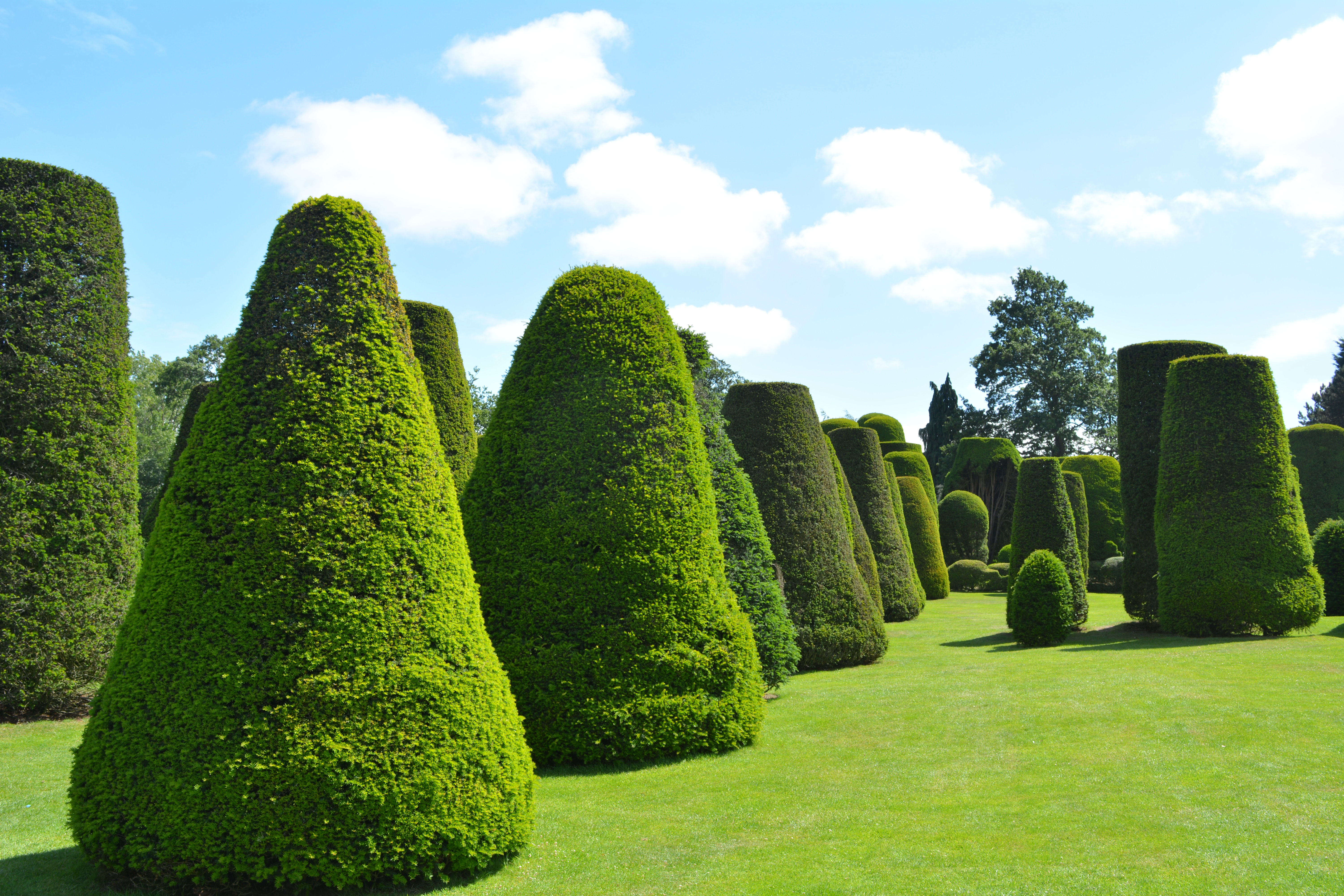
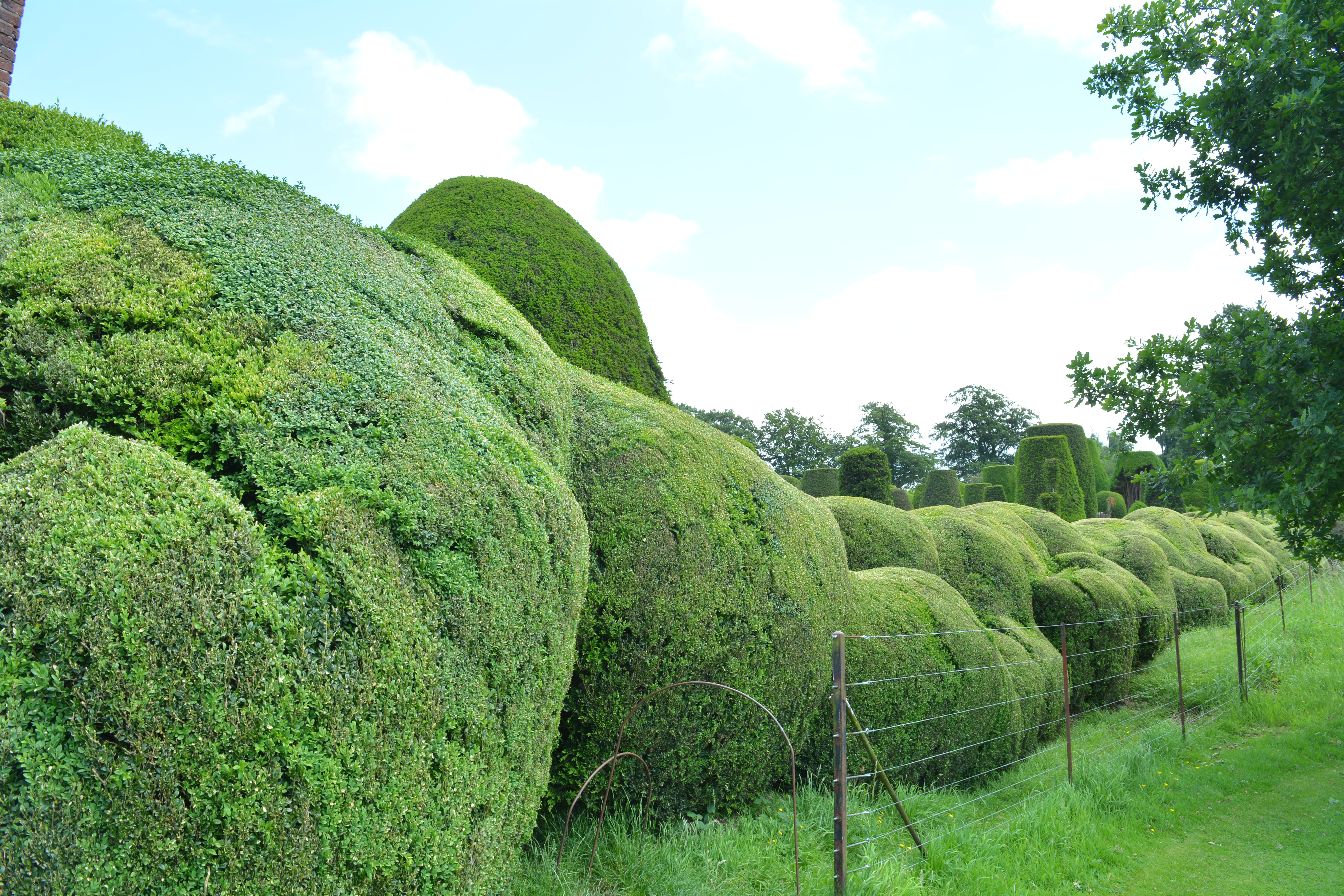
A well-known aspect of the gardens at Packwood is its topiary, especially a group called the twelve apostles. Personally I found this part of Packwood rather dull but here are the photos I took to illustrate it. However I do have a soft spot for cloud pruning of hedges.


Categories
architecture garden design garden designers garden photography garden ponds garden pools gardening gardens grasses hardy perennials meadows National Garden Scheme NGS ornamental grasses ornamental trees and shrubs outdoor sculpture reflections sculpture Tom Stuart-Smith trees Uncategorized walled gardens water garden water in the garden Yellow Book Gardens

Cogshall Grange – a Cheshire garden designed by Tom Stuart-Smith

Sometimes when you find a garden in the National Garden Scheme’s Yellow Book, you just know it is going to be a special place. Such was the case with the gardens at Cogshall Grange in Cheshire. The description in the book was so inviting and the reality matched it perfectly. It had been designed by Tom Stuart-Smith, one of our favourite garden designers and featured both formal and informal elements, woodland borders, a walled garden, modern herbaceous planting, wildflower meadows and an orchard, all set in the grounds of a Georgian country house.

Jude and I traveled up to Cheshire with friends Pete and Sherlie who also love the work of Tom S-S, so we all arrived full of anticipation.

As we moved from room to room in the garden discovering each feature the atmosphere and mood changed and we were constantly presented with fresh perspectives. This garden was a true garden experience.

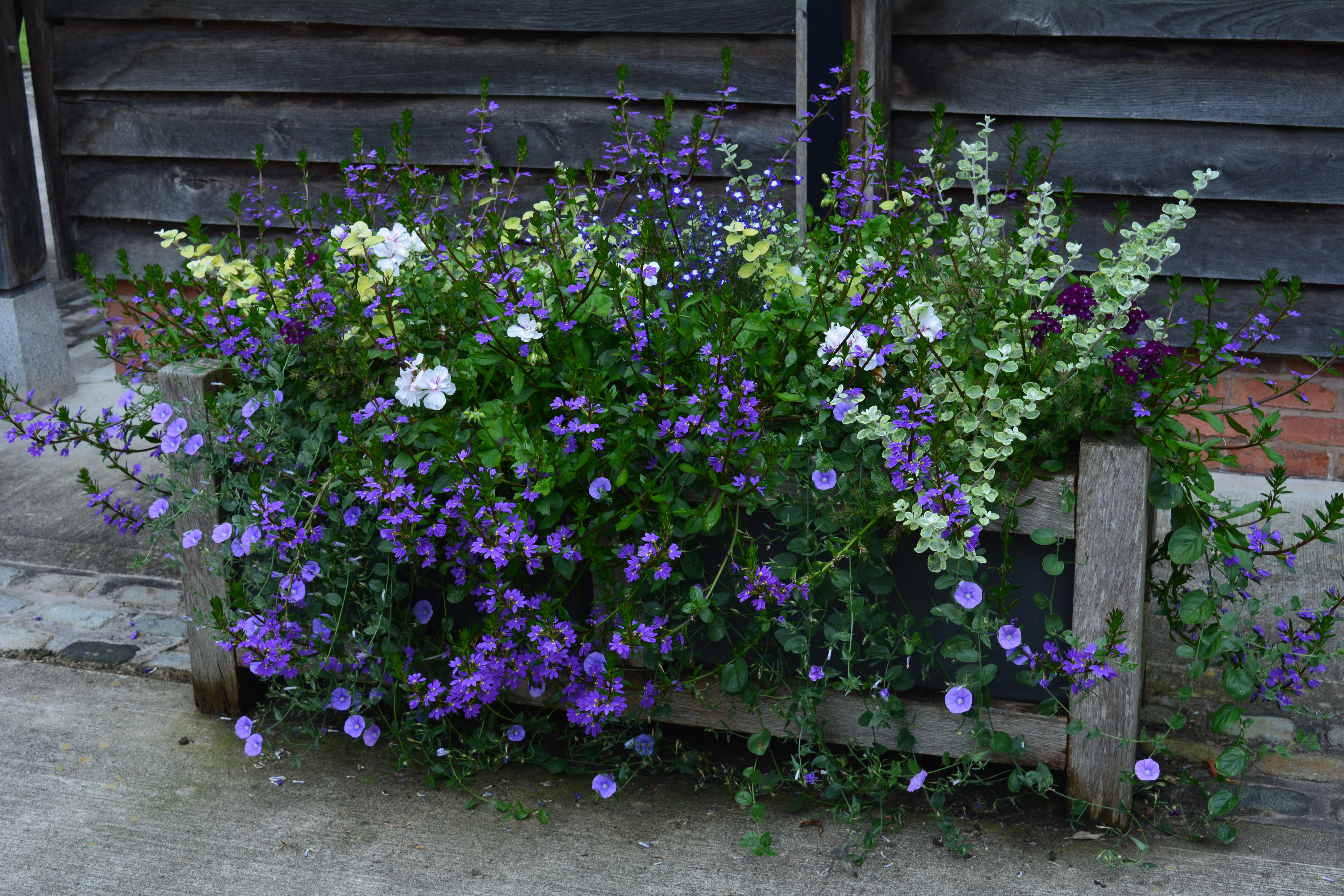
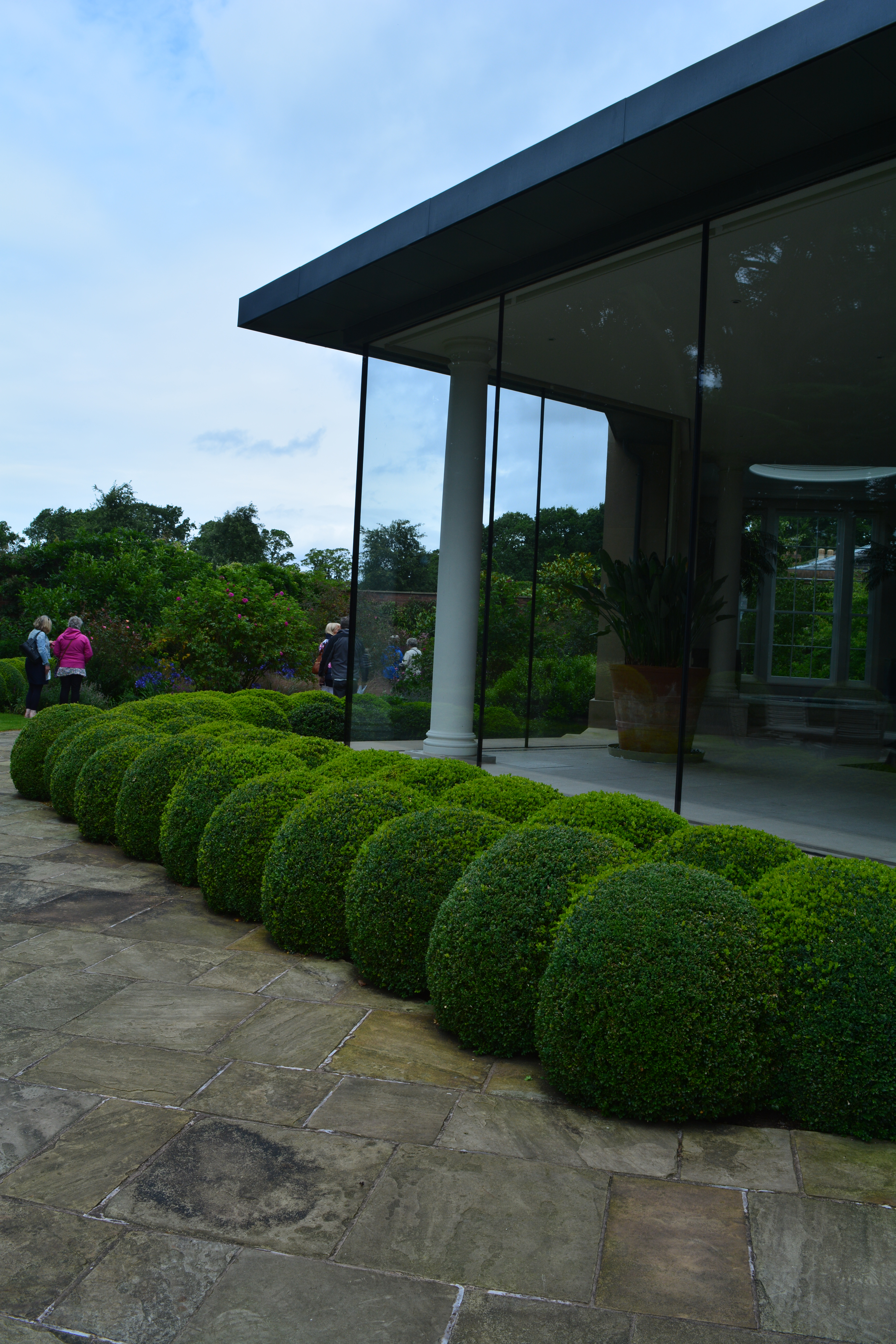
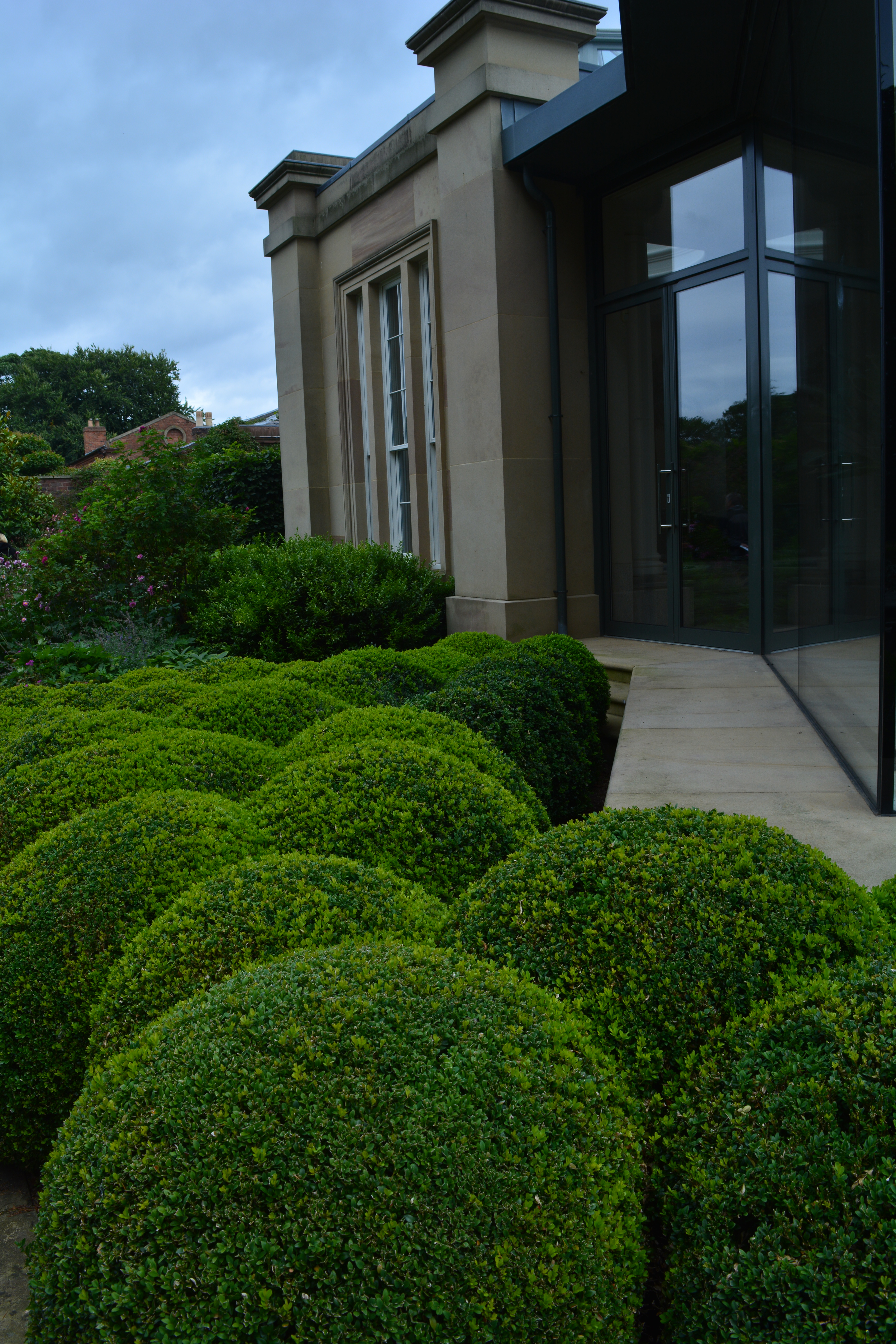
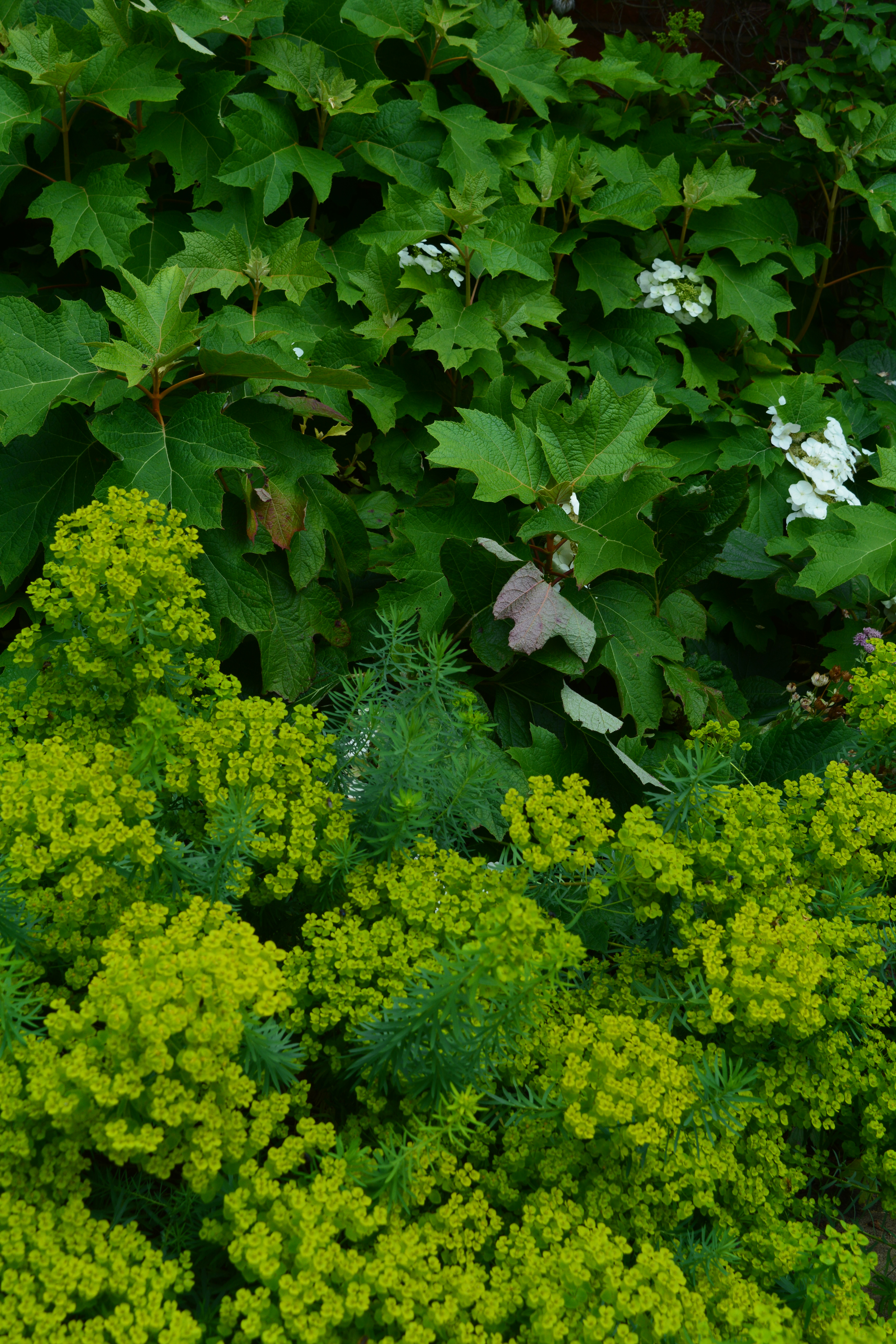
We were really looking forward to seeing inside the walled garden which was where the influence of Tom Stuart-Smith was clearly to be seen, but of course we started with coffee and cake to get us in the mood. We discovered and enjoyed interesting small areas of planting as we made our way towards the walled garden, a delicately planted container, some beautifully pruned box and some varied, well chosen plant combinations.

Just as the garden was a careful amalgam of traditional parkland and modern perennial planting so the country house was a combination of old and modern architecture.


The walled garden was where the influence of Tom S-S could be seen and felt most strongly, with his very personal planting style and choice of plants mostly hardy perennials. The atmosphere was so gentle and calming. There was so much to photograph within its walls that the only way to do it any justice at all is through a gallery for you to peruse at your own pace. Please as usual click on the first shot and navigate using the arrows. I hope you can identify the very special feeling of this space.

We left the walled garden via a gateway which led us into gentle meadows of wildflower planting.

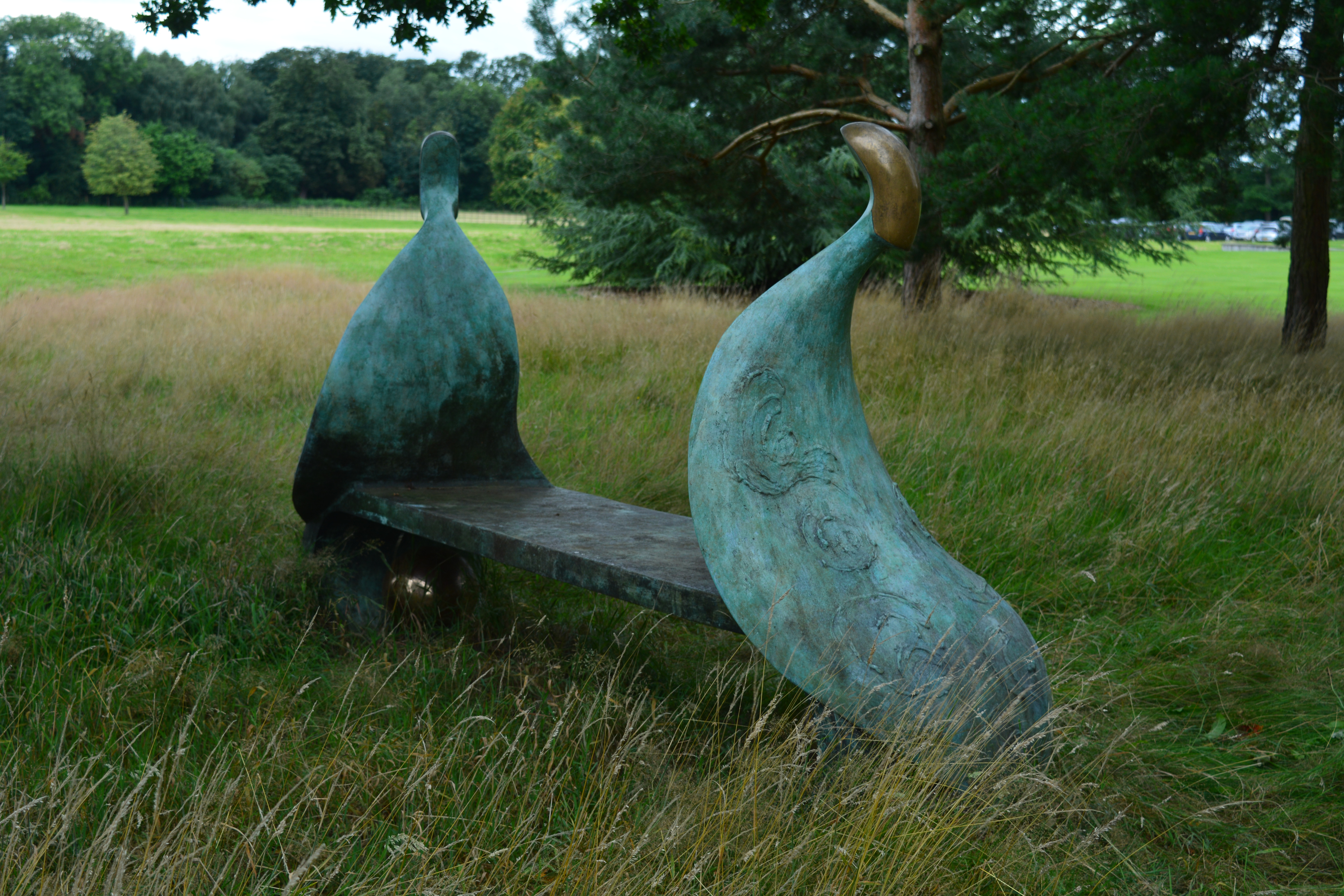
Walking back to the car to begin our homeward journey, we continued to make discoveries, some grassland had been cut to contrast with the longer uncut areas which were dotted with sculpture such as this beautiful stone seat.

   This beautiful garden excelled!

Categories
colours garden design garden photography gardening gardens half-hardy perennials hardy perennials July Shropshire shrubs South Shropshire village gardens

My Garden Journal – July

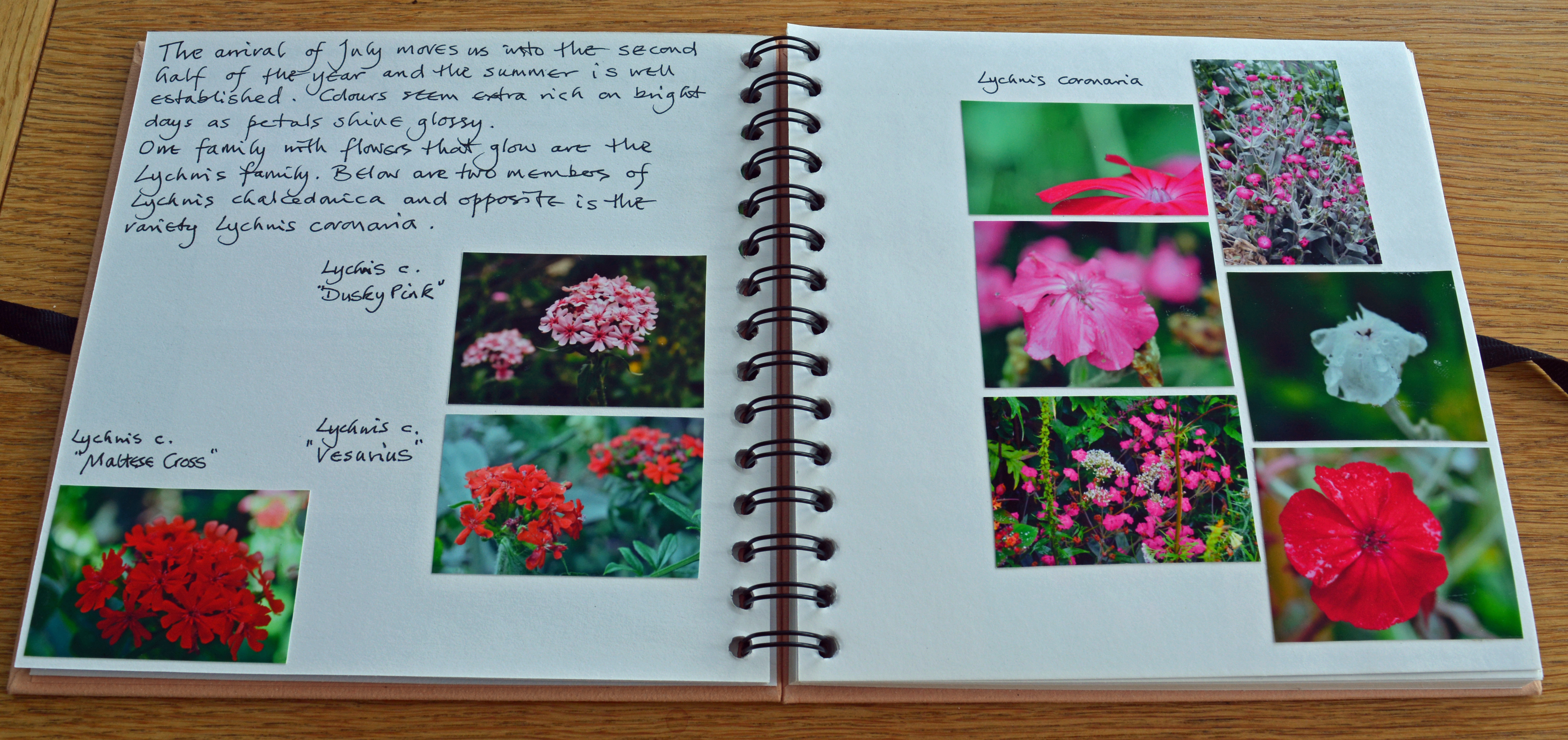
So it is already time to share my July entries in my garden journal. This year in the garden seems to be moving on so quickly. I began my July report by writing, “The arrival of July moves us into the second half of the year and the summer is well established. Colours seem extra rich on bright days as petals shine glossily.”

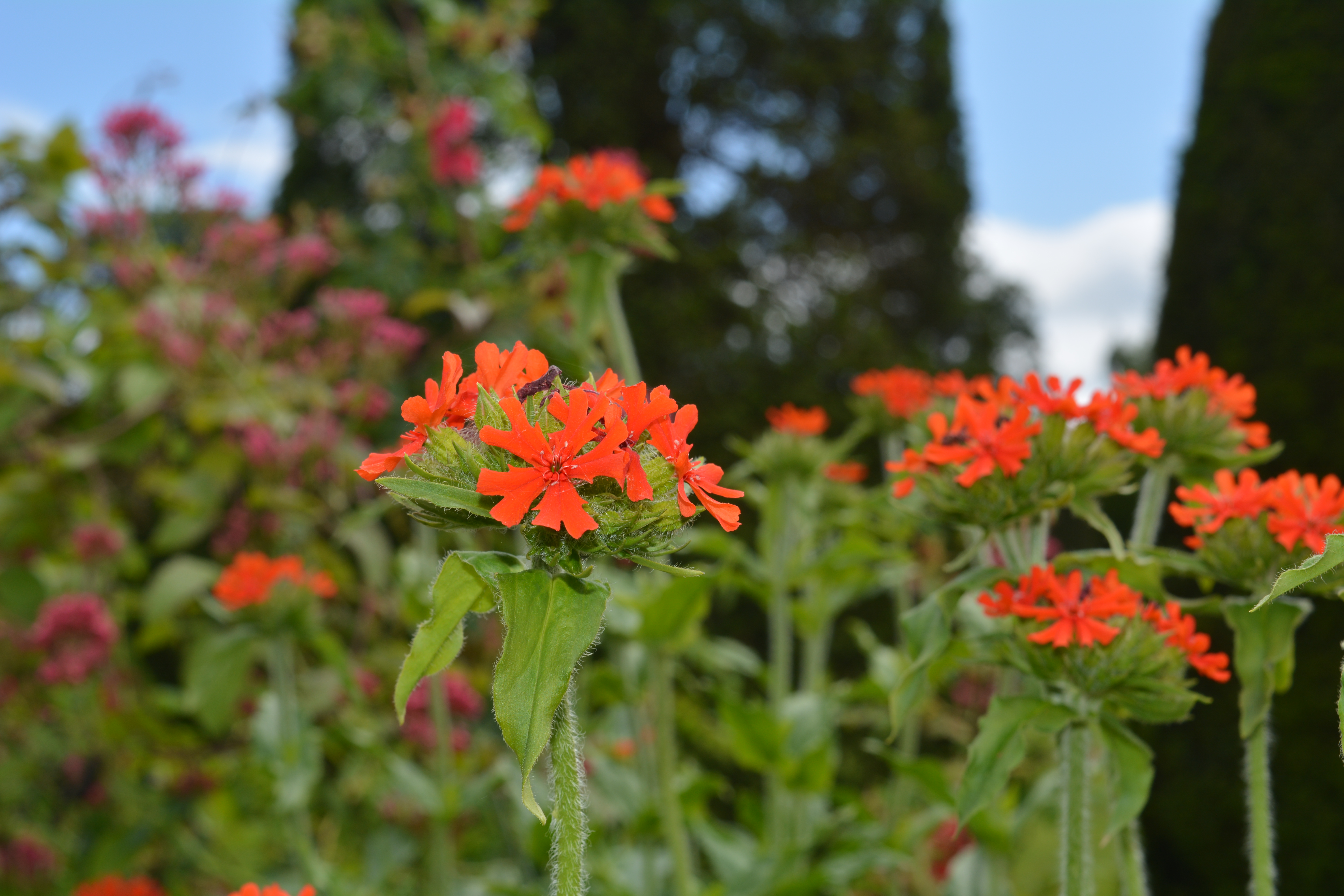
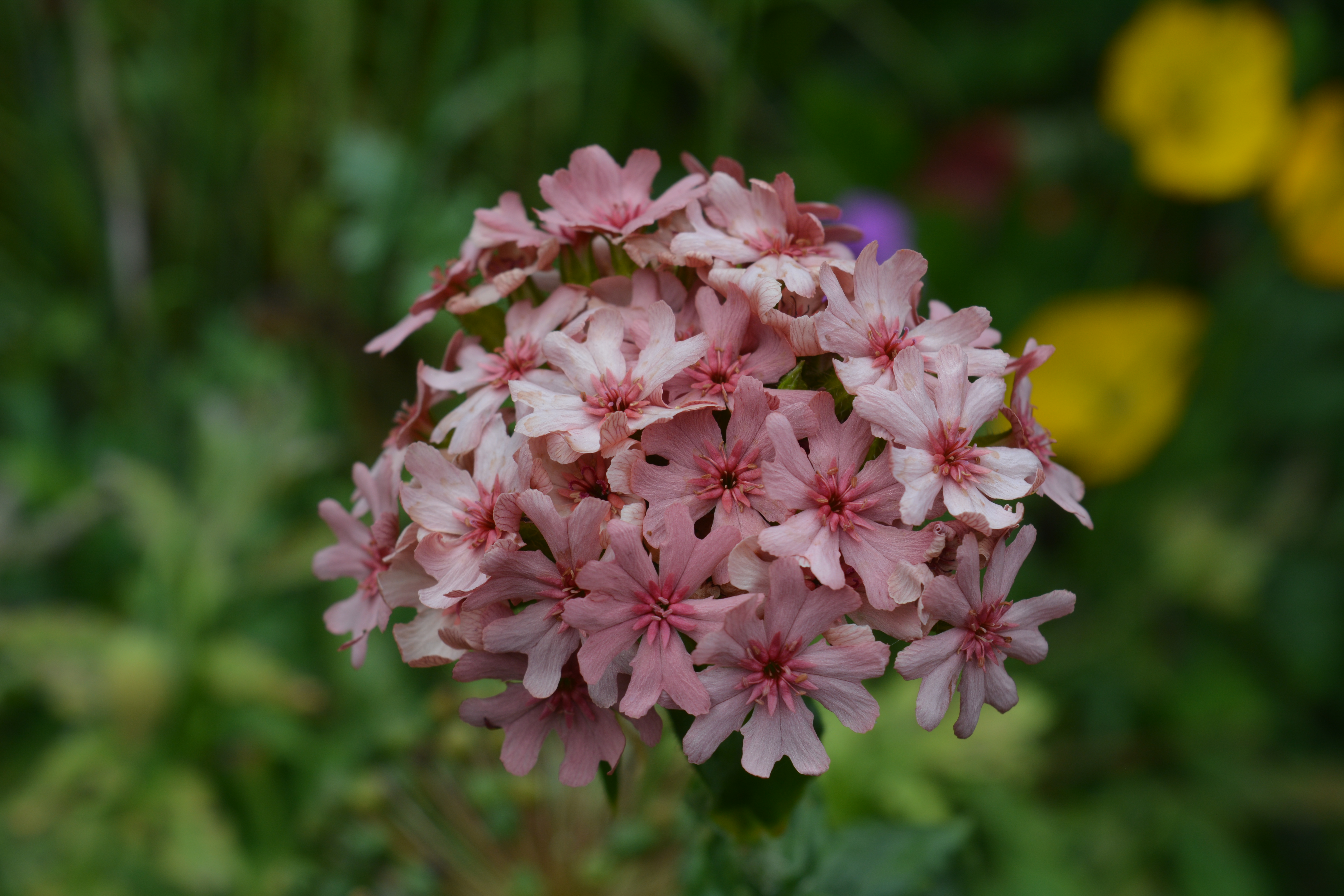
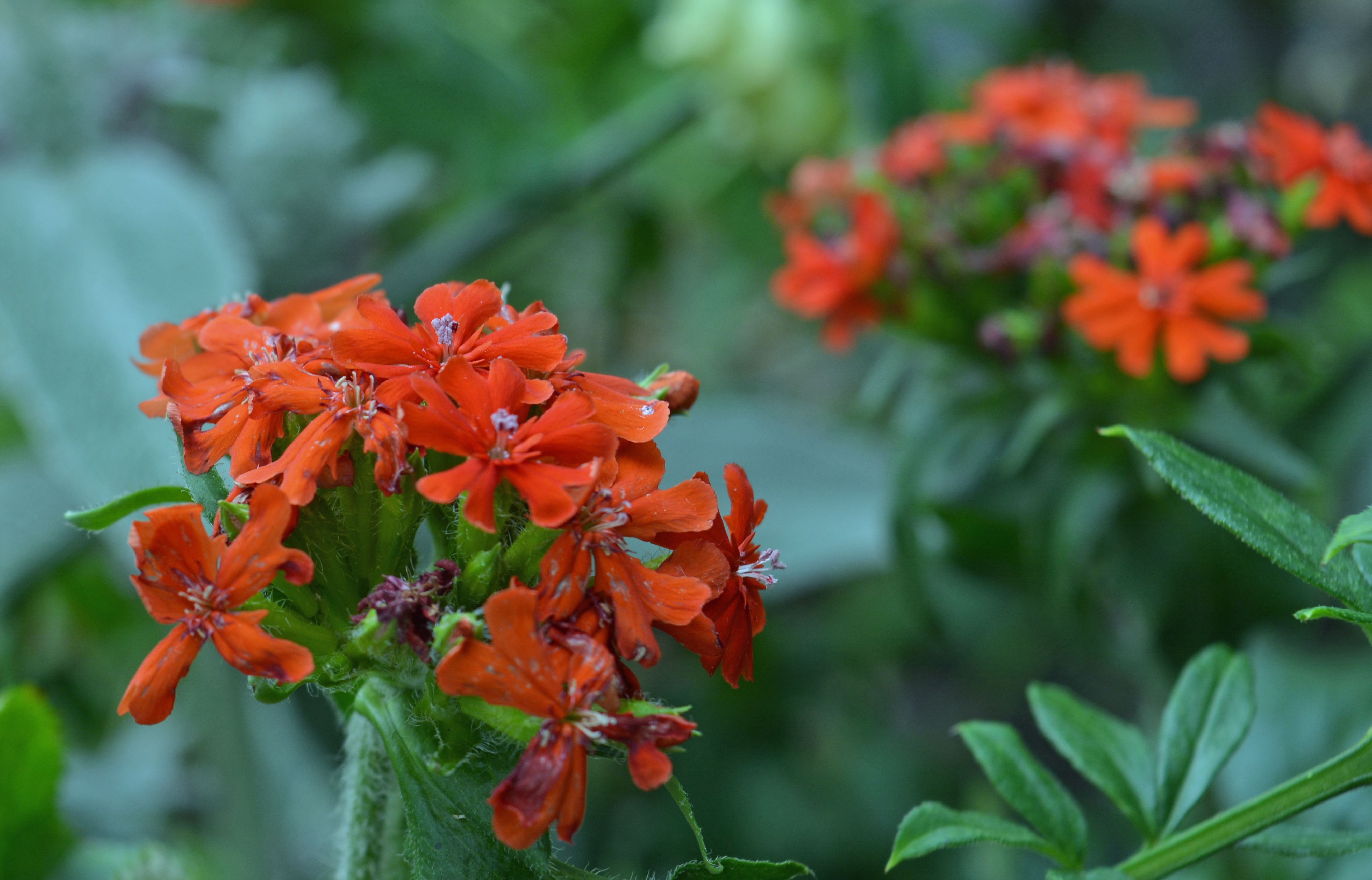
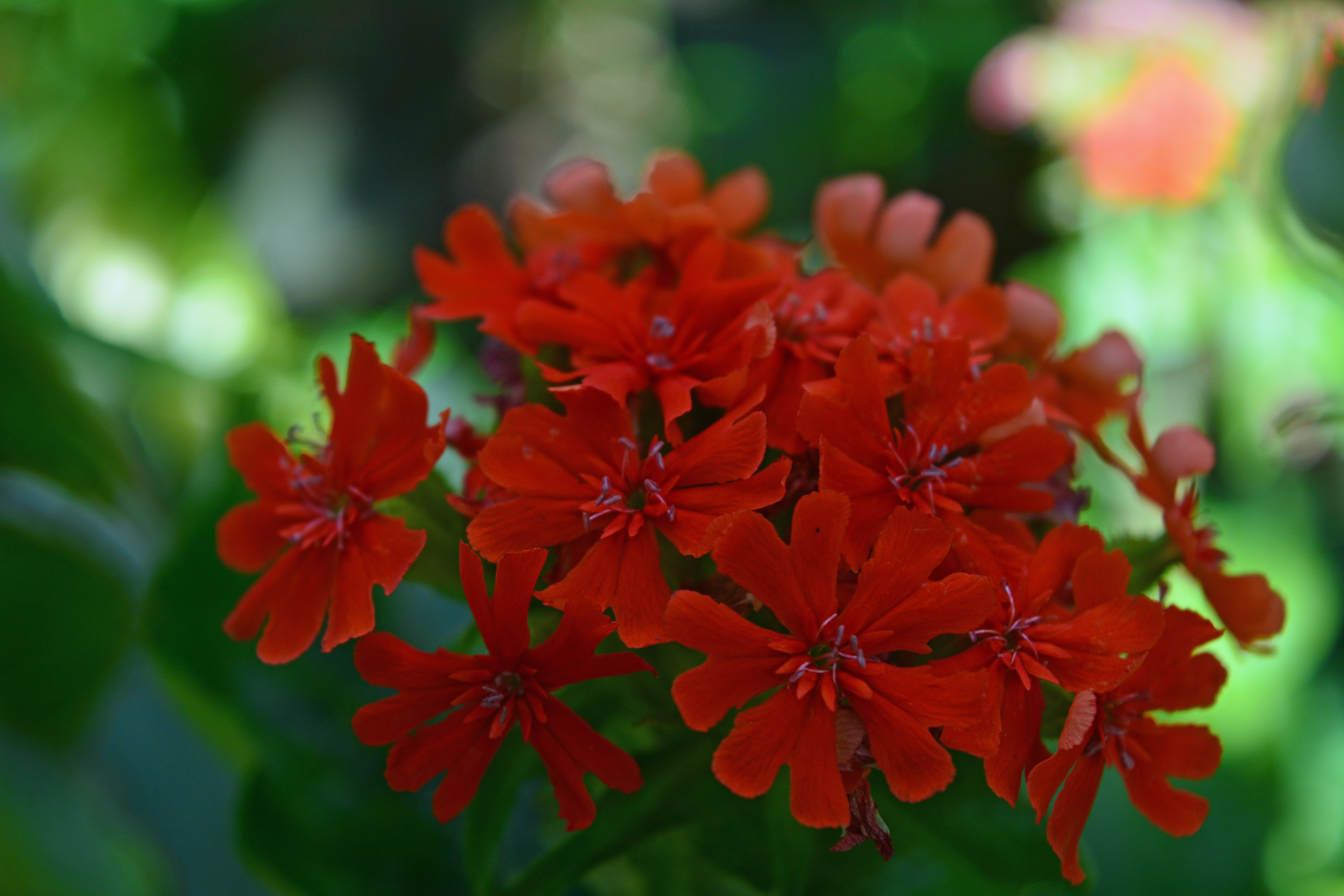
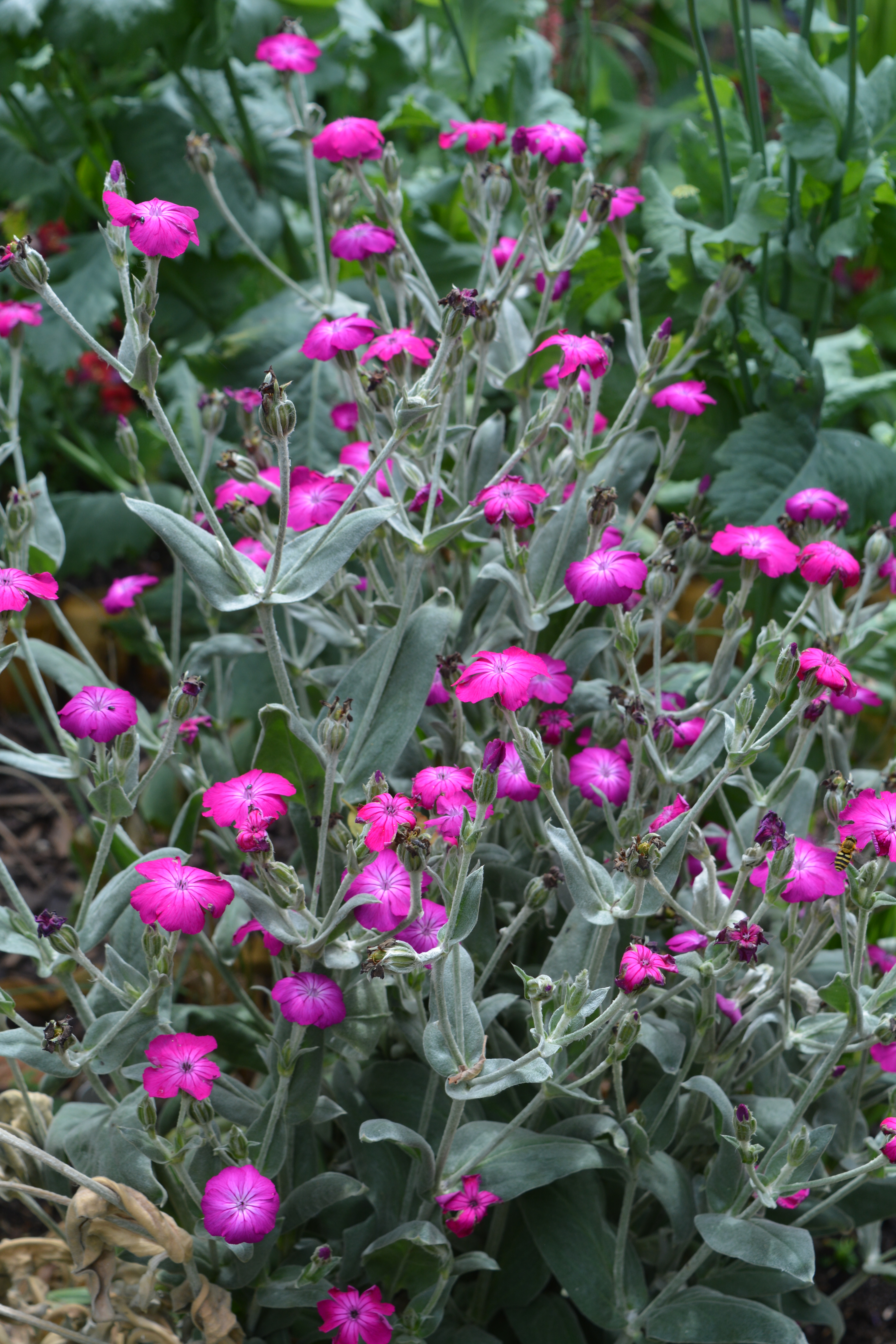
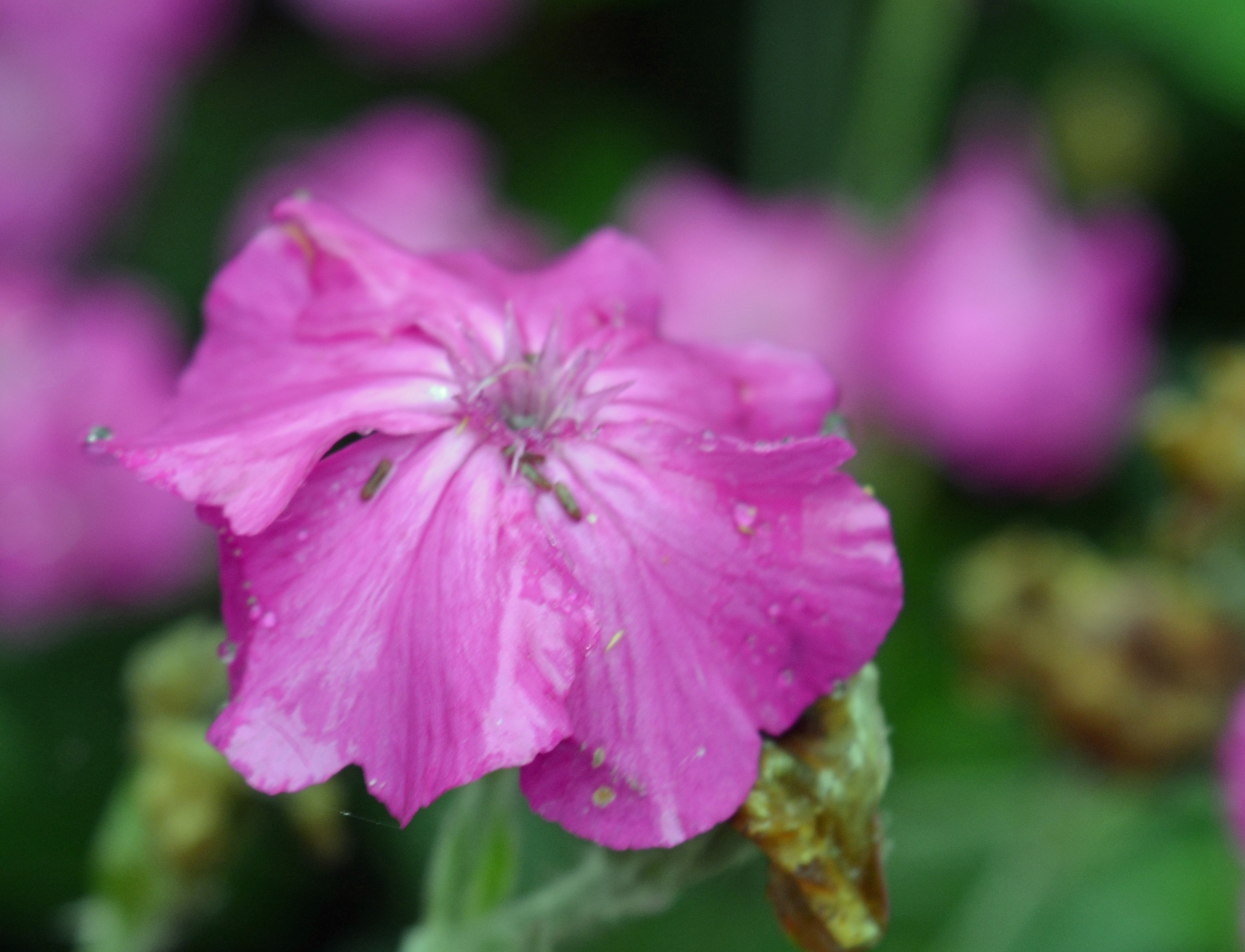
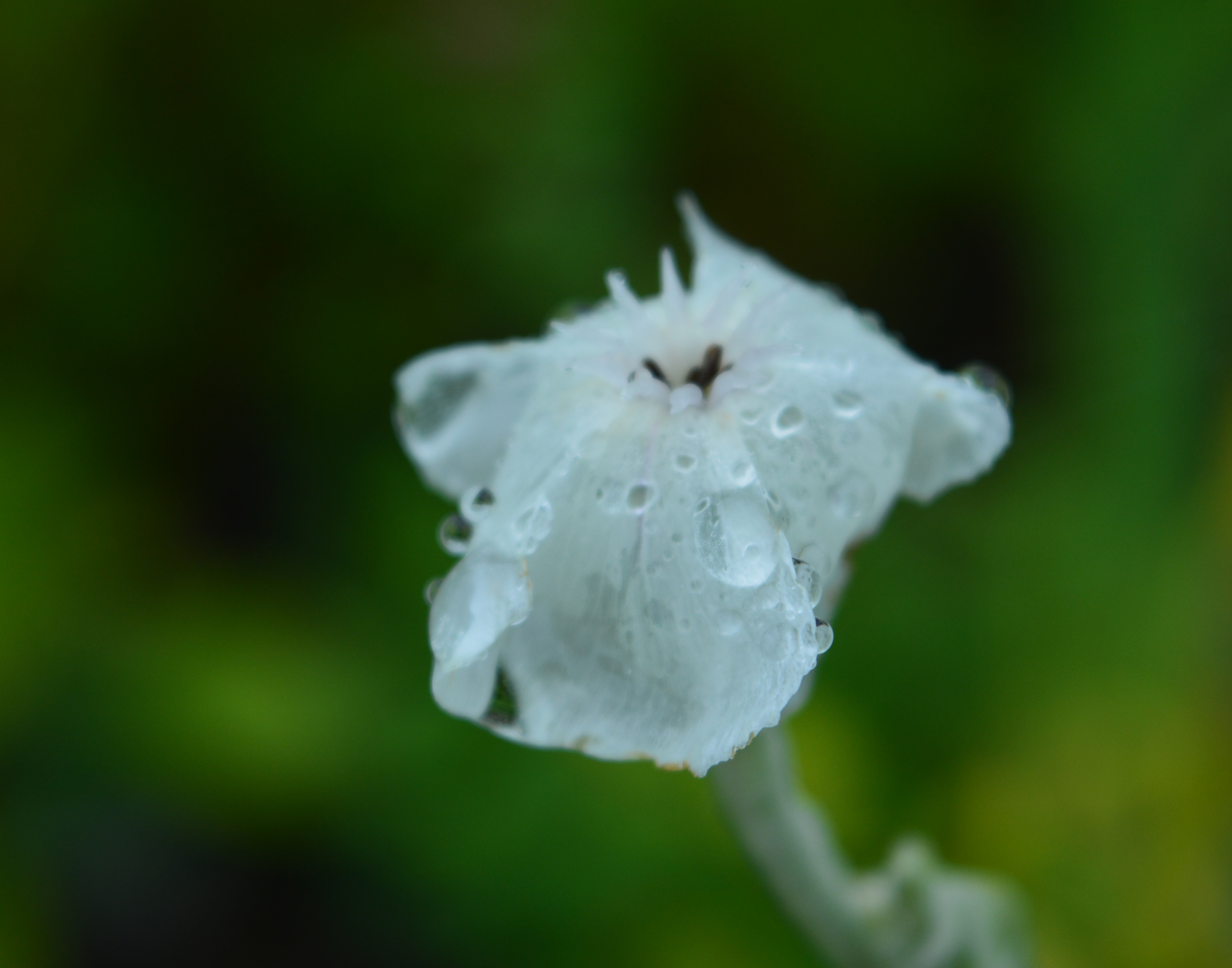
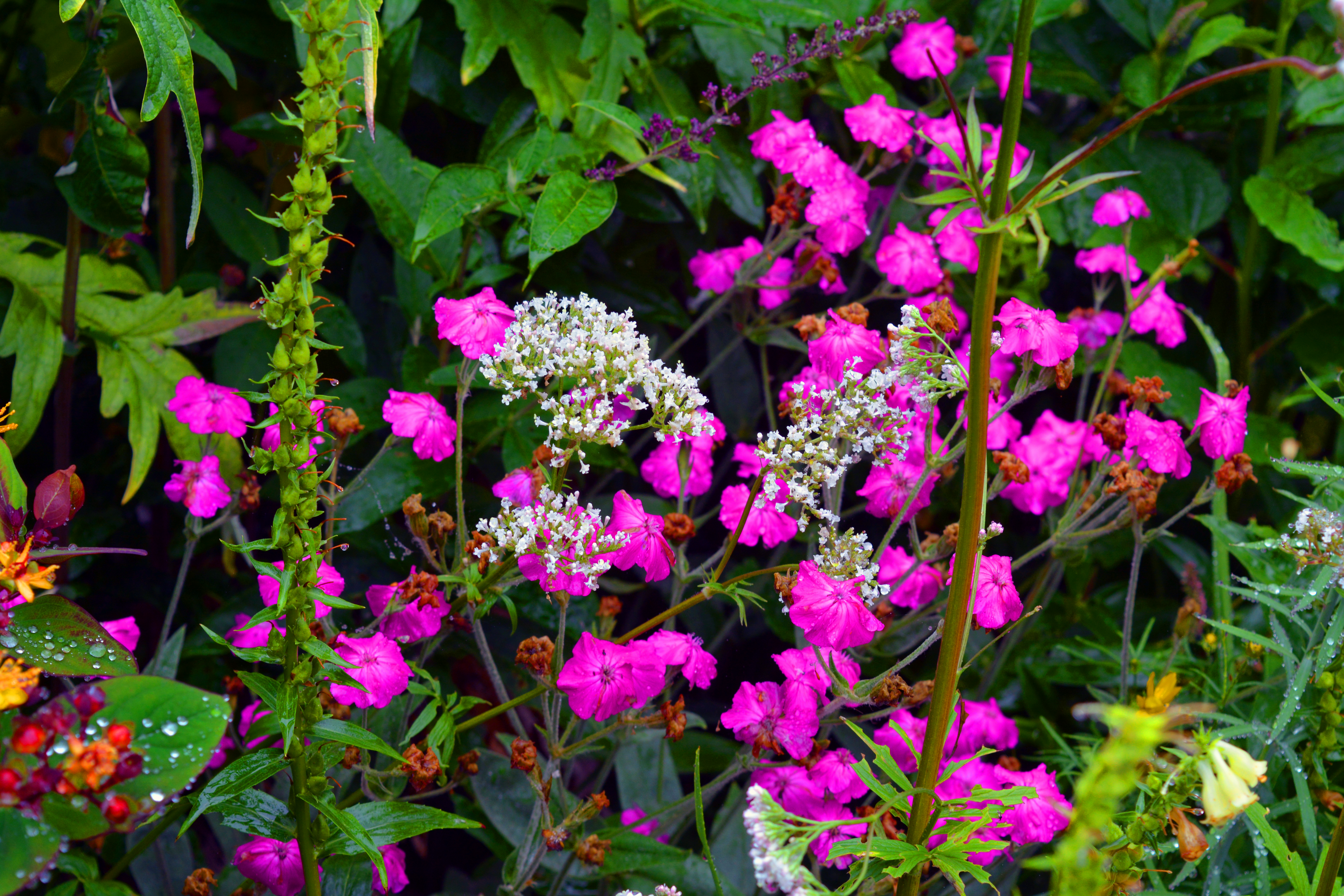
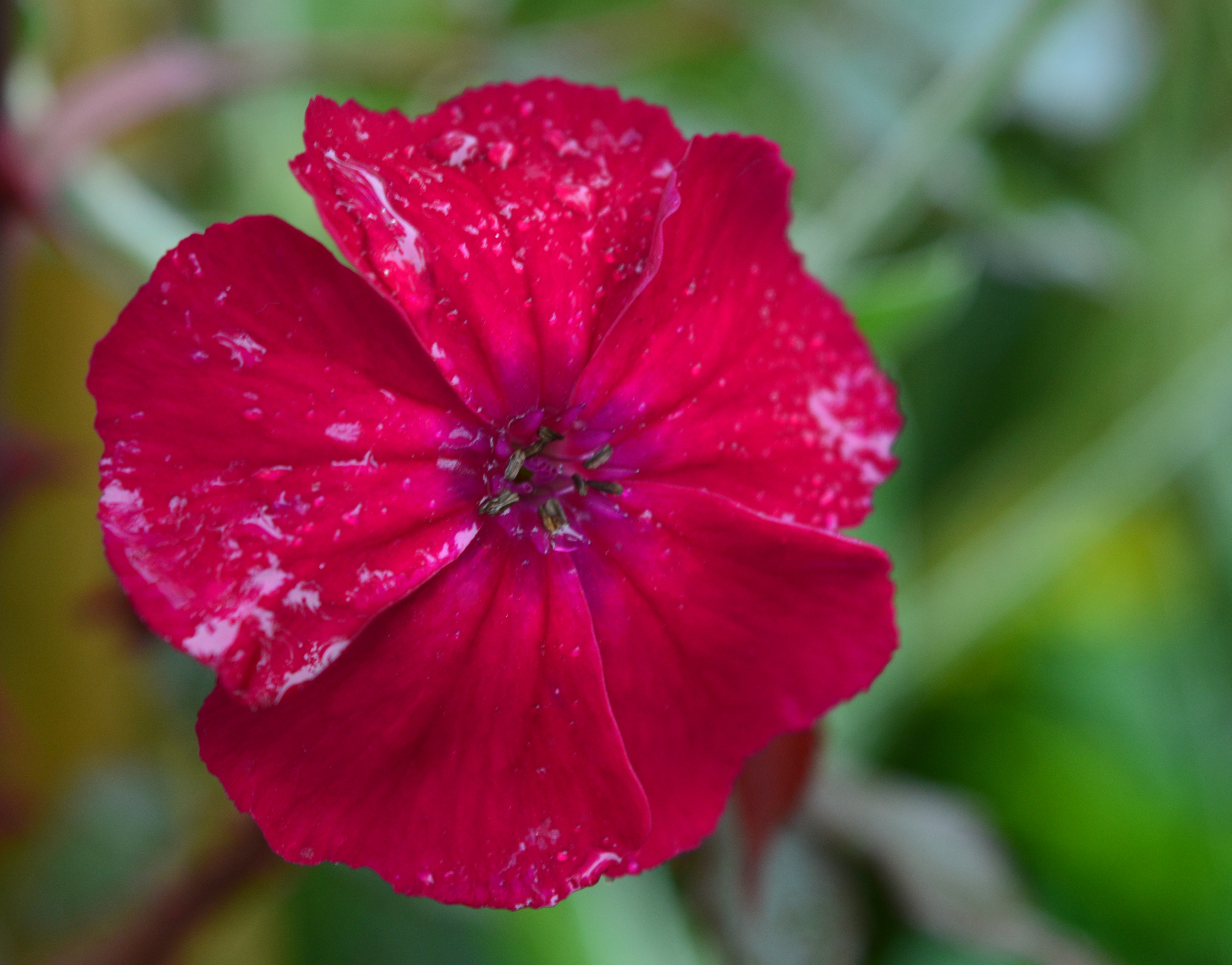
“One family with flowers that glow are the Lychnis family. Below are two members of Lychnis, the variety L. chalcedonica and another variety L. coronaria.”

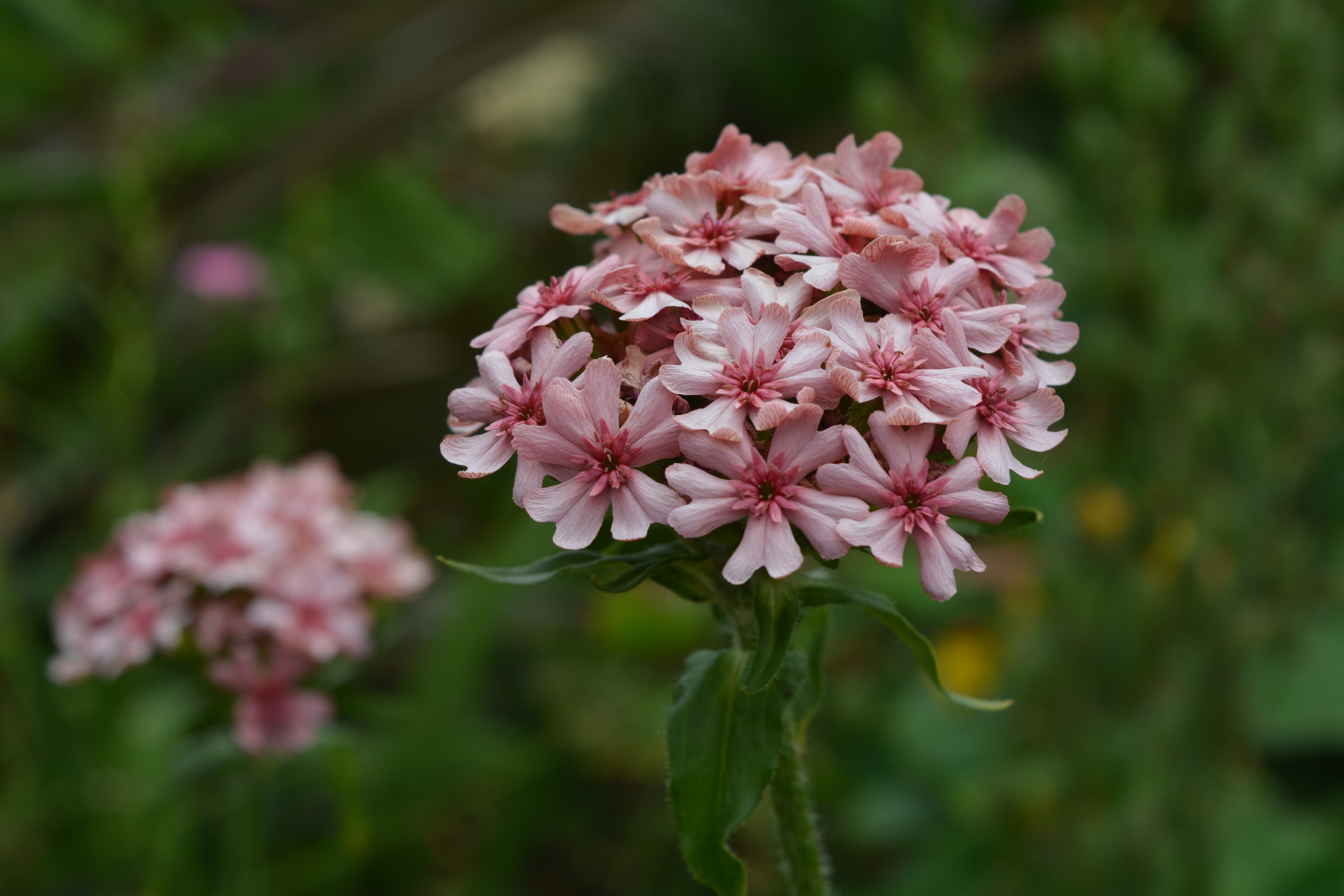
“Lychnis chalcedonica “Dusky Pink”


“Lychnis chalcedonica “Vesuvius” and Lychnis chalcedonica “Maltese Cross”


“Lychnis coronaria”


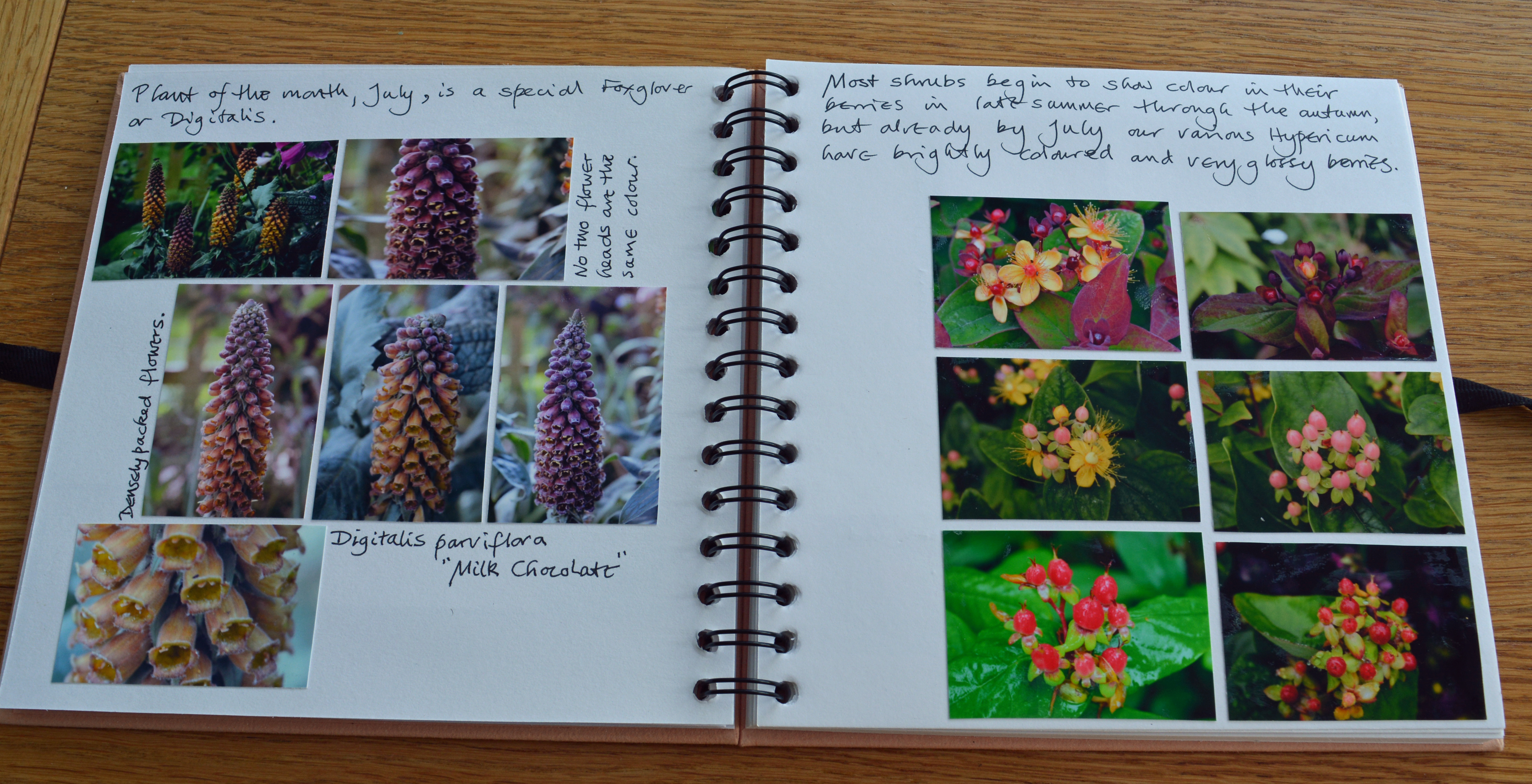
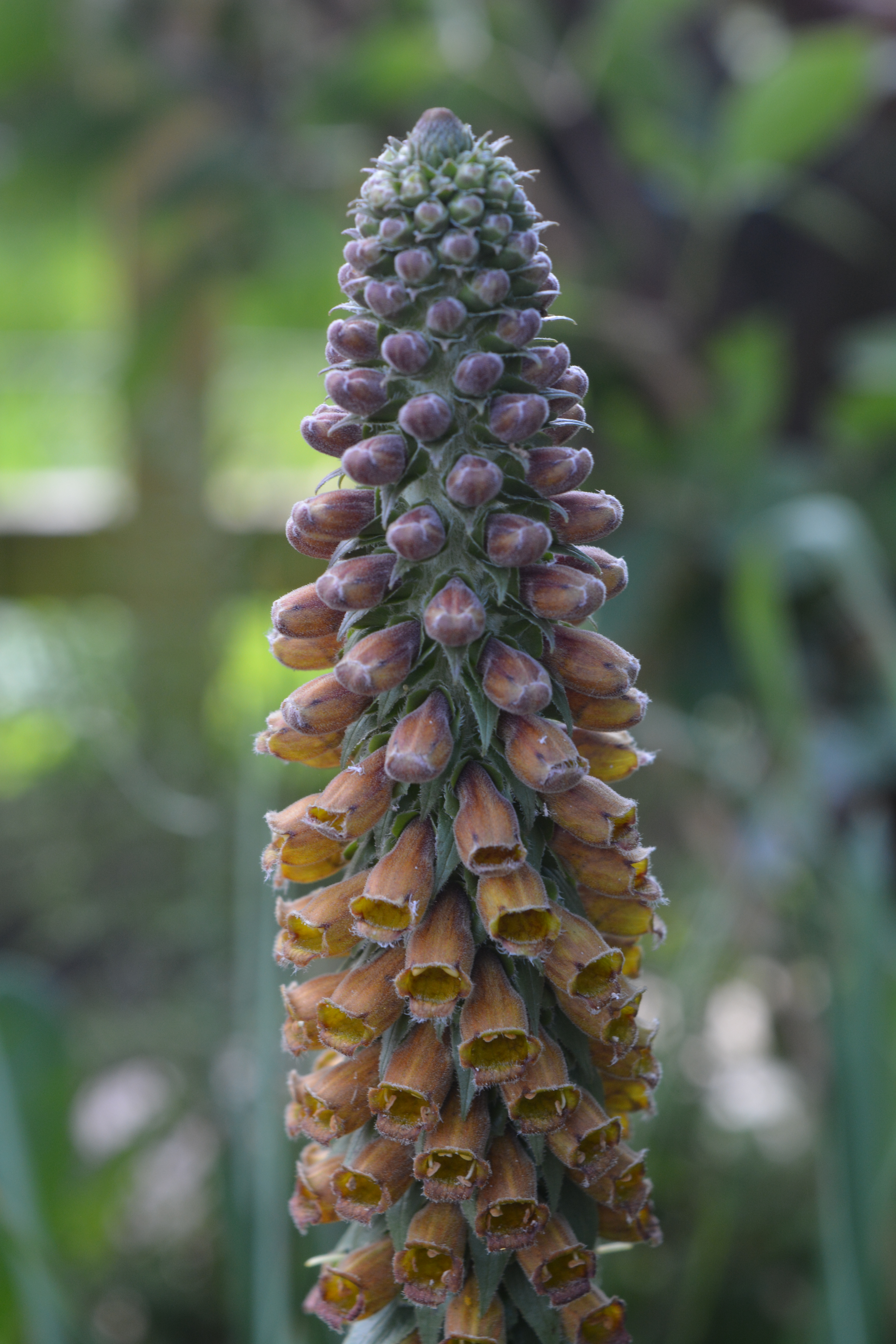
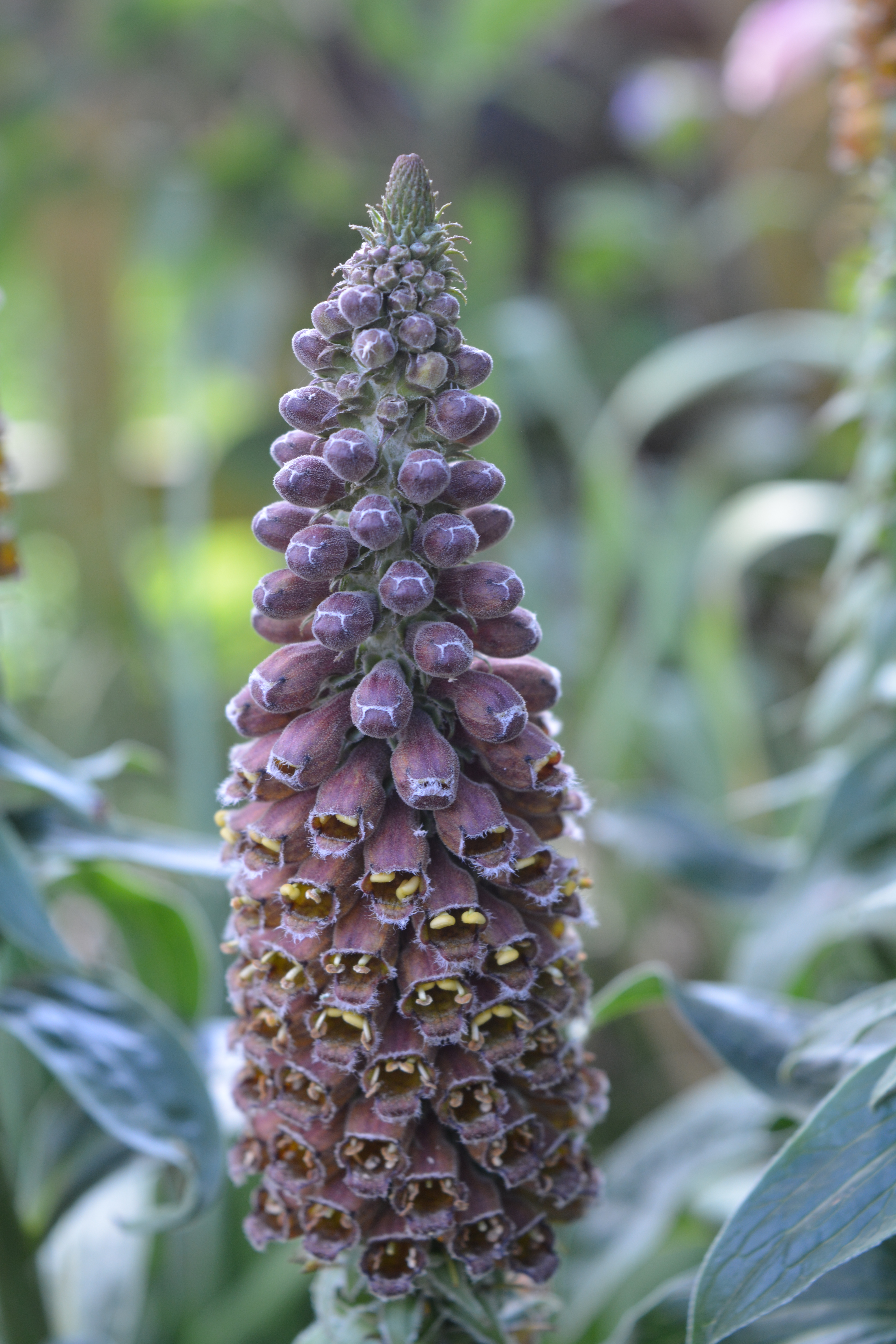
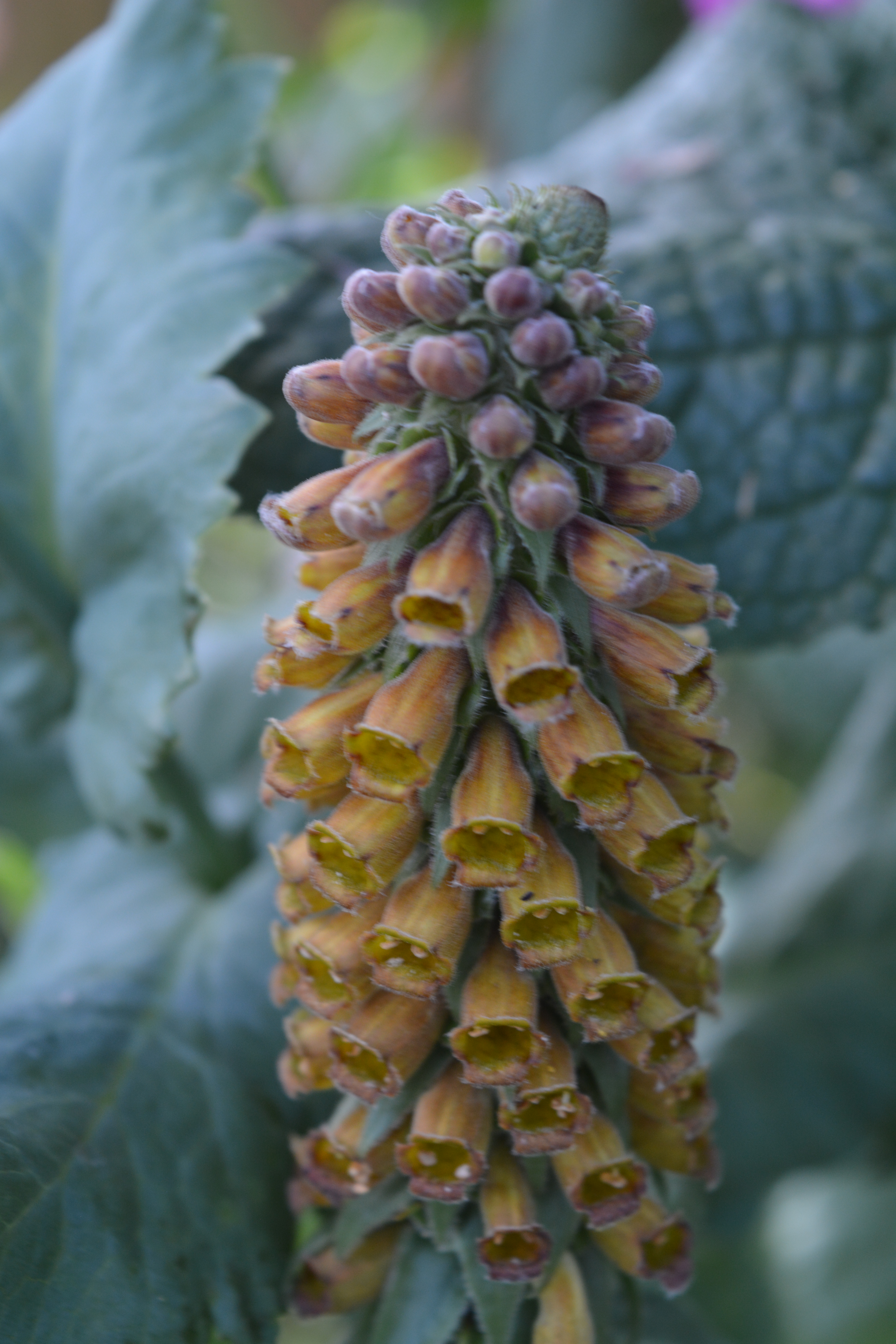
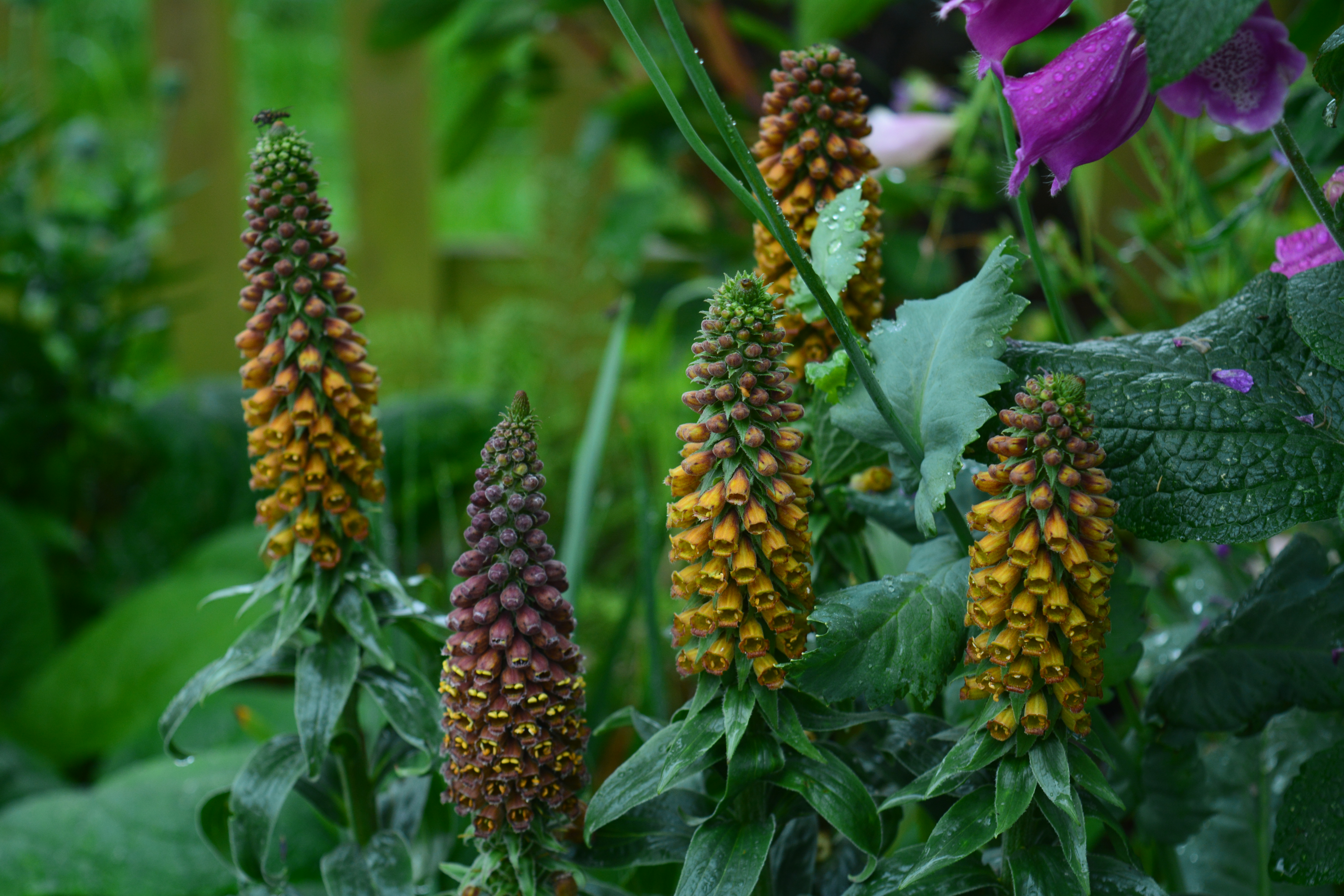
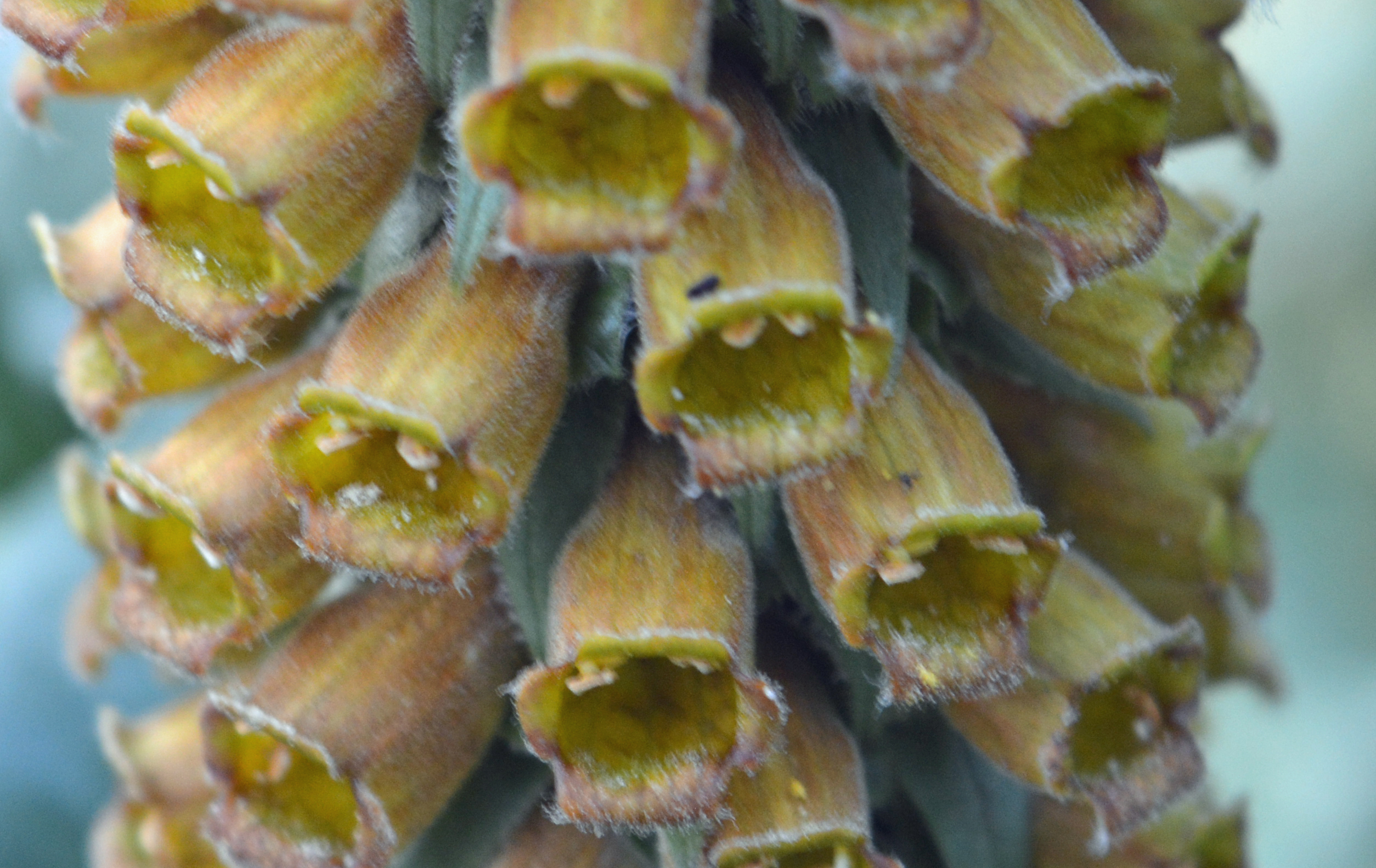
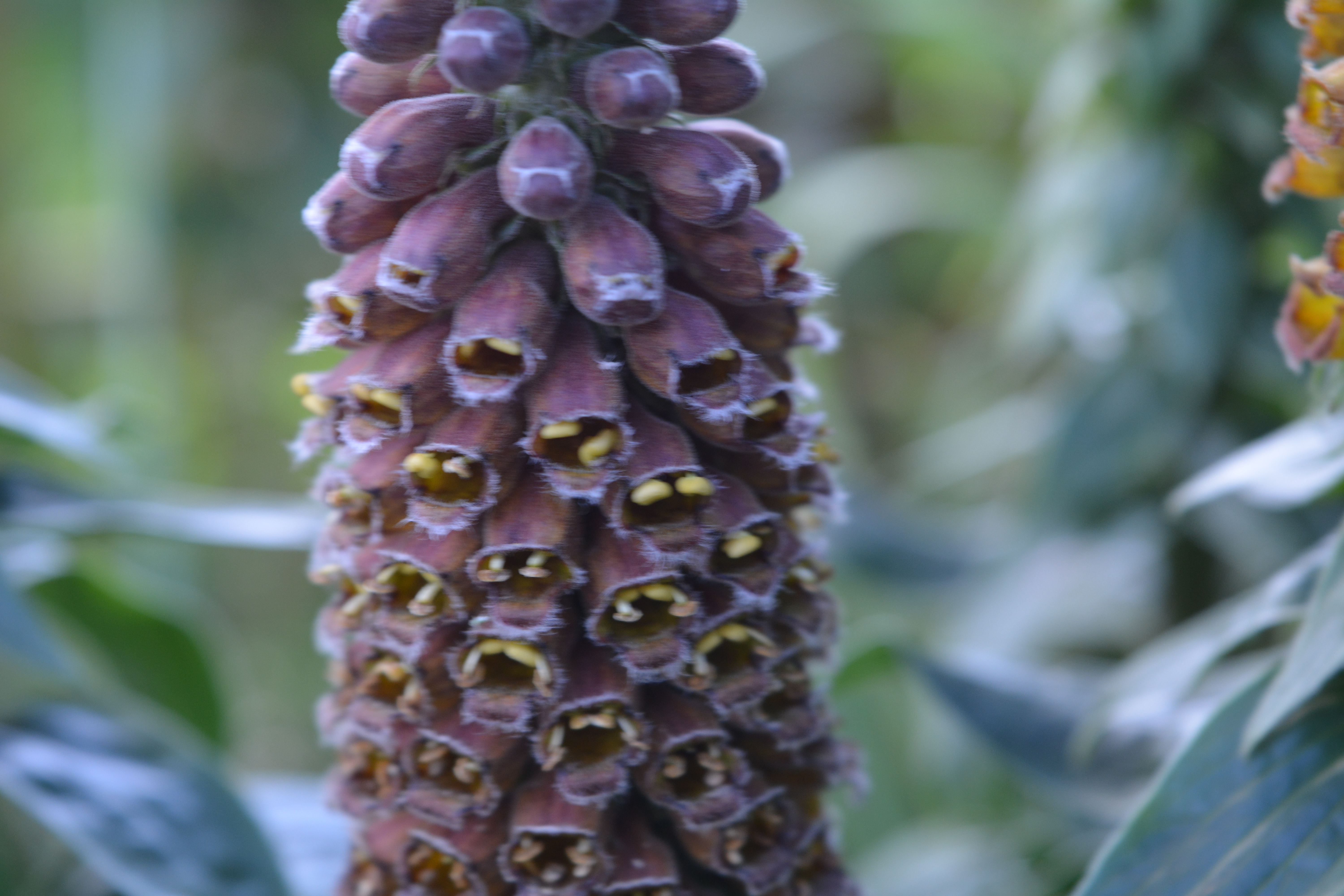
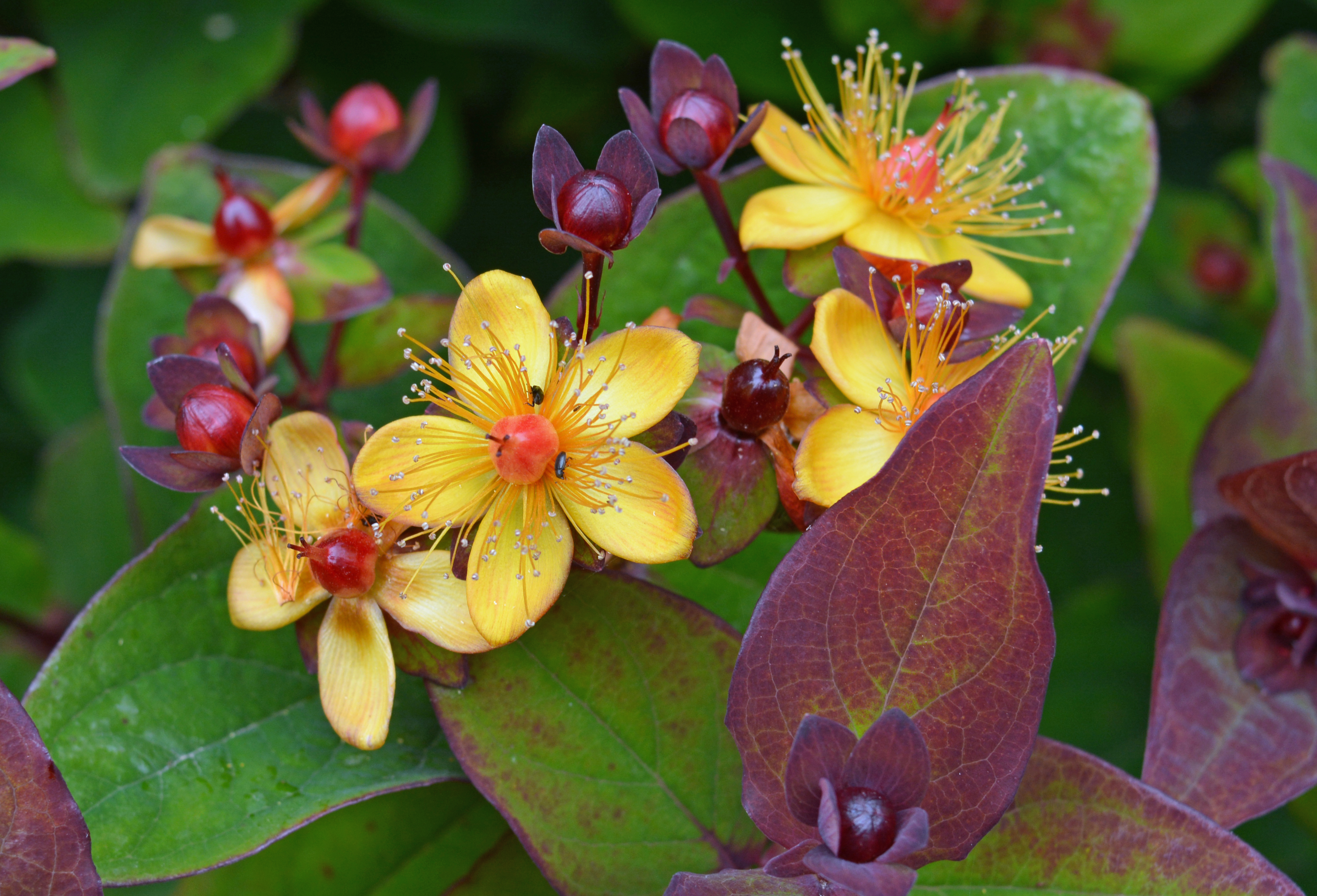
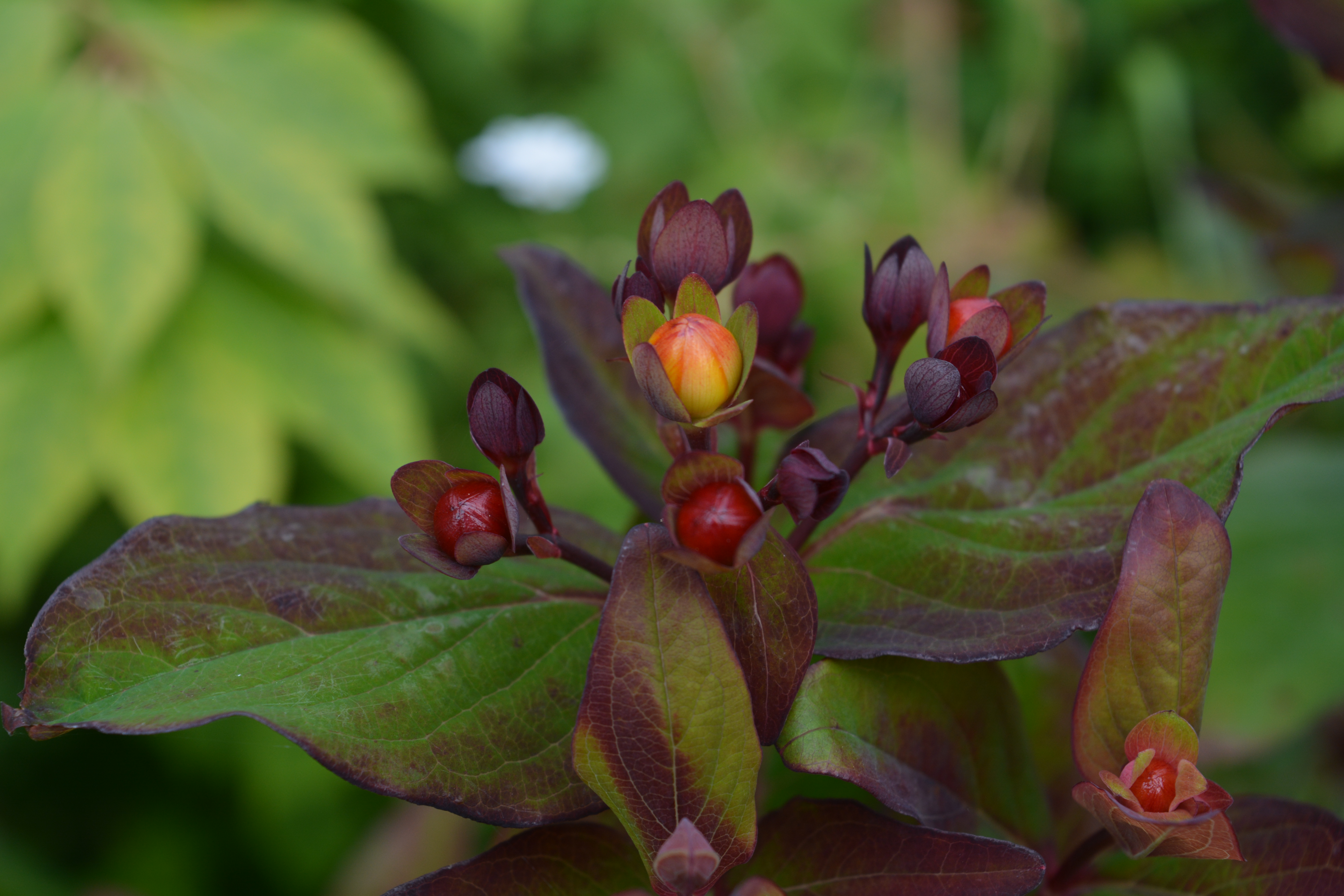
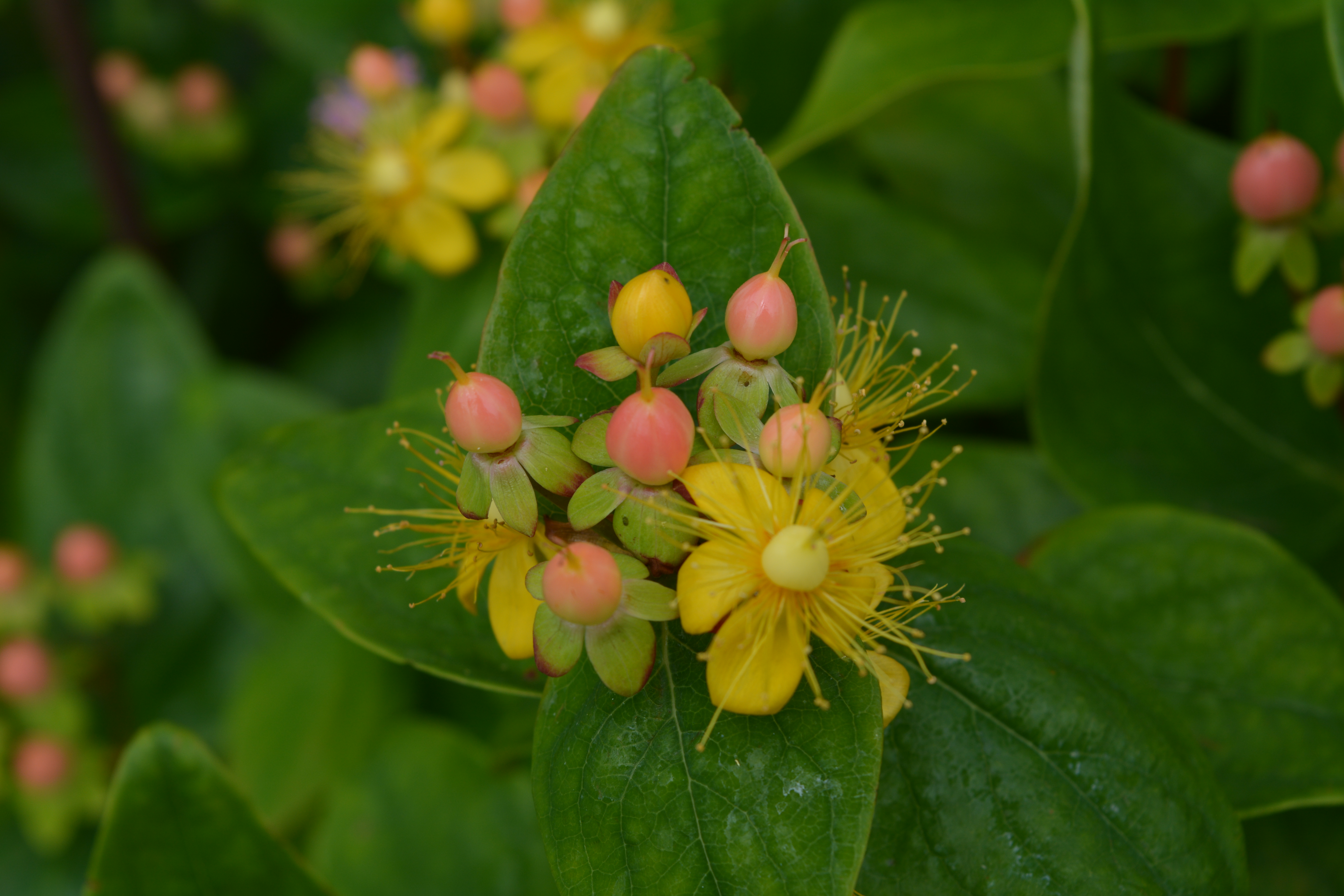
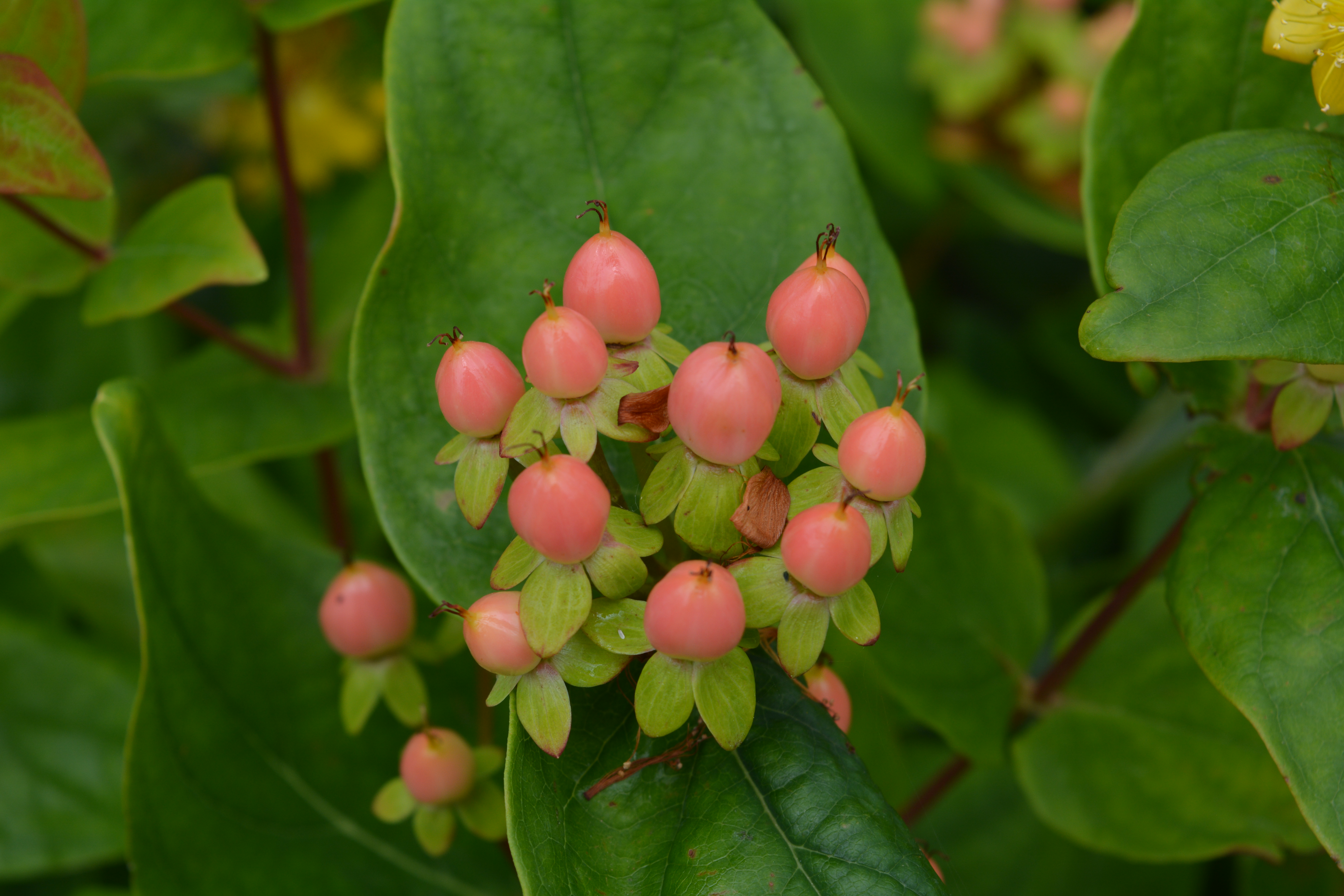
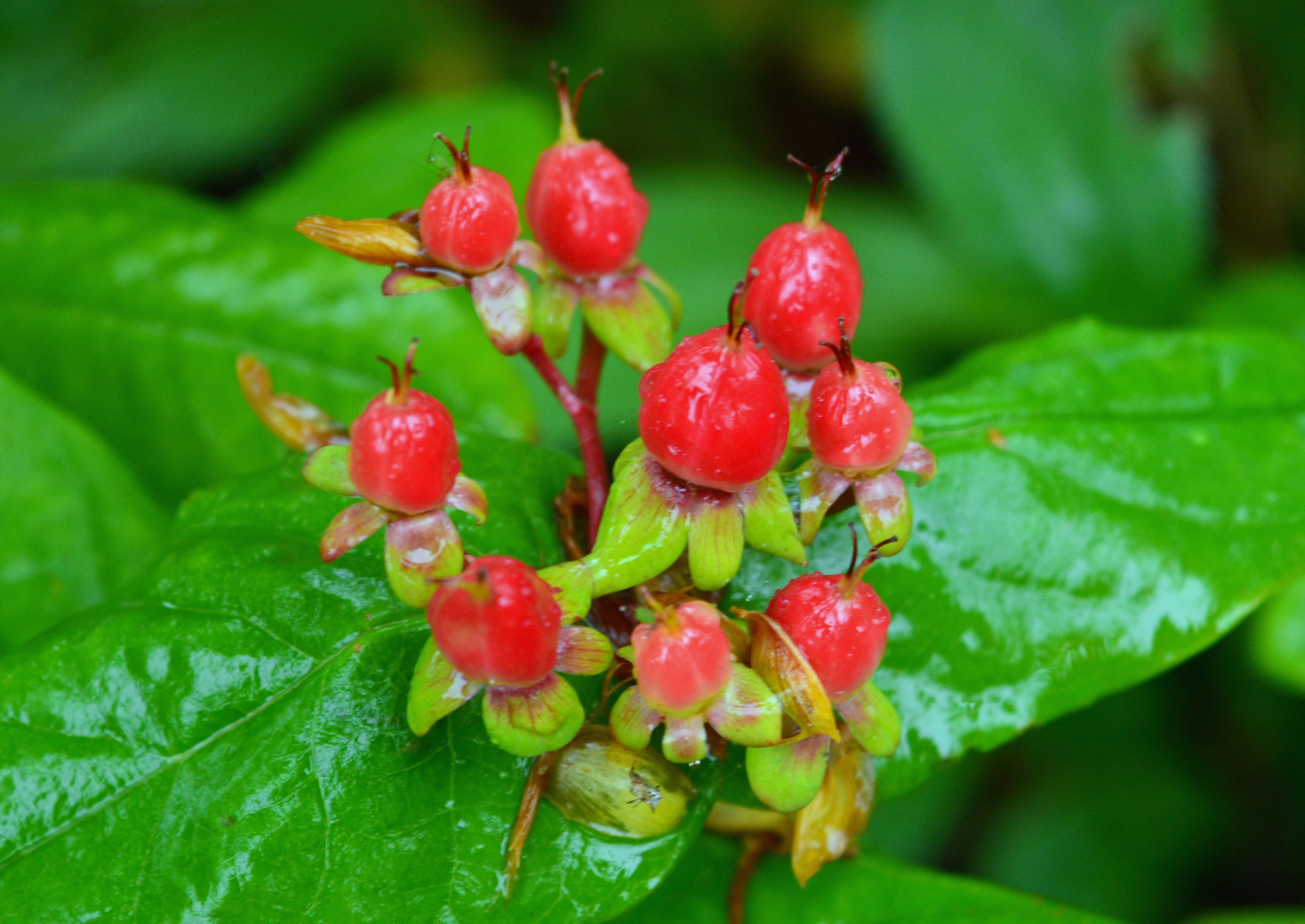
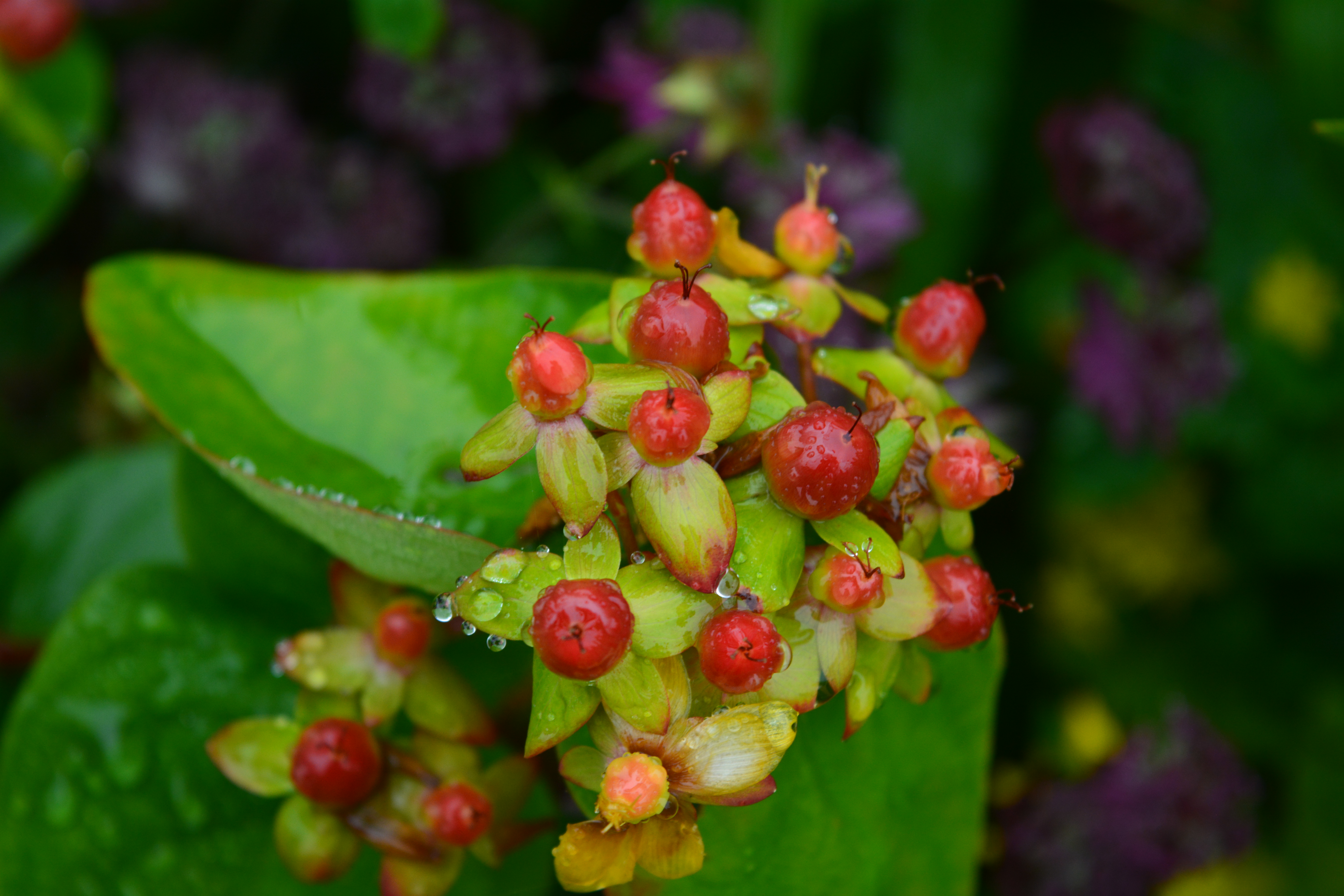
Over the page I move on to look at an unusual Foxglove, Digitalis parviflora “Milk Chocolate” and a berried shrub, Hypericum x inodorum.

“Plant of the month, July, is a special Foxglove or Digitalis, Digitalis parviflora Milk Chocolate.”

“No two flower heads are the same.”


“Densely packed flowers.”

“Most berrying shrubs begin to show colour in their berries in late summer through the autumn, but already by July our various cultivars of Hypericum x inodorum have brightly coloured and very glossy berries.”


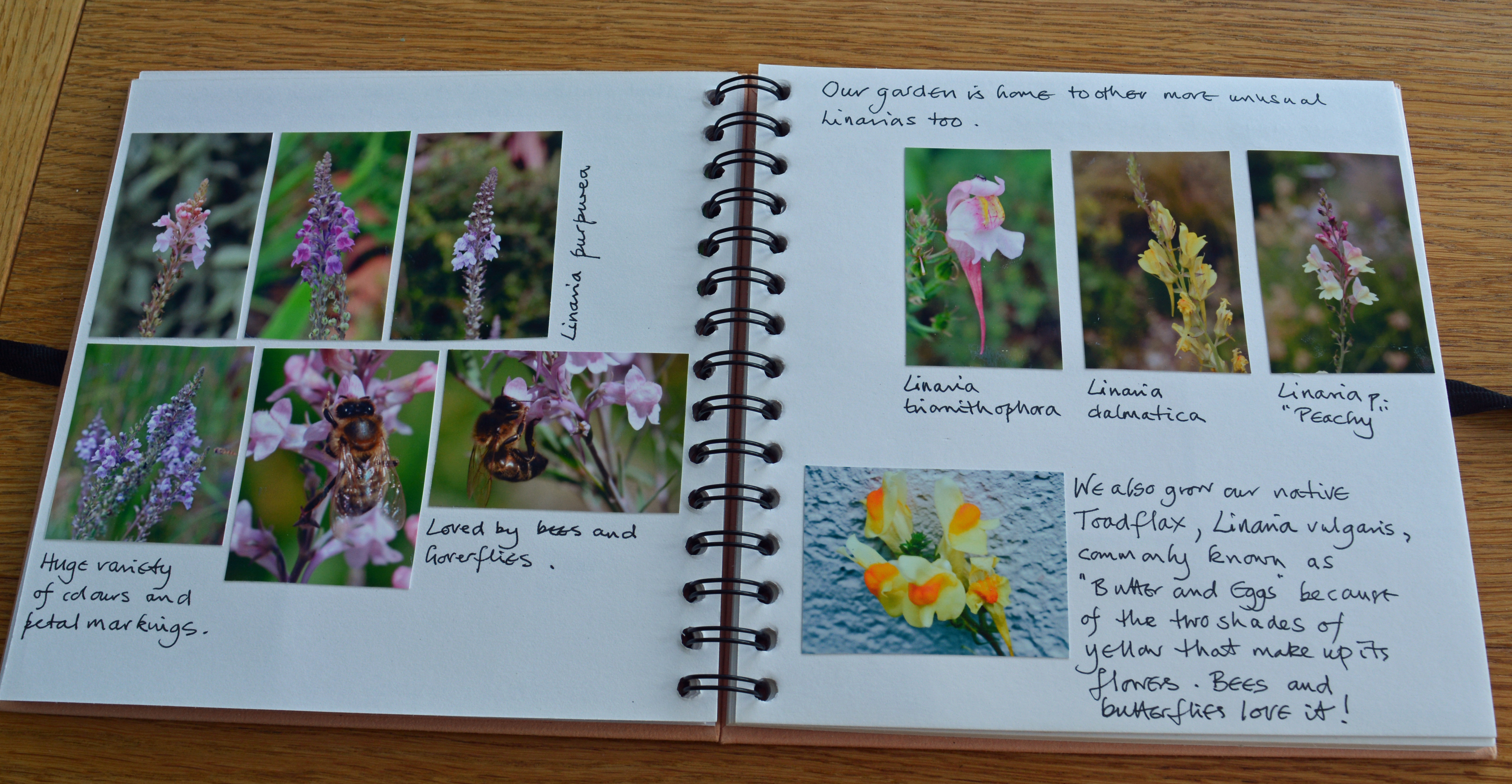
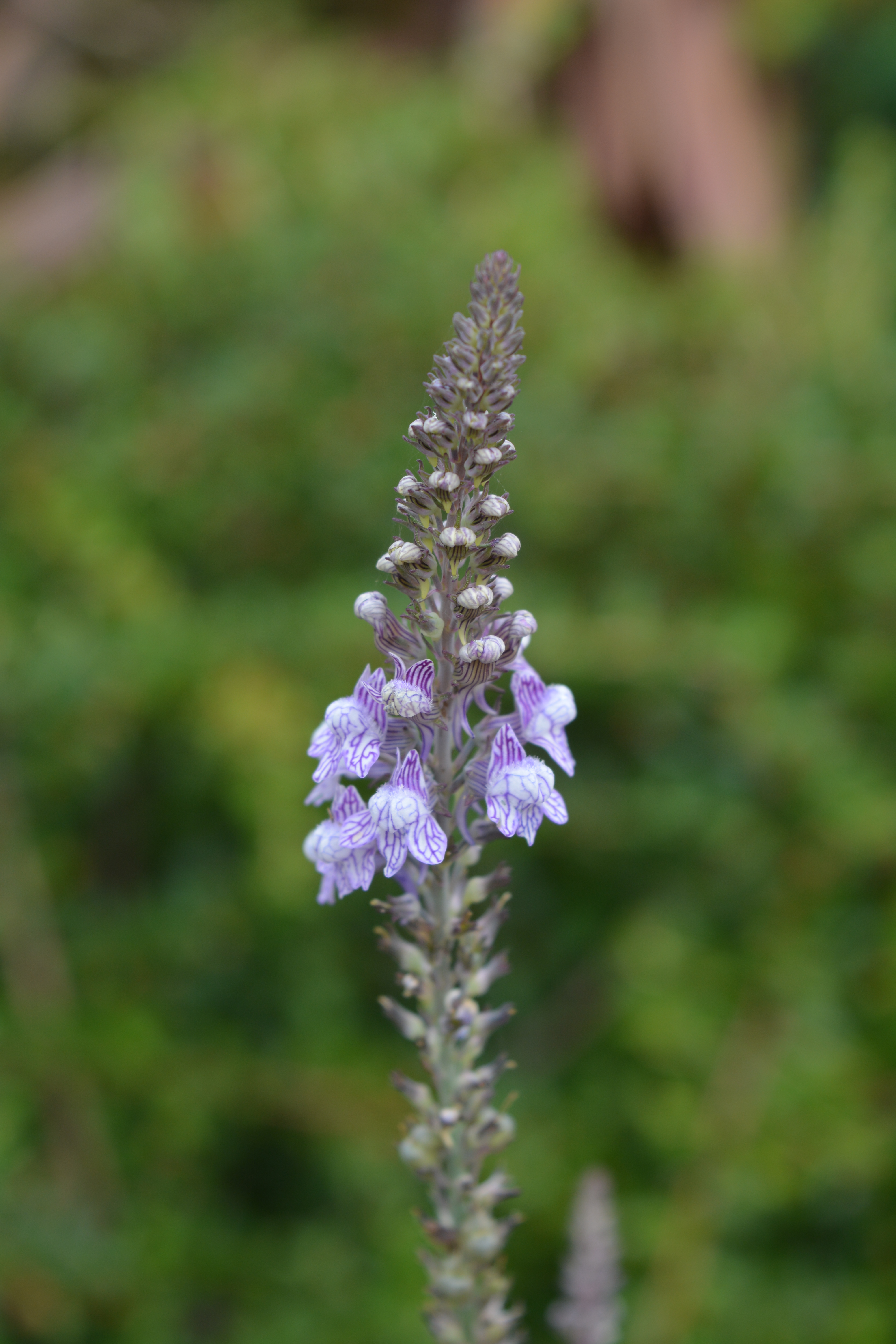
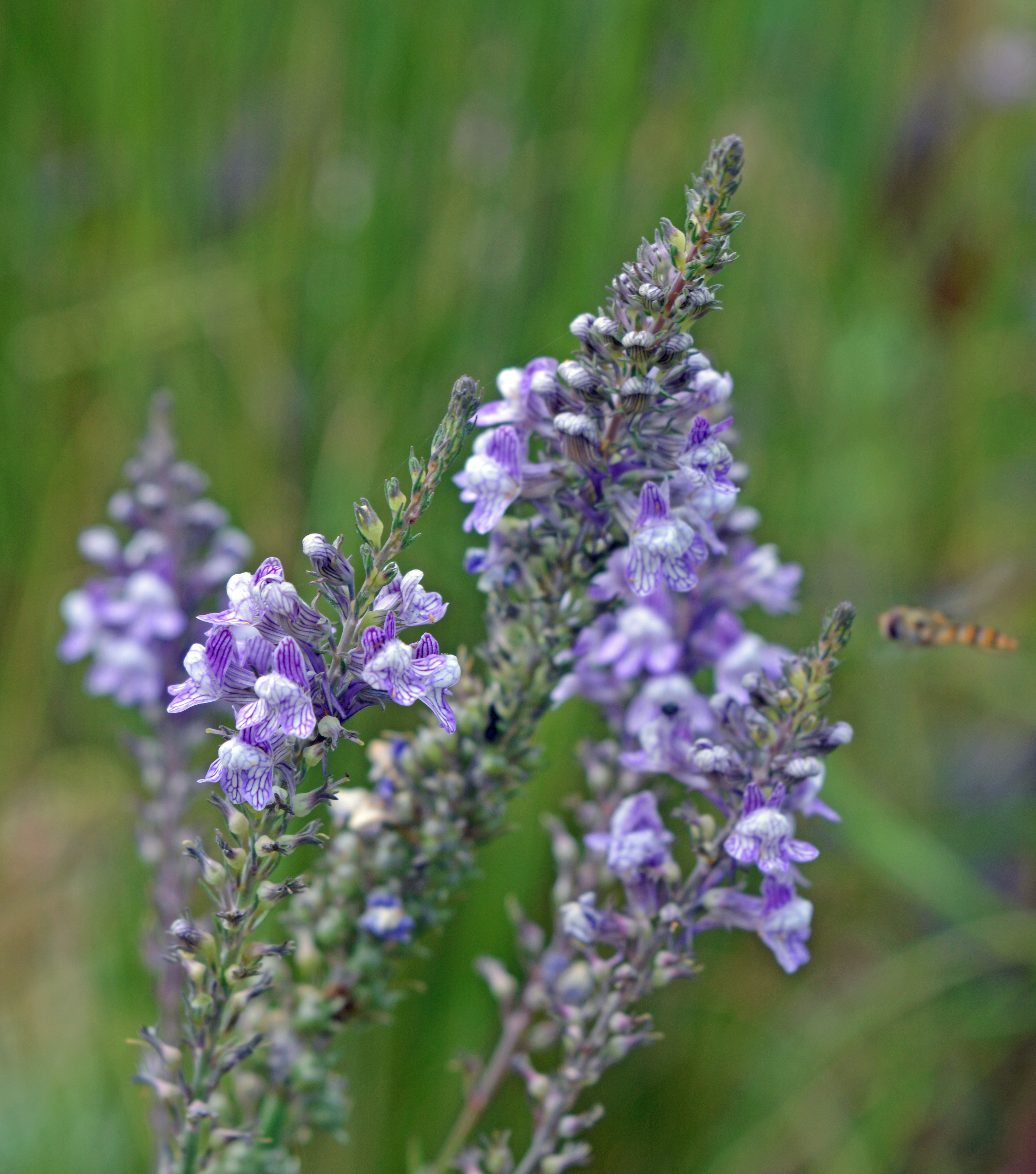
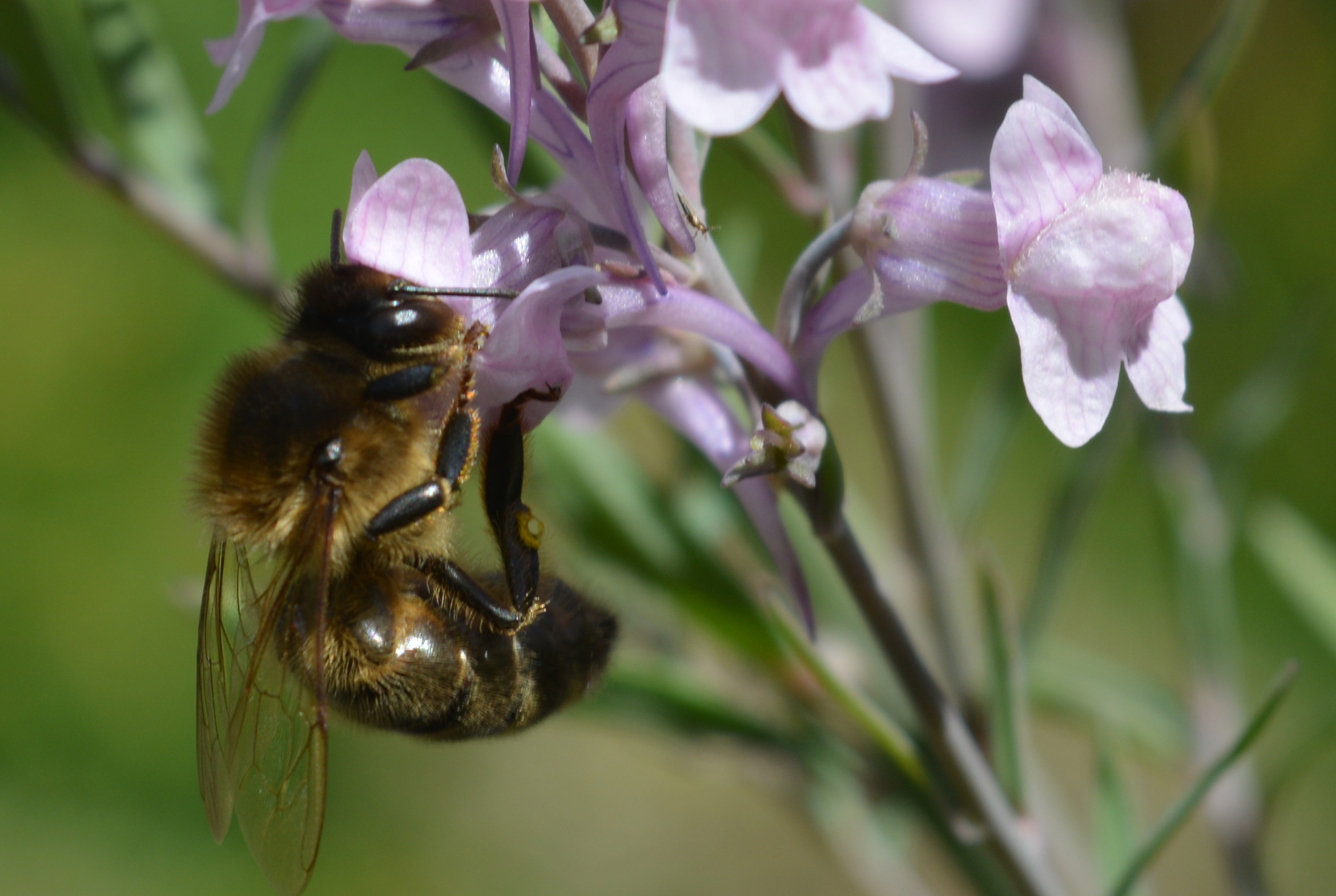
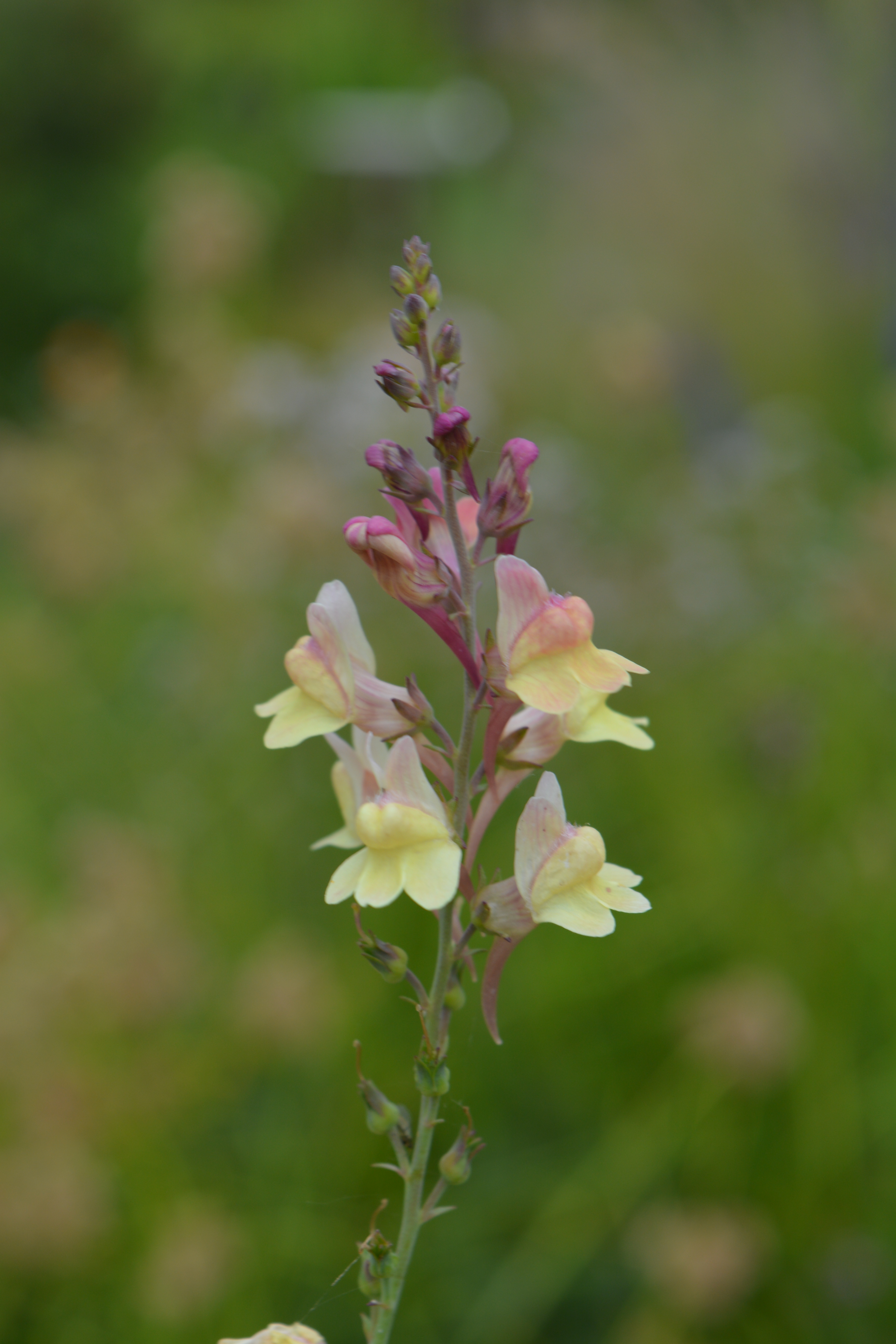
The next plant family I feature in July is Linaria, of which we grow many varied cultivars.

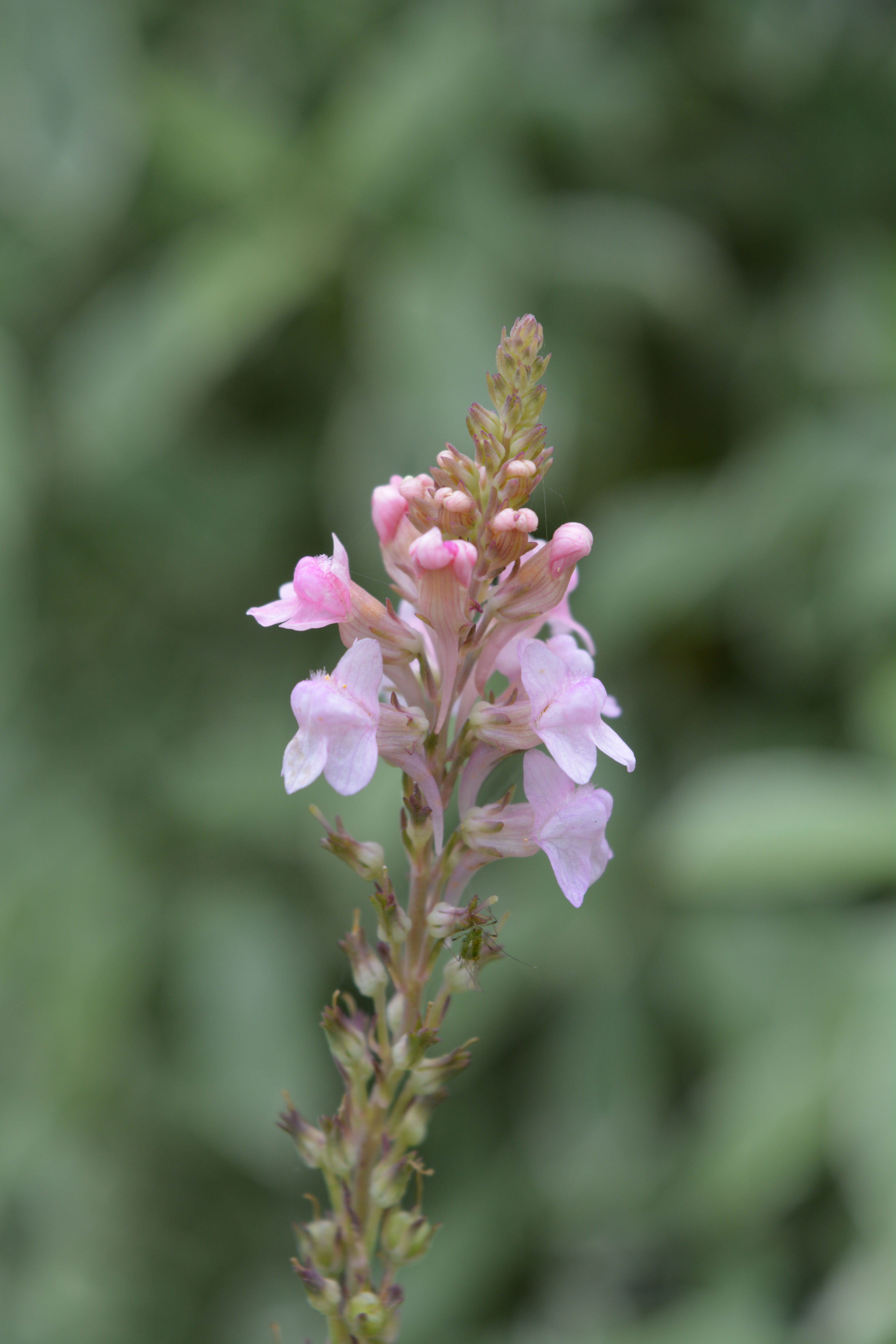
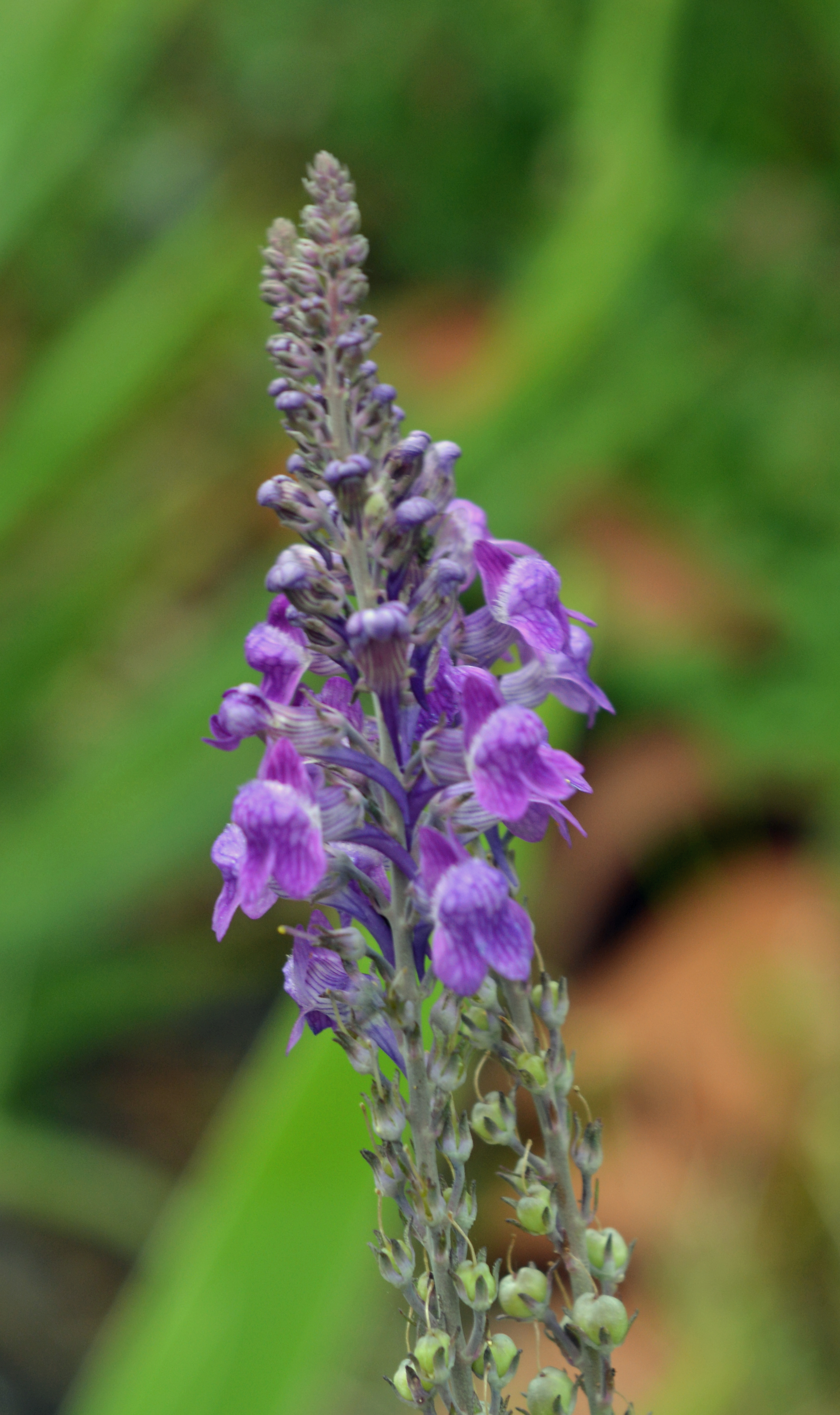
“Members of the Linaria family are always welcome in our garden. We love the way they self seed and hybridise. They display a huge range of colours and petal markings. Linaria purpurea is much loved by bees and hoverflies.”


“Our garden is home to other more unusual Linarias too, all with their recognisable flower structure.”


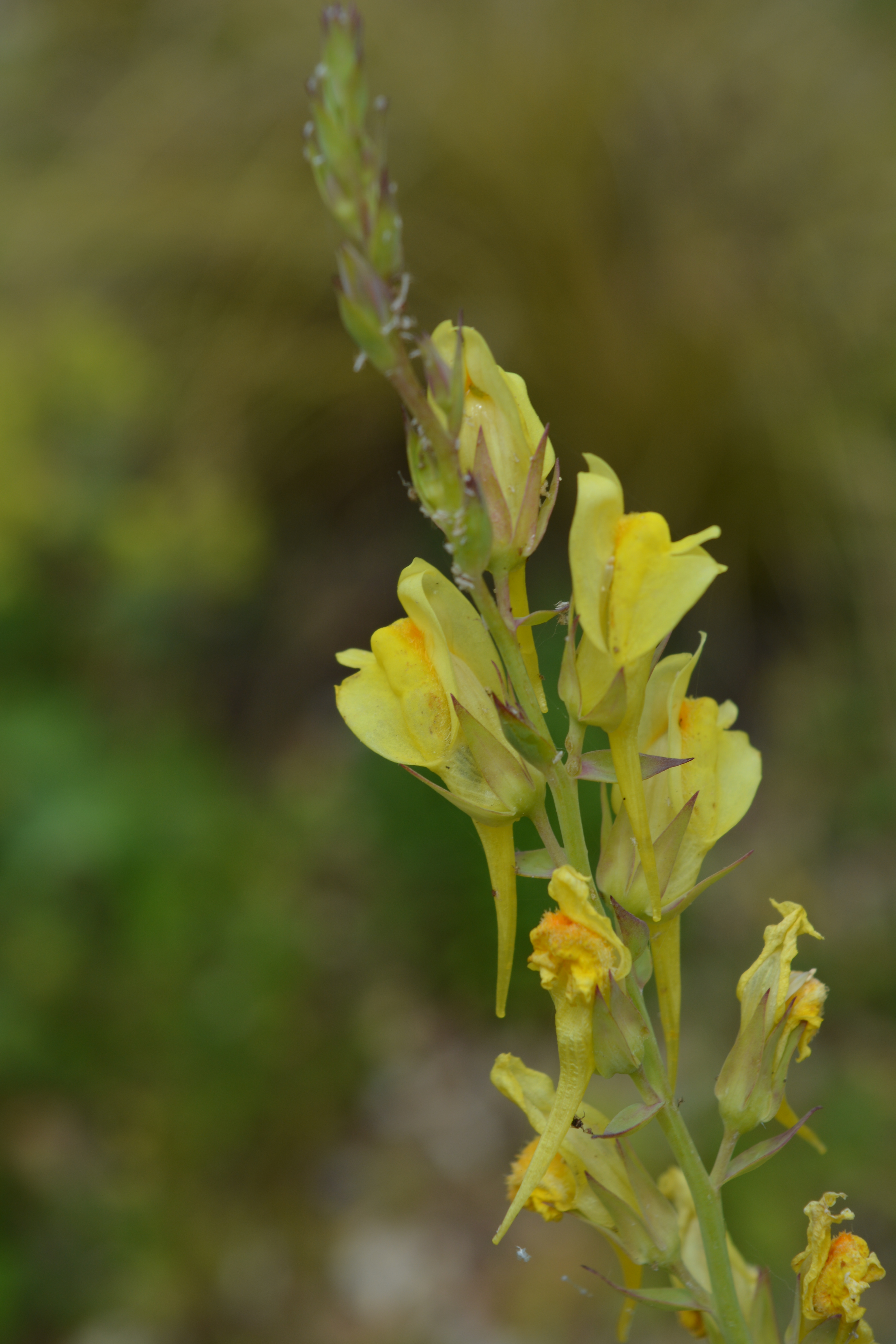
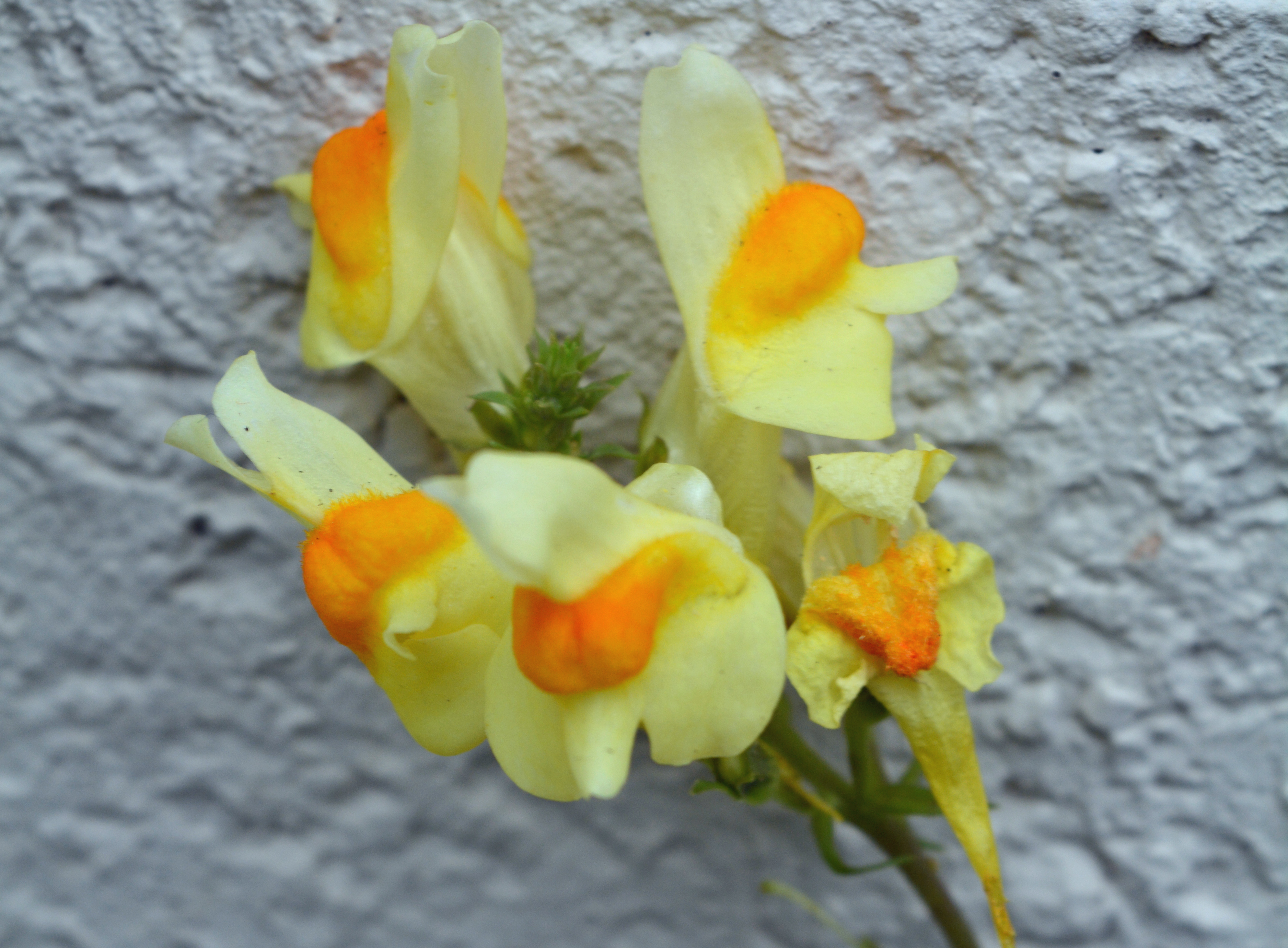
“We also grow our native Toadflax, Linaria vulgaris, commonly known as “Butter and Eggs” because of the two shades of yellow that make up its flowers. Bees and butterflies love it!”

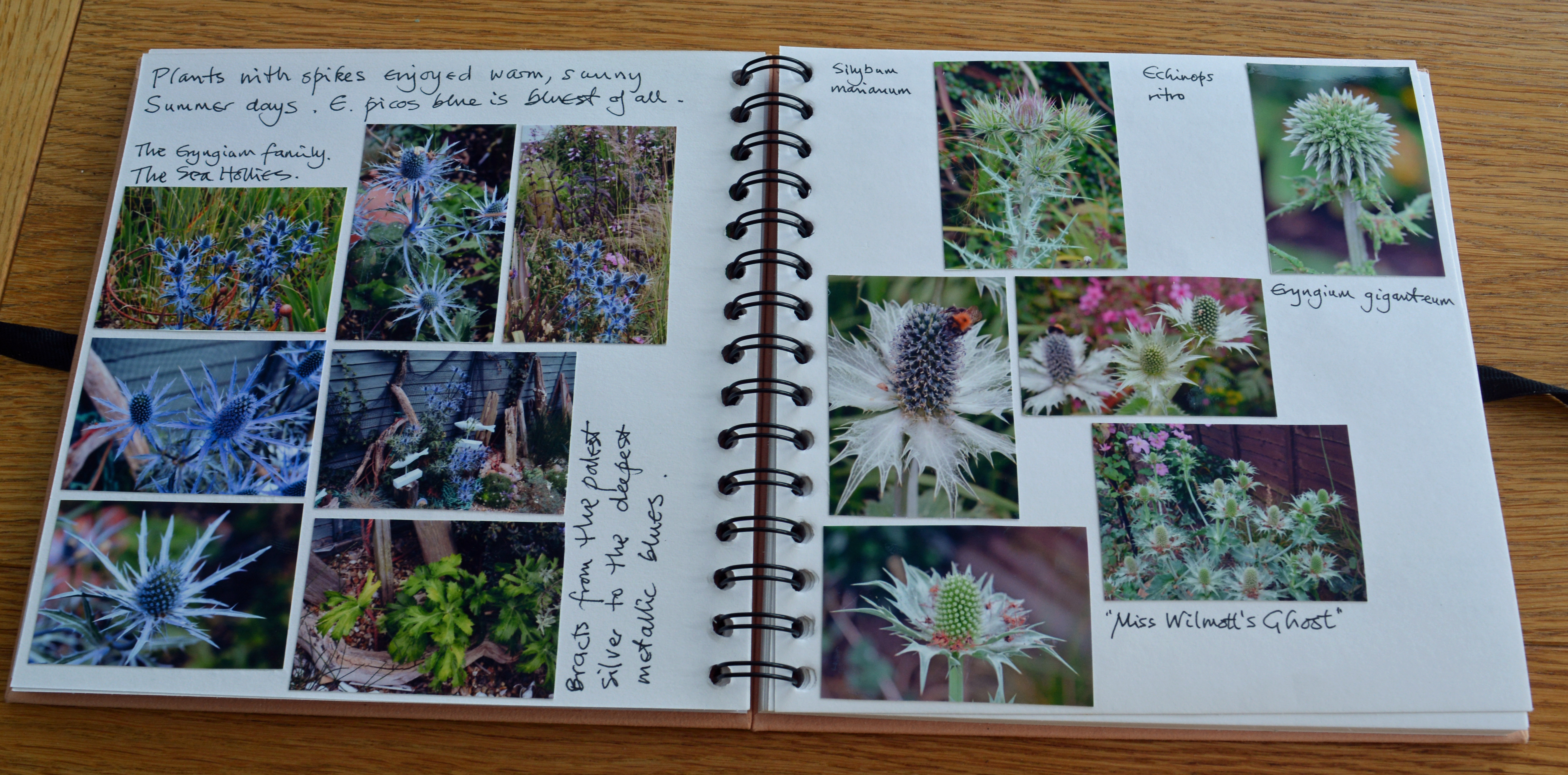
Next I looked at plants that are spiky in texture, of which we grow many in our patch as they seem to like our sunny aspect.

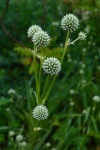
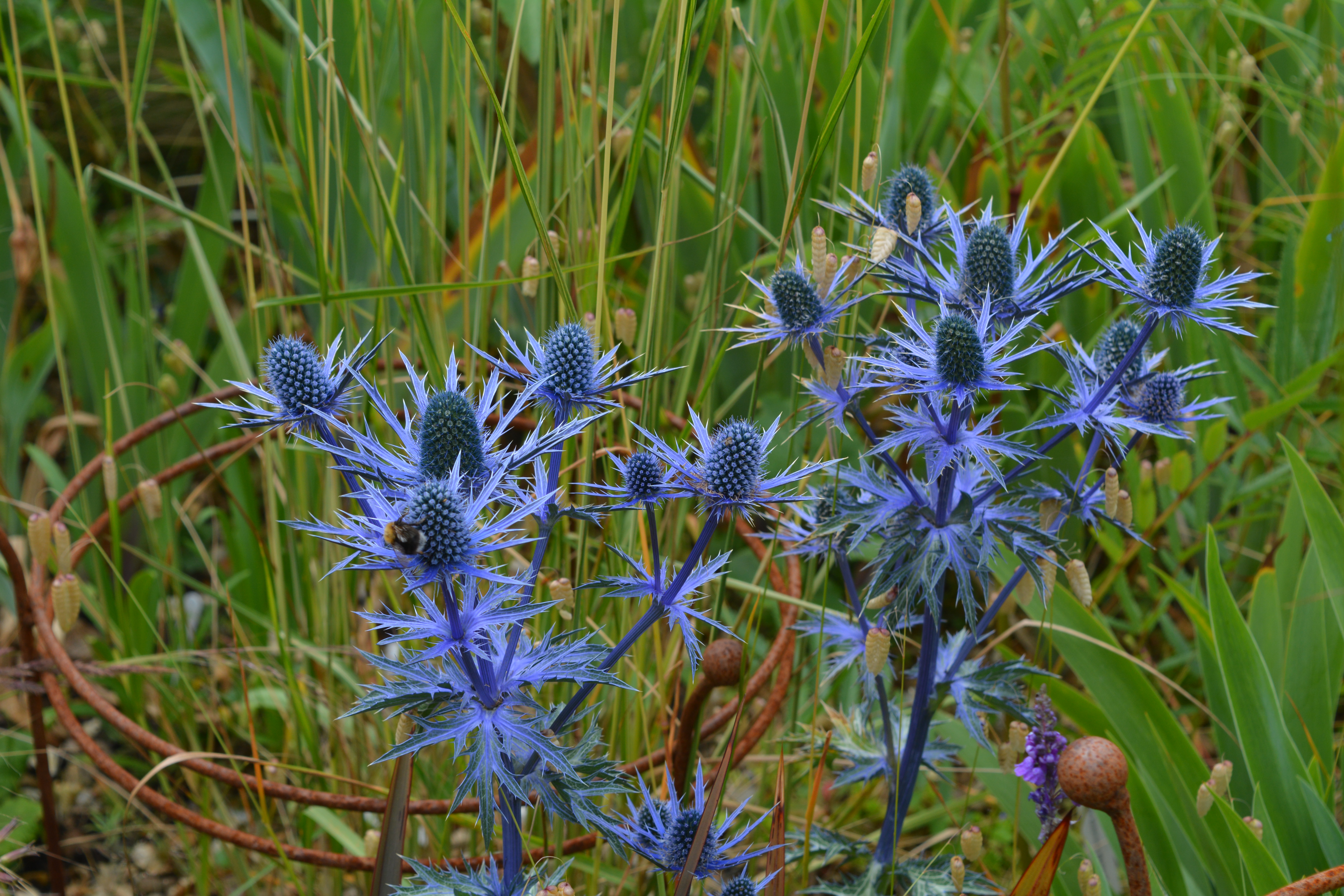
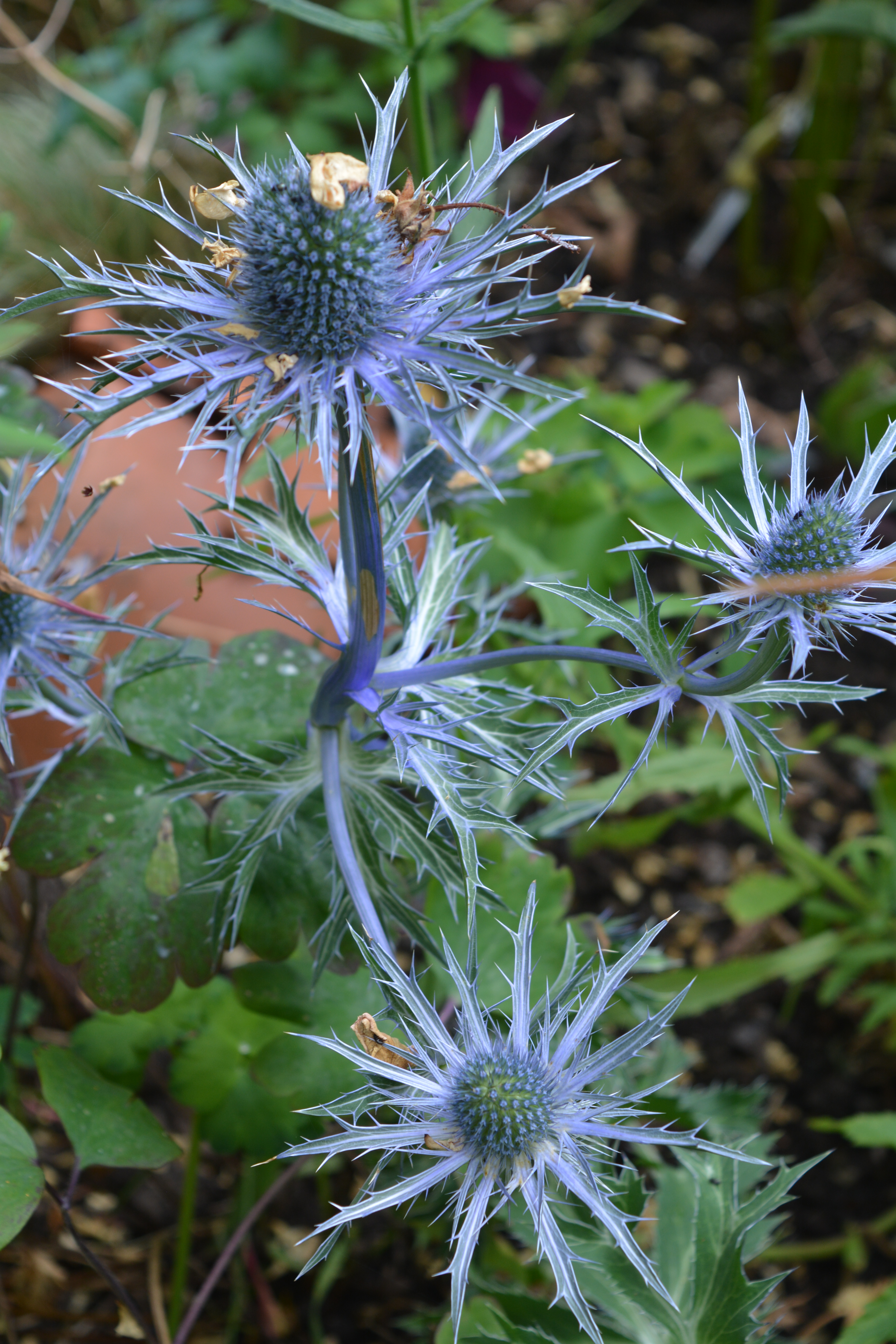
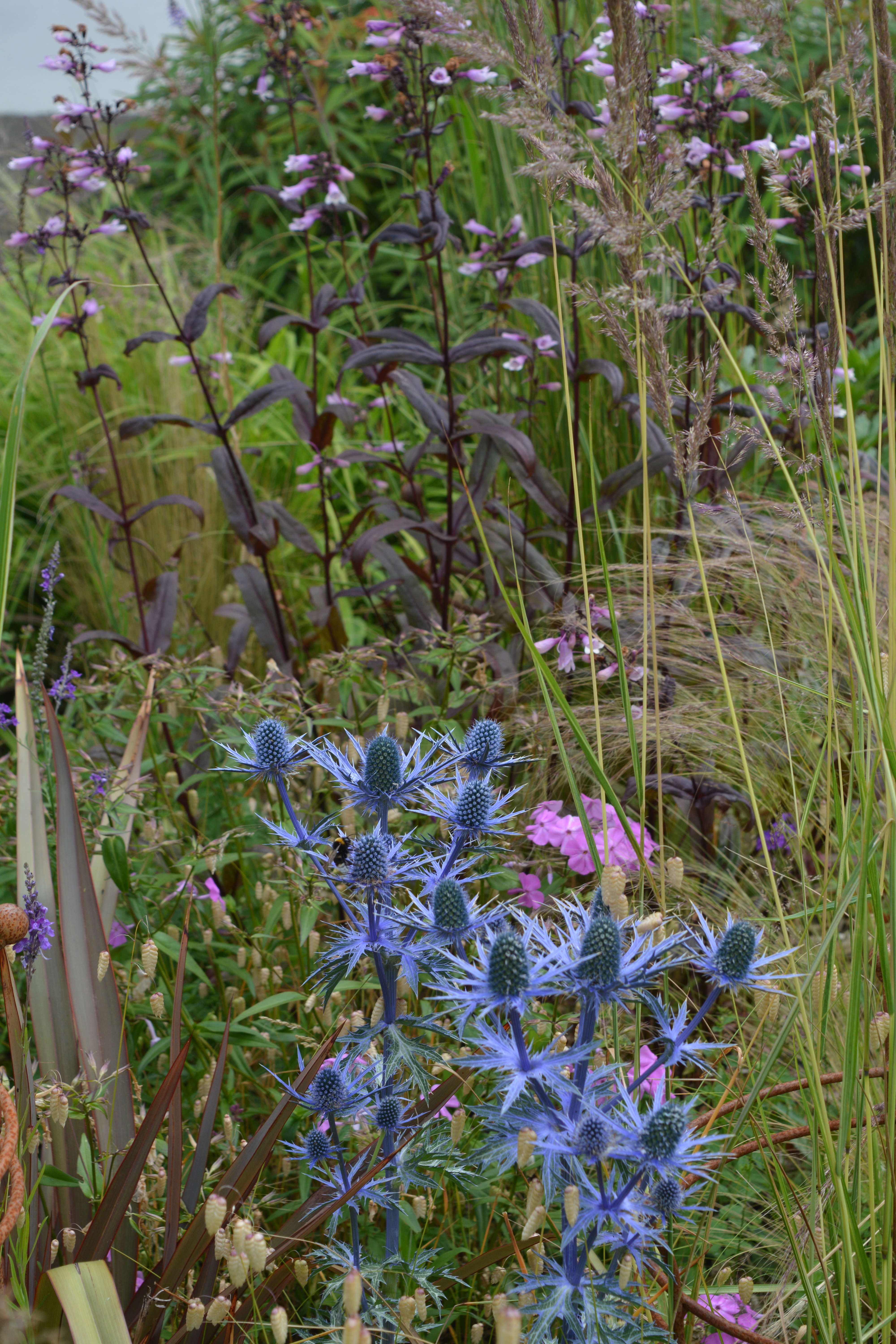
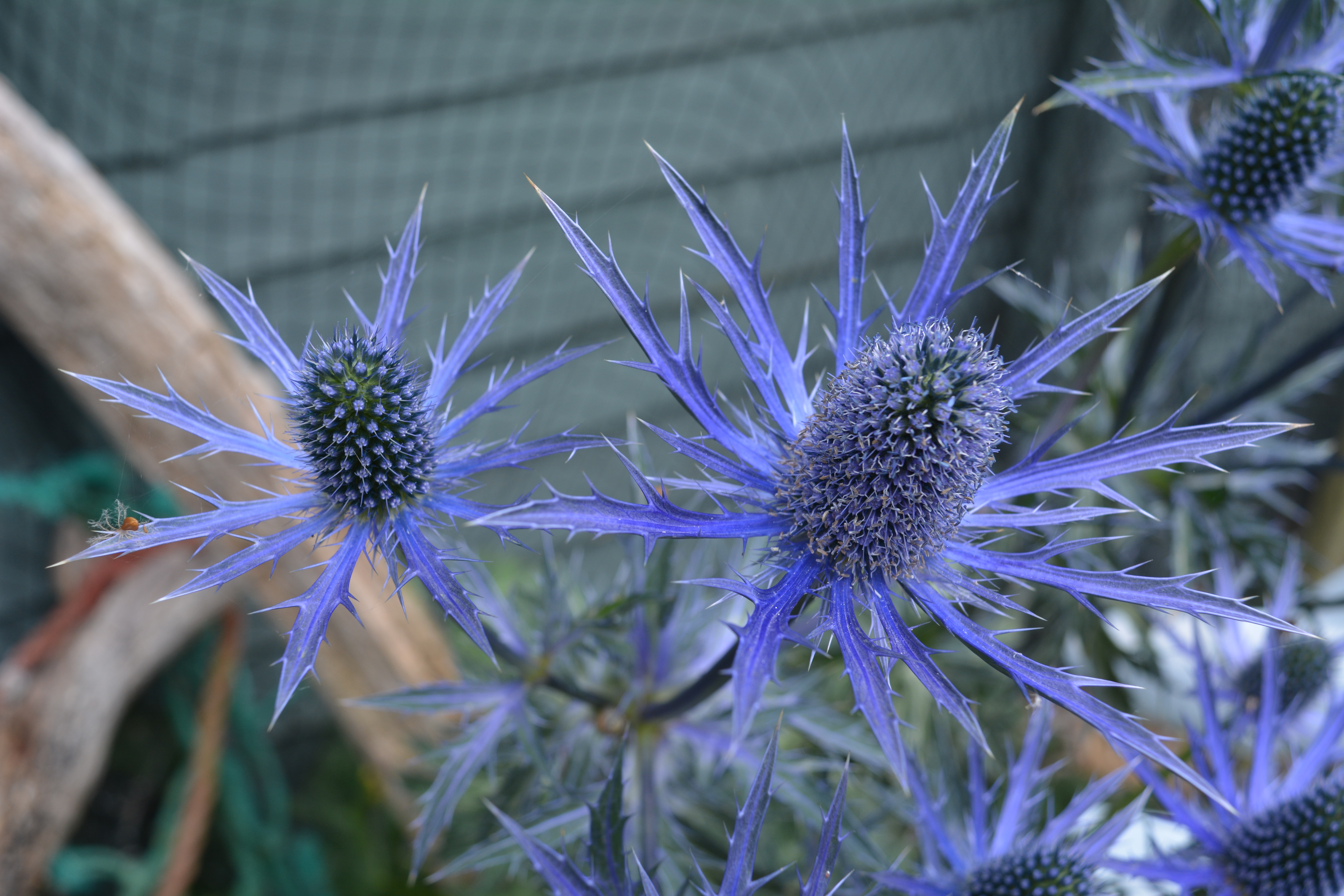
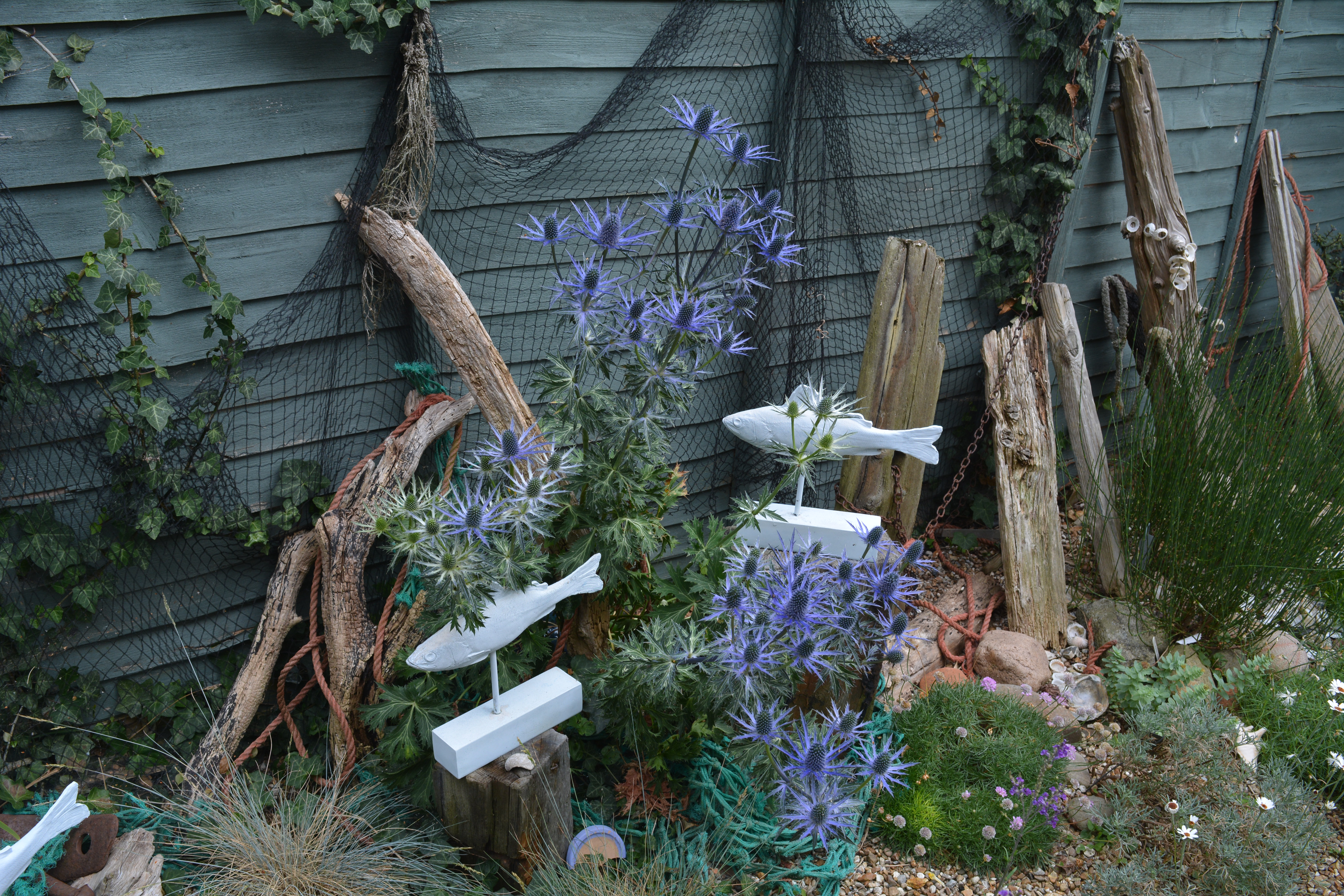
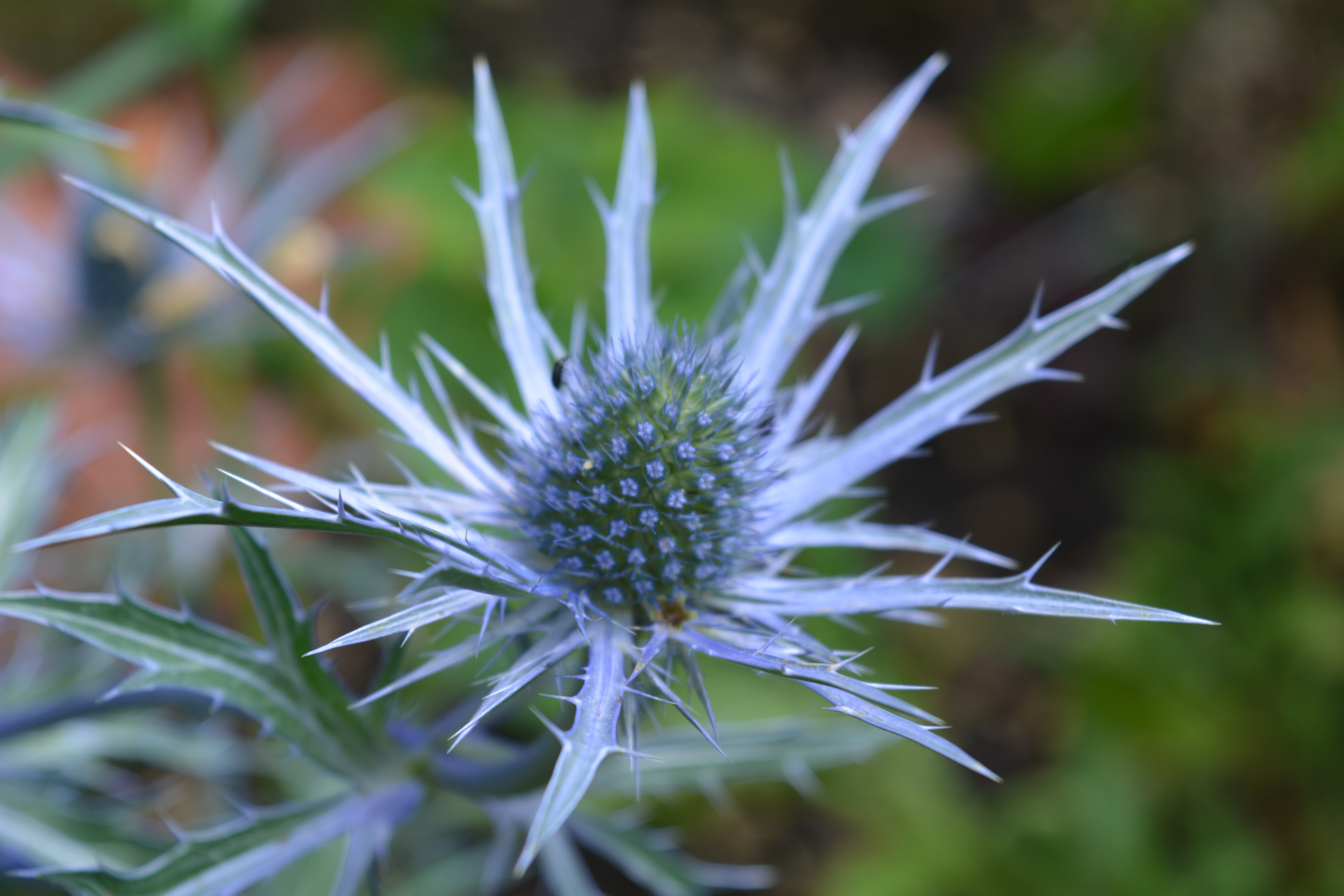
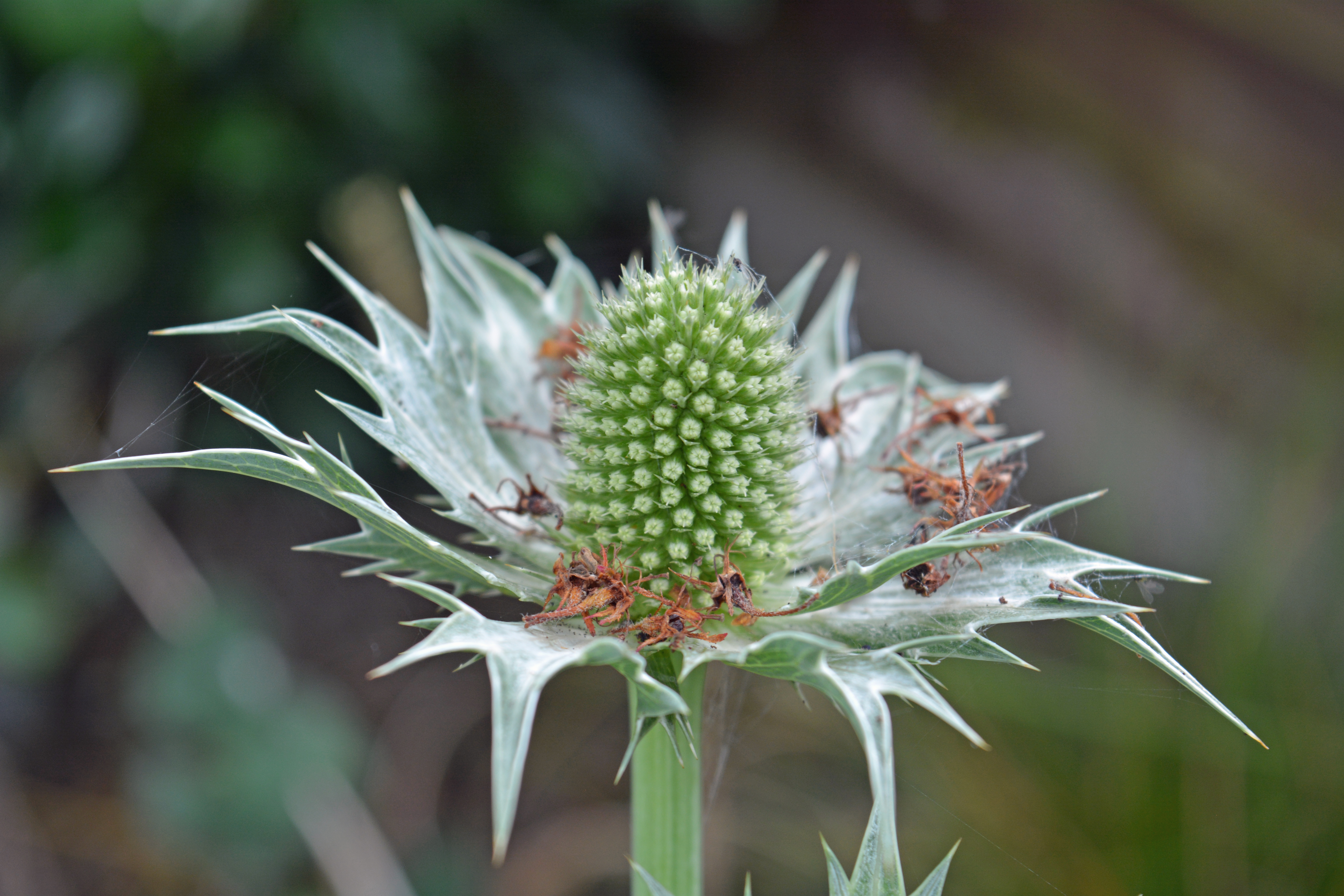
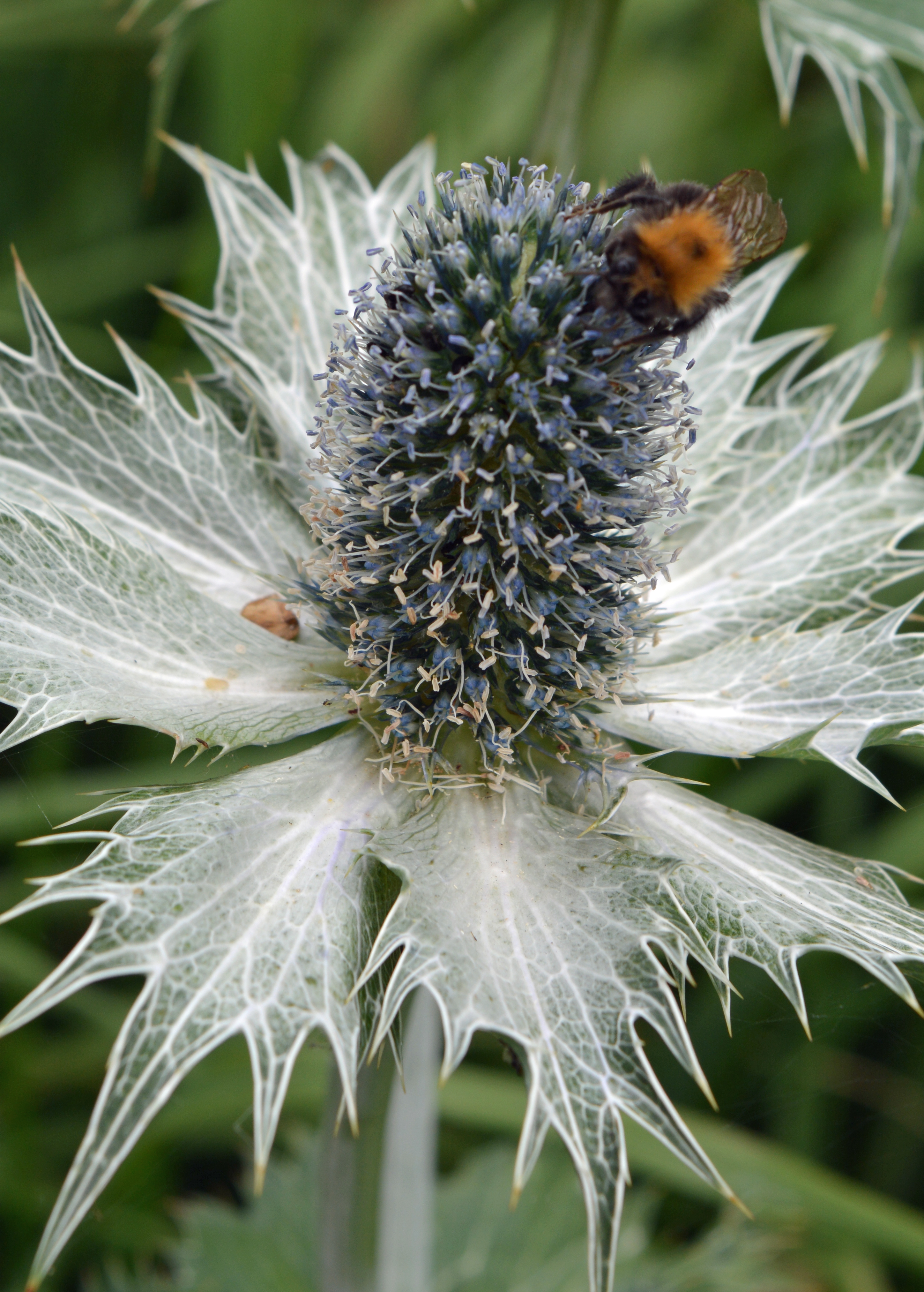
“Plants with spikes enjoyed warm, sunny summer days. We grow many eryngium family, the Sea Hollies, with bracts from the palest silver to the deepest metallic blues, of which E. Picos Blue is the bluest of all.”


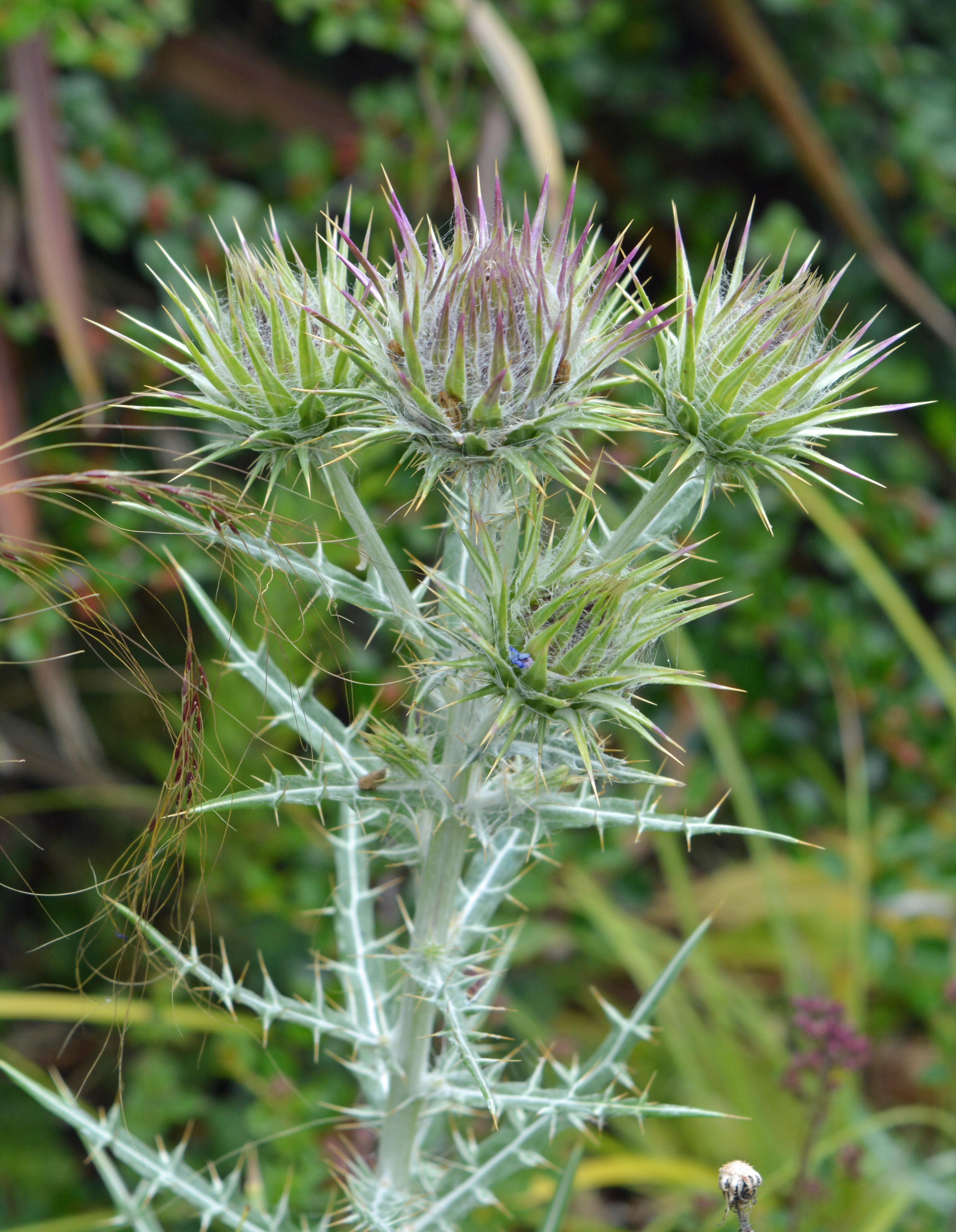
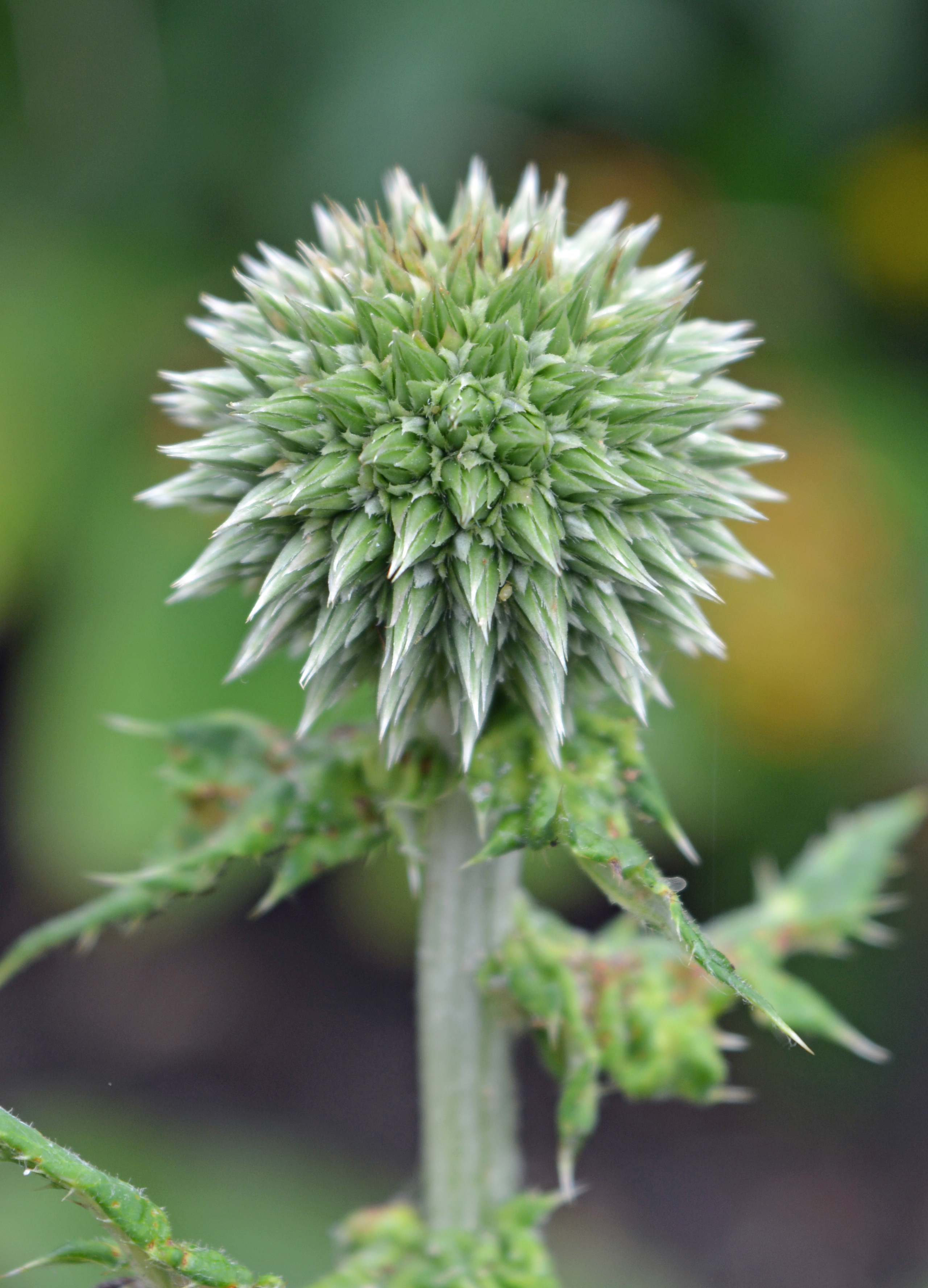
Not all of our spiky plants are Eryngiums however. We also grow Silybum marianum and Echinops ritro.


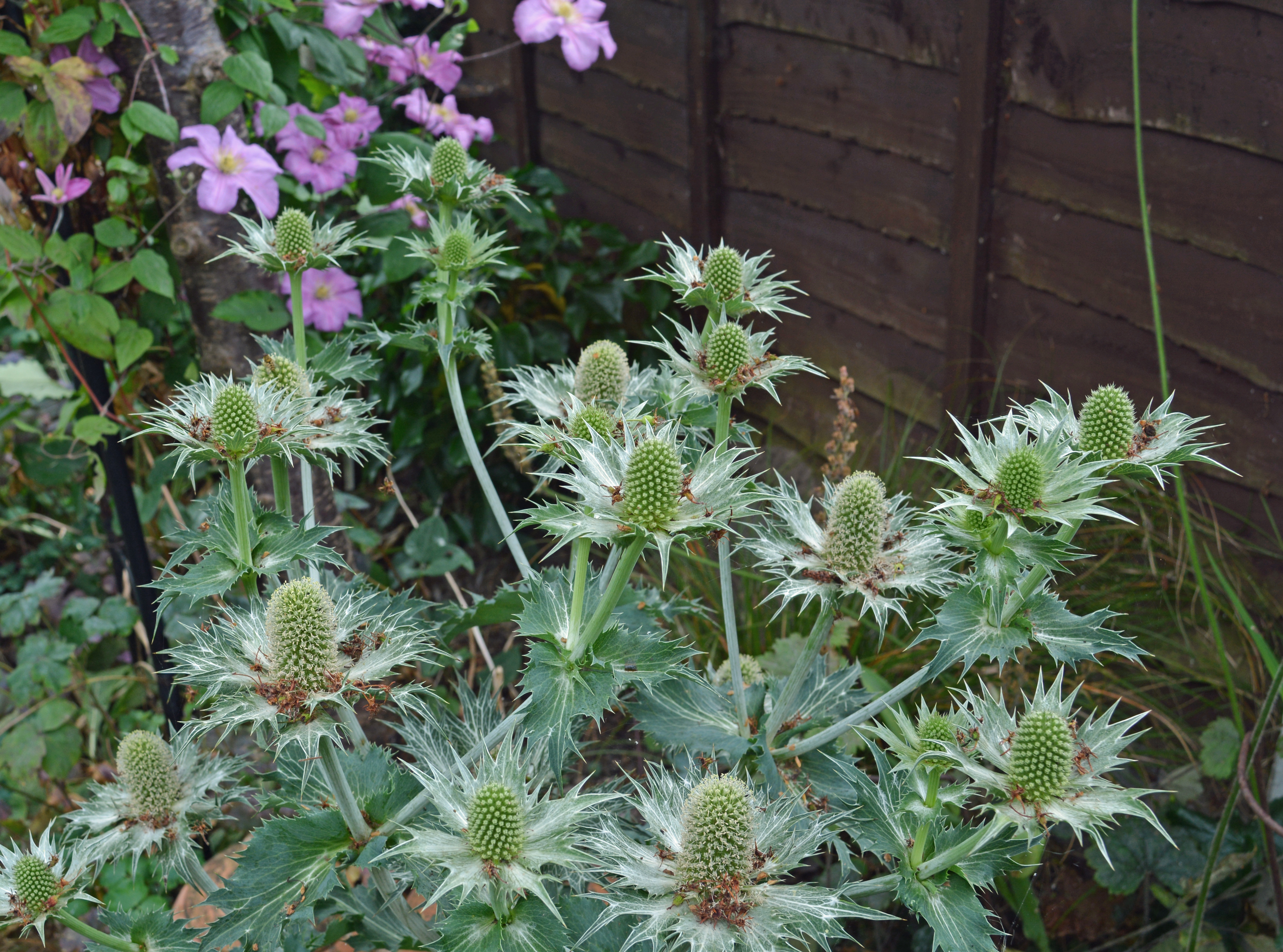
One of the Eryngium family is a biennial and luckily a strong self seeder, E. giganteum Miss Wilmott’s Ghost.

Turning over the page we move on from spiky plants to two much softer more delicate looking plants.


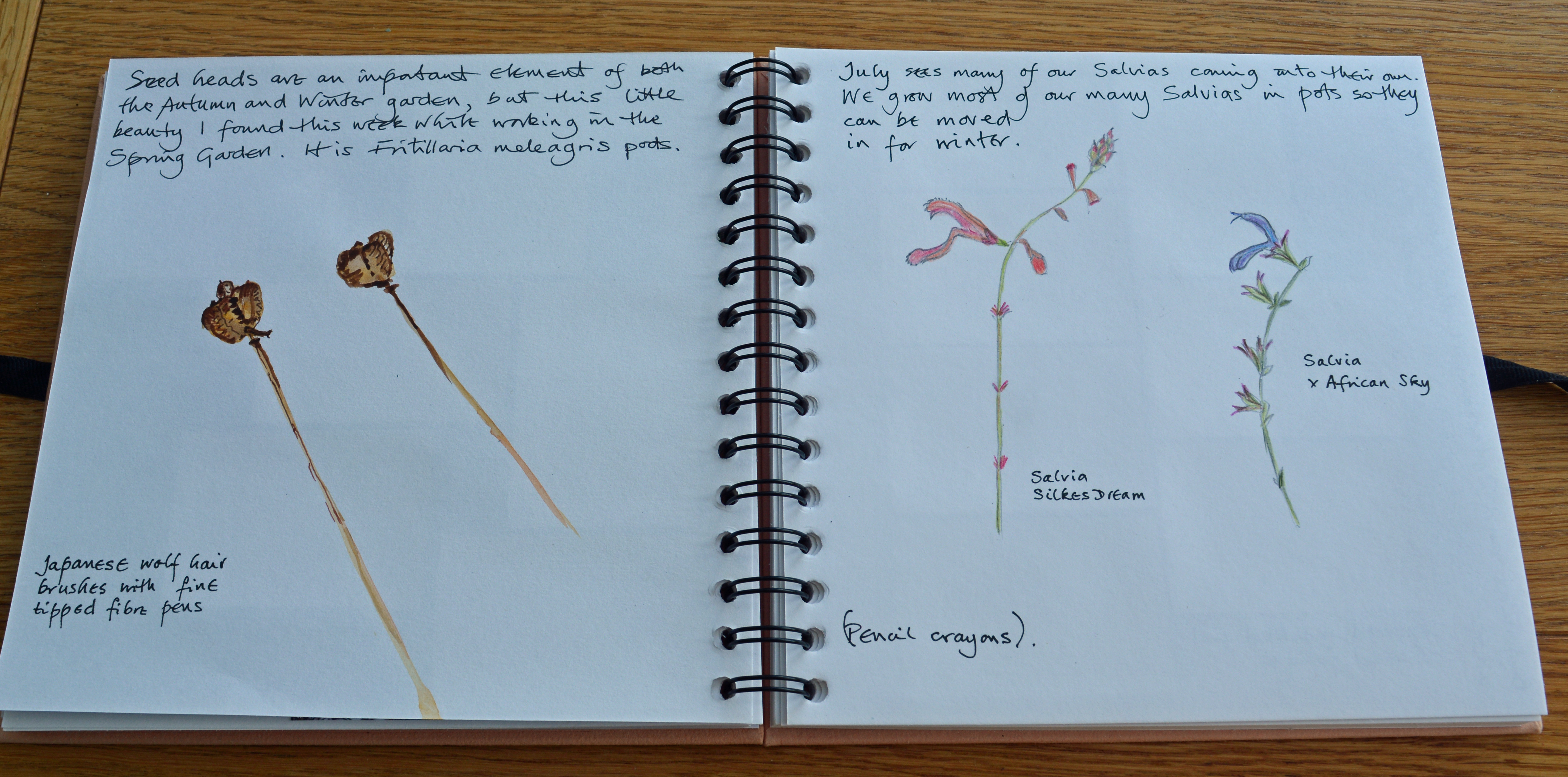
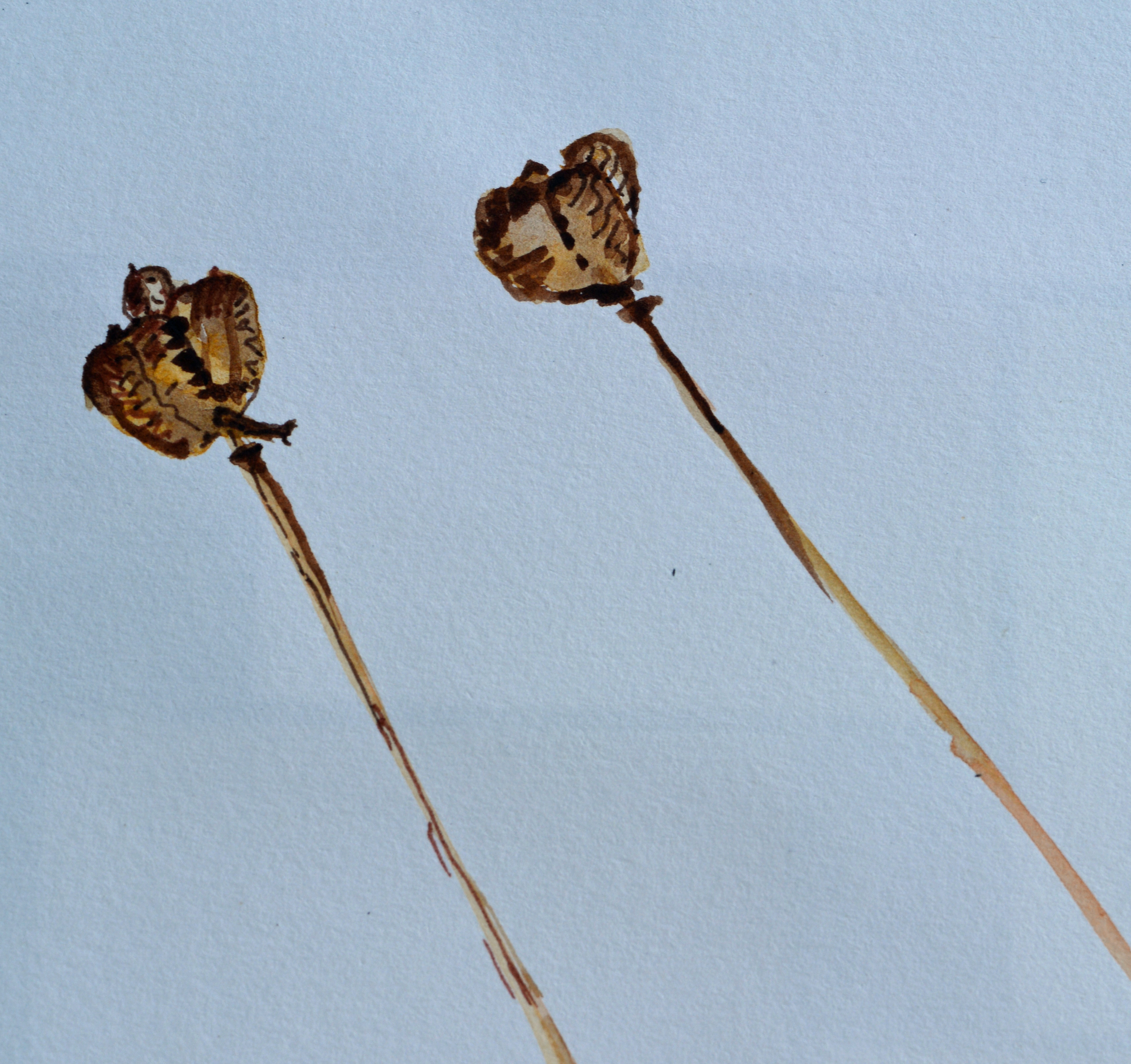
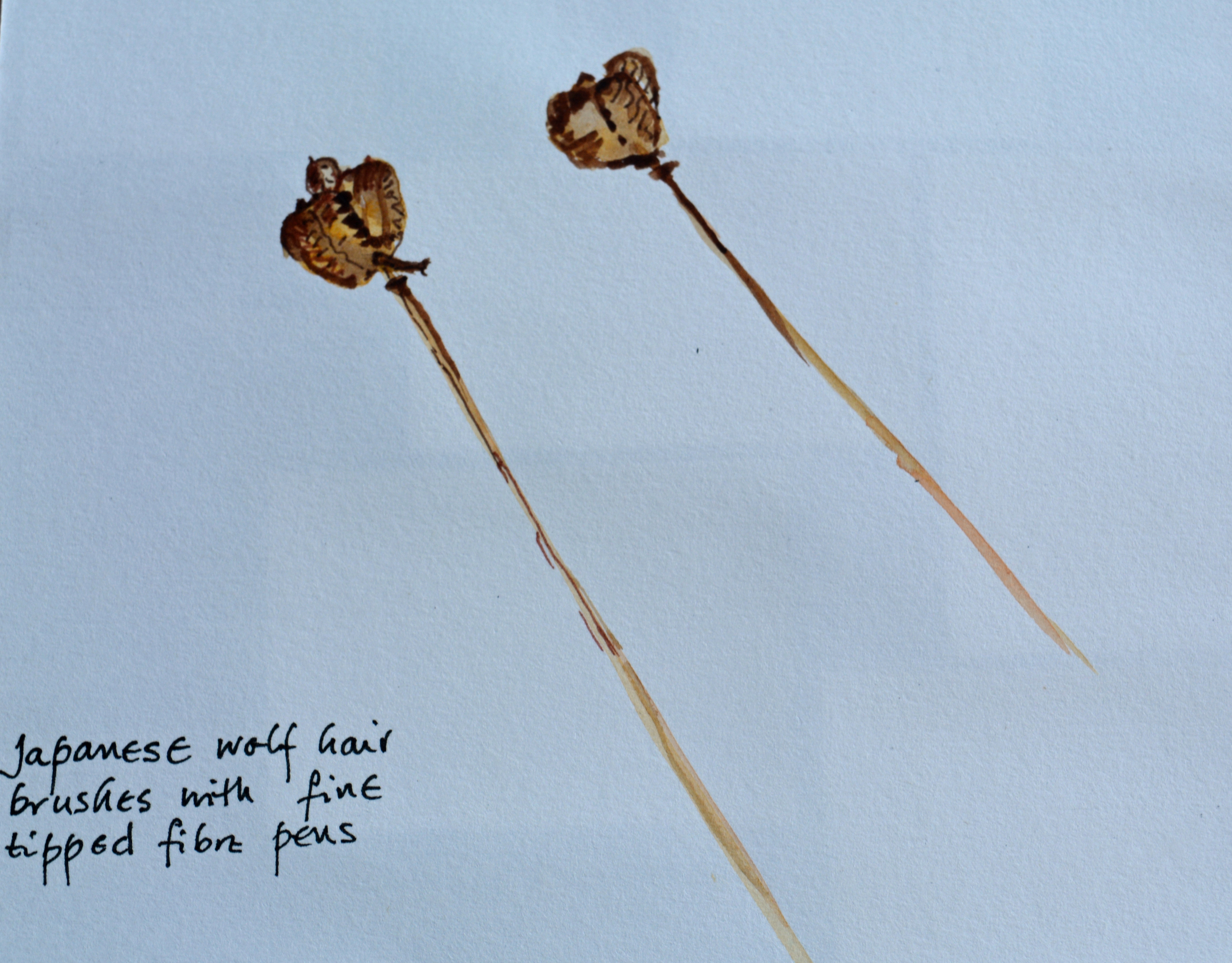
“Seed heads are an important element of the Autumn and Winter garden, but this little beauty I found this week while working in the Spring Garden. They are Fritillaria meleagris seed pods. I painted them in watercolours using Japanese wolf hair brushes and fine tipped fibre tips.”

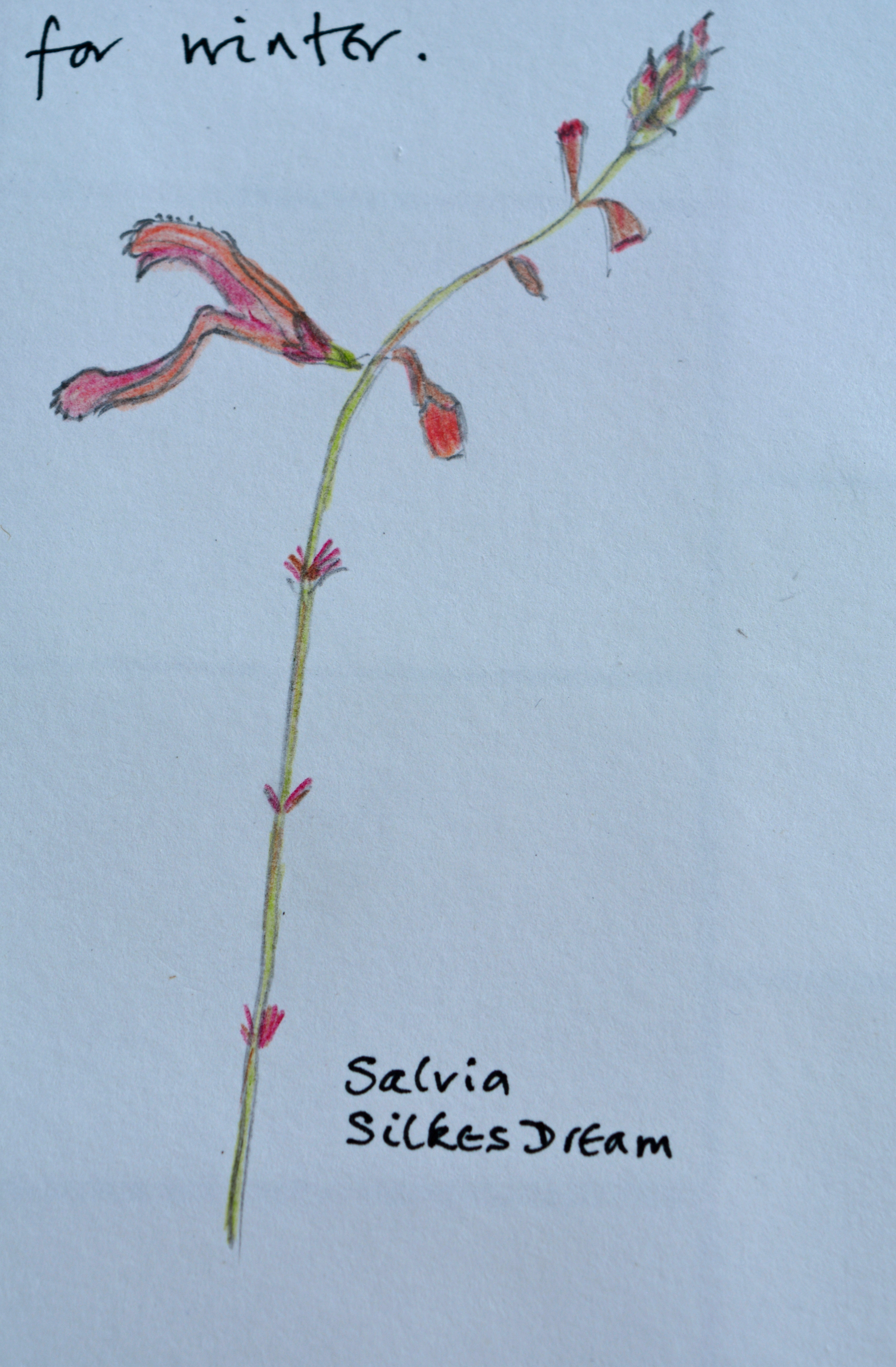
“July sees many of our Salvias coming into their own. We grow most in pots so they can be moved inside for the winter.” I used pencil crayons to draw Salvia Silkes Dream and Salvia x African Sky.

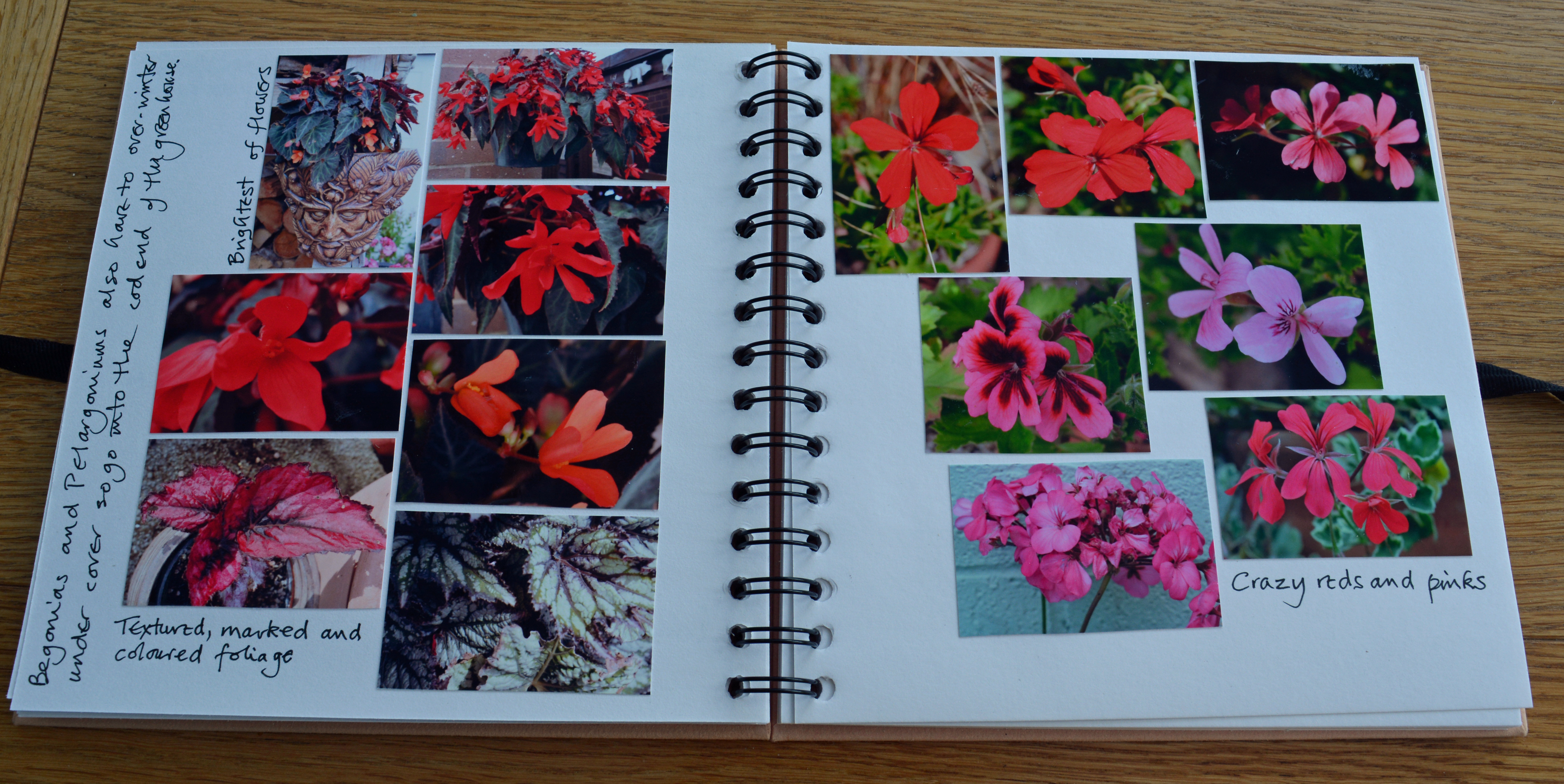
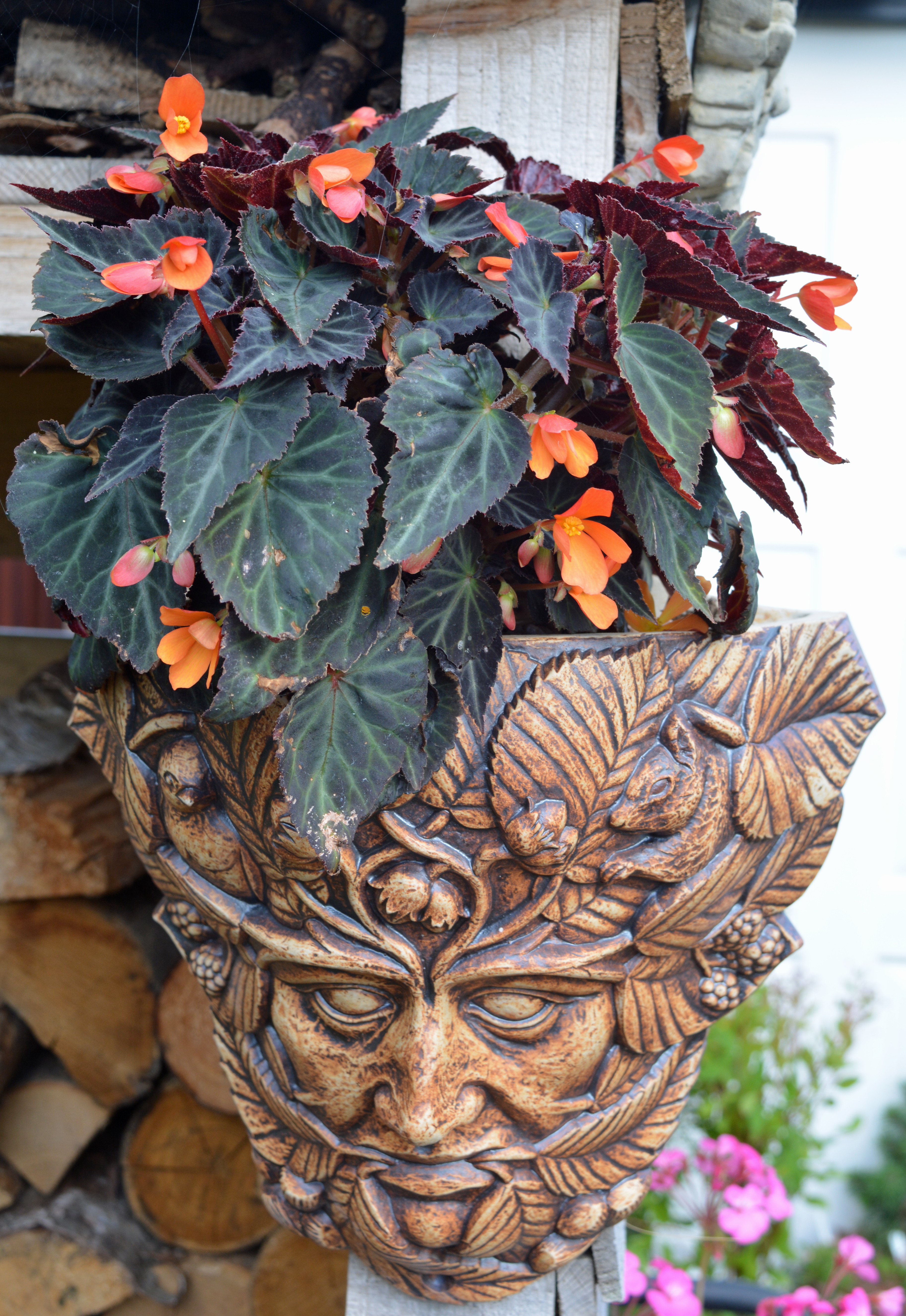
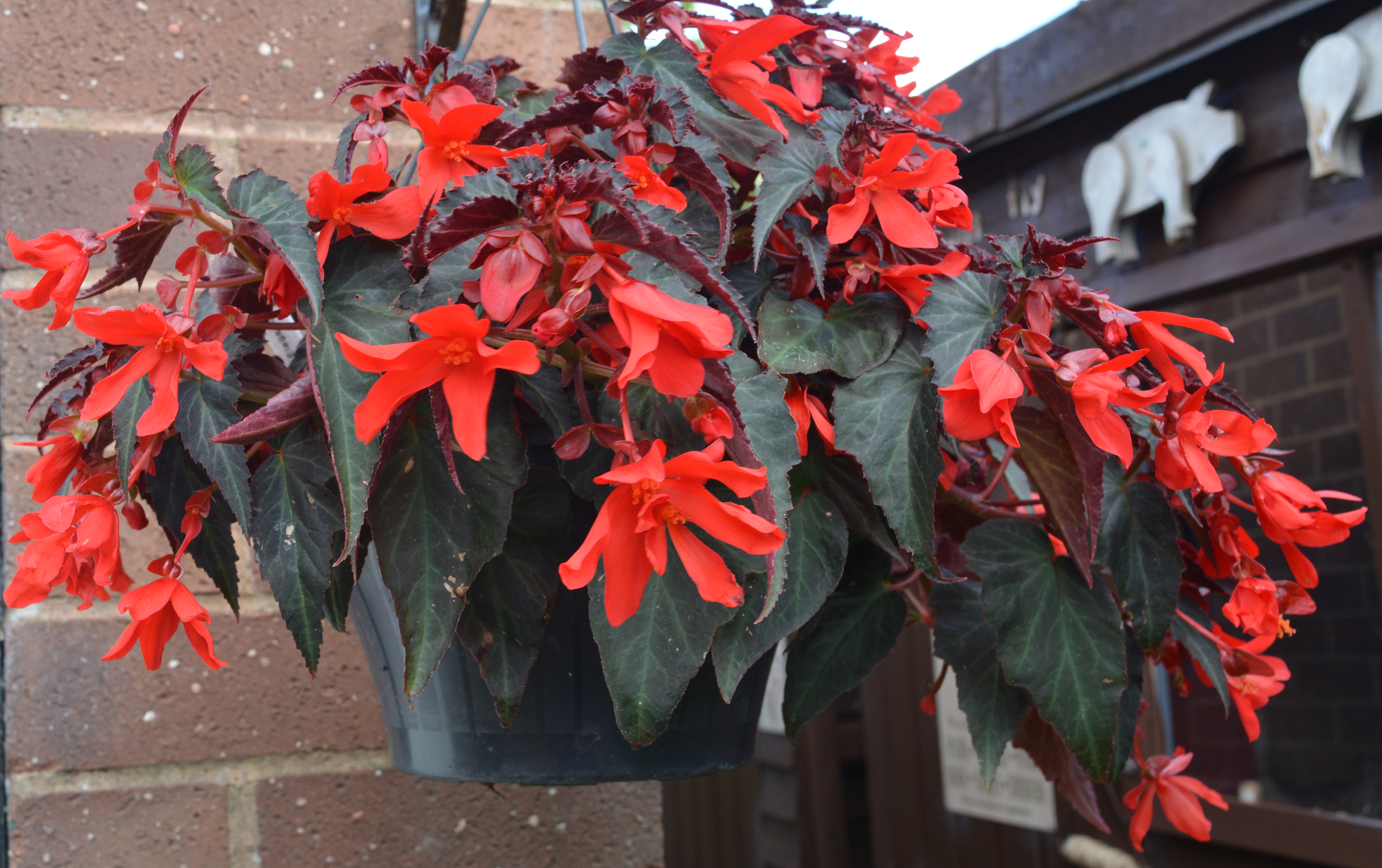
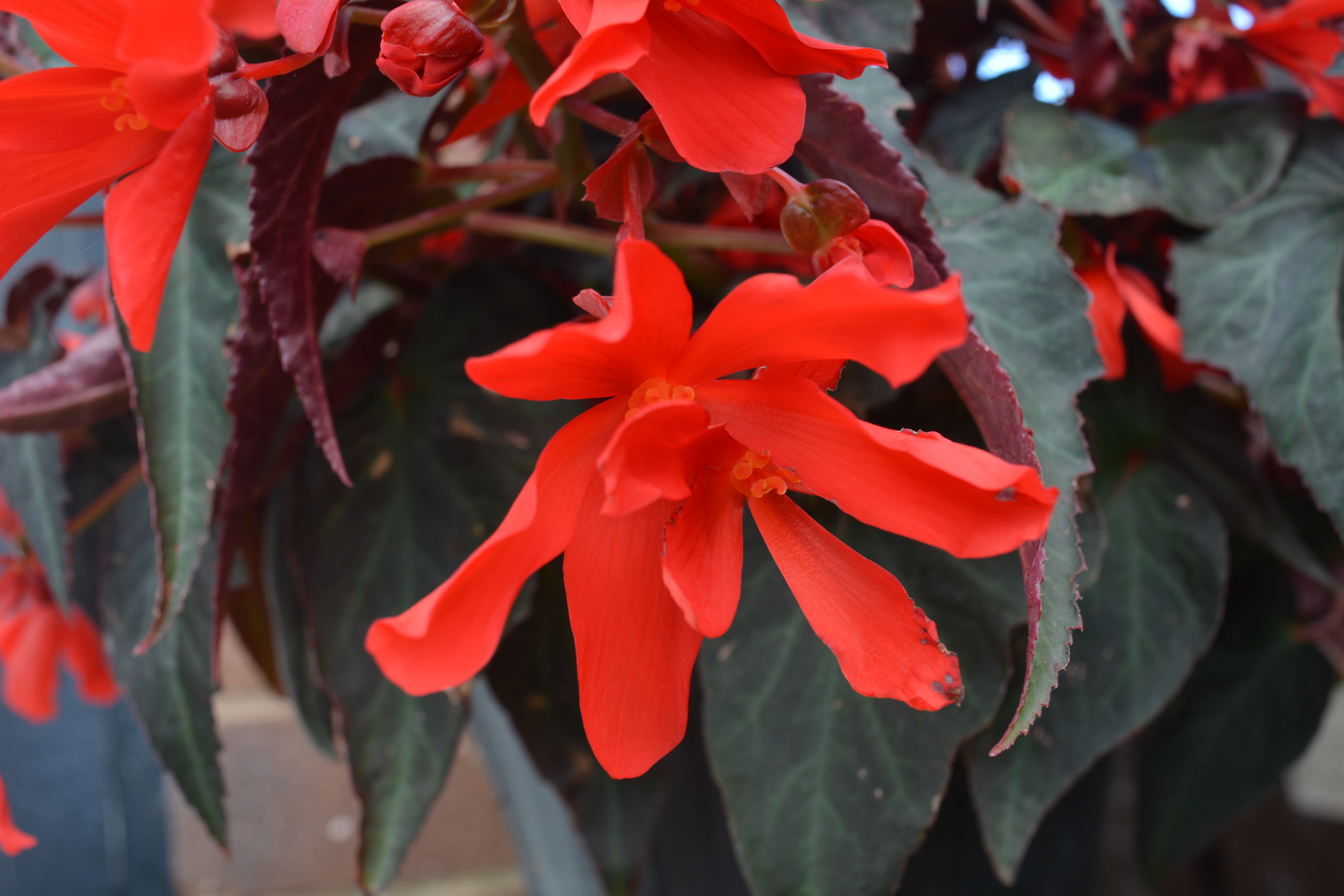
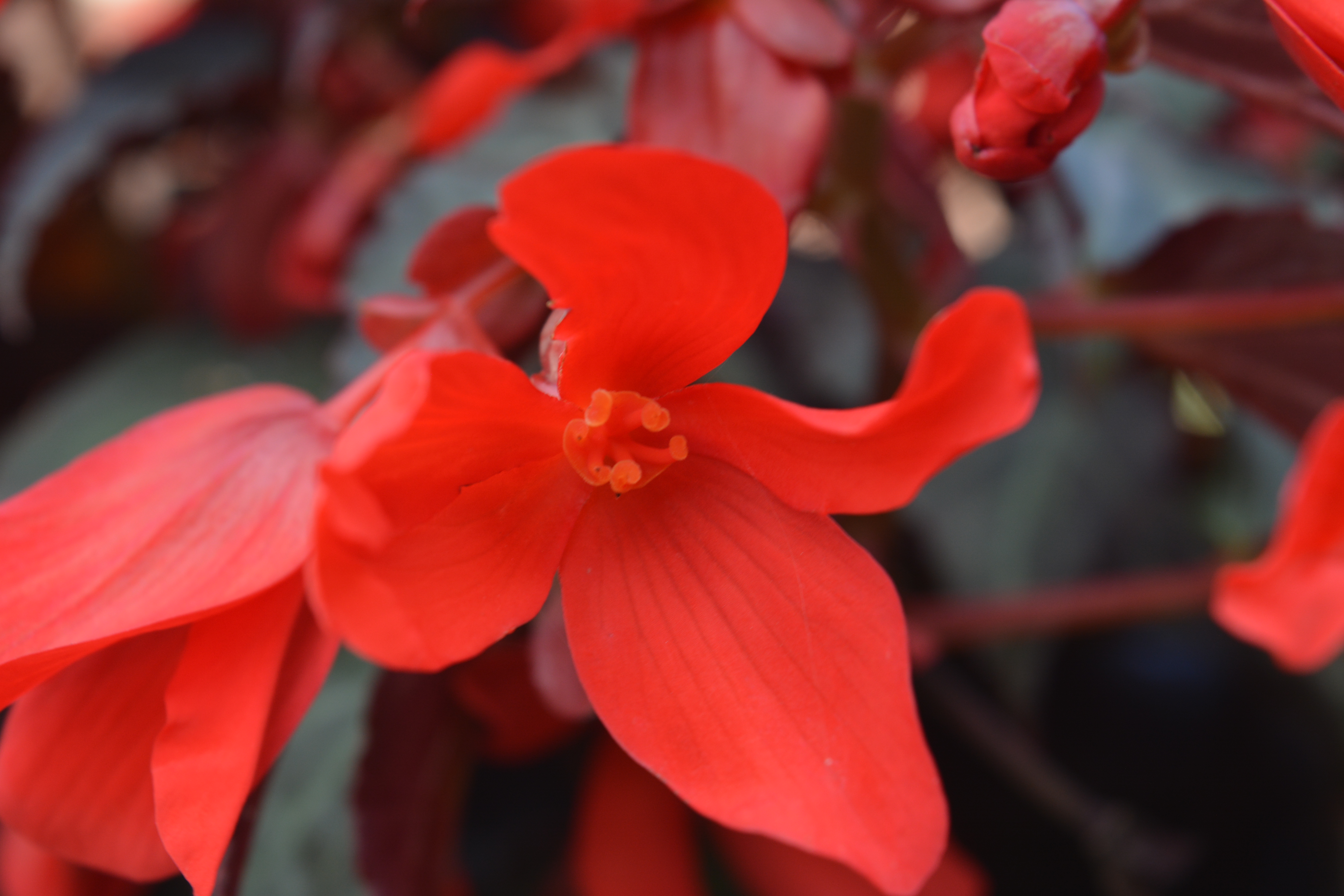
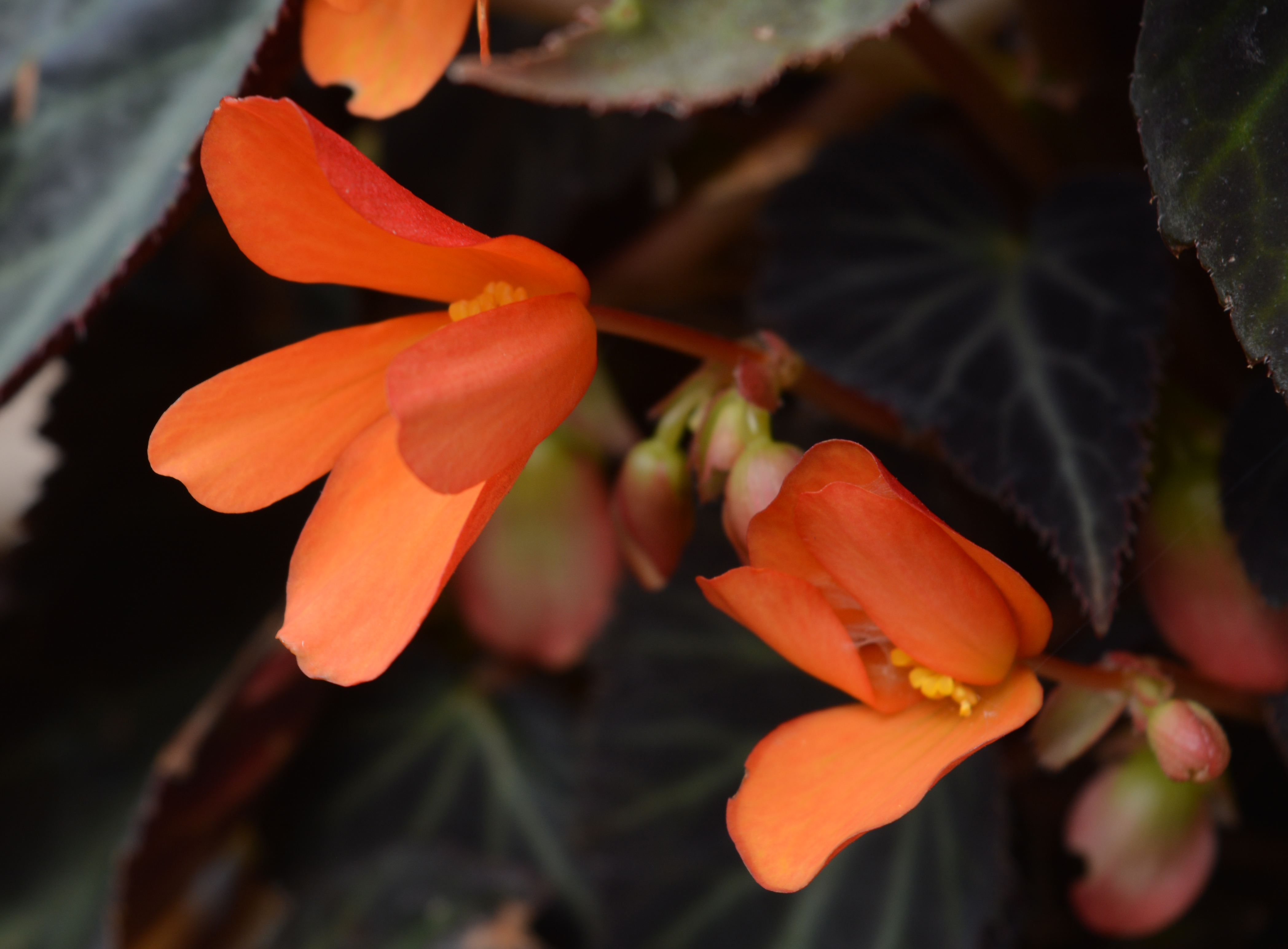
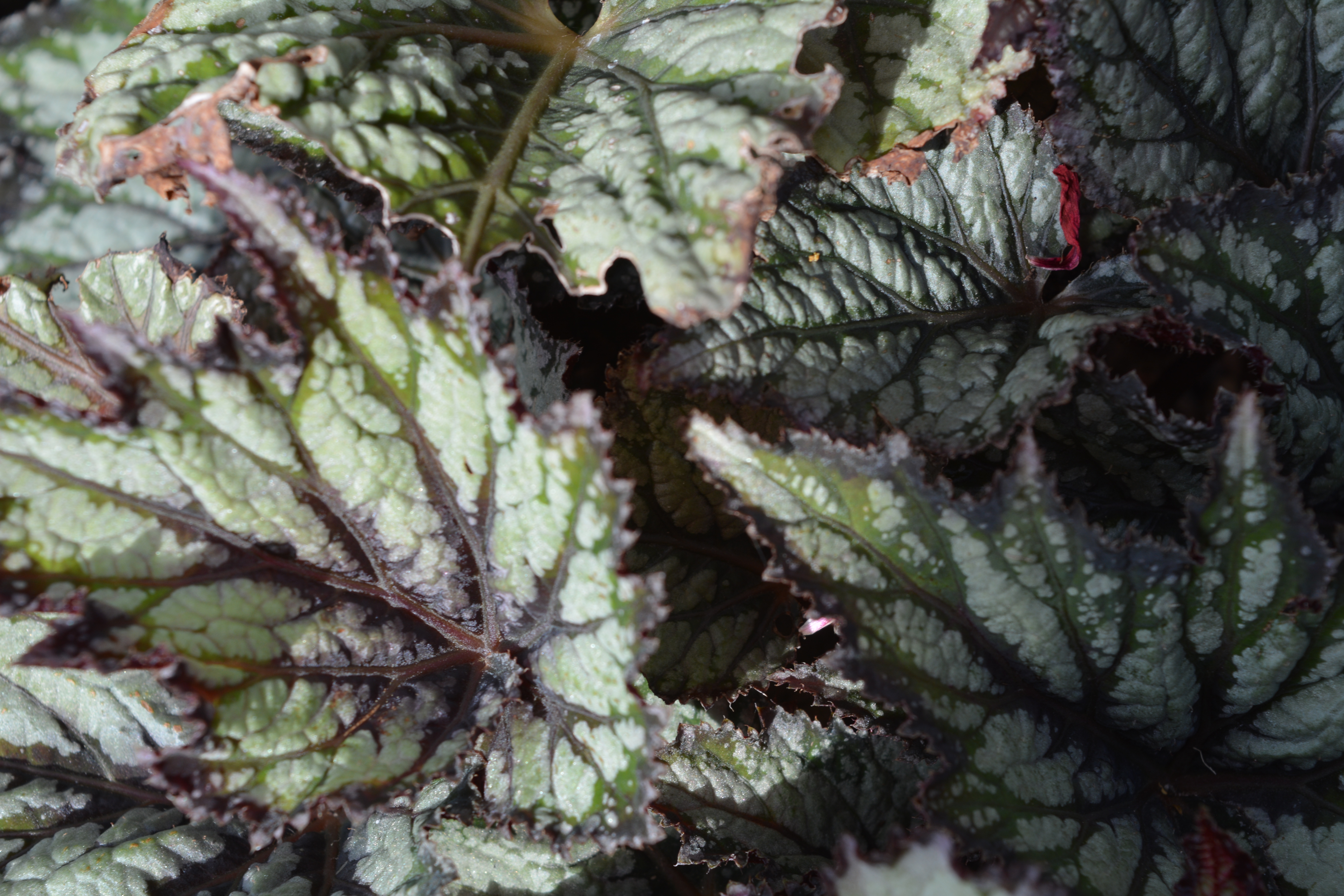
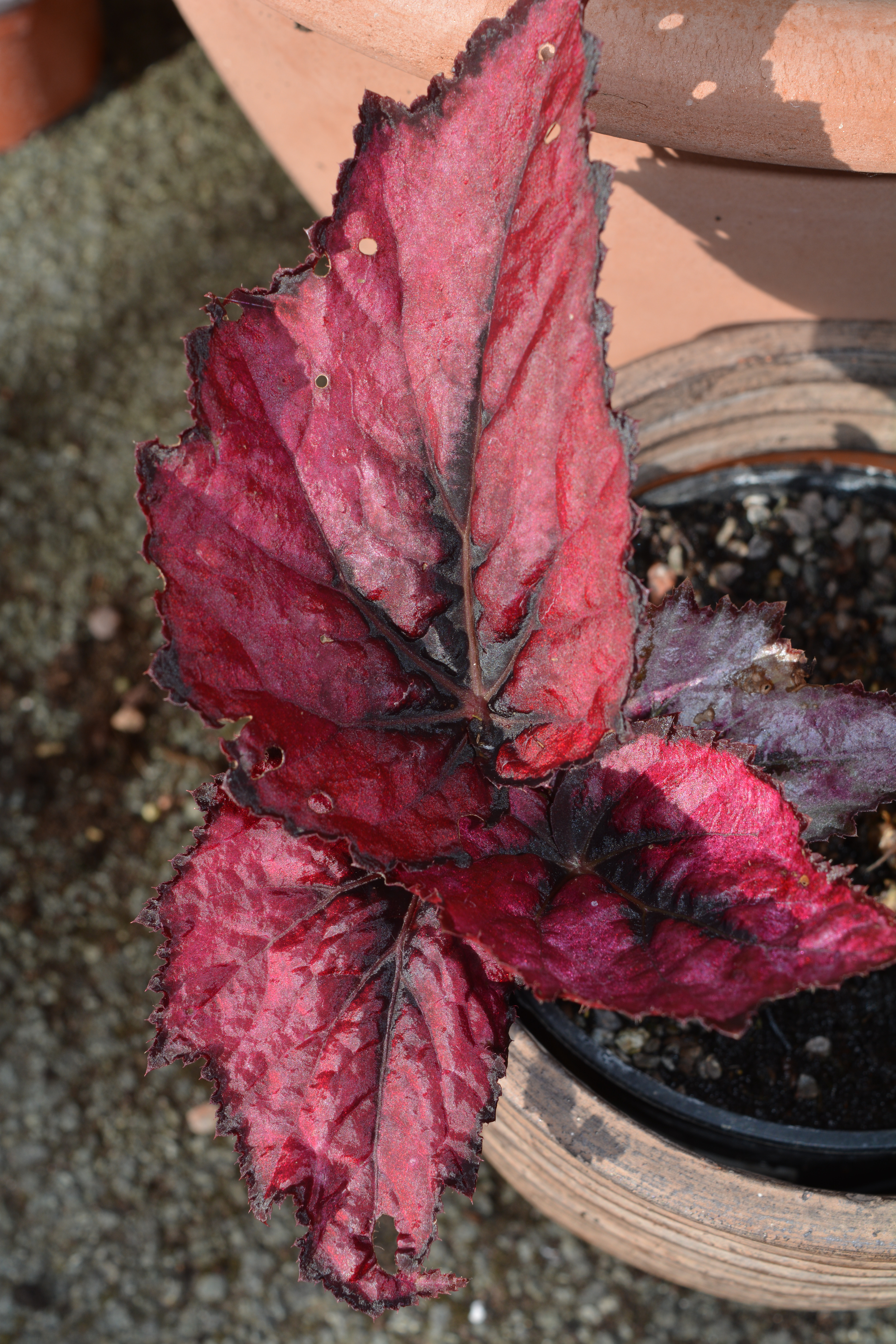
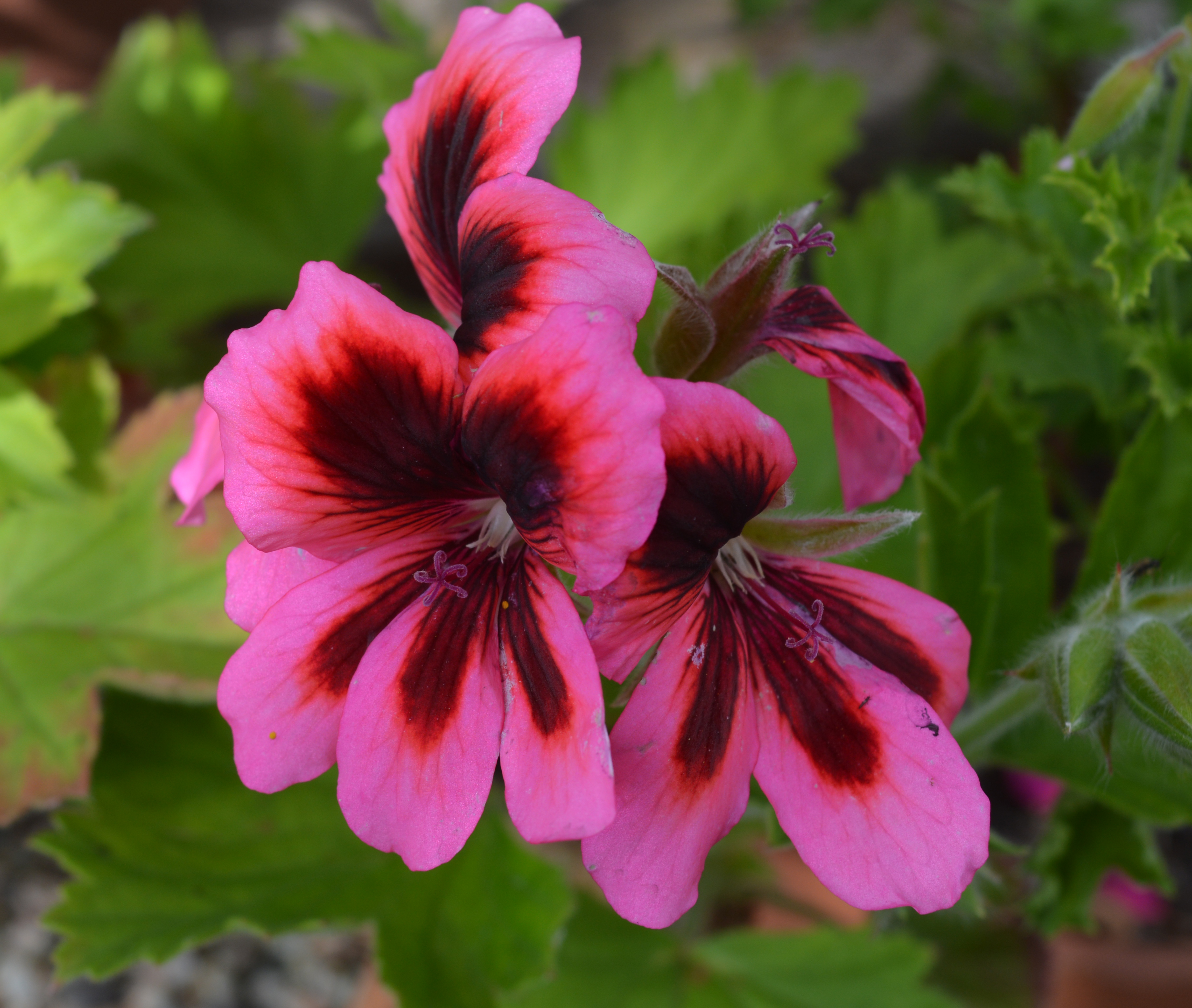
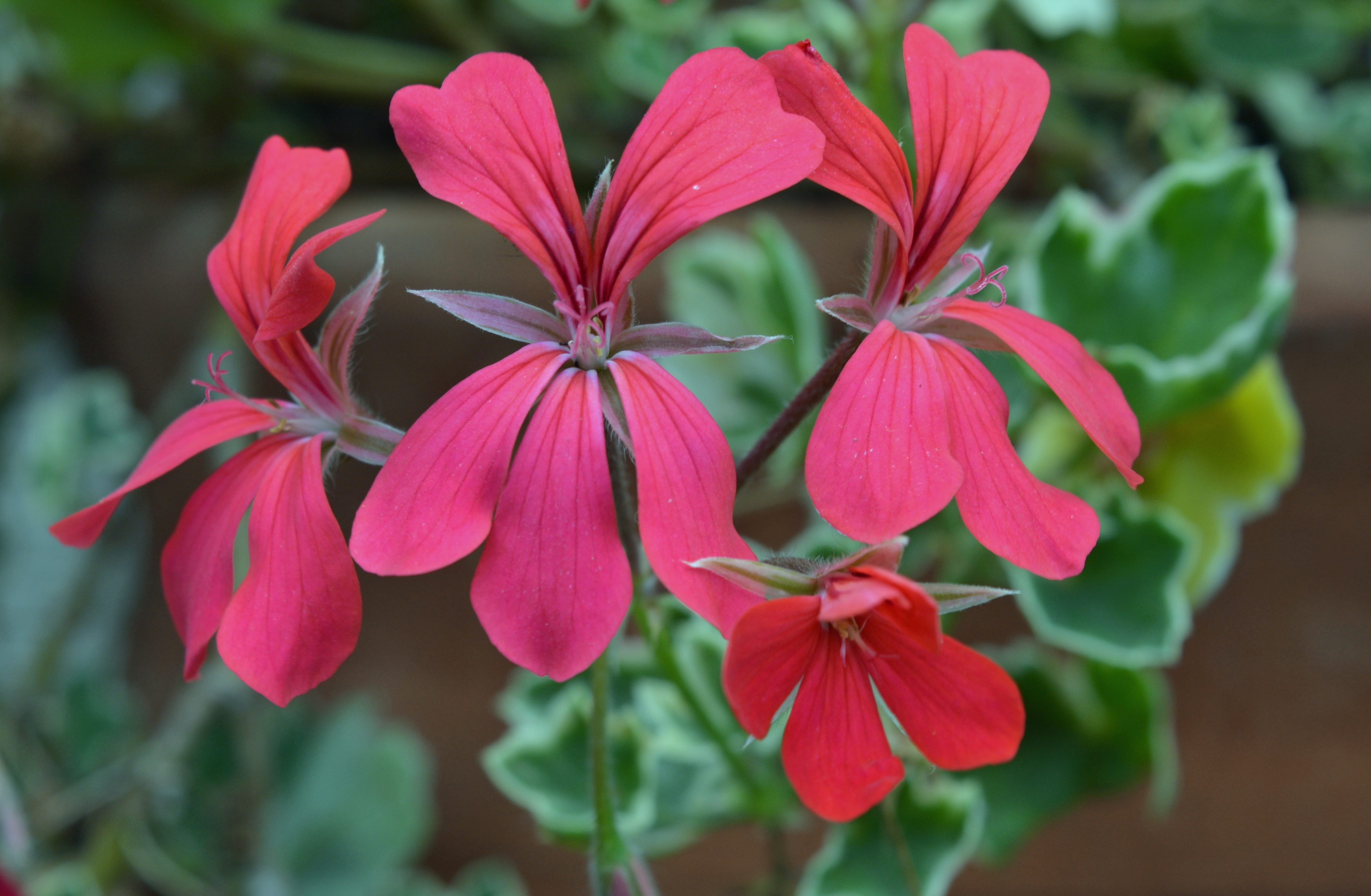
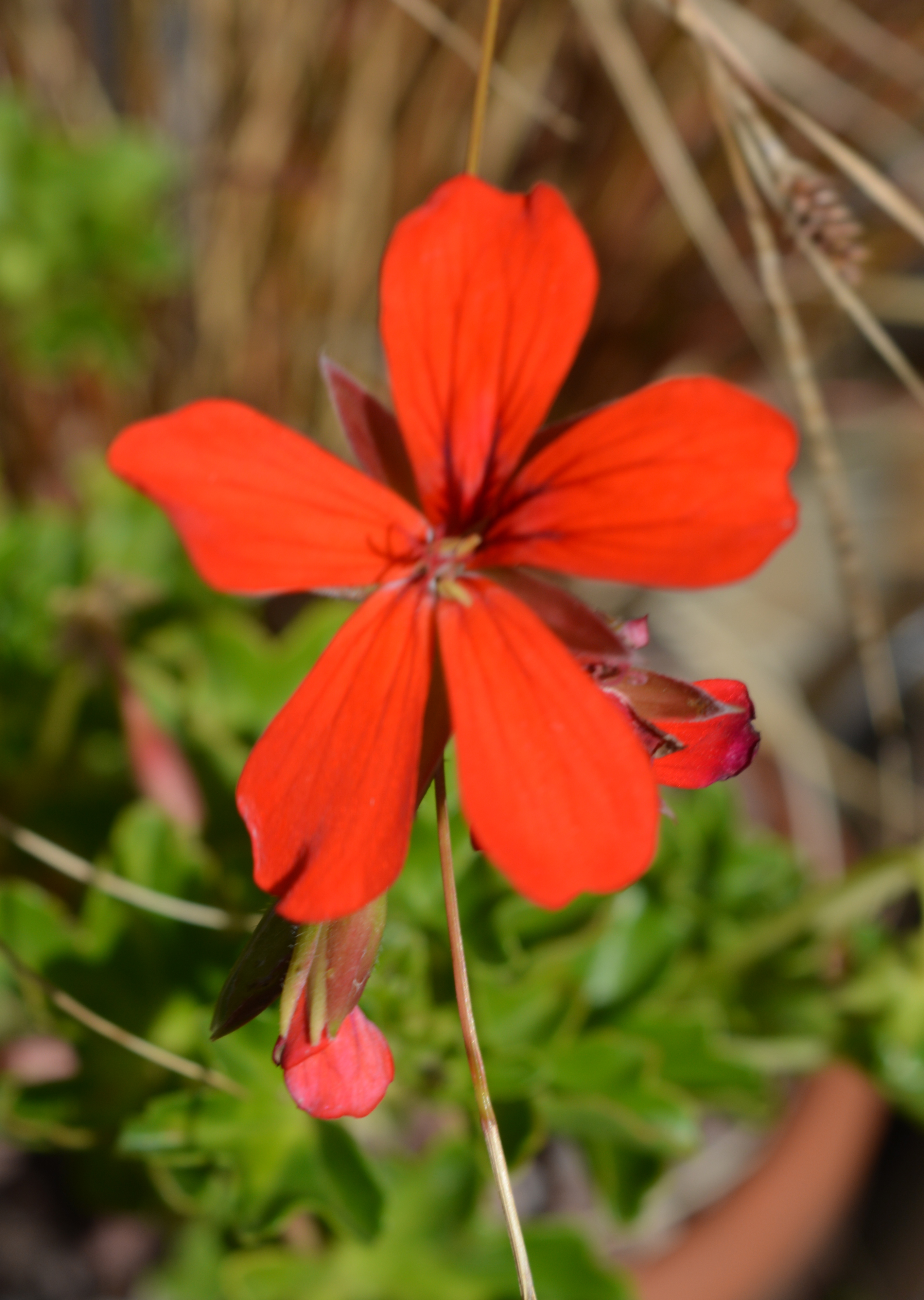
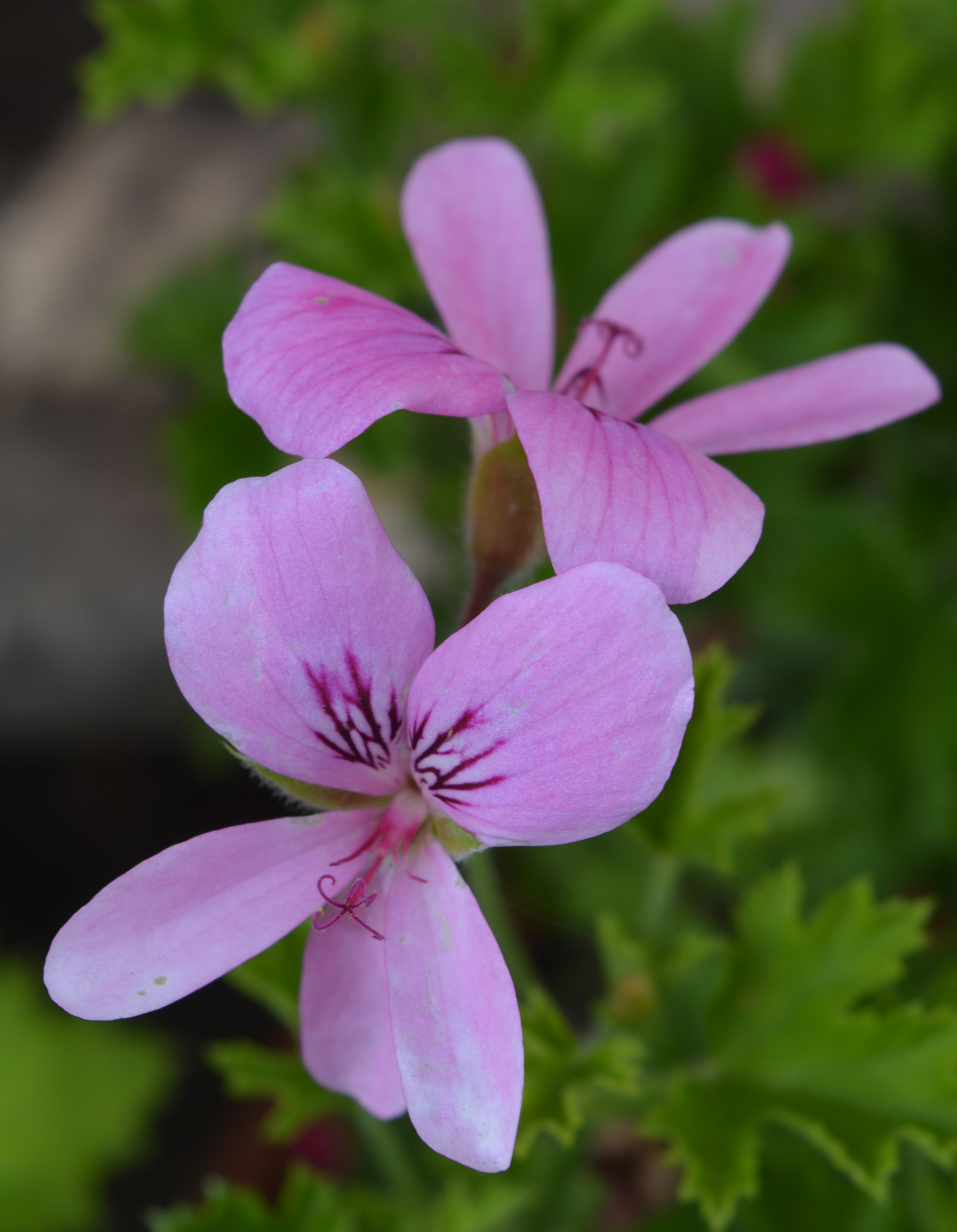
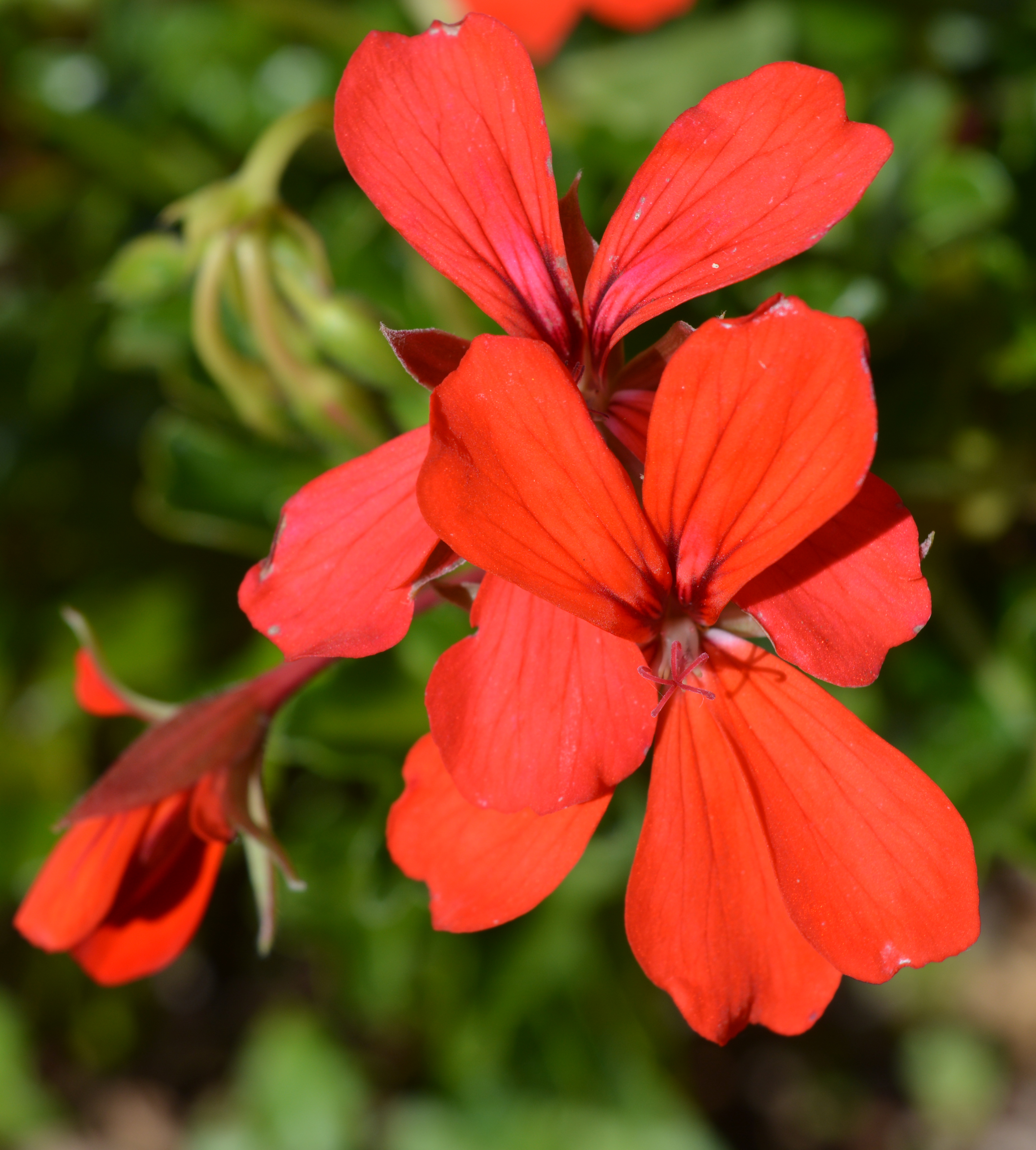
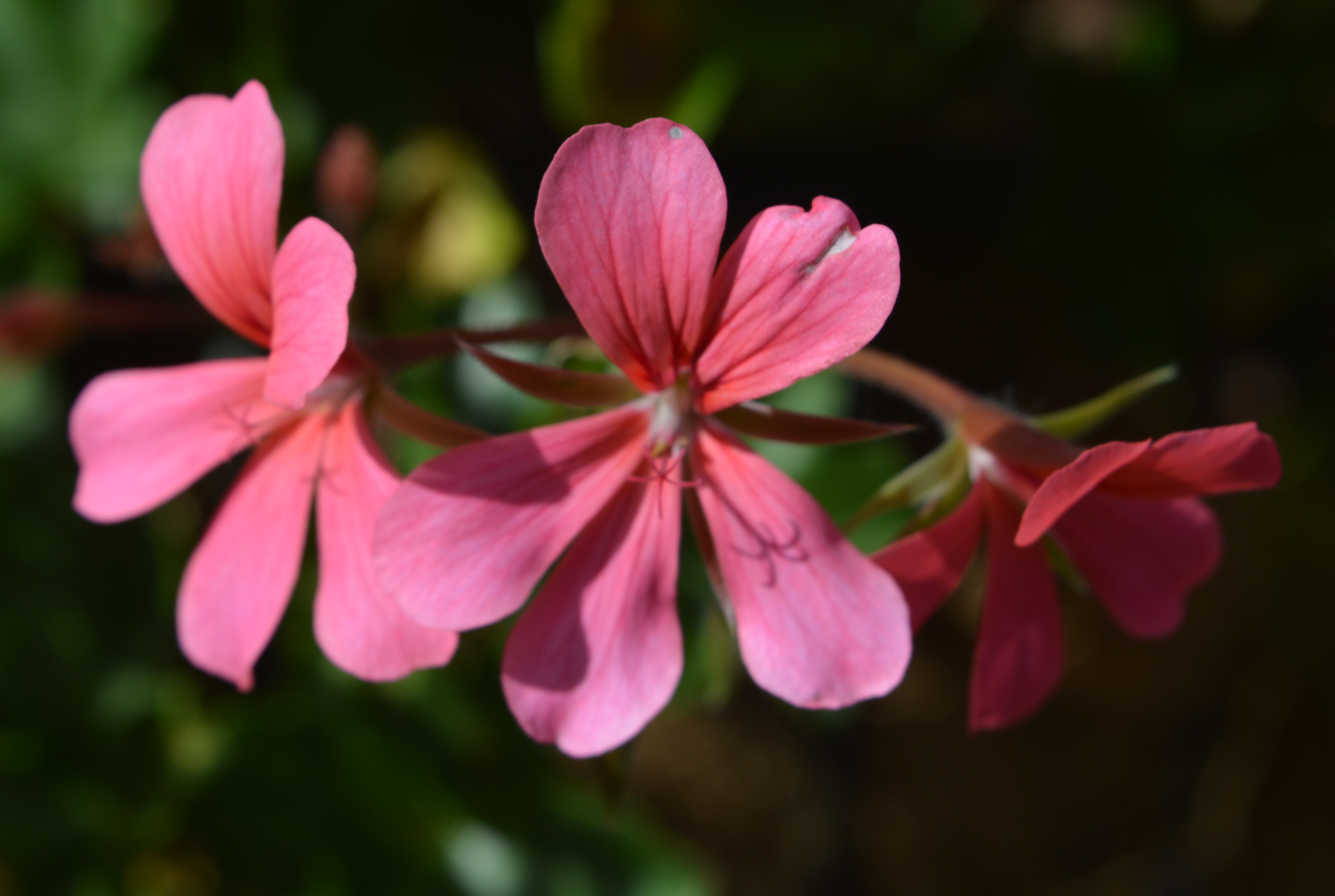
Bright pinks and reds dominate over the page where I featured Begonias and Pelargoniums. Enjoy the colours!

“Begonias and Pelargoniums also have to over-winter under cover so go into the cool end of the greenhouse.”

“Brightest of flowers.”


“Textured, marked and coloured foliage.”

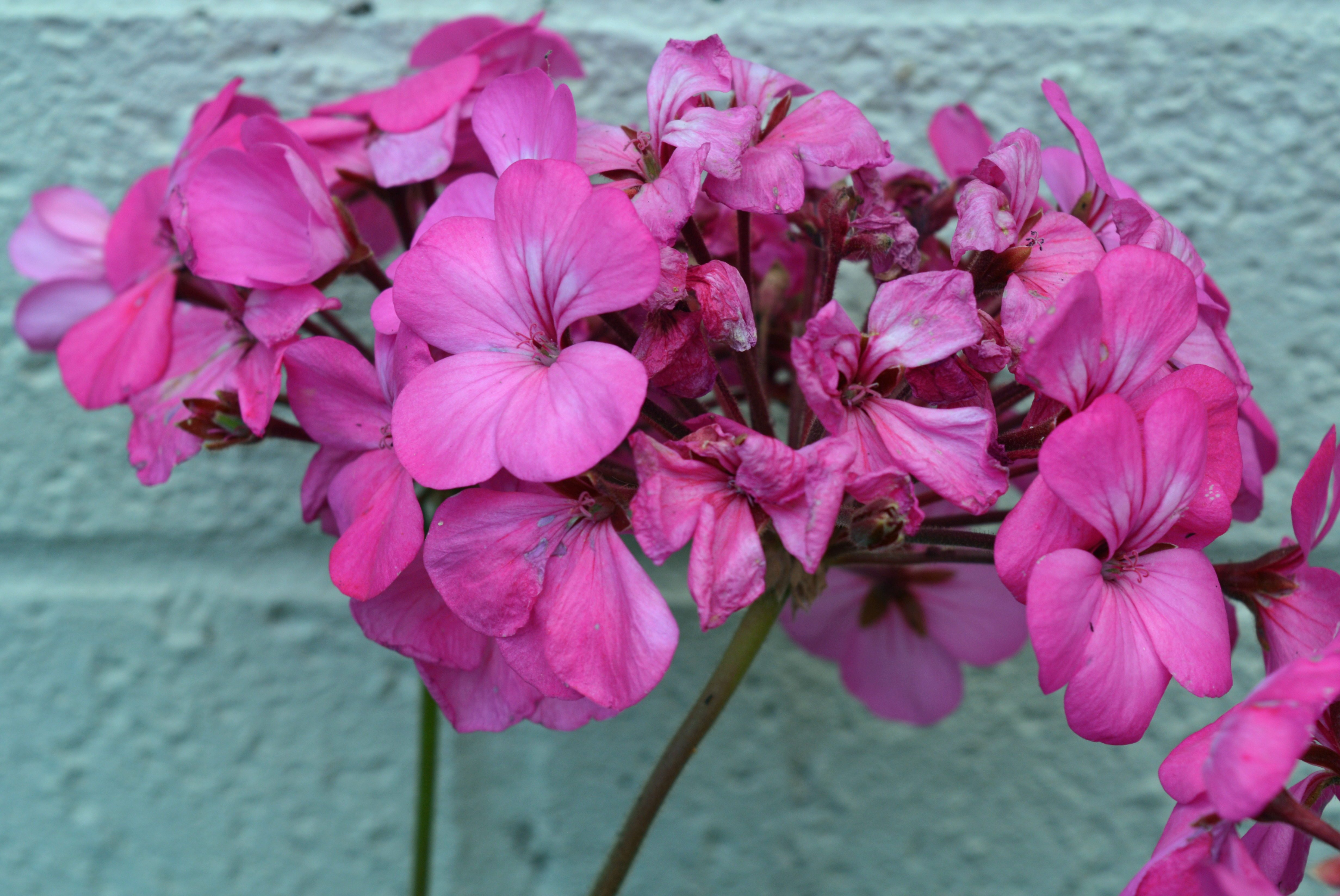
Pelargoniums – “Crazy reds and pinks!”


And that is it for my garden journal for July. My next visit to my journal will be at the end of August, a month when keeping you garden looking good is pretty difficult so we shall see how we get on in our Avocet garden.


Categories
architecture countryside fruit and veg garden design garden photography garden ponds gardening gardens grow your own hardy perennials July kitchen gardens landscapes meadows National Garden Scheme NGS ornamental trees and shrubs Wales woodland woodlands Yellow Book Gardens

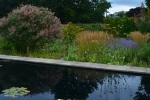
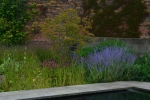
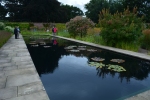
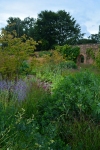
The Gardens at Hurdley Hall

We are so lucky to live where we do in so many ways, not least of which is the number of excellent gardens we can visit within a day. Recently on a Sunday we found a garden open under the auspices of the National Garden Scheme, the same scheme that our garden is a part of, and this one at Hurdley Hall was just over a half hour drive away.

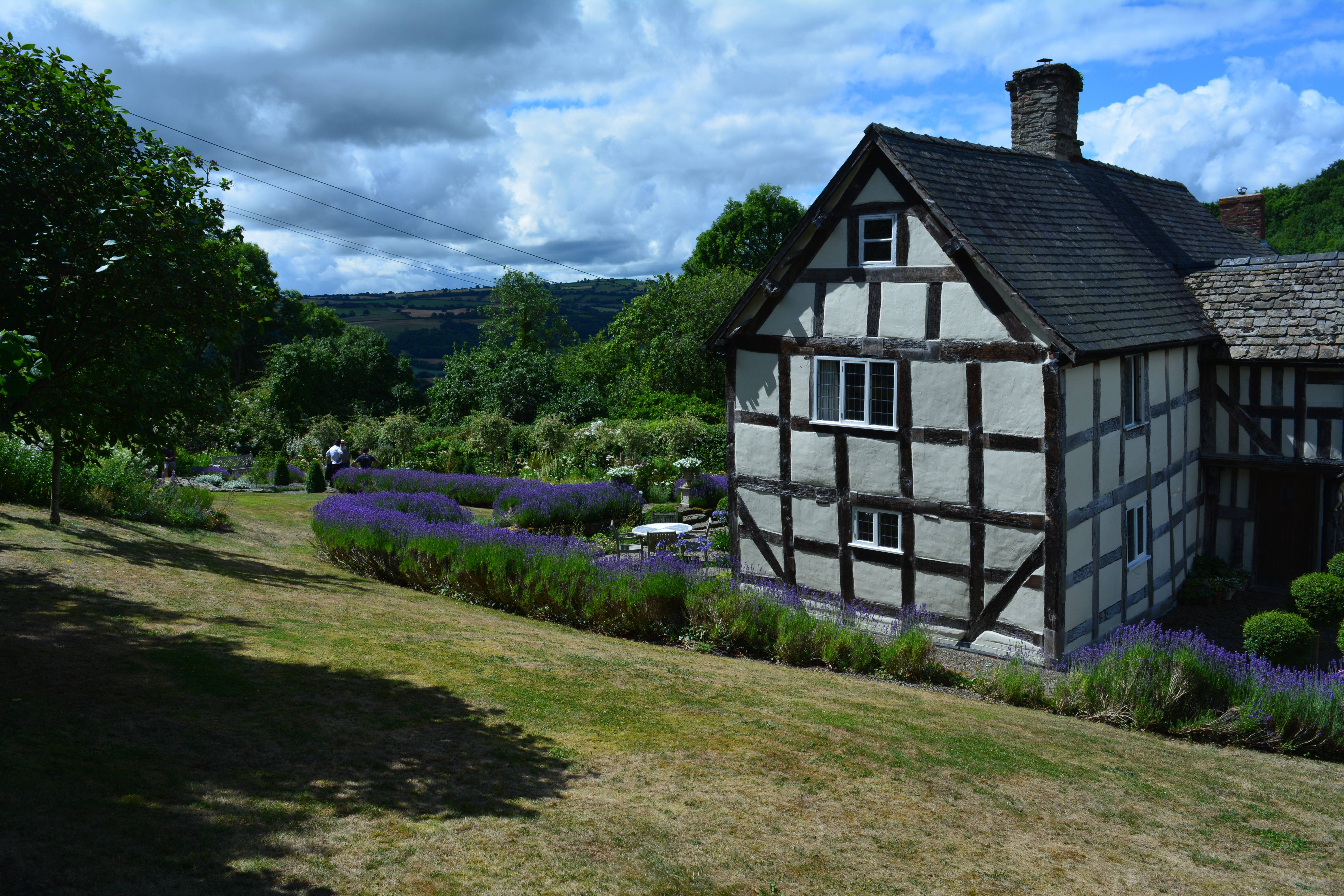
We parked up in a rough pasture field alongside a farm and trudged uphill to the garden itself entrance. We obtained our tickets and walked down the drive which fell steeply to the garden itself, but this did afford us excellent glimpses of what we could expect so our expectations were heightened. Apart from the garden encompassing the house there were meadows, a new orchard and woodland to explore so we were in for a busy afternoon.

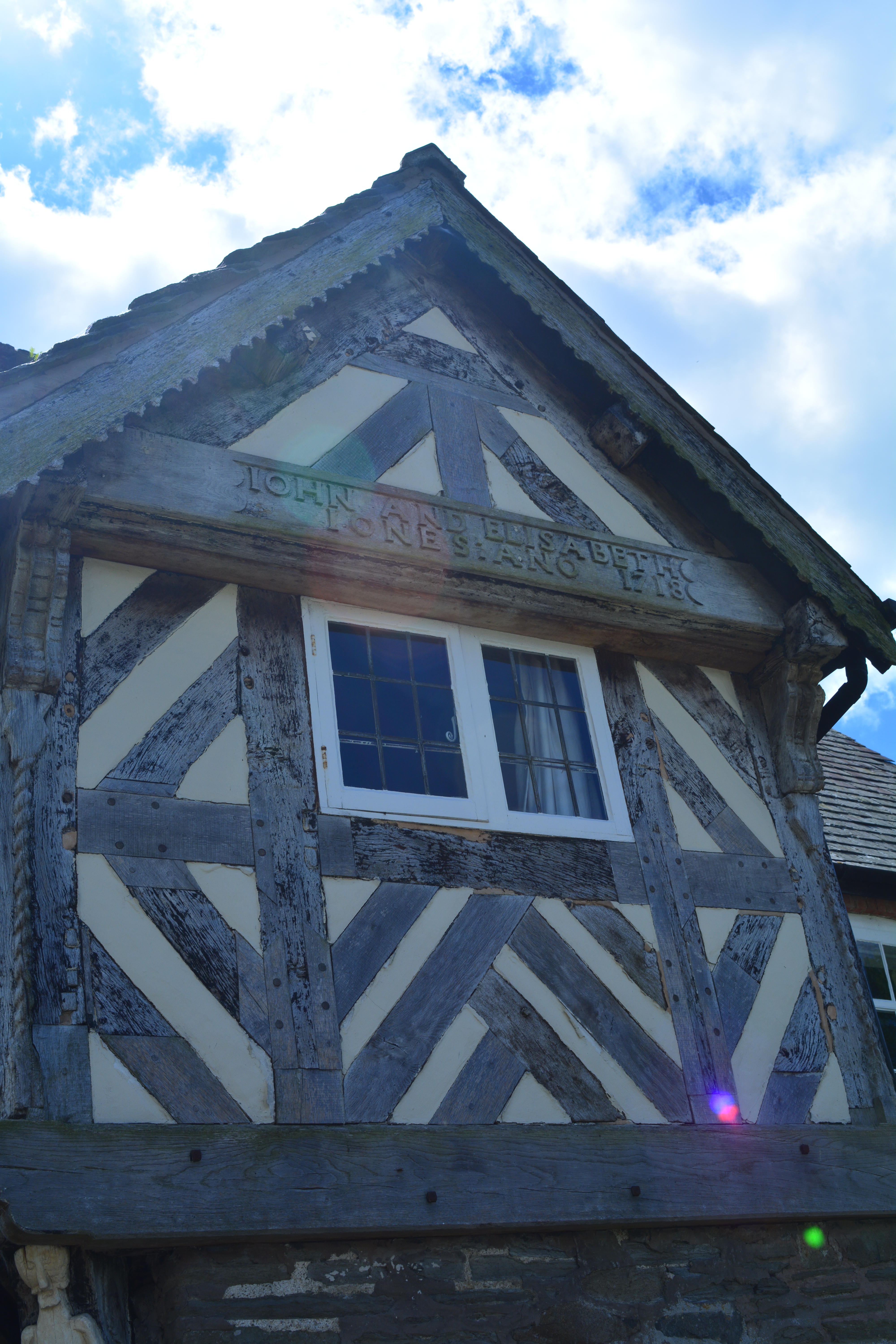
The house itself was first built in 1630 with additions made in 1718, 1820 and 2010. The garden was just 15 years old. The view from the house and garden was of a wooded valley and a steep hill which is a nature reserve.


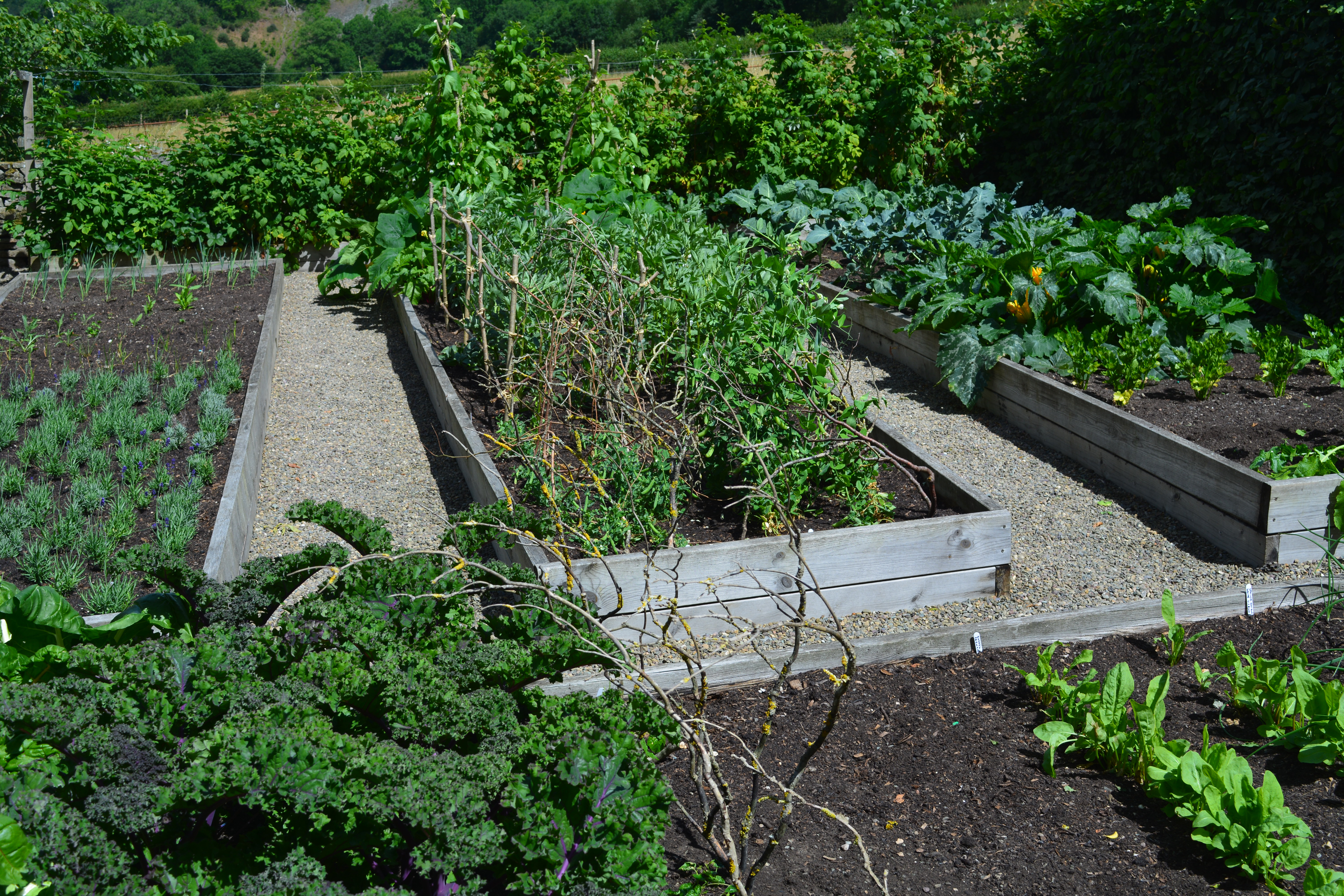
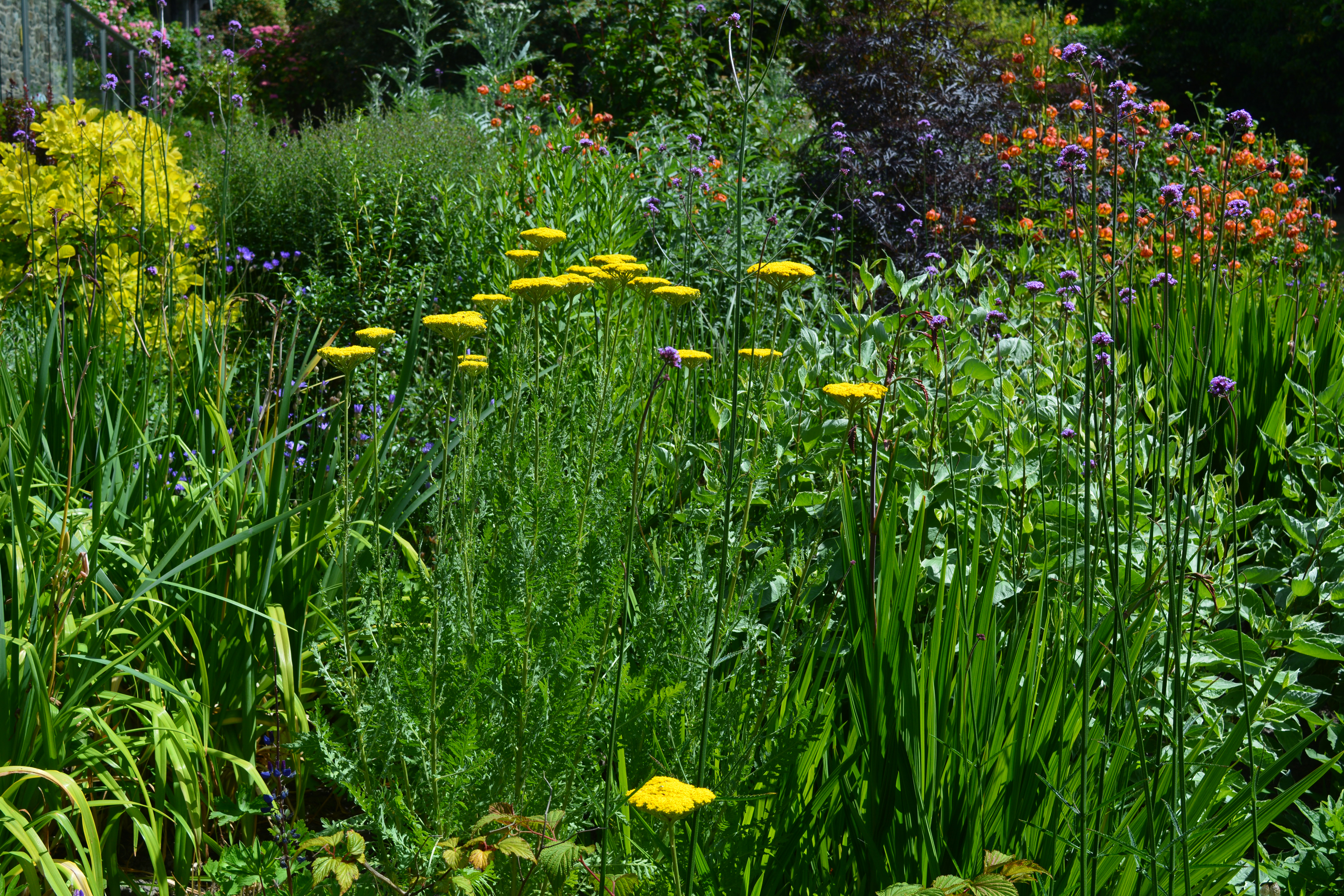
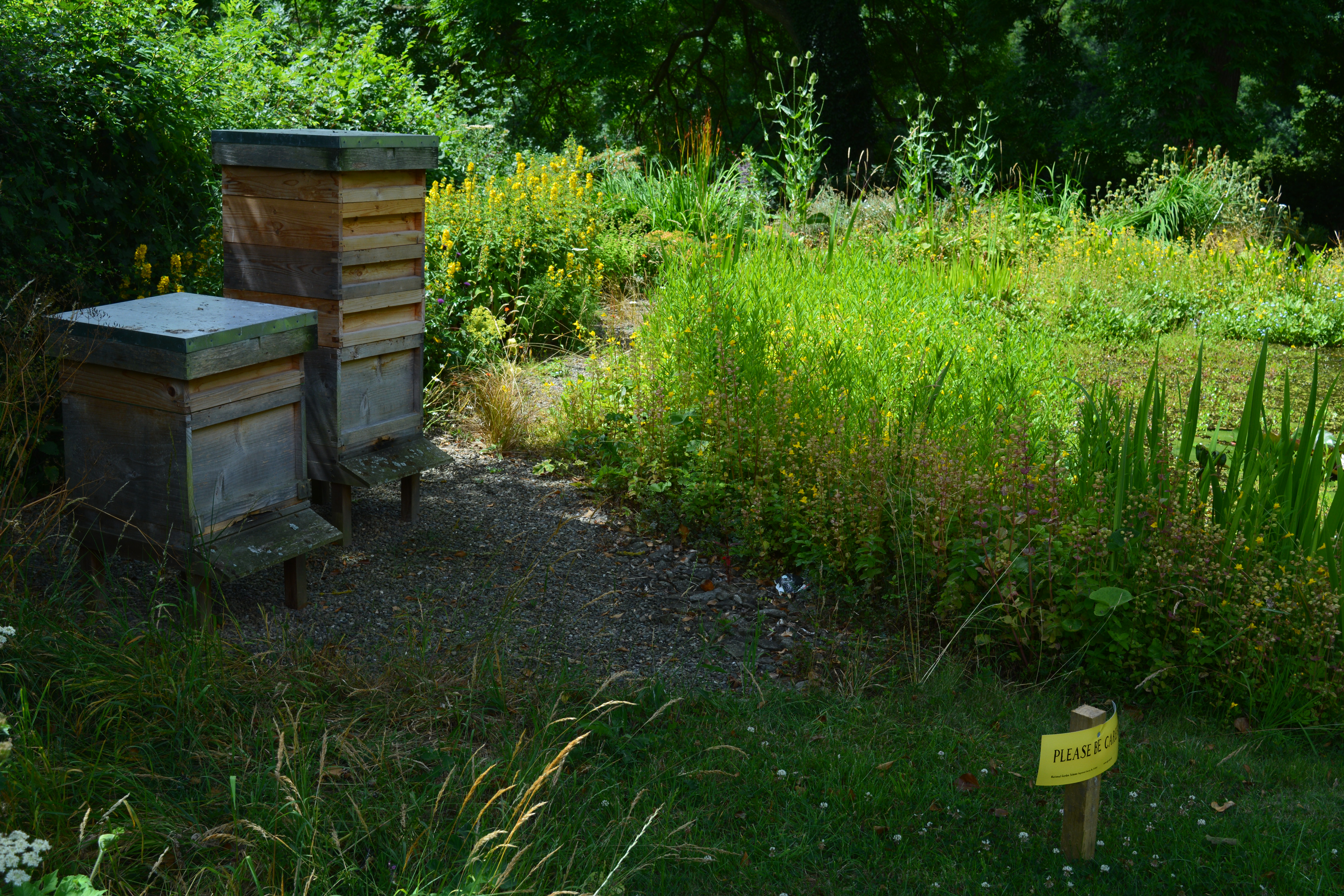
Where we sat to enjoy the views with tea and cake we were close to a very colourful herbaceous border, displaying interesting colour combinations. The garden also boasted a small kitchen garden with raised beds and a shaded area with pond.


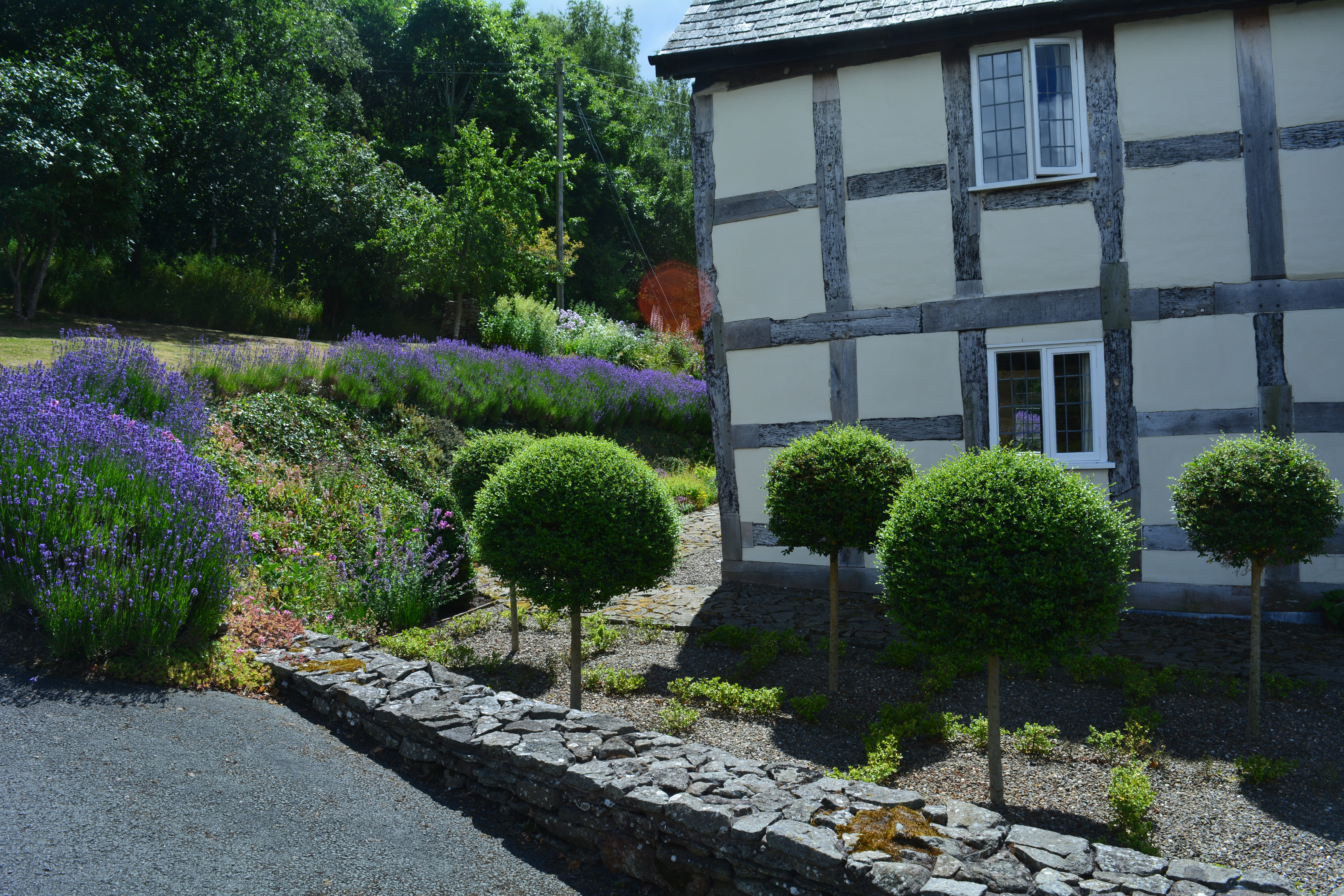
To one side of the house a more formal area contrasted well with the softer plantings we had seen so far. Lots of pale stonework and blue flowers gave this area its own character, almost Mediterranean.


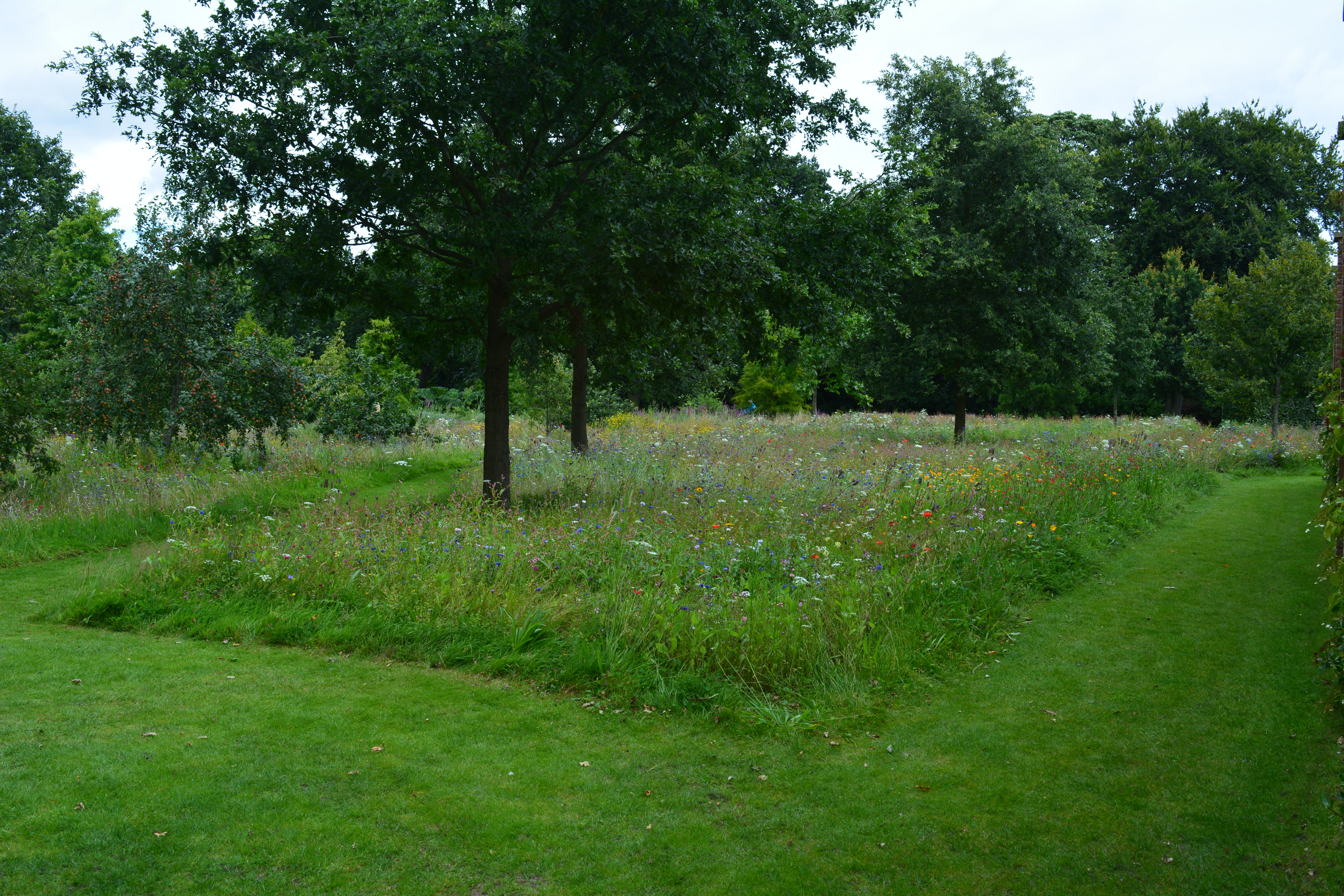
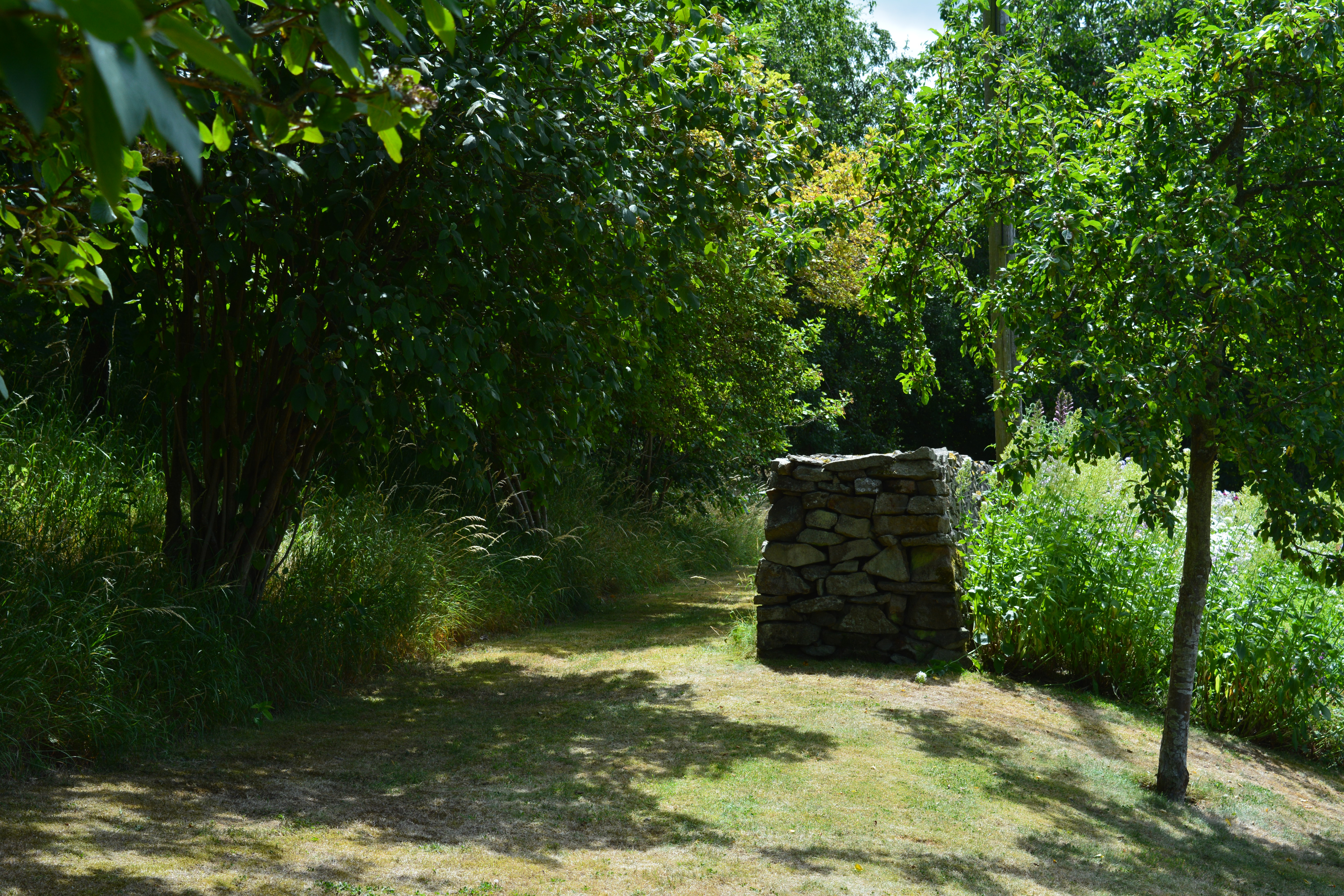
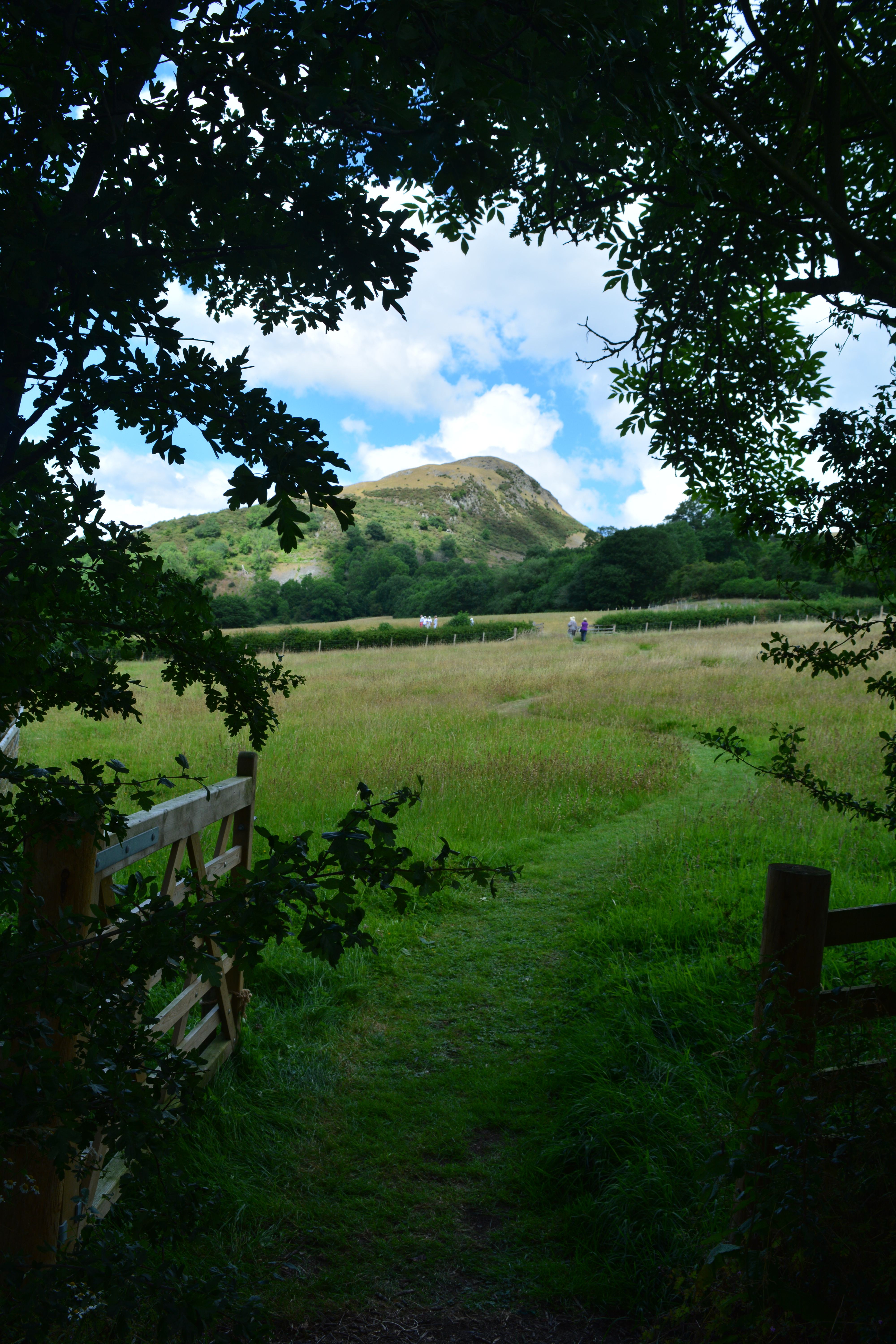
After enjoying a slow wander around the garden under a baking sun we followed a sign for the meadows. We passed through a gateway and followed close cut grass paths through the meadow which gave us views of a newly planted orchard and woodlands. Come with us through the six-bar wooden field gate and explore the meadows and woods by following my gallery, which finishes off this visit to this wonderfully atmospheric garden and the land beyond.

To follow the gallery click on the first photo then navigate with the arrows.


This Veggie Life

A Vegetarian | Nature Lifestyle Blog

Rambling in the Garden

.....and nurturing my soul

The Arch City Gardener

Journeys In St. Louis Gardening and Beyond

Garden Dreaming at Châtillon

Consult the genius of the place

Storyshucker

A blog full of humorous and poignant observations.

gardeninacity

Notes from a wildlife-friendly cottage garden

PlayGroundology

...an emerging social science

The Official Blog of British Wildlife

'The most important and informative publication on wildlife of our times' - The Independent. This blog is a member of The UK & Ireland Natural History Bloggers group: www.uknhb.blogspot.com

iGrowHort

Inspire - Cultivate - Grow Native Plants - Restore Landscapes

Bishops Meadow Trust

To create and protect a semi-natural wild space for the people of Farnham to enjoy and experience an array of British wildlife in our town

Gardening with Children

The www.gardeningwithchildren.co.uk Blog

UKbirdingtimeline

birding through the seasons, why birds matter and how to conserve them

NATURE WALKER

with a camera in hand

Jardin

Transform your outdoor space

Eva's space

My allotment, cooking and other interests

Old School Garden

my gardening life through the year

LEANNE COLE

Trying to live a creative life

fromacountrycottage

trying to live as lightly as possible on our beautiful planet

Good Life Gardening

Nature lovers from Leicester living the good life.

mybeautfulthings

Finding the beautiful in the everyday

mawsonmichelle

Michelle's Allotment

In and Out of My Garden

thoughts from and about my garden

Greenhousing

Big plans for a small garden

The Scottish Country Garden

A Walled Country Garden in South East Scotland

The Fruity Chicken

Life at the fruity chicken

willowarchway

Off grid living. Self sufficient. "PERMAGANICS RULE".

St Anns Allotments

Nottingham's Grade 2* Listed Allotments and Community Orchard

Manifest Joy Harvests

a journey in suburban vegetable gardening

Allotmental

The madness of growing your own

Penny's Garden: a harvest beyond my front door

A novel approach to vegetable gardening

arignagardener

Sustainable living in the Irish countryside.

NewEnglandGardenAndThread

Master Gardener, amateur photographer, quilter, NH native, and sometimes SC snowbird

dianajhale

Recent work and work in progress and anything else that interests me

planthoarder

a chaotic cottage gardener

Lens and Pens by Sally

a weekly blog that creates a personal philosophy through photographs and words

Dewdrops and Sunshine

Stories from a sassy and classy Southern farmbelle.

The Pyjama Gardener

Simple Organic Gardening & Seasonal Living

gettin' fresh!
turning dirt into dinner

JOY...

today the world is created anew

Garden Birds

Notes from a Devon garden

ShootAbout

Life Through The Lens

Adapting Pixels

A photography blog showcasing the best photography pictures and videos on the internet

Wildlifegardening's Blog

Just another WordPress.com site

naturestimeline

personal observations from the natural world as the search continues for a new approach to conservation.

LATEBLOOMERBUDS

The Wonders of Life through my Eyes, my Heart, my Soul