Categories
autumn autumn colours garden design garden photography gardening gardens gardens open to the public hardy perennials ornamental trees and shrubs Shropshire shrubs Staffordshire trees

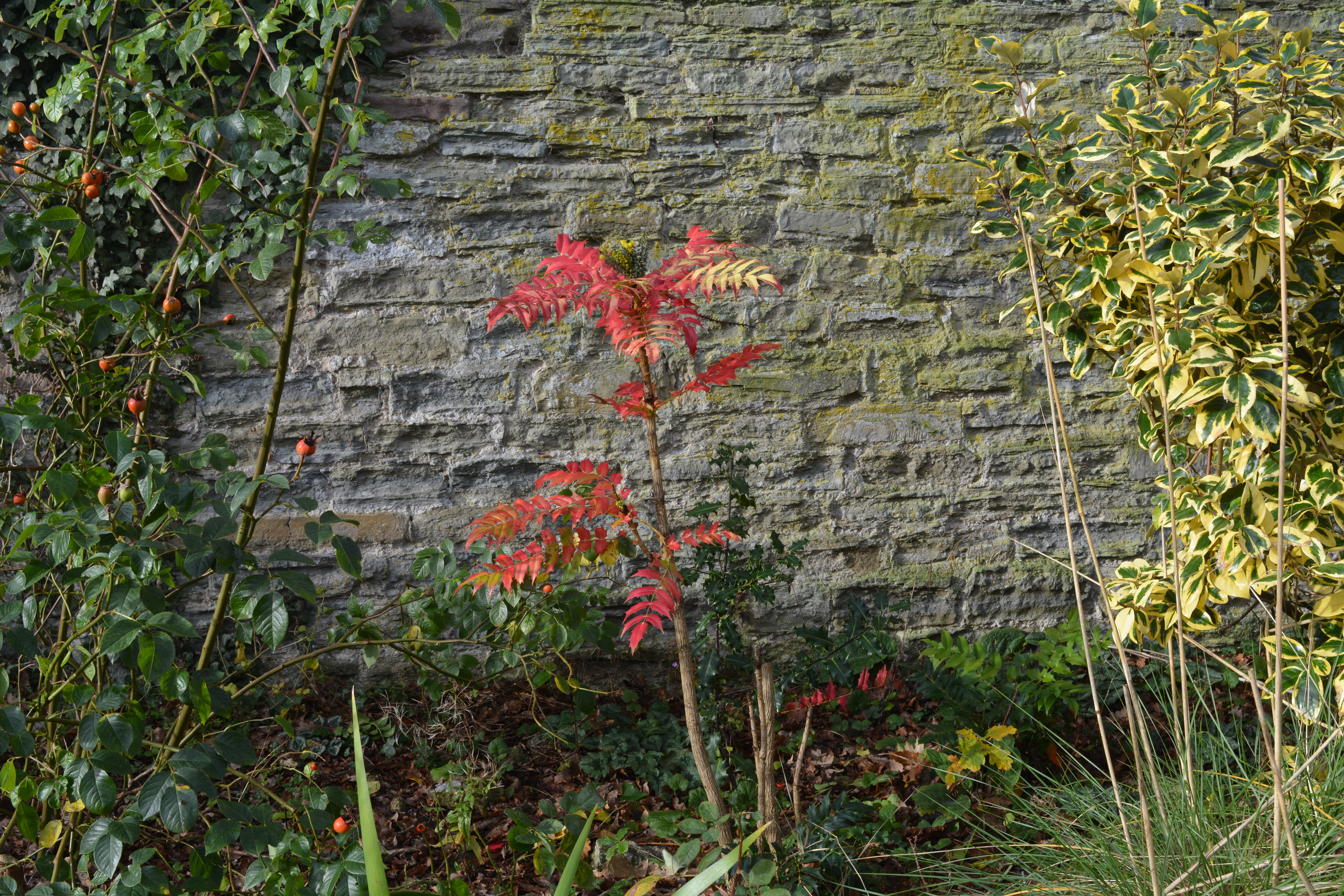
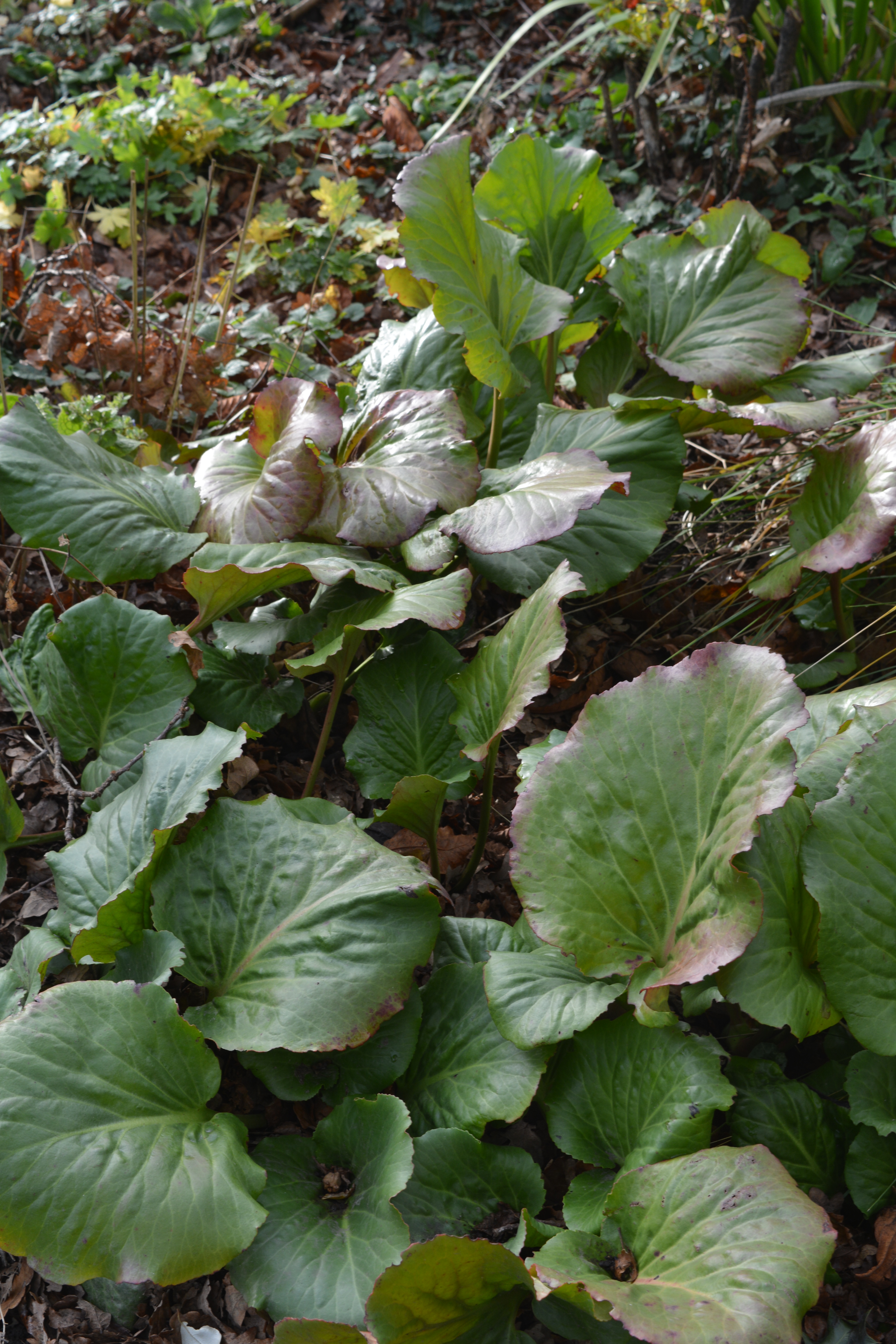
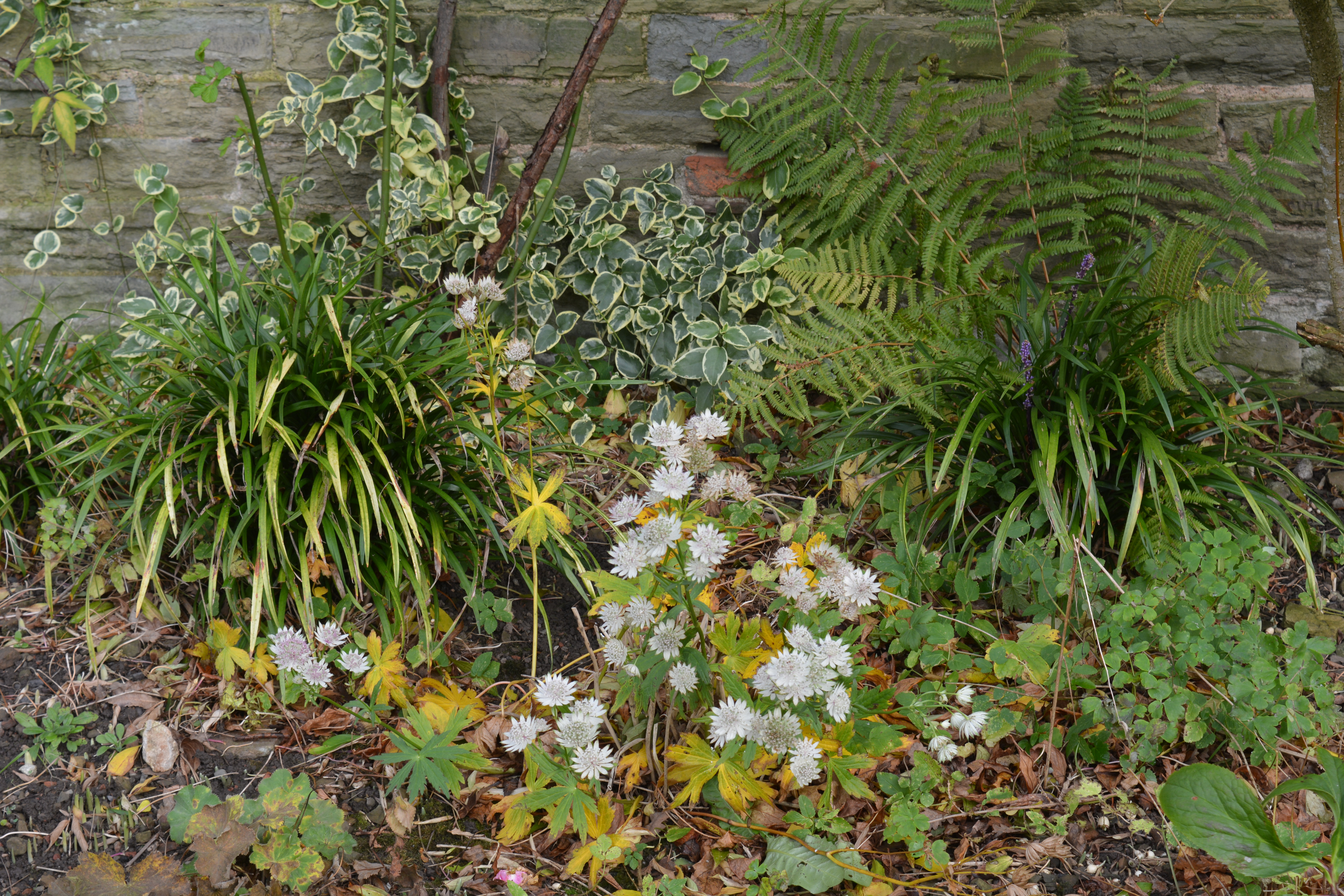
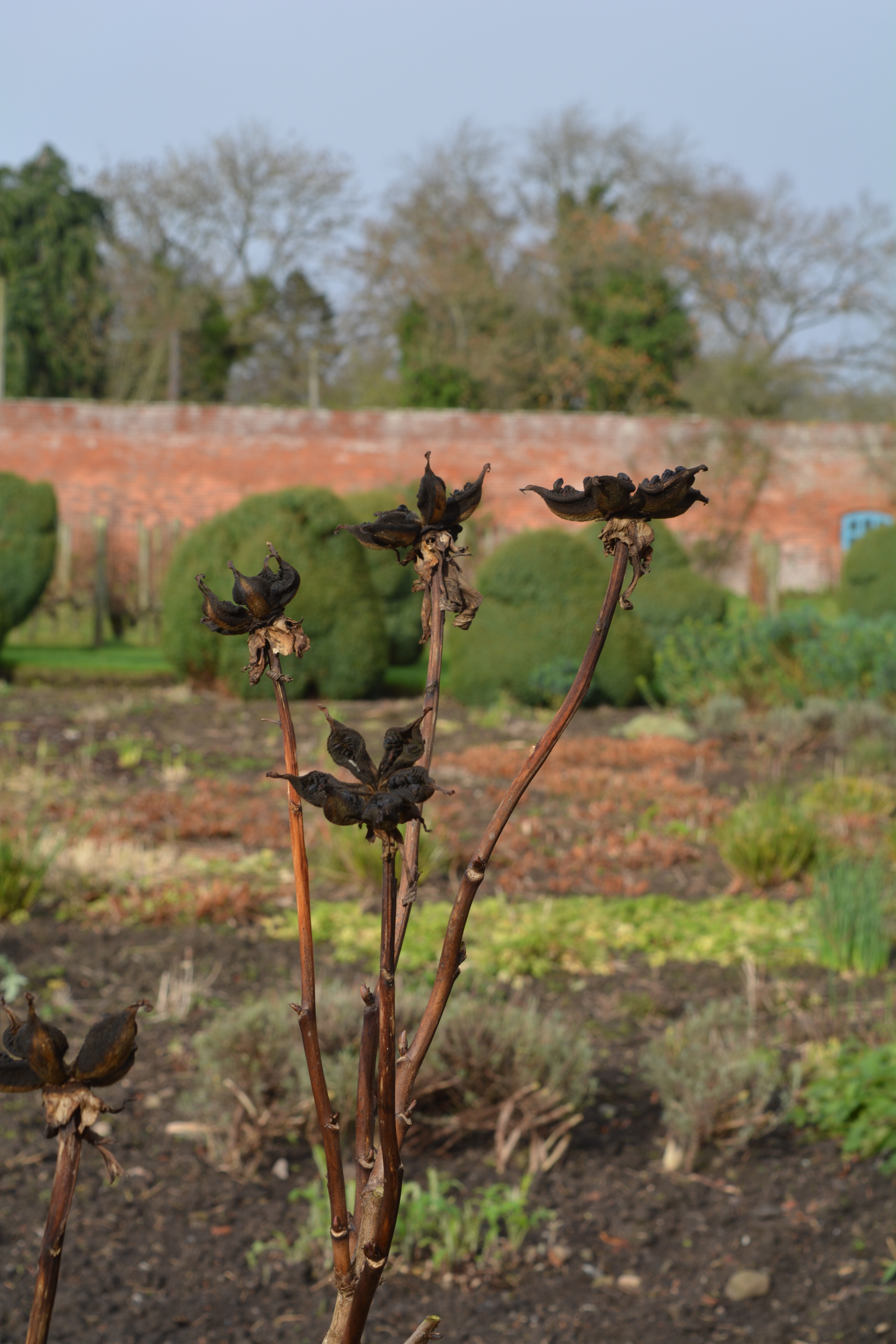
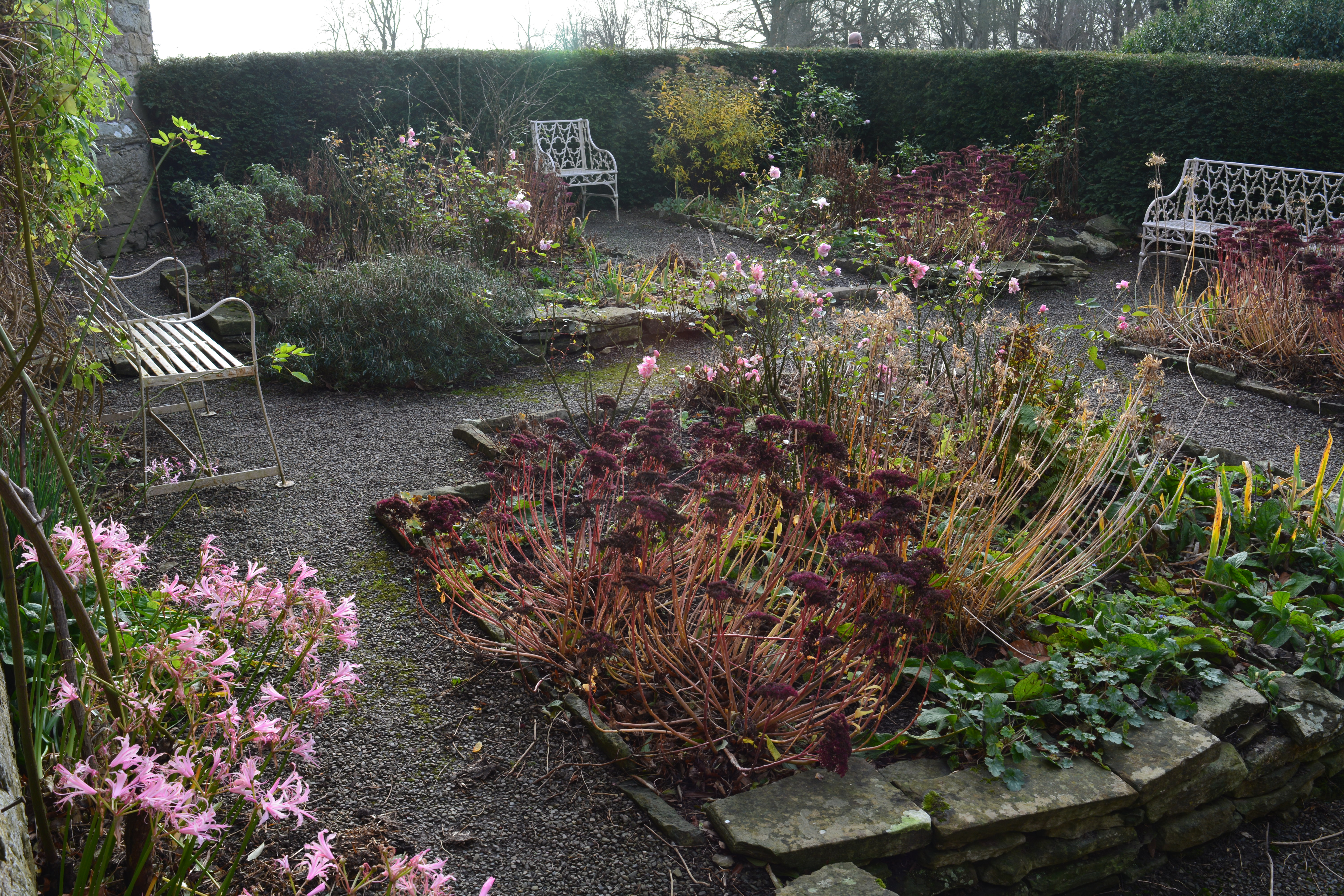
The Dorothy Clive Garden in October

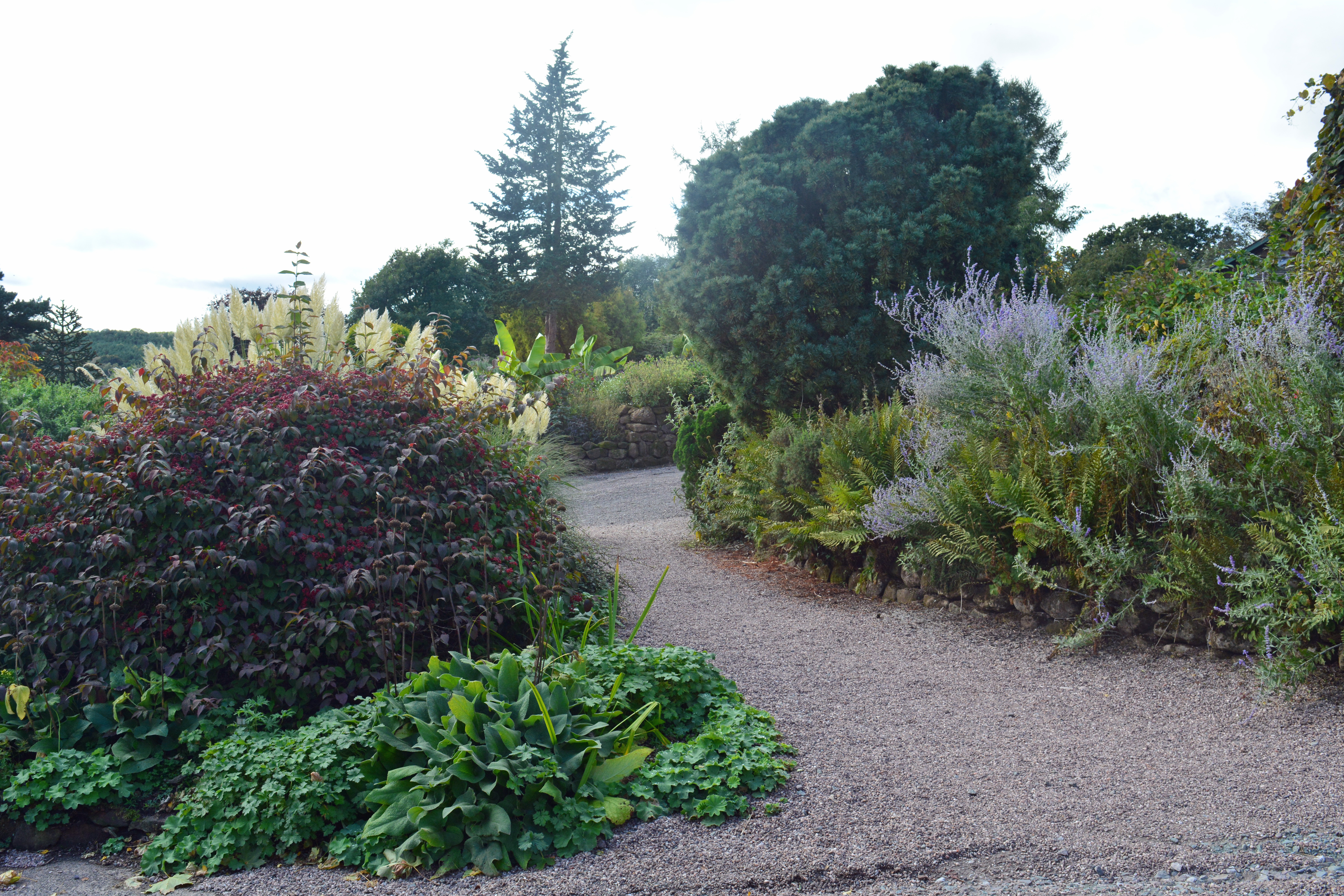
Our tenth visit to the wonderful Dorothy Clive Gardens saw us wandering around in cool temperatures and lightly overcast skies in late October. We expected to see autumn progressing well and a few plants flowering out of season. The sweeping driveway up to the car park was full of promises of what delights we had in store.

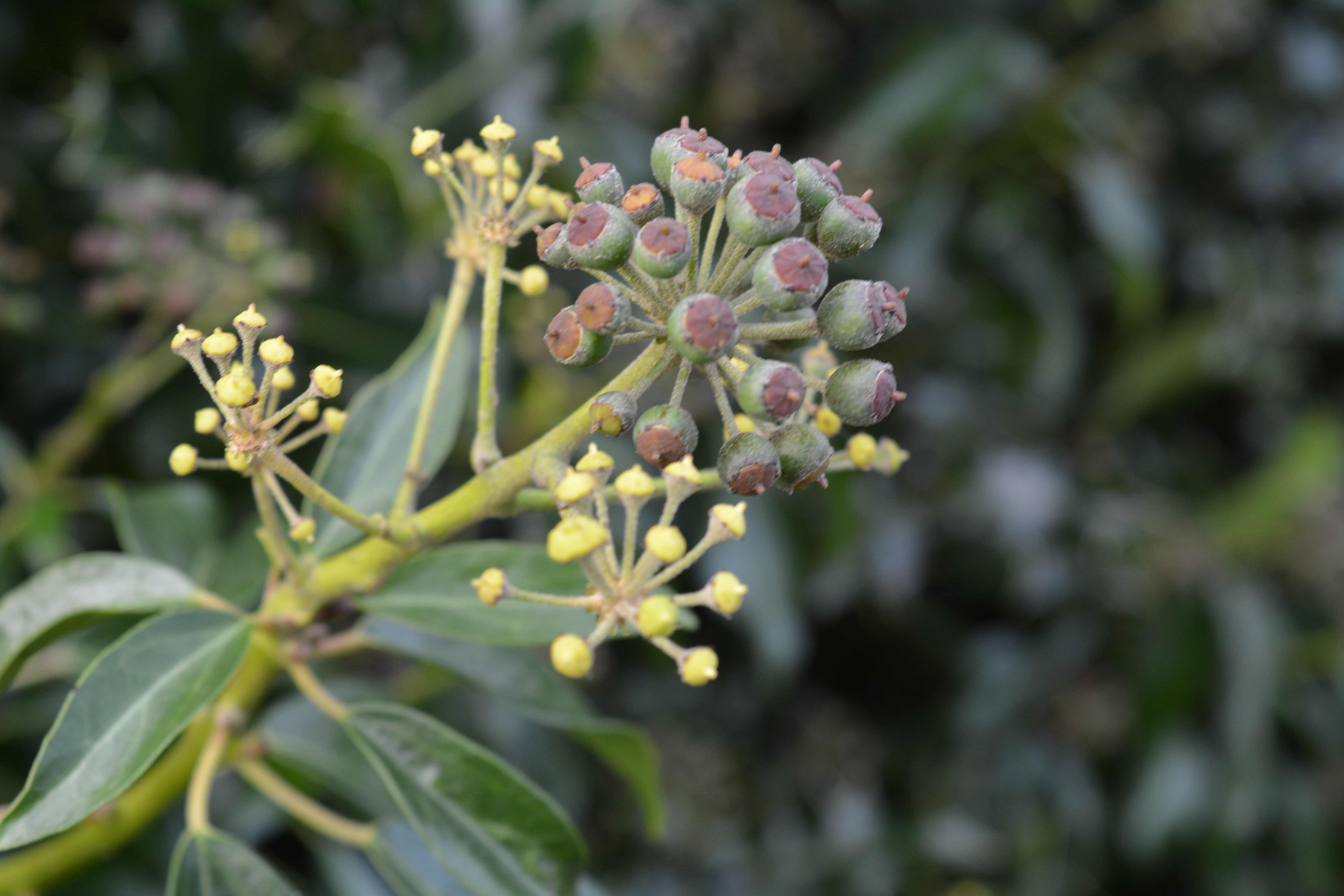
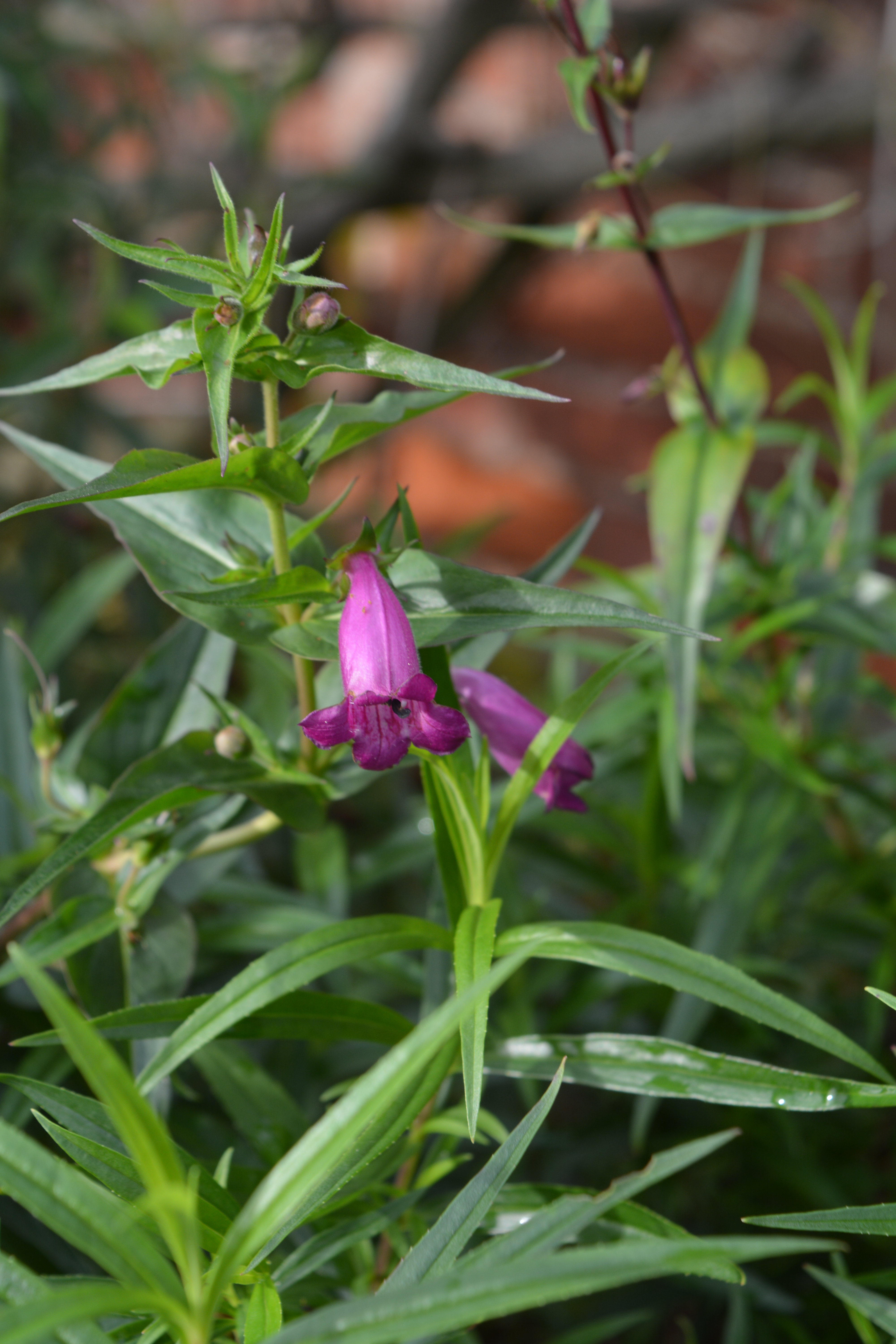
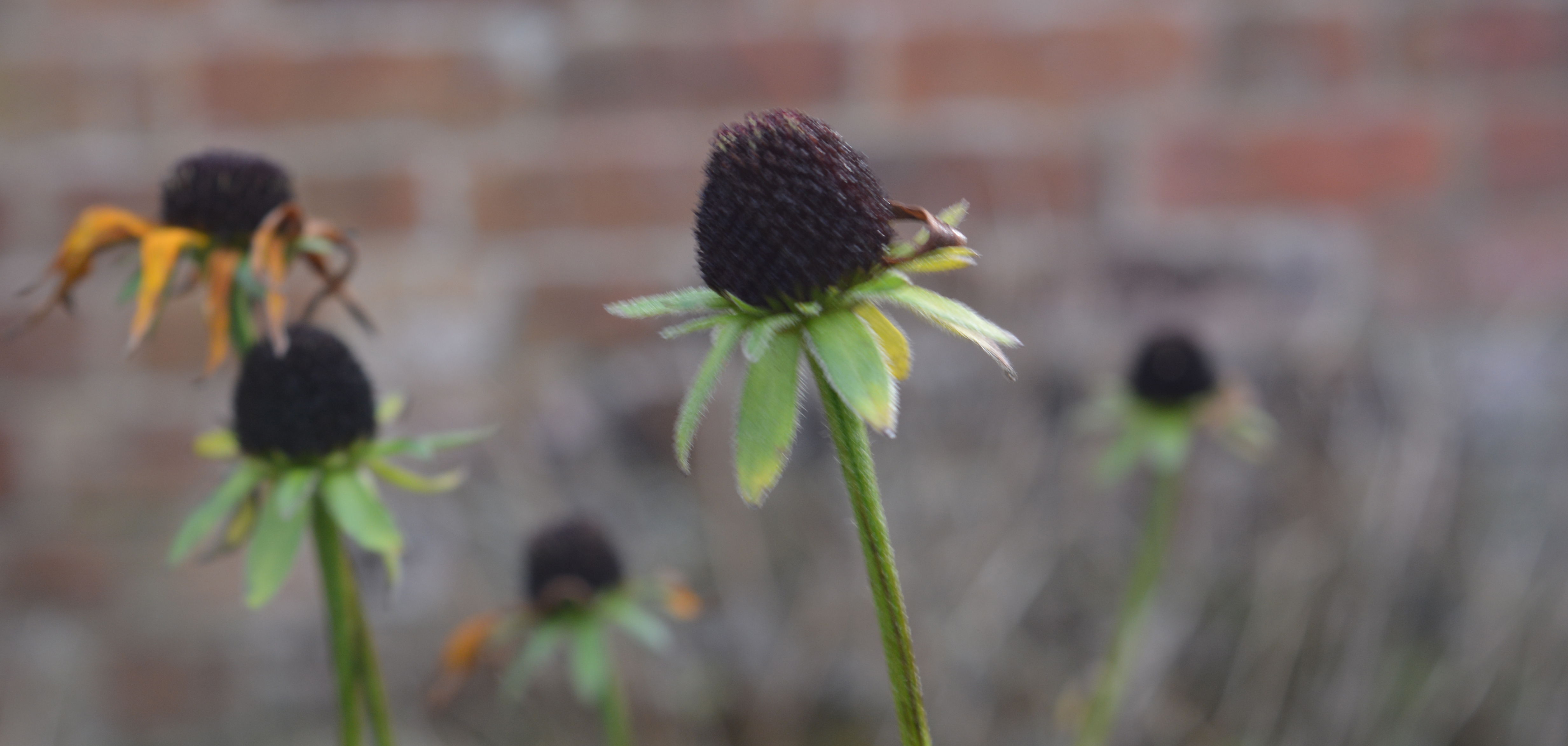
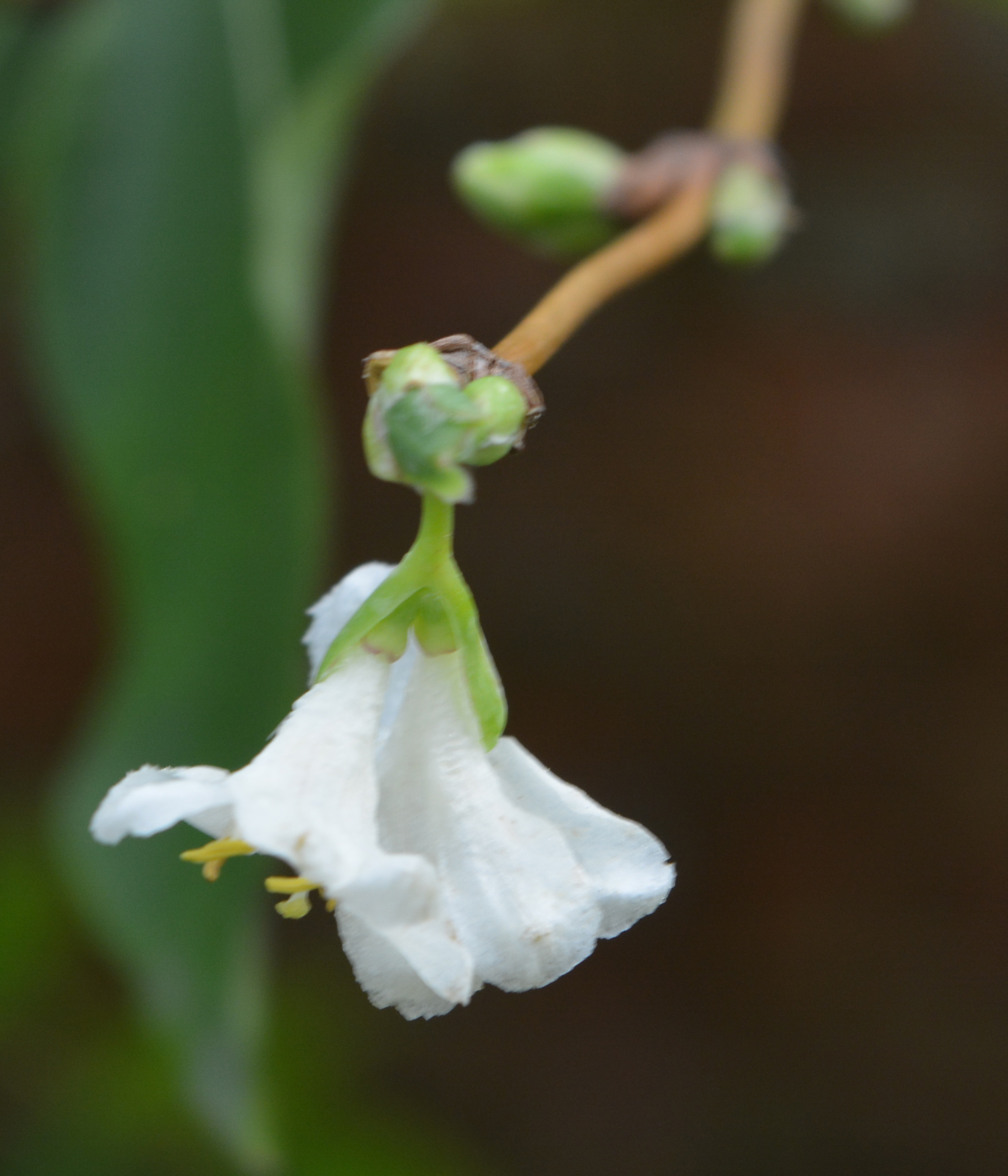
dcoc-33-1 dcoc-43-1dcoc-09-1

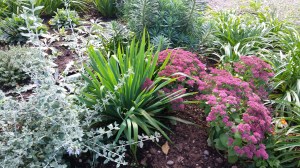
There were few visitors around which is typical of gardens once summer comes to an end. So many visitors to gardens think nothing goes on after September so stay away until next spring. We were there almost on our own sharing the joys of autumn at this beautiful garden with just a handful of other visitors. It is sad because there is so much to see in most good gardens in autumn and through into winter. The first few yards walk from the car park to the ticket office afforded distant views over the garden and a chance to study a newly planted border.

dcoc-05-1 dcoc-02-1dcoc-40-1 dcoc-41-1

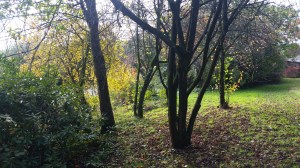
Views along paths among trees and shrubs were greatly enhanced by the low bright light creating bright patches and deep shadows.
dcoc-29-1 dcoc-31-1dcoc-37-1 dcoc-44-1

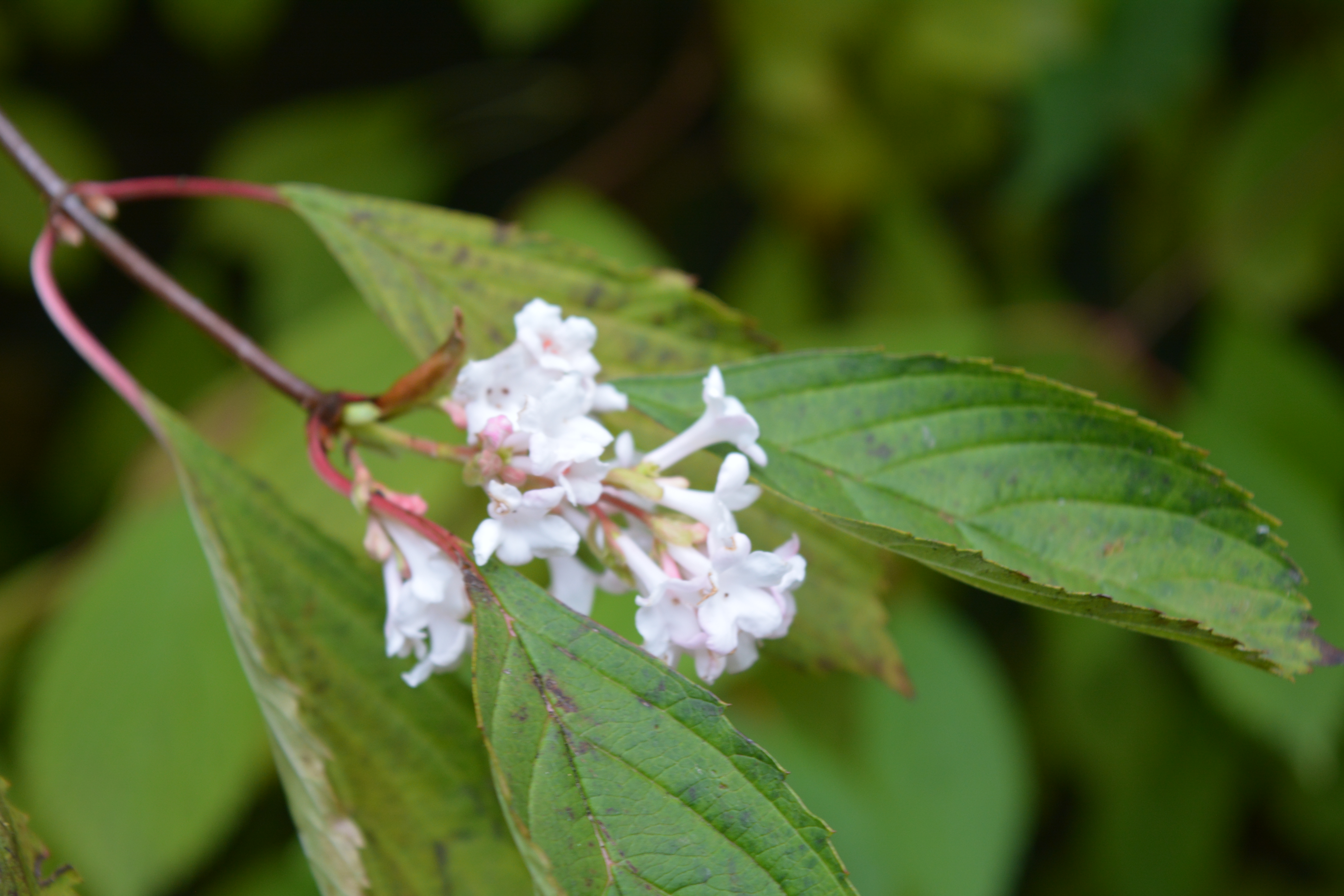
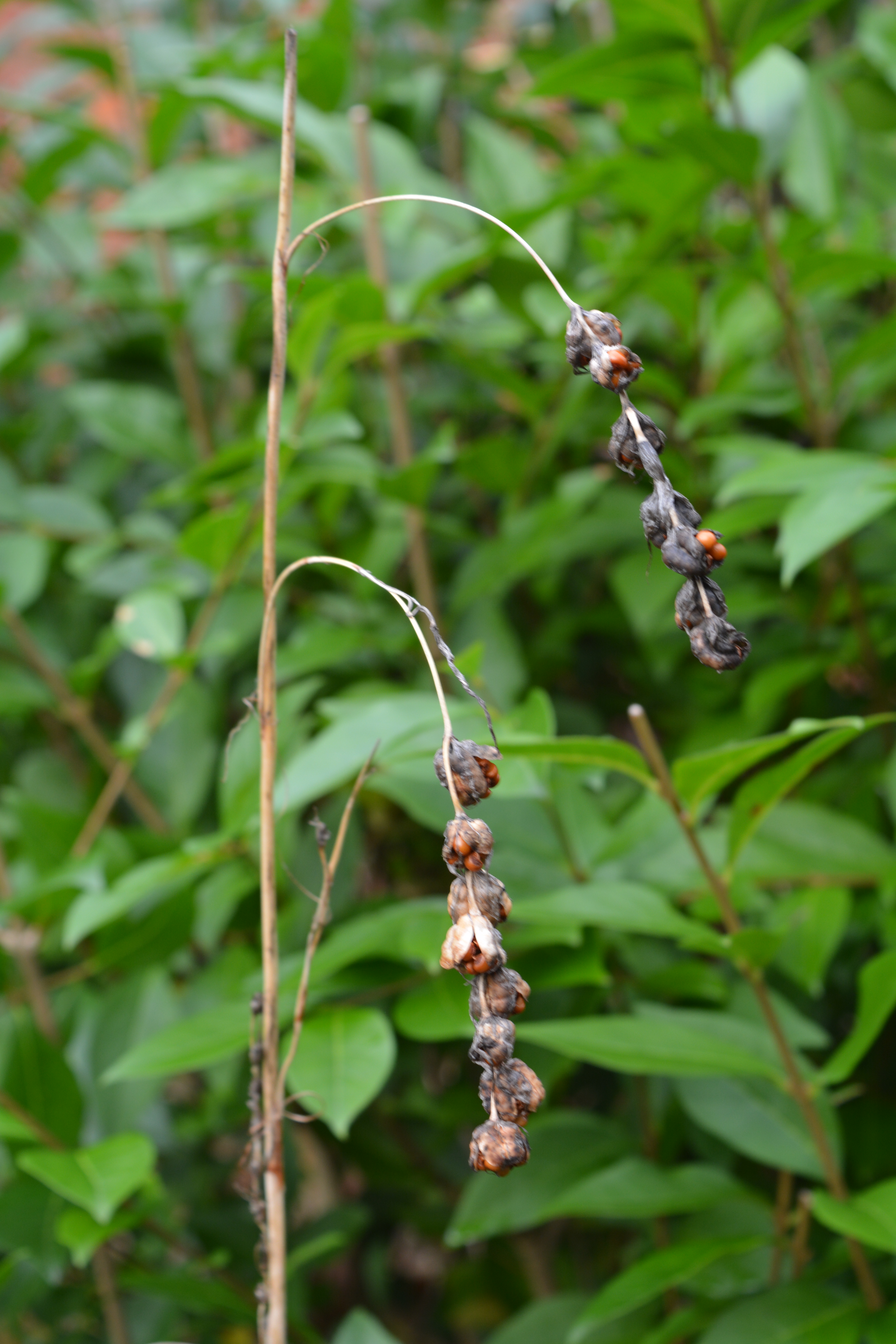
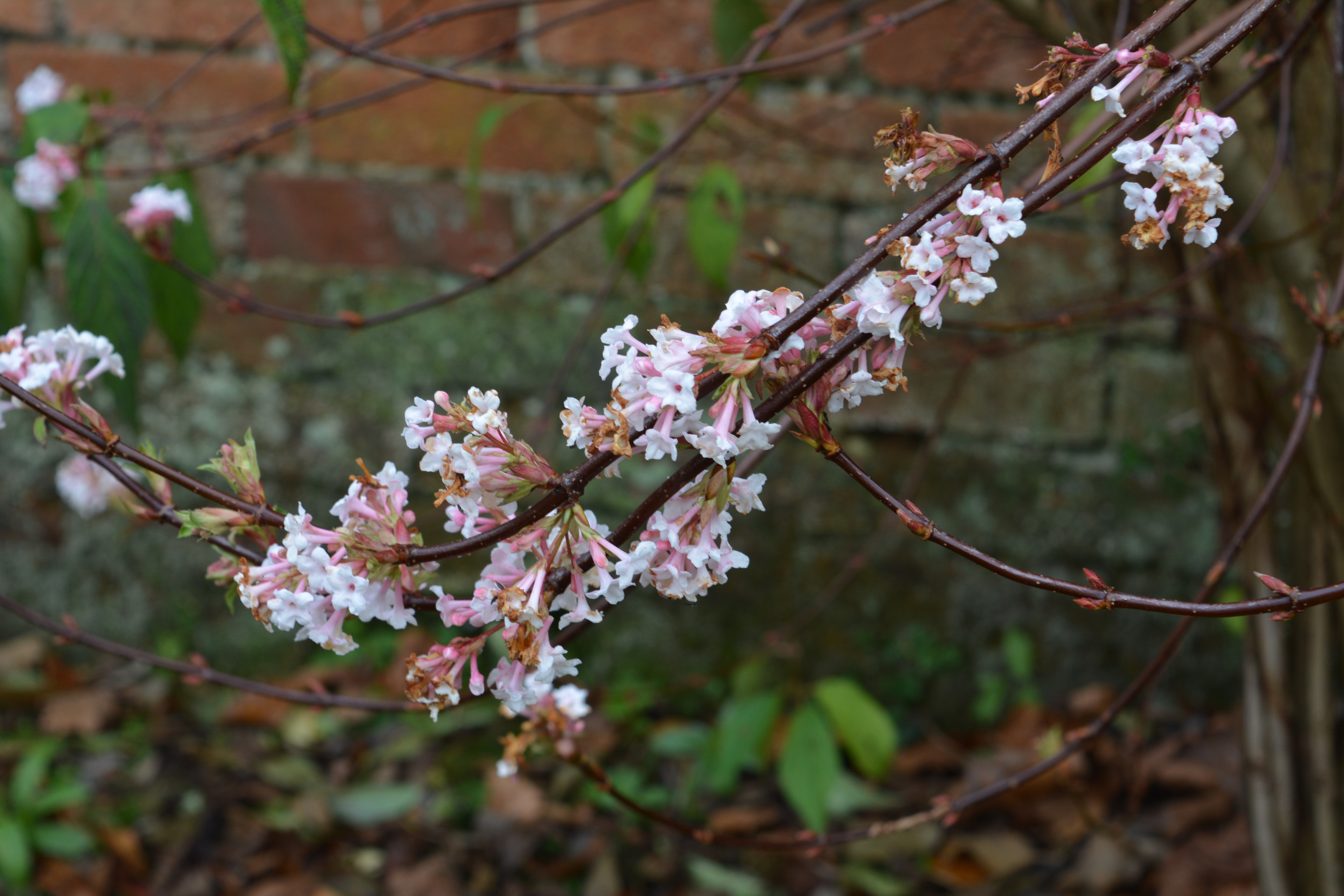
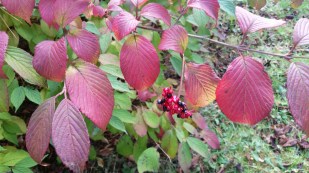
The colourful Viburnum we enjoyed discovering earlier in the year caught our eyes again, its berries a more colourful mix of glossy red and black like jewels among its Persian carpet foliage.
dcoc-35-1 dcoc-34-1

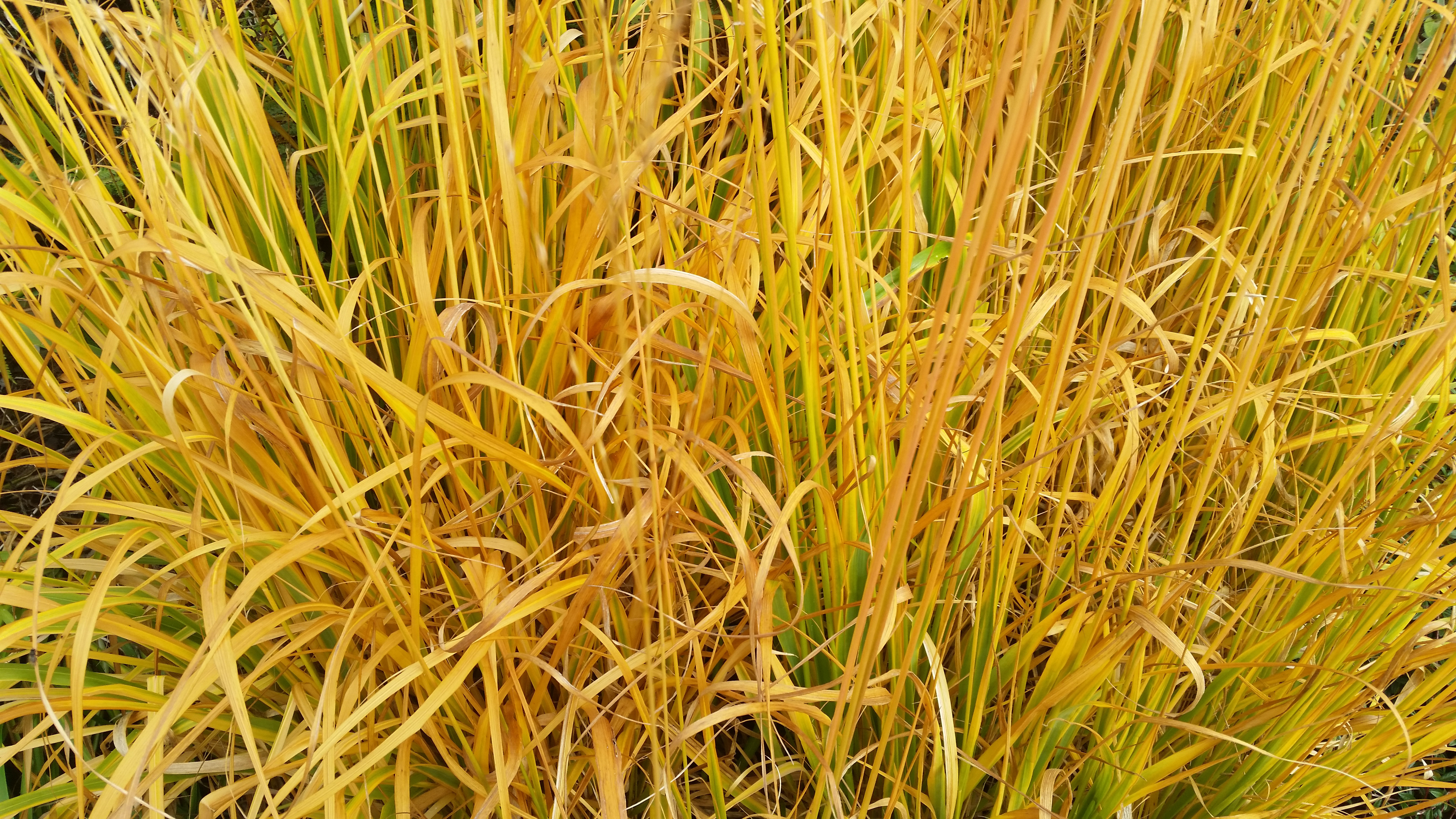
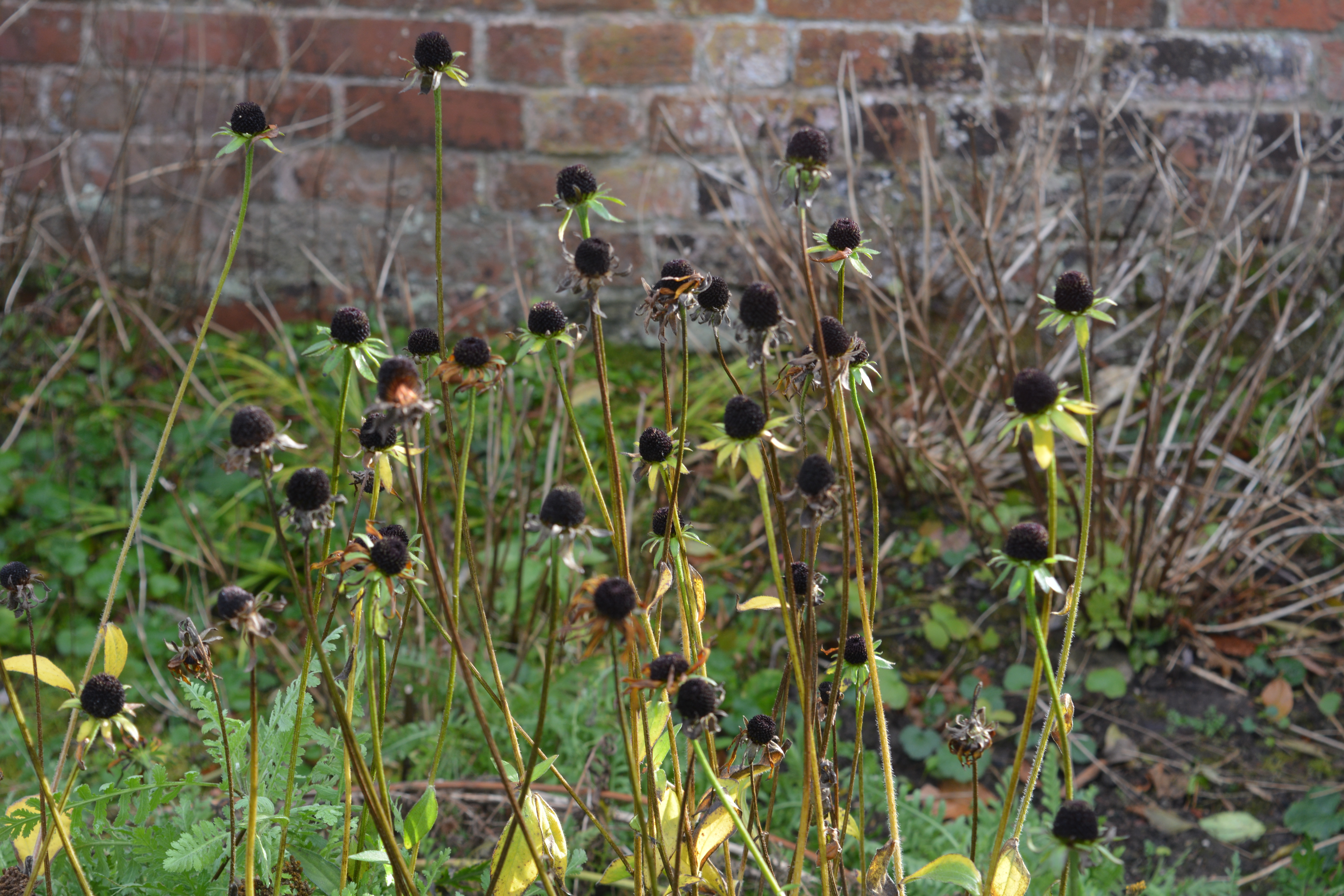
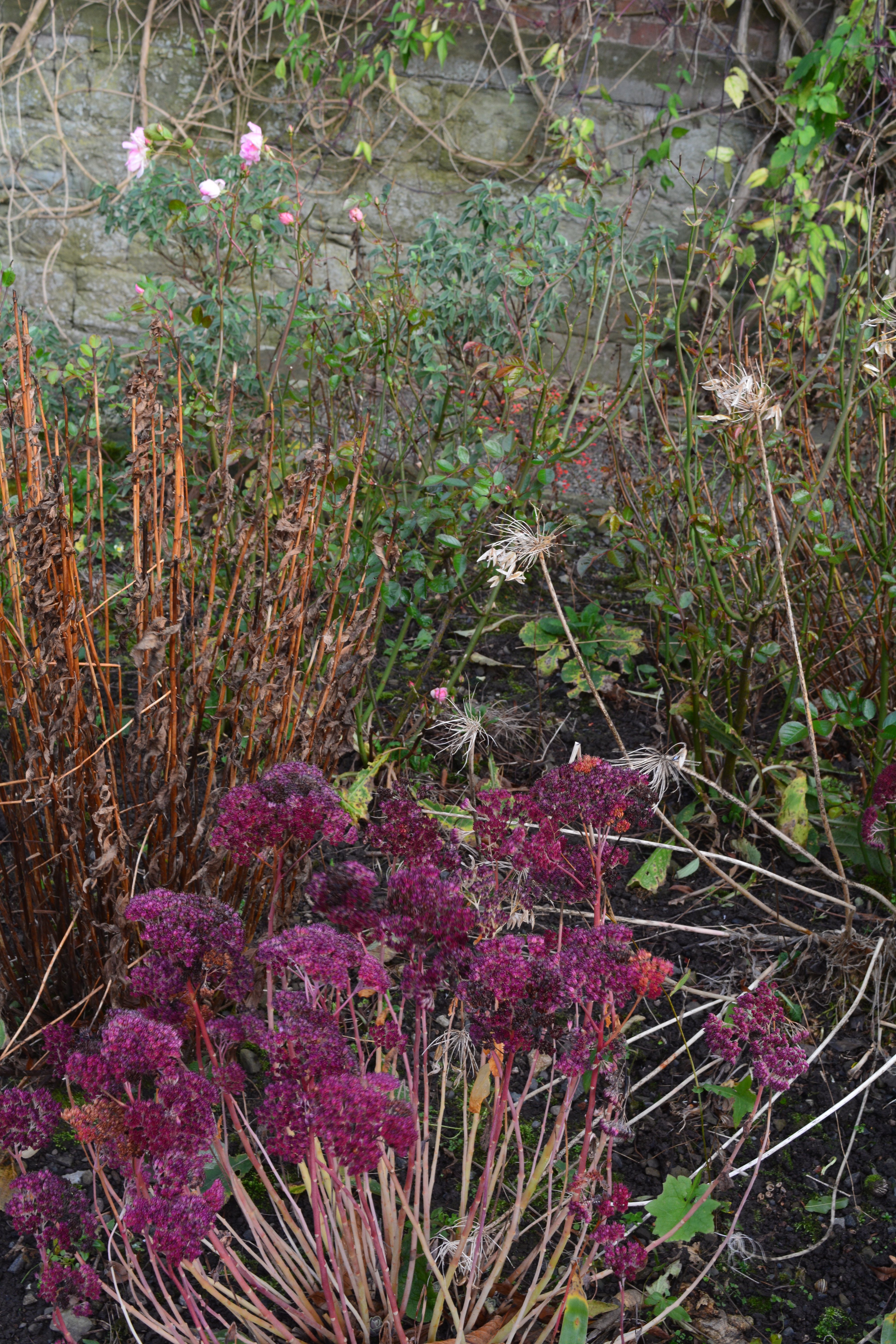
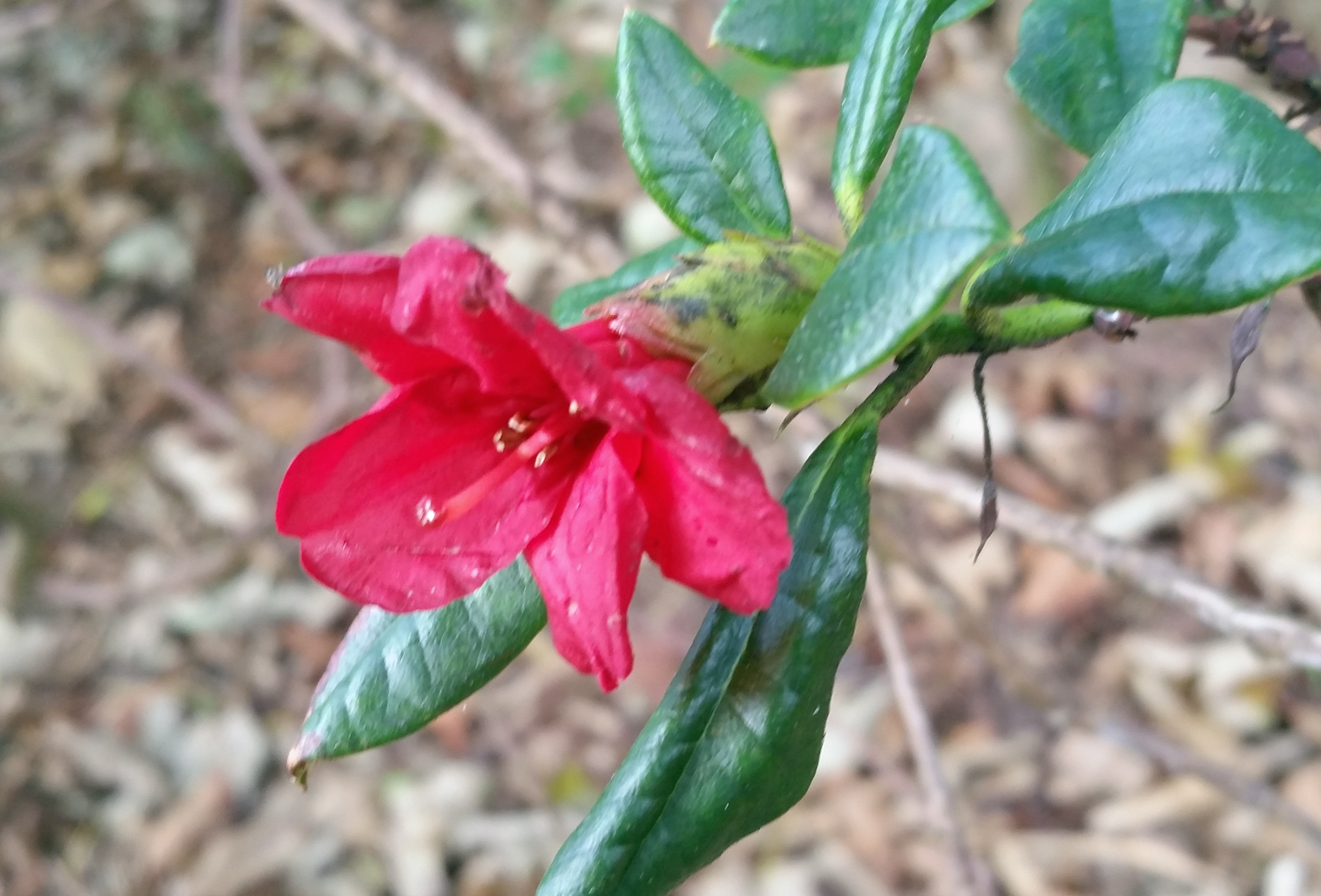
Flowering plants keep providing interest well into the autumn and foliage plants really come into their own especially grasses and ferns.

dcoc-04-1 dcoc-16-1dcoc-42-1 dcoc-61dcoc-17-1 dcoc-18-1 dcoc-10-1 dcoc-08-1 dcoc-07-1 dcoc-01-1 dcoc-20-1 dcoc-19-1

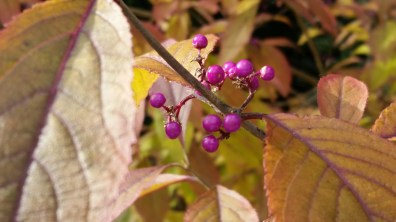
Berries are a feature of autumn not to be missed. This year we are seeing more than usual remaining on trees and shrubs because there are fewer migrant thrushes visiting us to gorge themselves on our gardens’ bounty.

dcoc-45 dcoc-54-1dcoc-66

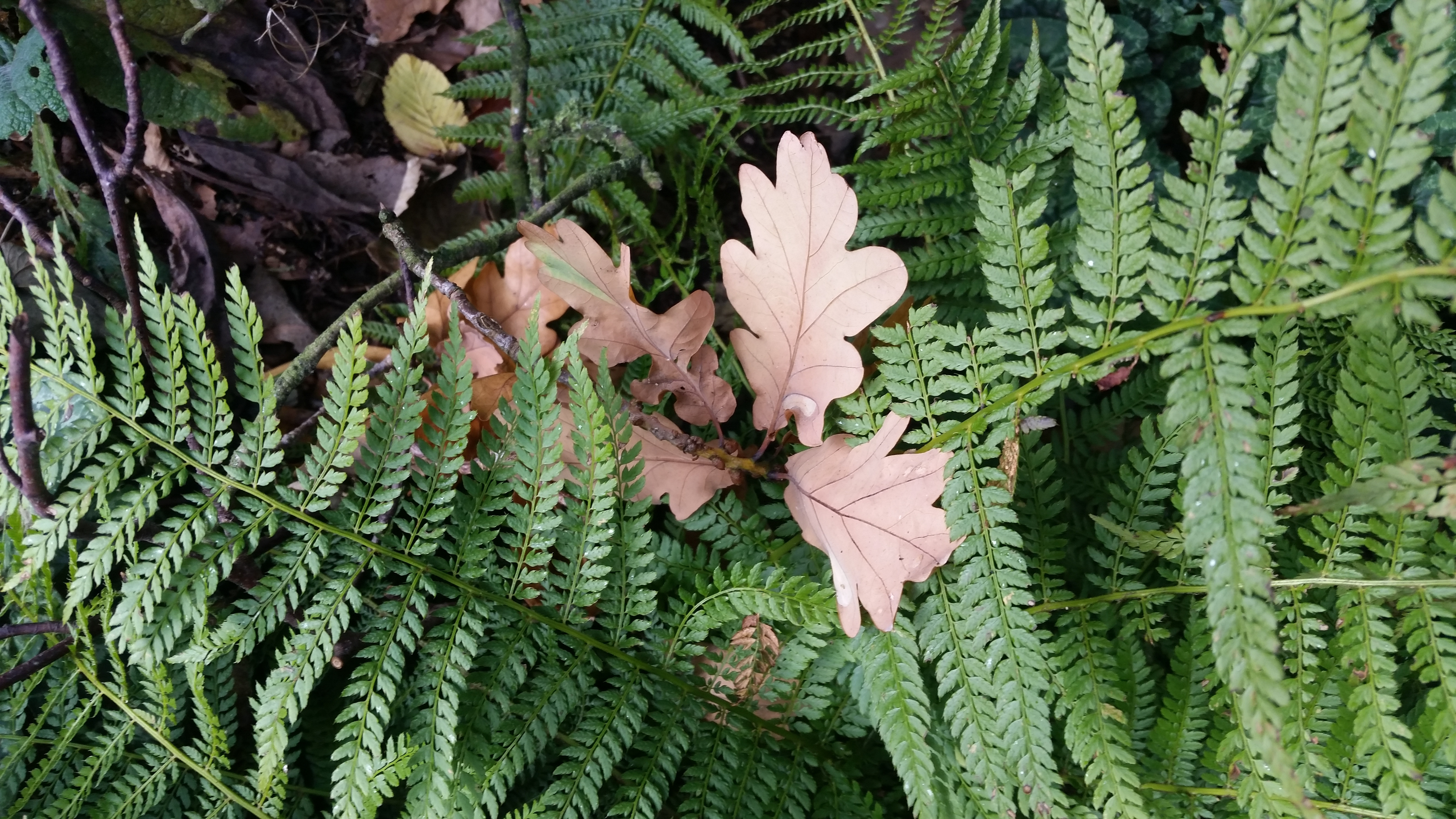
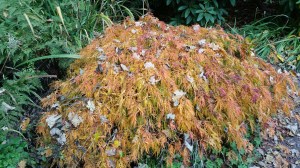
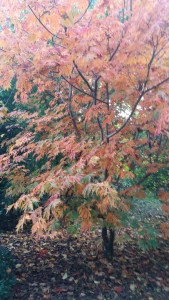
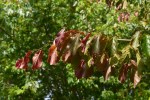
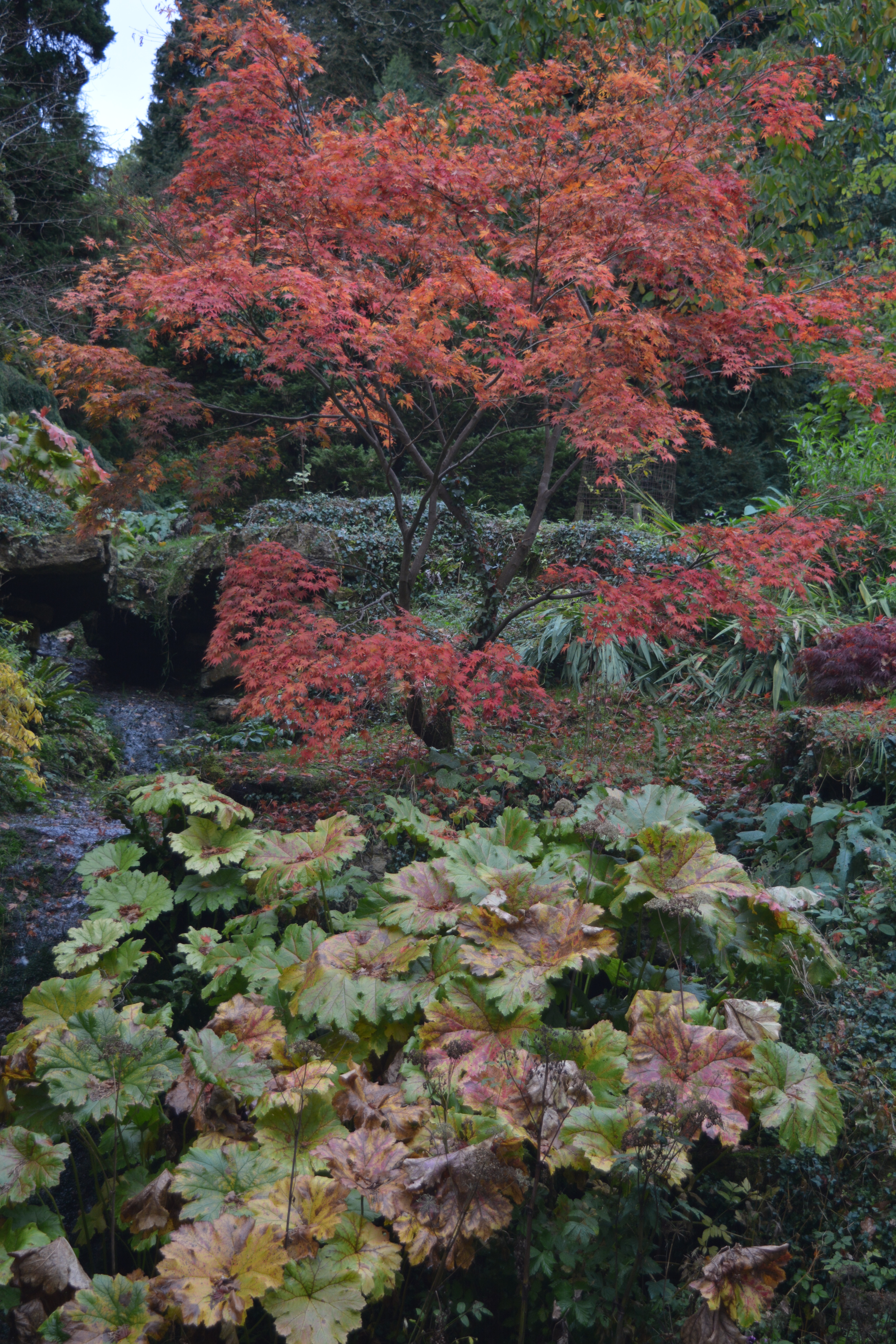
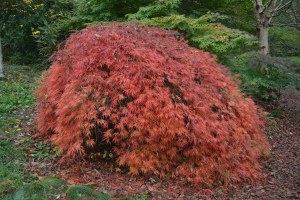
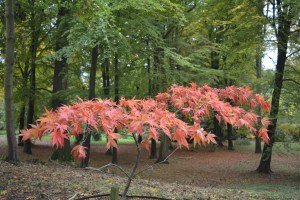
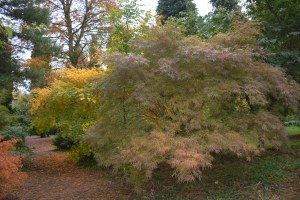
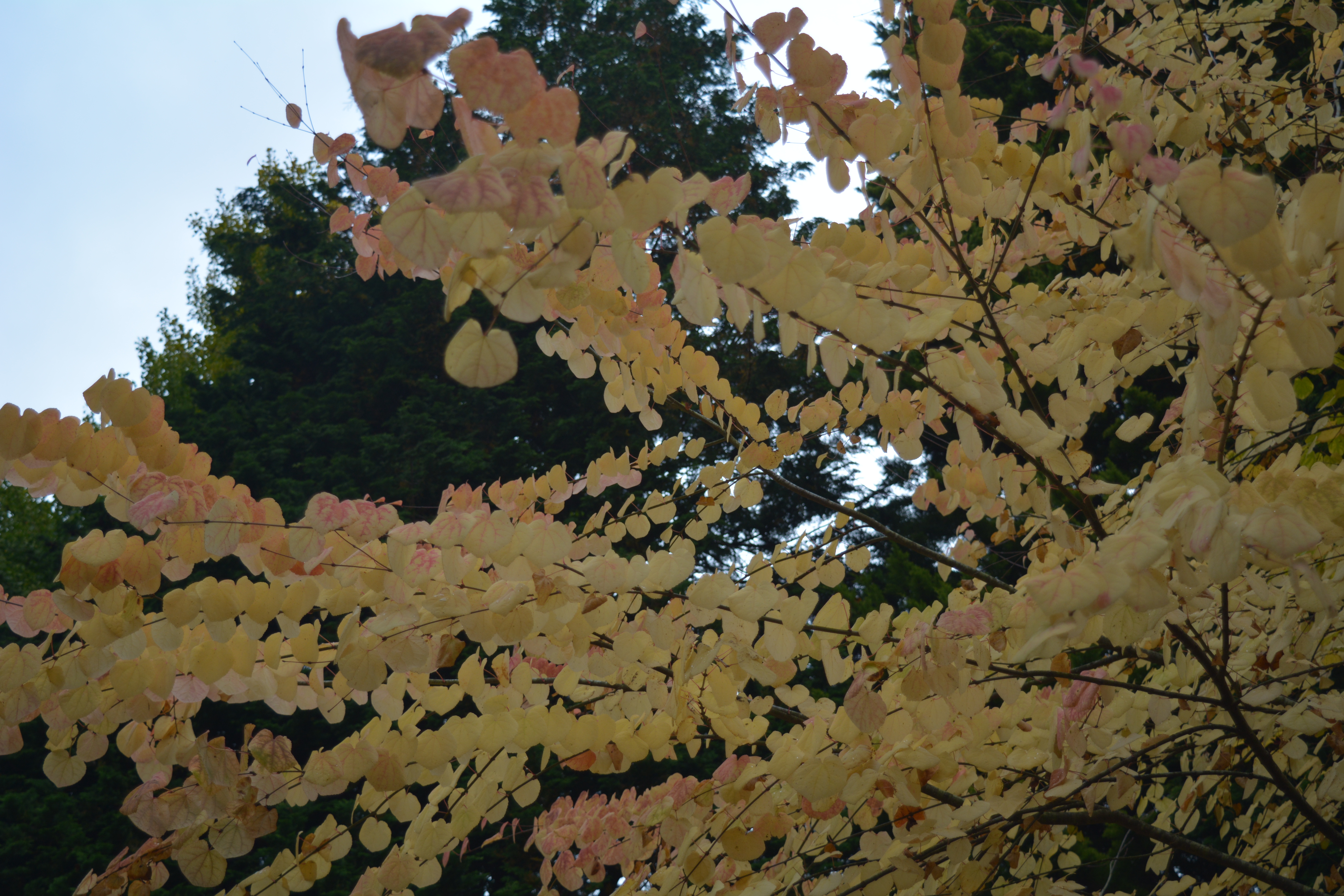
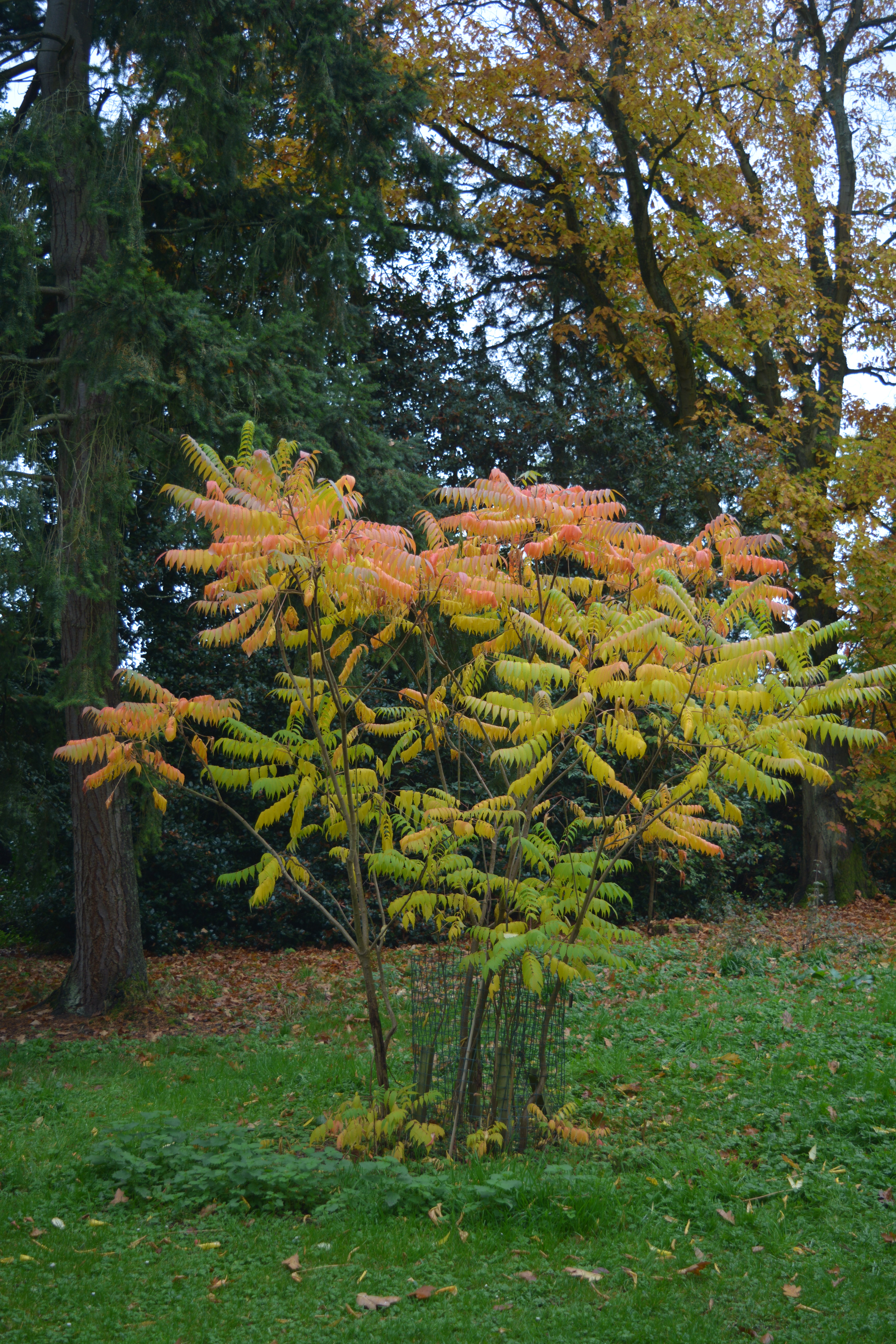
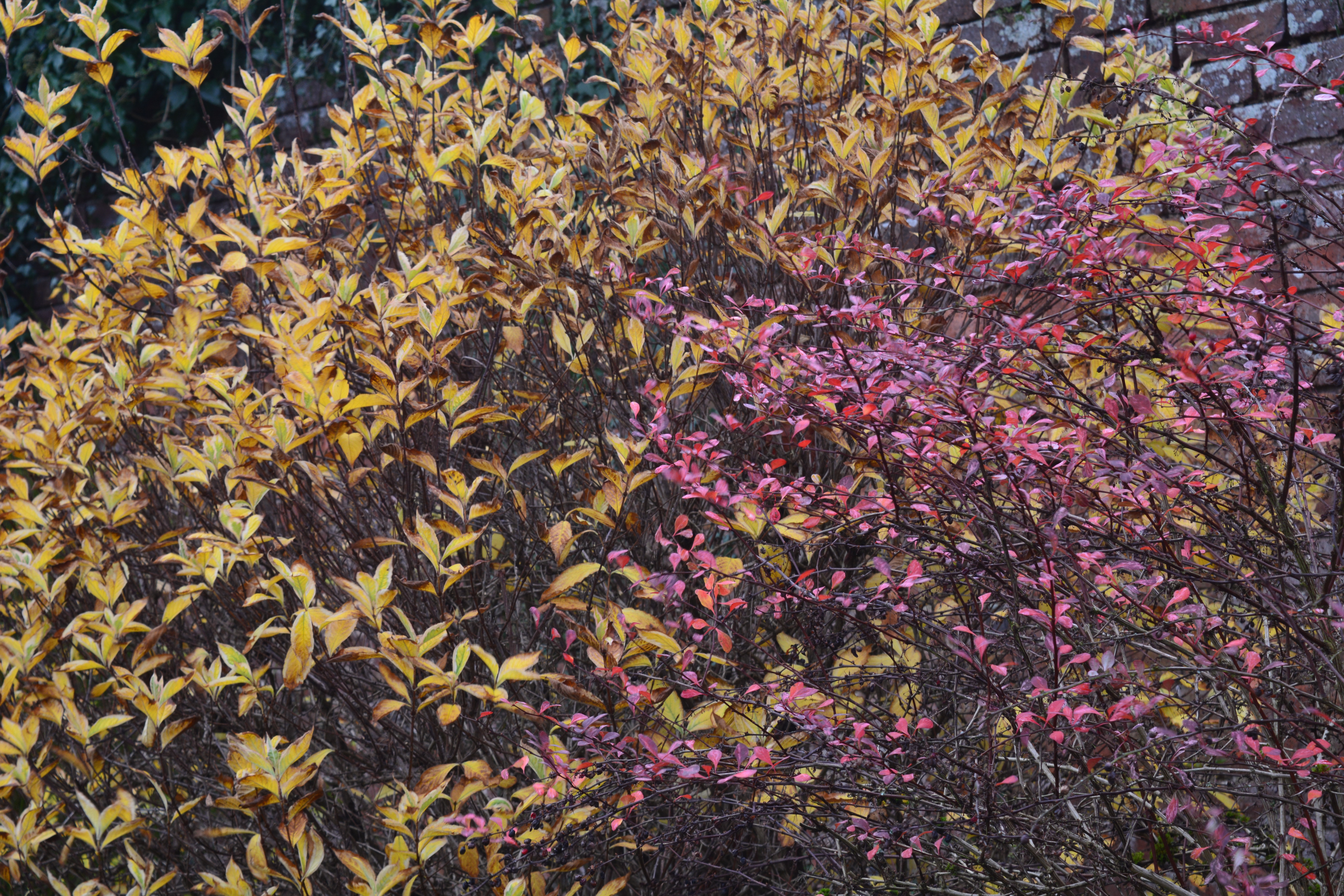
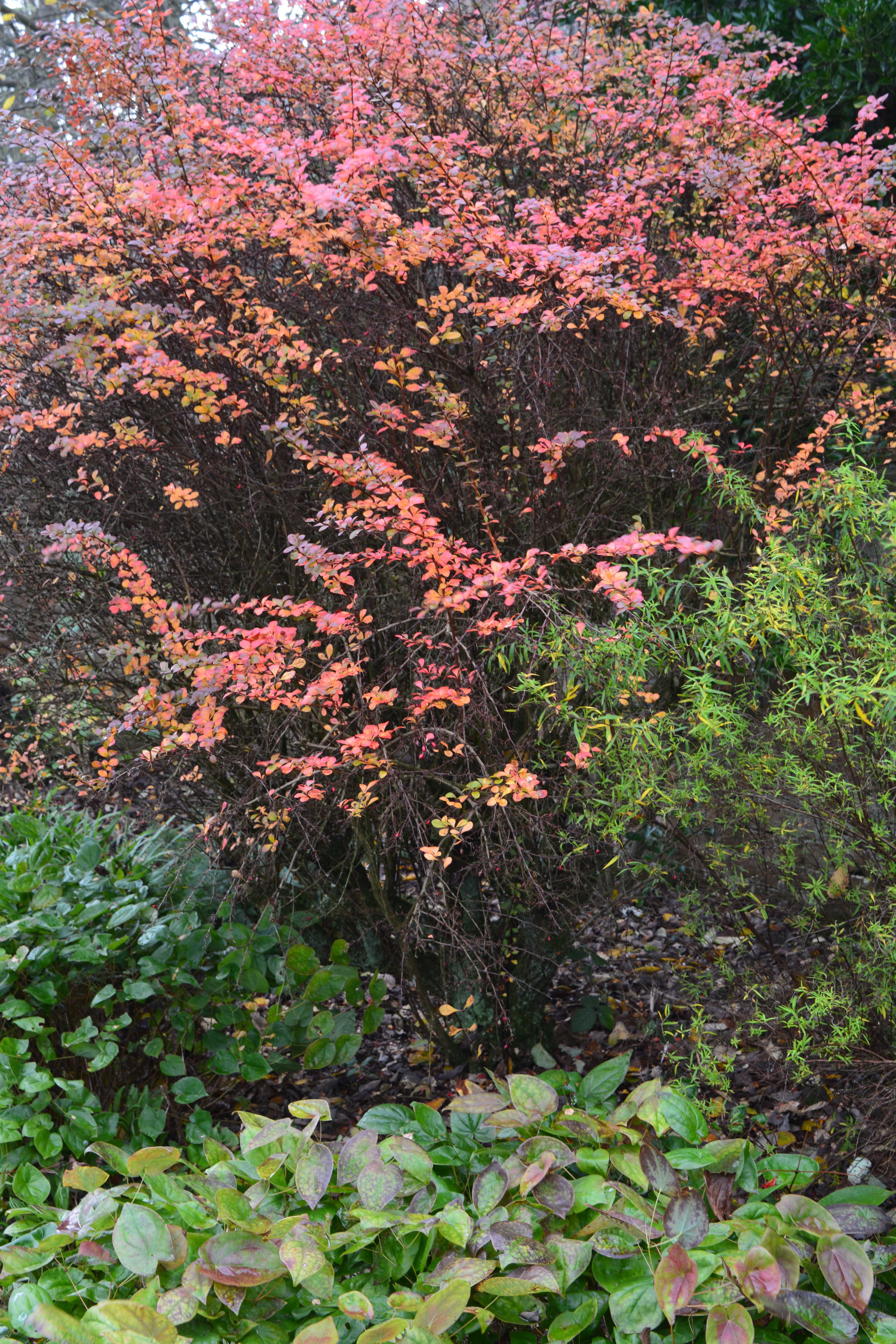
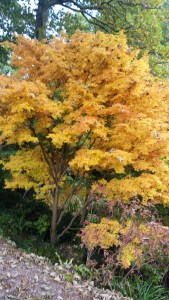
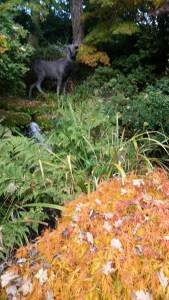
Acers of course  feature strongly as it is in this season that their foliage changes by the day, and we can begin to appreciate some of the interesting colours of the bark.
dcoc-15-1 dcoc-13-1 dcoc-11-1 dcoc-12-1

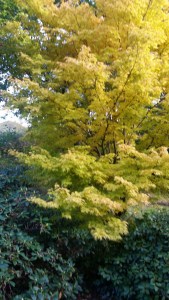
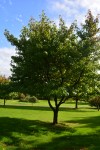
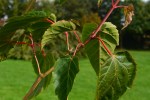
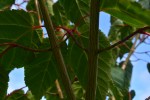
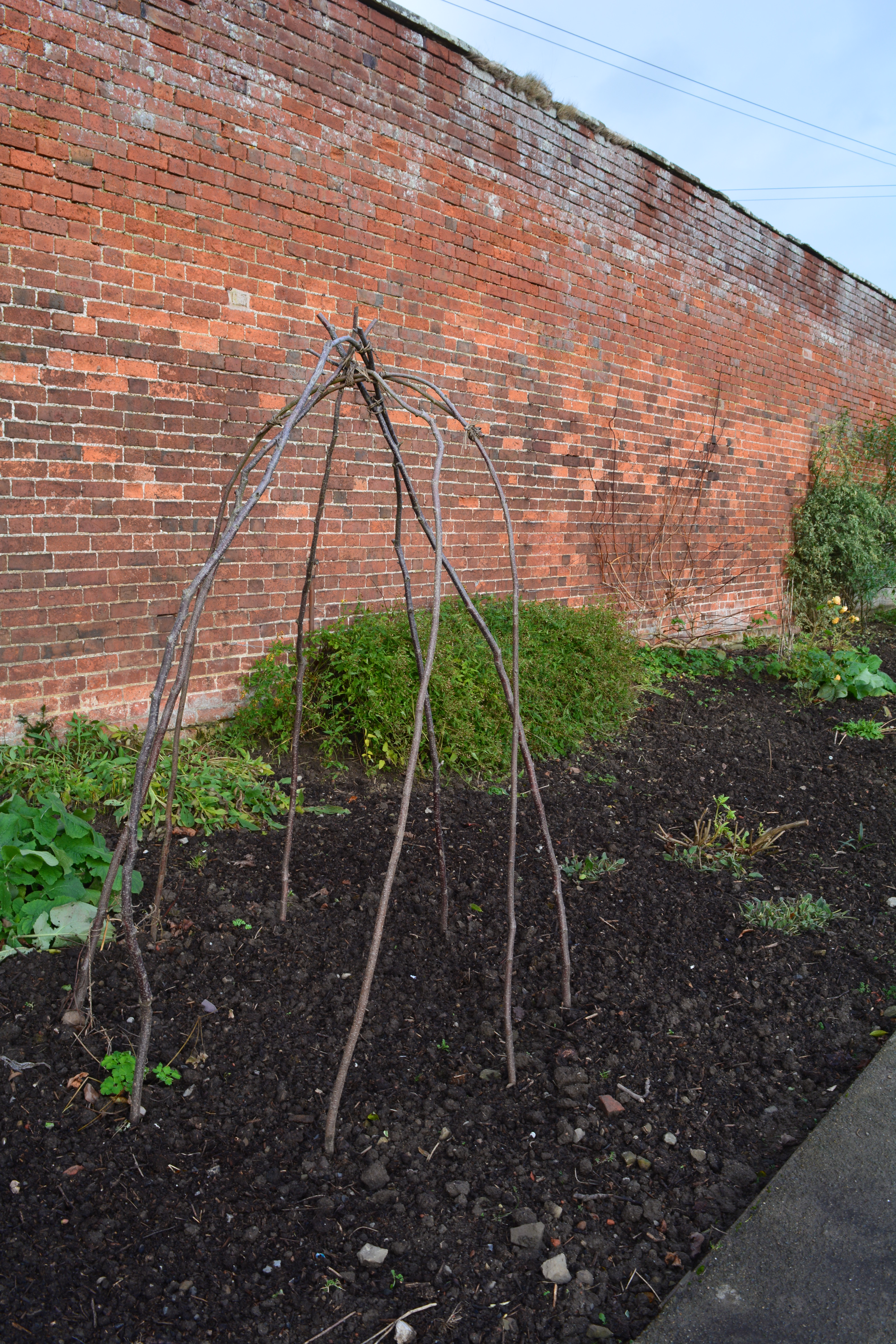
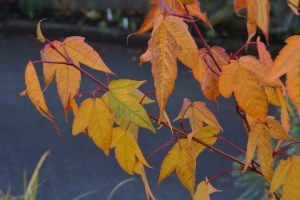
It felt good to discover something totally new at the garden after visiting all year. We noticed that the gardeners and volunteers had been hard at work crafting this rustic fence from old rhododendron trunks with all their curls and bends. It is also exciting to come across a plant that we do not recognise at all so have to seek out a label and if we get lucky we can then follow up with research. This Lindera obtusiloba first attracted us to it because of its startlingly bright yellow leaves but on closer study we were struck by the unusual shape of its leaves.

dcoc-14-1 dcoc-25-1 dcoc-24-1

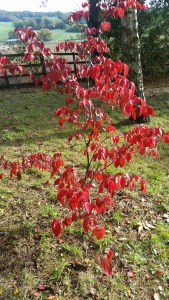
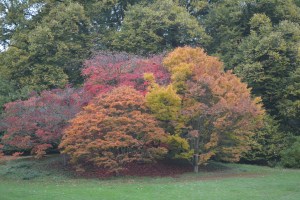
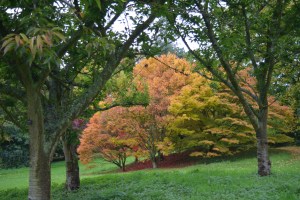
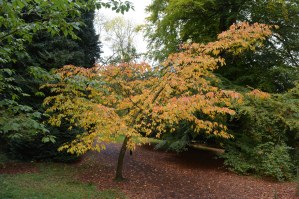
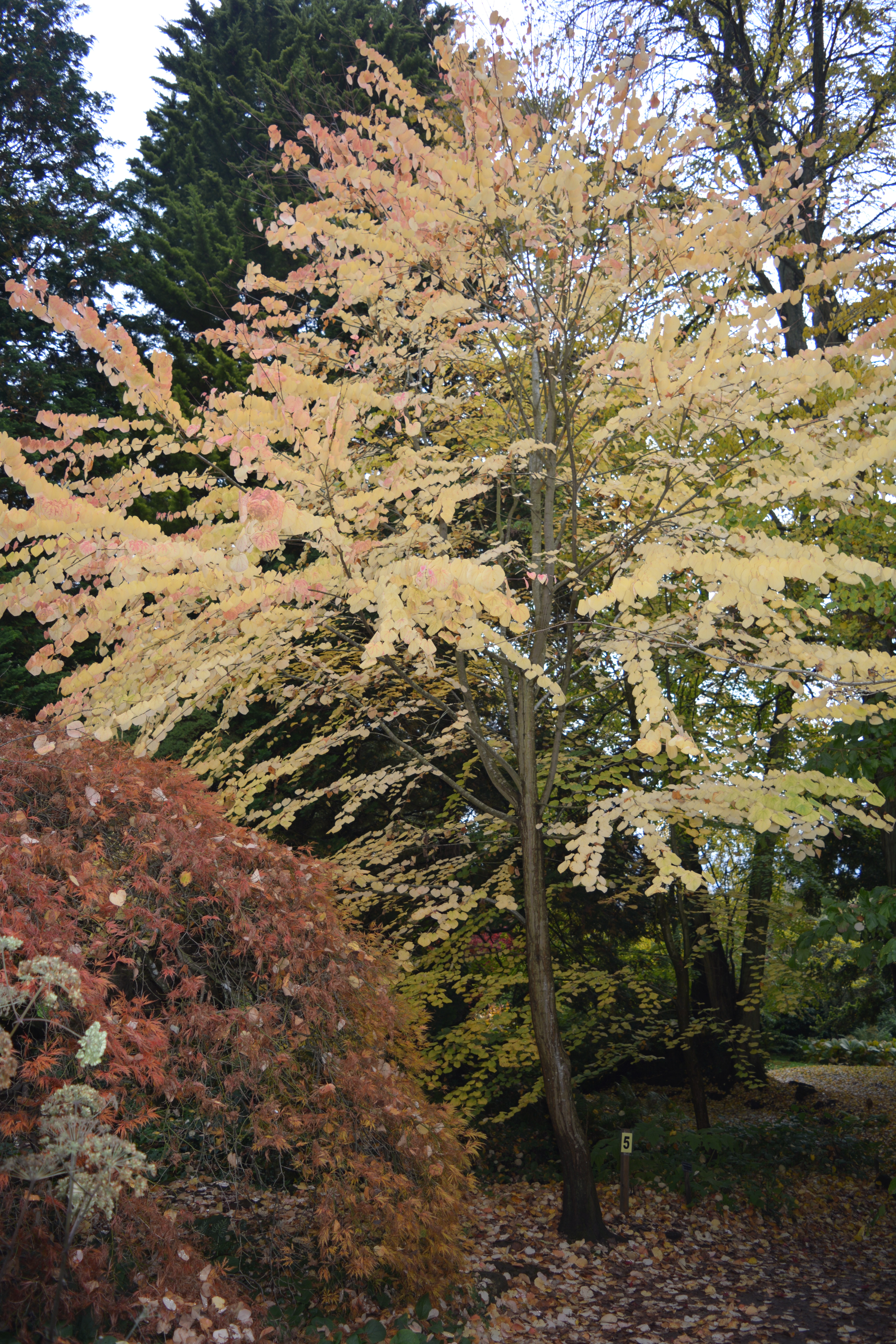
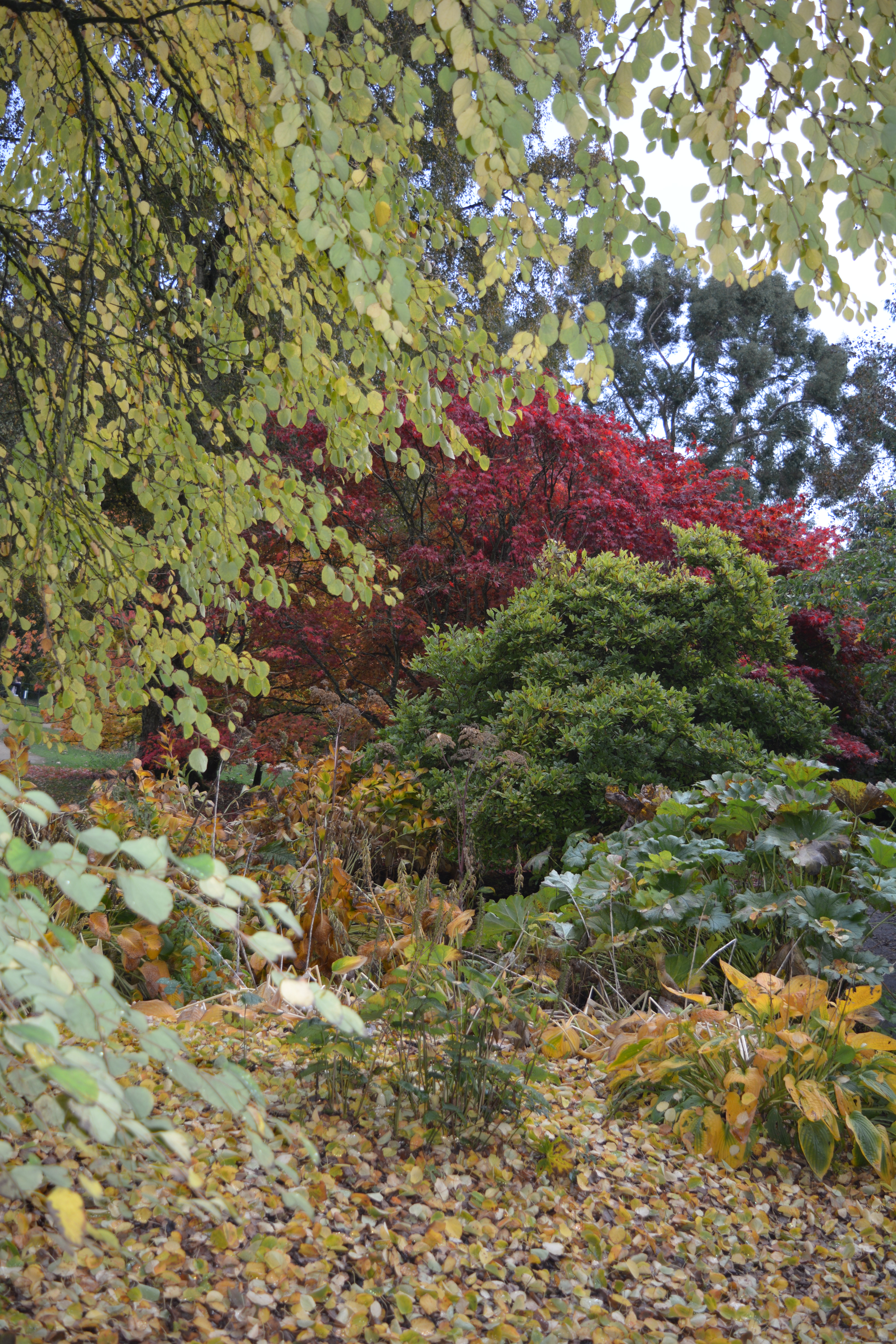
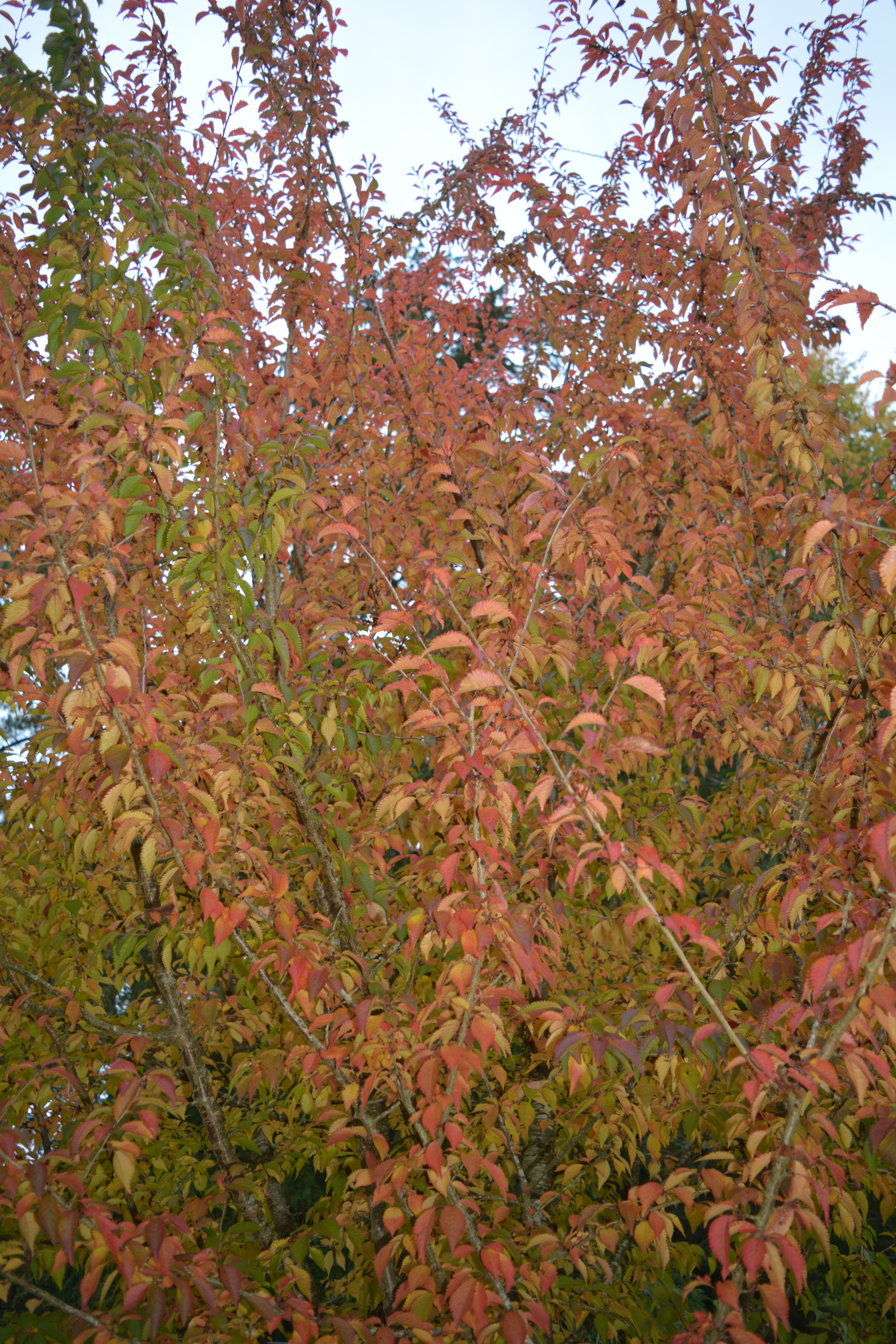
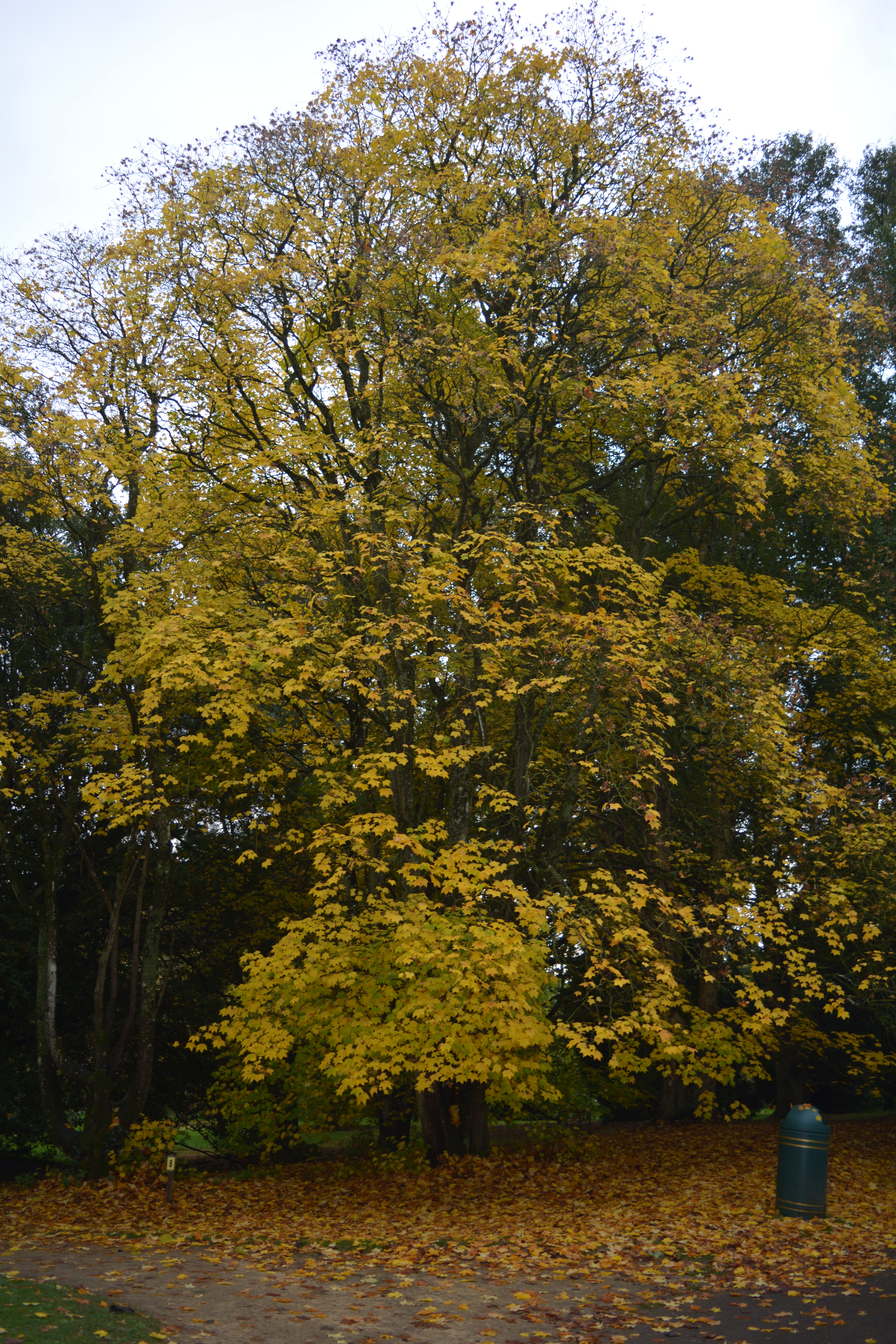
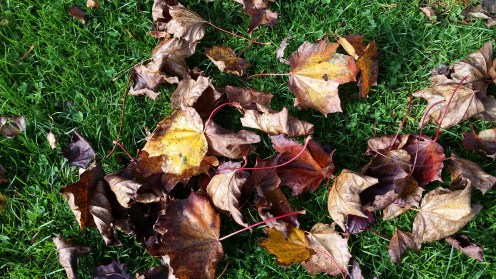
Autumn is the season that belongs to trees as it becomes their turn to turn up the colours and get out their paint pallettes.

dcoc-23-1 dcoc-27-1 dcoc-28-1dcoc-30-1 dcoc-32-1 dcoc-80

That is it for our October visit so just 2 more monthly reports of our regular wanderings around the Dorothy Clive Gardens. November will see autumn ending and giving way to winter.
dcoc-65

Categories
arboreta autumn autumn colours colours flowering bulbs garden design garden photography gardening gardens gardens open to the public half-hardy perennials hardy perennials National Garden Scheme NGS ornamental trees and shrubs Shropshire shrubs trees Yellow Book Gardens

The Dorothy Clive Garden in September

Back again ready to enjoy another visit to the Dorothy Clive Gardens and see what has been happening since our August visit. We expected early signs of Autumn and hoped for some colourful displays of Dahlias and Salvias. We decided to take a walk around the young mini-arboretum area this month instead of following the winding paths of the Dingle which has less interest at this time of the year.

Dcoc-29 Dcoc-01

As we wandered over to the coffee shop we admired the views over the lower garden and the light which lit up the Pampus Grass behind the Viburnum caught my eye. This was a sign that we could be looking forward to interesting light for garden photography. fingers crossed!

Dcoc-02 Dcoc-36

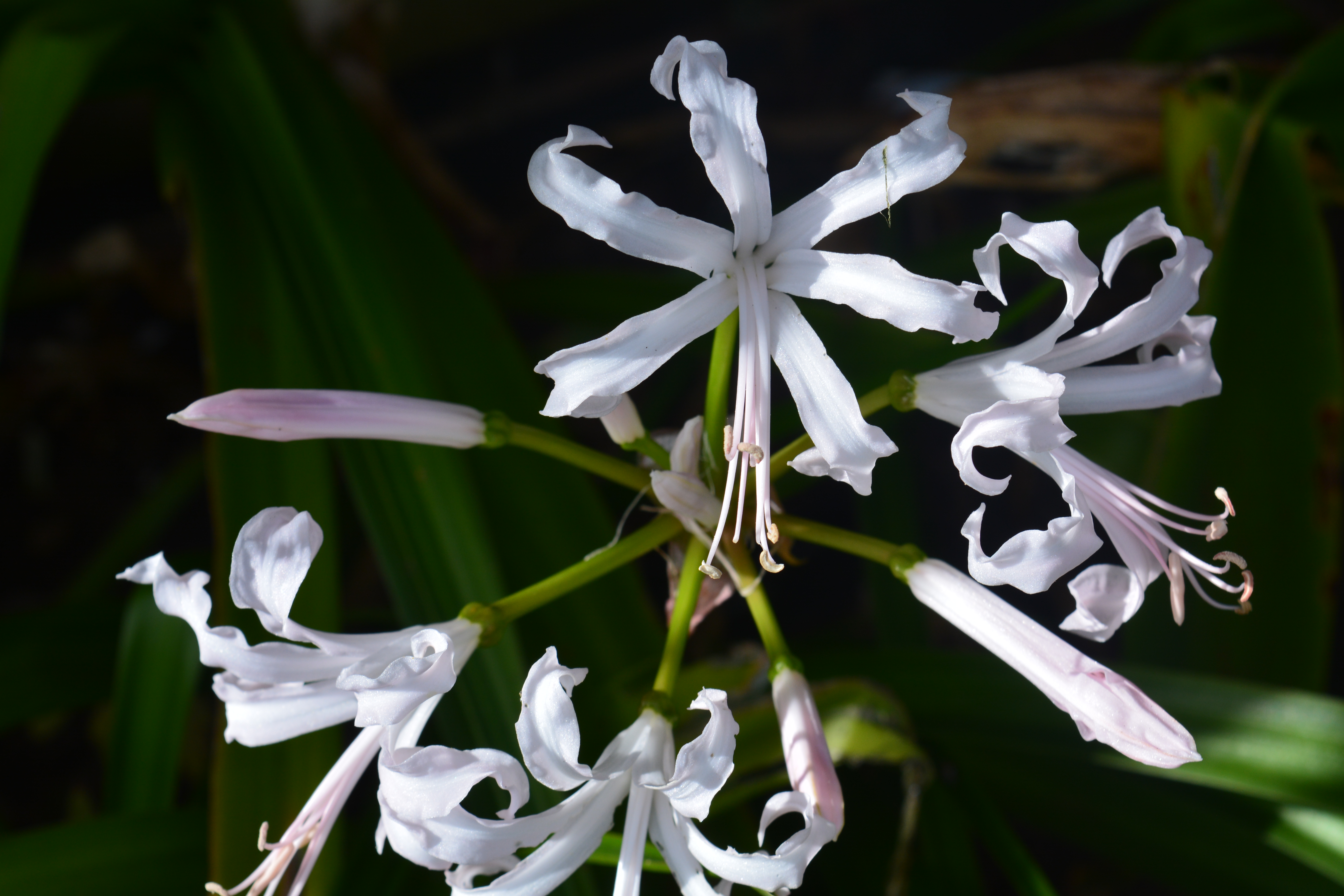
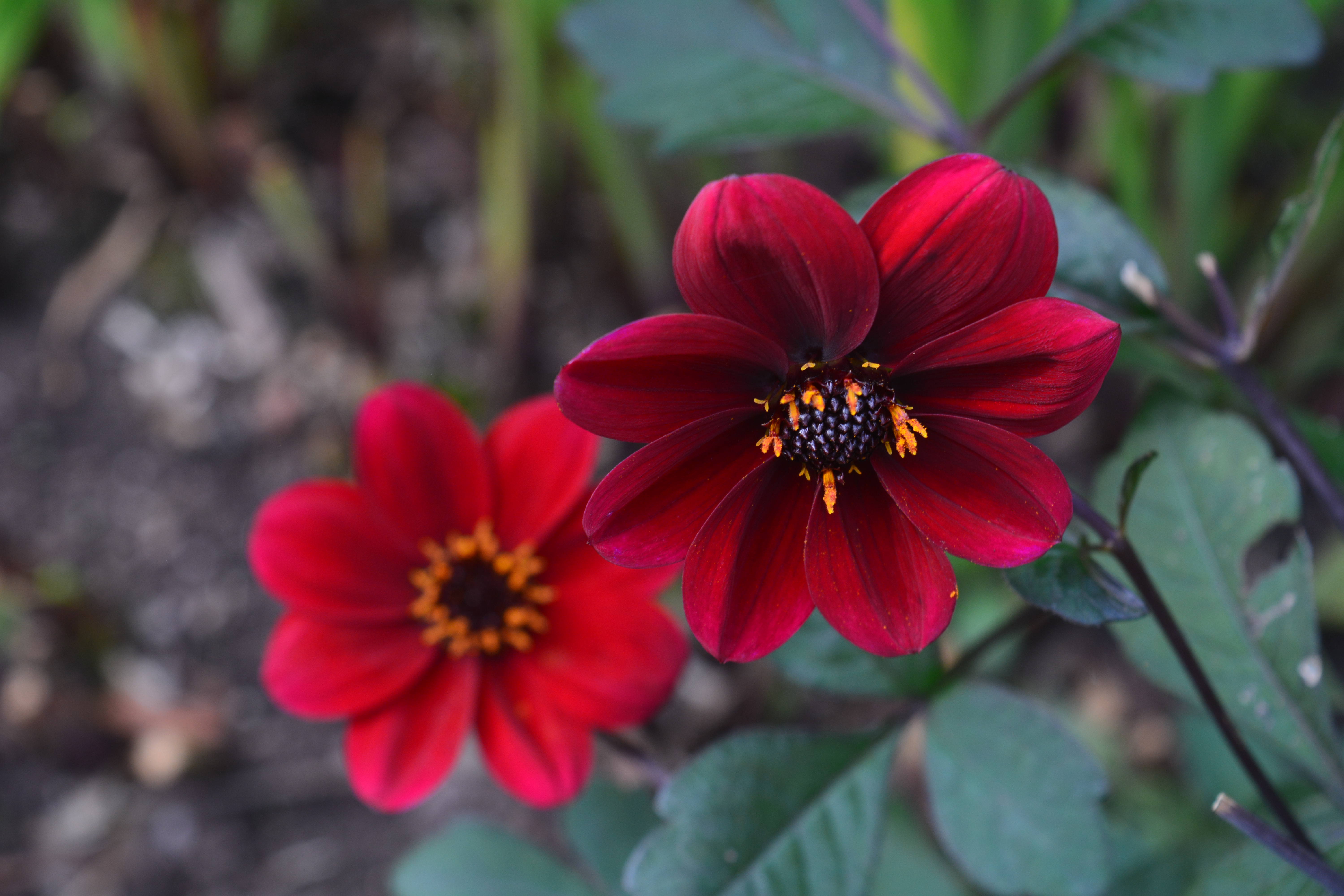
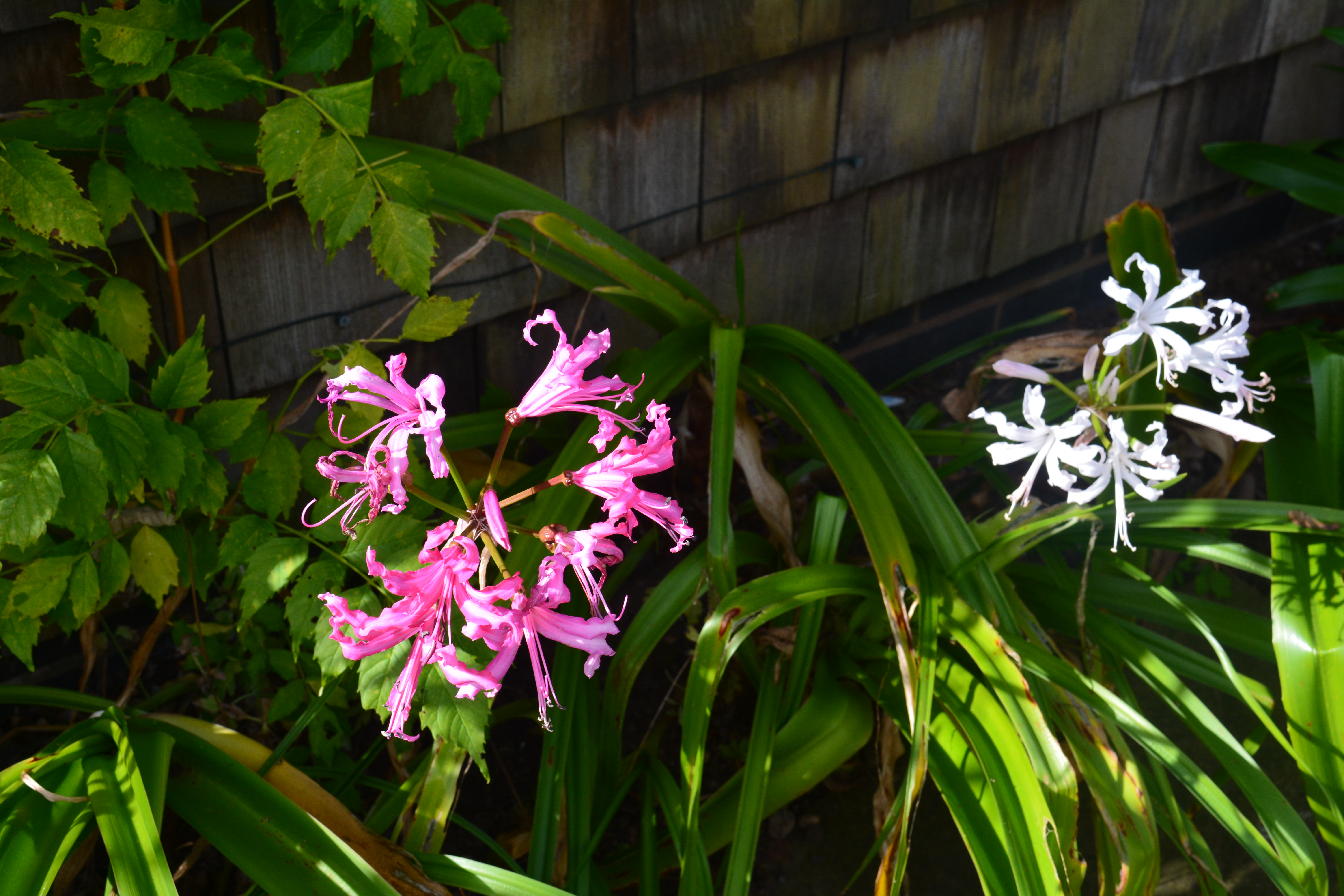
The border alongside the entrance to the coffee shop was at its most colourful so far this year, with Dahlias, Salvias, Nerine and Hesperantha sharing their colours.

Dcoc-52 Dcoc-10 Dcoc-09 Dcoc-08 Dcoc-07 Dcoc-11 Dcoc-12 Dcoc-06

These brightly coloured plants set the scene for much of our September visit.

Dcoc-42 Dcoc-58 Dcoc-50 Dcoc-27

I thought that a gallery of brightly cheerful flowering plants would be a good way of sharing the warm feeling prevailing over the Dorothy Clive Garden this September visit.

Please click on first pic and then navigate using arrows and of course enjoy!

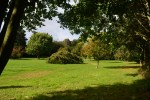
I promised to share our enjoyment of wandering around the soft grass paths that led us around the little arboretum and closely studying the young trees. One surprise was the total lack of autumnal tints to the foliage.

dca-01 dca-28 dca-02 dca-03 

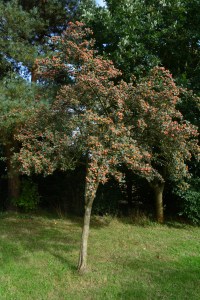
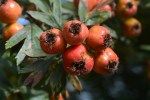
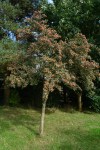
We were particularly taken by this unusual, in fact unknown to us, Hawthorn, Crataegus laciniata. We are now considering adding one to our garden.

The foliage presented a metallic appearance, almost pewter and the haws ranged from yellows through orange and to a dull brown – a most subtle but attractive combination.

dca-12 dca-13dca-14

I feel that another gallery is the best way to share our amble through the arboretum.


Our next visit to these lovely gardens will be for our October report so we should be getting into signs if autumn by then.

Categories
colours fruit and veg garden design garden photography gardening gardens hardy perennials herbs meadows National Garden Scheme ornamental trees and shrubs roses Wales Yellow Book Gardens

Another friend’s garden – Holly Cottage

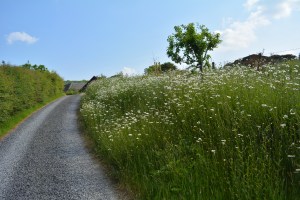
We love visiting small gardens listed in the National Garden Scheme’s famous Yellow book but even more enjoyable is visiting the NGS gardens of friends. So as we drove along miles of narrow lanes winding their way in and out of the counties of  Shropshire, Powys and Montgomeryshire we couldn’t wait to arrive at Holly Cottage, the home of Allison and Martin. As we approached the gateway our anticipation levels rose steeply as we spotted beautiful brightly coloured plantings running along the drive banks. The planting here varied and flowed from meadow planting to prairie style plantings and other areas of Alison’s own style. What a beautiful way to welcome visitors with a garden that embraces you so warmly.

Alison met us at the end of the drive and took us up to her home and garden. We had to wait a bit longer to explore the drive side plantings.

alisonsgarden-57 alisonsgarden-36

This is also a garden with wide spreading beautiful views affording vistas of farmland leading to distant hills.

alisonsgarden-38

Allison and Martin have built the garden to wrap around the house. The design is such that the garden surrounds the house and feels and looks as if it hugs the house. There is a beautiful link and bond between home and garden. Martin has built borders, walls and terraces in which Alison gardens with flair. A great team!

alisonsgarden-02 alisonsgarden-24

Wildlife is welcomed into the garden.

alisonsgarden-01 alisonsgarden-14

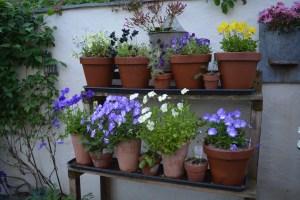
We started our tour of the garden in the courtyard behind the house where Allison is developing a collection of delicate Violas. Placed on shelving on a wall means that you can look these little beauties in the face and be engulfed by their scents. Such a clever idea!

alisonsgarden-27 alisonsgarden-24

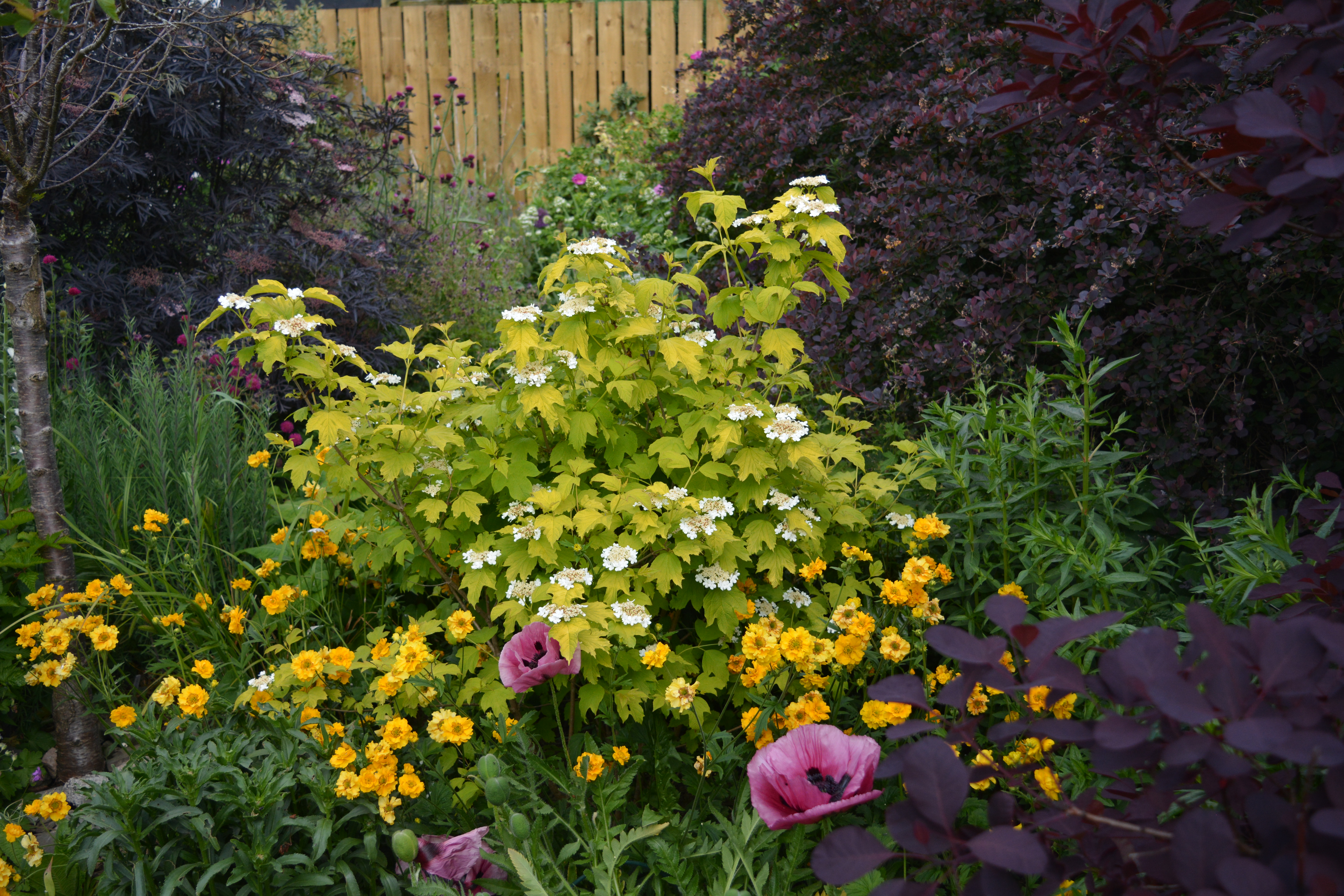
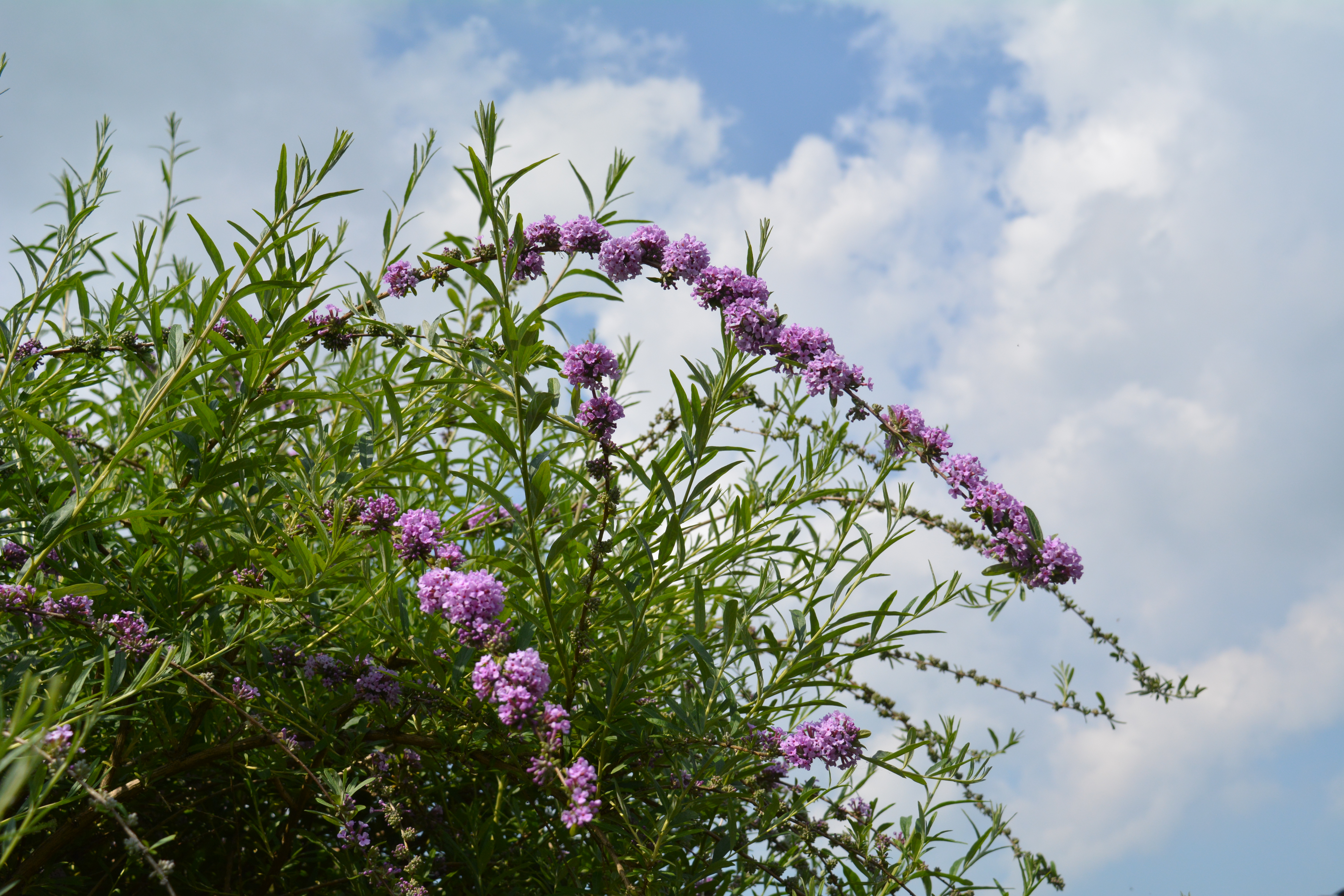
Moving around the side of the house we turned a corner to be greeted by more scent, but this time the scent came to us from shrubs, Philadelphia, Buddlejas, Rosa and more. There was also a richness of colour and texture. We wandered the narrow paths to study every beautiful plant and appreciate the way each plant worked with its neighbours.

alisonsgarden-04 alisonsgarden-05 alisonsgarden-06 alisonsgarden-07 alisonsgarden-09 alisonsgarden-10alisonsgarden-11 alisonsgarden-16

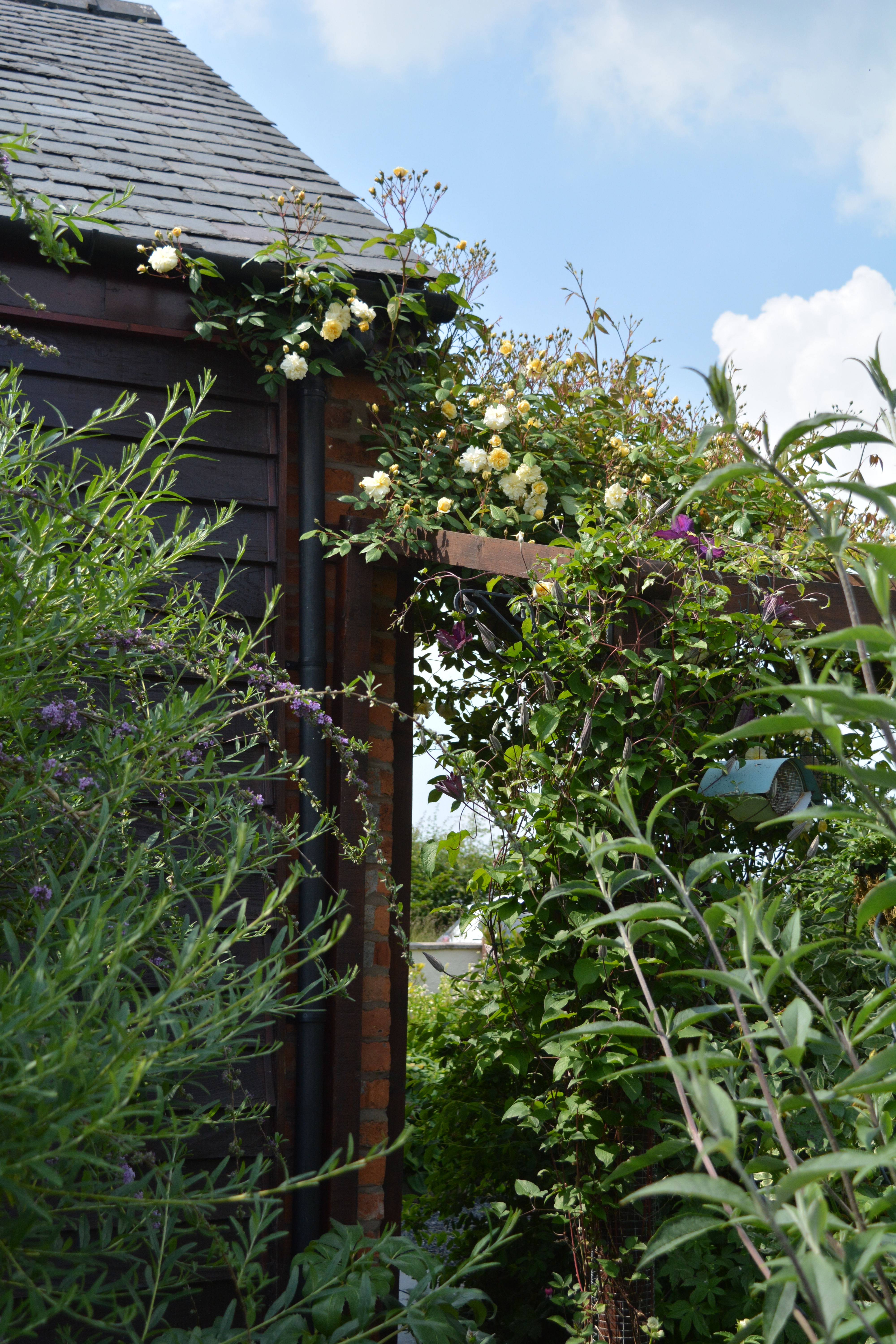
Through an archway beneath scented roses we moved into the little front garden enticed by the gentle bubbling sound of water.

alisonsgarden-12 alisonsgarden-13  alisonsgarden-15alisonsgarden-17 alisonsgarden-18 alisonsgarden-19 alisonsgarden-20

Exploring further steps took us around a series of raised beds holding herbs, cut flowers and nursery beds. Scent was evident here too, the warm relaxing scents of herbs. Soft coloured flowers burst from glaucous blues and grey of herb foliage. Temptation made us rub leaves between our fingers to savour the aromas and flavours.

alisonsgarden-21 alisonsgarden-22 alisonsgarden-23  alisonsgarden-25

After a break for a chat enriched with tea and cakes, we excitedly wandered off towards the amazing borders clothing the two sides of the long drive.

alisonsgarden-26 alisonsgarden-35

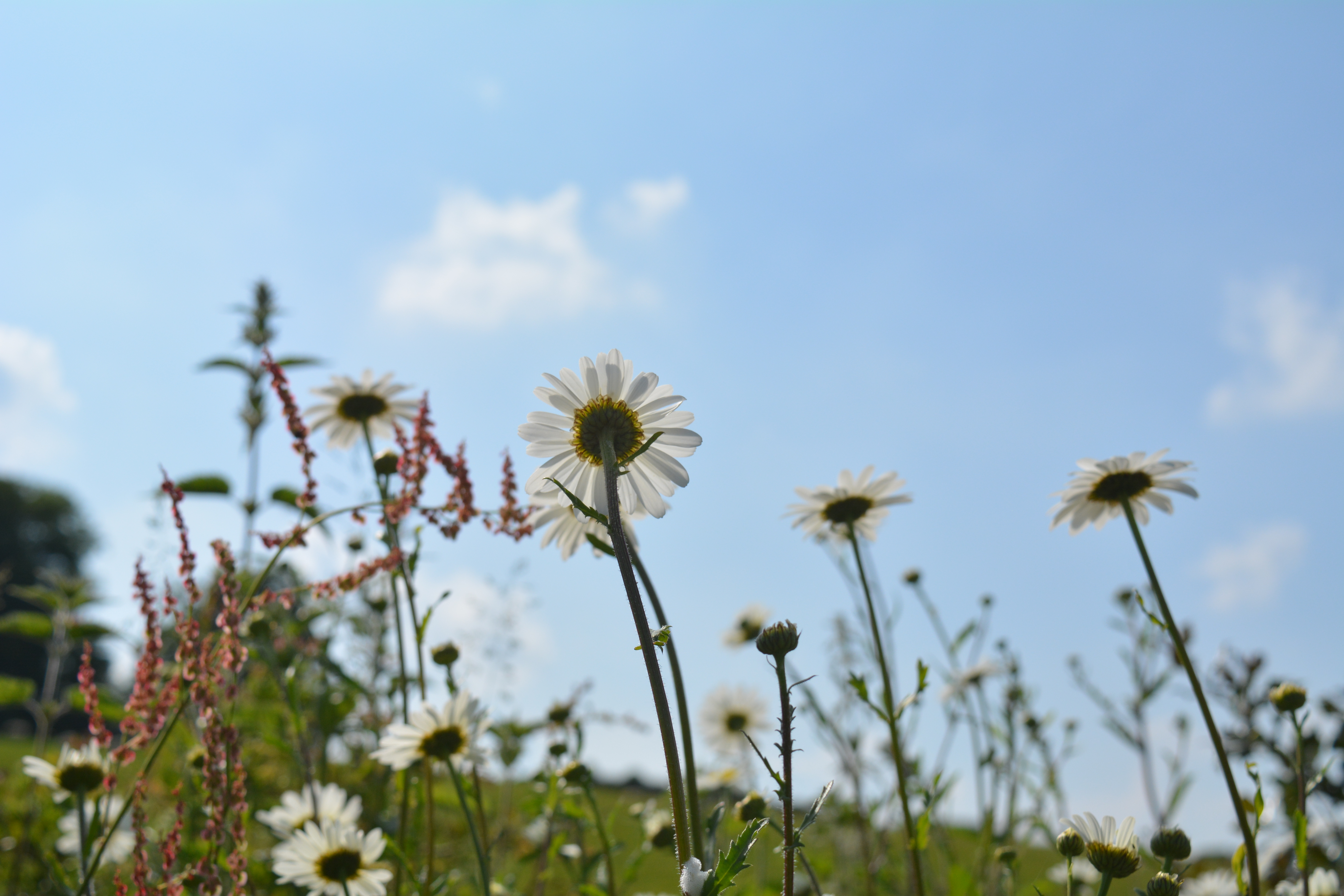
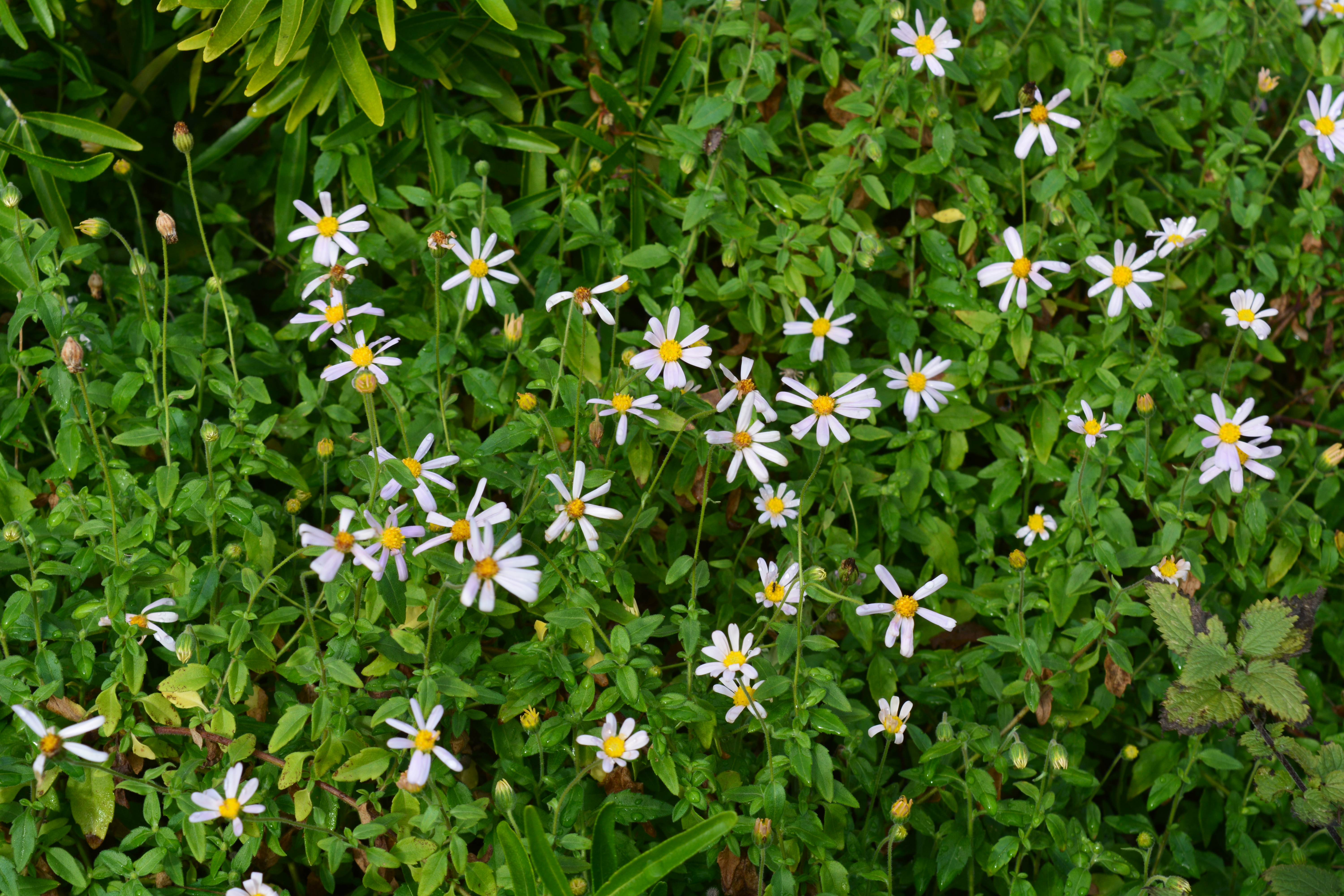
The simple and very common Moon Daisy is as beautiful as any rare tropical plant. Against a blue sky viewed from low down they present ethereal shapes, colours and patterns.

alisonsgarden-28 alisonsgarden-29 alisonsgarden-30 alisonsgarden-33alisonsgarden-32 alisonsgarden-34

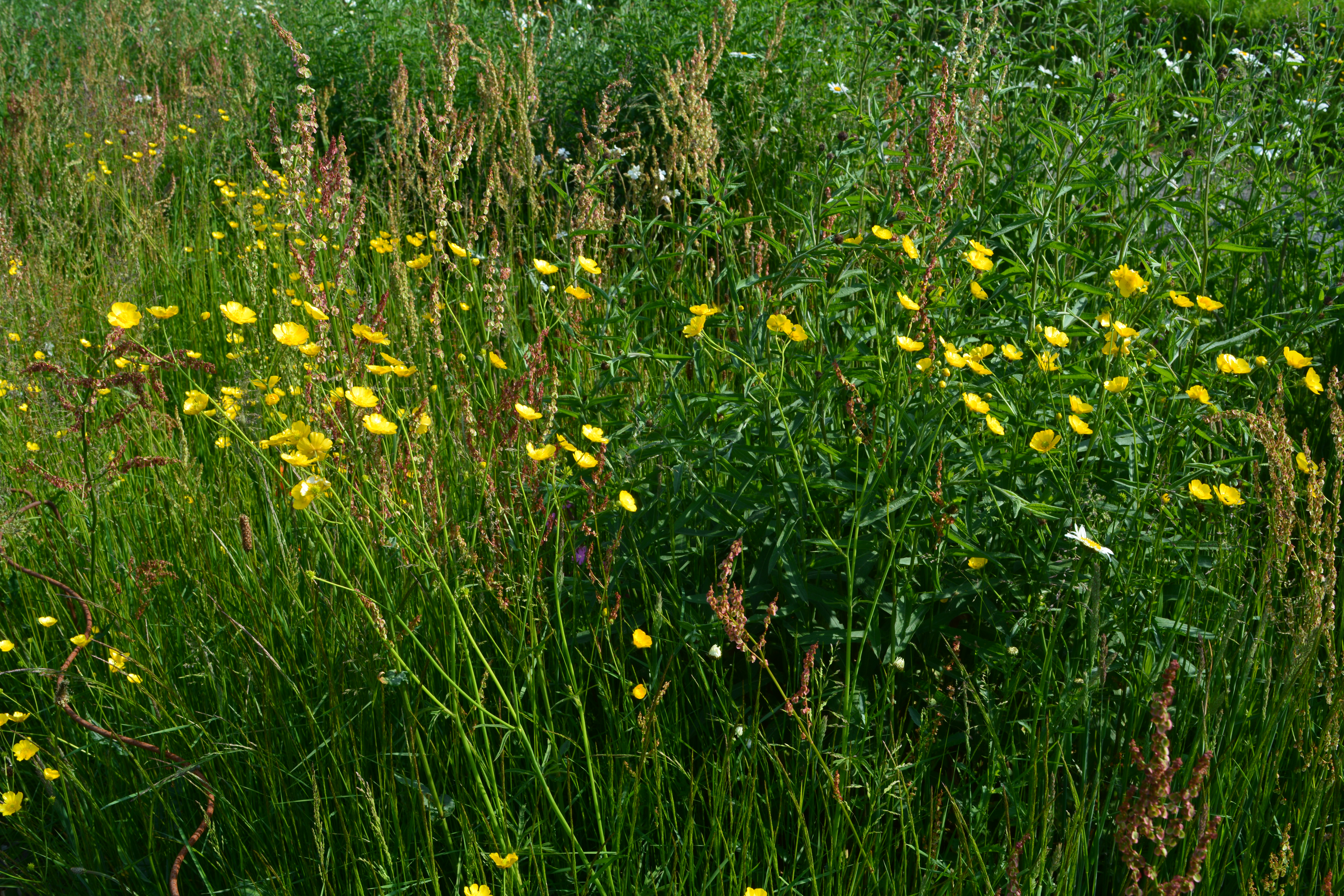
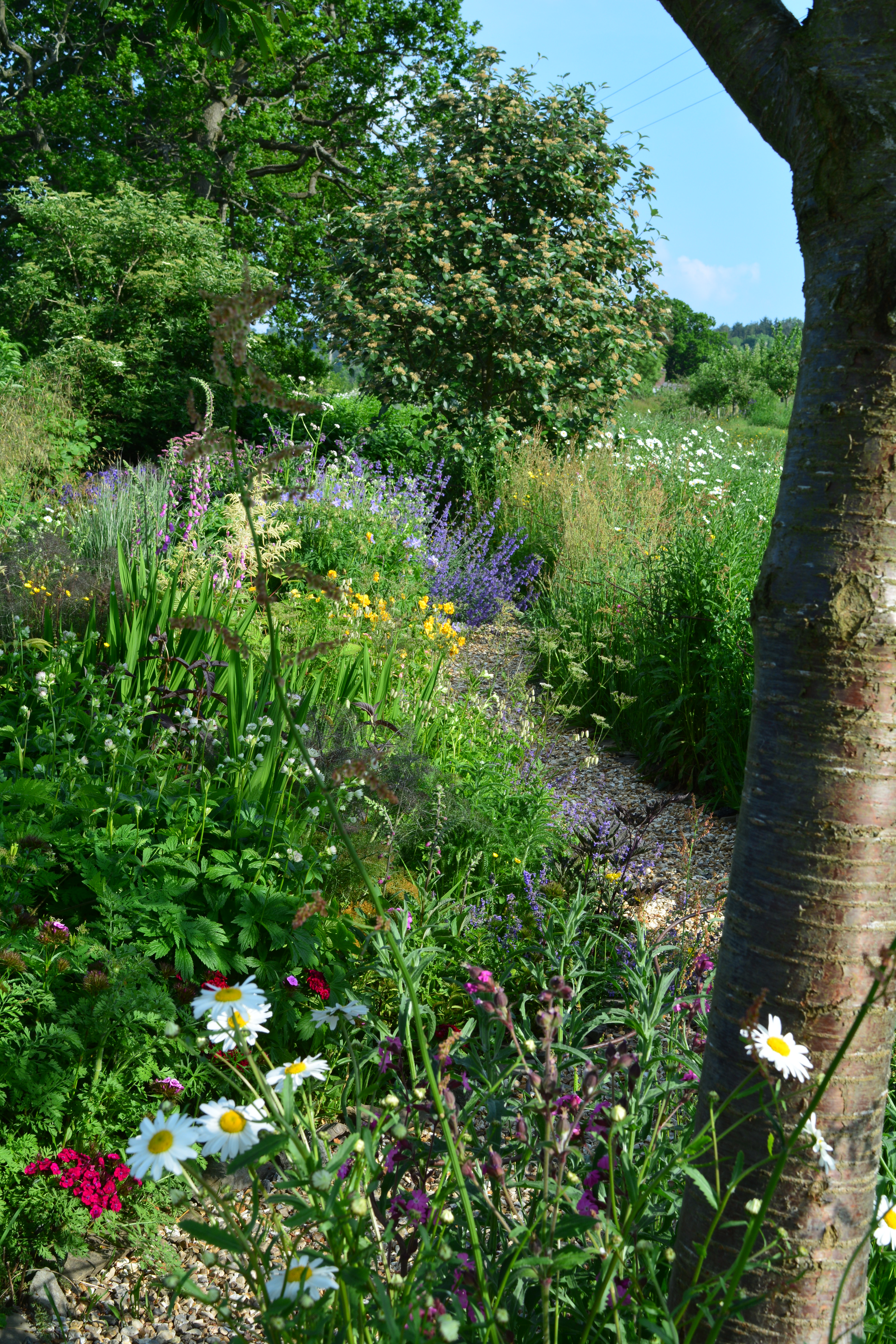
To one side tall trees grew skyward from a native hedge and gravel paths invited us to discover the borders of meadowy prairie planting.

alisonsgarden-39 alisonsgarden-44alisonsgarden-50 alisonsgarden-53 alisonsgarden-40 alisonsgarden-41

alisonsgarden-43  alisonsgarden-46 alisonsgarden-45 alisonsgarden-47 alisonsgarden-48 alisonsgarden-37alisonsgarden-49  alisonsgarden-51 alisonsgarden-52  alisonsgarden-54 alisonsgarden-55 alisonsgarden-56  alisonsgarden-58

What a beautiful afternoon we enjoyed in Allison and Martin’s garden. We came home with gifts of plants grown from seed by Alison in the greenhouse designed and made by Martin.

The garden at Holly Cottage

Categories
climbing plants garden photography gardening ornamental trees and shrubs shrubs

The many faces of Honeysuckle

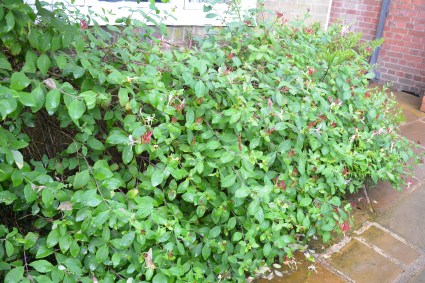
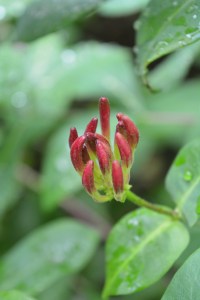
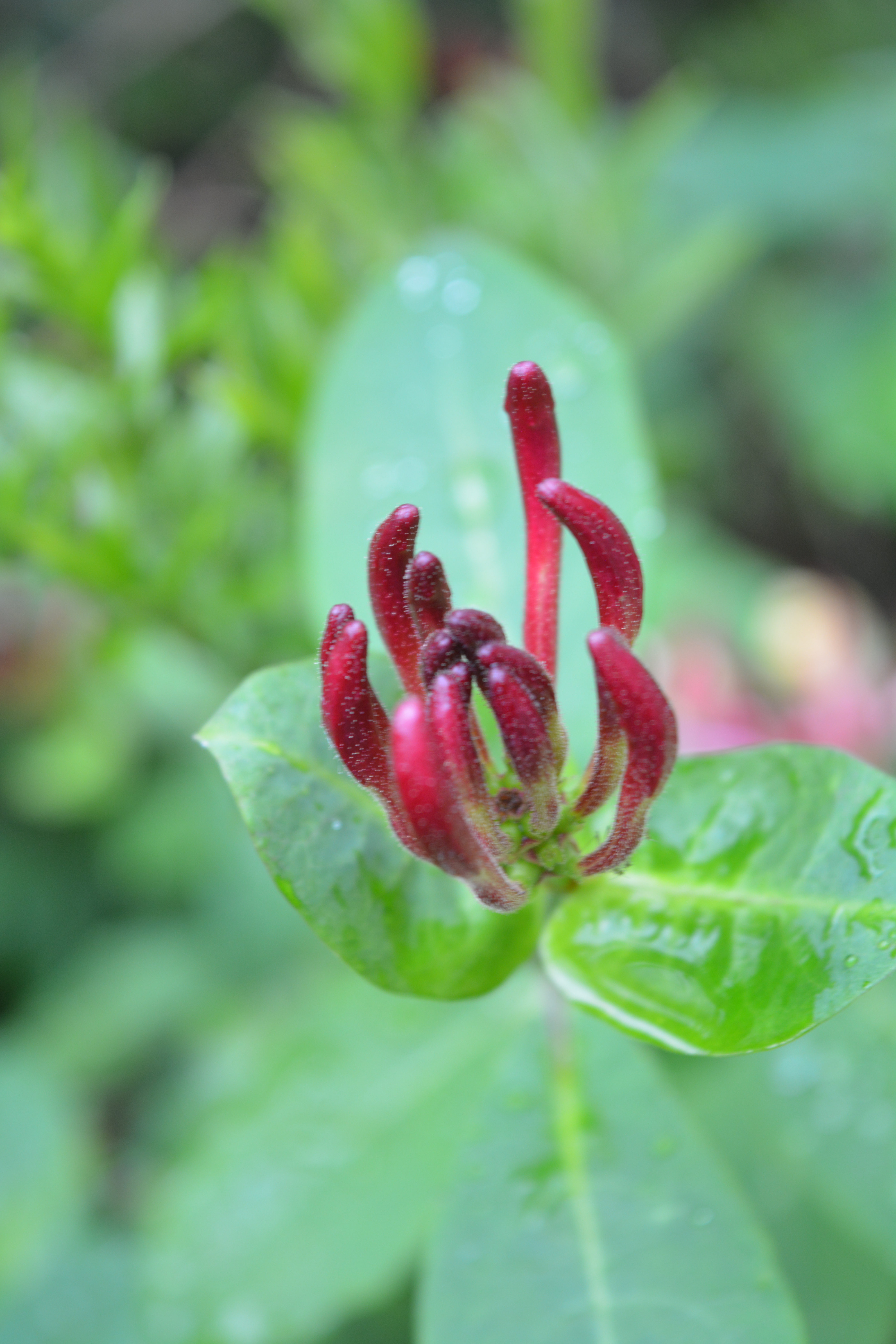
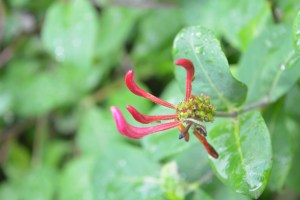
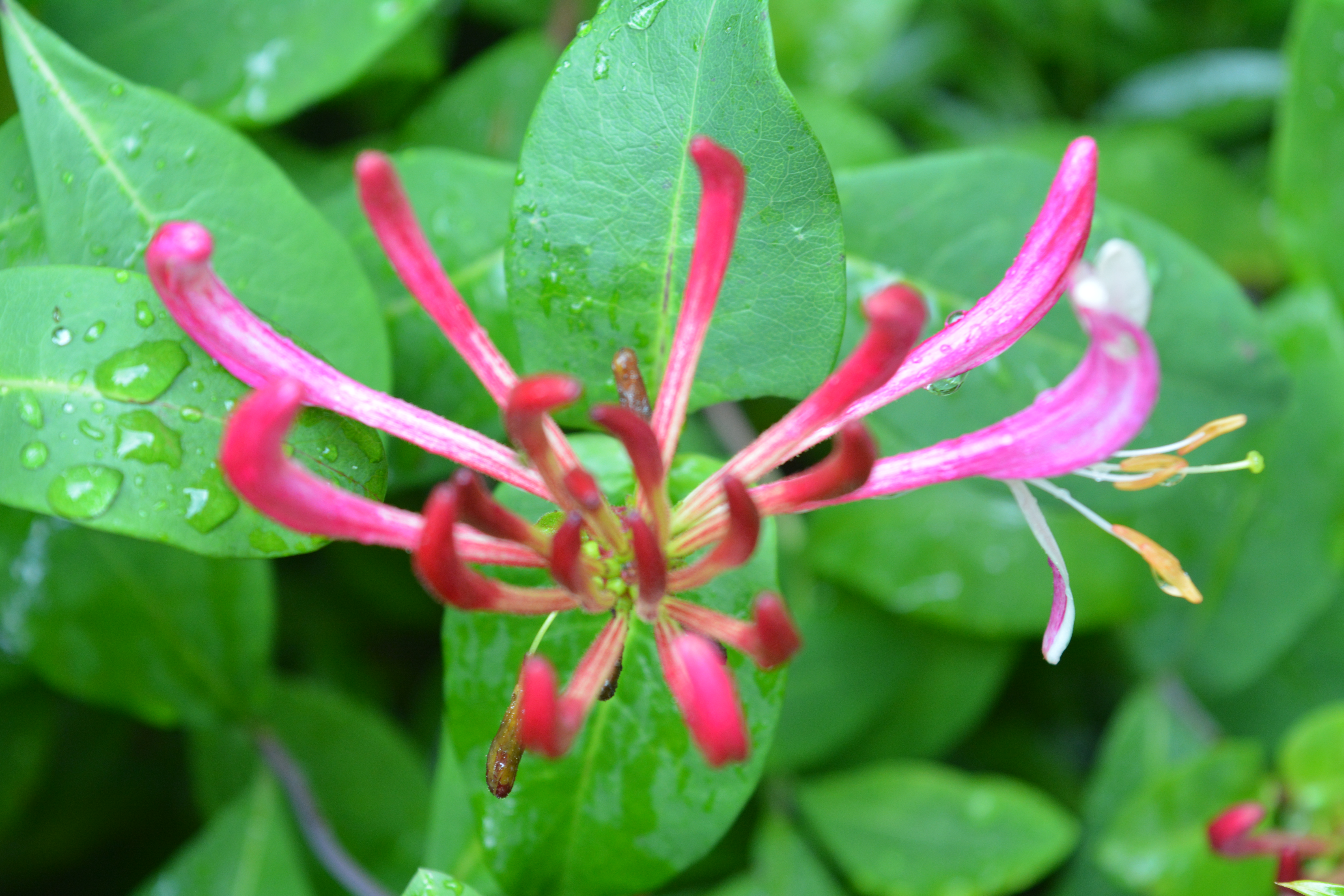
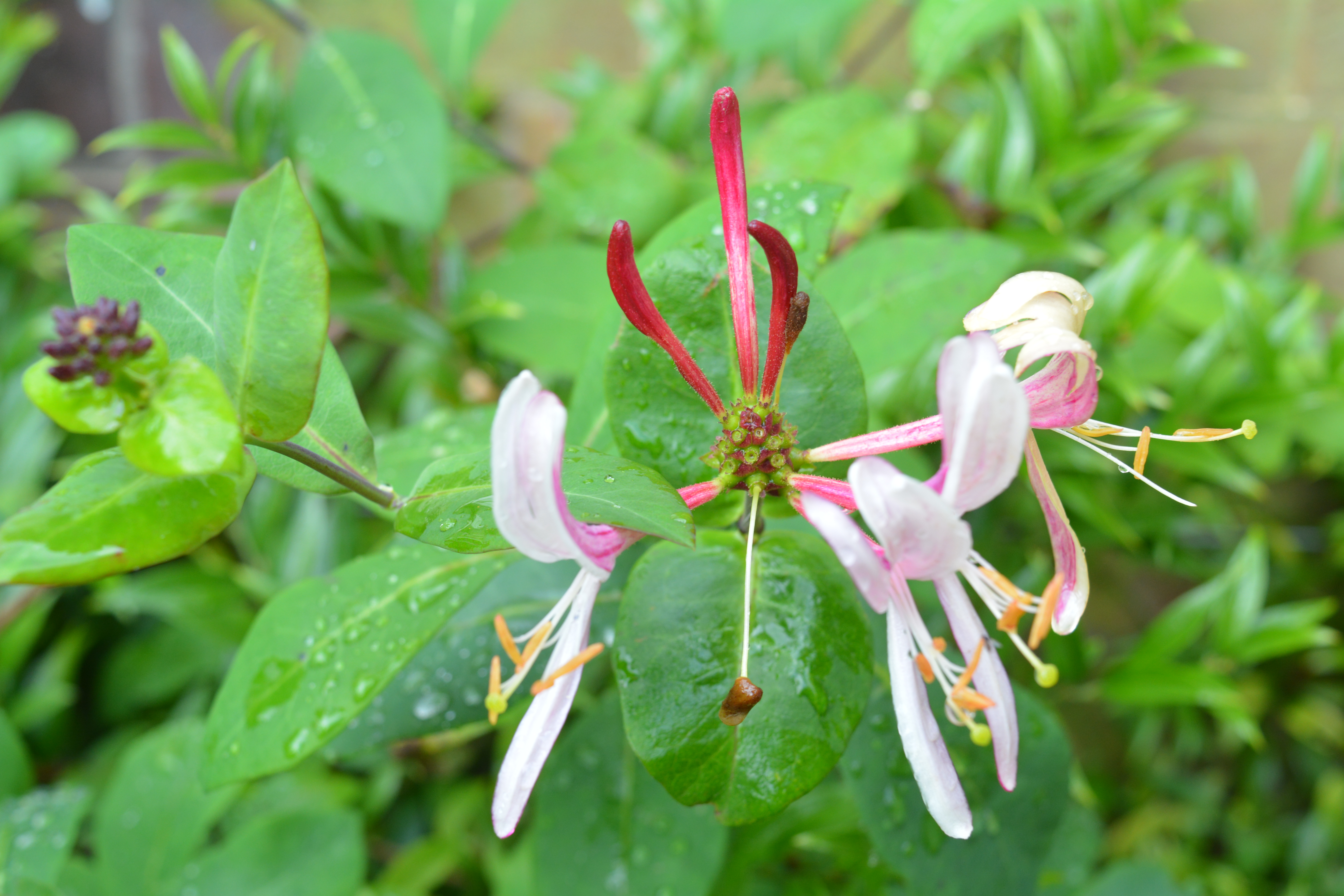
We found a shrub of a beautifully flowered Honeysuckle, Lonicera, while visiting a city garden recently and noticed it had buds at every stage of flowering from early bud to fully open flowers. I hope you enjoy these shots I took.

honeysuckle-8

honeysuckle-5 honeysuckle-1honeysuckle-4 honeysuckle-6honeysuckle-2 honeysuckle-3 honeysuckle-7

Categories
birds colours flowering bulbs garden design garden photography garden wildlife gardening gardens hardy perennials light light quality ornamental trees and shrubs Shropshire shrubs spring bulbs spring gardening trees

My Garden Journal 2016 – April

Here we are with my April look at my garden journal. I began as I often do with a look at the weather that was affecting our garden.

“April is known for its showery weather and we hope it is the first frost-free weeks of the year. This will allow us to begin hardening off our delicate plants that have hidden away in our greenhouse and summerhouse. Looking back at my first garden journal I notice that in early April birds were then showing signs of nest building. I wrote …Spring is here! Sometimes at least. Birds are collecting nesting materials, blackbirds, greenfinches and all the Titmice family.” This year birds are singing and calling well but we have seen no signs of nest building activities. The Titmice have given up their earlier explorations of our many birdboxes. We hope Spring will catch up and get wildlife stirring again.”

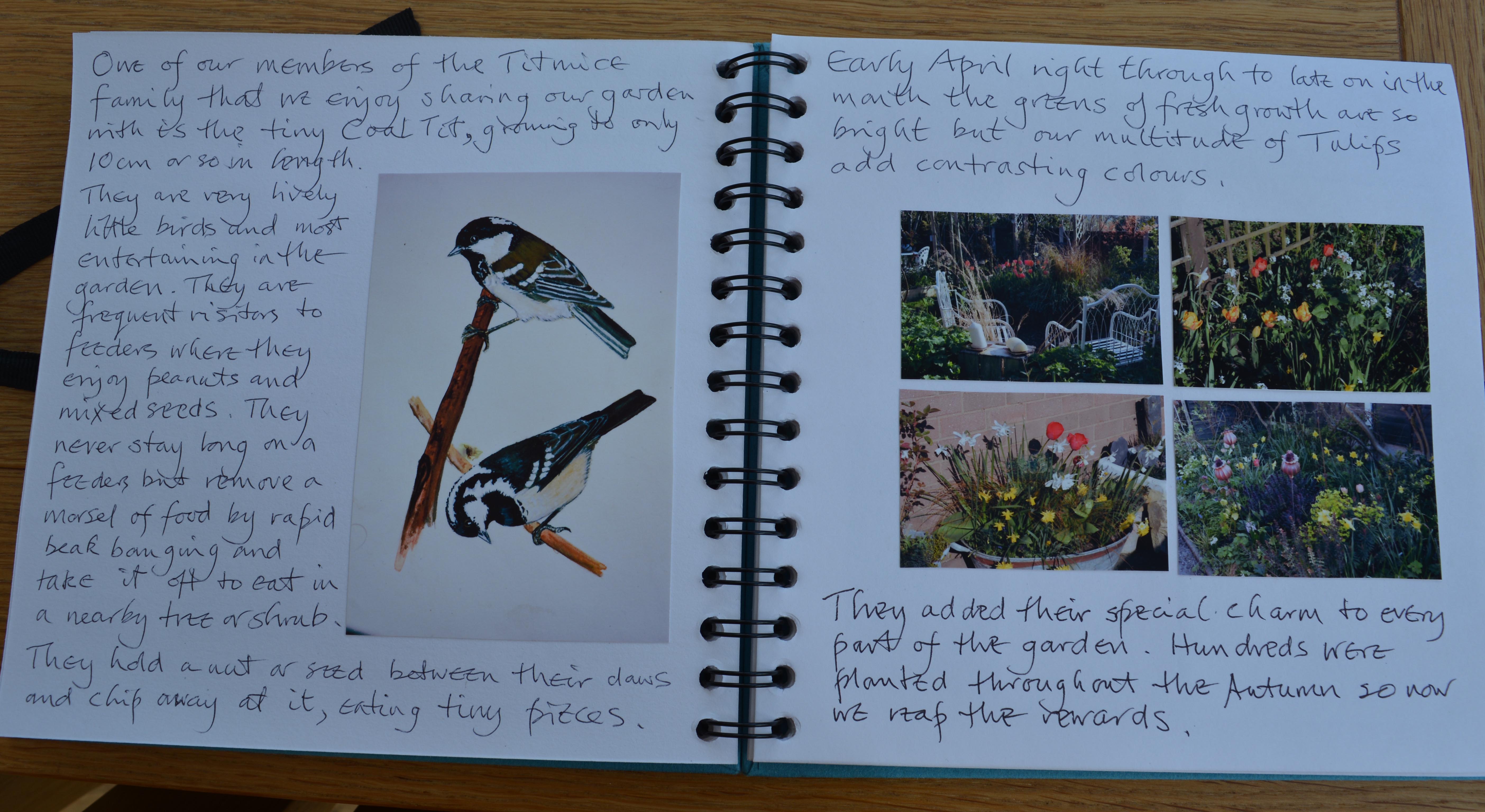
Over the page I continue by looking at one member of the Titmice family, the Coal Tit, and I included one of my gouache paintings of these active little birds.

apr-2

“One of our members of the Titmice family that we enjoy sharing our garden  with is the tiny Coal Tit, growing to only 10cm or so in length. They are very lively little birds and most entertaining in the garden. They are frequent visitors to feeders where they enjoy peanuts and mixed seeds. They never stay long on a feeder but remove a morsel of food by rapid beak banging and take it off to eat in a nearby tree or shrub. They hold a nut or seed between their claws and chip away at it, eating tiny pieces.”

coaltit-1

On the page opposite I take a look at the bright Tulips in our garden and what they add to it.

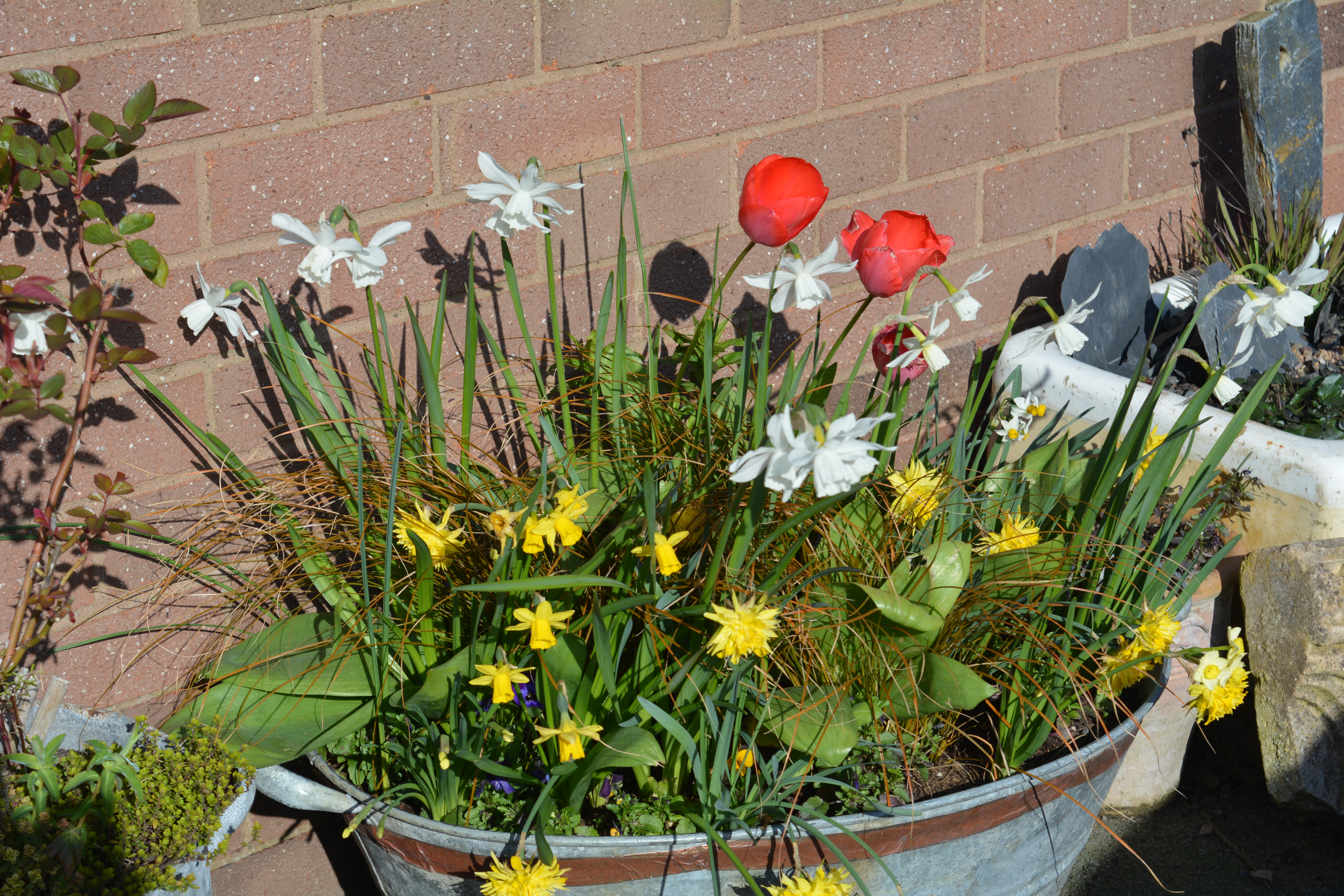
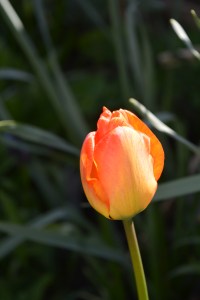
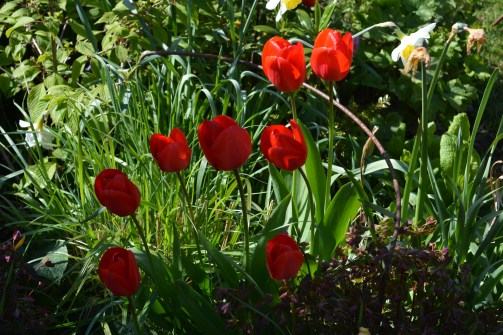
“Early April right through to late on in the month the greens of fresh growth are so bright but our multitude of Tulips add contrasting colours. They add their special charm to every part of the garden. Hundreds were planted throughout the Autumn so now we reap the rewards.”

aprilpics-22 aprilpics-17 aprilpics-29 aprilpics-30 aprilpics-14

Tulips and other bulbs continue to be featured on my next couple of pages.

apr-1

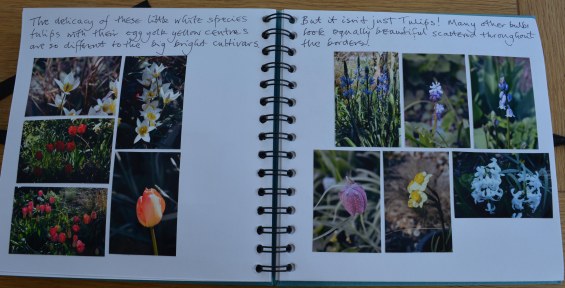
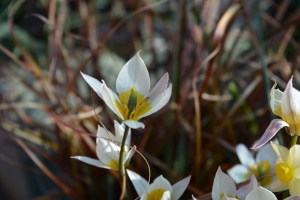
“The delicacy of these little white species Tulips with their egg yolk yellow centres are so different to the big bright cultivars.”

aprilpics-16 white tulip-1aprilpics-01 aprilpics-04aprilpics-10

“But it isn’t just Tulips! Many other bulbs look equally beautiful scattered throughout the borders.”

aprilpics-03 aprilpics-09 aprilpics-08aprilpics-15 aprilpics-27aprilpics-05 aprilpics-02

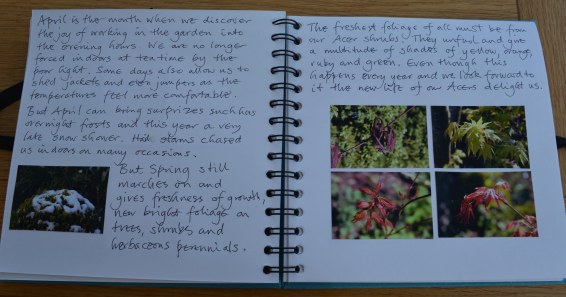
Turning the page we find a much wordier look with an odd photo to illustrate the words, followed by a look at some of our Acers.

apr-3

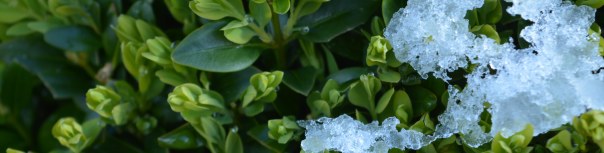
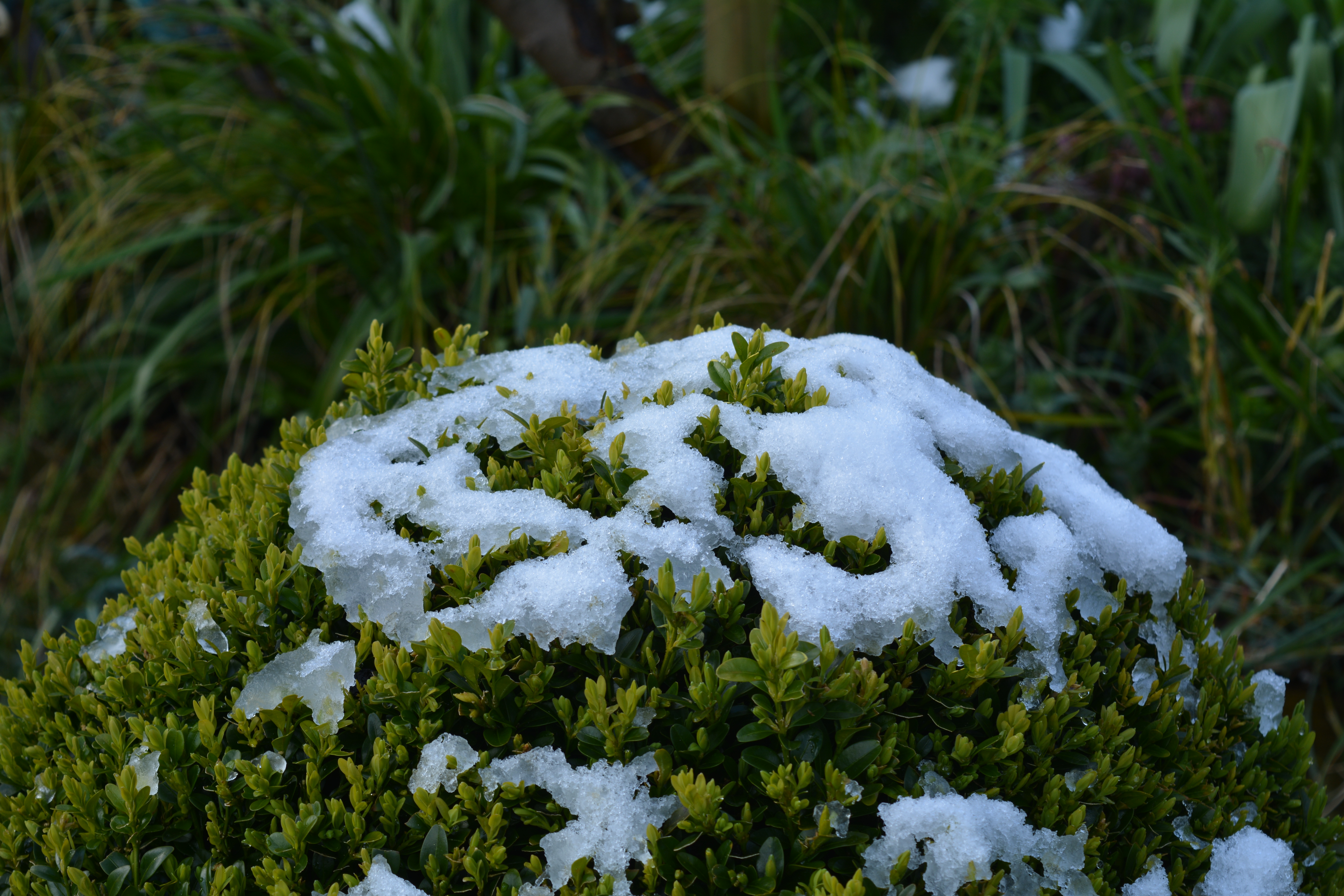
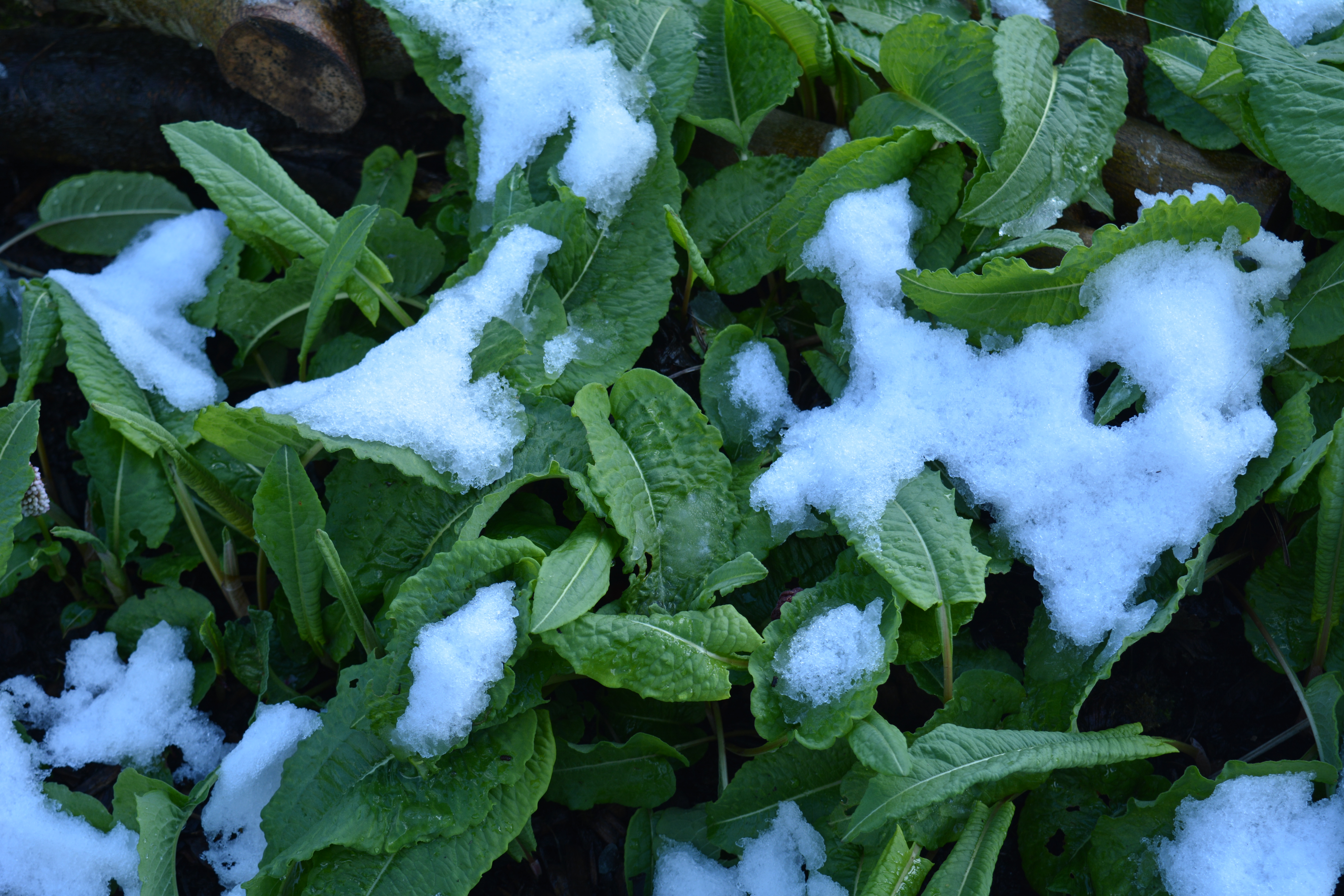
“April is the month  when we discover the joy of working in the garden into the evening hours. We are no longer forced indoors at teatime by the poor light. Some days also allow us to shed jackets and even jumpers as the temperatures feel more comfortable. But April can bring surprises such as overnight frosts and this year a very late snow shower. Hail storms chased us indoors on many occasions. But Spring still marches on and gives freshness of growth, new bright foliage on trees, shrubs and herbaceous perennials.”

snow box-8snow box-1 snow box-2 snow box-3 snow box-4

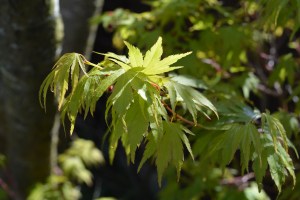
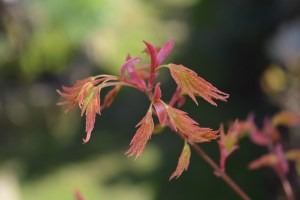
“The freshest foliage of all must be from our Acer shrubs. They unfurl their buds and give a multitude of shades of yellow, orange, ruby and green. Even though this happens every year and we look forward to it, the new life of our Acers delights us.”

aprilpics-13 aprilpics-07aprilpics-06 aprilpics-12

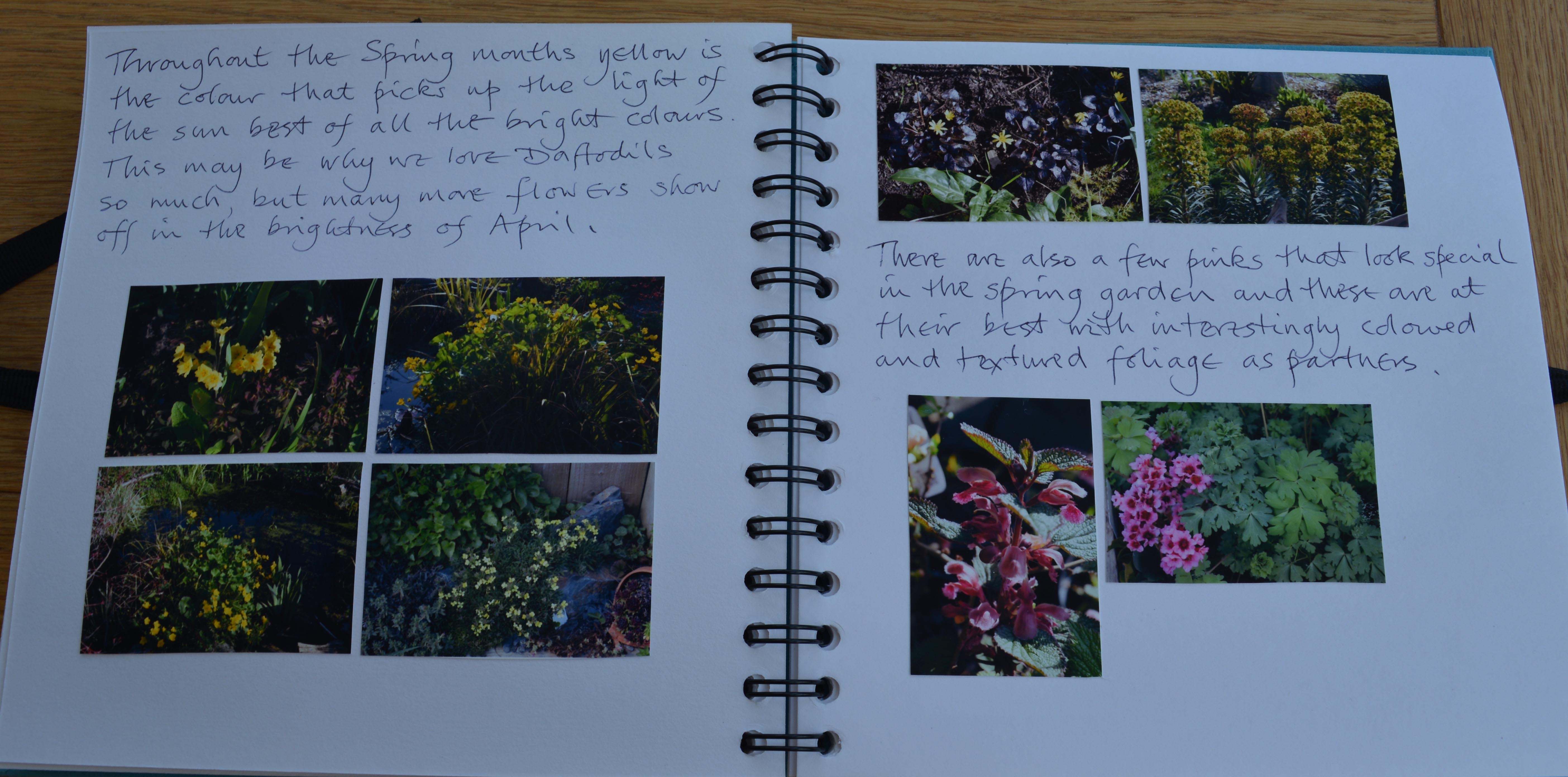
I then look at yellow in our garden.

april journal-4

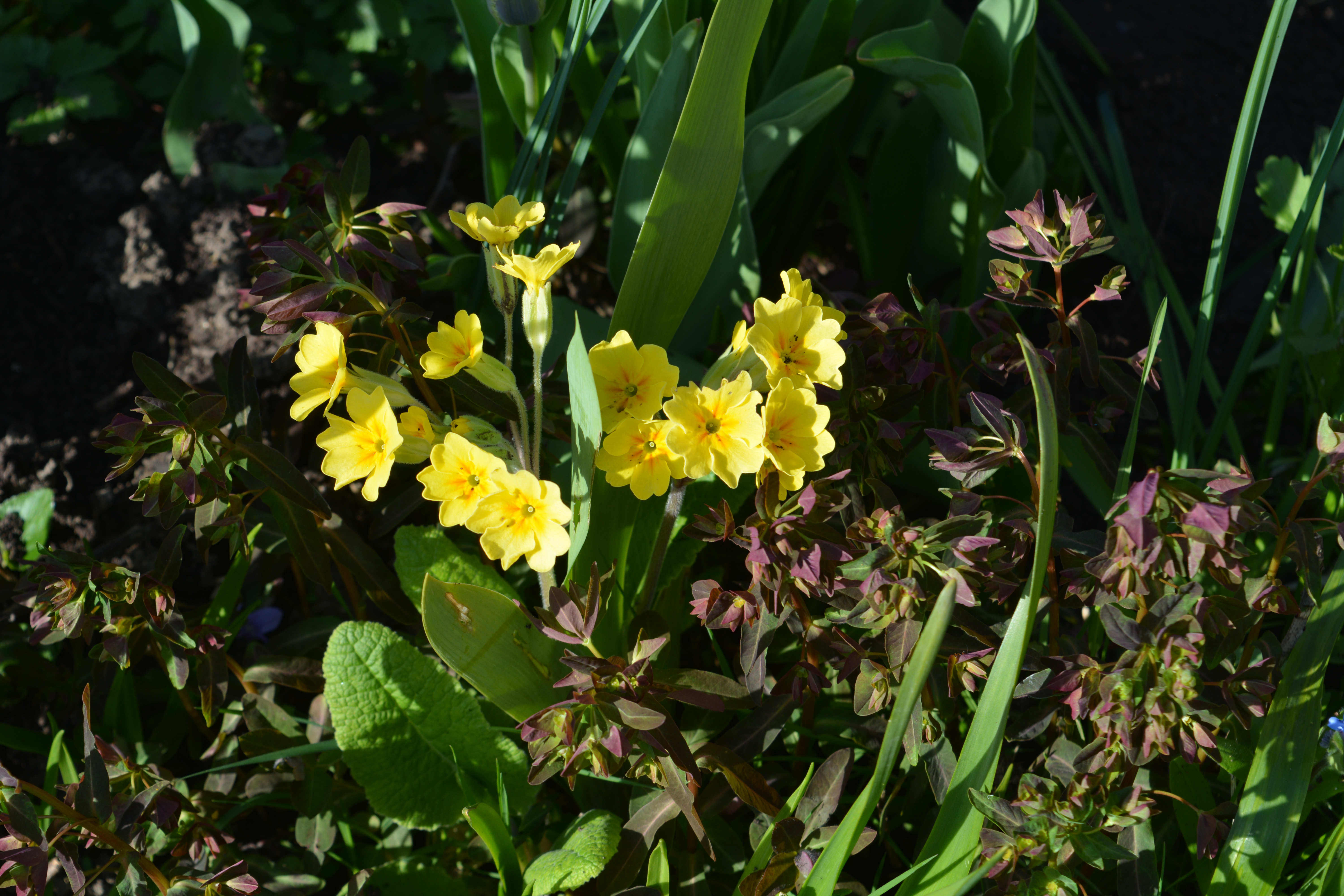
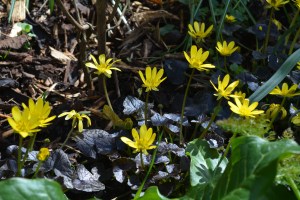
“Throughout the Spring months yellow is the colour that picks up the bright light of the sun best of all the bright colours. This may be why we love Daffodils so much, but many more flowers show off in the brightness of April.”    


aprilpics-20 yellow-4yellow-1 yellow-8aprilpics-18 yellow-9


“There are also a few pinks that look special in the Spring garden and these are at their best with interestingly coloured and textured foliage as partners.”

aprilpics-50 yellow-3

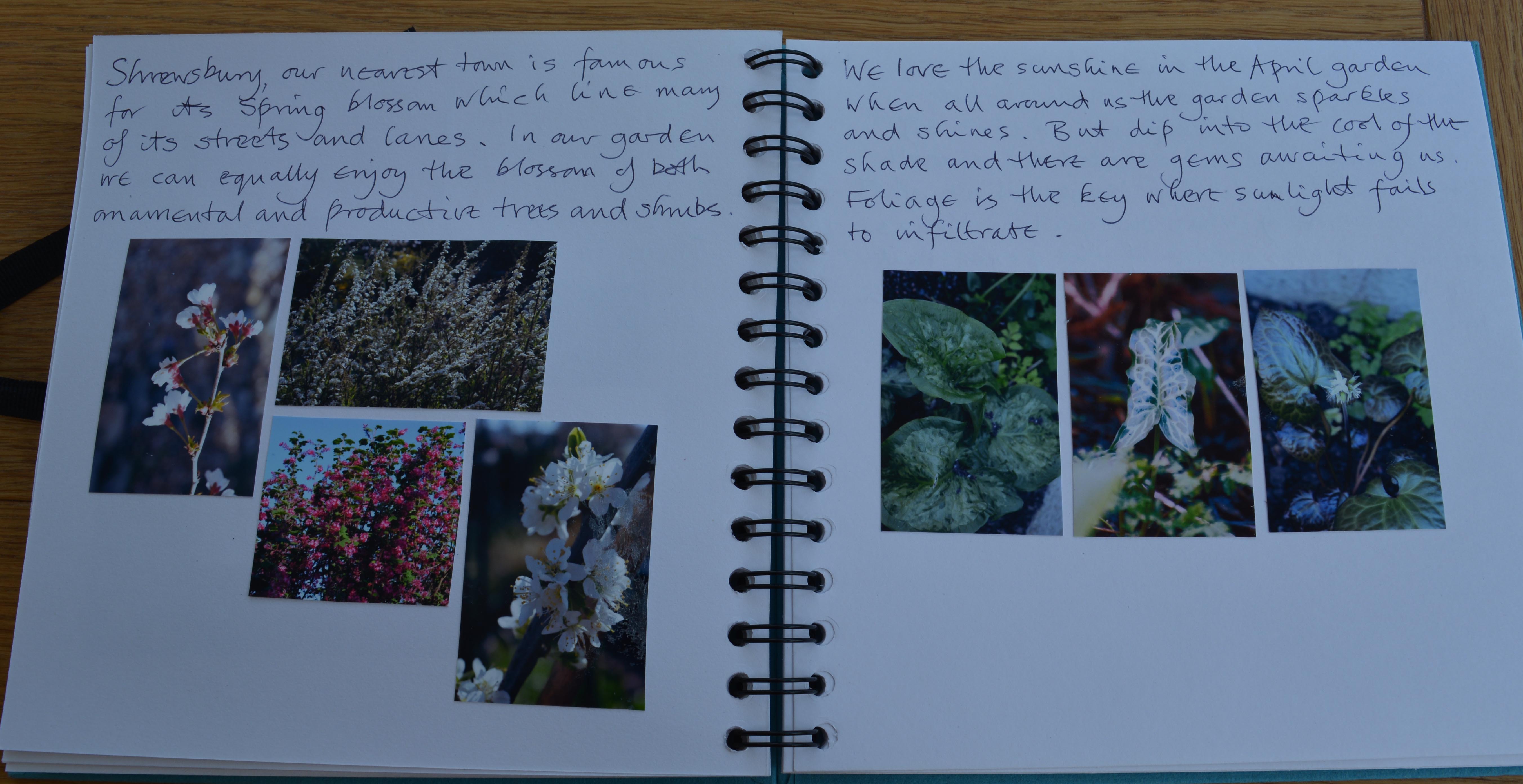
Blossom and the plants of cool shade appear on the final couple of my journal’s pages for April.

april journal-5

“Shrewsbury, our nearest town, is famous for its Spring blossom which lines many of its streets and lanes. In our garden we can equally enjoy the blossom of both ornamental and productive trees and shrubs.”

blossom-10aprilpics-19 ngs garden-104blossom-01 blossom-04 blossom-03 blossom-02 blossom-07


“We love the sunshine in the April garden when all around us the garden sparkles and shines. But dip into the cool of the shade and there are gems awaiting us. Foliage is the key where sunlight fails to infiltrate.”

ngs garden-102 blossom-11blossom-13 blossom-06

But any flowers that accompany this amazing foliage are tiny little star-like flowers.

ngs garden-100

ngs garden-103 ngs garden-101

So that is April in our garden. We now look forward to what May will bring!


Categories
birds colours flowering bulbs garden photography garden ponds garden pools garden wildlife gardening gardens irises log piles natural pest control ornamental trees and shrubs Shropshire spring bulbs spring gardening village gardens water garden water in the garden wildlife

My Garden Journal in 2016 – March

We were expecting March to bring some signs of spring but really our seasons remained confused and muddled. March has brought us warm sunny days, days with cold biting winds, days with heavy persistent rain and many combinations of these.

winchester-04

My March report started with references to the weather as it controlled when we gardenened and days when it prevented us from getting out in the garden.

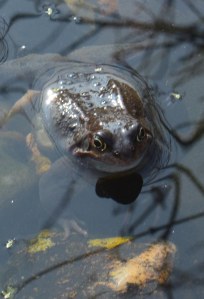
“During the first 2 days, March had delivered so many different types of weather, clear skies, sunshine, dark heavy cloud cover, rain and sleet. I wonder what else this month might have in store. This unseasonal weather delayed the arrival of our frogs until March whereas February is more usual a time. They soon added large clumps of spawn down one side of the wildlife pond.”

winchester-19 winchester-20winchester-21 winchester-22

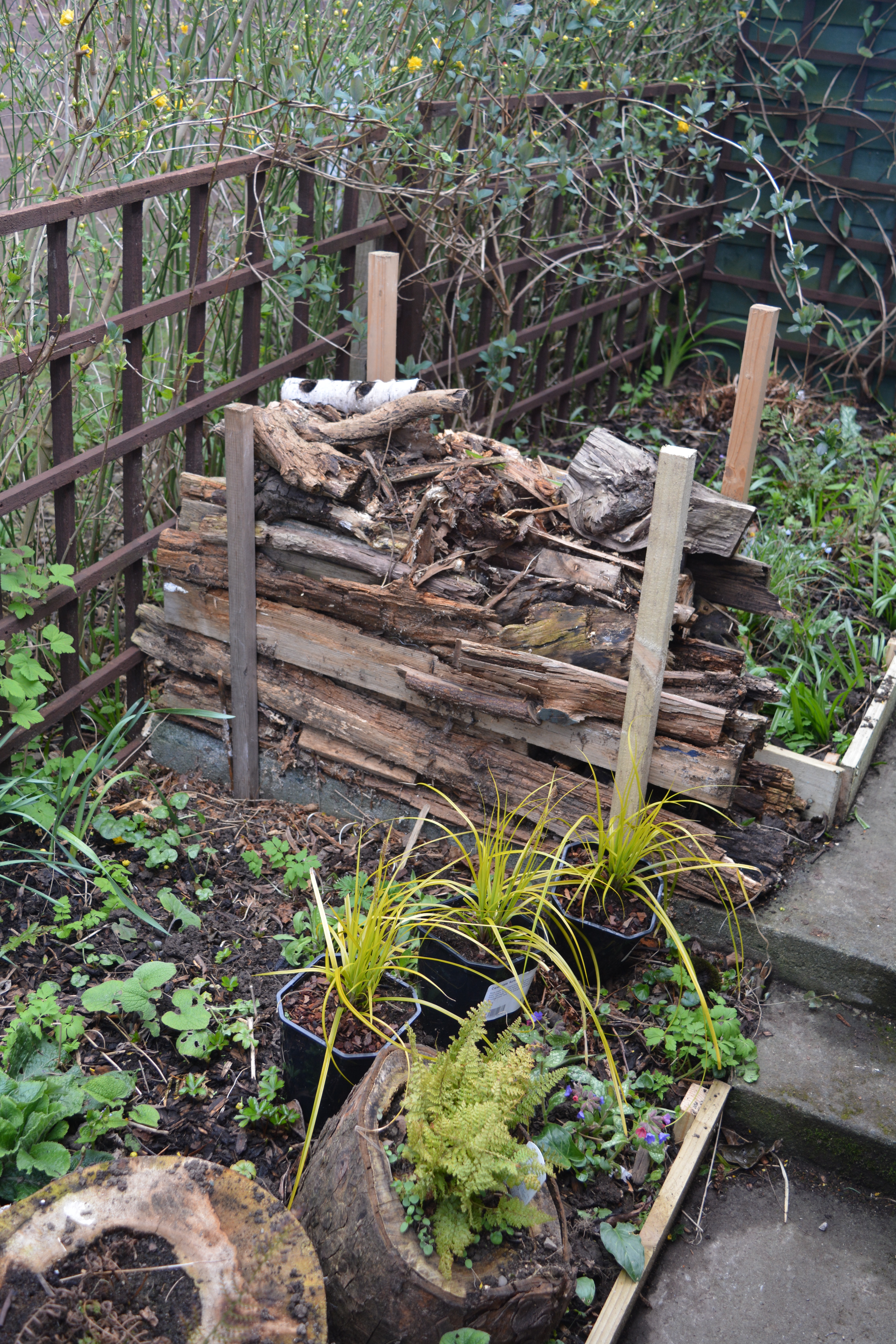
To help the smaller creatures that share our garden with us and help with pest control and pollination of our fruit we had great fun creating a new habitat for them, in the form of a log pile. The log pile is aimed specifically at beetles who are great pest controllers. We particularly appreciate their love of slug eggs!

winchester-01 winchester-02

On the page opposite my frog photos I feature some of our large collection of Hellebore.

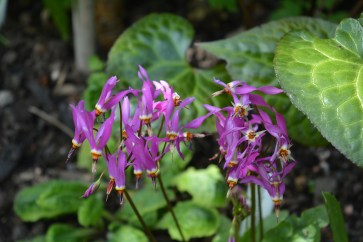
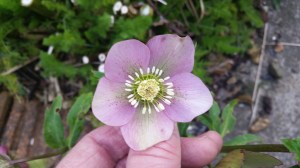
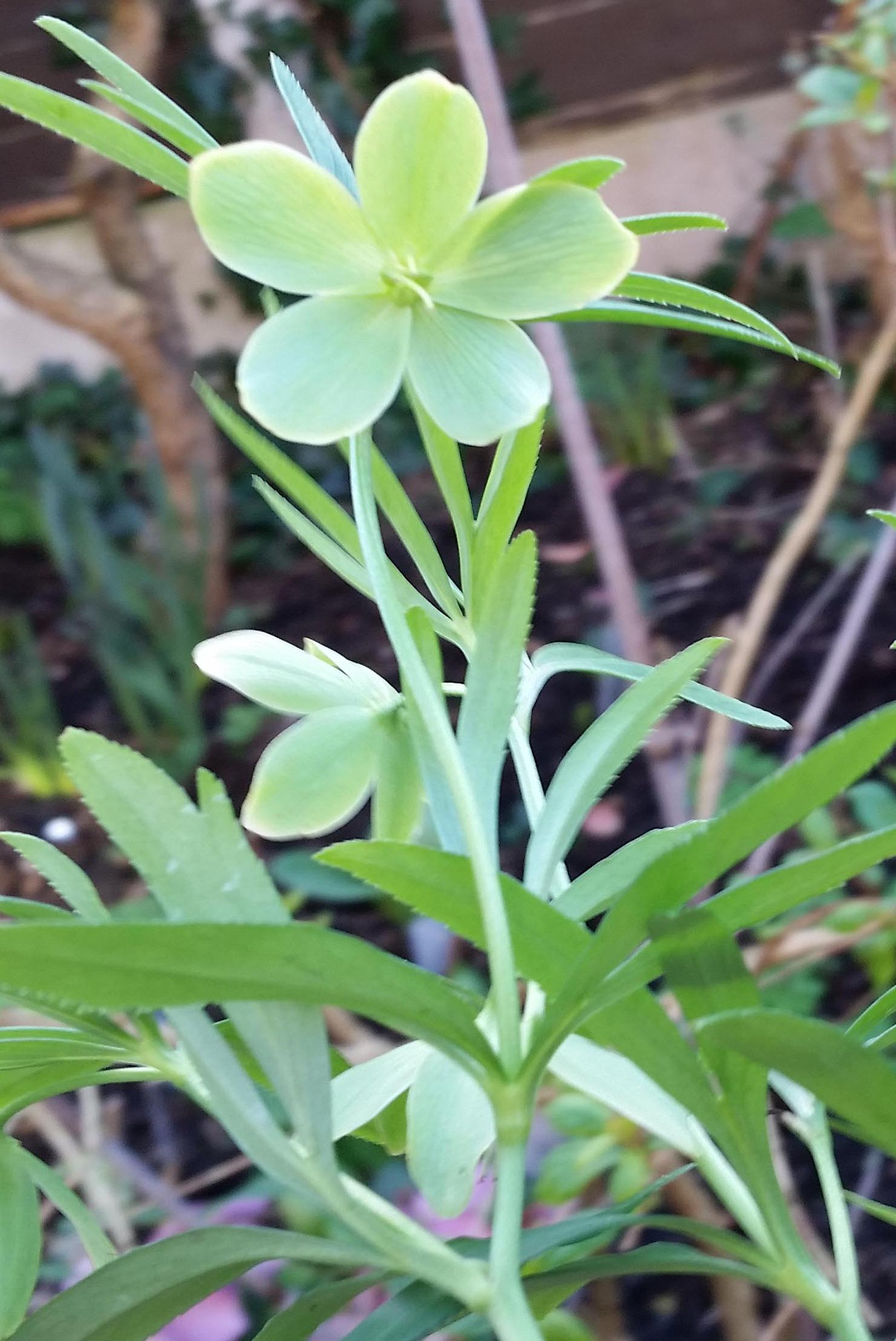
“Each year we add a few more Hellebores to our collection. This year is no exception! We are also getting a few interesting seedlings appearing, and some are worth keeping.”

winchester-47 winchester-11-2 winchester-14-1 winchester-10-2winchester-12-2

Turning the page I moved on to looking at the bird life we enjoyed in March, where I featured a gouache painting of a pair of Chaffinches and wrote about them.

winchester-05

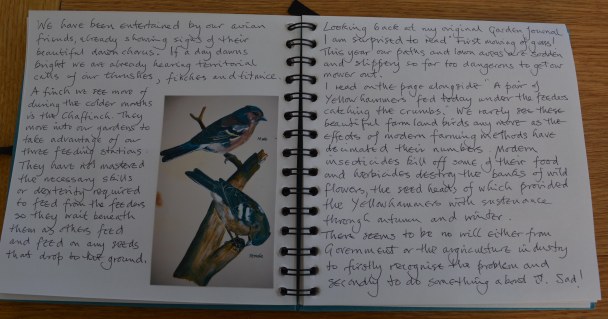
“We have been entertained by our avian friends, already showing signs of their beautiful dawn chorus. If a day dawns bright we are already hearing territorial calls of our thrushes, finches and titmice. A finch we see more of during the colder months is the Chaffinch. They move into our garden to take advantage of our three feeding stations. They have not mastered the necessary skills or dexterity required to feed from the feeders so they wait beneath them as others feed and feed on any seeds that drop to the ground.”

B0000195

I then moved on to look back at previous garden journals from a decade or so ago.

“Looking  back at my original Garden Journal I am surprised to read “First mowing of grass! This year our paths and lawn areas are sodden and slippery so far too dangerous to get our mower out.

I read a page alongside, “A pair of Yellowhammers fed today under the feeders catching the crumbs.” We rarely see these beautiful farmland birds any more as the effects of modern farming methods have decimated their numbers. Modern insecticides kill off some of their food and herbicides destroy the banks of wild flowers, the seed heads of which provided the Yellowhammers with sustenance through autumn and winter. There seems to be no will either from Government or the agriculture industry to firstly recognise the problem and secondly to do something about it. Sad!”

I then reported on progress we had made with our recently constructed propagation bench.

winchester-06

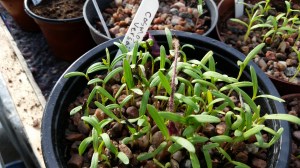
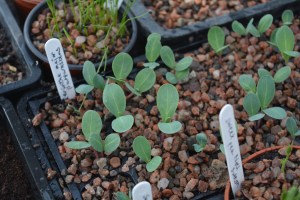
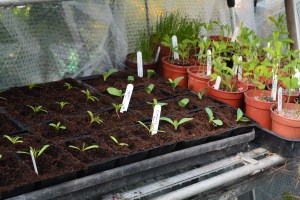
In my January entries to my journal I wrote about making a propagating bench in the greenhouse and then in February I looked at how we had prepared the greenhouse in readiness for seed sowing. Now in March we have seedlings showing well.”

winchester-45 winchester-46 winchester-36 winchester-35

Flowering shrubs feature over the next few pages, looking at those that flower and provide scent, starting off with the shrubs in the Ribes family.

winchester-06

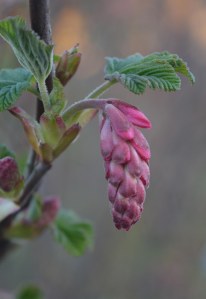
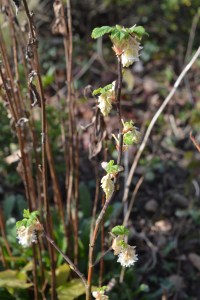
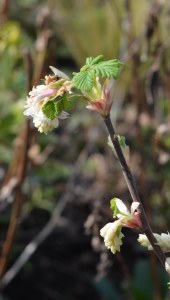
“The genus Ribes is a family of some 150 species of shrubs, mainly deciduous with just a few evergreens. We grow 3 species on our allotment to give us Redcurrants, Blackcurrants and Gooseberries. In the ornamental garden at home we grow 5 species and 4 of these are flowering in March, Ribes sanguineum “King Edward VII” and Ribes s. “Elkington White”.

winchester-40 winchester-41winchester-31 winchester-33 winchester-32

The other two March flowering Ribes are very different to the Ribes sanguineums. Ribes laurifolium has thick evergreen foliage, each leaf shaped and textured just like those oa a Laurel, hence its name. The flowers at first glance appear white but close up they are pale cream with a hint of green – absolutely beautiful! Beautiful and scented! The final Ribes to flower in March is Ribes speciosum with crimson flowers. To be fair though this Ribes species shows flowers on and off all year. It is generally evergreen for us as we planted it in a sheltered spot. Its flowers are like tiny Fuschias hanging along most of its branches. The downside? Every inch of every stem is covered in thin spines, so pruning can be difficult. On our open days so many visitors ask about Ribes speciosum.”

winchester-27 winchester-28winchester-02-2

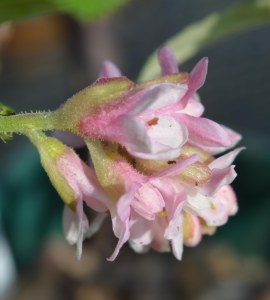
“In the autumn we took cuttings of Ribes s. King Edward VII. What a surprise we had when one of them produced these pale gentle pink flowers. One more shrub of the Ribes family still has not yet flowered, Ribes odorarum.”

winchester-09-1

My journal then tells of other unusual flowering shrubs we grow here at Avocet.

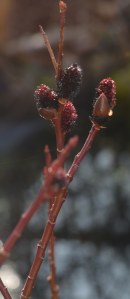
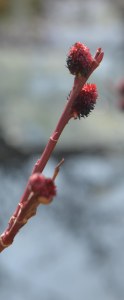
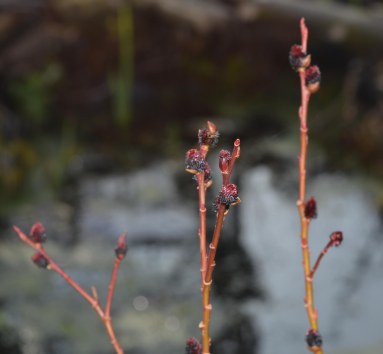
“Abnother unusual shrub we grow for March interest is a special willow. Salix gracilistyla melanostachyla has amazing flowers, red and black catkins. Early flying bees love them.”

winchester-08

winchester-23 winchester-24 winchester-25winchester-26

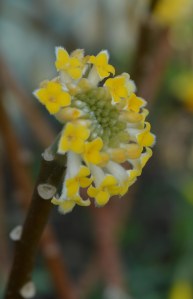
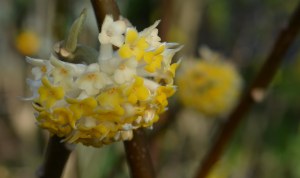
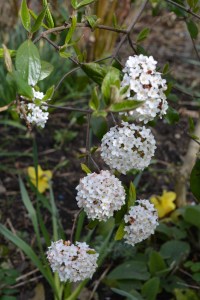
“Two other March flowering shrubs are grown for their large umbels of flowers but also their scent. The first, Edgeworthia chrysantha grandiflora, has unusual bright yellow flowers which add scent to the late winter and early spring garden. Their second is a Viburnum, Viburnum x burkwoodii, which does not open its flower buds until late March.”

winchester-11-1 winchester-10-1winchester-11 winchester-12

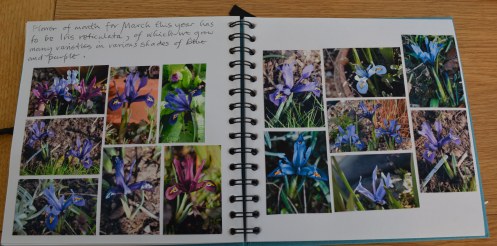
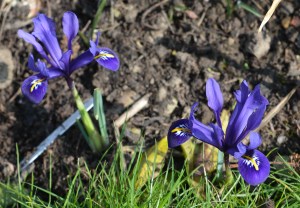
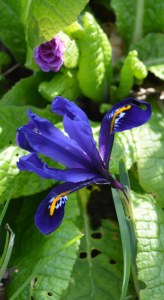
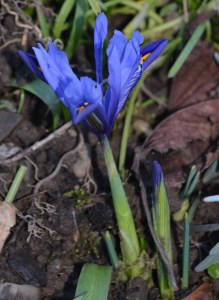
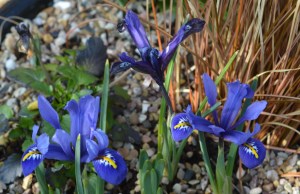
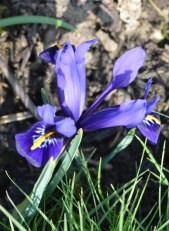
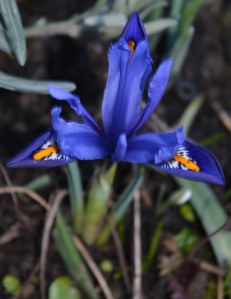
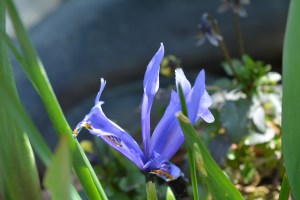
Turn over the page of my journal and you will be delighted by photos of Iris reticulata in all their glorious shades of blue and purple.

winchester-09

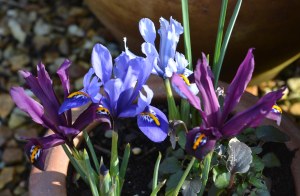
“Flower of the month for March has to be Iris reticulata, of which we grow many varieties in various shades of blue and purple.”

winchester-04-1 winchester-14winchester-29 winchester-12-1 winchester-39winchester-30 winchester-38 winchester-15winchester-03-1 winchester-05-1winchester-07-1 winchester-08-1winchester-13 winchester-17 winchester-16winchester-37 winchester-06-1

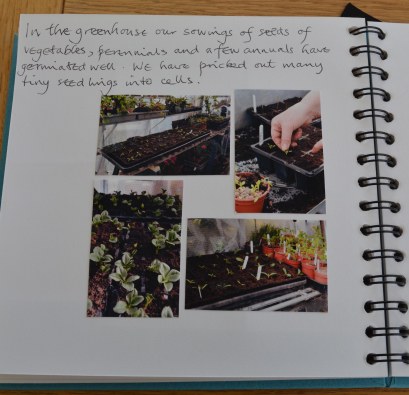
My final page for March takes another look at what is going on in the greenhouse as the month comes to an end.

winchester-10

“In our greenhouse our sowings of seeds of vegetables, perennials and a few annuals have continued to germinate well and grow strongly. We have pricked out many tiny seedlings into cells.”winchester-03-2 winchester-06-2

winchester-05-2 winchester-04-2

Our next visit to my garden journal will report on what will be happening in our garden at Avocet in April, the month traditionally associated with showers.

Categories
arboreta garden photography gardening gardens gardens open to the public ornamental trees and shrubs shrubs trees

Arboreta in Autumn – part 2 – Batsford

We made a special effort to get to see several different arboreta this autumn. We visited our friend Richard’s arboretum twice, then drove northward to the Bluebell Arboretum and Nurseries and finally south to Batsford Arboretum in Gloucestershire.

Batsford is one of the biggest and oldest arboreta in the UK and a very well-known one so provided a good contrast to Richard’s place and Bluebell as these are relatively small and both just over 20 years old. Their own publicity leaflet describes Batsford as “The Cotswold’s Secret Garden” but judging by the number of visitors even on a dull day it seemed far from a secret.

2015 10 21_6477 2015 10 21_6475

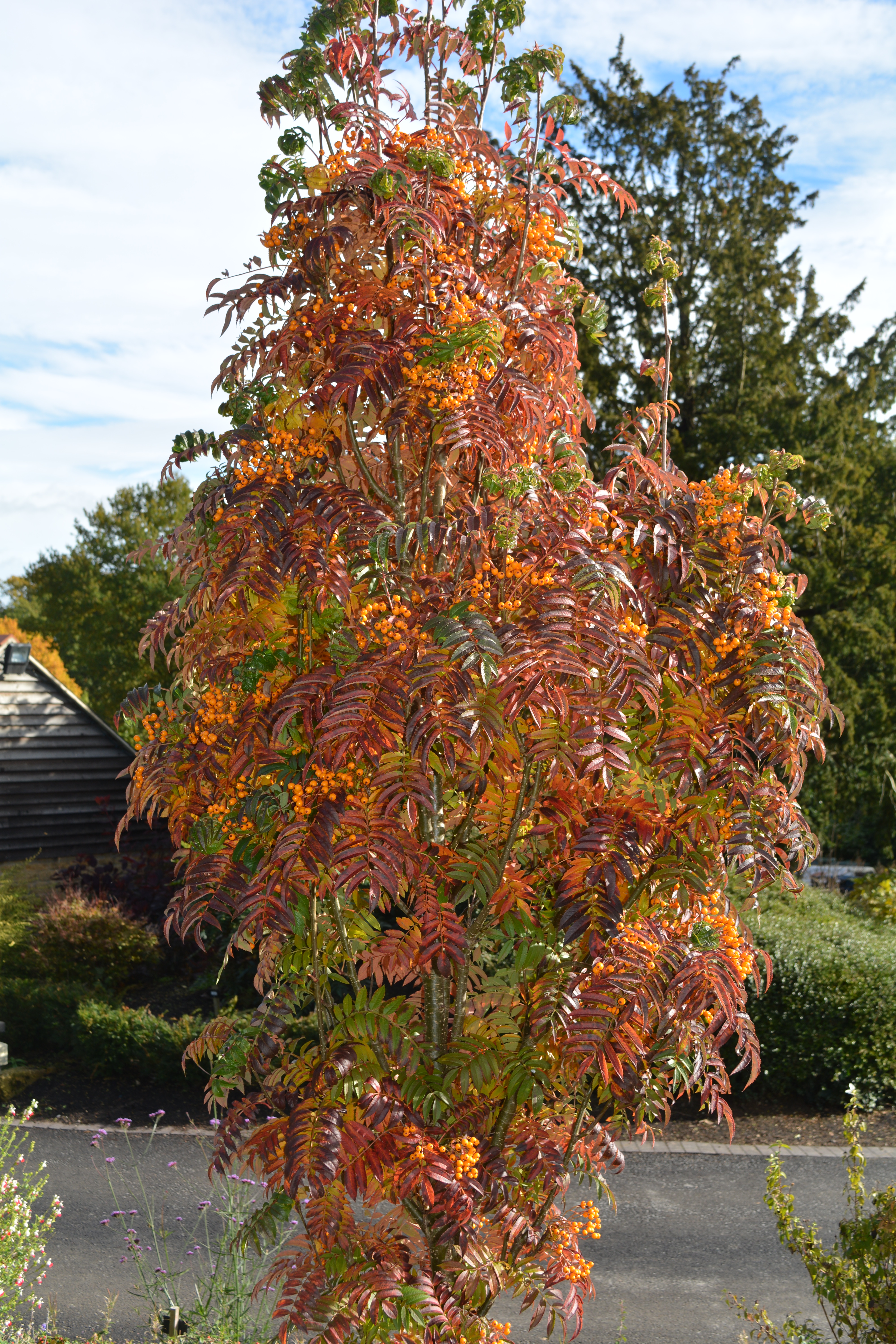
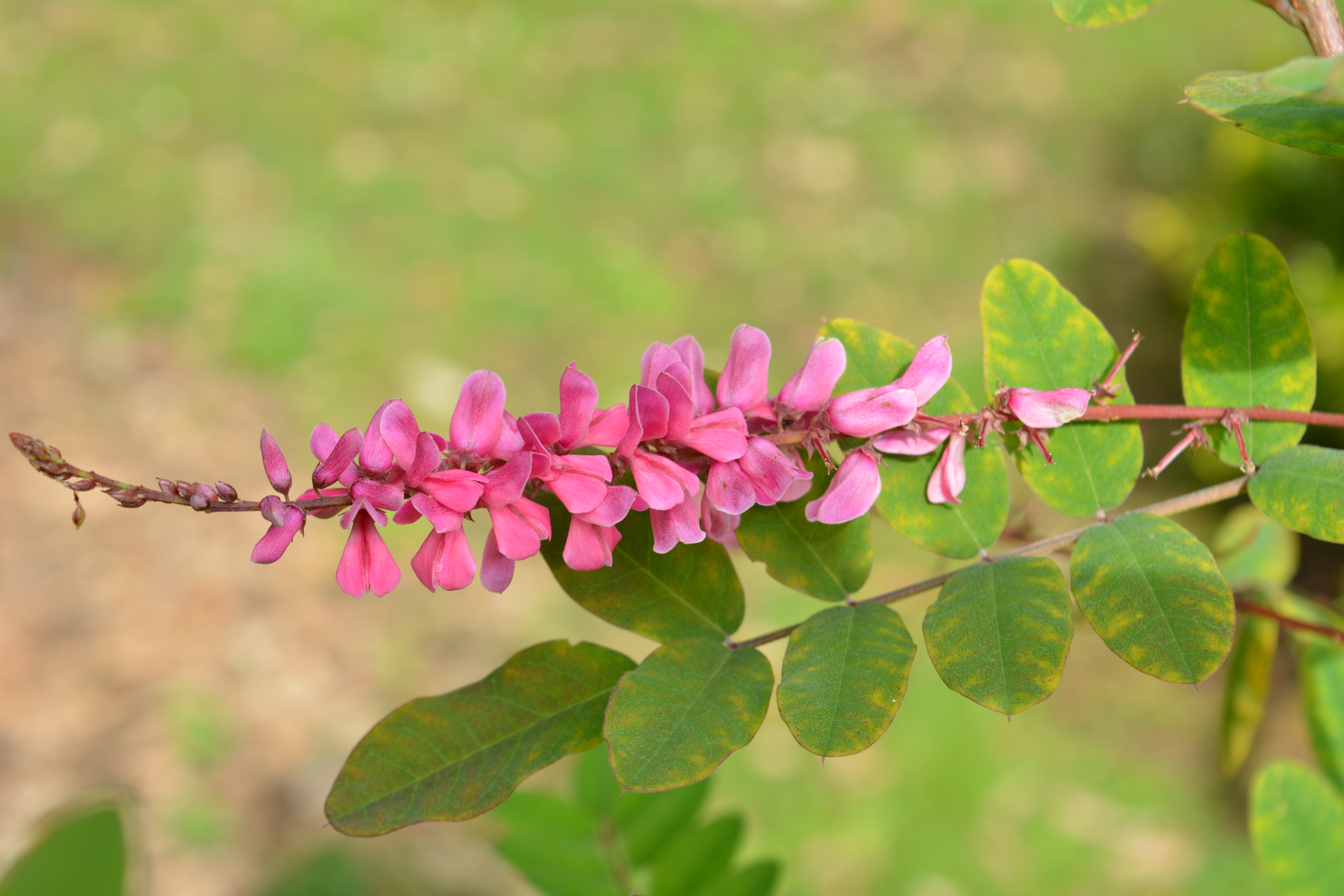
New borders lined the gently sloping pathway leading down from the car park to the reception area. The beauty of the planting here which included this yellow berried Sorbus and two very different Indigofera, prepared us for the treats we had in store.

 2015 10 21_6474 2015 10 21_6473 2015 10 21_6479 2015 10 21_6481

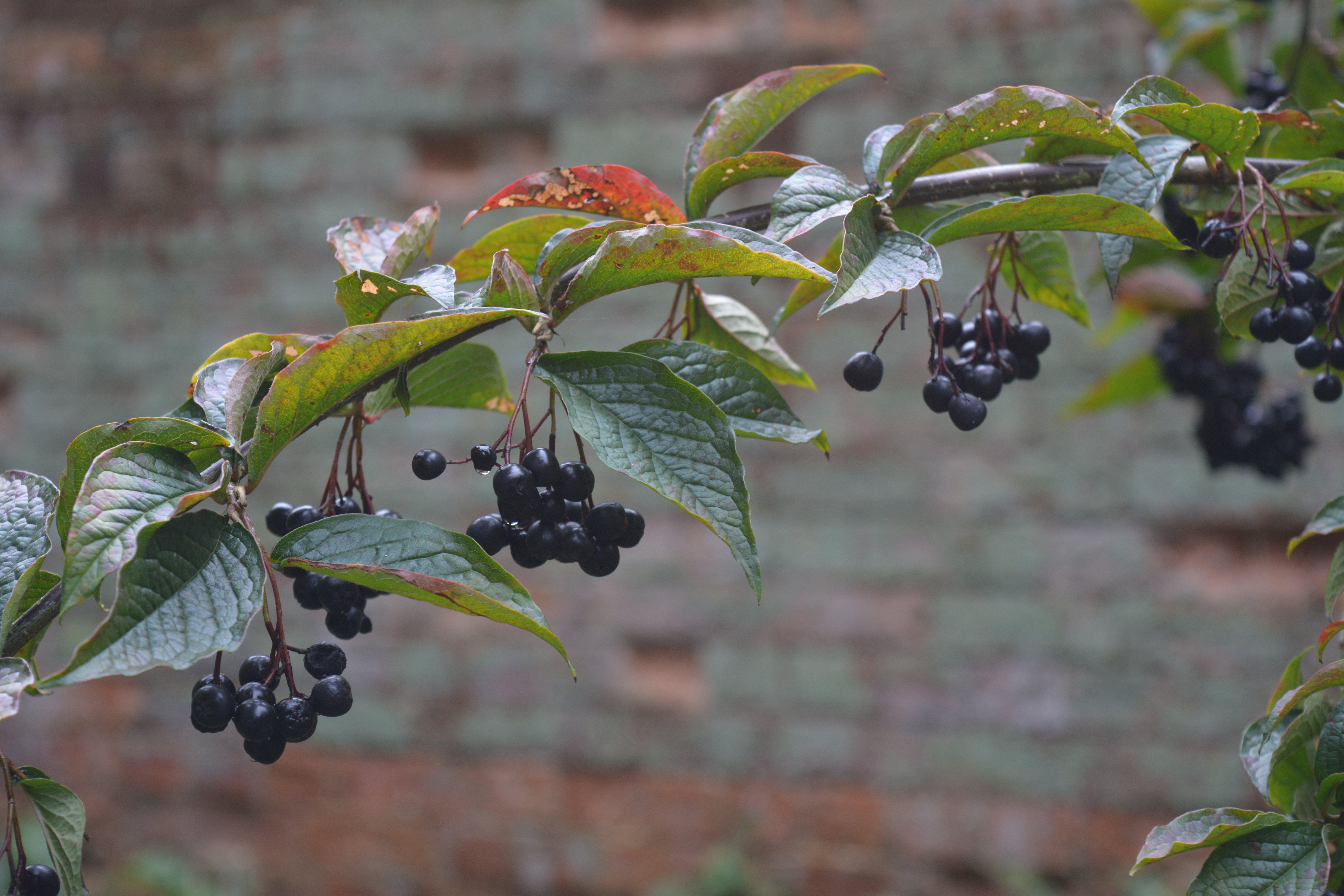
After walking just a few yards from the entrance we came across a special tree – one of those specimens that stops you in your tracks and starts the brain and memory off trying to work it out. It was like a Cotoneaster in leaf and growth habit but it had black berries rather than the more usual red. Luckily it had a label and it was indeed a black berried Cotoneaster. Here was a plant we had never seen before or even knew existed. It is called Cotoneaster moupinensis. This was going to be a good day!

2015 10 21_6485

Contrasting leaves in shape and size make for good plant combinations, such as this large leaved Dalmera paltata in front of the delicately leaved Acer palmatum. We liked the contrast between the slim fragile white Fuschia flower and the gritty surface of a capping stone as we crossed over a bridge.

2015 10 21_6486 2015 10 21_6487

Autumn visits to any arboretum means colourful foliage but we always find flowers of interest flowering in this season too, Hydrangeas, Viburnum and an unusual flowered Heptacodium.

2015 10 21_6488 2015 10 21_64892015 10 21_6491 2015 10 21_6517

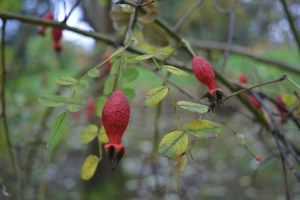
Berries too caught our attention among the colours of fire, the yellows, oranges and reds especially this particular Berberis dripping with long racemes of red berries. Nearby rose hips dripped from the plant which had lost all its leaves.

2015 10 21_6492 2015 10 21_6514

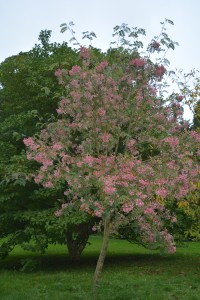
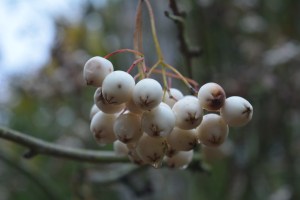
Sorbus pseudohupahensis “Pink Pagoda” bears berries of pin and white which from a distance gives the affect of pink mist. Another Sorbus attracted us by the sheer size of its pure white berries, Sorbus cashmeriana.

2015 10 21_6523 2015 10 21_65222015 10 21_6539 2015 10 21_6537

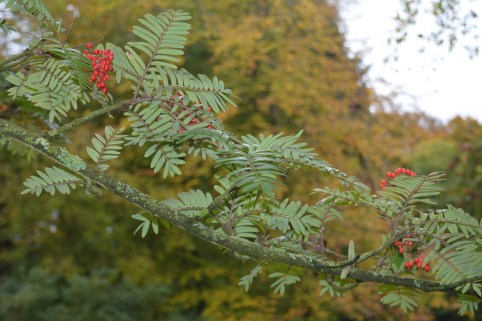
Sorbus scalaris like most Sorbus displays red berries but what is most noticeable with this tree is the uniformity of its foliage which was hanging on into the autumn.

2015 10 21_6552

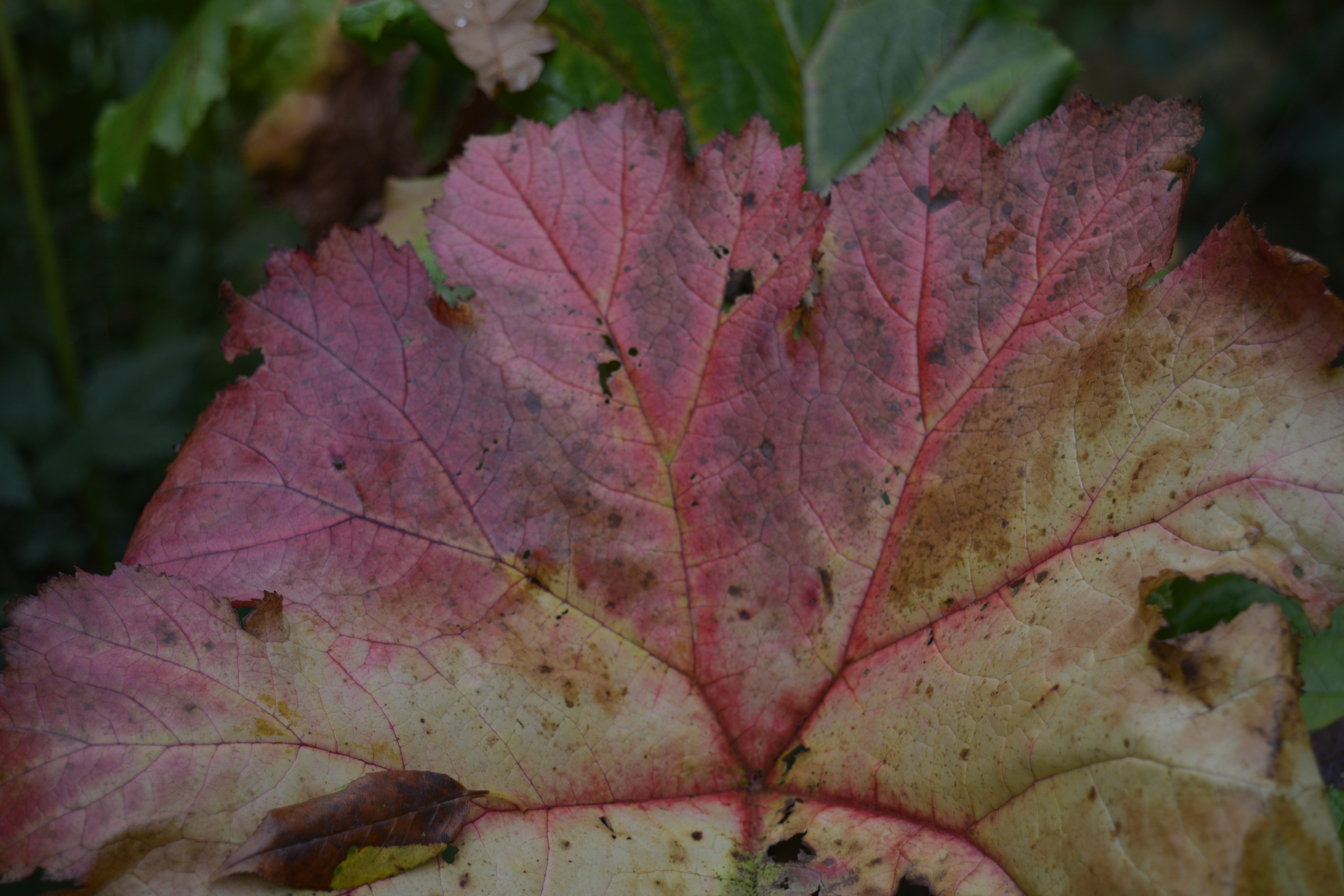
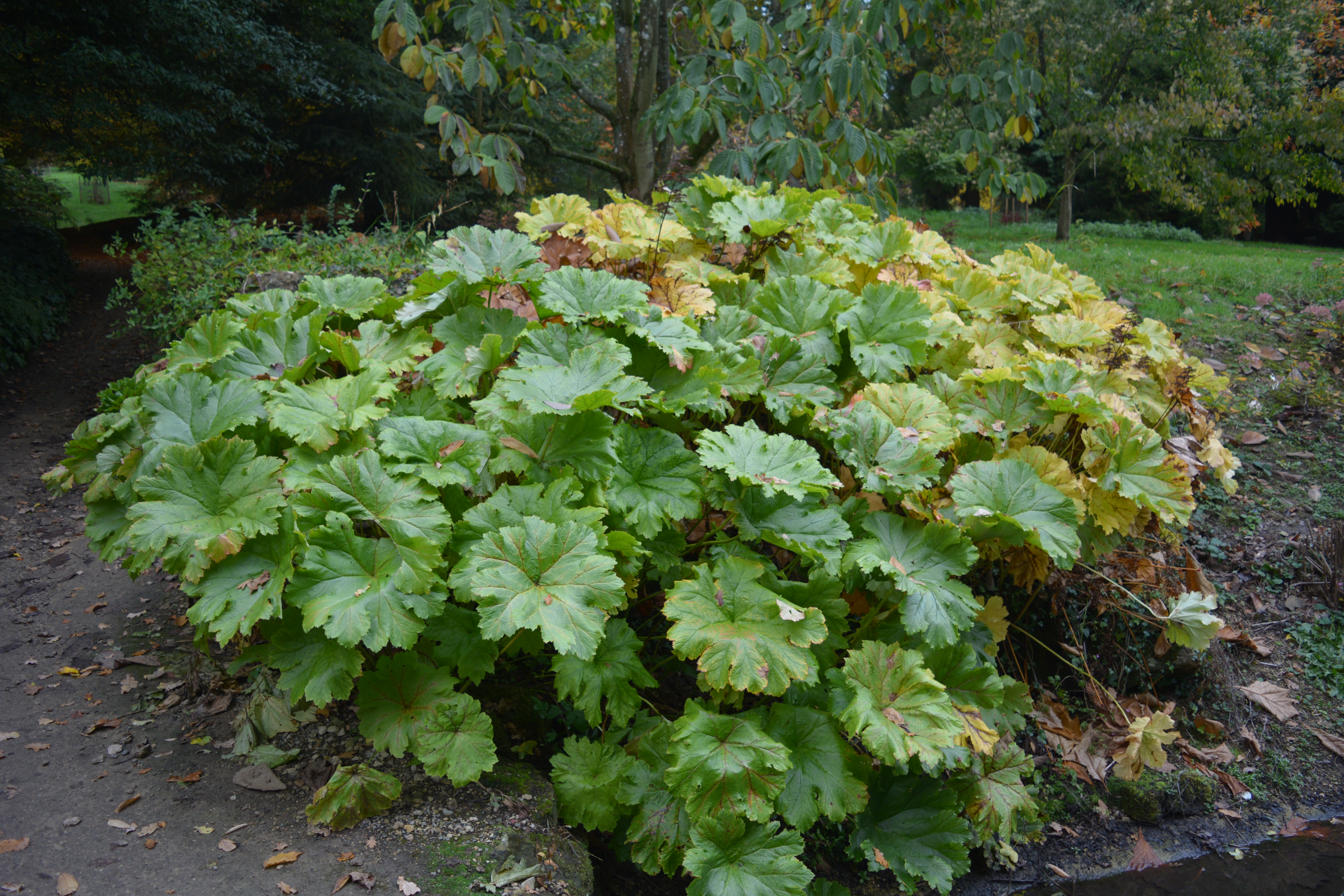
Remember the Dalmera peltatum  which I showed teamed up with an Acer, well we found several large clumps of this bog-loving plant around Batsford. I enjoyed getting up close and looking through the Nikon lens at the details of their giant leaves.

2015 10 21_6494 2015 10 21_6495 2015 10 21_6496 2015 10 21_65012015 10 21_6502

No arboretum visit in the autumn can be reported without celebrating the family of Acers. Enjoy!

2015 10 21_6503 2015 10 21_65112015 10 21_6510 2015 10 21_65162015 10 21_6533 2015 10 21_65272015 10 21_6509 2015 10 21_65282015 10 21_6547 2015 10 21_65412015 10 21_6554 2015 10 21_6540

As well as the bright changing colours of the leaves and the appearance of berries there is one tree that we appreciate in autumn for its pale yellow coloured autumn foliage but this foliage as it falls has an amazing sweet smell like brittle toffee, burnt sugar or toffee apples. Cercidyphylum japinicum

2015 10 21_6497 2015 10 21_6498

As we moved on along the trail we were literally stopped in our tracks at the sight of the Berberis with its incredibly long and unusually coloured racemes of flowers.

2015 10 21_6500 2015 10 21_6504

Around the next bend in the path this beautifully coloured cherry tree glowed a salmon pink colour and we rushed to read its label. We discovered it was a close relative of a tiny flowering cherry we grow in our Japanese Garden at home, Prunus incisa “Kojo-no-mai”. This much larger tree was Prunus incisa fuginaea, the Fuji Cherry. We could only guess at how spectacular it must look in flower.

2015 10 21_6505 2015 10 21_6506 2015 10 21_6508

We wandered on stopping frequently to look for labels, sometimes to confirm what we thought trees and shrubs and sometimes to find out.

2015 10 21_6512  2015 10 21_6515   2015 10 21_6518 2015 10 21_65202015 10 21_6530 2015 10 21_6531 2015 10 21_6532

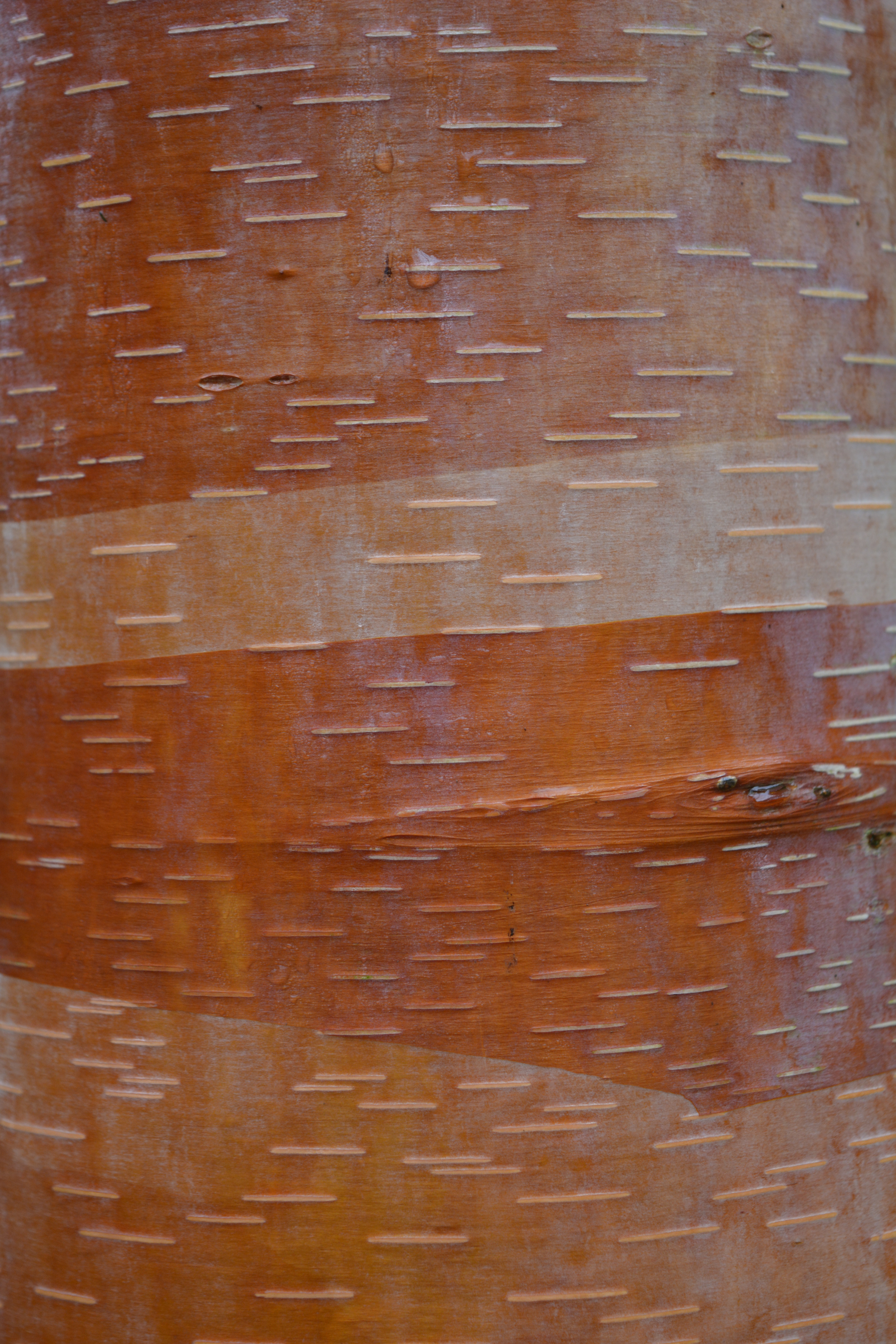
I always manage to find Betulas (Birches) in every arboretum we visit and here we came across the beautifully coloured bark variety, Betula albosinensis Septentrionalis.

2015 10 21_6534  2015 10 21_6536

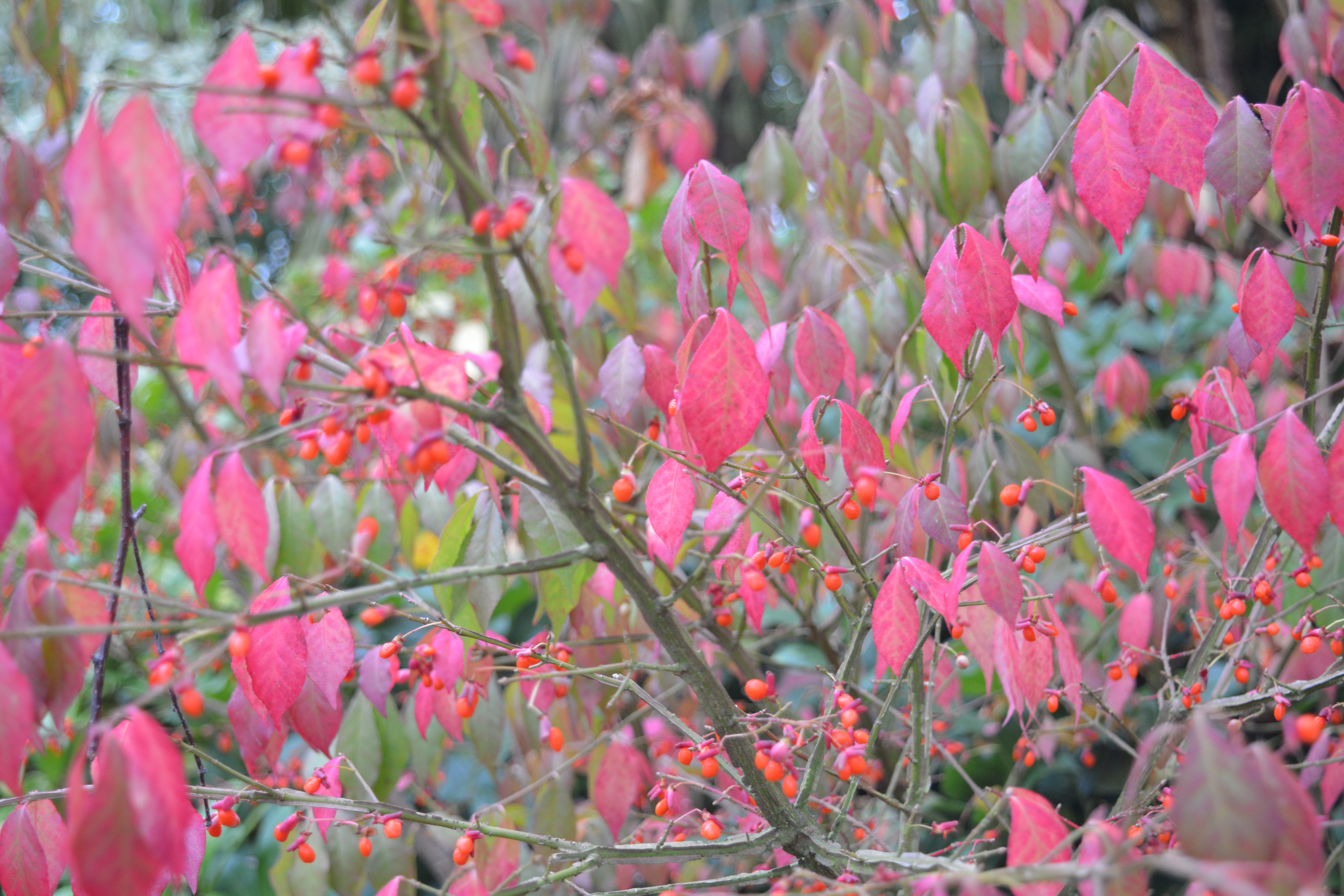
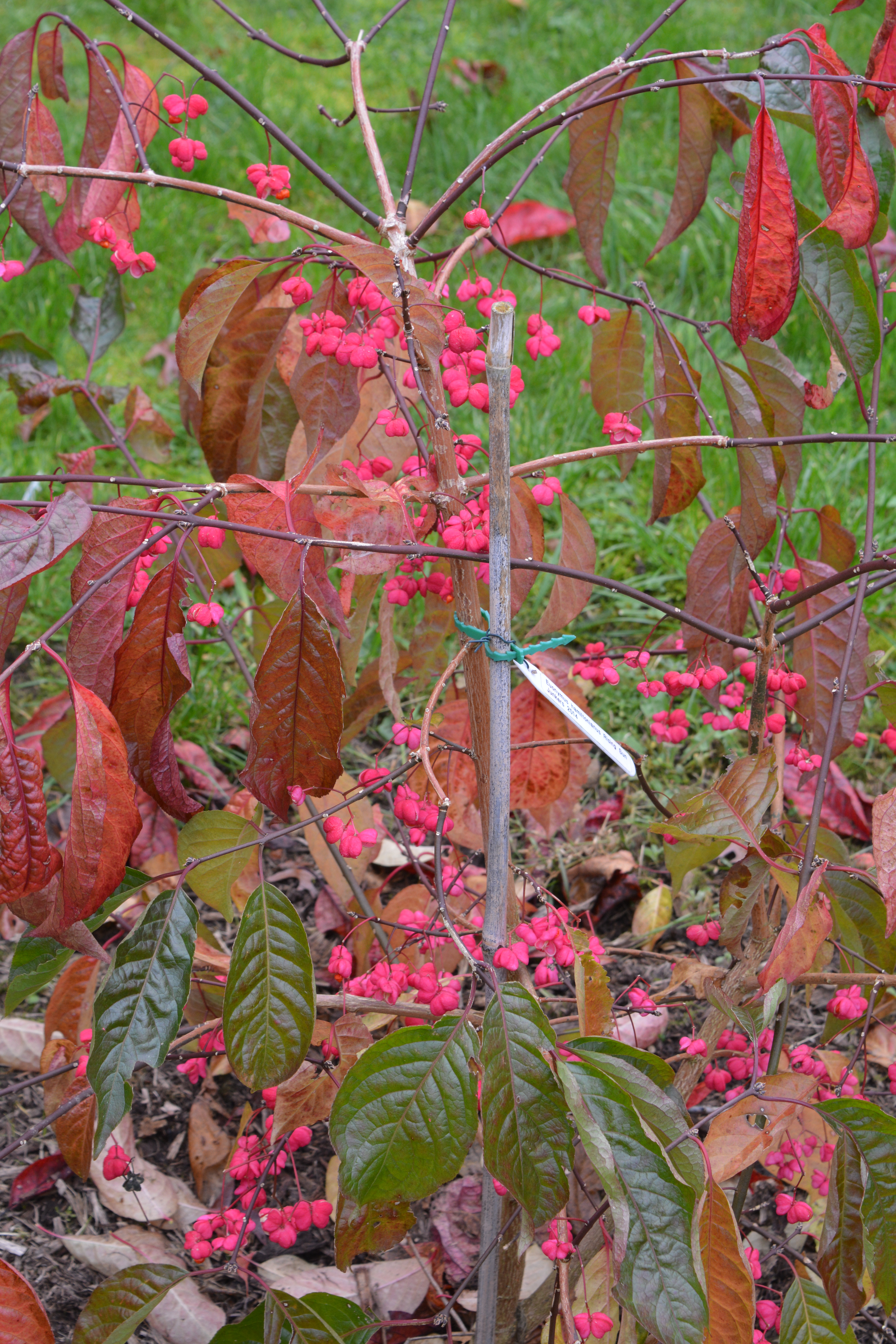
I shall finish this first post about Batsford with another favourite, this time a shrub, a deciduous Euonymus, Euonymous oxyphyllus, which flowers and berries in remarkable style.

2015 10 21_6542 2015 10 21_6543


Categories
garden photography gardens gardens open to the public National Garden Scheme ornamental trees and shrubs shrubs Staffordshire water in the garden

A new garden for monthly visits – The Dorothy Clive Garden

After visiting Trentham Gardens monthly throughout 2014 followed by Croft Castle Gardens in 2015 we searched for another local garden which changes with the seasons and has interest every month of the year.

We have chosen The Dorothy Clive Garden, a forty minute drive from home and a real favourite of ours for years. It is one of the gardens we share with family and friends who come to stay. The garden has a postal address which places it in Shropshire but the garden’s guide book says it is situated in neighbouring Staffordshire. Perhaps on one of our visits we may discover its real location.

The garden guide describes it as “An informal hillside garden.” On its website is an invitation to “Explore this charming English country garden. Enjoy great plants throughout the seasons, delightful views and tasty homemade food.” This sounds just up our street – great plants and tasty food!

The website continues describing the Dorothy Clive Garden as “A place to relax and unwind in an intimate, informal and inspiring setting. Experience a really welcoming and friendly environment.”

So it sounds as if we have chosen our feature garden for 2016 rather wisely.

For now here is a gallery of pics from a previous visit just as a taster.

Later this month we will make our first visit to the Dorothy Clive Garden and then create the first monthly post.


Categories
autumn autumn colours climbing plants colours flowering bulbs garden photography gardening gardens gardens open to the public hardy perennials Herefordshire irises light light quality National Trust ornamental trees and shrubs poppies roses shrubs The National Trust walled gardens Winter Gardening winter gardens

Croft Castle – month by month – the final report

Illness has prevented us making our monthly visit to Croft Castle where I would take photographs and report back about all that is going on in the gardens of this Herefordshire property run by the National Trust. Thus this final visit for the year took place in early December and will be a joint report for November and December together.

2015 12 06_7440 2015 12 06_7441 2015 12 06_7442 2015 12 06_7443 2015 12 06_7444 2015 12 06_7446 2015 12 06_7447 2015 12 06_7448 2015 12 06_7449 2015 12 06_7450

2015 12 06_7451 2015 12 06_7452 2015 12 06_7453 2015 12 06_7454 2015 12 06_7455 2015 12 06_7456 2015 12 06_7457 2015 12 06_7459 2015 12 06_7460 2015 12 06_7461

2015 12 06_7462 2015 12 06_7463 2015 12 06_7464 2015 12 06_7465 2015 12 06_7466 2015 12 06_7467 2015 12 06_7468 2015 12 06_7471 2015 12 06_7472 2015 12 06_7473

2015 12 06_7474 2015 12 06_7475 2015 12 06_7476 2015 12 06_7477 2015 12 06_7478 2015 12 06_7479 2015 12 06_7480 2015 12 06_7481 2015 12 06_7482 2015 12 06_7483

2015 12 06_7484 2015 12 06_7486 2015 12 06_7485 2015 12 06_7487 2015 12 06_7488 2015 12 06_7489 2015 12 06_7496 2015 12 06_7495 2015 12 06_7497 2015 12 06_7490

2015 12 06_7498 2015 12 06_7499 2015 12 06_7500 2015 12 06_7501 2015 12 06_7502 2015 12 06_7503 2015 12 06_7504 2015 12 06_7507 2015 12 06_7508 2015 12 06_7509

2015 12 06_7510 2015 12 06_7511 2015 12 06_7512 2015 12 06_7513 2015 12 06_7514 2015 12 06_7515 2015 12 06_7516 2015 12 06_7517 2015 12 06_7518 2015 12 06_7519 2015 12 06_7445 2015 12 06_7445_edited-1 2015 12 06_7458 2015 12 06_7458_edited-1 2015 12 06_7470

2015 12 06_7470_edited-1 2015 12 06_7469_edited-1 2015 12 06_7494_edited-1 2015 12 06_7491_edited-1 2015 12 06_7492_edited-1 2015 12 06_7493_edited-1 2015 12 06_7505_edited-1 2015 12 06_7506_edited-1


Categories
autumn autumn colours colours garden photography gardening hardy perennials ornamental trees and shrubs poppies roses Shropshire shrubs Winter Gardening

My Garden Journal – November

The penultimate visit to my garden journal for this year is here already, and I write this as November comes to a close. The strong winds of November howl around the house and roar down our chimneys. The rain has persisted for virtually every day of the month along with the strong winds.

My journal for the dreary month of November began “Our wonderful, heart warming Indian Summer lasts until the very last day of October, so we waited for the first day of November hoping for the continuation of warm, bright days. The eleventh month is usually a time of mists, fog and heavy dews.”

Jenny Joseph wrote of November, “Much of November belies the dread attached to its reputation, the shutting down, the gloom, the fog, the dark wet, the cold and the colds, autumn shrinking into winter.”

2015 11 30_7310_edited-1

On November 1st we woke to a heavy dew, thick fog and the rest of the day was damp and dreary. The whole first week was the same. Oh dear!

Thank goodness for our garden which on the dreariest of days provided bright, colourful sparks. In every border there is a flower blooming its heart out to please us and of course any brave bees out on the wing in search of pollen and nectar.

All the photos below were taken on the same day in late November.

2015 12 01_7376_edited-1 2015 12 01_7361_edited-1 2015 12 01_7412 2015 12 01_7406 2015 12 01_7398 2015 12 01_7389 2015 12 01_7387 2015 12 01_7382 2015 12 01_7384 2015 12 01_7383 2015 12 01_7381 2015 12 01_7380 2015 12 01_7379 2015 12 01_7378 2015 12 01_7374 2015 12 01_7372 2015 12 01_7371 2015 12 01_7370 2015 12 01_7343 2015 12 01_7346

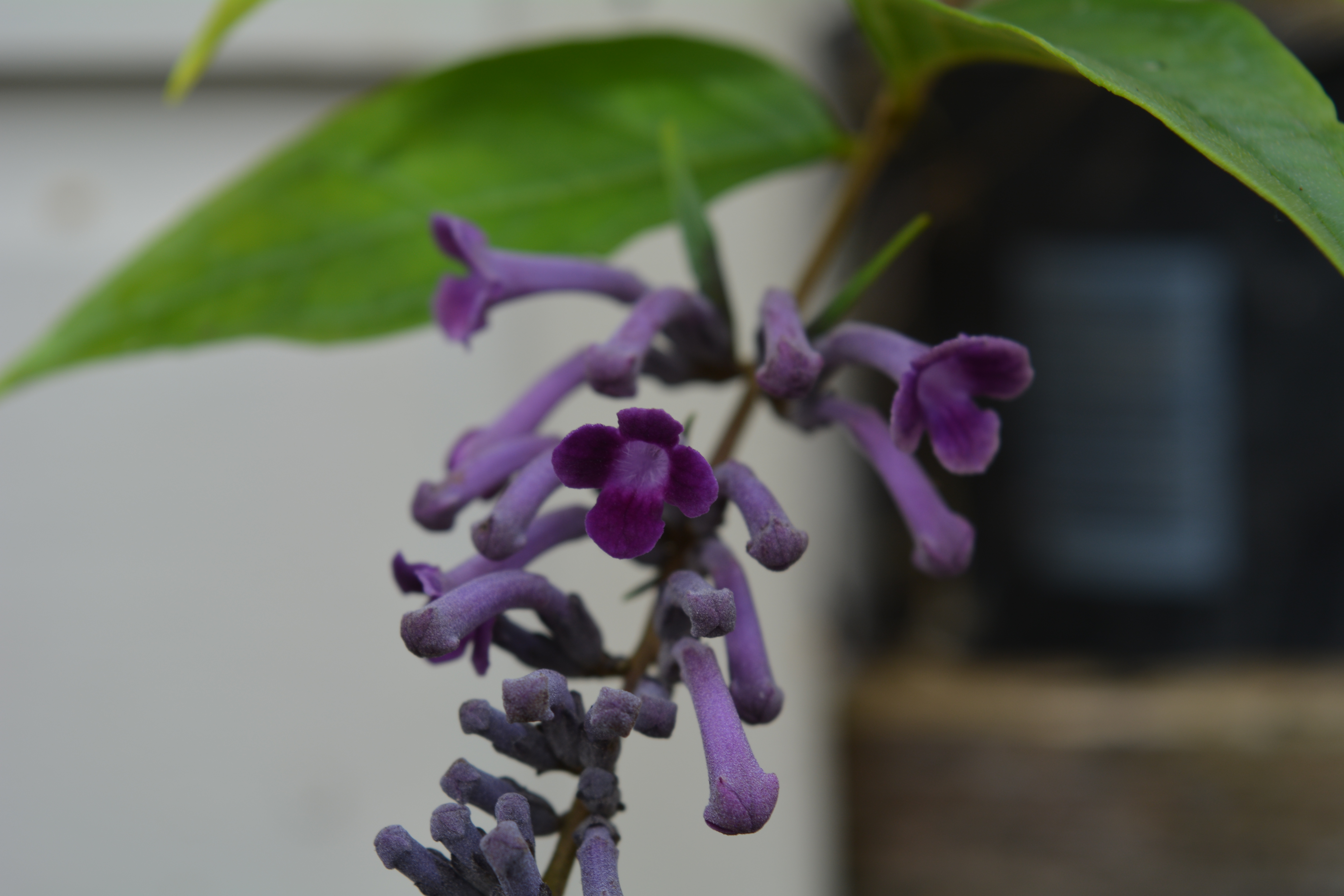
I next wrote about a real favourite plant of mine, a shrubby Buddleja rarely grown but oh so beautiful! Buddleja lindleyana.

We grow an unusual Buddleja, which is still flowering this month. Buddleja lindleyana hails from china and boasts beautiful two-tone purple flowers. Racemes arch from the tip of every arching stem. Sadly it is rarely grown. I take cuttings every November to give to friends. They love it too!”

2015 11 30_7311_edited-1

I enjoyed painting it too!

2015 11 30_7312_edited-1

I took a couple of photos as well which you may like to see, as they illustrate the colour range found within the flowers.

2015 10 28_6954 2015 10 28_69552015 09 21_5471 2015 09 21_5469

On the opposite page from my Buddleja lindleyana painting I have featured another special plant again rarely grown. This one though is a tree, an Acer.

“A young Acer tree is growing in our front garden. At this time of the year its leaves turn into the colours of fire. Its leaf petioles glow red. Acer pectinatum – a very special tree!”

2015 10 26_6826-2 2015 10 26_6830-22015 10 26_6827-2 2015 10 26_6838-2

Turning the journal’s page over we have a mouth watering page about apples! and on the opposite page I look at our Viburnums.

2015 11 30_7313_edited-1

“By this time of the year we have usually harvested our tree fruit and it is safely in store. This year we are still picking apples, some varieties should have been harvested by early September.” 

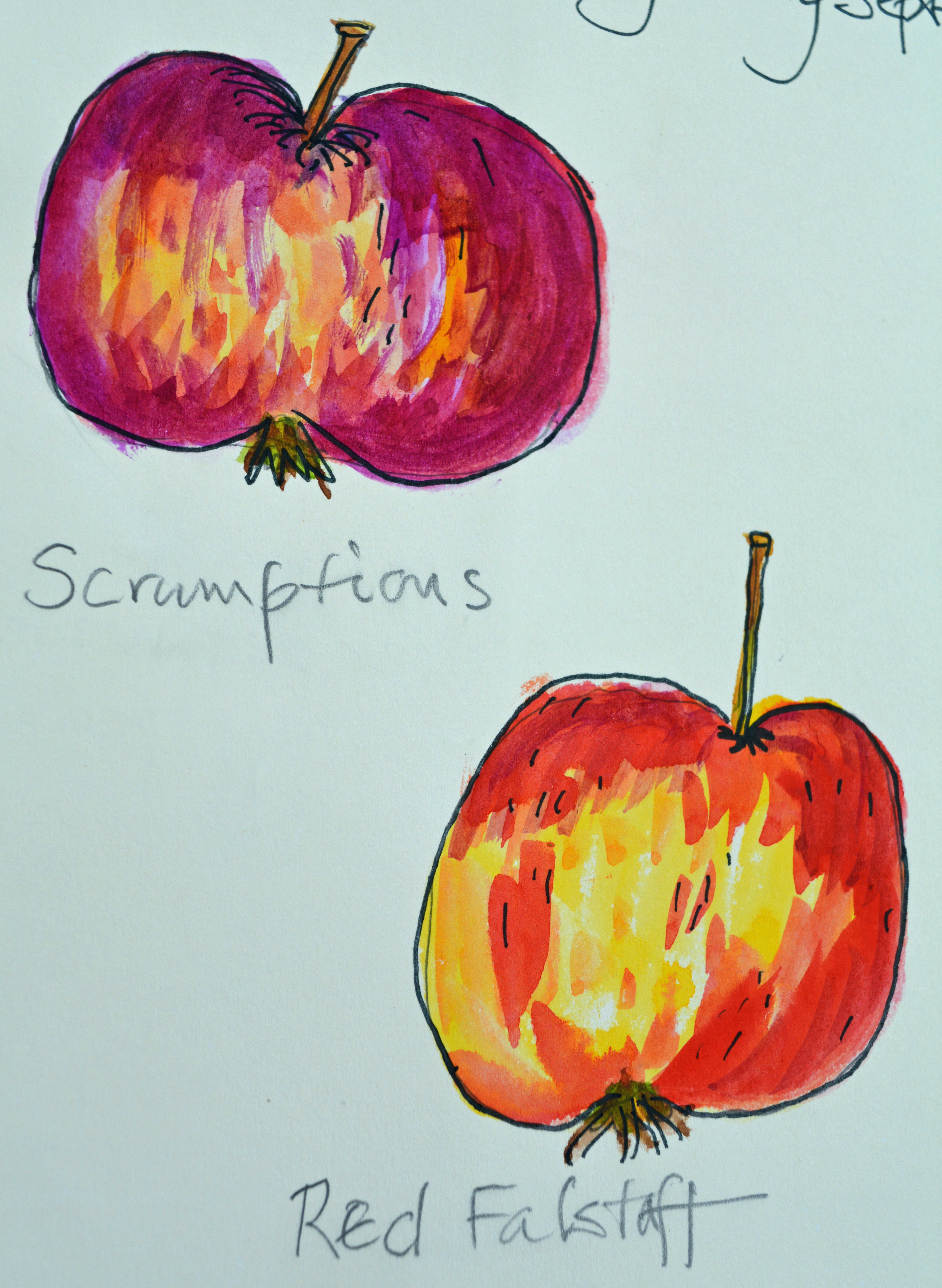
I reveled in the chance to get out the watercolours and study two tasty and very colourful apples, Scrumptious and Red Falstaff which grow one either side of the green house door.

2015 11 30_7314_edited-1

I moved on to consider the Viburnum shrubs putting on performances in our garden this month. “Various Viburnums give Winter interest and start their show now in mid-November. Their show is a profusion of gently coloured flowers, scent and shining red and black berries.”

2015 12 01_7341 2015 10 26_6950-22015 12 01_7375-1 2015 09 24_5834 2015 09 24_5888 2015 09 24_5836

More shrubs graced the next few pages too, deciduous Euonymus and a Hydrangea.

2015 11 30_7315_edited-1

“Our deciduous Euonymus give us so many shades of pink as they metamorphose into their Autumn personas.”

2015 10 19_6224-1  2015 10 26_6749-2 2015 10 26_6837-2

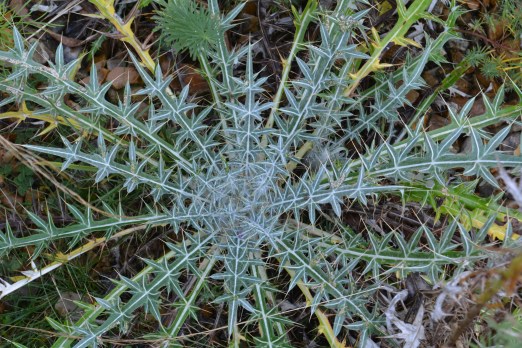
At the bottom of this page beneath the Euonymus I just found room for a pic of the thistle-like Silybum maritimum.

“The teal-green and silver foliage rosette will give us these colours through the winter. In Spring flowering shoots will creep upwards full of promise.”

2015 10 26_6839-2

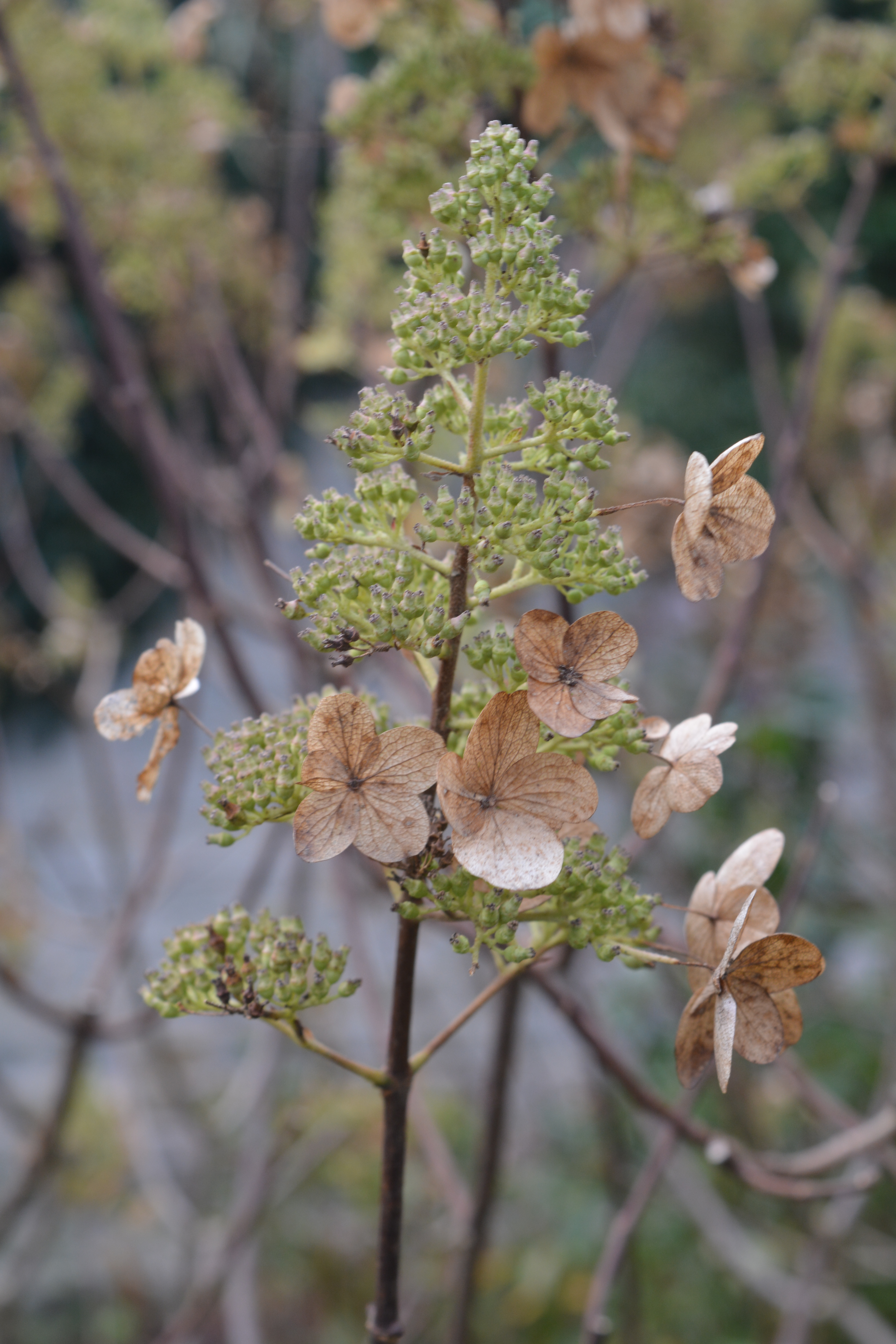
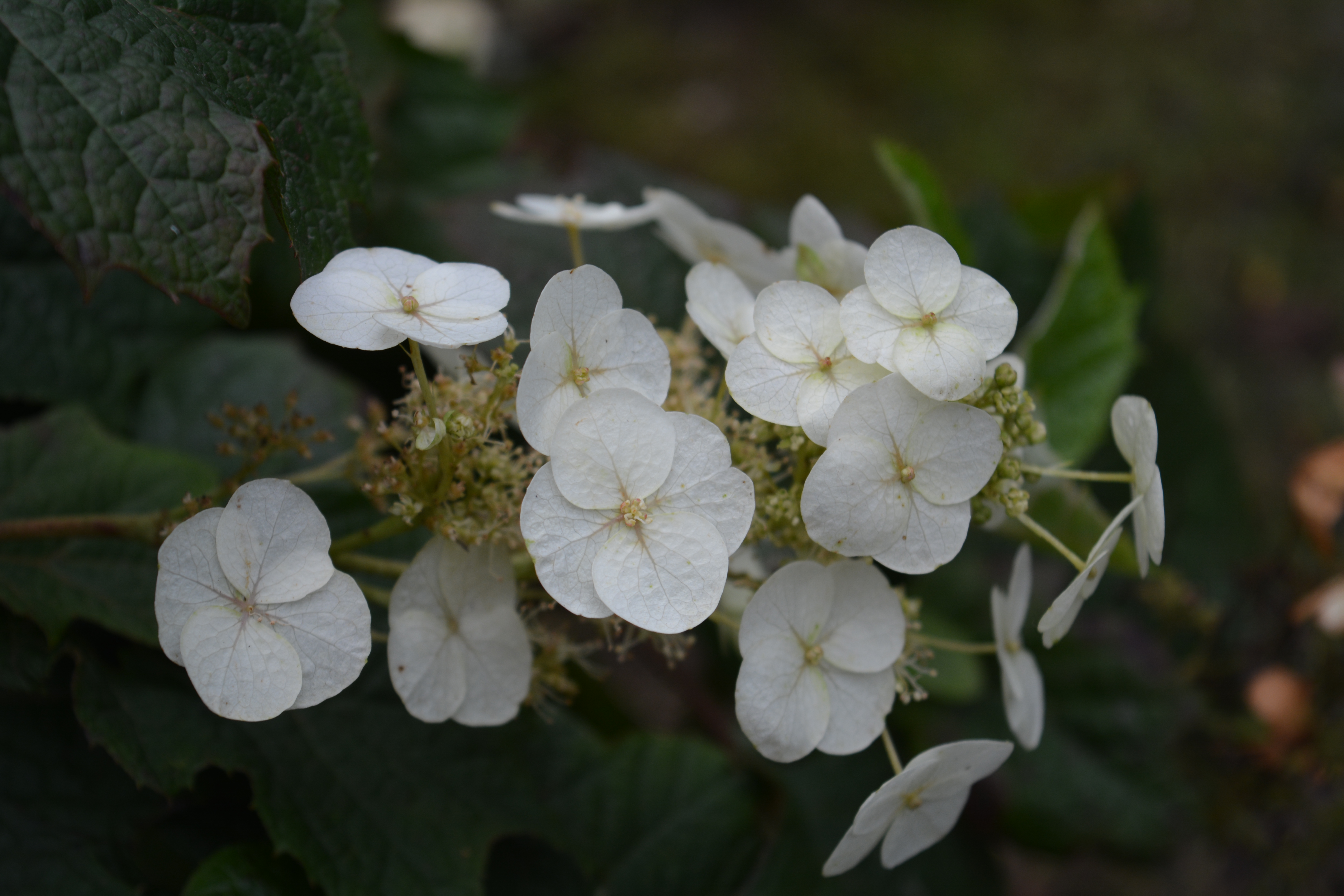
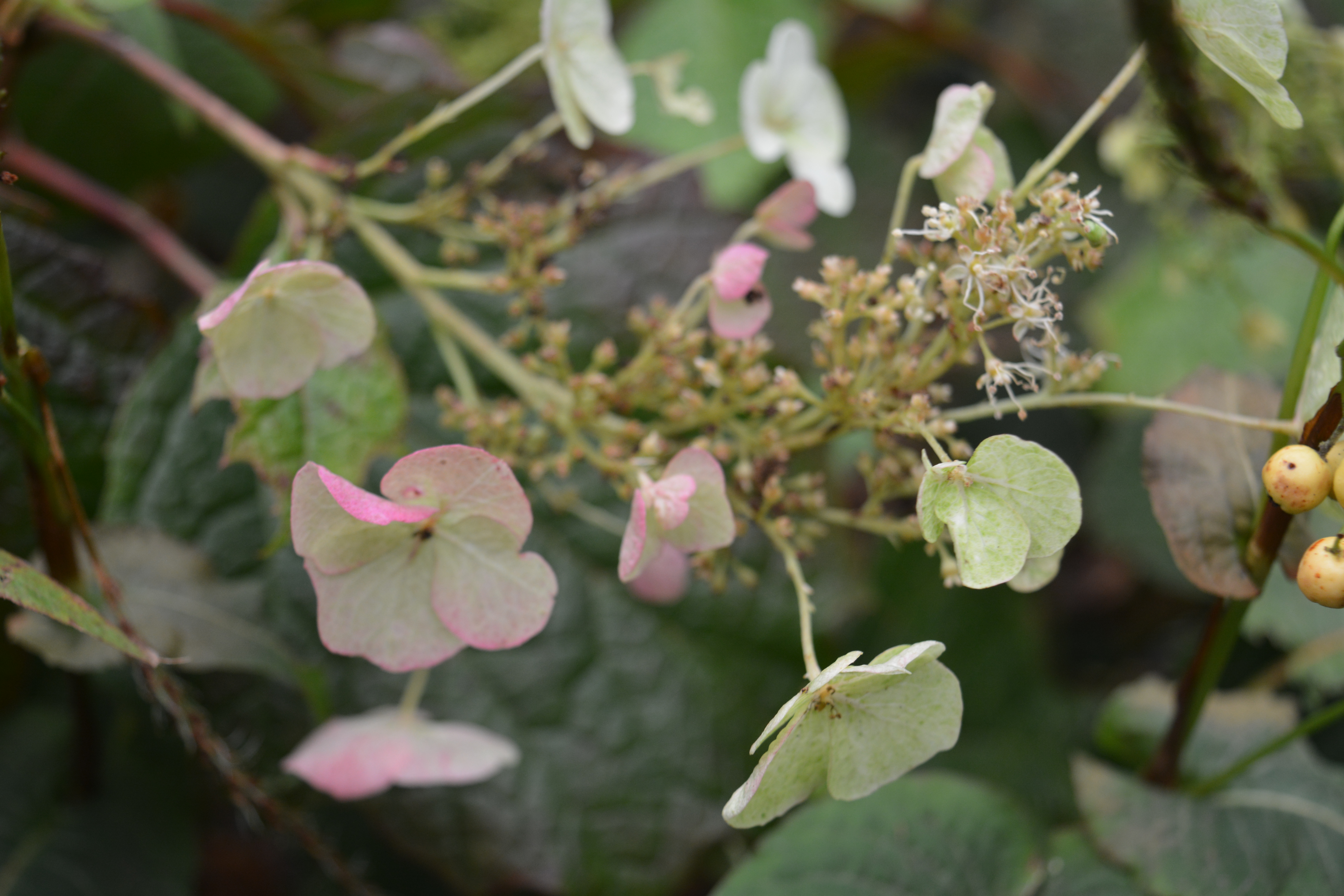
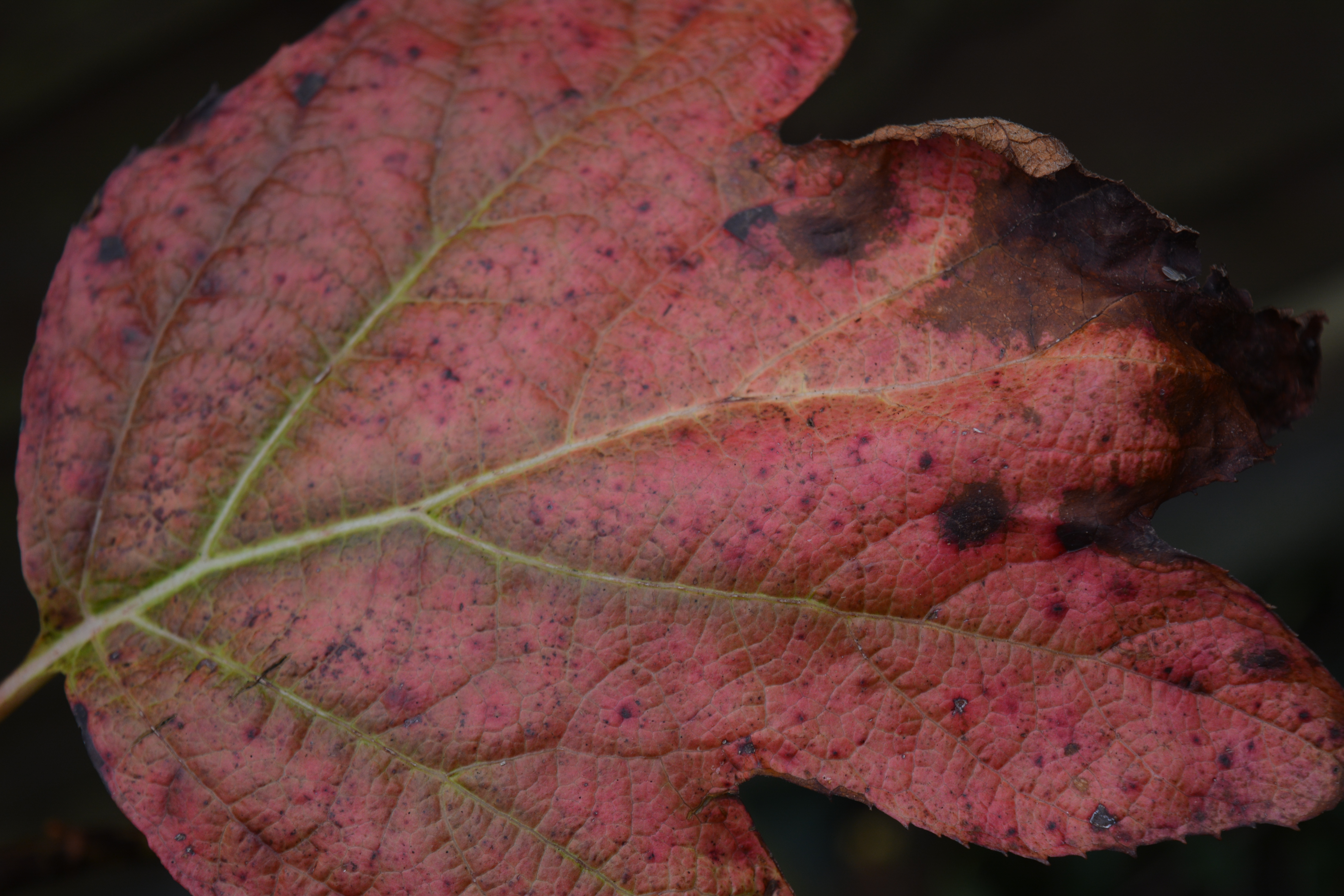
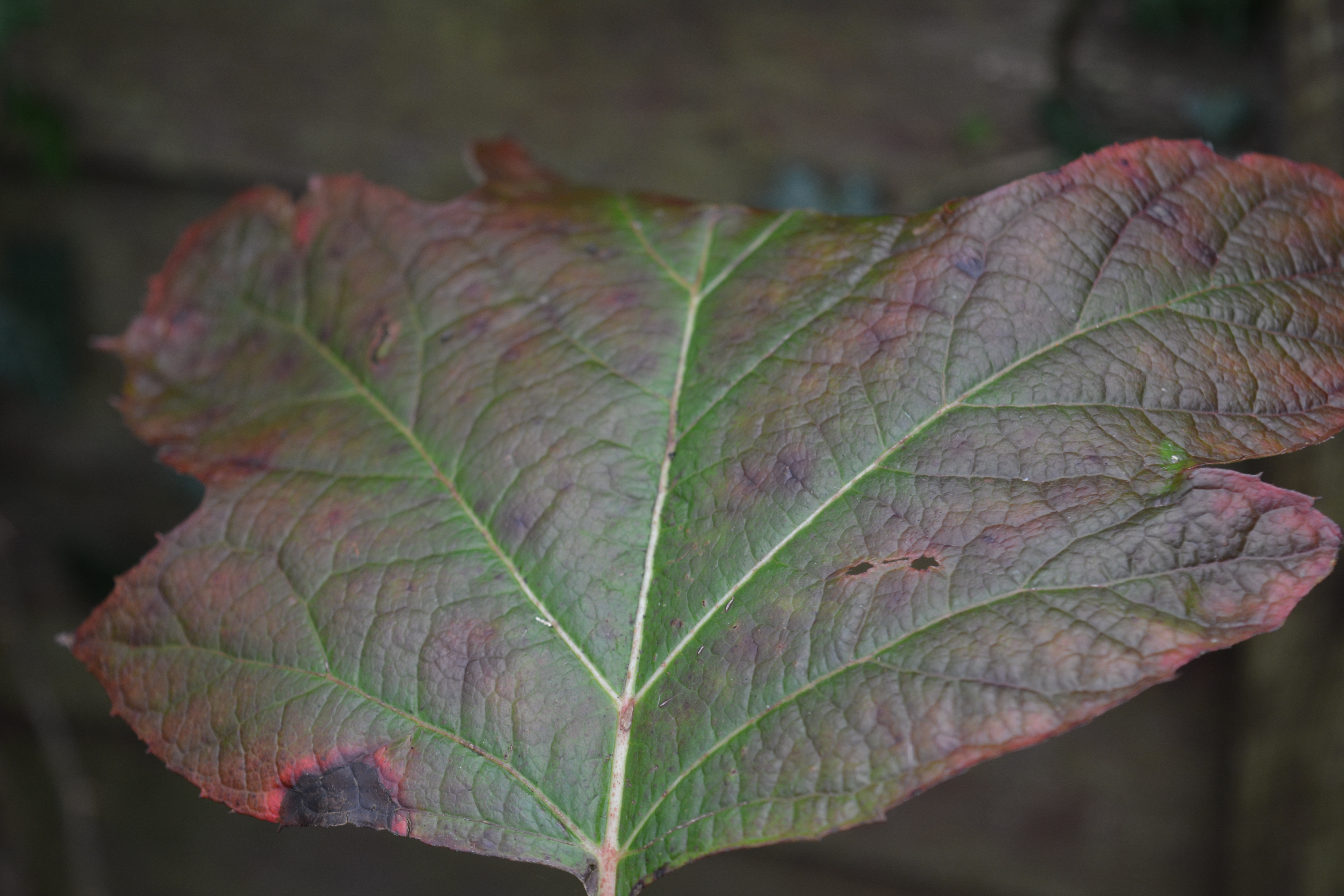
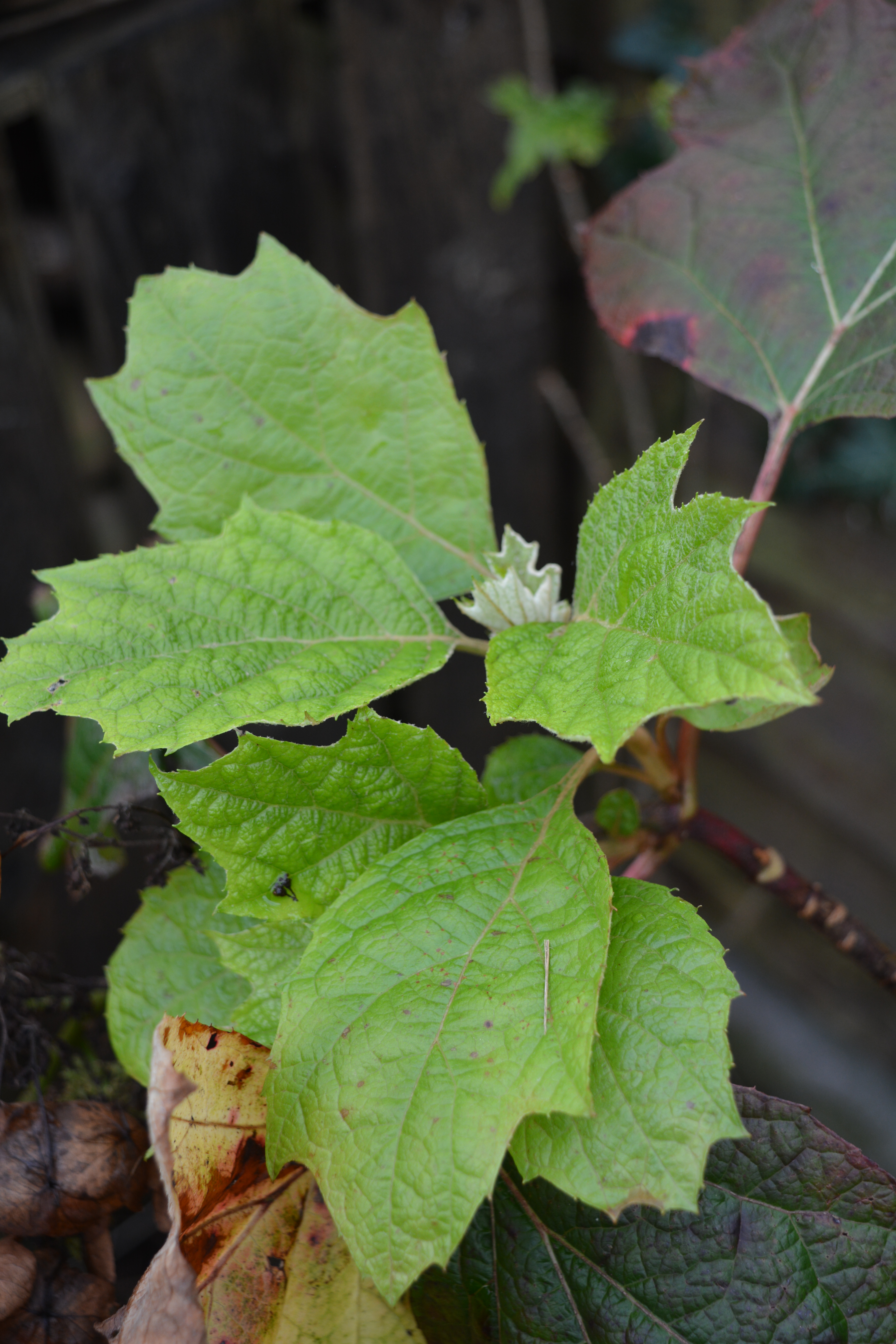
Another all time great of the shrub world is featured on my next page in the journal, A Hydrangea that gives us flowers that change colour, foliage that changes colour and a most unusual shaped leaf for a Hydrangea. It is Hydrangea quercifolia.
I wrote of it, “Hydrangea quercifolia is giving its all in the garden with white flowers turning pink and then finally rust. Autumn turns its leaves from bright apple green through to ruby red.” 

Its name gives a clue to its leaf shape as quercifolia means simply “oak leaved”. Our specimen has an extra attribute in that in Summer on humid days it emits a sweet honeyed scent. As far as I know they are not supposed to be graced with scent of any kind let alone one so special.

2015 11 27_7283 2015 11 27_7284 2015 11 27_7285 2015 11 27_7286 2015 11 27_7280 2015 11 27_7281 2015 11 27_7282 2015 12 01_7401-1

My last double page spread is all about Persicarias, a really useful perennial for any garden with hints of the new perennial movement or a nod towards the Prairie style planting. We love both these styles so we grow several different ones.

2015 11 30_7316_edited-1

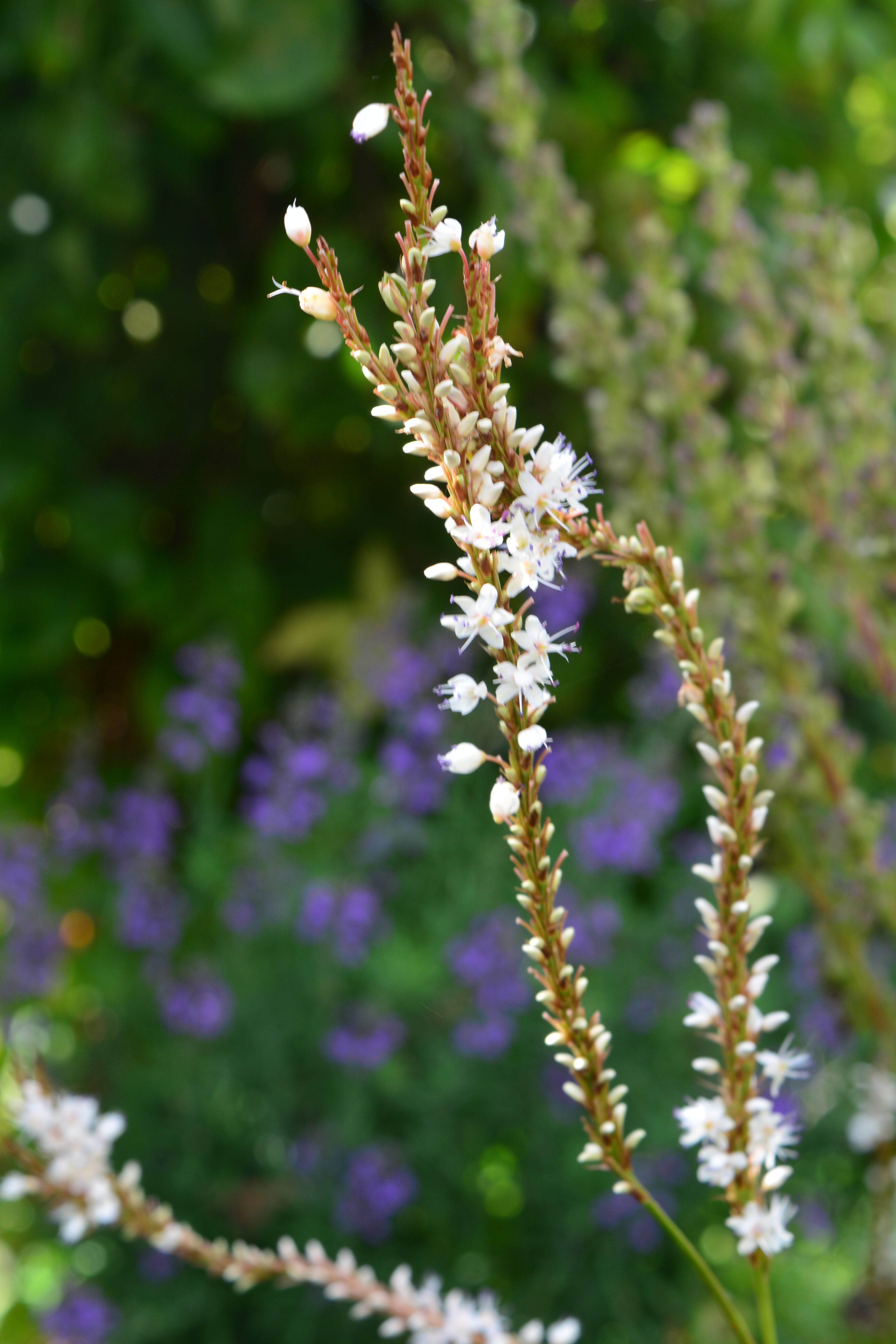
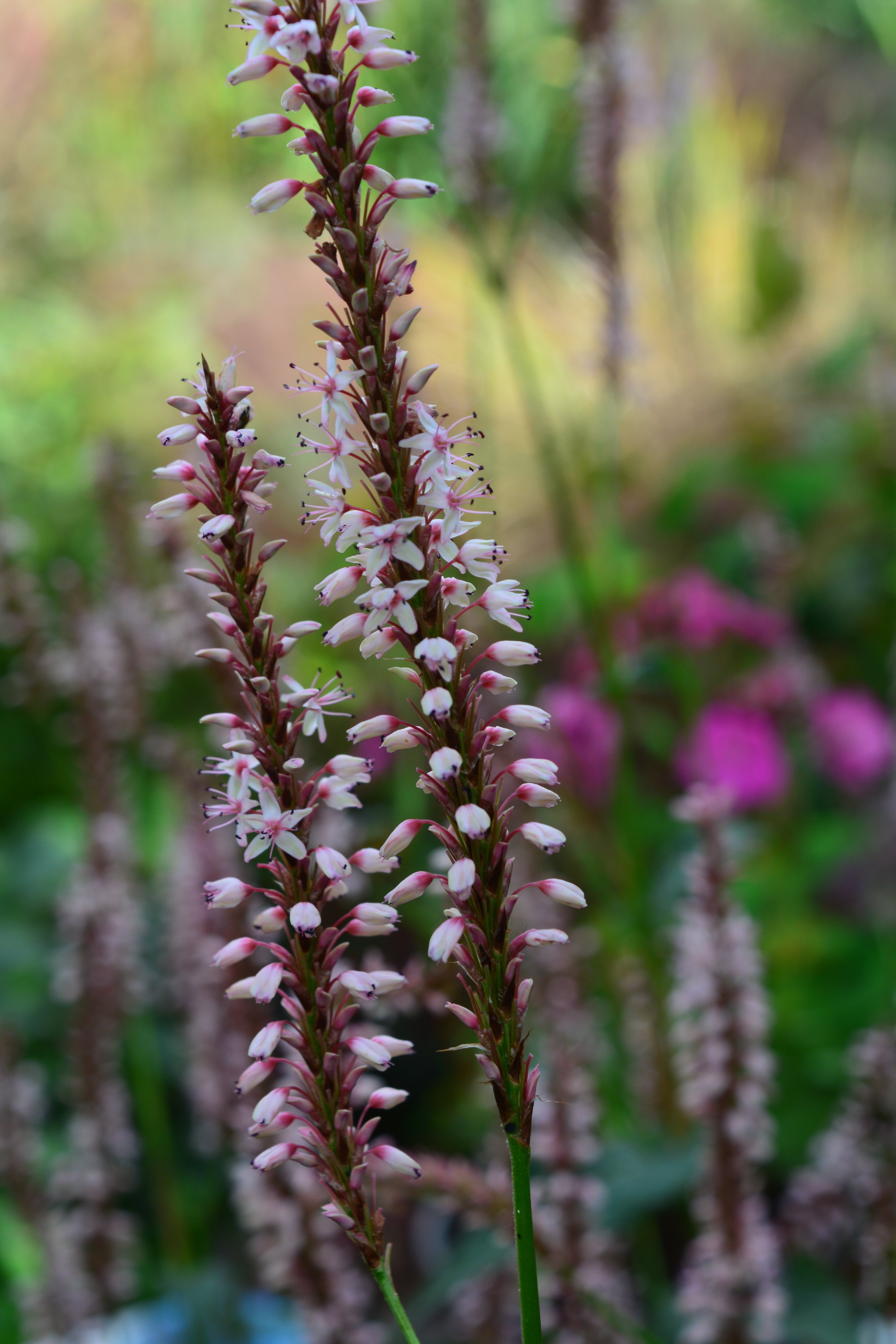
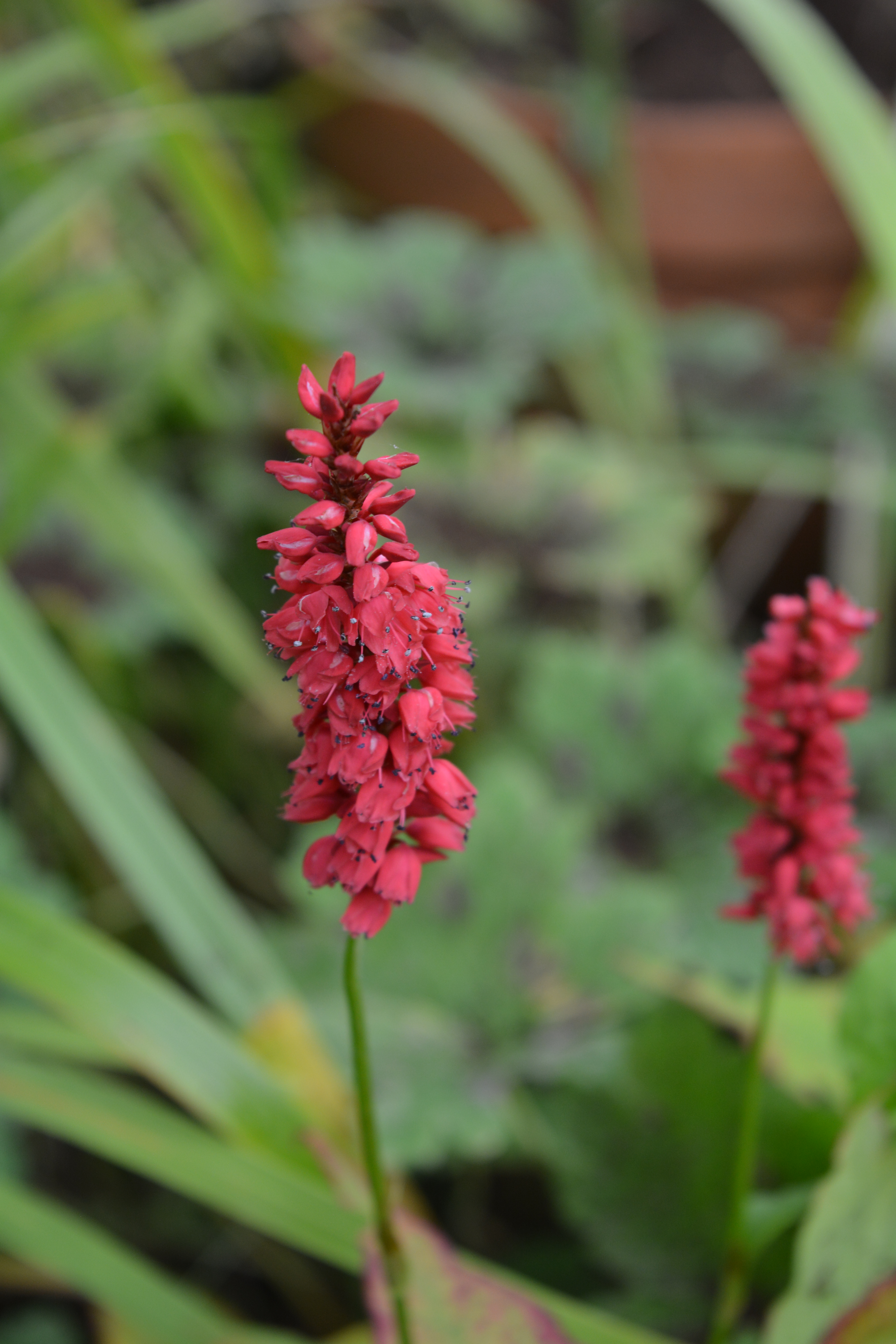
“A plant that gives us great pleasure in the Autumn is the Persicaria. We grow one type for its flowers and seed heads and another for its incredibly coloured and marked foliage. Persicaria amplexicaulis have poker-like flowers in various shades of red, pink and white followed by chocolate coloured seed heads.”

2015 12 01_7346 2015 09 21_5514 2015 09 21_5511 2015 09 21_5509 2015 10 10_5932 2015 10 10_5948

“Persicaria virginata gives us wonderfully coloured and unusual marked foliage with the addition of tiny white flowers.”

2015 10 10_5949 2015 10 10_5921 2015 10 11_5996 2015 10 11_5998 2015 10 11_5997

So that is the November visit to my journal. Next month will see me fill up my lovely little “Moleskine” note book as my December thoughts, photos and paintings bring the journal to an end for 2015.

This Veggie Life

A Vegetarian | Nature Lifestyle Blog

Rambling in the Garden

.....and nurturing my soul

The Arch City Gardener

Journeys In St. Louis Gardening and Beyond

Garden Dreaming at Châtillon

Consult the genius of the place

Storyshucker

A blog full of humorous and poignant observations.

gardeninacity

Notes from a wildlife-friendly cottage garden

PlayGroundology

...an emerging social science

The Official Blog of British Wildlife

'The most important and informative publication on wildlife of our times' - The Independent. This blog is a member of The UK & Ireland Natural History Bloggers group: www.uknhb.blogspot.com

iGrowHort

Inspire - Cultivate - Grow Native Plants - Restore Landscapes

Bishops Meadow Trust

To create and protect a semi-natural wild space for the people of Farnham to enjoy and experience an array of British wildlife in our town

Gardening with Children

The www.gardeningwithchildren.co.uk Blog

UKbirdingtimeline

birding through the seasons, why birds matter and how to conserve them

NATURE WALKER

with a camera in hand

Jardin

Transform your outdoor space

Eva's space

My allotment, cooking and other interests

Old School Garden

my gardening life through the year

LEANNE COLE

Trying to live a creative life

fromacountrycottage

trying to live as lightly as possible on our beautiful planet

Good Life Gardening

Nature lovers from Leicester living the good life.

mybeautfulthings

Finding the beautiful in the everyday

mawsonmichelle

Michelle's Allotment

In and Out of My Garden

thoughts from and about my garden

Greenhousing

Big plans for a small garden

The Scottish Country Garden

A Walled Country Garden in South East Scotland

The Fruity Chicken

Life at the fruity chicken

willowarchway

Off grid living. Self sufficient. "PERMAGANICS RULE".

St Anns Allotments

Nottingham's Grade 2* Listed Allotments and Community Orchard

Manifest Joy Harvests

a journey in suburban vegetable gardening

Allotmental

The madness of growing your own

Penny's Garden: a harvest beyond my front door

A novel approach to vegetable gardening

arignagardener

Sustainable living in the Irish countryside.

NewEnglandGardenAndThread

Master Gardener, amateur photographer, quilter, NH native, and sometimes SC snowbird

dianajhale

Recent work and work in progress and anything else that interests me

planthoarder

a chaotic cottage gardener

Lens and Pens by Sally

a weekly blog that creates a personal philosophy through photographs and words

Dewdrops and Sunshine

Stories from a sassy and classy Southern farmbelle.

The Pyjama Gardener

Simple Organic Gardening & Seasonal Living

gettin' fresh!

turning dirt into dinner

JOY...

today the world is created anew

Garden Birds

Notes from a Devon garden

ShootAbout

Life Through The Lens

Adapting Pixels

A photography blog showcasing the best photography pictures and videos on the internet

Wildlifegardening's Blog

Just another WordPress.com site

naturestimeline

personal observations from the natural world as the search continues for a new approach to conservation.

LATEBLOOMERBUDS

The Wonders of Life through my Eyes, my Heart, my Soul