Categories
bird watching birds canals climbing plants colours conservation countryside hedgerows landscapes nature reserves photography Shropshire Shropshire Wildlife Trust wildlife Wildlife Trusts

A return visit to the Prees Branch Line – a canal nature reserve.

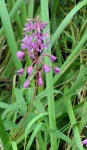
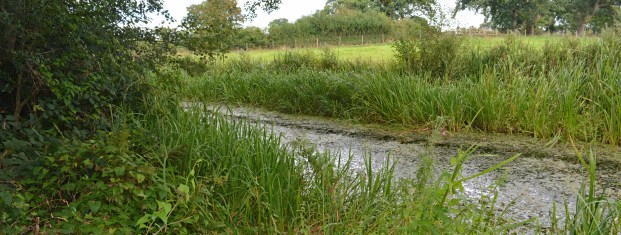
My brother Graham and his wife Vicky came to stay with us in early September and we went for some good days out, one of which was to the Prees Branch Line, a disused canal branch that never actually opened but now is a rich nature reserve, the longest wildlife pond in Shropshire. We have visited several times in the past at different seasons and enjoyed every walk along the old abandoned canal, as there is always so much wildlife to observe, encounter and surprise.
pbl-07

The site sign hints strongly at its main wildlife star, the Water Vole with a lovely illustration, but this is a star who is a real secretive creature and visitors have to be very lucky to spot one. It is more likely to find stems of reeds nibbled down in the vole’s distinctive style, or hear the plop as it enters the water again a very distinctive sound. We have heard them plop and seen signs of their nibblings at this reserve but never as yet spotted one.

pbl-01

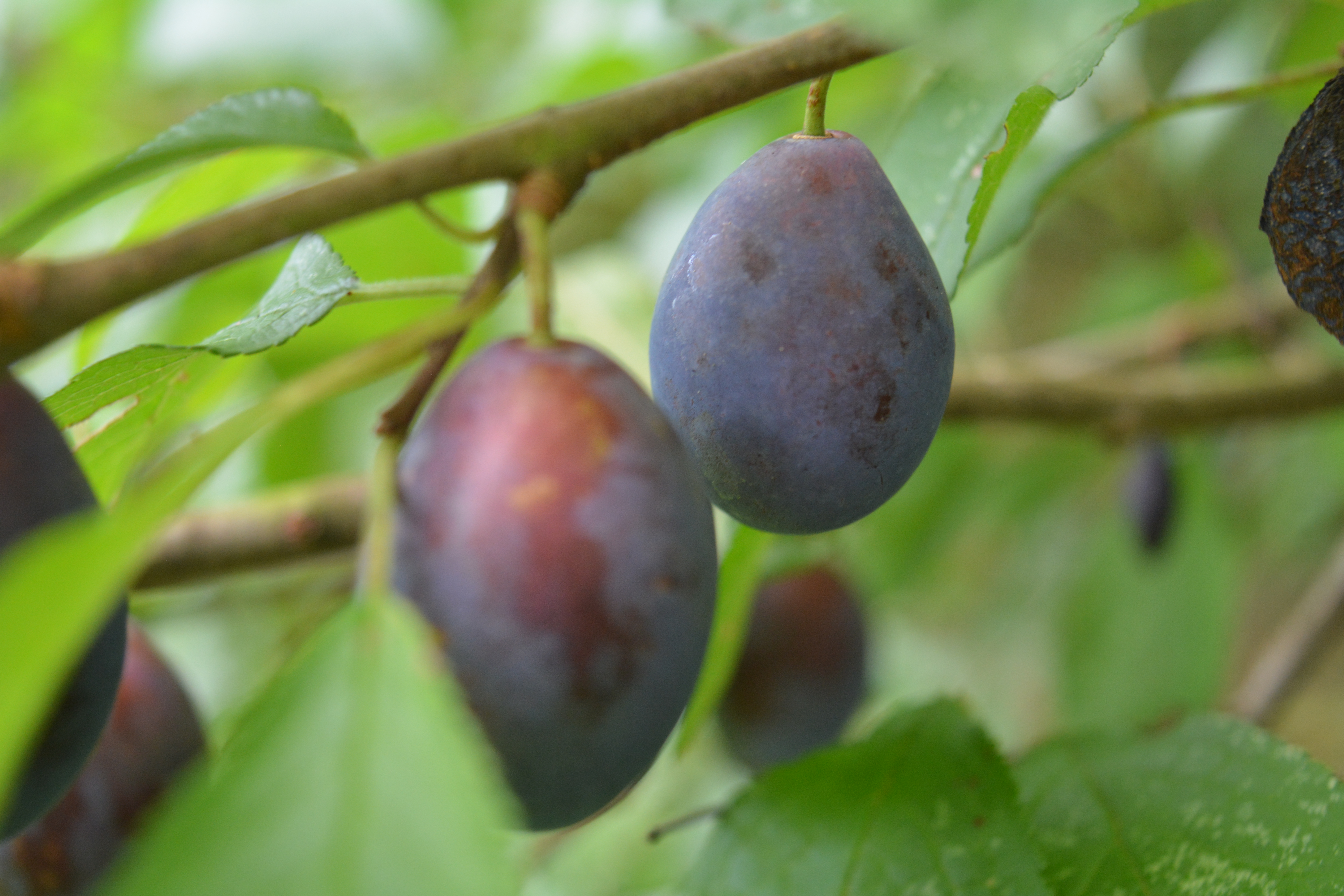
We began our walk enjoying a coffee as we put on our walking boots and luckily spotted some fruit trees close by, the native Shropshire Damson otherwise known as the Shropshire Prune. This tree is a feature of Shropshire’s hedgerows and we have enjoyed many while on walks. These however were the sweetest we have ever tasted, the nectar of the gods.
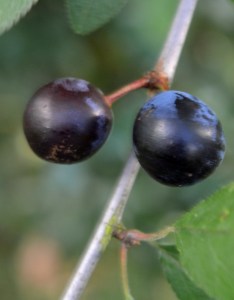
pbl-02 pb-1

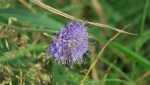
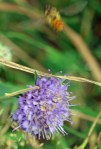
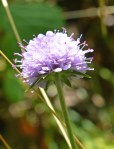
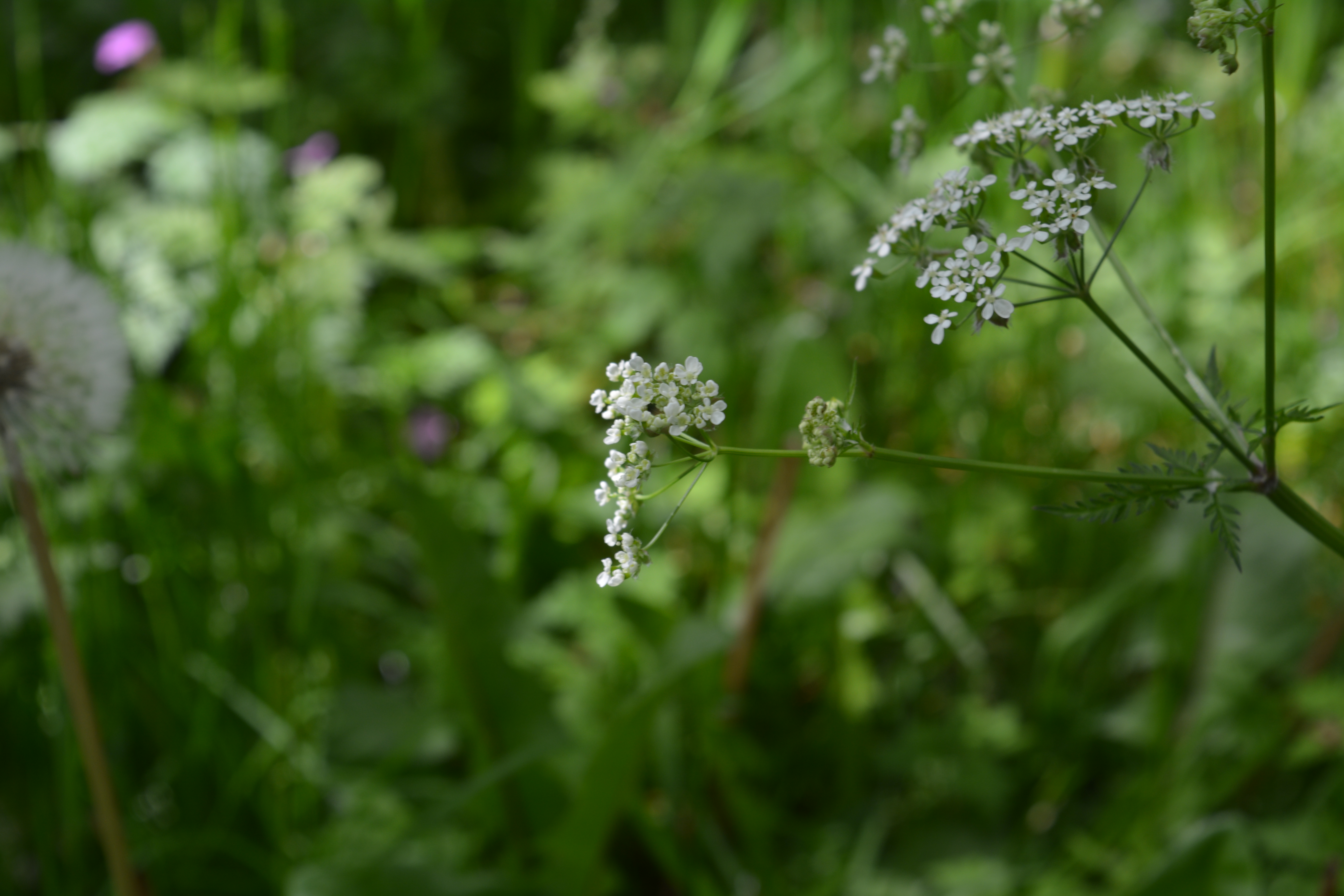
On this latest visit we were lucky to spot and watch for a long while a rare bee, the Moss Carder Bee which was a first for us. It appeared right in front of me as I was taking a photograph of a plant so I had the rare chance of taking photographs so effortlessly. The bee really just posed for me. Graham and I watched it for a while and got very close, close enough to appreciate the beauty of its delicate colouring and the subtlety of its markings.
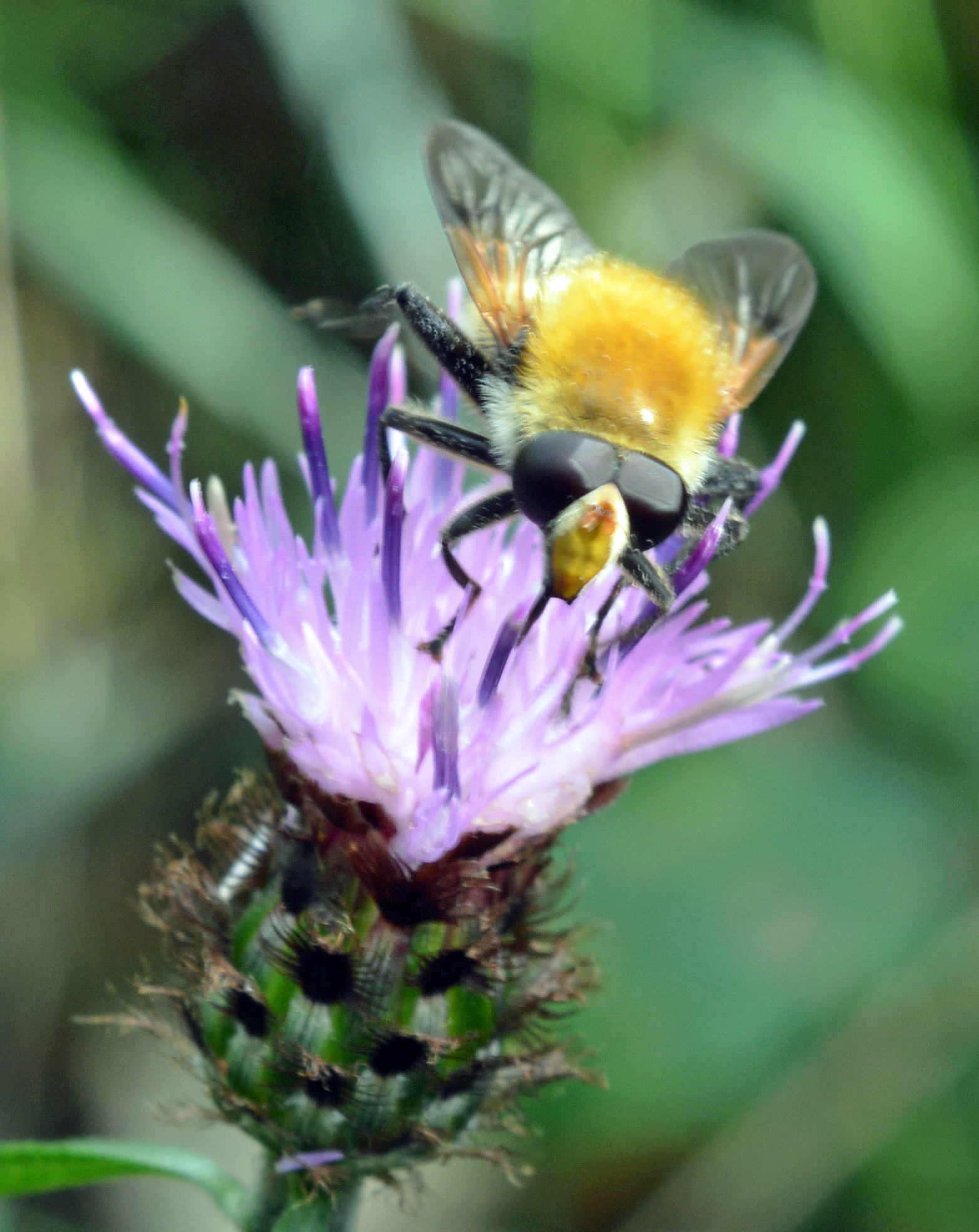
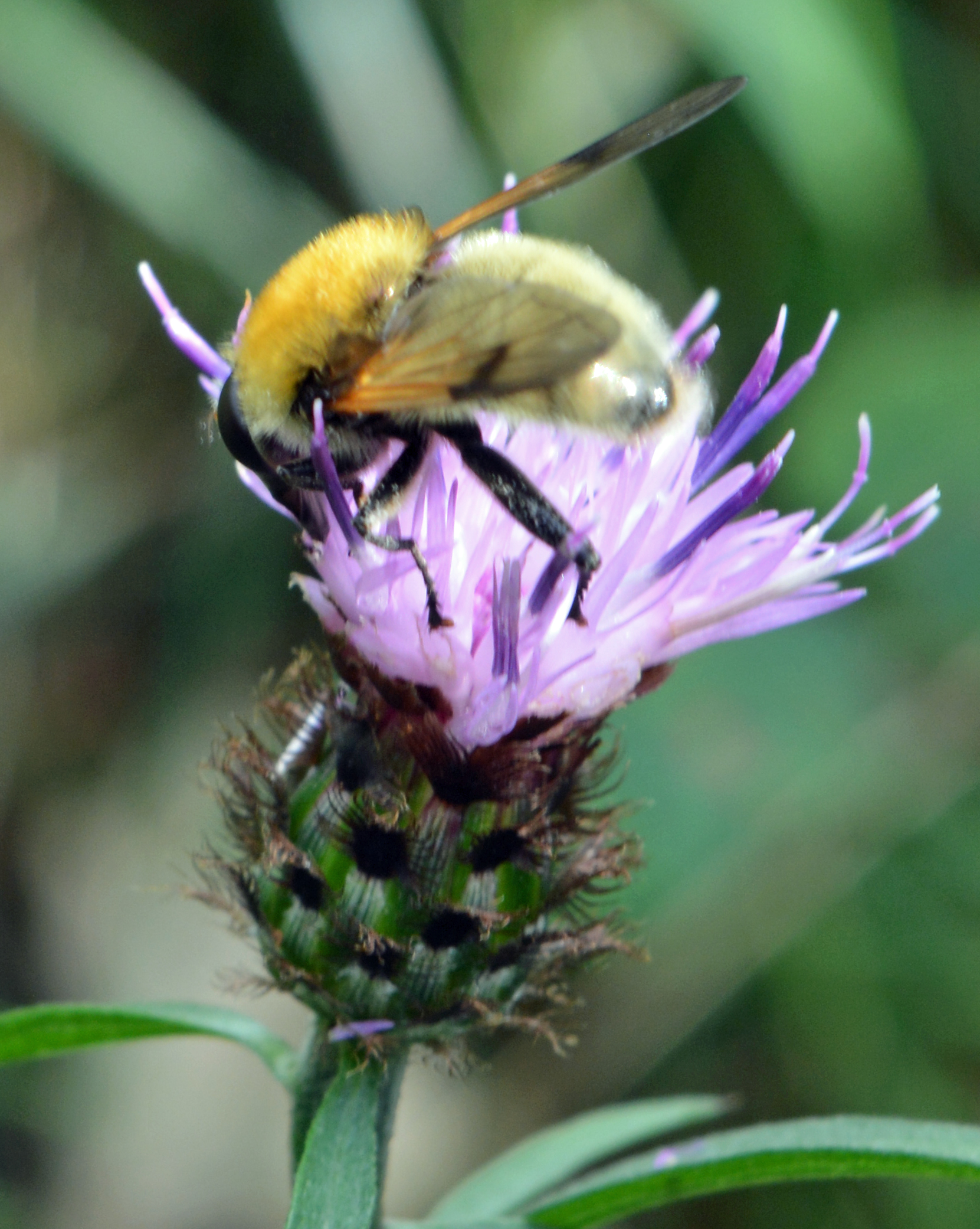
pb-2 pb-3 pb-4

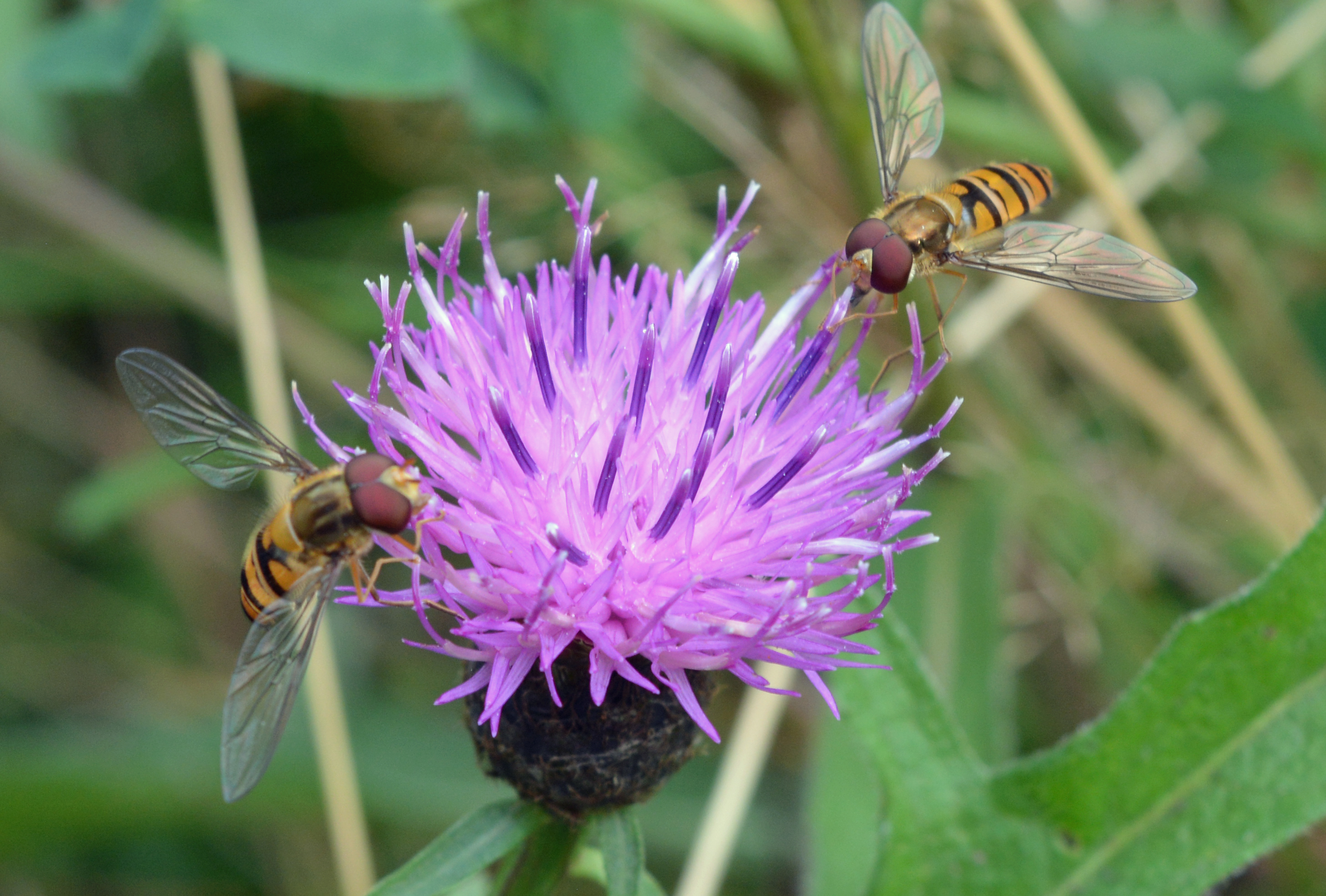
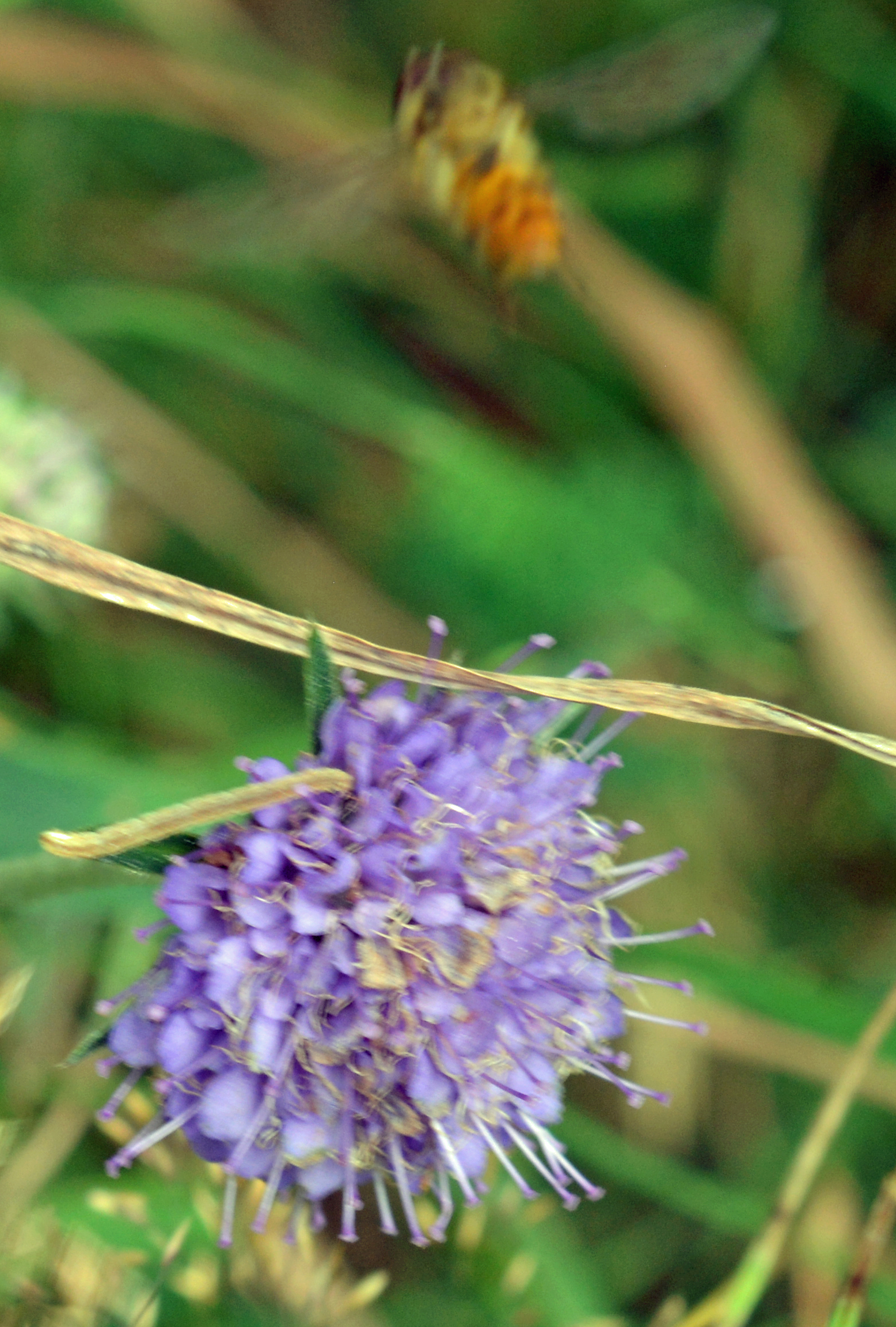
Not so long after this a similar thing happened. Again I was taking a close up photograph of a plant when a hoverfly firstly came into view above the flower, then landed on it closely followed by a second identical one allowing me to get these shots. Twins! Identical twins!
pbl-44 pbl-45pbl-22

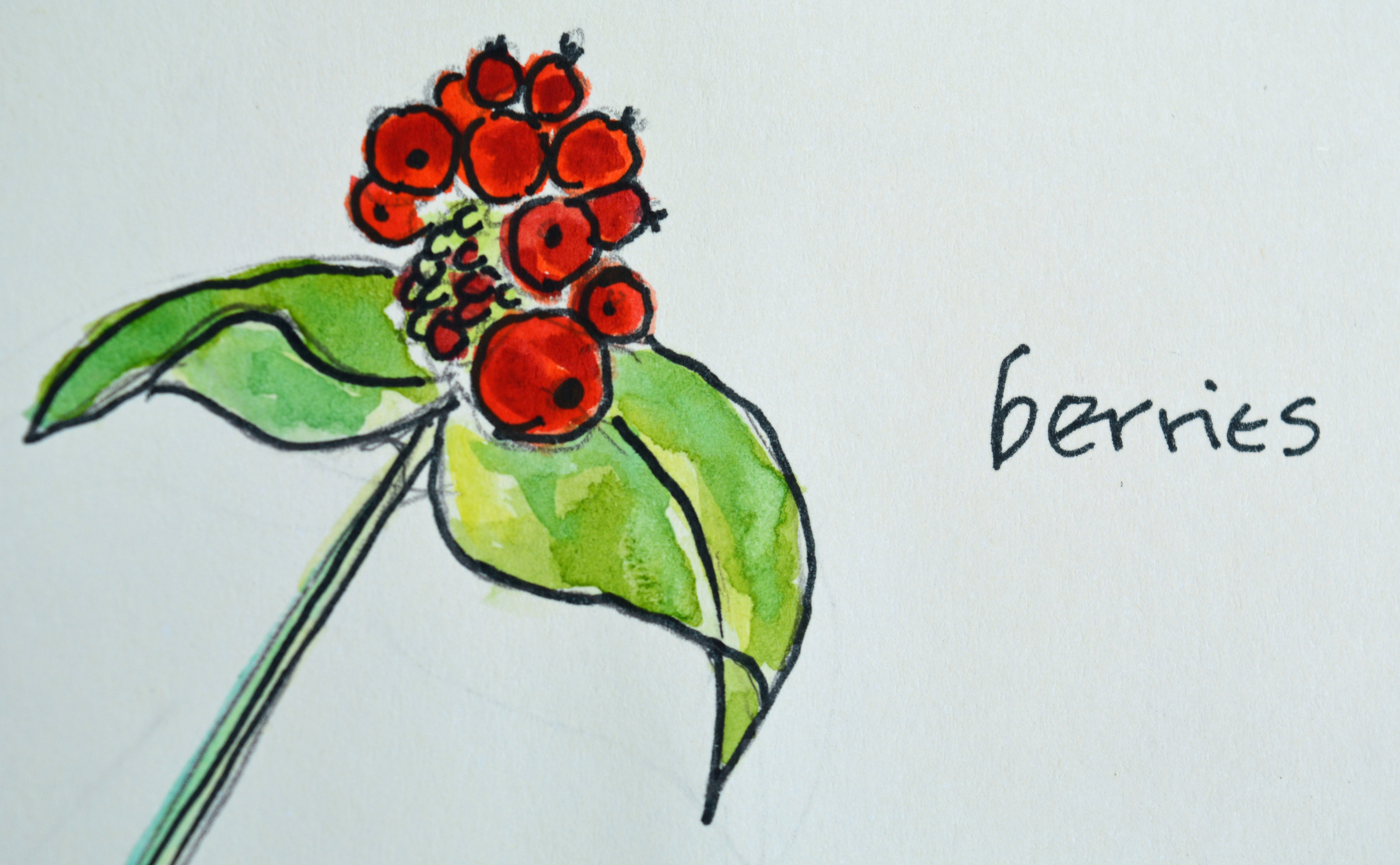
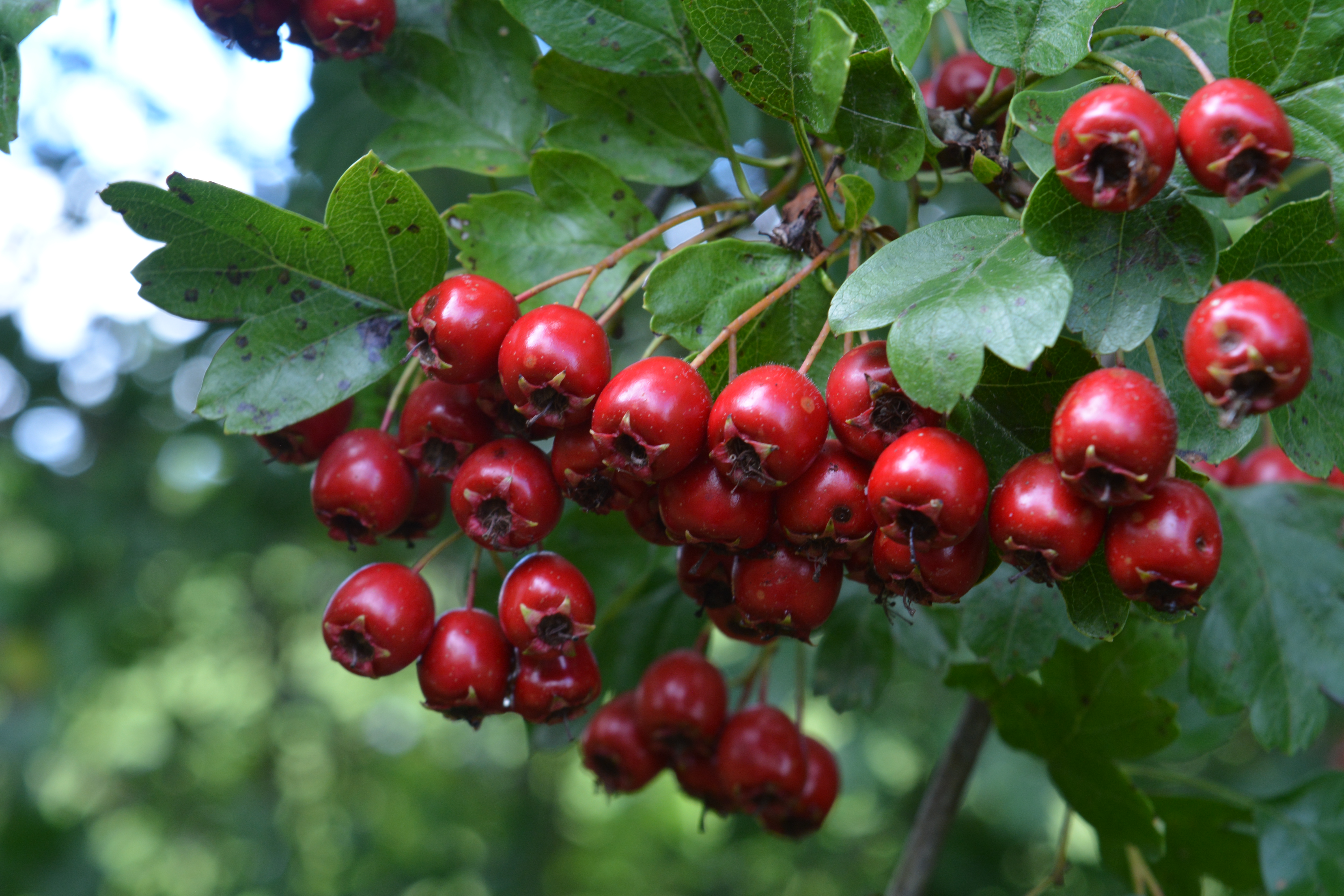
Berries were at various stages of ripeness from hard green to the darkest of ruby red.
pbl-31 pbl-32

And wild flowers added spots of colour to the impressionist painting that is the bank of the canal.

pbl-23pbl-05 pbl-38

There was so much to see as we ambled along the narrow track along the towpath of the canal branch line that never opened to barges just to wildlife. Rather than narrow-boats plying the waters it is Swans, Mallards and Water Voles instead! We barely moved forward a few steps before something caught our eyes and stopped us in our tracks. I took so many photos that I thought I could invite you to join us as we followed our canal side path “there and back again”. Enjoy!

As usual just click on the first photo and then navigate with the arrows.


Categories
awards climbing plants colours garden design garden photography garden ponds garden pools garden seating gardening gardens gardens open to the public hardy perennials National Garden Scheme NGS ornamental grasses ornamental trees and shrubs outdoor sculpture sculpture Shropshire shrubs trees Uncategorized village gardens water in the garden Yellow Book Gardens

Windy Ridge – another Yellow Book Garden

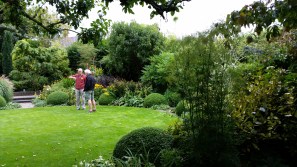
Windy Ridge is a fellow “Yellow Book Garden” in Shropshire and thus like us opens for charity under the auspices of the National Garden Scheme. The gardener owners have been opening their garden for many years more than we have and we have visited several times before. We decided the time was right for a return visit to discover how it has developed over the years. The owners/gardeners are real plantspersons with plenty of knowledge to share and impart related to both plants, garden management and design.

win-27 win-02

Windy Ridge is a garden of wandering paths, secret places, surprises around every corner but above all a garden full of plants to stop you in your tracks either because they are so well grown or very unusual.

win-05 win-75win-12 win-06

There are quality sculptural pieces among the plants for visitors to enjoy beginning with a huge carved tree trunk at the garden entrance.

win-74 win-18 win-49win-28 win-35win-44 win-38

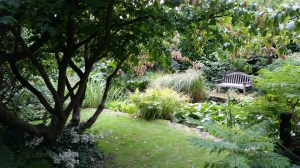
Secret pathways which lead the visitor onward and present choices are an important element of a quality garden.

win-09 win-13win-22 win-48

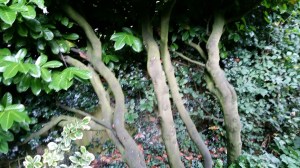
In our own “Avocet” garden we enjoy raising the canopy of our trees and shrubs to expose interesting bark and trunk shapes and to let in light to allow planting beneath. At Windy Ridge this is performed to perfection and helps give the garden its character. The first photo below shows how this technique even helps Laurel, my most disliked plant! To make it work the gardener must look closely at and listen to the plant before attempting the first cut. If the gardener does this he is more likely to react to the character of each tree and shrub and give it the shaping it deserves and wants.

win-14 win-25win-45 win-10 win-24

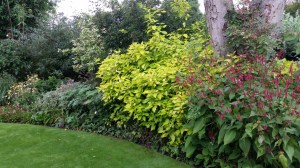
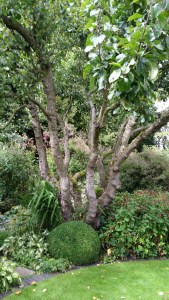
We enjoyed and admired the way that the formality of clipped box integrates so well into the softness of the planting.

win-23 win-21win-20 win-19

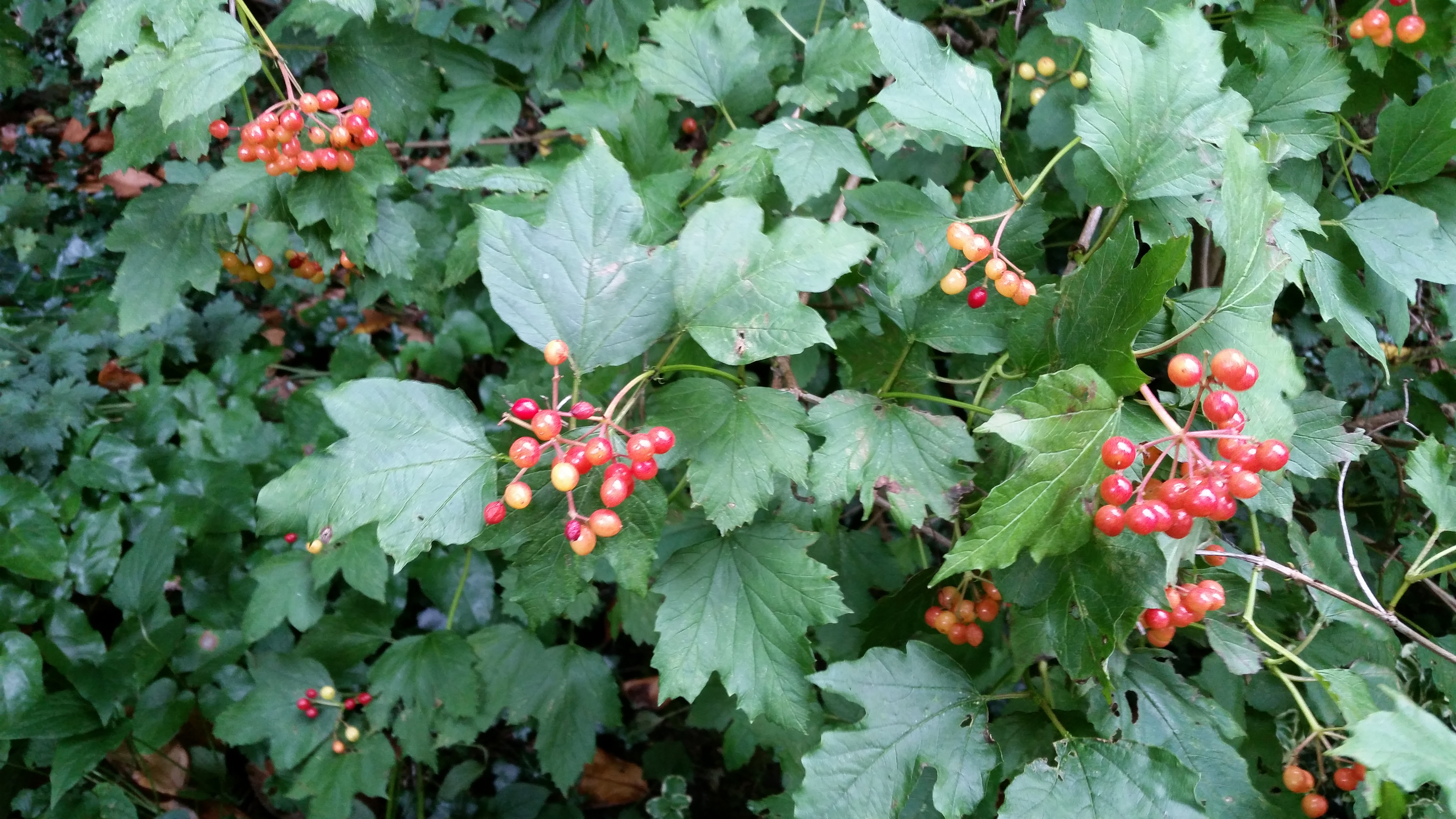
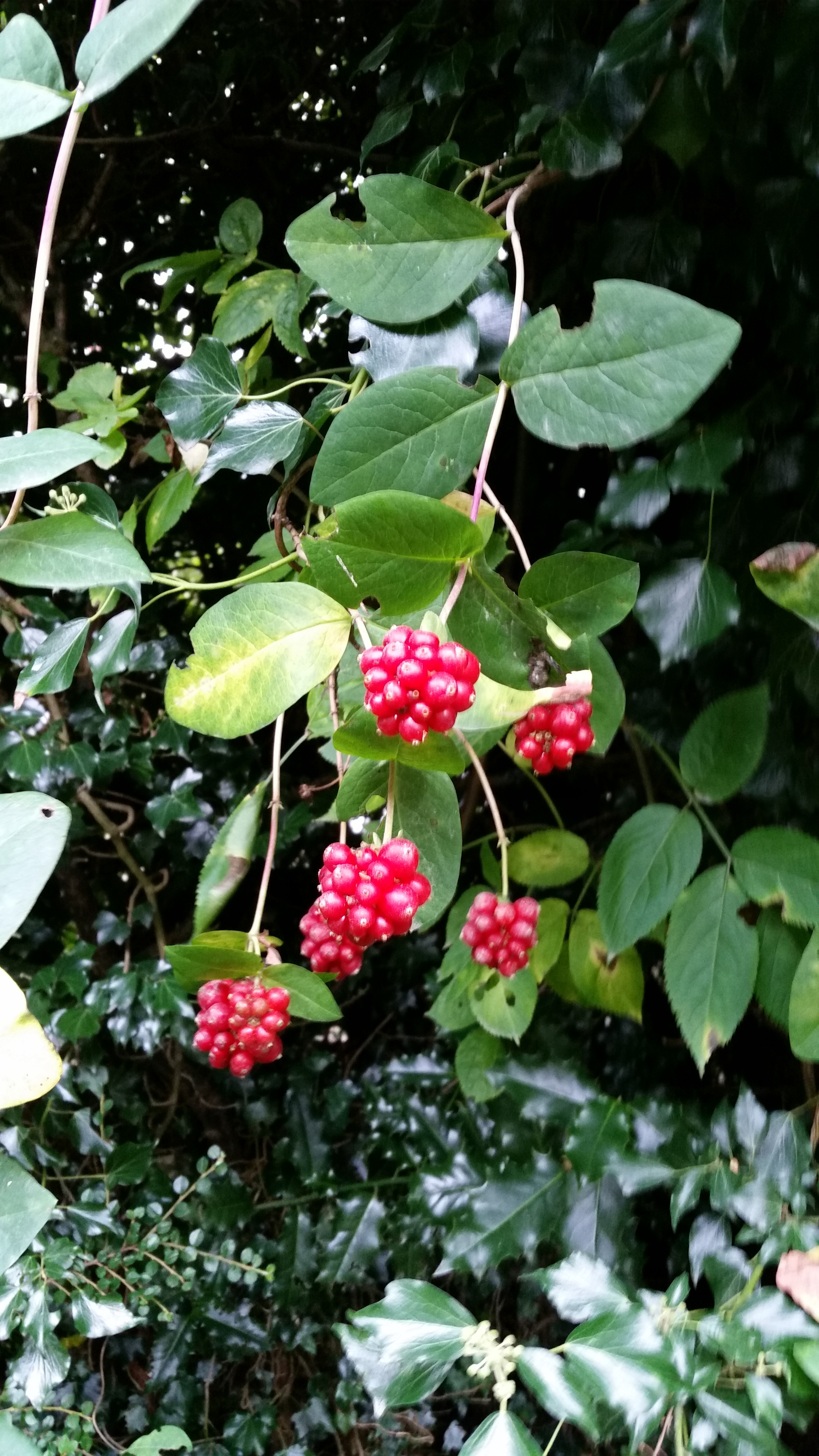
Berries enhance the September garden and add even more colour to that provided by flowers. Windy Ridge had colour aplenty!

win-08 win-15win-34 win-31win-16 win-17 win-32 win-39 win-36


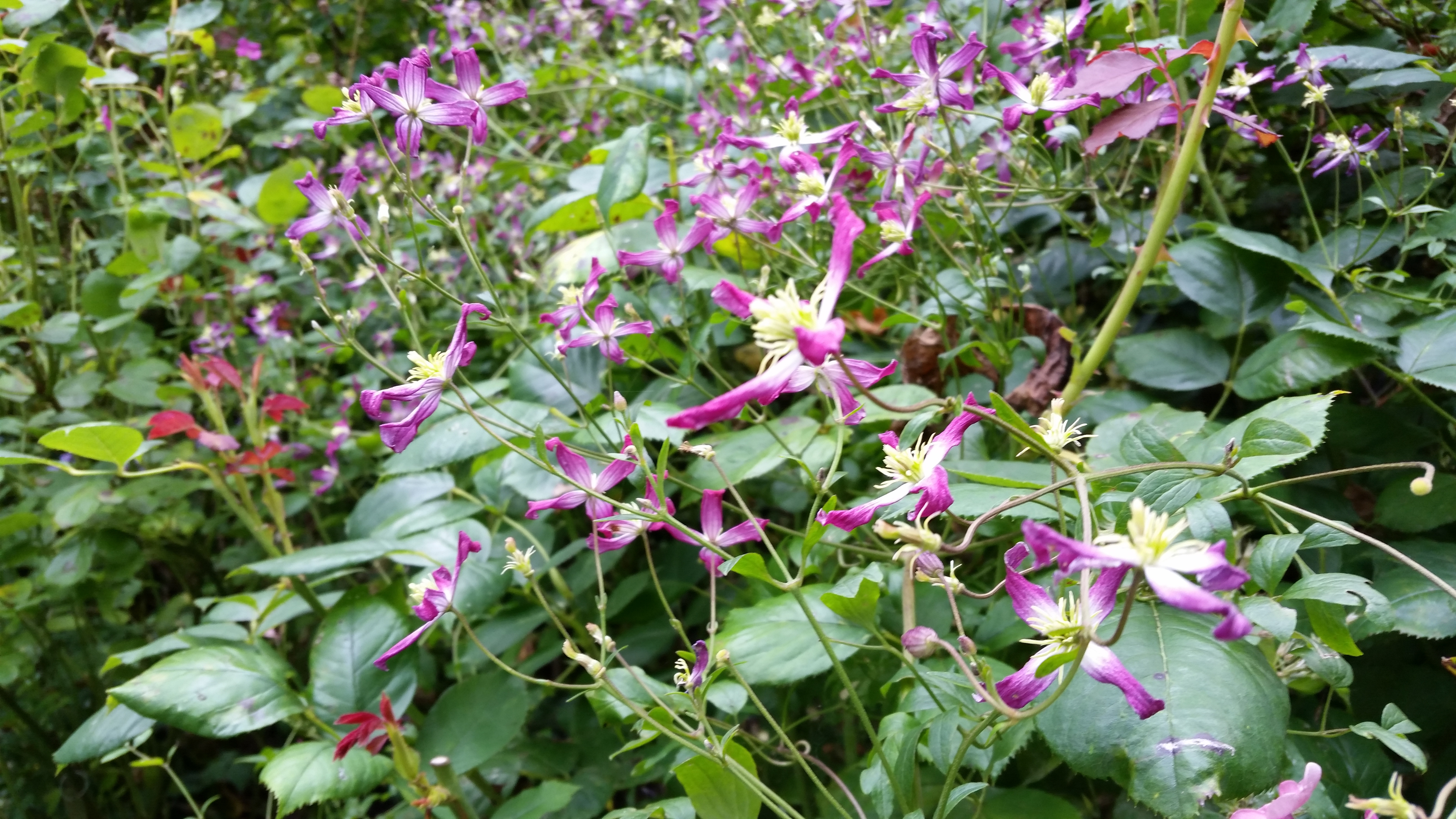
If I had to pick out one plant as my favourite at Windy Ridge it would have to be beautiful coloured and scented Clematis, C. odorata, a plant left to ramble unpruned to great effect. It is a Clematis we have been seeking for our own patch for many years so seeing and smelling it here has renewed our determination to add it to our huge clematis collection already climbing and clambering in our Avocet garden.

win-30

Hydrangeas were well in bloom when we visited and the sheer variety of colours was to be admired.

win-41 win-42win-46

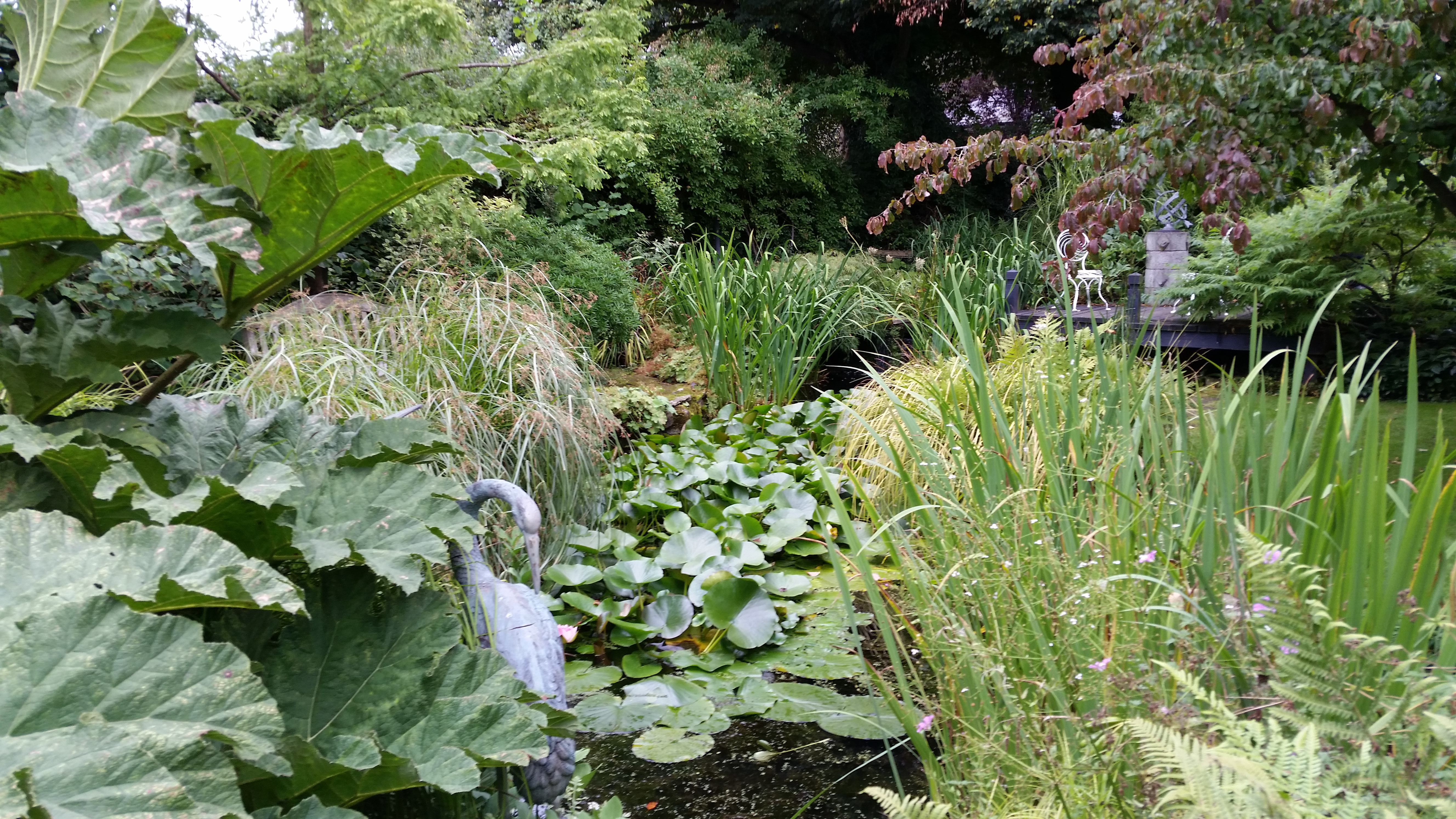
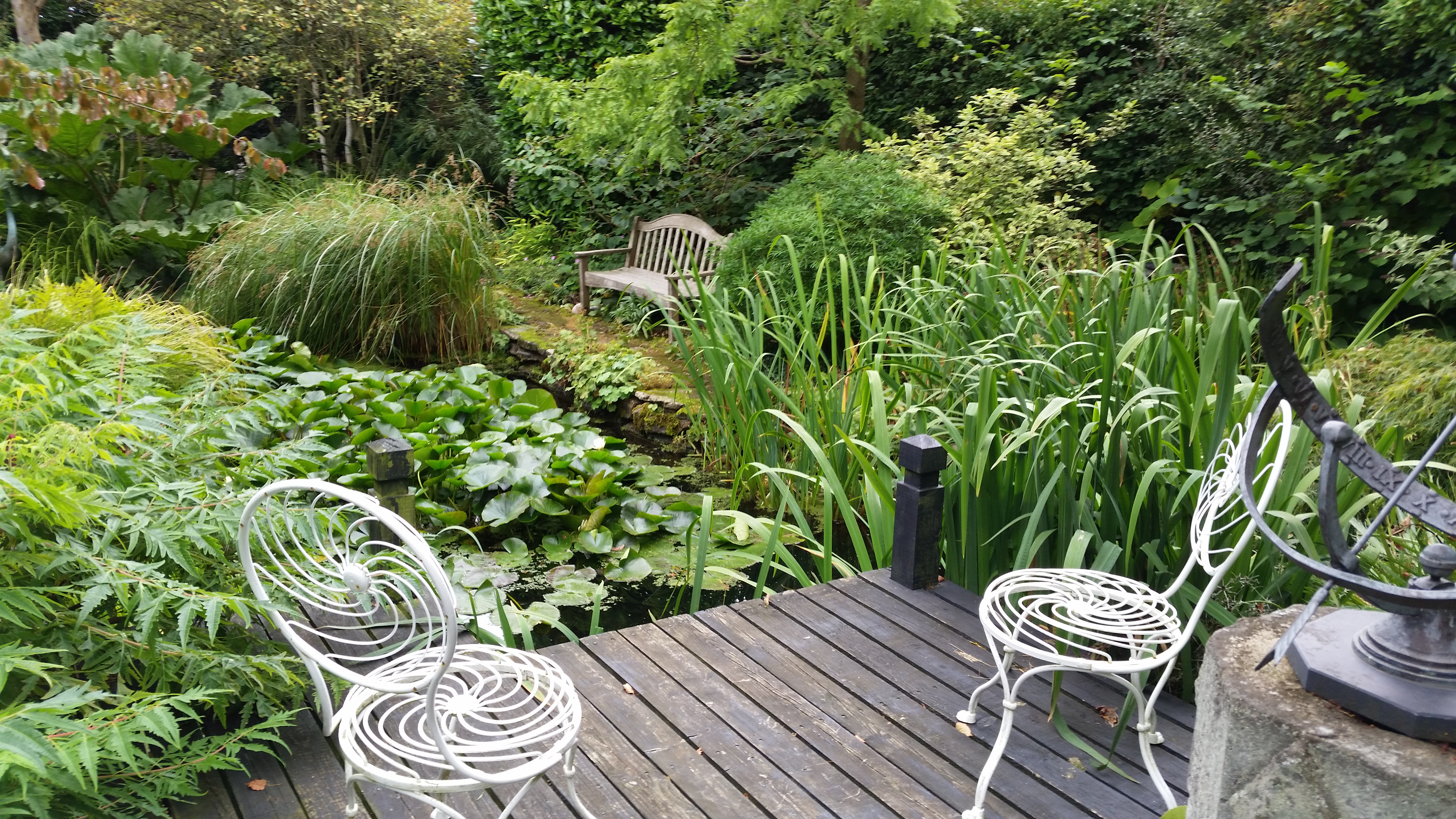
The highlight for many visitors is the large garden pond with wonderful marginal planting, a decked area with white ironwork seats and a narrow pathway behind it for the visitor to explore. We had a great afternoon returning to the garden at Windy Ridge and found it as inspiring as always. We were pleased to note that it had received an award in a national garden competition.

win-43 win-37 win-61 win-56


Categories
colours garden design garden photography garden ponds garden pools gardening gardens gardens open to the public hardy perennials light light quality ornamental trees and shrubs roses Shropshire shrubs trees water in the garden

The Dorothy Clive Garden in August

In late August we made one of our regular visits to the Dorothy Clive Gardens on the Shropshire and Staffordshire border to see how the garden was progressing. We chose a warm sunny day for our visit which gave strong contrasts and deep shadow for the trusty Nikon to deal with.

We expected to see lots of colour and much of it bright hot colours provided by flowering perennials as well as perhaps the first signs of late summer presenting a glimpse ahead to autumn, with seeds and berries beginning to show and some leaf colour on trees and shrubs.

There was most certainly no shortage of berries to discover shining brightly like jewels under a bright summer sun.

dcaug-029 dcaug-014 dcaug-028 dcaug-026 dcaug-018 dcaug-027 dcaug-025 dcaug-009 dcaug-006 dcaug-005 dcaug-040 dcaug-042 dcaug-043

A few very unusual berries in both colour and shape, were displayed by deciduous Euonymous and Magnolia.

dcaug-030 dcaug-033

Seedheads were beginning to form on herbaceous perennial plants just as we thought we might find.

dcaug-050 dcaug-048dcaug-049 dcaug-054dcaug-057 dcaug-059dcaug-056 dcaug-060

We enjoyed the range of colours that flowers provided in the borders and these were highlighted by the August sun riding high in the afternoon sky.

dcaug-004 dcaug-007dcaug-051 dcaug-058

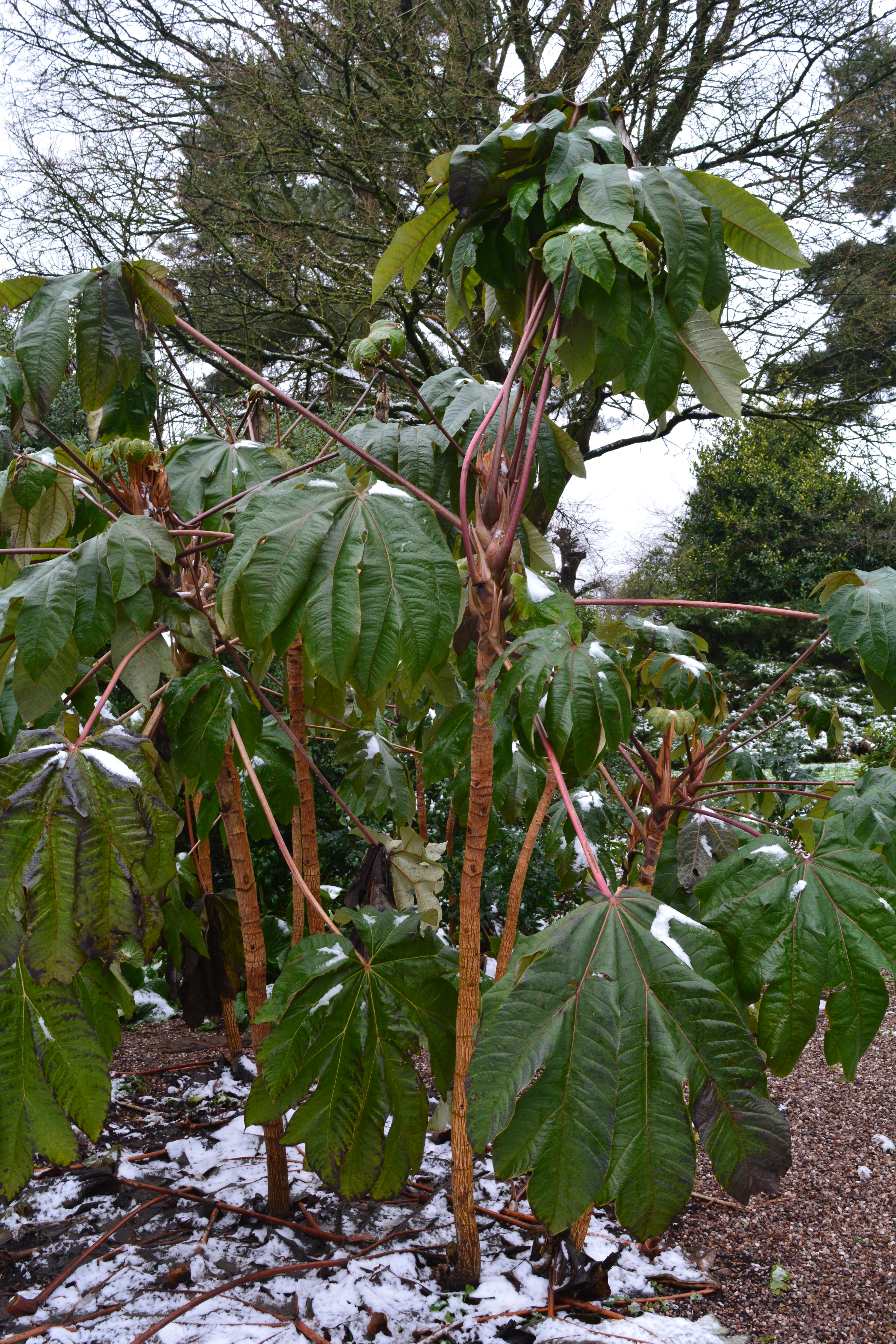
We were pleased to see that this garden’s Tetrapanax Rex was thriving having lost our specimen early in the year. One here was particularly beautiful with clean unmarked foliage.

dcaug-021 dcaug-022 dcaug-023

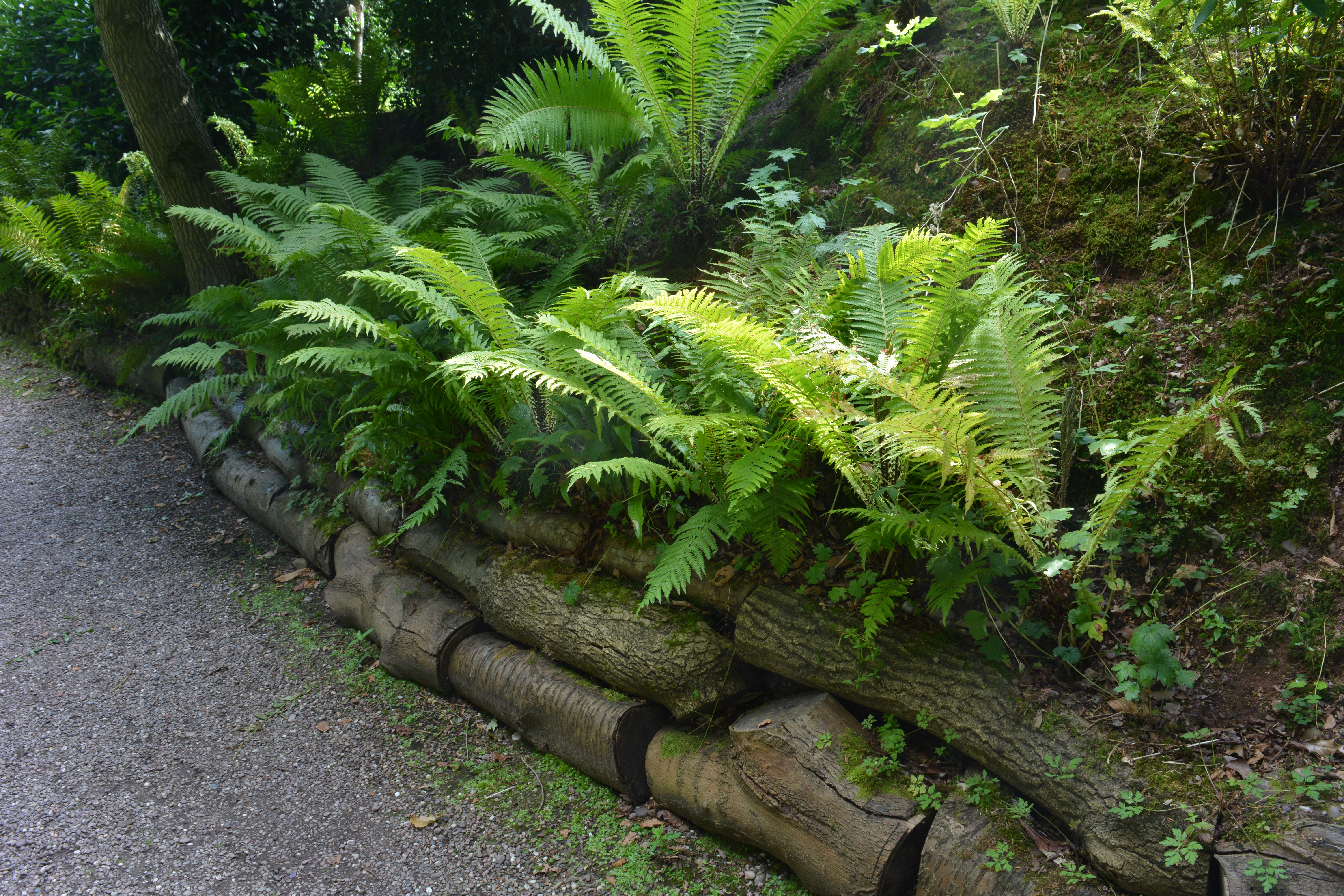
Ferns also provided brilliant green foliage throughout the Dingle Garden, looking fresh beneath the tall mature trees and evergreen shrubs.

dcaug-012 dcaug-013

In the new Winter Woodland Garden we were fascinated by the way the gardeners were training the coloured stemmed willows. We will have to wait and see what the end result will look like.

dcaug-019

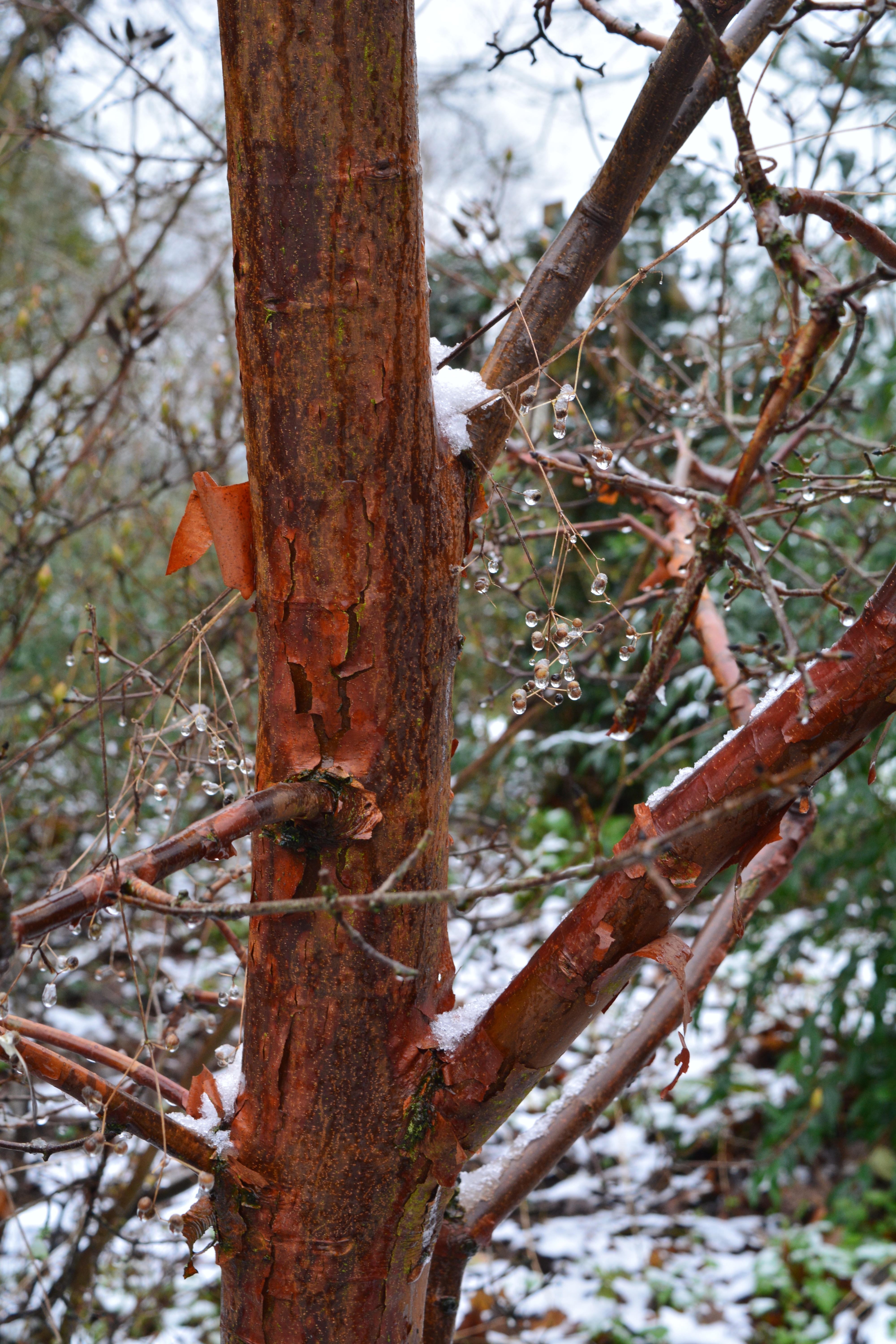
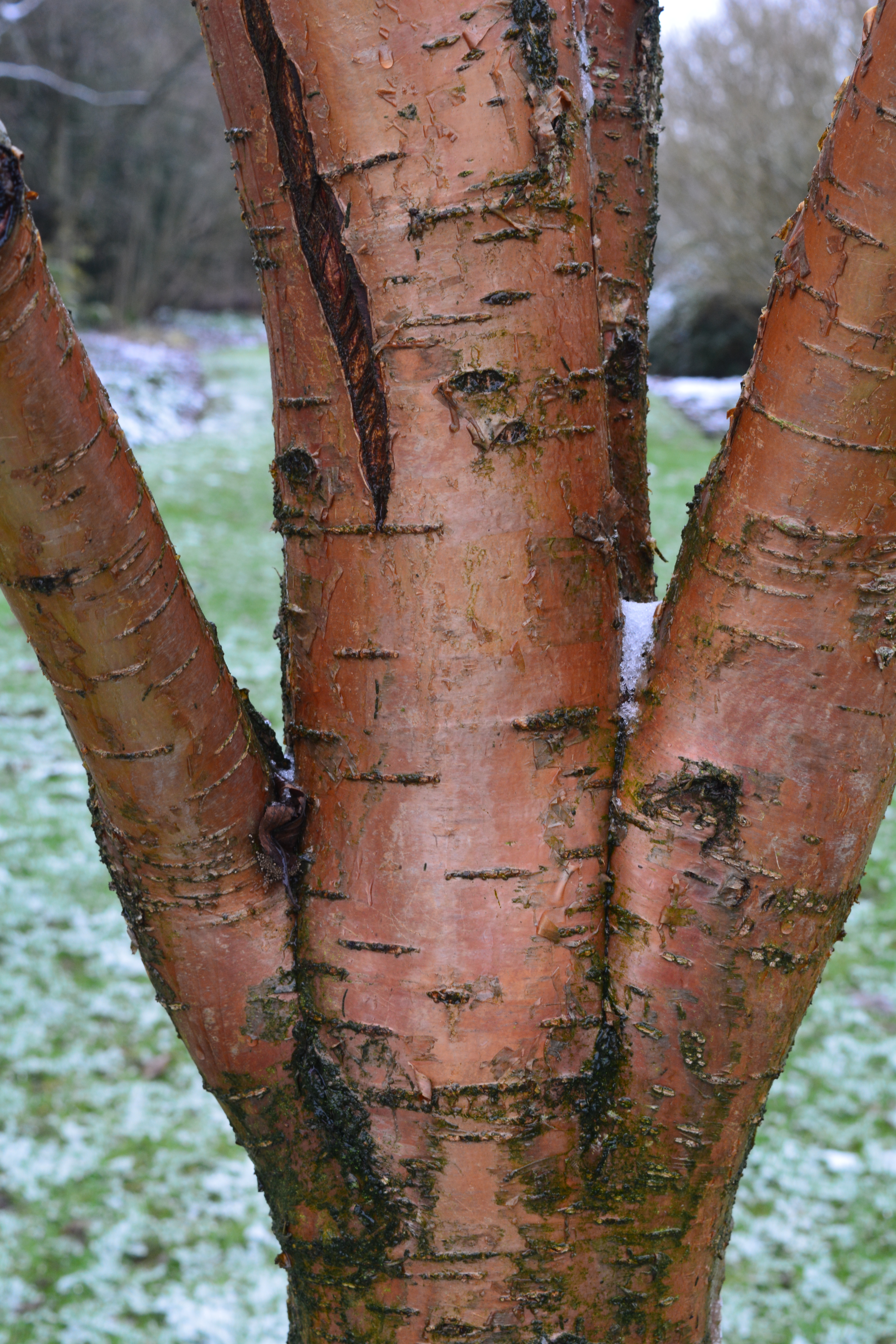
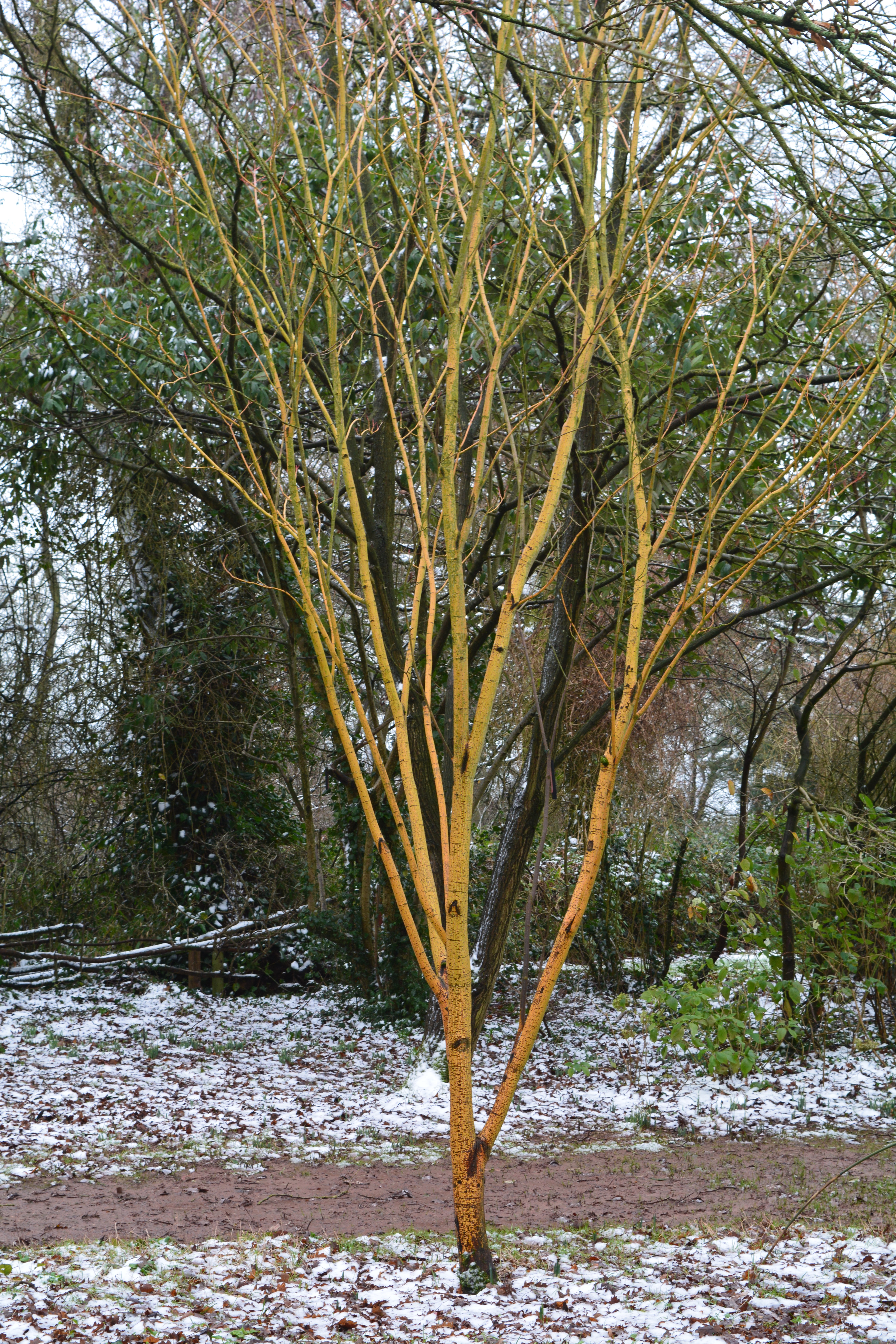
We enjoy watching the changes to be seen in the many unusual specimen trees at Dorothy Clive and have always liked the look of this yellow barked Prunus, P. maackii “Amber Beauty”. We are really wondering at the moment whether this would be the ideal tree for a space we have at home which awaits a tree for autumn planting. Apart from its unusual bark colouring it has a graceful growth habit and a wonderful winter silhouette. For a Prunus it also has large leaves.
dcaug-036 dcaug-038

The light during this visit was so interesting whenever the sun beamed through the tree canopy. We particularly loved the way it put this Hydrangea in the spotlight.

dcaug-046 dcaug-045 dcaug-047

It is always good to see promises of things that will be happening in the future and spotting them is an important part of any garden visit. Also it provides a most positive way of finishing my report on our august visit to this wonderful garden, a true favourite of ours. And as we have not featured the giant stag sculpture standing proudly at the top of the stream in the Dingle Garden here he is surrounded by lush greenery completely different to when we saw him in the starkness of the winter months.

dcaug-044 dcaug-016

The pool at the bottom edge of the garden at the lowest point in the garden reflected the blue sky and we enjoyed spotting the small shoals of young Rudd enjoying racing around below the white flowers of the Water Lily.

dcaug-061 dcaug-063

We really appreciated on this August day the scents and colours of the blooms in the Rose Garden.

dcaug-067 dcaug-070

Our next visit to our monthly garden for this year will be in September. We hope to see some hot colours in the herbaceous borders and perhaps a little colouring up of foliage on the many trees at Dorothy Clive.

Categories
flowering bulbs garden photography gardening gardens gardens open to the public ornamental trees and shrubs spring bulbs Staffordshire trees Winter Gardening winter gardens

The Dorothy Clive Garden in January – Part 2

So here we are back at our feature garden for 2016, the Dorothy Clive Gardens on the border of Shropshire and Staffordshire. I will start with some views from around the garden. It will be interesting to see how these views change through the year.

2016 01 17_7790 2016 01 17_78062016 01 17_7856 2016 01 17_78672016 01 17_7911 2016 01 17_7879

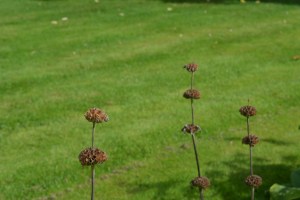
Let us now look at the bright red colours of berries and the more subtle browns and biscuit colours of seedheads of Hydrangeas and Phlomis.

2016 01 17_7828 2016 01 17_7829 2016 01 17_7801_edited-12016 01 17_7802_edited-1 2016 01 17_7826_edited-1

The delicate beauty of these seed heads deserved a very close look to fully appreciate them.

2016 01 17_7831_edited-1 2016 01 17_7832_edited-1

We walked down the gentle slope towards the pond and the scree garden around it. Throughout the other seasons the borders here will be glowing with colour and full of exuberant growth.

Different textures together add interest to the winter garden where the bare stems of deciduous shrubs and perennials sit alongside bright new growth which are the promises of spring and summer.

2016 01 17_7913 2016 01 17_7906 2016 01 17_7912 2016 01 17_79042016 01 17_7892 2016 01 17_7889

The Rose Garden looks very bleak in the winter when its bones are revealed, the obelisks and arches of black metal and the bare unpruned stems of the roses.

2016 01 17_7901

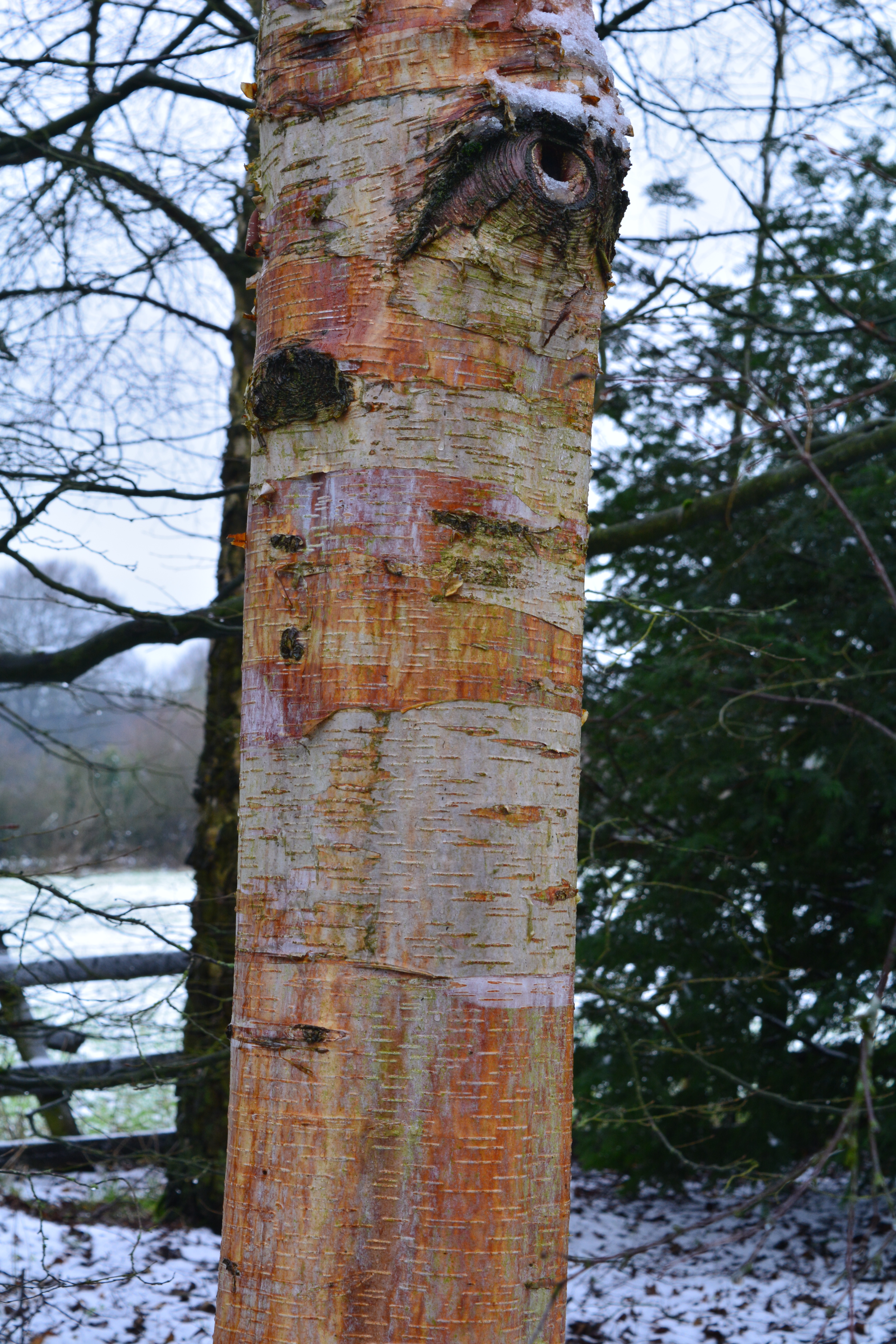
Near the bottom of the slope we came across a stand of three old Birches and a single tall specimen nearby. In the border here obelisks have been created from the trunks of felled Birches. It is good to see them given a second life.

2016 01 17_7890 2016 01 17_78952016 01 17_7900 2016 01 17_7894

We spotted this architectural looking plant as we walked back up the slope and we were both unsure what it was but came to the conclusion it was a Tetrapanax.

2016 01 17_7888

2016 01 17_7887 2016 01 17_7886

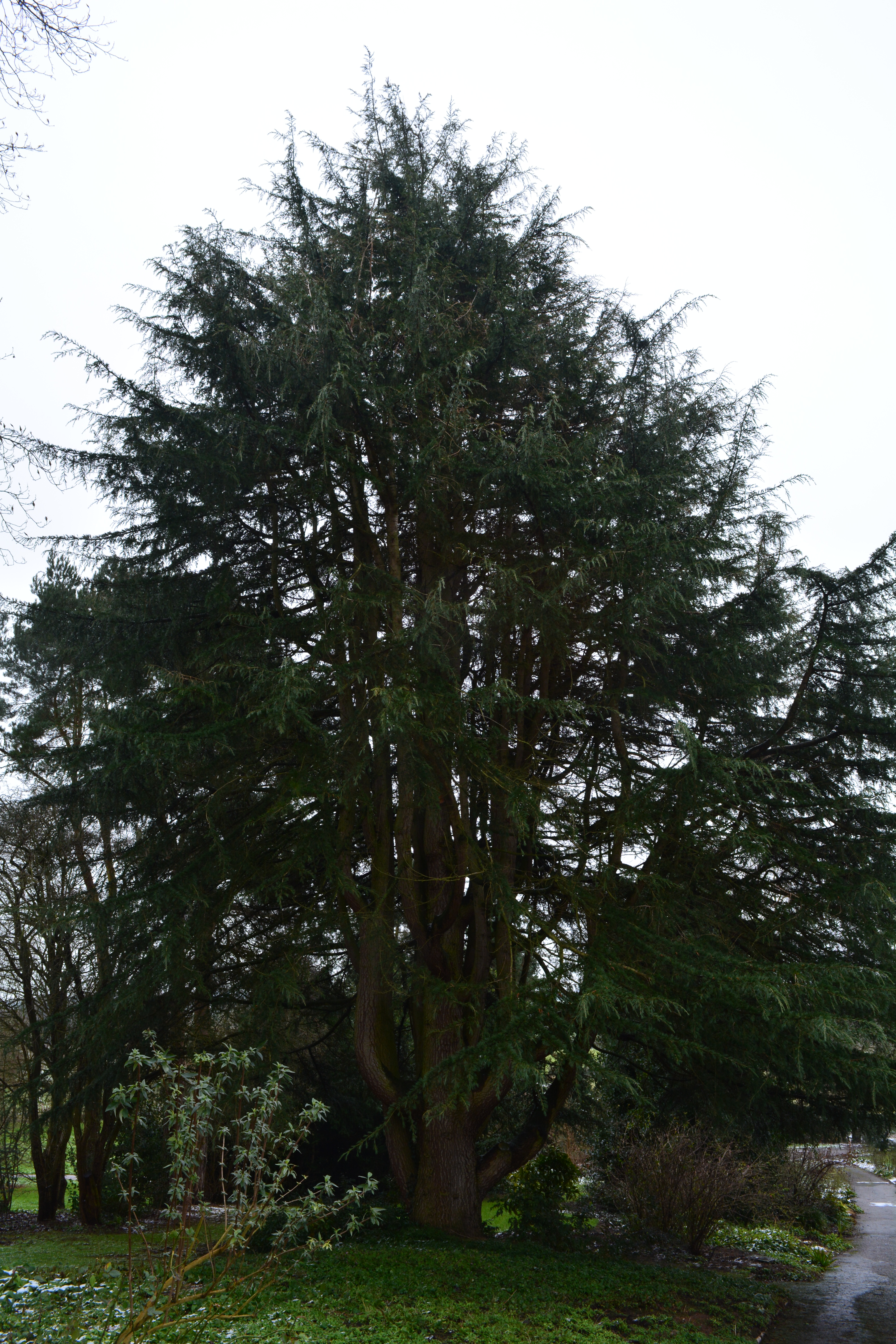
We are not really fans of conifers but admit that in the winter they can give strong structure to the garden.

2016 01 17_7884 2016 01 17_7883 2016 01 17_7878 

I will finish off with a selection of photos, a rustic seat, a terracotta bird box on an old brick shed, a larger then life statue of a stag above a stream and pool and finally a snow topped sundial on a sunless day.

2016 01 17_7852 2016 01 17_78722016 01 17_7834 2016 01 17_7910

That is it for our January exploration of our featured garden for 2016, The Dorothy Clive Garden. We are already looking forward to our February visit when we may see more signs of spring bulbs in flower and some more early flowering shrubs.


Categories
colours flowering bulbs garden photography gardening gardens gardens open to the public grasses hardy perennials ornamental grasses ornamental trees and shrubs Shropshire Staffordshire trees Winter Gardening winter gardens

The Dorothy Clive Garden Month by Month – January

This is the report of our first visit to this year’s featured garden, the Dorothy Clive Garden. We have been making occasional visits to this beautiful garden for about forty years now and have enjoyed many new developments for this is not a garden to rest on its laurels. It is affiliated to the Royal Horticultural Society and is run by the Friends of Willoughbridge Garden Trust.

2016 01 17_7903_edited-1

The garden was born way back in 1940 when Harry and Dorothy Clive lived in the large white house, Elds Gorse. The first area to be tackled was the old quarry which is now a richly planted Dingle Garden. Harry Clive created this first part of the garden so that his wife, who was suffering from Parkinson’s Disease could take daily exercise in a beautoful garden. Sadly she died in 1942 and Harry continued to develop the garden as a tribute to his wife. In 1958 the Willoughbridge Trust was founded to ensure that the garden continued for ever as a place of “rest and recreation” for the public.

2016 01 17_7843_edited-1

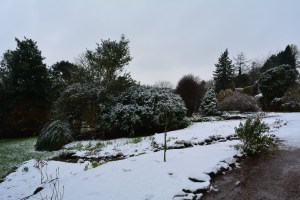
We made the one hour journey to the Dorothy Clive Garden on a very cold morning in mid-January. We were surprised to drive through areas of snow and arrived at the garden to find snow covering the garden in a shallow layer. We left our tracks in the snow as did a Grey Heron before us.

2016 01 17_7785 2016 01 17_78002016 01 17_7846

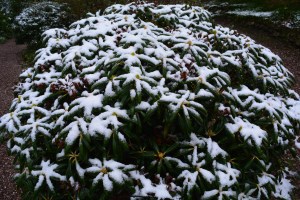
Snow decorated the foliage of trees and shrubs where later in the year we will discover the colours and scents of their flowers. The weight of wet melting snow bent grasses down towards the ground and gave the plants a graceful shape.

2016 01 17_7786 2016 01 17_7788 2016 01 17_7789 2016 01 17_7791 2016 01 17_7792 2016 01 17_7793  2016 01 17_7794 2016 01 17_7807

The first view of the garden opened up before us as we climbed a gently sloping path towards the tea shop which in winter doubles up as the ticket office. Naturally we were tempted by the aroma of warm coffee and the sight of home made cakes. The little flower arrangements in the centre of each table added to the warm welcome we received from the staff.

2016 01 17_7790 2016 01 17_7798

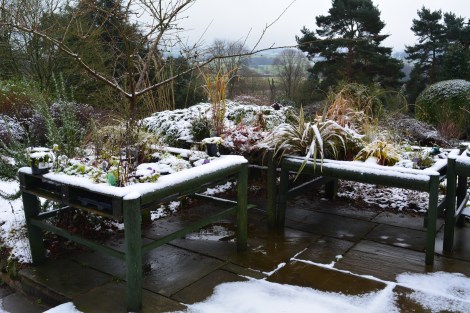
Just outside the tearoom the little nursery area held plants hidden under snow and sculptures of rabbits and hares wearing hats of snow. The gardeners had been painting acorn fence-post tops a gentle shade of green.

2016 01 17_77952016 01 17_7796 2016 01 17_7797

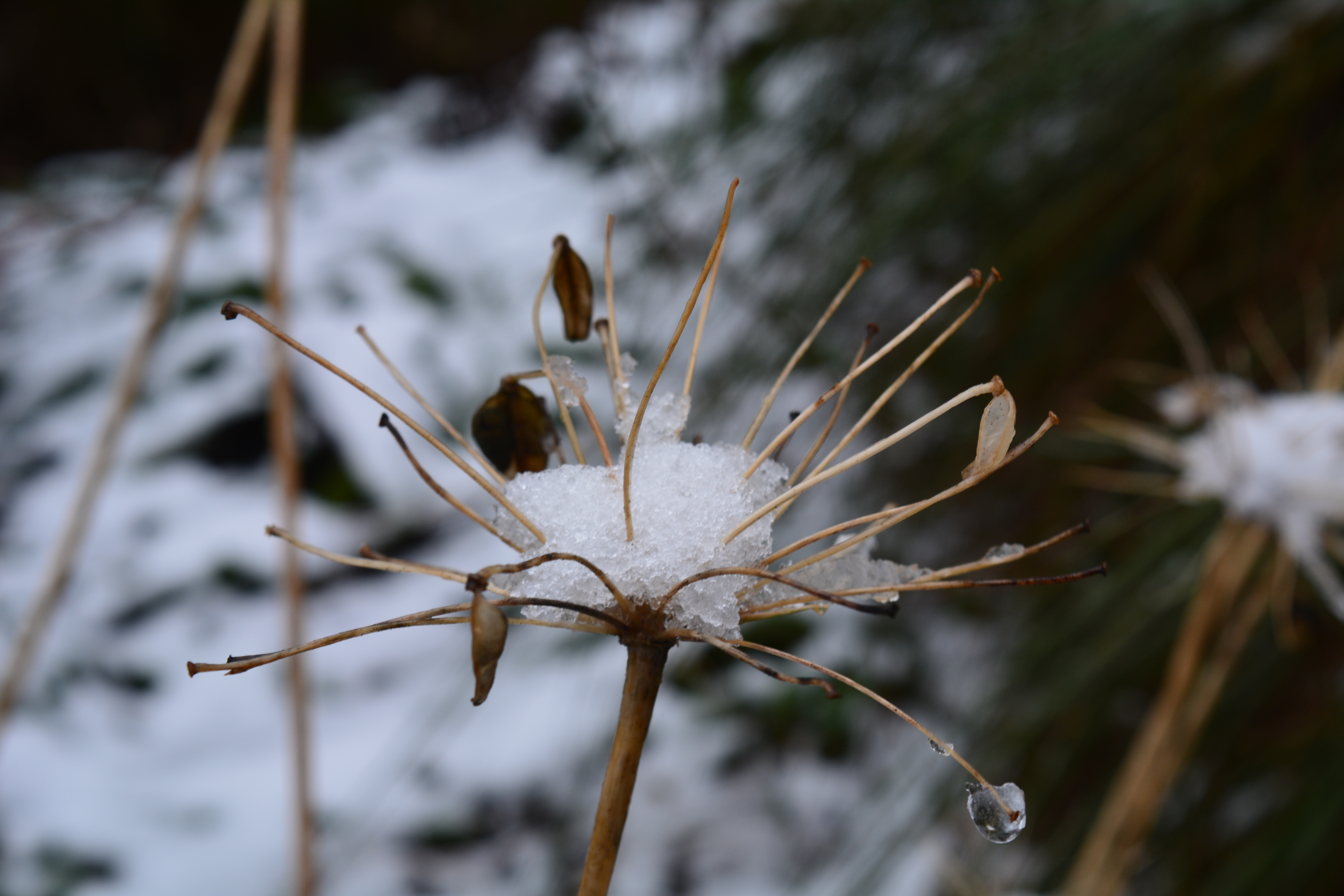
We left the tea shop and mini-nursery to walk towards the Dingle Garden an area of woodland garden created in an old quarry. Snow topped off the buds and leaves of Azaleas and Rhododendrons and the seed heads of the occasional herbaceous perennials.

2016 01 17_7804 2016 01 17_7870 2016 01 17_7874 2016 01 17_7815 2016 01 17_7808 2016 01 17_7813

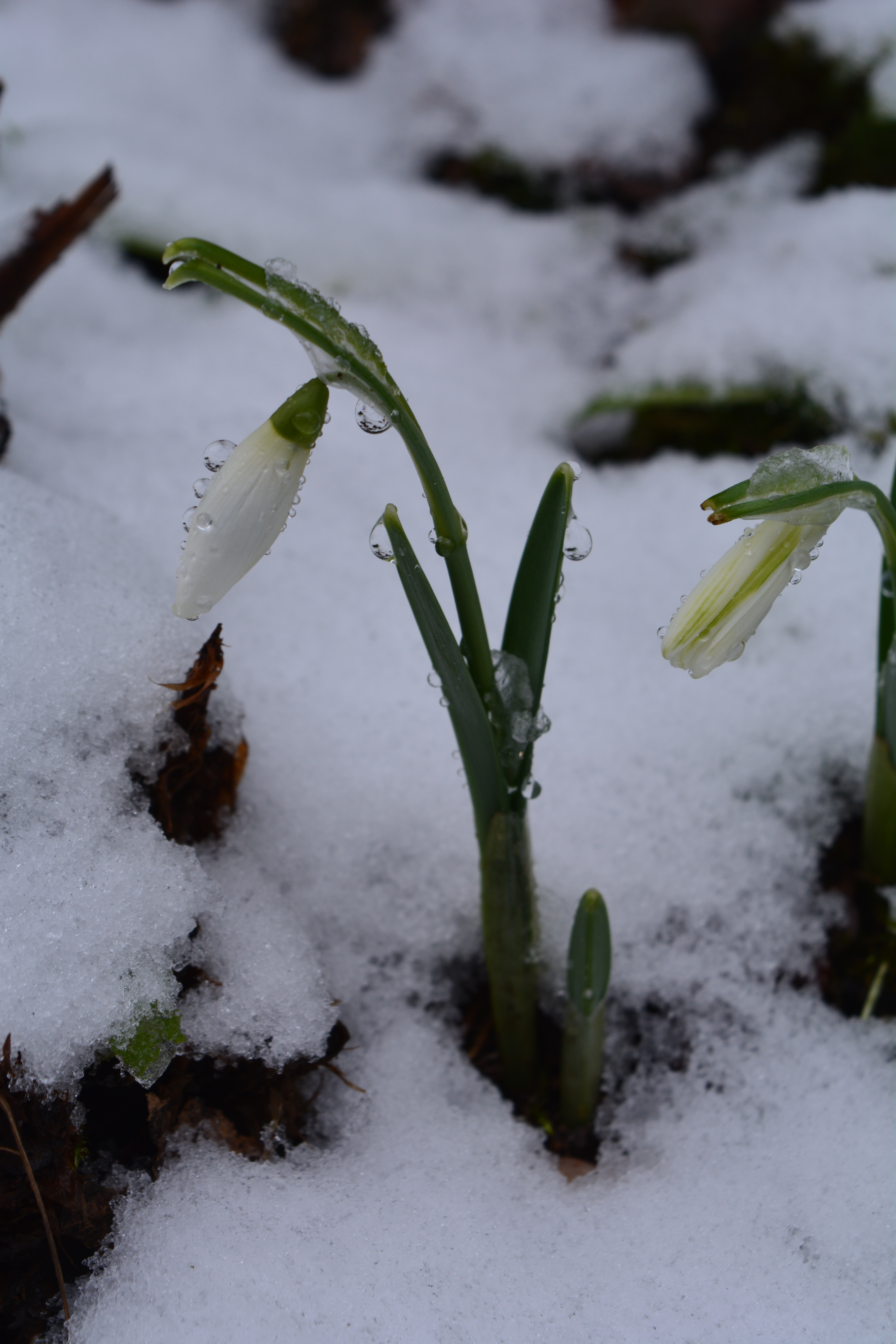
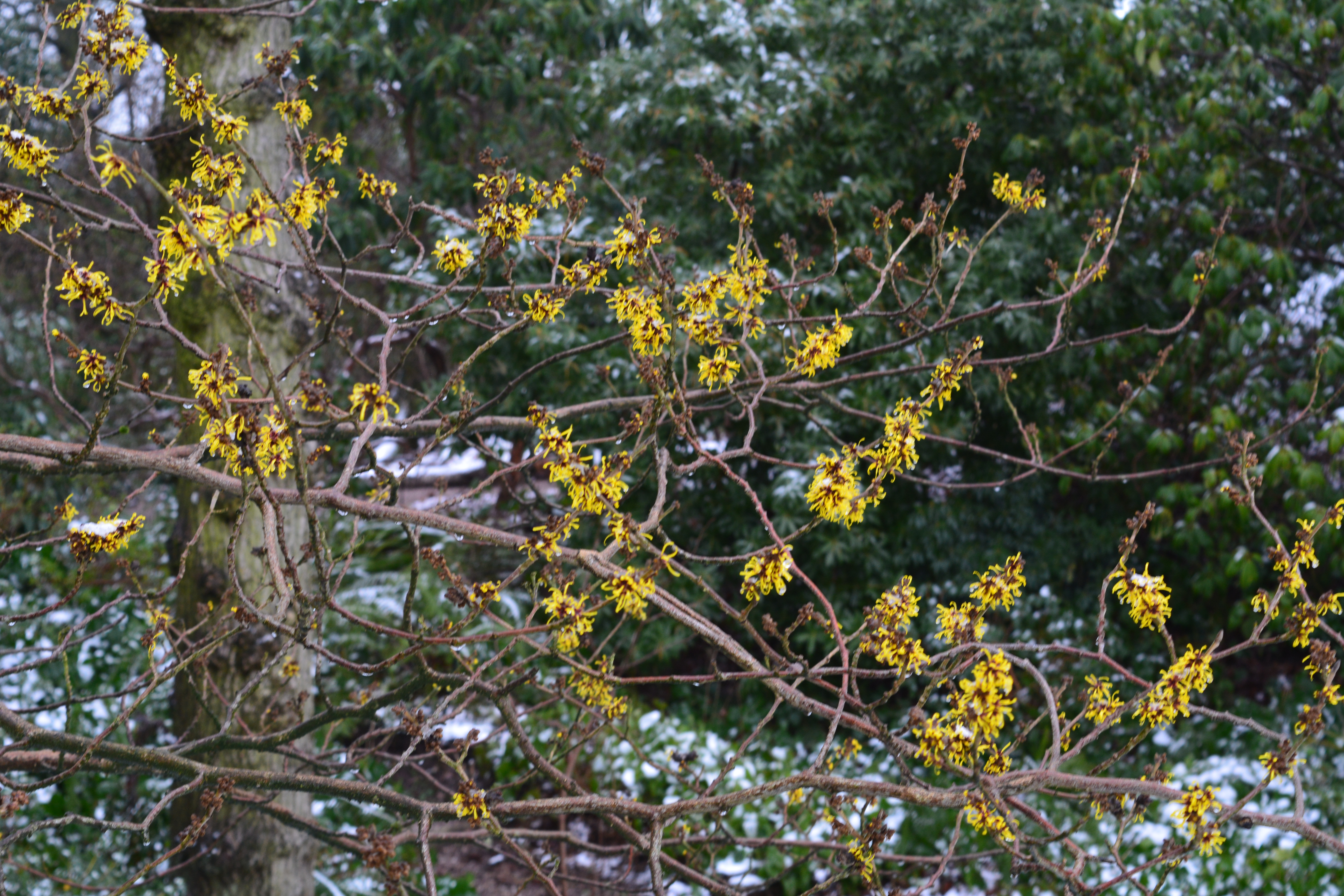
But we were particularly delighted to find flowers out, the simplest of Snowdrops with droplets of melted snow hanging from their stems, the occasional Rhododendrons and Camellias and Witch Hazels in sunshine colours.

2016 01 17_7809 2016 01 17_7810 2016 01 17_7811 2016 01 17_7836

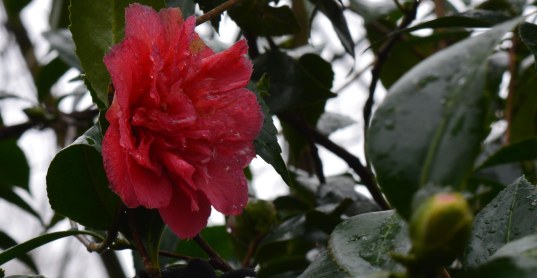
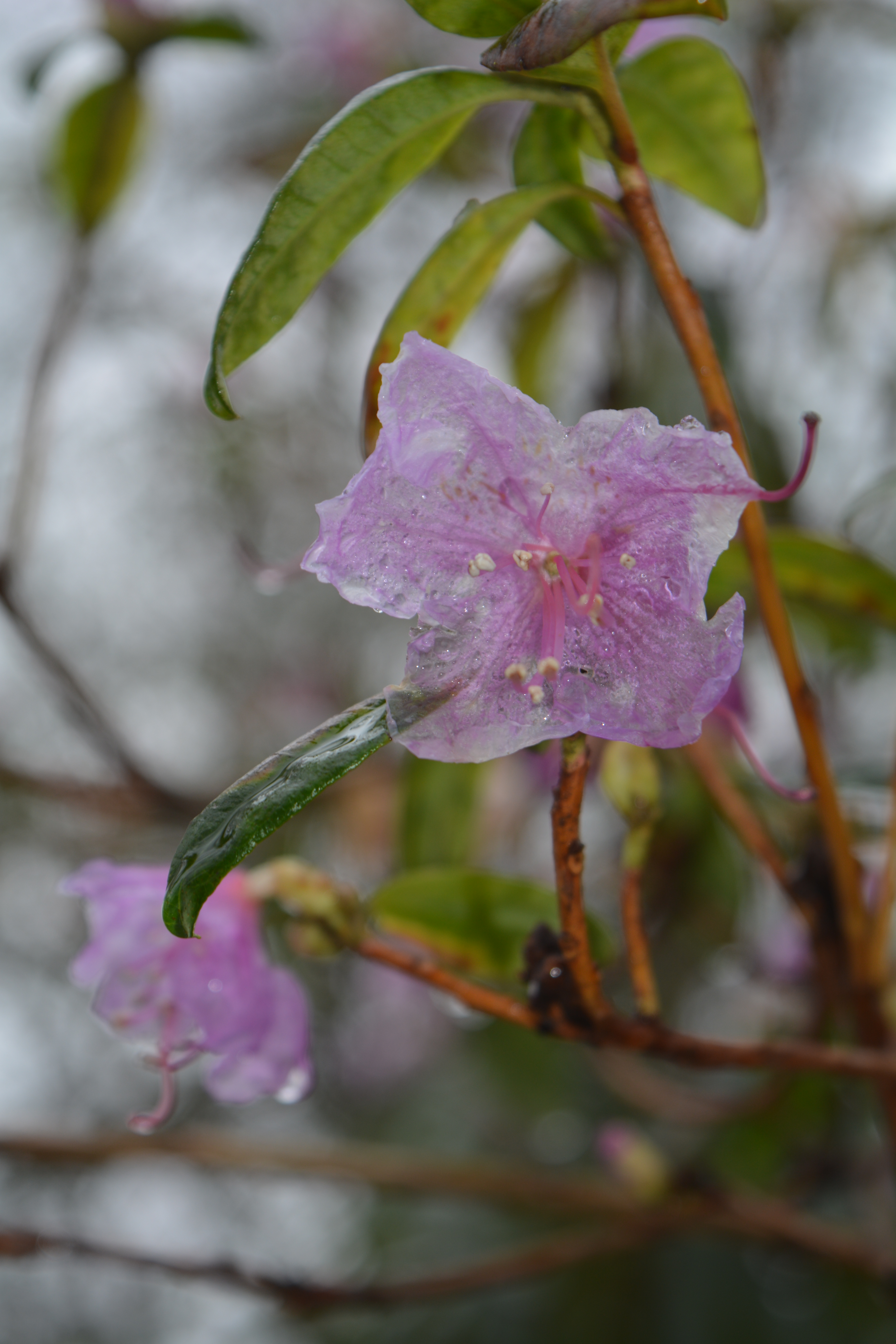
The overnight snow and ice had turned this pink Rhododendron translucent and delicate, while the flowers in the Camellia Walk were just managing to hang on. The pink scented flowers of this Daphne however shrugged off the cold and looked fresh and cheerful.

2016 01 17_7827 2016 01 17_7818_edited-12016 01 17_7902 2016 01 17_79052016 01 17_7881_edited-1

Hydrangeas looked as good covered in seed heads as they do in flower with gentle biscuit and ginger hues.

2016 01 17_7819 2016 01 17_7825

During the winter when undergrowth has died away and low growing deciduous shrubs have dropped their leaves the trunks of Rhododendrons and Azaleas are exposed. We can then appreciate their amazing scrolls and curlicues.

2016 01 17_7821 2016 01 17_7822 2016 01 17_7830 2016 01 17_7823 2016 01 17_7824 2016 01 17_7868

The new winter garden at the Dorothy Clive Garden was a surprise to us as it is totally new so we didn’t know it existed. A great surprise! The Laburnum Arch through which we left the Winter Garden has been a popular feature of the garden for many years.

2016 01 17_7837 2016 01 17_7838 2016 01 17_7842 2016 01 17_7844 2016 01 17_7845 2016 01 17_7847

The colours and textures of trees can add so much to any garden and the gardeners at Dorothy Clive certainly know how to choose them and place them to best advantage.

2016 01 17_7850 2016 01 17_7857 2016 01 17_7860 2016 01 17_7864 2016 01 17_7866 2016 01 17_7869

You only need the tiniest touch of light on berries to make them sparkle. The last drops of melting snow hung on many.

2016 01 17_7898 2016 01 17_7897_edited-1

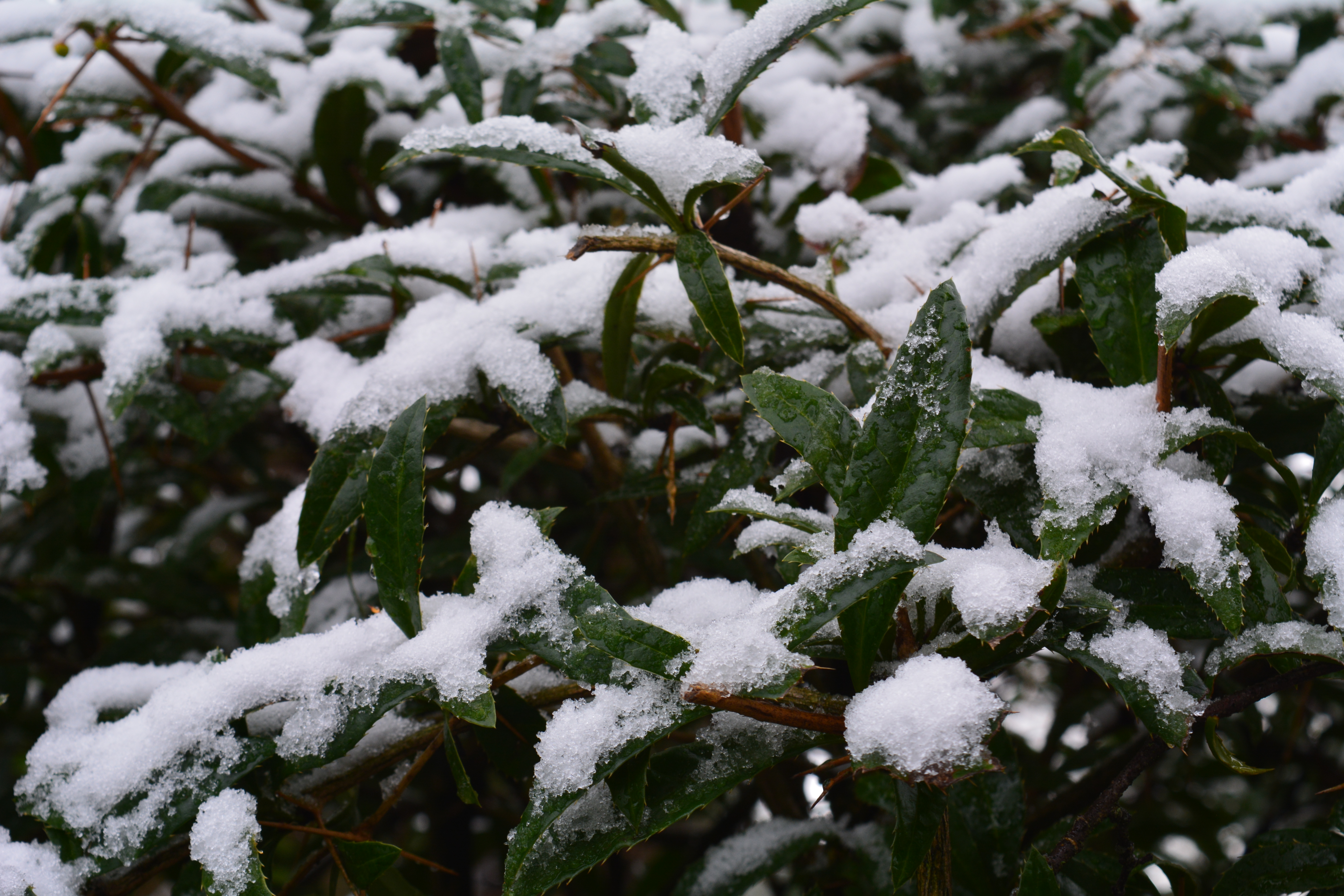
Mahonias are always a good plant in any garden with their glossy evergreen leaves which show rich autumn colours and in the winter yellow scented flowers appear to be followed by black berries with a white floury dusting.

2016 01 17_7885 2016 01 17_7891

We shall return for part two of this January visit to our feature garden of 2016 to see what other treats the Dorothy Clive Garden has in store for us.


Categories
gardens open to the public log piles logs National Trust outdoor sculpture sculpture Shropshire The National Trust trees woodland woodlands

Getting Creative in the Woodlands

In my last post we looked at what we discovered was going on in the old Walled Garden at Attinham Park and I finished just as we left the walled garden behind and began wandering around the woodlands.

2015 11 08_7199

So here is the second part of our Attingham Park  autumn adventure.

2015 11 08_7203

When taking a wander along the woodland trails at our local National Trust property, Attingham Park, we were amazed to come across this little art installation close to the soft surfaced woodchip path. Woodlands are like the seashore as they often seem to bring out creativity in people, perhaps even a return to making things which was last enjoyed in childhood. At the sea people often pile up pebbles to make simple sculptures, collect together mixed objects from the surf line and carefully put them together. This simple little piece sits beautifully in its surroundings and stopped many people walking by to have a closer look. No-one touched it, but simply looked, smiled, made a comment to their companions and walked on. It is a beautiful piece of sculpture, made anonymously and left for others to enjoy.

 2015 11 08_7242 2015 11 08_7154

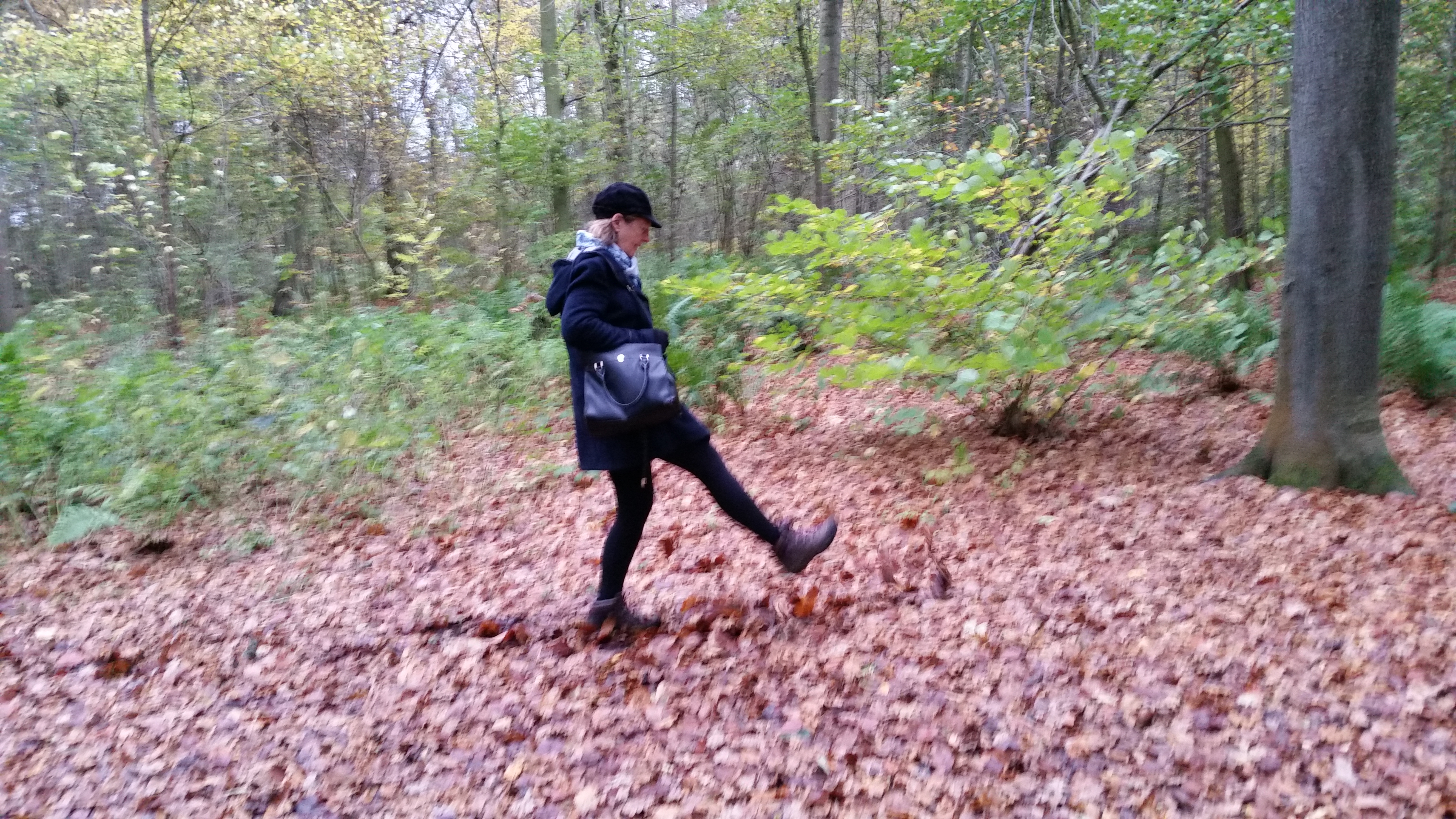
We wandered on into the woods along winding paths beneath towering trees above while at our feet the orange, yellows and reds of fallen leaves. Fallen leaves always bring the children out in Jude and I and we kicked our feet through them, enjoying the sounds and woody aromas.

2015 11 08_7200 2015 11 08_7202  2015 11 08_7204

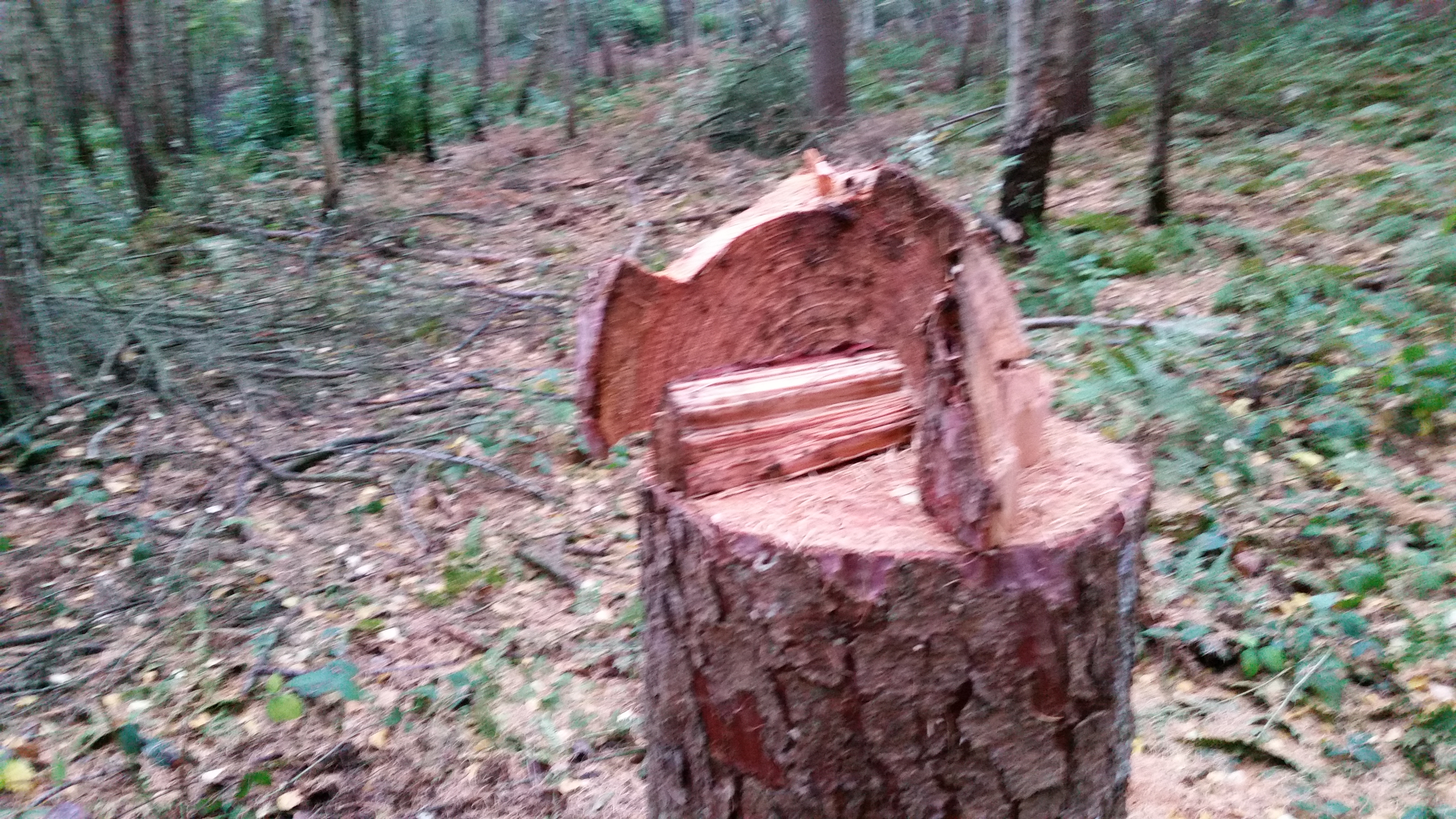
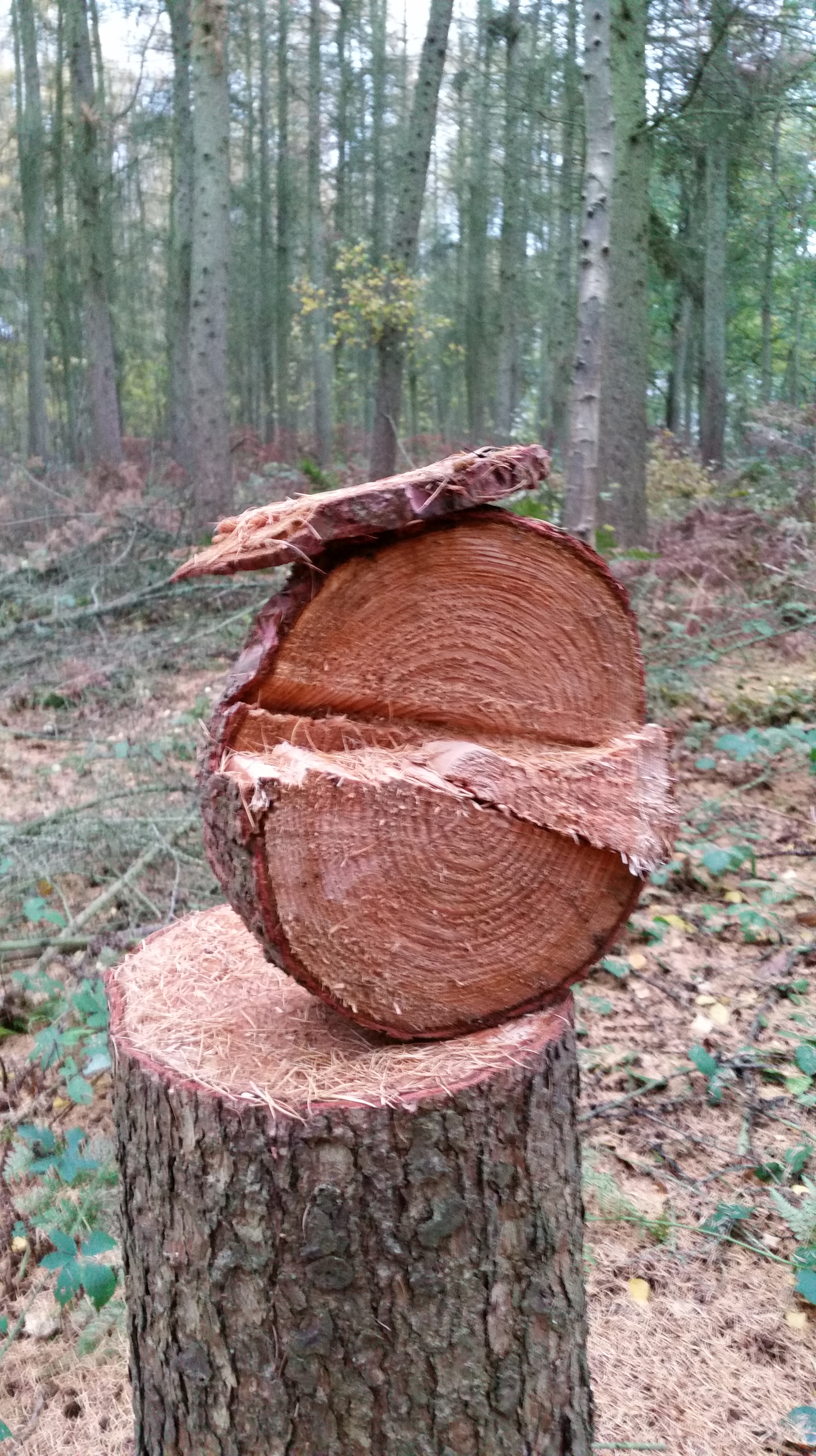
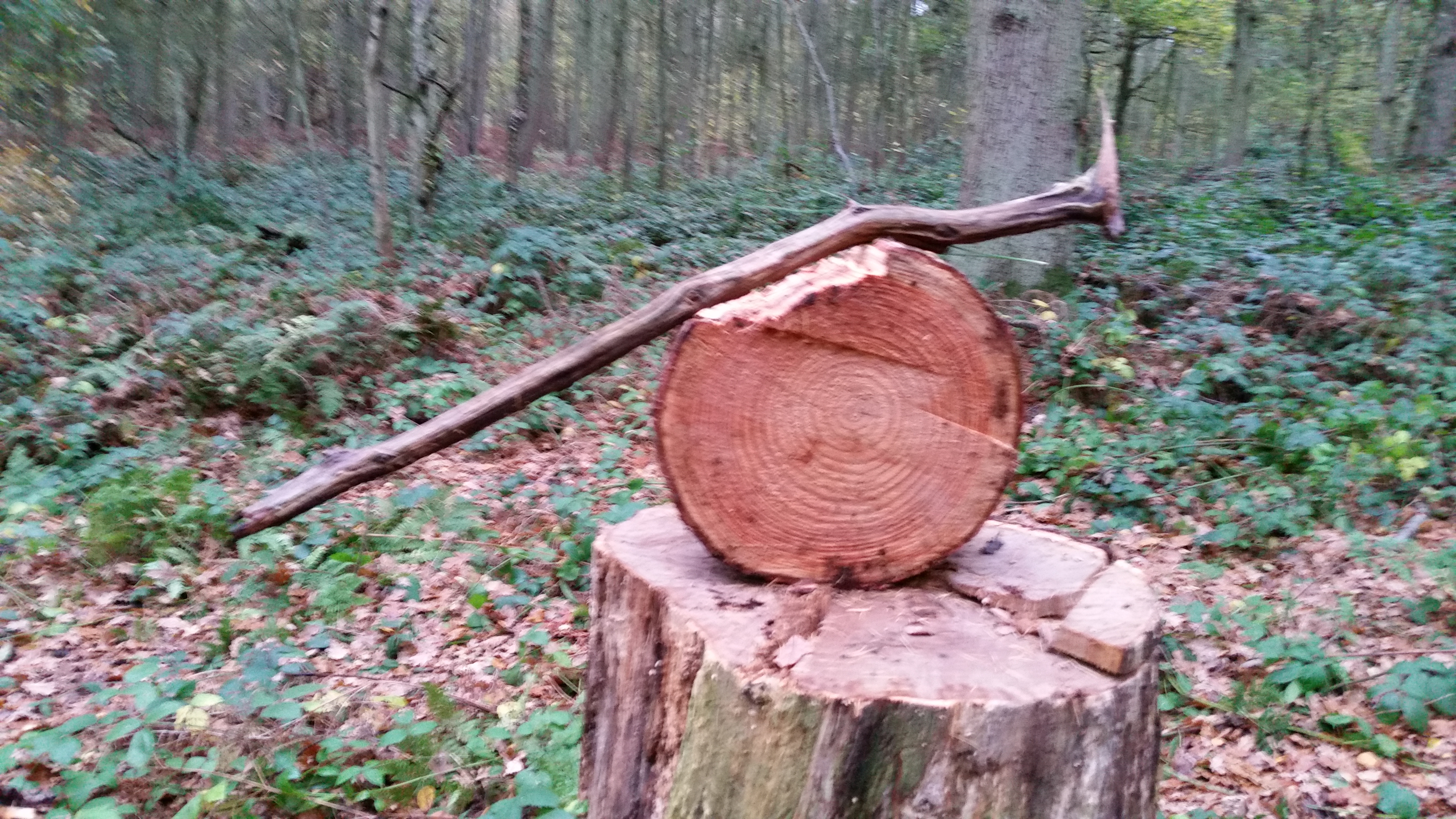
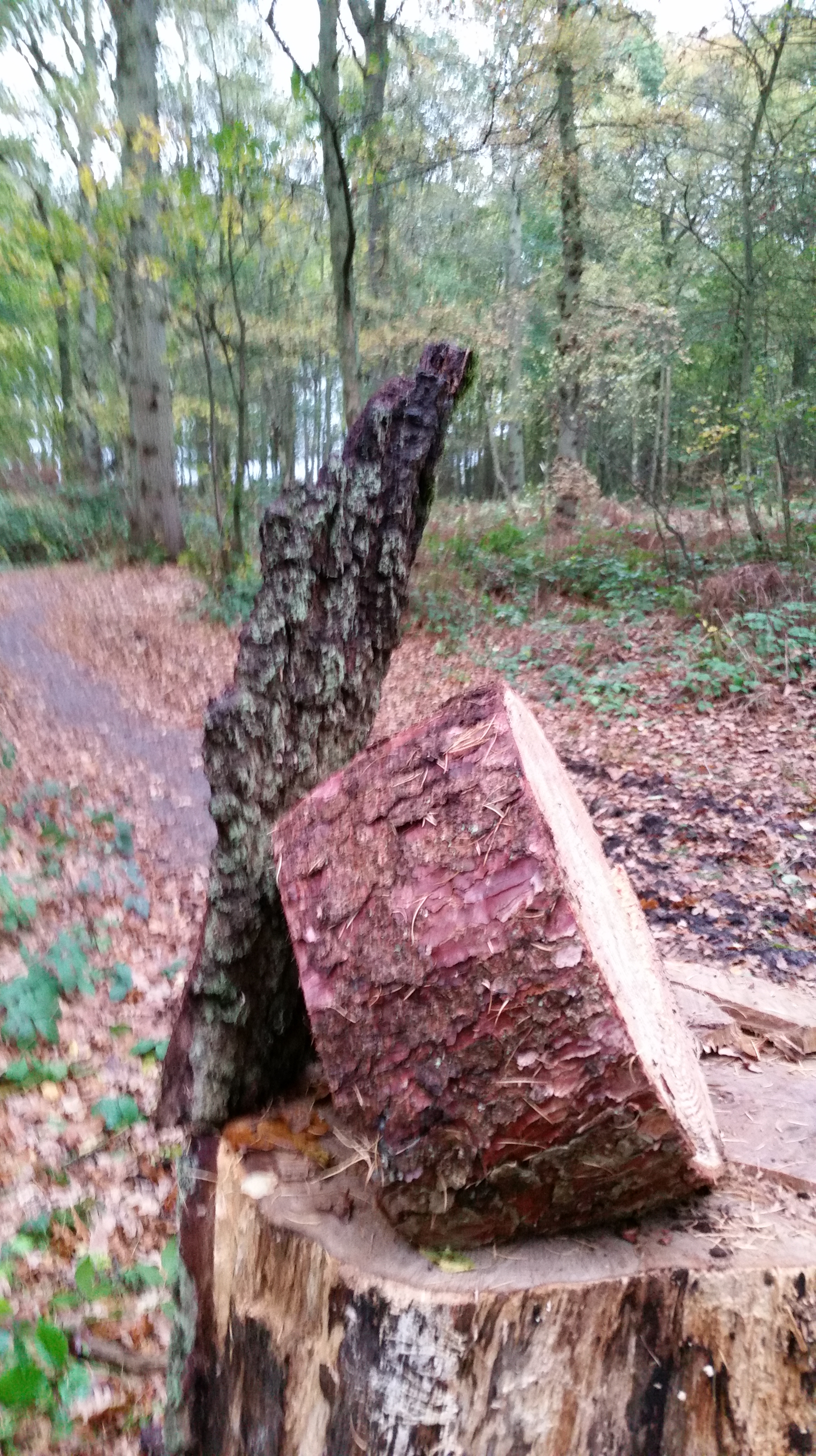
The woodsmen who had been working on autumnal maintenance work left behind them little blocks and wedges of wood. Following on from the piece of found object sculpture we discovered and enjoyed earlier we both started to follow their initiative and got creative. The stumps left behind gave us ready-made plinths to work on.

2015 11 08_7209 2015 11 08_7227

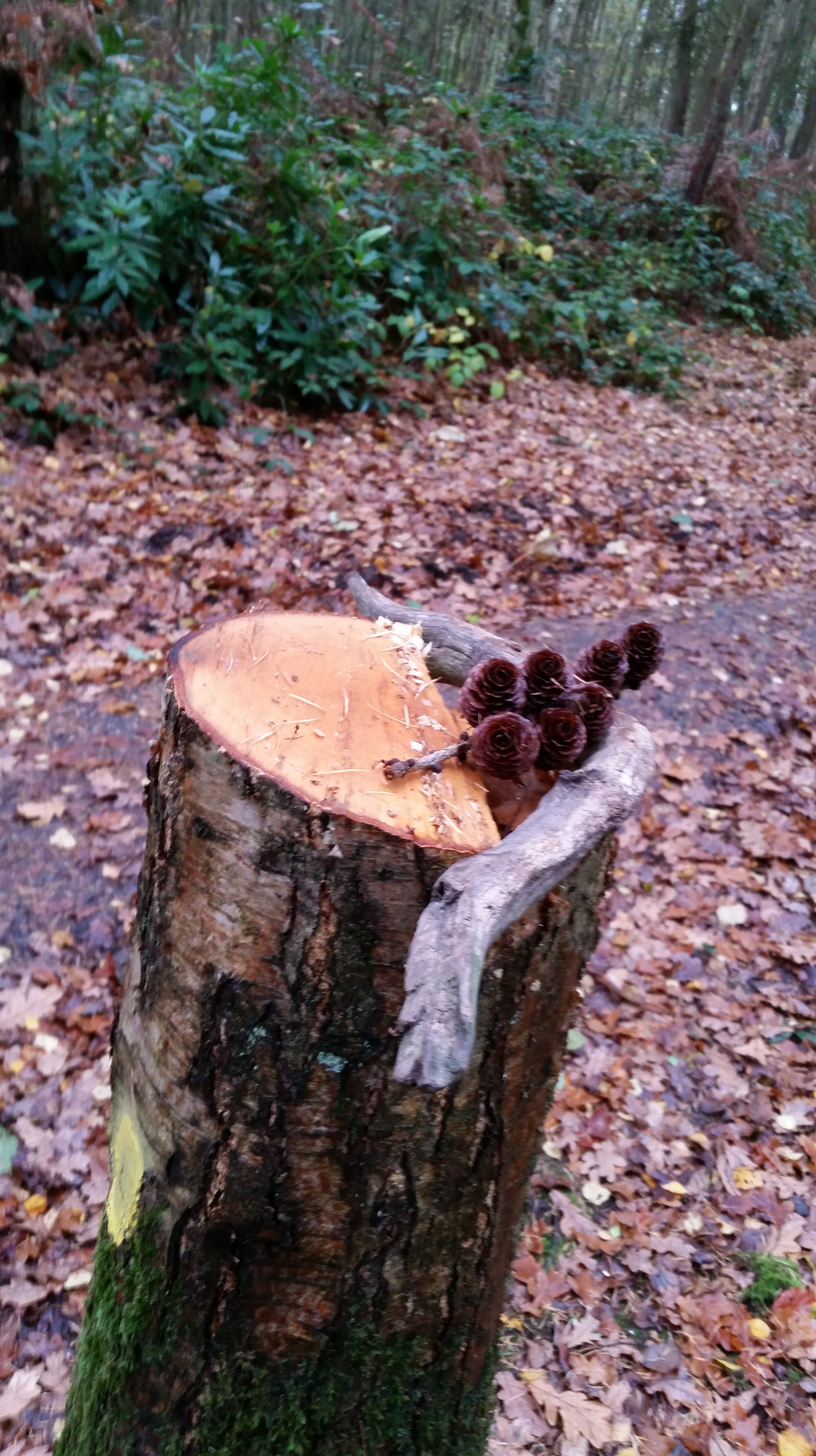
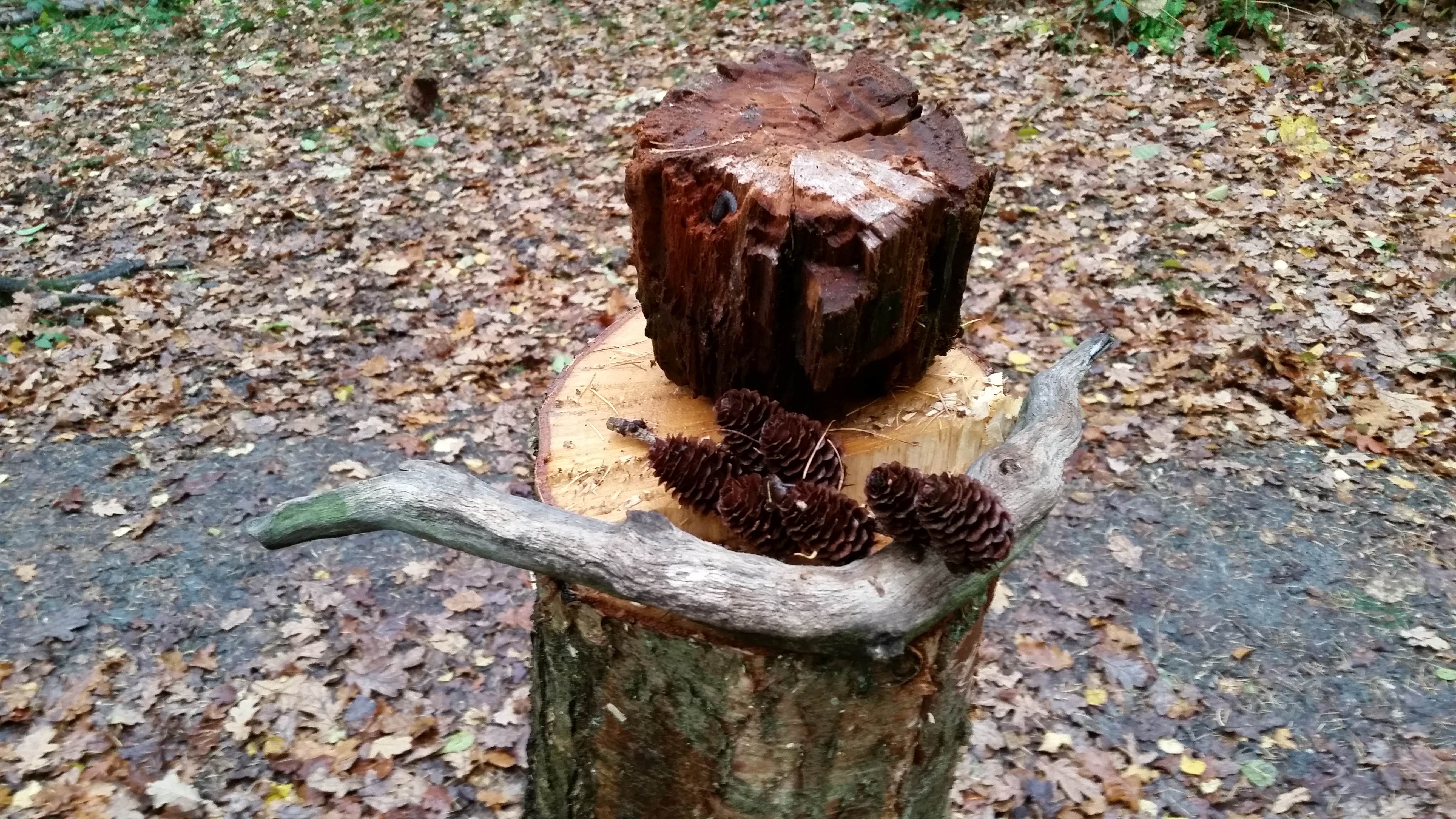
We collected bits and pieces of wood left by the woodsman or by Mother Nature and made various compositions on top of our wooden stump plinths. We couldn’t stop smiling as we played with the wood and loved the wonderful sweet aroma of fresh cut wood and leafmould. An outdoor studio! What a treat!

2015 11 08_7205 2015 11 08_7206 2015 11 08_7208  2015 11 08_7210 2015 11 08_7211 2015 11 08_7212

2015 11 08_7213 2015 11 08_7214 2015 11 08_7215

2015 11 08_7216 2015 11 08_7217 2015 11 08_7218

2015 11 08_7219 2015 11 08_7220 2015 11 08_7221 2015 11 08_7222

As we completed each set we wandered on. Looking back through the trees we spotted other walkers stopping and taking photos of what we had left for them to enjoy, just as we had when we found that piece close to the walled garden.

2015 11 08_7223 2015 11 08_7224 2015 11 08_7225 2015 11 08_7226

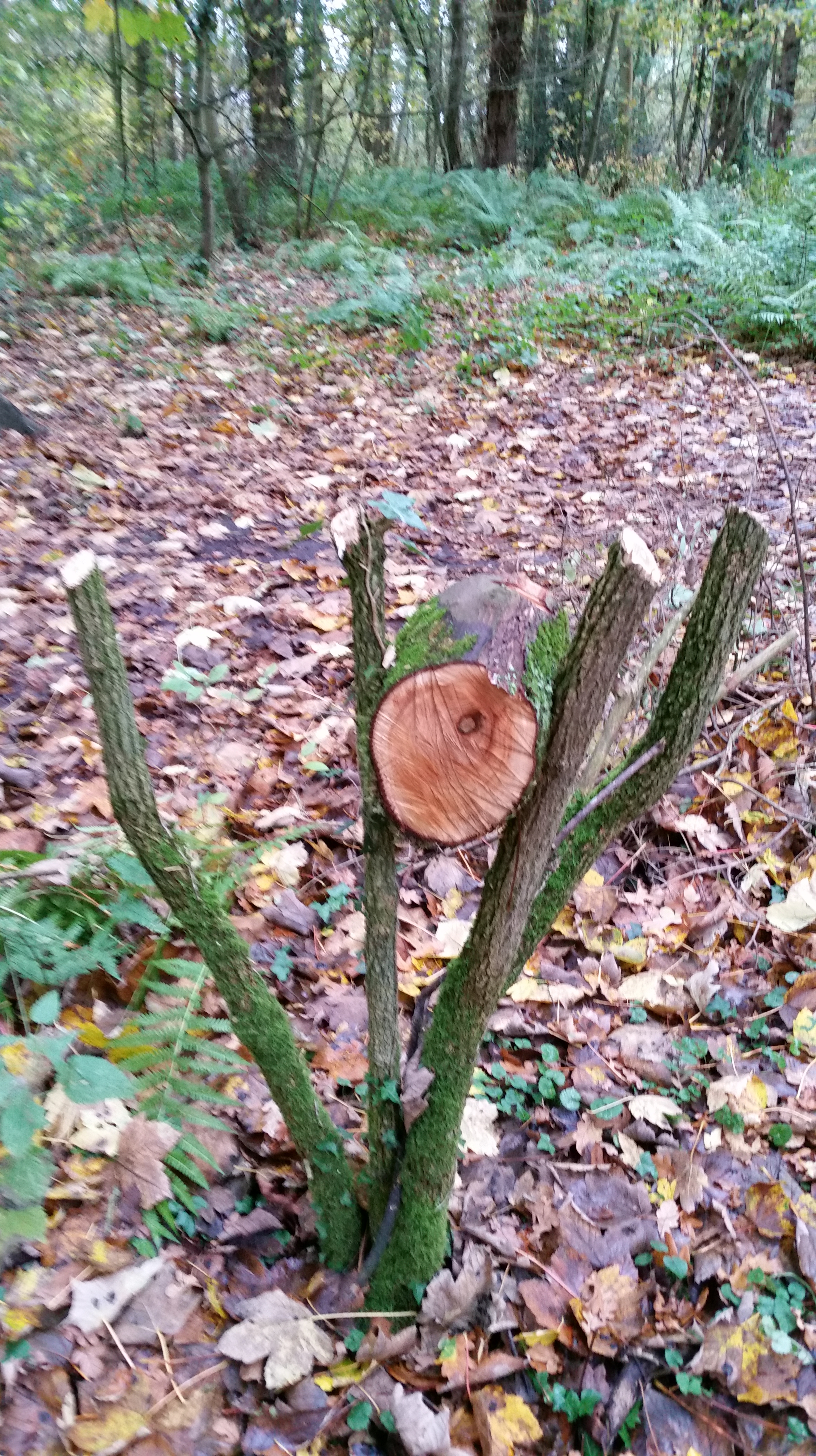
Moving further into the woodland the woodsmen had left areas cleared for coppicing, leaving multi-stemmed trees cut low to encourage regrowth. They reminded me of sculpture by Barbara Hepworth which are exhibited among trees at the Yorkshire Sculpture Park.

2015 11 08_7228 2015 11 08_7229

I found slithers, slices and wedges of freshly cut wood and placed them among the stumps.

2015 11 08_7230 2015 11 08_7231 2015 11 08_7232

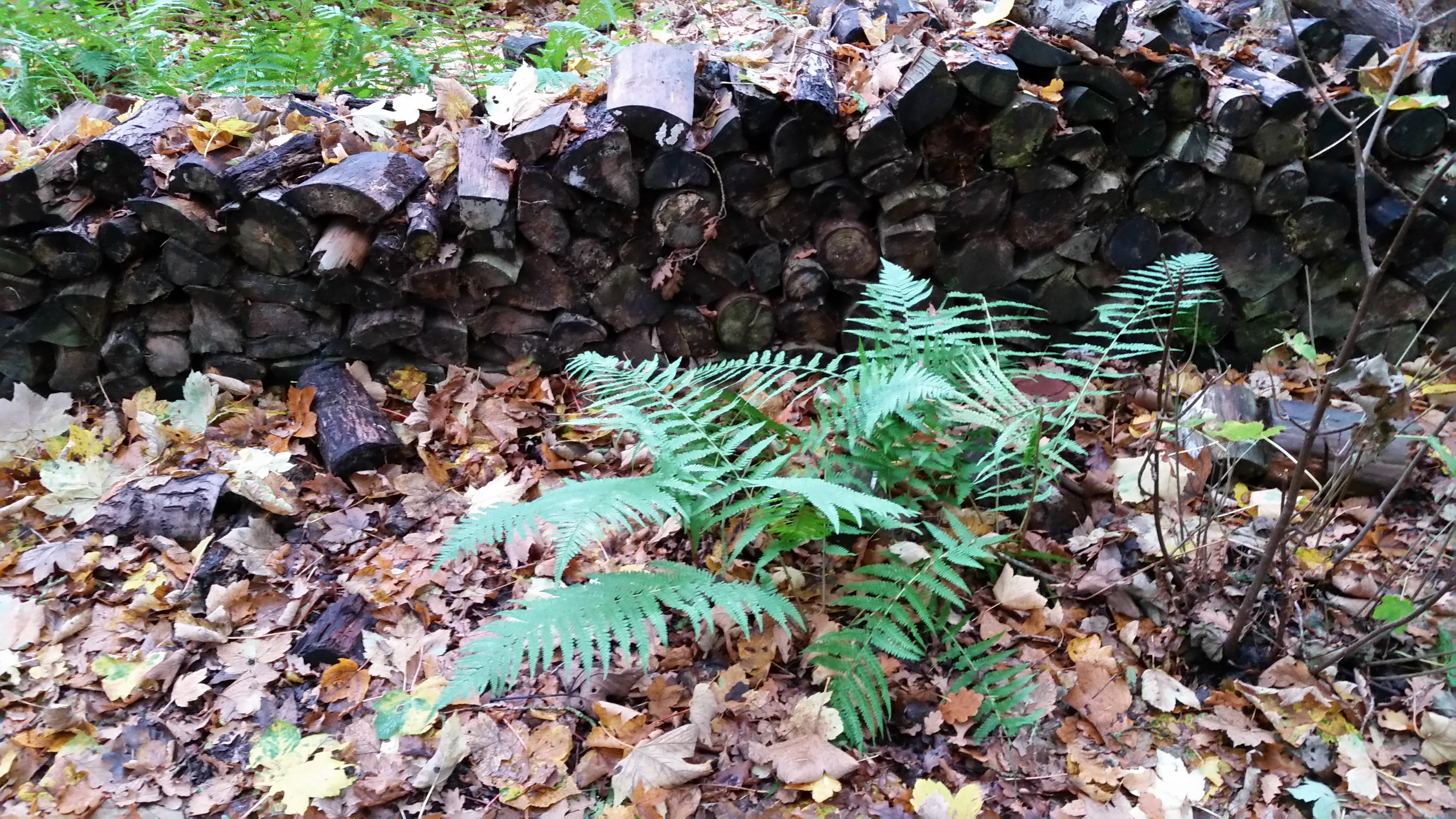
Logs had been piled up to create habitats for wildlife winding wooden walls through the trees. The aroma here was of rotting wood, dampness and fungi.

2015 11 08_7234 2015 11 08_7235 2015 11 08_7233

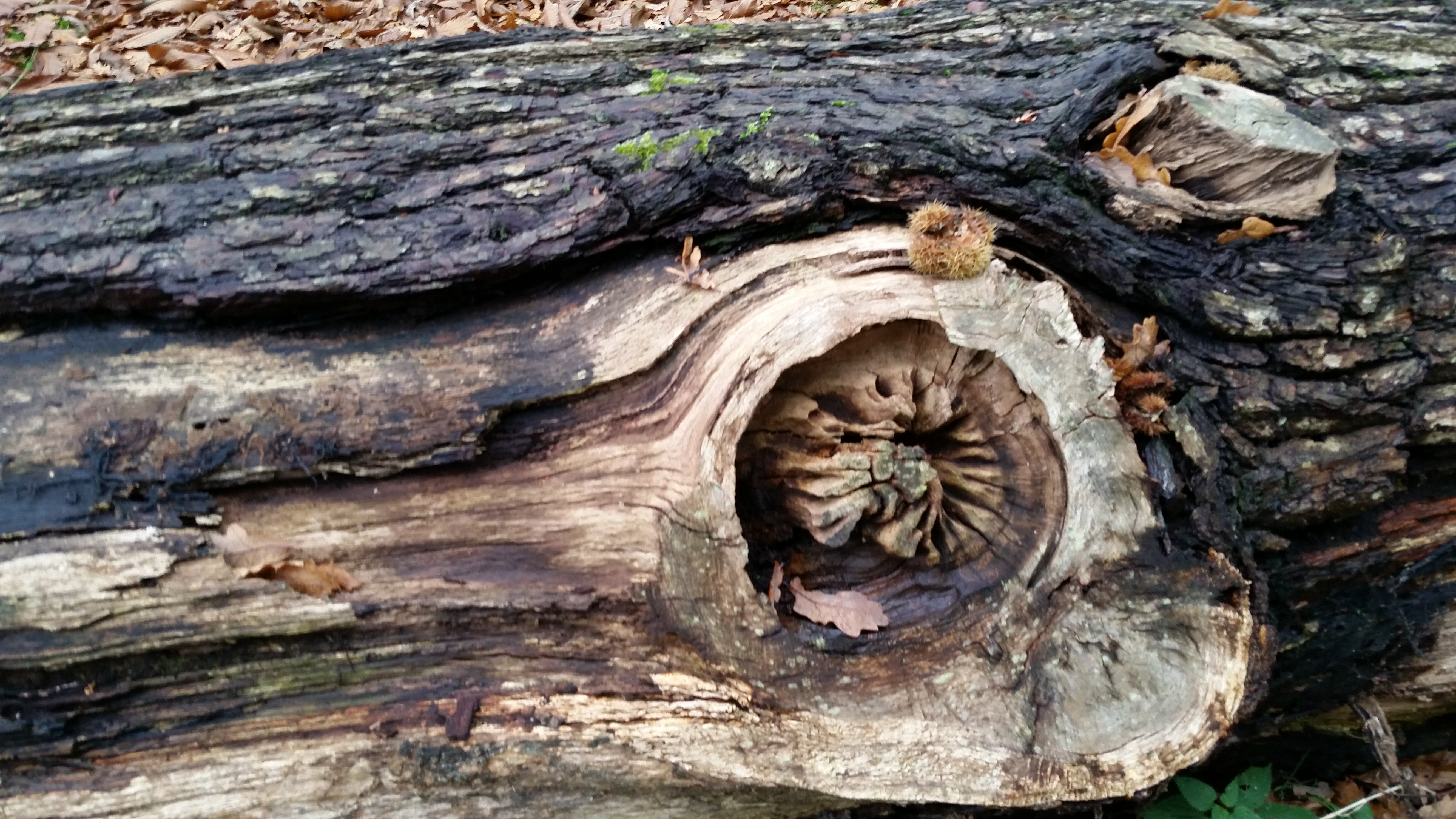
A huge old tree trunk felled years ago and left to rot providing shelter, food and homes for wildlife, had been sculpted by the weather, rain, wind, ice and snow, worked upon by insects, invertebrates and fungi to present us with a beautiful softly carved piece of Mother Nature’s sculpture.

2015 11 08_7238 2015 11 08_7239 2015 11 08_7240 2015 11 08_7241

We loved finding this nest box beautifully and thoughtfully positioned on top of a rotting tree stump. We shall watch this in the spring to see if any birds like it as much as we did.

2015 11 08_7236

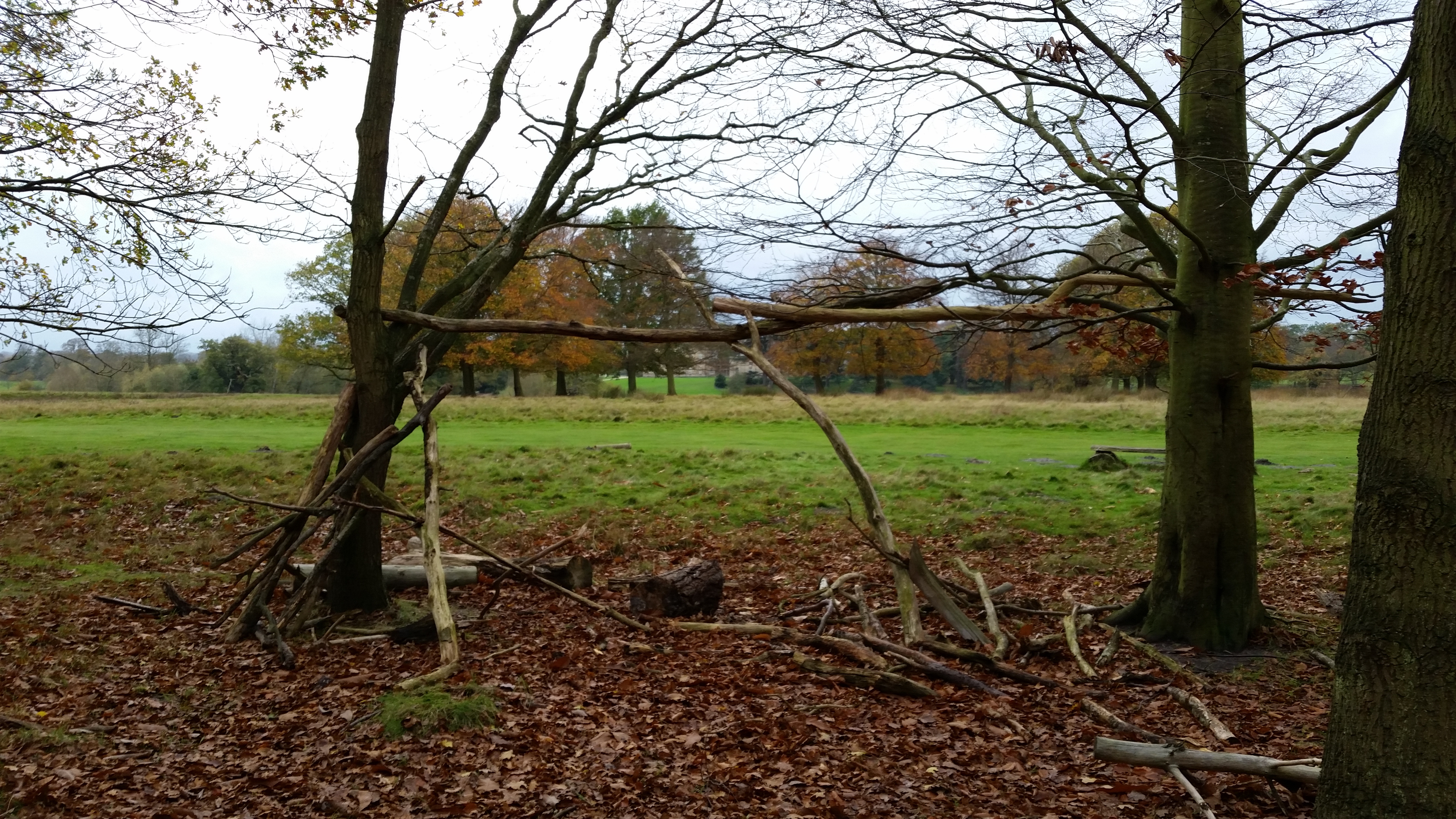
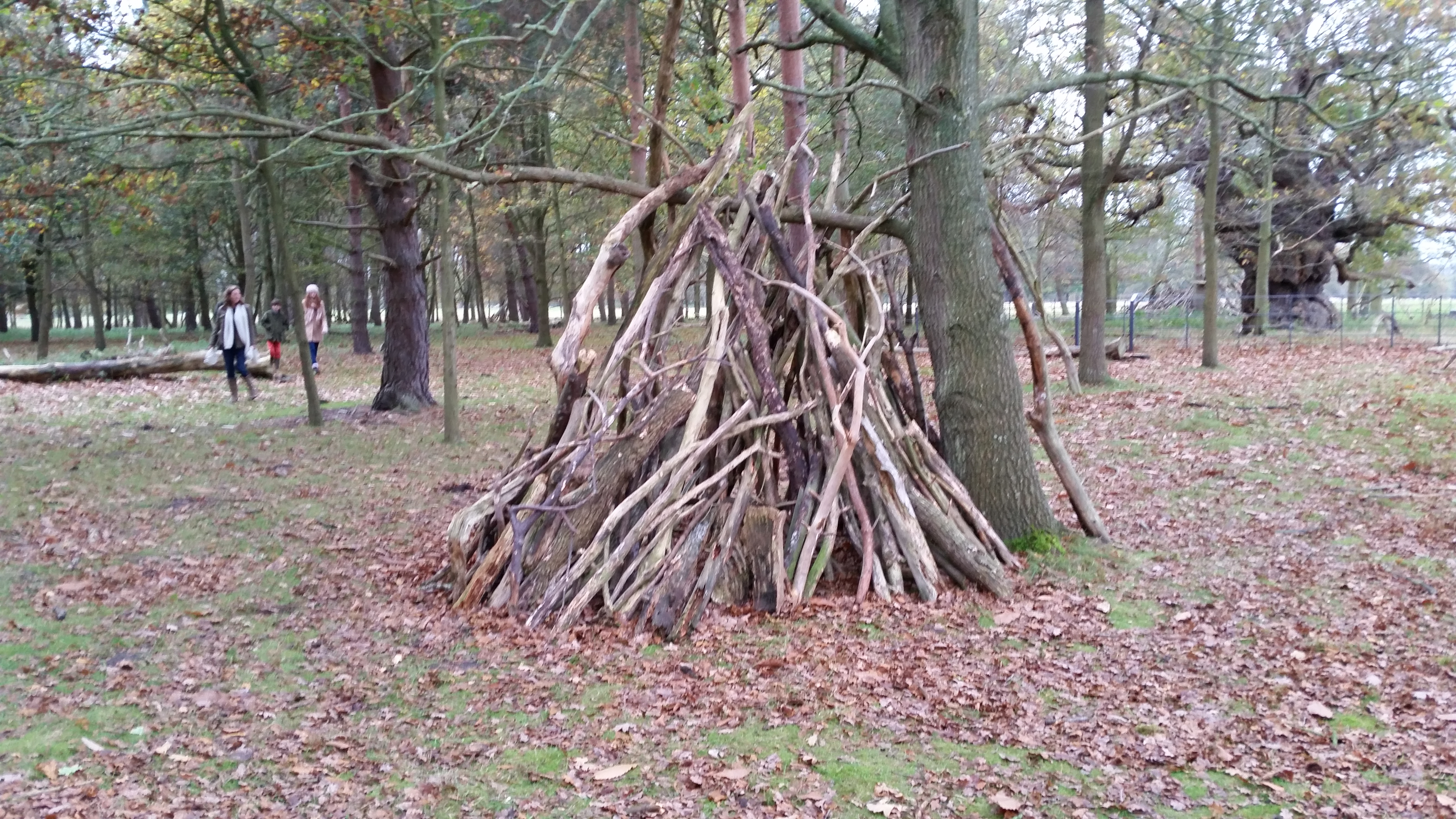
As we left the woodland we moved into the deer park where trees were much further apart separated by tracts of bright green grass. Here fallen branches, trunks and brash had been left for children to make dens from. Another form of sculpture created by youngsters using wood from the surrounding trees. The dens had their own beauty and naivety. Each time we visit Attingham these dens change, new ones appear, the oldest begin to fall apart and some just seem to get bigger and bigger. Well done to the National Trust for encouraging such creativity for the visiting youngsters and for affording them the opportunity to get in touch with nature.


2015 11 08_7243 2015 11 08_7244 2015 11 08_7245 2015 11 08_7247 2015 11 08_7250


2015 11 08_7246 2015 11 08_72492015 11 08_7251 2015 11 08_7252 2015 11 08_7271  2015 11 08_7273

I hope you have enjoyed sharing our spell of creativity in the woodlands at Attingham Park. When we next visit it will be interesting to see if any of our pieces remain intact after the winter storms and to discover how the children’s dens have been transformed by nature or by other children.

2015 11 08_7276 2015 11 08_7272 2015 11 08_7275

Categories
autumn community gardening fruit and veg garden buildings garden photography gardening gardens gardens open to the public grow your own kitchen gardens National Trust renovation Shrewsbury Shropshire The National Trust walled gardens walled kitchen gardens Winter Gardening

The Walled Garden at Attingham Park

Our local National Trust property, Attingham Park, is just a 20 minute drive away. We are so lucky as within the grounds are several different walks to choose from including woodland walks, but we also love visiting the renovated walled gardens. When we first visited Attingham Park years ago now there were very few walks accessible, the walled gardens were in a poor state of repair and the refreshment facilities were poor. Things have certainly changed for the better!

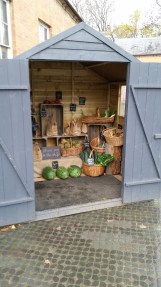
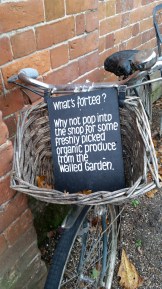
In late November we decided to go for a walk around the woodlands and explore the walled garden to see what was going on. The improvements become immediately obvious as there is now a new entrance building and a newly refurbished Carriage House Cafe in the stable yard. After sampling the delights in the cafe we wandered off towards the Walled Garden one of our favourite elements of the Attingham Estate. In the Stable Yard sits a little sales hut selling produce from the walled garden, freshly picked and delivered by bike.

2015 11 08_7259 2015 11 08_7254 2015 11 08_7255

The Walled Garden was originally created way back in 1780 and its job was to provide the estate with fresh fruit and vegetables throughout the year. Looking at it now it is hard to believe that it fell into total disuse and dereliction. An amazing team of volunteers have recently brought it back to life. It no longer produces food for the “big house” but instead sends its organic produce up to the restaurant and cafe and for sale to the visitors.

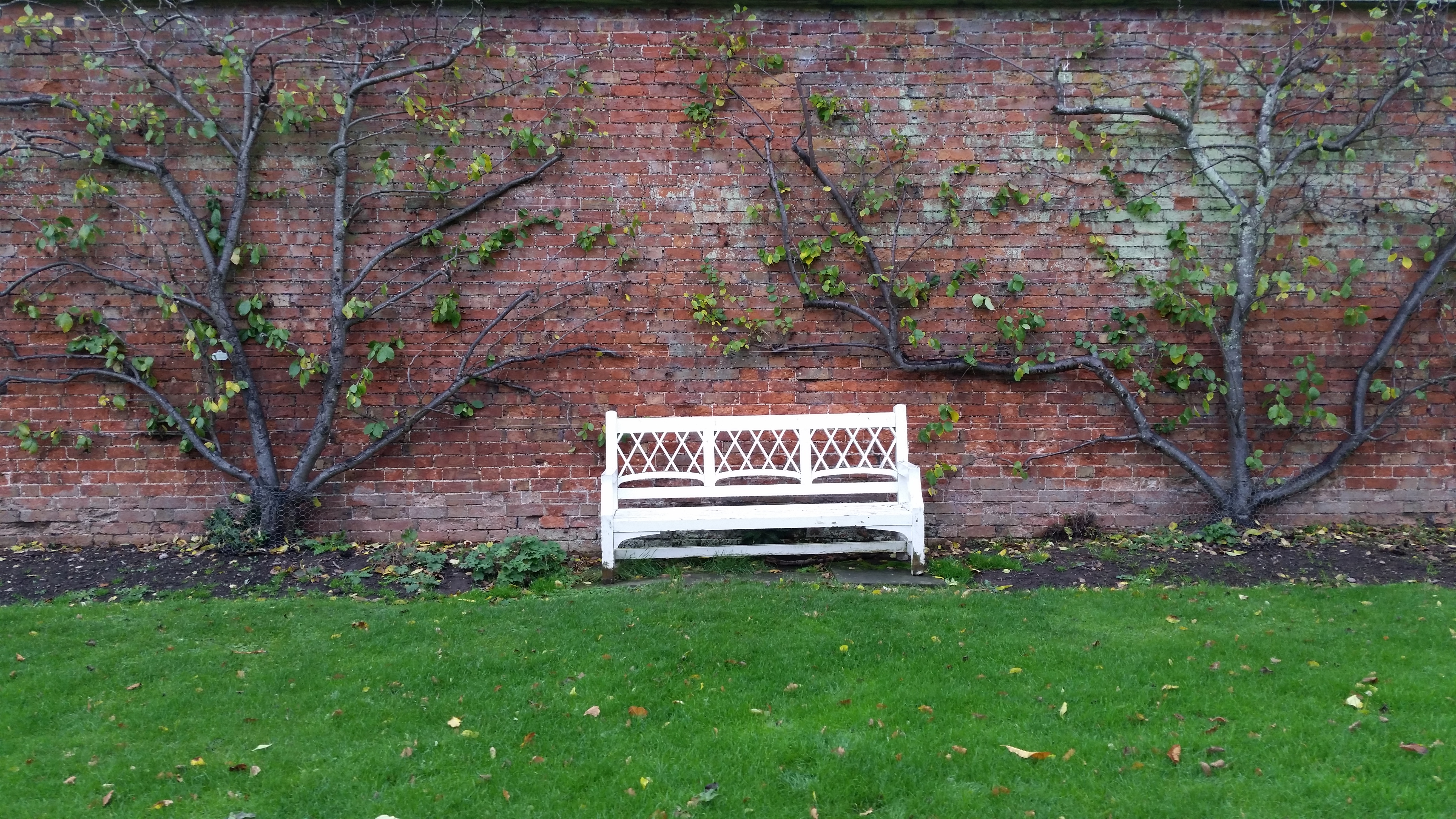
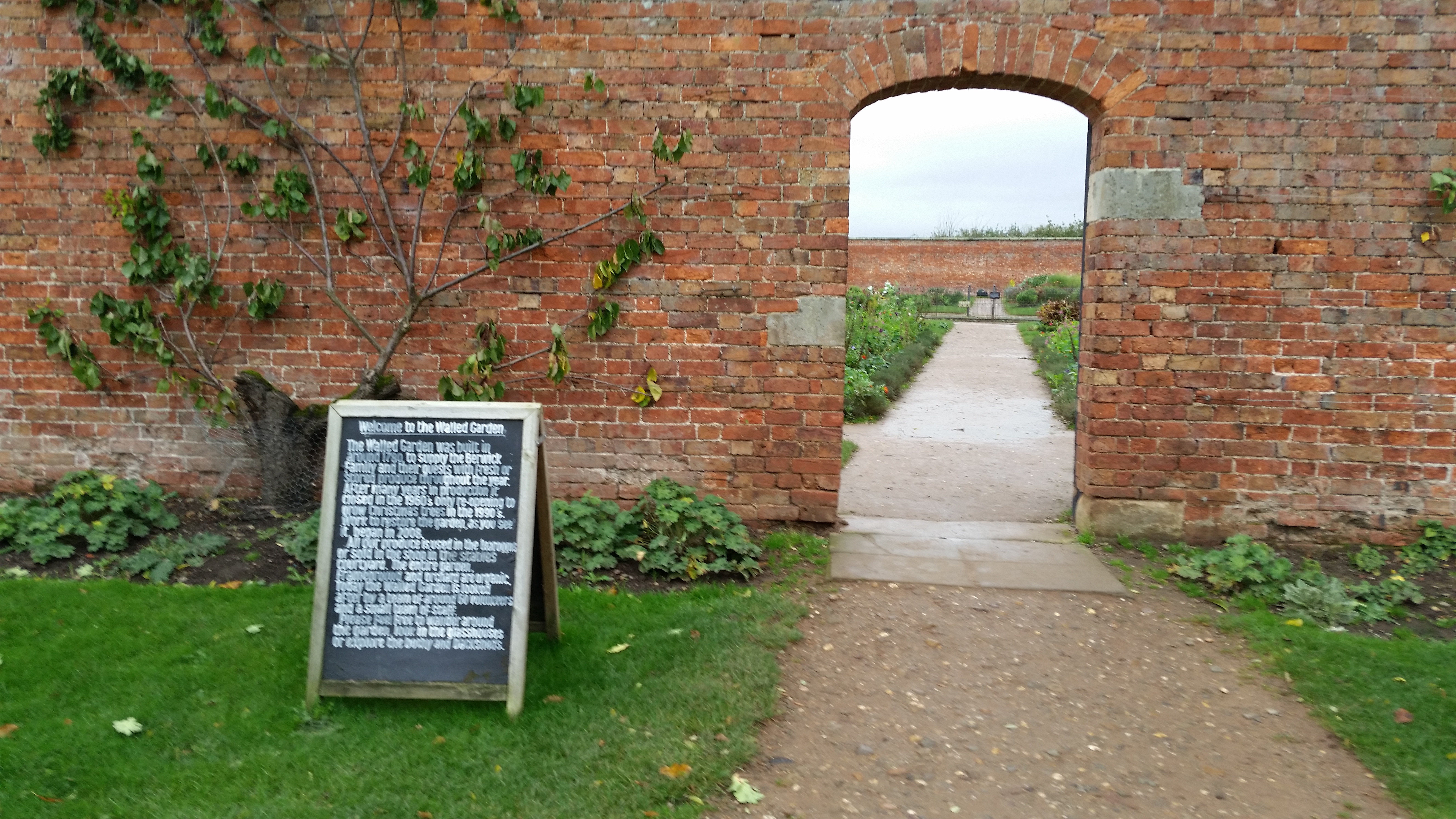
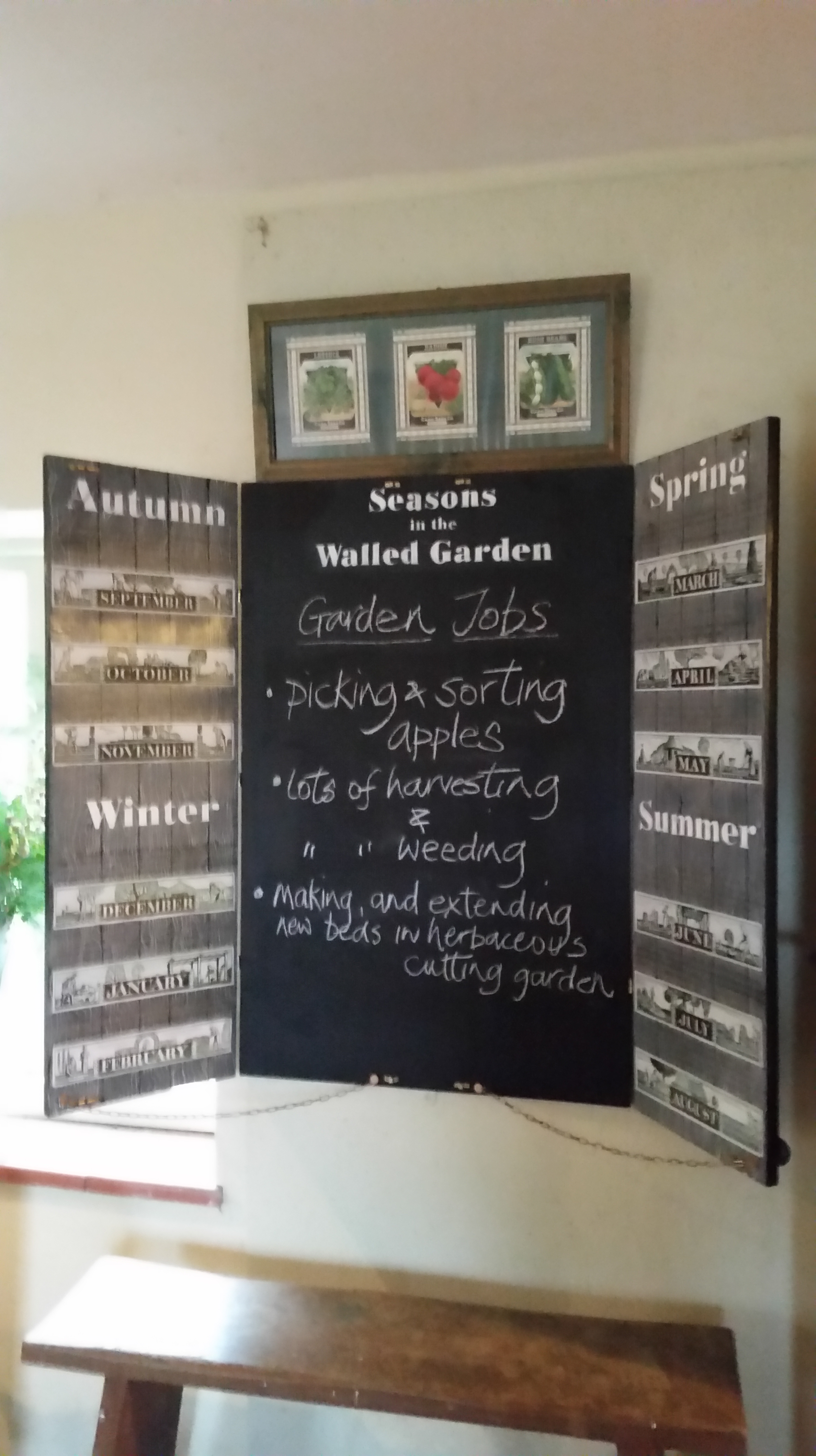
One of the impressive features of the Walled Garden is the amount of information boards placed carefully to keep visitors fully informed. Before passing through the gateway into the garden itself we always love seeing the beautifully trained fruit on the outside wall.

2015 11 08_7155 2015 11 08_7156

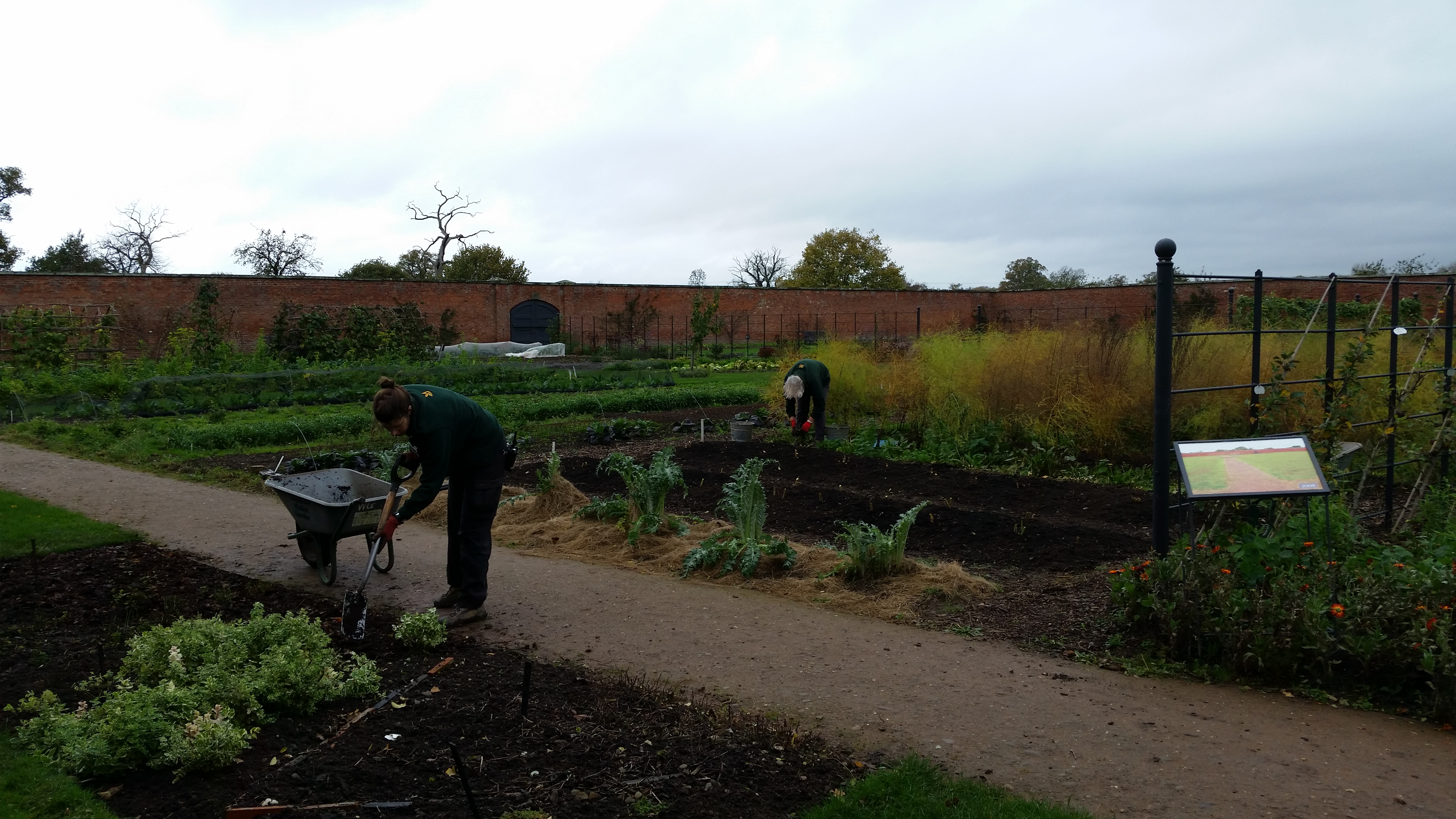
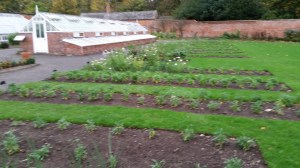
Taking a step inside and the garden came to life before our eyes, volunteers busy harvesting, weeding the beds and clearing ground ready for winter digging.

2015 11 08_7158 2015 11 08_71592015 11 08_7171 2015 11 08_7176

The volunteer gardeners enjoy getting creative with Birch and Hazel boughs and branches and their bean supports, tunnels and wigwams always look impressive.

2015 11 08_7164 2015 11 08_7165 2015 11 08_7163

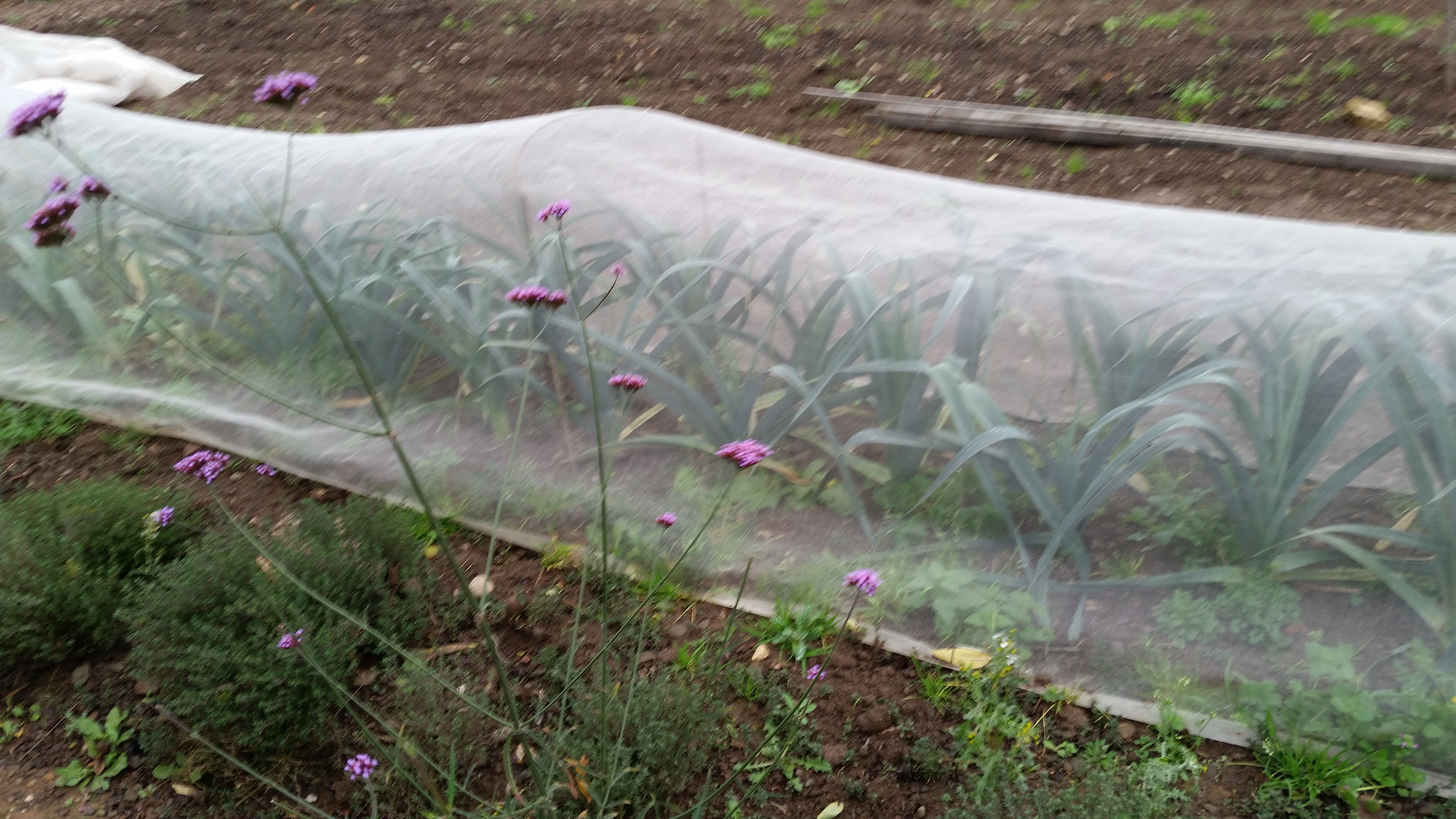
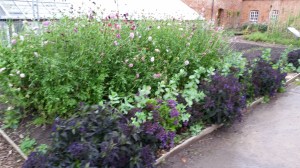
It was good to see sound organic principles being used here, barriers, green manures and companion planting and herbaceous borders to attract beneficial insects, predators and pollinators.

2015 11 08_7166 2015 11 08_71672015 11 08_7172 2015 11 08_7169

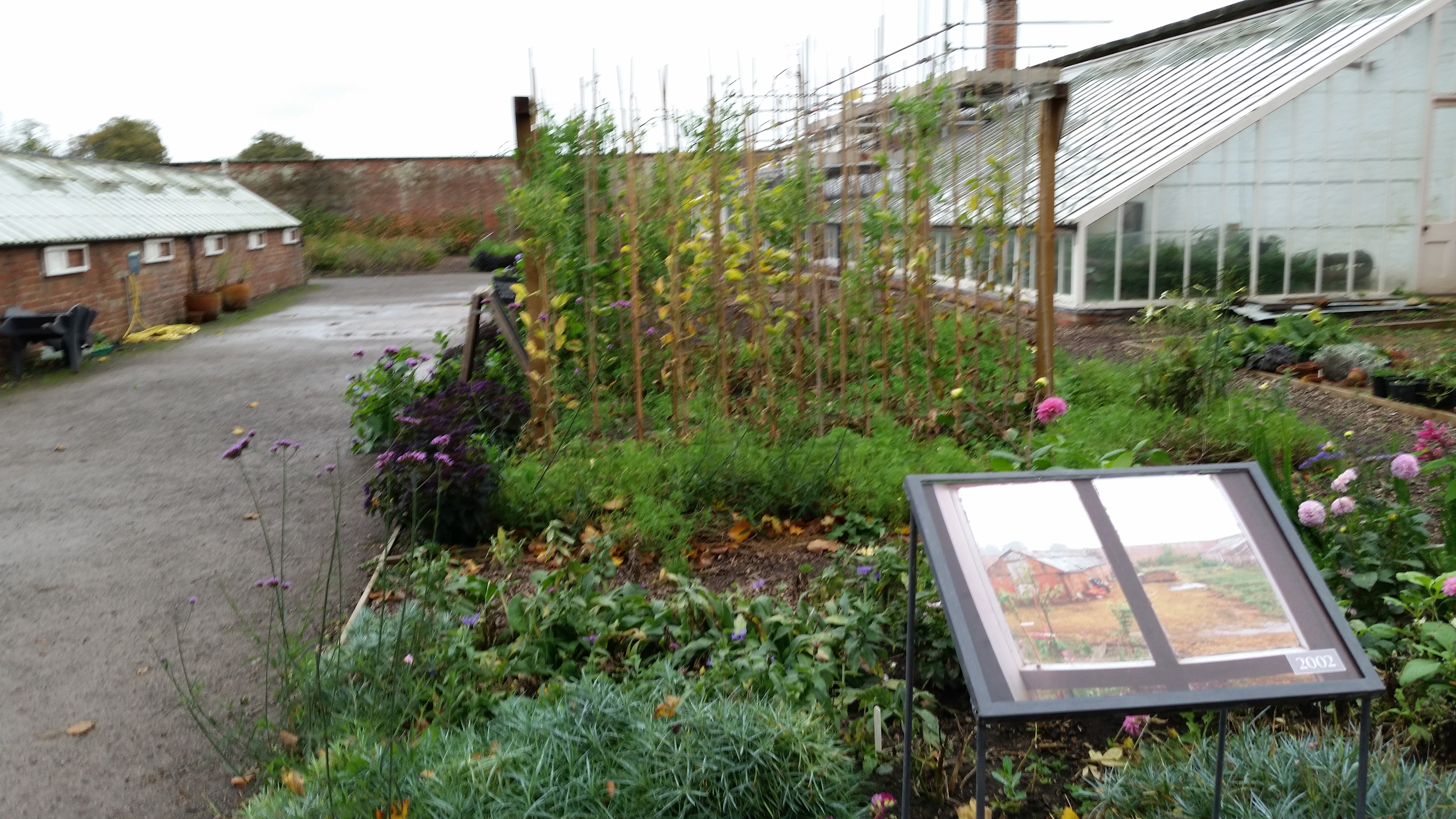
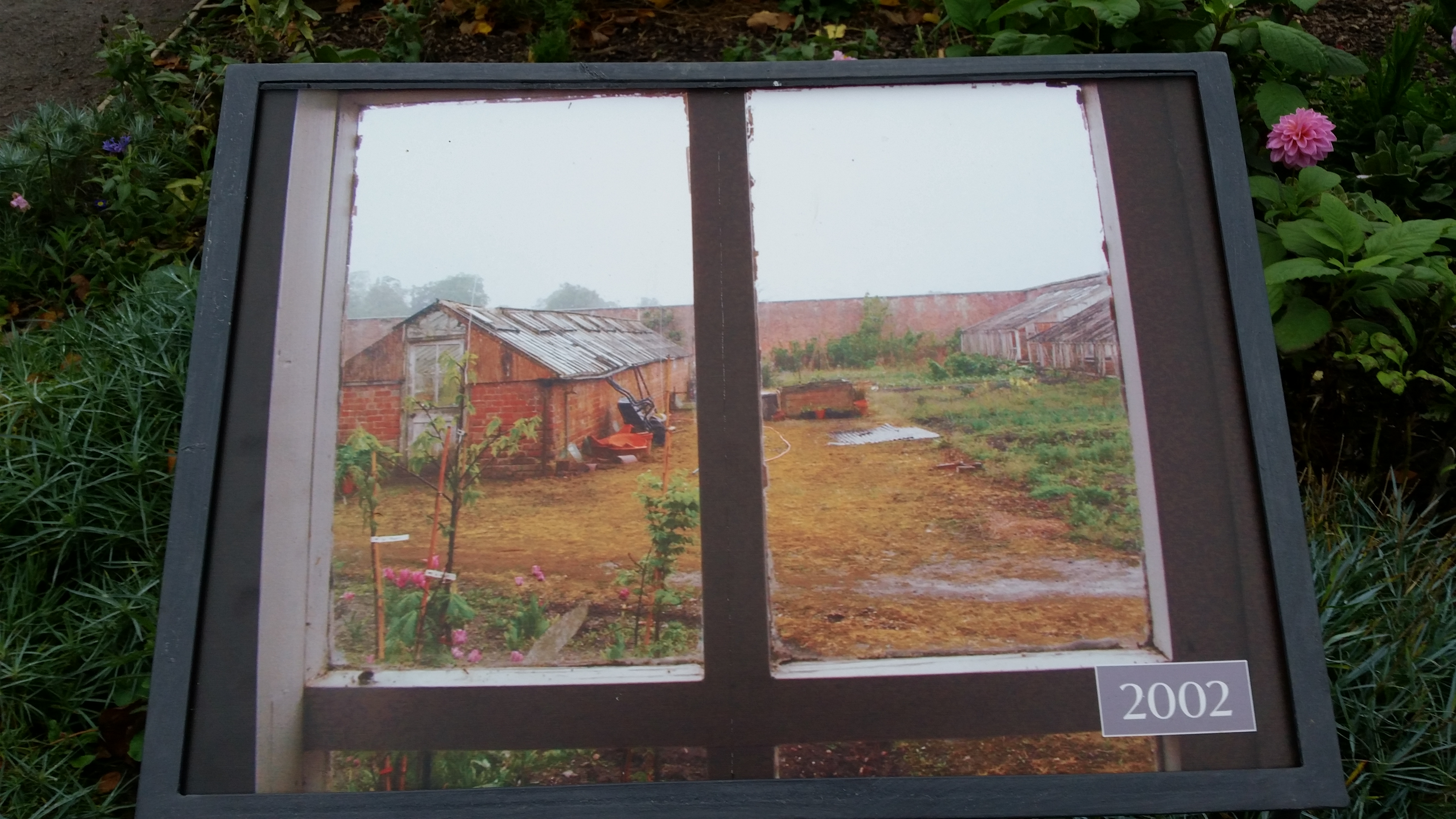
As we moved into the glasshouse area we were impressed  by the renovation work being carried out on the glasshouse ranges. Information boards show visitors what the area looked like prior to its rescue.

2015 11 08_7178 2015 11 08_7184 2015 11 08_7185 2015 11 08_7197

Cut flowers were also grown here and even in November the Dahlias were flowering well due to the protection of the walls and protection from Earwigs provided by the old fashioned method of putting a pot stuffed with straw on top of a cane.

2015 11 08_7186 2015 11 08_71872015 11 08_7180 2015 11 08_71792015 11 08_7181 2015 11 08_7182

On a cold day a look inside the gardeners bothy proved to be a welcome time to warm up and enjoy the displays.

2015 11 08_7188 2015 11 08_71892015 11 08_7190 2015 11 08_71912015 11 08_7192 2015 11 08_7193

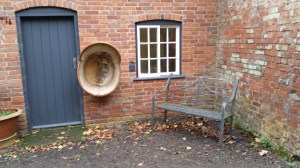
Exiting the Walled Garden via the orchard gave us a chance to look at the front of the old red brick buildings. The Walled Gardens here at Attingham are worth visiting throughout the year as there is always something interesting going on. We are so lucky having this national trust property so close to Shrewsbury.

2015 11 08_7196 2015 11 08_7199

From the walled gardens we wandered off into the woodlands following one of the marked trails. My next post will feature what we found there.

Categories
birds climbing plants flowering bulbs garden photography garden ponds garden pools garden wildlife gardening hardy perennials ornamental trees and shrubs trees water in the garden wildlife

My Garden Journal – August

Here we are with part 8 of my monthly series looking at what I have put into my garden journal. August has been a disappointing month weatherwise, with winds, rain and dull skies, and the plants have responded with short flowering periods and even our roses have failed to repeat flower.

I began my August entries, “The month of school holidays when families make their way to the seaside, is not a holiday in the garden. We have to keep dead-heading and tidying to make sure it looks its best.” and continued with my monthly quote from Jenny Joseph“August is a time of vegetables and smells of leaves and roots as we clear: dusty, musty smell of old growth. What flowers we have in August depends on how diligent you’ve been at dead-heading earlier.”

I continued, “We dead-head our Roses most days in an attempt to keep them in bloom, and cut back dying perennials to encourage both fresh blooms and fresh growth from below.” 

2015 09 03_5007_edited-1

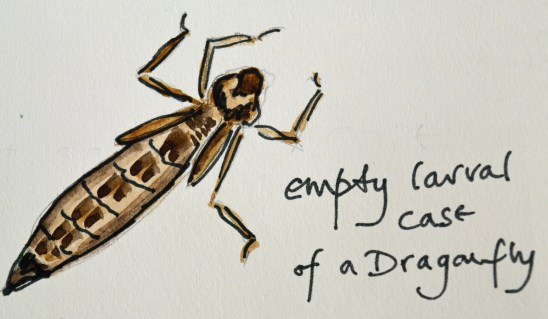
I next referred to our fun activity which takes us back to our childhoods, pond dipping, “An early dip in the pond with our net revealed that young Newts are still very much in evidence. We discovered the shell of a Dragonfly larva and a strangely bodied surface dwelling insect, its shape like an elongated diamond.” I wonder what a pond dipping session will reveal in September as autumn will then be creeping in.

2015 09 03_5014_edited-1 2015 09 03_5015_edited-1

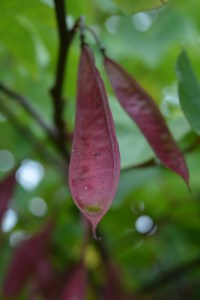
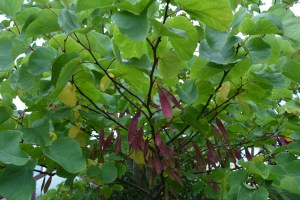
Our Cercis siliquastrum tree featured again as we turn the page of my journal just as it has done in my May entries.

2015 09 03_5008_edited-1

“Discovering new points of interest in the garden is always refreshing. We have always loved our Cercis siliquastrum for its mass of pink flowers in May, but this year we have rows of seed pods hanging from branches like celebratory bunting or prayer flags from Tibet.”

2015 08 10_4637 2015 08 10_4636 2015 08 10_4639 2015 08 10_4638

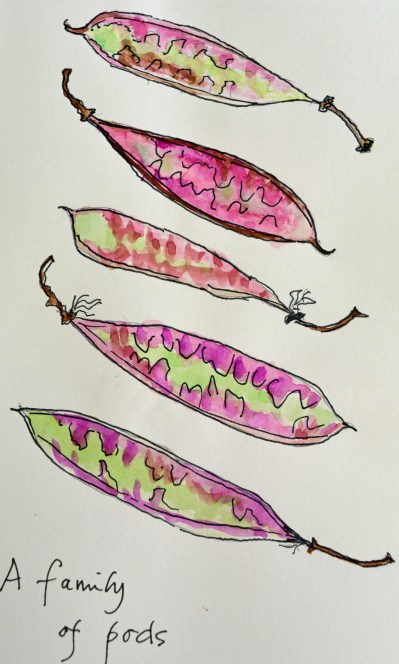
I attempted to paint a watercolour of a selection of pods and this proved to be a real challenge with the subtle variations of green and pink from pod to pod.

2015 09 03_5016_edited-1

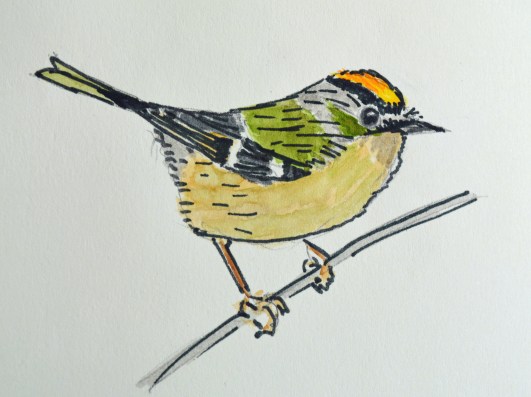
Further notes about the wildlife in our August garden followed on at the turn of the next page, where I noted, “Gardening in August is done with the sounds of Swallows and House Martins wheeling over our heads. Two very contrasting wildlife sounds add to the soundtrack, the deepest croaking grunt of our Toads and the highest pitched song of all our garden birds, the diminutive Goldcrest.” In my painting I tried to capture the character of the Goldcrest, cheerful, jittery and sparkling with life.

2015 09 03_5009_edited-12015 09 03_5018_edited-1

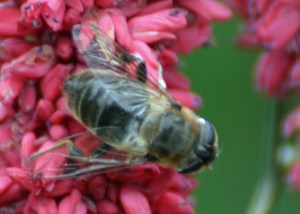
More sounds featured on the facing page, “Gentle, almost inaudible sounds emit from every border, the sounds of Hoverflies. Gentle humming from above flowers, rapid beats make wings almost invisible, the Hoverfly moves in sudden sharp changes of direction. They can be wasp-like, bee-like or fly-like, masters of mimicry and disguise”. I love taking photos of the wildlife that shares our garden and insects and have hundreds in my Photoshop storage space. I have found a few featuring a few of the many different species of Hoverfly to share with you.

2015 08 27_4717-1 2015 08 27_4718_edited-1-12015 08 27_4719_edited-1-1 2015 08 27_4720_edited-1-12015 08 27_4714_edited-1-1

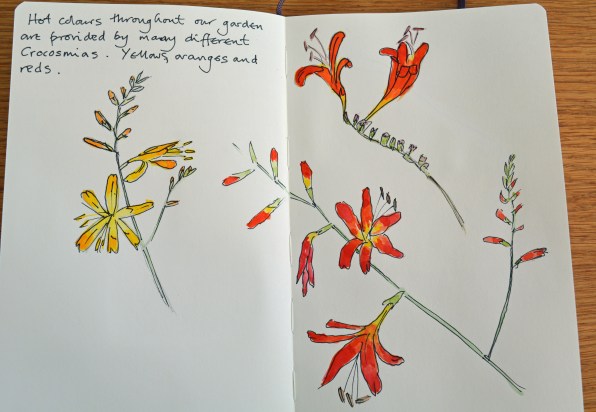
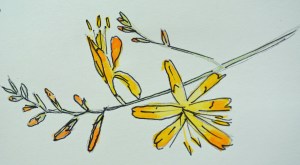
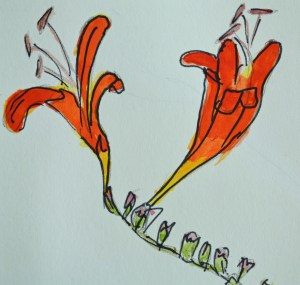
It is one of my favourite families of plants that I featured on the next double page spread, the Crocosmias. “Hot colours throughout our garden are provided by many different Crocosmias. Yellows, Oranges and Reds.” I enjoyed the challenge of creating watercolour paintings of three of our cultivars.

2015 09 03_5019_edited-12015 09 03_5020_edited-1 2015 09 03_5021_edited-1

From one bulbous rooted plant to another, from Crocosmias to Agapanthus. “Remember those Aganpanthus buds of July? Well, just look at them now!”

2015 09 03_5011_edited-1

I hope you enjoy this little gallery of photos of our Agapanthus. Just click on the first photo and use the arrows to move on through.

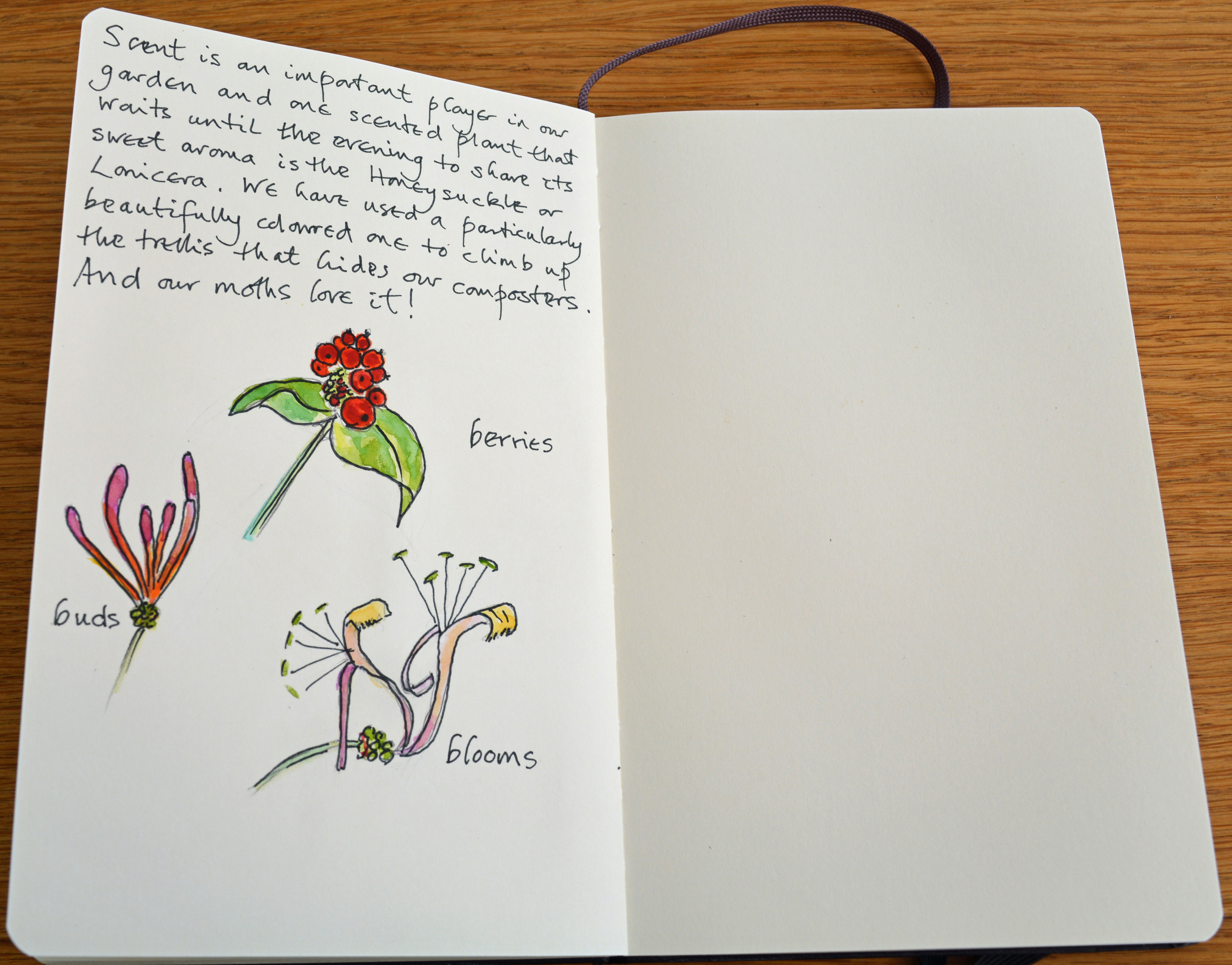
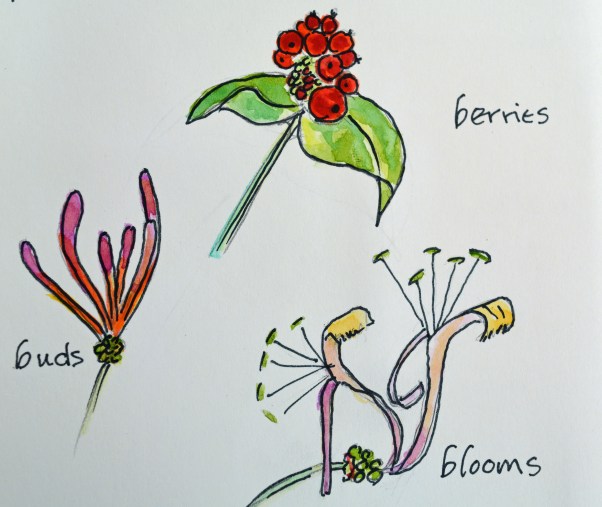
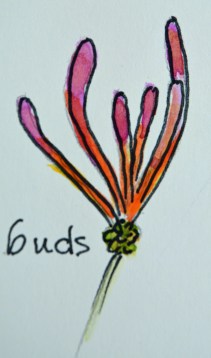
My final page for August featured another garden favourite, this time a climber, the Honeysuckle. I wrote “Scent is an important player in our garden and one scented plant that waits until the evening to share its sweet aromas is the Honeysuckle or Lonicera. We have used a particularly beautifully coloured one to climb up the trellis that hides our composters. And our moths love it!” I turned once again to my beautiful wooden box of watercolour paints to create a little series of pictures of the buds, blooms and berries of the Honeysuckle.

2015 09 03_5012_edited-1   2015 09 03_5025_edited-12015 09 03_5024_edited-1 2015 09 03_5022_edited-1 2015 09 03_5023_edited-1

The next look at my garden journal will be in September when we may be seeing the early signs of Autumn.

Categories
climbing plants colours garden design garden photography gardening gardens hardy perennials irises light National Garden Scheme ornamental trees and shrubs Shropshire trees Yellow Book Gardens

My Garden Journal – May

May has now finished so it is time to present my entries for that month in my Garden Journal. Gardening was totally at the behest of the weather, which was to say  disappointing.

2015 06 10_2769

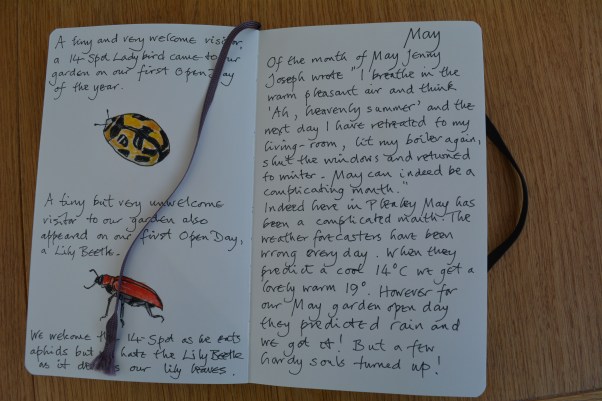
As usual my first page for the month of May included my chosen quotation from Jenny Joseph’s little book “Led by the Nose – A Garden of Smells”. Concerning May she wrote, “I breathe in the warm pleasant air and think “Ah, heavenly summer” and the next day I have retreated to my living-room, lit my boiler again, shut the windows and returned to winter. May can indeed be a complicating month.”

I wrote, “Indeed here in Plealey, May has been a complicated month. The weather forecasters have been wrong every day. When they predict a cool 14 C we get a lovely warm 19 C. However for our May garden open day they predicted rain and we got it! But a few hardy souls turned up!

Many visitors to our garden are amazed by our Judas Tree, Cercis siliquastrum. Early in the month its buds are beautiful in colour and shape.”

2015 06 10_2770

2015 05 21_1846-1 2015 05 21_1855-1

2015 05 21_1856-1 2015 05 21_1857-1

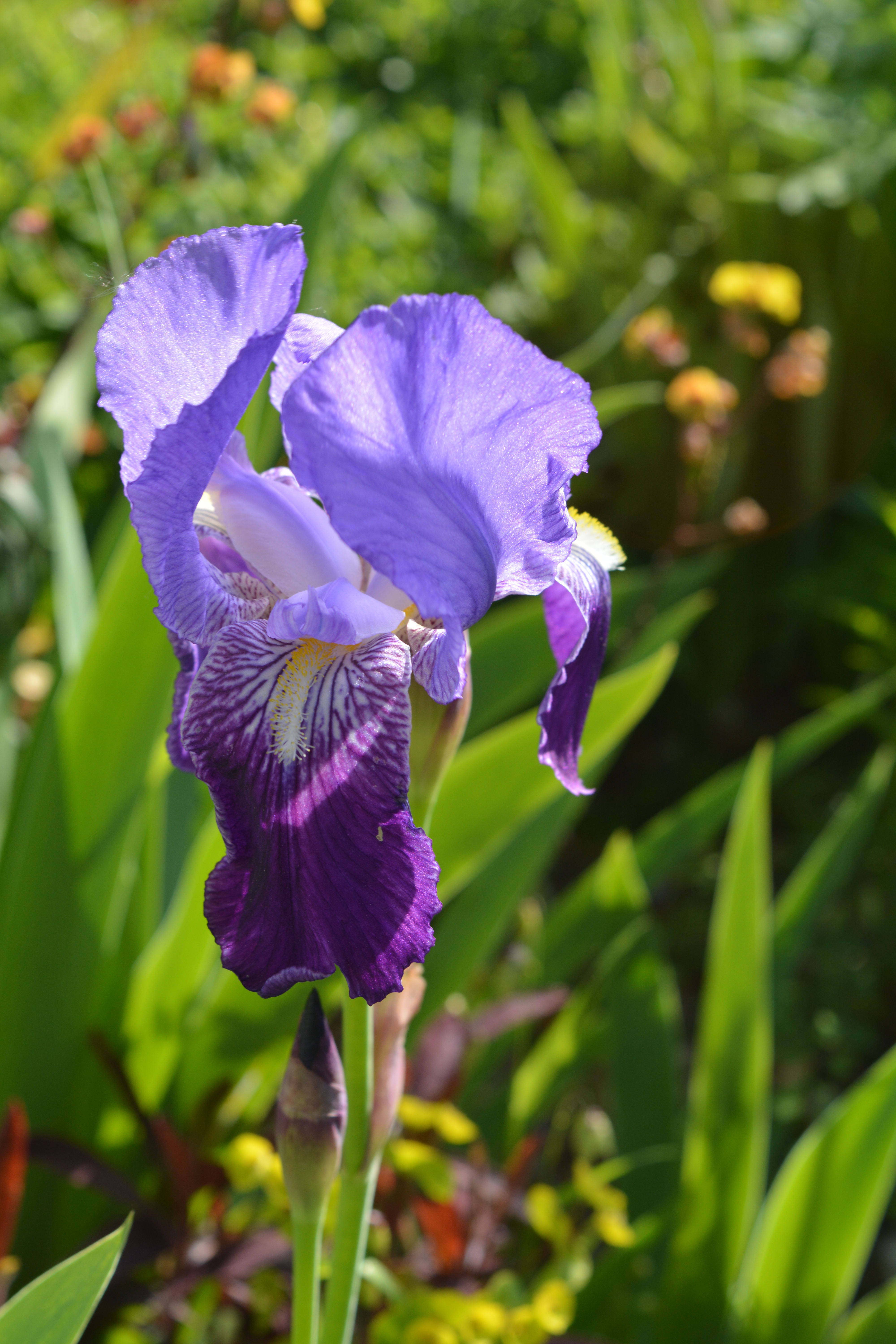
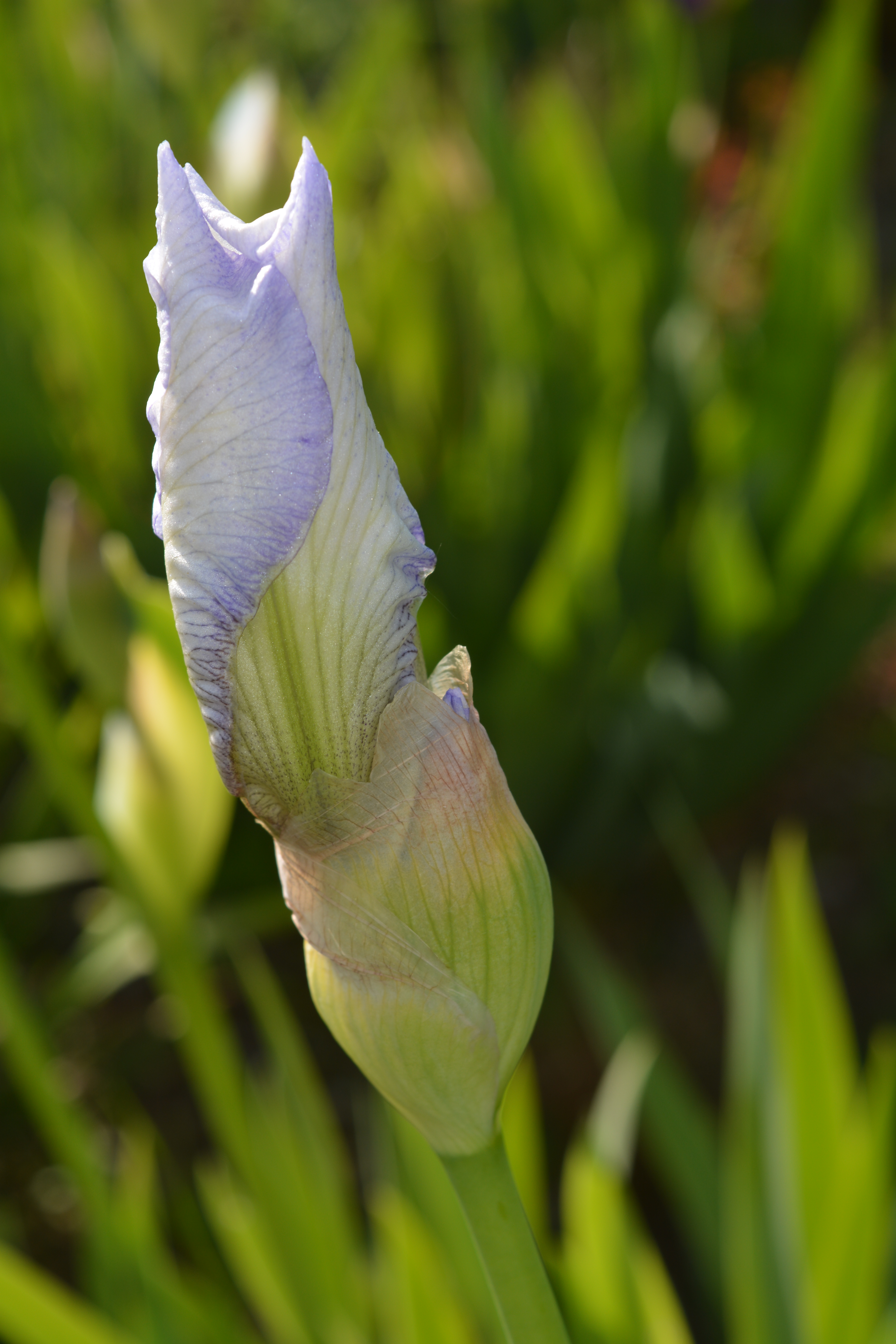
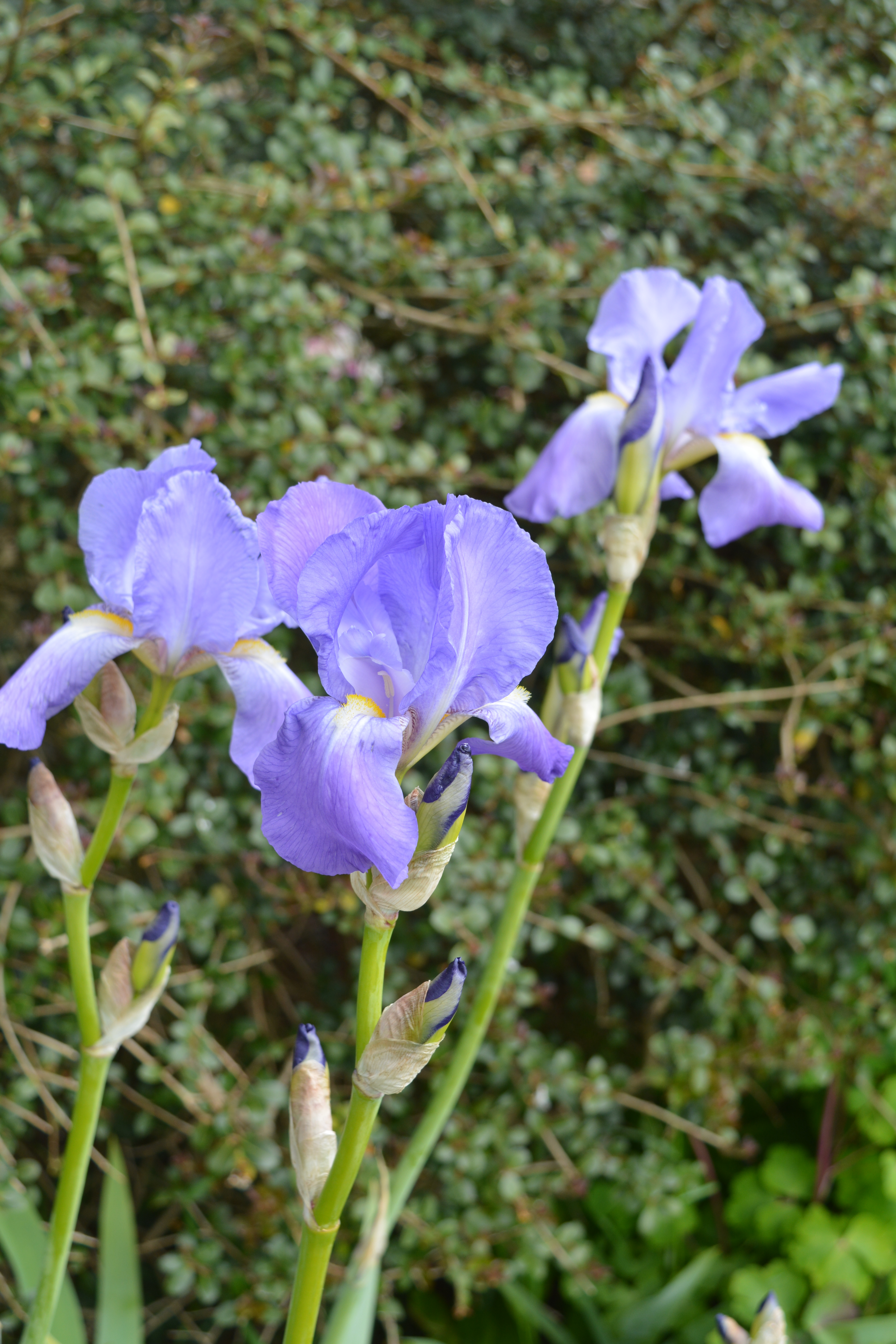
I moved on to write “May is the month that our Irises come out to play, to show off their colourful, wonderfully shaped flowers and glow whenever the sun makes an appearance. The palest colours always come first.

2015 05 31_2028 2015 05 26_2020 2015 05 26_2017 2015 05 26_2016 2015 05 26_2015 2015 05 26_2014


Turn over the page and we find my first watercolour painting and the return to the Judas Tree.

2015 06 10_2771_edited-1

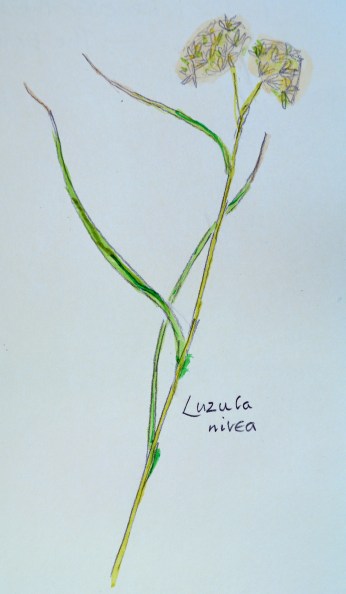
My painting is of one of our favourite grass-like plants, a rush called Luzula nivea. A real challenge to express its subtlety in paints. I wrote “In amongst the bright colours of May little subtle plants can amaze us.”

2015 06 10_2772_edited-1

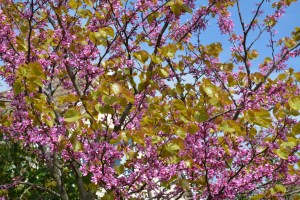
Concerning the Judas Tree, Cercis siliquastrum, I wrote “By the middle of the month, our Judas Tree is in full bloom.” A selection of photos followed.

2015 05 21_1848-1 2015 05 21_1854-1

2015 05 21_1849-1 2015 05 21_1850-1

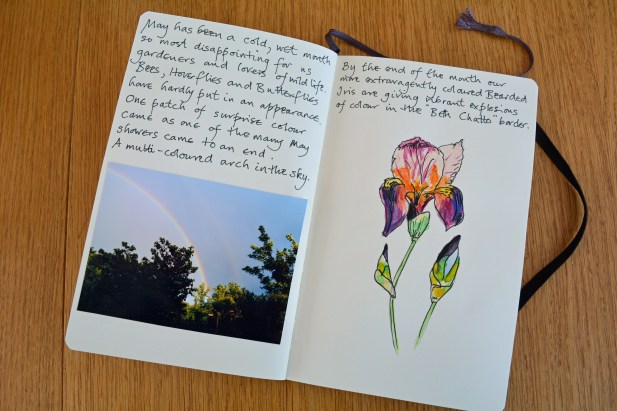
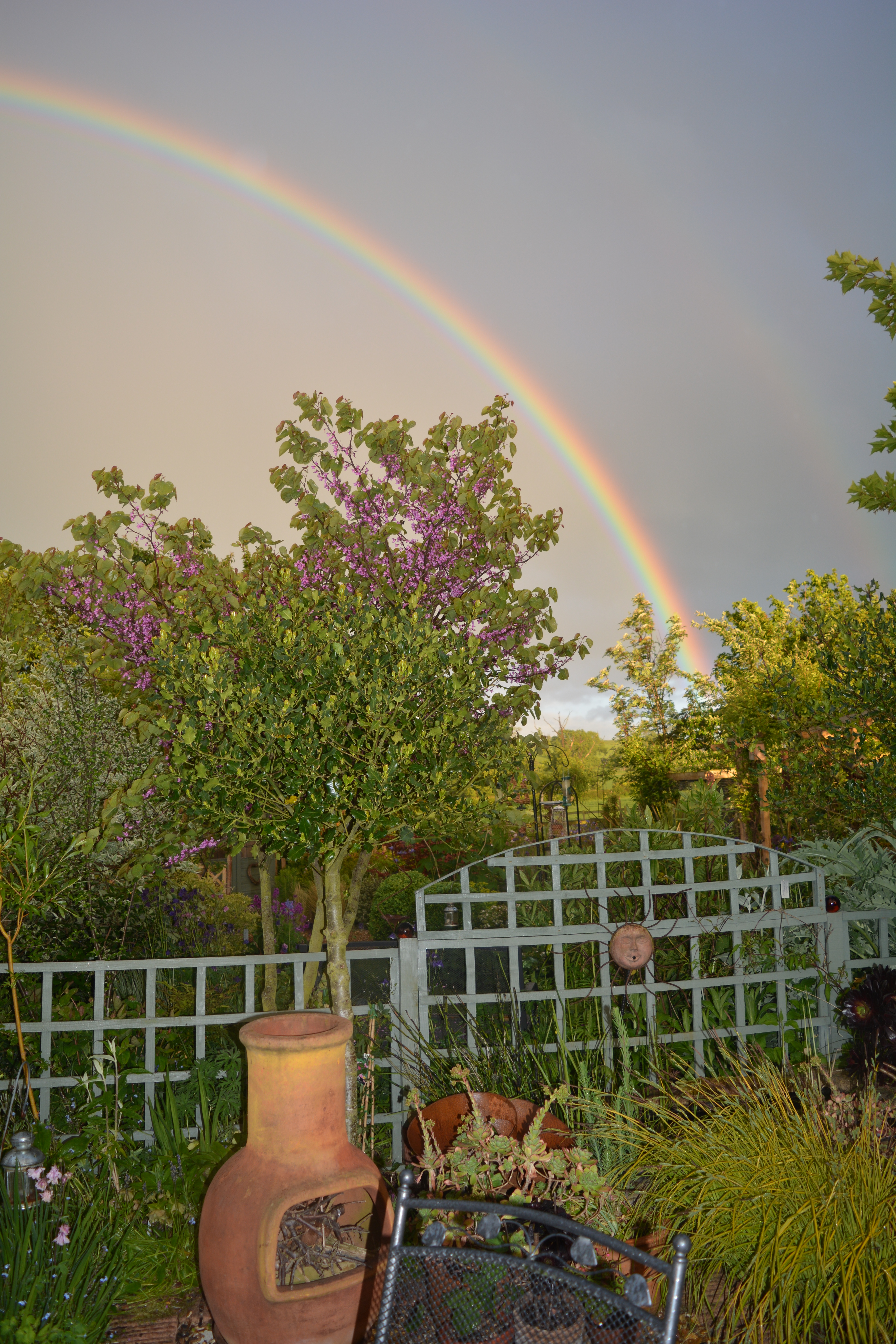
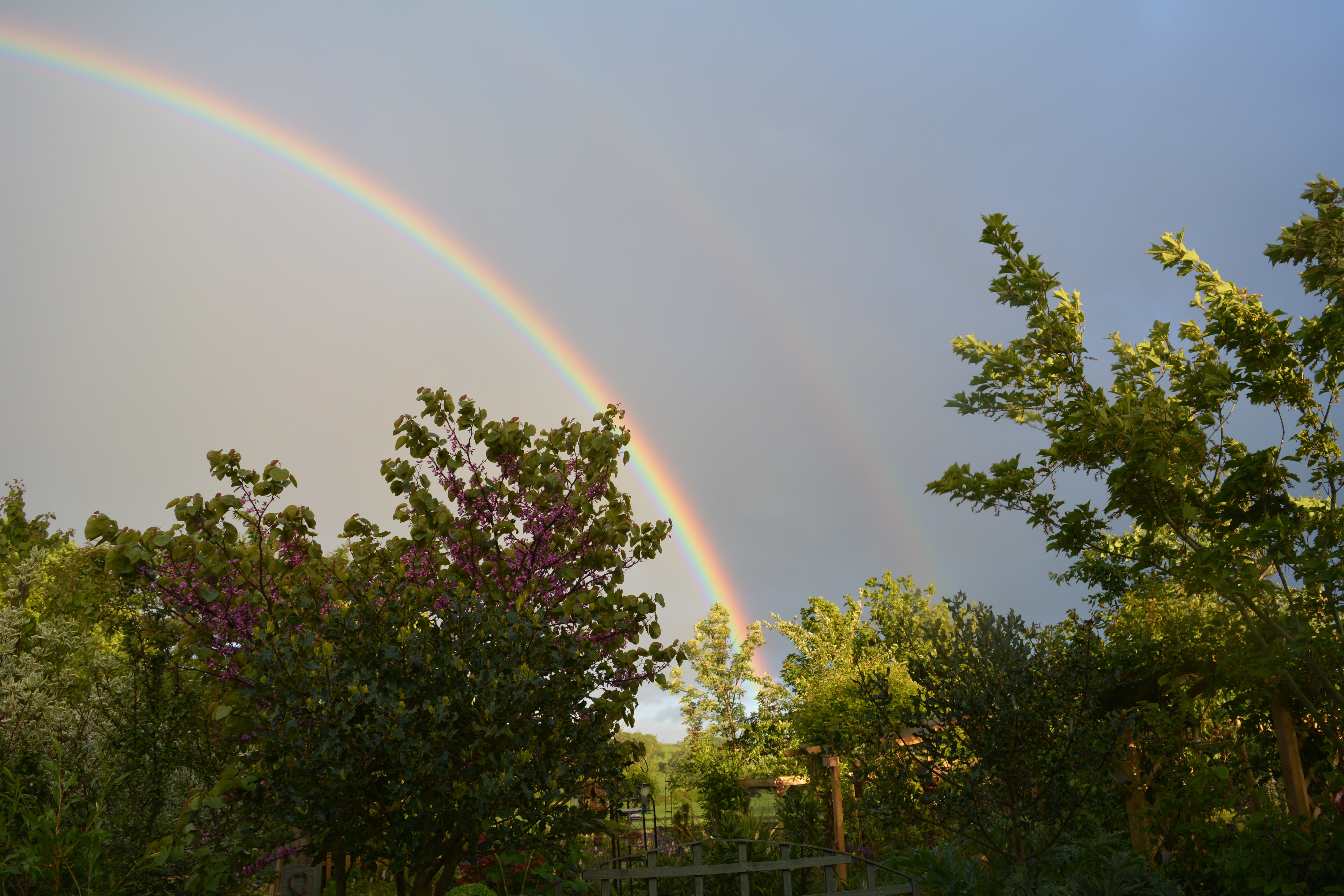
Over the page I wrote “May has been a cold, wet month so most disappointing for us gardeners and lovers of wildlife. Birds, Hoverflies and Butterflies have hardly put in an appearance. One patch of surprise colour came as one of the many May showers came to an end. A multi-coloured arch in the sky.”

2015 06 10_2773_edited-1

2015 05 31_2037 2015 05 31_2036 2015 05 31_2034

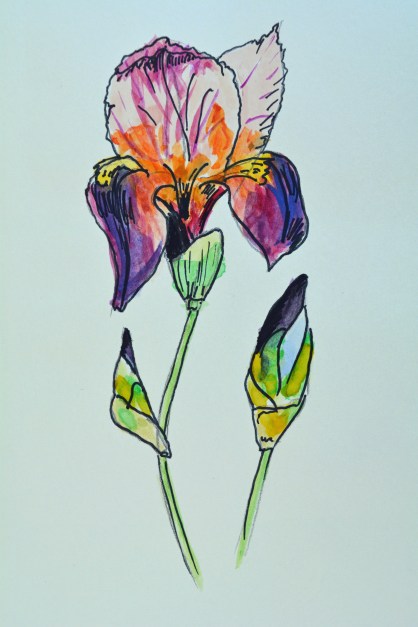
Alongside the page about the rainbow was a second page about our Irises, where I wrote “By the end of the month our more extravagently coloured Bearded Irises are giving vibrant explosions of colour in the Beth Chatto border.” Below these words was my second painting for May depicting one of our more brightly coloured Irises.

2015 06 10_2774_edited-1

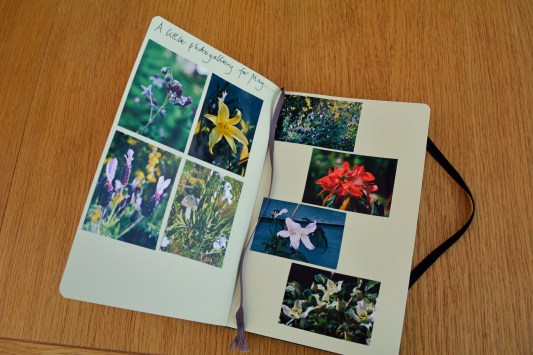
My final entry for my Garden Journal in May  was a little gallery of photos.

2015 06 10_2775_edited-1

To see larger images click the first thumbnail photo and use the arrows to negotiate through the gallery. Enjoy!


Categories
colours garden buildings garden photography gardening gardens gardens open to the public hardy perennials light light quality meadows National Trust ornamental trees and shrubs roses Shropshire South Shropshire The National Trust trees walled gardens

Croft Castle month by month – Part 5 May

2015 05 22_1883_edited-1

We are almost half way through the year now so we were expecting to see some big changes at Croft on our May visit.

2015 05 22_1868_edited-1

We made our May visit to Croft Castle on a warm sunny day so everything in the garden looked colourful and full of cheer. The leaves were fully out on all the trees and herbaceous plants were beginning to flower.

2015 05 22_19282015 05 22_1858 2015 05 22_1859 2015 05 22_1862 2015 05 22_1863

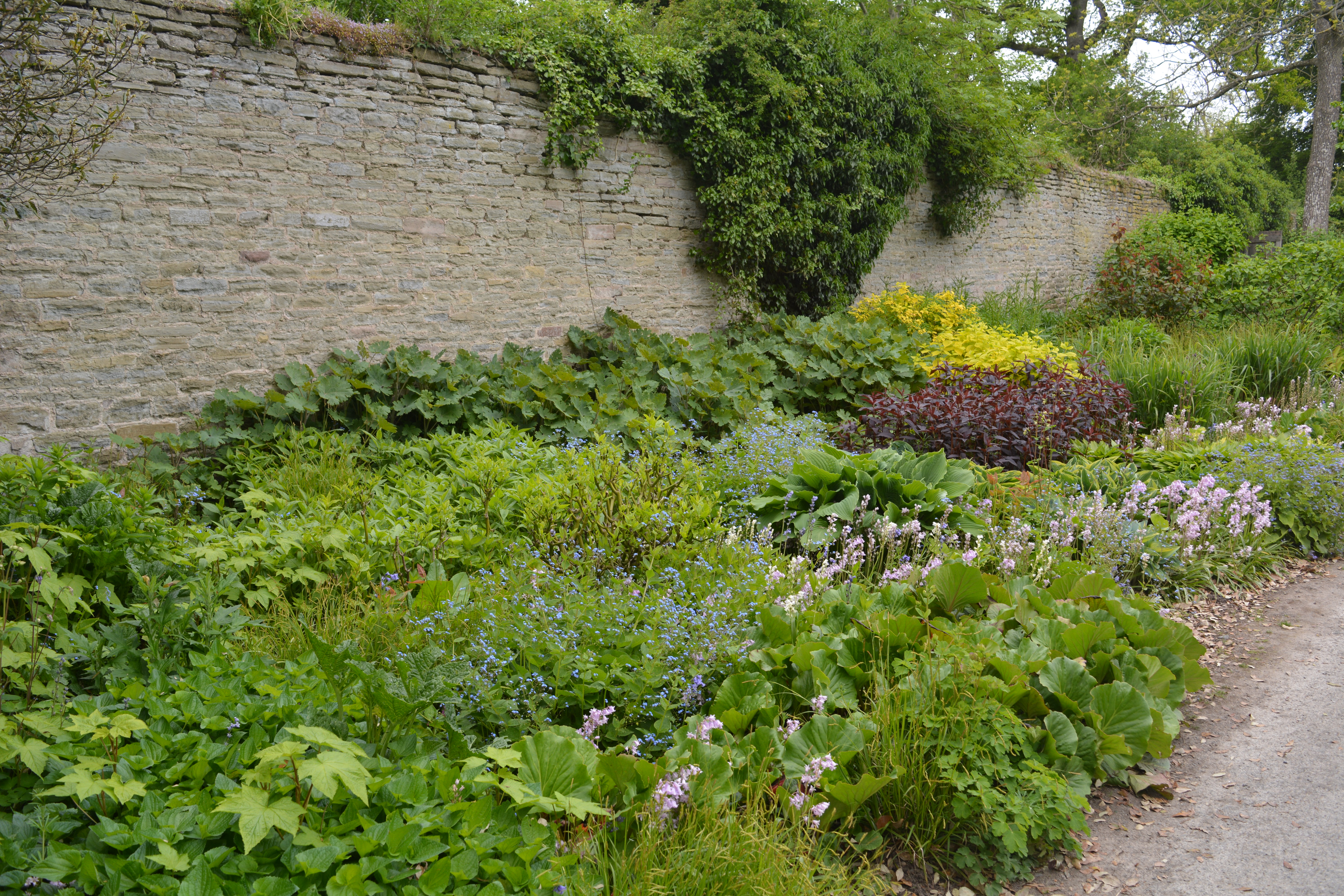
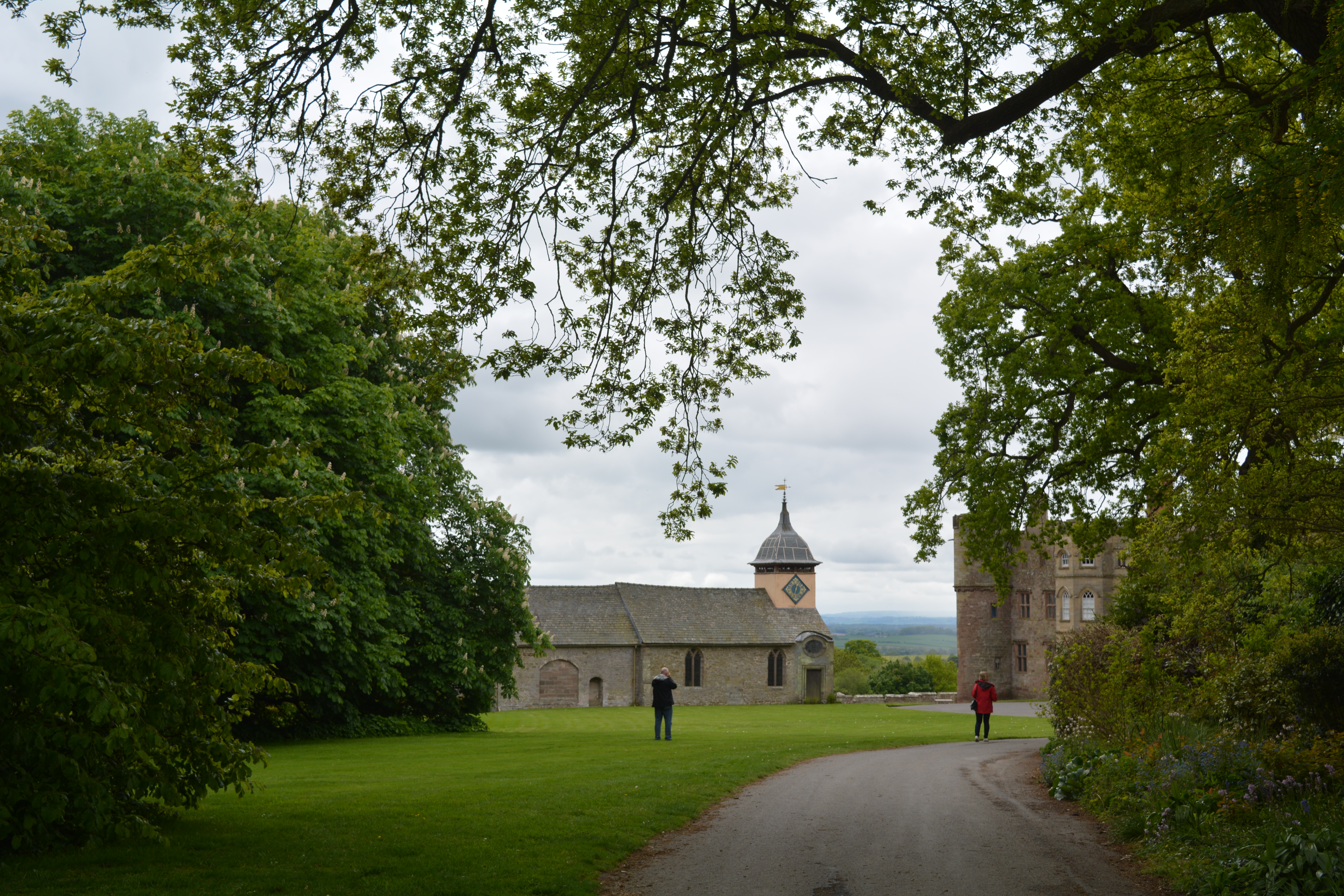
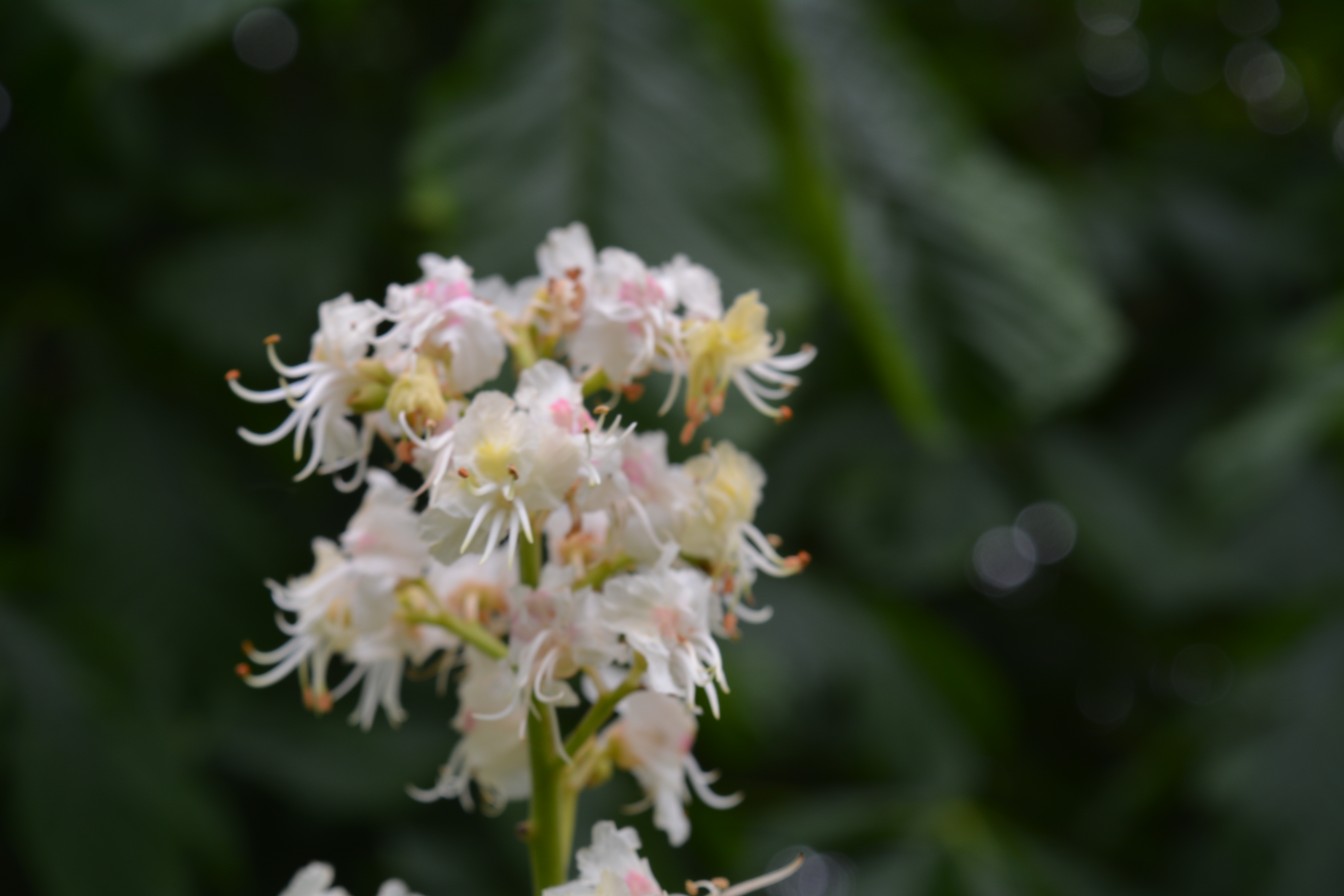
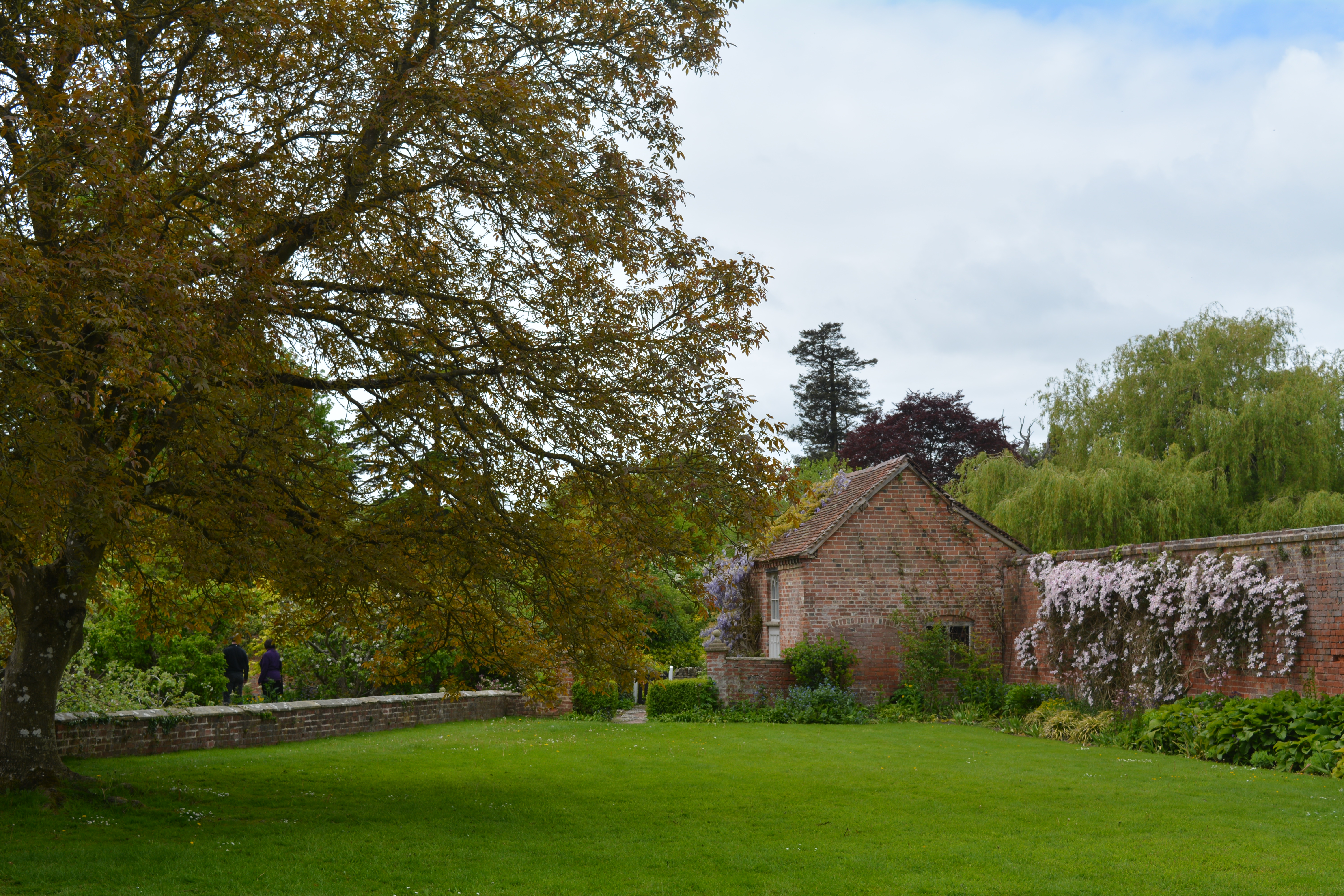
The long border we always pass as we make our way towards the walled garden is now lush with every shade of green with occasional splashes of flower colour. Our view from the long border towards the church and castle is framed beautifully by trees in full leaf. The Horse Chestnuts were in full blossom. They are beautiful flowers when looked at close up.

2015 05 22_1864 2015 05 22_1865 2015 05 22_1866 2015 05 22_1867

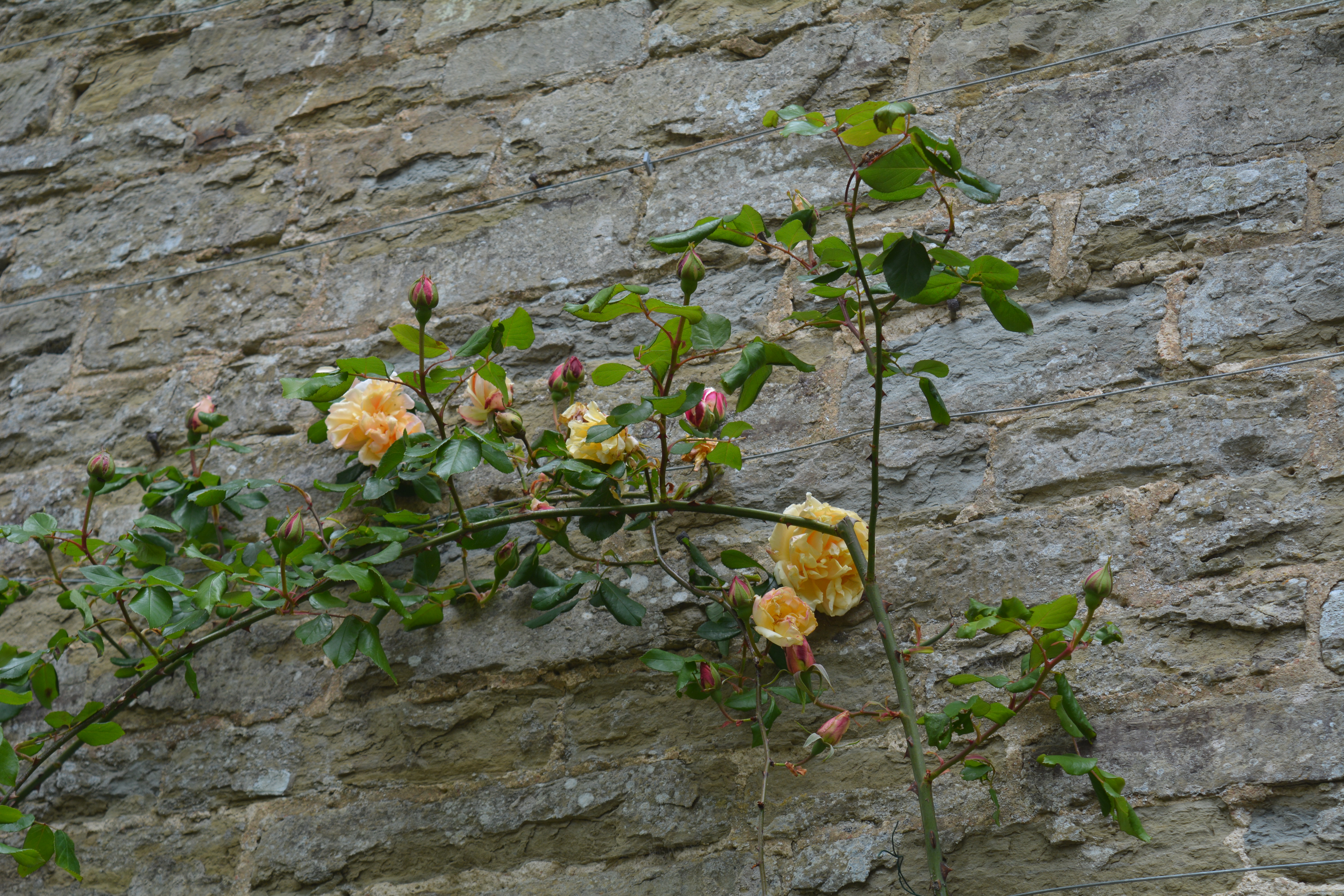
On the walls of the buildings close to the walled garden roses were in full bloom.

2015 05 22_1870 2015 05 22_1871

As we passed through the gateway into the waled garden we were amazed by how much the first view had changed. It simply looked so green and lush.

2015 05 22_1872 2015 05 22_18732015 05 22_1874 2015 05 22_18752015 05 22_1869 2015 05 22_1877

For the first time this year the vineyard at Croft was showing signs of growth with shining bronze-green leaves bursting from every bud.

2015 05 22_1879 2015 05 22_1880

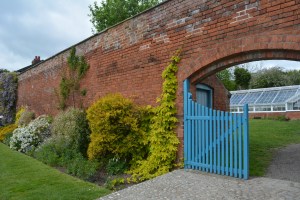
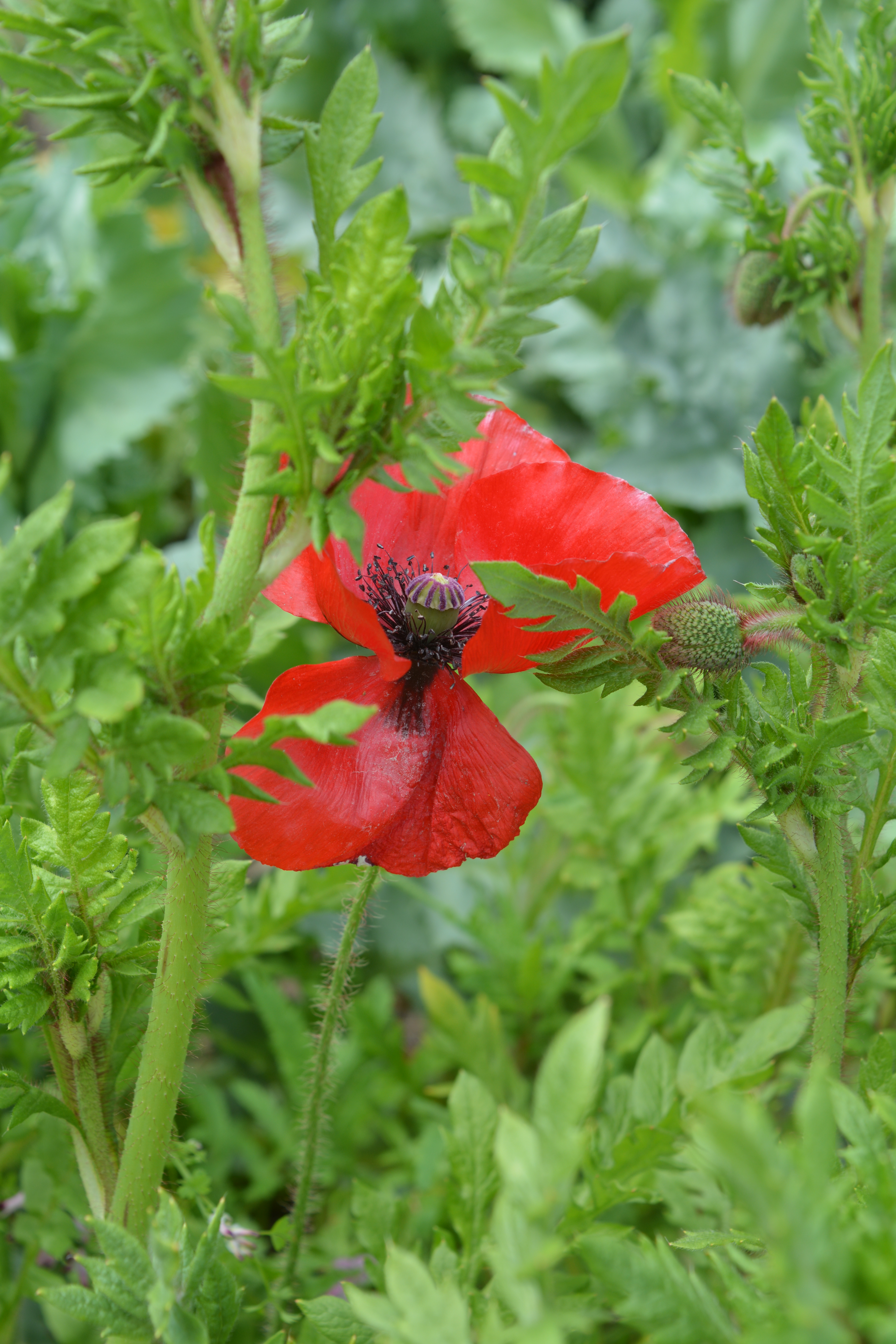
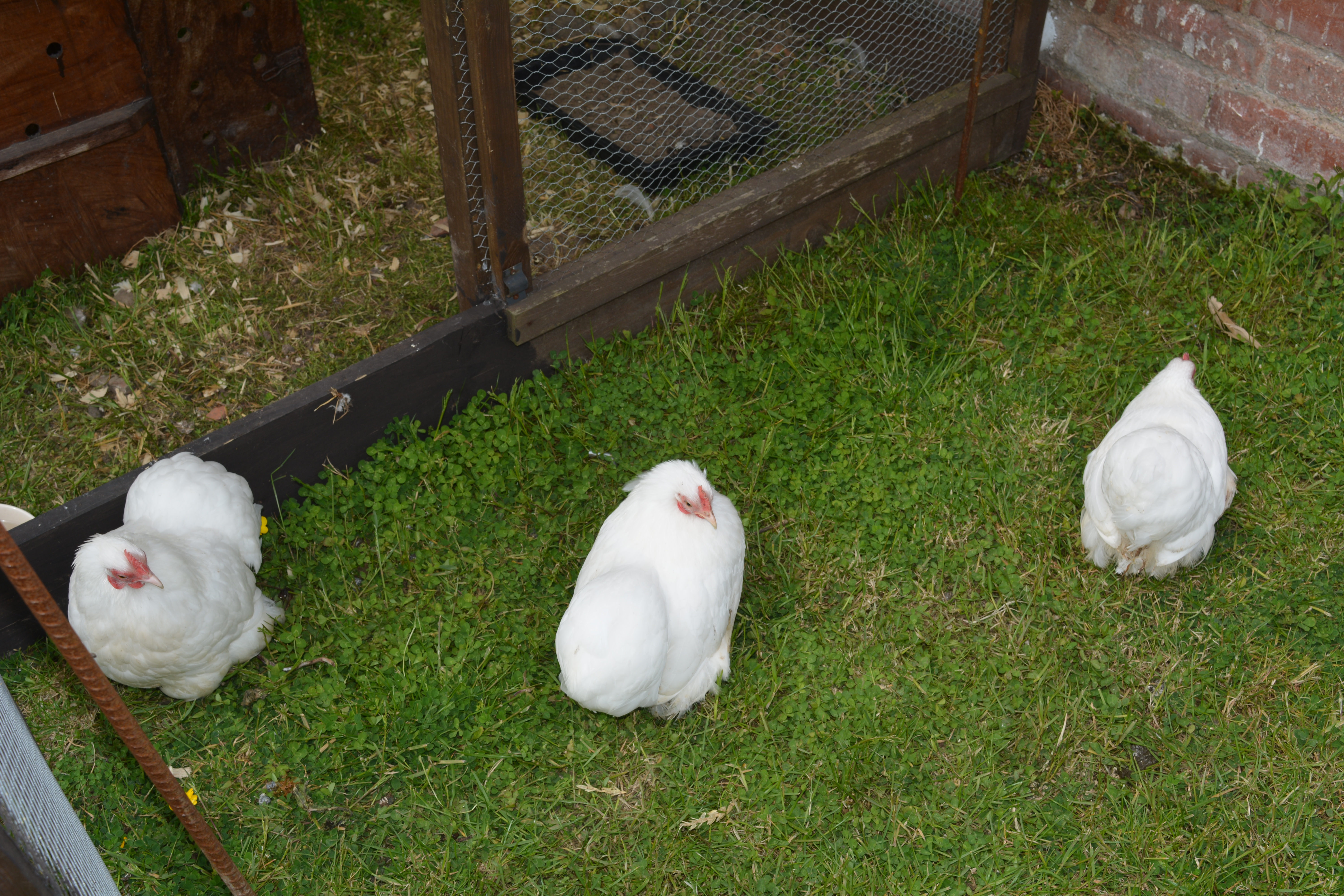
We expected to see major changes as we walked through the blue gates to look at the greenhouse and the surrounding garden. Bright reds of poppies hit us first but close by these cute bantams were definitely new. We certainly found plenty of colour in the greenhouse as plants under cover were flowering way ahead of their normal time.

2015 05 22_1884

2015 05 22_1885 2015 05 22_18862015 05 22_1887

2015 05 22_1891 2015 05 22_1892

Leaving the greenhouse area back through the blue gates we could see that the productive gardens had made a lot of progress since our visit in April. Gooseberries were fruiting and rows of vegetable plants were now established. The sunshine brought out the colours in the borders along the walls.

2015 05 22_1893 2015 05 22_1895 2015 05 22_1896 2015 05 22_1899 2015 05 22_1900 2015 05 22_19062015 05 22_1907 2015 05 22_1904

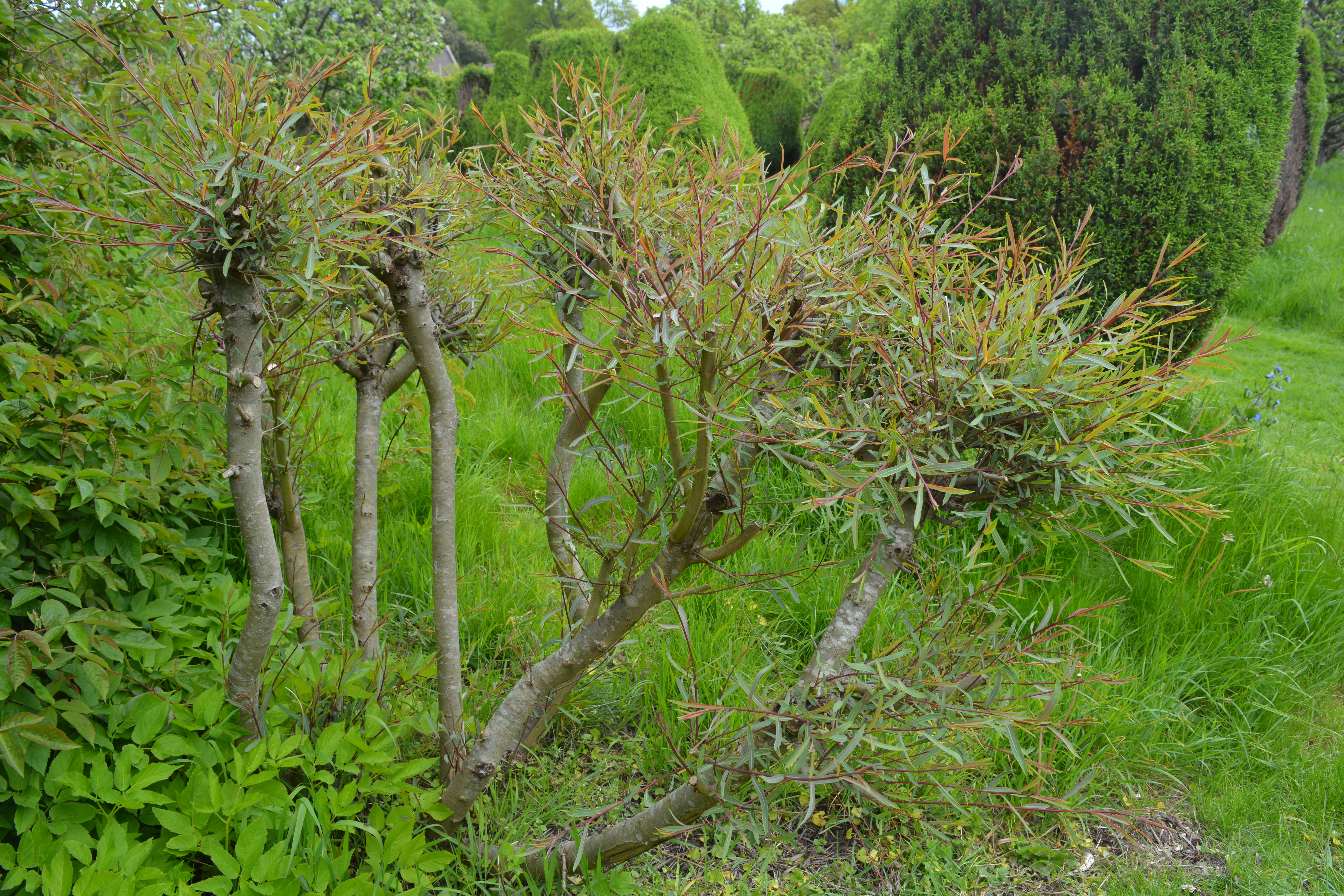
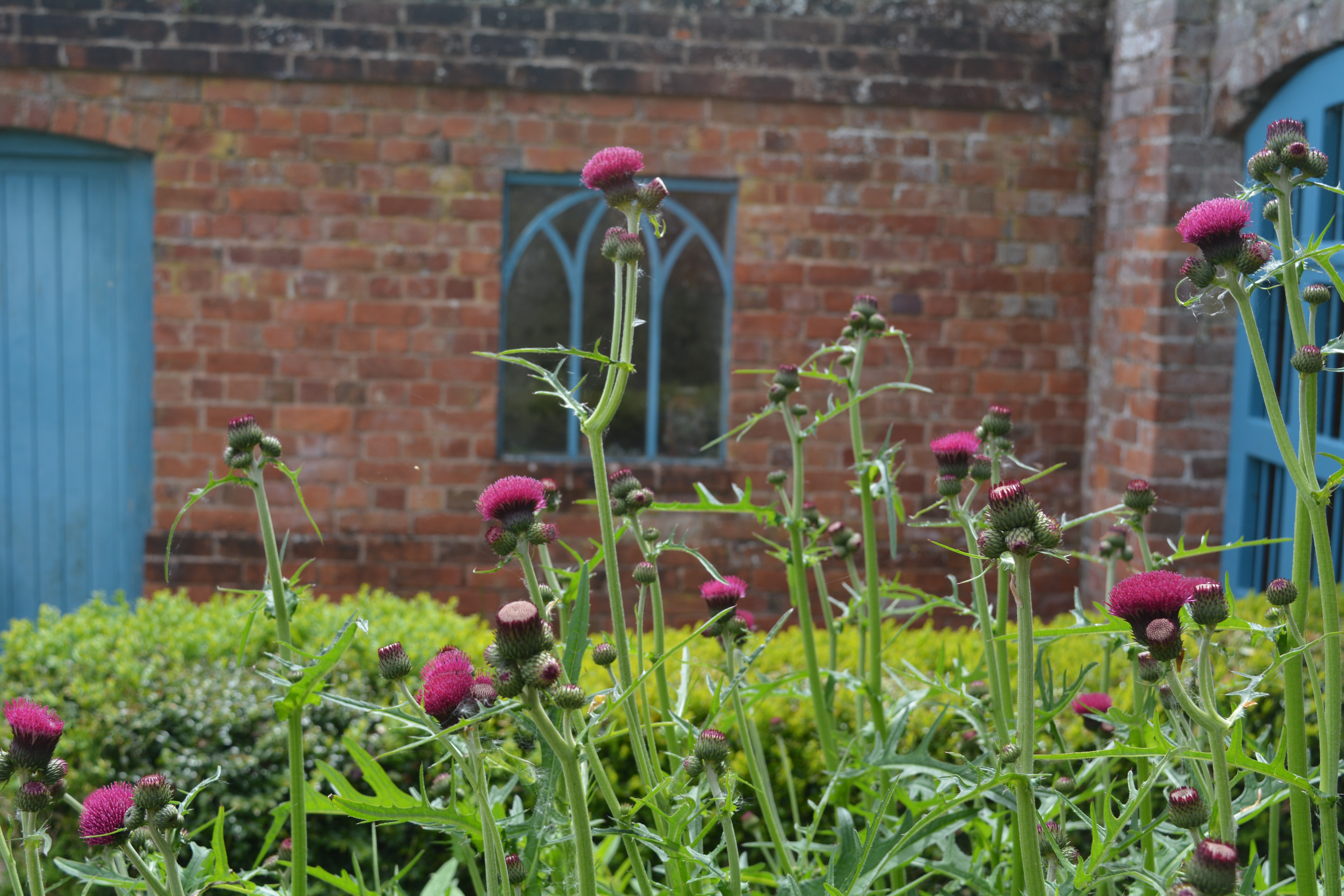
We just had to stop to admire these beautifully pollarded willows, now regrowing strongly. The Cirsium rivulare was in full bloom and looked good against the old garden buildings.

2015 05 22_1908 2015 05 22_19092015 05 22_1911

Along the fourth side of the walled garden the light was so bright that colours seemed extra vibrant and exciting.

2015 05 22_1912 2015 05 22_1913 2015 05 22_1914 2015 05 22_1916 2015 05 22_1915 2015 05 22_1917 2015 05 22_1918 2015 05 22_1919 2015 05 22_1920 2015 05 22_1921

For the first time this year there was interest in the Rose Garden with groundcover beneath the roses in flower and indeed the first roses were open and giving the gift of their scent to anyone passing by.

2015 05 22_1922 2015 05 22_1923 2015 05 22_1924 2015 05 22_1925 2015 05 22_1926 2015 05 22_1927

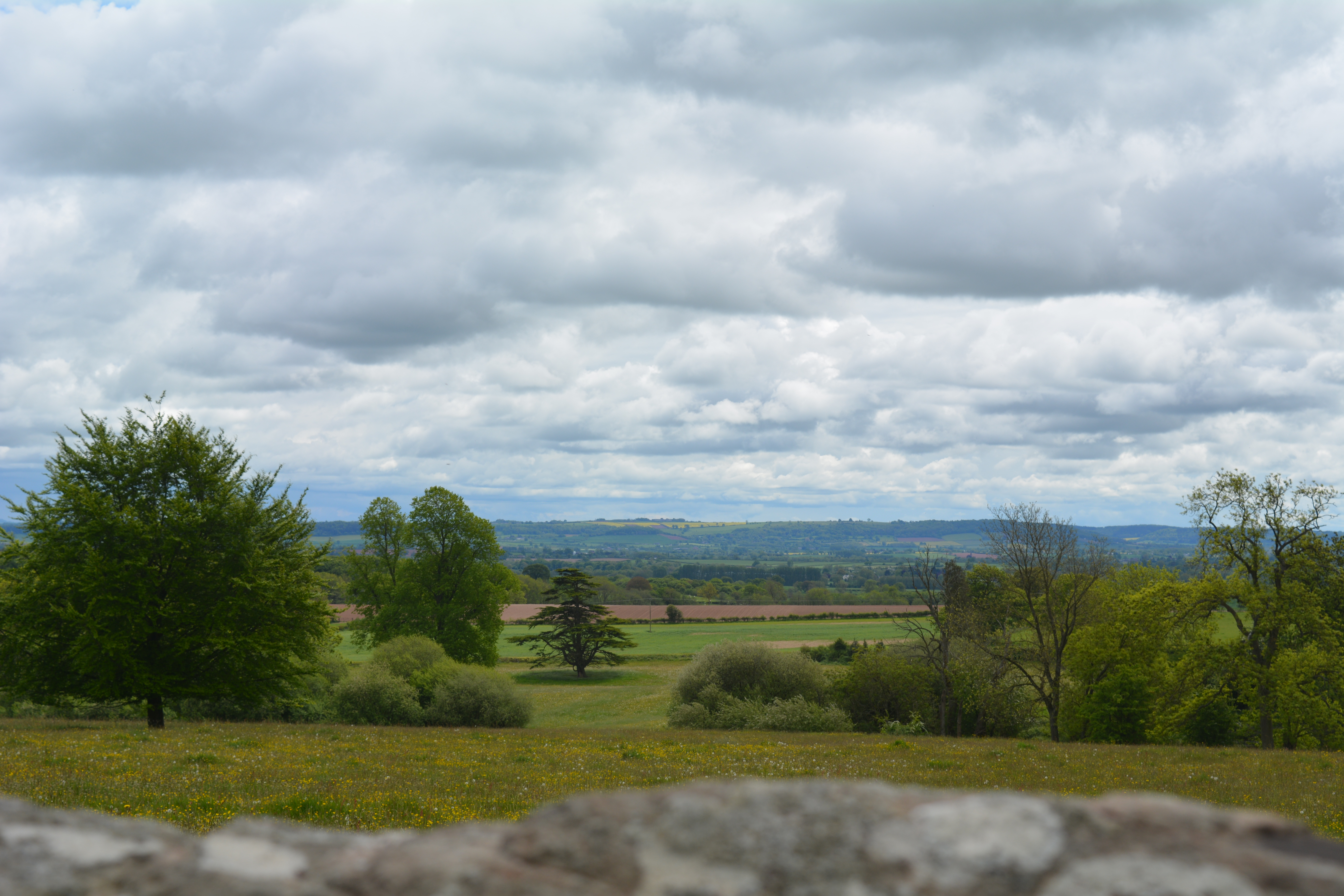
After leaving the walled garden we wandered around castle itself where we enjoyed tempting views over the meadows to the lake and countryside beyond.

2015 05 22_1935 2015 05 22_1937 2015 05 22_1938 2015 05 22_1939 2015 05 22_1940

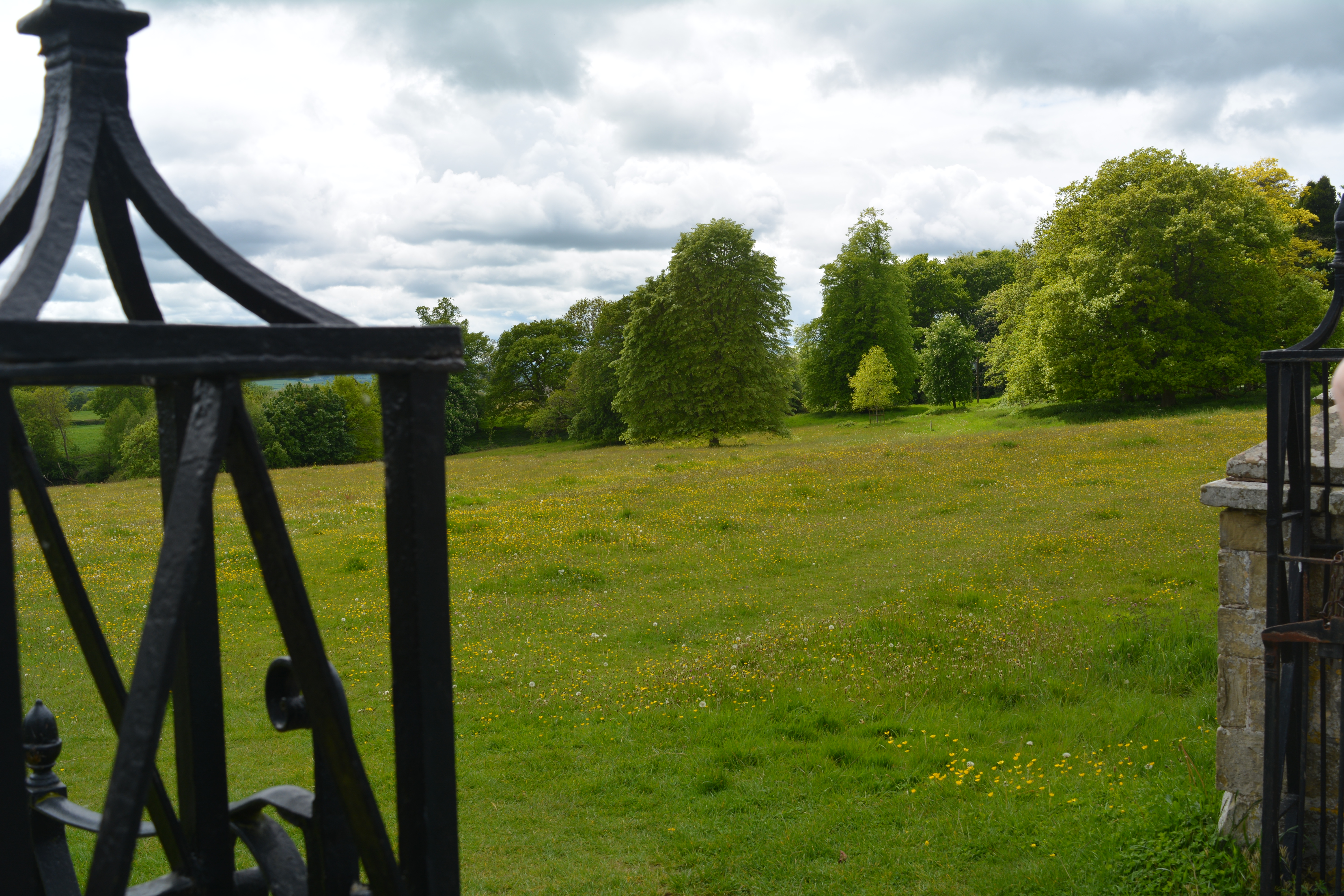
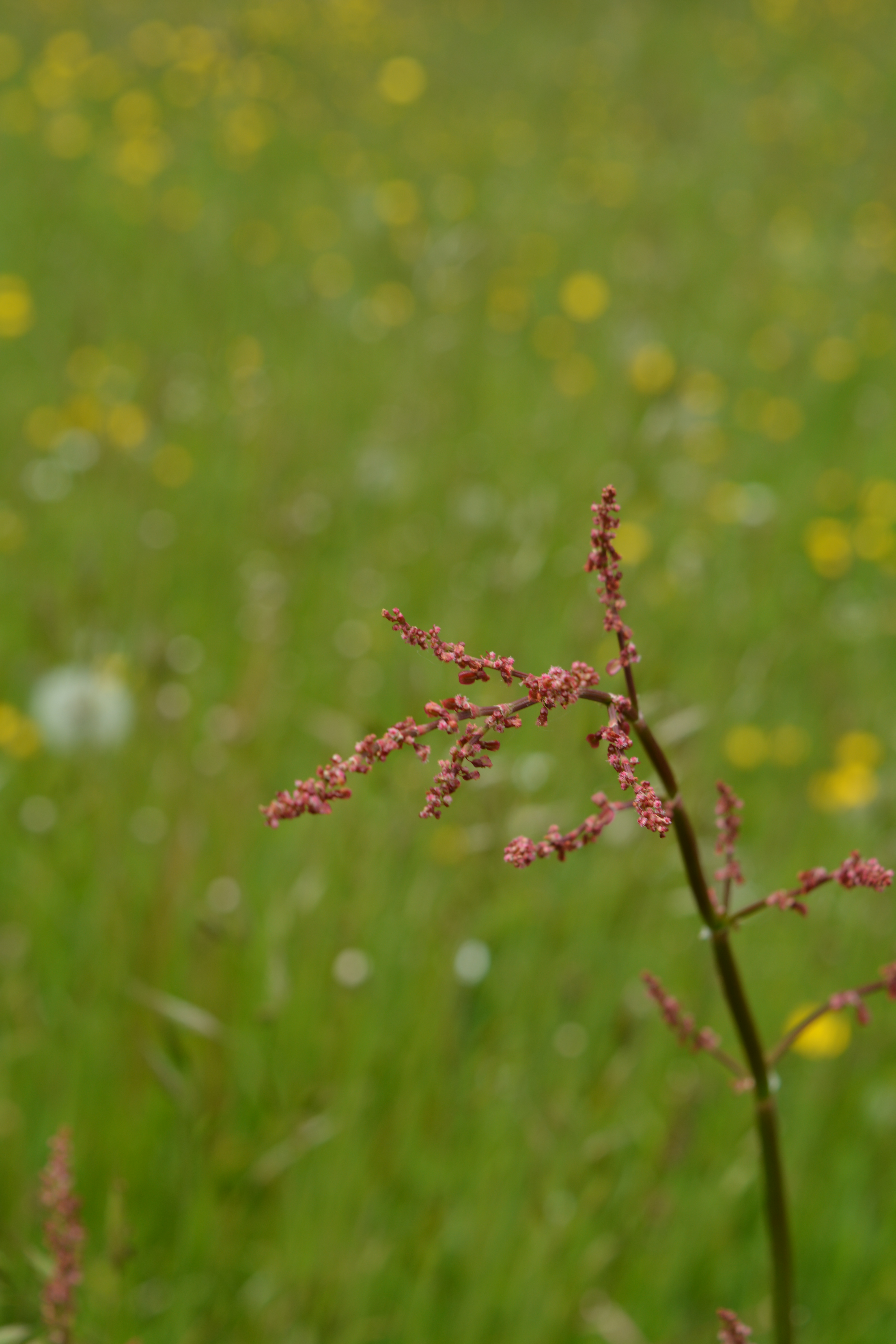
The open gate into the meadows was just too tempting for us. We followed a mown path through the wildflowers.

2015 05 22_1941 2015 05 22_1942 2015 05 22_1943 2015 05 22_1945

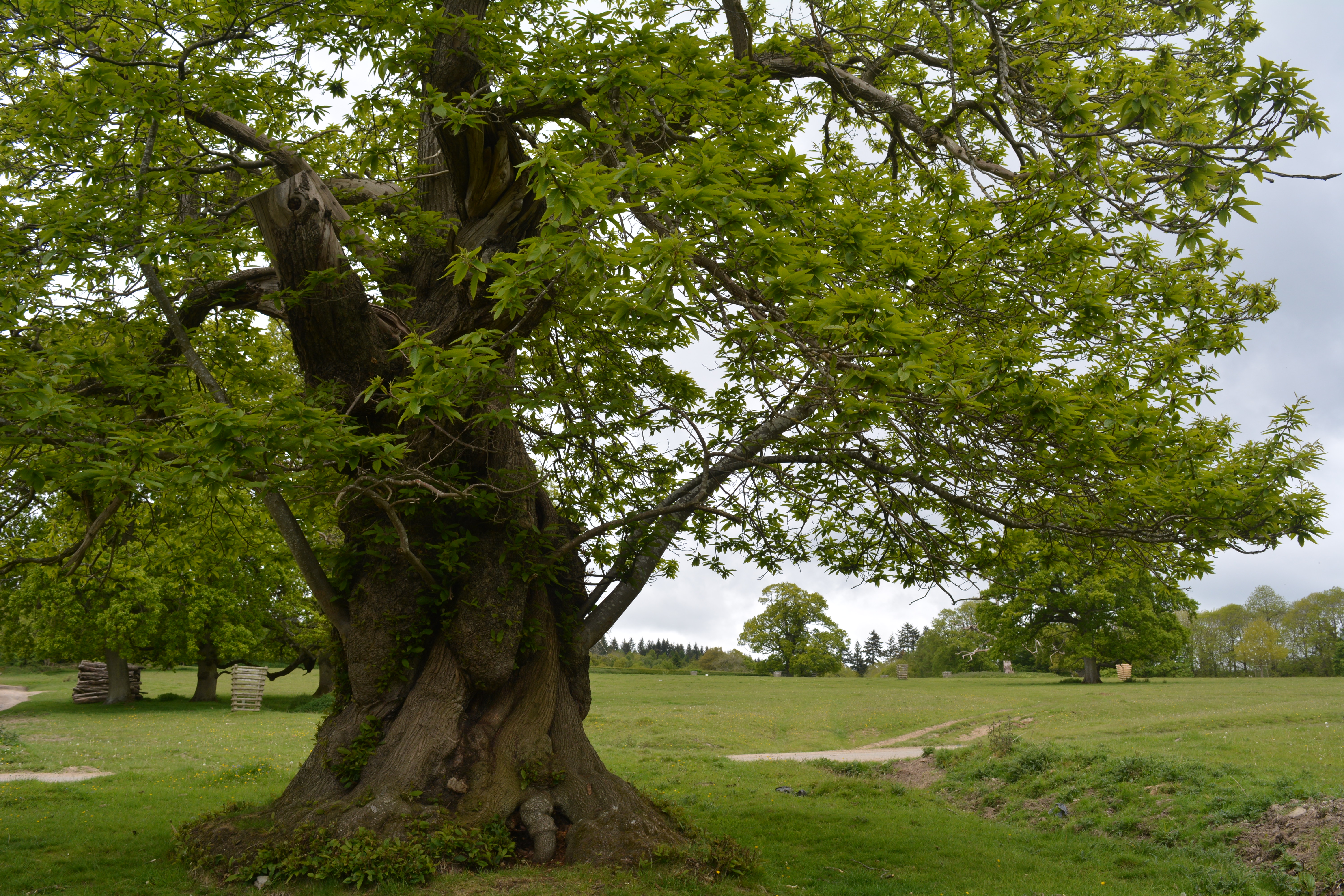
Croft is well-known for its ancient Sweet Chestnut trees. We were fascinated by the texture of the bark on this group.

2015 05 22_1946 2015 05 22_1947 2015 05 22_1948 2015 05 22_1949 2015 05 22_1950 2015 05 22_19542015 05 22_1957 2015 05 22_1958 2015 05 22_1959 2015 05 22_1960

Our next visit in June will be the half way mark through our year of visiting Croft Castle gardens.


This Veggie Life

A Vegetarian | Nature Lifestyle Blog

Rambling in the Garden

.....and nurturing my soul

The Arch City Gardener

Journeys In St. Louis Gardening and Beyond

Garden Dreaming at Châtillon

Consult the genius of the place

Storyshucker

A blog full of humorous and poignant observations.

gardeninacity

Notes from a wildlife-friendly cottage garden

PlayGroundology

...an emerging social science

The Official Blog of British Wildlife

'The most important and informative publication on wildlife of our times' - The Independent. This blog is a member of The UK & Ireland Natural History Bloggers group: www.uknhb.blogspot.com

iGrowHort

Inspire - Cultivate - Grow Native Plants - Restore Landscapes

Bishops Meadow Trust

To create and protect a semi-natural wild space for the people of Farnham to enjoy and experience an array of British wildlife in our town

Gardening with Children

The www.gardeningwithchildren.co.uk Blog

UKbirdingtimeline

birding through the seasons, why birds matter and how to conserve them

NATURE WALKER

with a camera in hand

Jardin

Transform your outdoor space

Eva's space

My allotment, cooking and other interests

Old School Garden

my gardening life through the year

LEANNE COLE

Trying to live a creative life

fromacountrycottage

trying to live as lightly as possible on our beautiful planet

Good Life Gardening

Nature lovers from Leicester living the good life.

mybeautfulthings

Finding the beautiful in the everyday

mawsonmichelle

Michelle's Allotment

In and Out of My Garden

thoughts from and about my garden

Greenhousing

Big plans for a small garden

The Scottish Country Garden

A Walled Country Garden in South East Scotland

The Fruity Chicken

Life at the fruity chicken

willowarchway

Off grid living. Self sufficient. "PERMAGANICS RULE".

St Anns Allotments

Nottingham's Grade 2* Listed Allotments and Community Orchard

Manifest Joy Harvests

a journey in suburban vegetable gardening

Allotmental

The madness of growing your own

Penny's Garden: a harvest beyond my front door

A novel approach to vegetable gardening

arignagardener

Sustainable living in the Irish countryside.

NewEnglandGardenAndThread

Master Gardener, amateur photographer, quilter, NH native, and sometimes SC snowbird

dianajhale

Recent work and work in progress and anything else that interests me

planthoarder

a chaotic cottage gardener

Lens and Pens by Sally

a weekly blog that creates a personal philosophy through photographs and words

Dewdrops and Sunshine

Stories from a sassy and classy Southern farmbelle.

The Pyjama Gardener

Simple Organic Gardening & Seasonal Living

gettin' fresh!

turning dirt into dinner

JOY...

today the world is created anew

Garden Birds

Notes from a Devon garden

ShootAbout

Life Through The Lens

Adapting Pixels

A photography blog showcasing the best photography pictures and videos on the internet

Wildlifegardening's Blog

Just another WordPress.com site

naturestimeline

personal observations from the natural world as the search continues for a new approach to conservation.

LATEBLOOMERBUDS

The Wonders of Life through my Eyes, my Heart, my Soul