Categories
birds flowering bulbs garden design garden photography garden wildlife gardening gardens hardy perennials ornamental trees and shrubs Shropshire shrubs spring bulbs wildlife Winter Gardening winter gardens

My 2017 Garden Journal – February

Here is the second time in 2017 when I share with you my Garden Journal, so please enjoy my February pages.

fj-1

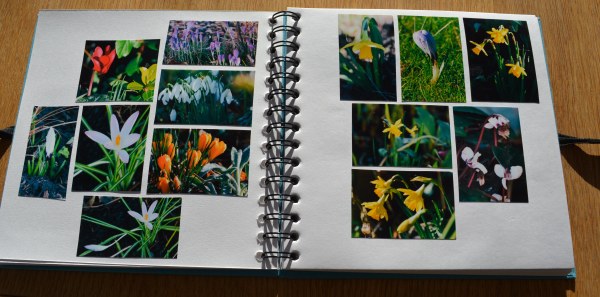
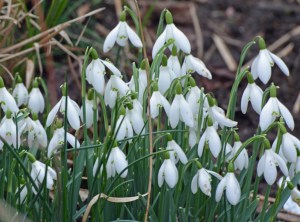
On the first double page spread I look at Snowdrops and some early plants of interest. I wrote, “February, the month when gardeners’ working hours increase and the light values improve strongly. The snow white of the humble Snowdrop intensifies in the special brightness.”
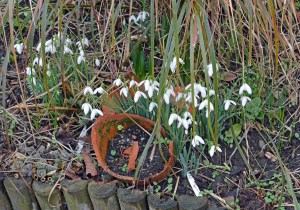
fj1-03 fj1-06fj1-01 fj1-05 fj1-02 fj1-04

On the opposite page I wrote, “Our native Primroses, Primula vulgaris, begin to flower in February ready to be at their peak in early Spring. Pink “rogue” Primroses appear as self-seeders. Foliage of Primula vulgaris is beautifully textured and patterned.”

fj1-07 fj1-08

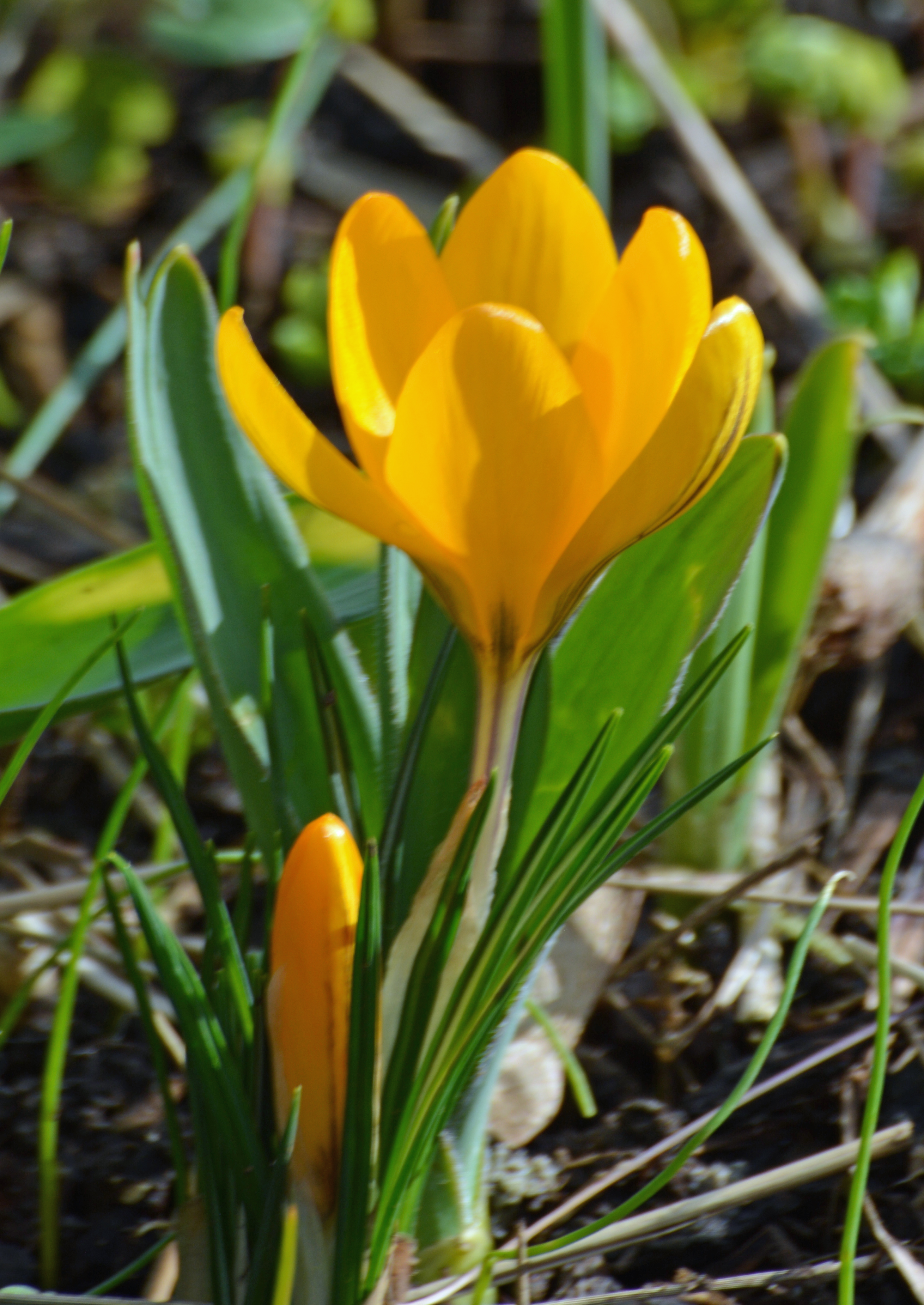
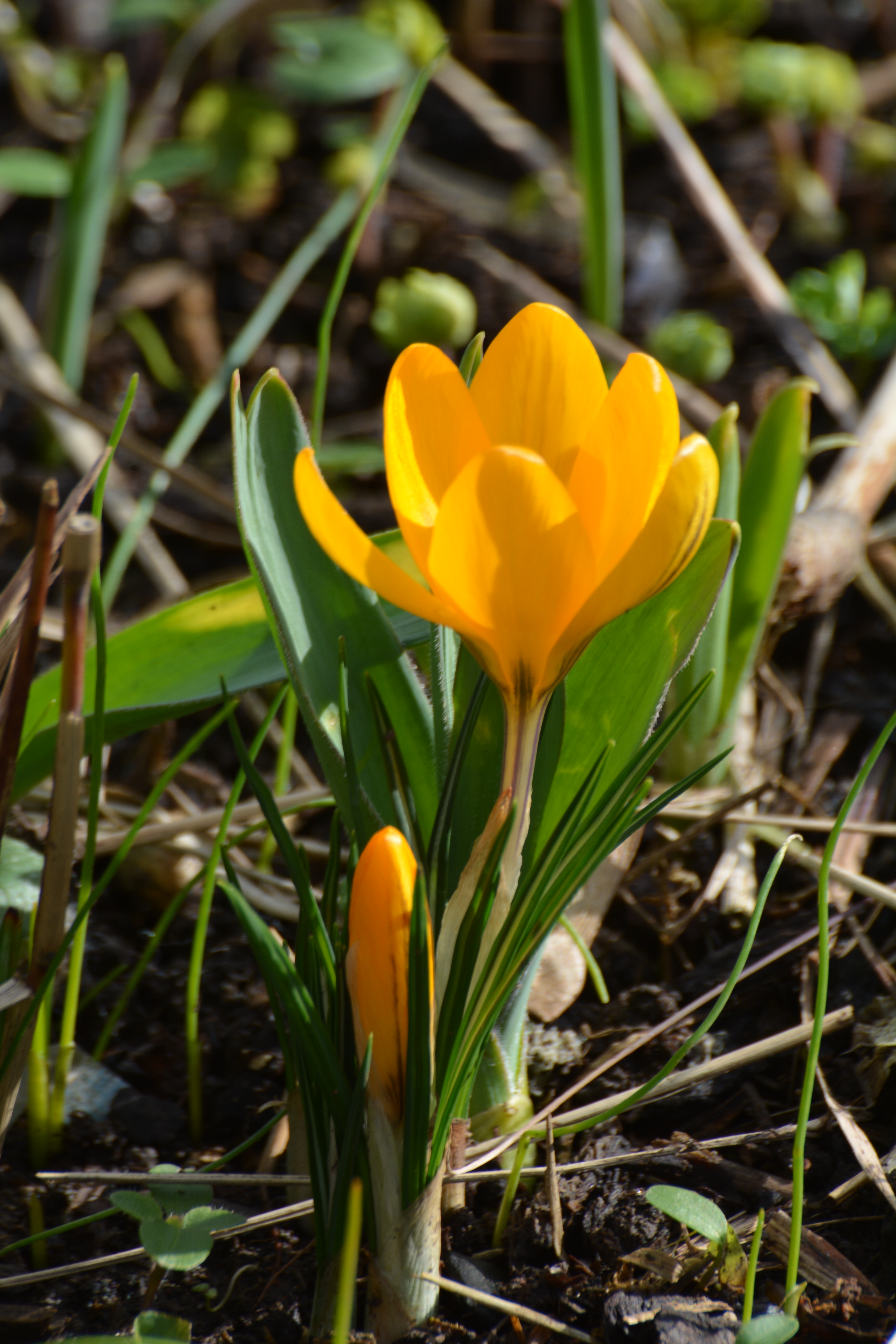
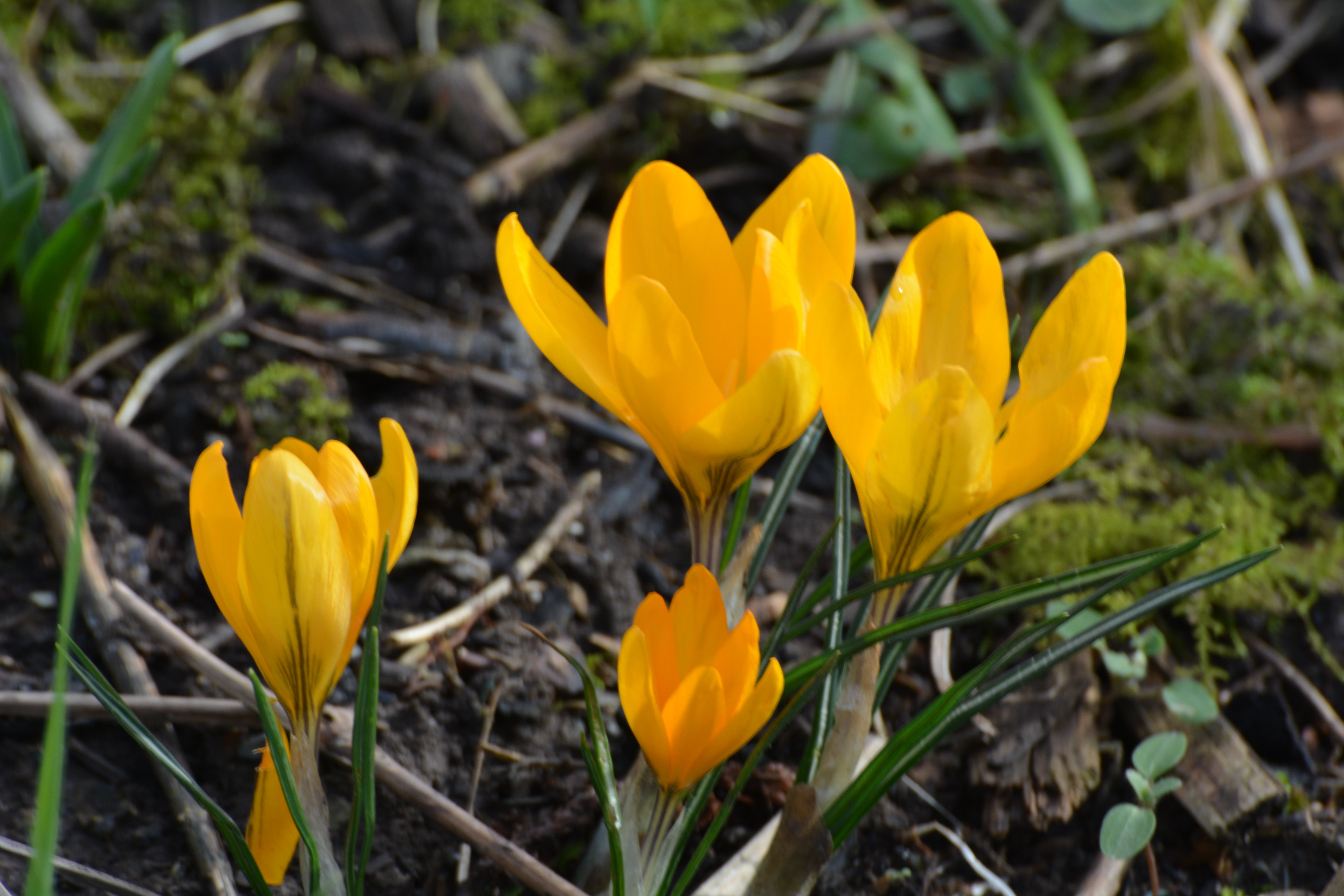
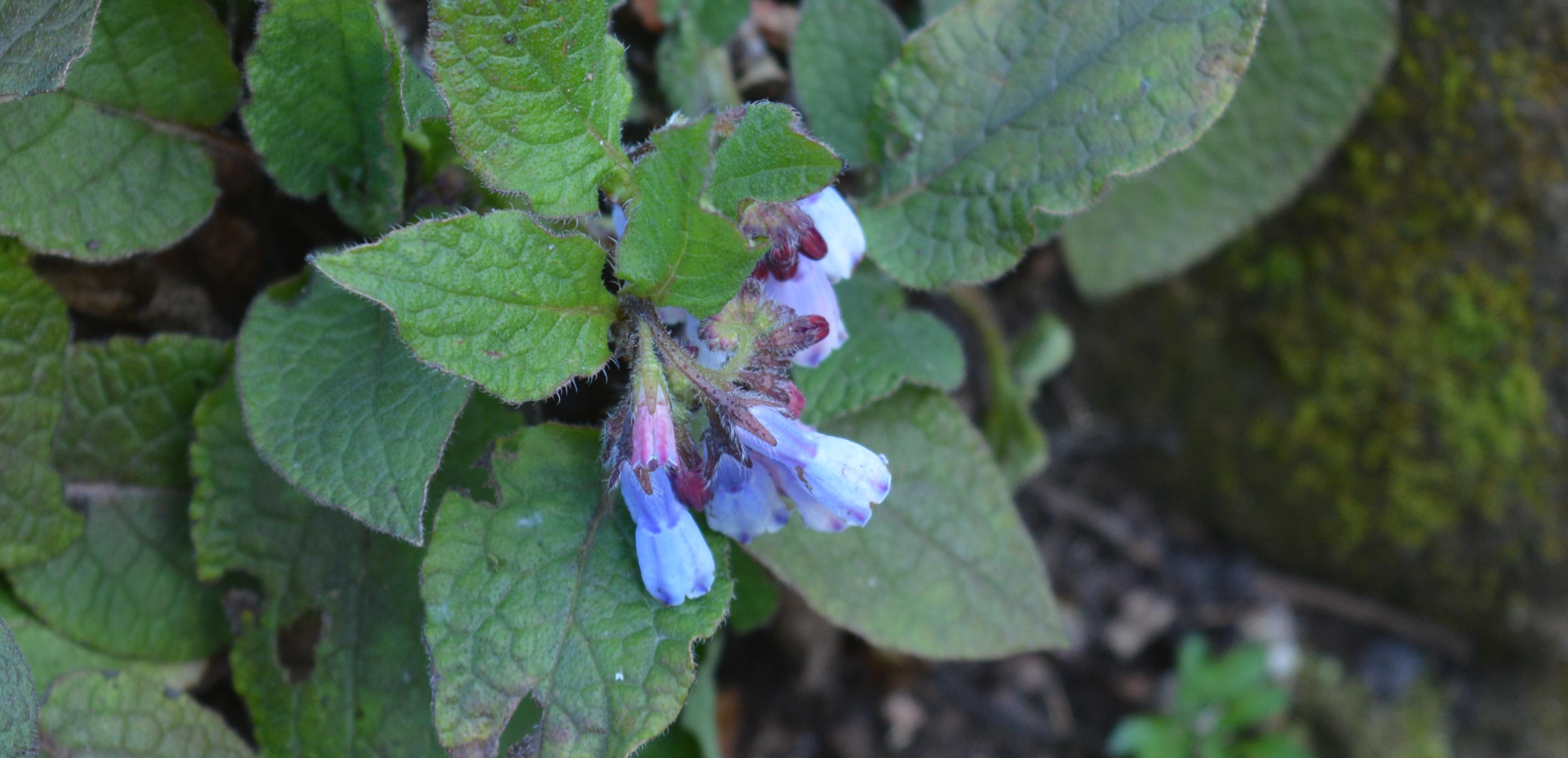
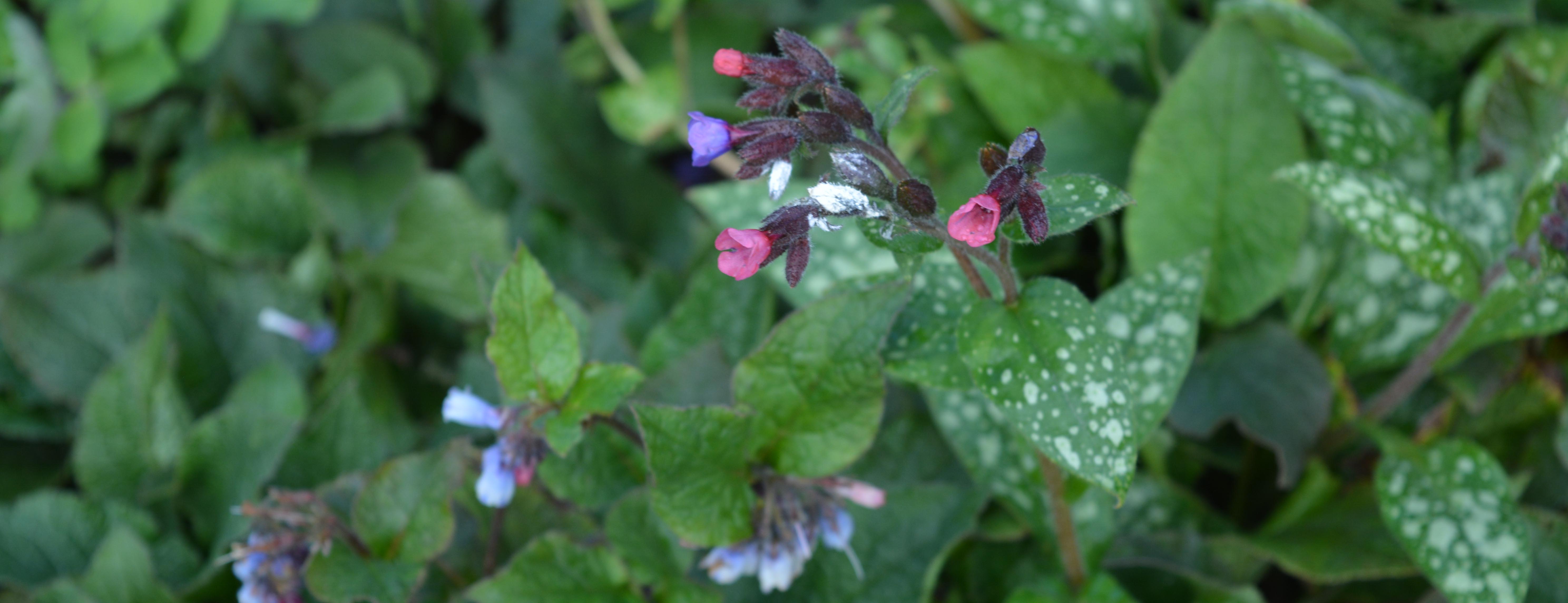
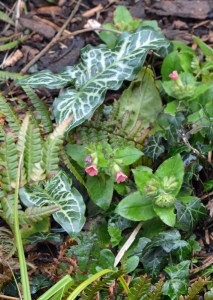
Other early flowering plants giving bright spots in our borders include Crocus and Pulmonaria. This golden Crocus has a bright green Pittosporum as its partner. The pink Pulmonaria is partnering a fern and an Arum, A. italicum “Marmoratum”.

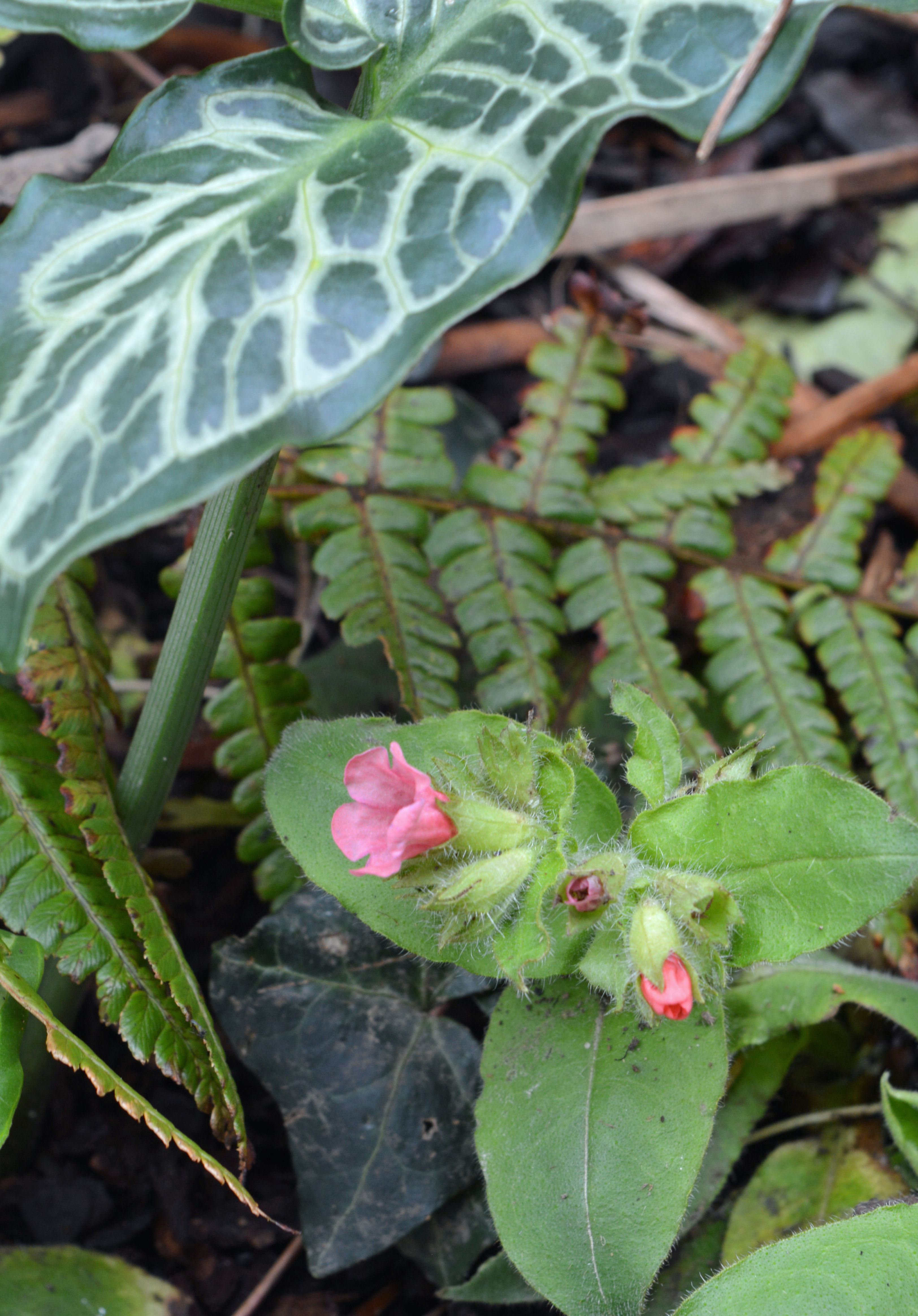
fj1-09 fj1-10 fj1-11

A February flowering shrub features on the next double-page spread along with Hellebores.

fj-2

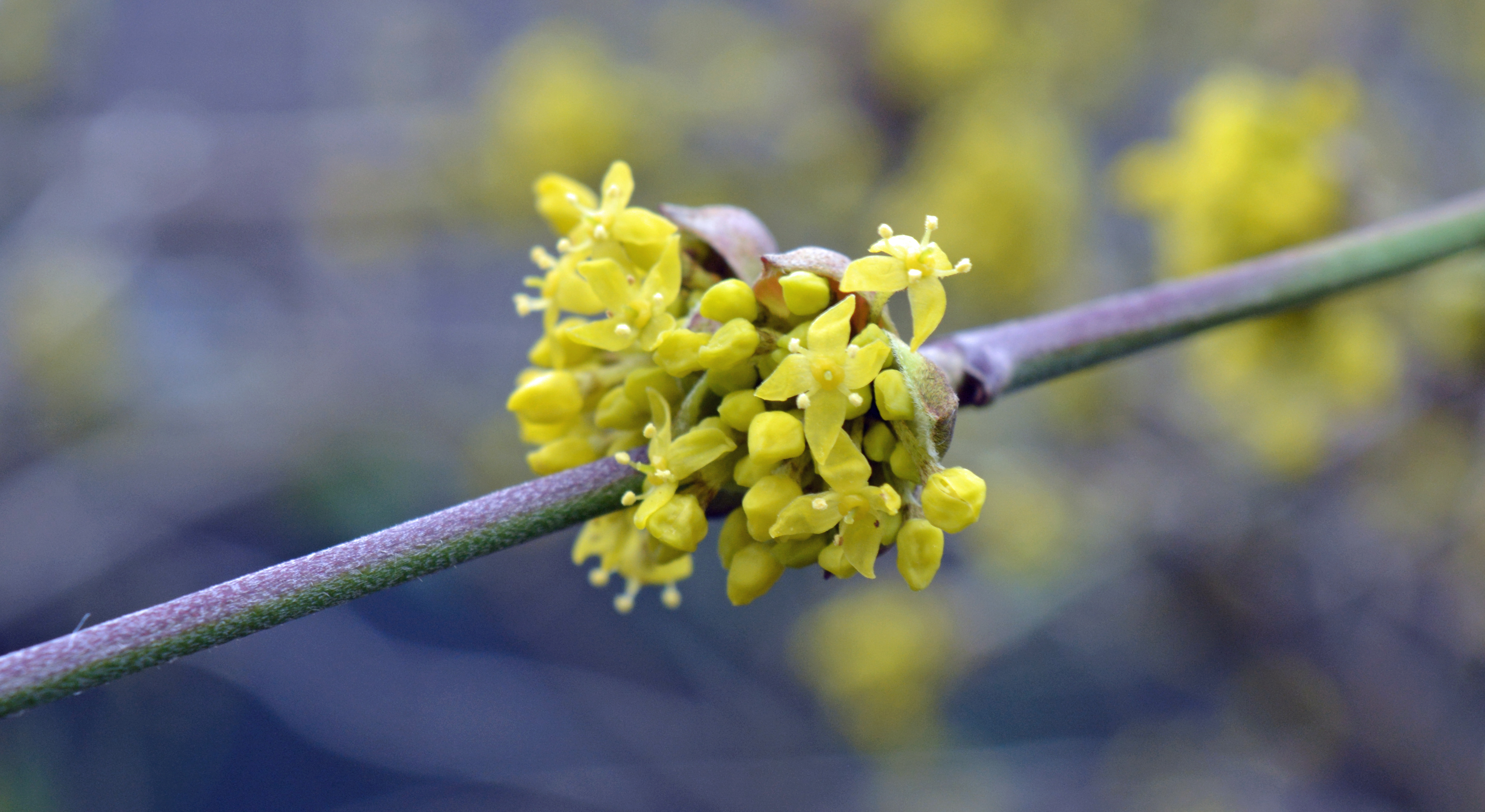
The flowering shrub is Cornus mas, which reliably flowers profusely early every year. I  have selected it as my “Plant of the Month” for February. I wrote, “The star of our garden this month has to be Cornus mas, the Cornelian Cherry, with its bright yellow flowers with just a hint of green. We prune off the lower branches and select main boughs to improve the structure of our’s and this also exposes the texture of the bark on the lowest boughs.”

fj2-01 fj2-07 fj2-05fj2-03 fj2-06fj2-04

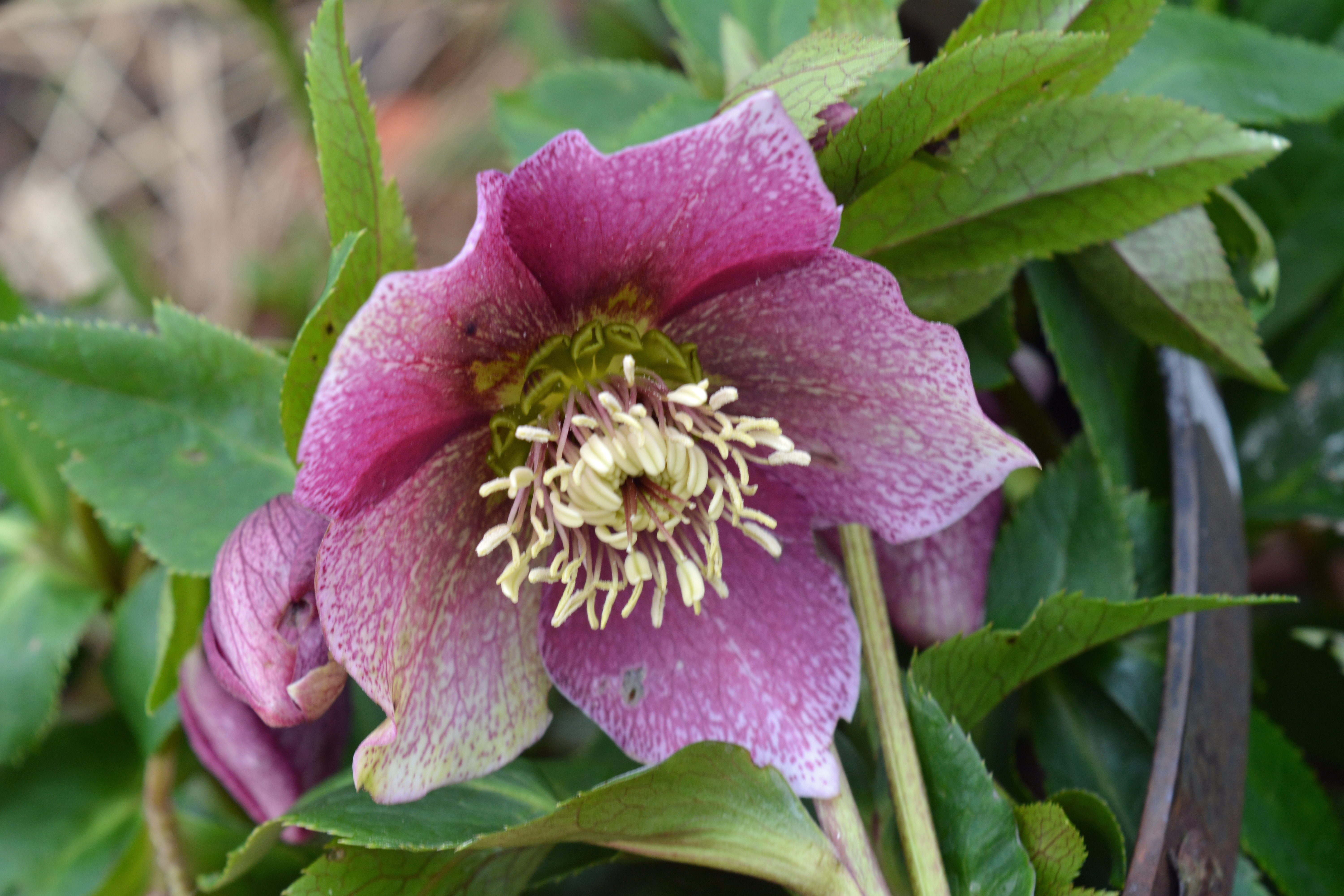
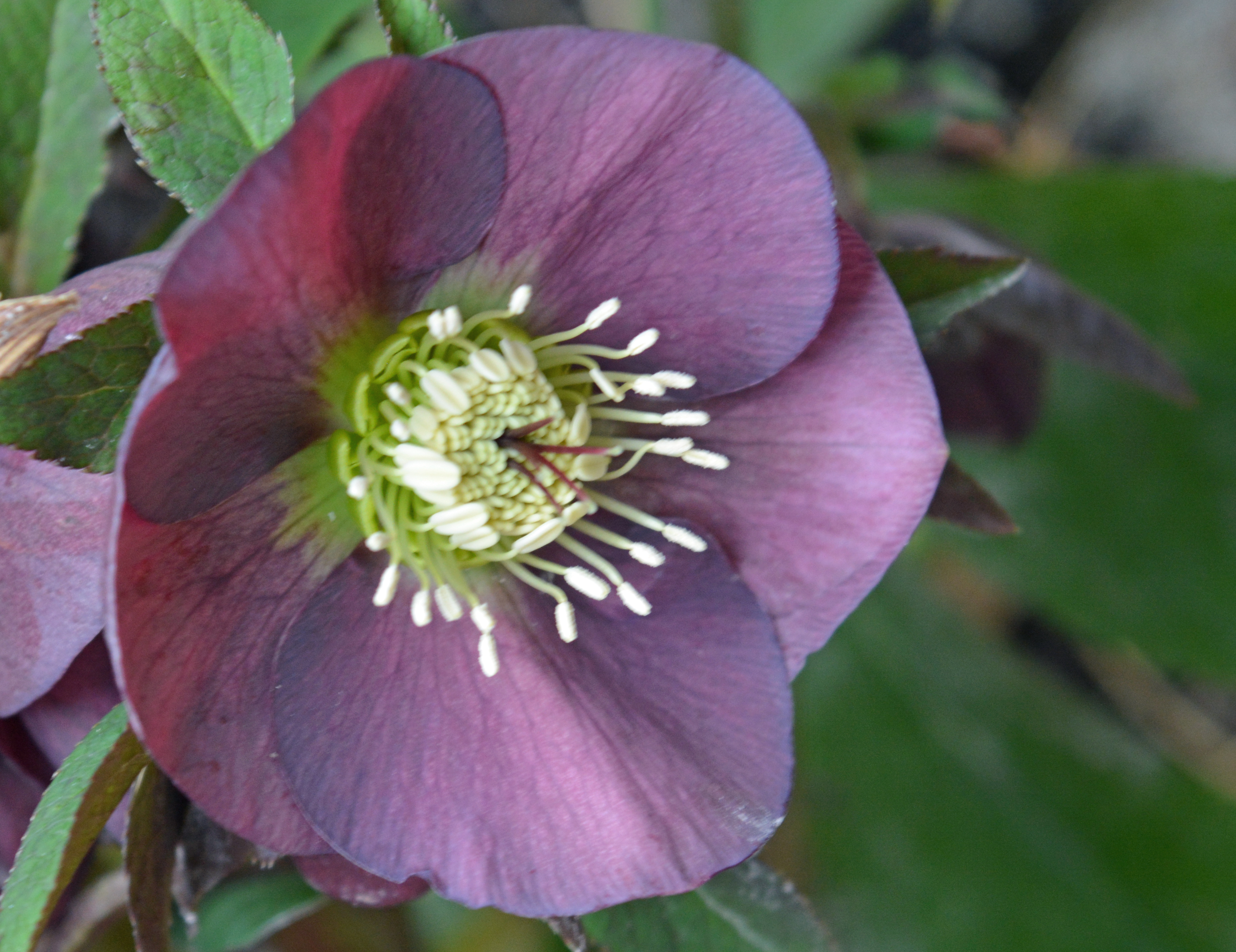
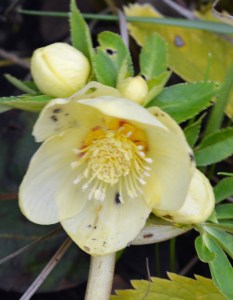
I moved on to show a few of our many Hellebore hybrids and wrote, “Hellebore hybrids start to put on a colourful show from green to yellow and from red to purple. Lots more will come into flower throughout the coming weeks.”
fj2-10 fj2-12fj2-09 fj2-11  fj2-13 fj2-08

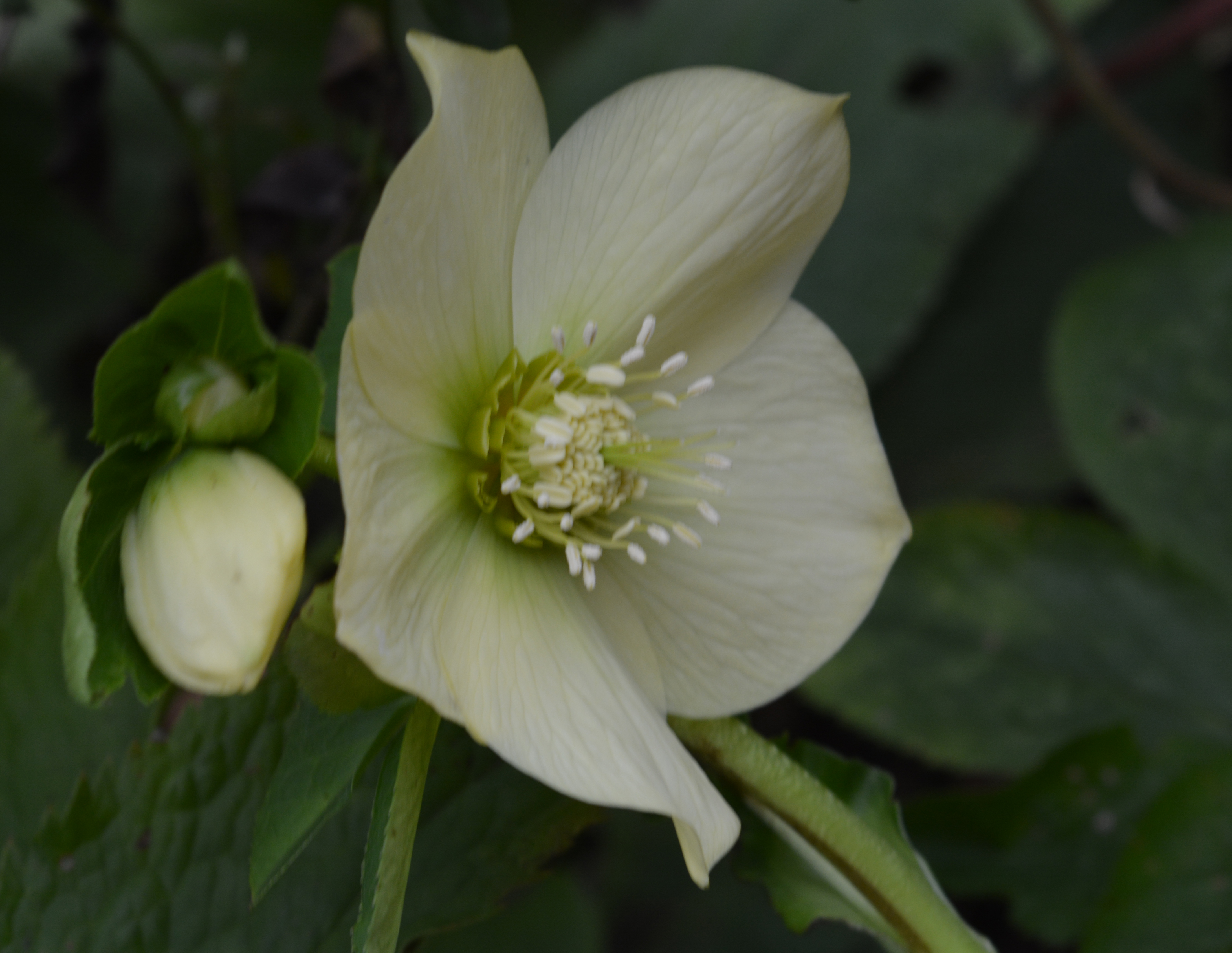
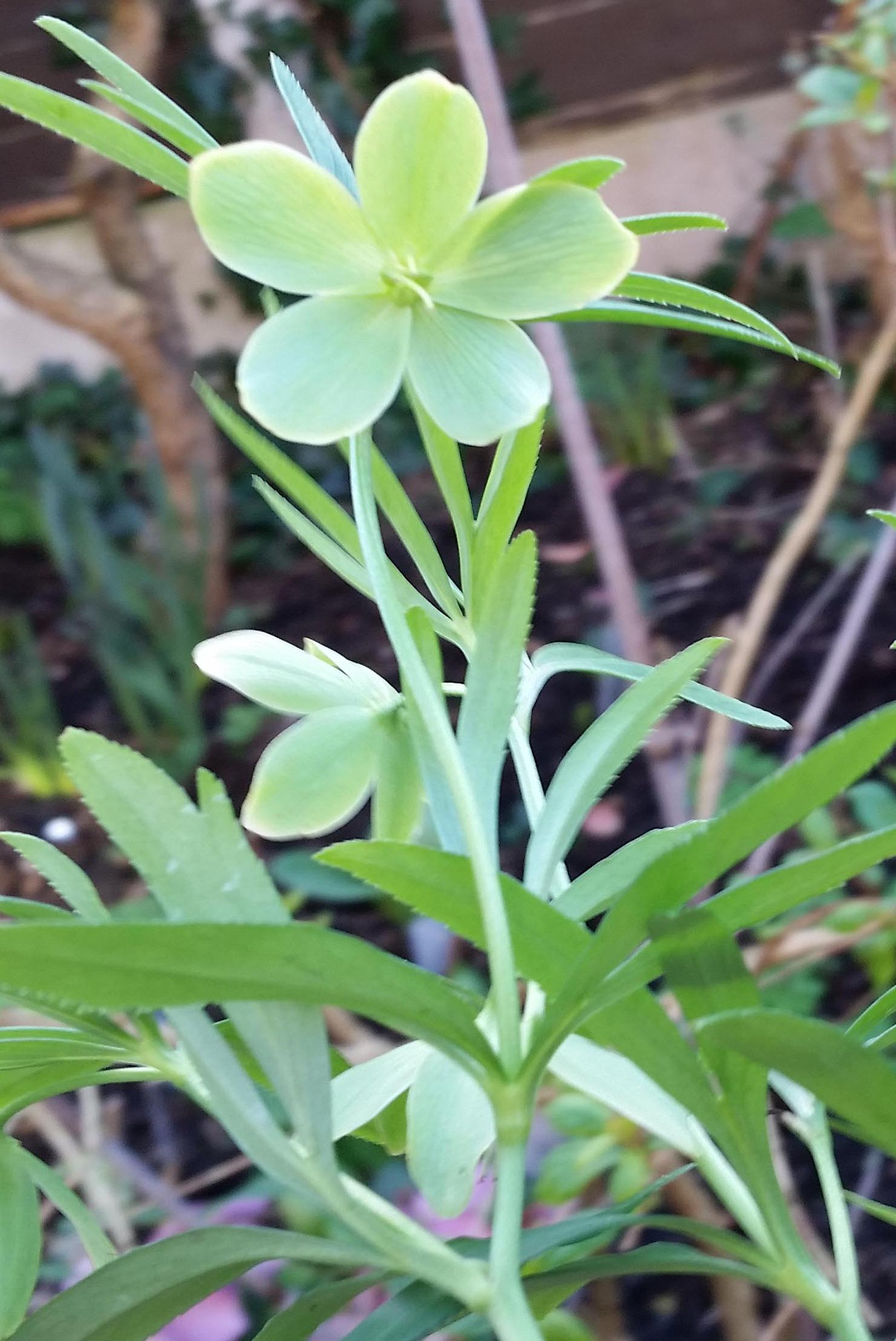
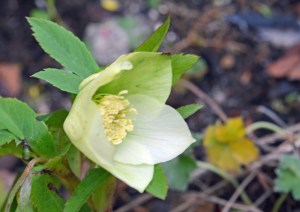
The last photo is not a hybrid Hellebore like the others but our native Helleborus foetidus with its pale green flowers, a subtle beauty with an upright habit.

On the turning of the page we discover my account of re-developing an old border, the Shade Garden”.

fj-3

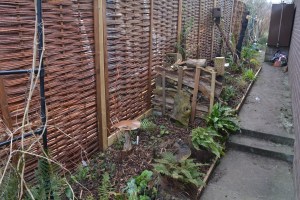
I wrote that “By mid-February we had finished re-vamping our “Shade Garden”, an opportunity that arose when we moved a shed that was situated part way along it. The shed was just 6ft by 3ft but the space released by its removal seemed far more significant that that. Its removal opened up the border. We decided to add a couple of Maples, Acer palmatum “Koto-no-ito” and Acer palmatum “Eddisbury”, and increase the variety and number of ferns and grasses, We liked the idea of mixing ferns and grasses, a new plant combination for us.”
fj3-08 fj3-02fj3-07 fj3-09fj3-11

“Mr and Mrs Green Man”

fj3-03 fj3-05

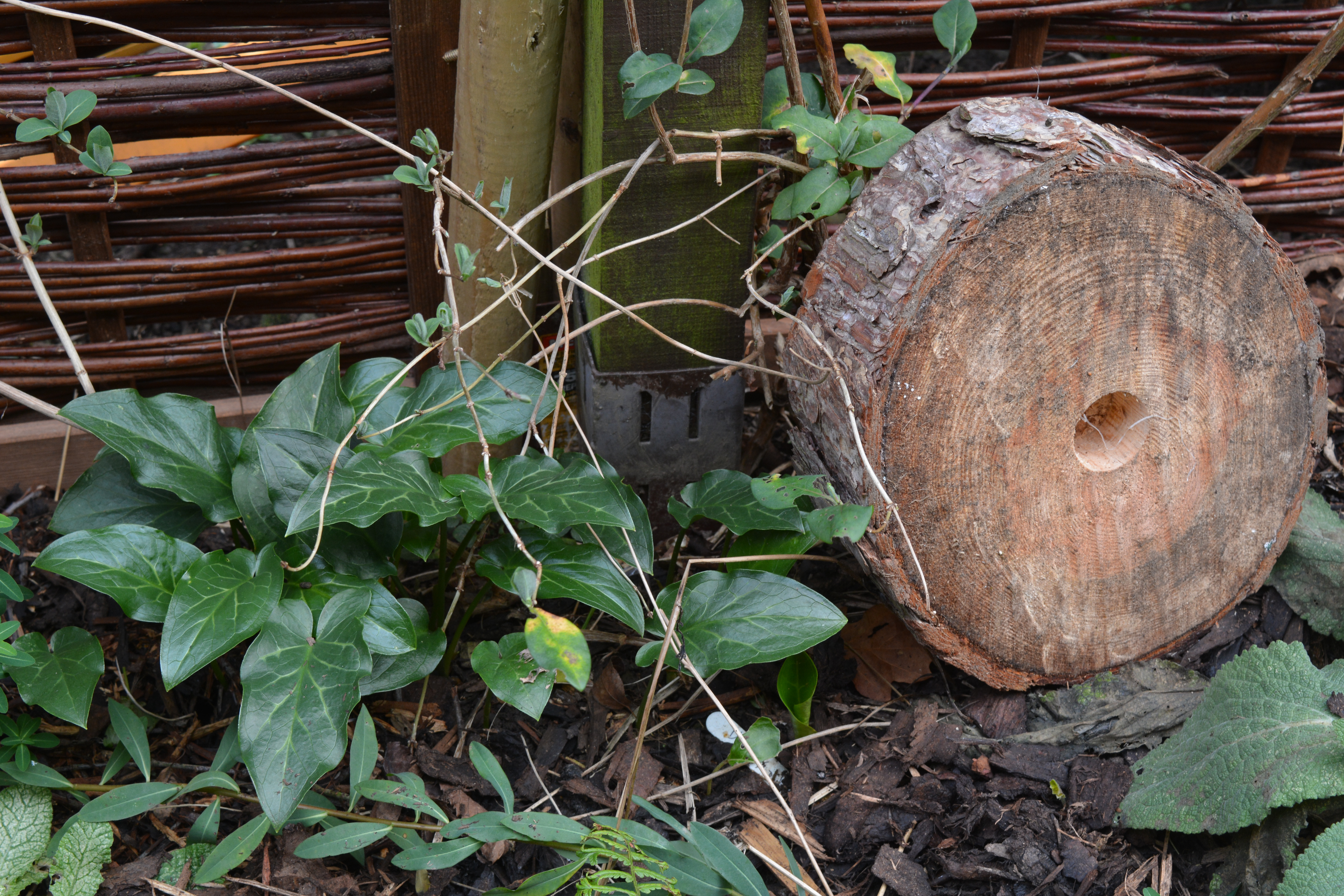
Rotting wood pile, Acer and Ivy, Ivy and Fern.”

fj3-06 fj3-01 fj3-12

New growth appearing in the Shade Garden”

fj3-04 fj3-10

Ivy is the feature plant over the next pair of pages.
fj-4

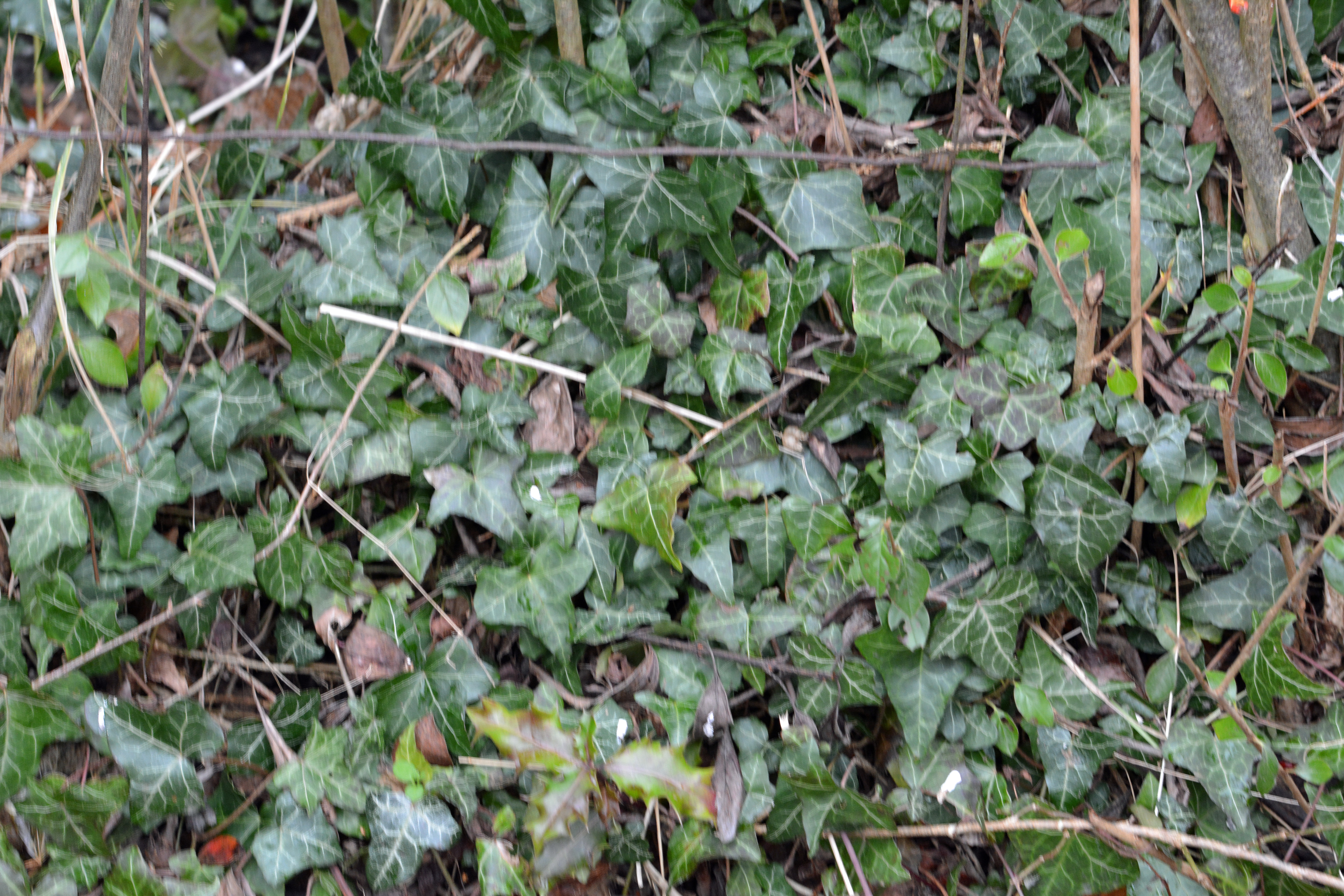
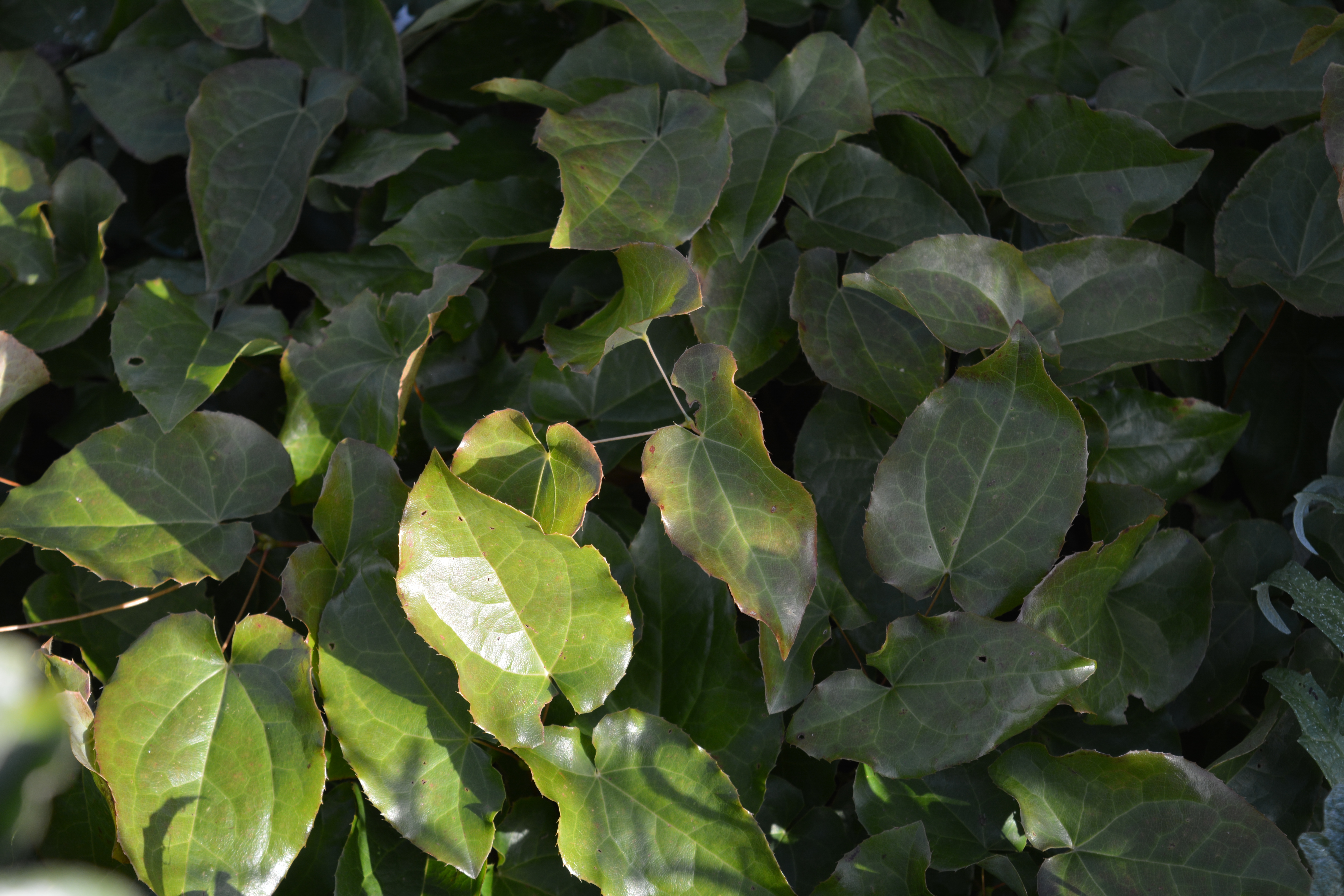
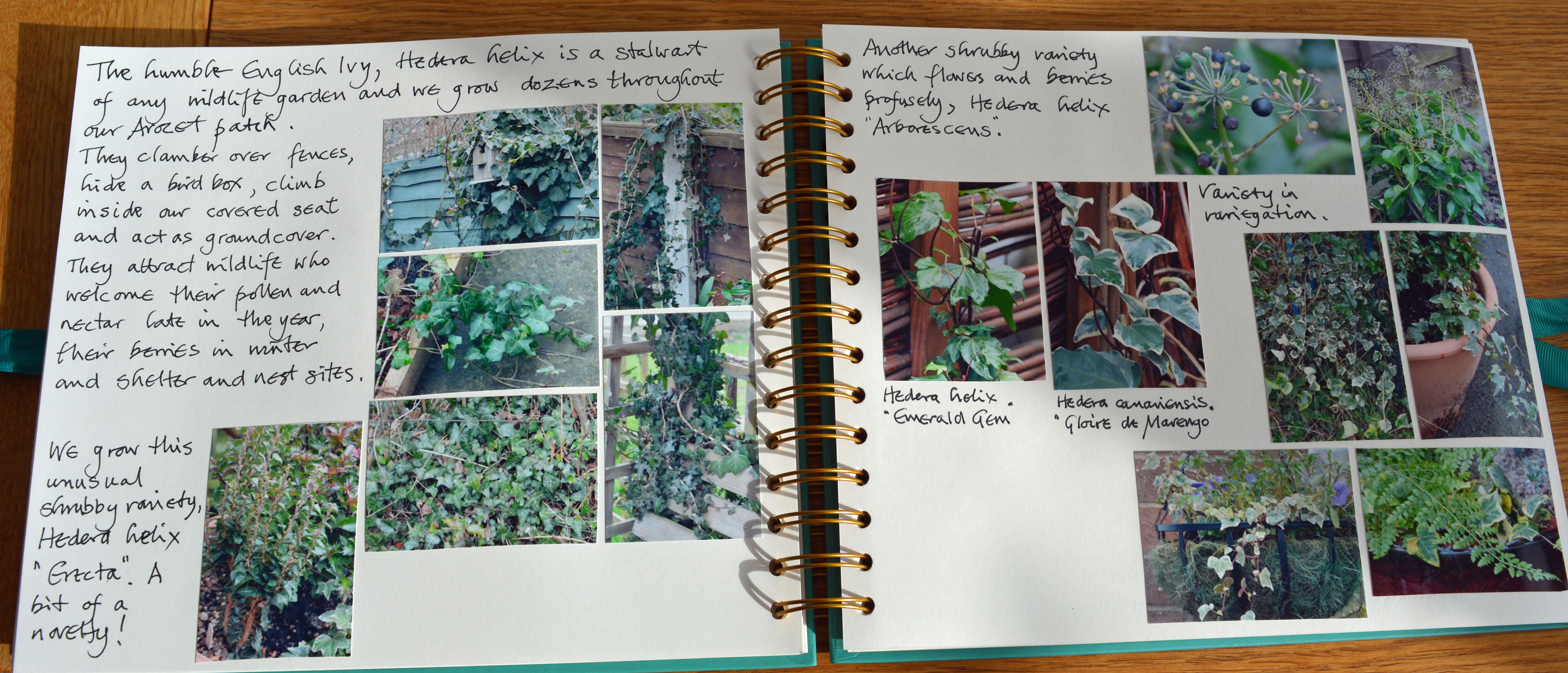
I wrote of the ivy, “The humble English Ivy, Hedera helix is a stalwart of any wildlife garden and we grow dozens throughout our Avocet patch. They clamber over fences, climb inside our covered seat and act as ground-cover. They attract wildlife who welcome their pollen and nectar late in the year, their berries in winter and shelter and nest sites.”

fj4-15 fj4-11fj4-03 fj4-10 fj4-09

We grow this unusual shrubby variety, Hedera helix “Erecta”, a bit of a novelty!”

fj4-05 fj4-07

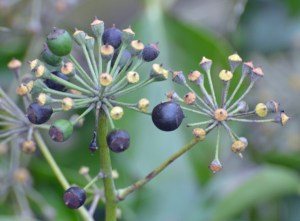
Another shrubby variety which flowers and berries profusely, Hedera helix “Arborescens.”
fj4-02 fj4-01

Variety in variegation.”

fj4-08 fj4-06fj4-04 fj4-16

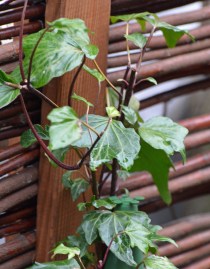
Finally two climbing ivies growing in our Shade Garden.
fj4-12 fj4-13 fj4-14

“Hedera helix “Emerald Gem”                         “Hedera canariensis “Gloire de Marengo.”

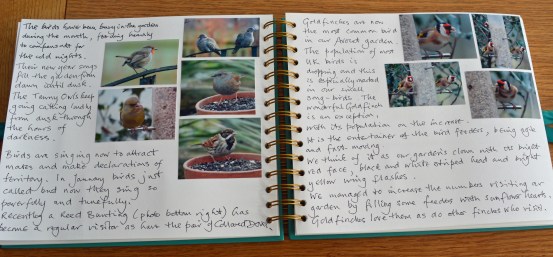
Next I featured the birds that share our garden with us, particularly the ones who take advantage of our feeding stations.
fj-7

“The birds have been busy in the garden during the month, feeding heavily to compensate for the cold nights. Their new year songs fill the garden from dawn until dusk. The Tawny Owls keep going, calling loudly from dusk through the hours of darkness.”

“Birds are singing now to attract mates and make declarations of territory. In January birds just called but now they sing so powerfully and tunefully. Recently a Reed Bunting (photo bottom right) has become a regular visitor as have the pair of Collared Doves.”

fj5-4-1 fj5-9-1fj5-7-1 fj5-8-1fj5-6-1

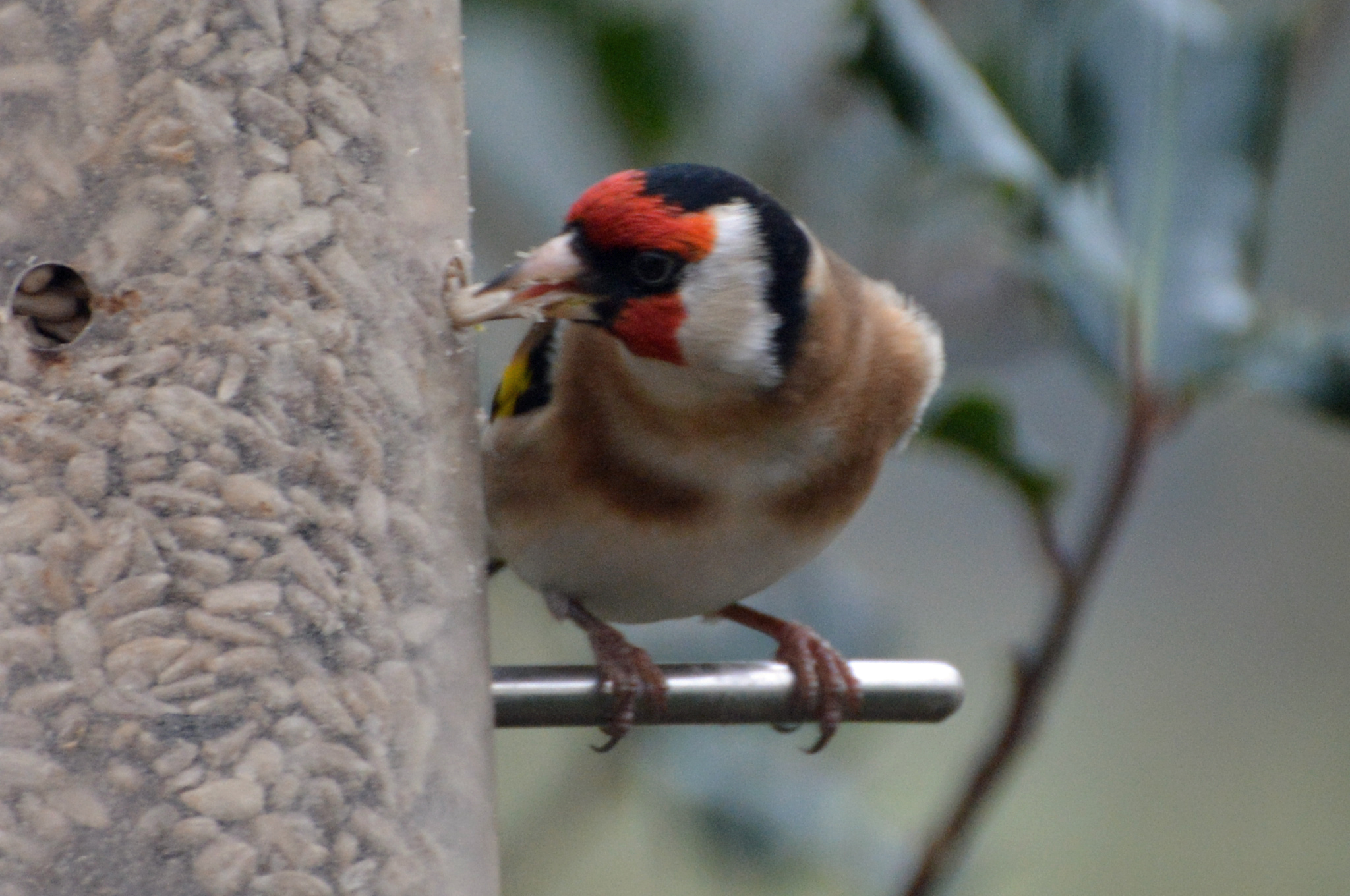
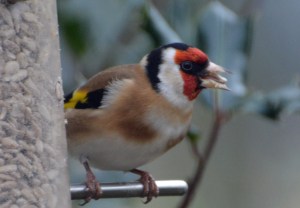
“Goldfinches are now the most common bird in our Avocet garden. The population of most UK birds is dropping and this is especially marked in our song-birds. The wonderful Goldfinch is an exception, with its population on the increase. It is the entertainer of the bird feeders, being agile and fast-moving.

We think of it as our garden’s clown with its bright red face, black and white striped head and bright yellow wing flashes. We managed to increase the numbers visiting our garden by filling some feeders with sunflower hearts. Goldfinches love them as do other finches who visit.”
fj5-3-1 fj5-2-1fj5-1-1 fj5-5-1

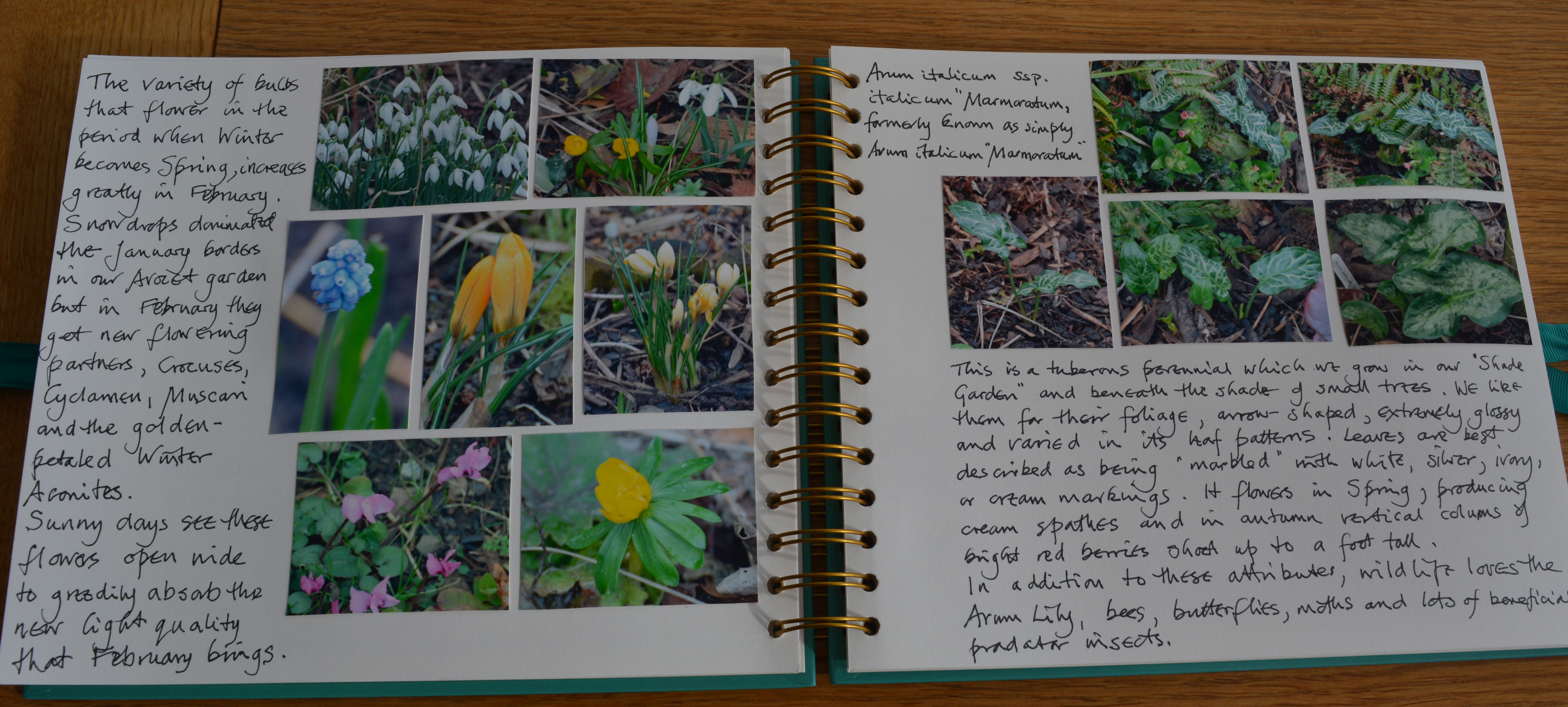
We next turn over to a double page spread all about early flowers and a plant that displays amazing unusual foliage.
fj-6

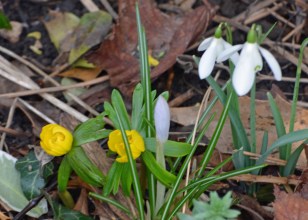
I wrote, “The variety of bulbs that flower in the period when Winter becomes Spring, increases greatly in February. Snowdrops dominated the January borders in our Avocet garden but in February they get new flowering partners, Crocuses, Cyclamen, Muscari and the golden-petaled Winter Aconites.

Sunny days see these flowers open wide to greedily absorb the new light quality that February brings.”
fj6-18 fj6-15fj6-17 fj6-19 fj6-16fj6-01 fj6-02 fj6-03  fj6-05 fj6-06 fj6-07 fj6-14fj6-04 fj6-09

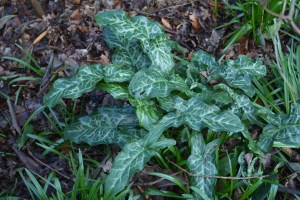
Concerning the unusual Arums we grow I continued, “Arum italicum ssp. italicum “Marmoratum” formerly known simply as Arum italicum “Marmoratum”. This is a tuberous perennial which we grow in our Shade Garden and beneath the shade of small trees. We like them for their foliage, arrow-shaped, extremely glossy and varied in its leaf patterns. Leaves are best described as being “marbled” with white, silver, ivory or cream markings. It flowers in Spring, producing cream spathes and in Autumn vertical columns of bright red berries shoot up to a foot tall. In addition to those attributes, wildlife loves the Arum Lily, bees, butterflies, moths and lots of beneficial predatory insects.” 
fj6-11 fj6-10fj6-13 fj6-12

We are so pleased to have established a clump of the rare Arum Lily called “Arum italicum Chameleon”, seen in photo below.

fj6-08

More foliage features over on the following pages, the newly emerging foliage of perennials.


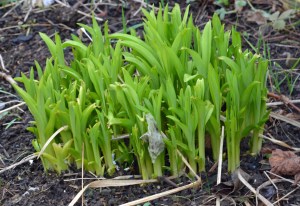
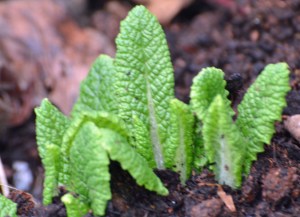
I wrote, “In the second half of the month we had a special treat in store, a few days of heatwave with daytime temperatures reaching 15 C in Plealey. This resulted in rush of new growth from the perennials that had died down after their display last year. The photos show perennial growth with new leaf growth penetrating the soil like the blades of swords.
fj7-11 fj7-09fj7-12 fj7-04fj7-10 fj7-07

This final picture of new growth illustrates how new growth of Pulmonarias shows both foliage and flower bud shooting together.

fj7-06

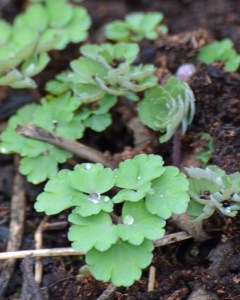
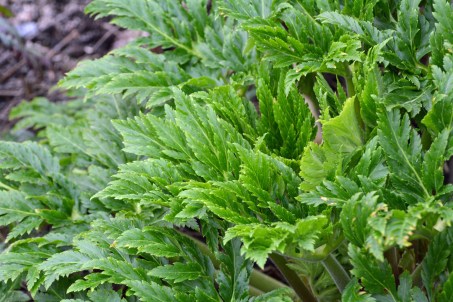
Opposite I share photos of broad-leaved perennials displaying their new growth, where I wrote, “Elsewhere broad-leaved herbaceous perennials were unfurling their fresh foliage ready for the new year. Here we have new leaves of Primula vulgaris, Sedum, Aquilegia, Polemonium, Centaurea, Fennel and Geranium palmatum. More growth appears daily as February comes to an end. It all bodes well for Spring and Summer.”
fj7-02 fj7-13fj7-03 fj7-05fj7-01 fj7-08fj7-14

And so that is my February report from my Garden Journal. We will visit again in March.


Categories
flowering bulbs garden design garden ponds garden pools gardening gardens hardy perennials irises National Garden Scheme NGS ornamental trees and shrubs outdoor sculpture sculpture Shropshire spring bulbs Yellow Book Gardens

Another NGS Yellow Book Garden – visiting a friend’s garden.

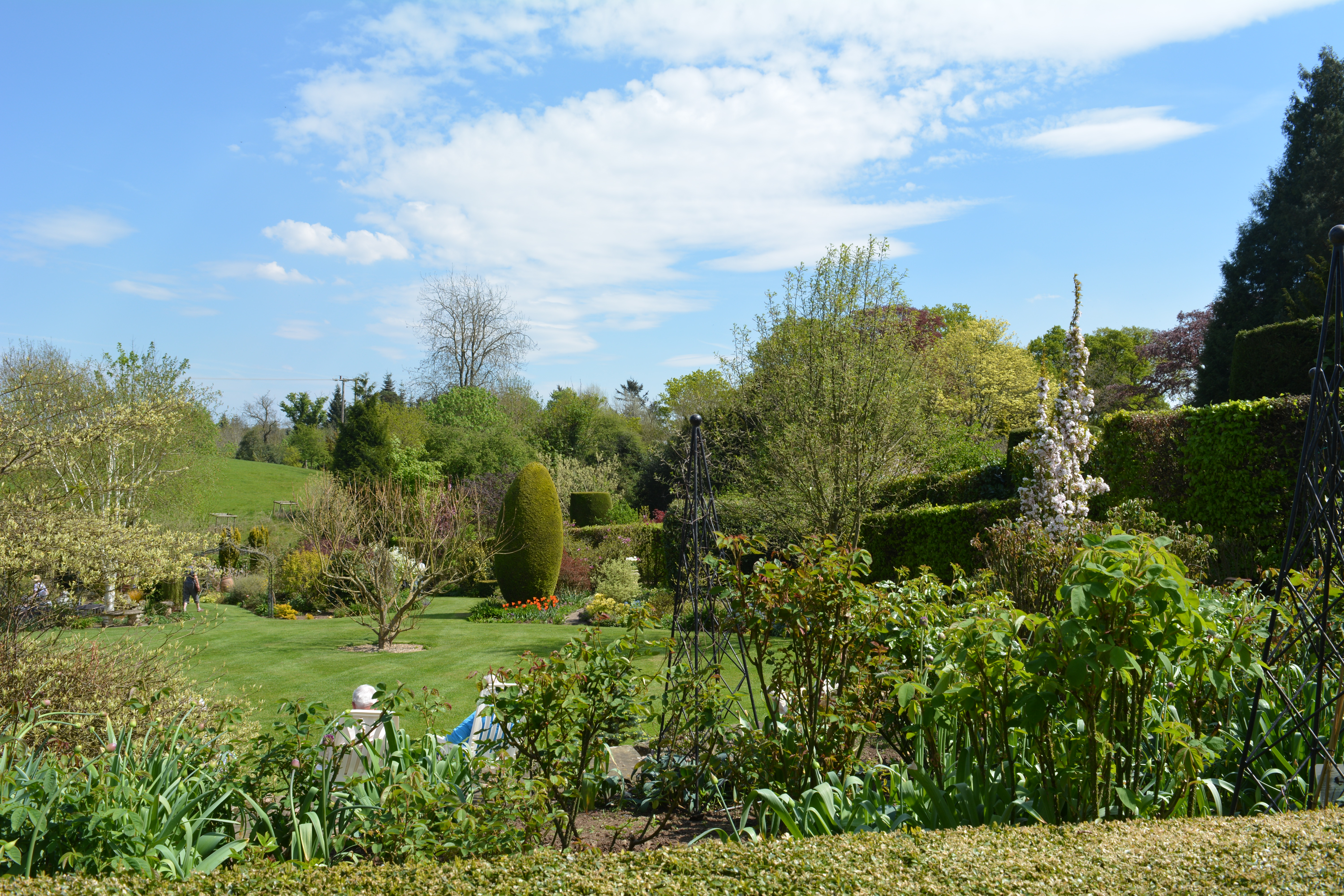
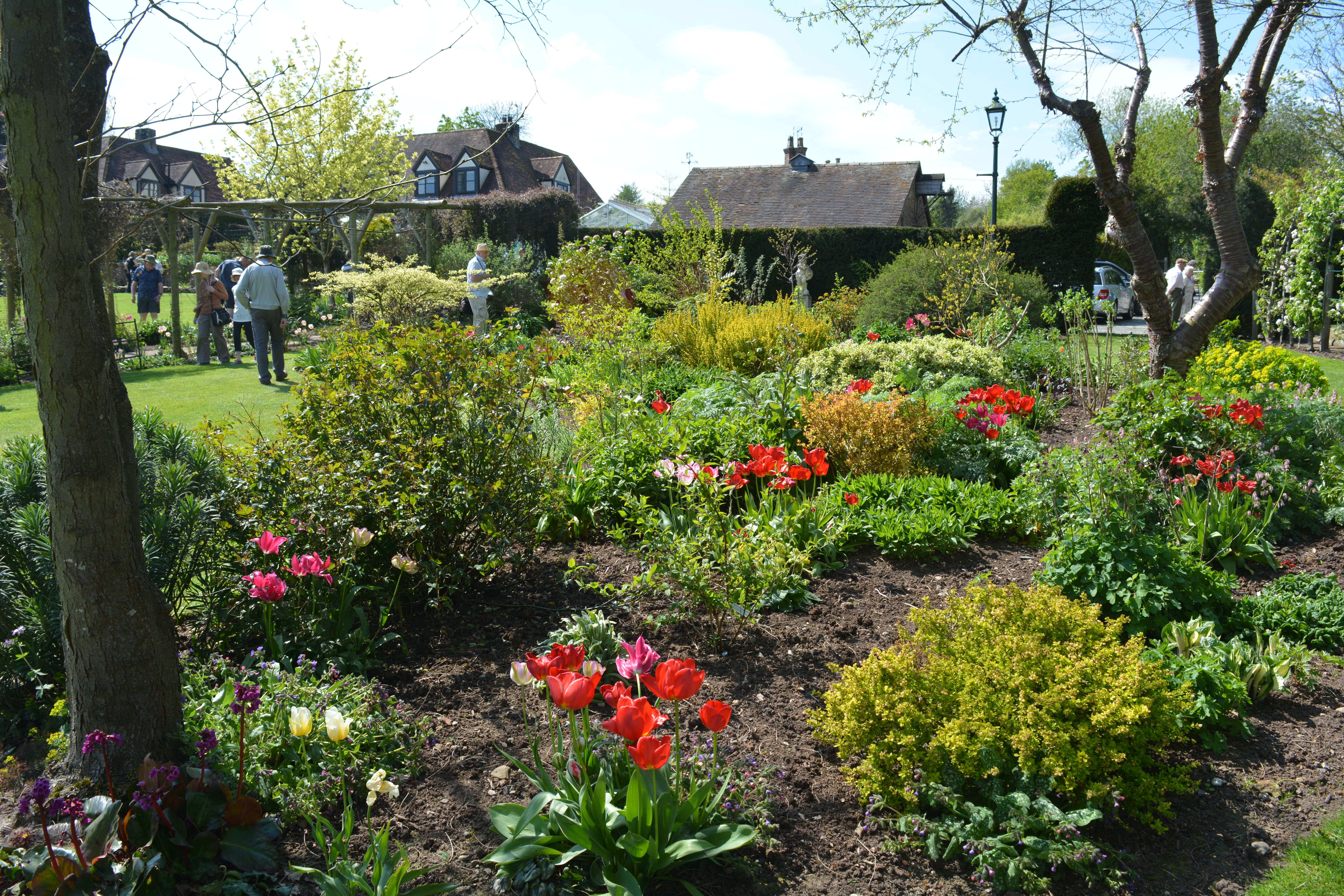
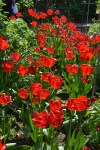
Our friend Mary and her husband Bob open their garden for the National Garden Scheme just as we do, so we were determined to go and see her garden this year. A few weeks before her open garden she told us she hoped her tulips would still look good. She had no reason to worry – they were a treat for the eye and lifted the spirits!

marysgarden-08

It was a perfect day for garden visiting, bright, warm and so sunny.

marysgarden-39

We began our visit with big hugs from Mary followed by our usual tea and cake and found a seat where we could enjoy views over Mary and Bob’s garden. From there we could see interesting plants that deserved a closer look and inviting winding paths and archways. We watched with interest the reactions of other visitors and which plants they made a beeline for. Once suitably refreshed we explored!

marysgarden-01  marysgarden-02 marysgarden-03 marysgarden-04

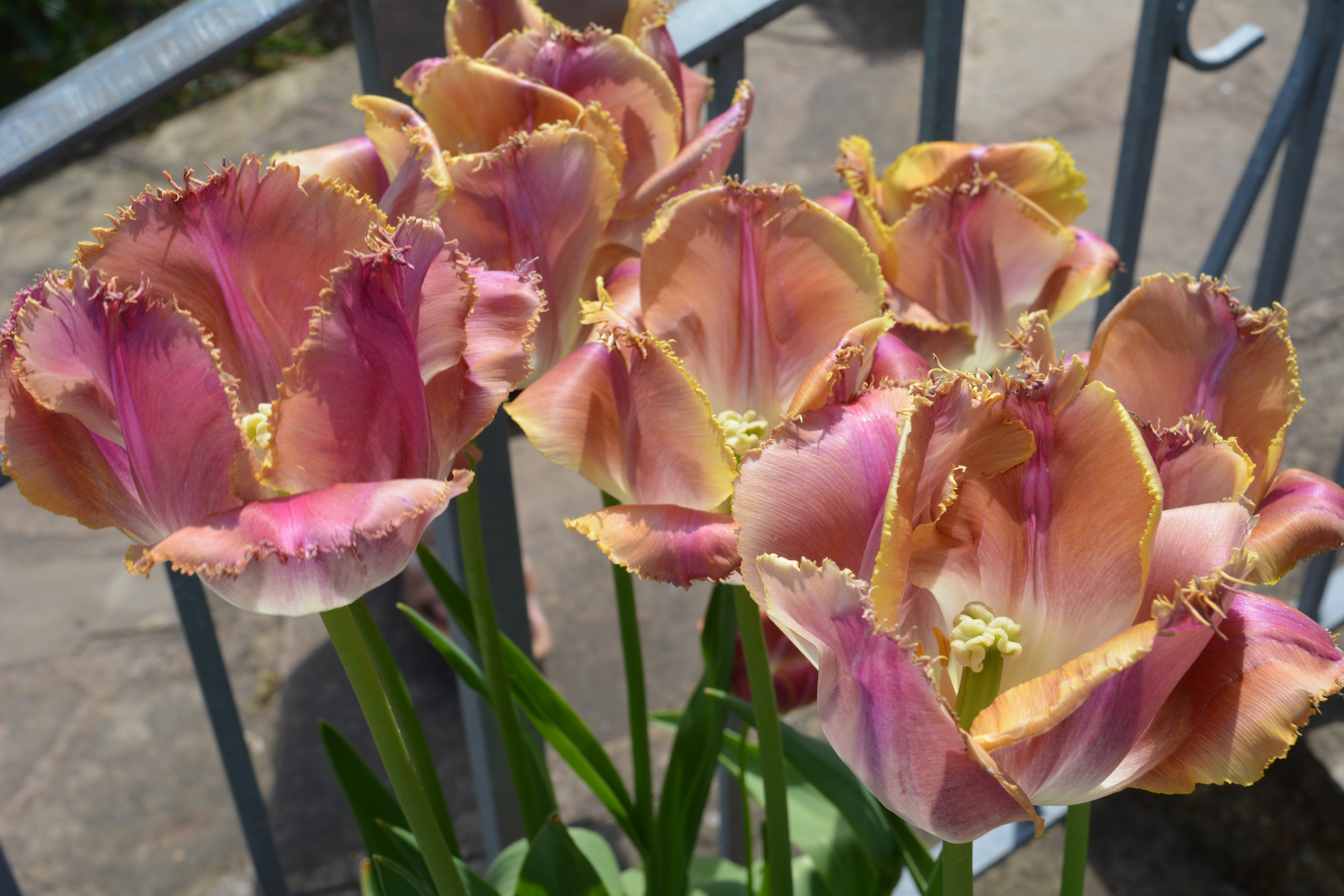
We found tulips throughout the borders some in exciting unusual colours. We enjoyed them all.

marysgarden-05 marysgarden-06   marysgarden-09 marysgarden-10 marysgarden-15 marysgarden-22 marysgarden-19 marysgarden-20marysgarden-12 marysgarden-13 marysgarden-14  marysgarden-16 marysgarden-18  marysgarden-21

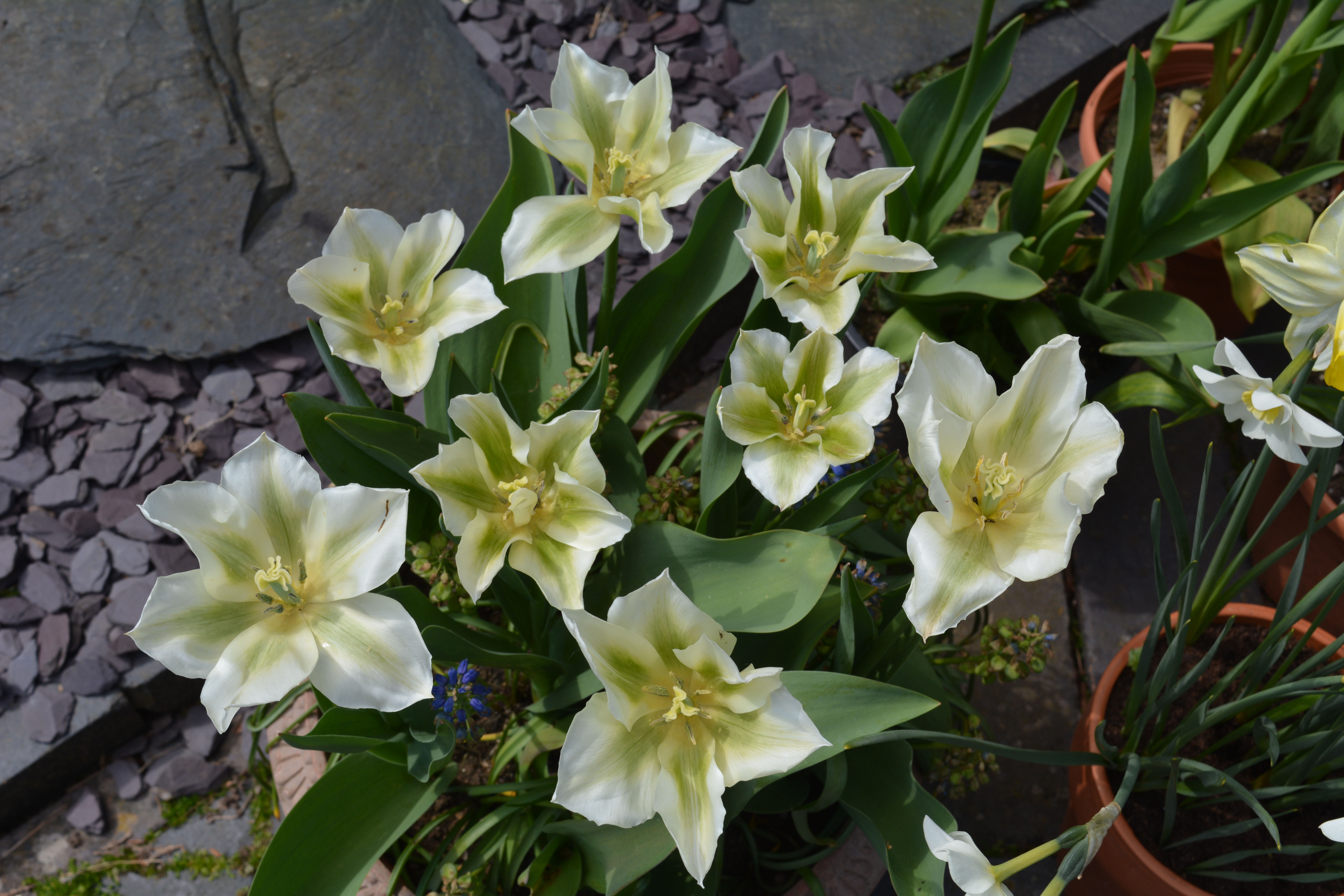
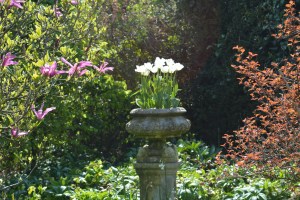
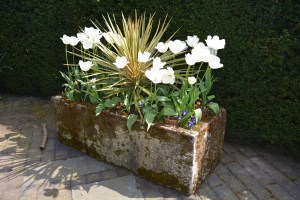
These purest of white tulips were beautifully displayed in their containers which raised them up and gave the afternoon sun the chance to light them up.

marysgarden-35 marysgarden-07

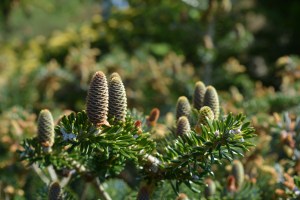
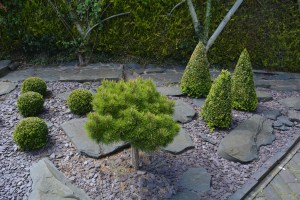
There was a lot more of interest here though than these beautiful tulips. Neither Jude the Undergardener or I are particular fans of evergreen coniferous plants and indeed have just a single alpine Pinus mugo “Mumpitz” in our patch, but the cones on Mary and Bob’s trees caught our attention.

marysgarden-24 marysgarden-05-1  marysgarden-07-2 marysgarden-49 marysgarden-34-1marysgarden-35-1  

I think the best way to see the rest of this lovely garden will be to enjoy the following gallery. As usual click on the first picture then navigate using the right hand arrow.


Categories
birds colours flowering bulbs garden design garden photography garden wildlife gardening gardens hardy perennials light light quality ornamental trees and shrubs Shropshire shrubs spring bulbs spring gardening trees

My Garden Journal 2016 – April

Here we are with my April look at my garden journal. I began as I often do with a look at the weather that was affecting our garden.

“April is known for its showery weather and we hope it is the first frost-free weeks of the year. This will allow us to begin hardening off our delicate plants that have hidden away in our greenhouse and summerhouse. Looking back at my first garden journal I notice that in early April birds were then showing signs of nest building. I wrote …Spring is here! Sometimes at least. Birds are collecting nesting materials, blackbirds, greenfinches and all the Titmice family.” This year birds are singing and calling well but we have seen no signs of nest building activities. The Titmice have given up their earlier explorations of our many birdboxes. We hope Spring will catch up and get wildlife stirring again.”

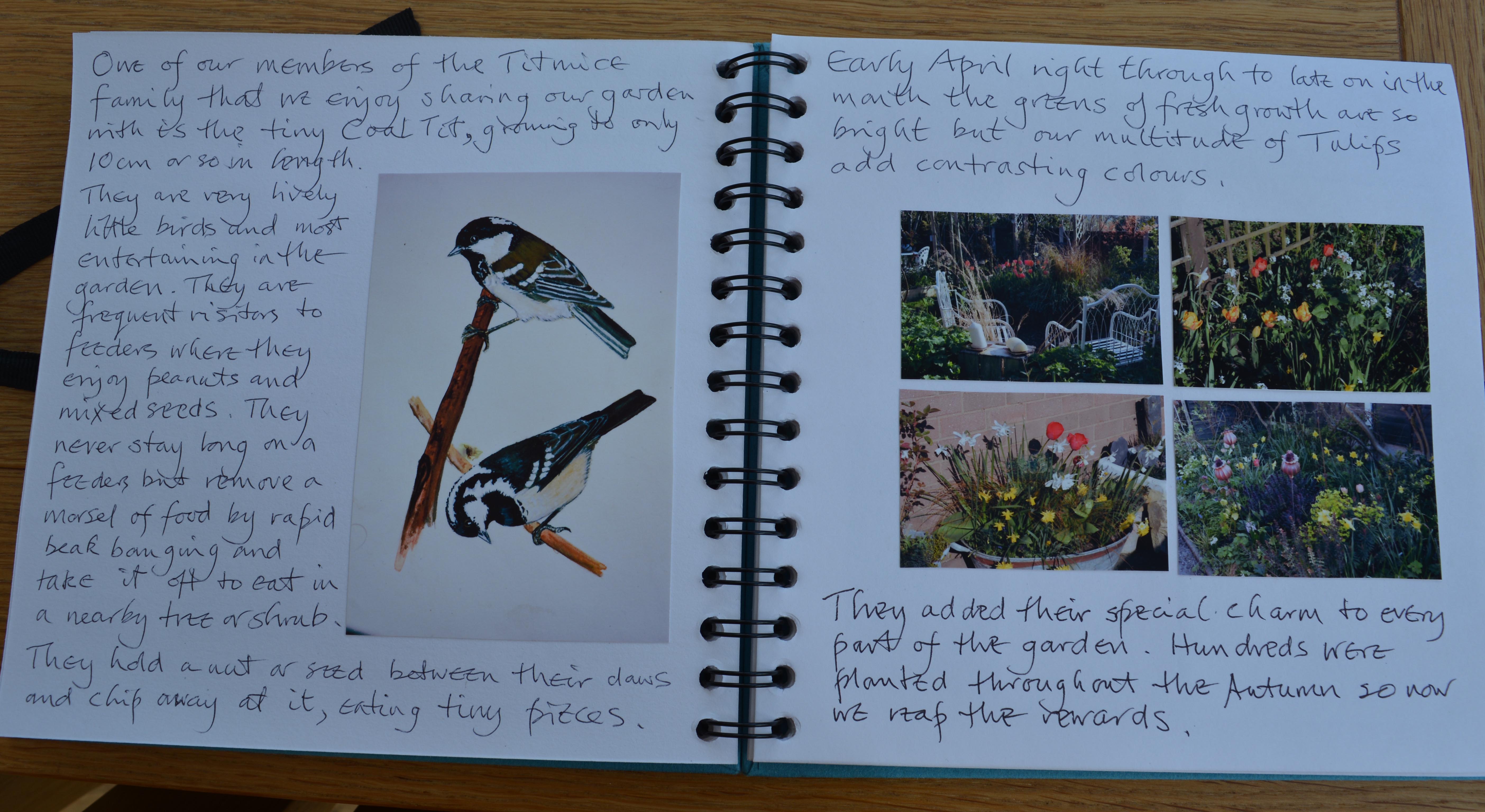
Over the page I continue by looking at one member of the Titmice family, the Coal Tit, and I included one of my gouache paintings of these active little birds.

apr-2

“One of our members of the Titmice family that we enjoy sharing our garden  with is the tiny Coal Tit, growing to only 10cm or so in length. They are very lively little birds and most entertaining in the garden. They are frequent visitors to feeders where they enjoy peanuts and mixed seeds. They never stay long on a feeder but remove a morsel of food by rapid beak banging and take it off to eat in a nearby tree or shrub. They hold a nut or seed between their claws and chip away at it, eating tiny pieces.”

coaltit-1

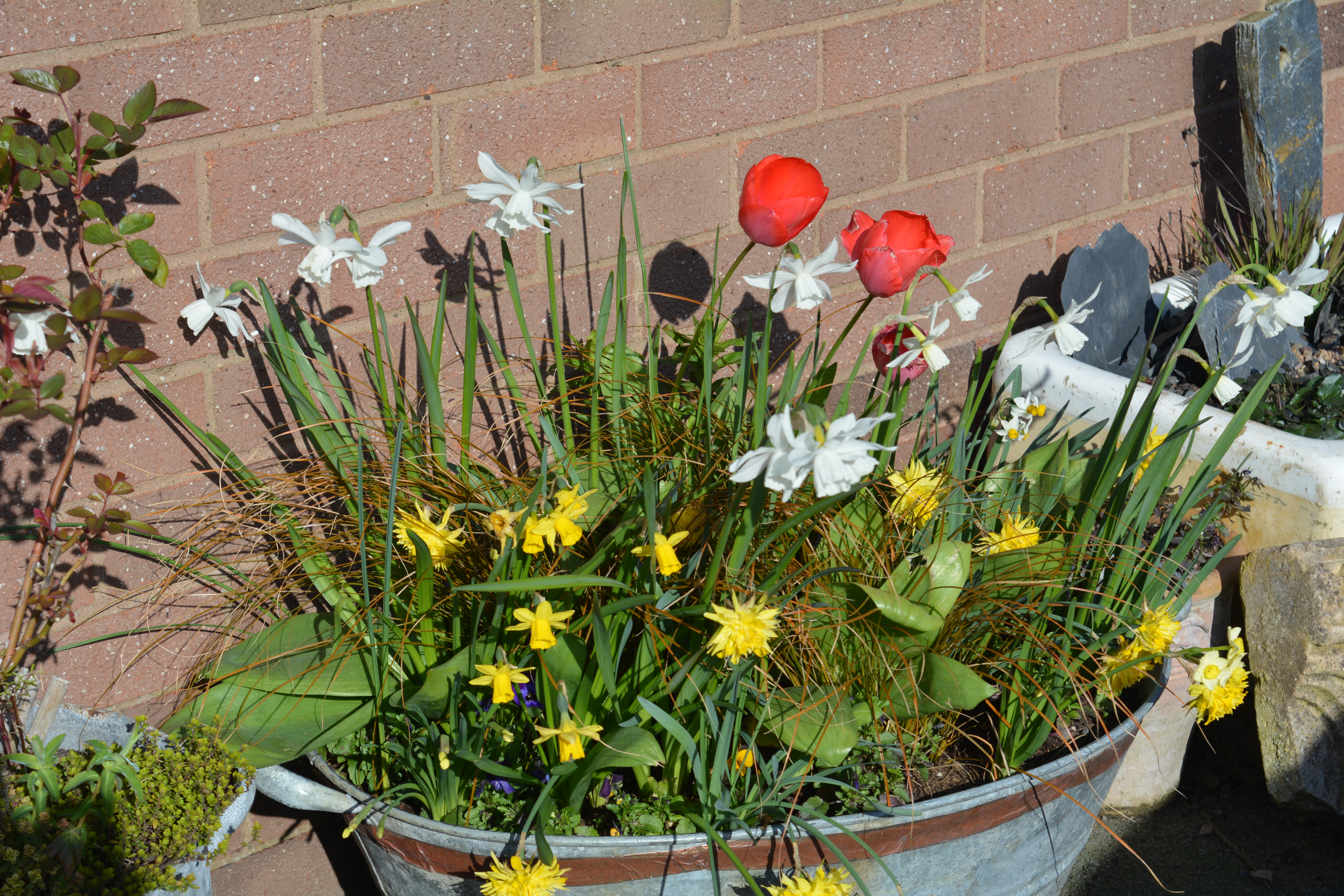
On the page opposite I take a look at the bright Tulips in our garden and what they add to it.

“Early April right through to late on in the month the greens of fresh growth are so bright but our multitude of Tulips add contrasting colours. They add their special charm to every part of the garden. Hundreds were planted throughout the Autumn so now we reap the rewards.”

aprilpics-22 aprilpics-17 aprilpics-29 aprilpics-30 aprilpics-14

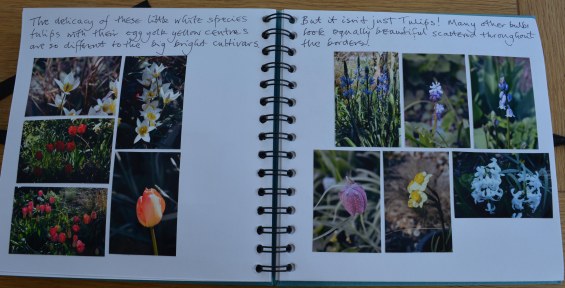
Tulips and other bulbs continue to be featured on my next couple of pages.

apr-1

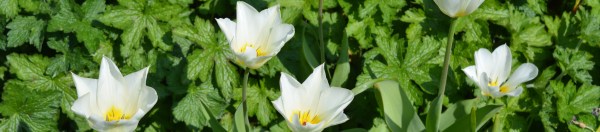
“The delicacy of these little white species Tulips with their egg yolk yellow centres are so different to the big bright cultivars.”

aprilpics-16 white tulip-1aprilpics-01 aprilpics-04aprilpics-10

“But it isn’t just Tulips! Many other bulbs look equally beautiful scattered throughout the borders.”

aprilpics-03 aprilpics-09 aprilpics-08aprilpics-15 aprilpics-27aprilpics-05 aprilpics-02

Turning the page we find a much wordier look with an odd photo to illustrate the words, followed by a look at some of our Acers.

apr-3

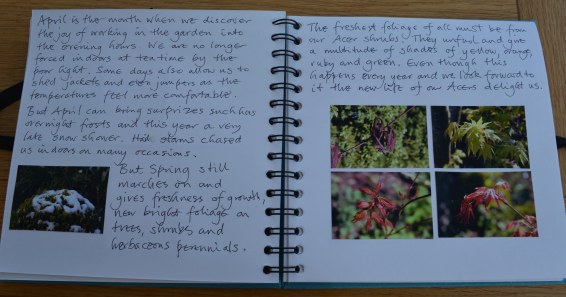
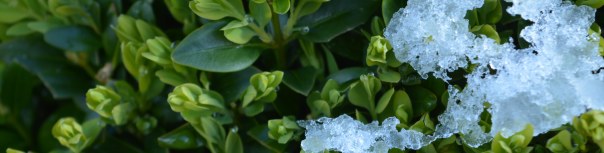
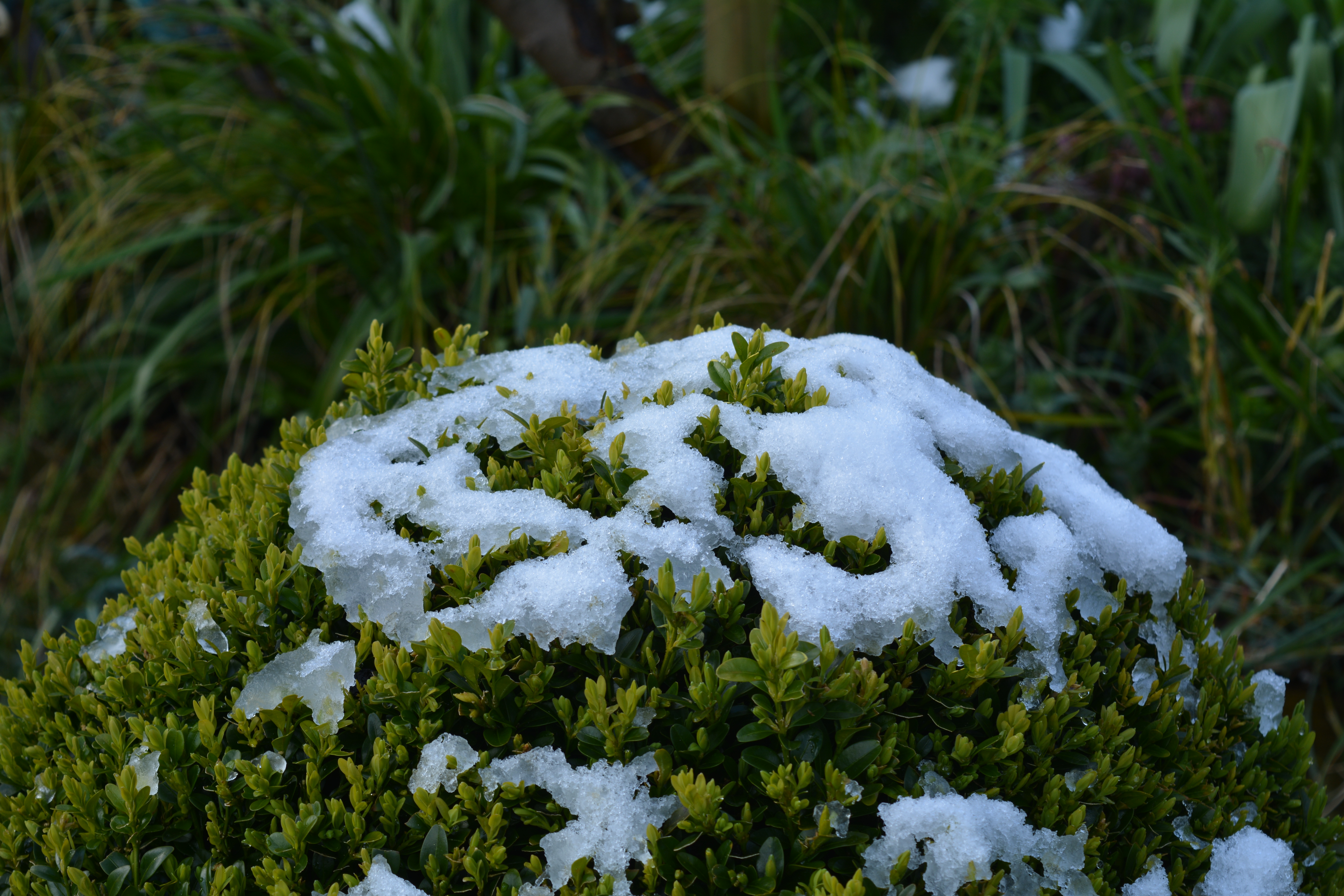
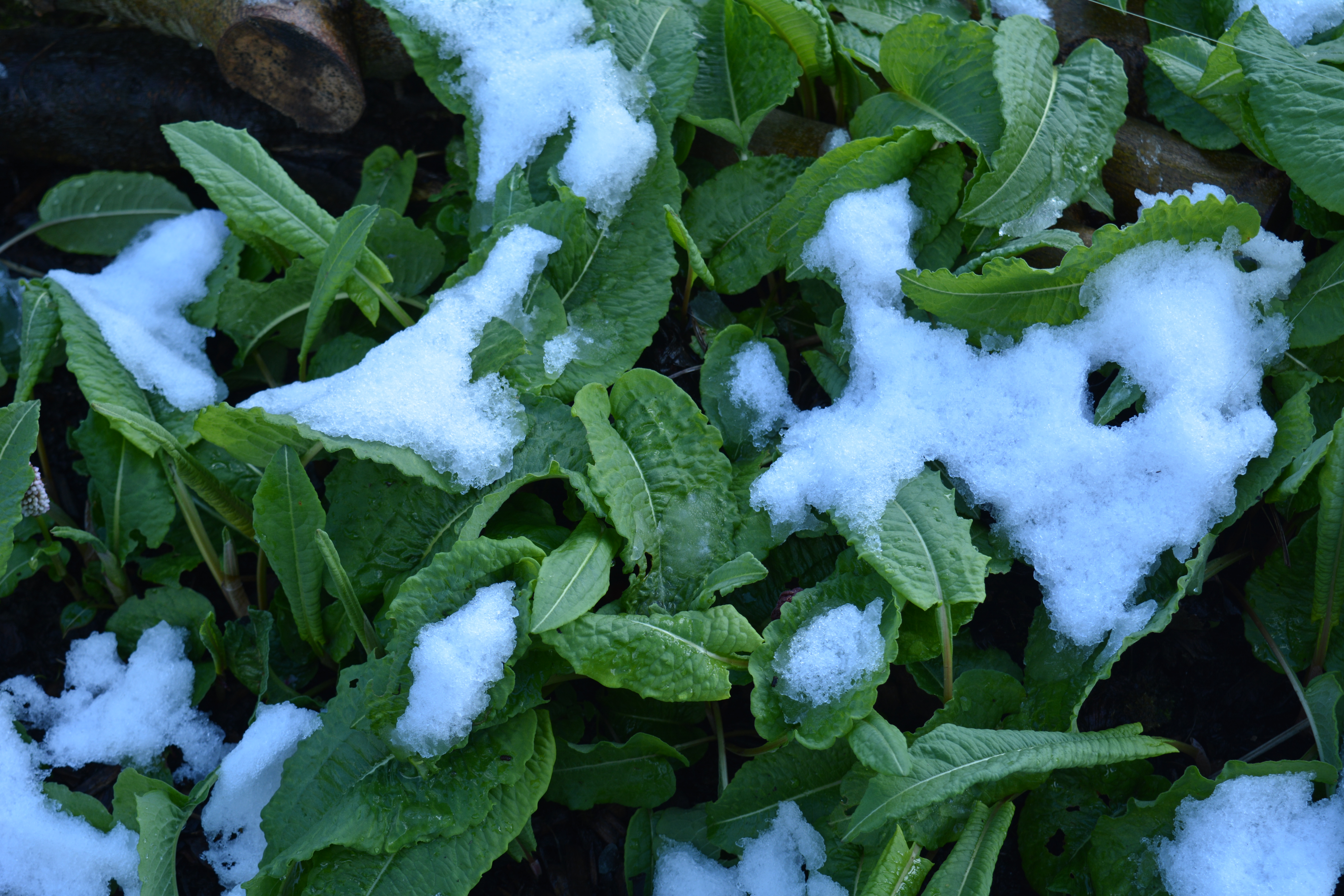
“April is the month  when we discover the joy of working in the garden into the evening hours. We are no longer forced indoors at teatime by the poor light. Some days also allow us to shed jackets and even jumpers as the temperatures feel more comfortable. But April can bring surprises such as overnight frosts and this year a very late snow shower. Hail storms chased us indoors on many occasions. But Spring still marches on and gives freshness of growth, new bright foliage on trees, shrubs and herbaceous perennials.”

snow box-8snow box-1 snow box-2 snow box-3 snow box-4

“The freshest foliage of all must be from our Acer shrubs. They unfurl their buds and give a multitude of shades of yellow, orange, ruby and green. Even though this happens every year and we look forward to it, the new life of our Acers delights us.”

aprilpics-13 aprilpics-07aprilpics-06 aprilpics-12

I then look at yellow in our garden.

april journal-4

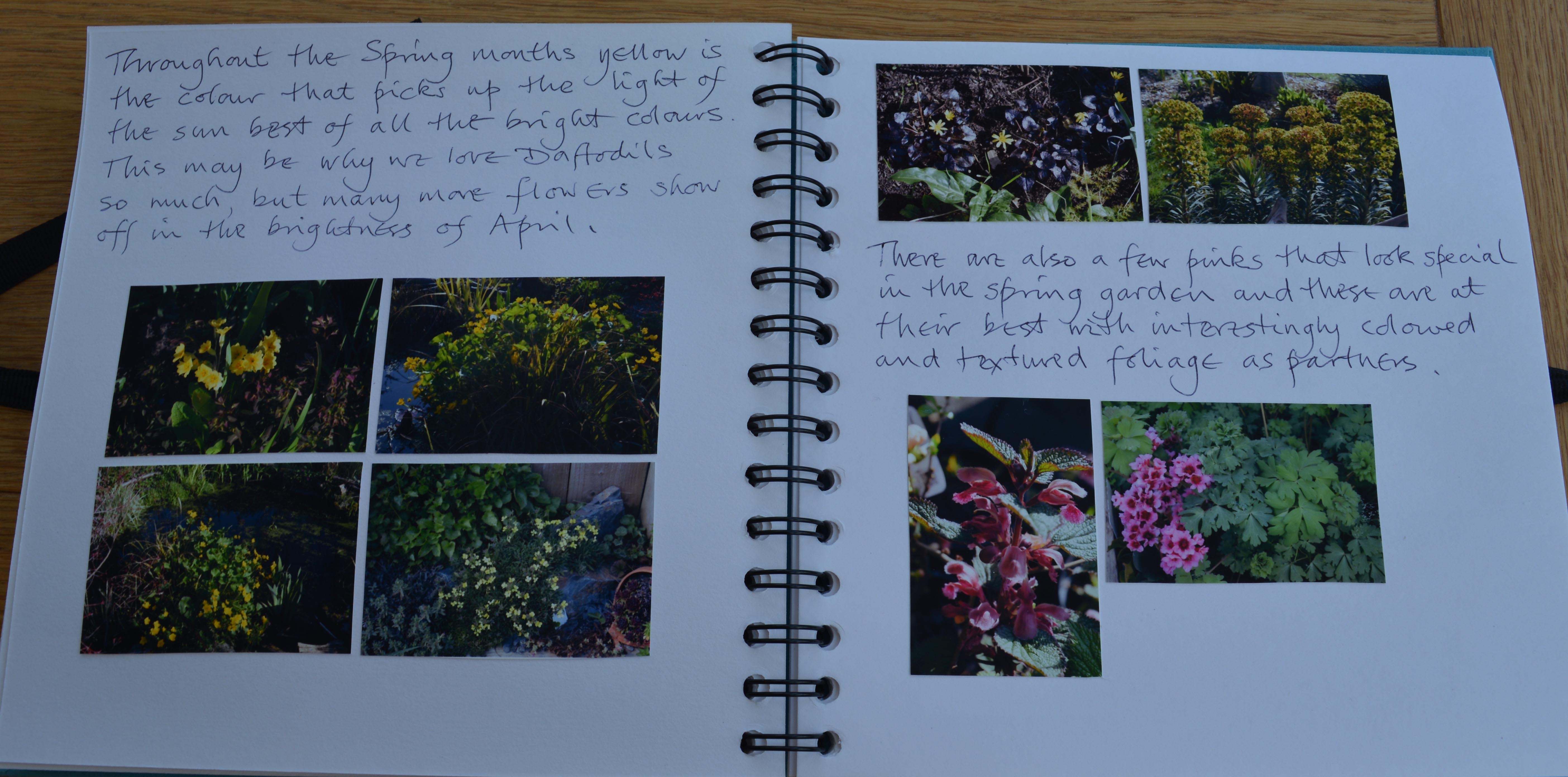
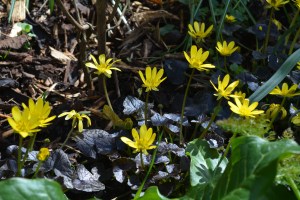
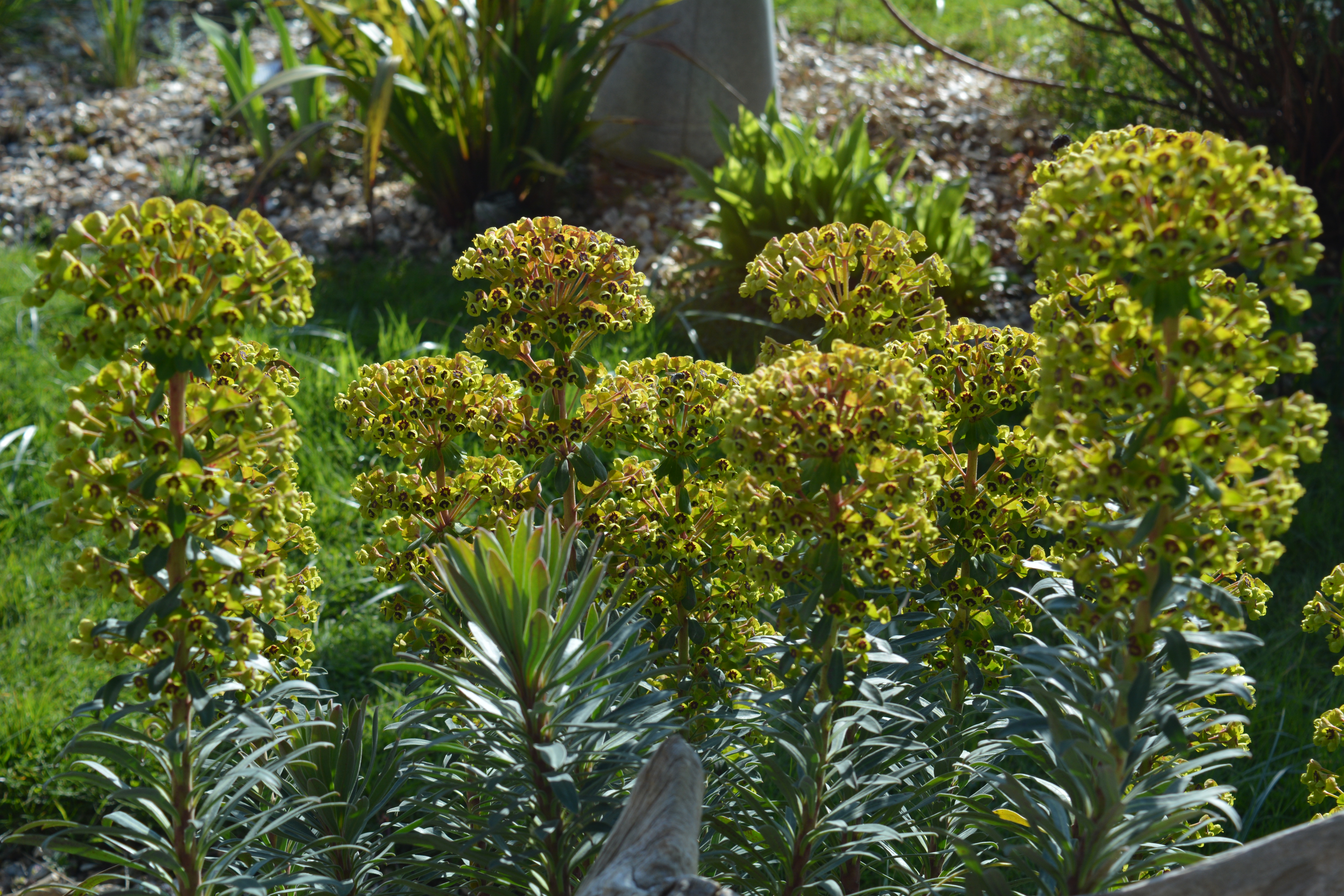
“Throughout the Spring months yellow is the colour that picks up the bright light of the sun best of all the bright colours. This may be why we love Daffodils so much, but many more flowers show off in the brightness of April.”    


aprilpics-20 yellow-4yellow-1 yellow-8aprilpics-18 yellow-9


“There are also a few pinks that look special in the Spring garden and these are at their best with interestingly coloured and textured foliage as partners.”

aprilpics-50 yellow-3

Blossom and the plants of cool shade appear on the final couple of my journal’s pages for April.

april journal-5

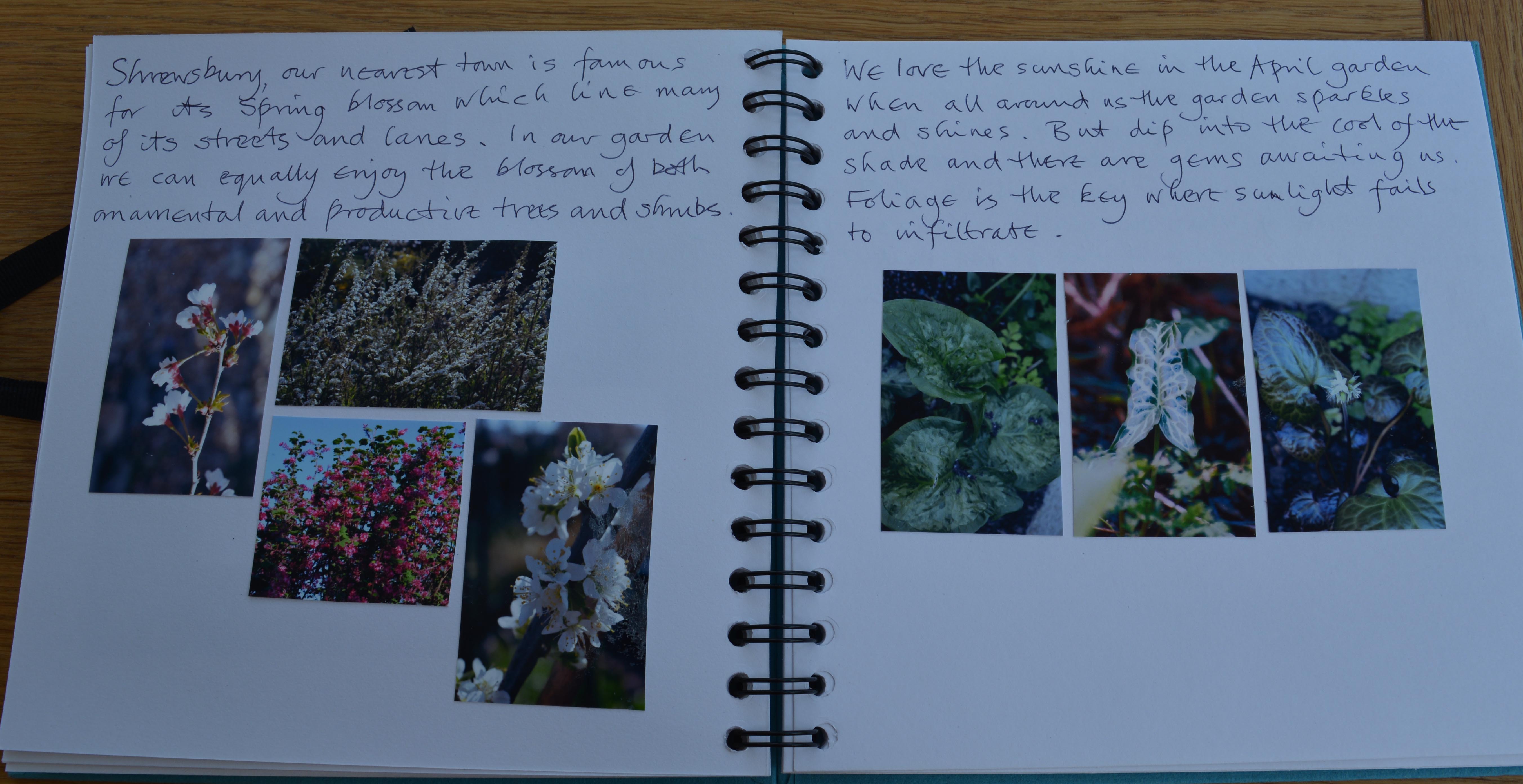
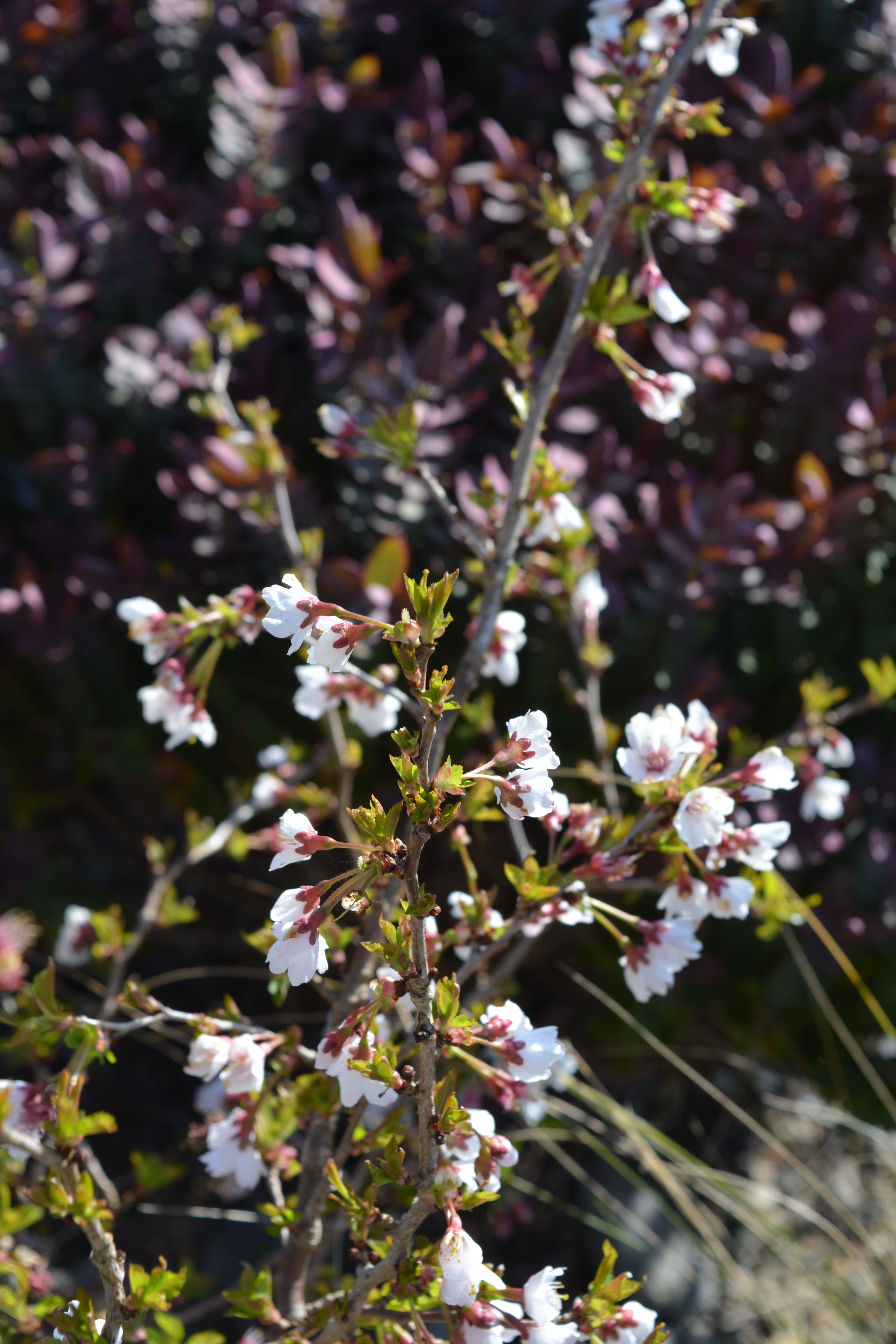
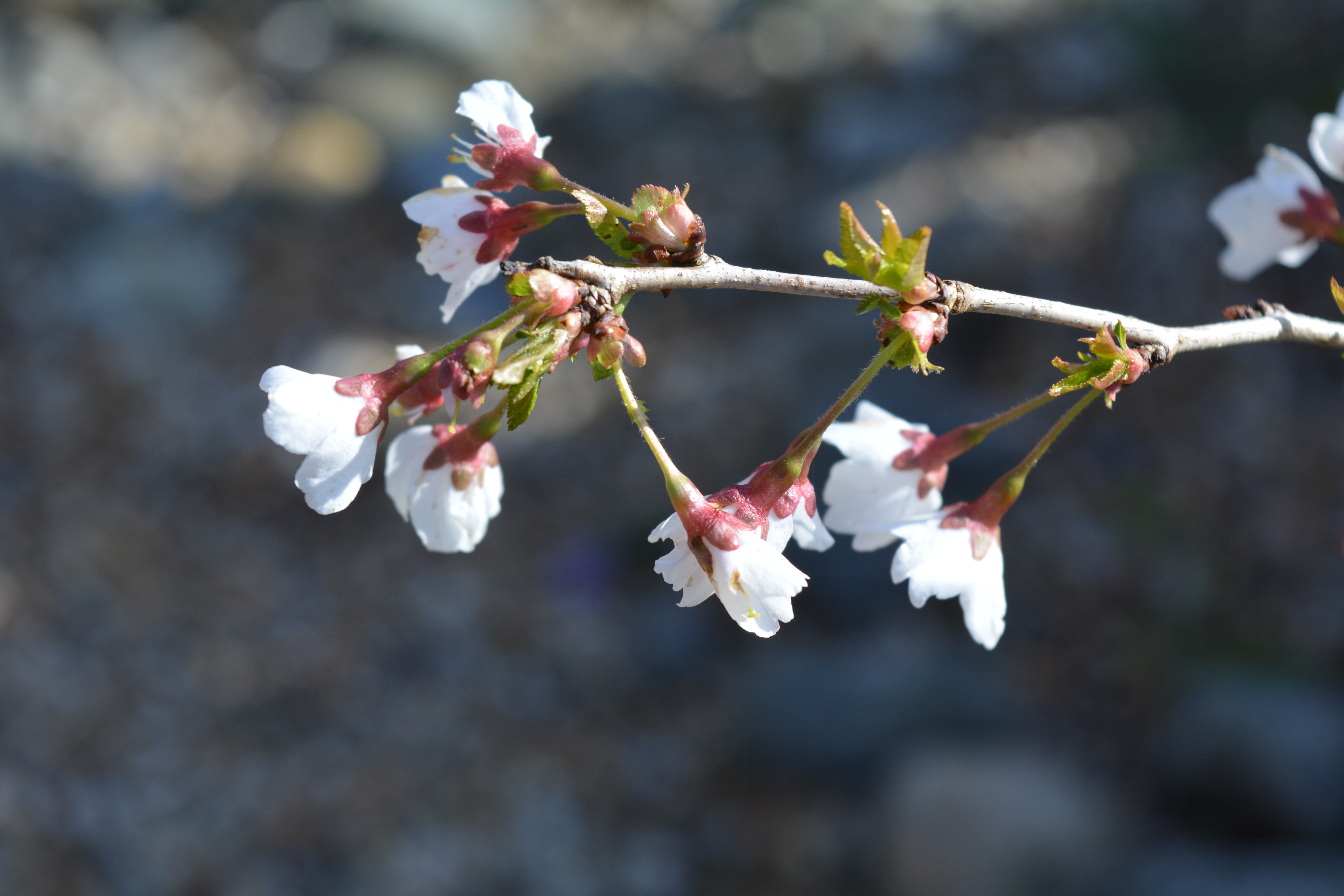
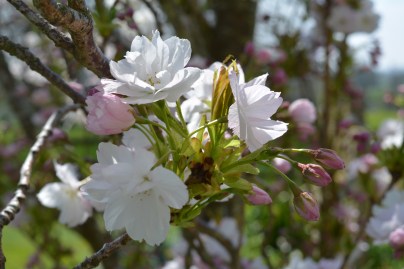
“Shrewsbury, our nearest town, is famous for its Spring blossom which lines many of its streets and lanes. In our garden we can equally enjoy the blossom of both ornamental and productive trees and shrubs.”

blossom-10aprilpics-19 ngs garden-104blossom-01 blossom-04 blossom-03 blossom-02 blossom-07


“We love the sunshine in the April garden when all around us the garden sparkles and shines. But dip into the cool of the shade and there are gems awaiting us. Foliage is the key where sunlight fails to infiltrate.”

ngs garden-102 blossom-11blossom-13 blossom-06

But any flowers that accompany this amazing foliage are tiny little star-like flowers.

ngs garden-100

ngs garden-103 ngs garden-101

So that is April in our garden. We now look forward to what May will bring!


Categories
colours flowering bulbs garden photography garden ponds gardening gardens gardens open to the public hardy perennials ornamental trees and shrubs shrubs spring bulbs spring gardening

The Dorothy Clive Garden in March

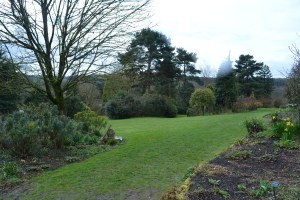
We returned to the Dorothy Clive Garden late in March to see what the early spring month presented to us. Our first view across the garden showed little change in fact so we hoped for more signs of seasonal progress elsewhere throughout the garden.

winchester-15-1winchester-16-1winchester-14-2

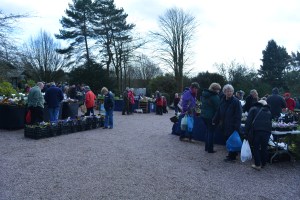
Last time we visited there was a wildlife activity going on and once again we had timed our visit to coincide with a special event, a Rare Plant Fair.

winchester-39-1 winchester-36-1

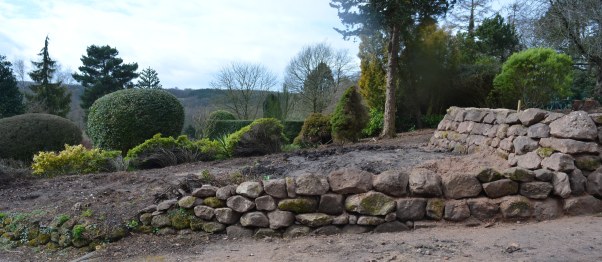
As we made our way in search of our usual coffee and cake we passed the developing area we found on our last visit. The area had been further cleared and a perimeter wall rebuilt. Perhaps on our next visit we may be able to work out what is being constructed.

winchester-37-1 winchester-38-1

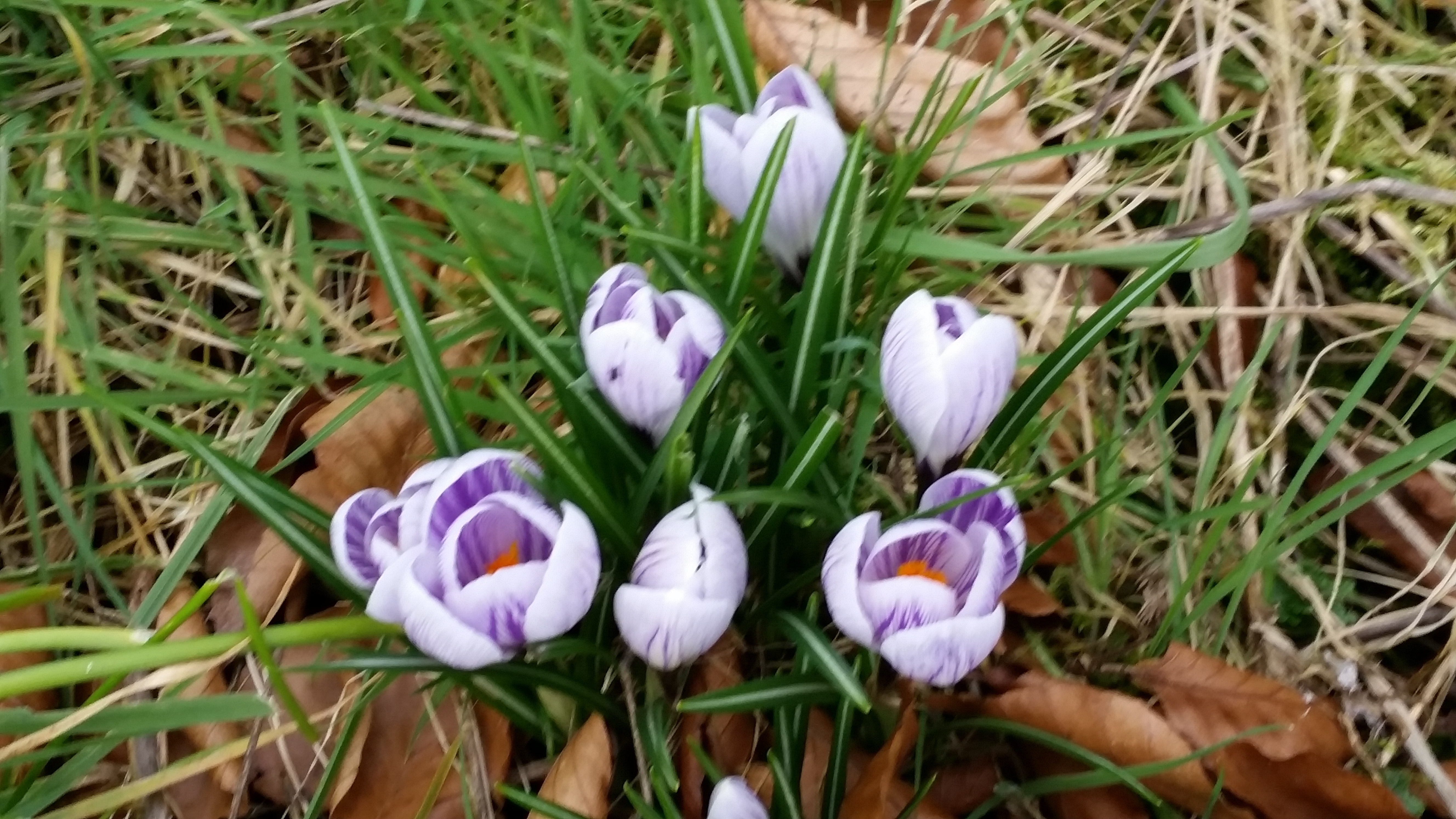
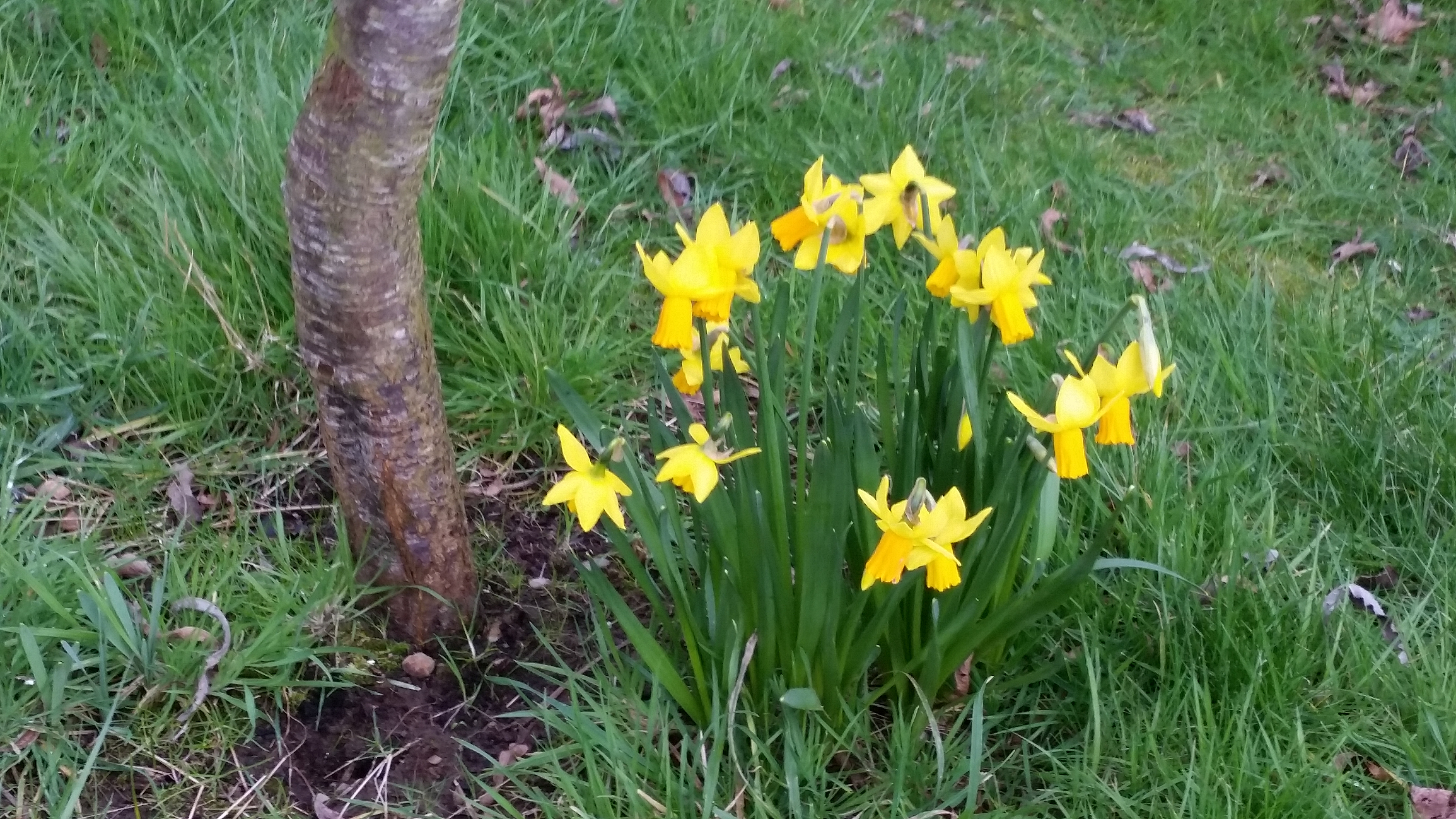
As we walked along the woodland path skirting around the top edge of the Dingle Garden we followed sinuous grass tracks through naturalised golden daffodils.

winchester-35-1 winchester-33-1winchester-34-1 winchester-32-1

Dropping into the Dingle itself we discovered the blooms of Azaleas, Rhododendrons and Prunus in the shade beneath the tall evergreen trees.

winchester-31-1winchester-30-1winchester-28-1winchester-09-3 winchester-05-3winchester-08-3 winchester-08-1  winchester-10-3 winchester-07-3

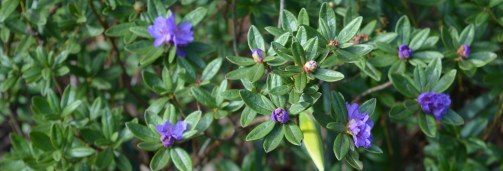
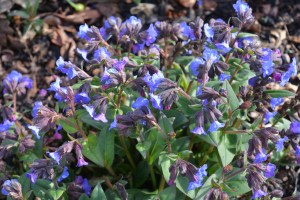
Beneath the Rhododendron shrubs small blue flowered bulbous plants shone jewel-like on the dingle floor.

winchester-27-1

We were looking forward seeing the new Winter Garden again as we were so impressed with it on our last visit. Our first views encouraged us to look closer.

winchester-18-1 winchester-19-1winchester-17-1

We enjoyed both the flowers and foliage of the new plantings. This area will be such a good winter garden in the years to come. We look forward to seeing it develop.

winchester-29-1 winchester-23-1winchester-25-1 winchester-24-1winchester-22-1 winchester-20-1winchester-12-3 winchester-02-3winchester-04-3 winchester-01-3  winchester-03-3

We emerged from the Winter Garden and wandered around the front of the tea shop to explore the sloping areas of the garden.

dorothyclive-01 dorothyclive-02-1

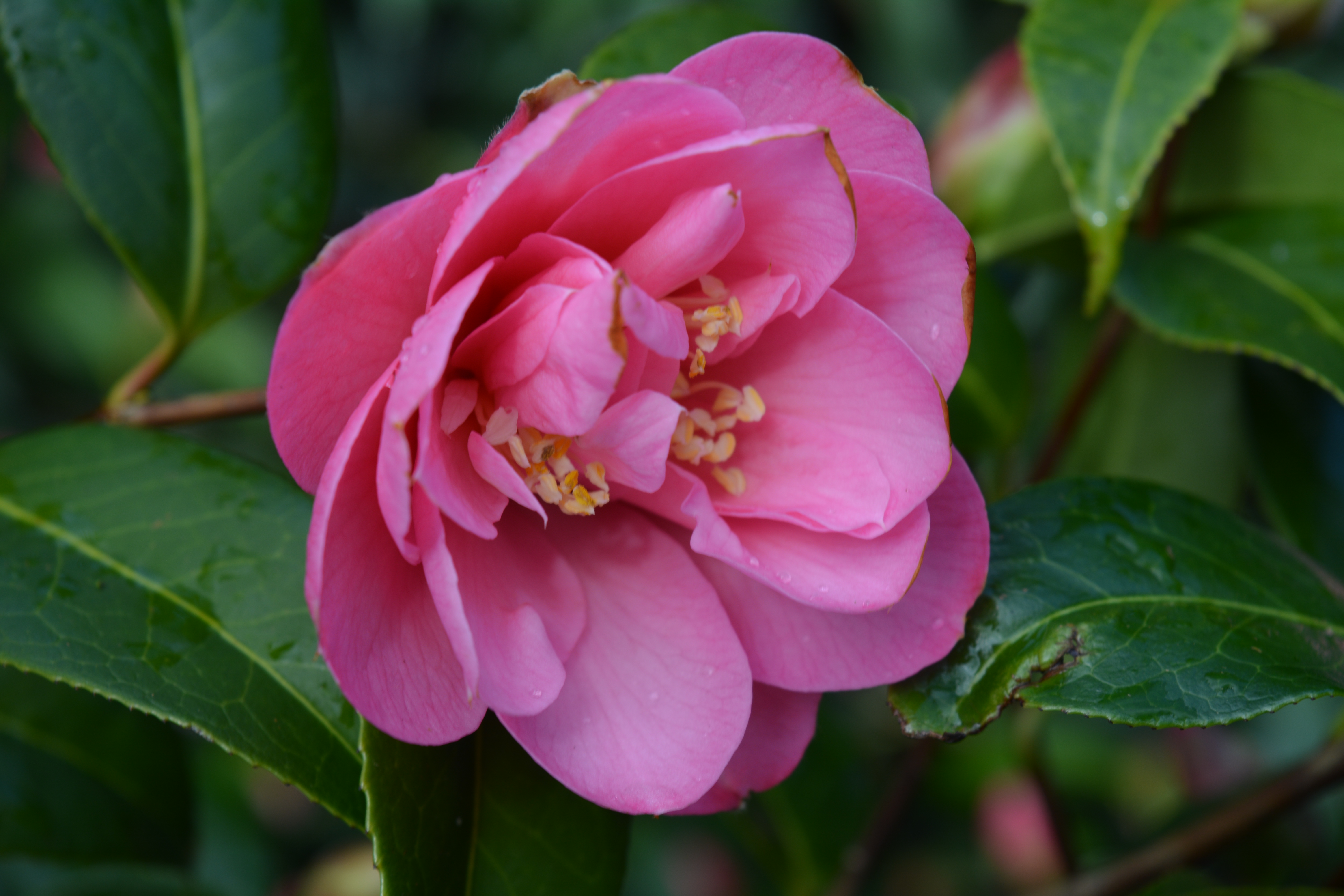
The Camellia Walk was at last showing lots more blooms but neither of us particularly like them. I include a couple of shots for those who do!

dorothyclive-14-1 dorothyclive-13-1

The views down to the pond through the scree area showed great variations in colour and texture but many of the shrubs still remained totally leafless. 

dorothyclive-08-1 dorothyclive-10-1

Within the borders in the sloping part of the gardens there were points of colour from shrubs and herbaceous plants.

dorothyclive-12-1

dorothyclive-09-1


dorothyclive-05-1

dorothyclive-03-1

Among these plants we discovered promises of more to come. Perhaps when we next return these buds will be fully open leaves and flowers. We can’t wait to return!

dorothyclive-04-1 dorothyclive-07-1


Categories
birds colours flowering bulbs garden photography garden ponds garden pools garden wildlife gardening gardens irises log piles natural pest control ornamental trees and shrubs Shropshire spring bulbs spring gardening village gardens water garden water in the garden wildlife

My Garden Journal in 2016 – March

We were expecting March to bring some signs of spring but really our seasons remained confused and muddled. March has brought us warm sunny days, days with cold biting winds, days with heavy persistent rain and many combinations of these.

winchester-04

My March report started with references to the weather as it controlled when we gardenened and days when it prevented us from getting out in the garden.

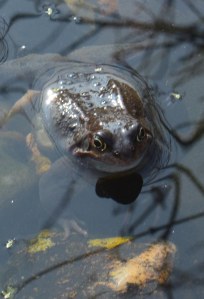
“During the first 2 days, March had delivered so many different types of weather, clear skies, sunshine, dark heavy cloud cover, rain and sleet. I wonder what else this month might have in store. This unseasonal weather delayed the arrival of our frogs until March whereas February is more usual a time. They soon added large clumps of spawn down one side of the wildlife pond.”

winchester-19 winchester-20winchester-21 winchester-22

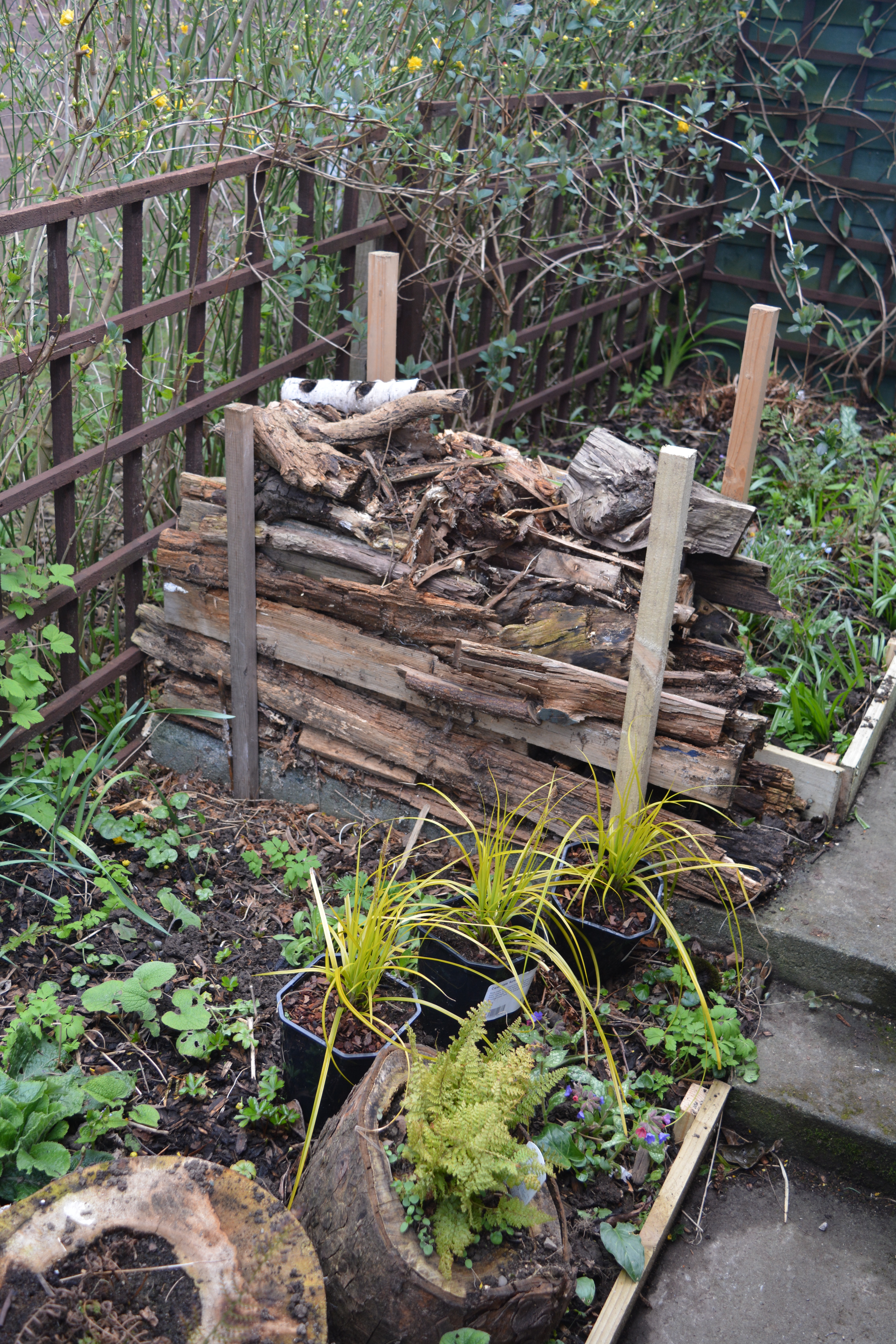
To help the smaller creatures that share our garden with us and help with pest control and pollination of our fruit we had great fun creating a new habitat for them, in the form of a log pile. The log pile is aimed specifically at beetles who are great pest controllers. We particularly appreciate their love of slug eggs!

winchester-01 winchester-02

On the page opposite my frog photos I feature some of our large collection of Hellebore.

“Each year we add a few more Hellebores to our collection. This year is no exception! We are also getting a few interesting seedlings appearing, and some are worth keeping.”

winchester-47 winchester-11-2 winchester-14-1 winchester-10-2winchester-12-2

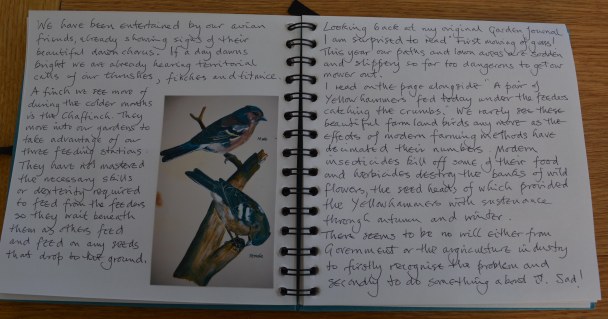
Turning the page I moved on to looking at the bird life we enjoyed in March, where I featured a gouache painting of a pair of Chaffinches and wrote about them.

winchester-05

“We have been entertained by our avian friends, already showing signs of their beautiful dawn chorus. If a day dawns bright we are already hearing territorial calls of our thrushes, finches and titmice. A finch we see more of during the colder months is the Chaffinch. They move into our garden to take advantage of our three feeding stations. They have not mastered the necessary skills or dexterity required to feed from the feeders so they wait beneath them as others feed and feed on any seeds that drop to the ground.”

B0000195

I then moved on to look back at previous garden journals from a decade or so ago.

“Looking  back at my original Garden Journal I am surprised to read “First mowing of grass! This year our paths and lawn areas are sodden and slippery so far too dangerous to get our mower out.

I read a page alongside, “A pair of Yellowhammers fed today under the feeders catching the crumbs.” We rarely see these beautiful farmland birds any more as the effects of modern farming methods have decimated their numbers. Modern insecticides kill off some of their food and herbicides destroy the banks of wild flowers, the seed heads of which provided the Yellowhammers with sustenance through autumn and winter. There seems to be no will either from Government or the agriculture industry to firstly recognise the problem and secondly to do something about it. Sad!”

I then reported on progress we had made with our recently constructed propagation bench.

winchester-06

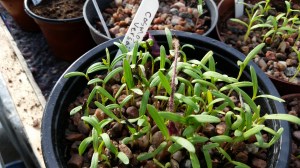
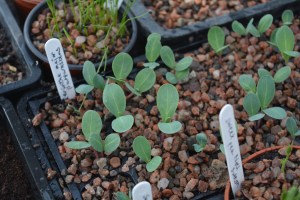
In my January entries to my journal I wrote about making a propagating bench in the greenhouse and then in February I looked at how we had prepared the greenhouse in readiness for seed sowing. Now in March we have seedlings showing well.”

winchester-45 winchester-46 winchester-36 winchester-35

Flowering shrubs feature over the next few pages, looking at those that flower and provide scent, starting off with the shrubs in the Ribes family.

winchester-06

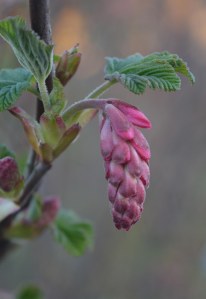
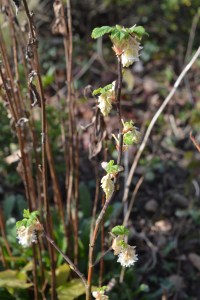
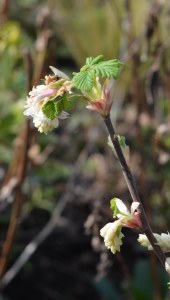
“The genus Ribes is a family of some 150 species of shrubs, mainly deciduous with just a few evergreens. We grow 3 species on our allotment to give us Redcurrants, Blackcurrants and Gooseberries. In the ornamental garden at home we grow 5 species and 4 of these are flowering in March, Ribes sanguineum “King Edward VII” and Ribes s. “Elkington White”.

winchester-40 winchester-41winchester-31 winchester-33 winchester-32

The other two March flowering Ribes are very different to the Ribes sanguineums. Ribes laurifolium has thick evergreen foliage, each leaf shaped and textured just like those oa a Laurel, hence its name. The flowers at first glance appear white but close up they are pale cream with a hint of green – absolutely beautiful! Beautiful and scented! The final Ribes to flower in March is Ribes speciosum with crimson flowers. To be fair though this Ribes species shows flowers on and off all year. It is generally evergreen for us as we planted it in a sheltered spot. Its flowers are like tiny Fuschias hanging along most of its branches. The downside? Every inch of every stem is covered in thin spines, so pruning can be difficult. On our open days so many visitors ask about Ribes speciosum.”

winchester-27 winchester-28winchester-02-2

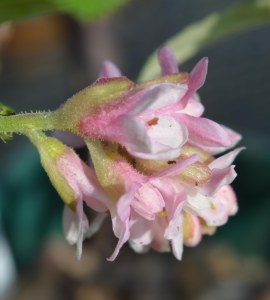
“In the autumn we took cuttings of Ribes s. King Edward VII. What a surprise we had when one of them produced these pale gentle pink flowers. One more shrub of the Ribes family still has not yet flowered, Ribes odorarum.”

winchester-09-1

My journal then tells of other unusual flowering shrubs we grow here at Avocet.

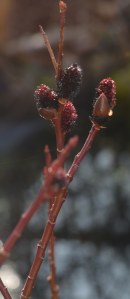
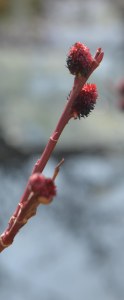
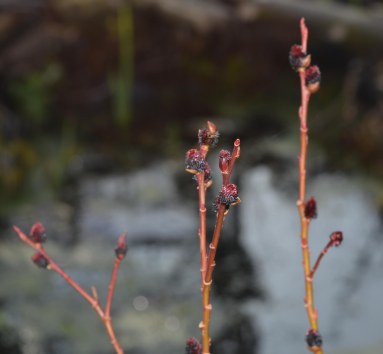
“Abnother unusual shrub we grow for March interest is a special willow. Salix gracilistyla melanostachyla has amazing flowers, red and black catkins. Early flying bees love them.”

winchester-08

winchester-23 winchester-24 winchester-25winchester-26

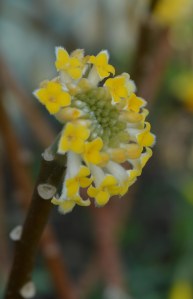
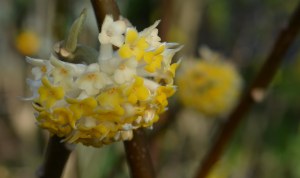
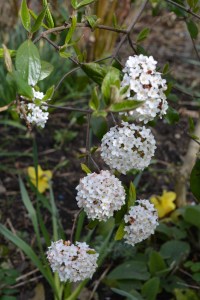
“Two other March flowering shrubs are grown for their large umbels of flowers but also their scent. The first, Edgeworthia chrysantha grandiflora, has unusual bright yellow flowers which add scent to the late winter and early spring garden. Their second is a Viburnum, Viburnum x burkwoodii, which does not open its flower buds until late March.”

winchester-11-1 winchester-10-1winchester-11 winchester-12

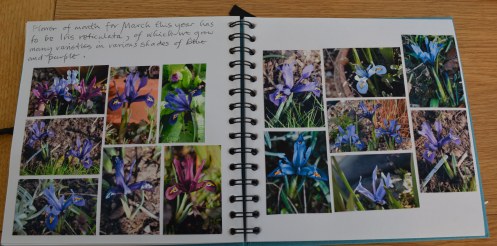
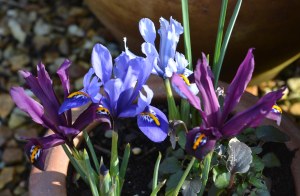
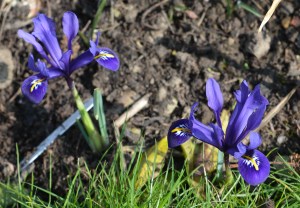
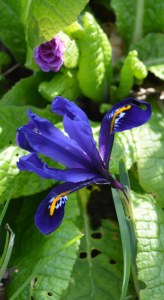
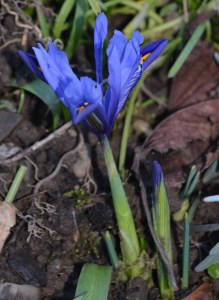
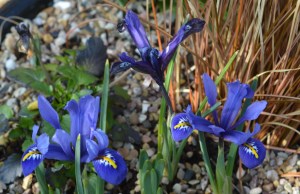
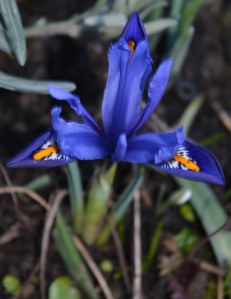
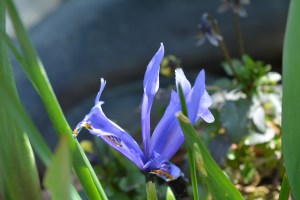
Turn over the page of my journal and you will be delighted by photos of Iris reticulata in all their glorious shades of blue and purple.

winchester-09

“Flower of the month for March has to be Iris reticulata, of which we grow many varieties in various shades of blue and purple.”

winchester-04-1 winchester-14winchester-29 winchester-12-1 winchester-39winchester-30 winchester-38 winchester-15winchester-03-1 winchester-05-1winchester-07-1 winchester-08-1winchester-13 winchester-17 winchester-16winchester-37 winchester-06-1

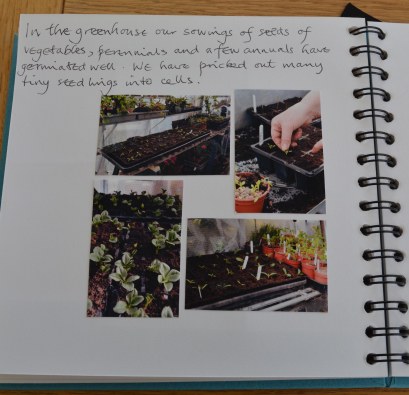
My final page for March takes another look at what is going on in the greenhouse as the month comes to an end.

winchester-10

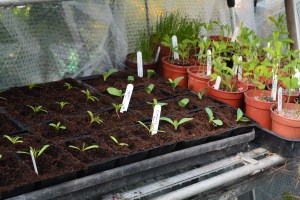
“In our greenhouse our sowings of seeds of vegetables, perennials and a few annuals have continued to germinate well and grow strongly. We have pricked out many tiny seedlings into cells.”winchester-03-2 winchester-06-2

winchester-05-2 winchester-04-2

Our next visit to my garden journal will report on what will be happening in our garden at Avocet in April, the month traditionally associated with showers.

Categories
flowering bulbs garden photography garden ponds garden pools garden wildlife gardening grasses hardy perennials light light quality ornamental grasses ornamental trees and shrubs Shropshire shrubs spring bulbs water in the garden Winter Gardening winter gardens

My Garden Journal 2016 – February

Back with the second post sharing my 2016 Garden Journal, we will look at what it holds for February.

2016 02 13_8659_edited-1

On the first page for the month I mention the changing light values that occurs during February.

2016 02 24_9066_edited-1

“This is the month when light values really start to improve. We also get longer days when the weather allows. This change in light coupled with slowly rising temperatures encourages birds to change their songs and calls. The Great Tit is the master of calls with its huge repertoire. Luckily they are very frequent visitors to our garden. They are great entertainers! Their song in February is a “see-sawing ditty with mechanical overtones.” (Collins Bird Guide)

I added my gouache painting of a pair of Great Tits.

2014 12 21_8971_edited-1

On the opposite page I carried on talking about our continued development of our greenhouse.

Having completed the construction of our new heated propagation bench last month we then sorted out our pots, trays, pans and cells ready for the new sowing and growing season. We ensured we have plenty of labels as well as sowing compost and horticultural grit. Jude finished putting up insulation bubble wrap.”

2016 02 02_8119-1 2016 02 02_8120-12016 02 02_8121-1 2016 02 02_8131-1 2016 02 02_8122-1

From greenhouse gardening to pond gardening, my next page features two photos of Jude the Undergardener in her waders playing in our wildlife pond.

2016 02 24_9069_edited-1

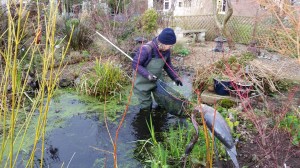
“Mid to late February is the time each year when our Common Frogs come to sing, mate and then leave balls of spawn in our wildlife pond. Thus early this month Jude donned her chest waders and cleaned up the pond. She removed Duckweed, Blanket Weed and fallen leaves, then thinned out the water plants.

2016 01 26_8057-1 2016 01 26_8056-1

We tidied up the narrow border that edges the pond, pulling a few hardy weeds and taking up seedlings of our Cornus “Midwinter Fire”. It was heartening to discover how workable our soil was, this being the result of a decade of improving it with the addition of our own garden compost and the regular mulching deeply with organic matter.”

I continued onto the next page discussing the welcome appearance of sunshine in the February.

“Sunshine is not often in evidence this February but when it does make an appearance its effects are magical. It highlights the peeling bark of our trees and directs a spotlight on blossom and glossy foliage.”

2016 01 22_8035_edited-1 2016 01 22_8034_edited-12016 02 02_81162016 01 22_8024 2016 01 22_8008 2016 01 22_8009-1 2016 01 22_8018

As I turn the page I see that I have written about cold temperatures and on the opposite page and on the following double page spread I share the amazing number of plants in flower on one day in February.

2016 02 24_9070_edited-12016 02 24_9073_edited-1

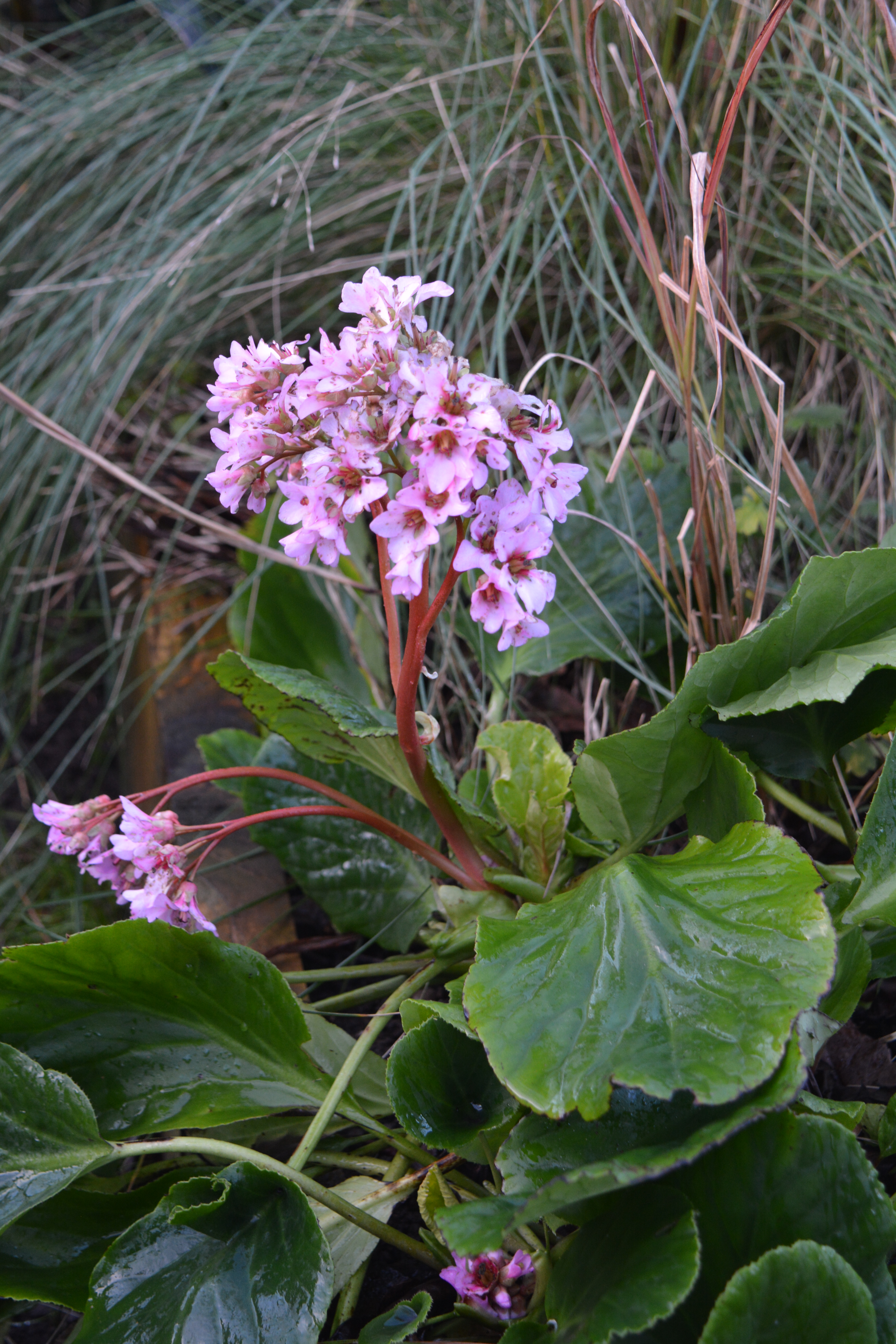
“A sudden overnight plunge in temperature can have drastic looking effects on our early flowering plants. The flowering stem of this Bergenia can be standing to attention during the day but cold at night can make it droop, with the flowers almost touching the cold soil”.

2016 01 17_7930-1 2016 01 08_7763

“The following day when the sun has driven away any frost and added a degree or two to the temperature, the Bergenia flower slowly rises again and returns to its former pink glory.”

February flowers are celebrated over the next three pages. I hope you enjoy sharing this selection of plants that keep us cheerful and the garden colourful.

2016 02 18_8904_edited-1 2016 02 18_8901_edited-12016 02 18_8891_edited-1 2016 02 18_8878_edited-12016 02 18_8872_edited-1 2016 02 18_8879_edited-12016 02 18_8867_edited-1 2016 02 18_8847_edited-1 2016 02 18_8869_edited-1 2016 02 18_8863_edited-12016 02 18_8913_edited-1 2016 02 18_8871_edited-12016 02 18_8912_edited-1 2016 02 18_8866_edited-1 2016 02 18_8854_edited-1 2016 02 18_8853    2016 02 18_8887_edited-1 2016 02 18_8873_edited-1  2016 02 18_8902_edited-1 2016 02 18_8855_edited-1

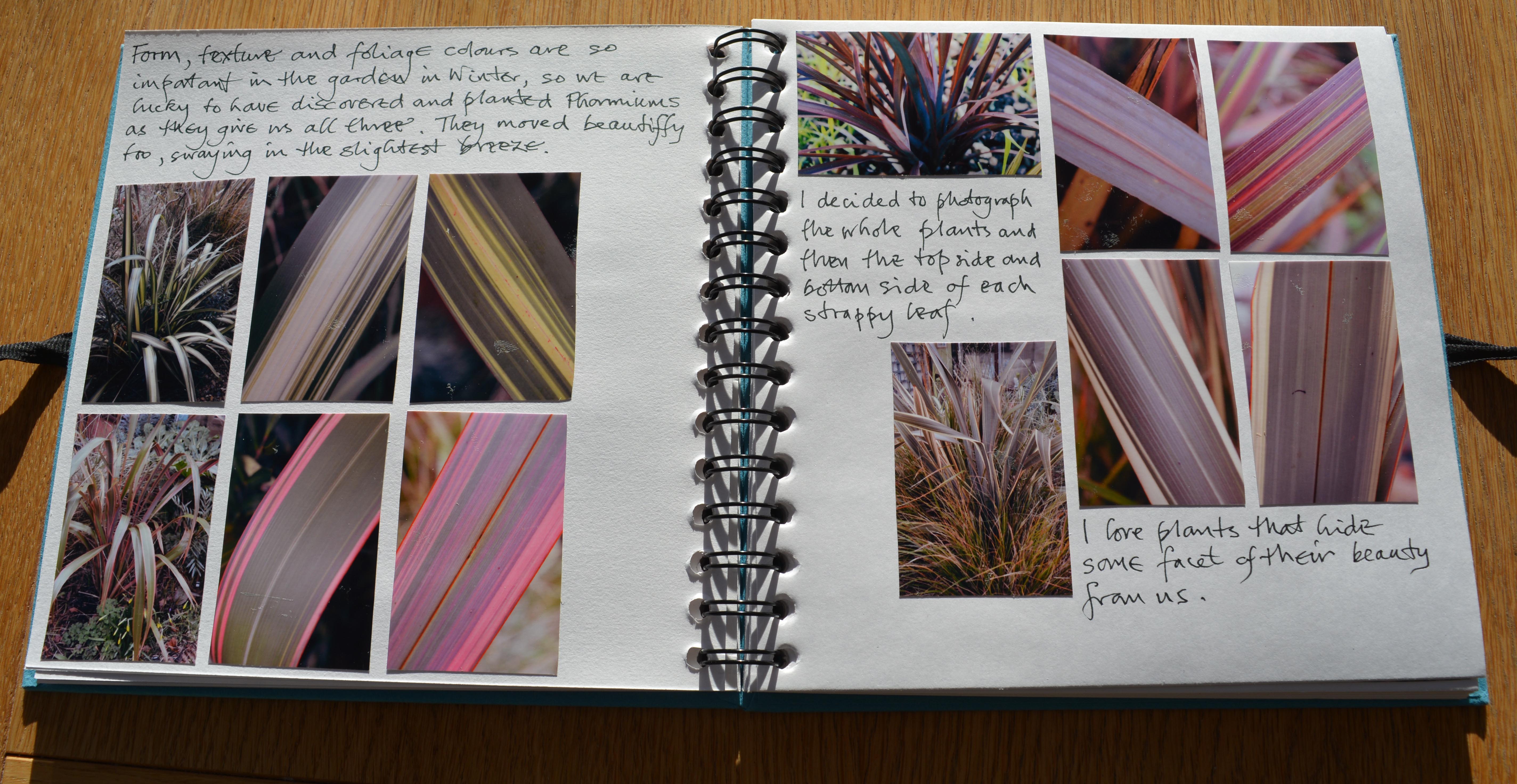
These pictures certainly illustrate how colourful and interesting the garden can still be in the depths of winter. From flowers I moved on to foliage, as on my next double page spread I celebrate Phormiums and how important they are to the winter garden.

2016 02 24_9074_edited-1

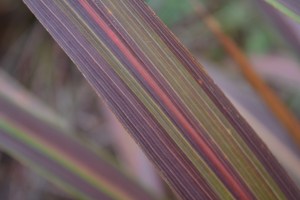
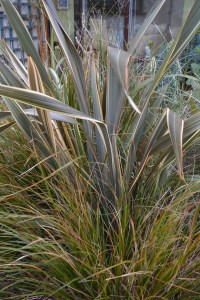
“Form, texture and foliage colours are so important in the garden in winter, so we are lucky to have discovered and planted Phormiums as they give us all three. They move beautifully too, swaying in the slightest breeze.”

2016 02 13_8632 2016 02 13_8640 2016 02 13_8651


For some of our Phormium I took a shot of the whole plant and then one of the top surface of their leaves and finally the final surface. Their two surfaces are usually very different.

“I love plants that hide some facet of their beauty from us”.

2016 02 13_8633 2016 02 13_8634 2016 02 13_86352016 02 13_8630 2016 02 13_8639 2016 02 13_8638

2016 02 13_8655 2016 02 13_86532016 02 13_8654

2016 02 13_8631 2016 02 13_8637 2016 02 13_8636

In the final pages of my February entries in my Garden Journal I wrote about coloured stems and look back at my first garden journal to see what I had put for my February entry.  I discovered that I was writing about grass and grasses.

2016 02 24_9077_edited-1

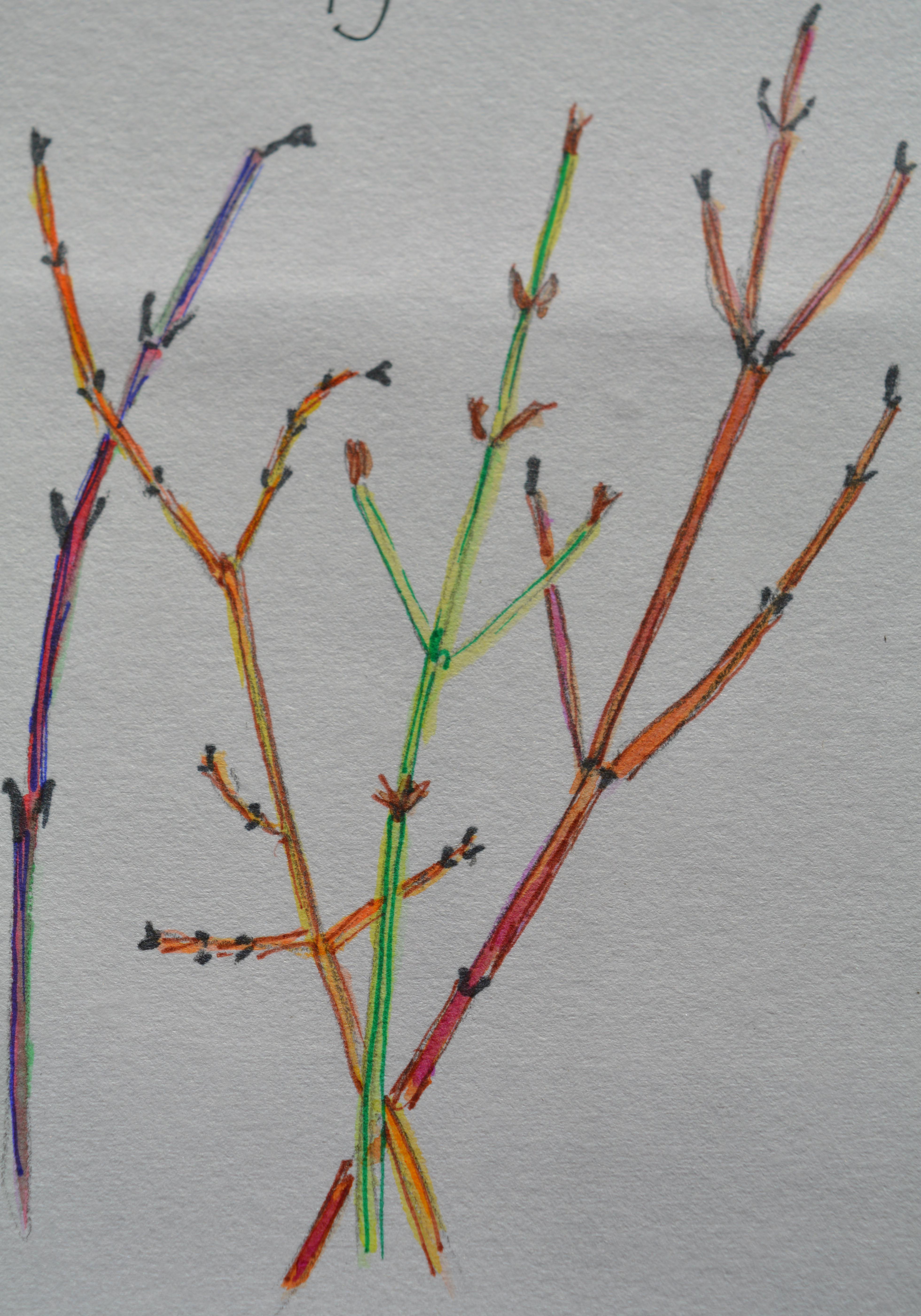
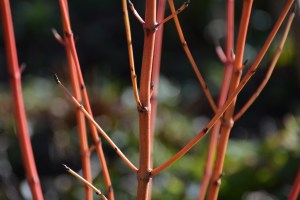
“It is in the dull times of February that we appreciate the brightly coloured stems of our Cornus, Salix and Acers. Once their leaves drop the colours, yellows, oranges and reds begin to intensify. I then shared a watercolour painting of a selection of these stems from our garden alongside a trio of photos.”

2016 02 24_9078_edited-1 2016 02 18_88972016 02 18_8874 2016 02 18_8898

Looking back at my original Garden Journal, I notice that I had commented “14th February and the grass gets its first cut. As the North wind died out the strength of the winter sun meant a good day could be had doing general maintenance work.” This year our grassed areas are wet and slimy and definitely too slippery to get a mower on. But the grass has continued to grow slowly so it is in need of its first cut. Meanwhile our ornamental grasses continue to delight.”

2016 01 22_8033 2016 01 22_8032     2016 01 22_7998-1 2016 01 22_7999-1

So that is it for another month. Next time we make a visit to my Garden Journal we will be in March and maybe we shall be seeing signs of spring.


Categories
allotments community gardening flowering bulbs garden photography gardening gardens meadows

Spring Bulbs at Bowbrook Allotment Society.

We spent a day on our plot at our allotments, Bowbrook Allotment Society, on the first day of March. It was cold and the wind strong and added extra coldness. But the sight of cheerful bulbs growing close to our plot helped cheer us up.
I hope you enjoy the photos I took with my smartphone. They are growing in the meadows under the trees in one of our orchards.

2016 03 02_9611 2016 03 02_9612 2016 03 02_9613 2016 03 02_9614 2016 03 02_9615 2016 03 02_9616


Categories
colours flowering bulbs garden photography gardening gardens gardens open to the public grasses hardy perennials ornamental grasses ornamental trees and shrubs Shropshire Staffordshire trees Winter Gardening winter gardens

The Dorothy Clive Garden Month by Month – January

This is the report of our first visit to this year’s featured garden, the Dorothy Clive Garden. We have been making occasional visits to this beautiful garden for about forty years now and have enjoyed many new developments for this is not a garden to rest on its laurels. It is affiliated to the Royal Horticultural Society and is run by the Friends of Willoughbridge Garden Trust.

2016 01 17_7903_edited-1

The garden was born way back in 1940 when Harry and Dorothy Clive lived in the large white house, Elds Gorse. The first area to be tackled was the old quarry which is now a richly planted Dingle Garden. Harry Clive created this first part of the garden so that his wife, who was suffering from Parkinson’s Disease could take daily exercise in a beautoful garden. Sadly she died in 1942 and Harry continued to develop the garden as a tribute to his wife. In 1958 the Willoughbridge Trust was founded to ensure that the garden continued for ever as a place of “rest and recreation” for the public.

2016 01 17_7843_edited-1

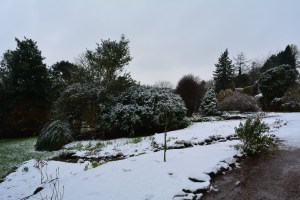
We made the one hour journey to the Dorothy Clive Garden on a very cold morning in mid-January. We were surprised to drive through areas of snow and arrived at the garden to find snow covering the garden in a shallow layer. We left our tracks in the snow as did a Grey Heron before us.

2016 01 17_7785 2016 01 17_78002016 01 17_7846

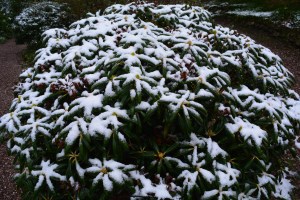
Snow decorated the foliage of trees and shrubs where later in the year we will discover the colours and scents of their flowers. The weight of wet melting snow bent grasses down towards the ground and gave the plants a graceful shape.

2016 01 17_7786 2016 01 17_7788 2016 01 17_7789 2016 01 17_7791 2016 01 17_7792 2016 01 17_7793  2016 01 17_7794 2016 01 17_7807

The first view of the garden opened up before us as we climbed a gently sloping path towards the tea shop which in winter doubles up as the ticket office. Naturally we were tempted by the aroma of warm coffee and the sight of home made cakes. The little flower arrangements in the centre of each table added to the warm welcome we received from the staff.

2016 01 17_7790 2016 01 17_7798

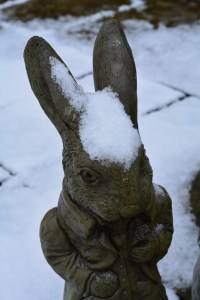
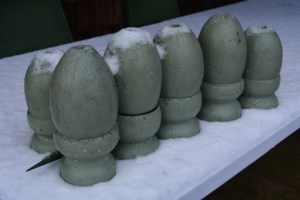
Just outside the tearoom the little nursery area held plants hidden under snow and sculptures of rabbits and hares wearing hats of snow. The gardeners had been painting acorn fence-post tops a gentle shade of green.

2016 01 17_77952016 01 17_7796 2016 01 17_7797

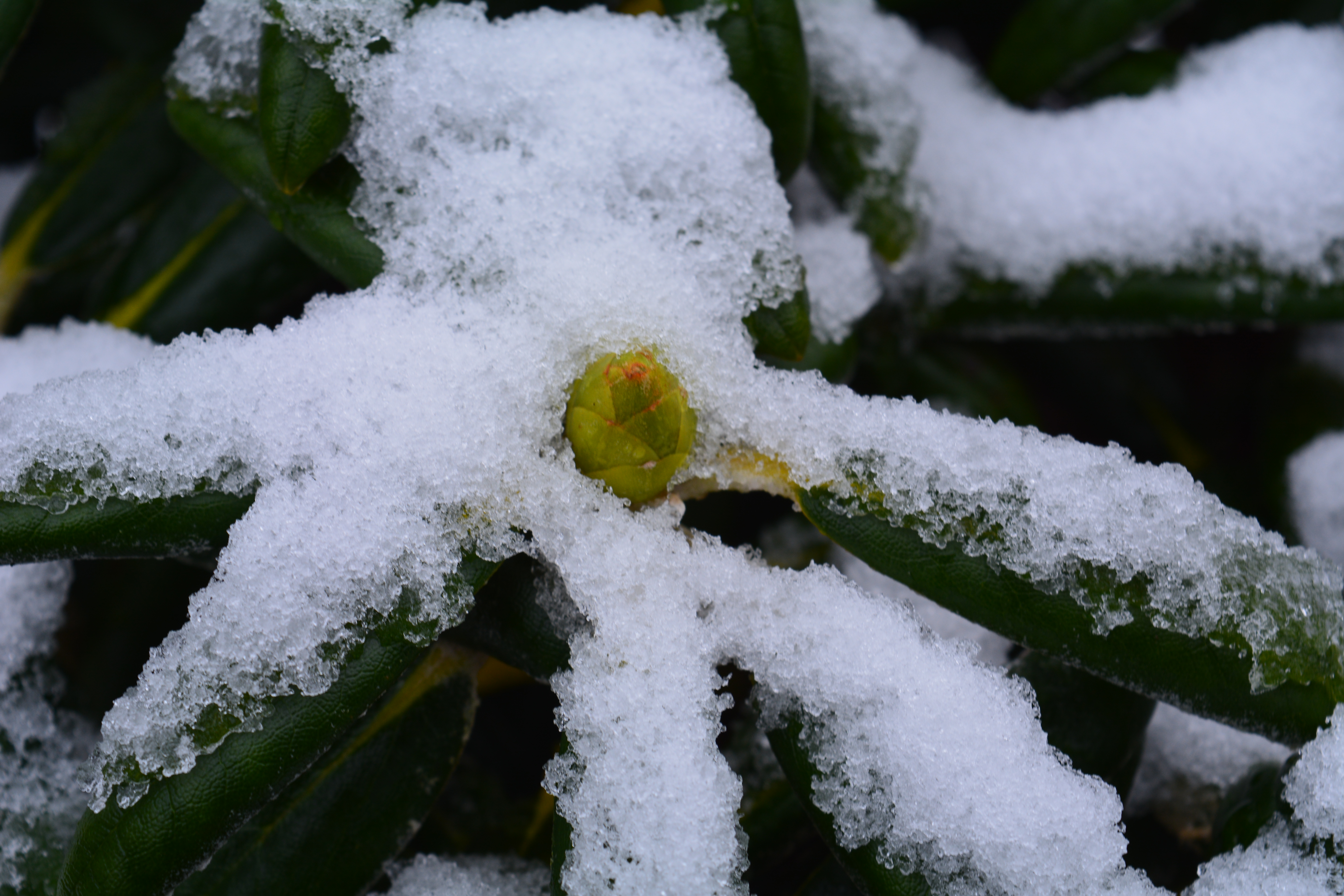
We left the tea shop and mini-nursery to walk towards the Dingle Garden an area of woodland garden created in an old quarry. Snow topped off the buds and leaves of Azaleas and Rhododendrons and the seed heads of the occasional herbaceous perennials.

2016 01 17_7804 2016 01 17_7870 2016 01 17_7874 2016 01 17_7815 2016 01 17_7808 2016 01 17_7813

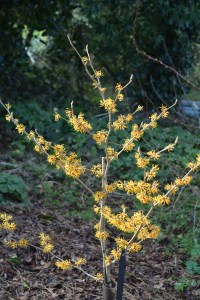
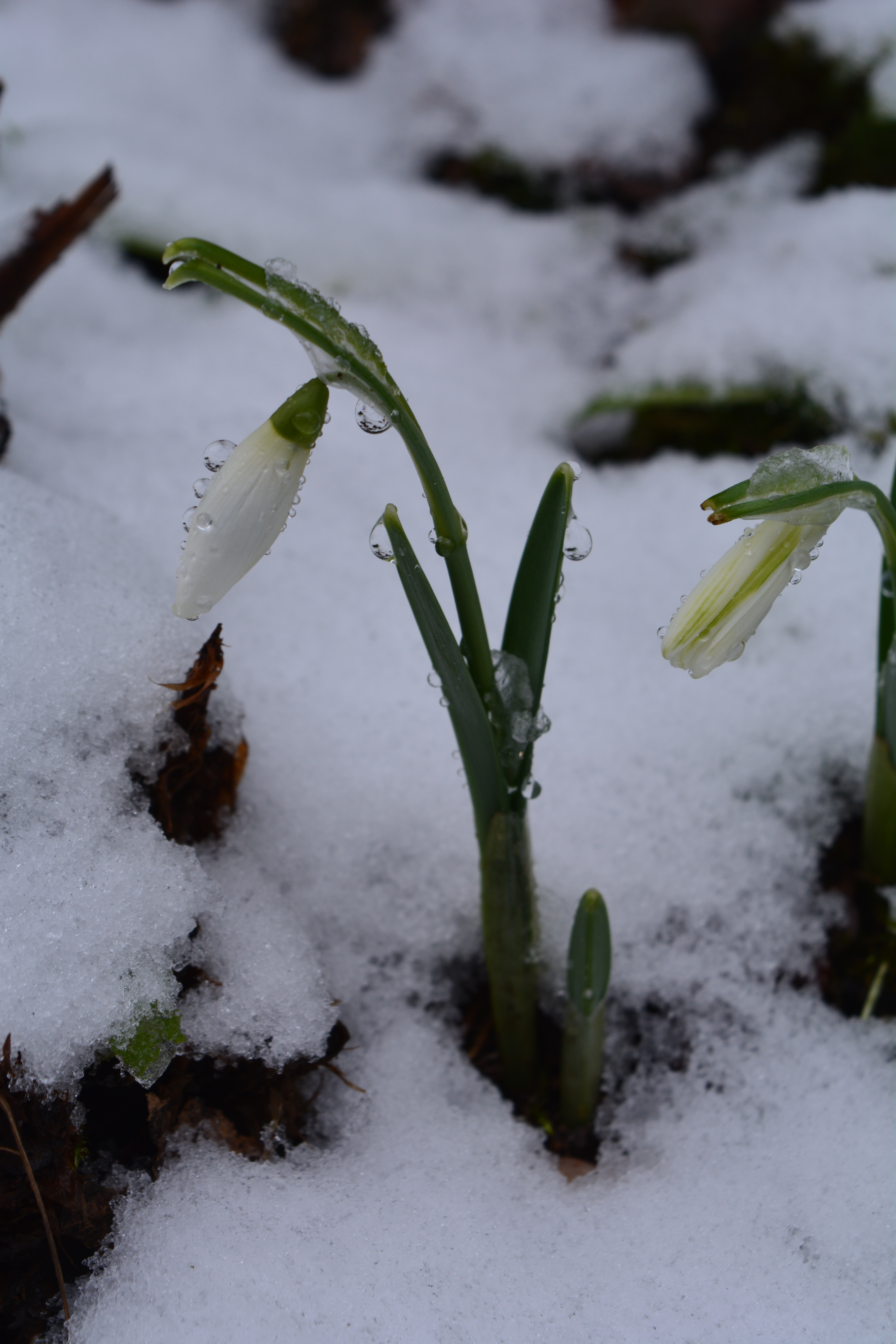
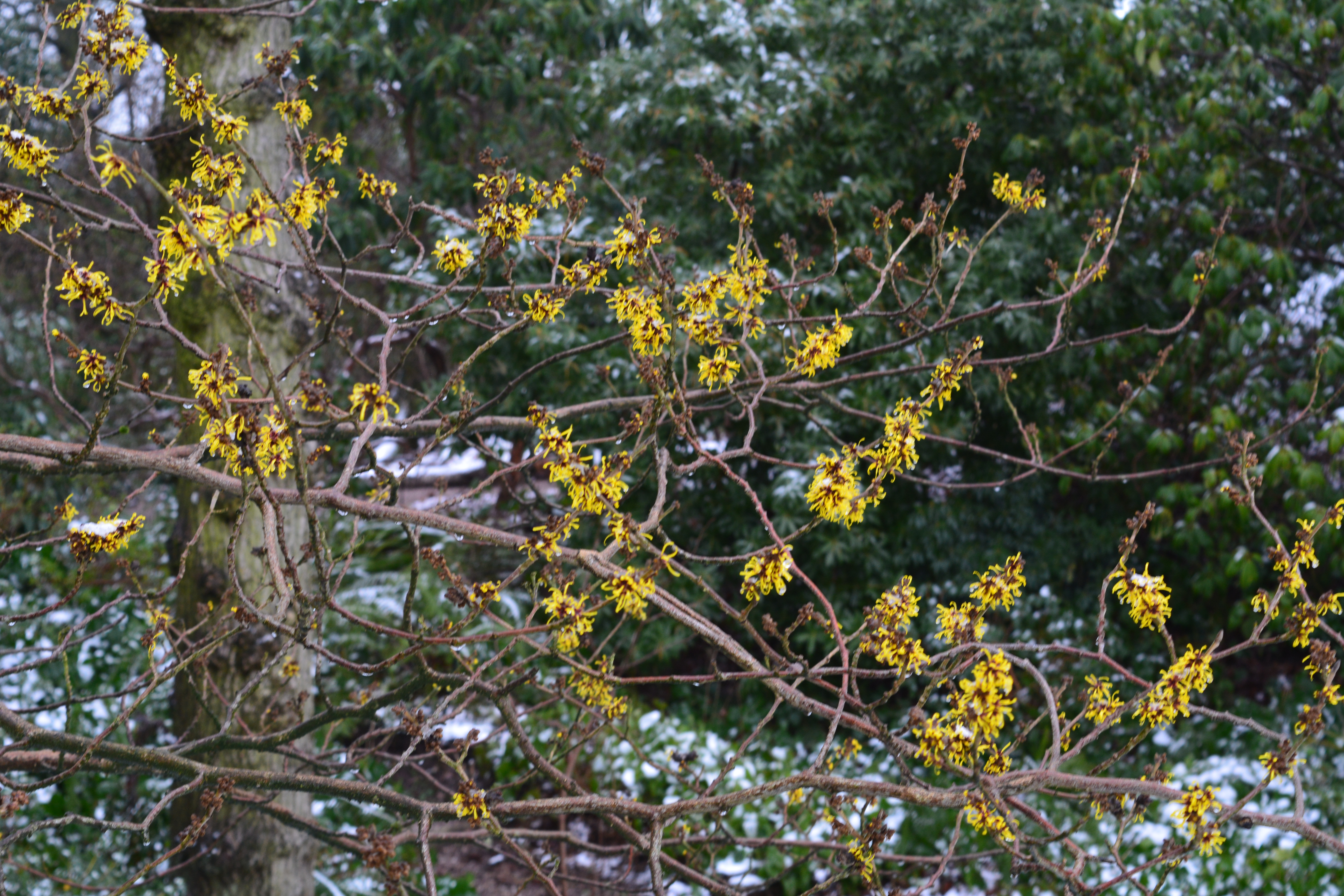
But we were particularly delighted to find flowers out, the simplest of Snowdrops with droplets of melted snow hanging from their stems, the occasional Rhododendrons and Camellias and Witch Hazels in sunshine colours.

2016 01 17_7809 2016 01 17_7810 2016 01 17_7811 2016 01 17_7836

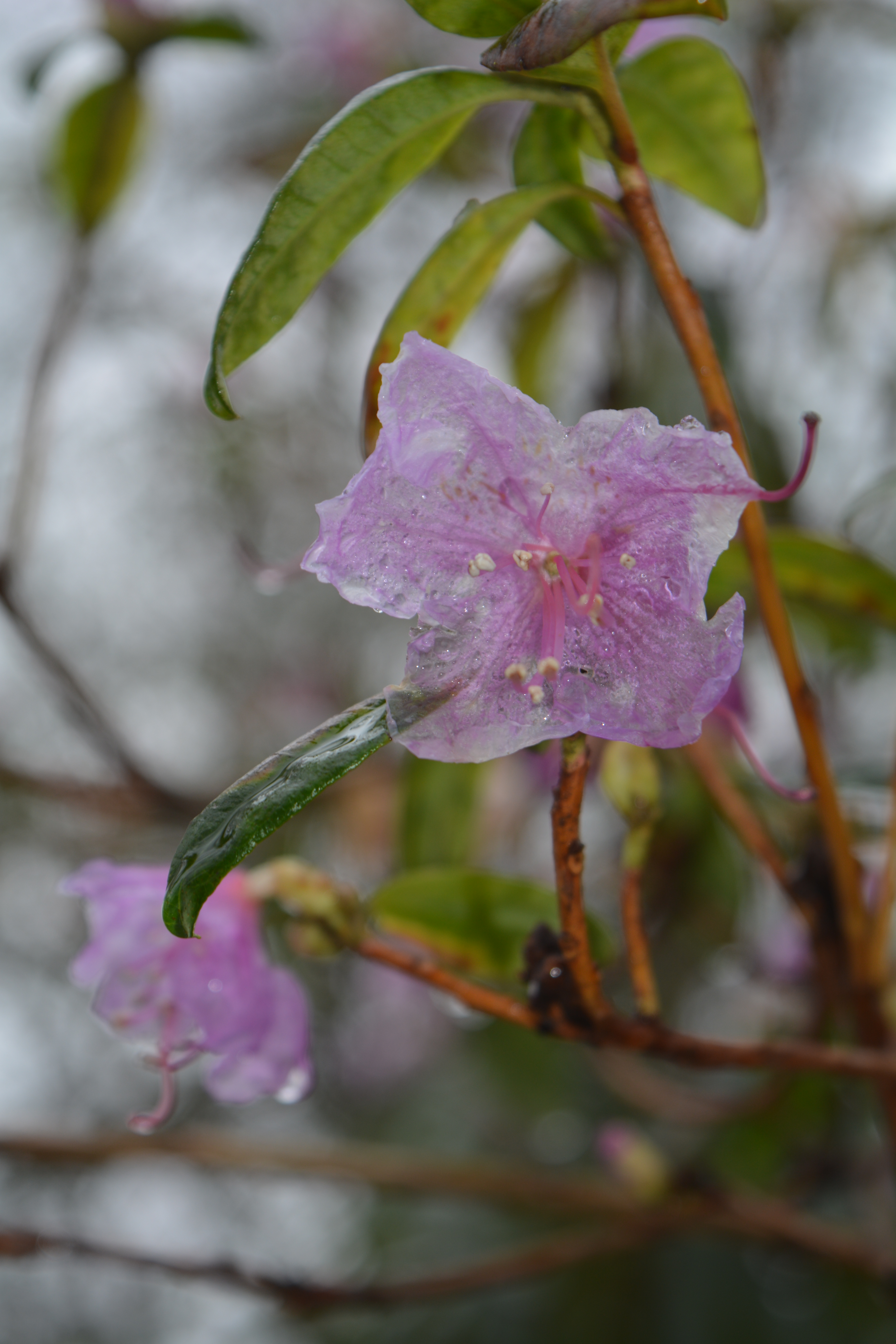
The overnight snow and ice had turned this pink Rhododendron translucent and delicate, while the flowers in the Camellia Walk were just managing to hang on. The pink scented flowers of this Daphne however shrugged off the cold and looked fresh and cheerful.

2016 01 17_7827 2016 01 17_7818_edited-12016 01 17_7902 2016 01 17_79052016 01 17_7881_edited-1

Hydrangeas looked as good covered in seed heads as they do in flower with gentle biscuit and ginger hues.

2016 01 17_7819 2016 01 17_7825

During the winter when undergrowth has died away and low growing deciduous shrubs have dropped their leaves the trunks of Rhododendrons and Azaleas are exposed. We can then appreciate their amazing scrolls and curlicues.

2016 01 17_7821 2016 01 17_7822 2016 01 17_7830 2016 01 17_7823 2016 01 17_7824 2016 01 17_7868

The new winter garden at the Dorothy Clive Garden was a surprise to us as it is totally new so we didn’t know it existed. A great surprise! The Laburnum Arch through which we left the Winter Garden has been a popular feature of the garden for many years.

2016 01 17_7837 2016 01 17_7838 2016 01 17_7842 2016 01 17_7844 2016 01 17_7845 2016 01 17_7847

The colours and textures of trees can add so much to any garden and the gardeners at Dorothy Clive certainly know how to choose them and place them to best advantage.

2016 01 17_7850 2016 01 17_7857 2016 01 17_7860 2016 01 17_7864 2016 01 17_7866 2016 01 17_7869

You only need the tiniest touch of light on berries to make them sparkle. The last drops of melting snow hung on many.

2016 01 17_7898 2016 01 17_7897_edited-1

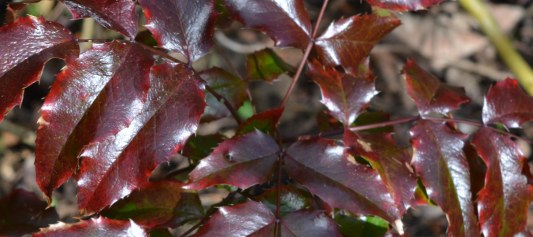
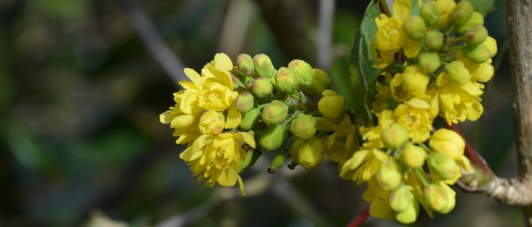
Mahonias are always a good plant in any garden with their glossy evergreen leaves which show rich autumn colours and in the winter yellow scented flowers appear to be followed by black berries with a white floury dusting.

2016 01 17_7885 2016 01 17_7891

We shall return for part two of this January visit to our feature garden of 2016 to see what other treats the Dorothy Clive Garden has in store for us.


Categories
autumn autumn colours colours flowering bulbs garden design gardening grasses hardy perennials ornamental grasses ornamental trees and shrubs shrubs spring bulbs Winter Gardening winter gardens

New Look for our Gateway Planters

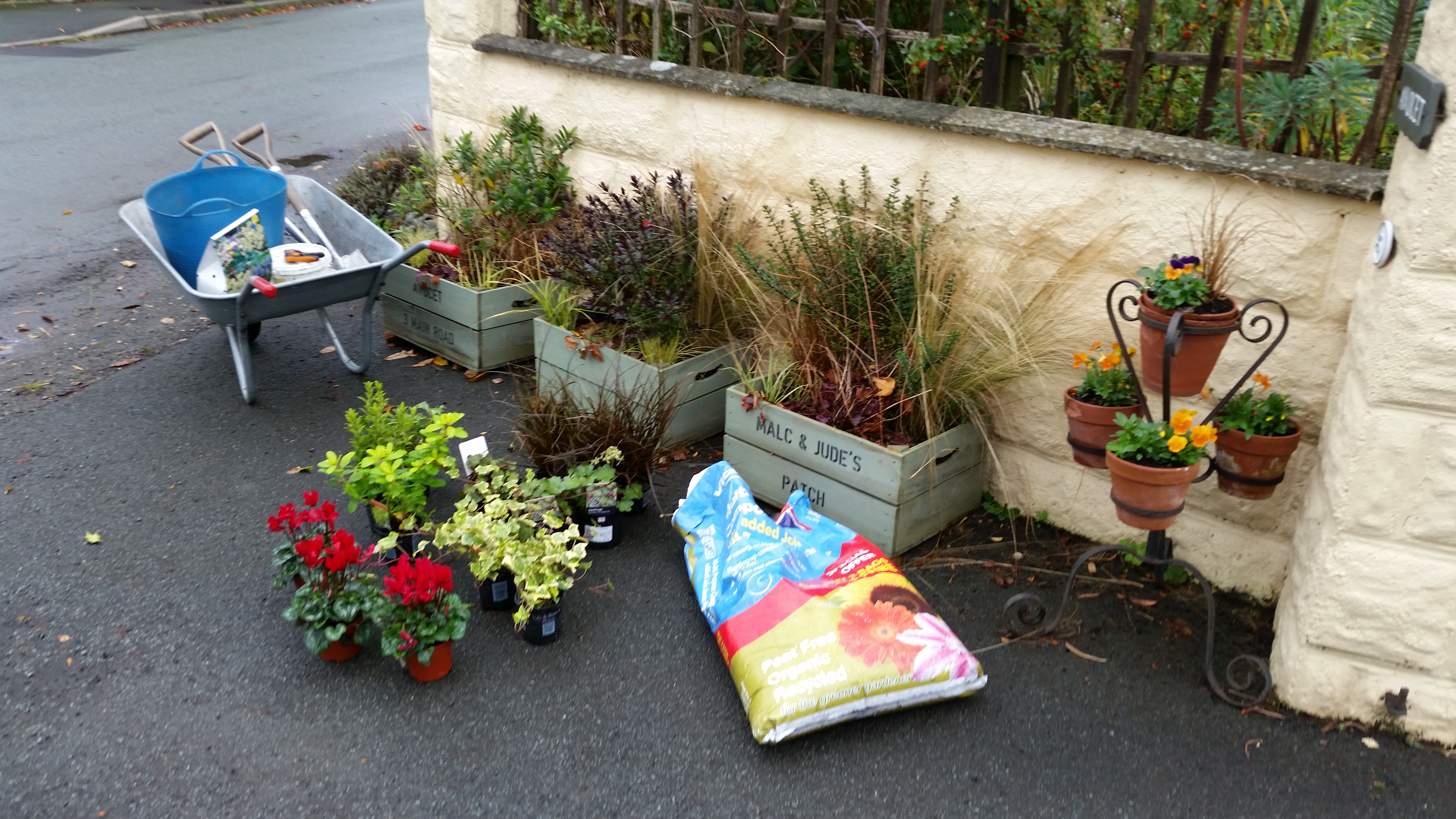
We change the plants in the wooden box planters we have at the bottom of our driveway to give the warmest welcome possible to visitors and to cheer up the entrance to the garden. We recently took out the summer display and changed it into a display more suited for the late autumn and to last through the winter. We often buy young plants to go in these boxes and this gives us a chance to grow them on before moving them into final planting places in the garden proper and it also gives us an opportunity to see how unknown plants perform.

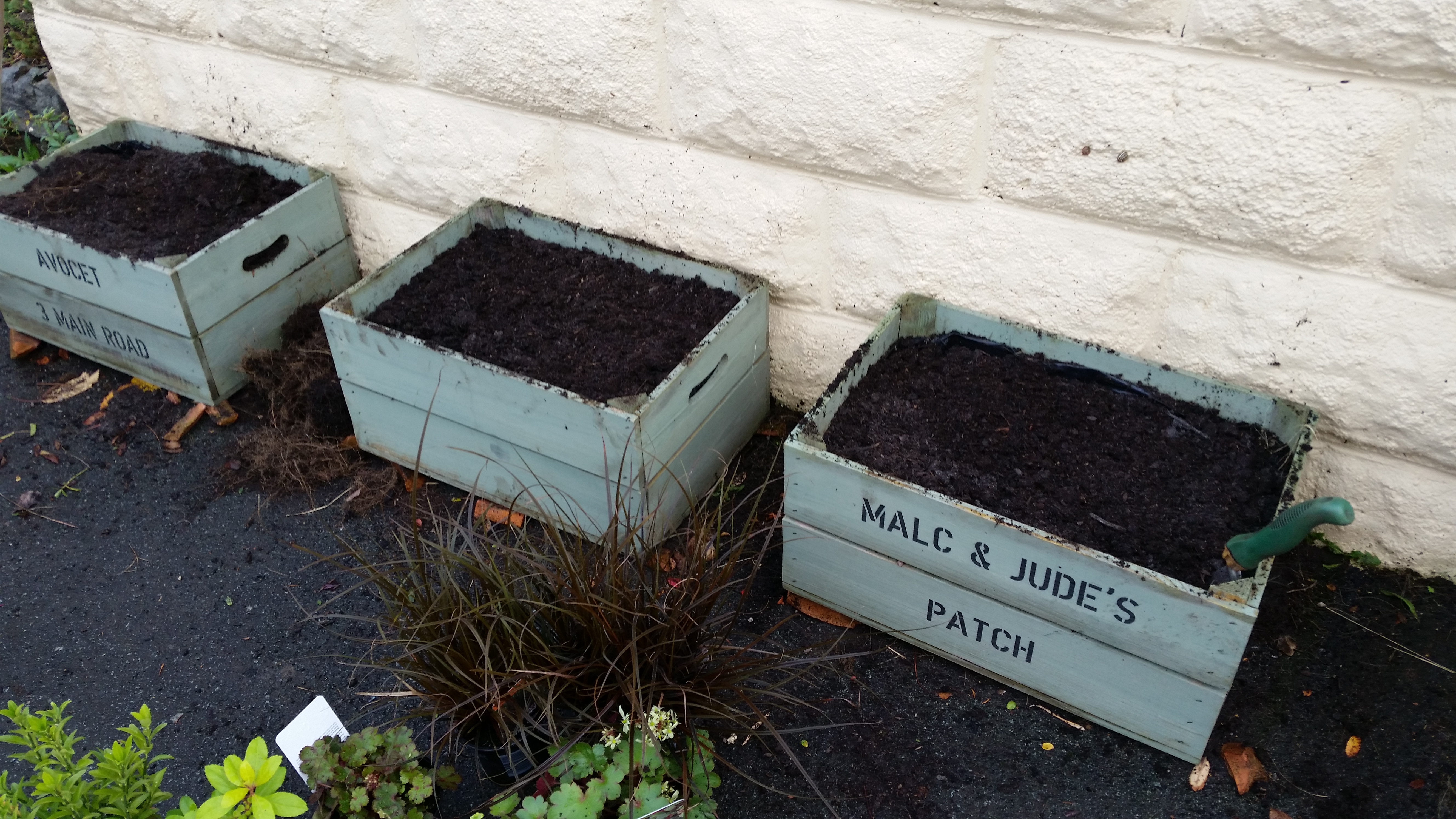
We began by collecting together all the new plants, bags of bulbs, chicken manure pellets, multi-purpose compost and trowels. The summer plantings definitely looked in need of refreshing!

2015 11 01_7125 2015 11 01_7131 2015 11 01_7126 2015 11 01_7127

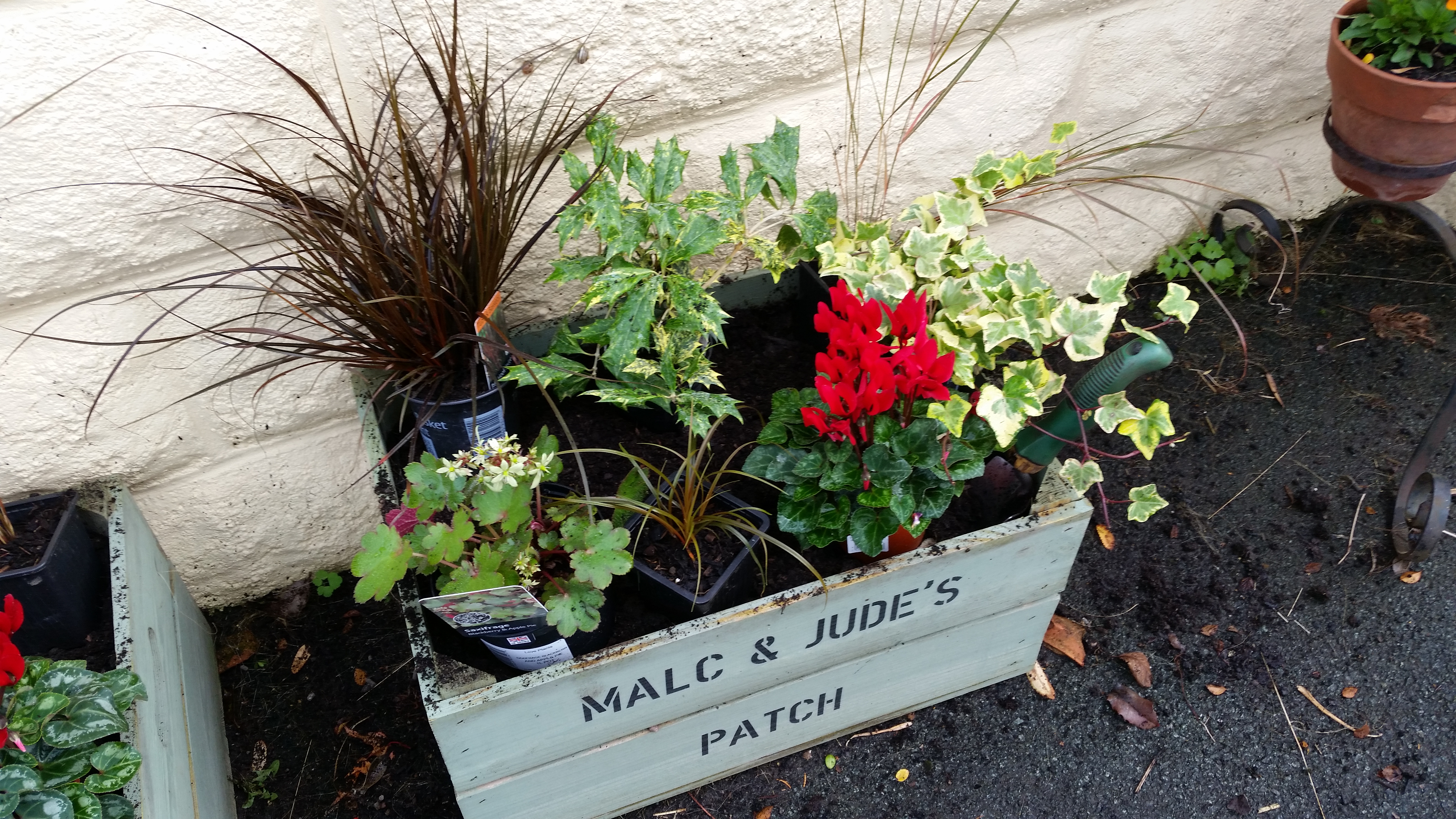
We had collected together some young evergreen shrubs, some deep red cyclamen and variegated ivies together with some richly coloured Uncinia rubra grasses.

2015 11 01_7128

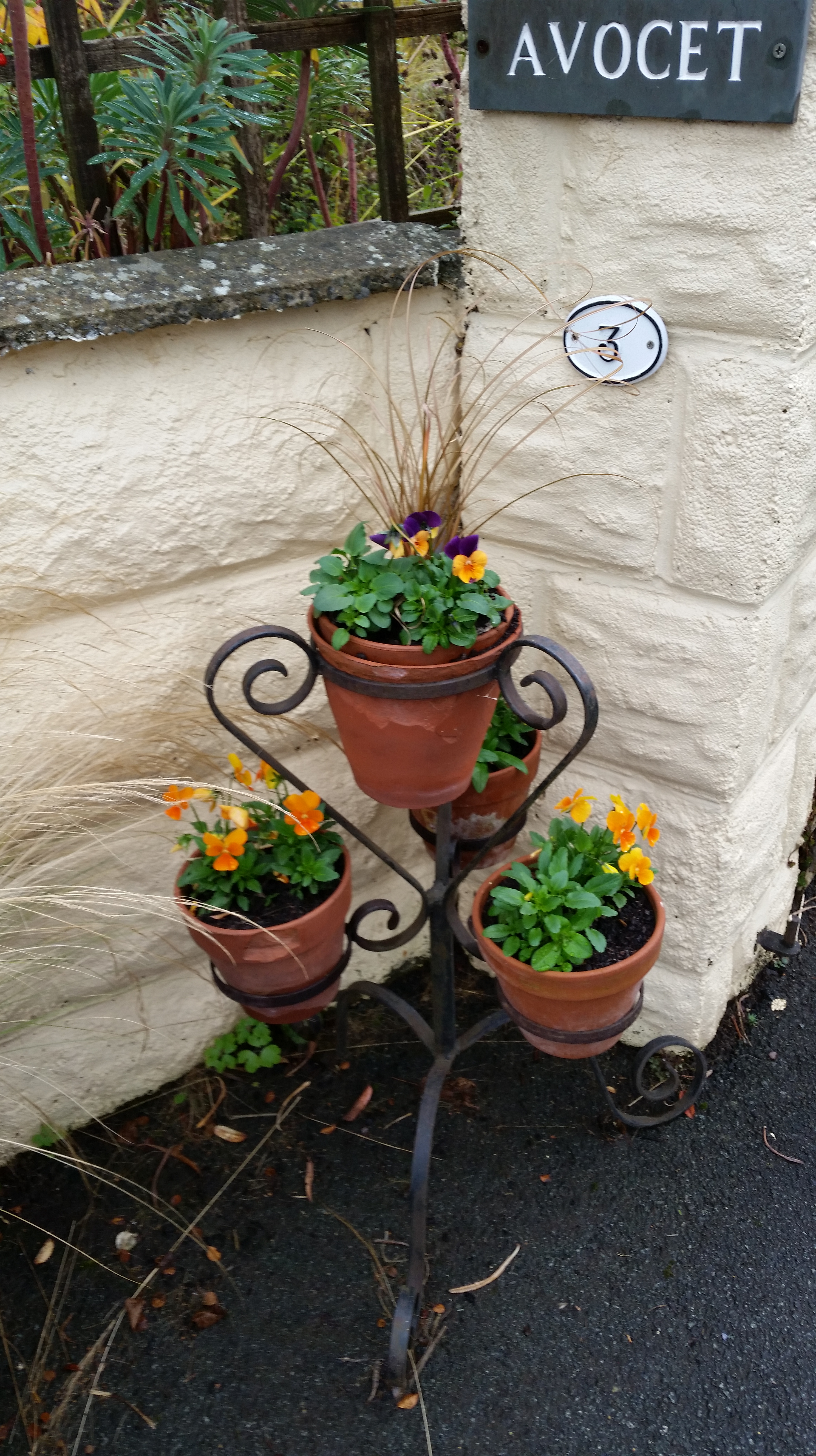
First job was to plant up the terra-cotta pots in the wrought iron plant stand with purple and yellow violas and some of our seedlings of our bronze evergreen grasses.

2015 11 01_7129 2015 11 01_7130

I cleared out the summer plants, removed the top 3 inches of compost and refreshed it with chicken manure pellets as fertiliser and fresh compost. While I did this Jude the Undergardener trimmed back the flowering stems on our hedge of Munstead Lavenders along the road edge and planted a mixture of bulbs in the narrow drive-side border.

2015 11 01_7133 2015 11 01_71352015 11 01_7134 2015 11 01_7132

Once refreshed and ready for planting we got going on the best part of the job, the planting up of the boxes.

2015 11 01_7136 2015 11 01_7138

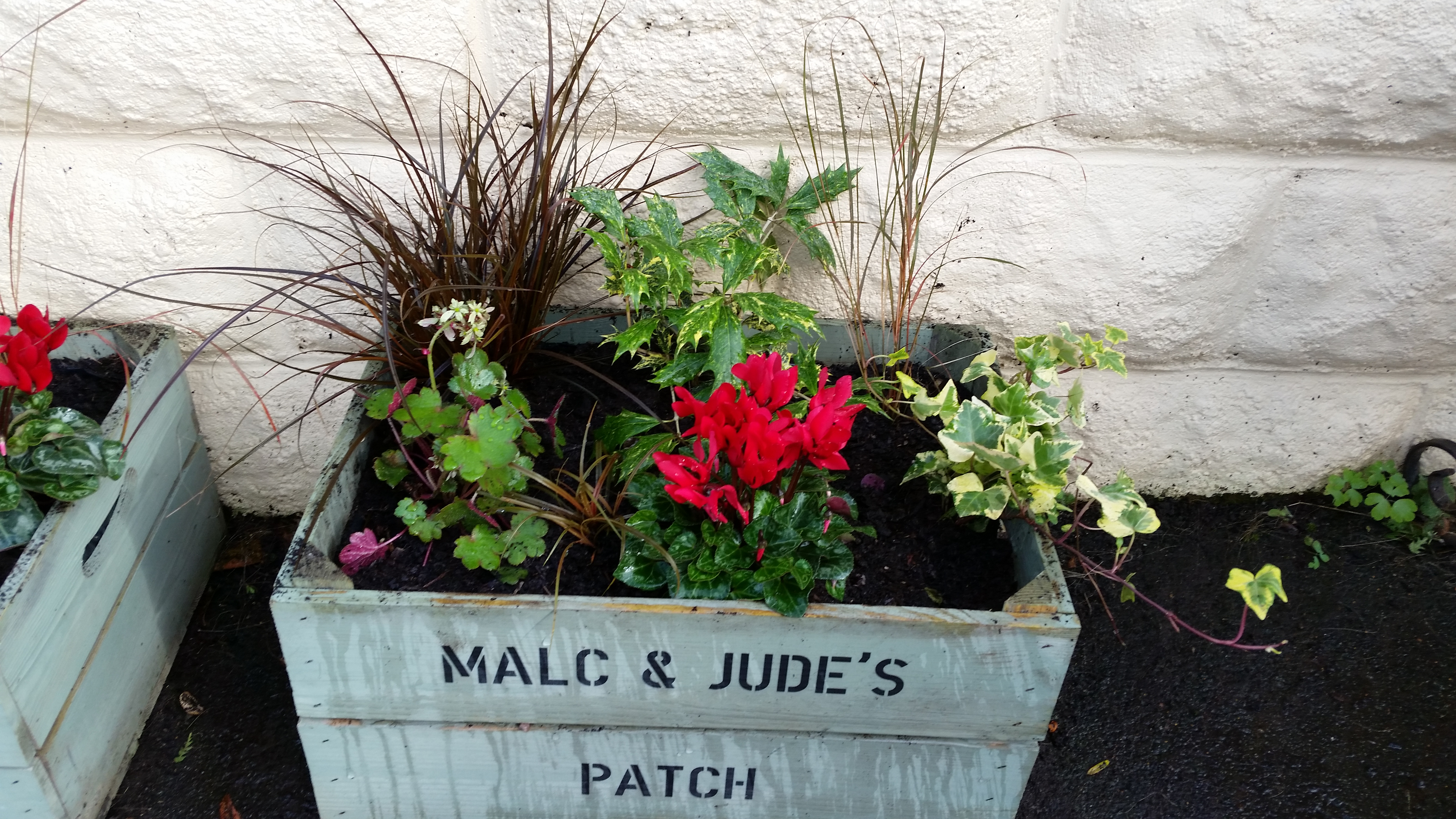
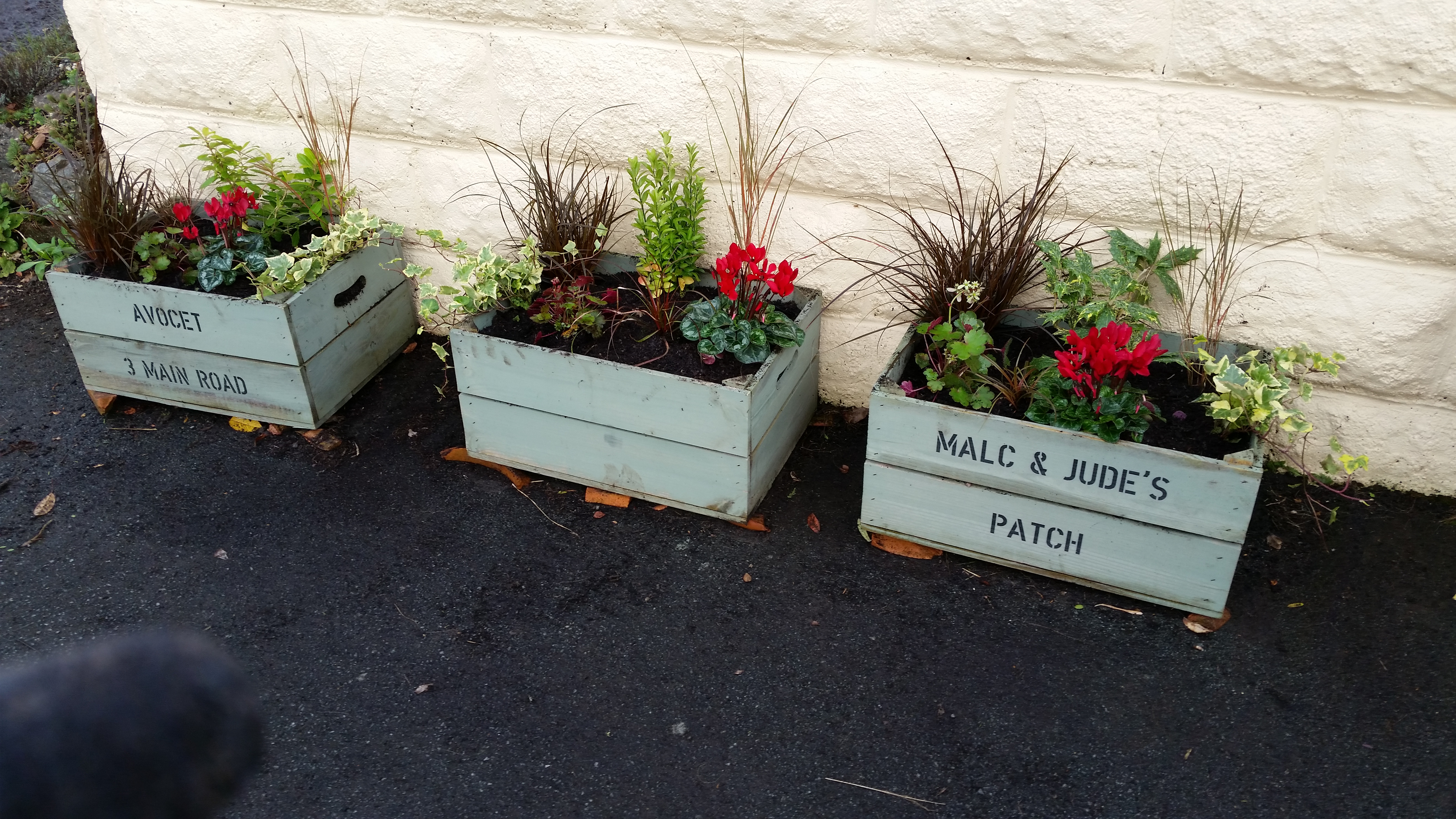
The plants were soon snuggled up to their new partners and the planters looked the part again. The plants removed earlier were loaded into the wheelbarrow ready to be planted out in the garden borders.

2015 11 01_7137  2015 11 01_7139 2015 11 01_7140 2015 11 01_7141

Ah! Now that looks better! That should cheer the garden entrance up for the winter very nicely.

2015 11 01_7143

Categories
colours flowering bulbs fruit and veg garden design garden photography gardening gardens gardens open to the public hardy perennials National Trust natural pest control ornamental trees and shrubs spring bulbs spring gardening The National Trust trees walled gardens

Croft Castle Month by Month – Part 4 – April

2015 04 24_0985_edited-1

It is already time for our fourth visit to the National Trust’s Herefordshire property, Croft Castle. On this visit the sun shone on us and we enjoyed a lovely warm spring day.

2015 04 24_0994_edited-2

The first noticeable change was that there was now life in the trees as buds were bursting and delicate bright green leaves were making their entrance.

2015 04 24_0975 2015 04 24_09762015 04 24_0982

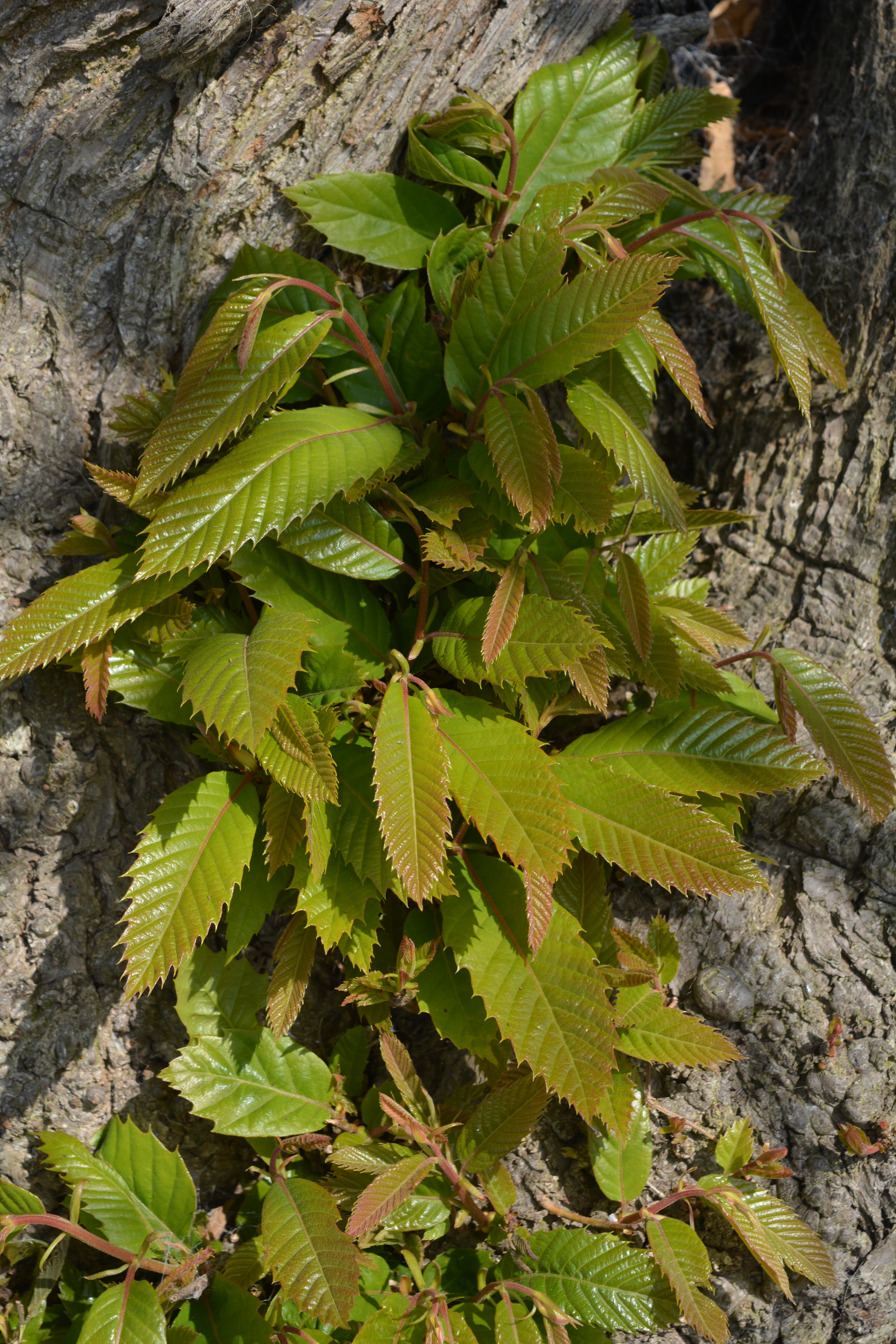
The ancient Sweet Chestnuts were beginning to show glossy ribbed fresh green foliage.

2015 04 24_0981_edited-12015 04 24_1040

2015 04 24_0978 2015 04 24_0979 2015 04 24_0980

Different wildflowers  added colour to the little meadow area that we pass on our way to the walled garden, Lady’s Smock with the softest possible pink petals, white and purple Fritilleries and buttercup yellow Dandelions.

2015 04 24_0983 2015 04 24_0984

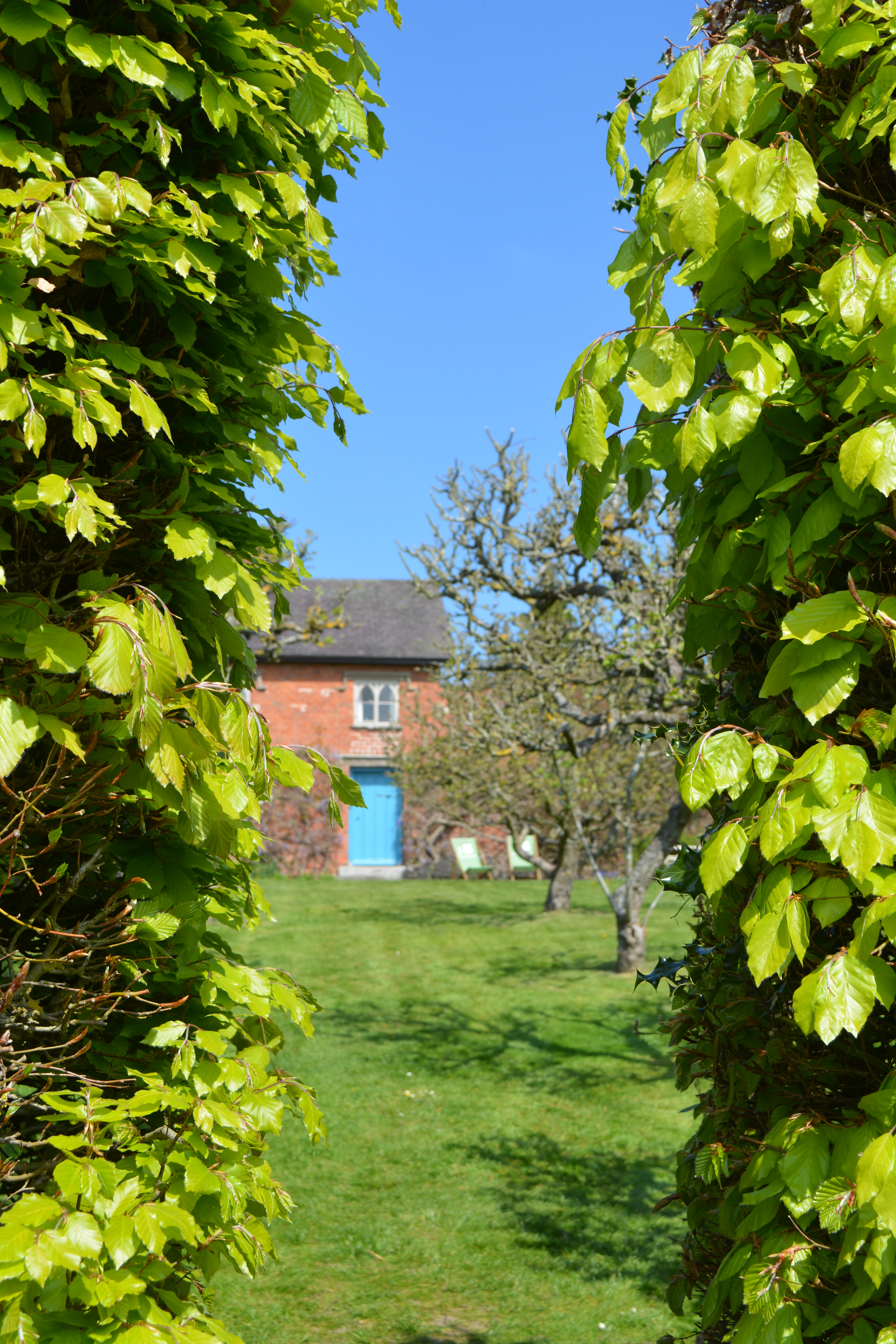
Beyond the meadow we passed through the gateway in the stone wall and got a glimpse of the castle and its chapel. We then walked along the deep long mixed border.

2015 04 24_09872015 04 24_0986 2015 04 24_0988 2015 04 24_0989

We arrived expecting to see big changes in the walled garden itself and immediately we were struck by how lush green everything looked.

2015 04 24_0990 2015 04 24_0992 2015 04 24_0993 2015 04 24_0995 2015 04 24_0996 2015 04 24_0997 2015 04 24_0998

In the bothy we read the job list for the gardeners. The greenhouse had a surprise in store for us, these zingy orange Clivia flowers. I couldn’t resist taking a shot of the peeling paint on an old wooden seat.

2015 04 24_1003_edited-12015 04 24_0999 2015 04 24_1000 2015 04 24_1002

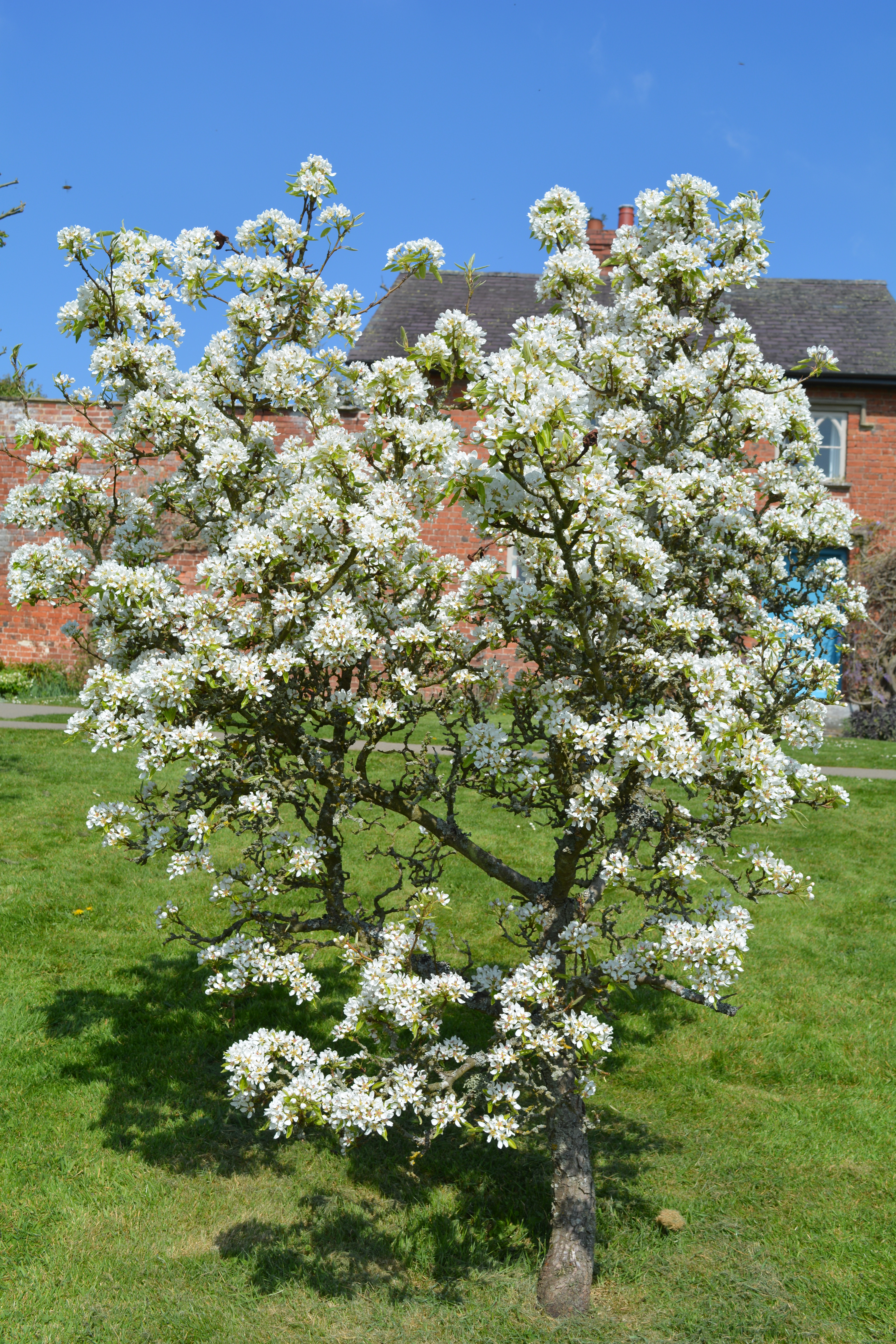
Although there was little sign of growth on the vines the Apples were showing their first blossoms and the Rhubarb plants were producing strong stems. The garden staff had already picked a large crop. In the Rose Garden Tulips provided bright patches of colour.

2015 04 24_1004 2015 04 24_1005 2015 04 24_1008 2015 04 24_1010 2015 04 24_1011 2015 04 24_1012 2015 04 24_1014 2015 04 24_1036 2015 04 24_1013

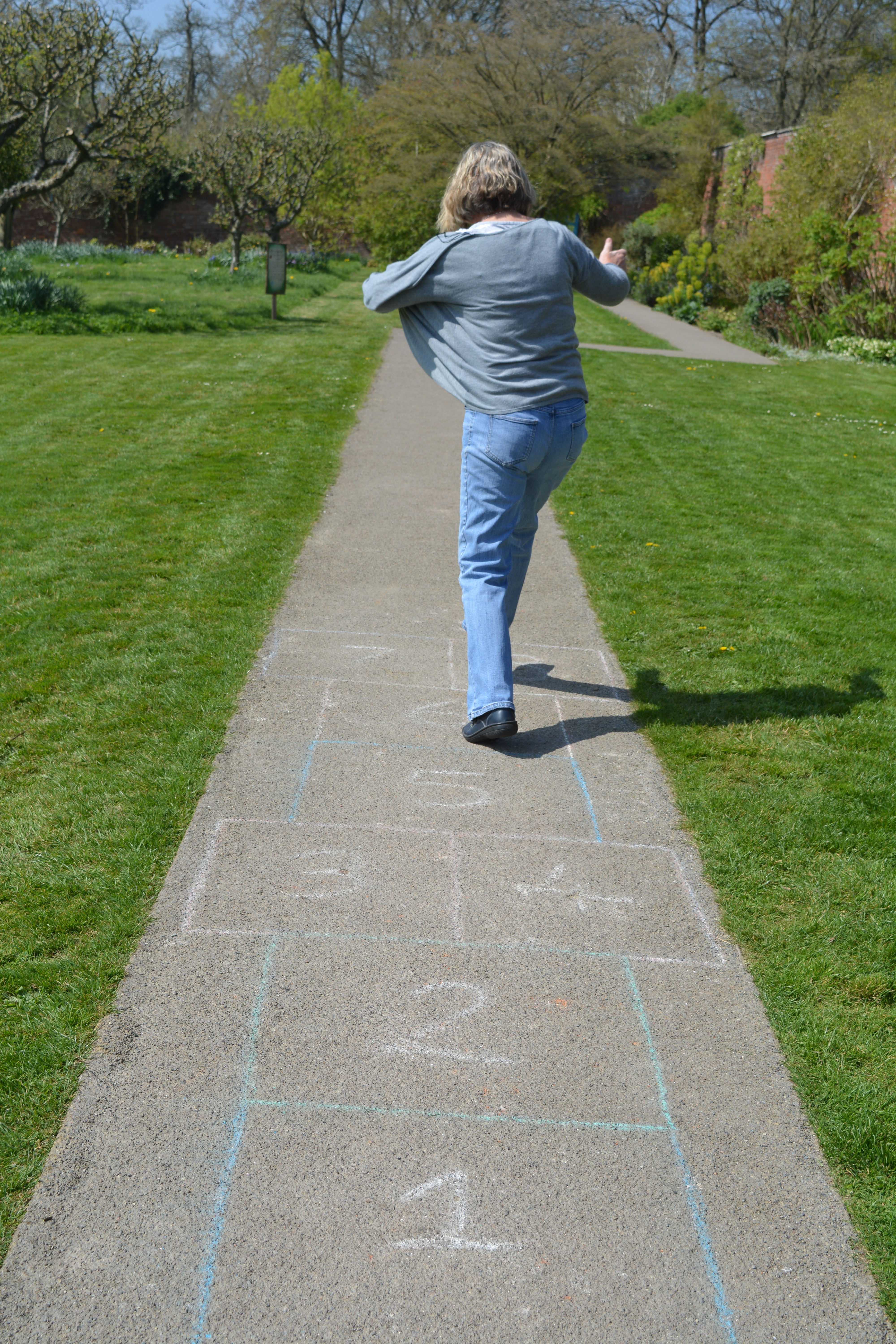
In readiness for the next school holiday the staff had put out games from times past. Jude the Undergardener just couldn’t resist it!

2015 04 24_10452015 04 24_1015 2015 04 24_1016 2015 04 24_1017

Close to the Hopscotch game our noses were attracted to the scent from the Wisteria flowers.

2015 04 24_1019 2015 04 24_1020

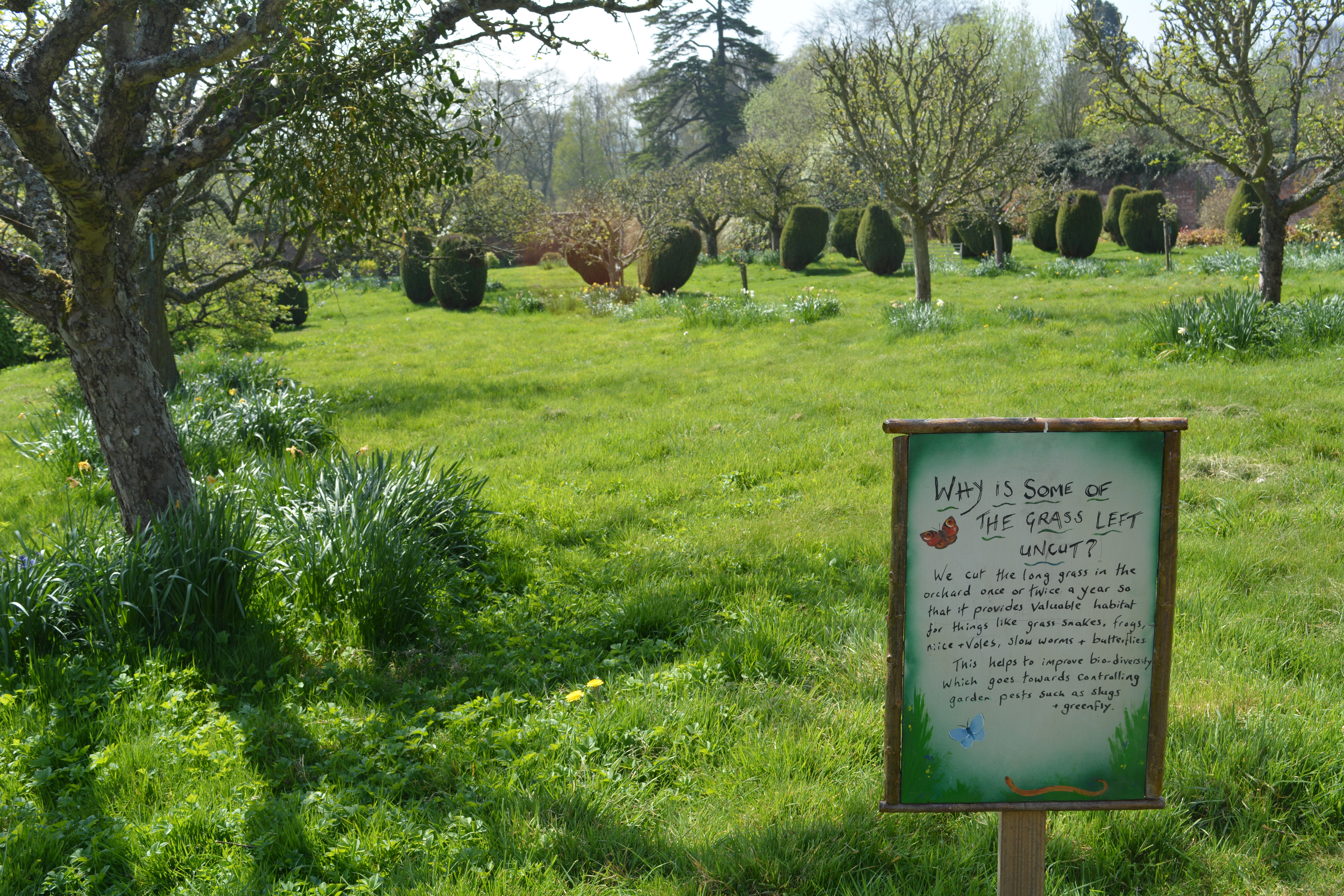
We loved this sign explaining why some grass was left uncut.

2015 04 24_1021 2015 04 24_1022

We discovered colour in every border in the walled garden, flowering bulbs and early shrubs.

2015 04 24_1009_edited-12015 04 24_1023 2015 04 24_1024 2015 04 24_1026 2015 04 24_10272015 04 24_1030 2015 04 24_1031 2015 04 24_1033 2015 04 24_1034 2015 04 24_10372015 04 24_1035  2015 04 24_1039 2015 04 24_1041     2015 04 24_1042 2015 04 24_10462015 04 24_1044

Next visit to the gardens at Croft Castle will be in May when Spring will be in”full swing”.

This Veggie Life

A Vegetarian | Nature Lifestyle Blog

Rambling in the Garden

.....and nurturing my soul

The Arch City Gardener

Journeys In St. Louis Gardening and Beyond

Garden Dreaming at Châtillon

Consult the genius of the place

Storyshucker

A blog full of humorous and poignant observations.

gardeninacity

Notes from a wildlife-friendly cottage garden

PlayGroundology

...an emerging social science

The Official Blog of British Wildlife

'The most important and informative publication on wildlife of our times' - The Independent. This blog is a member of The UK & Ireland Natural History Bloggers group: www.uknhb.blogspot.com

iGrowHort

Inspire - Cultivate - Grow Native Plants - Restore Landscapes

Bishops Meadow Trust

To create and protect a semi-natural wild space for the people of Farnham to enjoy and experience an array of British wildlife in our town

Gardening with Children

The www.gardeningwithchildren.co.uk Blog

UKbirdingtimeline

birding through the seasons, why birds matter and how to conserve them

NATURE WALKER

with a camera in hand

Jardin

Transform your outdoor space

Eva's space

My allotment, cooking and other interests

Old School Garden

my gardening life through the year

LEANNE COLE

Trying to live a creative life

fromacountrycottage

trying to live as lightly as possible on our beautiful planet

Good Life Gardening

Nature lovers from Leicester living the good life.

mybeautfulthings

Finding the beautiful in the everyday

mawsonmichelle

Michelle's Allotment

In and Out of My Garden

thoughts from and about my garden

Greenhousing

Big plans for a small garden

The Scottish Country Garden

A Walled Country Garden in South East Scotland

The Fruity Chicken

Life at the fruity chicken

willowarchway

Off grid living. Self sufficient. "PERMAGANICS RULE".

St Anns Allotments

Nottingham's Grade 2* Listed Allotments and Community Orchard

Manifest Joy Harvests

a journey in suburban vegetable gardening

Allotmental

The madness of growing your own

Penny's Garden: a harvest beyond my front door

A novel approach to vegetable gardening

arignagardener

Sustainable living in the Irish countryside.

NewEnglandGardenAndThread

Master Gardener, amateur photographer, quilter, NH native, and sometimes SC snowbird

dianajhale

Recent work and work in progress and anything else that interests me

planthoarder

a chaotic cottage gardener

Lens and Pens by Sally

a weekly blog that creates a personal philosophy through photographs and words

Dewdrops and Sunshine

Stories from a sassy and classy Southern farmbelle.

The Pyjama Gardener

Simple Organic Gardening & Seasonal Living

gettin' fresh!

turning dirt into dinner

JOY...

today the world is created anew

Garden Birds

Notes from a Devon garden

ShootAbout

Life Through The Lens

Adapting Pixels

A photography blog showcasing the best photography pictures and videos on the internet

Wildlifegardening's Blog

Just another WordPress.com site

naturestimeline

personal observations from the natural world as the search continues for a new approach to conservation.

LATEBLOOMERBUDS

The Wonders of Life through my Eyes, my Heart, my Soul