Categories
climbing plants flowering bulbs garden photography gardening gardens hardy perennials ornamental trees and shrubs shrubs spring bulbs spring gardening trees

My Garden Journal 2017 – April

We are well into Spring now as I share my April journal with you and there has been lots going on. This April has been the most colourful ever in our Avocet Patch.

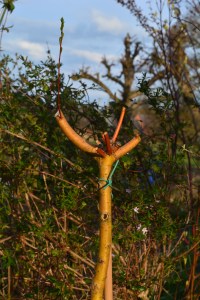
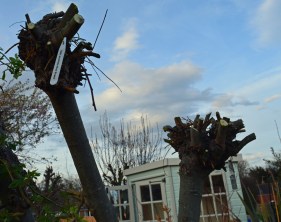
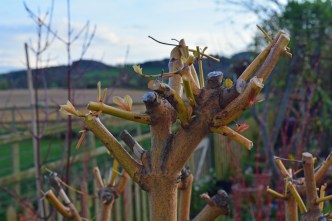
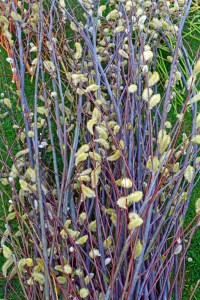
The last week in March or the first in April is the best time to cut down willows (Salix)  and dogwoods (Cornus). It is a careful balance between enjoying these shrubs’ beautifully coloured stems for as long as possible and cutting them down in time for fresh coloured stems to grow in time to enjoy next winter. I wrote, “Before taking the Dogwood and Willow stems to be made into community compost, I decided to attempt to draw them in fibre tip pens.” Collecting them together and then selecting a bunch to draw emphasises the wide variety in colours these shrubs produce.

In complete contrast we look at brightly coloured flowering bulbs over the next two pages.

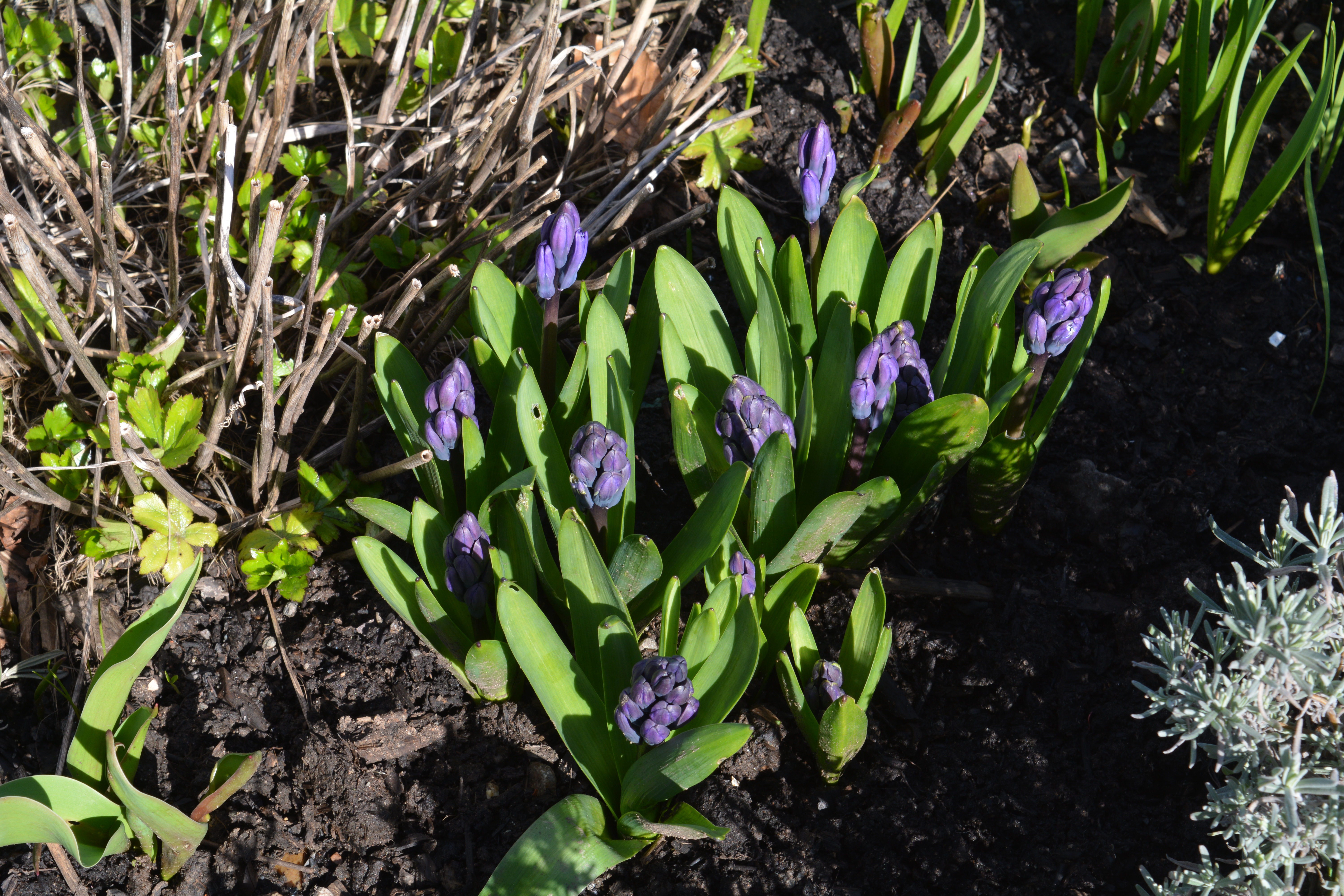
I wrote, “Bulbs continue to give brightness and colour at ground level in the garden this month but above them trees and shrubs perform equally well.”

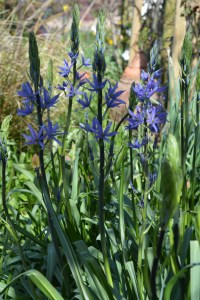
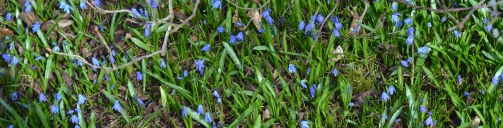
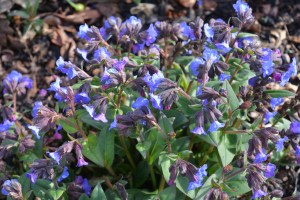
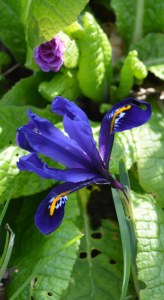
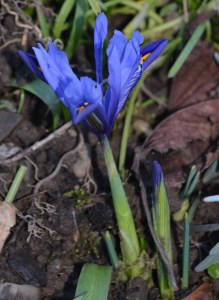
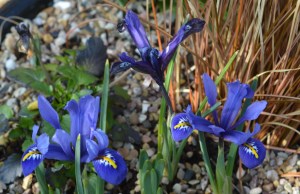
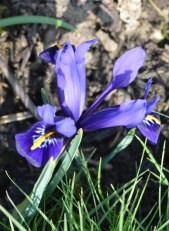
Below I shared photographs of small flowering bulbs all coloured blue, what I labelled “The “lbj’s” of the bulb world – the little blue jobs.”


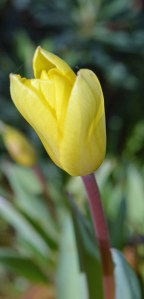
“One of the most beautiful and brightest of all Spring bulbs is a native in the UK after becoming naturalised. It grows in the South, Central and Eastern parts of England and scattered thinly around Scotland. It must give flowers that are as bright as yellow can become and it is scented too. Tulipa sylvestris.”


Returning to the shrubs and trees I wrote on the next double page spread, So, what sort of performances are our trees and shrubs putting on above the bright flowering bulb?”

“Amelanchier lamarckii”


“Spiraea arguta”


“Viburnum in variety”


“Ribes odoratum”


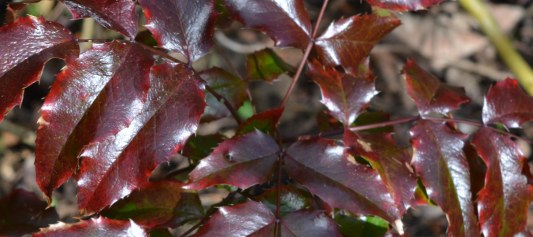
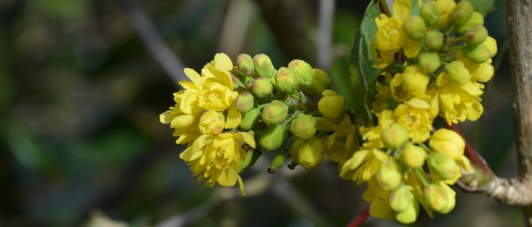
“Mahonia aquifolium”


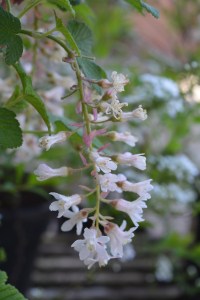
“Ribes sanguineum King Edward VII”

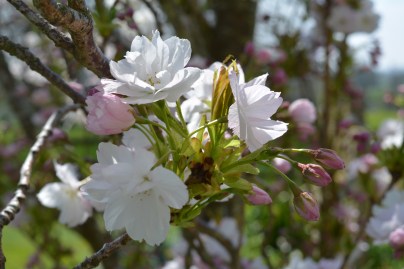
“Fruit blossom”


On the next turn of the page we notice two pages about my favourite tree, Betulas (Birches)

I began by writing, “As our Birch trees grow we have to occasionally prune off some lower branches to create a specimen clean-trunked tree. When I recently took off two branches of our Betula albosinensis septentronalis, I kept a few lengths for me to paint or draw.” I created a picture using fibre pens and watercolours.

I continued, “By mid-April our Betula are all at different stages of realisation that spring has arrived. Some are almost in full leaf while others still have tight buds, some have long catkins, others none at all.”


I then moved on to reveal my plant of the month for April and on the opposite page looked at some of our April flowering Clematis.

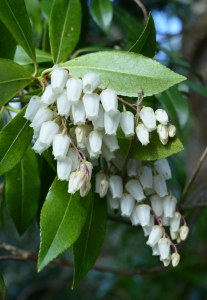
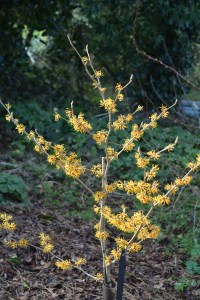
“Plant of the month, April, is Corylopsis spicata, a flowering shrub with a beautiful habit of growth and beautiful pale yellow flowers, almost lemon shades, which hang in racemes as light as a feather so shimmer and dance in the gentlest of Spring breezes. The flowers are gently, sweetly scented. Our shrub at 2 metres tall is probably fully grown. It grows with an open “airy” habit.”


“April sees our early flowering Clematis putting on their show, with delicate hanging bells of calmness.”


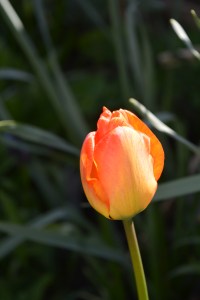
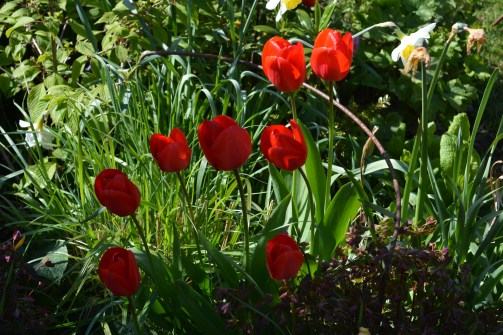
Tulips feature on the next double page spread, with photographs of a small selection of the many tulips we grow.

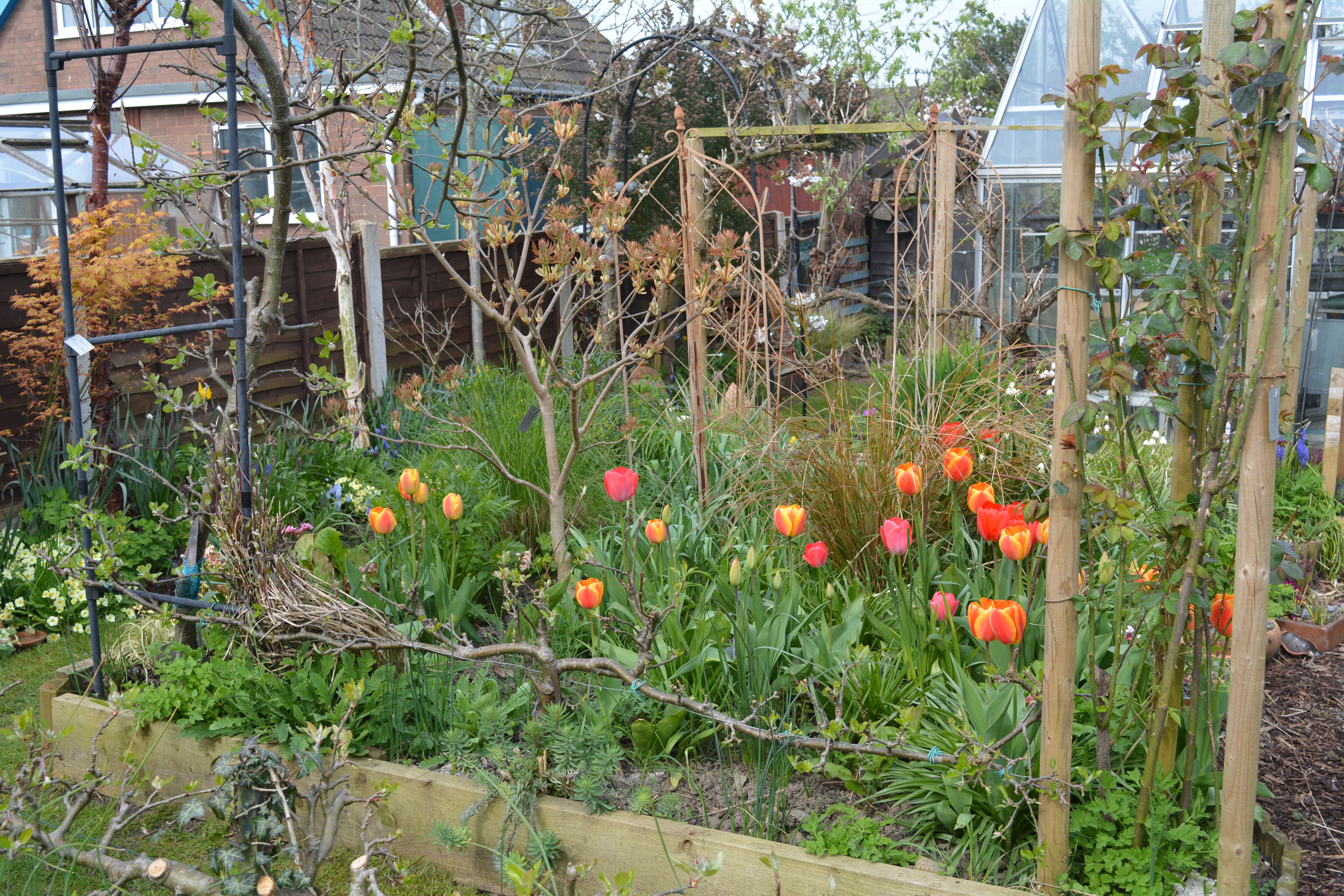
“Tulips are the powerhouse of the April borders here at our Avocet patch, giving bright, shining patches of colour from white, to pink and purple and from yellow through orange to the deepest reds. Some are plain, others striped, splashed or streaked for added interest. In Spring clashing colours seem not to matter. Tulips add colour to every border! Enjoy the show!”


The final two pages of my April entries in my journal feature Acers and a few very special plants.

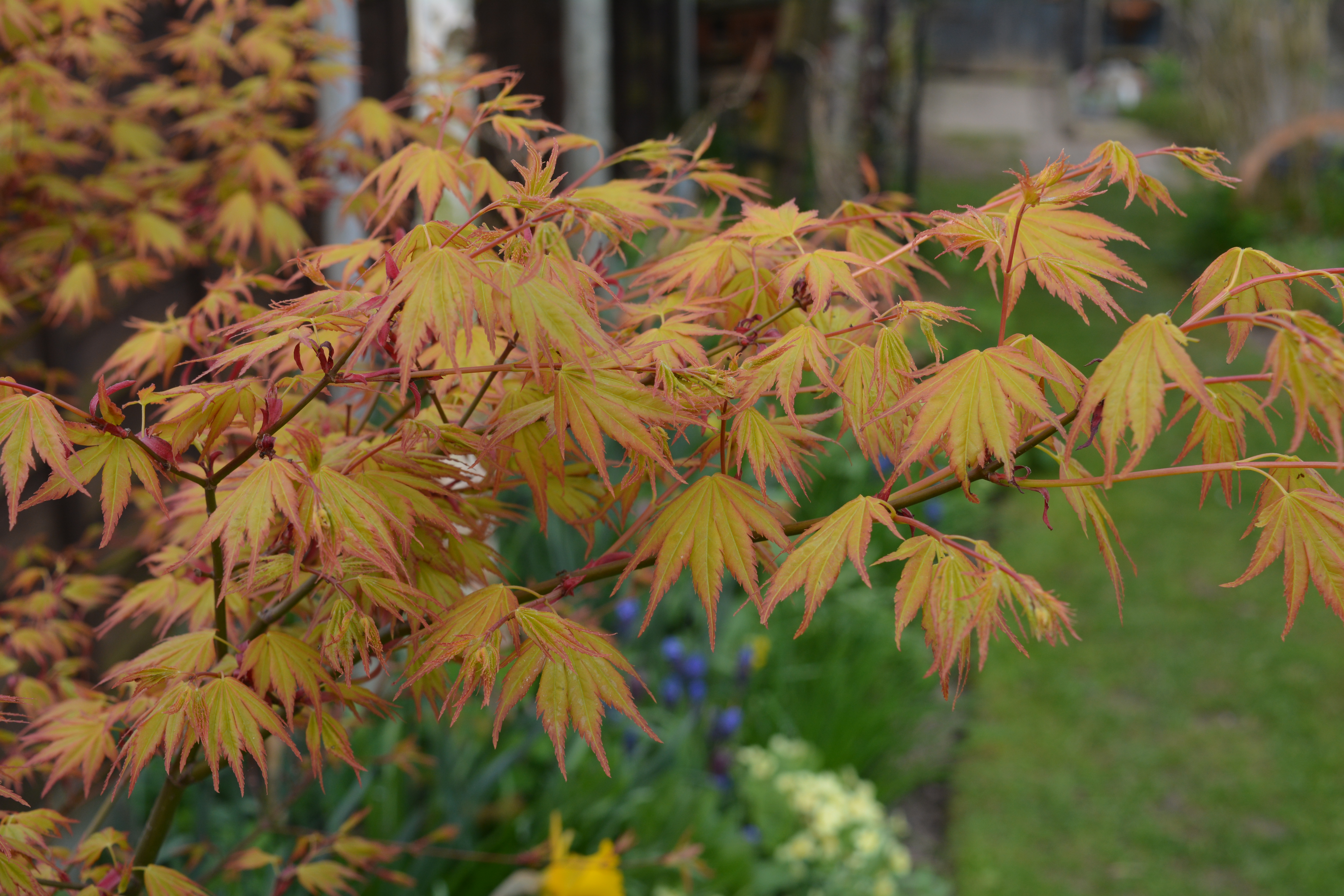
“Acers spring to life during this month giving wild splashes of colour from their freshly opened buds. Every shade of green with the colours of fire!”


I shall finish my April entries with a look at a selection of a few of our special plants, those plants that are not often seen and in our garden demand a closer look.

“Akebia quinata”

“Muckdenia Crimson Fans”

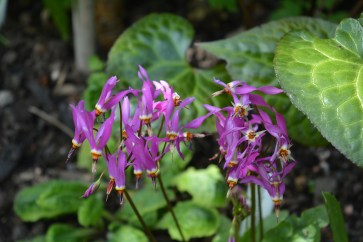
“Erythronium Pagoda”

“Jeffersonia Dubia”

Categories
colours garden photography gardening light light quality ornamental trees and shrubs spring gardening trees

Simply Beautiful – 11 – Orange Leaves

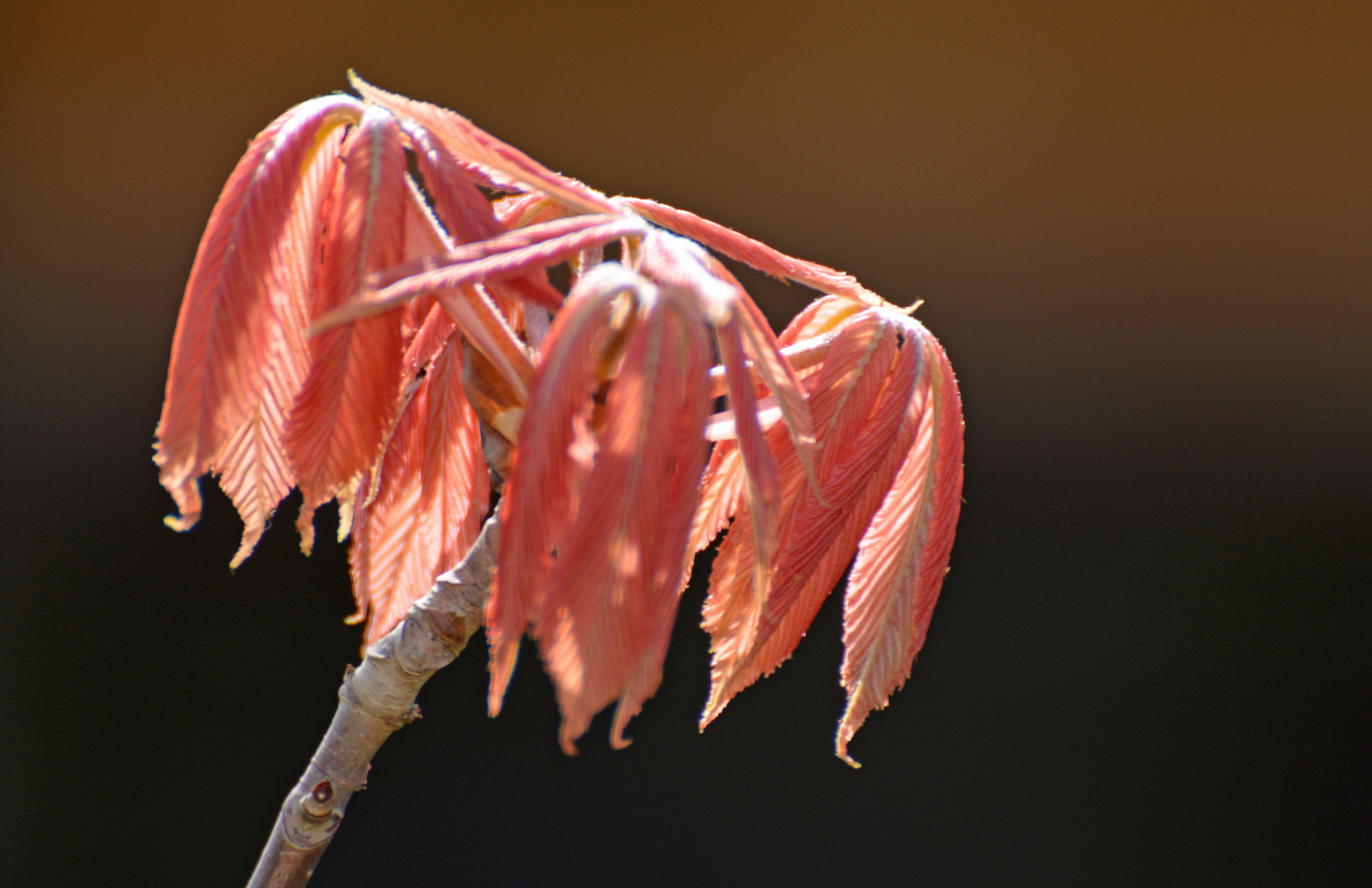
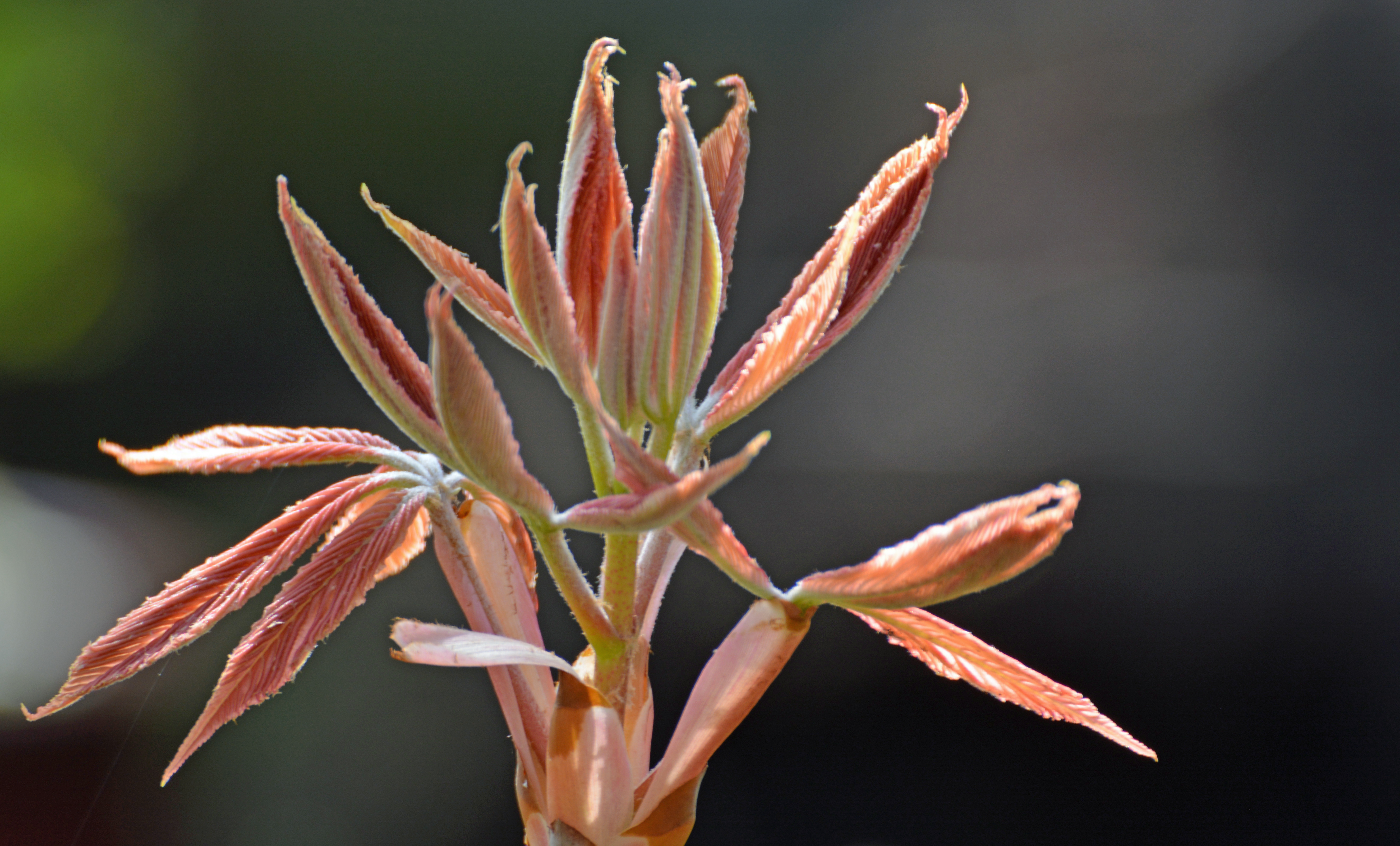
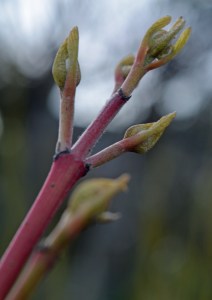
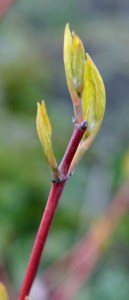
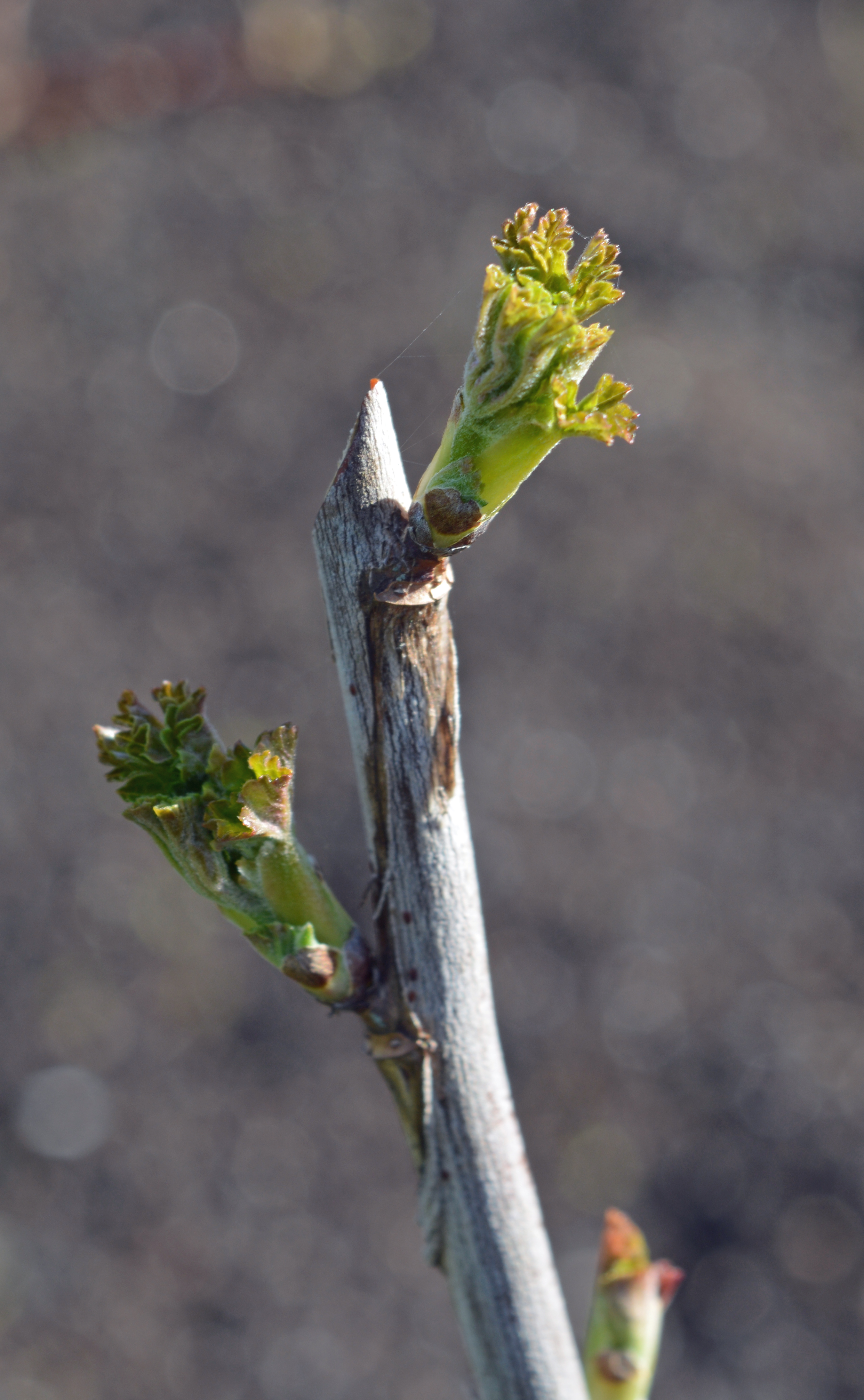
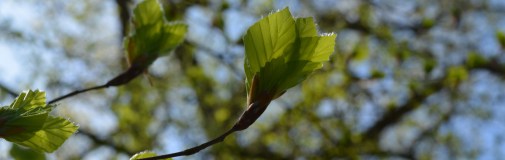
Spring is the time for brightly coloured unfurling leaves on trees and shrubs. Most are green – sparkling fresh green – but occasionally the colours of new leaves makes the gardener stop in his tracks and take a second look to see if the leaves really are the colour he thinks h has just seen.

Take these leaves unfurling from little sticky buds of an unusual Aesculus. Simply beautiful!

This little tree is called Aesculus x neglecta “Erythroblastos”, a big ugly name for a little attractive tree.

Categories
flowering bulbs garden buildings garden design garden photography garden wildlife gardening hardy perennials migration ornamental trees and shrubs Shropshire shrubs spring bulbs spring gardening trees Yellow Book Gardens

My Garden Journal 2017 – March

The weathermen tell us that March is the first month of Spring so in this our third look at my 2017 Garden Journal we shall see if our garden illustrates this idea at all.

As an introduction to the month I wrote,”March is the month that should come in like a lion and go out like a lamb”. This year it came in like a wet fish! Rain and wind dominated, interspersed with occasional bright cheerful days. In the first week we managed very few gardening moments. But the Avocet patch will not be beaten, with leaf and flower buds bursting on trees and shrubs, signs of colour waiting in the wings.”

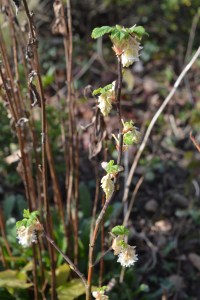
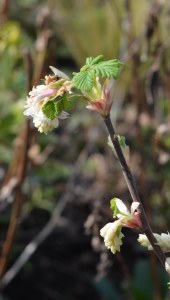
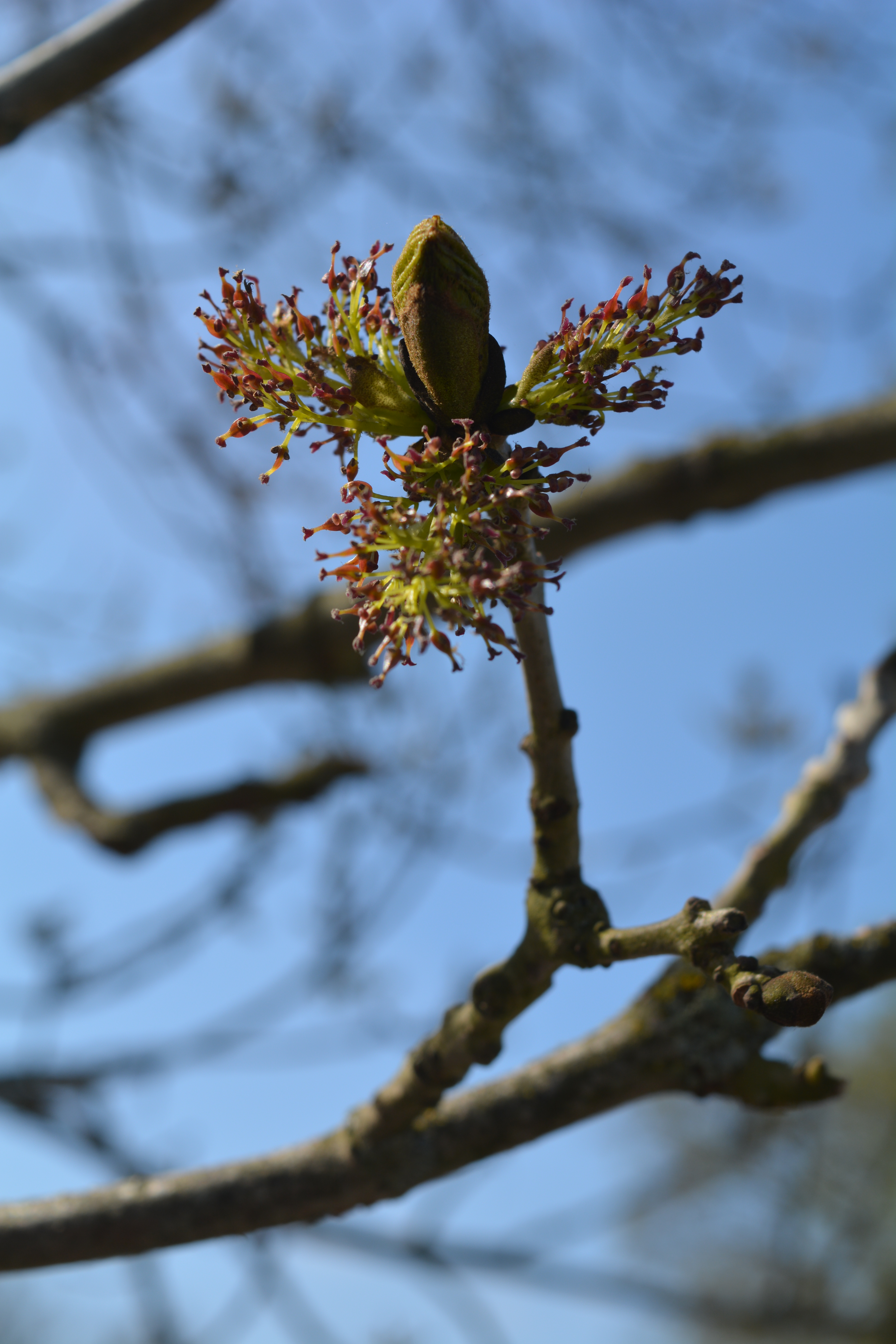
“Bursting blooms”! I continued by sharing photos of flowers bursting from buds.


 “Unfurling foliage!” And more of foliage escaping their bursting buds.


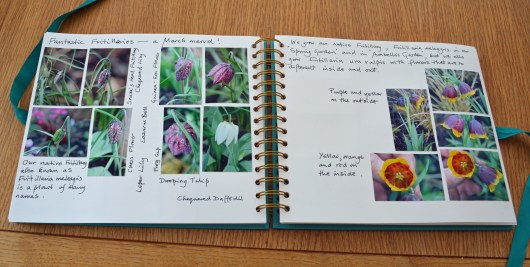
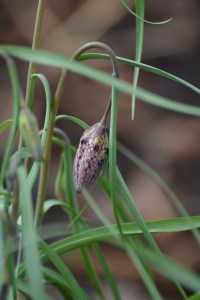
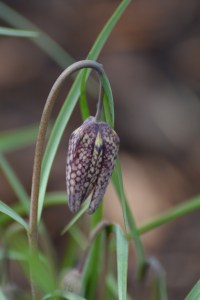
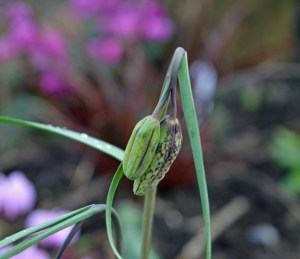
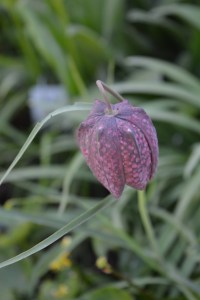
Turing over the page reveals a look at our Fritillaries, Fritillaria meleagris and Fritillaria uva vulpis which grow in our Spring Garden and in Arabella’s Garden.

I write among my  photos of Fritillaries,  “Fantastic Fritillaries – a March marvel! 

I looked for all the common local names for this Fritillary. “Our native Fritillary also known as Fritillaria meleagris is a plant of many names.”


“Snake’s Head Fritillary – Chequered Lily.”


“Chess Flower – Leper Lily” – Lazurus Bell”


“Guinea-Hen Flower” –  “Frog Cup”


“Drooping Tulip” – “Chequered Daffodil”

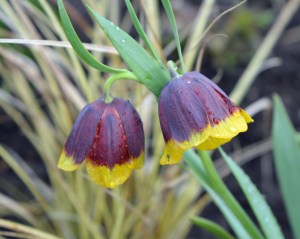
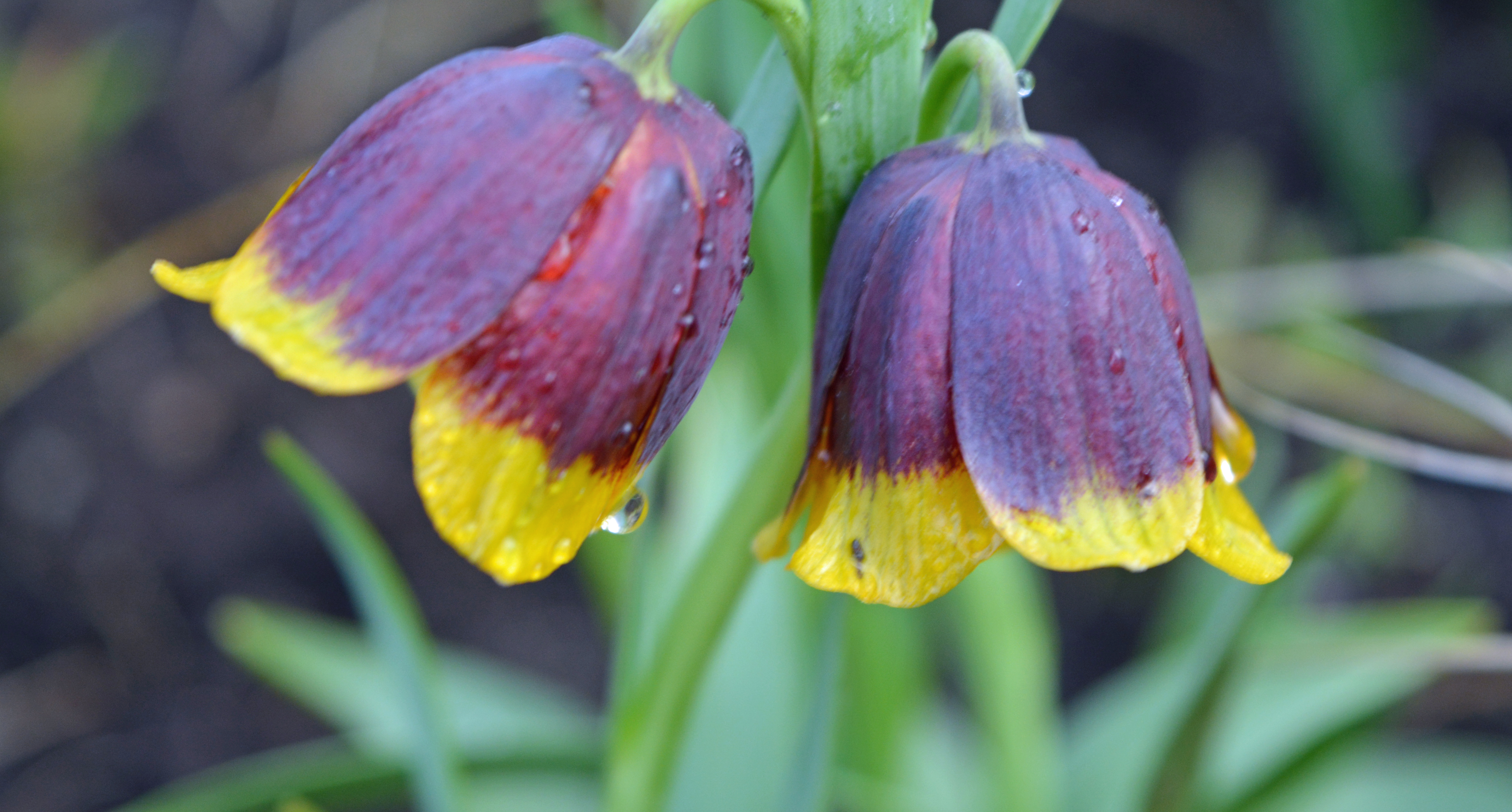
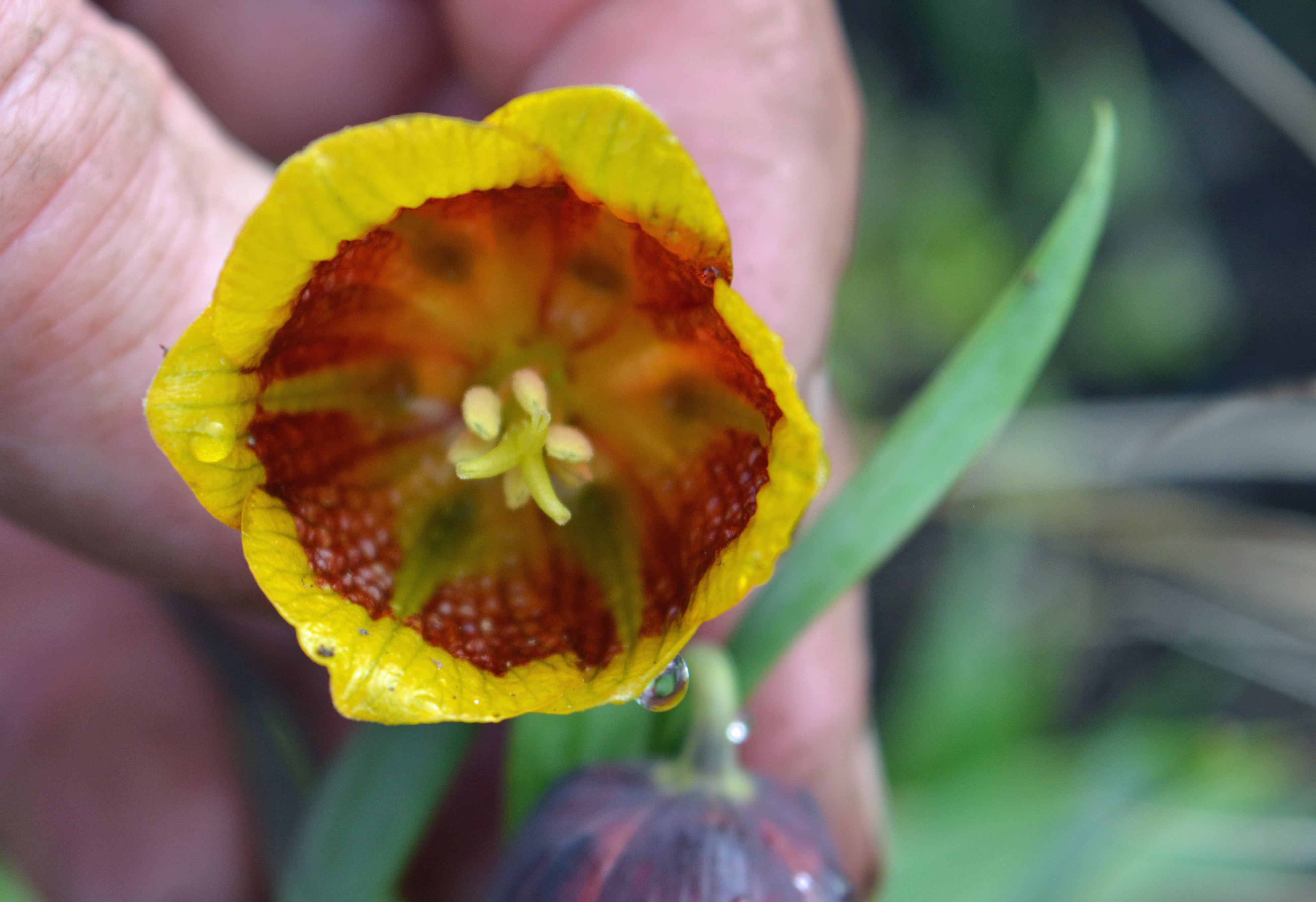
We grow our native Fritillary, Fritillaria meleagris in our “Spring Garden”, but we also grow Fritillaria uva vulpis with flowers that are so different inside and out.


“Purple and yellow on the outside.”

“Yellow, orange and red on the inside.”


Over onto the next double page spread and I take a look at a special rather subtle plant combination and some early tulips.

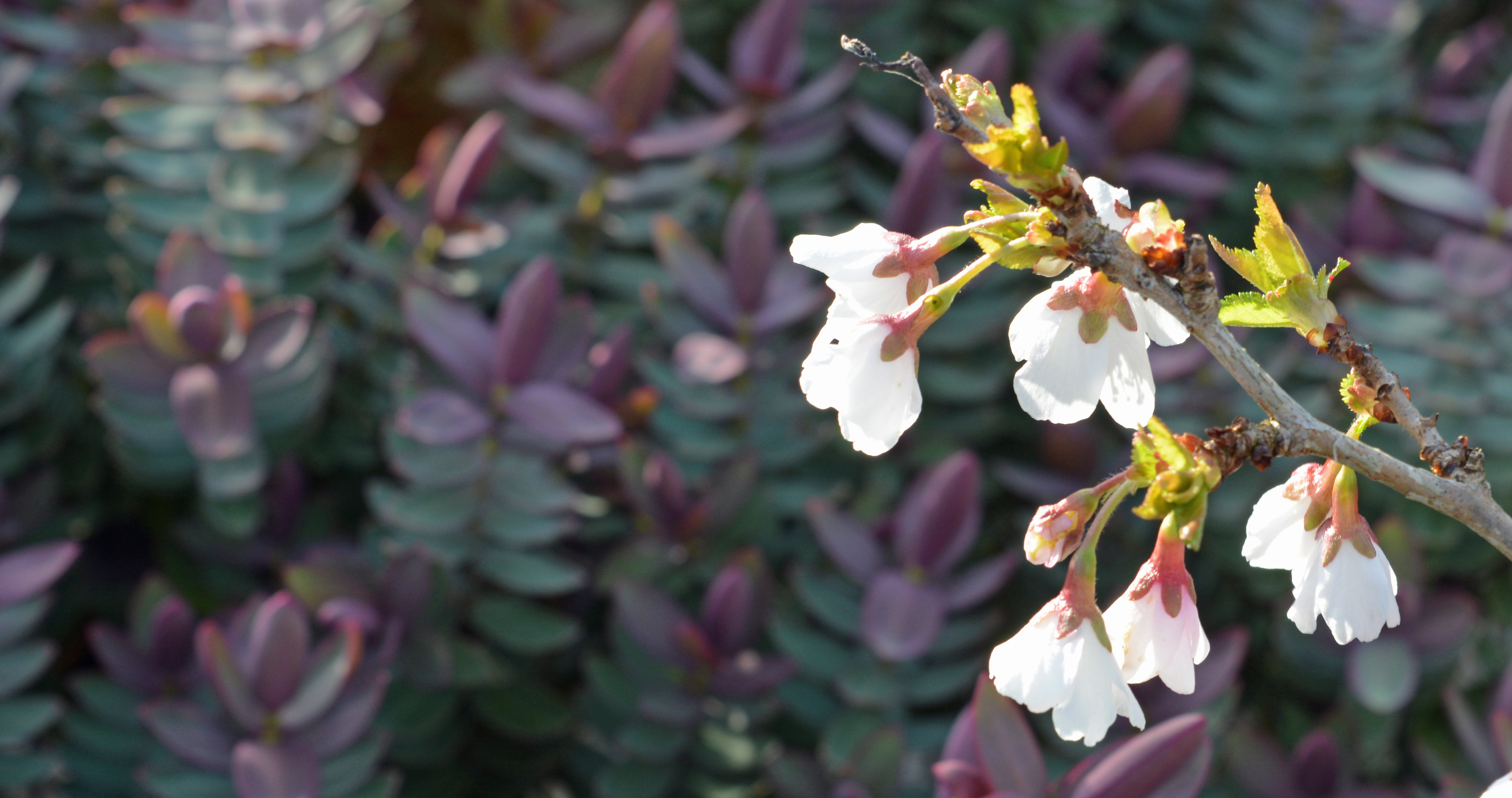
I wrote that “Good plant companions and communities are what lifts a garden above a collection of plants put on display. Sometimes two beautiful special plants with strong attributes of their own shine out even more when joined  together to produce a harmonious pairing, each enhancing the other. Here, I feature the combination of a Hebe “Red Edge” and a Prunus, P. “Kojo No Mai”. The blushing of the Hebe foliage is a perfect foil for the “washing powder white” of the Prunus’ petals.”


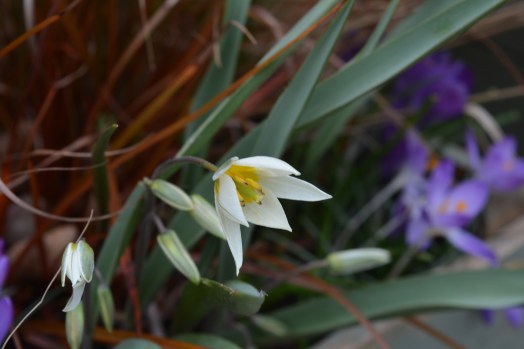
Moving on to look at some of our species tulips, I wrote, “The tiny flowers of our many species Tulips are now putting in an appearance, impressing with their delicacy and subtlety. The blooms open with the sun and close with its disappearance.”


Next we move on to my plant of the month for March. I wrote.

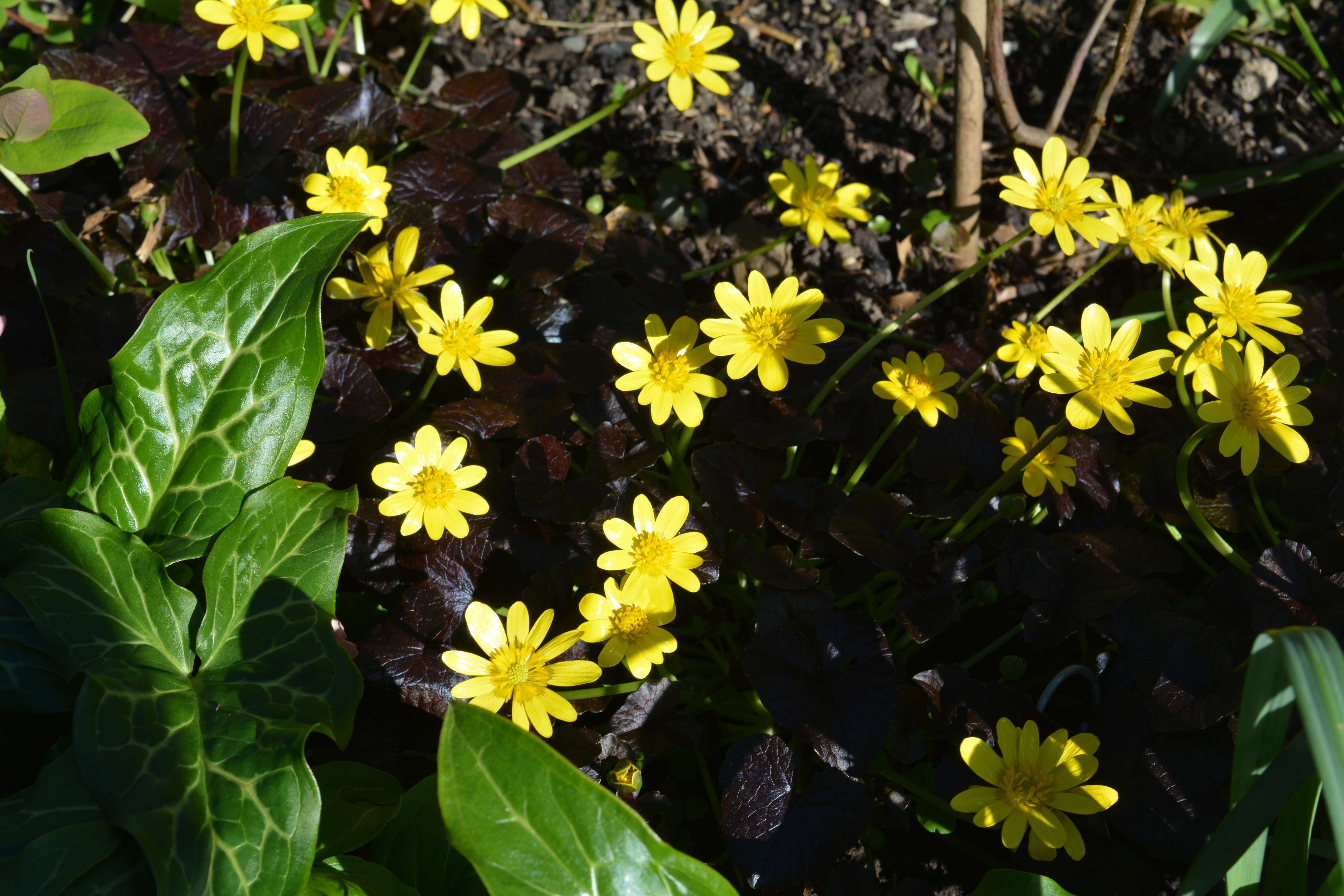
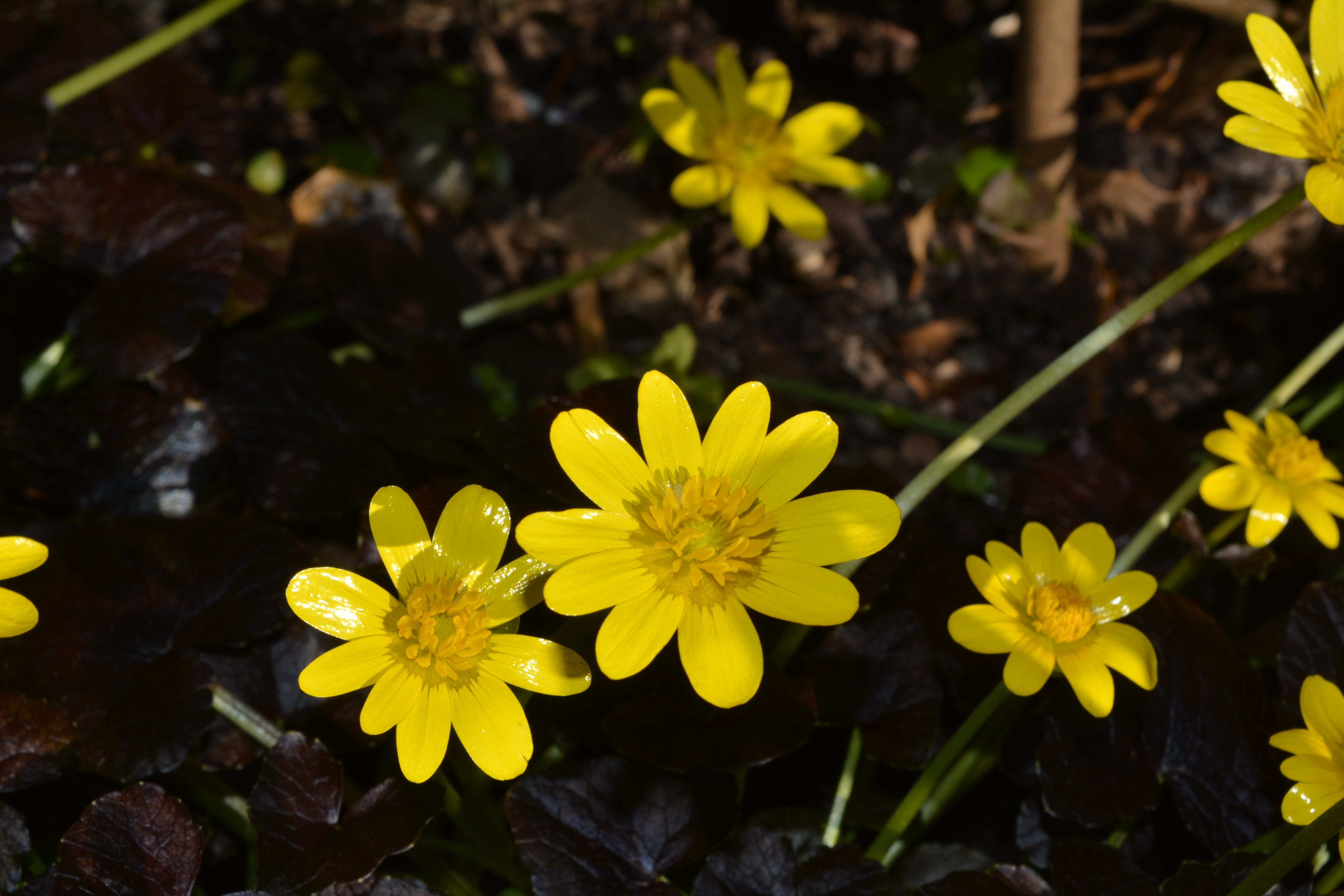
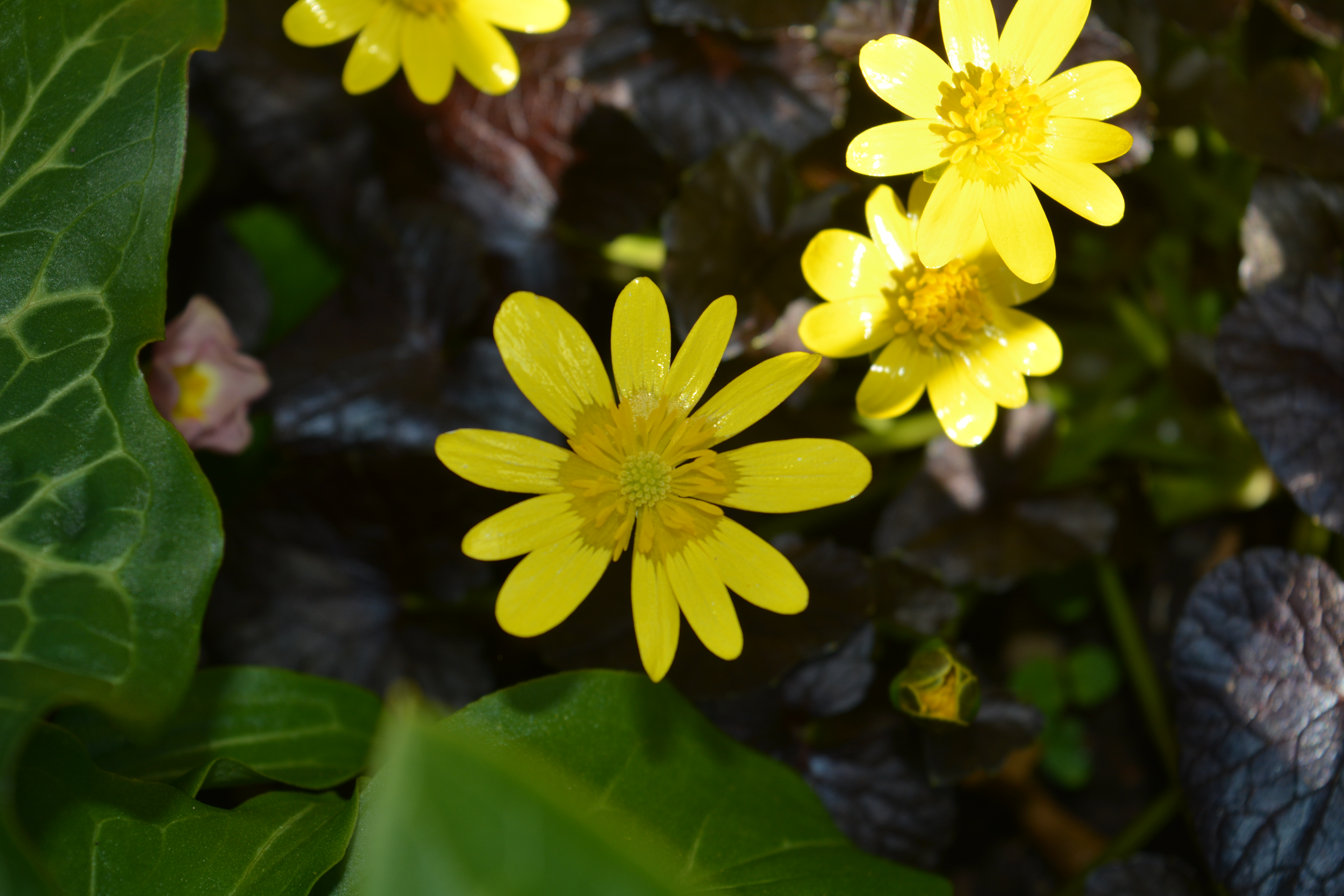
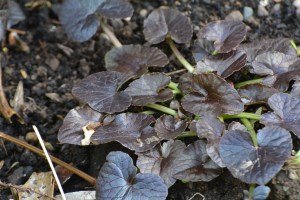
My plant of the month for March is a Celandine called “Brazen Hussey”, a chance find by Christopher Lloyd discovered in a clump of our native Celandine in a lane near his home. Our native Celandine, Ranunculus ficaria brightens up our hedgerows with its deeply glossy foliage and yellow “Buttercup” flowers, while “Brazen Hussey” sports glossy purple-black foliage. 


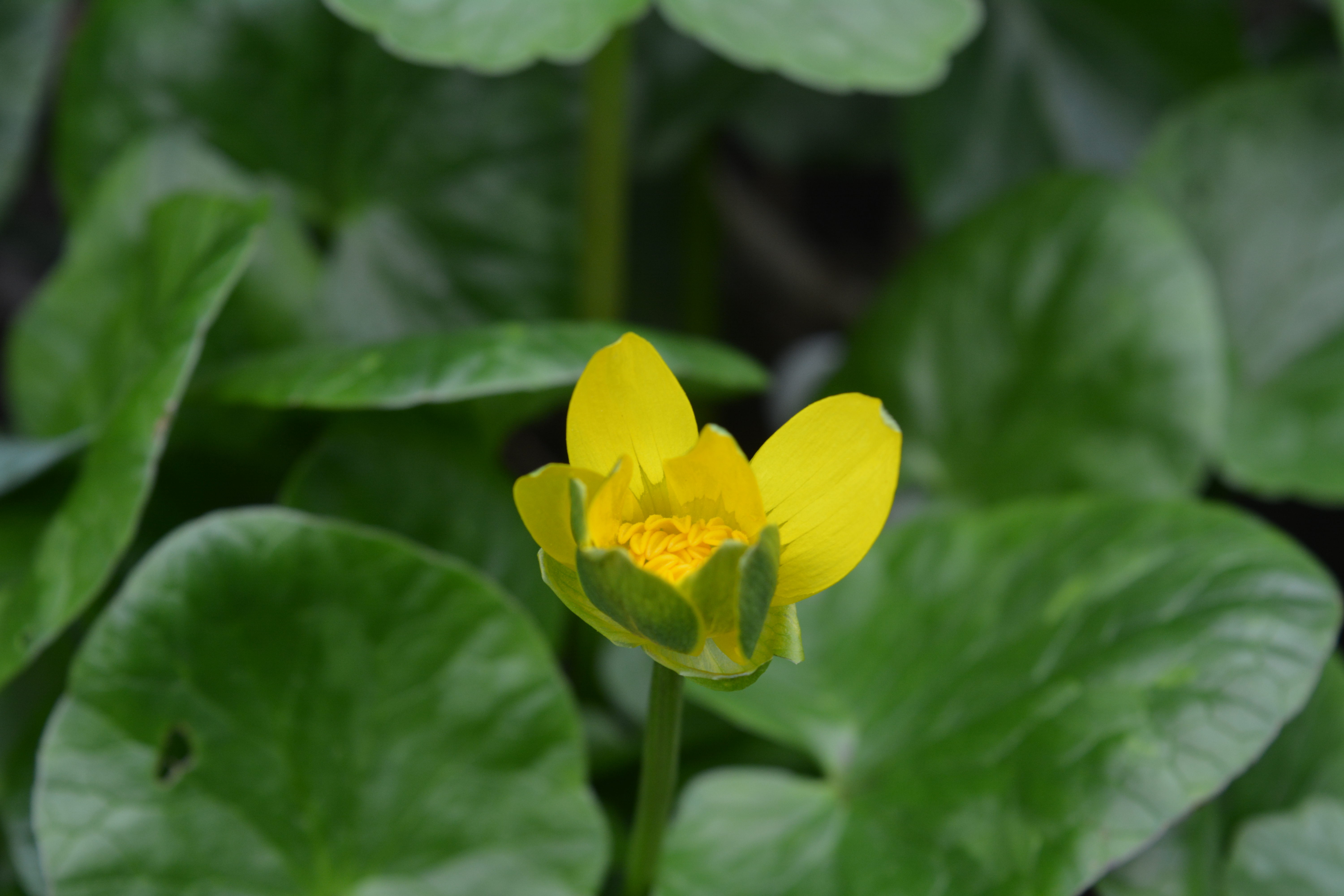
“We grow a small patch of our native Celandine but as it can become very invasive it has to be strictly controlled.”

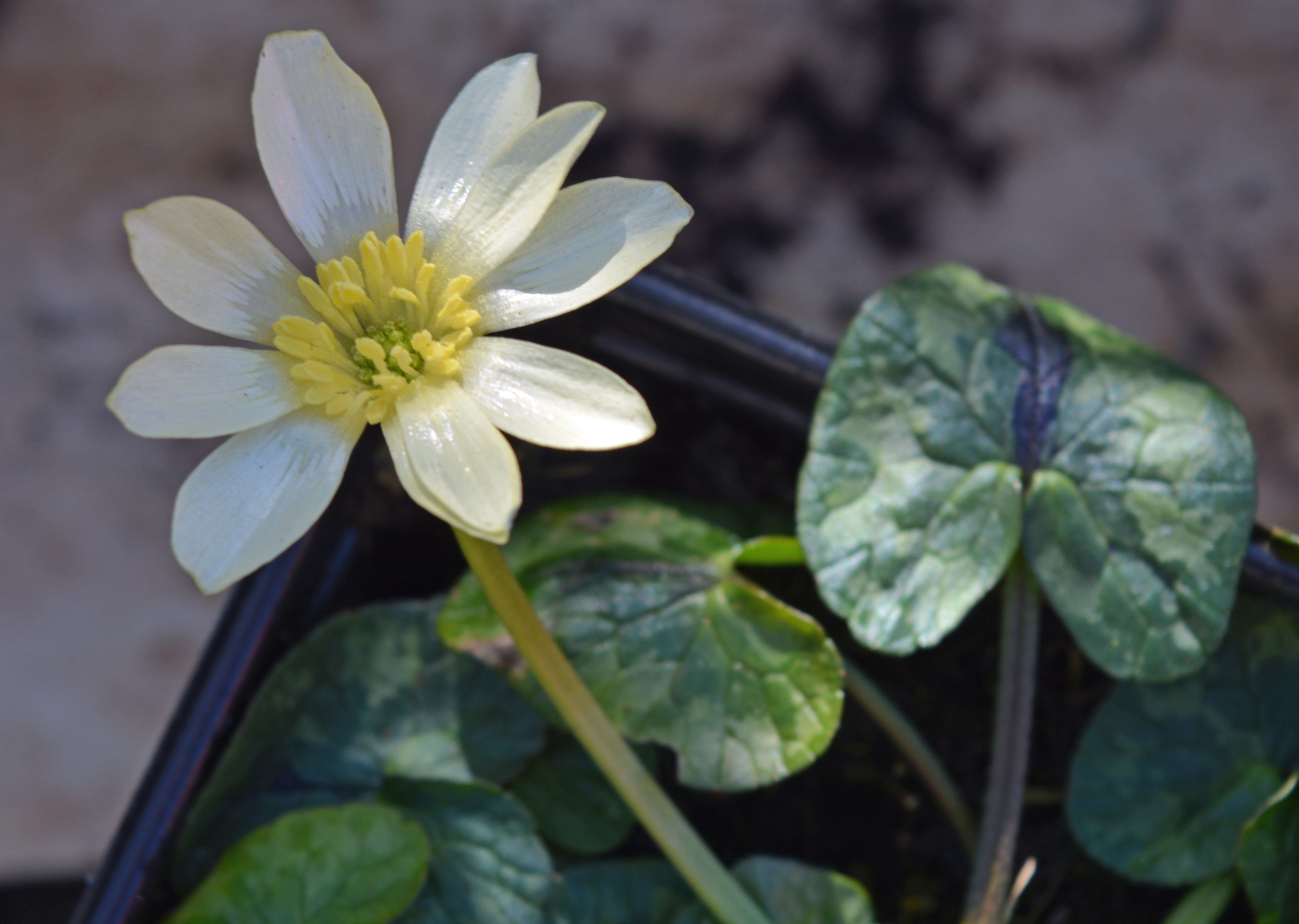
“We grow several other Celandines too because they are such cheerful addictions to the Spring Garden, a white cultivar, Ranunculus fiscaria “Randall’s White …………….”

“….. a pale yellow flower against bronzed foliage ……”


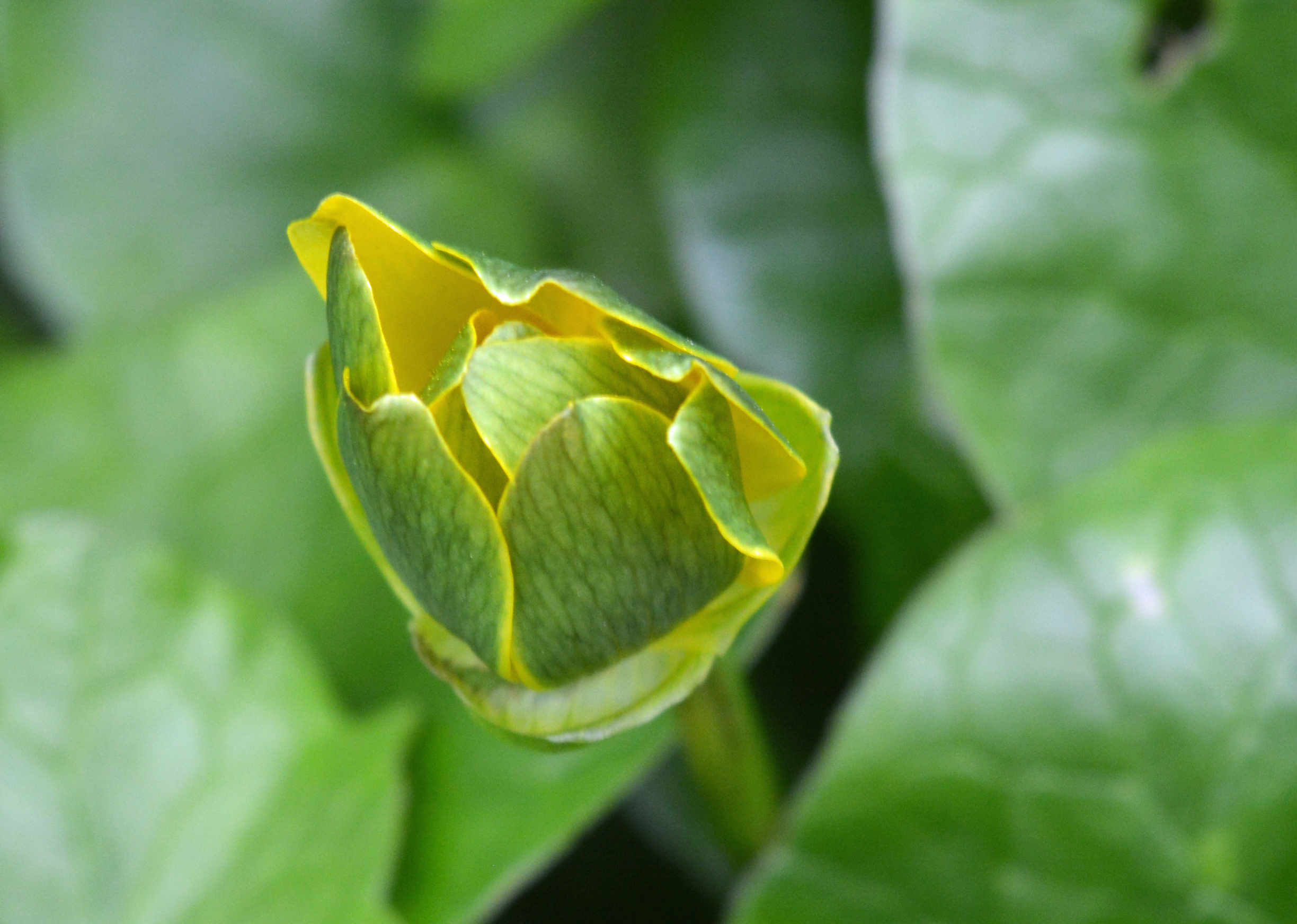
“……. a Giant Celandine and a Green Celandine.”

On the next double page spread we look at our new summerhouse and a selection of special small flowers.

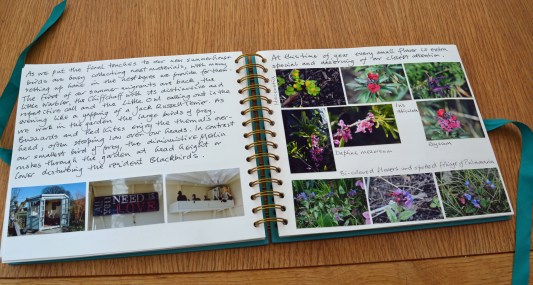
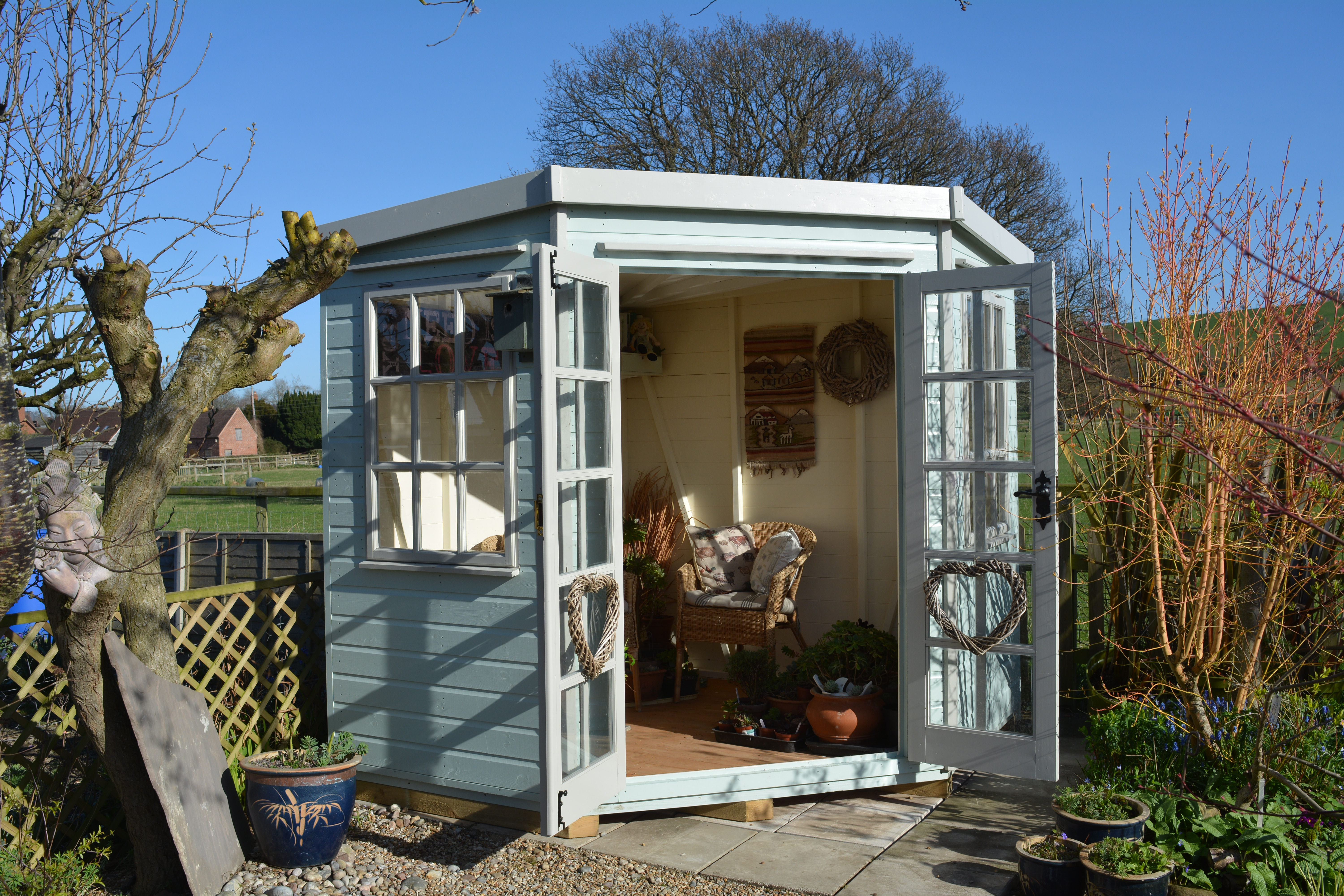
Concerning the summerhouse I wrote, “As we put the finishing touches to our new summerhouse birds are busy gathering nest materials, with many setting up home in the nestboxes we provide for them. The first of our summer migrants are back, the little warbler, the Chiffchaff with its distinctive and repetitive call and the Little Owl calling out in the evening like a yapping Jack Russell Terrier. As we work in the garden the larger of our birds of prey, Buzzards and Red Kites enjoy the thermals overhead, often stooping low over our heads. In contrast our smallest bird of prey, the diminutive Merlin rushes through the garden at head height or lower disturbing the resident Blackbirds.

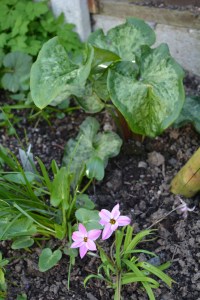
On the opposite page I looked at those special little flowering plants that catch the gardener’s eye at this time of the gardening year. In other seasons when the garden is rich in flowers these special little gems may get overlooked in favour of the bigger, bolder and brighter cousins. I wrote, “At this time of year every small flower is extra special and deserving of our closest attention.”


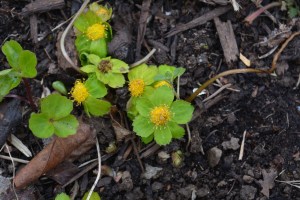
Hacquetia epipactus and Iris reticulata “George”

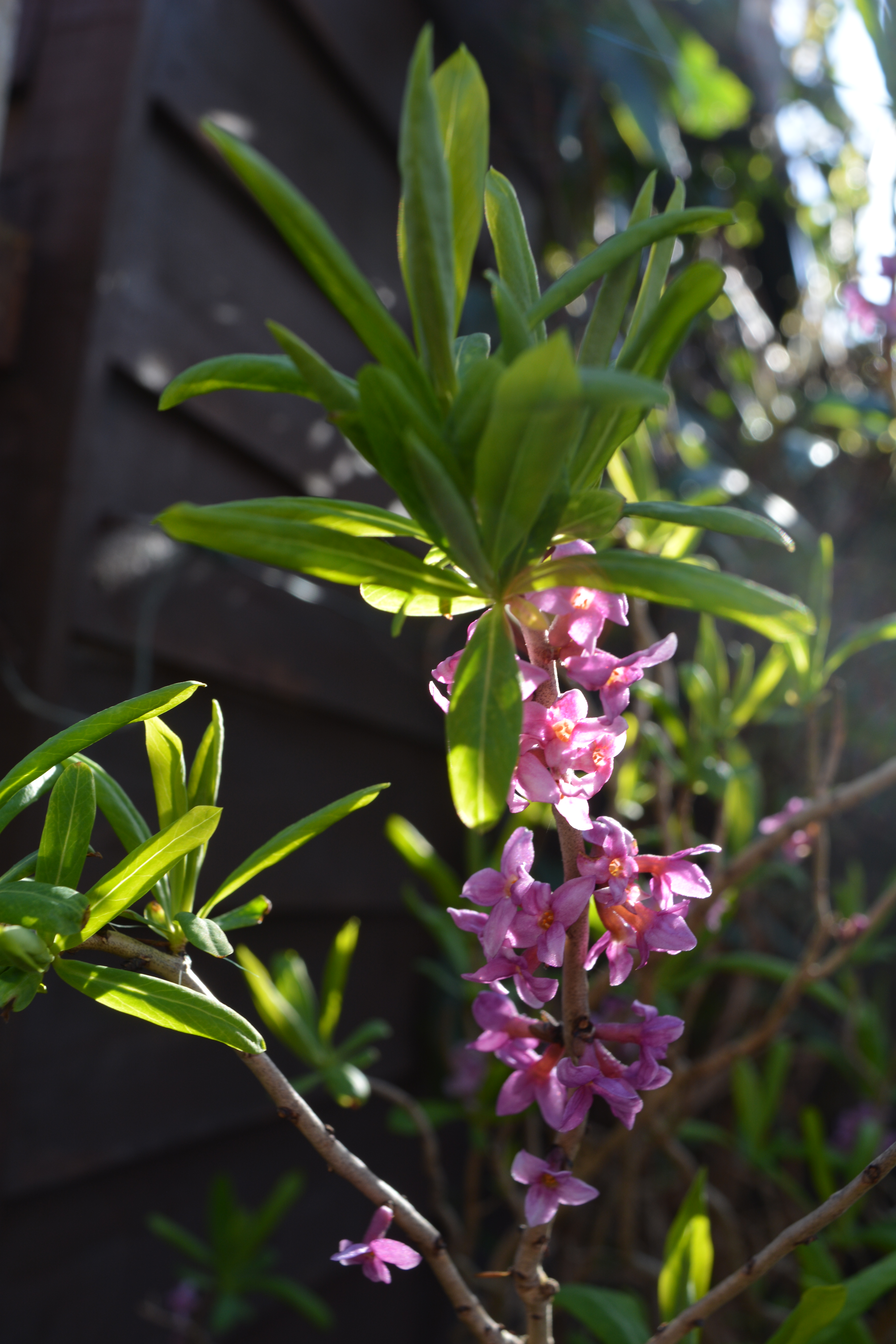
“Daphne mezerium.”


Erysimum Red Jep”

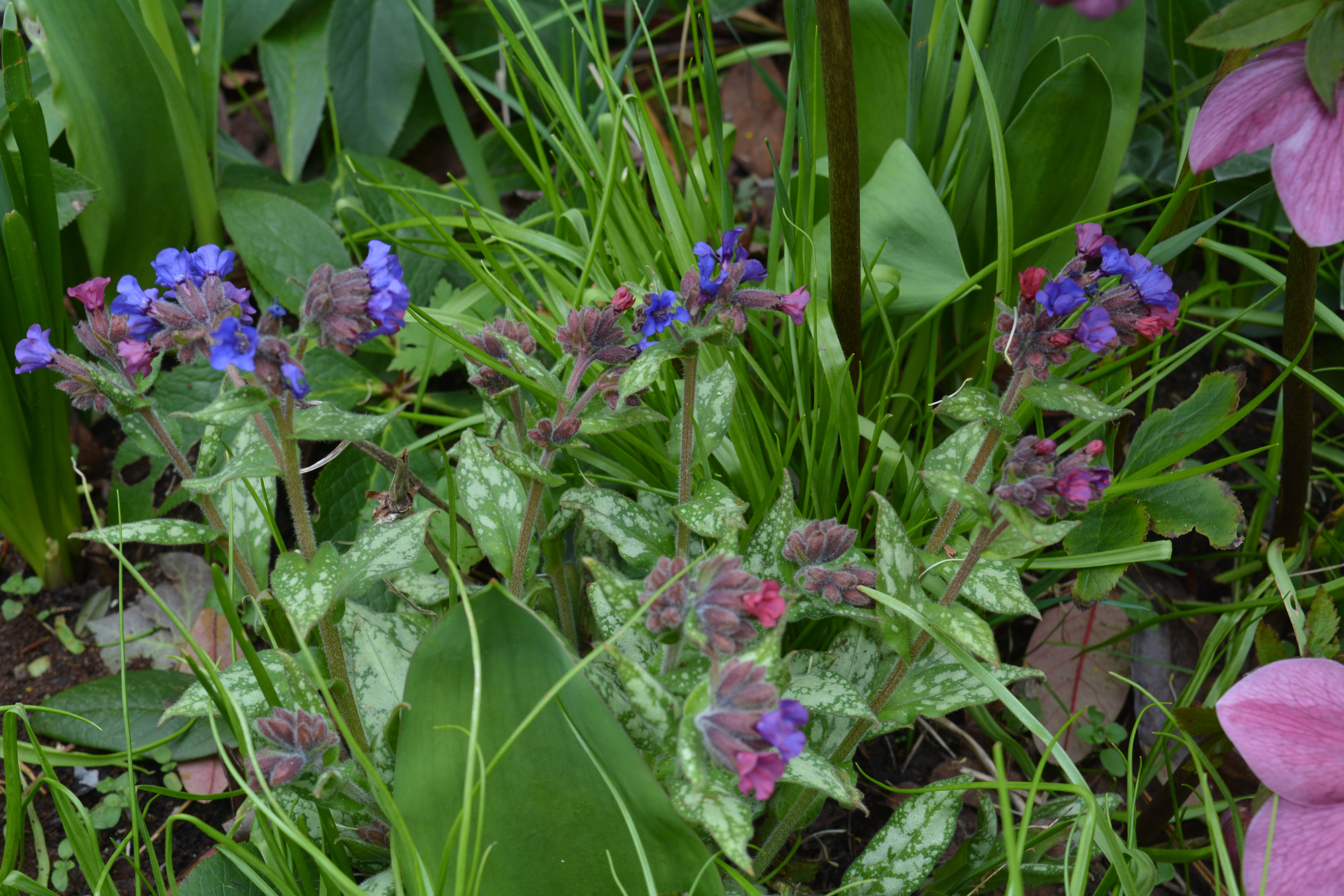
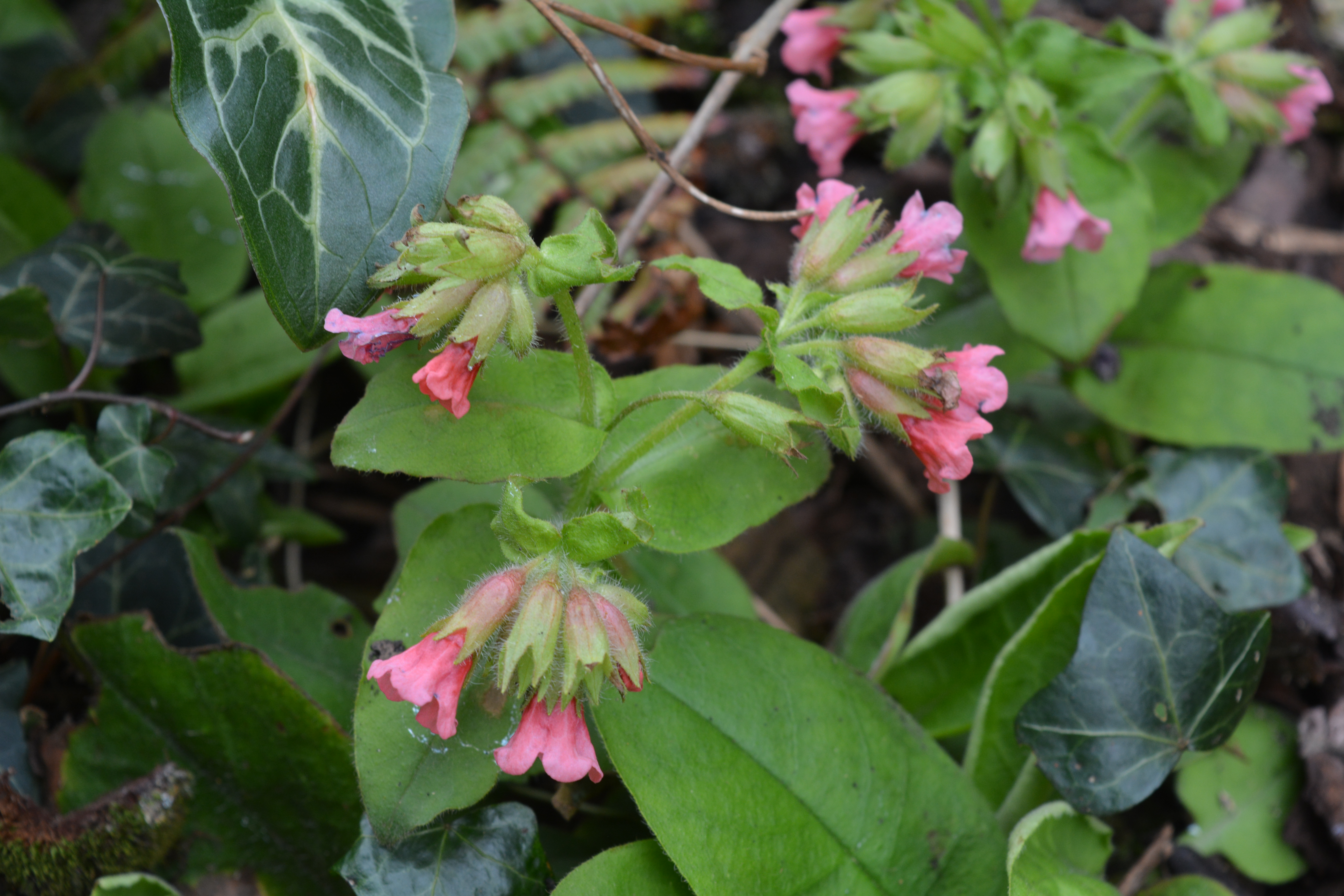
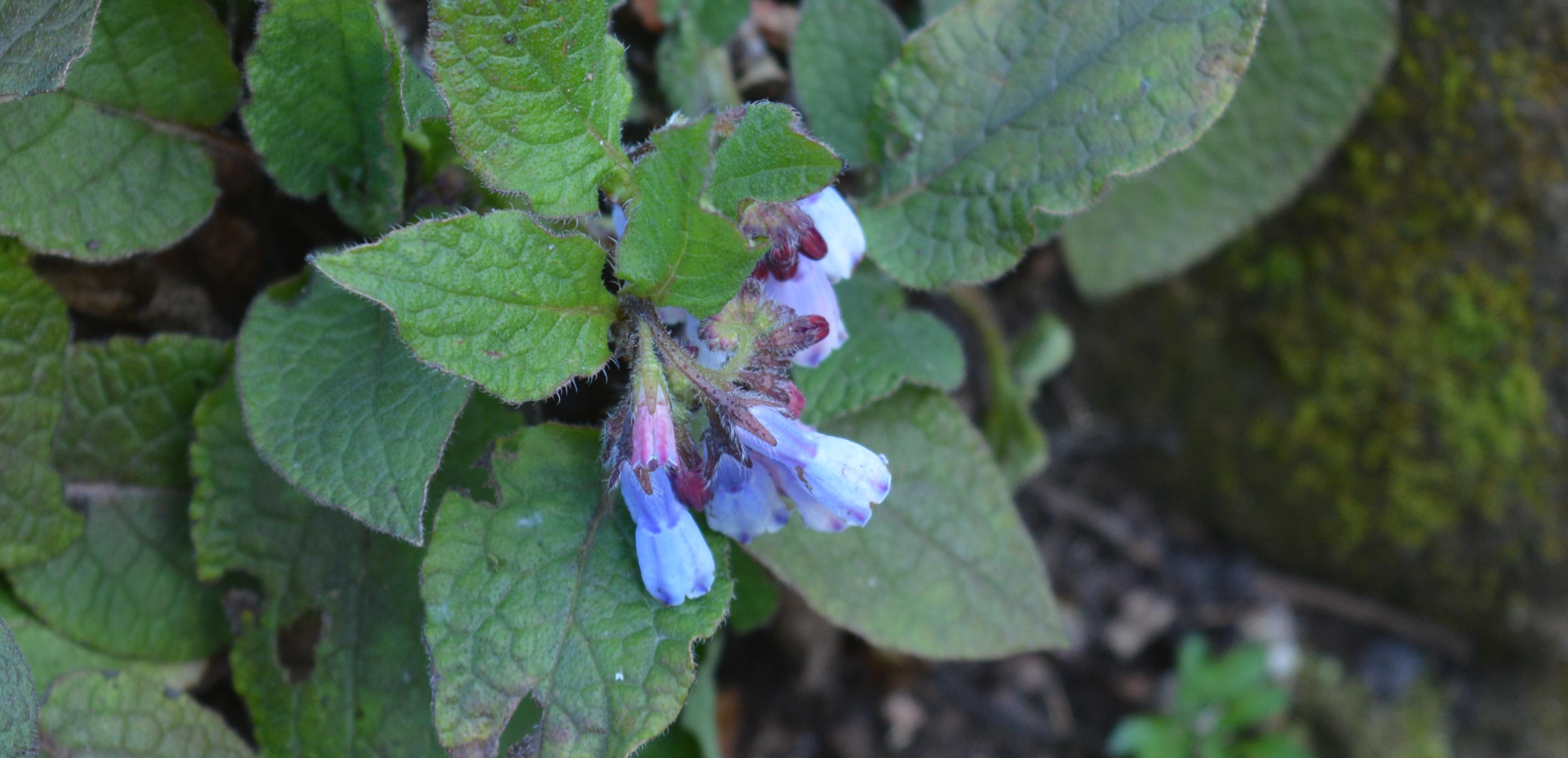
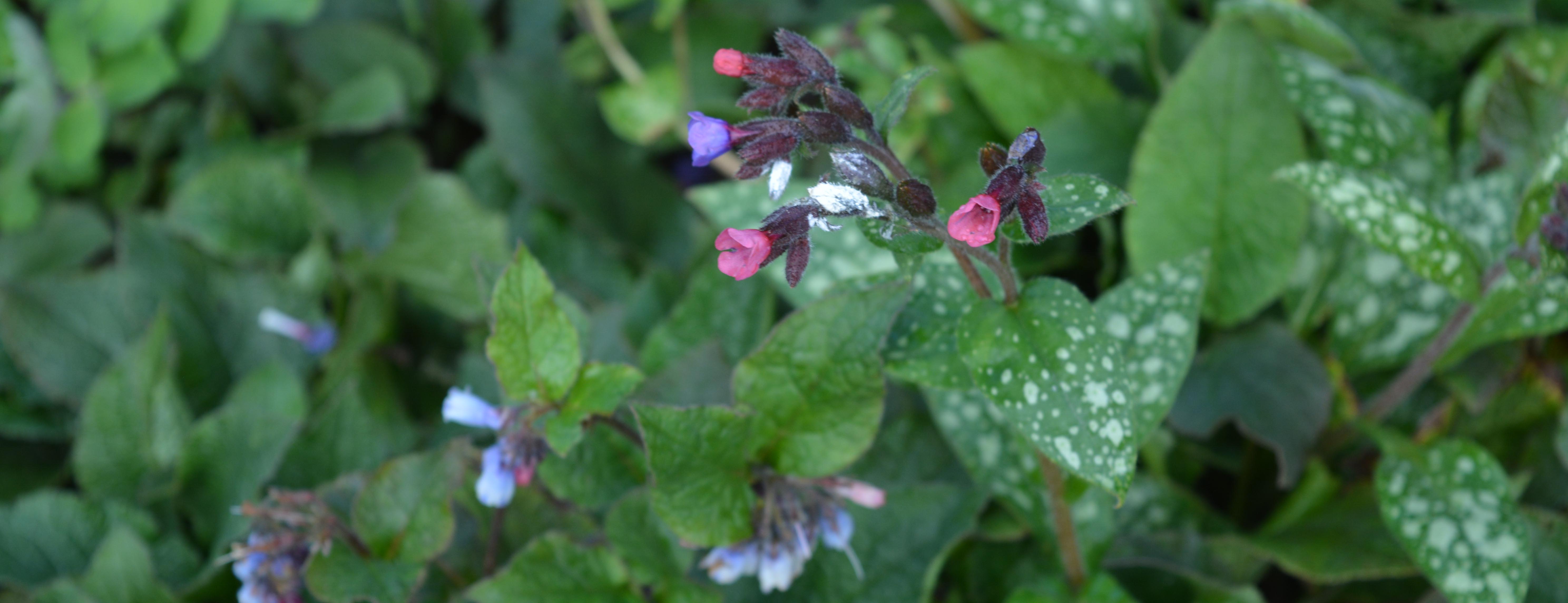
Assorted Pulmonaria.”

The next turn of the page reveals a page about Primulas and the next about pollarding willows and dogwoods.

I wrote,”In February I wrote about the first of our native Primroses coming into flower, but in March they flourish along with their relatives.The pictures below show the diversity that we grow and enjoy.”


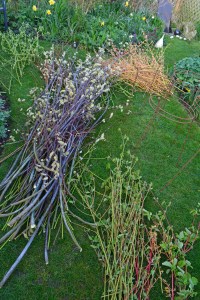
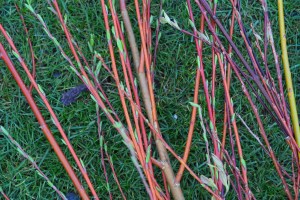
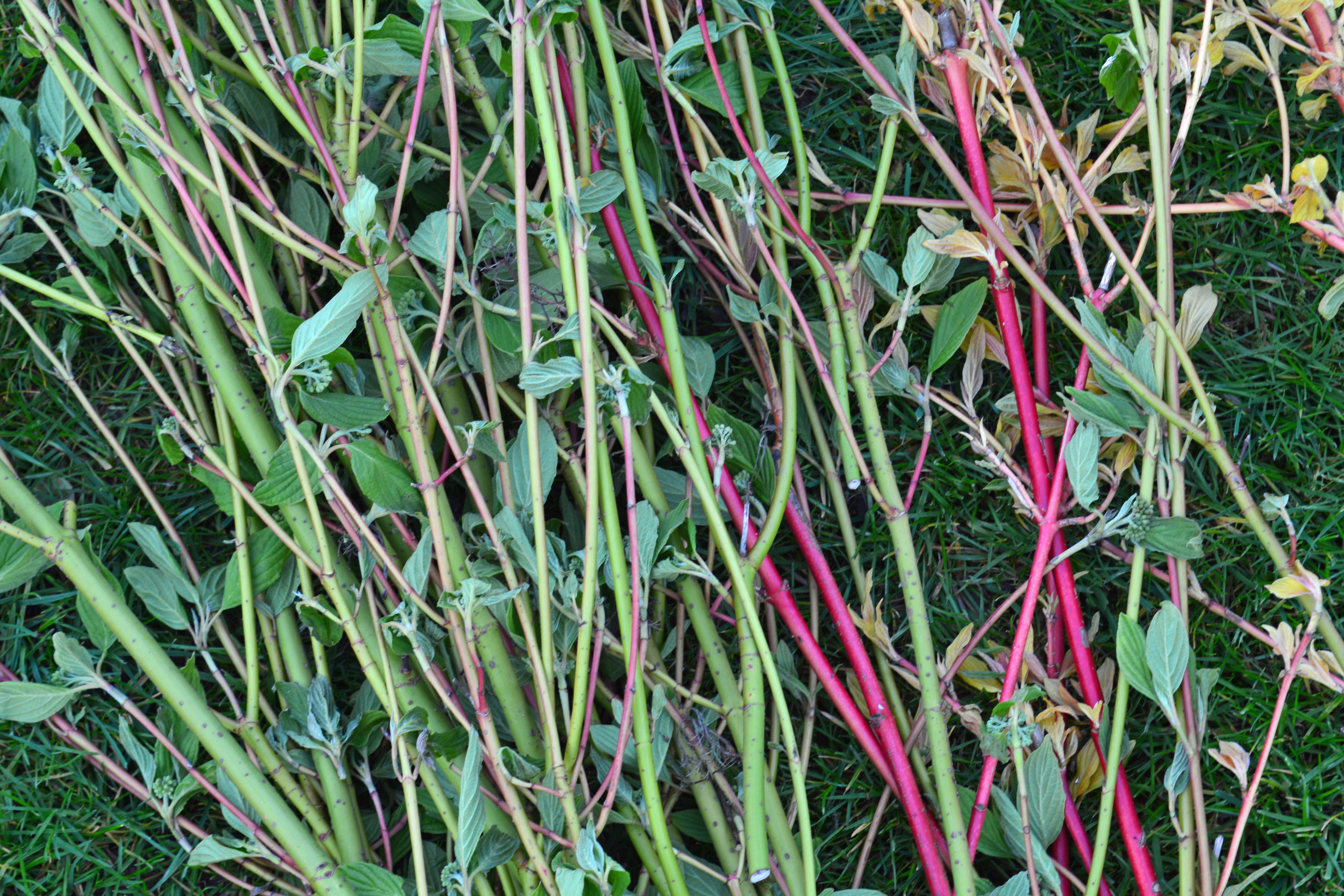
When I looked at pollarding and coppicing I wrote that, “The last week of March were mild and sometimes sunny so we took the opportunity to prune down our shrubs that we grow for their coloured stems, Cornus and Salix. We coppice some, pollard others.”


I continued to look at Salix and Cornus coloured stems on the last page of my entries for March, where I featured photographs of the bundles of cut stems.


So that was my garden journal for March. For the next month, April, we will see big changes as Spring becomes established.


Categories
colours flowering bulbs fruit and veg gardening gardens gardens open to the public grow your own kitchen gardens ornamental trees and shrubs Shrewsbury Shropshire spring bulbs spring gardening The National Trust walled gardens walled kitchen gardens

A Walk in the Park – Attingham Park March – The Walled Garden

I shall post two reports for our March visit to Attingham Park, the first about the Walled Garden followed by one about the walk we followed, the Woodland Walk.

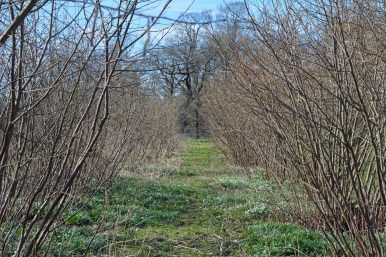
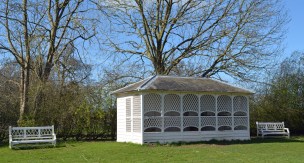
We walked our usual track beneath tall mature deciduous trees to take us to the walled garden. We had a detour to look at the nut walk, lined with coppiced Hazel trees and to have a look at Attingham Park’s famous old bee “building”, the Georgian Bee House. It is a very decorative wooden construction painted white and featuring fancy trellis-work.


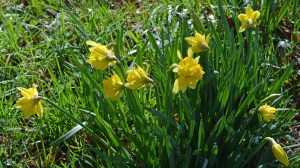
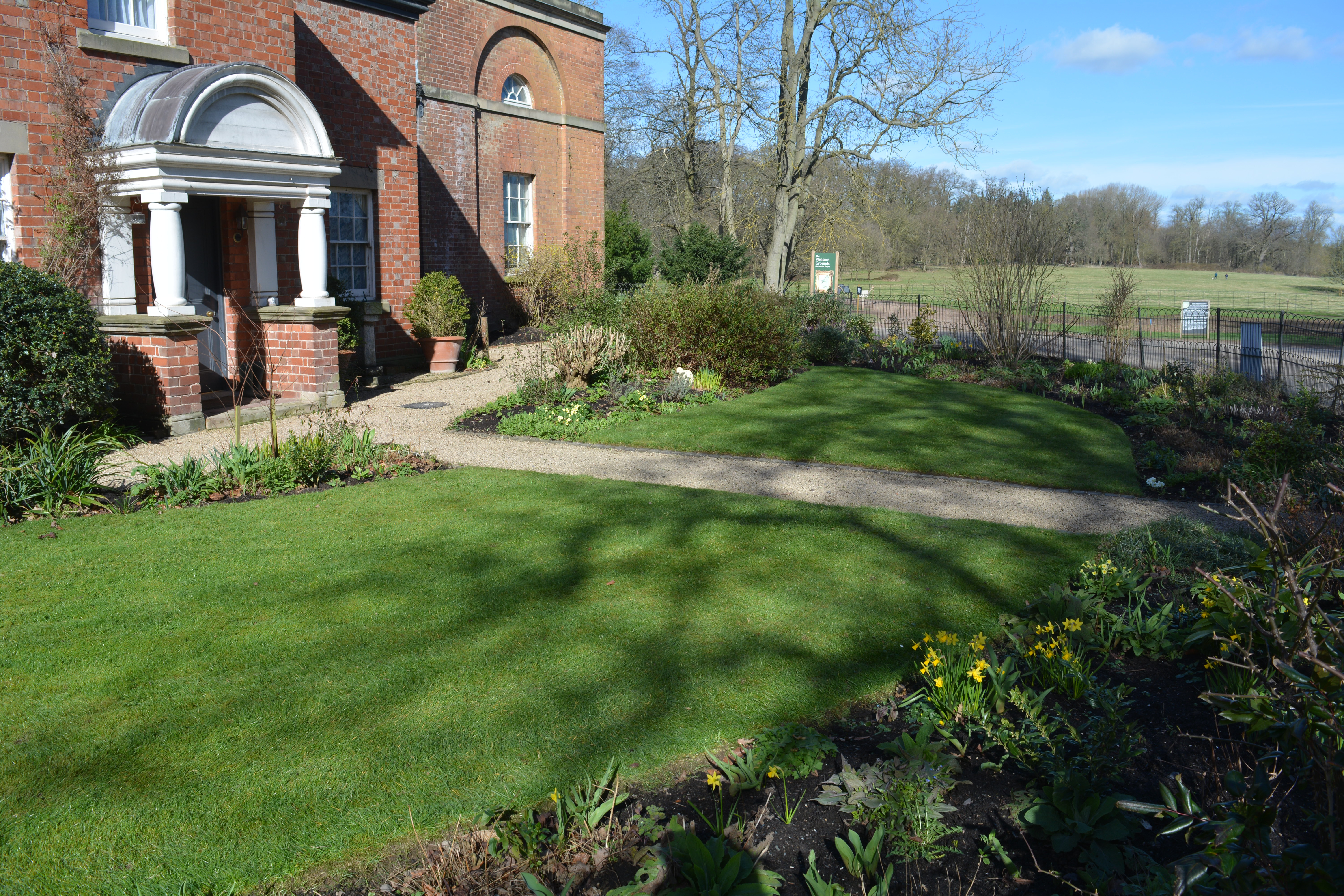
On route we discovered naturalised Daffodils and native Celandines glowing bright golden-yellow beneath magnificent mature trees. The lawns and borders of the gardener’s cottage looked neatly prepared to celebrate Spring. A Clematis alpina displayed deep purple buds fit to burst. Species Tulips were already in flower among emerging growth of herbaceous perennials.


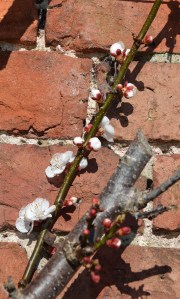
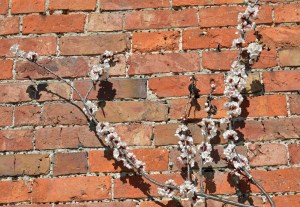
Approaching the gateway into the walled garden we noticed colour on the trained fruit trees, the white and pinks of blossom.


Once we were within the walls we could appreciate the extra warmth and protection afforded by the tall red-bricked walls. Leaf buds were opening on fruit bushes and canes and perennial plants were emerging strongly now the soil had some warmth to it. Bulbs were already flowering and sharing perfume.


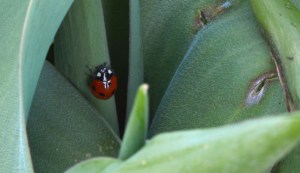
We were sure that the gardeners, who like to garden organically, were delighted at the sight of emerging Ladybirds.

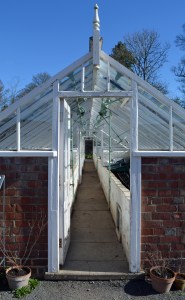
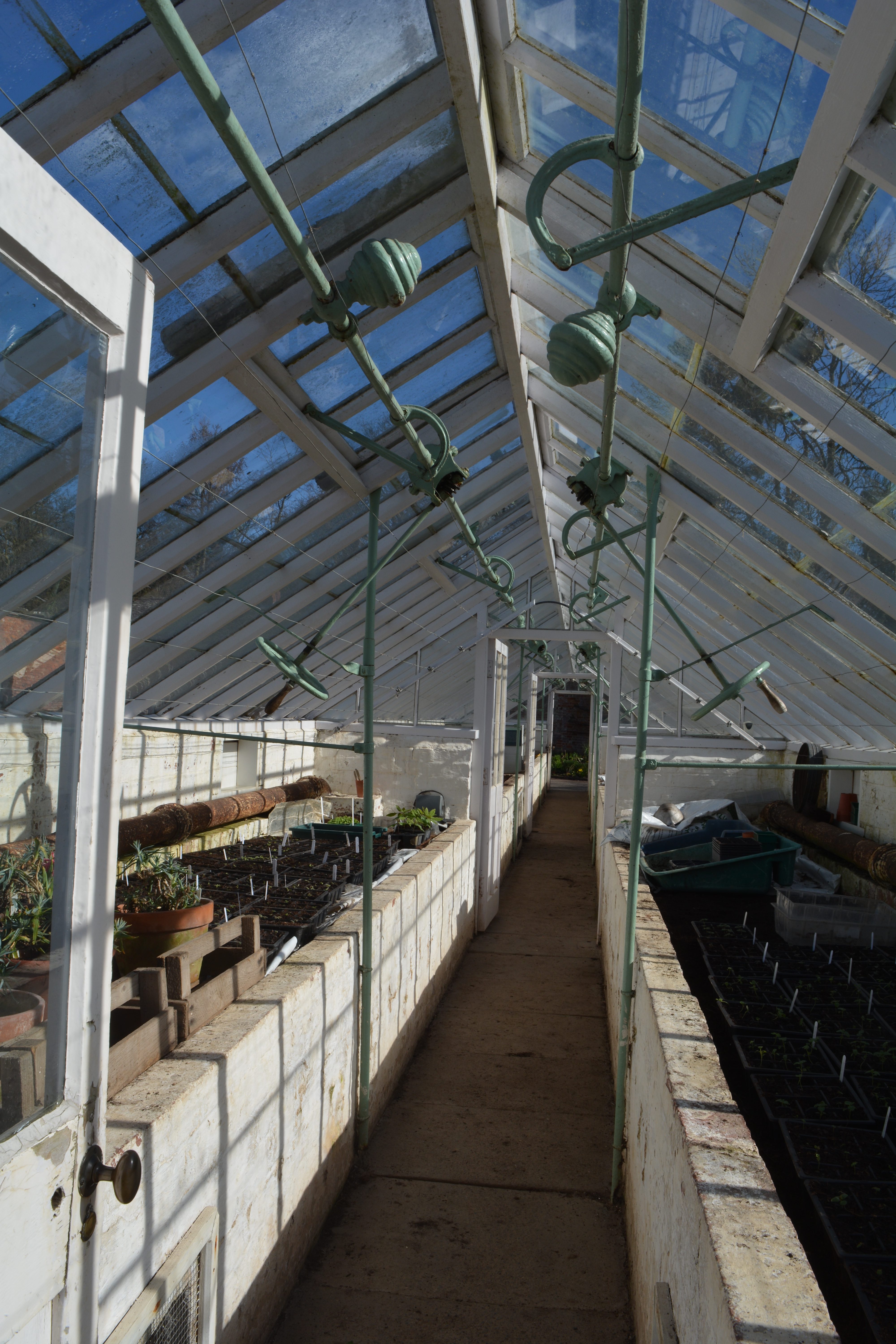
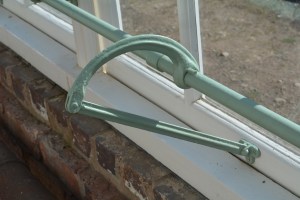
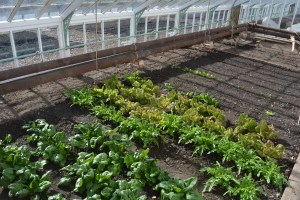
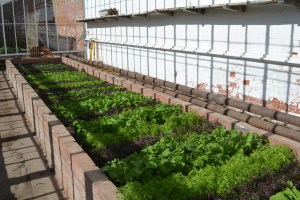
We were so pleased to find the glasshouse doors open to allow us to wander inside to study their structure and mechanisms as well as allowing us to check what the gardeners were up to.


The informal decorative and cut flower borders surrounding the glasshouses were most colourful, with Primulas and bulbs taking full advantage of the extra degree or two of warmth afforded by the walls.


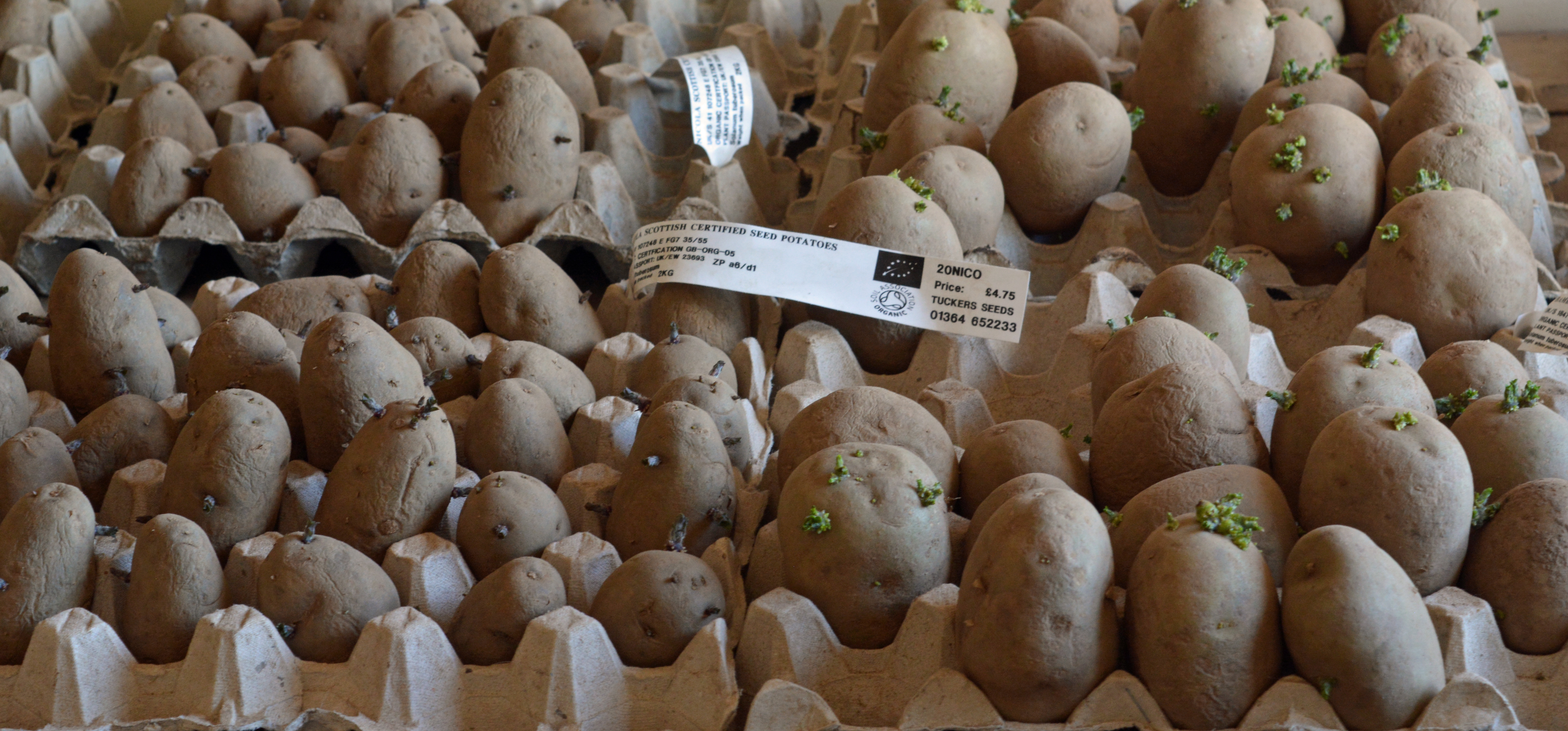
A quick look into the gardeners’ bothy showed us that lots of seed potatoes were chitting nicely and we noticed that the volunteer gardeners had plenty of jobs to challenge them.

When we return next month we look forward to seeing big changes in the productive borders.

When we left the bothy we continued to walk beneath tall trees along the way marked track taking us towards the start of the Woodland Walk. This walk will be the subject of the next March Attingham Park post.


Categories
birds colours flowering bulbs garden design garden photography garden wildlife gardening gardens hardy perennials light light quality ornamental trees and shrubs Shropshire shrubs spring bulbs spring gardening trees

My Garden Journal 2016 – April

Here we are with my April look at my garden journal. I began as I often do with a look at the weather that was affecting our garden.

“April is known for its showery weather and we hope it is the first frost-free weeks of the year. This will allow us to begin hardening off our delicate plants that have hidden away in our greenhouse and summerhouse. Looking back at my first garden journal I notice that in early April birds were then showing signs of nest building. I wrote …Spring is here! Sometimes at least. Birds are collecting nesting materials, blackbirds, greenfinches and all the Titmice family.” This year birds are singing and calling well but we have seen no signs of nest building activities. The Titmice have given up their earlier explorations of our many birdboxes. We hope Spring will catch up and get wildlife stirring again.”

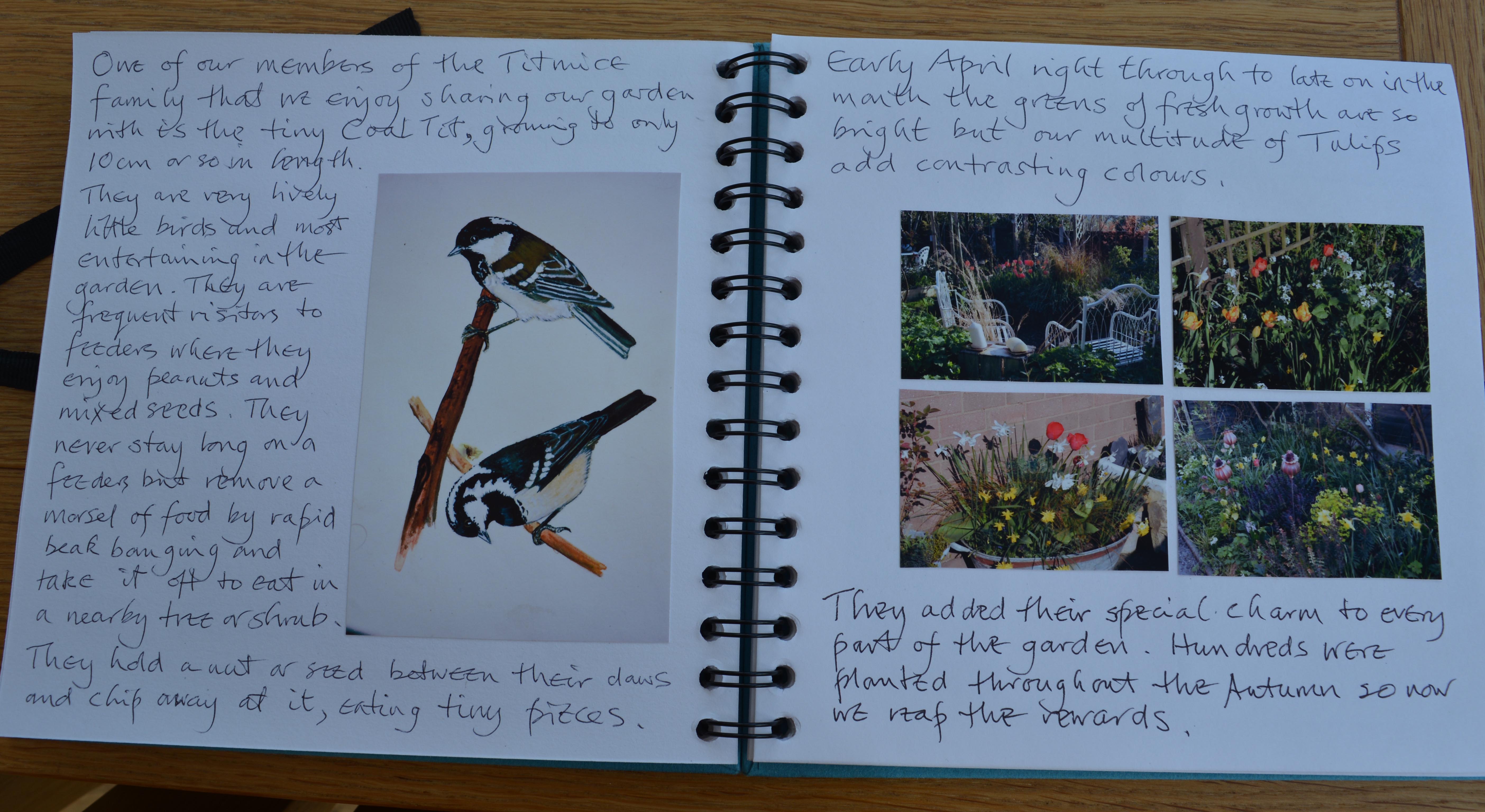
Over the page I continue by looking at one member of the Titmice family, the Coal Tit, and I included one of my gouache paintings of these active little birds.

apr-2

“One of our members of the Titmice family that we enjoy sharing our garden  with is the tiny Coal Tit, growing to only 10cm or so in length. They are very lively little birds and most entertaining in the garden. They are frequent visitors to feeders where they enjoy peanuts and mixed seeds. They never stay long on a feeder but remove a morsel of food by rapid beak banging and take it off to eat in a nearby tree or shrub. They hold a nut or seed between their claws and chip away at it, eating tiny pieces.”

coaltit-1

On the page opposite I take a look at the bright Tulips in our garden and what they add to it.

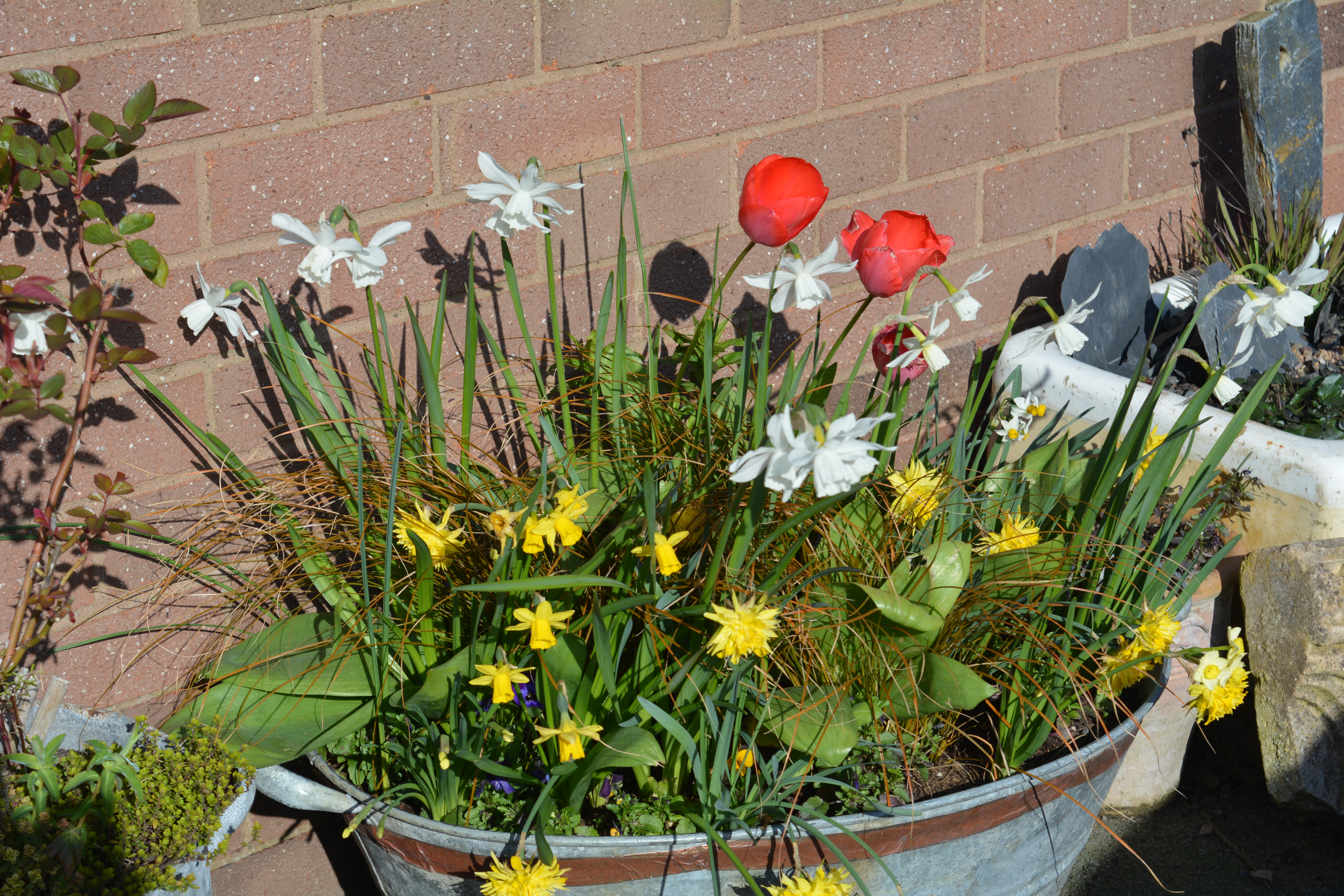
“Early April right through to late on in the month the greens of fresh growth are so bright but our multitude of Tulips add contrasting colours. They add their special charm to every part of the garden. Hundreds were planted throughout the Autumn so now we reap the rewards.”

aprilpics-22 aprilpics-17 aprilpics-29 aprilpics-30 aprilpics-14

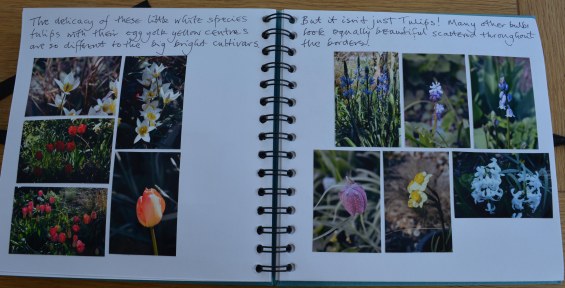
Tulips and other bulbs continue to be featured on my next couple of pages.

apr-1

“The delicacy of these little white species Tulips with their egg yolk yellow centres are so different to the big bright cultivars.”

aprilpics-16 white tulip-1aprilpics-01 aprilpics-04aprilpics-10

“But it isn’t just Tulips! Many other bulbs look equally beautiful scattered throughout the borders.”

aprilpics-03 aprilpics-09 aprilpics-08aprilpics-15 aprilpics-27aprilpics-05 aprilpics-02

Turning the page we find a much wordier look with an odd photo to illustrate the words, followed by a look at some of our Acers.

apr-3

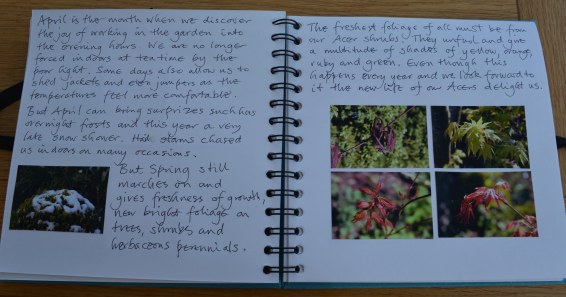
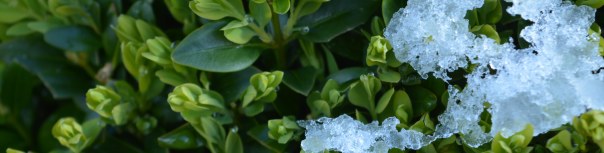
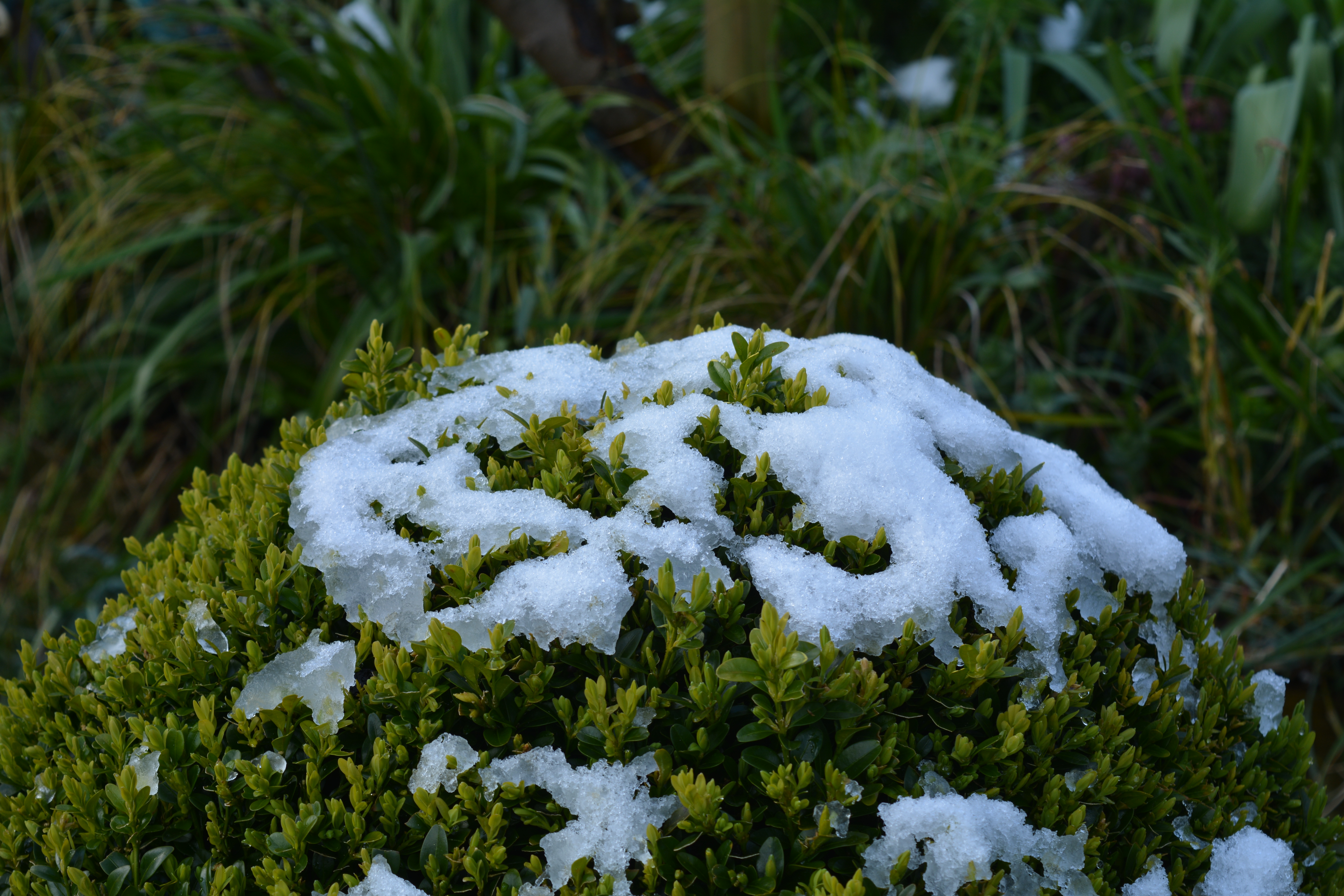
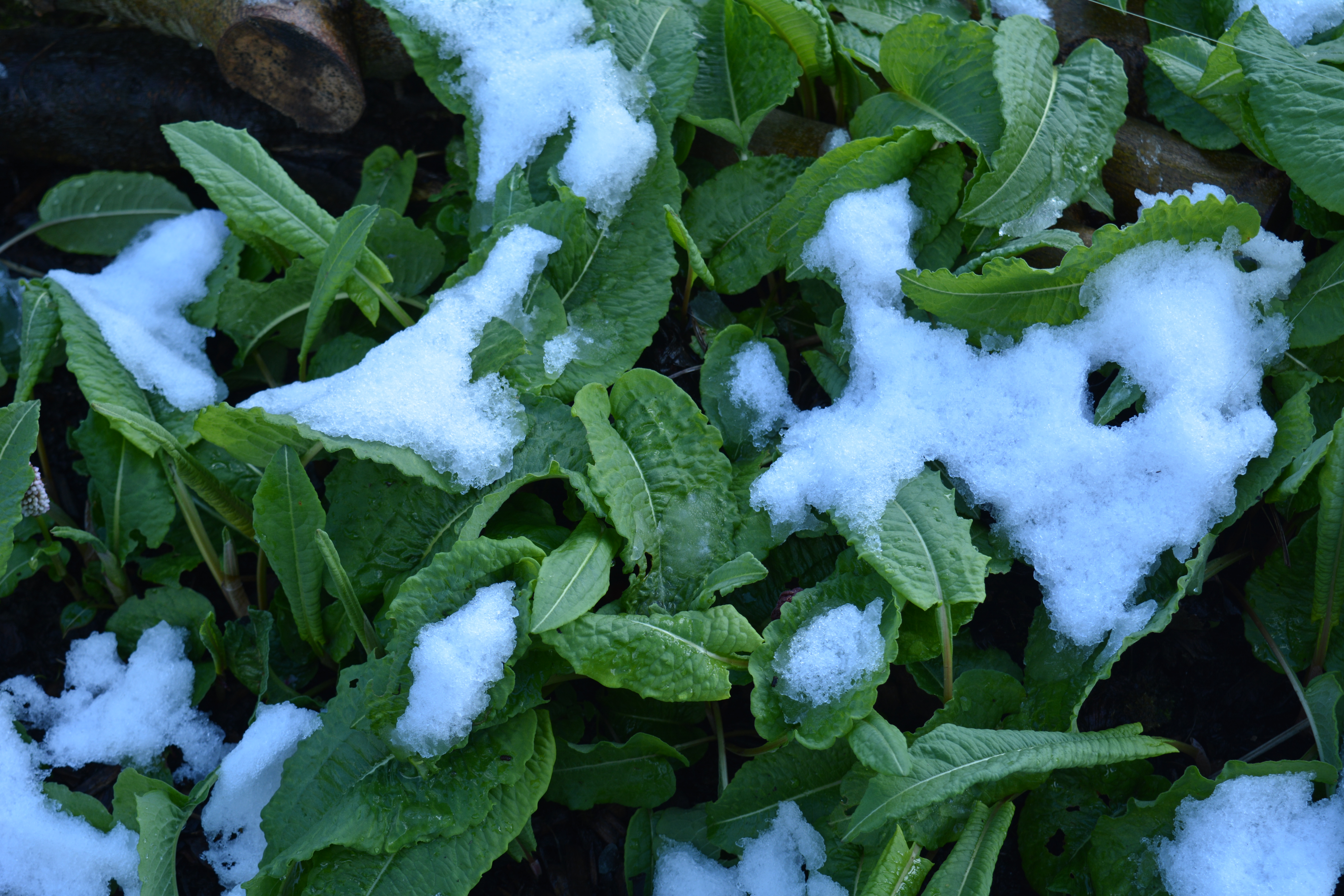
“April is the month  when we discover the joy of working in the garden into the evening hours. We are no longer forced indoors at teatime by the poor light. Some days also allow us to shed jackets and even jumpers as the temperatures feel more comfortable. But April can bring surprises such as overnight frosts and this year a very late snow shower. Hail storms chased us indoors on many occasions. But Spring still marches on and gives freshness of growth, new bright foliage on trees, shrubs and herbaceous perennials.”

snow box-8snow box-1 snow box-2 snow box-3 snow box-4

“The freshest foliage of all must be from our Acer shrubs. They unfurl their buds and give a multitude of shades of yellow, orange, ruby and green. Even though this happens every year and we look forward to it, the new life of our Acers delights us.”

aprilpics-13 aprilpics-07aprilpics-06 aprilpics-12

I then look at yellow in our garden.

april journal-4

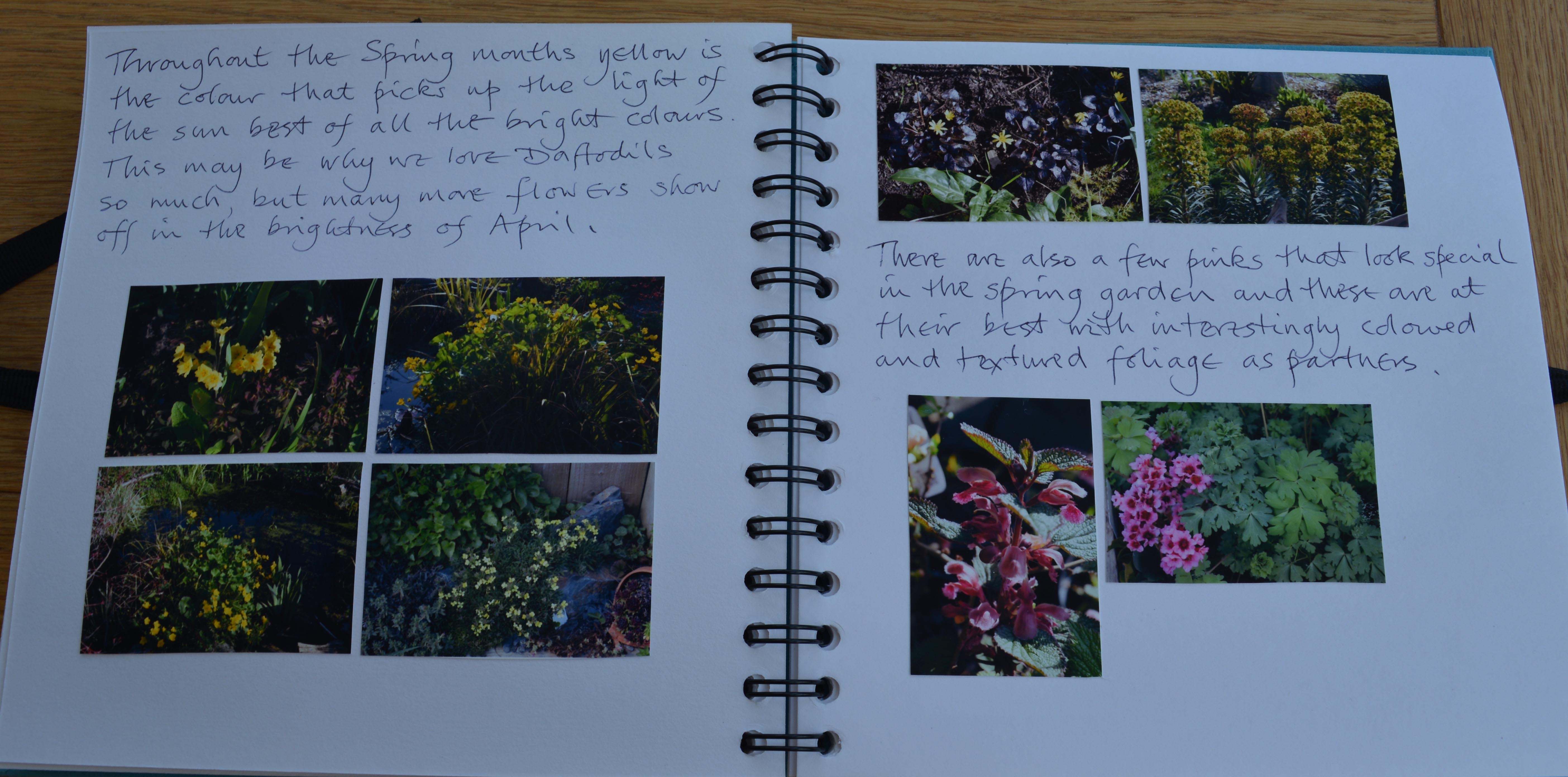
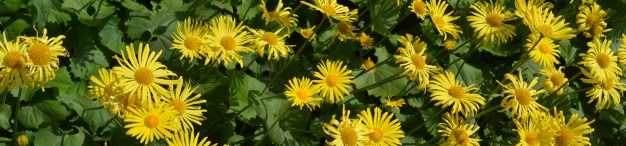
“Throughout the Spring months yellow is the colour that picks up the bright light of the sun best of all the bright colours. This may be why we love Daffodils so much, but many more flowers show off in the brightness of April.”    


aprilpics-20 yellow-4yellow-1 yellow-8aprilpics-18 yellow-9


“There are also a few pinks that look special in the Spring garden and these are at their best with interestingly coloured and textured foliage as partners.”

aprilpics-50 yellow-3

Blossom and the plants of cool shade appear on the final couple of my journal’s pages for April.

april journal-5

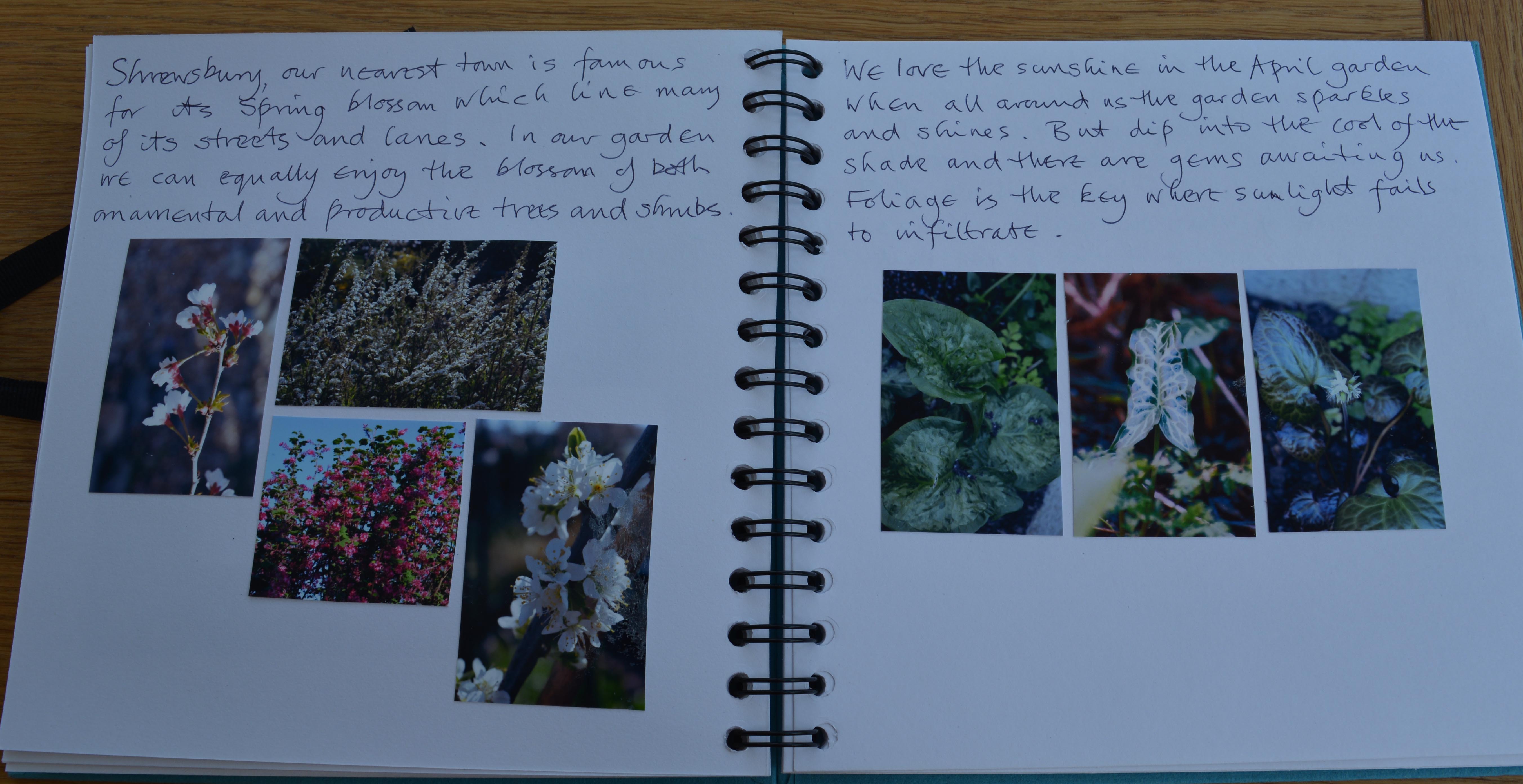
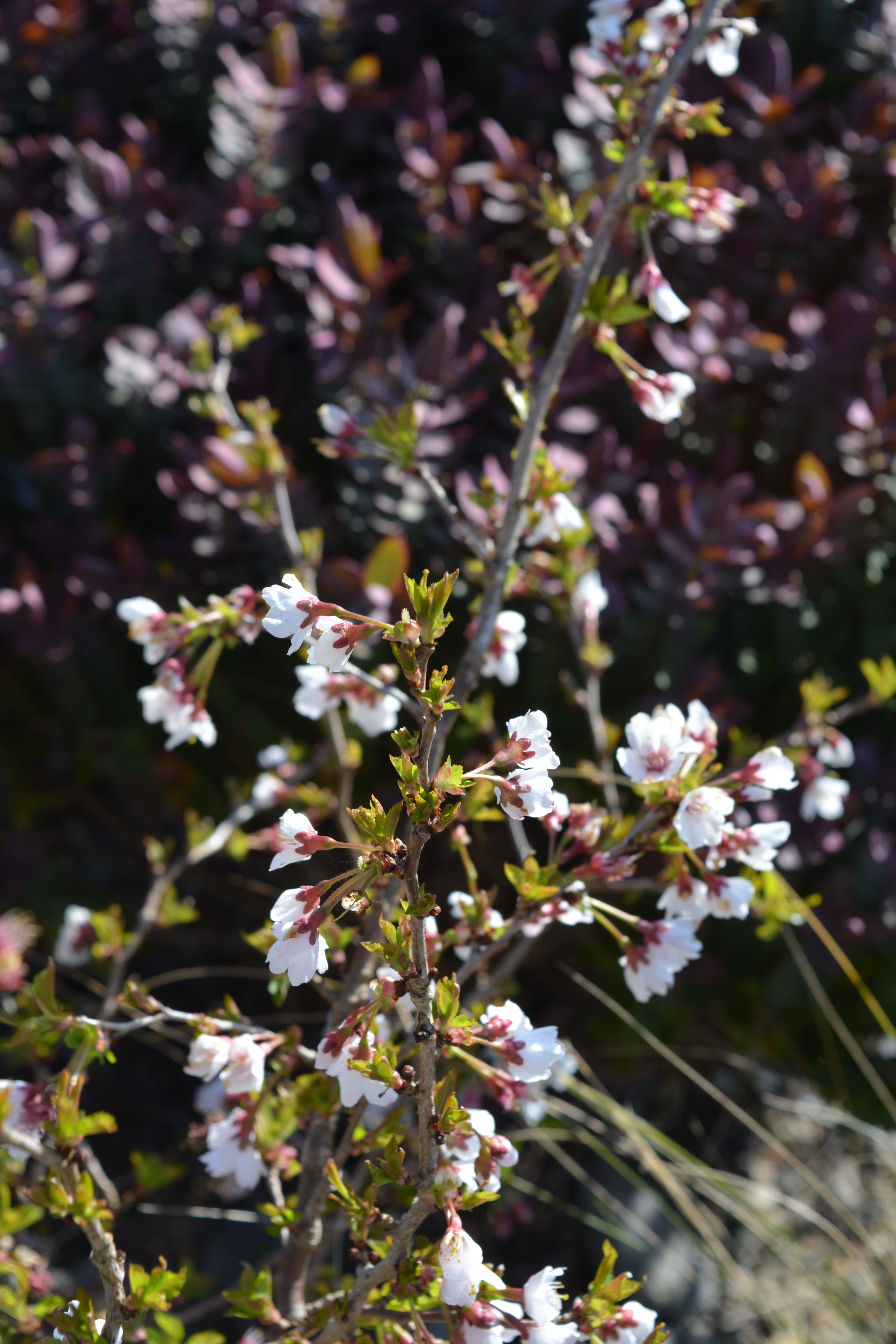
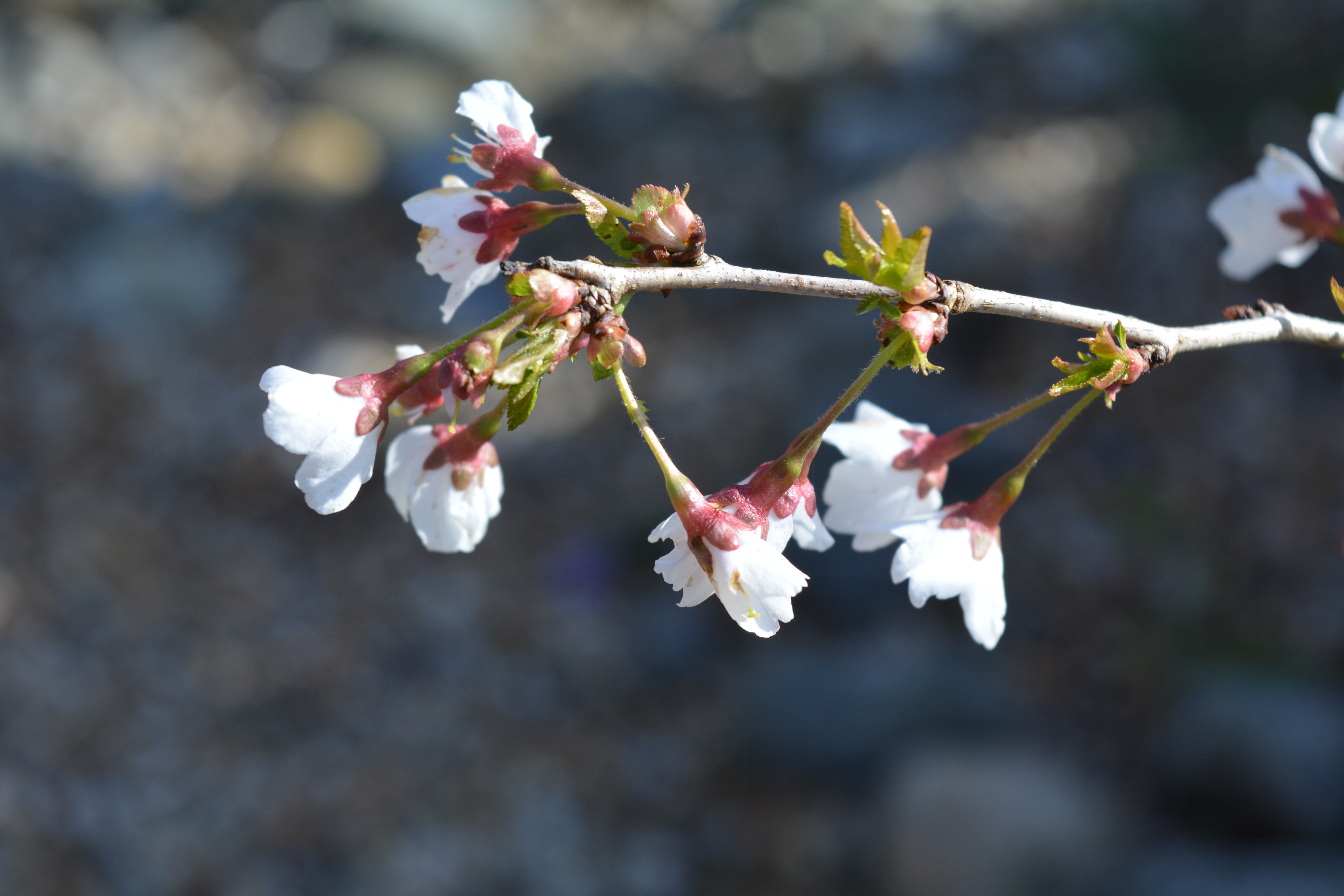
“Shrewsbury, our nearest town, is famous for its Spring blossom which lines many of its streets and lanes. In our garden we can equally enjoy the blossom of both ornamental and productive trees and shrubs.”

blossom-10aprilpics-19 ngs garden-104blossom-01 blossom-04 blossom-03 blossom-02 blossom-07


“We love the sunshine in the April garden when all around us the garden sparkles and shines. But dip into the cool of the shade and there are gems awaiting us. Foliage is the key where sunlight fails to infiltrate.”

ngs garden-102 blossom-11blossom-13 blossom-06

But any flowers that accompany this amazing foliage are tiny little star-like flowers.

ngs garden-100

ngs garden-103 ngs garden-101

So that is April in our garden. We now look forward to what May will bring!


Categories
colours flowering bulbs garden photography garden ponds gardening gardens gardens open to the public hardy perennials ornamental trees and shrubs shrubs spring bulbs spring gardening

The Dorothy Clive Garden in March

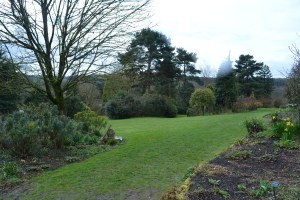
We returned to the Dorothy Clive Garden late in March to see what the early spring month presented to us. Our first view across the garden showed little change in fact so we hoped for more signs of seasonal progress elsewhere throughout the garden.

winchester-15-1winchester-16-1winchester-14-2

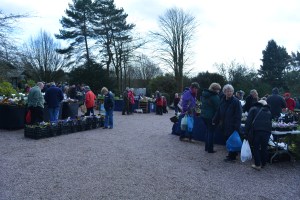
Last time we visited there was a wildlife activity going on and once again we had timed our visit to coincide with a special event, a Rare Plant Fair.

winchester-39-1 winchester-36-1

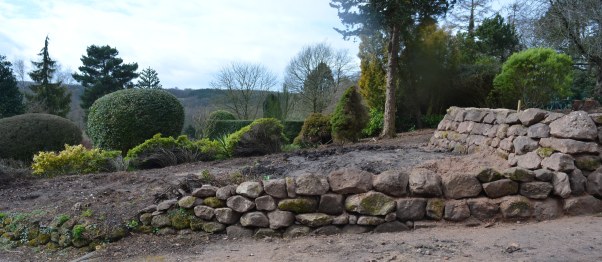
As we made our way in search of our usual coffee and cake we passed the developing area we found on our last visit. The area had been further cleared and a perimeter wall rebuilt. Perhaps on our next visit we may be able to work out what is being constructed.

winchester-37-1 winchester-38-1

As we walked along the woodland path skirting around the top edge of the Dingle Garden we followed sinuous grass tracks through naturalised golden daffodils.

winchester-35-1 winchester-33-1winchester-34-1 winchester-32-1

Dropping into the Dingle itself we discovered the blooms of Azaleas, Rhododendrons and Prunus in the shade beneath the tall evergreen trees.

winchester-31-1winchester-30-1winchester-28-1winchester-09-3 winchester-05-3winchester-08-3 winchester-08-1  winchester-10-3 winchester-07-3

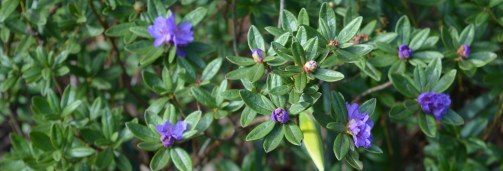
Beneath the Rhododendron shrubs small blue flowered bulbous plants shone jewel-like on the dingle floor.

winchester-27-1

We were looking forward seeing the new Winter Garden again as we were so impressed with it on our last visit. Our first views encouraged us to look closer.

winchester-18-1 winchester-19-1winchester-17-1

We enjoyed both the flowers and foliage of the new plantings. This area will be such a good winter garden in the years to come. We look forward to seeing it develop.

winchester-29-1 winchester-23-1winchester-25-1 winchester-24-1winchester-22-1 winchester-20-1winchester-12-3 winchester-02-3winchester-04-3 winchester-01-3  winchester-03-3

We emerged from the Winter Garden and wandered around the front of the tea shop to explore the sloping areas of the garden.

dorothyclive-01 dorothyclive-02-1

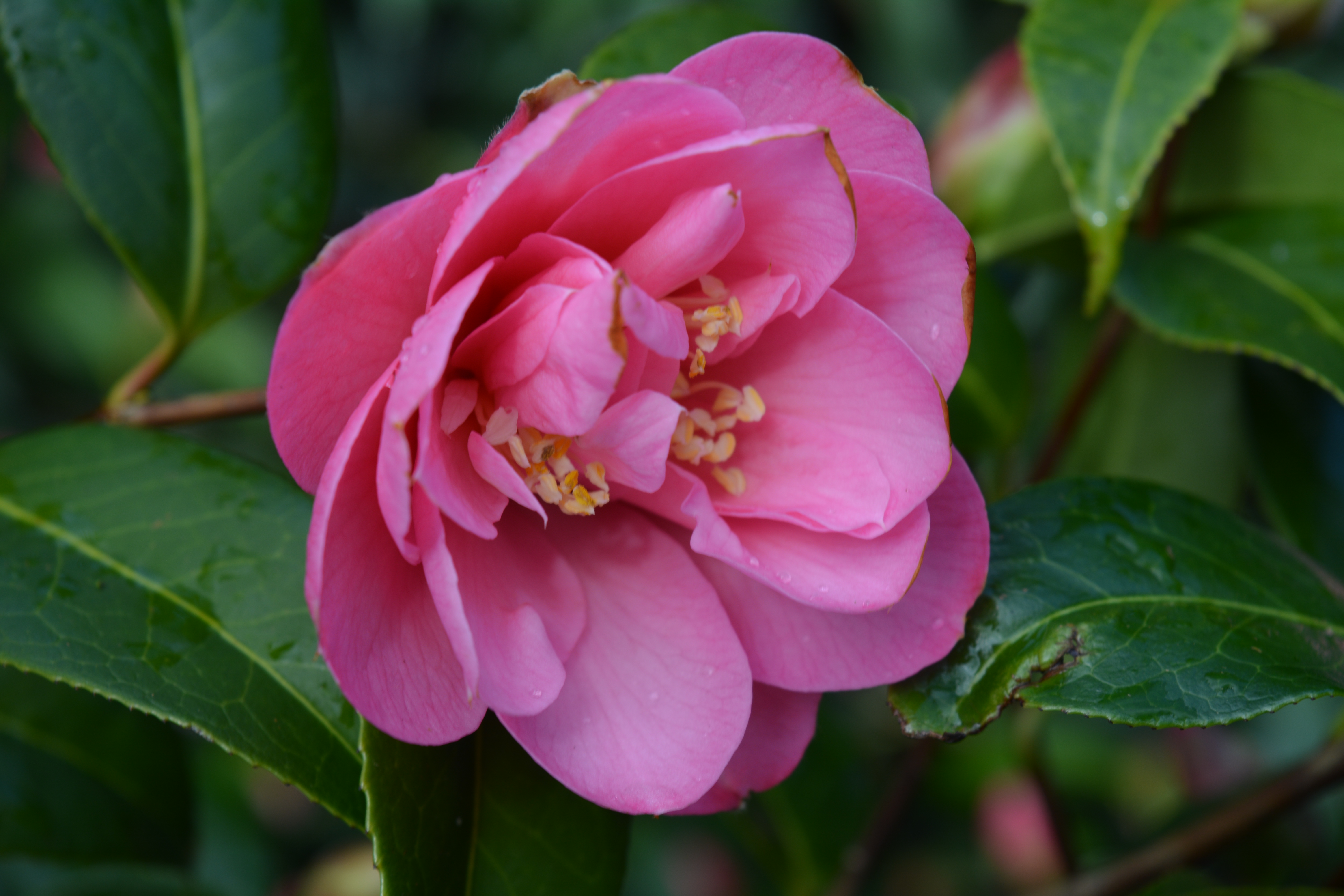
The Camellia Walk was at last showing lots more blooms but neither of us particularly like them. I include a couple of shots for those who do!

dorothyclive-14-1 dorothyclive-13-1

The views down to the pond through the scree area showed great variations in colour and texture but many of the shrubs still remained totally leafless. 

dorothyclive-08-1 dorothyclive-10-1

Within the borders in the sloping part of the gardens there were points of colour from shrubs and herbaceous plants.

dorothyclive-12-1

dorothyclive-09-1


dorothyclive-05-1

dorothyclive-03-1

Among these plants we discovered promises of more to come. Perhaps when we next return these buds will be fully open leaves and flowers. We can’t wait to return!

dorothyclive-04-1 dorothyclive-07-1


Categories
birds colours flowering bulbs garden photography garden ponds garden pools garden wildlife gardening gardens irises log piles natural pest control ornamental trees and shrubs Shropshire spring bulbs spring gardening village gardens water garden water in the garden wildlife

My Garden Journal in 2016 – March

We were expecting March to bring some signs of spring but really our seasons remained confused and muddled. March has brought us warm sunny days, days with cold biting winds, days with heavy persistent rain and many combinations of these.

winchester-04

My March report started with references to the weather as it controlled when we gardenened and days when it prevented us from getting out in the garden.

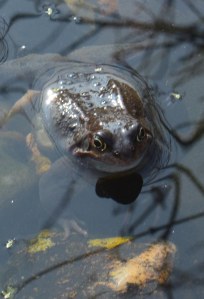
“During the first 2 days, March had delivered so many different types of weather, clear skies, sunshine, dark heavy cloud cover, rain and sleet. I wonder what else this month might have in store. This unseasonal weather delayed the arrival of our frogs until March whereas February is more usual a time. They soon added large clumps of spawn down one side of the wildlife pond.”

winchester-19 winchester-20winchester-21 winchester-22

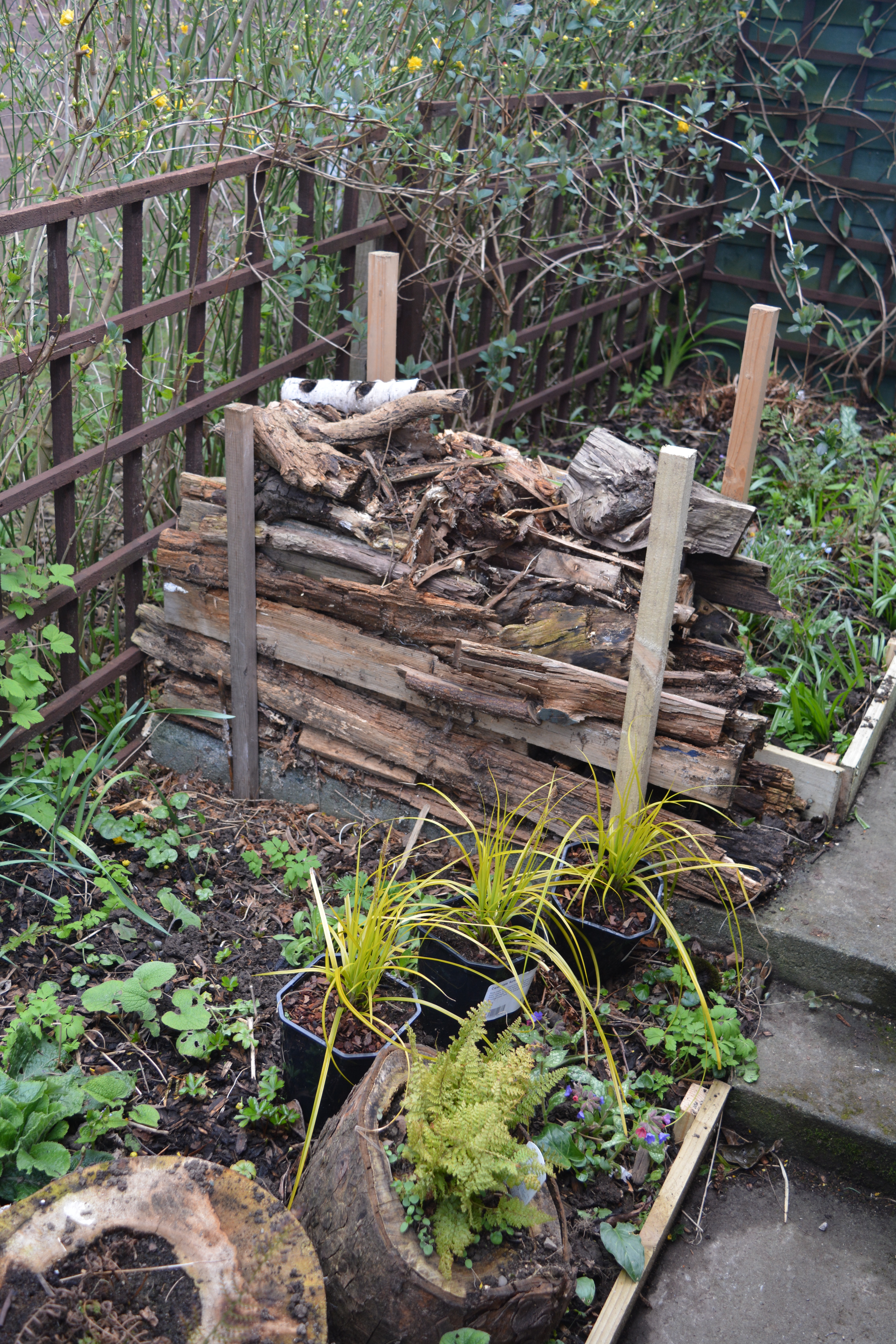
To help the smaller creatures that share our garden with us and help with pest control and pollination of our fruit we had great fun creating a new habitat for them, in the form of a log pile. The log pile is aimed specifically at beetles who are great pest controllers. We particularly appreciate their love of slug eggs!

winchester-01 winchester-02

On the page opposite my frog photos I feature some of our large collection of Hellebore.

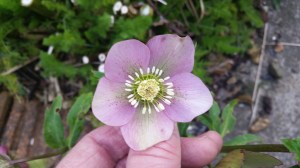
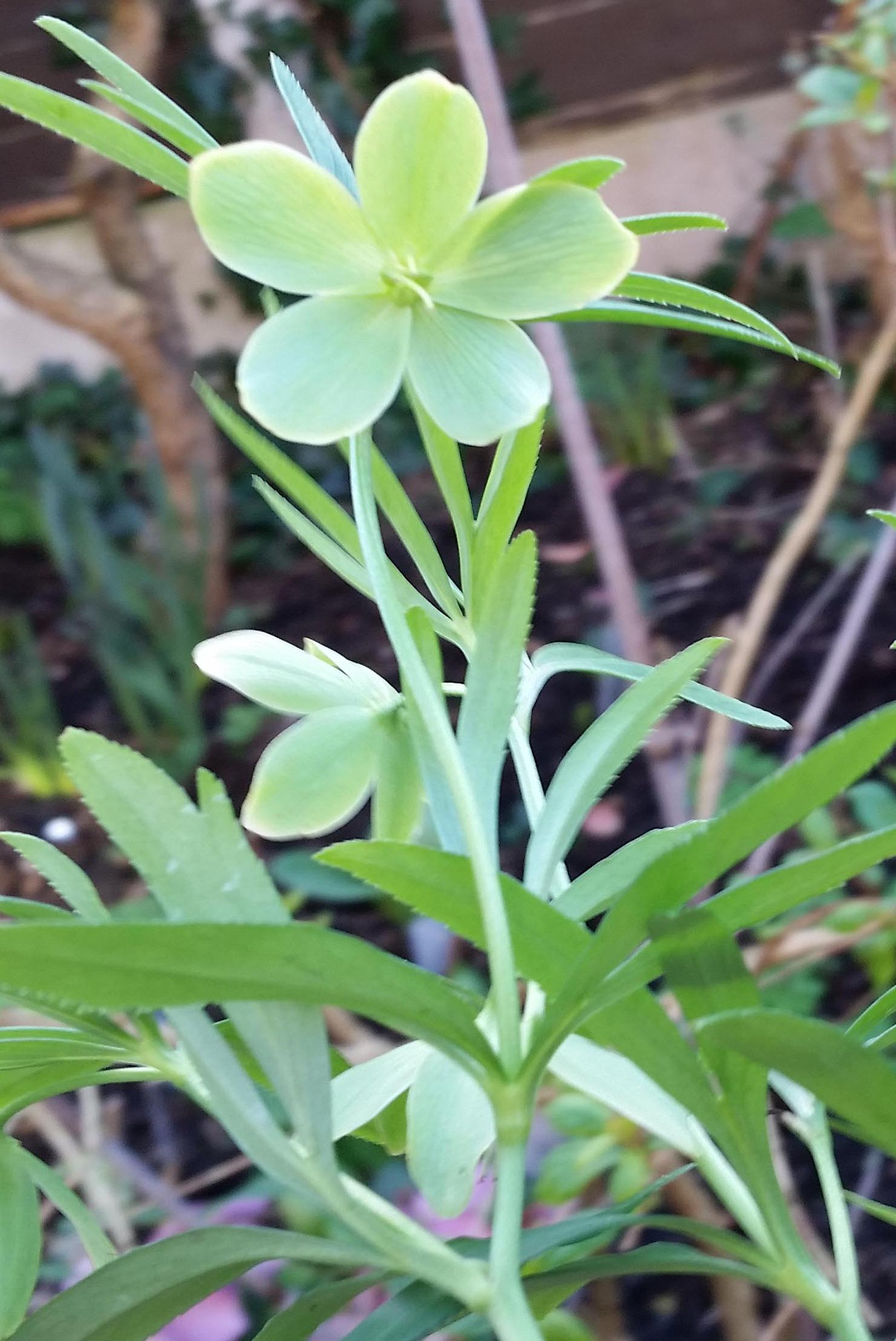
“Each year we add a few more Hellebores to our collection. This year is no exception! We are also getting a few interesting seedlings appearing, and some are worth keeping.”

winchester-47 winchester-11-2 winchester-14-1 winchester-10-2winchester-12-2

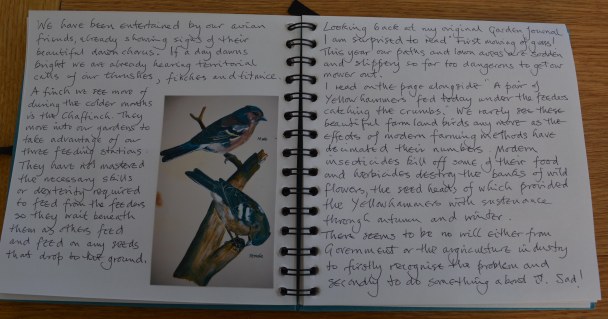
Turning the page I moved on to looking at the bird life we enjoyed in March, where I featured a gouache painting of a pair of Chaffinches and wrote about them.

winchester-05

“We have been entertained by our avian friends, already showing signs of their beautiful dawn chorus. If a day dawns bright we are already hearing territorial calls of our thrushes, finches and titmice. A finch we see more of during the colder months is the Chaffinch. They move into our garden to take advantage of our three feeding stations. They have not mastered the necessary skills or dexterity required to feed from the feeders so they wait beneath them as others feed and feed on any seeds that drop to the ground.”

B0000195

I then moved on to look back at previous garden journals from a decade or so ago.

“Looking  back at my original Garden Journal I am surprised to read “First mowing of grass! This year our paths and lawn areas are sodden and slippery so far too dangerous to get our mower out.

I read a page alongside, “A pair of Yellowhammers fed today under the feeders catching the crumbs.” We rarely see these beautiful farmland birds any more as the effects of modern farming methods have decimated their numbers. Modern insecticides kill off some of their food and herbicides destroy the banks of wild flowers, the seed heads of which provided the Yellowhammers with sustenance through autumn and winter. There seems to be no will either from Government or the agriculture industry to firstly recognise the problem and secondly to do something about it. Sad!”

I then reported on progress we had made with our recently constructed propagation bench.

winchester-06

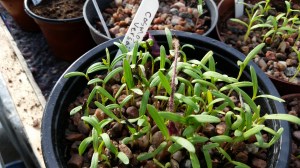
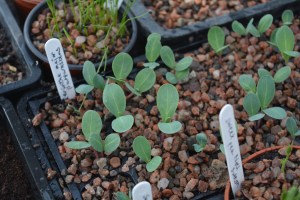
In my January entries to my journal I wrote about making a propagating bench in the greenhouse and then in February I looked at how we had prepared the greenhouse in readiness for seed sowing. Now in March we have seedlings showing well.”

winchester-45 winchester-46 winchester-36 winchester-35

Flowering shrubs feature over the next few pages, looking at those that flower and provide scent, starting off with the shrubs in the Ribes family.

winchester-06

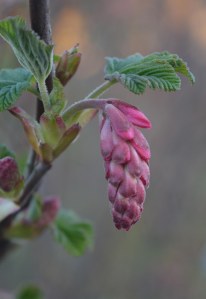
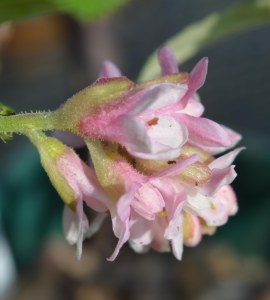
“The genus Ribes is a family of some 150 species of shrubs, mainly deciduous with just a few evergreens. We grow 3 species on our allotment to give us Redcurrants, Blackcurrants and Gooseberries. In the ornamental garden at home we grow 5 species and 4 of these are flowering in March, Ribes sanguineum “King Edward VII” and Ribes s. “Elkington White”.

winchester-40 winchester-41winchester-31 winchester-33 winchester-32

The other two March flowering Ribes are very different to the Ribes sanguineums. Ribes laurifolium has thick evergreen foliage, each leaf shaped and textured just like those oa a Laurel, hence its name. The flowers at first glance appear white but close up they are pale cream with a hint of green – absolutely beautiful! Beautiful and scented! The final Ribes to flower in March is Ribes speciosum with crimson flowers. To be fair though this Ribes species shows flowers on and off all year. It is generally evergreen for us as we planted it in a sheltered spot. Its flowers are like tiny Fuschias hanging along most of its branches. The downside? Every inch of every stem is covered in thin spines, so pruning can be difficult. On our open days so many visitors ask about Ribes speciosum.”

winchester-27 winchester-28winchester-02-2

“In the autumn we took cuttings of Ribes s. King Edward VII. What a surprise we had when one of them produced these pale gentle pink flowers. One more shrub of the Ribes family still has not yet flowered, Ribes odorarum.”

winchester-09-1

My journal then tells of other unusual flowering shrubs we grow here at Avocet.

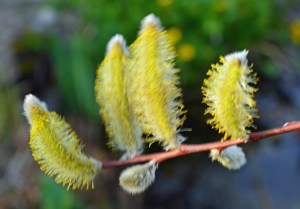
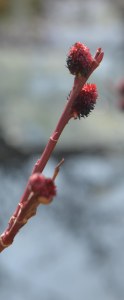
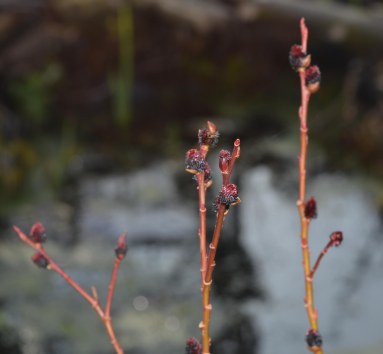
“Abnother unusual shrub we grow for March interest is a special willow. Salix gracilistyla melanostachyla has amazing flowers, red and black catkins. Early flying bees love them.”

winchester-08

winchester-23 winchester-24 winchester-25winchester-26

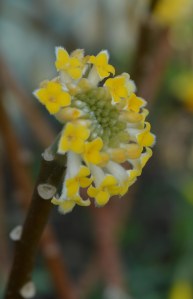
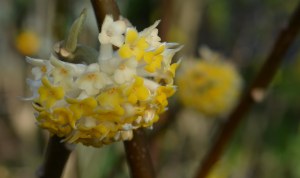
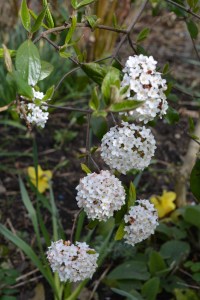
“Two other March flowering shrubs are grown for their large umbels of flowers but also their scent. The first, Edgeworthia chrysantha grandiflora, has unusual bright yellow flowers which add scent to the late winter and early spring garden. Their second is a Viburnum, Viburnum x burkwoodii, which does not open its flower buds until late March.”

winchester-11-1 winchester-10-1winchester-11 winchester-12

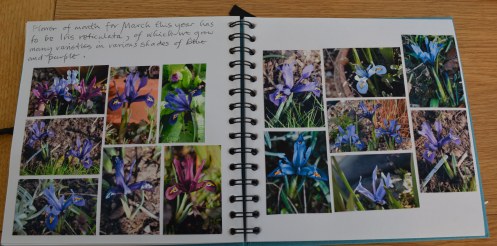
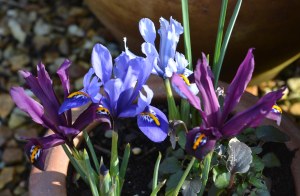
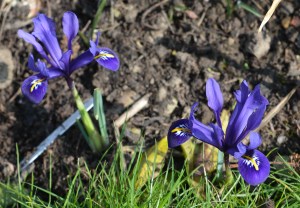
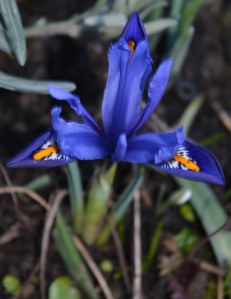
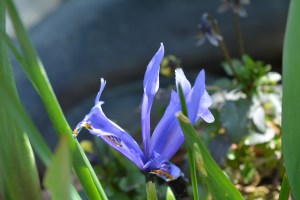
Turn over the page of my journal and you will be delighted by photos of Iris reticulata in all their glorious shades of blue and purple.

winchester-09

“Flower of the month for March has to be Iris reticulata, of which we grow many varieties in various shades of blue and purple.”

winchester-04-1 winchester-14winchester-29 winchester-12-1 winchester-39winchester-30 winchester-38 winchester-15winchester-03-1 winchester-05-1winchester-07-1 winchester-08-1winchester-13 winchester-17 winchester-16winchester-37 winchester-06-1

My final page for March takes another look at what is going on in the greenhouse as the month comes to an end.

winchester-10

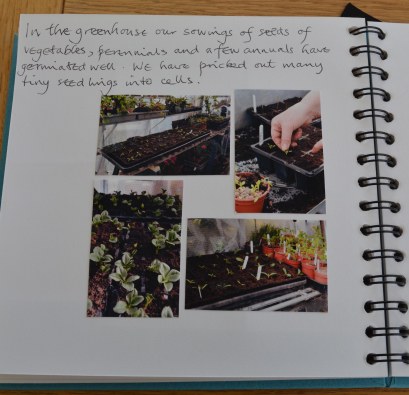
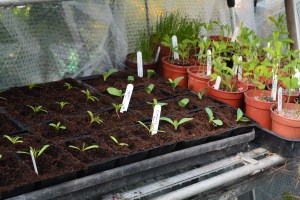
“In our greenhouse our sowings of seeds of vegetables, perennials and a few annuals have continued to germinate well and grow strongly. We have pricked out many tiny seedlings into cells.”winchester-03-2 winchester-06-2

winchester-05-2 winchester-04-2

Our next visit to my garden journal will report on what will be happening in our garden at Avocet in April, the month traditionally associated with showers.

Categories
flowering bulbs garden photography gardening hardy perennials National Garden Scheme NGS ornamental trees and shrubs Shrewsbury Shropshire shrubs spring bulbs spring gardening The National Gardening Scheme" Yellow Book Gardens

What our visitors saw! Our first NGS open Day of 2015

This year we are opening our garden five times, once each month from April to August so that visitors can see it develop as the year progresses. Our first opening was on 15th April, a sunny warm day so we were pretty busy. This blog is a wander around our Avocet garden with my camera just before our visitors arrived. Enjoy a wander with me.

2015 04 17_0766 2015 04 17_0767 2015 04 17_0768 2015 04 17_0769 2015 04 17_0770 2015 04 17_0771 2015 04 17_0772 2015 04 17_0773

2015 04 17_0774 2015 04 17_0775 2015 04 17_0776 2015 04 17_0777 2015 04 17_0778 2015 04 17_0779 2015 04 17_0780 2015 04 17_0781 2015 04 17_0782 2015 04 17_0783

2015 04 17_0784 2015 04 17_0785 2015 04 17_0786 2015 04 17_0787 2015 04 17_0788 2015 04 17_0789 2015 04 17_0790 2015 04 17_0791 2015 04 17_0792 2015 04 17_0793

2015 04 17_0794 2015 04 17_0795 2015 04 17_0796 2015 04 17_0797 2015 04 17_0798 2015 04 17_0799 2015 04 17_0800 2015 04 17_0801 2015 04 17_0802 2015 04 17_0803

2015 04 17_0804 2015 04 17_0805 2015 04 17_0806 2015 04 17_0807 2015 04 17_0808

Our next opening will be in May when the garden will look very different.

Categories
birds fruit and veg garden photography garden ponds garden pools garden wildlife gardens National Trust natural pest control NGS ornamental trees and shrubs Shrewsbury shrubs spring gardening The National Gardening Scheme" water in the garden wildlife Yellow Book Gardens

My Garden Journal – April

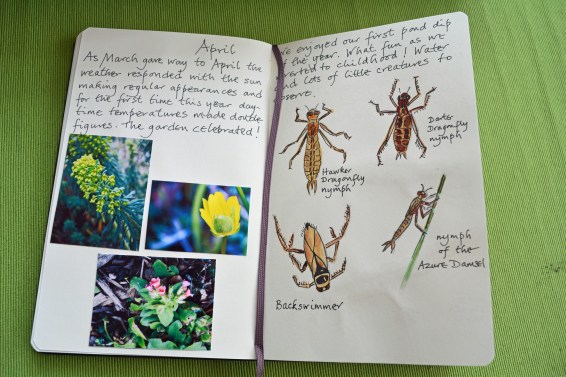
Back to my garden journal where we can see what was interesting me in our garden at Avocet during the month of April. My journal for April begins “As March gave way to April the weather responded with the sun making regular appearances and for the first time this year daytime temperatures made double figures. The garden celebrates!”

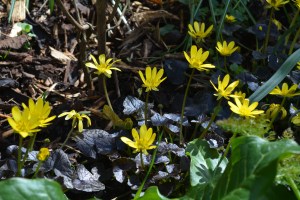
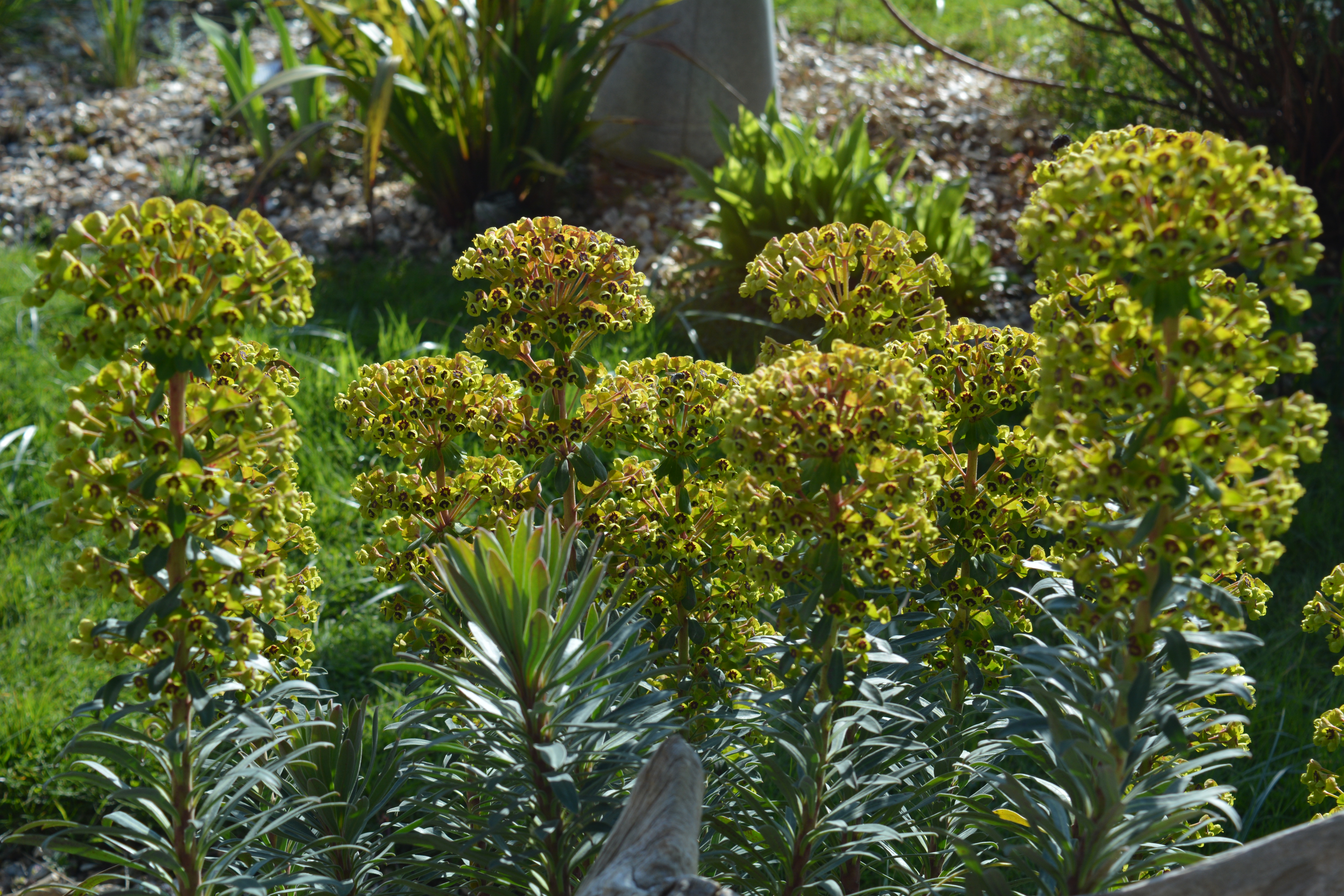
It celebrated with bright colours of spring flowers such as Celendines, Pulmonarias and early chartreuse flower s and bracts of Euphorbias.

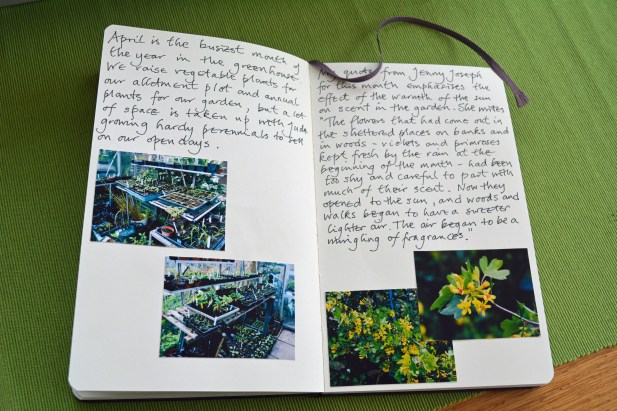
My quote from Jenny Joseph’s book “Led by the Nose – A Garden of Smells” speaks of the delicate scents of the garden and in the countryside that are so important in spring.

The flowers that had come out in the sheltered places on banks and in woods – violets and primroses kept fresh by the rain at the beginning of the month – had been too shy and careful to part with much of their scent. Now they opened to the sun, and woods and walks began to have a lighter sweeter air. The air began to be a mingling of fragrances.”

2015 05 07_1425_edited-1

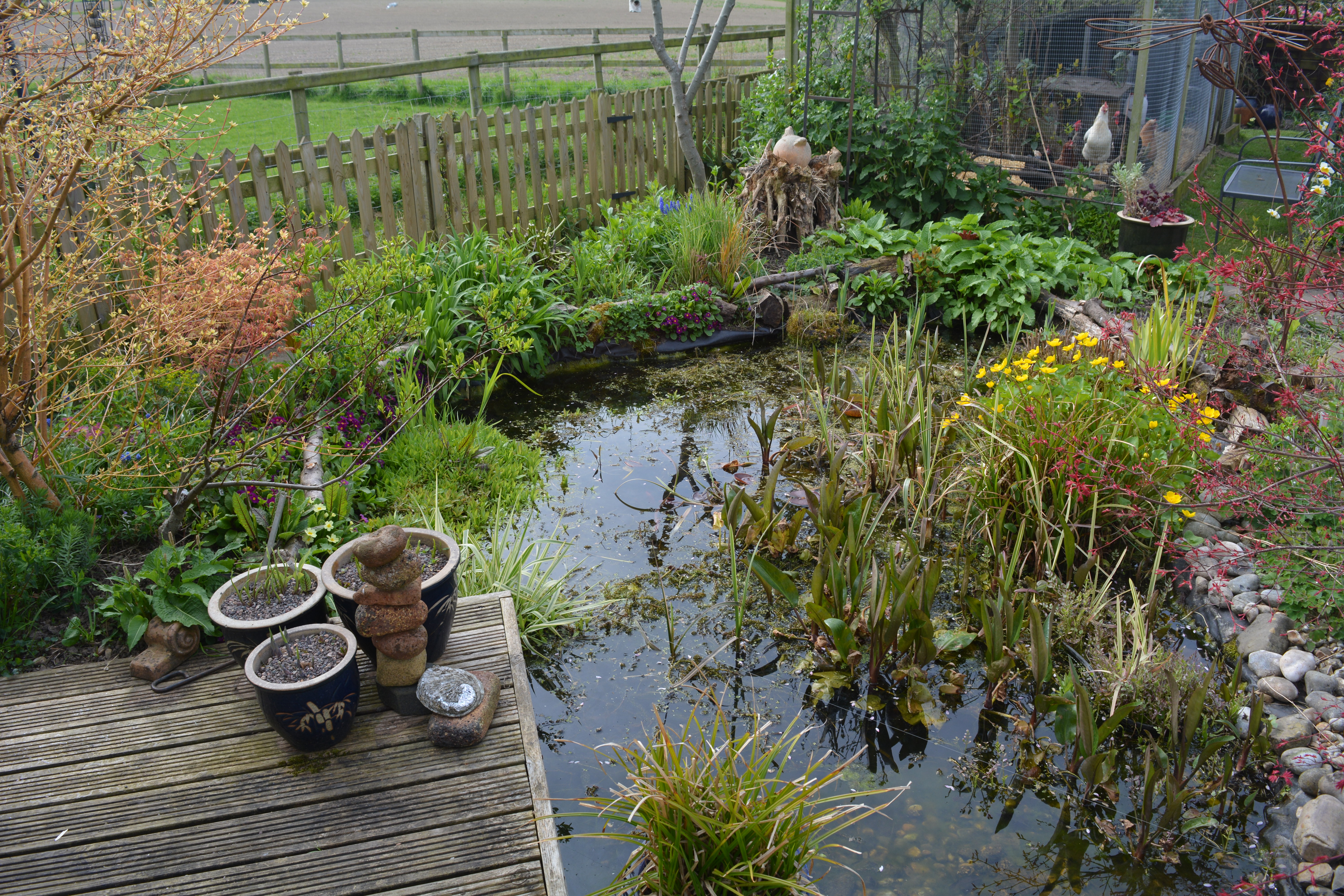
As the water in the wildlife pond warmed up we thought we would have our first dip with our net to see what wildlife was in evidence beneath the surface. In the journal I wrote “What fun as we reverted to childhood!”We were surprised by just how many different creatures had already stirred into life. I chose to paint the nymphs of Dragonflies and Dameslflies and a Backswimmer. The Damselfly Nymph will hatch out into an Azure Damsel and the two Dragonfly Nymphs into a Hawker Dragonfly and a Darter Dragonfly. They were quite a challenge to paint in their subtle earthy hues.

2015 05 07_1427_edited-1 2015 05 07_1426_edited-1

Continuing on the watery theme on the next page of my garden journal I wrote “Jude gets excited each time she catches a newt when she is on her regular pond maintenance forays. The first this year appeared in early April. Such excitement at Avocet!”  We were so pleased to find so many newts out and about and so active this early in the year. As well as enjoying seeing them using our pond we are even more pleased to know that they are helping us with out pest control out in the borders. They spend much of their time out of water and are partial to slugs. Welcome visitors indeed!

2015 05 07_1428_edited-1

Now these little critters were even more of a challenge to paint than the other pond creatures! Anyway here are the results.

2015 05 07_1430_edited-1

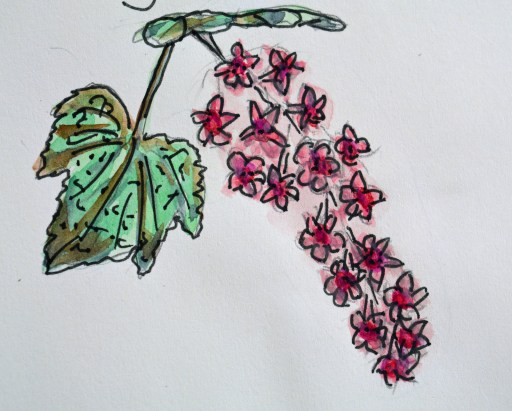
On my next page I wrote, “During Easter Weekend, usually associated with cold and rain, the sky turned the deepest, clearest blue. Temperatures suddenly doubled and the garden buzzed and hummed with the arrival of bees and hoverflies. The most popular of all plants is the flowering currant, Ribes sanguineum.” 

2015 05 07_1429_edited-1

April is the busiest month of the year in the greenhouse. We raise vegetable plants for our allotment plot and annual plants for our garden, but a lot of space is taken up with Jude growing hardy perennials to sell on our open days.

2015 05 07_1431_edited-1 

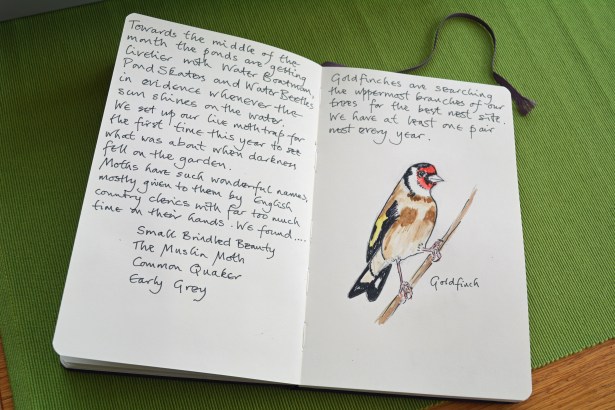
Towards the middle of the month the ponds were getting livelier with Water Boatmen, Pond Skaters and Water Beetles in evidence whenever the sun shone on the water. We set up our live moth trap for the first time this year to see what was about when darkness fell on the garden. Moths have such wonderful names, mostly given to them by English country clerics with far too much time on their hands. We found Small Brindled Beauties, Muslin Moths, Common Quakers and Early Greys.

2015 05 07_1432_edited-1

I next wrote “Goldfinches are searching the uppermost branches of our trees for the best nest site. We have at least one pair nest every year”. I then got out my watercolour paints and pens and attempted a painting of a Goldfinch.

2015 05 07_1433_edited-1

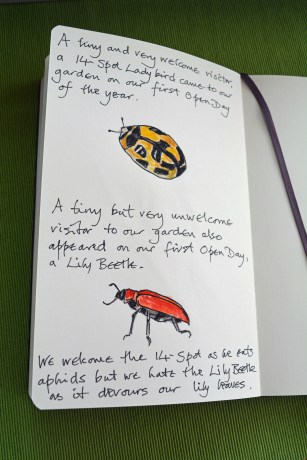
My final page in my journal entries for April featured two colourful beetles which we found in our garden in that month. “A tiny and very welcome visitor, a 14-Spot Ladybird came to our garden on our first Open Day of the year. A tiny but very unwelcome visitor to our garden also appeared on our first Open Day, a Lily Beetle. We welcome the 14-Spot as he eats aphids but we hate the Lily Beetle as it devours our lily leaves.”


2015 05 07_1435_edited-1

Categories
colours flowering bulbs fruit and veg garden design garden photography gardening gardens gardens open to the public hardy perennials National Trust natural pest control ornamental trees and shrubs spring bulbs spring gardening The National Trust trees walled gardens

Croft Castle Month by Month – Part 4 – April

2015 04 24_0985_edited-1

It is already time for our fourth visit to the National Trust’s Herefordshire property, Croft Castle. On this visit the sun shone on us and we enjoyed a lovely warm spring day.

2015 04 24_0994_edited-2

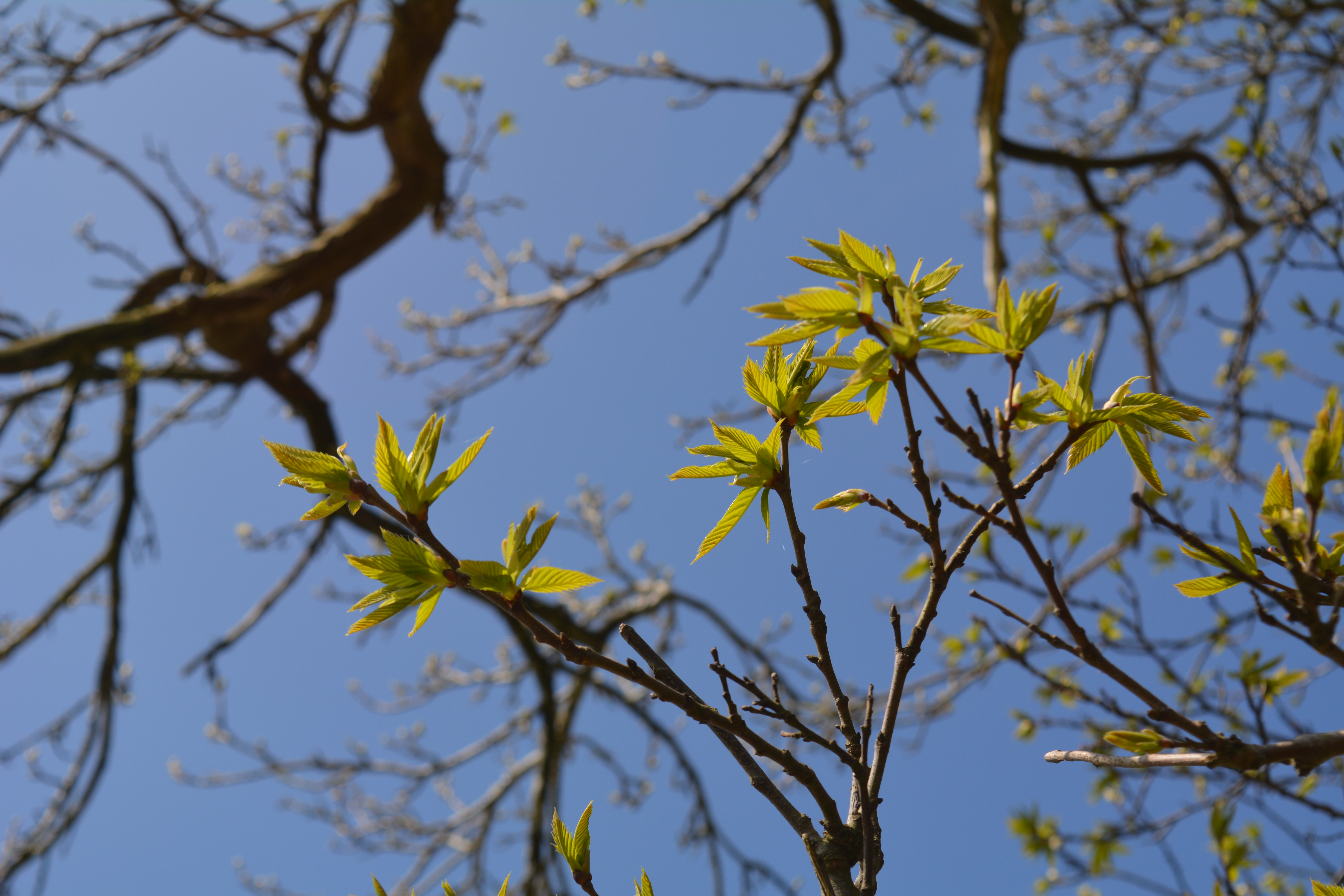
The first noticeable change was that there was now life in the trees as buds were bursting and delicate bright green leaves were making their entrance.

2015 04 24_0975 2015 04 24_09762015 04 24_0982

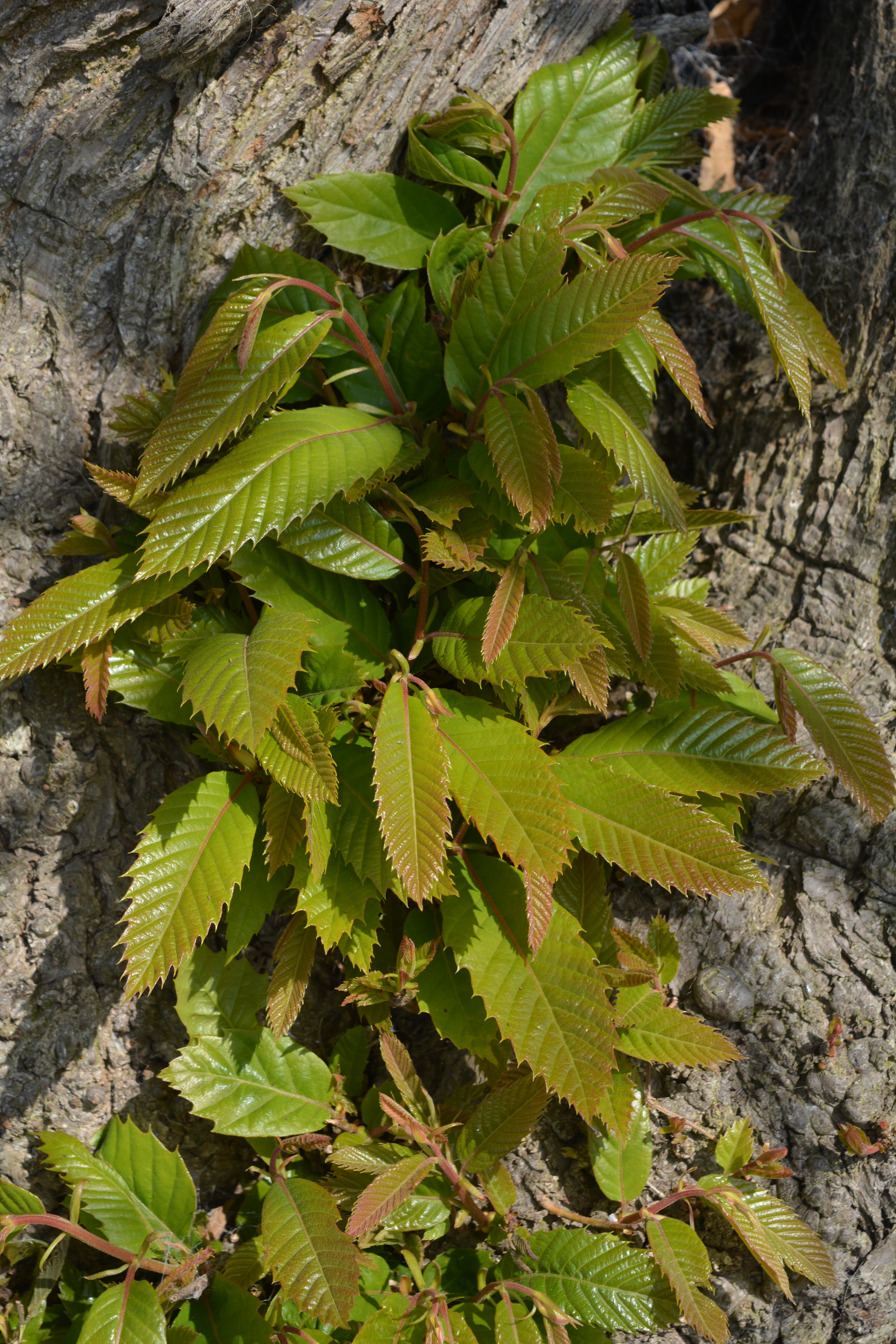
The ancient Sweet Chestnuts were beginning to show glossy ribbed fresh green foliage.

2015 04 24_0981_edited-12015 04 24_1040

2015 04 24_0978 2015 04 24_0979 2015 04 24_0980

Different wildflowers  added colour to the little meadow area that we pass on our way to the walled garden, Lady’s Smock with the softest possible pink petals, white and purple Fritilleries and buttercup yellow Dandelions.

2015 04 24_0983 2015 04 24_0984

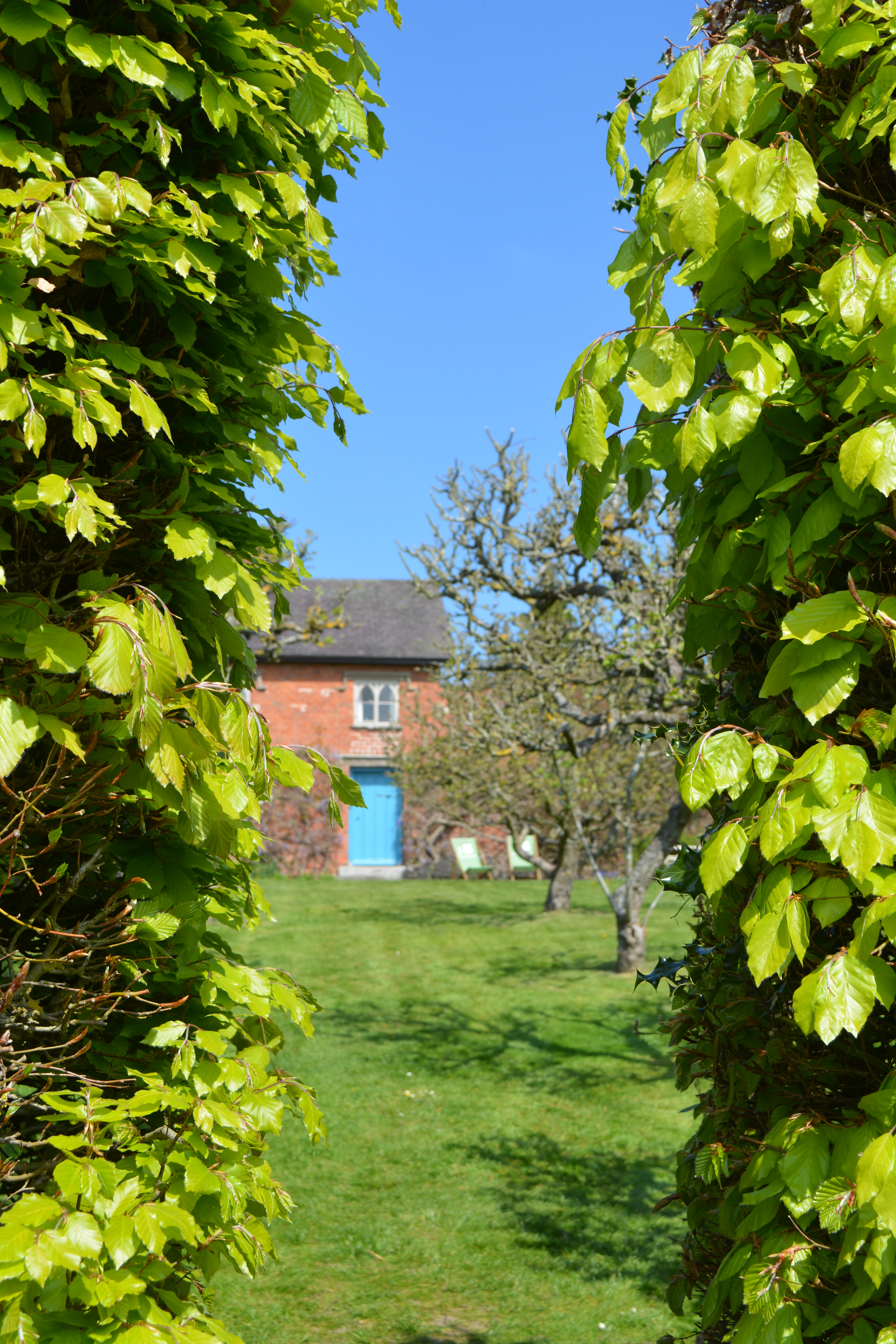
Beyond the meadow we passed through the gateway in the stone wall and got a glimpse of the castle and its chapel. We then walked along the deep long mixed border.

2015 04 24_09872015 04 24_0986 2015 04 24_0988 2015 04 24_0989

We arrived expecting to see big changes in the walled garden itself and immediately we were struck by how lush green everything looked.

2015 04 24_0990 2015 04 24_0992 2015 04 24_0993 2015 04 24_0995 2015 04 24_0996 2015 04 24_0997 2015 04 24_0998

In the bothy we read the job list for the gardeners. The greenhouse had a surprise in store for us, these zingy orange Clivia flowers. I couldn’t resist taking a shot of the peeling paint on an old wooden seat.

2015 04 24_1003_edited-12015 04 24_0999 2015 04 24_1000 2015 04 24_1002

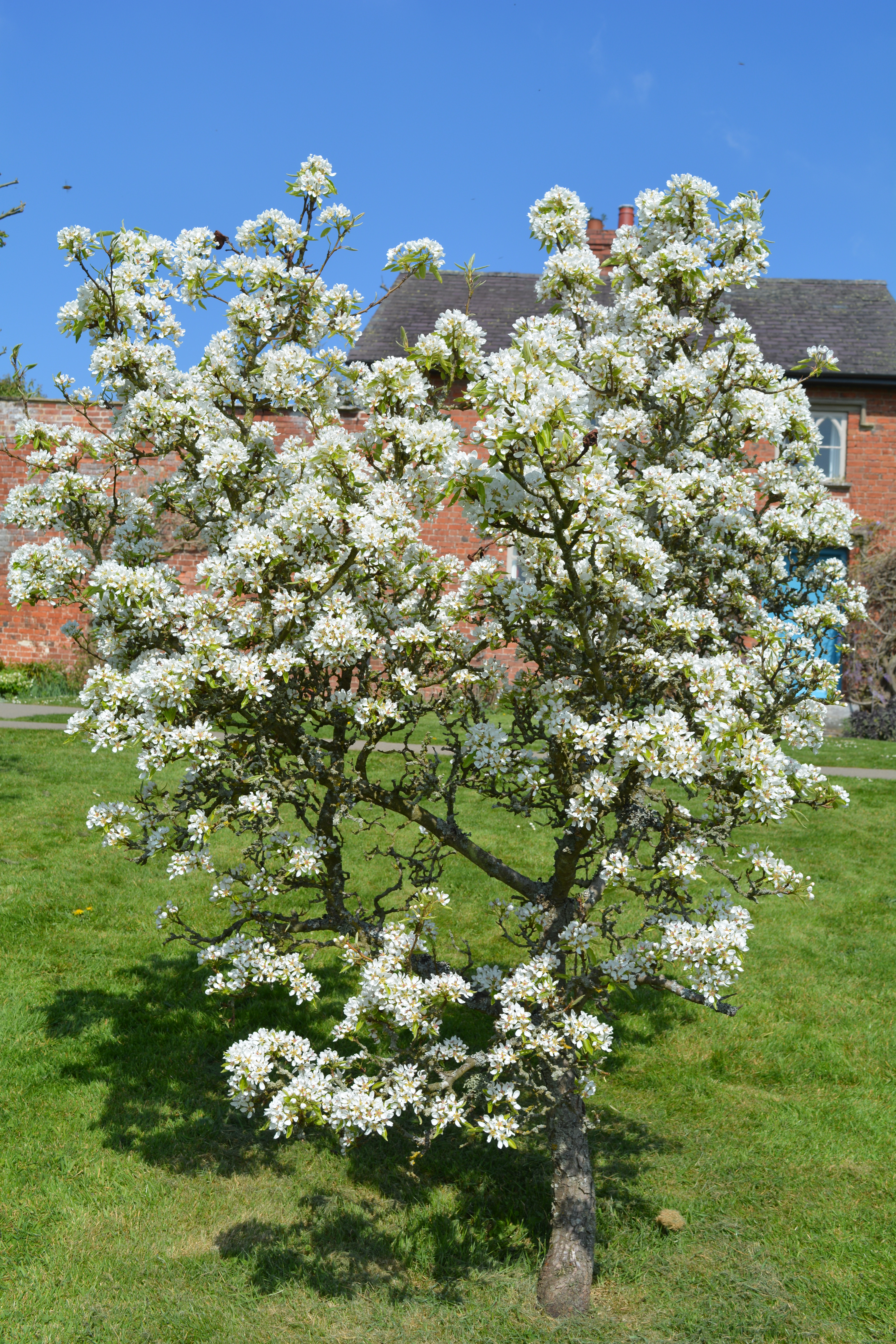
Although there was little sign of growth on the vines the Apples were showing their first blossoms and the Rhubarb plants were producing strong stems. The garden staff had already picked a large crop. In the Rose Garden Tulips provided bright patches of colour.

2015 04 24_1004 2015 04 24_1005 2015 04 24_1008 2015 04 24_1010 2015 04 24_1011 2015 04 24_1012 2015 04 24_1014 2015 04 24_1036 2015 04 24_1013

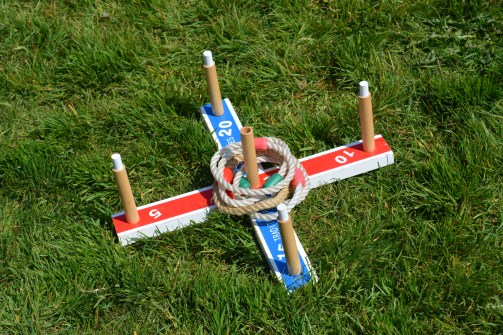
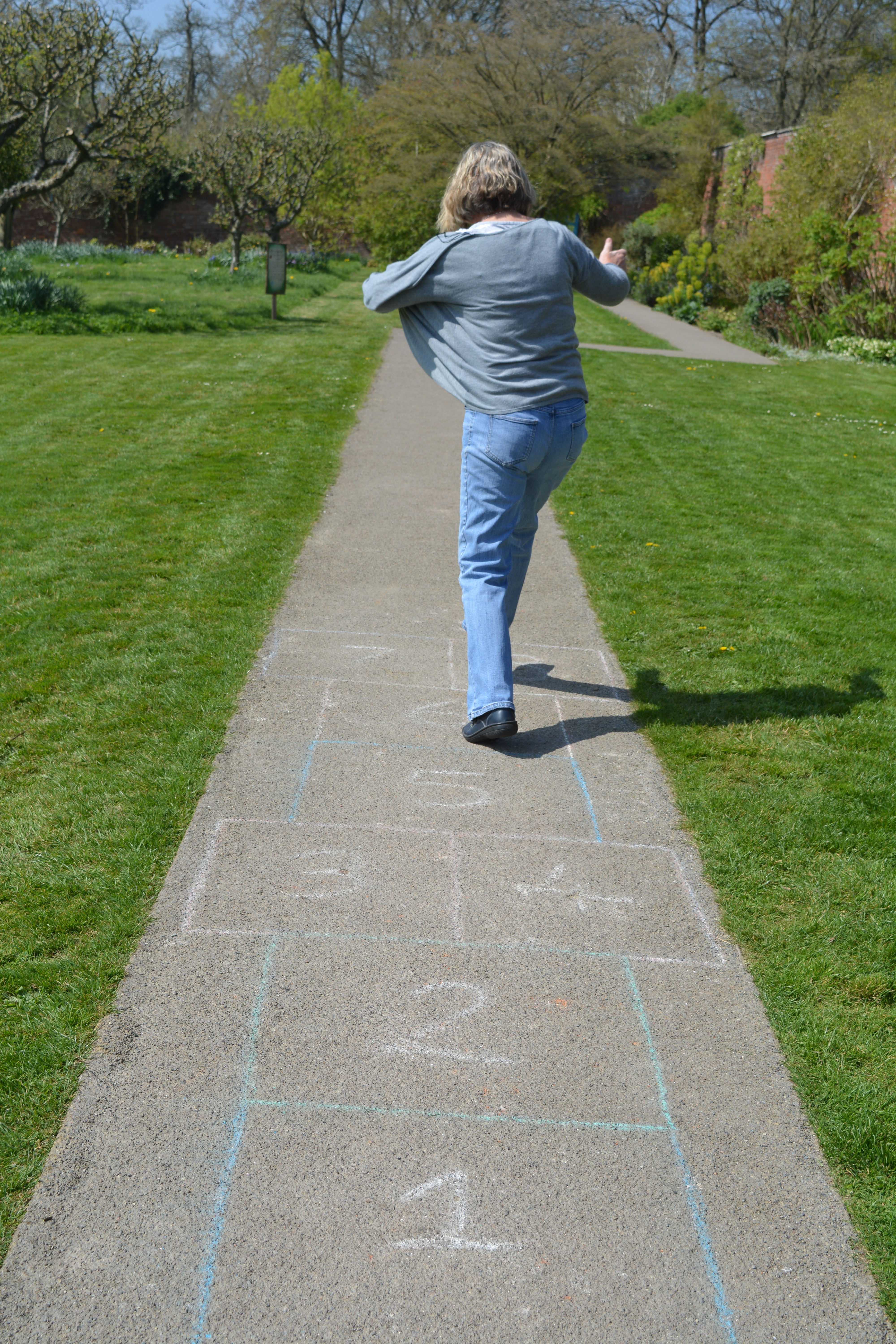
In readiness for the next school holiday the staff had put out games from times past. Jude the Undergardener just couldn’t resist it!

2015 04 24_10452015 04 24_1015 2015 04 24_1016 2015 04 24_1017

Close to the Hopscotch game our noses were attracted to the scent from the Wisteria flowers.

2015 04 24_1019 2015 04 24_1020

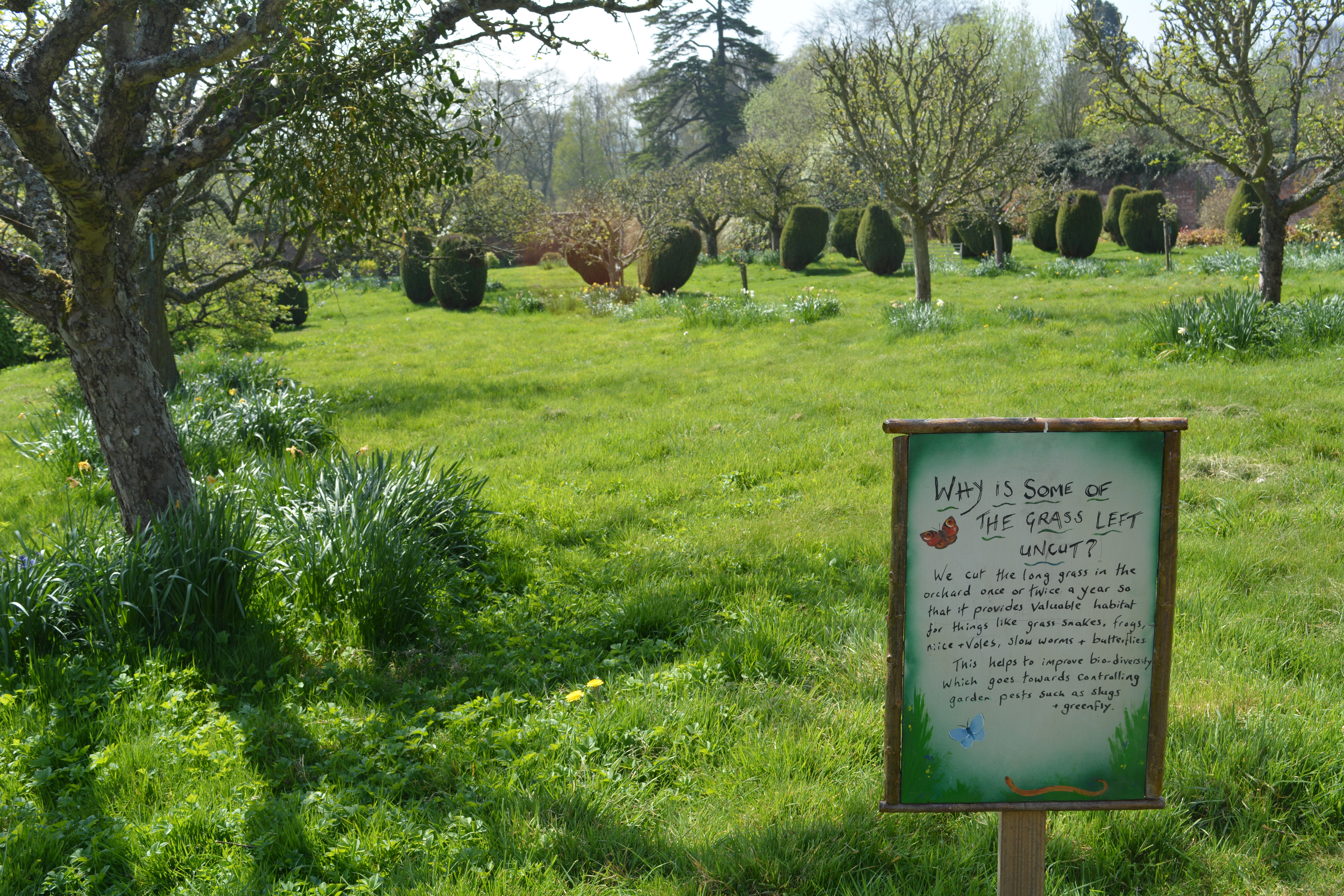
We loved this sign explaining why some grass was left uncut.

2015 04 24_1021 2015 04 24_1022

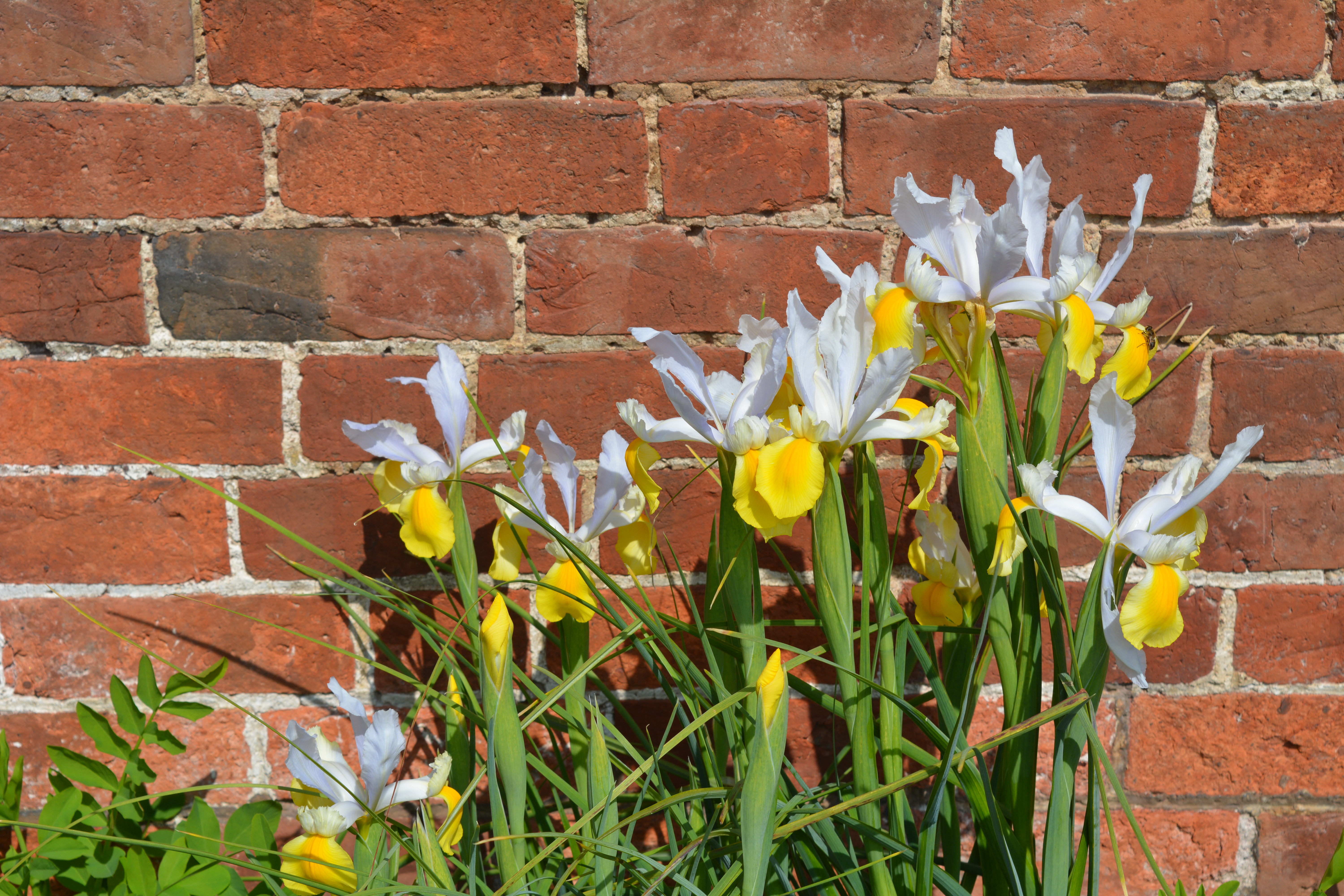
We discovered colour in every border in the walled garden, flowering bulbs and early shrubs.

2015 04 24_1009_edited-12015 04 24_1023 2015 04 24_1024 2015 04 24_1026 2015 04 24_10272015 04 24_1030 2015 04 24_1031 2015 04 24_1033 2015 04 24_1034 2015 04 24_10372015 04 24_1035  2015 04 24_1039 2015 04 24_1041     2015 04 24_1042 2015 04 24_10462015 04 24_1044

Next visit to the gardens at Croft Castle will be in May when Spring will be in”full swing”.

This Veggie Life

A Vegetarian | Nature Lifestyle Blog

Rambling in the Garden

.....and nurturing my soul

The Arch City Gardener

Journeys In St. Louis Gardening and Beyond

Garden Dreaming at Châtillon

Consult the genius of the place

Storyshucker

A blog full of humorous and poignant observations.

gardeninacity

Notes from a wildlife-friendly cottage garden

PlayGroundology

...an emerging social science

The Official Blog of British Wildlife

'The most important and informative publication on wildlife of our times' - The Independent. This blog is a member of The UK & Ireland Natural History Bloggers group: www.uknhb.blogspot.com

iGrowHort

Inspire - Cultivate - Grow Native Plants - Restore Landscapes

Bishops Meadow Trust

To create and protect a semi-natural wild space for the people of Farnham to enjoy and experience an array of British wildlife in our town

Gardening with Children

The www.gardeningwithchildren.co.uk Blog

UKbirdingtimeline

birding through the seasons, why birds matter and how to conserve them

NATURE WALKER

with a camera in hand

Jardin

Transform your outdoor space

Eva's space

My allotment, cooking and other interests

Old School Garden

my gardening life through the year

LEANNE COLE

Trying to live a creative life

fromacountrycottage

trying to live as lightly as possible on our beautiful planet

Good Life Gardening

Nature lovers from Leicester living the good life.

mybeautfulthings

Finding the beautiful in the everyday

mawsonmichelle

Michelle's Allotment

In and Out of My Garden

thoughts from and about my garden

Greenhousing

Big plans for a small garden

The Scottish Country Garden

A Walled Country Garden in South East Scotland

The Fruity Chicken

Life at the fruity chicken

willowarchway

Off grid living. Self sufficient. "PERMAGANICS RULE".

St Anns Allotments

Nottingham's Grade 2* Listed Allotments and Community Orchard

Manifest Joy Harvests

a journey in suburban vegetable gardening

Allotmental

The madness of growing your own

Penny's Garden: a harvest beyond my front door

A novel approach to vegetable gardening

arignagardener

Sustainable living in the Irish countryside.

NewEnglandGardenAndThread

Master Gardener, amateur photographer, quilter, NH native, and sometimes SC snowbird

dianajhale

Recent work and work in progress and anything else that interests me

planthoarder

a chaotic cottage gardener

Lens and Pens by Sally

a weekly blog that creates a personal philosophy through photographs and words

Dewdrops and Sunshine

Stories from a sassy and classy Southern farmbelle.

The Pyjama Gardener

Simple Organic Gardening & Seasonal Living

gettin' fresh!

turning dirt into dinner

JOY...

today the world is created anew

Garden Birds

Notes from a Devon garden

ShootAbout

Life Through The Lens

Adapting Pixels

A photography blog showcasing the best photography pictures and videos on the internet

Wildlifegardening's Blog

Just another WordPress.com site

naturestimeline

personal observations from the natural world as the search continues for a new approach to conservation.

LATEBLOOMERBUDS

The Wonders of Life through my Eyes, my Heart, my Soul